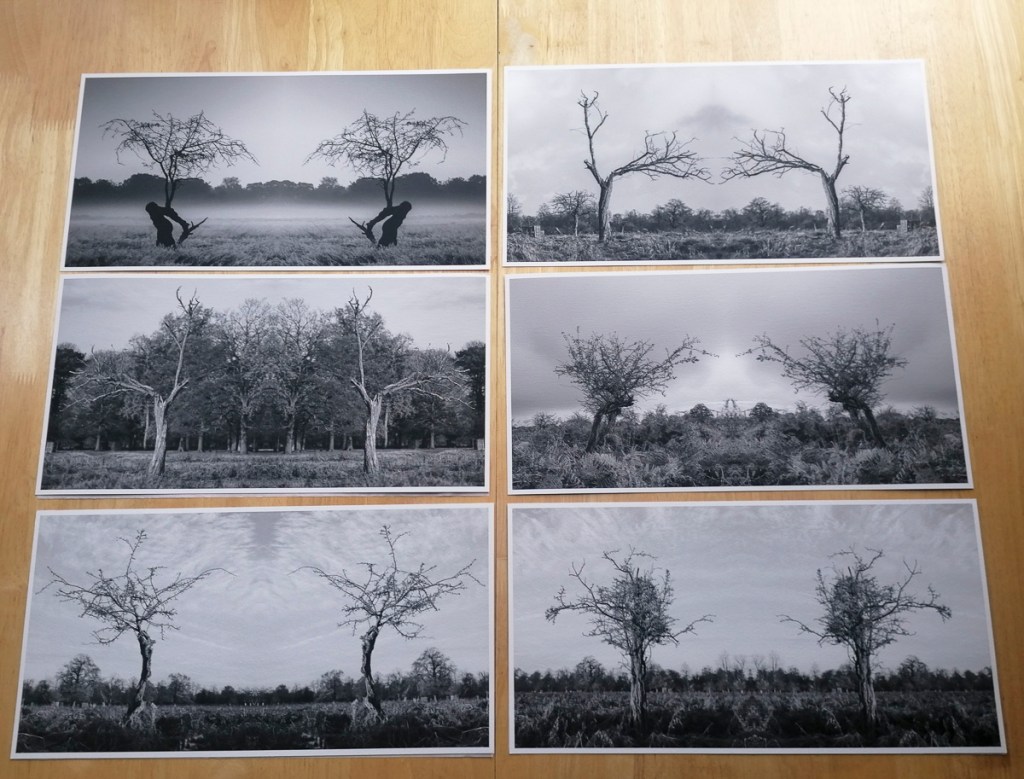
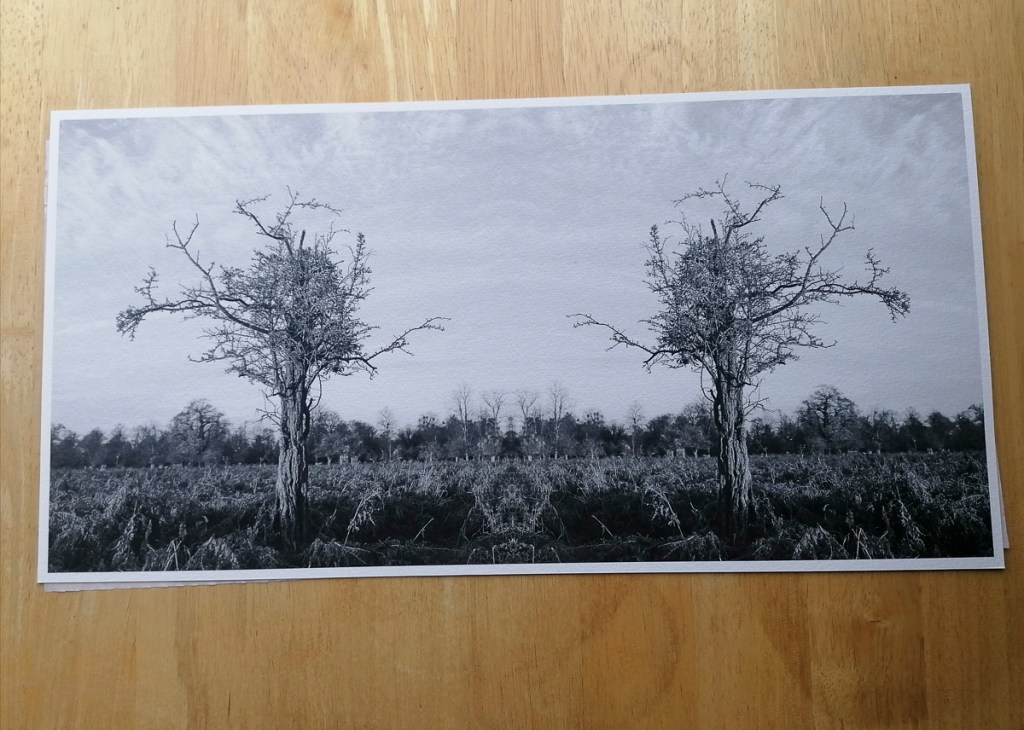
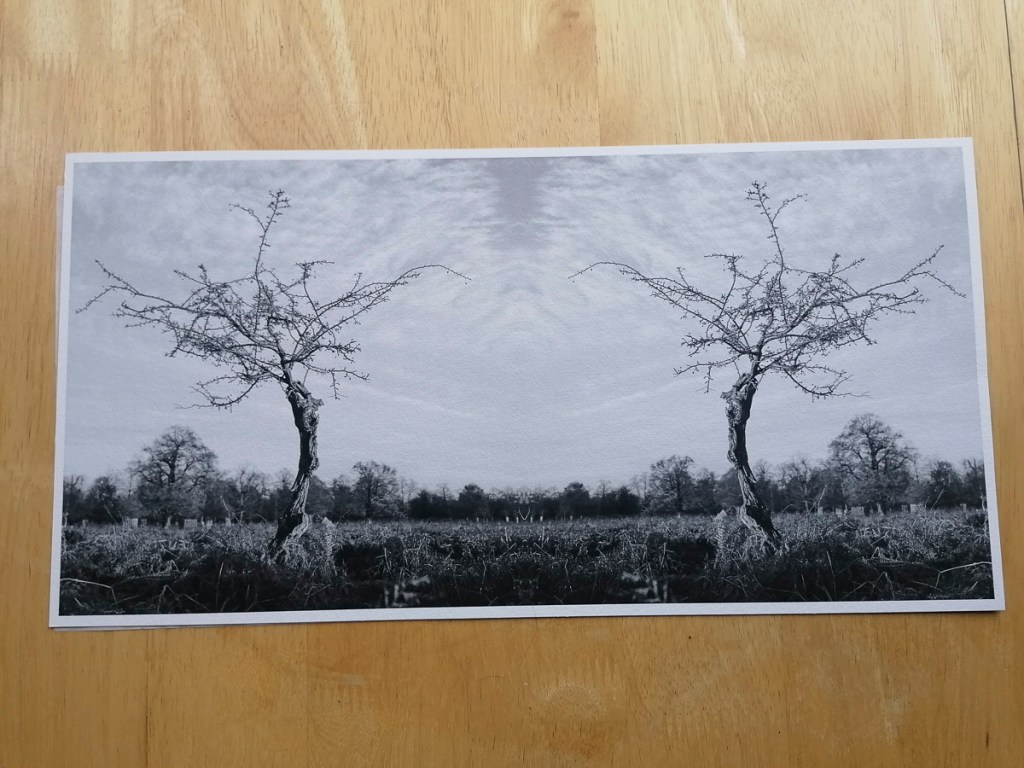
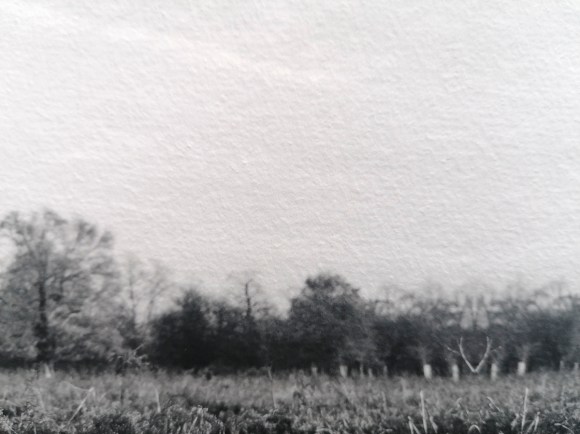
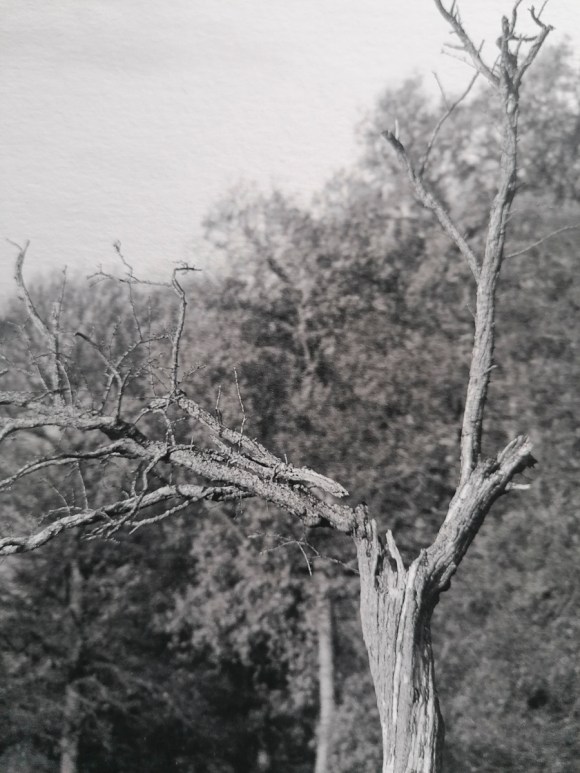
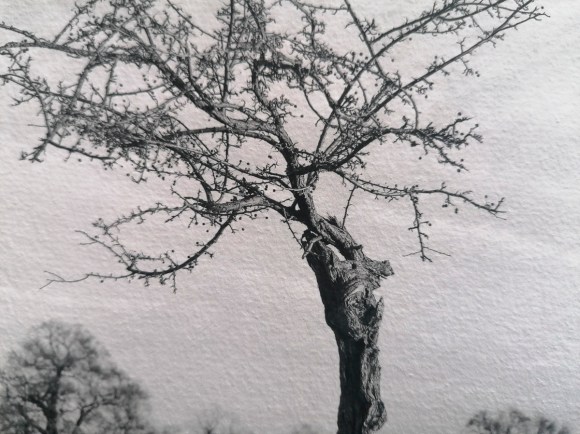
The test prints from Spectrum Photographic were received on 14 January 2021. All images were taken using my smartphone.
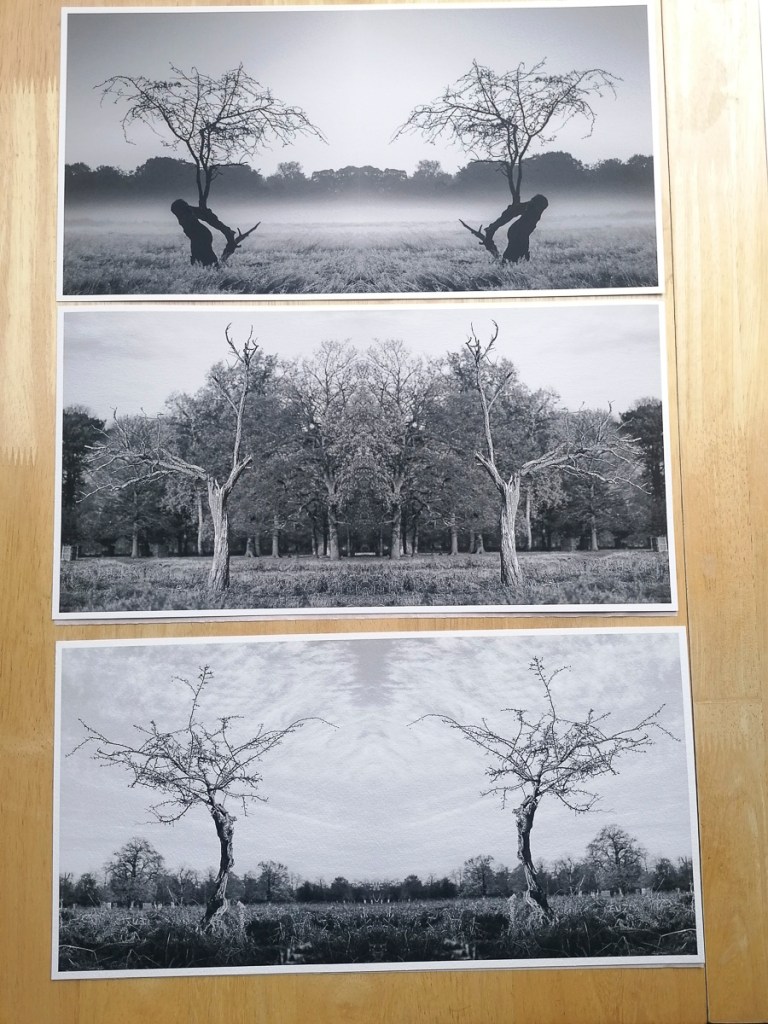
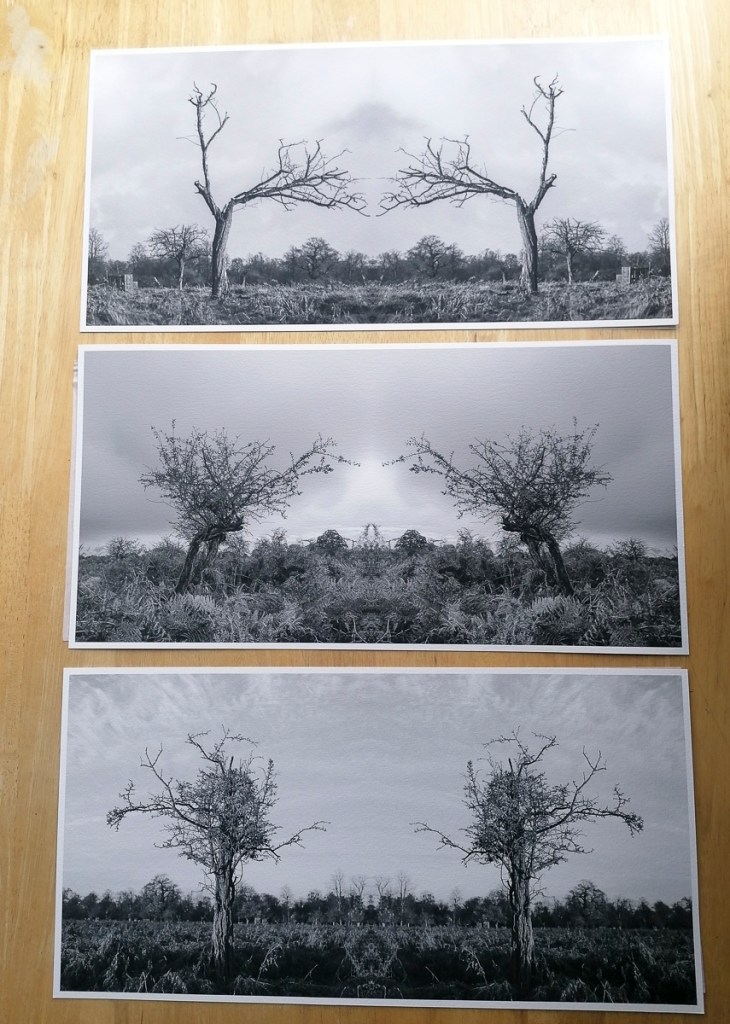
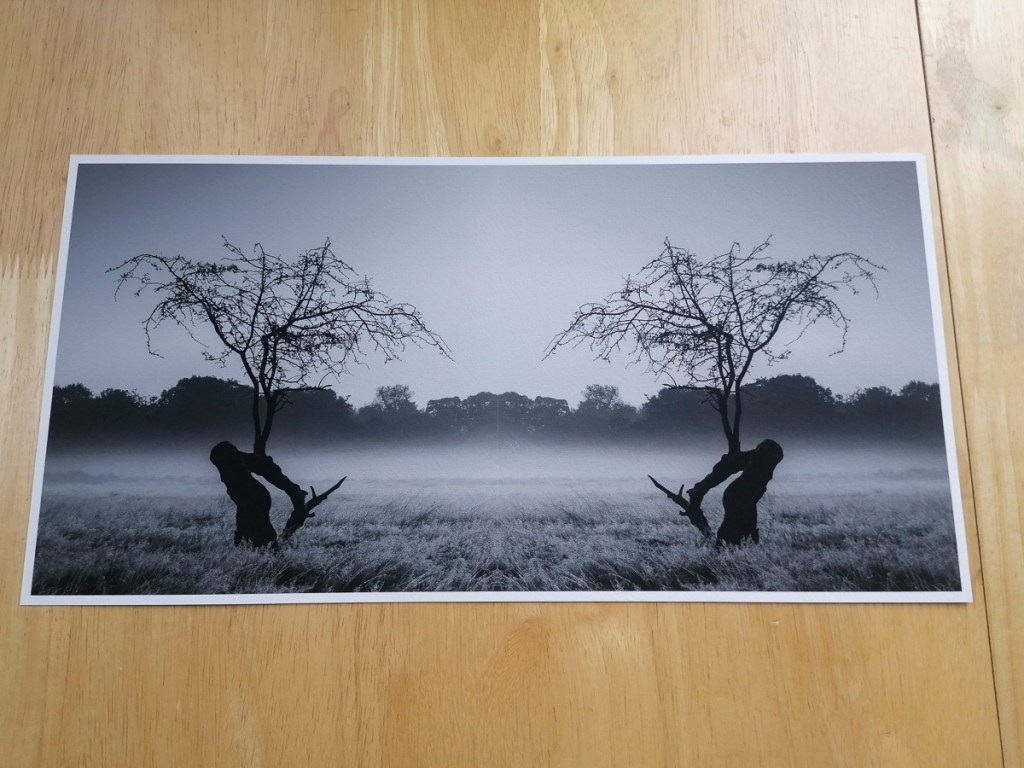
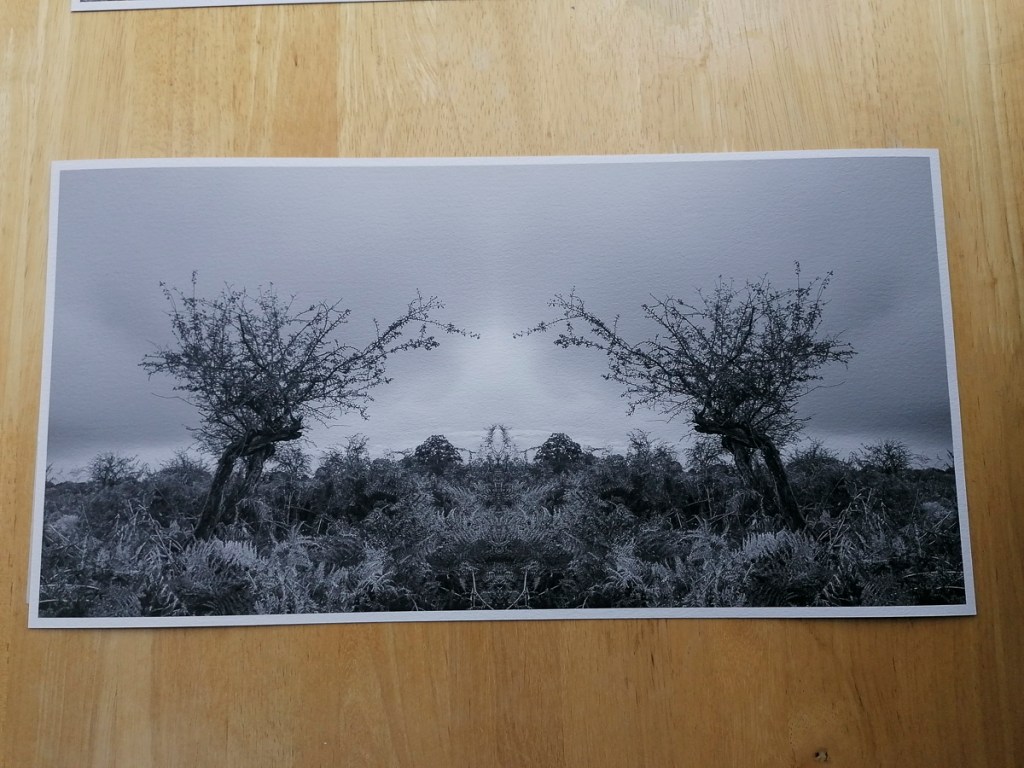
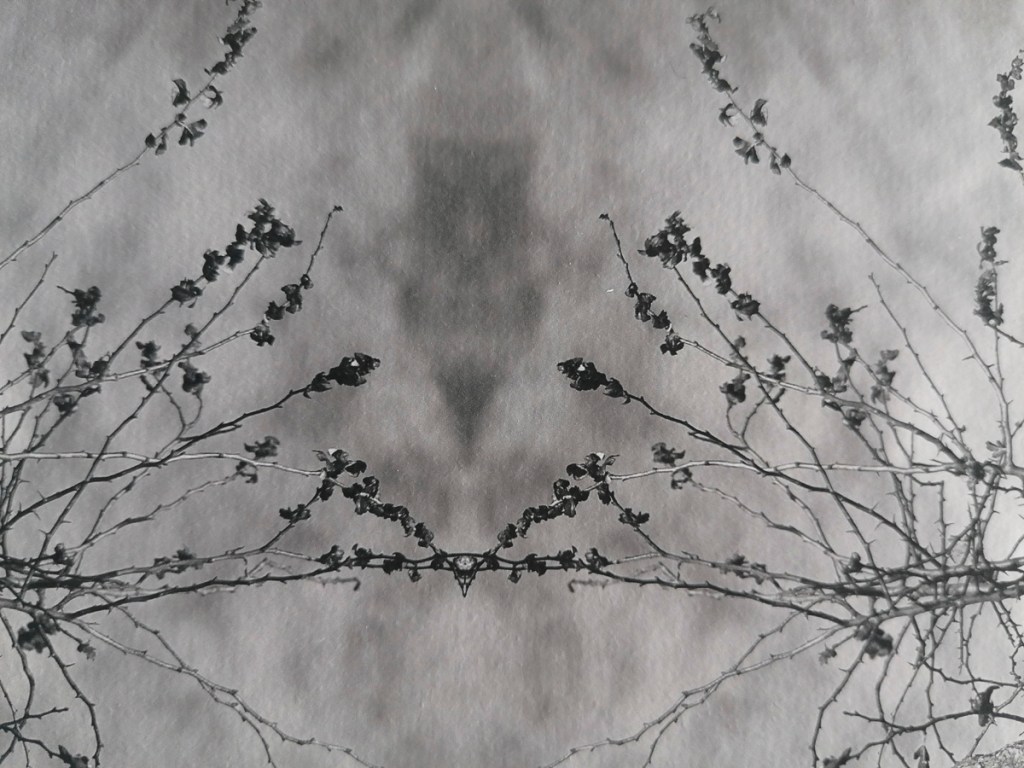
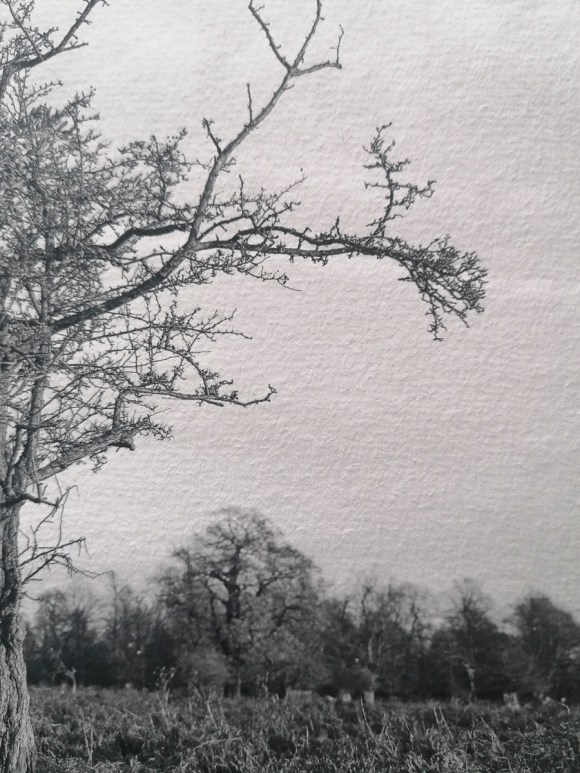
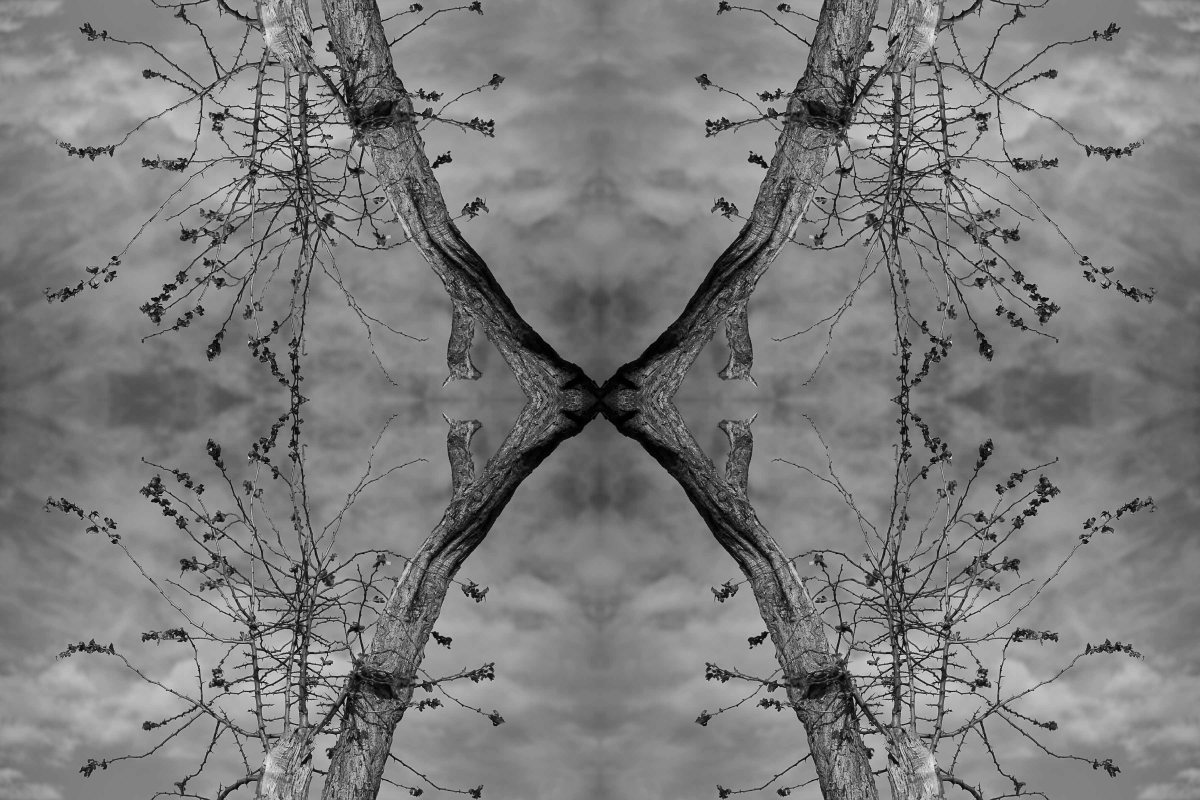
I was very pleased with the results. Each image has characteristics and details that have been brought out by using the Hahnemühle German Etching 310 fine art paper.
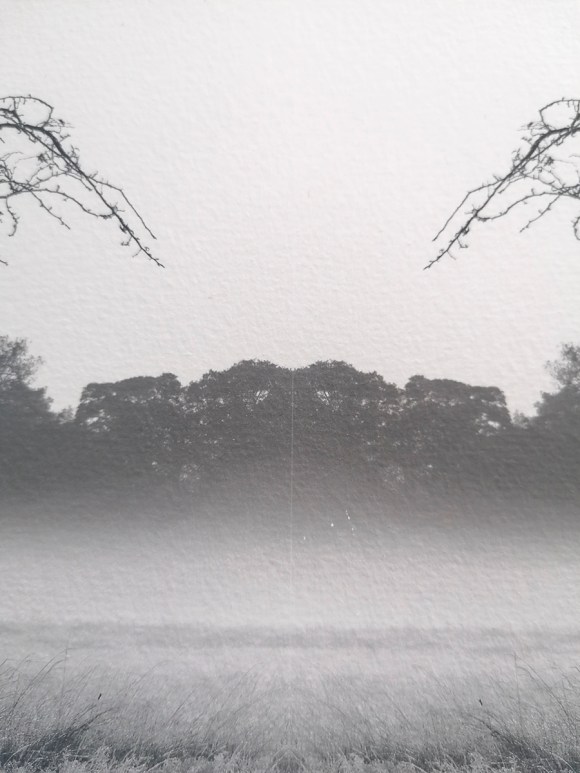
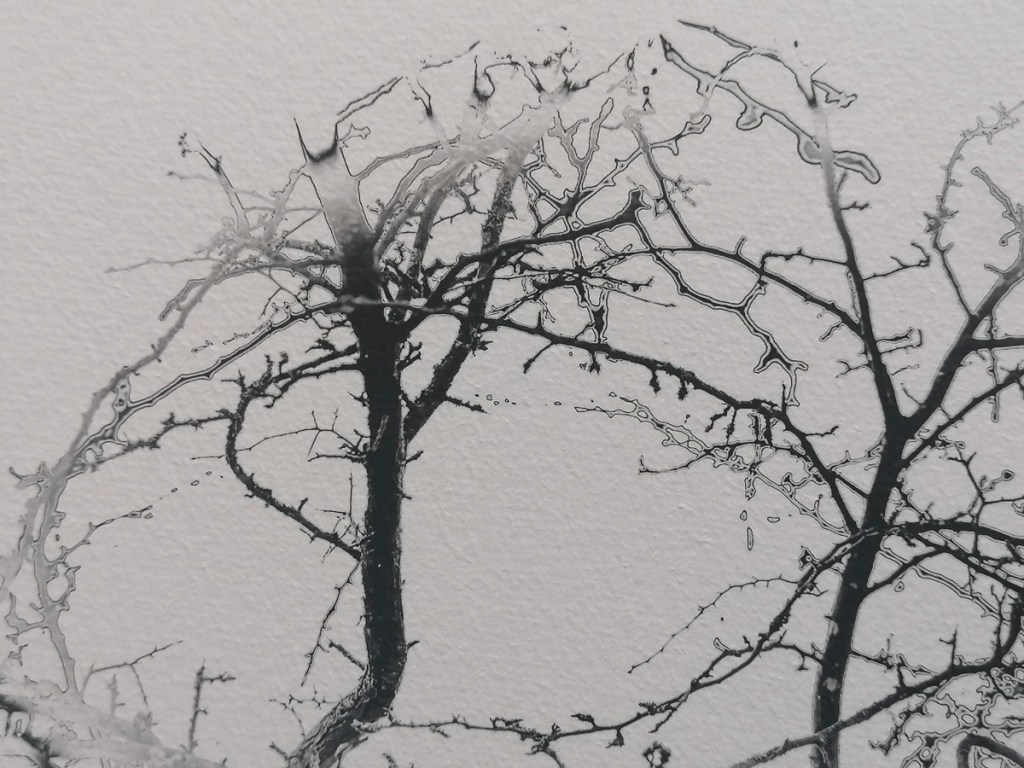
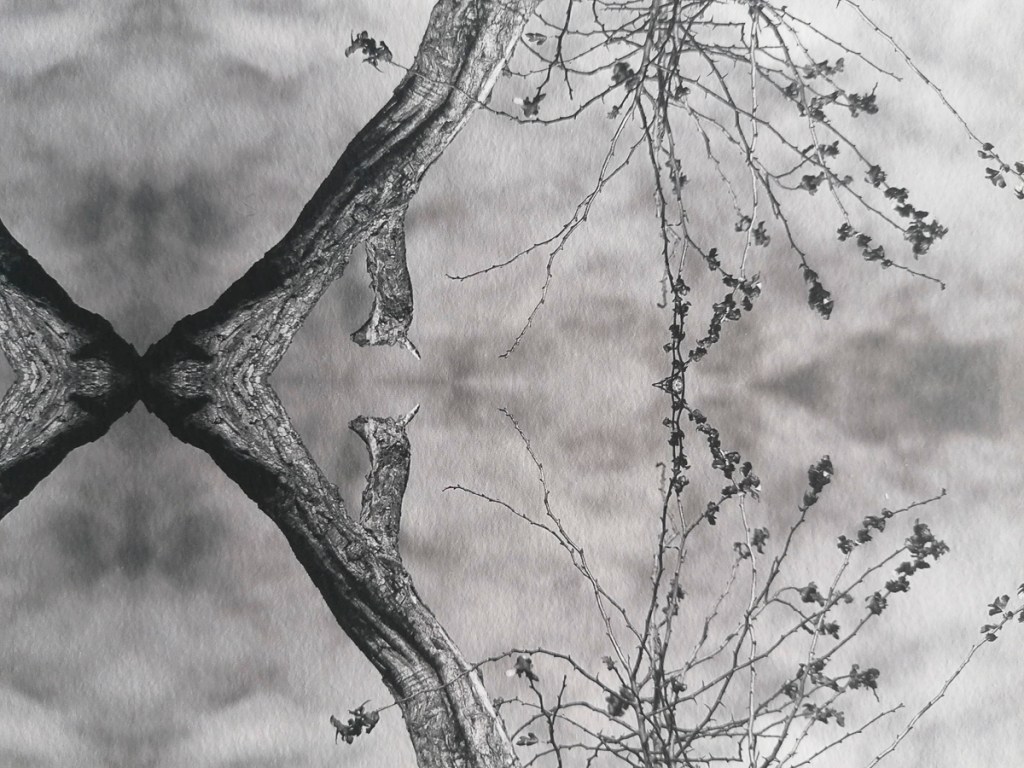
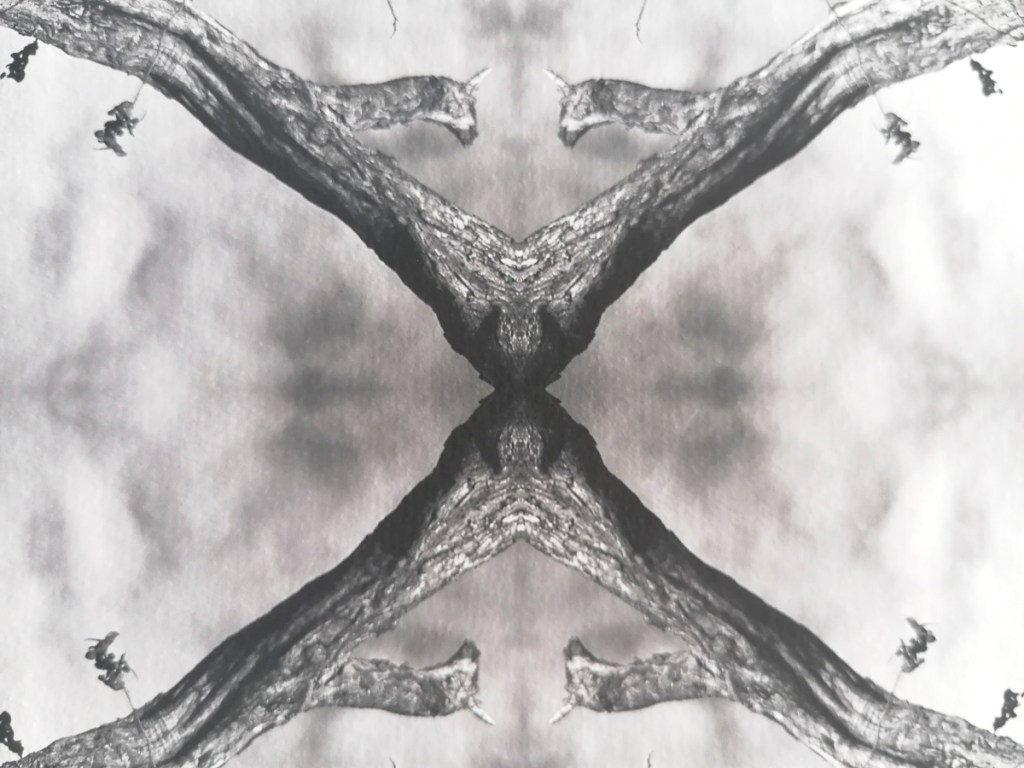
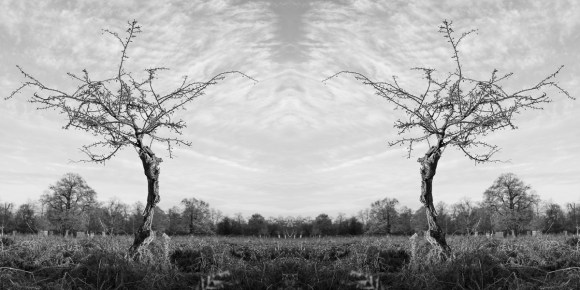
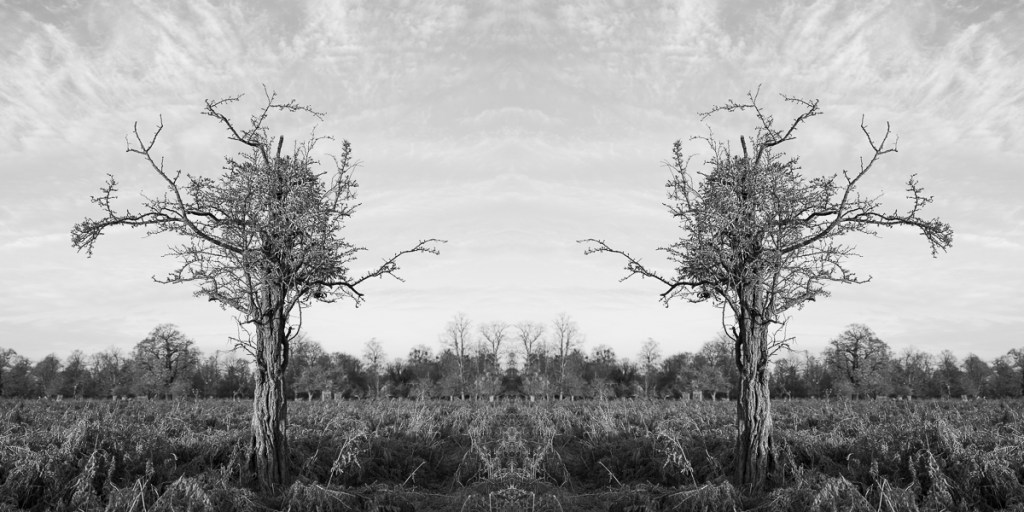
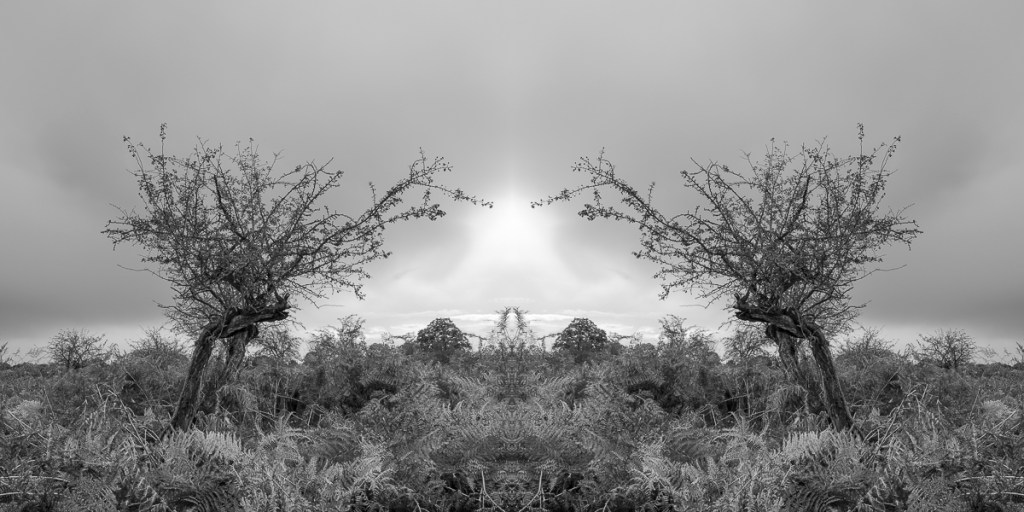
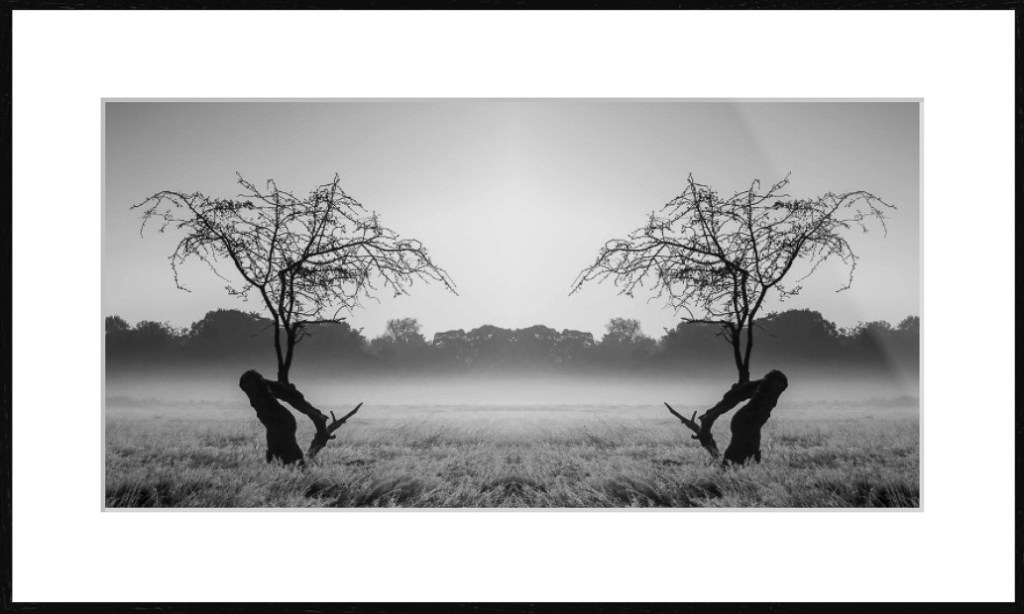
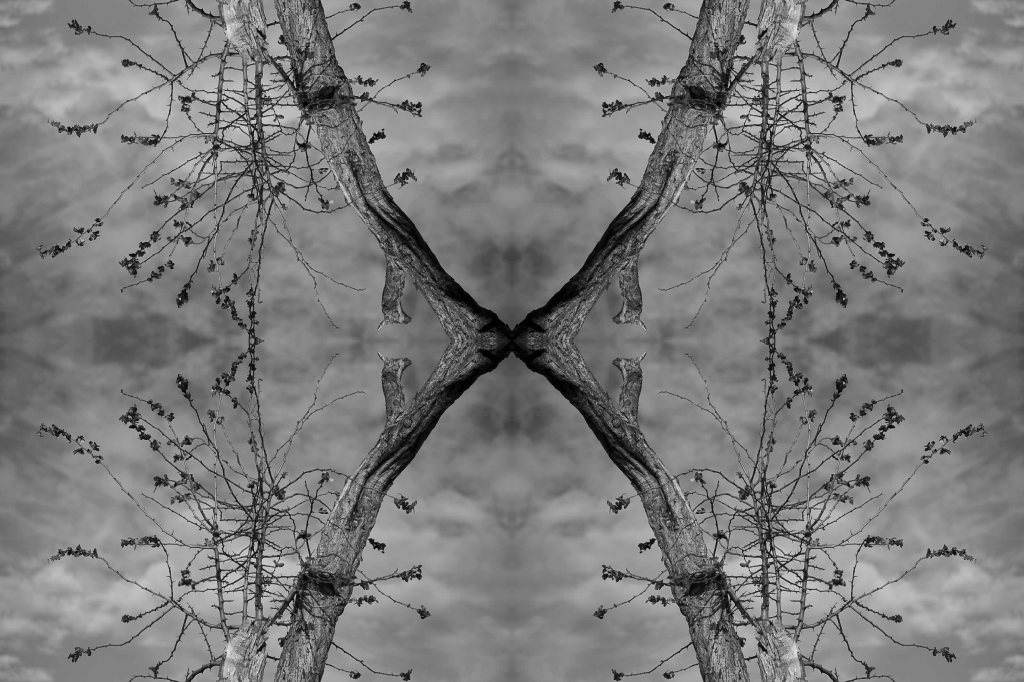
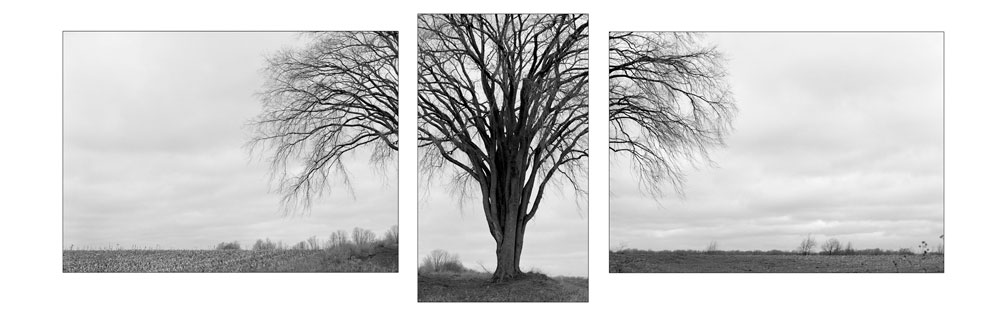
One thing I did notice was a very thin white line running down the middle of this image.
What I had not checked closely enough was when the two mirror images were aligned exactly. This is a reminder to take a bit more care when combining images and zoom in to ensure this doesn’t occur in future. I’ve now updated the file so this the images are totally flush.
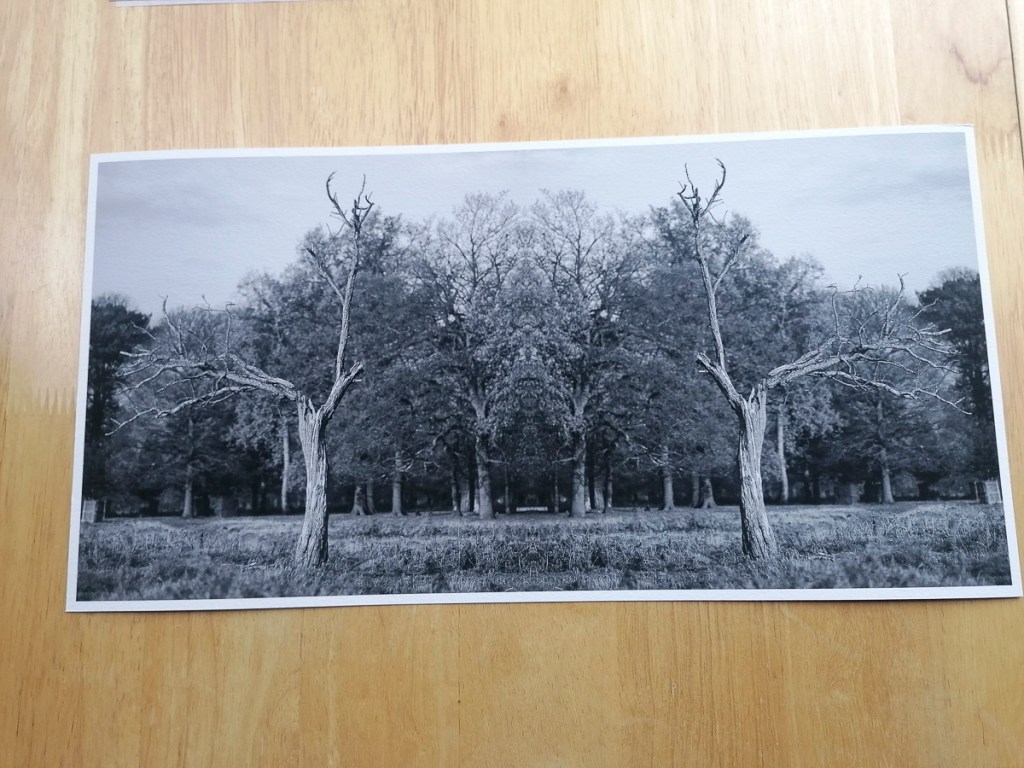
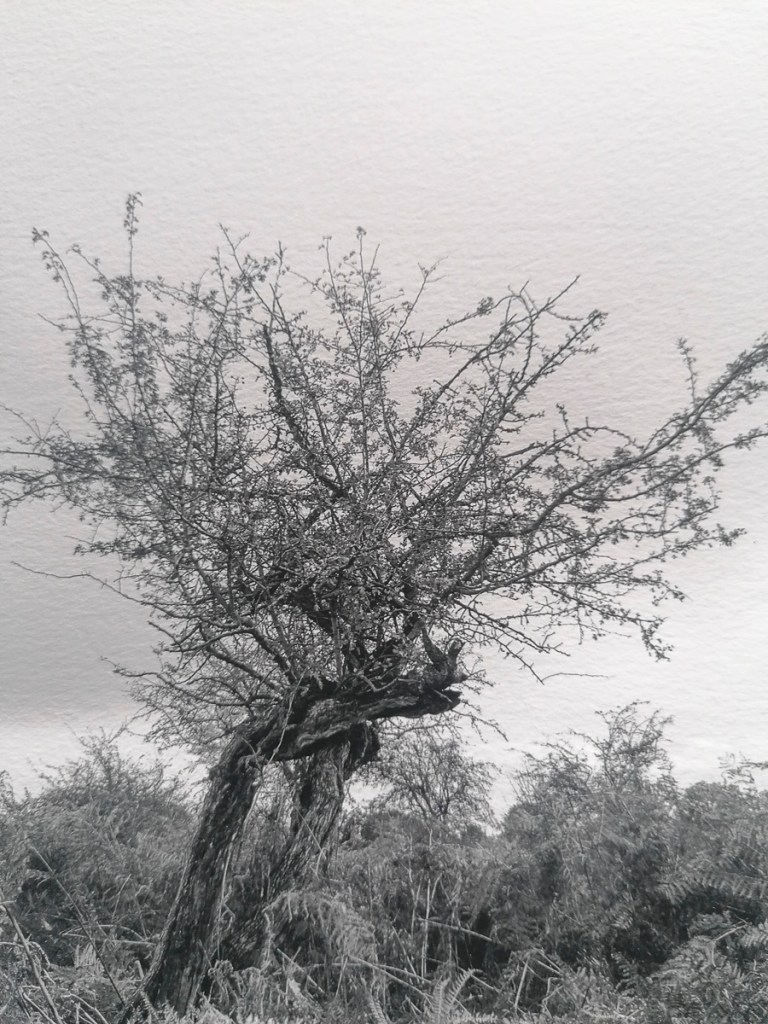
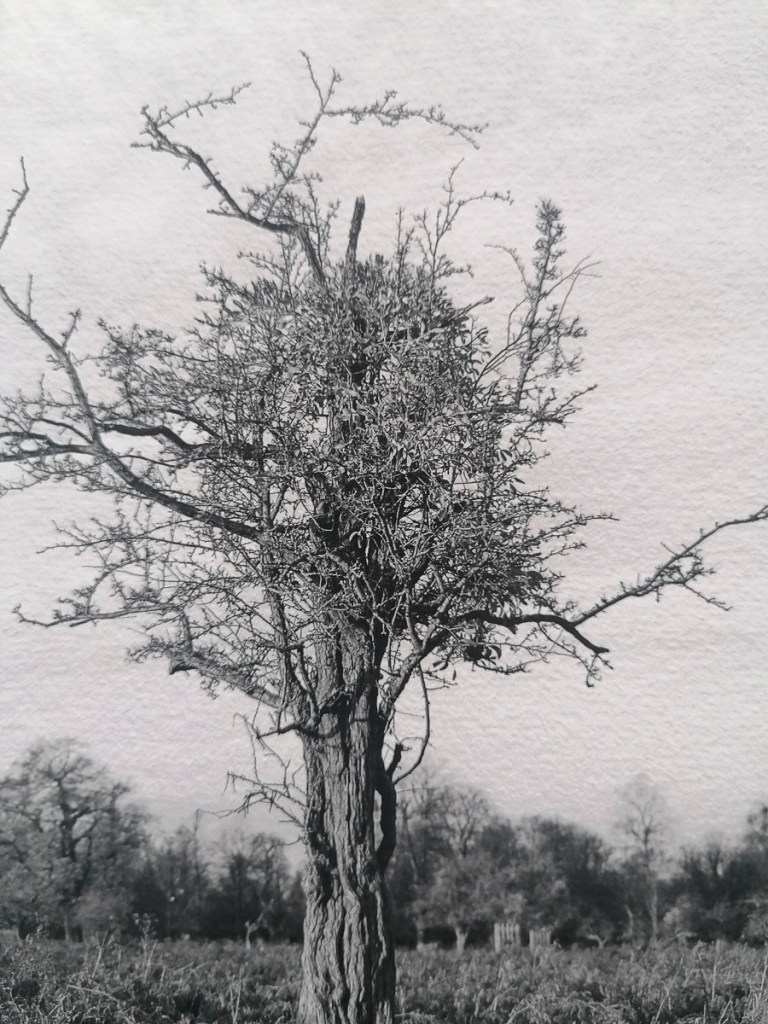
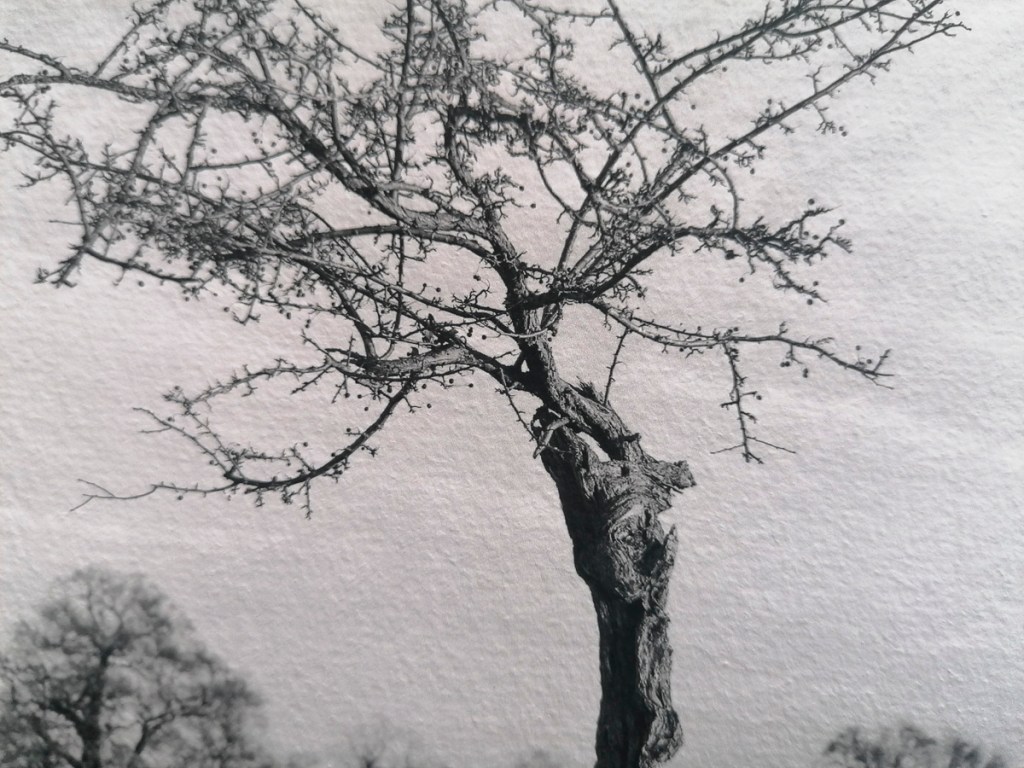
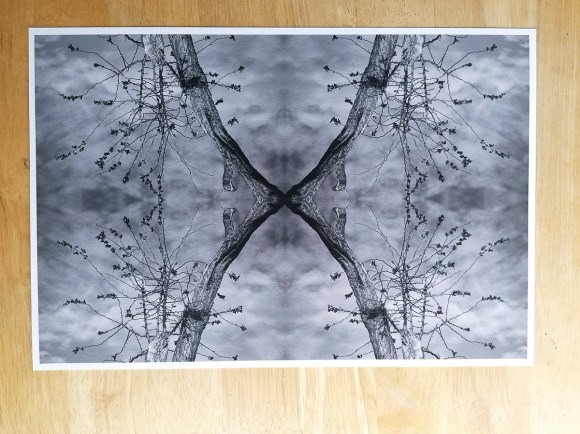
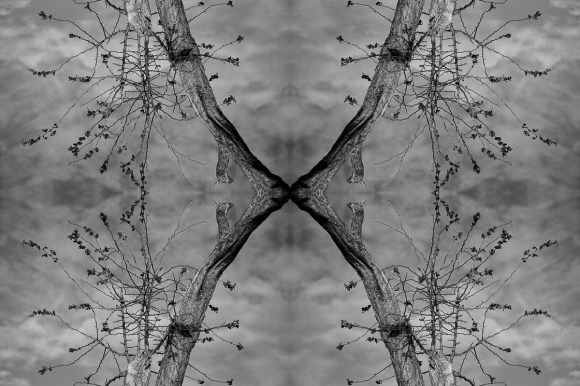
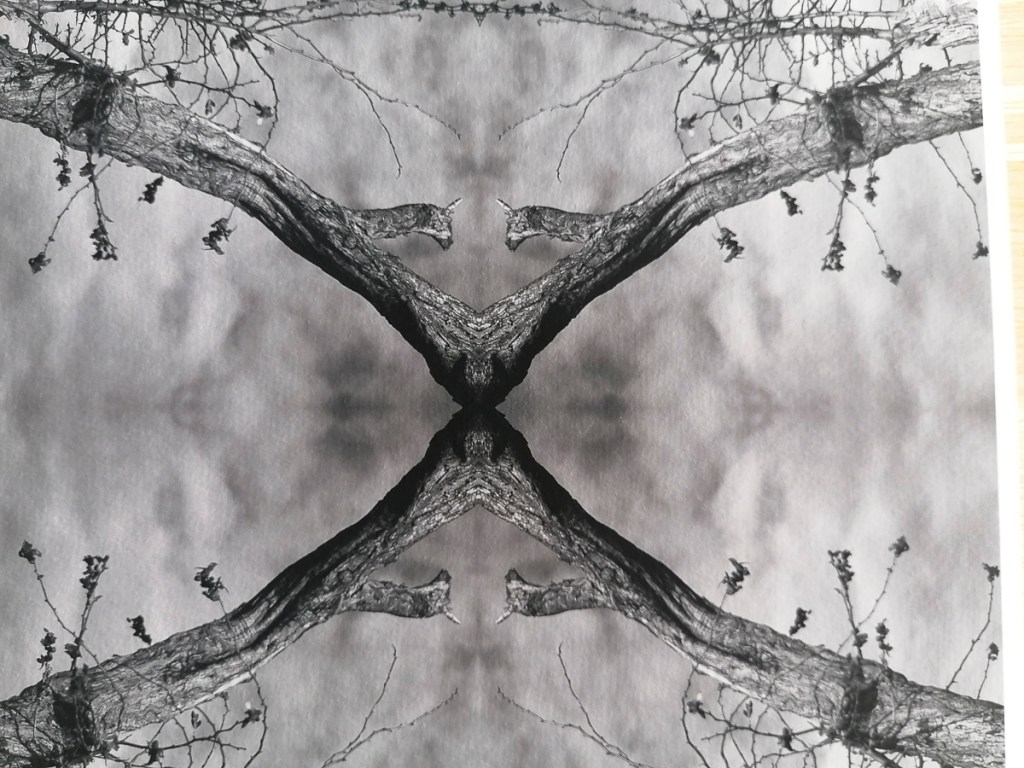
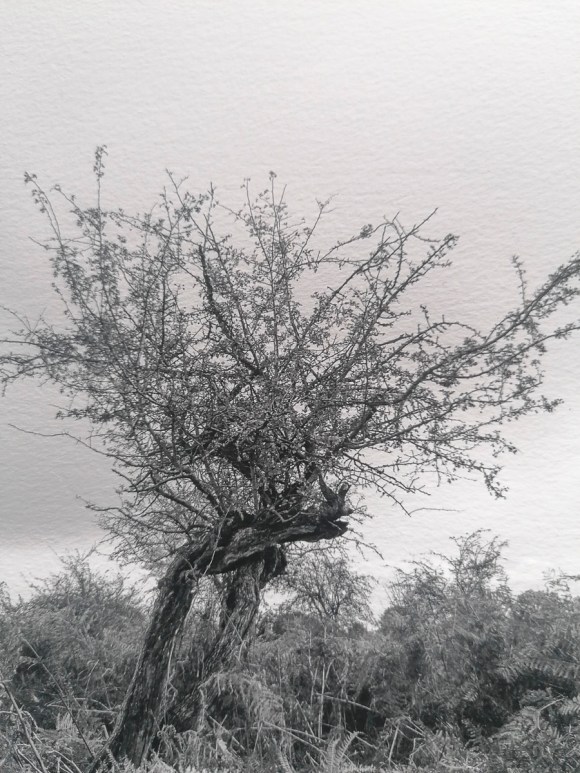
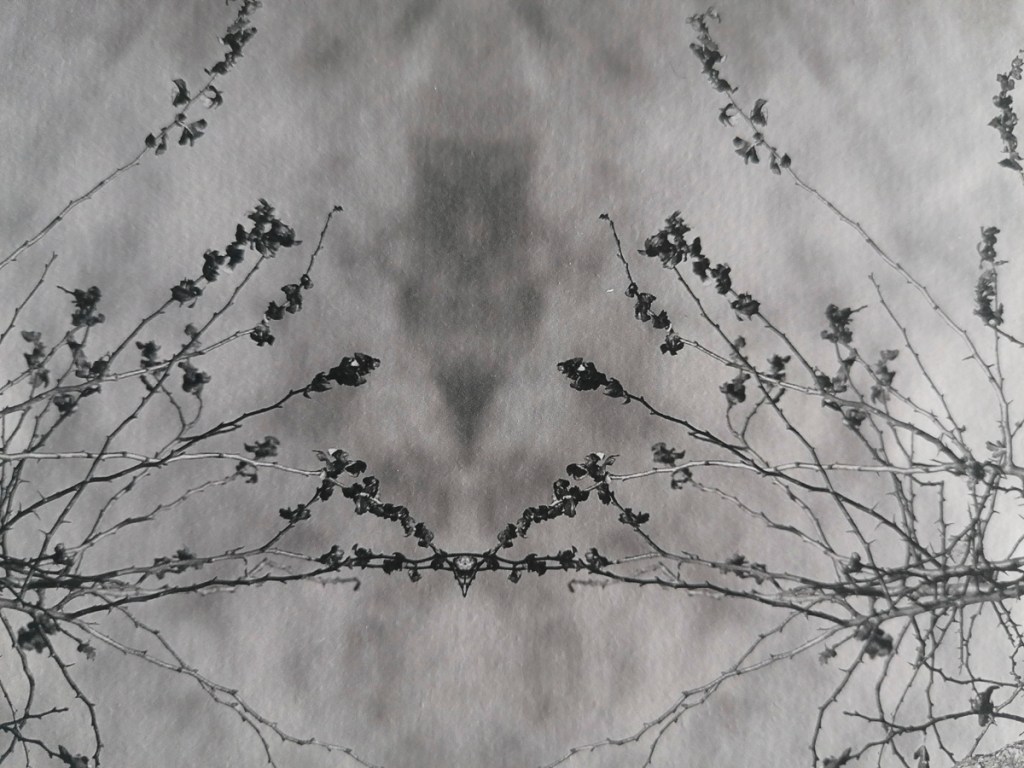
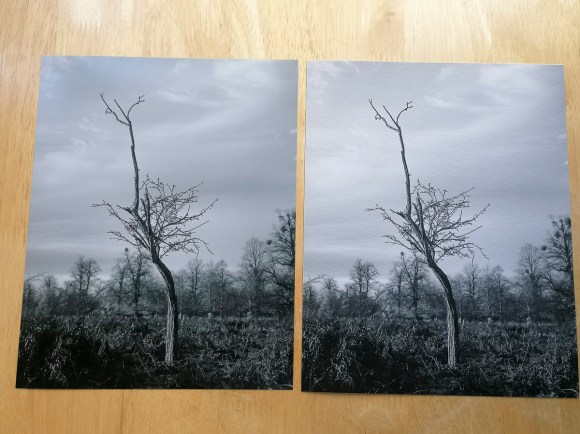
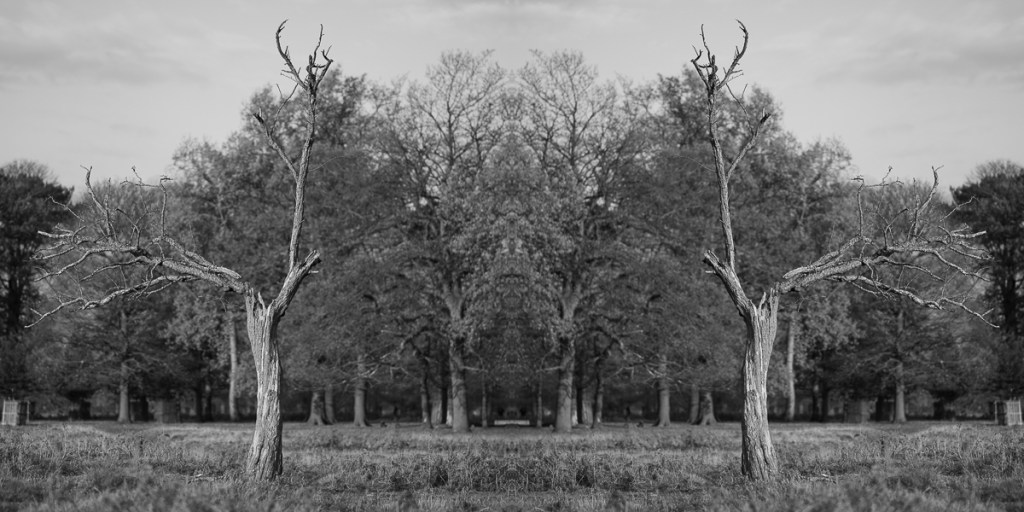
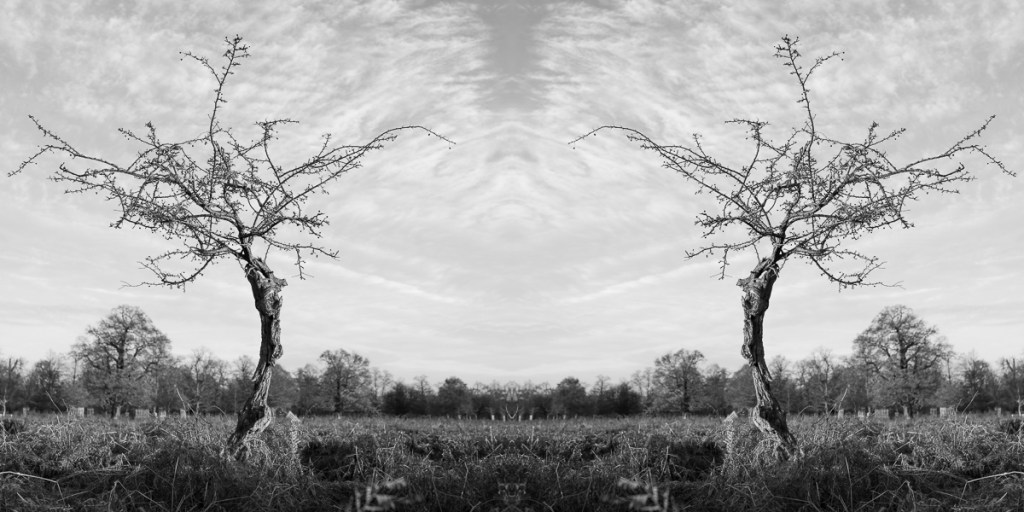
I was also quite pleased with the resulting print of this image. Again, the texture of the paper really adds to the ‘depth’ of the finished print.
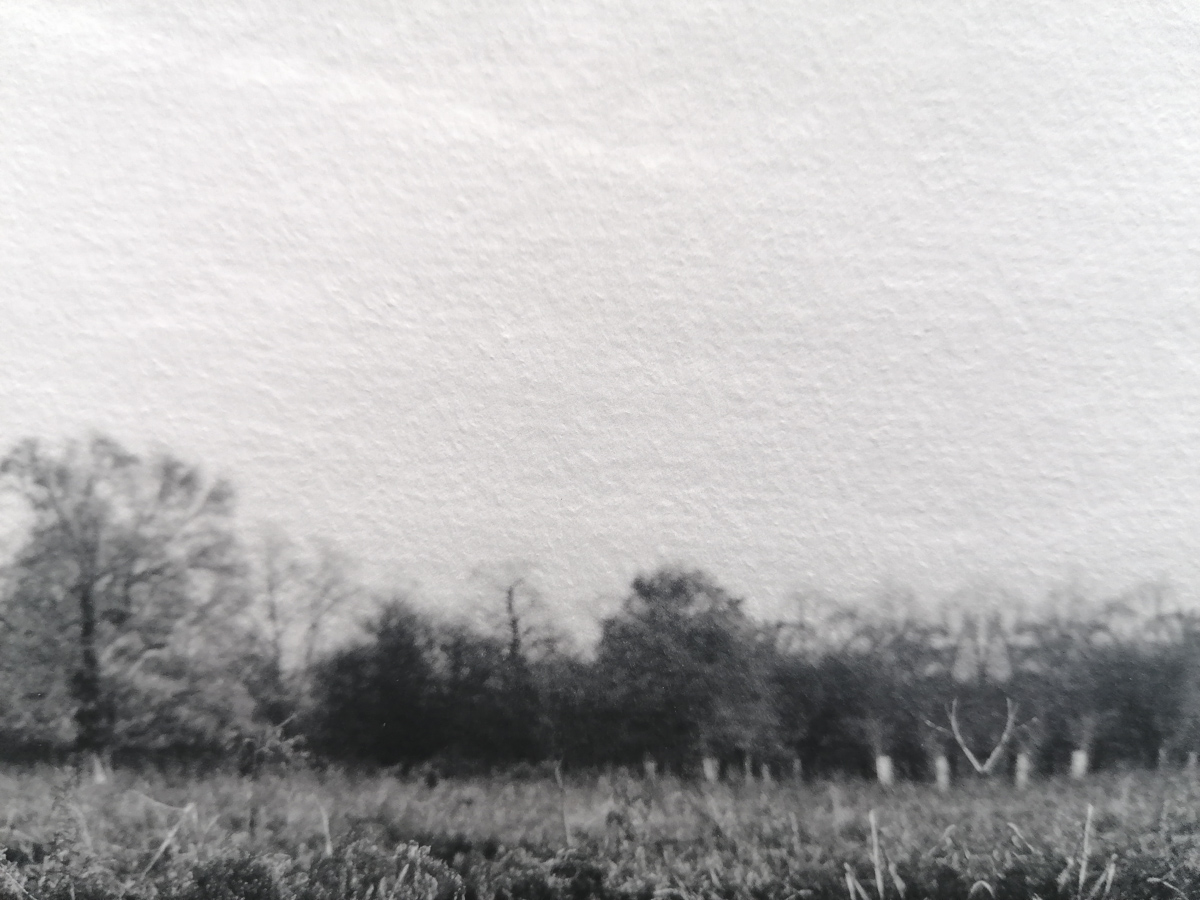
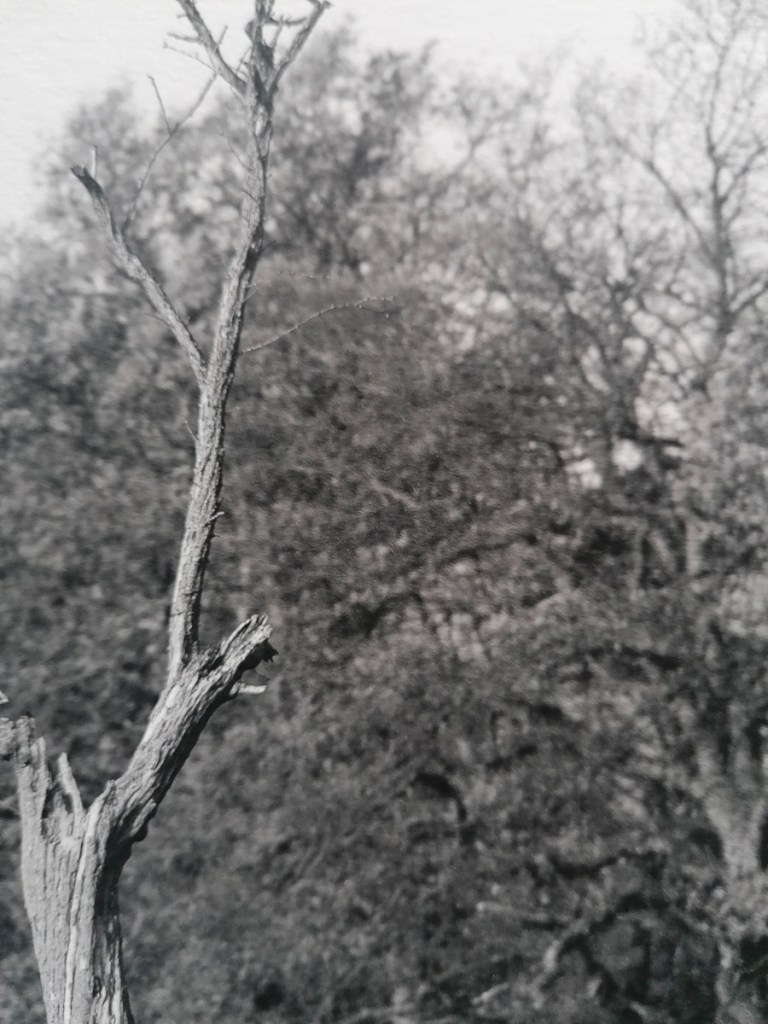
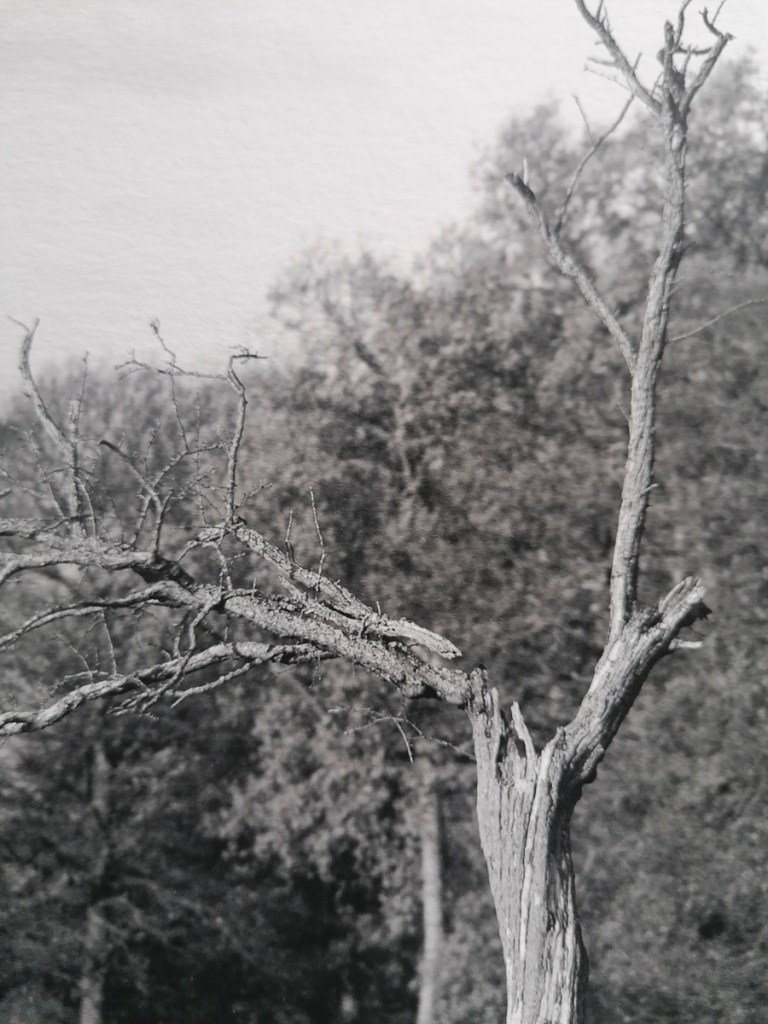
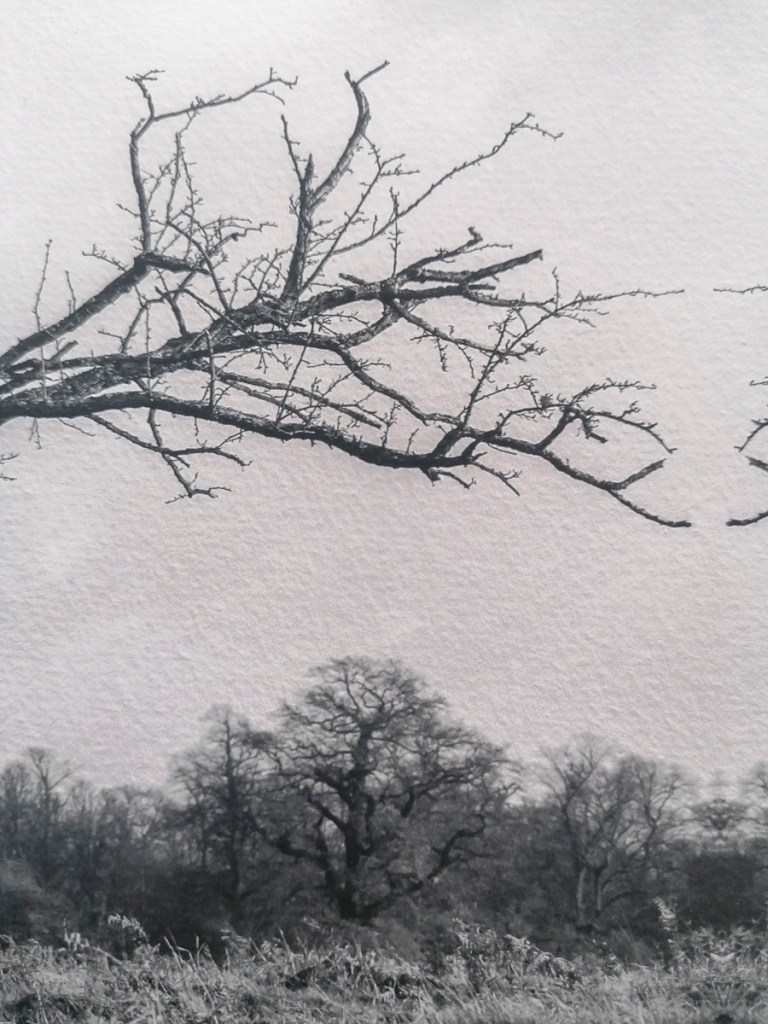
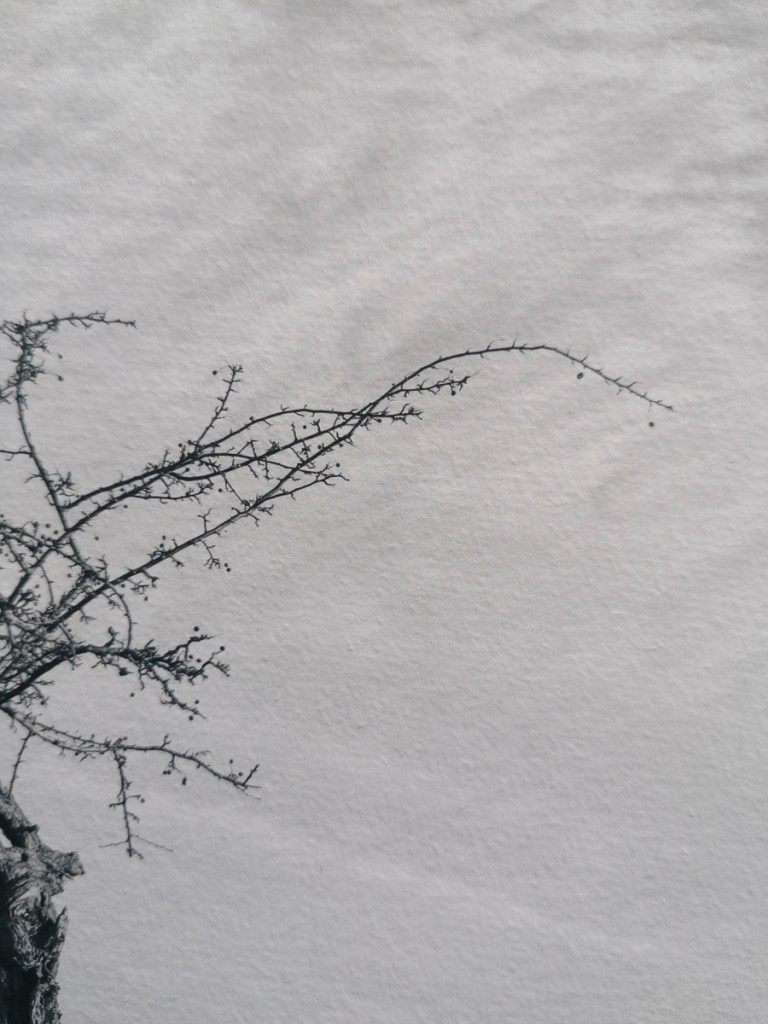
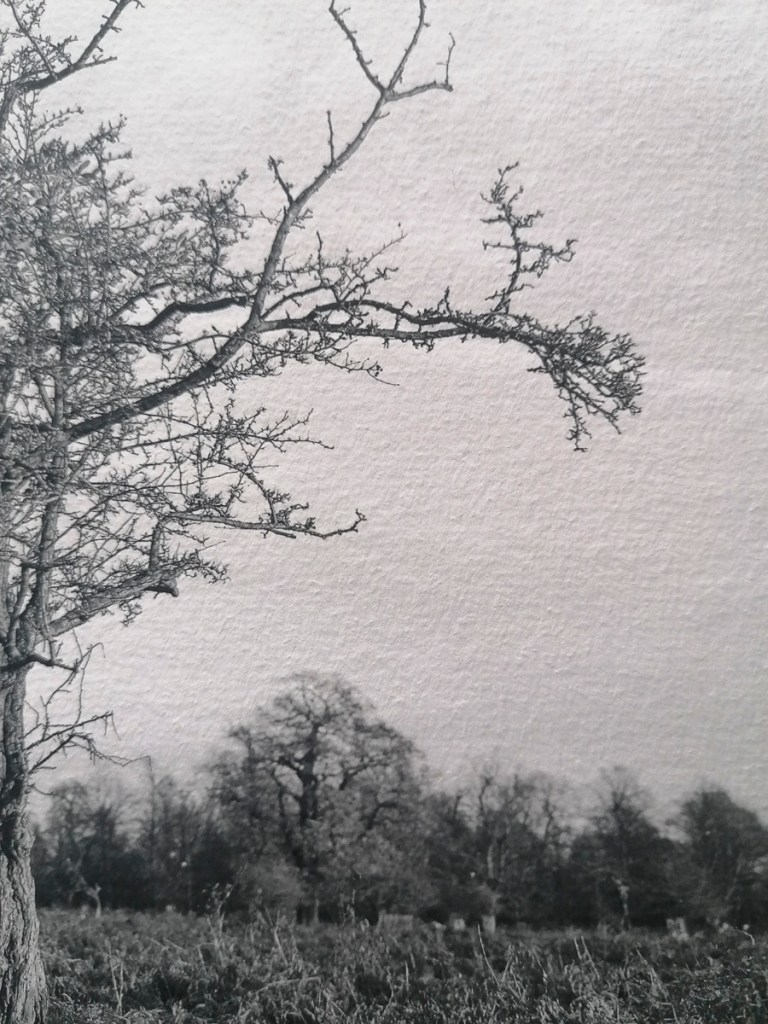
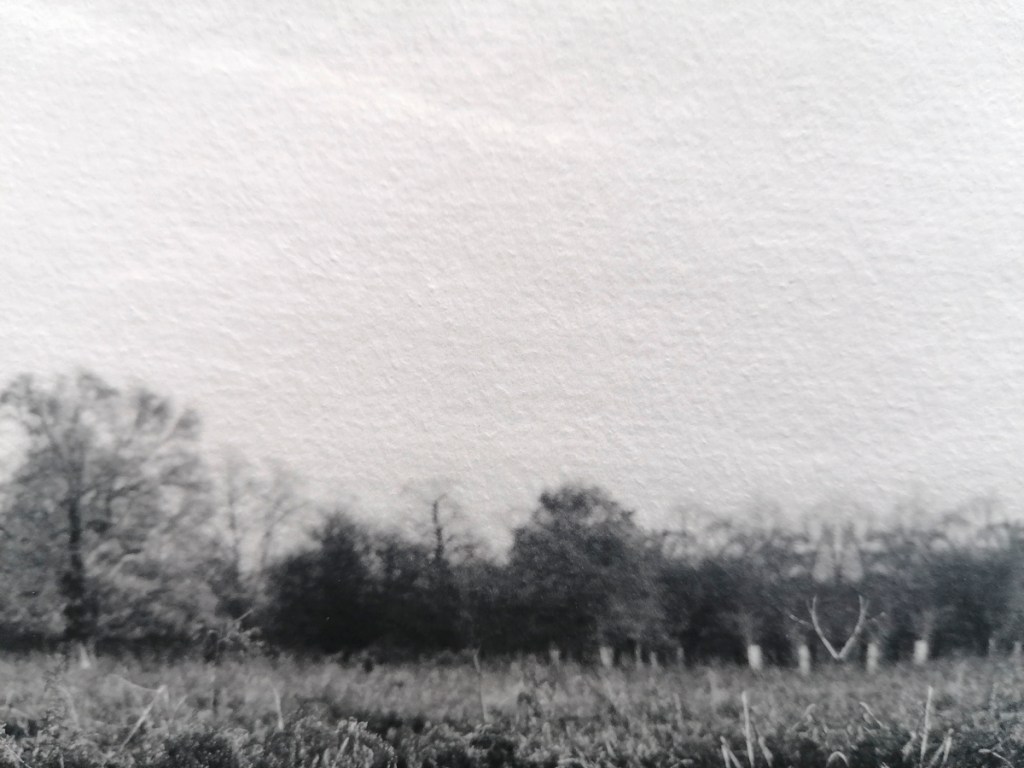
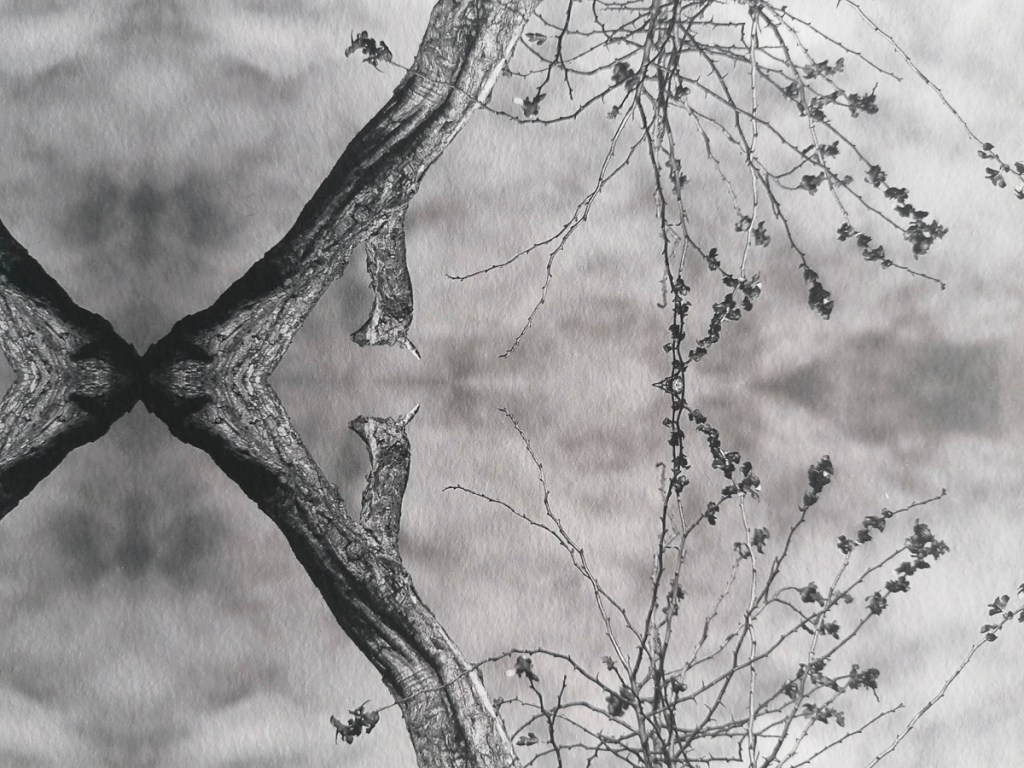
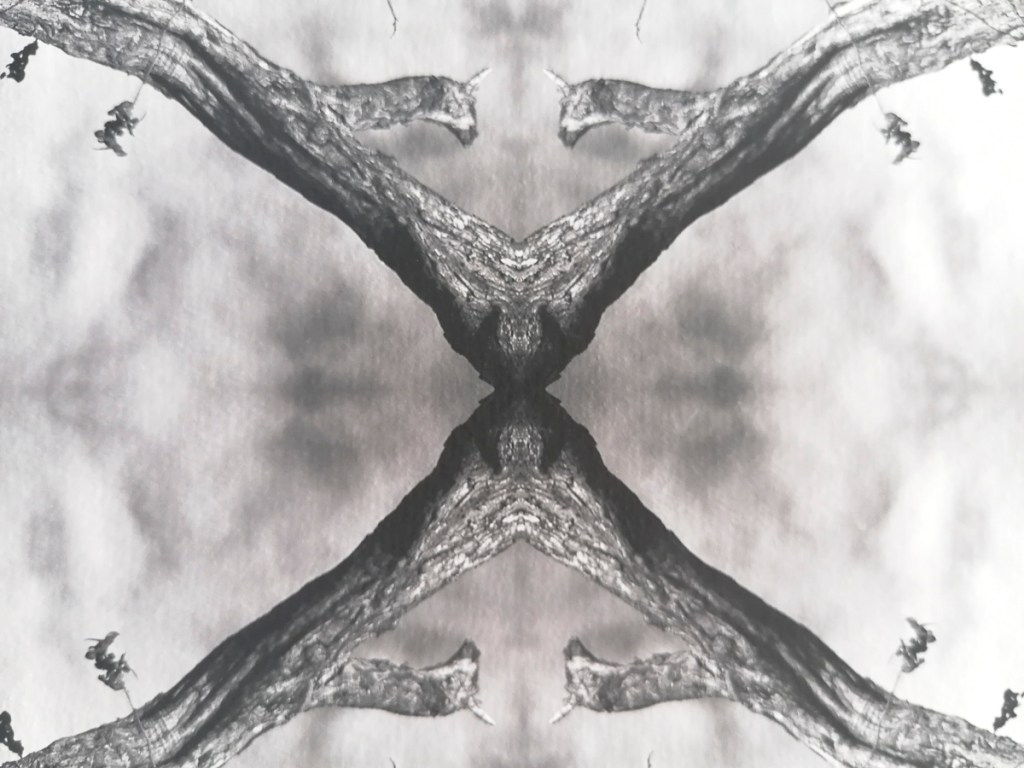
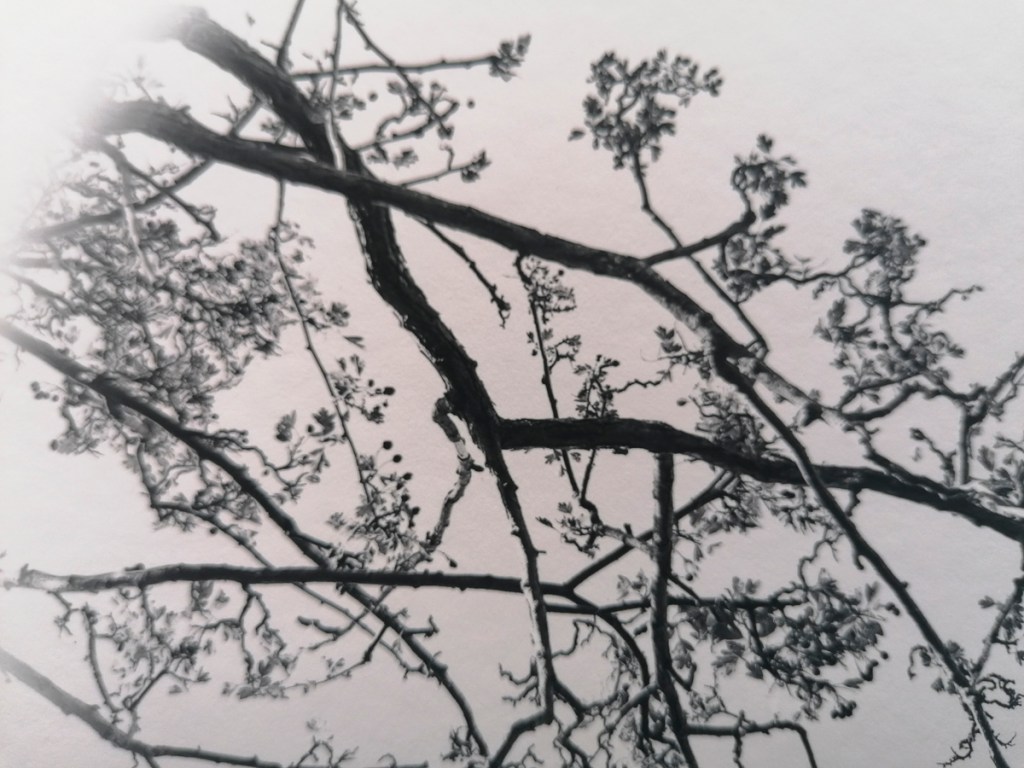
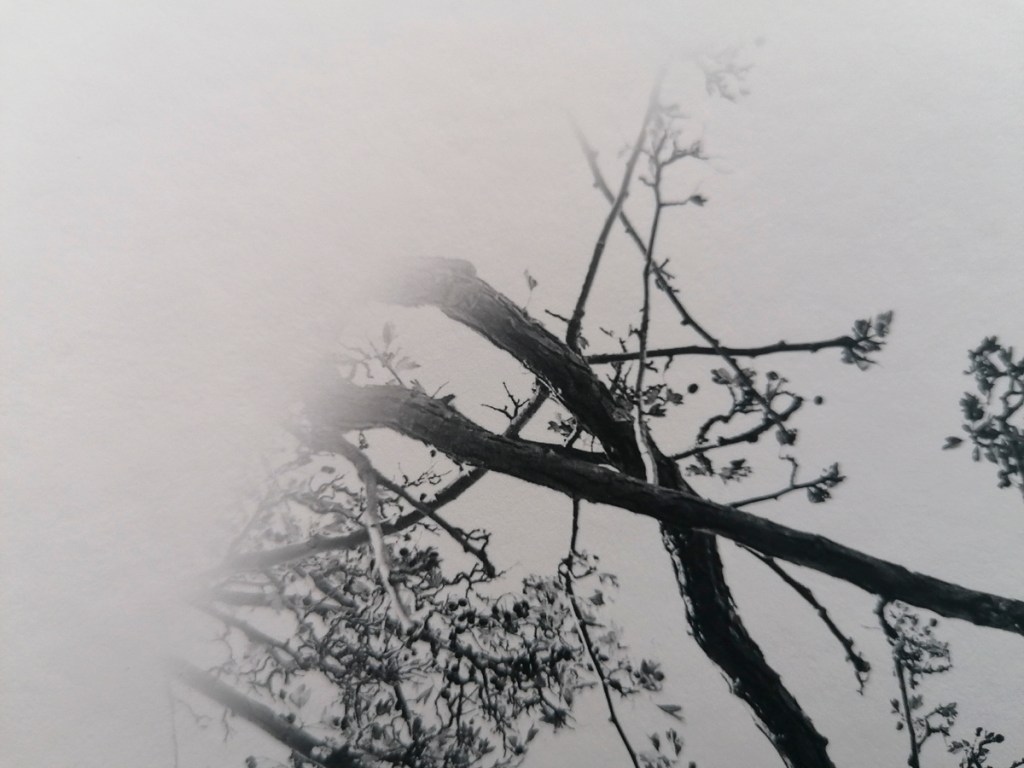
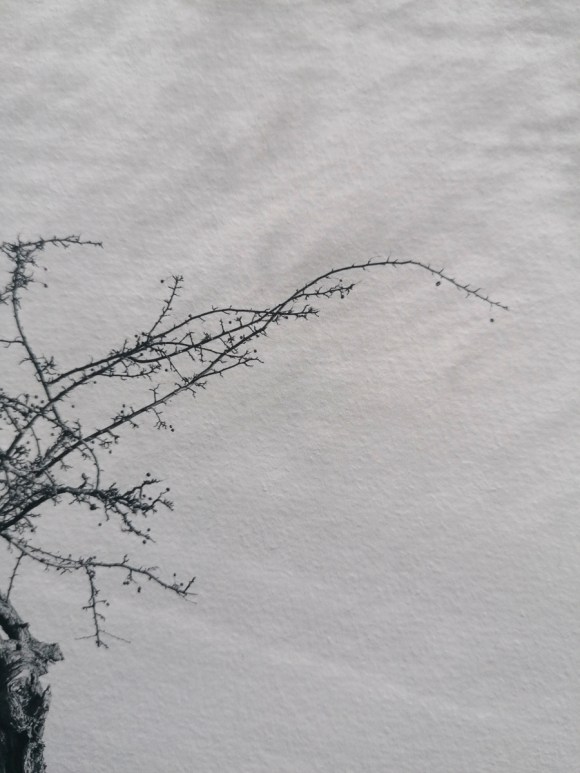
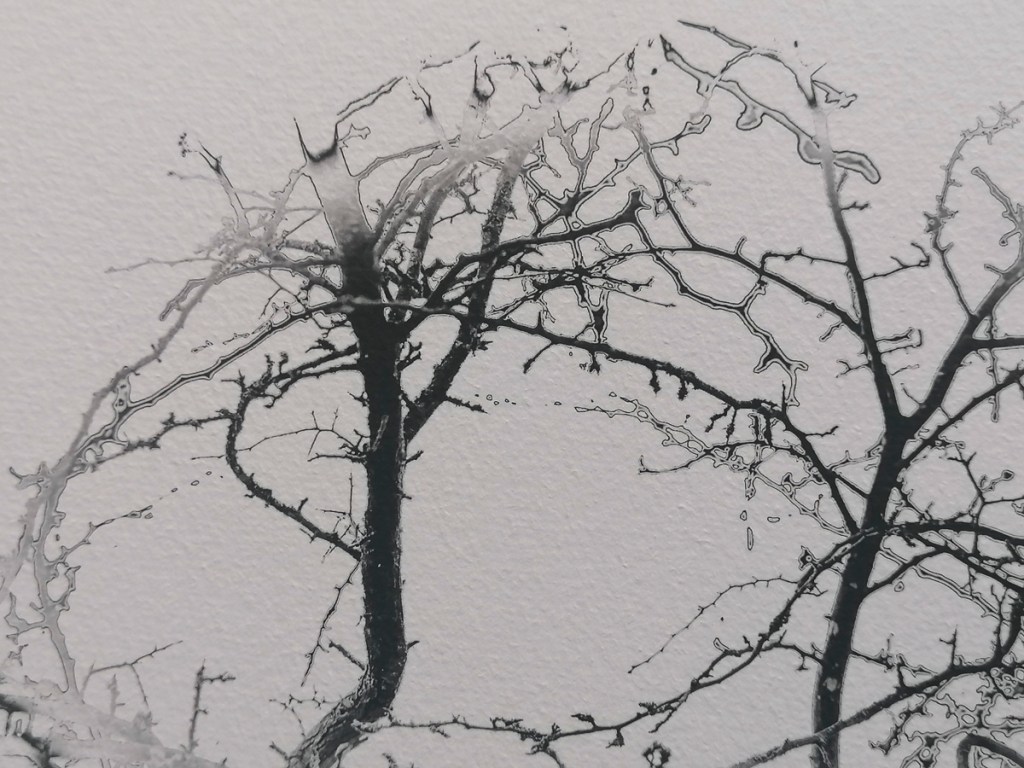
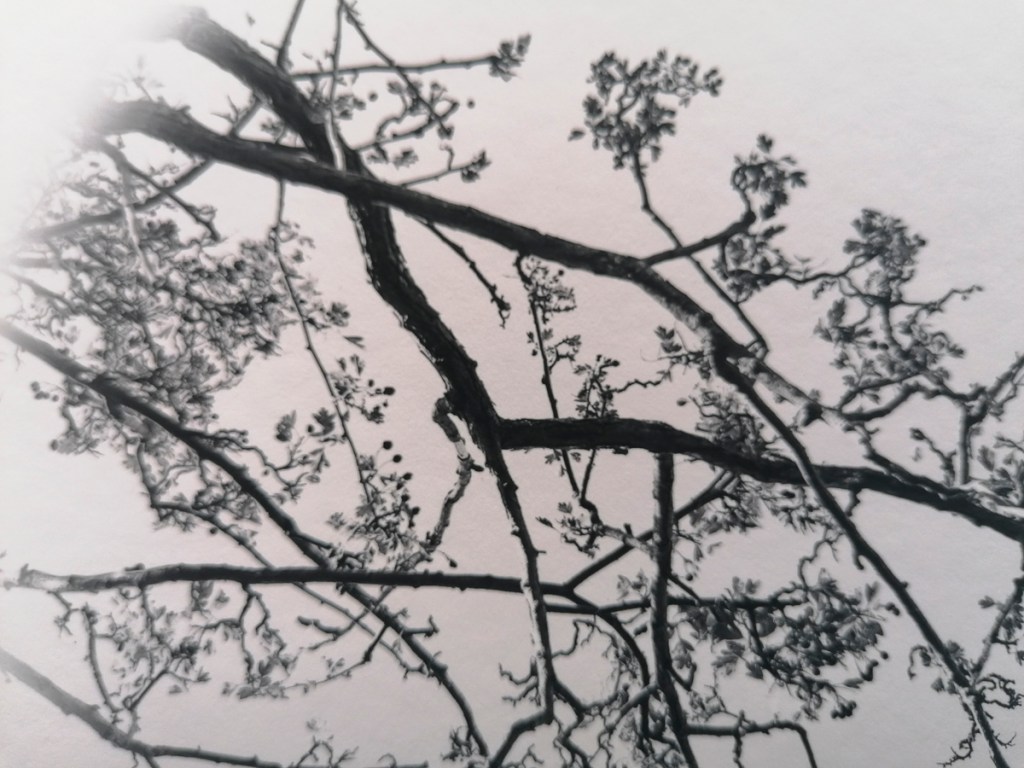
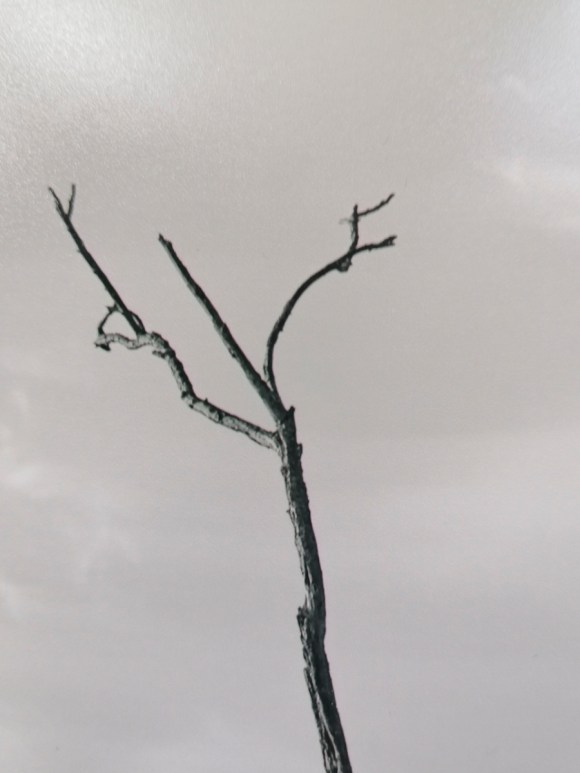
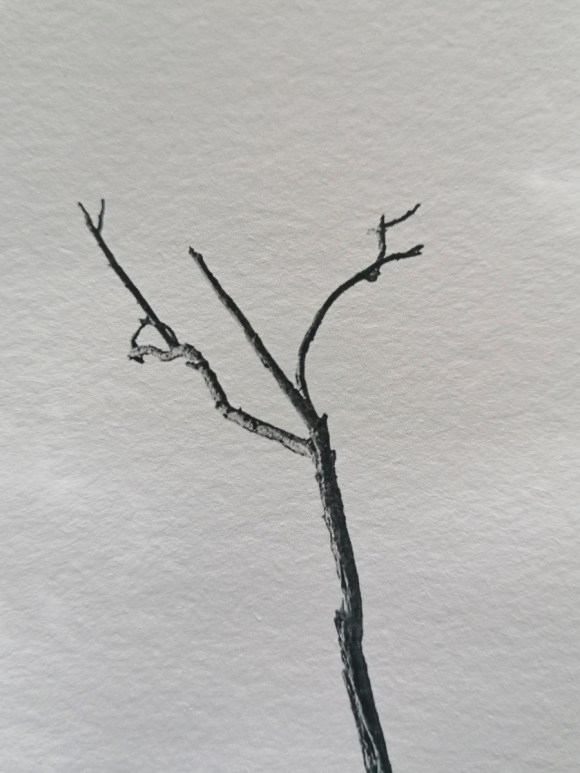
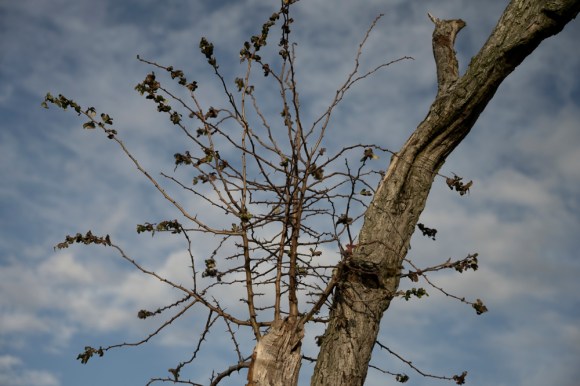
I also took some close up shots so I would have a record of these details.
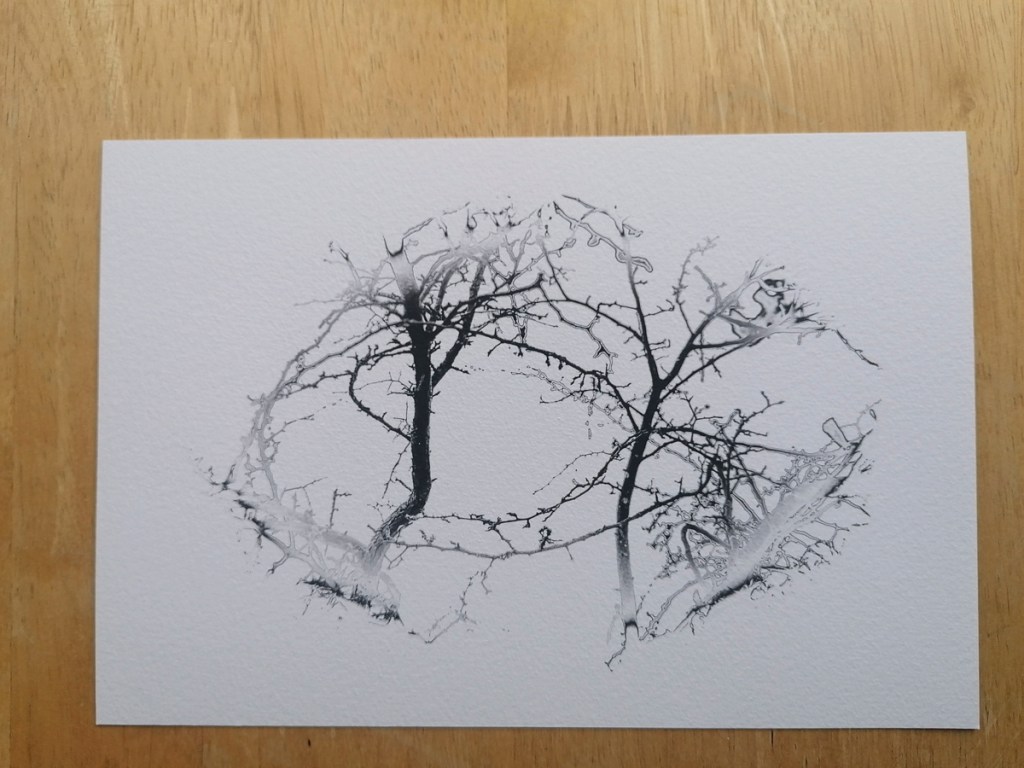
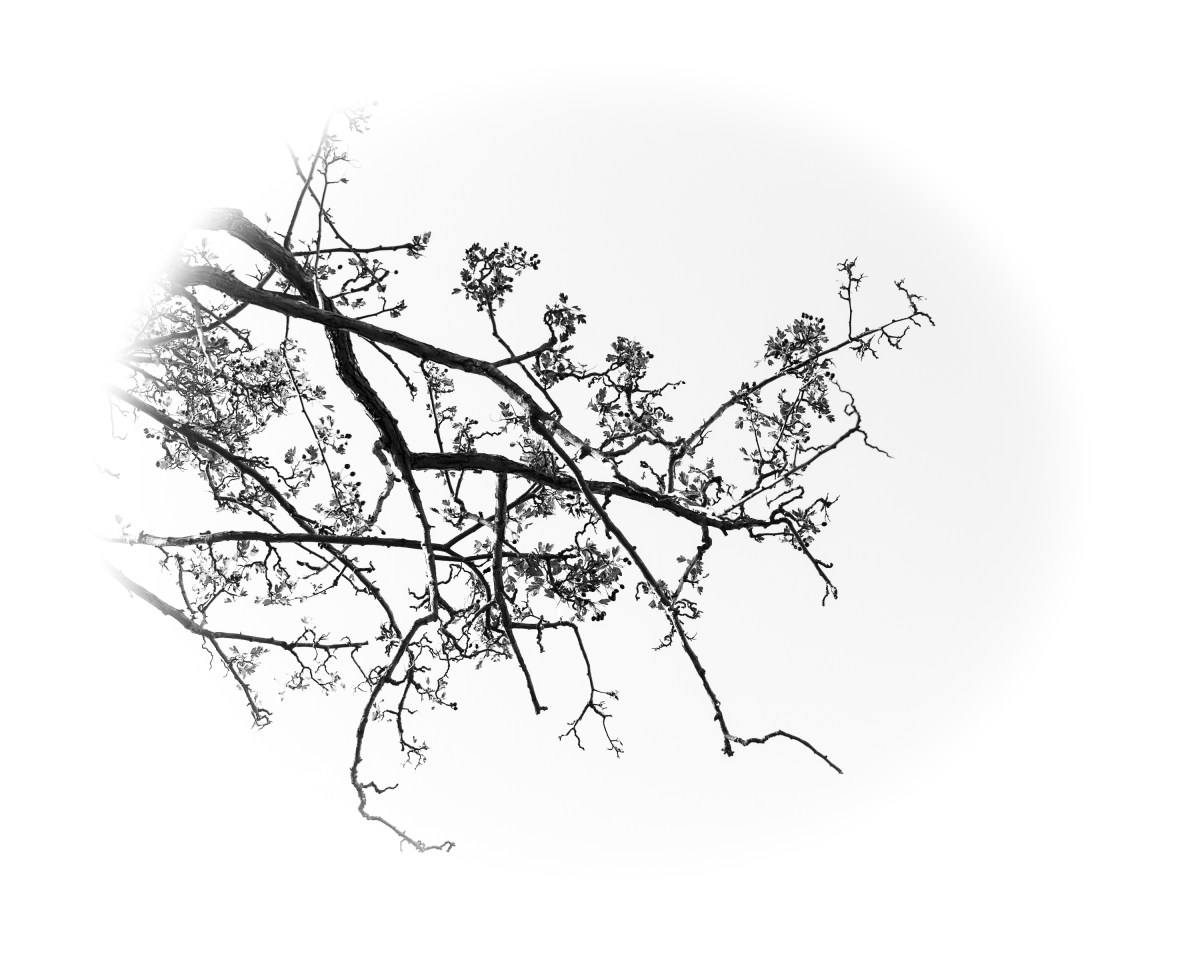
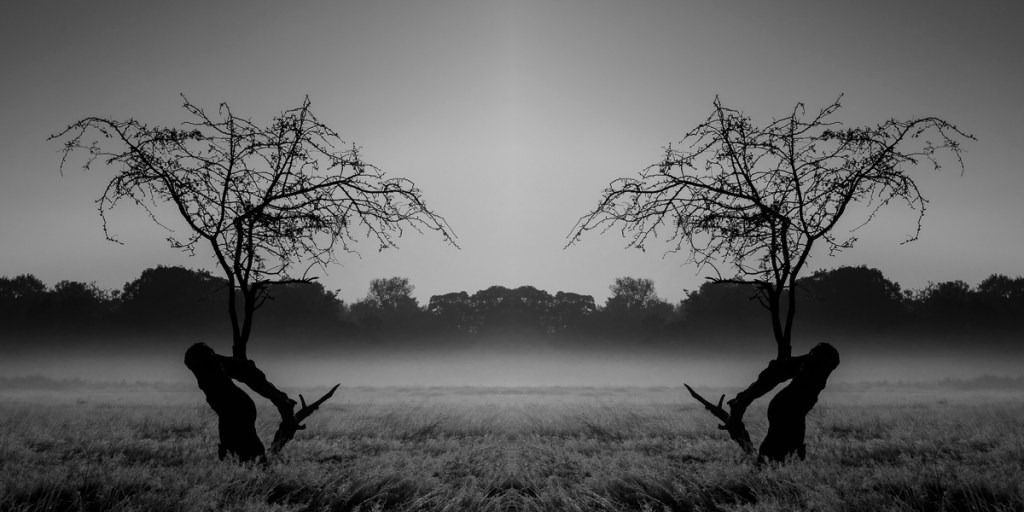
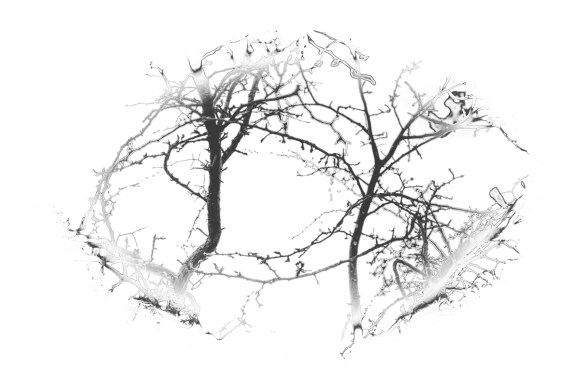
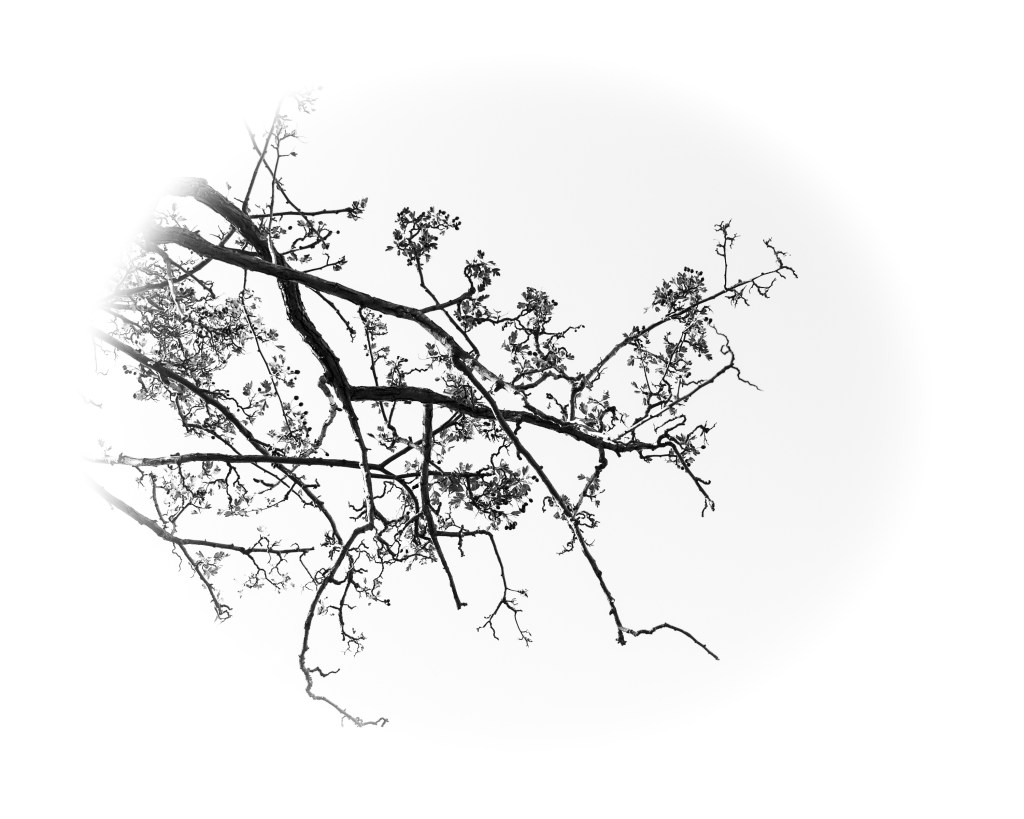
This is how the vignetted image looks printed on the Hahnemühle German Etching 310 fine art paper. What I really liked was how the paper became part of the image further, emulating a Japanese print. This is the effect I was hoping for.
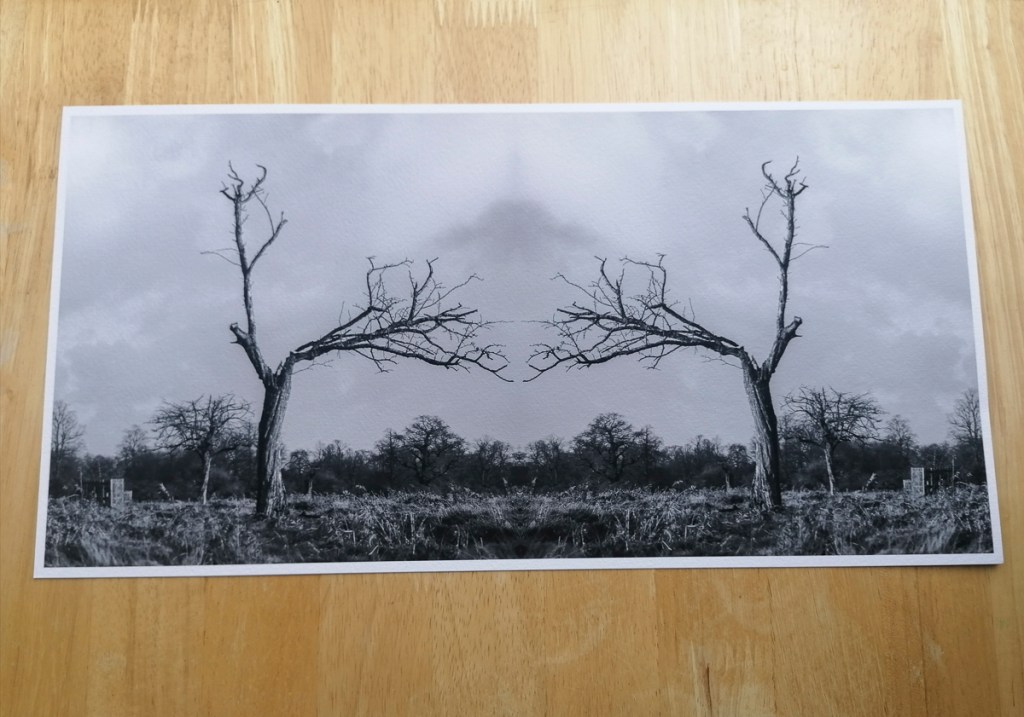
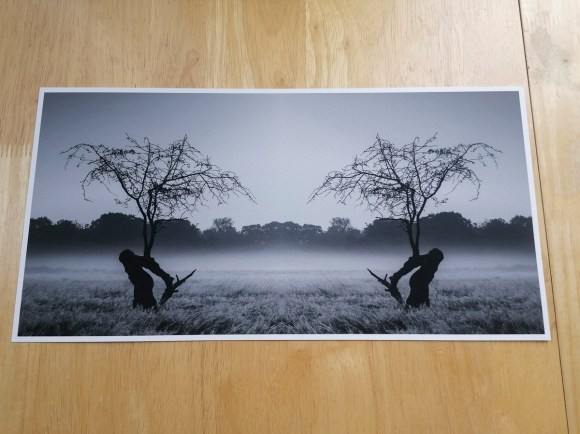
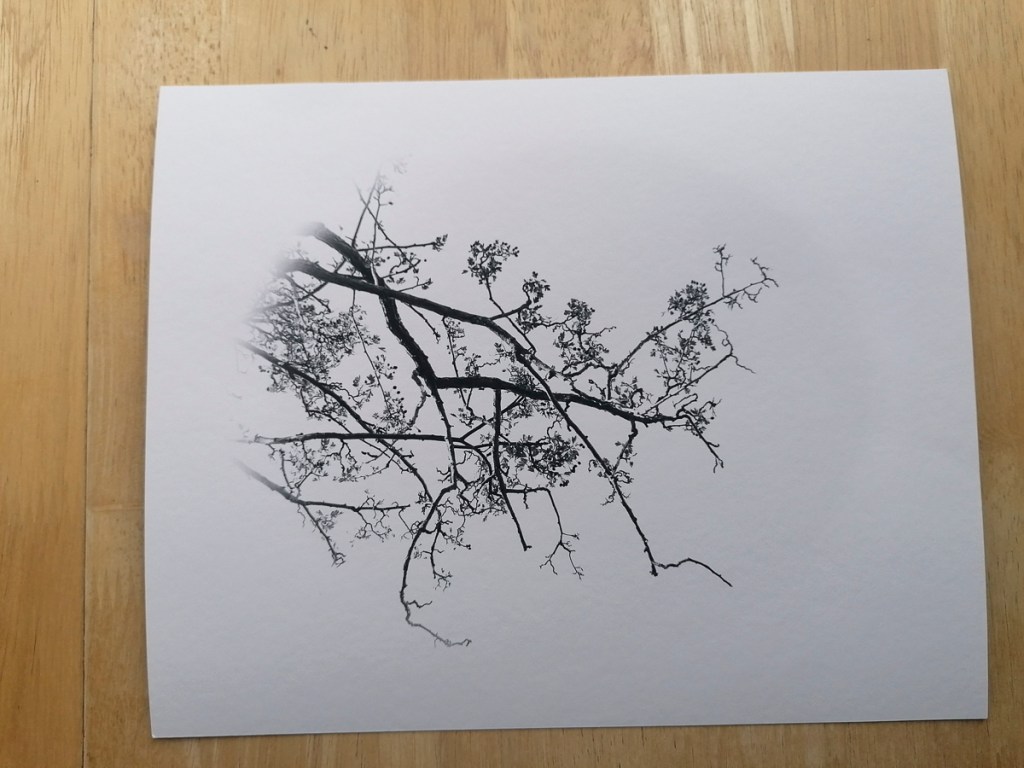
Finally, this is the image that was printed on the Hahnemühle Bamboo 290gsm.
It’s smoother and has a warmer tone than the German Etching. I do prefer this and it was useful having these two examples to compare. In future, I would like to try a test print on all of the different Hahnemühle papers using the same image. This would help guage the best substrate.
One aspect that did pique my interest was how the close up images appeared on screen.
This could have a couple of implications for future developments. Firstly, if the PG show is solely online, would I take photographs of the prints printed on specific paper then use the images rather than the digital image?
Secondly, could I create montages, print them then re-photograph these prints in a different way to create further work?
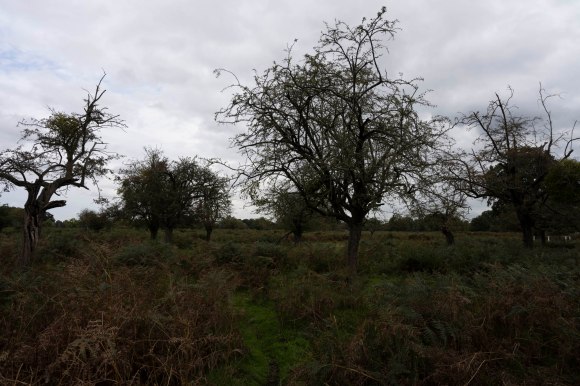
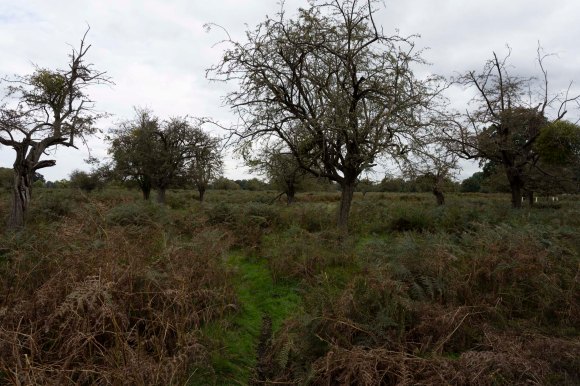
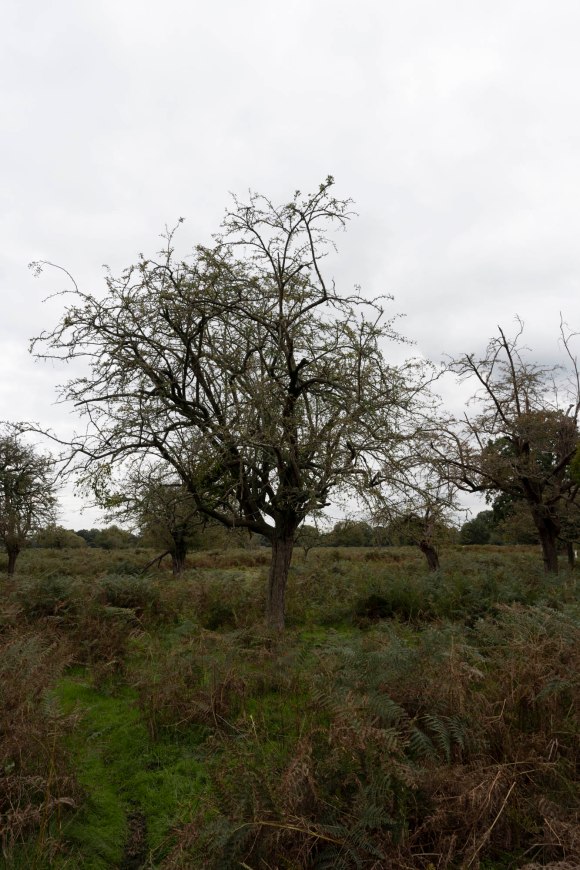
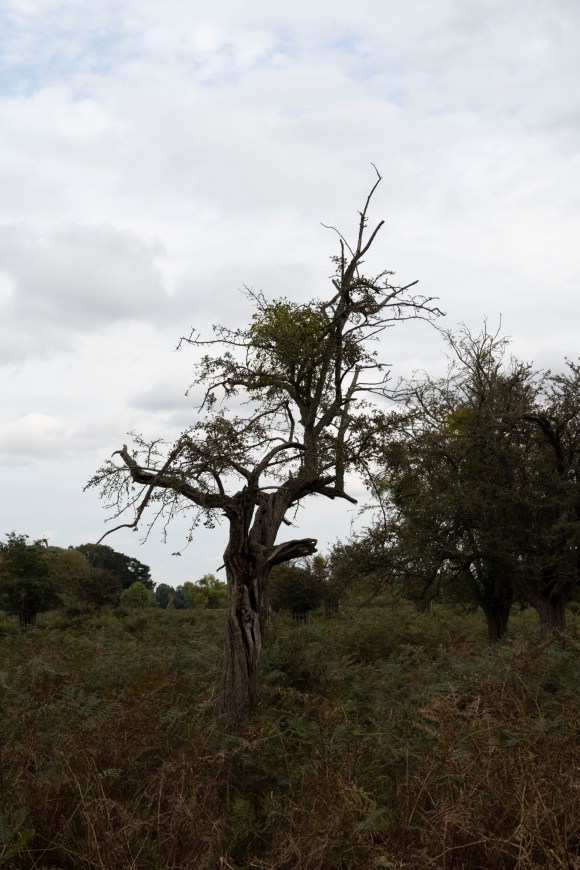
With the potential threat of not being able to take photos during the current national lockdown hanging over my head, I ventured to Bushy Park for some fresh air.
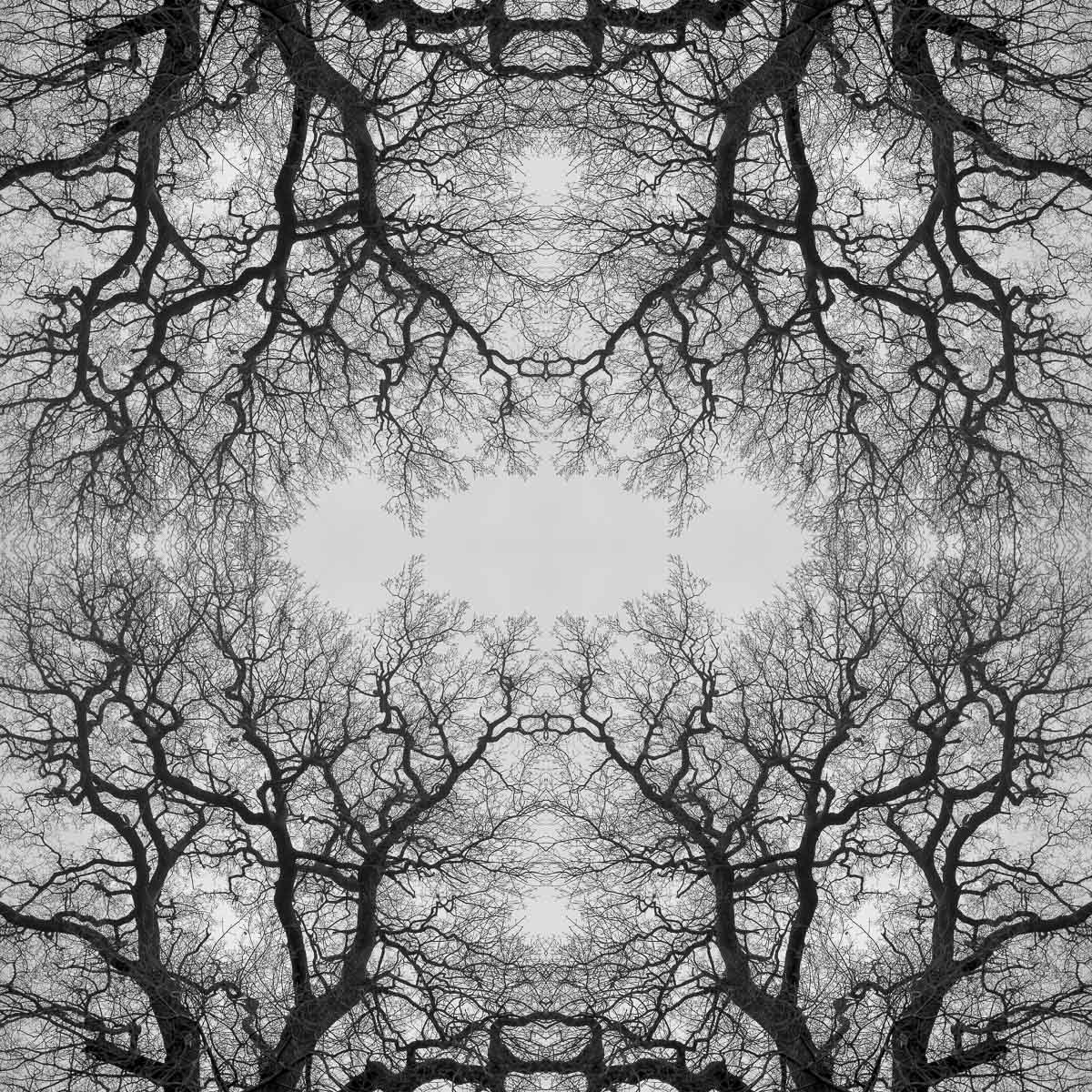
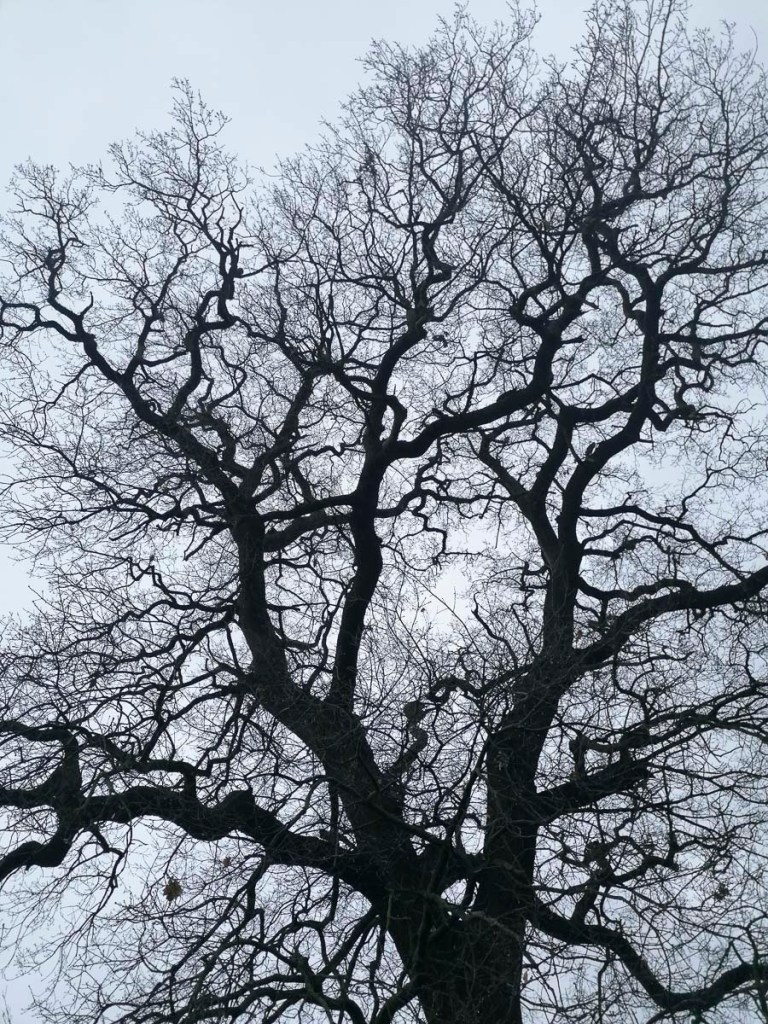
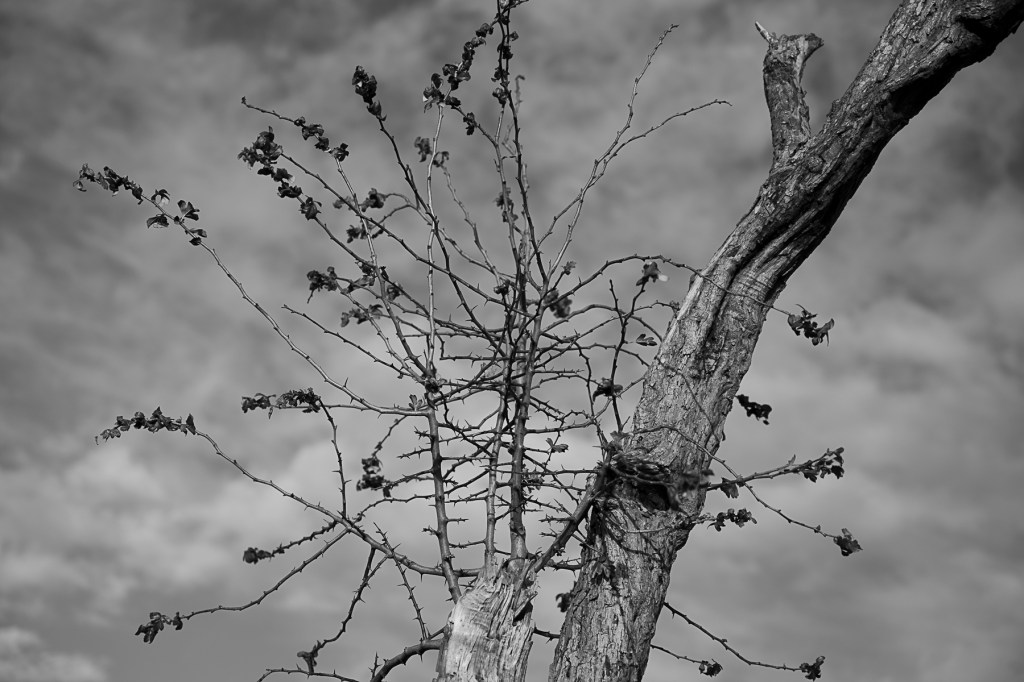
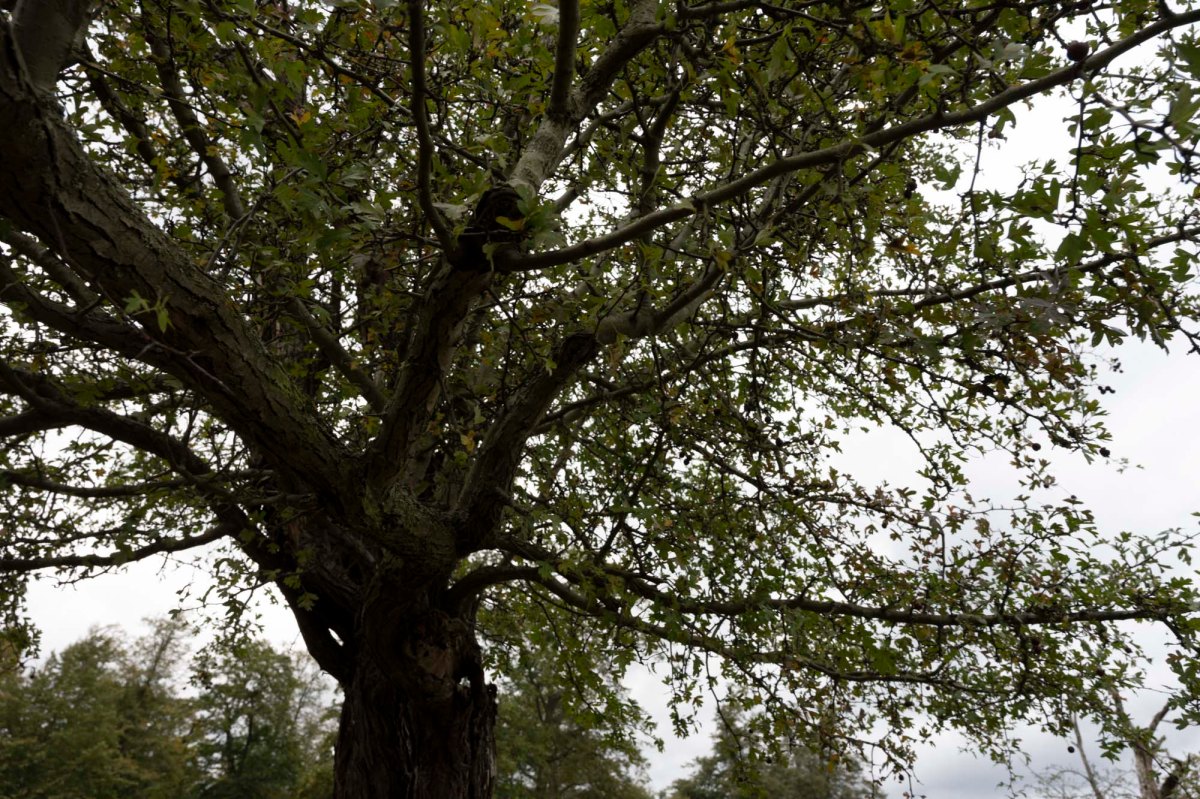
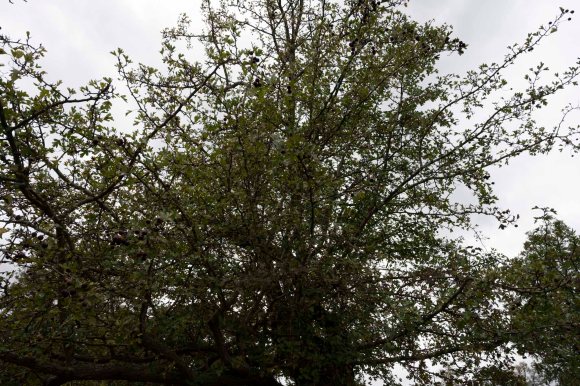
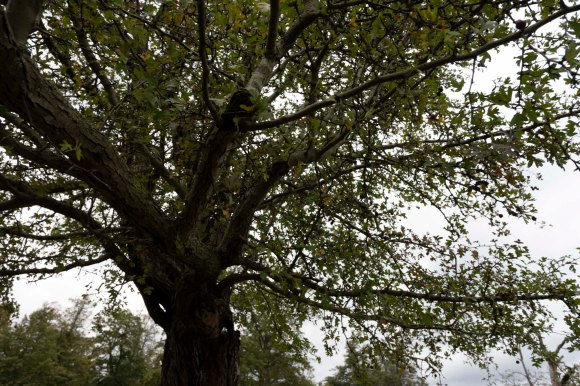
While walking in the park, I took the following shot of an oak tree on my smartphone.
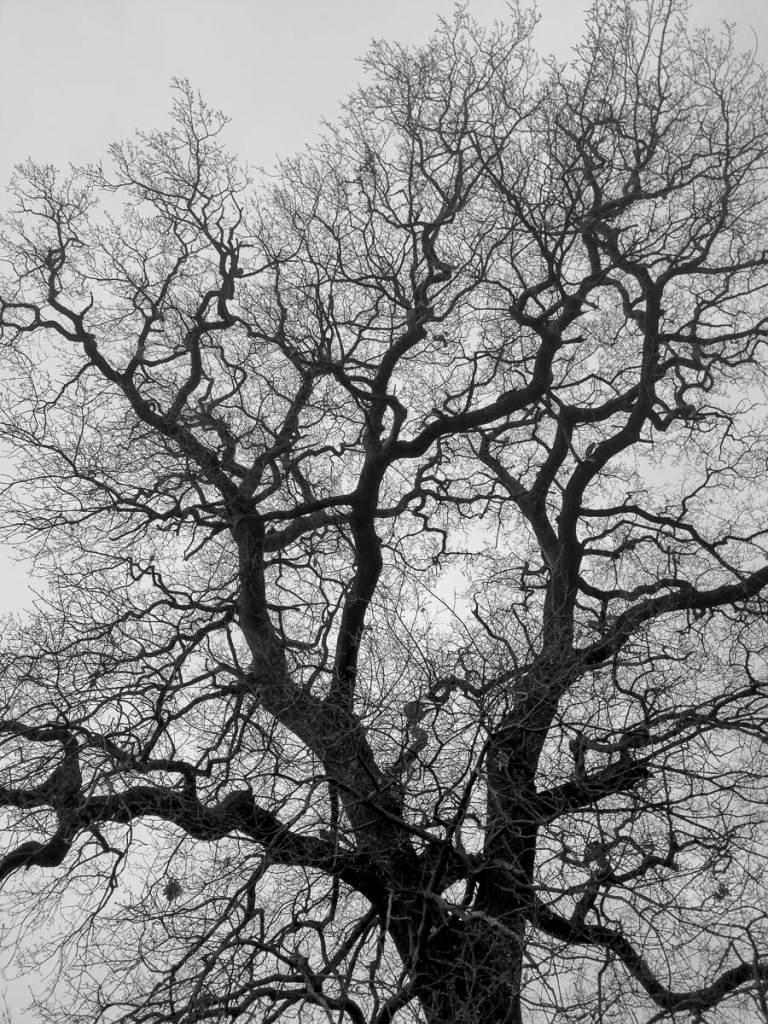
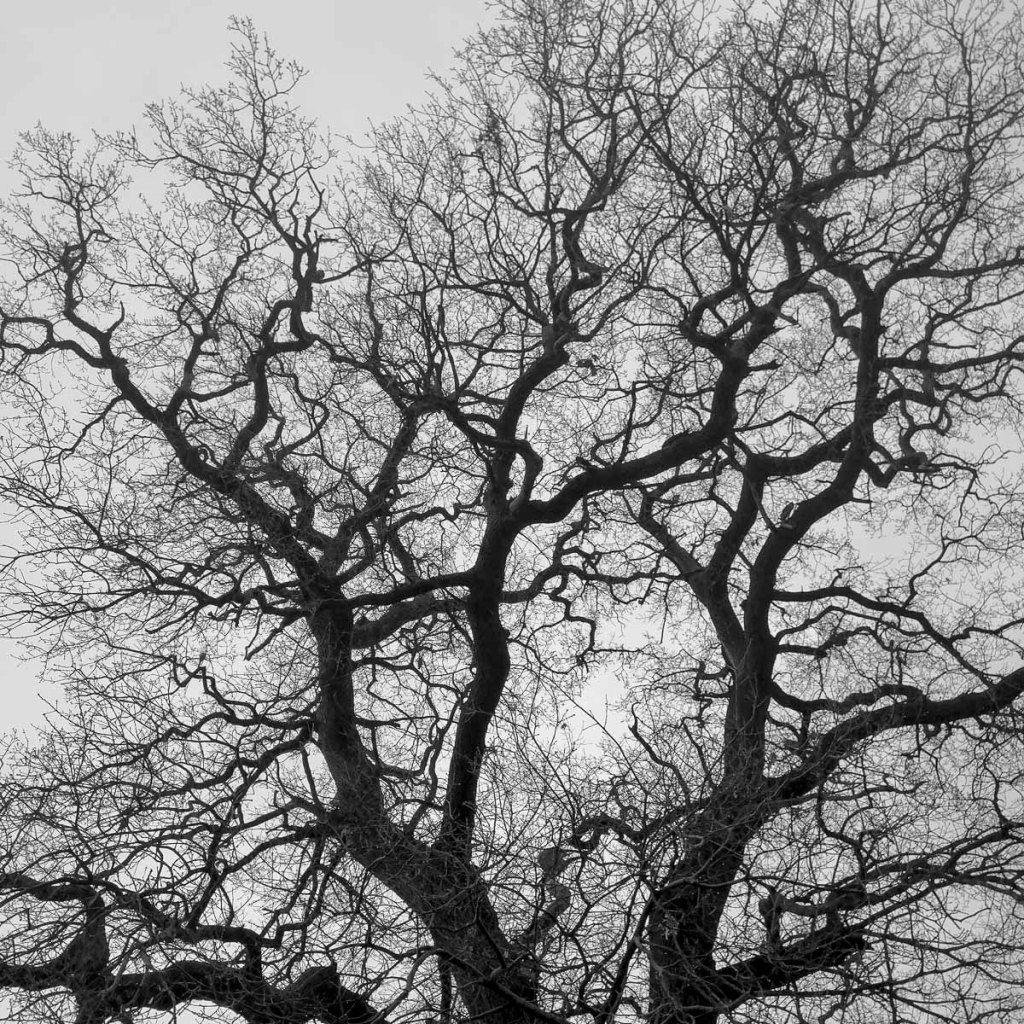
Once back at home, I made a Black & White conversion then created a 1:1 crop.
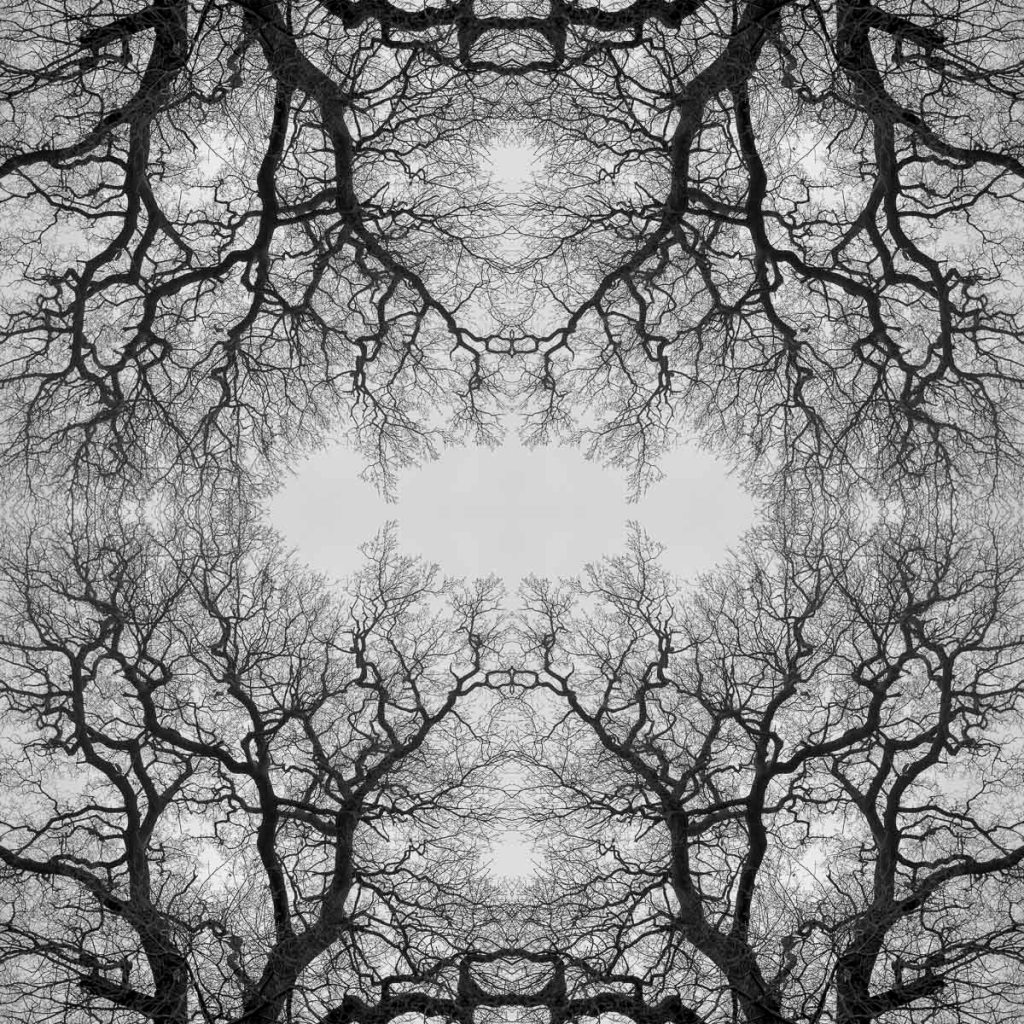
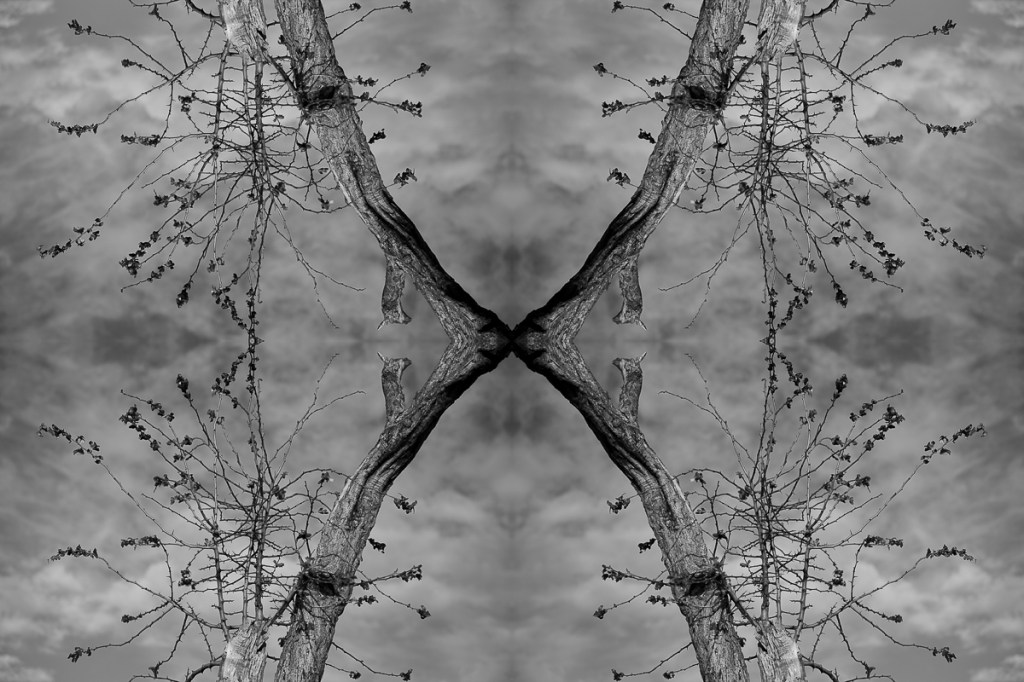
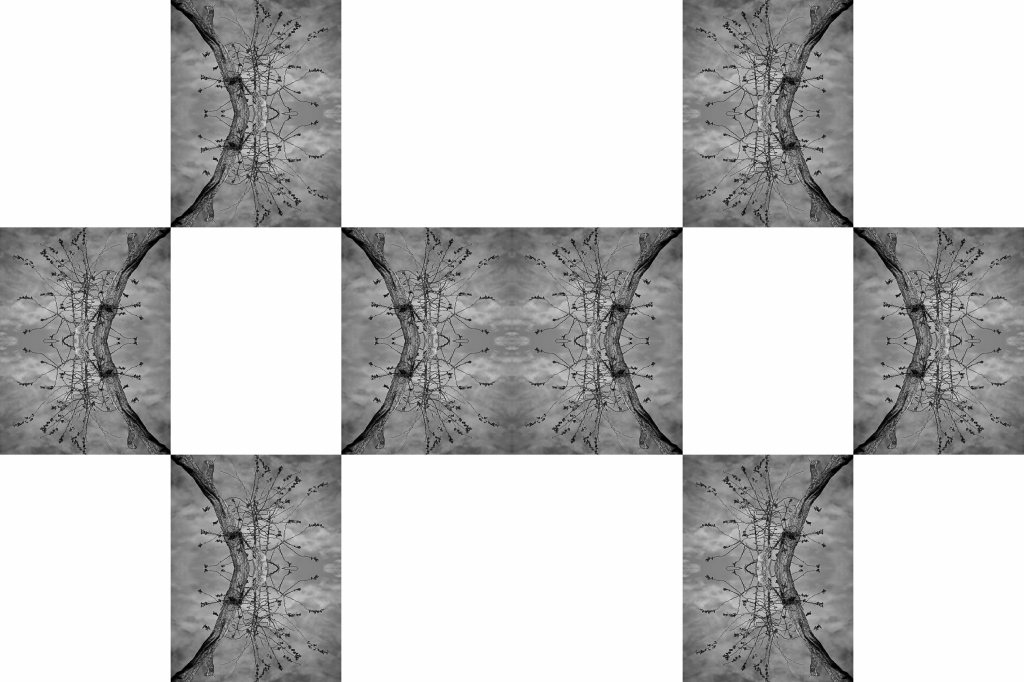
The final step was to create a quarters montage using Adobe Photoshop.
This was initially created at 8″ x 8″ 300 dpi. What this does show me is that work using my smartphone is possible. I just need to be creative, both visually and technically.
With the recent strengthening of importance of social distancing, I came across the above image. It certainly resonated with the images of the two trees. It seems there is no escaping the cultural influence of Covid-19
At this stage of the project, it was now time to consider the options for printing and presenting the final Body of Work. The intial submission, as confirmed in December 2020 and per the Module Handbook, was to present a physical portfolio of work at the Final Review on 27th January. Unfortunately, with the nationwide lockdown and related restrictions now in place and the university facilities closed, the submission of the final Body of Work would have to be made digitally.
Despite this change of circumstances, I wanted to continue with physicalising my work. This part of the process, when using purely digital means, is just as essential as taking the initial imagery. Also, by doing so, this makes the work more ‘real’ in what is increasingly becoming a virtual existence.
These developments have also resulted in all teaching being online until mid-February at the earliest. This meant the Group Tutorial scheduled for the 20 January, the Final Review on 27 January and the Feedback and Forward Planning Tutorial on 3 February would be conducted via Microsoft Teams.
In addition to this change in circumstances, as of 8 January 2021, it has been directed by the School of Media and School of Art at University of Brighton that no off-site working can be undertaken or authorised during this lockdown until further notice. Students have been asked to not draw, film or photograph on location, or work in any other way outside our homes. As such, until the circumstances change I am unable to take further images in Bushy Park. Luckily, I have got to the stage of this project with a cohesive Body of Work, a set of subworks, further experimentation concepts and an extensive collection of tree images that could be utilised for Stage 2 of my Photography Research Project.
Print Decisions
Having produced a test print using Hahnemühle German Etching 310 fine art paper, I knew that this would be my substrate of choice.
So I could affordably test and present the six final selected images printed in this way, I planned to order these at these at 16″ x 8″ on this paper with a 5mm white border. This border helps keep the print in good condition when handling. As the fine art requires the ink to be sprayed onto the paper’s surface (hence the term Giclée – French for spray) it makes the print susceptible to being damaged or smudged.
Also, if a print is framed using a mount it gives a margin of paper. This means the there is less likely to be a gap between the print and edge of the mount.
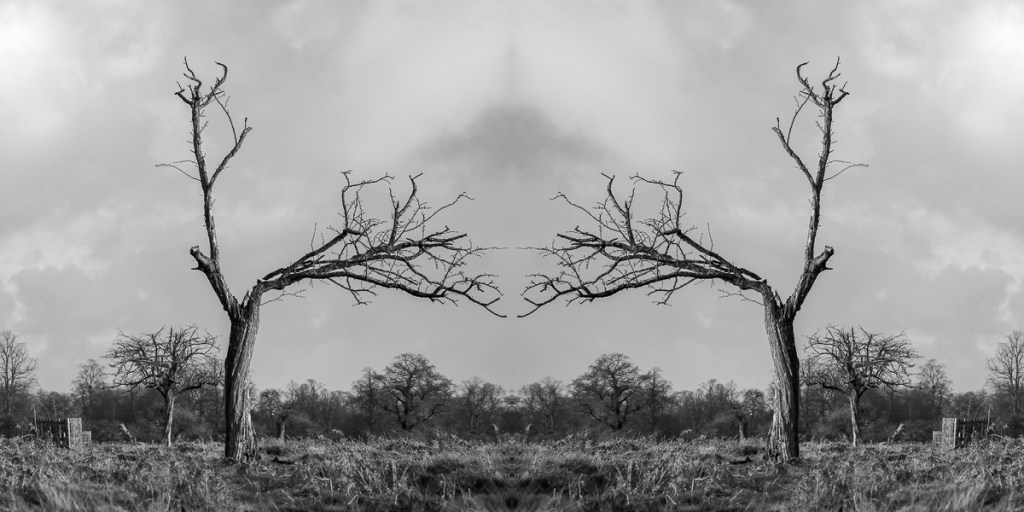
In addition I planned to order a 12″ x 8″ print of this image on the same paper.
I also planned this one in 9″ x 6″, again on Hahnemühle German Etching 310.
The bureau I chose to produce these prints was Spectrum Photographic. I hadn’t used this company before, but thought I should take a look at their offerings. When comapared to my regular printers (DS Colour Labs and Print Foundry), they had the edge for these test prints. In addition to a speedy turnaround, they also have have a 20% student discount. As such, this made the total price cheaper and/or quicker than the other two. However, the downside is that they do not have a framing service so I need to take that aspect into consideration when producing work for exhibition.
While placing my order I also noticed that Spectrum Photographic had a wider range of Hahnemühle papers available, all of which are acid free and archival.
The following details were taken from the Spectrum Photographic website that I can use for quick reference.
NEW Hahnemühle Hemp 290gsm
This ink jet media is made of 60% hemp fibre and thanks to the bright white colour of the hemp fibres, no optical brighteners are required. The lightly textured surface gives the paper a pleasant, silky feel. Colours and details are brilliantly reproduced, the depth of the black truly stands out and contrasts are reproduced with stunning effect.
NEW Hahnemühle Agave 290gsm
70% of this unique, environmentally friendly inkjet paper is made from sisal fibres. The rough, yet delicately defined surface texture gives the subject a captivating sense of depth. A premium coating guarantees outstanding print results with excellent reproduction of colour and detail, deep black and optimum contrasts.
Hahnemühle Photo Rag® 308gsm
A popular paper for re-producing high quality for graphic, illustrations and fine art images. This paper type has a fibrous finish, much like a smooth watercolour paper.
Hahnemühle German Etch 310gsm
This heavyweight paper with a fibrous finish, perfect for re-producing watercolour and ink re-productions.
Hahnemühle Fine Art Pearl 285gsm
This coated paper type reproduces impressive pictorial depth and is ideal for punchy black and white images. We would also recommend this paper type as digital alternative to the traditional Baryrta prints.
Hahnemühle Bamboo 290gsm
The first ink jet paper made from 90% bamboo fibres and 10% cotton. This warm base paper has a smooth surface texture, which is perfect for matt warm tone black and white images.
Hahnemühle Photo Rag® Pearl 320gsm
This coated paper types has a warm base white and is recommend for warm tone black and white images and another great digital alternative to warm tone traditional Baryrta.
Hahnemühle Photo Rag® Metallic 340gsm
This is a silvery-shimmering FineArt inkjet paper with a specially formulated inkjet coating for FineArt use. The natural white cotton paper contains no optical brighteners and has the characteristic Photo Rag® surface structure and sumptuous feel. Please note this paper is only available for Studio printing.
Hahnemühle Bamboo 290gsm
The first ink jet paper made from 90% bamboo fibres and 10% cotton. This warm base paper has a smooth surface texture, which is perfect for matt warm tone black and white images.
The paper that caught my eye was the Hahnemühle Bamboo 290gsm. In order to test this paper, I created the following image at 10″ x 8″ and ordered a print in that size.
Print Sizing
When considering the maximum size of a print of the images (which I now consider Tree Twosomes), I realised that I needed to make a note of the dpi count of each original file. I had cropped some of the initial images for aesthetics, which meant there was a variance in the sizes of each one.
I noted the following sizes:
5504 x 5504 dpi
4897 x 4897 dpi
5439 x 5439 dpi
4689 x 4689 dpi
5296 x 5296 dpi
5056 x 5056 dpi
This meant that the largest print option at 300 dpi (based on the smallest size) could be 9912 x 4945 dpi, which is just under 32″ x 16″. If I wanted to have the exact measurement, the resolution sacrifice would be negligible based on previous research.
Potential Exhibition Pieces
There was one particular issue with using Hahnemühle German Etching 310, which I discovered during the AGM60 Module. This paper can’t framed and mounted using the Framed Pro Mount. Then I recalled seeing a float mount. This is when the fine art print appears to ‘float’ within a frame with the edges are slightly elevated and the edge of the paper can be seen.
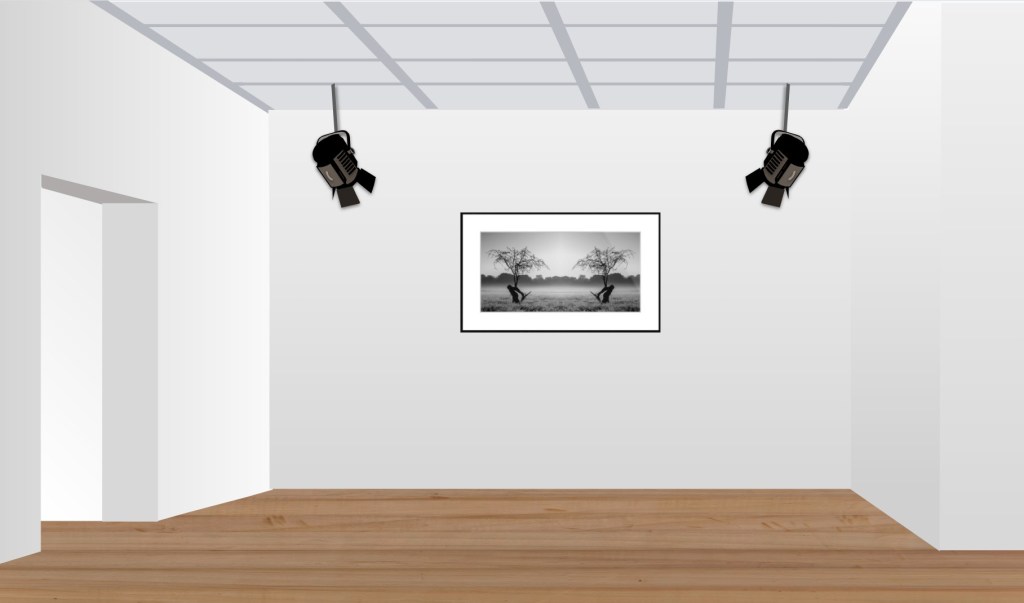
My bureau of choice for this was Print Foundry Lab. My intention at this stage was to order one image as a float mount print sized at 24″ x 12″ set within a Gallery S Black Woodgrain Finish frame as shown above. To reduce the refletions, I chose museum glass. The border around the frame would be 2″ wide, so the finished piece would be 28″ x 16″.
I chose the following image for this test. It is my favourite of the images that I would happily have on my wall at home. This is, potentially, how it will look.
The lead time would be 7-10 days, so potentially I could have this before the Group Tutorial on 20 January 2021.
Presentation Options
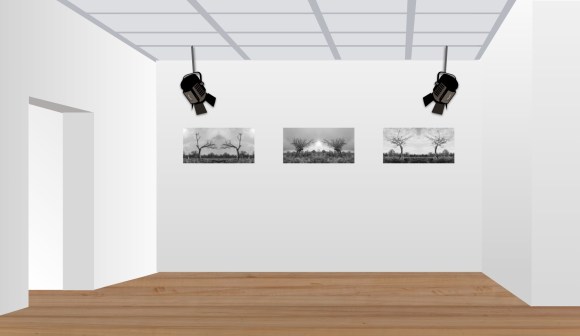
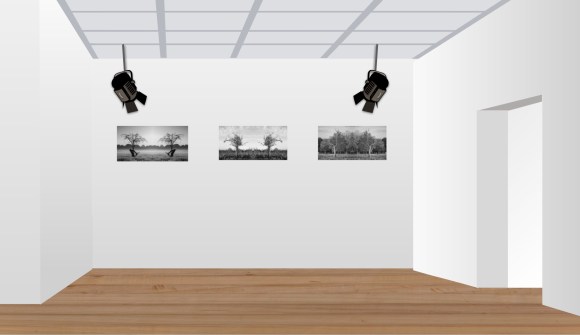
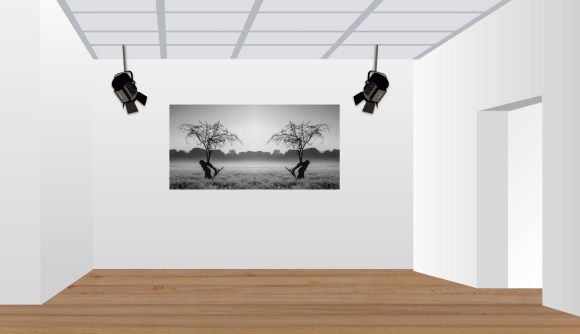
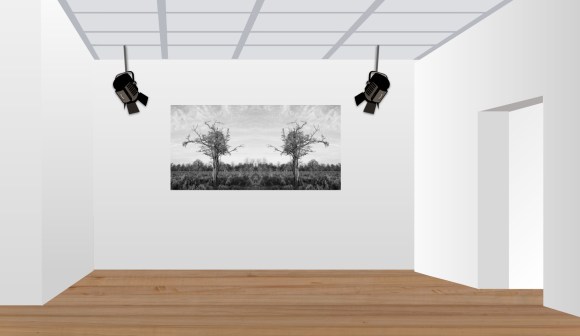
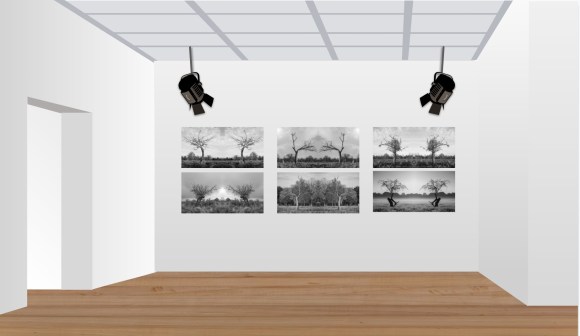
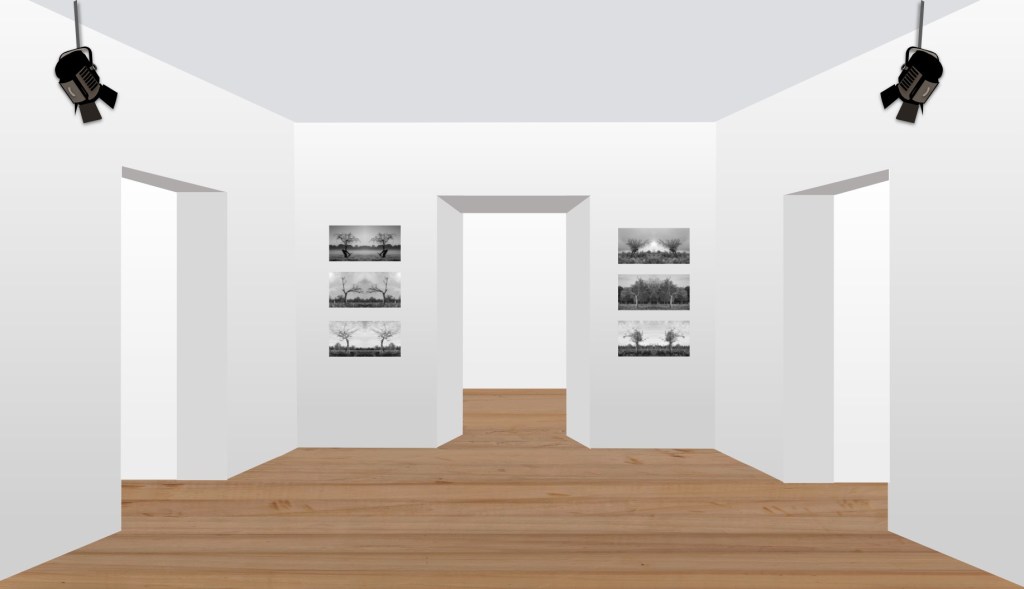
With regards to presentation, I created the following gallery mock ups to get a sense of how these images could work in groups or as individual images. This is one the assumption the final pieces would be exhibited within a traditional ‘whitewall’ environment.
These images were created using an interactive slide template of a virtual gallery. This template is available using Slidemania, a free online resource.
SlidesMania. 2021. Slidesmania | Free Google Slides Themes And Powerpoint Templates.. [online] Available at: <https://slidesmania.com/> [Accessed 8 January 2021].
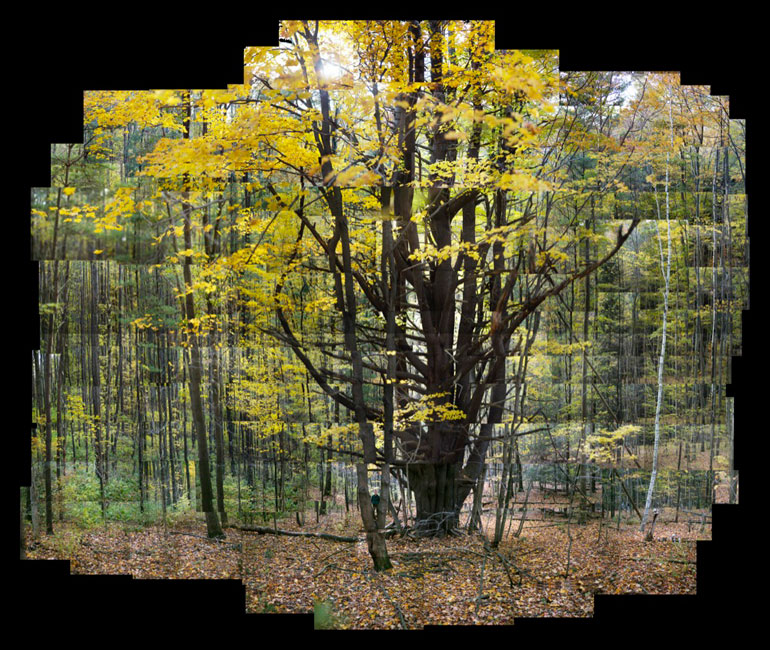
Before embarking on the Winter break, I tried something different with an image taken on 15 November. I wanted to experiment with a technique I used with the ‘twosome’ images and have tried with other previous projects.
Intially, I made a Black & White conversion.
I then created the following image using Adobe Photoshop.
Finally, I produced the following configuration, again in Adobe Photoshop.
Not sure if this works exactly, but is something I could revisit in Stage 2.
One aspect of tree photography that interests me is the use of multiple images to create a portrait. I explored this during the AGM60 Research & Experimentation module in which I created three multiple exposure shots of a tree then compiled them to create the final image.
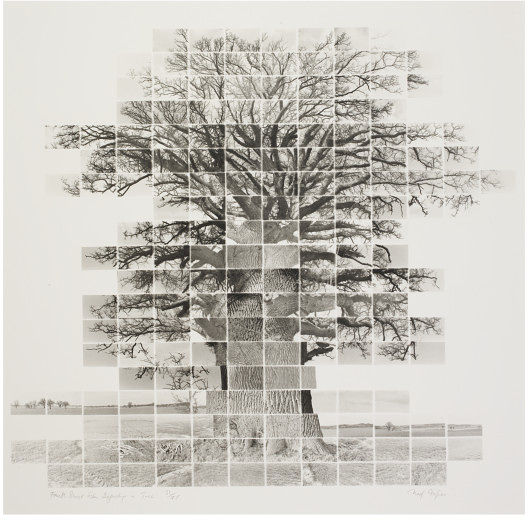
My interest was piqued further by the following image by Noel Myles that featured in Into The Woods.
Figure 1: Noel Myles, Fourth Short Film Depicting a Tree from the series Still Films, Winter 2000
“This image was composed in the photographers studio using 187 separate 35mm negatives, taken over a four-week period. It explores the idea that many negatives may comprise one photograph. Myles’ study extends beyond one viewpoint and one moment in time, acting more like a film than traditional photography. More than any single exposure, it also perhaps more accurately reflects the constantly changing life of the tree.”
(Barnes, M. 2019, pp. 136).
When I explored Myles’ work further I came across some information that sparked a new line of enquiry.
“In addition, his landscapes extend beyond one viewpoint and one moment in time, acting perhaps more like film than traditional photography. For the artist, this technique serves to evoke memories and accumulated experiences. [2008].”
(Fourth Short Film Depicting a Tree, Winter | Myles, Noel | V&A Search the Collections, 2020)
In addition, I discovered that Myles has since made his compound images using both Black & White and colour.
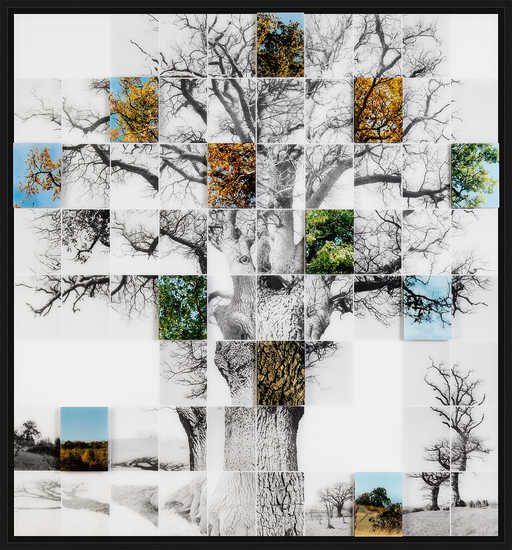
Figure 2
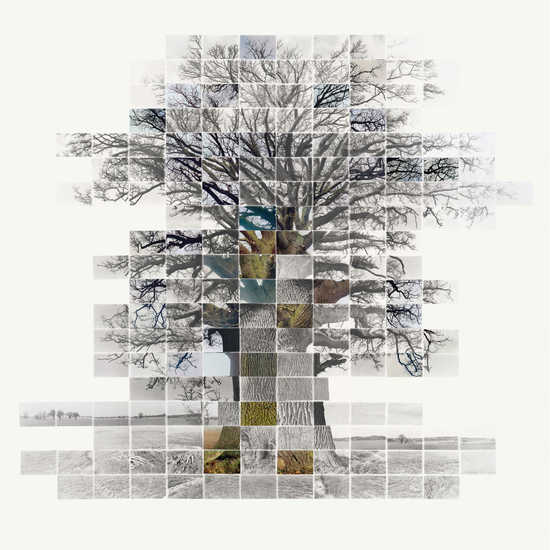
Figure 3
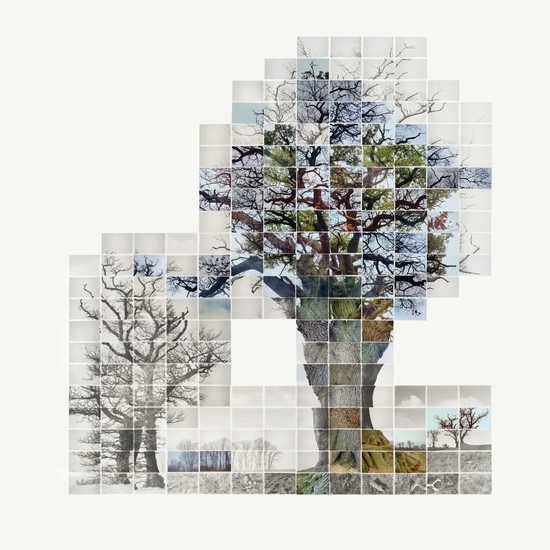
Figure 4
The following has been extracted from the website of Lumas, an organisation who sells artwork on behalf of the photographer. I’ve kept the full text intact as it provides a lot of useful information and references:
“The protruding sections lend the image a physical presence: It emerges into the room. By juxtaposing black & white and colour shots taken at different times of the year, the artist produces a symbolic circle of life. The dynamic energy of the mosaic is accentuated through its three-dimensional appearance. The multi-layered work becomes an artistic entanglement of different elements of time and space, “tangible” in every sense of the word.”
Multiple Art Trees
The mind is not a camera. And the still life trees created in large-format by British artist Noel Myles do not capture moments or, at least, should not be seen to. While they consist of a large number of smaller photographs, these photographs are brought together to create one overall image Myles, who actually trained as an illustrator and painter, creates his collages using classic analogue photography, but contrasts the traditional single perspective of a photograph with the multiple perspectives created by the collage. What we see is a tree, a tree comprised of multiple close-ups, taken over a number of seasons. Individual details are photographed from below, from the side, from up close, and from a distance. This technique allows Myles to revolutionise the fleeting moment of perception captured by classical photography into a more comprehensive impression of time and space. The result is that we, the observer, are forced ask ourselves certain questions. What is nature? What does a tree really mean to us? It is not just a structure that has grown organically, in which every detail stands in relation to the whole, but also an experience of the senses. Just like Myles’s images themselves. The difference is that he uses only photography – a medium of instant impressions – to create this immersion of the senses.
(Reisner, S. 2020)
In addition to the above, I will be researching Myles’ work further in relation to this link and the information available.
Another photographer who uses the compound method is James Balog, an environmental photographer whose focus is on humanity’s modification of nature. I discovered Balog’s work recently when researching how to improve my photography of trees.
The work of Balog’s that caught my eye was his majestic compound images of trees. Similar to the work of Terry Evans and Noel Myles, Balog uses multiple images to depict a single tree as a portrait.
Figure 5
Figure 6
Figure 7
James Balog, selected images featured in Tree: A New Vision of the American Forest, 2004
Balog spent six years photographing North America’s largest, oldest and strongest trees that resulted in the book Tree: A New Vision of the American Forest (2004). At the time of writing, I have ordered this book and was eagerly awaiting its arrival.
Balog originally built enormous portrait studios beneath the canopies of the forest. This aspect reminds me of the work of Myoung Ho Lee. In 2000, Balog invented his own method of compound photography. This involved photographing these massive trees in segments from top to bottom then compose these segments resulting in a portrait. By doing so, Balog has captured each tree in its entirety instead of just showing parts.
To give an idea of Balog’s method, the following is in his own words:
“Eventually, I started what became a four-year-long process—gruelling, dangerous, uncomfortable, and expensive—of figuring out how to climb the trees, rappel down and shoot them as enormous mosaics. The finished composites took hundreds, then thousands, of frames. Hard work, like I said. Yet the approach was satisfying beyond my wildest dreams when it created fresh new ways of engaging with these greatest of arboreal citizens on our continent.”
(Balog, J. 2020)
According to Balog’s website these images:
“Stand as an artistic and symbolic reassembling of the continent’s long-lost primeval forests. Across the globe, the planet’s original tree cover has been altered so dramatically that we no longer remember what made nature natural.”
Was this the inspiration I was looking for?
Images
Figure 1: Noel Myles, Fourth Short Film Depicting a Tree from the series Still Films, Winter 2000
Figure 2: Noel Myles Oak No 1 2016
Figure 3: Noel Myles Still Film of an Oak at Wormingford No 7 2011
Figure 4: Noel Myles Third Film of the three trees No 1 2010 2011
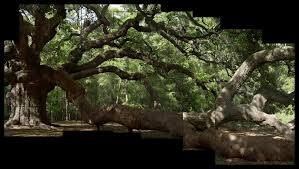
Figure 5: Eastern White Pine, Lenox, Massachusetts, October 2002, from TREE: A New Vision of the American Forest. James Balog.
Figure 6: American elm, Buckley, Michigan, November 2000, from TREE: A New Vision of the American Forest. James Balog.
Figure 7: Live Oak tree named “Angel Oak,” Johns Island, South Carolina, April 2001, from TREE: A New Vision of the American Forest. James Balog.
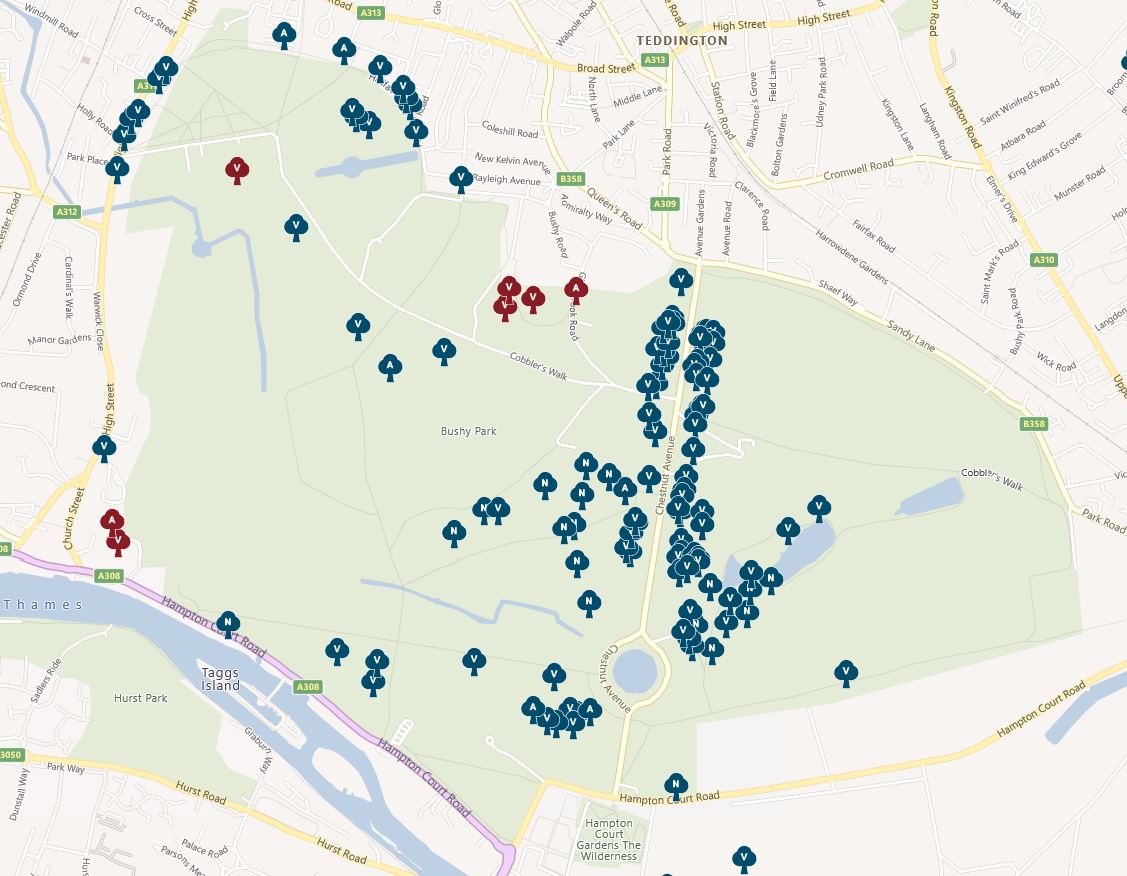
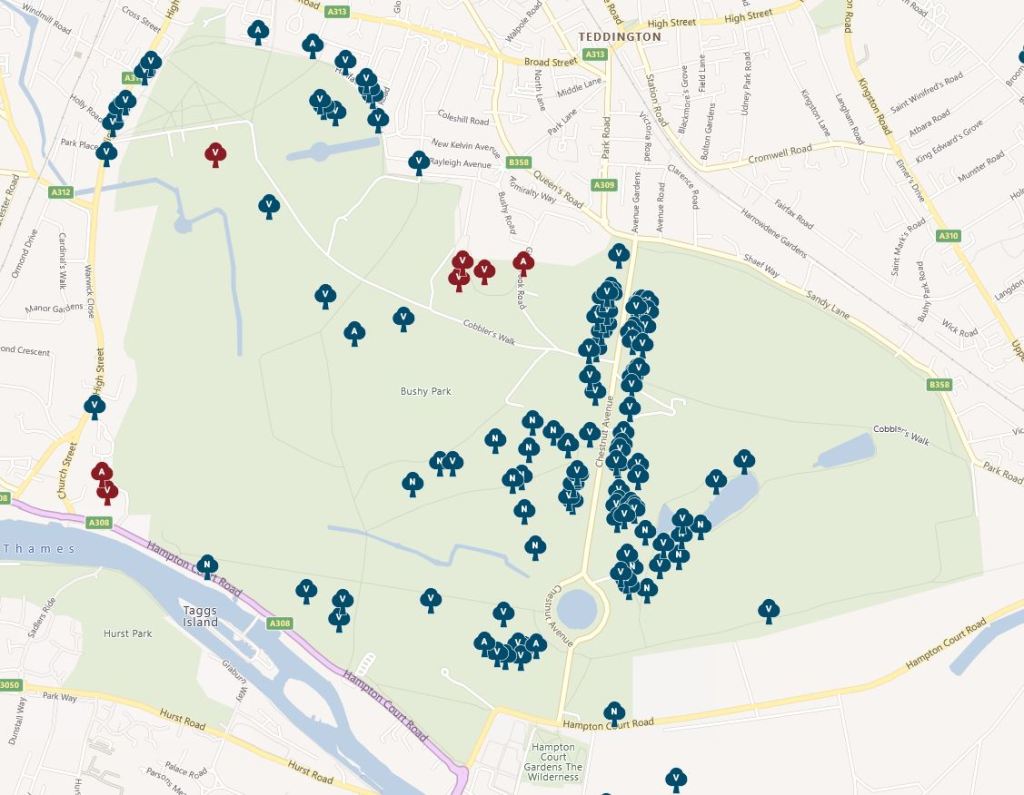
Set up by the Ancient Tree Forum, the Woodland Trust and the Tree Register, the Ancient Tree Inventory is a mapped record of more than 160,000 ancient or old trees within the UK.
The aim of this inventory is to help protect and care for these extraordinary beings that link us mere mortals with our history, culture and ecology.
According to Woodland Trust’s website, the inventory has three categories of trees:
Ancient
Veteran
Notable
I have copied the following information from Woodland Trust’s website as my guide for reference.
Ancient trees
An ancient tree is in the third and final stage of its life. How old an ancient tree is depends on the species. Some species can live longer than others with yews, oaks and sweet chestnuts topping the age charts at over 1000 years.
What is an ancient tree?
How old an ancient tree is depends on the species. Some species can live longer than others with yews, oaks and sweet chestnuts topping the age charts at over 1000 years. Other species, including birch and willow, live shorter lives.
A tree is defined as ancient if it is
In the third or final stage of its life (this stage can go on for decades or centuries)
Old relative to others of the same species
Interesting biologically, aesthetically or culturally because of its great age
What do ancient trees look like?
Ancient trees don’t always look the same, depending on the species and where it grows. But in general, there are several ancient characteristics and the more a tree has the older it’s likely to be.
Key Features:
Crown that is reduced in size and height
Large girth in comparison to other trees of the same species
Hollow trunk which may have one or more openings to the outside
Stag-headed appearance (look for dead, bare, antler-like branches in the crown)
Fruit bodies of heart-rot fungi growing on the trunk
Cavities on trunk and branches, running sap or pools of water forming in hollows
Rougher or more creviced bark
An ‘old’ look with lots of character
Aerial roots growing down into the decaying trunk
Veteran trees
A veteran tree will have some of the features found on an ancient tree, but won’t have the great age. Although they’re not as old as ancient trees, they’re still incredibly important.
What is a veteran tree?
Ancient trees are veteran trees, but not all veteran trees are old enough to be ancient.
Veteran trees are survivors that have developed some of the features found on ancient trees. However, veteran trees are usually only in their second or mature stage of life.
There may be signs of decay, fungal fruiting bodies or dead wood, these features may start to appear in the mature stage and also in traditional pollards.
Although veteran trees aren’t as old or complex as ancient trees, they still provide holes, cavities and crevices which are especially important for wildlife.
Notable trees
Notable trees are usually mature trees which may stand out in the local environment because they are large in comparison with other trees around them.
They don’t have any obvious veteran characteristics, but may be taller than ancients and fatter than some veterans.
In parts of the UK, where trees are less common, a tree may be relatively small and young but notable because it is significant in its local environment.
Notable trees are usually worthy of recognition and can be potential, next generation veteran trees.
Lost trees
These are trees which have already been recorded, but are later discovered to have been cut down, blown over, collapsed, or otherwise removed, leaving no more than a low stump.
A new tree record can’t be added as a lost tree, although it can be recorded as a remnant e.g. stump. The Ancient Tree Inventory will use this information to assess the rate of recent loss of our ancient trees.
A tree originally recorded as a standing dead ancient tree remains this until it’s cut down or is removed; it can then be updated to a lost tree.
If known, the loss will need to be reported then included with the entry.
‘The hawthorn, like a grumpy old teacher, reminds us that a prickly personality may hide unexpected virtues.’
(Adams, M. 2018 pp. 178)
‘It is easy to neglect the humble hawthorn, to pass it by unnoticed, until it explodes with creamy blossom in May. Historically, it is one of our most important species: for shelter and defence, for wayside sustenance and as a marker for boundaries and travellers.’
(Adams, M. 2018 pp. 176)
One type of tree that has always fascinated me is the hawthorn. As I wrote in my blog post on 6 October, I liken them to ‘wizend wise women.’ As for their relevance to Bushy Park, I was unaware until I re-read details of the park on the Friends of Bushy and Home Parks’ website.
‘The name “Bushy Park” was first recorded in 1604 and was probably a reference to the many hawthorn bushes. These were planted to protect the young oak trees which were being grown as timber for ships in the navy.’
This was an ‘aha!’ moment. Especially in light of what I had read in The Wisdom of Trees by Max Adams. I had come across this delightful tome while visiting the Hayward Gallery shop after experiencing the Among the Trees exhibition. In this book, Adams tells various tales of trees, including that of the hawthorn. So I can read and understand the information given within this tale, I’ve broken down the paragraphs and sentences in order to sift out gems of inspiration.
The Hawthorn
Hawthorn (Crataegus monogna) is a much-neglected small tree, which we are used to seeing in hedges that it’s easy to ignore. Our ancestors had a higher opinion of it: the hawthorn is the most frequently mentioned tree in ancient charters and boundary surveys, and it is a common element in place-names.
(Adams, M. 2018 pp. 174-5)
The flowers and leaves, when picked fresh, are known as “bread and cheese” and have long been a wayfarer’s springtime snack.
(Adams, M. 2018 pp. 175)
Hawthorn’s creamy white blossoms emerge any time from late April onwards, an in autumn the unmistakable rich red berries are an equally classic seasonal marker.
(Adams, M. 2018 pp. 175)
Hawthorn is the tree equivalent of rugged highland sheep or cattle breeds: it is very tough and can withstand the sort of weather that has most of us running for shelter and a warm fire.
(Adams, M. 2018 pp. 175)
The wood is hard to work, and because hawthorn, like yew, grows in multiple trunks, it is rarely used for anything other than firewood.
(Adams, M. 2018 pp. 175)
It is hard to say when humans first realised that they could cultivate hawthorn as a defensive barrier; but in the period of the Parliamentary enclosure of land, some two-hundred-thousand of ‘quickset’ hedges were planted across Britain.
(Adams, M. 2018 pp. 175)
Hawthorn remains a popular and biologically important hedge species.
(Adams, M. 2018 pp. 175)
One should at this point say something about the art of laying hedges, which is still practised in Britain and Ireland. The principle in this highly skilled off-shoot of the woodsman’s art is to thicken and strengthen a hedge, prolonging its life and ensuring any gaps through which livestock might (and they will) escape are closed. The trick is to half-coppice the shoot of the hawthorn, blackthorn, hazel, beach or hornbeam – they are the most common hedging species. A downwards cut into the side of the stem weakens it so that it can be bent at an angle in line with the direction of the hedge but above the horizontal. There needs to be enough heartwood, sapwood and bark left for the stem to survive and send up new shoots the next year. Every couple of yards a vertical stake, cut and trimmed into the ground within the hedge, and more spare shoots, brashed from the main one, woven between the cut stems and the stakes, creating a hybrid between living hedge and fence.
Hawthorn’s blossom known as May flowers (hence ‘May-day’ and ‘Maypoles’, neither of them named after the month), used to induce a superstitious fear about it being brought into one’s home. It was thought to presage a death in the household. Why? A fishy chemical called ‘triethylamine’, released as the blossom fades, is the smell of dead body (and, incidentally, of human sperm).
(Adams, M. 2018 pp. 177-8)
The flowers also contain a small amount of digitalin, the chemical present in foxgloves, which in high doses is extremely poisonous but which is used as a therapeutic cardiac treatment.
(Adams, M. 2018 pp. 178)
During autumn cows browse on the tree’s small bright red berries and their astringent properties are regarded as a traditional therapy for mastitis.
(Adams, M. 2018 pp. 178)
References
Adams, M. (2018). The Wisdom of Trees. London: Head of Zeus Ltd.
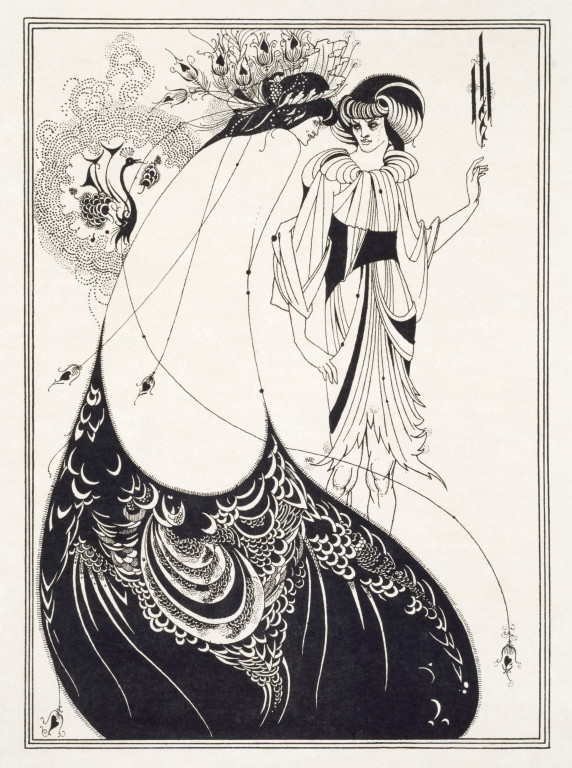
E.426-1972
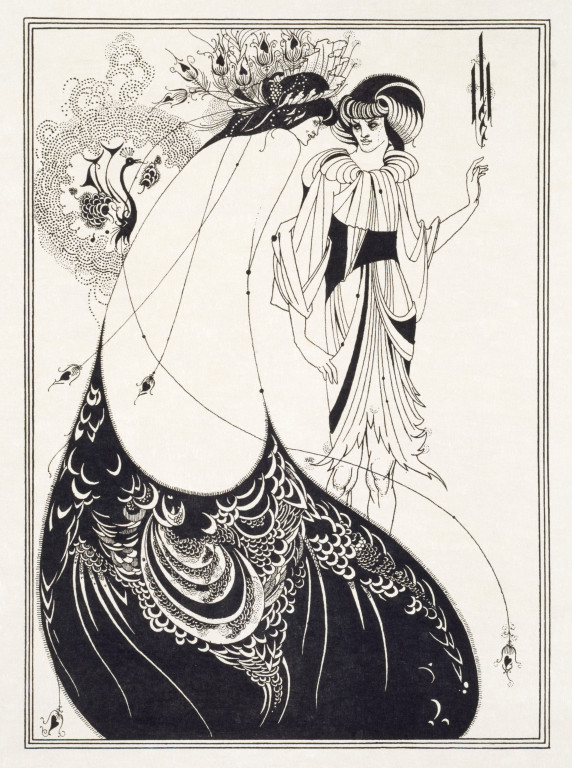
Salome, Plate V- The Peacock Skirt from a portfolio of 17 plates;
by Aubrey Beardsley (1872-98);
published by John Lane;
English; 1907.
Line-block print.
On 9 September 2020, I visited the Aubrey Beardsley exhibition held at Tate Britain from 4 March to 20 September 2020. Growing up in the 1970s, there was no escaping these influential prints. My mother had a poster of The Peacock Skirt on the wall at home and I always loved looking at the intricate patterns within the image.
E.426-1972
Salome, Plate V- The Peacock Skirt from a portfolio of 17 plates;
by Aubrey Beardsley (1872-98);
published by John Lane;
English; 1907.
Line-block print.
Admittedly, before visiting this exhibition, I hadn’t given much thought to Beardsley’s prints and how they were influenced. When looking at the exhibition guide on the Tate website, I came across this information:
‘Japanese woodblock prints (Ukiyo-e) were also an important influence. Beardsley adopted their graphic conventions. His new style included areas of flat pattern contrasted with precisely drawn figures against abstracted or empty backgrounds. Like several artist at this time, he also favoured the distinctive, tall and narrow format of traditional Japanese kakemono scrolls.’
‘In a letter to a friend, Beardsley bragged, ‘I struck for myself an entirely new method of drawing and composition, something suggestive of Japan … The subjects were quite mad and a little indecent.’’
According to the exhibition guide, in the image La Femme Incomprise – Ink on Paper (1892), Beardsley:
‘Borrowed from different Japanese art forms in this drawing. The woman’s hairstyle, kimono and large and ferocious cat all seem to derive from Japanese prints. By contrast, the panels of flat ornament, in which leaves, stems and lilies stand against a dark background, seem more closely related to those on Japanese lacquerware. To achieve this effect, Beardsley worked ‘in reserve’, a technique which involved leaving the white paper untouched. He titled this ‘The Misunderstood Woman’ but the wider meaning here is unclear.’
It was that phrase ‘leaving the white paper untouched’ that sparked the same thoughts about the spaces in between. They are just as important as the lines within Beardsley’s prints. This aspect is also reflected in Myoung Ho Lee’s and Tacita Dean’s photographs of trees.



 Jennie Meadows MA Photography