In light of the Group Tutorial held on 25 November, I knew I had to restructure and refocus my current approach.
To paraphrase our tutor, Åsa:
The essence of this module is for me to absorb myself in the intent of practice-based research. To make progress in the module, and as a photographer in general, it is key for me to value and appreciate the practice of ‘making’.
Directions
- Return & Return
- EXPLORE*
*Appropriately, of course
At this stage of the project, I will:
- Take a more explorative approach to my way of working
- Continue making
- Reflect on what works – and what doesn’t
- Focus on formulating then using a particular technique and work flow
- Strengthen the concept
- Extend and develop my use of equipment, specifically:
- Tripod
- Speedlight Flash
- Filters
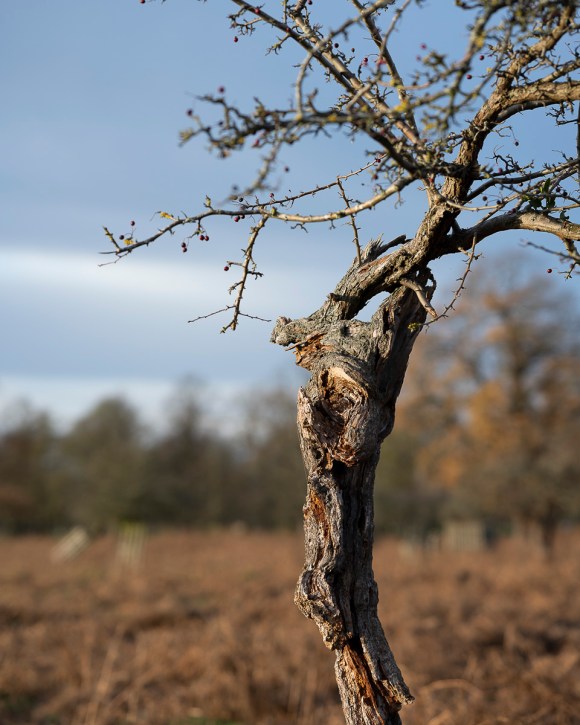
- Experimenting with Depth of Field (making the tree stand out from its environment)
Questions to Ask
During this project, I will also ask myself:
- What is my photographic practice?
- What will I show?
- How will I show?
- How will I talk about it?
- What are the parameters of my inquiry?
- How do I want to develop particular photographic techniques?
My Actions
The action I took first was to take a ‘step back’ in light of the directions and questions above. It was up to me to make the inquiry of what I am actually doing, process my answers then take action.
Thoughts
When I looked at the images I’d created so far, I was very happy with the progress I had made technically. I was now taking a different approach to tree photography compared to the one I used in the AGM60 Research & Experimentation module. What was missing at this stage in the images was the element that made them distinctly ‘Jennie Meadows’. I also felt that I wasn’t being ‘creative’. Editing and experimenting with images digitally is integral to my work. Why not now?
Inquiry Into Process
My first reaction to this advice was to think about my own inquiry. At the heart of this project lies the question:
How does my use of digital photography relate to my making images of hawthorn trees?
This was sparked by my thoughts about the reciprocal relationship between photographer, equipment and subject. Coming from a purely digital background, I am well-versed in using this technology to produce images. I know how to take, process and print ‘photographs’, having learnt and used these procedures over the last six years. With four out of the six in my class using analogue photography, I was beginning to see first hand the major differences in how the technology affects all aspects of the making process.
This inquiry was also sparked by looking at other photographer’s work based on trees. For example, within the book Into The Woods, the majority of the images have been produced using analogue and are gelatin silver prints. I had been making my images then converting them into Black & White. Why? I had got caught into a mind rut, where this seemed to be the thing to do. What I hadn’t realised is that this is just an option for this project and can be achieved using digital technology. However, when the camera I’m using has been made to capture colour and detail in spectacular fashion, I should be making the most of it.
Subject Matter – Why Hawthorn Trees?
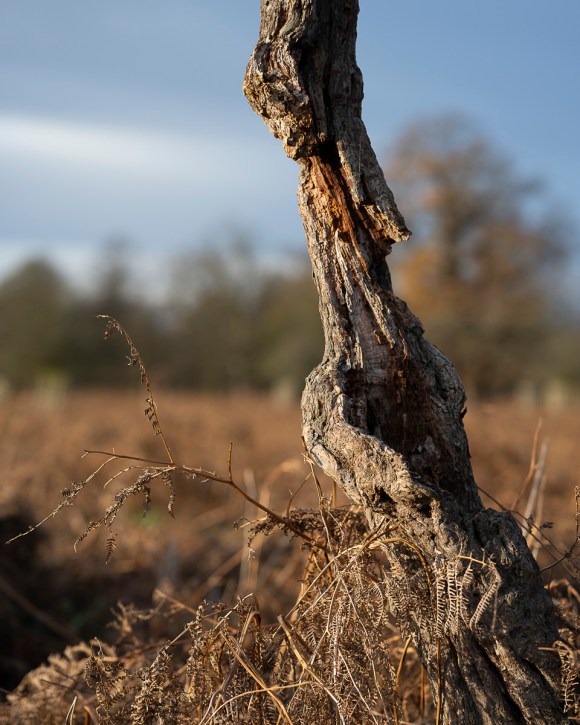
Ancient Trees are being recorded on an inventory and they have asked for photographs of these trees. I chose to focus on finding and photographing hawthorn trees that feature characteristics that would define them as ‘ancient’. These include:
- Major trunk cavities or progressive hollowing
- Decay holes
- Physical damage to trunk
- Bark loss
- Large quantities of dead wood in the canopy
- Crevices in the bark, under branches or on the root plate, sheltered from direct rainfall
- Fungal fruiting bodies (from heart rotting species)
- A high number of interdependent wildlife species
- Epiphytic plants (including mistletoe)
In addition, the tree may have:
- A pollard form or show indications of past management
- Cultural or historic value
- Been part of a historic boundary, hedgerow (pre enclosures) or on a woodbank
- A prominent position in the landscape
Size
- Hawthorn can grow up to 2.5m plus in girth.
- Record all hawthorn more than 1.5m.
- Consider recording all hawthorn with any ancient characteristics more than 1.25m.
- It’s important to rely on characteristics rather than size, which is an unreliable indication of age.
I am not recording these trees as purely documentary, but will be using an artistic approach using digital technology.
With regards to location, hawthorns are (and have been) connected with Bushy Park ecologically, historically and culturally. By focusing on a particular area in which the trees are present gives constructive limits to this project.
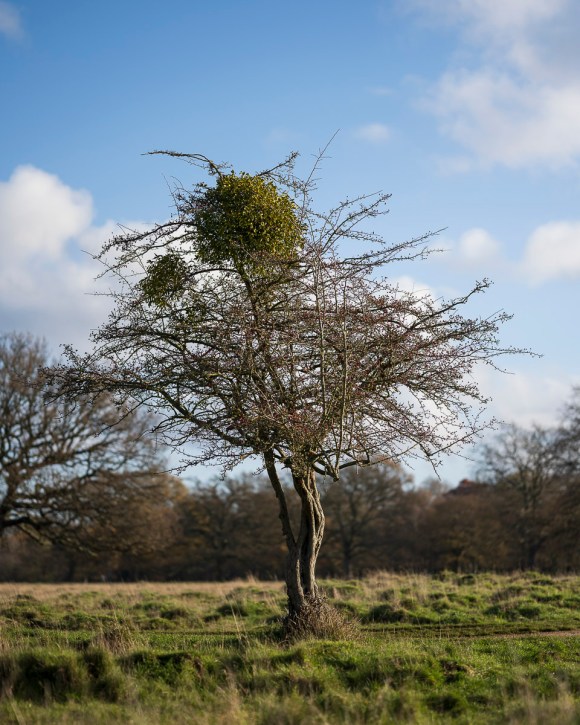
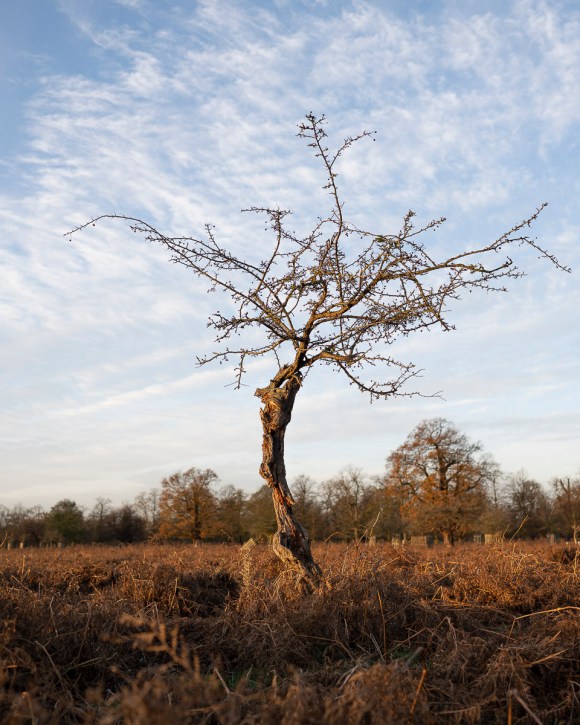
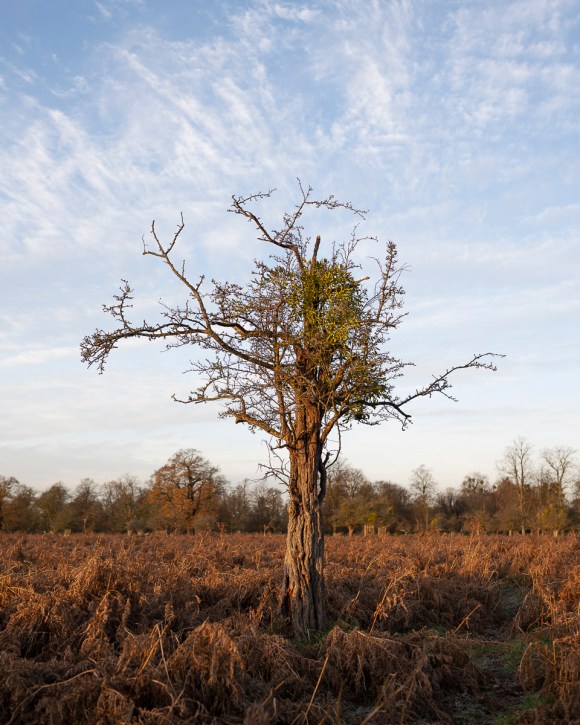
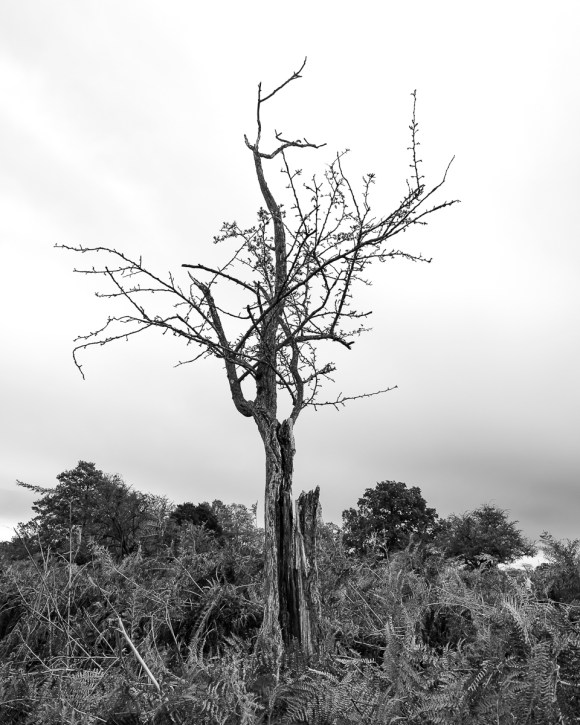
Up to 4 December, the project has been about finding suitable hawthorns to include and making ‘literal’ images. I have then been using various digital photographic equipment, exploring the potential ways in which these trees can be recorded in this way.
What Works?
- 5:4 aspect ratio (changes focal length from 85mm to 93mm in 35mm)
- 1:1 aspect ratio (changes focal length from 85mm to 110mm in 35mm)
- Horizon along bottom quarter horizontal line
- Aiming for this brings the tree line (bottom branches) to the lower third line (check)
- Early-morning light
- Late afternoon light (depending on angle of shot and tree)
- Side lighting
- Diffused light (slight cloud cover)
- Tree in centre of composition
- Tree taken from low angle
- Tree in focus
- Background out of focus
- Enough sky for the tree to ‘breathe’
- Soft sky details
- Lighter at top of image
What Can Be Improved On?
- General composition
- Straight horizon in camera (saves on post-production editing)
- Capturing trees in the optimum light conditions to show the details being recorded
- Foreground focus and details
What Doesn’t Work?
- Dark silhouette of tree
- Prominent clouds (use of polarising filter)
- Vignette effect of clouds (dark at top of image)
- Sharp light
Still Unsure About…
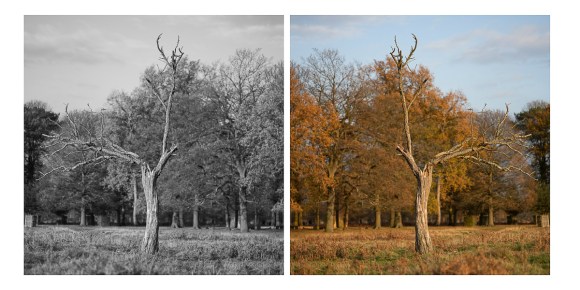
Black & White vs Colour
Colour
- Shows details
- Shows colour of light
- Shows difference between ‘dormant’ tree and green mistletoe
Black & White
- Mimics traditional analogue images of trees (adds to nostalgic and ‘undated’ appearance
What Needs to Be Explored Further
- Composition lines – trees in background
- Best lens – 85mm? 35mm?
- Best F number (F2.5 for F1.8 lens – 35mm and 85mm)
- 24mm-70mm is F4 – can it blur the background enough?
- Use of tripod
- Use of monitor
- Use of Speedlight
New Directions?
- Long exposure
- Smooth out sky?
- Shows passing of time?
- Or will it just blur things?
- Trees and time:
- Interval timer shoot or time lapse?
- Trees ‘move’ – a photograph doesn’t depict this
- Trees are ‘evidence of time’
- How do trees experience time?
- Long exposure/vs snapshot (AGM61 essay Visions of the Temporal Metropolis: Exploring Photography, Time and the City)
- jenniemeadowsma.photo.blog/2020/01/28/agm63-contemporary-debates-final-essay/
- Compound shots
- James Balog
- Noel Myles
- Terry Evans
- Painting on prints
- Tacita Dean
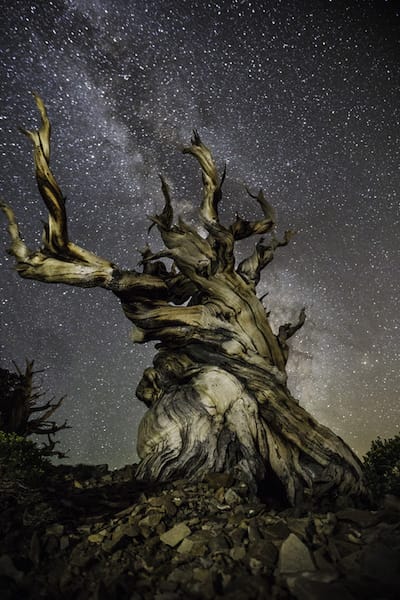
- Night photography (long exposure)
- Beth Moon – Diamond Nights
- My previous work
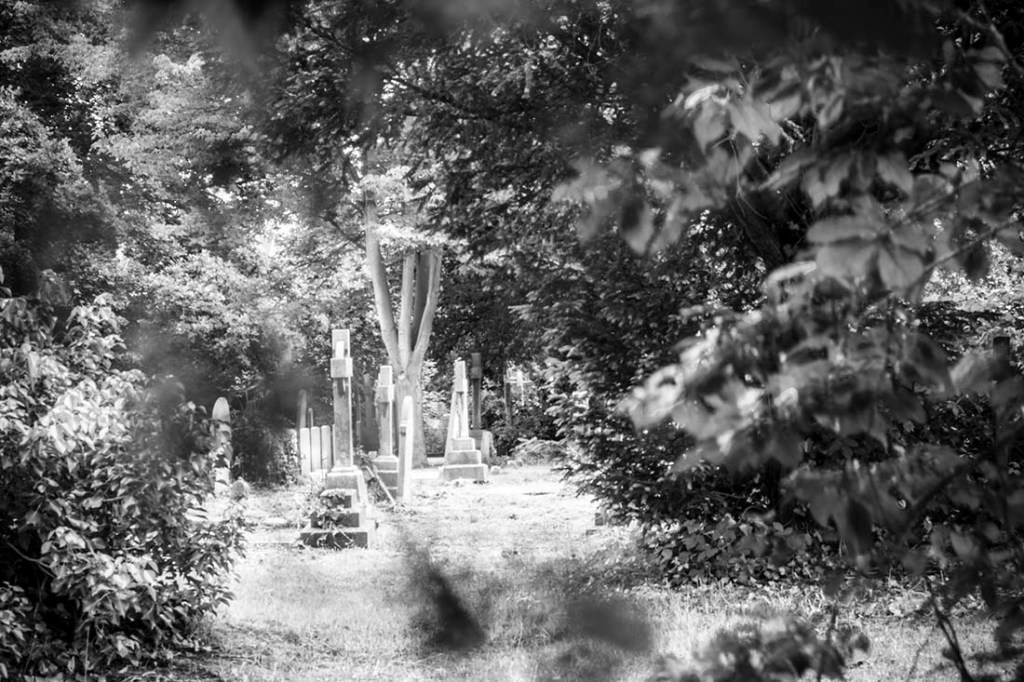
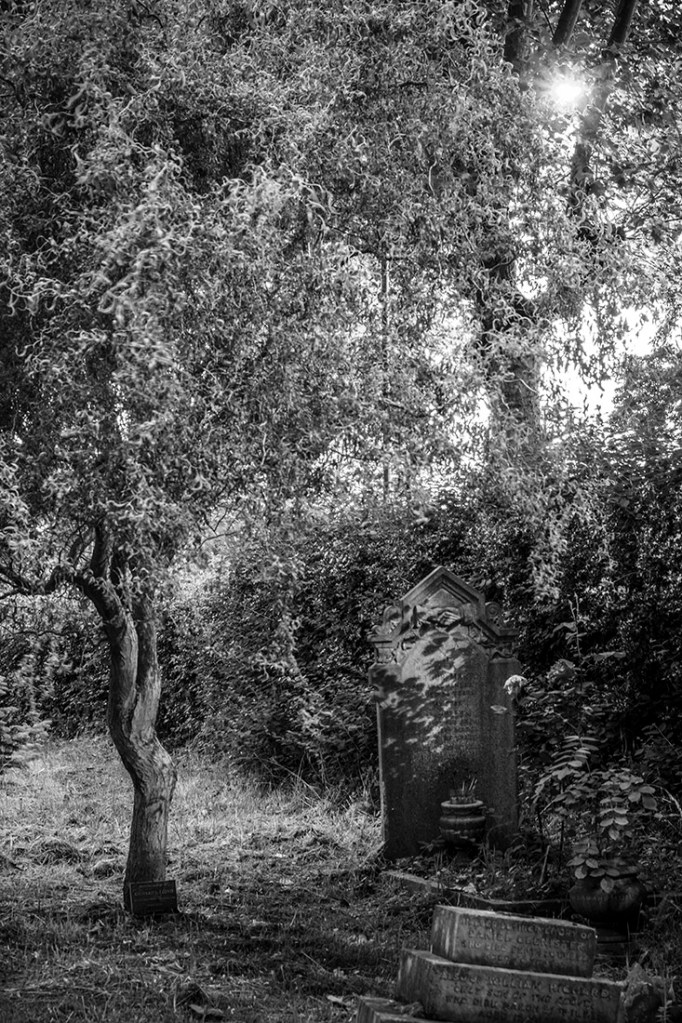
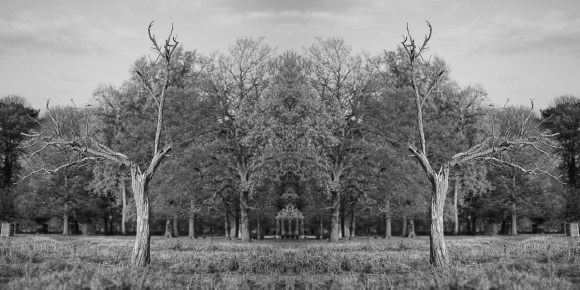
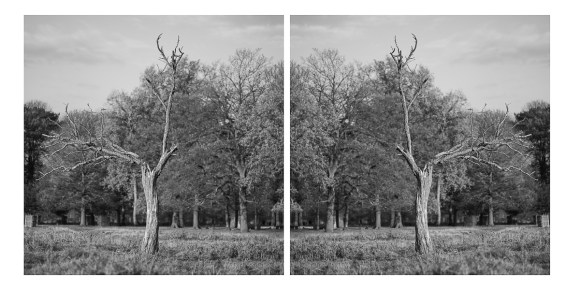
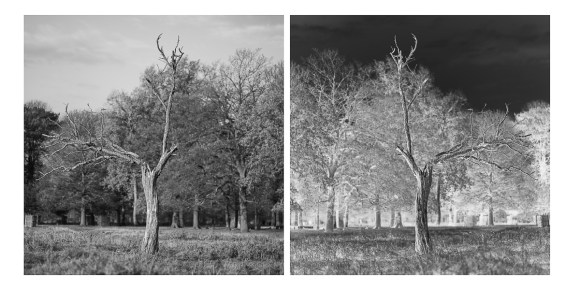
- Same tree, different editing effects (digital)
- Abstraction of a total tree in multiple images?
- Infrared Filter vs. editing to create same effect
- Viewpoint
- Am I looking AT the tree or FROM the tree?
- A return to multiple exposure?
- Winter – the environment and light will change
Last updated 16 December 2020.
Hawthorns

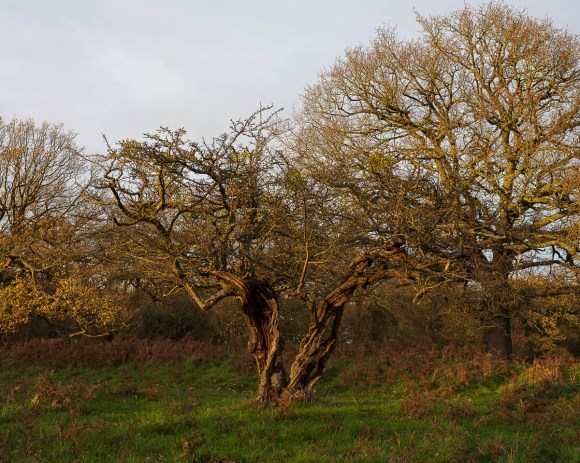





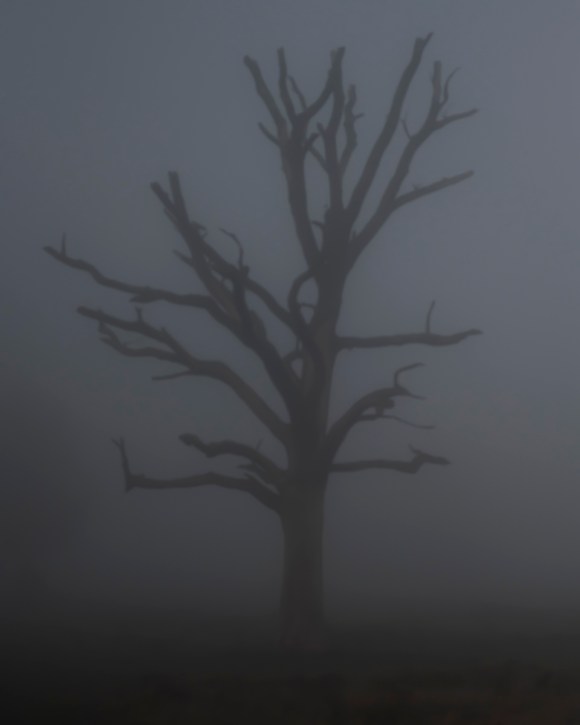
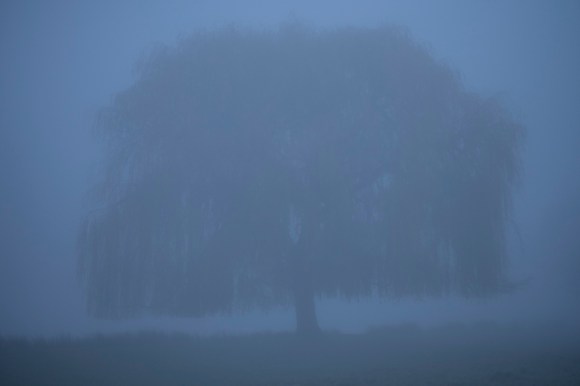
Misty
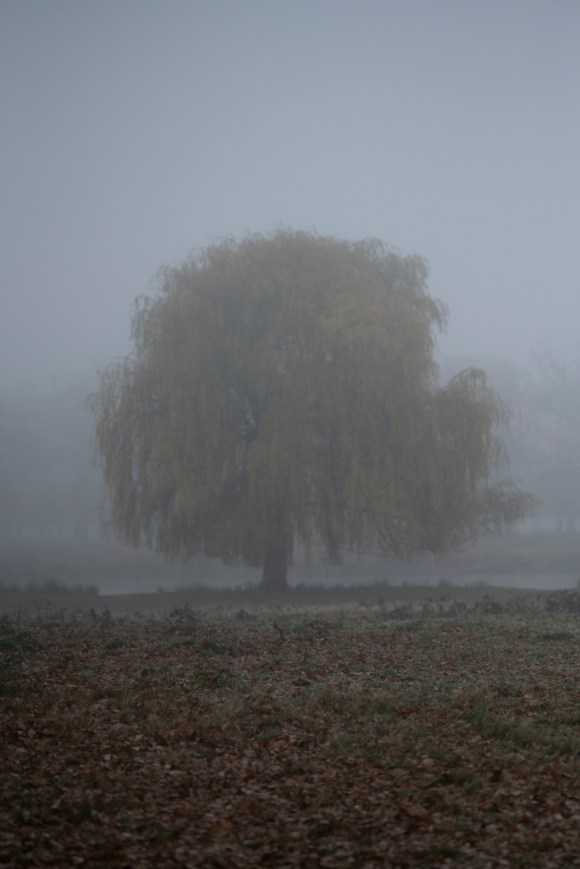
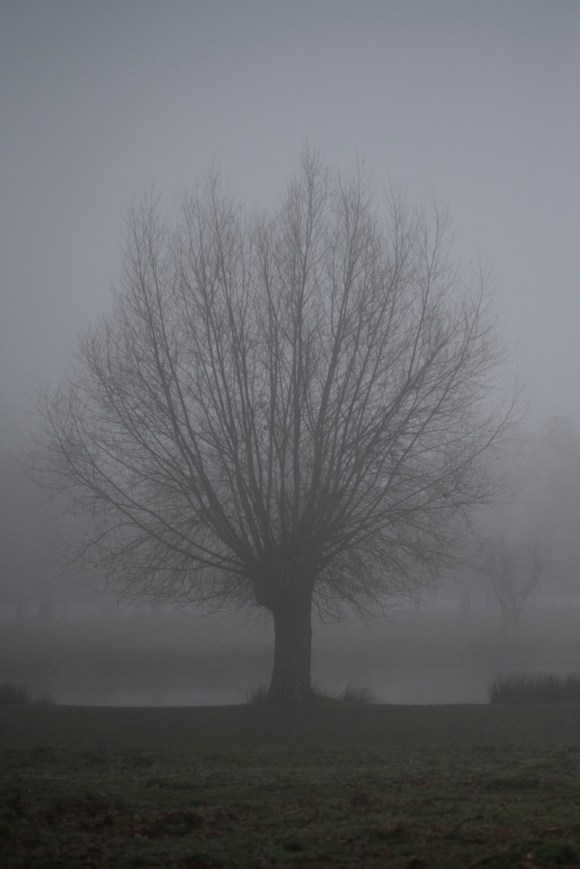
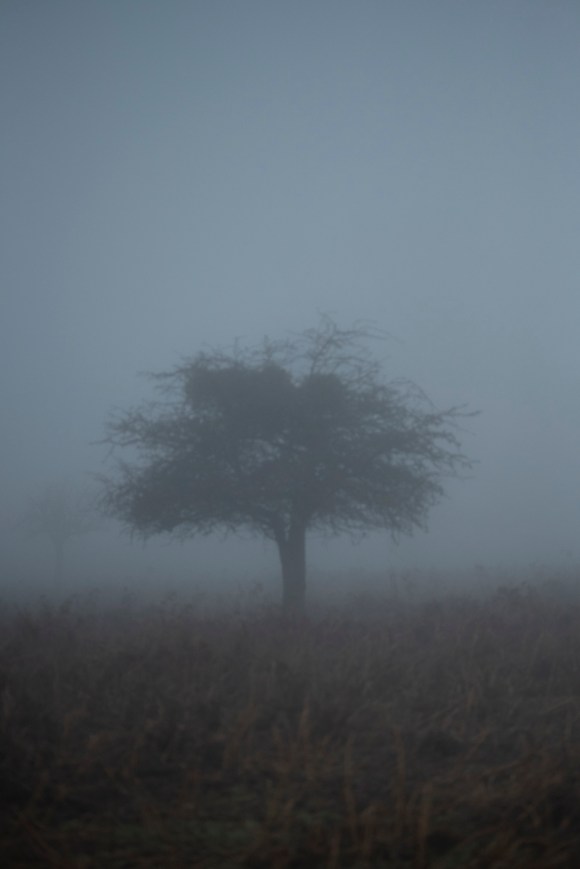
Compound
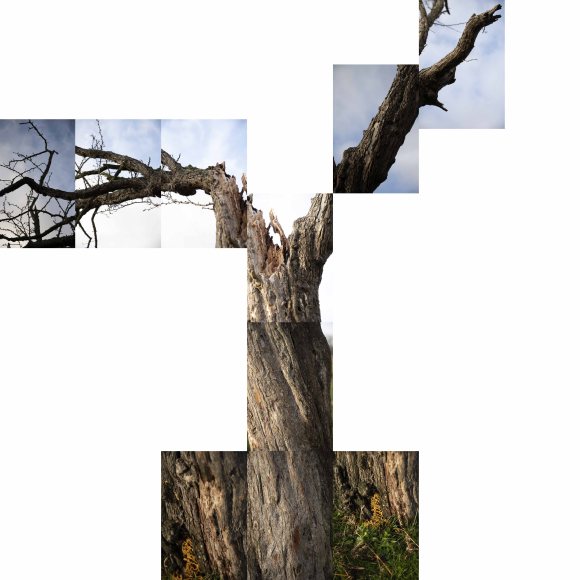
Multiple
Abstract
References
Barnes, M. 2019. Into The Woods. London: Thames & Hudson.
 Jennie Meadows MA Photography