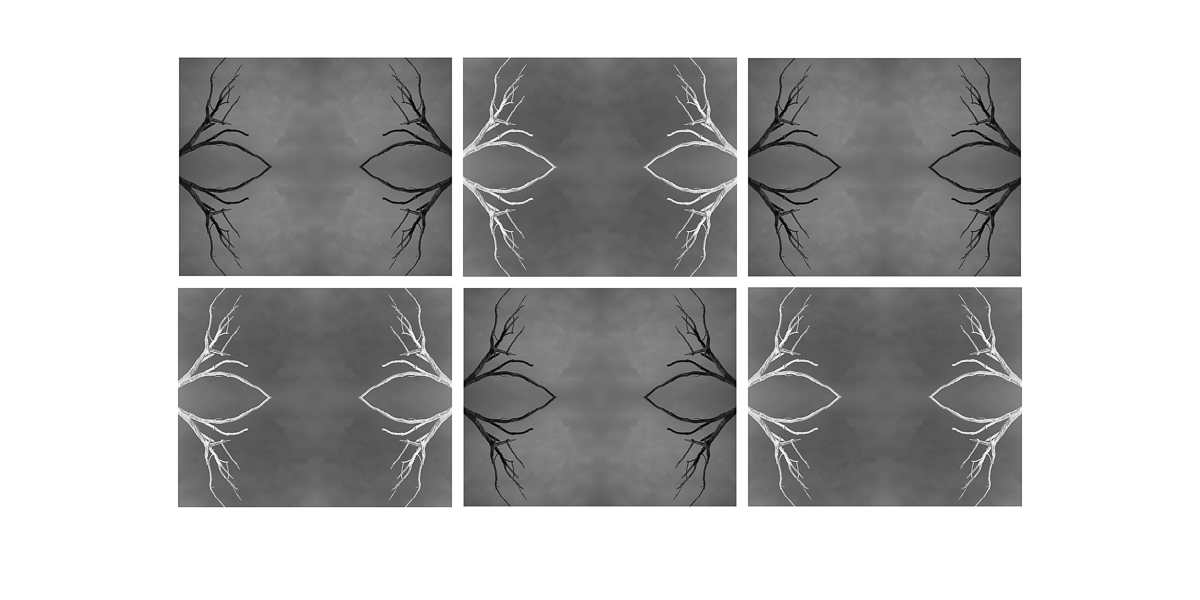
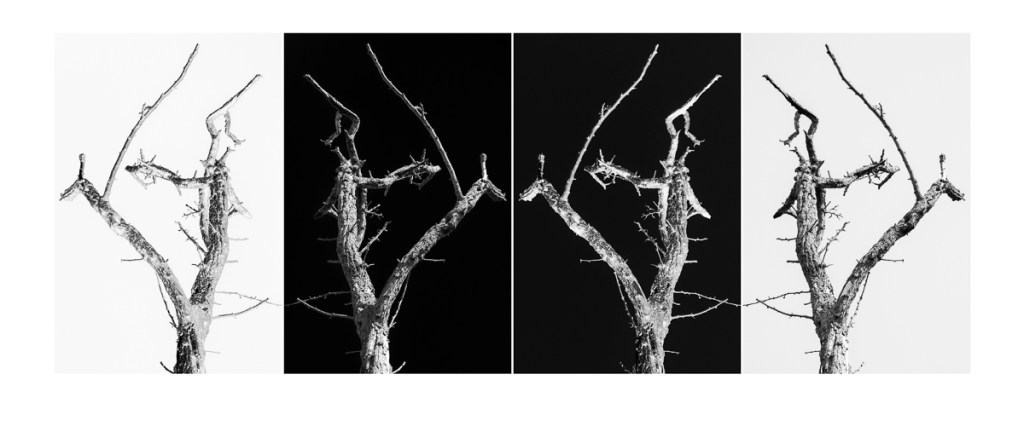
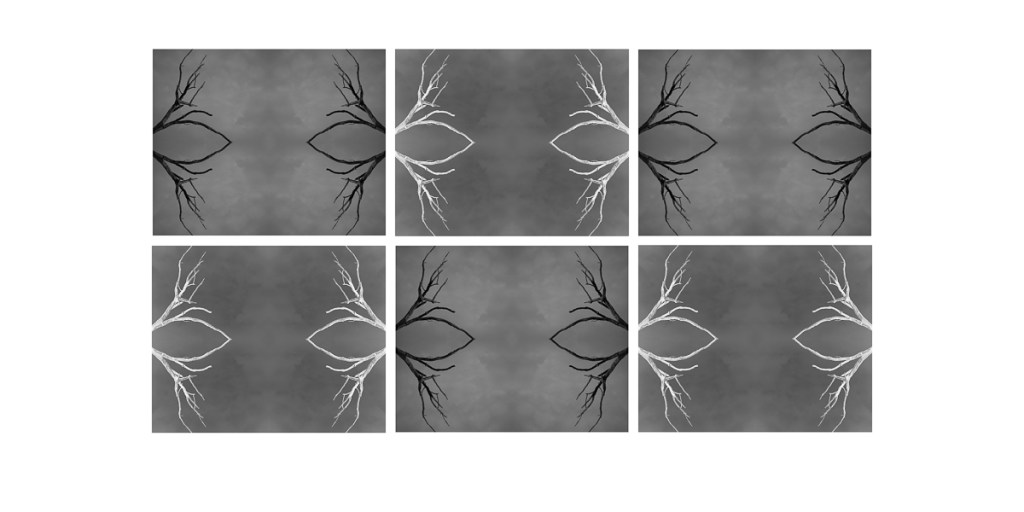
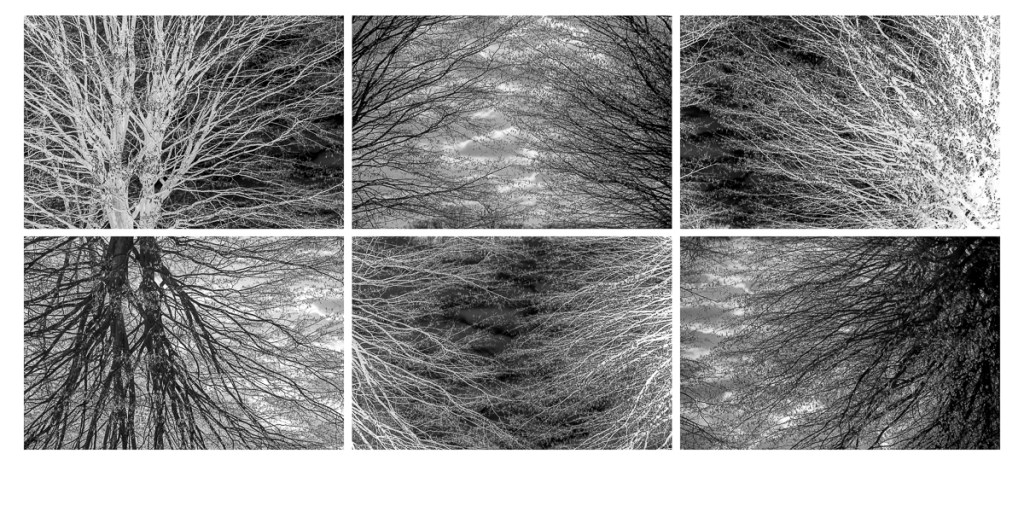
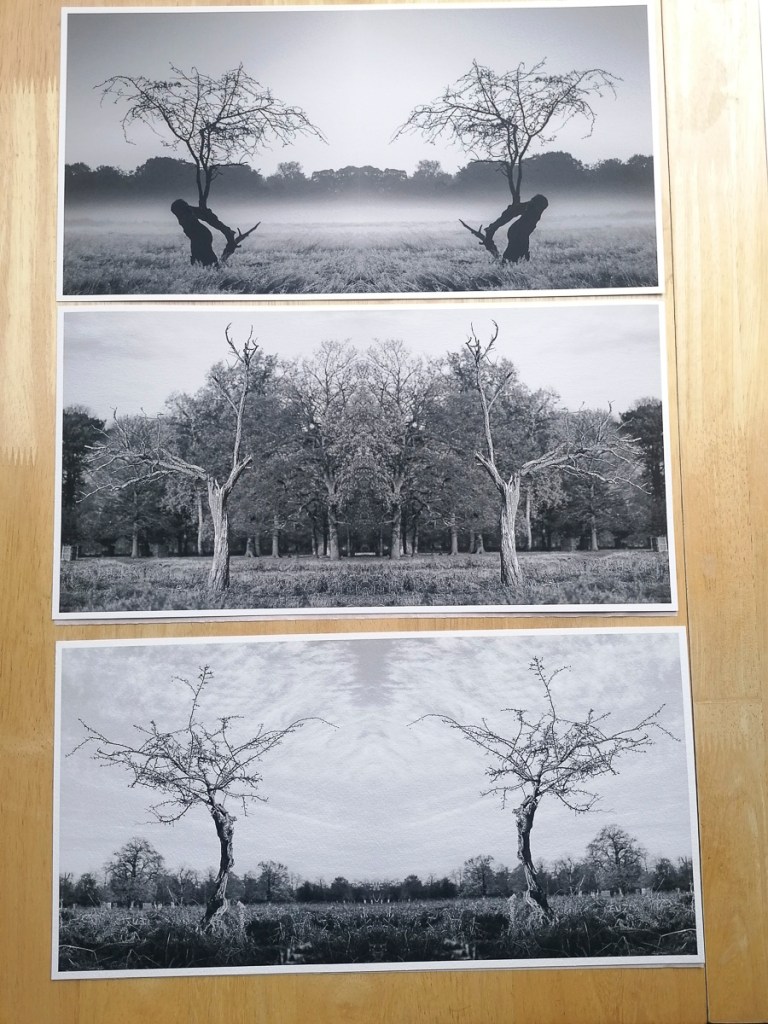
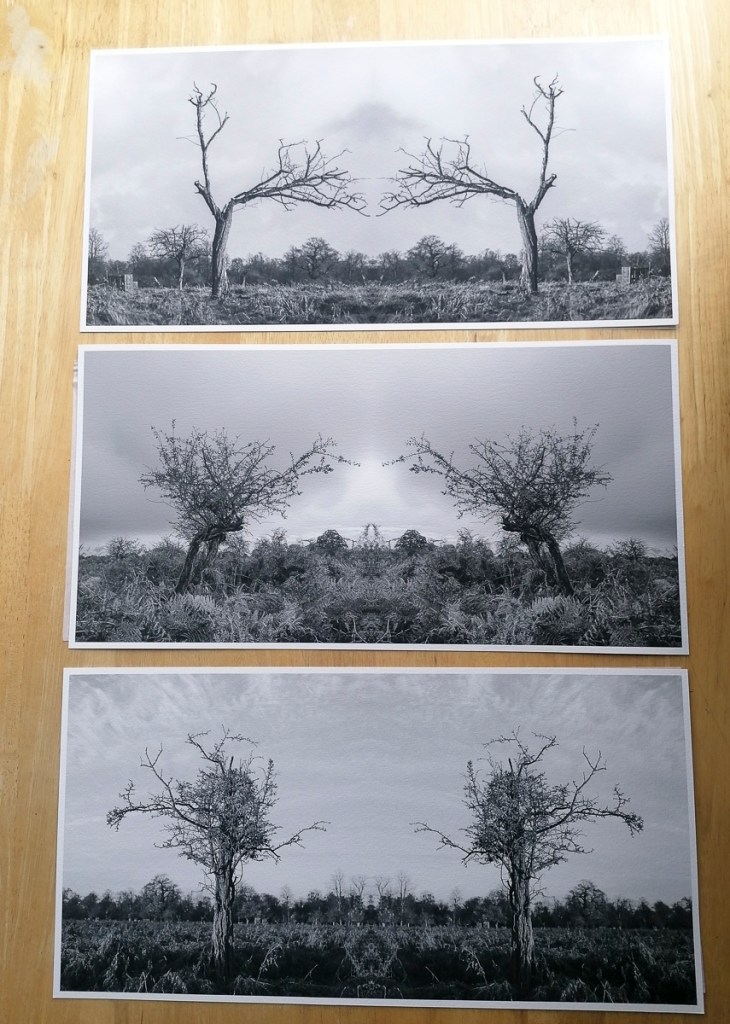
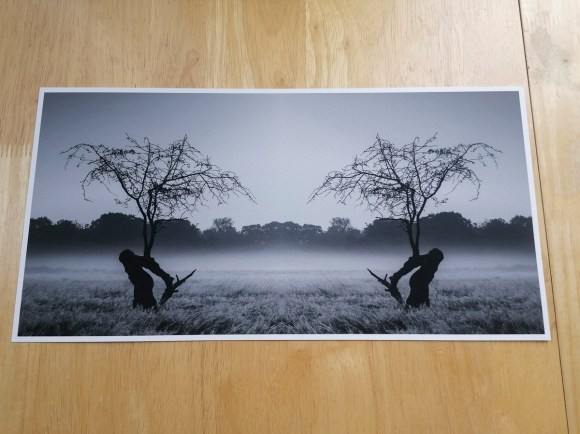
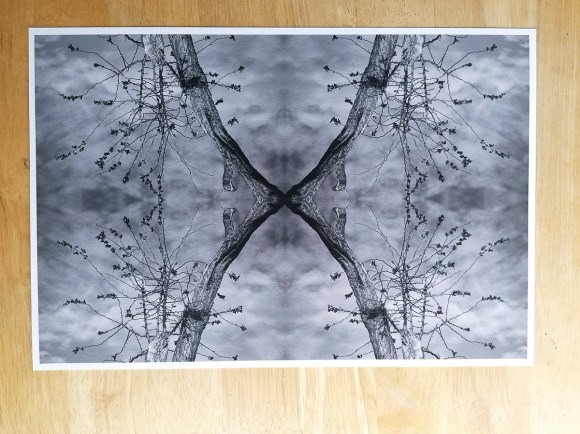
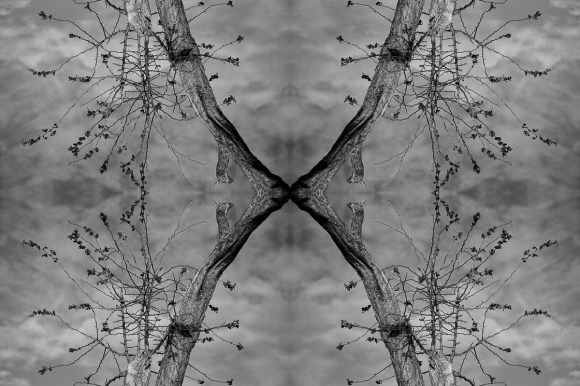
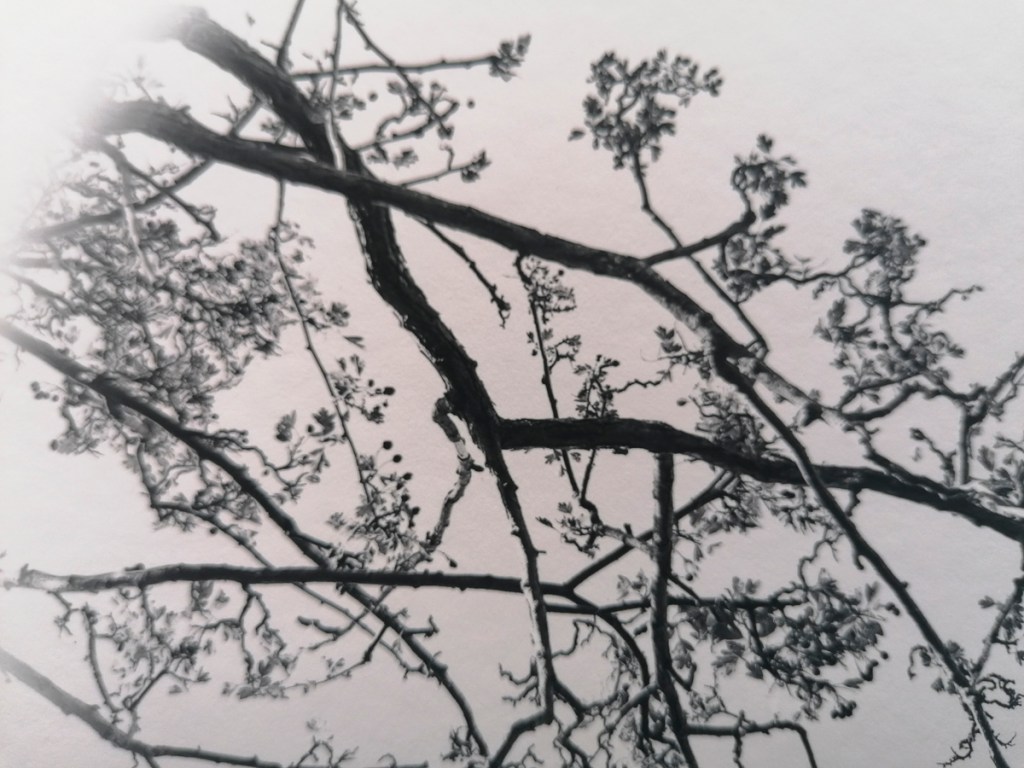
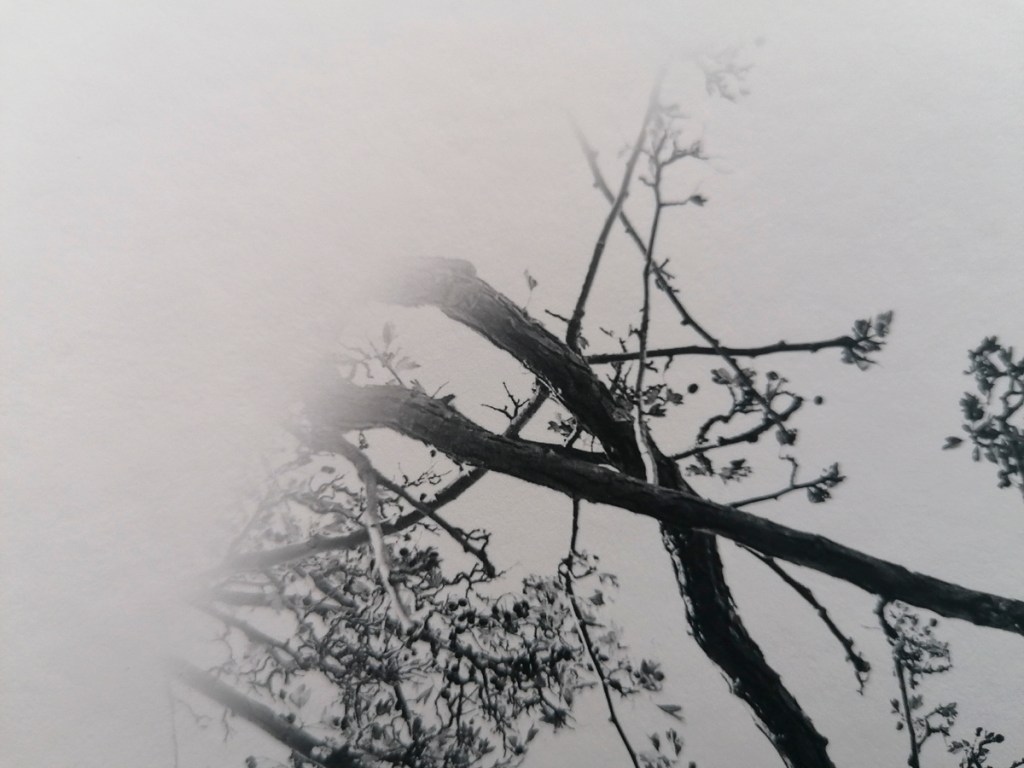
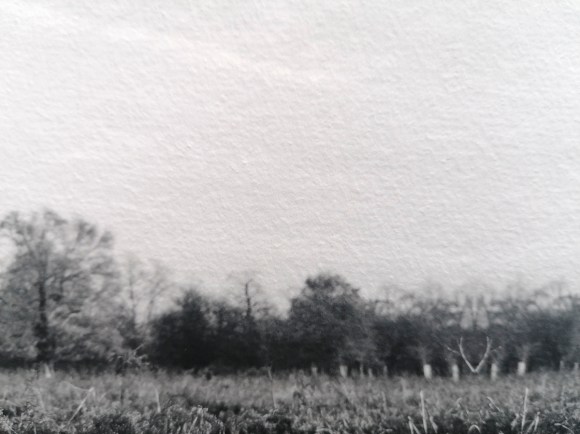
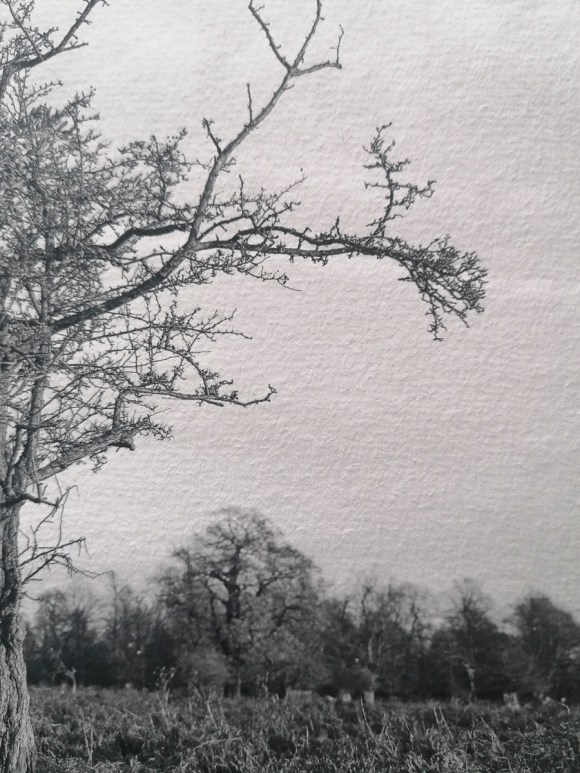
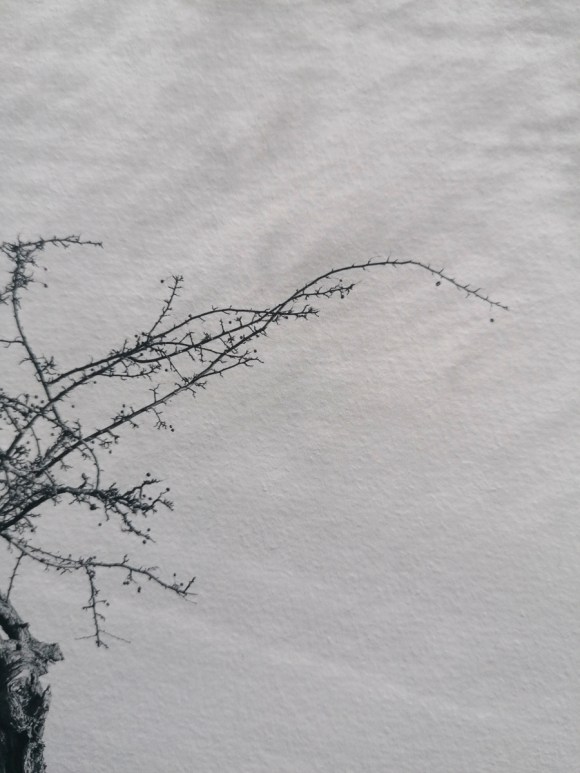
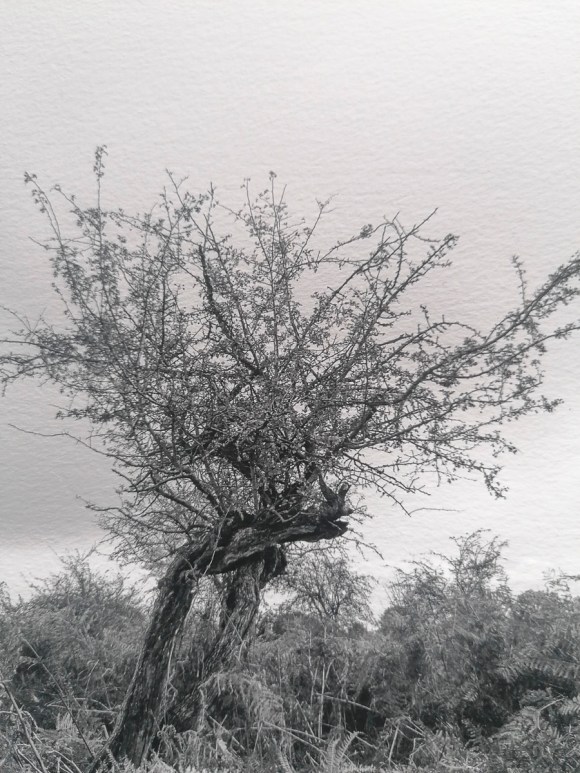
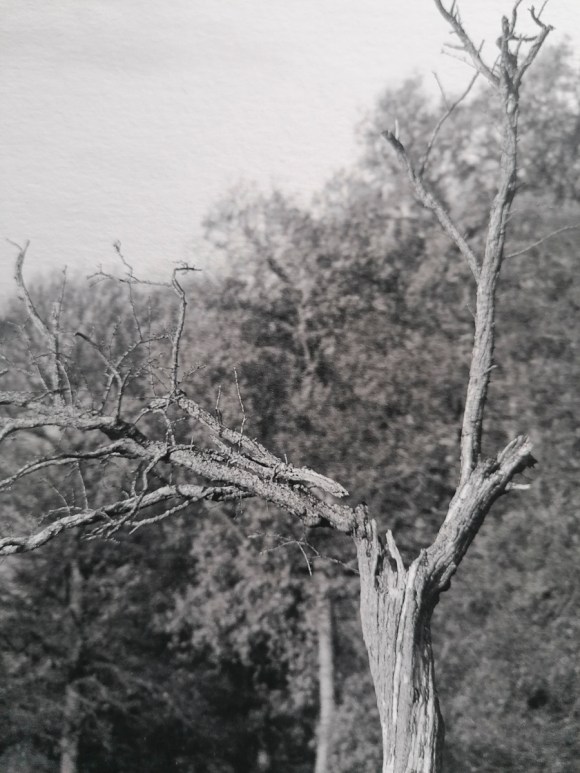
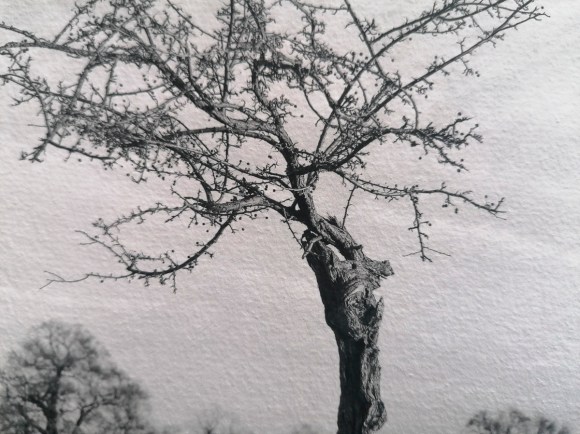
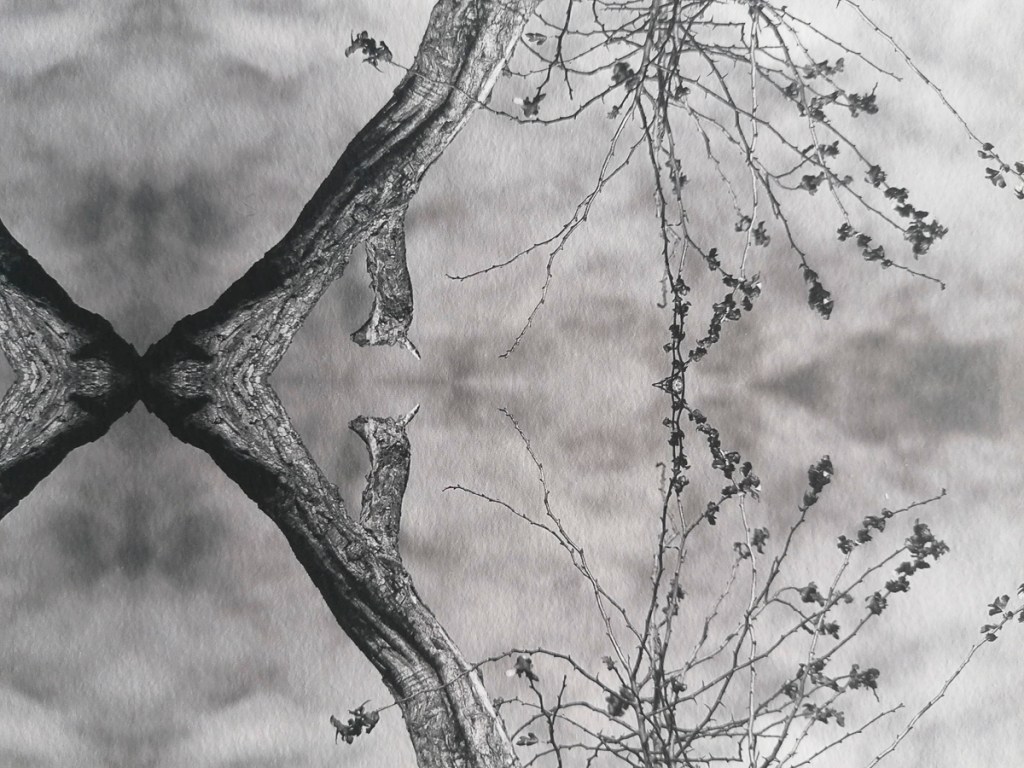
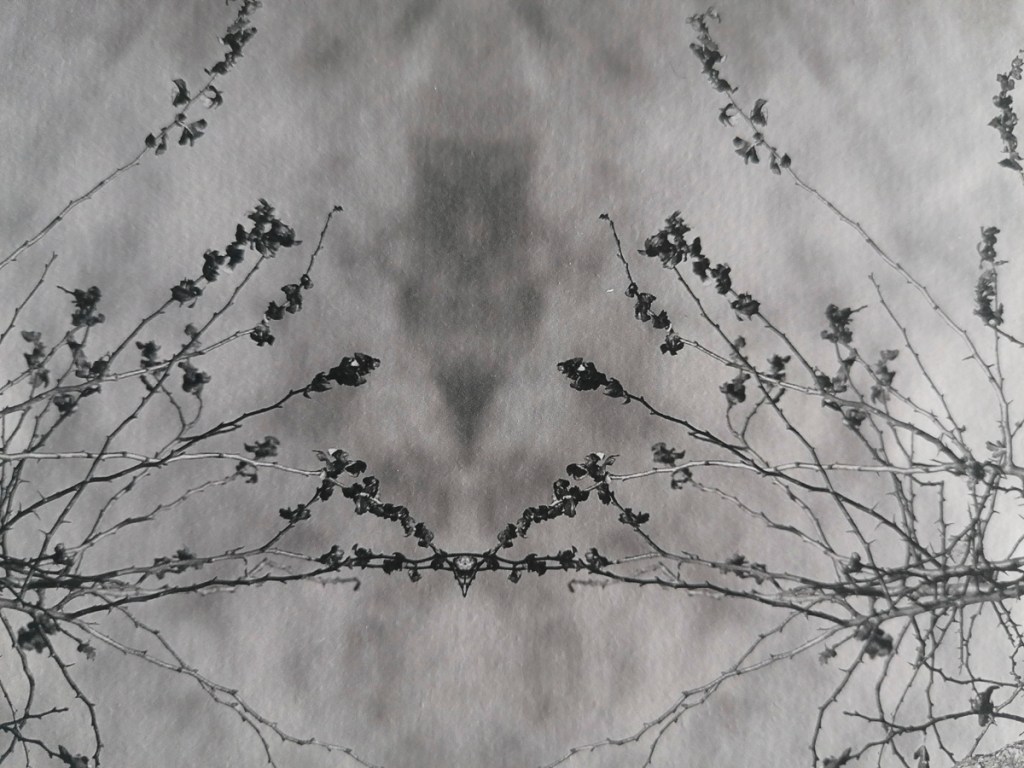
At this stage of the project, I wanted to get a better idea of how my experiments would look when printed. To do this, I created the following images and sent an order to Spectrum Photographic. The images were all to be printed on Hahnemühle German Etching 310 fine art paper.
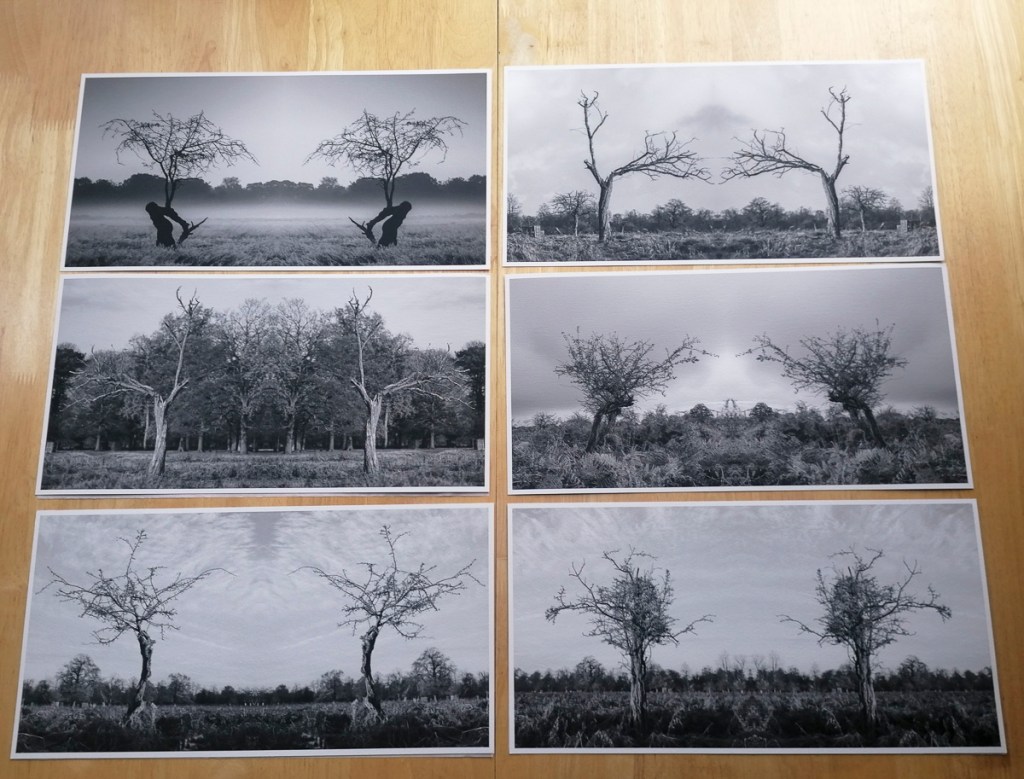
The test prints from Spectrum Photographic were received on 14 January 2021. All images were taken using my smartphone.
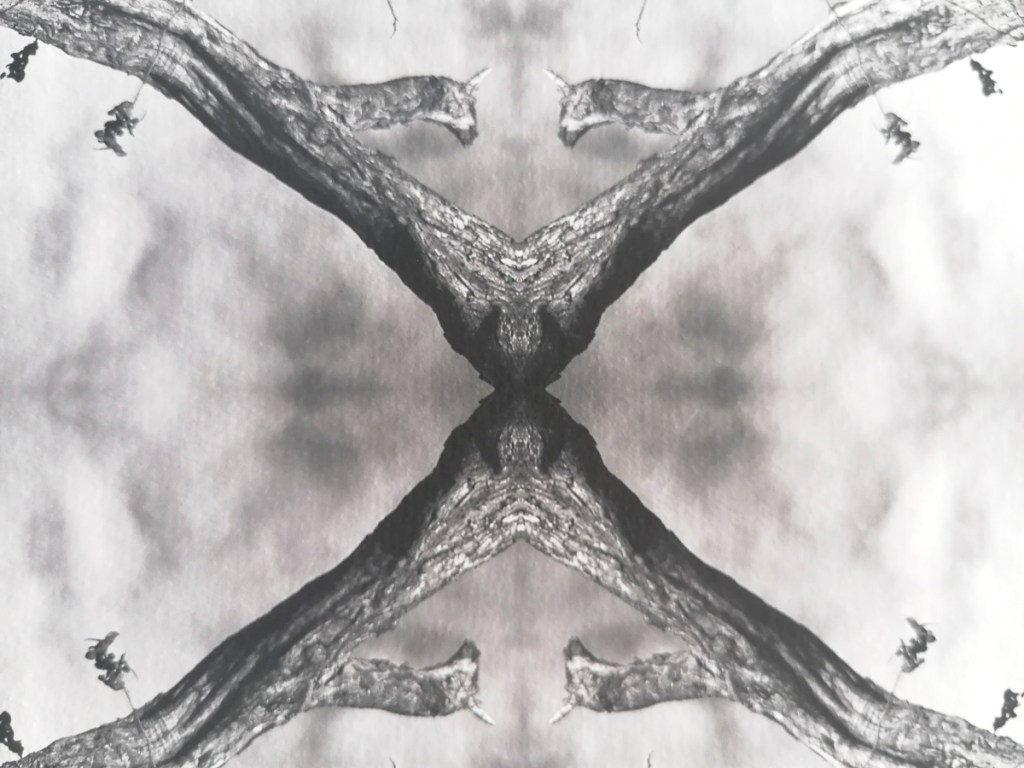
I was very pleased with the results. Each image has characteristics and details that have been brought out by using the Hahnemühle German Etching 310 fine art paper.
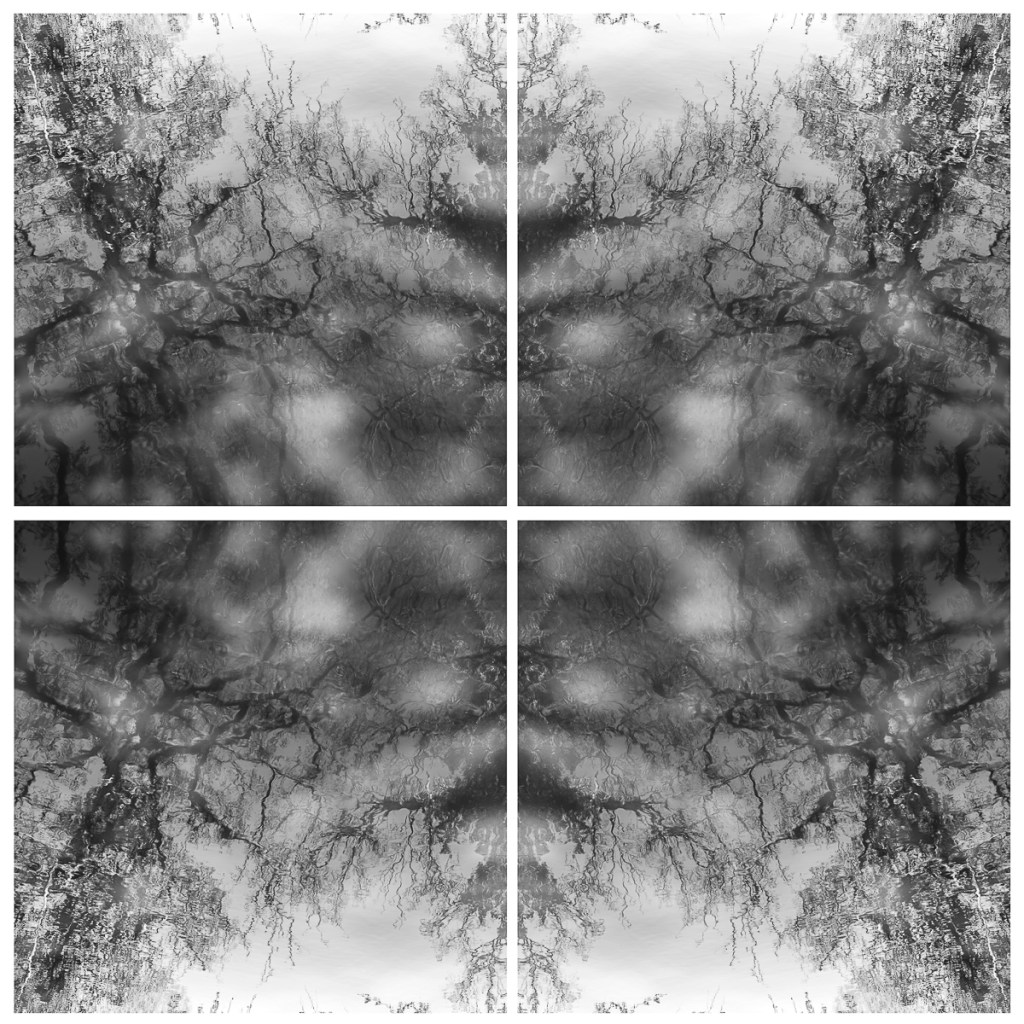
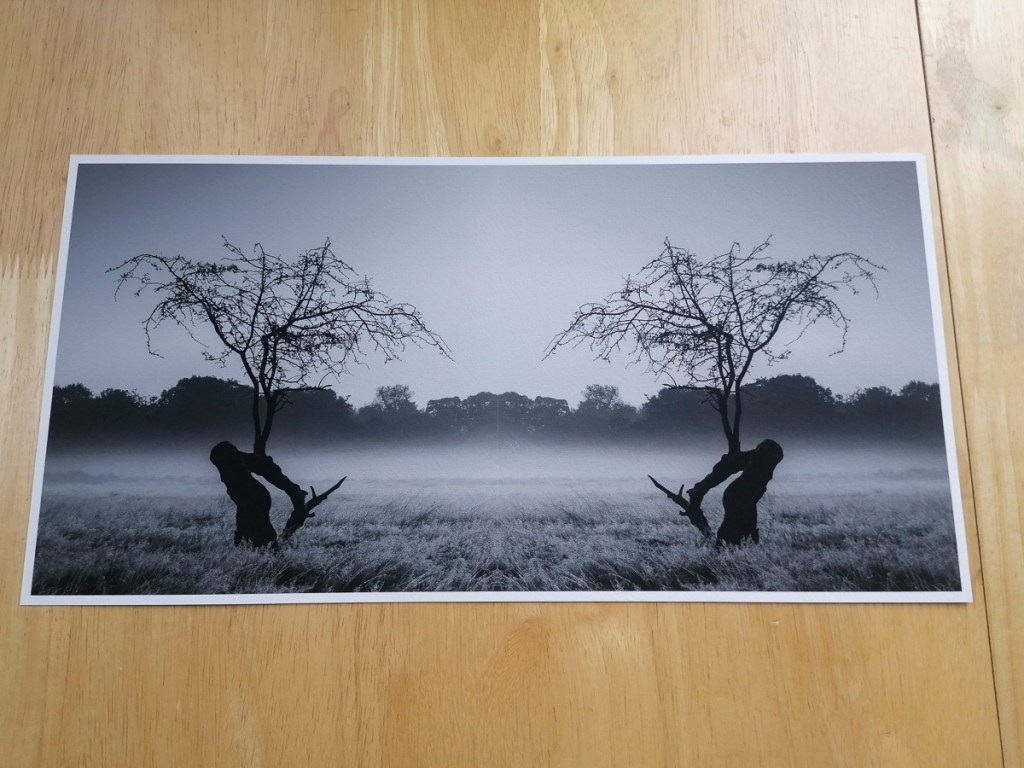
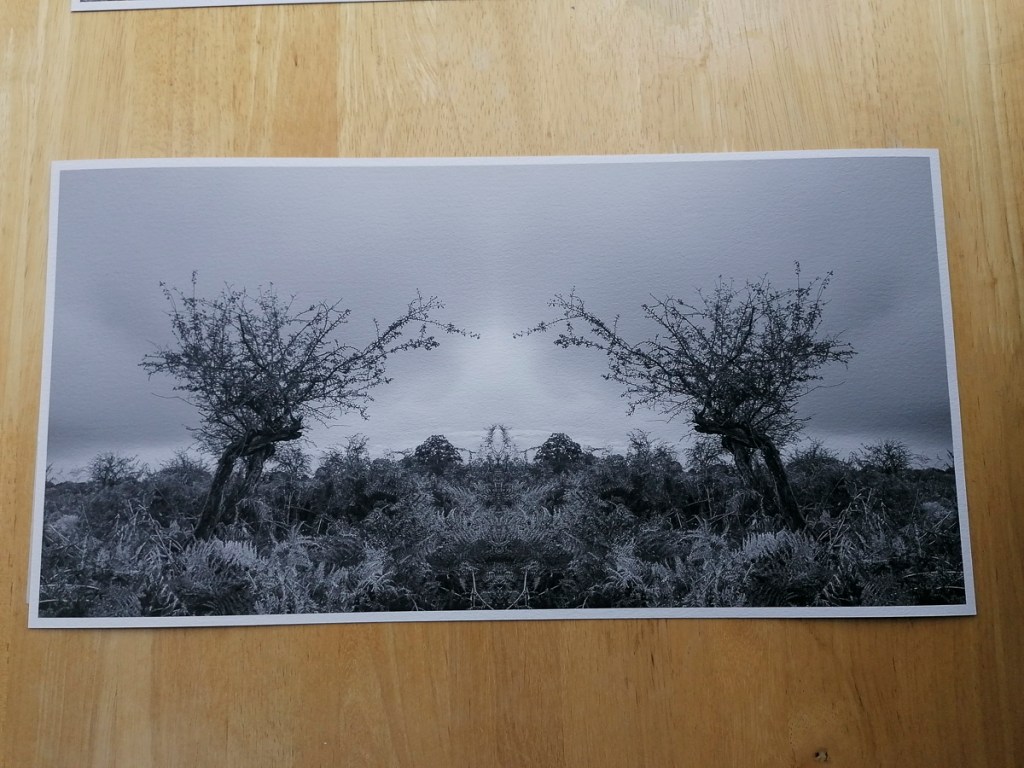
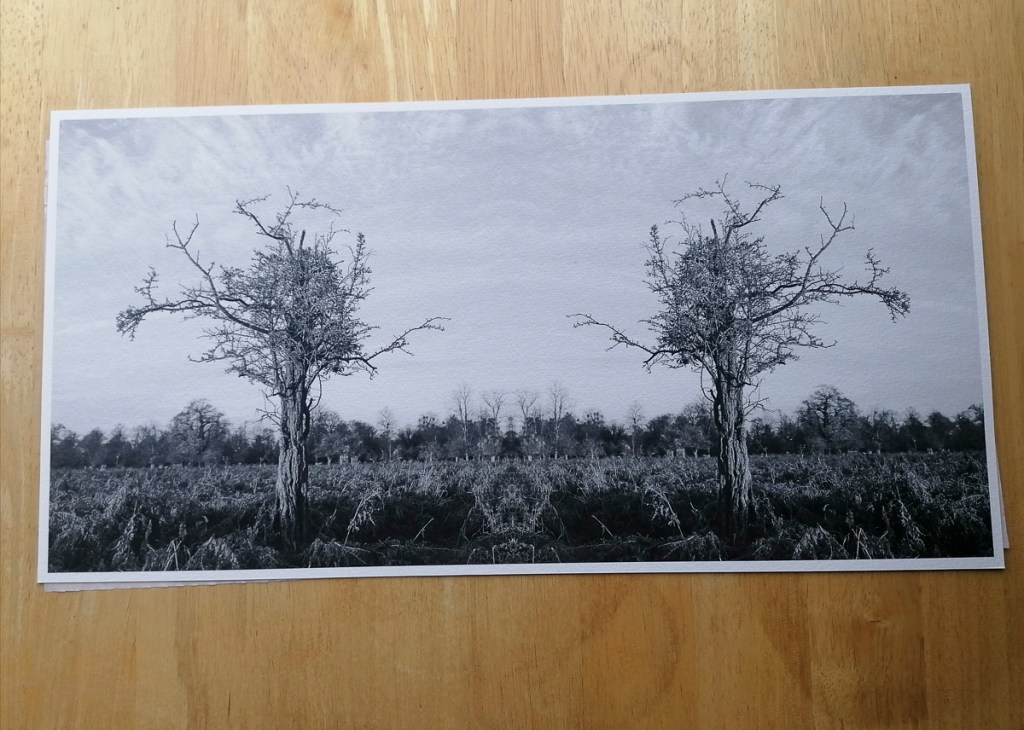
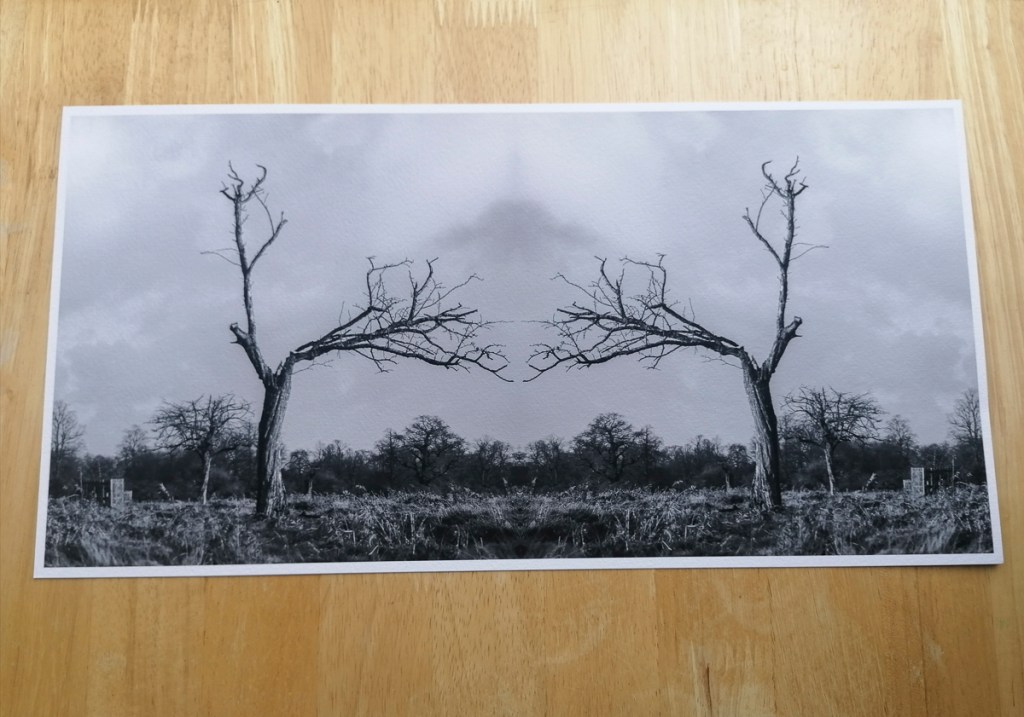
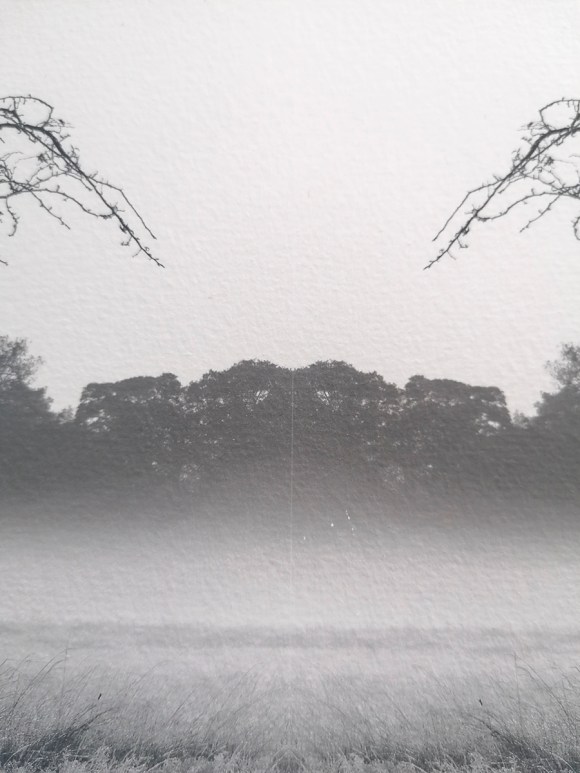
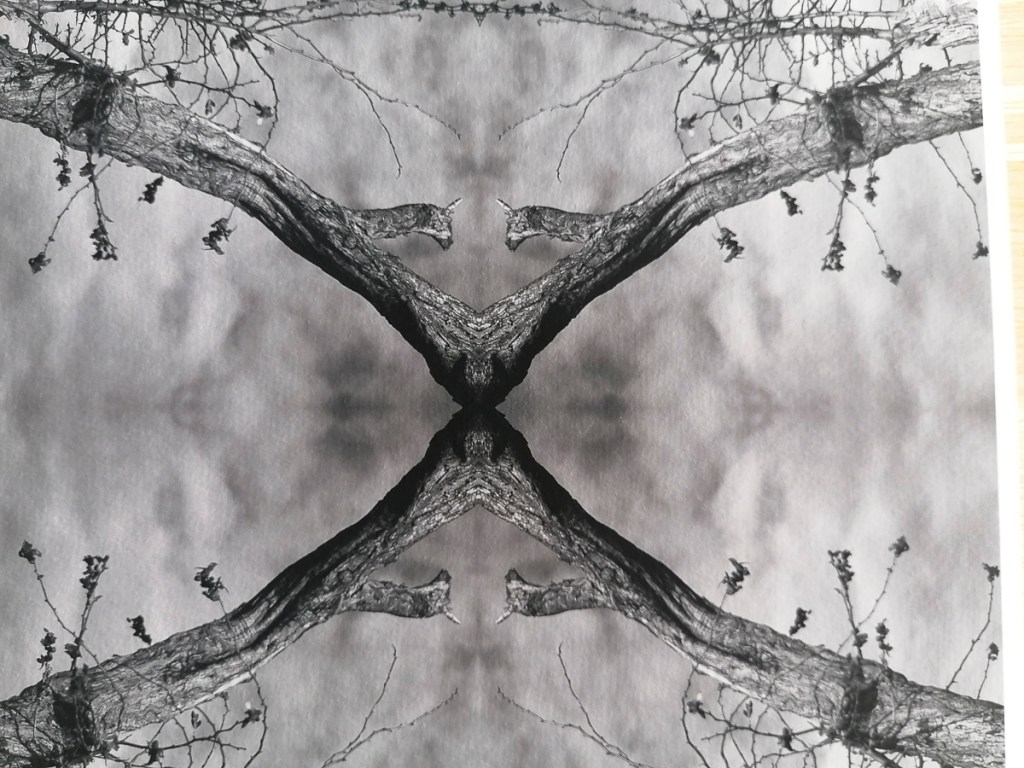
One thing I did notice was a very thin white line running down the middle of this image.
What I had not checked closely enough was when the two mirror images were aligned exactly. This is a reminder to take a bit more care when combining images and zoom in to ensure this doesn’t occur in future. I’ve now updated the file so this the images are totally flush.
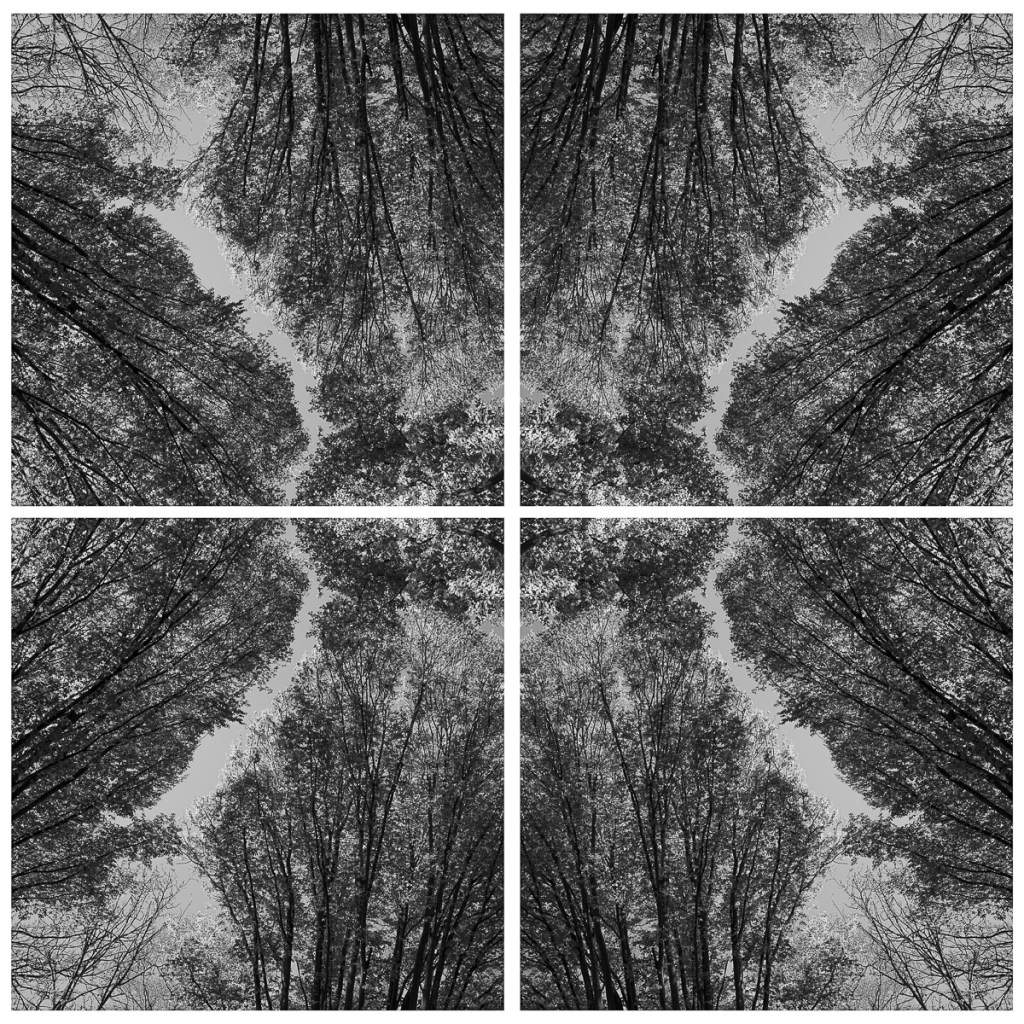
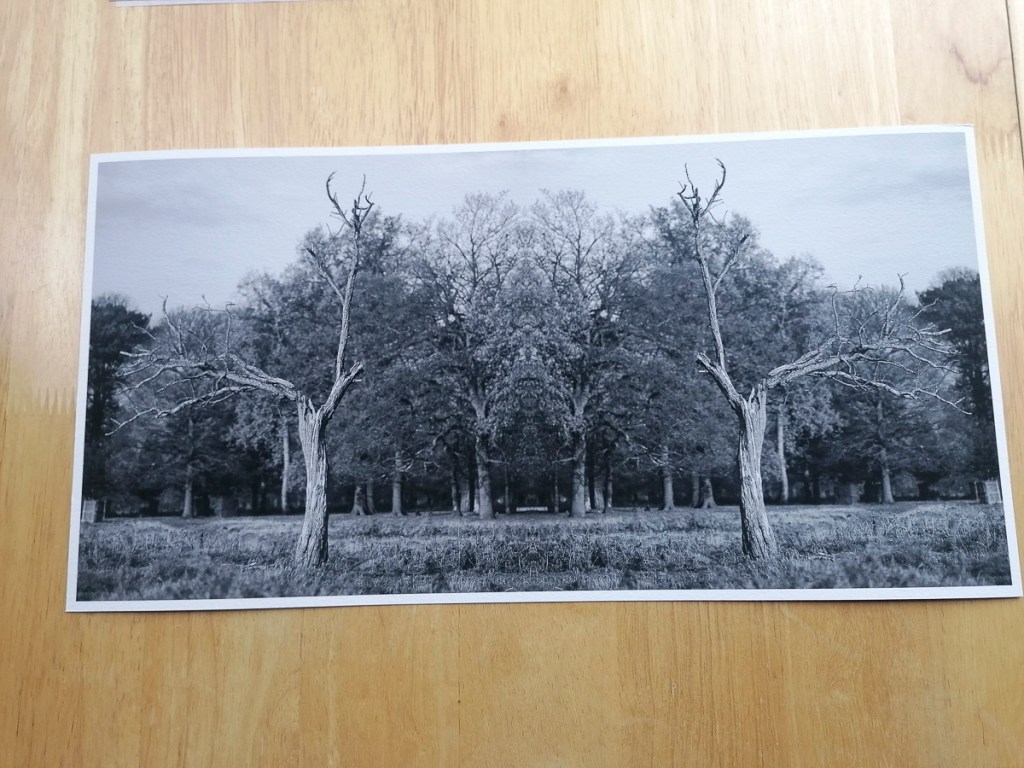
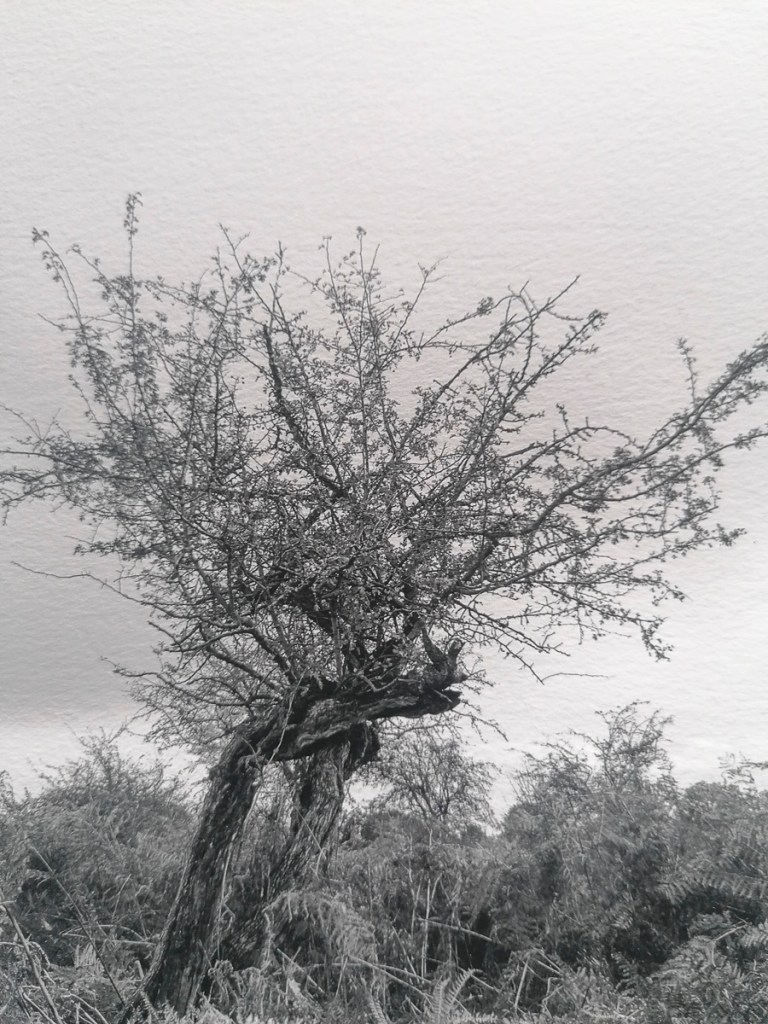
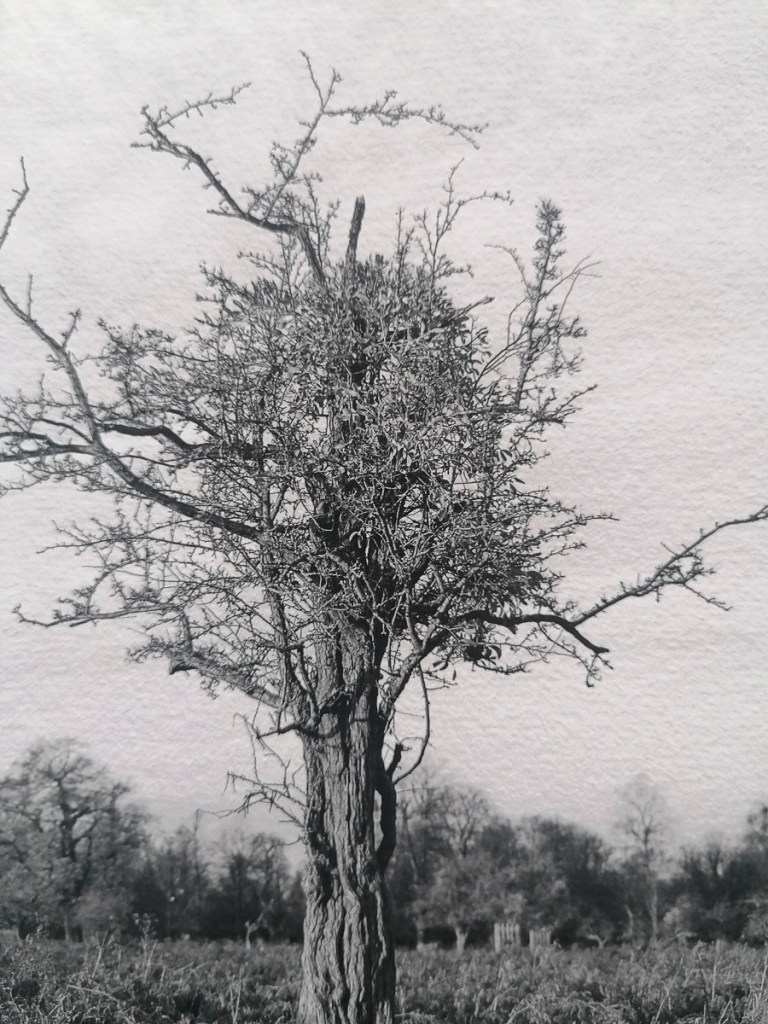
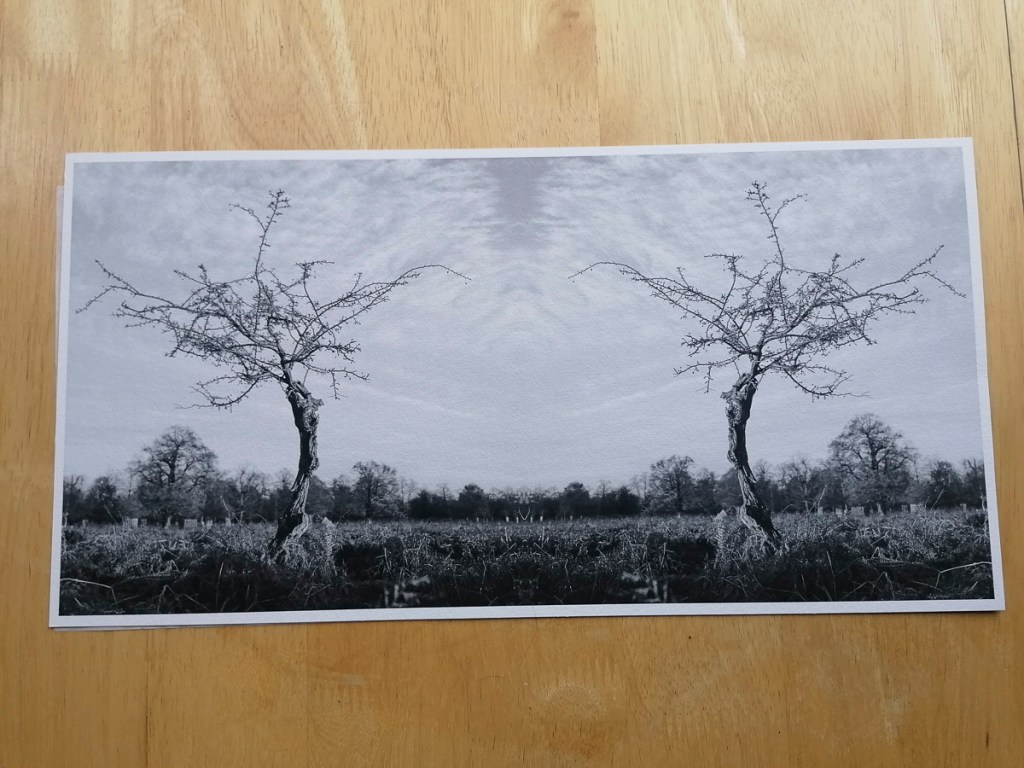
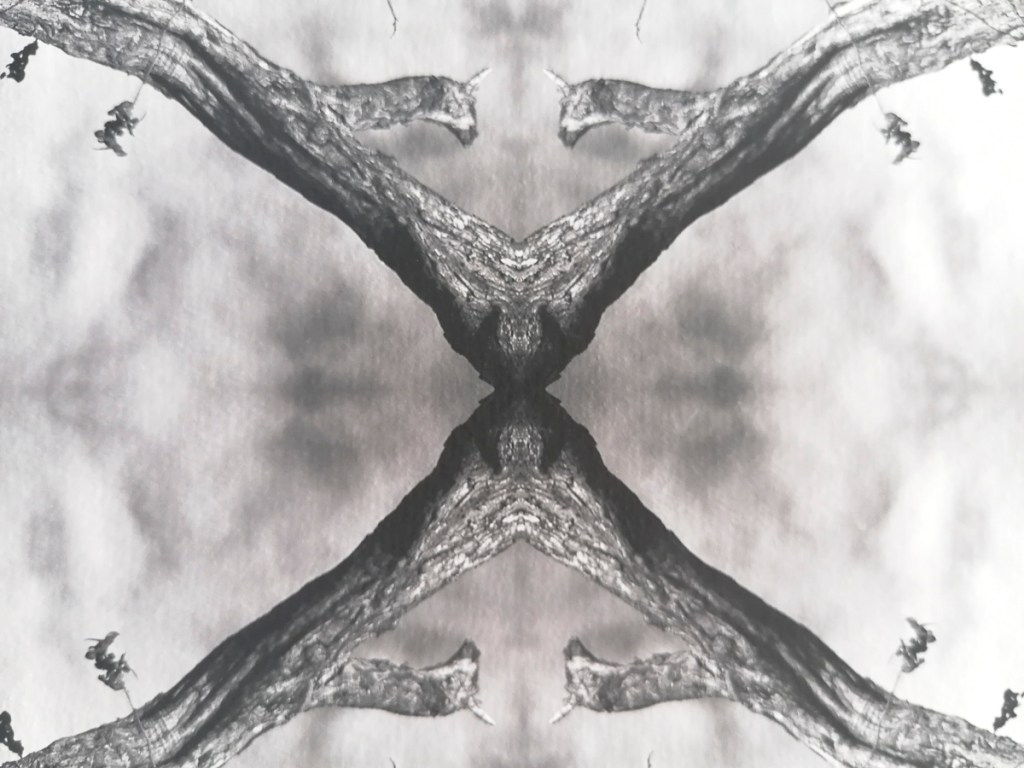
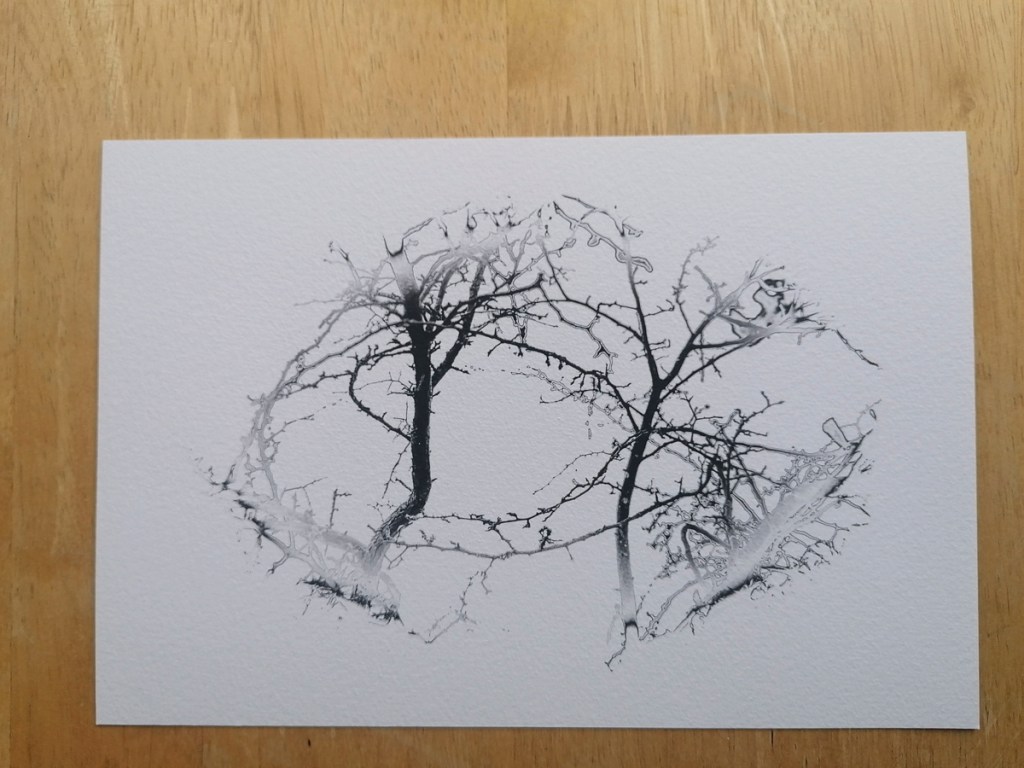
I was also quite pleased with the resulting print of this image. Again, the texture of the paper really adds to the ‘depth’ of the finished print.
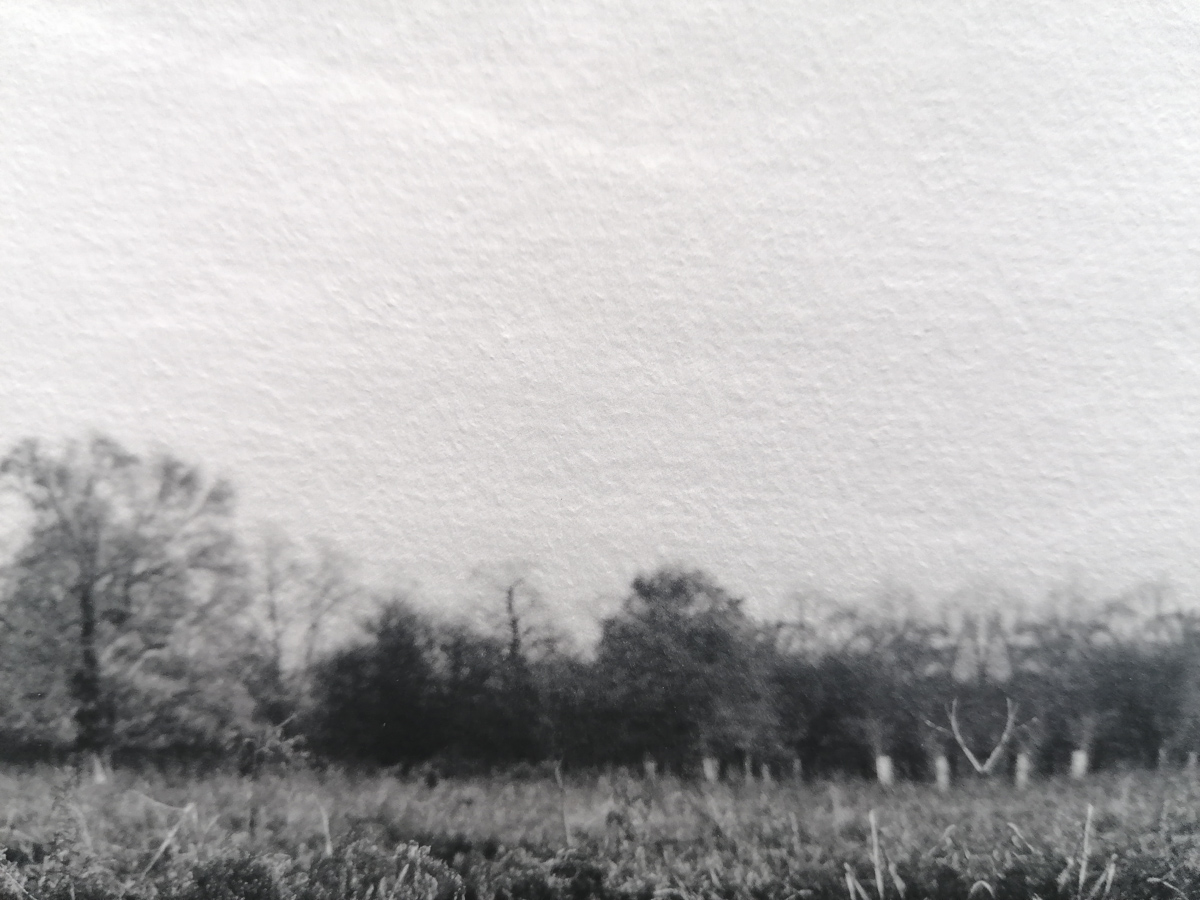
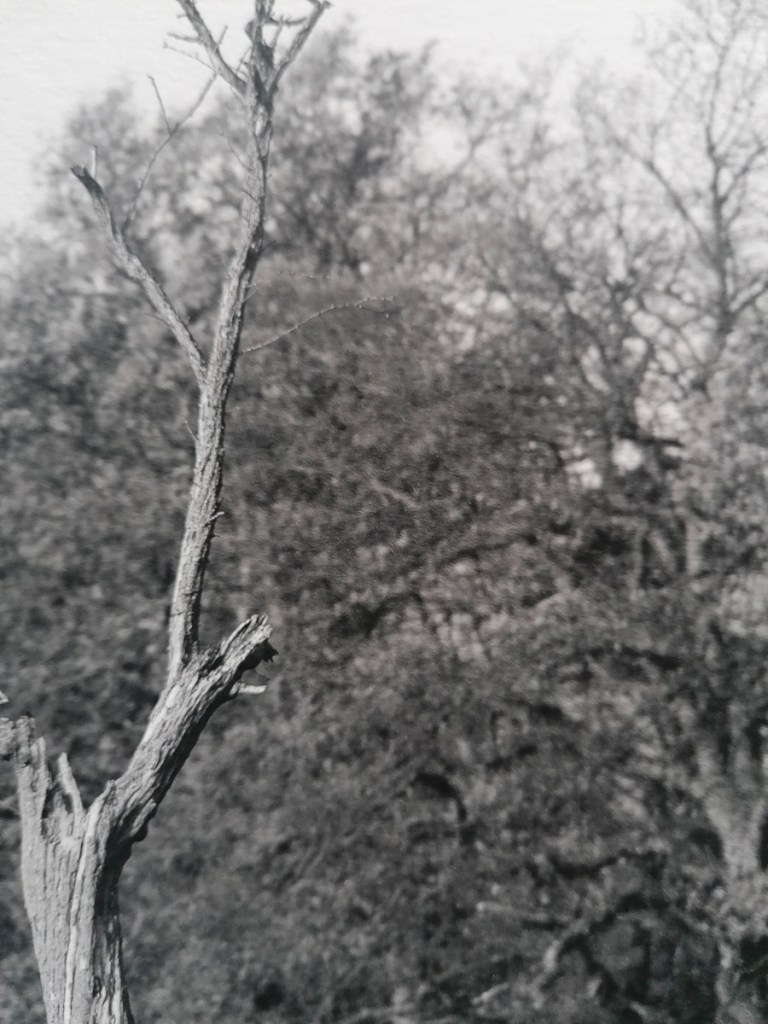
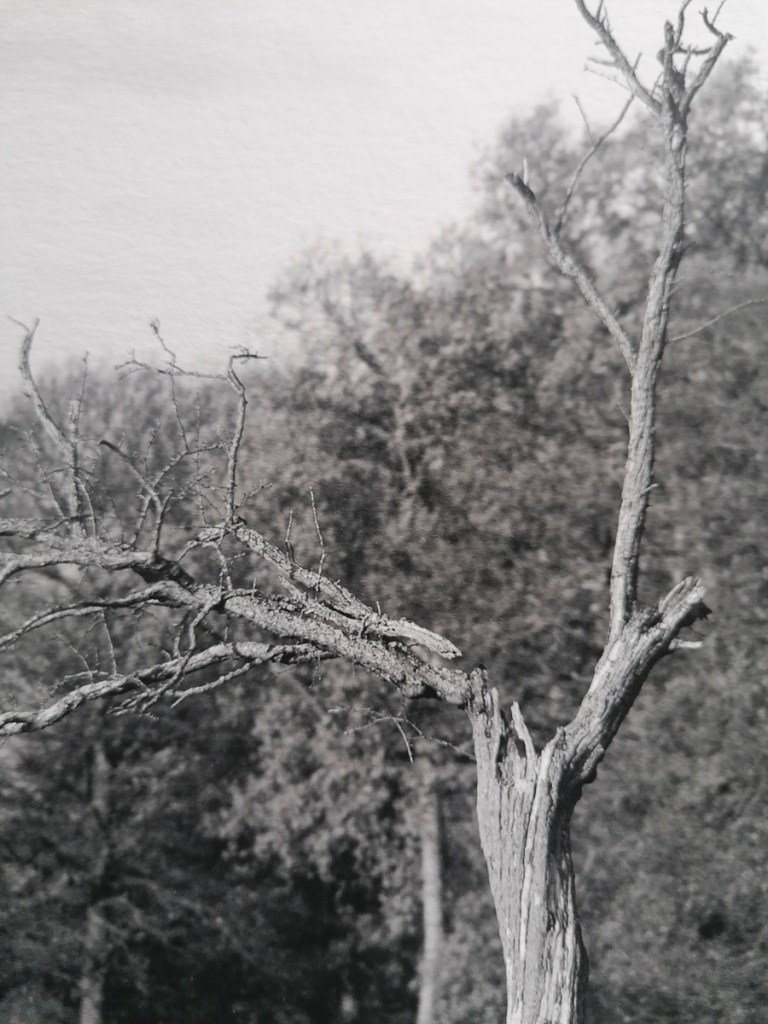
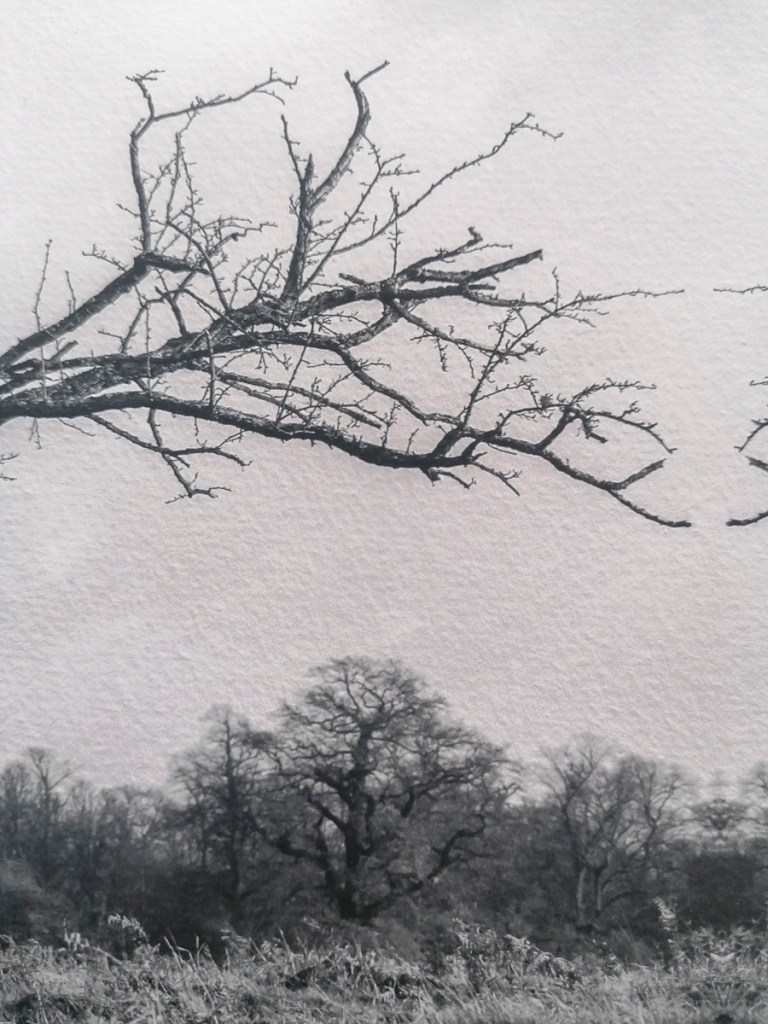
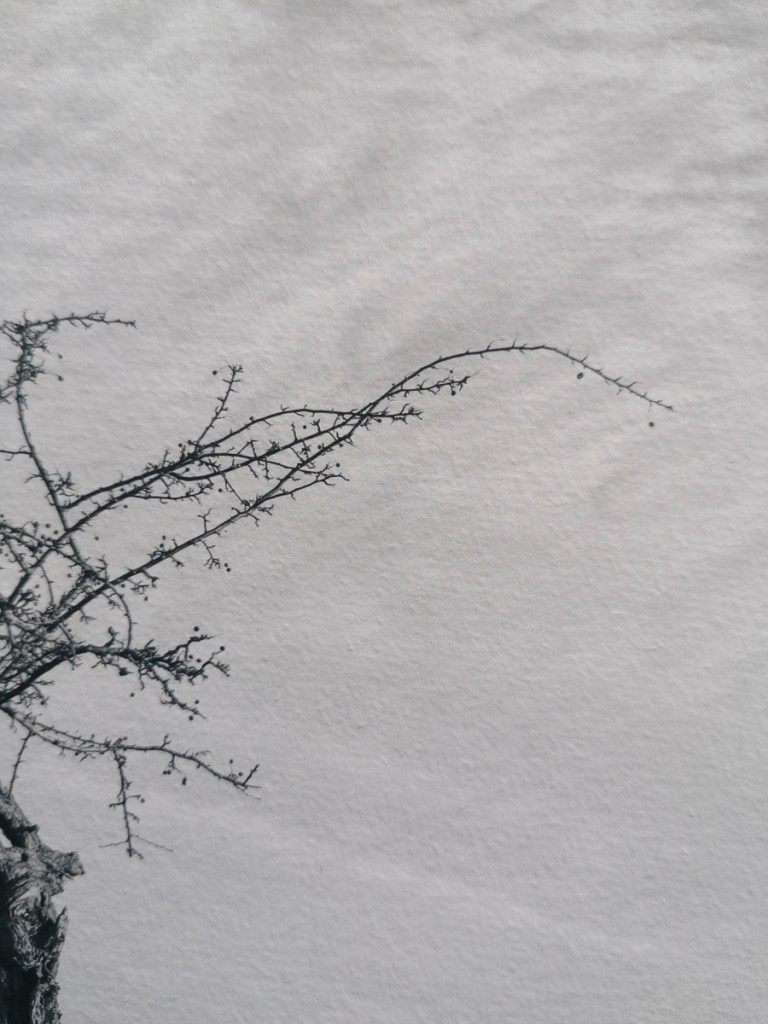
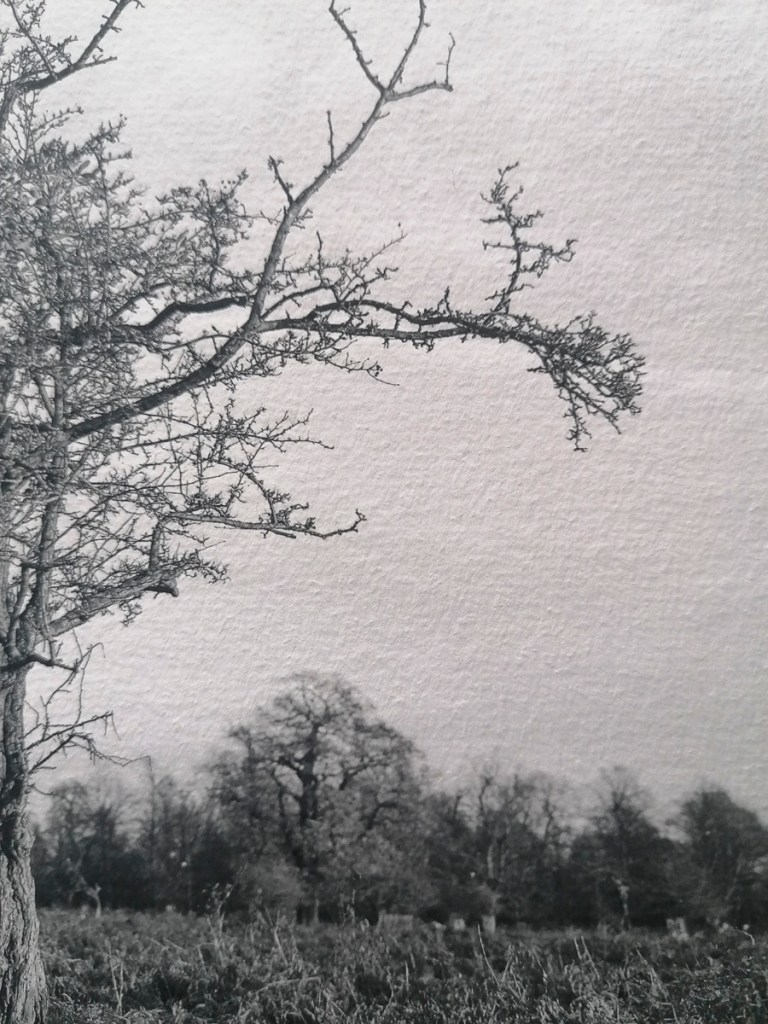
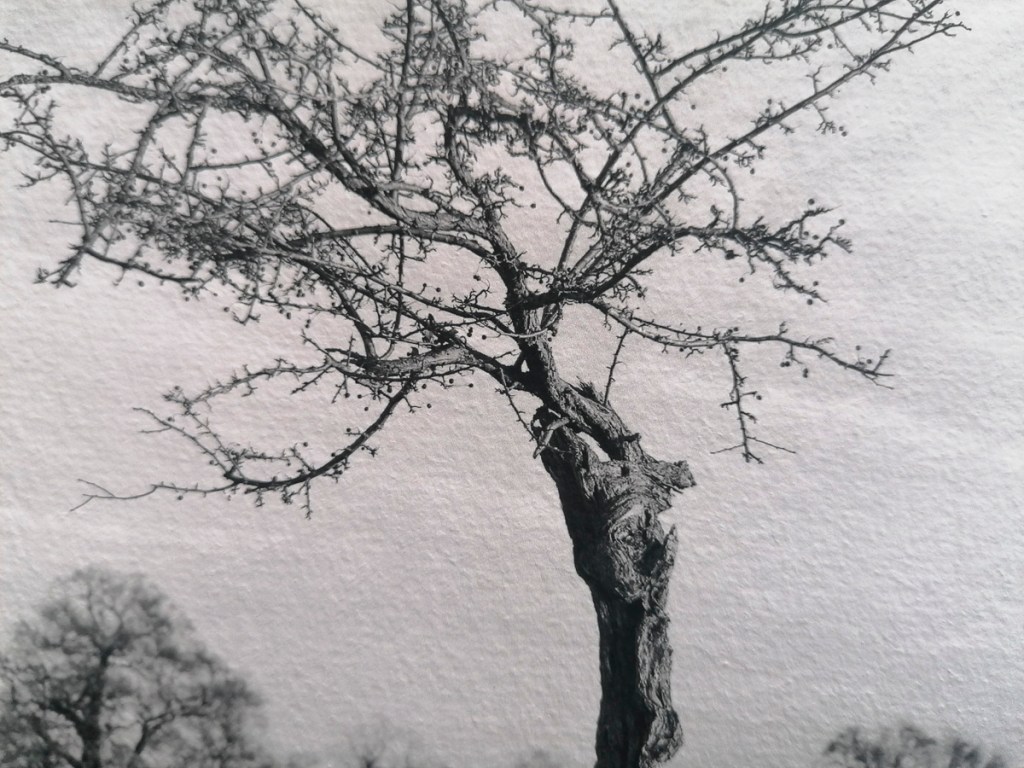
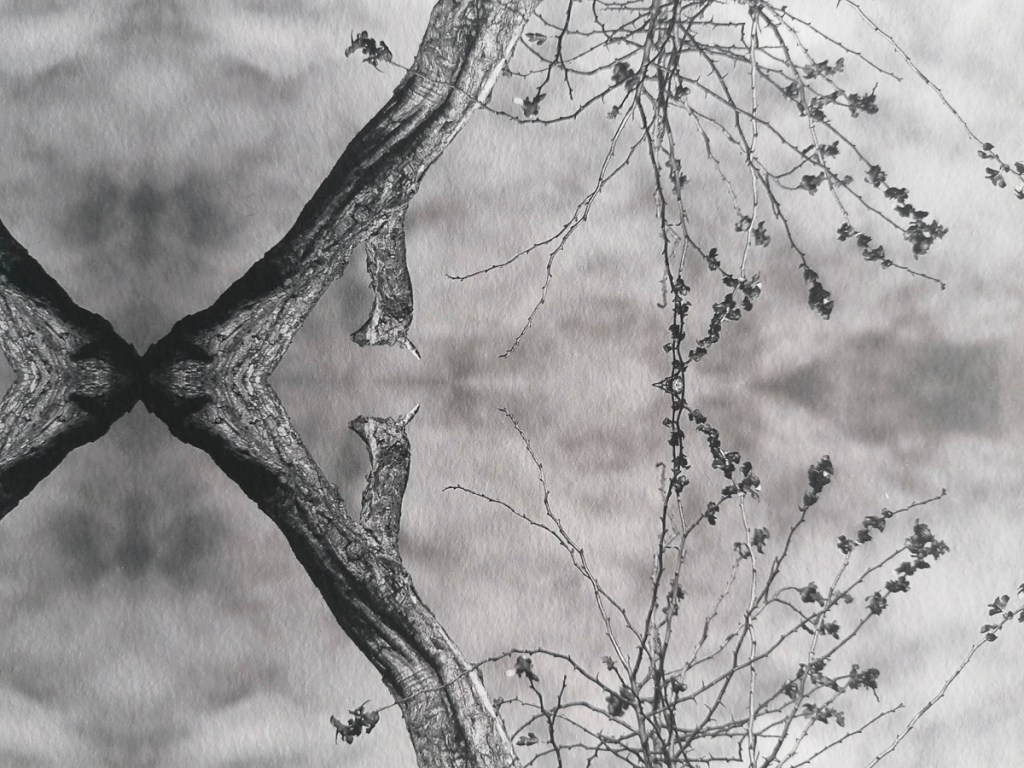
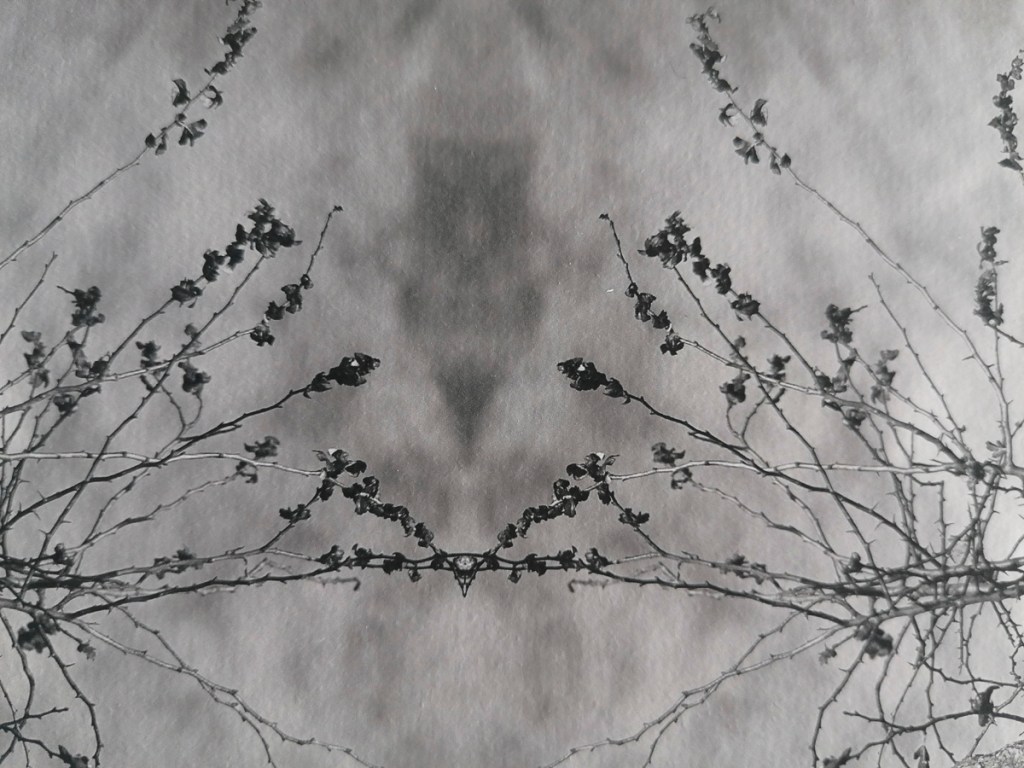
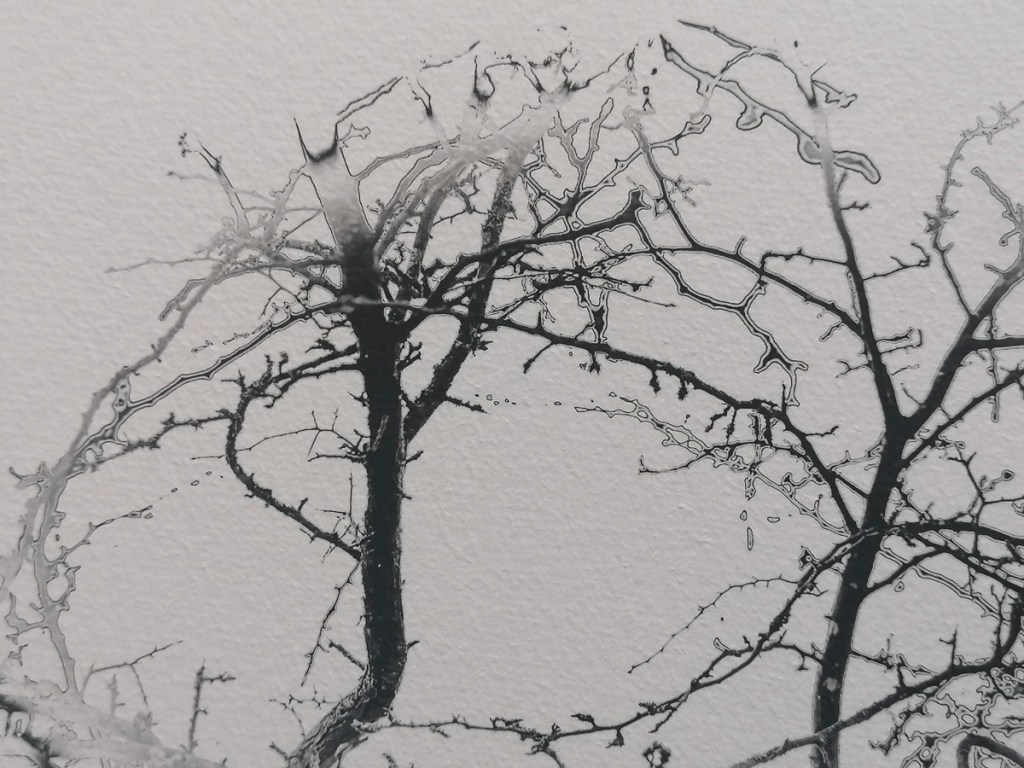
I also took some close up shots so I would have a record of these details.
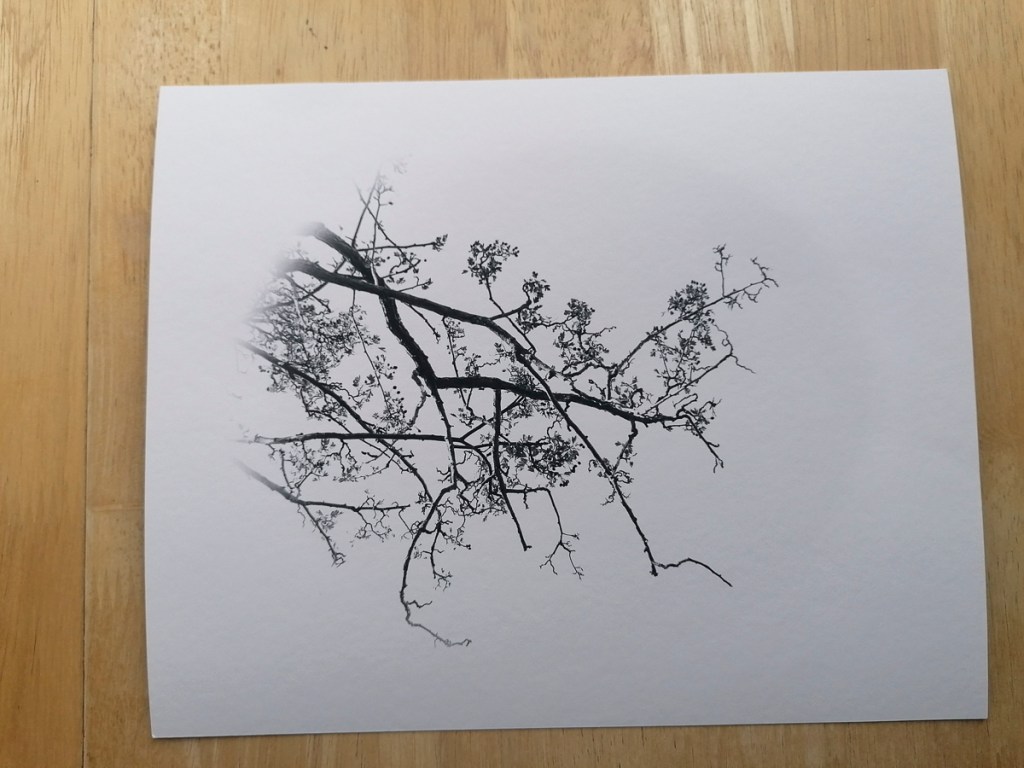
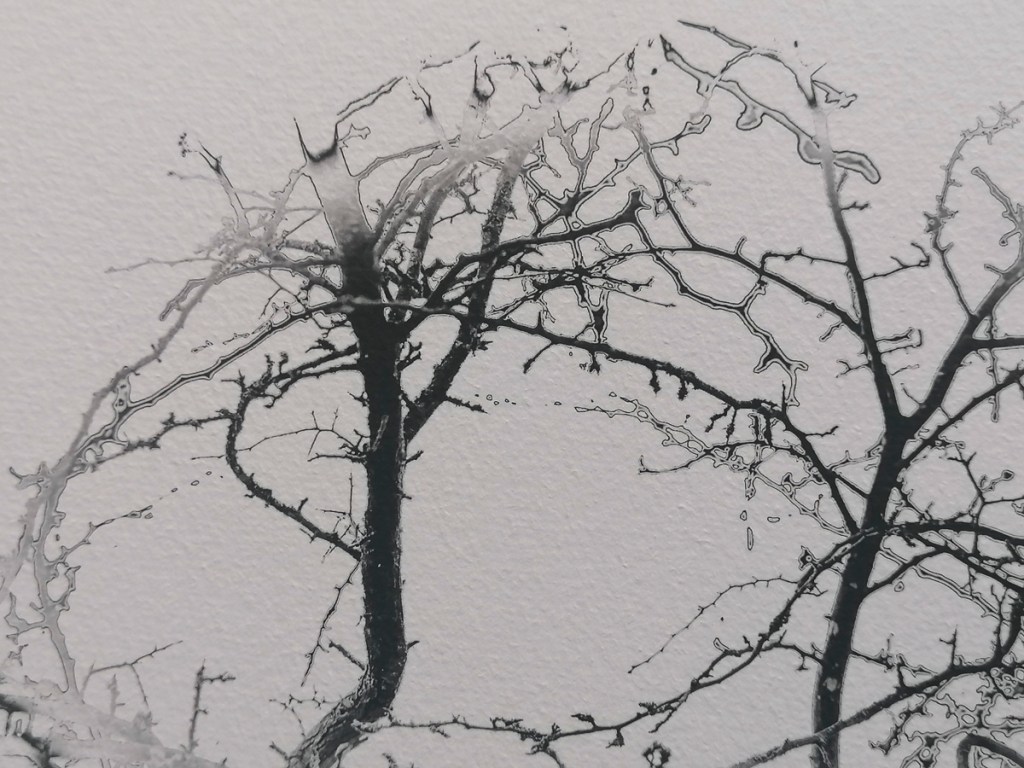
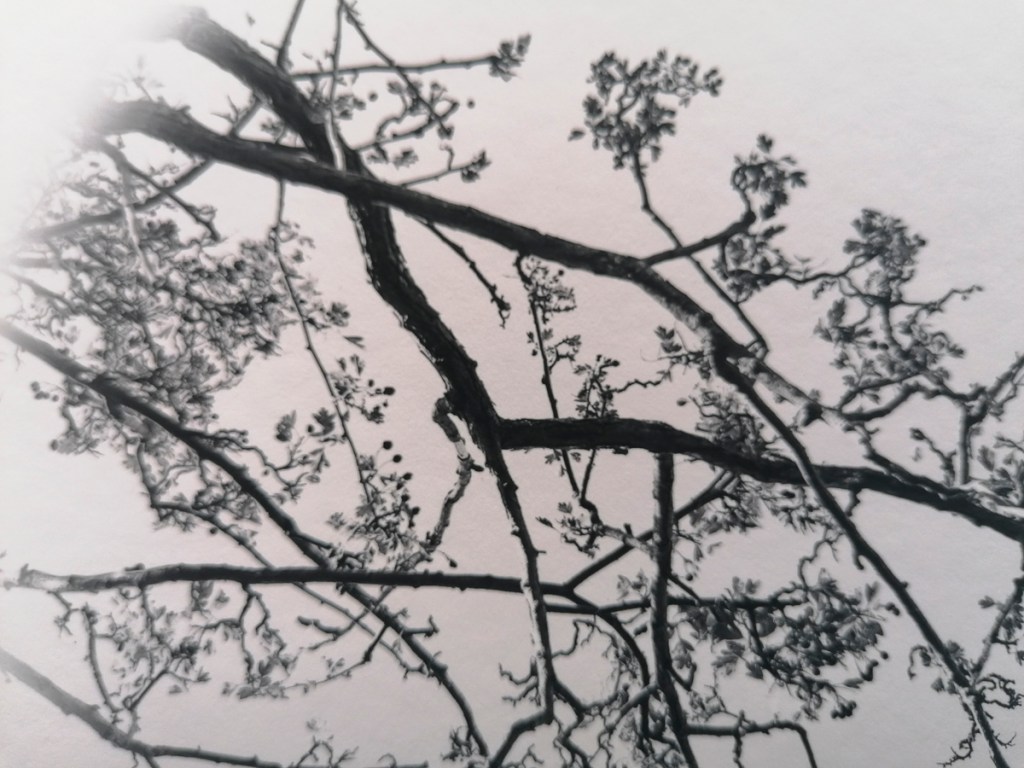
This is how the vignetted image looks printed on the Hahnemühle German Etching 310 fine art paper. What I really liked was how the paper became part of the image further, emulating a Japanese print. This is the effect I was hoping for.
Finally, this is the image that was printed on the Hahnemühle Bamboo 290gsm.
It’s smoother and has a warmer tone than the German Etching. I do prefer this and it was useful having these two examples to compare. In future, I would like to try a test print on all of the different Hahnemühle papers using the same image. This would help guage the best substrate.
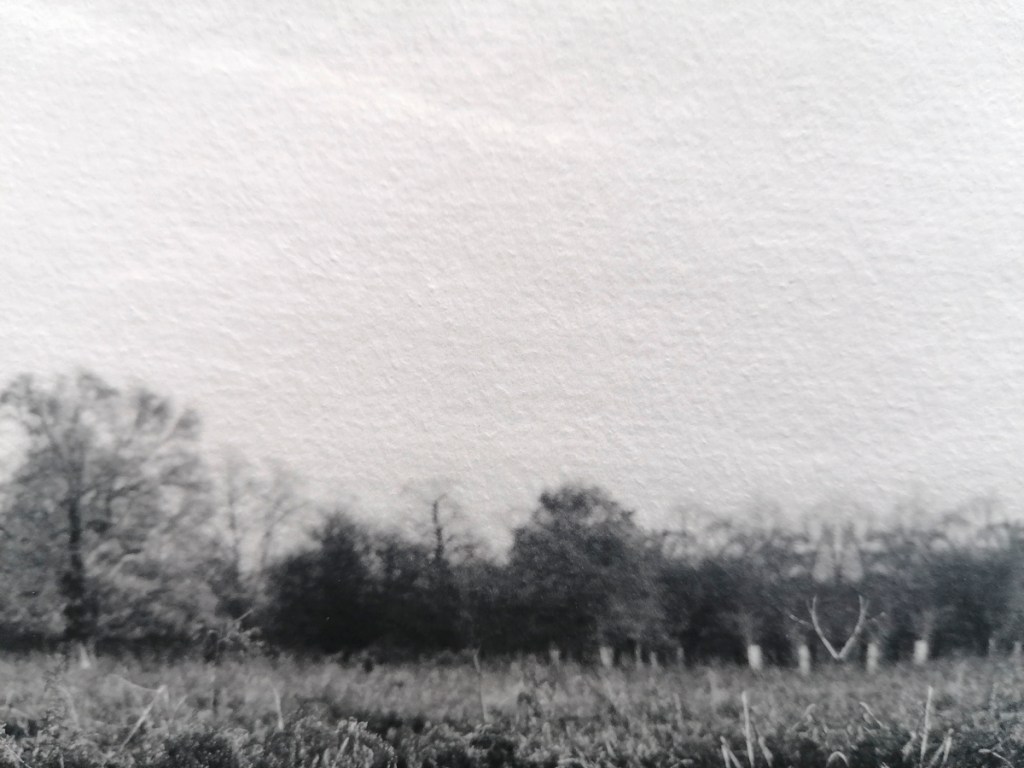
One aspect that did pique my interest was how the close up images appeared on screen.
This could have a couple of implications for future developments. Firstly, if the PG show is solely online, would I take photographs of the prints printed on specific paper then use the images rather than the digital image?
Secondly, could I create montages, print them then re-photograph these prints in a different way to create further work?
“I see my work as little visual haikus, echoing the emotion that is behind, triggering feelings in the same way music can. I find real meditation within photography, to walking to get into a rhythm and from there begin to play and learn. I like to share the process, turning the invisible into a momentary snapshot and then go on.”
(Cupido, P. 2020)
I came across Paul Cupido’s work and was intrigued by his images and the ethos behind them. Cupido’s words above echo my own way of experiencing photography. Walking with my camera in Bushy Park is a form of meditation for me and one that has kept me going during these interesting times.
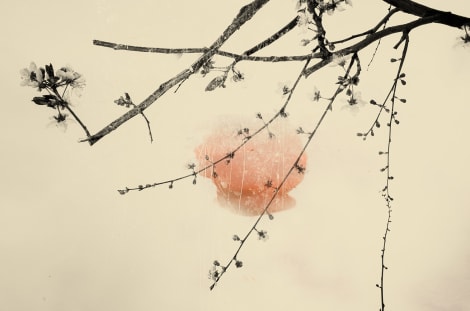
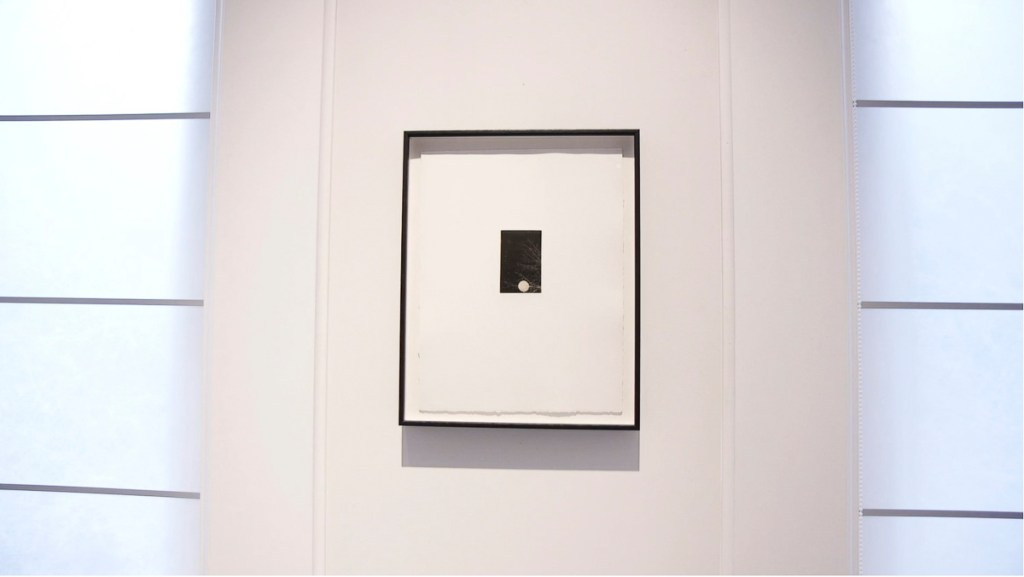
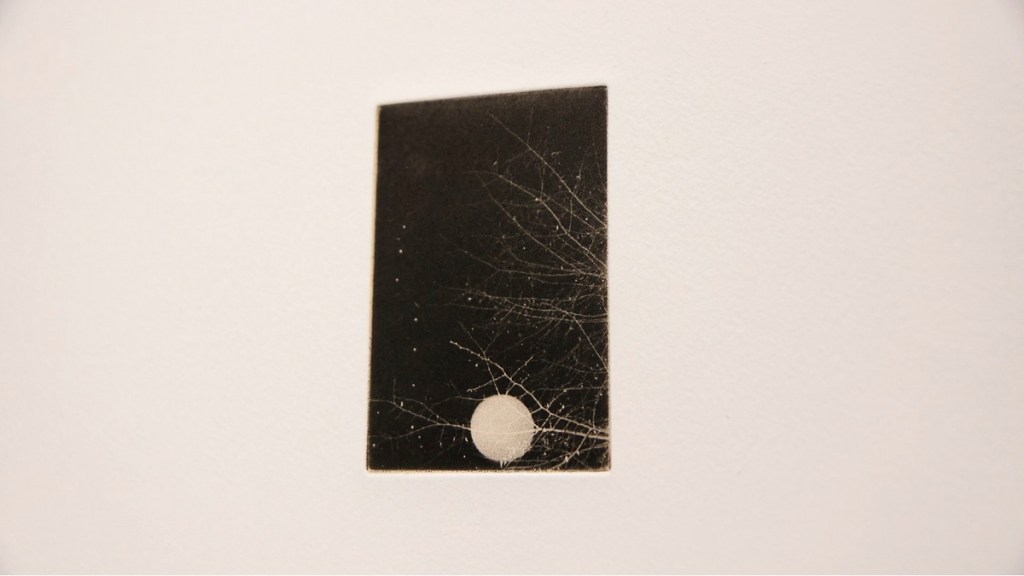
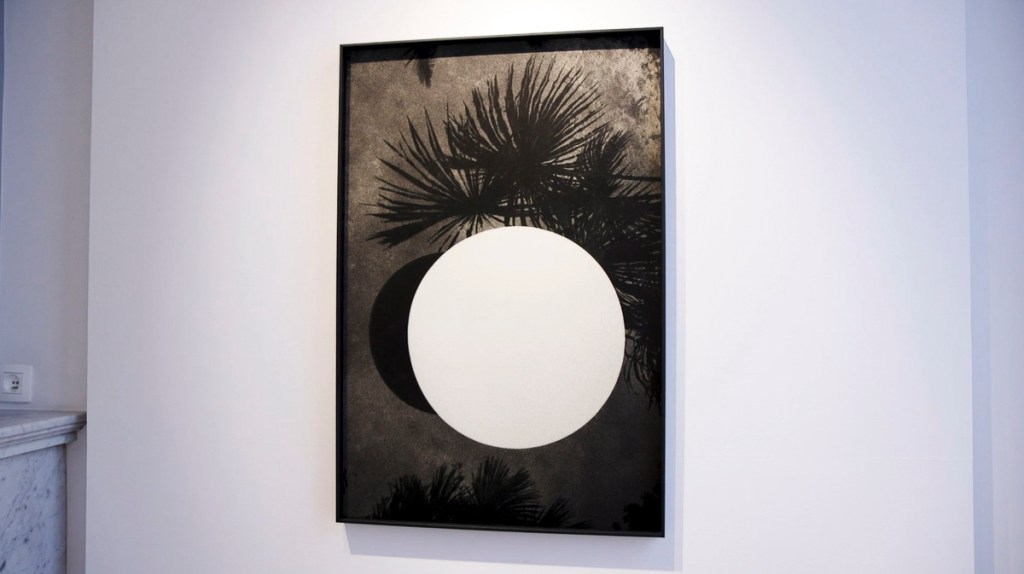
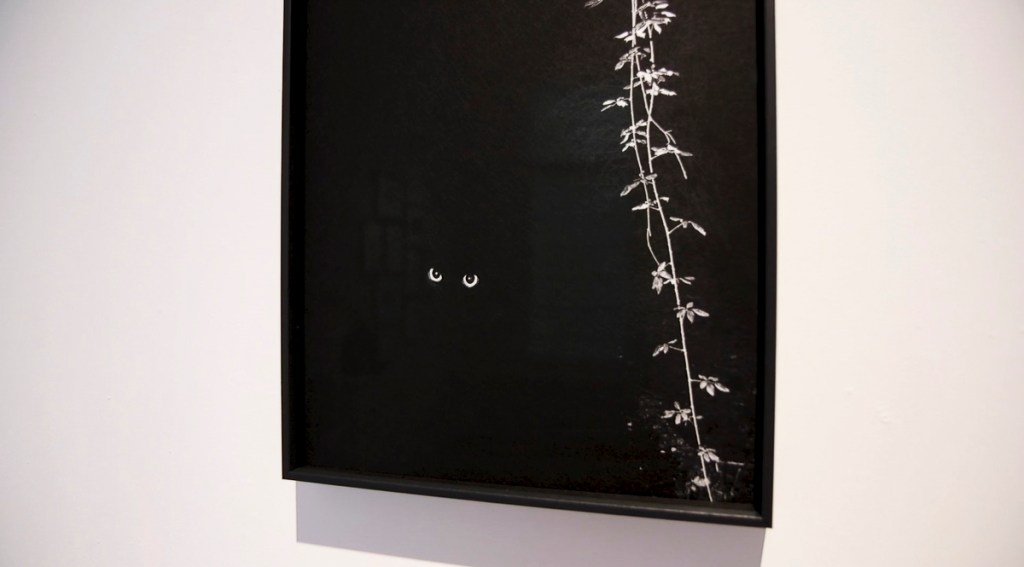
The piece that led me to research Cupido further was this image:
The following is taken from Cupido’s website, which I have noted for future reference.
Synopsis
The photographic work of Paul Cupido (b. 1972, Terschelling, the Netherlands) revolves around the principle of mu: a philosophical concept that could be translated as ‘does not have’, but is equally open to countless interpretations. Mu can be considered a void, albeit one that holds potential.
Cupido’s ongoing photographic and cinematic experiment ‘Searching for Mu’ is at once a personal and universal odyssey of our fleeting existence in relation to the profound emotional experiences of love, time, and death. Instead of presuming to be documents, his photographs point to transcendent reflections of the soul and of the intermingling of the microscopic and macroscopic.
Artist Statement
I aim to engage with the world with wide-open senses. My work is about the magic moments of life as well as its inconveniences. I want to take pictures, while forgetting about the process of photography, until I’m saturated with an existential sense of life. Every step I take begins with the notion of ‘mono no aware’: the transience of everything, the gentle melancholy of things, being sensitive to ephemera.
(Paul Cupido, 2021)
According to Cupido’s gallery’s website, the concept behind Mu, makyu, is explained:
‘In a quote by the famous Chinese philosopher Zhuangzi, who lived 2,300 years ago: “An empty room will be filled with light because of its emptiness.” Mukayu also refers to ‘non-existence’, ‘not having a purpose’, or ‘things as they are’.’
‘Mukayu is part of the larger framework of Mu, a philosophical concept that could be translated as ‘does not have’, but is equally open to countless interpretations. Mu can be considered a void, but one that is full of potential.’
‘These concepts have been the spiritual guideline of the Dutch photographer Paul Cupido during his most recent travels to Japan, resulting in his latest series to be exhibited at IBASHO from 29 october 2020 to the 17th of January 2021.’
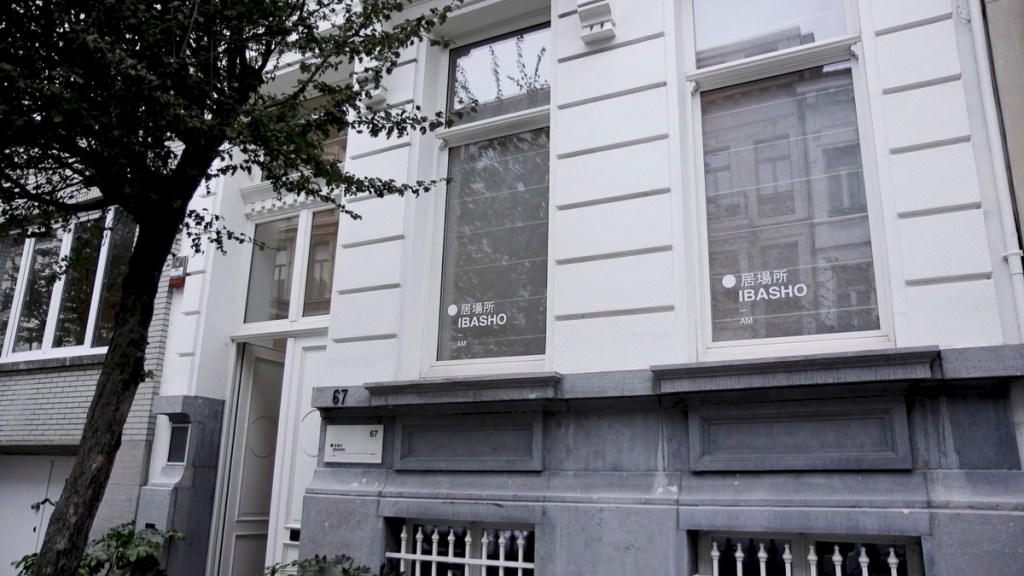
‘IBASHO means ‘a place where you can be yourself’ in Japanese. IBASHO is a gallery in Antwerp that opened her doors in March 2015, showing fine art Japanese photography ranging from works by well-known Japanese photographers to younger contemporary Japanese artists as well as works from Western photographers who were inspired by Japan. IBASHO hopes to show the versatility and beauty of Japanese photography in its many guises, from the raw and unpolished to the minimalist and still. As photo books are an important medium for presenting photography in Japan, IBASHO also deals in new and antiquarian Japanese photo books. Recently IBASHO has started publishing its own photo books together with Paris-based publisher the(M) éditions.’
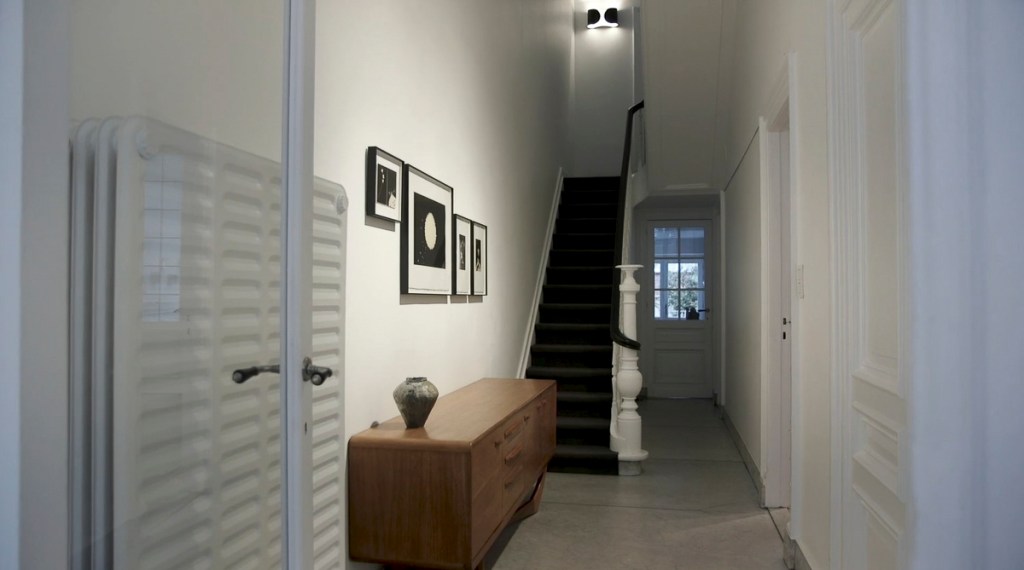
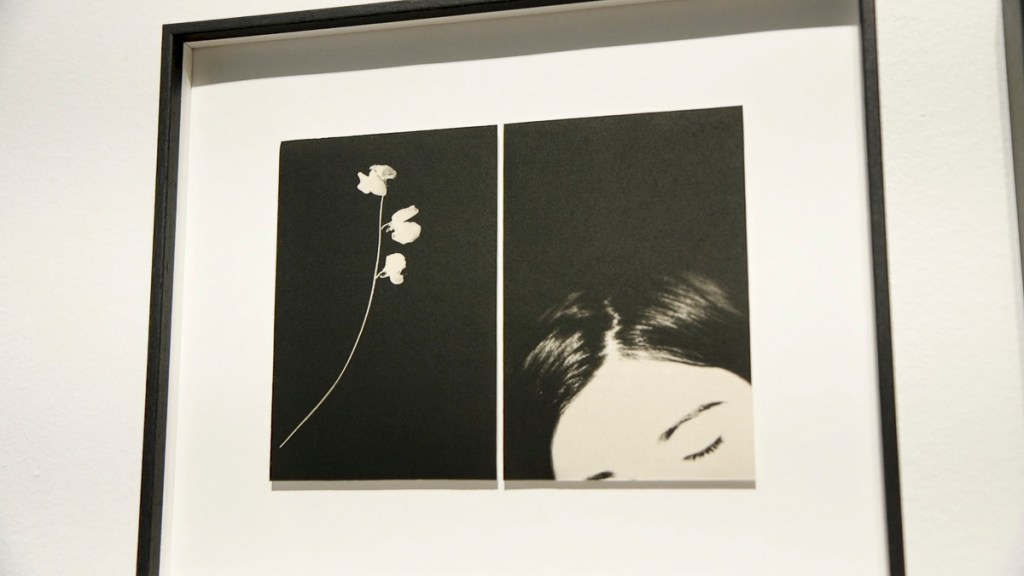
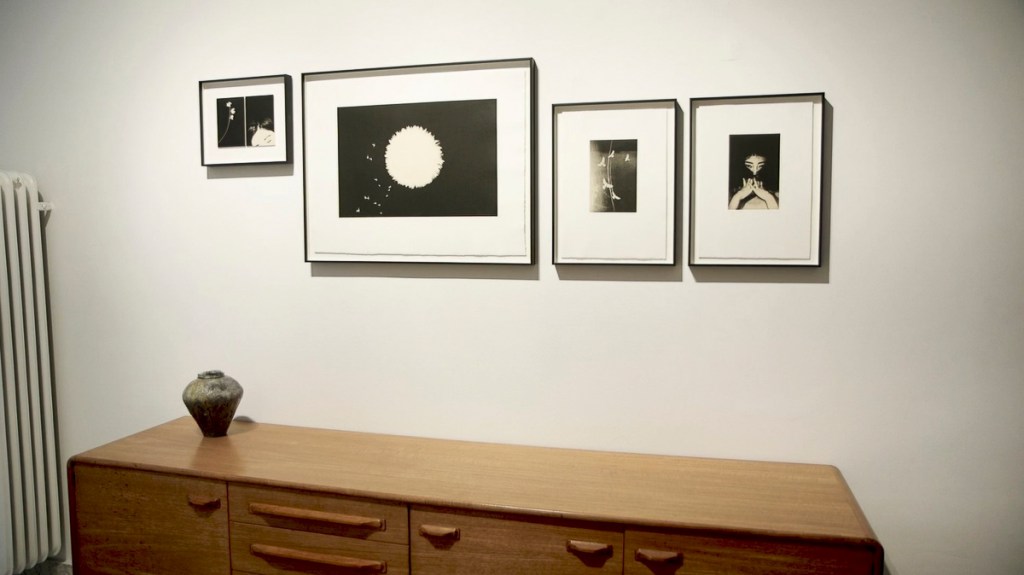
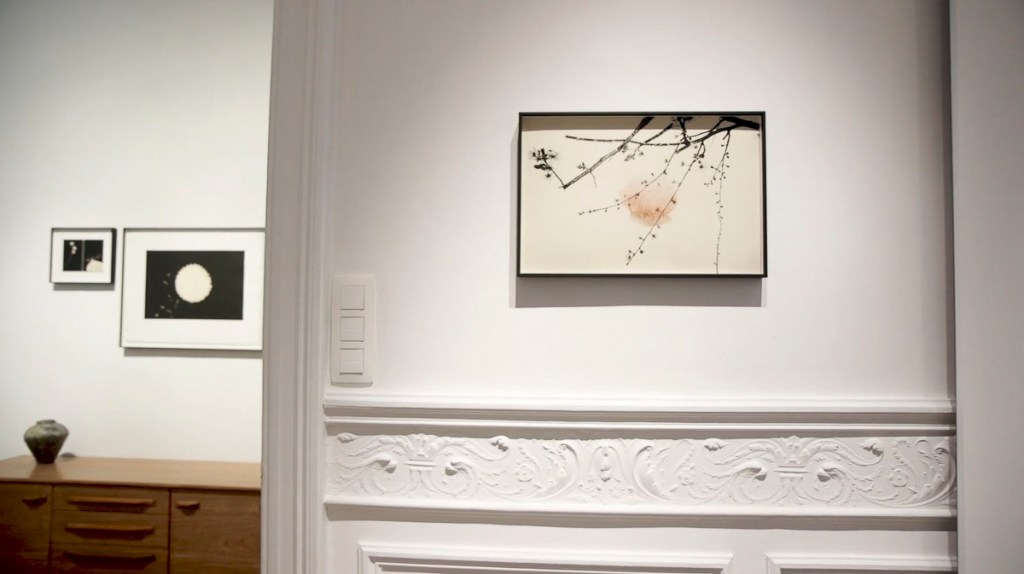
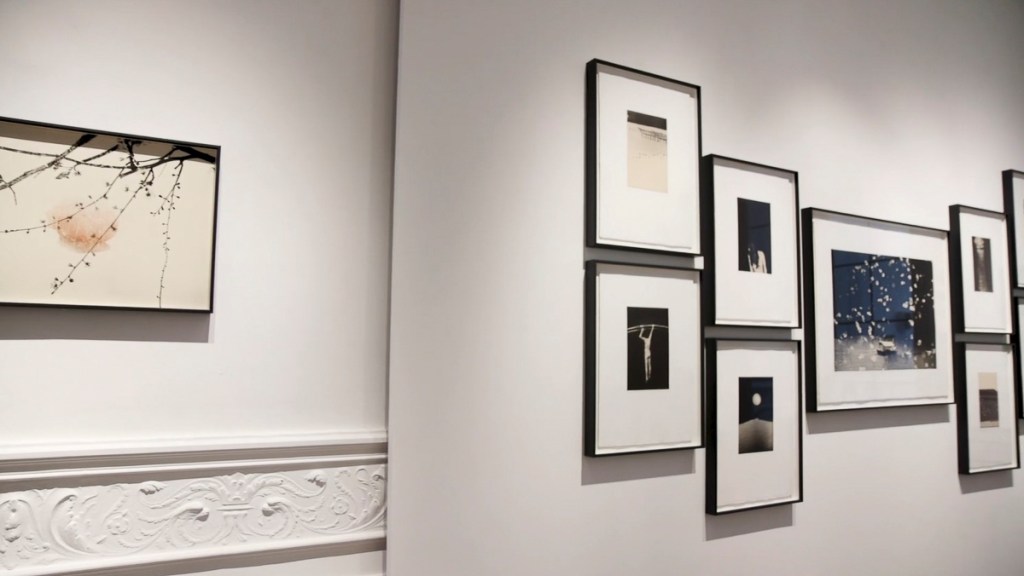
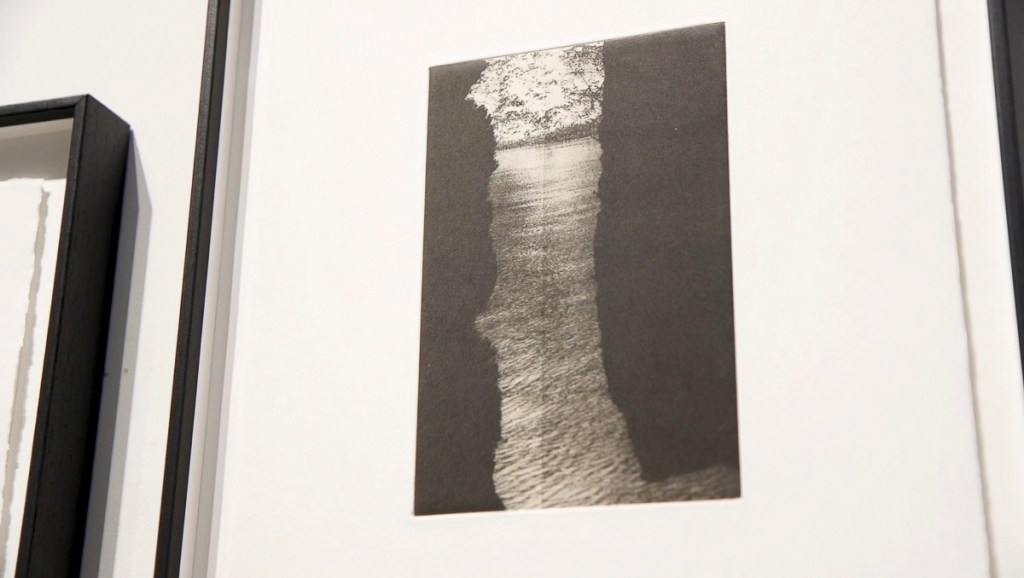
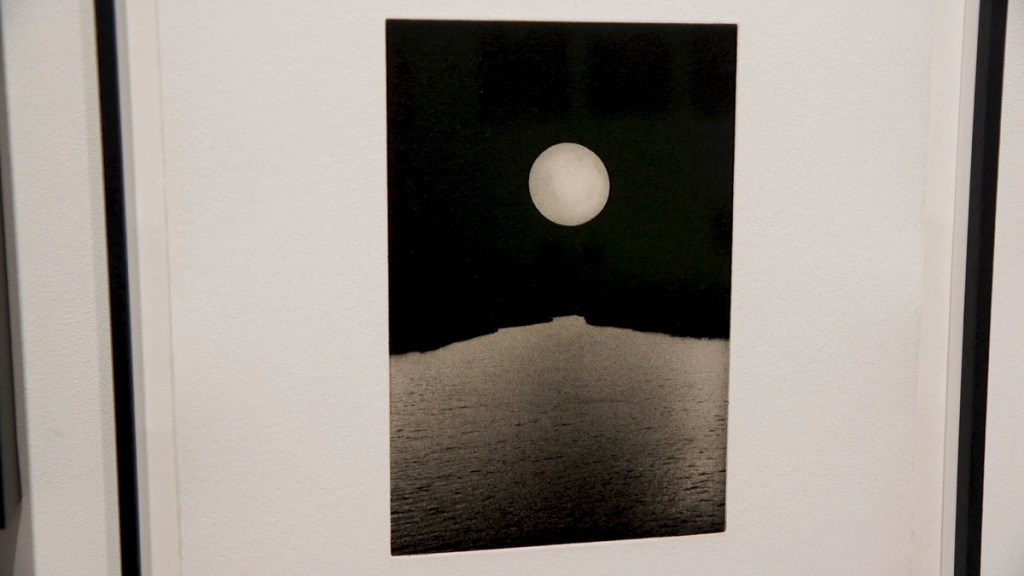
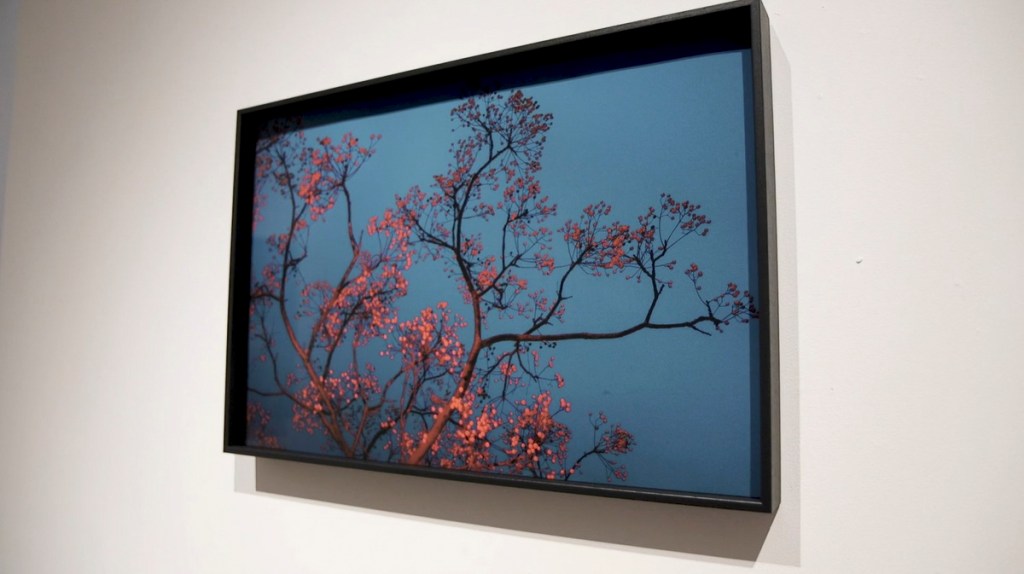
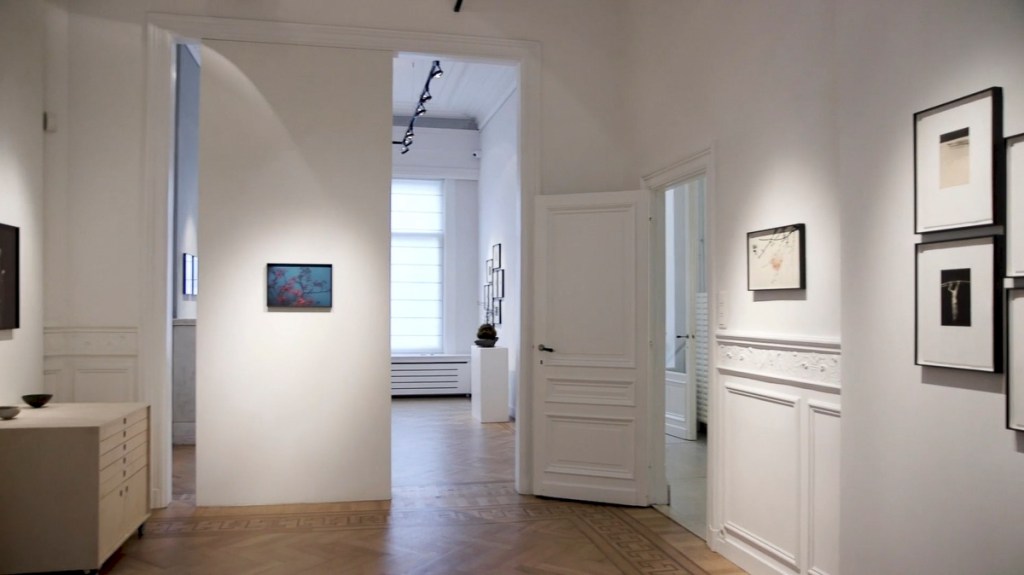
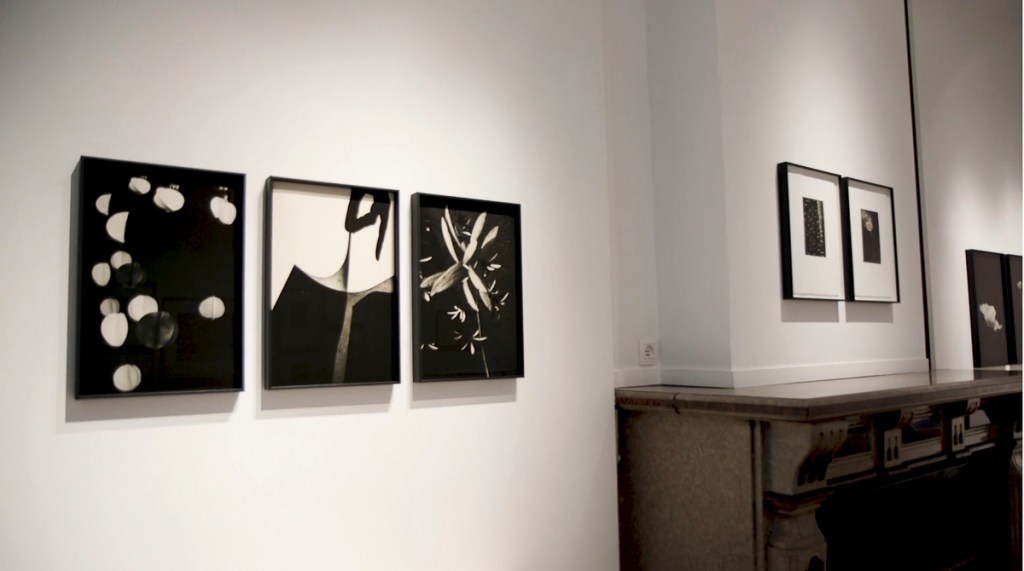
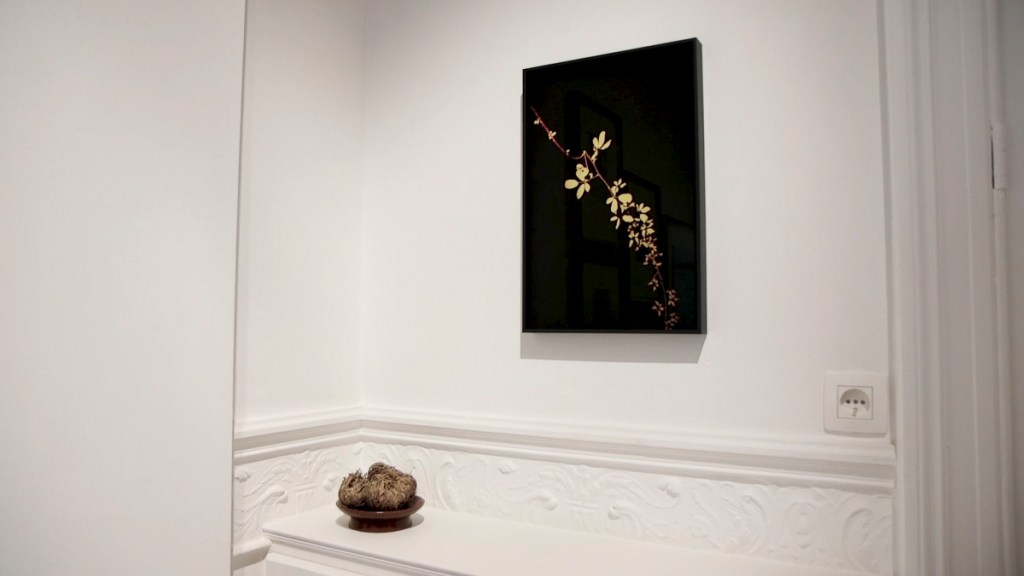
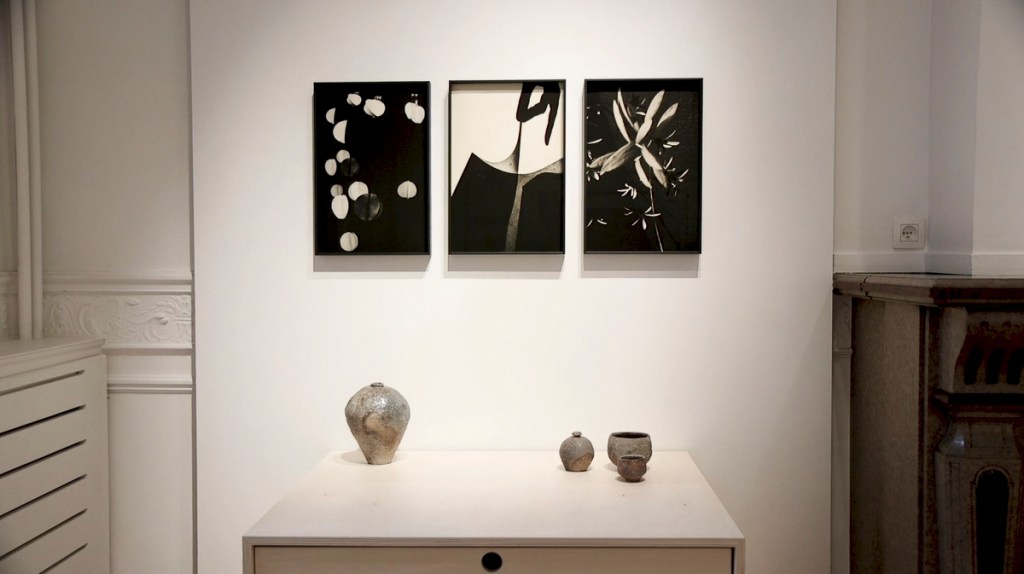
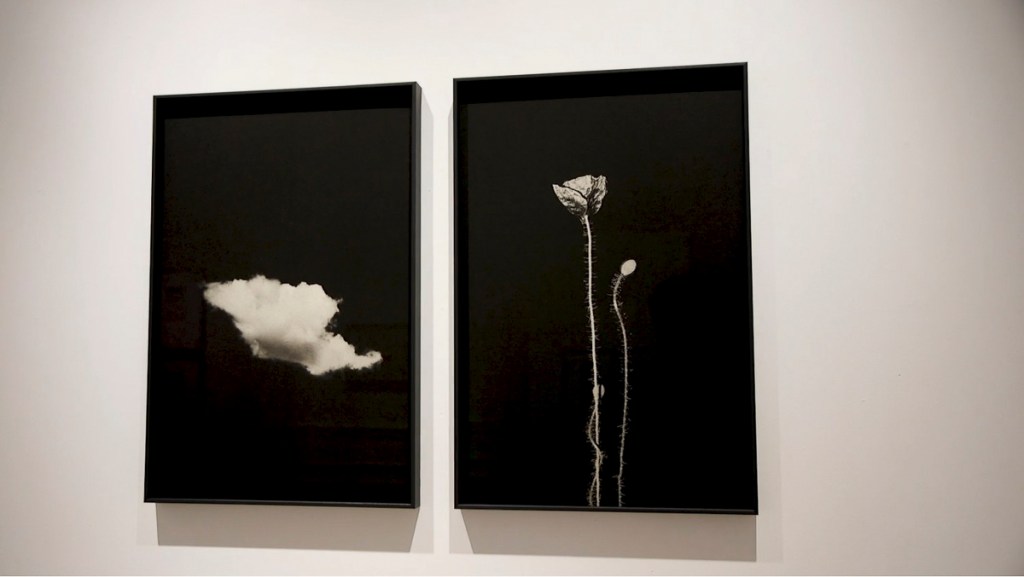
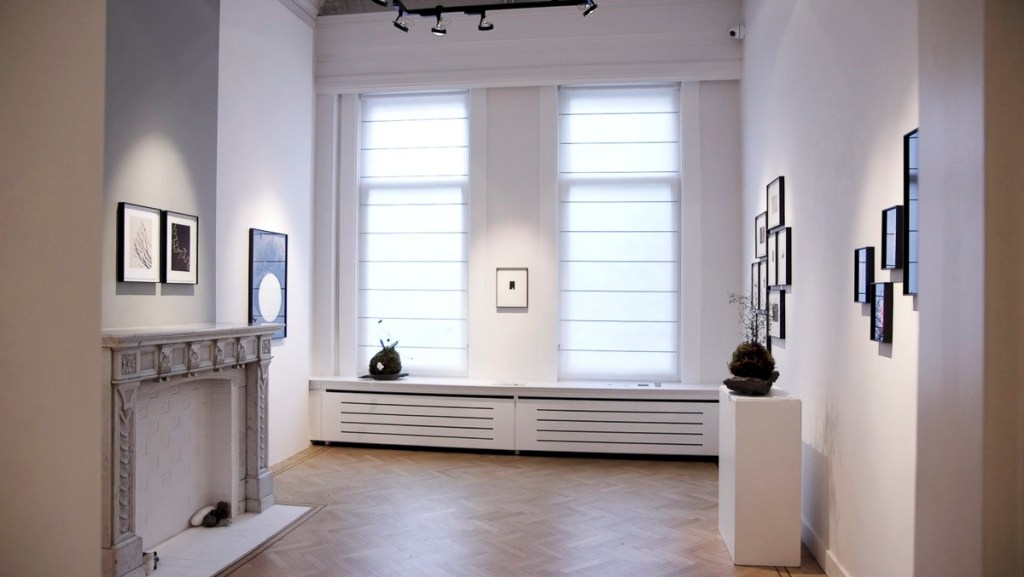
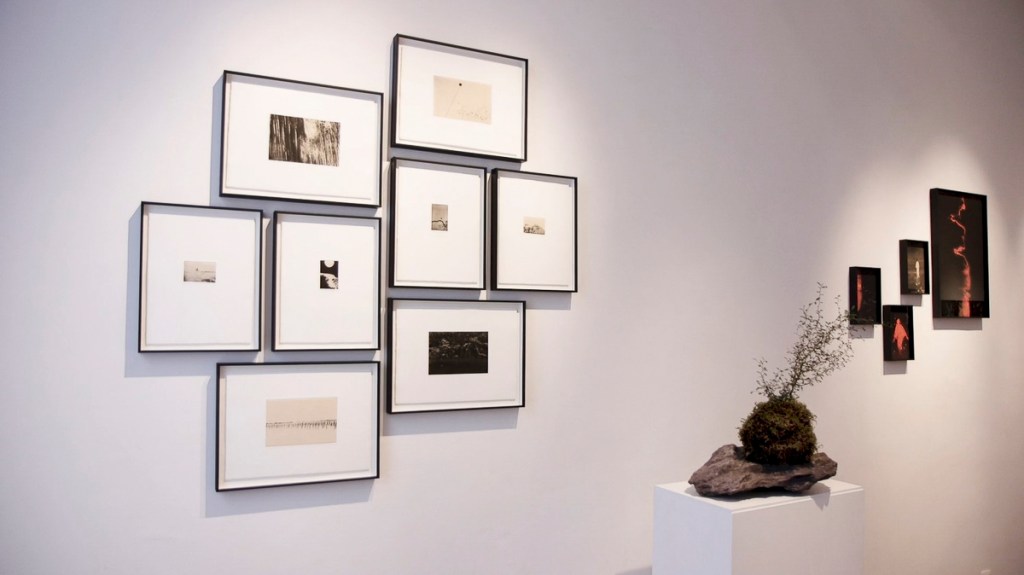
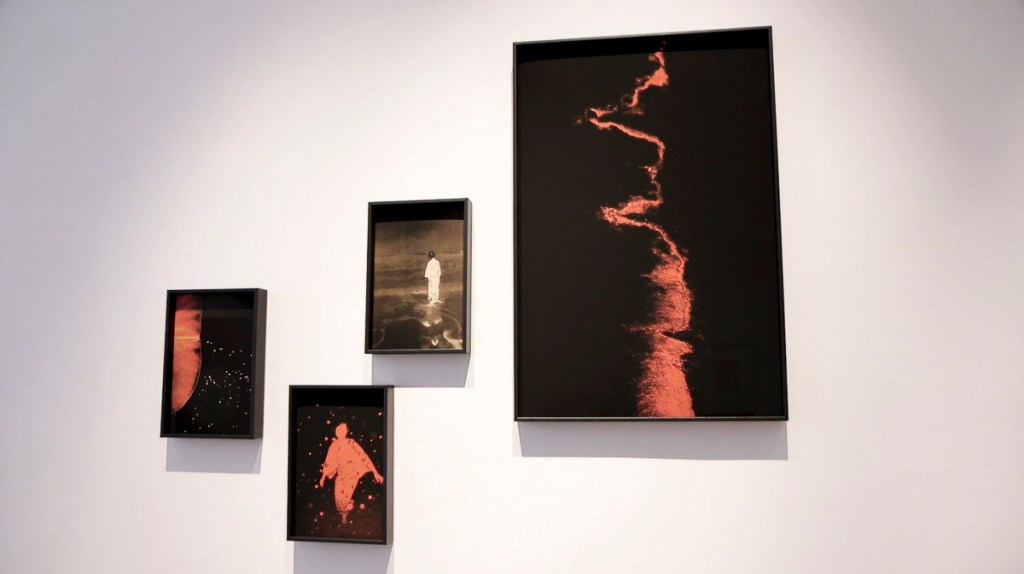
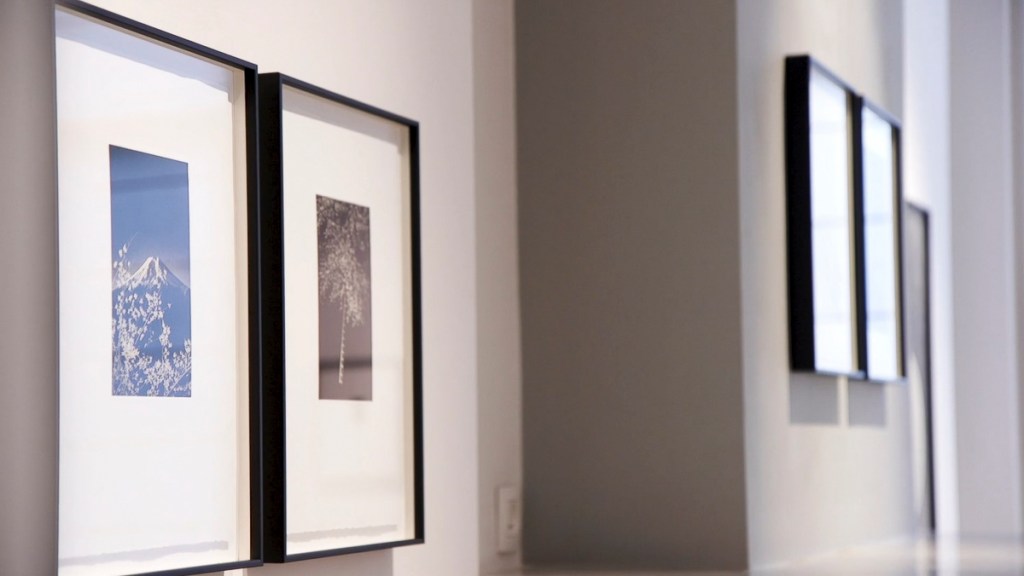
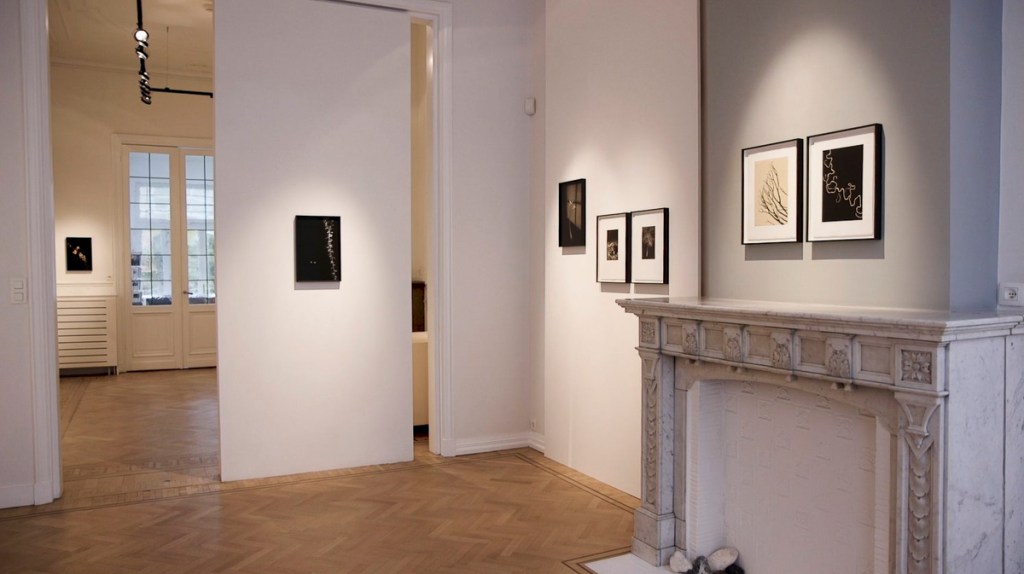
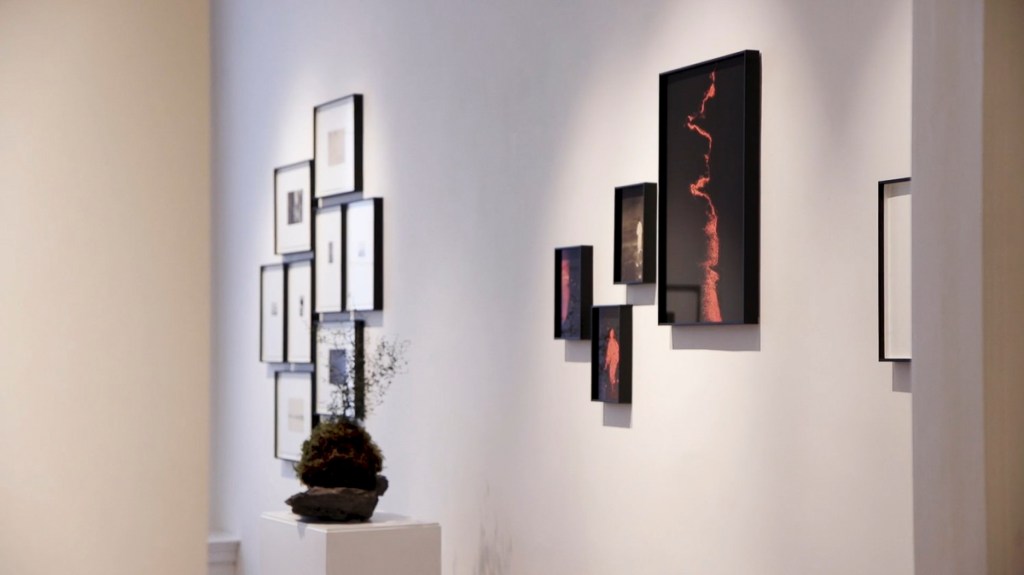
Unfortunately, I wasn’t able to visit this exhibition due to the travel restrictions at the time. I very much appreciated the video that was made of the exhibition and uploaded to the gallery’s website. The following are stills of the installations and pieces on display.
Cupido’s work had a strong bearing on my Invisible Trees images. The way in which they were printed and framed contributed in my choice of framing, mounting and the paper (Hahnemühle German Etching 310 fine art paper).
The concept of having blank space (gaps) is becoming a potential theme in my work. What isn’t there is just as important as what is shown.
The other significance of this exhibition highlighted how important producing work is. Seeing and experiencing printed and framed pieces in a gallery environment is so superior to just seeing it on a back-lit screen.

 Jennie Meadows MA Photography