Categories
AGM64 Photography Research Project Stage 2 Posts

AGM64 Group Tutorial 5 May 2021

The scheduled session for the afternoon was a set of 1:1 tutorials with the course leader, Fergus Heron. What actually transpired was an inpromptu group tutorial as myself and my four other classmates were able to attend the full session from 2 pm to 5 pm. This was a wonderful opportunity to finally see and discuss our work in person rather than on a screen.
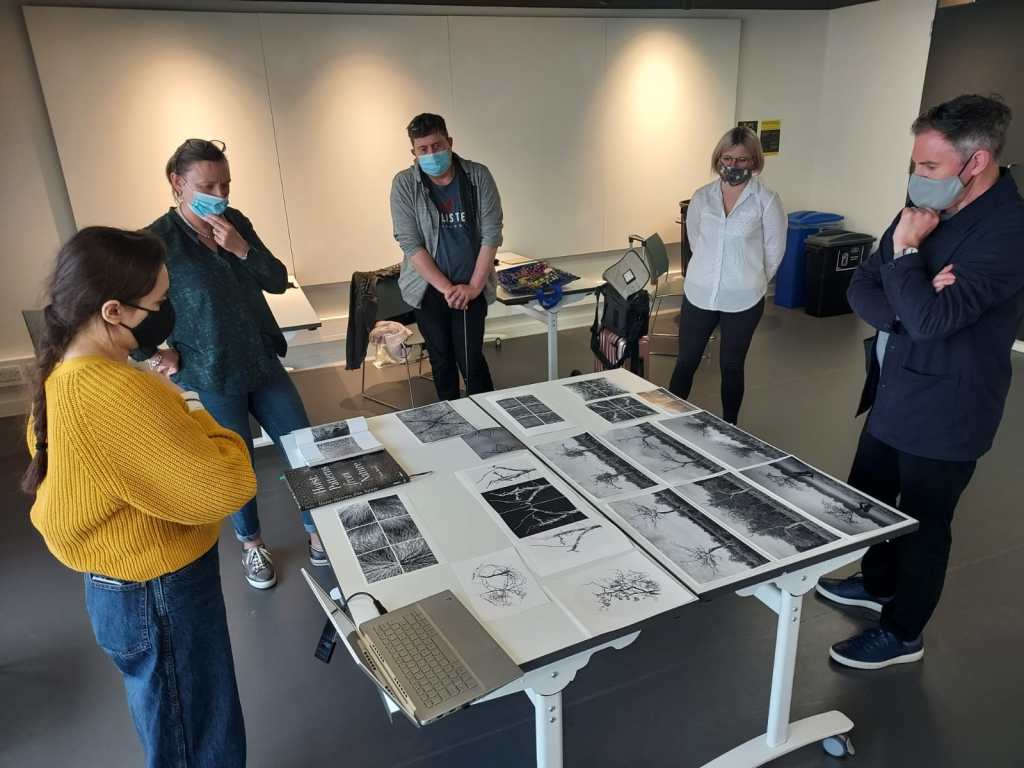
The feedback I received was very encouraging. The following is a summary for my reference and to indicate how to make further progress in forging the work for this module and my final submission pieces.

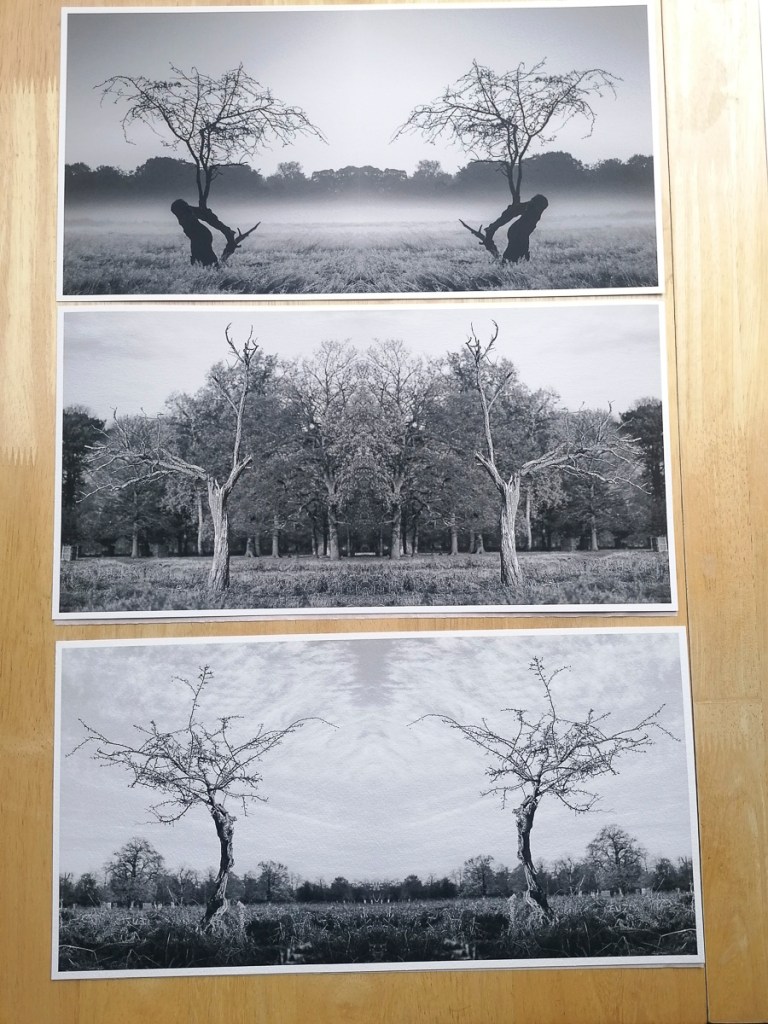
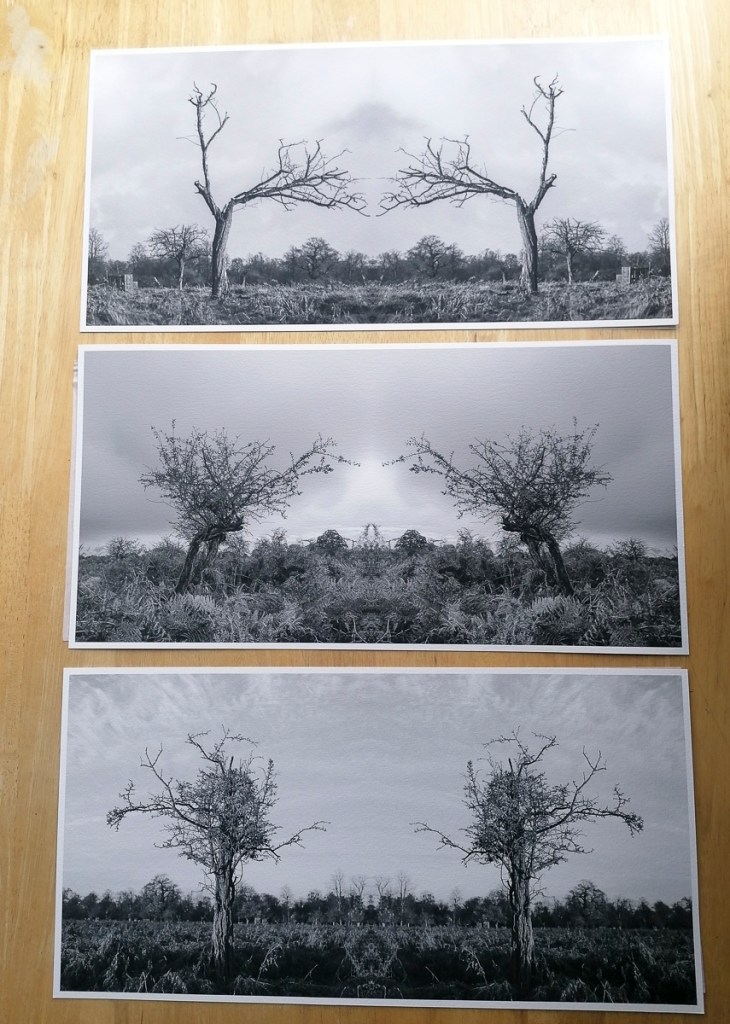
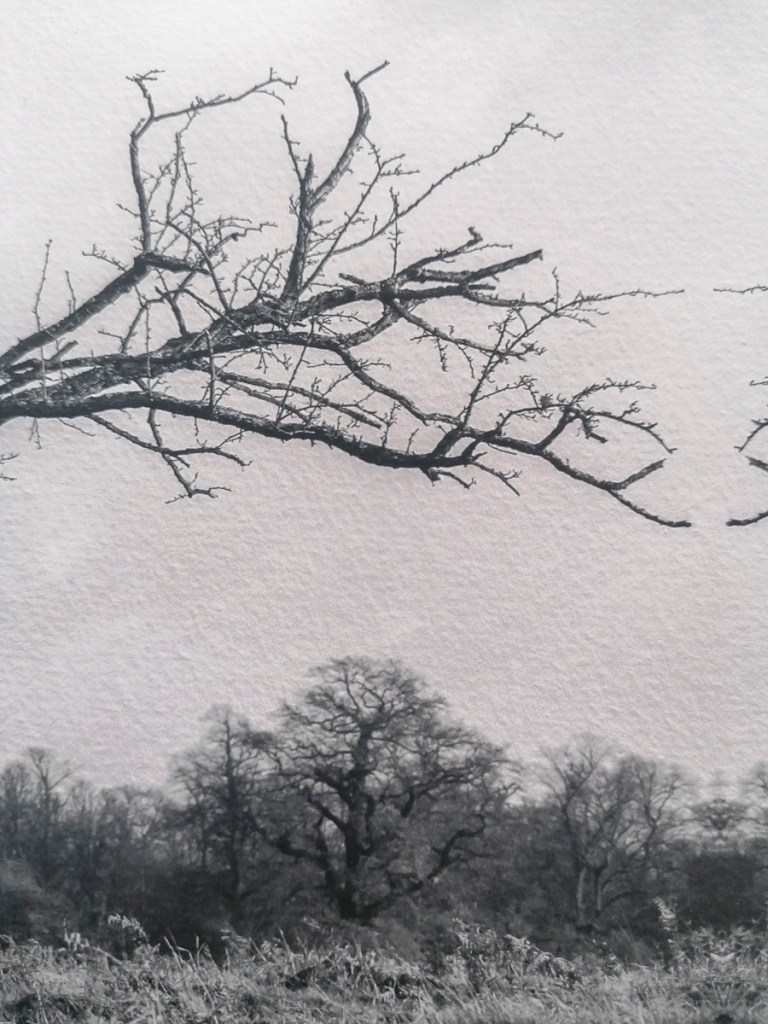
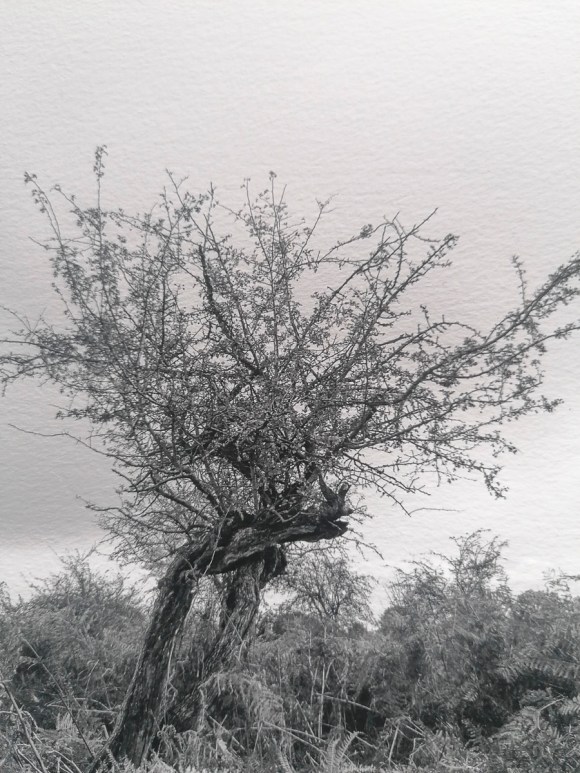
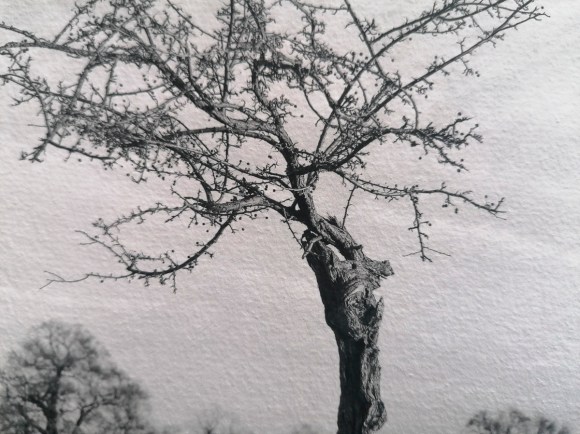
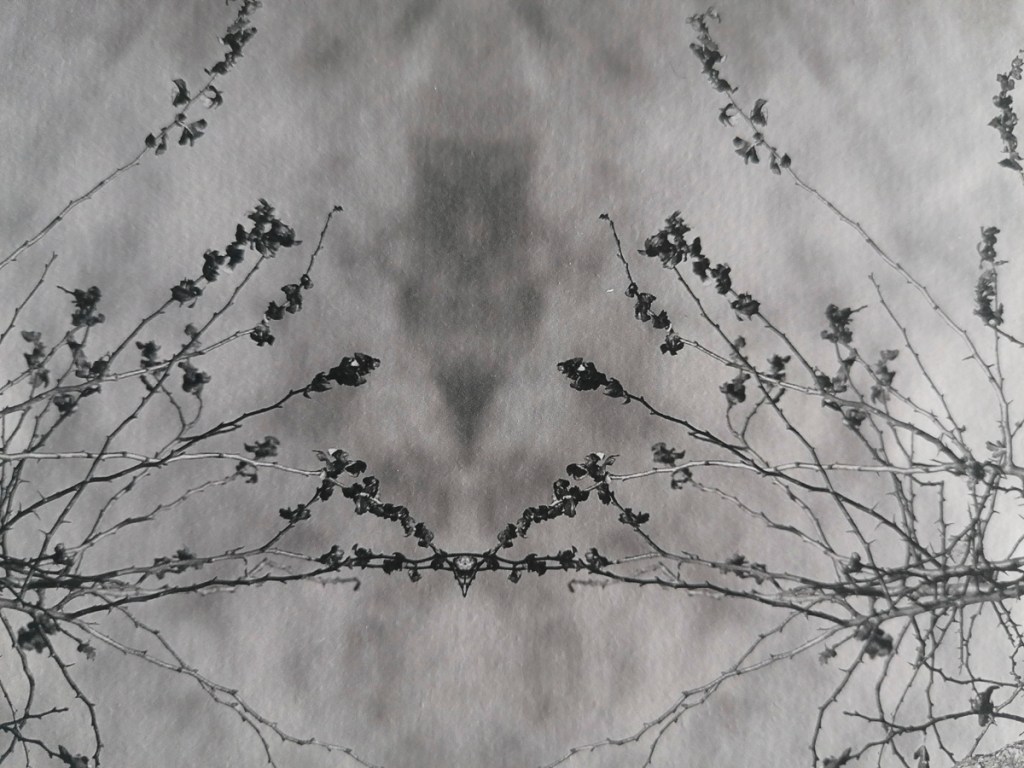
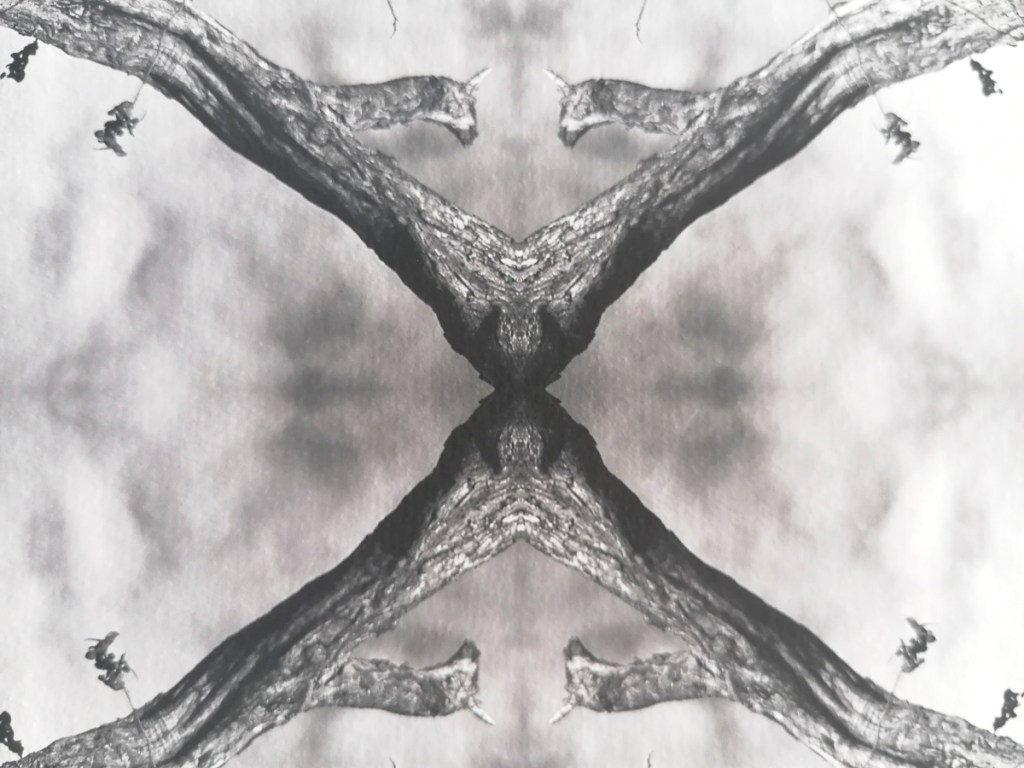
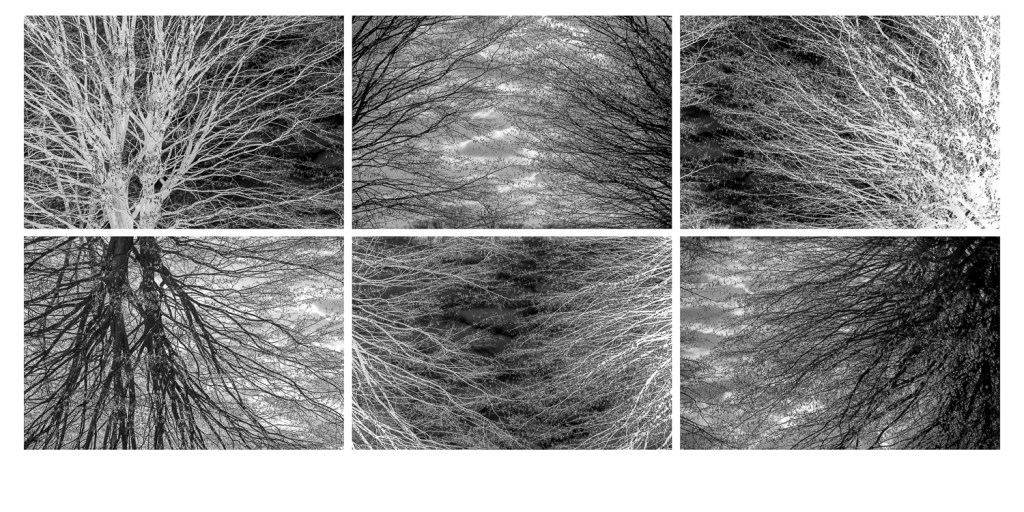
These were thought to be too ‘fussy’ and detailed. I personally like these, but I could try to simplify the configurations.
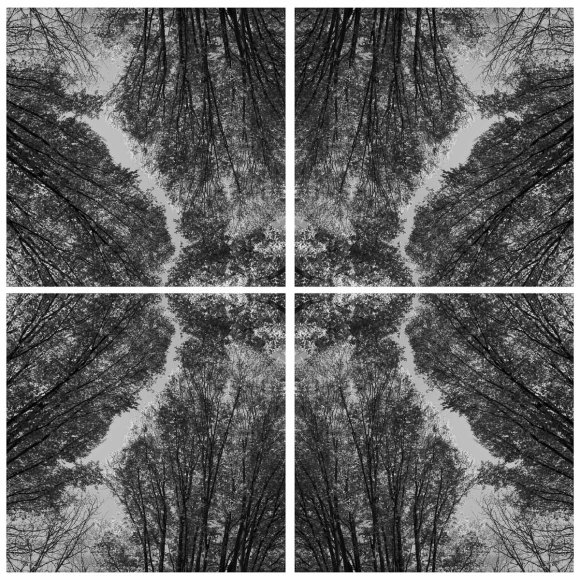
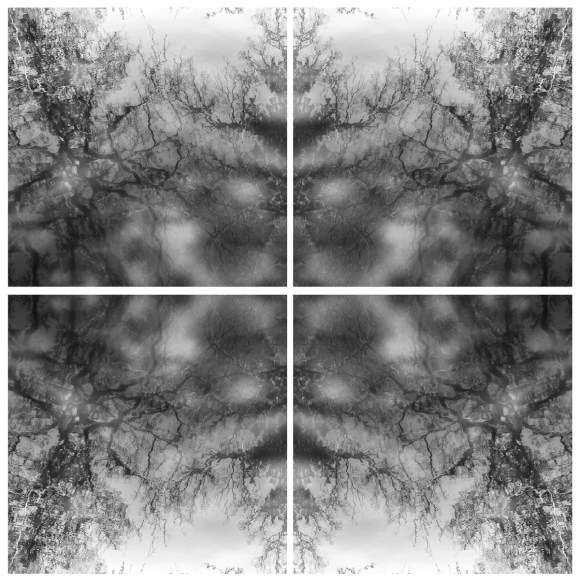
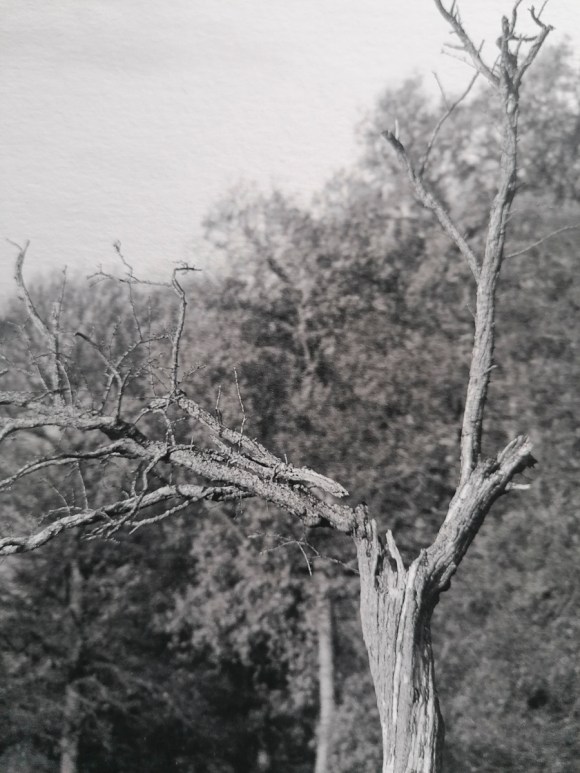
These images were thought of as too ‘literal’. Going forwards, I could experiment with this technique using different subjects.
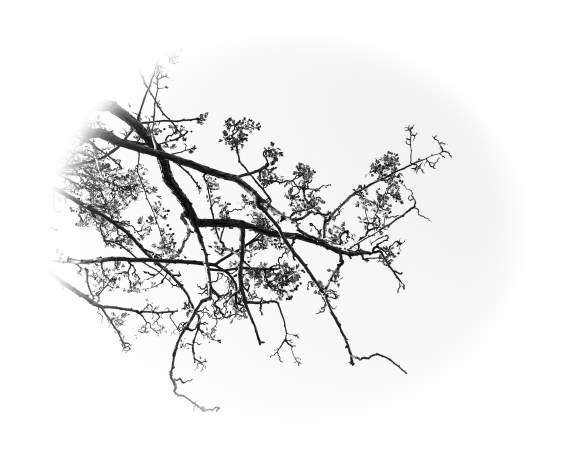
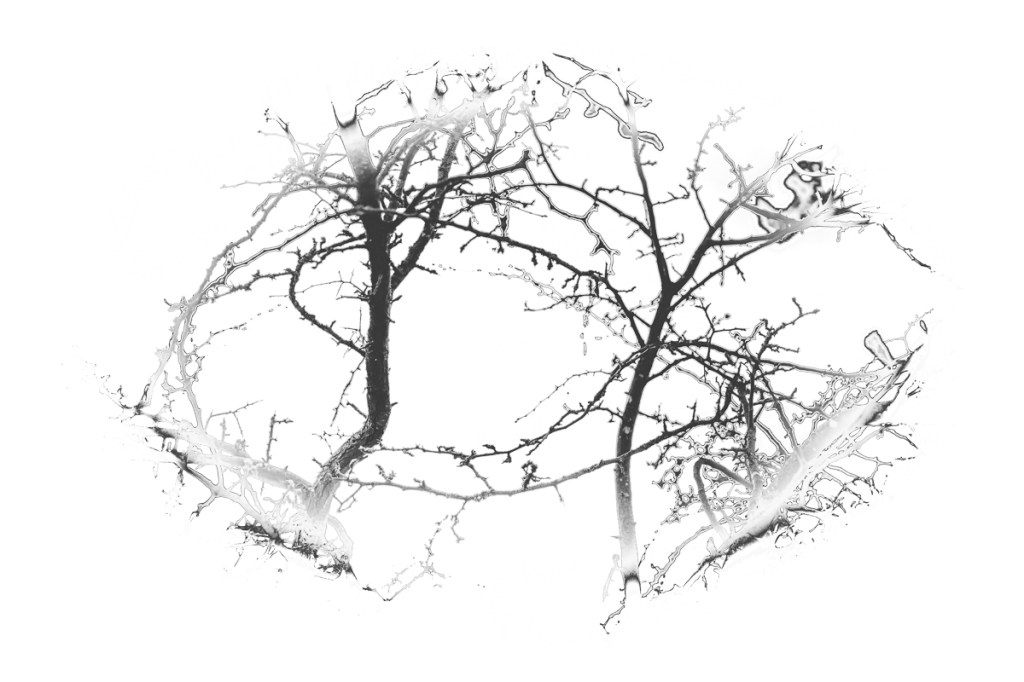
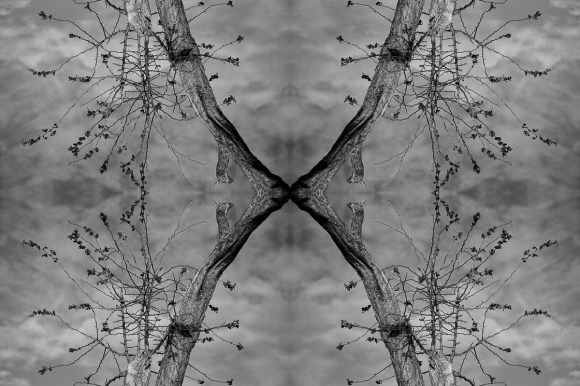
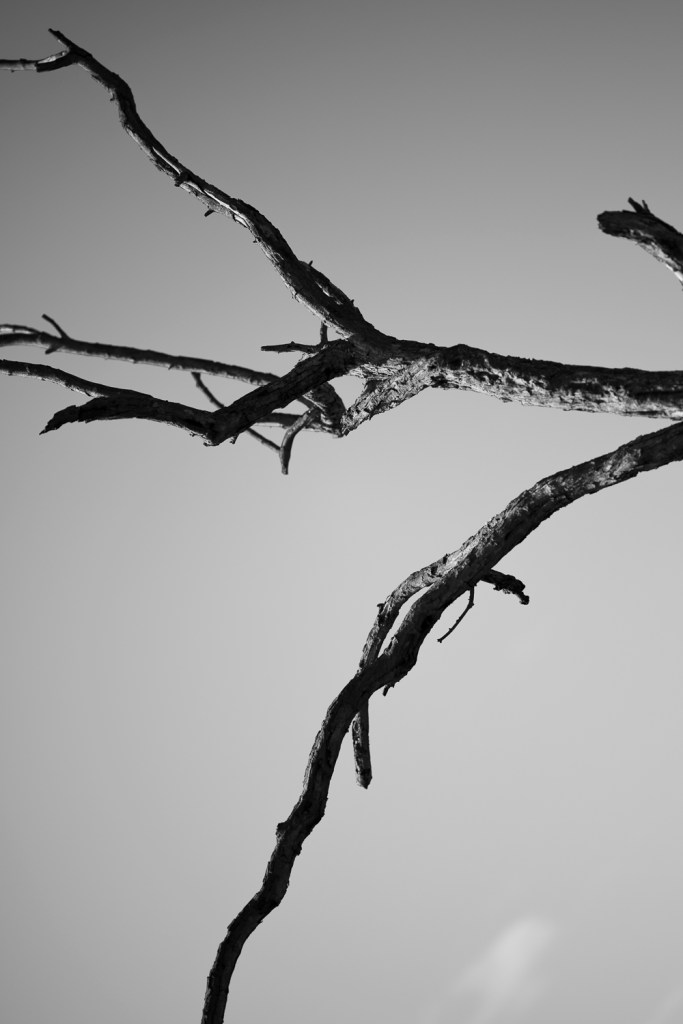
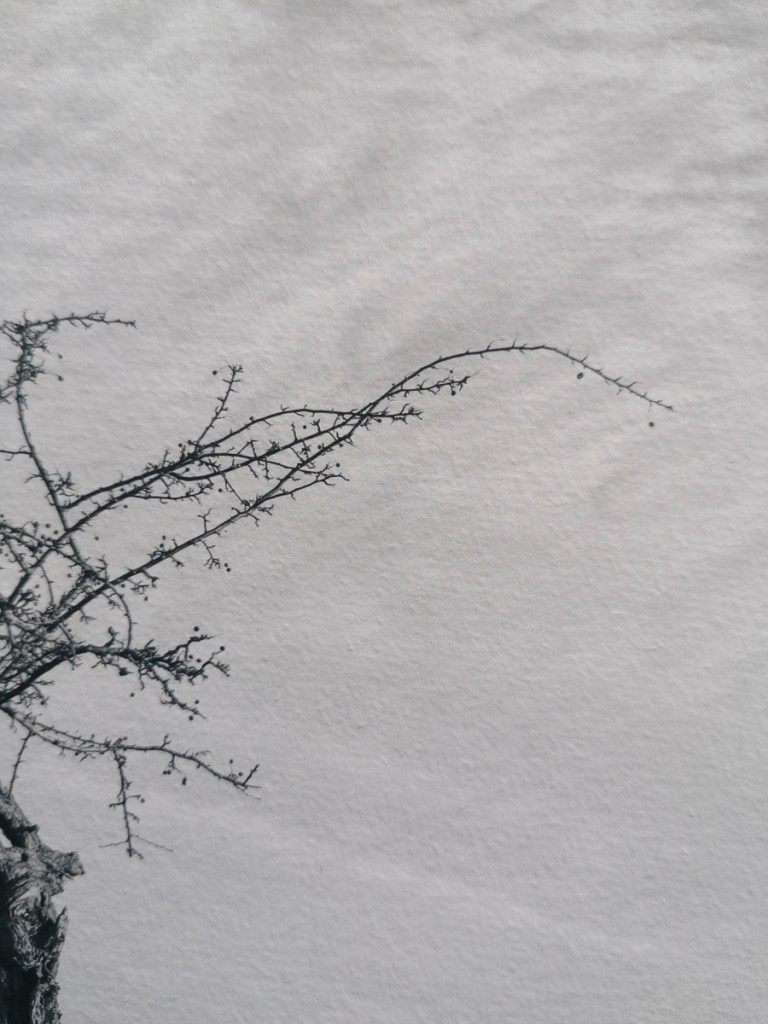
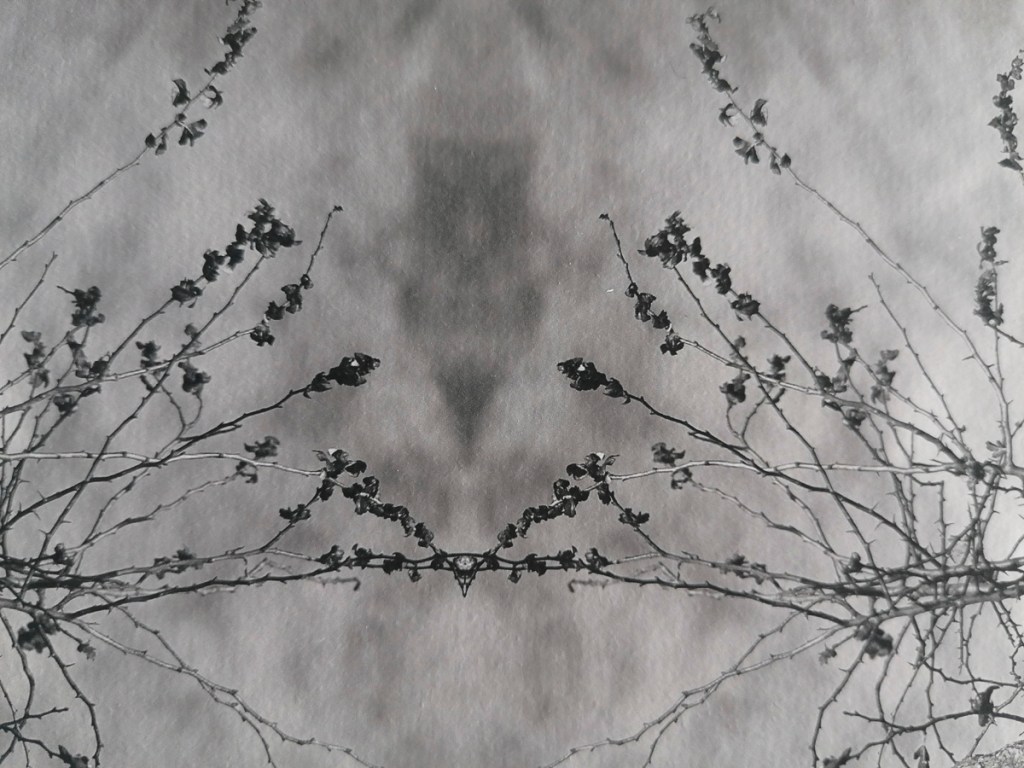
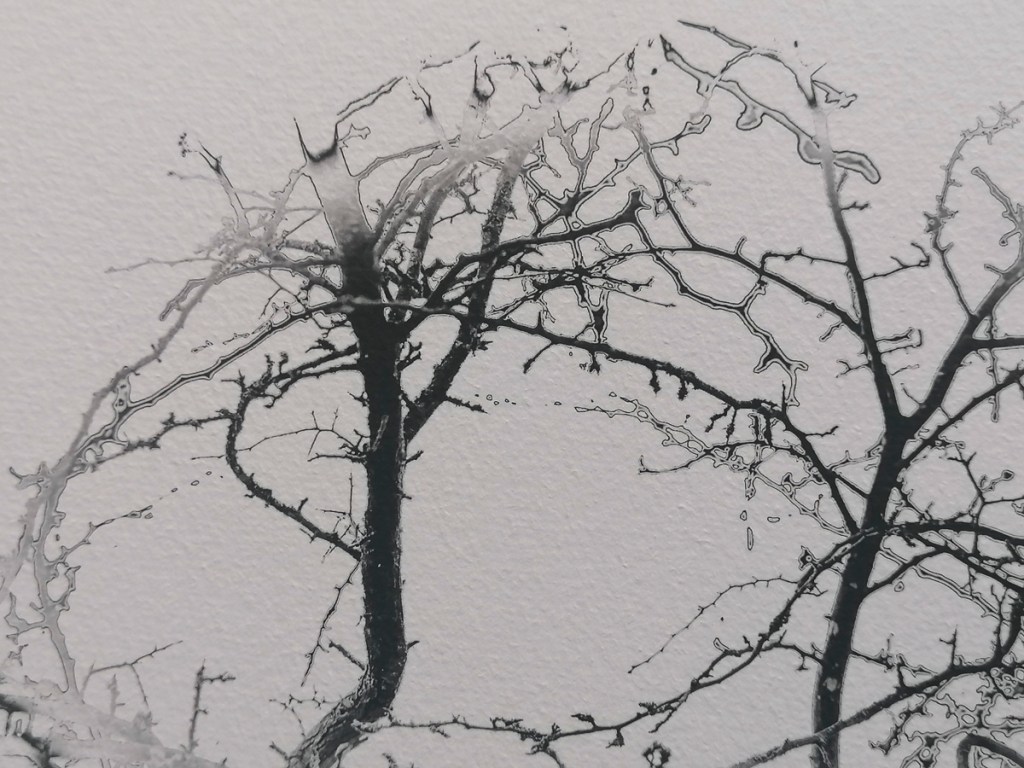
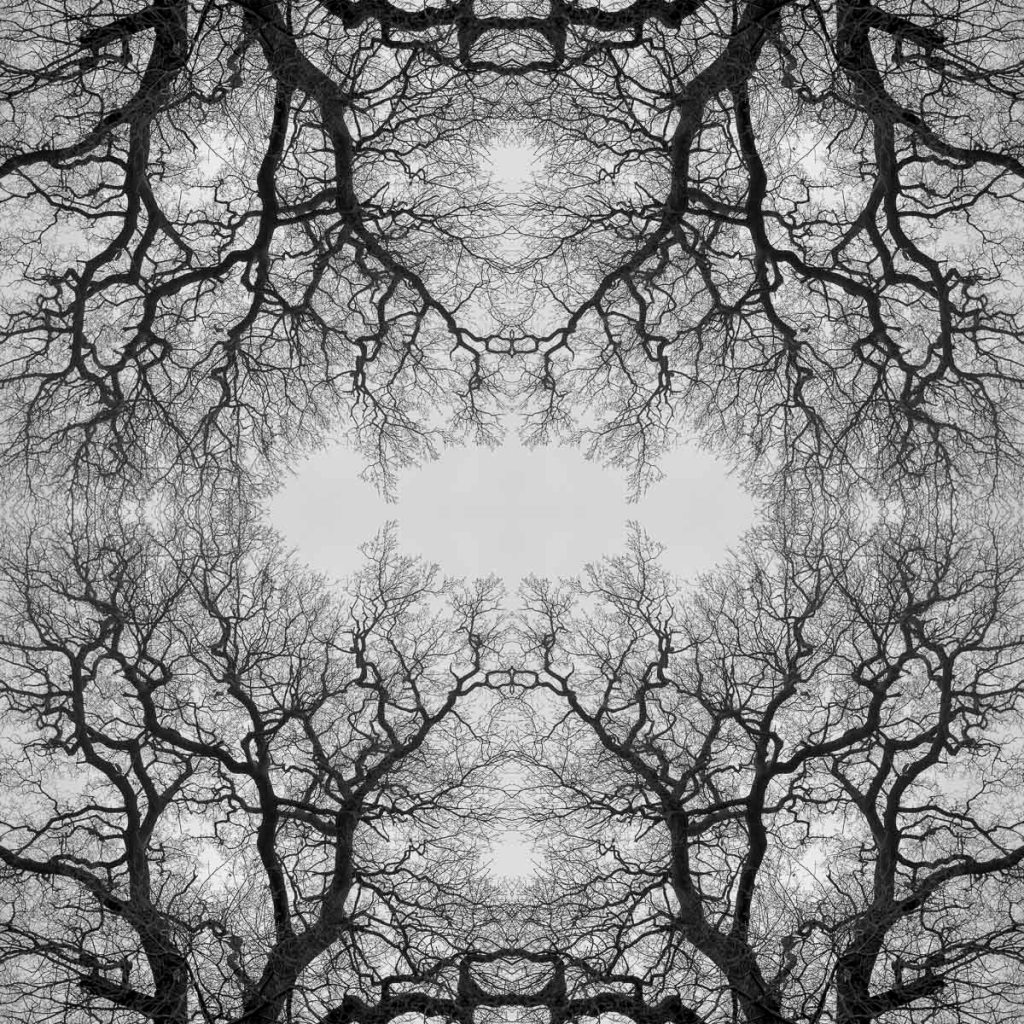
This image was also deemed to have too much detail. However, I liked the comment from two of my classmates as to how it looked like nerve pathways and streaks of lightening. My own opinion on this piece, is that it would need to be printed on large scale to ‘open up’ the spaces between.
Other images that were considered were the Invisible Trees body of work submitted for AGM62 Photography Research Project: Stage 1. Fergus reiterated how this image has a different ‘feel’ compared to the other five pieces.
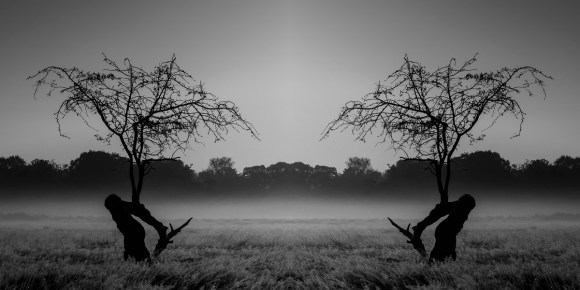
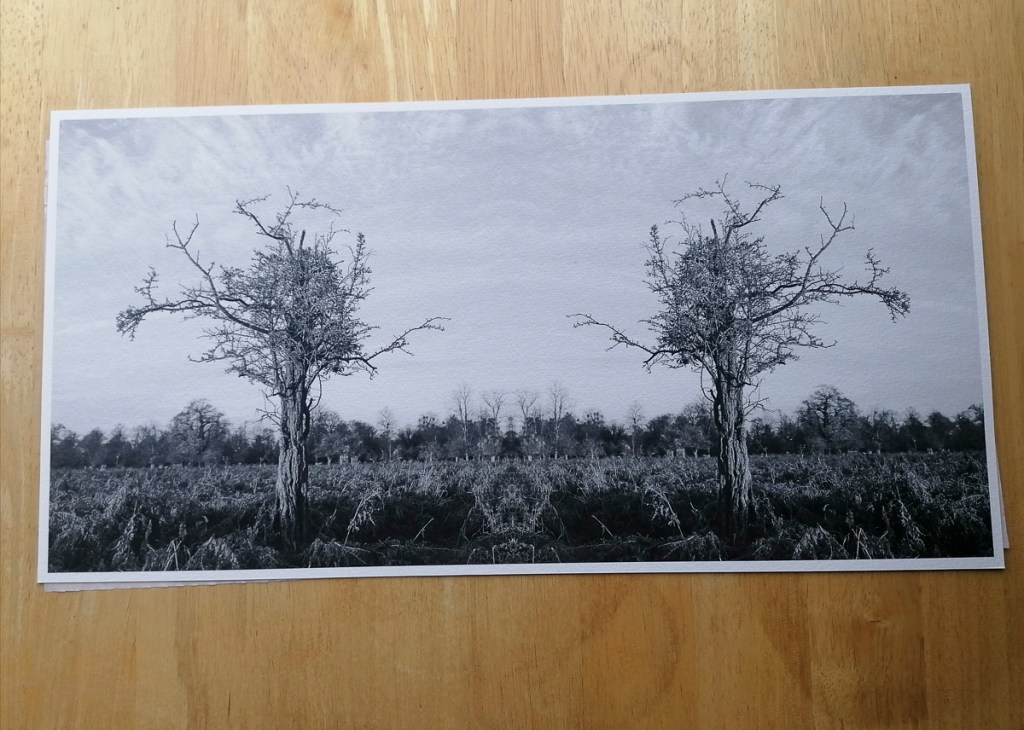
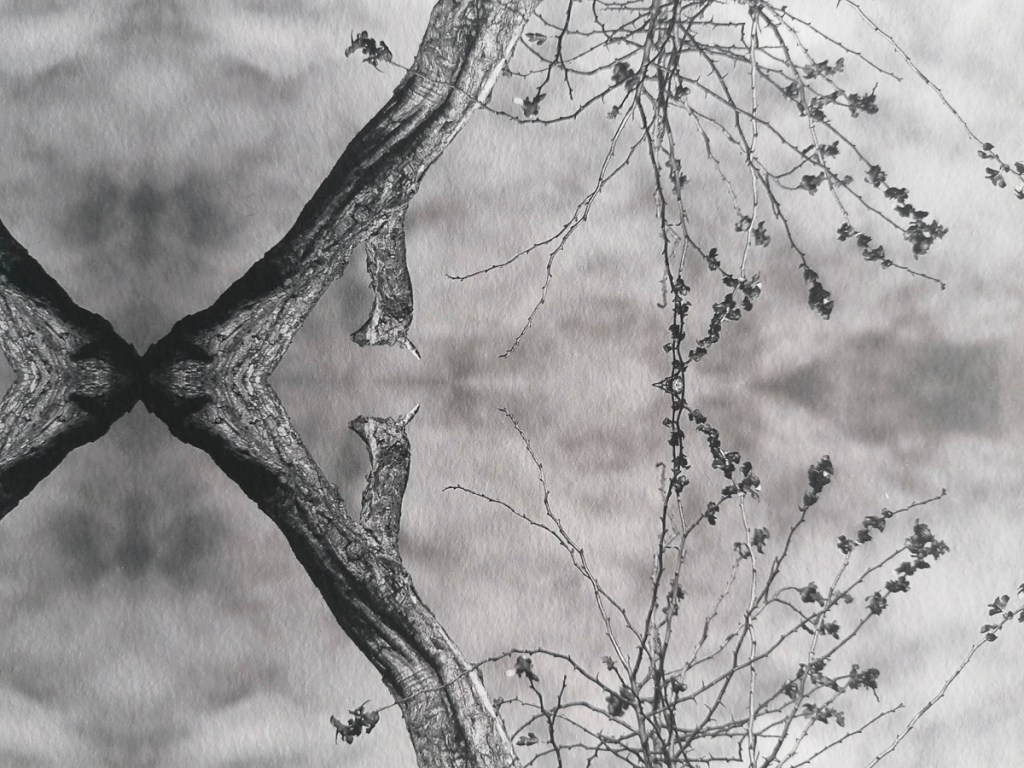
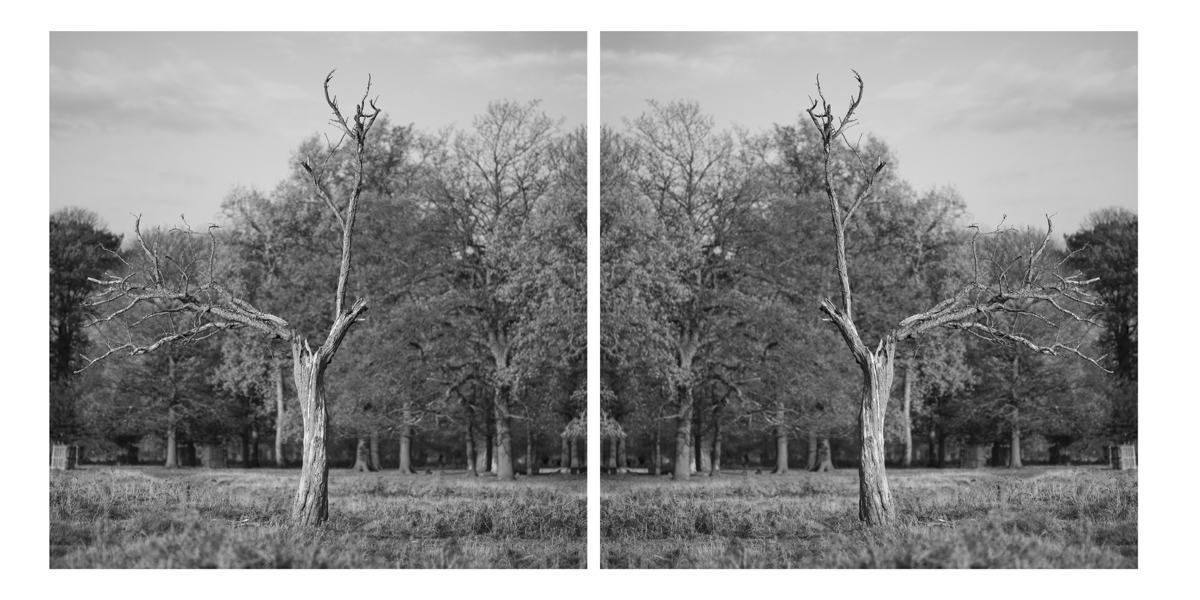
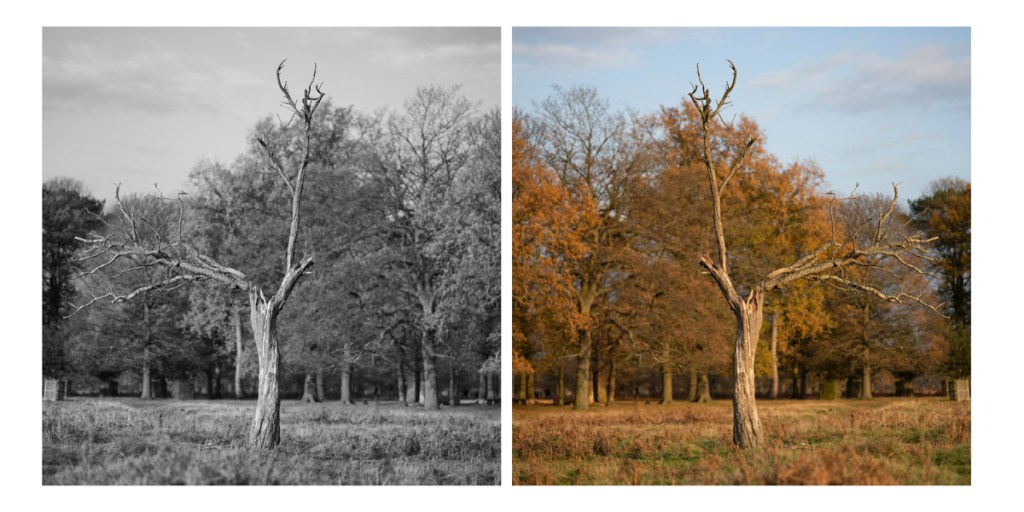
One thought was to break down the images further. By pairing these two, it shows the same tree from the opposing 180 angle. This could play on the ‘positive/negative’ aspect.
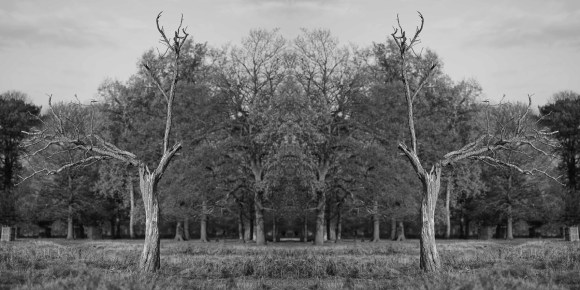
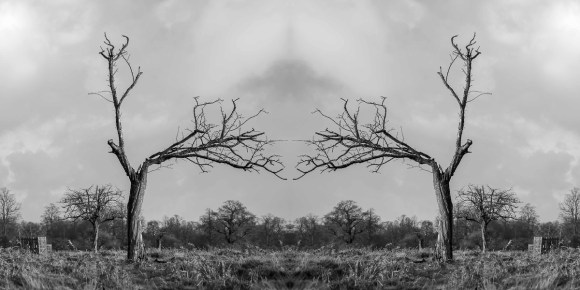
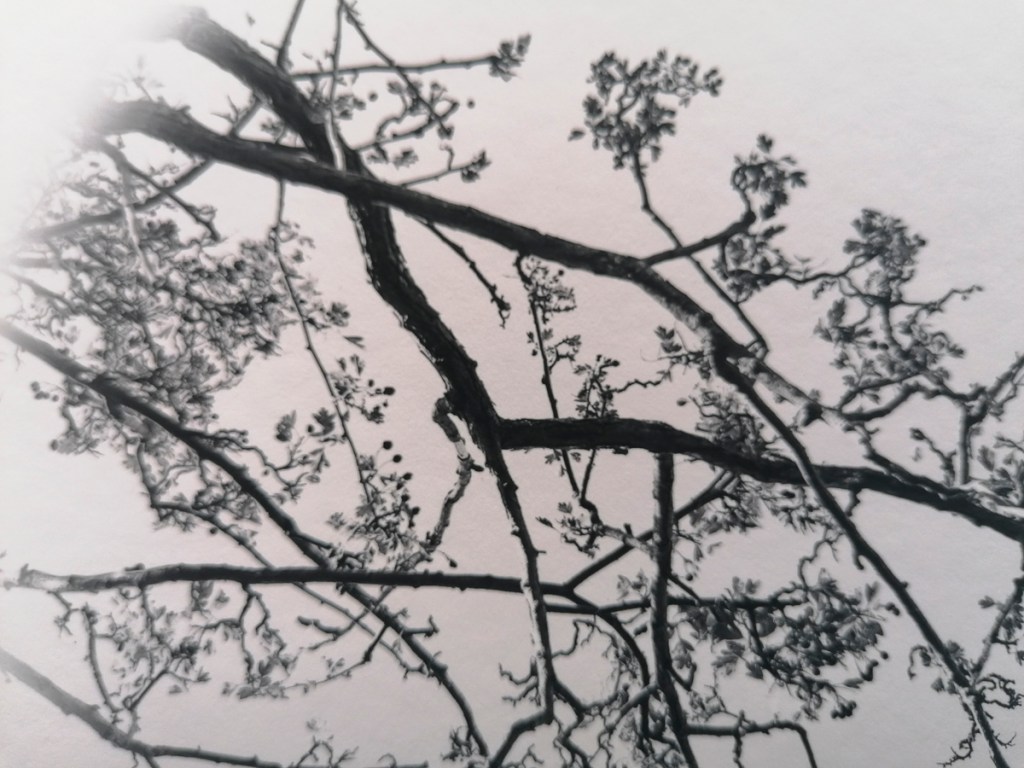
This one was also considered ‘a bit too much’. Simplify?
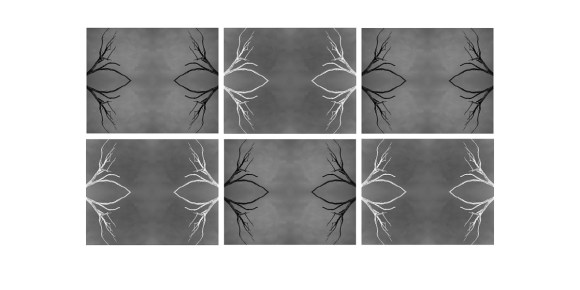
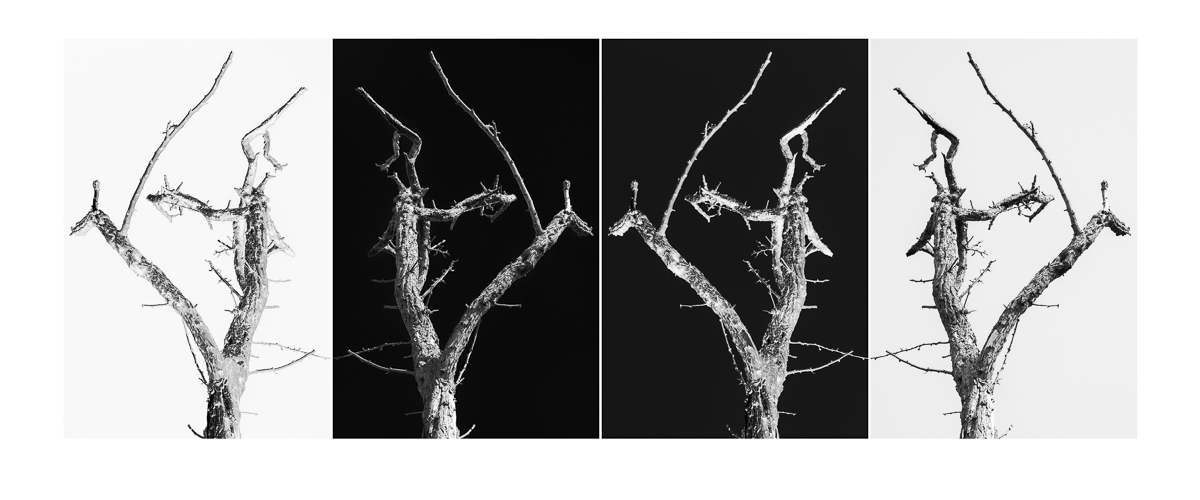
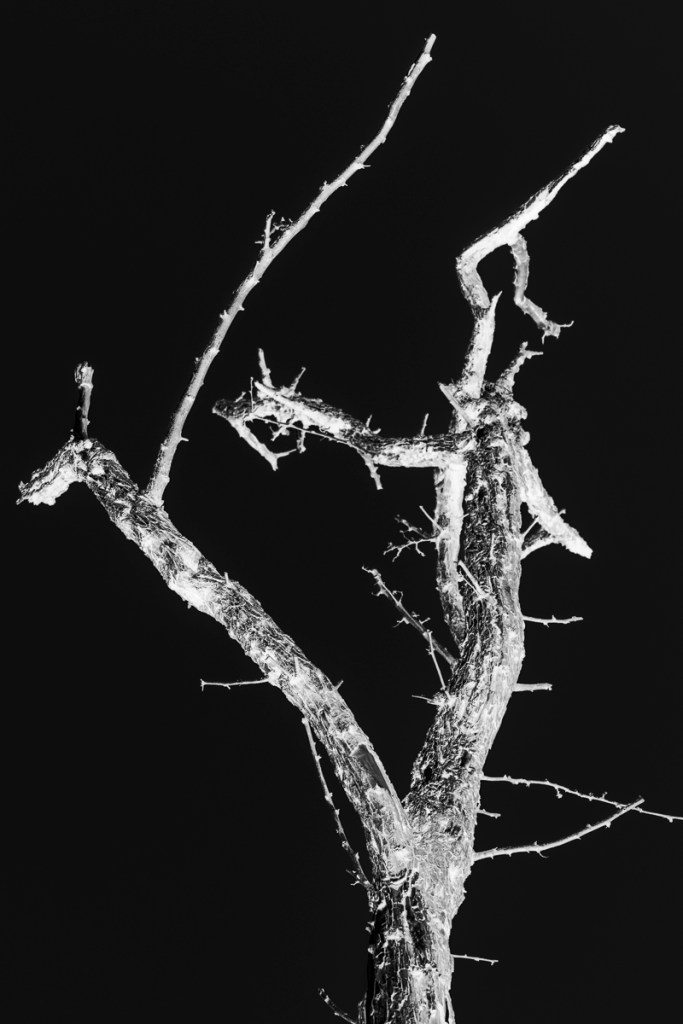
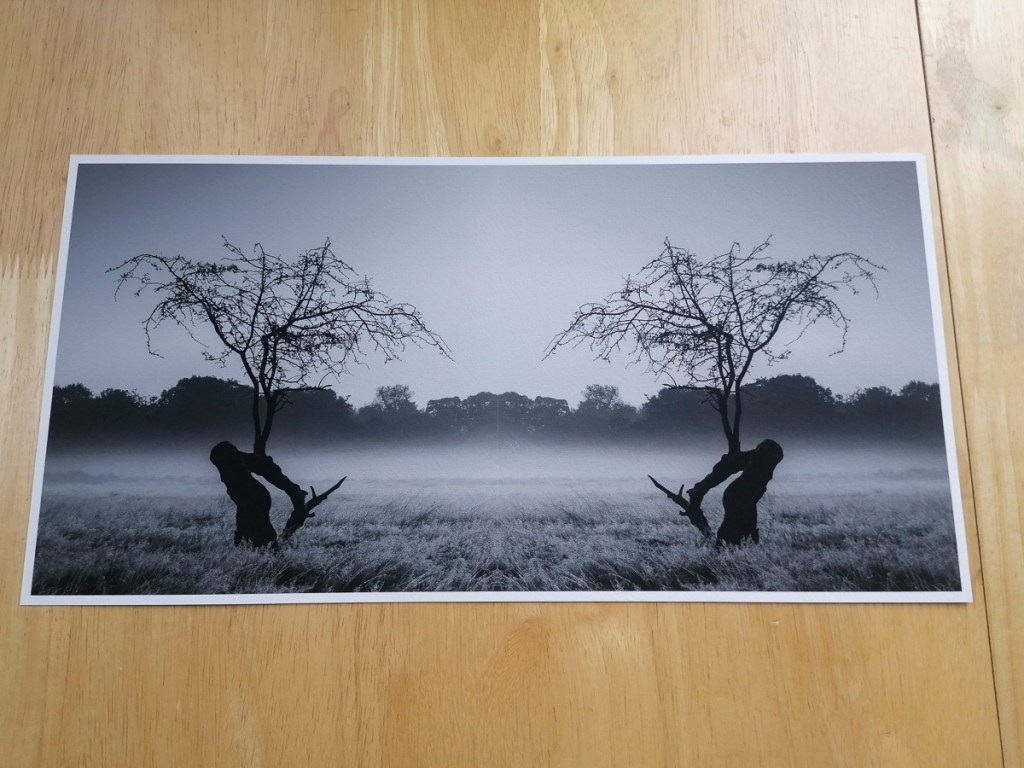
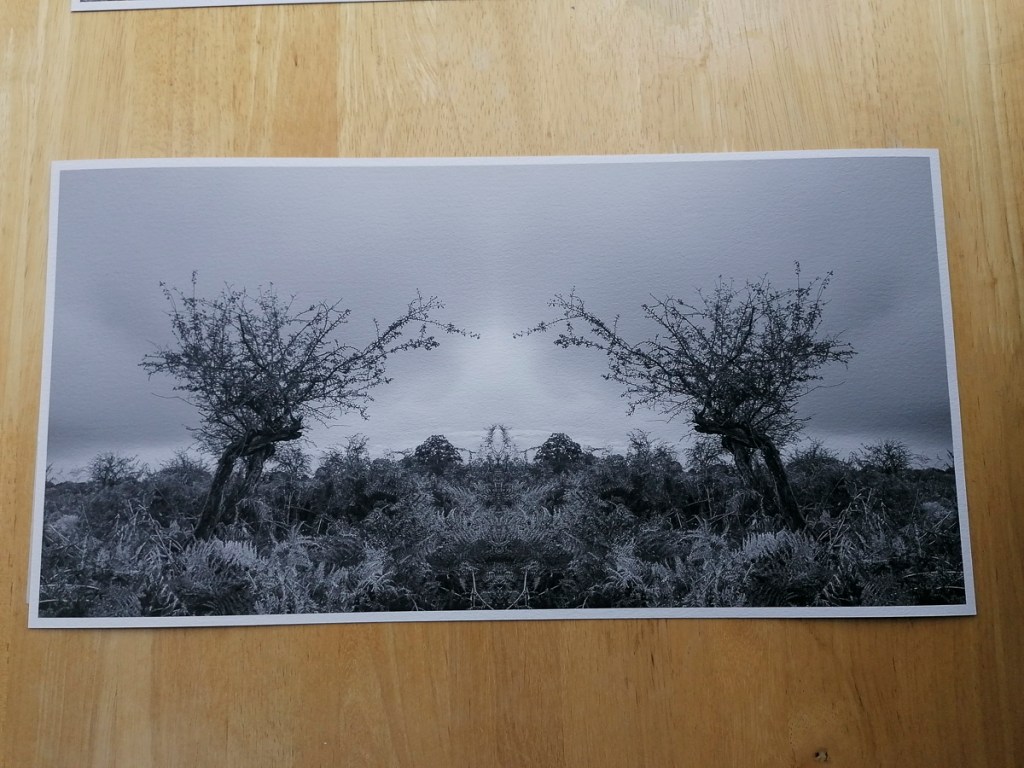
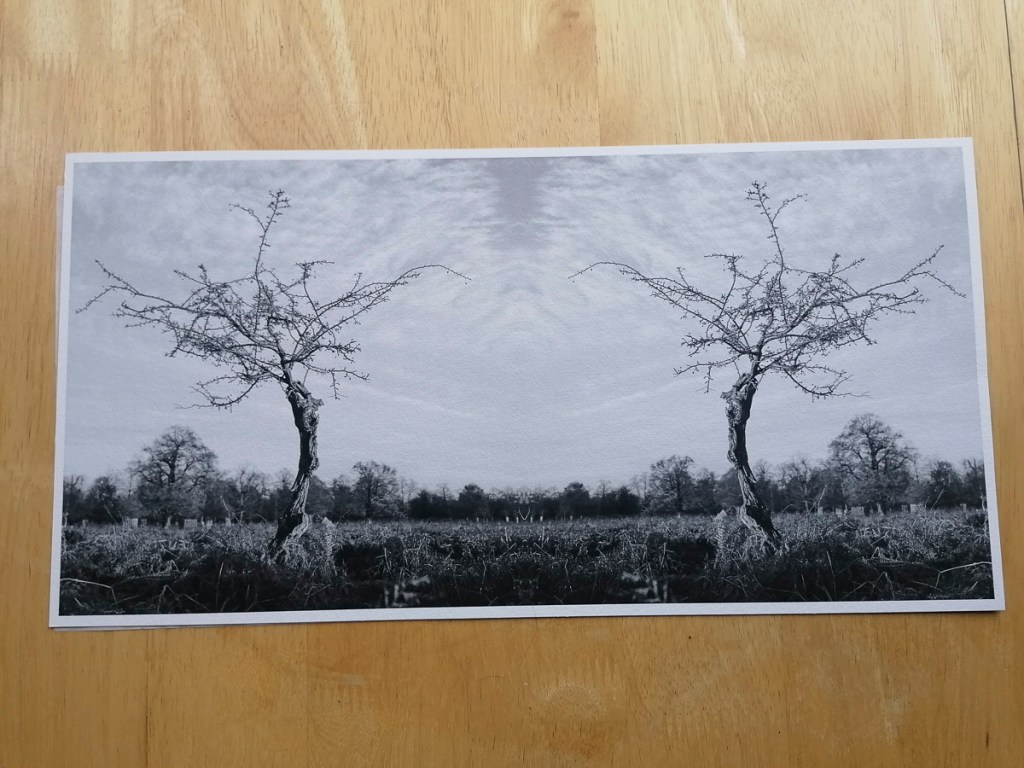
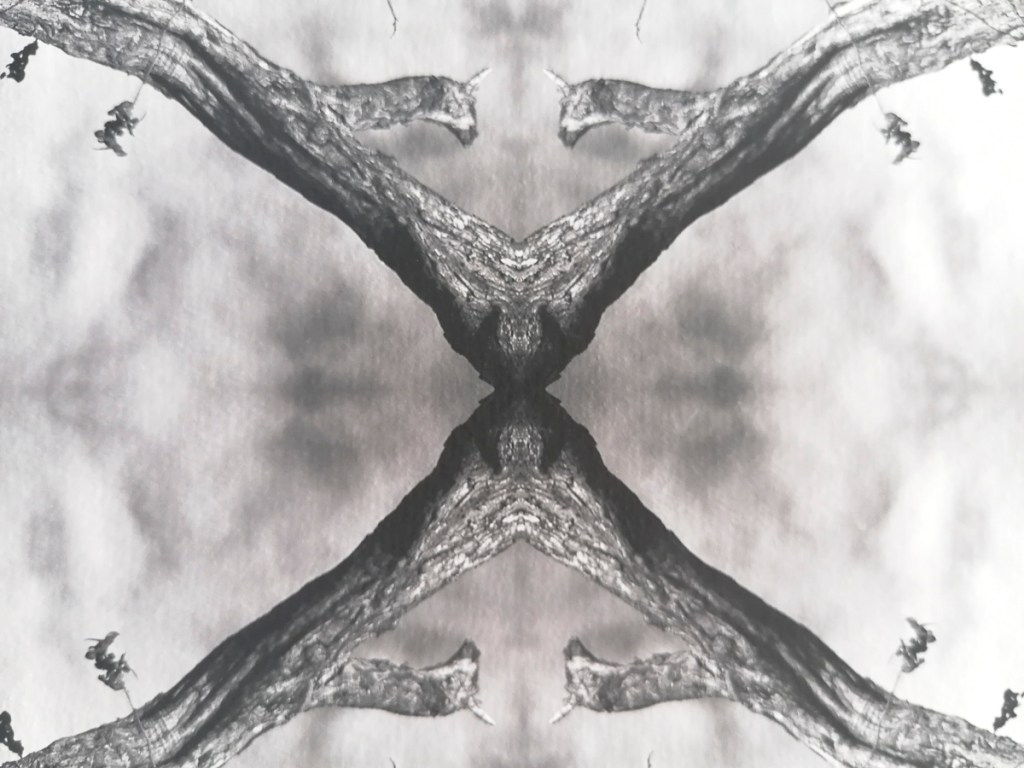
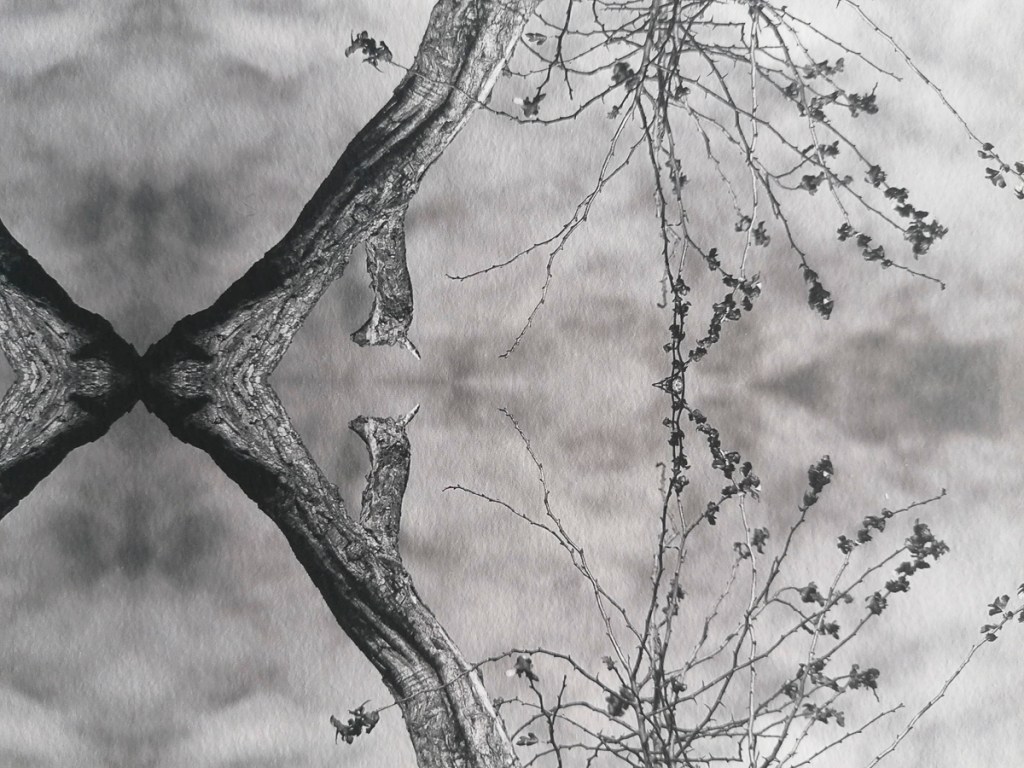
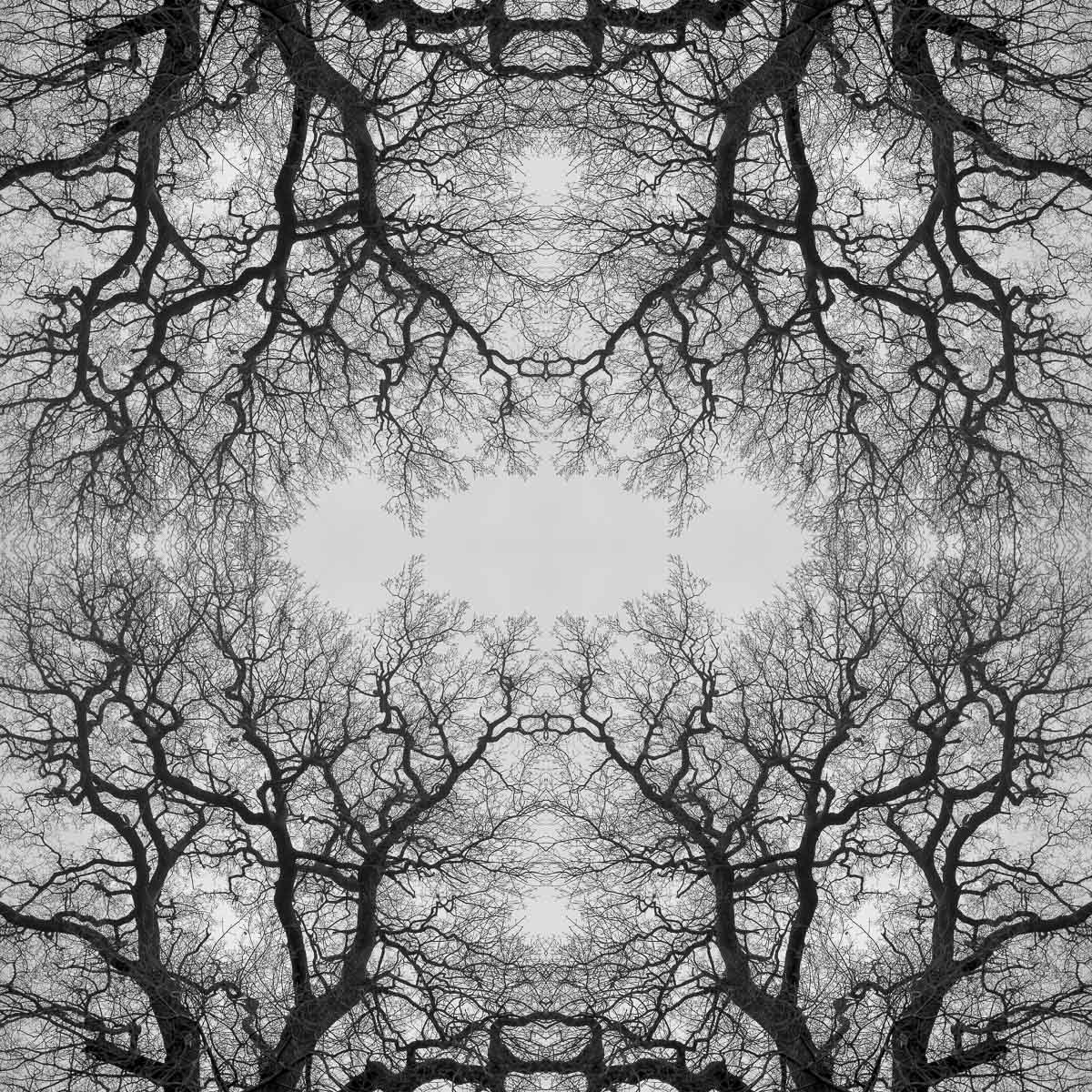
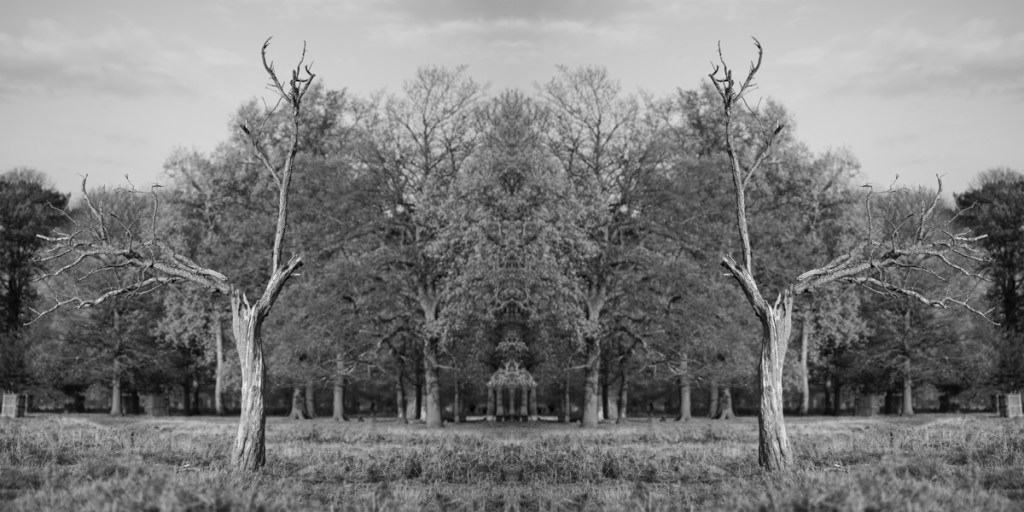
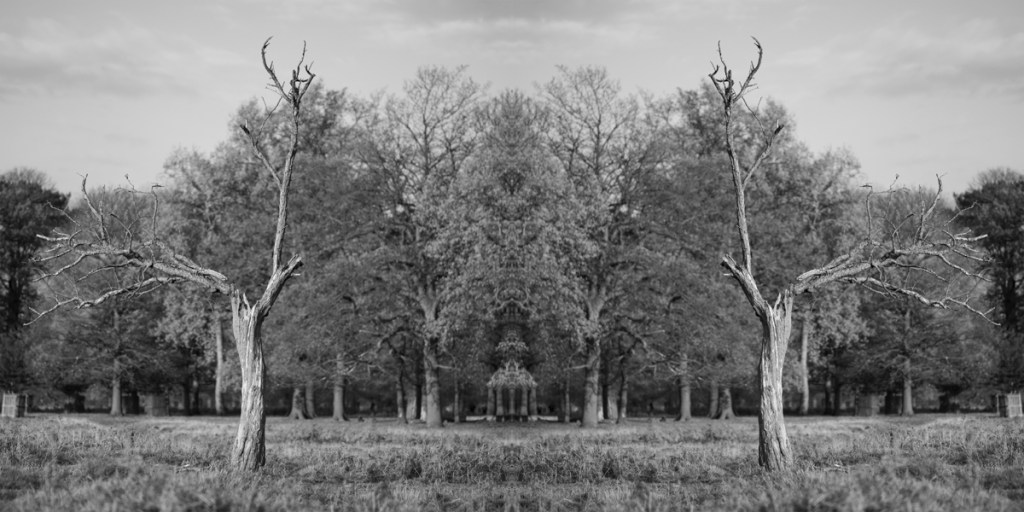
The image that had the most impact on the group was this one:
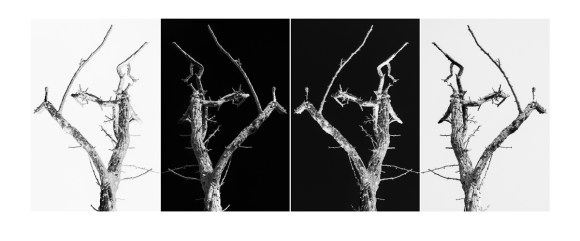
The play on positive/negative was received well and it was thought this configuration and concept could go further.

I will be looking at some of the images I’ve already taken that have similar aspects to the original.
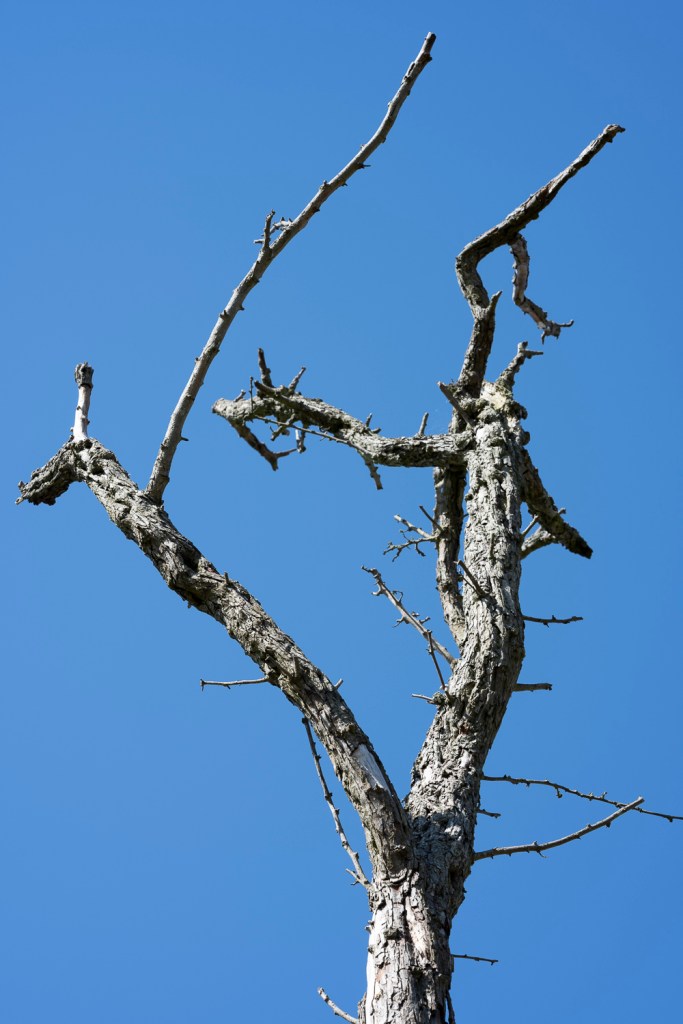
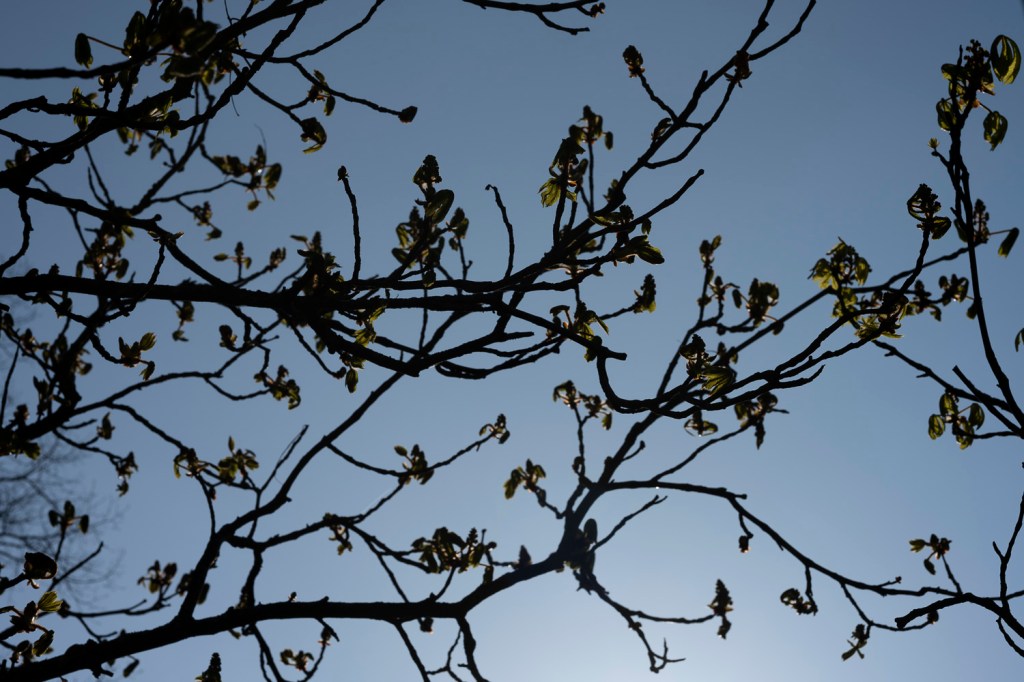
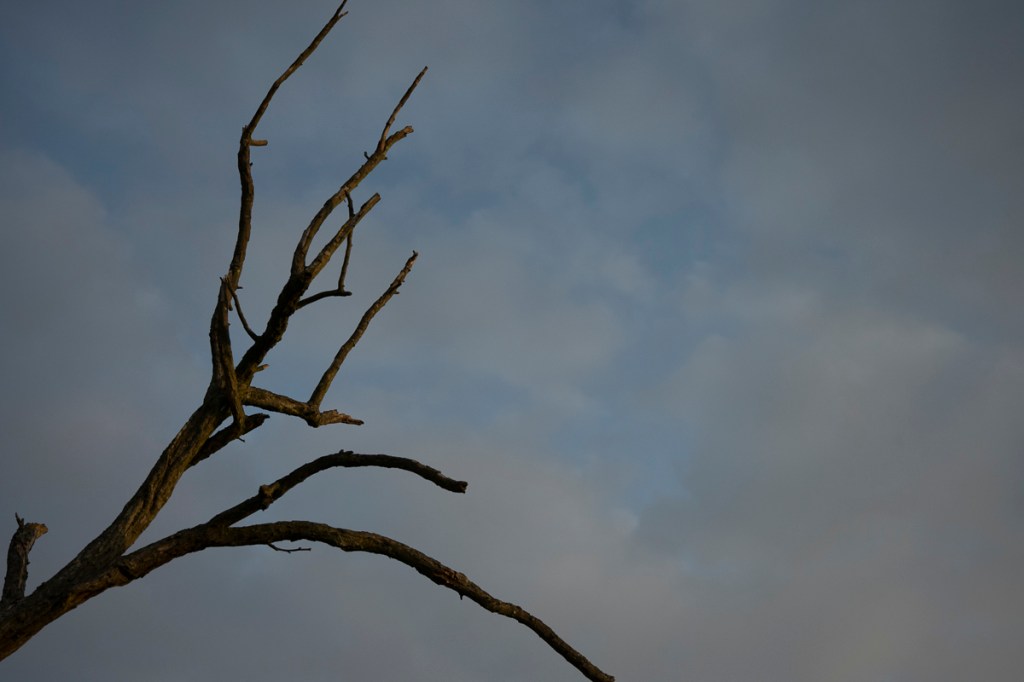
These elements are trees that have an interesting presence with a blue sky background. One comment was that the clouds on the other images were distracting. I think they add a particular atmosphere to these images, but then I love looking at cloud patterns.

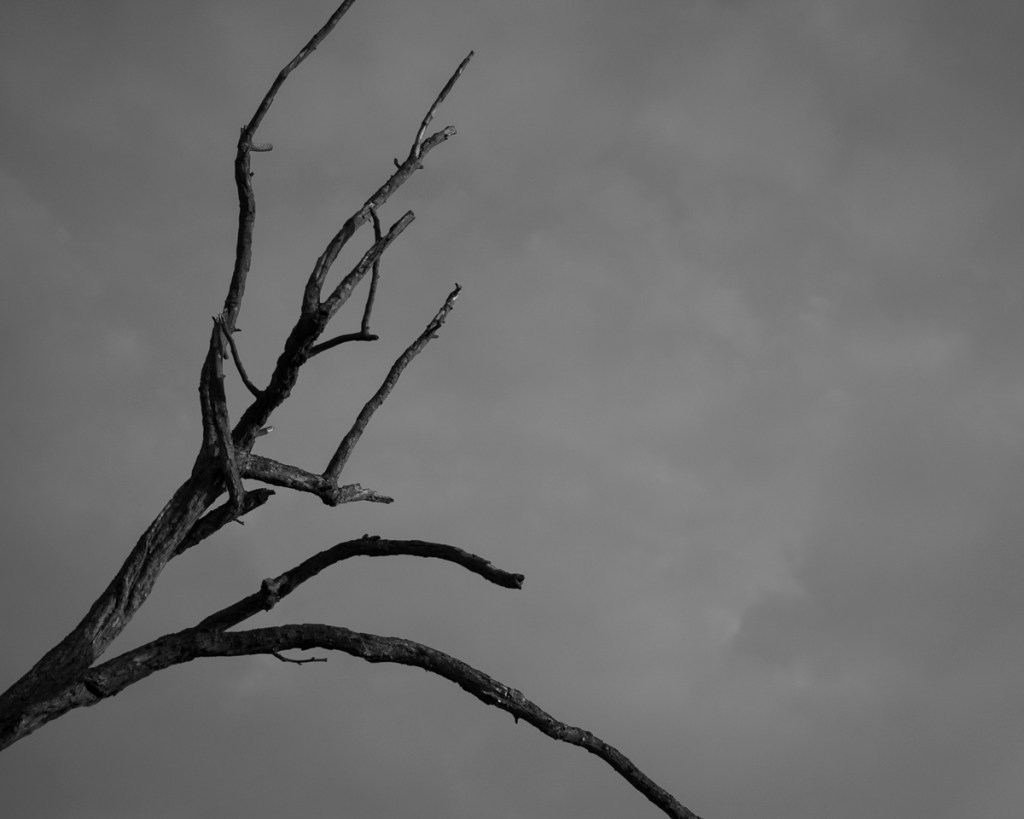
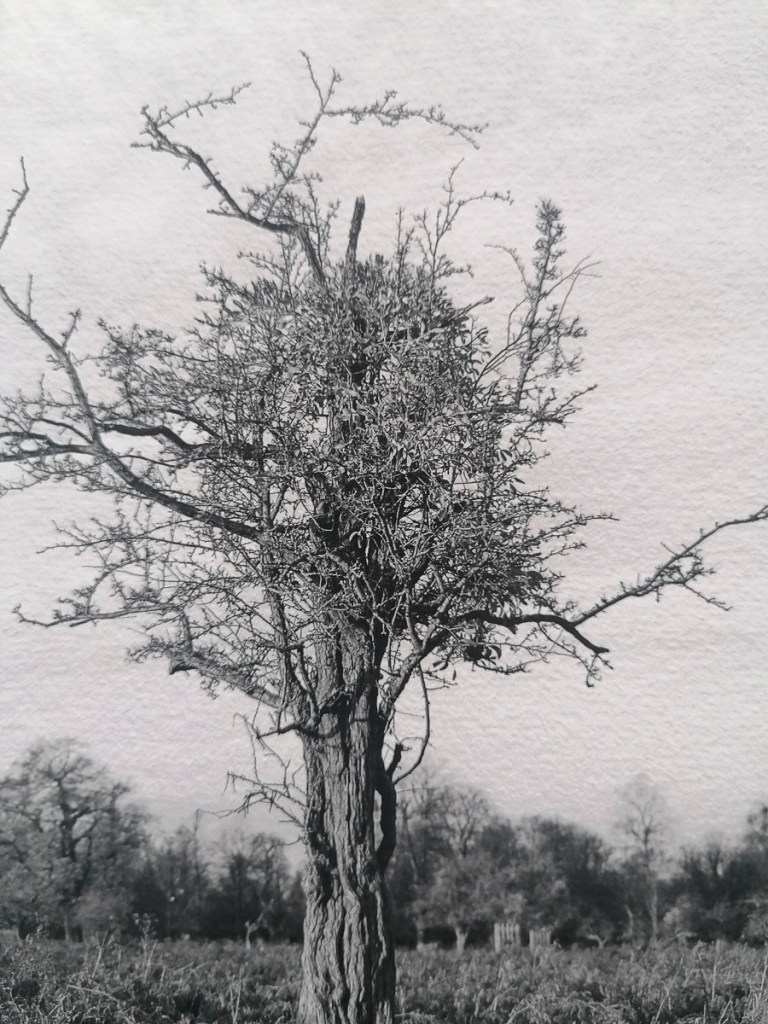
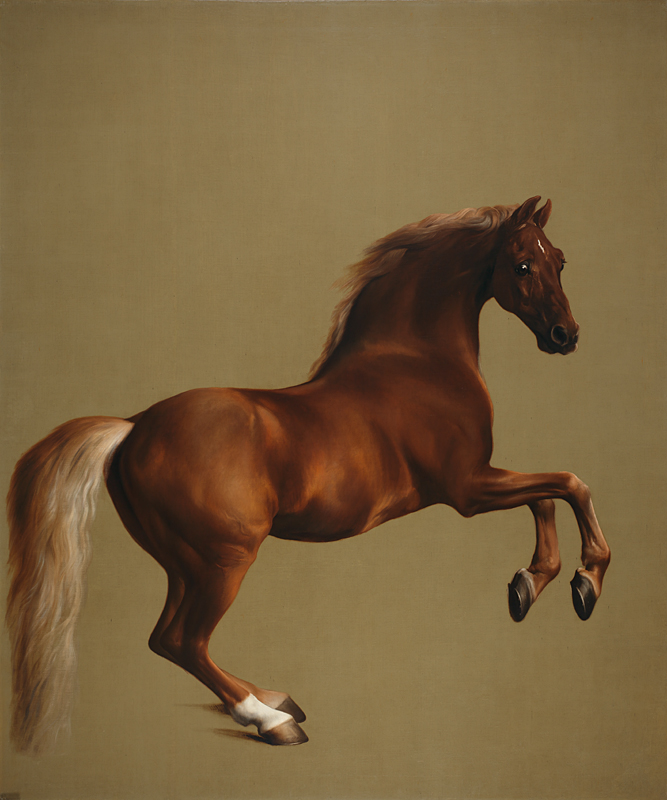
One artistic reference to which Fergus pointed out had similarities to this image is George Stubbs’ Whistlejacket. It is a study of a horse, but with no background details. I think this name is quite suited for this image.
There were clear lines of further developments and refining that I could follow. My next line of action will be to continue exploring this particular technique and taking it further.

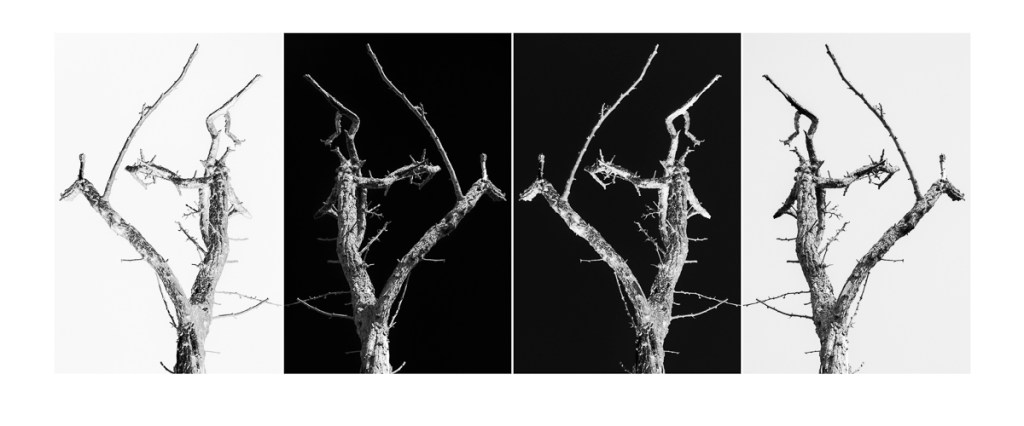
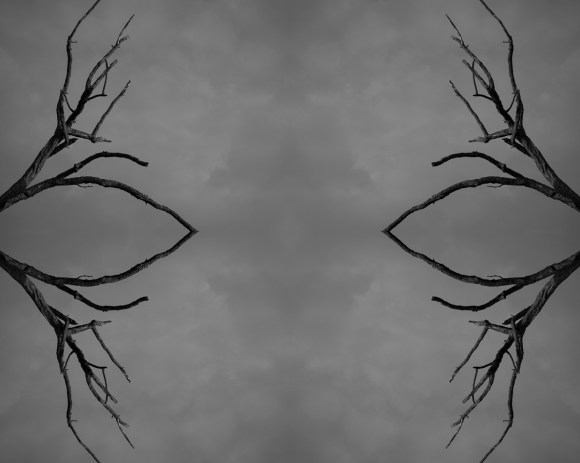
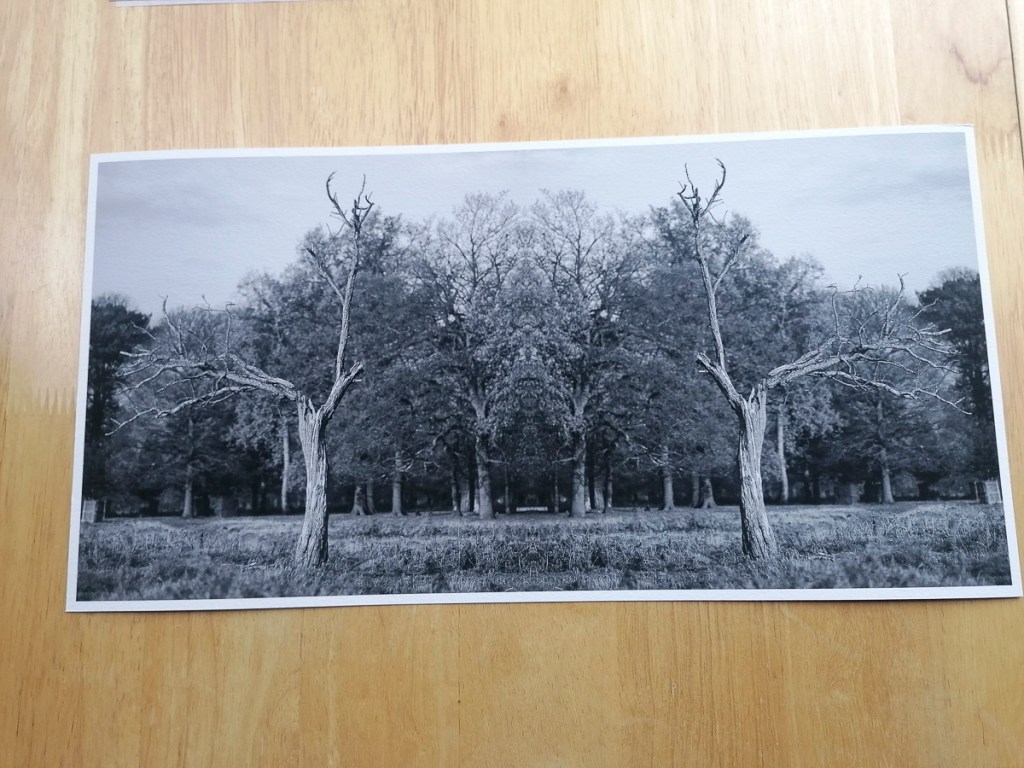
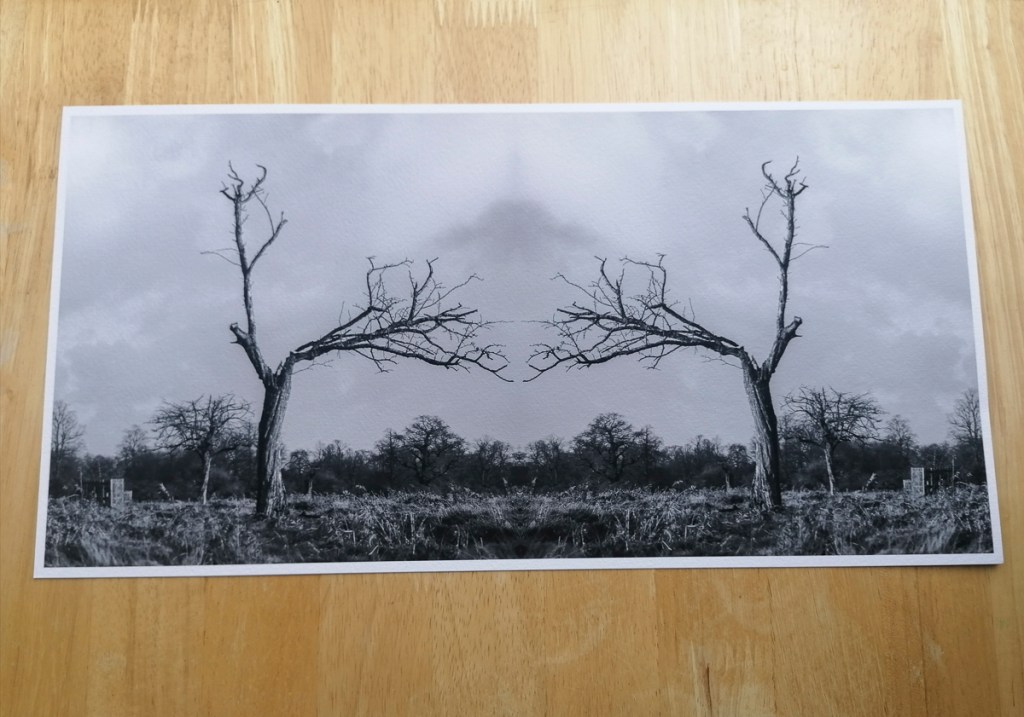
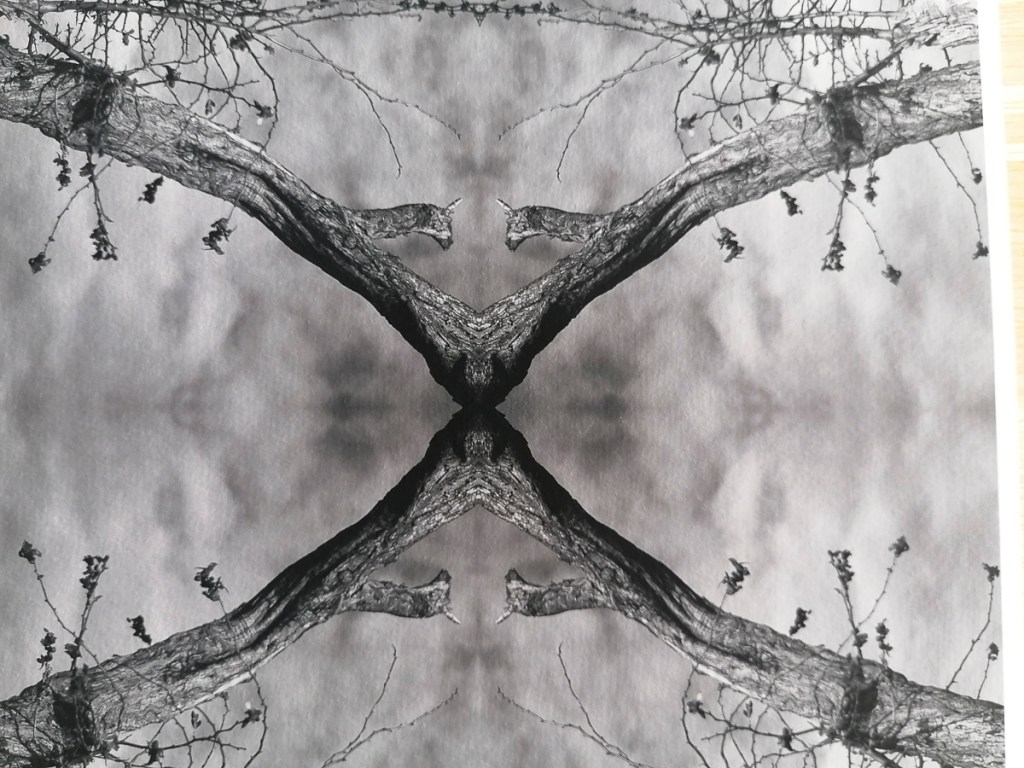
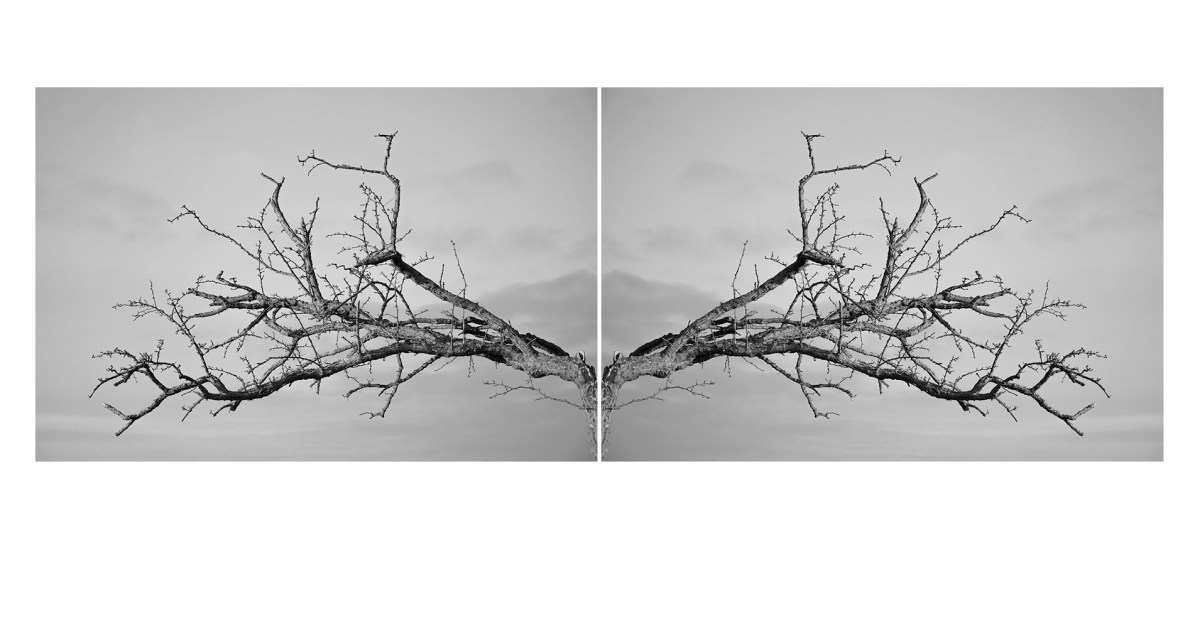
After processing the group’s feedback, I completed the following configuration. I had started this before the day’s session and didn’t show it to the group.
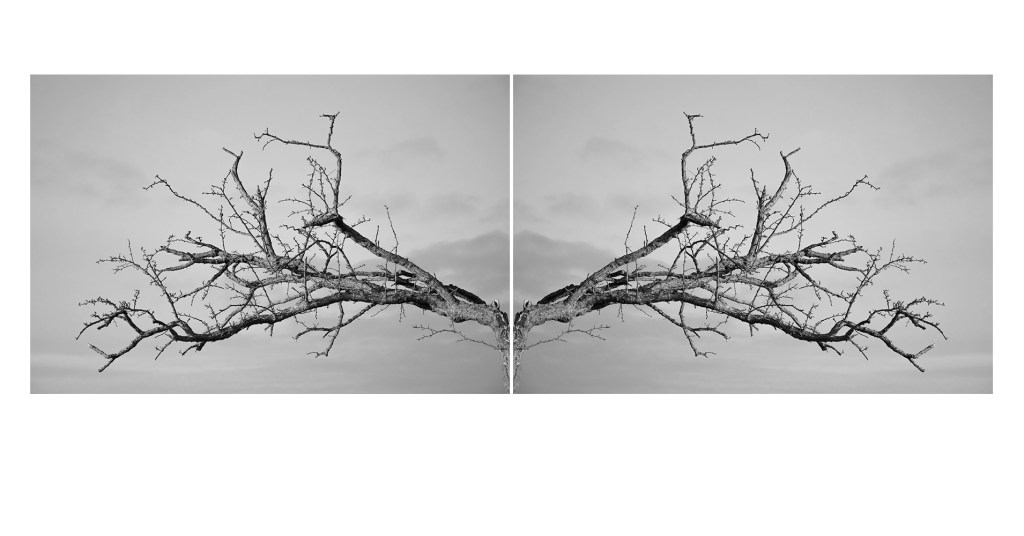
I’ve named this piece Stag.

References

The National Gallery, L., 2021. George Stubbs | Whistlejacket | NG6569 | National Gallery, London. [online] Nationalgallery.org.uk. Available at: <https://www.nationalgallery.org.uk/paintings/george-stubbs-whistlejacket&gt; [Accessed 7 May 2021].
Categories
AGM64 Photography Research Project Stage 2 Posts

AGM64 Ansel Adams White Branches 4 May 2020

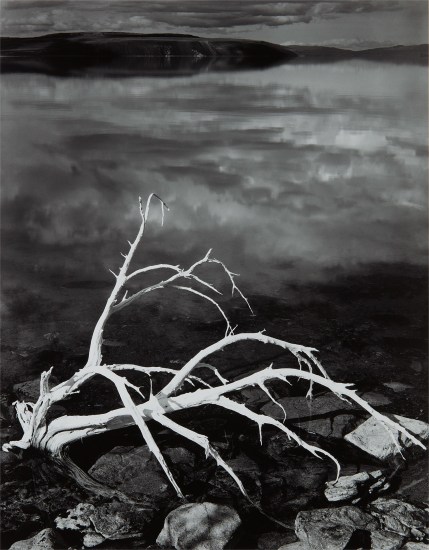
While looking at photography books for the AGM92 module, I came across a book featuring 400 photographs by Ansel Adams. When viewing Adams’ images of nature I felt a ‘spark’. When looking at images of buildings and people, I felt nothing. The one image of nature that really made an impact was this.

Ansel Adams, White Branches, Mono Lake, California
1950, Gelatin silver print, printed 1973-1977. 19 3/8 x 15 1/4 in. (49.2 x 38.7 cm)

I felt there was a nuance in this image I was channeling within my current work, specifically with this montage.

An aspect to consider and possibly look at further.

References

Phillips. 2021. Phillips | Ansel Adams – White Branches, Mono Lake, California, 1950 | Photographs New York Wednesday, October 3, 2018 Lot 148. [online] Available at: <https://www.phillips.com/detail/ansel-adams/NY040218/148&gt; [Accessed 4 May 2021].
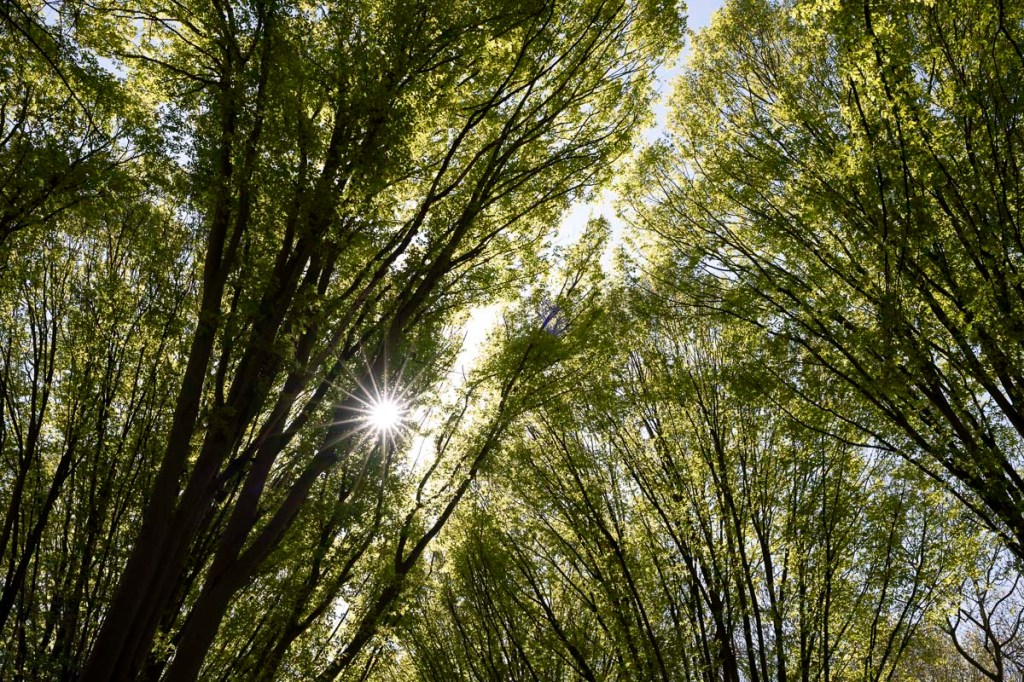
Stillman, A., 2007. Ansel Adams 400 photographs. New York [etc.]: Little, Brown and Company.

Categories
AGM64 Photography Research Project Stage 2 Posts

AGM64 Positive Negative Experiment 24 April 2021

While revisiting the images taken on 17 April, I saw a potential line of enquiry.

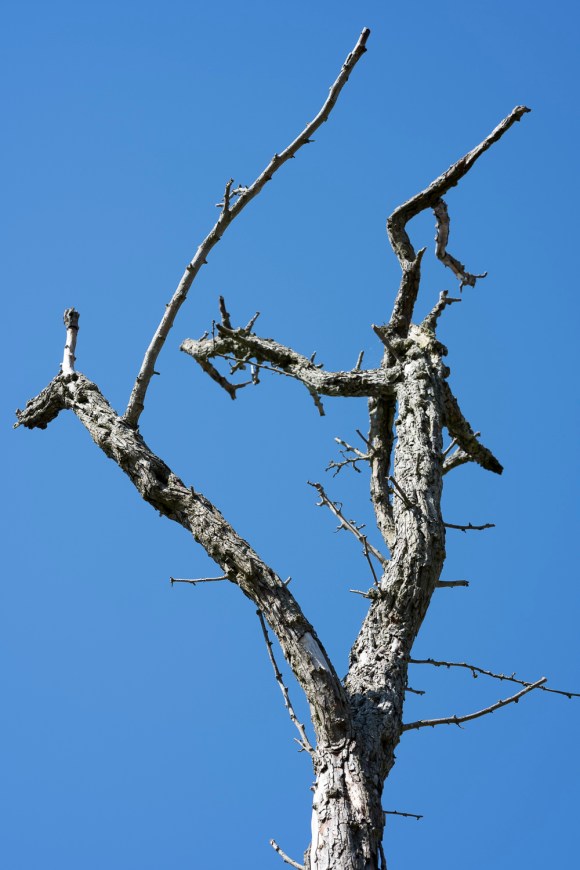
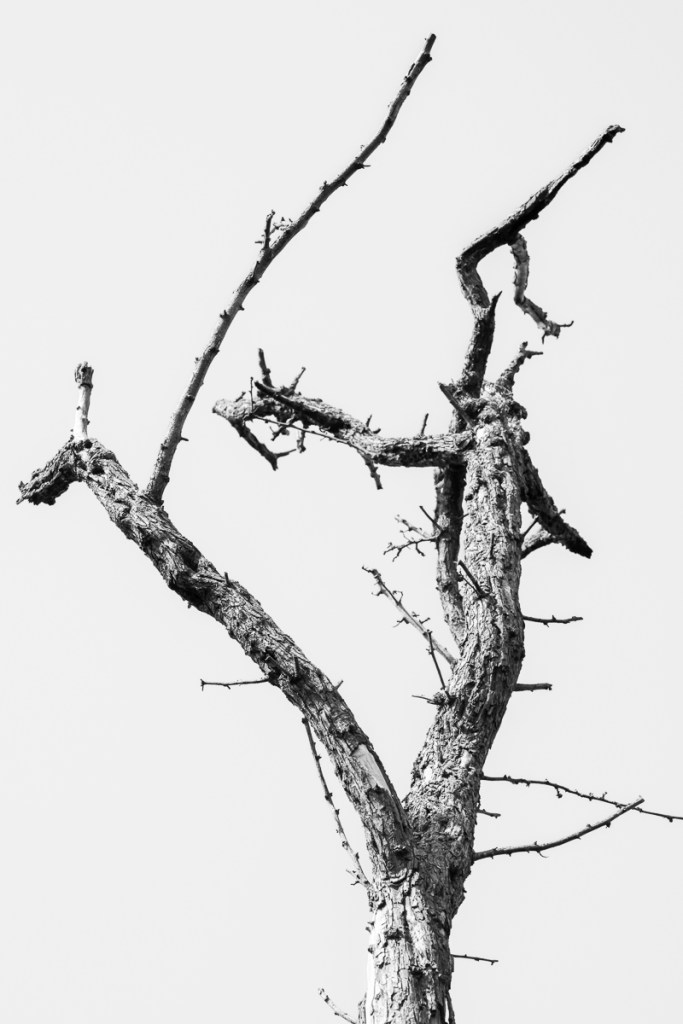
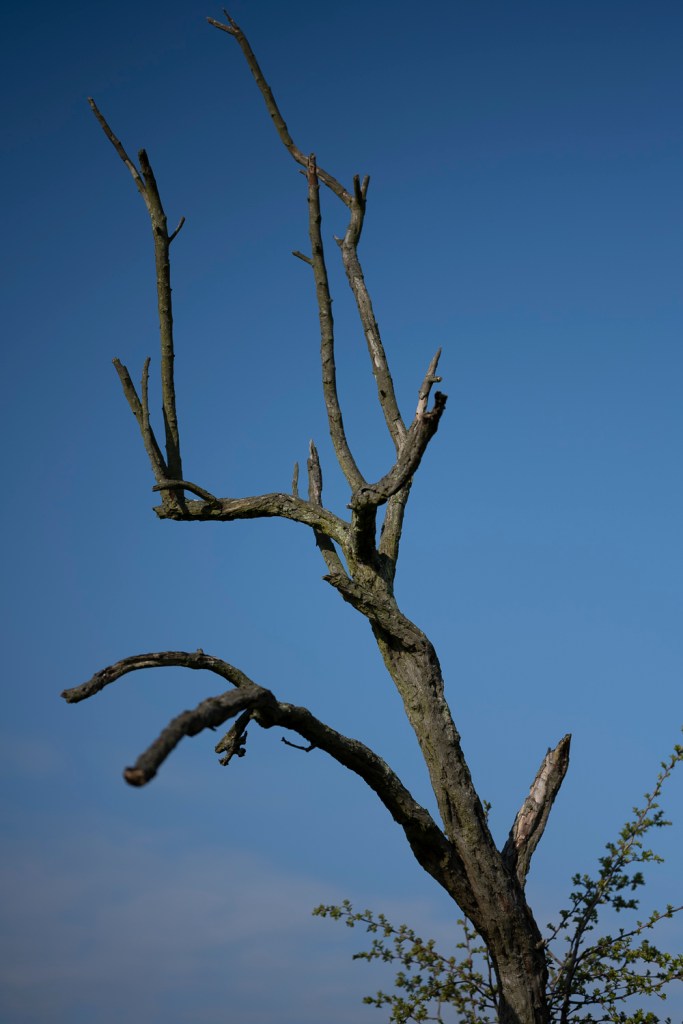
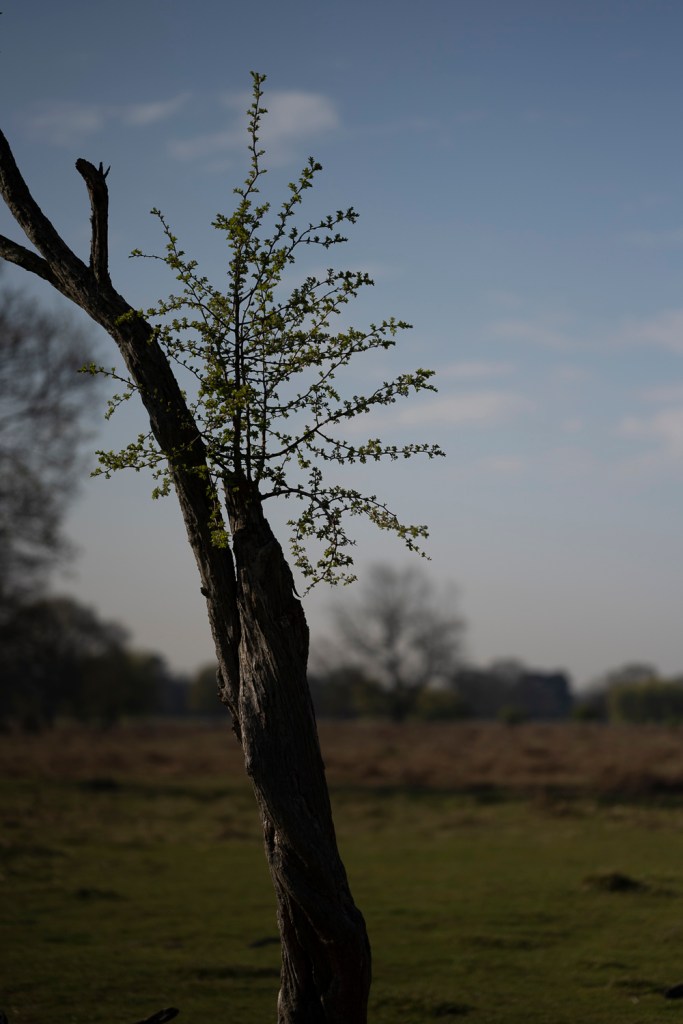
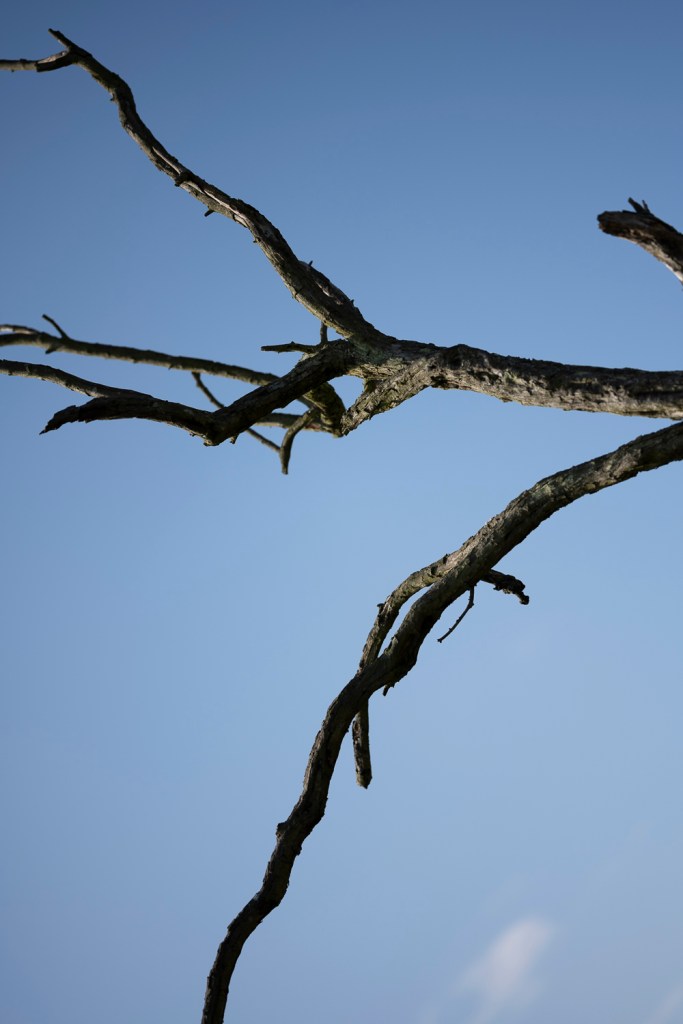
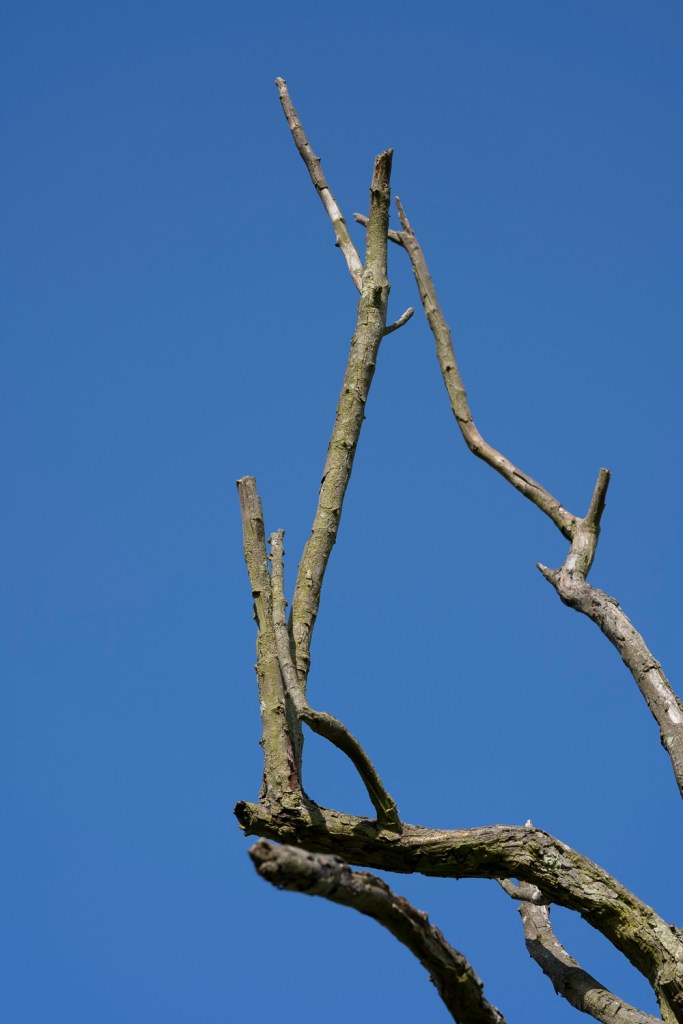
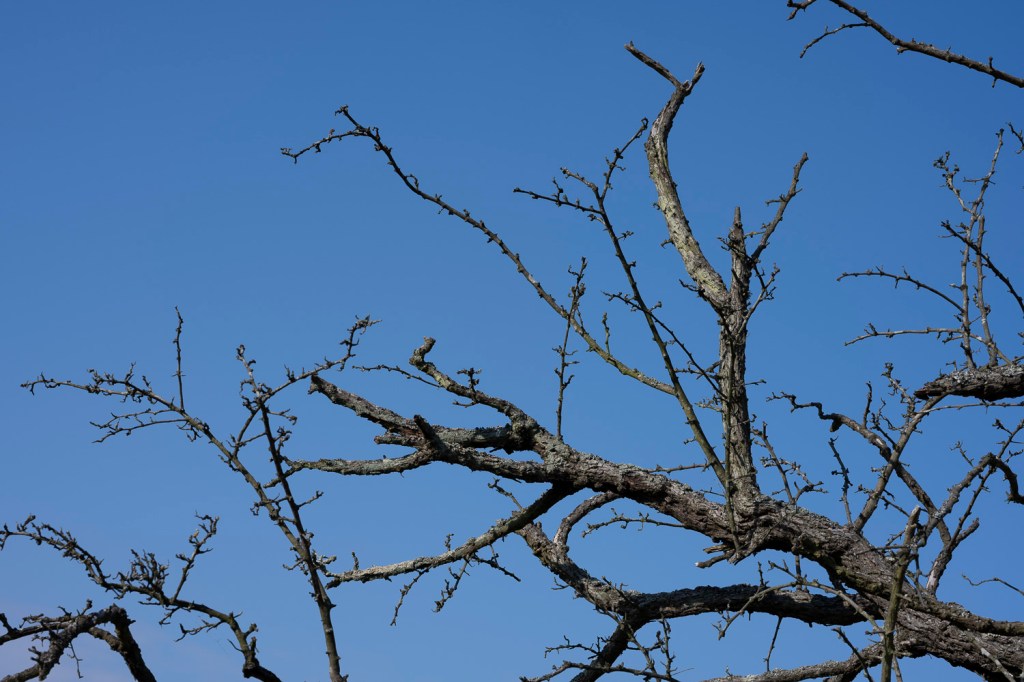
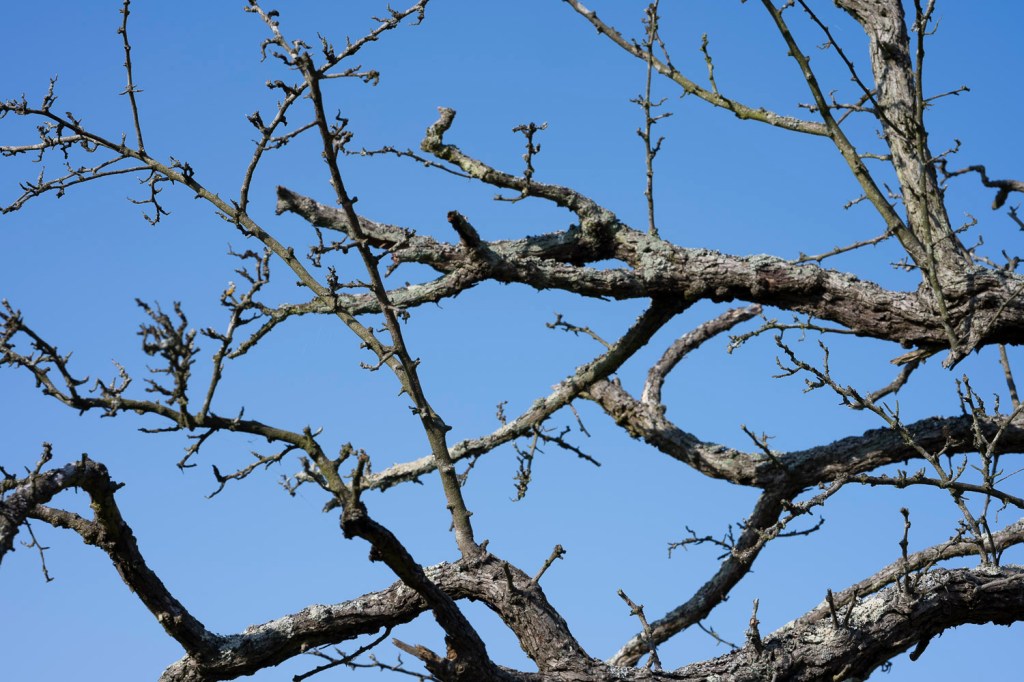
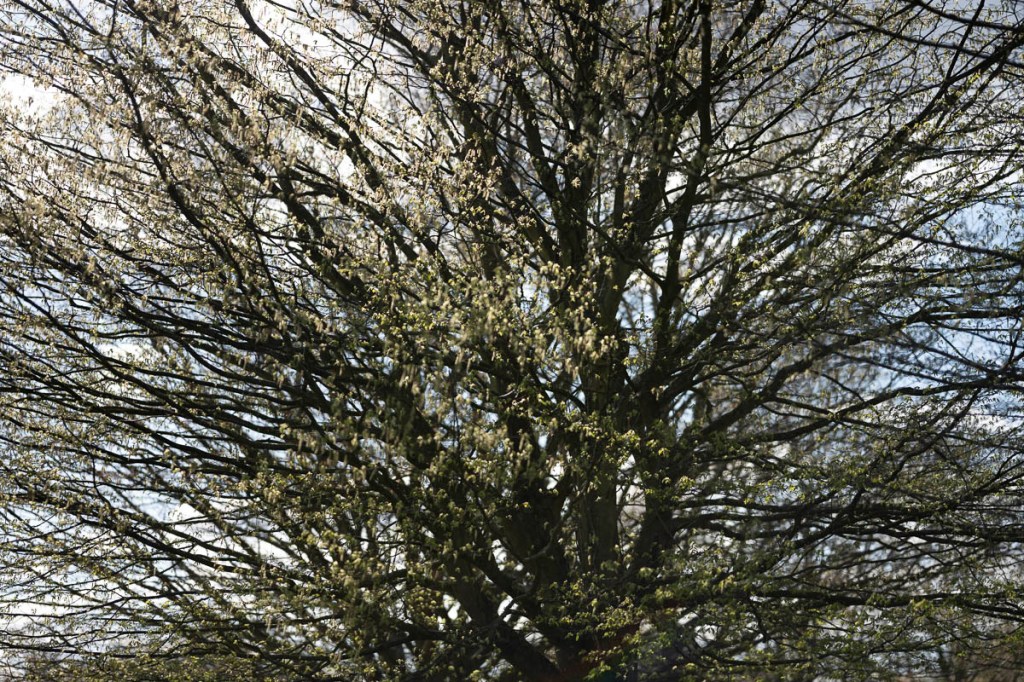
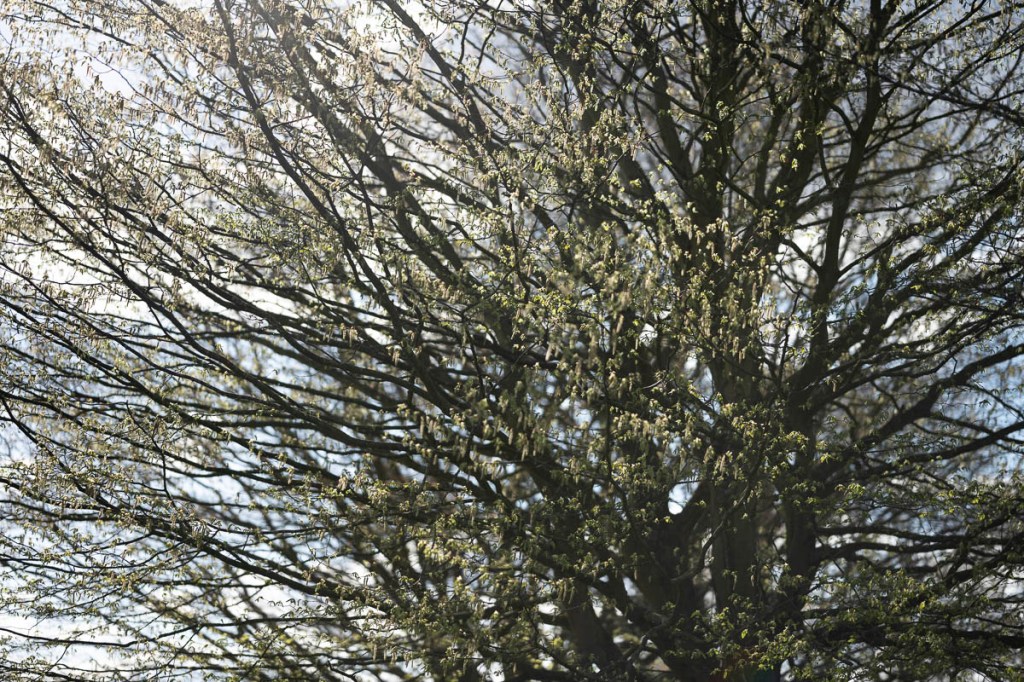
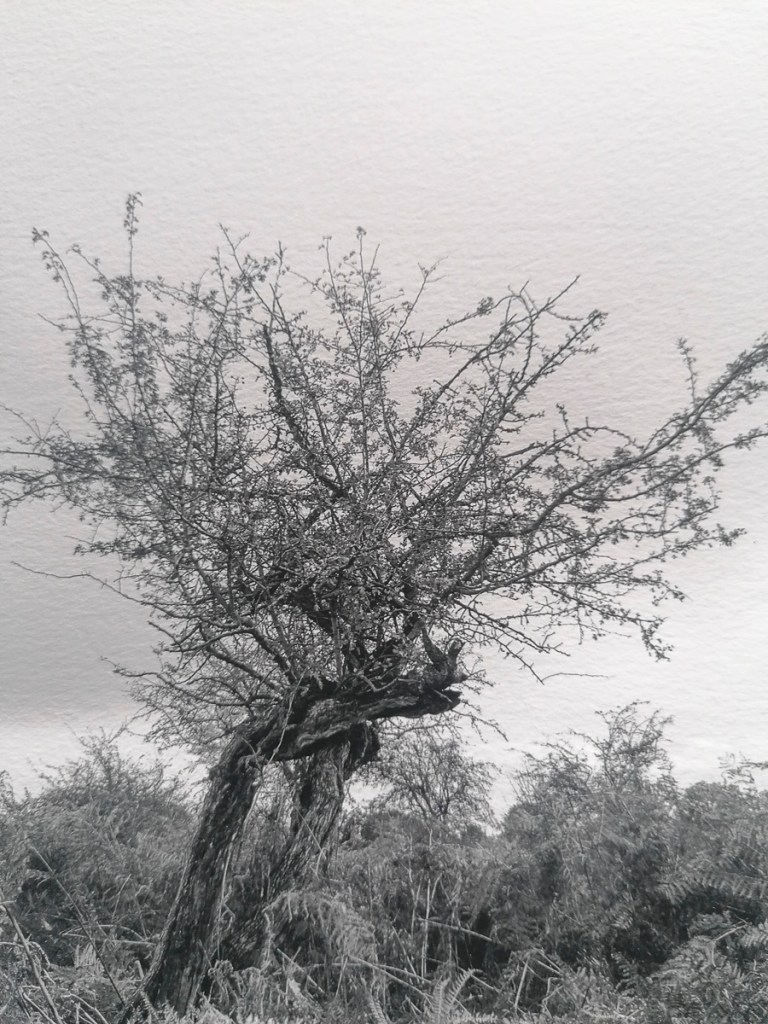
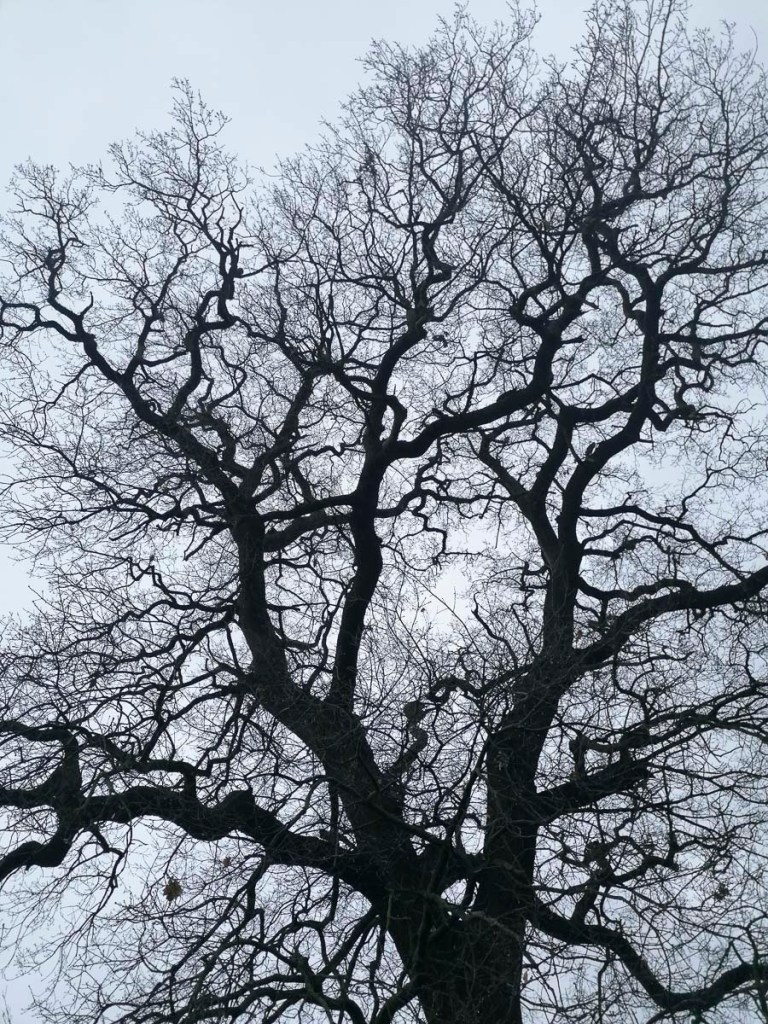
I was quite taken with this image of a dead Hawthorn. It has a very dramatic structure.

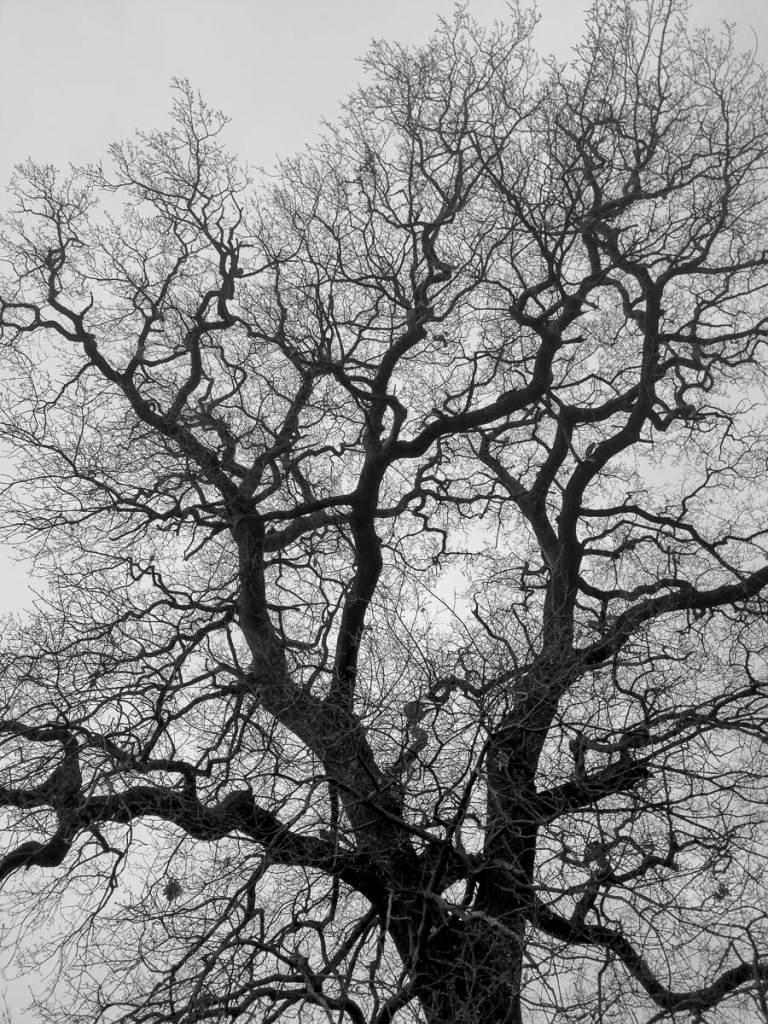
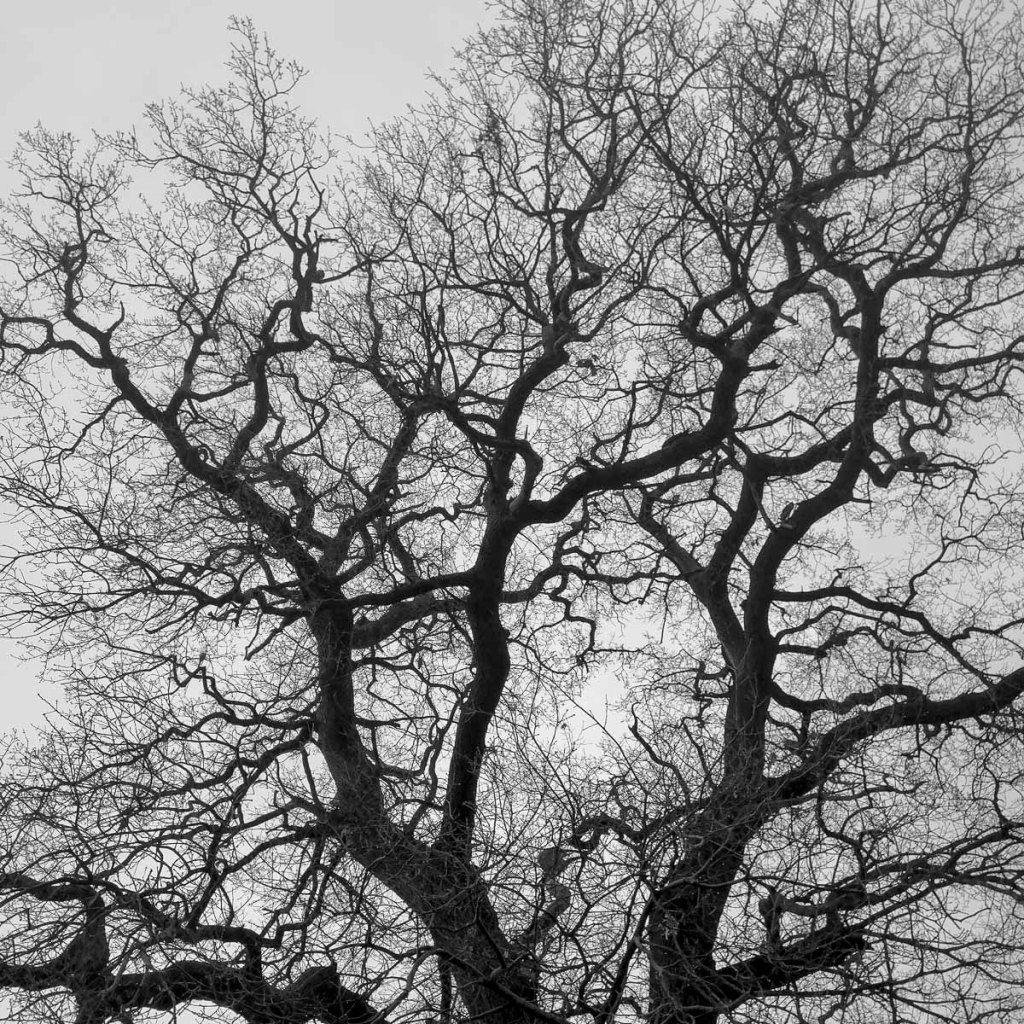
As is my current process, I converted this image to Black & White.

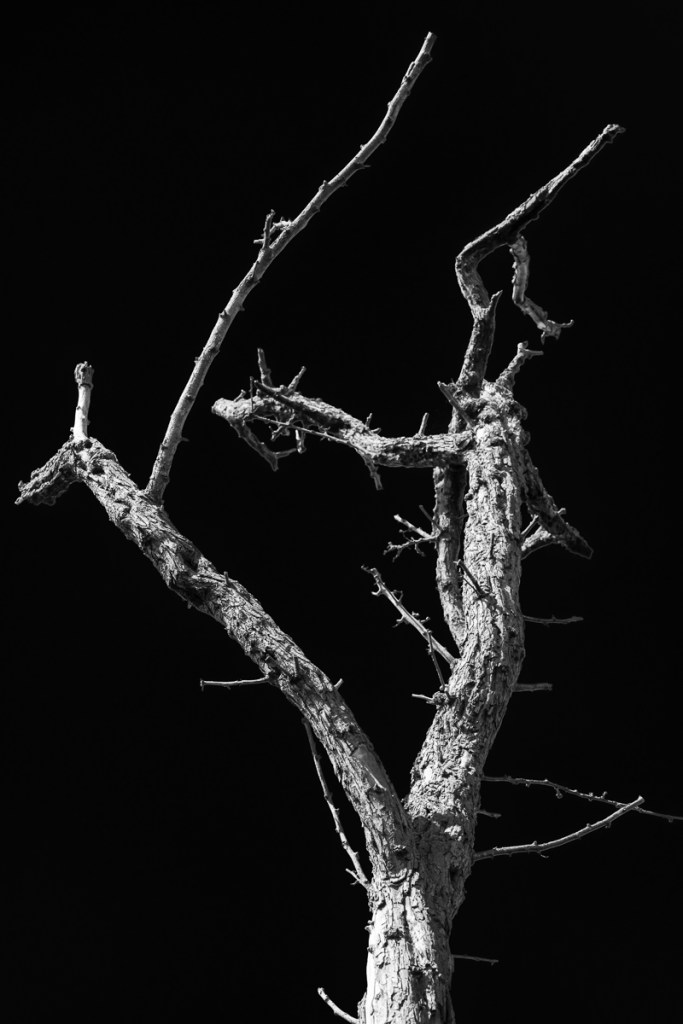
What I realised is that by adjusting the Blue channel in the Black & White mode, I could change the background from white to black.

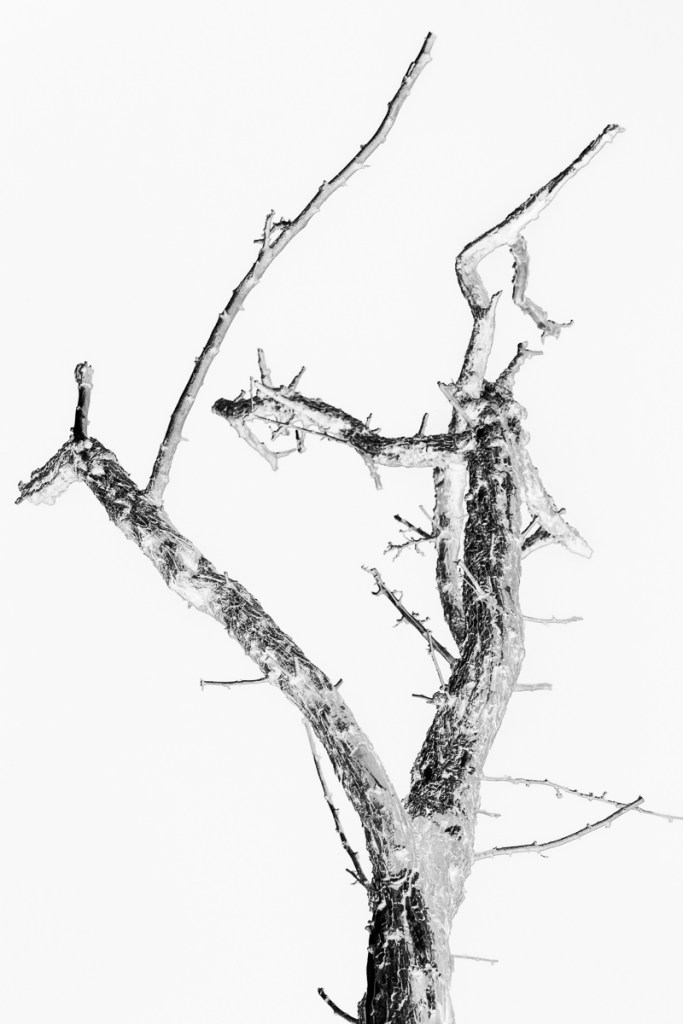
I then made a negative of each image using the Curve function.

Next, I arranged the images as below using Adobe Photoshop.

Again, this plays with the concepts of photography: postive/negative, reflections and the mirror.

Categories
AGM64 Photography Research Project Stage 2 Posts

AGM64 Bushy Park 23 April 2021

With the feedback from my 1:1 tutorial starting to process, I made a visit to Bushy Park with the intention of changing my subject focus.

With the concept of Sensitive Chaos: Patterns From Nature, I revisited two areas of within Woodland Gardens in Bushy Park that I had photographed many times before.

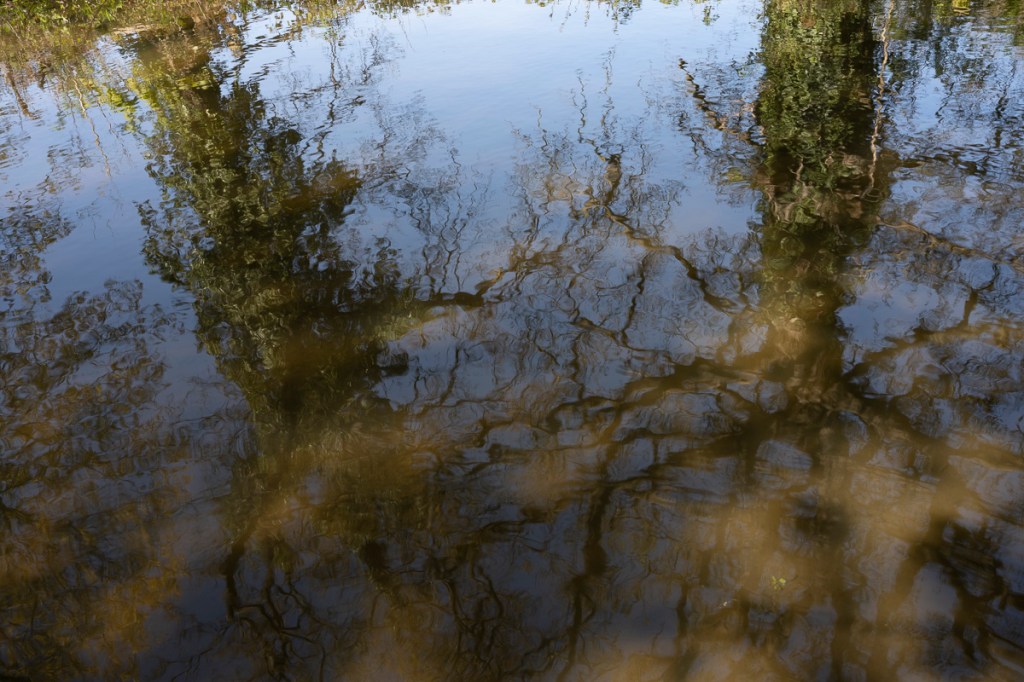
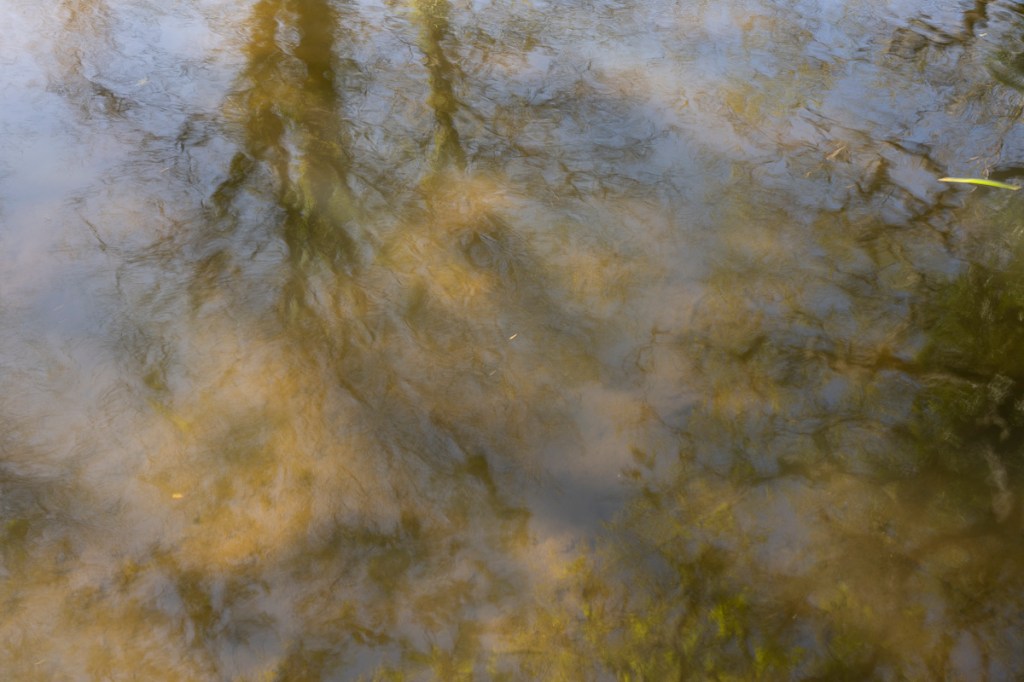
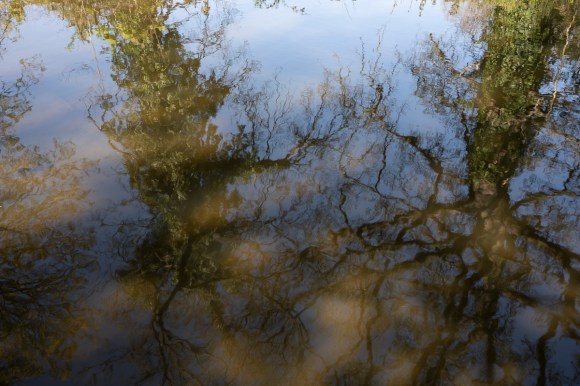
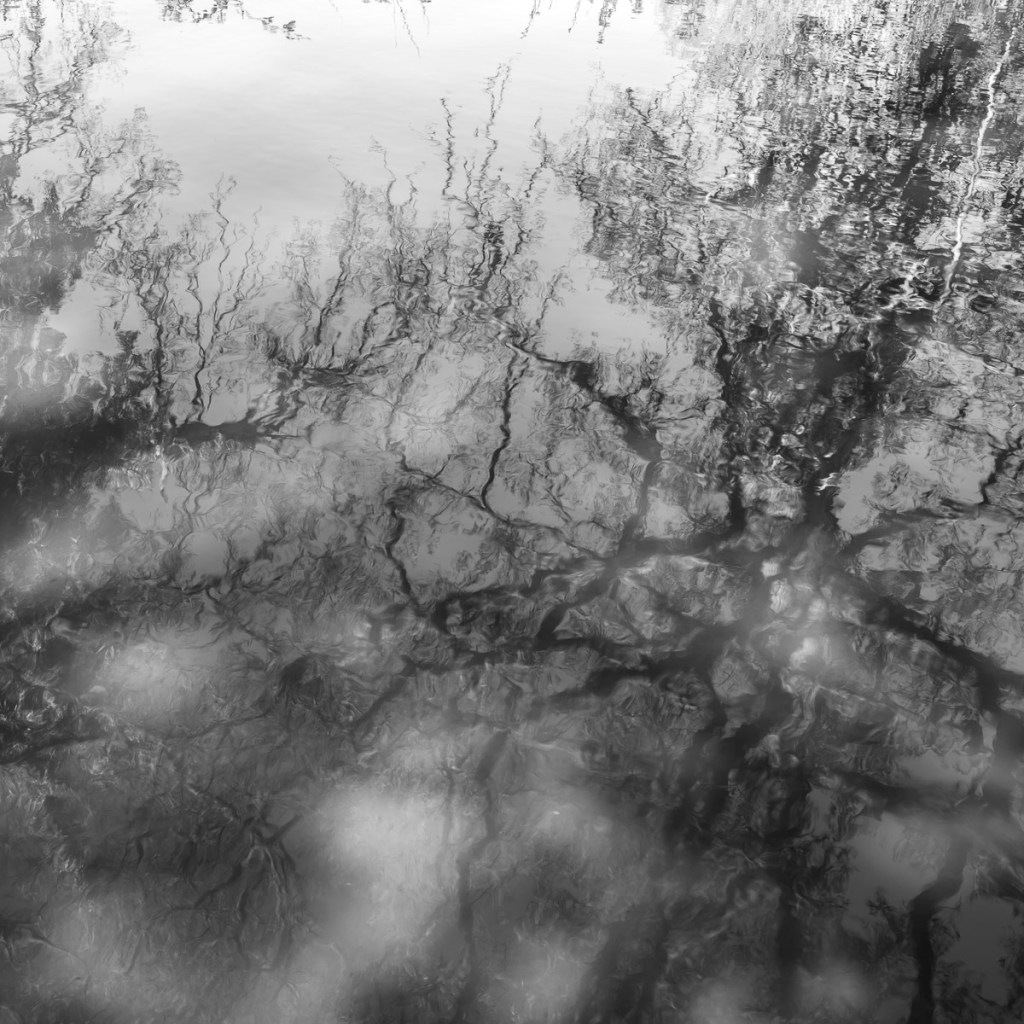
The first was the Longford River. I was thinking of how the trees are reflected in the water and whether a similar mirror/reversal/reflection could be worked on.

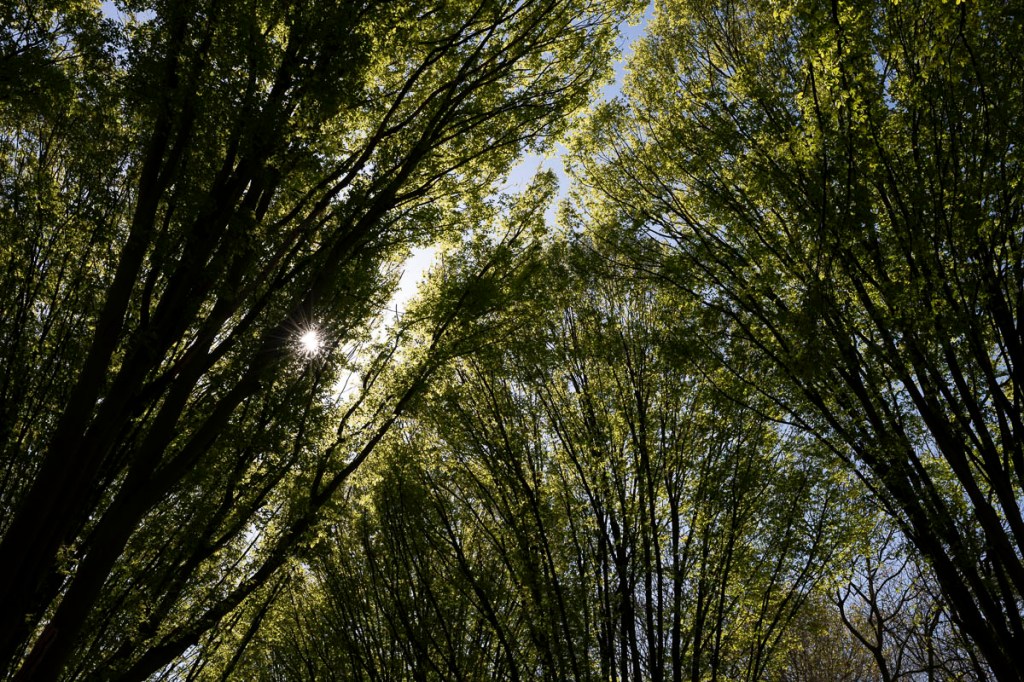
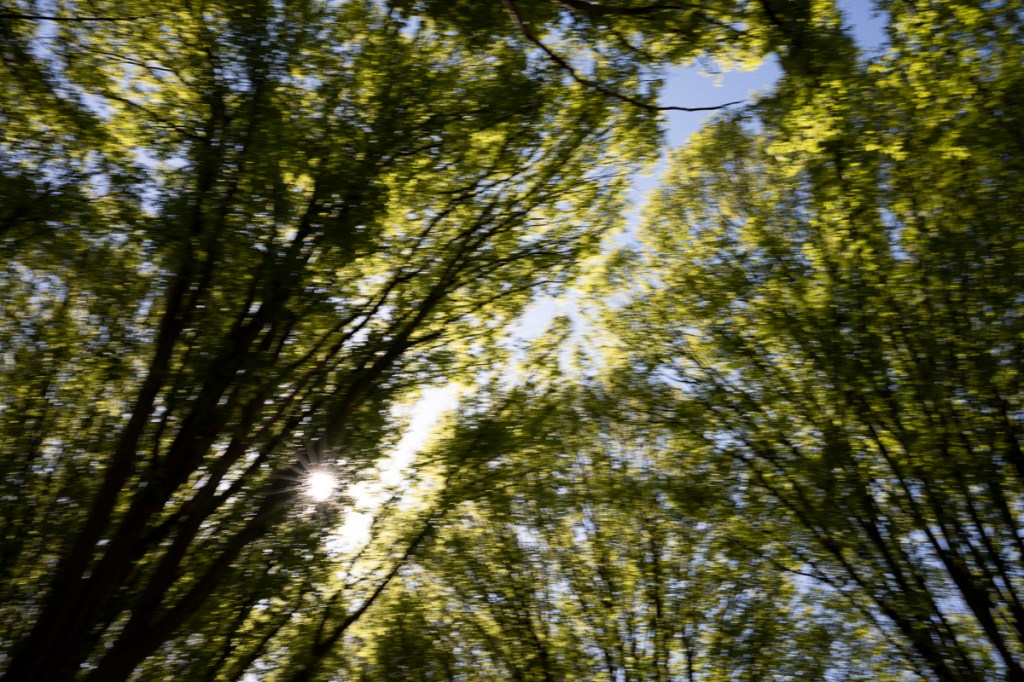
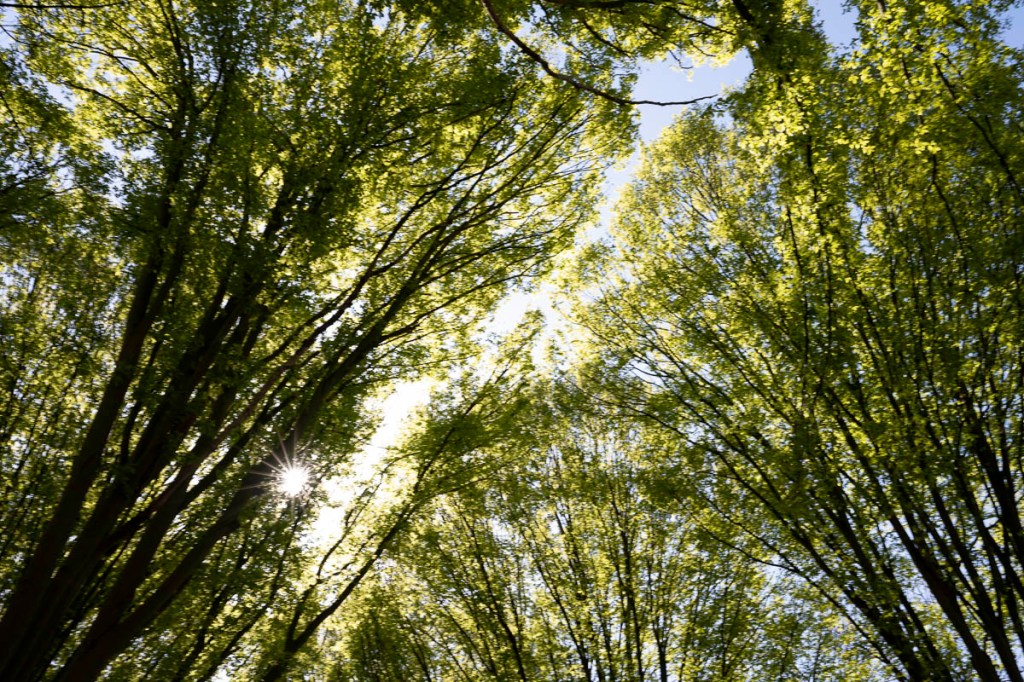
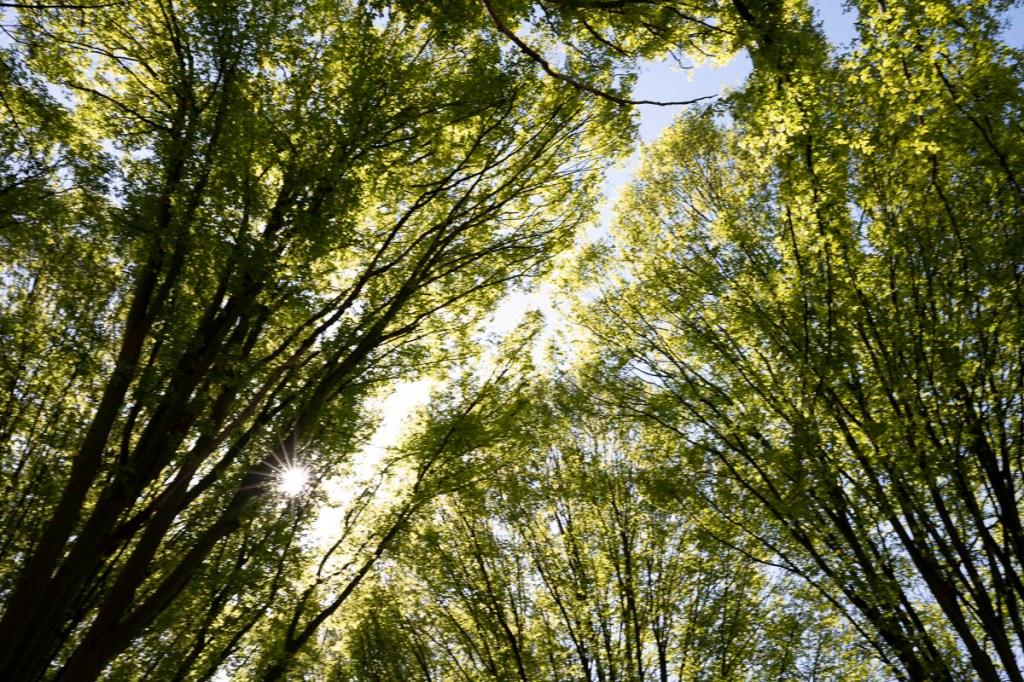
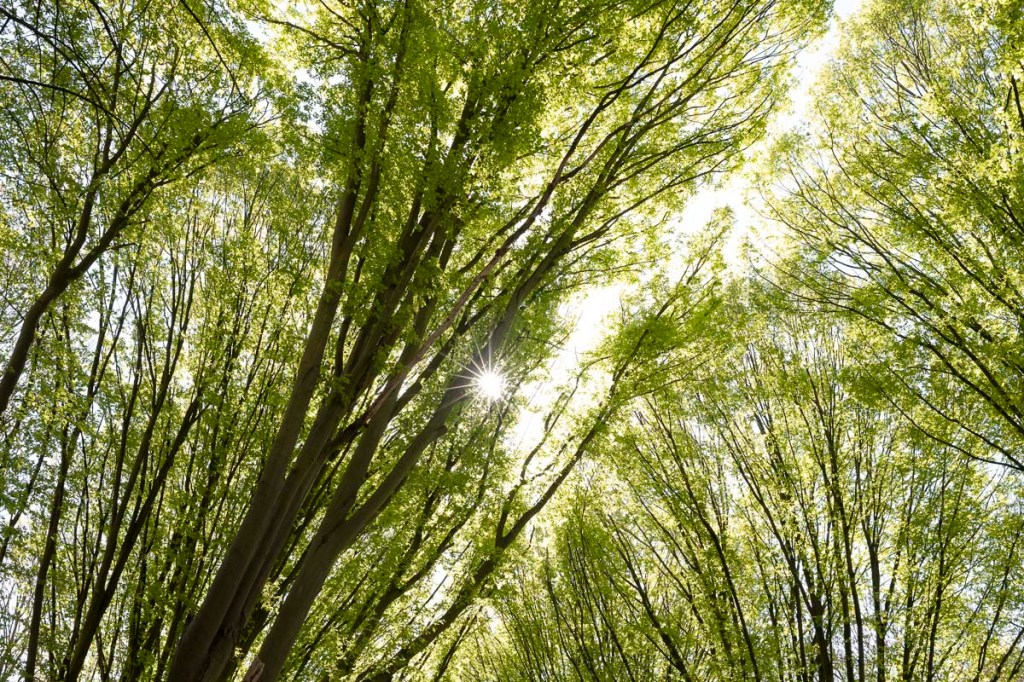
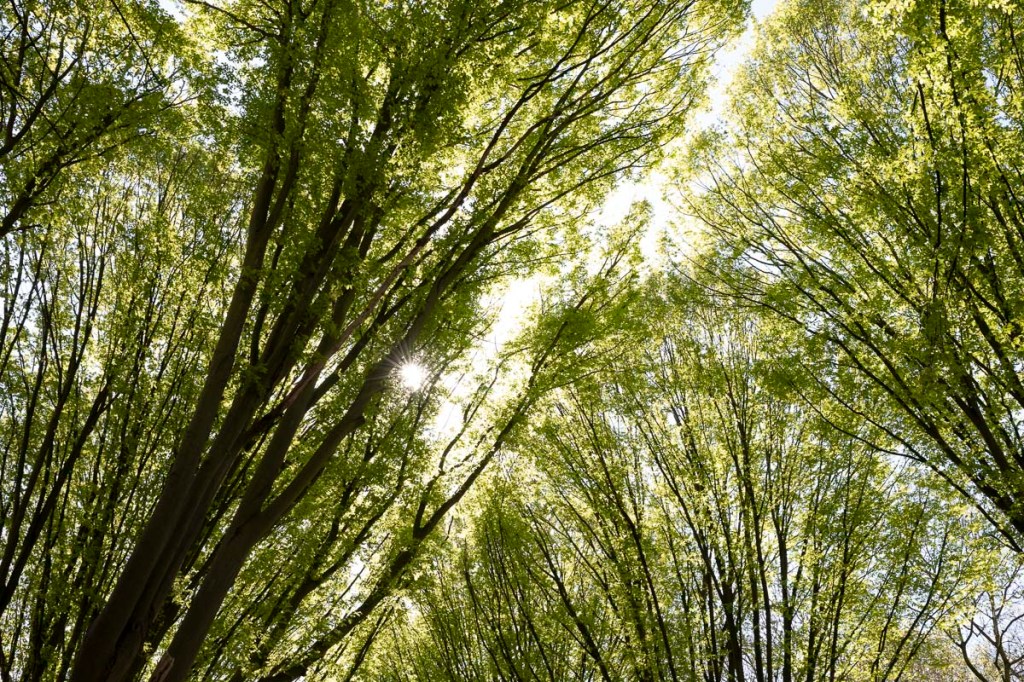
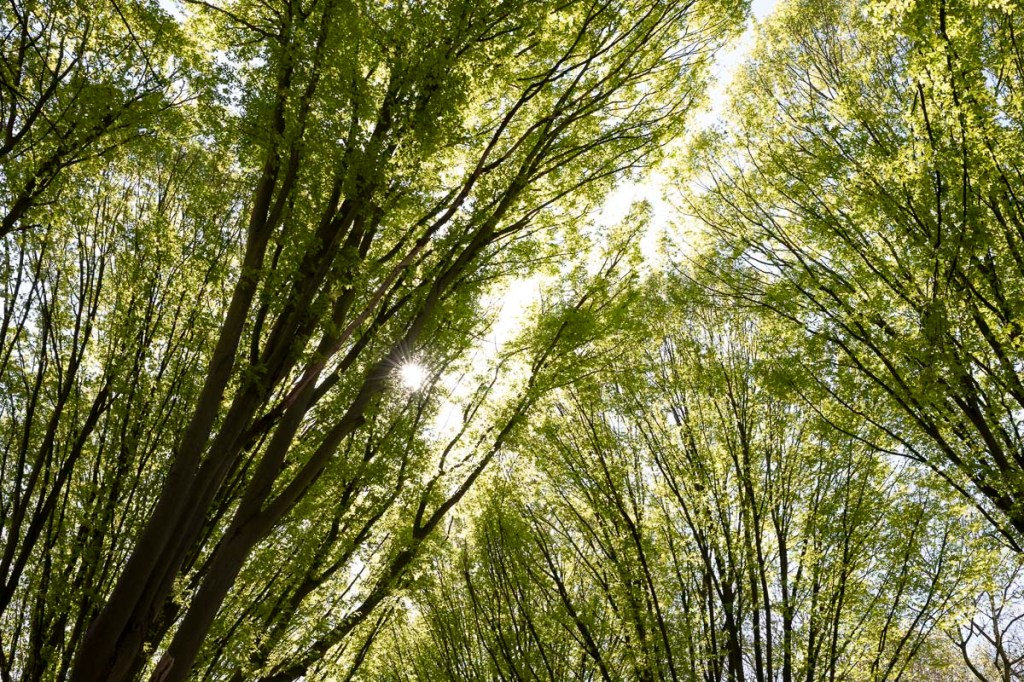
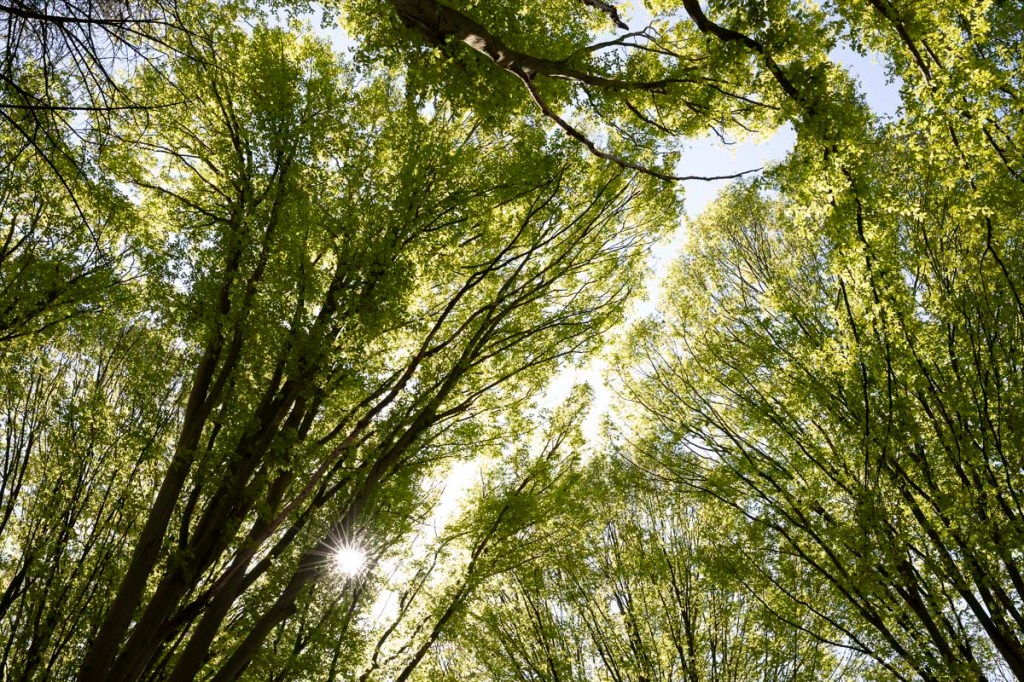
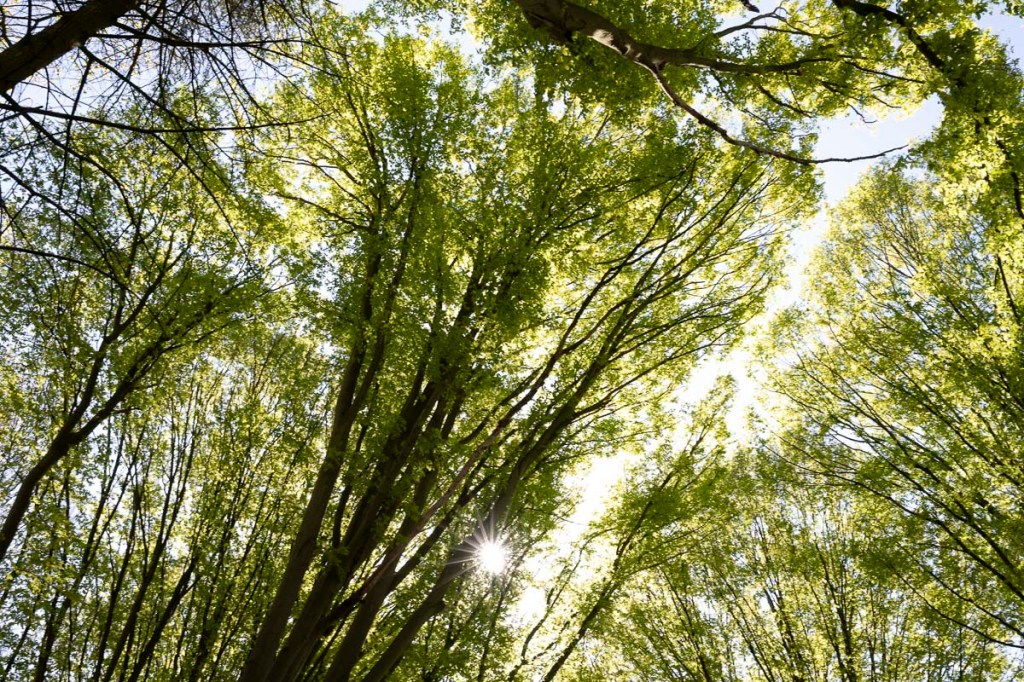
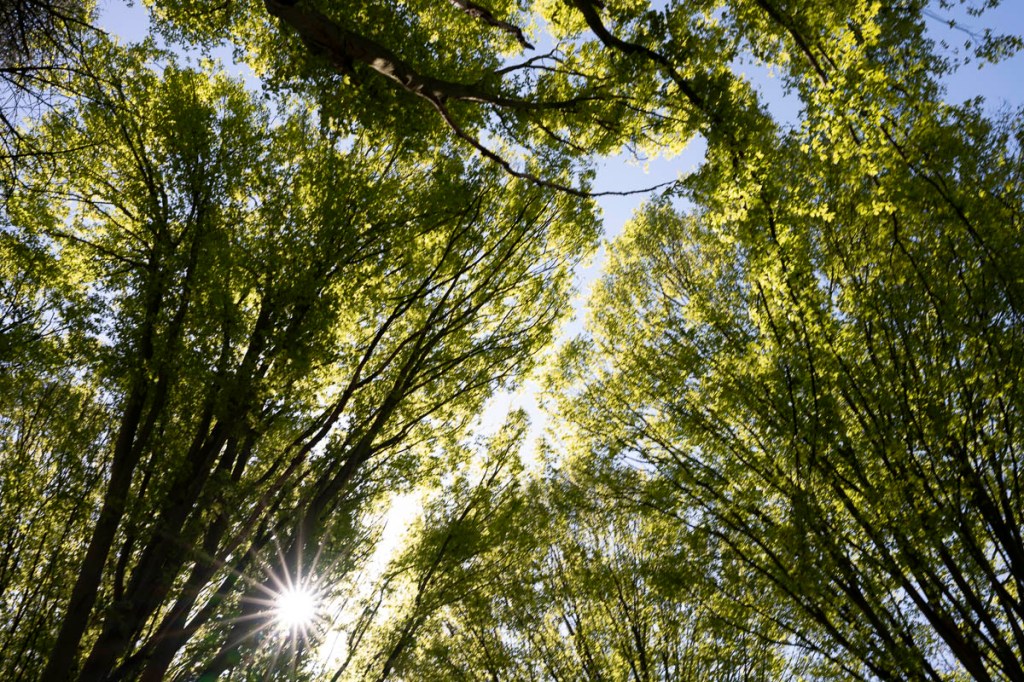
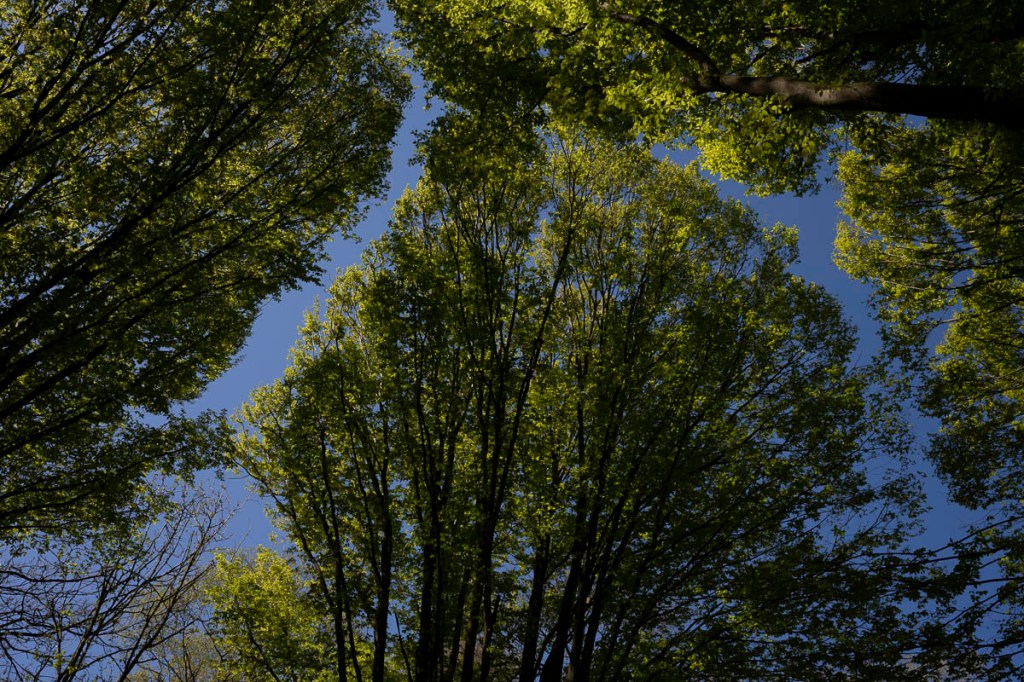
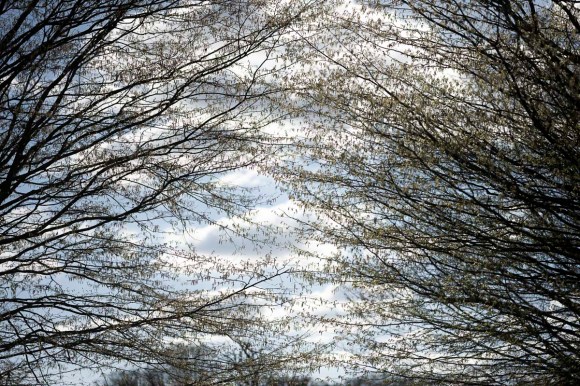
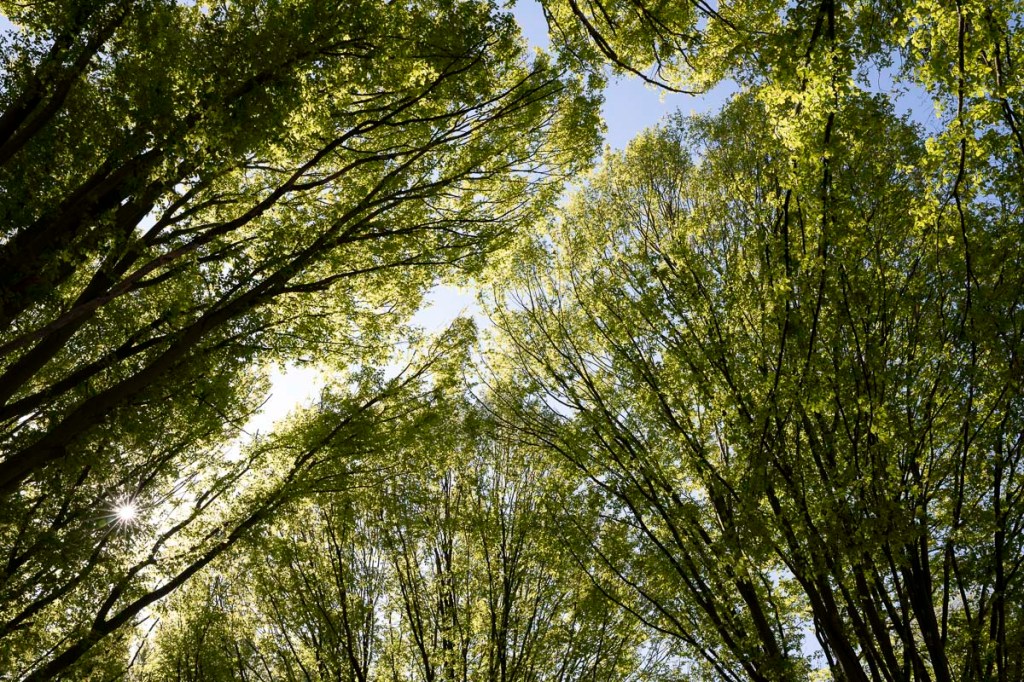
I then went to Hornbeam Avenue. This overarching line of trees is one of my favourite locations in the park. It creates a natural ‘cathedral’. Intially, I tried an interval timer shoot of 50 x 1 second. I hand-held the camera, aiming upwards. The downside of this is that you can’t see the images while the camera is doing this. I have a feeling it was due to me having a high RAW file setting. After this, I experiemented with taking multiple shots from slightly different angles, also upwards.

What I was trying to get were the gaps showing the trees ‘crown shyness’. This is a natural phenomenon where trees leave spaces between branches so they don’t crowd each other out.

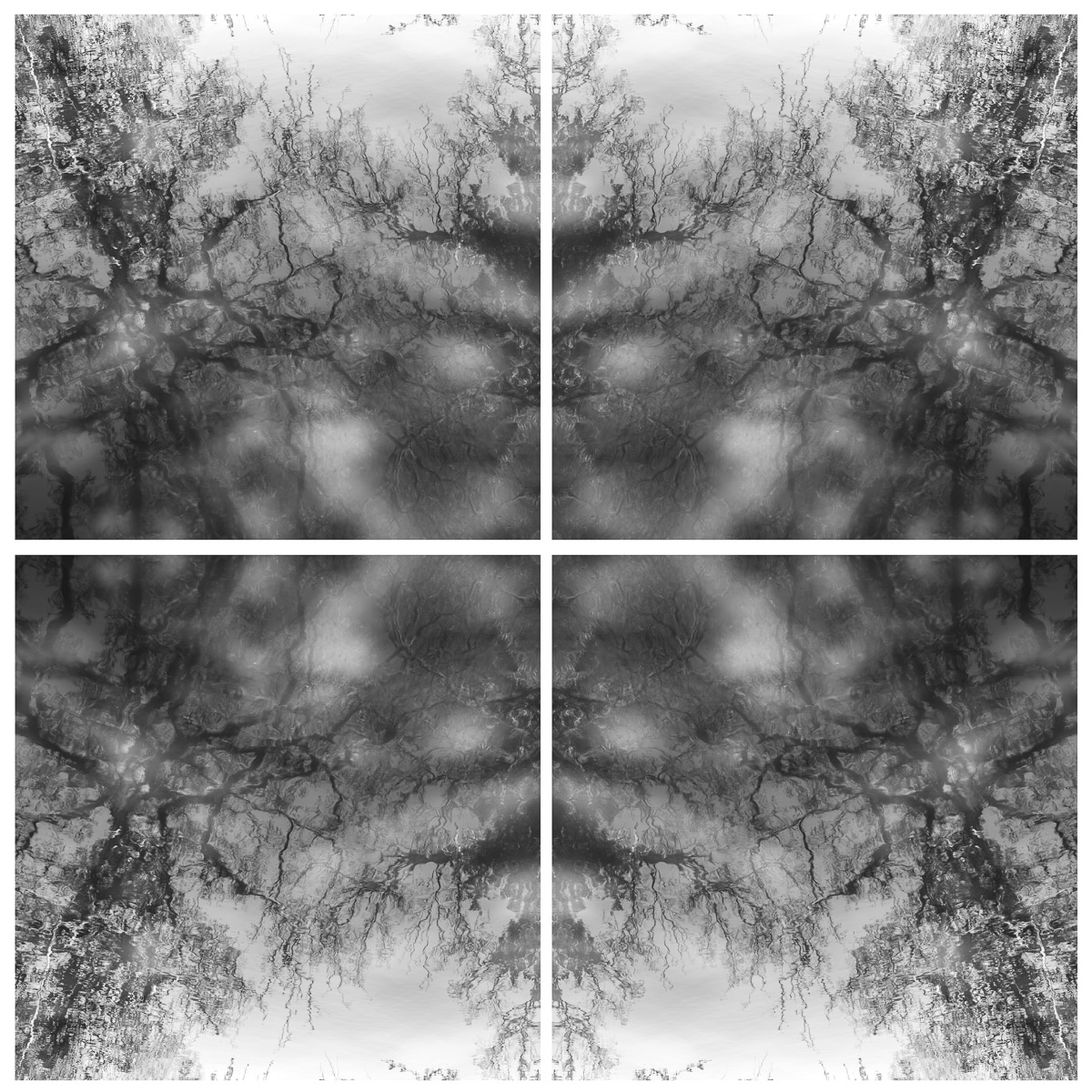
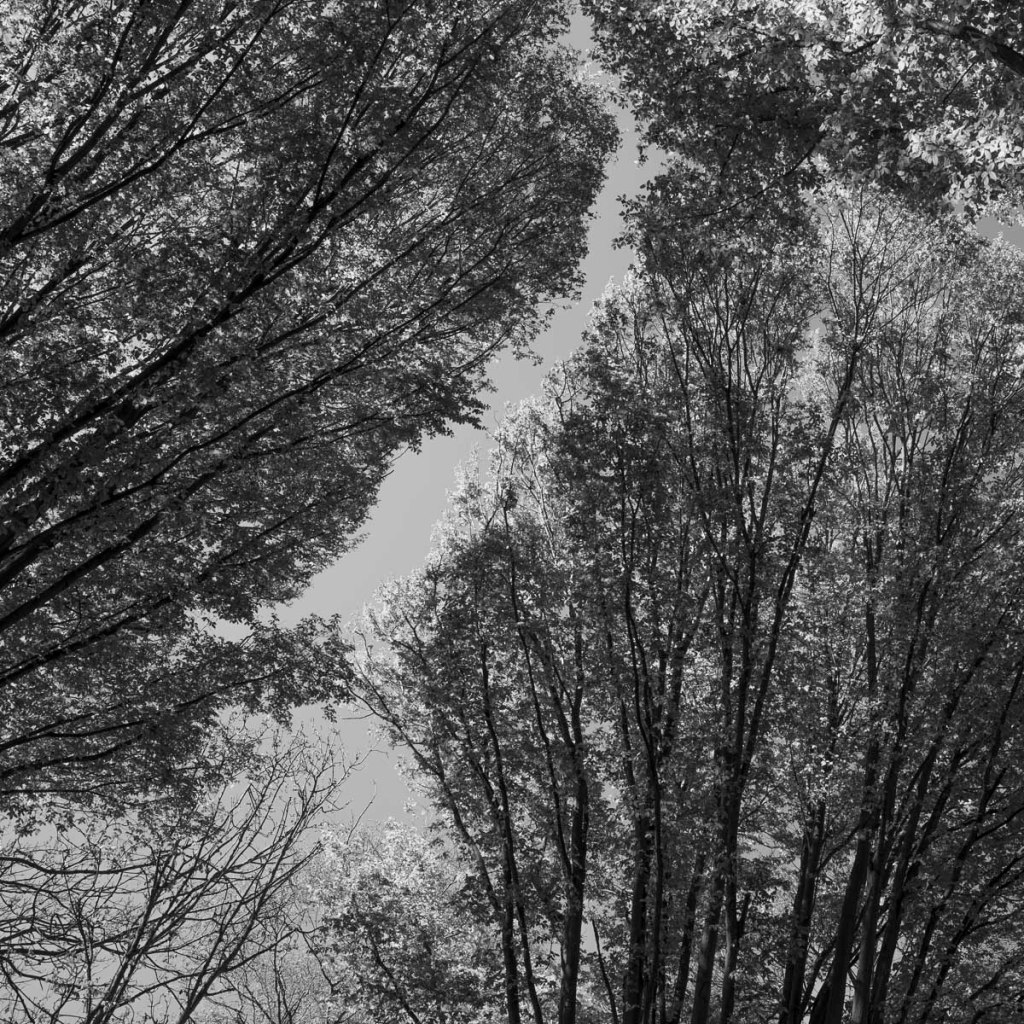
I then made an initial square cropped Black & White conversion.

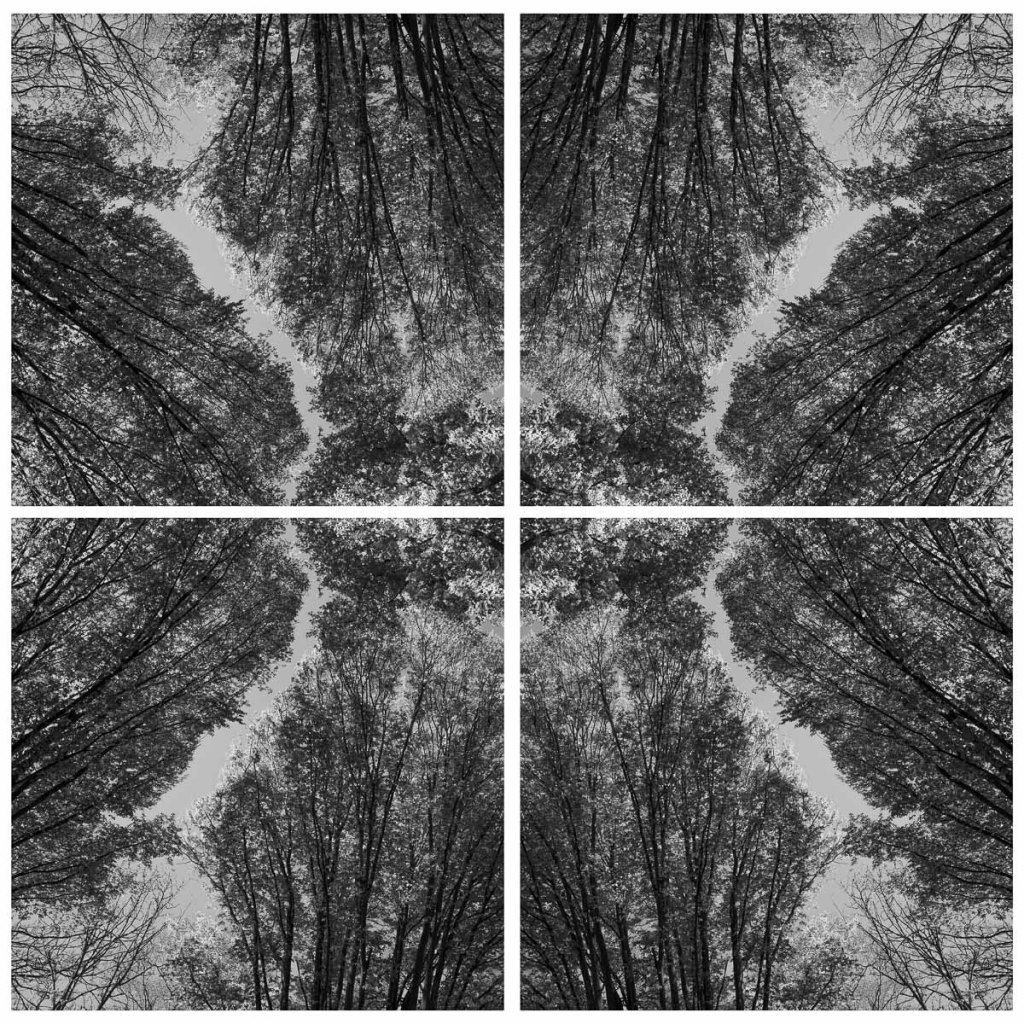
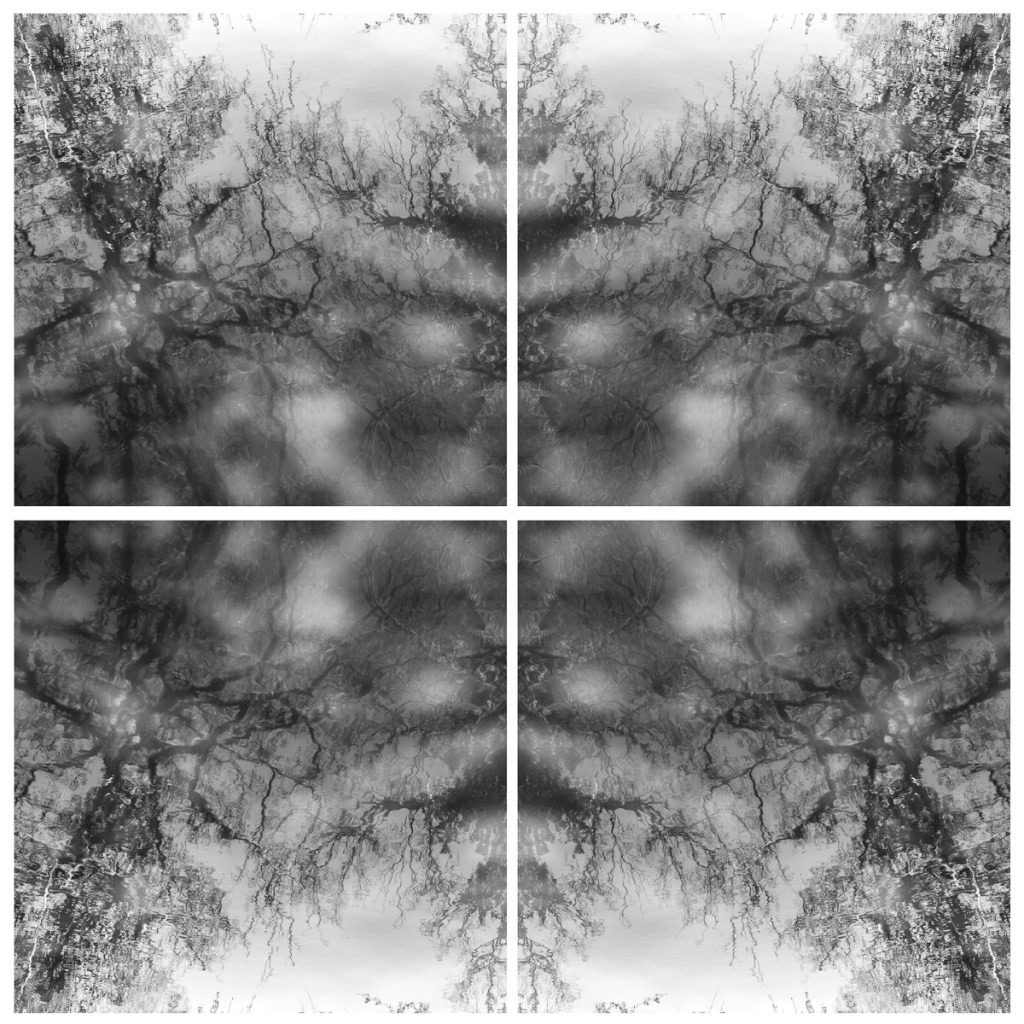
I then created a mirrored grid, this time leaving a gap between the images. This was in response to Fergus’ comment during our 1:1 tutorial on the 21 April in regards to making the fine art substrate a visual/textural feature of each piece of work.

Having completed this, I then took one of the images of the Longford River and gave it the same treatment.

Categories
AGM64 Photography Research Project Stage 2 Posts

AGM64 Bushy Park 14 April 2021

At this time, I wasn’t sure exactly how to progress my body of work for Stage 2. I had a few ideas, but nothing had quite settled. There was only one thing to do, which was visit the park with the camera.

Once I arrived in the park, I first visited the tree I had experimented with back in February.

AGM64 Hawthorn Experiment 11 February 2021

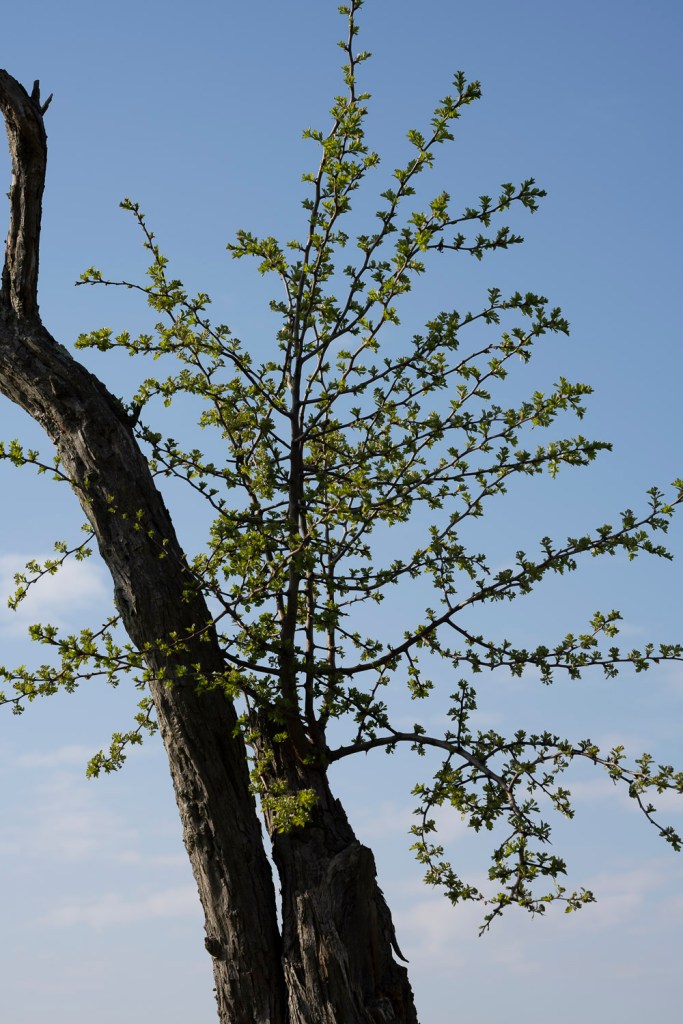
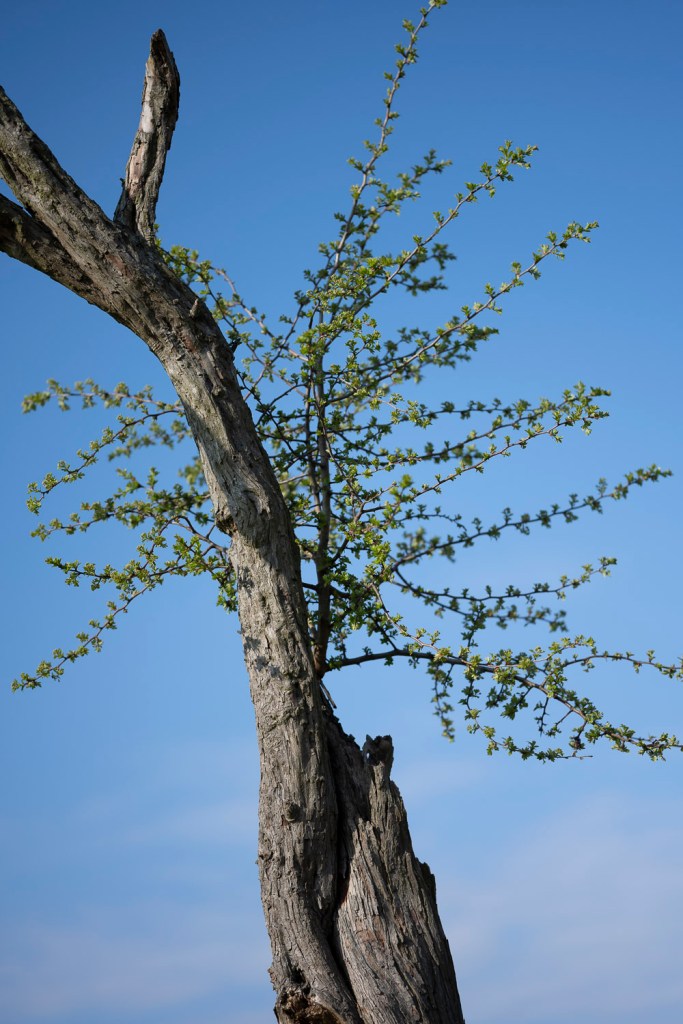
The main difference this time was that it had now started to grow leaves.

What was interesting to observe is that only half of the tree was in leaf. There was one side which was still bare.

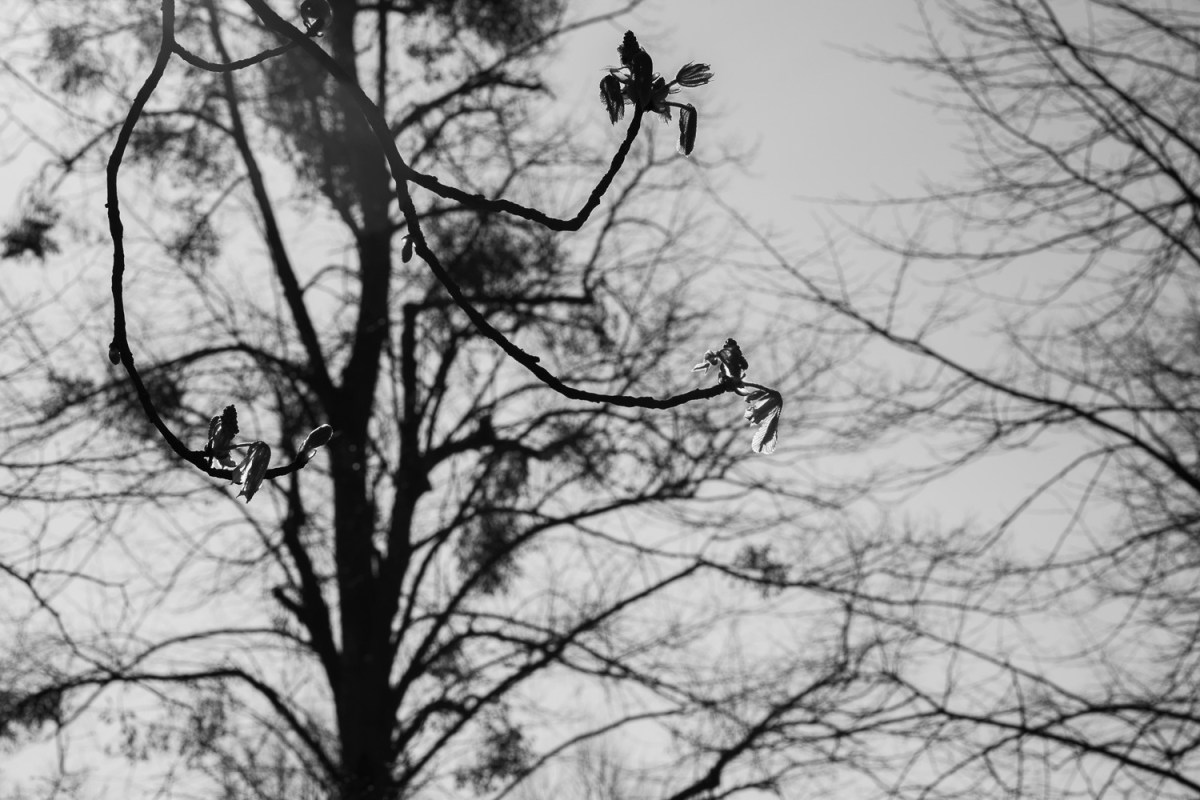
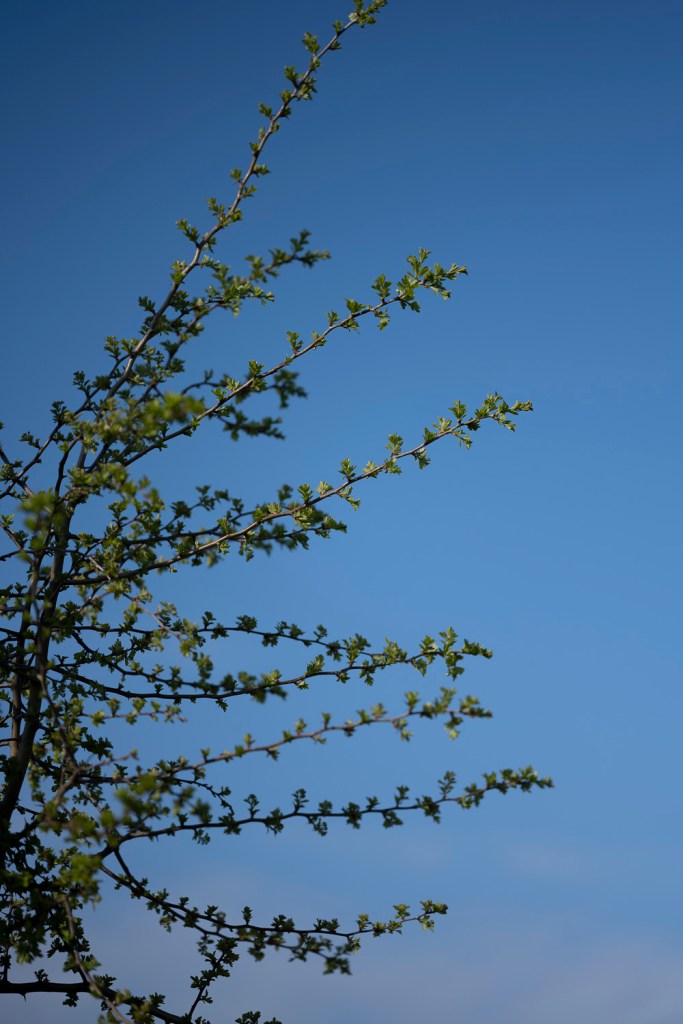
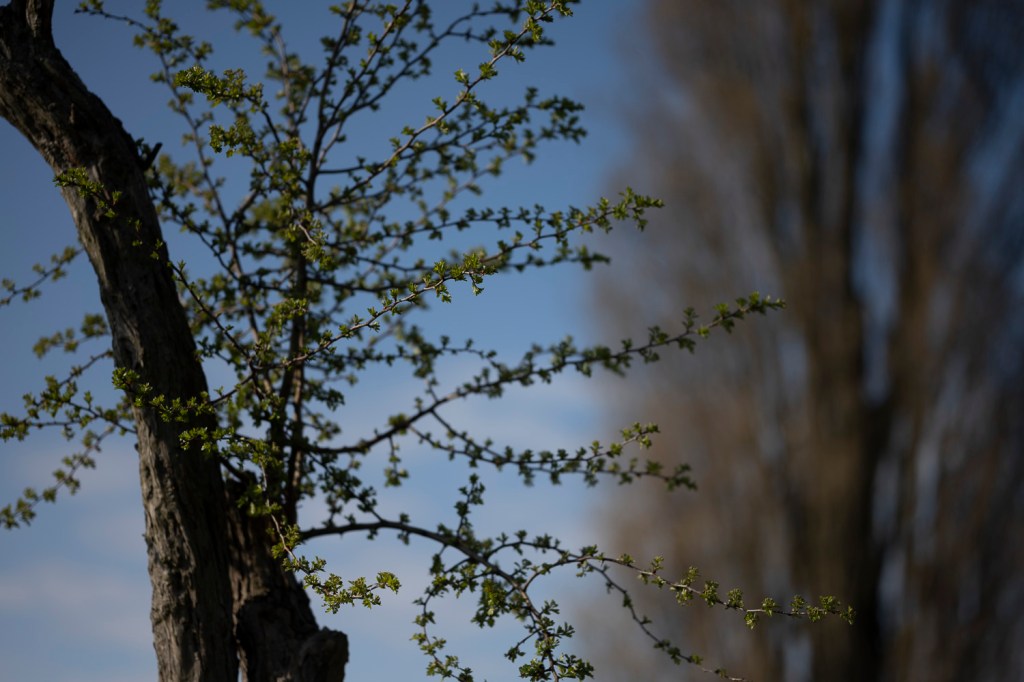
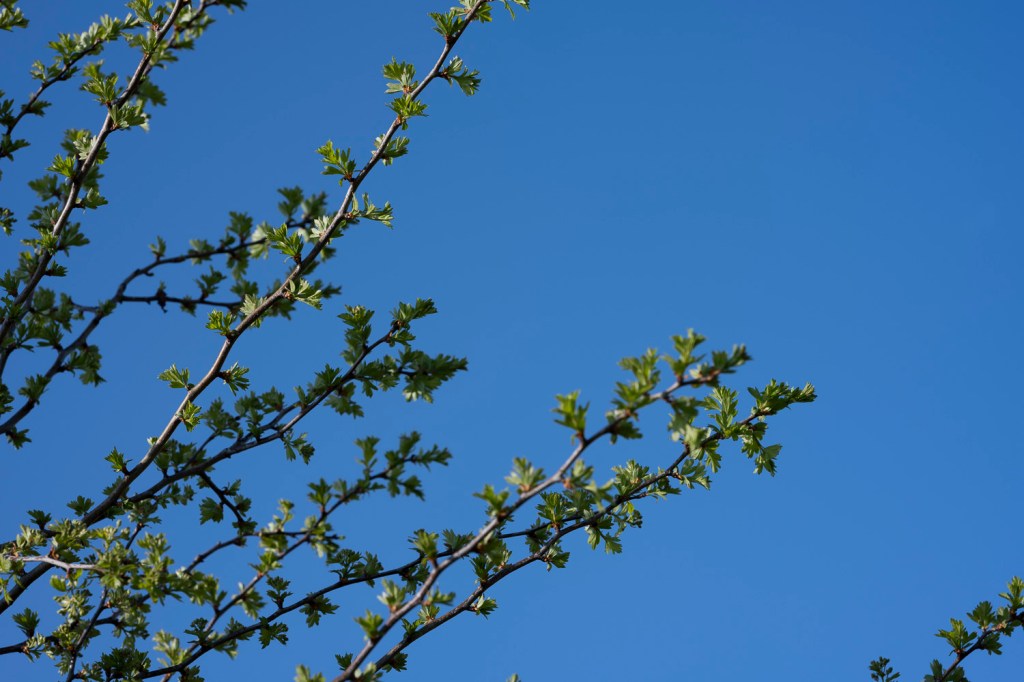
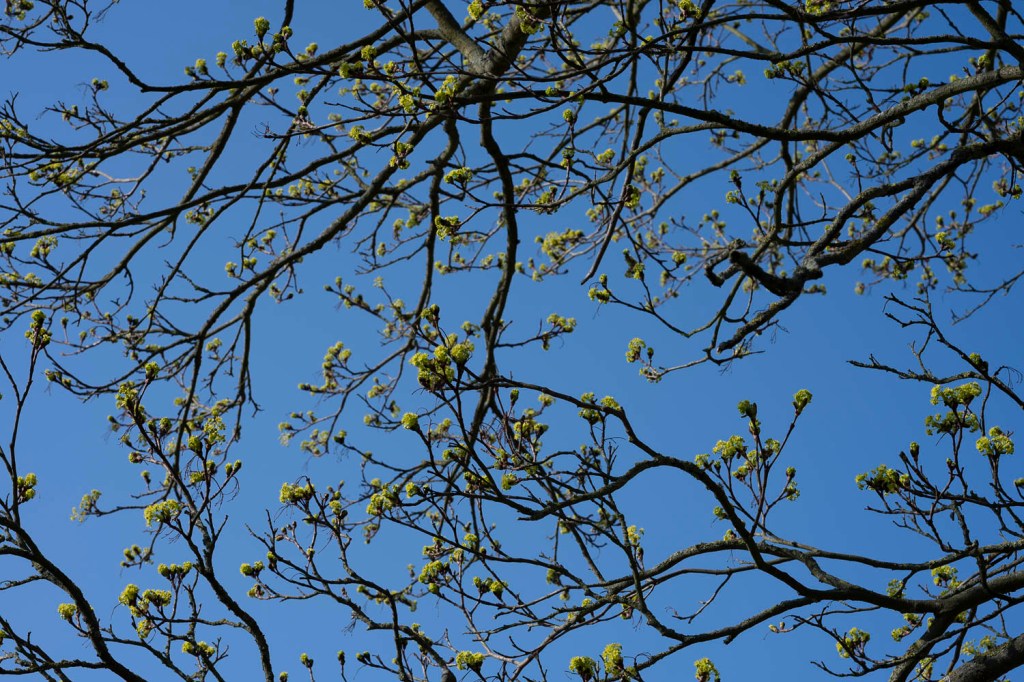
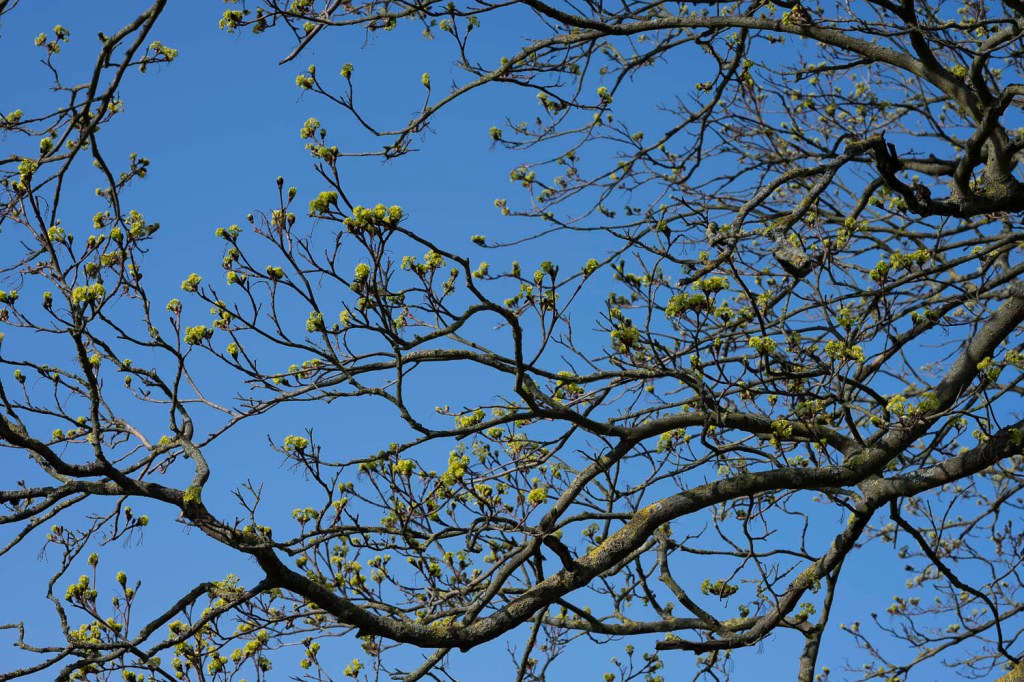
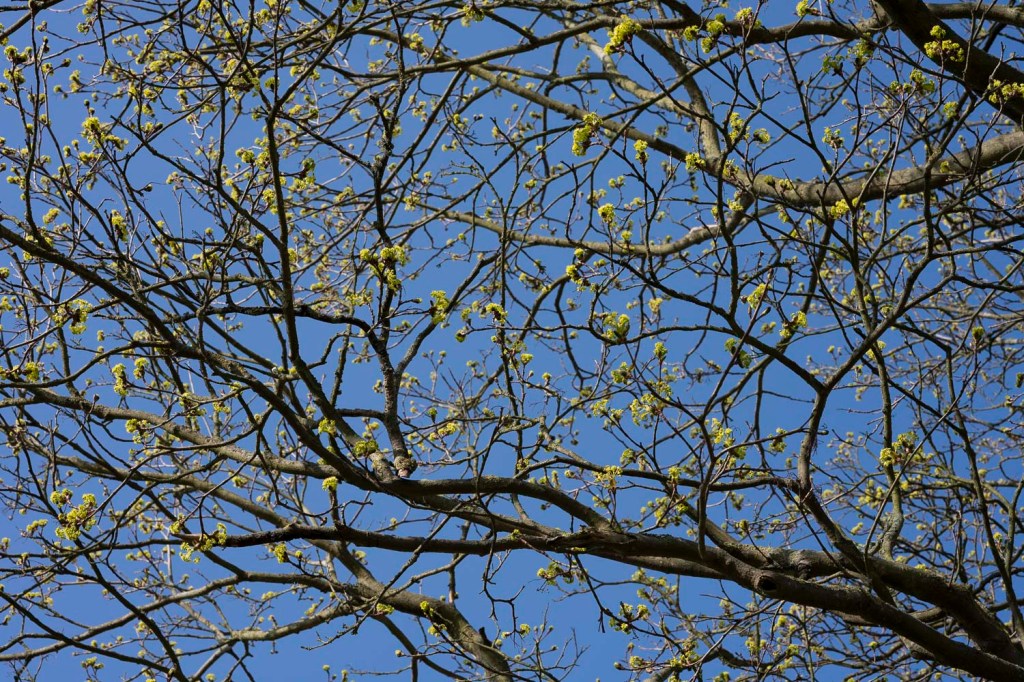
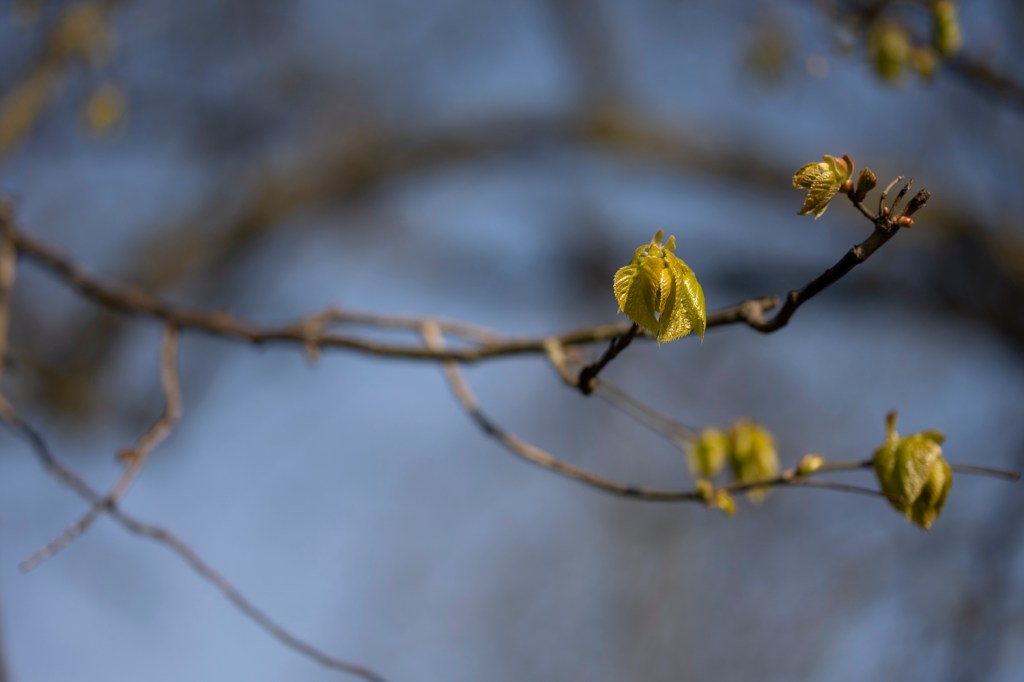
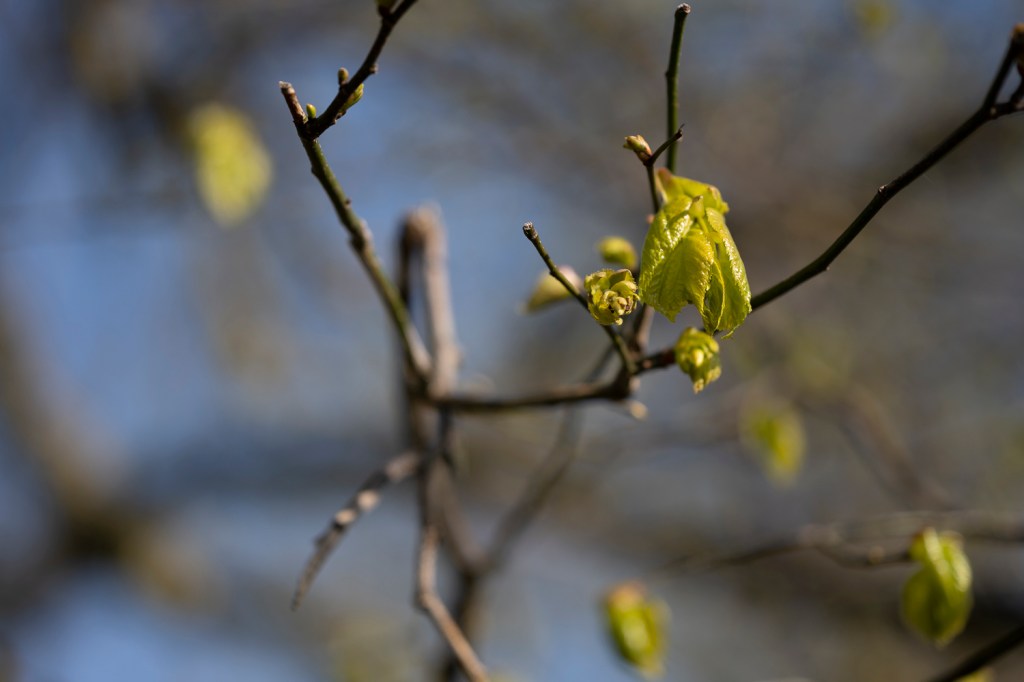
I then took some close ups of the branches with the budding leaves. These will need further experimentation.

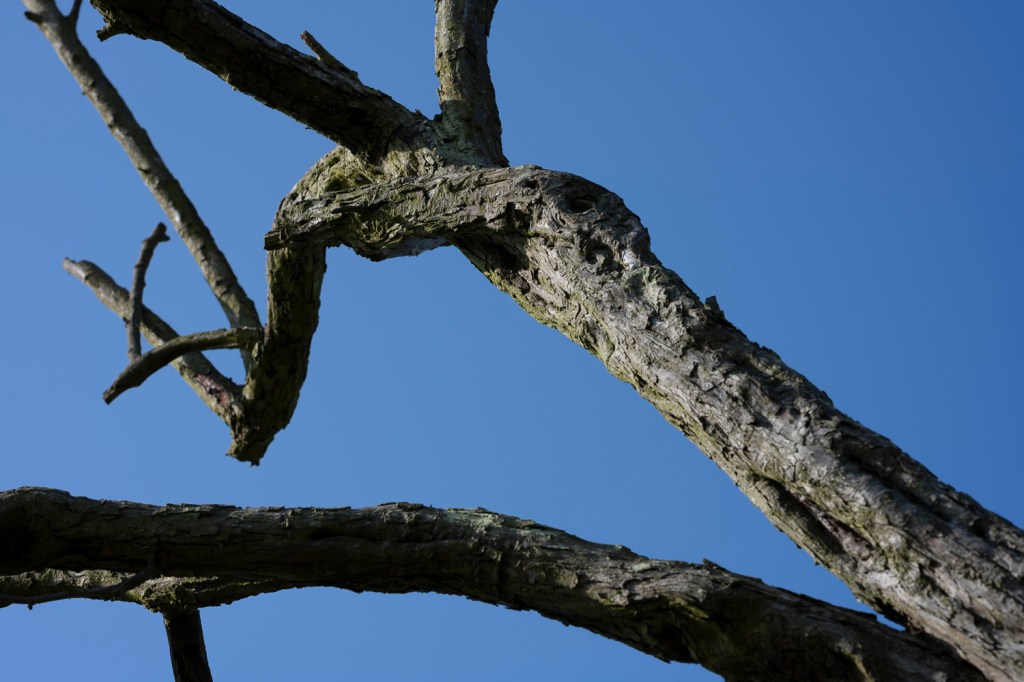
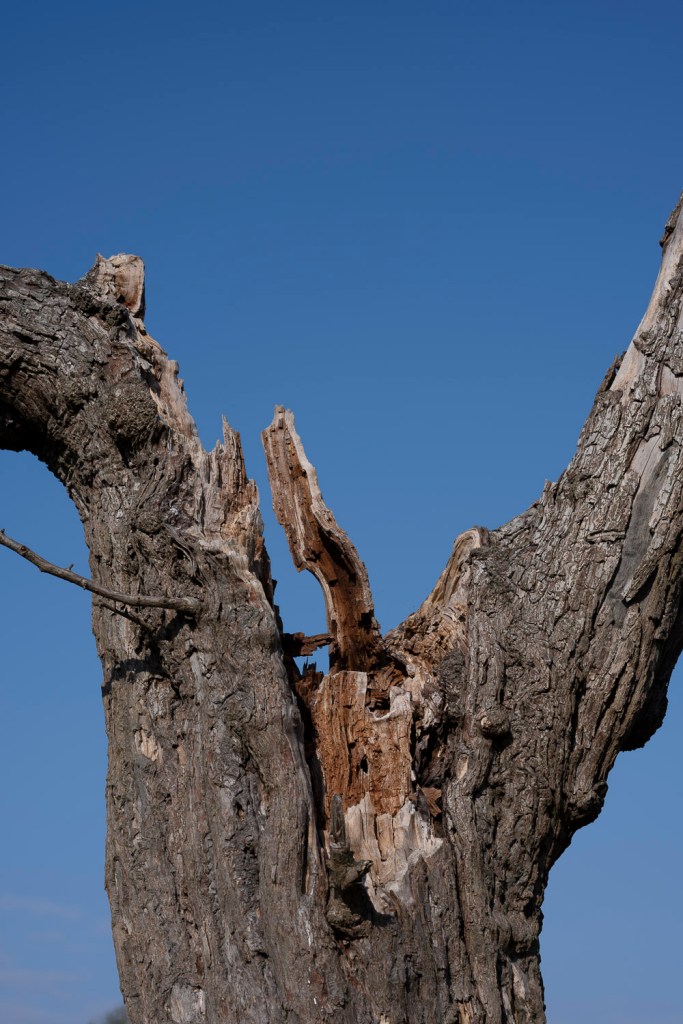
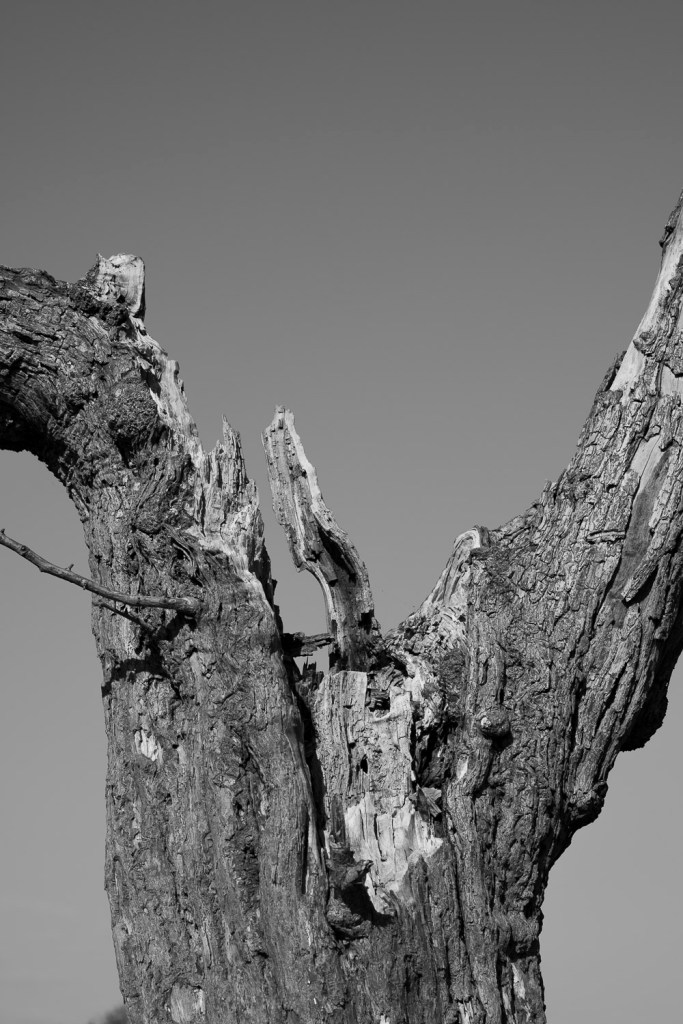
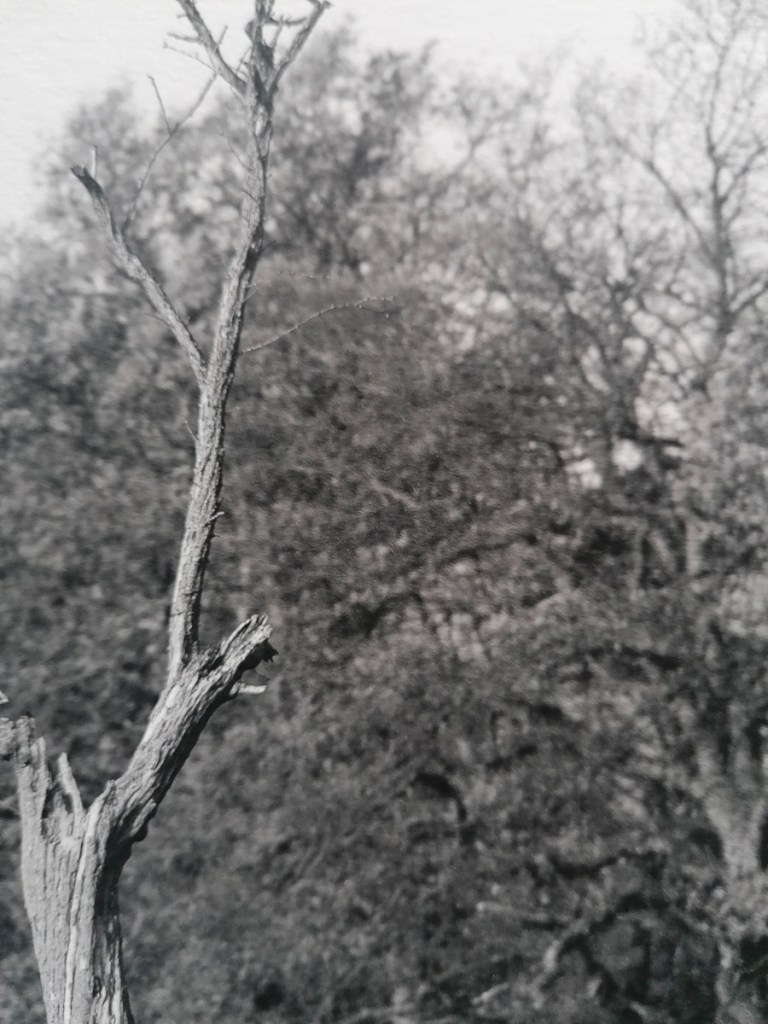
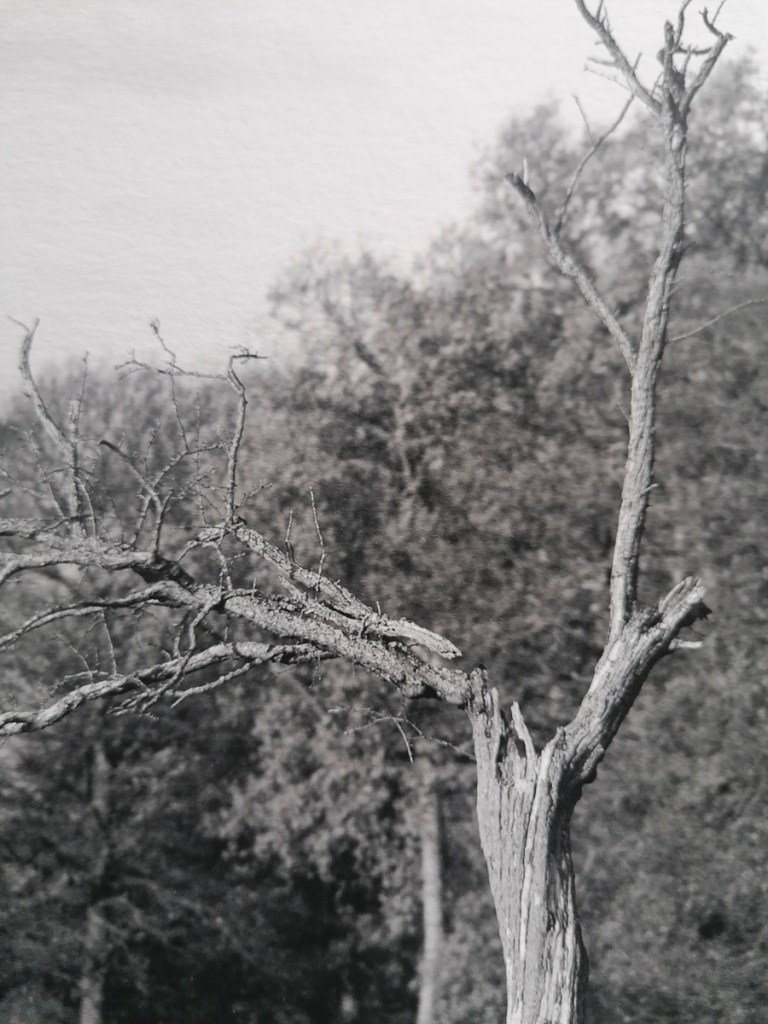
One part of the tree that caught my eye was the top of the trunk before the branches split. I was really struck by the details.

After looking at these images when I arrived home, I created the following Black & White conversions.

When looking at the two images together, it struck me how they ‘flowed’ together. Maybe returning to the concept of building a tree with different elements was viable.

I continued through the part and was starting to realise that the hawthorns weren’t quite ready for their show of blossom. This would be at least two more weeks before any hint of pink could be seen.

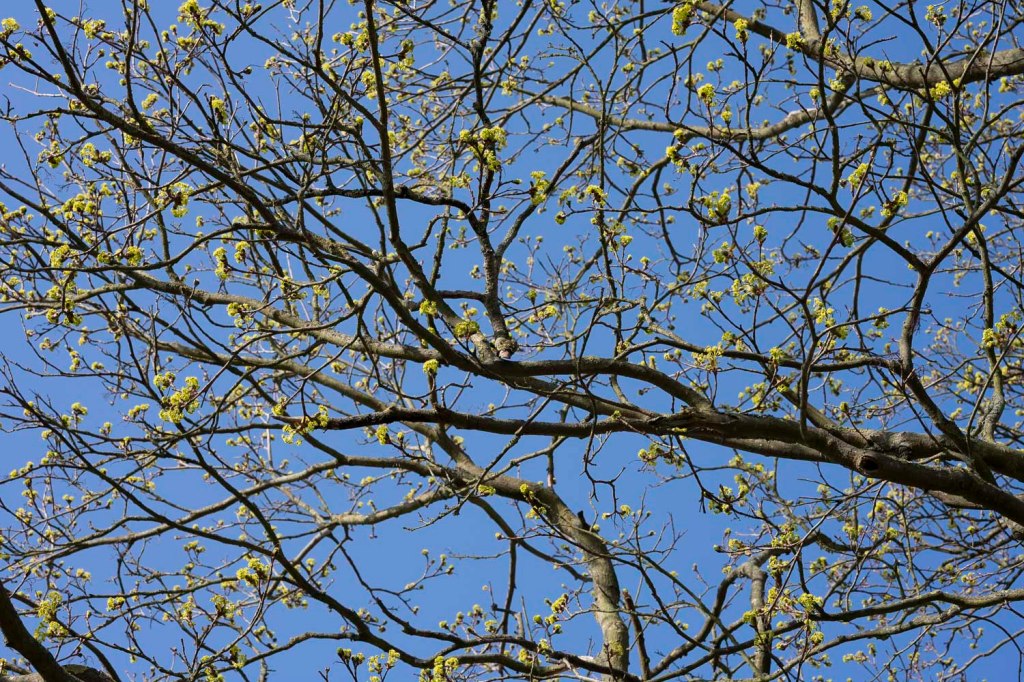
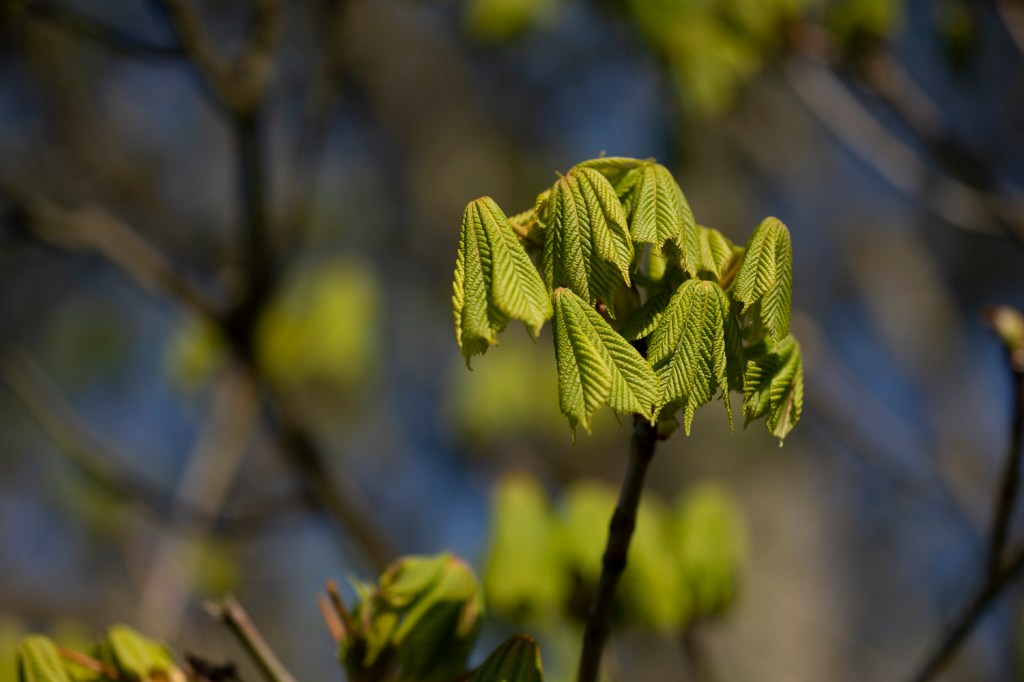
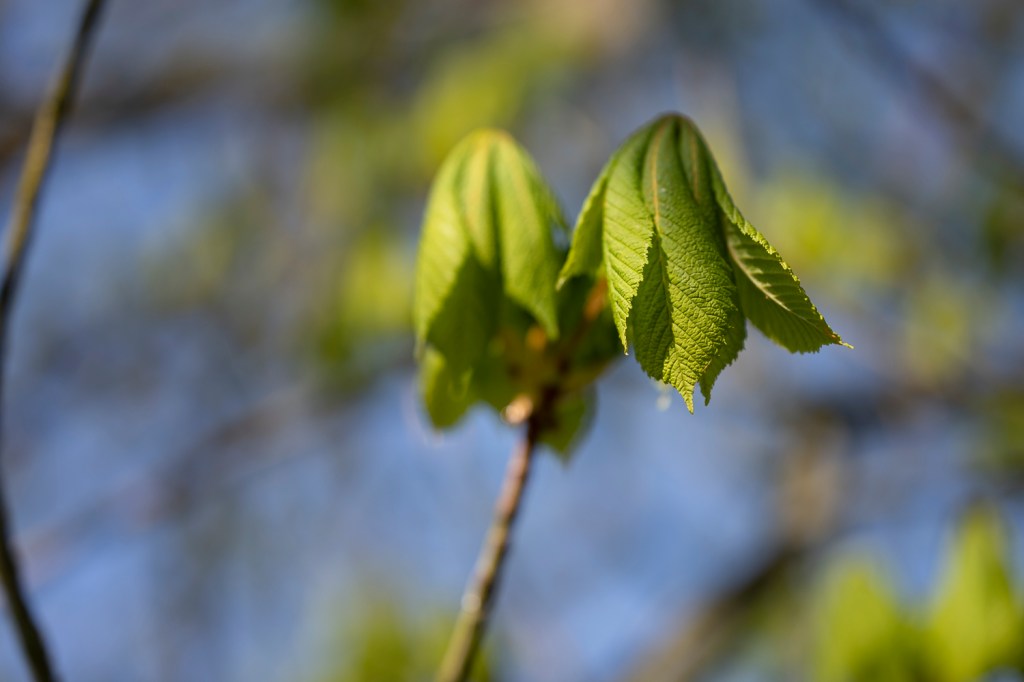
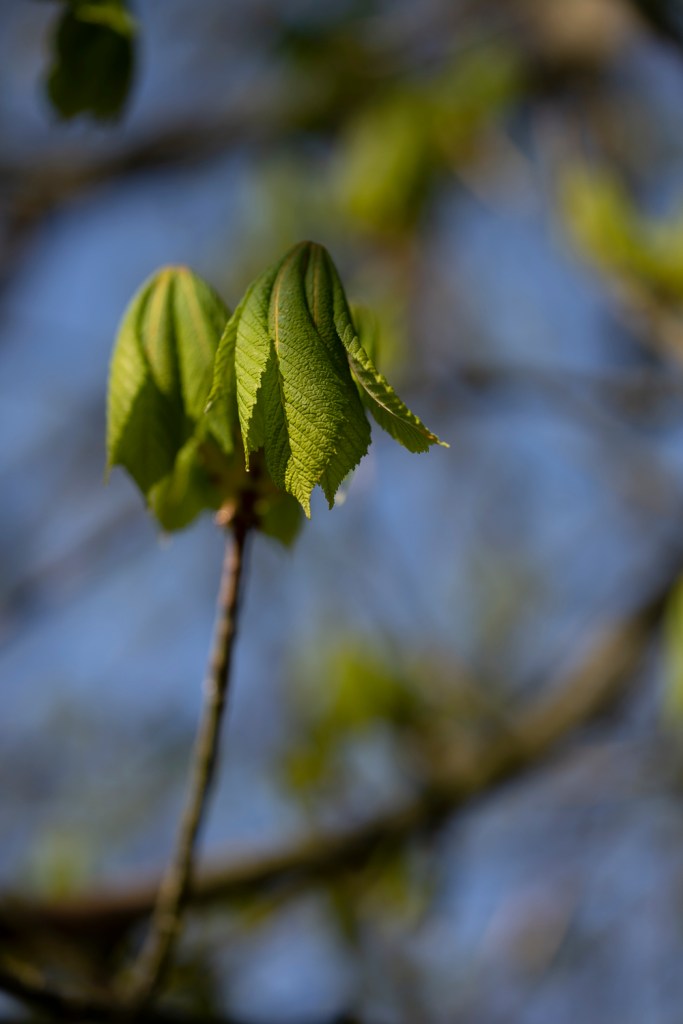
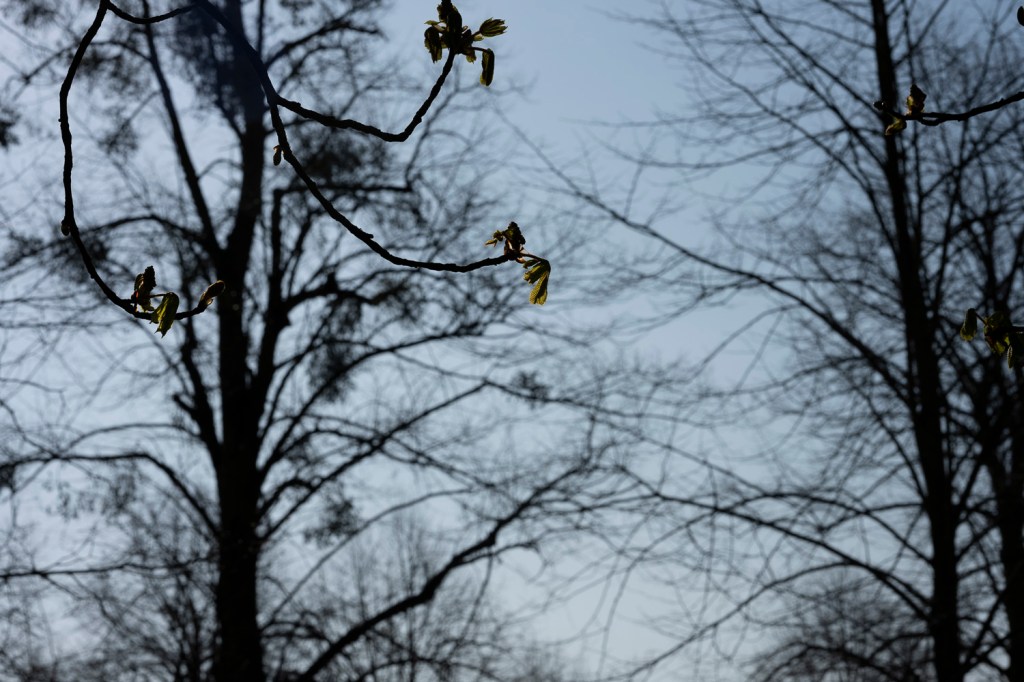
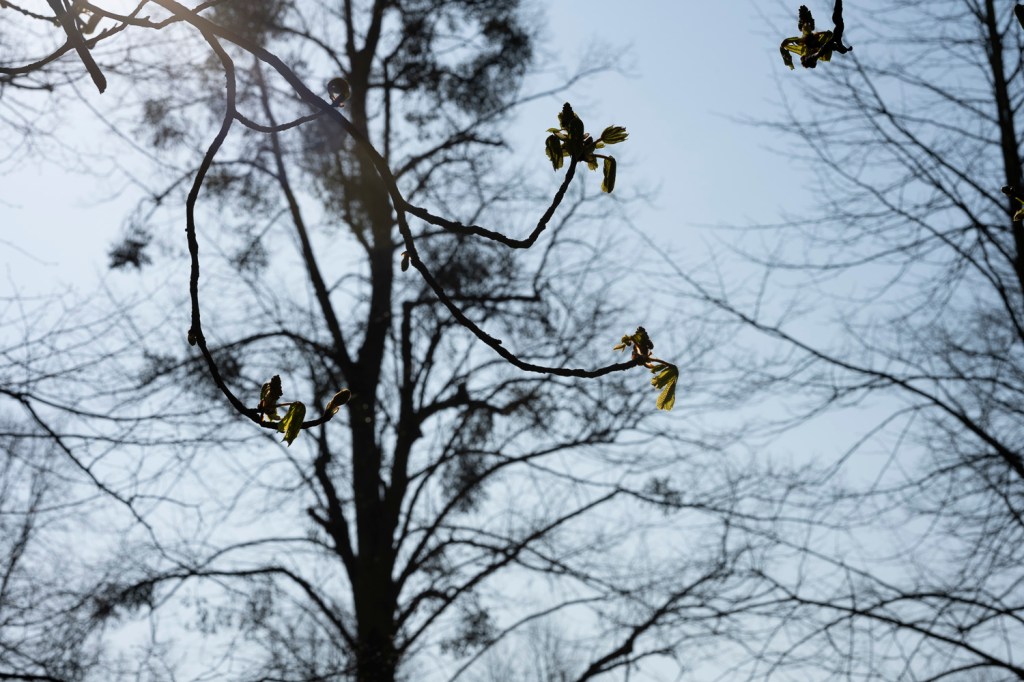
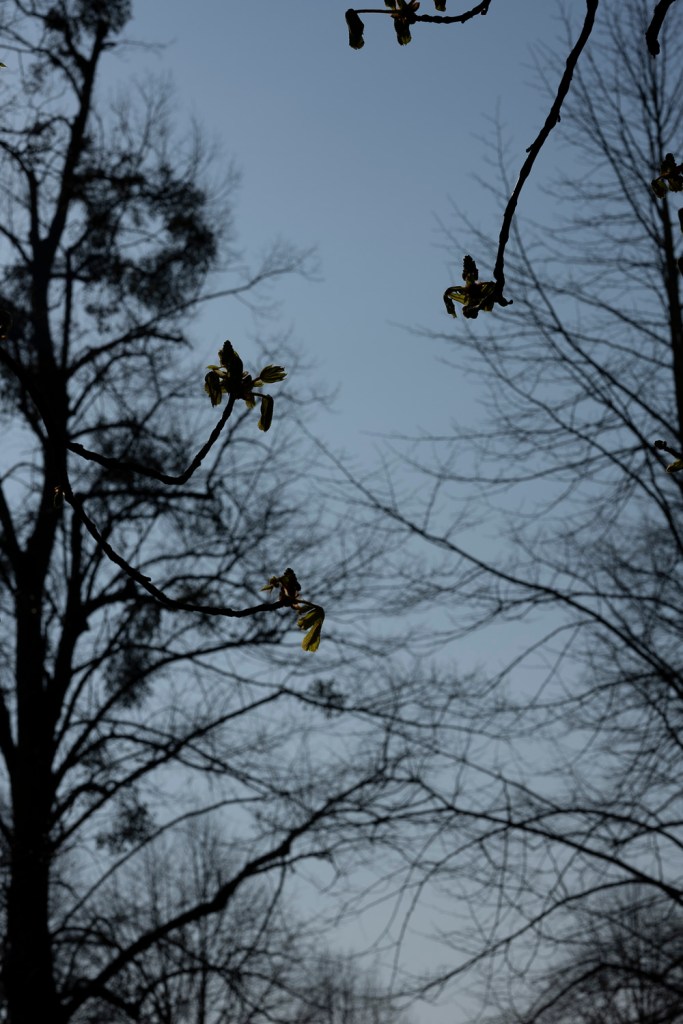
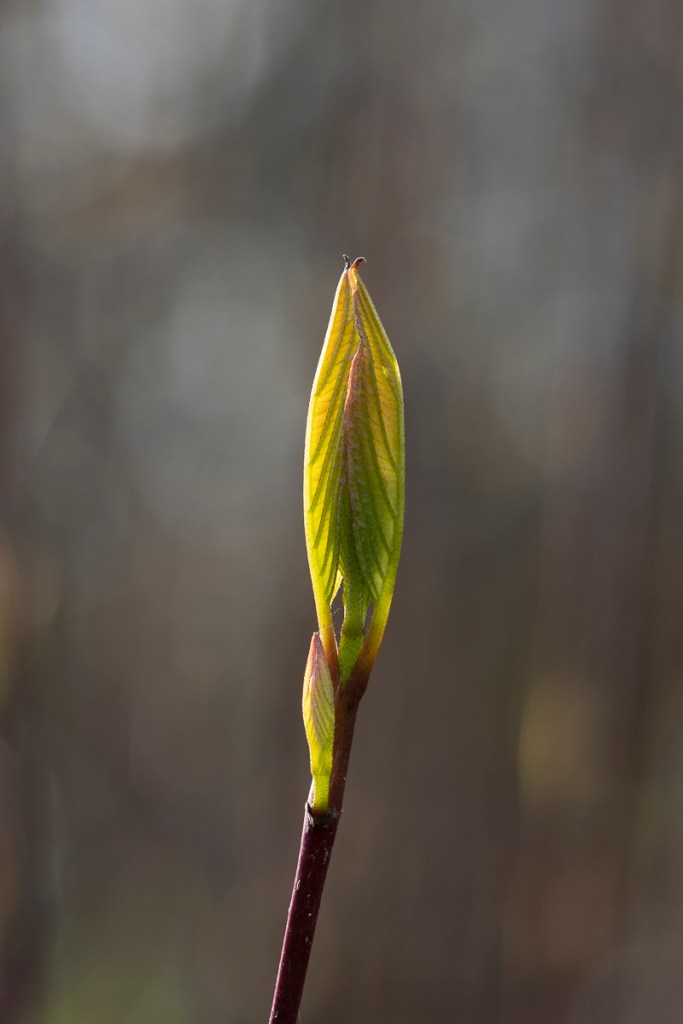
What I had started noticing instead was how the leaves of these Horse Chestnut trees while they were growing from their buds. They looked so frail and fragile, like a baby animal.

I then took the following images of the Horse Chestnuts with the Lime trees behind. The Limes had yet to start growing their leaves, so give an interesting backdrop.

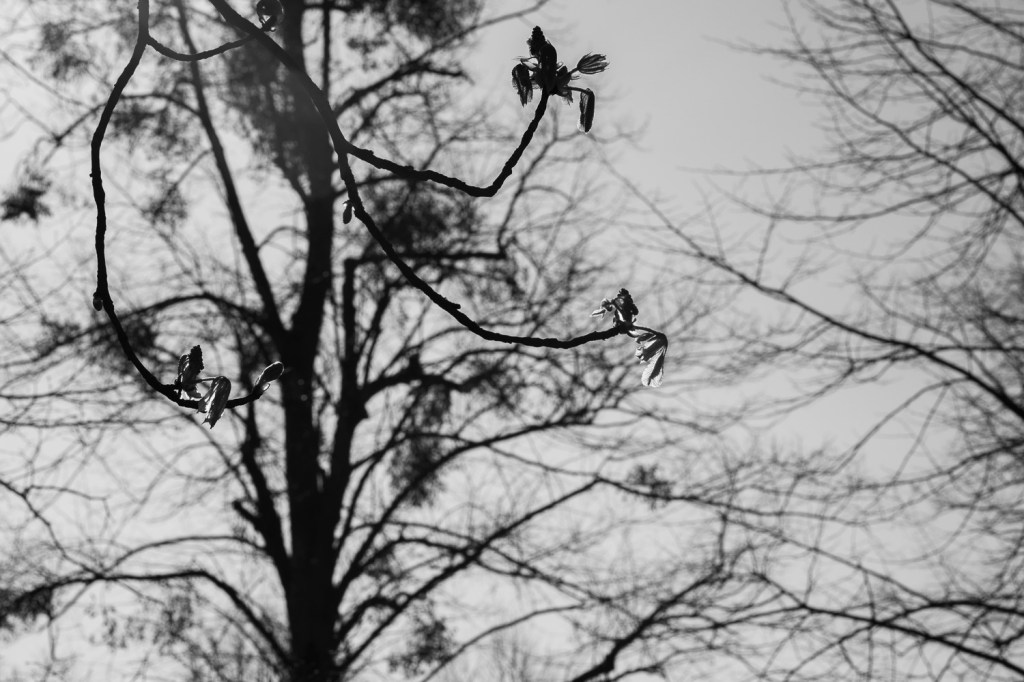
I tried the following Black & White conversion with a compositional crop to compare with the original colour image.

Not perfect, but something’s ocurring.

Categories
AGM64 Photography Research Project Stage 2 Posts

AGM64 Bushy Park 19 March 2021

At this stage of the course, I was focusing on other modules and being distracted by life in general. While awaiting for this module to commence, I took a visit to Bushy Park on 19 March where it was a treat to see signs of new life. Also, it was interesting seeing how the light and conditions were changing with the move from winter to spring.

The other challenge I set myself was to solely use the 85mm lens.

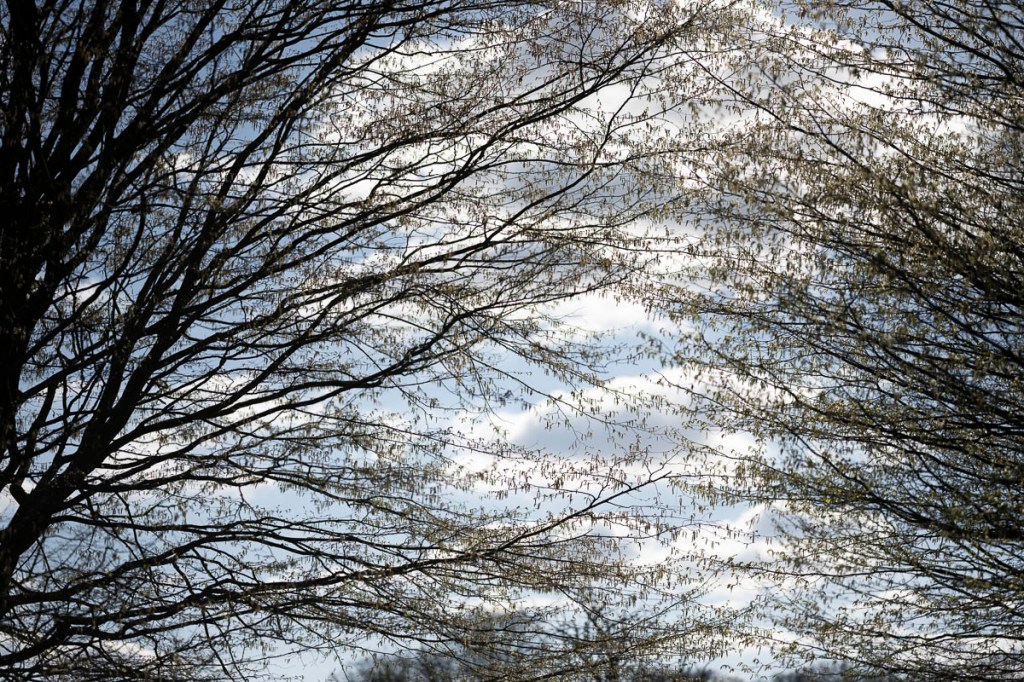
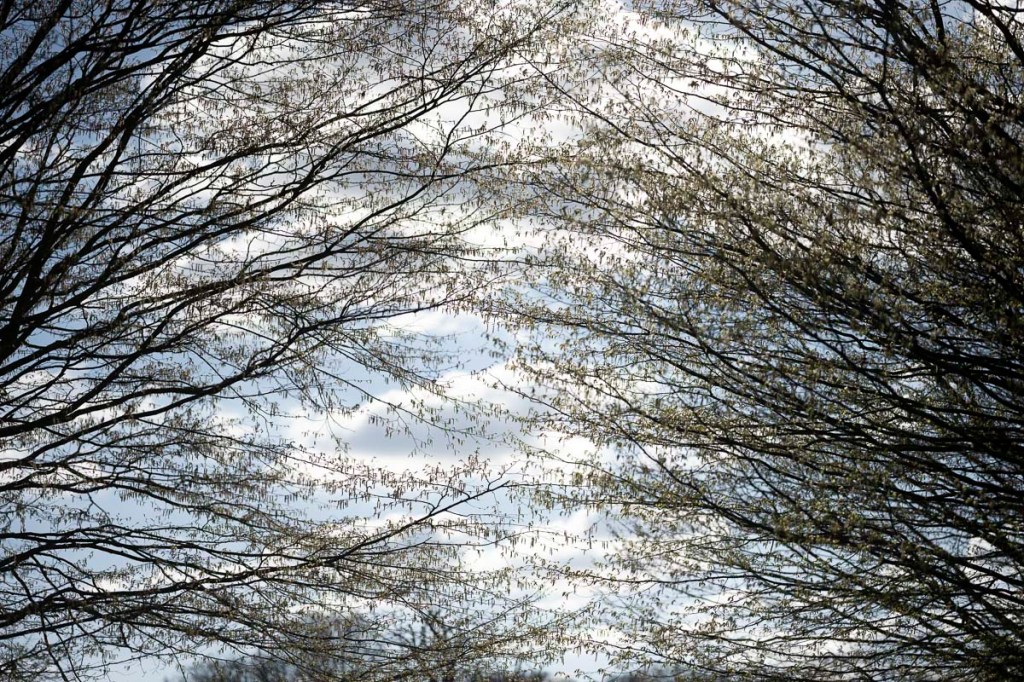
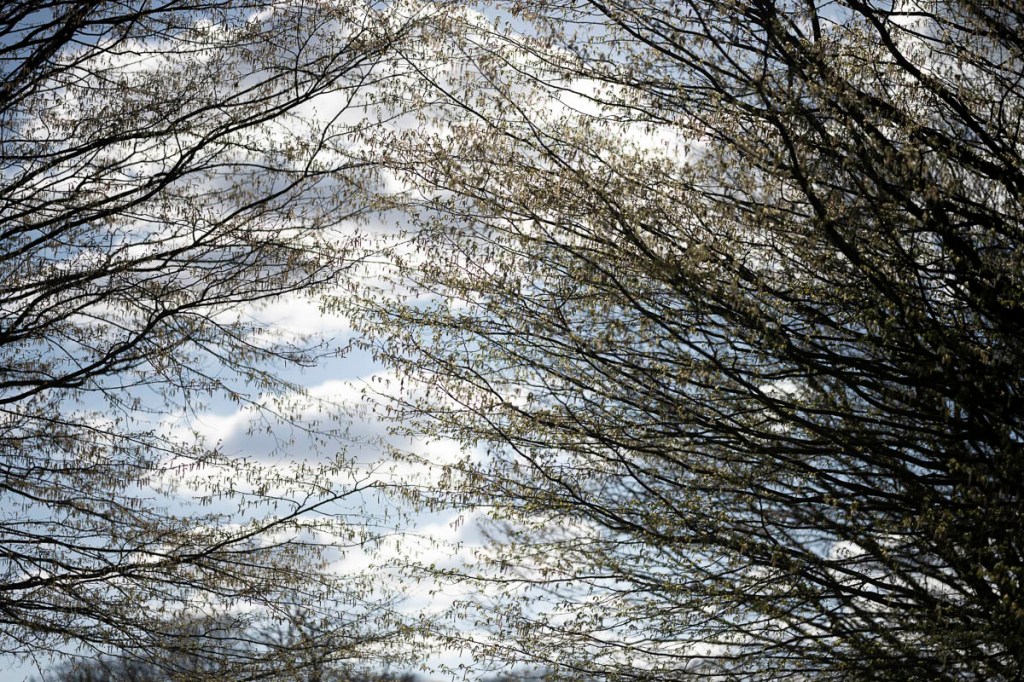
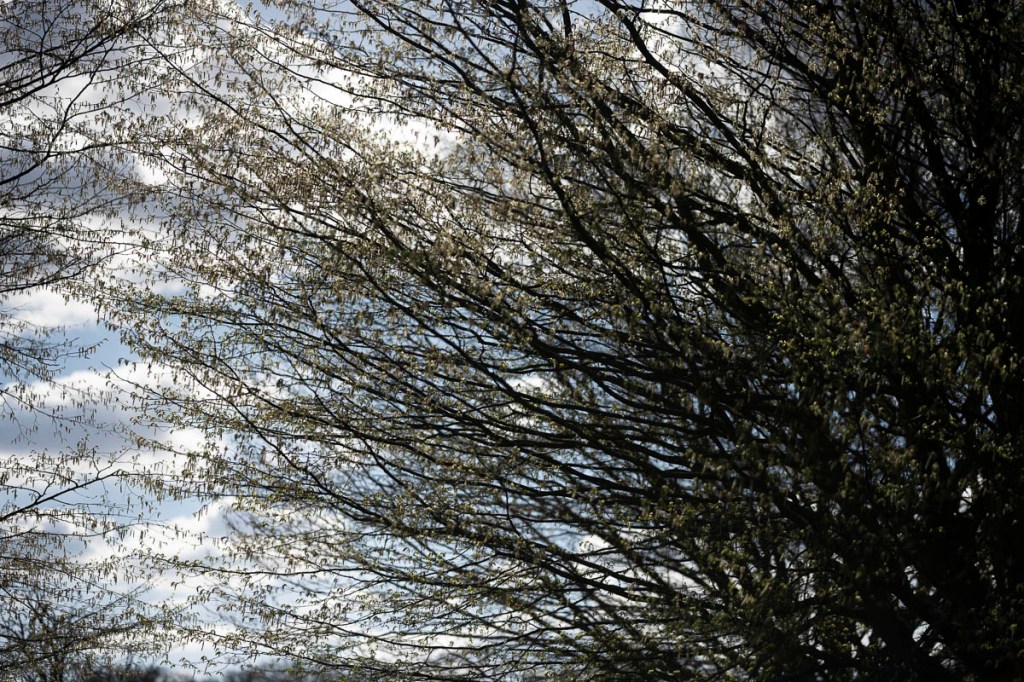
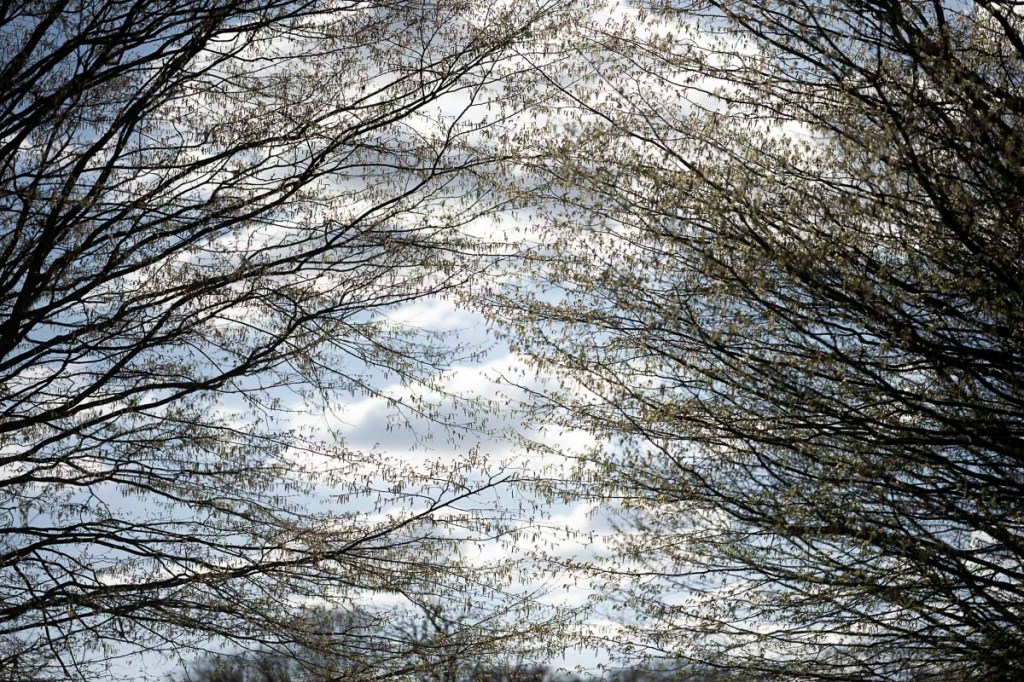
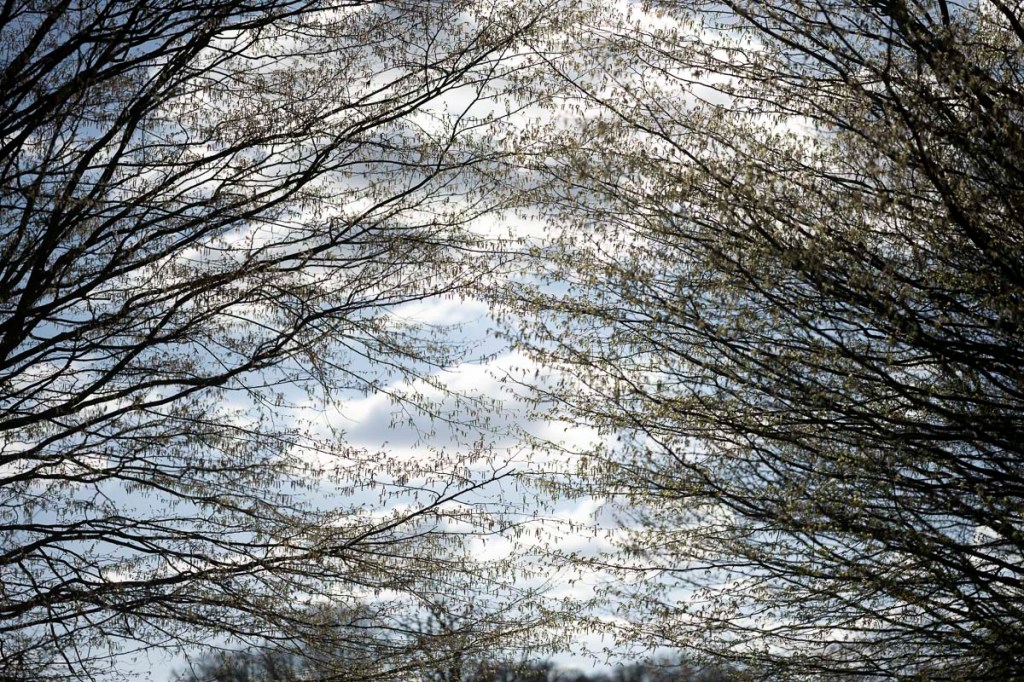
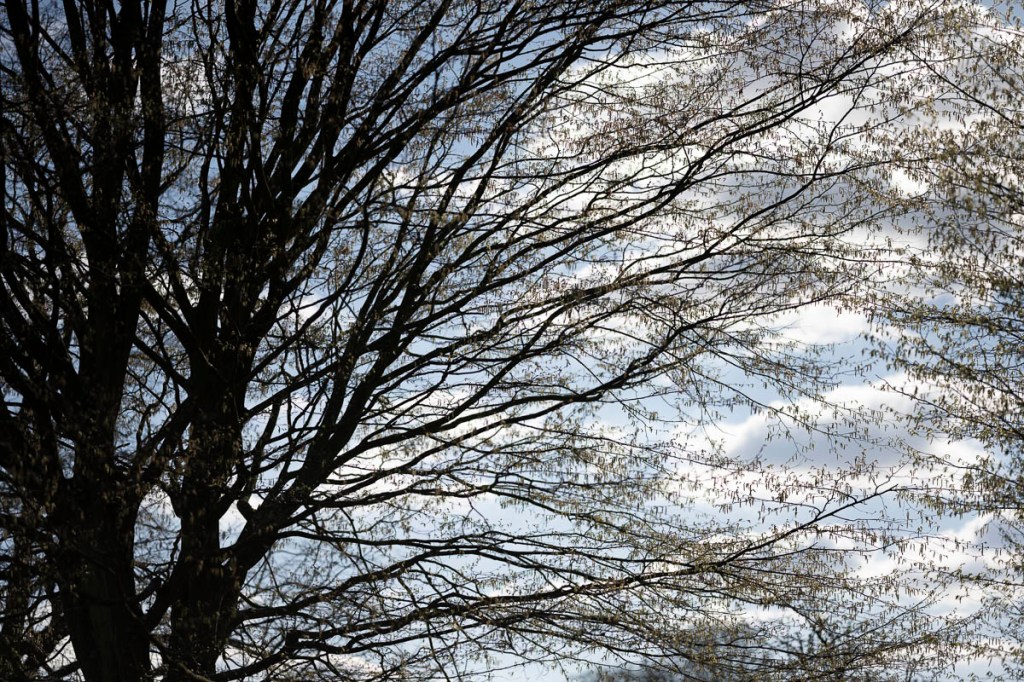
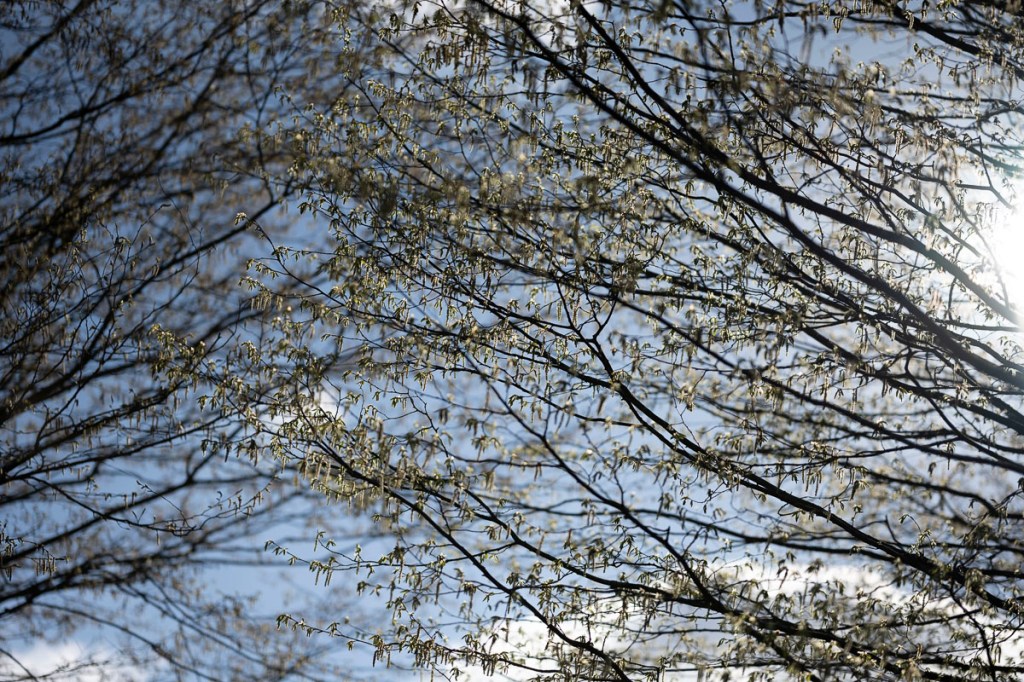
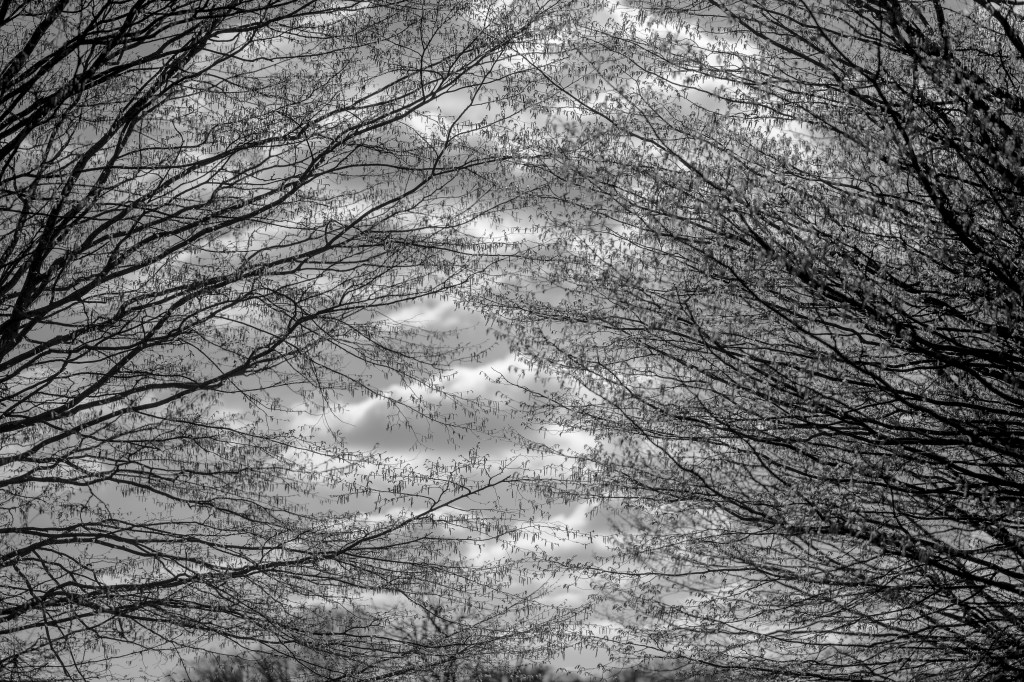
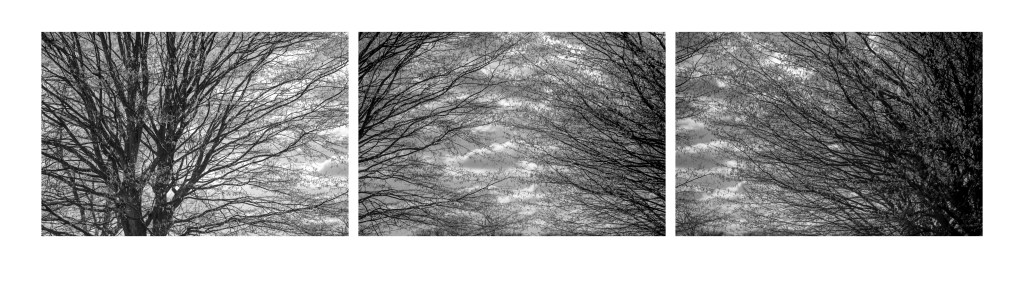
My first observation was of these trees and the cloud behind. I took a sequence of images going from left to right.

What struck me about these images was the texture of the clourds in combingation with the the branches and catkins.

When editing these images later in the day, I initially tried a Black & White conversion.

In then coverted other images and created the following triptych.

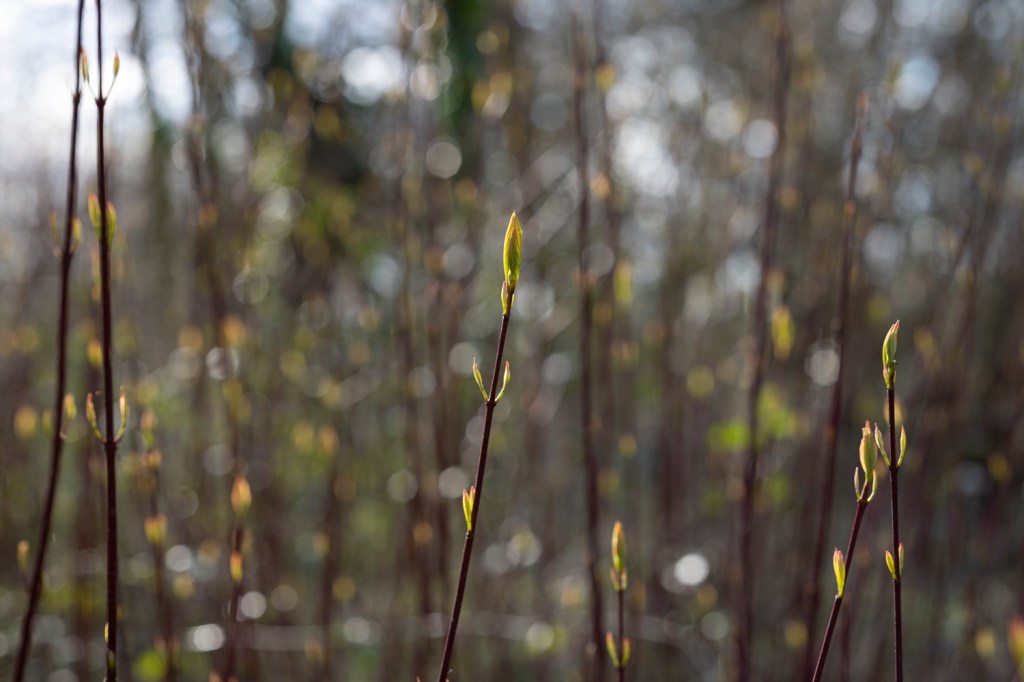
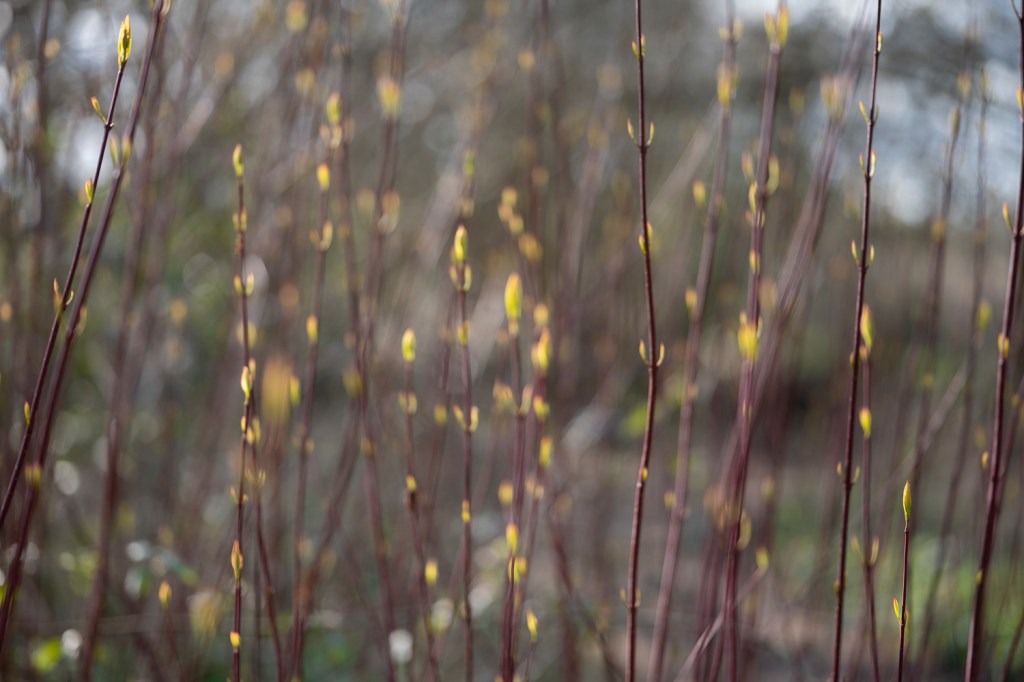
I then walked through the Woodland Gardens. The sunlight was beautifully playing with the newly sprouting leaves on a plant I would usually just pass by.

I also challenged myself to take the following close-up. I was quite taken aback by the details I captured.

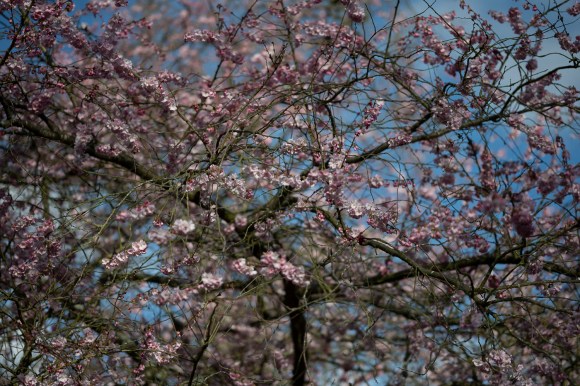
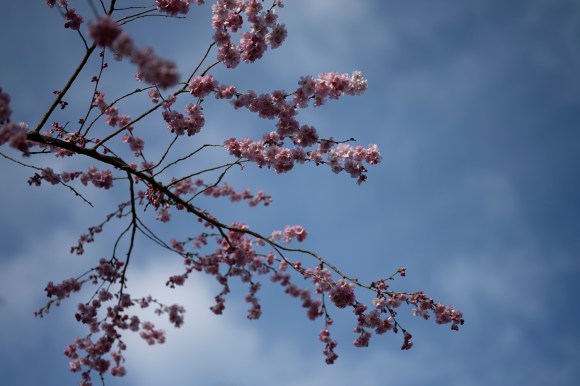
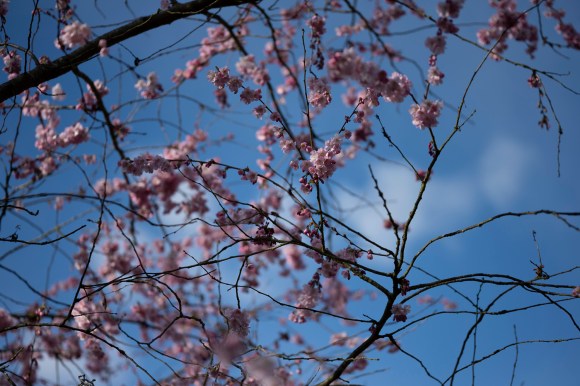
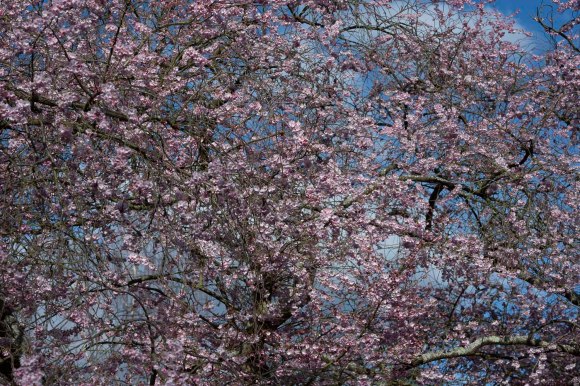
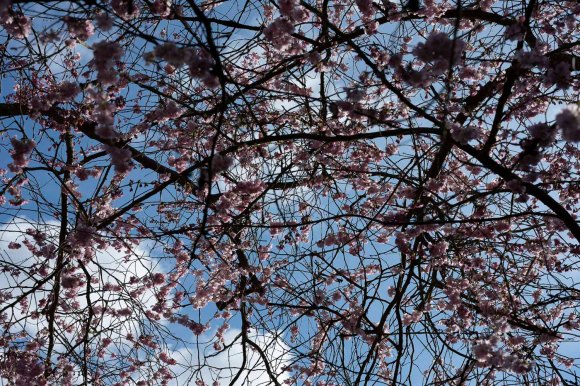
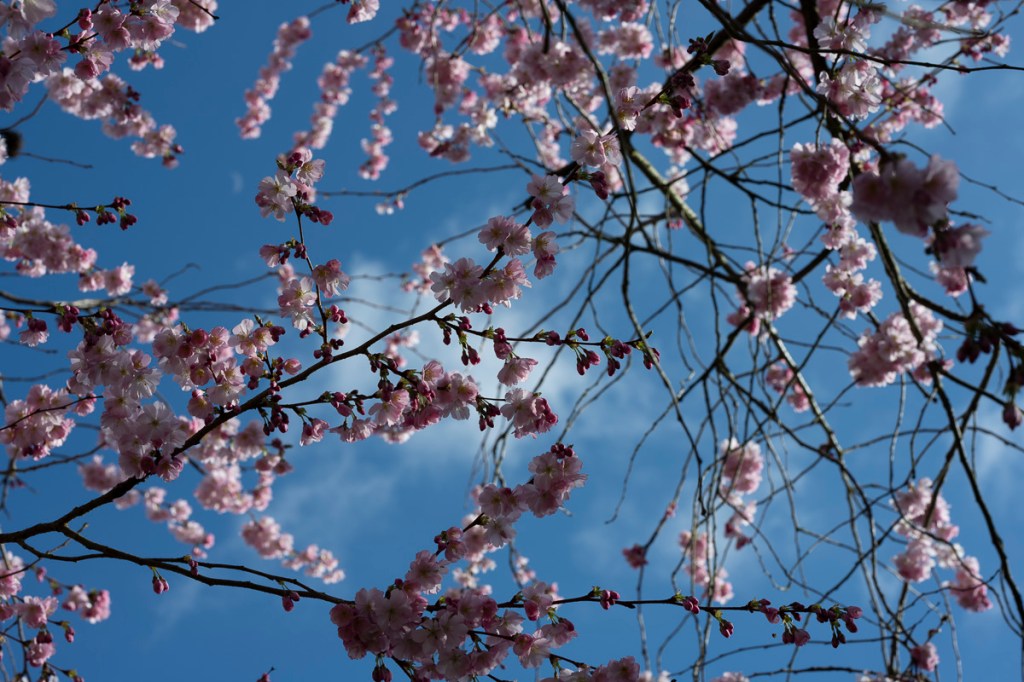
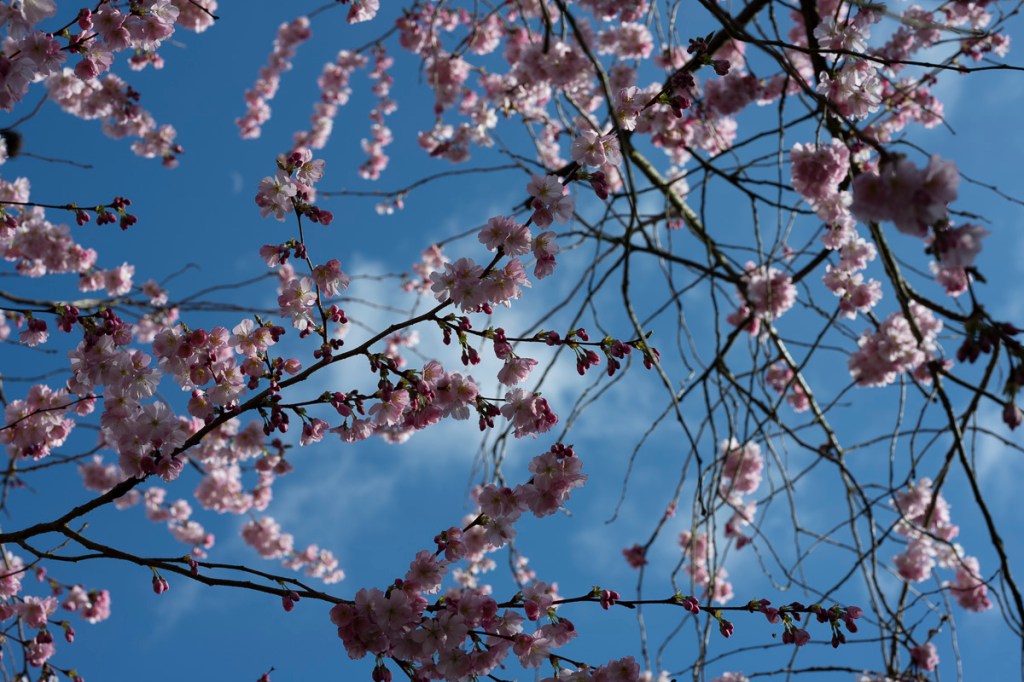
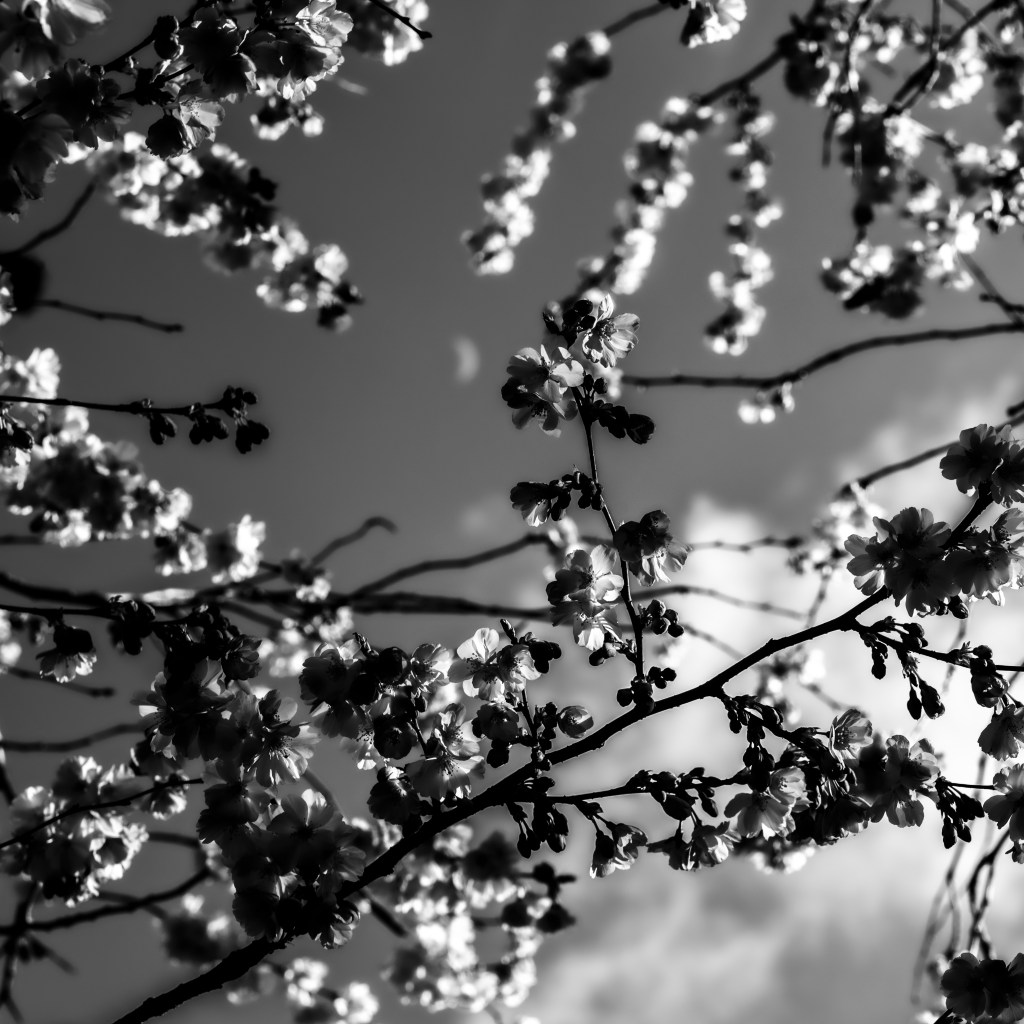
Also in abundance were the cherry blossoms.

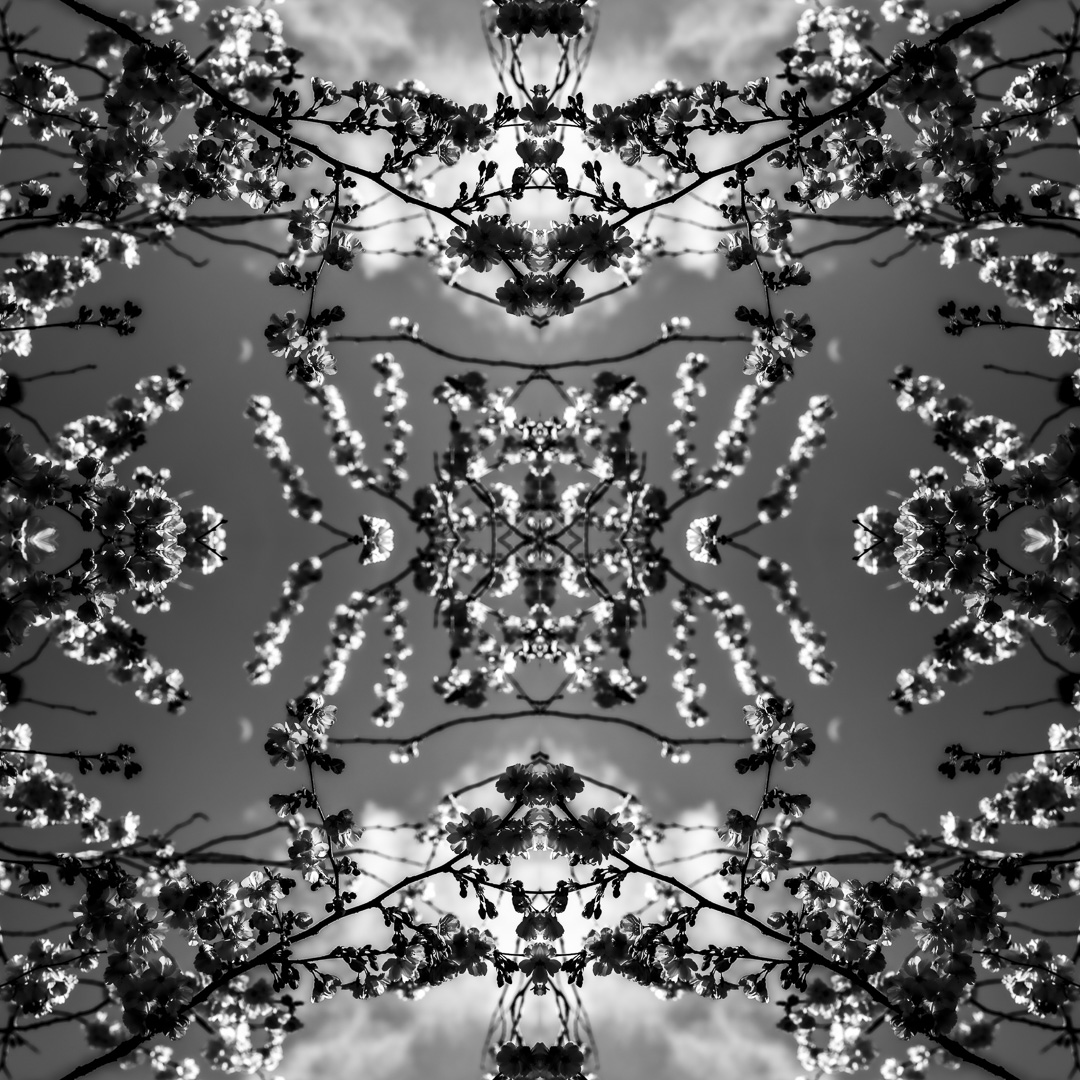
To see what would happen, I selected the following image then made a Black & White version which was cropped 1:1.

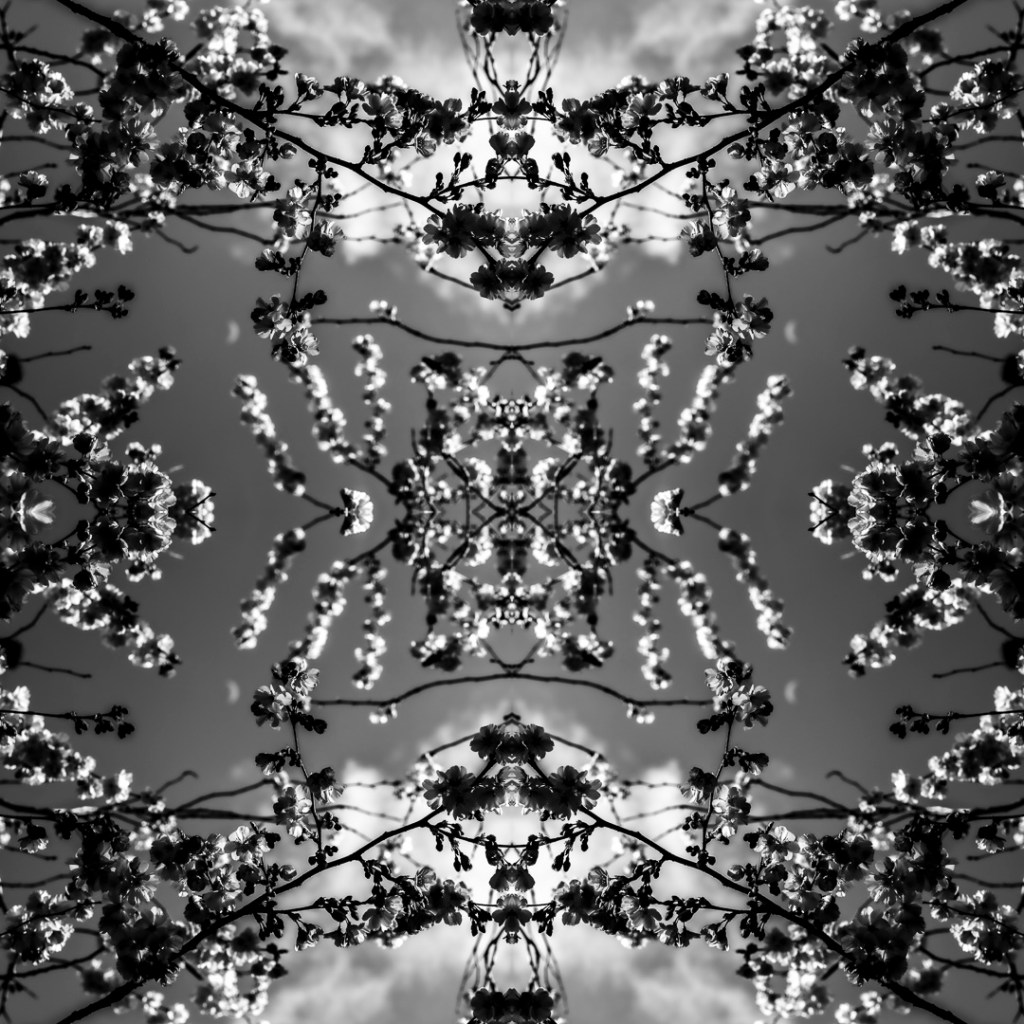
I then created a mirrored & quartered version.

Am quite liking this particular effect. I will certainly be trying a test print on Fine Art paper of this image.

Categories
AGM64 Photography Research Project Stage 2 Posts

AGM64 Hawthorn Experiment 11 February 2021

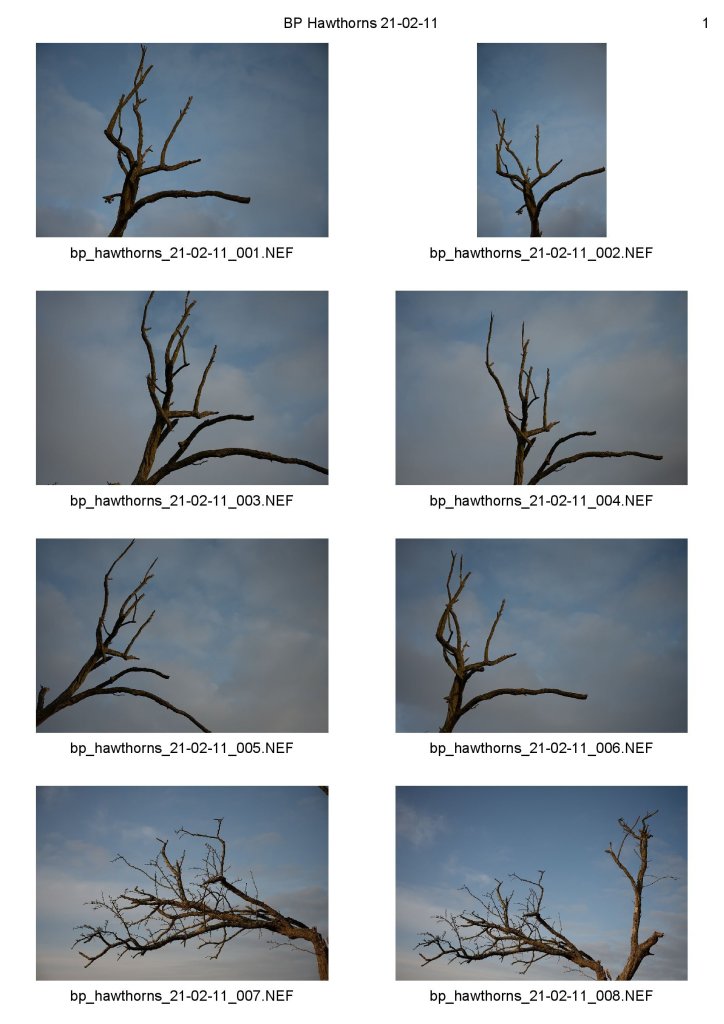
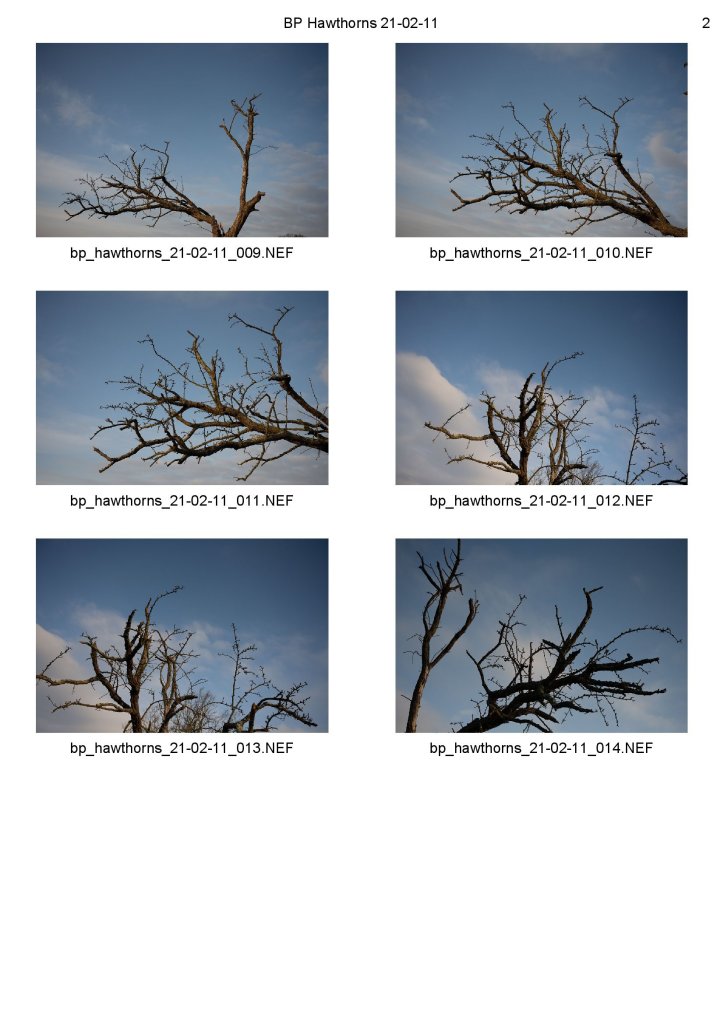
While waiting for the module to officially start, I took the following shots. The plan was to try out some closer photographs of two of the Hawthorns I had captured previously then experiment with the resulting images.

I initially selected the following image, which I then edited in Adobe Camera Raw.

I then made a quartered mirror image using the edited version in Adobe Photoshop.

Interesting, but will need further experimentation.

Categories
AGM62 Photography Research Project Stage 1

AGM62 Test Prints Review 14 January 2021

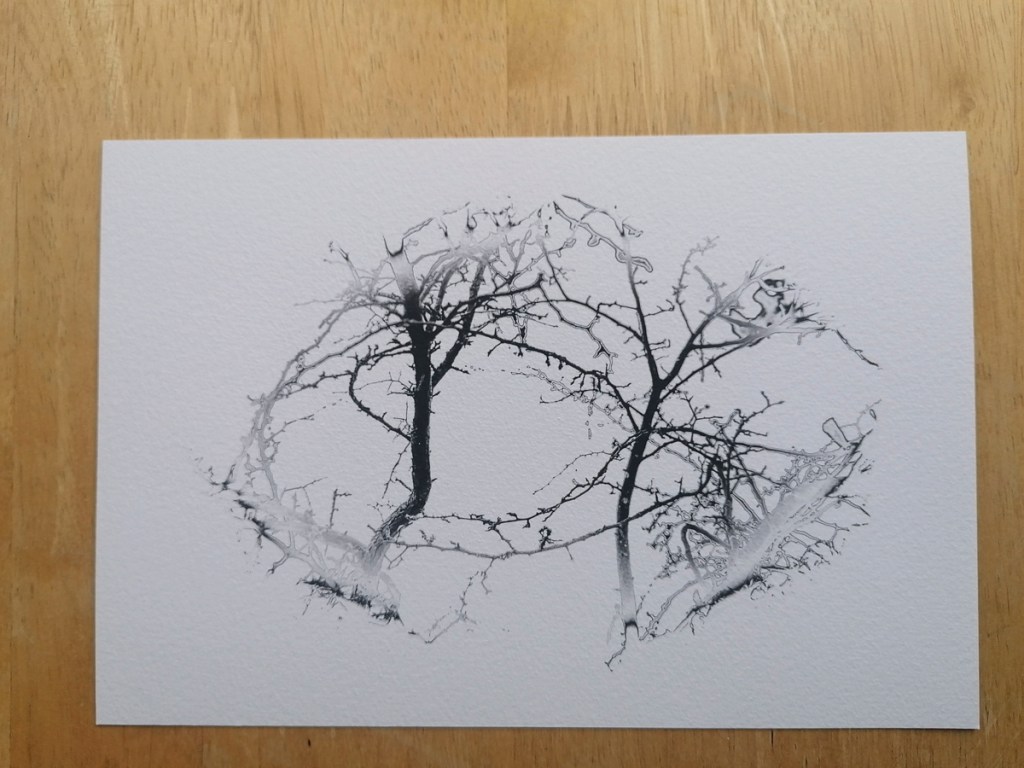
The test prints from Spectrum Photographic were received on 14 January 2021. All images were taken using my smartphone.

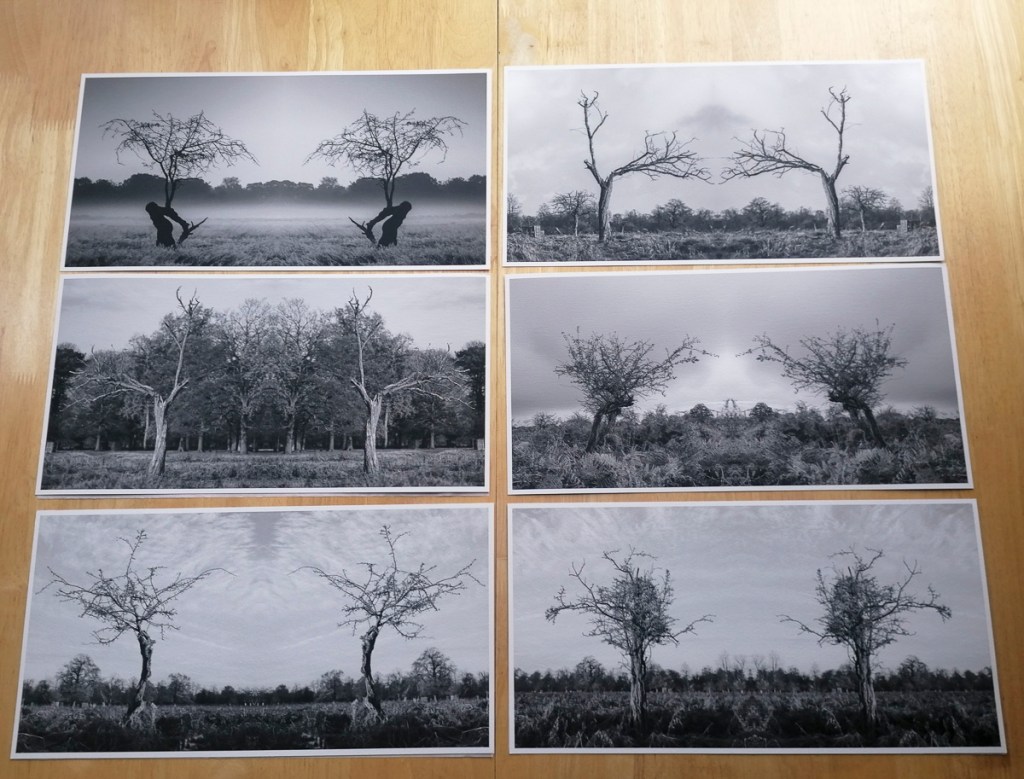
I was very pleased with the results. Each image has characteristics and details that have been brought out by using the Hahnemühle German Etching 310 fine art paper.

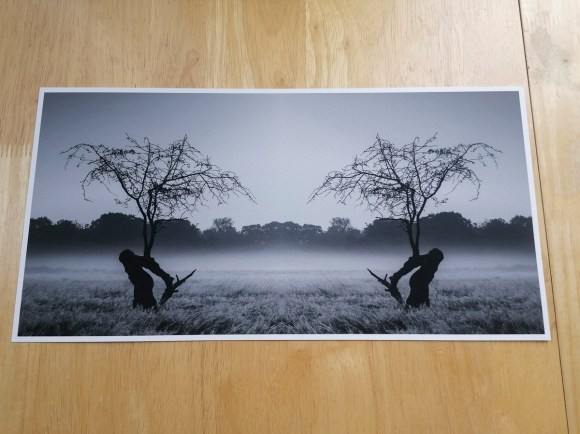
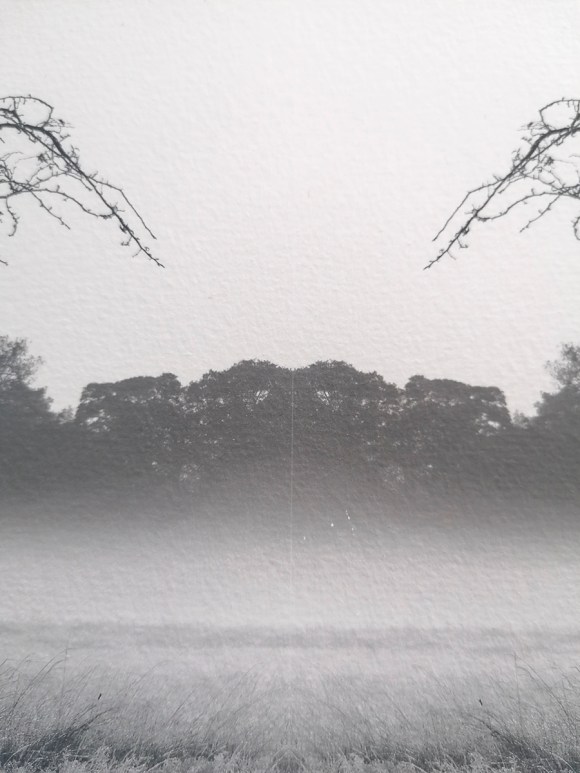
One thing I did notice was a very thin white line running down the middle of this image.

What I had not checked closely enough was when the two mirror images were aligned exactly. This is a reminder to take a bit more care when combining images and zoom in to ensure this doesn’t occur in future. I’ve now updated the file so this the images are totally flush.

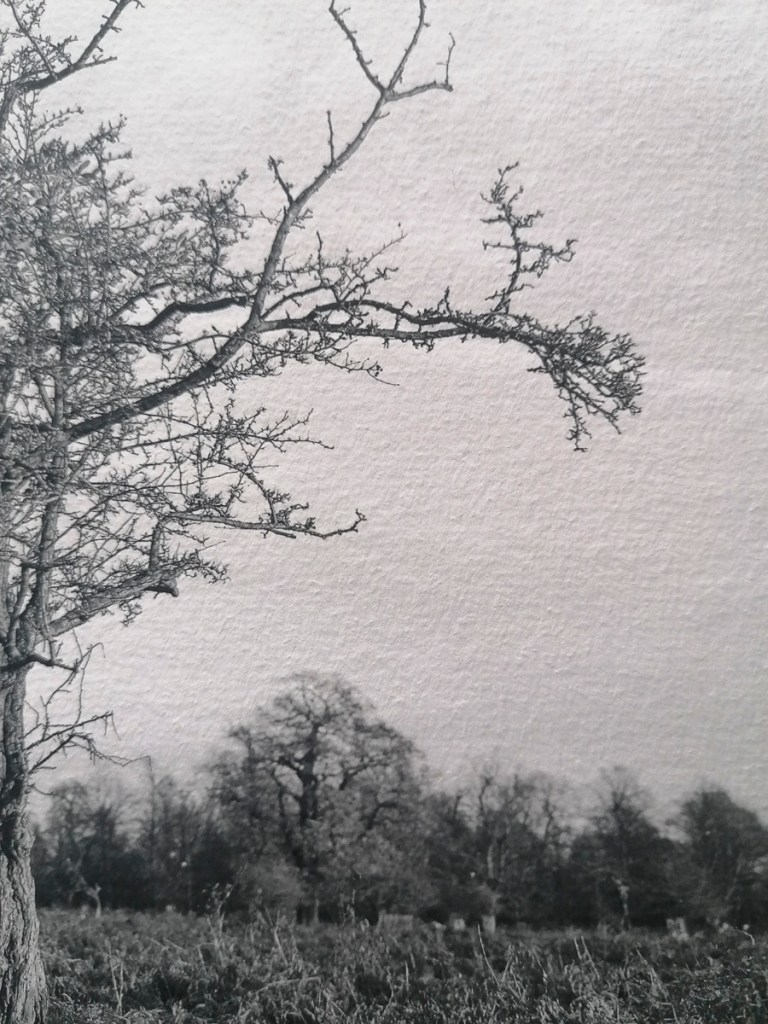
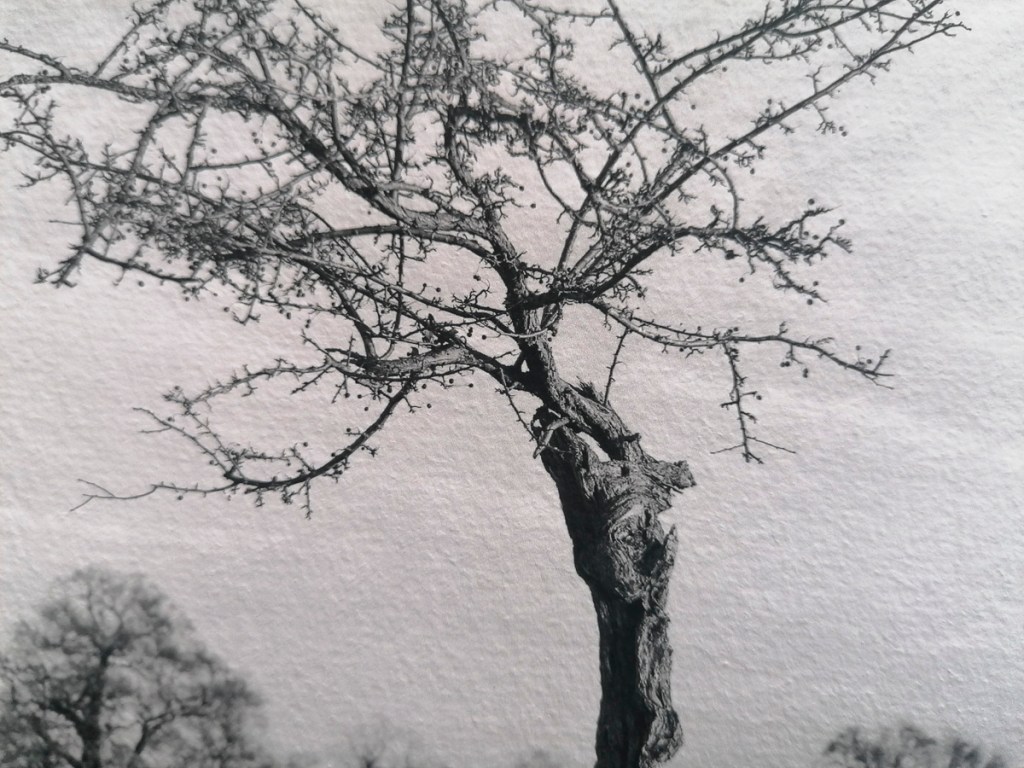
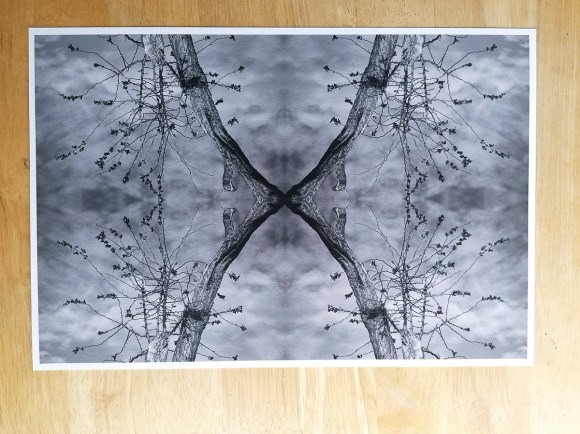
I was also quite pleased with the resulting print of this image. Again, the texture of the paper really adds to the ‘depth’ of the finished print.

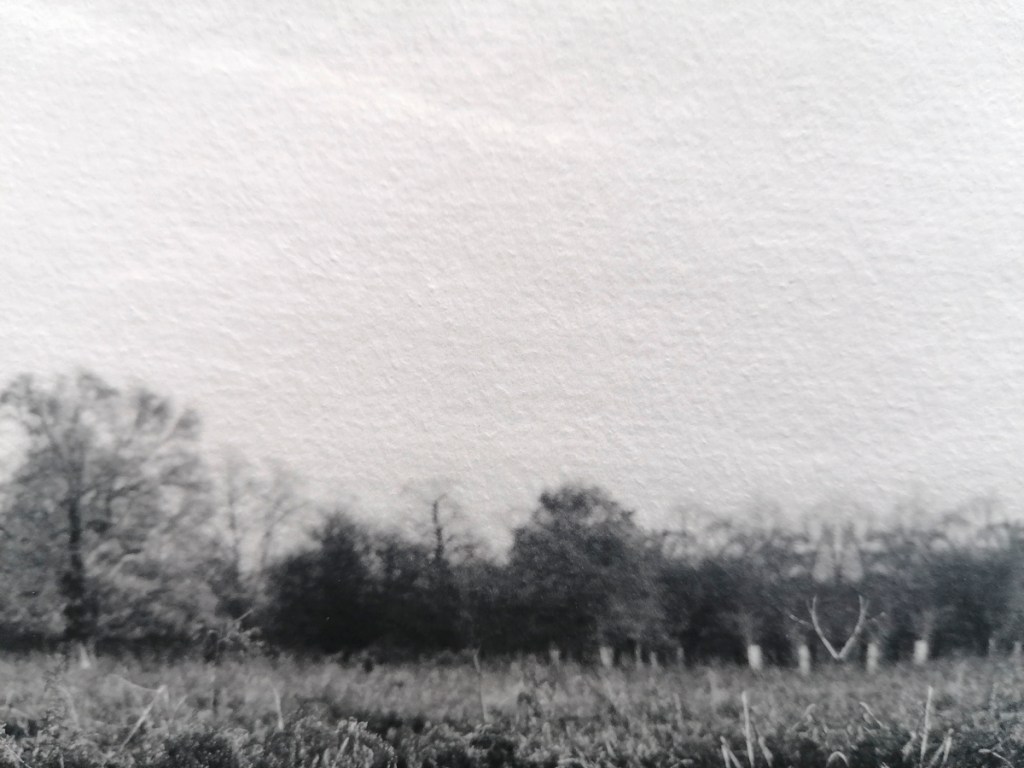
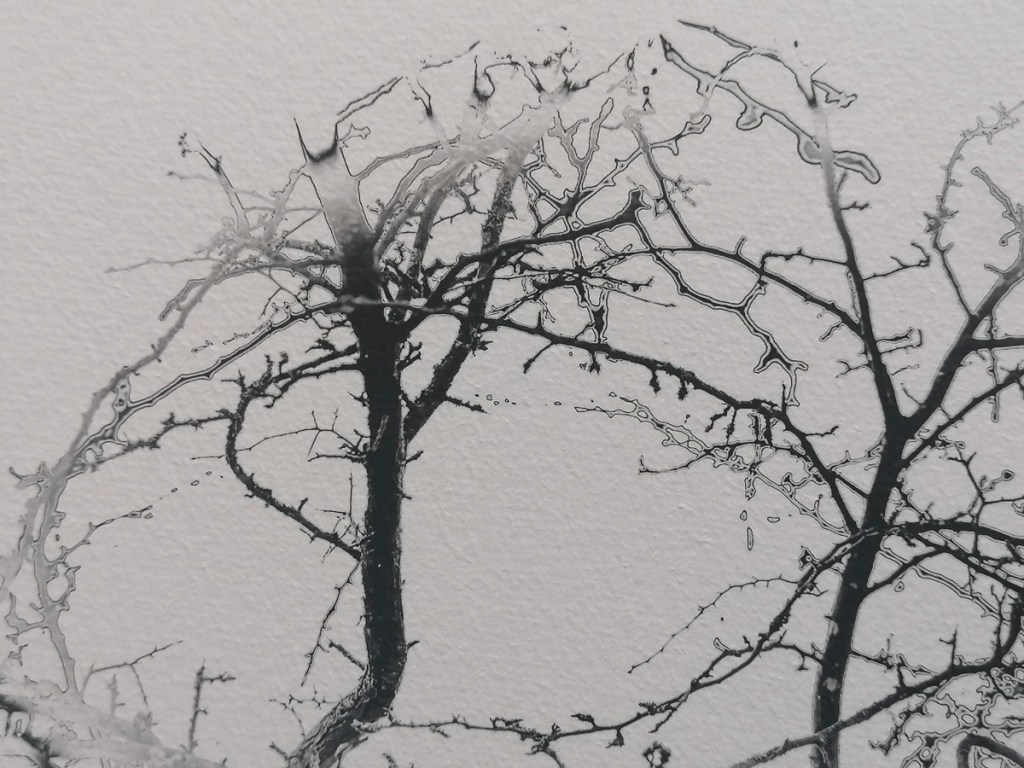
I also took some close up shots so I would have a record of these details.

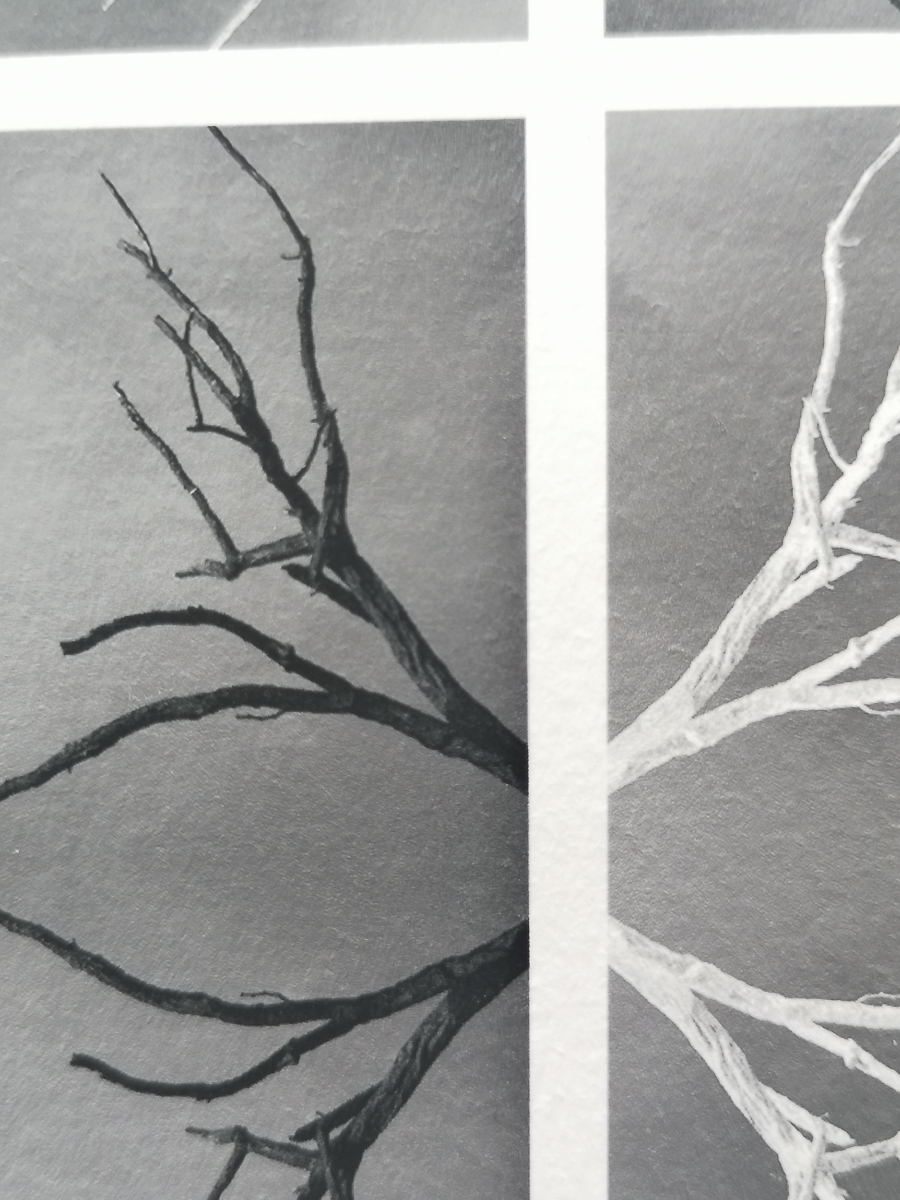
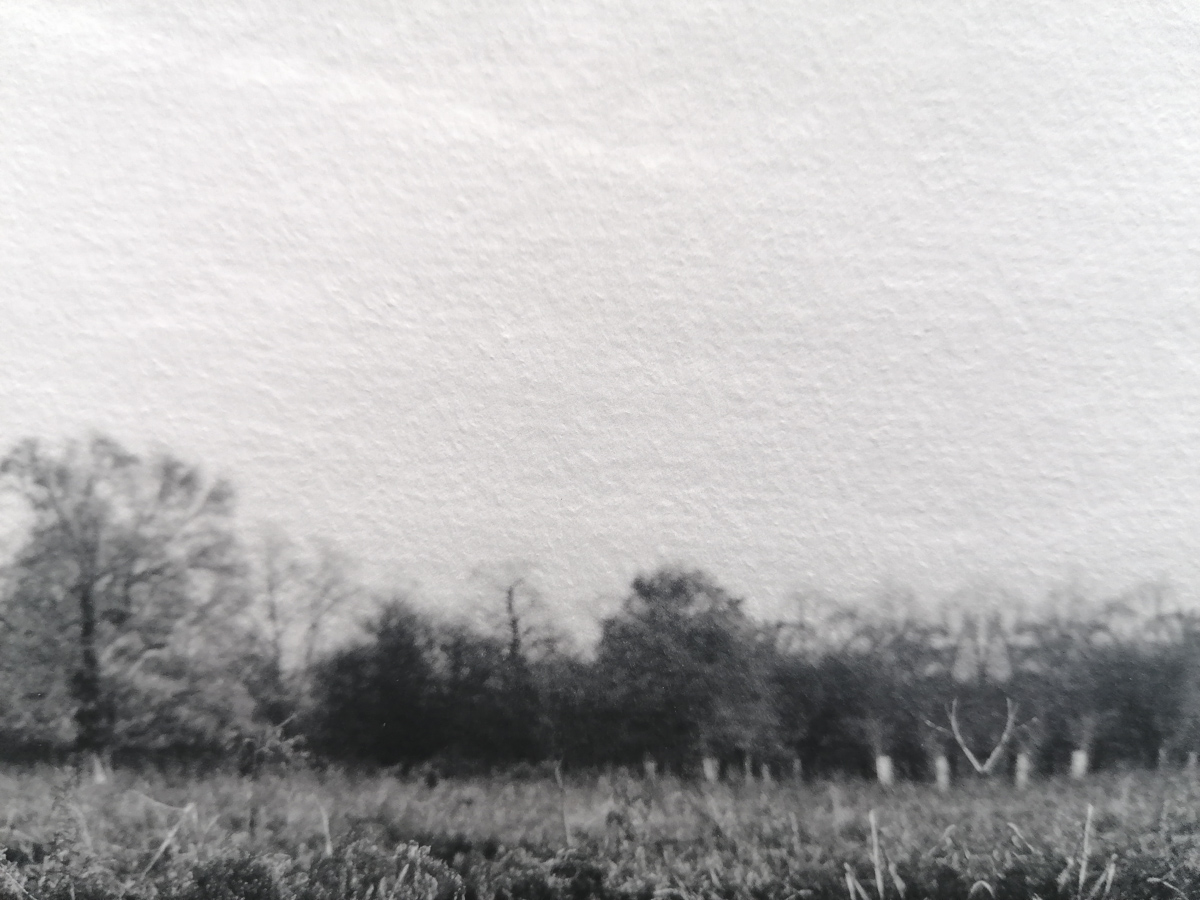
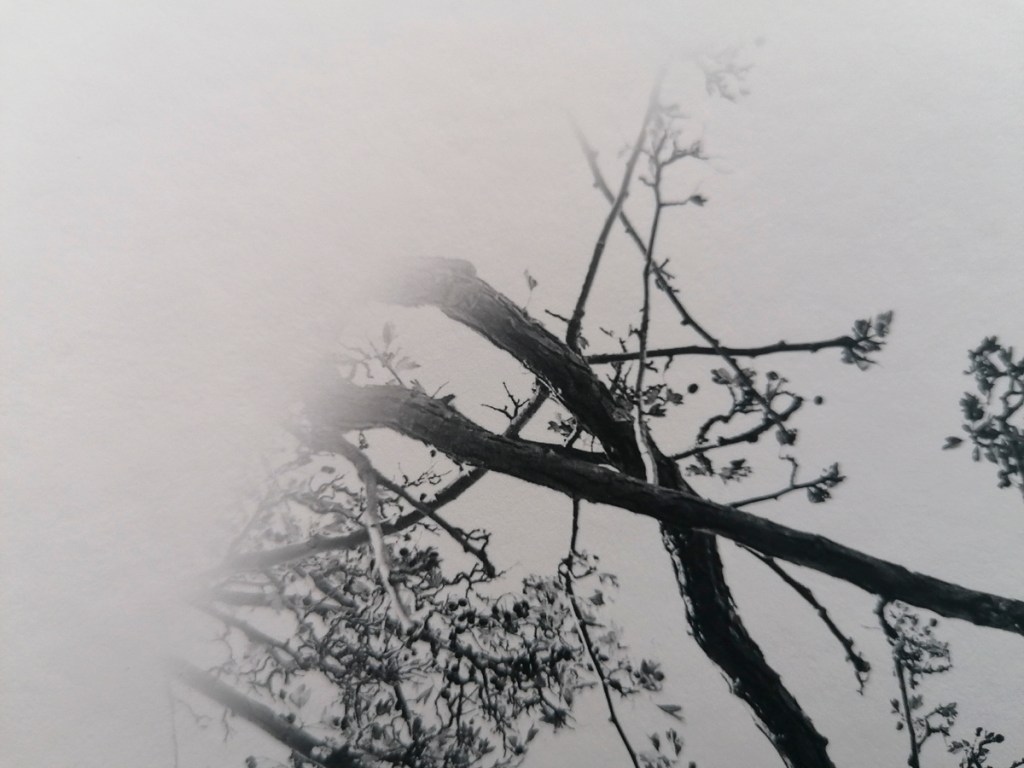
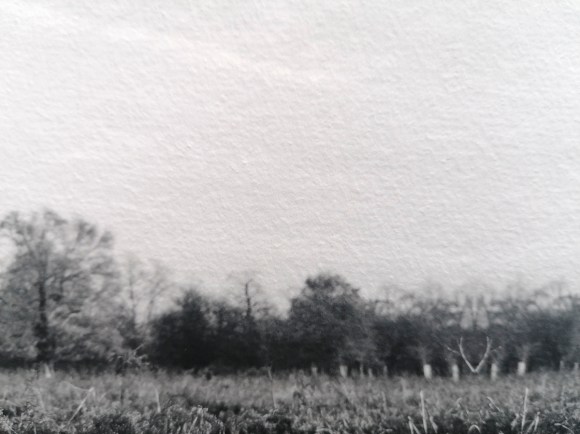
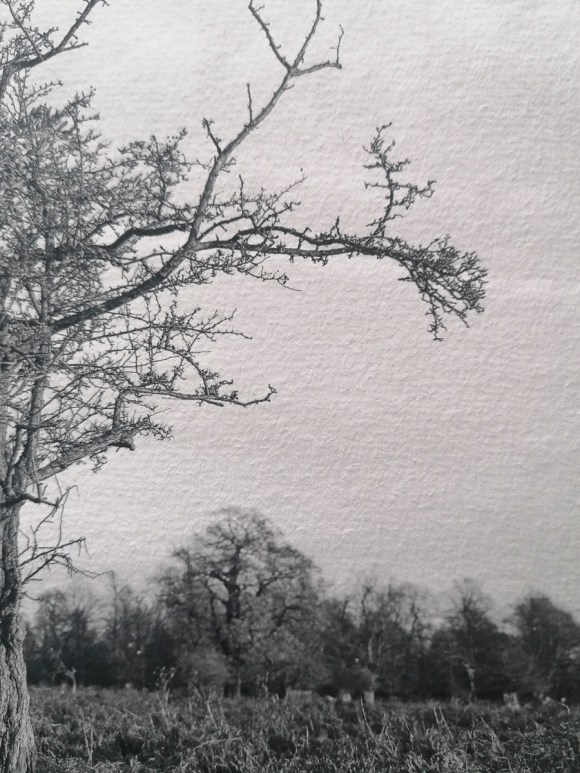
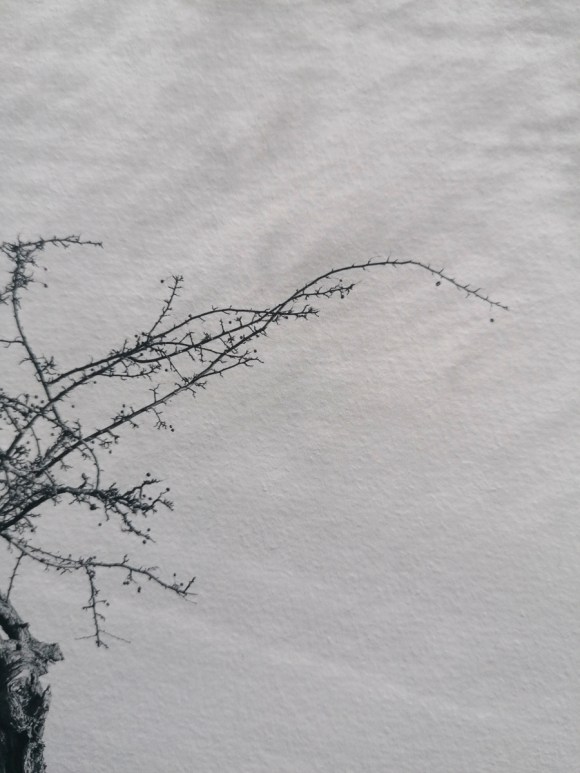
This is how the vignetted image looks printed on the Hahnemühle German Etching 310 fine art paper. What I really liked was how the paper became part of the image further, emulating a Japanese print. This is the effect I was hoping for.

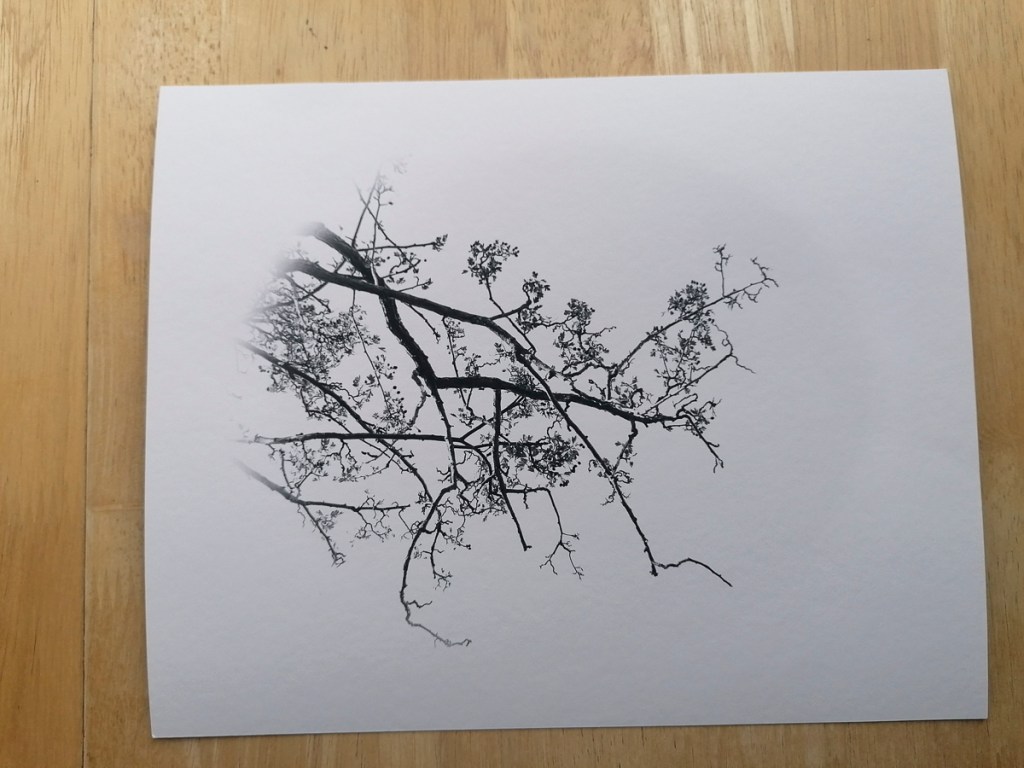
Finally, this is the image that was printed on the Hahnemühle Bamboo 290gsm.

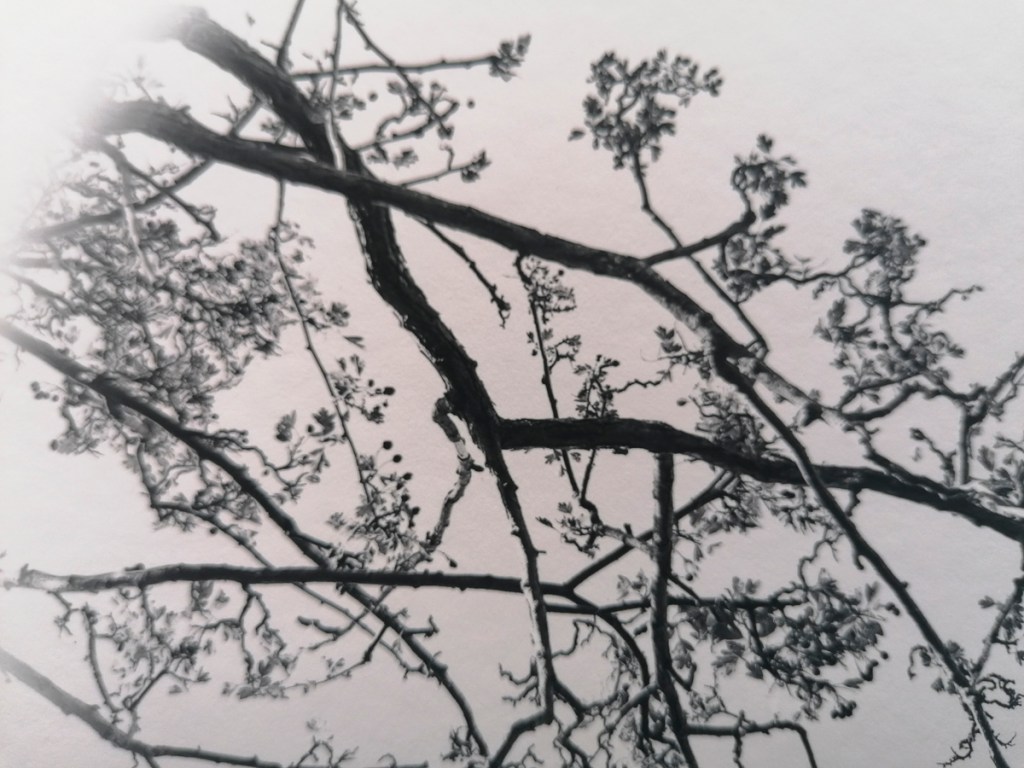
It’s smoother and has a warmer tone than the German Etching. I do prefer this and it was useful having these two examples to compare. In future, I would like to try a test print on all of the different Hahnemühle papers using the same image. This would help guage the best substrate.

One aspect that did pique my interest was how the close up images appeared on screen.

This could have a couple of implications for future developments. Firstly, if the PG show is solely online, would I take photographs of the prints printed on specific paper then use the images rather than the digital image?

Secondly, could I create montages, print them then re-photograph these prints in a different way to create further work?

Categories
AGM62 Photography Research Project Stage 1

AGM62 Moody Montage 13 January 2021

With the potential threat of not being able to take photos during the current national lockdown hanging over my head, I ventured to Bushy Park for some fresh air.

While walking in the park, I took the following shot of an oak tree on my smartphone.

Once back at home, I made a Black & White conversion then created a 1:1 crop.

The final step was to create a quarters montage using Adobe Photoshop.

This was initially created at 8″ x 8″ 300 dpi. What this does show me is that work using my smartphone is possible. I just need to be creative, both visually and technically.

Categories
AGM62 Photography Research Project Stage 1 Posts

AGM62 First Experiment 9 December 2020

The challenge I faced with photography was that the instantaneous static viewpoint, provided by the camera’s lens and shutter, didn’t represent the continuous flow of the act of looking. It seemed as if the still photograph had been held back to the level of the dictionary; the single word. It was the visual equivalent of overlooking the potential to link words to convey ideas and meaning. I couldn’t accept the notion of an isolated, decisive moment being capable of encapsulating our experience of life.

(Myles, N. 2020)

With this quote reverberating round my head, it was time to relook at what I was attempting to achieve. It seemed I had spent a lot of time and energy researching trees and how to photograph them in the best way possible. However, this project isn’t about getting the perfect tree image. It’s about practice-based research, which requires EXPERIMENTATION!

When I looked at the images I’d created so far, I was very happy with the progress I had made technically. I was now taking a different approach to tree photography compared to the one I used in the AGM60 Research & Experimentation module. What was missing at this stage in the images was the element that made them distinctly ‘Jennie Meadows’. I also felt that I wasn’t being ‘creative’.

Editing and experimenting with images digitally is integral to my work. Why not now?

The fact that I hadn’t started this process for the current project was strongly sparked by the work and words of Noel Myles. Why should my images be restricted to one view point?

My first experiment involved a Black & White conversion of the following image.

Next, I flipped the image 180 degrees.

I then combined to two images in Adobe Photoshop.

I wasn’t sure about the two images connecting. I thought the middle section may be two distracting. So I also created a version with a small between them. I also tried a third version showing one in Black & White and the other in colour.

Something was starting to evolve. Further experimentation was required. My classmate, Mark, suggested putting the two trees together. I planned to do so later that day.

References

Noel Myles | Reframing Photography. [online] Reframingphotography.com. Available at: <https://www.reframingphotography.com/resources/noel-myles&gt; [Accessed 7 December 2020].
Design a site like this with WordPress.com
Get started