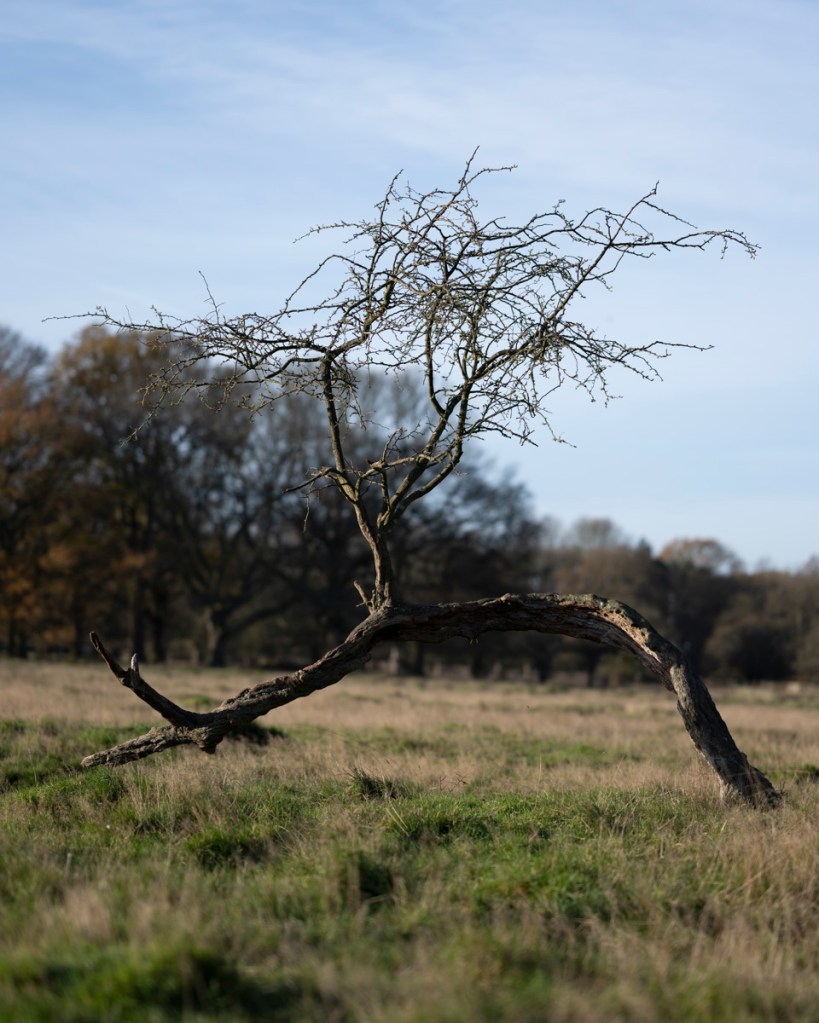
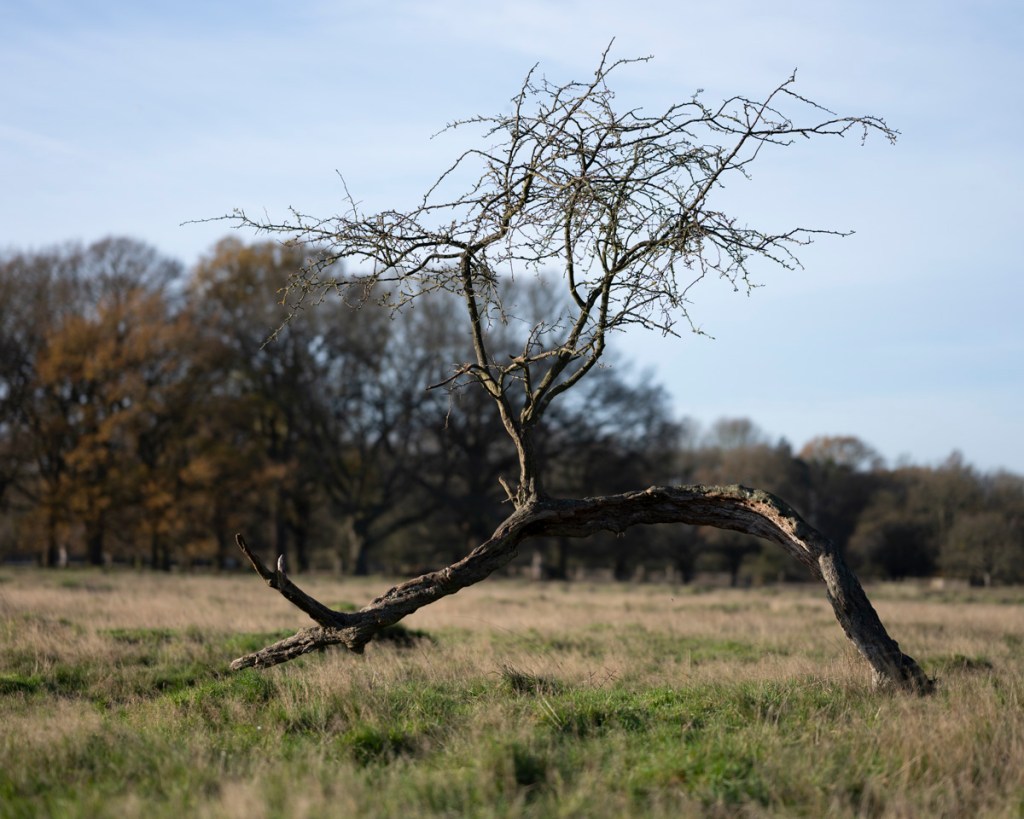
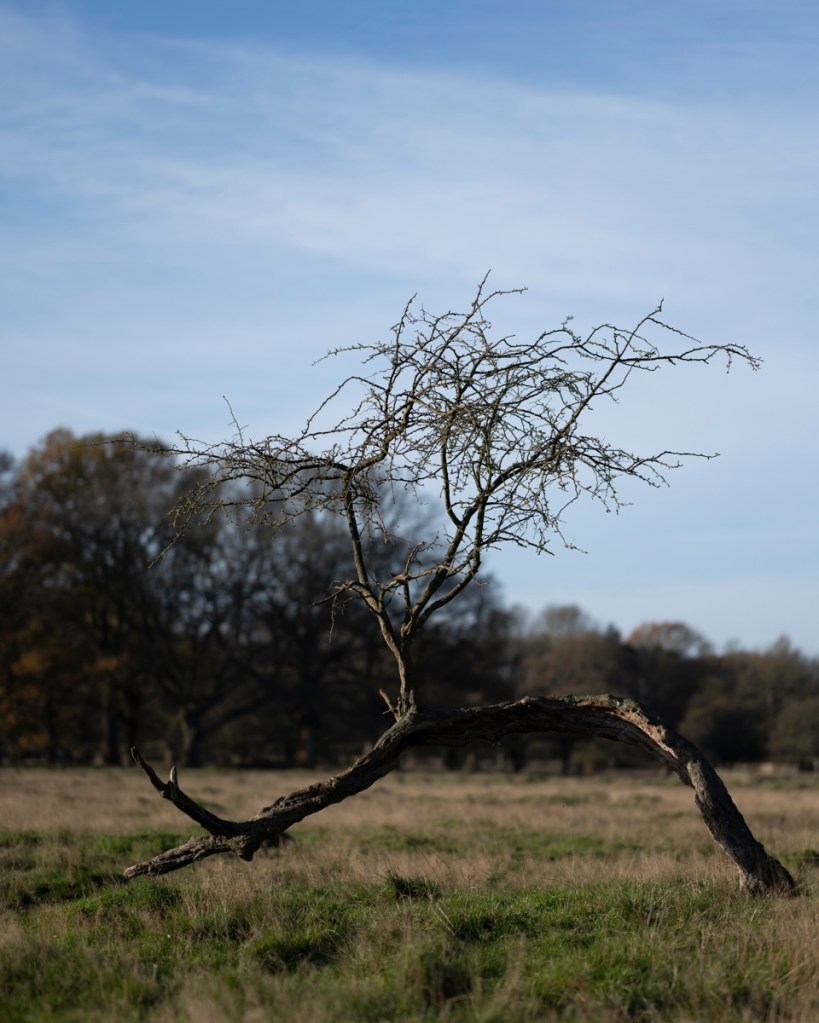
Categories
AGM62 Photography Research Project Stage 1

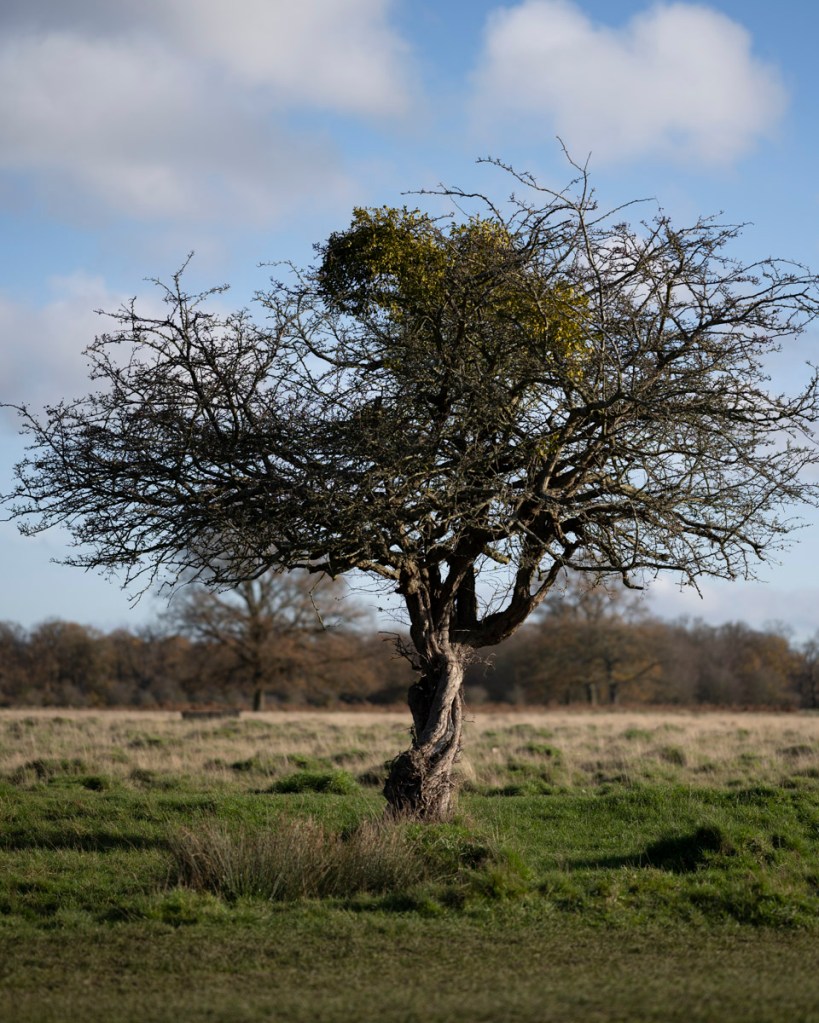
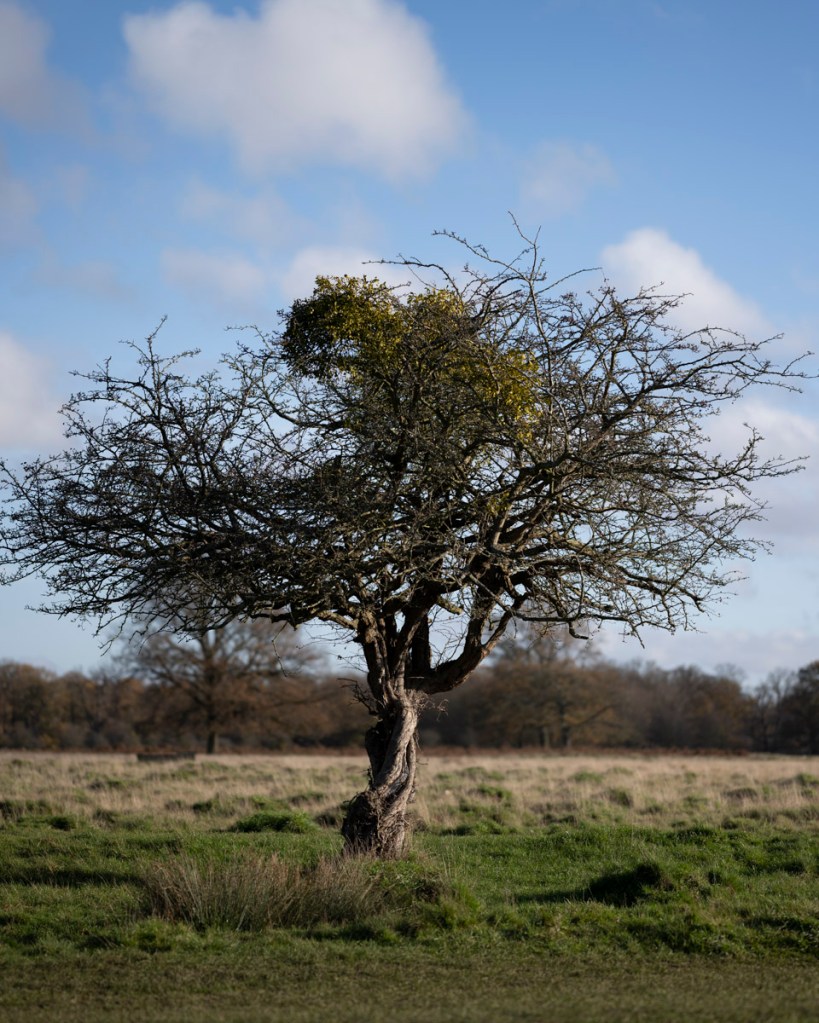
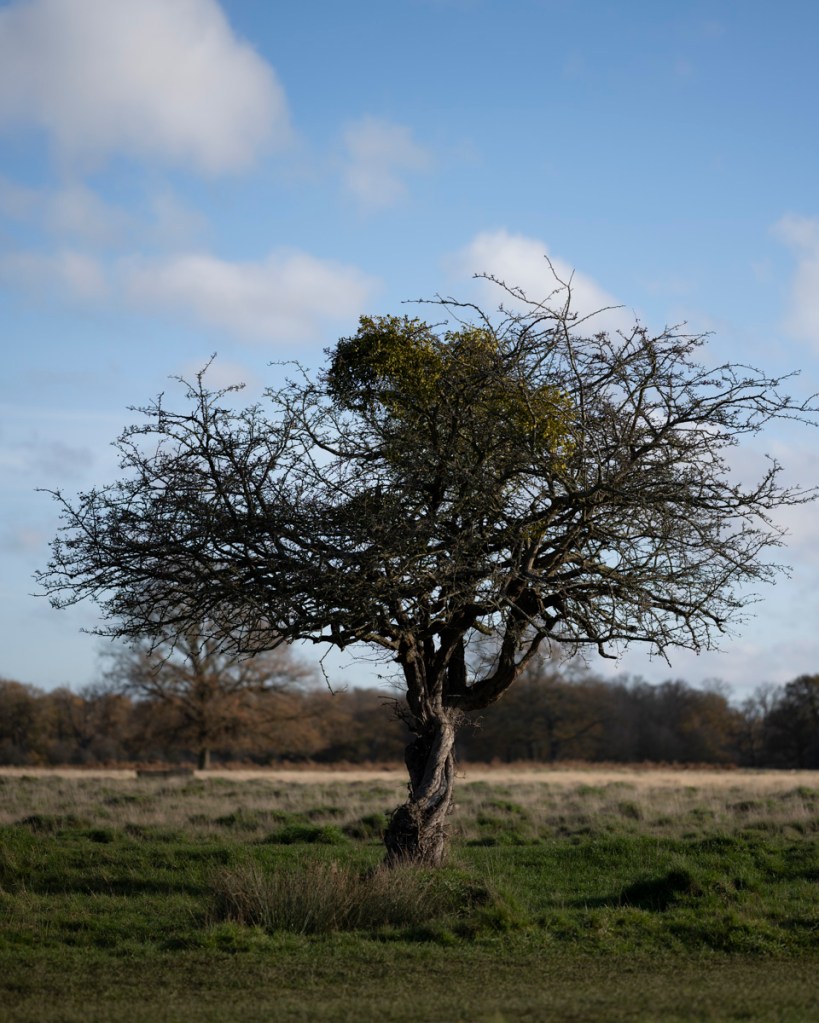
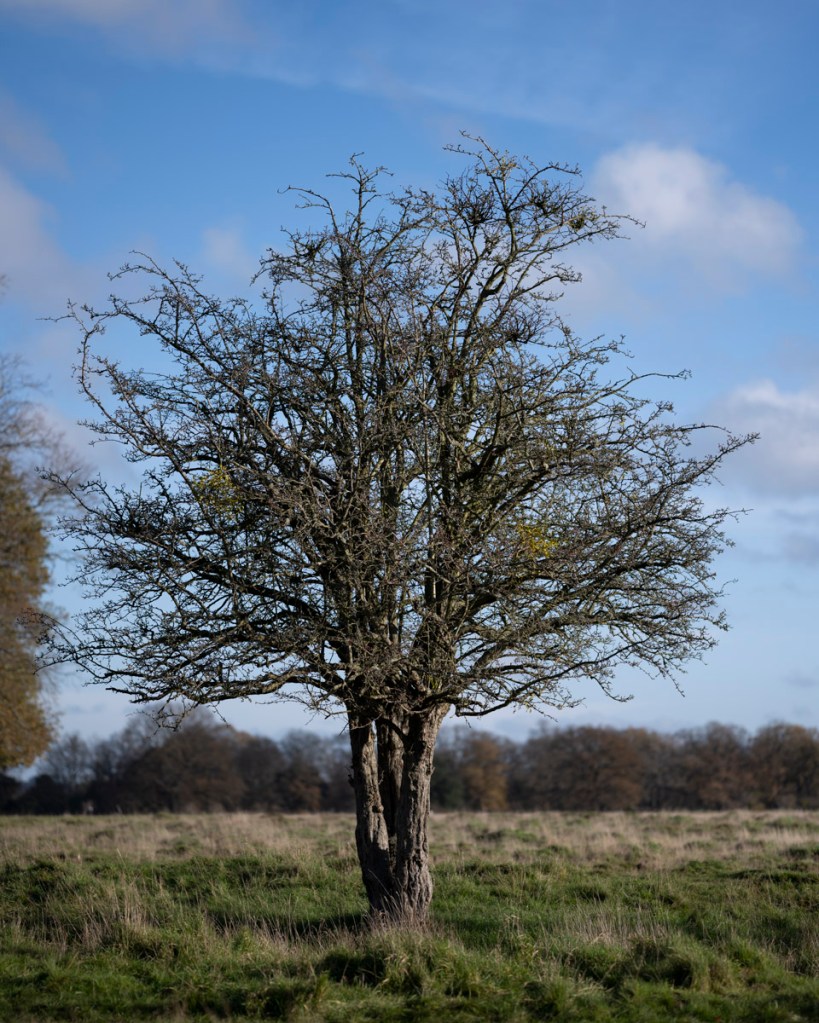
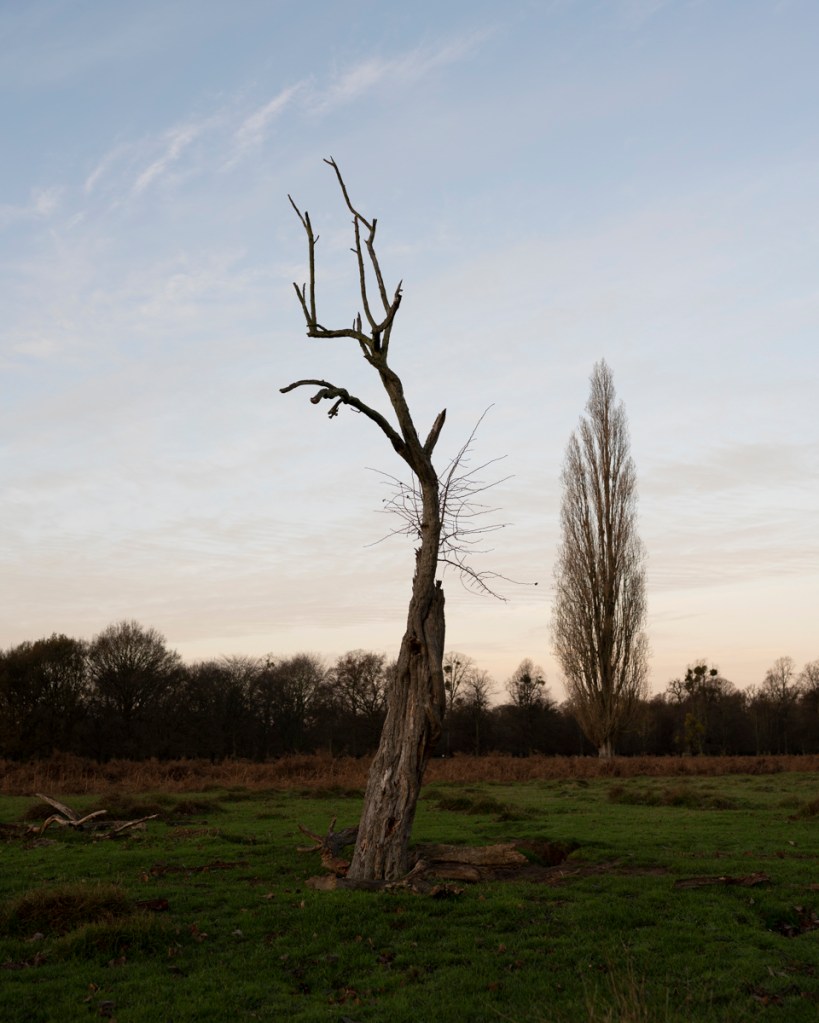
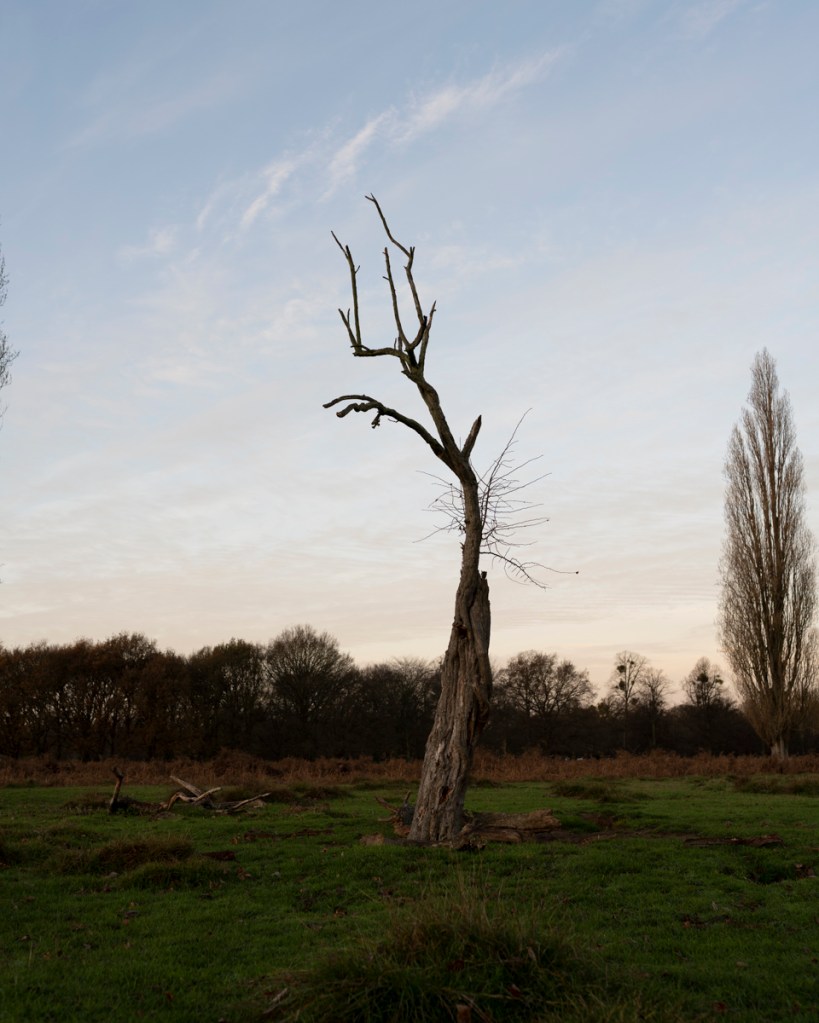
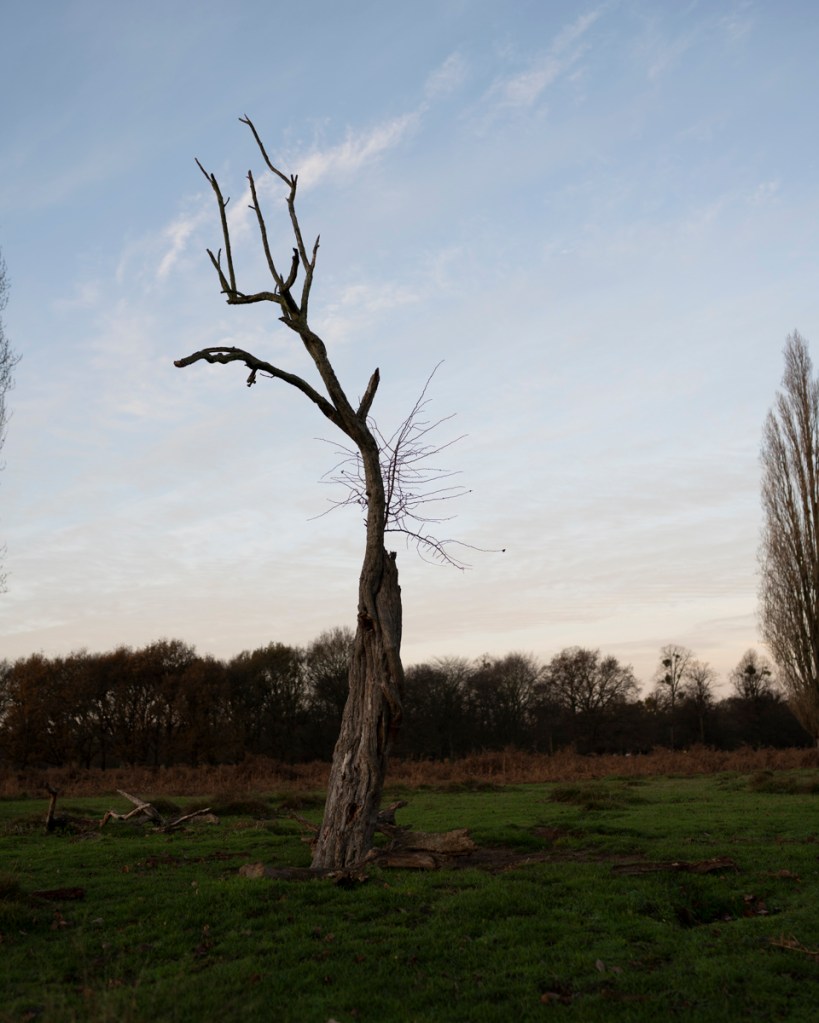
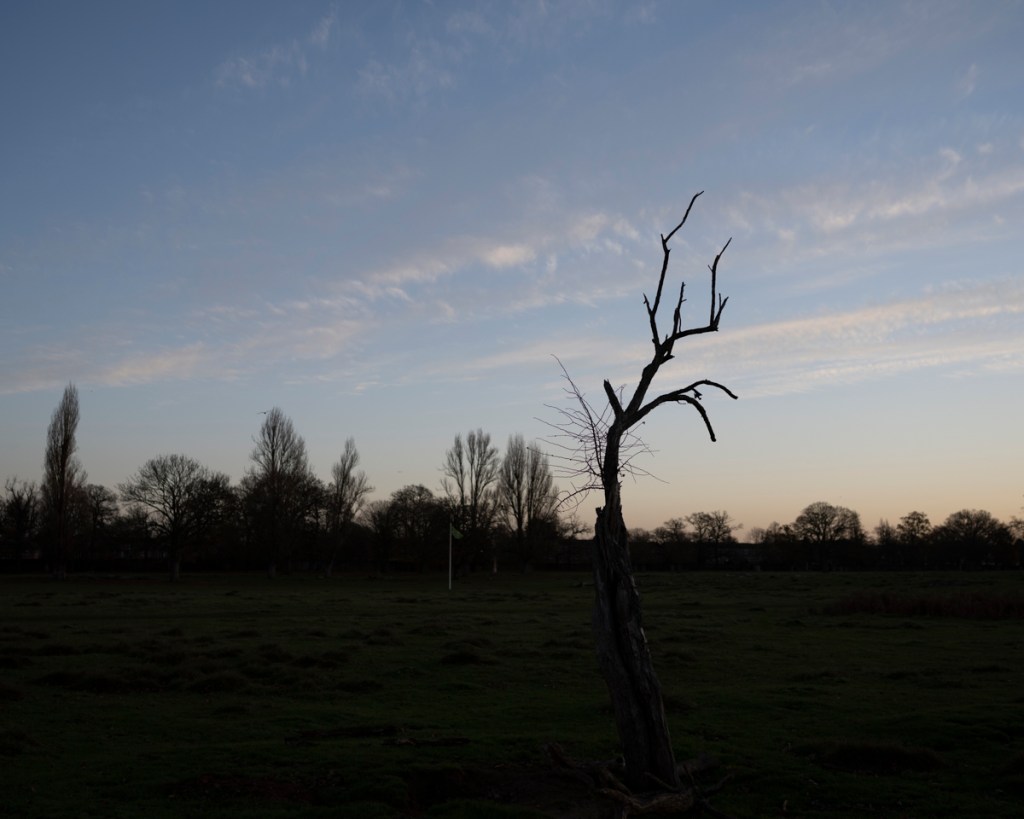
AGM62 Compound Tree Photography 7 December 2020

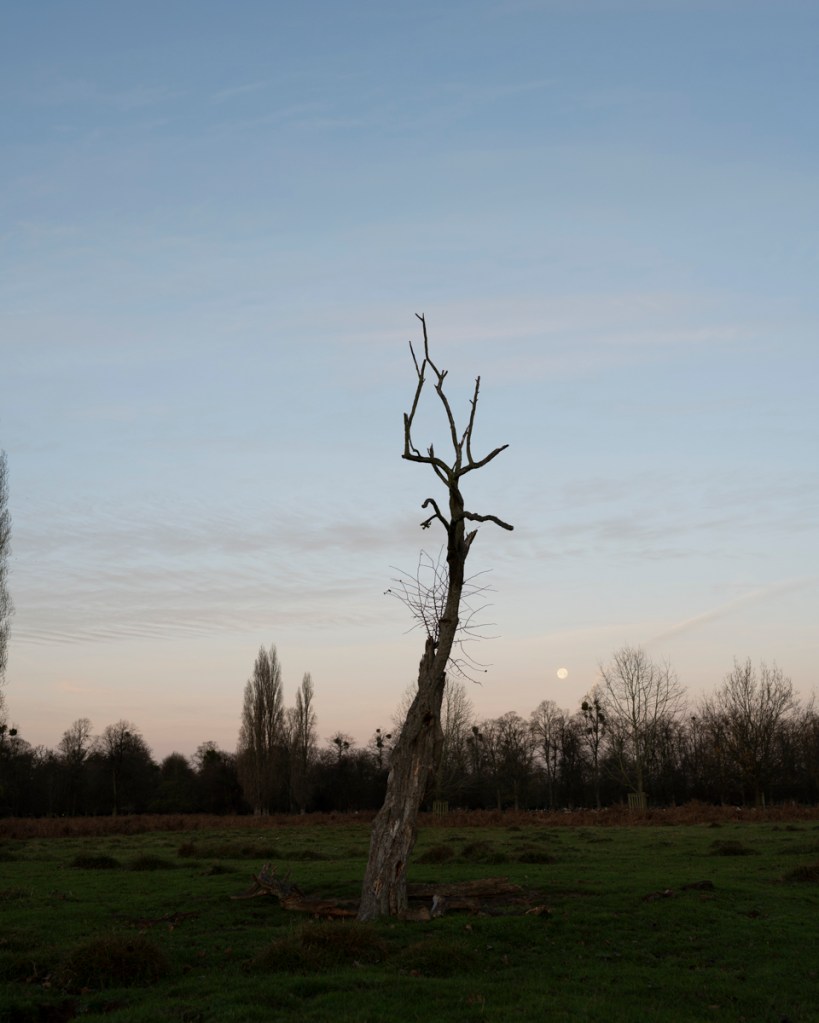
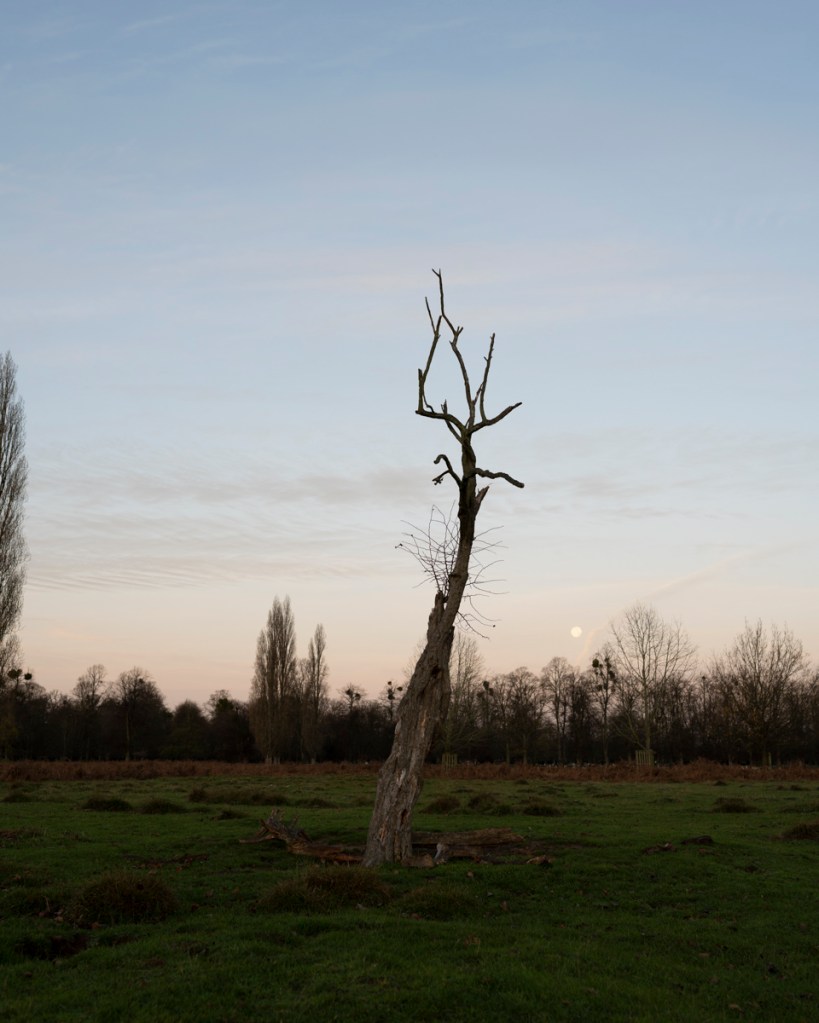
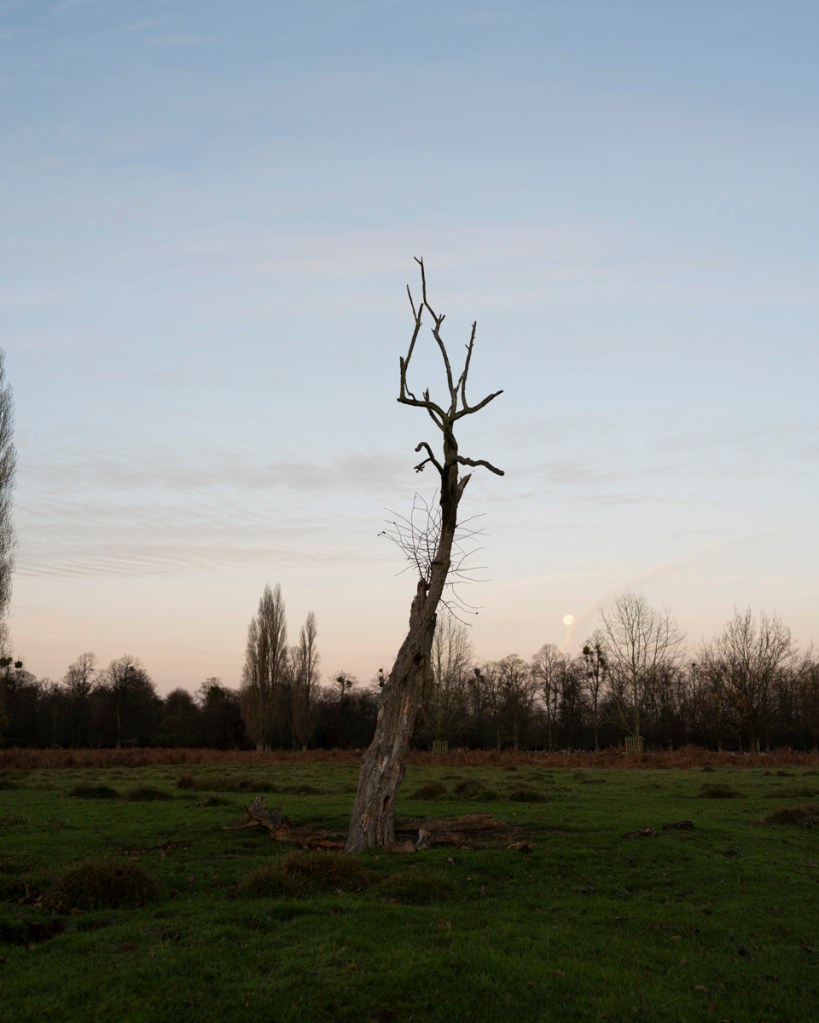
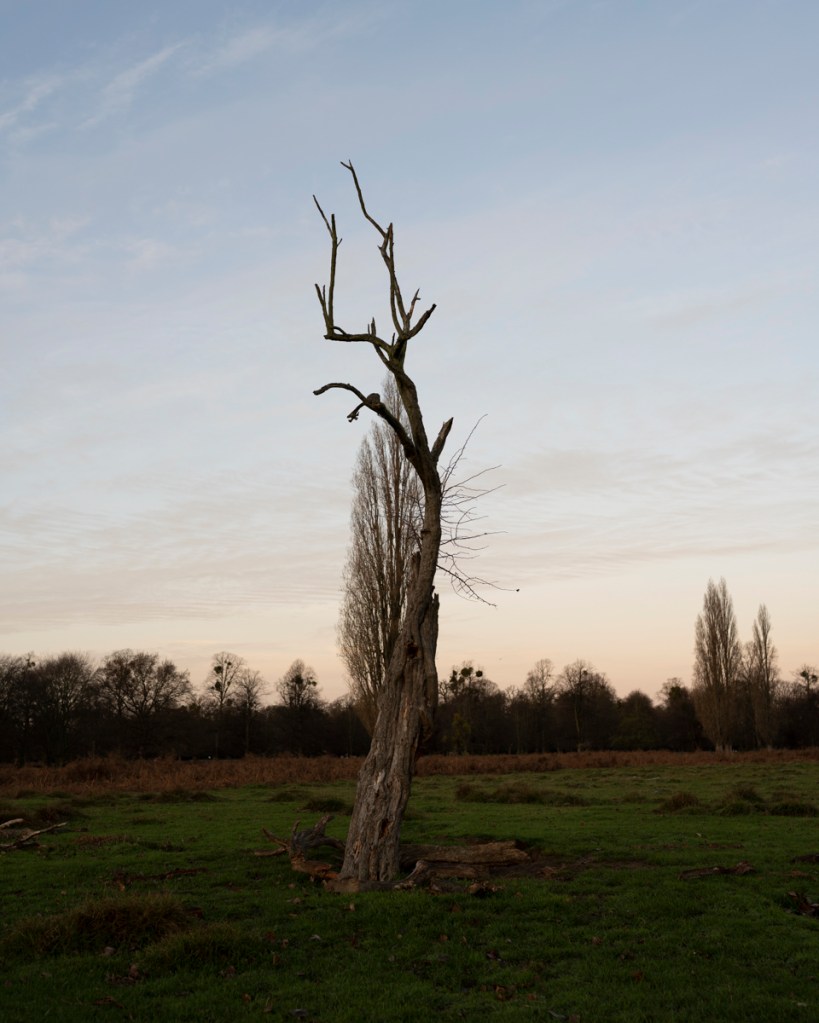
One aspect of tree photography that interests me is the use of multiple images to create a portrait. I explored this during the AGM60 Research & Experimentation module in which I created three multiple exposure shots of a tree then compiled them to create the final image.

https://jenniemeadowsma.photo.blog/category/agm60-research-experimentation-posts/

At this stage of the project, I had already looked at the work of Terry Evans, who specialises in compound photography.

AGM62 Terry Evans American Prairies 27 October 2020

Noel Myles

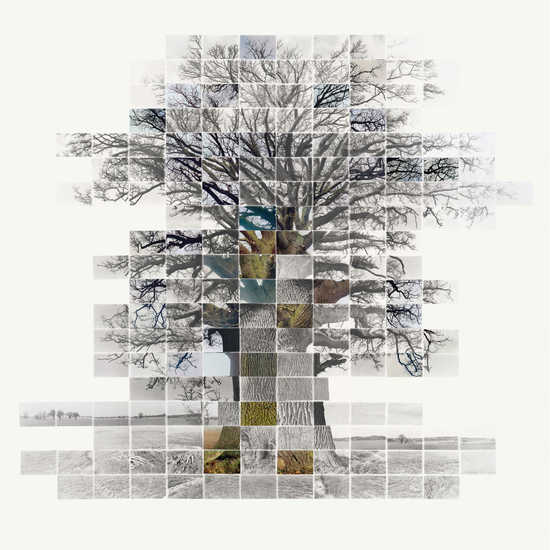
My interest was piqued further by the following image by Noel Myles that featured in Into The Woods.
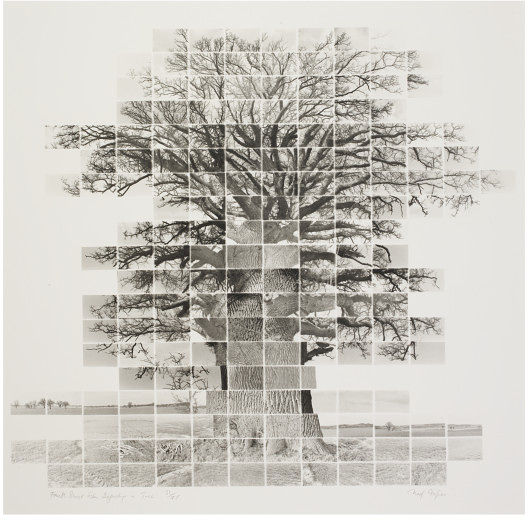
Figure 1: Noel Myles, Fourth Short Film Depicting a Tree from the series Still Films, Winter 2000

“This image was composed in the photographers studio using 187 separate 35mm negatives, taken over a four-week period. It explores the idea that many negatives may comprise one photograph. Myles’ study extends beyond one viewpoint and one moment in time, acting more like a film than traditional photography. More than any single exposure, it also perhaps more accurately reflects the constantly changing life of the tree.”

(Barnes, M. 2019, pp. 136).

When I explored Myles’ work further I came across some information that sparked a new line of enquiry.

“In addition, his landscapes extend beyond one viewpoint and one moment in time, acting perhaps more like film than traditional photography. For the artist, this technique serves to evoke memories and accumulated experiences. [2008].”

(Fourth Short Film Depicting a Tree, Winter | Myles, Noel | V&A Search the Collections, 2020)

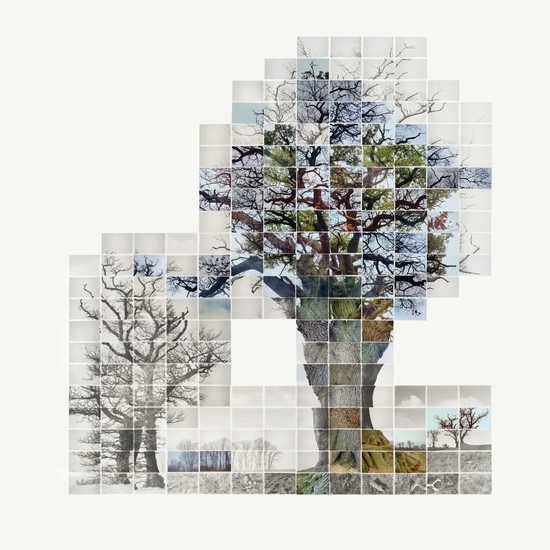
In addition, I discovered that Myles has since made his compound images using both Black & White and colour.
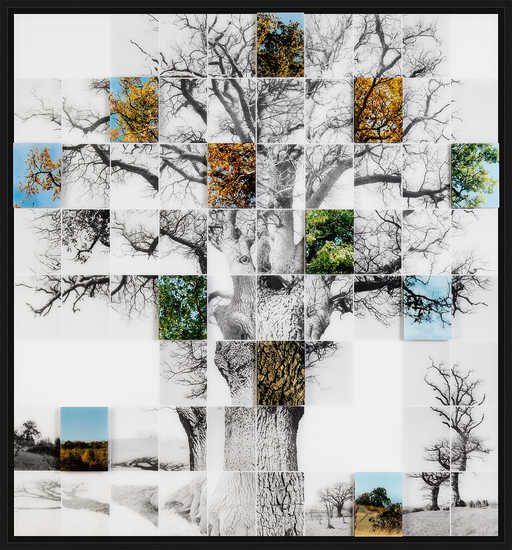
The following has been extracted from the website of Lumas, an organisation who sells artwork on behalf of the photographer. I’ve kept the full text intact as it provides a lot of useful information and references:

“The protruding sections lend the image a physical presence: It emerges into the room. By juxtaposing black & white and colour shots taken at different times of the year, the artist produces a symbolic circle of life. The dynamic energy of the mosaic is accentuated through its three-dimensional appearance. The multi-layered work becomes an artistic entanglement of different elements of time and space, “tangible” in every sense of the word.”

Multiple Art Trees

The mind is not a camera. And the still life trees created in large-format by British artist Noel Myles do not capture moments or, at least, should not be seen to. While they consist of a large number of smaller photographs, these photographs are brought together to create one overall image Myles, who actually trained as an illustrator and painter, creates his collages using classic analogue photography, but contrasts the traditional single perspective of a photograph with the multiple perspectives created by the collage. What we see is a tree, a tree comprised of multiple close-ups, taken over a number of seasons. Individual details are photographed from below, from the side, from up close, and from a distance. This technique allows Myles to revolutionise the fleeting moment of perception captured by classical photography into a more comprehensive impression of time and space. The result is that we, the observer, are forced ask ourselves certain questions. What is nature? What does a tree really mean to us? It is not just a structure that has grown organically, in which every detail stands in relation to the whole, but also an experience of the senses. Just like Myles’s images themselves. The difference is that he uses only photography – a medium of instant impressions – to create this immersion of the senses.

(Reisner, S. 2020)

In addition to the above, I will be researching Myles’ work further in relation to this link and the information available.

https://www.reframingphotography.com/resources/noel-myles

James Balog

Another photographer who uses the compound method is James Balog, an environmental photographer whose focus is on humanity’s modification of nature. I discovered Balog’s work recently when researching how to improve my photography of trees.

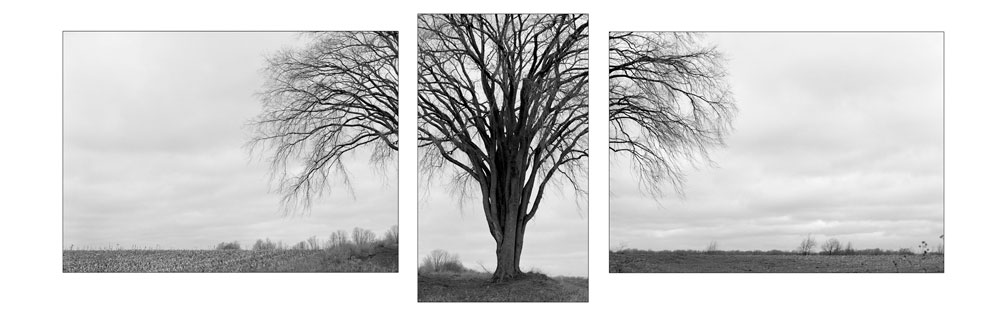
The work of Balog’s that caught my eye was his majestic compound images of trees. Similar to the work of Terry Evans and Noel Myles, Balog uses multiple images to depict a single tree as a portrait.
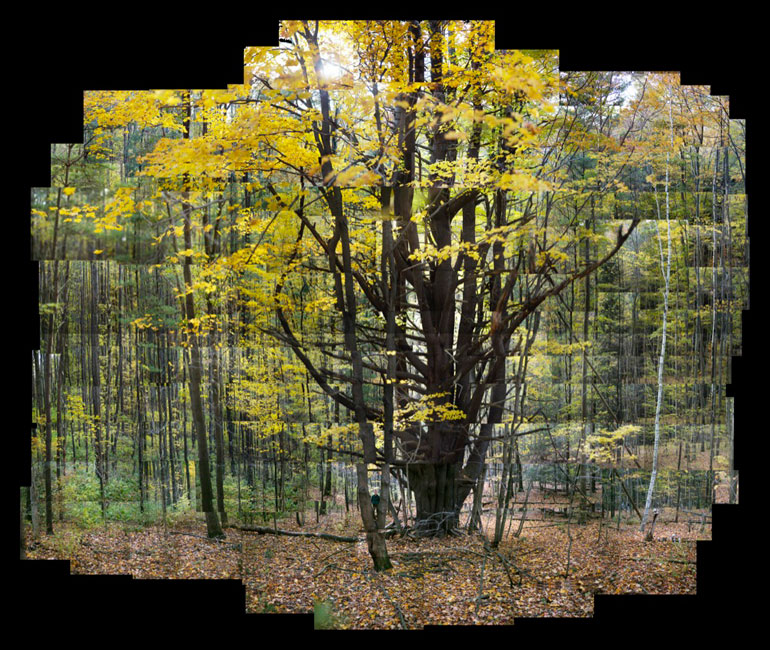
Balog spent six years photographing North America’s largest, oldest and strongest trees that resulted in the book Tree: A New Vision of the American Forest (2004). At the time of writing, I have ordered this book and was eagerly awaiting its arrival.

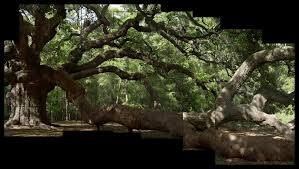
Balog originally built enormous portrait studios beneath the canopies of the forest. This aspect reminds me of the work of Myoung Ho Lee. In 2000, Balog invented his own method of compound photography. This involved photographing these massive trees in segments from top to bottom then compose these segments resulting in a portrait. By doing so, Balog has captured each tree in its entirety instead of just showing parts.

To give an idea of Balog’s method, the following is in his own words:

“Eventually, I started what became a four-year-long process—gruelling, dangerous, uncomfortable, and expensive—of figuring out how to climb the trees, rappel down and shoot them as enormous mosaics. The finished composites took hundreds, then thousands, of frames. Hard work, like I said. Yet the approach was satisfying beyond my wildest dreams when it created fresh new ways of engaging with these greatest of arboreal citizens on our continent.”

(Balog, J. 2020)

According to Balog’s website these images:

“Stand as an artistic and symbolic reassembling of the continent’s long-lost primeval forests. Across the globe, the planet’s original tree cover has been altered so dramatically that we no longer remember what made nature natural.”

Was this the inspiration I was looking for?

Images

Figure 1: Noel Myles, Fourth Short Film Depicting a Tree from the series Still Films, Winter 2000

Figure 2: Noel Myles Oak No 1 2016

Figure 3: Noel Myles Still Film of an Oak at Wormingford No 7 2011

Figure 4: Noel Myles Third Film of the three trees No 1 2010 2011

Figure 5: Eastern White Pine, Lenox, Massachusetts, October 2002, from TREE: A New Vision of the American Forest. James Balog.

Figure 6: American elm, Buckley, Michigan, November 2000, from TREE: A New Vision of the American Forest. James Balog.

Figure 7: Live Oak tree named “Angel Oak,” Johns Island, South Carolina, April 2001, from TREE: A New Vision of the American Forest. James Balog.

References

Balog, J., 2020. Changing Forests: 1998–2004 | James Balog Photography. [online] Jamesbalog.com. Available at: <http://jamesbalog.com/portfolio/changing-forests/&gt; [Accessed 4 December 2020].

Balog, J., 2020. Tips For Environmental Photographers | Nikon. [online] Nikonusa.com. Available at: <https://www.nikonusa.com/en/learn-and-explore/a/tips-and-techniques/tips-for-environmental-photographers.html&gt; [Accessed 2 December 2020].

Balog, J., 2004. Tree: A New Vision of the American Forest. New York, NY: Sterling Publishing Co., Inc.

Barnes, M. 2019. Into The Woods. London: Thames & Hudson.

Collections.vam.ac.uk. 2020. Fourth Short Film Depicting A Tree, Winter | Myles, Noel | V&A Search The Collections. [online] Available at: <http://collections.vam.ac.uk/item/O178873/fourth-short-film-depicting-a-photograph-myles-noel/&gt; [Accessed 7 December 2020].
LUMAS. 2020. Noel Myles Fine Art Prints And Photography | LUMAS. [online] Available at: <https://www.lumas.com/artist/noel_myles/&gt; [Accessed 7 December 2020].
Noel Myles | Reframing Photography. [online] Reframingphotography.com. Available at: <https://www.reframingphotography.com/resources/noel-myles&gt; [Accessed 7 December 2020].
Categories
AGM62 Photography Research Project Stage 1 Posts

AGM62 Hawthorn Sunset 6 December 2020

Despite the starting off dull and wet, the clouds lifted and the sun broke through after lunch. As such, I thought it the ideal opportunity to see how the light would be at this time of day.

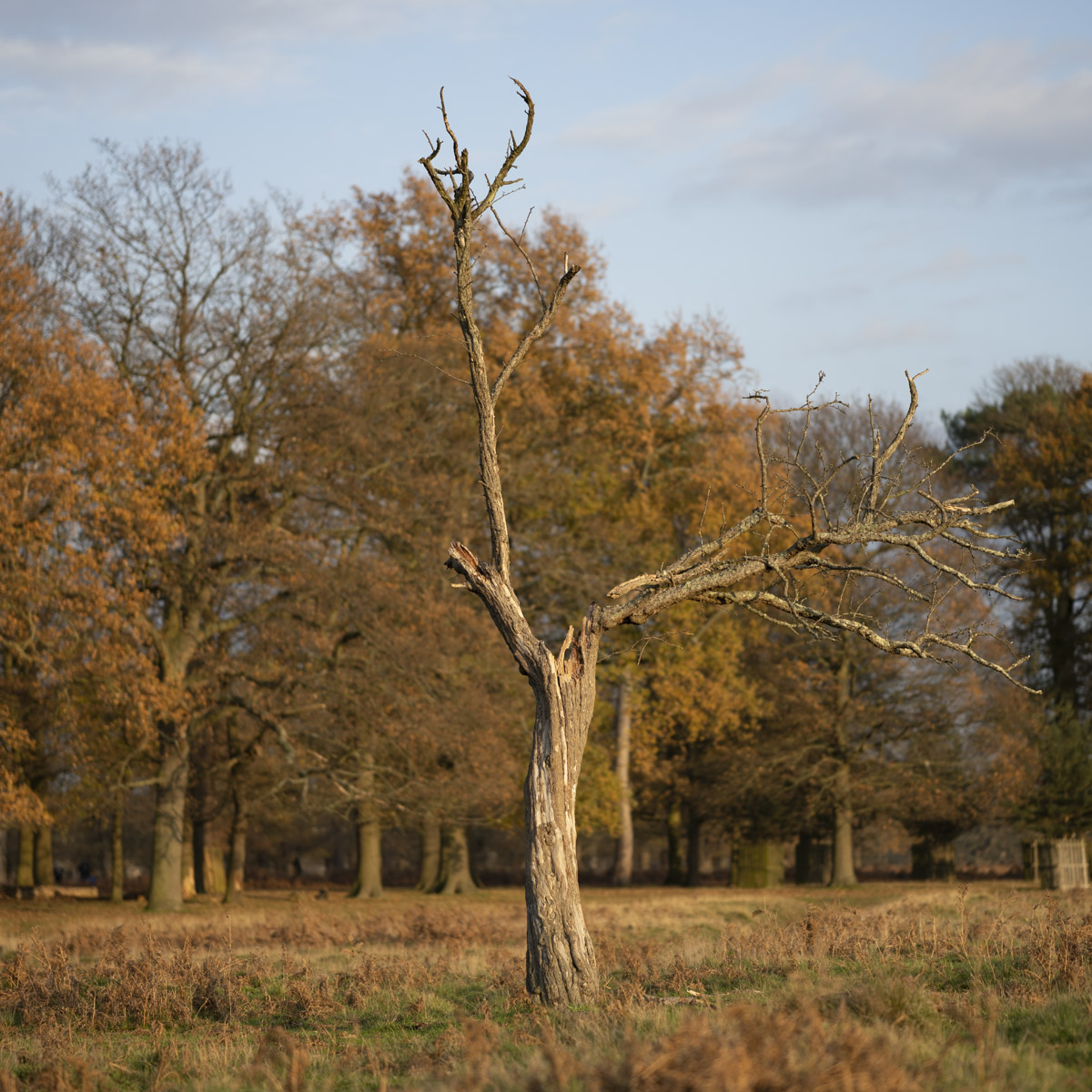
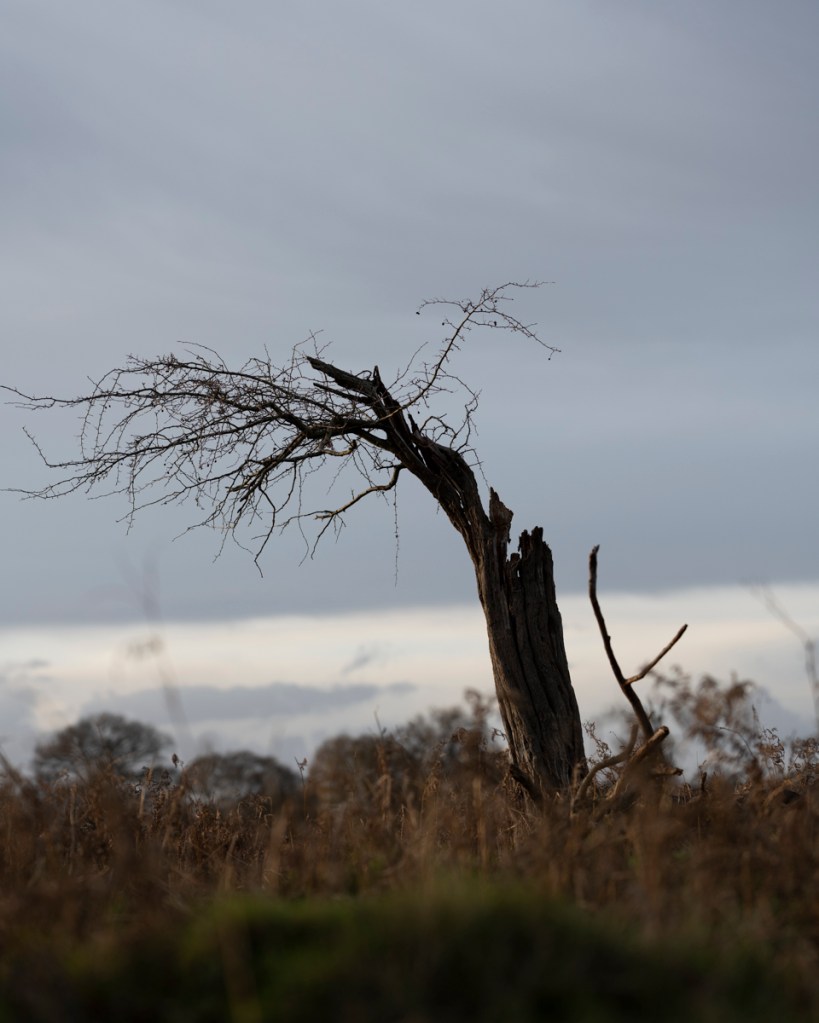
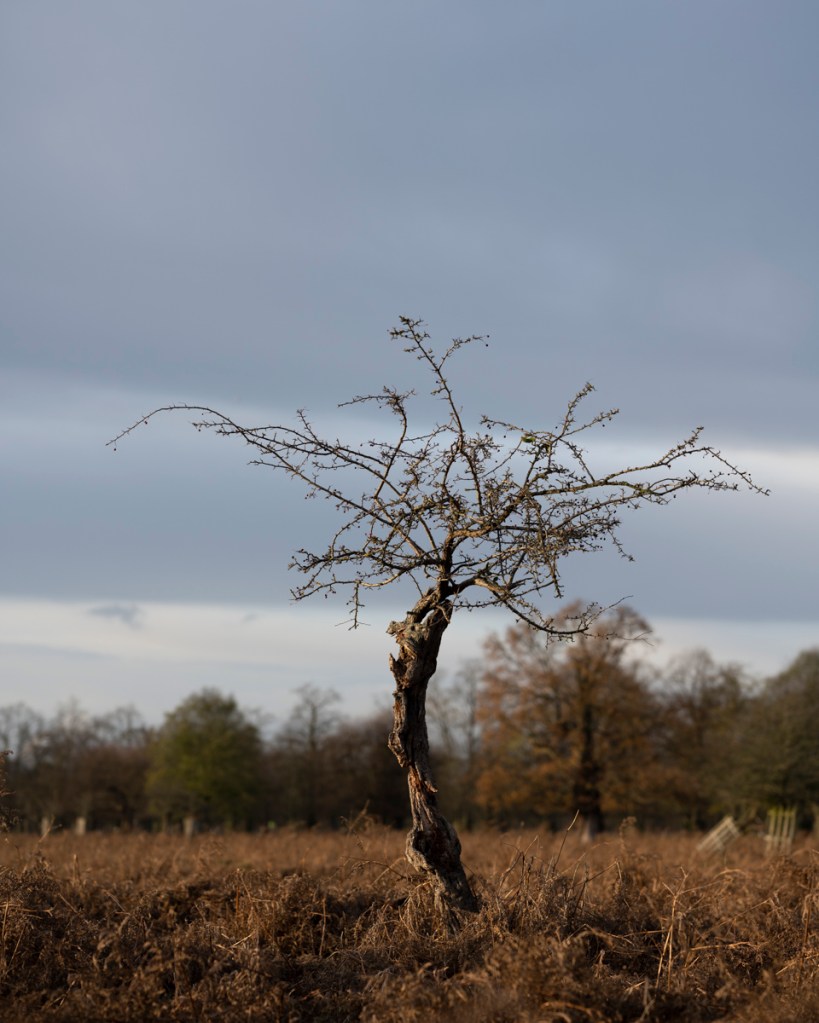
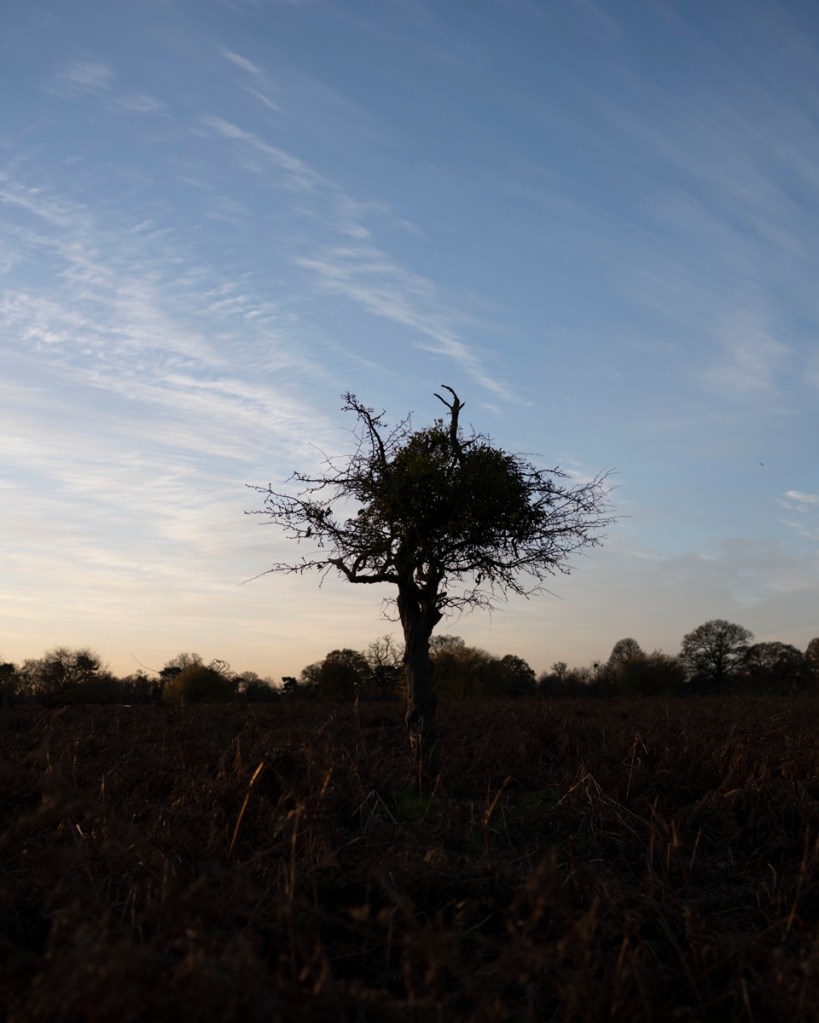
I took both the 85mm and 35mm along with the tripod and made my way to Teddington Gate arriving at 2.30pm. I thought I would start with this tree (image taken on 1 December 2020). However, the light was totally blocked by the other tree in this image and it was totally in shadow.

Despite this disappointment, the sunlight was illuminating the hawthorns on the left of Hawthorn Lodge.

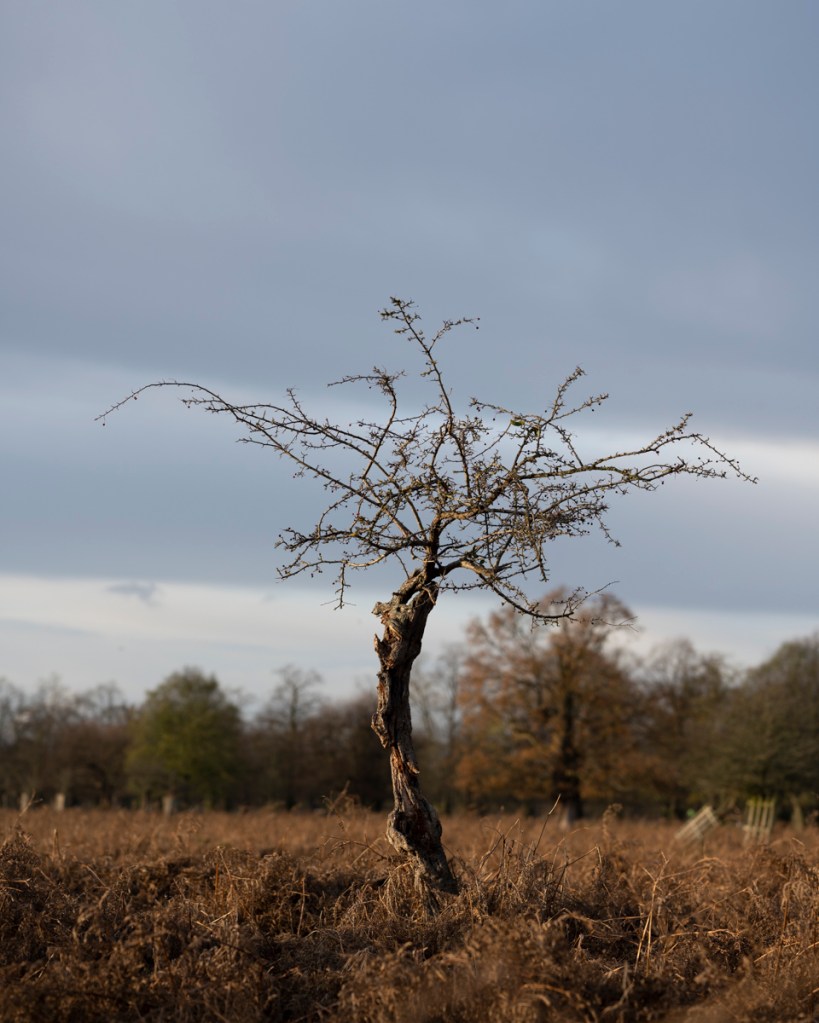
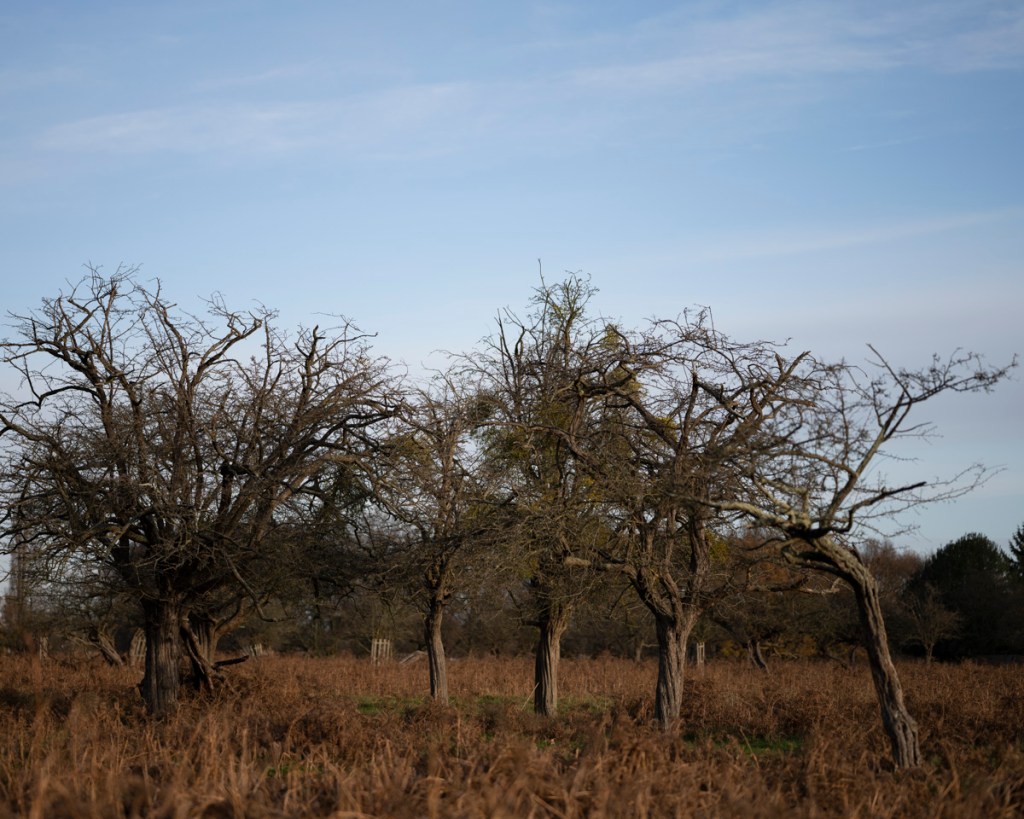
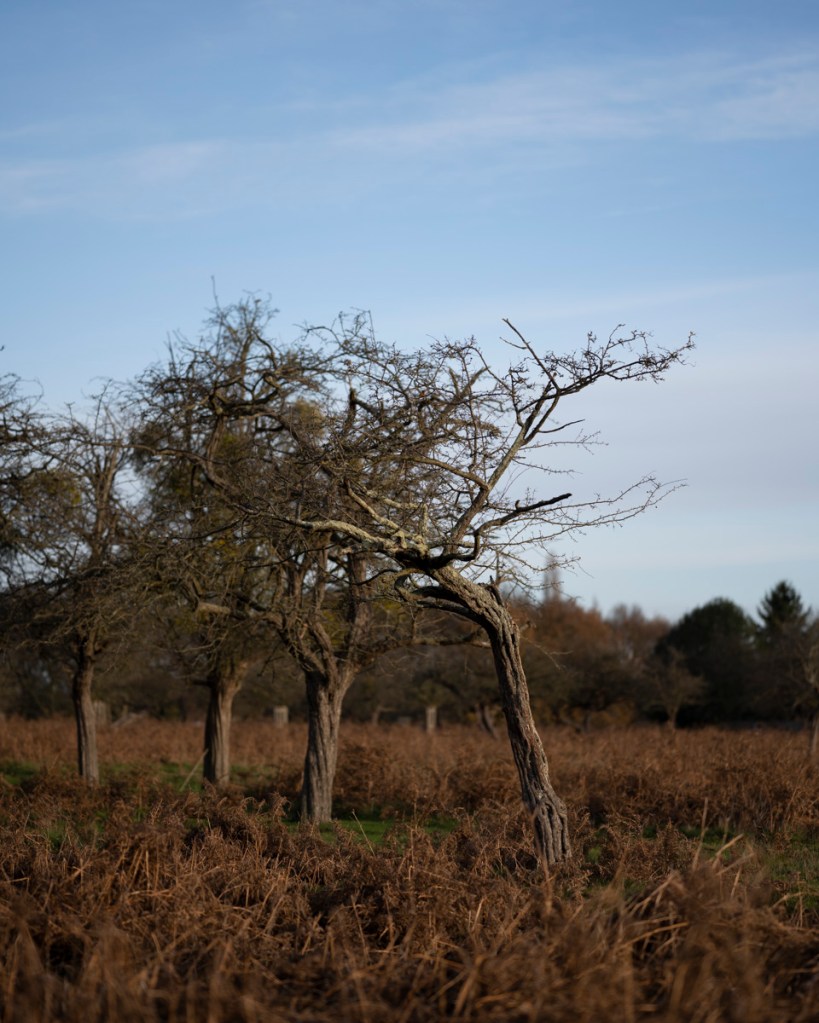
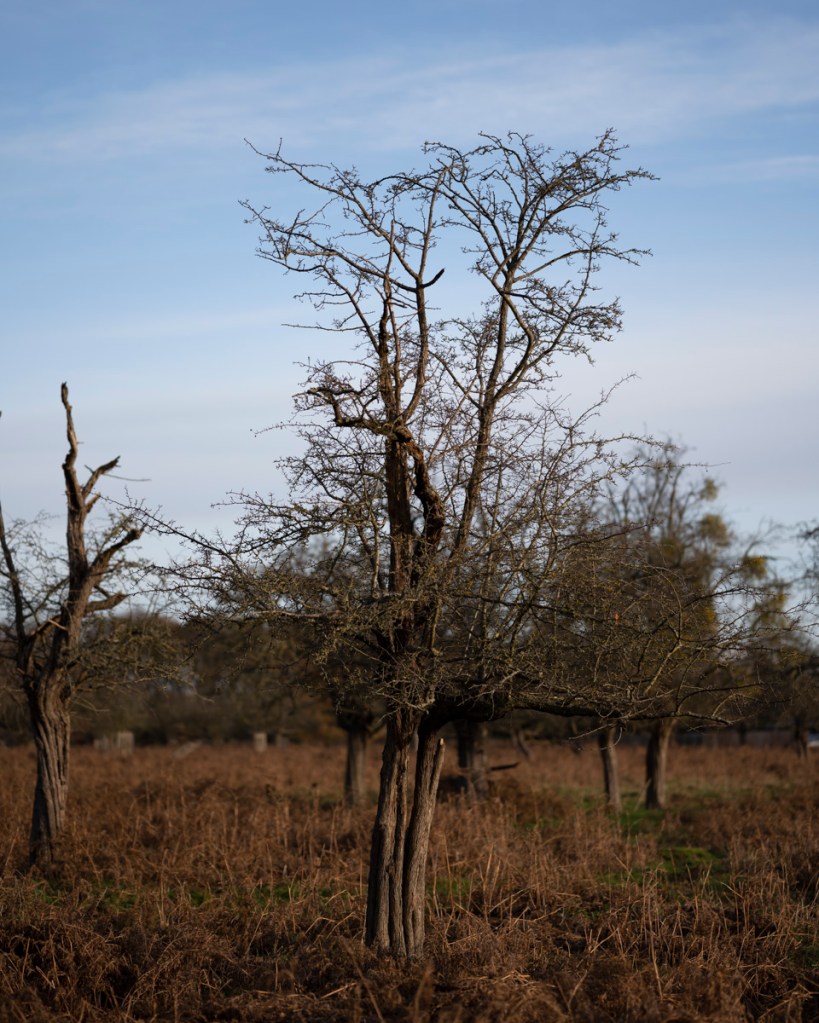
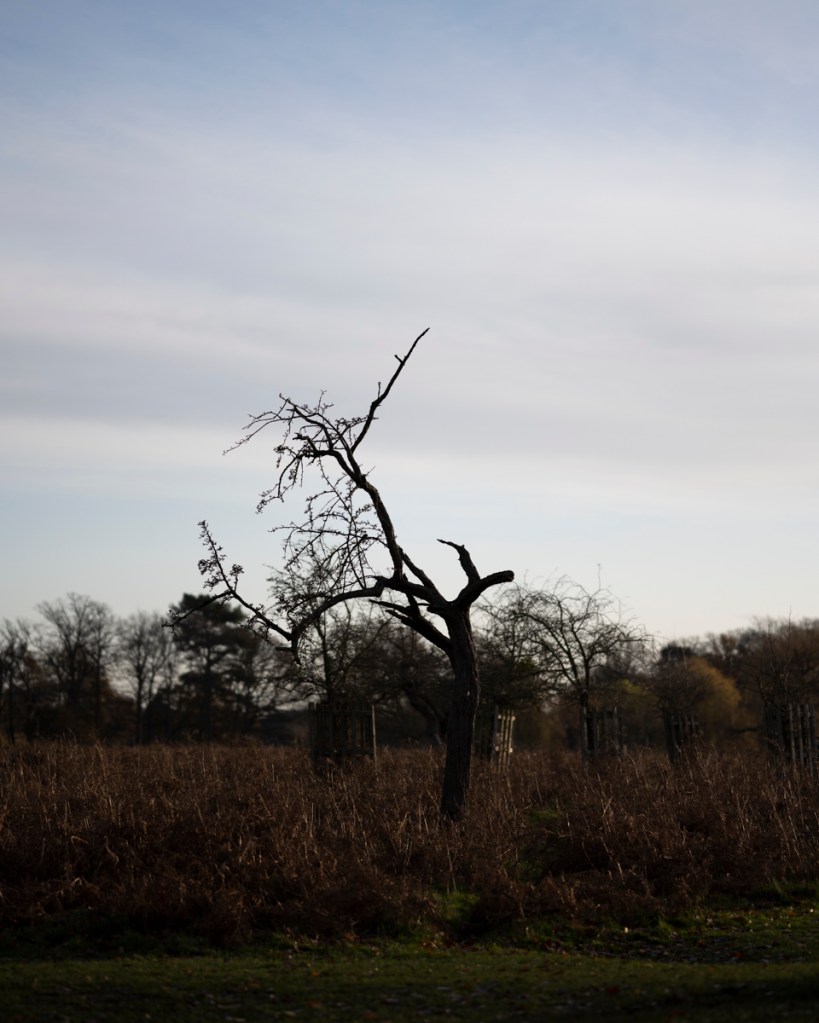
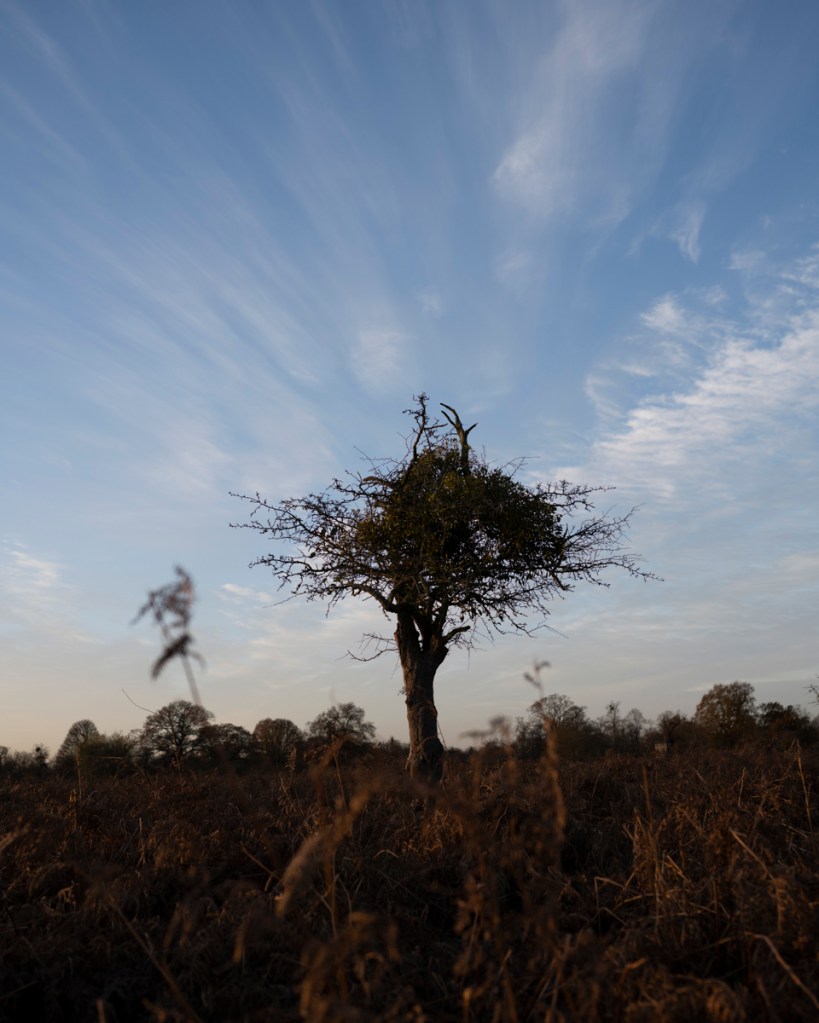
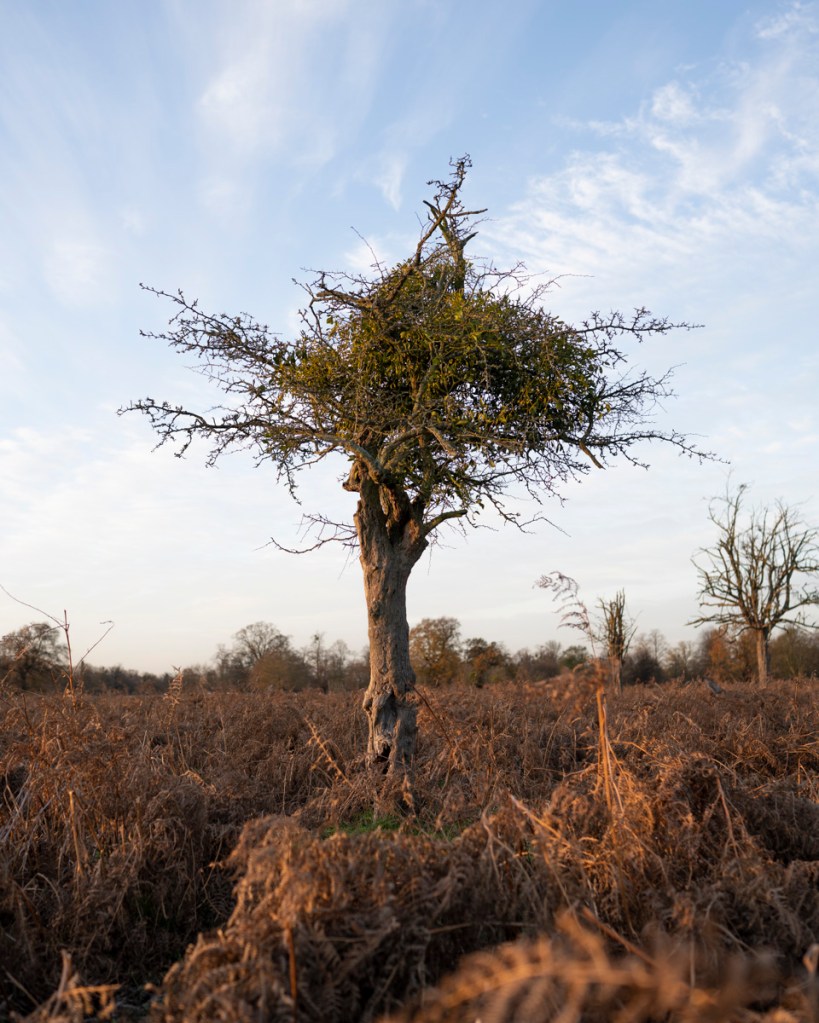
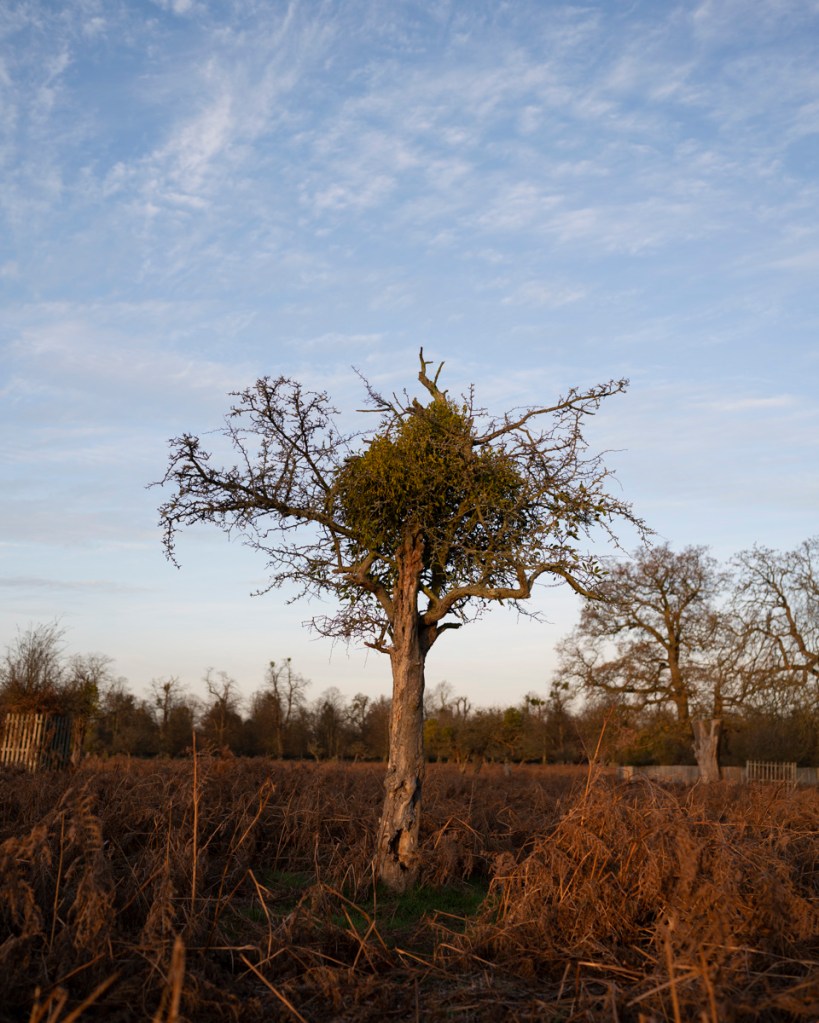
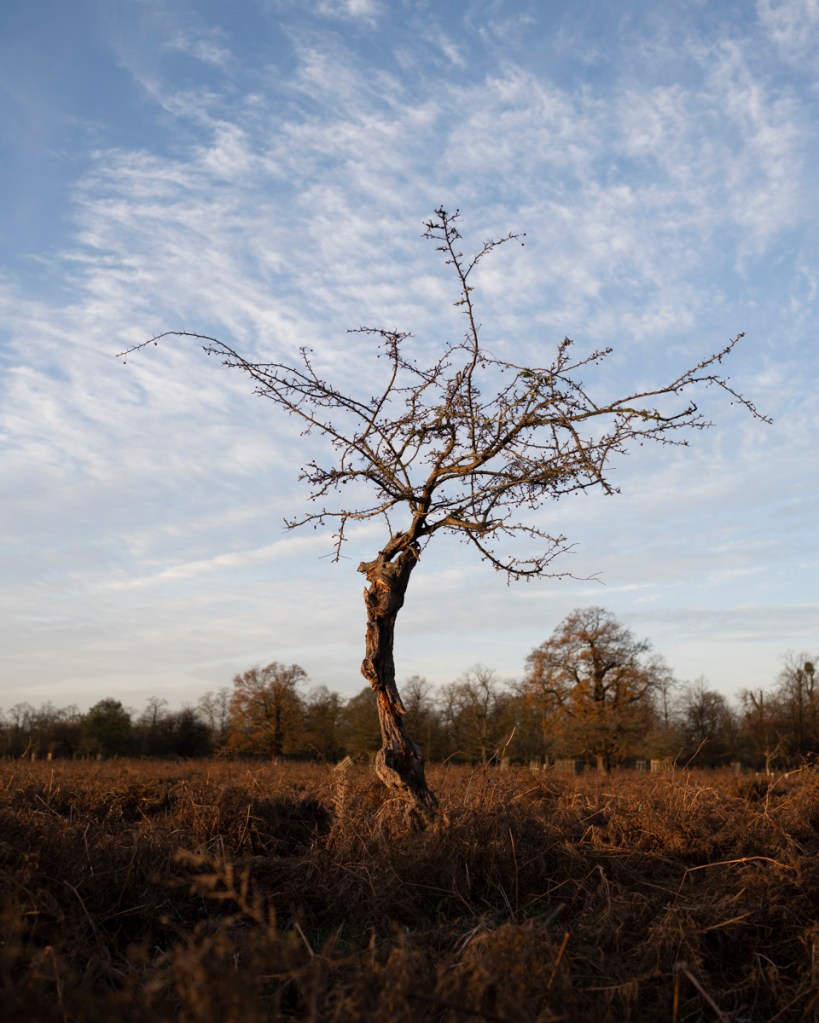
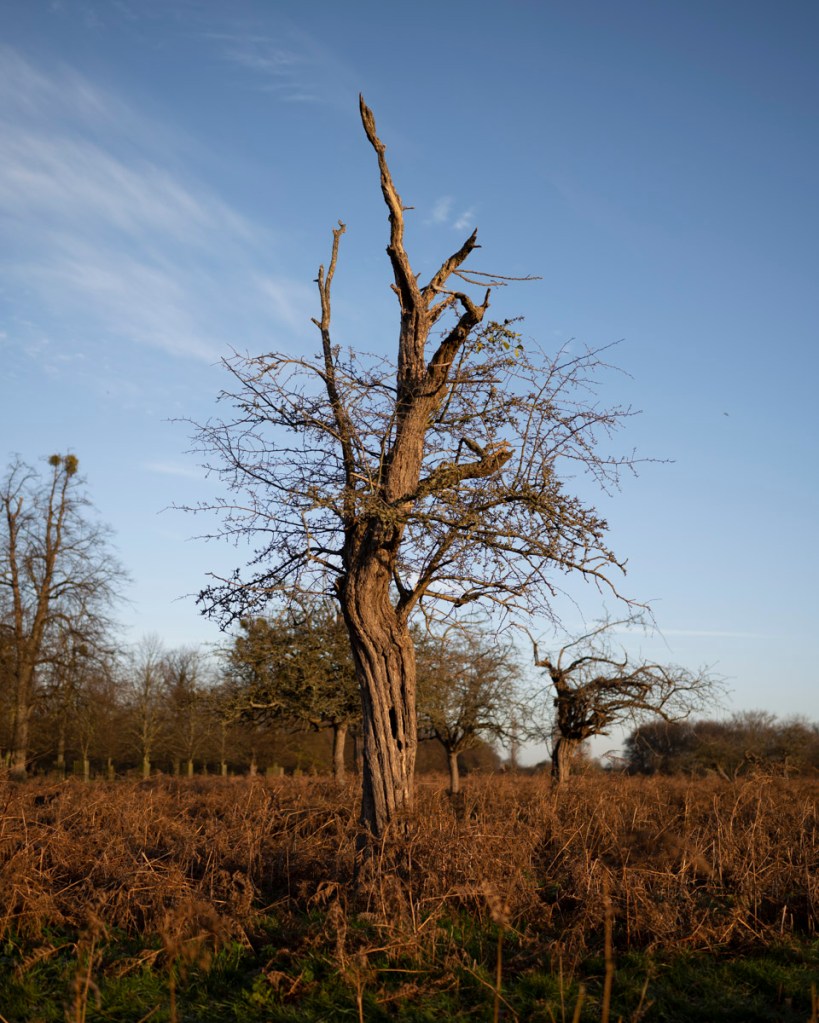
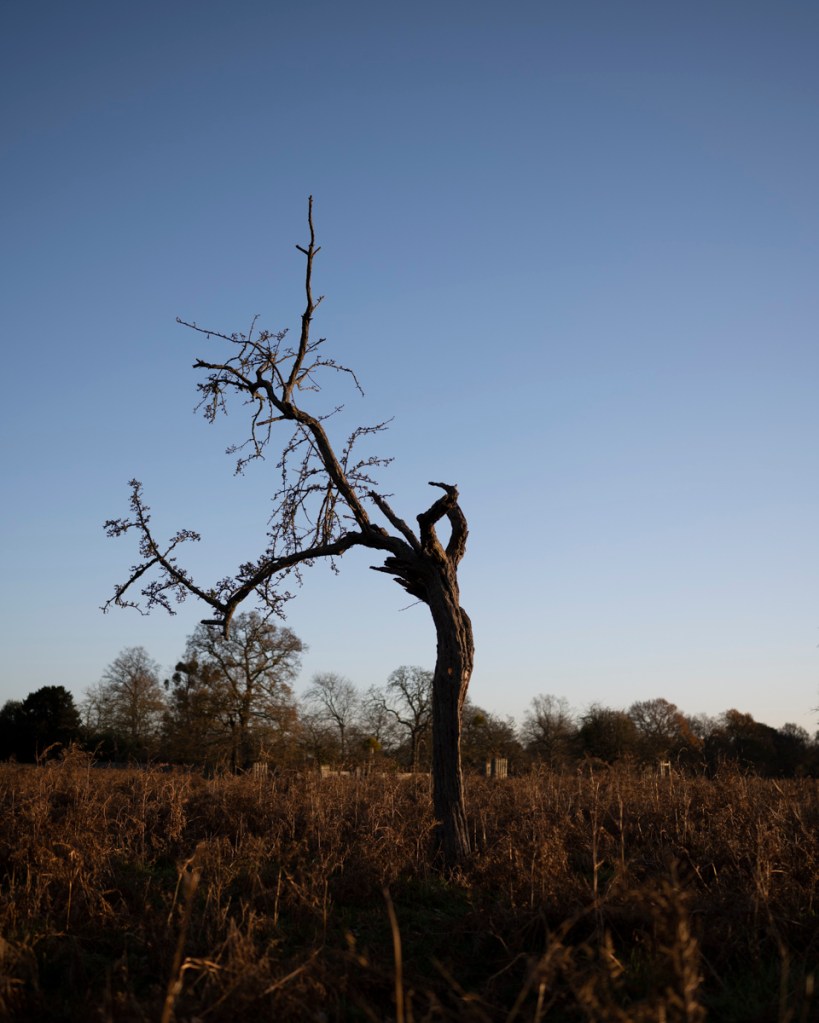
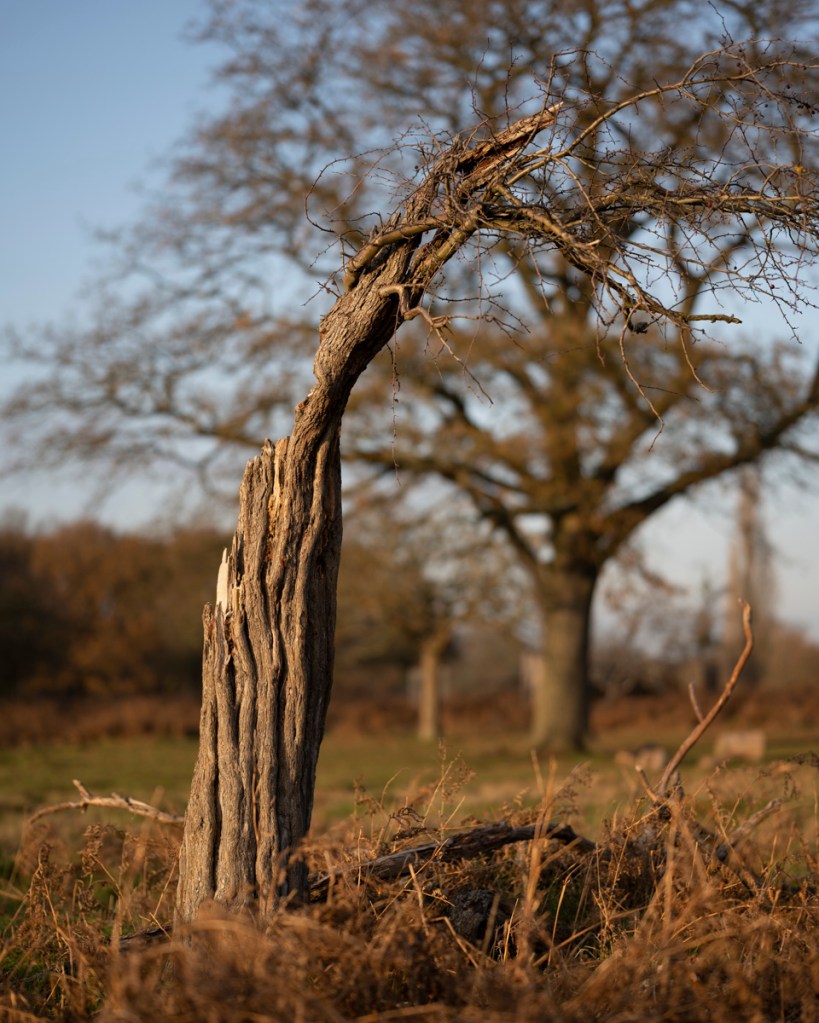
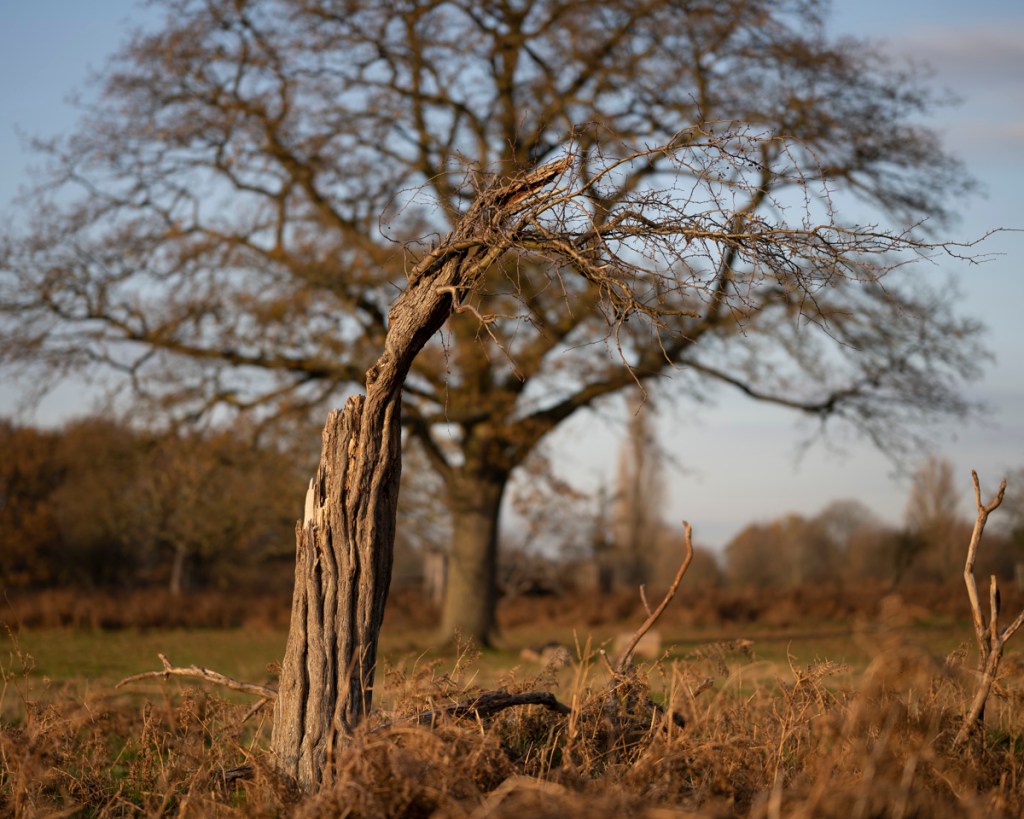
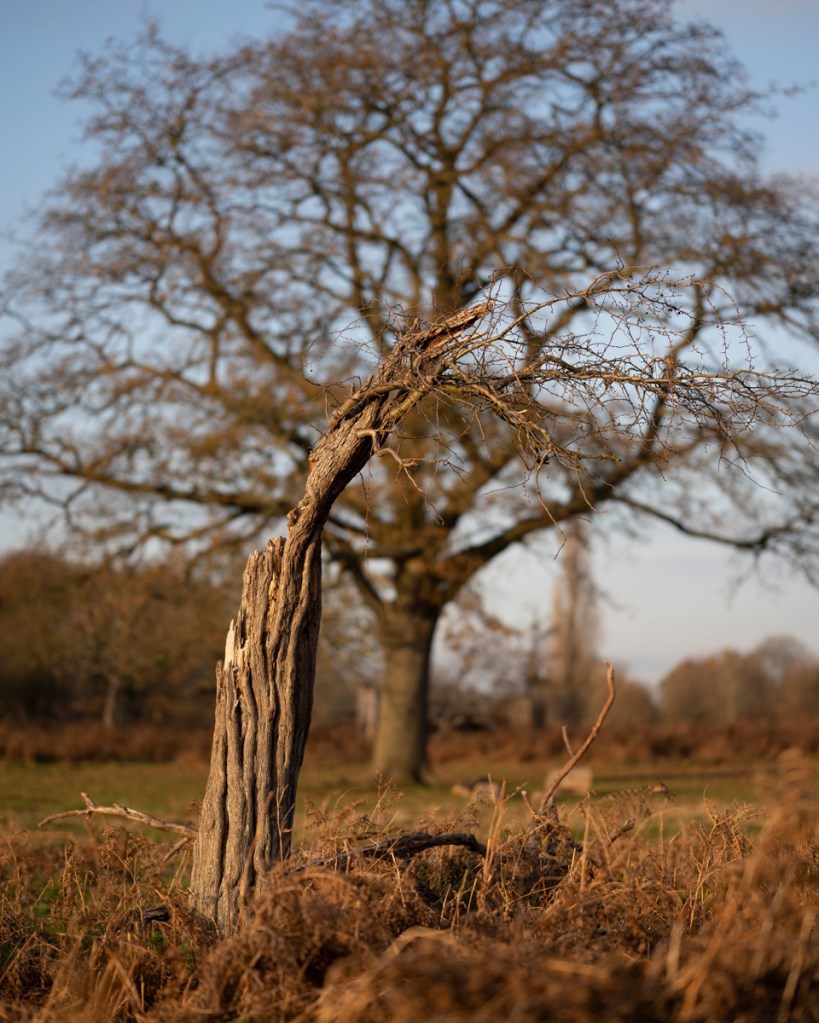
The following were taken using the 85mm lens and at 5:4 aspect ratio. All of the following images are low res JPGs taken directly from the RAW file with no editing, unless stated.

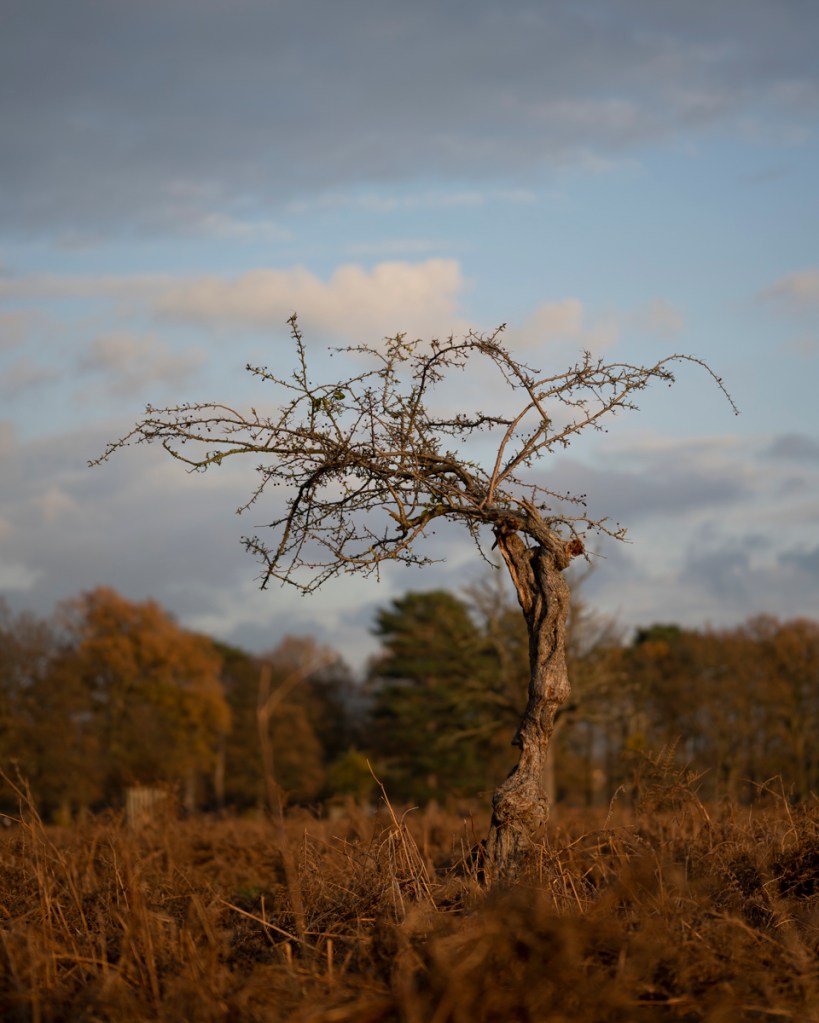
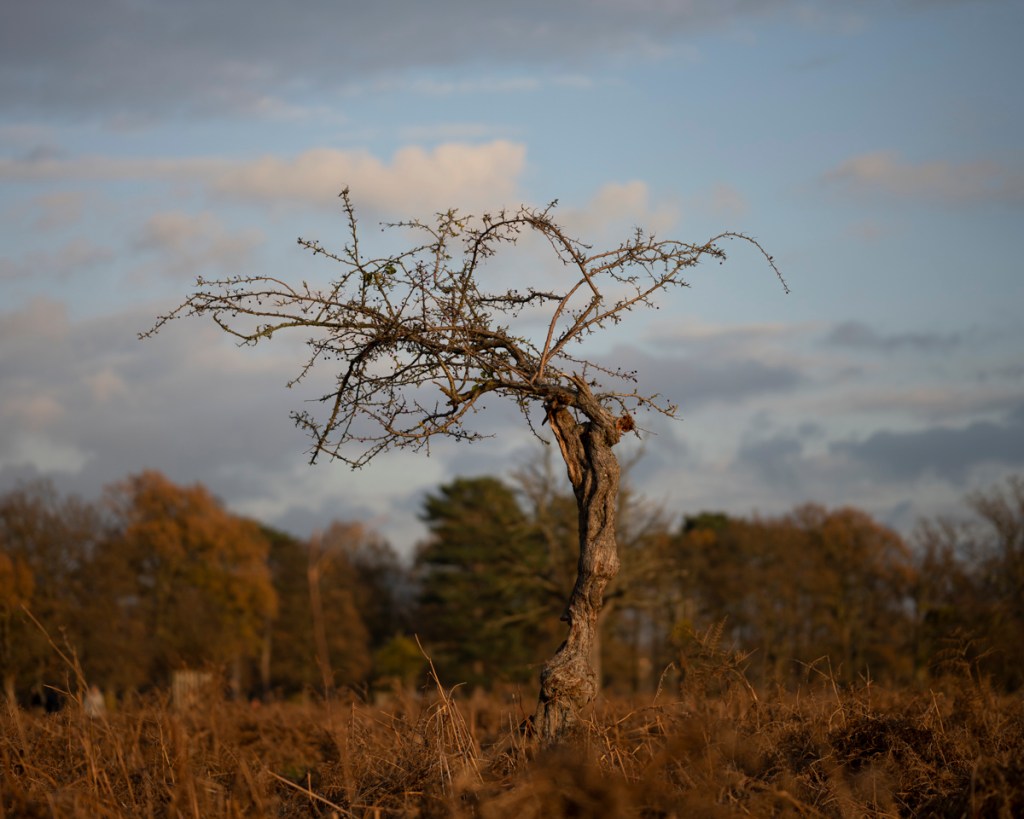
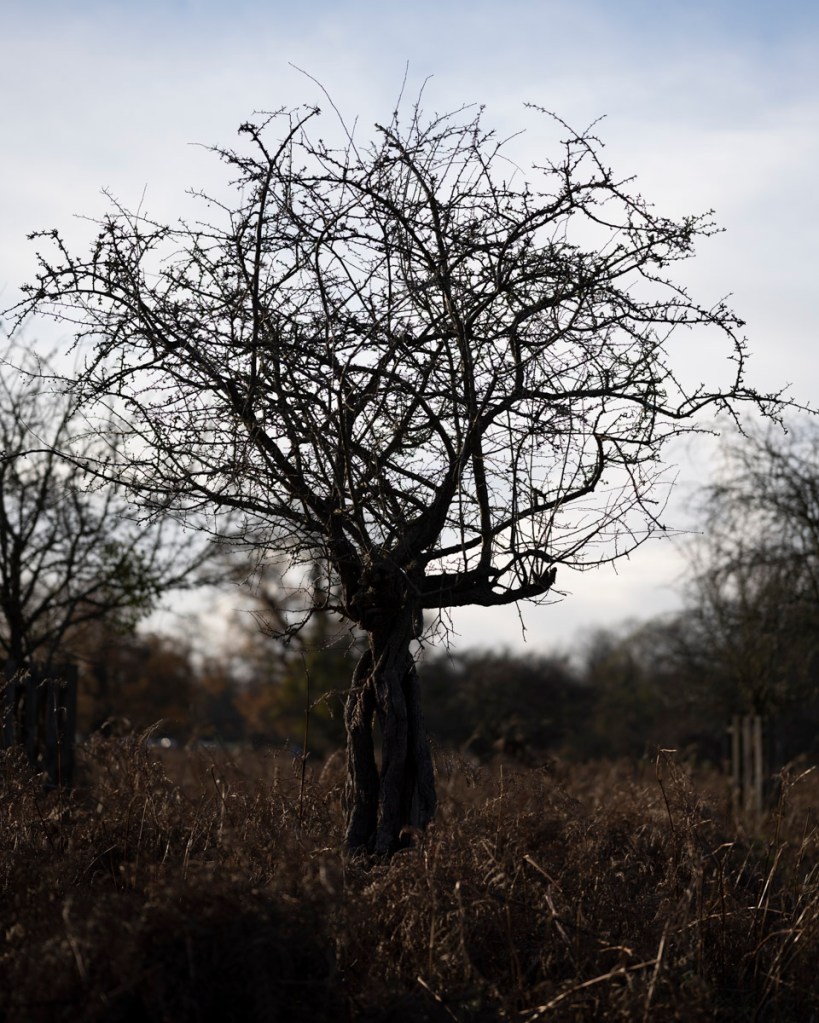
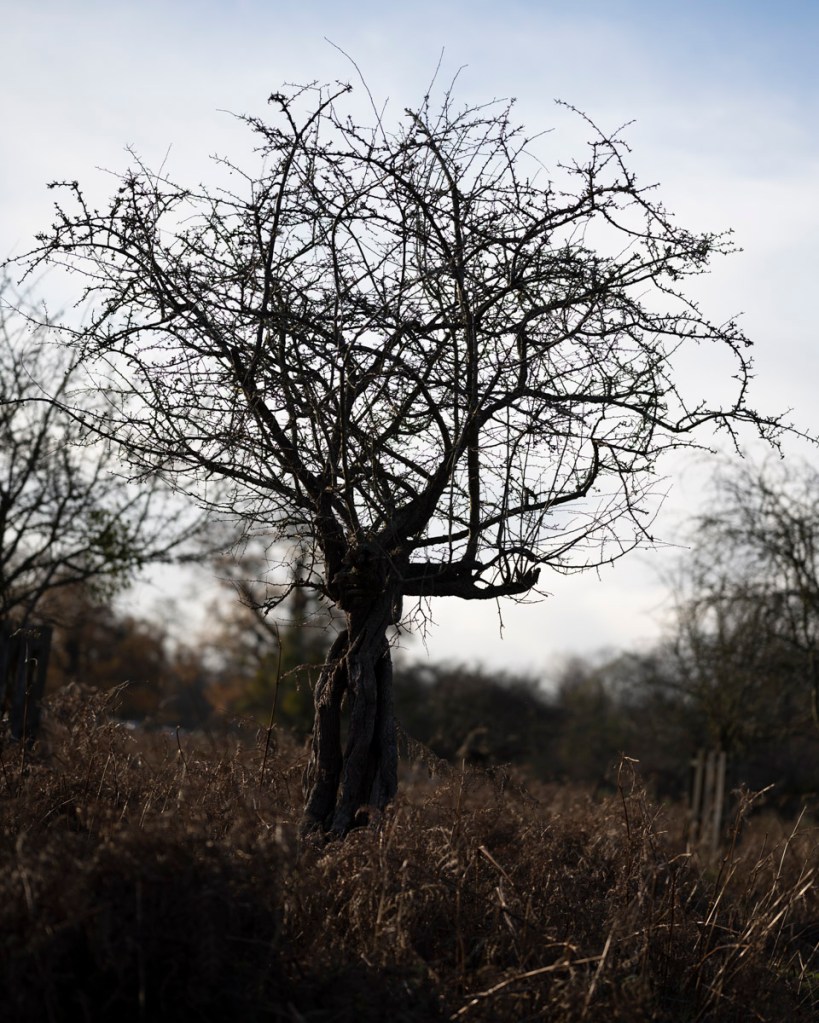
Tree One

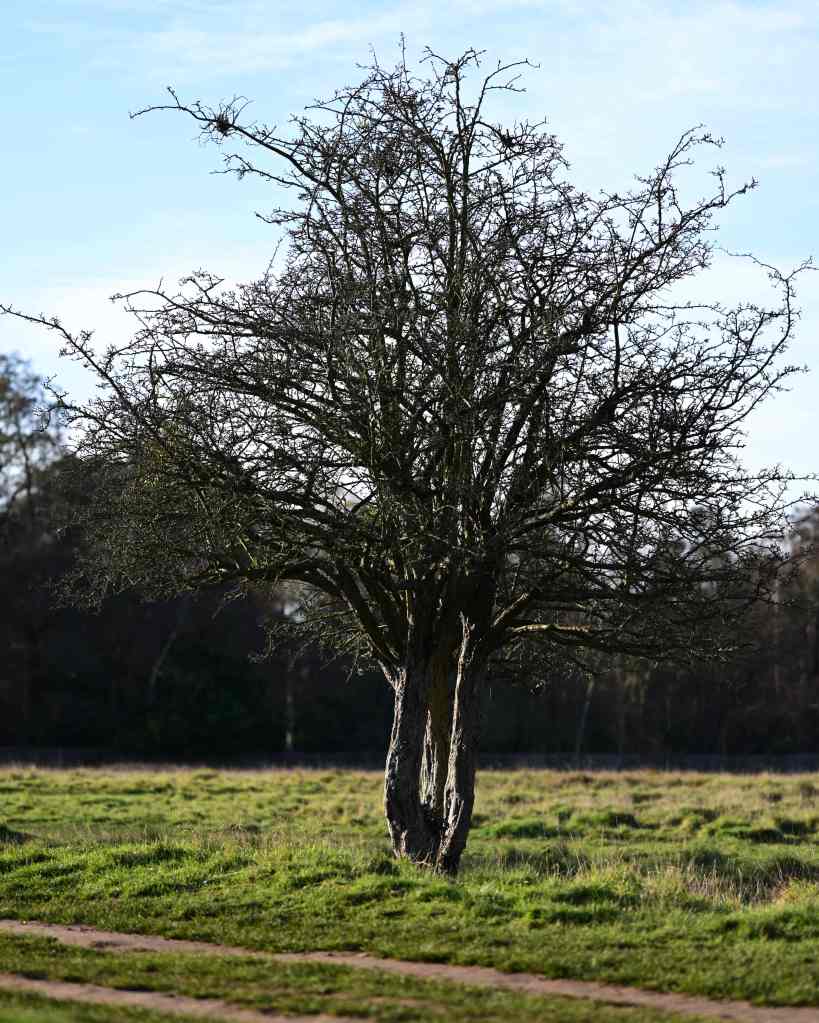
When I arrived home, I cropped the first image to a 1:1 ratio. I thought the dark shadow on the grass in the foreground made the image look ‘heavy’.

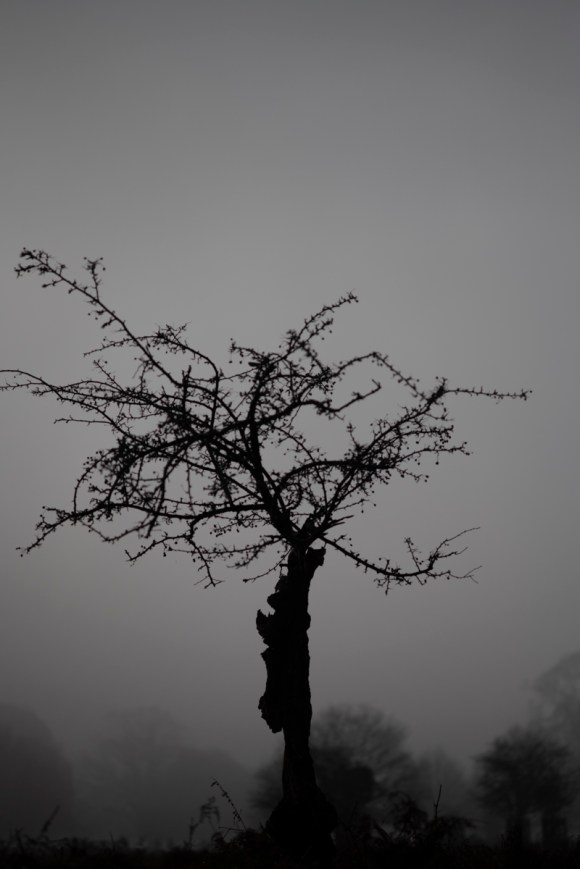
I also produced a Black & White conversion to compare the two versions.

Tree Two

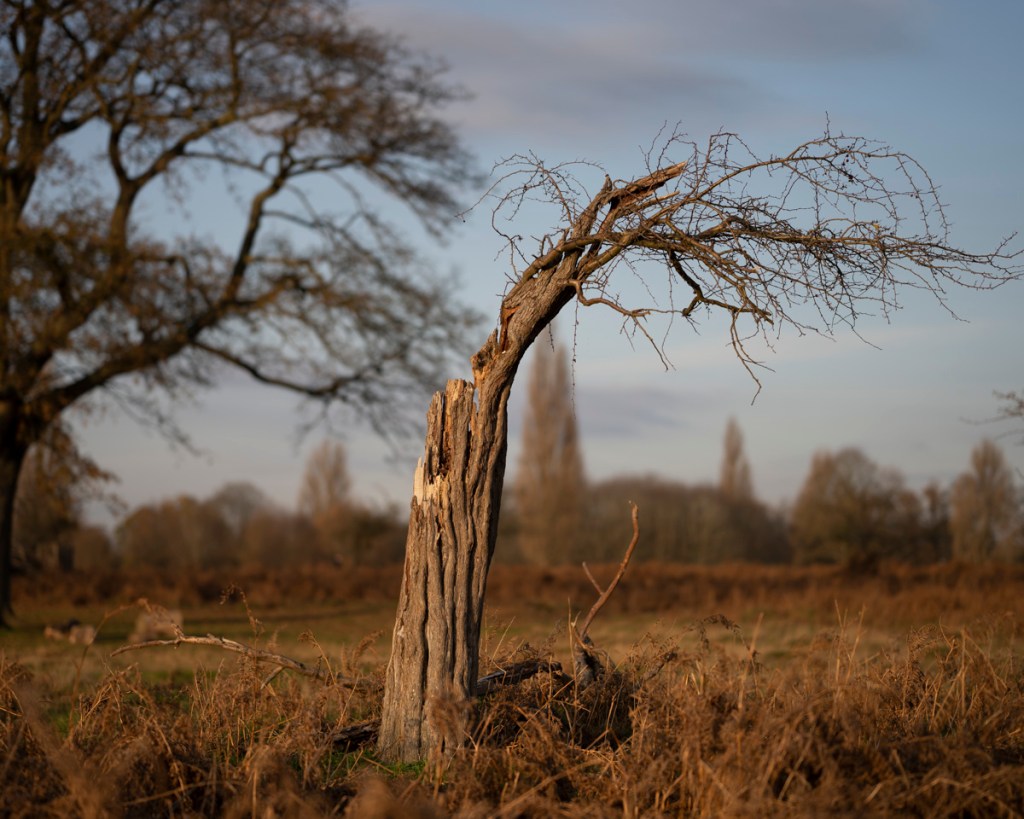
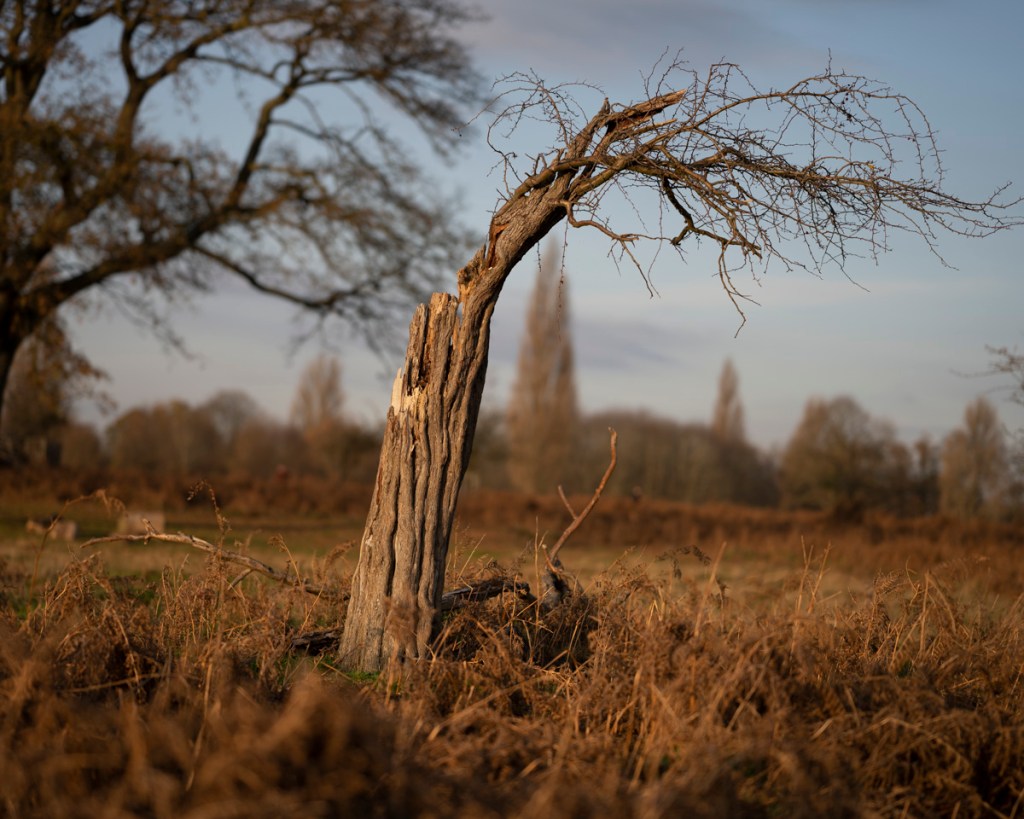
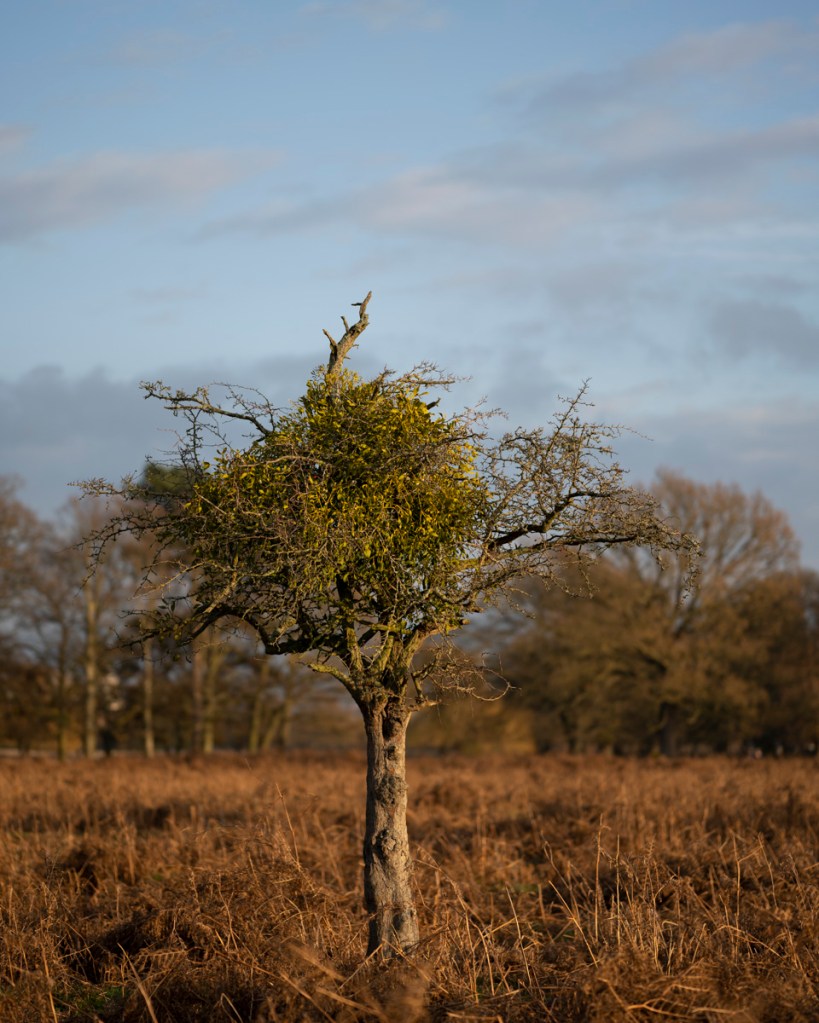
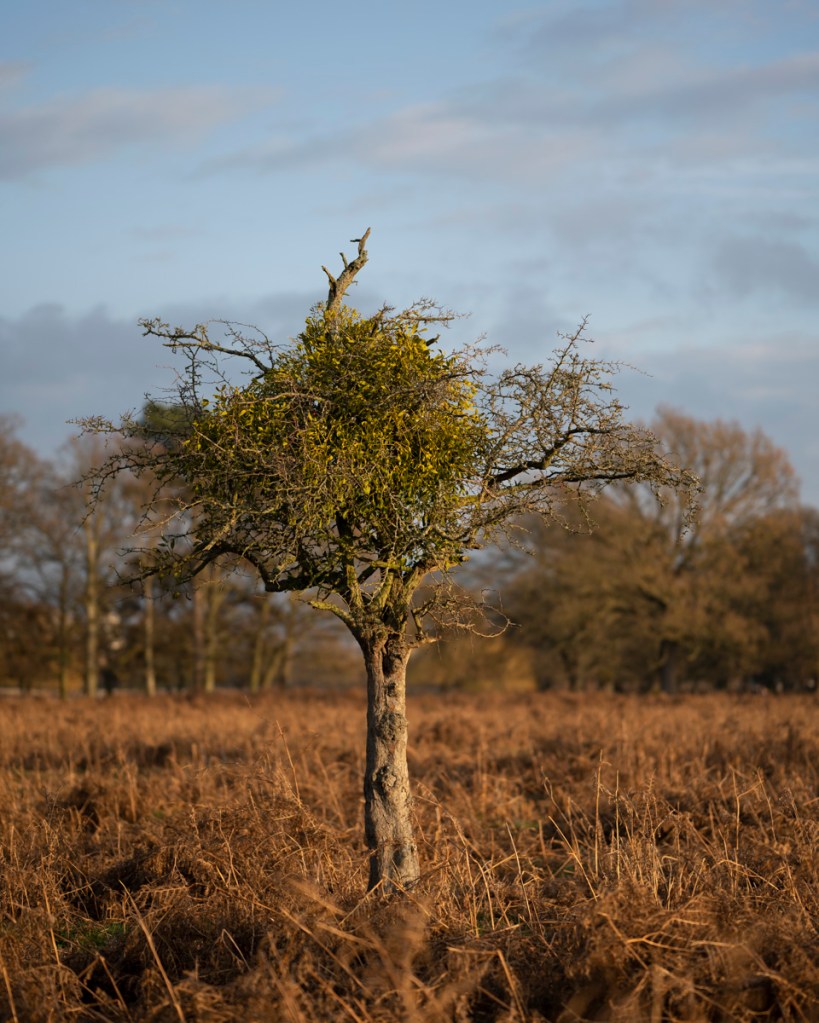
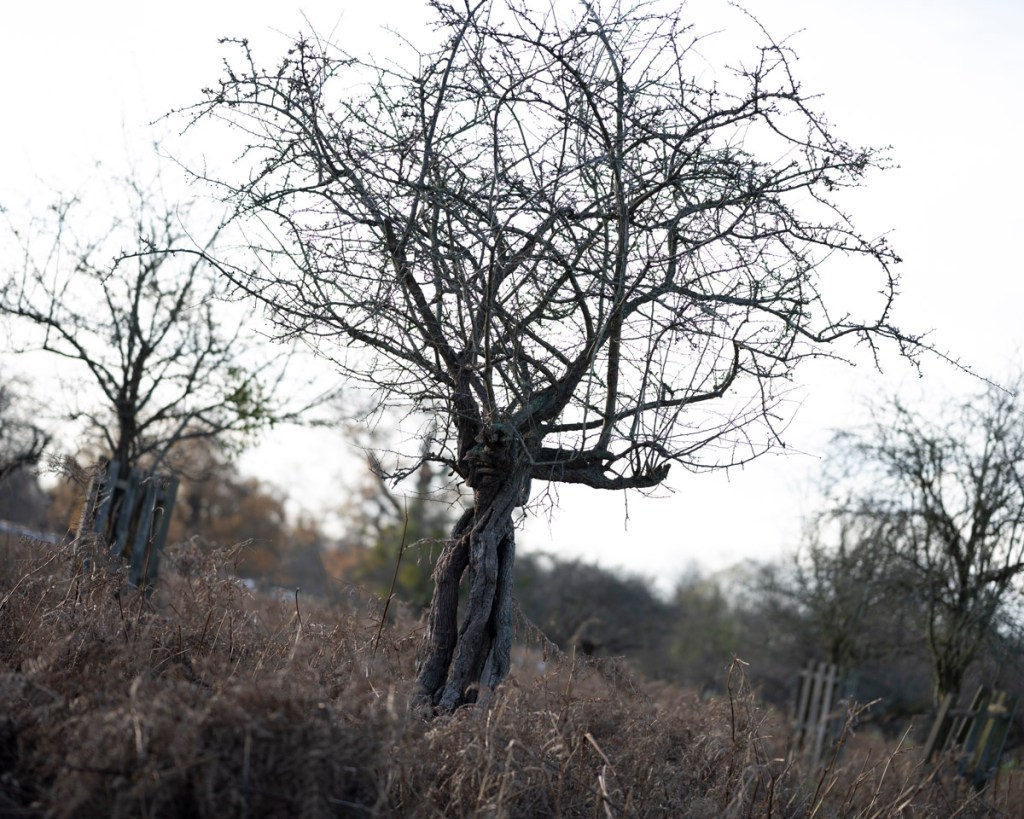
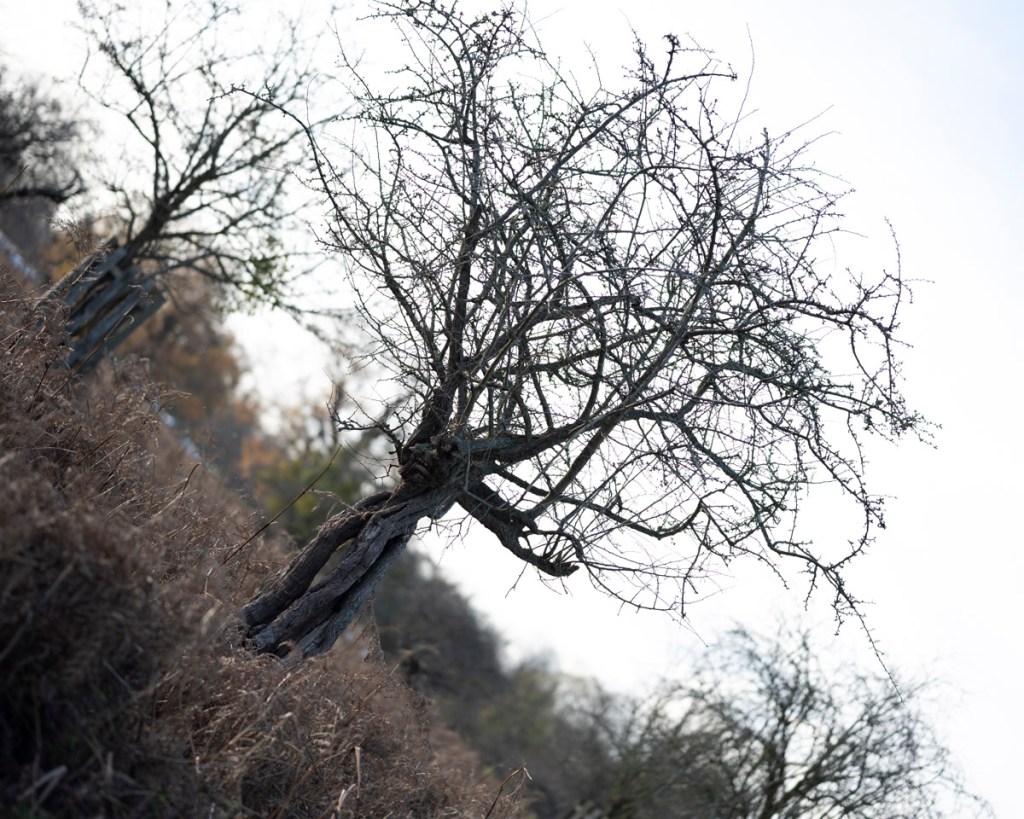
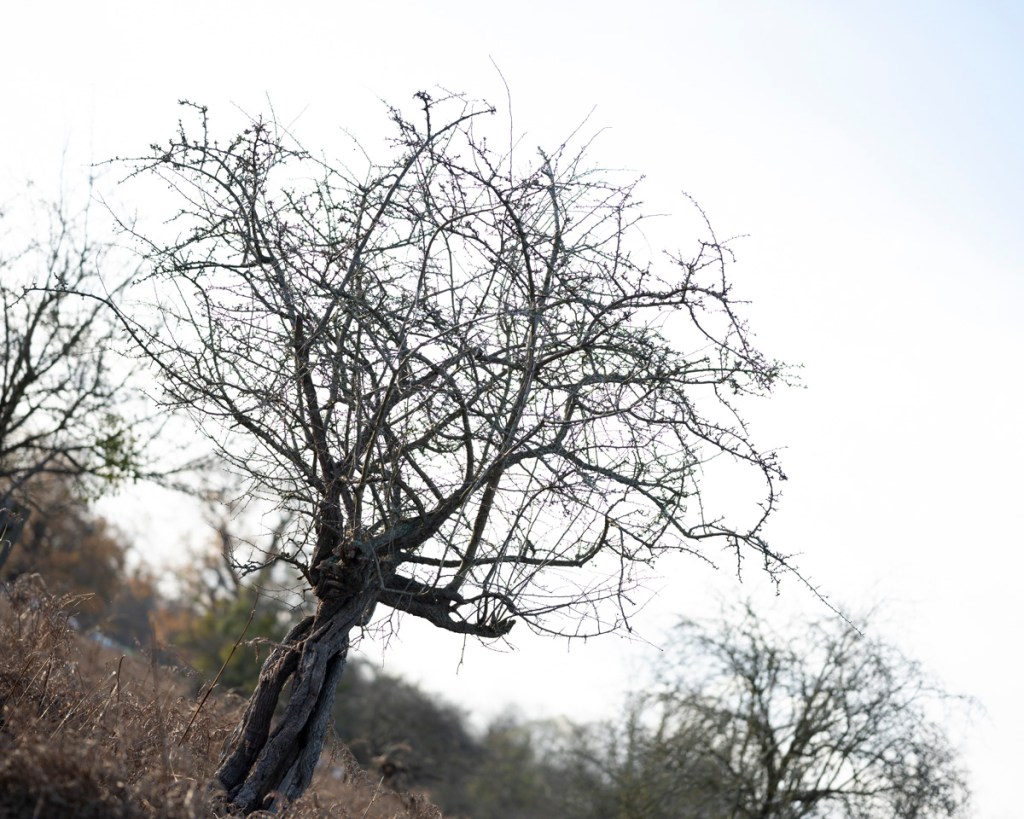
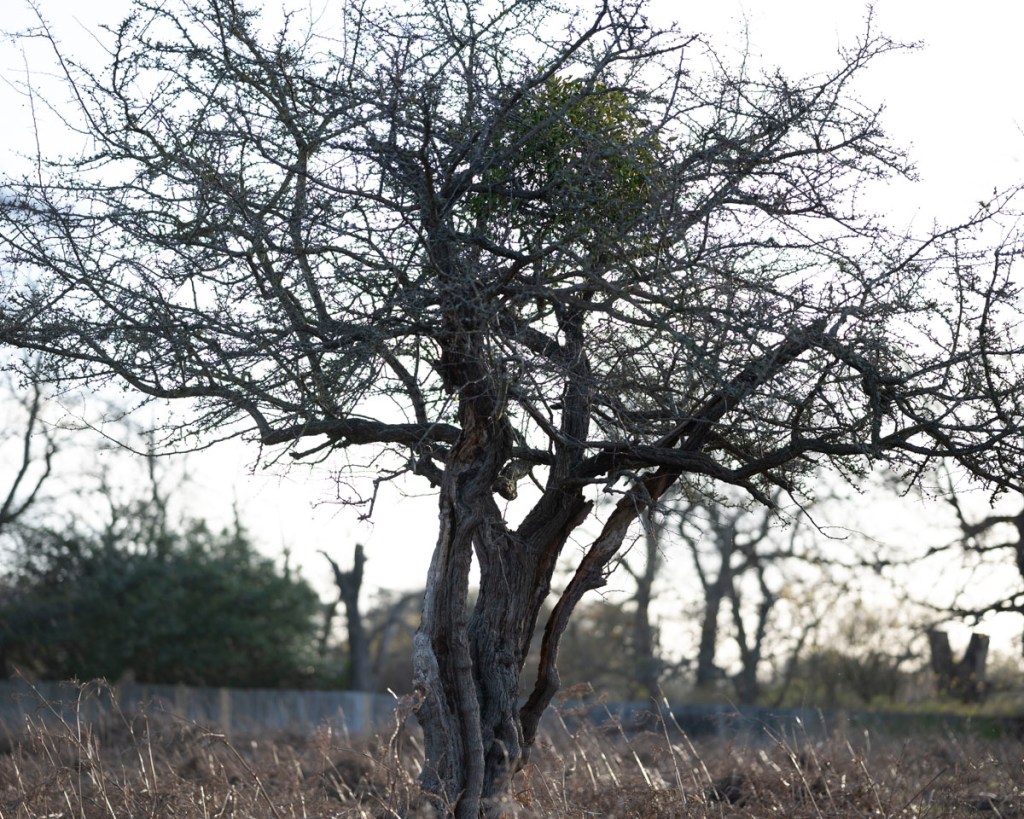
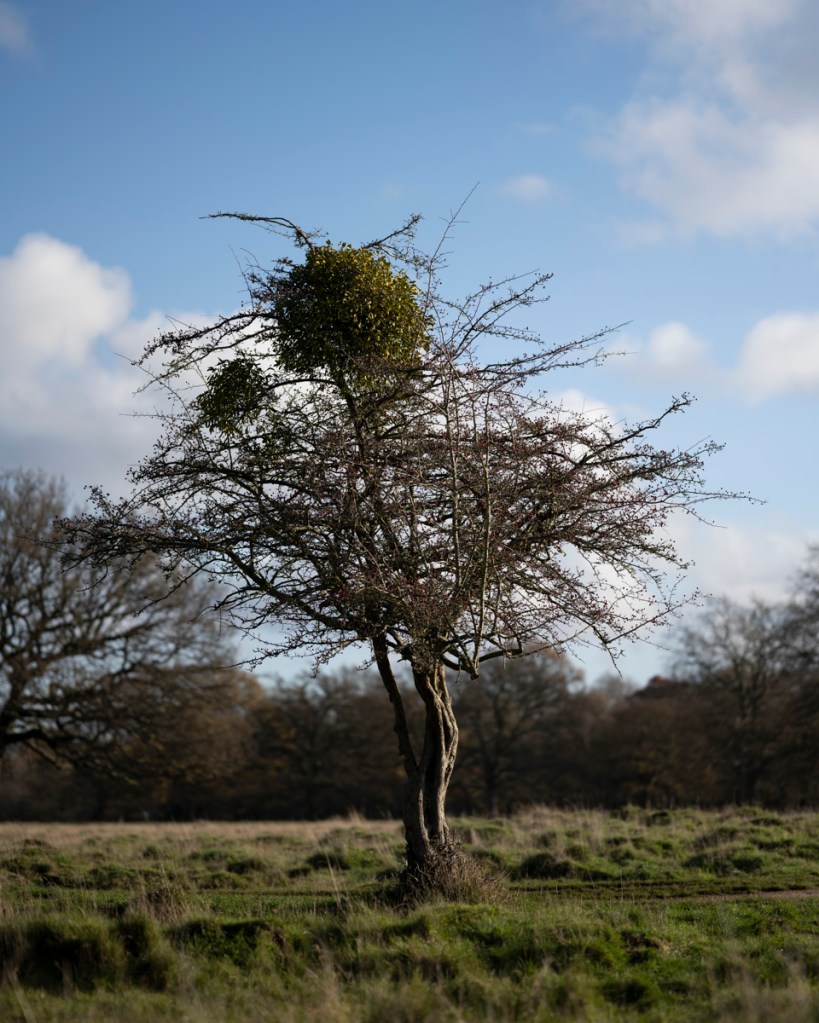
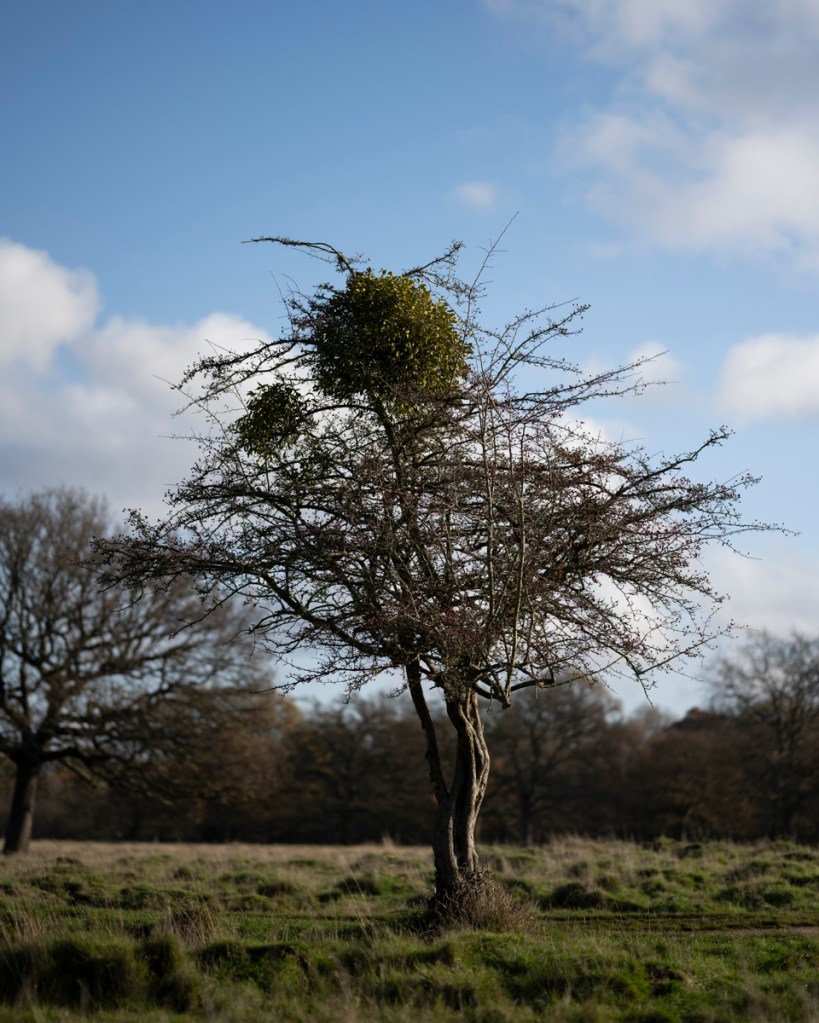
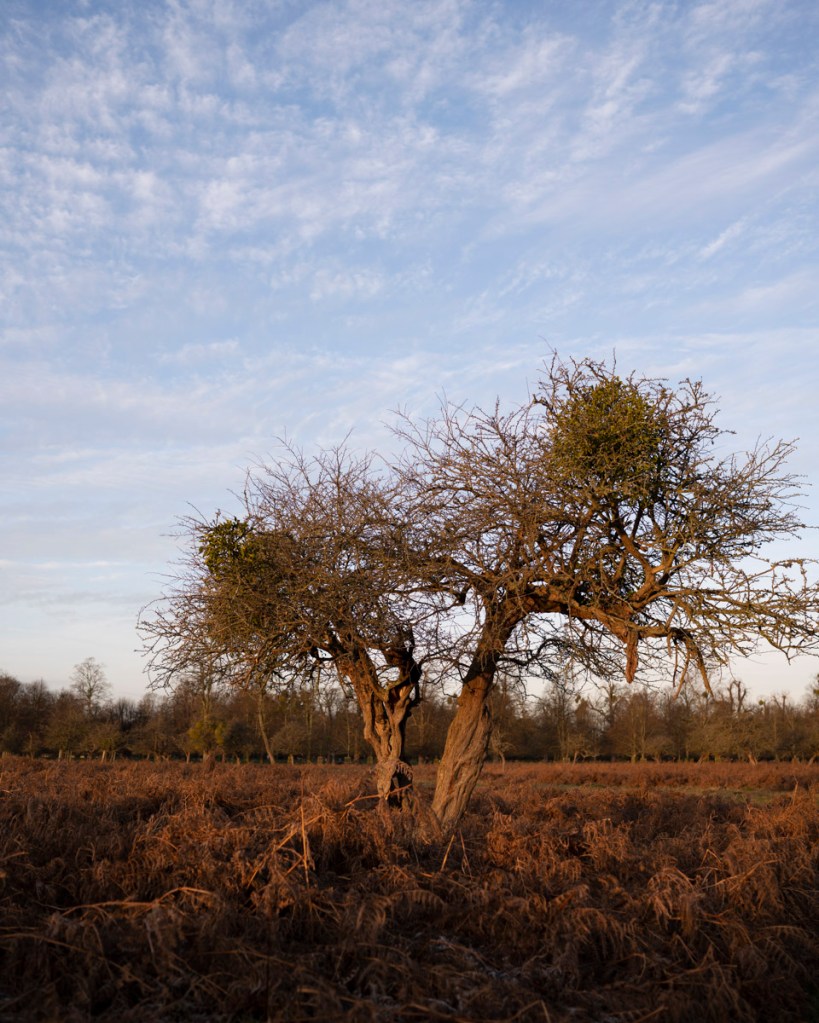
I then spotted this hawthorn, which I’ve not photographed before. I particularly like its ambiguity. Not sure of the composition, though.

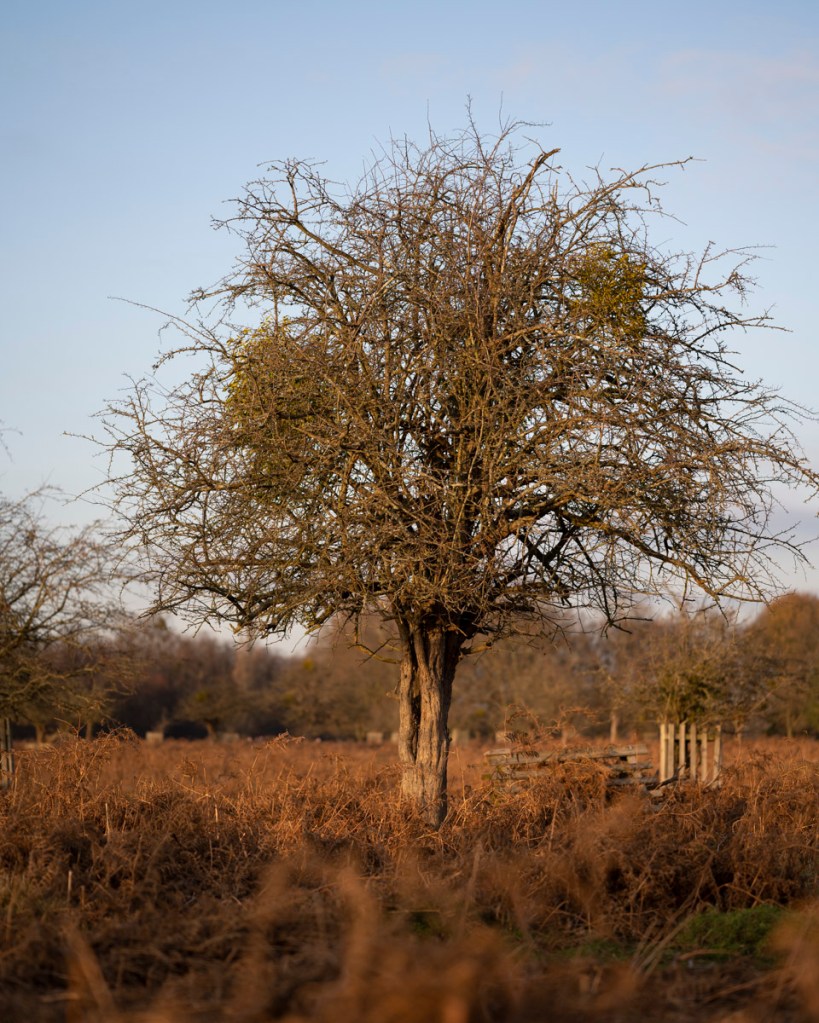
Tree Three

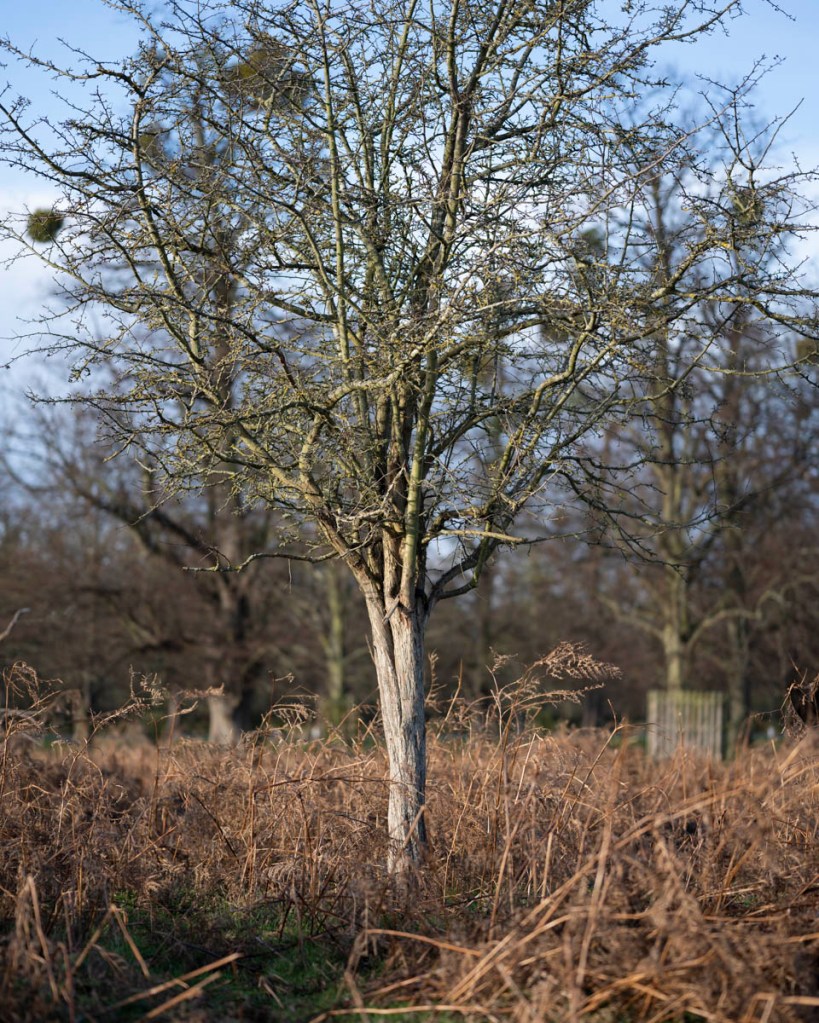
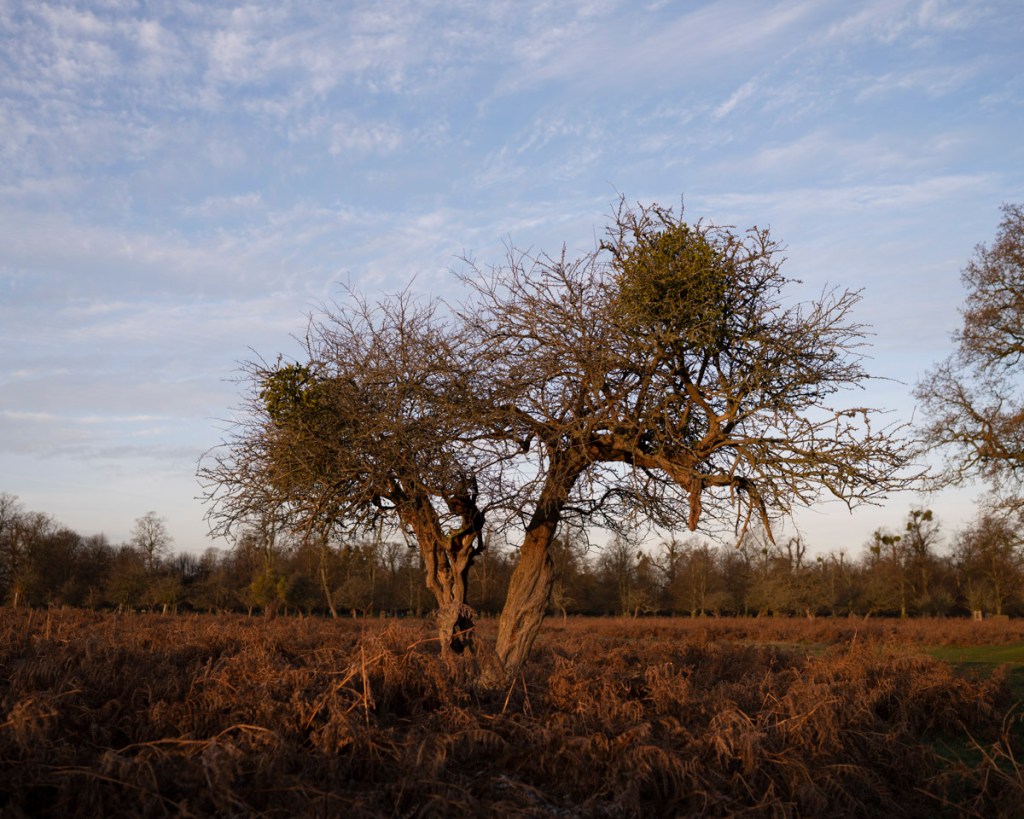
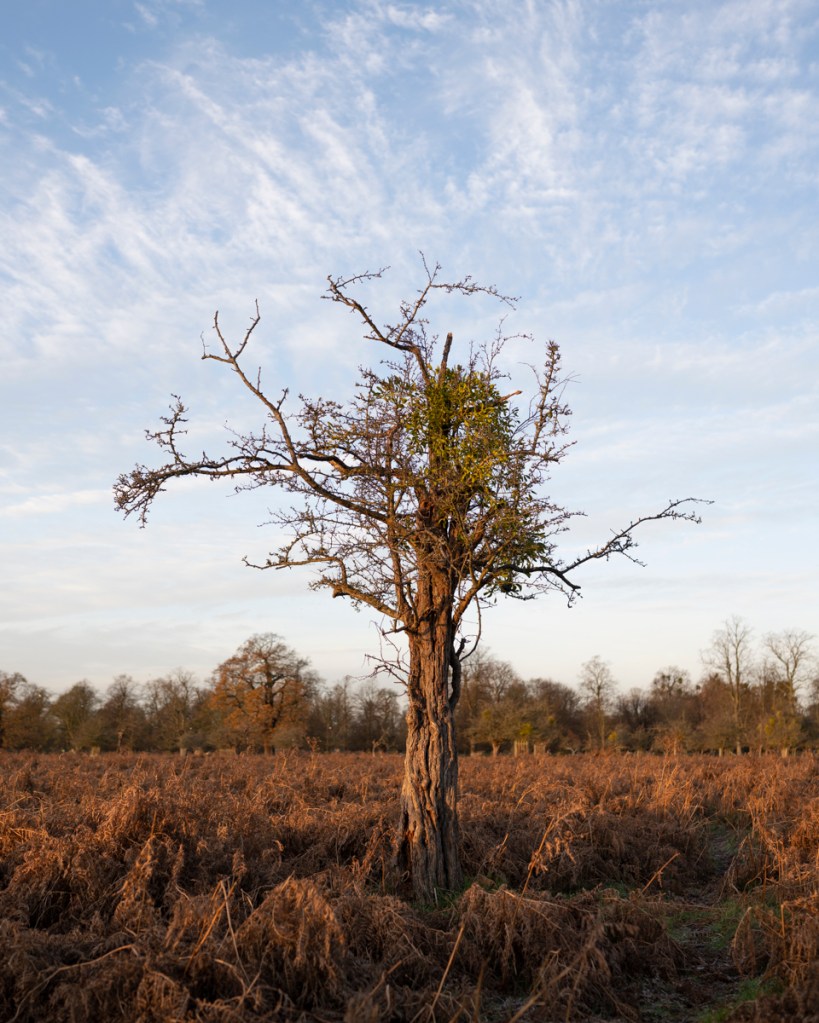
I then moved onto this hawthorn, which I’ve photographed from a different angle previously.

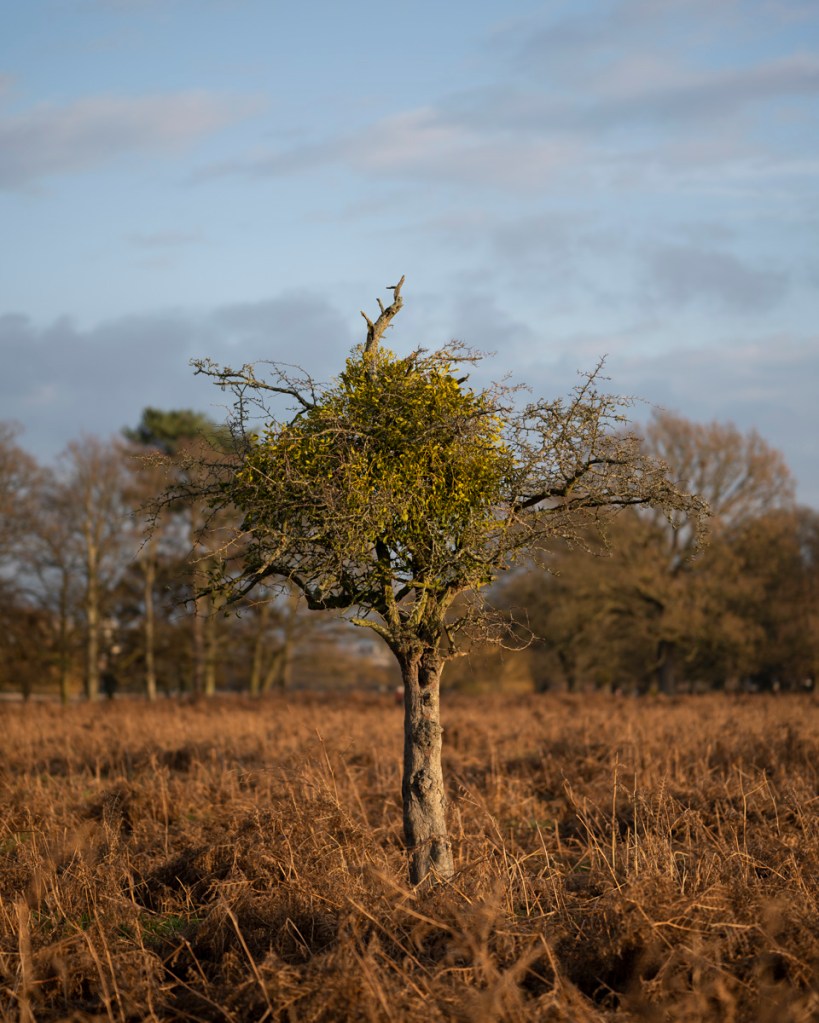
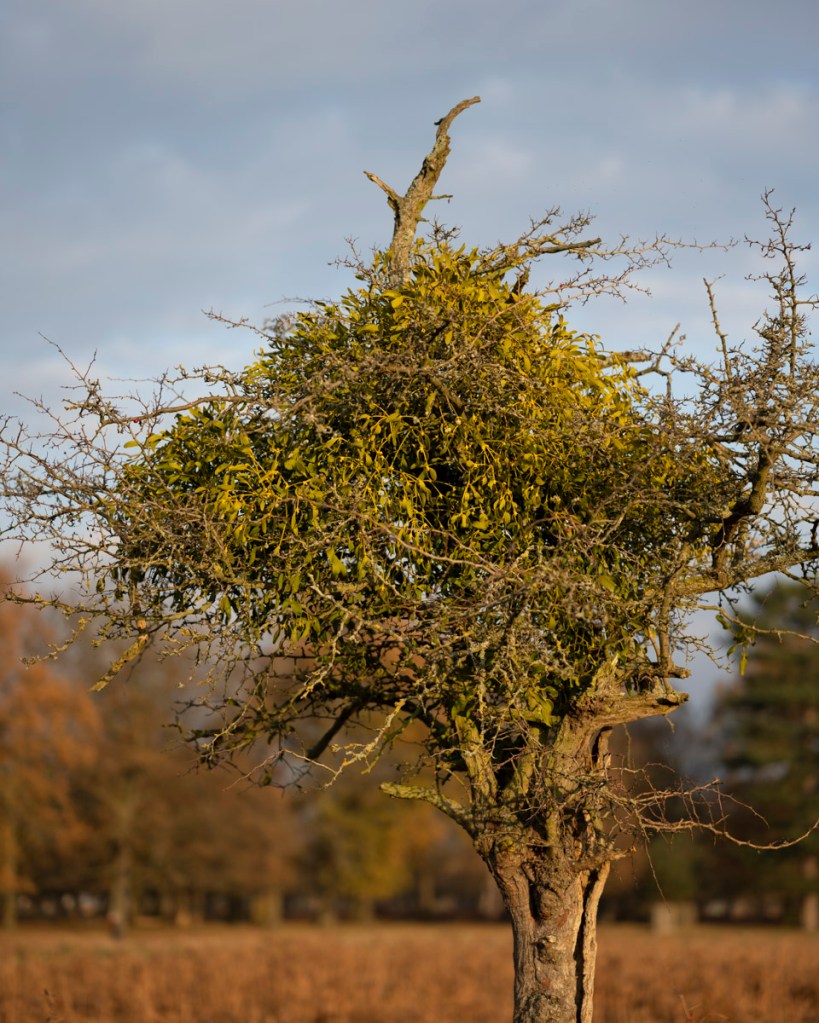
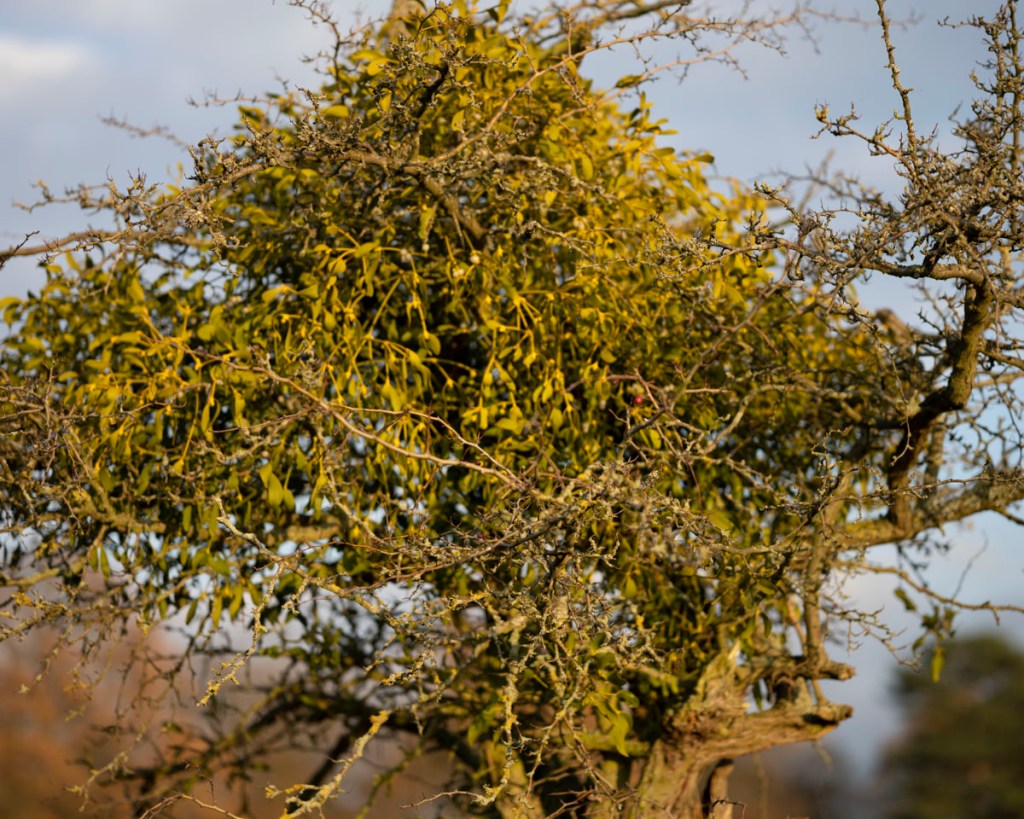
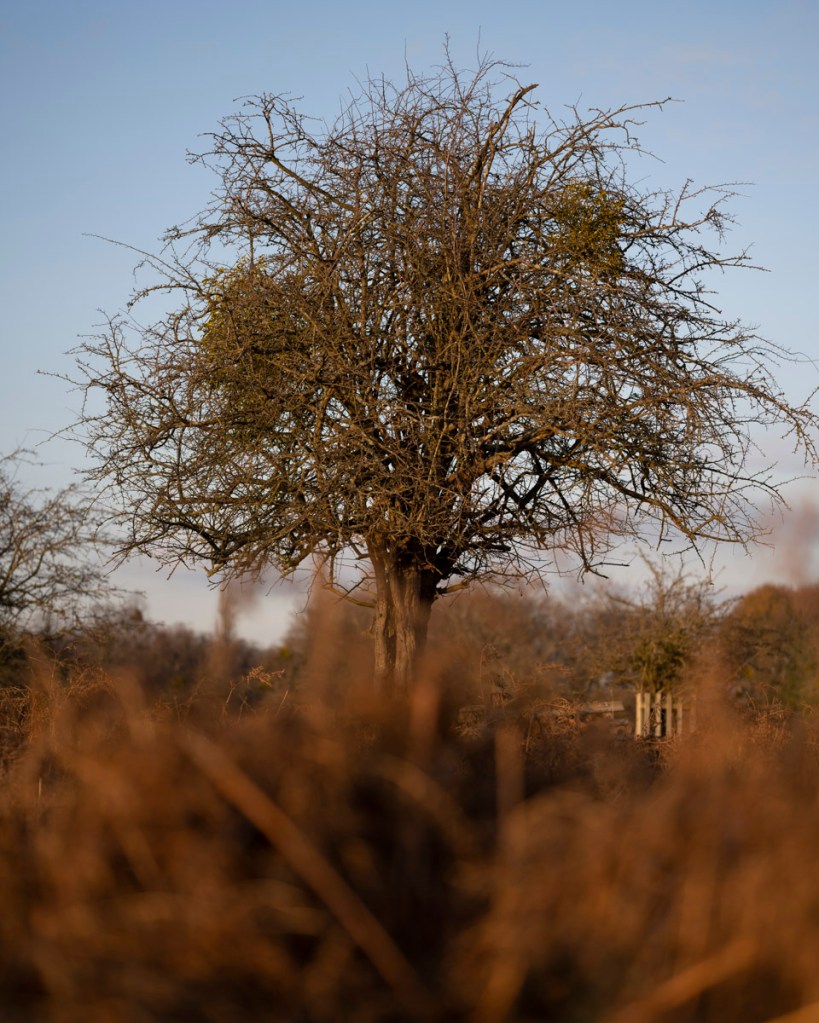
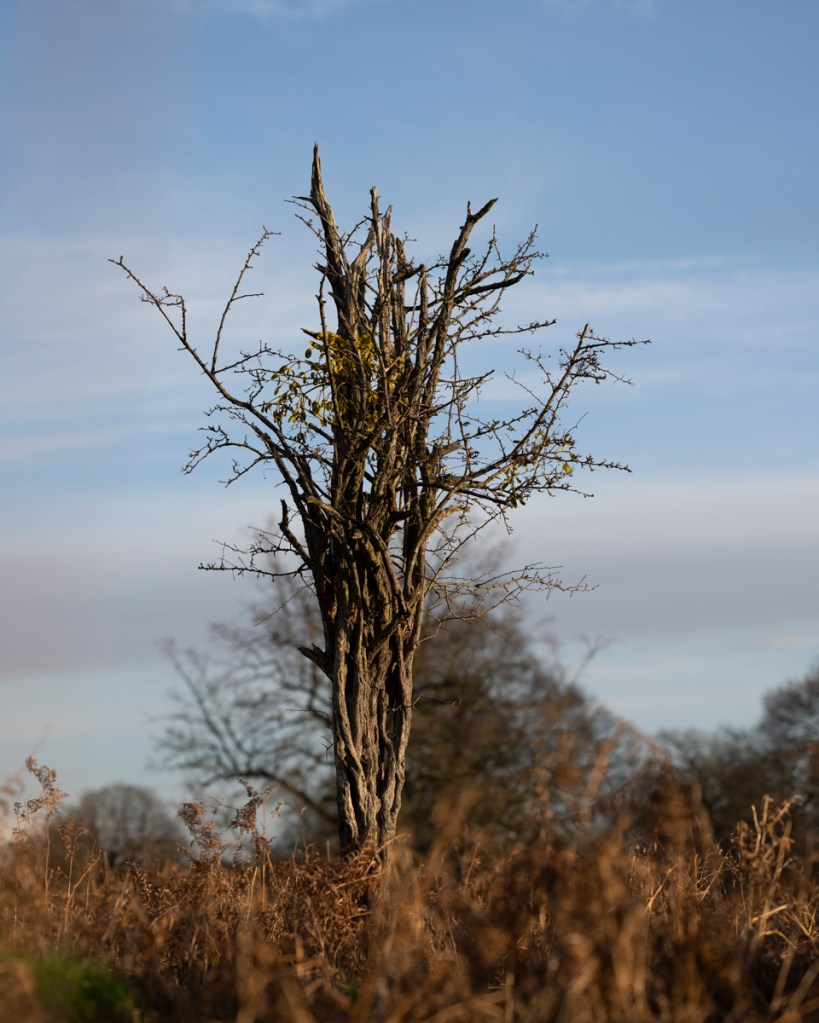
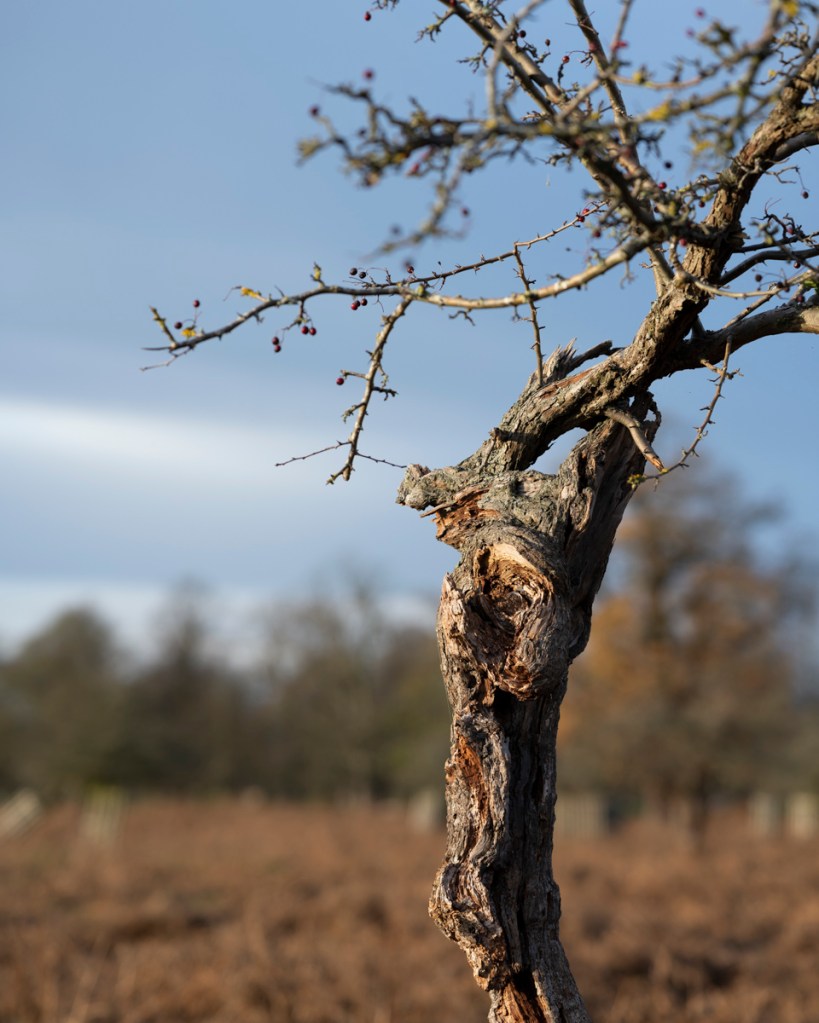
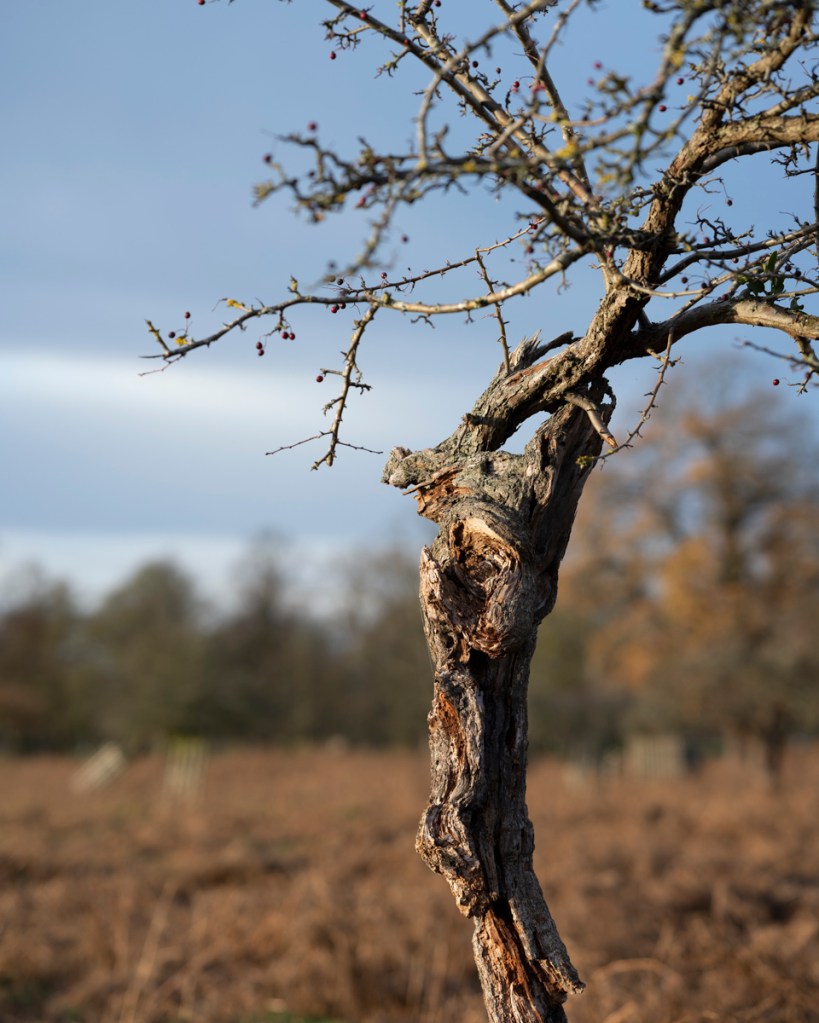
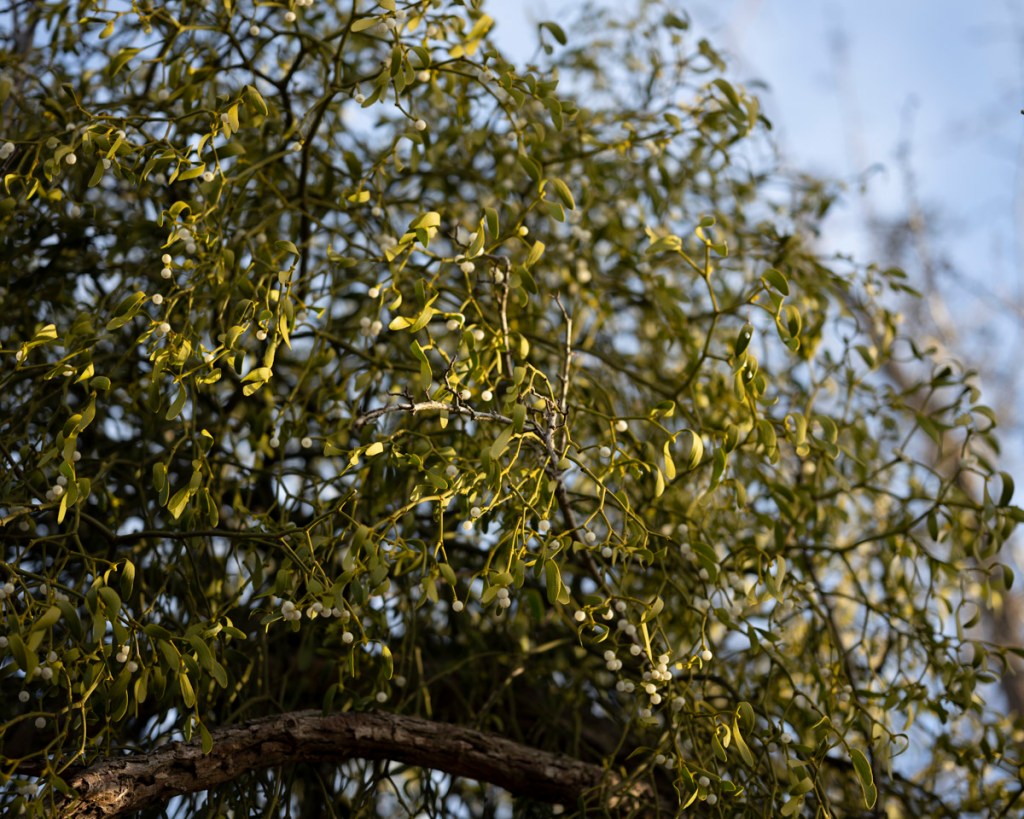
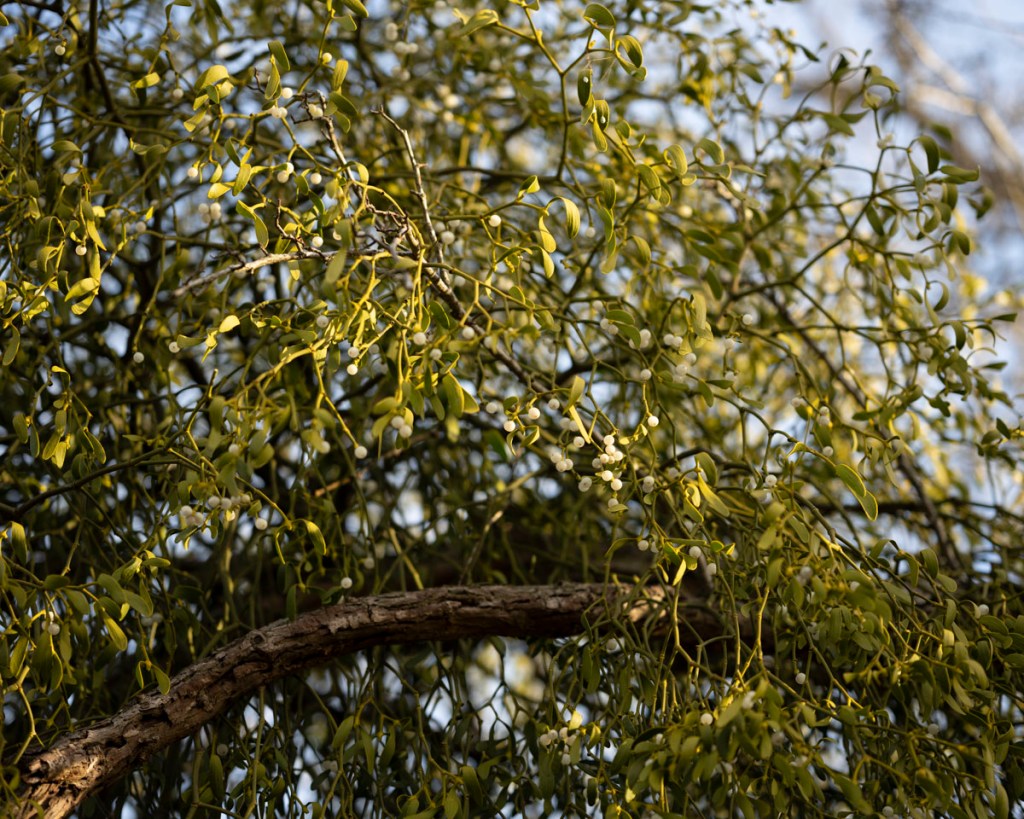
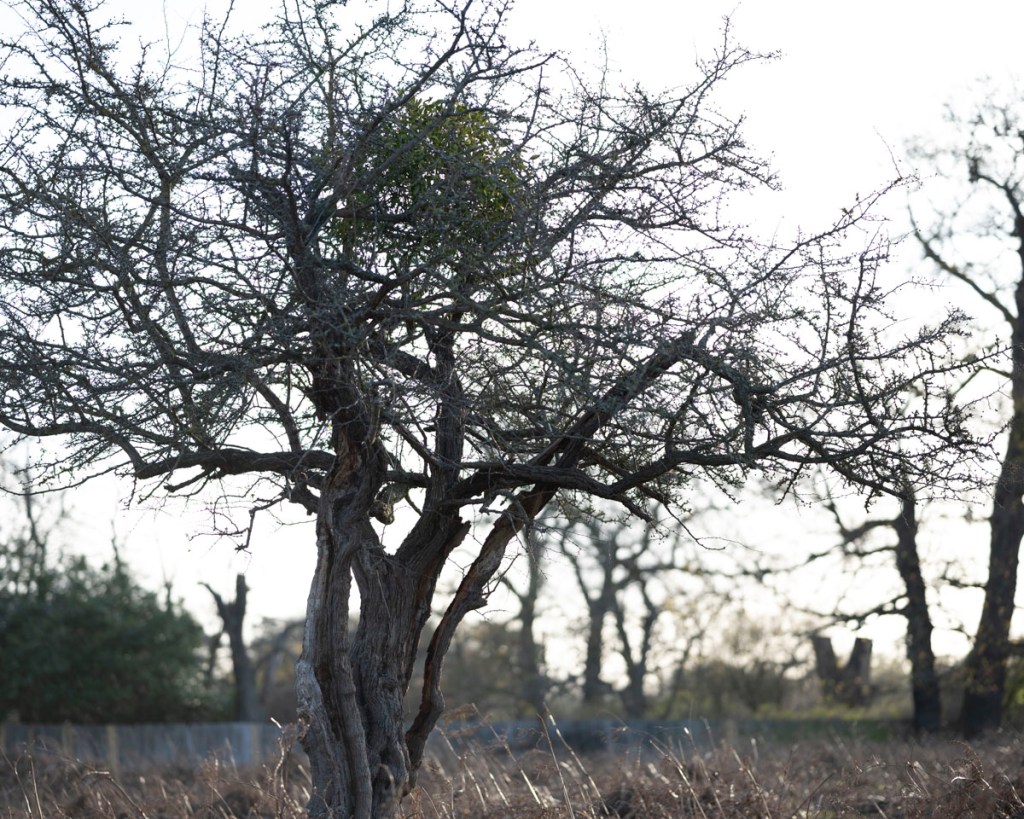
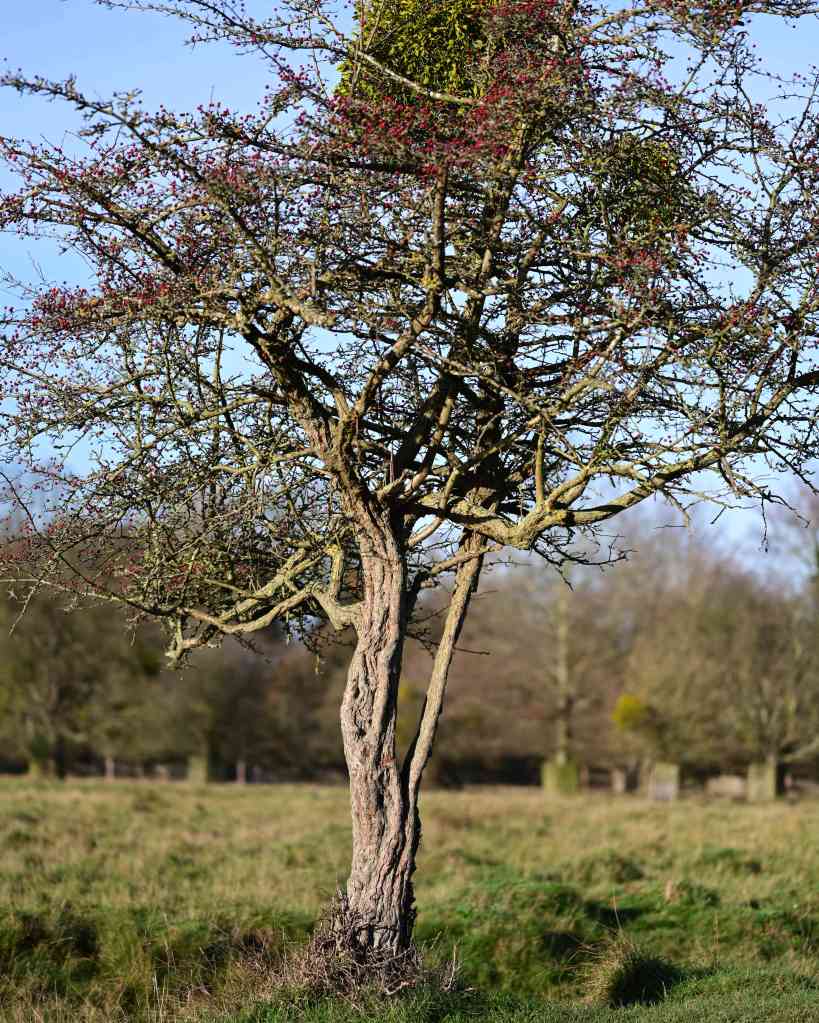
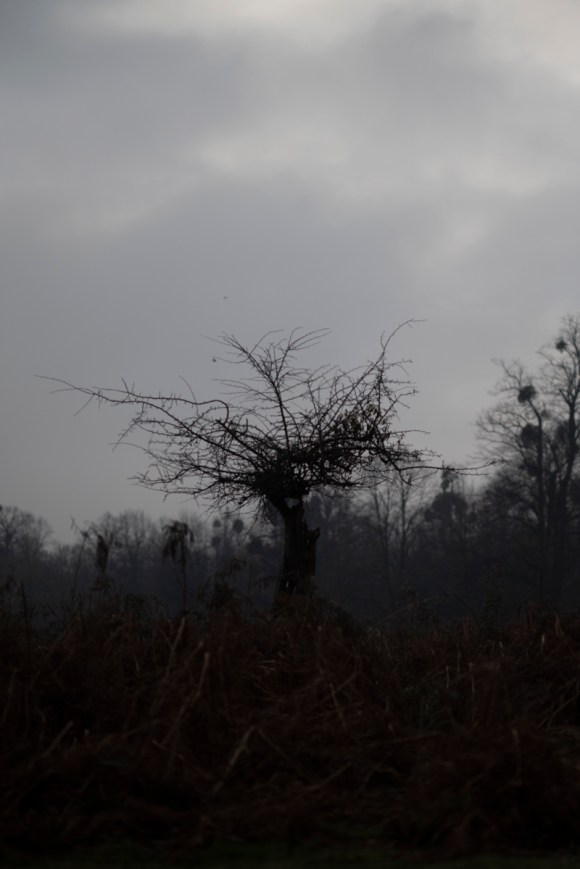
I realised at this point that it felt I was just ‘going through the motions’. So I tried some close ups of the mistletoe.

When looking at the images at home, I noticed how these close ups show the ‘ancient’ features of the hawthorn.

Tree Four

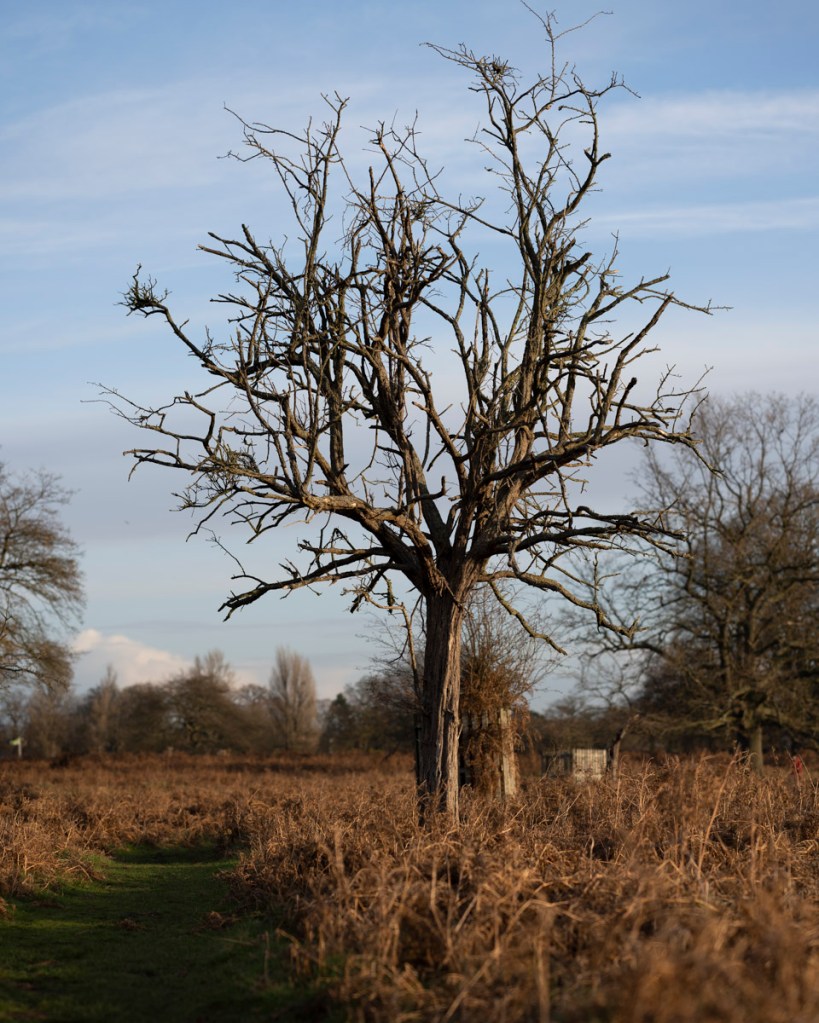
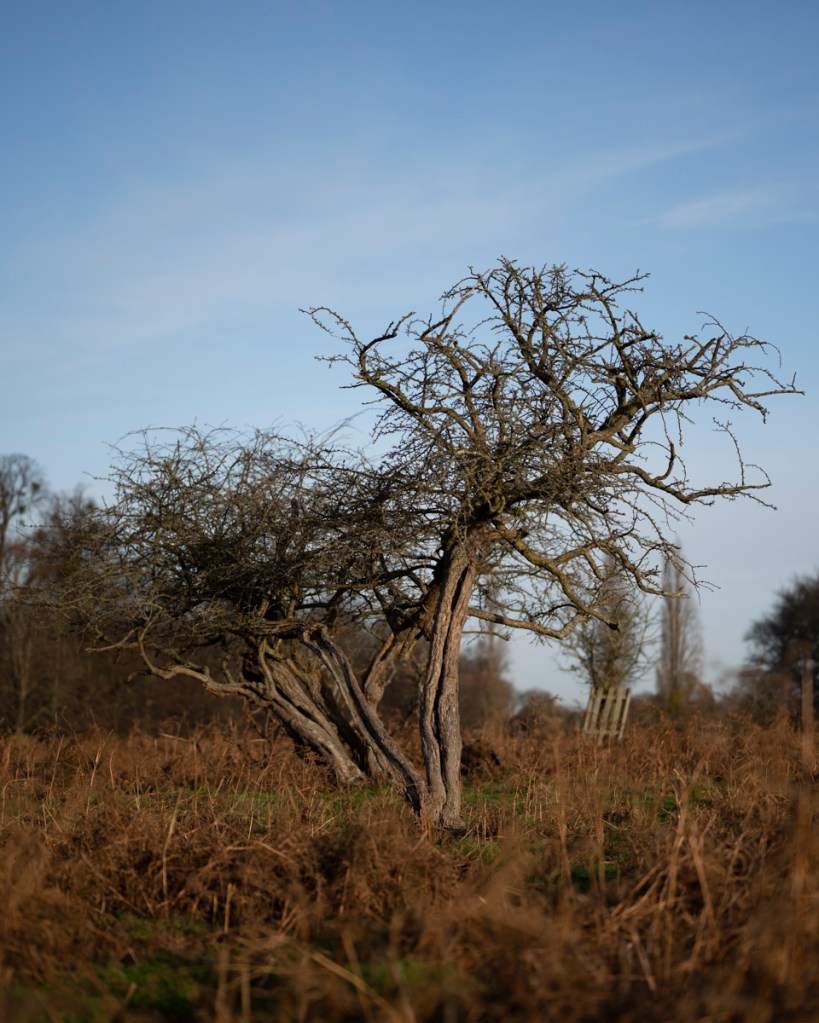
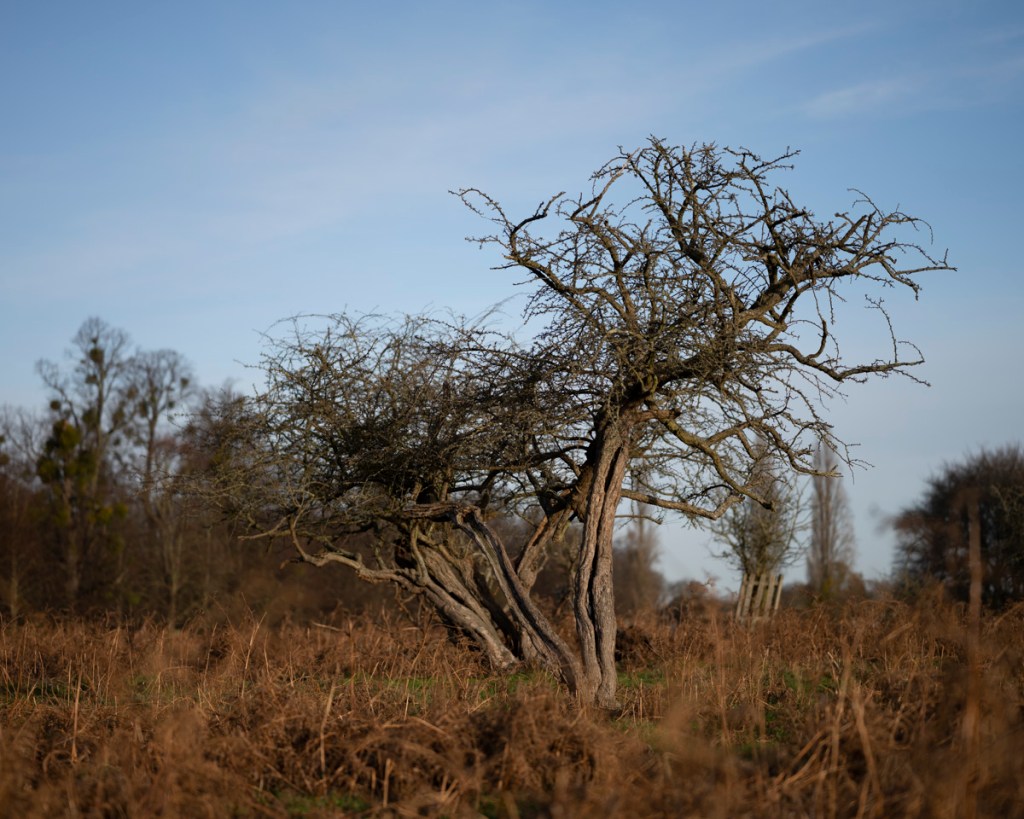
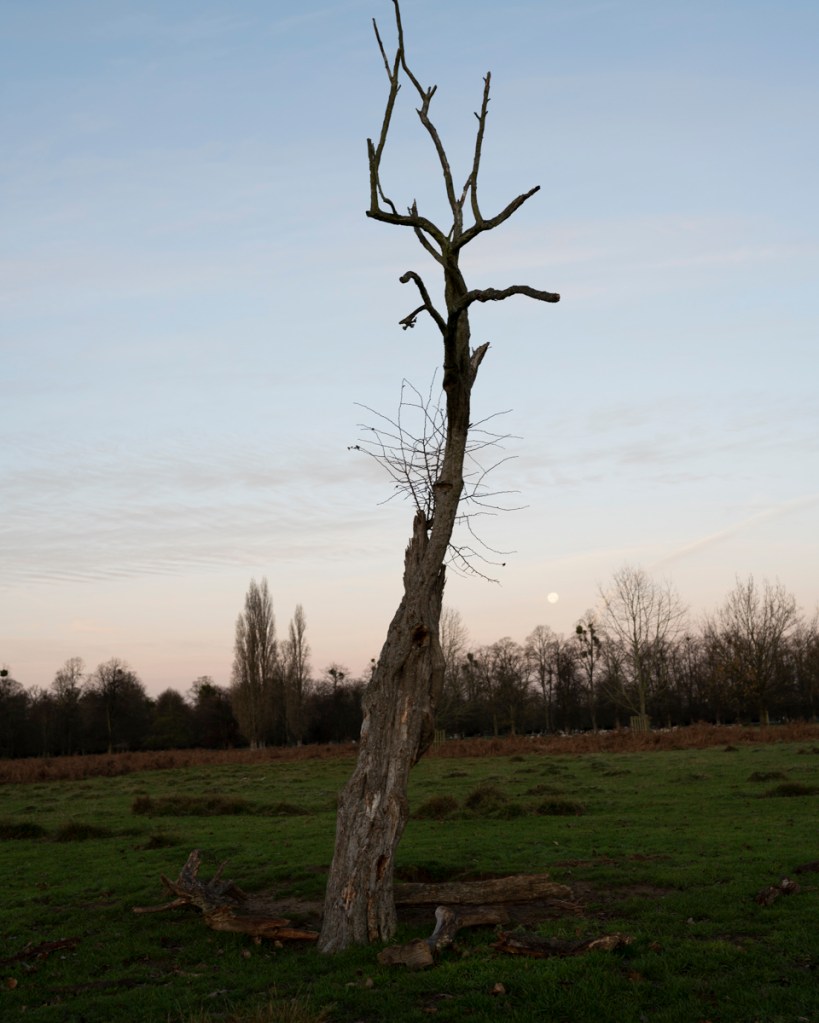
A stunning tree, but for some reason, I couldn’t get the composition just right. I also realised that I had shot it in portrait. In hindsight, it seems best to shoot a tree in landscape when the canopy is over a particular width. This observation was also useful in depicting a tree with missing branches as ‘whole’ (as with Tree One) or focusing on what was actually there.

Tree Five

I then tried something different with this hawthorn.

Tree Six

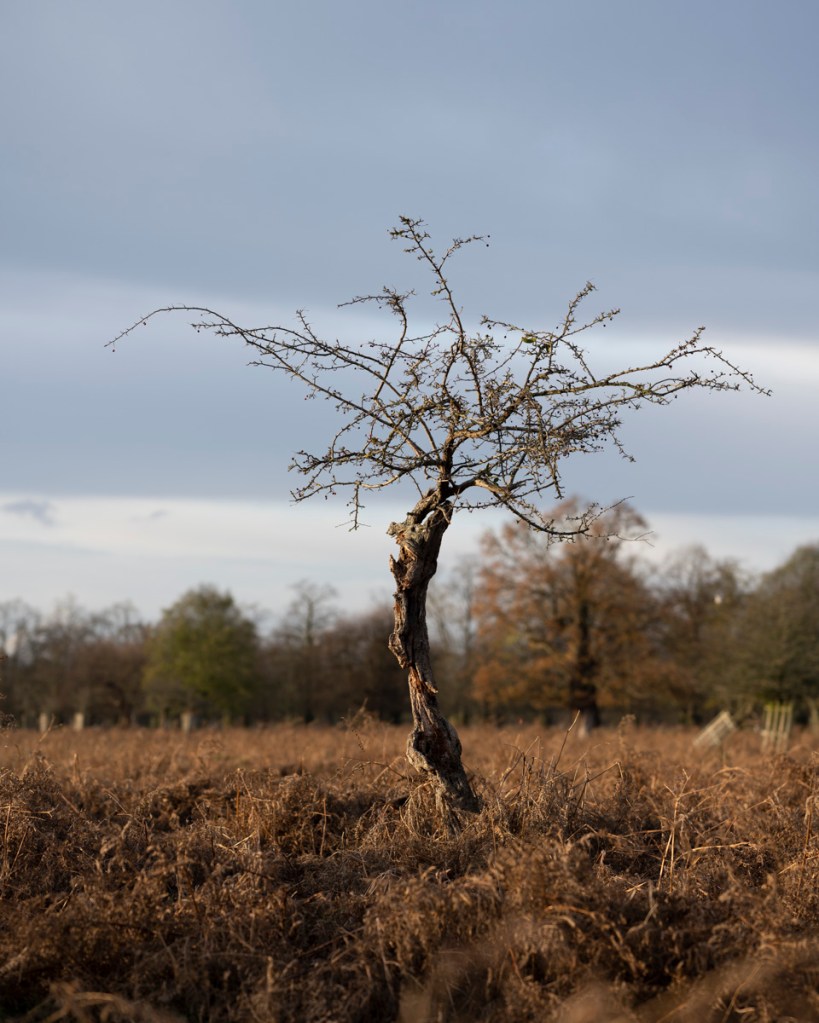
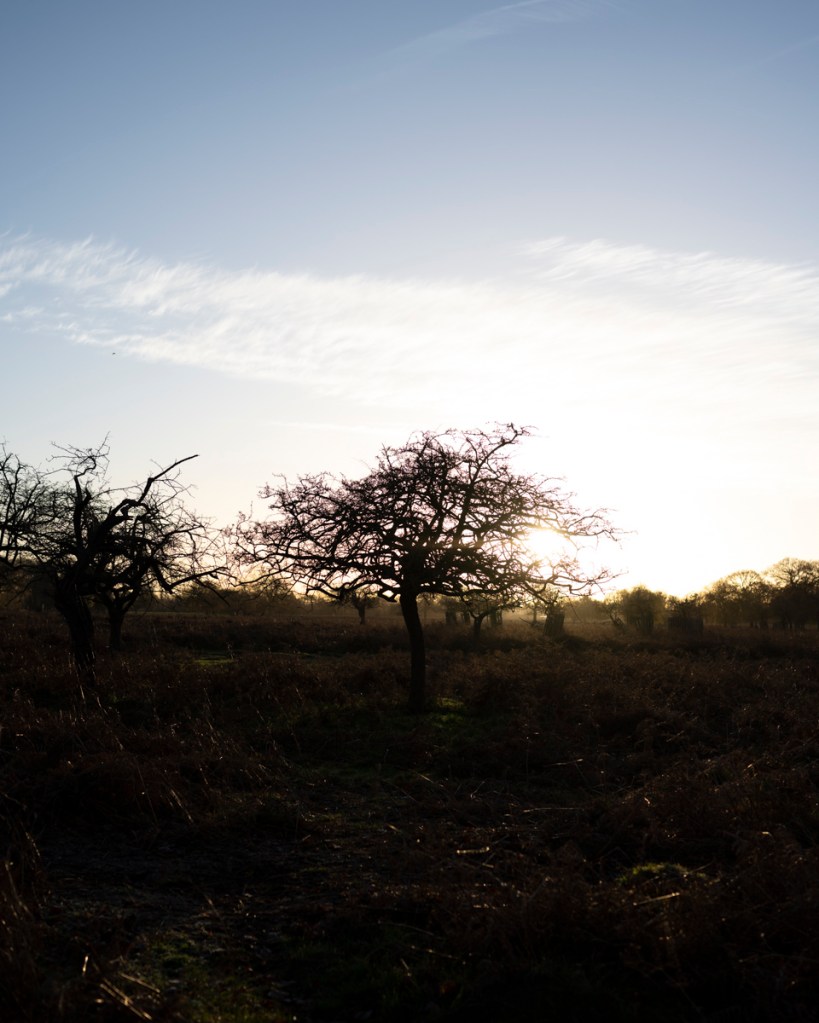
Next, I returned to one of my favourite hawthorns. It was interesting to see how this tree looked from a different angle and with the afternoon sun.

Tree Seven

By this time, I was starting to get tired and my concentration was waning. This can be seen in the following shots.

When looking at these images and some of the above, an annoying aspect was starting to make itself apparent. It was the ‘out-of-focus’ foreground featuring either grass or ferns. This is something that could be a feature of an image or a distraction. Something to consider.

Lastly, I took some close ups of this hawthorn. Still not sure about using this type of shot in the final body of work, but there is scope for their inclusion.

Categories
AGM62 Photography Research Project Stage 1 Posts

AGM62 Bushy Park Hawthorns 5 December 2020

The intention behind today’s shoot was to try out the tripod and different aspect ratios. I also wanted to experiment further with the 85mm lens. The light wasn’t the best, but after three days of being stuck inside, it felt good to get outside.

I initially set up the tripod quite low to get the right aspect, but it was proving difficult to the see the screen. When using the camera in portrait, the viewing screen at the back of the camera doesn’t articulate vertically. This means the screen can’t be seen easily at that angle. The aspect ratio for the following is 5:4.

Despite this frustration, I tried the other aspect ratios settings from one position.

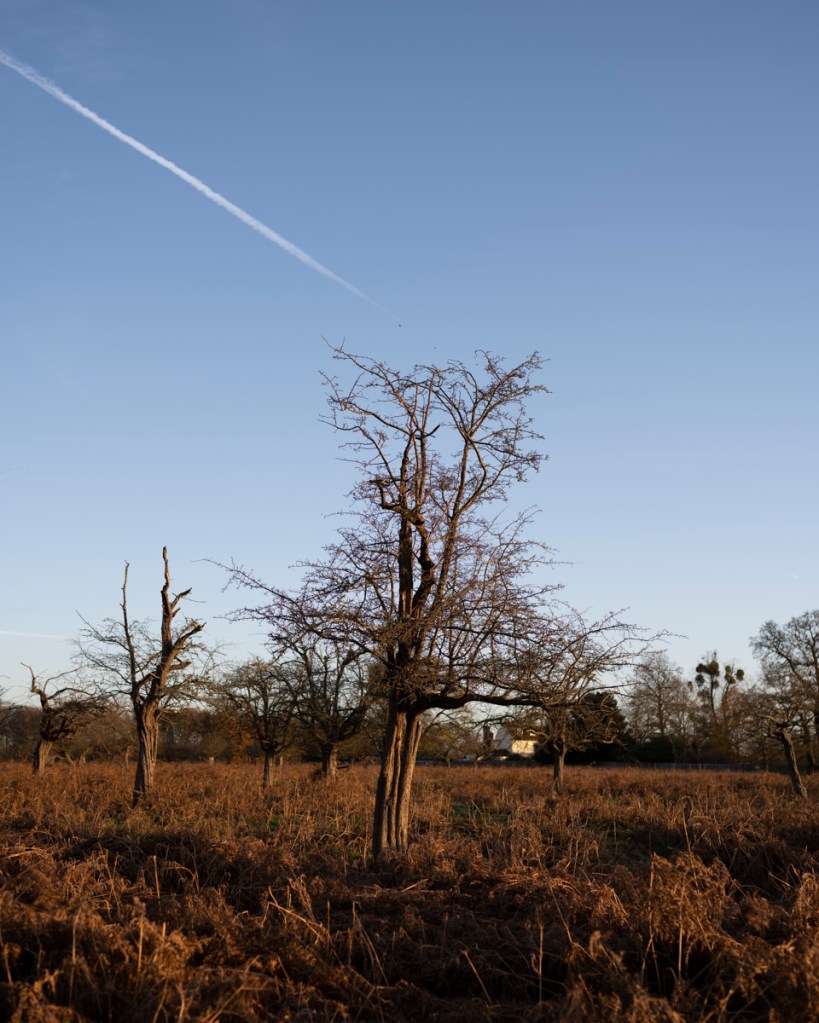
Note to self, if I change aspect ratio, change the camera position and recompose. Also, looking at the 16:9 image, I need to keep an eye out for passing birds and planes in the sky when taking a shot.

I then set the camera back to 5:4 and took the following using the tripod.

What struck me about these particular trees is the missing branches. In hindsight, what could work is composing the image as if these missing pieces were actually present.

I then focused on one of my favourite hawthorns. This is the first time I used the 85mm lens and tripod capturing this tree. Again, trying to find the right horizon using the tripod at a low angle was getting to be frustrating. As such, I removed the camera off the tripod and took some close up shots.

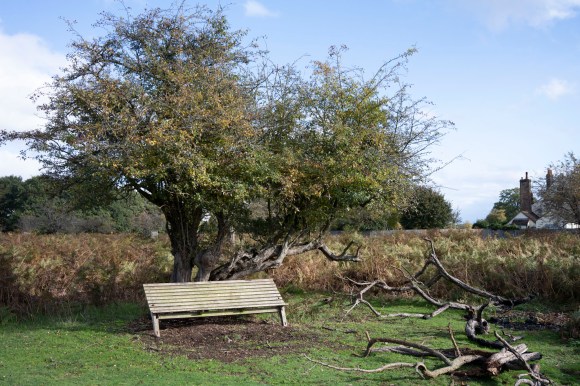
By this time I was starting to get a bit disheartened. I took these shots, but I didn’t feel particularly inspired. What I was starting to realise that there was no spark of ‘Jennie’ in my shots. Nothing that would ‘identify’ these images with me as the photographer. I also wasn’t experiencing that surge of excitement that I get when being creative. Time to stop and have a cup of tea. Only one place to sit…

While contemplating what I should do next, I remembered that I had installed the Nikon Snap Bridge app on my smartphone. This enables the camera to be connected to the smartphone via WiFi, so you can see what the camera is viewing. The shot is then taken by pressing the smartphone screen, not the camera button. These are the shots I took while sitting on the bench.

I started with a conventional composition then tried different angles just to see what would be the result. One thing I did notice is that there is a slight delay between moving the camera and this adjustment appearing on the smartphone screen. This does help in slowing down the process.

Next, I went for a wander in the Woodland Gardens to finish off my flask of tea with some ginger biscuits. After this break, I went back to the line of hawthorns nearby and took the following shots.

At this stage, I was still trying to work out the best approach. I knew it was probably staring me in the face, I just needed to see it.

Categories
AGM62 Photography Research Project Stage 1 Posts

AGM62 Bushy Park Hawthorns 1 December 2020

With a day of sunshine forecast, this was the time to get up early and catch the light. I also wanted to try out the 5:4 aspect ratio instead of my usual 3:2. My intention was to follow the tips outlined by Tony Sweet, Elliot Hook and Lindsay Silverman.

Sunrise was due at 7.45am, so I got to the park at 7.30am. This enabled me to both see and experience just how slow the light came up. It also made me look for the light’s direction and how it lit up my subjects and the environment.

My intention was to tryout the 85mm lens. I had returned the 105mm lens to its owner who assured me I could achieve a similar effect with the 85mm. However, I had made the mistake of not checking and packing my kit the night before. The camera had the 35mm lens on it. Annoying, but it would take me about 40 minutes to get the other lens and return to the park in time for the light.

I decided to go to Teddington Gate and start with this tree below. The last time I was in the park on 27 November, there was a large herd of deer near to the tree so this could be the time to capture it from a different angle.

35mm Images – 5:4 Aspect Ratio

These images were taken between 7.41am and 7.50am. The light was still caught behind the trees behind me at this time.

Admittedly, I was finding it difficult to get the composition and angle I was looking for. Realising I was in need of a bit of a warm up (photographically and corporeally) I walked to the patch of hawthorns on the left of Hawthorn Lodge.

The sun was gradually coming up and I took the following shots at 8.00am.

My patience was rewarded a minute later when the sun finally showed its glory.

The light was stunning – it gave a coppery glow that lit up the ferns beautifully. Again, I was having difficulty in getting low enough with the camera to get the angle I was looking for and being able to see the display screen.

These are the two images I think work best (both have been rough edited in Camera Raw. What does need work is aligning the horizon line. I was using the 4 x 4 grid that can be shown on the display screen to help with composition. So that there would be uniformity, I aligned the top of the ferns with the bottom third line as a guide. This seems to provide a good ratio of foreground, subject, background and sky.

When I shared these two shots with my classmate, Mark, he made the following comments:

“I like the way the sun is coming from the side. I think the second image works. Also, if you didn’t know, they could have been taken on safari. I would try to keep then looking the same in the frame so it doesn’t give the viewer the feeling of ‘bouncing’ in and out. Great shots!”

Will take these on board!

By this time, I was itching to use the 85mm and the light was beginning to get a bit harsh.

The decision was made to return home the return to the park with the 85mm.

85mm Images 5:4 Aspect Ratio

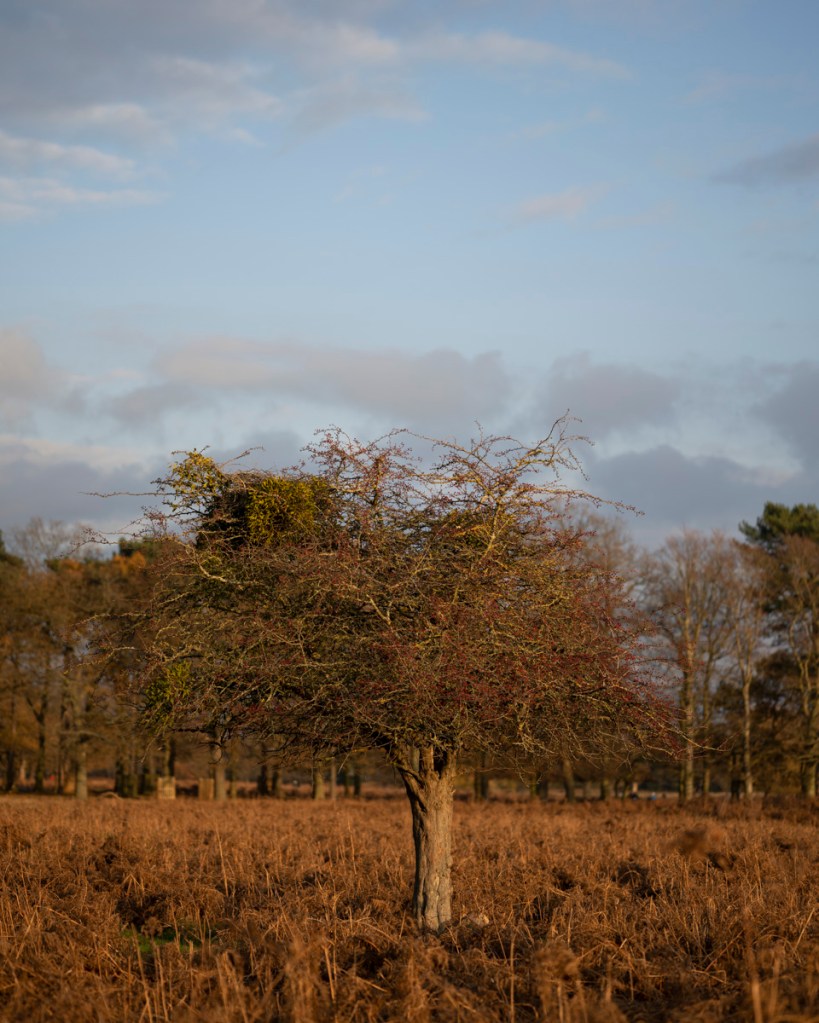
Unfortunately, the light had increased in harshness. Despite this, it was useful trying the 85mm lens with the 5:4 aspect ratio. The first tree I tried was this one (image below taken on 4 November 2020 using the 24mm-70mm zoom lens at 70mm and at 3:2 ratio).

These are the results.

I then walked to the row of hawthorns leading to the gap between the Woodland Gardens plantations.

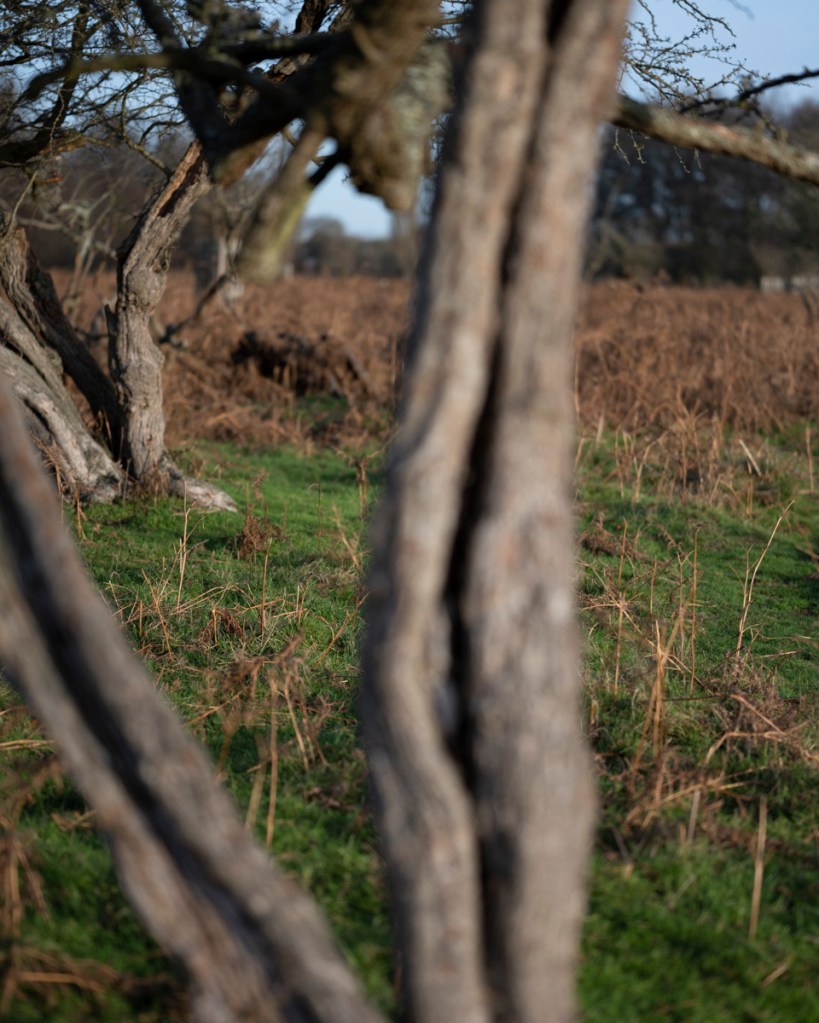
I did manage to get the effect of blurring the background, which I liked. Again, I wasn’t able to get low enough and see the display at the same time.

My next step is to revisit all aspects of this project in light of the feedback and actions resulting from the Interim Review and previous Group Tutorial.

References

Digital Photography School. 2020. Aspect Ratios In Landscape Photography. [online] Available at: <https://digital-photography-school.com/aspect-ratios-in-landscape-photography/&gt; [Accessed 2 December 2020].
“Landscape”, W., 2020. Want Better Landscape Photos? First Check Your Definition Of “Landscape” | Nikon. [online] Nikonusa.com. Available at: <https://www.nikonusa.com/en/learn-and-explore/a/tips-and-techniques/want-better-landscape-photos-first-check-your-definition-of-landscape.html&gt; [Accessed 2 December 2020].
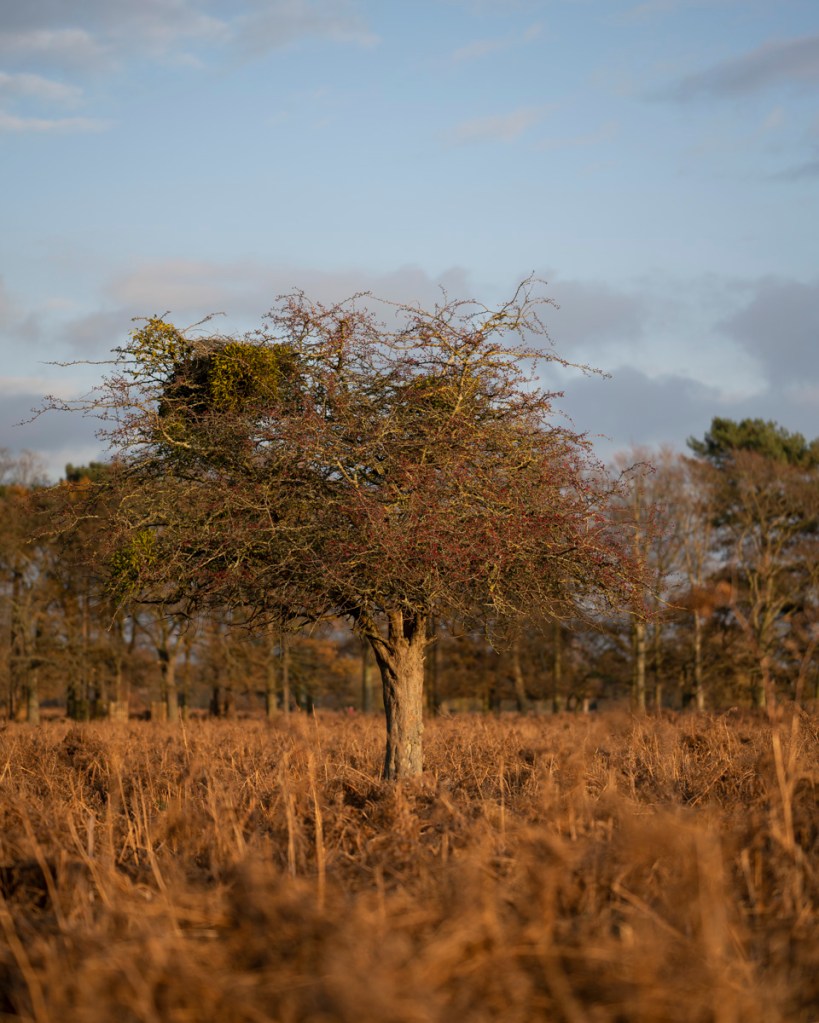
Modes, P., 2020. Personal Touch: The Art Of Z 7 And Z 6 Crop Modes | Nikon. [online] Nikonusa.com. Available at: <https://www.nikonusa.com/en/learn-and-explore/a/tips-and-techniques/personal-touch-the-art-of-z-7-and-z-6-crop-modes.html&gt; [Accessed 2 December 2020].
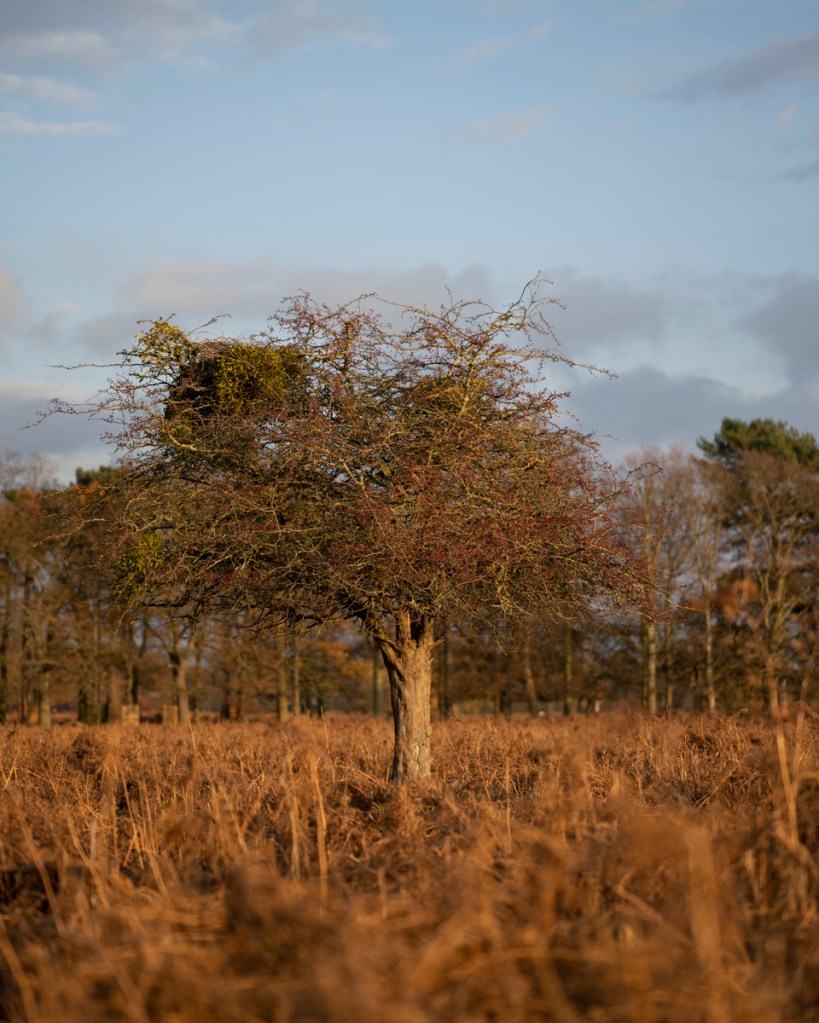
Categories
AGM62 Photography Research Project Stage 1 Posts

AGM62 Better Landscape Photo Tips 30 November 2020

While looking for tips on improving my landscape photography, I came across a useful article on the Nikon website. Featuring tips from fine-art photographer Tony Sweet, I noted the following:

  • The earlier I get to my location, the more time I’ll have to let the light play with the scene
  • Sidelight on a scene serves to separate elements
  • Not all landscapes have to be taken with wide-angle lenses
  • Pick and choose, zoom and crop, get a high or low angle
  • Search out the stalwarts of composition:
    • S-curves
    • Leading lines
    • Repetitions
    • Patterns
    • Rule of Thirds
    • Textures
    • Colours
    • Juxtapositions
    • Contrast
    • Shapes found in nature
    • Things connected to those shapes
  • But remember, there are no rules; it’s all about what attracts me
    • Why does it attract me?
    • The answer to that will help me frame and compose my picture or pick out from the larger scene the essence of what it is I want to convey
  • What I see in front of me isn’t enough
    • Pick and choose, zoom and crop, get a high or low angle
    • This is where landscape becomes a macro landscape, an abstract landscape, a landscape of elements
  • Develop a style, not a repetitive approach

I noted the following in greater detail to remind me of some of the key information:

Light – The Key Element

The article asked what should be looked for to make effective landscape images, to which Tony replied:

“Light,” Tony says without hesitation. “See the same scene in great light and lousy light, and it’s like you’re in a different part of the world. If you want to do it right, whatever it is, you have to get the light right.”

For Tony, the right light starts with scouting. “You have to know the time and the circumstances that will give you the best light. The issue is not where the action is, it’s when.”

For Tony, the best time is during the morning. Why?

Morning Light

  • Get up and out early for first light
  • Morning gives more time to shoot various levels of light
  • Gets lighter slower than it goes dark
  • More light slowly showing up to work with from pre-dawn to sunrise
  • Morning long exposures work better
  • Morning time is quality shooting time

The other aspect Tony covered was ‘shooting where you live’. As I had already taken that decision, I thought it pertinent to note ‘why’.

Why Shoot Where You Live

  • A favored landscape nearby gives the benefit of a quicker early-morning journey
  • The advantage of this is being able to get there year-round to catch the changes the seasons bring

Tony states that “The same landscape scene in four seasons is a great, under-shot project”. Something that I have already considered in relation to this project and going forwards.

With this information in mind and the information on aspect ratio, it was time for me to put it into practice.

References

“Landscape”, W., 2020. Want Better Landscape Photos? First Check Your Definition Of “Landscape” | Nikon. [online] Nikonusa.com. Available at: <https://www.nikonusa.com/en/learn-and-explore/a/tips-and-techniques/want-better-landscape-photos-first-check-your-definition-of-landscape.html&gt; [Accessed 2 December 2020].
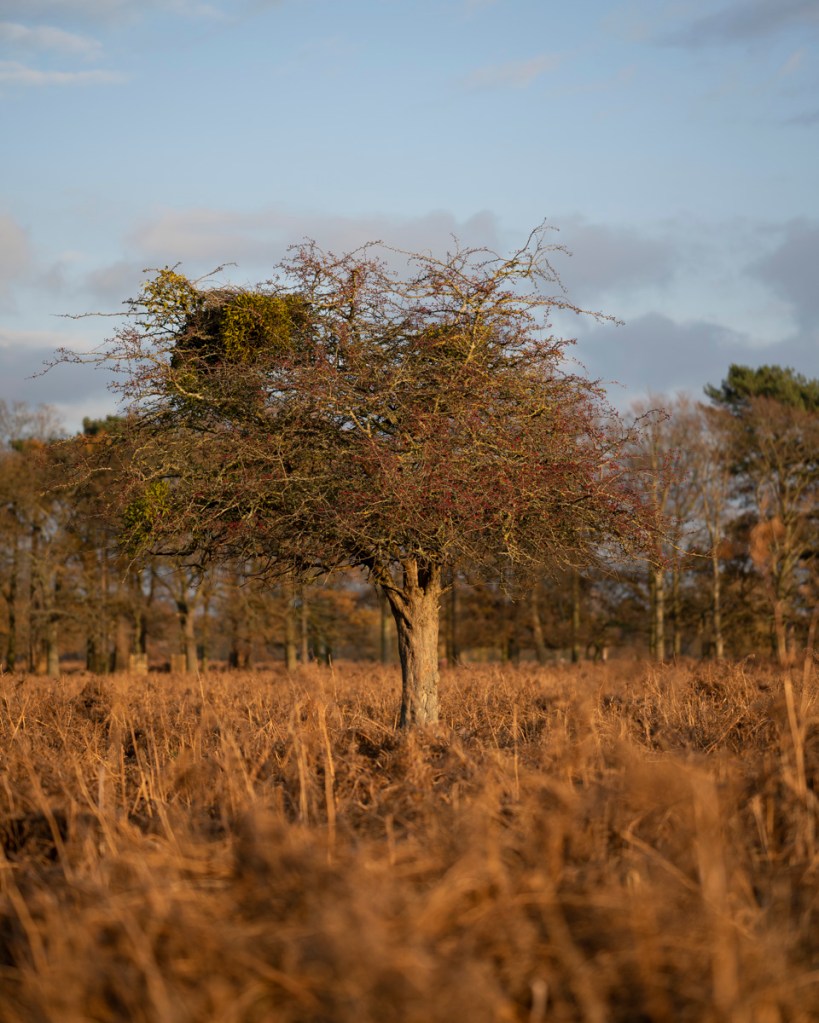
Categories
AGM62 Photography Research Project Stage 1 Posts

AGM62 Aspect Ratios 30 November 2020

In my quest to improve my technique and skill base in regards to my hawthorn portraits, I realised I needed some external inspiration. To start my investigation, I carried out an initial online search regarding aspect ratios and landscape that resulted in the following findings.

Aspect Ratios

Up until this stage, I had been shooting in 3:2. This is the aspect ratio which matches my camera’s sensor size and, therefore, gives the maximum base for creating images. In addition to this ratio, my mirror-less camera can shoot in the following aspects:

  • 1:1
  • 4:5
  • 16:9

I first came across an online article by Elliot Hook called Aspect Ratios in Landscape Photography. This clearly written and enlightening piece put into perspective the differing ratios in relation to what I was attempting to achieve. By going through the pros and cons of each aspect, I could use this advice in my own work. As Hook points out at the beginning of the piece:

‘The aspect ratio of a photograph can make or break the composition by either emphasising the subject and removing distractions, or by putting the whole scene off-balance.’

(Aspect Ratios in Landscape Photography, 2020)

Within this article, Hook outlines a range of well-defined and familiar ratios. I’ve arranged this information into the following bullet points for my own reference:

1:1 Square Format

  • Use to simplify an image
  • Emphasise minimalism
  • Gives a subject a striking presence at the centre of the frame
  • Keeping the width equal to the height changes the way in which a photograph is read
  • Less of a need to move from left to right through the frame
  • Offers a good opportunity to break the rules (thirds, etc.) and strengthen the composition:
    • Place the horizon along the centre of the image
    • Place a subject in the centre of the frame

4:5 Four Fifths Format

Hook hasn’t specifically outlined a list of attributes for this ratio, but his tips involving a 4:3 Four Thirds Format can be applied (this is the default aspect ratio of cameras that use Four Third sensors).

  • Wider than it is tall
  • The eye naturally wants to move left to right through the image
  • The image is still fairly tall in relation to the width
  • Ratio is perfect for drawing the eye into the scene through leading lines
  • The relative height to width encourages the use of wide-angle focal lengths
  • Captures the depth of a scene
  • Excludes excess details at the edge of the frame

3:2 Format (also called 6:4 & 35mm)

  • Default aspect ratio for full-frame and APS-C sensors (Nikon and Canon)
  • Aspect ratio for 35mm analogue cameras
  • The width is significantly wider than the height
  • Encourages viewing the image from left to right
  • Pros
    • Works well for diagonal leading lines
    • Suited to capturing scenes where there is little to no foreground interest, especially if using mid-range focal lengths (e.g., 35mm)
  • Cons
    • Limitation of this aspect ratio is that the height is that much shorter in relation to the width
    • Capturing foreground detail using a wide-angle lens is more difficult due to the limited vertical space
    • 3:2 aspect ratio can even cause the subjects within the frame to become too disparate and therefore lose impact

16:9 Widescreen Panoramic

  • Supported in film by the Advanced Photo System (APS)
  • Becoming more popular due to the prevalence of 16:9 aspect ratio displays in the home on TVs, computer monitors, and mobile devices
  • Width of the image is dominant – leading the viewer in from the foreground is difficult
  • Ideally suited to presenting portions of landscape scenes captured with longer focal lengths (e.g. zoom lenses) from a distance

Portrait Orientation & Ratio

The part of this article that I found most interesting was in relation to shooting in portrait orientation. This is how I intend to photograph the hawthorns for this project. Hook points out that options for the successful presentation of landscapes in “portrait” format are much fewer in number. 

Hook suggests that, for a landscape to work, the composition throughout the frame has to be balanced. He highlights that, due to the image being too tall relative to its width, achieving this can be quite difficult. This is what I’ve observed so far in the majority of the hawthorn images.

To get around this, Hook advises on trying a ‘fatter’ rectangle such as 4:3, 7:6 or 5:4.

5:4 Ratio for Portrait-Orientated Landscapes

  • Heavily used by professional landscape photographers with medium and large format cameras
  • Aspect ratio allows the eye to be taken through the image from left to right
  • Reduces excess amount of sky knocking the frame off-balance

This is what could make a big difference to my own work.

In addition to the above, Hook does point out that there is an argument for taking the initial image at the full ratio of 3:2 then cropping it to a custom ratio based on the image’s subject matter. However, this can cause issues with both printing and framing. I would also think this could effect areas of focus and perspective within an image.

In addition to Hook’s article, I came across a piece on the Nikon website which encourages experimentation with the different aspect ratios available with my camera. Also useful was the relevant megapixel sizes for each ratio. Something to consider when sizing prints.

Nikon Z 7 and Z 6 Crops with Megapixel Sizes

  • FX, the full-frame default mode, is a 45.7-megapixel image for the Z 7, 24.5 megapixels for the Z 6. The image is roughly 36x24mm, the size of a 35mm film frame.
  • DX crop mode, at a 1.5 magnification factor, produces a 19.5-megapixel Z 7 image, a 10.3-megapixel Z 6 photo.
  • In 5:4 mode the Z 7 image is 37.9 megapixels, Z6 doesn’t have a 5:4 mode.
  • 1:1 produces a square image at 30.3 megapixels for the Z 7, 16.1 megapixels for the Z 6.
  • 16:9 mode—38.3 megapixels for the Z 7, 20.5 megapixels for the Z 6—is the common aspect ratio for TVs and computer monitors

The stand-out part of this information was in relation to the DX crop. At the time of writing, I don’t know exactly how it could influence this current project, but the following extract may be useful:

Based on his experience, Lindsay feels that the most popular of the modes will be the DX crop. “Let’s say you’re shooting with a 70-200mm or 80-400mm telephoto at a sports event—baseball, soccer, a horse race. There probably will be times you’re not really close enough to the action, or you’ll  want to be closer to a detail of the action or a player’s stance or grip or expression. You could come home with the picture, crop and enlarge to get that detail, but I prefer to do that in the field, right there at the event, so I’ll go to DX crop mode with an 80-400mm and effectively get a 600mm focal length.”

(Modes, 2020)

This begs the question ‘How would the use of the DX crop affect the image and composition choices when used with my current lenses?’

My intention after discovering and processing all of the above information was to apply it to my current project.

References

Digital Photography School. 2020. Aspect Ratios In Landscape Photography. [online] Available at: <https://digital-photography-school.com/aspect-ratios-in-landscape-photography/&gt; [Accessed 2 December 2020].
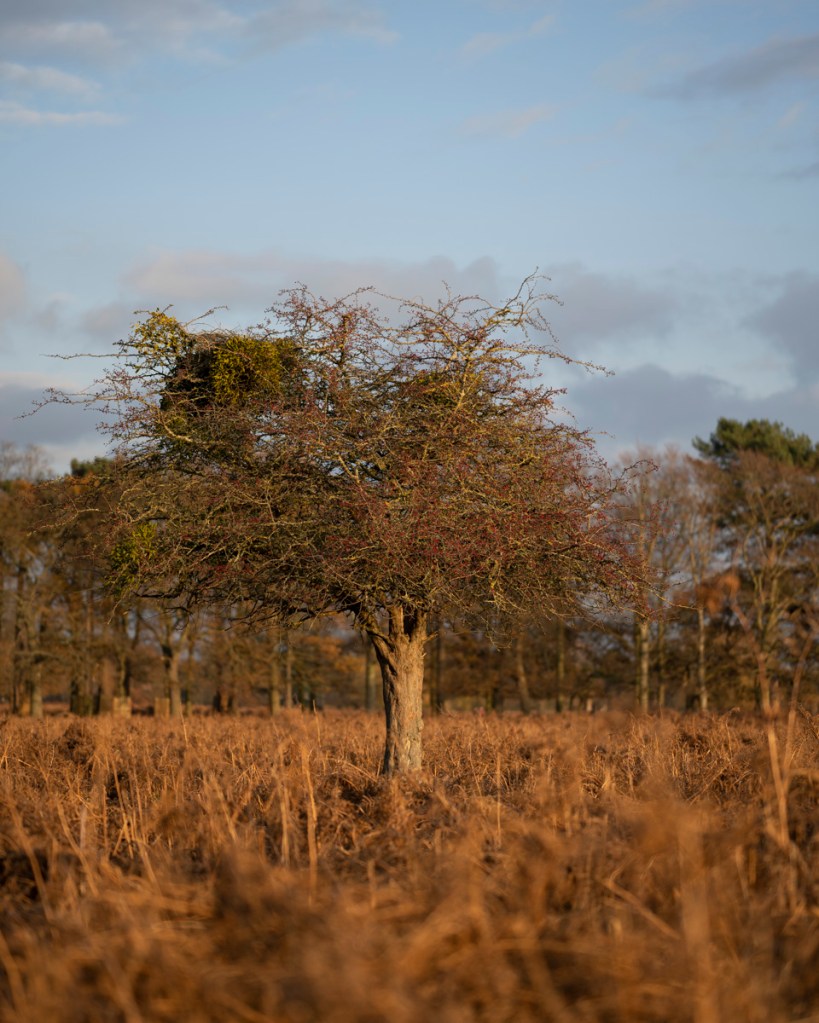
Modes, P., 2020. Personal Touch: The Art Of Z 7 And Z 6 Crop Modes | Nikon. [online] Nikonusa.com. Available at: <https://www.nikonusa.com/en/learn-and-explore/a/tips-and-techniques/personal-touch-the-art-of-z-7-and-z-6-crop-modes.html&gt; [Accessed 2 December 2020].
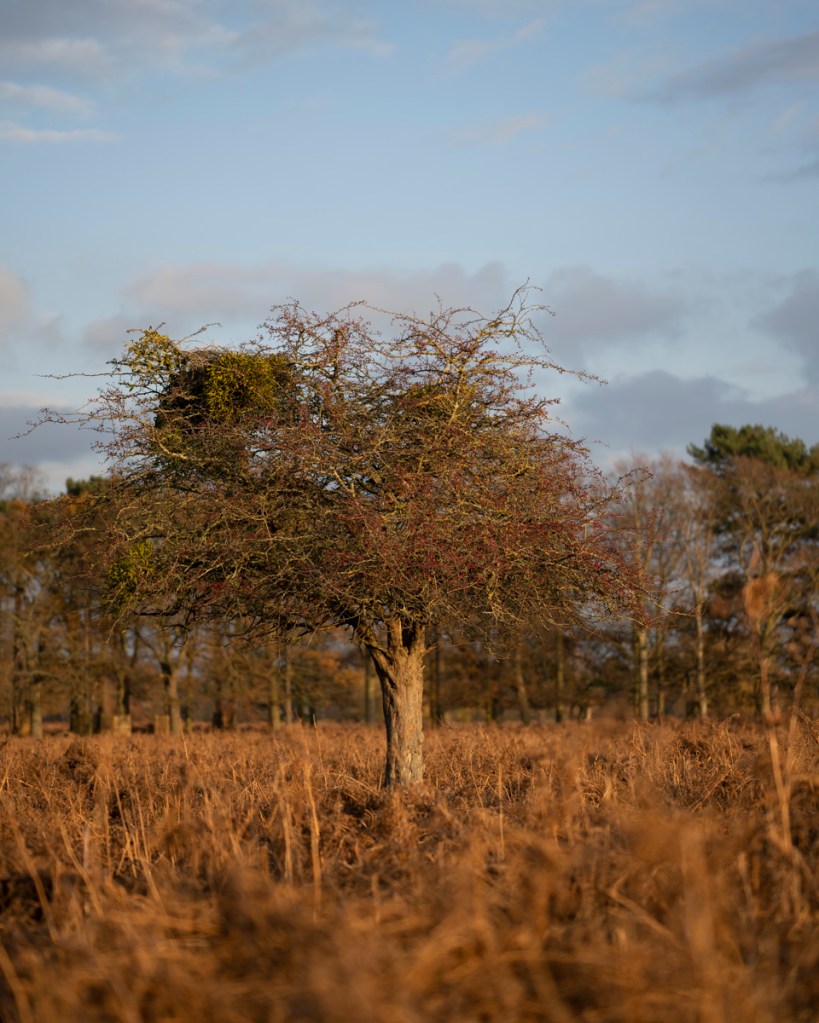
Categories
AGM62 Photography Research Project Stage 1 Posts

AGM62 On the Wall Observations 28 November 2020

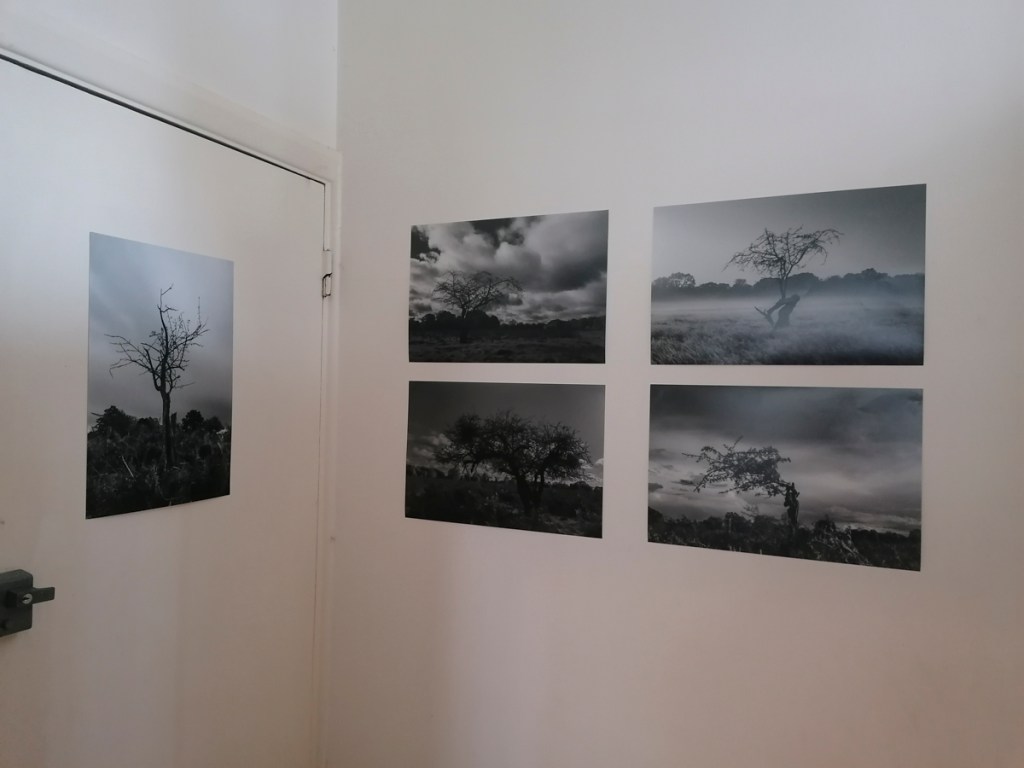
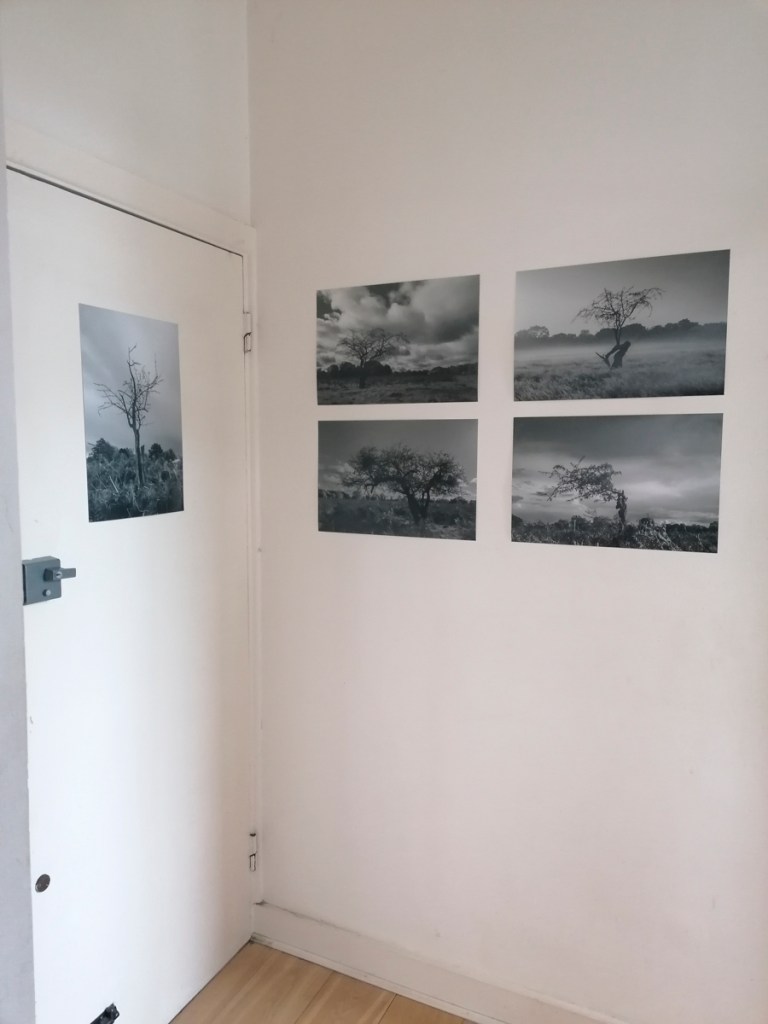
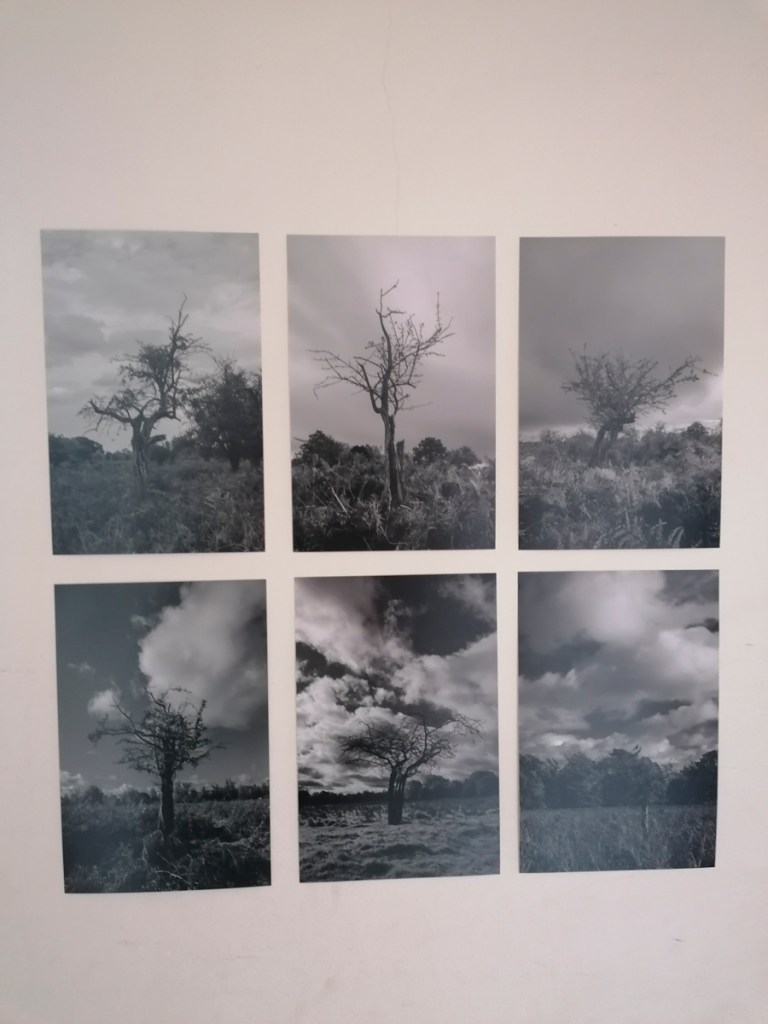
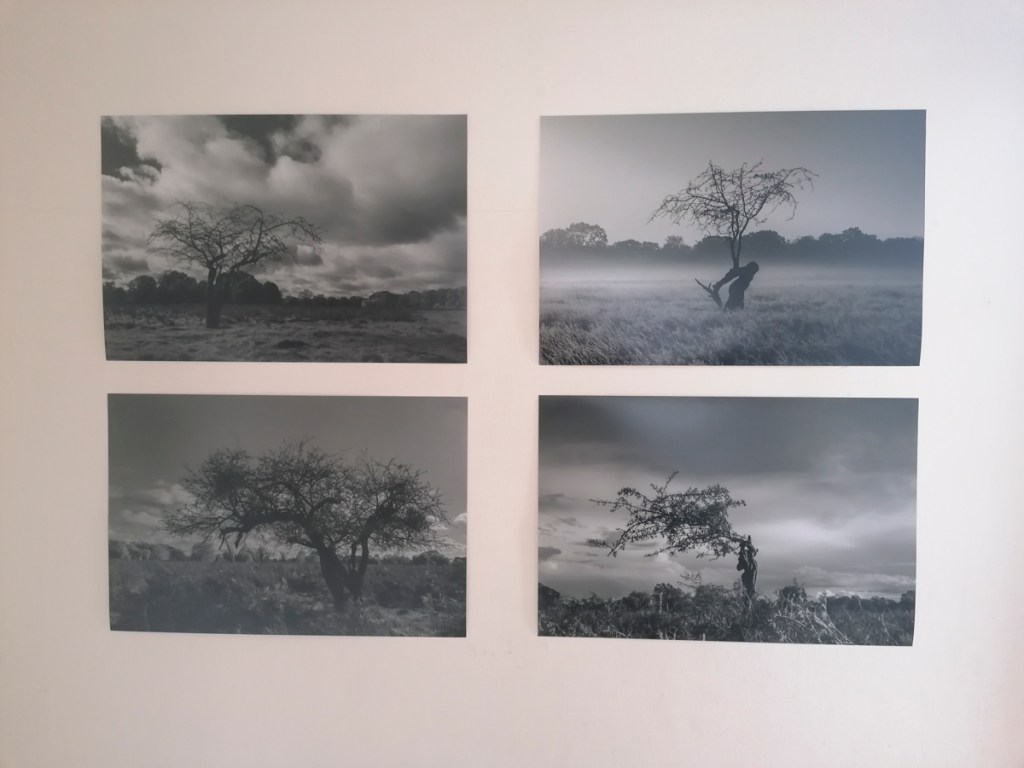
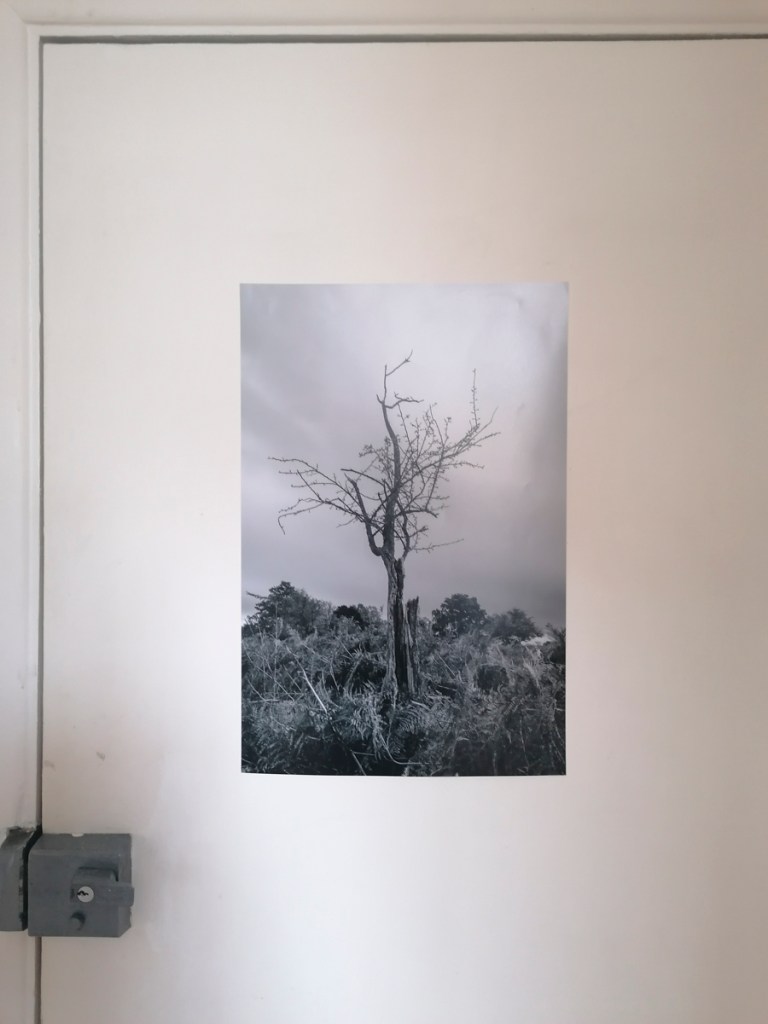
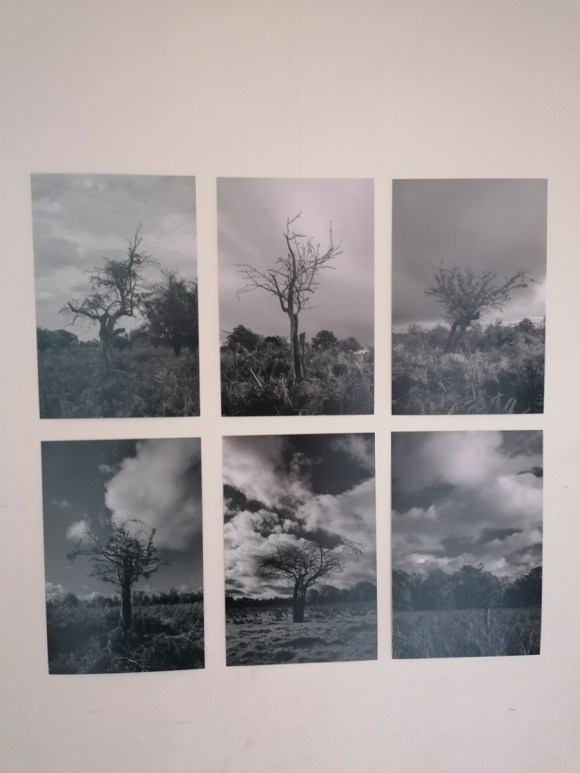
In order to take a closer look of the images I’d produced so far, I put some up in my hall area at home. This helps in recognising both positive and negative aspects of each image and how they work together. This exercise also assists in highlighting possible areas of project progression.
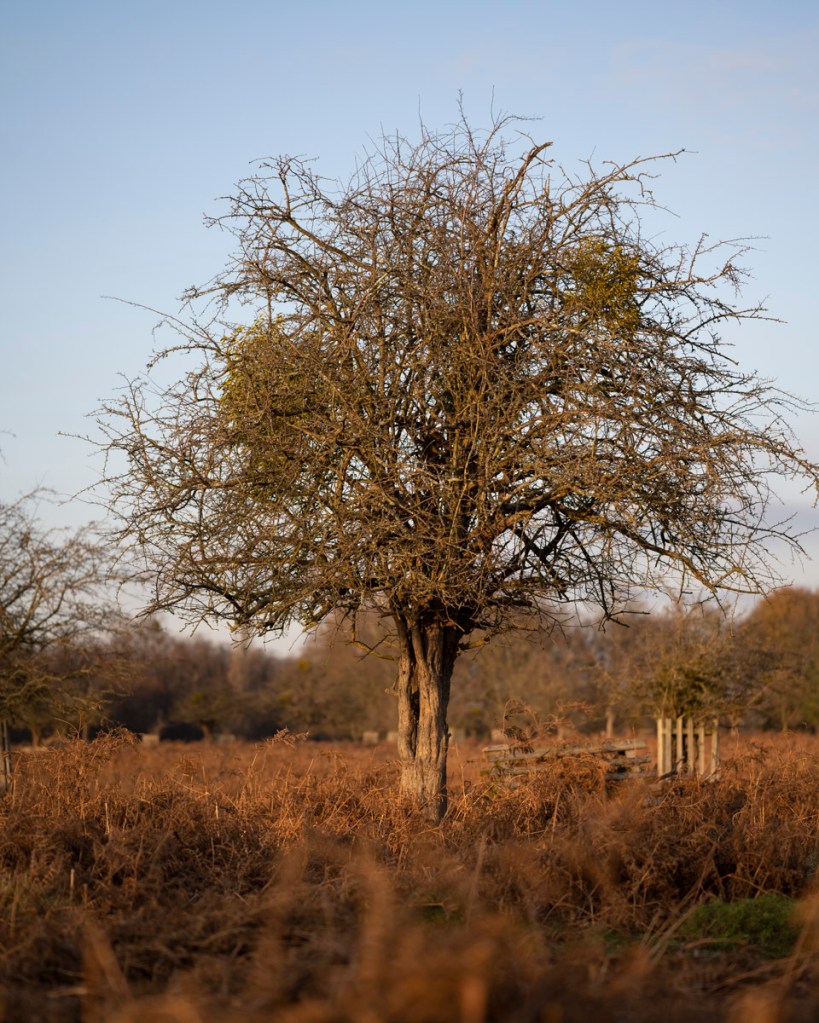
While putting up the prints, I noticed three aspects immediately.

First, the difference the sky tones make to an image. In the single image of the tree with the paler sky, it feels ‘open’. The other images, where the top part of the image are darker, compress the sky. There is palpable claustrophobic sensation. This effect also reminded me of my classmate Mark’s use of a vignette in his images of Waverley Abbey and how it affected these images in the same way. The images need to ‘breathe’.

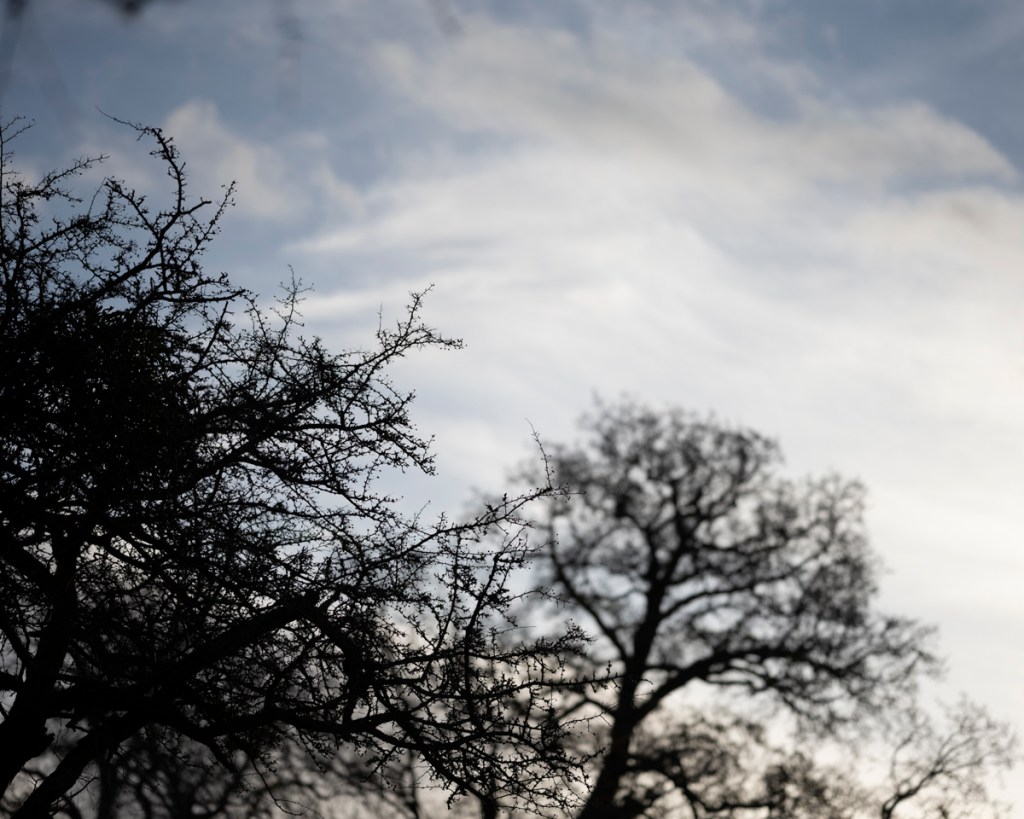
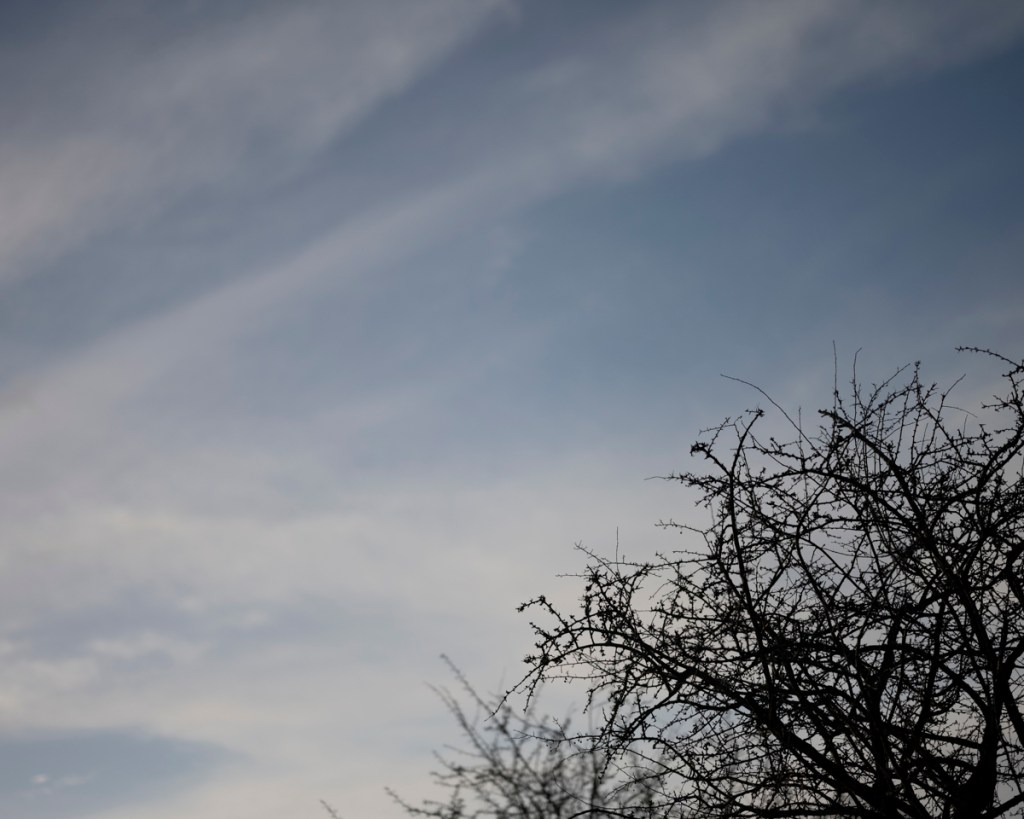
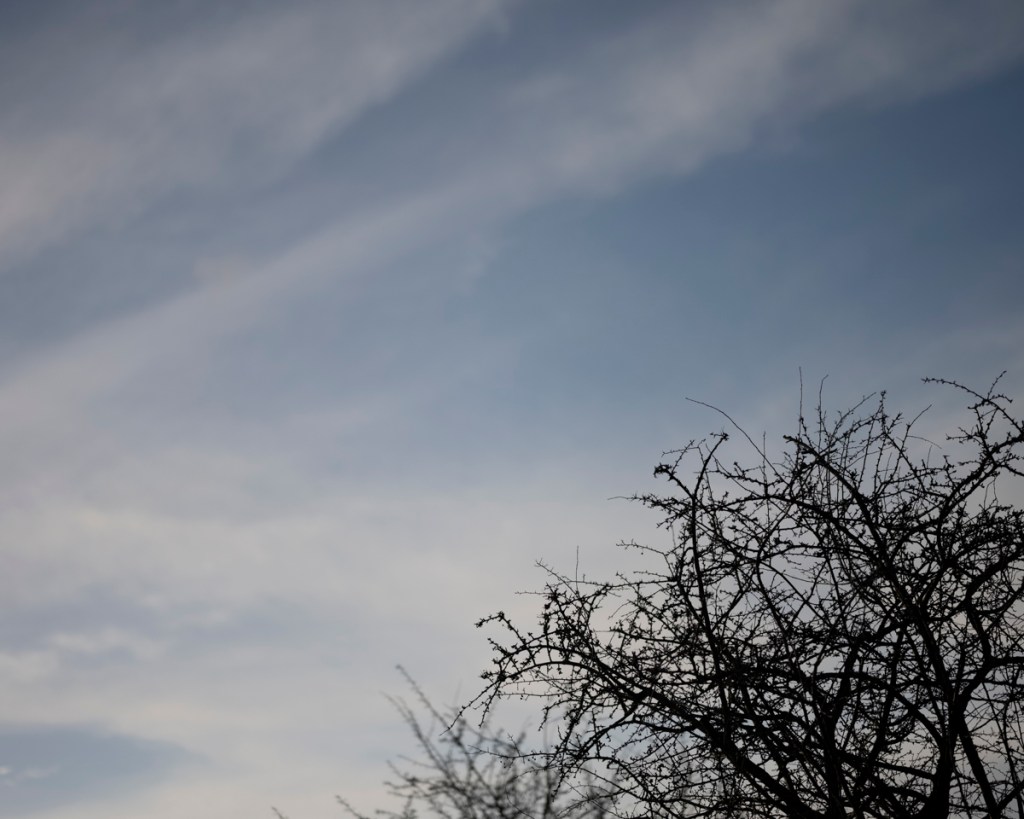
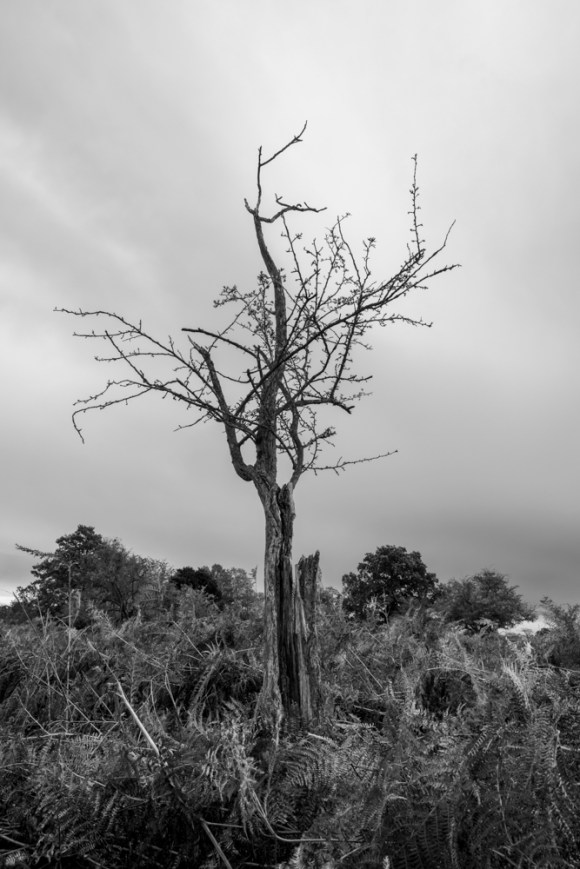
Secondly, the sky in this image had a very soft sheen to it that contrasted perfectly with the spiky thorns.

This lead me to the third observation – the ratio. All of these images were taken at 2:3. This has the effect of ‘stretching’ the scene in both portrait and landscape orientation. One issue I had with this when taking shots of the trees was being able to fit in all of the branches. Also, there was sometimes ‘too much’ sky and foreground resulting in a less satisfying composition. To give me a better idea of what this may look like, I created a 4:5 cropped version of the following image.

In reflection while writing this post, I also noted that the original shot (from on 25 October 2020) was taken at 24mm and at F11. This reflected the feedback that I need to use a different lens and focal length.

The other main observation was in relation to this configuration of images.

The trees needed a ‘quieter’ sky and a uniformity of the horizon line. This observation and the ones above provided a clearer direction in my goal to formulate a particular technique for this project. It also sparked further areas of practice-based research.

Categories
AGM62 Photography Research Project Stage 1 Posts

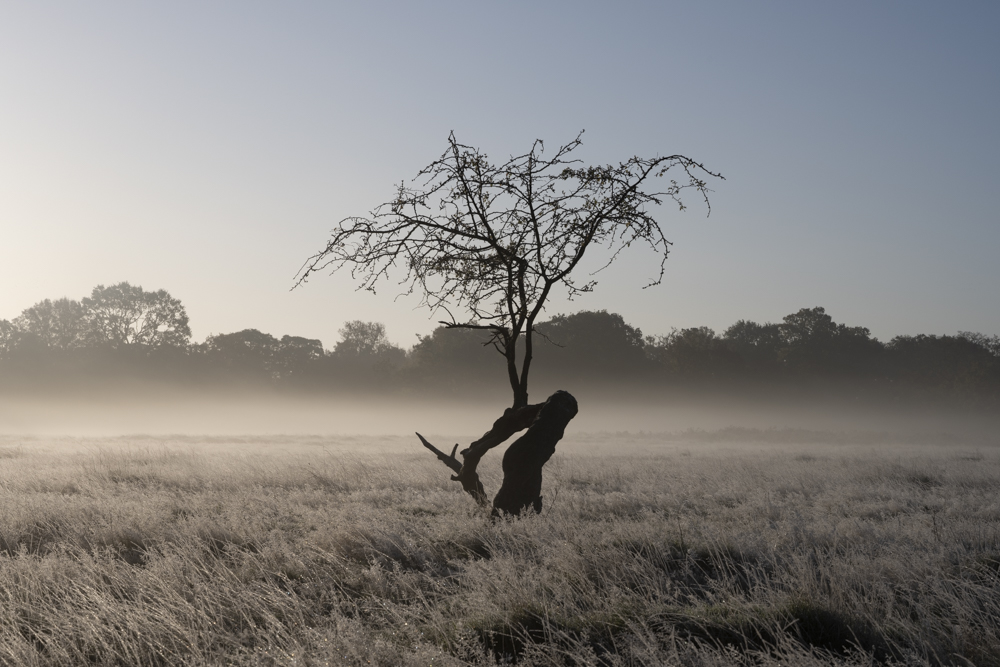
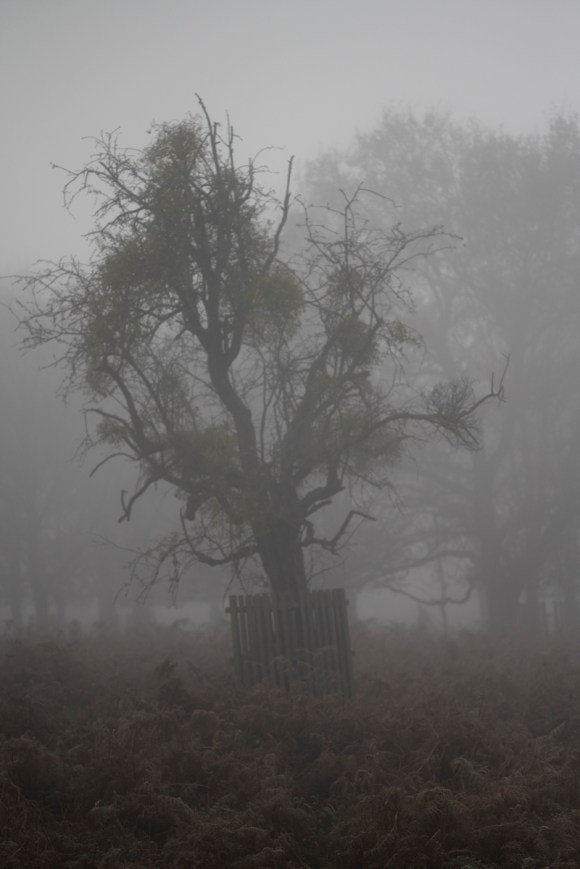
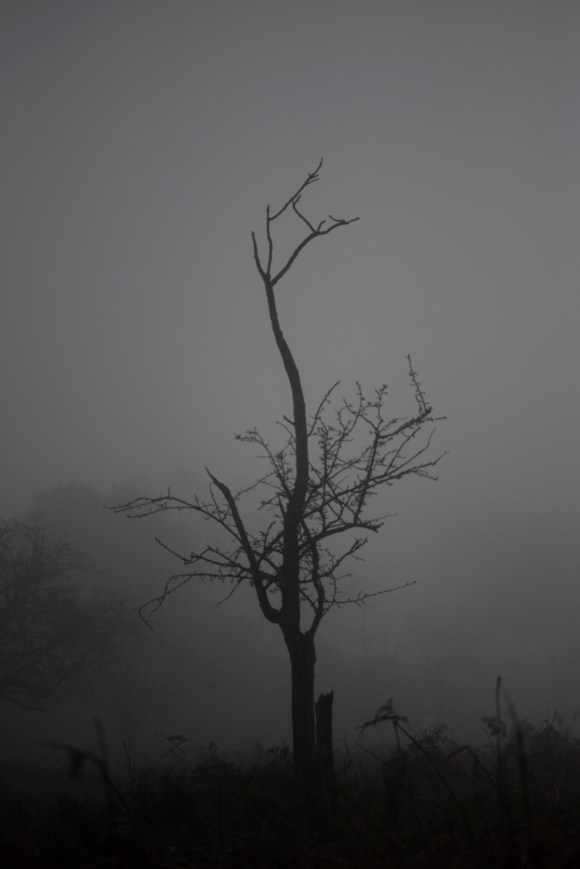
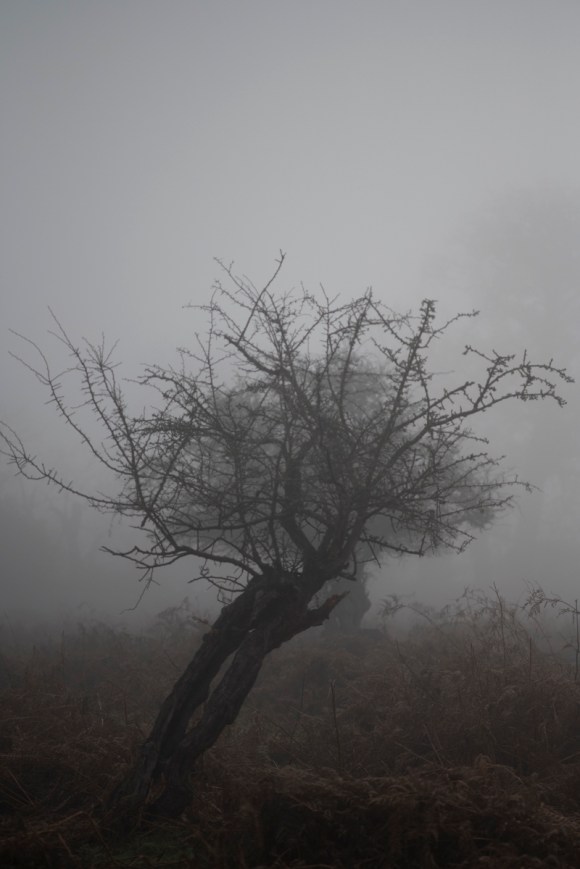
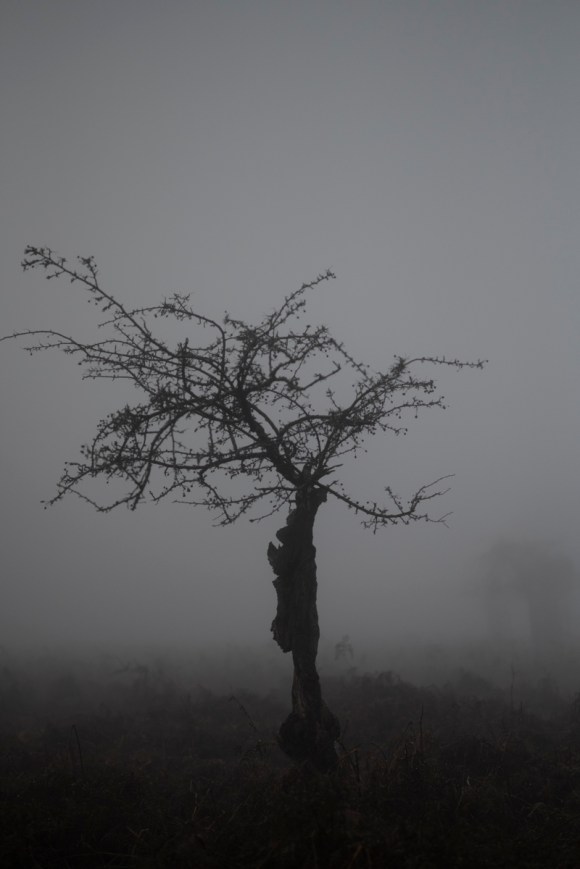
AGM62 105mm Lens and Fog 27 November 2020

My first foray into the absorption of practice-based research was to use a new piece of equipment – vintage Nikkor 105mm manual lens. I had borrowed this from a photographer friend, who recommended I try it. This would be quite a challenge as it would involve manual focusing. I usually have to resort to auto focusing – being short sighted, I’ve discovered that this helps in making sure the key aspects are not intentionally blurry.

I had to run an errand on the other side of the park that morning, so thought it an ideal opportunity to try this lens. I wanted to use it as it would give the effect of having the tree in focus and the background blurred.

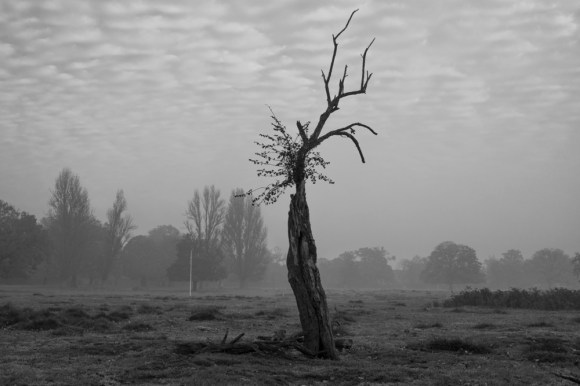
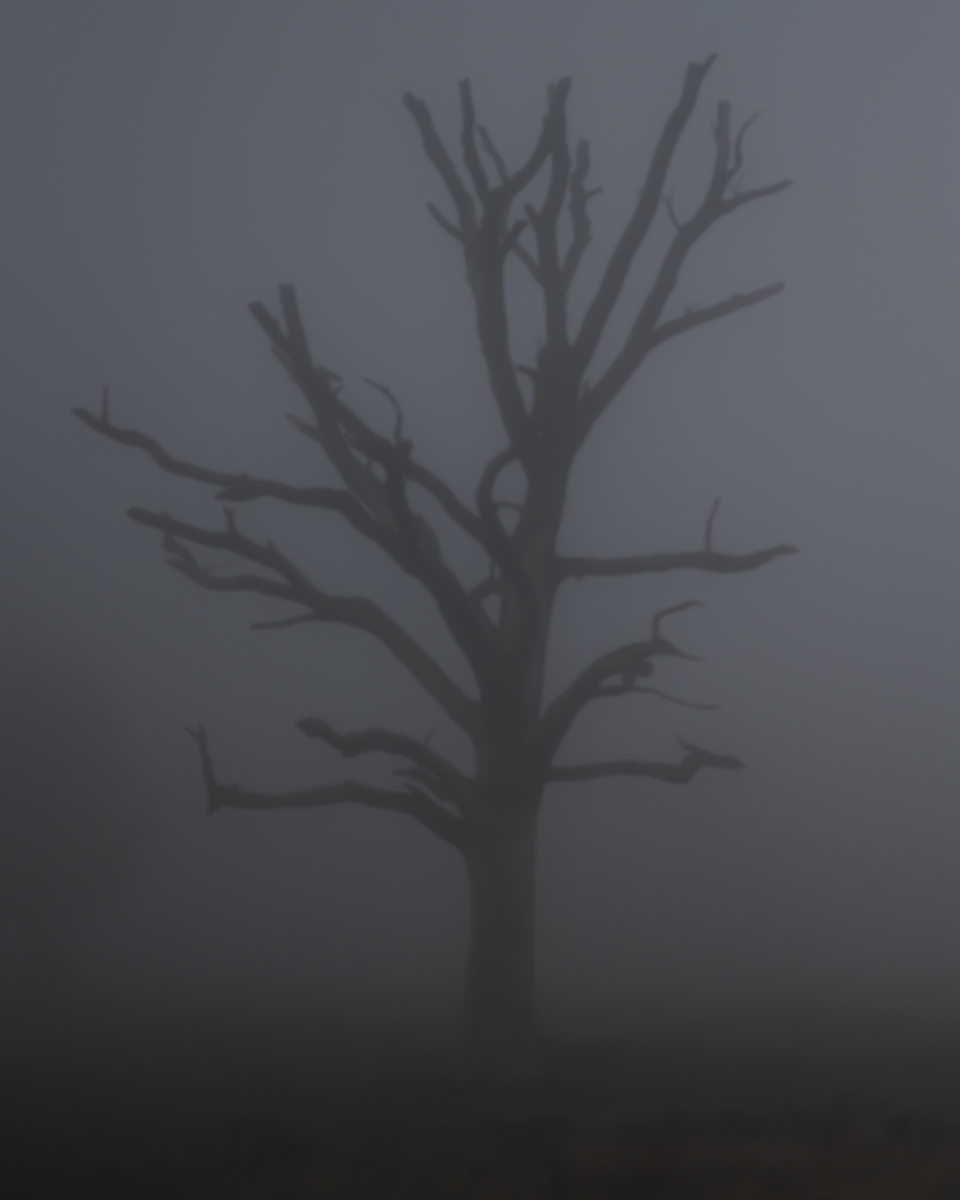
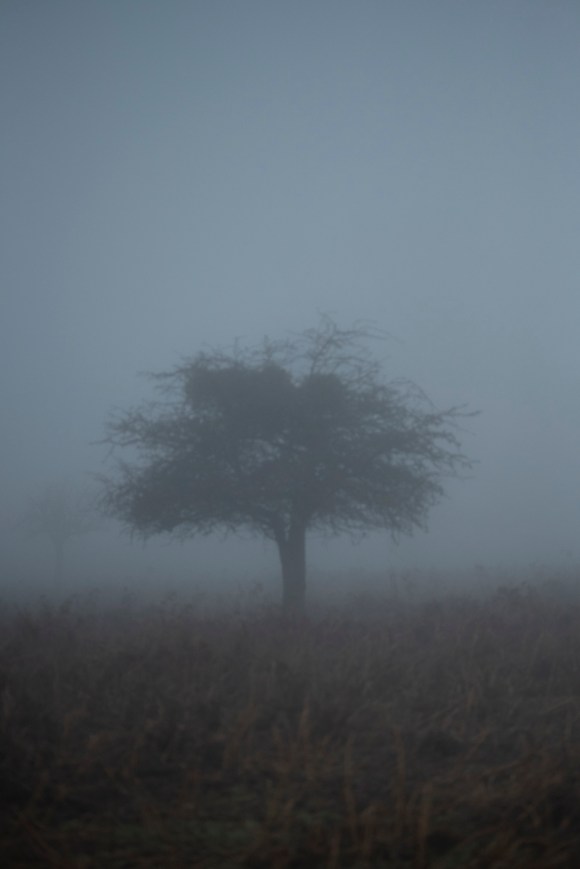
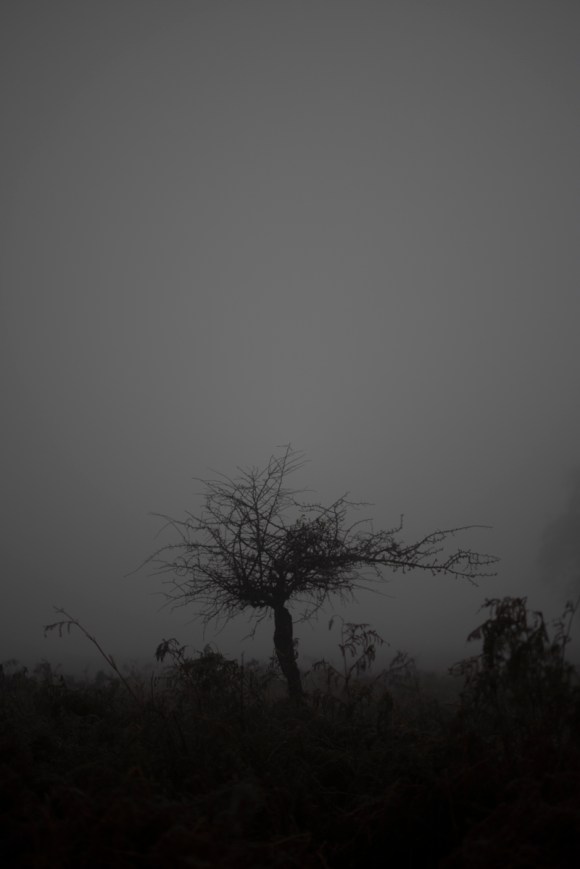
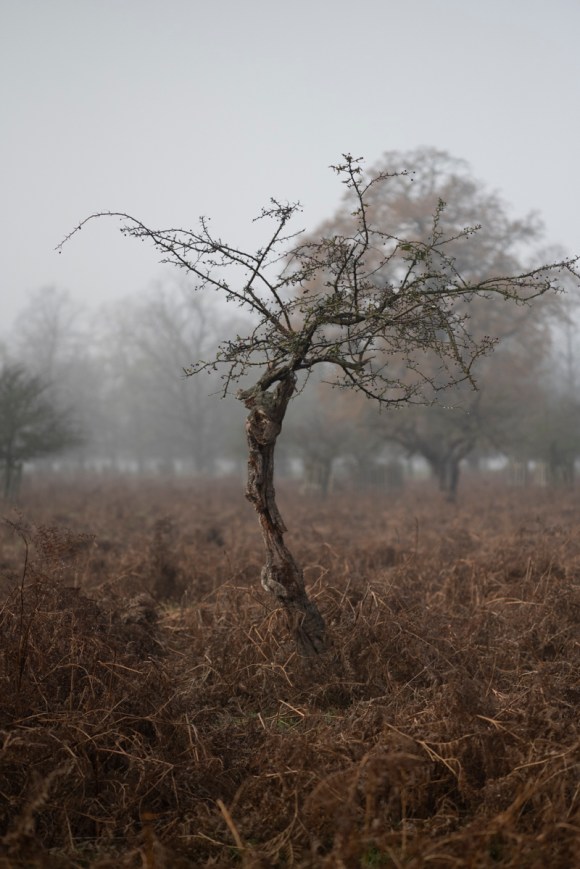
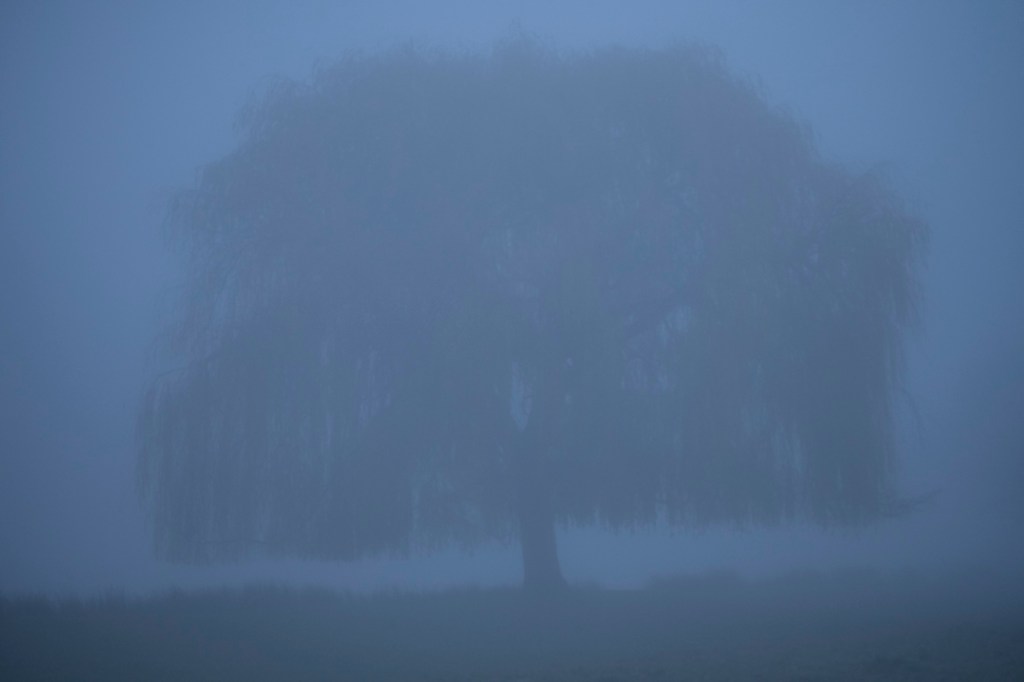
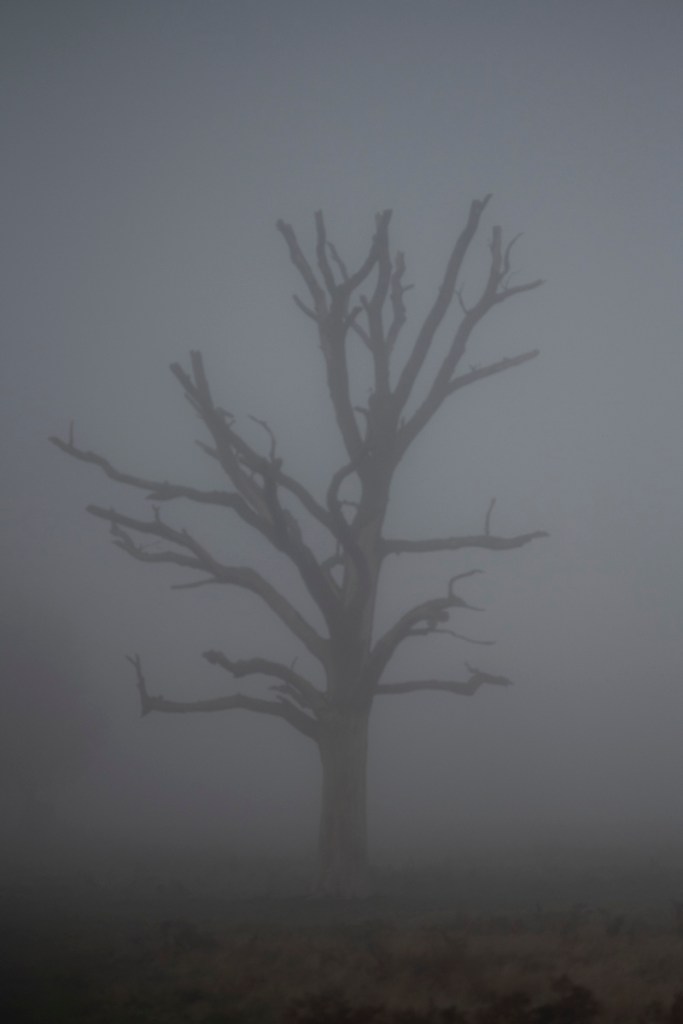
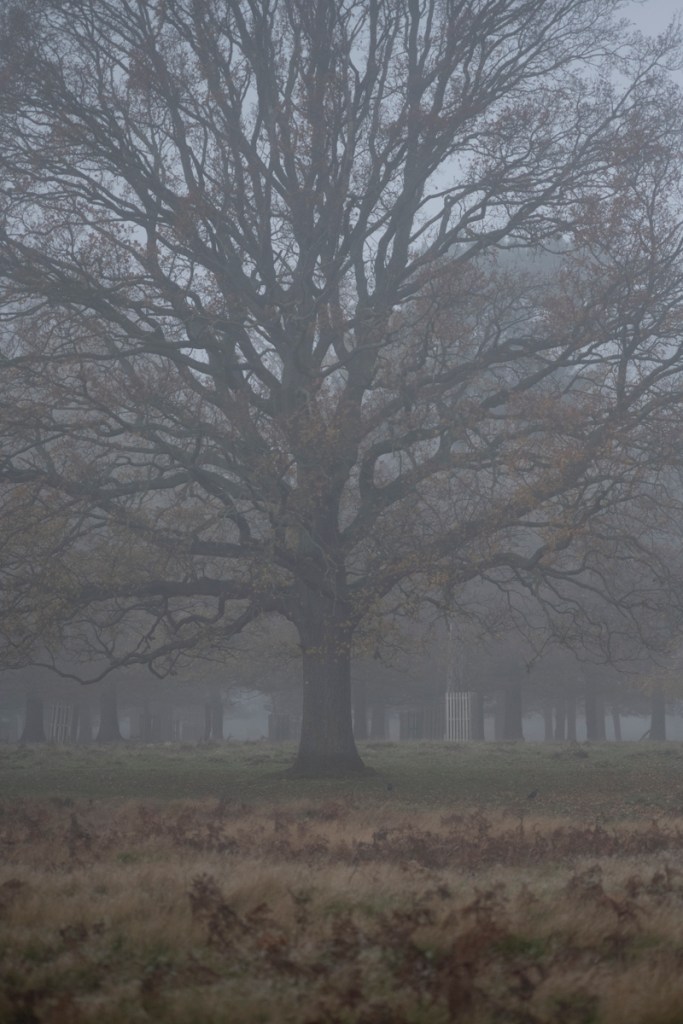
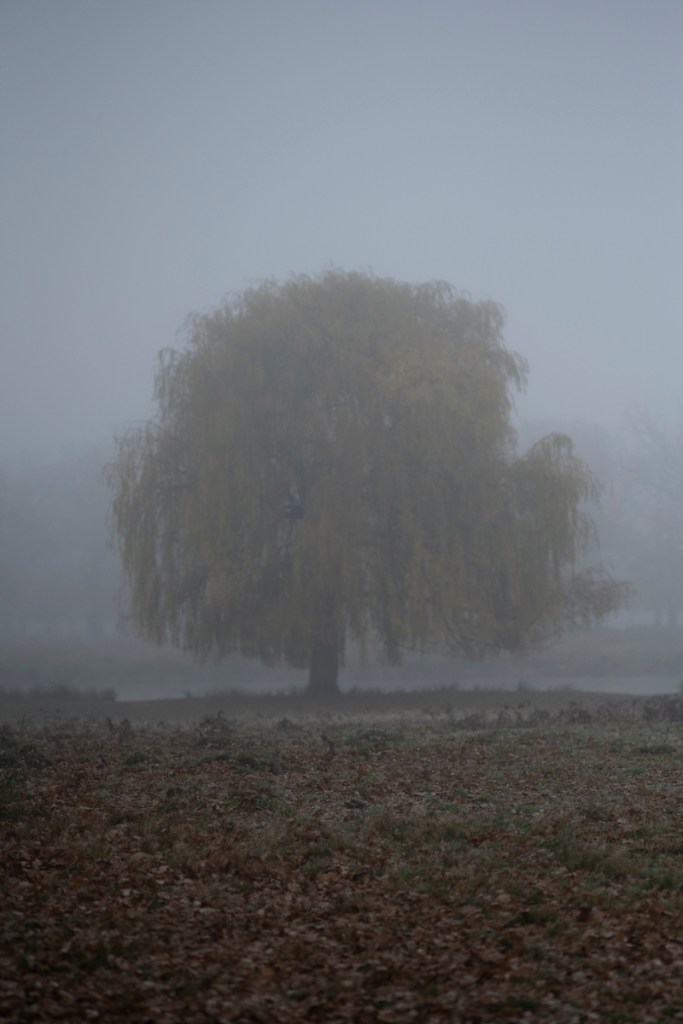
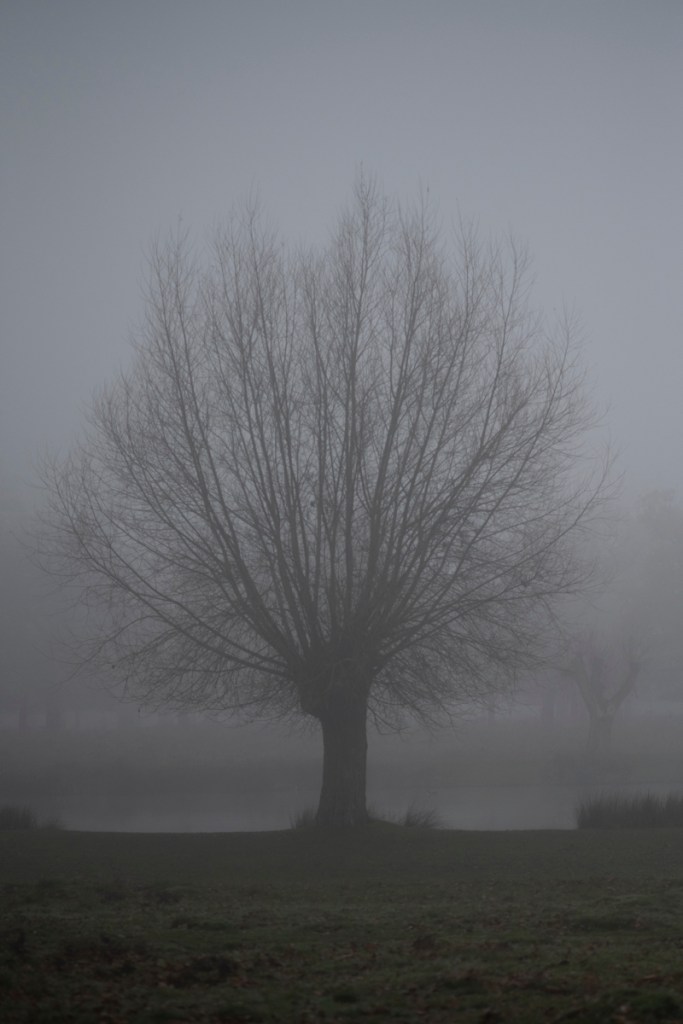
The park was exceedingly foggy that morning – these conditions would also give an opportunity to be creative. I had set the camera at F2.5 and hoped I would get some positive results.

All of the following images are a selection of low-res JPGs taken directly from the RAW file and no colour adjustments have been made.

Hawthorns

To test the lens and capture the conditions, I also took these images.

Other Trees

The main difference in using this lens is the distance between myself and the subject. With the 35mm and 24-70mm, it was easy to get closer to each tree. With the 105mm, I had to remember to move further away from the tree to get it into frame.

As for the blurred background effect, this is the image in which it most profound. Unfortunately, the tree itself isn’t in focus and the image is quite noisy.

With regards to the other trees, I made this particular edit. One difference is the crop, which was at a 4:5 ratio. This was an aspect I was contemplating and will be looking further into how different ratios effect the resulting image. I’ve also made minor adjustments to the contrast, highlights, shadows and whites.

After using this lens, I realised that I would need lesson in how to get the best from this very good piece of kit. I also realised that I’m best suited using a lens with automatic focus in these kind of conditions.

Categories
AGM62 Photography Research Project Stage 1 Module Details

AGM62 Schedule to Final Review and Submission of Work

To continue keeping focused and on point with this project, I have created the following schedule and will amend when appropriate and relevant.

Week 18:

Monday 23 November 2020 (Teddington)

  • Collate all bibliography and list of research resources for Task 2 in blog post (completed)
  • Start to draft Research Dossier (completed)

Tuesday 24 November 2020 (Teddington)

  • Draft separate blog posts for annotated portfolio of visual resources/artworks, etc. so far (completed)
  • Start to collate images for each post/artist/photographer (completed)

Wednesday 25 November 2020 (Edward Street, Brighton @10am)

  • Group Tutorial (completed)

Thursday 26 November 2020 (Teddington)

  • Process images from 24 November 2020 (complete)
  • Write blog post for images from 24 November (complete)
  • Process feedback from Group Tutorial (completed)
  • Write relevant blog post (completed)

Friday 27 November 2020 (Teddington)

  • Look at camera set up – tripod, speedlight, 105mm lens, etc.
    • Tried out 105mm lens in fog
  • Write blog post (completed)
  • Study Skills session with Tutor @3pm (completed)

Saturday 28 November 2020

  • Day off

Sunday 29 November 2020 (Brighton)

  • Instruction with 105mm lens
    • Have better understanding now – try similar technique using my 85mm lens

Week 19:

Monday 30 November (Teddington)

  • Research aspect ratio and landscape photography tips (completed)

Tuesday 1 December 2020 (Teddington)

  • Sunrise shoot in Bushy Park using 85mm lens and info from aspect ratio and landscape photography tips (completed)
  • Look at images from shoot and carry out rough edit (completed)

Wednesday 2 December 2020 (Teddington)

  • Independent Practice/Study
    • Write up blog posts on aspect ratio and landscape photography for reference (completed)

Thursday 3 December 2020 (Teddington)

  • Write blog post for images from 1 December 2020 (completed)

Friday 4 December 2020 (Teddington)

  • Notes on going forward (completed)
  • Study Skills session with Tutor @3pm (completed)

Saturday 5 December 2020 (Teddington)

  • Bushy Park photography session (completed)
  • Process images (completed)
  • Write relevant blog post (completed)

Sunday 6 December 2020 (Teddington)

  • Bushy Park photography session (completed)
  • Process images (completed)
  • Write relevant blog post (completed)

Week 20:

Monday 7 December 2020 (Teddington)

  • Day off

Tuesday 8 December 2020 (Teddington)

  • Research – Noel Myles (completed)
  • Write relevant blog post (completed)

Wednesday 9 December 2020

  • Colour calibrate monitor (completed)
  • Experiment with images (completed)
  • Visiting Speaker (Tom Lovelace) – Remote (MS Teams Remote Session @2pm)(Completed)

Thursday 10 December 2020 (Teddington)

  • Edit and prepare selection of images (completed)
  • Send test print files to DS Colour Labs (completed)
  • Write relevant blog post (completed)

Friday 11 December 2020 (Teddington)

  • Bushy Park photoshoot – try taking multiple shots of same tree (completed)
  • Images not great – need to work on possible technique

Saturday 12 December 2020 (Teddington)

  • Day off

Sunday 13 December 2020 (Teddington)

  • Day off

Week 21:

Monday 14 December 2020 (Teddington)

  • Bushy Park shoot – trying composite shots (complete)
  • Compound image using Adobe Photoshop (complete)
  • Write blog post on results

Tuesday 15 December 2020 (Teddington)

  • Prepare for 1-1 tutorial (complete)
  • Research Beth Moon (complete)

Wednesday 16 December 2020 (MS Teams Remote Session TIME TBC)

  • 30 minute 1-1 Tutorials
  • Process feedback and actions resulting from 1-1 Tutorial
  • Write relevant blog post
  • Printed images received
  • Write blog post on prints

Thursday 17 December 2020 (Teddington)

  • Bushy Park Shoot (completed)
  • Create Twosome Trees in Black & White to test if viable for Body of Work (completed)

Friday 18 December 2020 (Teddington)

  • 10am to 11am appointment (complete)
  • 11.30am to 12.00pm PAT appointment (complete)
  • Study Skills Tutor 3pm to 4pm (complete)

Saturday 19 December 2020 (Teddington)

  • Day off

Sunday 20 December 2020 (Teddington)

  • Day off

Week 22:

Winter Break

Monday 21 December 2020 (Teddington)

  • Update schedule to Final Review (complete)
  • Add all current relevant files to individual collections via Adobe Bridge
  • Collate images for Body of Work and all sub-works

Tuesday 22 December 2020 (Teddington)

  • Day off

Wednesday 23 December 2020

  • Day off

Thursday 24 December 2020

  • Day off

Friday 25 December 2020

  • Day off

Saturday 26 December 2020

  • Day off

Sunday 27 December 2020

  • Day off

Week 23:

Winter Break

Monday 28 December 2020

  • Day off

Tuesday 29 December 2020

  • Day off

Wednesday 30 December 2020

  • Day off

Thursday 31 December 2020

  • Day off

Friday 1 January 2021

  • Day off

Saturday 2 January 2021

  • Day off

Sunday 3 January 2021

  • Day off

Week 24:

Winter Break

Monday 4 January 2021 (Teddington)

  • Review all images and files
  • Contact Print Foundry re. order

Tuesday 5 January 2021 (Teddington)

  • Work on Research Dossier

Wednesday 6 January 2021 (Teddington)

Thursday 7 January 2021 (Teddington)

Friday 8 January 2021 (Teddington)

  • Order prints (completed)

Saturday 9 January 2021 (Teddington)

  • TBC

Sunday 10 January 2021 (Teddington)

  • TBC

Week 25:

Monday 11 January 2021 (Teddington)

  • Work on Research Dossier

Tuesday 12 January 2021 (Teddington)

  • TBC

Wednesday 13 January 2021 (Teddington)

  • Independent Practice/Study
  • Test prints received
  • 2.30pm Rachel Gillies via Microsoft Teams

Thursday 14 January 2021 (Teddington)

  • Work on Research Dossier

Friday 15 January 2021 (Teddington)

  • Work on Research Dossier

Saturday 16 January 2021 (Teddington)

  • TBC

Sunday 17 January 2021 (Teddington)

  • TBC

Week 26:

Monday 18 January 2021 (Teddington)

  • TBC

Tuesday 19 January 2021 (Teddington)

  • Prepare for Group Tutorial

Wednesday 20 January 2021 10am – 1pm (Teddington – Microsoft Teams)

  • Group Tutorial – details TBC
  • Write notes and create blog post on feedback from tutorial
  • Action list

Thursday 21 January 2021 (Teddington)

  • Work on Research Dossier

Friday 22 January 2021 (Teddington)

  • Work on Research Dossier

Saturday 23 January 2021 (Teddington)

  • Work on Research Dossier

Sunday 24 January 2021 (Teddington)

  • Work on Research Dossier

Week 27:

Monday 25 January 2021 (Teddington)

  • Work on Research Dossier
  • 2.15 pm – 3.15 pm Skype meeting with Anita to go through Artist Talk and presentation

Tuesday 26 January 2021 (Teddington)

  • Complete all tasks for Final Review
  • Collate and prepare all deliverables for final Body of Work and sub-works
  • Final preparation for Artist Talk of 20 minutes
  • Complete Research Dossier document for Task 2

Wednesday 27 January 2021 10am – 5pm (Teddington – Microsoft Teams) NB Subject to change

  • Submission of Work for Assessment
    • Final Review – Task 1
      • Body of Photographic Work presentation and Artist Talk of 20 minutes

Thursday 28 January 2021 (Teddington)

  • Write up blog post regarding Final Review

Friday 29 January 2021 (Teddington)

  • Day off

Saturday 30 January 2021 (Teddington)

  • Day off

Sunday 31 January 2021 (Teddington)

  • Day off

Week 28:

Monday 1 February 2021 (Teddington)

  • Day off

Tuesday 2 February 2021 (Teddington)

  • Prepare for Forward Planning Tutorial

Wednesday 3 February 2021 Time TBC 10am – 1pm (Teddington – Microsoft Teams)

  • Feedback and Forward Planning Tutorials

Friday 5 February 2021 12 pm

  • Electronic submission of Research Dossier for Task 2 via Turnitin
    • Bibliography & references
    • Photography Research Project Stage 2 Proposal (1,000 words)
    • Portfolio of visual references (format TBC)
Categories
AGM62 Photography Research Project Stage 1 Posts

AGM62 Group Tutorial Feedback and Actions 25 November 2020

On Wednesday 25 November, the Group Tutorial went ahead as scheduled. This was held following social distancing protocol within a University classroom. As all teaching would be online from 2 December, this would be the last in-person session of 2020.

The first aspect covered was the 1-1 tutorials due to be held on Wednesday 16 December. These would consist of 30 minutes via MS Teams. The aim of the session would be to present then discuss the current project, specially in regards to scope, the current status and any concerns.

The next session after this would be the Group Tutorial on Wednesday 20 January 2021 with the Final Review and submission of work on Wednesday 27 January 2021. At the time of writing, the Final Review is to be held at the University of Brighton and the Body of Work presented in its physical form. The required Research Dossier (in relation to Task 2 for this module) is to be submitted electronically via ‘My Studies’ on the same day.

One of these Task 2 submissions is a proposal for module AGM62, which should be a springboard to how the work will be taken forward. Our tutor, Åsa, gave a brief idea of what information should be included and how it should be written and will be sending a more-detailed template via email soon.

Åsa also went over the module course book and reiterated the key requirements and learning outcomes. The essence of this module is to absorb oneself in the intent of practice-based research. To make progress in the module, and as a photographer in general, it is key to value and appreciate the practice of ‘making’.

The key phrases Åsa said were ‘return and return’, plus ‘EXPLORE!’ (appropriately, of course).

Åsa also encouraged us to ask:

  • What is my photographic practice?
  • What will I show?
  • How will I show?
  • How will I talk about it?
  • What are the parameters of my inquiry?
  • How do I want to develop particular photographic techniques?

In addition, Åsa advised the class, at this stage of the project, to:

  • Take an explorative approach to our way of working
  • Continue making
  • Reflect on works – and what doesn’t

With regards to the Research Dossier, it would be useful to include ‘Sub Works’. These are pieces that haven’t been included in the final Body of Work, but could constitute a separate body or springboard for an alternative direction.

My first reaction to this advice was to think about my own inquiry:

  • How does digital photography relate to the images of trees?

This was sparked by my thoughts about the reciprocal relationship between photographer, equipment and subject. This will have to be explored further.

Image Feedback

During the tutorial, I presented some of the images on the large Promethean screen. I realised that during the Interim Review, the details within the images could not be seen when showing the smaller prints together. This helped in showing the details.

I also showed these following images as group to illicit a response. However, when I looked at the group, I realised that I didn’t want to create a ‘showcase’ of digital photography techniques.

One image that garnered a good response was this one. This was taken with the 35mm lens at F1.8, which resulted in blurring the background more, making the hawthorn stand out.

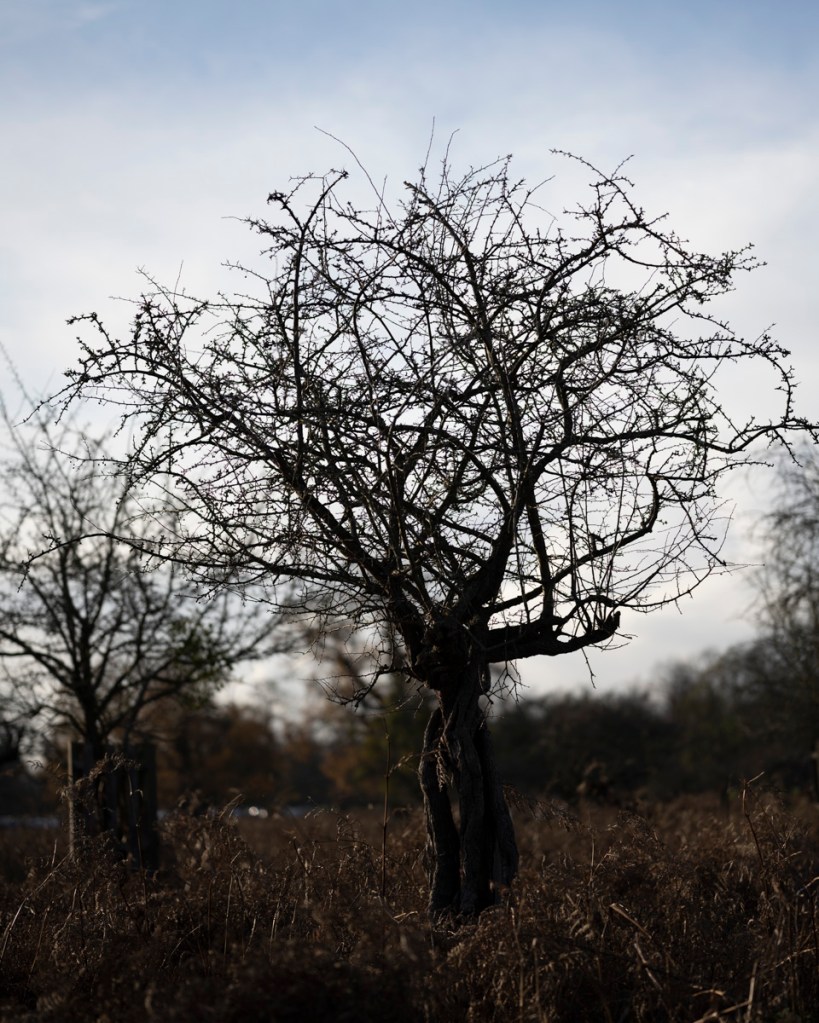
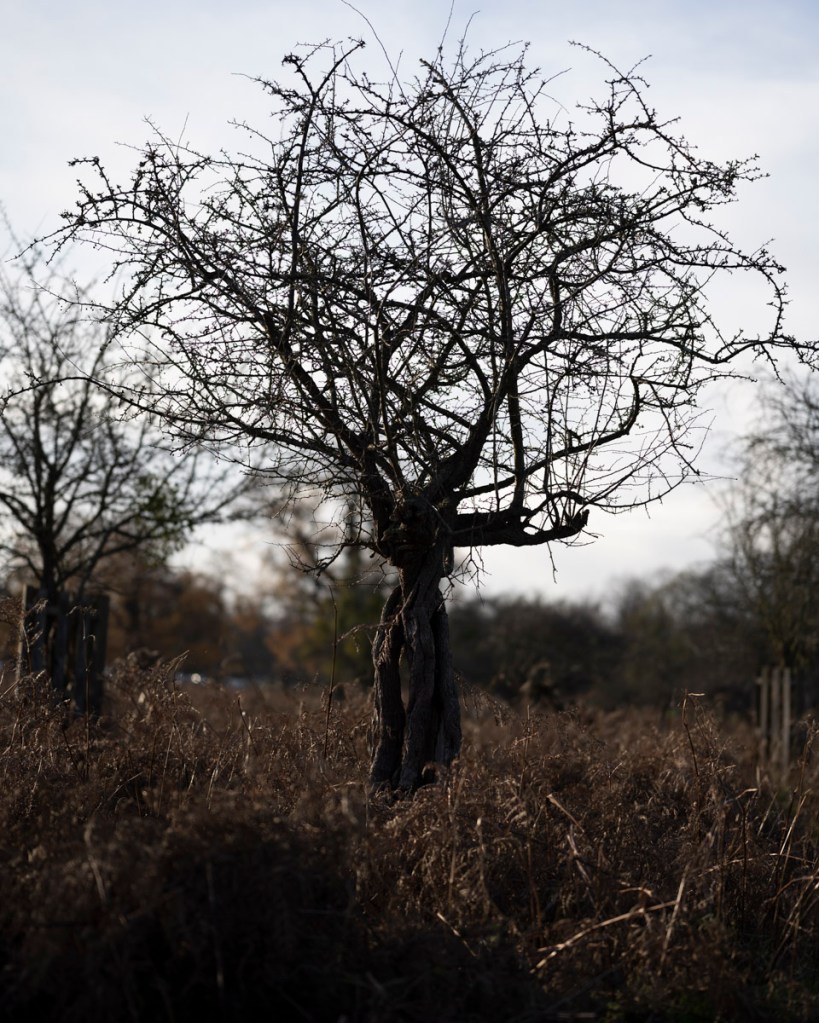
Again, the subject of using the Speedlight as a fill-in flash was worth pursuing. This will show the trees in detail, rather than silhouette (especially when shooting into the sun).

In general, the response was to refine my technique and focus on whittling down the images to create a cohesive body of work.

Actions

The action I need to take first is to take a ‘step back’ in light of the questions above. It is up to me to make the inquiry of what it is I am actually doing, process my answers then take action.

This has to come from the question:

How does my use of digital photography relate to my images of hawthorn trees?

Once I have a better idea of doing this, going forward I will:

  • Focus on formulating then using a particular technique and work flow
  • Strengthen the concept
  • Extend and develop my use of equipment, specifically:
    • Tripod
    • Speedlight Flash
    • Filters
    • Experimenting with Depth of Field (making the tree stand out from its environment)
Design a site like this with WordPress.com
Get started