Categories
AGM64 Photography Research Project Stage 2 Posts

AGM64 Ansel Adams White Branches 4 May 2020

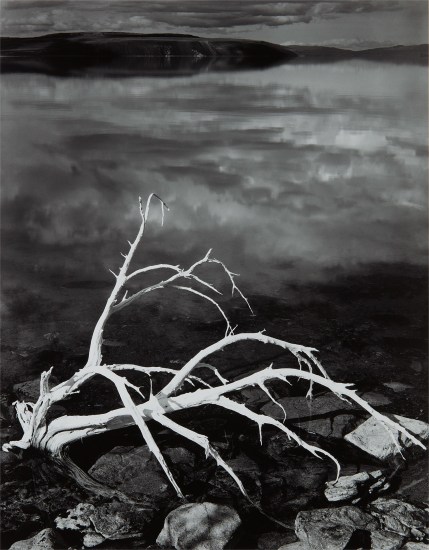
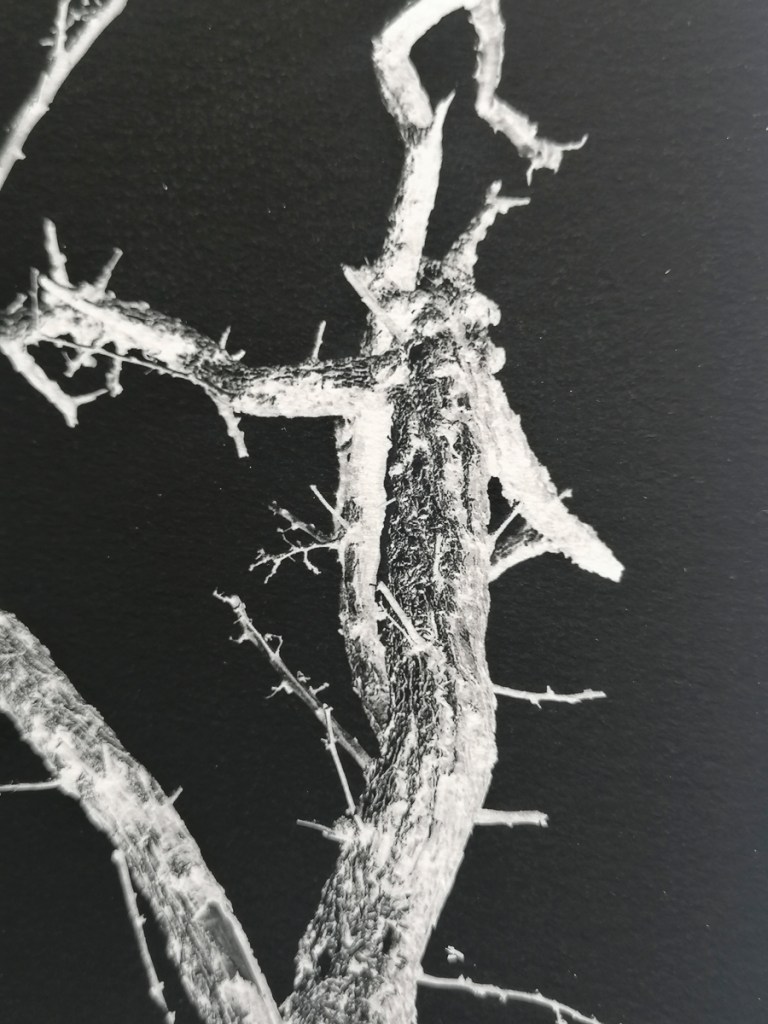
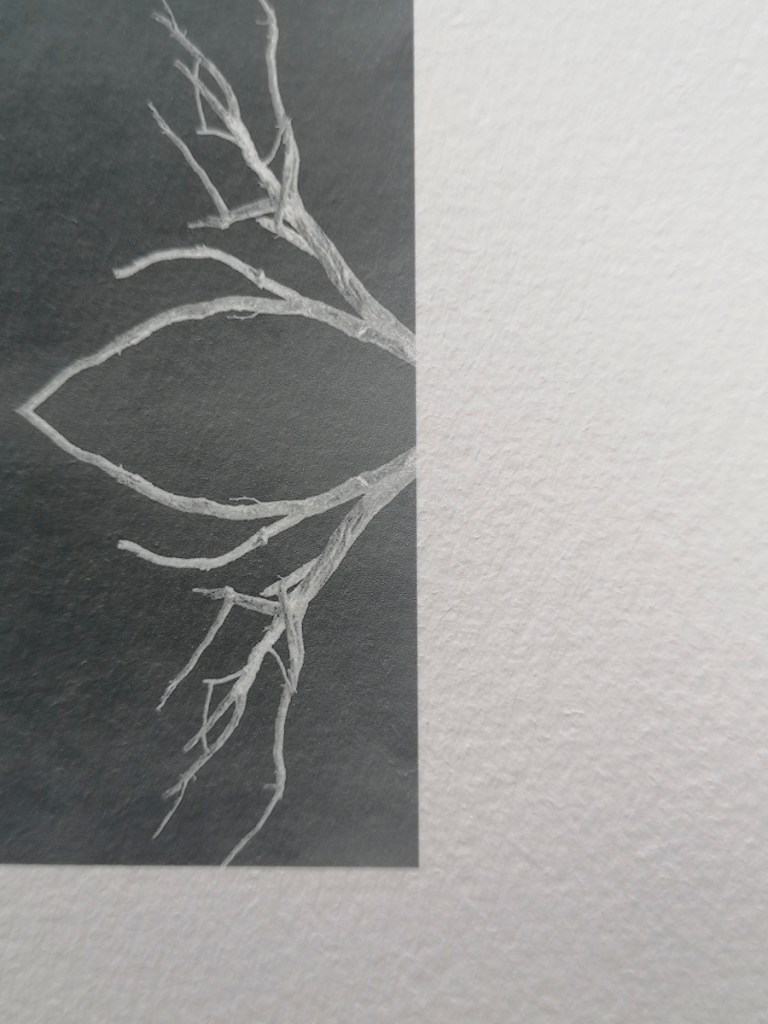
While looking at photography books for the AGM92 module, I came across a book featuring 400 photographs by Ansel Adams. When viewing Adams’ images of nature I felt a ‘spark’. When looking at images of buildings and people, I felt nothing. The one image of nature that really made an impact was this.

Ansel Adams, White Branches, Mono Lake, California
1950, Gelatin silver print, printed 1973-1977. 19 3/8 x 15 1/4 in. (49.2 x 38.7 cm)

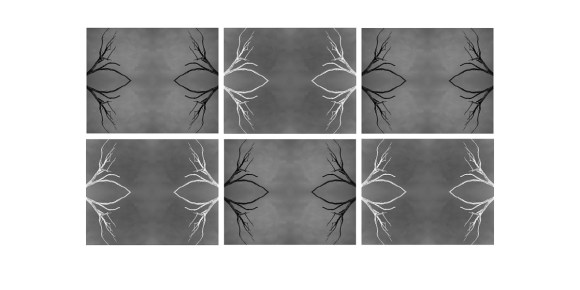
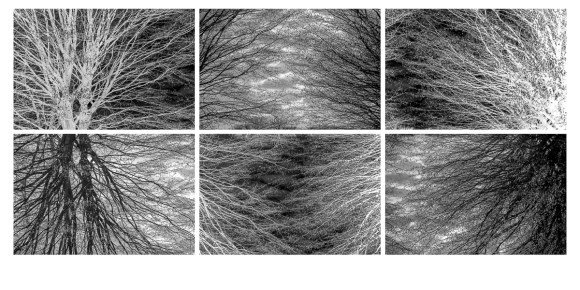
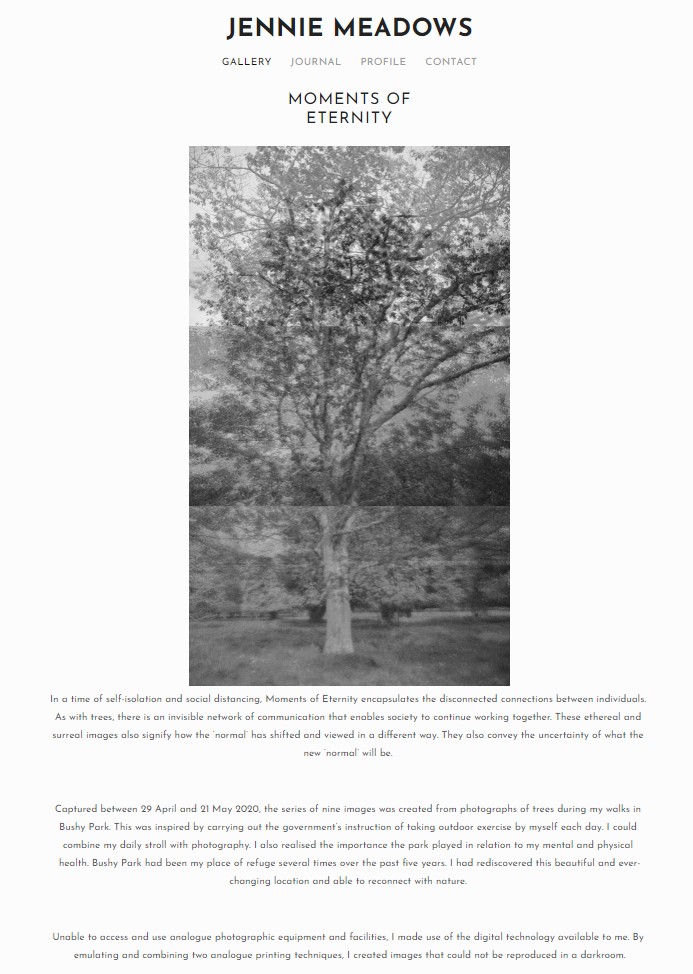
I felt there was a nuance in this image I was channeling within my current work, specifically with this montage.

An aspect to consider and possibly look at further.

References

Phillips. 2021. Phillips | Ansel Adams – White Branches, Mono Lake, California, 1950 | Photographs New York Wednesday, October 3, 2018 Lot 148. [online] Available at: <https://www.phillips.com/detail/ansel-adams/NY040218/148&gt; [Accessed 4 May 2021].

Stillman, A., 2007. Ansel Adams 400 photographs. New York [etc.]: Little, Brown and Company.

Categories
AGM64 Photography Research Project Stage 2 Posts

AGM64 Test Print Results 30 April 2021

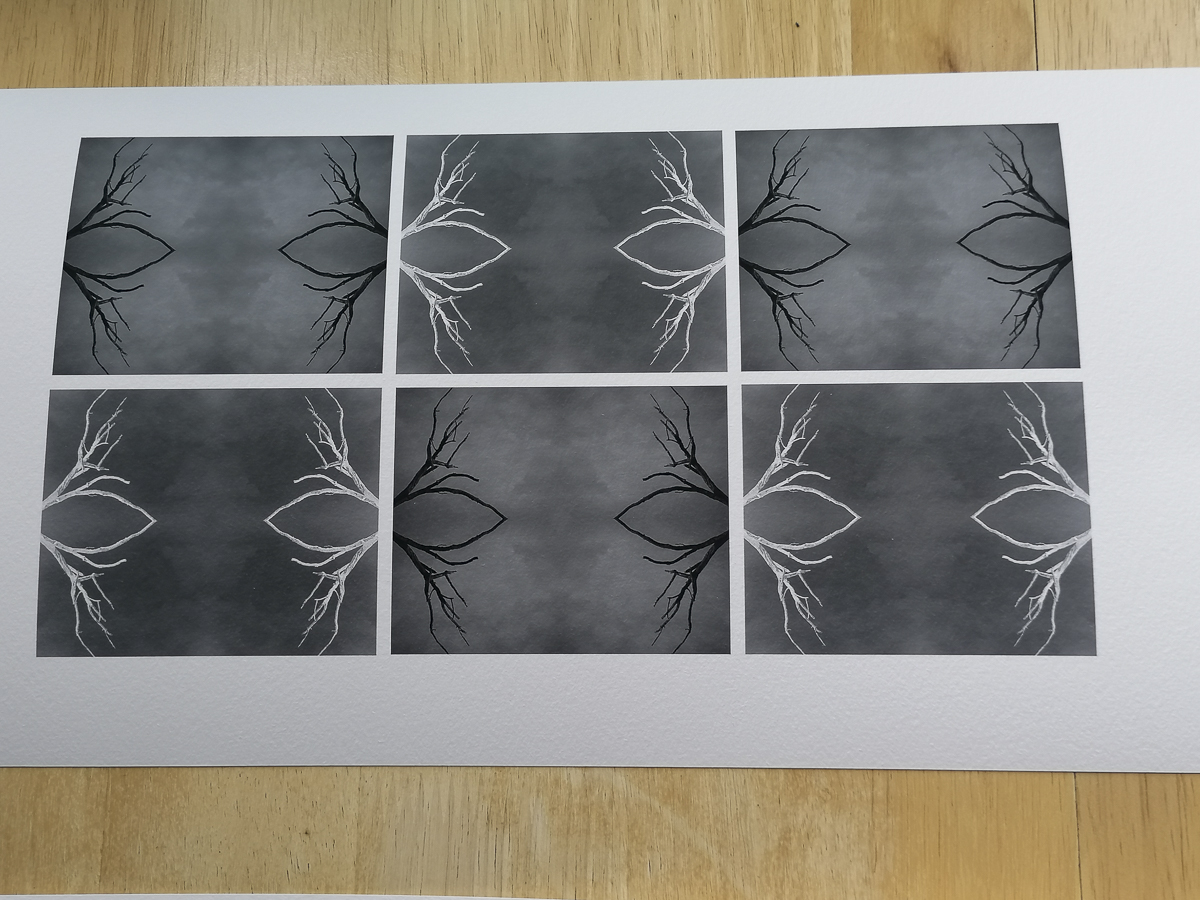
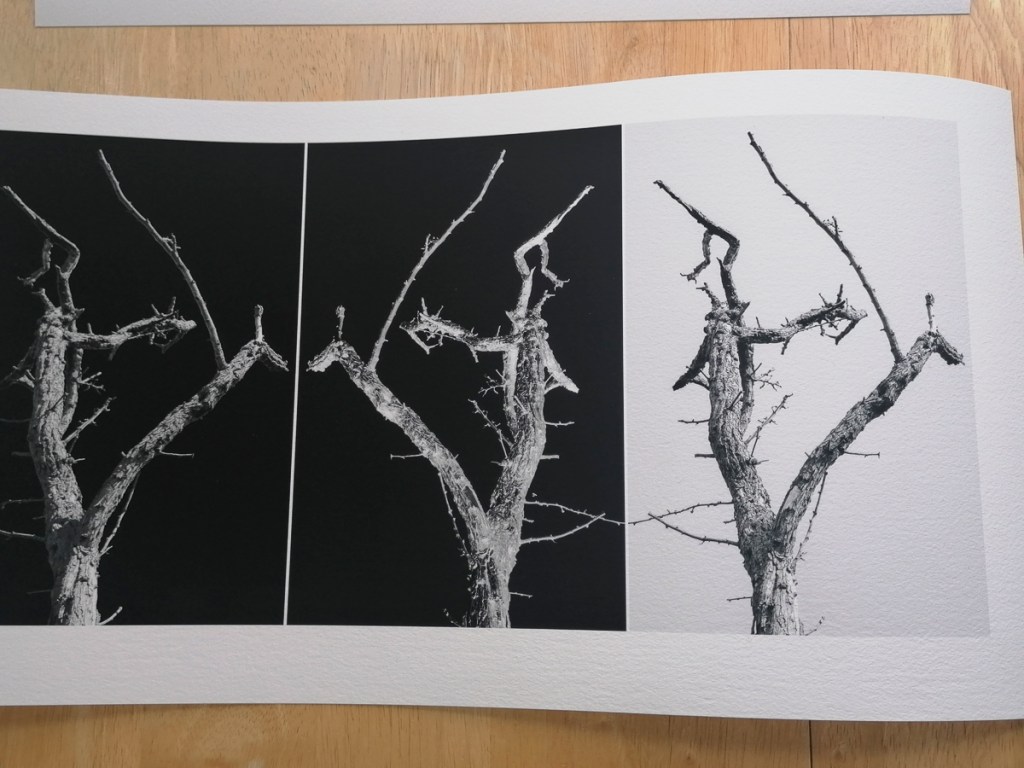
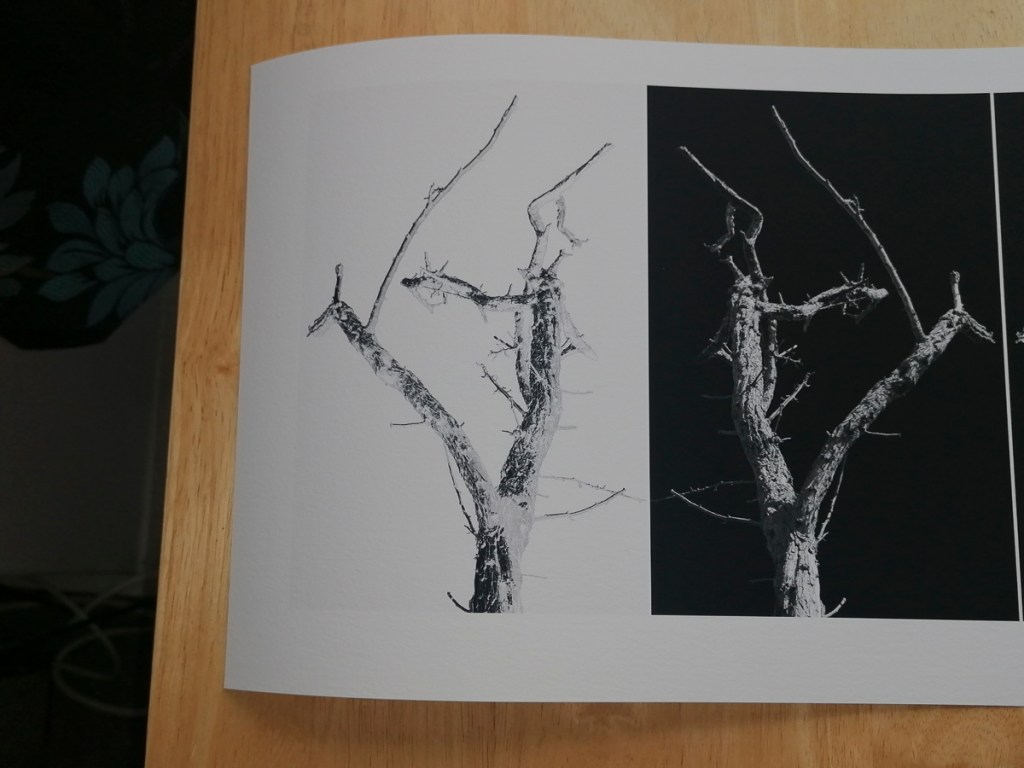
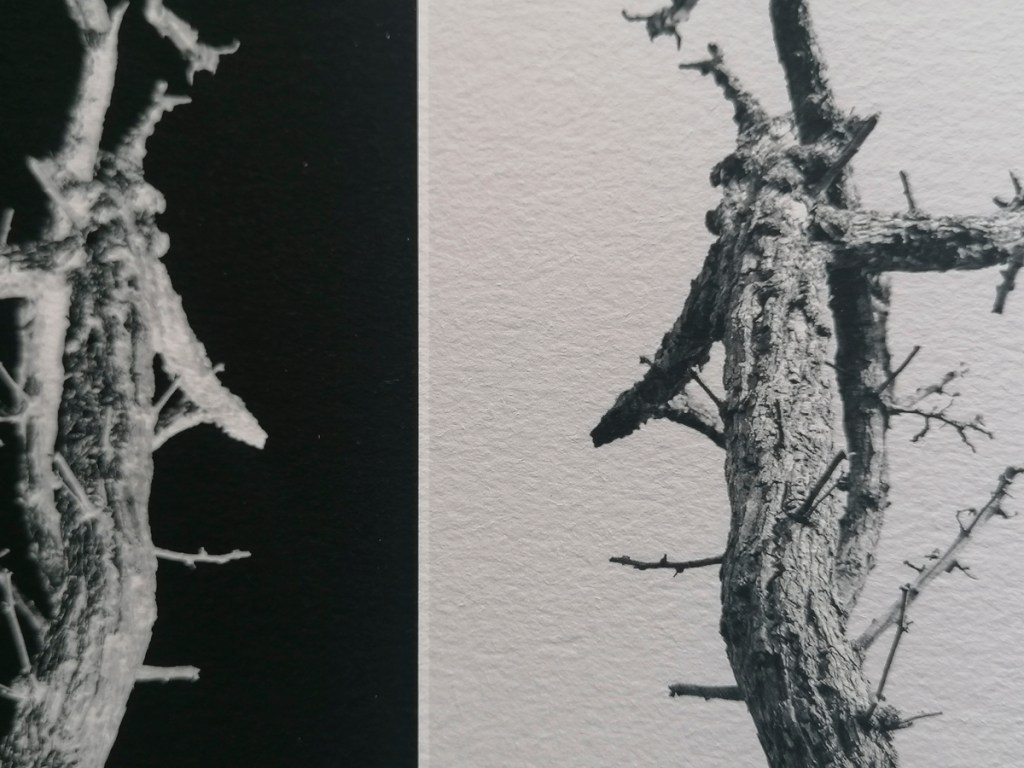
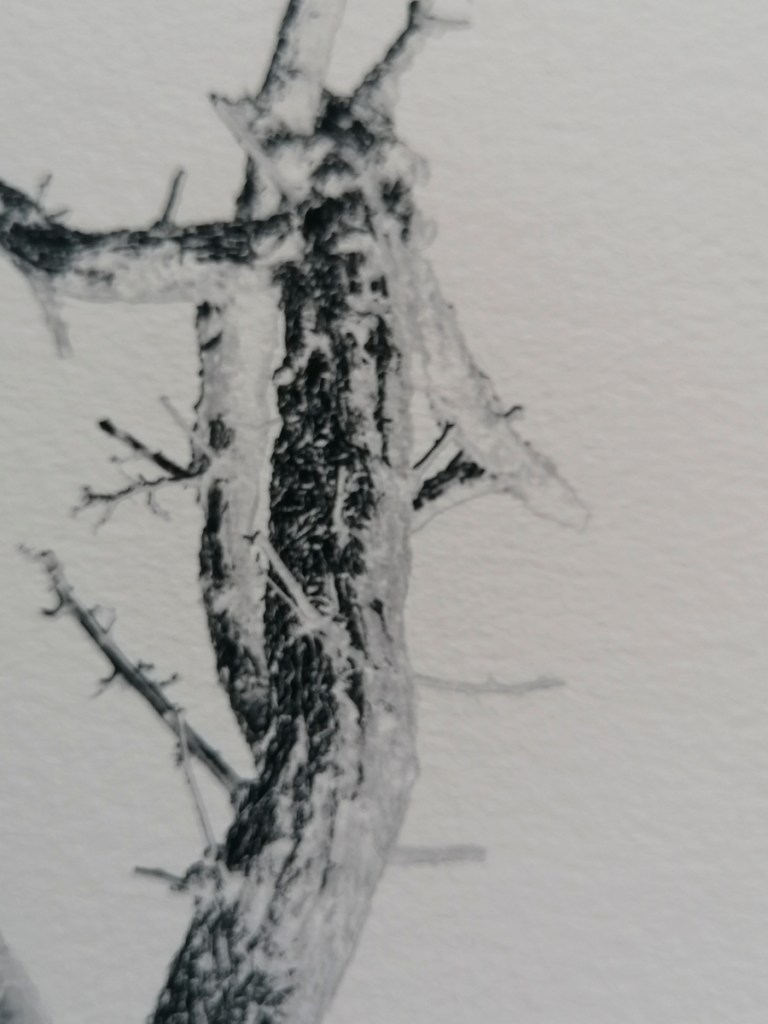
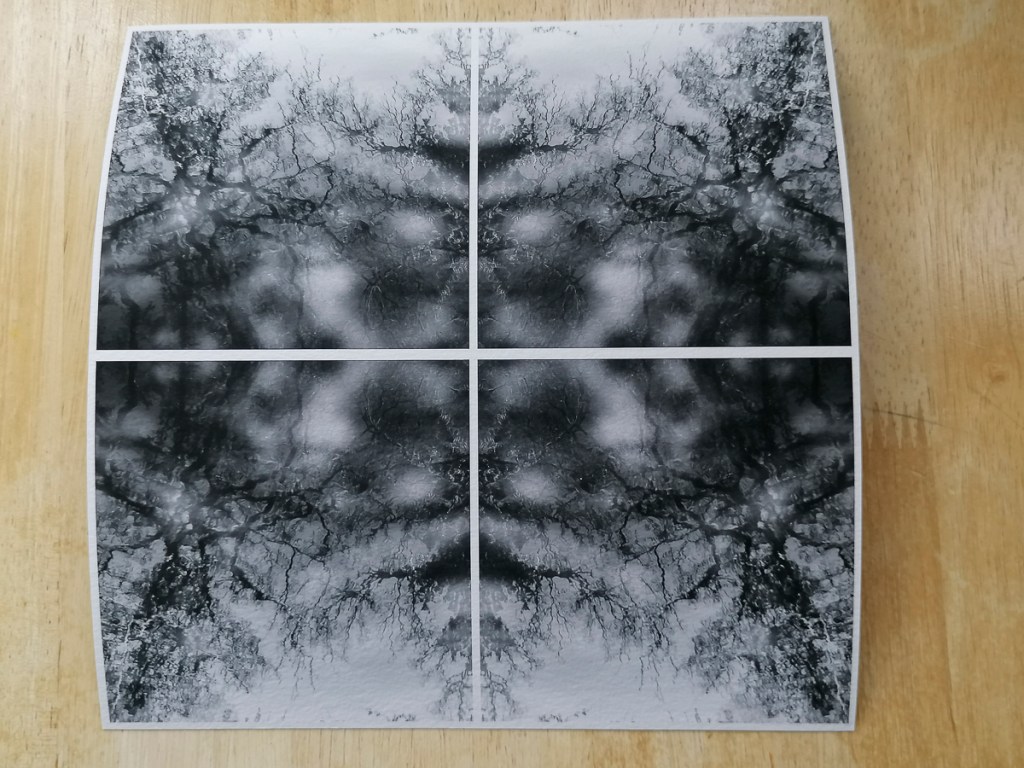
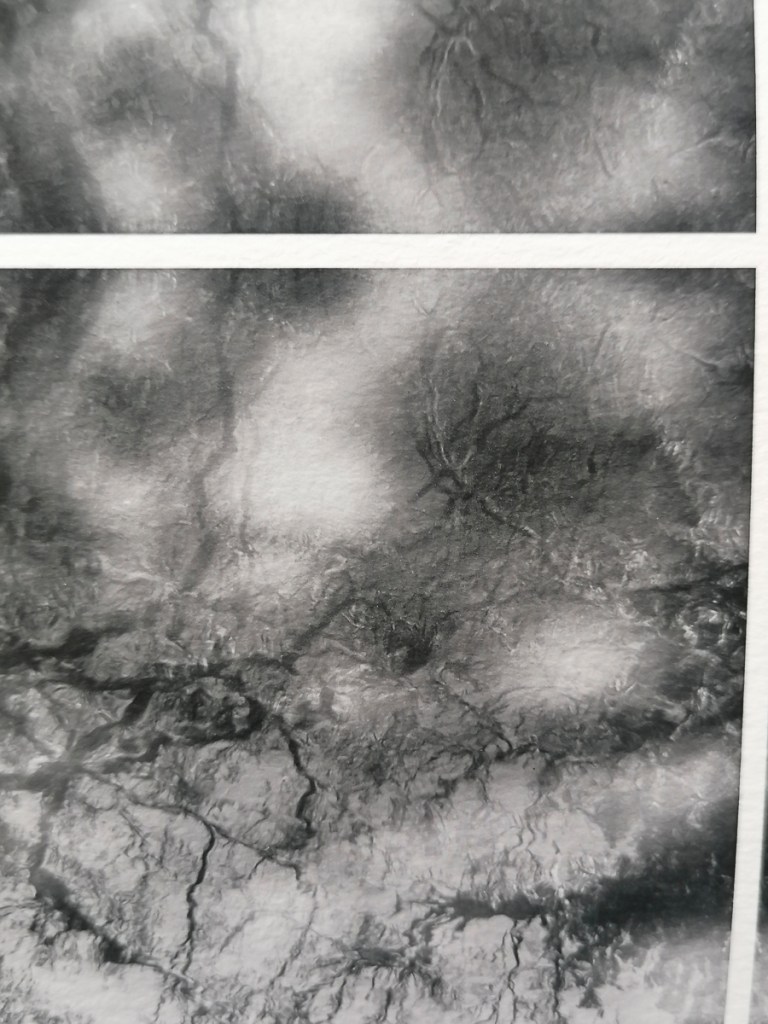
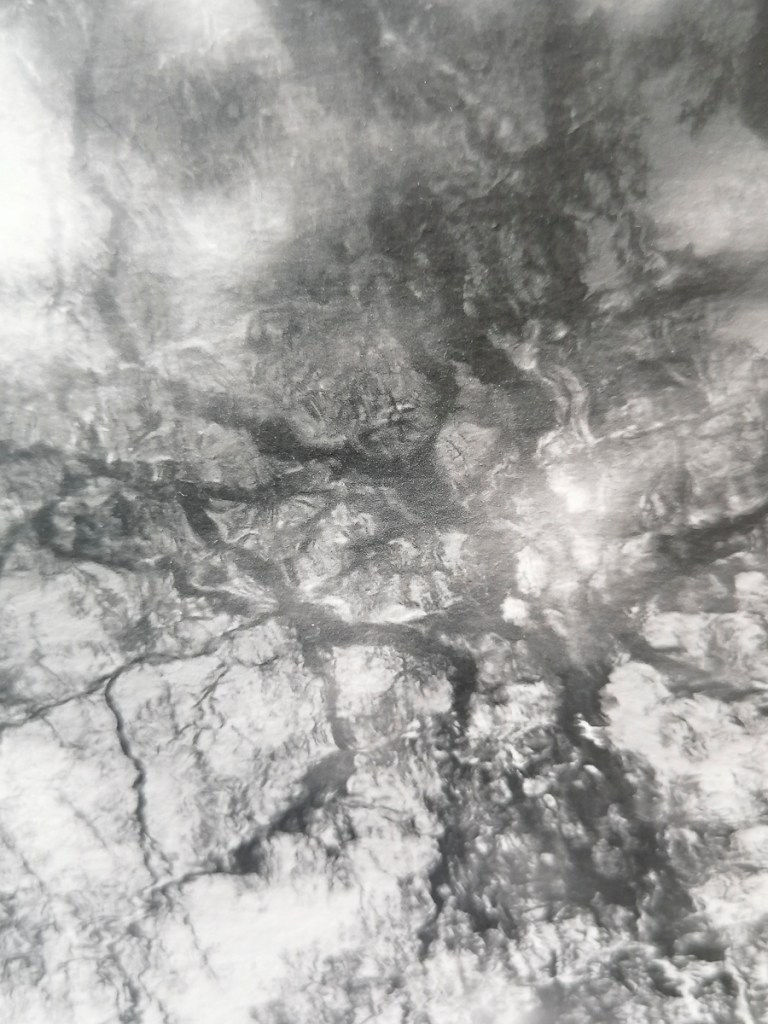
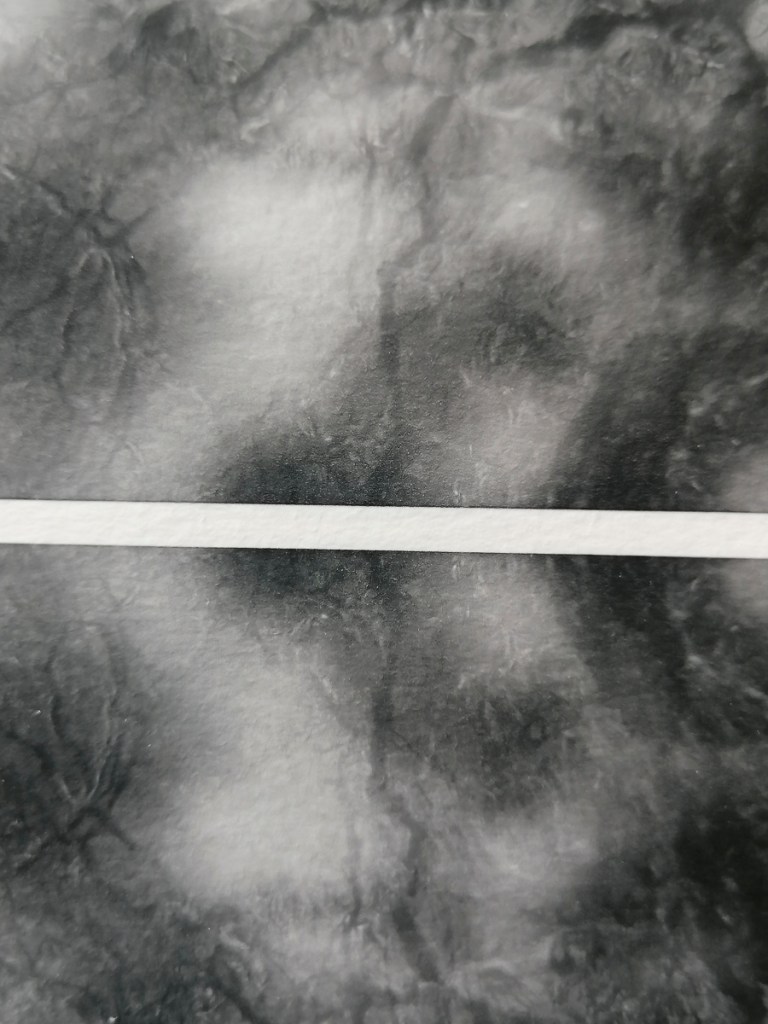
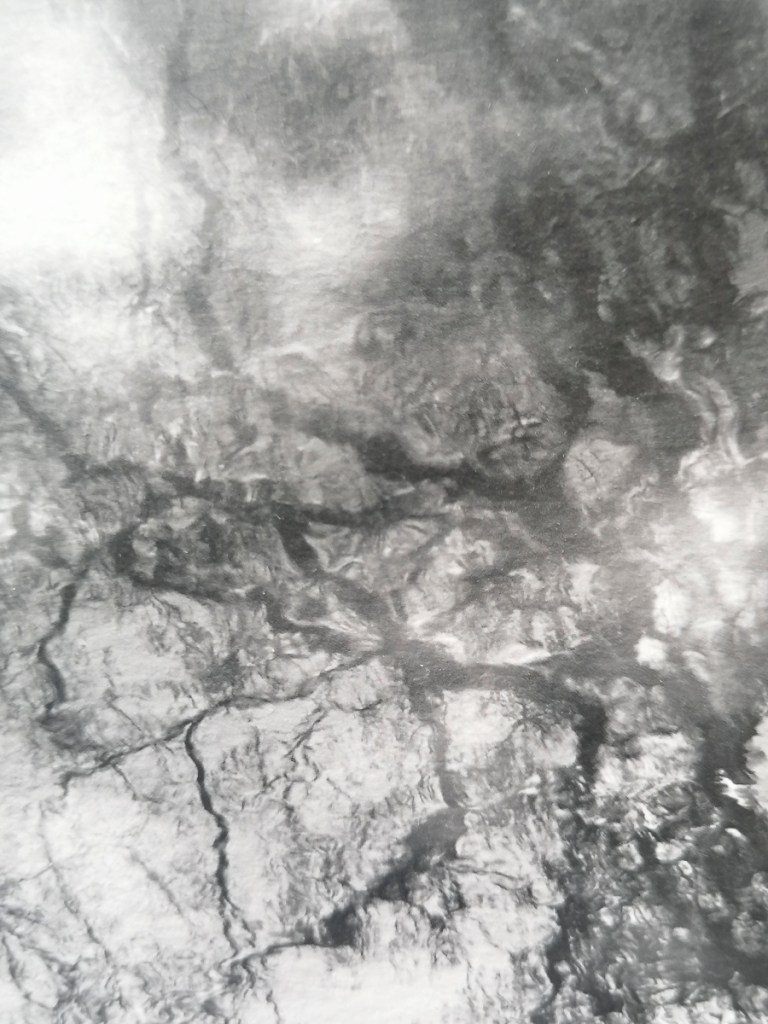
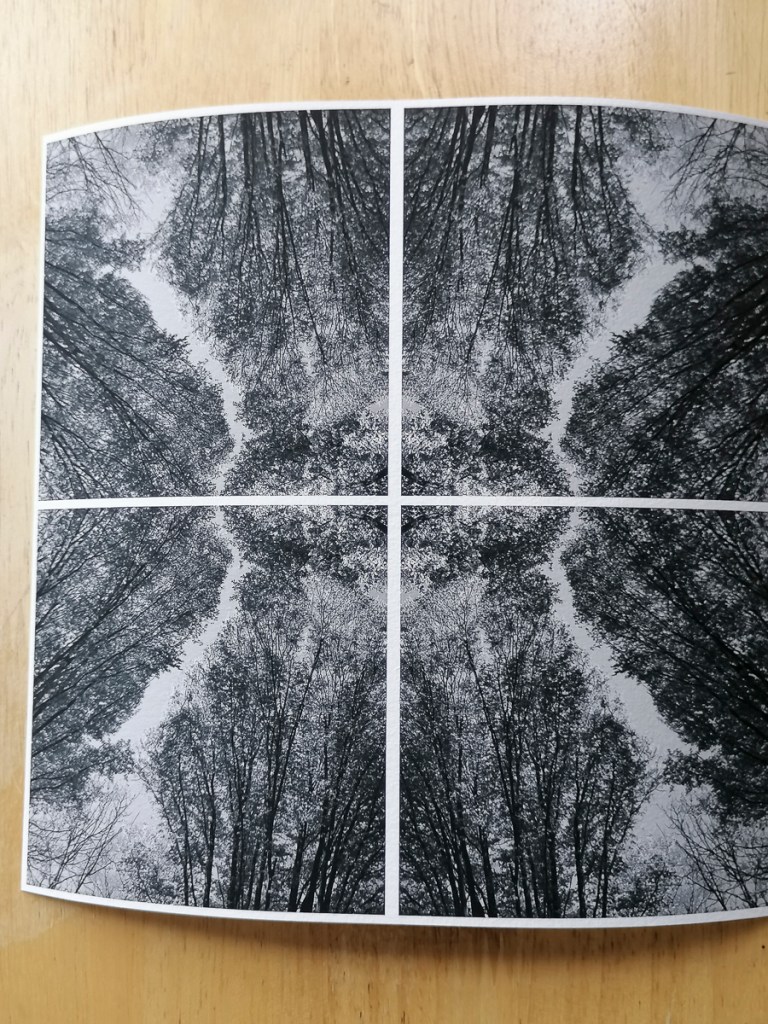
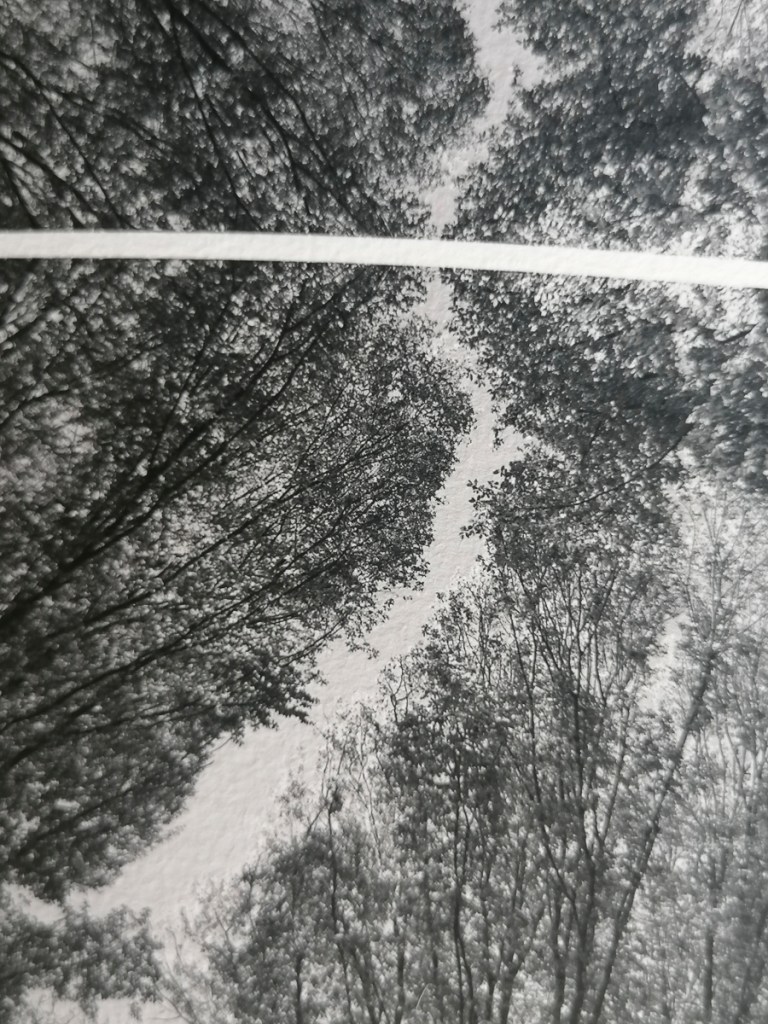
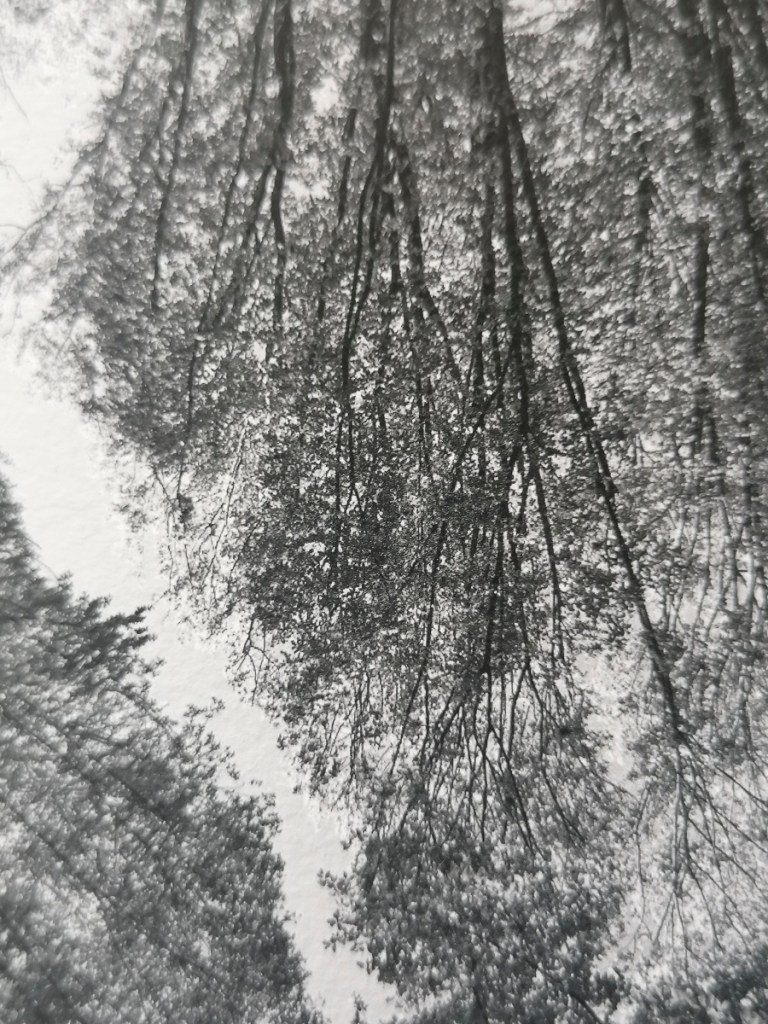
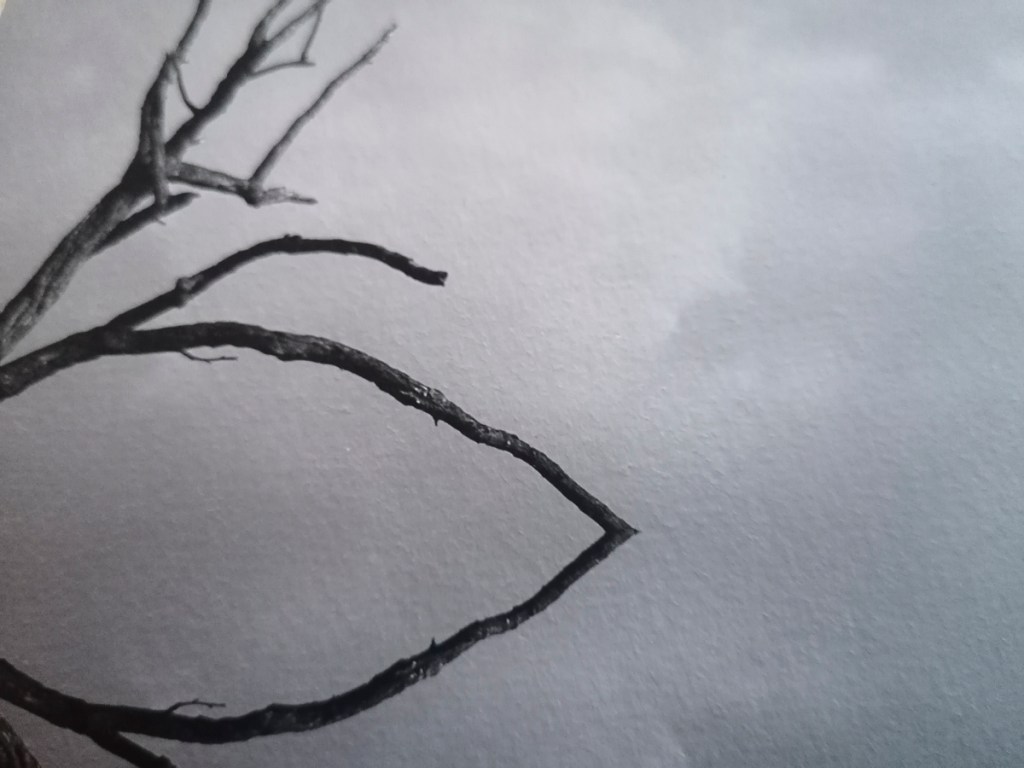
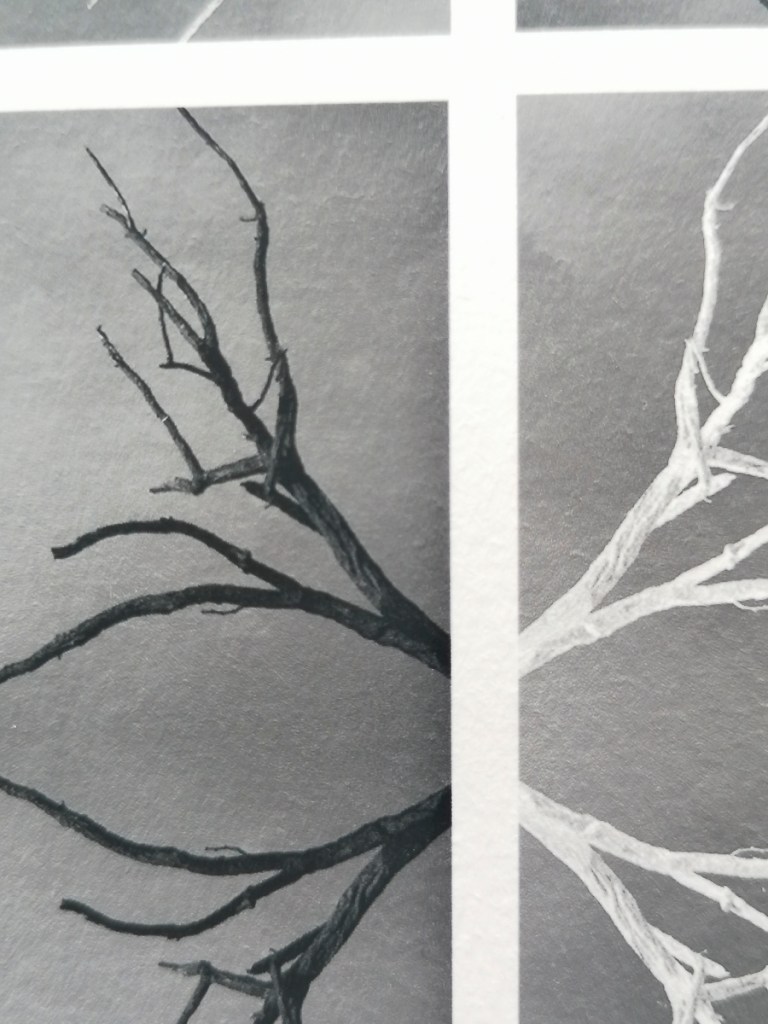
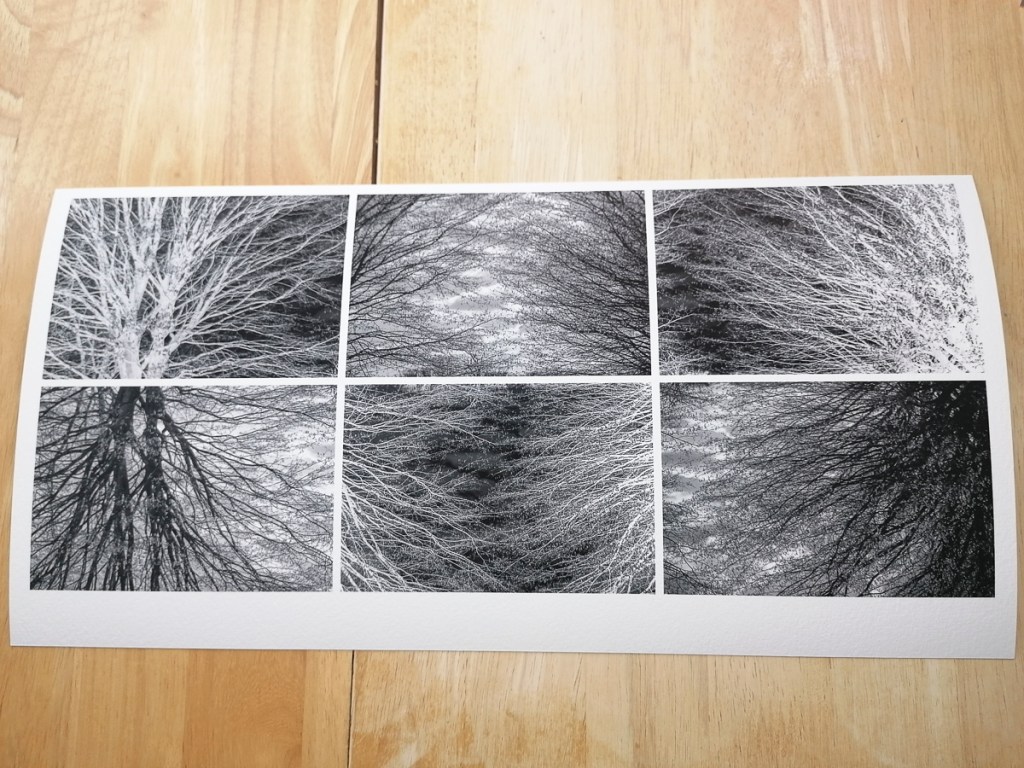
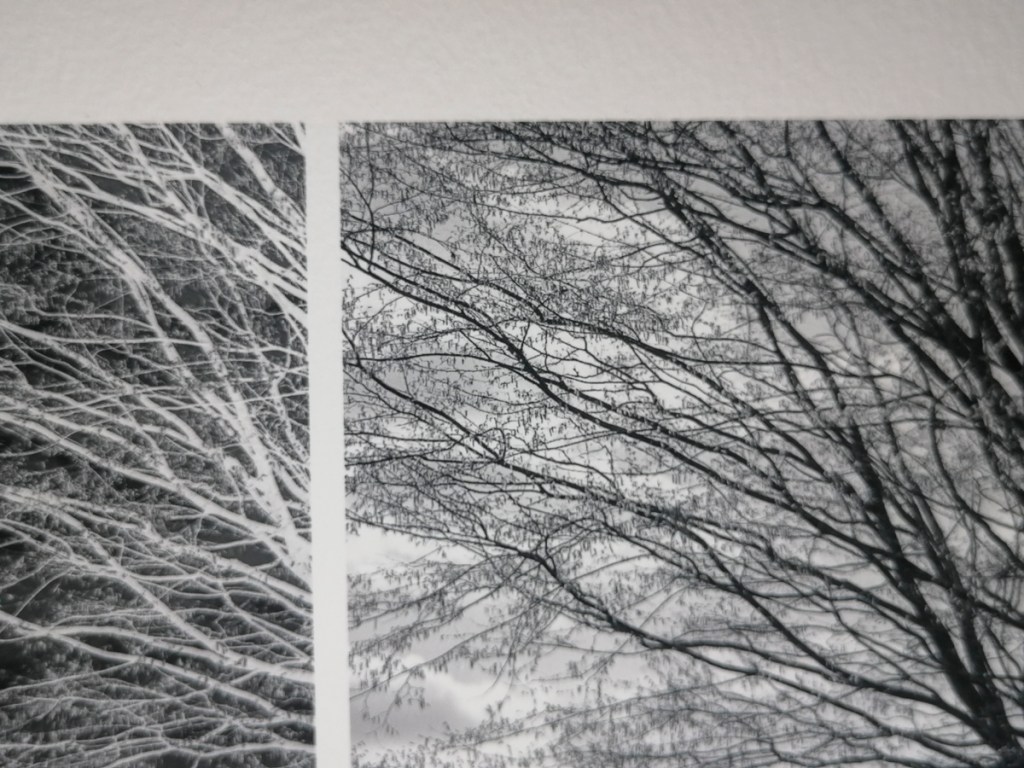
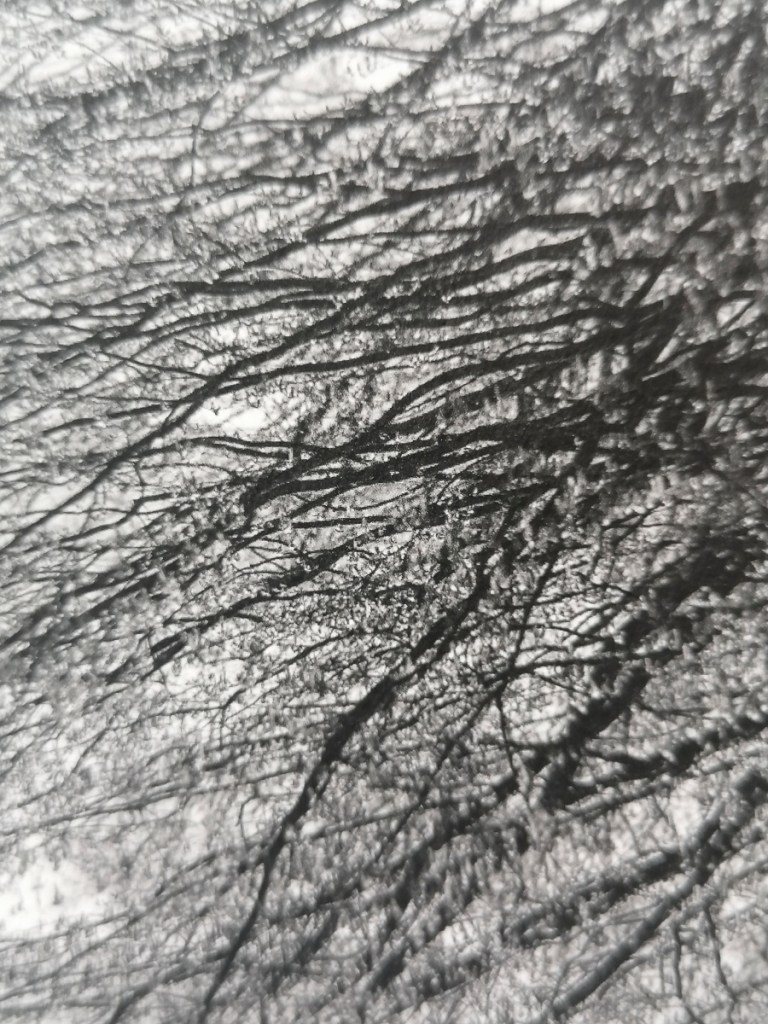
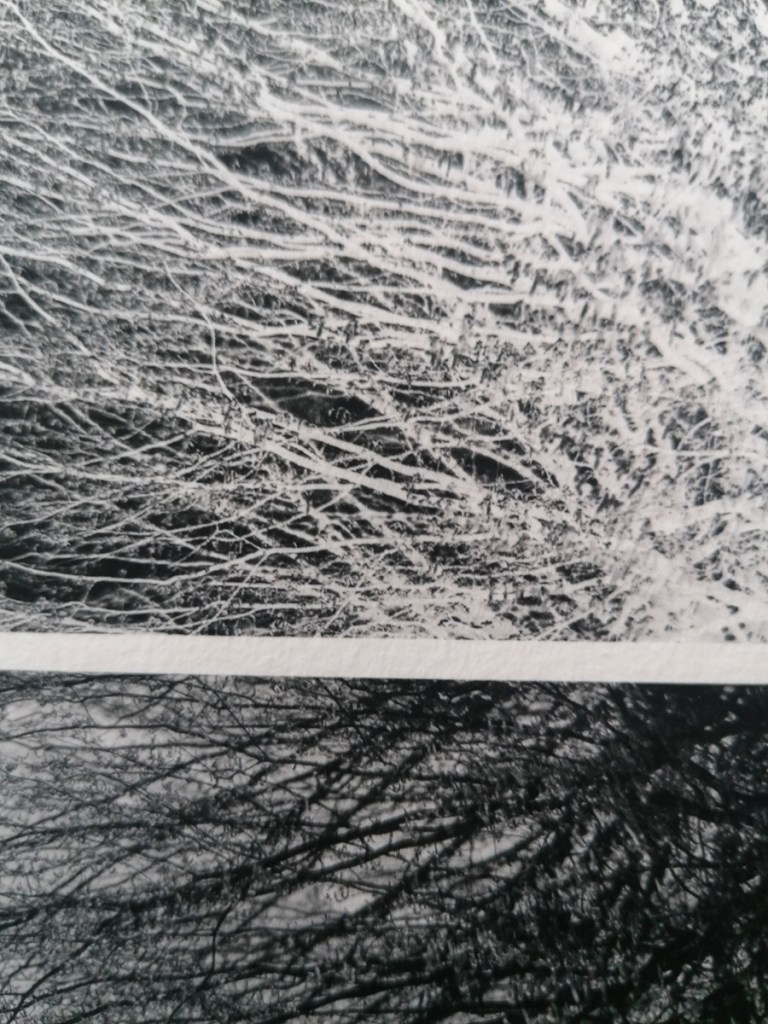
The prints ordered on Monday 26 April arrived on Friday 30 April. This meant, due to my schedule, I could take these to my 1:1 tutorial on Wednesday 5 May with Fergus.

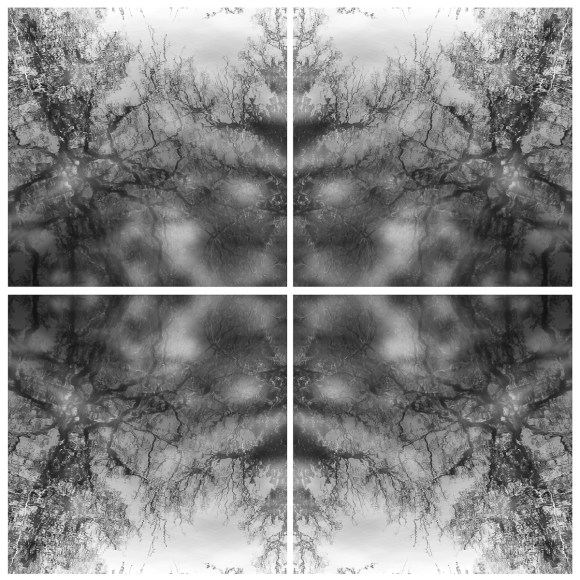
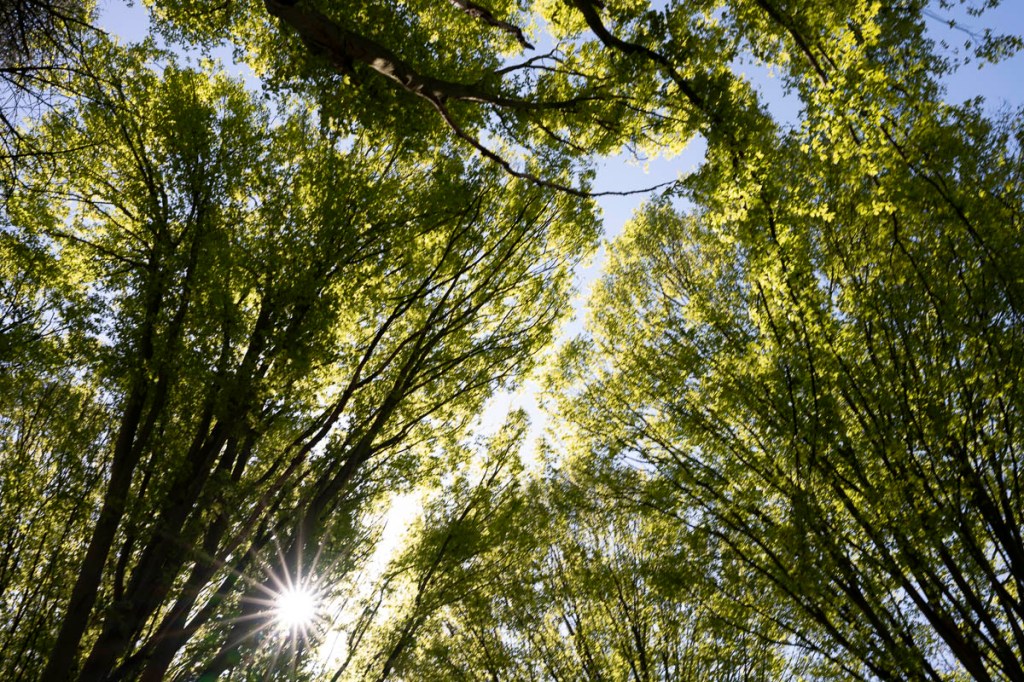
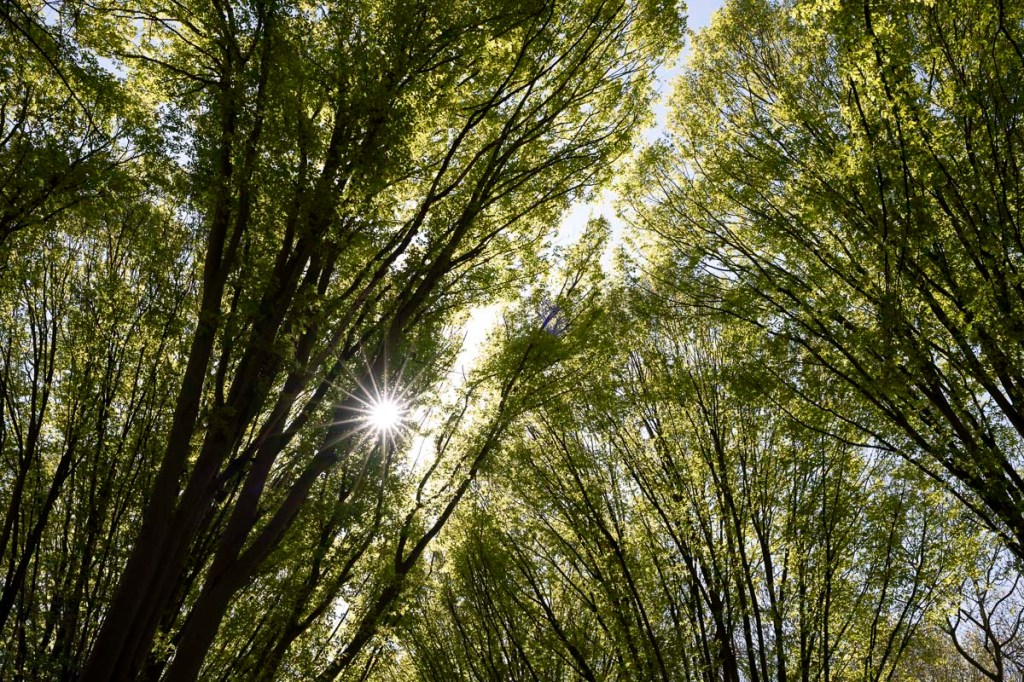
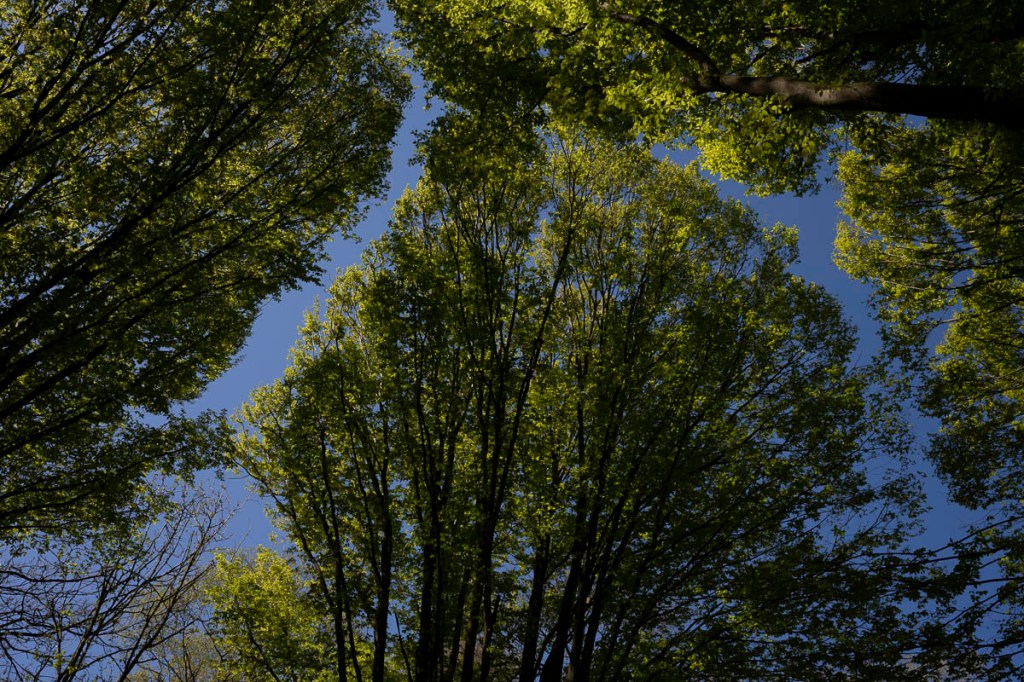
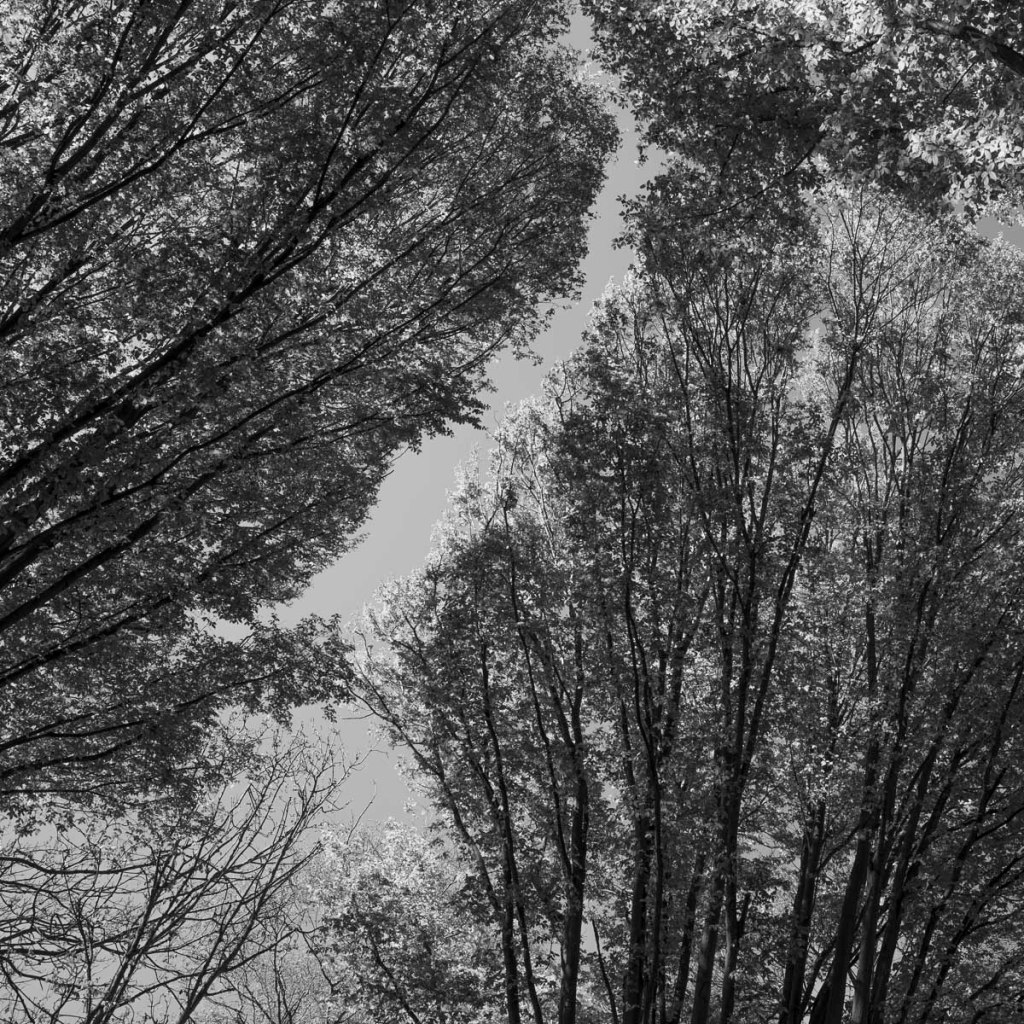
The following is the original JPG file then Smartphone shots of the physical prints.

Test Print 1

Original JPG

Print Results

Test Print 2

Original JPG

Print Results

Test Print 3

Original JPG

Print Results

Test Print 4

Original JPG

Print Results

Test Print 5

Original JPG

Print Results

Test Print 6

Original JPG

Print Results

Lots to look at. Lots to consider.

Categories
AGM59 Professional Development Posts

AGM59 1:1 Tutorial 28 April 2021

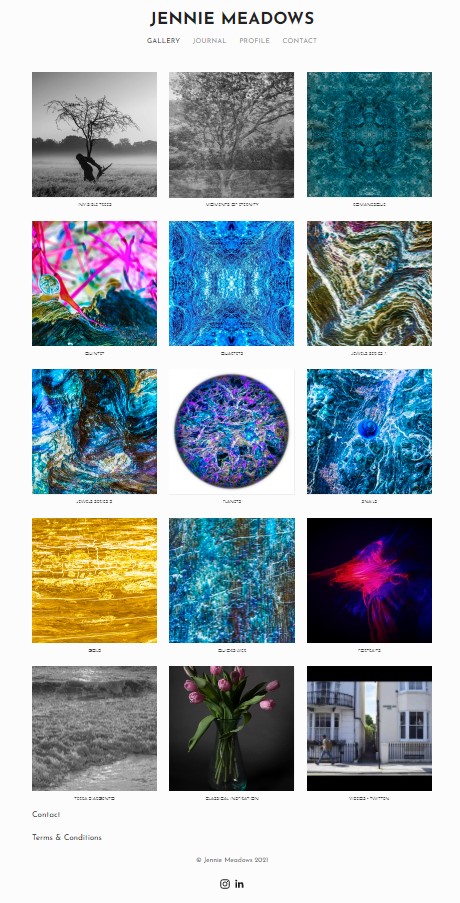
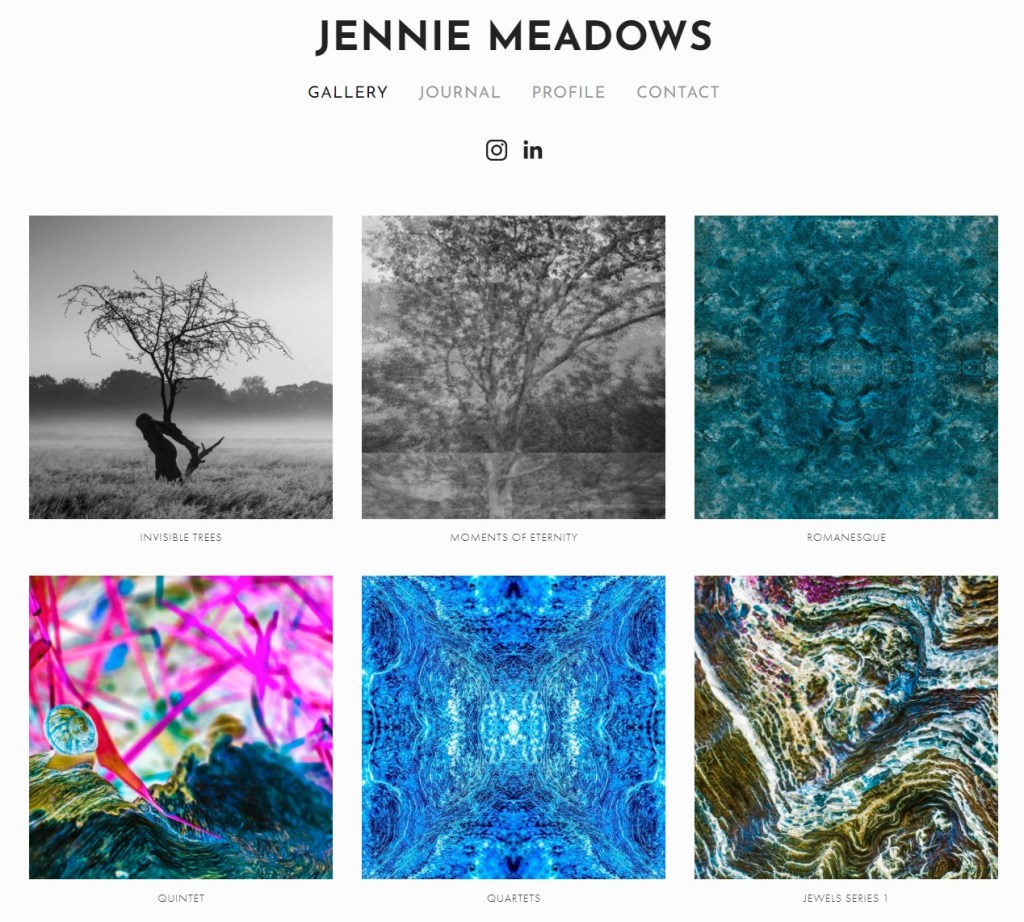
The aim of this tutorial was for Fergus, my tutor, to give feedback on my current online portfolio. At this stage of the module, my portfolio is featured on this website:

https://www.jenniemeadows.com/

The tutorial was scheduled from 2 pm to 2.20 pm. Unfortunately, due to technical issues with internet access, I was only able to speak with Fergus for the final ten minutes. Despite this brief consultation, I was able to gain Fergus’ thoughts and suggestions of the site and any improvements/changes that could be made.

Overall, Fergus thought the site’s appearance to be clear and able to highlight the work without background distractions.

The main criticism was the context of the images and how they refer to the artworks I produce. This is where meaning is ‘lost’ and there needs to be an indisputable definition of what I actually ‘do’. This is an aspect I had already observed, so it was good to hear an affirmitive echo.

As such, I will examine my current collections and write a statement for each one. I also will devise a product range that can be clearly stated on the website.

One frustration I have with the current template is the placing of text on a Gallery page layout.

Not sure how this can be rectified at this stage.

The first action I took was to add the links to my two social media channels (Instagram and LinkedIn) to the header. I realised that as there are quite a few gallery ‘squares’, any visitor to the site has to scroll to the bottom in order to access them. With these at the top, the visitor can just click on the logo to see both feeds.

However, the logos aren’t able to be added universally to the site as I’m using a 7.0 template. I would have to upgrade to a 7.1. Another good reason for updating my website’s template.

In order to help me update my website, I have signed up for a Squarespace course provided by the Royal Photographic Society on 20th May 2021. Hopefully this will assist me in navigating this platforms templates and enable me to concoct the site I envisage.

References

Squarespace Help. 2021. What’s my site’s version and template?. [online] Available at: <https://support.squarespace.com/hc/en-us/articles/115005308187&gt; [Accessed 30 April 2021].

Categories
AGM92 Books and Publications AGM92 Books and Publications Posts

AGM92 The Photography Book As Montage 28 April 2021

A selection of photography books and printed matter was brought to the session for discussion.

Image-text dialectical relationship: juxtapositions and interactions were explained and briefly discussed.

Reading the photograph in the printed page was demonstrated using various examples.

Historicising the photograph – illustrating the text.

Collaborative authorship was recommended.

A photography book can come in many shapes and forms. It can be useful to relate how a photography book is structured by likening it to how music is arranged. I am not a musician, so I lack the words and knowledge to describe this technically. However, I can recognise the patterns of various musical norms and apply them to how the images and text can be presented and read in their various compositions. It can be a classic, expected composition of a sequence of captioned images with a biography of the photographer. This could be likened to the ‘average’ pop song structure. Or it could be just images, or photos alongside a monologue of text, or a combination of photos with images of related objects. The order could be out of synch or have no rhyme or make no sense at all. I liken those to an Avant Garde jazz composition. These thoughts and observations were triggered by Gerry Badger’s article ‘It’s all Fiction: Narrative and the Photobook’. Initially, Badger likens the narrative structure of the photography book to that of film. Badger then continues to compare musical structures to that of how a photographic book can be sequenced:

‘In practical terms, whether considering sequencing or graphic design, I tend to use a musical analogy to get the process across. I could talk about a flow of words, or putting together a scene in a film, but I prefer music because the way a piece of music unfolds equates better to the frequently semi-abstract, and non-programmatic way most photobooks are constructed. Most photographic sequences are more abstract in actuality than they might appear, even when the photography is “documentary” in nature.’

(Badger. G. 2013)

This seminar was certainly ‘food for thought’. Going forwards, I will look at various photographic books to observe and make notes on their narrative structures. I will also look at the elements that make up these publications to see what I can adapt for my own final piece for submission.

Suggested Reading

Gerry Badger, ‘It’s all Fiction: Narrative and the Photobook’. In Hans Hedberg, Gunilla Knape, Tyrone Martinsson and Louise Wolthers (Eds), Imprint. Visual Narratives in Books and Beyond. Göteborg,
Akademie Valand, 2013 (p.15-47).


David Evans, Brecht’s War Primer: The ‘Photo-Epigram’ as Poor Monument’. In Broomberg and Chanarin, War Primer 2. Digital edition (free download here: eBook), Mack 2012 (p.204-216)


Sarah Greenough, ‘Transforming Destiny into Awareness: The Americans’. In Sarah Greenough (Ed), Robert Frank’s The Americans, Steidl 2009 (p.176-189)


Katarzyna Ruchel-Stockmans, ‘From Theaters of War to Image Wars. Bertolt Brecht’s War Primer Revisited by Adam Broomberg and Oliver Chanarin’. In Image & Narrative, Vol 16, No. 1, 2015 (p.57-74

Photography Books & Publications

Adam Broomberg and Oliver Chanarin Fig. Photoworks (2007)

Adam Broomberg and Oliver Chanarin War Primer II. Digital edition (eBook) by Mack 2012

Allan Sekula Art Isn’t Fair (2020)

Allan Sekula Photography Against the Grain (1984) (Mack edition 2016)

Barbara Kruger Picture/Readings (1978)

Bertolt Brecht War Primer (first published as Kriegsfibel, 1955), (1998)

Daniel Castro García (John Ratcliffe Studio) Foreigners (2016)

Fazal Sheikh and Eyal Weizman The Conflict Shoreline (2015)

Fazal Sheikh Erasure (2015)

Geert Van Kesteren Baghdad Calling (2008)

Gillermo Faivovich and Nicolás Goldberg The Campo de Cielo Meteorites Vol II. Chaco (2012)

John Gossage Empire (2000)

John Gossage There and Gone (1997)

Laia Abril The Epilogue (2014)

Latoya Ruby Frazier The Notion of Family (2016)

Lothar Baumgarten, Amerika (1993)

Martha Rosler If You Lived Here (1990) (http://www.martharosler.net/projects/here.html)

Michael Disqué The Theater of War (2017)

Michael Schmidt U-NI-TY (1996)

Michael Schmidt Waffenruhe (1987)

Nancy Holt Time Outs. New York (1985)

Paul Graham New Europe (1993)

Paul Graham New Europe (1993)

Robert Frank Black White and Things (1994)

Robert Frank The Americans (1958)

Victor Burgin Voyage to Italy (2006)

Volker Heinze Ahnung (1989)
Categories
AGM64 Photography Research Project Stage 2 Posts

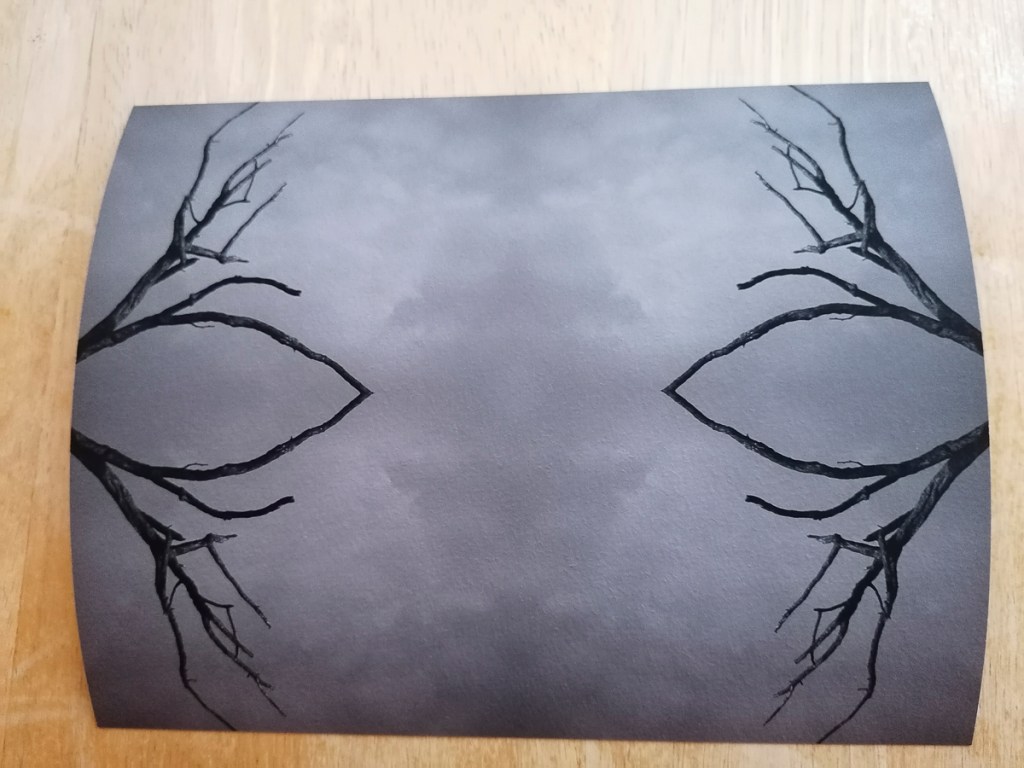
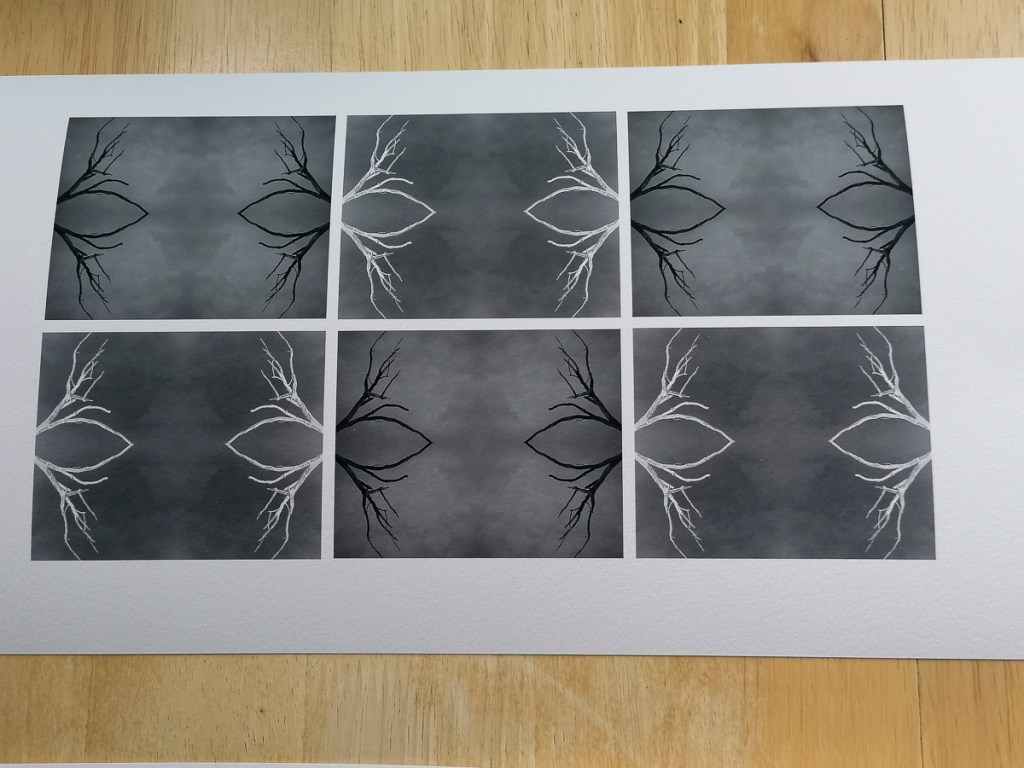
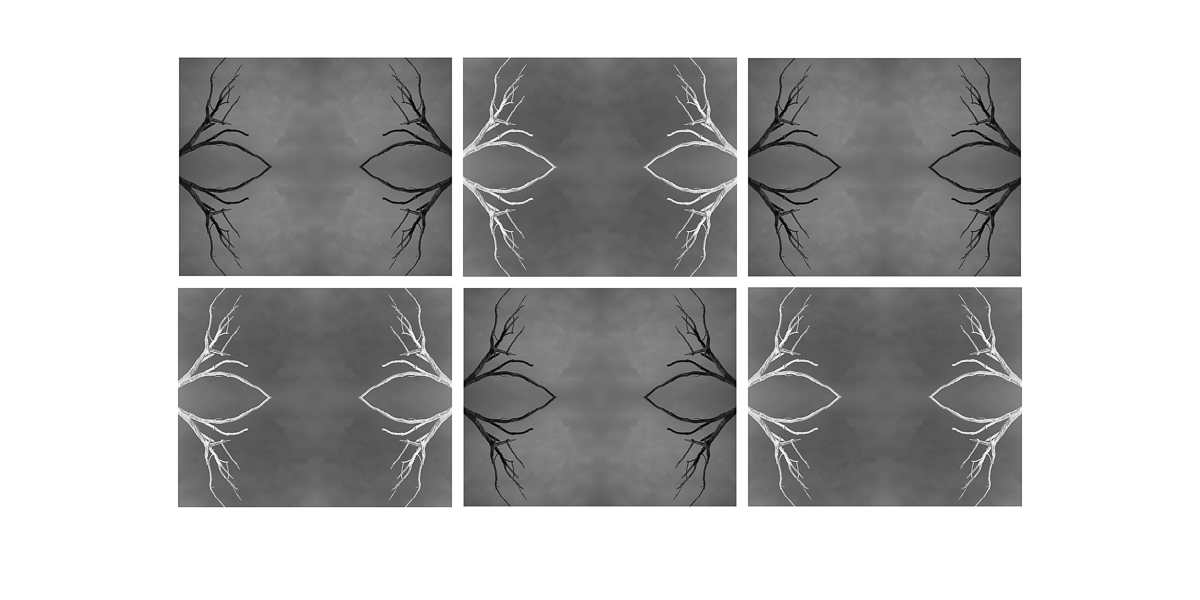
AGM64 Test Prints 26 April 2021

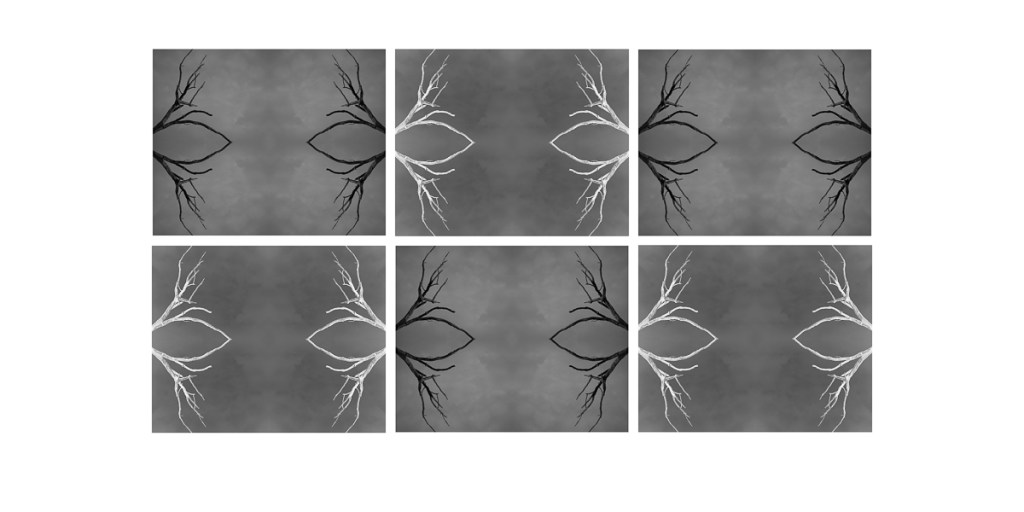
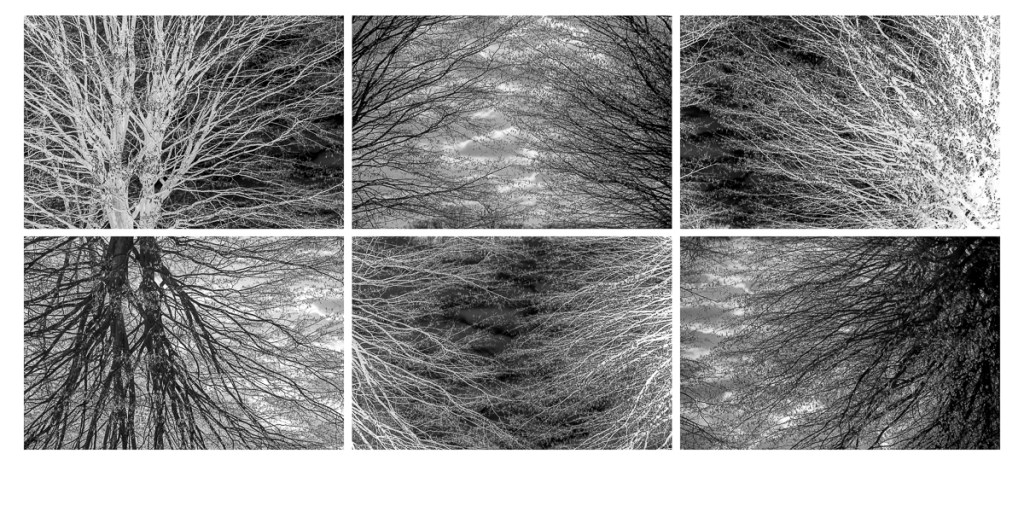
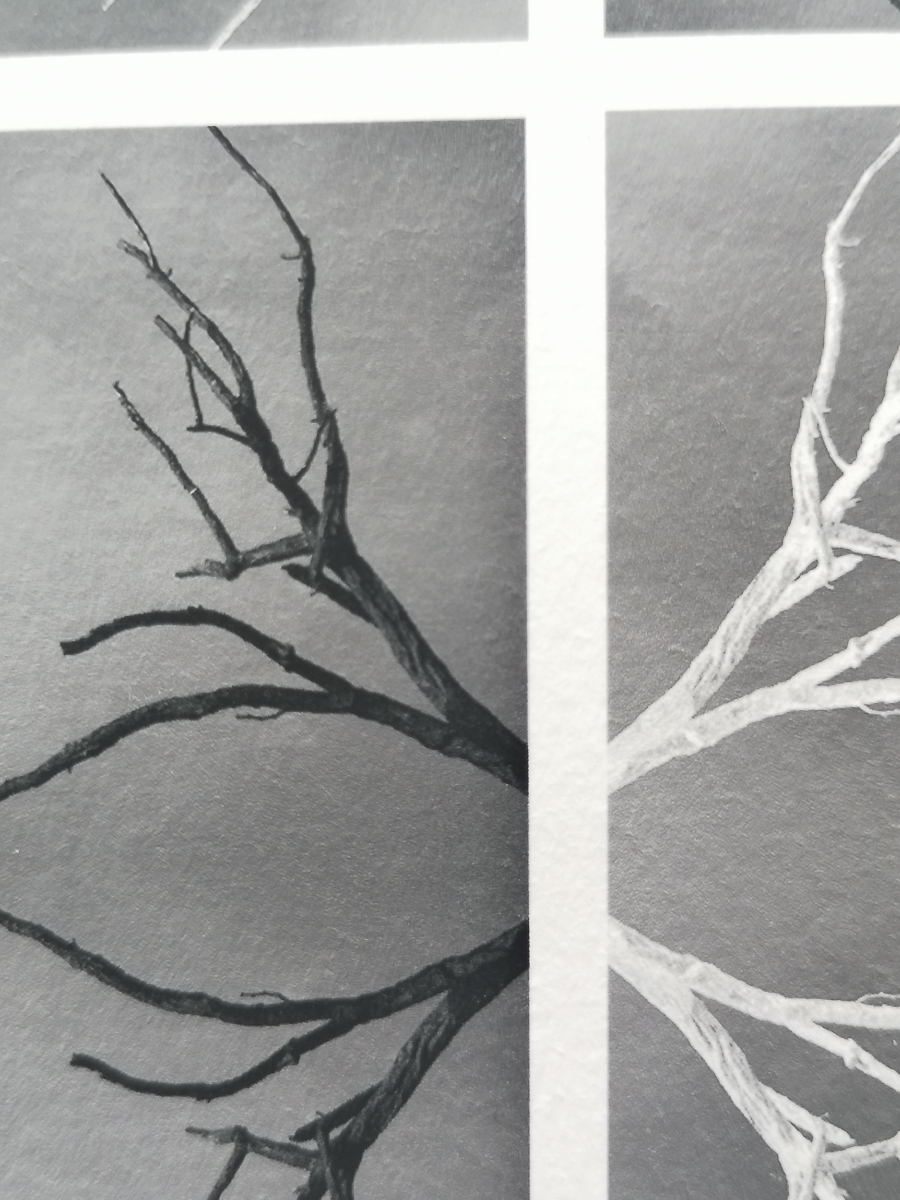
At this stage of the project, I wanted to get a better idea of how my experiments would look when printed. To do this, I created the following images and sent an order to Spectrum Photographic. The images were all to be printed on Hahnemühle German Etching 310 fine art paper.

Categories
AGM64 Photography Research Project Stage 2 Posts

AGM64 Positive Negative Experiment 24 April 2021

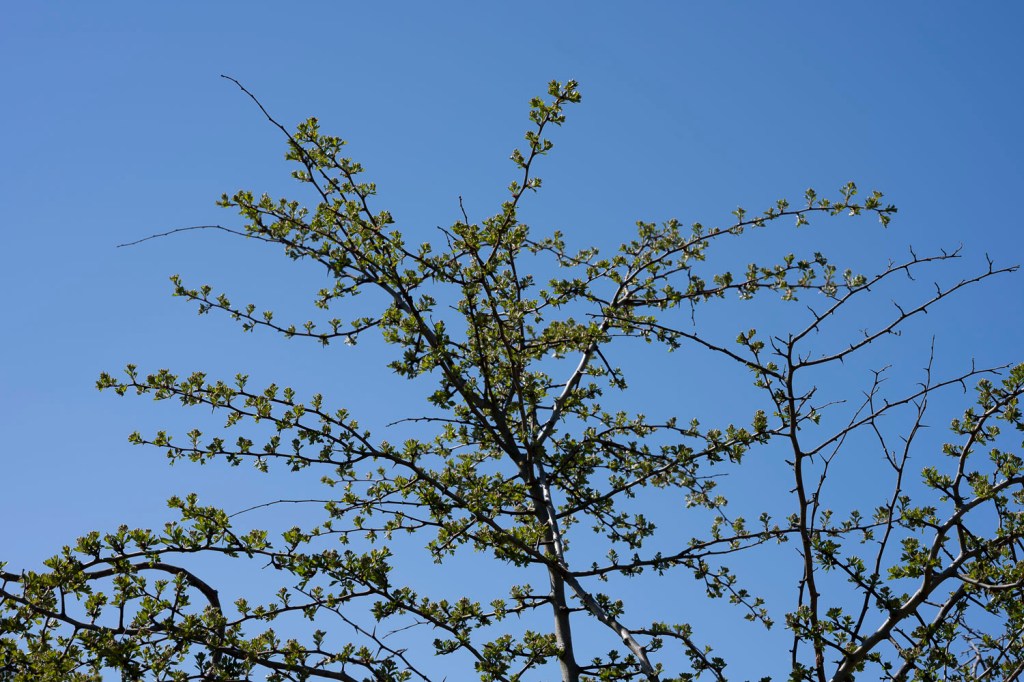
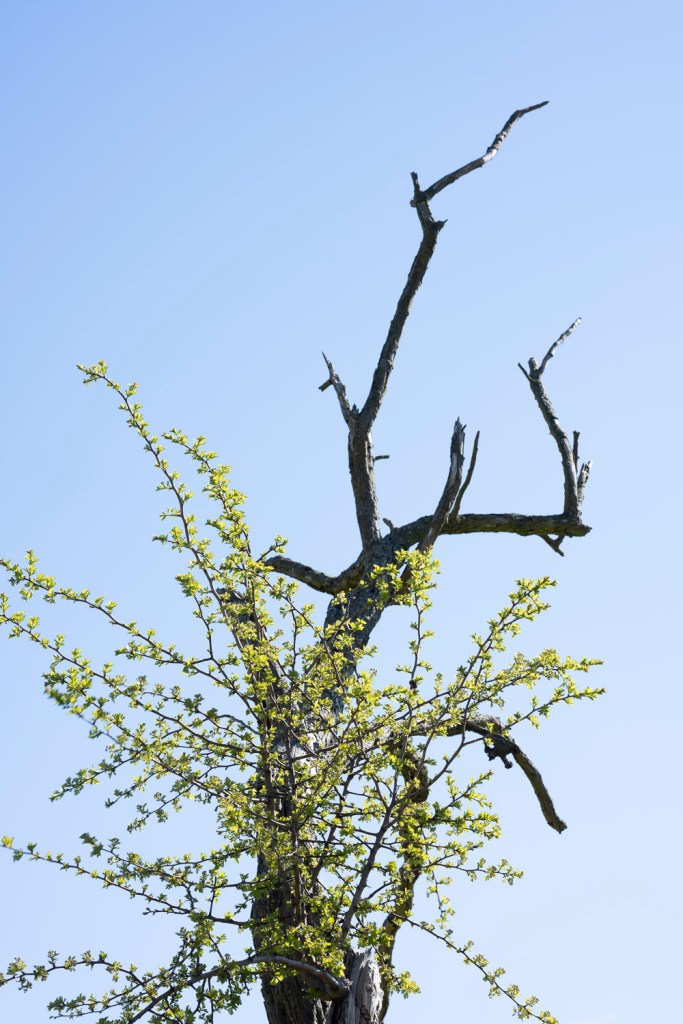
While revisiting the images taken on 17 April, I saw a potential line of enquiry.

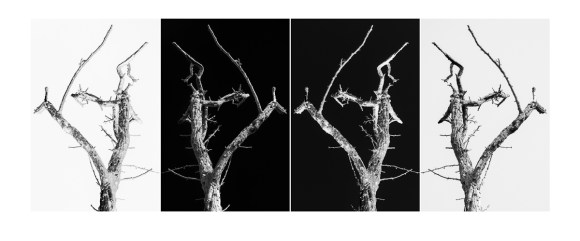
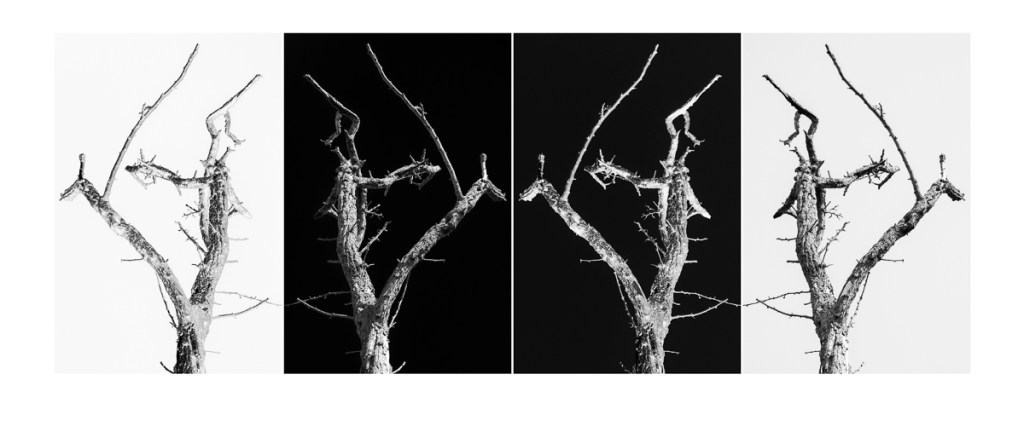
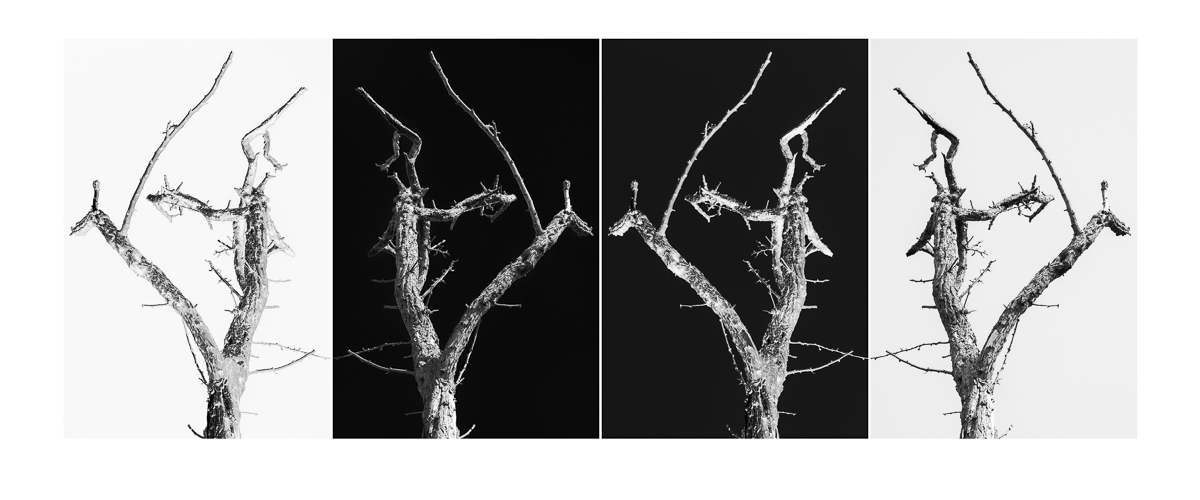
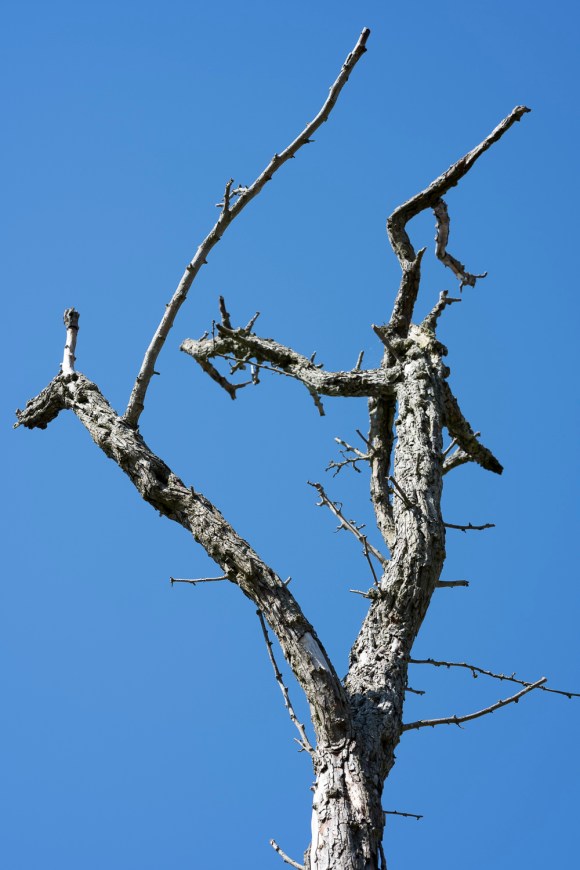
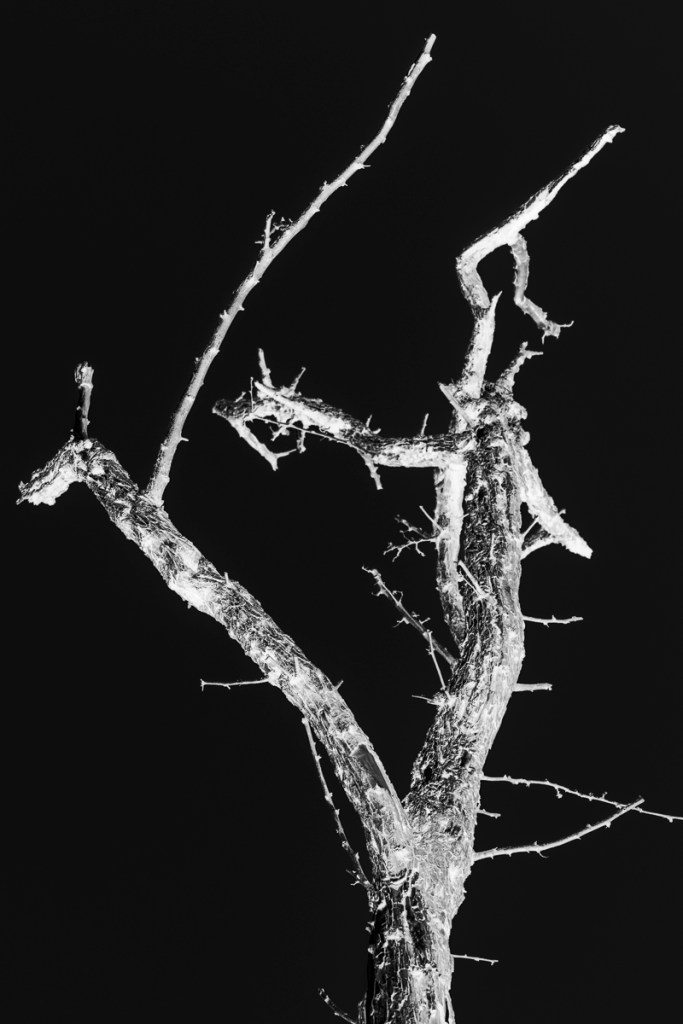
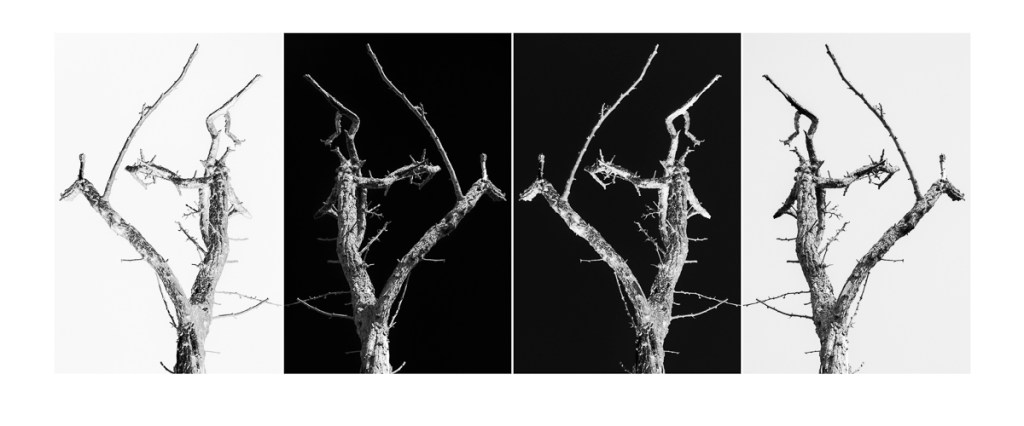
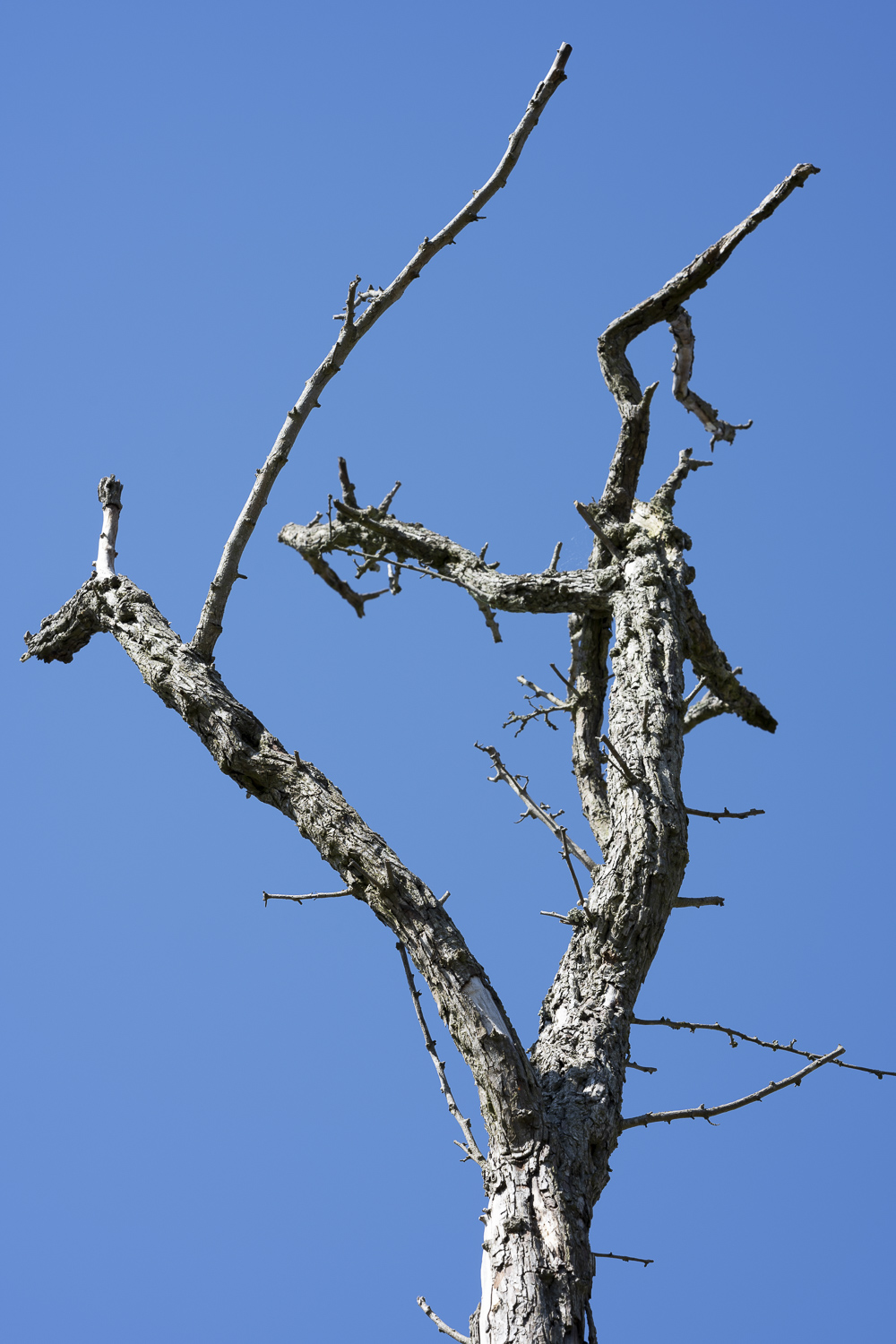
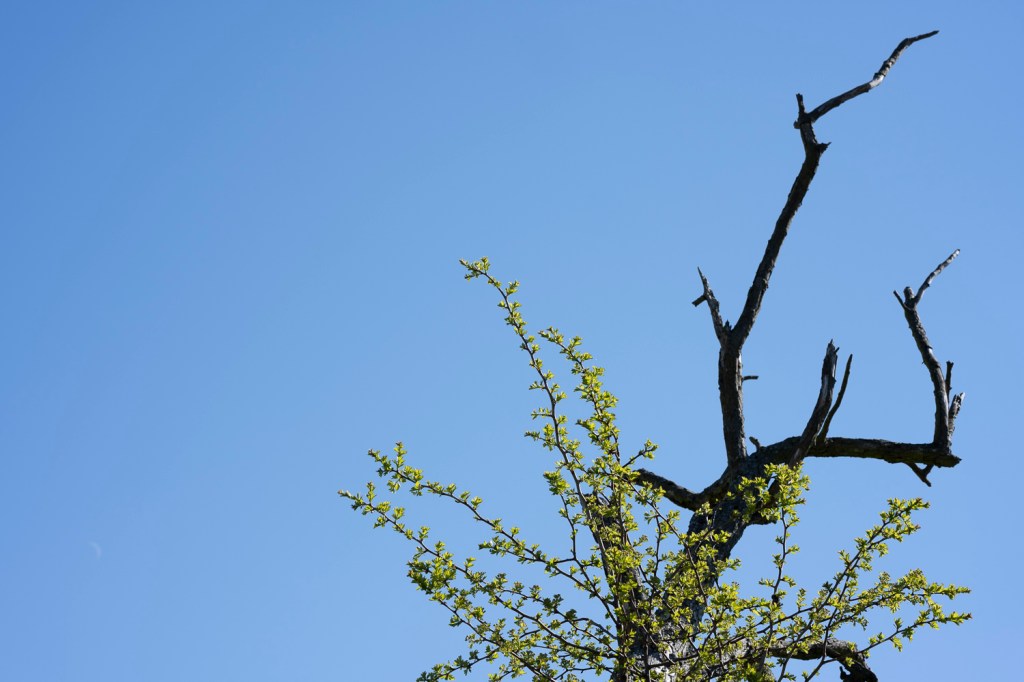
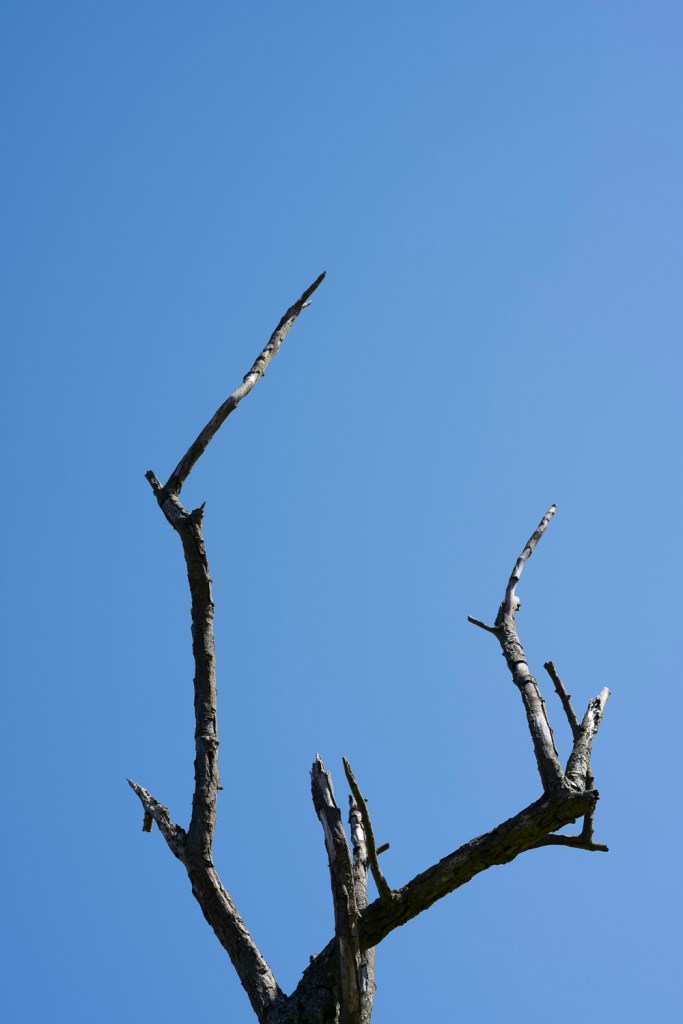
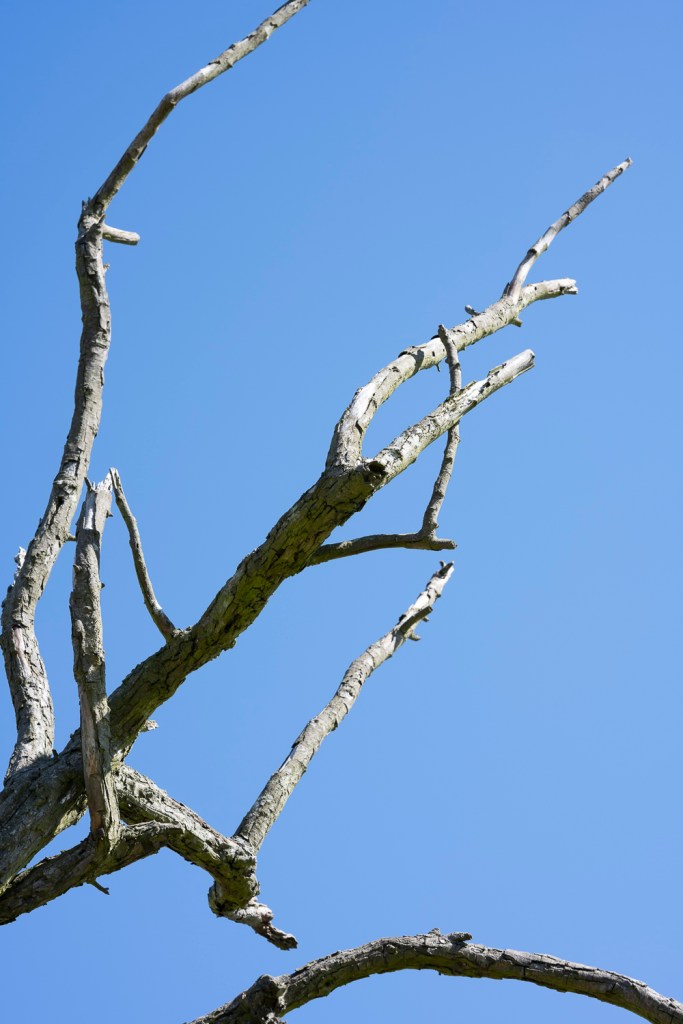
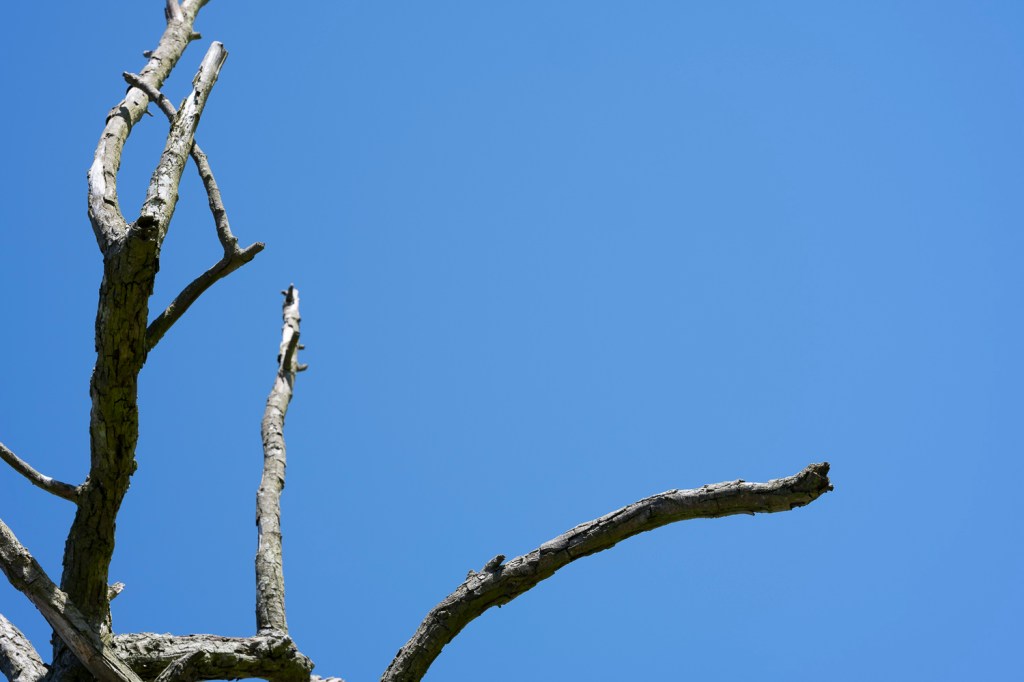
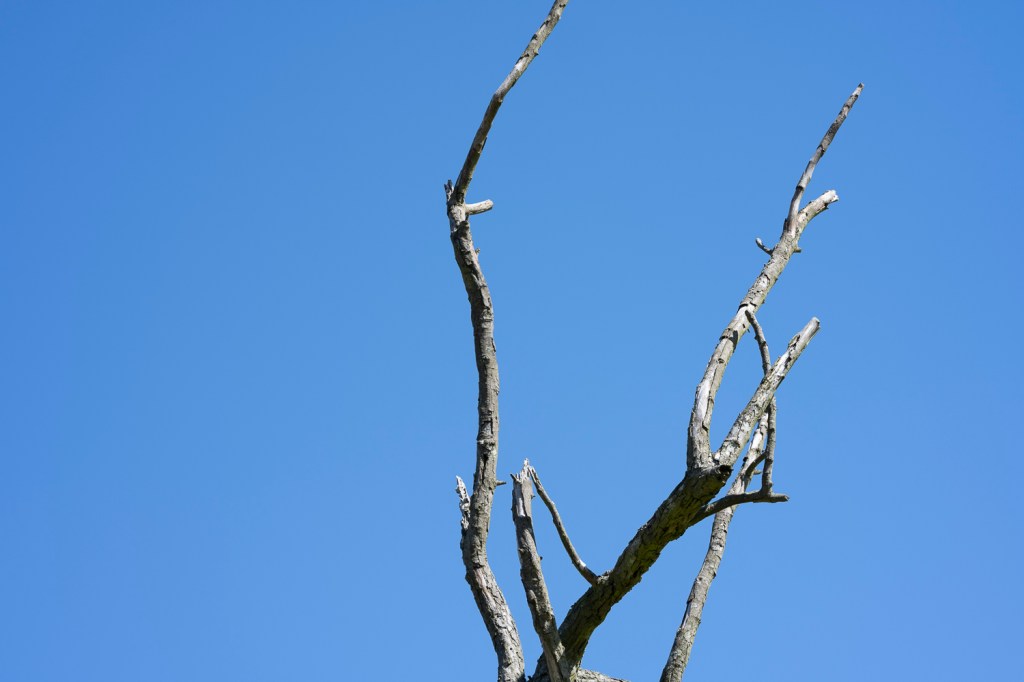
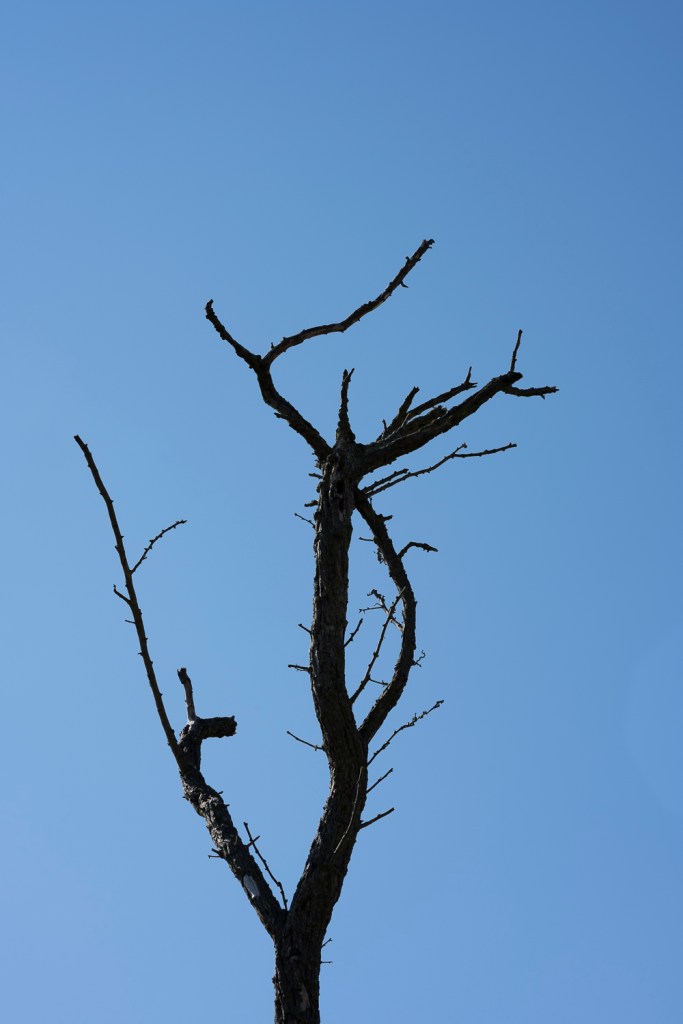
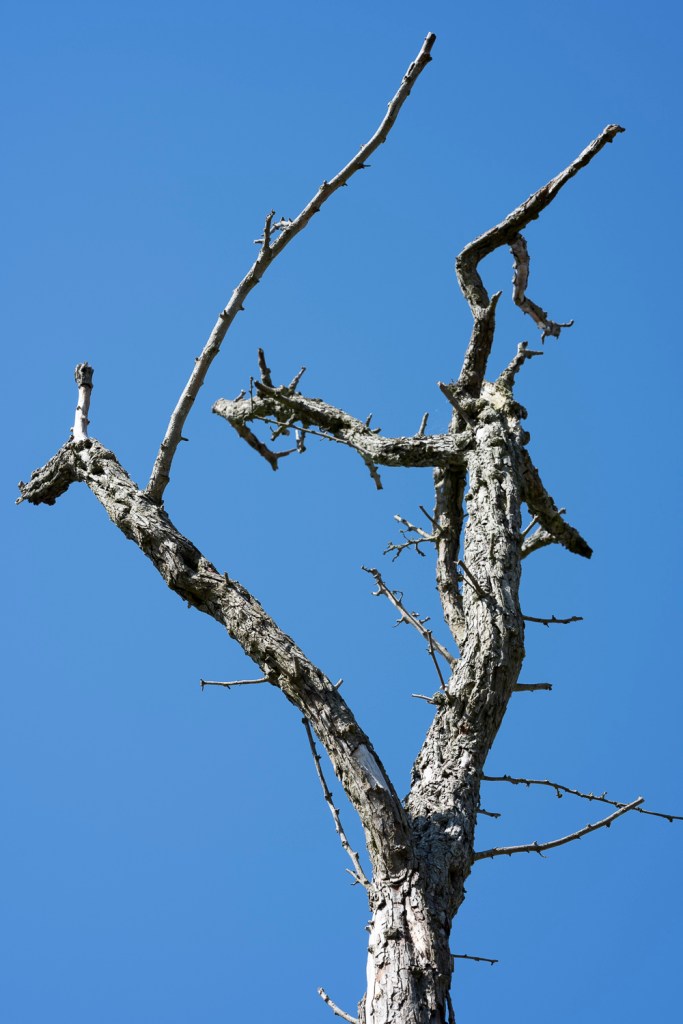
I was quite taken with this image of a dead Hawthorn. It has a very dramatic structure.

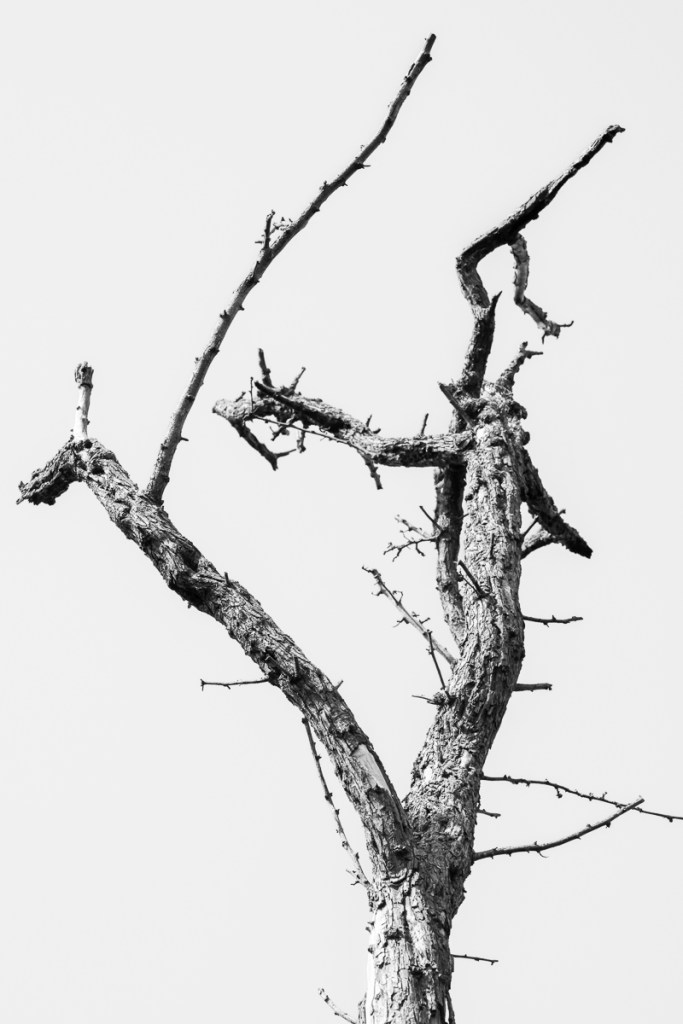
As is my current process, I converted this image to Black & White.

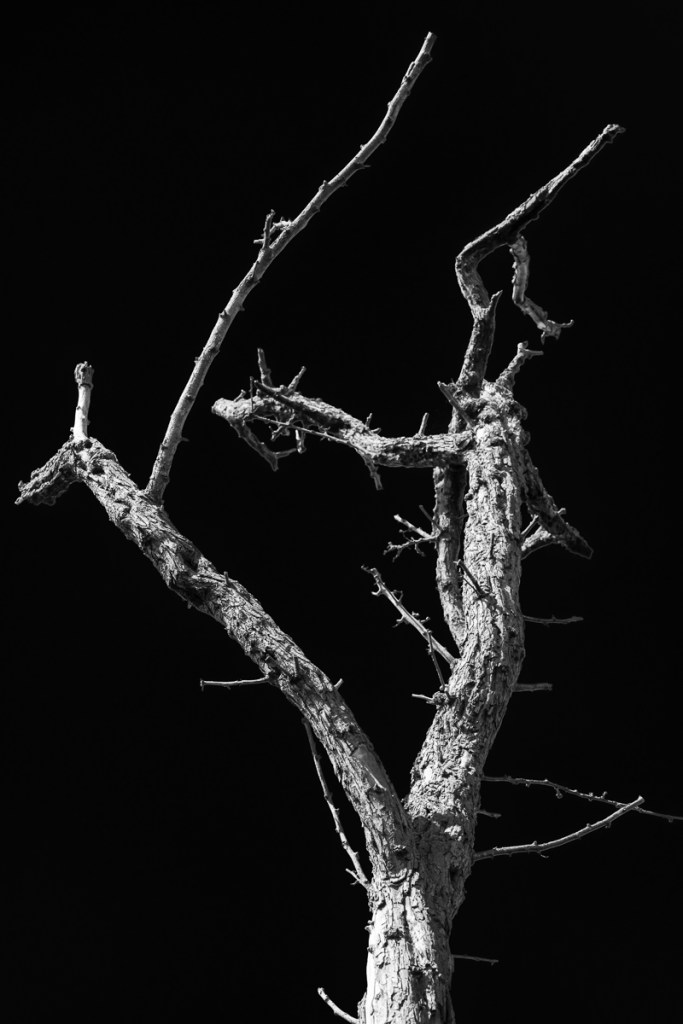
What I realised is that by adjusting the Blue channel in the Black & White mode, I could change the background from white to black.

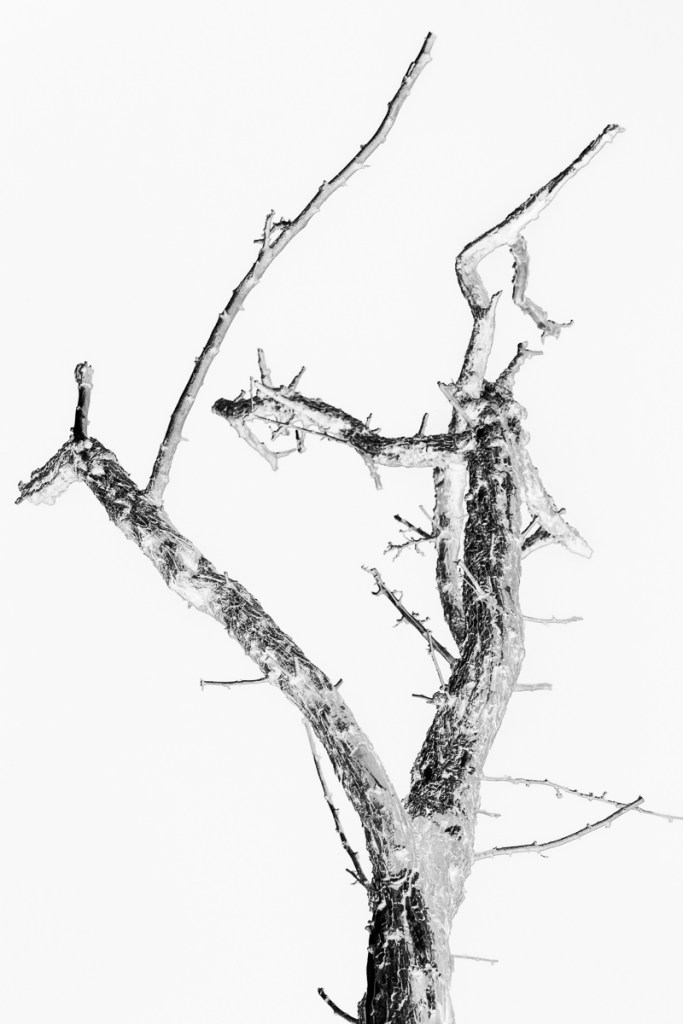
I then made a negative of each image using the Curve function.

Next, I arranged the images as below using Adobe Photoshop.

Again, this plays with the concepts of photography: postive/negative, reflections and the mirror.

Categories
AGM64 Photography Research Project Stage 2 Posts

AGM64 Bushy Park 23 April 2021

With the feedback from my 1:1 tutorial starting to process, I made a visit to Bushy Park with the intention of changing my subject focus.

With the concept of Sensitive Chaos: Patterns From Nature, I revisited two areas of within Woodland Gardens in Bushy Park that I had photographed many times before.

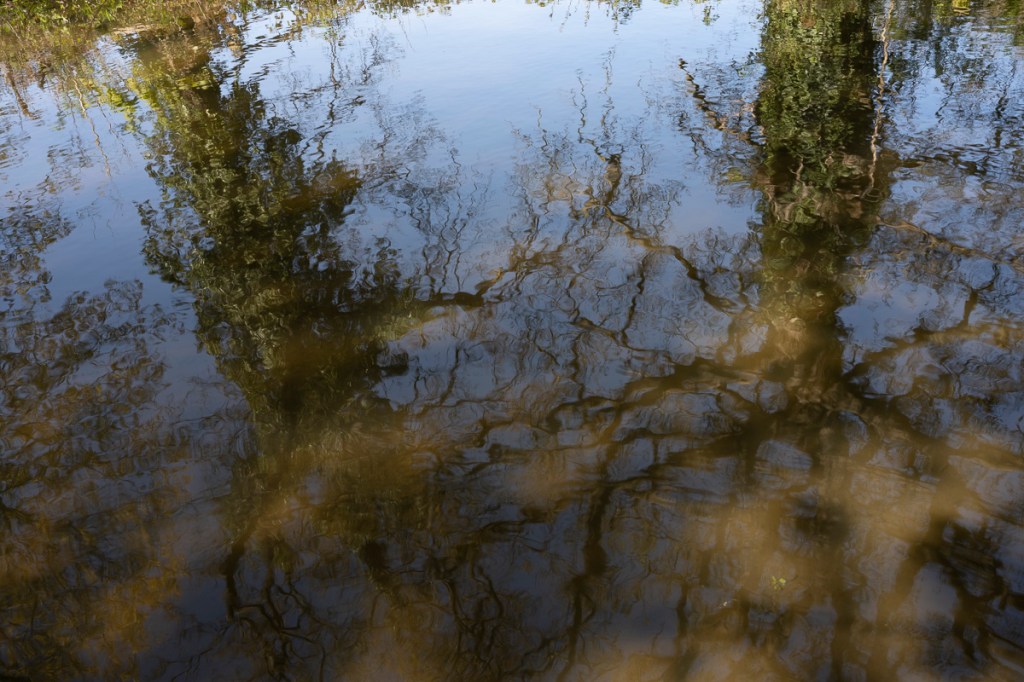
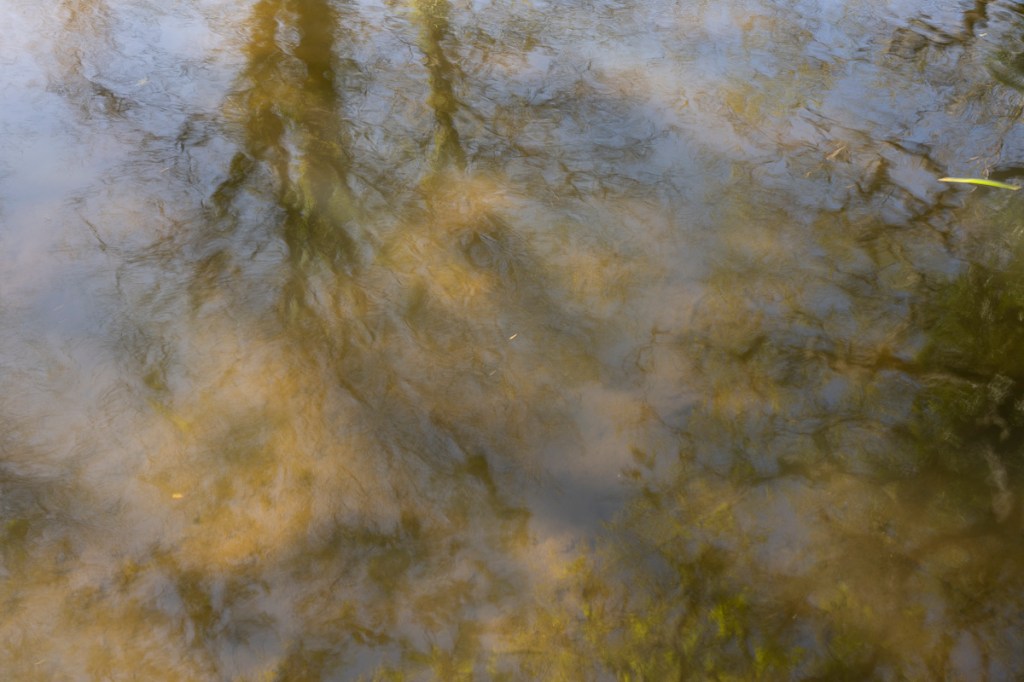
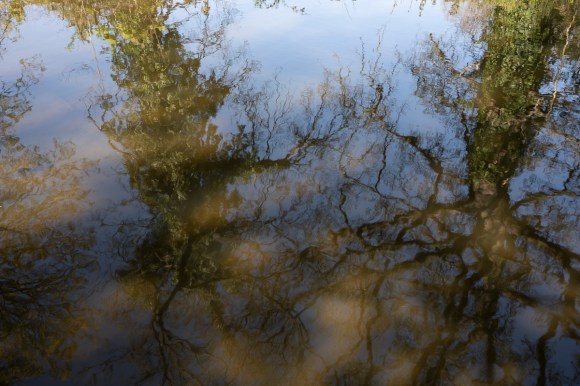
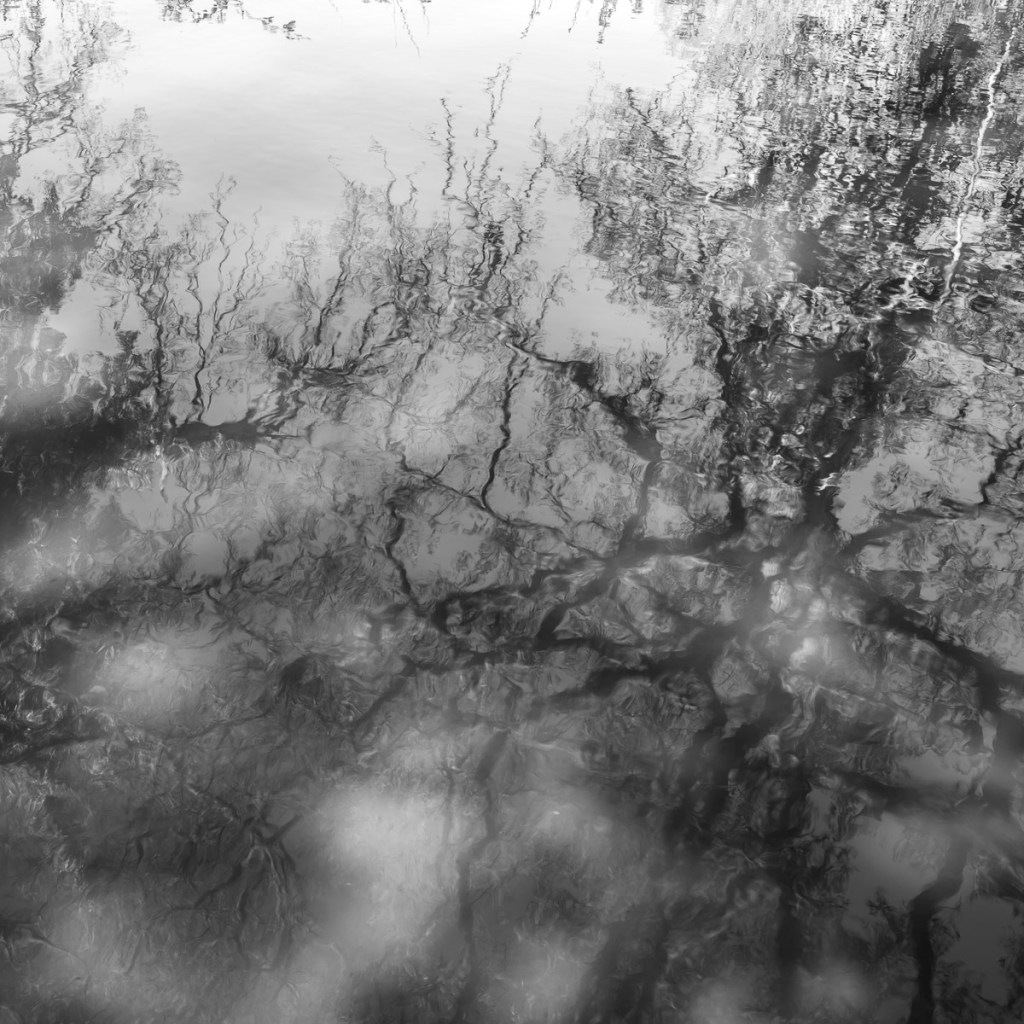
The first was the Longford River. I was thinking of how the trees are reflected in the water and whether a similar mirror/reversal/reflection could be worked on.

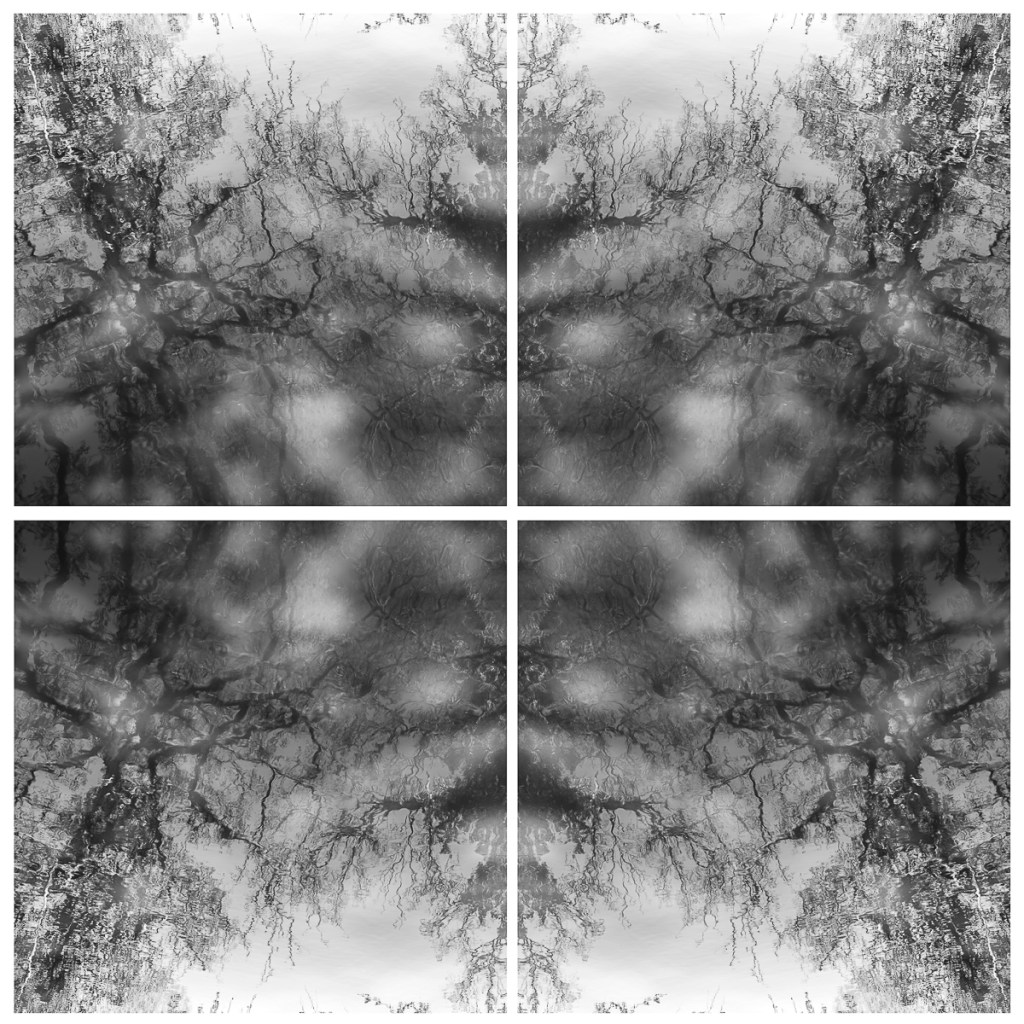
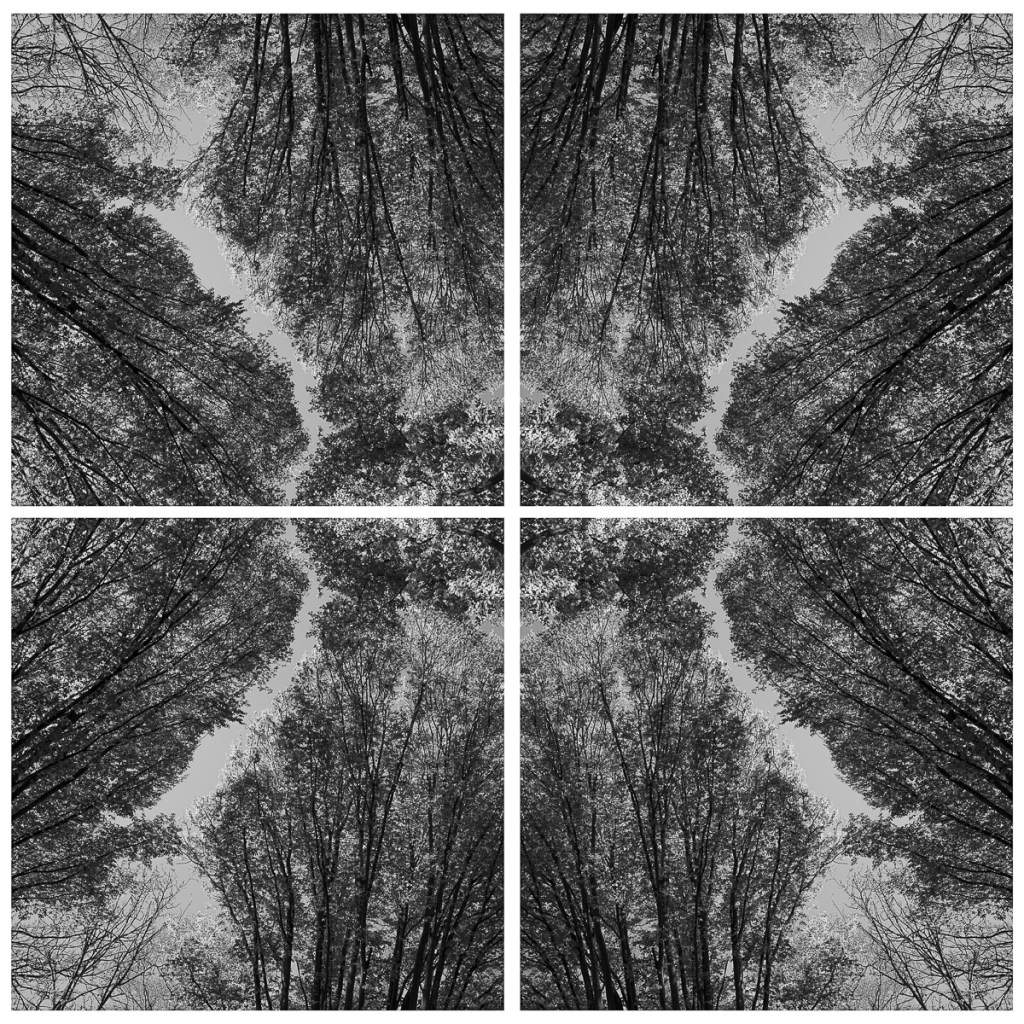
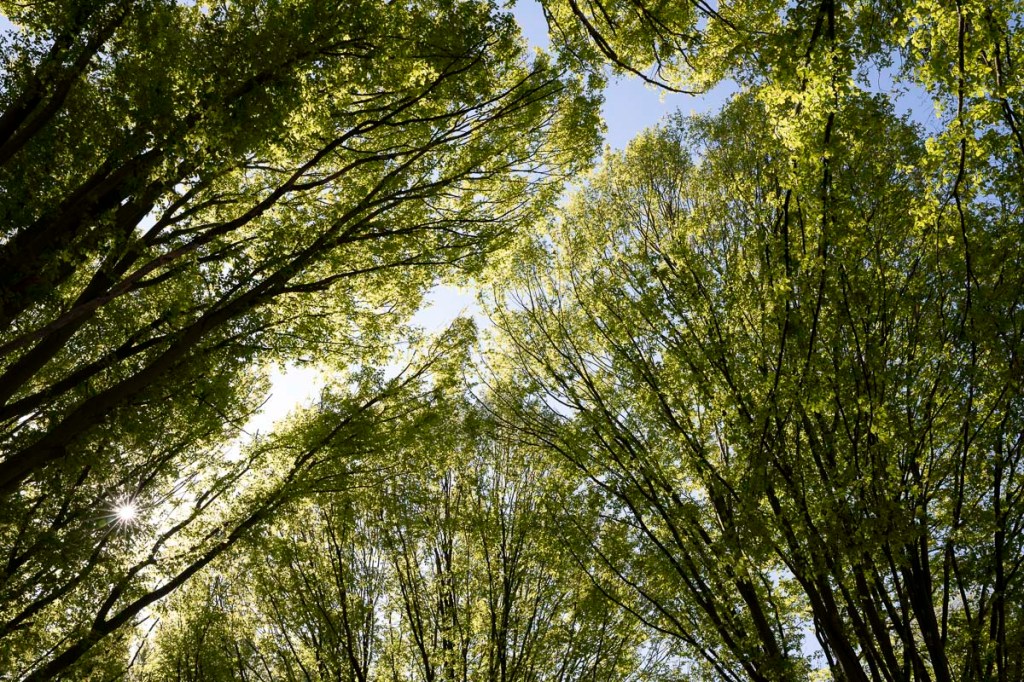
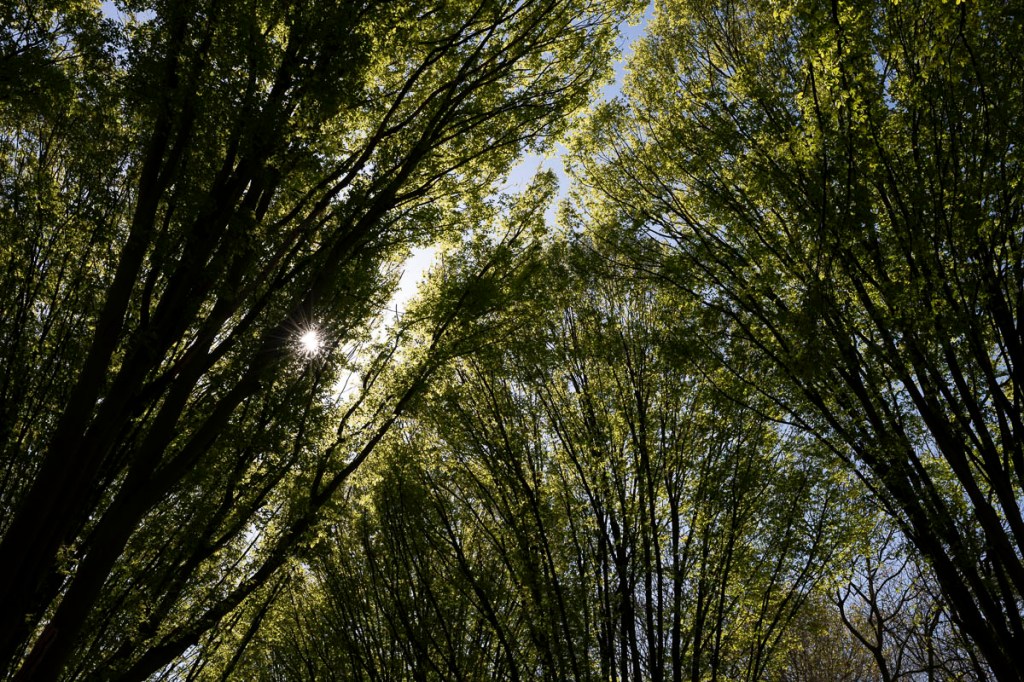
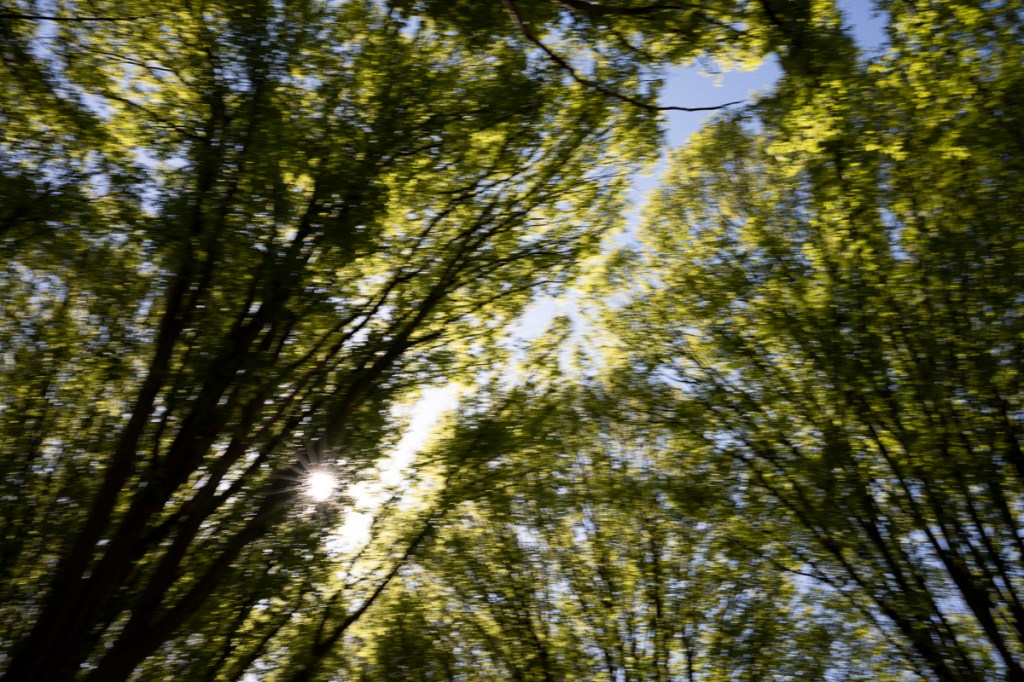
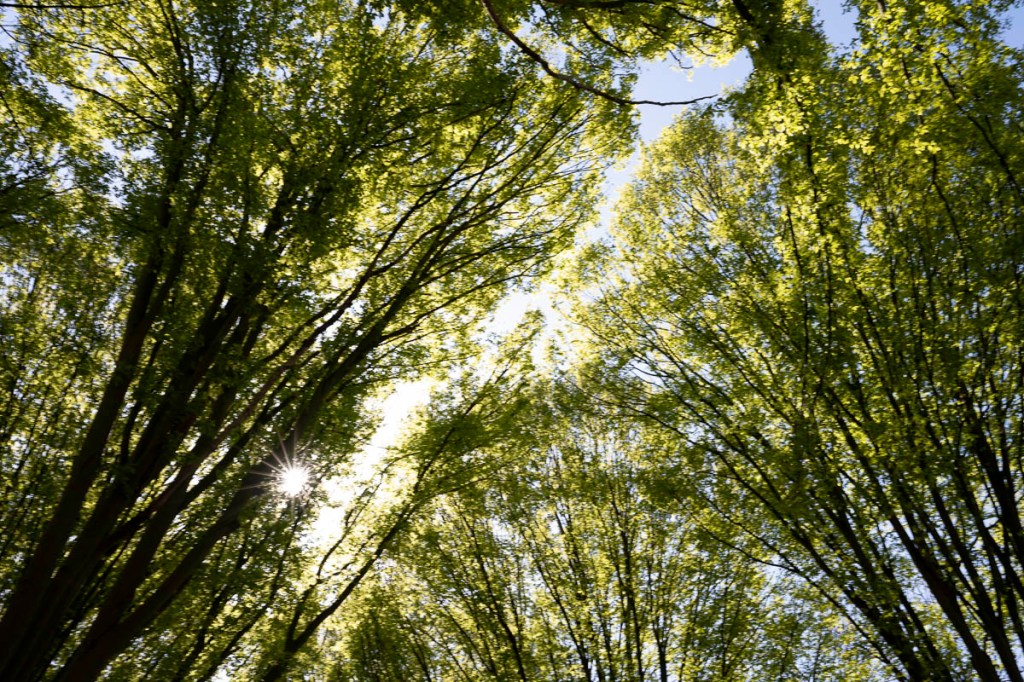
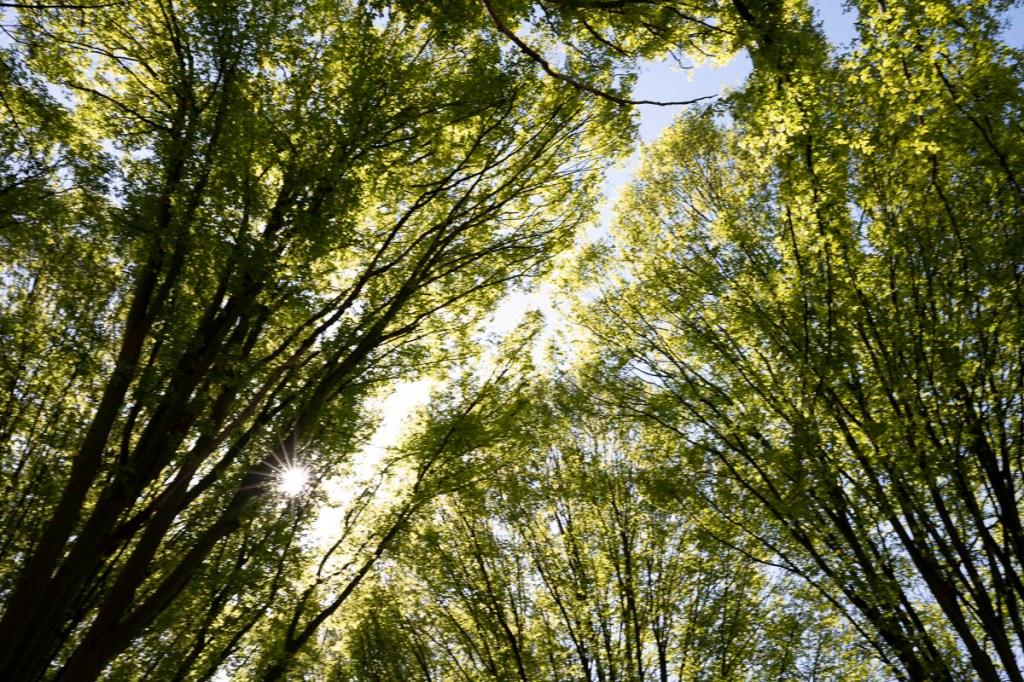
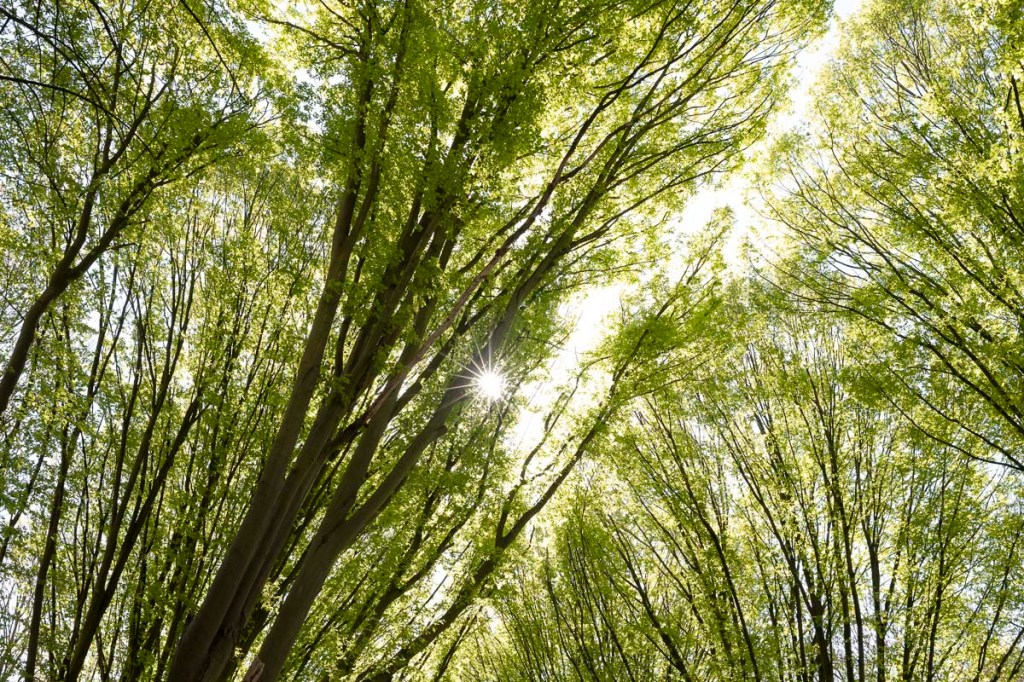
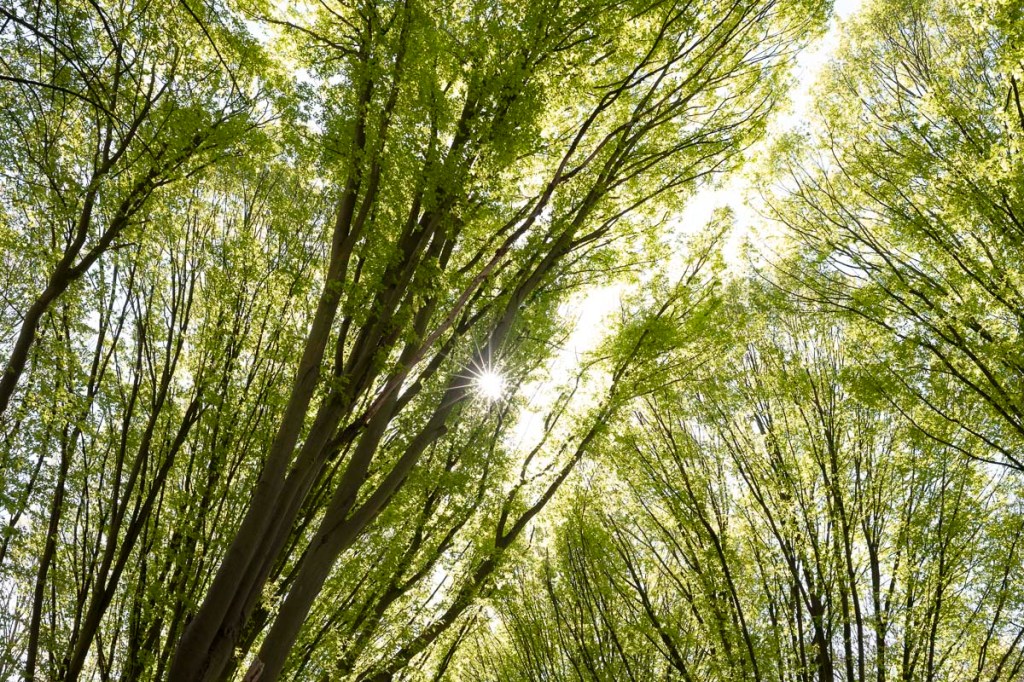
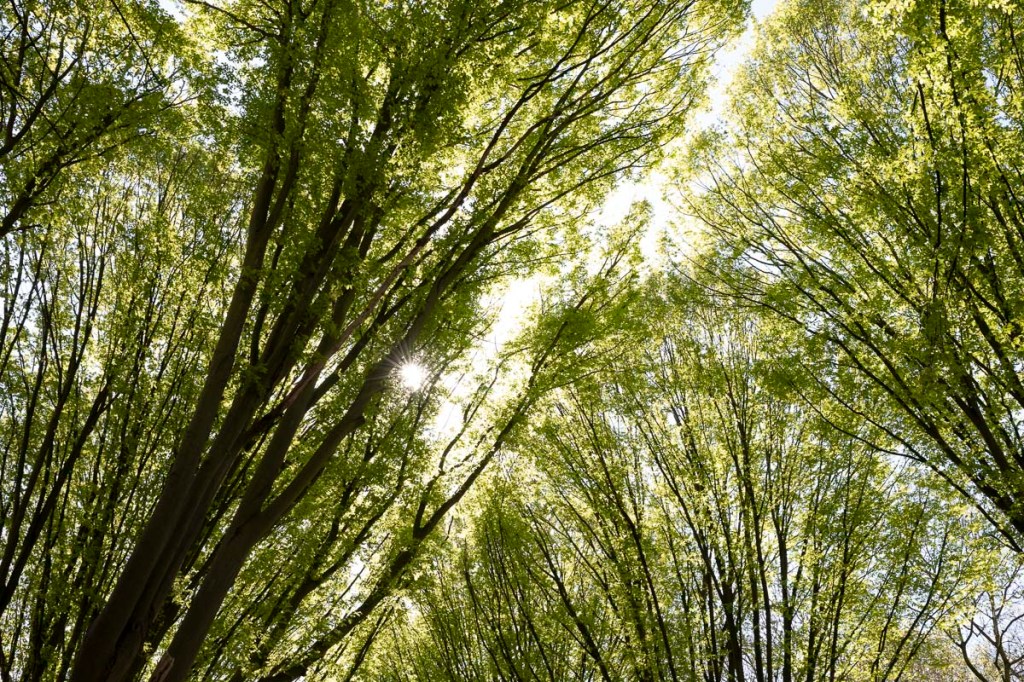
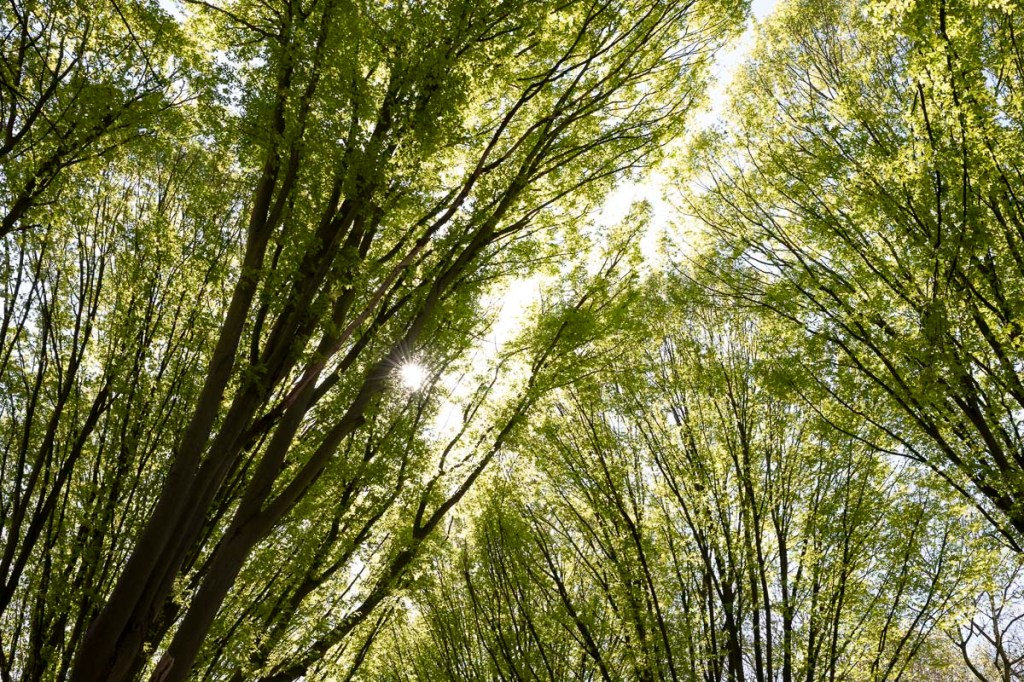
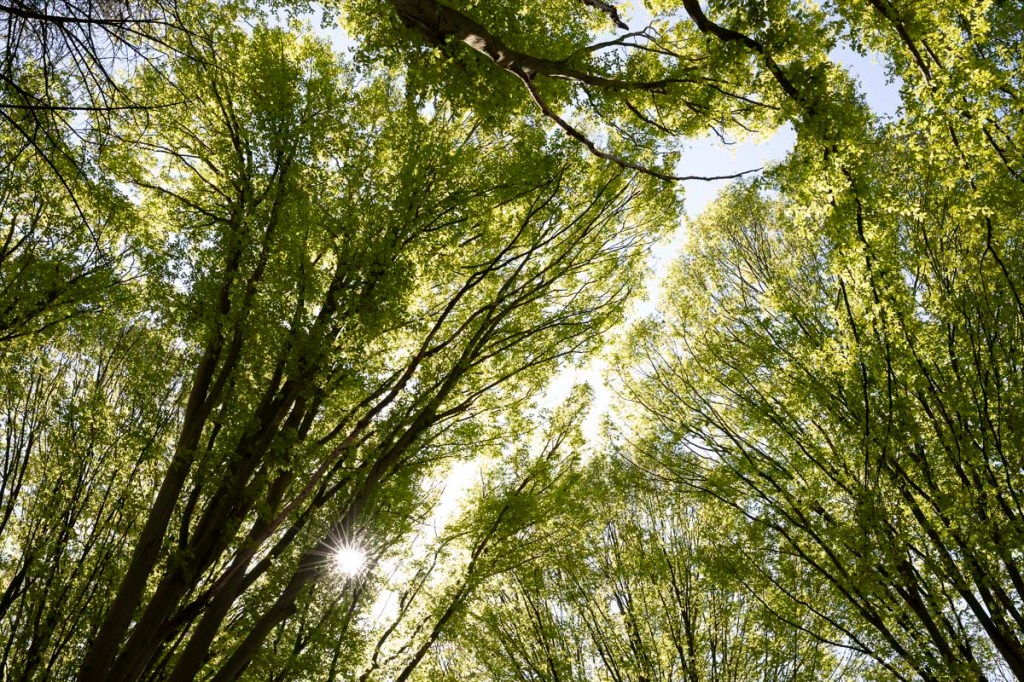
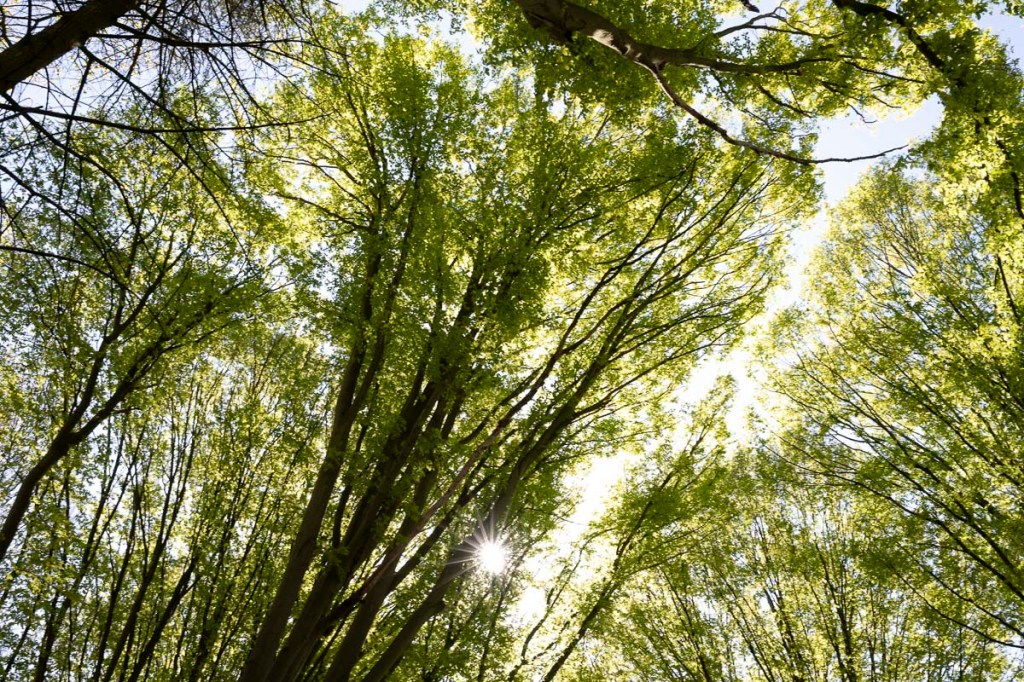
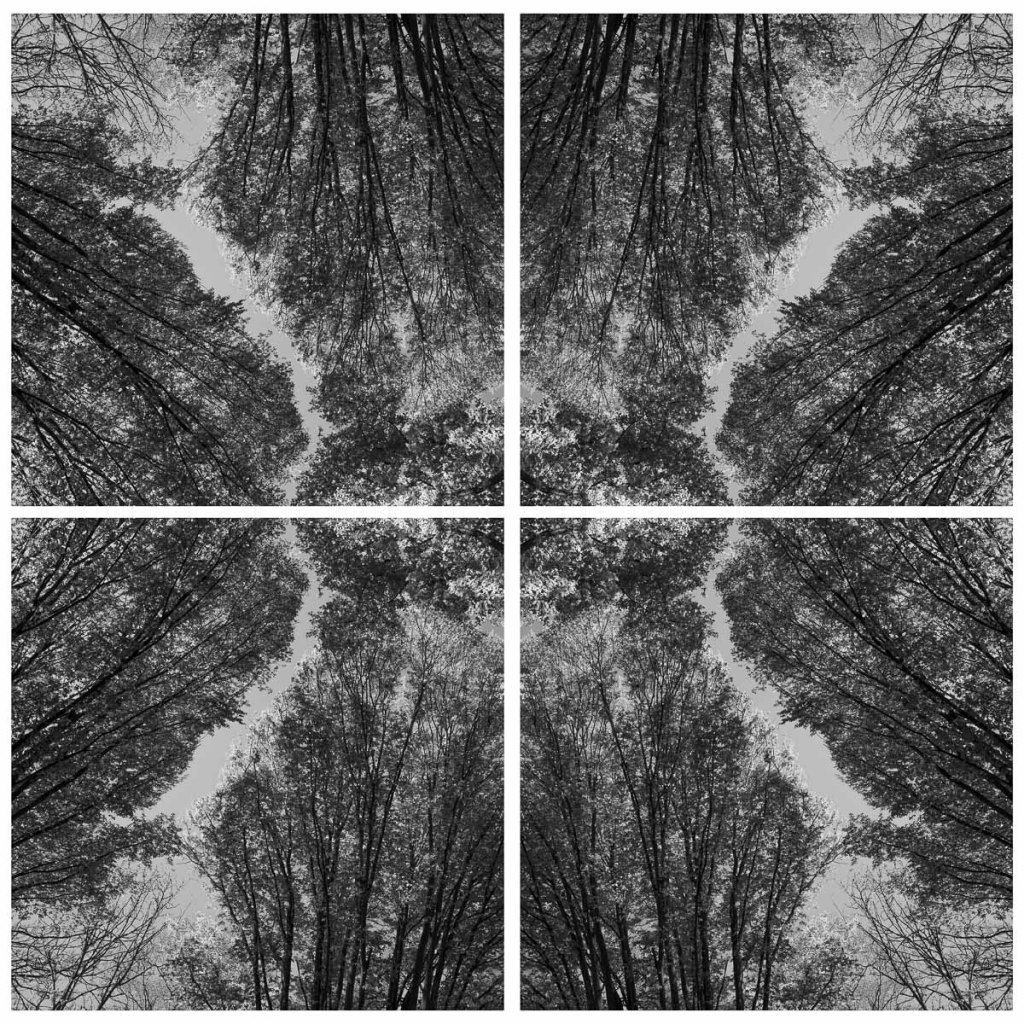
I then went to Hornbeam Avenue. This overarching line of trees is one of my favourite locations in the park. It creates a natural ‘cathedral’. Intially, I tried an interval timer shoot of 50 x 1 second. I hand-held the camera, aiming upwards. The downside of this is that you can’t see the images while the camera is doing this. I have a feeling it was due to me having a high RAW file setting. After this, I experiemented with taking multiple shots from slightly different angles, also upwards.

What I was trying to get were the gaps showing the trees ‘crown shyness’. This is a natural phenomenon where trees leave spaces between branches so they don’t crowd each other out.

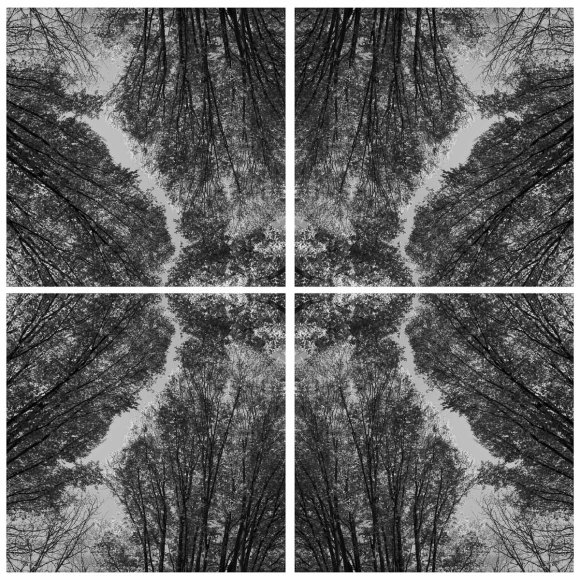
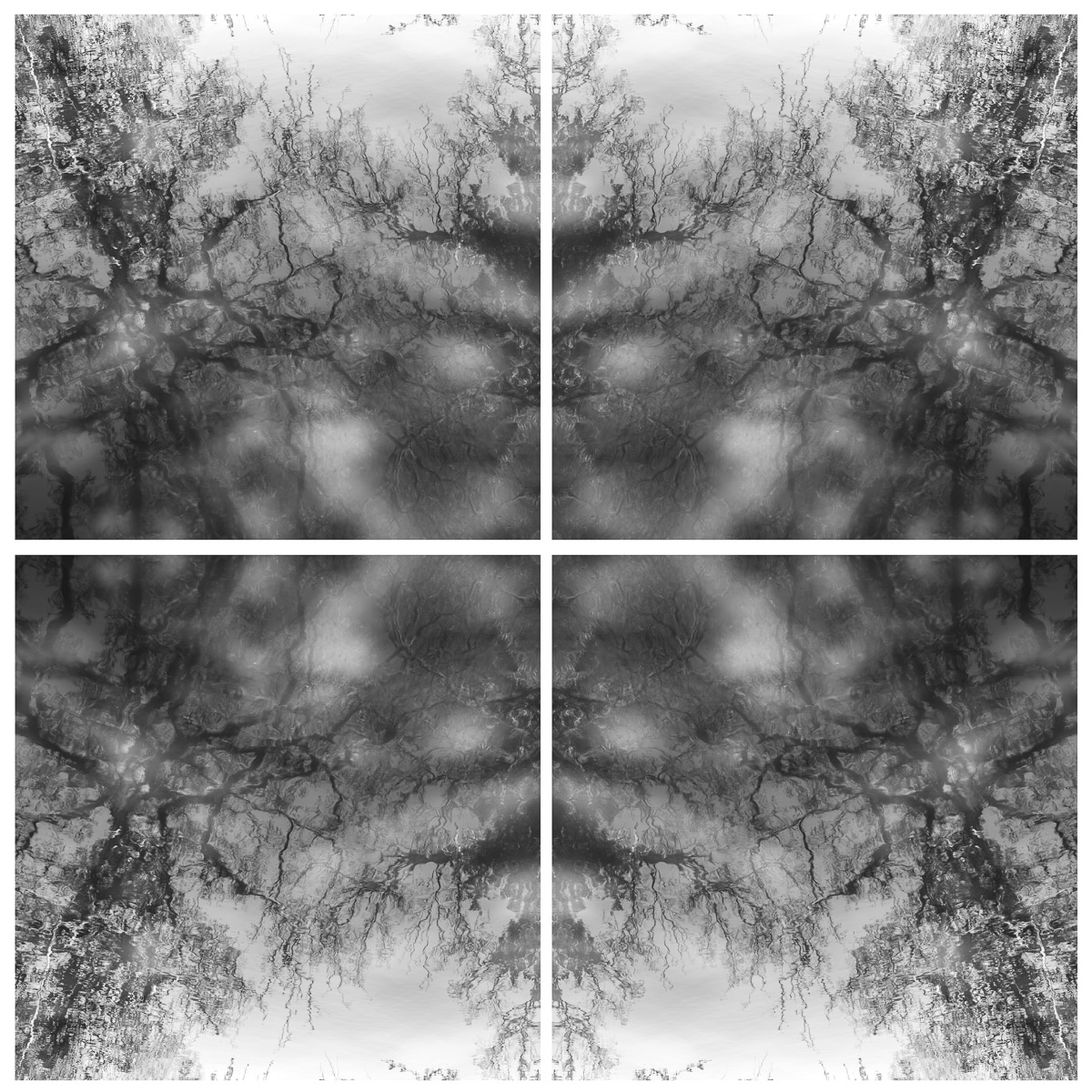
I then made an initial square cropped Black & White conversion.

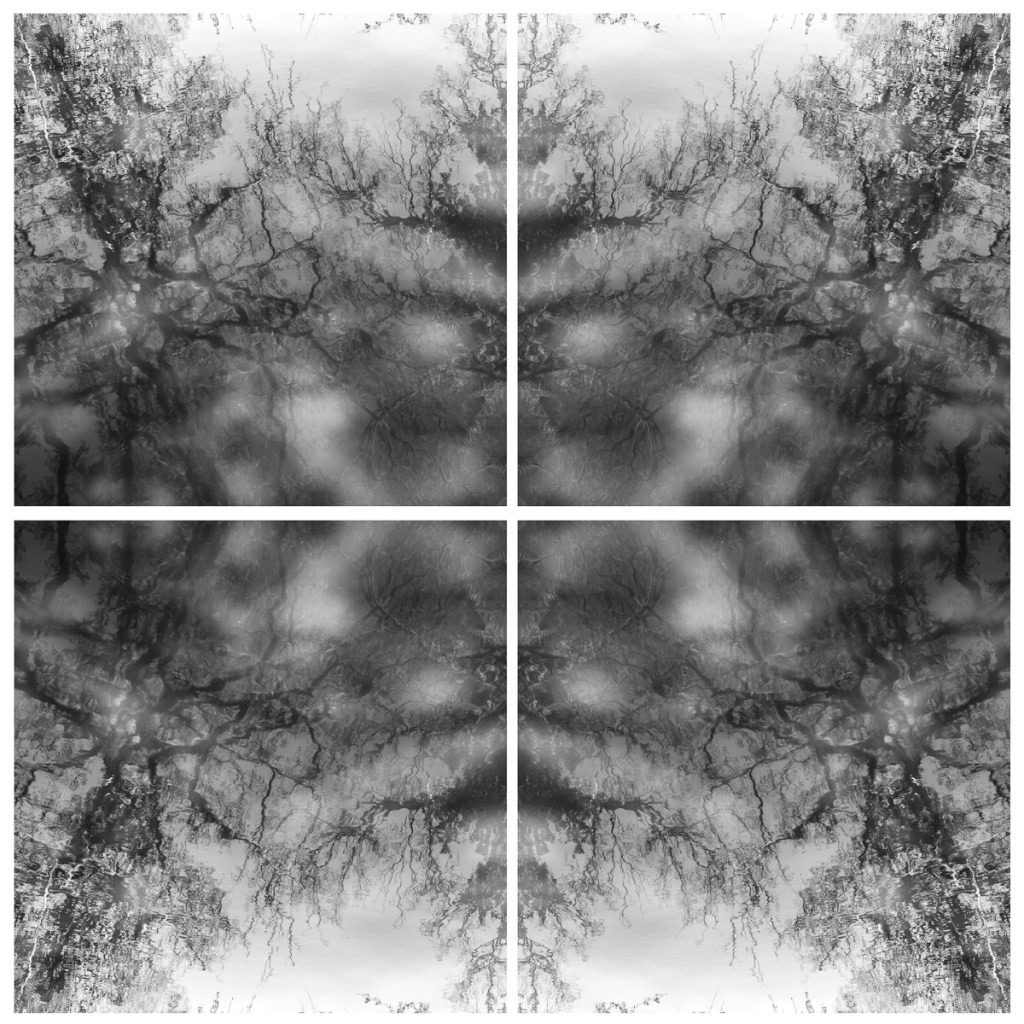
I then created a mirrored grid, this time leaving a gap between the images. This was in response to Fergus’ comment during our 1:1 tutorial on the 21 April in regards to making the fine art substrate a visual/textural feature of each piece of work.

Having completed this, I then took one of the images of the Longford River and gave it the same treatment.

Categories
AGM64 Photography Research Project Stage 2 Posts

AGM64 1:1 Tutorial 21 April 2021

After many weeks of working within a vacuum, it was a relief to finally discuss my latest project with the Module Leader, Fergus Heron. This 1:1 tutorial was the opportunity to discuss my potential ideas and receive guidance on how to progress.

Having had time to process the feedback from AGM62 Photography Research Project Stage 1, I felt more able to verbalise the concept behind my imagery. I also realised that I was connecting more strongly the research with the technical side of my work. There are two key phrases that articulate my work:

  • Relocating the photograph from ‘document’ to ‘picture’:
  • The repitition of the inverted doubling suggest a troubling of the supposed objective photograph.

By doing this, the objective perspective has been made subjective.

The main key points that Fergus pointed out was my work’s significance to photography itself, e.g. mirrored images, reversal and reflection. By using photography’s formal relations, it breaks the image being a description.

Another direction for me is that the work is not just about Bushy Park. It is a way of rendering the natural world and complicating the issue.

With regard to size, the work I produced for Invisible Trees was a good one. Not too big, not too small. So I will keep future work to a similar proportion (24″ x 12″).

A futher aspect was the use of fine art paper for the print surface – again another reference to trees/nature being used in the production of the work. Also, Fergus suggested that the paper is a visual element of each piece of work – maybe leaving a space between mirrored images.

Fergus also remarked on the references that I had looked at in regard to trees and nature. I reassured him that these were influential in my research and body of work and I wasn’t taking these literally. All of these books and articles have added unique aspects to my thoughts and actions. I see them as a sprinkling of seasoning that add flavour to this project.

My main task now was to continue experimenting and taking my work to the next level. I also need to bring in a selection of printed work to discuss during the next 1:1 tutorial on Wednesday 5 May 2021 at 2.40 pm in Room 304 at Edward Street.

Categories
AGM92 Books and Publications Posts

AGM92 Module Introduction 21 April 2021

The seminar to introduce the module was held online during which Xavier gave an outline to what would be involved.

The focal points of this module are the exploration of photographs on the printed page and other forms plus how the photograph coexists with paper. The other consideration is how the photograph can be combined with text.

The question to ask myself is “what would happen to my work when ‘translated’ onto a printed page?”

As outlined in the module handbook, Xavier went through the following reiterations of the photograph in the printed page: Books, booklets, albums, catalogues, zines, visual essays, scrapbooks.

Xavier also asked the class to consider the ‘photobook’ as emergent phenomena:

  • Practices
  • Forms
  • Themes

The main point that Xavier was for the class to look at and scruitinise as many photographic publications as possible. Not just books, but zines, pamphlets, postcards, etc. While doing so, we should make notes on how the item has been constructed, the images used, how the text relates to the images, the text contained within the publication (credits) and any other relevant observations. This would then inform our own decisions in the realisation of our own work.

The other aspect that needs consideration is the submittance of the final piece of work. The completed piece will have to be submitted online on 31 August 2021. However, as Xavier made quite clear, all of the class should make a ‘real’ book to truly understand the process of putting photographs in the context of being physically published.

After this seminar, each member of the class had to present a brief proposal of what they would be working on. This is the proposal I presented. It will be quite interesting to see how this changes and develops during the duration of the module.

Suggested Reading

  • Carol Armstrong, ‘A Scene in a Library: The First Photographically Illustrated Book’. In Carol Armstrong, Scenes in a Library: Reading the Photograph in the Book, 1843–1875. Cambridge, MA: MIT, 1998 (p.107-178)
  • David Campany, ‘The ‘Photobook: What’s in a name?’ The Photobook Review #007, Aperture, Winter 2014. http://davidcampany.com/the-photobook-whats-in-a-name/
  • Henry Fox Talbot, The Pencil of Nature (1844)
  • ‘Introduction’ to Patrizia di Bello, Colette Wilson and Shamoon Nazir, The Photobook: From Talbot to Ruscha and Beyond. London, I.B.Tauris, 2012 (pages 1 to 16)
  • Walker Evans and James Agee, Let Us Now Praise Famous Men (1941) (all pages until p.16)

Photography Books & Publictions

Alexander Honory, The Lost Pictures (1998)

André Breton, Nadja (1928 / 1963)

Assier Mendizabal, Raven Row Gallery hand-outs (2012)

Bertolt Brecht, War Primer (1955)

Delphine Bedel All That Is Solid Melts Into Air: Notes on Tourism (2008)

Edward Ruscha, Twenty-six Gasoline Stations (1962)

Edward S. Curtis, The North American Indian (1907–30)

Eric Baudelaire, Gallery hand-out The Anabassis (2011)

Henry Fox Talbot, The Pencil of Nature (1844) (Project Gutenberg eBook, 2010)

J.G.Sebald, The Emigrants (1996)

Lamara, Niazi, Nordin The Library Was (2016)

Mohini Chandra, Album Pacifica (2001)

Orhan Pamuk Istanbul: Memories of a City (2003)

Walker Evans and James Agee, Let Us Now Praise Famous Men (1941) (1960)

Walker Evans, ‘Labour Anonymous’. In Fortune Vol XXXIV Nr 5 (1946)

Xavier Ribas Kulturkonflikte in Texten (1997); La Relève (2010)

Xavier Ribas, Nitrate (2014)

Categories
AGM64 Photography Research Project Stage 2 Posts

AGM64 Bushy Park 17 April 2021

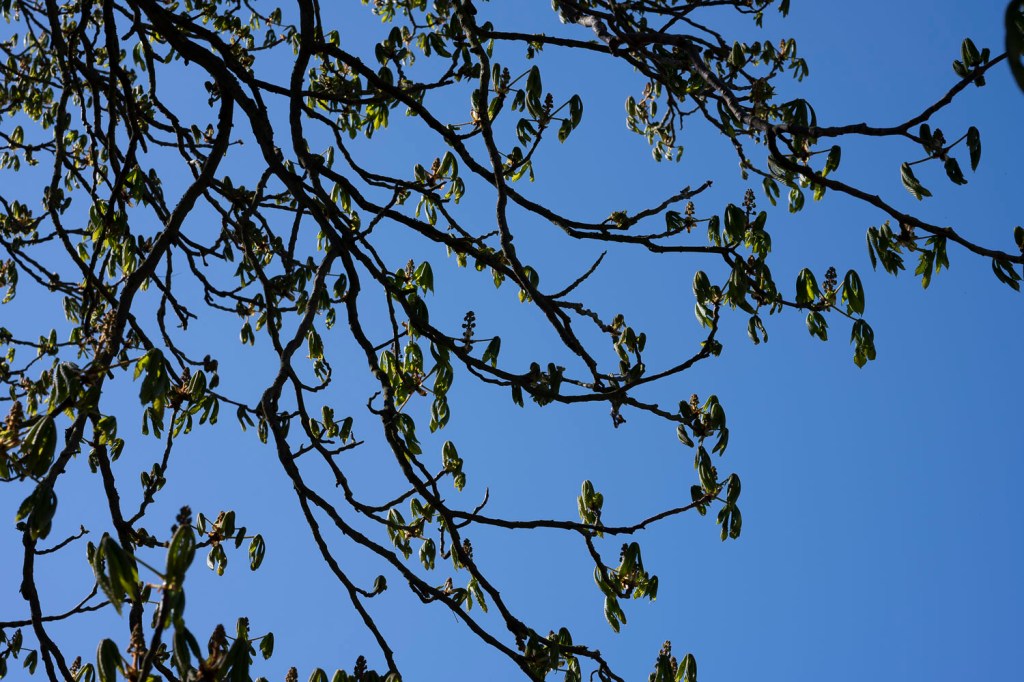
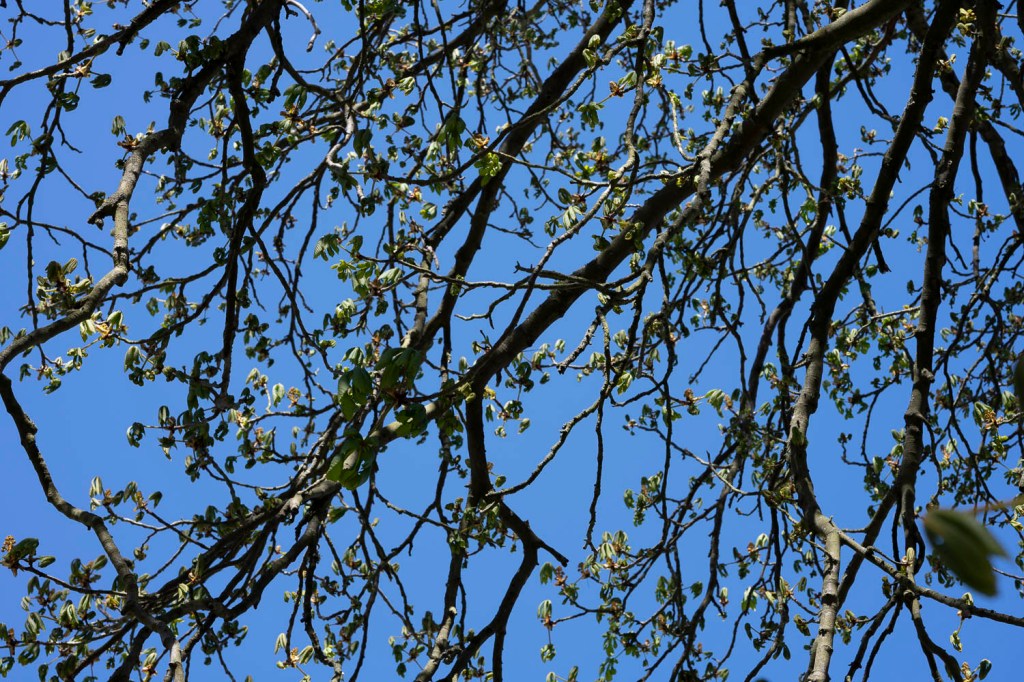
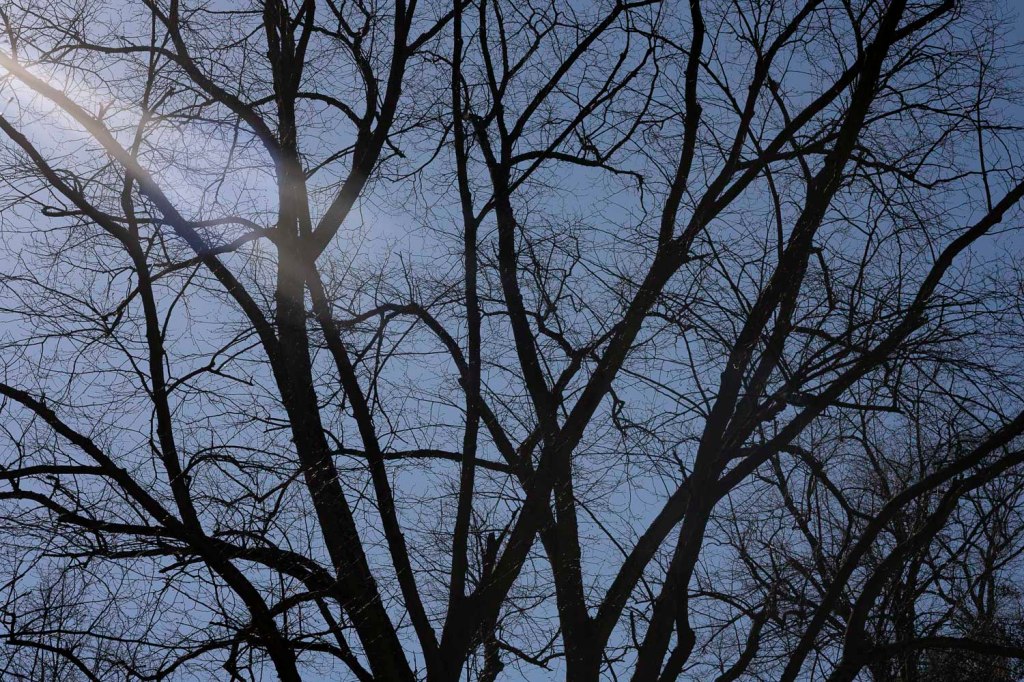
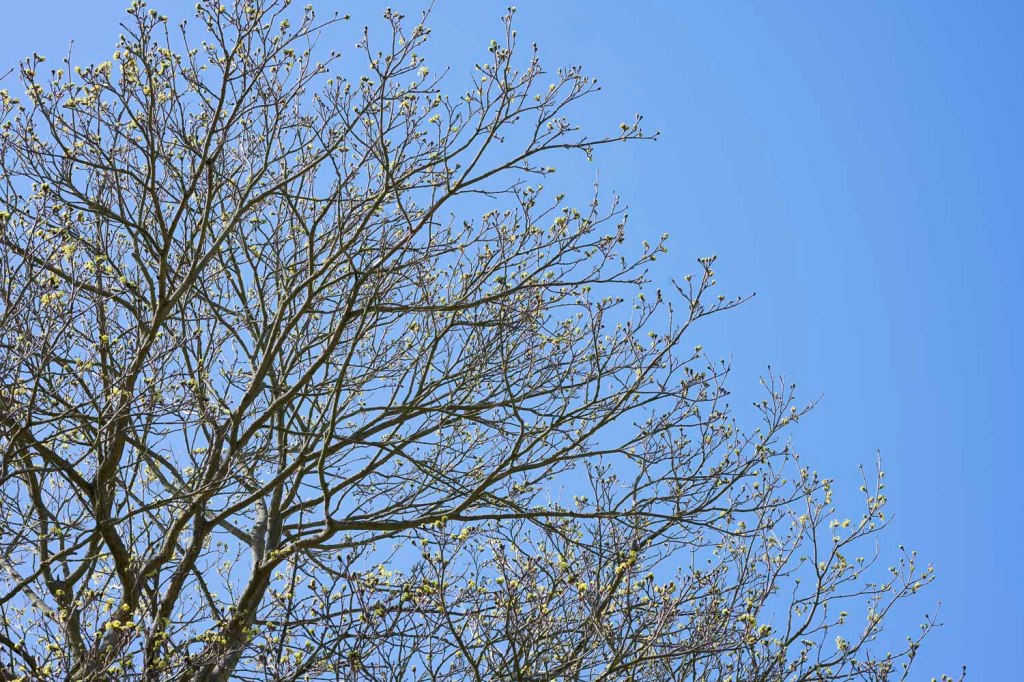
Again, I was still waiting for inspiration to hit for this latest project. Again, I went to Bushy Park to see if there was something that could spark progression. As with the previous three shoots, I used the 85mm lens.

Nothing spectacular.

Design a site like this with WordPress.com
Get started