Categories
AGM60 Research & Development AGM60 Research & Experimentation Posts

AGM60 Surrealism Research and Thoughts 17 March 2020 DRAFT

Please note that this is a draft post and will be amended.

While going through the process of identifying the elements which have influenced my creative output so far, the one that I started to explore further is surrealism. My practice to date rarely involved straight, pure or documentary photography. I also enjoy and have the ability to combine and manipulate images, specifically digitally, to create ‘unreal’ images. Looking back at my previous projects, all have involved surrealist elements with titles such as Dreams/Reality and Transformations.

At the start of my research, I realised that I didn’t know as much as I thought about this particular art movement and its influences. My first port of call was to visit the university library to see the books available on surrealism. I came across David Bate’s Photography & Surrealism: Sexuality, Colonialism and Social Dissent. As Bate explains in the introduction, this book is ‘a study of surrealism thought the particularity of its uses of photography’. But rather than take the connection between photography and surrealism as self-evident, it asks why and how photography was useful to surrealism and what the surrealists did with it.’ (Bate, 2009).


What I didn’t know enough about at this stage was the details of the surrealist art movement itself.


The interest in this art movement was also piqued by my visits to the Dora Maar exhibition at Tate Modern and the British Surrealism at Dulwich Picture Libray.

One of the aims of this module is to identify


I would take in producing the Body of Work required, I realised I had to identify these elements that have influenced me so far.


When One of the aims of this unit is for me to identify the key elements of my own creative practice. While trying to work Thoughts on Surrealism.

100th anniversary of Surrealism and almost 100 years since Andre Breton’s 1924 Surrealist Manifesto, what is the current climate?

Can a contemporary photograph be considered Surreal? Or is it just a facsimile of an era?

If surrealism is a product of its time, what would a Surrealist image be today?


Dora Maar

The three articles I’ve read.

Women and Surrealism.

Female Surrealist artists.

WRITE UP NOTES SO FAR!

This research also made me think of the following:

Who are today’s/contemporary surrealist photographers?

What can be considered a contemporary surrealist photograph?

Can a contemporary photograph be surreal in the true form? Or is it just a facsimile of the production of a specific cultural and historical era?

If so, what

The current climate is fear.

This is the result:

In order to get a better understanding of both myself and surrealism, I noted down the words on the plaques in the exhibition and started to bring out key phrases that I thought pertinent.

Surrealism broke conventions; it demolished boundaries. Categories and chronologies were abandoned; the mind was set free. Existence was elsewhere.

British Surrealism

1920 the French poet André Breton began experimenting with automatic writing. Journeying deep into his subconscious, he wrote without pausing to think or correct. What he discovered was a new art form. He called it surrealism.

The liberation of the imagination

Exploration of the illogical, the dreamlike, the marvelous.

Result of the contributing factors of:

  • The irrationality of the First World War
  • The revolutionary nonsense of Dadaist art
  • The penetrating theories of Freudian psychoanalysis

Many British artists join the movement or were influenced by it.

In 1936, London hosted the first International surrealist exhibition.

But surrealism was not entirely new. It recognised its essential qualities in the likes of Lewis Carroll, William Blake, Henry Fuseli, and William Shakespeare. They were the ancestors of surrealism. For surrealism existed at all times, and in all places.

With its new unique history of outlandish creativity and its soft spot for the absurd, Britain was a perfect breeding ground for the surreal.

Juxtaposition and Coincidence

Like dreams, chance challenges rationality. Using accidents and juxtapositions, the Surrealists bewildered and provoked their audiences. They saw the familiar and new, unexpected ways.

Collage was in an excellent way of using contrasting words and images. It created unexpected realities. As Eileen Agar explained, ‘collage is… A displacement of the banal by the fertile intervention of chance or coincidence.’

The Surrealists rejected categories and resisted expectations.

When all else failed they called upon chance to show them the way forward.


Automaticity and the subconscious

By acting without reflection, space we reveal our inner, unconscious self.

Writing or doodling without stopping to think, correct or edit are all forms of automatism. It was a technique André Breton on borrowed from Freudian psychoanalysis. He called the resulting images ‘guideposts of the mind’. They were gateways to the subconscious.


See how Emmy Bridgwater exploits the fluidity of ink in her automatic drawing Stark Encounter.


Scribble, riddle and rhyme. Let yourself go-you never know what you might find. Surrealism is a door open to everyone.


British surrealism plaque four


Forbidden desires


The Surrealists were unconventional and provocative. Fired by a fantasy they broke social taboos and rejected polite customs.


Together the Surrealists celebrated sexual freedom. They overthrew conventional gender identities and relationships. Their provocative role models included William Blake and the Marquis de Sade.


Female artist producing the most daring surrealist work in Britain, consciously challenging their assigned roles of muse or femme fatale. Witness the symbolism of Ithell Colquhoun’s The Pine Family, or the celebration of feminine creativity and power in Leonora Carrington’s The Old Maids. They dared to be different.


British surrealism plaque five


The politics of the surreal


In their manifestoes, poetry and art the Surrealists preached revolution in all its forms. In a world of absurdity and hypocrisy, they sought a new moral code of free love and free expression.


With the rising tide of fascism dominating 1930s Europe, the Surrealists challenged the prevailing world order. They lent their support to the radical left. In the Second World War, the devastation wrought by the Blitz turned life in Britain upside down. The Surrealists responded with some of their finest work.


There is power in imagination; use it wisely and we might change the world.


British surrealism plaque six


The irrational and the impossible


The Surrealists, imagination was King.


They exploited the impossible, the marvelous, the irrational. Lewis Carroll’s Alice’s adventures in Wonderland was beloved by the Surrealists for its celebration of the ludicrous.


By creating illogical worlds, surrealism provoked new identities. As Conroy Maddox explained, ‘the irrational is not something set apart from life… It is at once destructive and creative, showing what can be opposed to what can exist.’


Where are the possibilities of impossibility?


British surrealism plaque seven


Existence is elsewhere


Surrealism was one of the most influential avant-garde movements of the 20th century. It was about much more than just art and literature.


The surrealist wanted to destroy what they called worn-out customs and institutions. Only then, they believed, could we build a better society in which everyone – liberated from the respectable straitjacket of everyday conventions – made full use of the imaginative faculties.


Bate, D., 2009. Photography And Surrealism. 2nd ed. London: I. B. Tauris.
Categories
AGM60 Research & Experimentation Posts

AGM60 Seminar Discussion of Project Work 17 March 2020

Unfortunately, due to the current situation, the planned seminar did not go ahead. At this stage, the University of Brighton was still open. However, as one of the tutors was self-isolating, it was decided that three of my class would each have an online, one-to-one tutorial with him. The remaining three who could take part would attend the university for a one-to-one tutorial individually to reduce the risk of exposure. As I was staying put in London and not feeling 100%, I welcomed this sensible action.

In preparation for this seminar, I had already carried out two scheduled tasks. Firstly, I had to identify a current exhibition, upcoming artist-talk or event or potential interviewee that I felt was pertinent to my project. I would then need to bring to the session a short summary of the chosen influence. I had to be prepared to discuss how I think that I could engage with this in a way that makes it specifically useful, productive and relevant to my own research and practice.

The current exhibition I chose for this purpose was British Surrealism at the Dulwich Picture Gallery, which I visited on 6th March 2020. The summary of this exhibition was made here:

AGM60 Pertinent Exhibition – British Surrealism 6 March 2020

I did find this exhibition specific, useful and productive and relevant to my own research and practice as it extended and expanded my knowledge of the surrealist art movement. It gave a good insight into the basic tenets of surrealism and its influences. What I was coming to realise that I tend to work in a ‘surreal’ way and have always had that influence running through my creativity since I can remember. One sentence on show at the exhibition that sparked a line of inquiry was:

‘Surrealism opened the door to the permissive, inventive counter-culture of the 1960s. It has not gone away.’

In order to get a better understanding of both myself and surrealism, I began a blog post to pick apart elements of this art movement:

AGM60 Surrealism Research and Thoughts 17 March 2020 DRAFT


The second task was to identify how something ‘outside of the box’ – something not necessarily related to contemporary art or photography. This could be something I engage with in my life outside of my studies or encounter in my day-to-day experience. This element could be one that may bear an interesting relationship to my research project. I had to be prepared to discuss how and why I think this is specifically relevant to my work.

Initially, I had chosen a book called Woman on the Edge of Time by Marge Piercy:

AGM60 Outside the Box – Woman on the Edge of Time 14 March 2020


The online tutorial itself with Xavier was very productive. Interestingly, it was my first-ever Skype call. I have avoided this type of communication so far due to certain aspects but considering the circumstances, I was willing to go ahead.

The results of this conversation will be outlined in a separate post once I receive further feedback from Xavier. Needless to say, the themes of isolation, an altered reality, surrealism, and restricted circumstances will come into play with this project.


Categories
AGM60 Research & Experimentation Posts

AGM60 Bushy Park 16 March 2020

With the possibility of not being able to leave the house looming, I made a trip to Bushy Park. It was a beautiful and sunny spring day and I was in need of fresh air and a respite from the unfolding news. The park was notably busier than normal for a Monday afternoon, but this refuge is big enough for people to keep a safe distance.

This park is quite central to my life and has been a refuge since moving to the area in 2007. It also has given me so much inspiration and featured strongly in my photographic studies, especially in the first two years. The other advantage of using this place as a location is that I know it very well. This includes the environment and different light conditions during the day and night throughout the year.

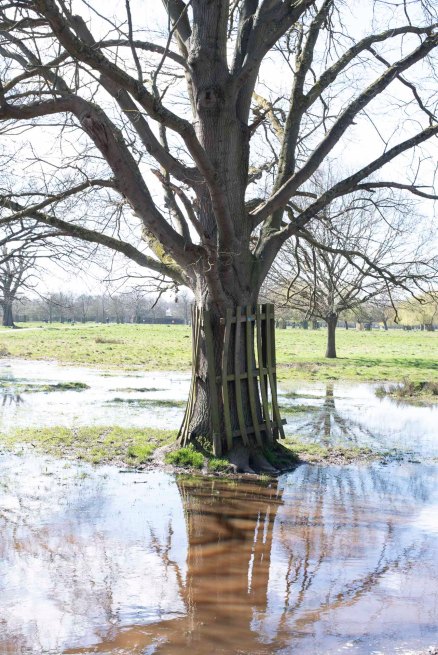
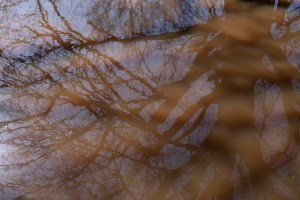
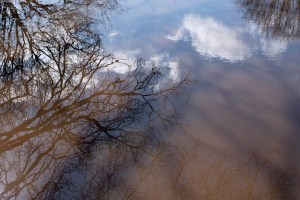
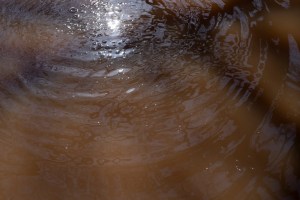
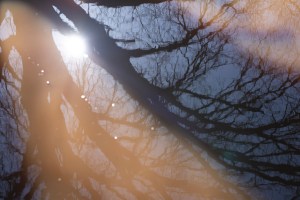
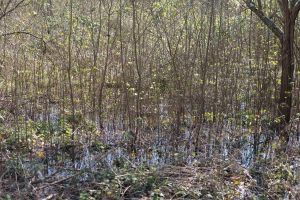
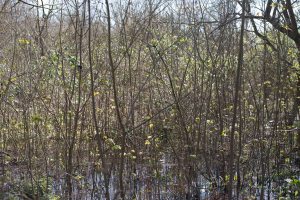
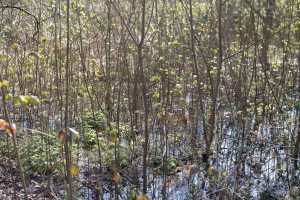
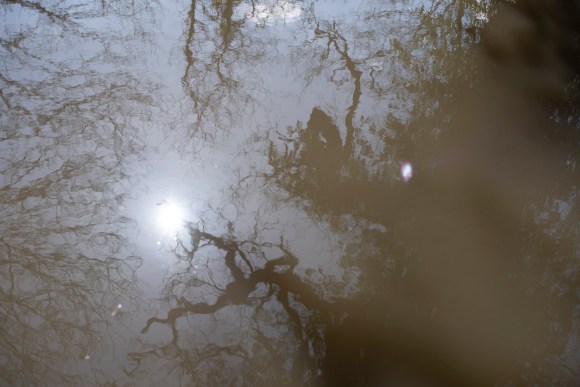
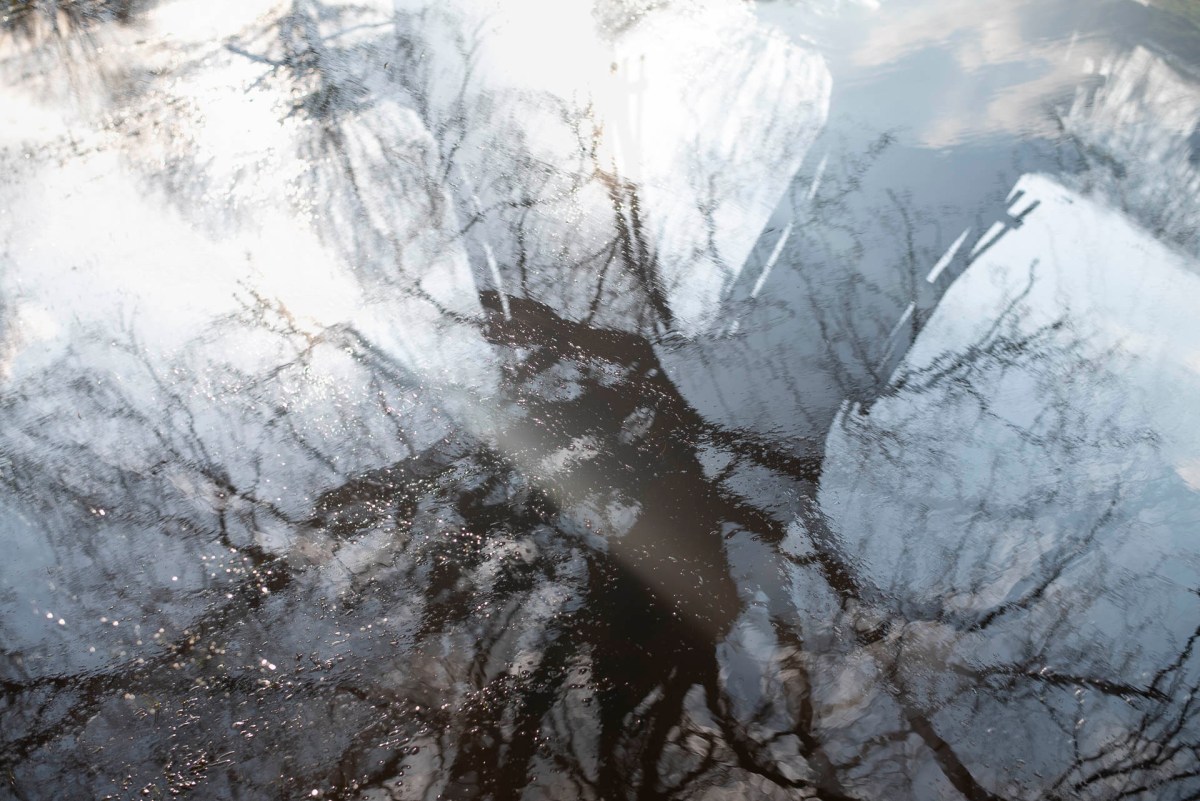
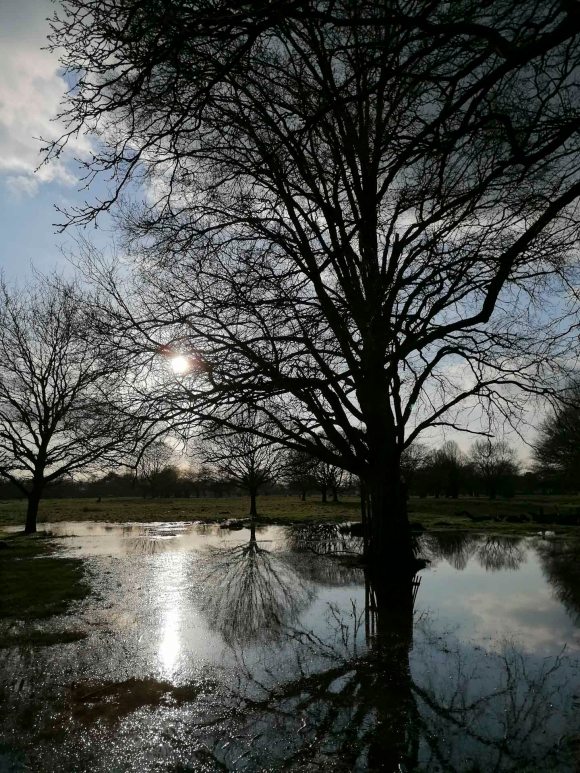
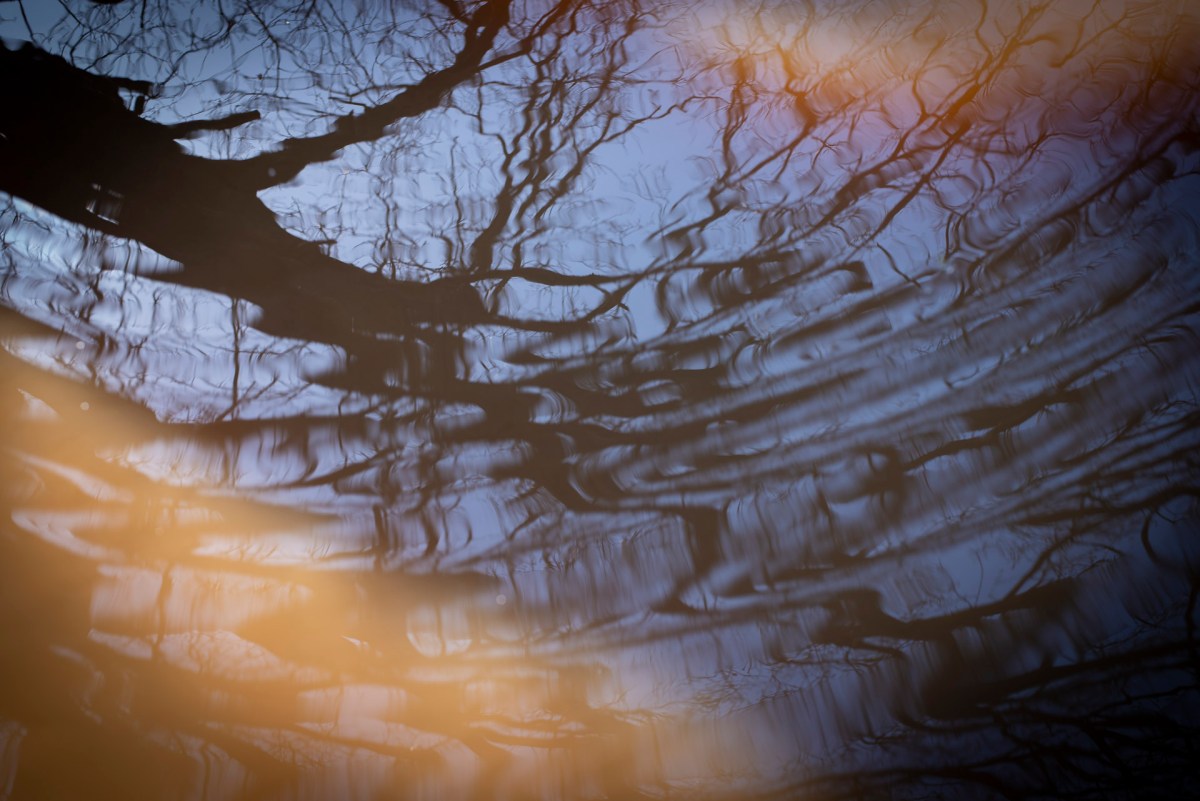
The first port of call was the water-logged tree I photographed on 6 March. The sun was creating some interesting shadows and colours on the surface of the temporary pond.

bushy_park_20-03-16_002_low

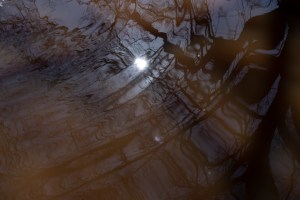
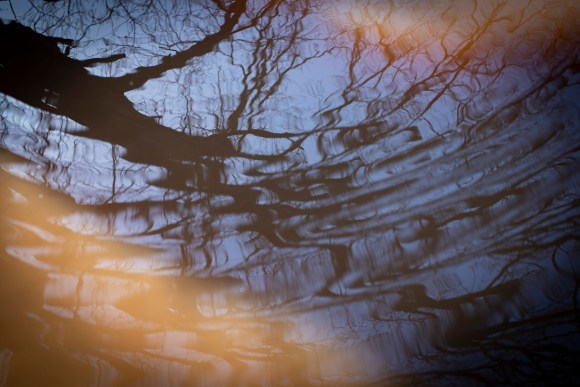
This a selection of the shots from the ‘pond’. Very dreamlike and surreal.

I didn’t process all of these shots, but this is one with a bit of tweaking in Adobe Camera Raw.

bushy_park_20-03-16_031_low

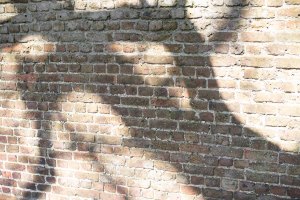
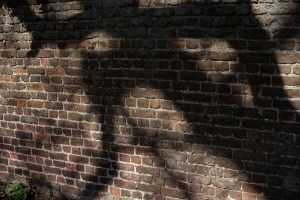
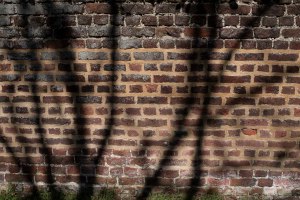
I then walked through the park along the path towards Hampton Hill. Along the wall, I notice that the strong sun had created shadows of the trees.

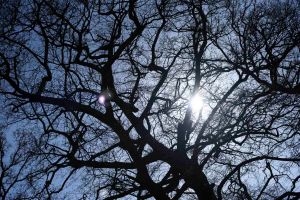
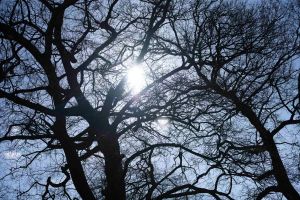
I then walked along the path towards Woodland Gardens and observed the trees.

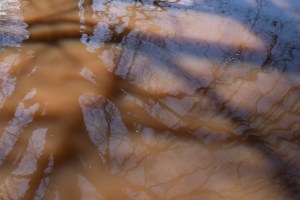
Inside the Woodland Gardens, the ground was still very waterlogged and I couldn’t continue on my usual path. I did notice that plants alongside also had their own ‘pond’ and took the following images. I thought they were quite Klimt-like.

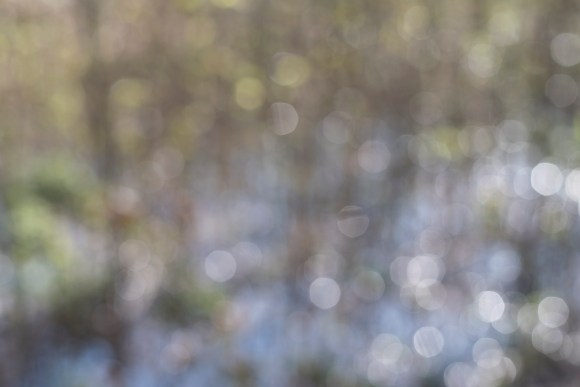
One happy accident. Got to love a touch of bokeh.

bushy_park_20-03-16_078_low

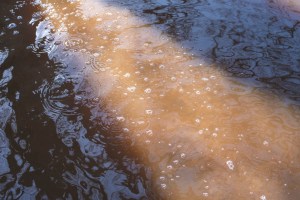
I then went to one of my favoured spots to again capture the sunlight on the Longford River.

bushy_park_20-03-16_096_low

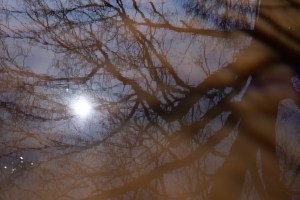
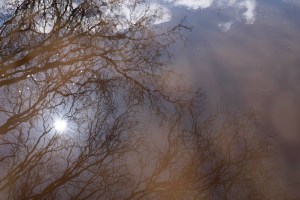
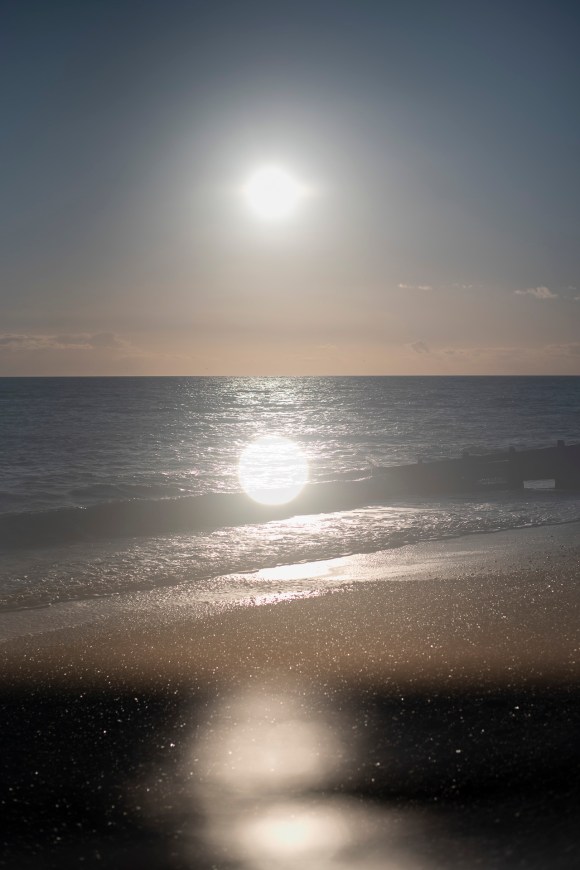
As the sun was quite strong, these shots were a bit blown and ‘faded’. As I was shooting on my ‘safety-spot’, Aperture Priority, I then set the camera Manual. This enabled me to reduce the camera’s exposure resulting in avoiding the shot being ‘blown out’.

This slideshow requires JavaScript.

Looking at these shots at home, I thought they were looked as if they were lit by a full moon and not the sun.

With these images in the bag, it was time to think about how to reassess going forwards.

Categories
AGM60 Research & Experimentation Posts

AGM60 Outside the Box – Woman on the Edge of Time 14 March 2020

For the seminar on 17th March, I had to identify how something ‘outside of the box’ may bear an interesting relationship to my research project. This could be something I engage with in my life outside of my studies or encounter in my day-to-day experience. It also could be something not necessarily related to contemporary art or photography. For the seminar, I had to be prepared to discuss how and why I think this is specifically relevant to my work.

My potential ‘outside of the box’ influence is Woman on the Edge of Time by Marge Piercy, a book written in 1979.

The narrative focuses on Connie, a woman who is contacted by a Luciente, a person who exits in 2137. The book’s complex plot follows their interaction, comparing and contrasting Connie’s dystopian, racist and misogynistic modern existence of the late 1970s with that of a feminist utopian future. Connie is able to ‘shift’ to the future with Luciente’s assistance. By doing this, Connie is able to experience life in a society where the borders are blurred between the sexes and society has become more equal. The narrative becomes an allegory of the way women are trapped within the confines of their societal expectations and how possible changes in society can release them from these traps. It also highlights that even though this possible future utopia is more ‘equal’, it isn’t 100% perfect.

I originally read this book in the late 1980s and recently rediscovered it again by chance. When reading this book, the following came to mind:

  • Being on the ‘Edge of Time’
  • Double exposures
  • Gender/temporal fluidity
  • The curtain between shadow and light
  • Using different textures
  • Longer exposures
  • Creating the ‘future’ with ‘now’
  • The different language used by ‘now’ and ‘future’ characters
  • Is there a ‘future’ language of photography?
Categories
AGM60 Research & Experimentation Posts

AGM60 Initial Images 6 March 2020

While waiting for the focus of this project to sharpen, there were two things I needed to do. First, start taking photos. Second, get refamiliarised with my DSLR camera.

21 February 2020 – Richmond Park

These images were captured during a walk from Kingston Gate to Richmond Gate, following the lower path. The last time I made this walk was at least five years ago. I used to spend a lot of time running and along this path, so it was interesting experiencing the environment at a slower pace. This enabled me to spot the following tree formation.

It seemed to resemble a pterodactyl. This reminded me of a dragon I spotted in the same park back in 2014.

This was at the very early stages of my photographic work and I was experimenting with an open-source photo editing software, Irfan View. The original image was taken with my mobile phone while out on a bike ride. The latter was inspired by the solarisation technique famously attributed to the surrealist photographer Lee Miller and a technique used extensively by Man Ray.

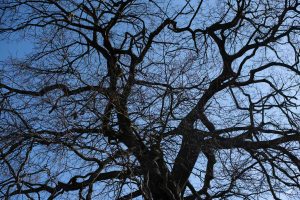
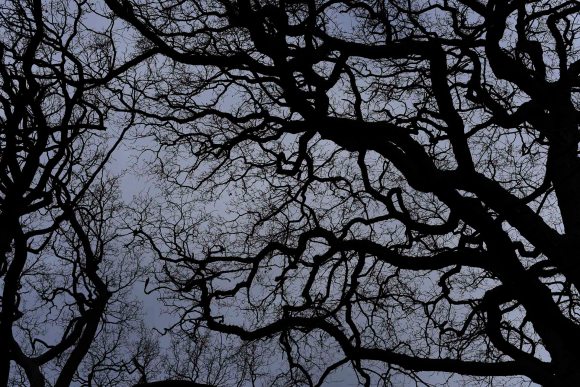
The sky in the park that day was dull pewter which gave a very haunting effect when looking up through the trees.

richmond_park_20-02-21010_low

1 March 2020

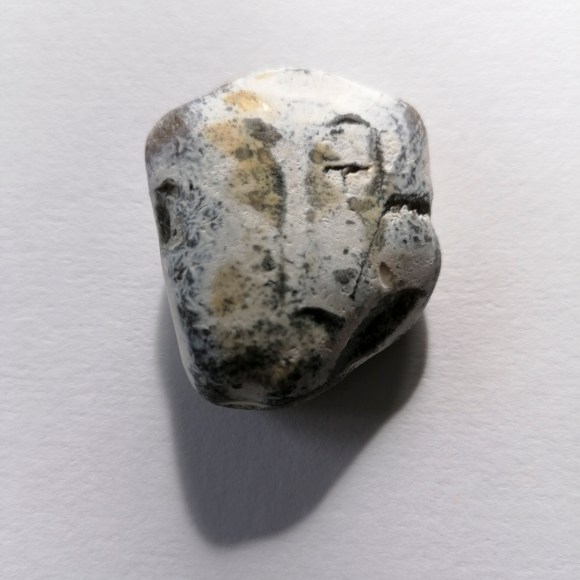
While sitting on Brighton beach, a particular rock caught my eye.

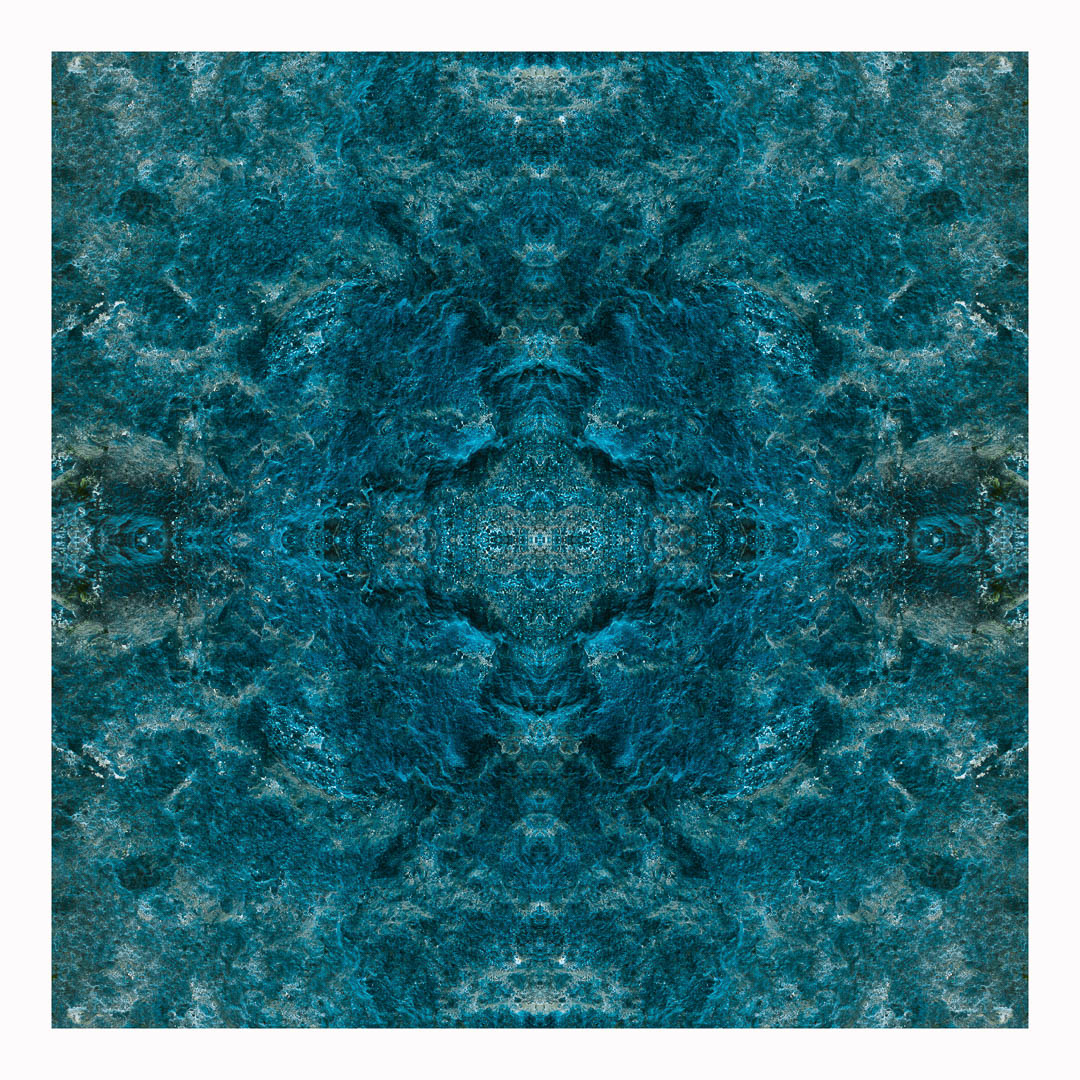
rock_face_phone_20-03-01_004_sq_low

I could see various faces on the rock’s surface depending on the part on which part I focused. Interestingly, when I posted the image on Instagram, a comment was made by Paul Kenny (a photographer whose work I greatly admire): Modigliani.

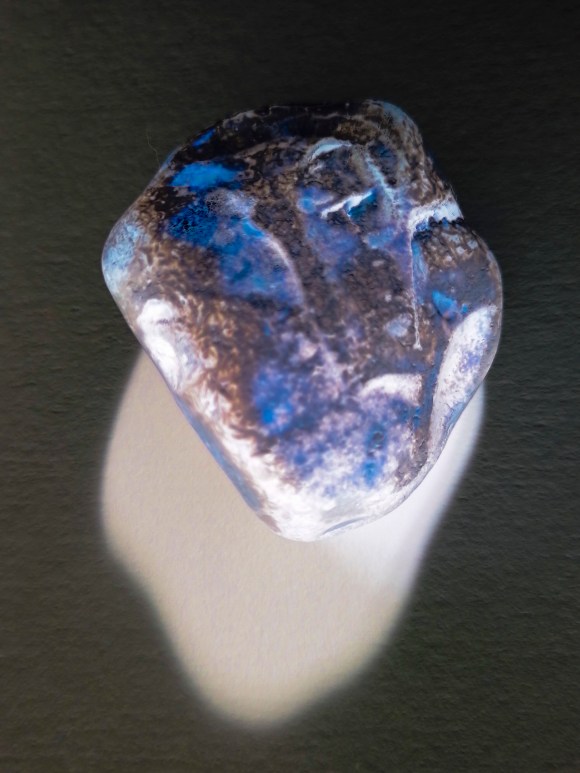
I also carried out a quick experiment using my colour negative technique.

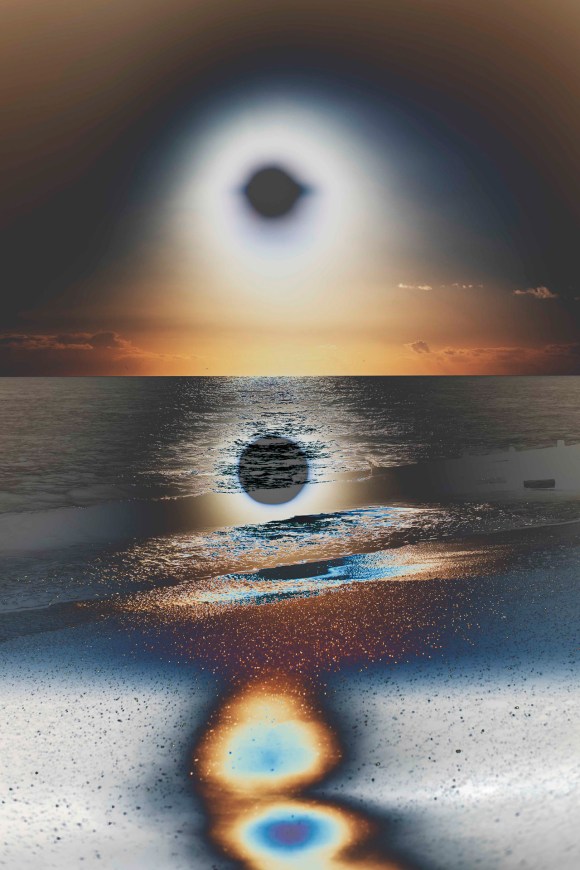
rock_01_invert_low

1 March 2020 – Cuckmere Haven & East Dean Village

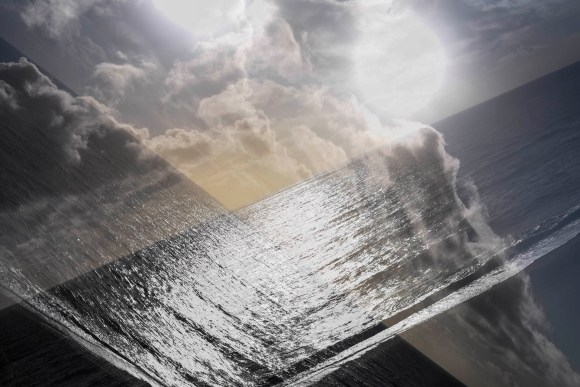
On a beautiful sunny, and very windy, afternoon, I visited Cuckmere Haven with my partner. This is one of my favourite spots near to Brighton and I have been there many times. The sunlight was quite harsh and there were lots of specular highlights on the waves. I knew that if I did take any photos, even with a polarising filter, the images wouldn’t be anything special. This is when I remembered the multiple exposure function on my Nikon D750. I had recently read a feature on the subject, so it seemed a good time to experiment. My previous work involving this technique was carried out using Adobe Photoshop, not with the camera on location.

20-03-01_cuckmere001_low

20-03-01_cuckmere002_low

20-03-01_cuckmere006_low

20-03-01_cuckmere009_edit_edit_low

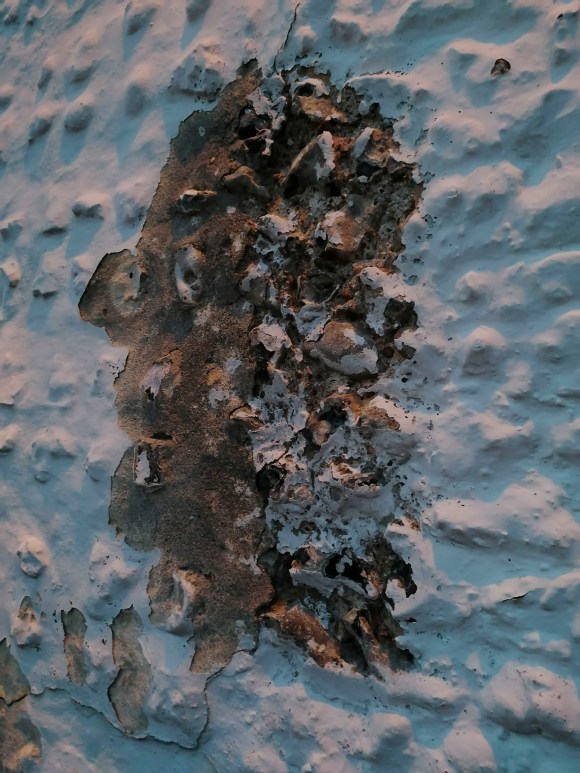
After a walk along the cliffs, we made our way to the village of East Dean. While sitting outside the Tiger Inn enjoying a well-earned drink, I spotted this on the wall outside.

wall_profile_low

This reminded me of a profile of an 18th-Century man resplendent in a wig from that time. While waiting for the bus, I noticed the light coming through the window in the shelter nearby.

mde

2 March 2020 – Brighton Beach Double Exposure 

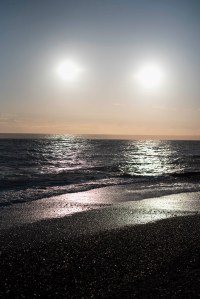
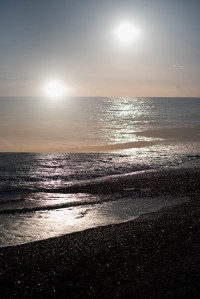
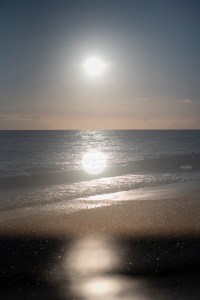
Inspired by my trip to Cuckmere, I continued experimenting with the double-exposure function.

3 March 2020 – Brighton Beach Double Exposure

The light wasn’t as good as the previous evening but it was still worth capturing these shots.

Bushy Park Friday 6th March

After a morning visiting the British Surrealism exhibition at Dulwich Picture Gallery, I was again inspired to go to Bushy Park to see what I could find.

The recent rain had made a particular area extremely water-logged, so I was able to capture this image with my mobile phone.

bushy_park_phone_20-03-06_002_low

It gave this image a very dreamy and surreal feeling. I also took the following double exposures using my DSLR camera.

The project was off the starting blocks.

Categories
AGM60 Research & Experimentation Posts

AGM60 Pertinent Exhibition – British Surrealism 6 March 2020

For the seminar on Tuesday 17th March, the class was tasked to identify a current exhibition, upcoming artist-talk or event or potential interviewee that each student felt was pertinent to their own project. We would then need to bring to the session a short summary of the chosen influence. I had to be prepared to discuss how I think that I could engage with this in a way that makes it specifically useful, productive and relevant to my own research and practice.

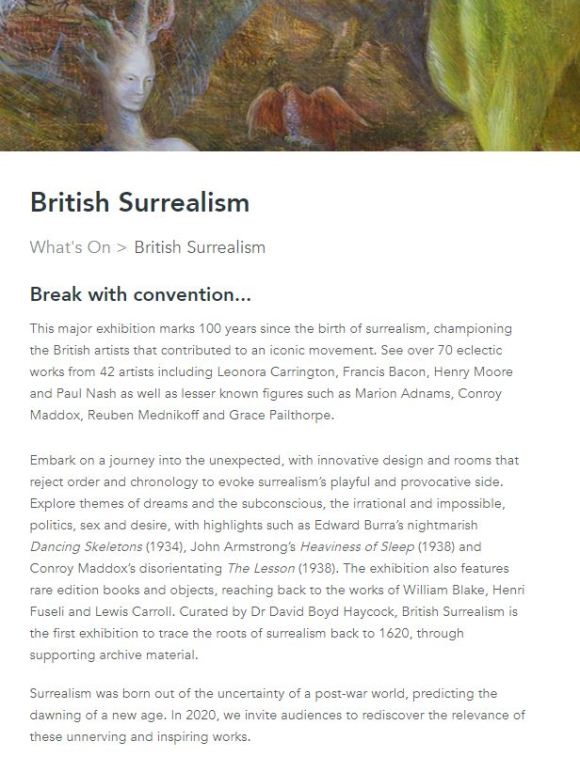
As I had started on a particular line of research focusing on surrealism, I was pleased to discover that the Dulwich Picture Library was currently holding a relevant exhibition. According to the gallery’s website (shown below), this major exhibition marked 100 years since the birth of surrealism, championing the British artists that contributed to an iconic movement.

British Surrealism Website 01

As stated, the exhibition ‘features over 70 eclectic works from 42 artists including Leonora Carrington, Francis Bacon, Henry Moore, and Paul Nash.’ This is alongside pieces from lesser-known figures such as Marion Adnams, Conroy Maddox, Reuben Mednikoff and Grace Pailthorpe.

On the website, the exhibition invites and entices the visitor to ’embark on a journey into the unexpected, with innovative design and rooms that reject order and chronology to evoke surrealism’s playful and provocative side.’ Themes that will be explored are ‘dreams and the subconscious, the irrational and impossible, politics, sex and desire’.

With my interest piqued, I set off for my visit on Friday 6th March. I have to admit (somewhat shamefully) that I hadn’t visited this gallery previously and was quite looking forward to the experience.

The following isn’t a critical examination of the exhibition, but a record of my observations and how these could contribute to enhancing my Body of Work for this module and future projects.

The gallery itself is a beautiful building that was opened in 1817 and the world’s first gallery designed to display art for the public. The permanent displays feature a range of masterpieces by revered artists such as Gainsborough, Murillo, Canaletto, and Rembrandt. When wandering around the various rooms, it’s like being in a box of organic dark chocolates. The paintings on show bathed in natural light combined with the heady smell of the oil paint give the space a real sensory experience.

Before entering the surrealism exhibition, there was one painting that caught my eye.

The fact that each flower was painted at a different time, creating a non-existent bouquet, triggered a potential line of inquiry. Something to be considered?

However, as the purpose and focus of my visit was the British Surrealism exhibition, I made a pact with myself to return to the gallery another day in order to appreciate this space as it should be.

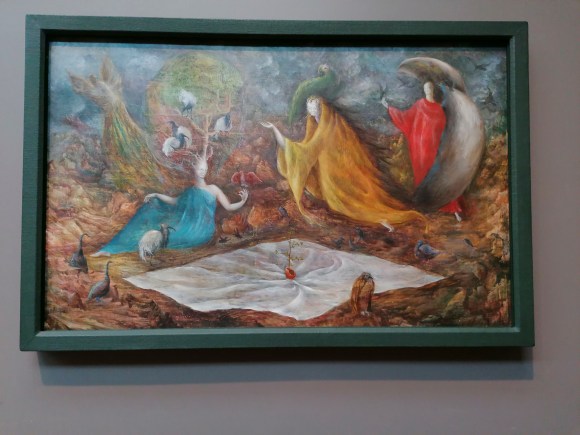
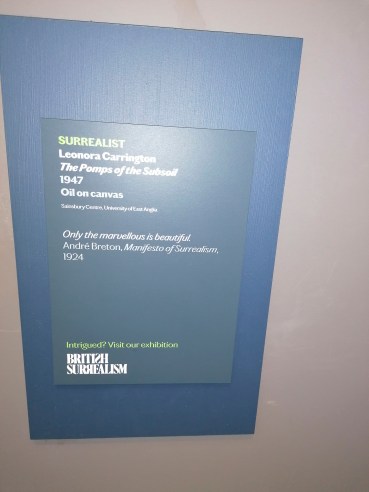
Before entering the exhibition itself, the visitor is teased by one of the more well-known surrealist paintings, The Pomps of the Subsoil by Lenora Carrington.

b_surrealism_20-03-06_002_low
The Pomps of the Subsoil by Leonora Carrington, 1947. Oil on canvas, 58.5 x 93 cm

This painting depicts three figures surrounded by various bird-like creatures. There is a very dream-like feel to the painting – it does not appear ‘solid’ in comparison to the masterpieces in oil surrounding it. I suppose this could be thought of as a juxtaposition in itself, one of the main tenets of surrealism. When looking closer, the ‘birds’ have an ethereal, ghostly and translucent appearance.

The accompanying plate gave just enough of a teasing taste of what was to come.

b_surrealism_20-03-06_001_low

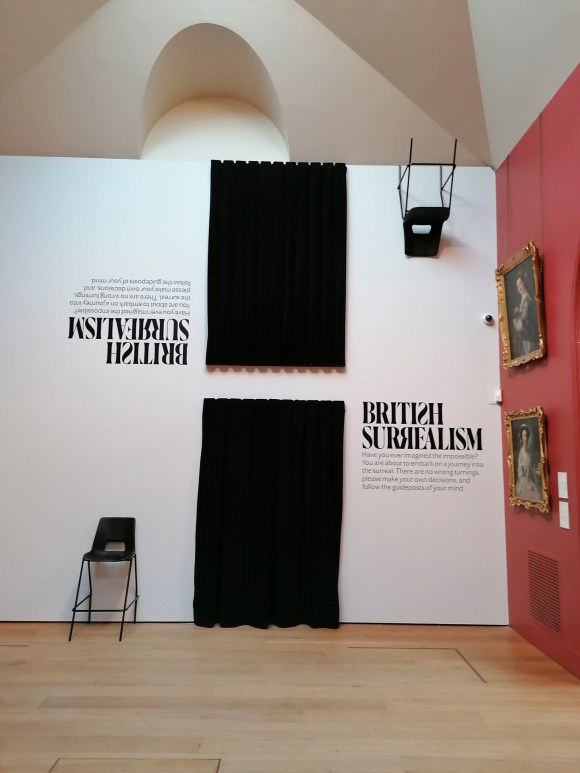
The entrance to the exhibition itself was indeed surreal.

b_surrealism_20-03-06_007_low

Ironically, I had already tried to access the exhibition via the exit. Maybe I should have started there?

I then entered into the first room via the black velvet curtain. To verify, it was the one closest to the floor. I think a staircase leading up to the one above may have been taking one surrealist twist too far.

As with the majority of exhibitions I’ve attended during my studies, there were the obligatory (and essential) wall explanations. These gave succinct introductions to aspects of surrealism explained in plain English. Very helpful for future reference. 

The work on display was quite varied.


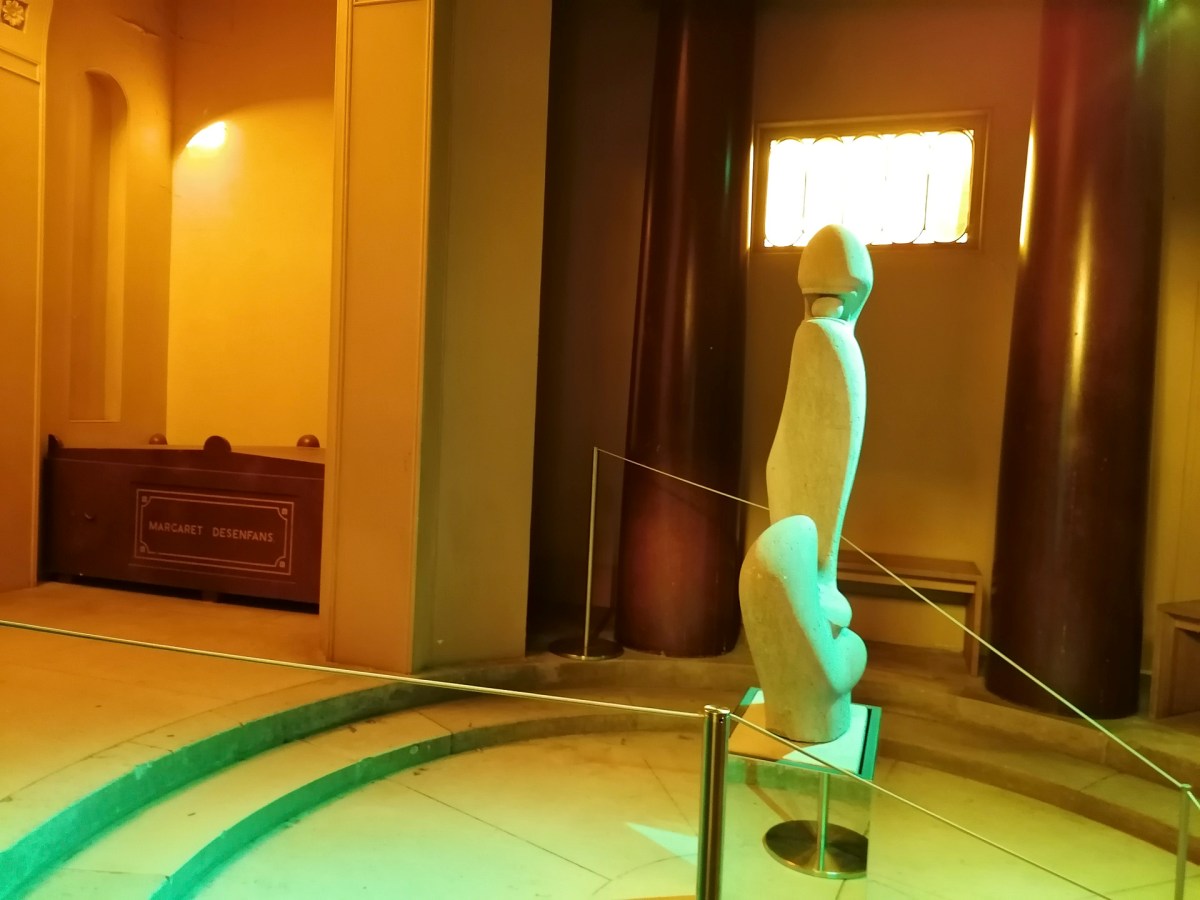
The piece of work that I took my time appreciating was F.E. McWilliam’s sculpture ‘Spanish Head (1938-39 Hopton Wood Stone).

This beguiling statue was placed in the Mausoleum within the gallery and bathed in an eery green light.

There were also prints and paintings that were considered to have influenced the surrealist art movement.

This slideshow requires JavaScript.

I had hoped that there would be more photography included in this exhibition. Whether it was due to a lack of British surrealist photography available or the fact that this gallery focuses on non-photographic art, I wasn’t sure at this stage. The only one on display was taken by Roland Penrose (husband of American photographer, Lee Miller).

media_4978_6J_RPFour_women_asleepLee_Miller_Leonora_Carrington_Ady_Fidelin_and_Nusch_EluardLambe_CreekCornwallEngland1937VN-
Four Women Asleep, Lambe Creek, Cornwall, England 1937 Modern C-type exhibition print

This photograph features four of the key women connected to surrealism. Going from left to right, this depicts Lee Miller; the Guadelopian model Adrienne Fidelin; the English artist Leonara Carrington; and the French artist and performer Nusch Éluard.

With the above in mind, my next step was to extrapolate what makes this exhibition specifically useful, productive and relevant to my own research and practice.


References

Dulwichpicturegallery.org.uk. (2020). British Surrealism | Dulwich Picture Gallery. [online] Available at: https://www.dulwichpicturegallery.org.uk/whats-on/exhibitions/2020/february/british-surrealism/ [Accessed 7 Mar. 2020].

Farleys House and Gallery. (2020). Roland Penrose, Surrealist artist – Farleys House & Gallery. [online] Available at: https://www.farleyshouseandgallery.co.uk/people/roland-penrose/ [Accessed 7 Mar. 2020].

Categories
AGM60 Research & Experimentation Posts

AGM60 Adobe Photoshop and Lightroom Classic Workshops 3 March 2020

Two further workshops as part of the MA Photography course were Adobe Photoshop and Adobe Lightroom Classic.


Adobe Photoshop Workshop

I was already quite familiar with Adobe Photoshop, having first used it back in 1998 and during my previous studies and photographic work. The programme is an essential element of digital photography. However, despite its extensive capacity for editing and manipulating images, it can be over-complicated and downright frustrating. The other main aspect of Adobe Photoshop is that there is always more than one way to get a result.

During the workshop, Simon introduced the class to a range of the programme’s functions, starting with the basics and taking us through the main functions. One of the functions that Simon outlined was ‘Curves’. This is a function I currently use in Adobe Camera Raw to create my colour digital negatives, but not in Photoshop. As I explained in the post outlining the Preparation for Digital Printing Workshop, my current workflow is to prepare and edit the images as much in Adobe Camera Raw then use Adobe Photoshop for the final touches and manipulation. It was interesting to see the effect I could achieve using the Curves in Photoshop.

For this quick experiment, I selected one of the double exposure sunset shots. The original is on the left, the adjusted one is on the right.


This was the setting that I used to create the solarising effect.

Photoshop_01_20-03-02_brighton007_solar

Interesting – something to keep in mind and experiment with further. As with all digital manipulation, it can be quite tempting just to add an effect because you can. As my HNC tutor, Ria, drummed into me during my course, there has to be a darn good reason for changing an image – don’t just focus on surface or aesthetics.


Adobe Lightroom Classic

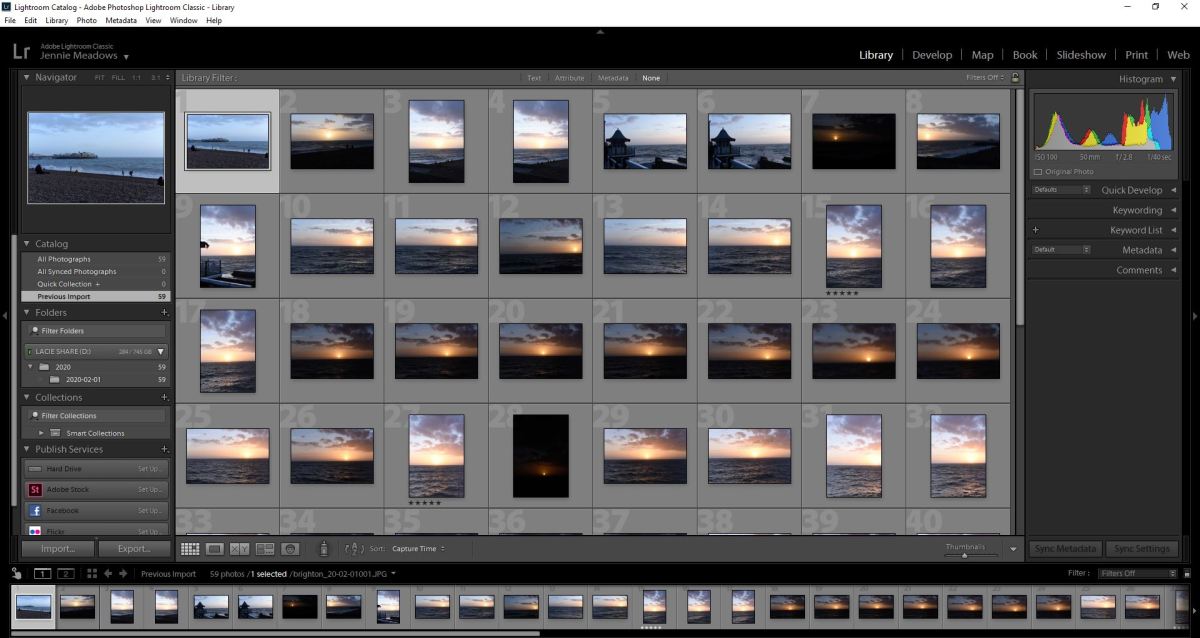
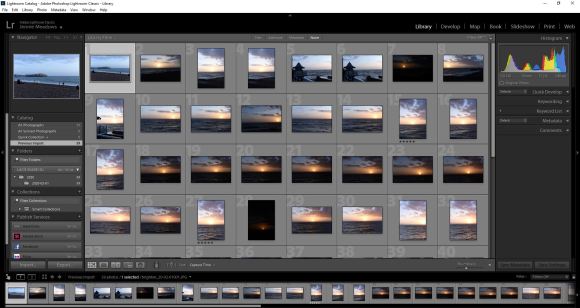
This is a programme that I am aware of and have access to, but have never used as part of my workflow. According to Adobe, it is ‘the essential tool for organizing, editing, and sharing your photography.’ Simon explained it was a mix of Adobe Camera Raw and Adobe Photoshop. He also outlined that, unlike the latter (which is a combination of functions that have just been added to and adapted over the years) Lightroom Classic was created in a logical way.

Lightroom_Brighton_20-02-01

I have to admit that the workshop was a bit of a blur for me, as this type of lesson doesn’t suit my kinesthetically learning style. I’ve also developed a workflow in processing my digital images over the last four years that I have got used to. Maybe it is time to try something new and, potentially, more effective and efficient. This will have to be addressed and assessed over the coming months.

As with all Adobe applications, there are online tutorials for both of these applications. I have found these to be very useful in the past. Now is the time to revisit them.

Categories
AGM60 Research & Experimentation Posts

AGM60 Preparation for Digital Printing Workshop 25 February 2020

One of the facilities within the Photography department is the Print Bureau. This on-site amenity means that students have access to digital printers and are able to process images without outsourcing. An introduction to these facilities and other aspects of digital printing was covered by Simon, one of the Photography department’s technicians.

The first thing that Simon explained to the class was scanning negatives. The department has two types of scanners that all of the photography students can use. I have to admit that it wouldn’t be something that I would use considering my work is entirely digital and I don’t use or have any film negatives. However, it is a facility that a lot of the students working in analogue who need to digitise negatives or slides would find useful.

Simon then went through the process of preparing a digital file for printing. This was familiar territory to me as this is something I’ve worked on over the last four years, so it was a great opportunity to refine my printing knowledge further.

The first aspect was checking the colour settings in the applications used. Simon recommended changing these to ‘Europe Prepress 3’, which would ensure that the printing colour profile would match the industry setting. In turn, this makes sure the prints result in being the same colour as intended. The applications to which this applies when printing digital photos are Adobe Bridge and Photoshop.

The other aspect was not to change the colour settings of the monitors in the Photography department. This large bank of screens had all been checked with a colorimeter. This is a monitor calibration tool that fits on the screen then fires a selection of colours at it. This results in any discrepancies being detected and the computer programmed to compensate for any of the monitor’s colour inaccuracy.

One issue I have encountered when printing is the difference between what is seen on screen and on the final printed sheet. This tool removes that difference, which in turn saves a lot of time, stress and money. At the time of writing, it was something I knew I had to add to my equipment list. I spend a lot of time editing and working on images at home. If I want to improve my skills, perform in a more professional way and raise the quality of my images, this is essential.

I’m not an expert in choosing this type of kit, but I found the information on this link very useful. https://www.digitalcameraworld.com/buying-guides/best-monitor-calibrators

Simon continued explaining colour printing principles to the class, including colour theory, dpi considerations and setting up files for printing in Adobe Photoshop. This is different from my particular workflow as I generally prepare my digital files initially in Adobe Camera Raw. It was useful to see it from a different perspective. Simon also explained that it is best to save a file as a TIF to send to the printers. This is something that I do for my final prints, regardless of whether it is a Camera Raw-processed file or a Photoshop one.

After preparing a file for printing, I had the opportunity to print one of my images using the bureau. The image I chose was this one. The reason being, it that I have previously printed the same one using both c-type gloss and pearl papers. I wanted to see how it looked digitally printed using Paper Rag, a fine-art printing paper.

This is the original digital image.

rome_4_10_inch_sq_flat copy_low

As the image was being printed on A4 and the original is 10″ x 10″, I had to change the size of the image. A4 is 8.27″ x 11.69″ so it had to be smaller than this and allow for a border. I will need to double-check which other sizes are available when preparing prints. I’m used to printing with set sizes on a 2:3 ratio in inches. This is because I tend to shoot with my camera’s sensor setting size, which is 4016 x 6016 pixels.

I was very pleased with the result.

The paper really suited the image and I would be more than happy framing this. Also, the cost of the print £3.50, which is reasonable compared to the pricing of other print bureaus I regularly use. As for turnaround, the general time for these prints is 72 hours. This is the maximum time and will be less during quieter periods.
The additional option available is to print on acetate sheets. This means I could create my own negatives digitally, which could then be processed in the darkroom. I could also use them in a process such as cyanotype, a method I have carried out previously:

Any colour – as long as it’s blue Pt1

Any colour, as long as it’s blue Pt 2

Any colour, as long as it’s blue Pt 3

With a refresher on printing plus the introduction to the university’s printing facilities, it reminded me how much I do know about the whole process in relation to digital photography. After my slight frustration with my gaps of knowledge in regards to analogue, my confidence in my abilities returned.

Categories
AGM60 Research & Experimentation Posts

AGM60 Studio Lighting Workshop 25 February 2020

A further workshop as part of the course was an introduction to the studios and lighting systems. This was carried out by Mark, the ever-helpful and knowledgable Photography Head Technician. As I was already familiar with studio photography, it was great to get a detailed overview of what was available.

The University of Brighton’s School of Media has three studios within the Photography and Moving Image department. These are situated in the Edward Street Building. There are two large studios ideal for shoots involving people or large sets. Both of these studios have black and white background rolls and a frame that can be used for your own backdrops. Also available are a selection of plinths and a red sofa.

With regards to lighting, one has lights set on tripods and the other has pentagraphs that can be used in a classic four-light formation. Also available is a selection of studio lighting accessories such as softboxes, reflectors, umbrellas, bouncers and coloured gels.

There is a further small studio with a plinth featuring an infinity curve, which makes it ideal for smaller, still-life shoots. Each studio features a Hasselblad digital camera on a fixed studio mono stand. Also in each studio, there is a large screen Mac, which can be tethered to the camera for instant results. Quite handy for test shots when shooting on film. Also, this could be used if I didn’t have access to my DSLR or if I had a double-aspect shoot planned.

I wasn’t sure at this stage whether I would be using these facilities, but it was reassuring they are there if needed. Also, there are technicians on hand if any additional help is required with regards to setting up and using the studios and associated equipment.

The workshop also prompted me to revisit my notes on studio lighting made during my HNC module focusing on portrait photography.

Introduction to Studio Lighting

Unit 110: Pt 9 Studio Introduction T 2 LOs 1.1 & 2.1

Studio Practice Session Notes

Unit 110: Pt 10 Studio Practice Session 1 T 2 LOs 1.1 & 2.1

These will be extremely useful if I decide to use any of the three studios during the course.


Categories
AGM60 Research & Experimentation Posts

AGM60 Seminar Strategies for Writing 18 February 2020

On Tuesday 18th February, the class had a seminar with Xavier and Fergus. The focus of the seminar was:

  • Writing and Managing Proposals
  • Artist Statements
  • Contexts
  • References
  • Resources
  • Planning
  • Time Management


During the seminar, the class discussed various strategies for writing and managing formal written proposals, and how to present clear, in-depth and focused proposals that support, promote, and clarify photographic work for both myself and others.

The class considered questions such as:

  • What is the function of a proposal and an artist statement?
  • What is my specific idea, and how can I express it clearly?
  • What is fundamental/central to my project and how can I emphasise this?
  • What is the context of my work – specifically within the field of photography (both historical and contemporary), as well as within other fields?
  • What are my references (visual, conceptual and/or otherwise)?
  • How can I plan and manage my time effectively to serve both the intellectual and the creative process?
  • What makes a good artist statement?


The following is an outline of the presented considerations for my reference:

Proposals

  • Outline intentions
  • Describe wider concerns
  • Focus thinking
  • Assist initiating work


Artist Statements

  • Introduce practice
  • Articulate concerns, motivations, processes
  • Support interpretation by others
  • Can be adapted and used for various applications/opportunities
  • Enhance ongoing reflection
  • Acknowledge development


Volume

  • Purpose
  • Adaptation and expansion
  • Draw upon tutorial notes and discussions with peers


Qualities

  • Accuracy
  • Clarity
  • Focus
  • Objectivity


Content

  • Media and materials
  • Rationale
  • Working Processes
  • Ideas, themes, concerns
  • Influences
  • Aims


Case Studies

The class also looked at and discussed the following websites:
http://www.eleonoraagostini.com/about
http://www.estherteichmann.com/biography
https://www.edwardburtynsky.com/about/statement/


Seminar Task

The seminar task was to find an artist statement, exhibition press release or photographer’s proposal and prepare a short, informal, 5 to 10-minute presentation (for discussion purposes) that considered the clarity, effectiveness and supportive role of this text, specifically in relation to the work at hand.

This was my presentation. I had recently visited the Dora Maar exhibition at Tate Modern. This was, in my opinion, a very strong example of a clear and effective exhibition description.

agm60-research-experimentation-seminar-presentation-week-30

Design a site like this with WordPress.com
Get started