Categories
AGM62 Photography Research Project Stage 1

AGM62 Compound Tree Photography 7 December 2020

One aspect of tree photography that interests me is the use of multiple images to create a portrait. I explored this during the AGM60 Research & Experimentation module in which I created three multiple exposure shots of a tree then compiled them to create the final image.

https://jenniemeadowsma.photo.blog/category/agm60-research-experimentation-posts/

At this stage of the project, I had already looked at the work of Terry Evans, who specialises in compound photography.

AGM62 Terry Evans American Prairies 27 October 2020

Noel Myles

My interest was piqued further by the following image by Noel Myles that featured in Into The Woods.
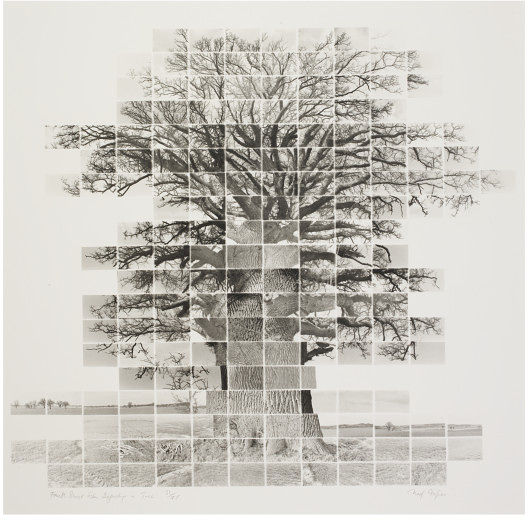
Figure 1: Noel Myles, Fourth Short Film Depicting a Tree from the series Still Films, Winter 2000

“This image was composed in the photographers studio using 187 separate 35mm negatives, taken over a four-week period. It explores the idea that many negatives may comprise one photograph. Myles’ study extends beyond one viewpoint and one moment in time, acting more like a film than traditional photography. More than any single exposure, it also perhaps more accurately reflects the constantly changing life of the tree.”

(Barnes, M. 2019, pp. 136).

When I explored Myles’ work further I came across some information that sparked a new line of enquiry.

“In addition, his landscapes extend beyond one viewpoint and one moment in time, acting perhaps more like film than traditional photography. For the artist, this technique serves to evoke memories and accumulated experiences. [2008].”

(Fourth Short Film Depicting a Tree, Winter | Myles, Noel | V&A Search the Collections, 2020)

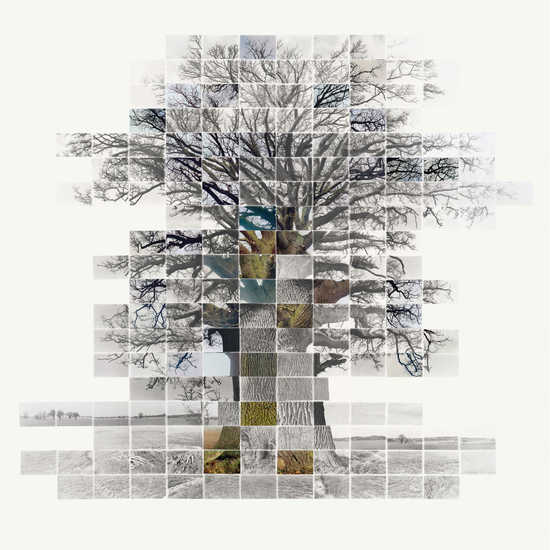
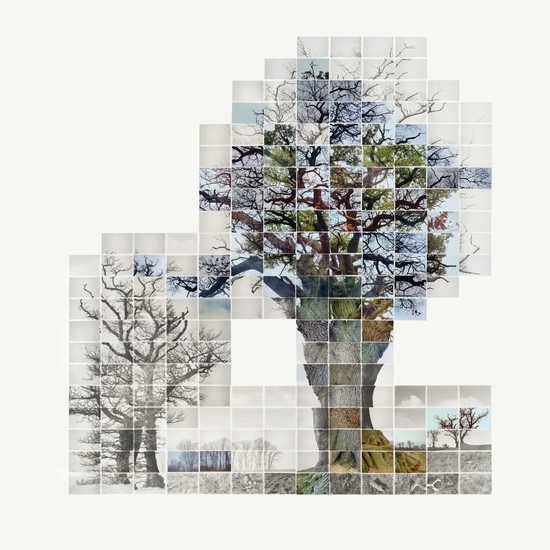
In addition, I discovered that Myles has since made his compound images using both Black & White and colour.
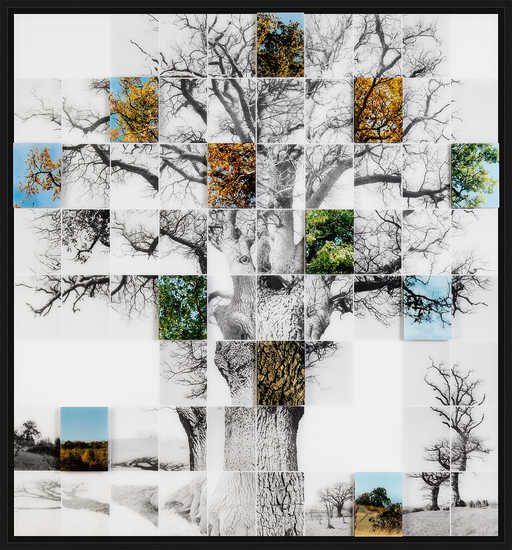
The following has been extracted from the website of Lumas, an organisation who sells artwork on behalf of the photographer. I’ve kept the full text intact as it provides a lot of useful information and references:

“The protruding sections lend the image a physical presence: It emerges into the room. By juxtaposing black & white and colour shots taken at different times of the year, the artist produces a symbolic circle of life. The dynamic energy of the mosaic is accentuated through its three-dimensional appearance. The multi-layered work becomes an artistic entanglement of different elements of time and space, “tangible” in every sense of the word.”

Multiple Art Trees

The mind is not a camera. And the still life trees created in large-format by British artist Noel Myles do not capture moments or, at least, should not be seen to. While they consist of a large number of smaller photographs, these photographs are brought together to create one overall image Myles, who actually trained as an illustrator and painter, creates his collages using classic analogue photography, but contrasts the traditional single perspective of a photograph with the multiple perspectives created by the collage. What we see is a tree, a tree comprised of multiple close-ups, taken over a number of seasons. Individual details are photographed from below, from the side, from up close, and from a distance. This technique allows Myles to revolutionise the fleeting moment of perception captured by classical photography into a more comprehensive impression of time and space. The result is that we, the observer, are forced ask ourselves certain questions. What is nature? What does a tree really mean to us? It is not just a structure that has grown organically, in which every detail stands in relation to the whole, but also an experience of the senses. Just like Myles’s images themselves. The difference is that he uses only photography – a medium of instant impressions – to create this immersion of the senses.

(Reisner, S. 2020)

In addition to the above, I will be researching Myles’ work further in relation to this link and the information available.

https://www.reframingphotography.com/resources/noel-myles

James Balog

Another photographer who uses the compound method is James Balog, an environmental photographer whose focus is on humanity’s modification of nature. I discovered Balog’s work recently when researching how to improve my photography of trees.

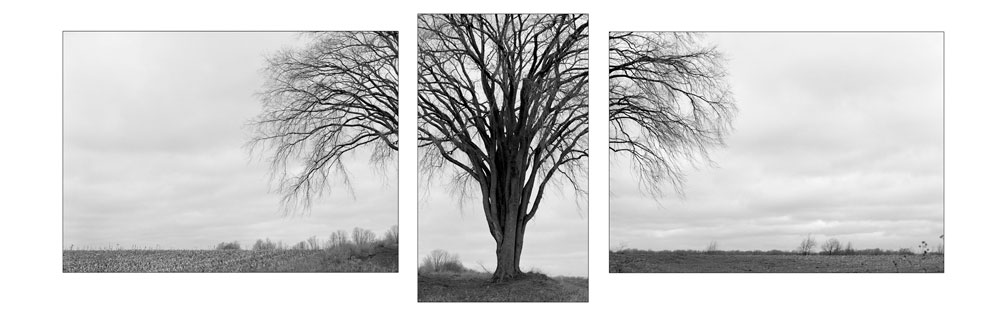
The work of Balog’s that caught my eye was his majestic compound images of trees. Similar to the work of Terry Evans and Noel Myles, Balog uses multiple images to depict a single tree as a portrait.
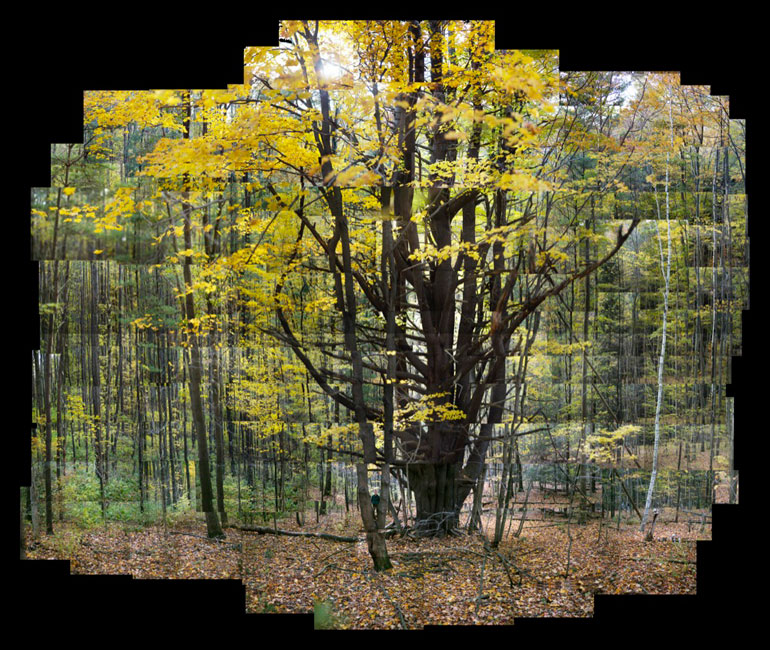
Balog spent six years photographing North America’s largest, oldest and strongest trees that resulted in the book Tree: A New Vision of the American Forest (2004). At the time of writing, I have ordered this book and was eagerly awaiting its arrival.

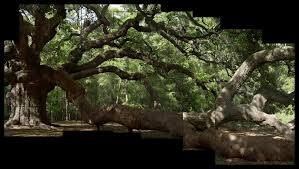
Balog originally built enormous portrait studios beneath the canopies of the forest. This aspect reminds me of the work of Myoung Ho Lee. In 2000, Balog invented his own method of compound photography. This involved photographing these massive trees in segments from top to bottom then compose these segments resulting in a portrait. By doing so, Balog has captured each tree in its entirety instead of just showing parts.

To give an idea of Balog’s method, the following is in his own words:

“Eventually, I started what became a four-year-long process—gruelling, dangerous, uncomfortable, and expensive—of figuring out how to climb the trees, rappel down and shoot them as enormous mosaics. The finished composites took hundreds, then thousands, of frames. Hard work, like I said. Yet the approach was satisfying beyond my wildest dreams when it created fresh new ways of engaging with these greatest of arboreal citizens on our continent.”

(Balog, J. 2020)

According to Balog’s website these images:

“Stand as an artistic and symbolic reassembling of the continent’s long-lost primeval forests. Across the globe, the planet’s original tree cover has been altered so dramatically that we no longer remember what made nature natural.”

Was this the inspiration I was looking for?

Images

Figure 1: Noel Myles, Fourth Short Film Depicting a Tree from the series Still Films, Winter 2000

Figure 2: Noel Myles Oak No 1 2016

Figure 3: Noel Myles Still Film of an Oak at Wormingford No 7 2011

Figure 4: Noel Myles Third Film of the three trees No 1 2010 2011

Figure 5: Eastern White Pine, Lenox, Massachusetts, October 2002, from TREE: A New Vision of the American Forest. James Balog.

Figure 6: American elm, Buckley, Michigan, November 2000, from TREE: A New Vision of the American Forest. James Balog.

Figure 7: Live Oak tree named “Angel Oak,” Johns Island, South Carolina, April 2001, from TREE: A New Vision of the American Forest. James Balog.

References

Balog, J., 2020. Changing Forests: 1998–2004 | James Balog Photography. [online] Jamesbalog.com. Available at: <http://jamesbalog.com/portfolio/changing-forests/&gt; [Accessed 4 December 2020].

Balog, J., 2020. Tips For Environmental Photographers | Nikon. [online] Nikonusa.com. Available at: <https://www.nikonusa.com/en/learn-and-explore/a/tips-and-techniques/tips-for-environmental-photographers.html&gt; [Accessed 2 December 2020].

Balog, J., 2004. Tree: A New Vision of the American Forest. New York, NY: Sterling Publishing Co., Inc.

Barnes, M. 2019. Into The Woods. London: Thames & Hudson.

Collections.vam.ac.uk. 2020. Fourth Short Film Depicting A Tree, Winter | Myles, Noel | V&A Search The Collections. [online] Available at: <http://collections.vam.ac.uk/item/O178873/fourth-short-film-depicting-a-photograph-myles-noel/&gt; [Accessed 7 December 2020].
LUMAS. 2020. Noel Myles Fine Art Prints And Photography | LUMAS. [online] Available at: <https://www.lumas.com/artist/noel_myles/&gt; [Accessed 7 December 2020].
Noel Myles | Reframing Photography. [online] Reframingphotography.com. Available at: <https://www.reframingphotography.com/resources/noel-myles&gt; [Accessed 7 December 2020].
Categories
AGM60 Research & Experimentation Posts

AGM60 Historical Reference for Seminar 28 April 2020

The second task I had to complete for the seminar on 28 April was to bring a historical reference within the field of photography/art. Again, this was to assist in discussing the contextualisation of my project and in relation to photographic issues and debates.

Again, I had to present this reference to the group and explain how this historical reference has informed my project so far and have helped propel it forwards.

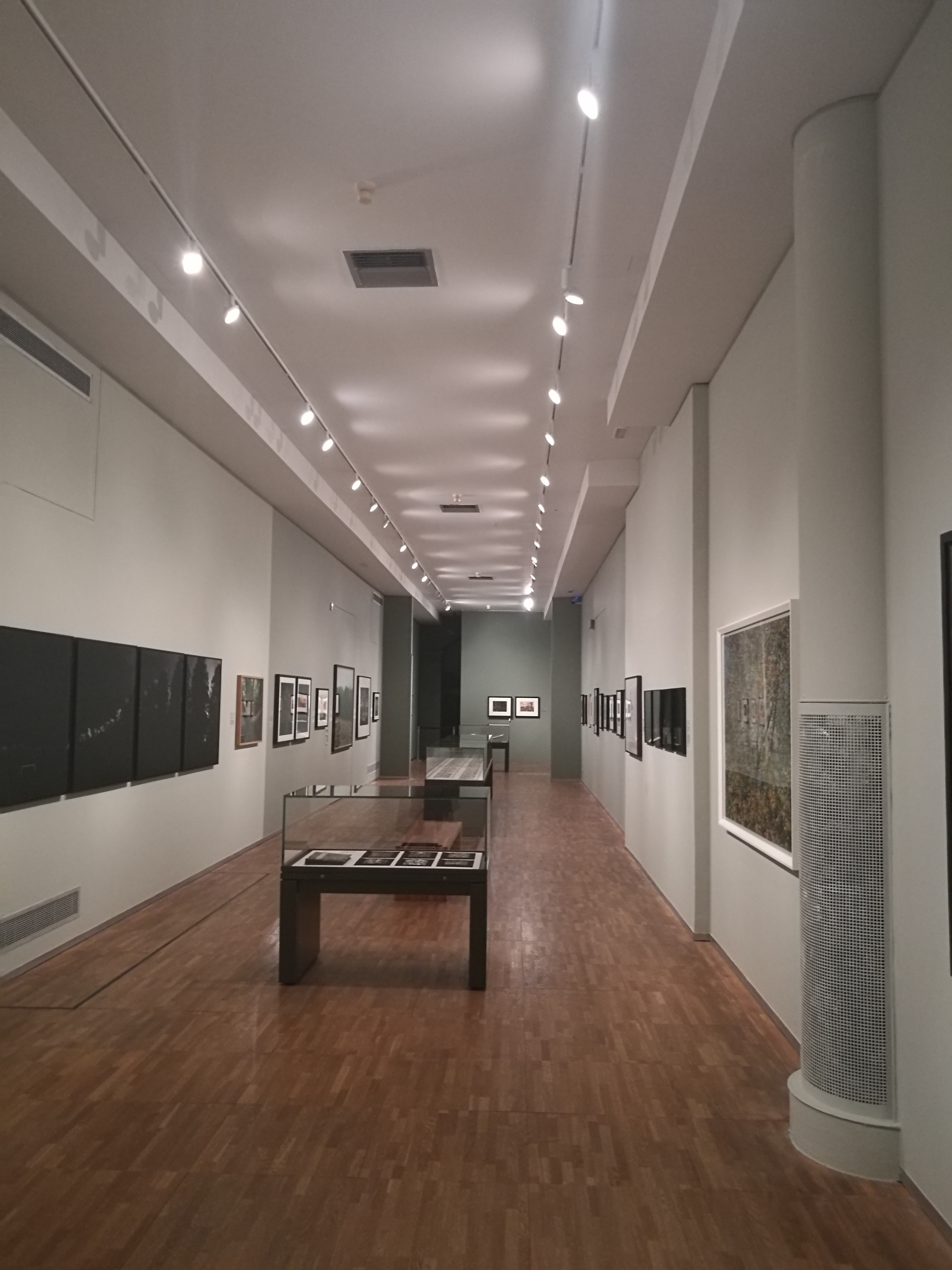
The historical reference I chose for this task was the Victoria & Albert Museum’s (V&A) exhibition, Into The Woods. This was held at the museum from 18 November 2017 to 22 April 2018 and was the first display of photography after the refurbishment of the gallery dedicated to the medium.

Trees were among the first photographic subjects collected by the V&A as a learning resource for artists and designers. The museum has acquired, and continues to do so, ‘photographs of trees in various contexts: within landscapes and forests, as lone subjects, in relationship to humans, in rural and urban settings, and as symbols of cultural significance.’ (V&A · Into the Woods – about the display, 2020)

mde

The display explored the diverse representation of trees in photography, with works by 40 photographers, including Paul Strand, Robert Adams and Henri Cartier-Bresson. There were many images that were just sublime in their portrayal of trees. Many of these I realise now are pertinent to my current project. The following is a combination of the notes I made after visiting this exhibition in 2017 and my new observations.


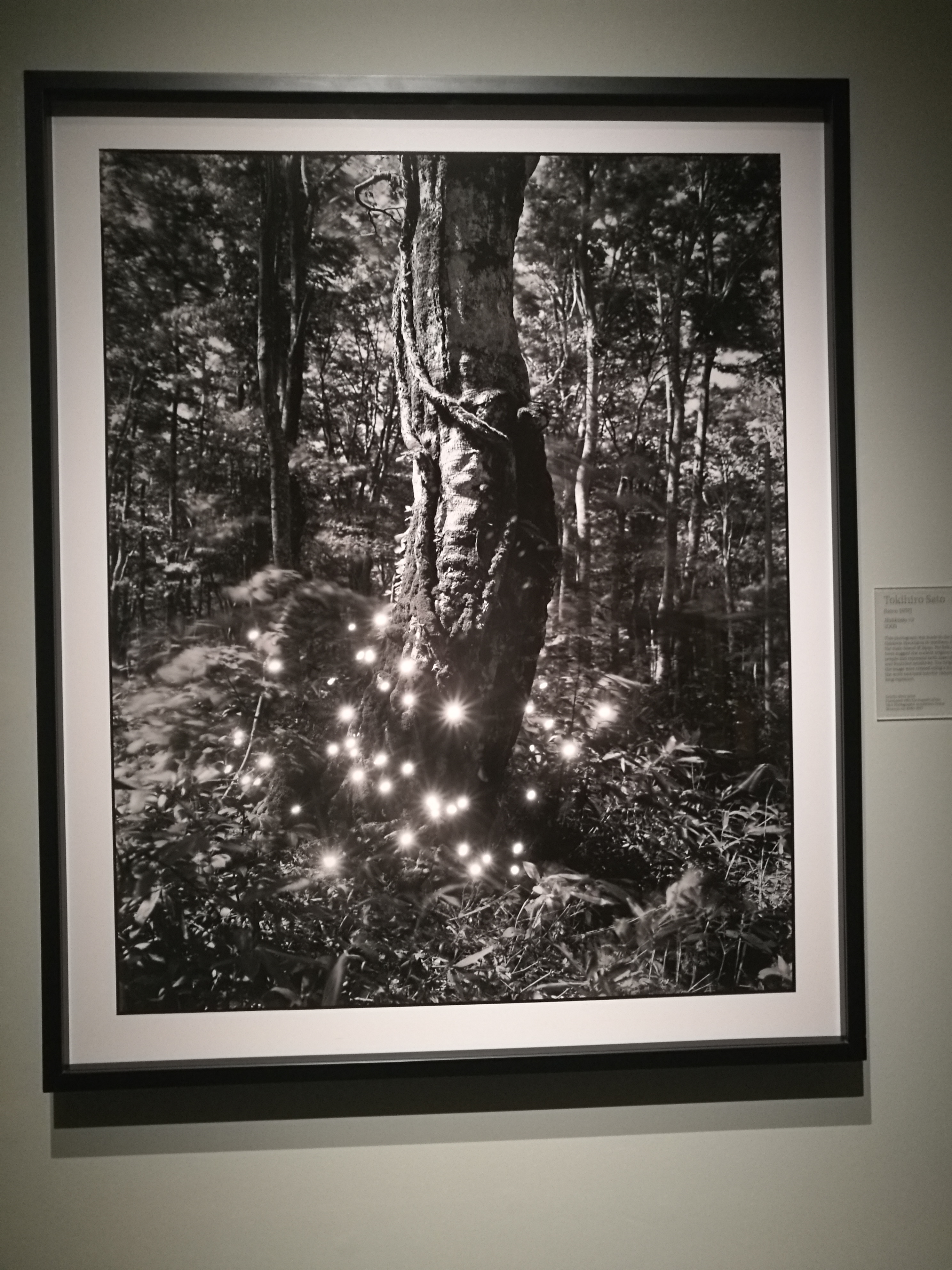
Tokihiro Sato (B. 1957) – Hakkoda #2 (2009)

The first work I encountered when entering the gallery was a piece by Japanese photographer Tokihiro Sato.

mde

In this work from 2009, Sato created the bright spots in the image by using a mirror to reflect the sun’s rays back into the camera during a long exposure. Sato’s intention behind this image was to represent the ancient origins of the Japanese people, representing both masculine strength and female sensitivity.’ (Hakkoda #2 | Sato, Tokihiro | V&A Search the Collections, 2020)


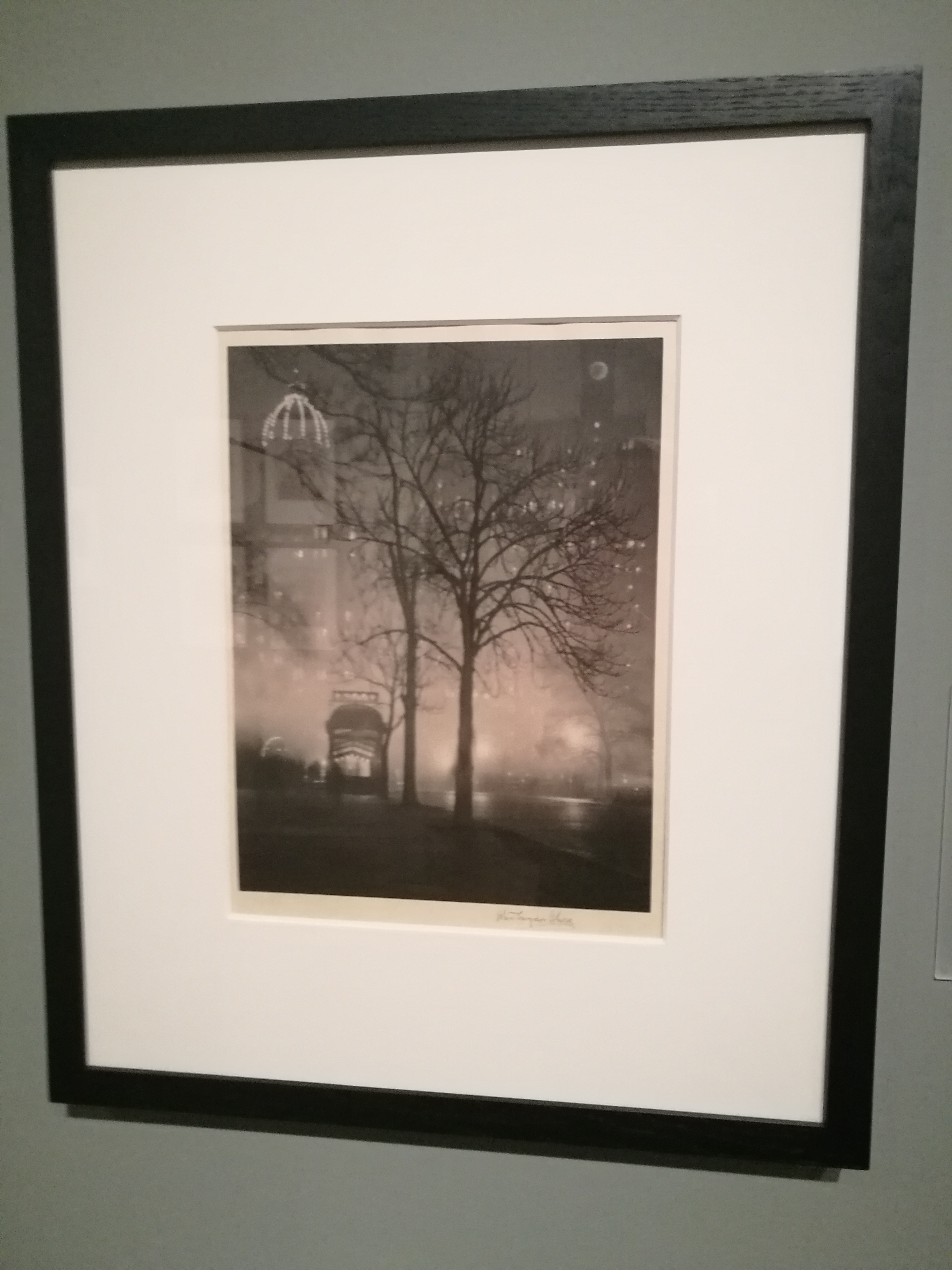
Alvin Coburn Langdon (1882 – 1966) – City Hall New York (1912)

cof


This night-time image of an urban tree uses the New York electric street lighting to great effect. With the trees in silhouette against the glow, the lights in the windows beyond are like illuminated leaves. In comparison with Sato’s image above, the use of light within the image again gives the tree an ethereal and magical appearance.


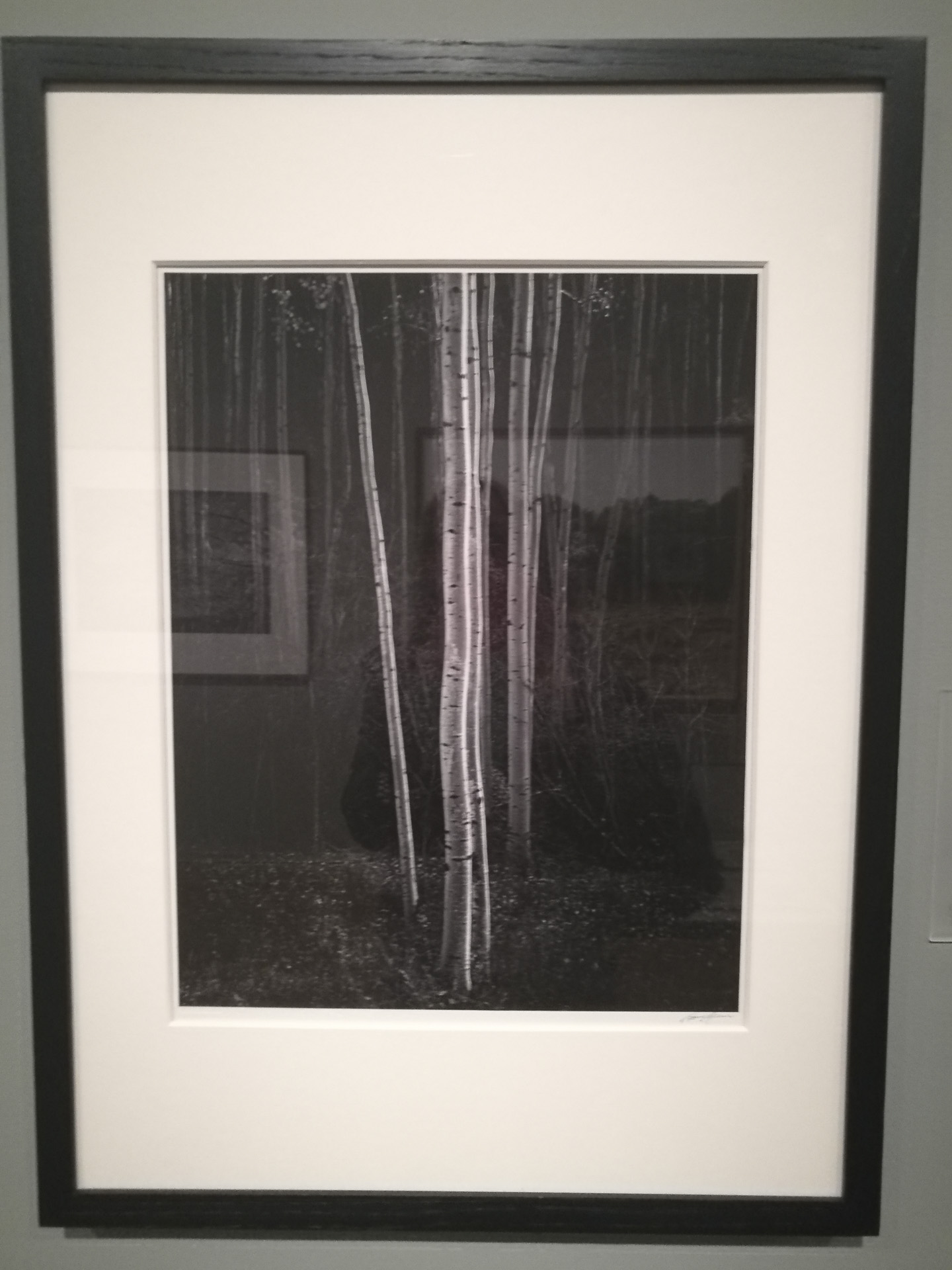
Ansel Adams (1902 – 1984) – Aspens, North Colorado 1958)

mde

For me, this image has both a beautiful simplicity and sublime use of lighting and tones. Having revisited it for this task, it was a prompt to explore this aspect further with my own images. There is a real feeling of delicacy captured and I made a note to apply this deft touch to my own work.


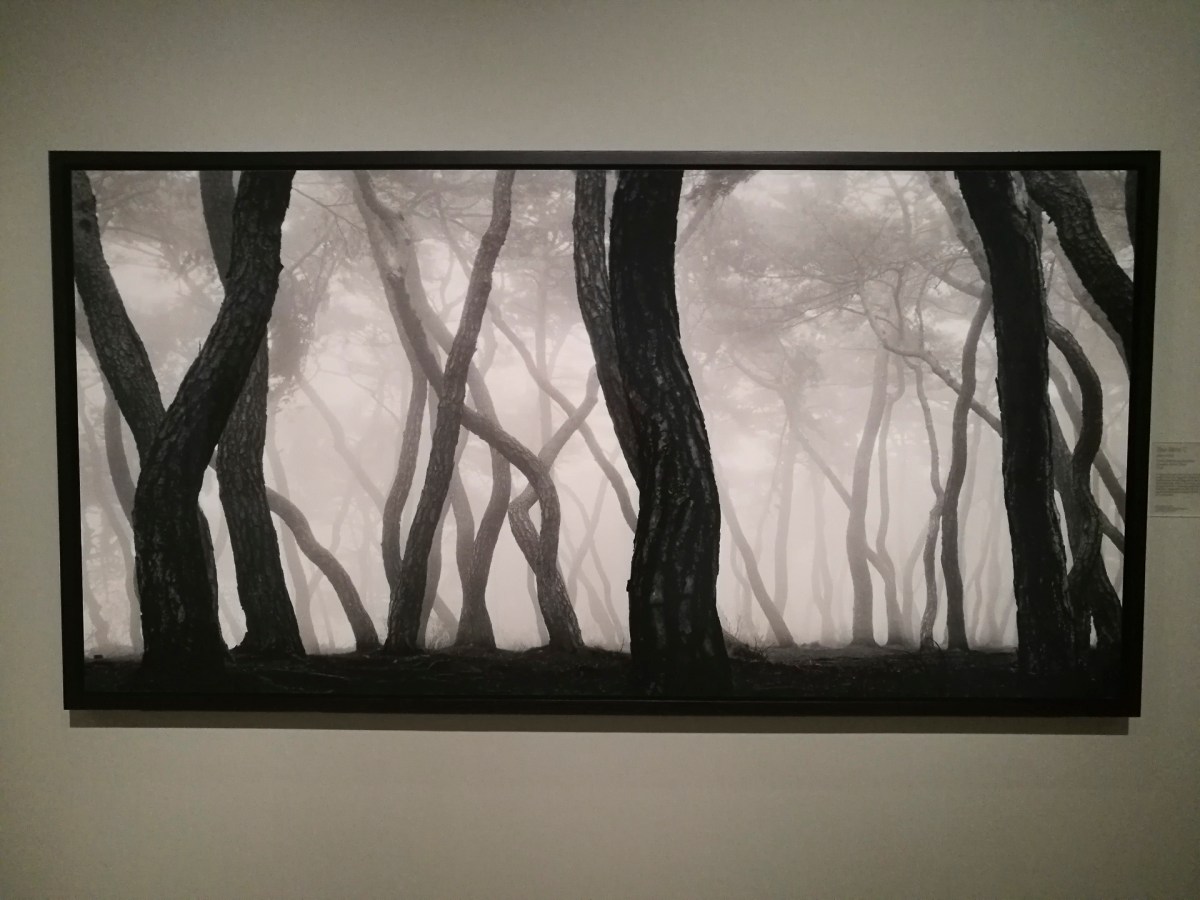
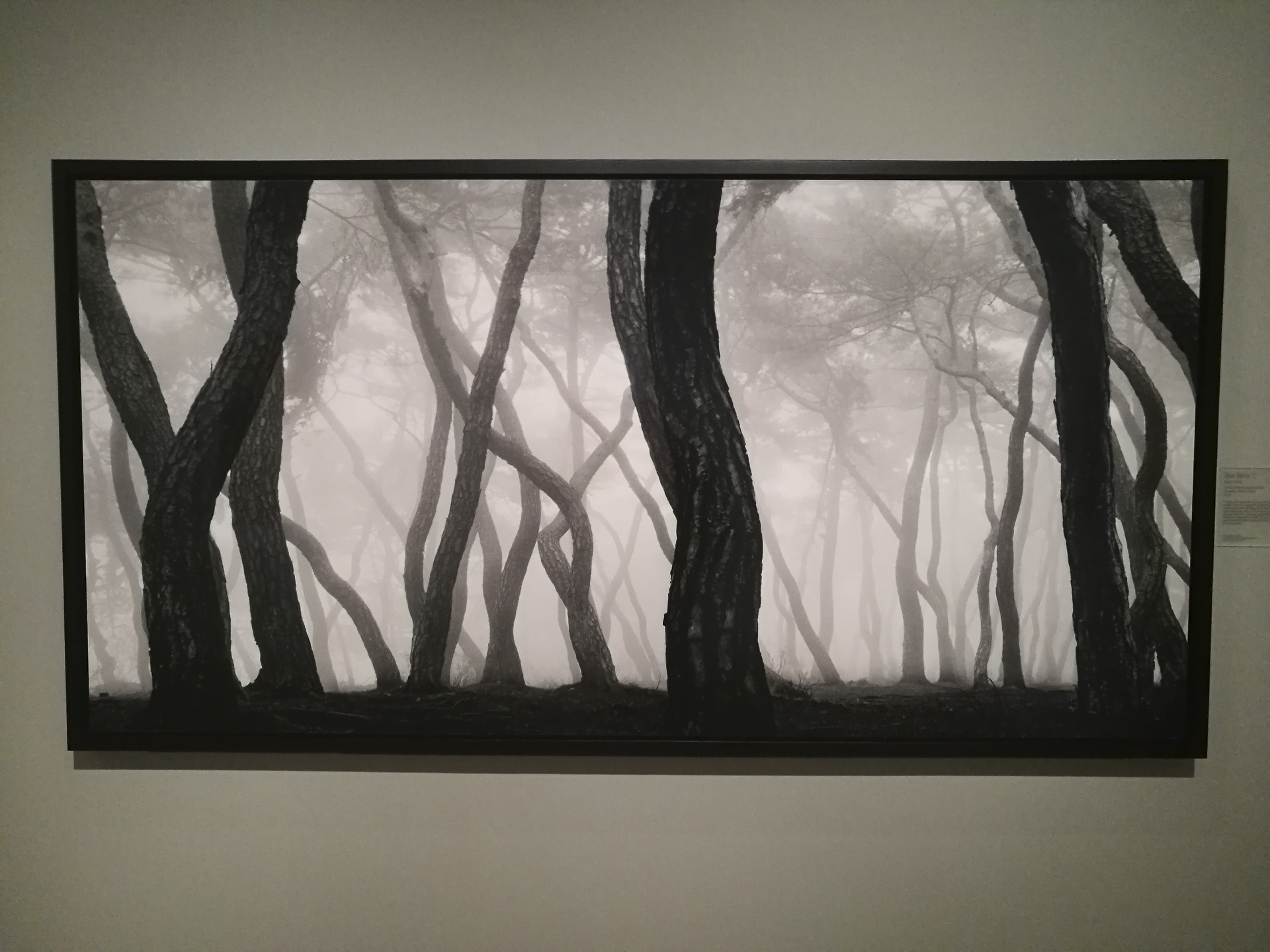
Bae Bien-U (B. 1960) – SNM-012H (2014)

cof

Bien-U’s specific interest in pine forests stems from his quest for a Korean identity as an artist in a post-war, dictatorial period. For him, the pine tree embodies the same qualities that characterise Korean people: ‘eagerness, perseverance through years of conflict, and spirituality’.

This piece is part of Bien-U’s Sonamu’ (Pine Tree) series, which the V&A outlines in the following:

The pine tree is an age-old subject that carries various meanings in Korea. During the Joseon Dynasty (1391-1910), it was associated with literati culture, epitomising dignity, integrity, and longevity. Its trunk was used to build palaces and temples, its branches to decorate the house of a new-born, its needles, bark and pollen to prepare ceremonial dishes, and its ashes to make ink cakes. In the Three Kingdoms period (57BC-668), the pine tree was believed to be a divine being accompanying the soul of the deceased to heaven, or a messenger delivering one’s wishes to the gods. The departed was therefore buried in a pinewood coffin, and pine trees were planted nearby the tomb.

The trees, for me, in Bushy Park have become part of my own existence. I have become aware of starting to recognise particular ‘characters’ These ‘individuals’ may not be as culturally significant as those pines in Korea, but I feel their presence in my own existence.


Benjamin Brecknell Turner (1815-1894) – Causeway, Head of the Lake, Loseley Park (1852-4)

Further images which I realise now were influential my current project were these by Benjamin Brecknell Turner. Turner began practising photography in 1848 using the ‘calotype’ or paper negative process patented by William Henry Fox Talbot. When I saw Turner’s photographic impression of the Lime Trees in Loseley Park, the negative and its corresponding positive print were shown together. By comparing these two versions of the same science, this reveals the dynamic patterns, including those of the branches. This influence is evident in my own reversal of black and white in my recent images of the trees of Busy Park.


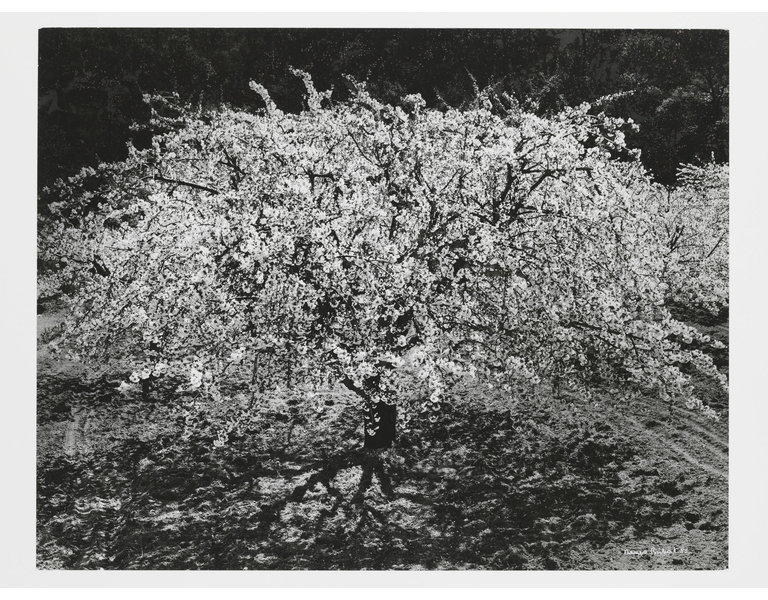
Denis Brihat (B. 1928) – Cherry Tree in Blossom (1985)

Brihat Denis Cherry Tree in Blossom 1985 Image

Brihat’s capture of this Cherry Tree is an example of this photographer’s intense engagement with nature and an example of his experimentation since the late 1960s with mordançage. This is a photographic process using metal toning and etching techniques that give the original image a shimmering appearance. Again the aspect of the image reacting with environmental light is something that I have been exploring over the last five years.


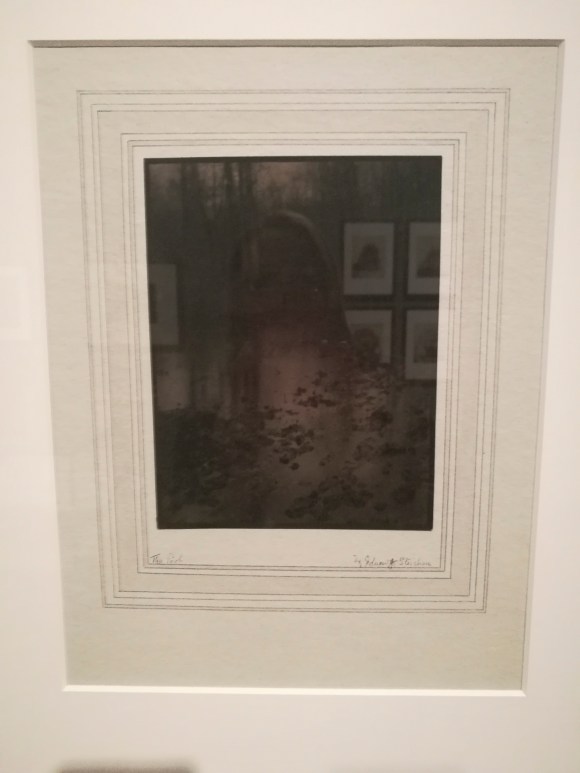
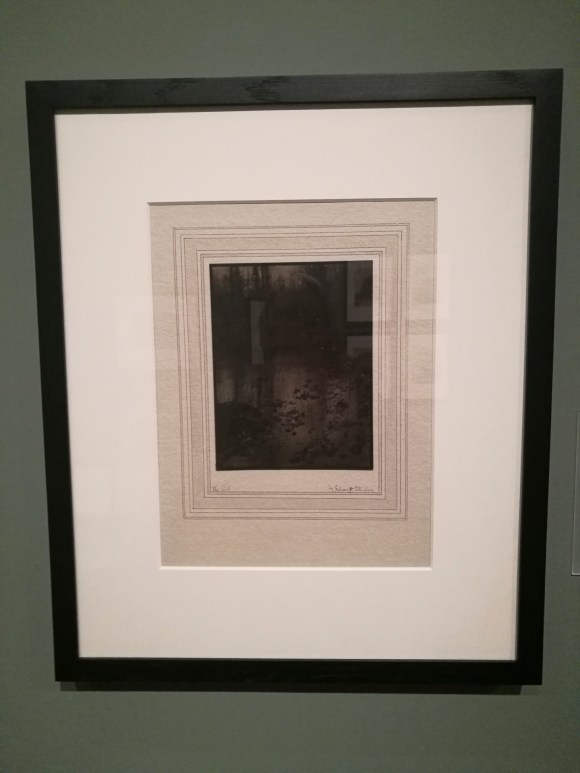
Edward J Steichen (1879- 1973) – The Pool 1899

The plaque accompanying this image in the gallery stated:

With soft focus and fine printing, Steichen was able to transform this muddy woodland scene into a haunting tonal study almost like a musical composition. One version was subtitled ‘A Symphony to a Race and to a Soul’. Twilight and water merge the real world with its darkening reflection.’

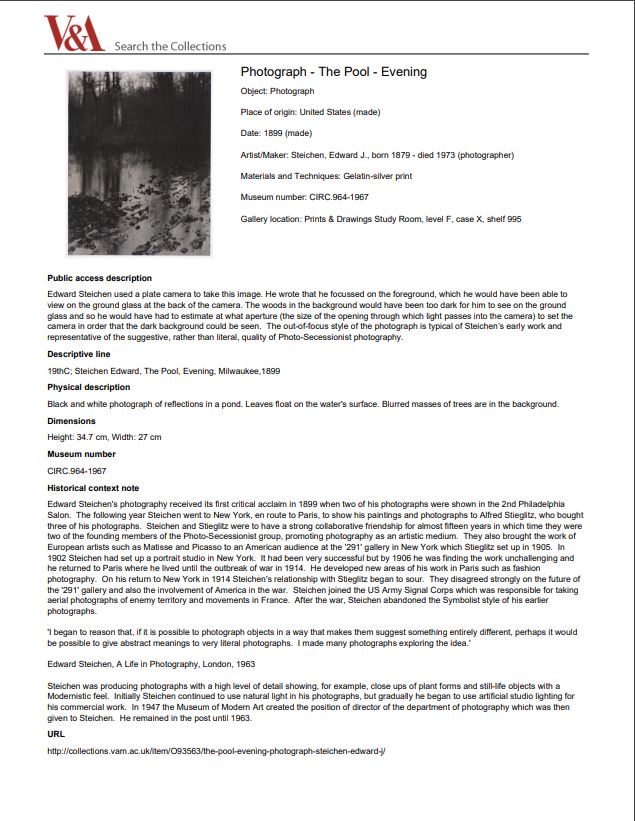
According to the additional information for this image provided on the by the V&A website states ‘The out-of-focus style of the photograph is typical of Steichen’s early work and representative of the suggestive, rather than literal, quality of Photo-Secessionist photography.’ What I discovered when researching these images on the V&A website is that each one has a related webpage and PDF outlining all the relevant details. An essential and most-welcome resource.

Example of V&amp;A PDF Steichen Edward J The Pool 1899


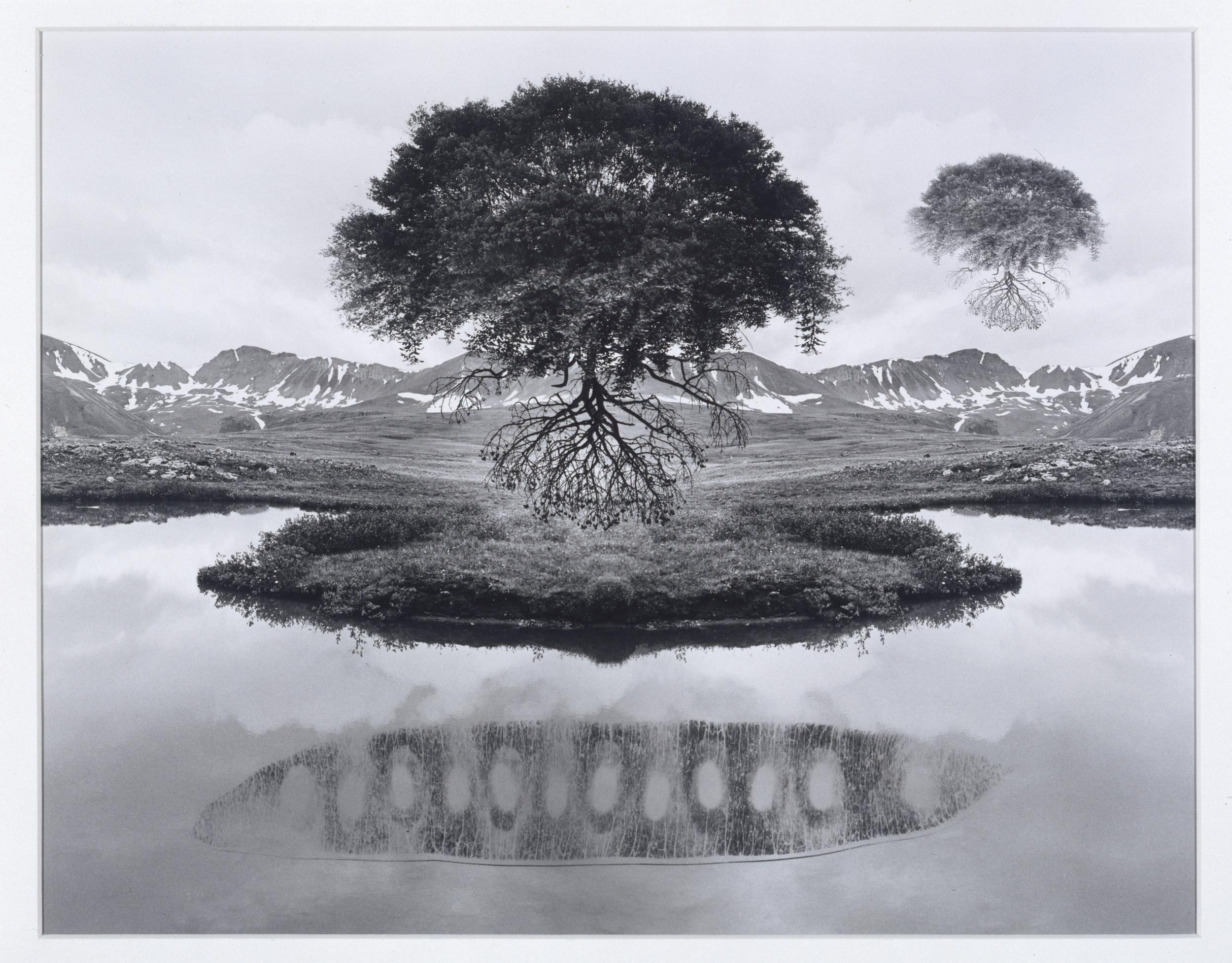
Jerry Uelsmann (B. 1934) – Untitled (1969)

Uelsmann Jerry Untitled 1969
Copyright – Victoria & Albert Museum


Uelsmann created this image in the darkroom using multiple negatives to make his prints. This innovative photographer is notorious for his surreal compositions and fantasy scenes that often incorporate trees. This use of multiple exposure exchoes my attempts to achieve a similar effect digitally.

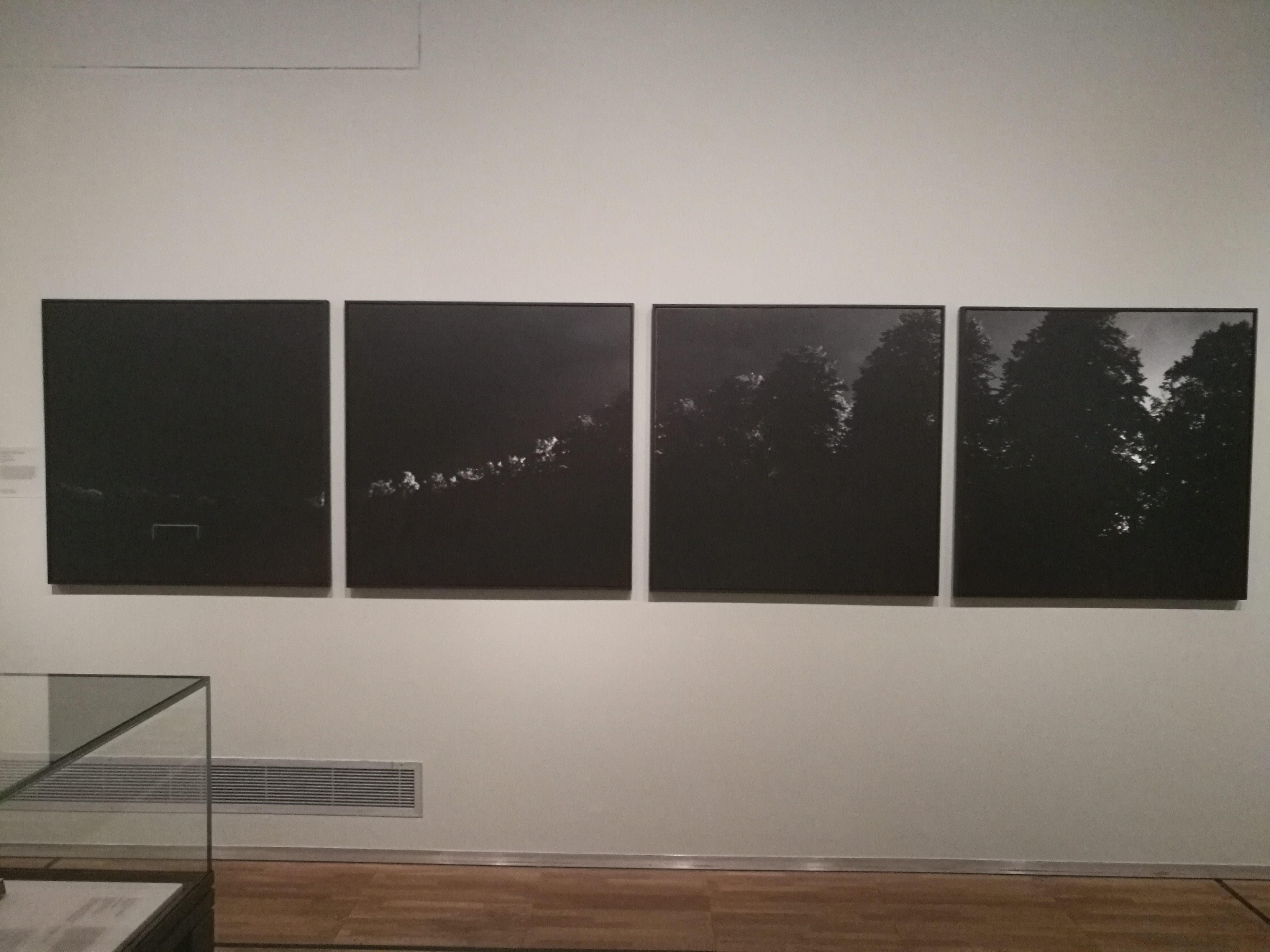
Sophy Rickett (B. 1970) – Playing Fields (1995)

cof

Rickett used a panoramic line of four separate photographs. According to the details on the V&A website:

The focus of the atmospheric nocturnal landscape lies beyond the line of trees, obscured from view. The source of the bright light is unknown and a touch unnerving. An expanse of black that fills the middle ground becomes an illusory, unfathomable space, heavy with the ambiguity of landscapes at night and the imagined sound of wind in the foliage.

When revisiting this series, I saw the similarity with my recent concept of having the selected images from an interval timer sequence and the multiple-exposure shots of the trees.


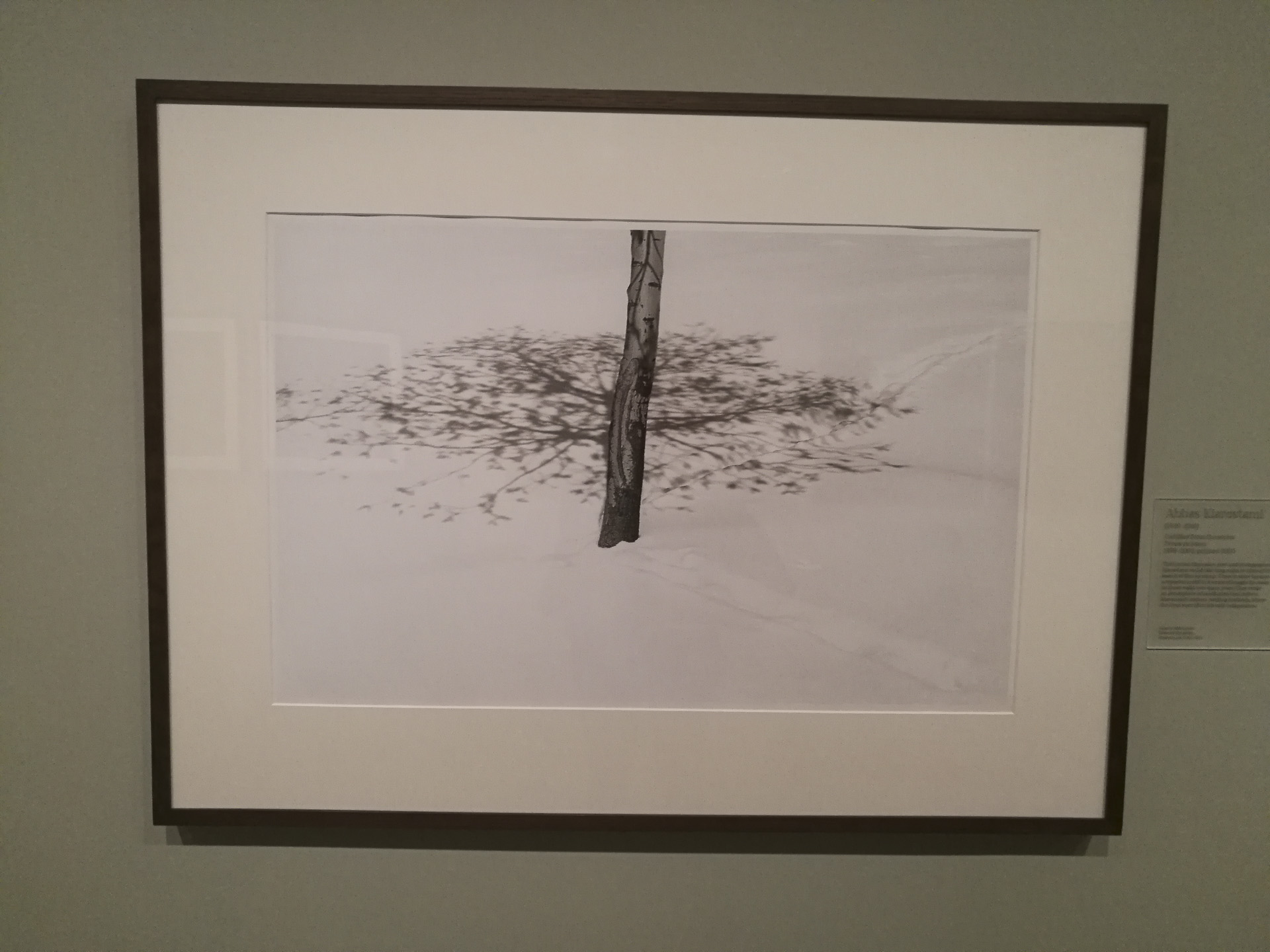
Abbas Kiarostami (1940-2016) – Untitled (1978-2003)

cof

This silver-gelatin print is one of the series that Kiarostami took during long, solitary walks which allowed this filmmaker and photographer to become immersed in nature. According to the additional information on this series, the images:

Reveal the concentrated vision of the artist exploring the repeated motif of trees in snow. Shadows and snowdrifts contribute to the breakdown of a sense of scale and perspective. An atmosphere of solitude and meditation is evoked. The images become the equivalent of emotional states and the trees almost human, echoing the saying of the Islamic mystic Muhyiddin Ibn ‘Arabi (born 1165 – died 1240): ‘the tree is the sister of man’.

This is reminiscent of my own long, solitary walks through Bushy Park which enabled me to become immersed in nature.

What I found reassuring when revisiting this exhibition is that I am not alone with my own tree obsession. These intriguing and multiple subjects are worthy of photographic study and each and every photographer can bring their own particular interpretation of these beautiful beings.


References

Collections.vam.ac.uk. 2020. Aspens, Northern New Mexico | | V&A Search The Collections. [online] Available at: <http://collections.vam.ac.uk/item/O82747/aspens-northern-new-mexico-photograph-none/&gt; [Accessed 26 April 2020].

Collections.vam.ac.uk. 2020. Causeway, Head Of The Lake, Loseley Park | Turner, Benjamin Brecknell | V&A Search The Collections. [online] Available at: <http://collections.vam.ac.uk/item/O1407963/causeway-head-of-the-lake-photograph-turner-benjamin-brecknell/&gt; [Accessed 26 April 2020].

Collections.vam.ac.uk. 2020. Cherry Tree In Blossom | Brihat, Denis (Mr) | V&A Search The Collections. [online] Available at: <http://collections.vam.ac.uk/item/O1248815/cherry-tree-in-blossom-photograph-brihat-denis-mr/&gt; [Accessed 27 April 2020].

Collections.vam.ac.uk. 2020. City Hall, New York | Coburn, Alvin Langdon | V&A Search The Collections. [online] Available at: <http://collections.vam.ac.uk/item/O1396862/city-hall-new-york-photographs-coburn-alvin-langdon/&gt; [Accessed 26 April 2020].

Collections.vam.ac.uk. 2020. Hakkoda #2 | Sato, Tokihiro | V&A Search The Collections. [online] Available at: <http://collections.vam.ac.uk/item/O1399006/hakkoda-2-photographs-sato-tokihiro/&gt; [Accessed 26 April 2020].

Collections.vam.ac.uk. 2020. The Pool – Evening | Steichen, Edward J. | V&A Search The Collections. [online] Available at: <http://collections.vam.ac.uk/item/O93563/the-pool-evening-photograph-steichen-edward-j/&gt; [Accessed 27 April 2020].

Collections.vam.ac.uk. 2020. Untitled | Uelsmann, Jerry | V&A Search The Collections. [online] Available at: <http://collections.vam.ac.uk/item/O1101894/untitled-photograph-uelsmann-jerry/&gt; [Accessed 27 April 2020].

Victoria and Albert Museum. 2020. V&A · Into The Woods – About The Display. [online] Available at: <https://www.vam.ac.uk/articles/into-the-woods-about-the-display&gt; [Accessed 26 April 2020].

Design a site like this with WordPress.com
Get started