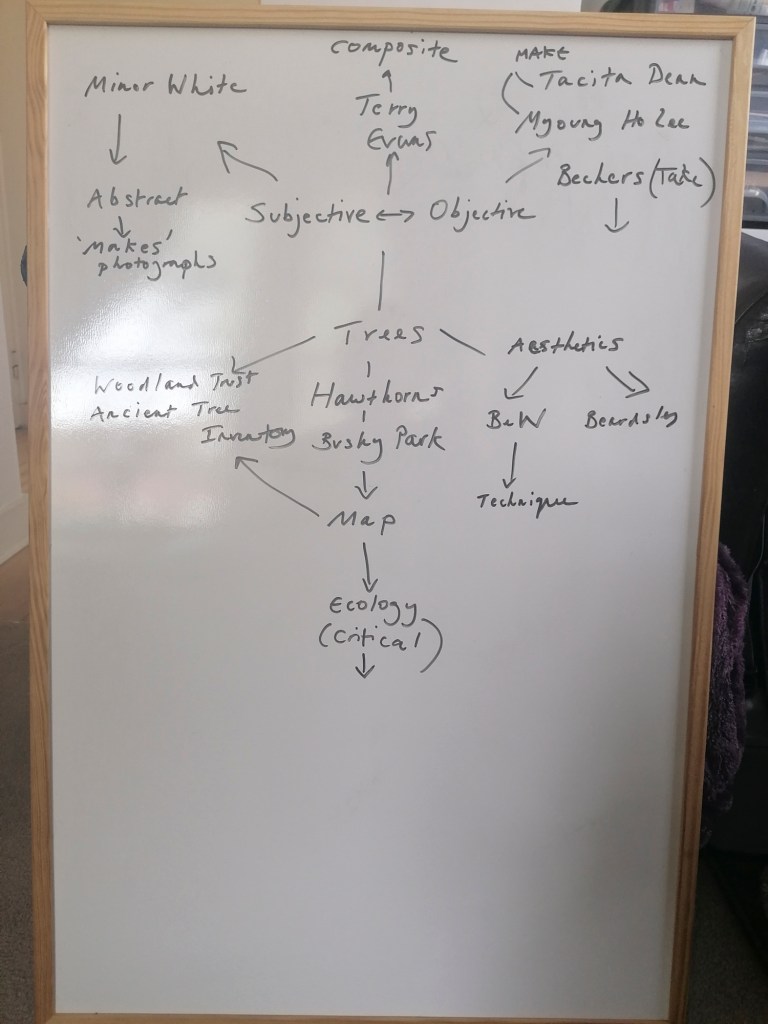
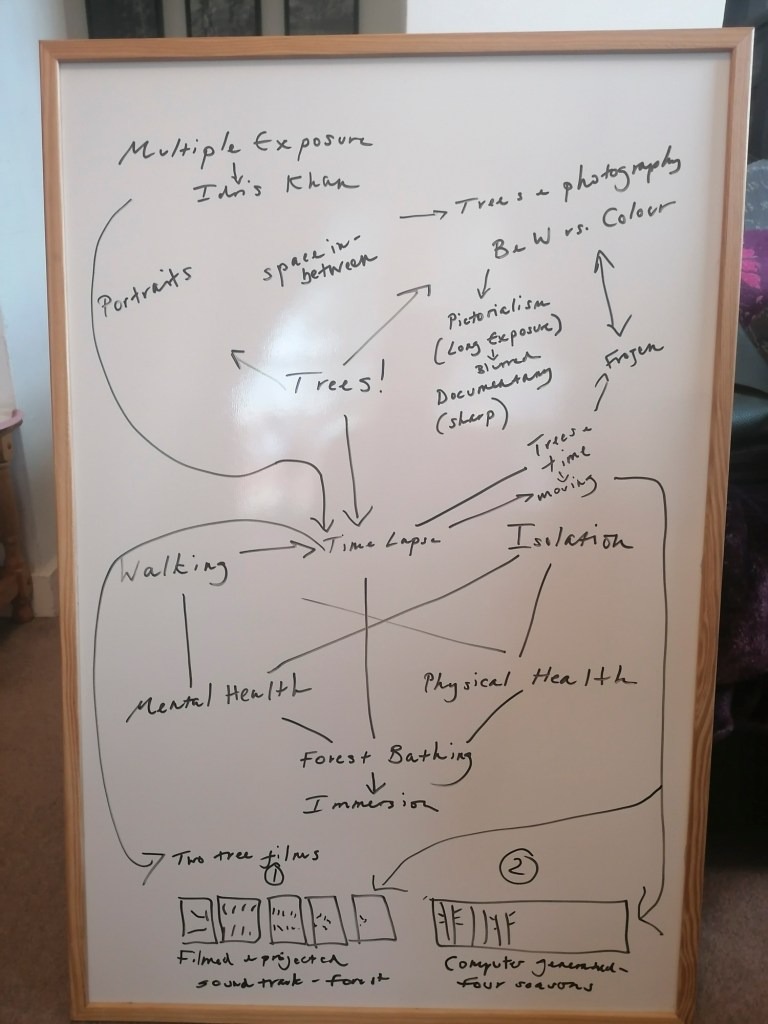
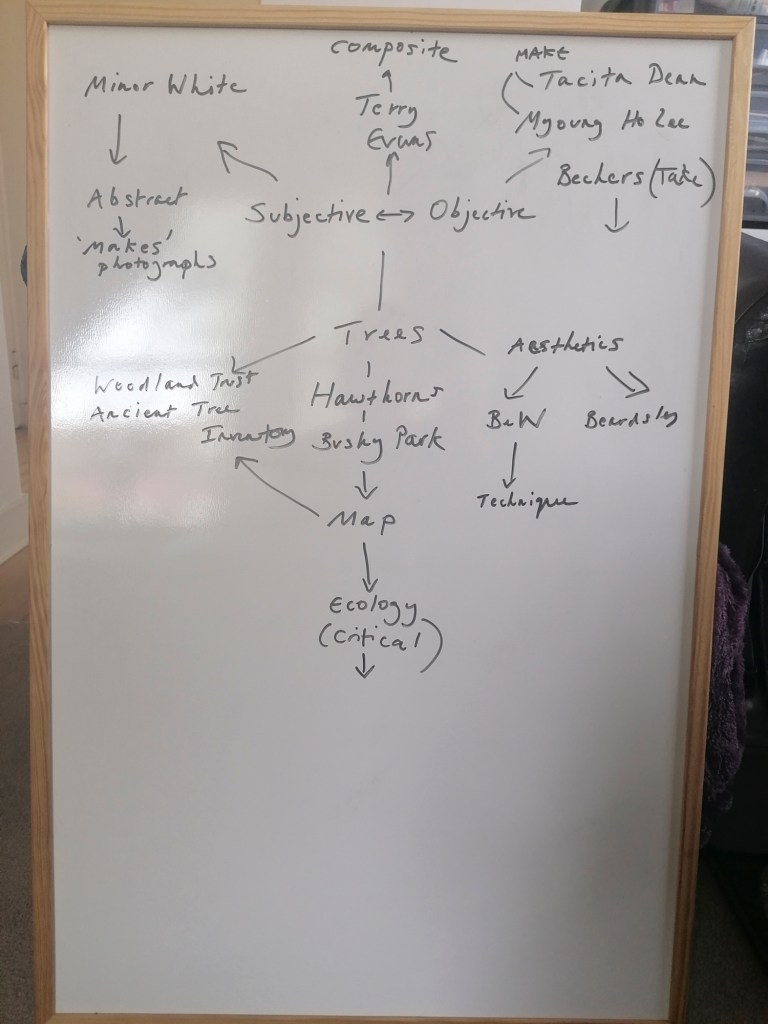
So I could get a better grip on my concept and start processing the research so far, I created a mind map. This was also in preparation for the Group Tutorial scheduled for that day.
This had noticeably changed from my initial one drawn up on 6 October. I’m sure it will change again after today’s meeting.
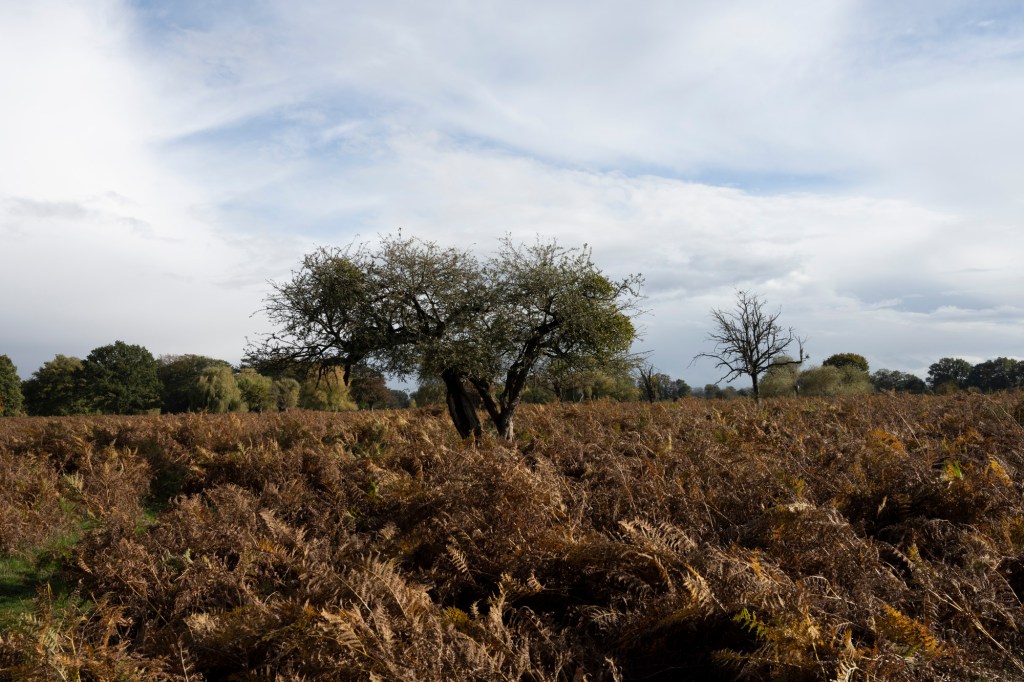
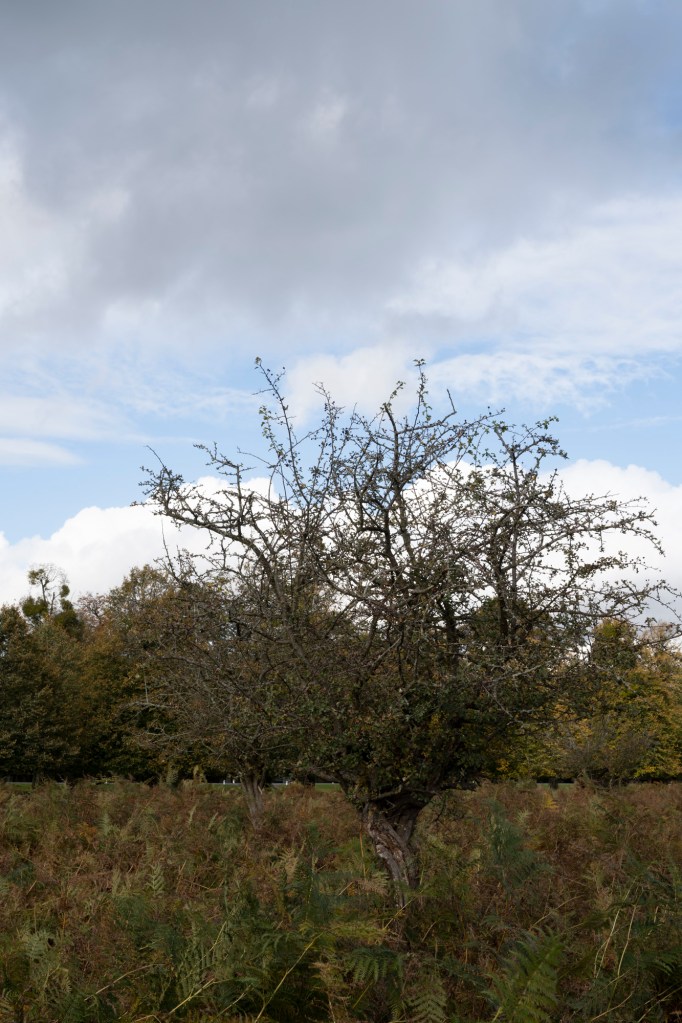
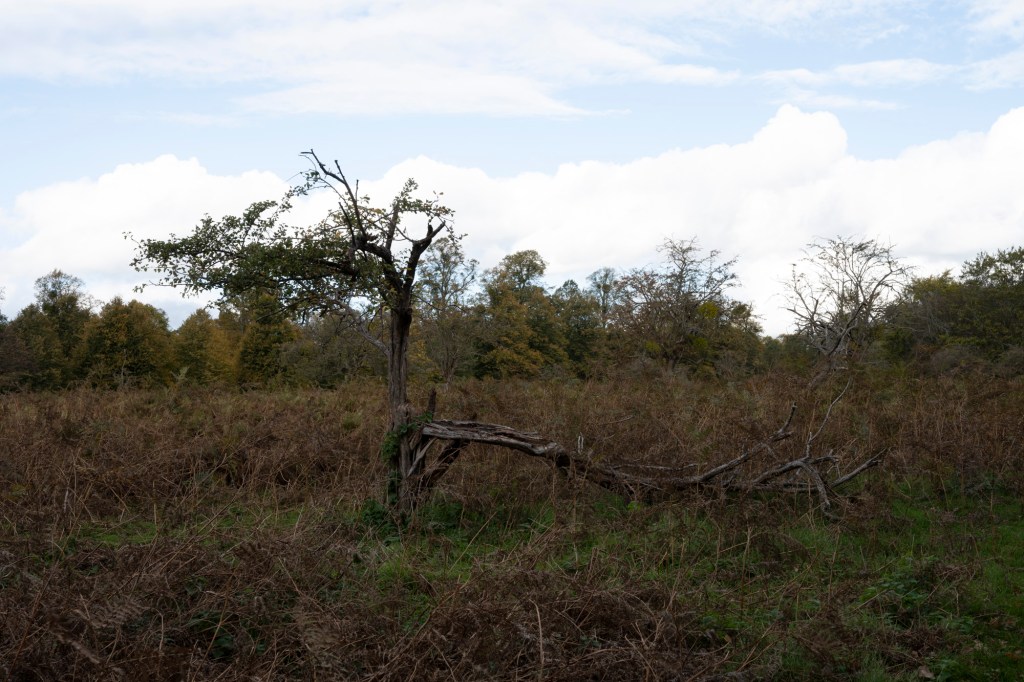
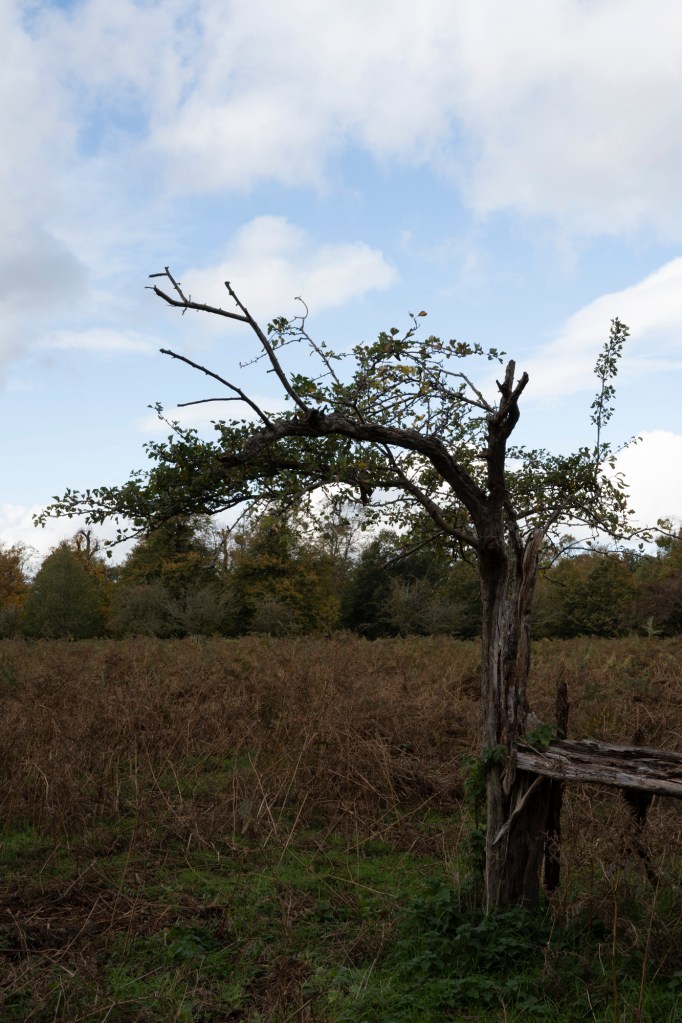
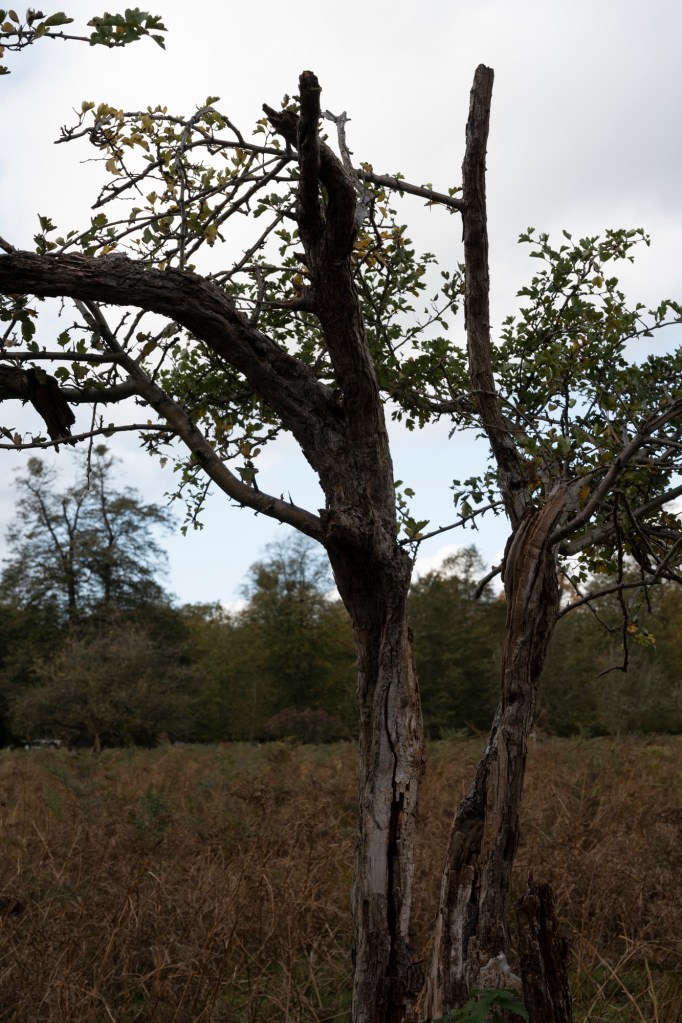
After my shoot on 22 October, I was starting to get a better idea of the patch of hawthorn trees next to the eponymous lodge. As I had only focused on four of the trees, I wanted to take a closer look at some of the others.
Another issue that influenced my photographic decisions during this particular shoot was the presence of the deer within the ferns. Bushy Park is currently home to approximately 320 of these animals and their grazing is essential to maintaining the park’s grasslands. This activity creates more variation in structure and plant diversity and does not damage the anthills, which add further diversity and character to the grassland, unlike cutting the vegetation.
At this time of year during the rutting season, the deer can potentially attack humans and it is recommended that people stay at least 50 meters away from them while in the park. This is something I always adhere while in the park regardless of what I’m doing. As such, I couldn’t go near the other trees that I had photographed three days’ previously, so I focused on the following specimens.
Tree One
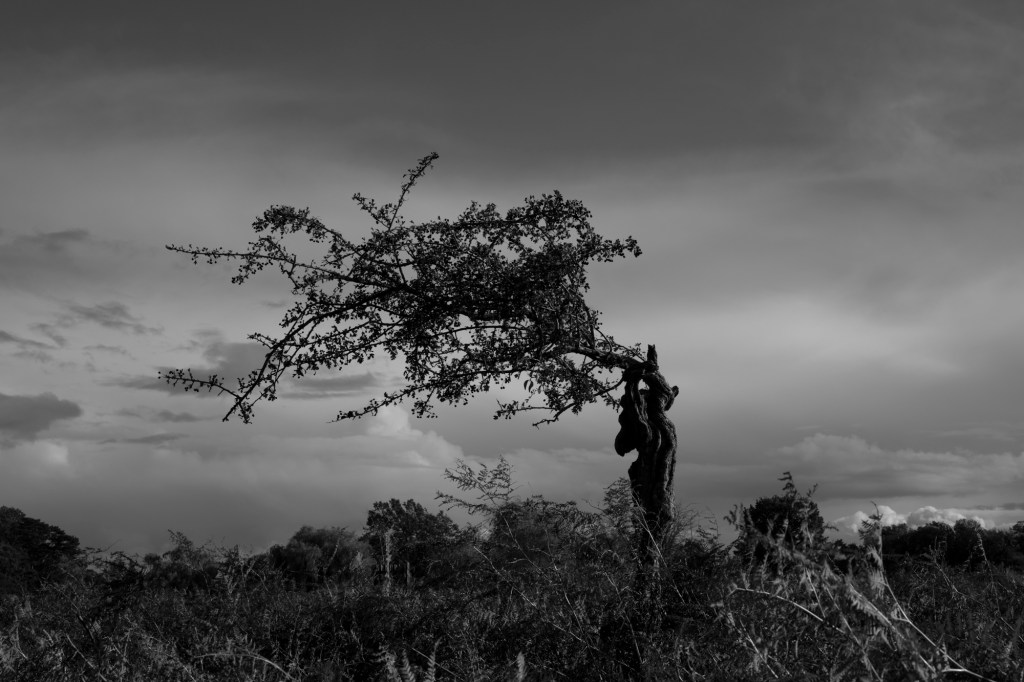
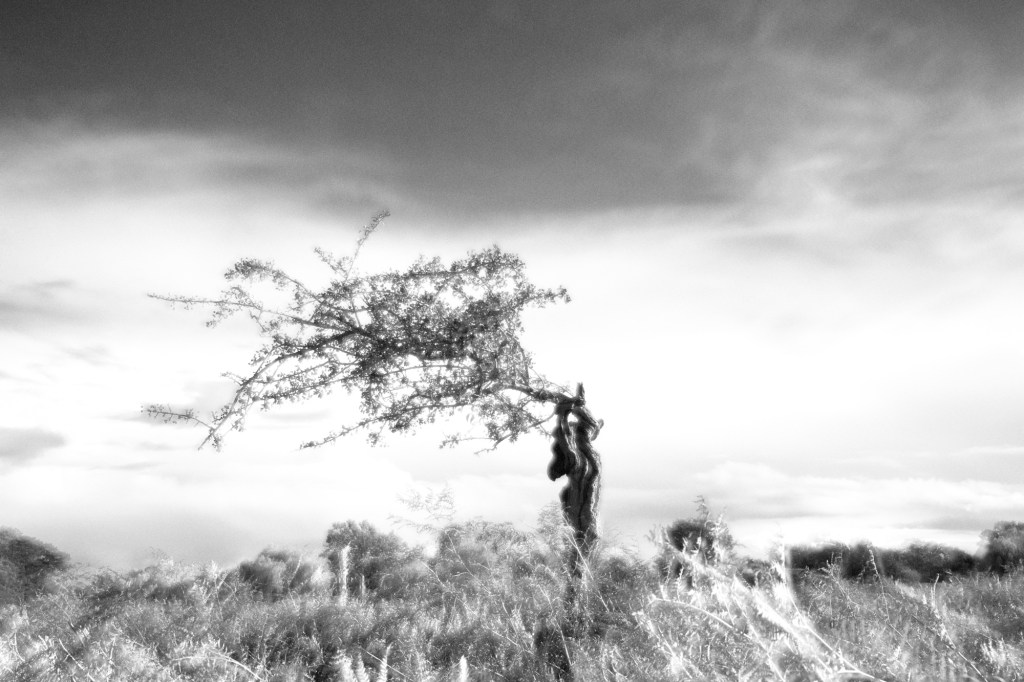
This is an initial Black & White conversion of the whole hawthorn.
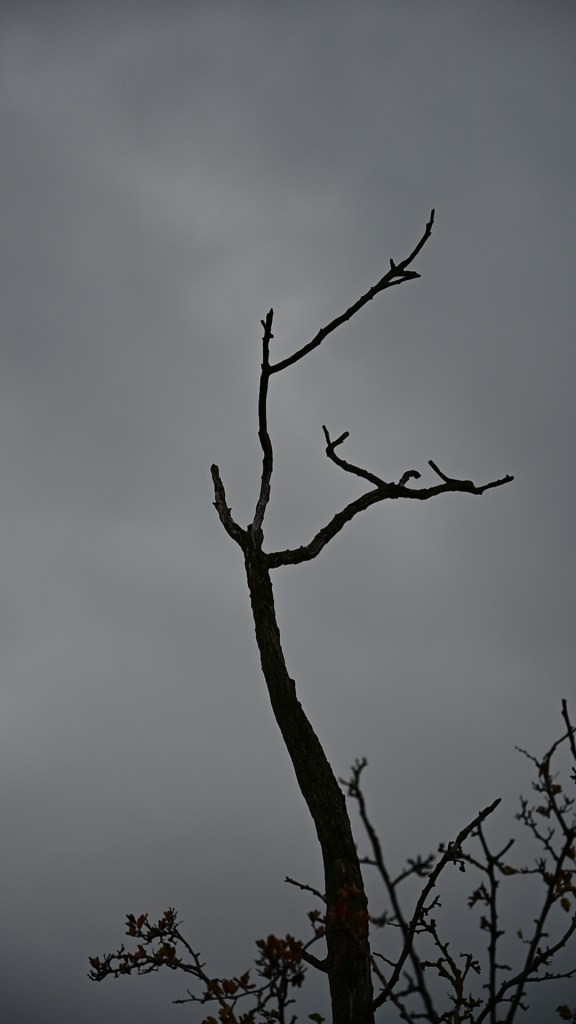
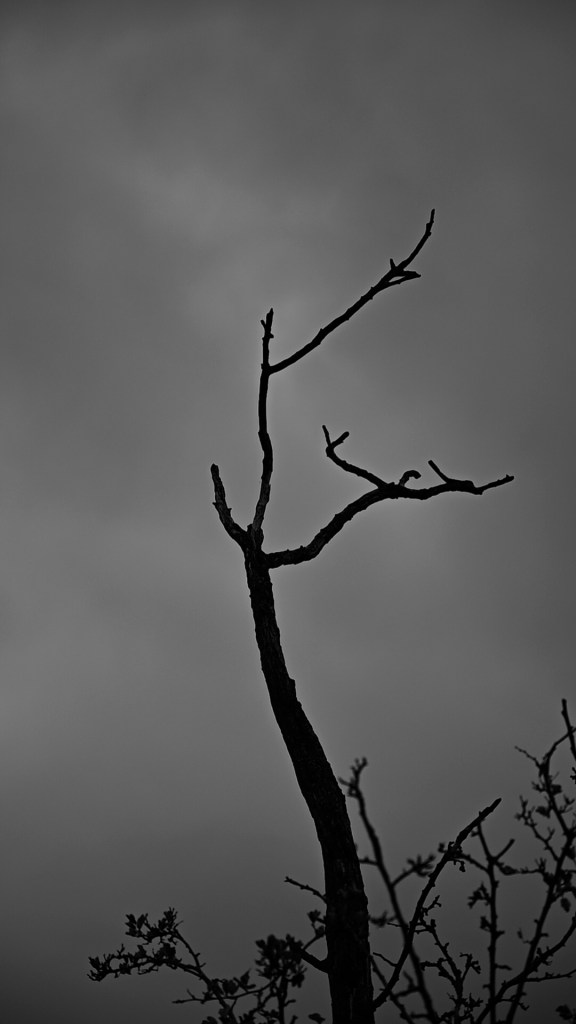
The following image also stood out for me. Unfortunately, my camera had only recorded a low-res jpg and not the accompanying RAW file of the image. Annoying, as I particularly liked the composition. I also created a Black & White version of this image. The original one is on the left, the conversion on the right.
Tree Two
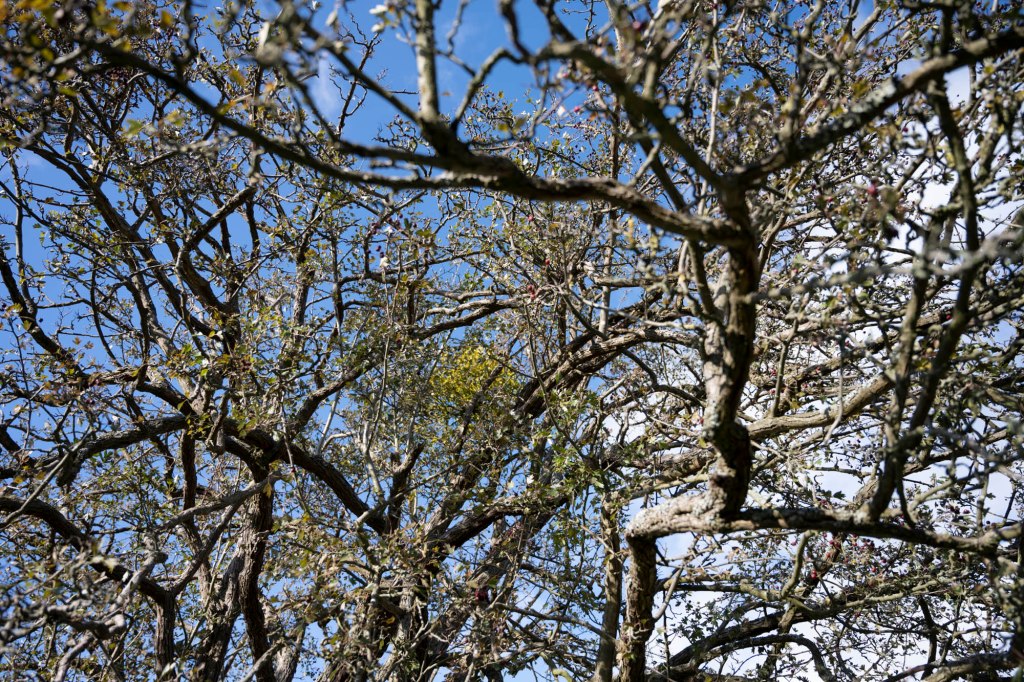
This was a very interesting subject – when looking at the resulting images they look as if they’ve been manipulated, giving the illusion of the background being part of the tree.
Tree Three
Tree Four
Tree Five
Tree Six
Tree Seven
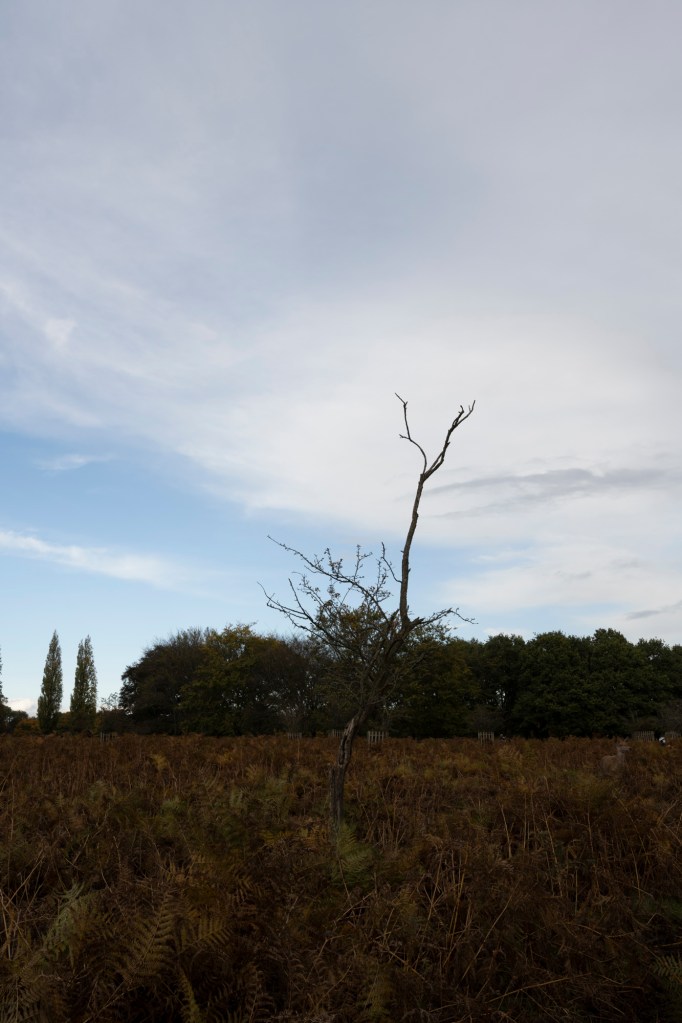
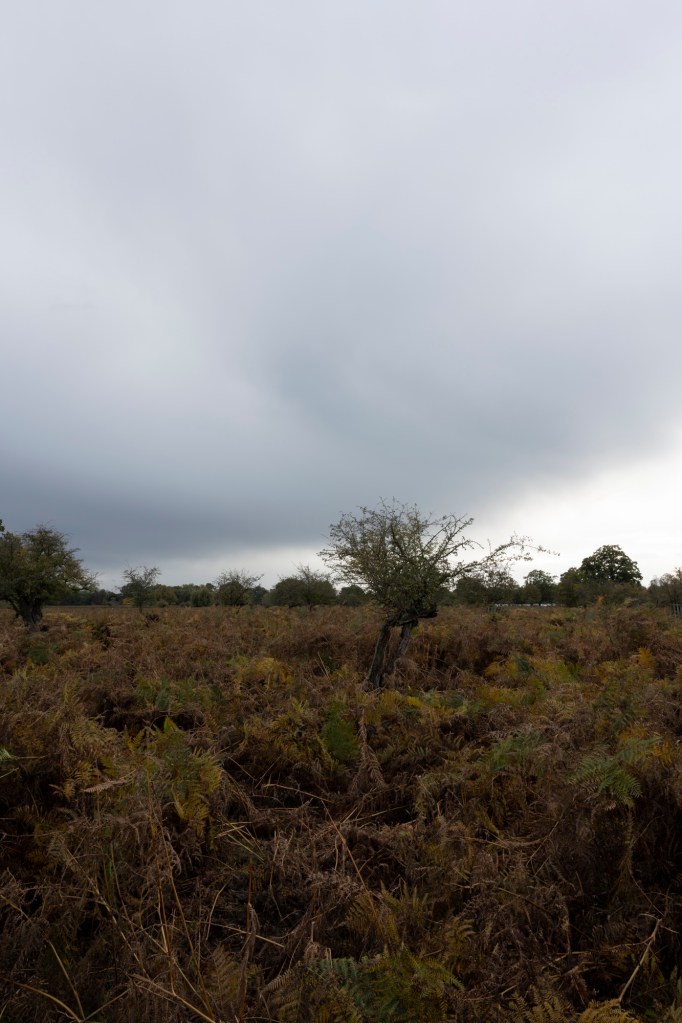
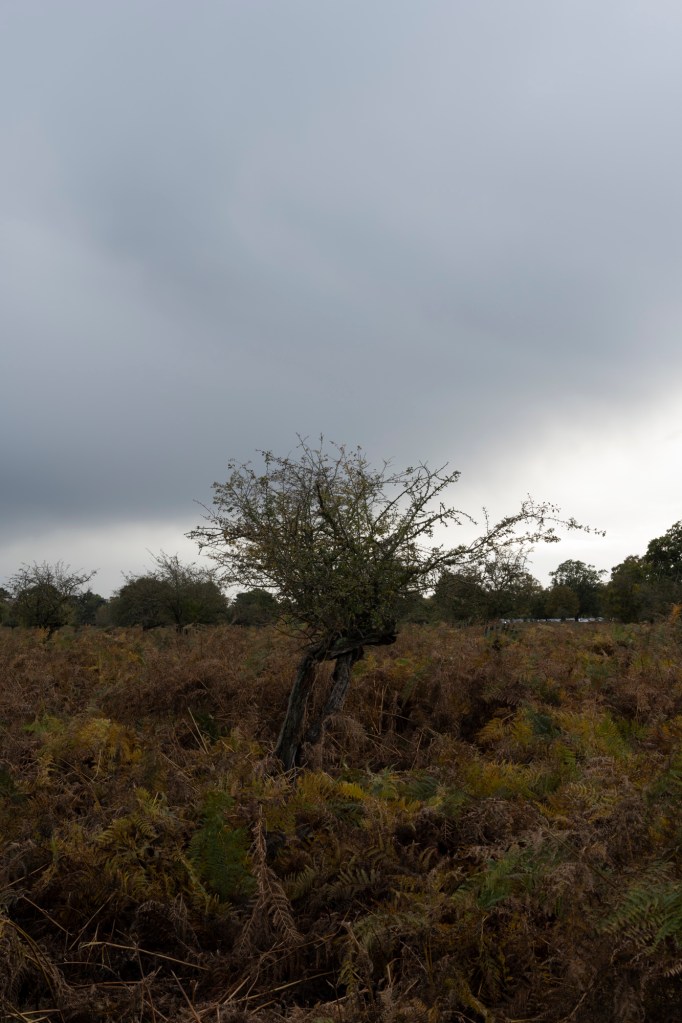
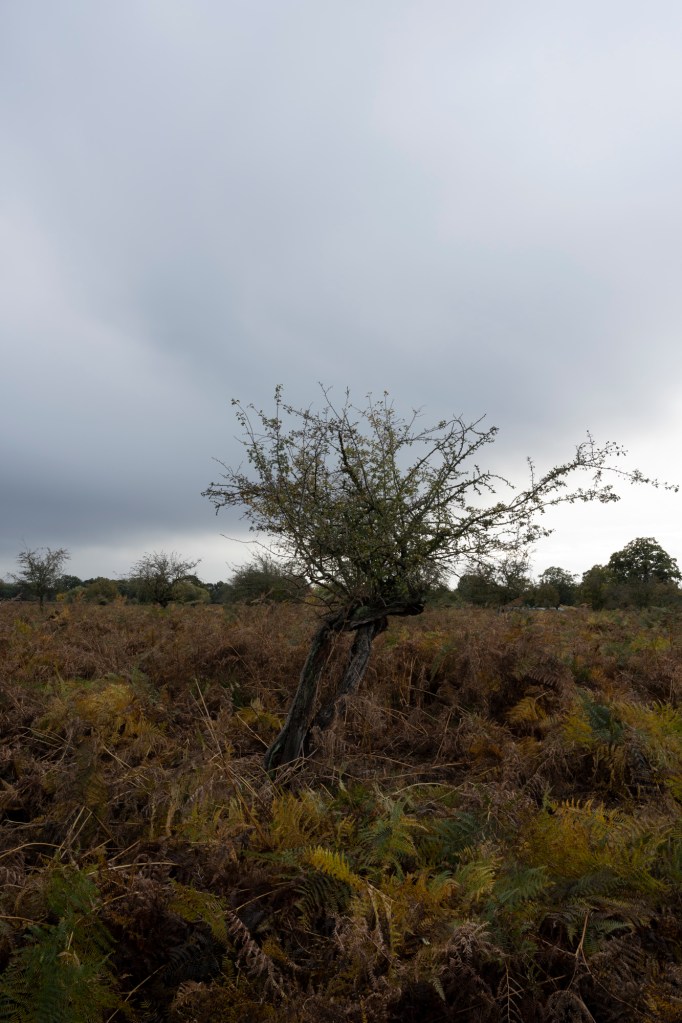
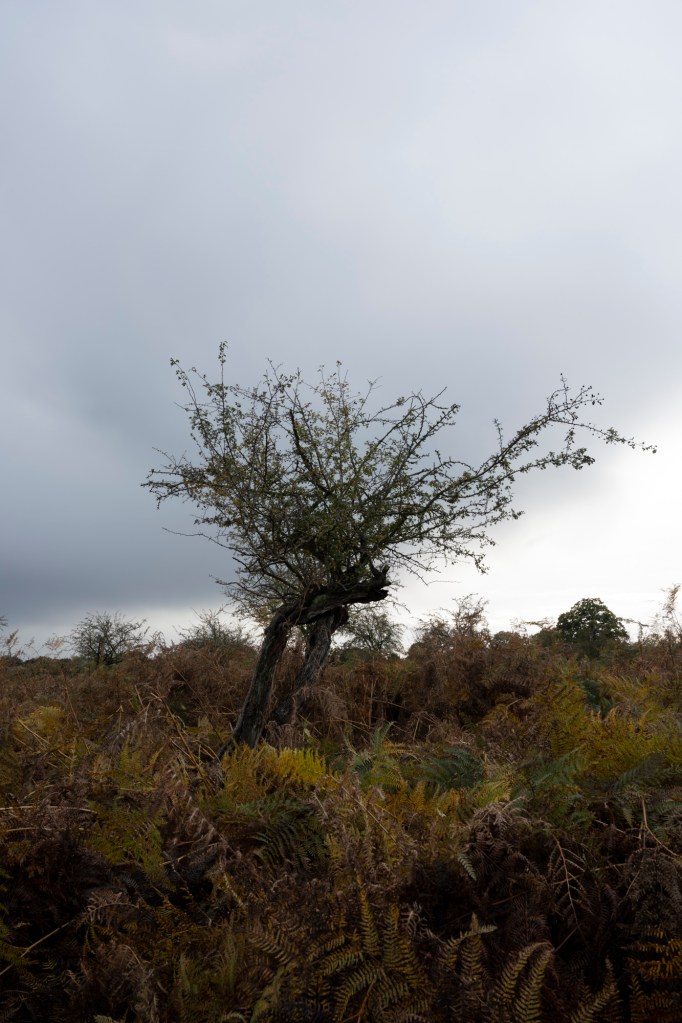
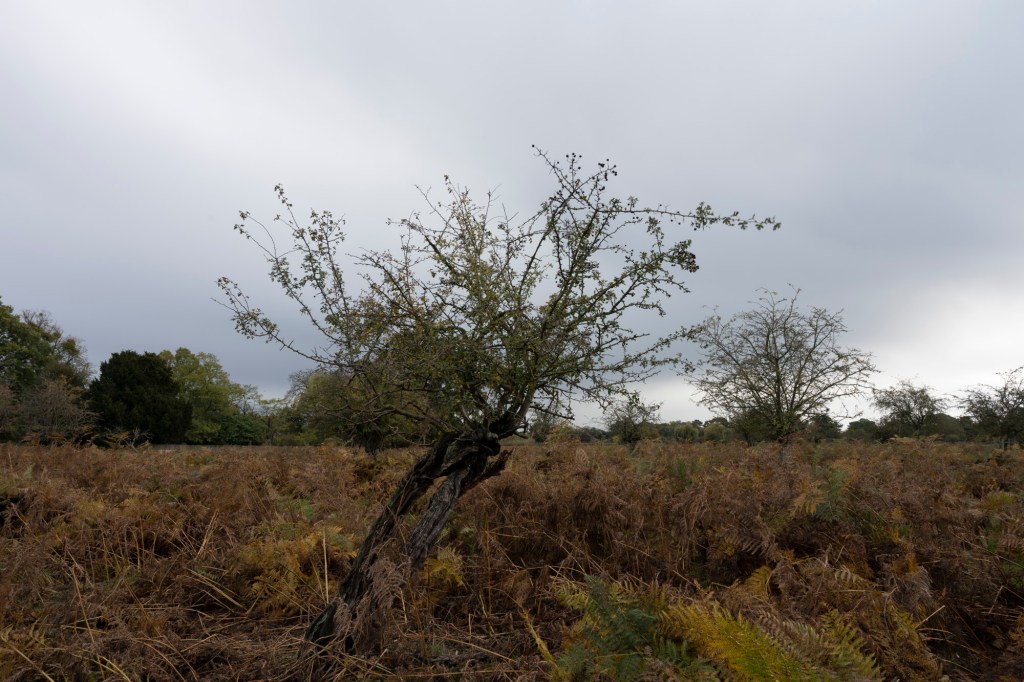
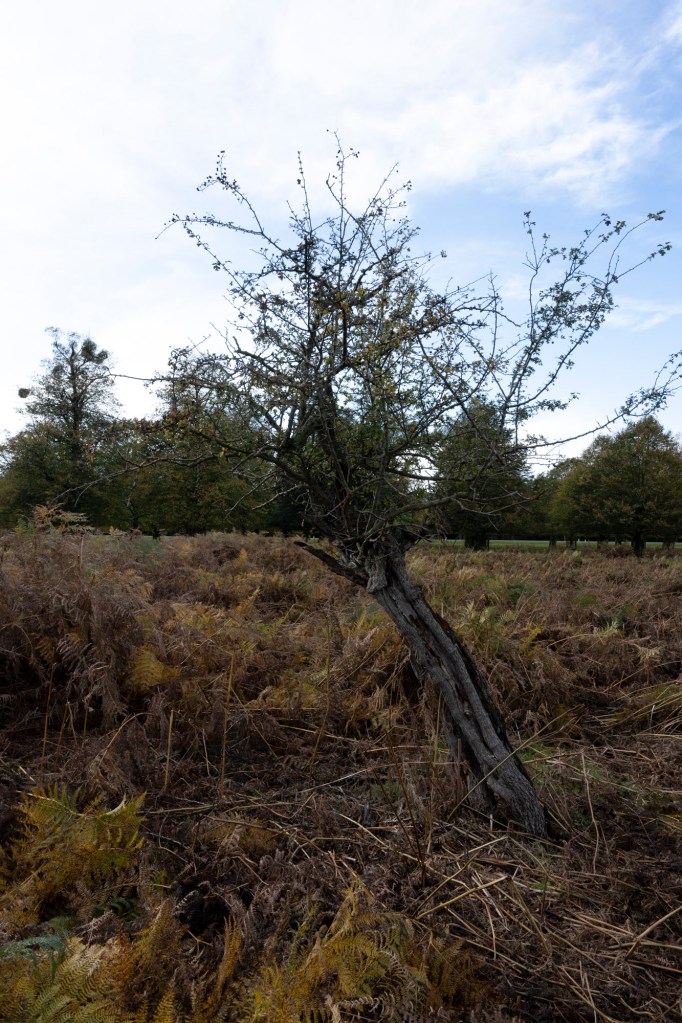
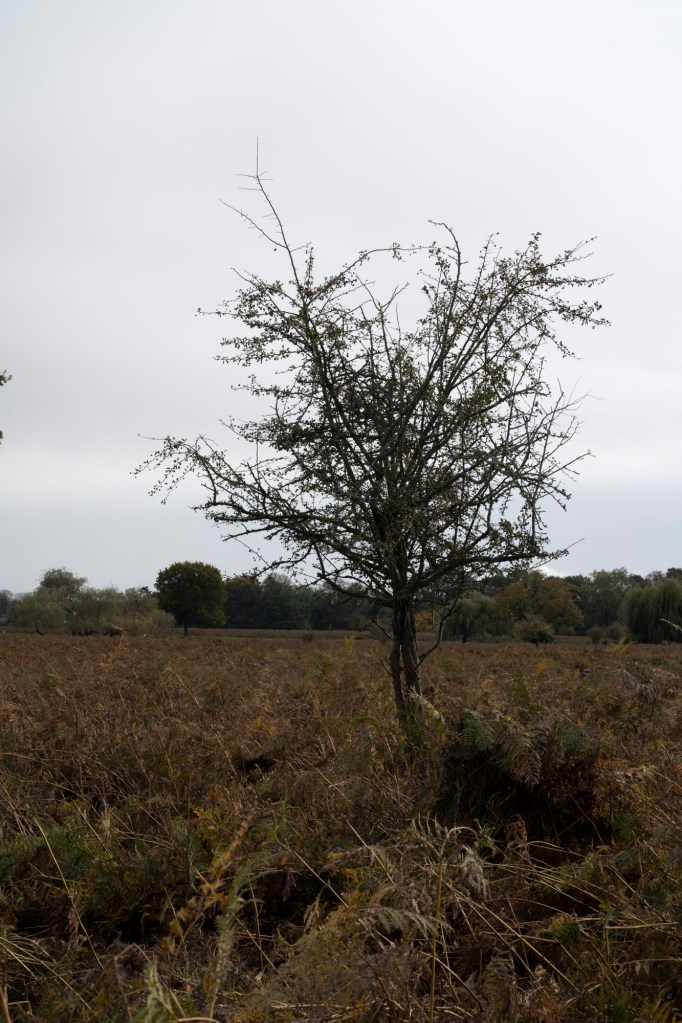
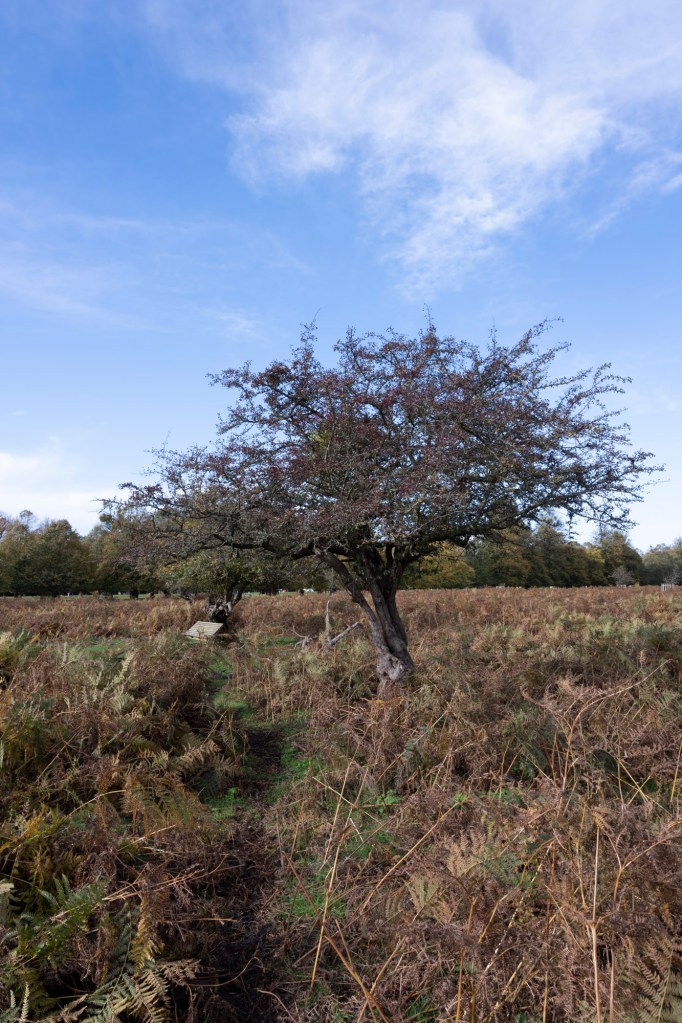
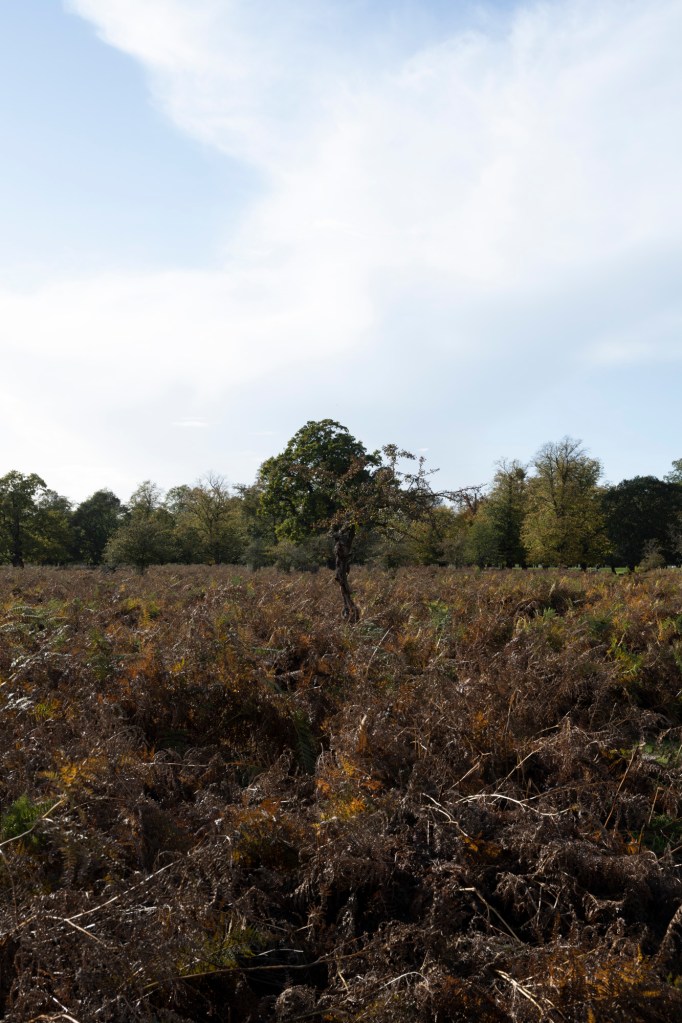
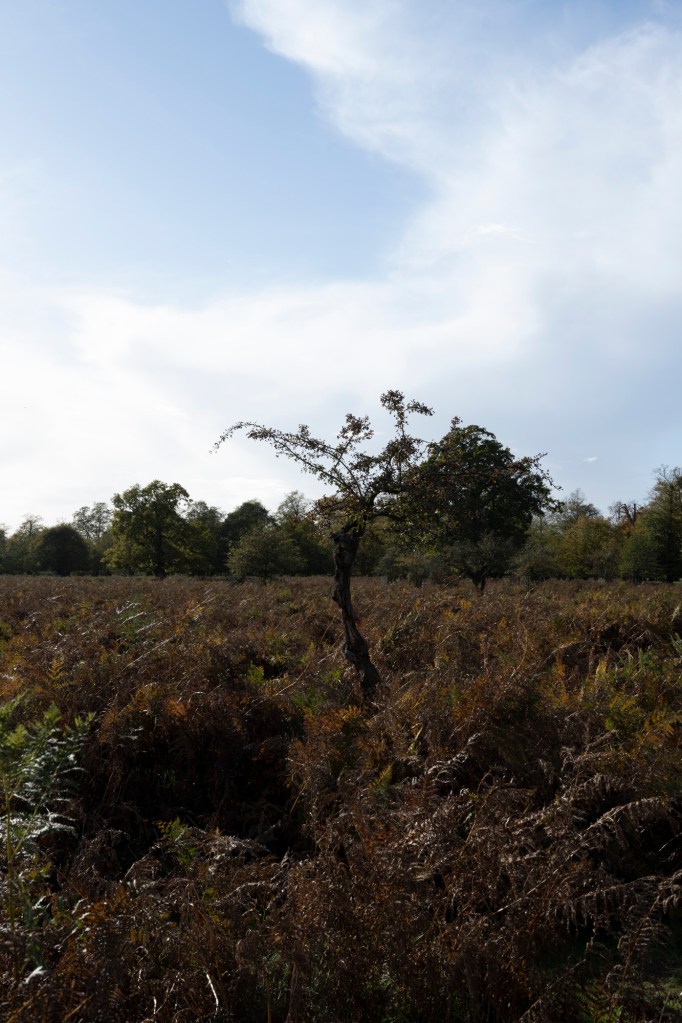
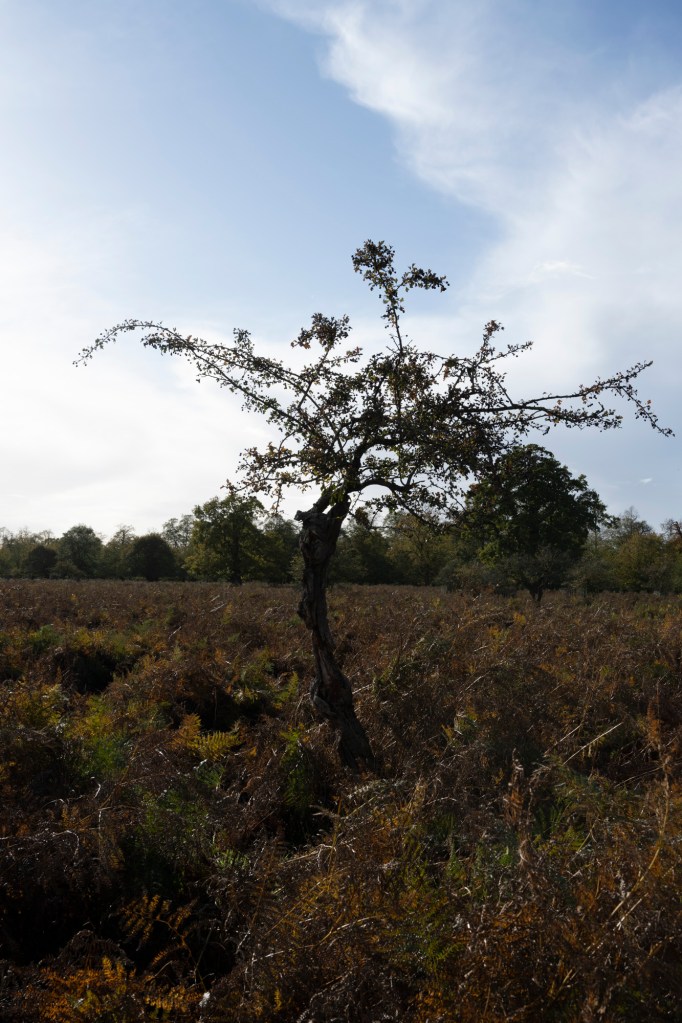
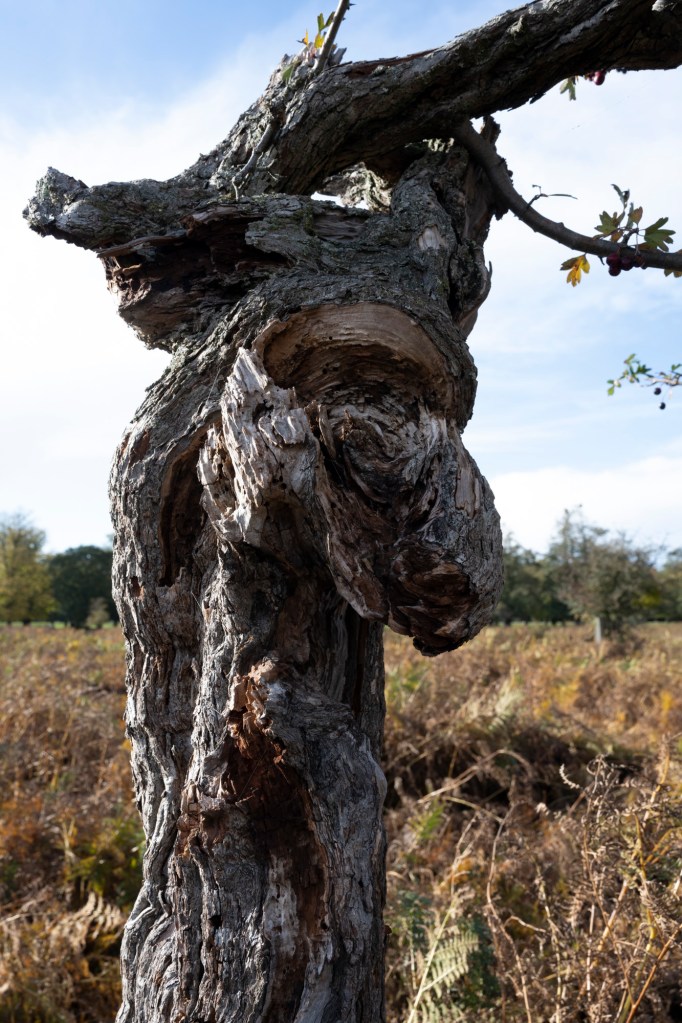
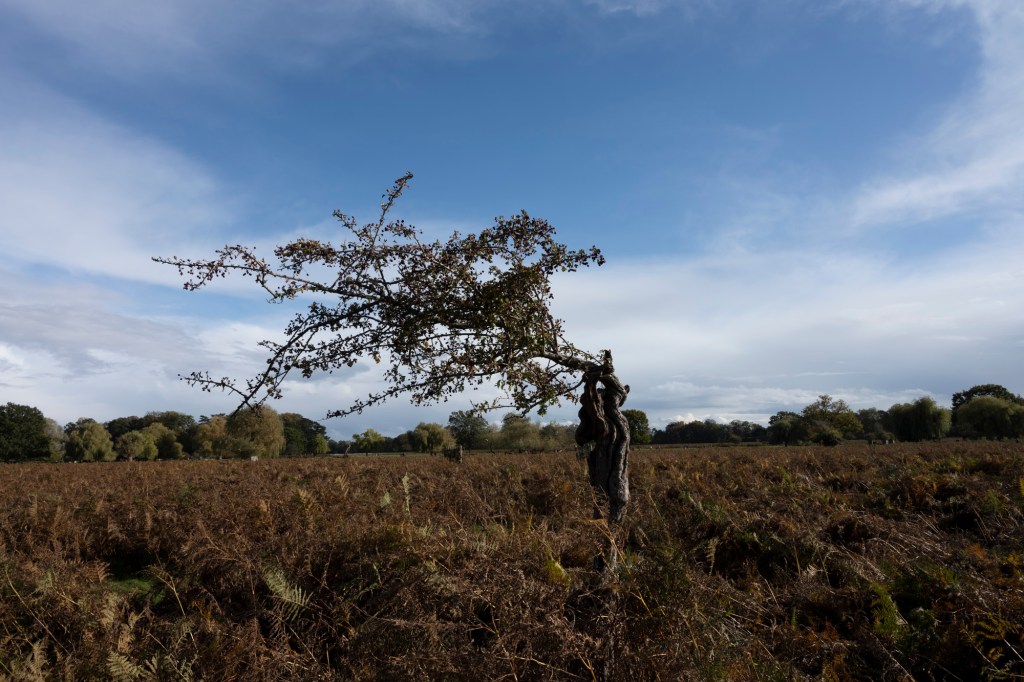
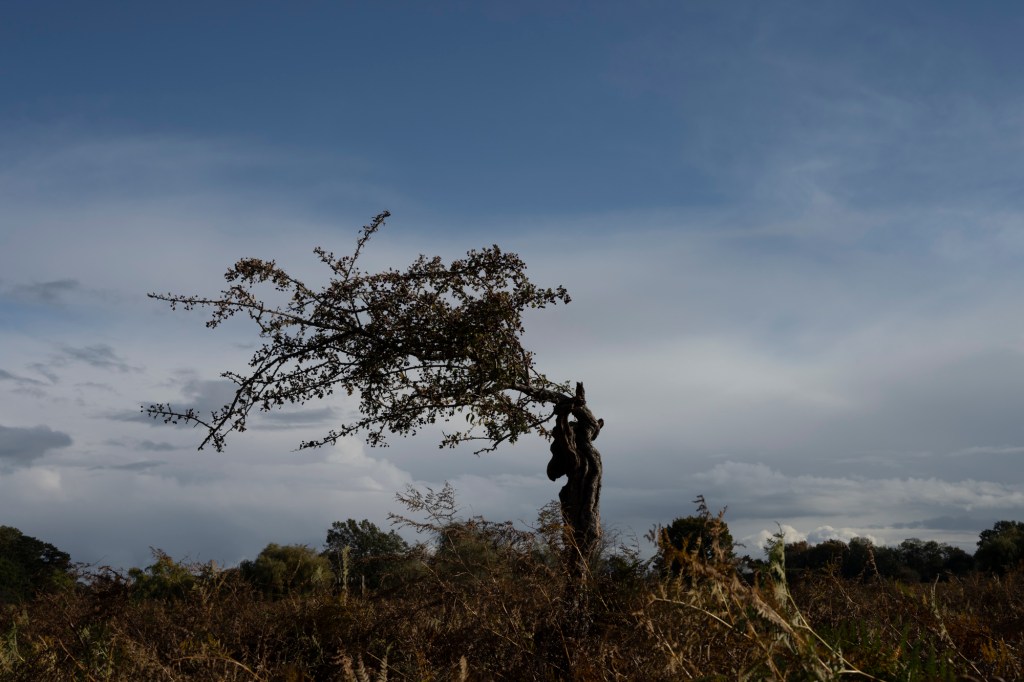
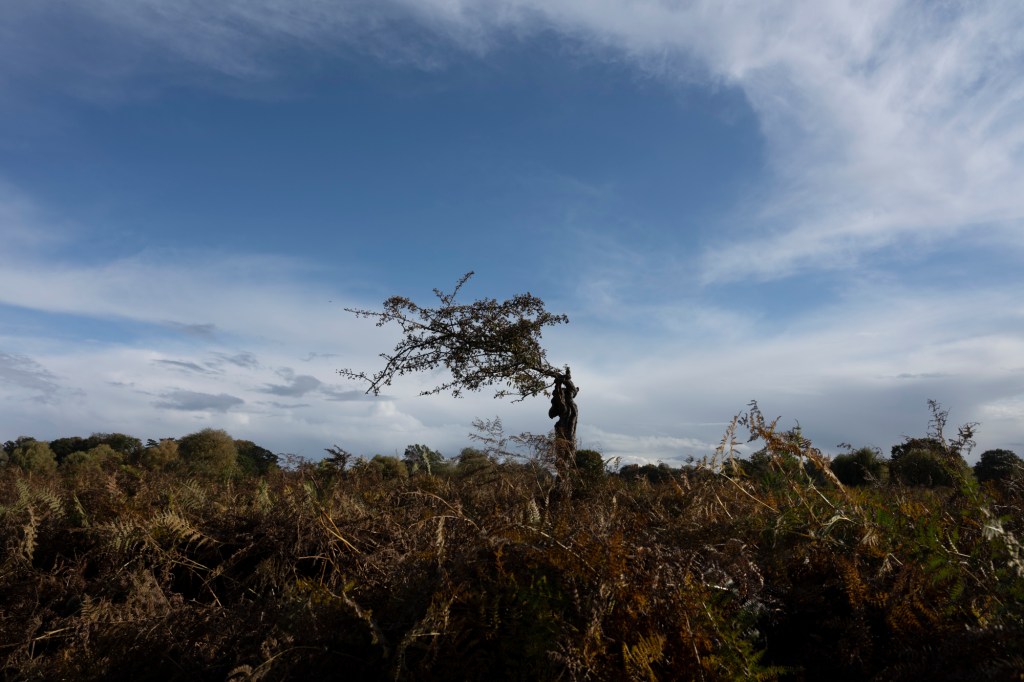
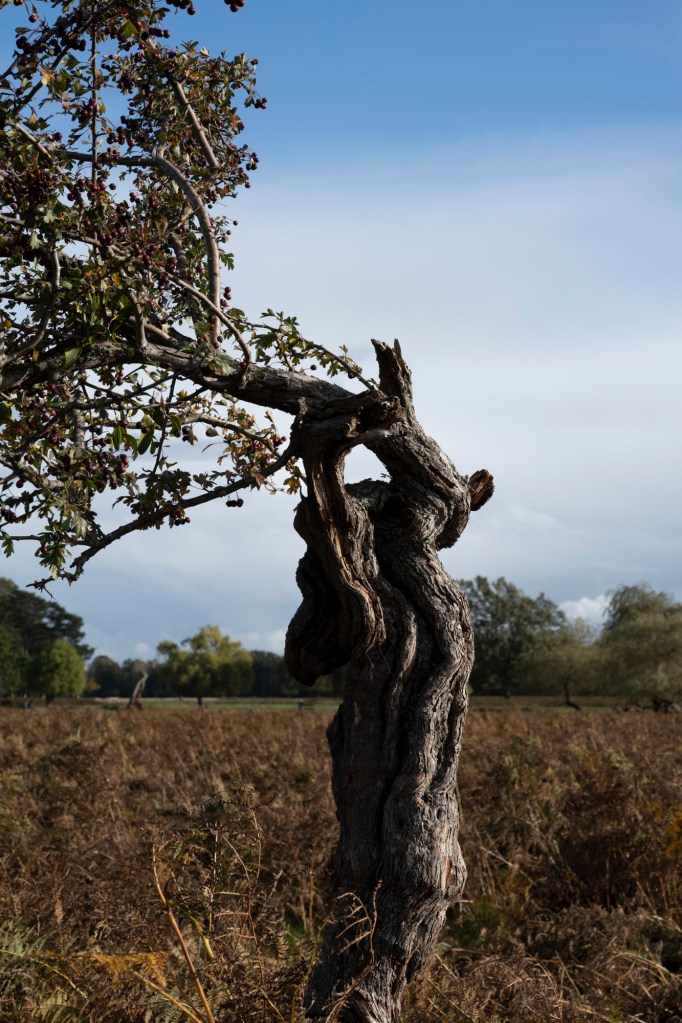
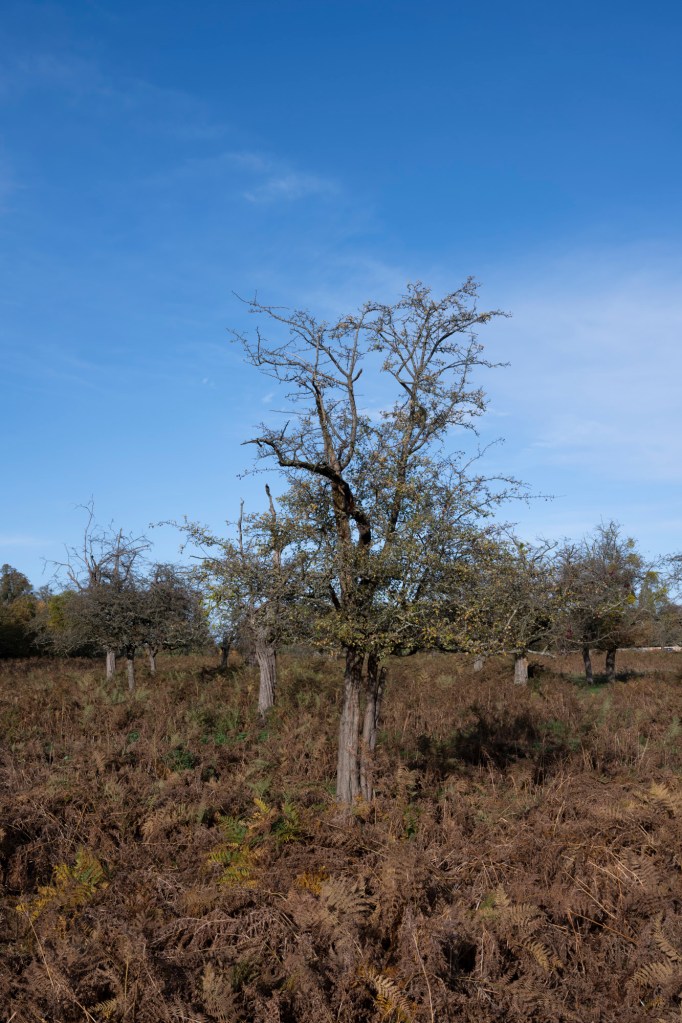
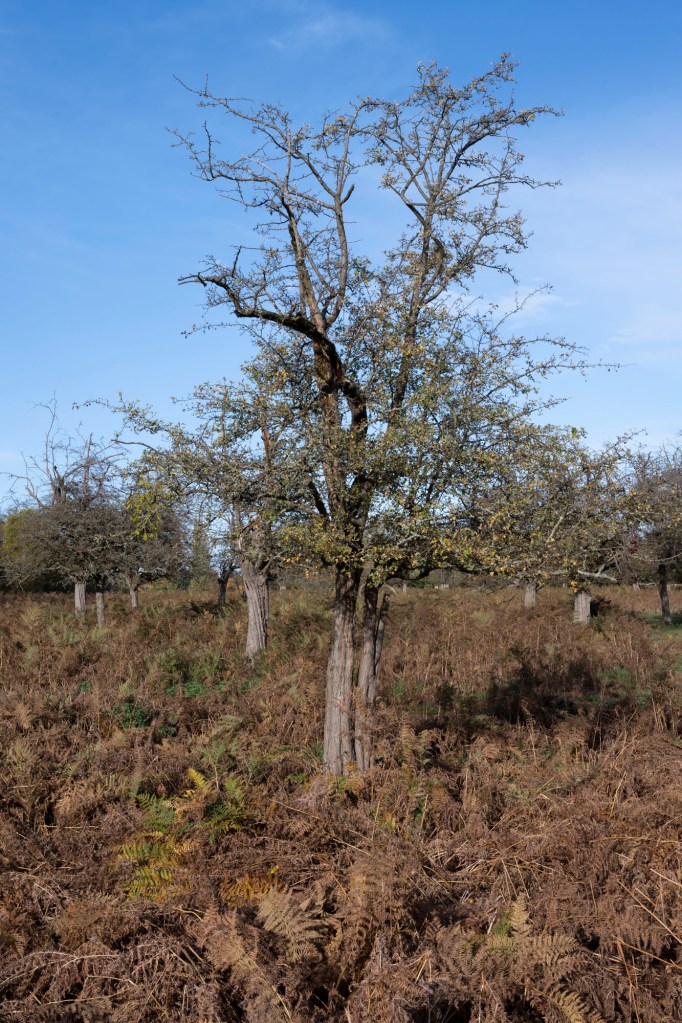
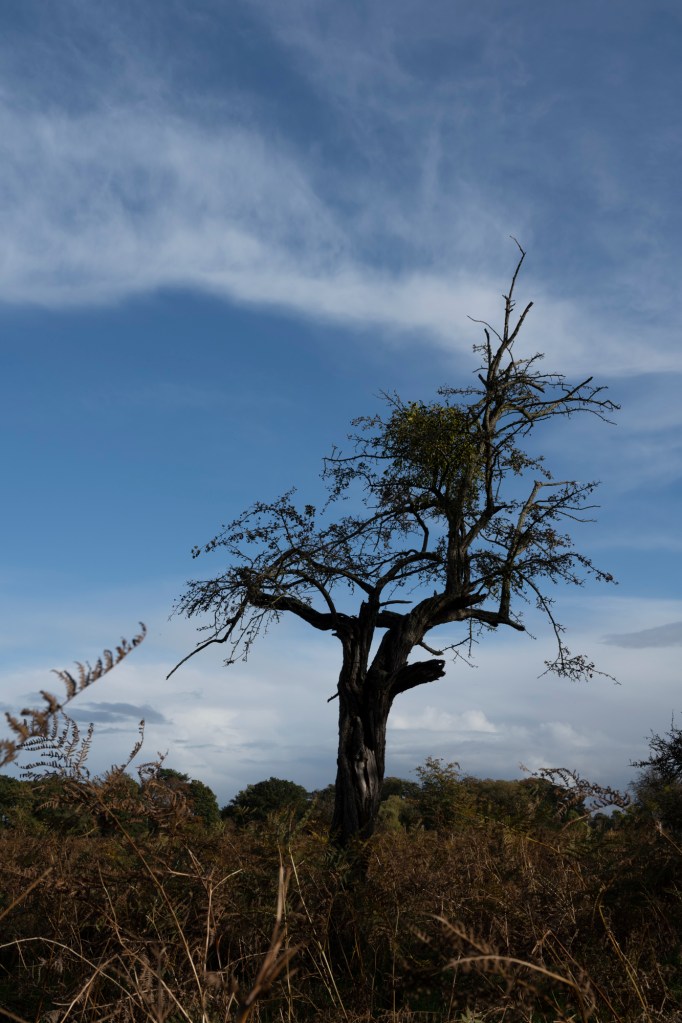
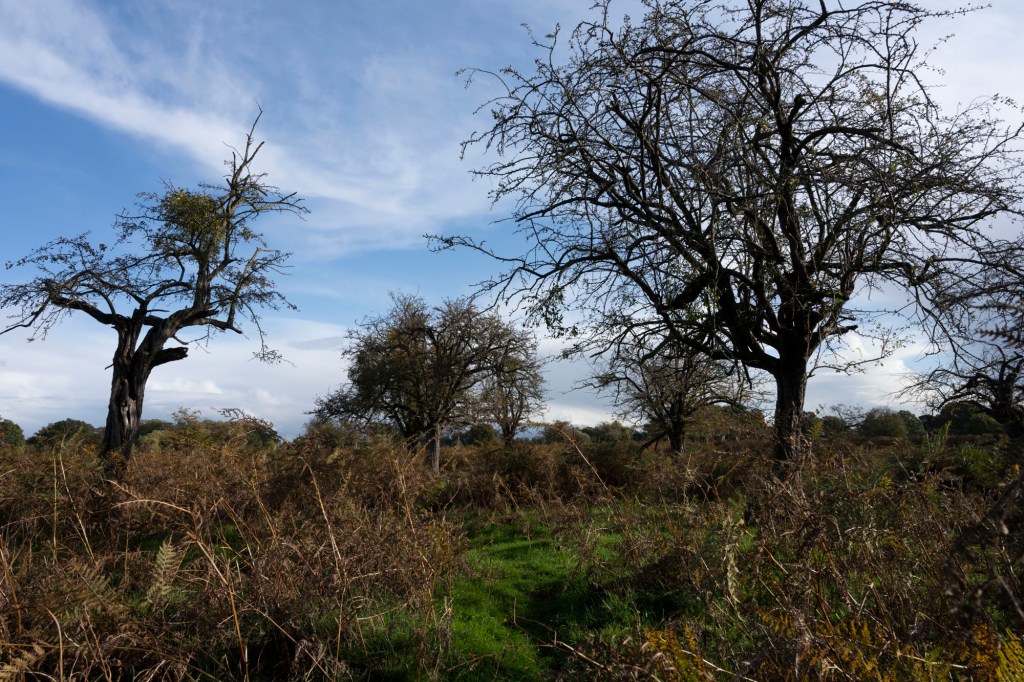
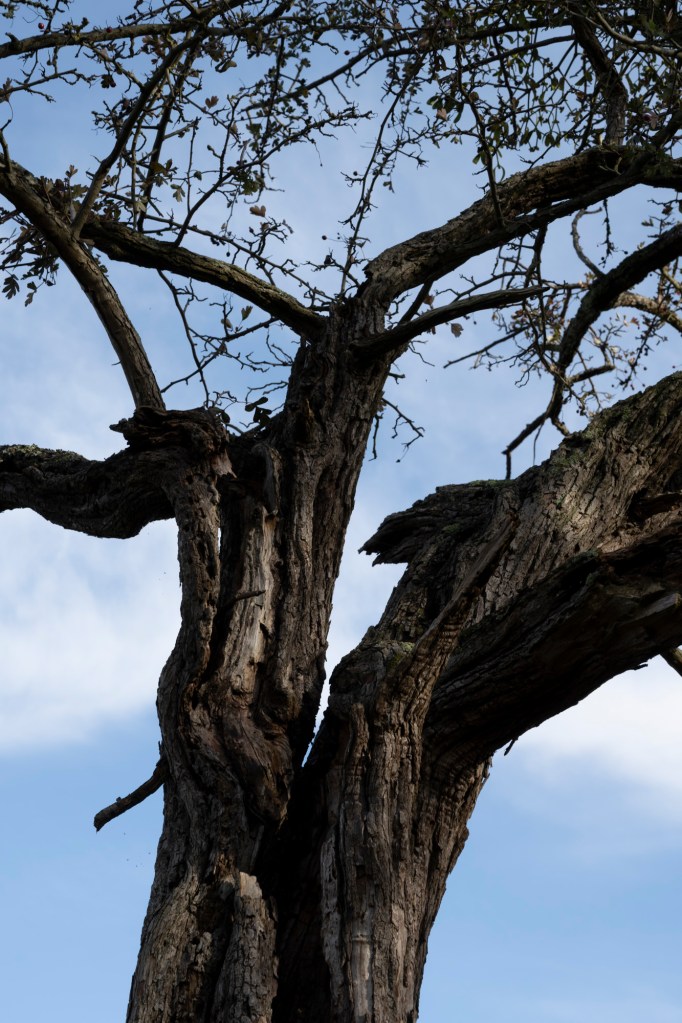
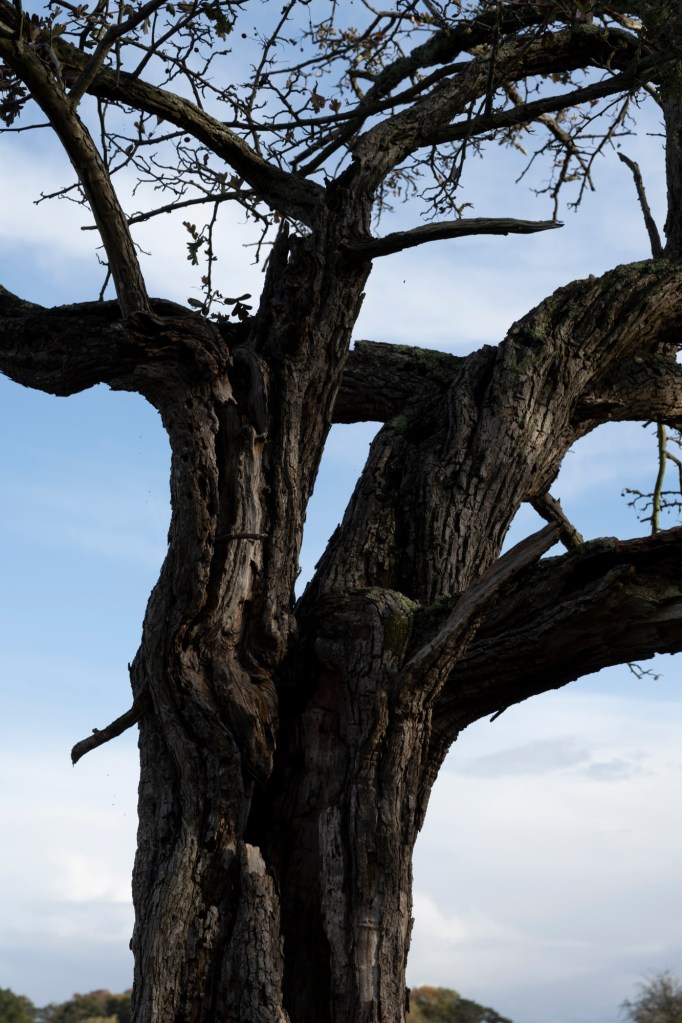
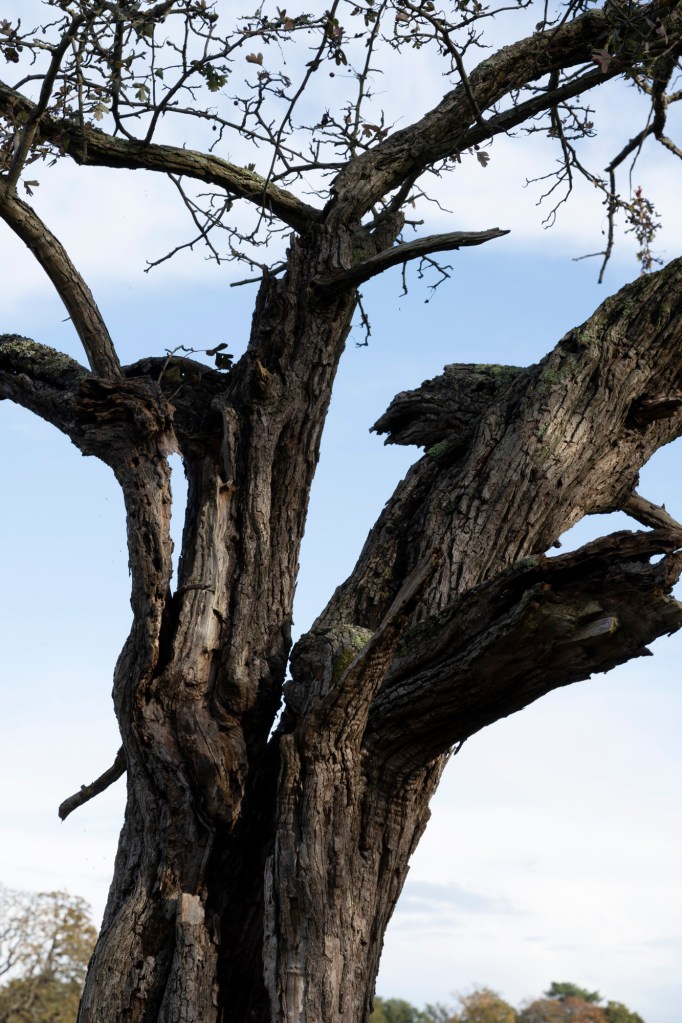
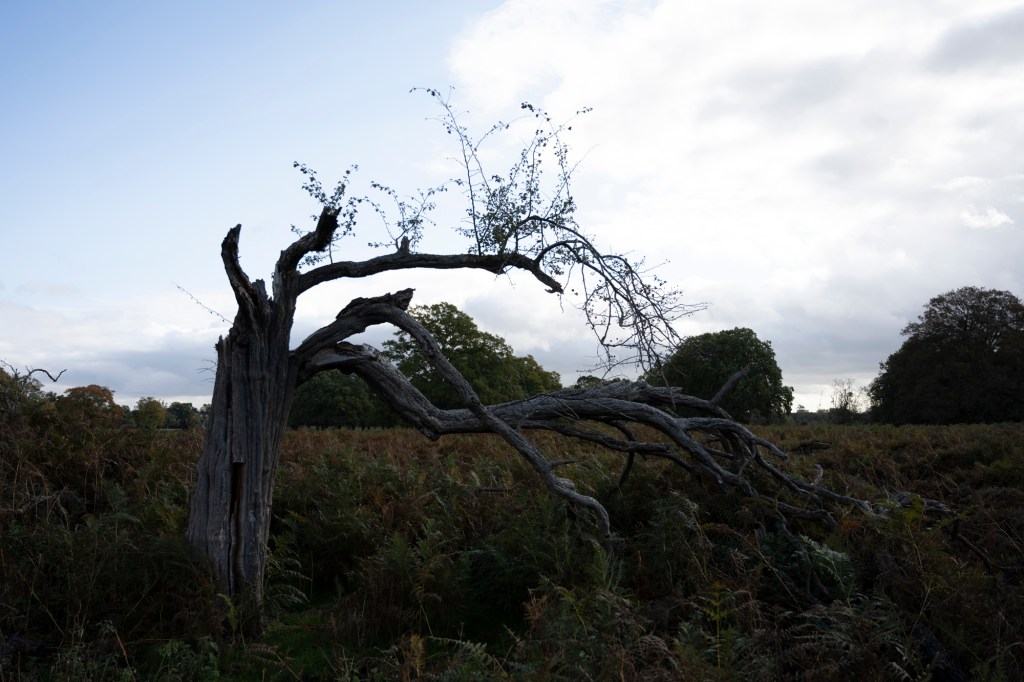
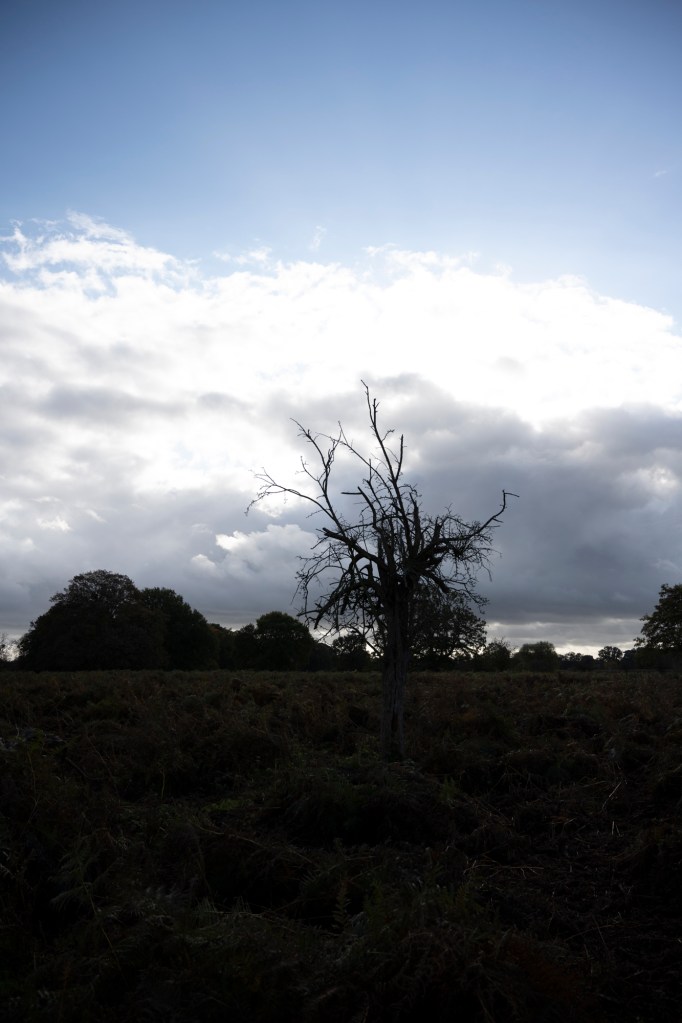
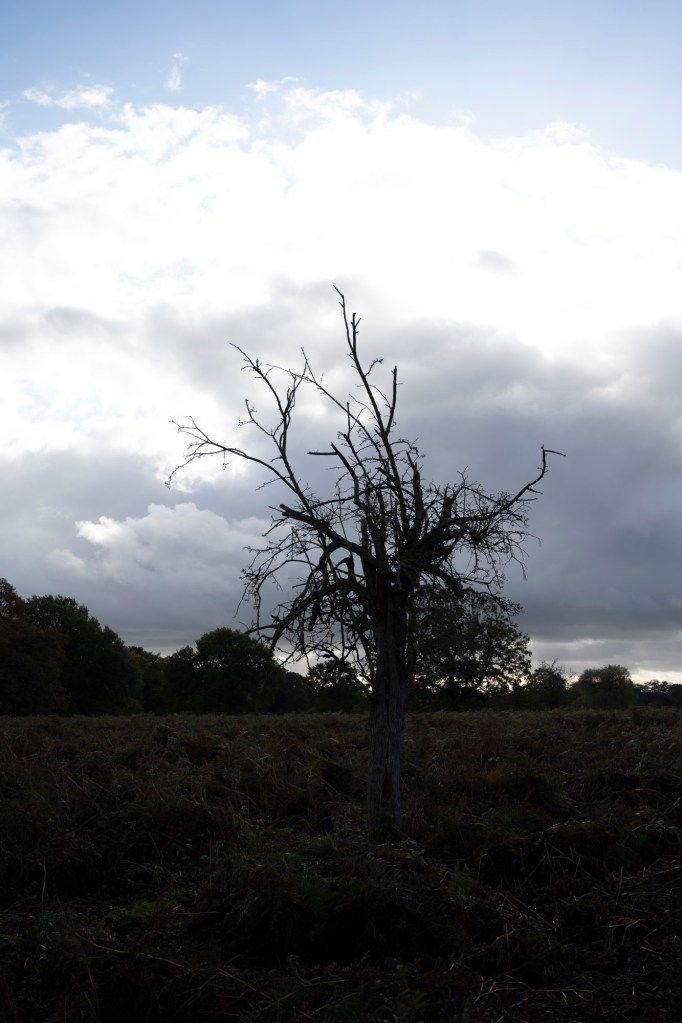
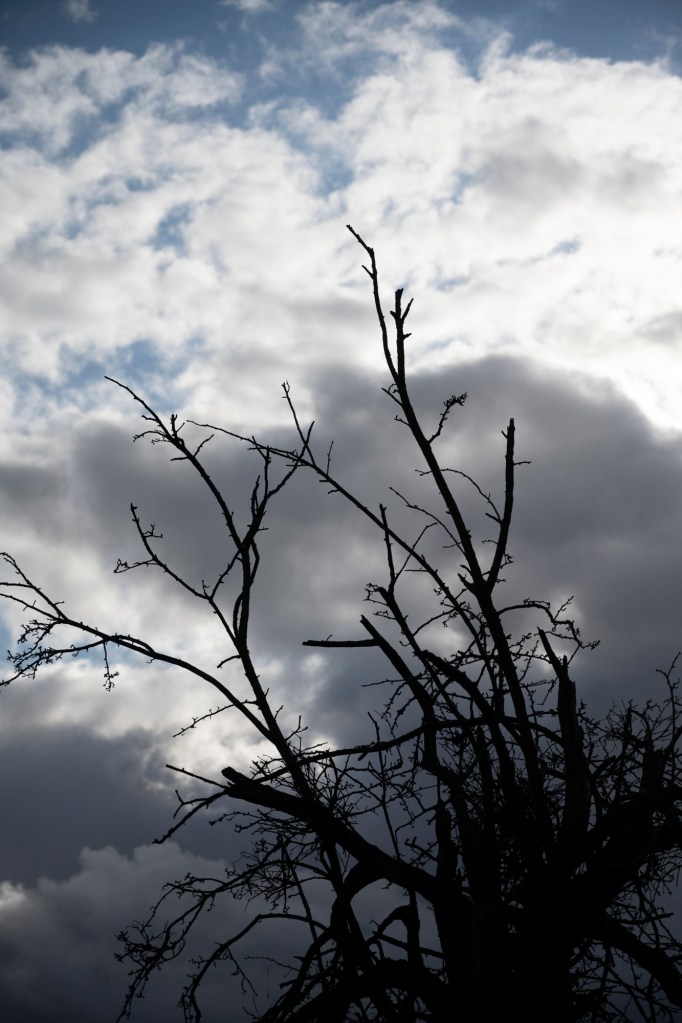
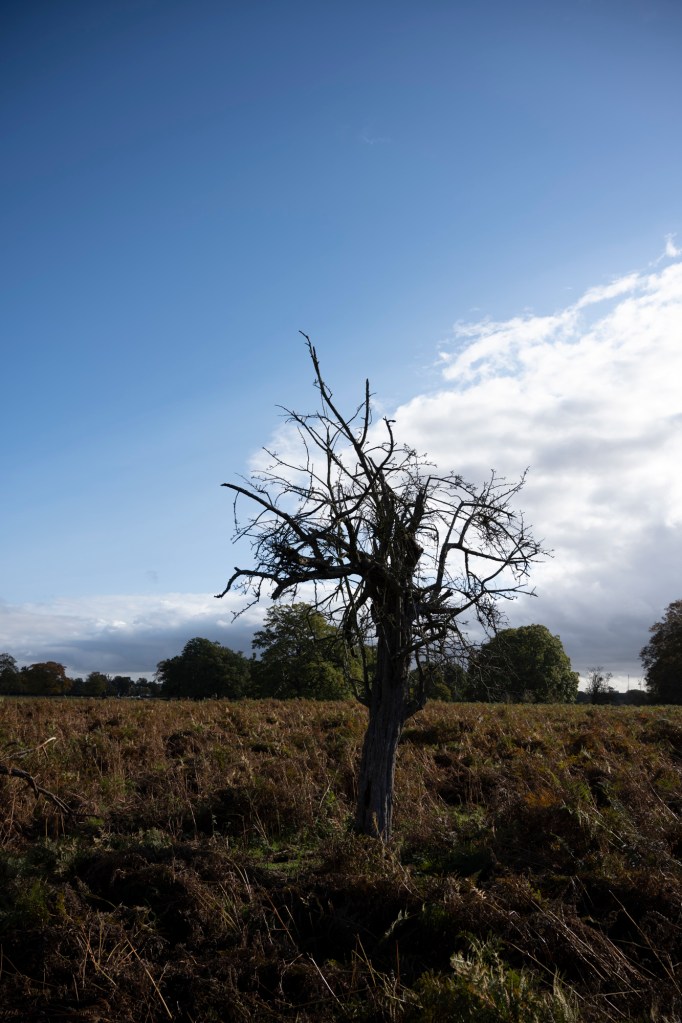
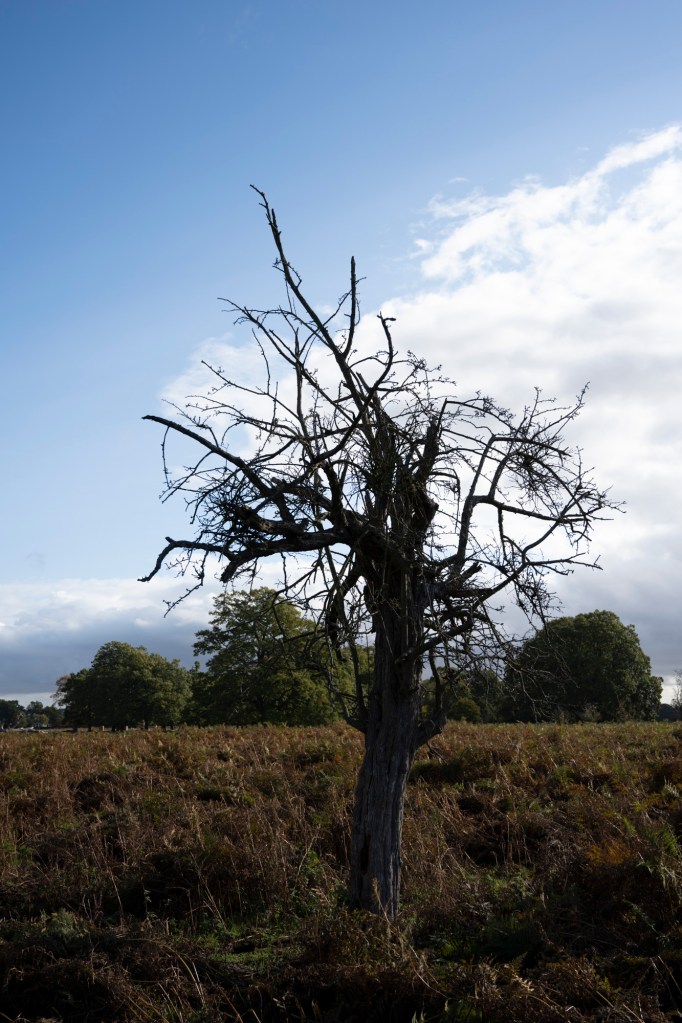
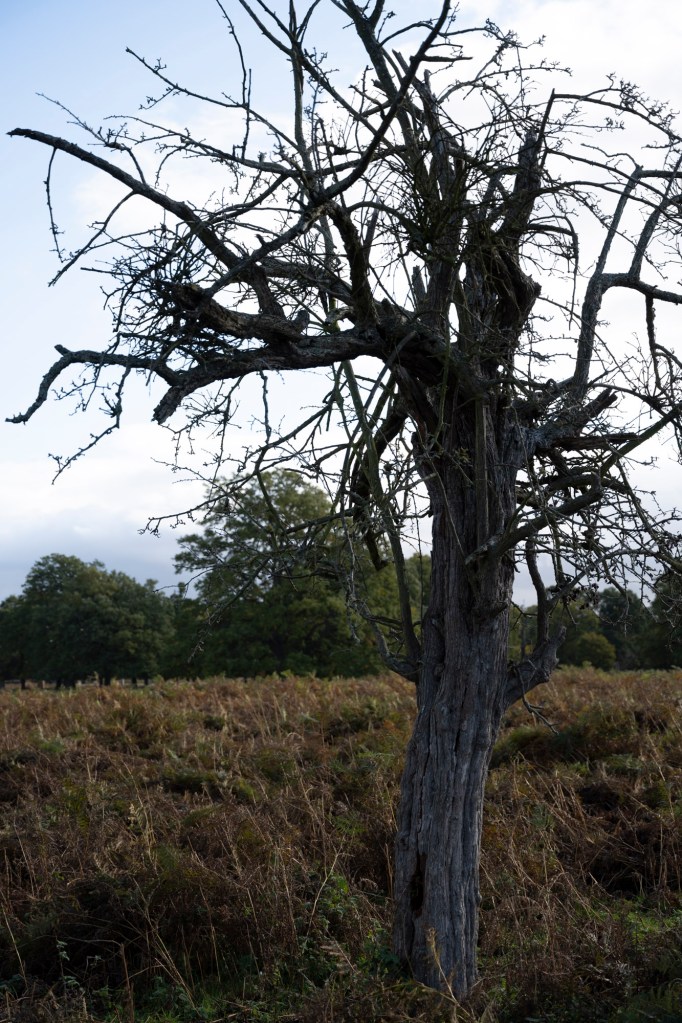
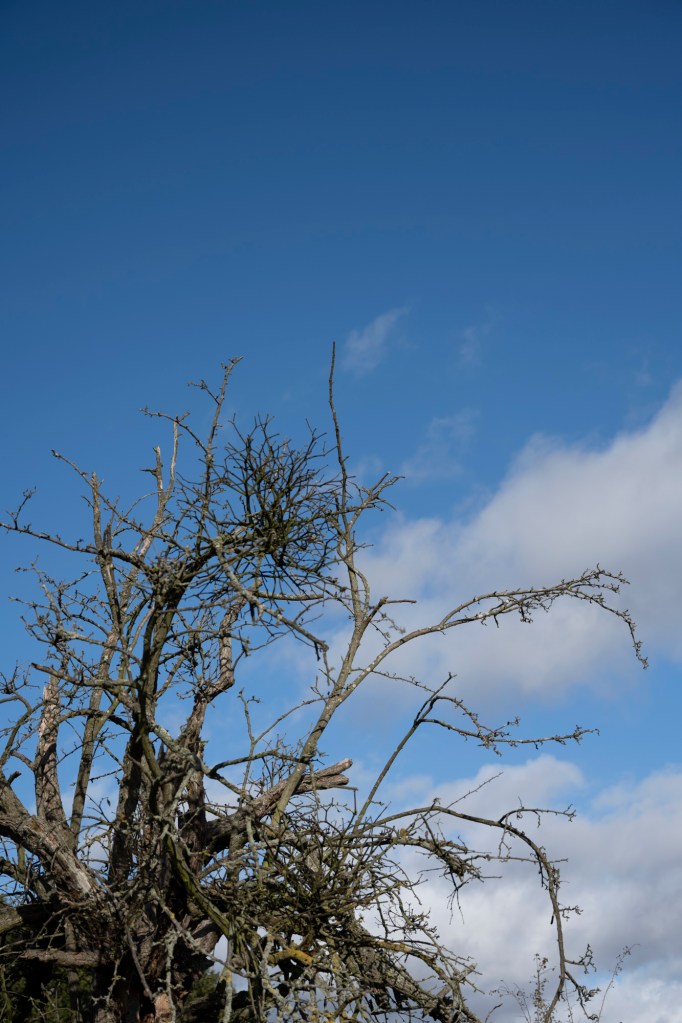
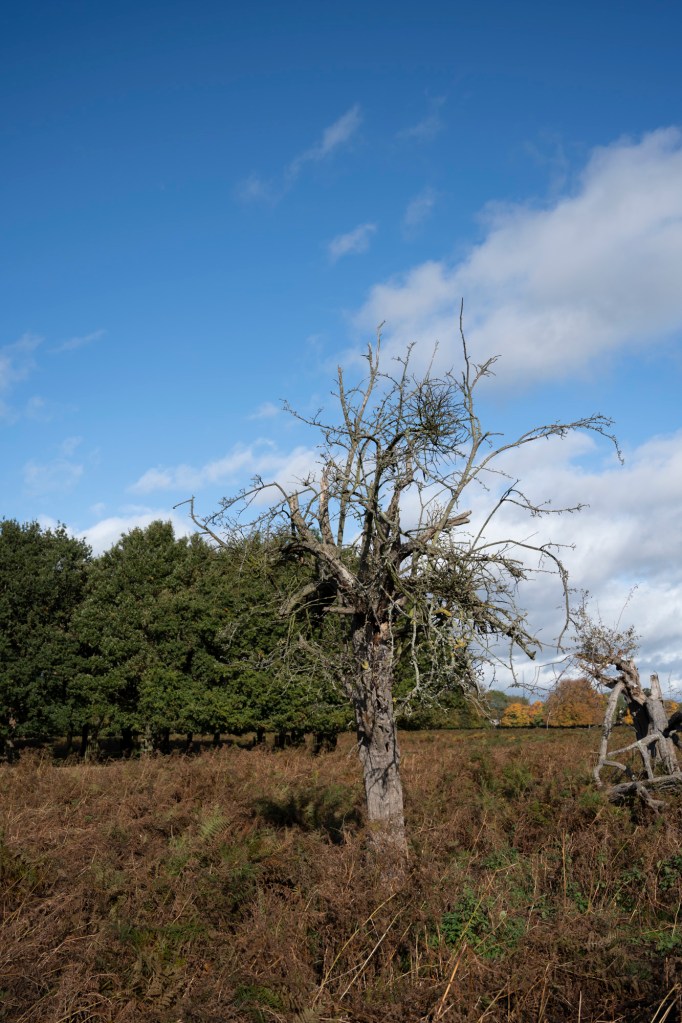
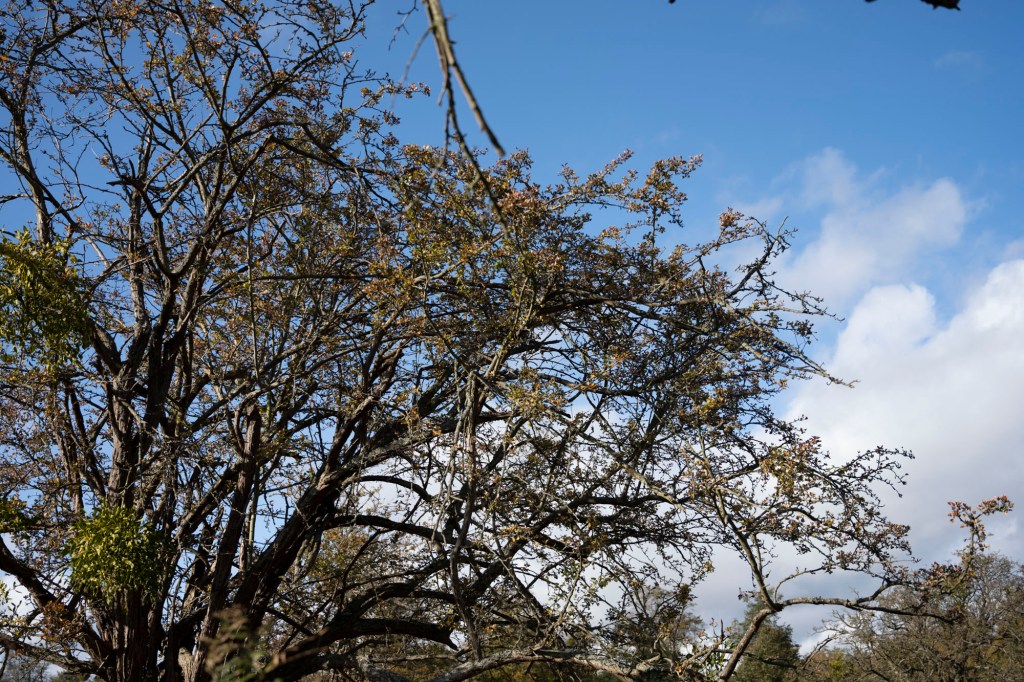
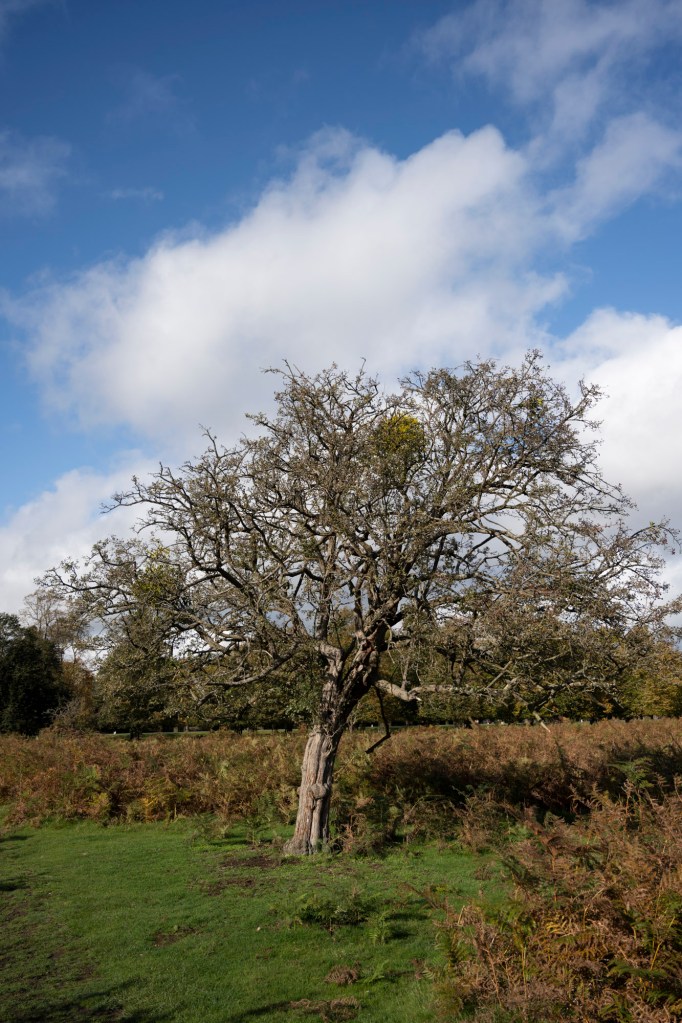
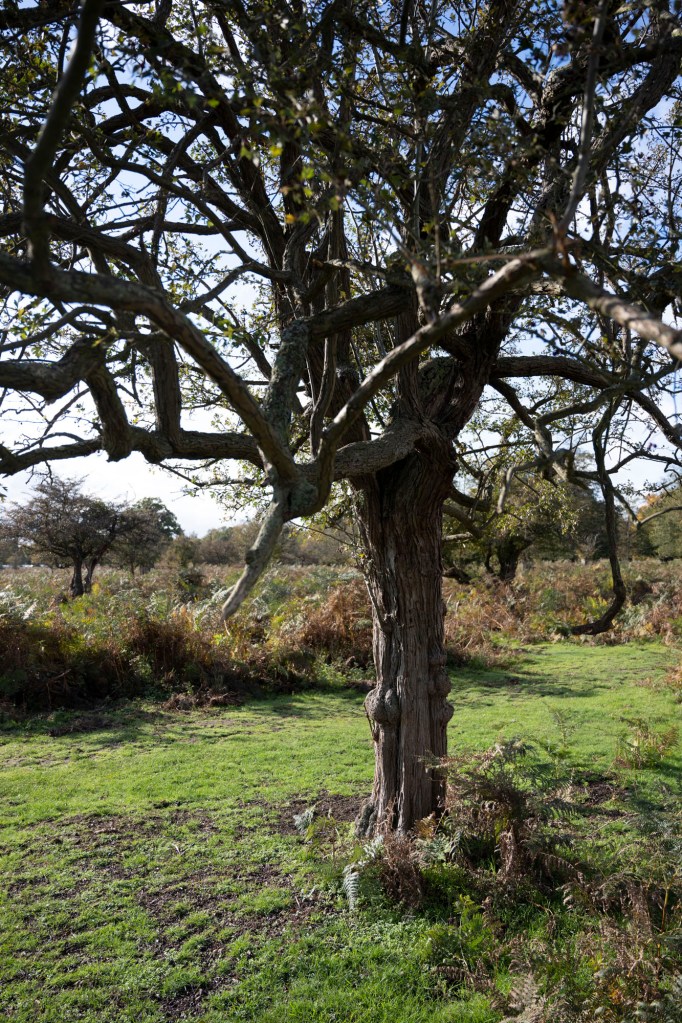
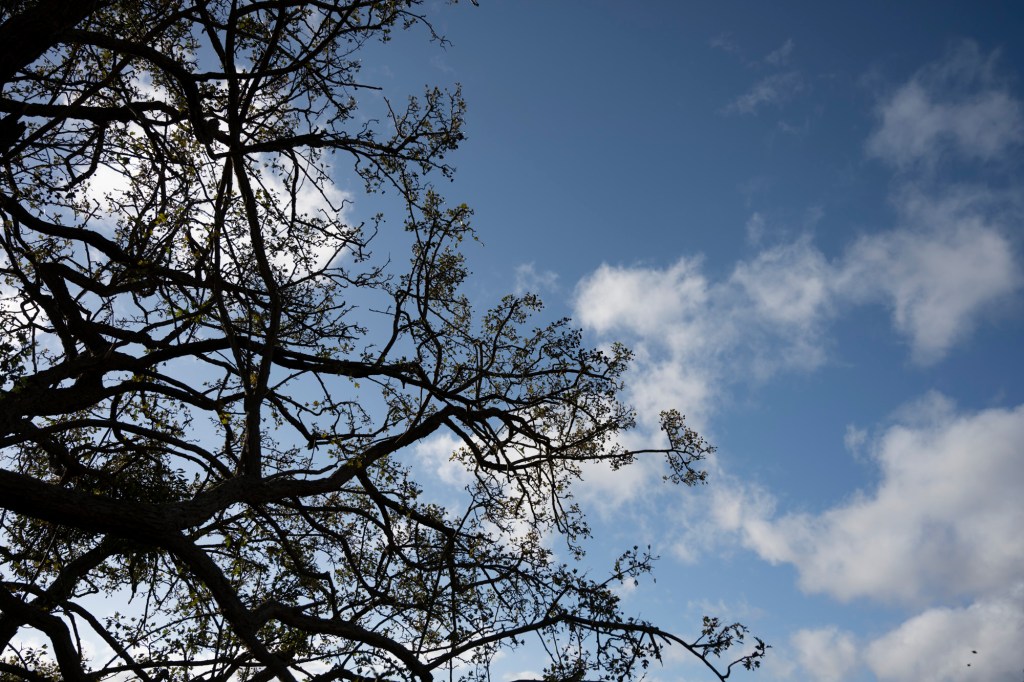
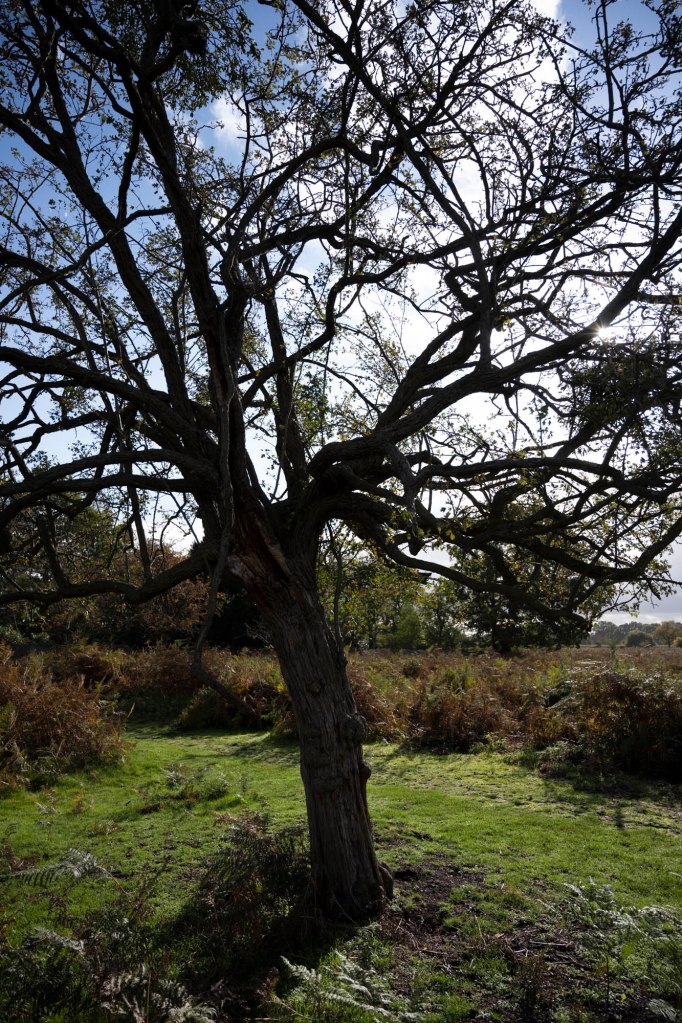
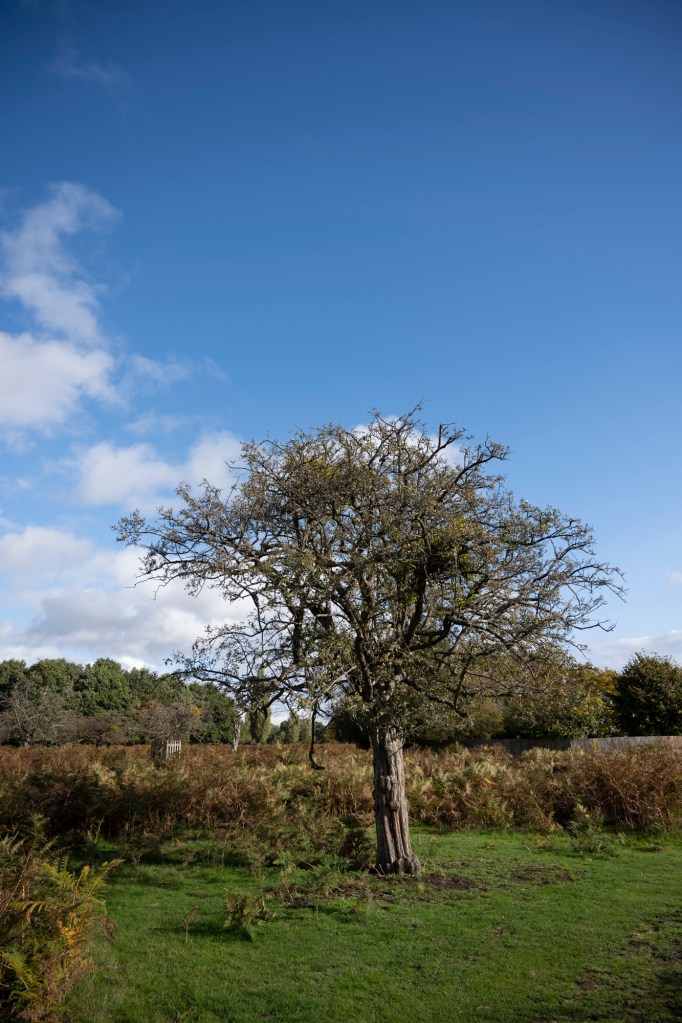
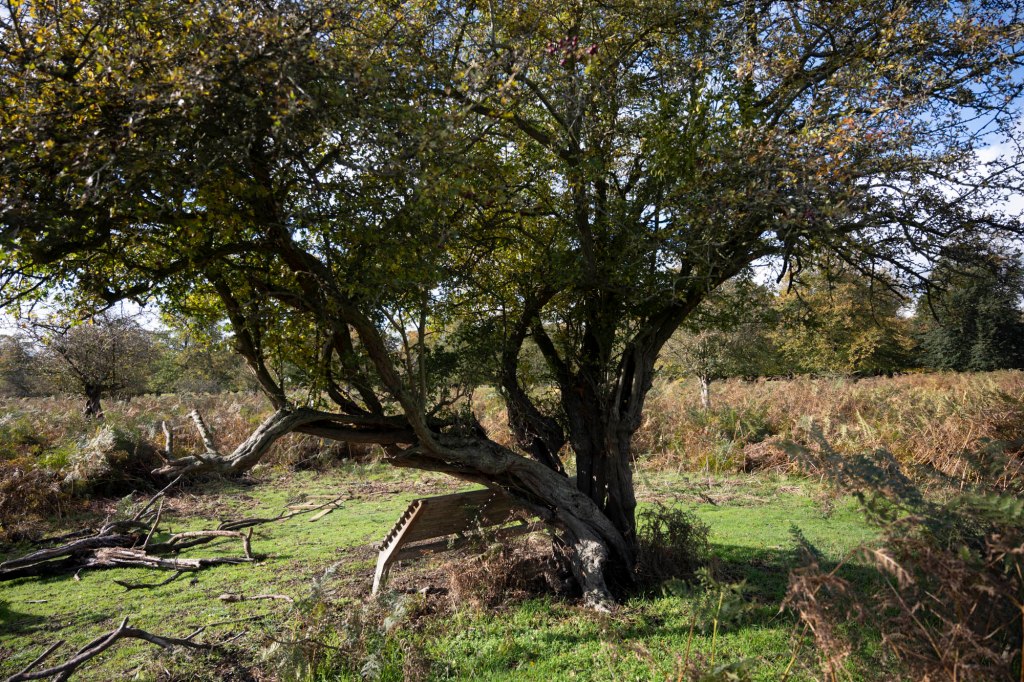
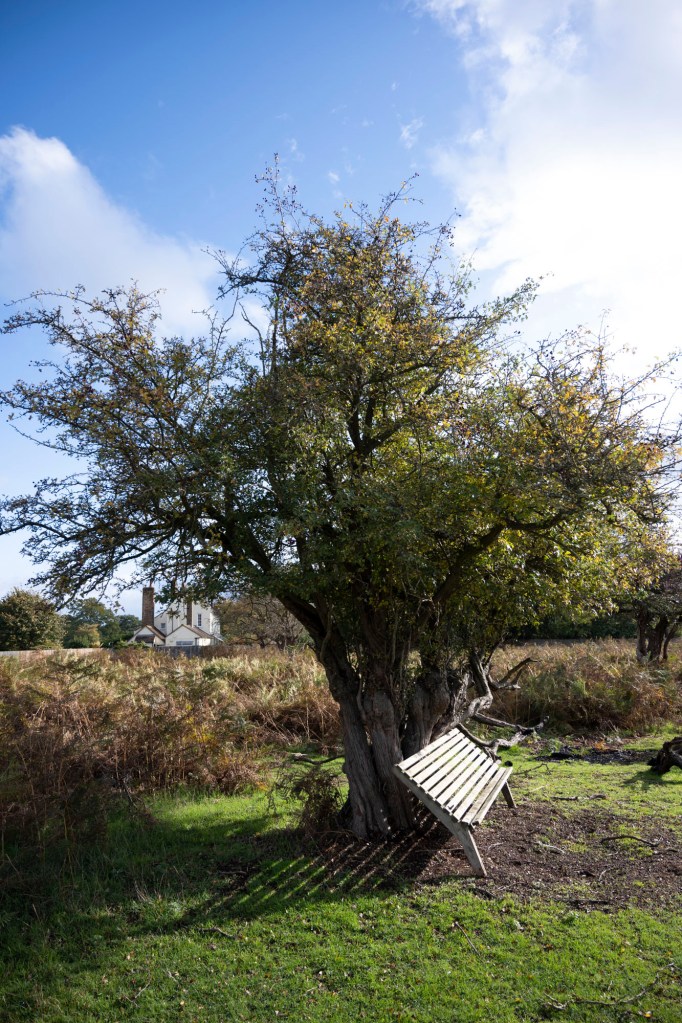
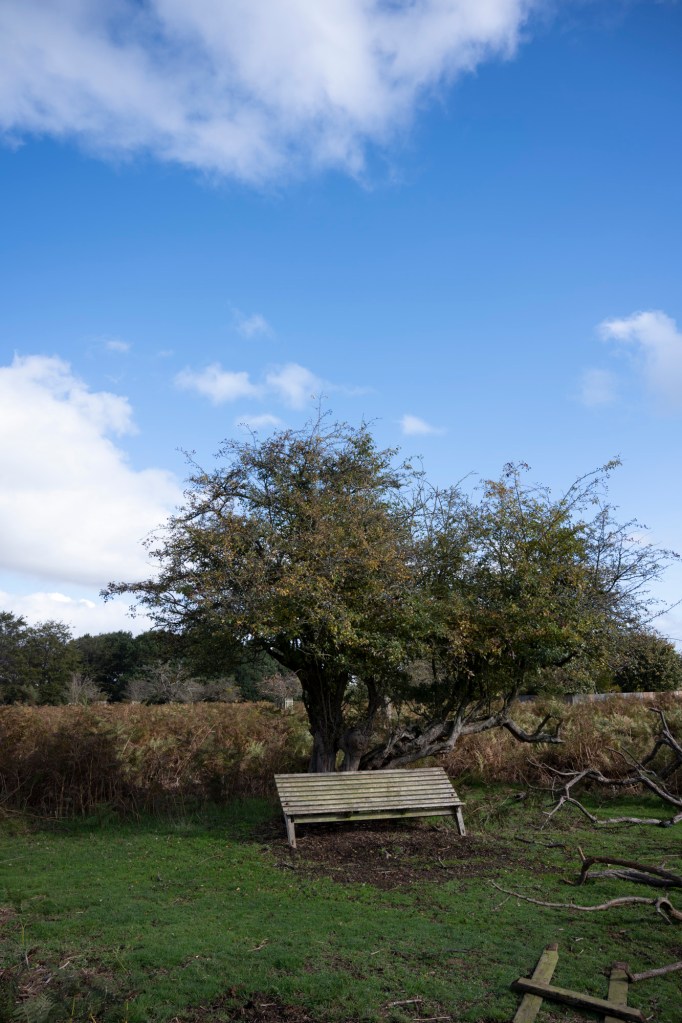
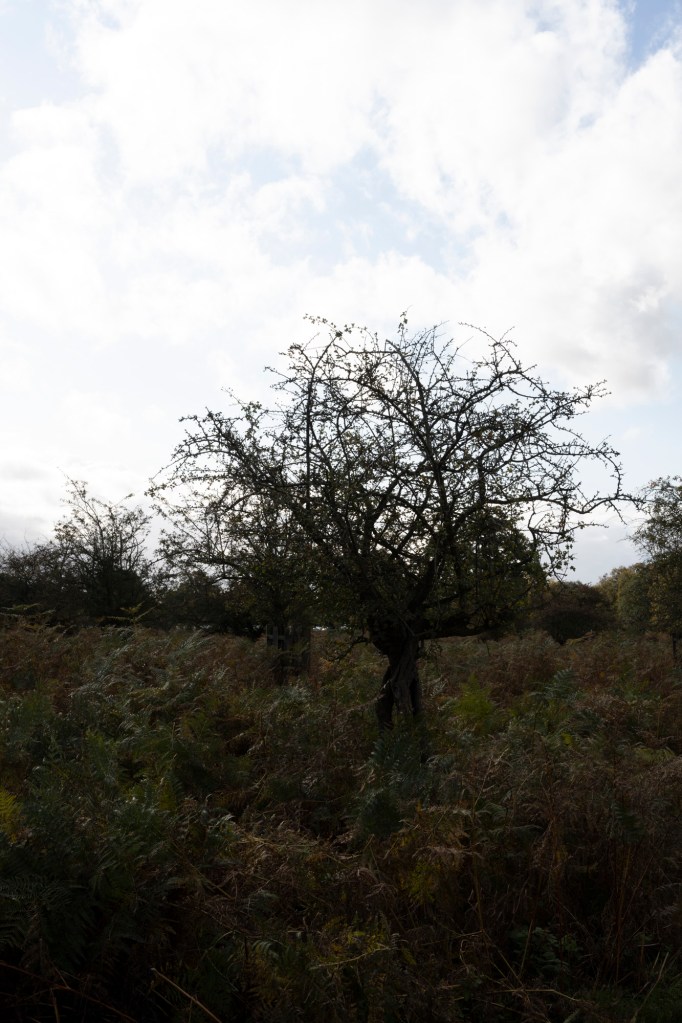
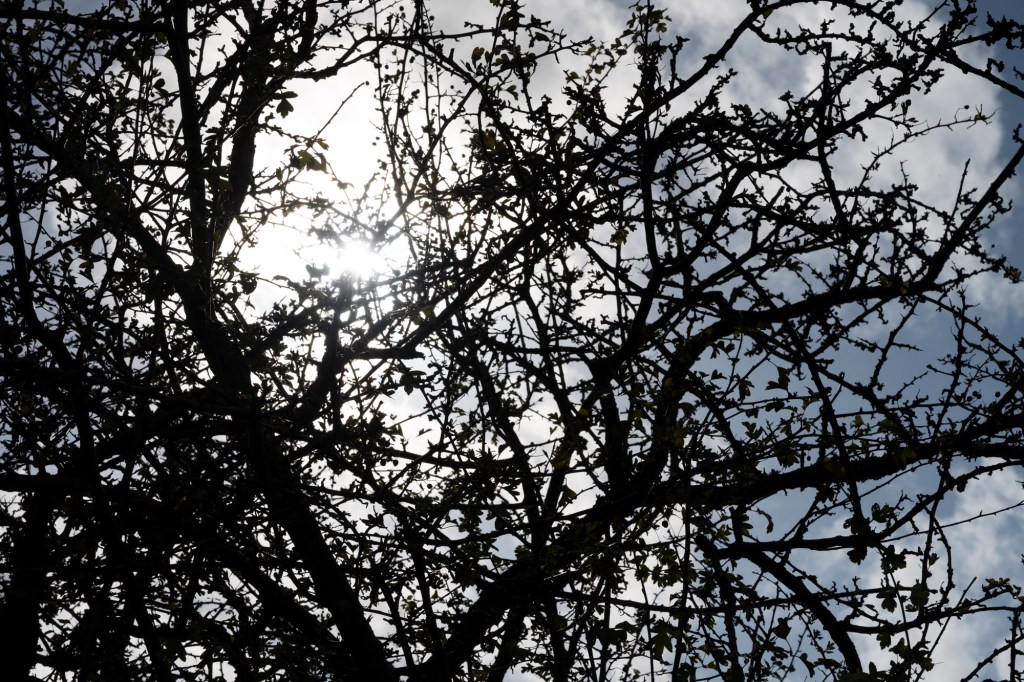
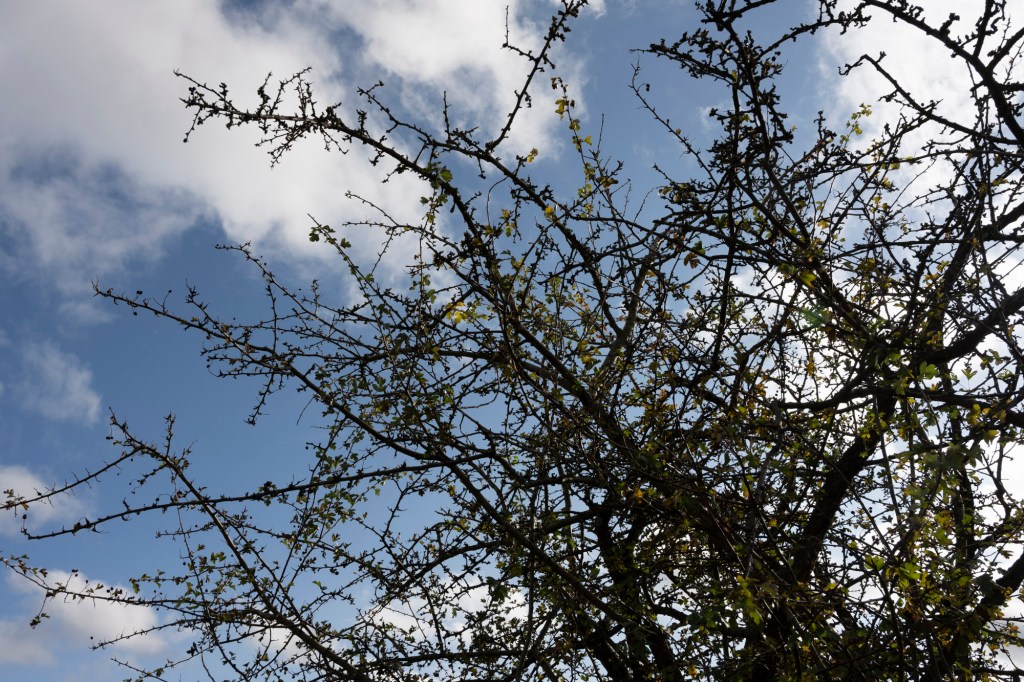
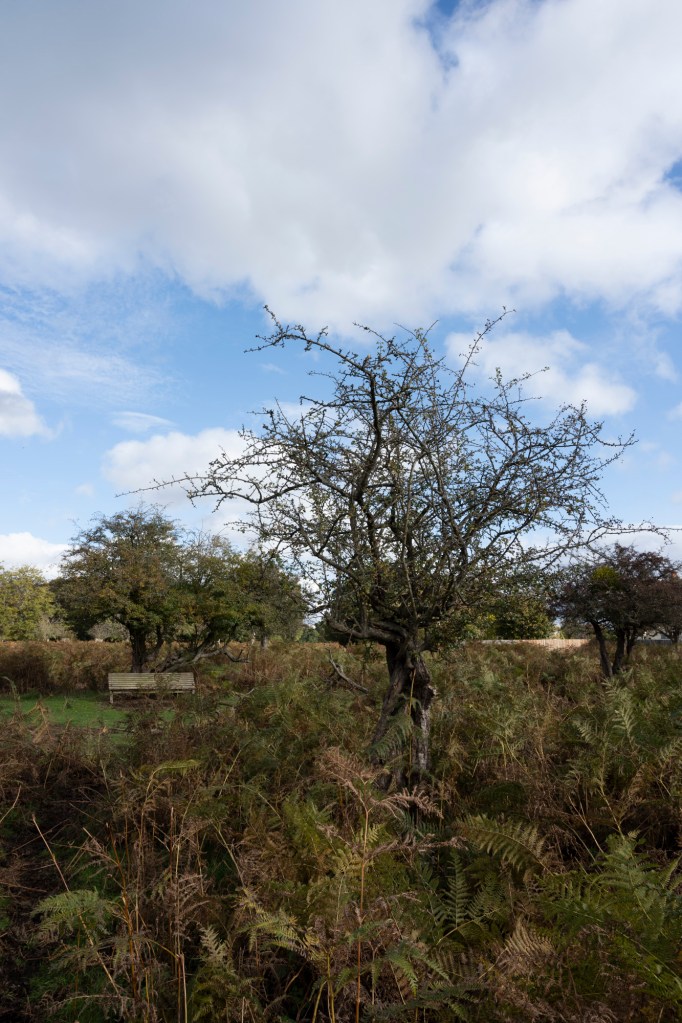
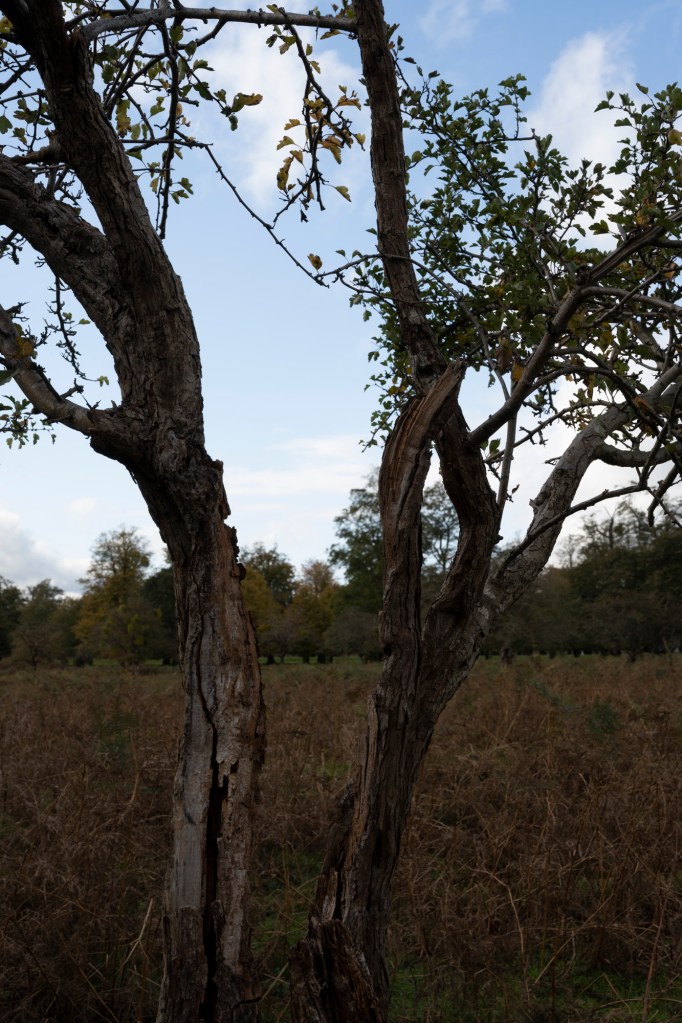
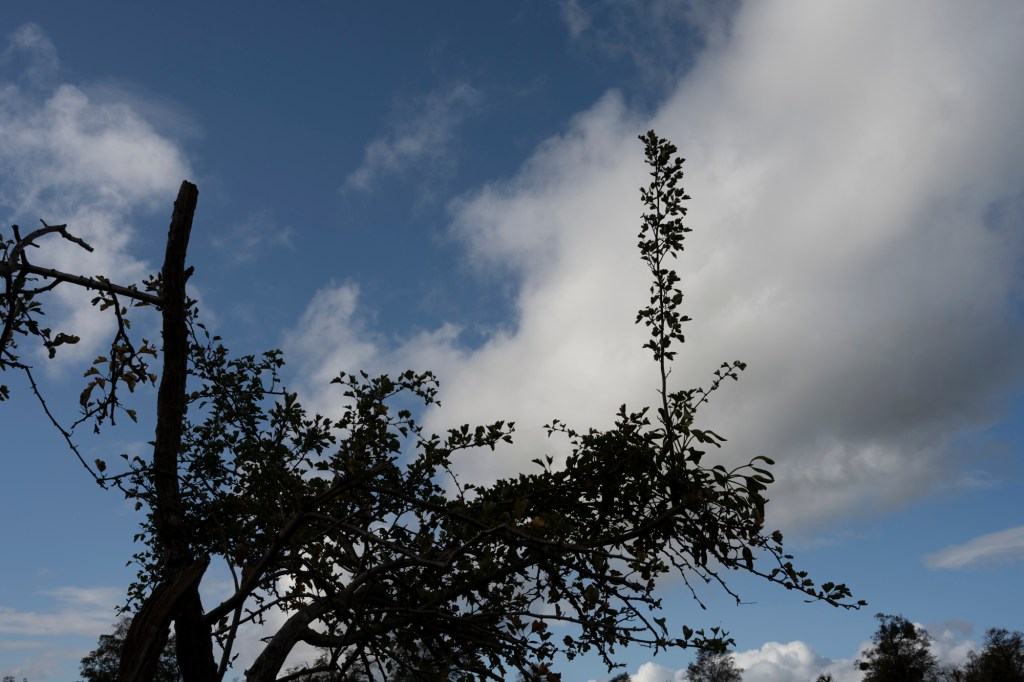
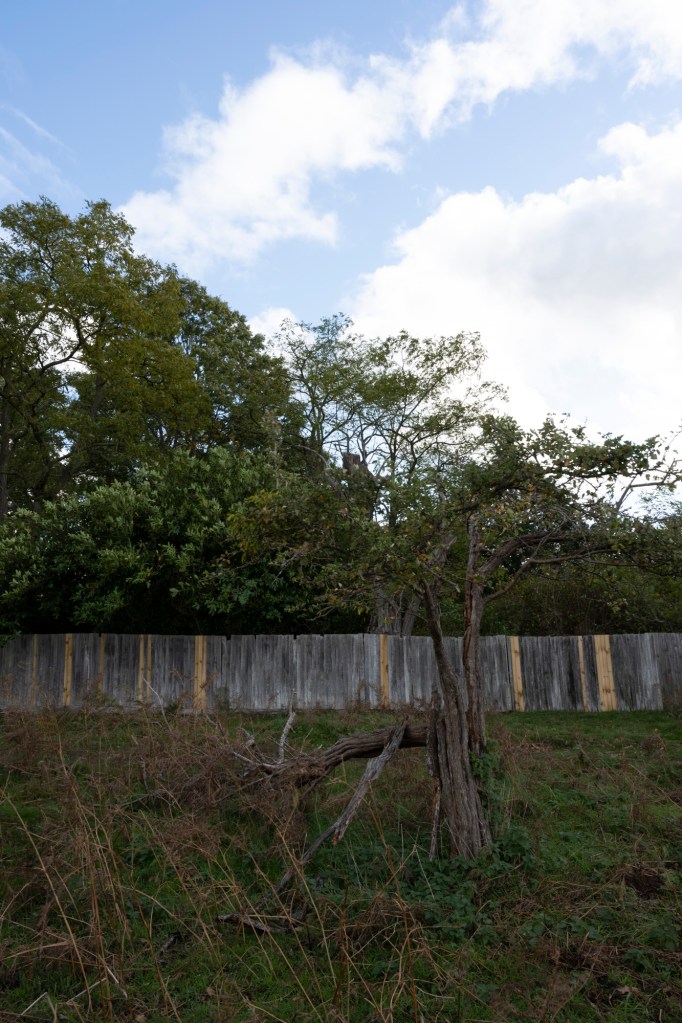
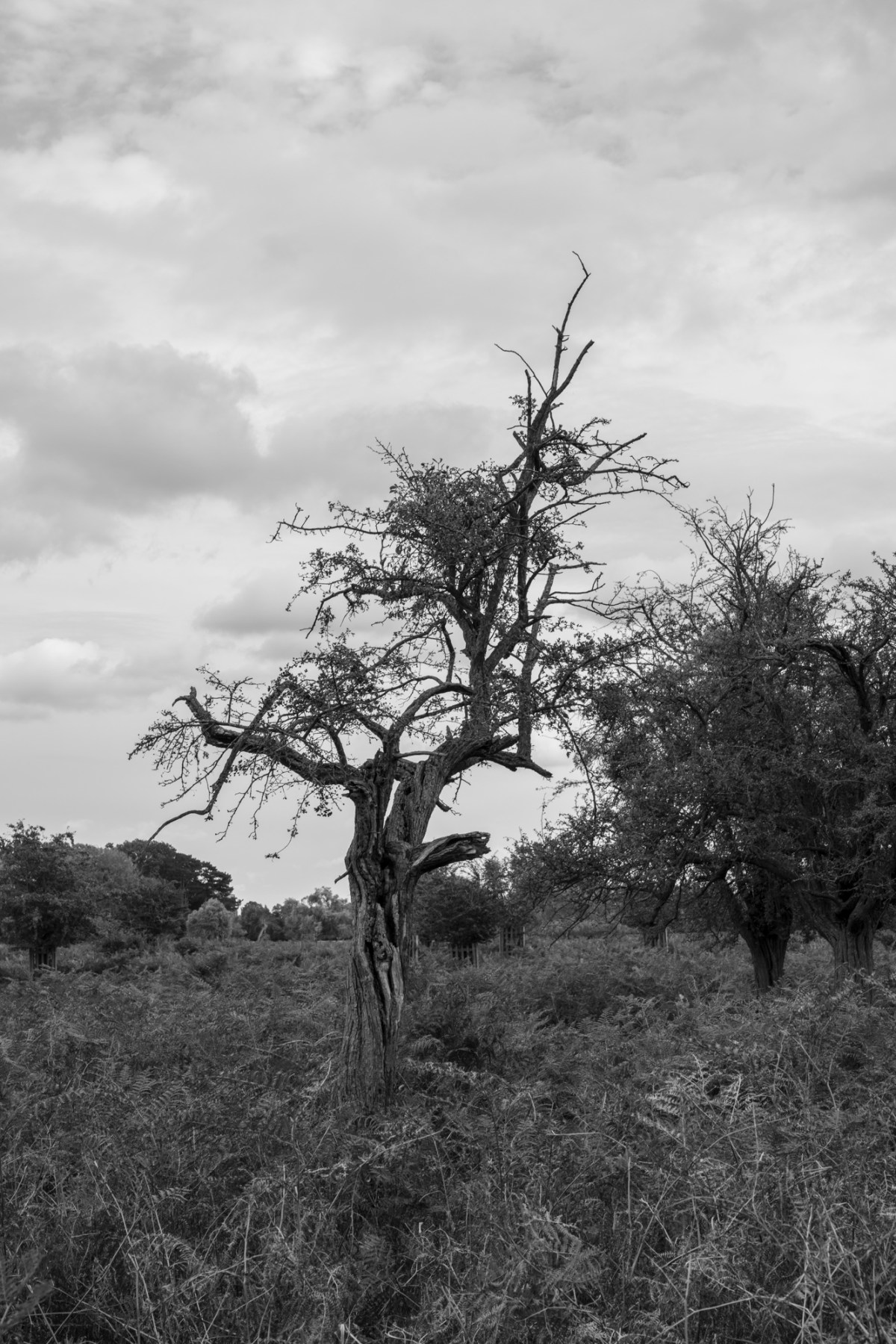
This tree really made an impression on me. On approach, this hawthorn looks initially like this.
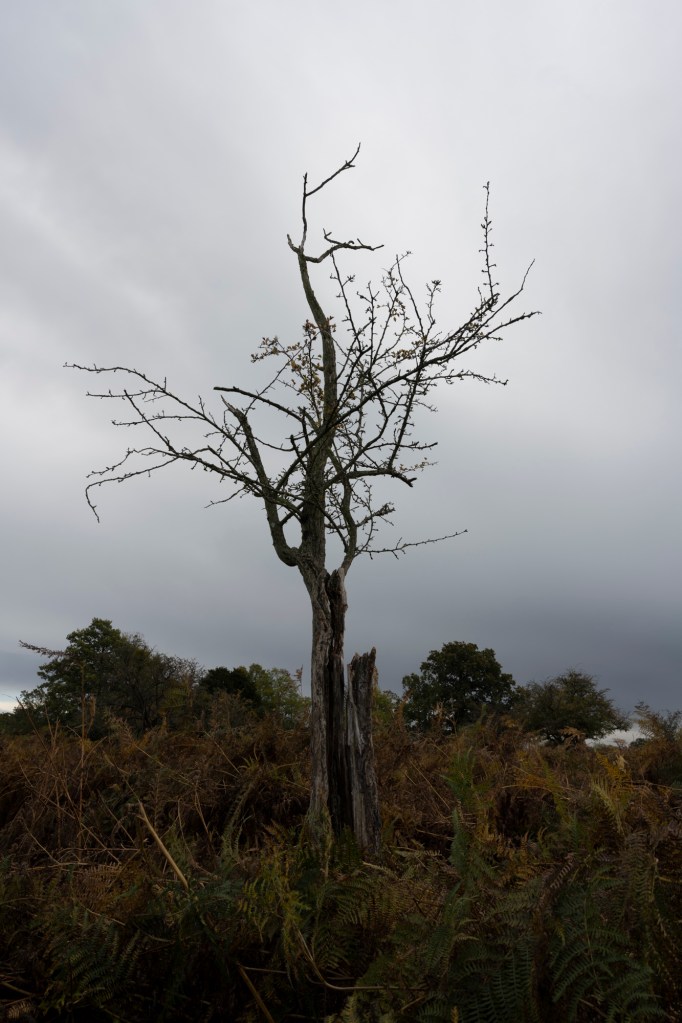
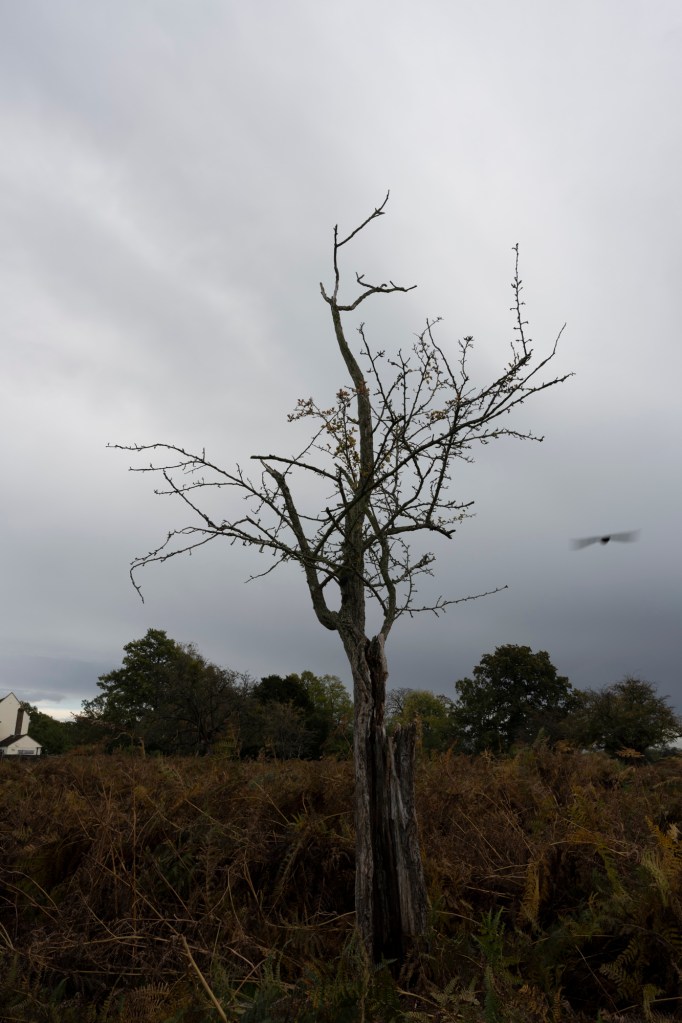
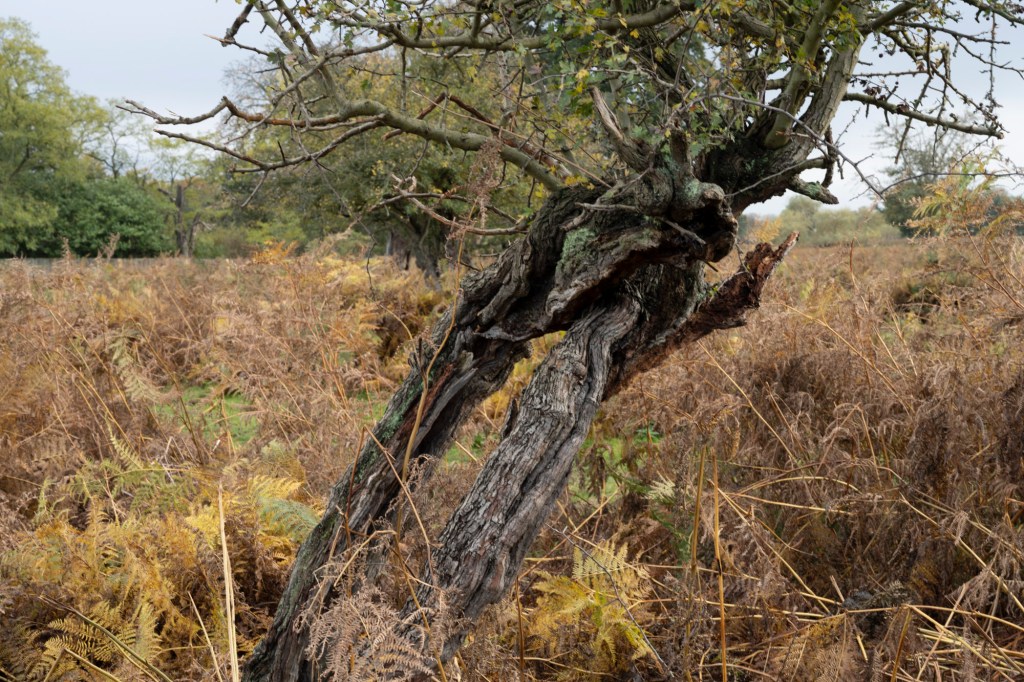
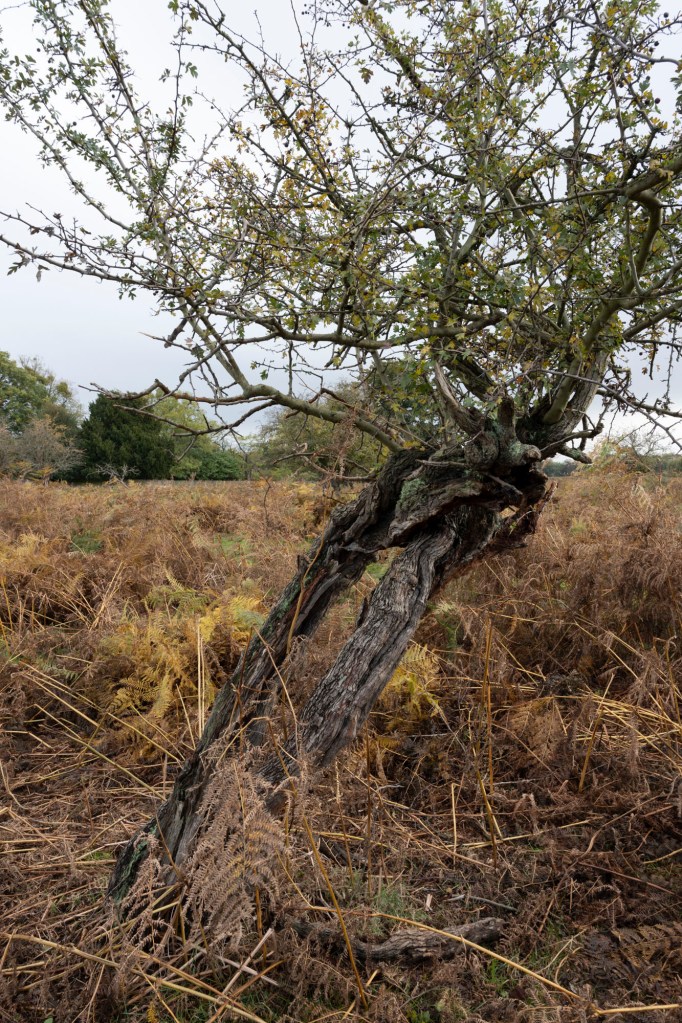
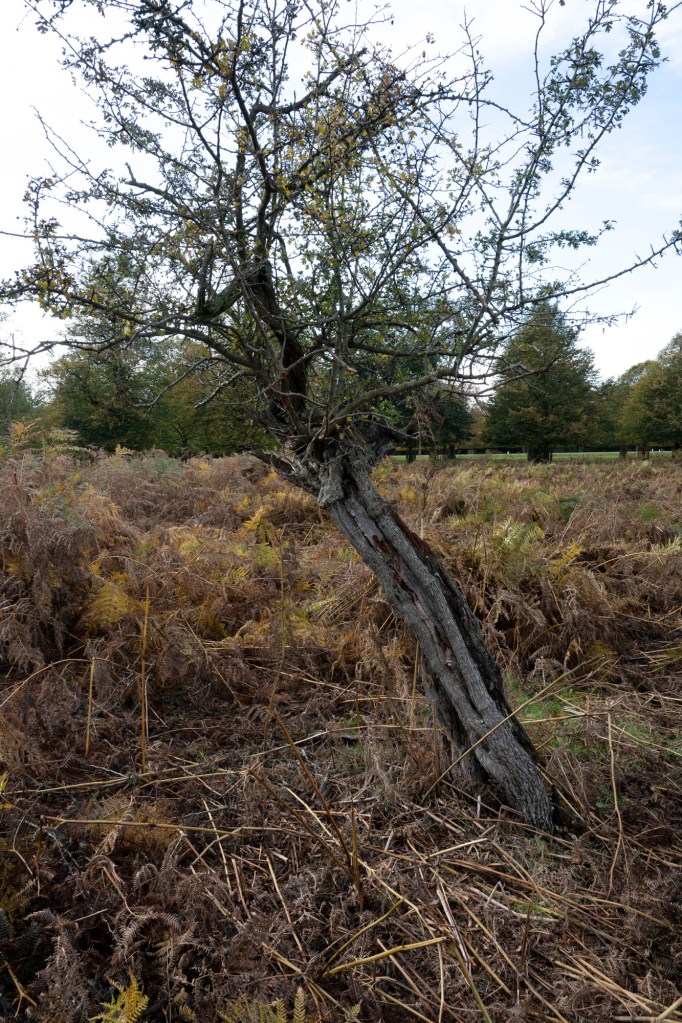
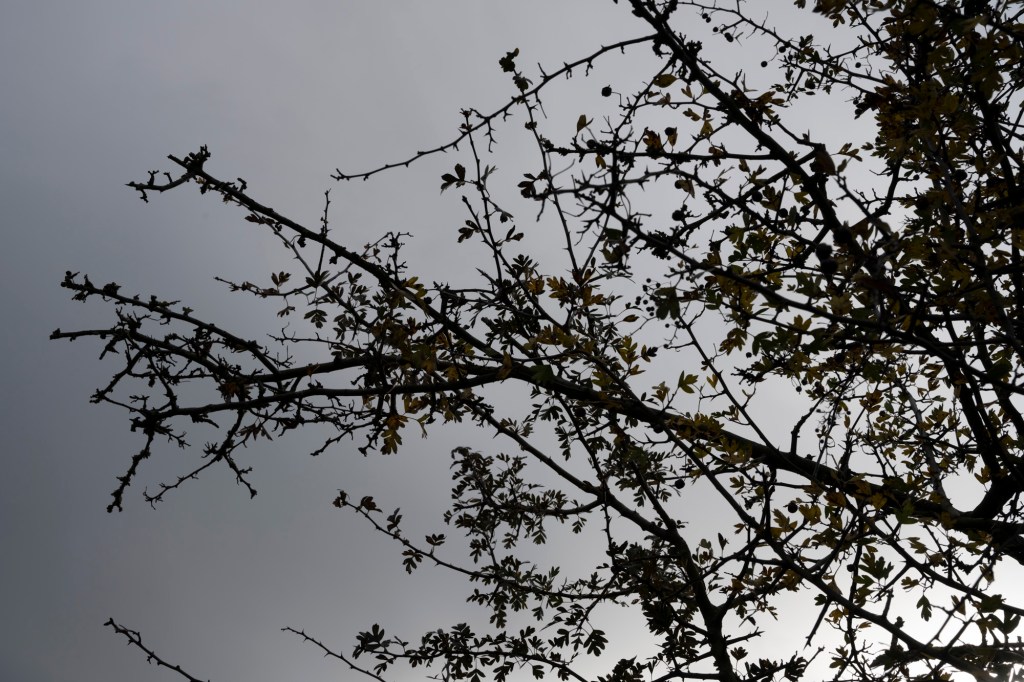
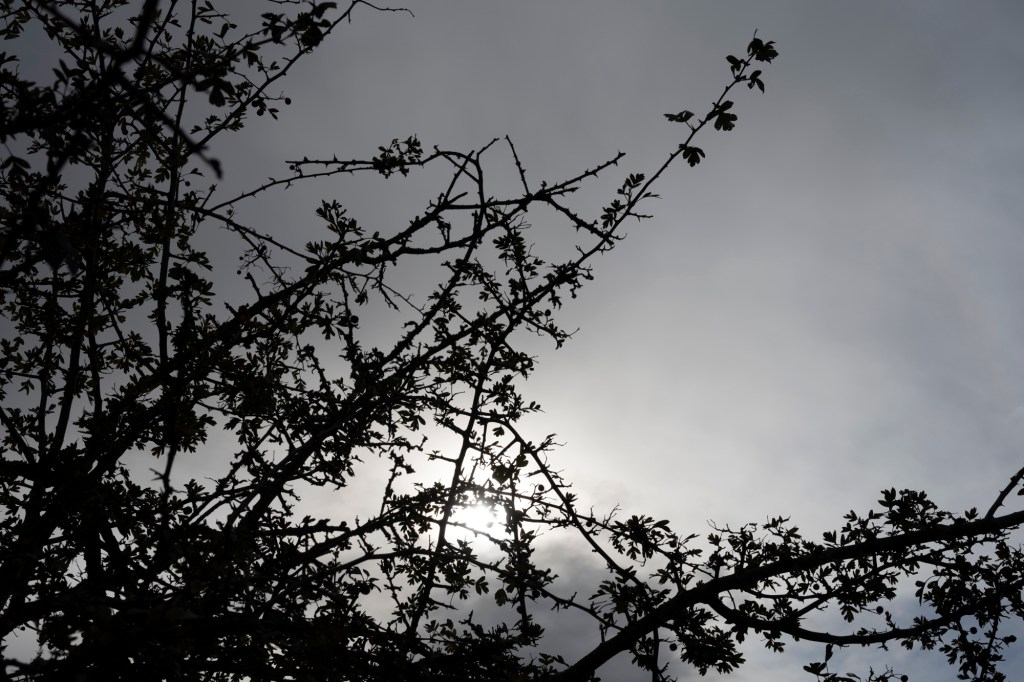
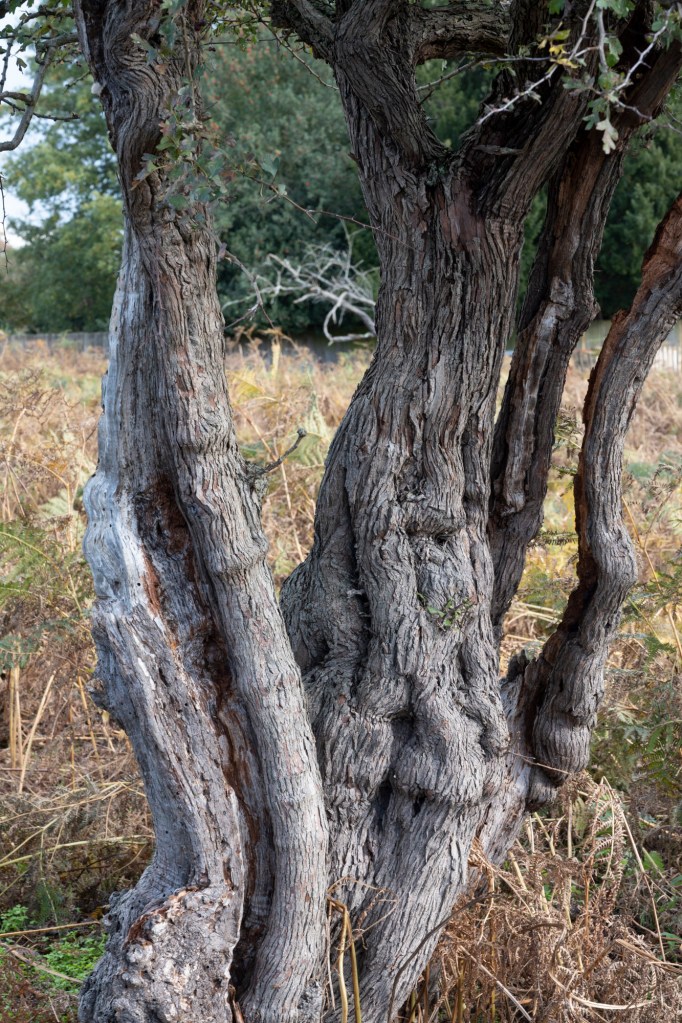
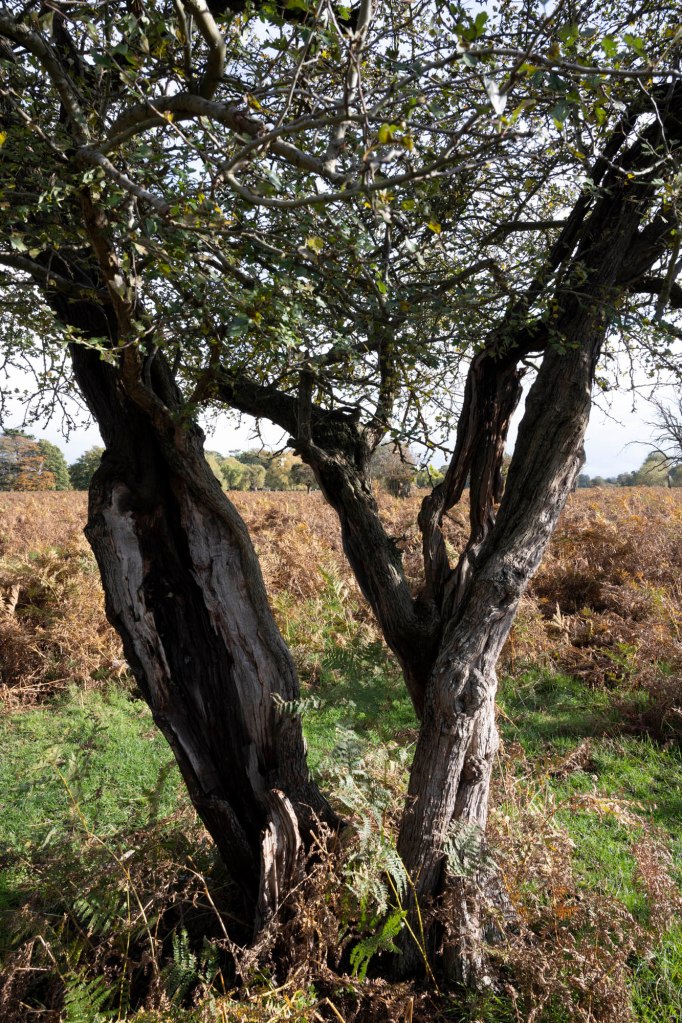
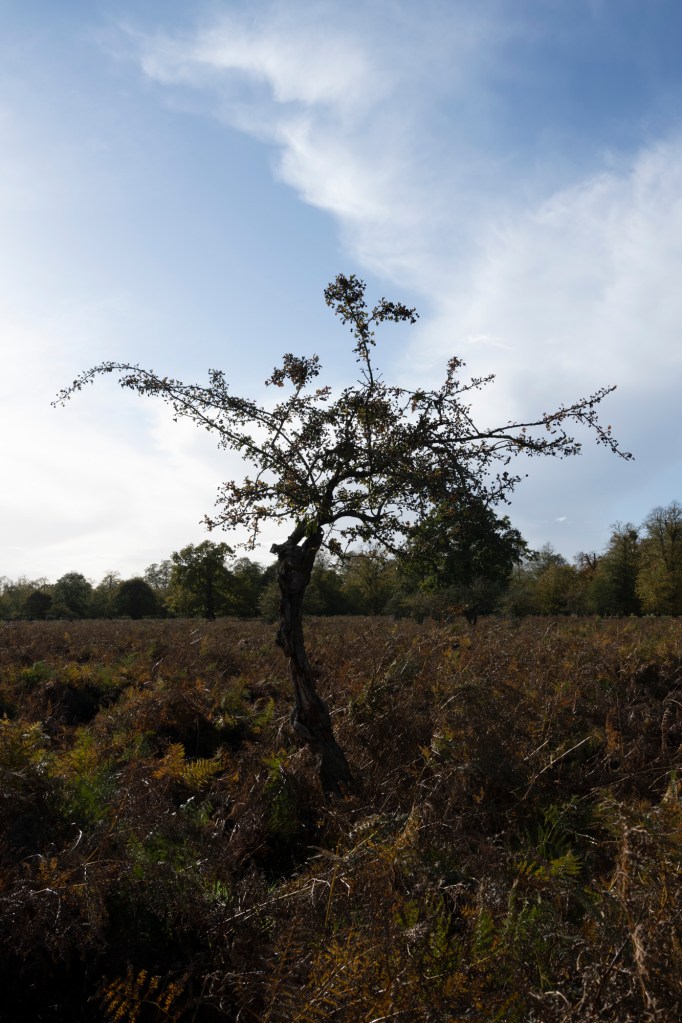
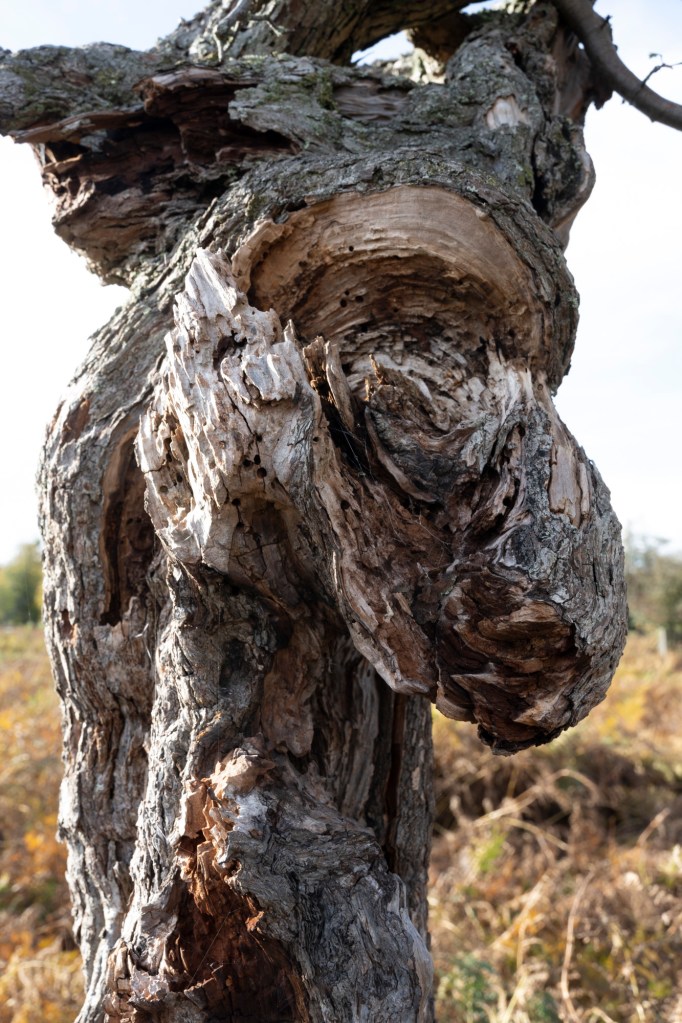
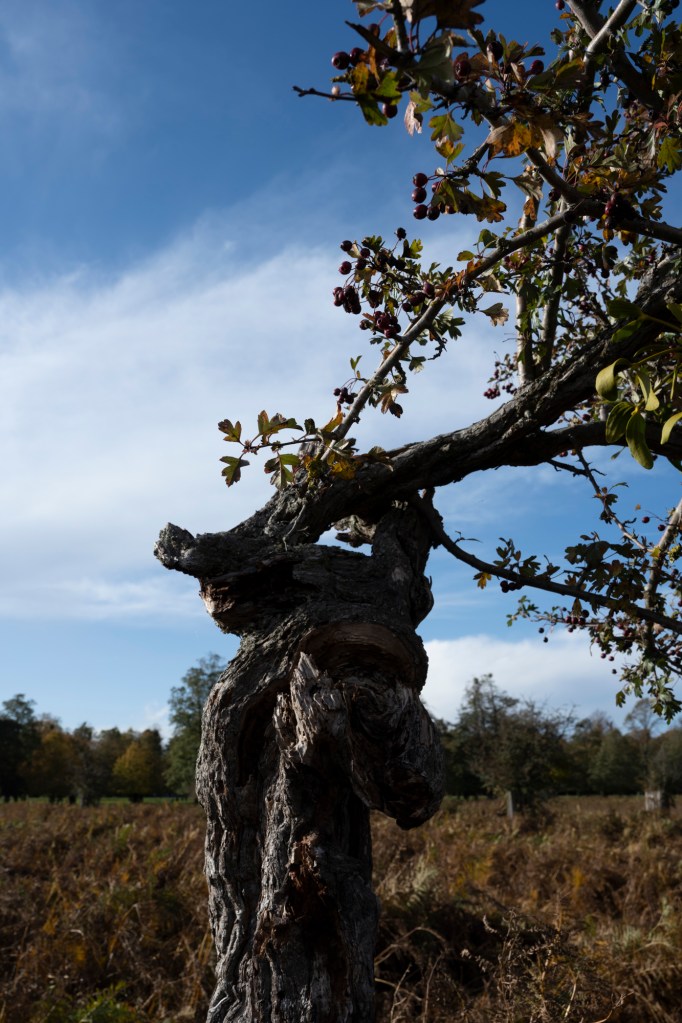
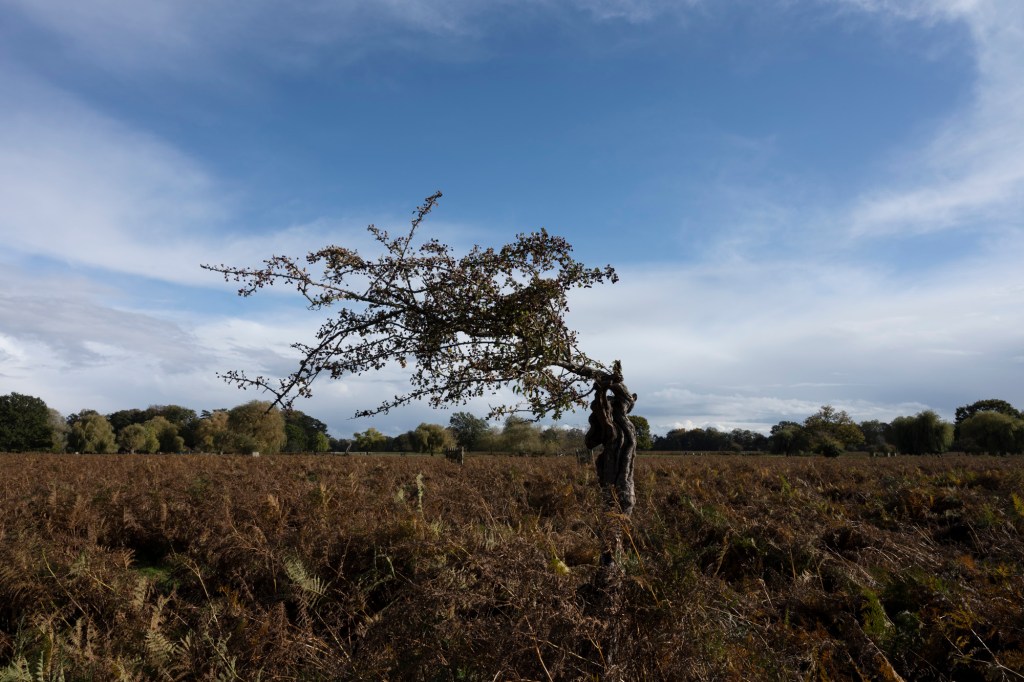
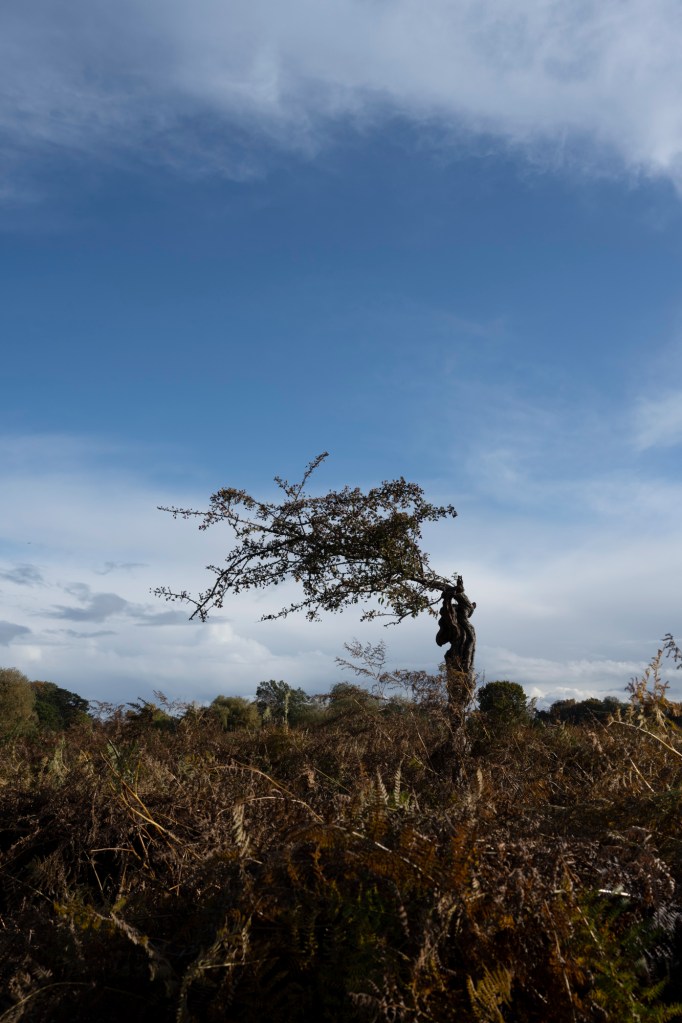
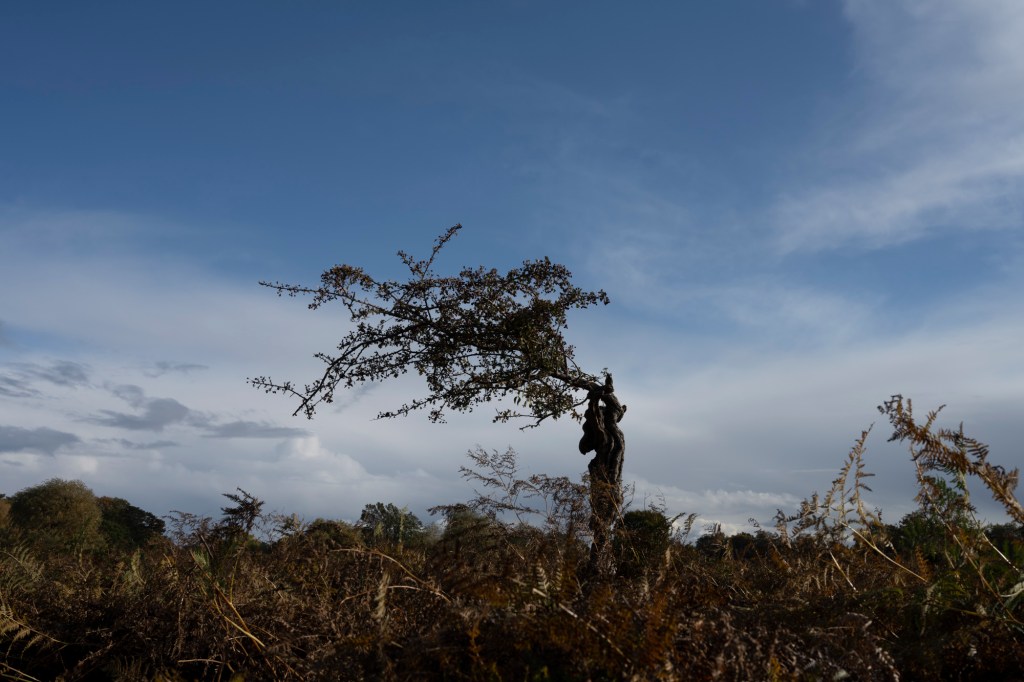
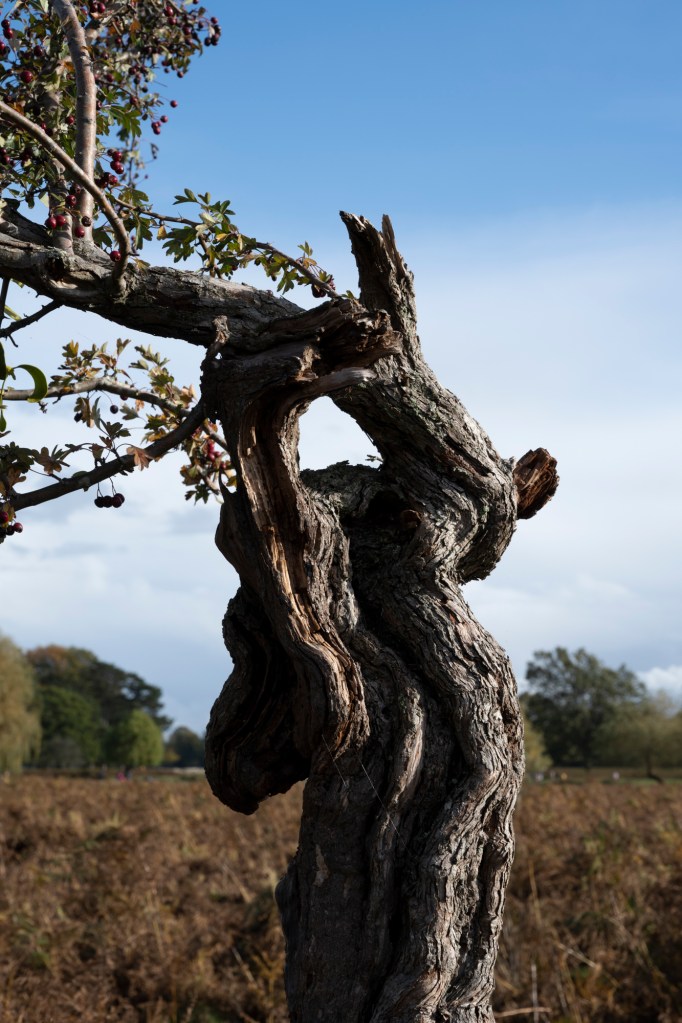
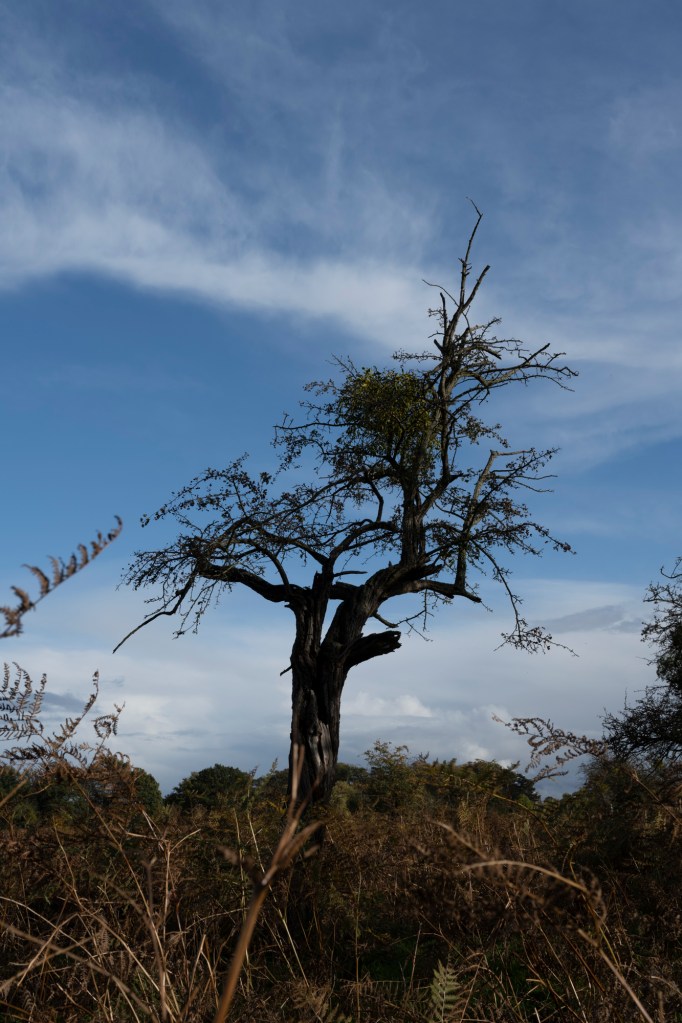
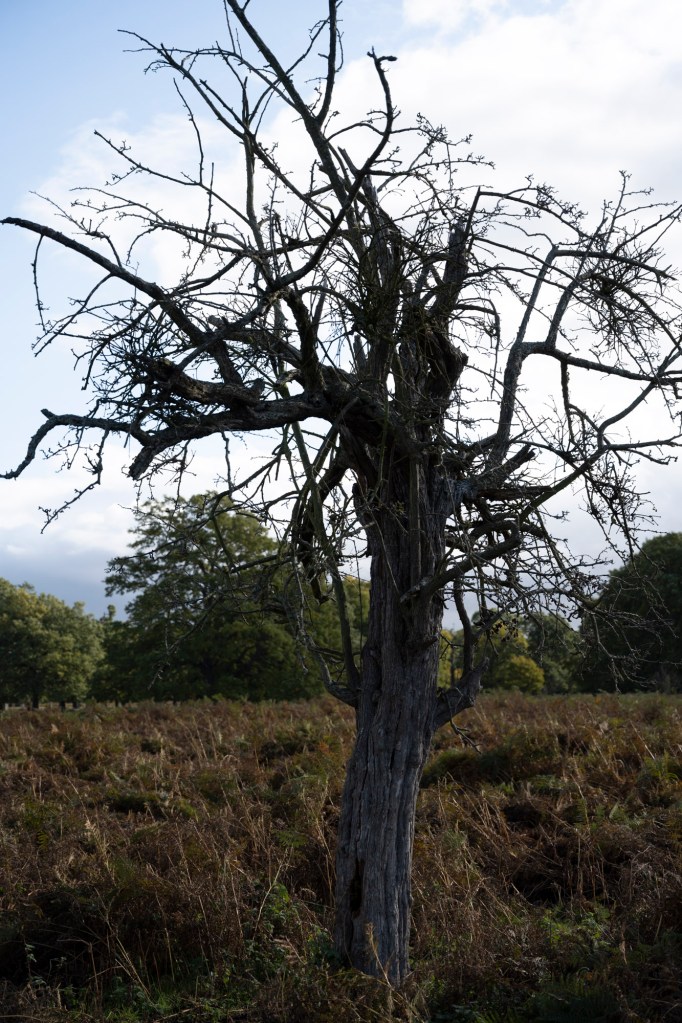
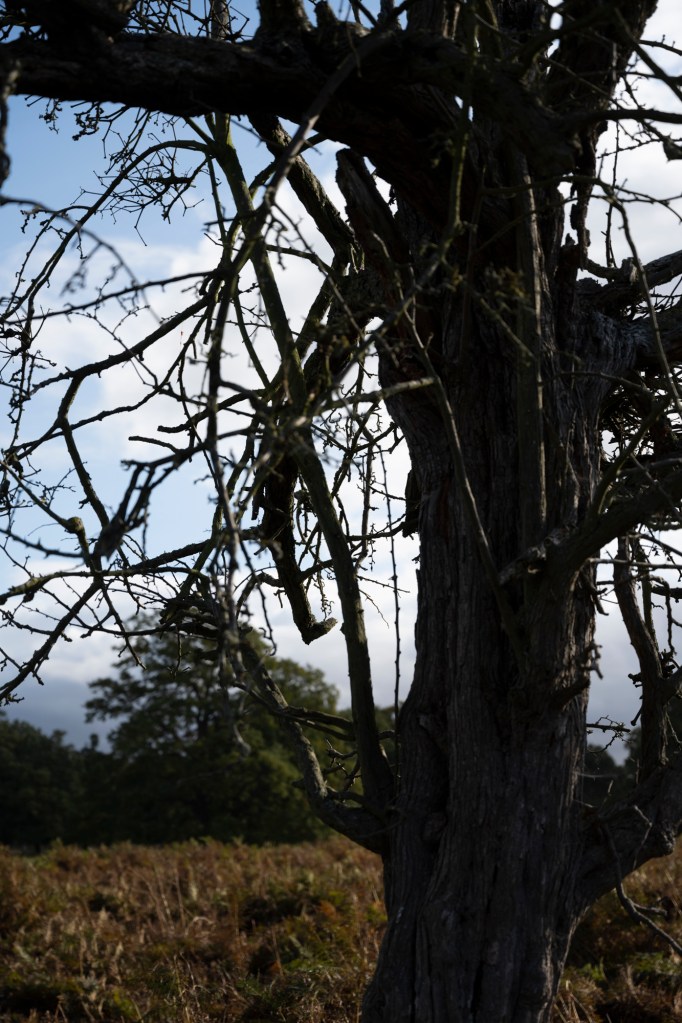
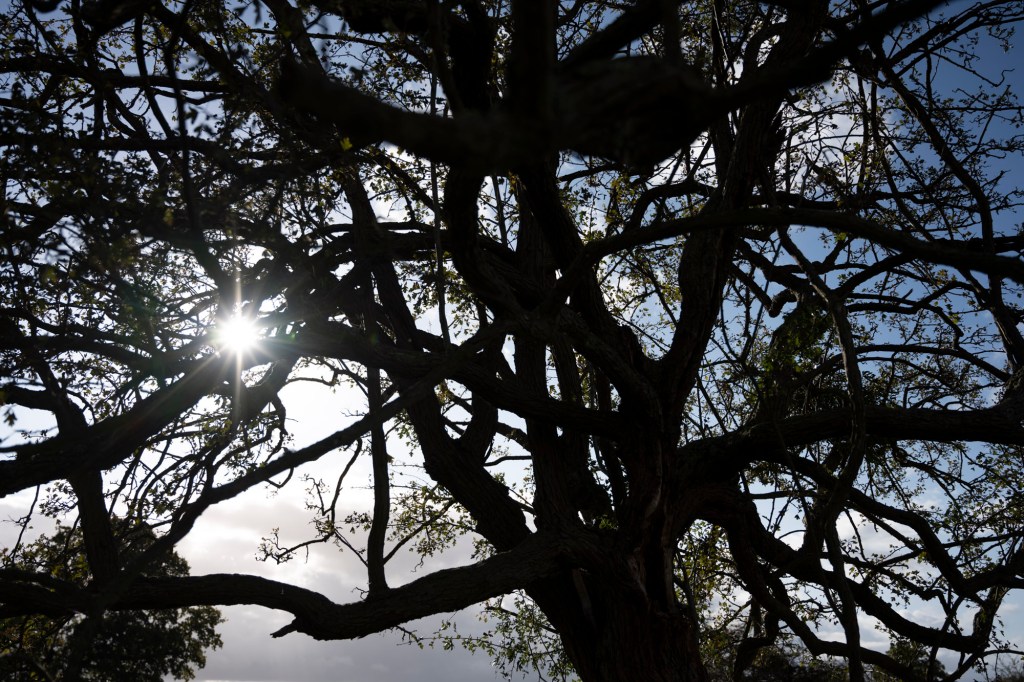
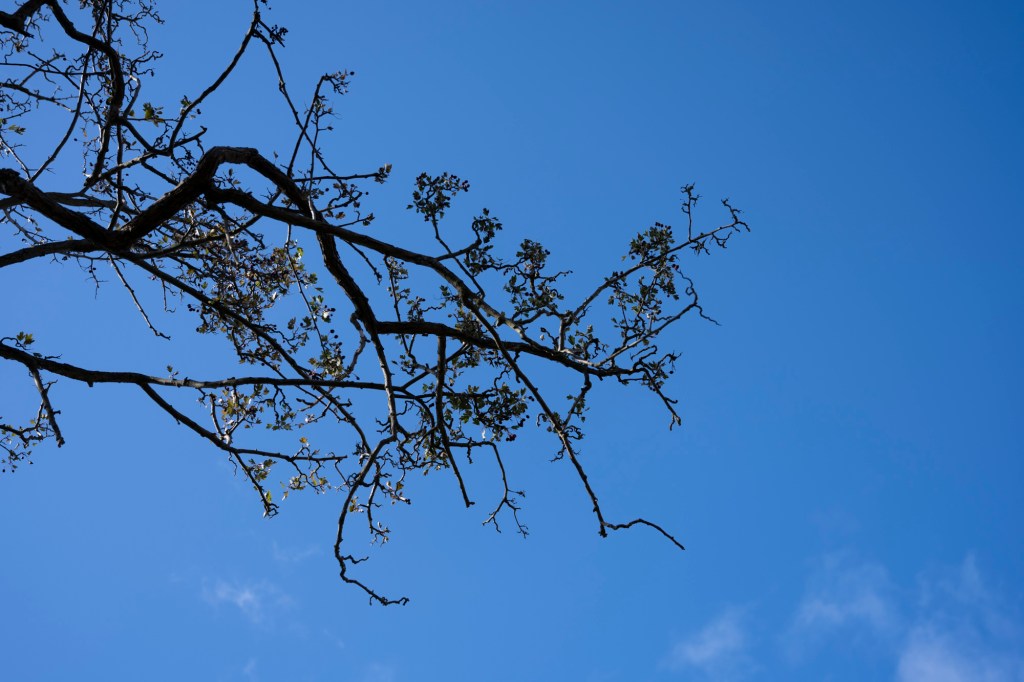
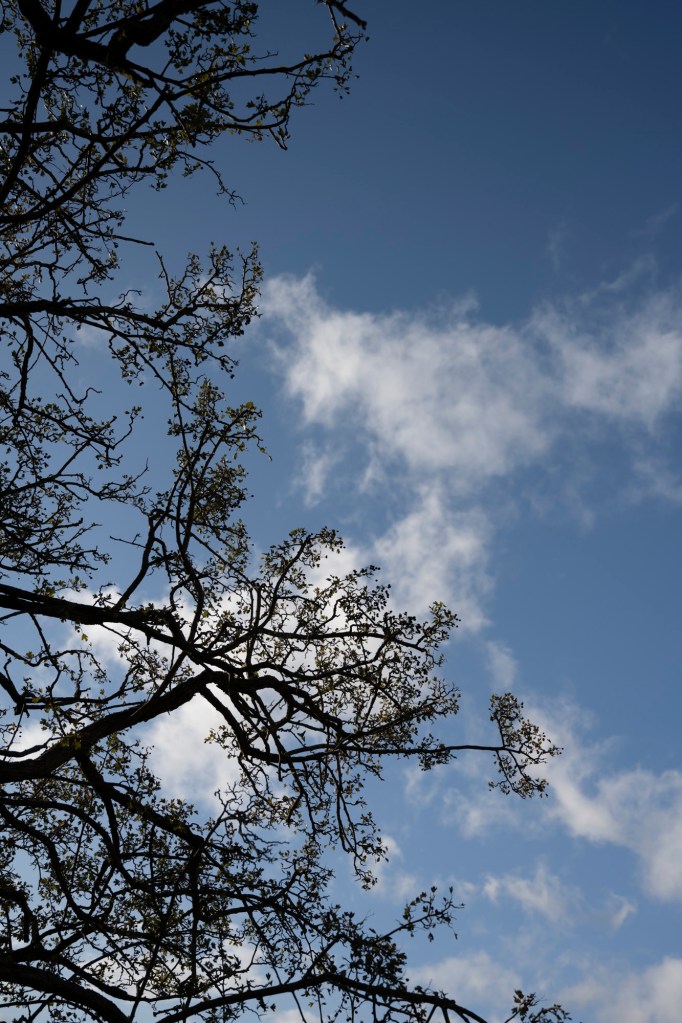
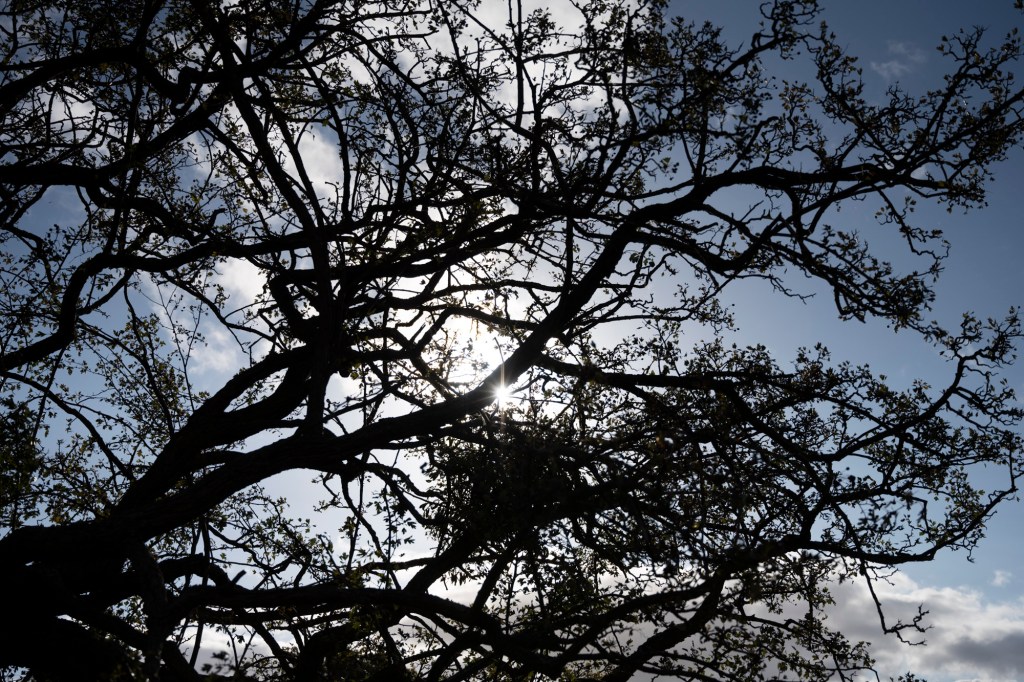
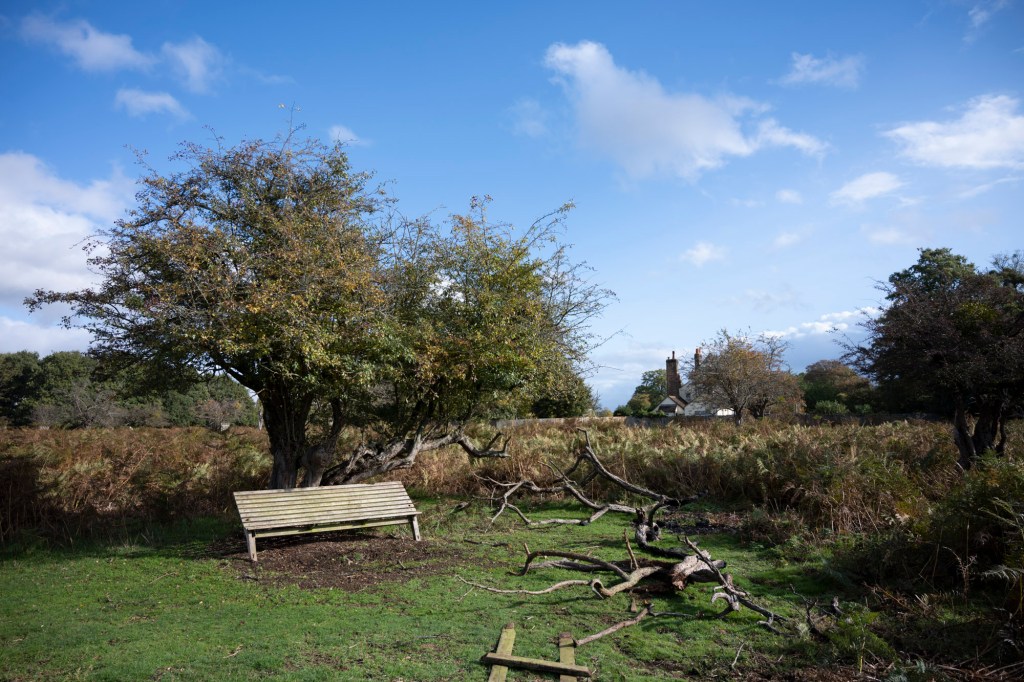
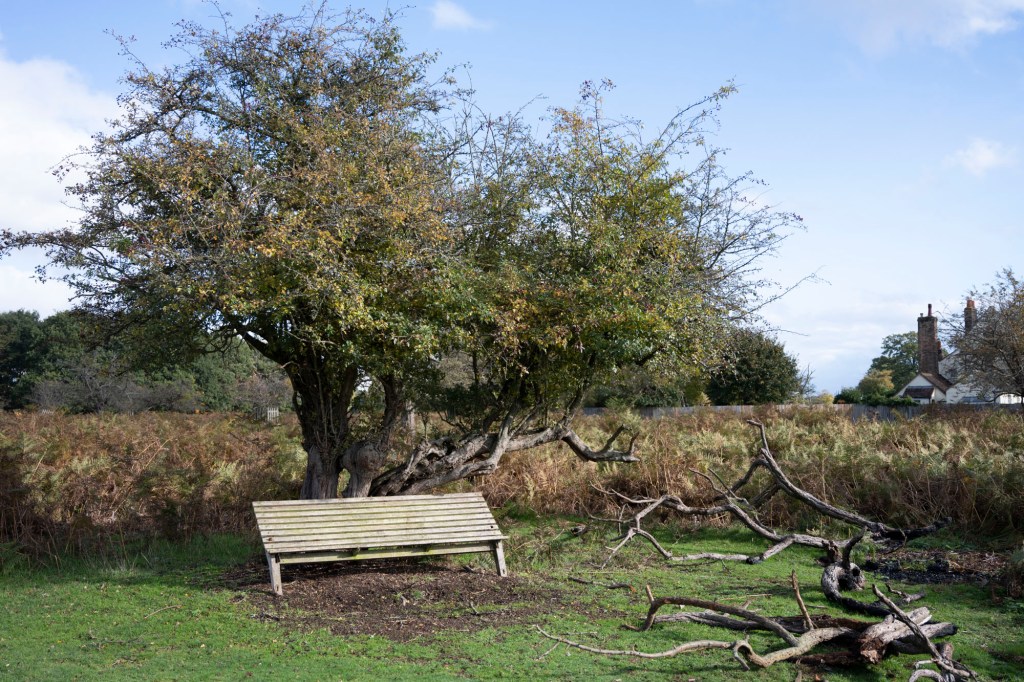
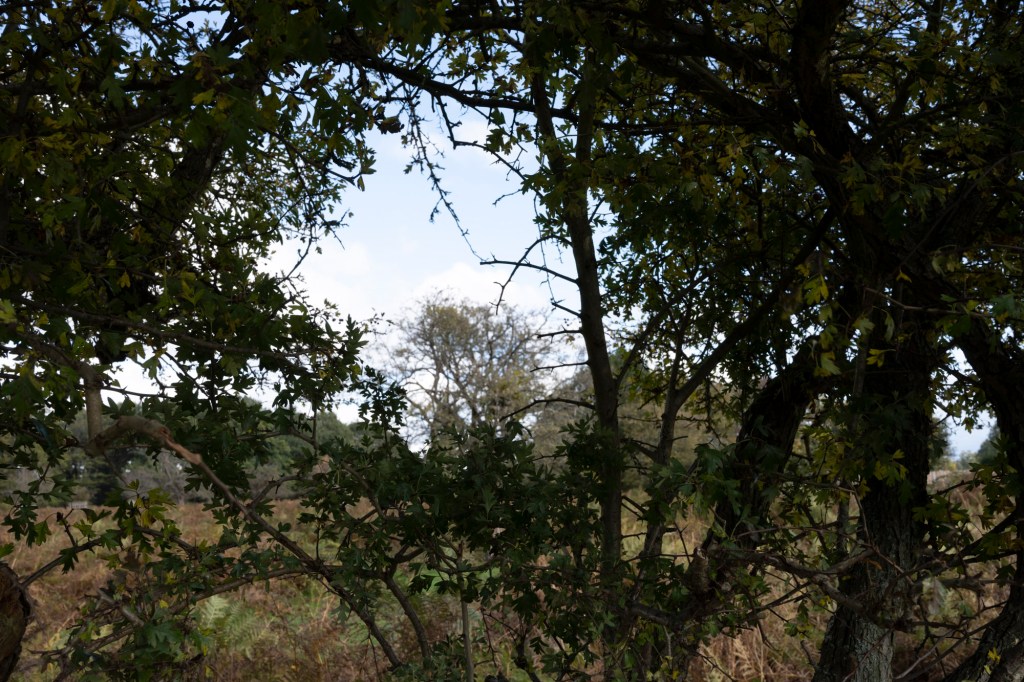
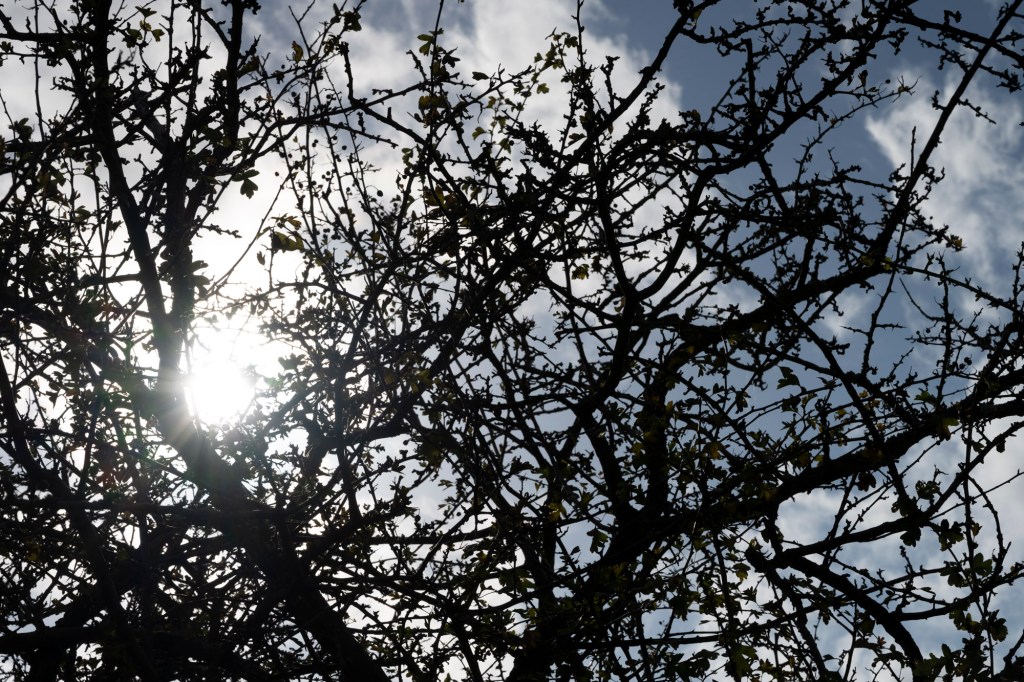
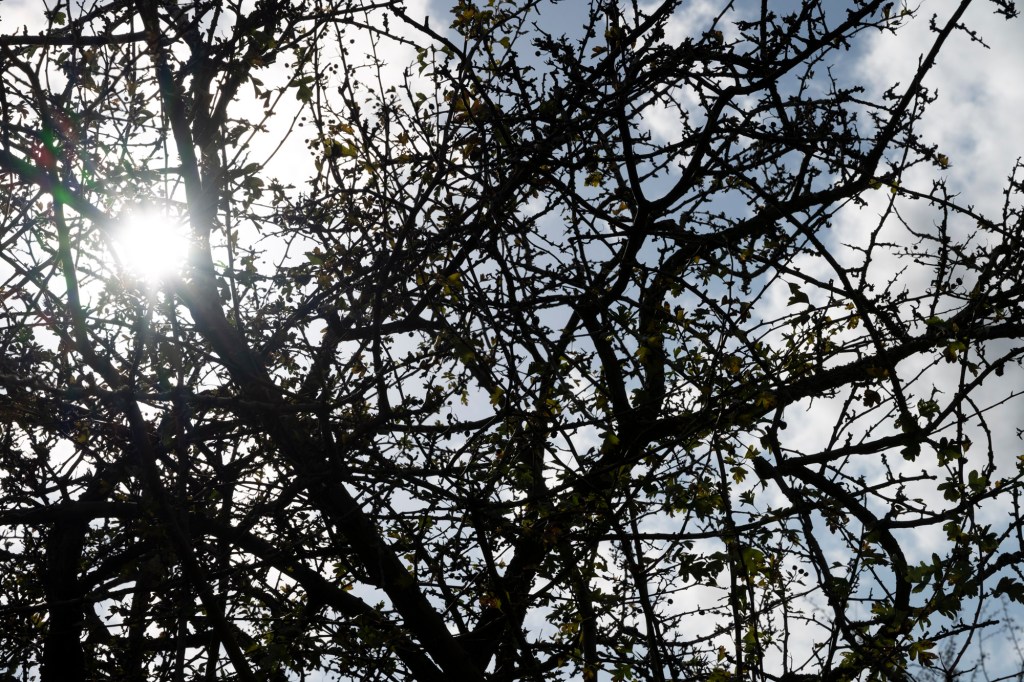
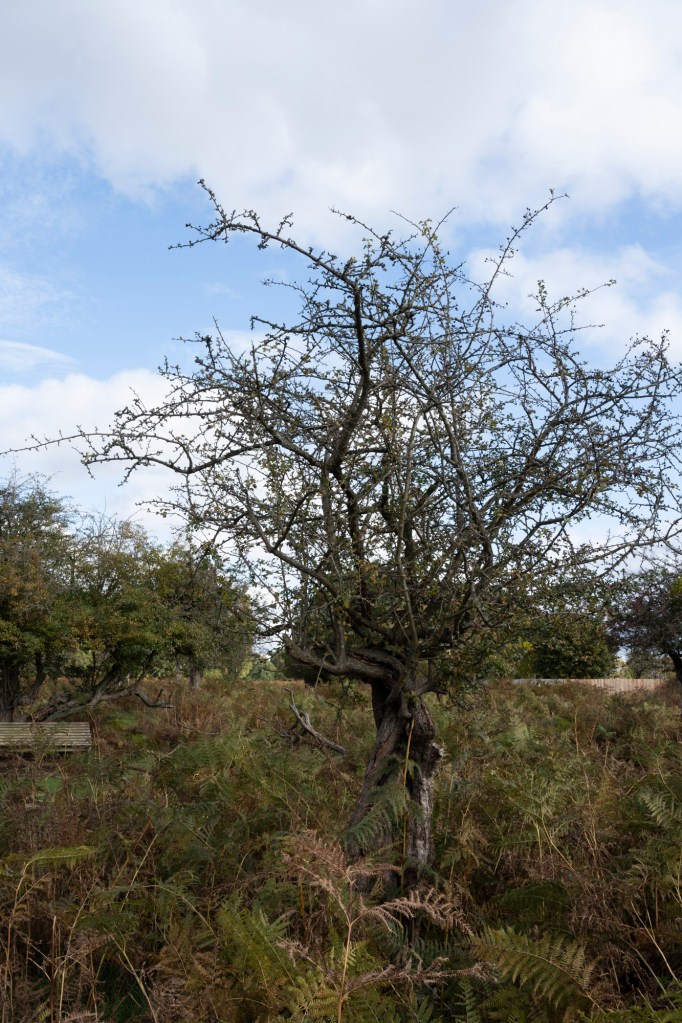
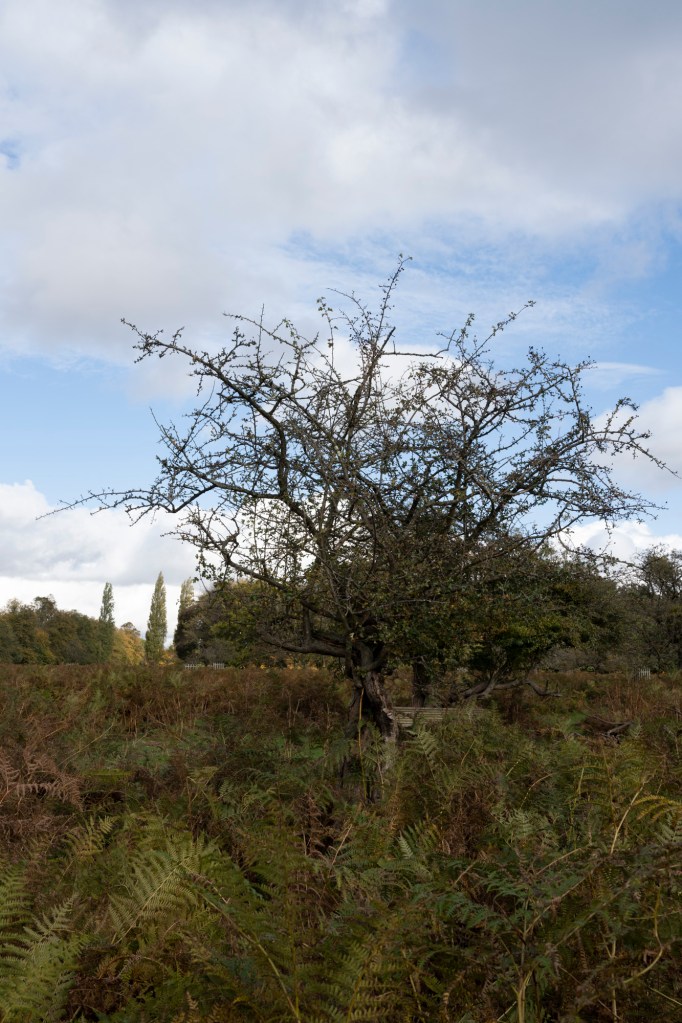
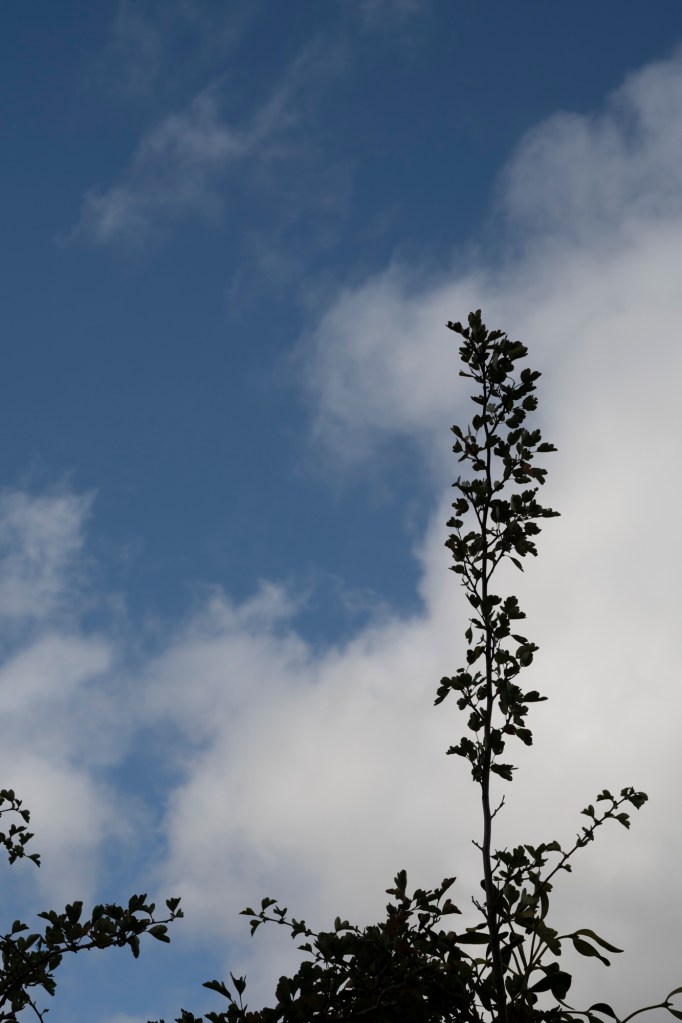
However, seen at other angles, something quite magical happens.
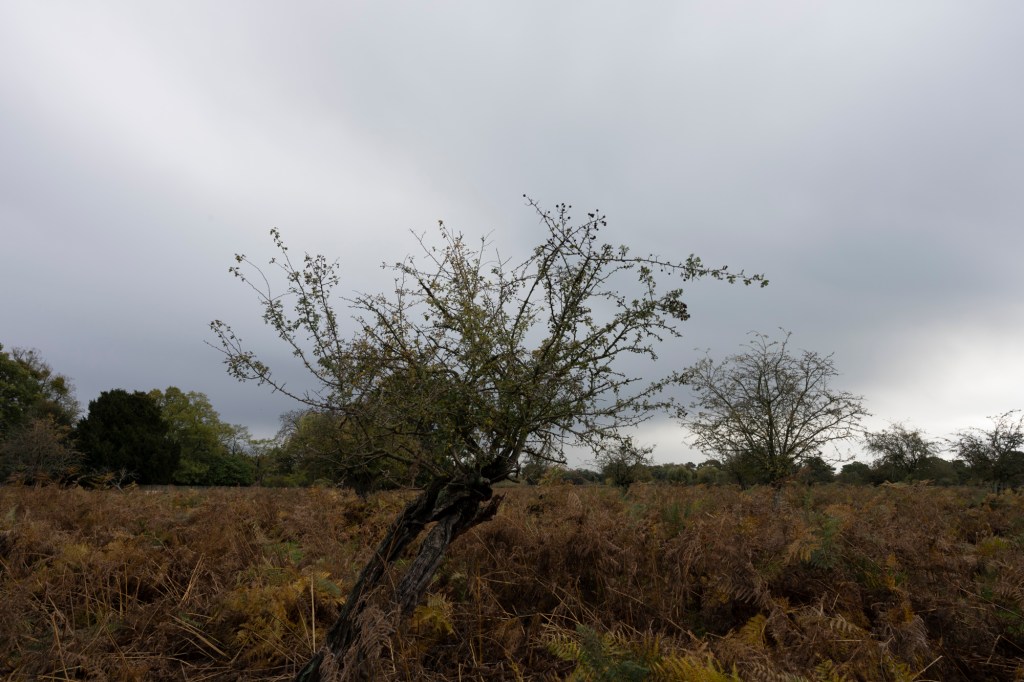
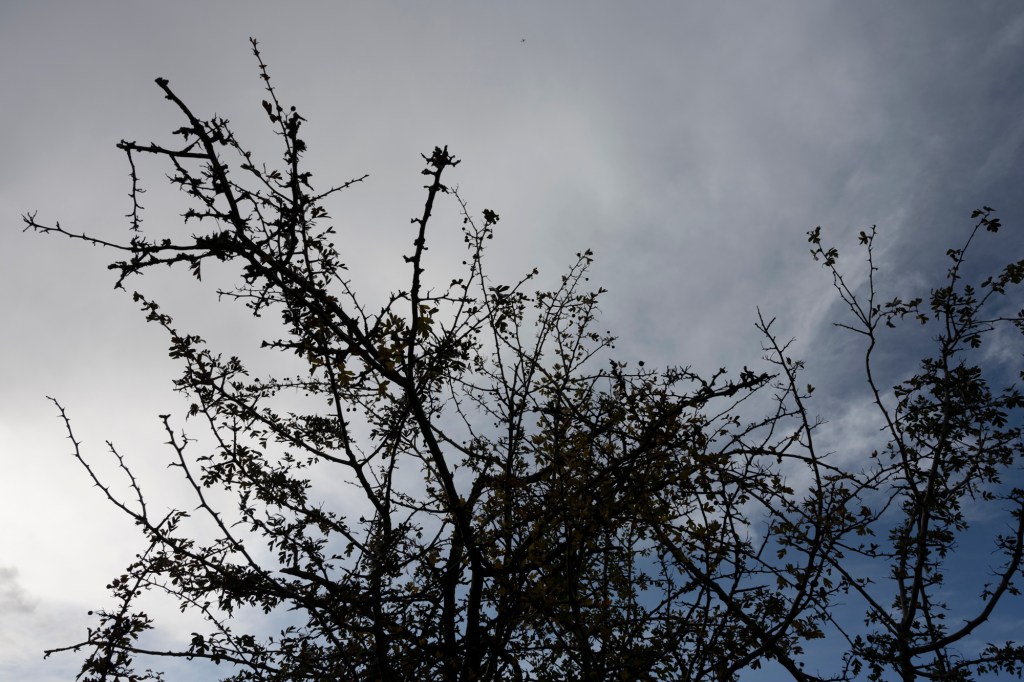
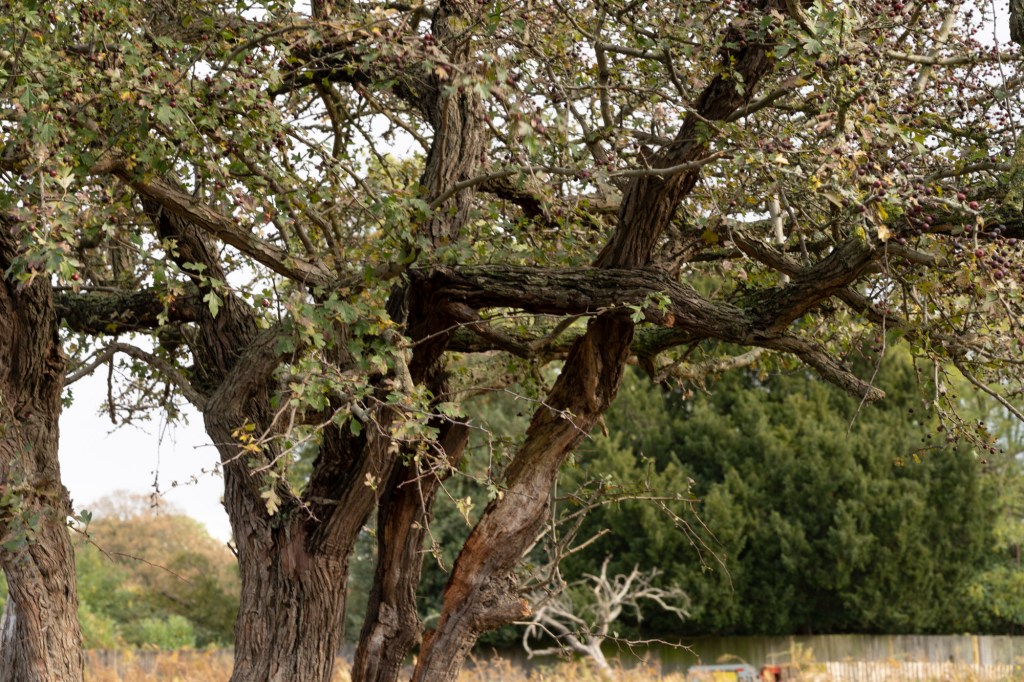
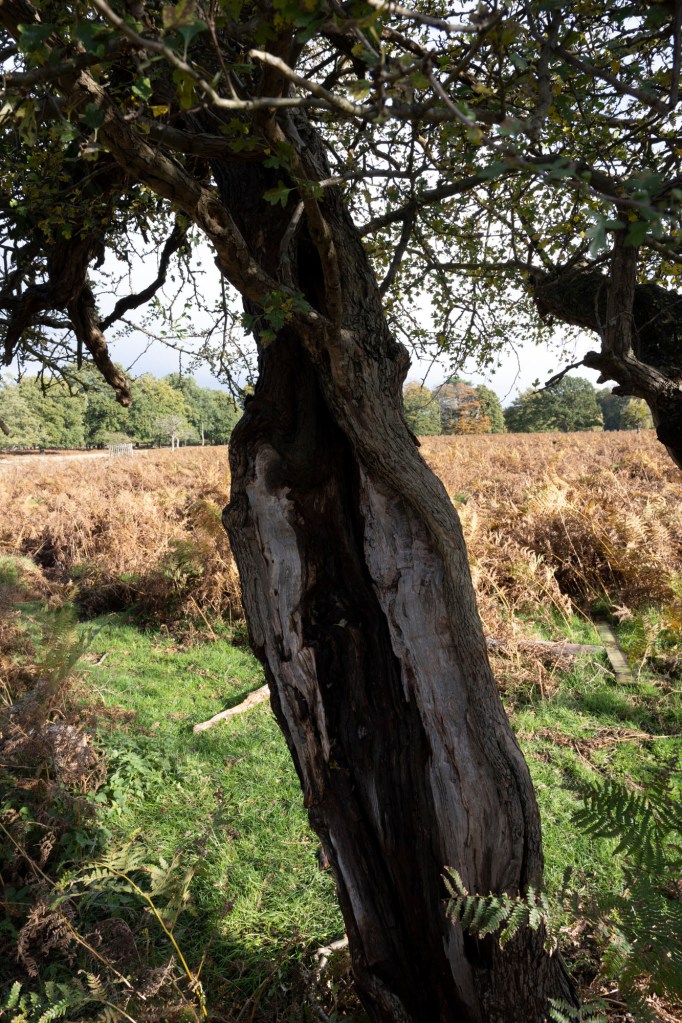
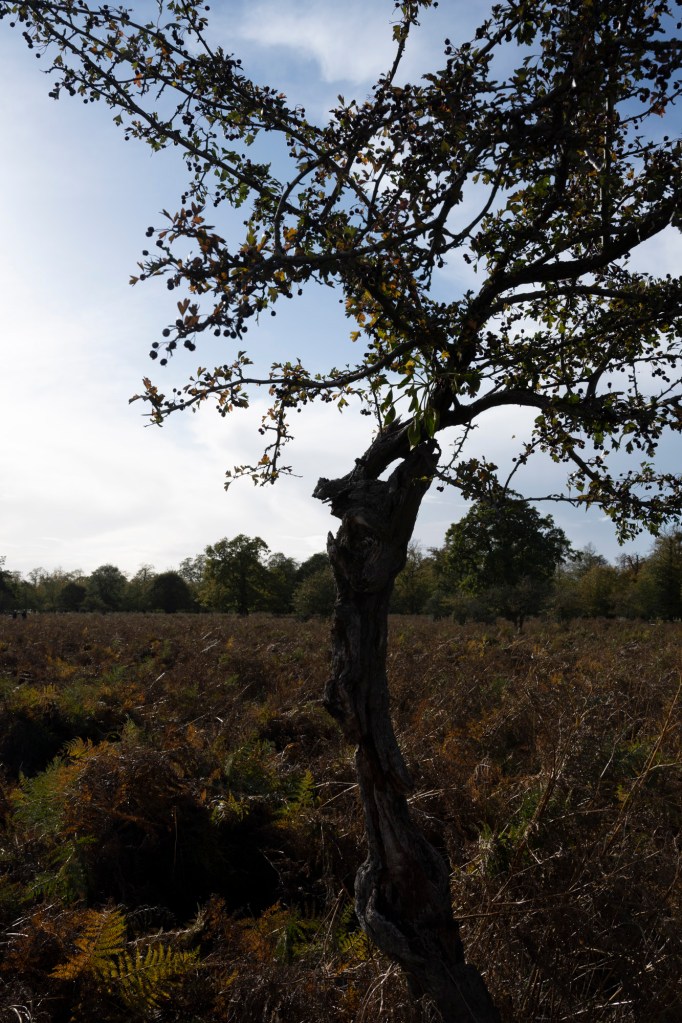
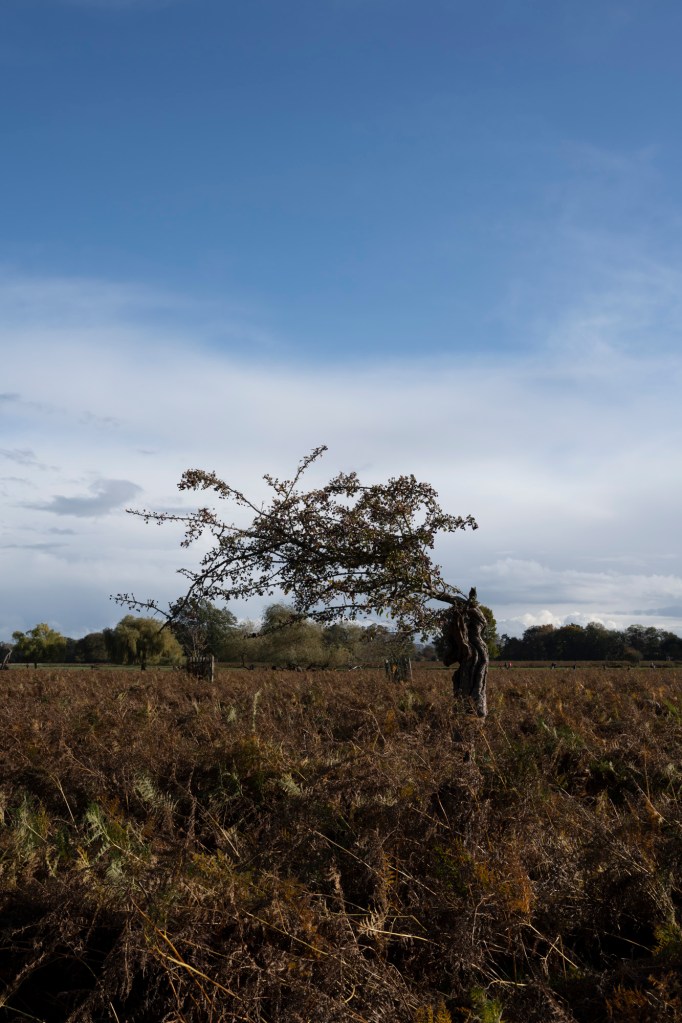
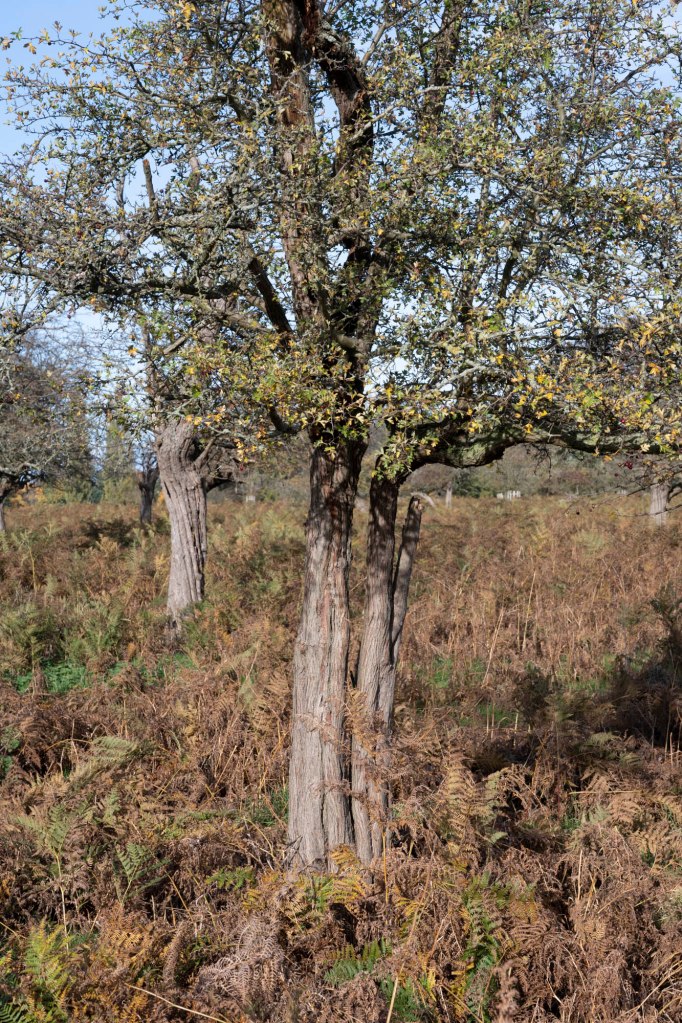
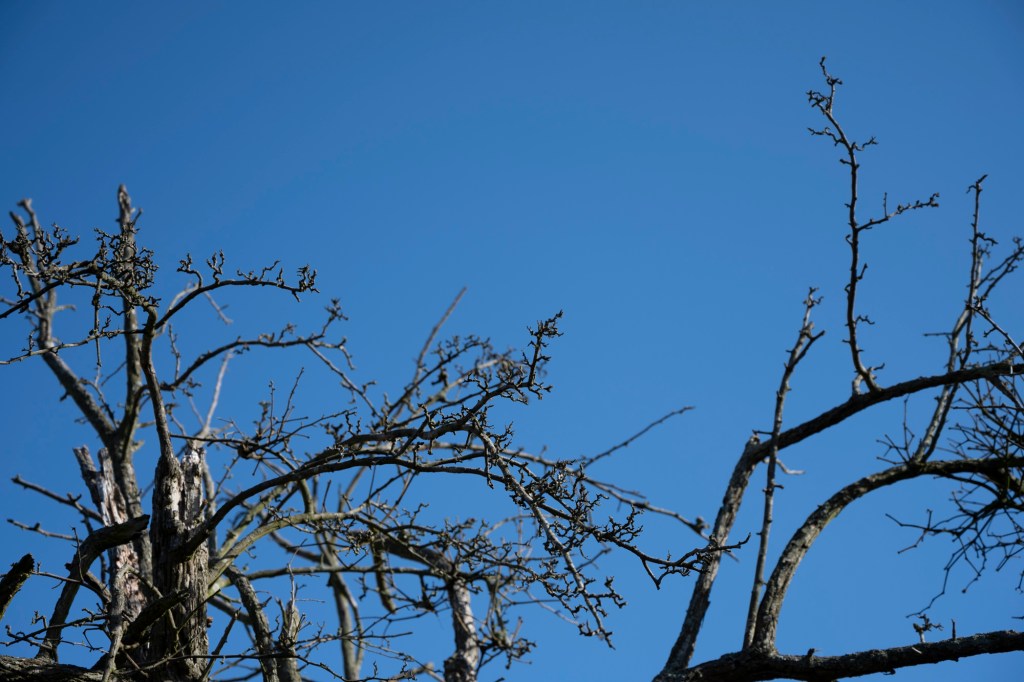
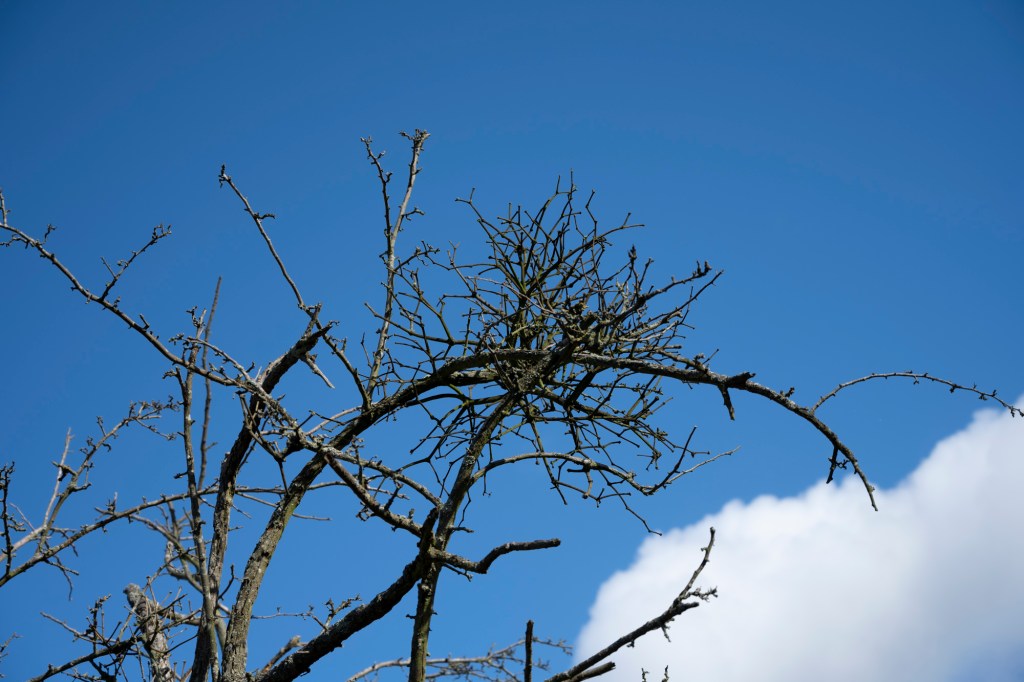
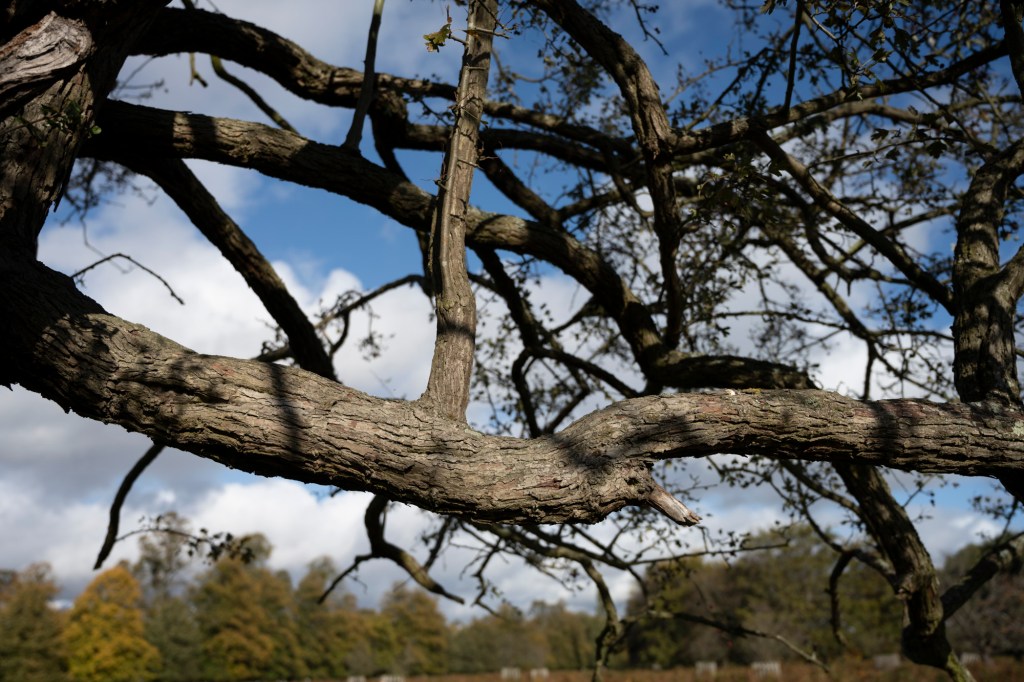
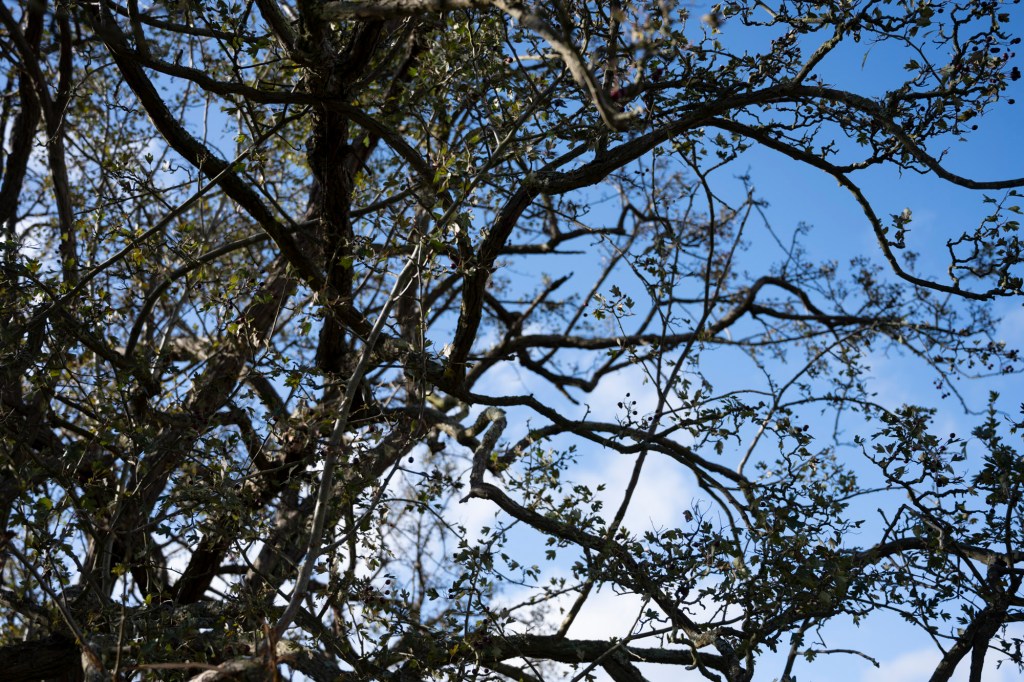
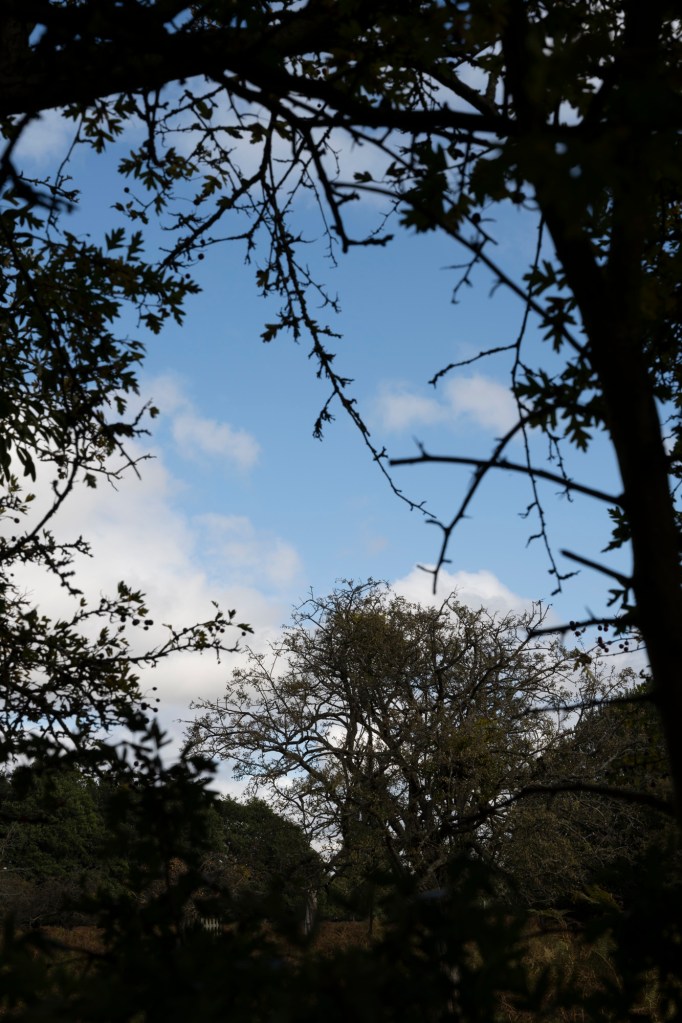
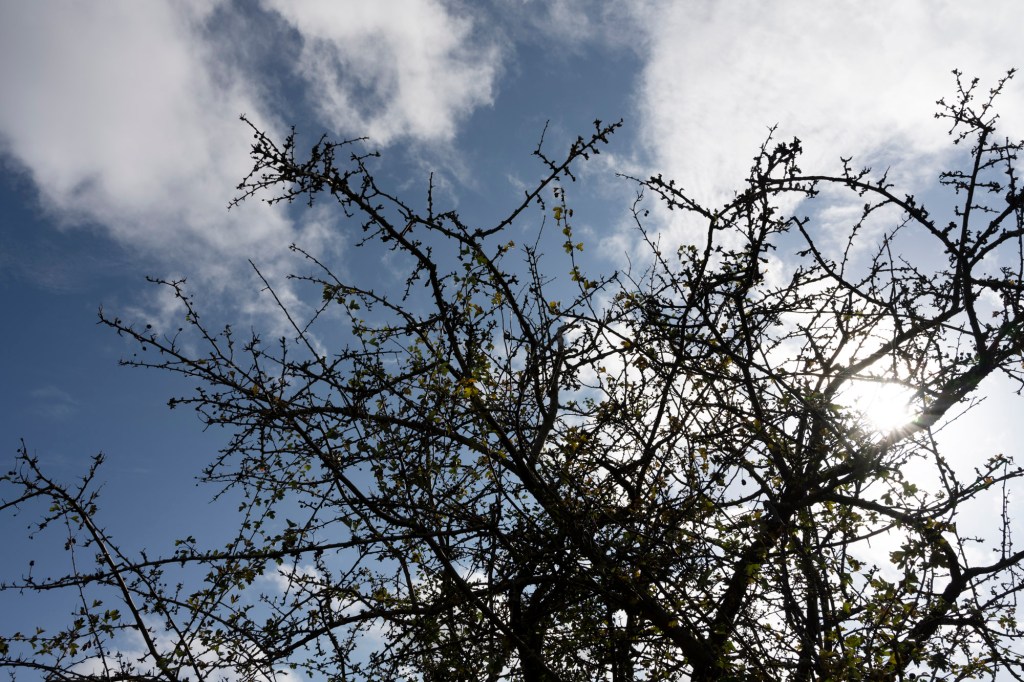
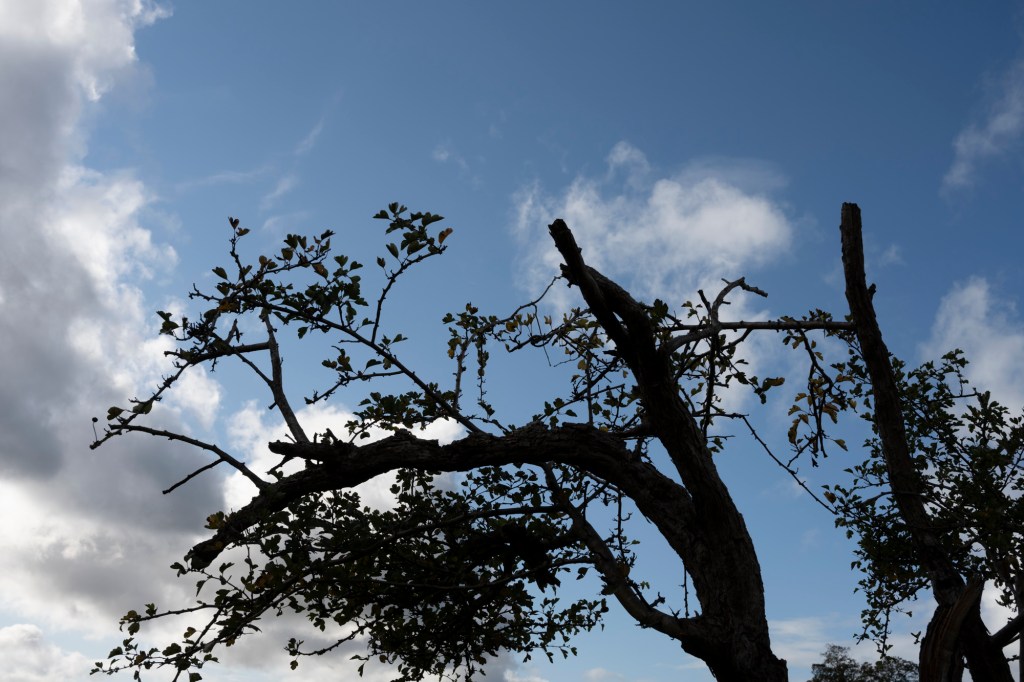
I also tried photographing from a lower angle, crouching down rather than standing to take a shot.
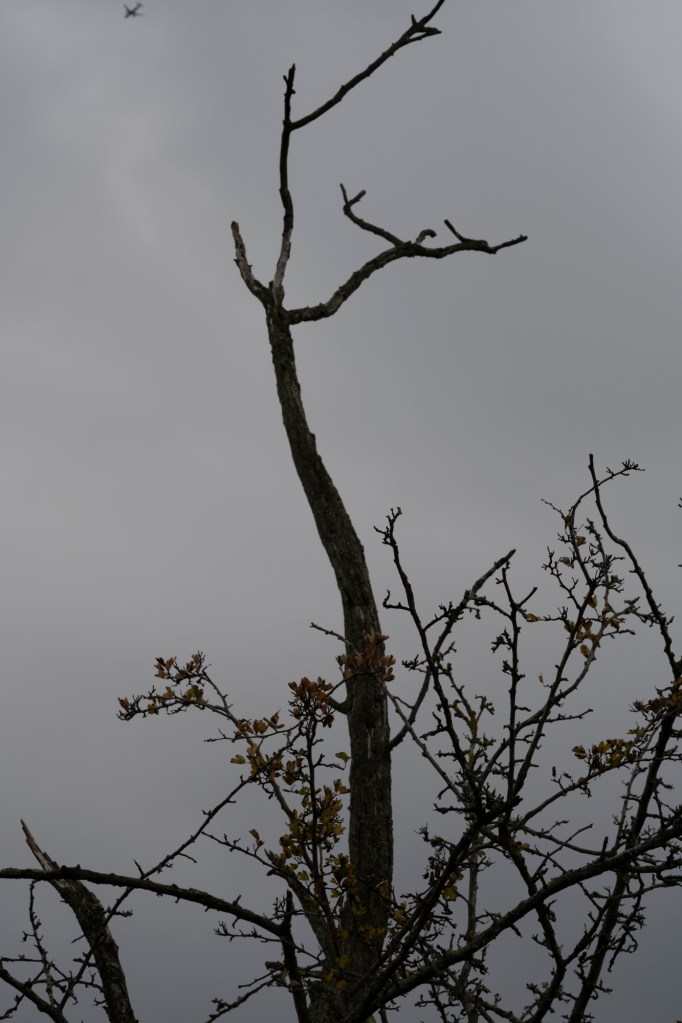
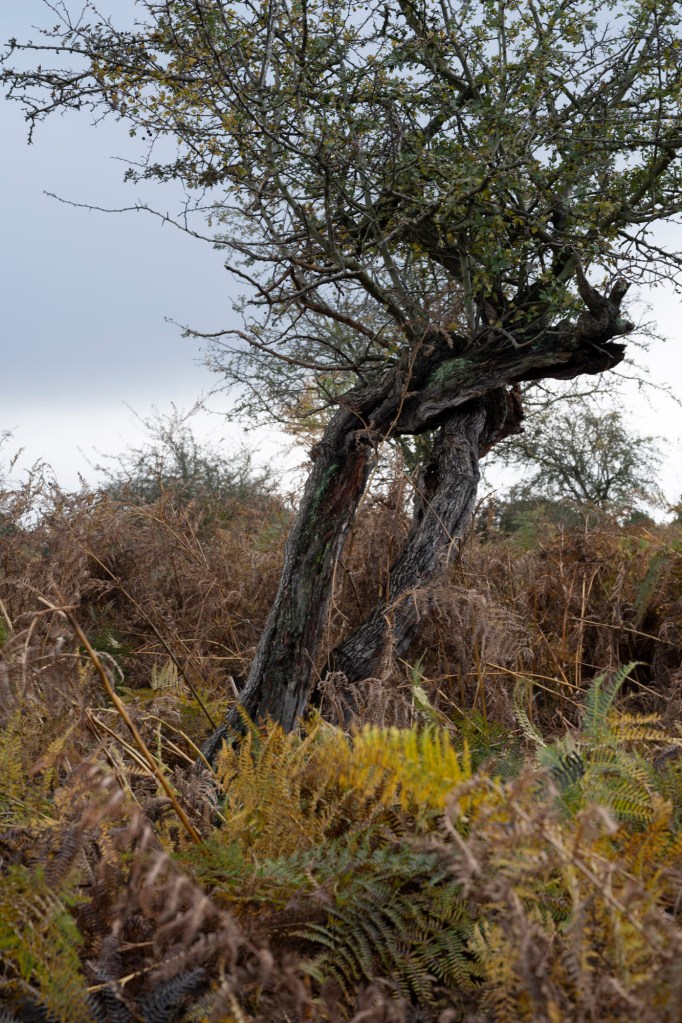
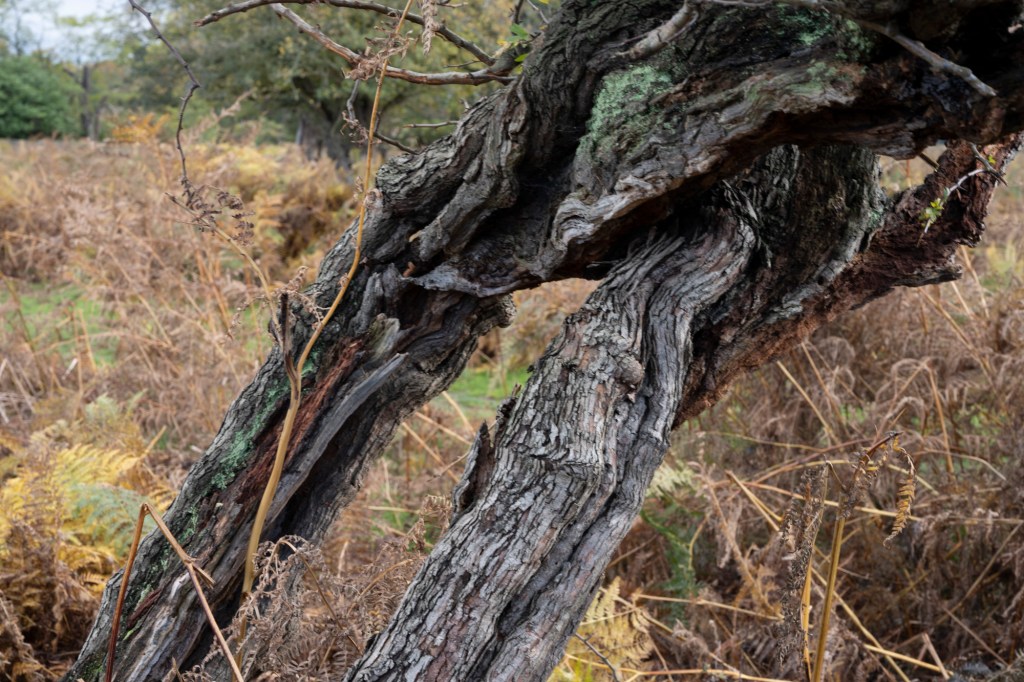
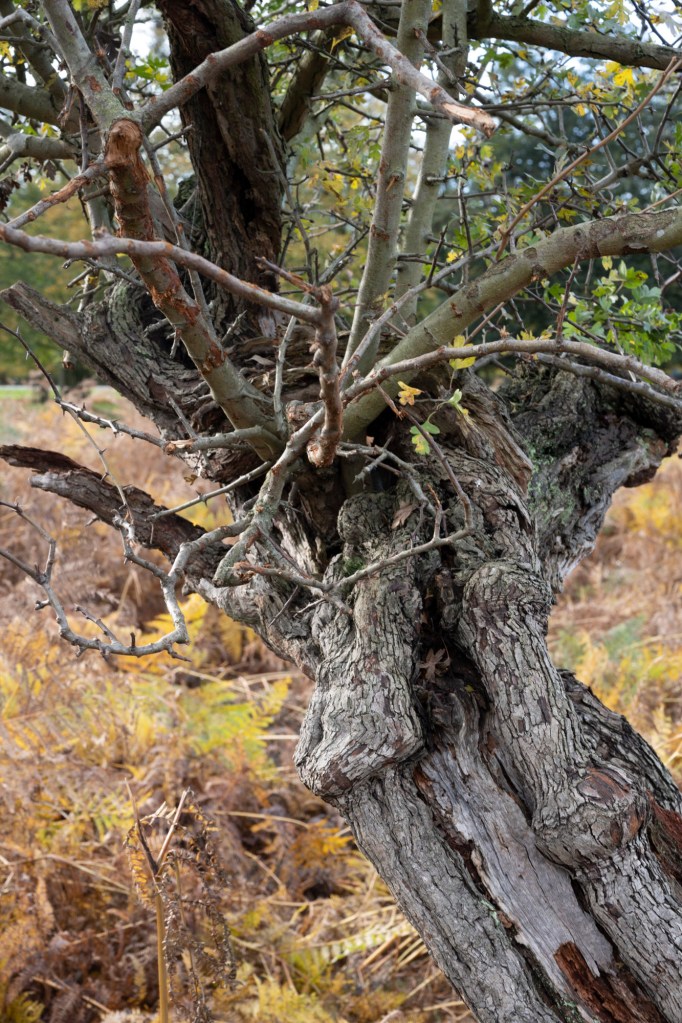
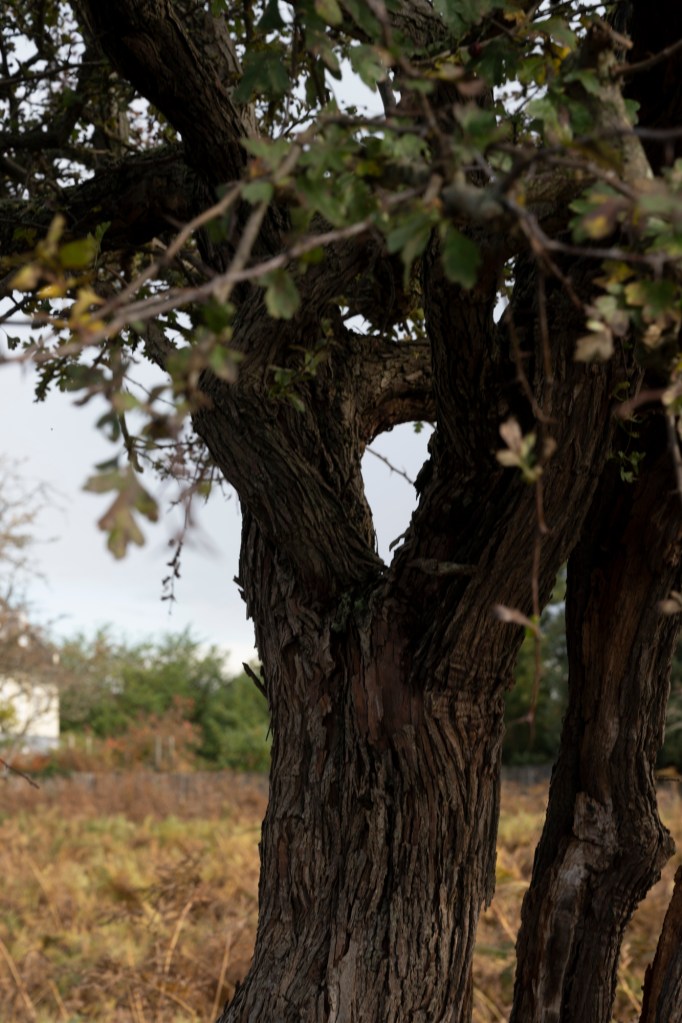
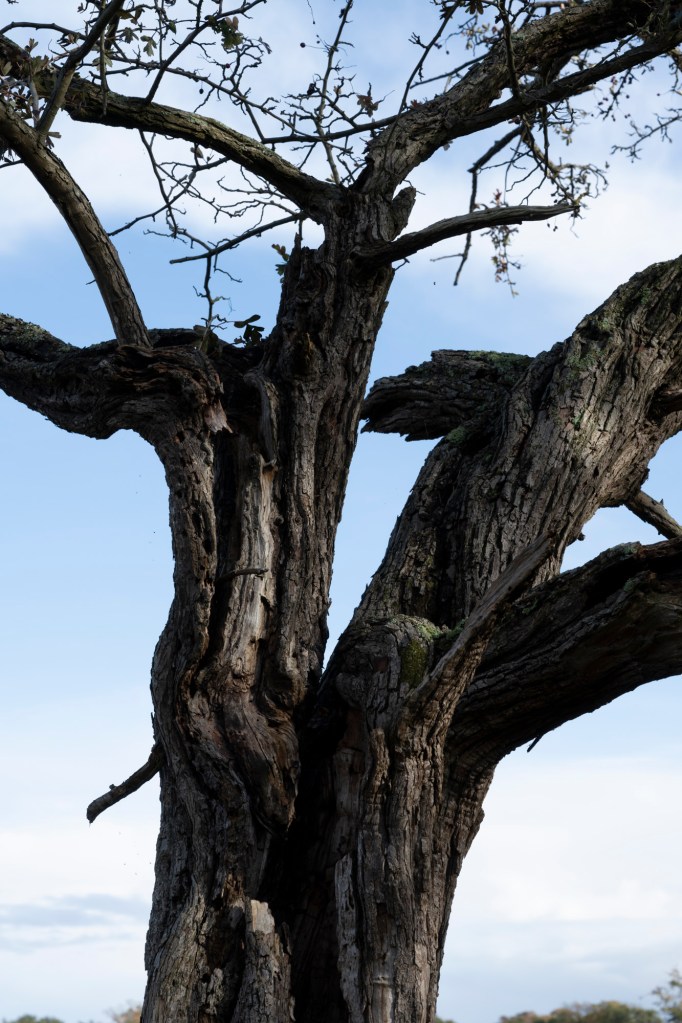
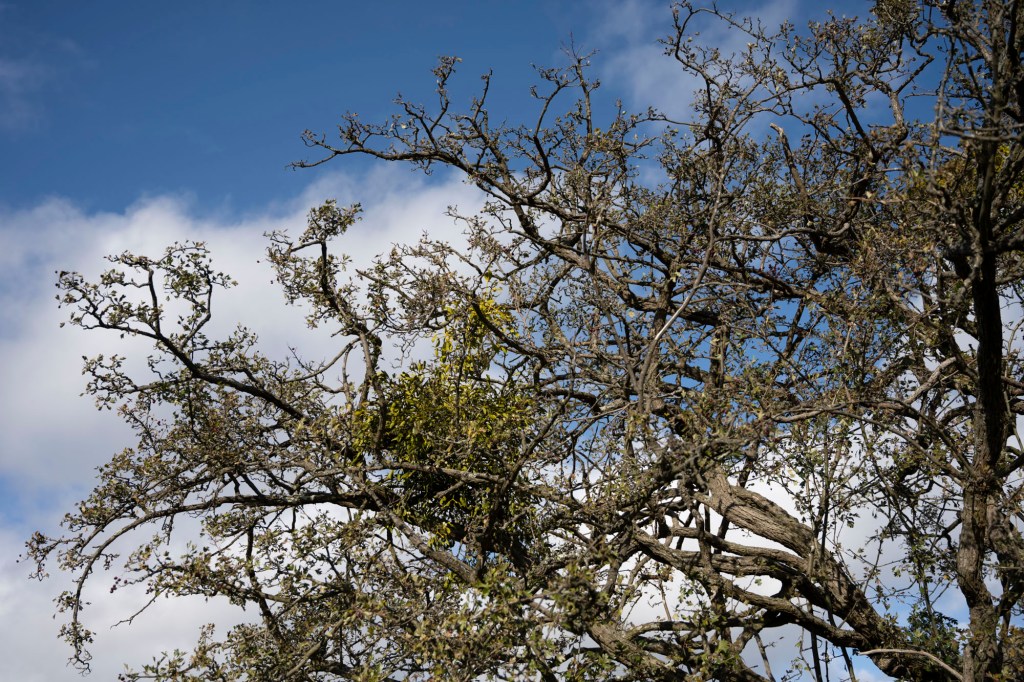
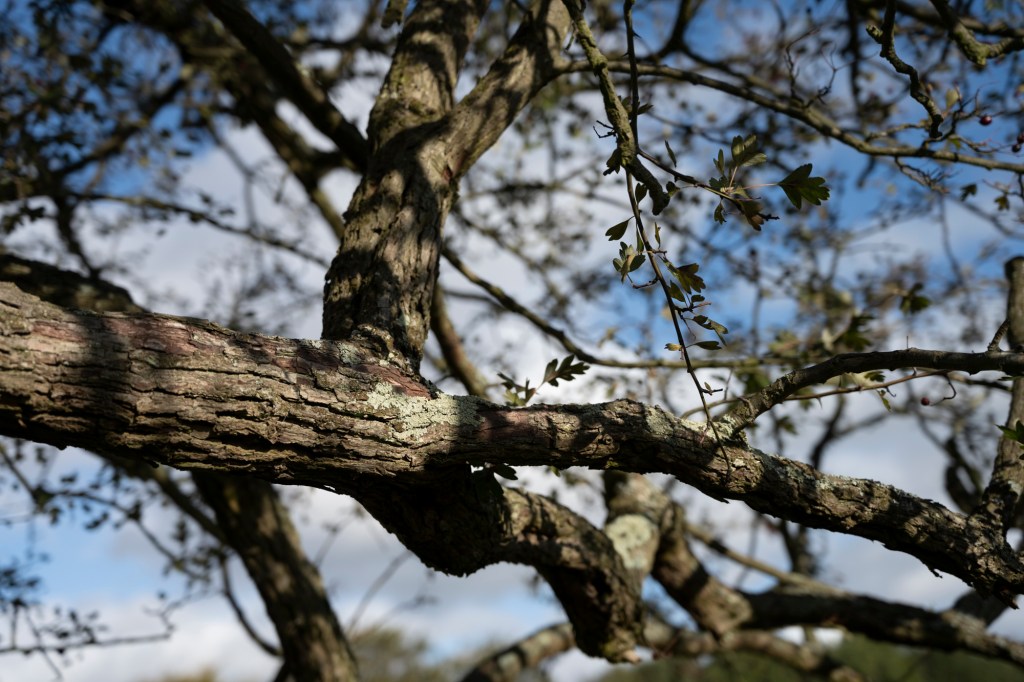
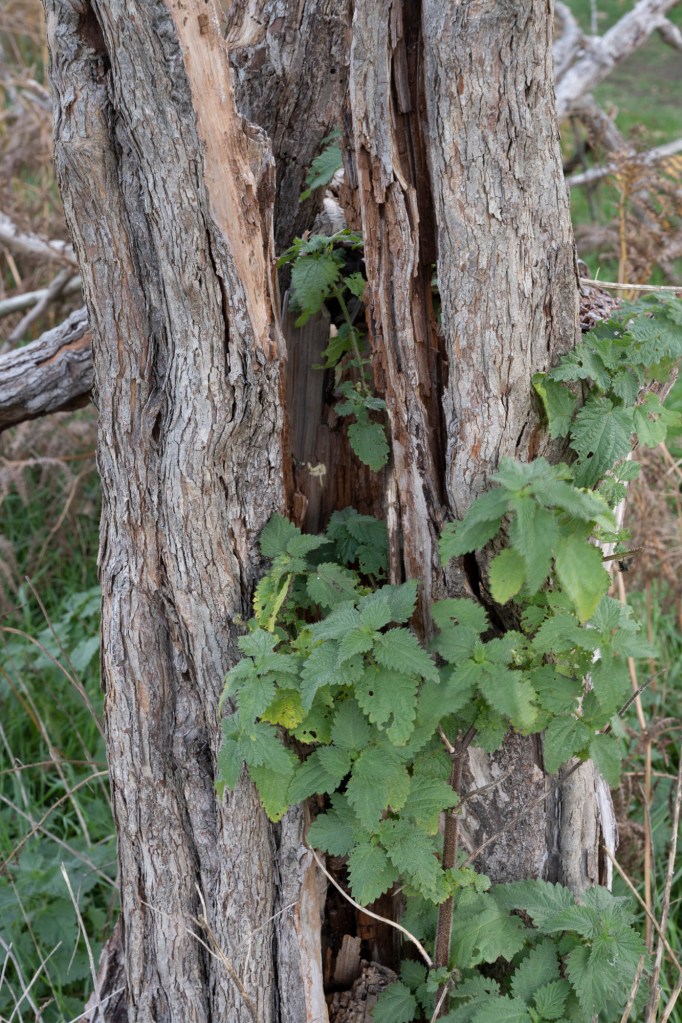
I then took some more close ups at a different angle.
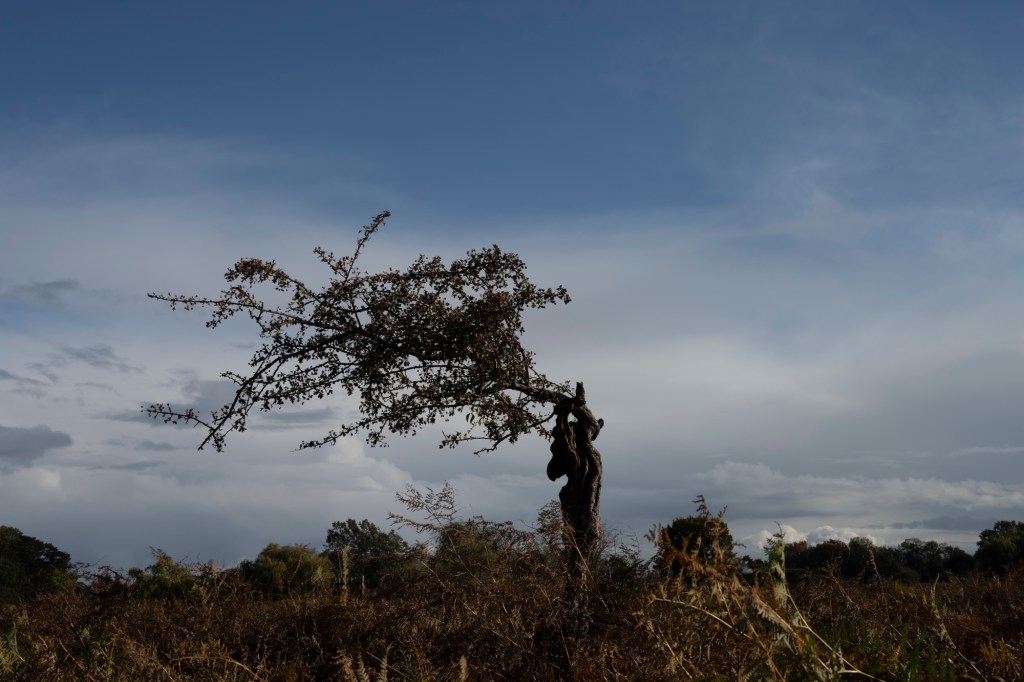
The following is one of the shots of this tree on the left and the Black & White conversion with a slight crop in the middle and a version using my digital infra red recipe on the right.
Tree Eight
Tree Nine
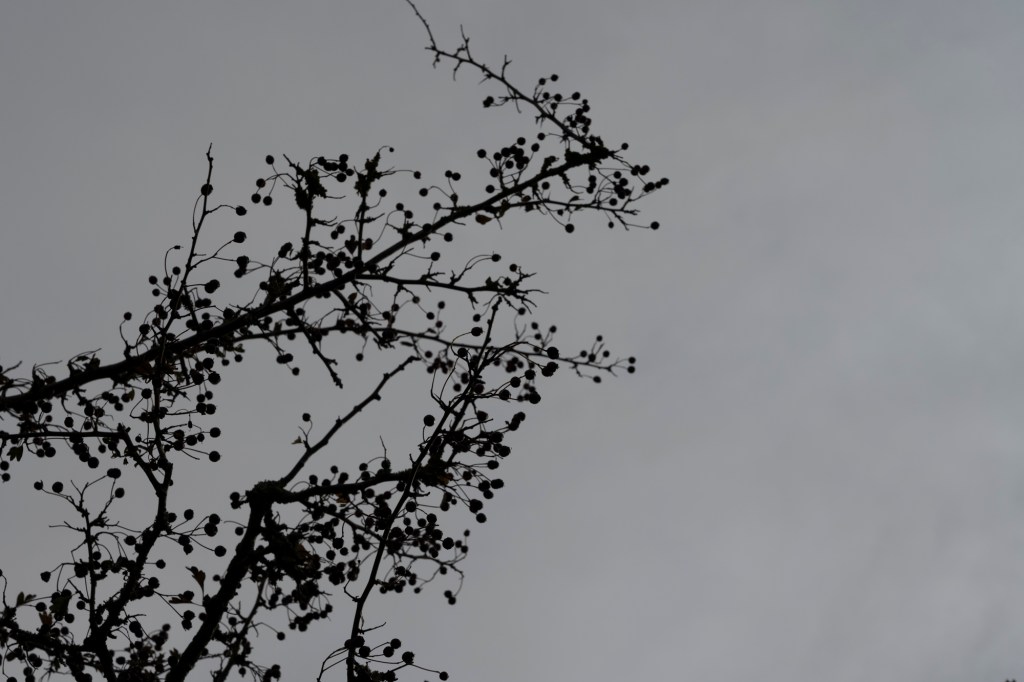
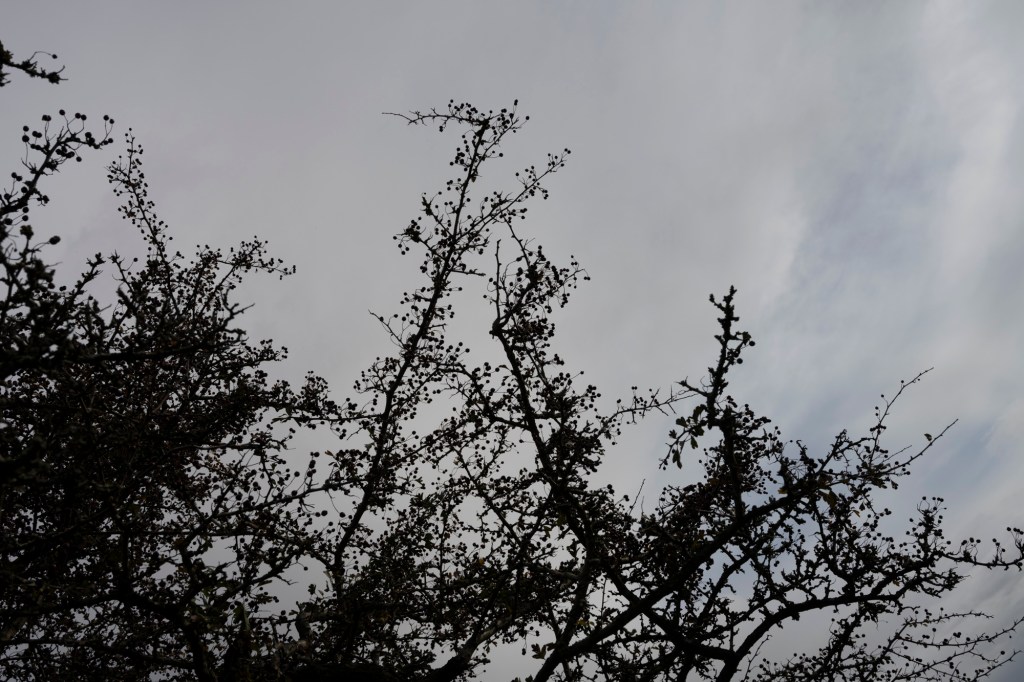
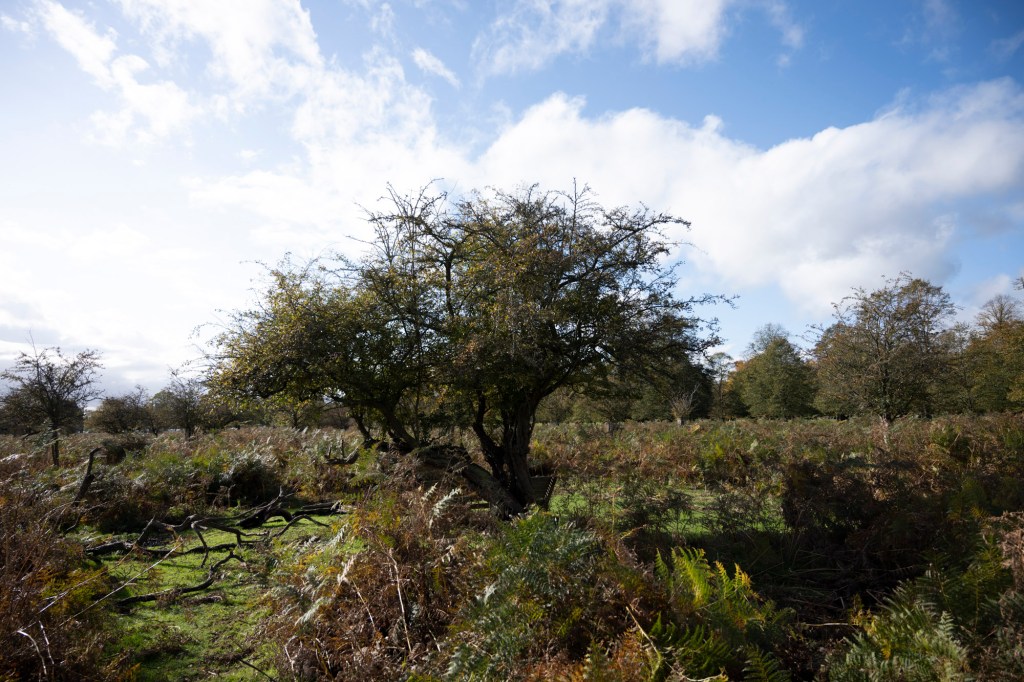
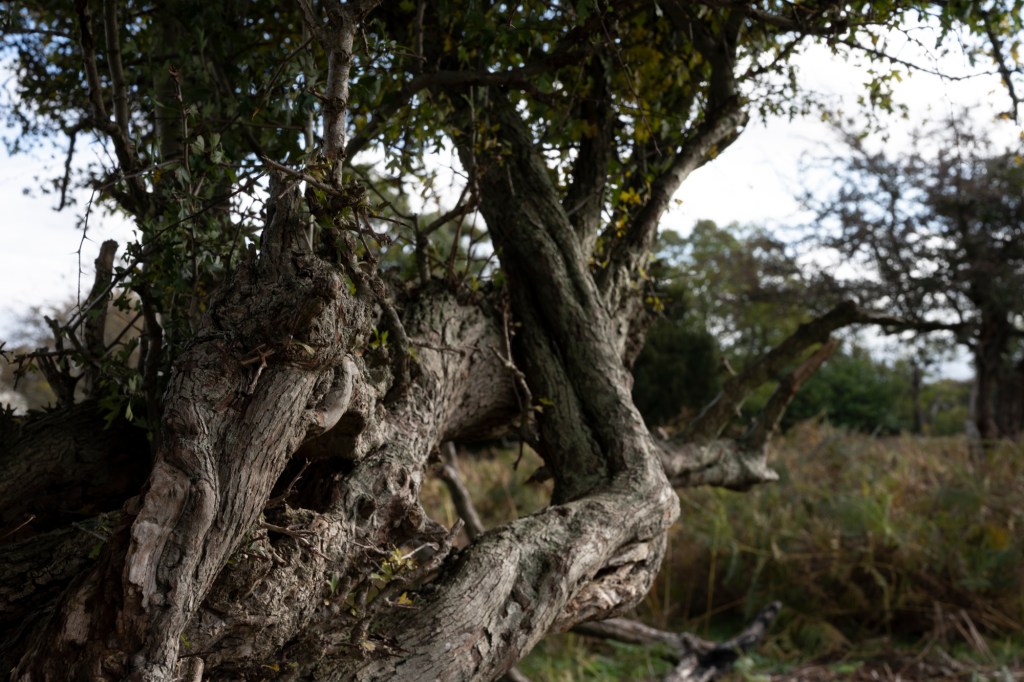
The final individual hawthorn I focused on is the one I nicknamed ‘Hawthorn Harlot’. I had to admit, it took a while to remember where it was as it looked completely different approached from an alternative angle. When I eventually did re-discover this individual, I took the following shots.
Hawthorn Copse
By now, I was quite tired so my last two shots were of the copse of which the harlot is part.
What did come out of this session was that I needed record the co-ordinates of each tree so I could start mapping them. Unfortunately, my camera doesn’t have a GPS option, so I need to take a photo of each one using my smartphone to capture these details. I have done a bit of research and there is an app called Nikon SnapBridge that can potentially add the co-ordinates of each image. Otherwise, I will have to manually add the co-ordinates to the metadata of each file so I can keep track of which image relates to each tree.
Another consideration is the use of filters to enhance the image before converting to Black & White. The camera itself has various white balance settings, which could also influence the conversion outcome.
The third and final consideration is the ferns. I know that these will totally disappear in approximately a month’s time. This means the trees will look different again, especially as they will have lost their by then.
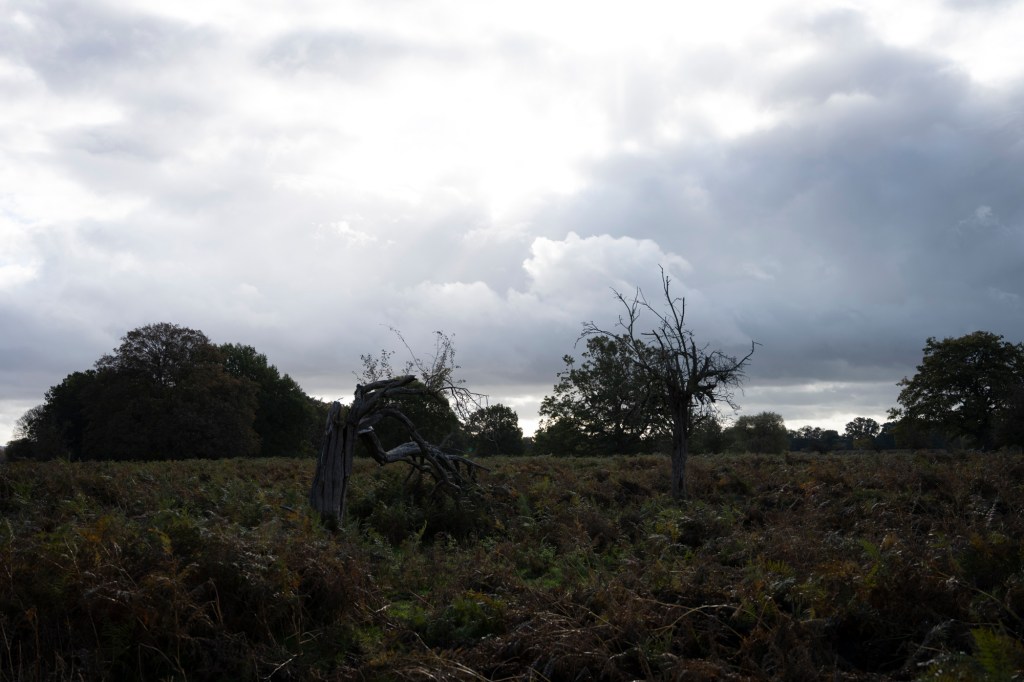
On Thursday 22 October, I visited Bushy Park with the intention of taking a closer look at hawthorns. My plan was to enter via Teddington Gate and take another look at the trees I had shot on 5 October.
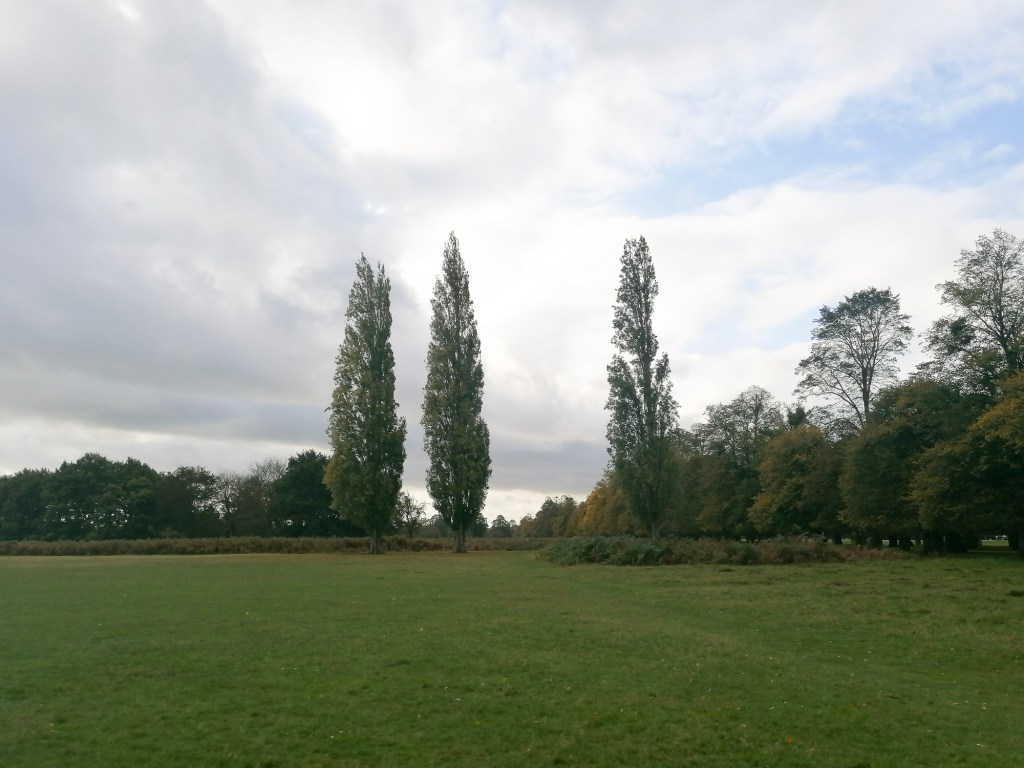
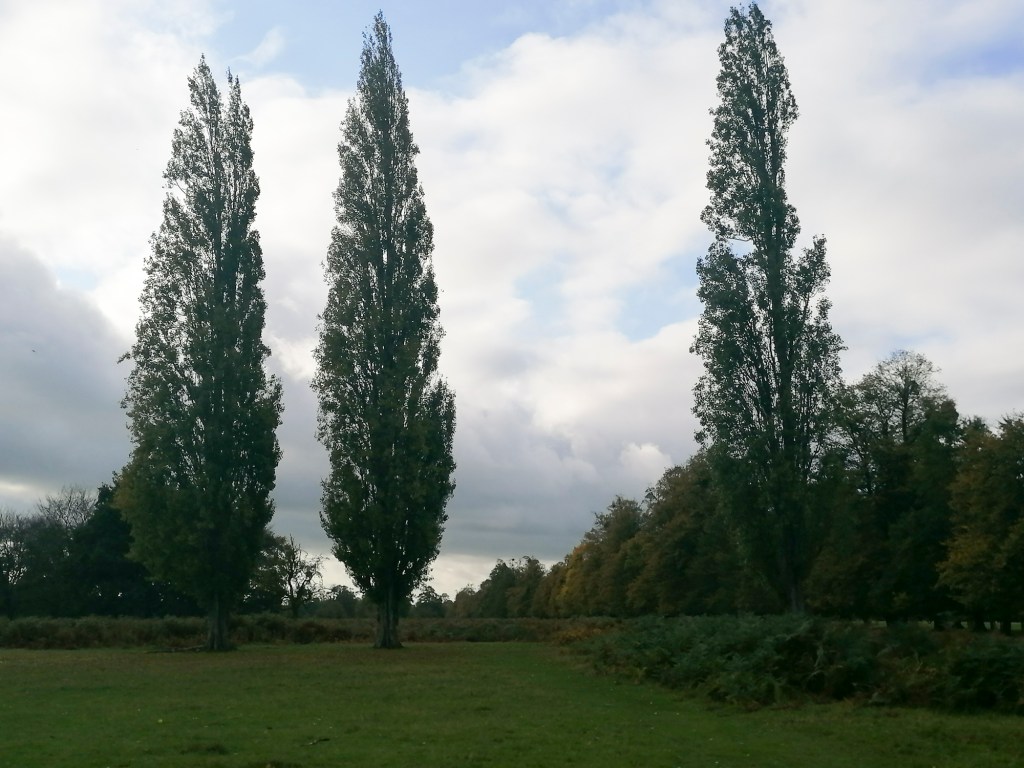
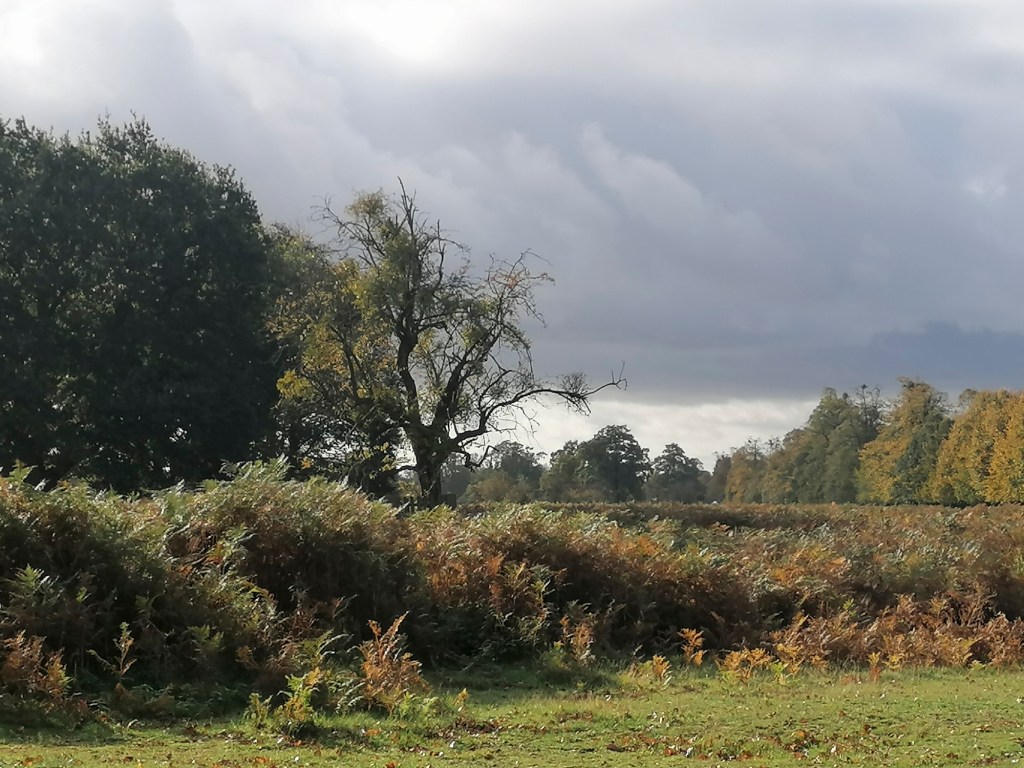
When I came into the park, I was distracted by three trees that I thought could be hornbeams – they look similar to the ones in the avenue in the Waterhouse Plantation in Woodland Gardens.
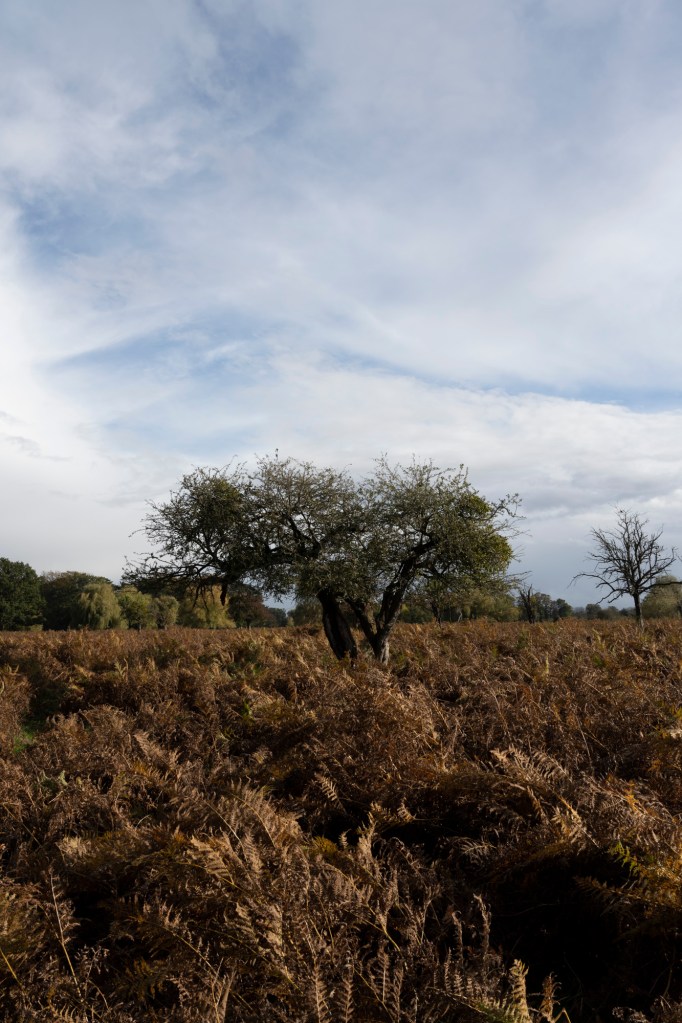
These three ‘sisters’ have always got my attention when coming into the park through Teddington Gate or walking through the park from Hampton Wick Gate. As I approached the trees, I realised that I could see a hawthorn branches coming out of the ferns between the two trees on the left. I took the above image with the smartphone and walked towards them.
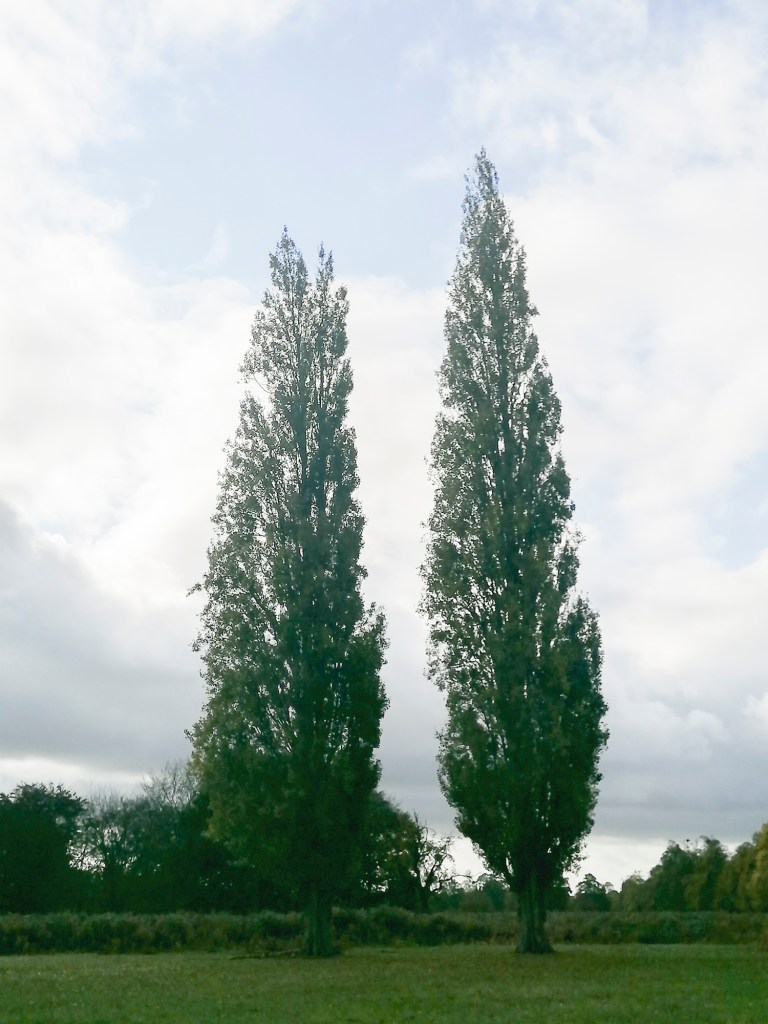
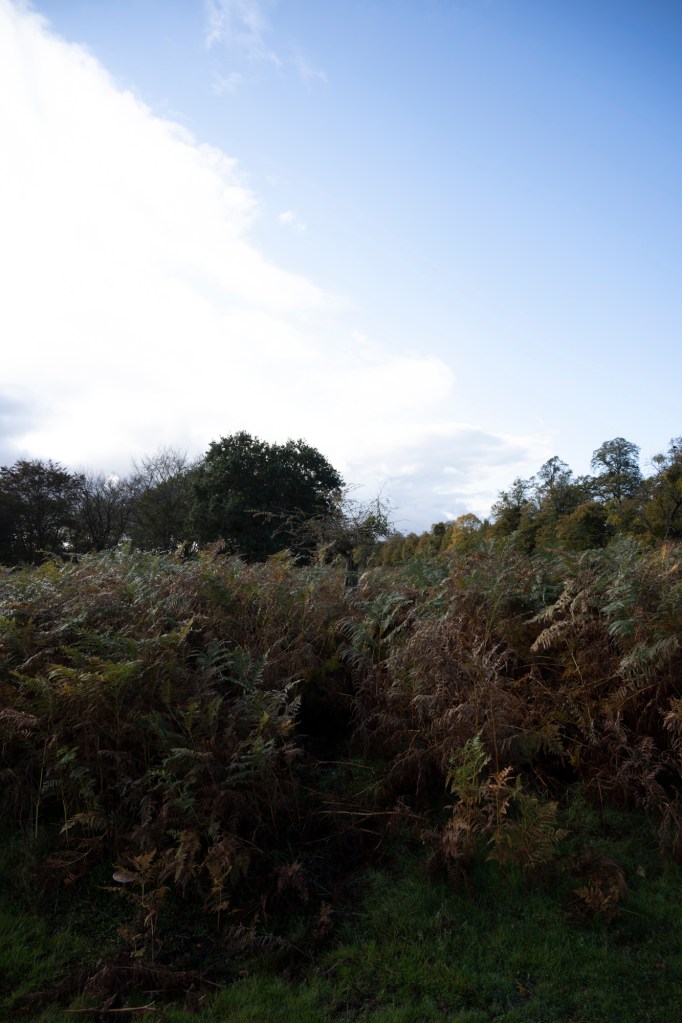
As I gradually got closer, it was interesting to see how my perspective of the hawthorn changed as I got closer to it, especially in relation the much-taller trees.
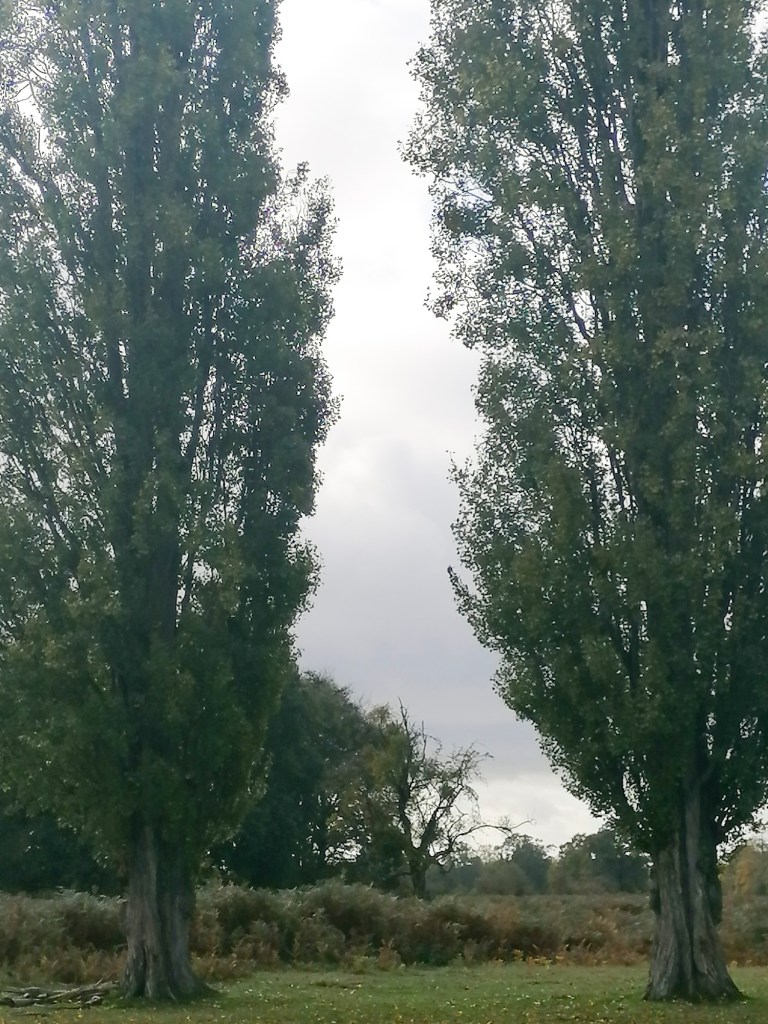
When I arrived at the edge of the ferns and walked beyond the two tall trees, this was the perspective.
Note to self – the perception of a tree can change drastically depending on its surroundings.
At this stage, I started using the digital camera, as shown in the images below. Please note these have not been edited, unless stated.
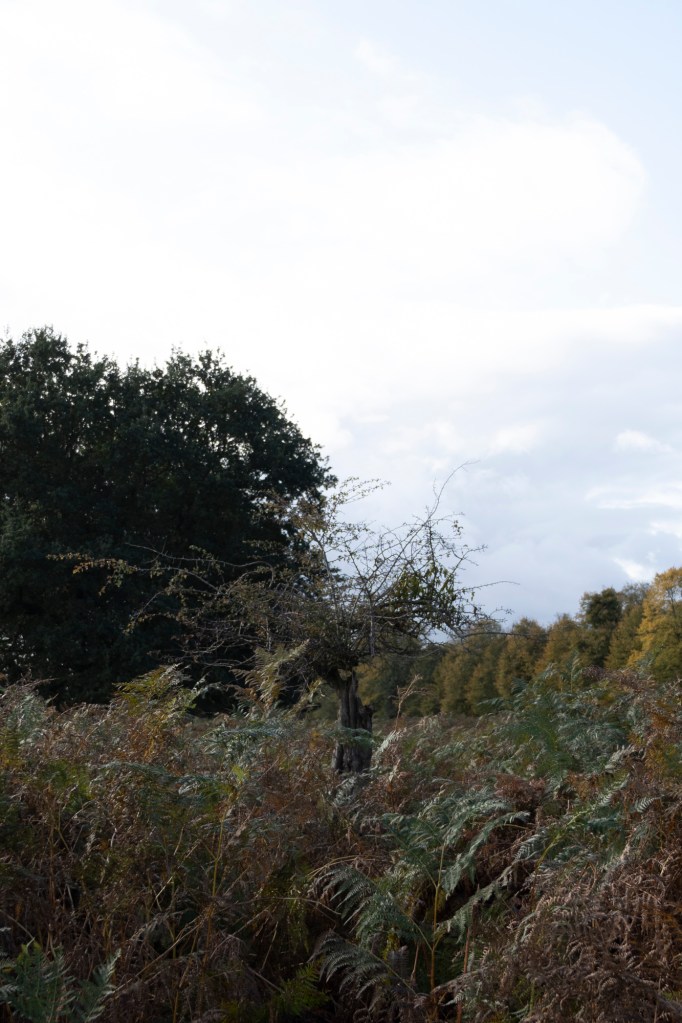
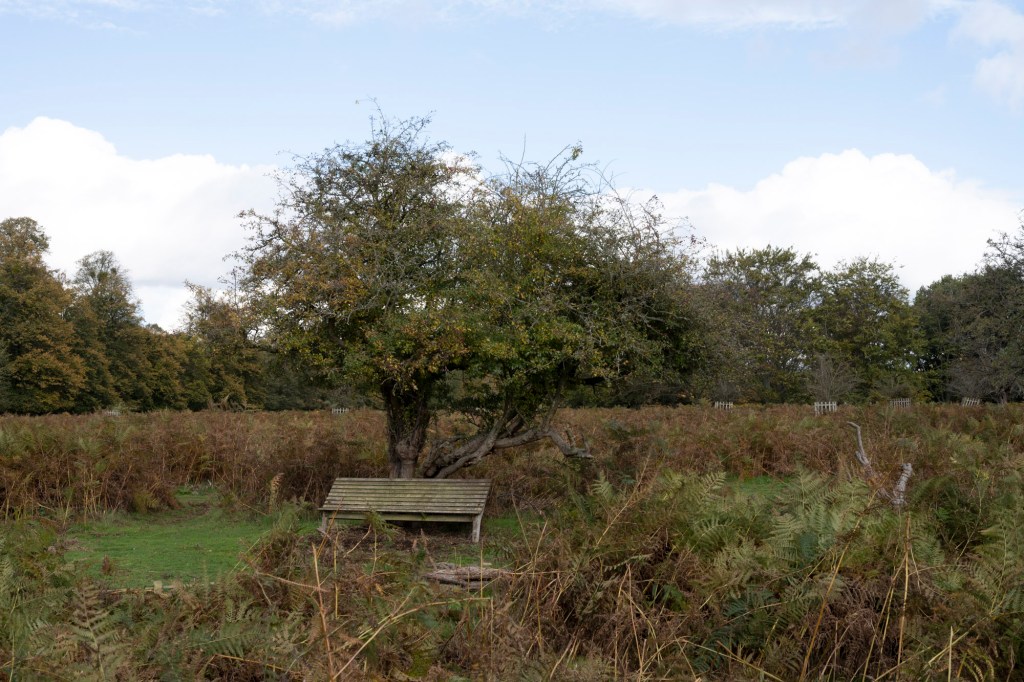
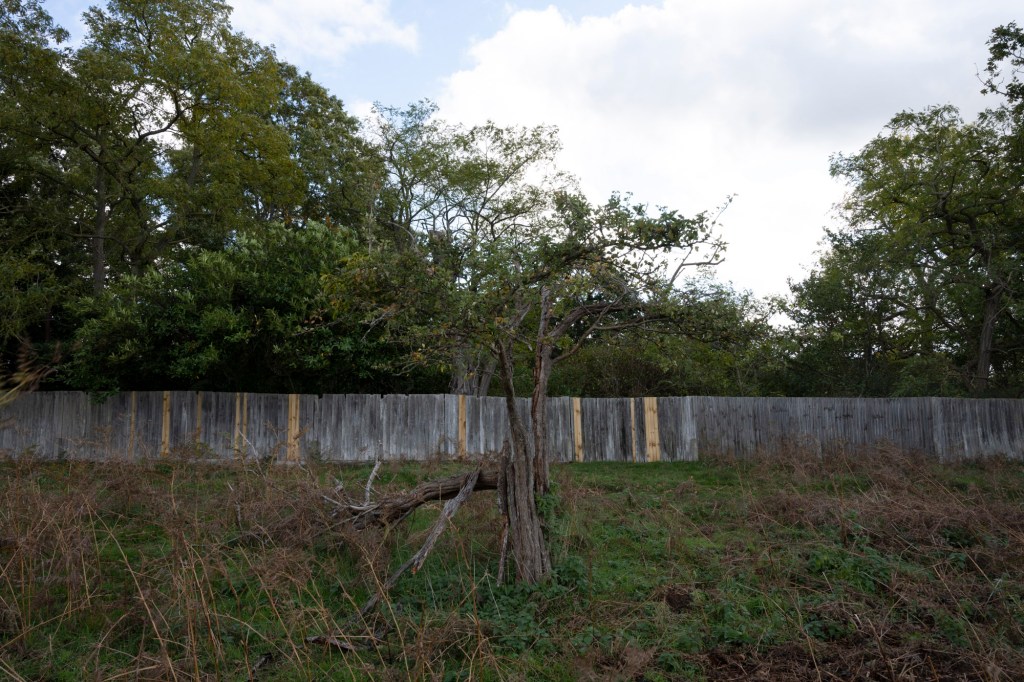
When I looked closer at this tree, I realised that the tree above has a fenced surround (to protect it from the deer). As I wanted to focus on hawthorns in their ‘naked’ form I looked for another example nearby. I could just about make out this one among the ferns. The image on the left is the original, the one on the right, a cropped version.
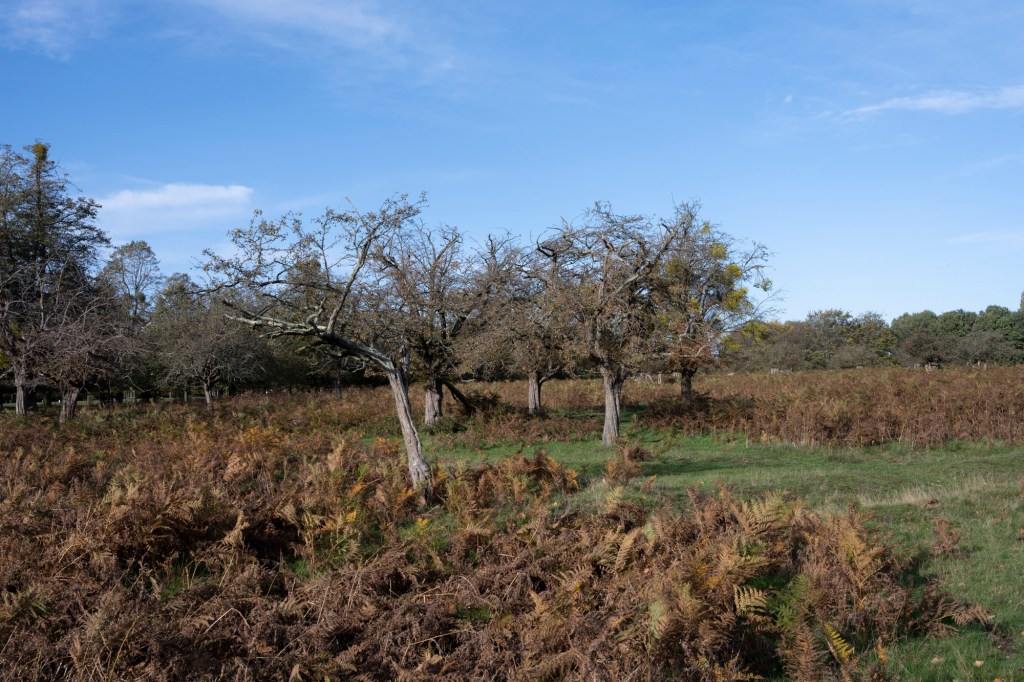
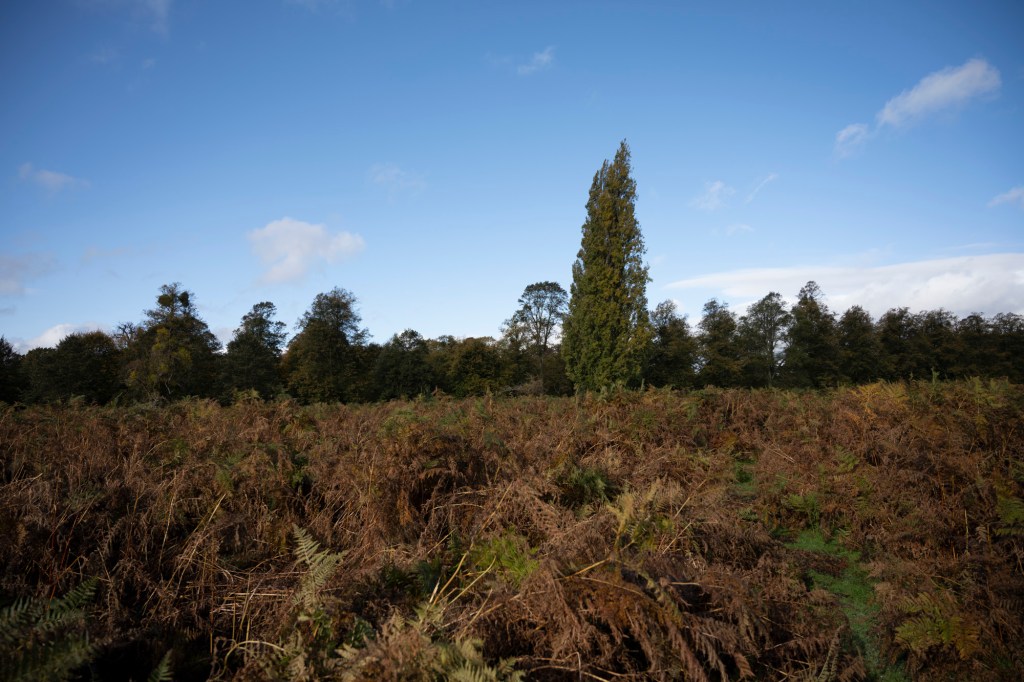
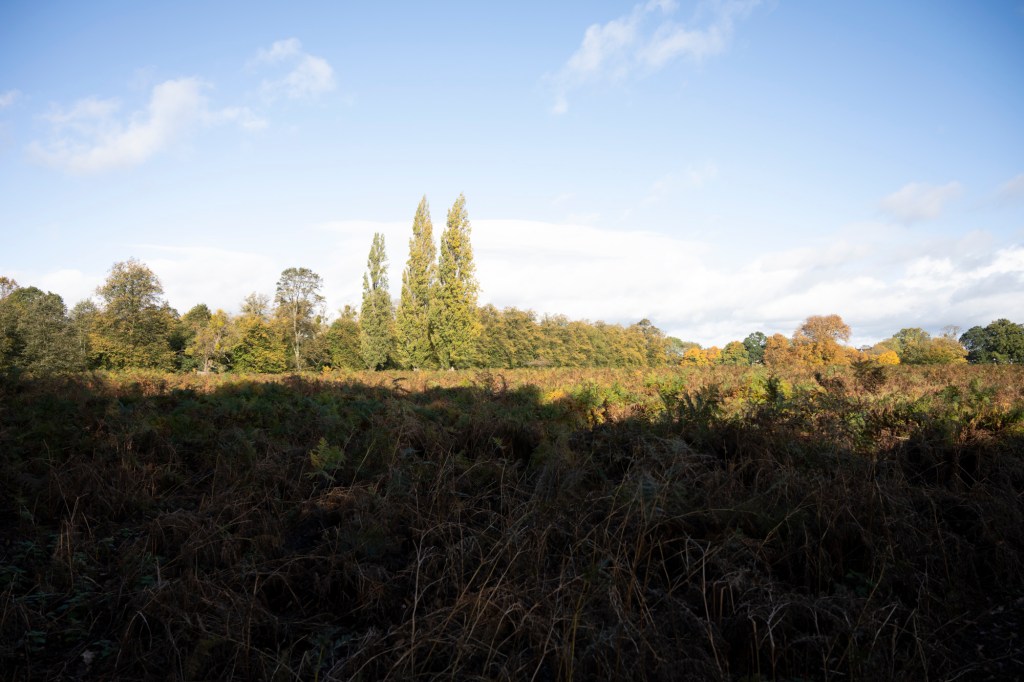
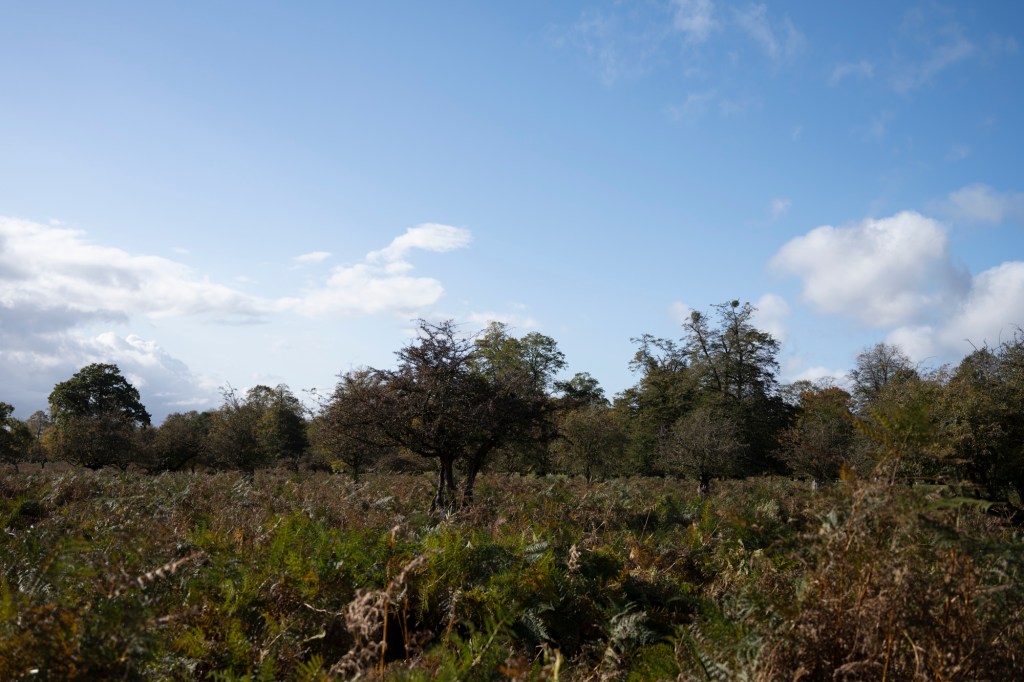
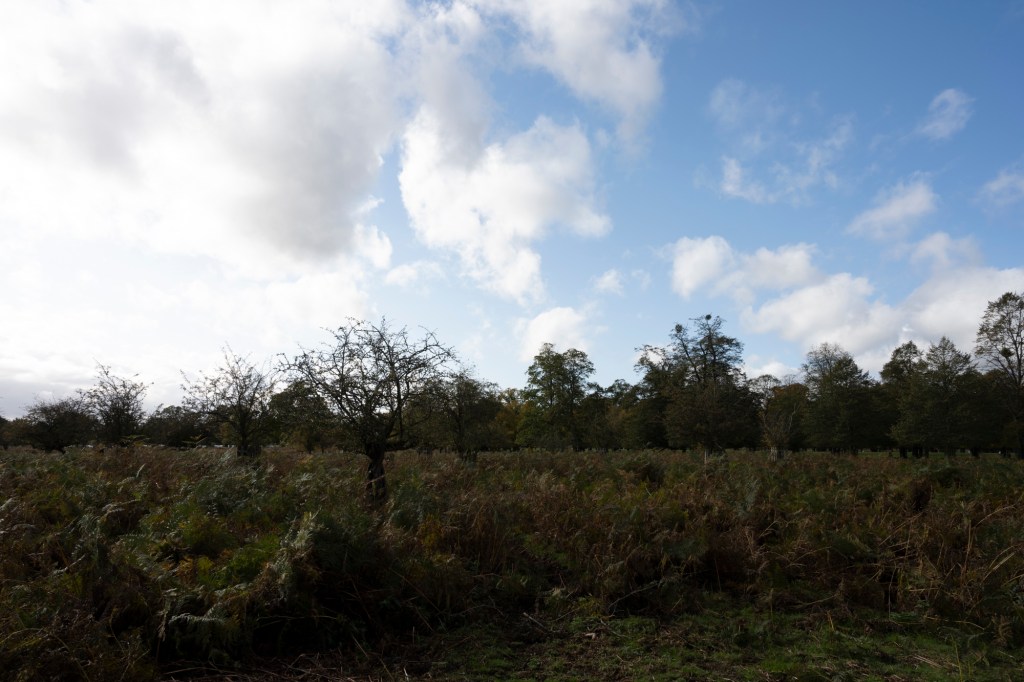
The ferns are one of the features of Bushy Park, which contributes to how the environment changes during the seasons. The above was taken during autumn, when the verdant green ferns of the summer start turning orange. Very soon, with the onset of winter, they will turn into a dark brown mulch then disappear from the landscape. When this happens, the hidden features (and swamped hawthorns) are fully revealed. The whole process starts again in spring, when small fronds start to appear, gradually turning into a bracken forest by July. Each time this happens, it always amazes me how different the park looks and feels depending on the season.
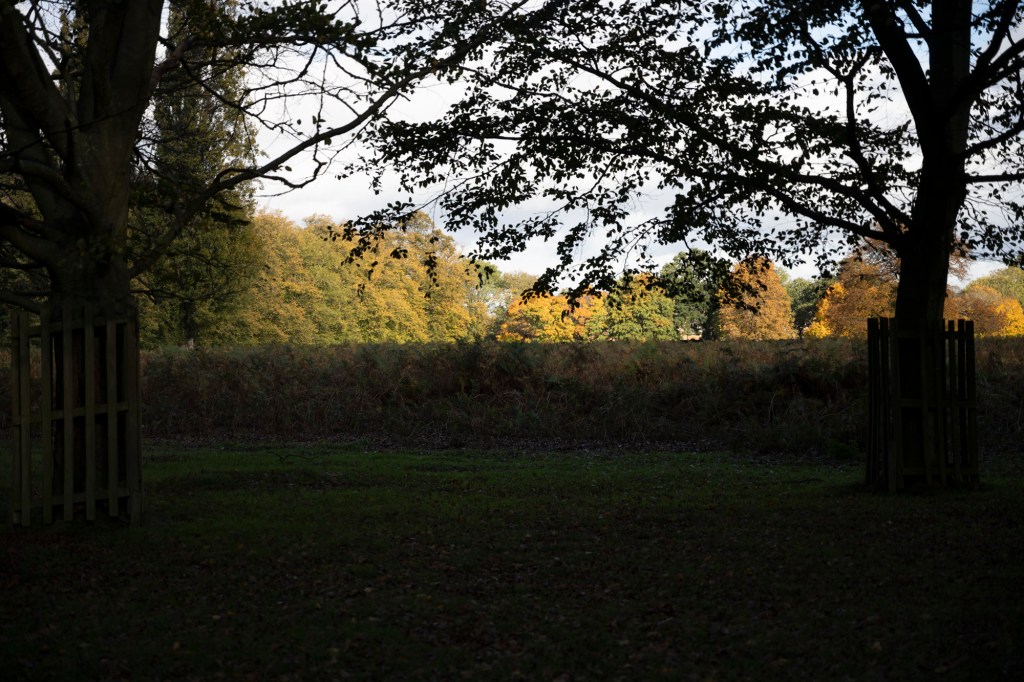
I also took the following shots when I walked to other side of the two hawthorns and into the copse where I had previously taken photos on 16 October. When I looked behind me, both hawthorns disappeared into the ferns once more.
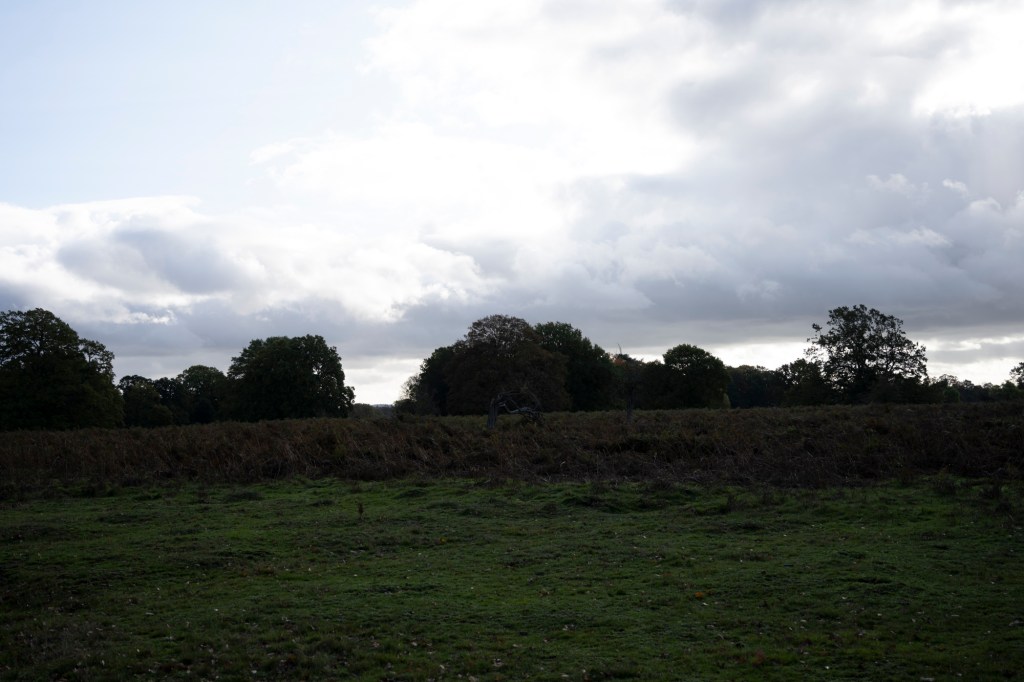
I then walked to the other side of this copse as I had spotted these two hawthorns.
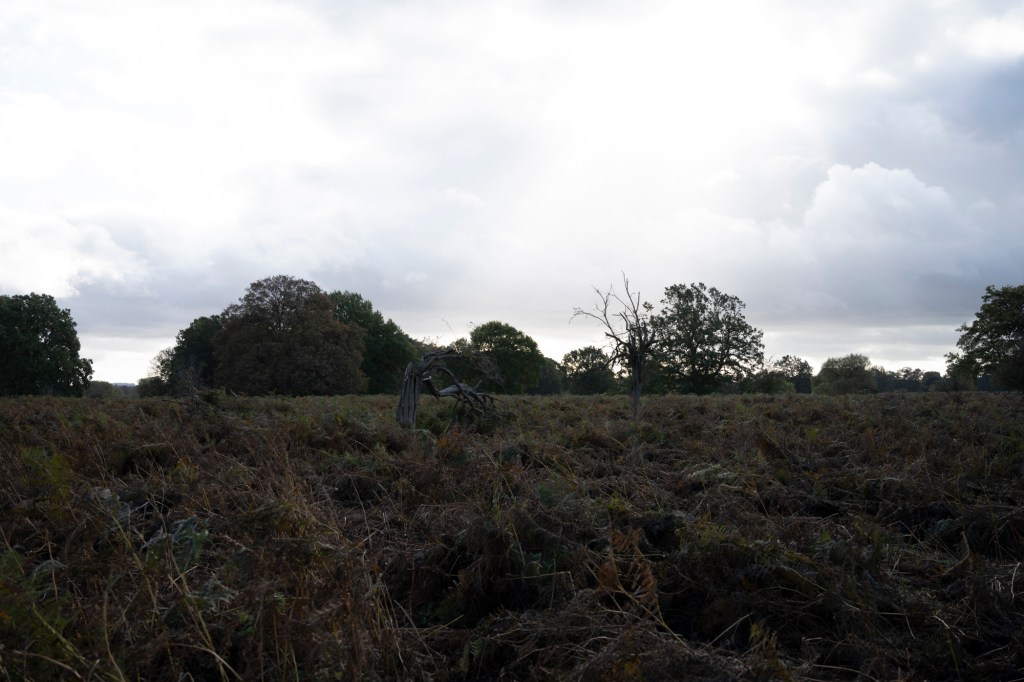
As I got closer, I took a shot of the hawthorn on the left.
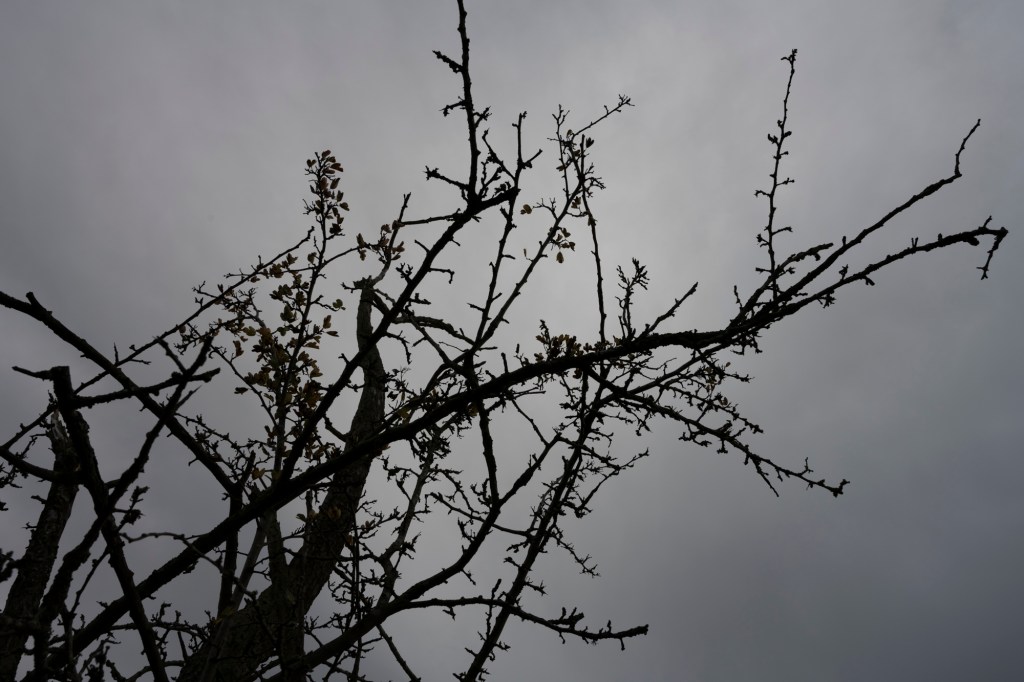
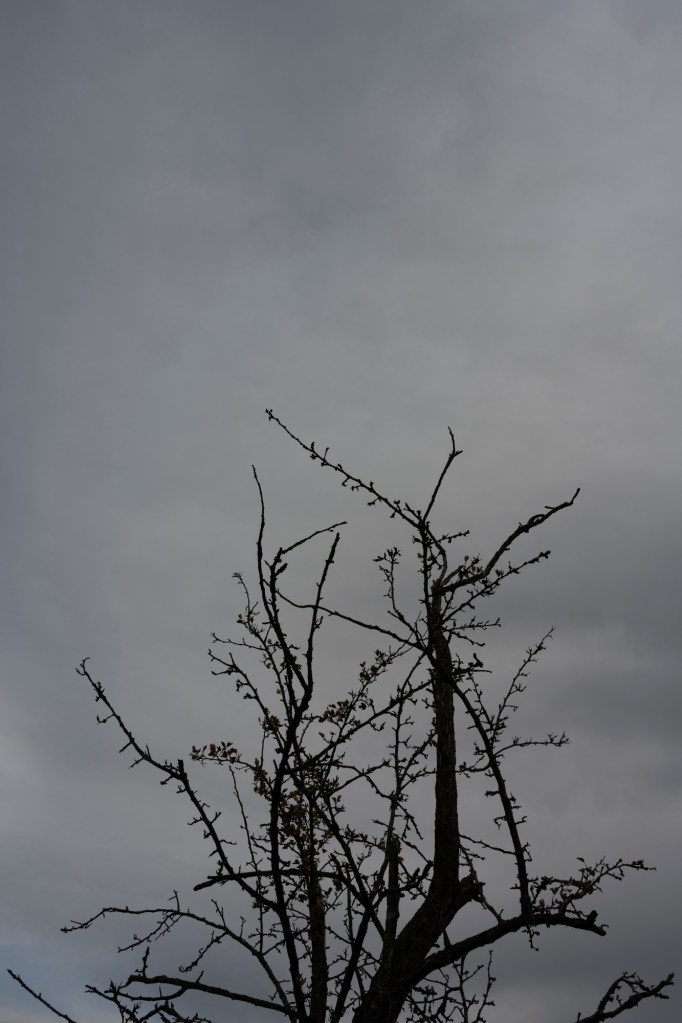
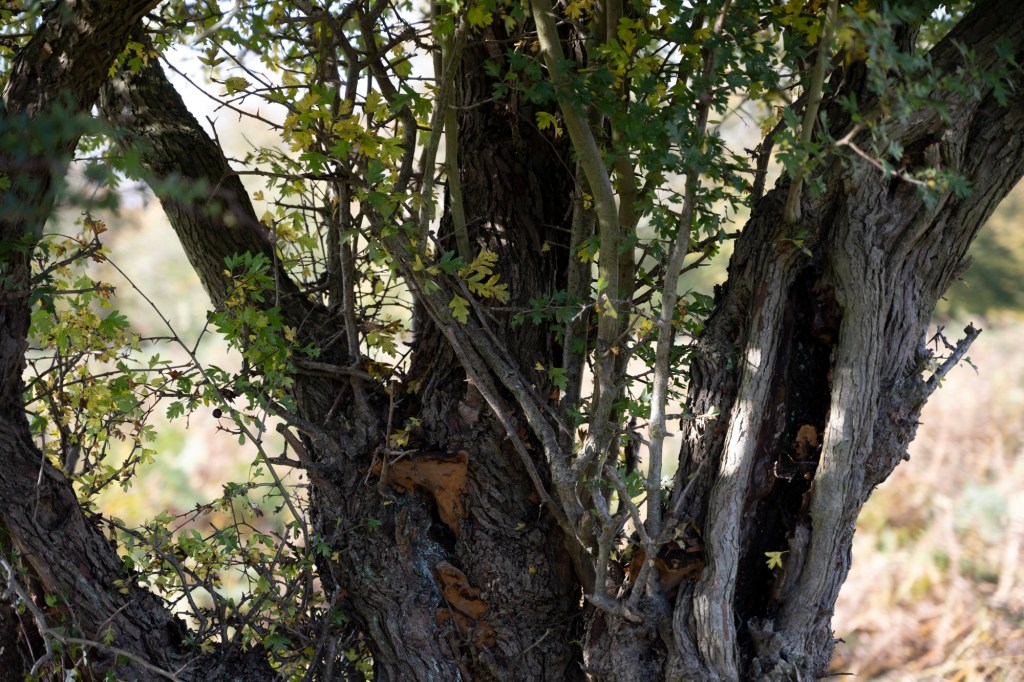
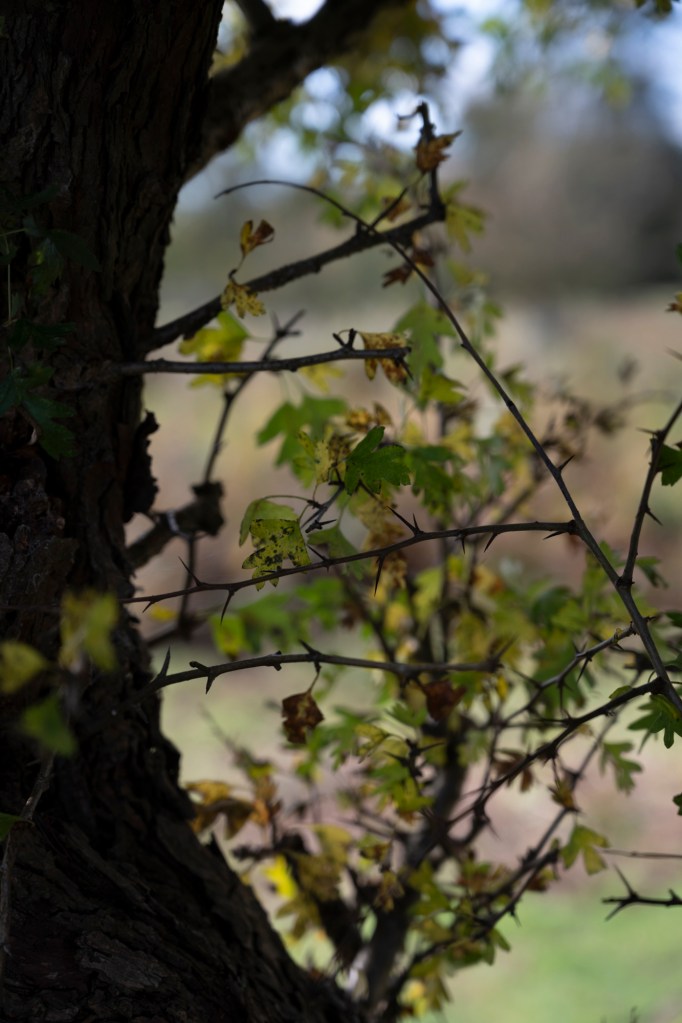
I then focused on the hawthorn on right, taking shots around the tree and focusing on some details.
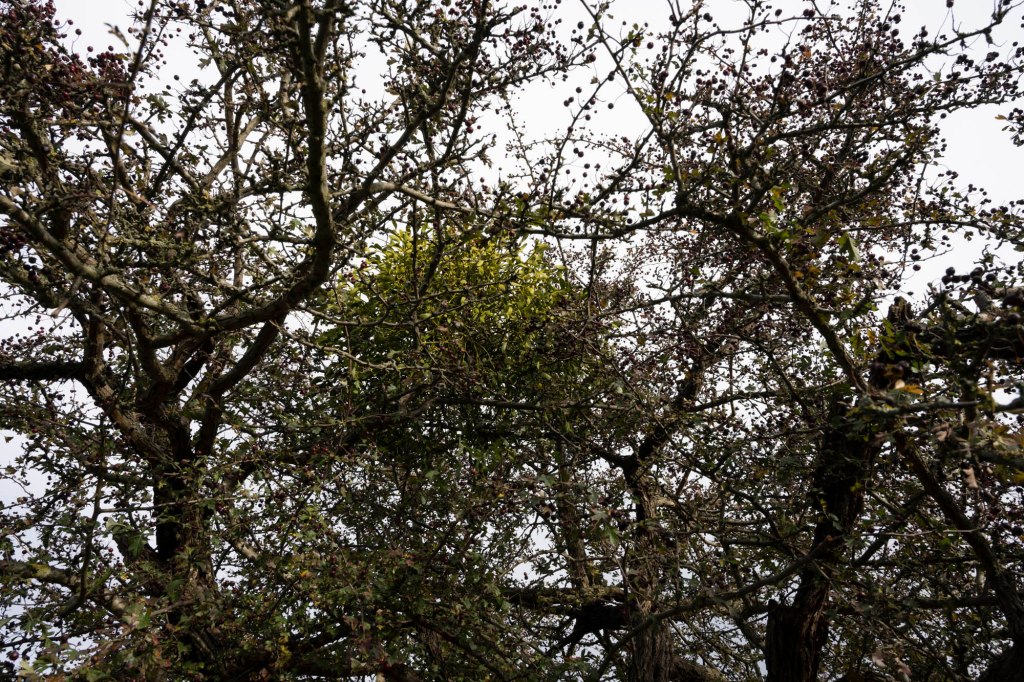
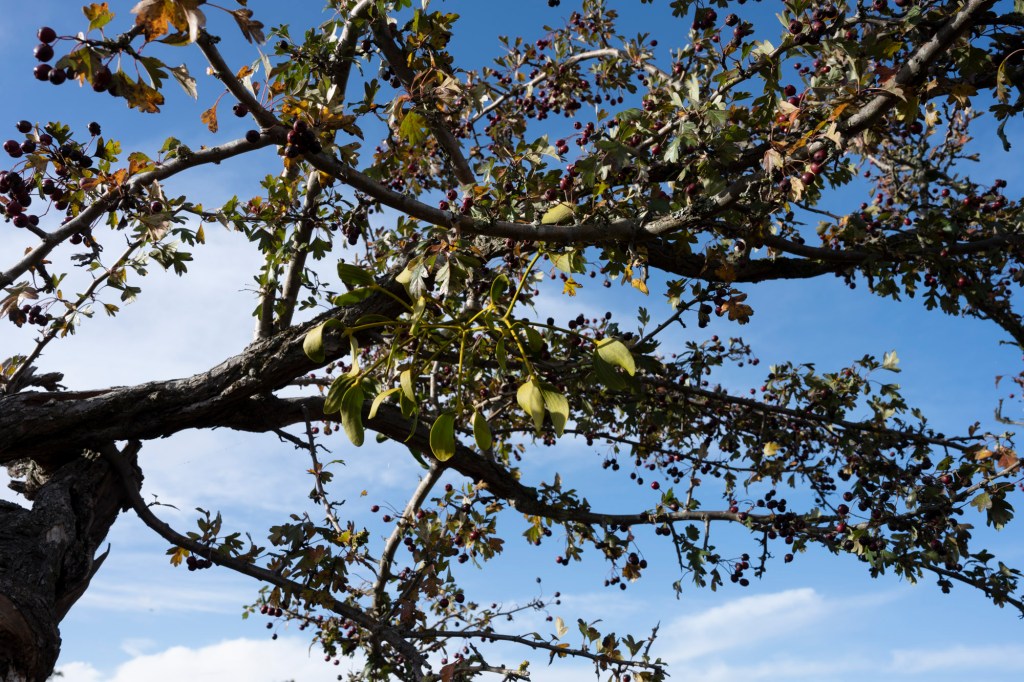
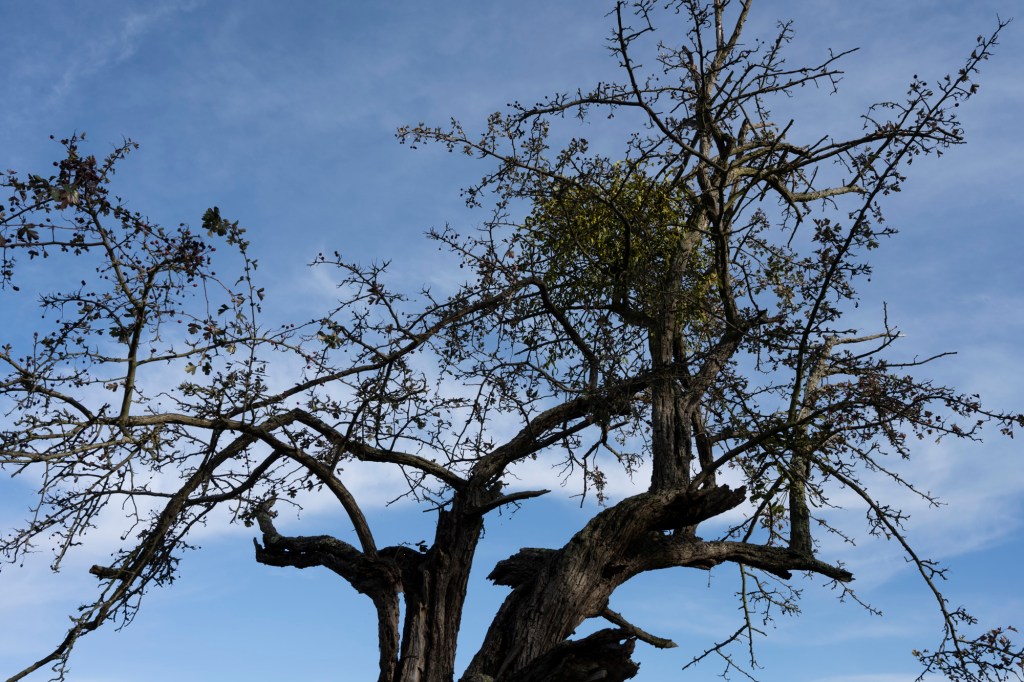
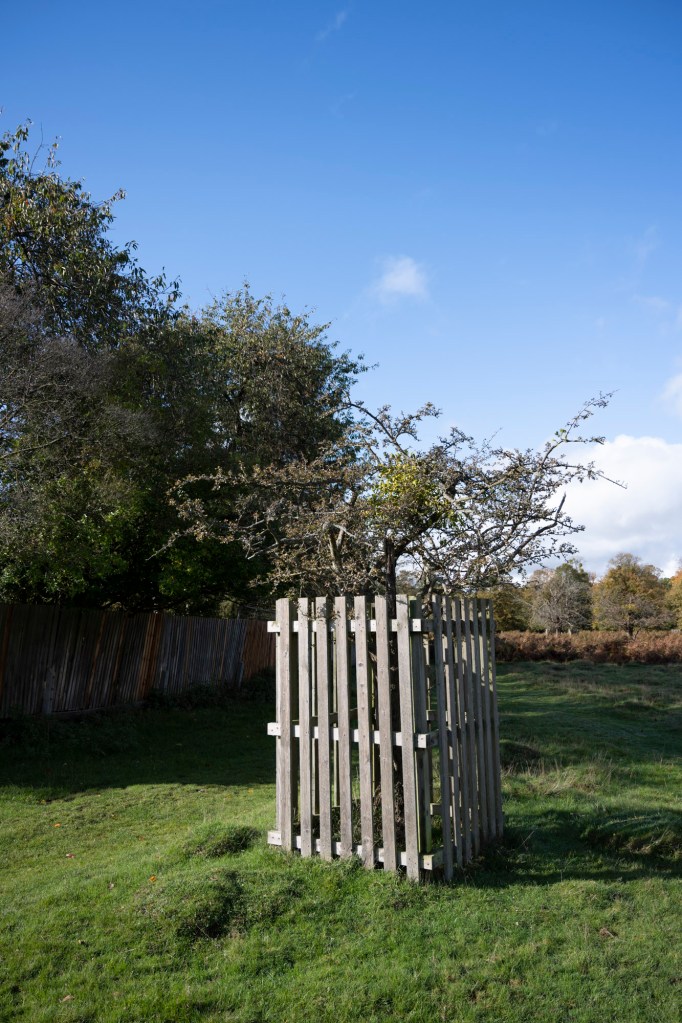
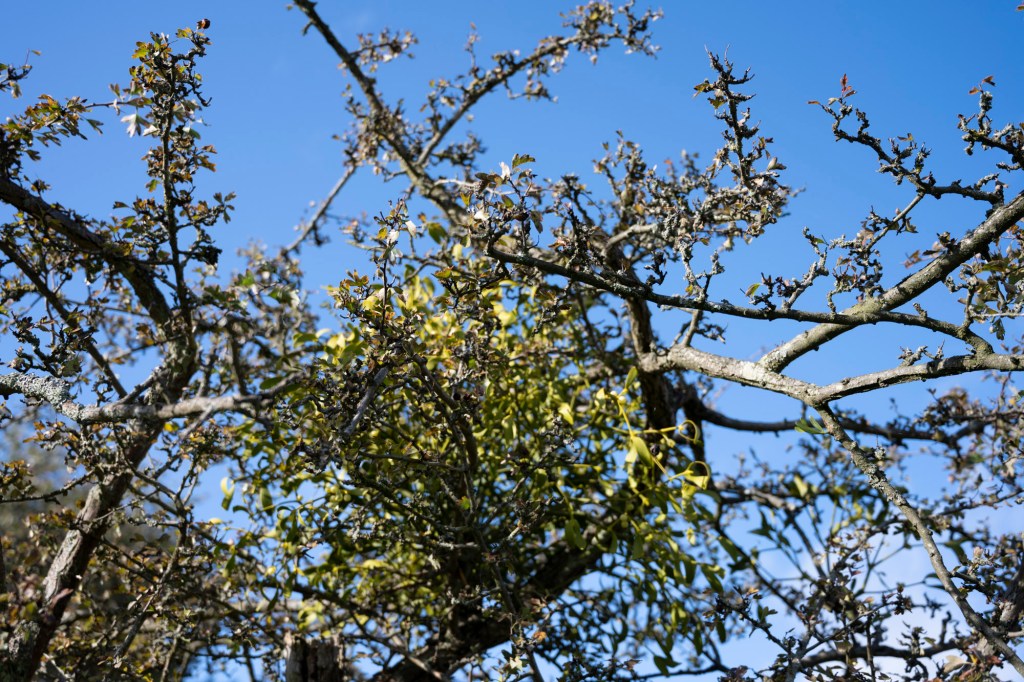
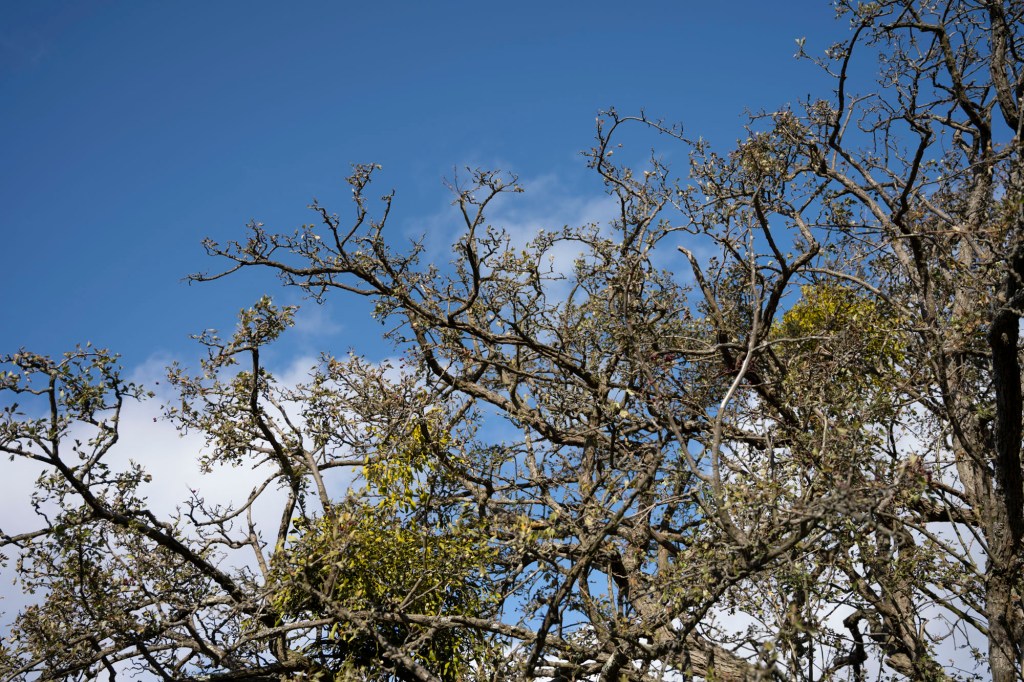
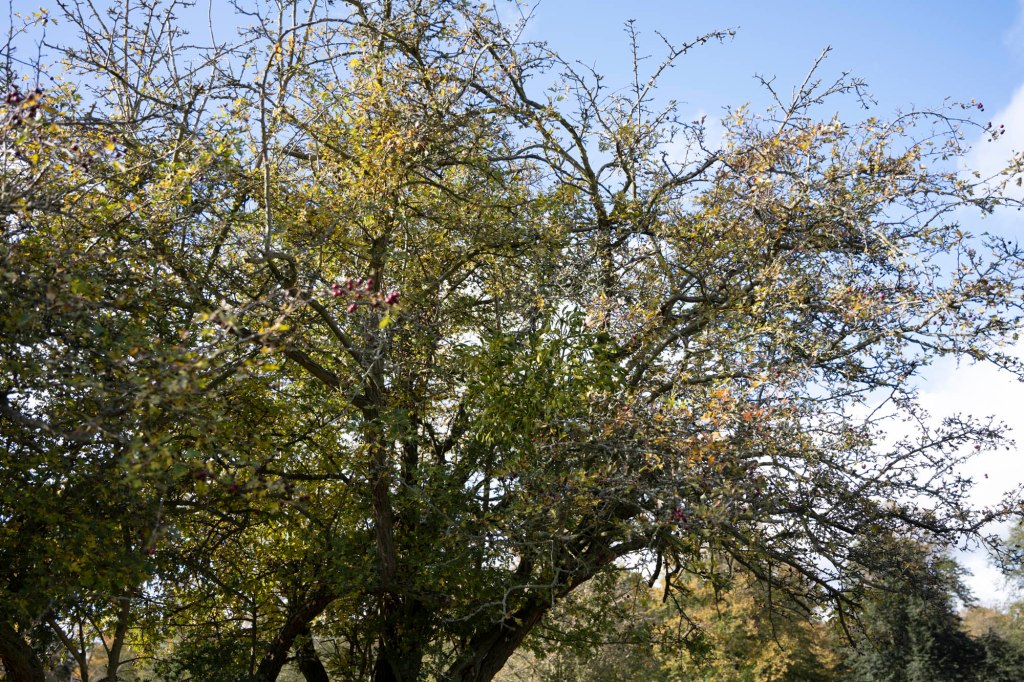
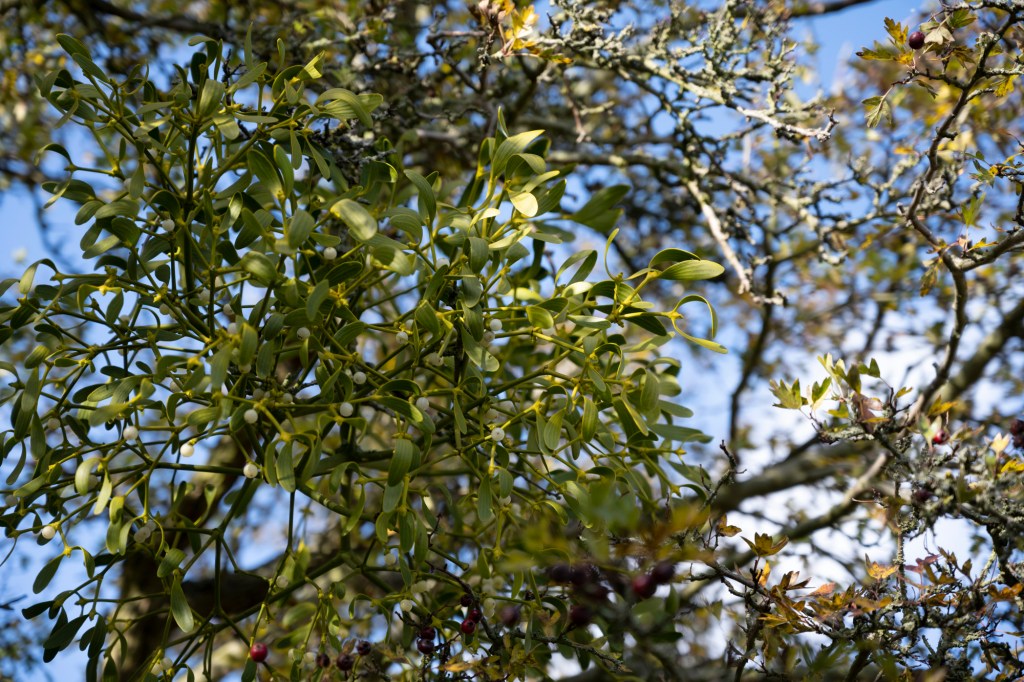
I then walked towards a house that is situated nearby, tellingly called Hawthorn Lodge. Next to the surrounding fence was another protected hawthorn. I took photos of this particular specimen, as it featured mistletoe within its branches. I know that this is the sign of an Ancient tree, but it seemed to contradict the full definition. This is something that I may need to revisit.
While continuing around the perimeter fence of Hawthorn Lodge, I then realised why this building got it’s name.
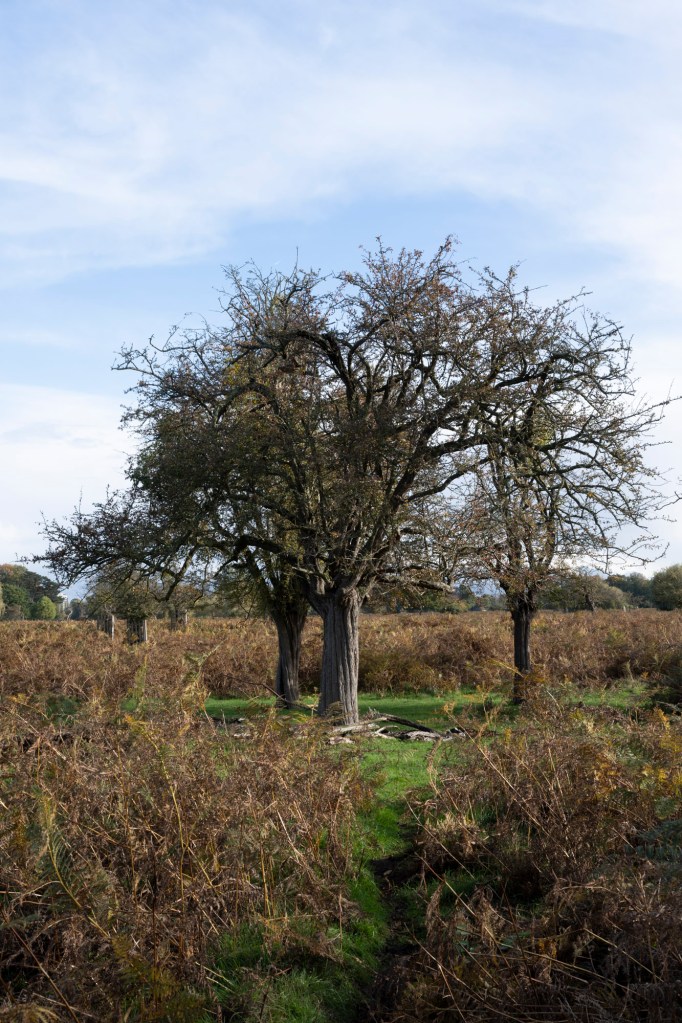
There was a whole grove of hawthorn trees. While taking this in, I thought the best approach was to focus on just four trees.
Tree One
Before I started taking photos, I measured the trunk of the tree. It was 125cms. In theory, it fitted the criteria of an Ancient tree as it also featured other aspects connected to a tree of this age (before completing this post, I had looked up signs of an Ancient hawthorn tree utilising this criteria in relation to this project, but not sure exactly how at this stage!).
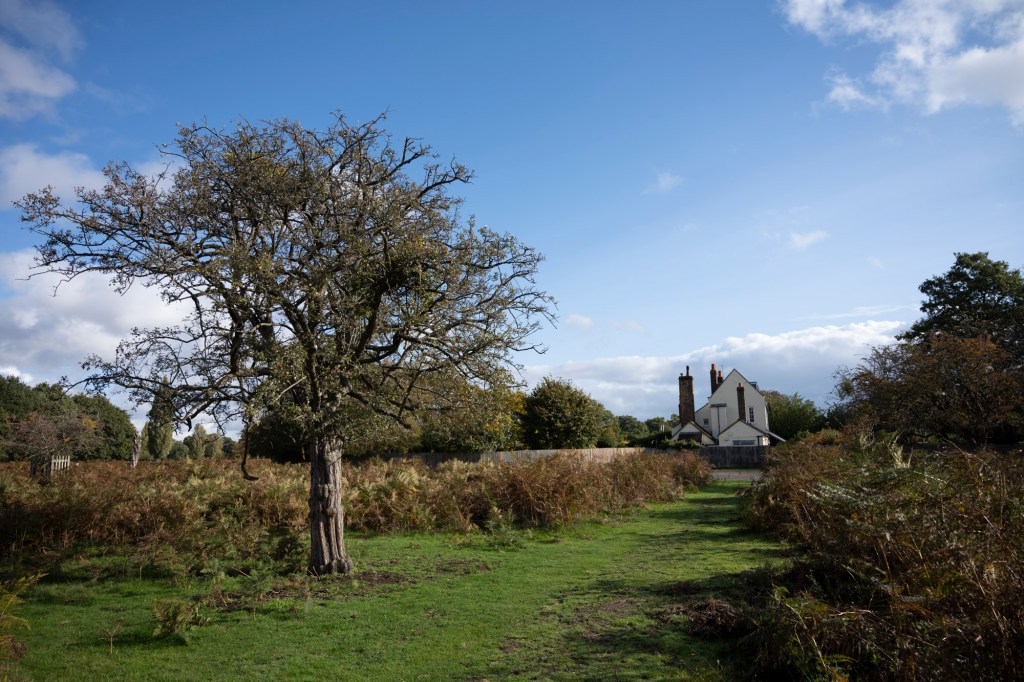
This last image is how this tree looks like in relation to Hawthorn Lodge.
Tree Two
Tree Three
Tree Four
By this stage, I realised that I would need to process the shots I had taken, both on the PC and mentally. I was also curious as to why these trees were planted in this particular – these were just four of the ones I could see in proximity of Hawthorn Lodge. As they were no where near any oak trees, it wouldn’t be to protect them. Also, they were not in lines, so couldn’t be part of a barrier or hedging system. This, and the history of Hawthorn Lodge would require further investigation.
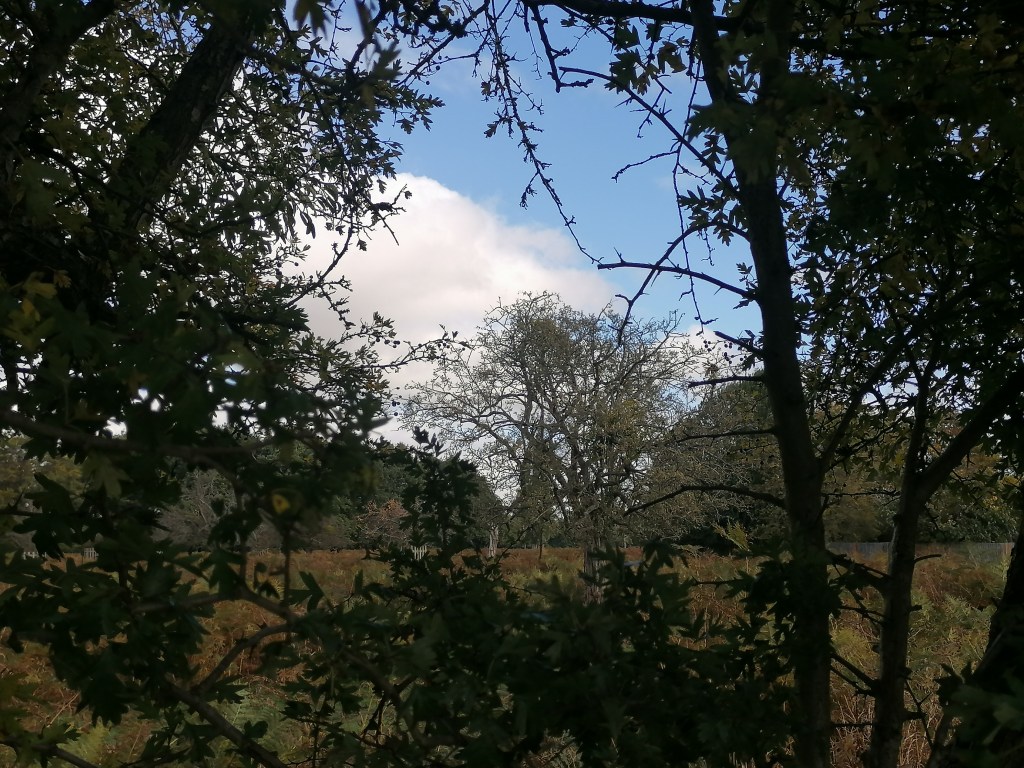
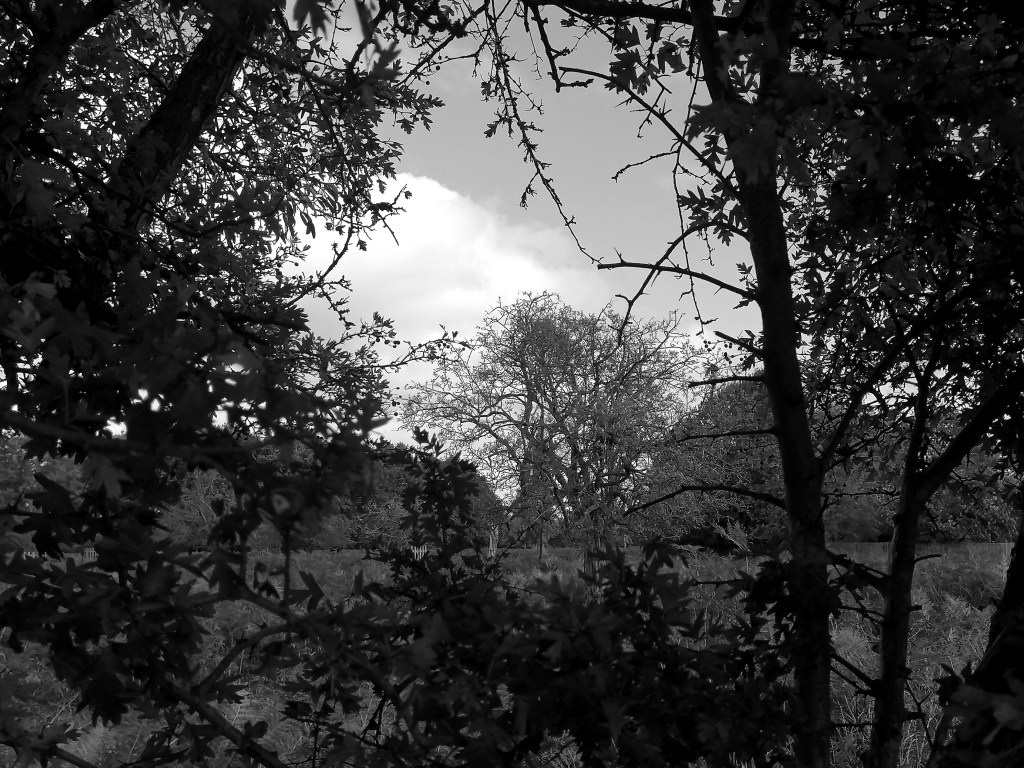
Later that day, I created a Black & White shot I had took of Tree Two with the smartphone.
I then tried a Black & White conversion of one of this example.
What I learned by taking these images is that there is lots more work to be done. Also, I’ve really appreciated how it’s made me slow down in my methodology. As with the photos, there is detail and depth to be discovered in all aspects of this project.
The focus of this one-to-one tutorial was to discuss with Åsa my initial concept and potential process. This was part of the concept-process-form paradigm that Åsa presented and the class talked about during the last group tutorial on 7 October 2020.
After two weeks of thinking about a potential concept and carrying out various research and taking images, it was a relief to be able to vocalise my thoughts, discuss my results so far then work out a focal point for this project.
The tutorial had to be via Microsoft Teams, but as most of my work so far had been via digital means I was able to present it to Åsa online. To start, I went through the blog posts that I had written. I was hoping this would give my tutor the opportunity to understand my line of thinking (which can be challenging sometimes, for both myself and others!).
What did prove very useful was showing the map of Bushy Park to Åsa. I don’t think that both my tutor and classmates actually realised the size of the park when I’ve talked about it previously. At 1,099 acres, it is also the second largest one in London after Richmond Park. Also that it is a Special Site of Scientific Interest (SSSI) and has a rich history and heritage.
Feedback & Thoughts
I have to admit that I can’t recall exactly every details of our conversation, but these are the most pertinent points that struck a note with me.
When I went through the Bushy Park images from 5, 9 and 16 October 2020, Åsa remarked that were different from my previous project’s images (AGM61 Moments of Eternity). The photos I had taken during the two research sessions were just ‘straight’ shots with no real specific intention and to be led by my instincts. This tends to be my method of working at the start of a project. One of my major influences is Minor White and I subscribe to his ‘hunter/gatherer’ approach to get the creative juices flowing. I also wanted to take a different approach to the previous work.
Åsa also highlighted the differing point-of-view on how I took the images:
Objective: the tree as an object in the landscape, but in a portrait style
Subjective: close ups of details, looking up at the branches
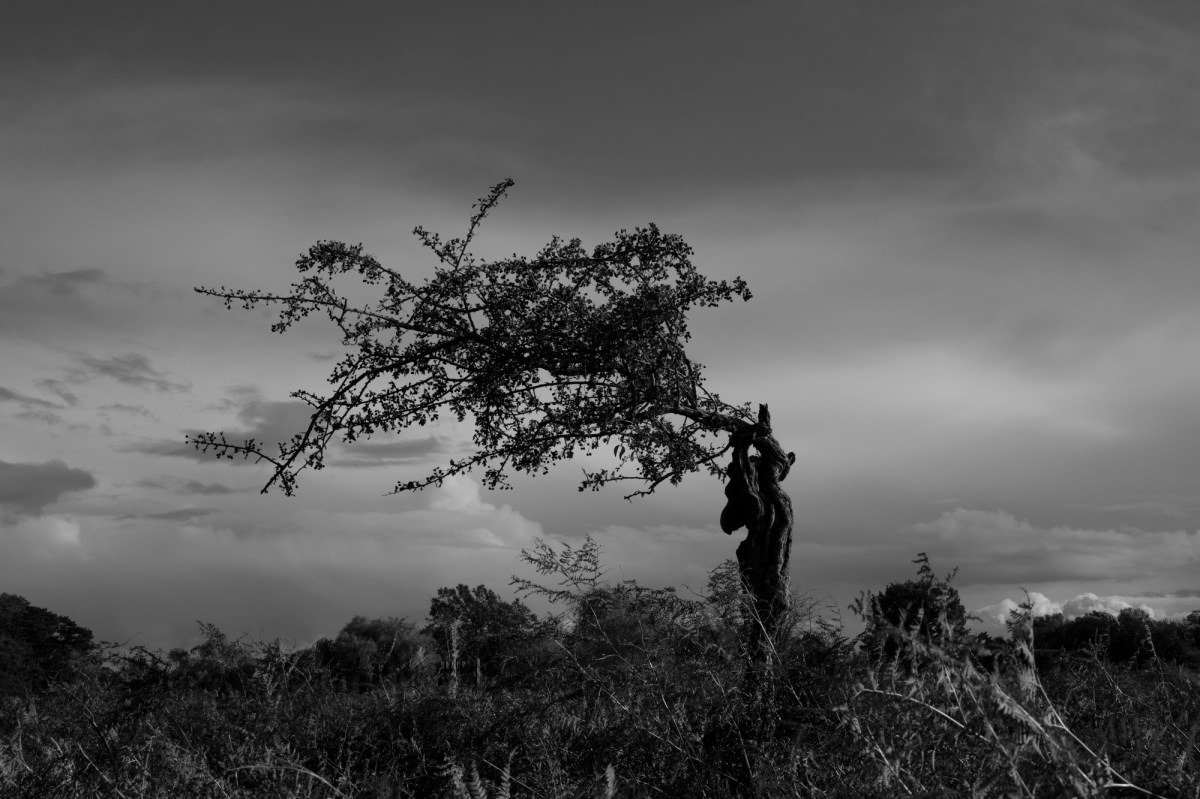
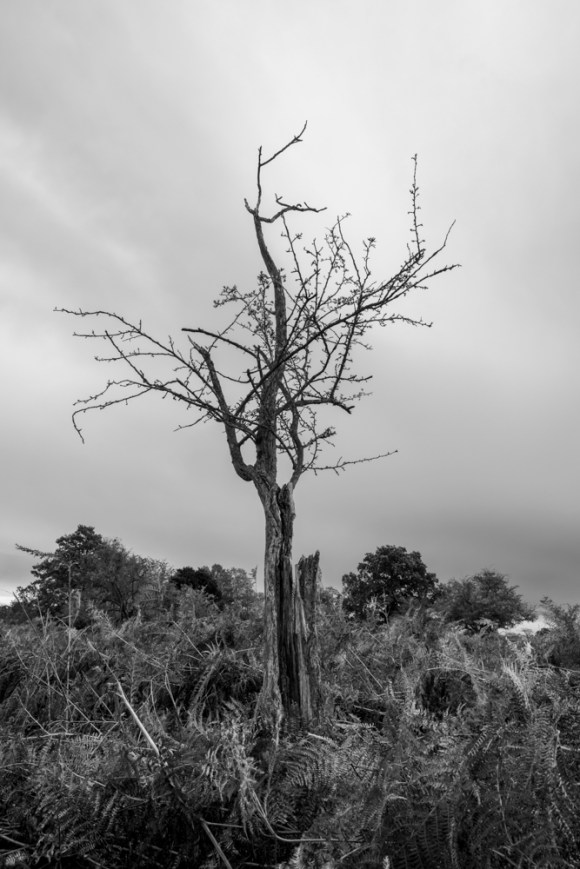
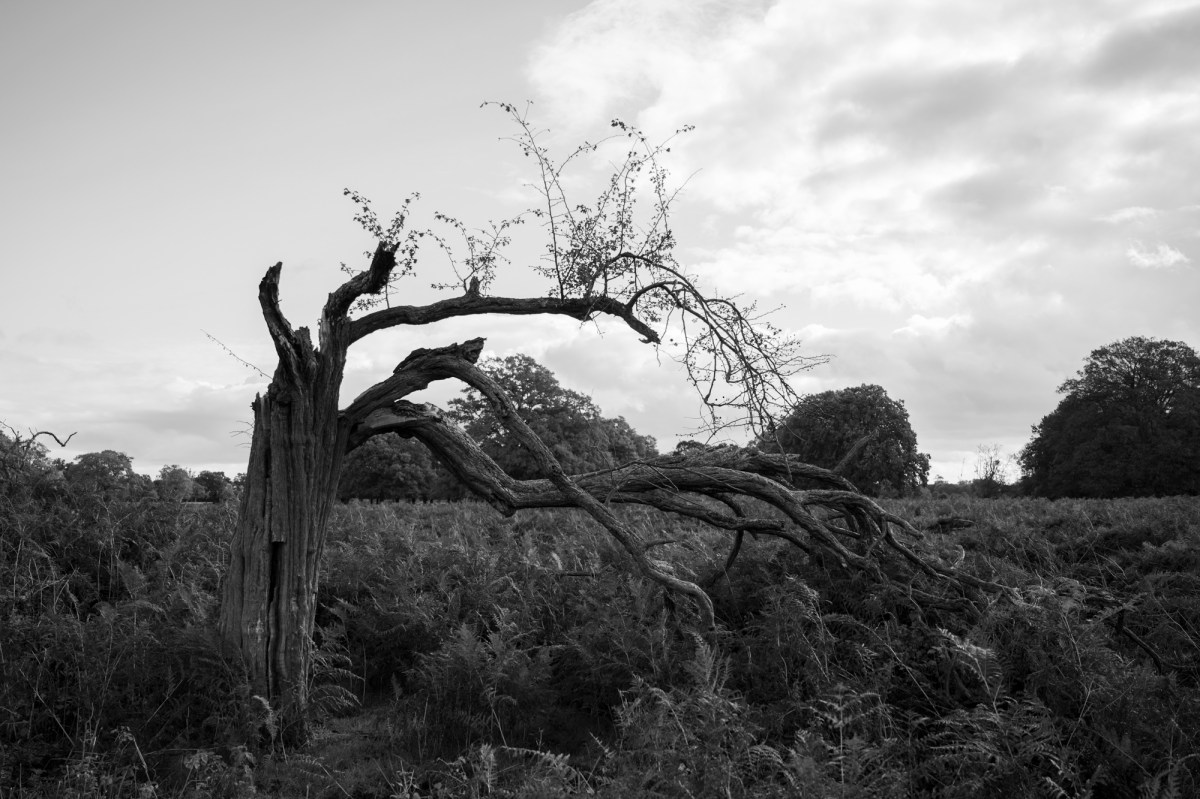
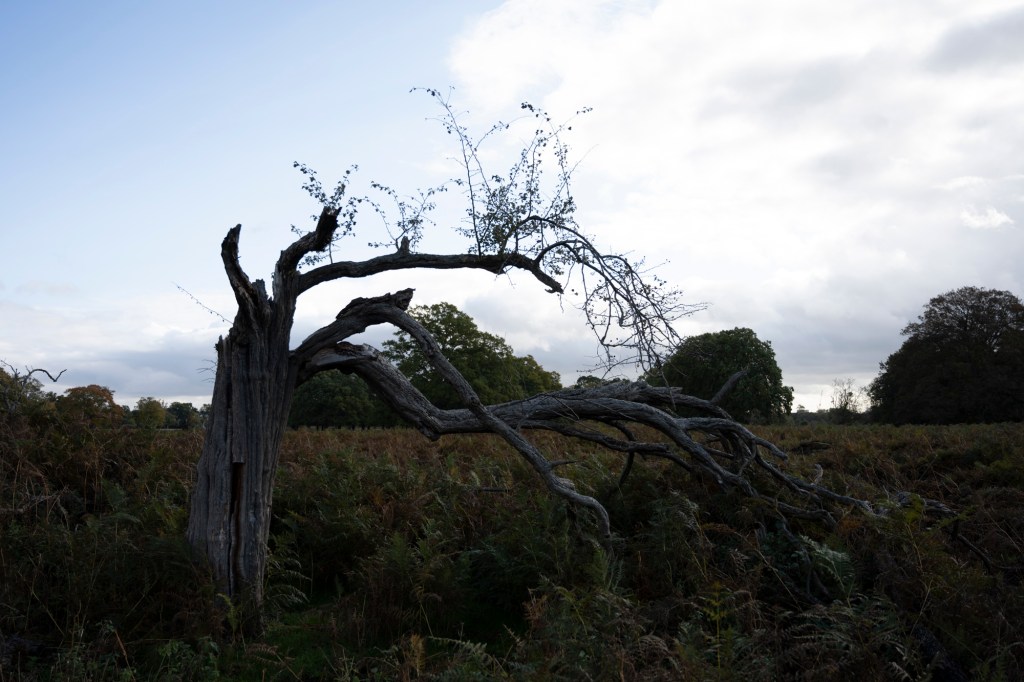
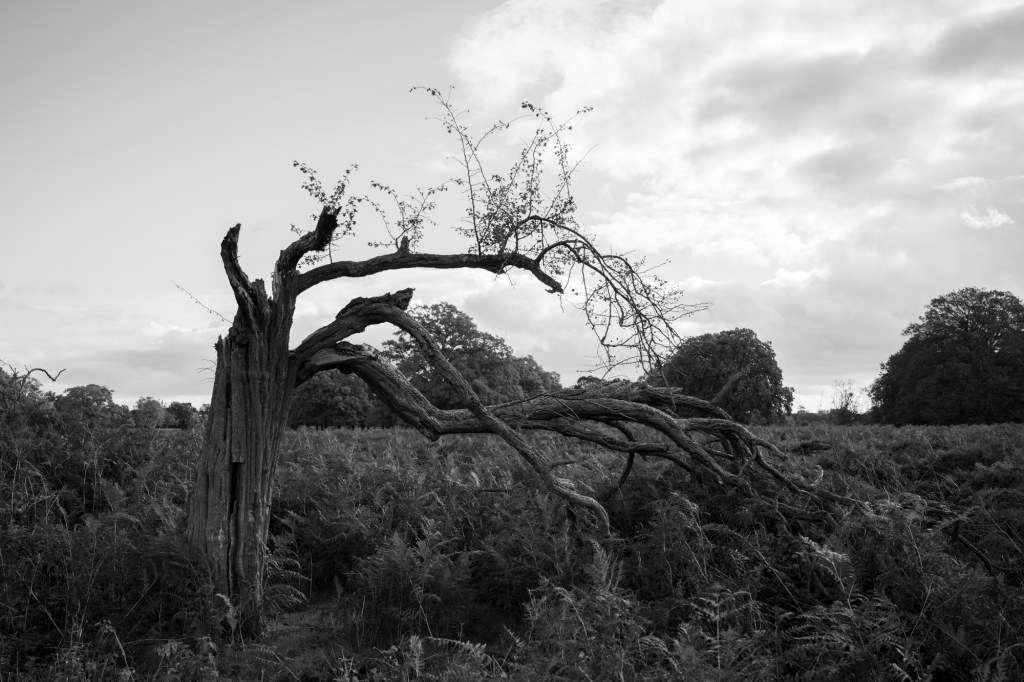
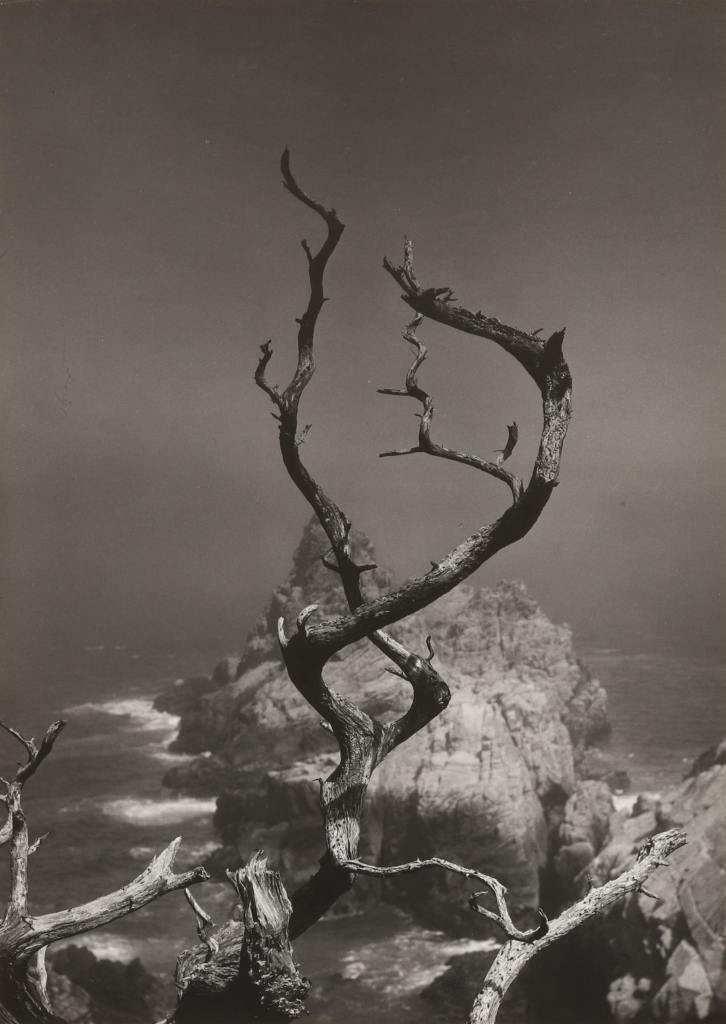
The main image that Åsa picked up on was that one of the hawthorns that I had converted to Black & White:
For Åsa, there was a very subtle approach to this image that was traditionally composed with the Black & White conversion bringing out textures and details. It also slowed down the reading of the image.
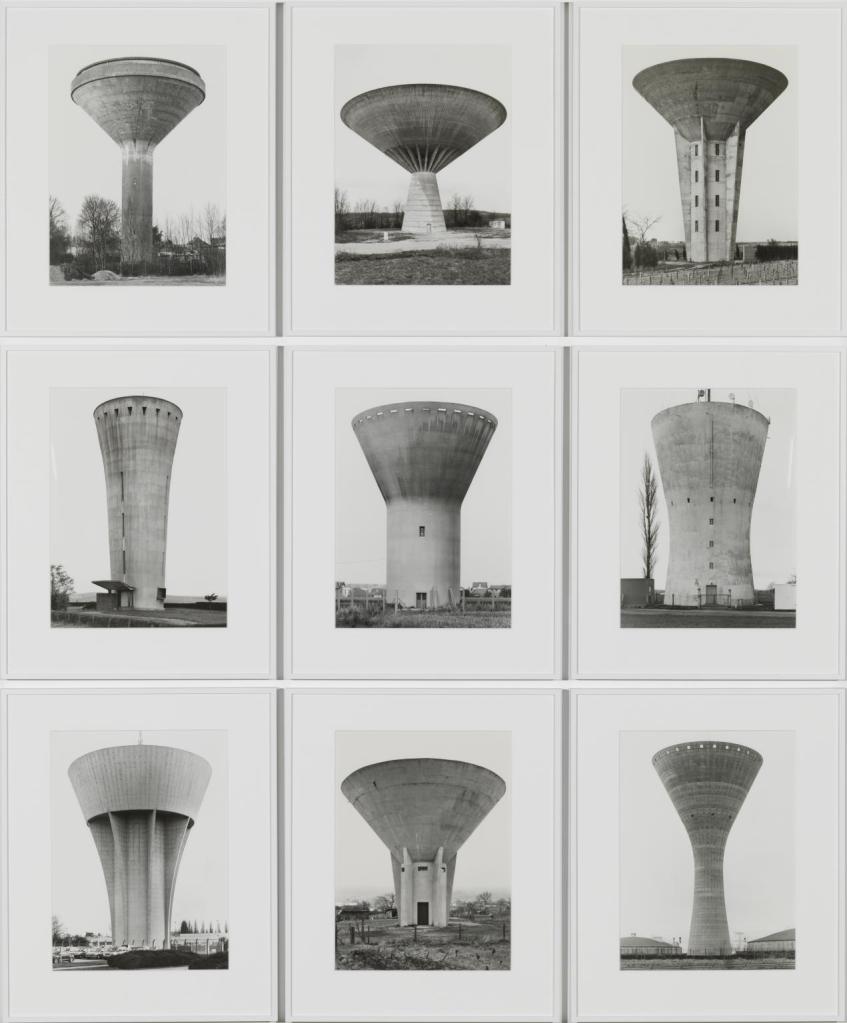
When I mentioned about the Ancient Tree Inventory and potentially mapping the hawthorn trees, Åsa brought up the work of Bernd and Hilla Becher and their objective images of water towers.
Water Towers 1972-2009 Bernd Becher and Hilla Becher 1931-2007, 1934-2015 Purchased with funds provided by Tate International Council, the Photography Acquisitions Committee, Tate Members and Tate Patrons 2015 http://www.tate.org.uk/art/work/P81238
On reflection, this is in contrast to Minor White’s subjective focus on details.
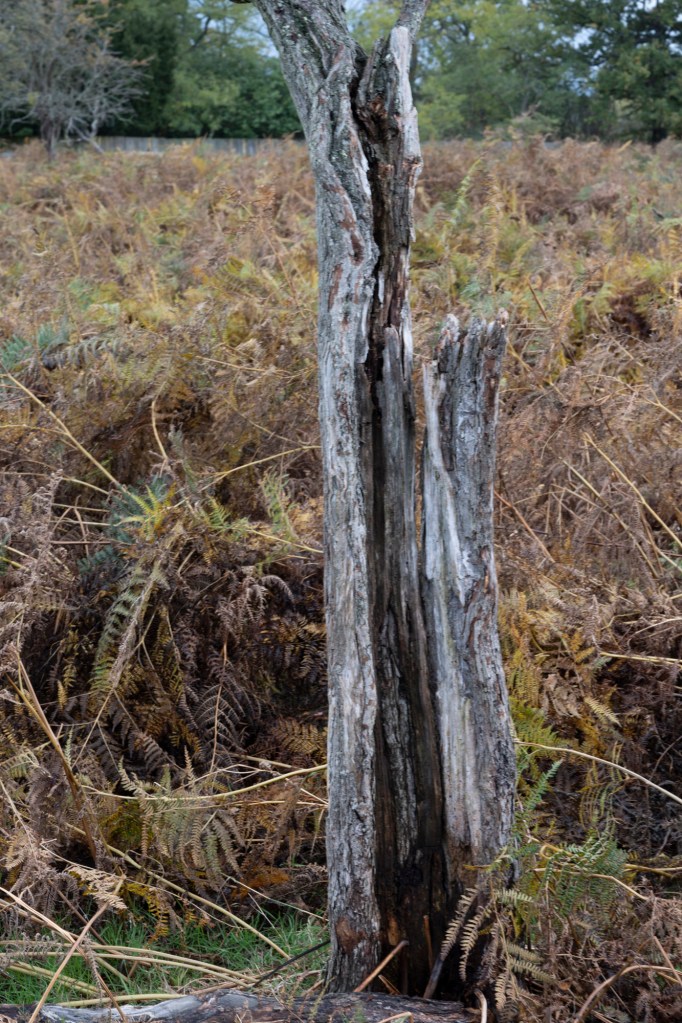
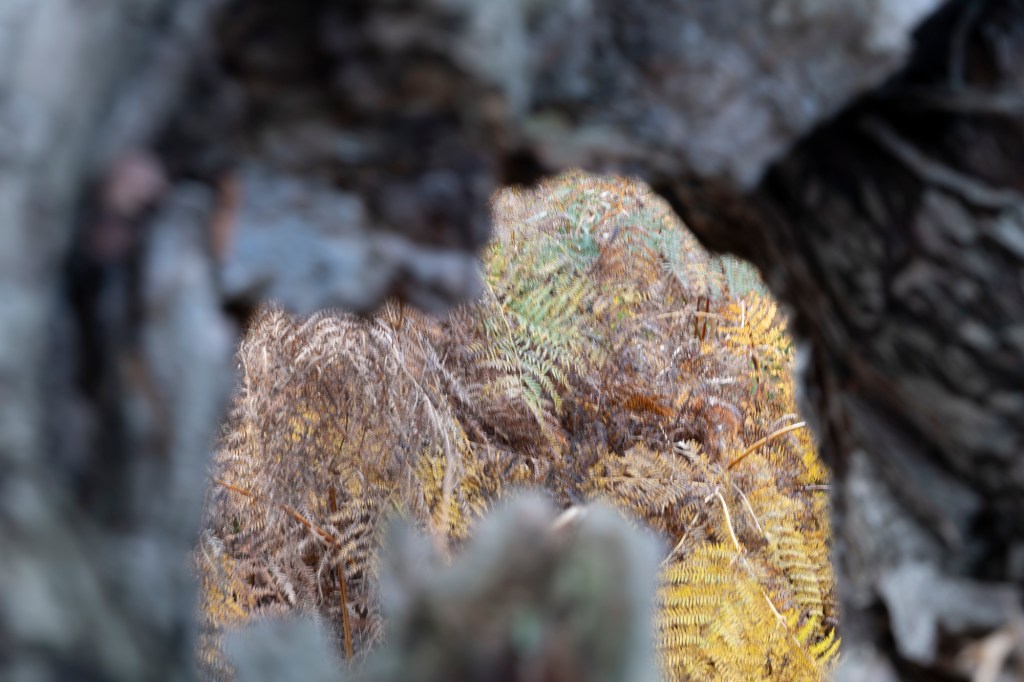
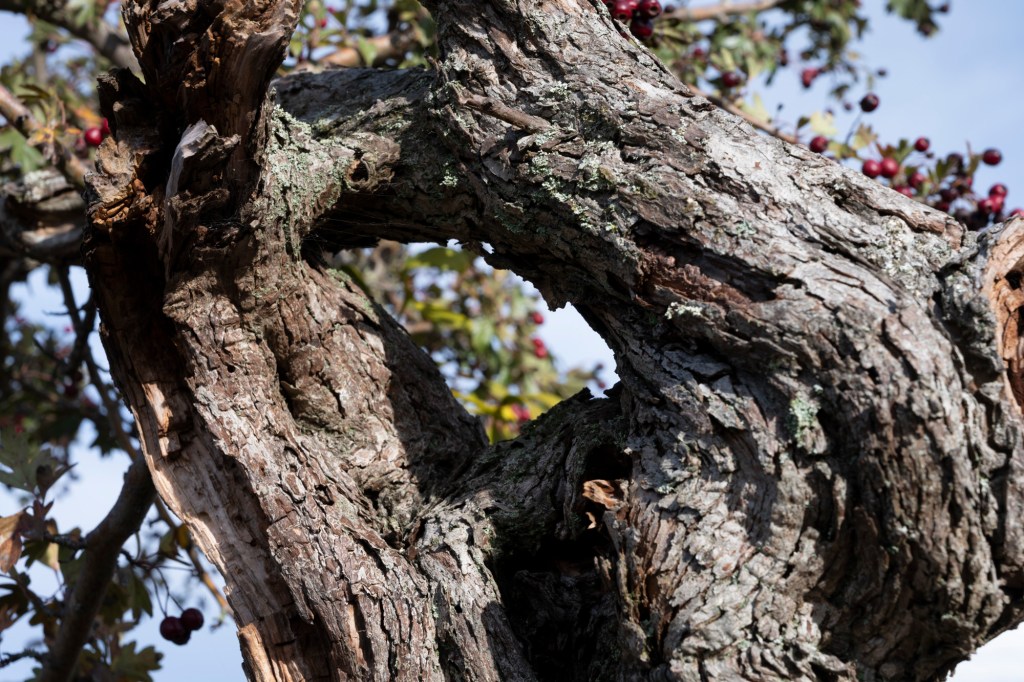
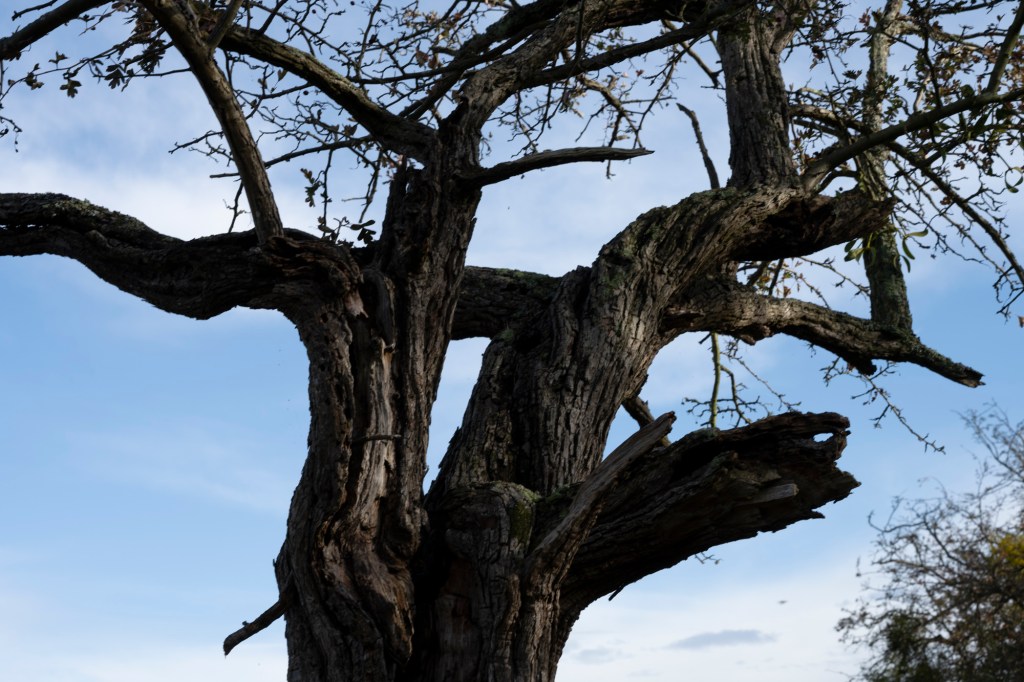
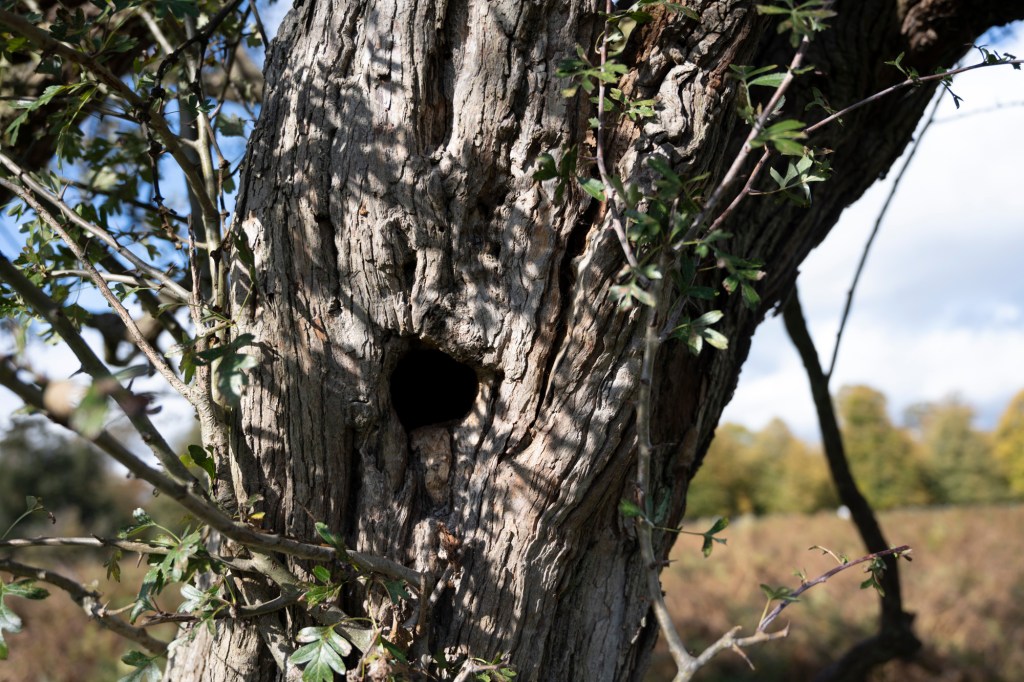
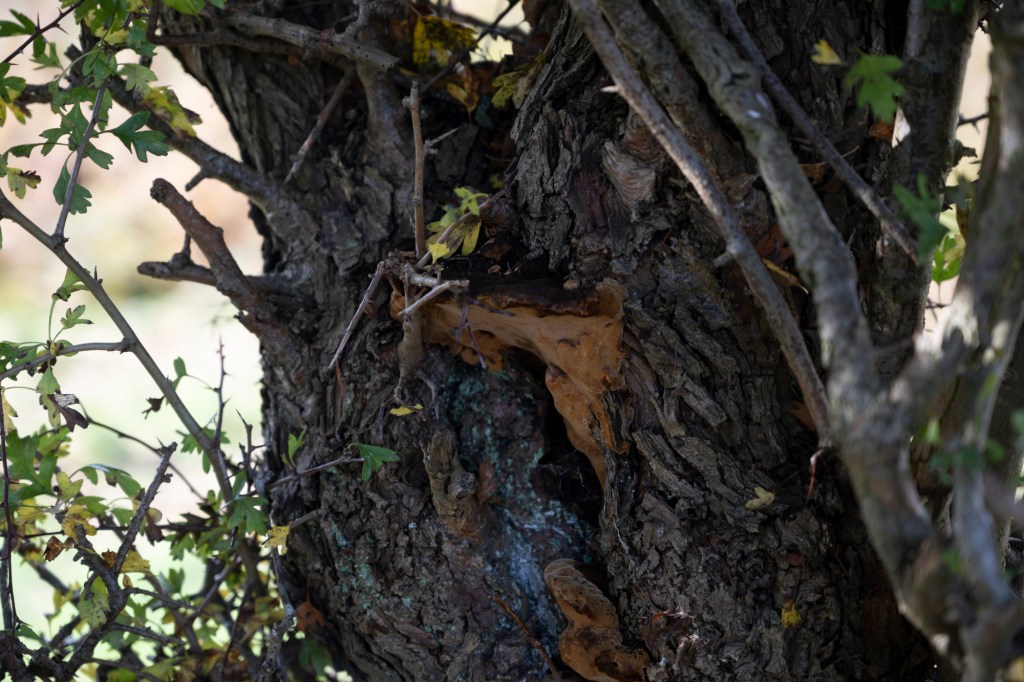
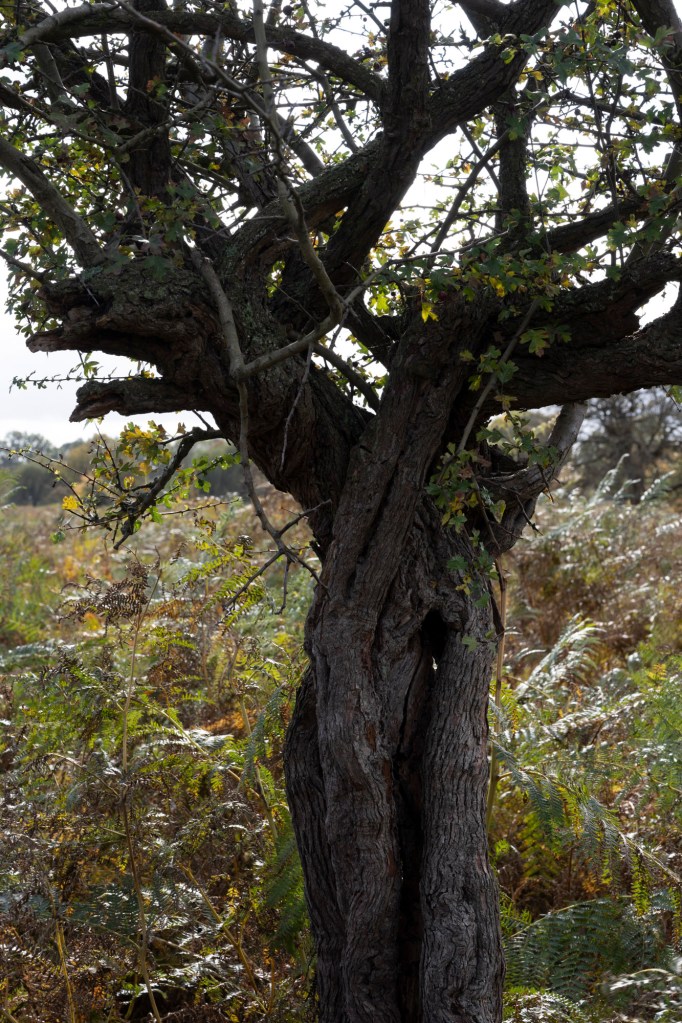
Åsa also picked up on the hole within the image. This is a particular feature of the hawthorns in Bushy Park and one that I personally find fascinating.
In relation to the concept of tree portraits, we both discussed how a tree doesn’t have a ‘front’ or ‘back’. This is something that came out of my AGM61 project, which resulted me in taking photos of trees on a 360 degree trajectory, with a shot at each 90 degree point.
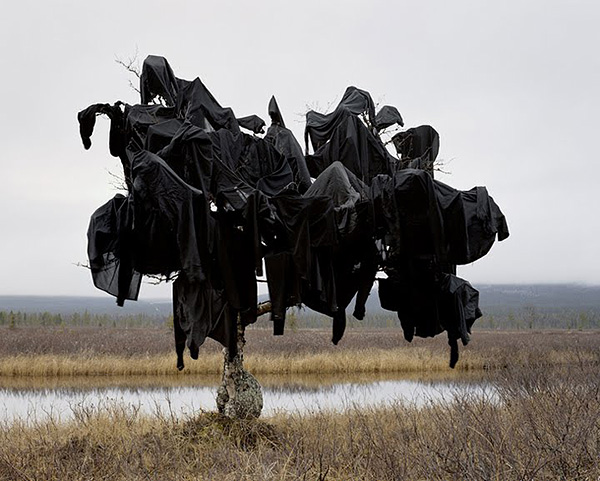
Åsa also brought my attention to a Finnish photographer, Riitta Päiväläinen.
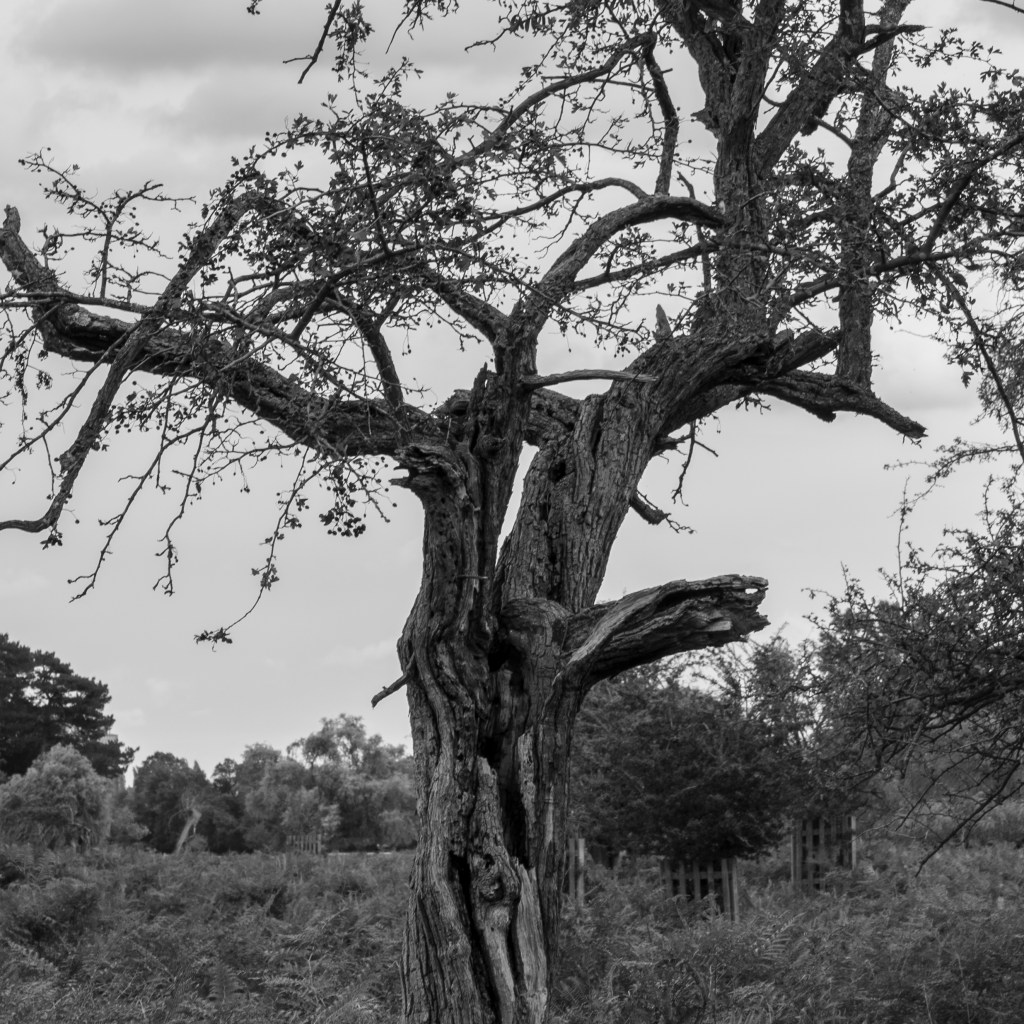
There is a very eerie aspect to her work involving trees and clothing props. I get a similar reaction when I look at the image of the hawthorn above.
Actions
The outcome of this tutorial and the result of me processing the feedback is as follows at this stage:
For Assessment Task 1 of this module, I had to produce a Body of Photographic Work submitted in an appropriate form. For example, a portfolio of prints, an installation, a projection or otherwise. This had to be accompanied by an Artist Statement of 200 words.
The purpose of this Body of Photographic work was to fulfil Learning Outcomes 1 & 2. This was to:
Plan, develop, research, and document an extended body of experimental work.
Acquire and apply appropriate technical skills as defined by my photographic practice.
This is a PDF of the document that I submitted on 9 June 2020:
A requirement of Assessment Task 1 was to write an Artist Statement of 200 words. This was to accompany the Body of Photographic Work.
The following is the submitted Artist Statement:
In a time of self-isolation and social distancing, Moments of Eternity encapsulates the disconnected connections between individuals. As with trees, there is an invisible network of communication that enables society to continue working together. These ethereal and surreal images also signify how the ‘normal’ has shifted and viewed in a different way. They also convey the uncertainty of what the new ‘normal’ will be.
Captured between 29 April and 21 May 2020, the series was created from photographs of trees during my walks in Bushy Park. This was inspired by carrying out the government’s instruction of taking outdoor exercise by myself each day. I could combine my daily stroll with photography. I also realised the importance the park played in relation to my mental and physical health. Bushy Park had been my place of refuge several times over the past five years. I had rediscovered this beautiful and ever-changing location and able to reconnect with nature.
Unable to access and use analogue photographic equipment and facilities, I made use of the digital technology available to me. By emulating and combining two analogue printing techniques, I created images that could not be reproduced in a darkroom.
For Assessment Task 2 of this module, I had to produce a formal and critically reflective Research Dossier of 3-4,000 words that supports my Body of Photographic Work.
This was to include:
Documentation and reflective critical evaluation of the creative process undertaken during the module.
A critical analysis of a set of visual references that demonstrate an appropriate context for the Body of Photographic Work.
A critical analysis of a set of historical and theoretical references that support the development of the Body of Photographic Work.
A bibliography and list of research resources.
The purpose of the document was to fulfil Learning Outcomes 3 & 4 and that I could demonstrate:
a clear understanding of the ideas, issues, and different visual contexts underpinning my own photographic practice.
a critical awareness of historical and contemporary debates around research-based photographic practice.
This is a PDF of the document that I submitted on 9 June 2020:
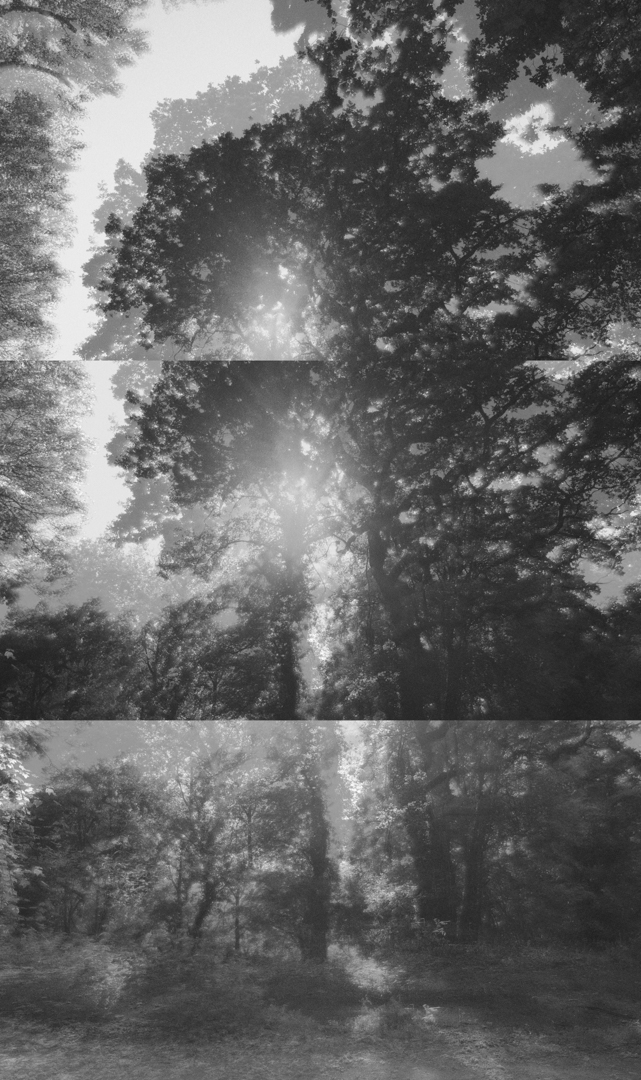
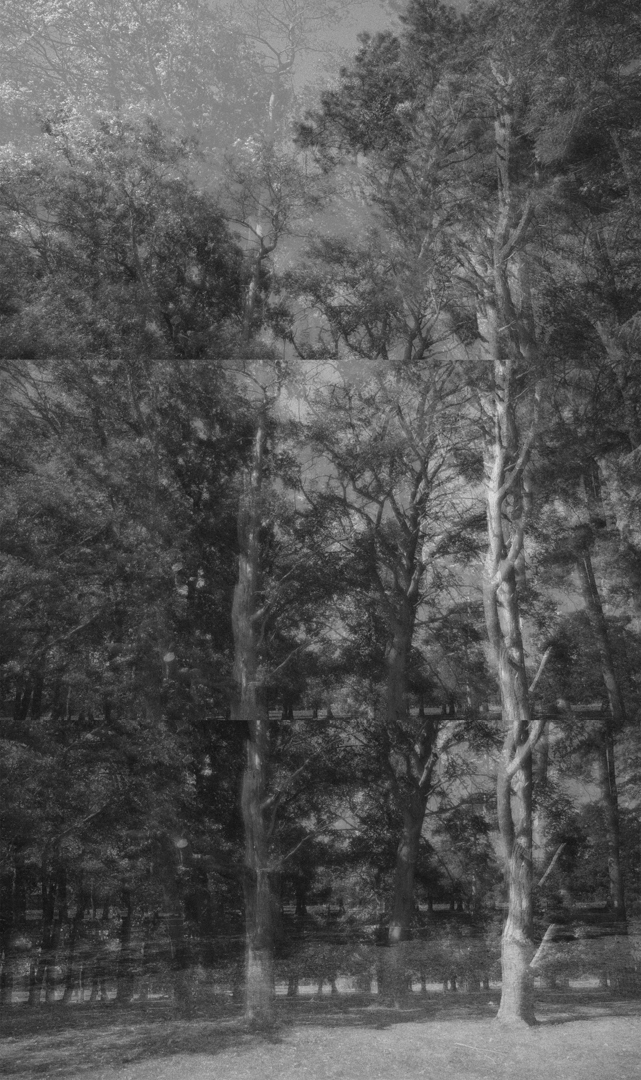
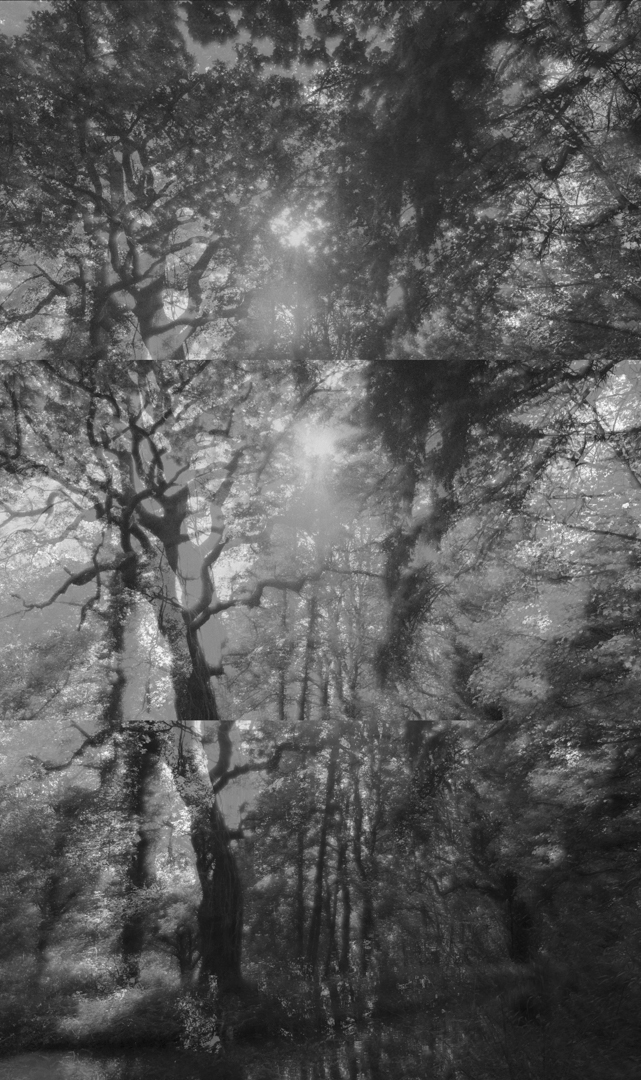
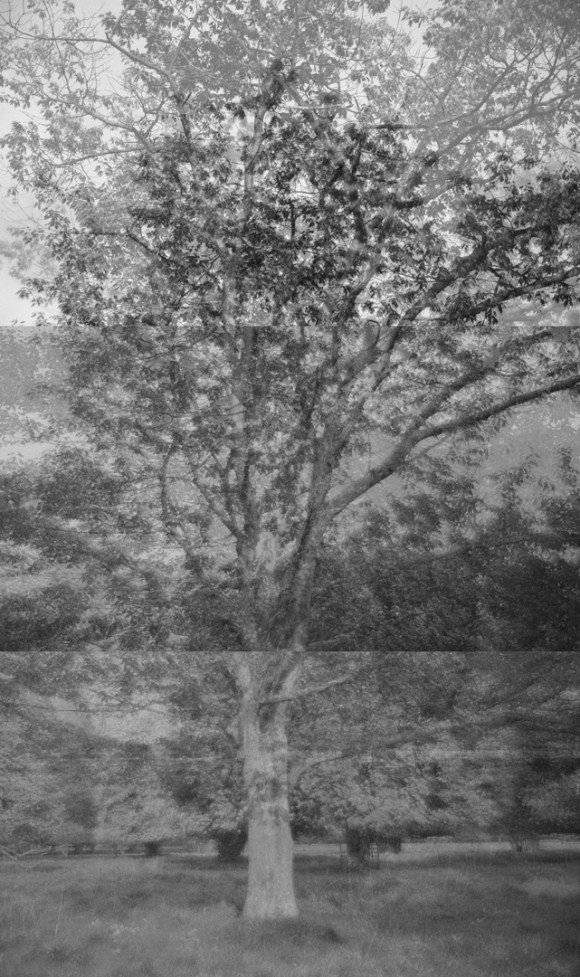
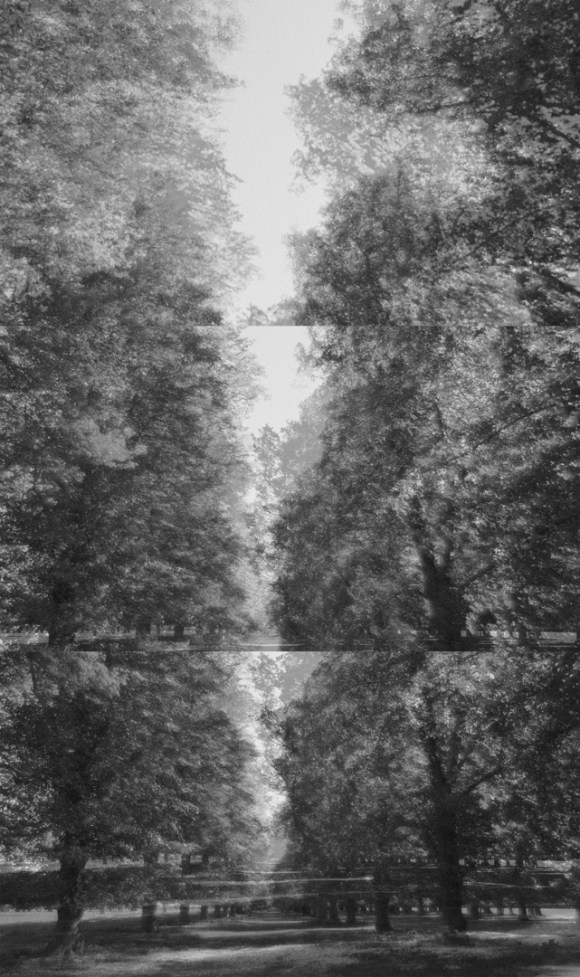
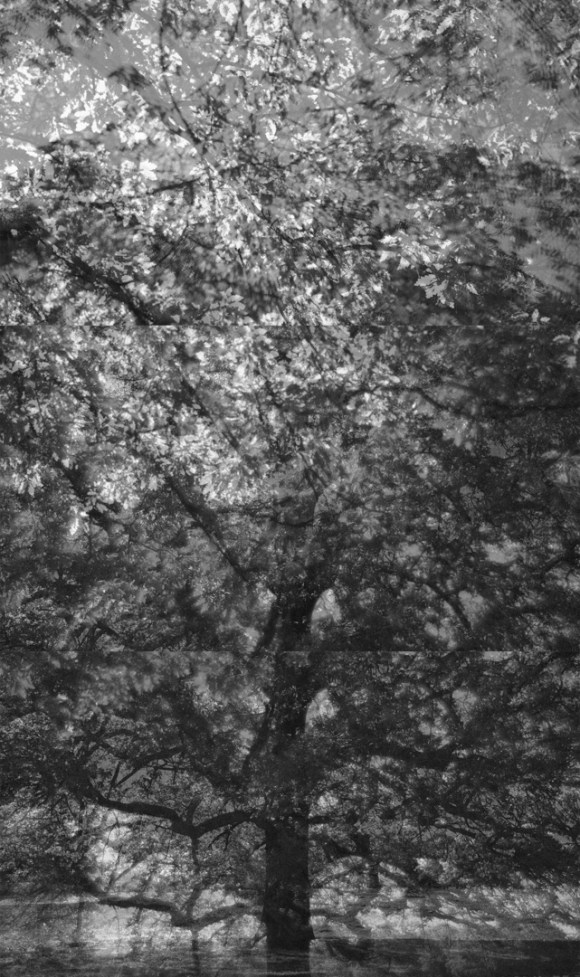
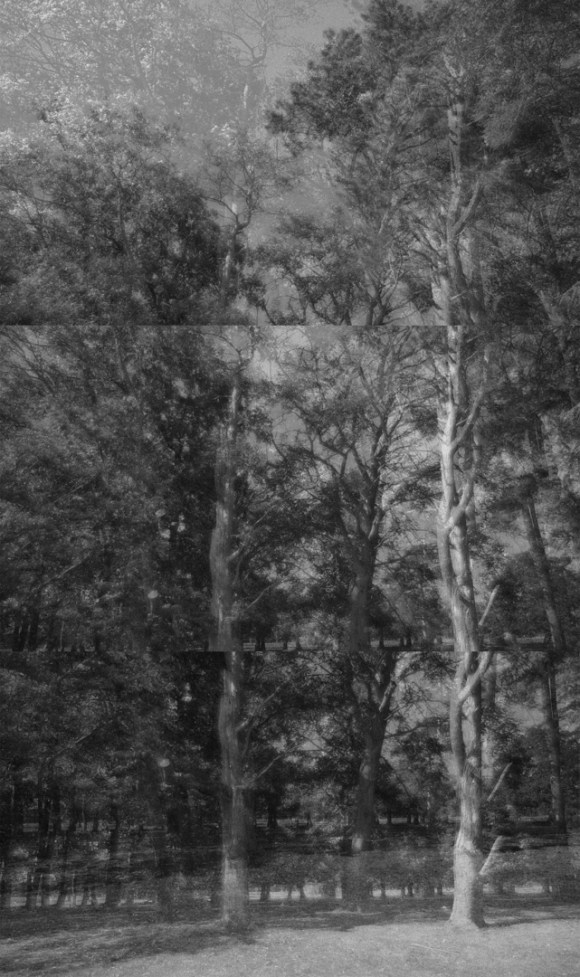
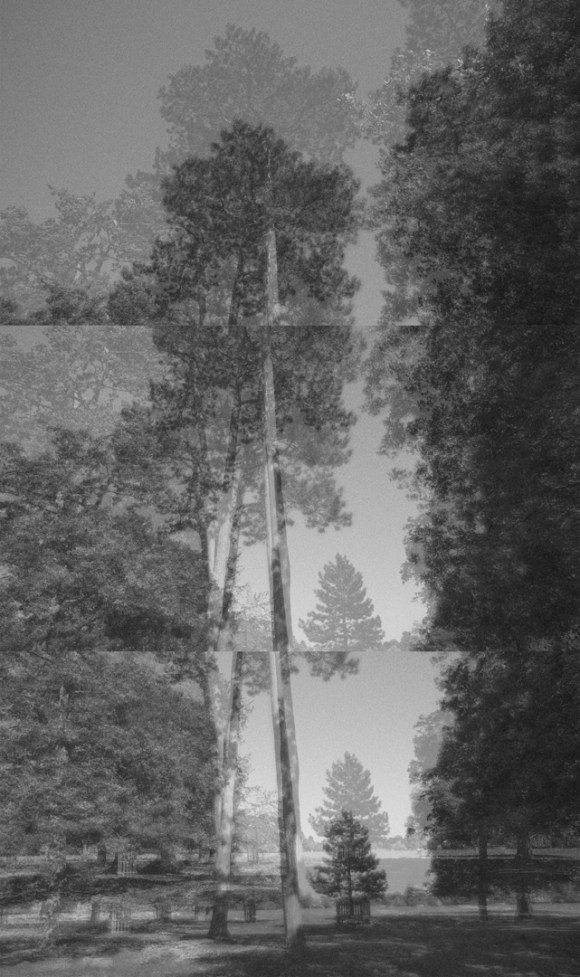
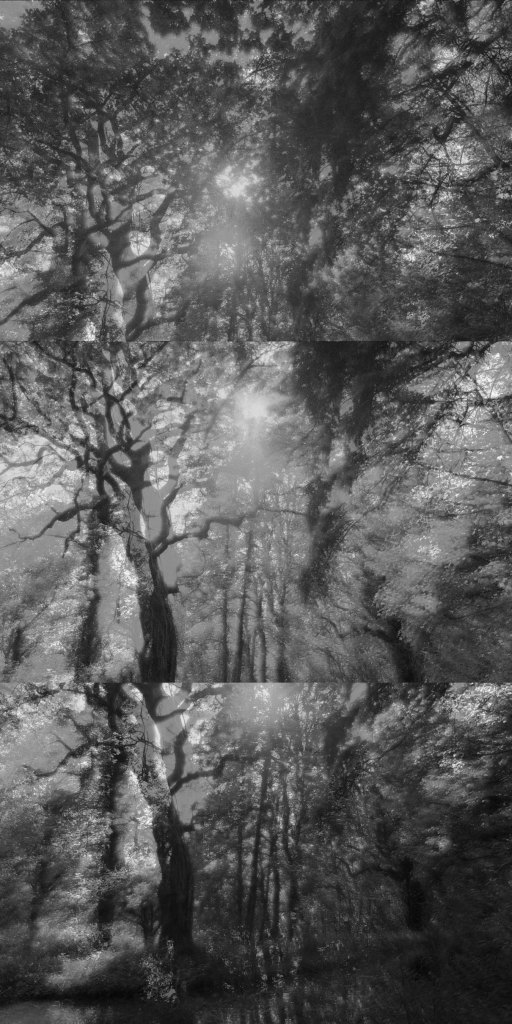
Having edited the images shot at a ratio of 2:3, I revisited the ones taken at 16:9. As a result of this, I cropped the images from the previous experiment.
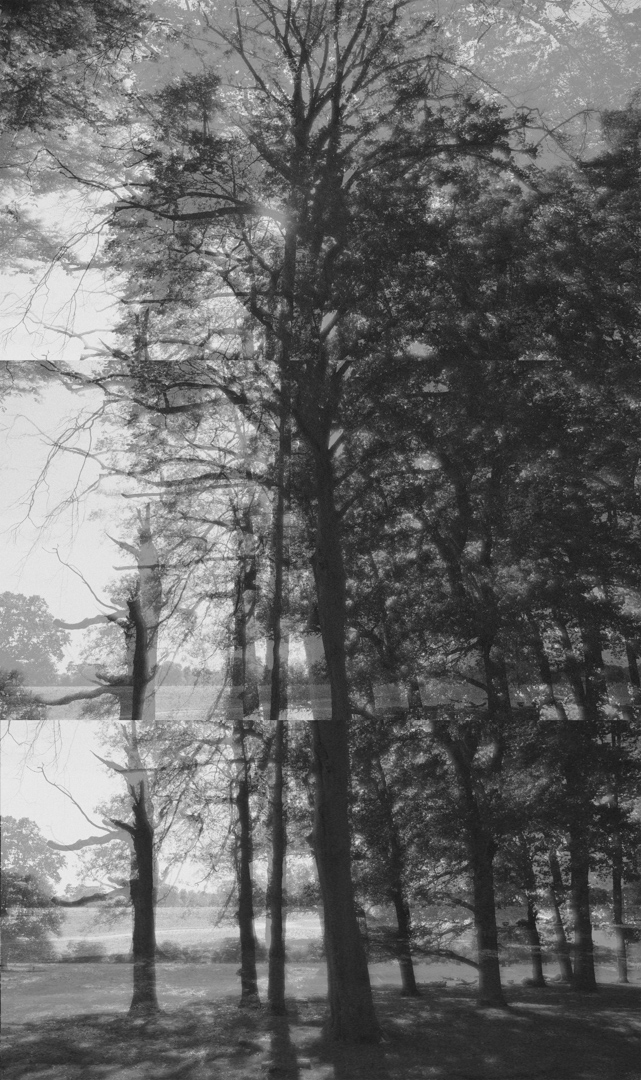
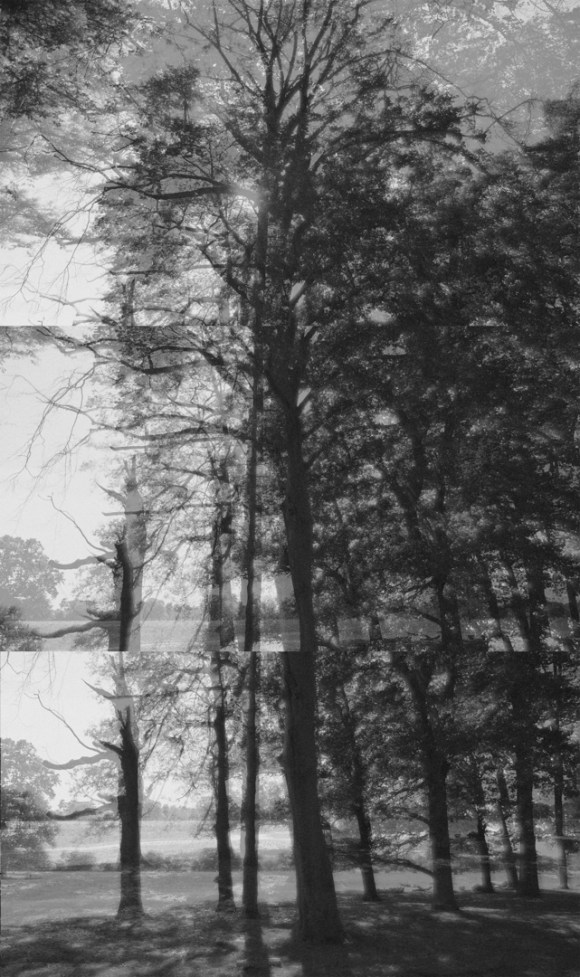
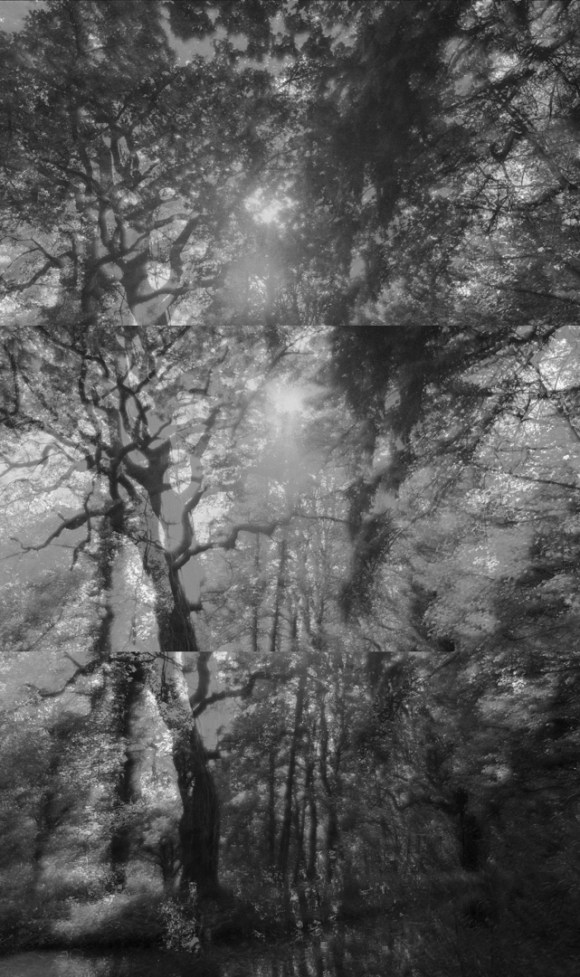
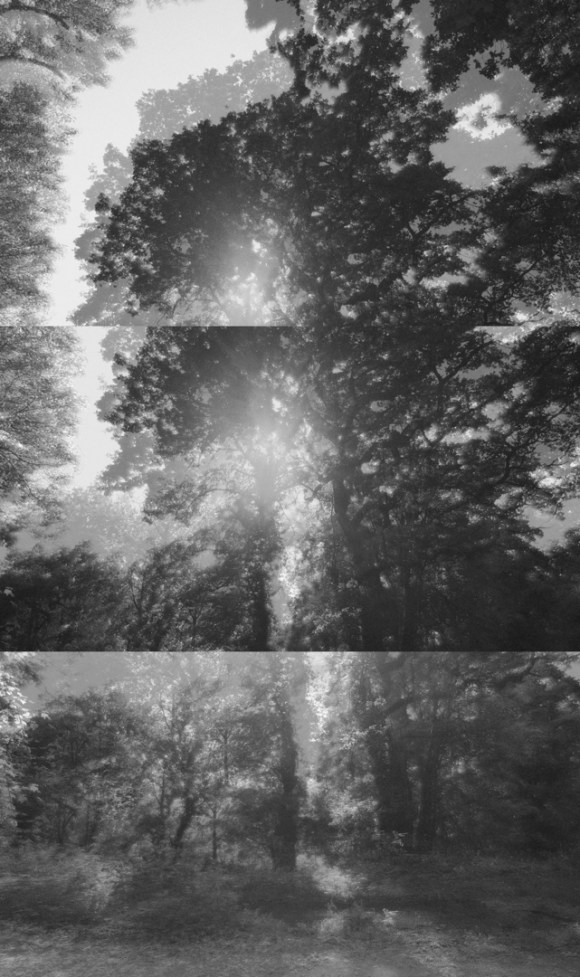
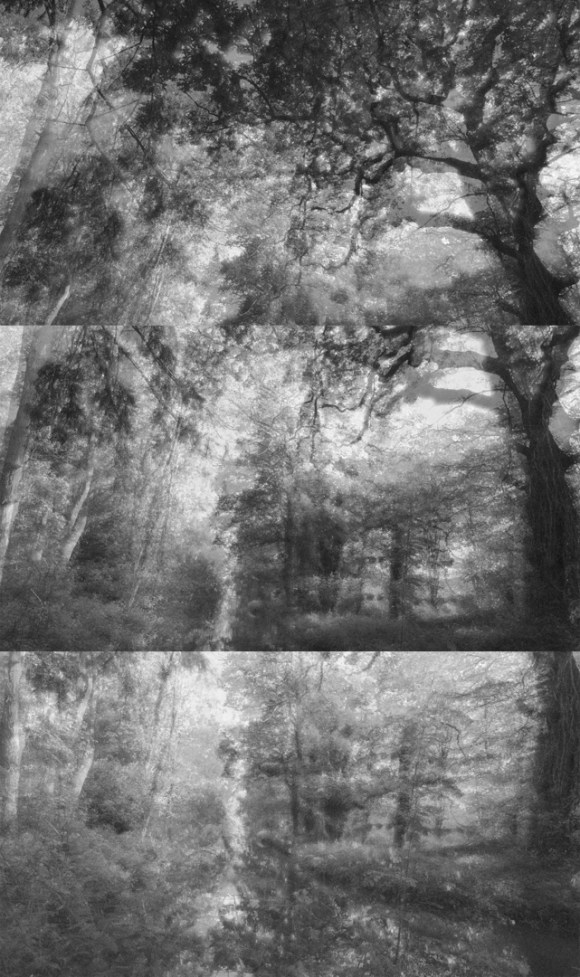
When comparing, it seemed to me that the 16:9 format worked better in column form.
2:3 Ratio
16:9 Ratio
It would also mean being able to select my final images from those that were shot using this ratio rather than having to take further photos at 2:3.
My first consideration in relation to this decision was time. With only two days to go before submitting my final images, I should focus on the strongest images taken so far rather than going out and making new ones.
The second consideration was the ethos behind this project – images taken during the time of lockdown and self-isolation. With the Government gradually easing the restrictions, it would go against the grain of what I was trying to achieve.
The third, and final consideration, was that of the 1 June 2020, people would be allowed to exercise outside in groups of up to six people (as long as they were practising the two-metre social distancing). Combined with the current sunny and very warm weather, this would be mean much more people in the park. This, in turn, would restrict my shot potentials.
As mentioned previously, one of the main influences behind this current project is the exhibition Among The Trees at the Hayward Gallery. As I wasn’t able to attend this in person, I bought the exhibition catalogue to have a better idea of the curation ethos and the concepts involved.
Included within the catalogue is an essay named The Age of Trees, written by Ralph Rugoff (Director, Hayward Gallery). I read this piece on the morning of 12 May 2020 and discovered a wealth of information in relation to the work I was currently producing.
After a couple of weeks focusing on images (including production, editing, etc.), it was the perfect input for me to explore the concepts behind what I was actually doing. For example, Rugoff starts off this piece by outlining the universal importance of trees. This includes aspects such as social, cultural, mythological, historical, religious, iconical, and medical. Rugoff continues to highlight trees’ importance in our language, specifically stating how:
‘in our everyday phrases we find reflections of our long-standing connection with arboreal life: we speak of having roots, of activities bearing fruit, of branches of government.’
(Rugoff, R. 2012 pp. 10)
Rugoff continues to describe how:
‘we also make use of dendritic structures as a model for thought and decision-making, including for artificial intelligence’.
(Rugoff, R. 2020 pp. 10)
This is similar to my concept of the trees shot in sections, not whole, then combined. This then reverses the dendritic model by applying the concept of people appearing on screens separately but together. My images of trees for this project are a metaphorical representation of how we are currently living our lives.
After this introduction to the concept of ‘trees’. Rugoff continues with his thoughts on the tree’s apparent relegation to the background throughout much of Western art history over the past 500 years. At the time of the initial writing of this post, I was still processing the points made in this piece and the work that was referenced. As such, I will be revisiting the certain aspects that resonated with me in regards to this particular project.
References
Rugoff, R., The Age of Trees (2020), Rugoff, R. and Mues, M., 2020. Among The Trees. Hayward Gallery Publishing.


 Jennie Meadows MA Photography