‘The secret, the catch, and power lies in being able to use the forms and shapes of objects in front of the camera for their expressive-evocative qualities. Or to say this in another way, in practice Equivalency is the ability to use the visual world as the plastic material for the photographer’s expressive purposes’.
(White, M. 1963 pp. 17-21)
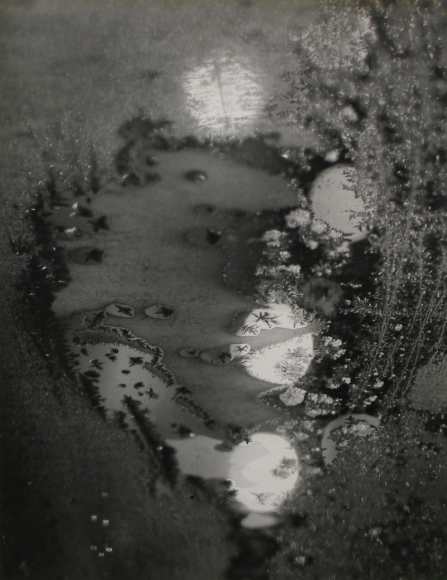
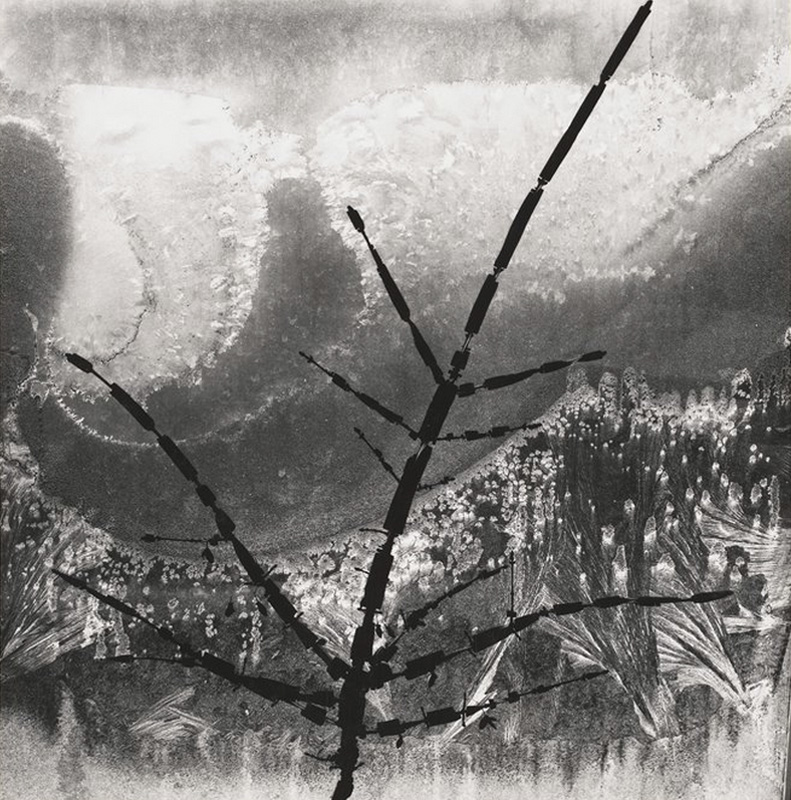
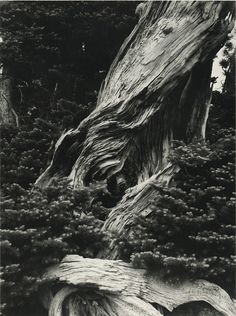
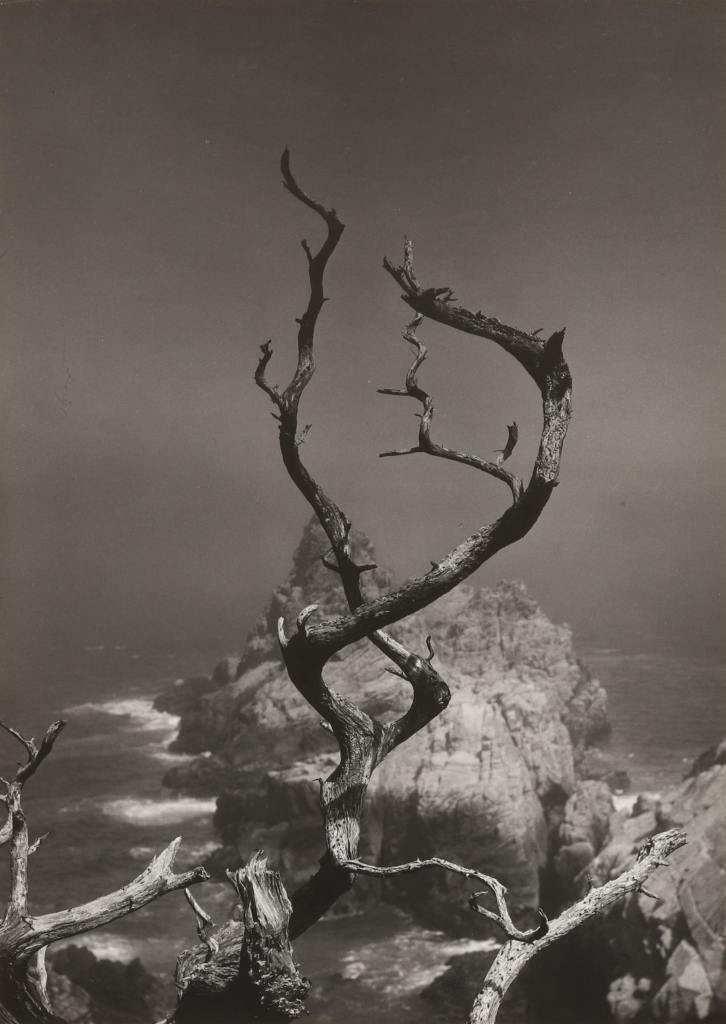
Minor White (1908-1976) was an American photographer and was known for his meticulous black-and-white prints of landscapes, architecture, and men. White’s approach was also influenced by spiritualism and zen. When first introduced to White’s work during my initial photographic studies, I was entranced by his abstract, close-up observations of trees and other natural phenomena.


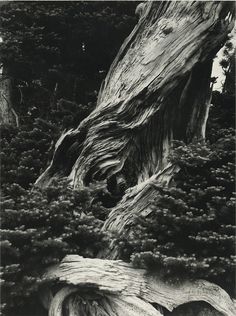
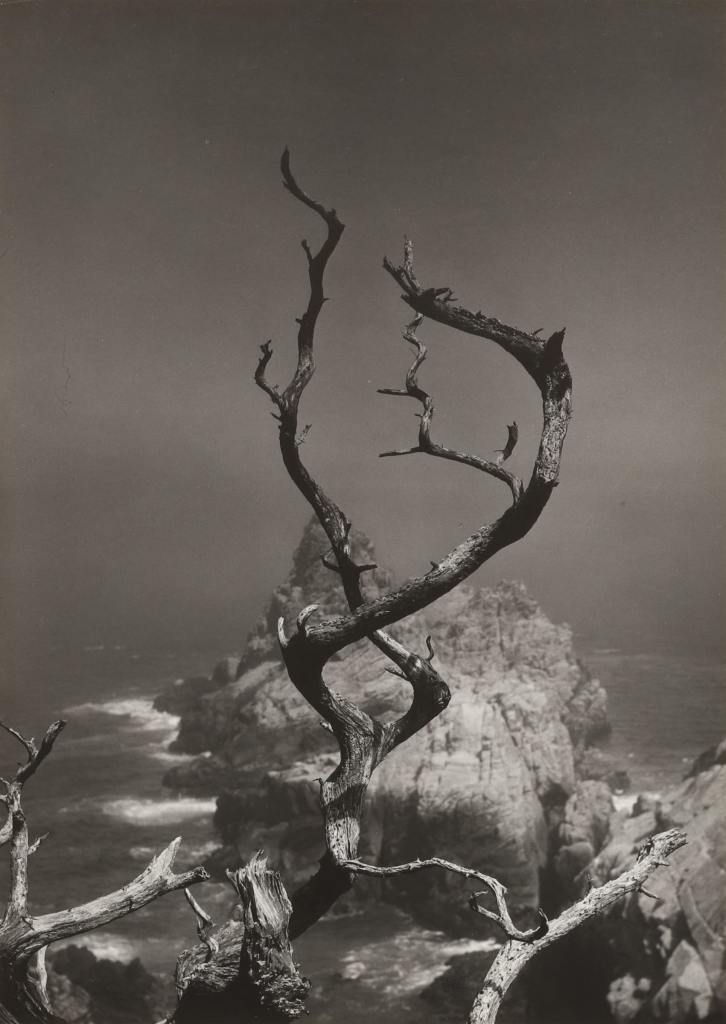
When looking at White’s images in relation to this current project, I also noticed a similarity to his use of clouds within a composition.
While carrying out my research on White, I came across an article by Katherine Phipps called Creating Better Compositions: Landscape Lessons from Minor White. This succinctly written article gave me an insight to White’s work of which I was previously unaware.
‘White took photographs of a variety of subjects, weaving narratives in the way he arranged these pictures of earth, light, shadow, bodies, skies, shapes. What is particularly notable about White’s work, perhaps where its true power lies, is the way that he orders the images and combines them with text that show us the underlying interconnectedness of many facets of the natural work, as well as the human world, for that matter.’
(Creating Better Compositions: Landscape Lessons from Minor White (Premium), 2020)
What struck a major chord with me in this article was the headline ‘Choose equipment that serves you’. Phipps uses these words to highlight how White used particular methods resulting in his signature style. This made me contemplate my own use of equipment and photographic methodology.
Phipps continues to highlight the specificity of White’s use of his equipment to create his stunning images:
‘Minor White sought to shoot majestic views of the world, which when combined with extremely macro views of his experience that he noticed, would weave a story about something magical. He chose his equipment very specifically, and in fact used it in a very specific way to create his dramatic landscapes.’
(Creating Better Compositions: Landscape Lessons from Minor White (Premium), 2020)
Phipps then continues to outline his particular method, specifically infrared:
‘For his landscape pictures, White chose to shoot infrared large format sheet film, which darkened the skies and brightened the planes of the earth, allowing White to create photographs that were full of otherworldly drama. In addition to light on the visible spectrum, infrared film is sensitive to wavelengths near the thermal range, creating large, detailed negatives which showed a world that was different than what is visible to the naked eye.’
(Creating Better Compositions: Landscape Lessons from Minor White (Premium), 2020)
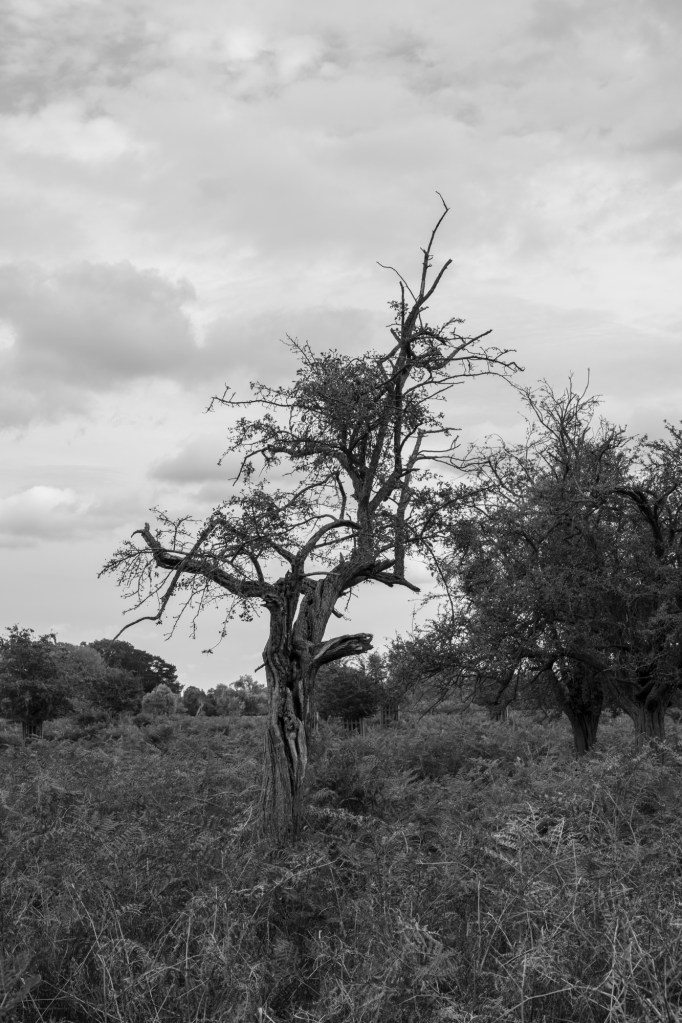
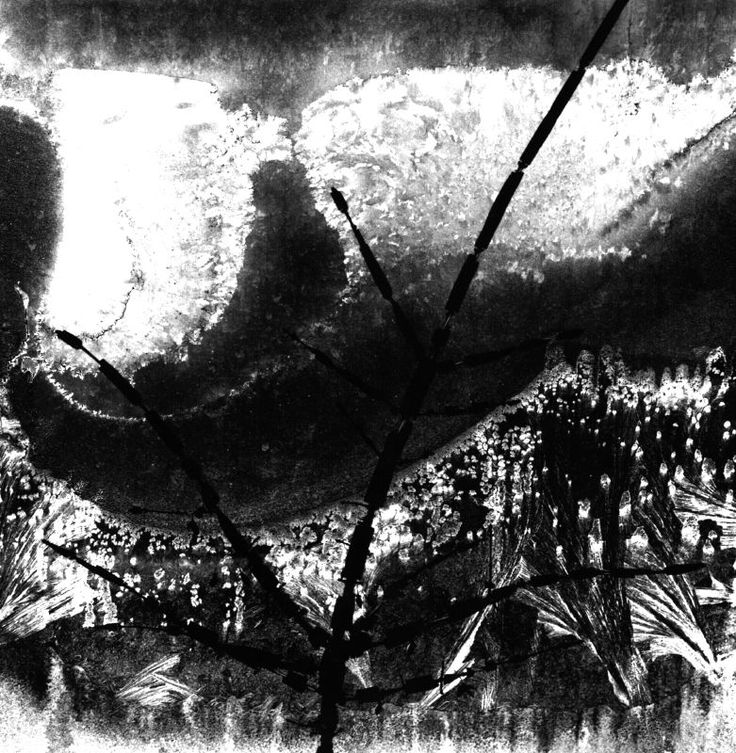
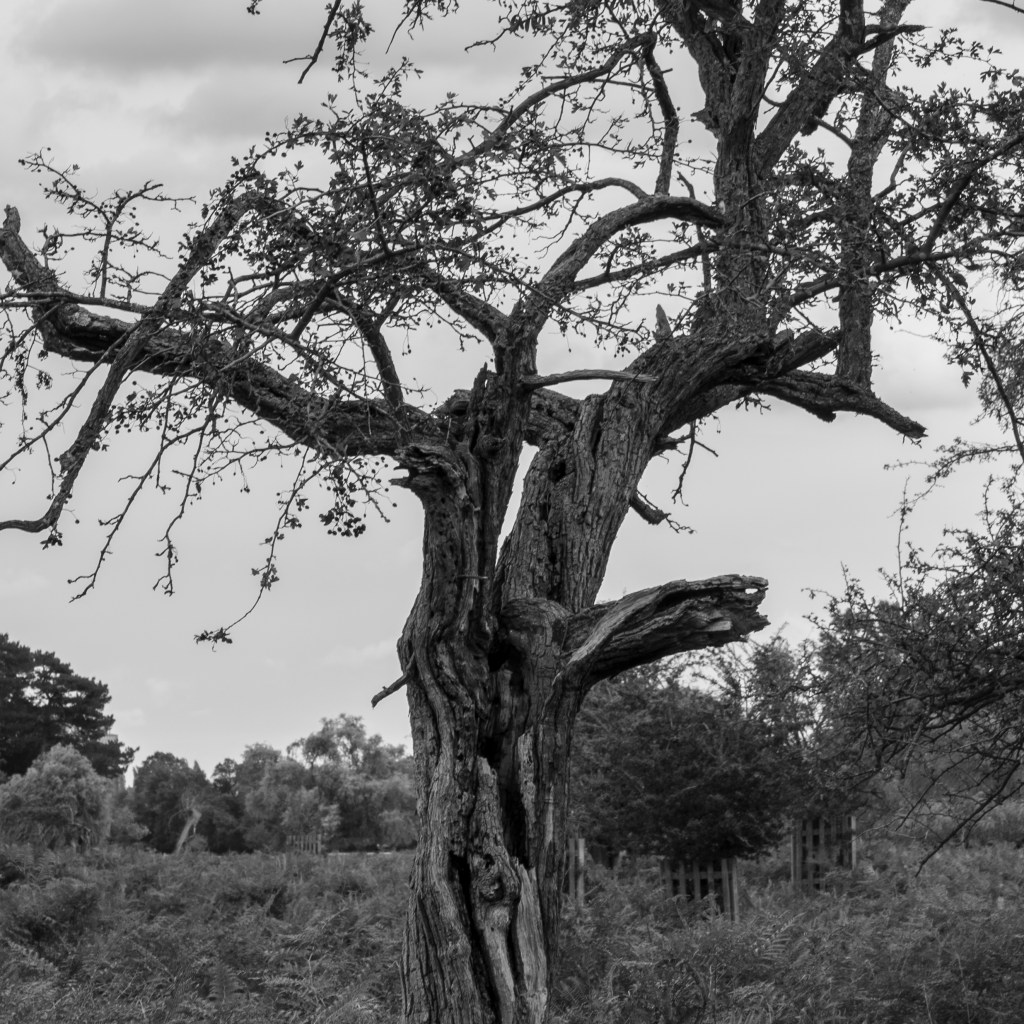
I didn’t realise that this is how White took these images – I had used a digital infrared editing technique in my Moments of Eternity project for Unit AGM60. At the time of writing this post, I was also working on a particular shooting/editing method in order to create a similar dramatic effect.

The other aspect of White’s work I needed to consider is his sequencing of images. This was brought to my attention in the book Minor White: Manifestations of the Spirit by Paul Martineau. This tome was issued in connection with the exhibition of the same name held at the J. Paul Getty Museum from 8 July to 19 October 2014.
According to Martineau, ‘White described his sequences as being like a “cinema of stills” and called on the viewer to be an active participant in experiencing the varied moods and associations that came to the fore while moving from one photograph to the next’. (Martineau, P. 2014 pp. 10).
Martineau also states:
‘Over the course of his career, White created over one hundred sequences, series, and portfolios. Viewers of his sequences must not only read each individual image in relation to adjacent images but also consider all of the images in the highly structured grouping as the complete expression of an idea.’
(Martineau, P. 2014 pp. 10)
While writing this post, I realised that there was more of a connection of my work with that of White’s. I was more than aware of how much more I could learn and discover from this exceptional visionary.
References:
Artnet.com. 2020. Minor White | Artnet. [online] Available at: <http://www.artnet.com/artists/minor-white/> [Accessed 16 November 2020].
The awakened eye. 2020. Equivalence: The Perennial Trend. [online] Available at: <https://theawakenedeye.com/pages/equivalence-the-perennial-trend/> [Accessed 16 November 2020].
La Noir Image. 2020. Creating Better Compositions: Landscape Lessons From Minor White (Premium). [online] Available at: <https://lanoirimage.com/creating-better-compositions-landscape-lessons-from-minor-white/> [Accessed 16 November 2020].
Martineau, P., 2014. Minor White: Manifestations of the Spirit. Los Angeles (Calif.): J. Paul Getty Museum.
White, M. 1963. Equivalence: The Perennial Trend, PSA Journal 29, no. 7 (1963) pp. 17-21.
 Jennie Meadows MA Photography