Categories
AGM62 Photography Research Project Stage 1 Posts

AGM62 Bushy Park Hawthorns 1 December 2020

With a day of sunshine forecast, this was the time to get up early and catch the light. I also wanted to try out the 5:4 aspect ratio instead of my usual 3:2. My intention was to follow the tips outlined by Tony Sweet, Elliot Hook and Lindsay Silverman.

Sunrise was due at 7.45am, so I got to the park at 7.30am. This enabled me to both see and experience just how slow the light came up. It also made me look for the light’s direction and how it lit up my subjects and the environment.

My intention was to tryout the 85mm lens. I had returned the 105mm lens to its owner who assured me I could achieve a similar effect with the 85mm. However, I had made the mistake of not checking and packing my kit the night before. The camera had the 35mm lens on it. Annoying, but it would take me about 40 minutes to get the other lens and return to the park in time for the light.

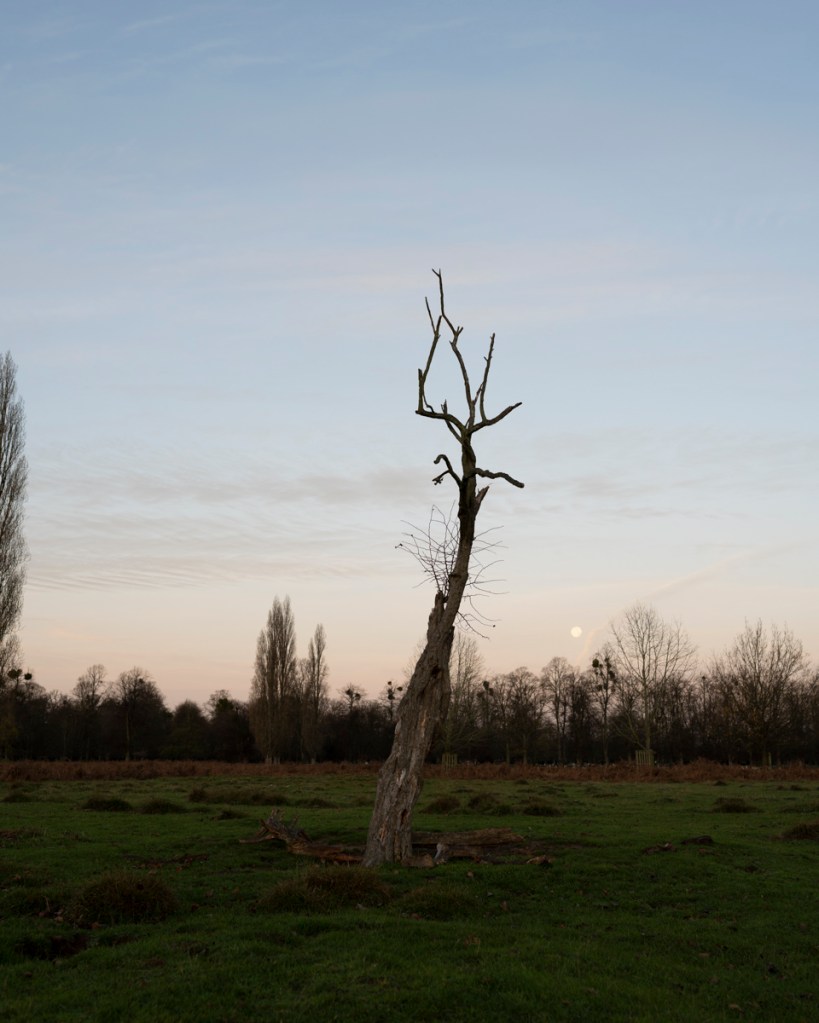
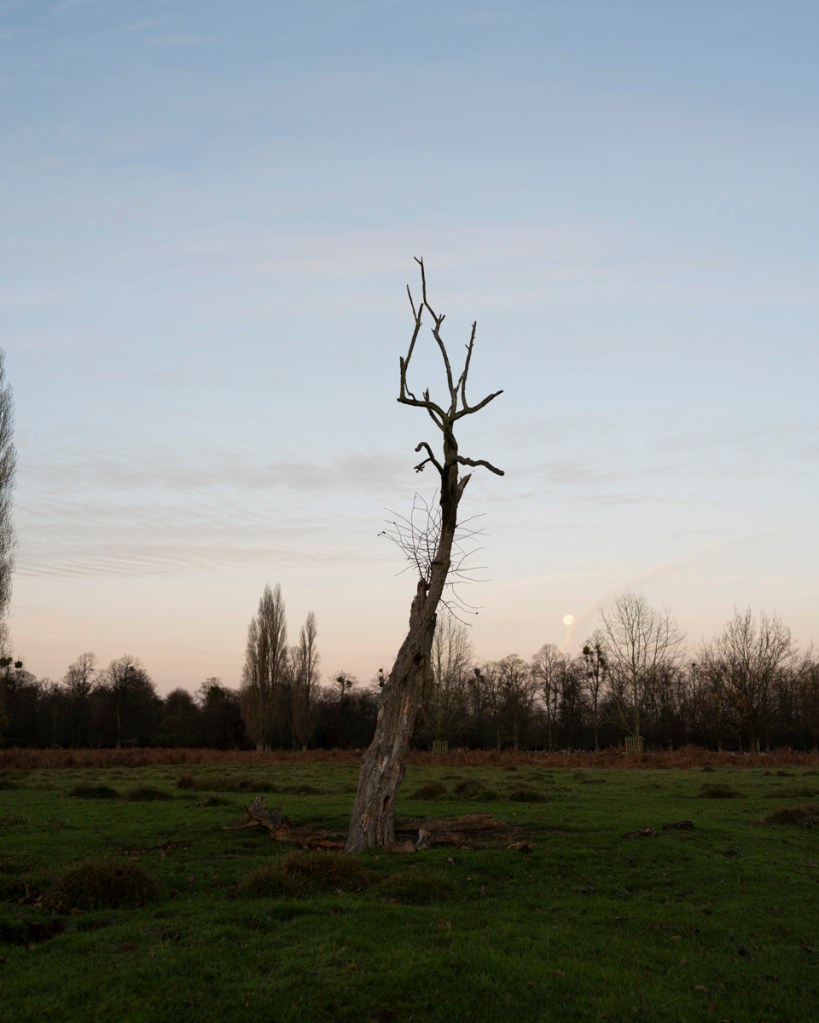
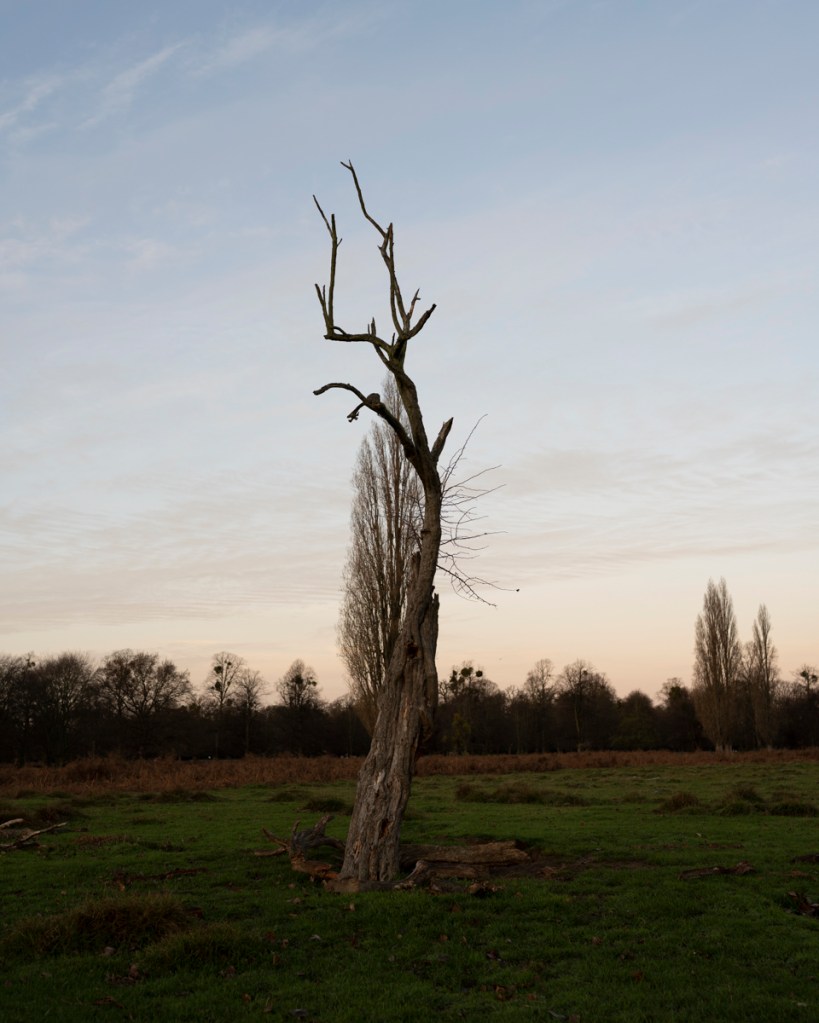
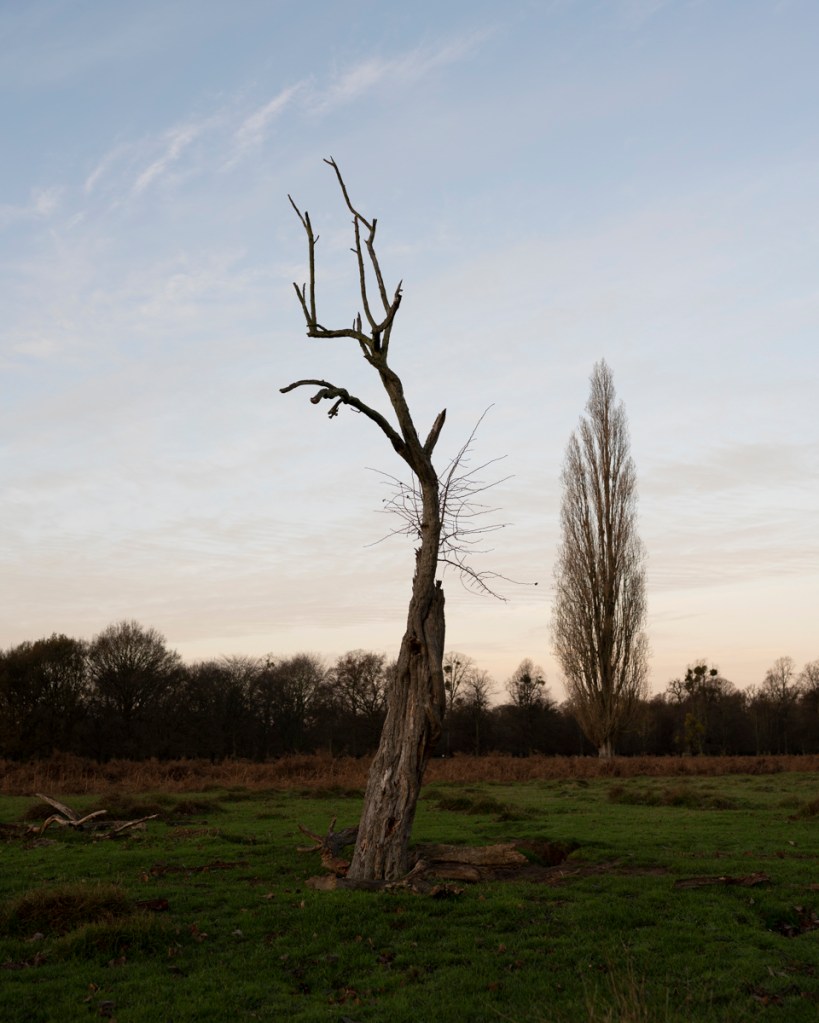
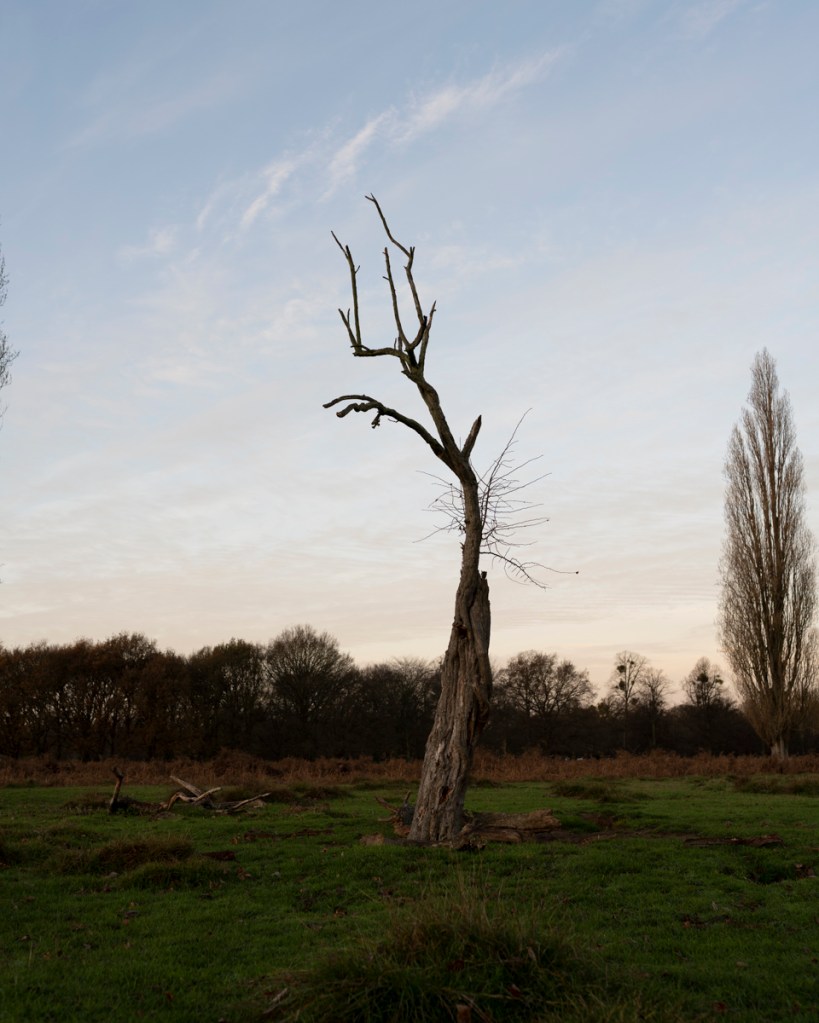
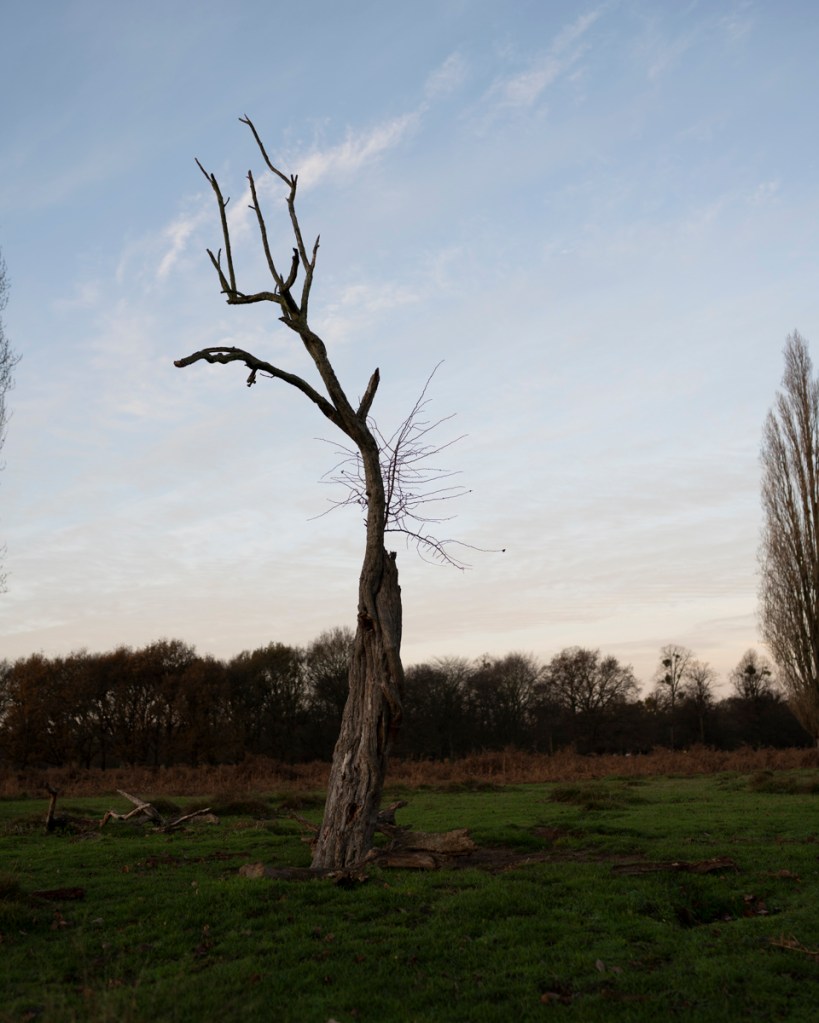
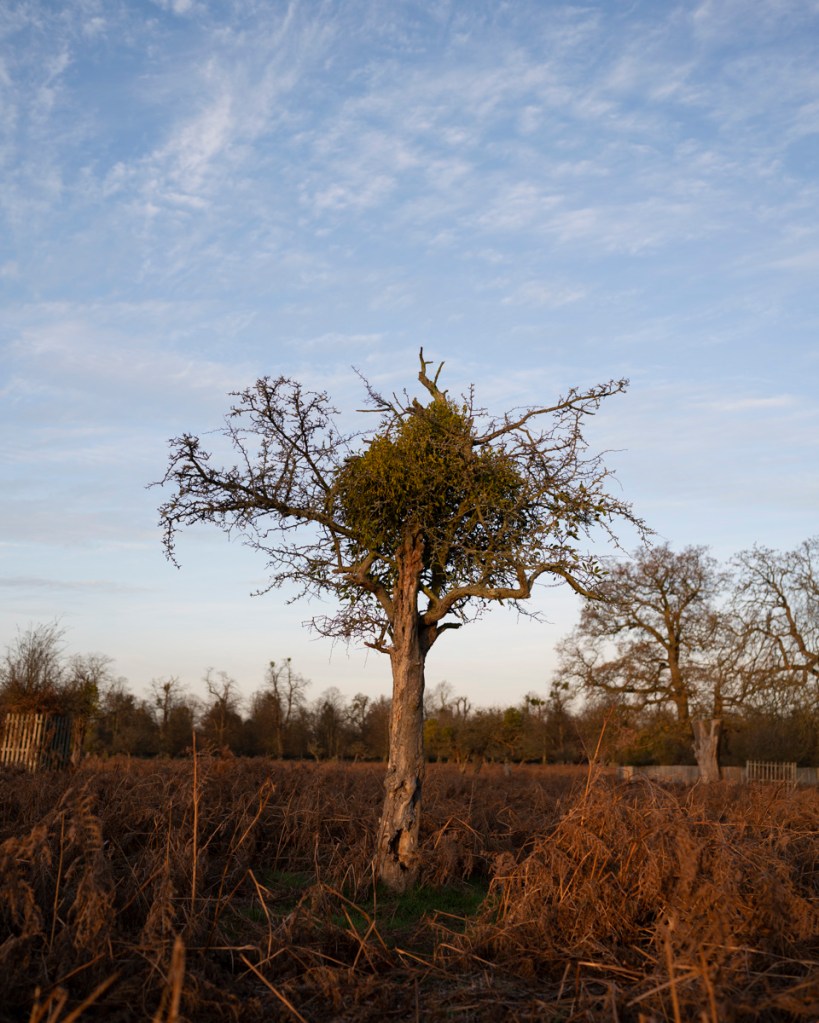
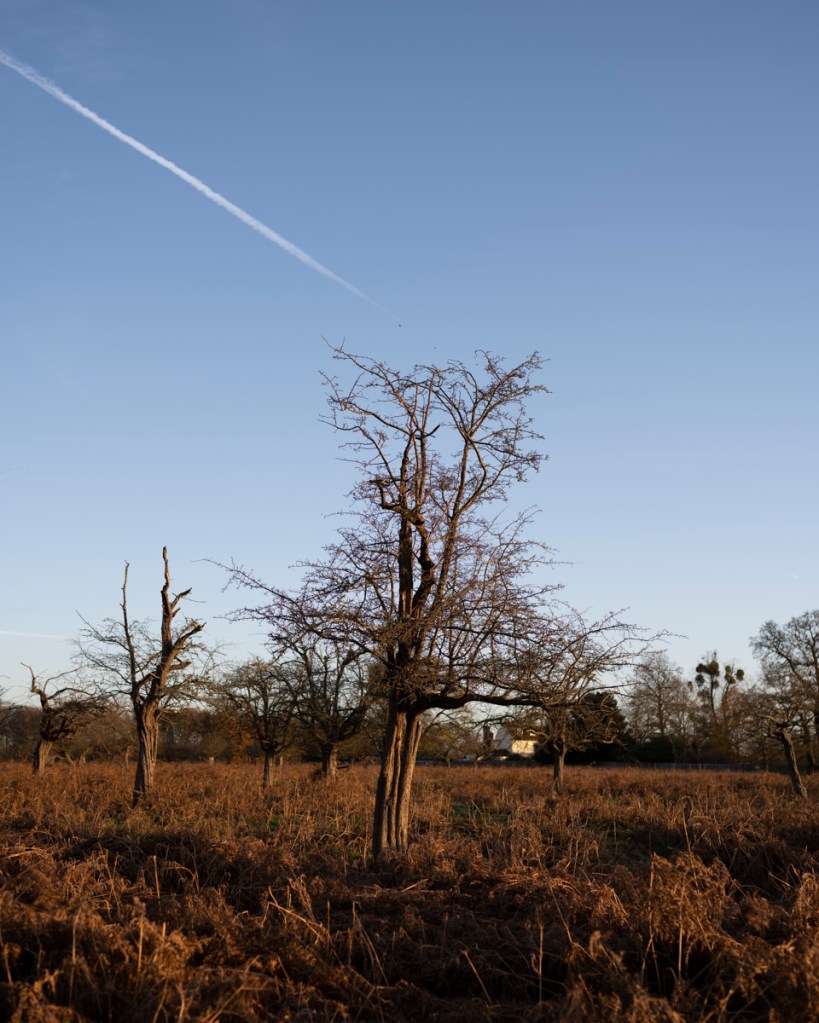
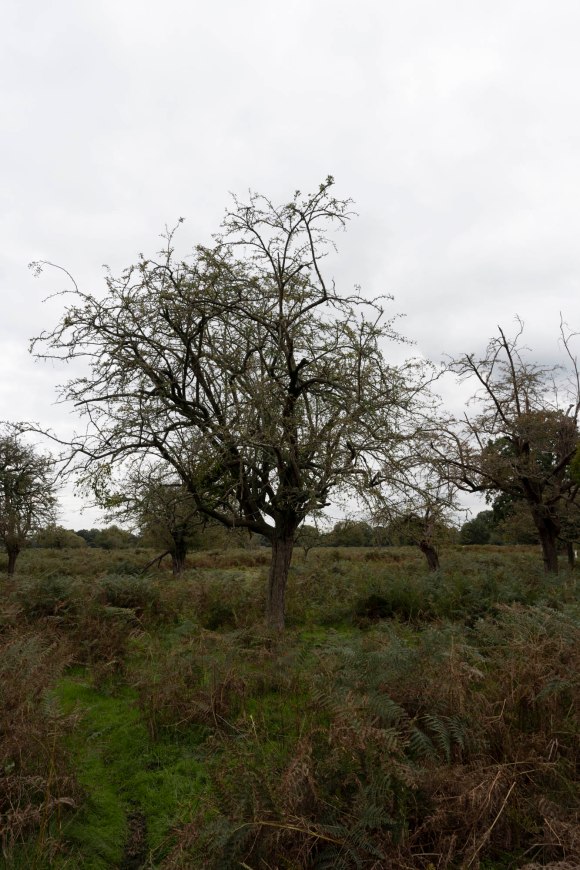
I decided to go to Teddington Gate and start with this tree below. The last time I was in the park on 27 November, there was a large herd of deer near to the tree so this could be the time to capture it from a different angle.
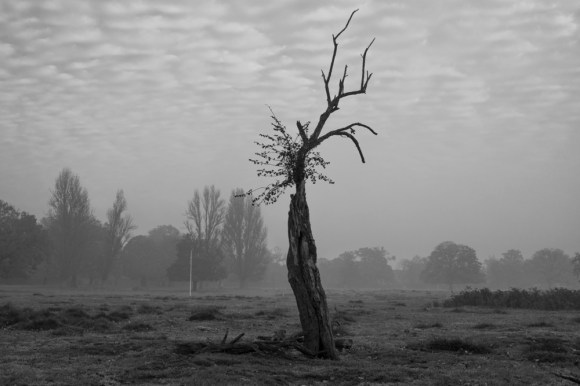
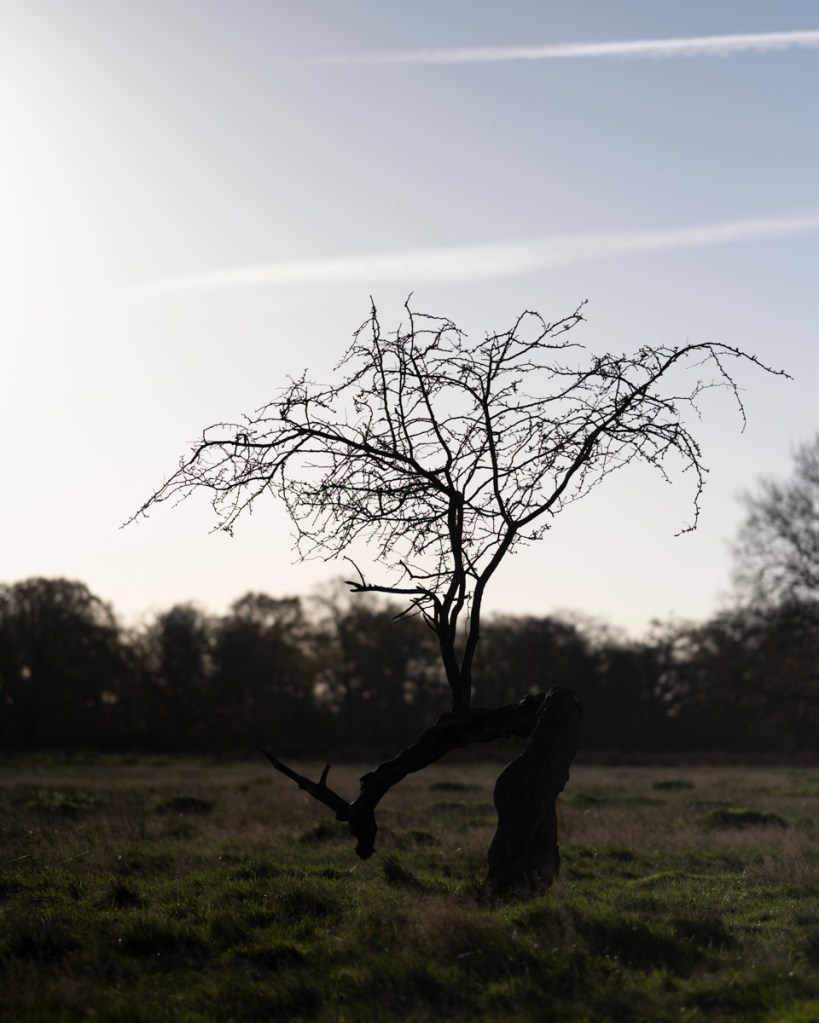
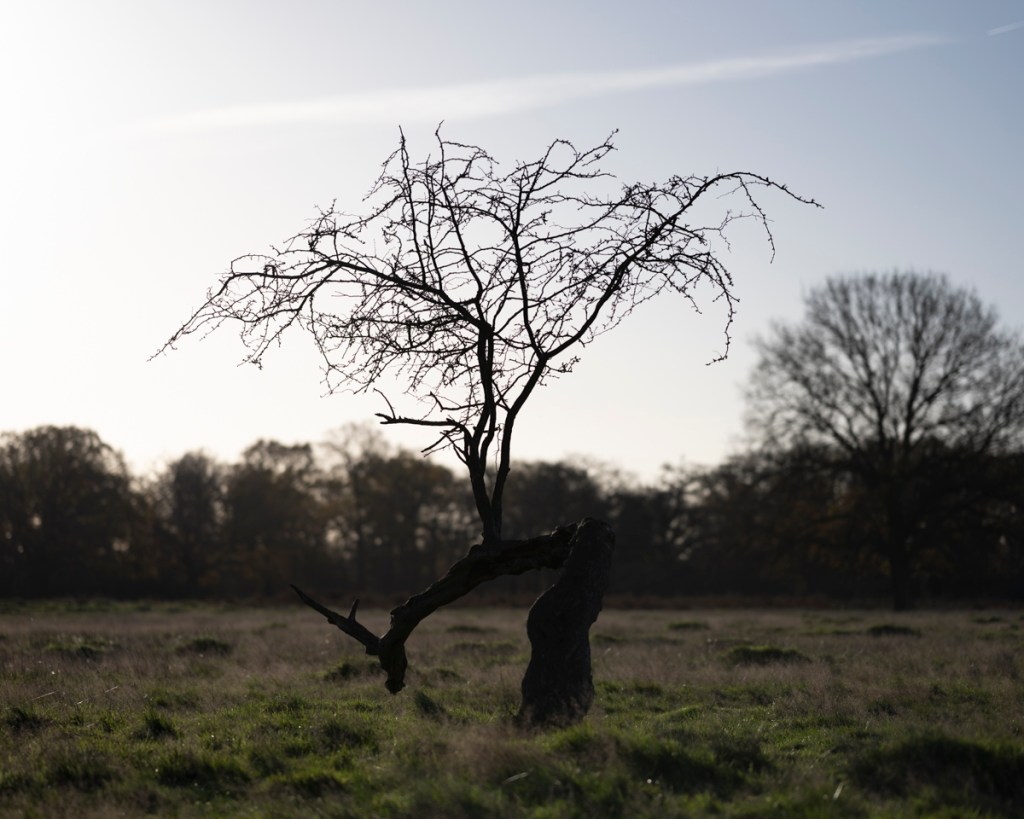
35mm Images – 5:4 Aspect Ratio

These images were taken between 7.41am and 7.50am. The light was still caught behind the trees behind me at this time.
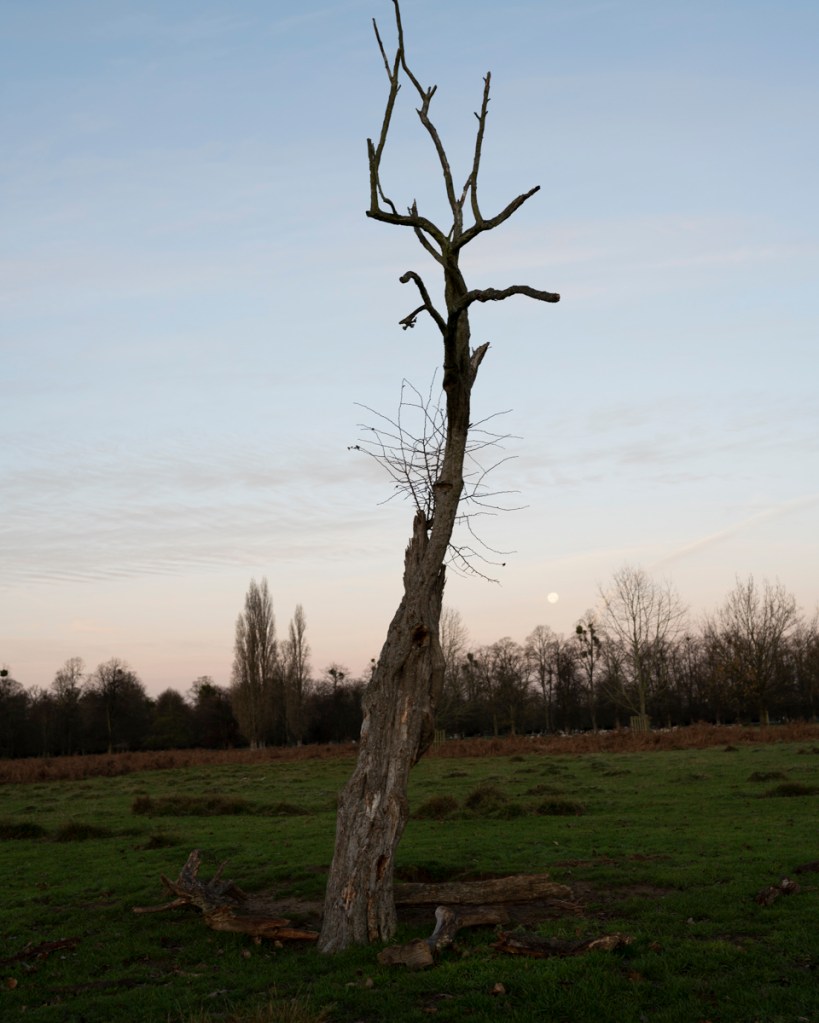
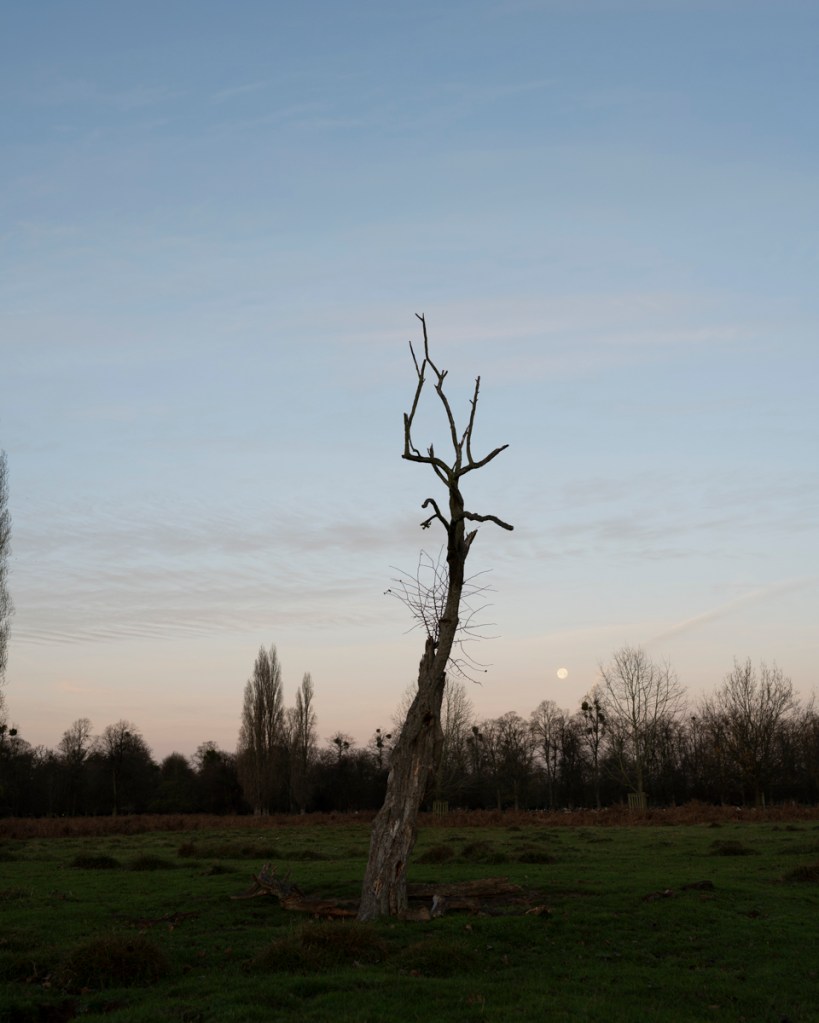
Admittedly, I was finding it difficult to get the composition and angle I was looking for. Realising I was in need of a bit of a warm up (photographically and corporeally) I walked to the patch of hawthorns on the left of Hawthorn Lodge.

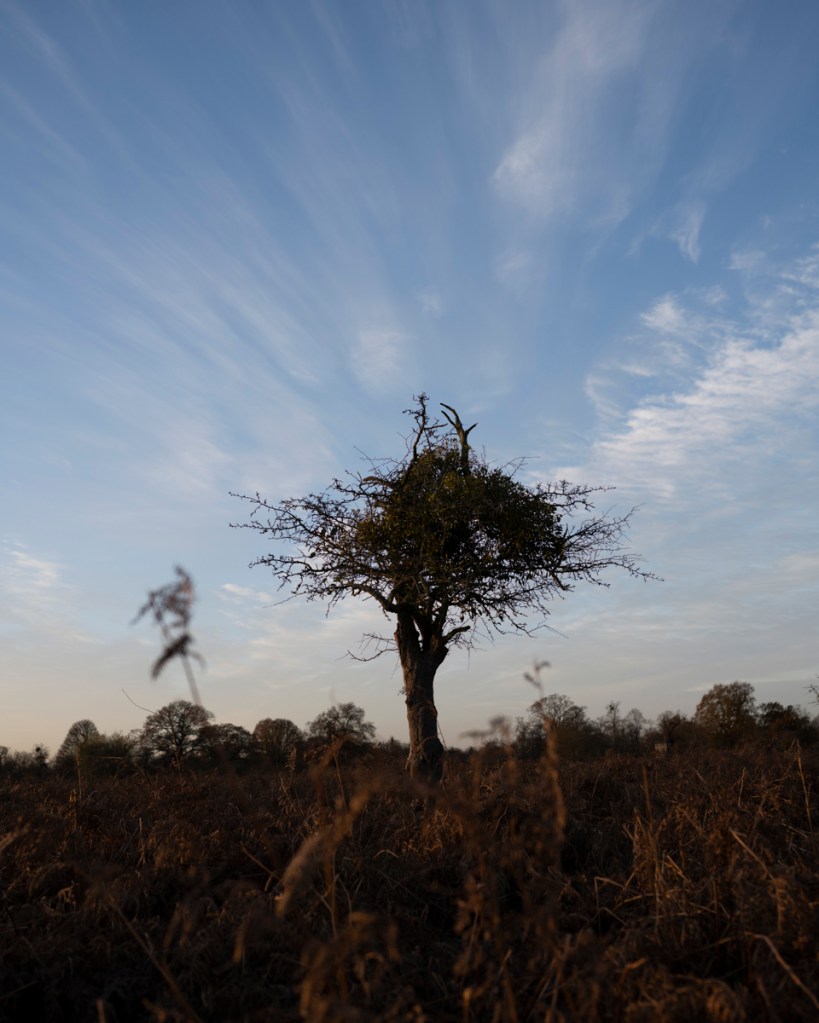
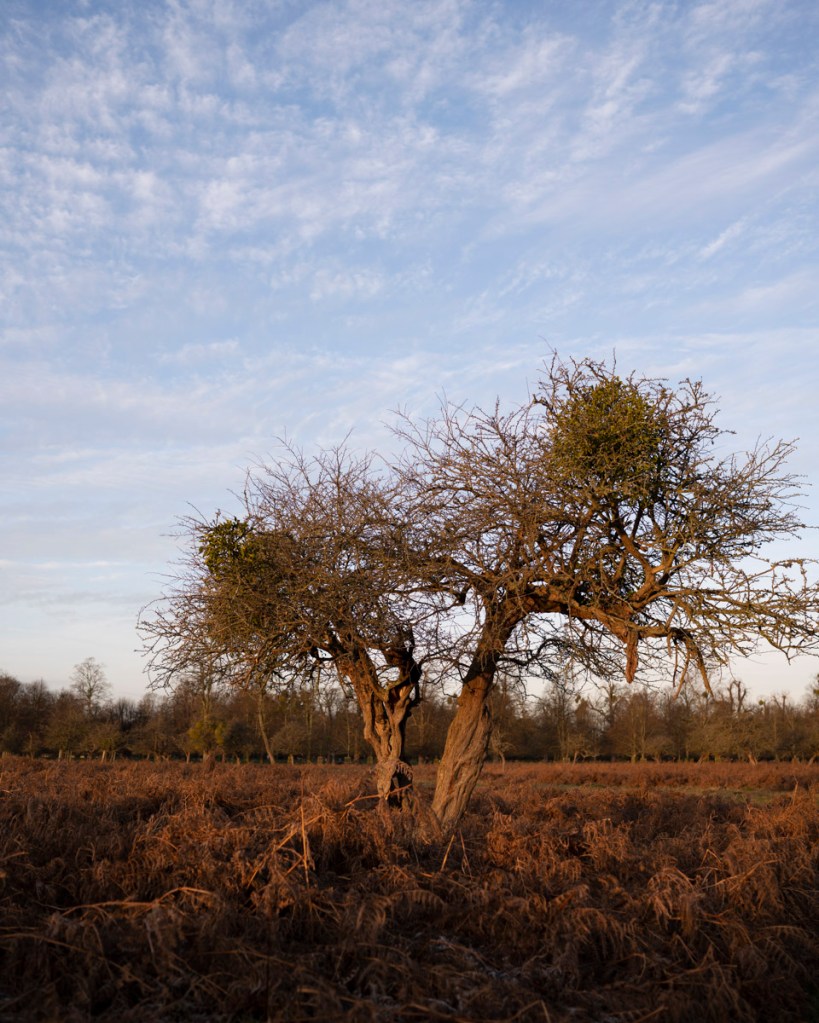
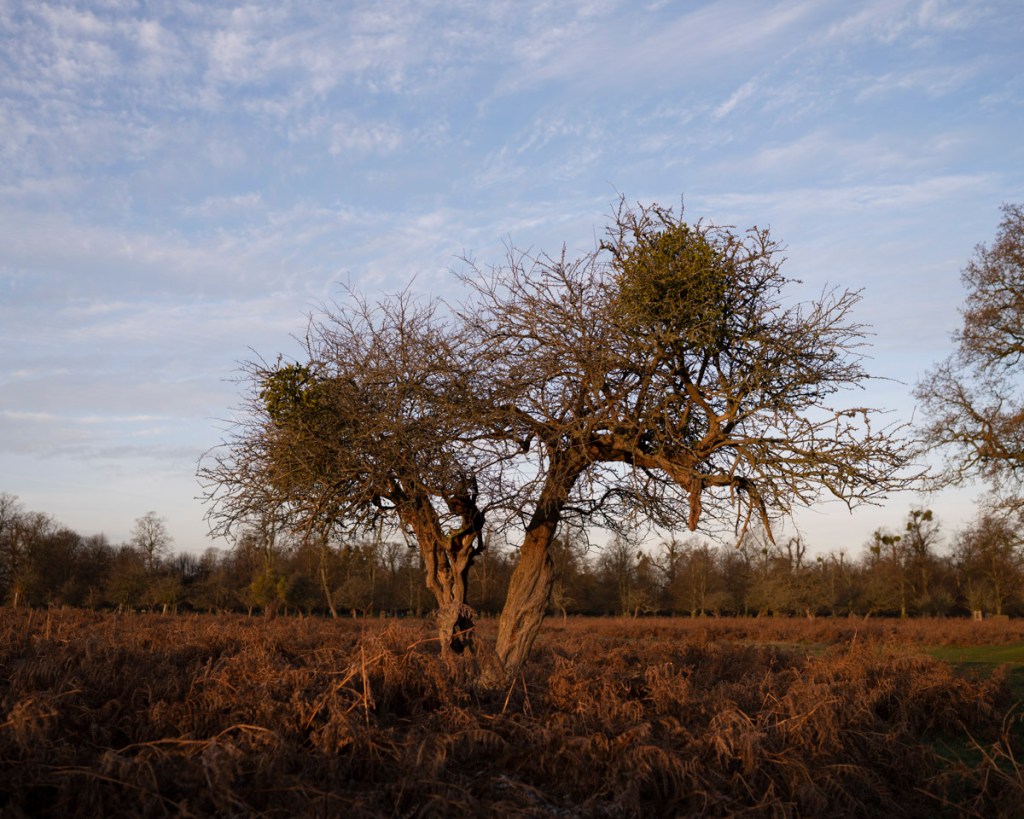
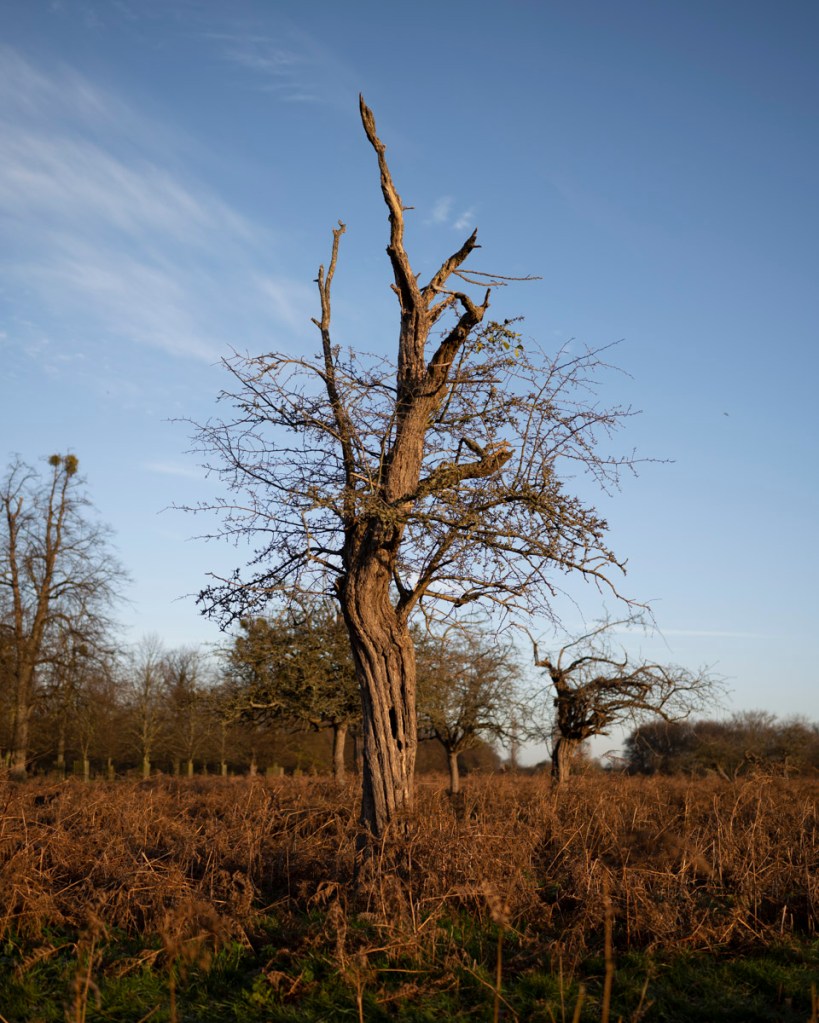
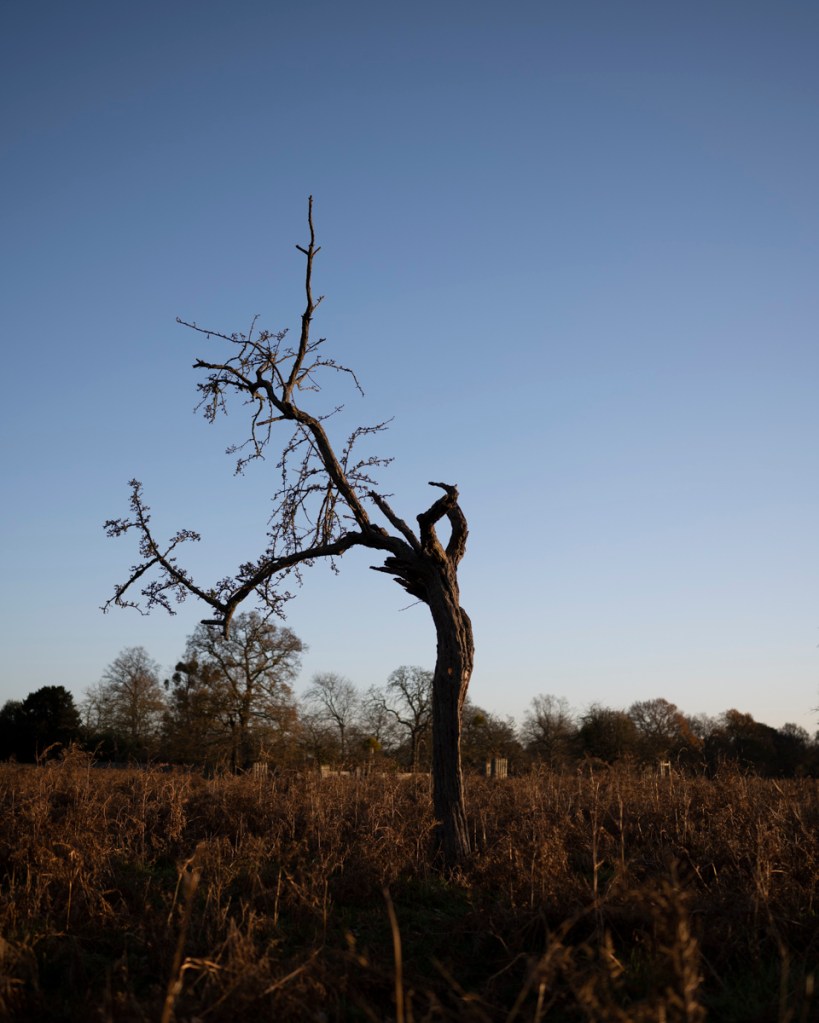
The sun was gradually coming up and I took the following shots at 8.00am.
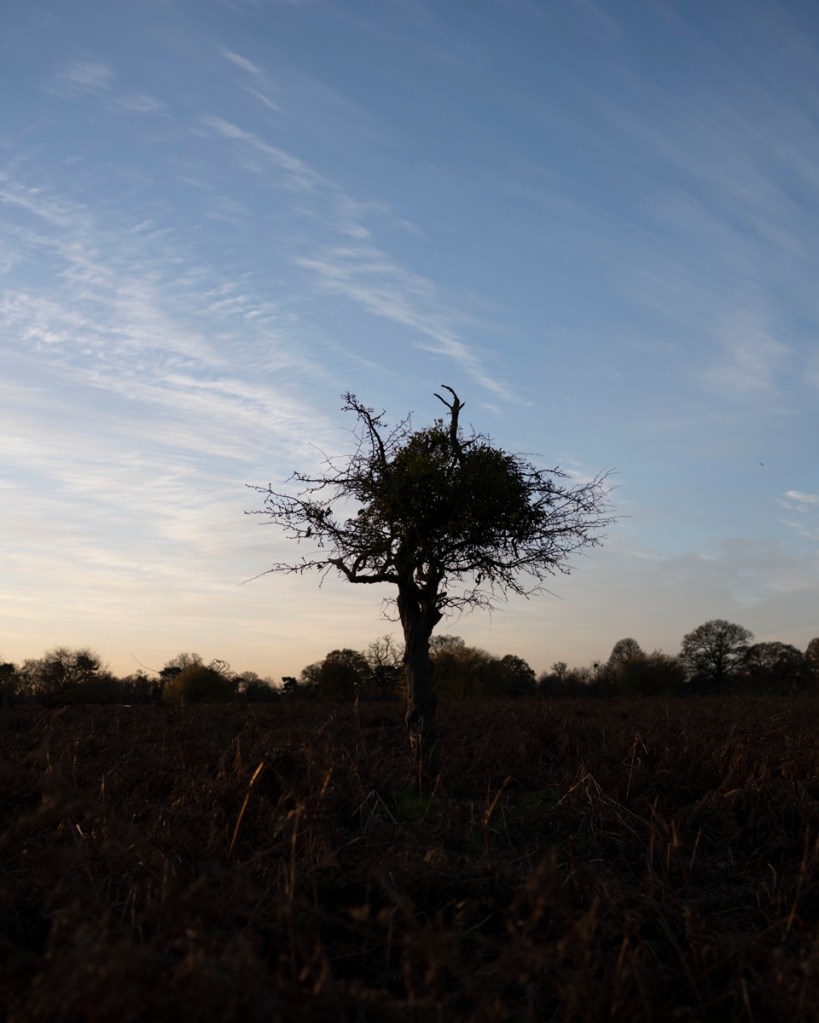
My patience was rewarded a minute later when the sun finally showed its glory.
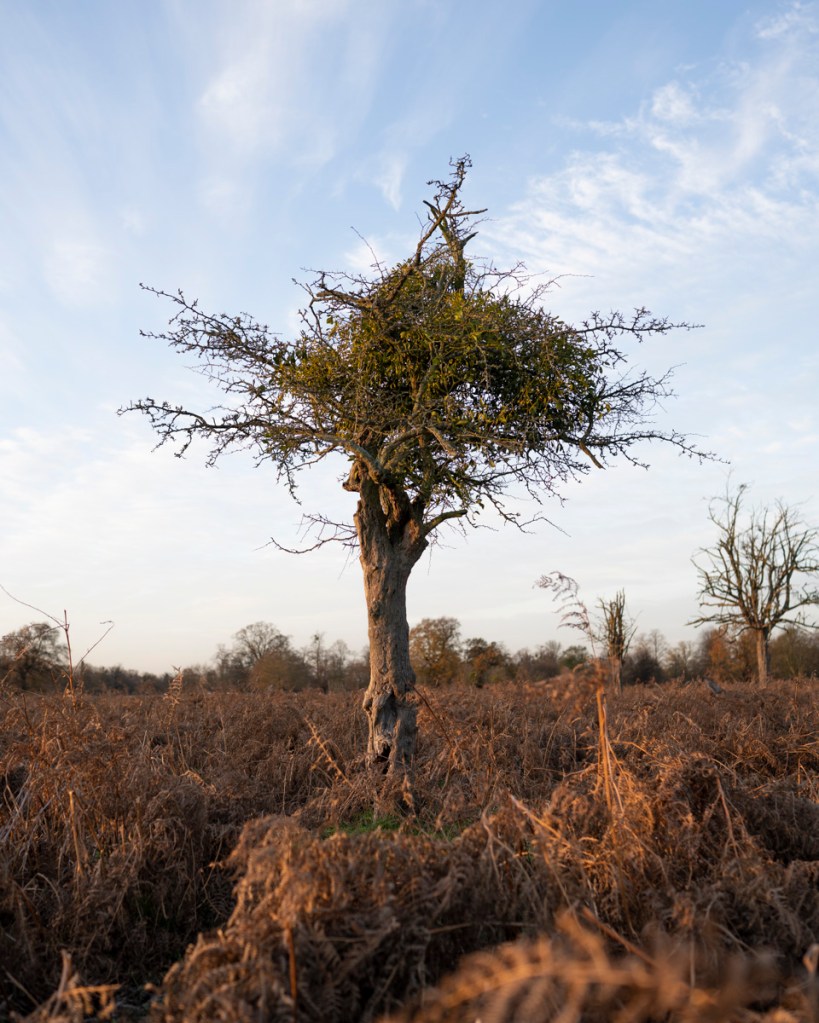
The light was stunning – it gave a coppery glow that lit up the ferns beautifully. Again, I was having difficulty in getting low enough with the camera to get the angle I was looking for and being able to see the display screen.

These are the two images I think work best (both have been rough edited in Camera Raw. What does need work is aligning the horizon line. I was using the 4 x 4 grid that can be shown on the display screen to help with composition. So that there would be uniformity, I aligned the top of the ferns with the bottom third line as a guide. This seems to provide a good ratio of foreground, subject, background and sky.
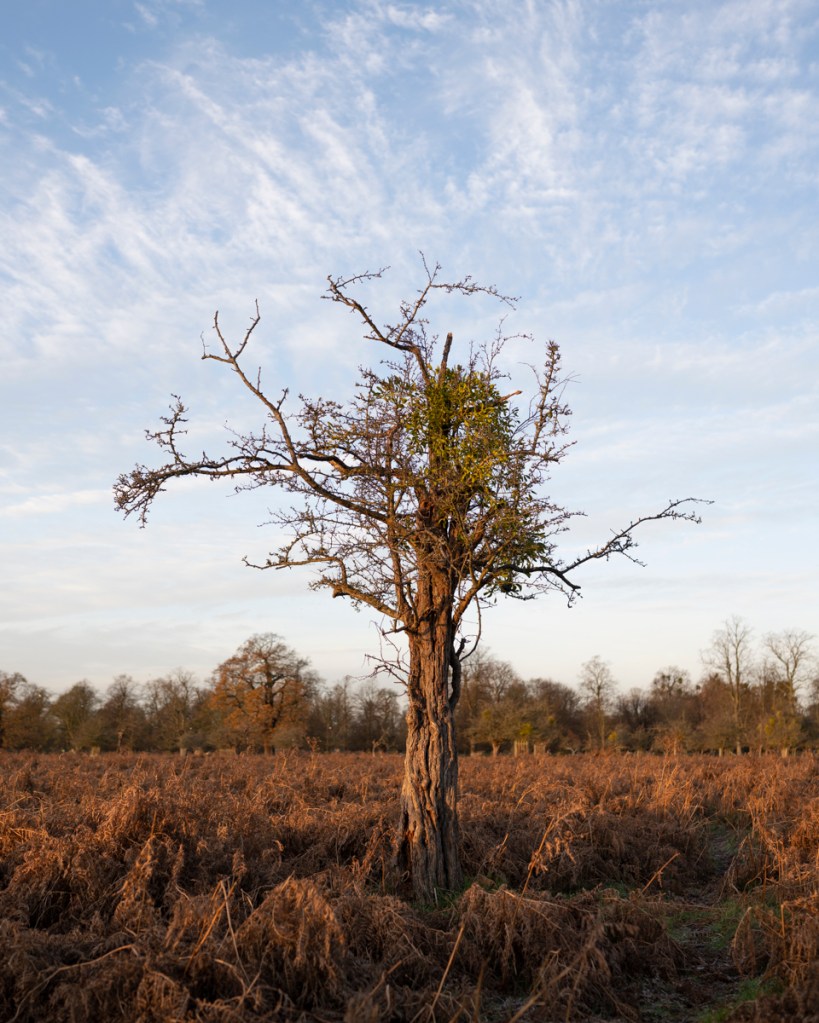
When I shared these two shots with my classmate, Mark, he made the following comments:

“I like the way the sun is coming from the side. I think the second image works. Also, if you didn’t know, they could have been taken on safari. I would try to keep then looking the same in the frame so it doesn’t give the viewer the feeling of ‘bouncing’ in and out. Great shots!”

Will take these on board!

By this time, I was itching to use the 85mm and the light was beginning to get a bit harsh.
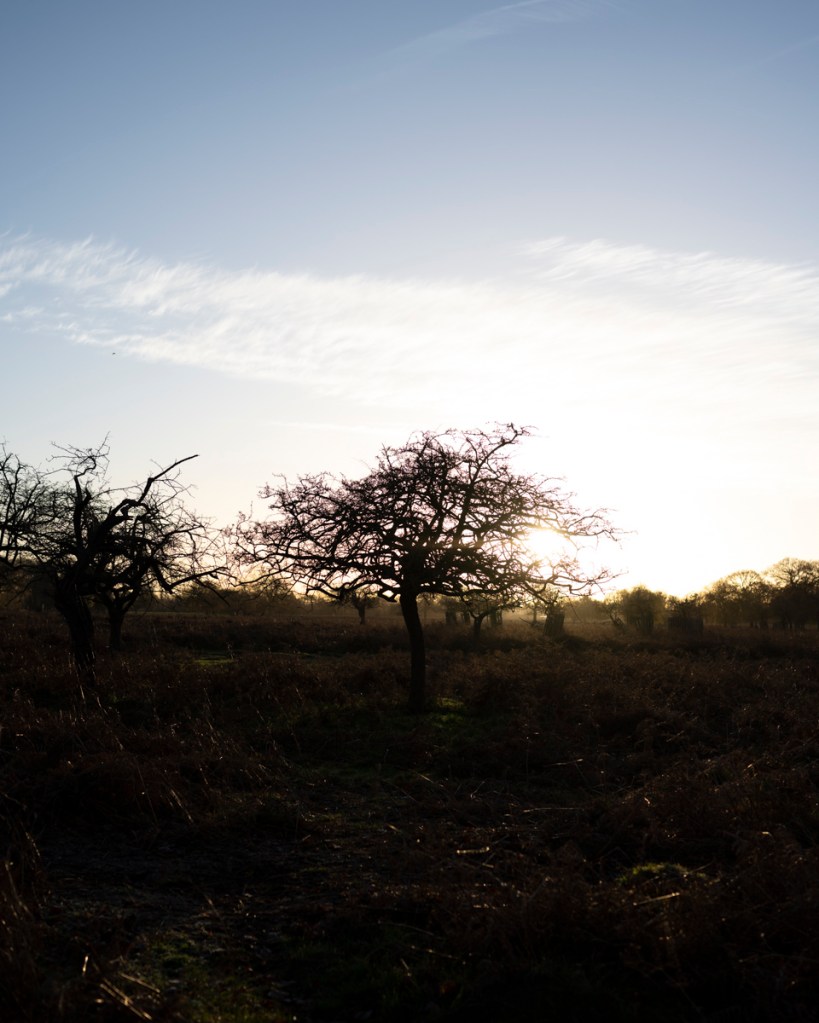
The decision was made to return home the return to the park with the 85mm.

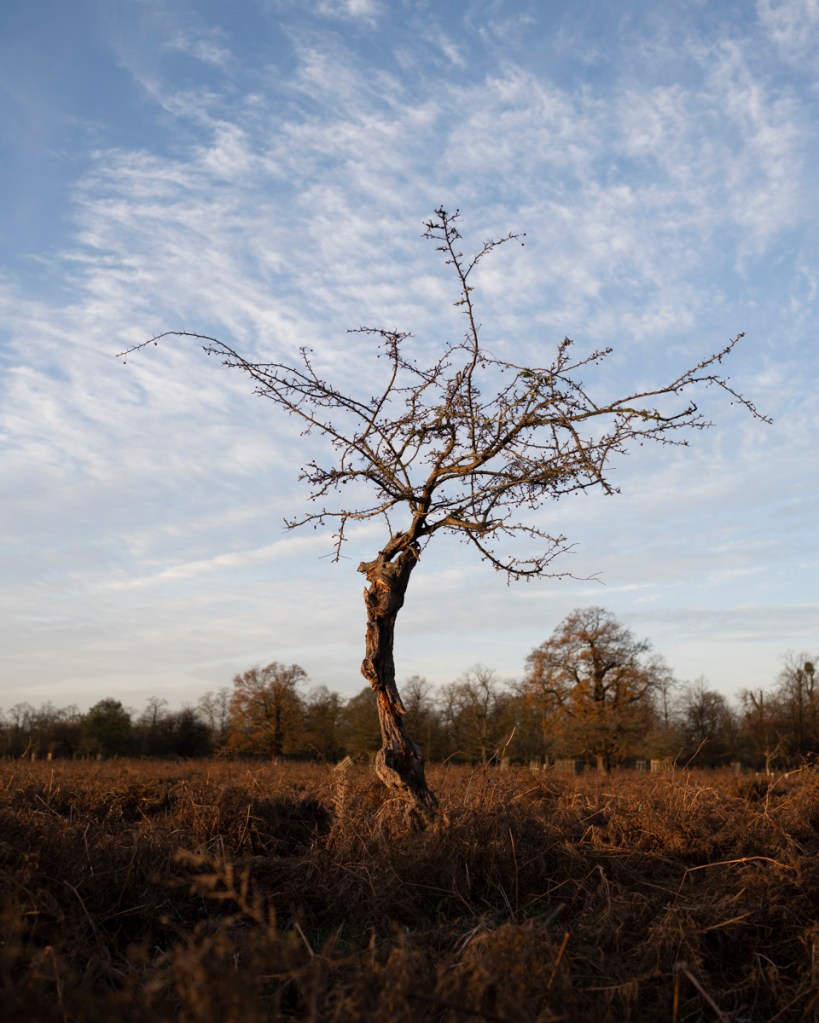
85mm Images 5:4 Aspect Ratio

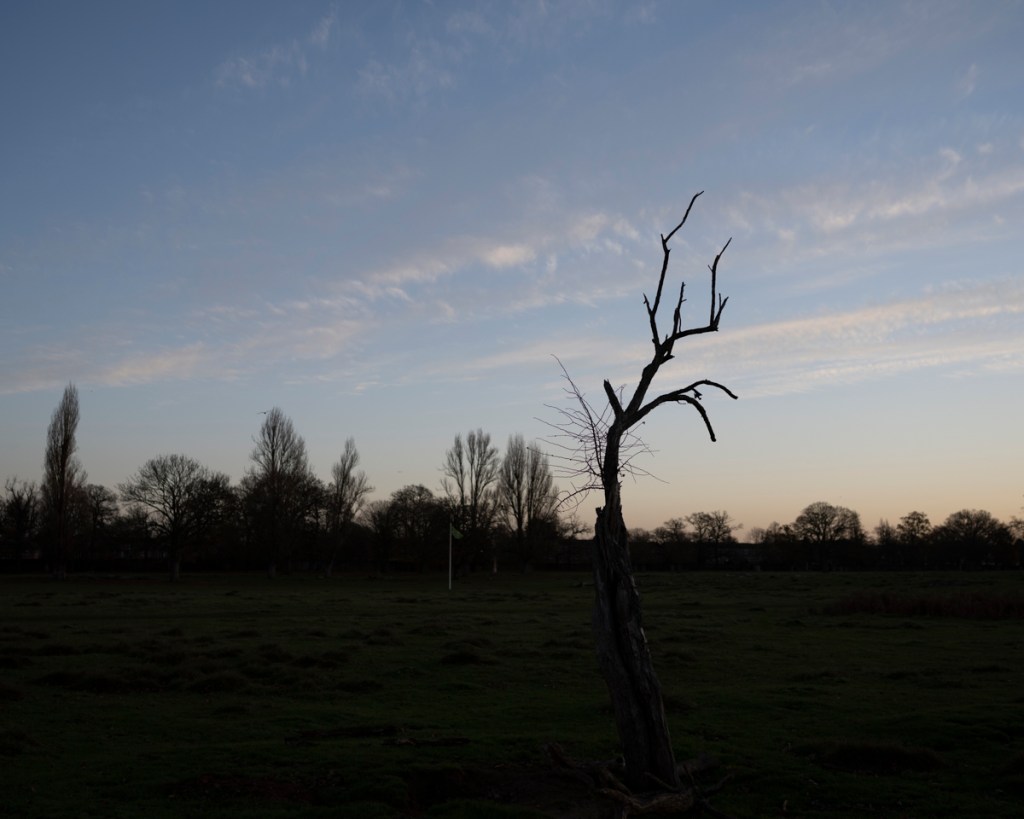
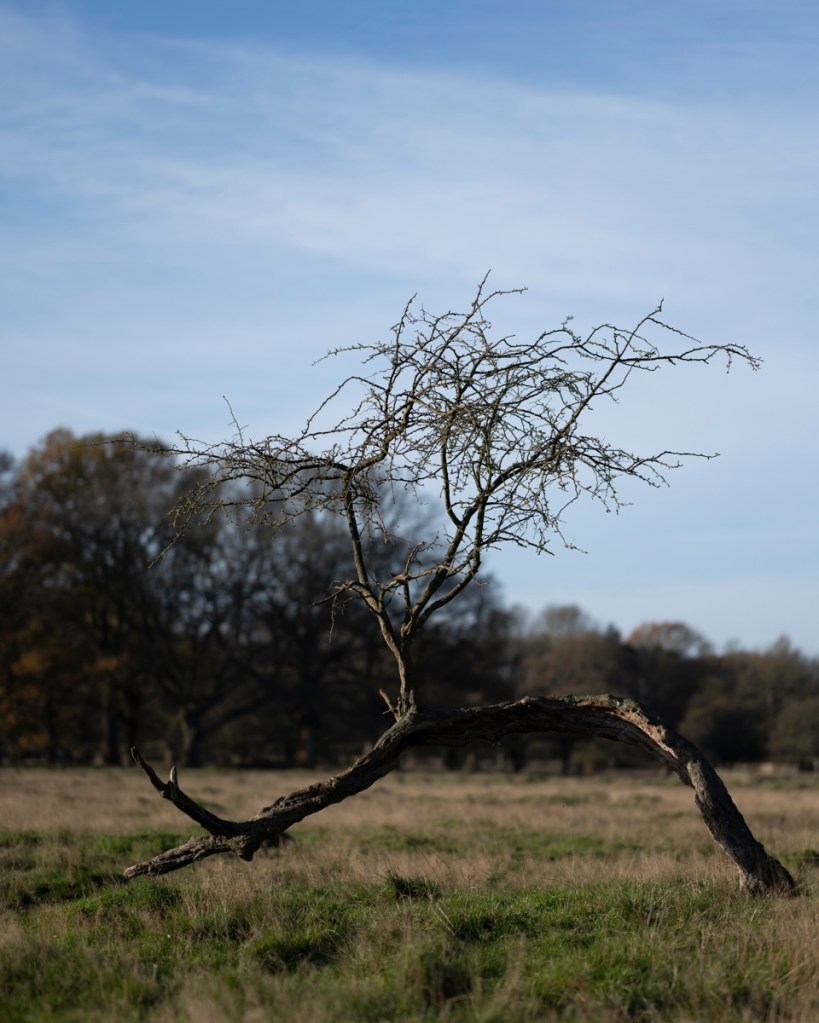
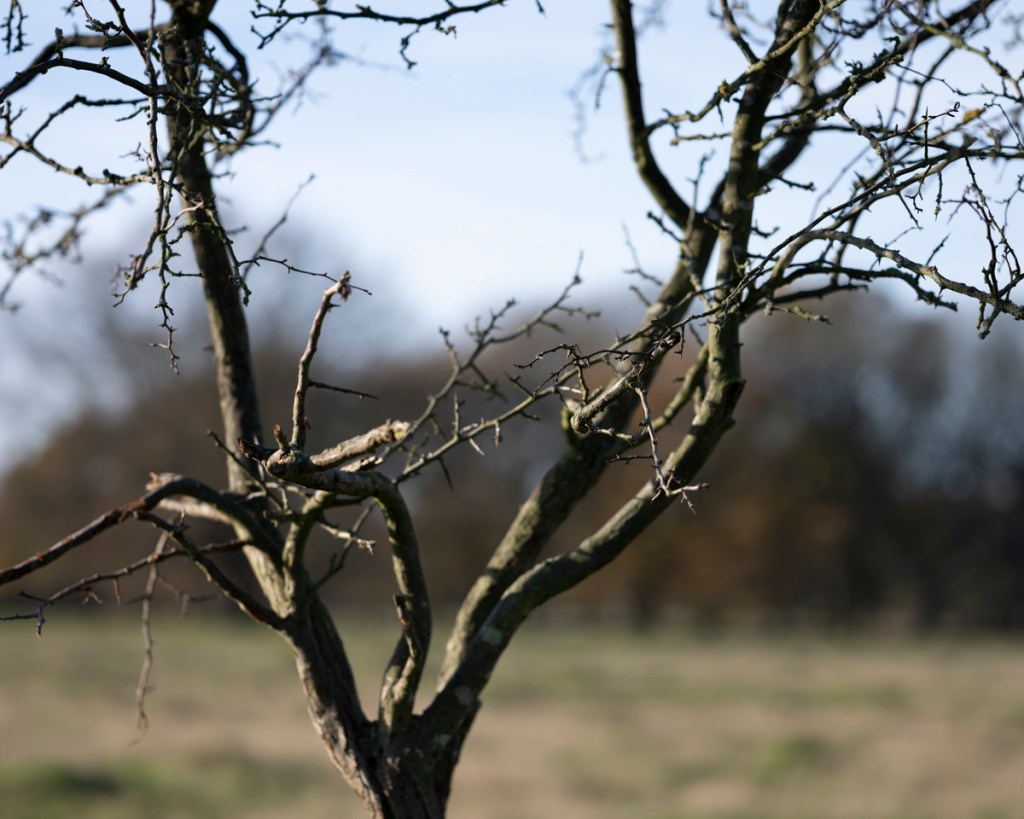
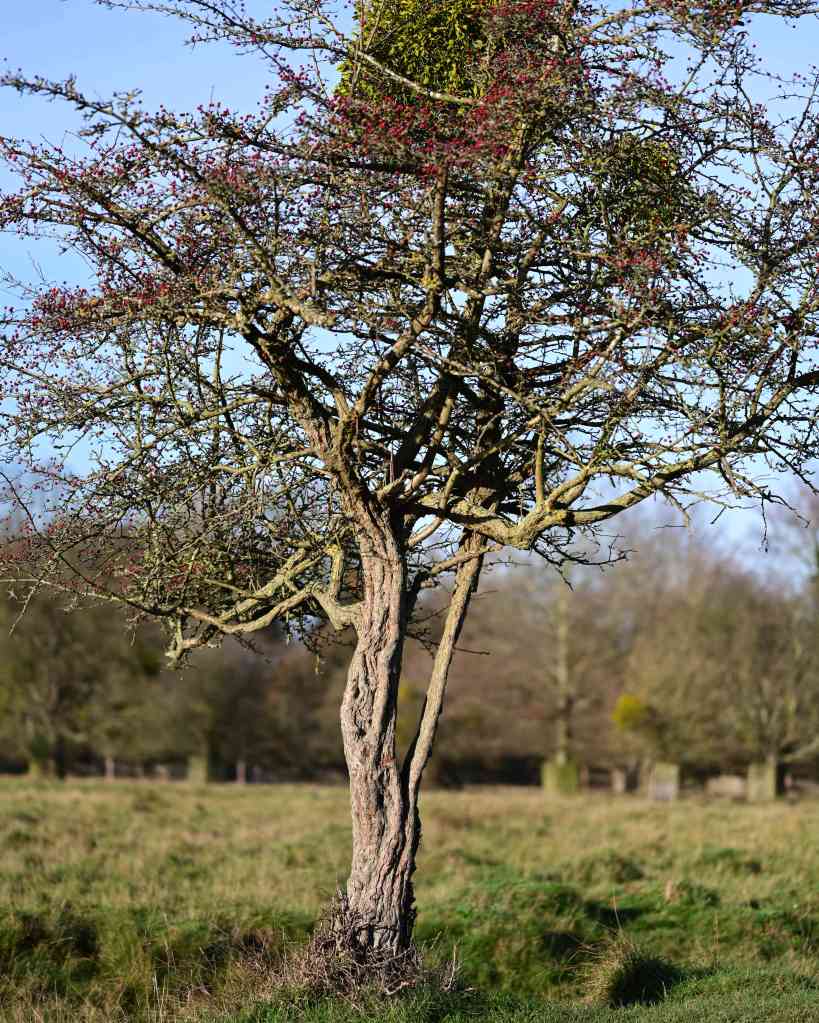
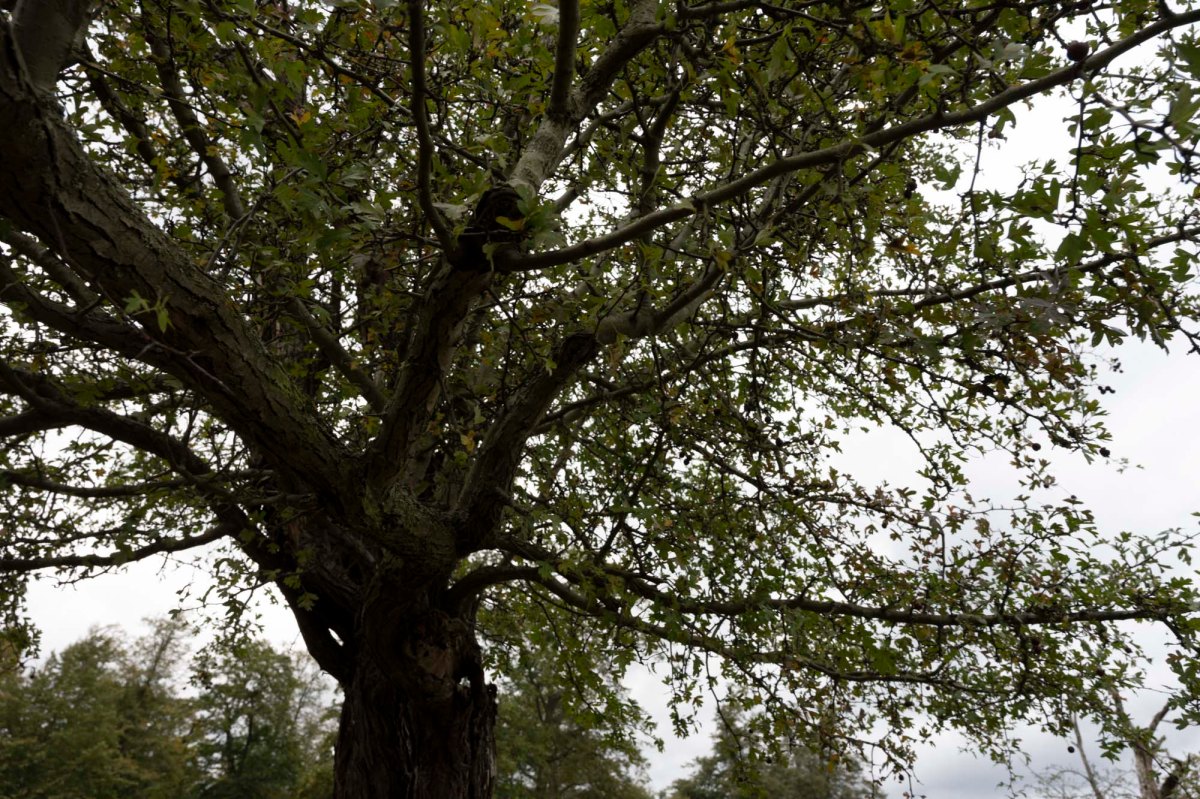
Unfortunately, the light had increased in harshness. Despite this, it was useful trying the 85mm lens with the 5:4 aspect ratio. The first tree I tried was this one (image below taken on 4 November 2020 using the 24mm-70mm zoom lens at 70mm and at 3:2 ratio).
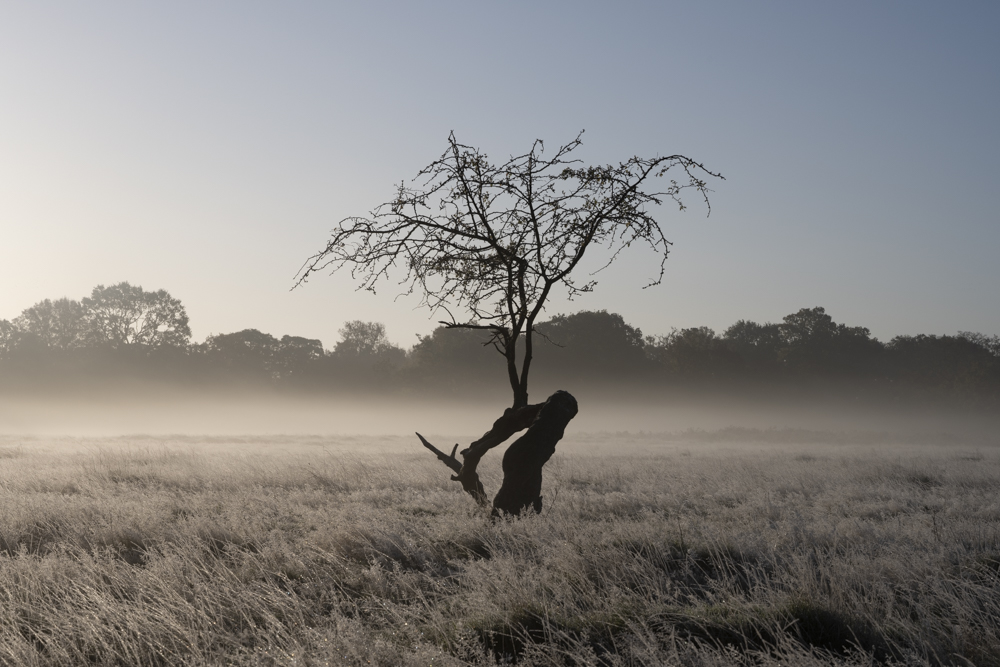
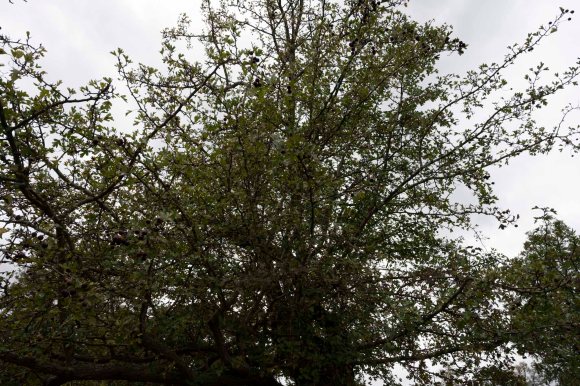
These are the results.
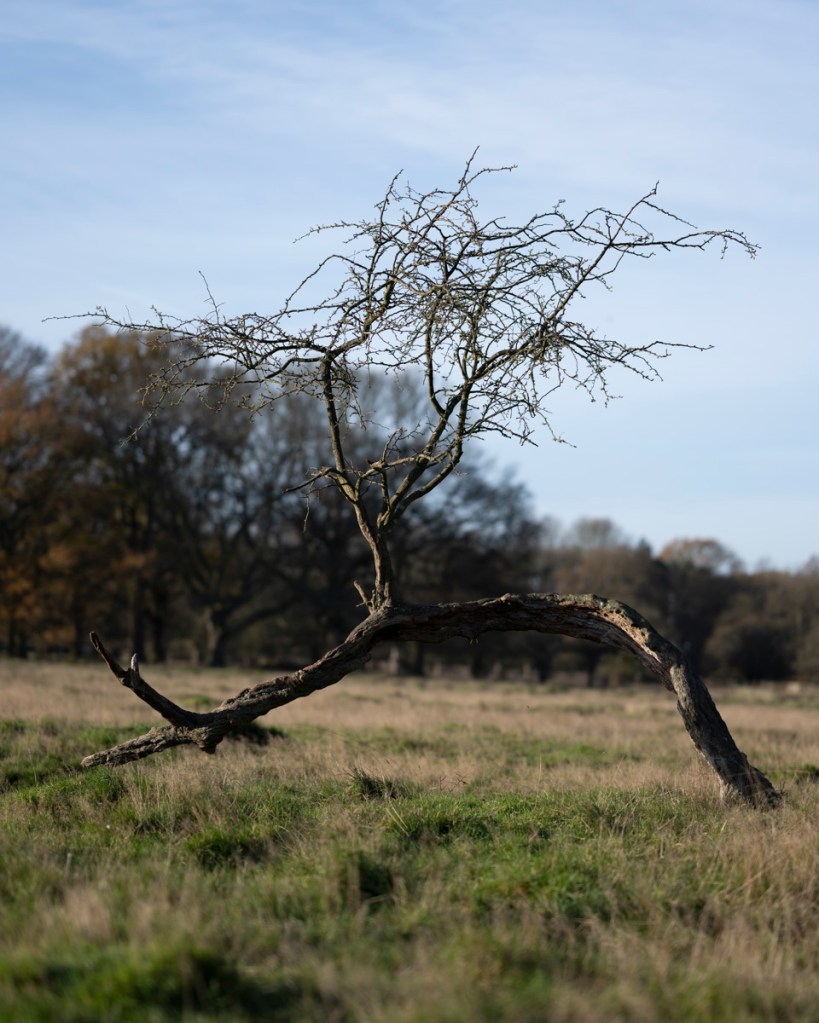
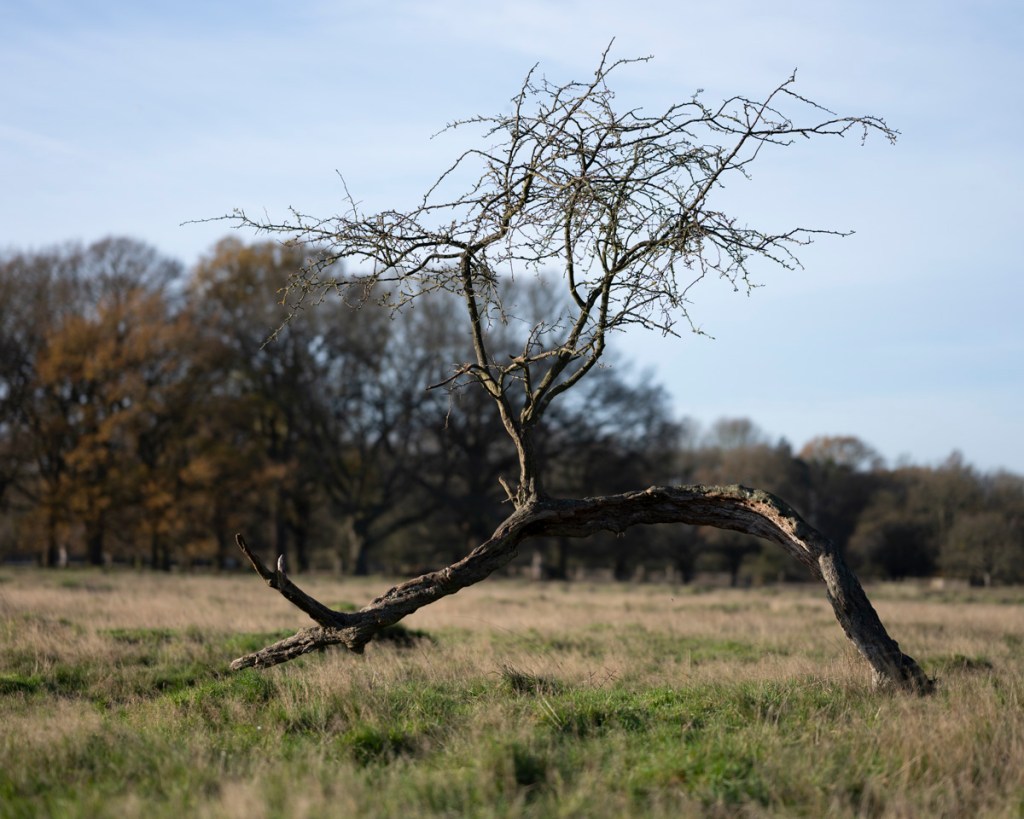
I then walked to the row of hawthorns leading to the gap between the Woodland Gardens plantations.
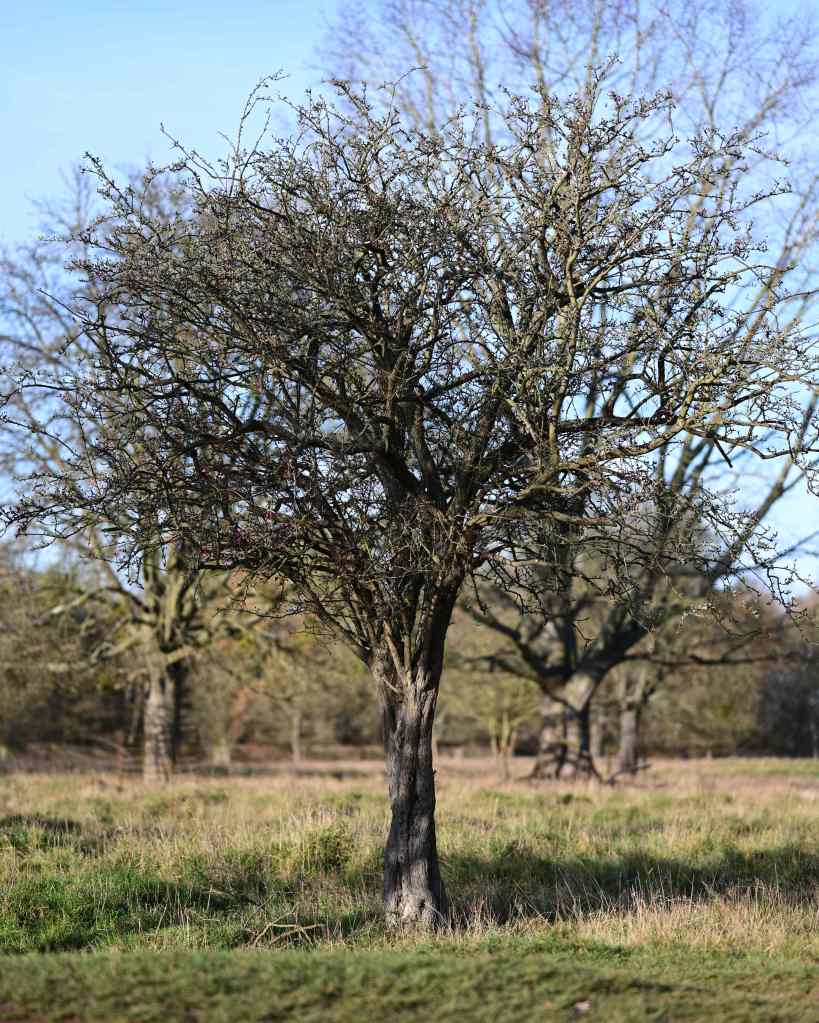
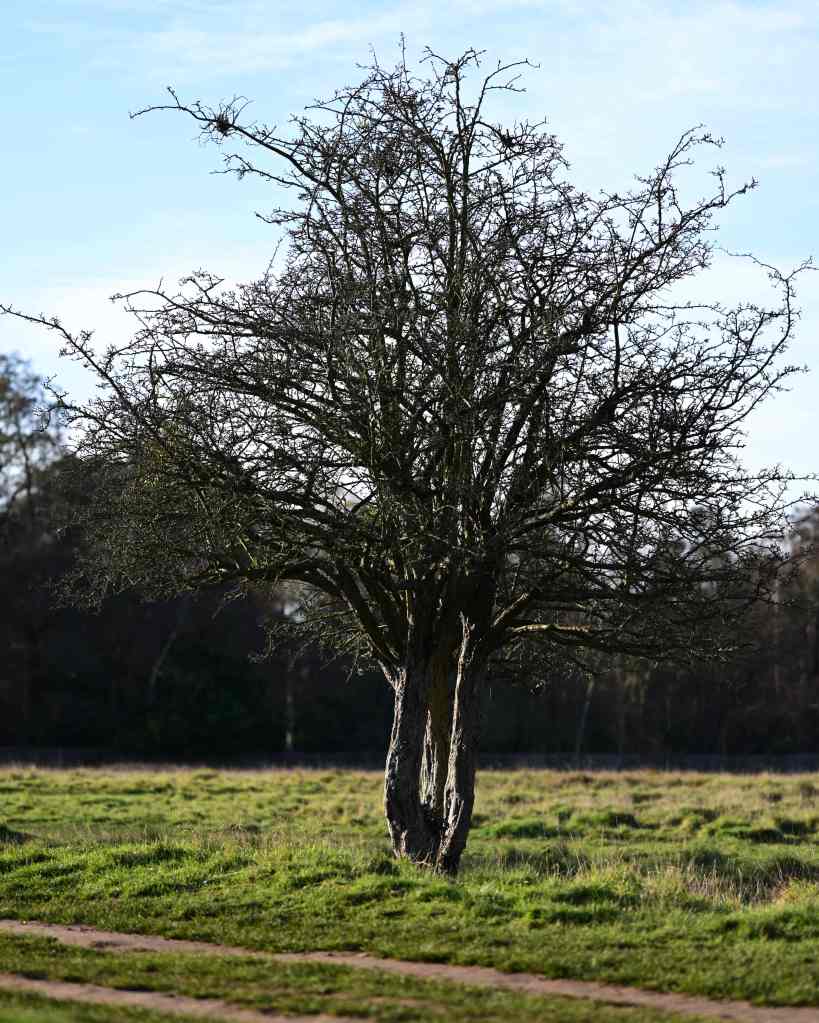
I did manage to get the effect of blurring the background, which I liked. Again, I wasn’t able to get low enough and see the display at the same time.

My next step is to revisit all aspects of this project in light of the feedback and actions resulting from the Interim Review and previous Group Tutorial.

References

Digital Photography School. 2020. Aspect Ratios In Landscape Photography. [online] Available at: <https://digital-photography-school.com/aspect-ratios-in-landscape-photography/&gt; [Accessed 2 December 2020].
“Landscape”, W., 2020. Want Better Landscape Photos? First Check Your Definition Of “Landscape” | Nikon. [online] Nikonusa.com. Available at: <https://www.nikonusa.com/en/learn-and-explore/a/tips-and-techniques/want-better-landscape-photos-first-check-your-definition-of-landscape.html&gt; [Accessed 2 December 2020].
Modes, P., 2020. Personal Touch: The Art Of Z 7 And Z 6 Crop Modes | Nikon. [online] Nikonusa.com. Available at: <https://www.nikonusa.com/en/learn-and-explore/a/tips-and-techniques/personal-touch-the-art-of-z-7-and-z-6-crop-modes.html&gt; [Accessed 2 December 2020].
Categories
AGM62 Photography Research Project Stage 1 Posts

AGM62 Terry Evans American Prairies 27 October 2020

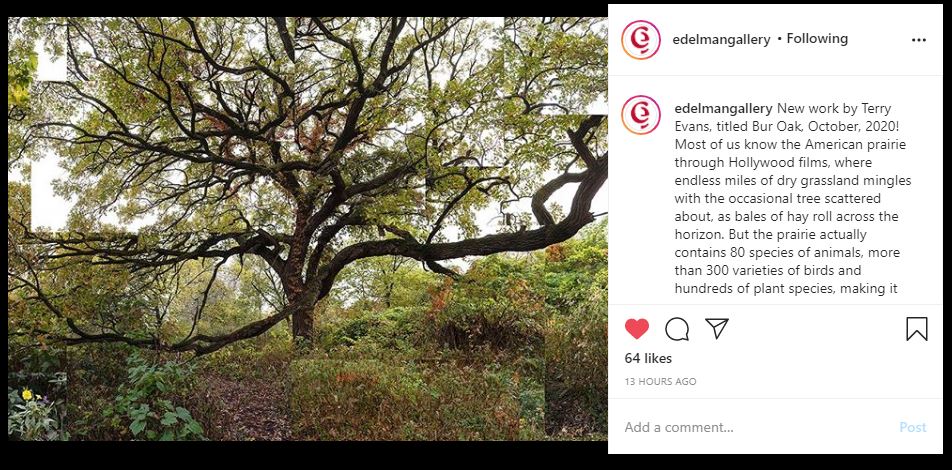
Terry Evans is a photographer whose extraordinary work I discovered today while scrolling through my Instagram feed. I spotted this post made by the Catherine Edelman Gallery, who represent Evans.

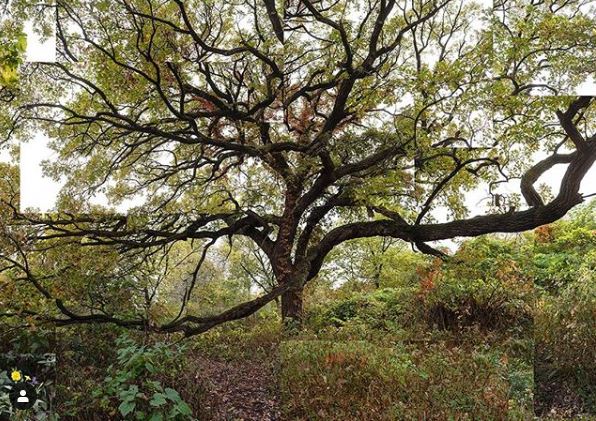
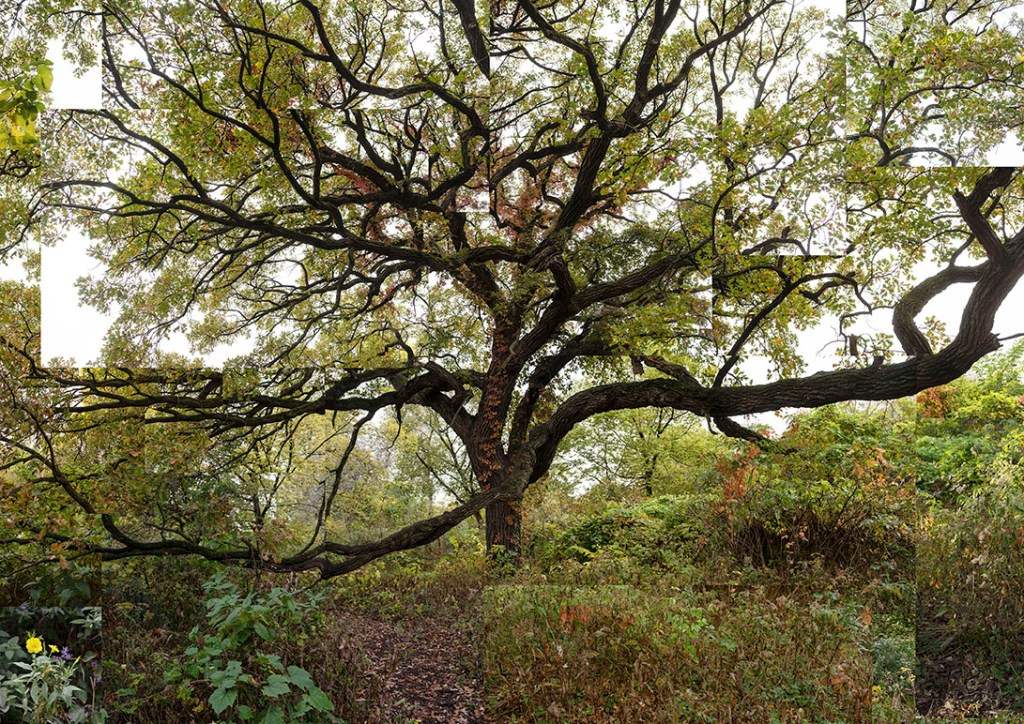
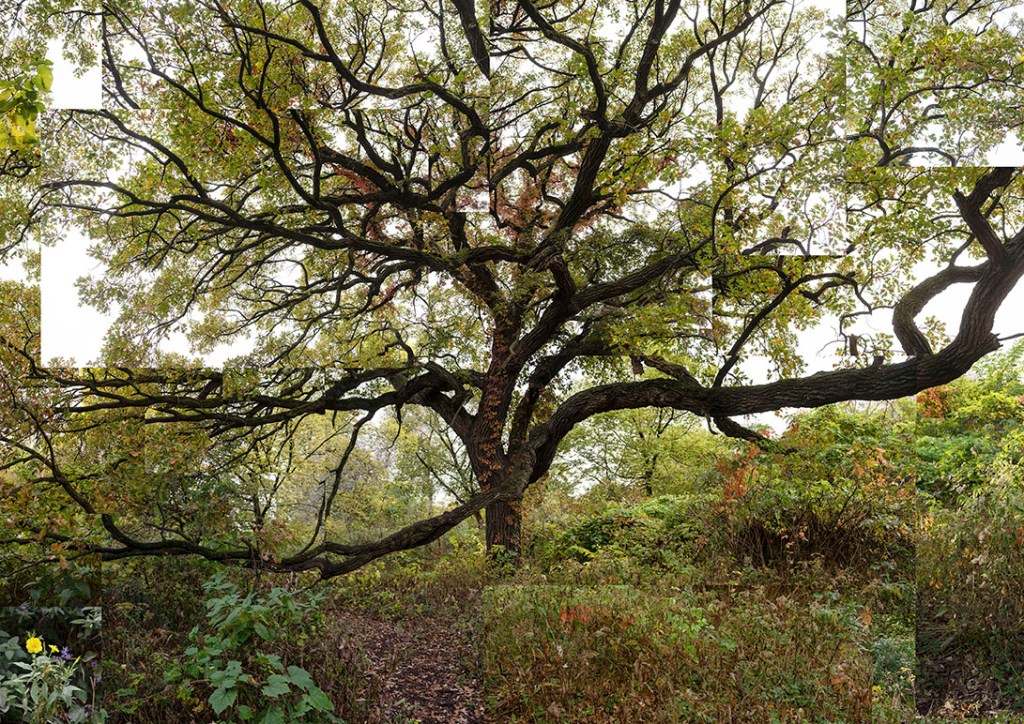
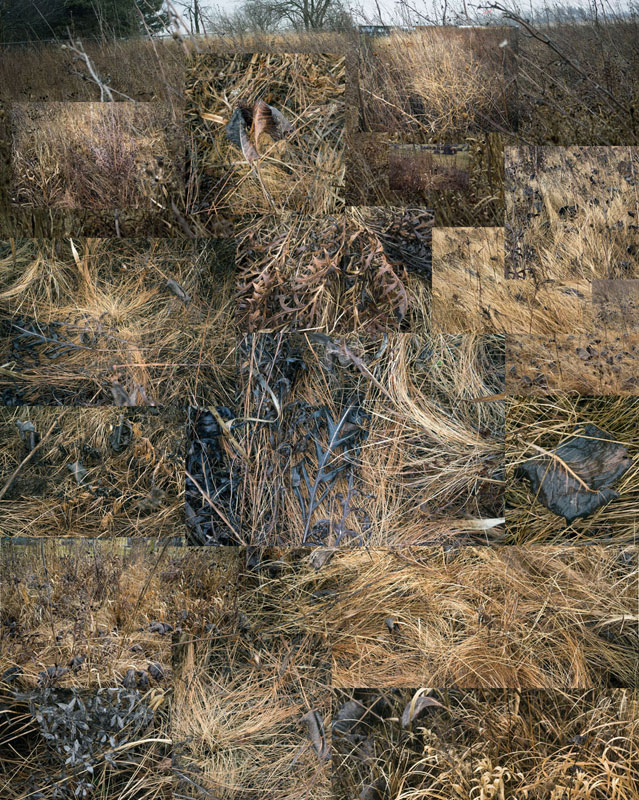
At first, I thought it was just a photograph of a tree. I then noticed the white straight lines on the left-hand side of the image (this detail reminded me of the work of Myoung Ho Lee). However, when I looked closer, there was something different I couldn’t put my finger on. My interest was piqued further with the accompanying text:

It reads:

‘New work by Terry Evans, titled Bur Oak October 2020! Most of us know the American prairie through Hollywood films, where endless miles of dry grassland mingles with the occasional tree scattered about, as bales of hay roll across the horizon. But the prairie actually contains 80 species of animals, more than 300 varieties of birds and hundreds of plant species, making it making it one of America’s great ecoregions. This piece is part of Terry Evans’s series Ancient Prairies.’

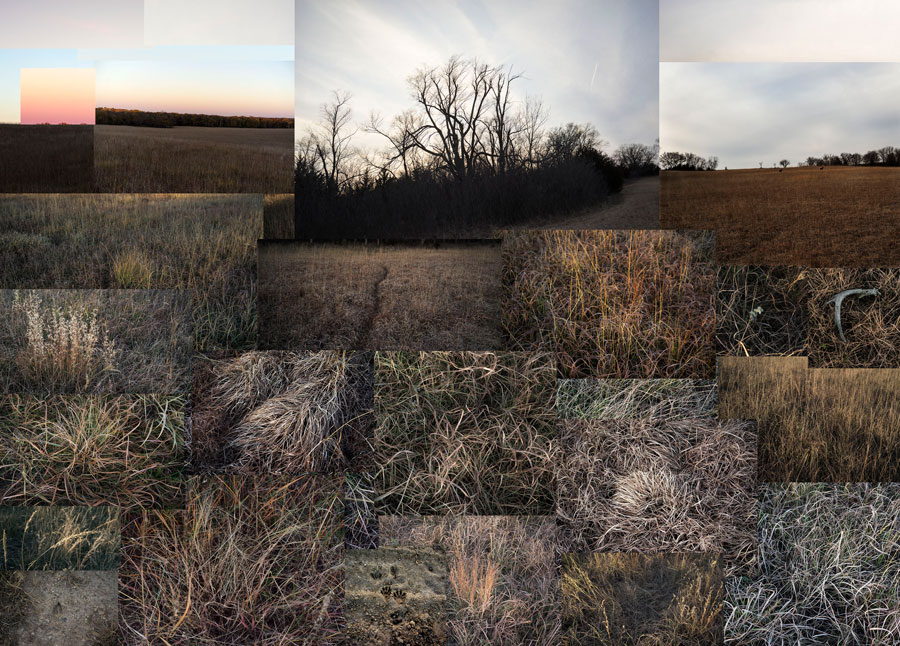
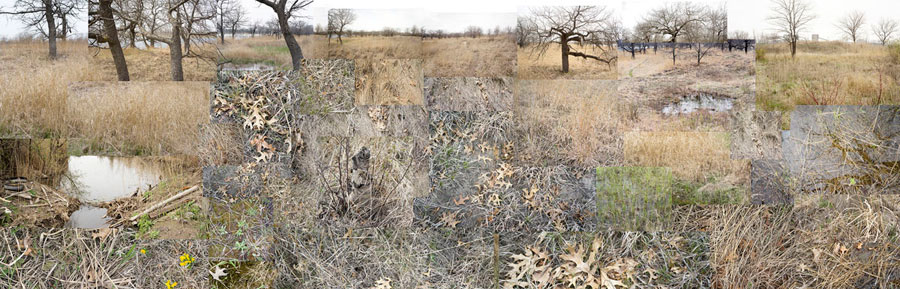
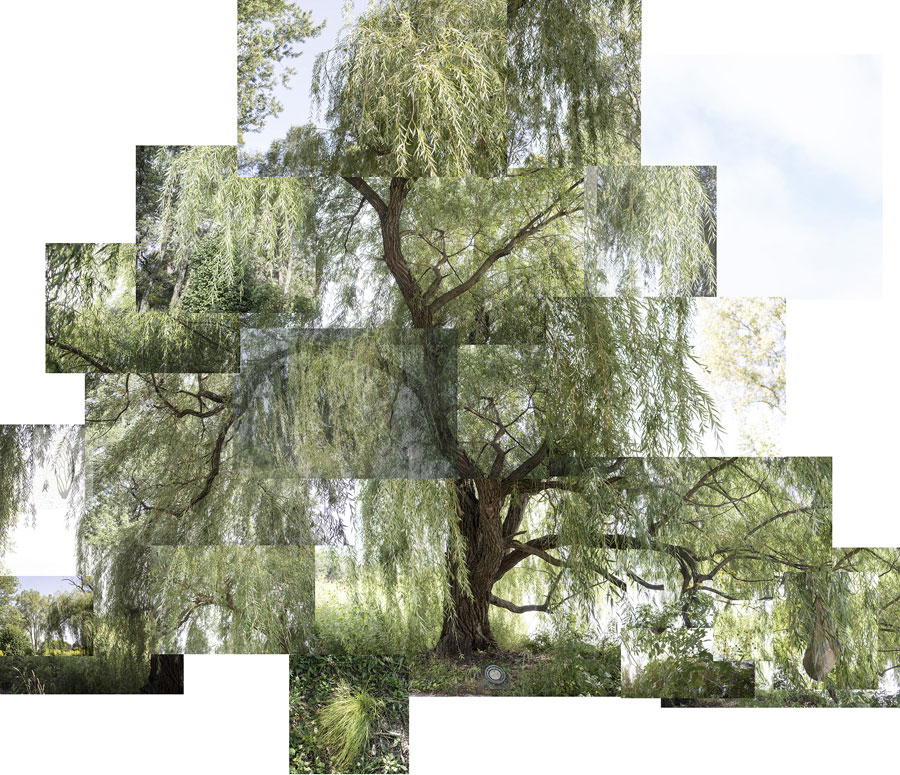
On taking a closer look, I realised that it was a composite of images.

When I research Evans’ work further, I discovered that:

‘Each large-scale image from her new series, Ancient Prairies, is made up of a patchwork of individual photographs hinting at the ecological complexity that underlies the prairie landscape.’

(A Patchwork of Imagery Hints at the Hidden Complexity of the American Prairie, 2020)

Ancient Prairies Project Statement

Since 1978, all of my work is connected by an abiding interest in and love for prairie. This interest began more than forty years ago when I photographed the Fent prairie, an 80 acre virgin prairie near Salina, Kansas, where I lived. I explored Fent and other prairies for the next eight years, which introduced me to the wondrous balance of an undisturbed ecosystem, and has informed all of my work to date. In Ancient Prairies, I’m visiting prairie remnants once again. In late May, I went back to the Fent prairie to photograph its intricate botanical complexity after having photographed the effects of fracking in North Dakota and petcoke pollution in Southeast Chicago, which both showed human disregard for land and its people. I’m deeply disturbed by our seeming inability to confront the current and impending disasters of our intensive fossil fuel overuse and the climate change our lives are provoking. This work is about remembering the wisdom and beauty of intact prairies. It is about SEEING them. These prairies would not exist without human care, and Ancient Prairies serves as a tribute to the kinship between humans and nature.

(Terry Evans Photography, 2020)

While looking at Evans’ images and understanding better her ethos behind them, I felt that there was a connection in relation to my current project and practice in general. This will be investigated further.

References:

Catherine Edelman Gallery. 2020. Terry Evans. [online] Available at: <https://www.edelmangallery.com/artists/artists/a-f/terry-evans.html&gt; [Accessed 27 October 2020].

NRDC. 2020. A Patchwork Of Imagery Hints At The Hidden Complexity Of The American Prairie. [online] Available at: <https://www.nrdc.org/onearth/patchwork-imagery-hints-hidden-complexity-american-prairie&gt; [Accessed 27 October 2020].

Terry Evans Photography. 2020. [online] Available at: <http://www.terryevansphotography.com/&gt; [Accessed 27 October 2020].

2020. [online] Available at: <http://www.terryevansphotography.com/project-statements/ancient-prairieshttp://www.terryevansphotography.com/&gt; [Accessed 27 October 2020].

Categories
AGM62 Photography Research Project Stage 1

AGM62 The Humble Hawthorn 20 October 2020

‘The hawthorn, like a grumpy old teacher, reminds us that a prickly personality may hide unexpected virtues.’

(Adams, M. 2018 pp. 178)

‘It is easy to neglect the humble hawthorn, to pass it by unnoticed, until it explodes with creamy blossom in May. Historically, it is one of our most important species: for shelter and defence, for wayside sustenance and as a marker for boundaries and travellers.’

(Adams, M. 2018 pp. 176)

One type of tree that has always fascinated me is the hawthorn. As I wrote in my blog post on 6 October, I liken them to ‘wizend wise women.’ As for their relevance to Bushy Park, I was unaware until I re-read details of the park on the Friends of Bushy and Home Parks’ website.

‘The name “Bushy Park” was first recorded in 1604 and was probably a reference to the many hawthorn bushes. These were planted to protect the young oak trees which were being grown as timber for ships in the navy.’

This was an ‘aha!’ moment. Especially in light of what I had read in The Wisdom of Trees by Max Adams. I had come across this delightful tome while visiting the Hayward Gallery shop after experiencing the Among the Trees exhibition. In this book, Adams tells various tales of trees, including that of the hawthorn. So I can read and understand the information given within this tale, I’ve broken down the paragraphs and sentences in order to sift out gems of inspiration.

The Hawthorn

Hawthorn (Crataegus monogna) is a much-neglected small tree, which we are used to seeing in hedges that it’s easy to ignore. Our ancestors had a higher opinion of it: the hawthorn is the most frequently mentioned tree in ancient charters and boundary surveys, and it is a common element in place-names.

(Adams, M. 2018 pp. 174-5)

The flowers and leaves, when picked fresh, are known as “bread and cheese” and have long been a wayfarer’s springtime snack.

(Adams, M. 2018 pp. 175)

Hawthorn’s creamy white blossoms emerge any time from late April onwards, an in autumn the unmistakable rich red berries are an equally classic seasonal marker.

(Adams, M. 2018 pp. 175)

Hawthorn is the tree equivalent of rugged highland sheep or cattle breeds: it is very tough and can withstand the sort of weather that has most of us running for shelter and a warm fire.

(Adams, M. 2018 pp. 175)

The wood is hard to work, and because hawthorn, like yew, grows in multiple trunks, it is rarely used for anything other than firewood.

(Adams, M. 2018 pp. 175)

It is hard to say when humans first realised that they could cultivate hawthorn as a defensive barrier; but in the period of the Parliamentary enclosure of land, some two-hundred-thousand of ‘quickset’ hedges were planted across Britain.

(Adams, M. 2018 pp. 175)

Hawthorn remains a popular and biologically important hedge species.

(Adams, M. 2018 pp. 175)

One should at this point say something about the art of laying hedges, which is still practised in Britain and Ireland. The principle in this highly skilled off-shoot of the woodsman’s art is to thicken and strengthen a hedge, prolonging its life and ensuring any gaps through which livestock might (and they will) escape are closed. The trick is to half-coppice the shoot of the hawthorn, blackthorn, hazel, beach or hornbeam – they are the most common hedging species. A downwards cut into the side of the stem weakens it so that it can be bent at an angle in line with the direction of the hedge but above the horizontal. There needs to be enough heartwood, sapwood and bark left for the stem to survive and send up new shoots the next year. Every couple of yards a vertical stake, cut and trimmed into the ground within the hedge, and more spare shoots, brashed from the main one, woven between the cut stems and the stakes, creating a hybrid between living hedge and fence.

More information on hedgelaying: http://www.hedgelaying.org.uk

(Adams, M. 2018 pp. 175-7)

Hawthorn’s blossom known as May flowers (hence ‘May-day’ and ‘Maypoles’, neither of them named after the month), used to induce a superstitious fear about it being brought into one’s home. It was thought to presage a death in the household. Why? A fishy chemical called ‘triethylamine’, released as the blossom fades, is the smell of dead body (and, incidentally, of human sperm).

(Adams, M. 2018 pp. 177-8)

The flowers also contain a small amount of digitalin, the chemical present in foxgloves, which in high doses is extremely poisonous but which is used as a therapeutic cardiac treatment.

(Adams, M. 2018 pp. 178)

During autumn cows browse on the tree’s small bright red berries and their astringent properties are regarded as a traditional therapy for mastitis.

(Adams, M. 2018 pp. 178)

References

Adams, M. (2018). The Wisdom of Trees. London: Head of Zeus Ltd.

Friends of Bushy and Home Park. 2020. [online] Available at: <https://ews-fbhp-dev.expertwebservices.co.uk/history-of-bushy-park/; [Accessed 19 October 2020].

Design a site like this with WordPress.com
Get started