The scheduled session for the afternoon was a set of 1:1 tutorials with the course leader, Fergus Heron. What actually transpired was an inpromptu group tutorial as myself and my four other classmates were able to attend the full session from 2 pm to 5 pm. This was a wonderful opportunity to finally see and discuss our work in person rather than on a screen.
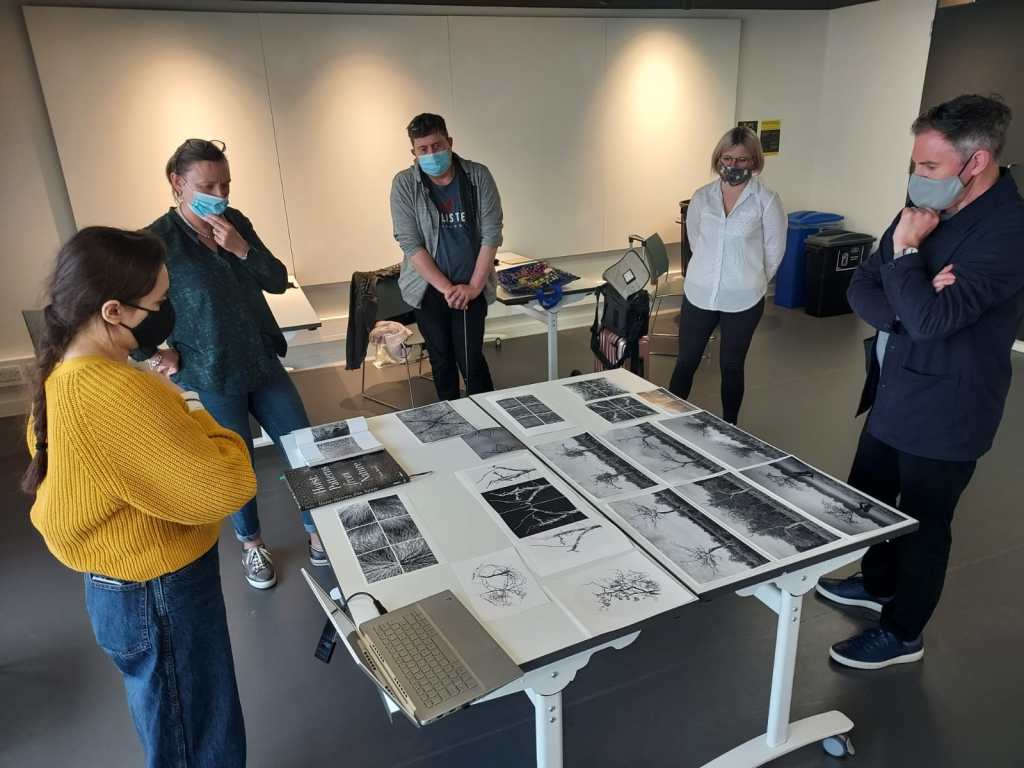
The feedback I received was very encouraging. The following is a summary for my reference and to indicate how to make further progress in forging the work for this module and my final submission pieces.
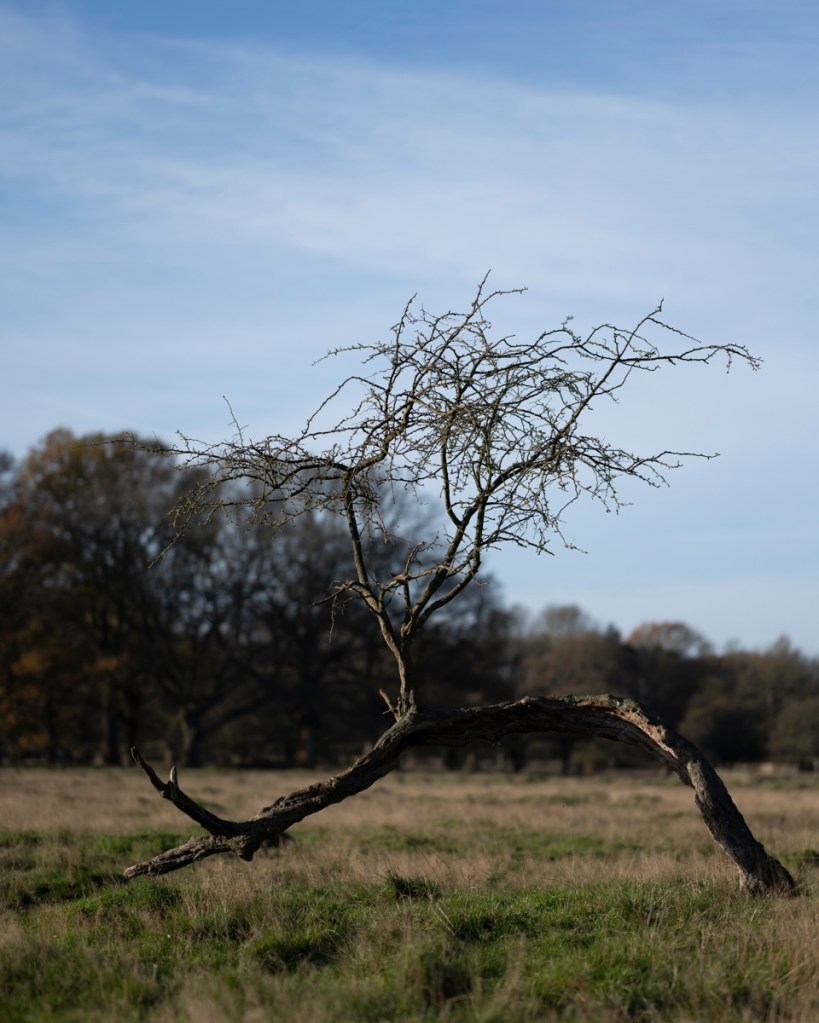
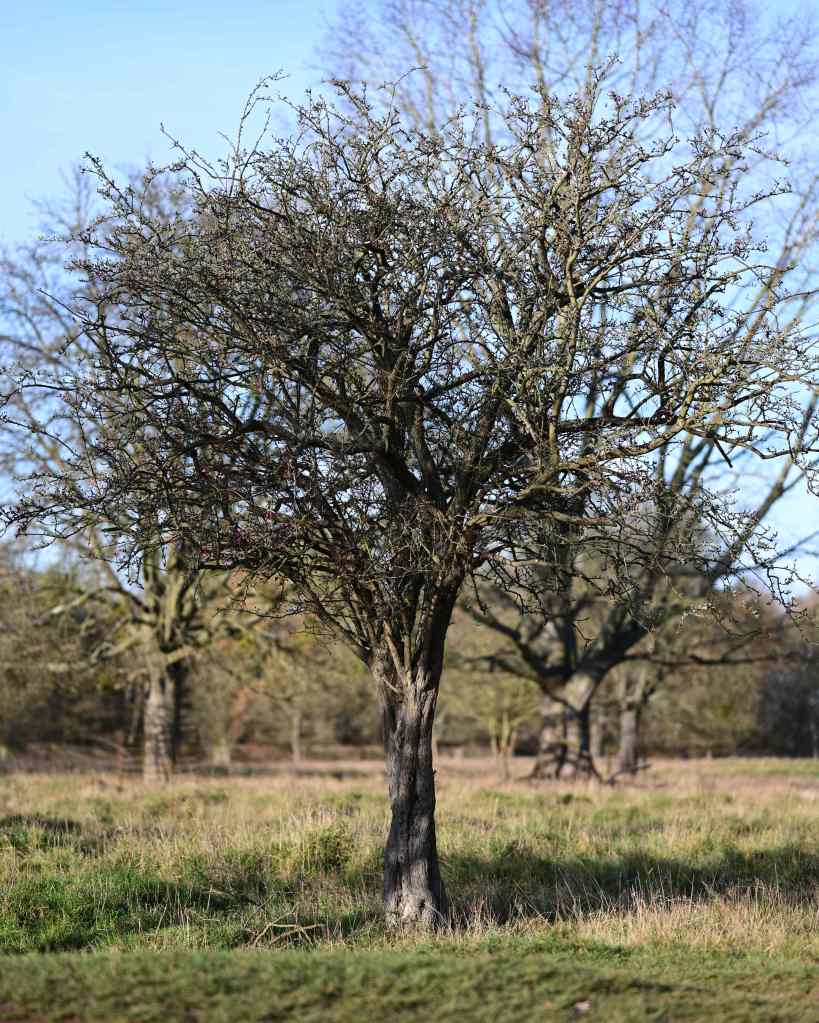
These were thought to be too ‘fussy’ and detailed. I personally like these, but I could try to simplify the configurations.
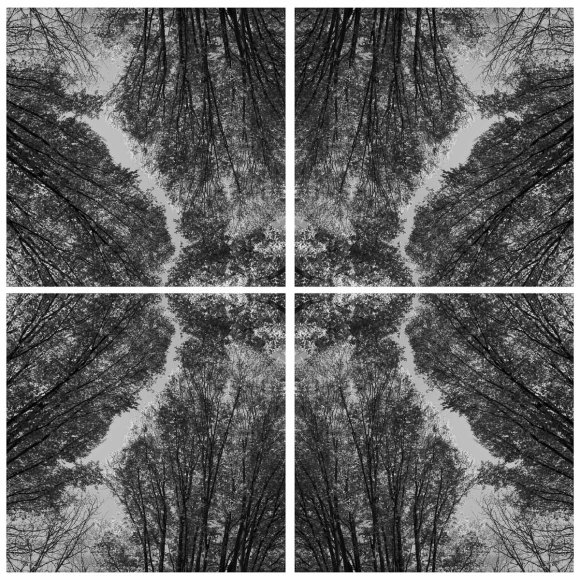
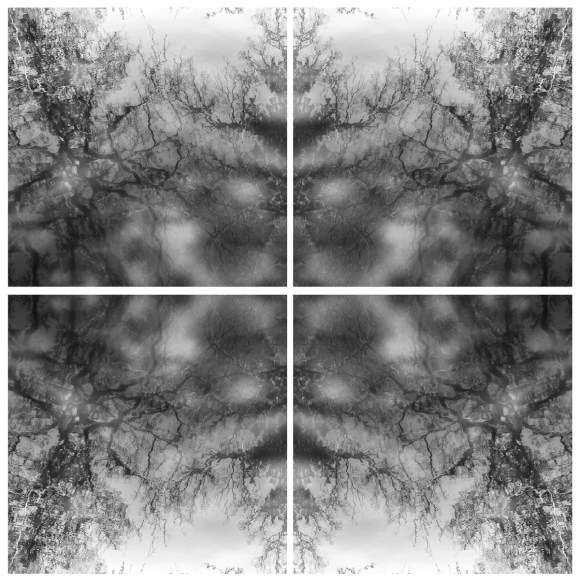
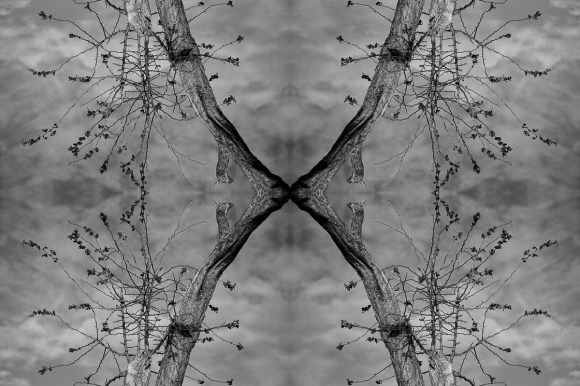
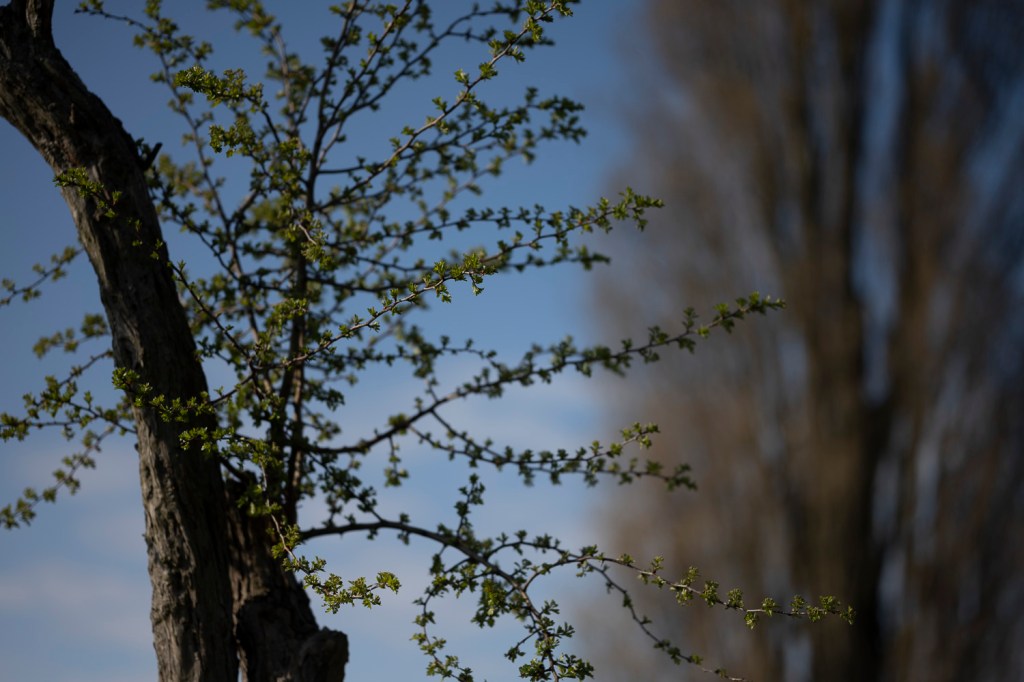
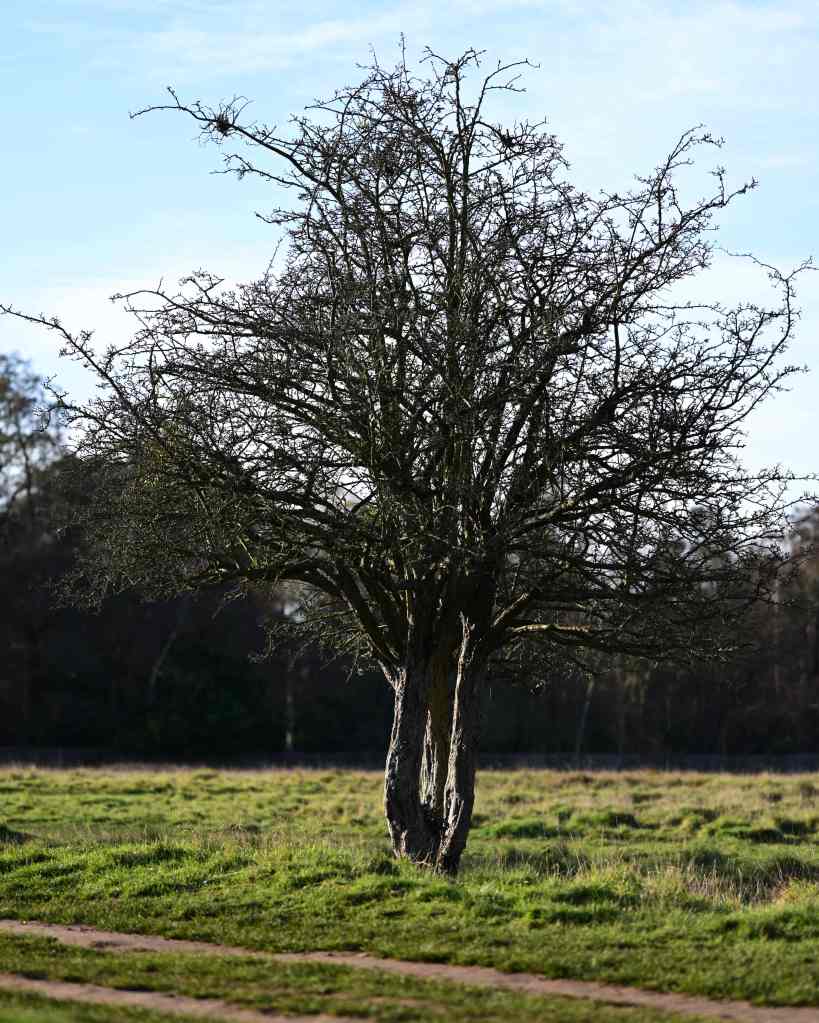
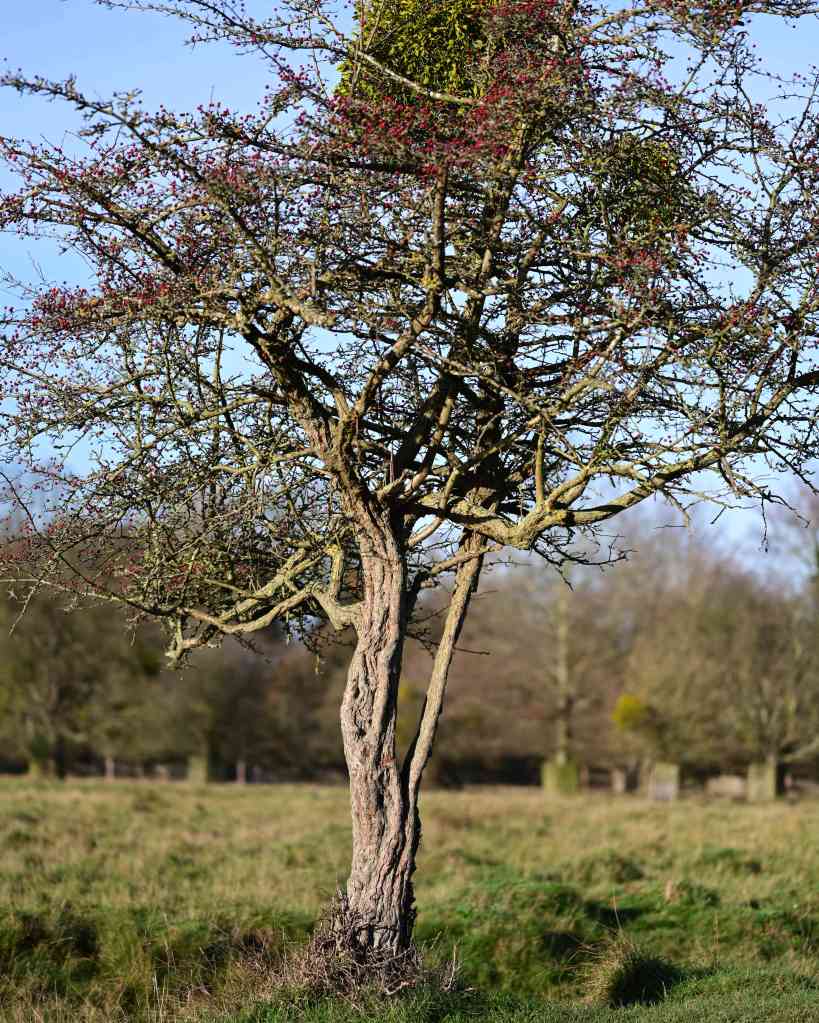
These images were thought of as too ‘literal’. Going forwards, I could experiment with this technique using different subjects.
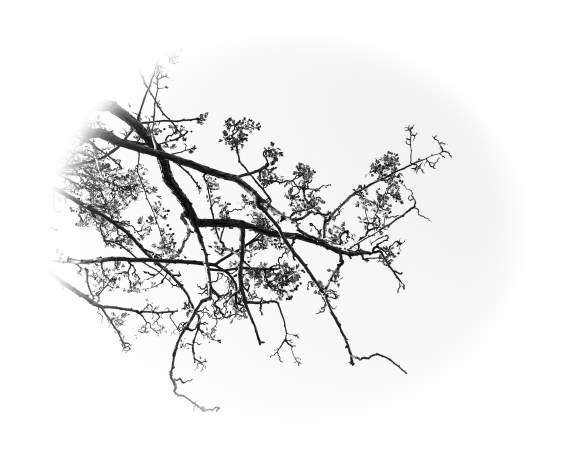
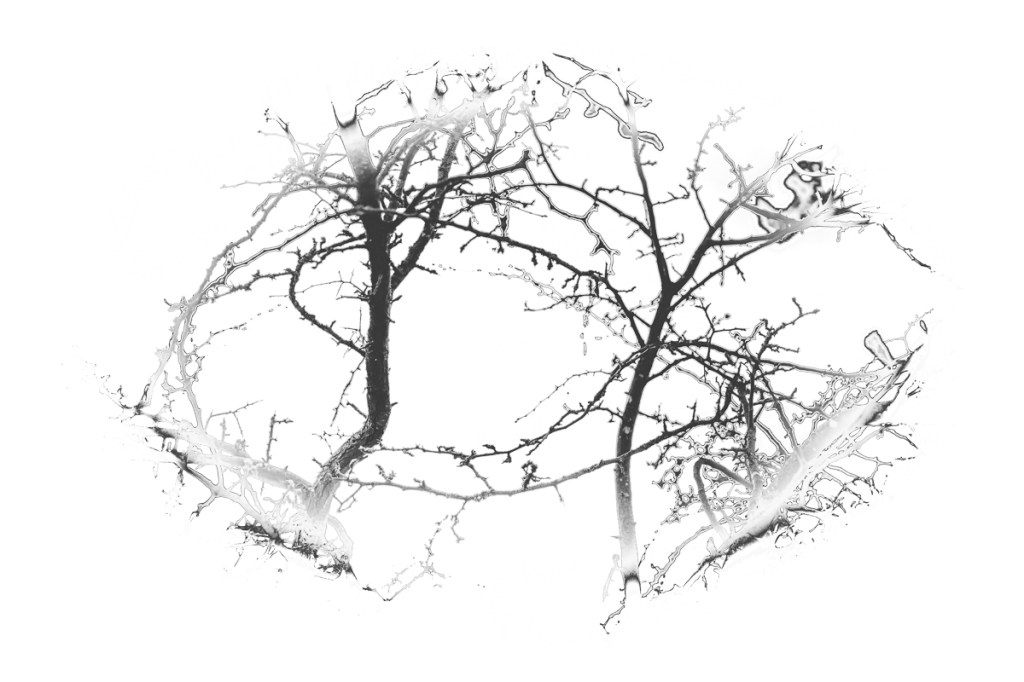
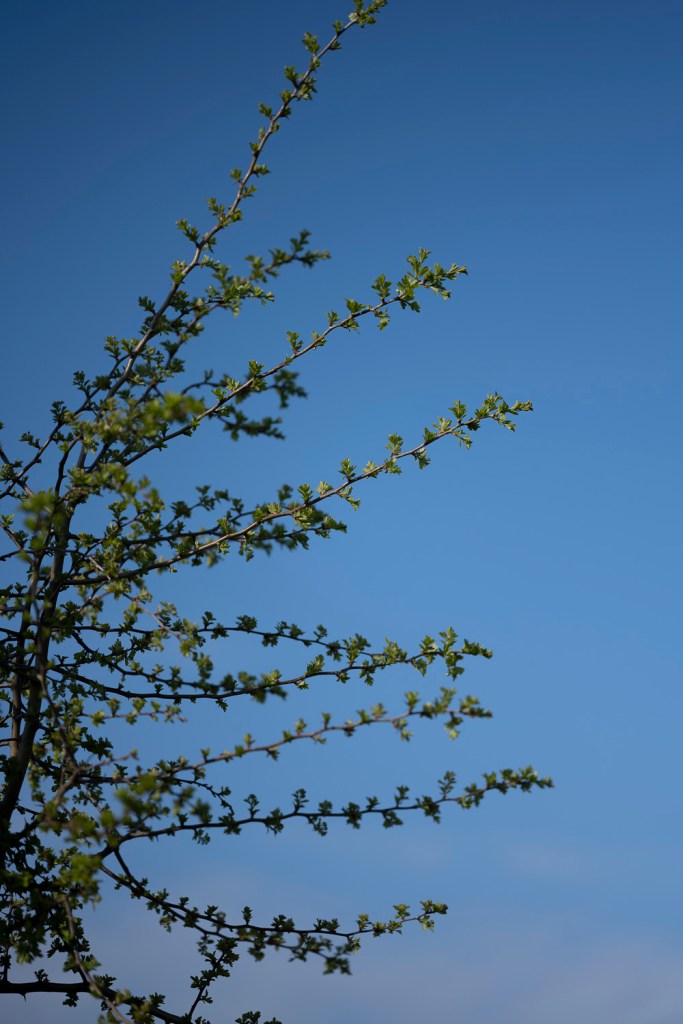
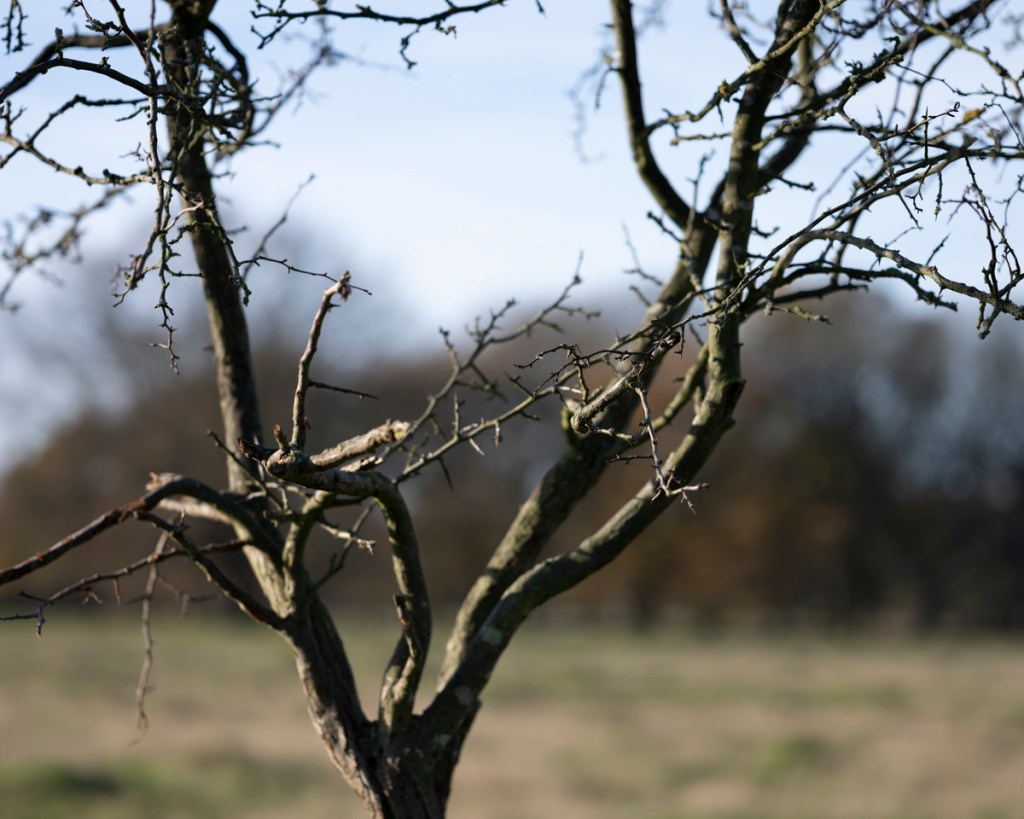
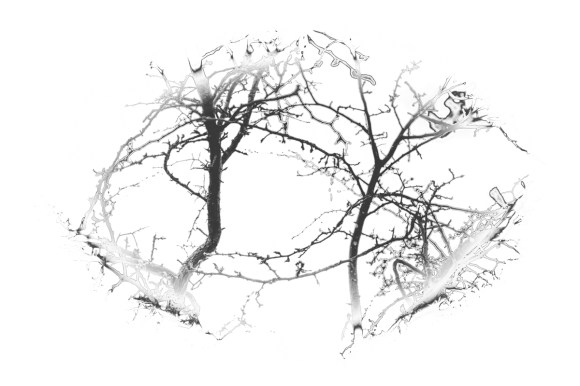
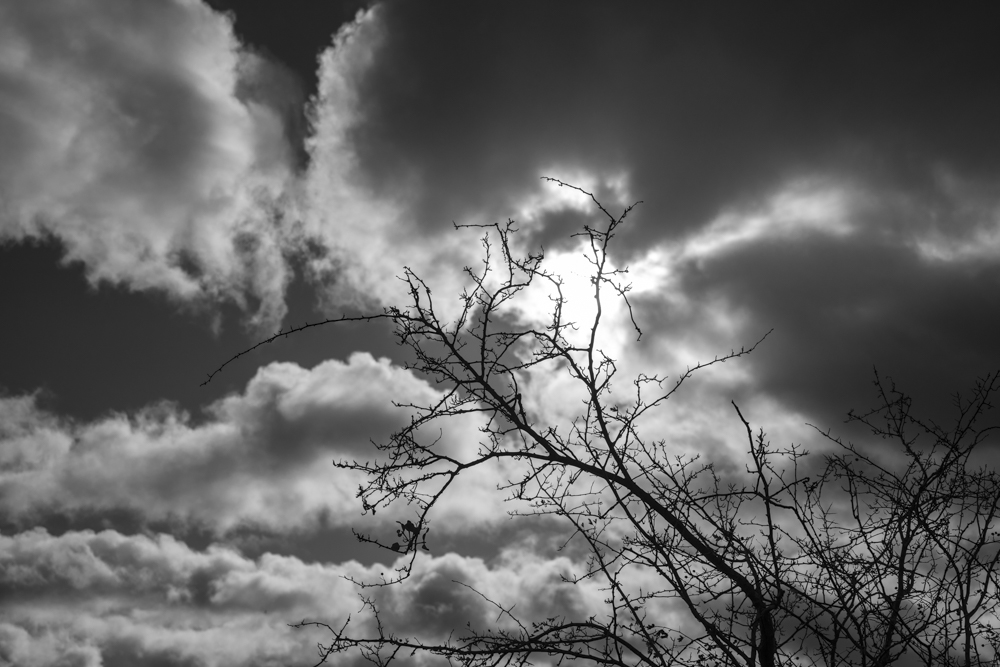
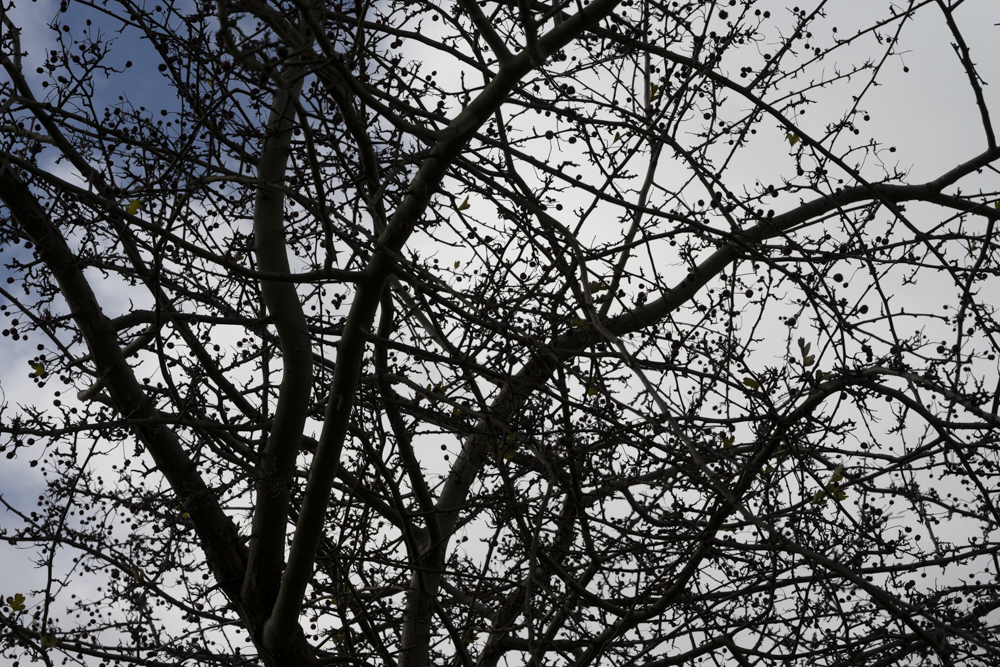
This image was also deemed to have too much detail. However, I liked the comment from two of my classmates as to how it looked like nerve pathways and streaks of lightening. My own opinion on this piece, is that it would need to be printed on large scale to ‘open up’ the spaces between.
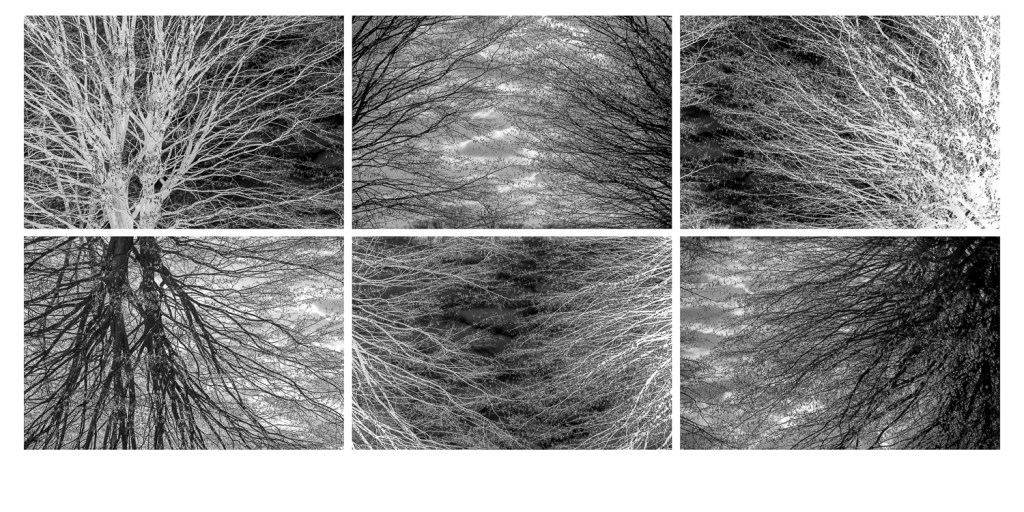
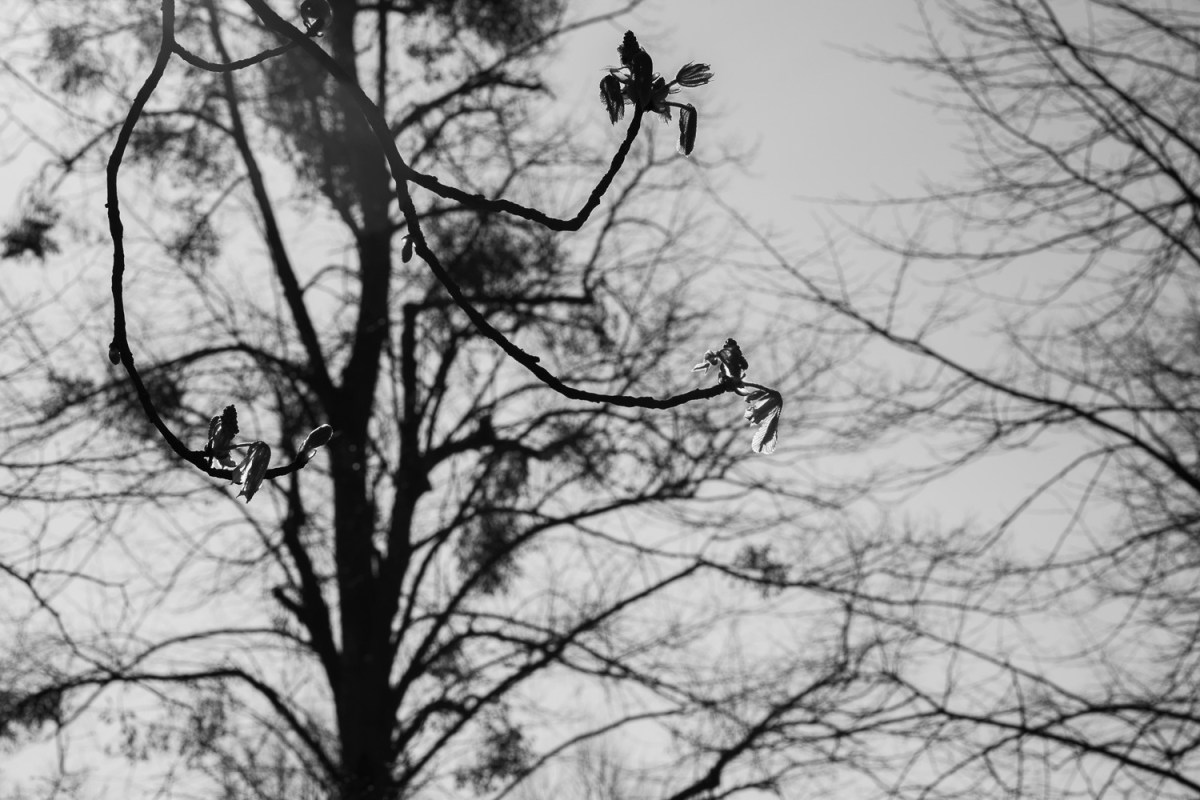
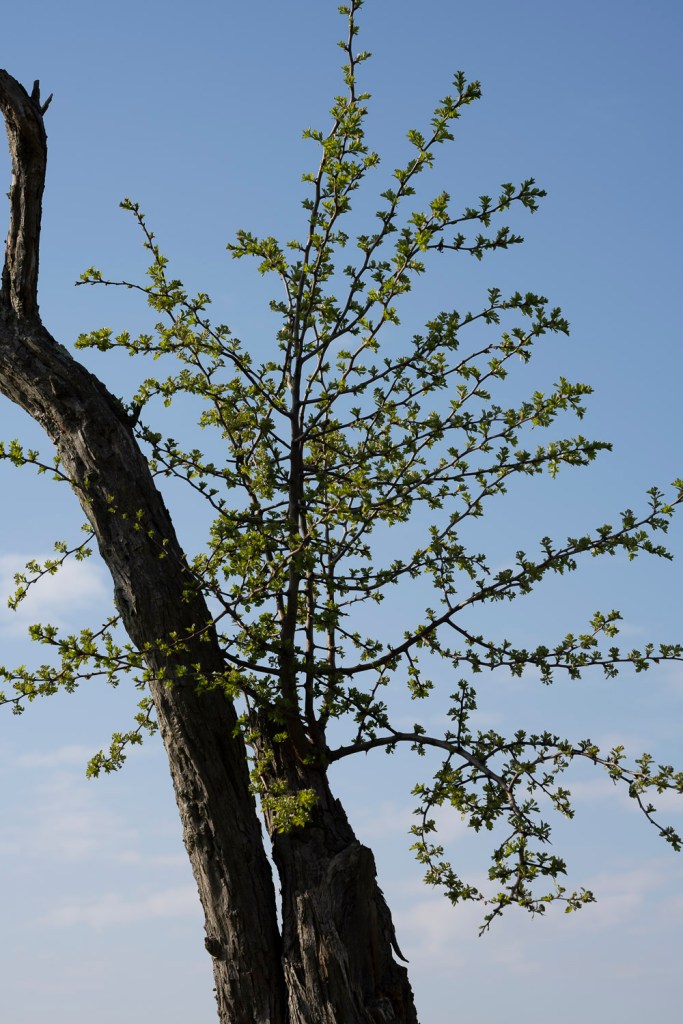
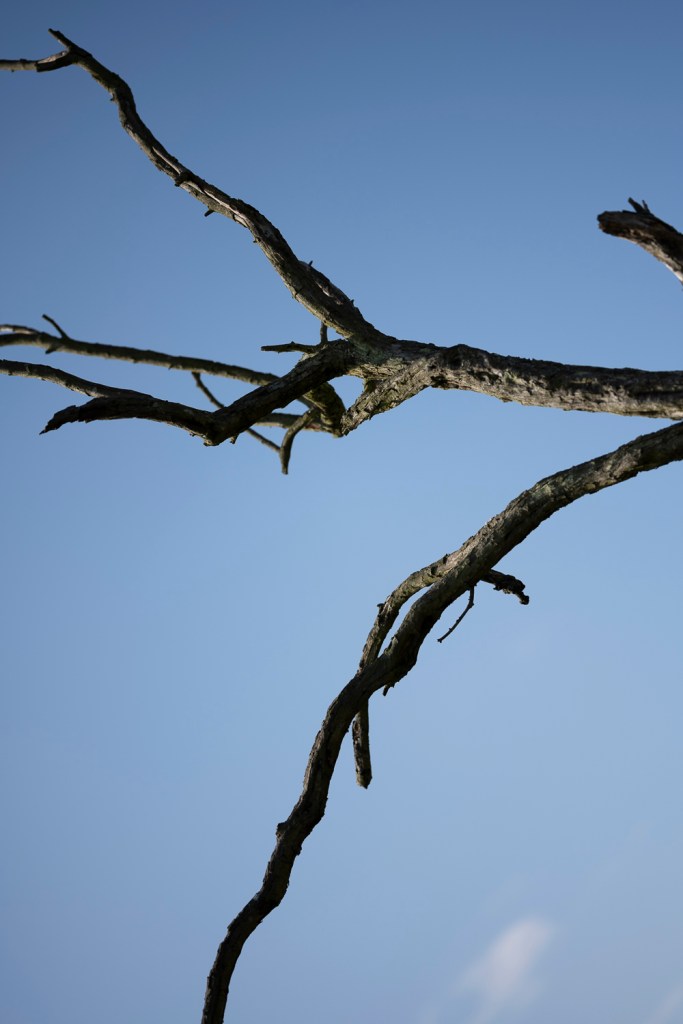
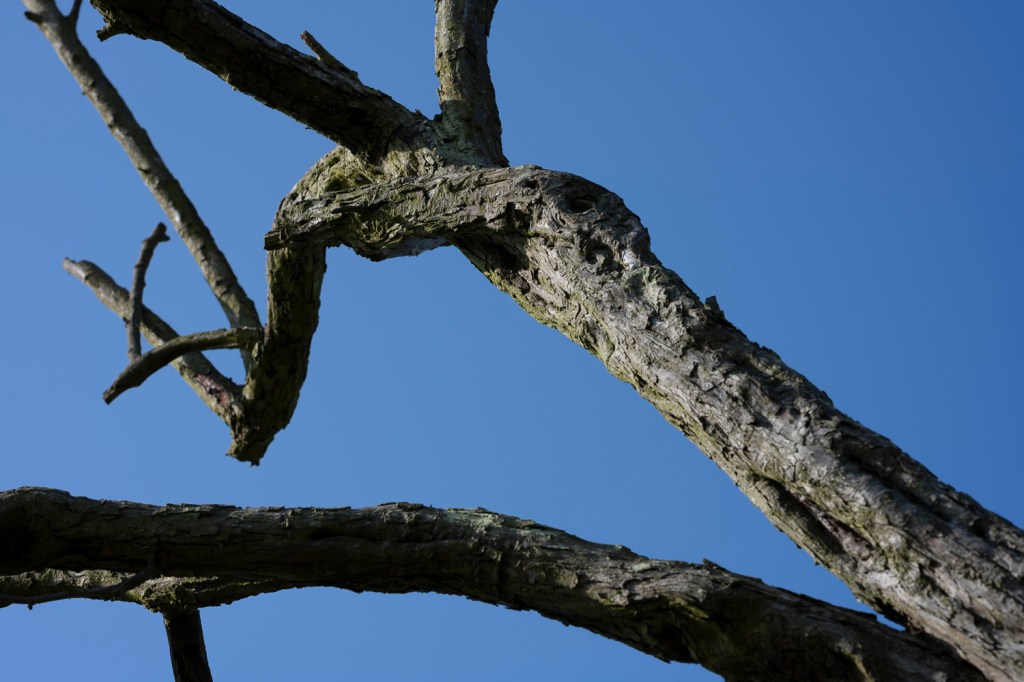
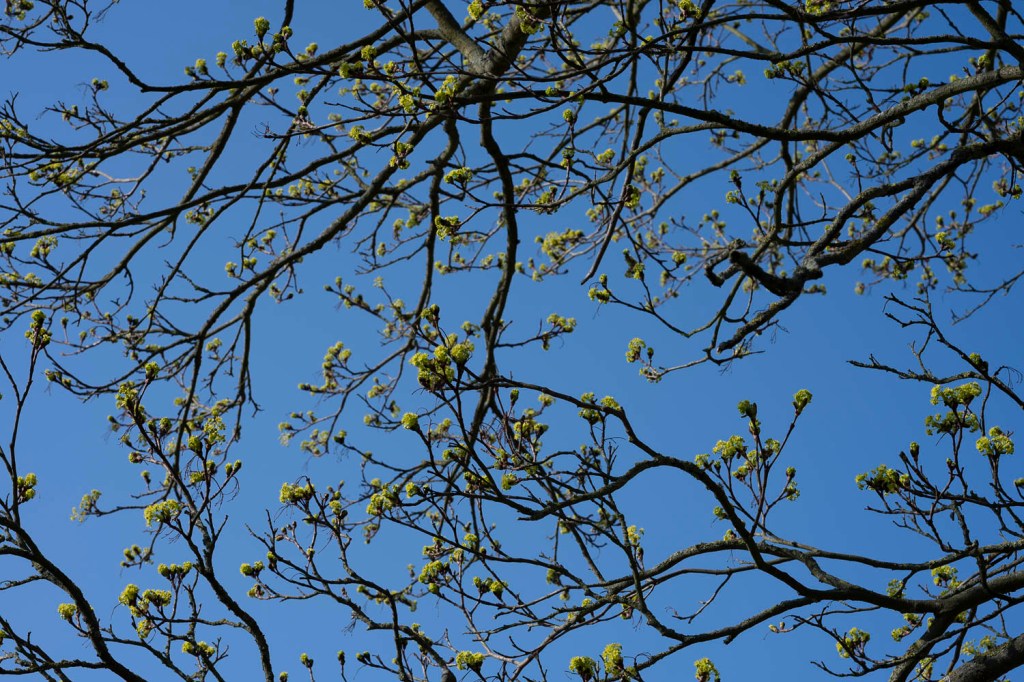
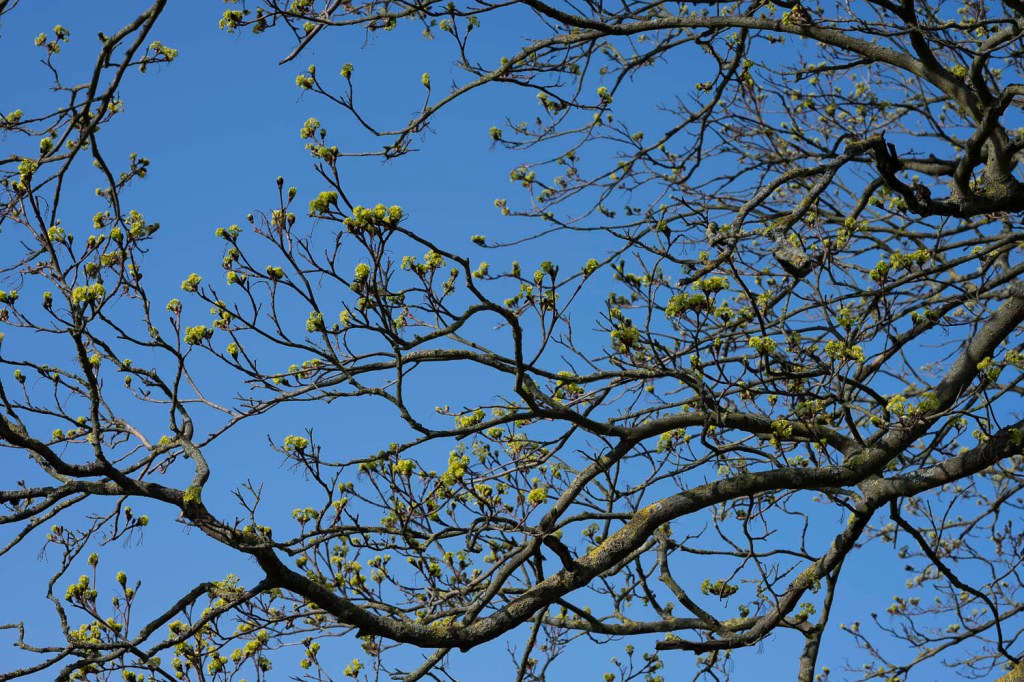
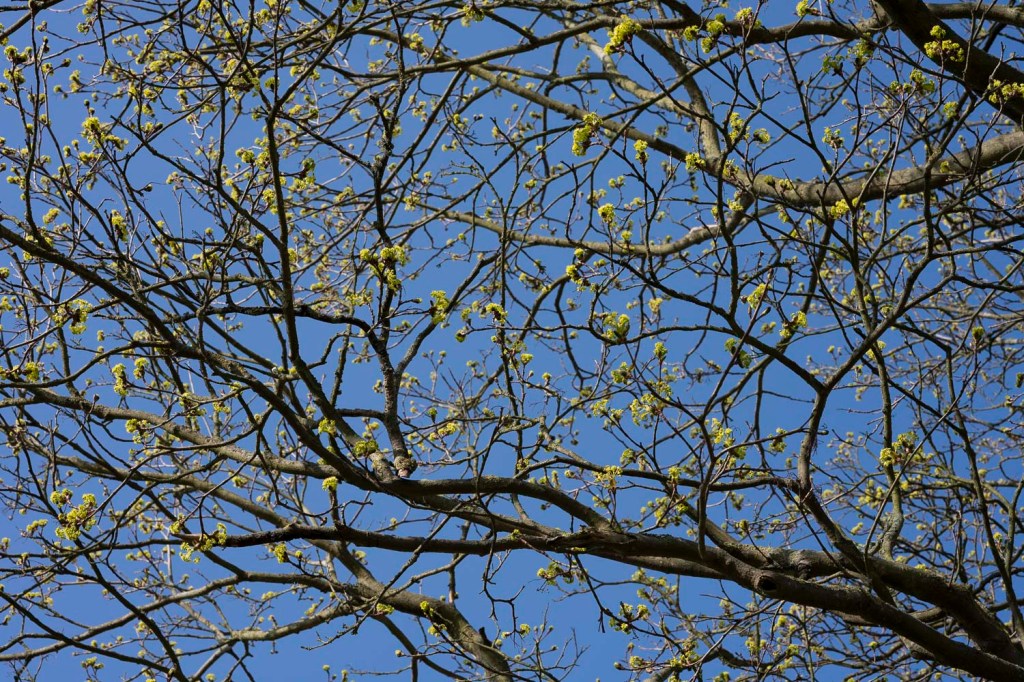
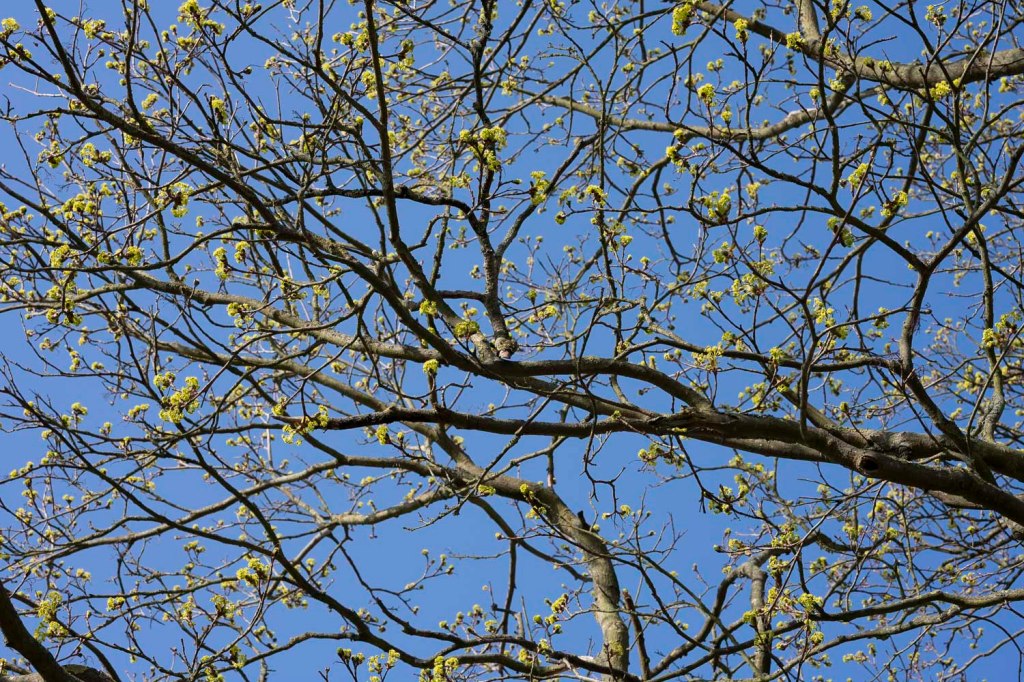
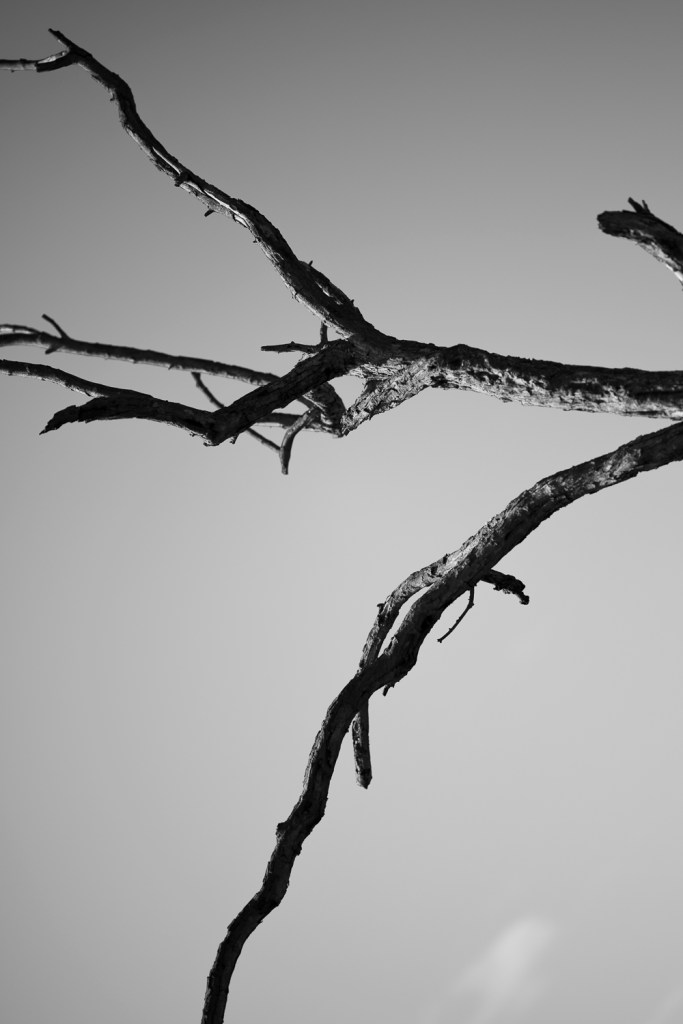
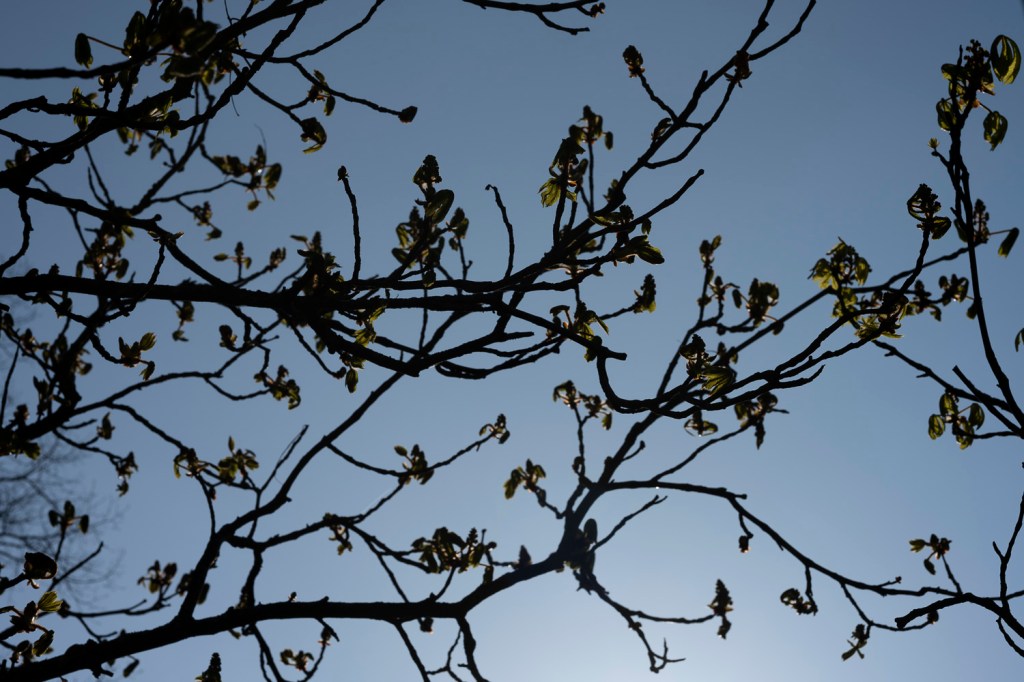
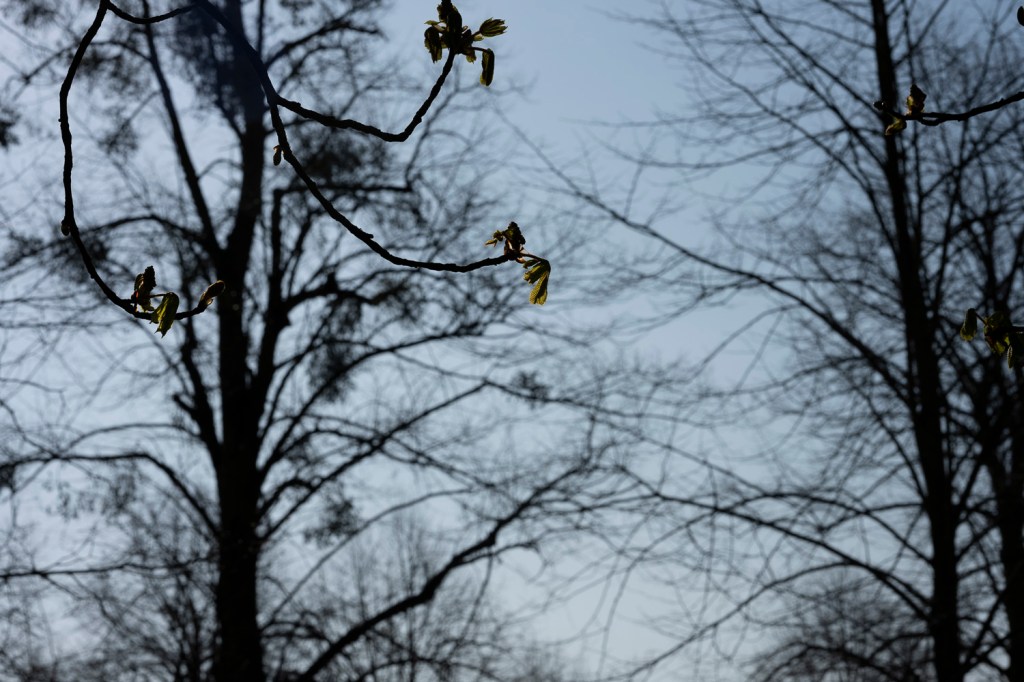
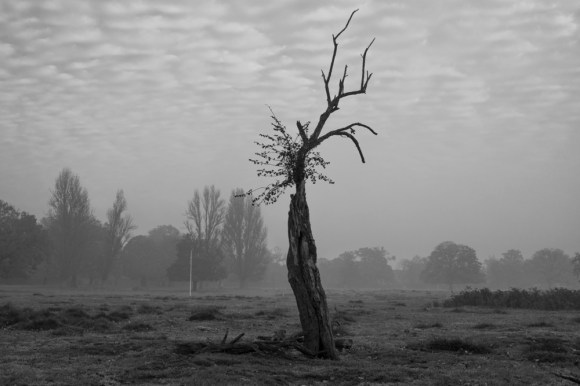
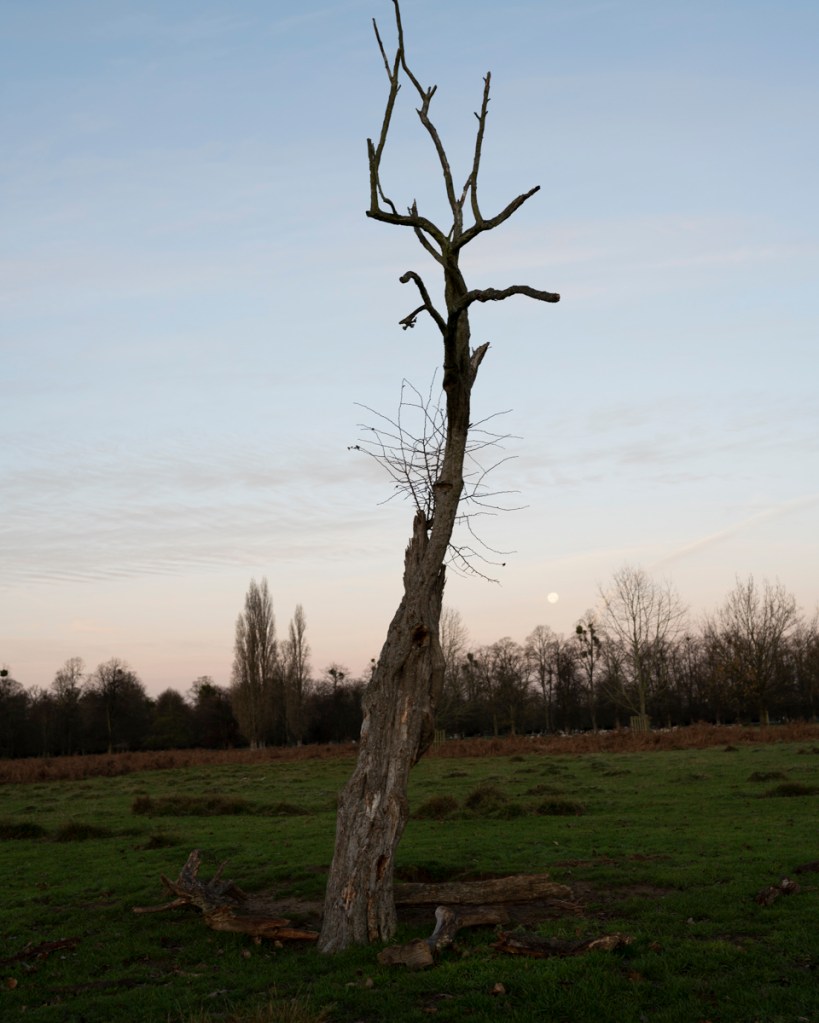
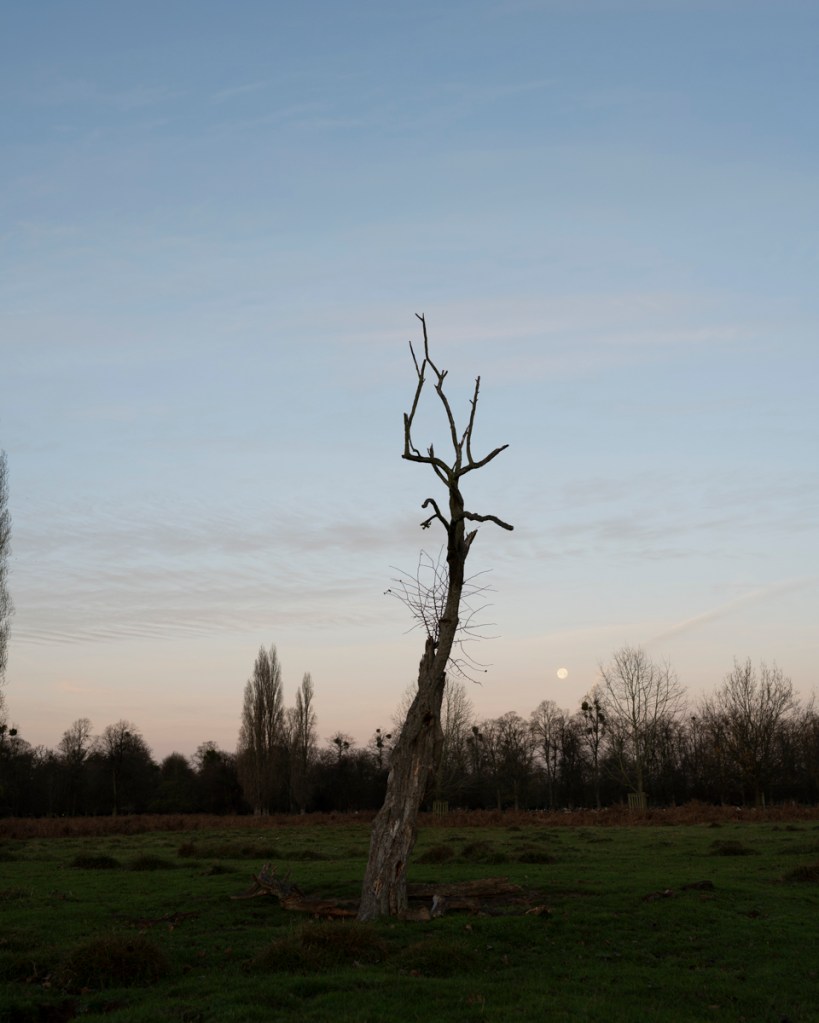
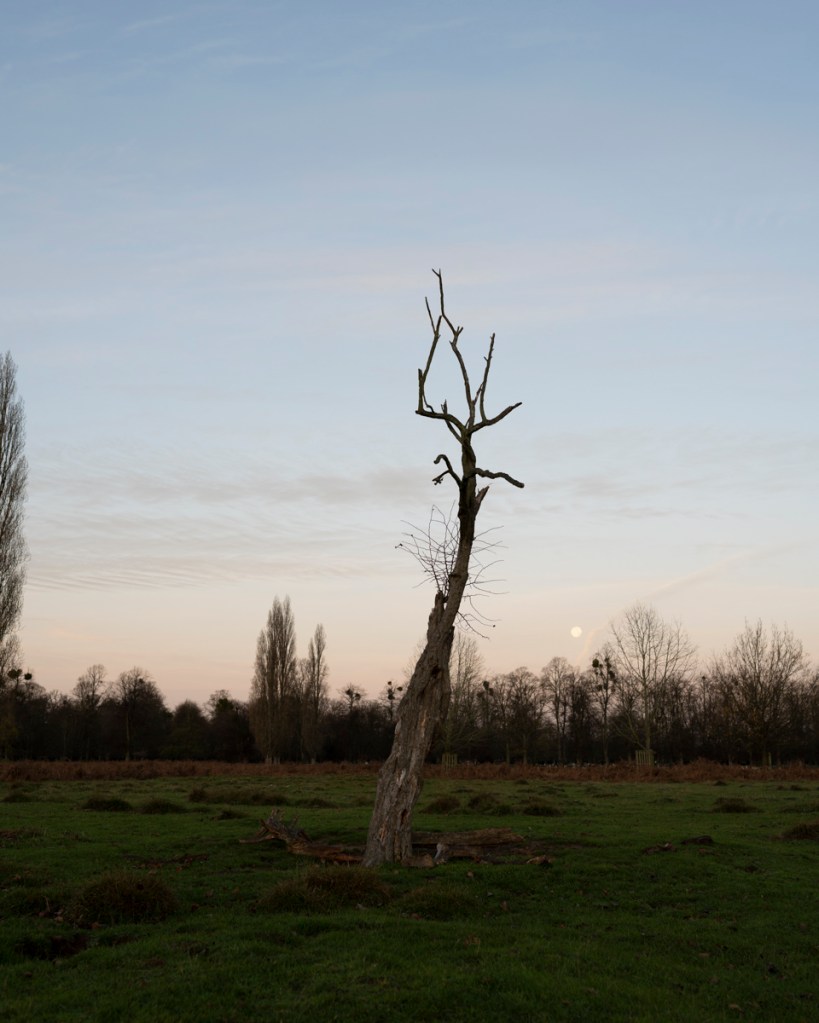
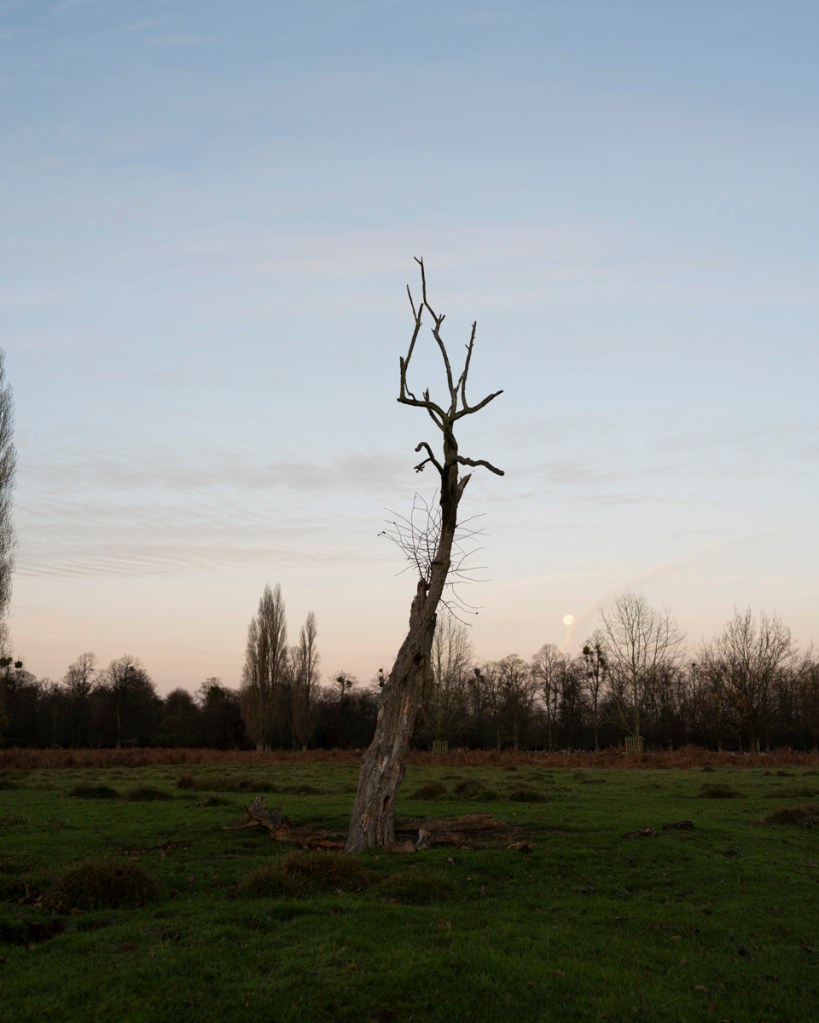
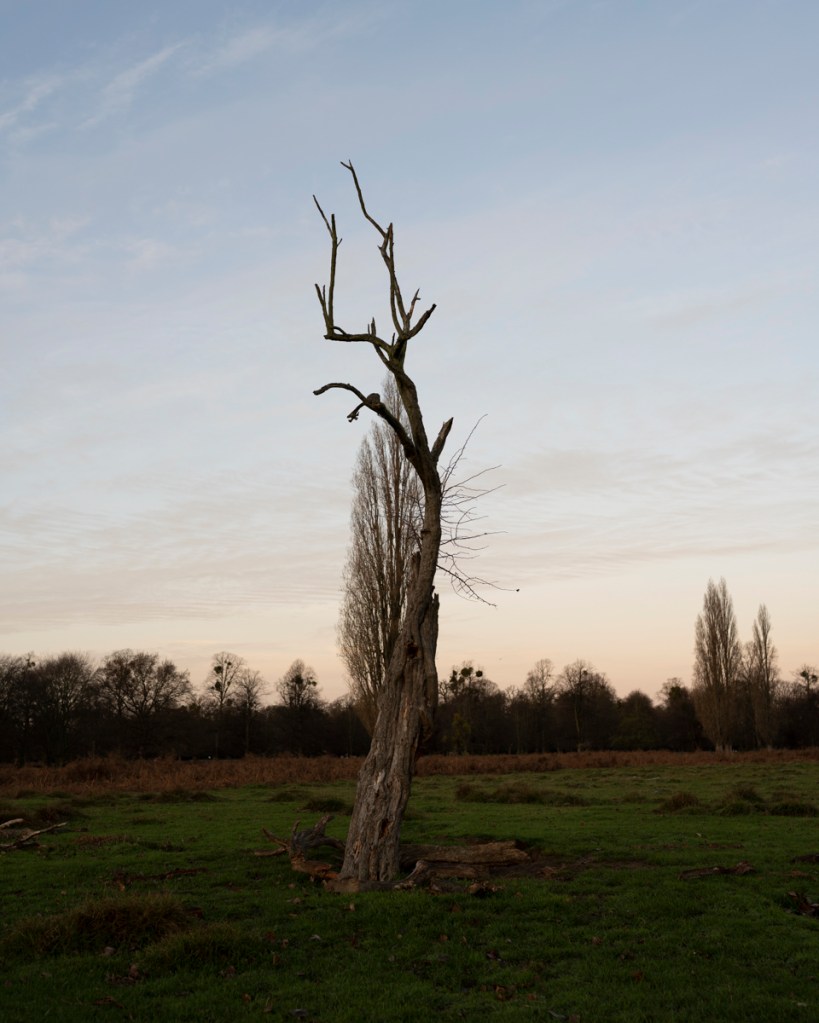
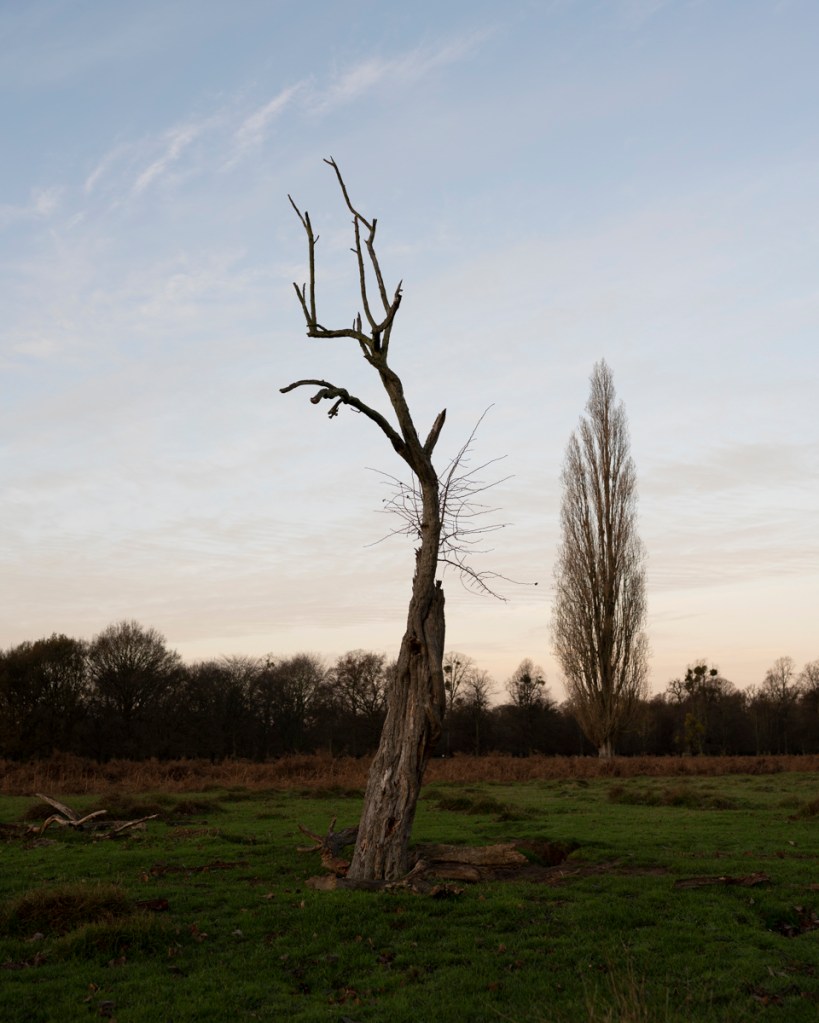
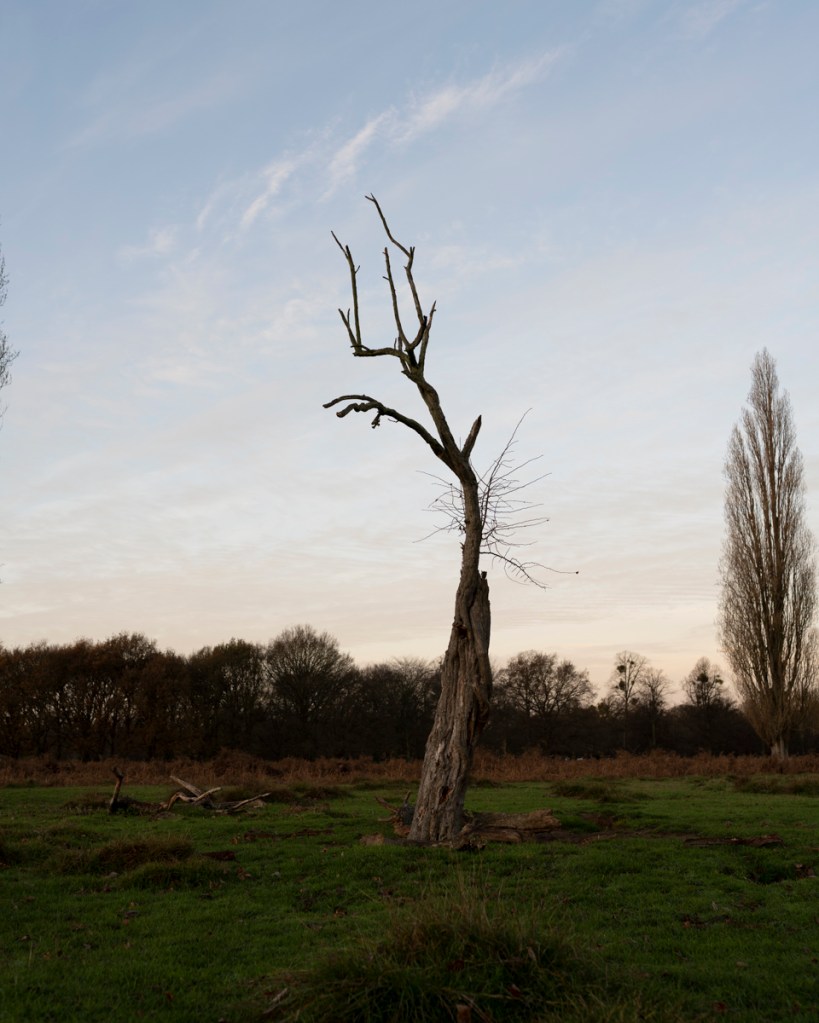
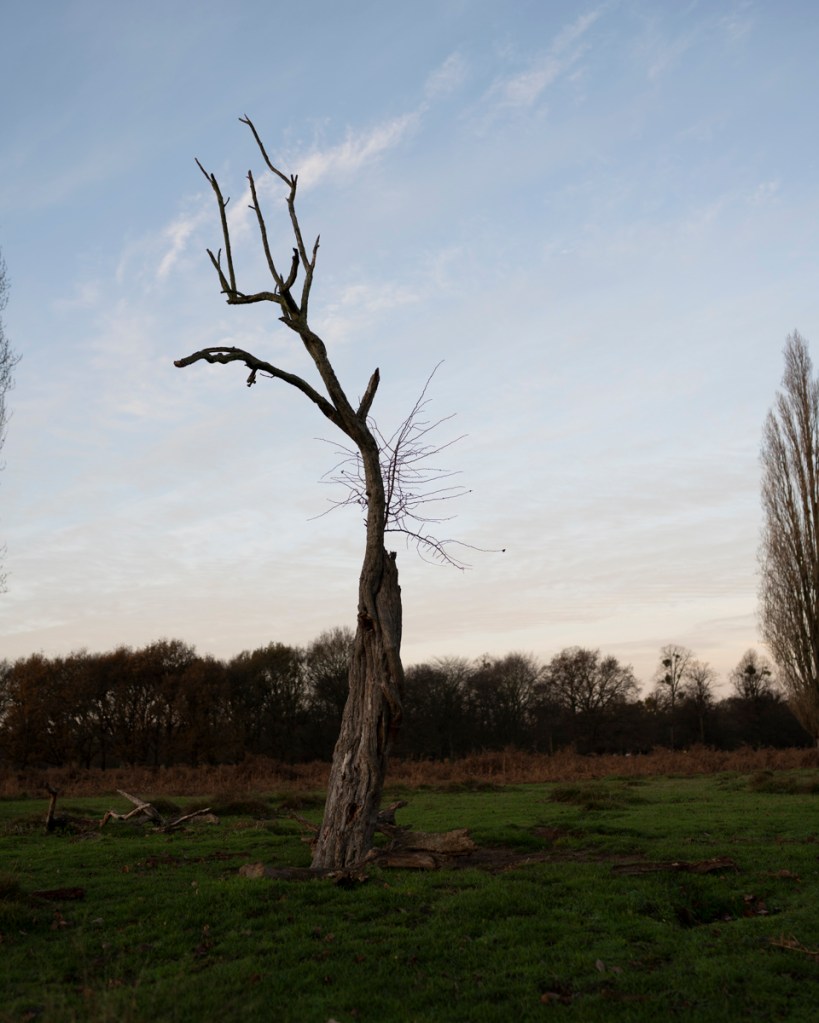
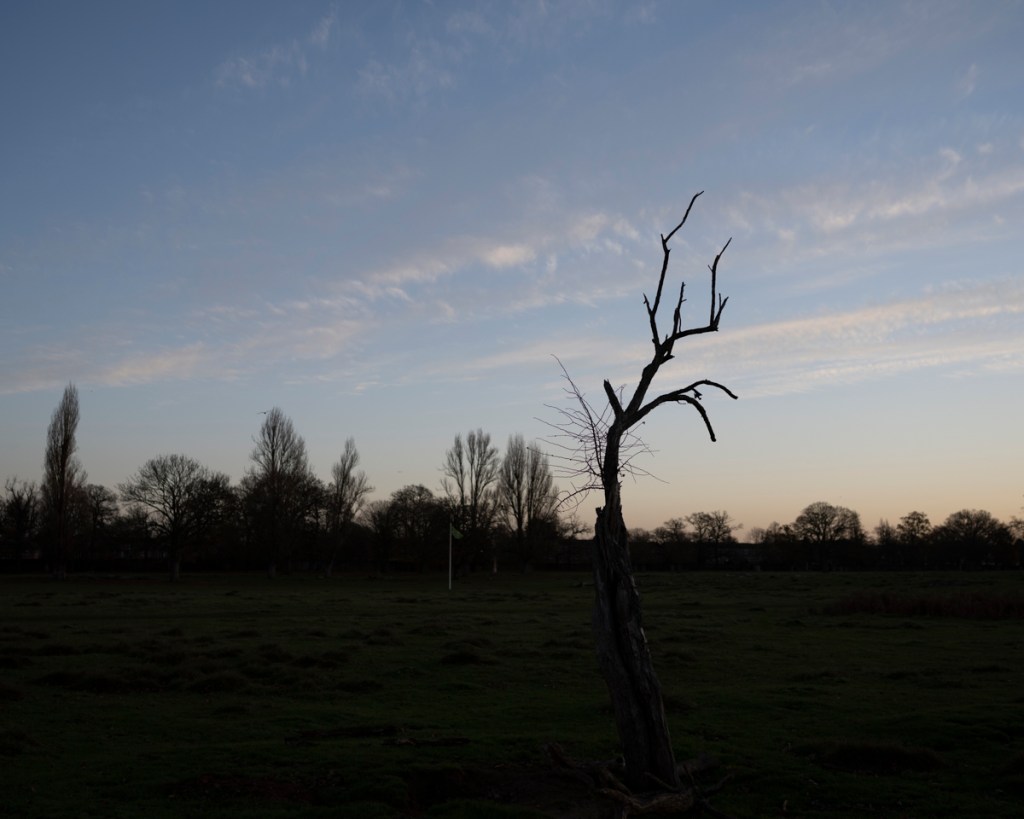
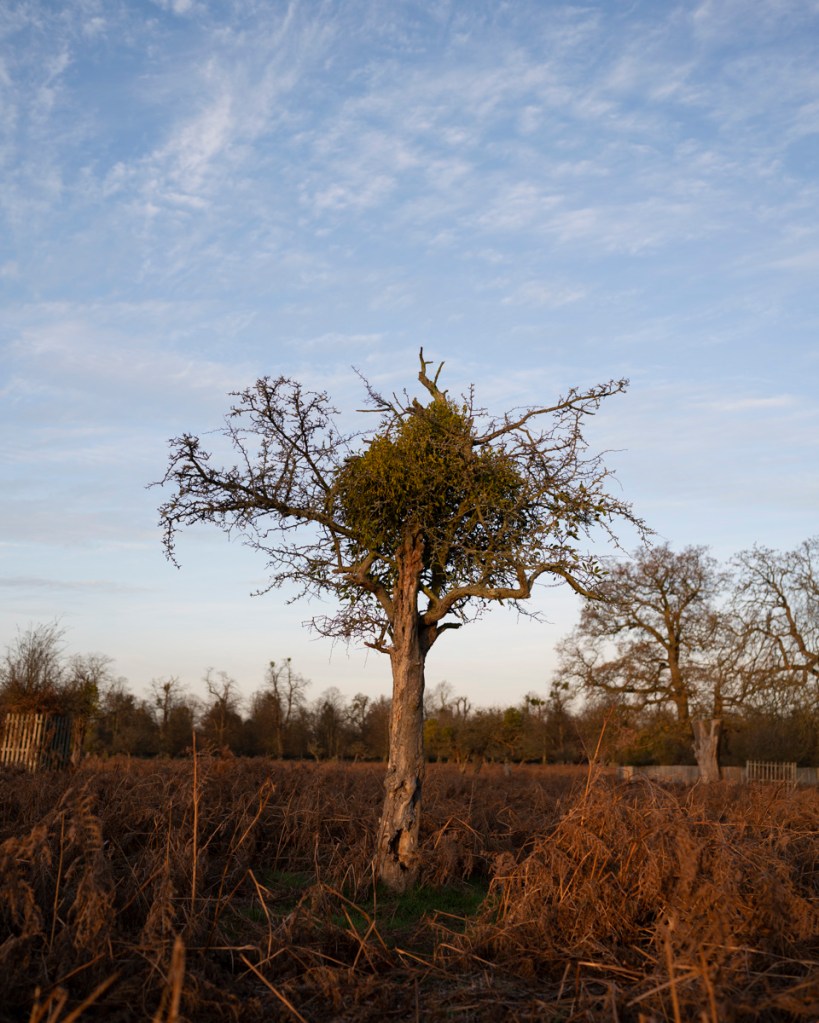
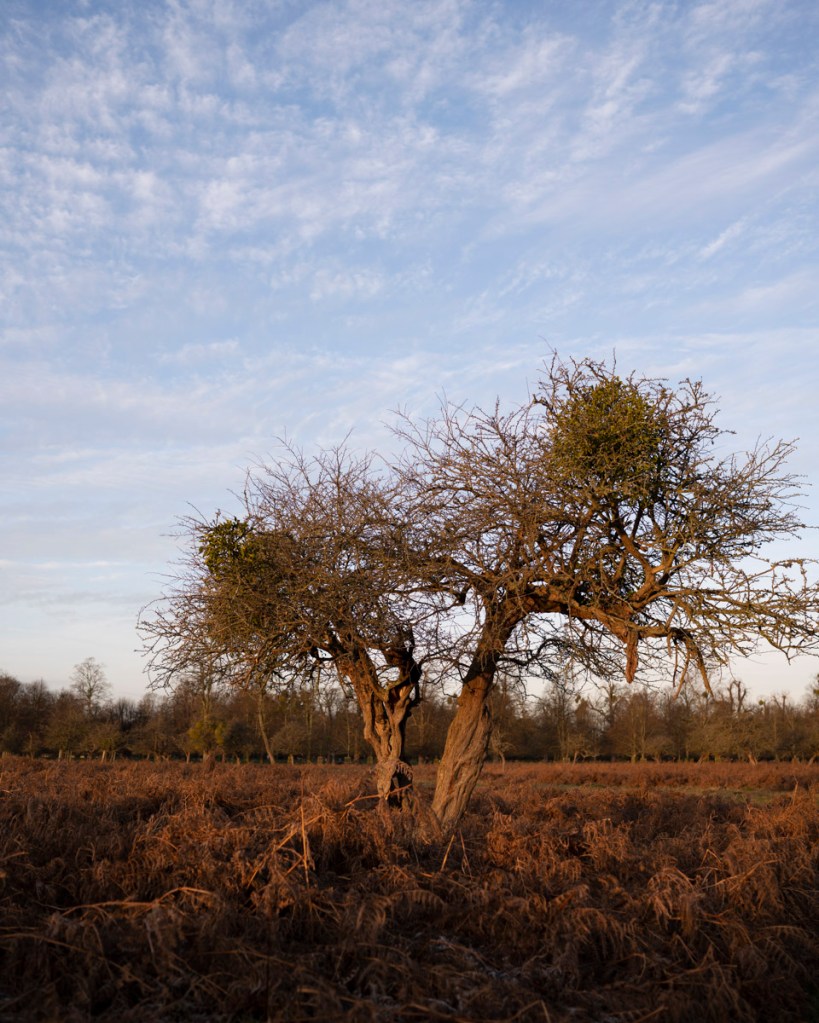
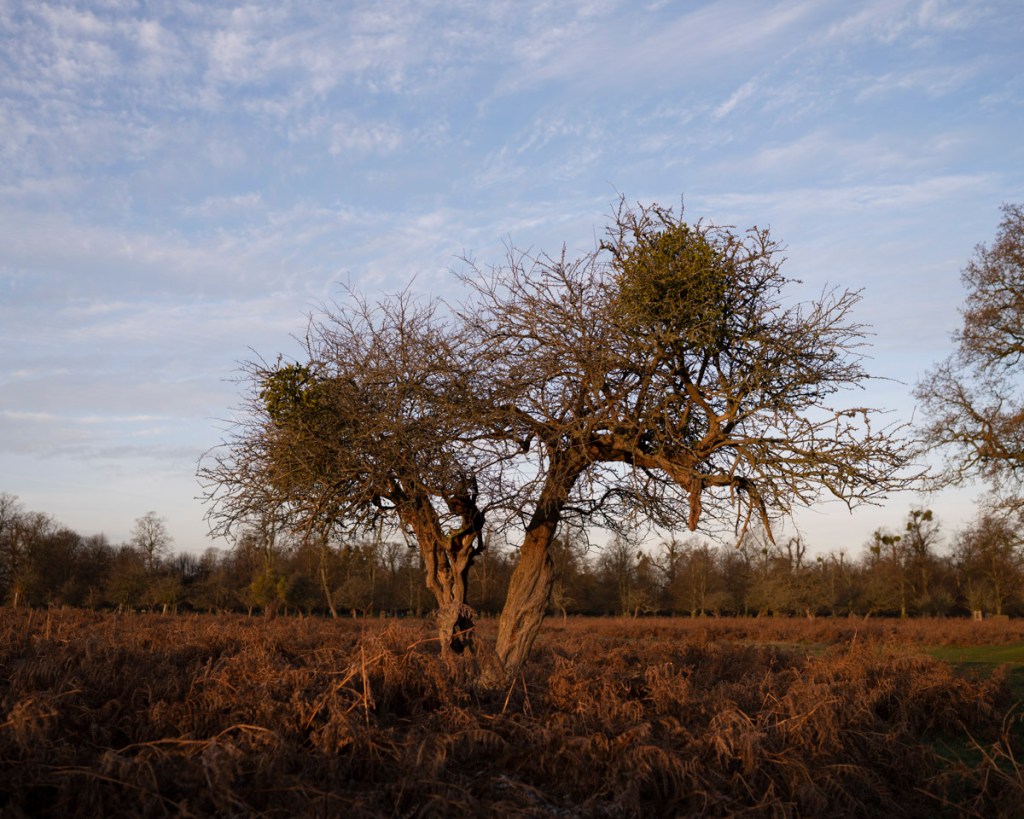
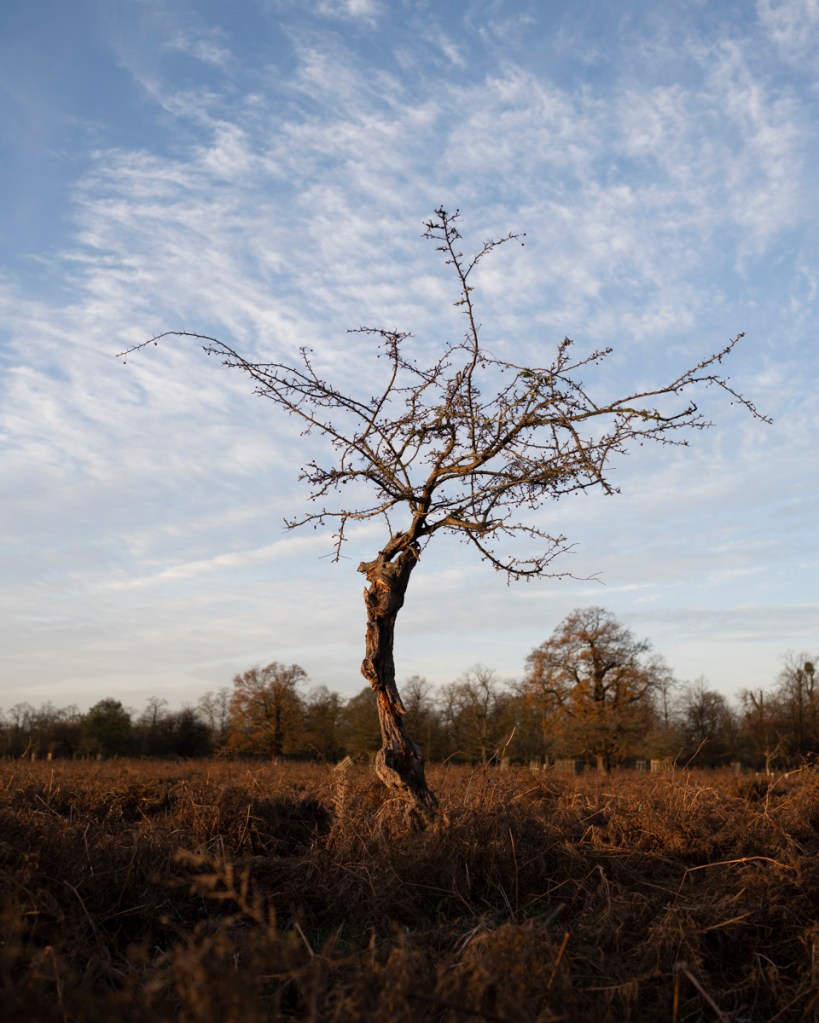
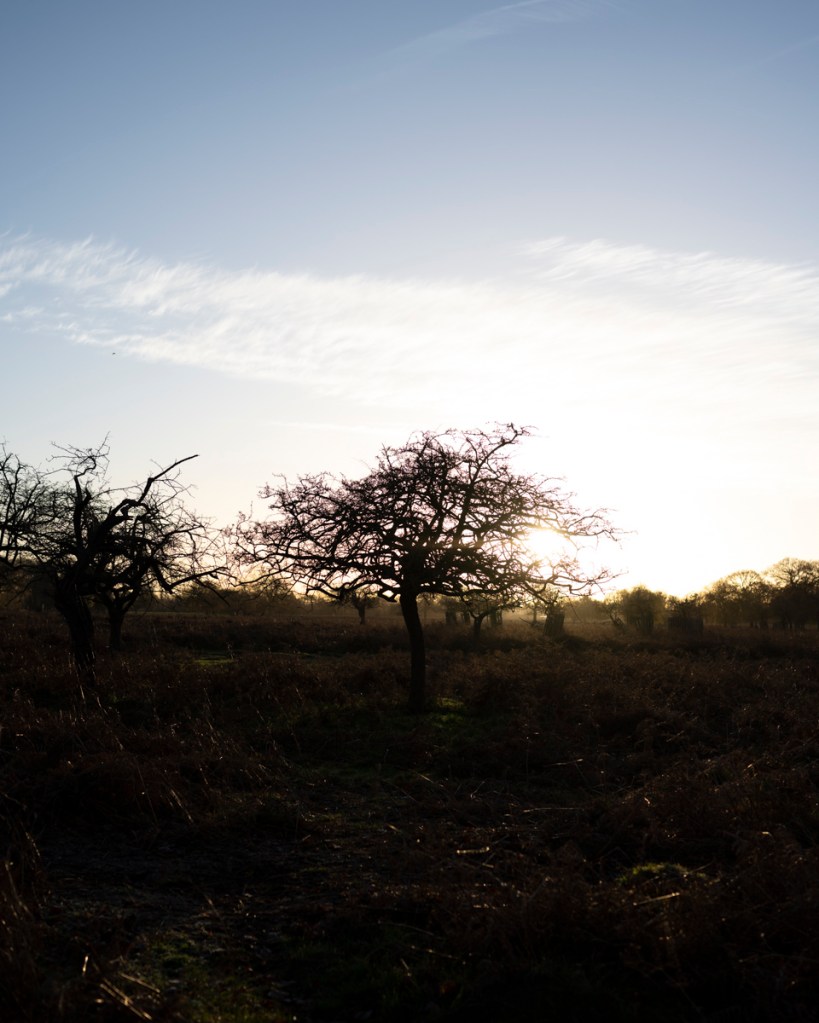
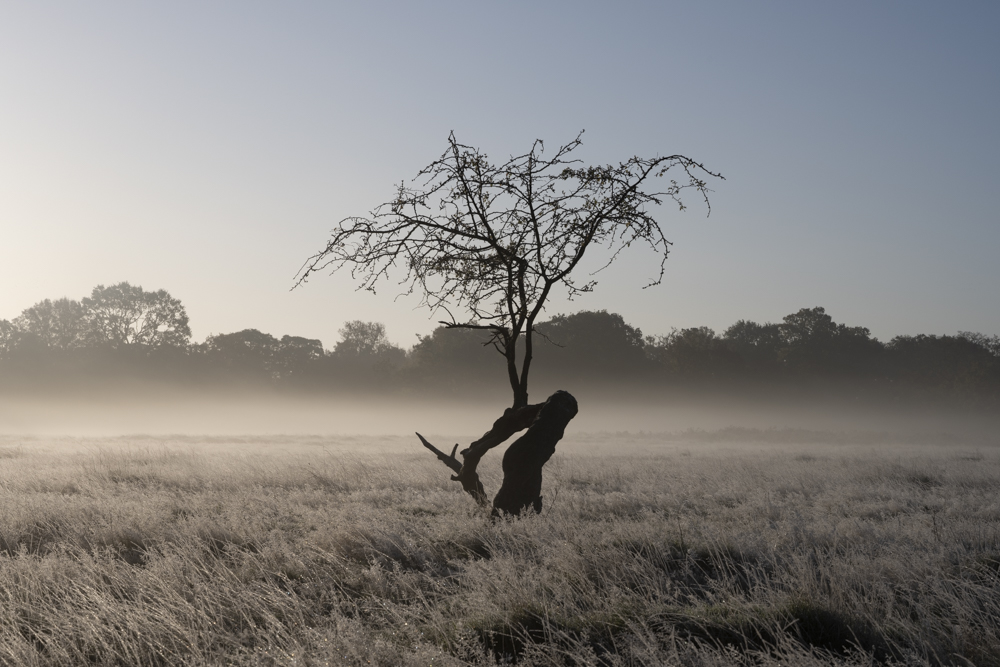
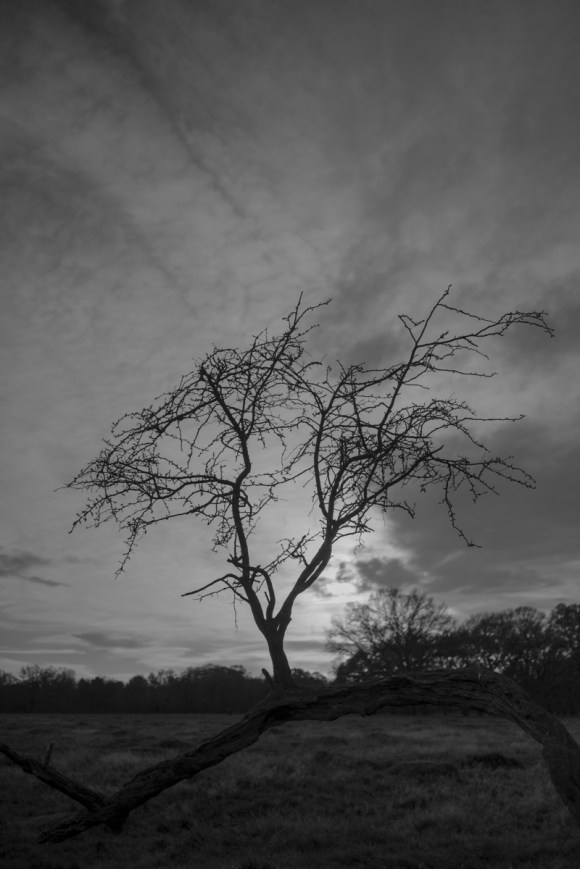
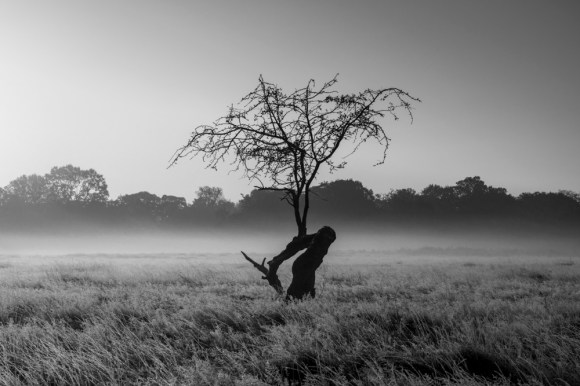
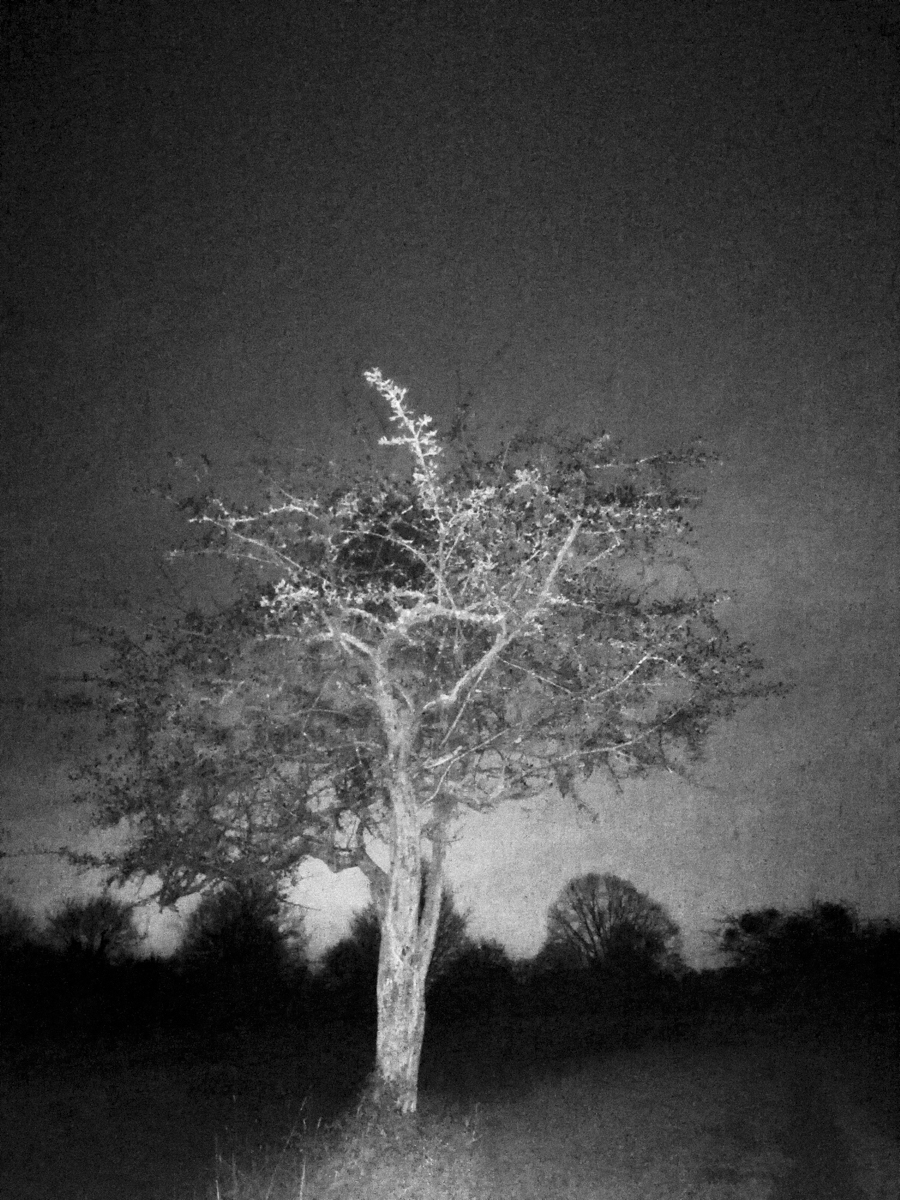
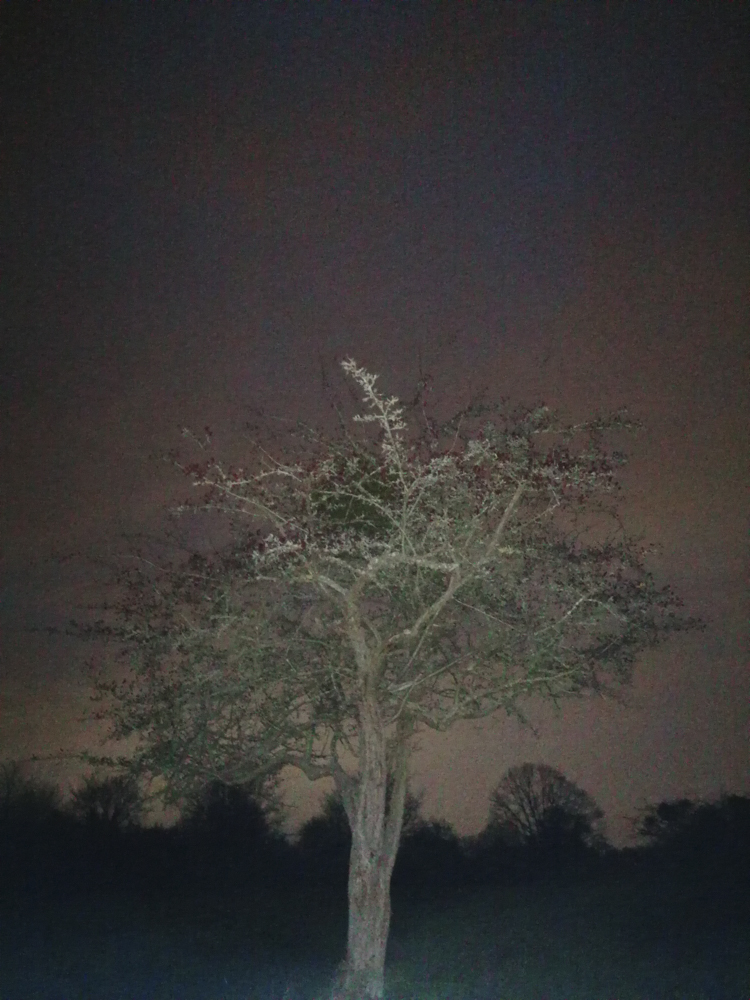
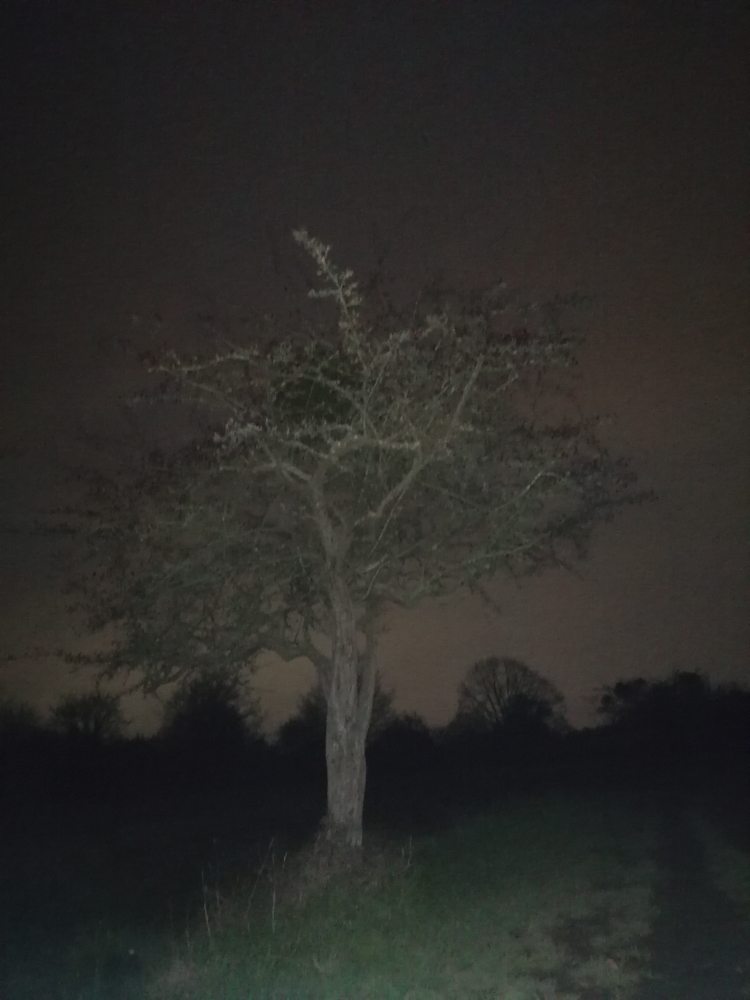
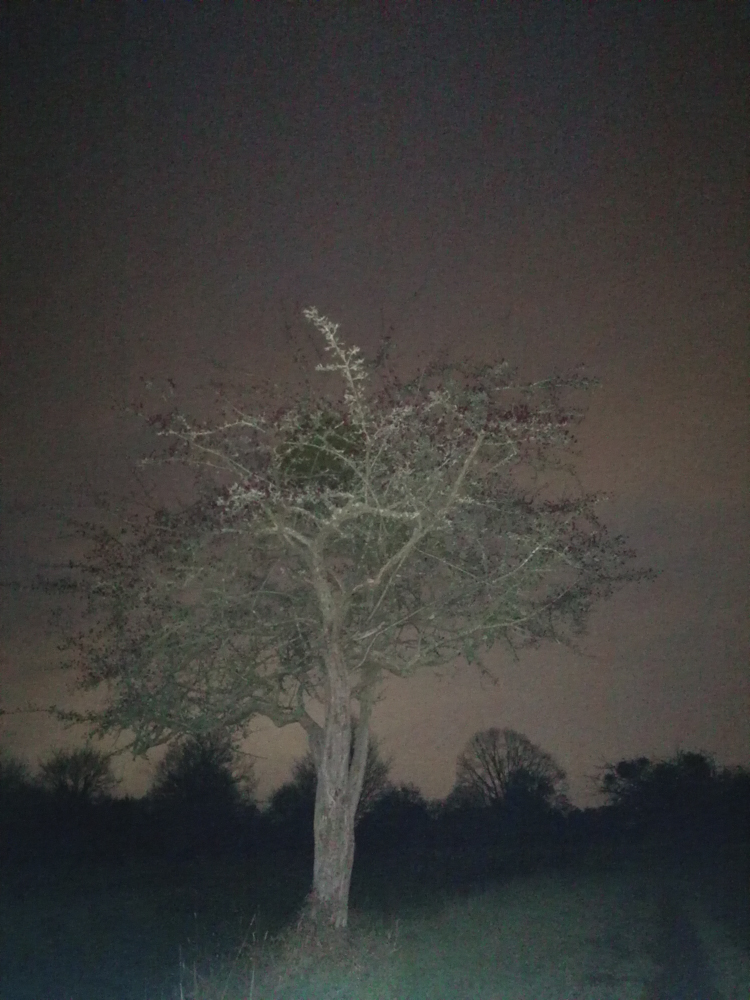
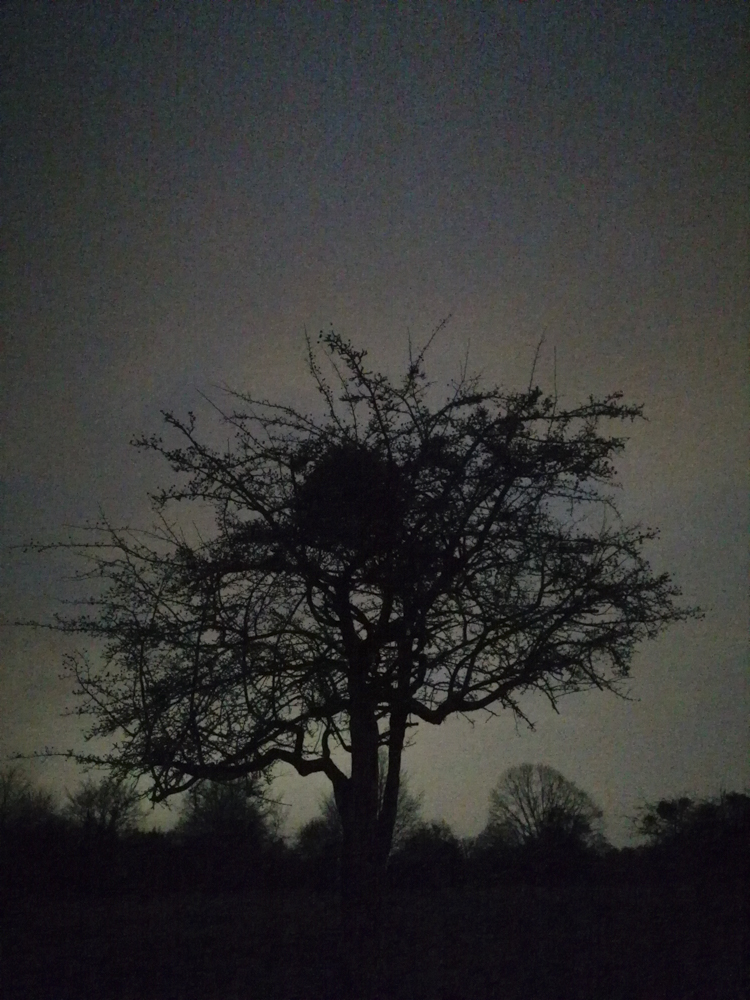
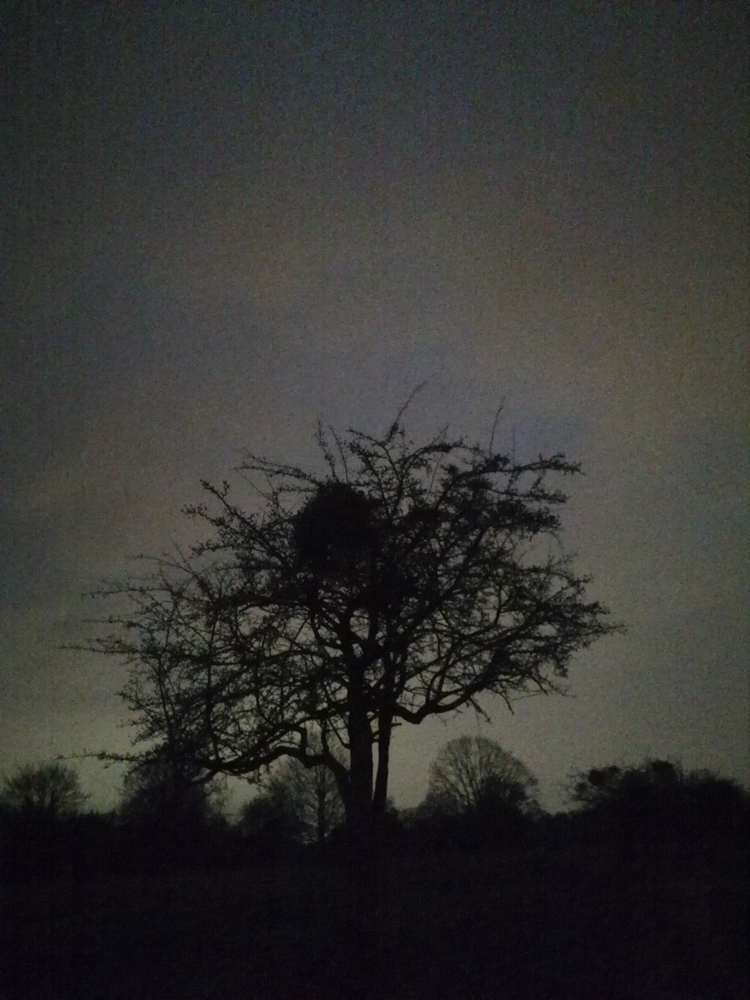
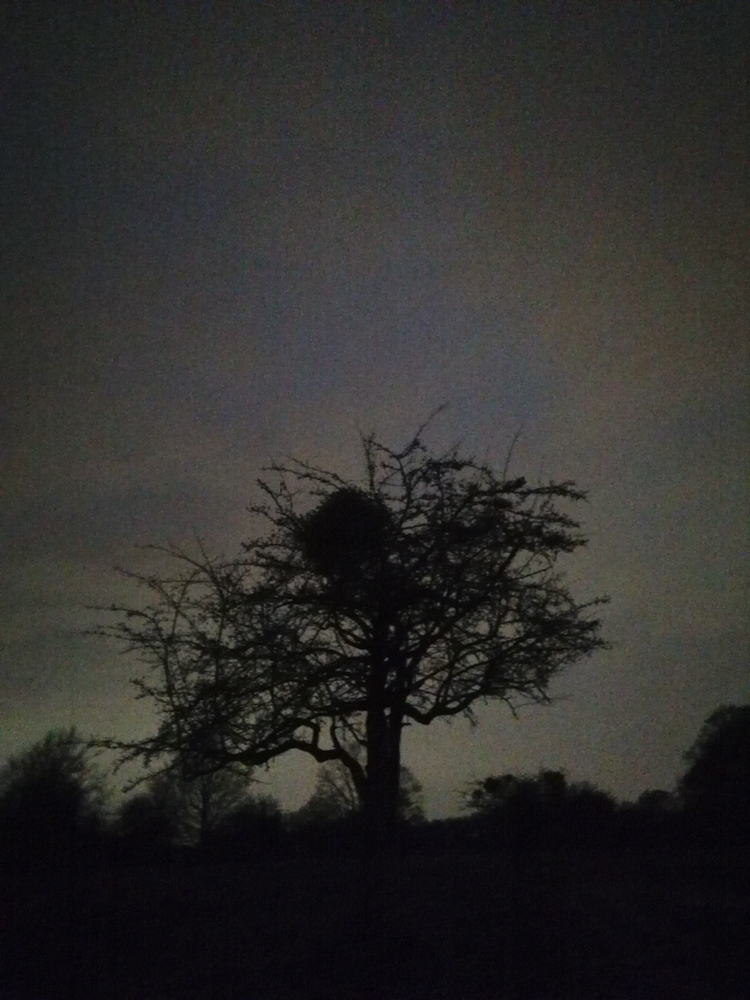
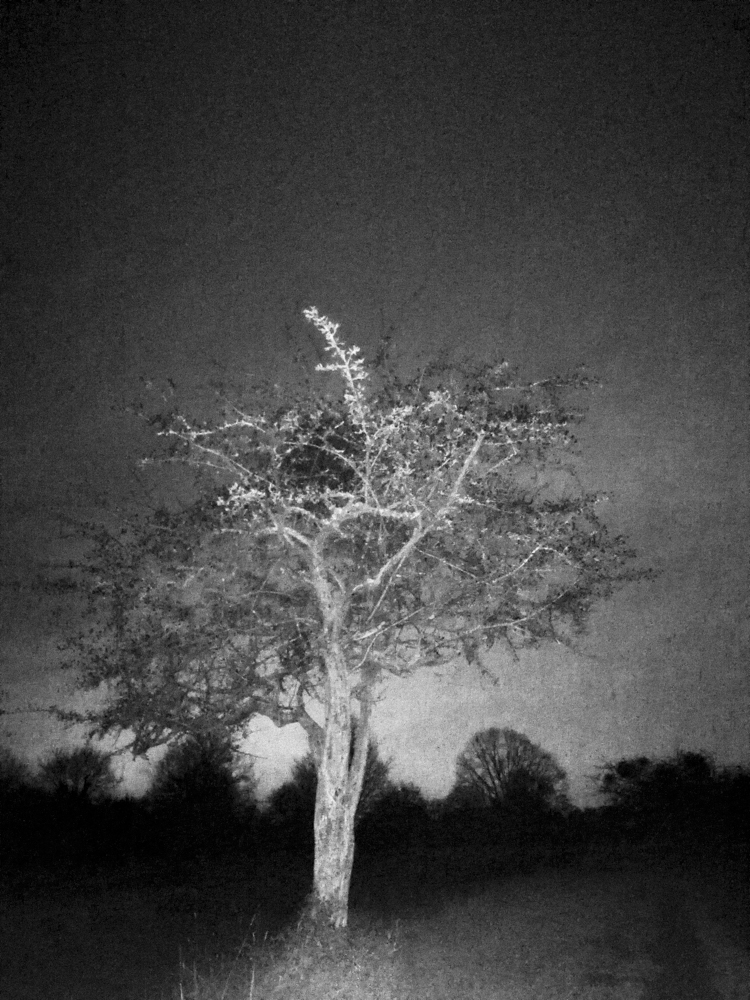
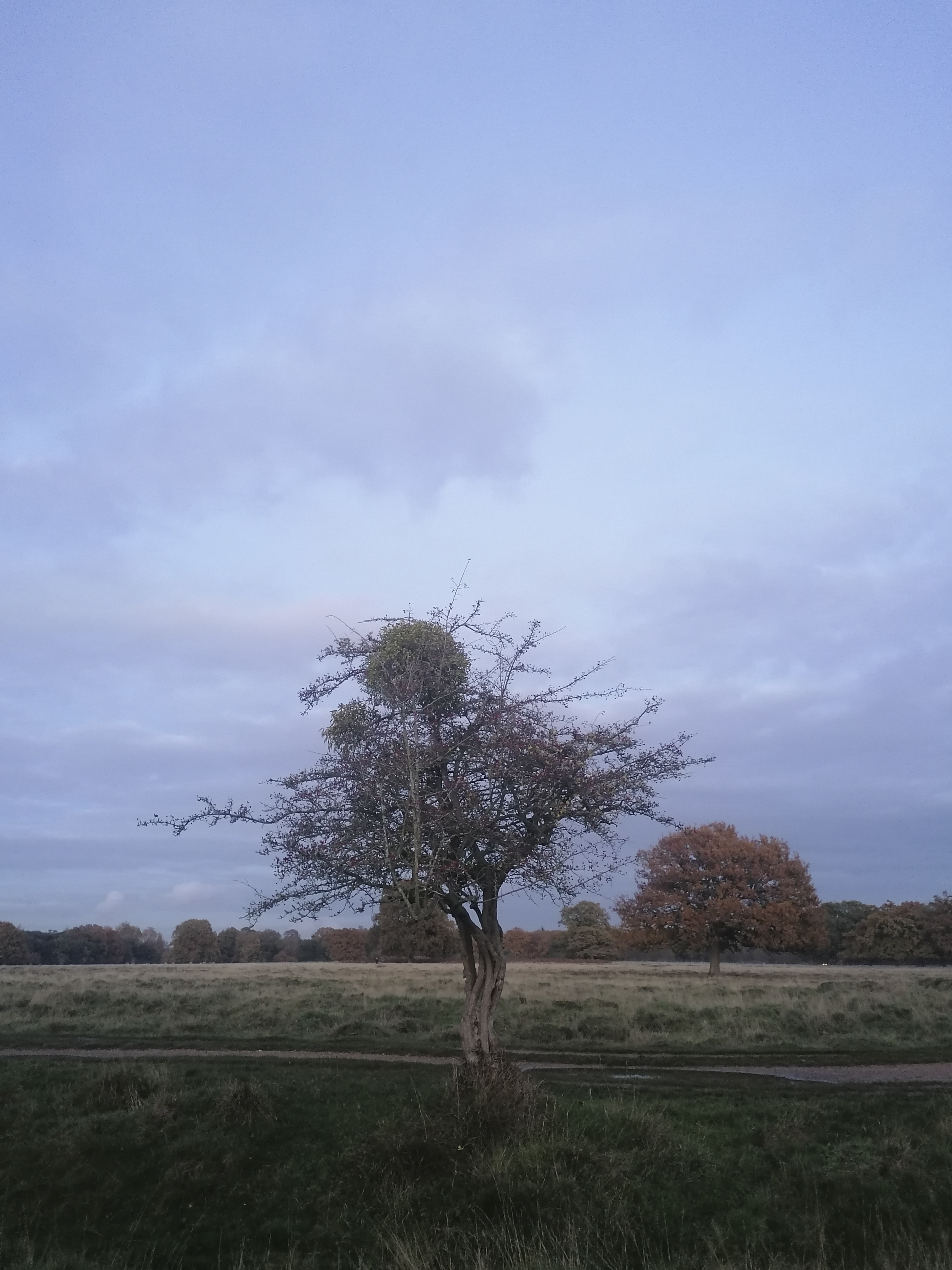
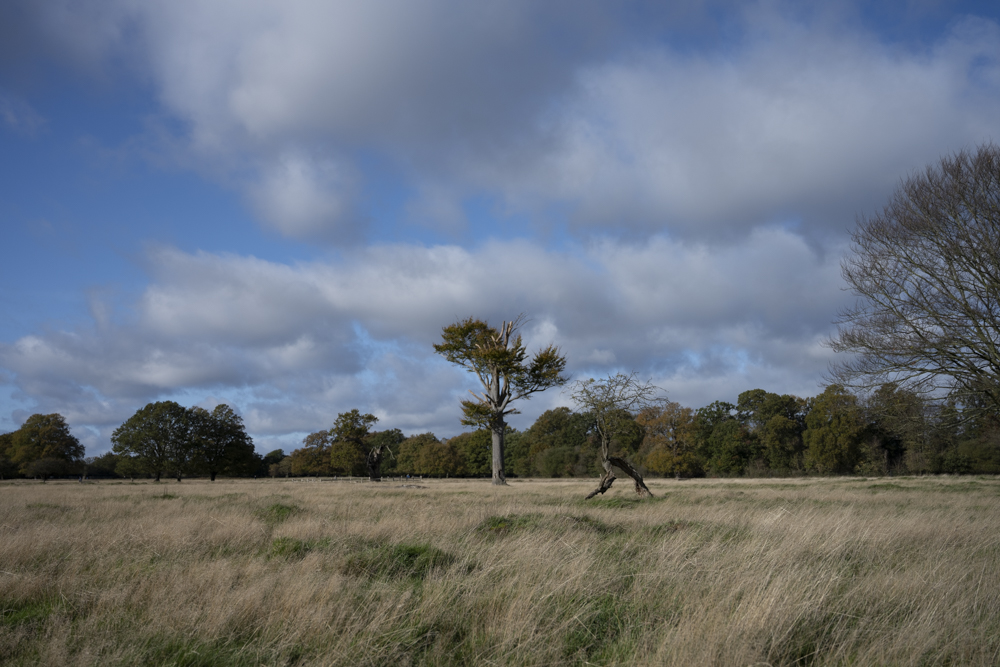
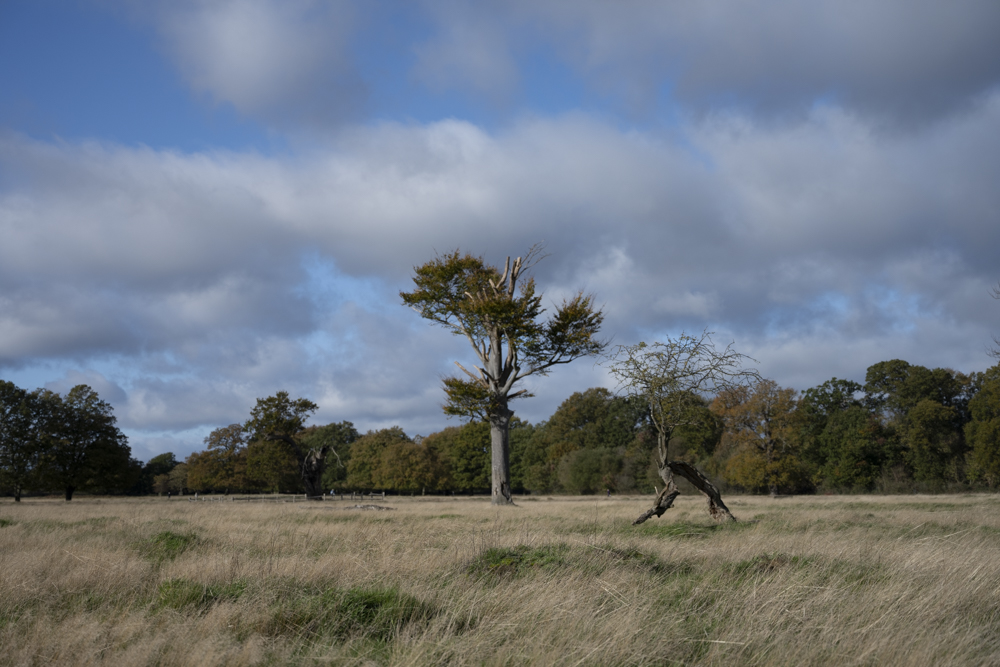
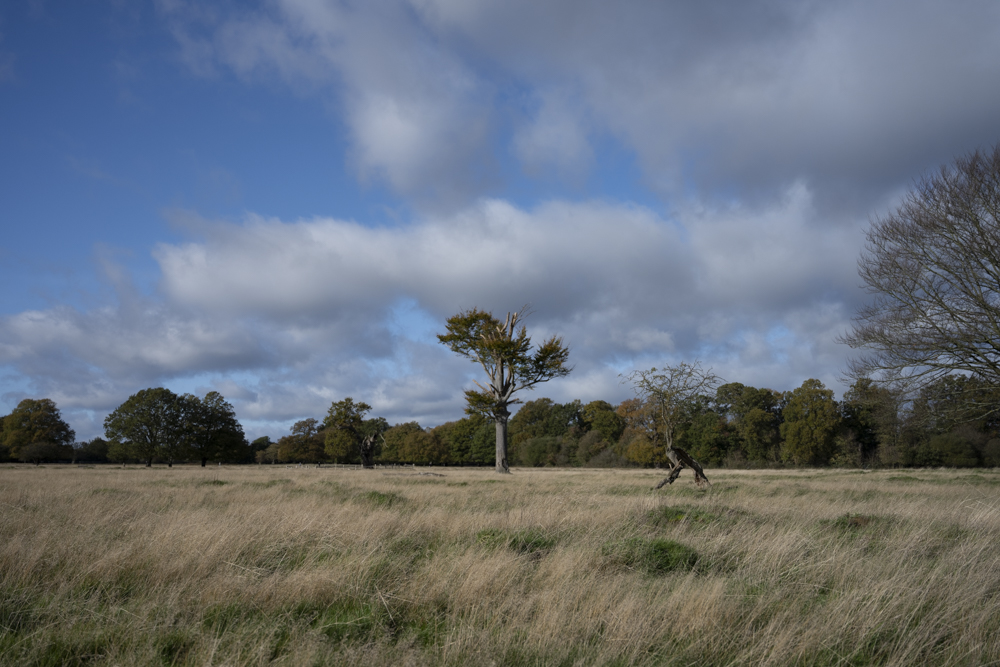
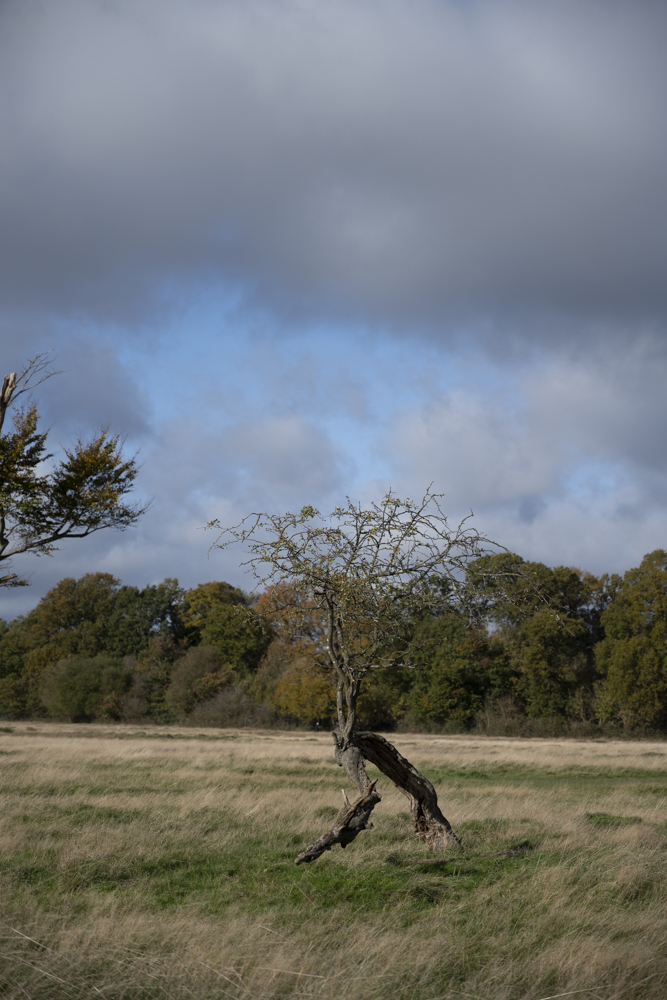
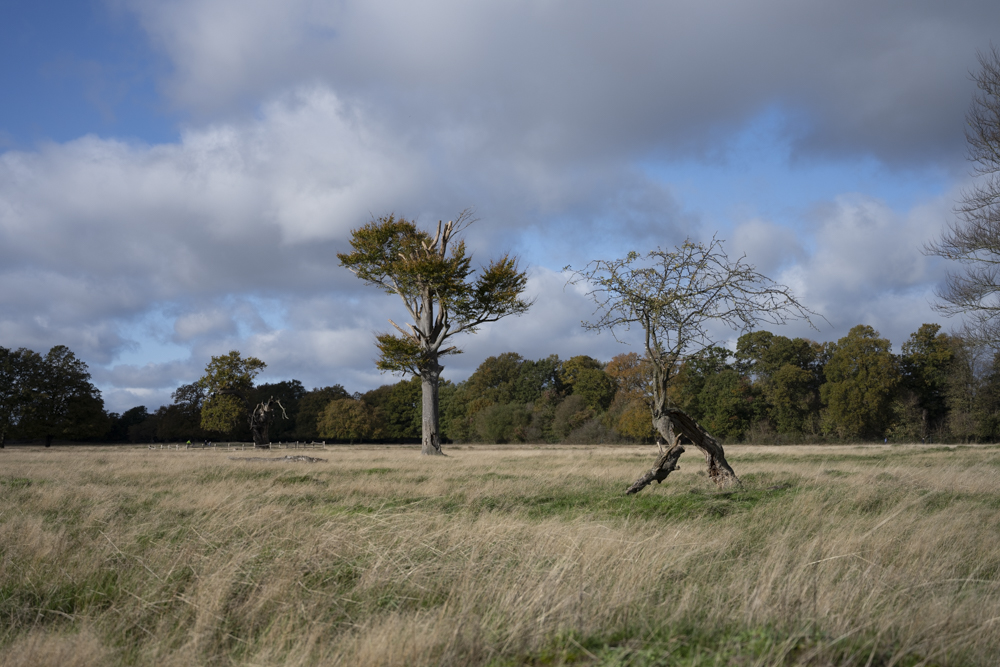
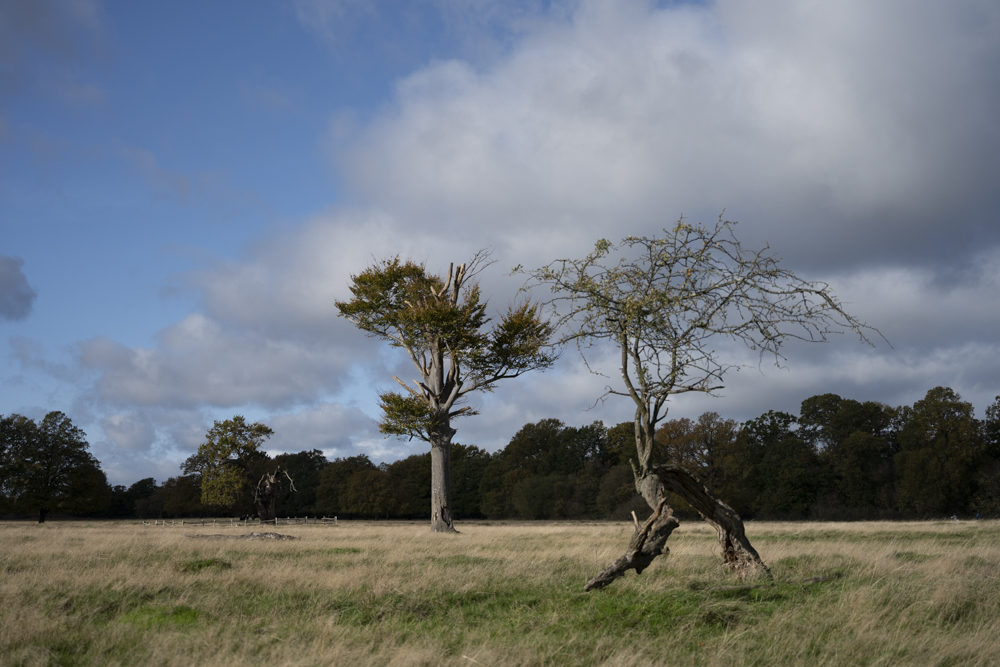
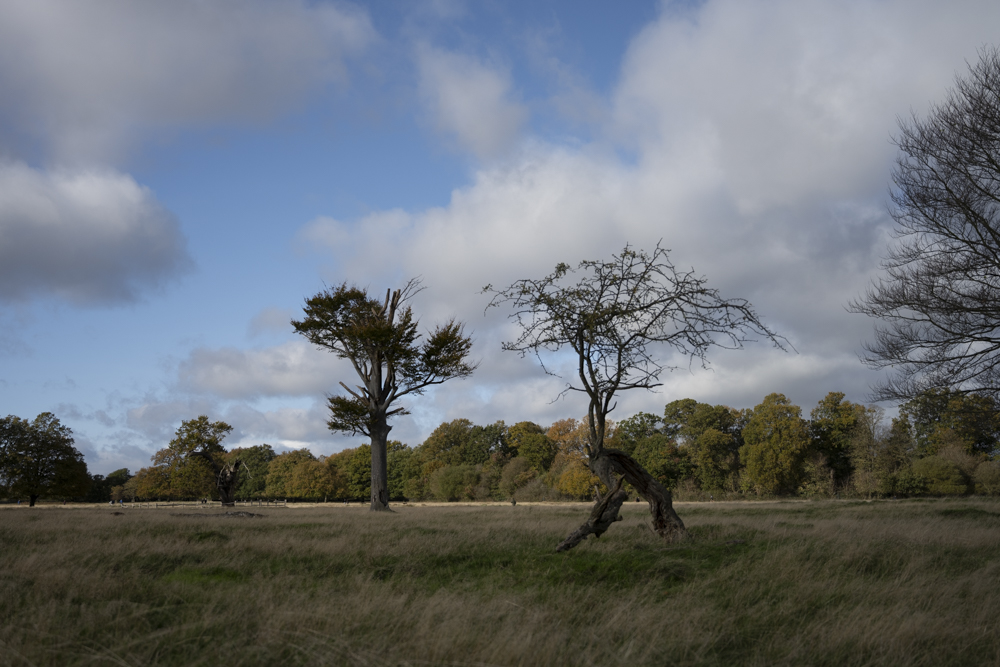
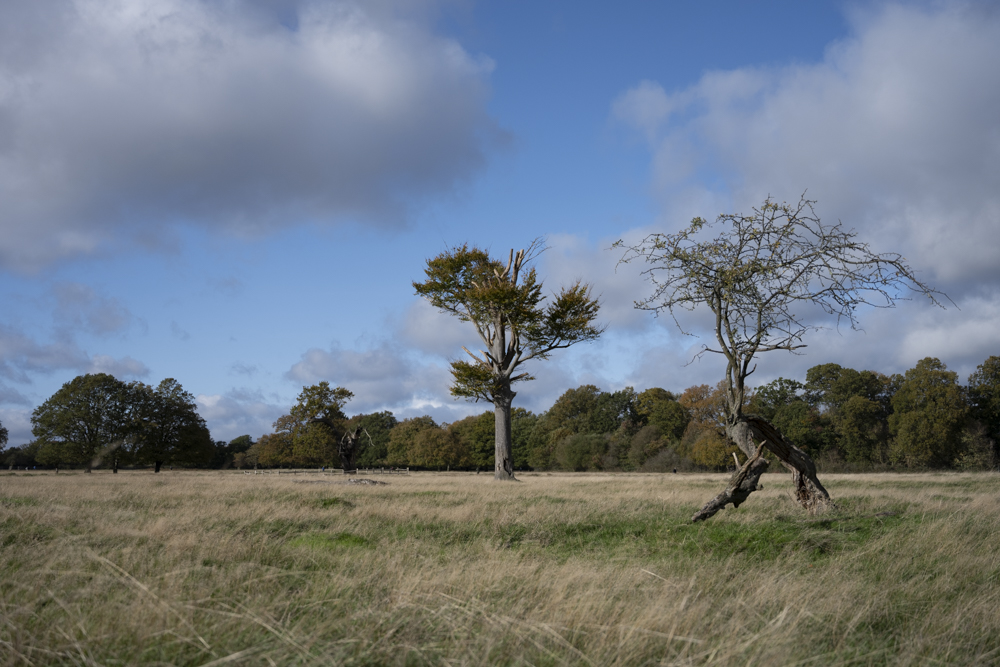
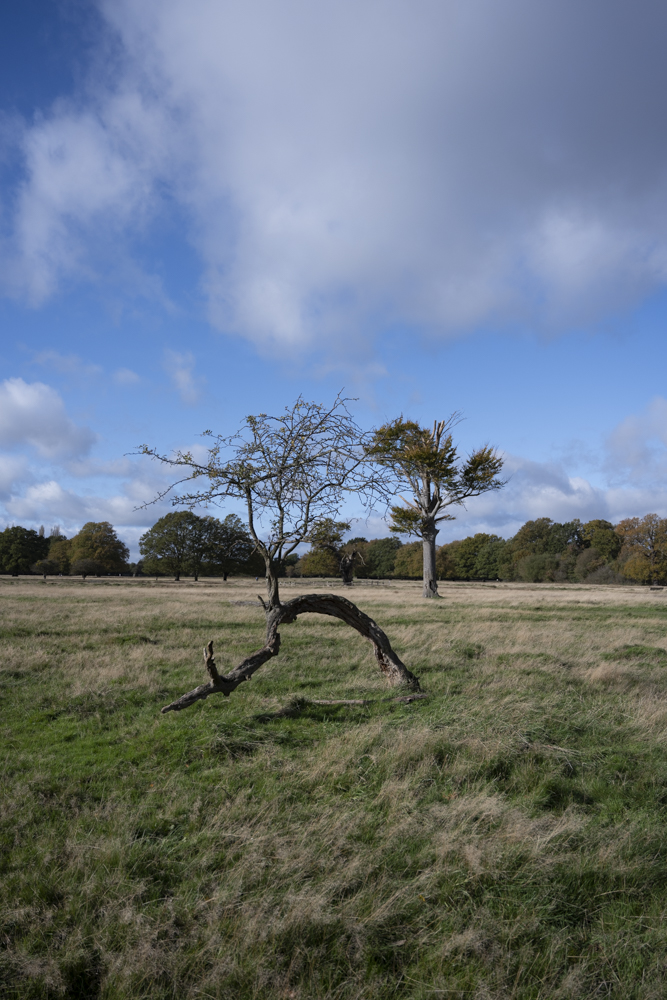
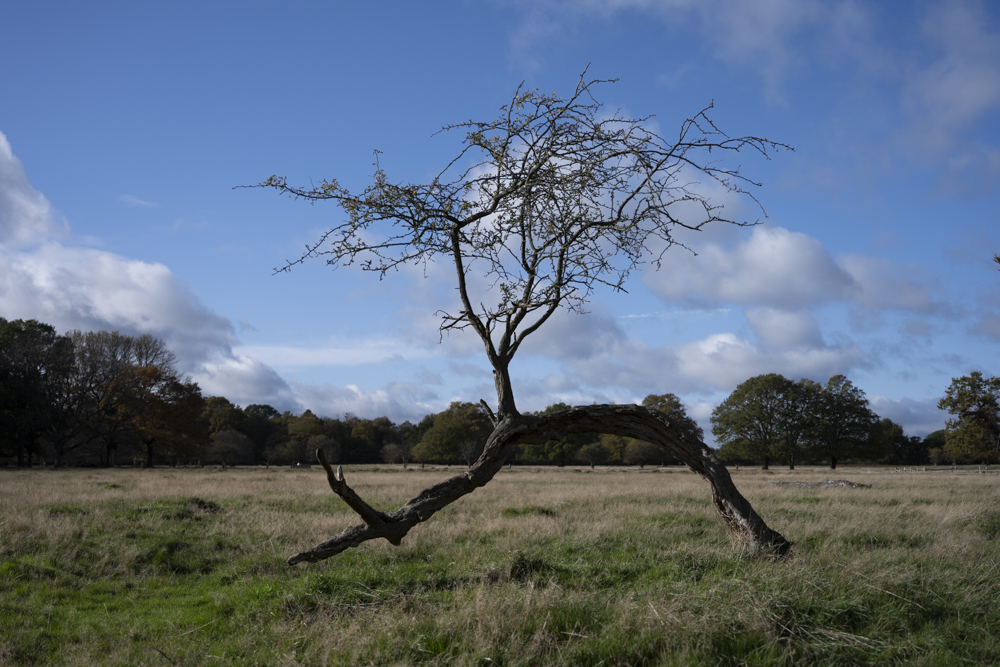
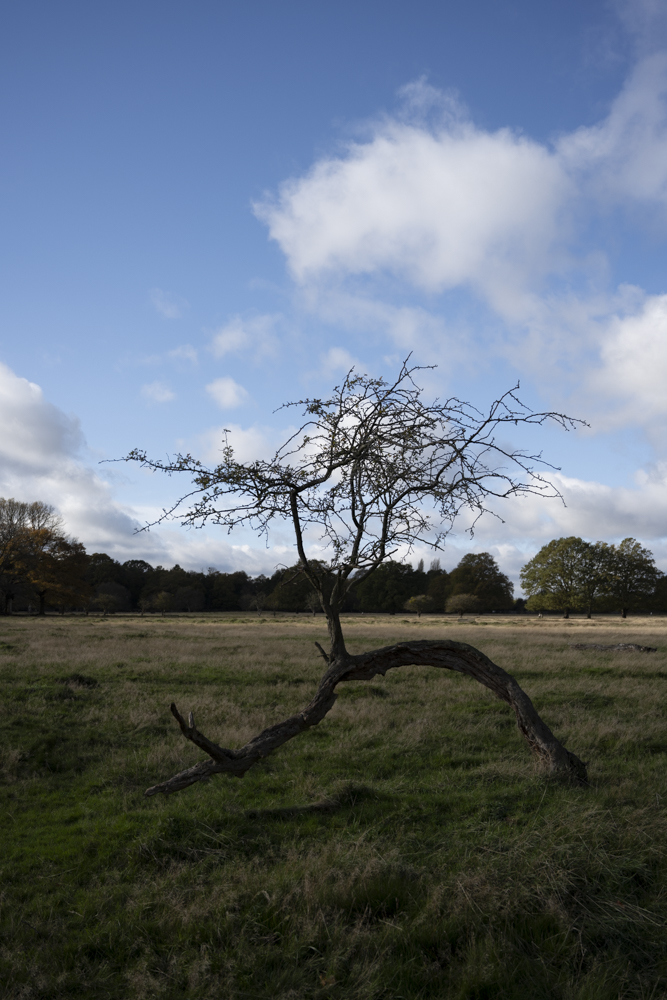
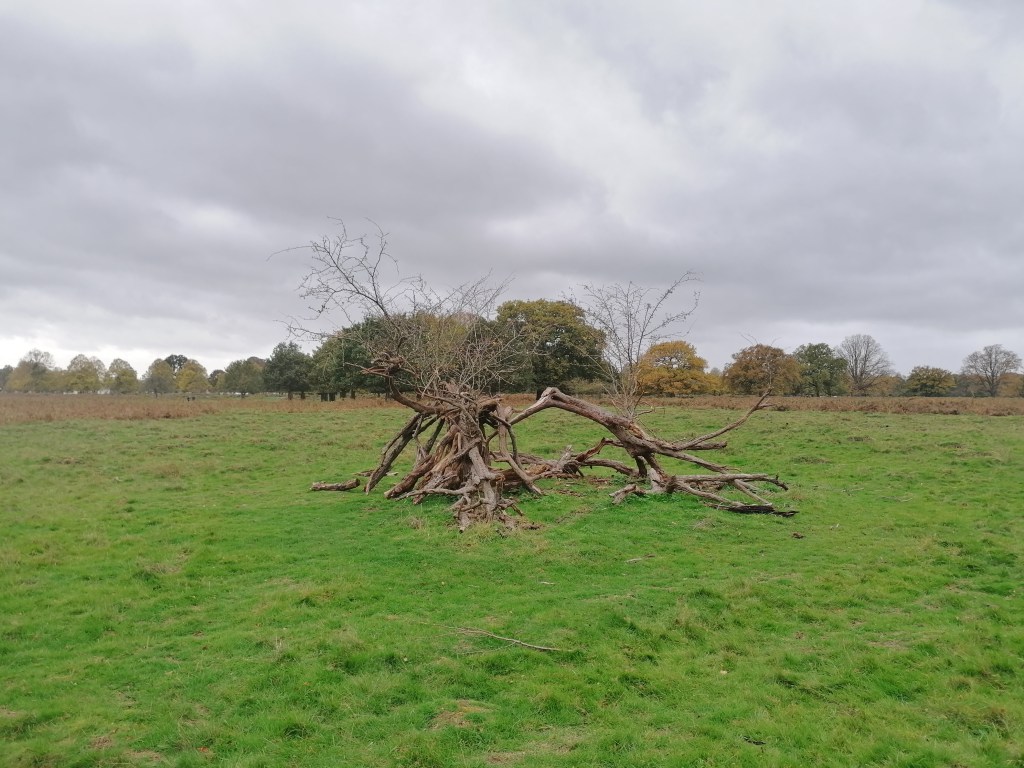
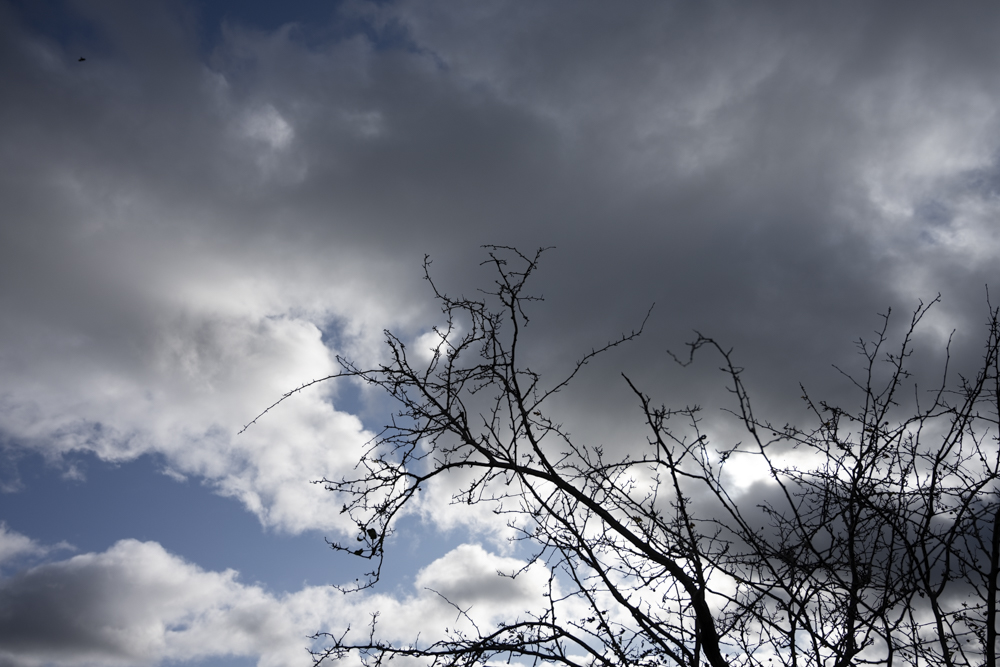
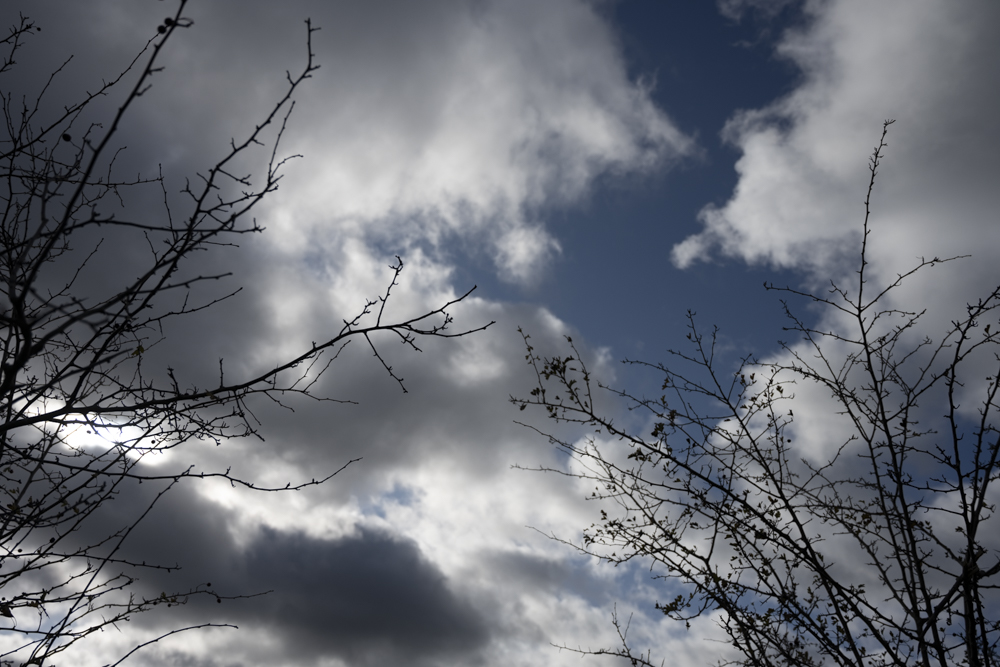
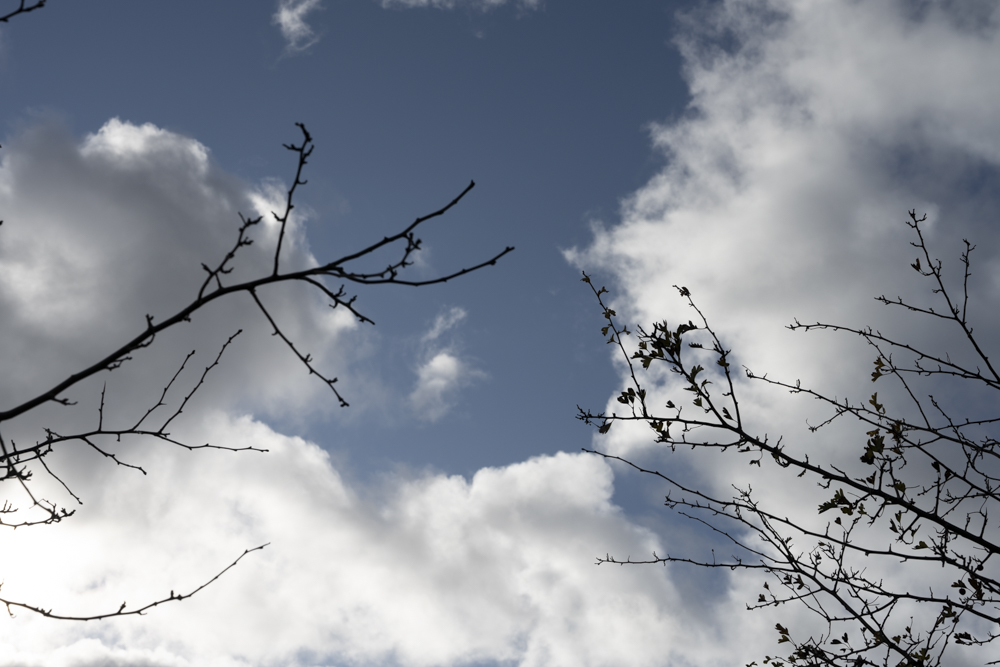
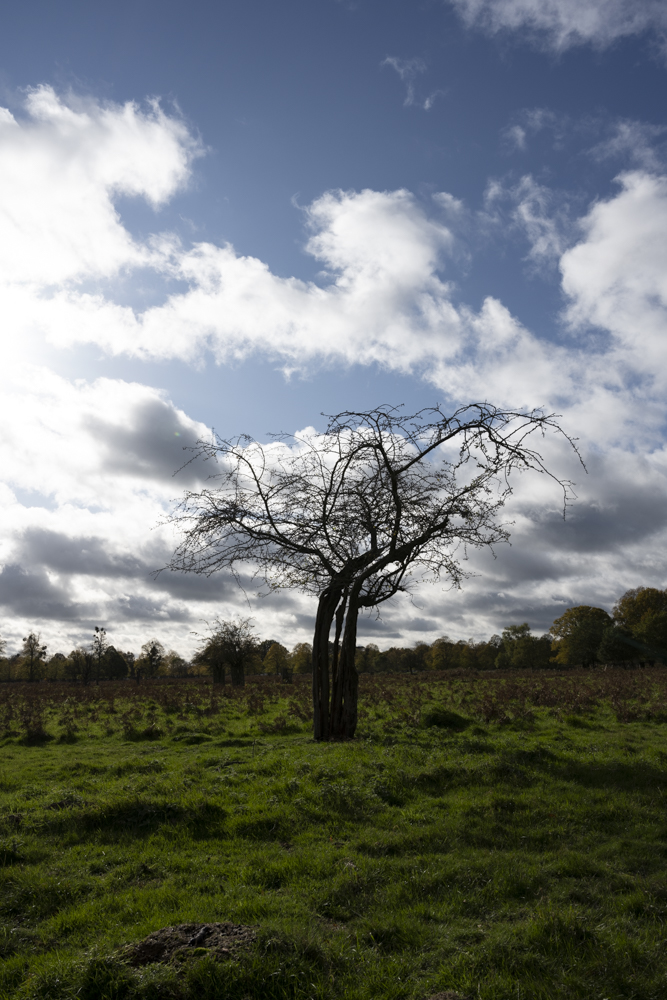
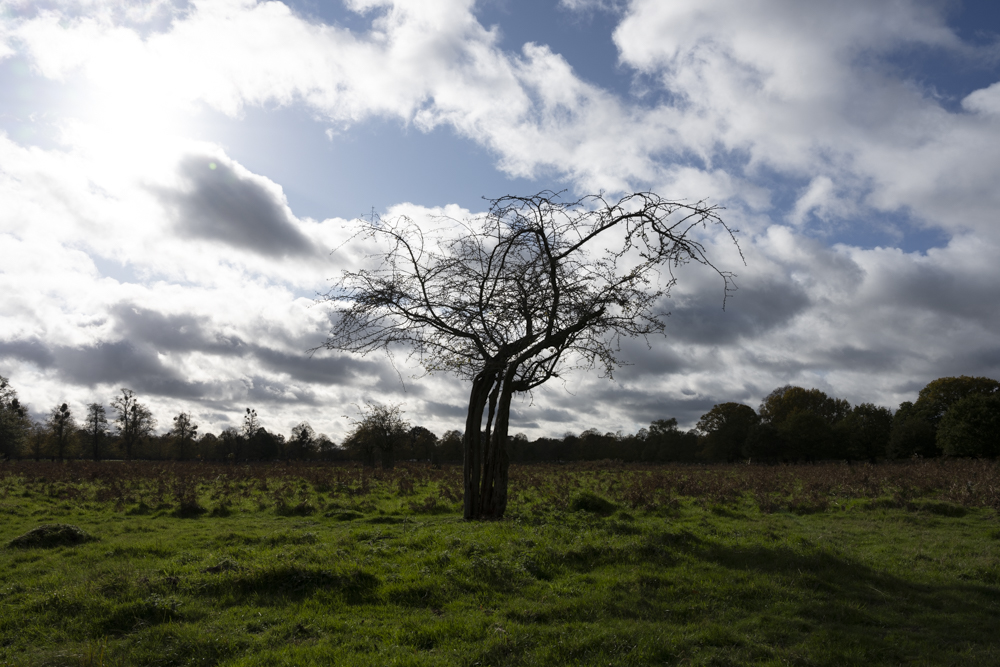
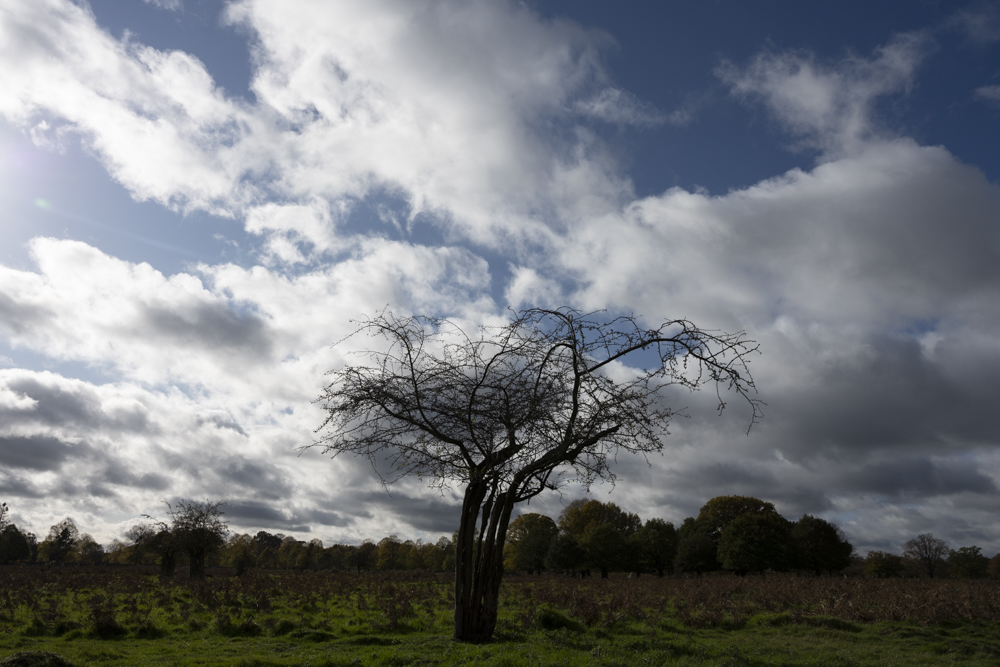
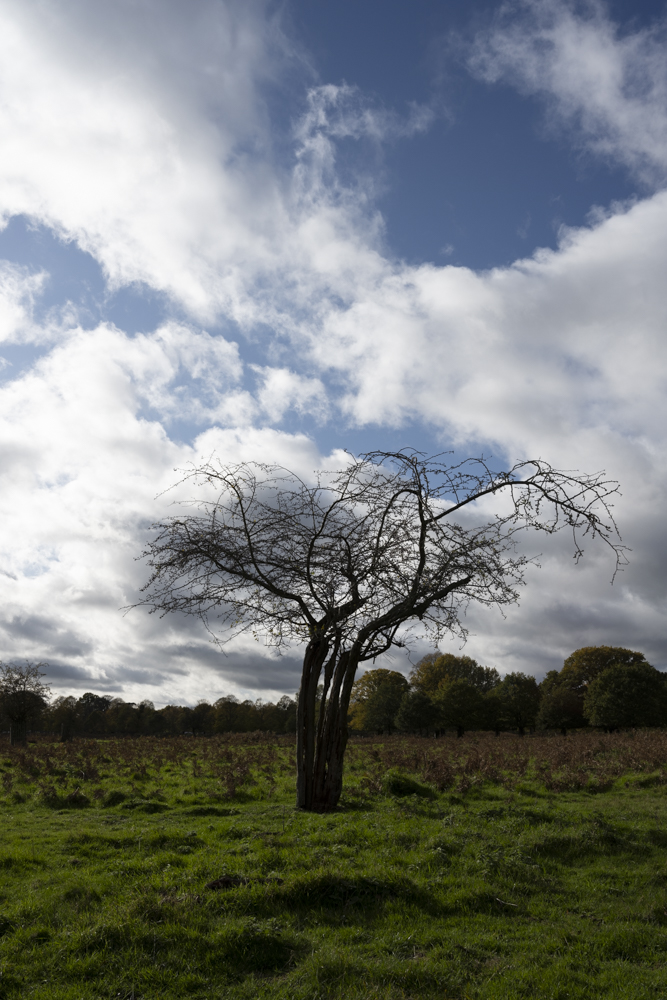
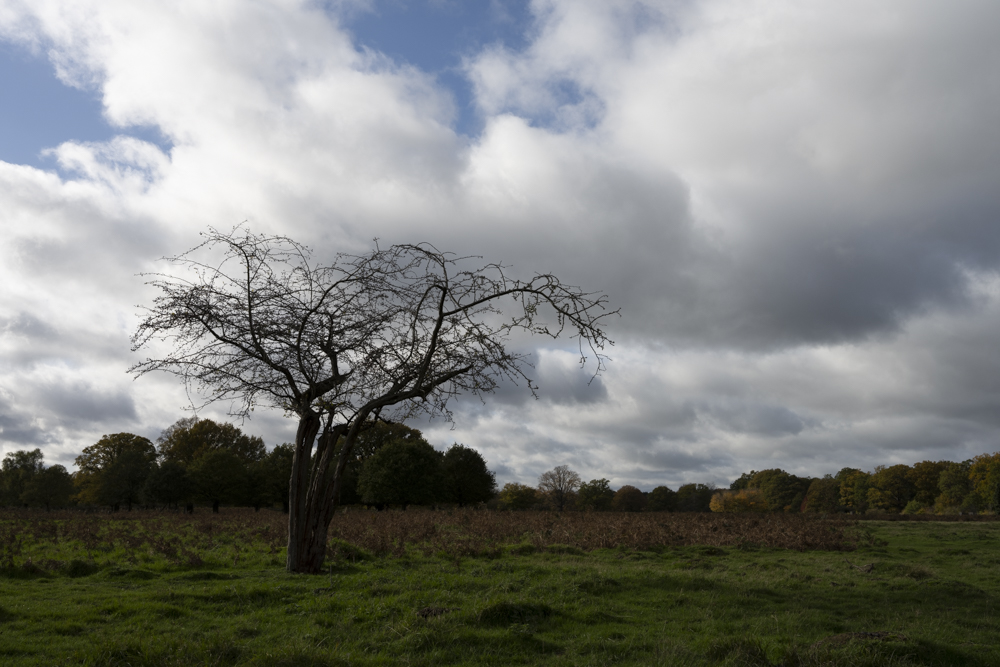
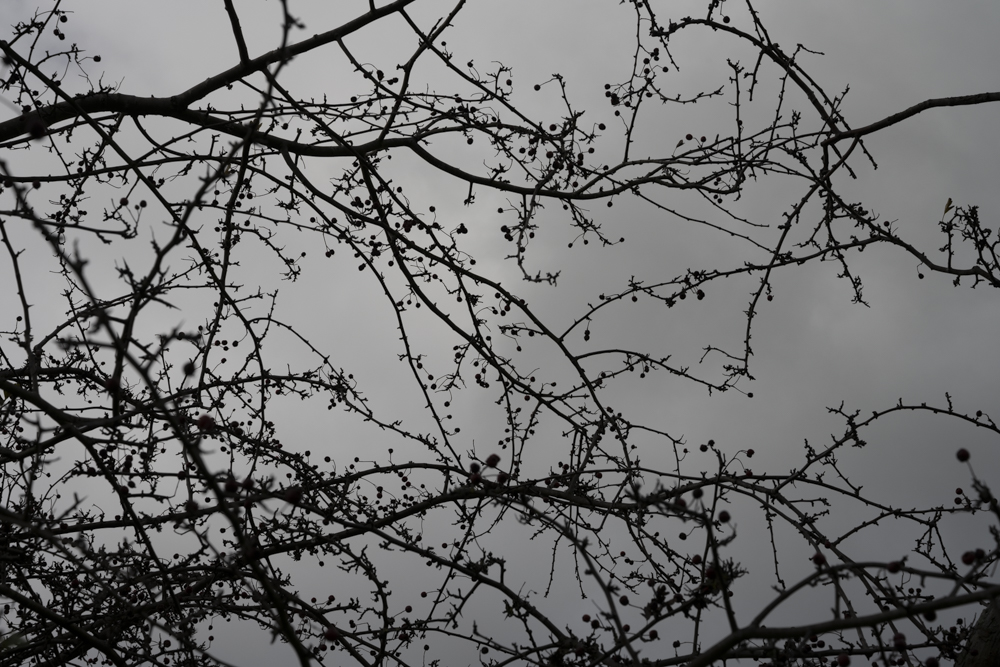
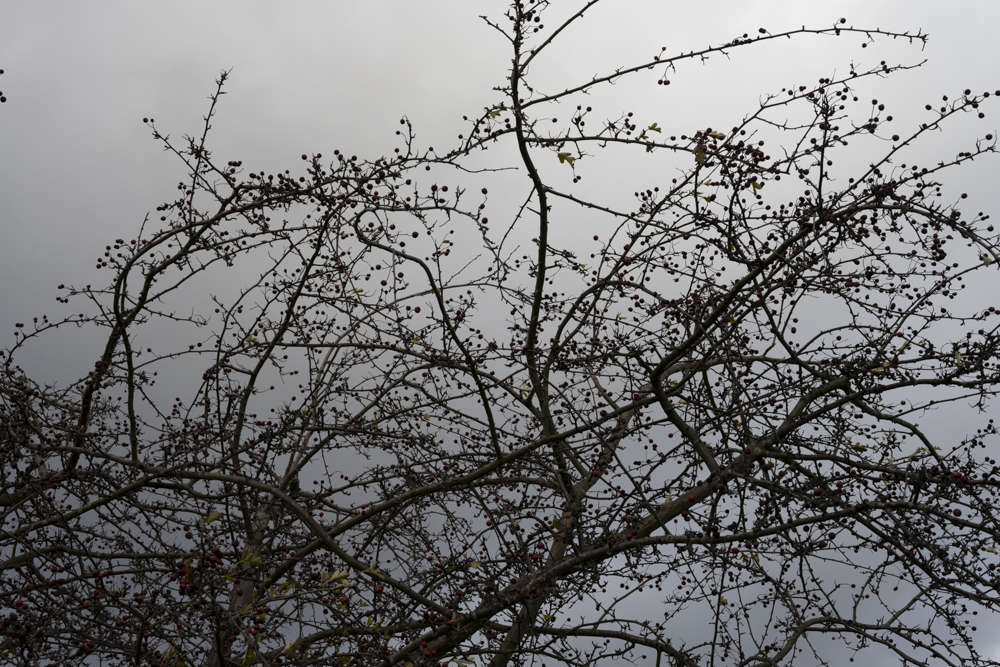
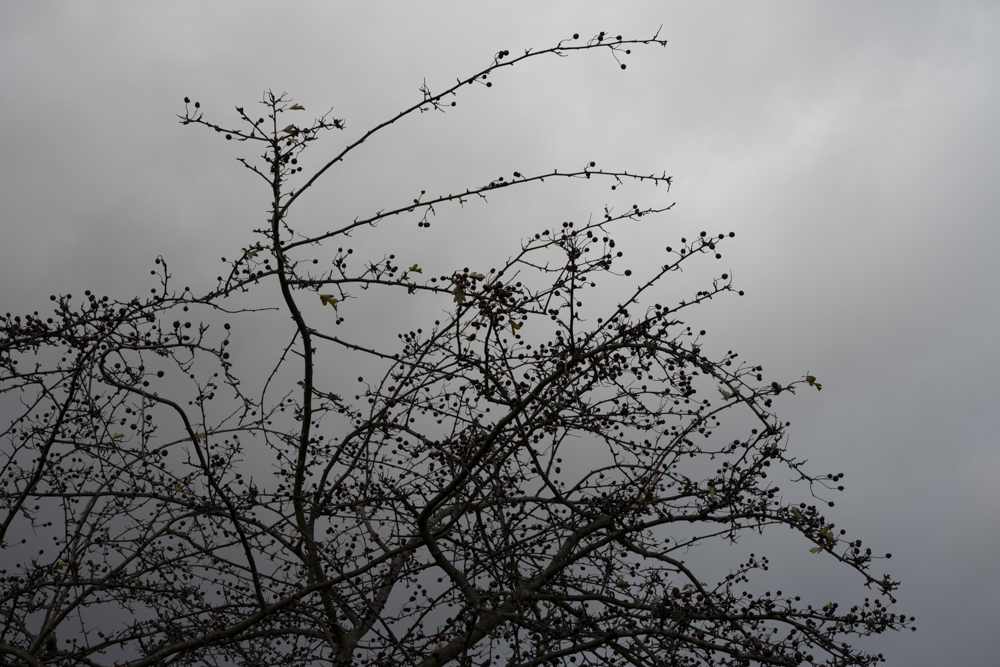
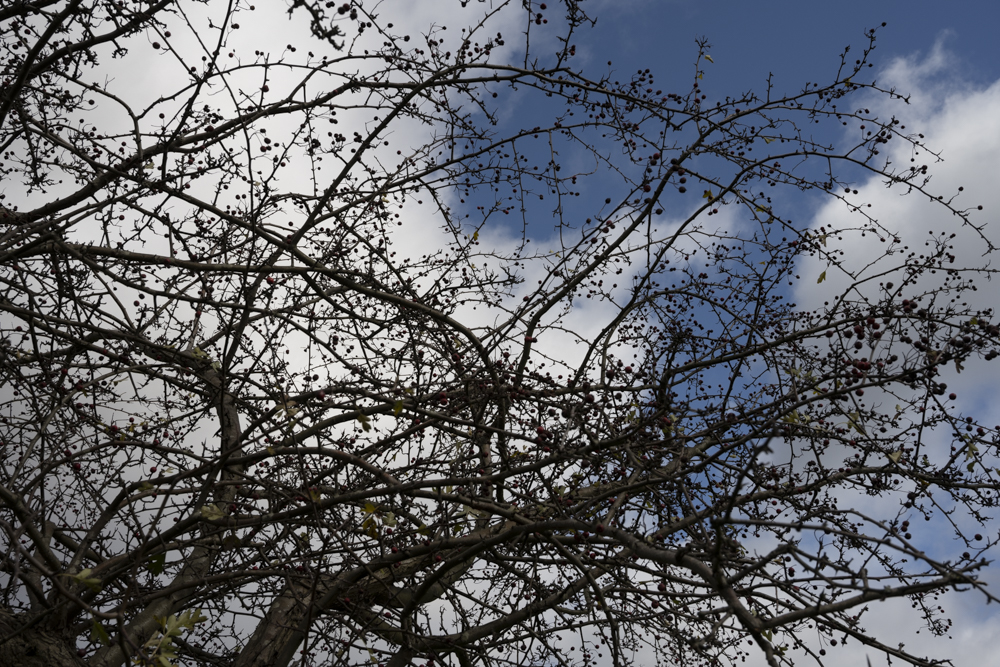
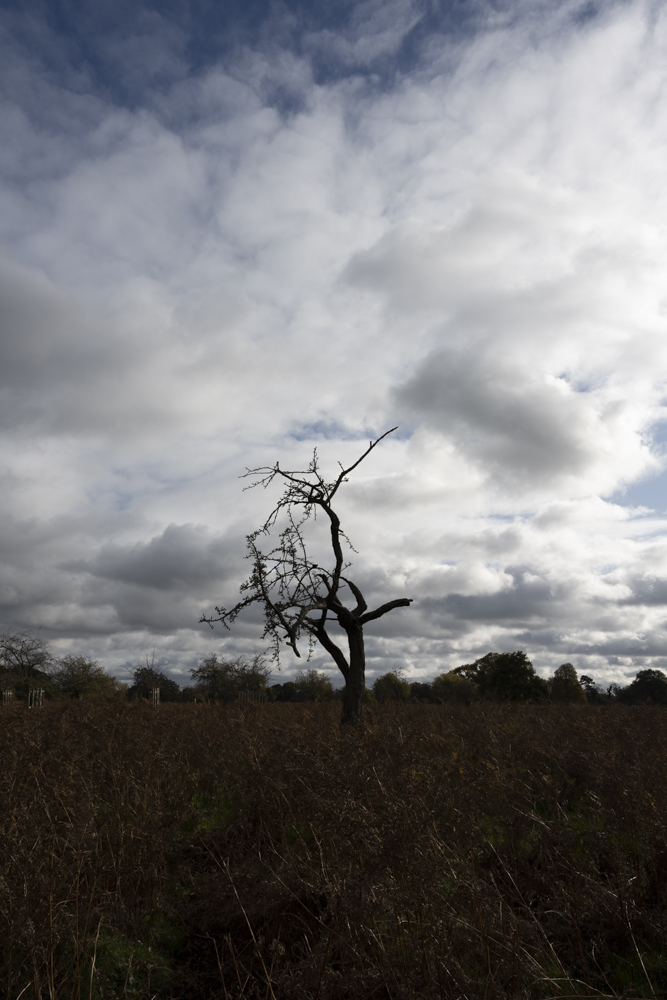
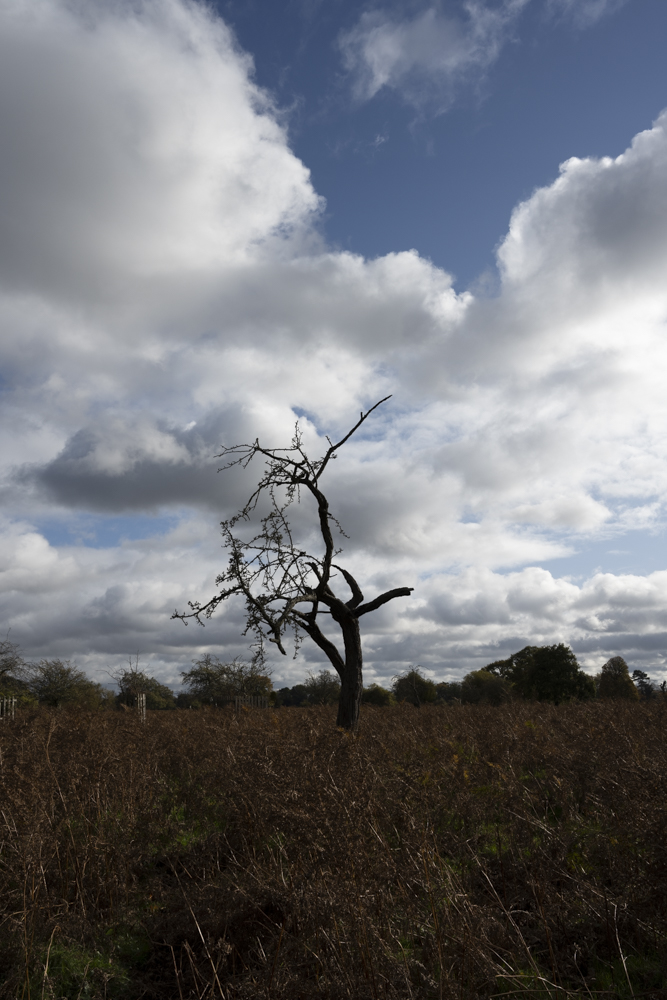
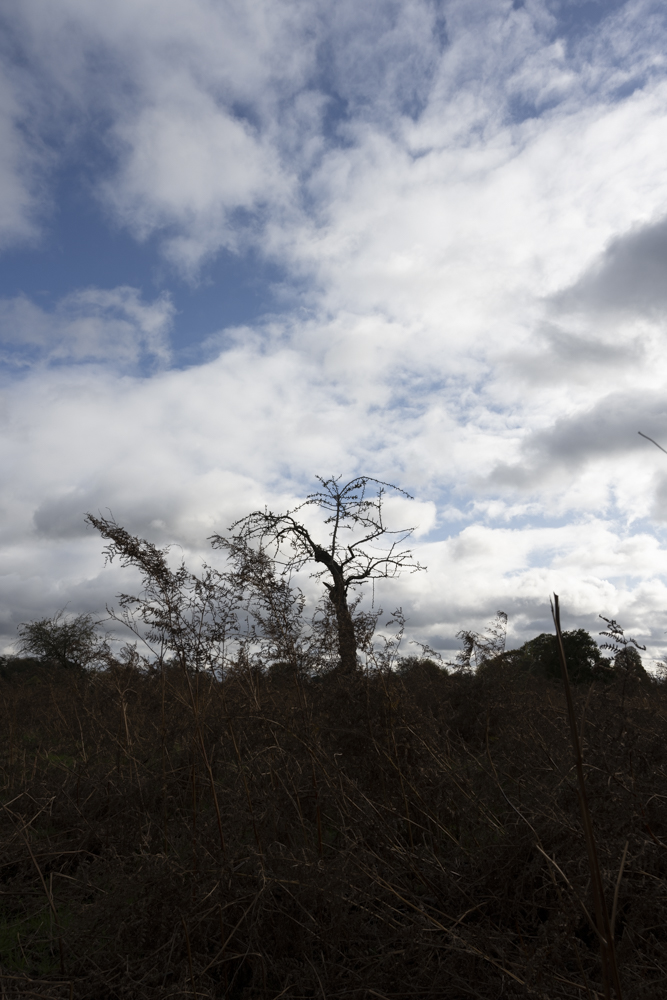
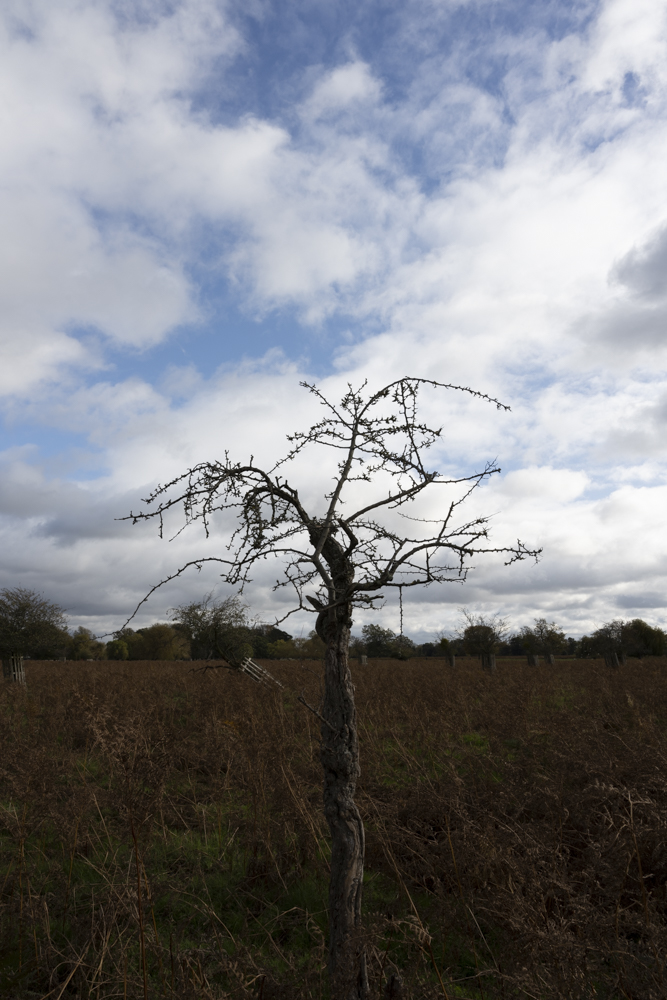
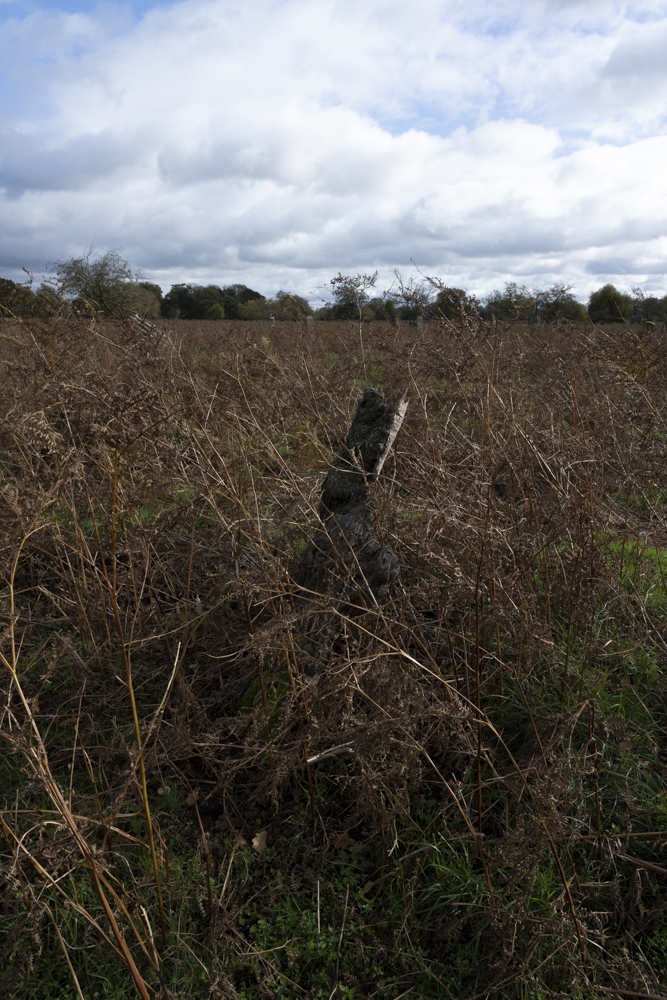
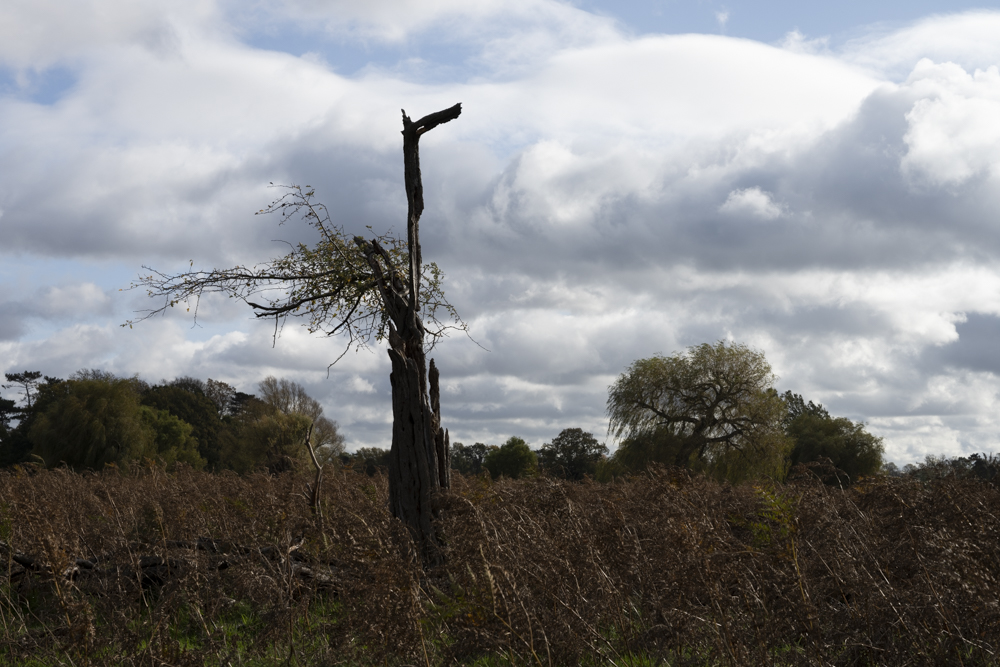
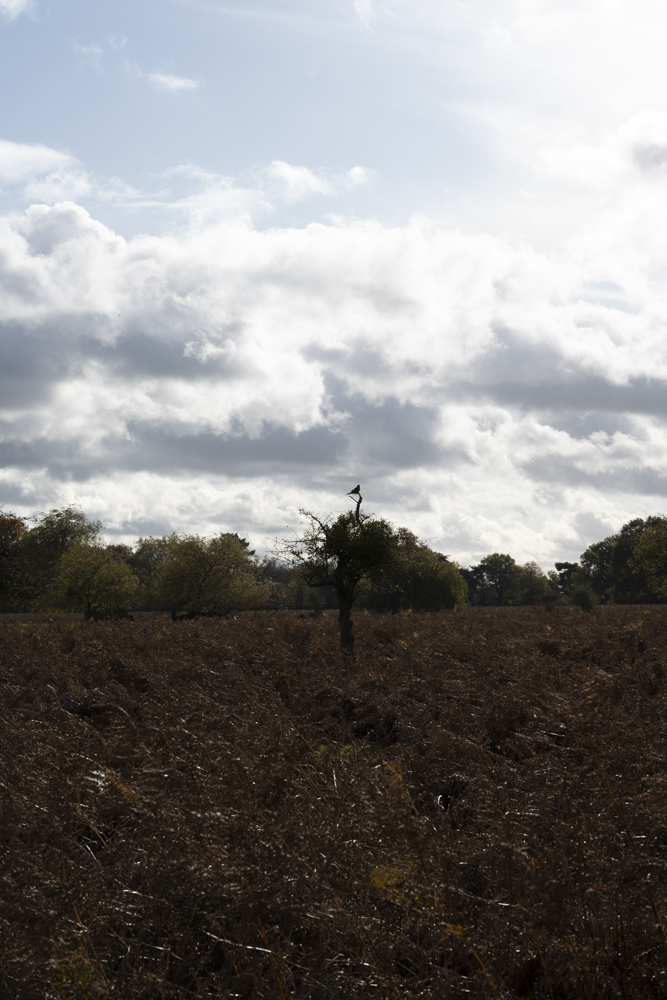
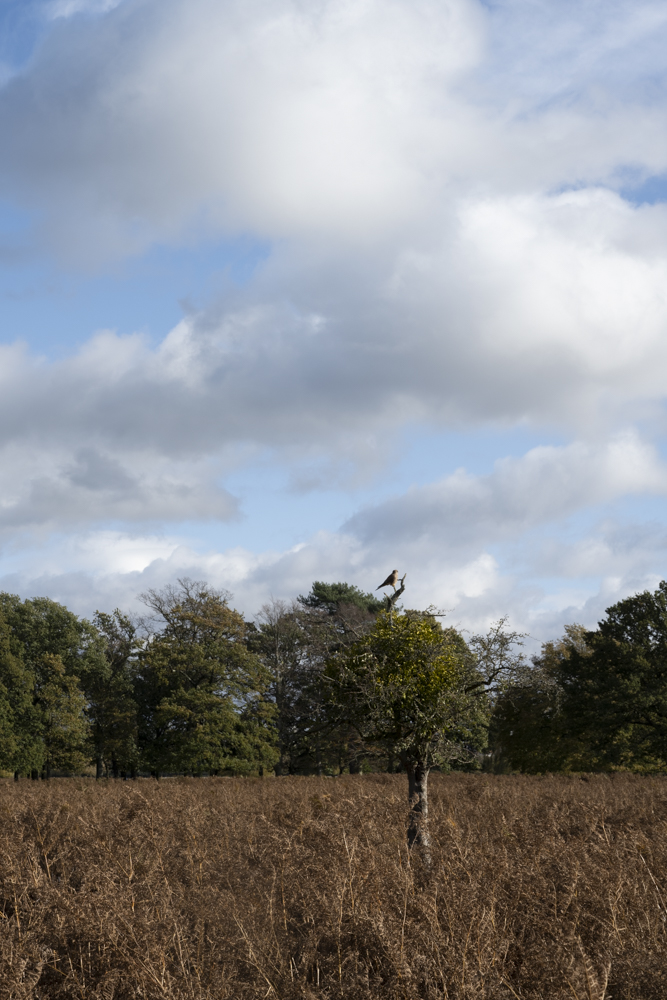
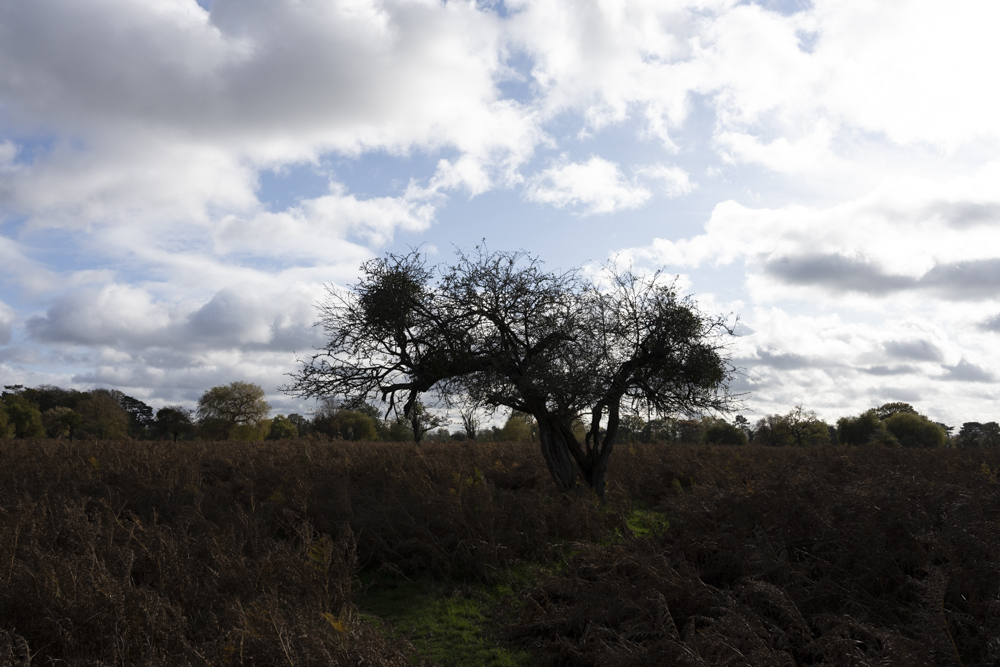
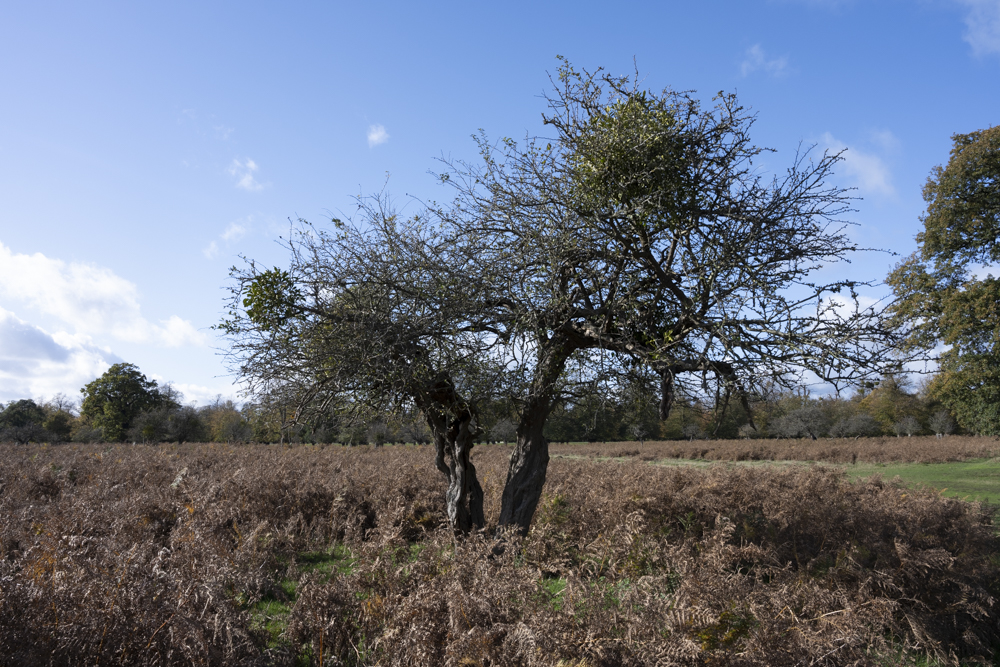
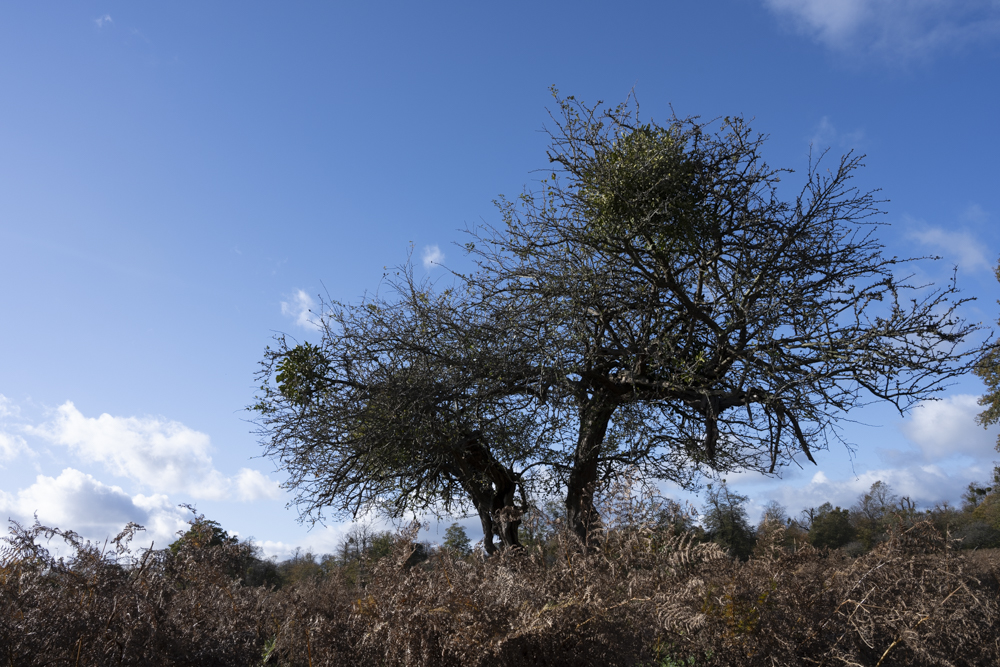
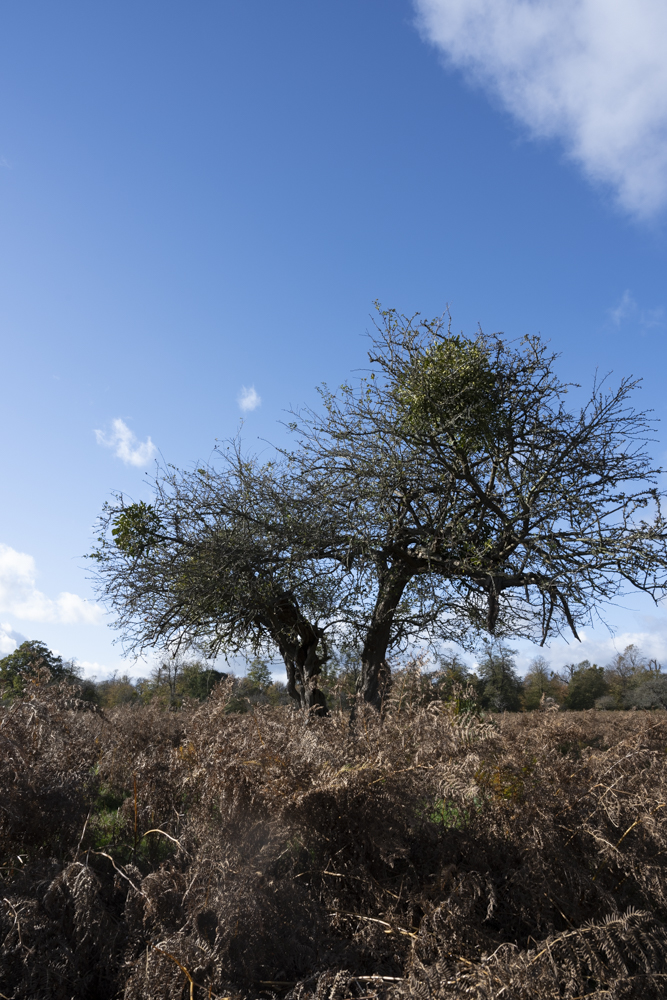
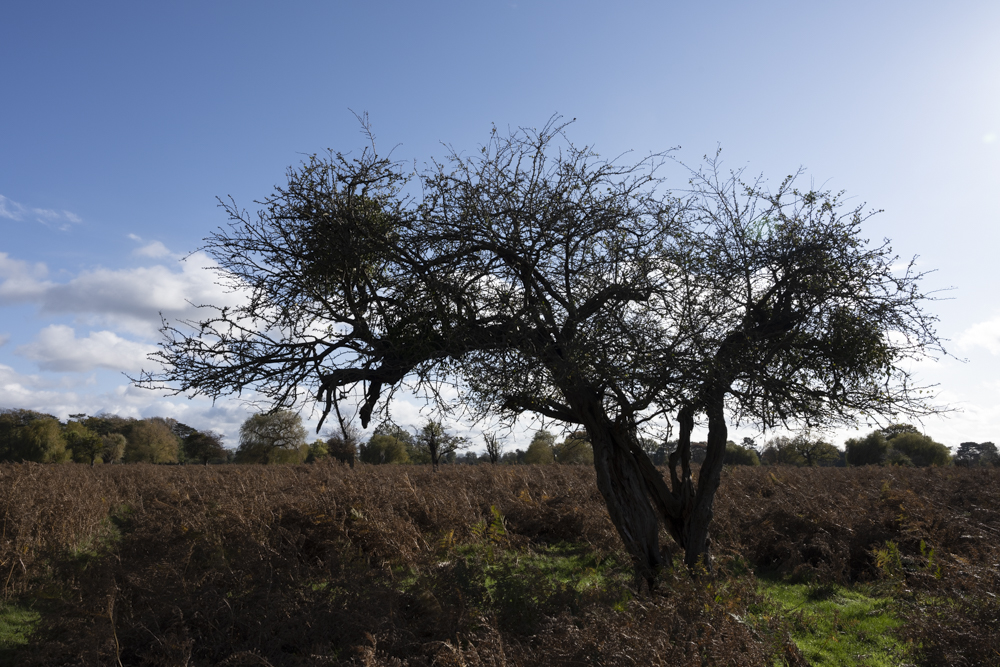
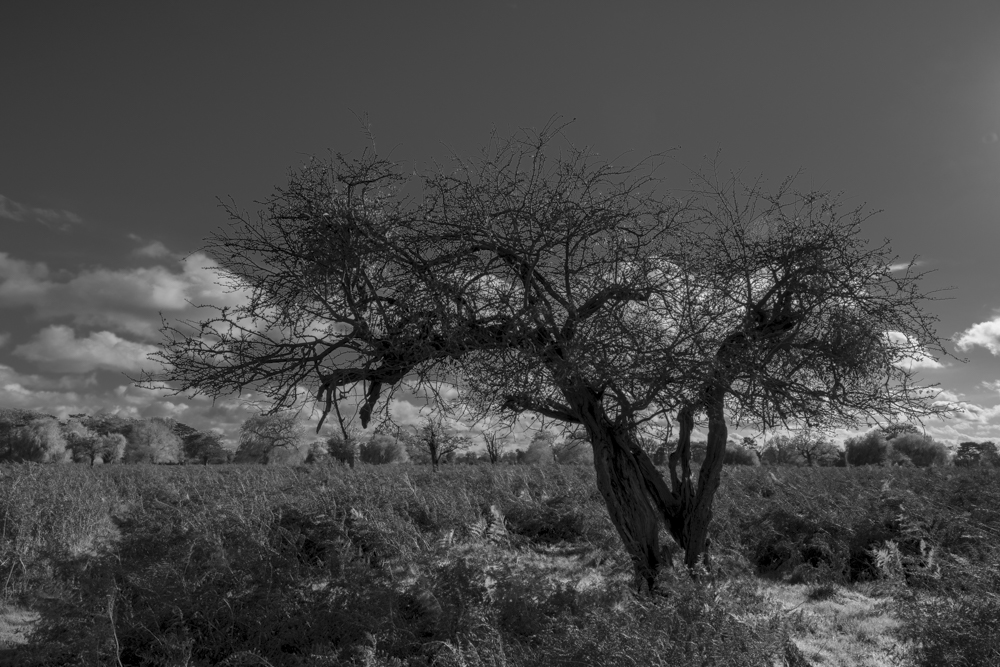
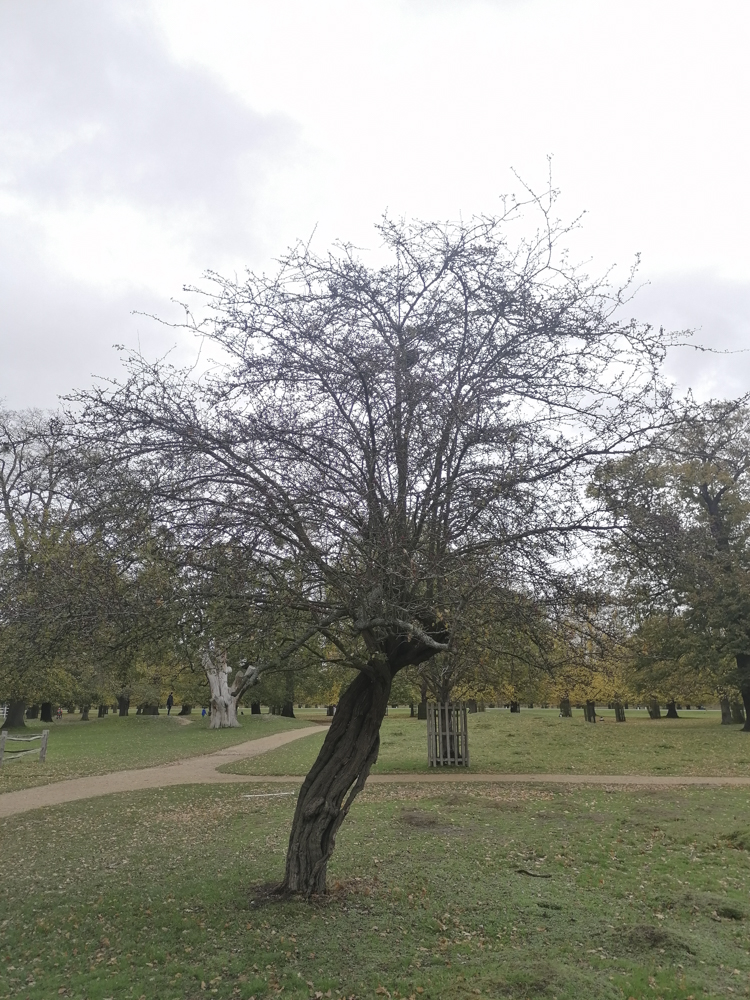
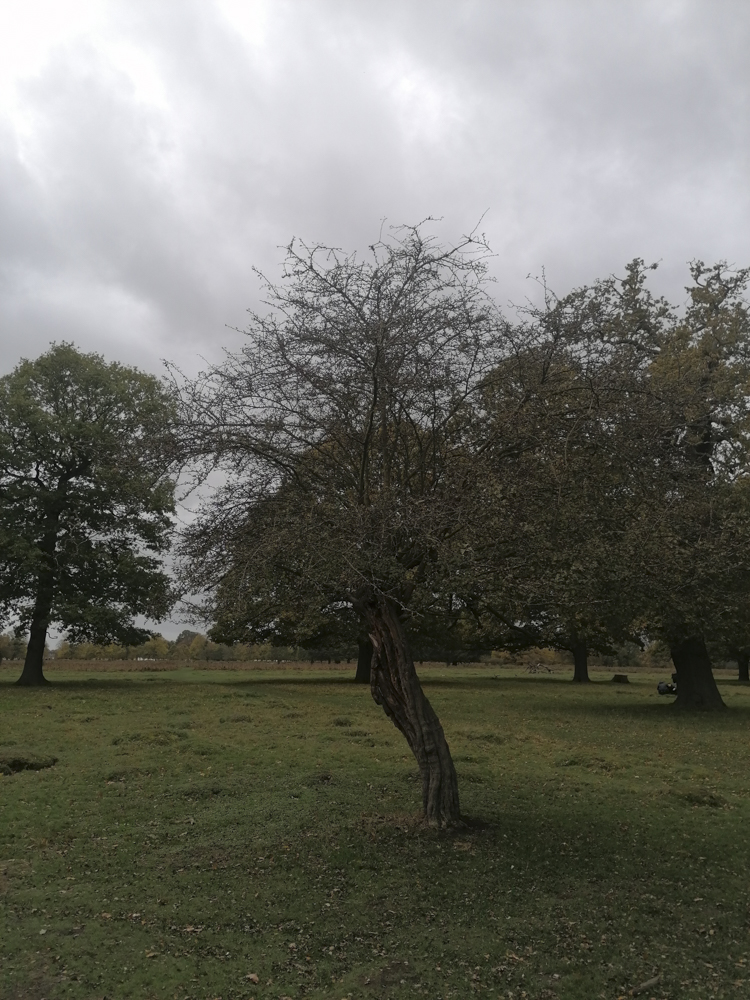
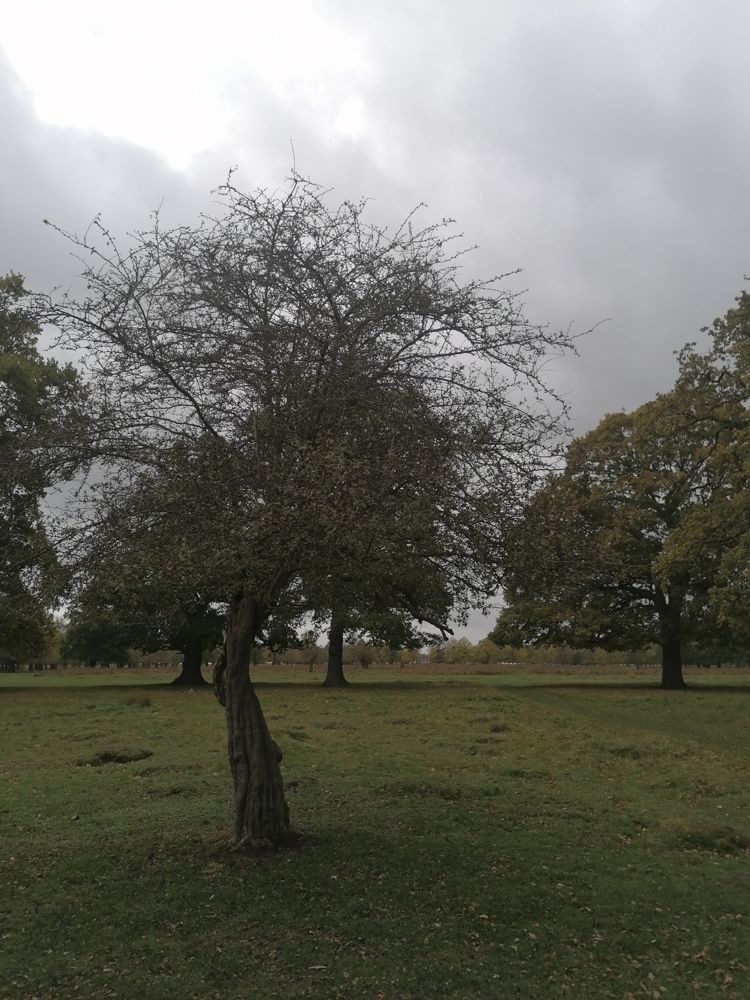
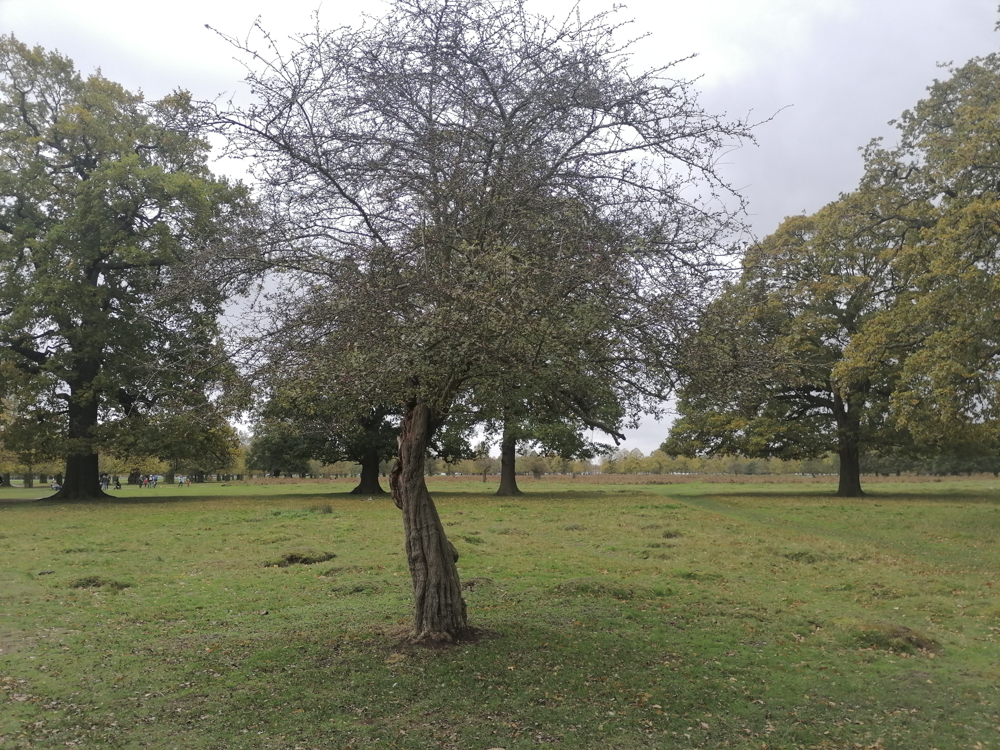
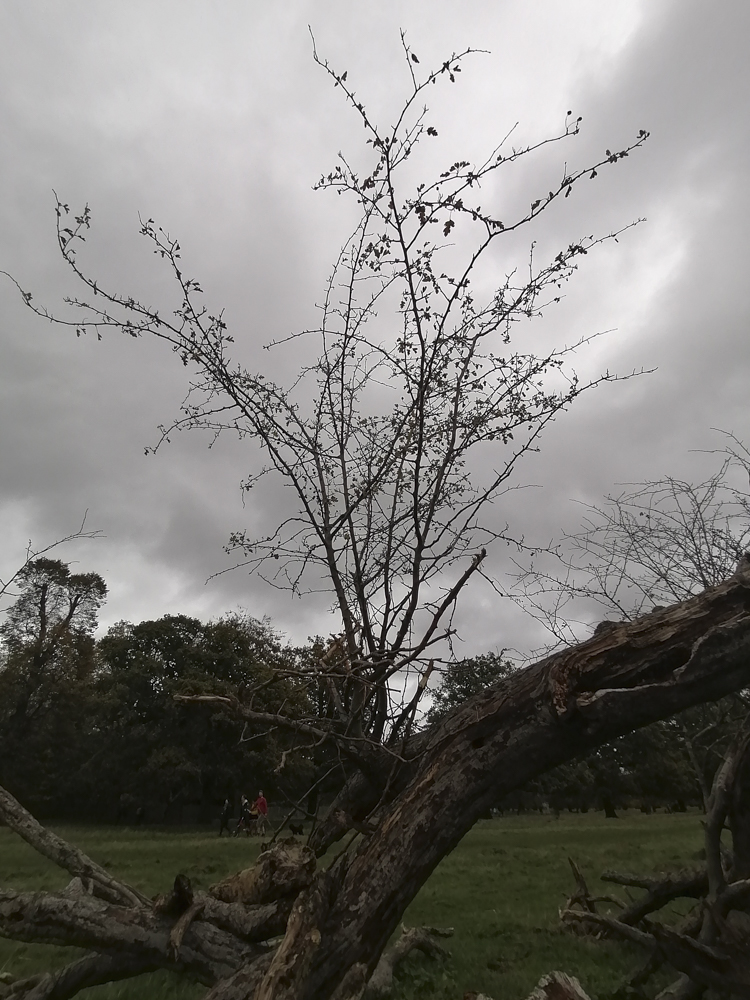
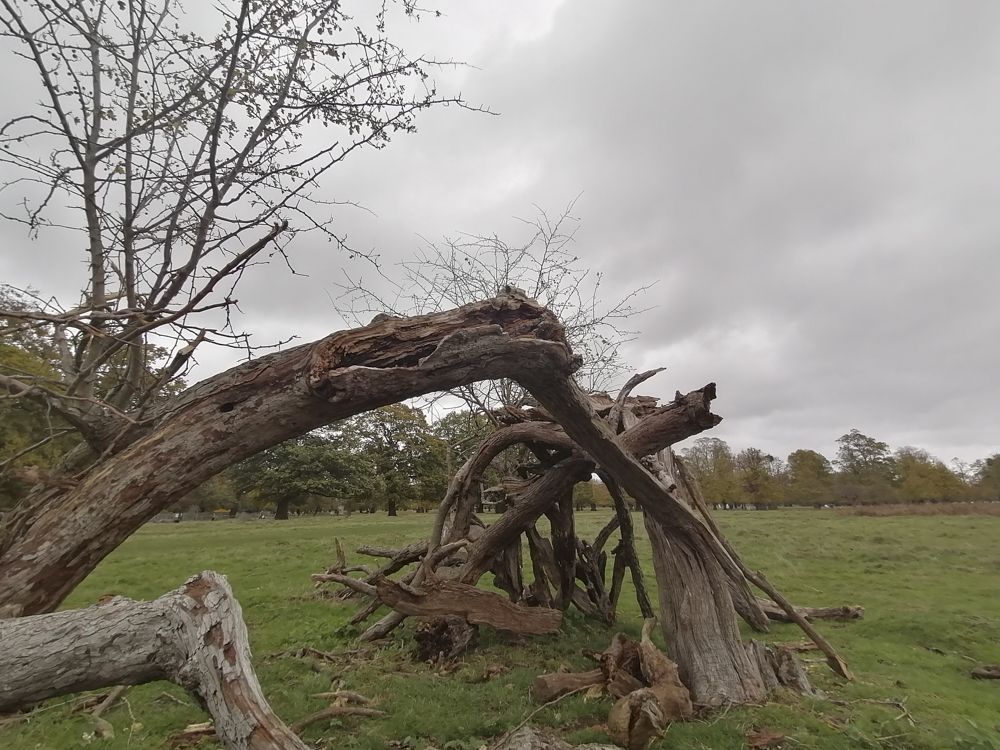
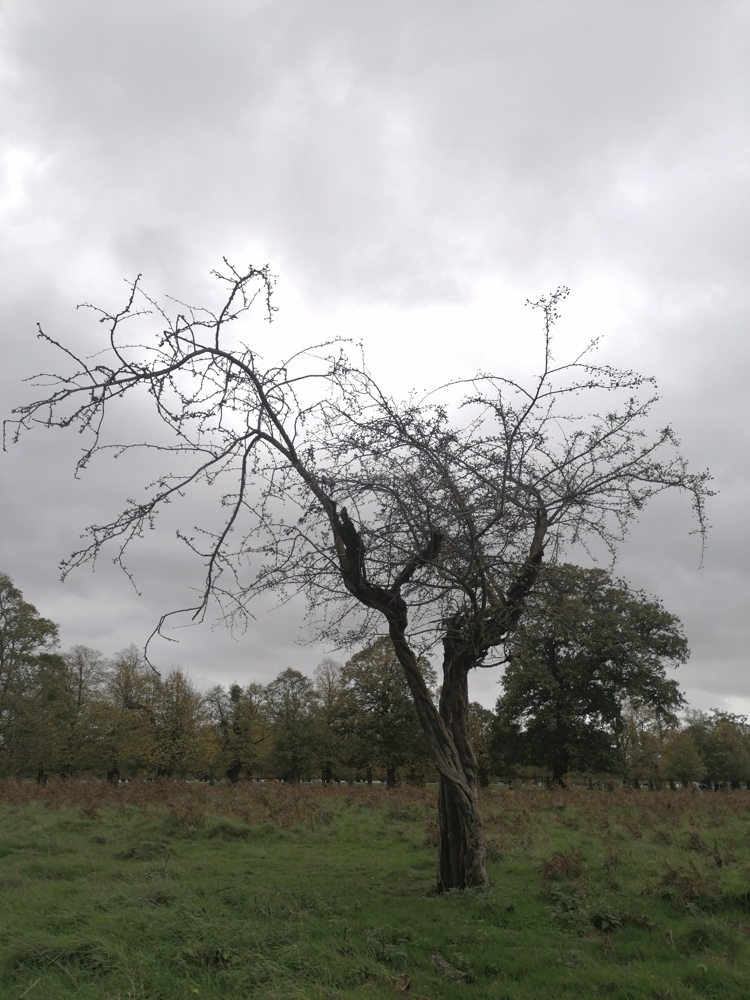
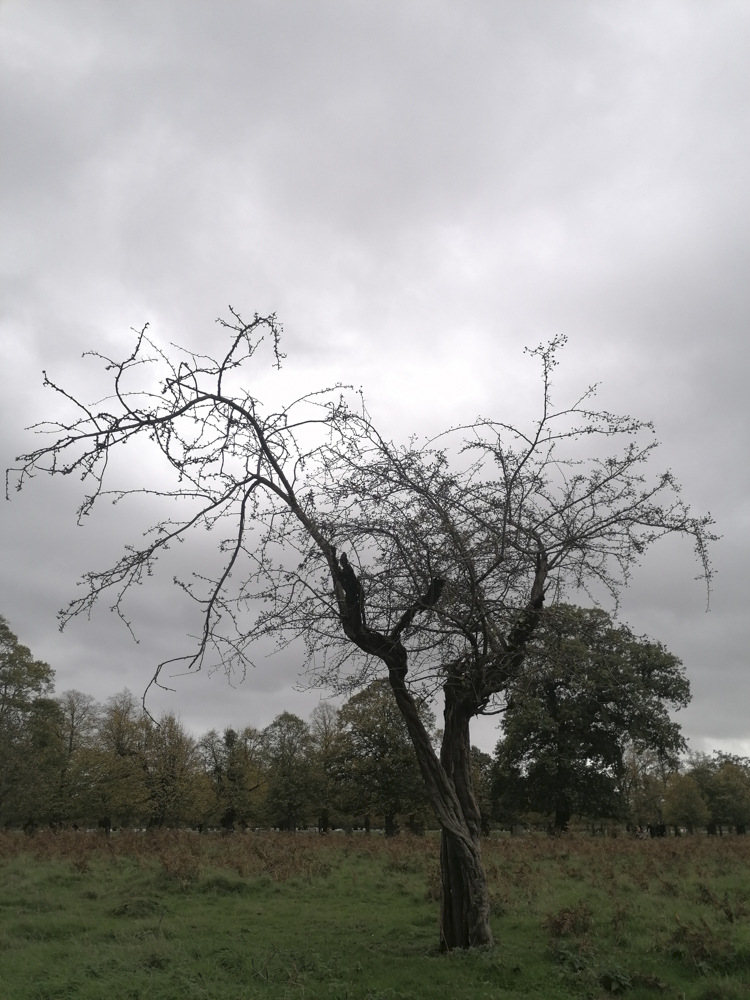
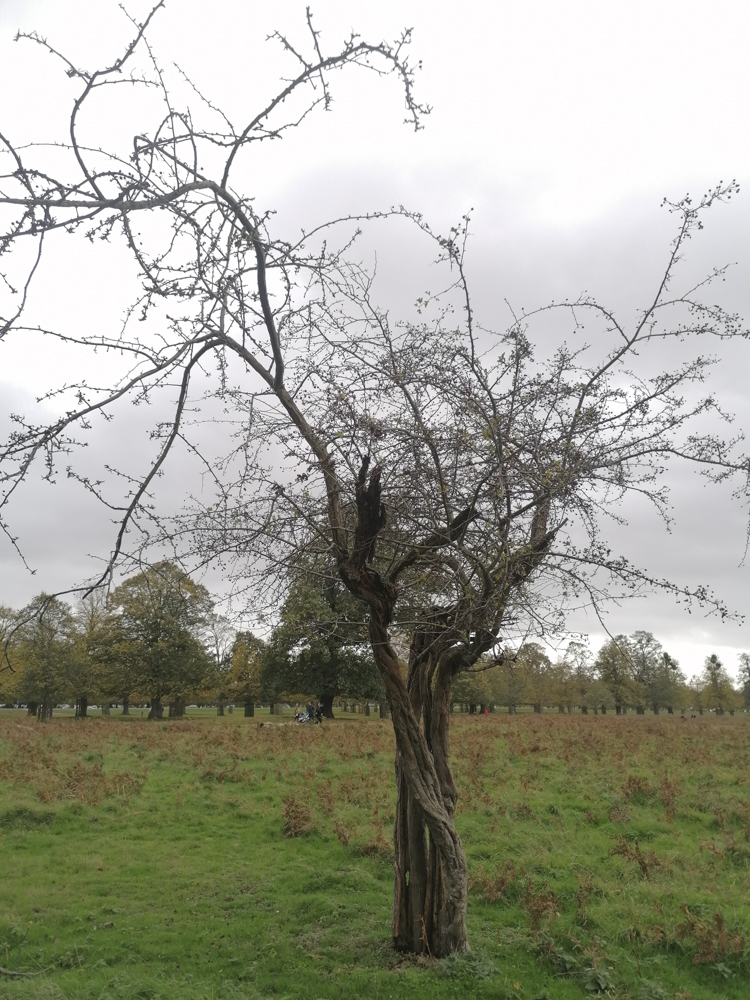
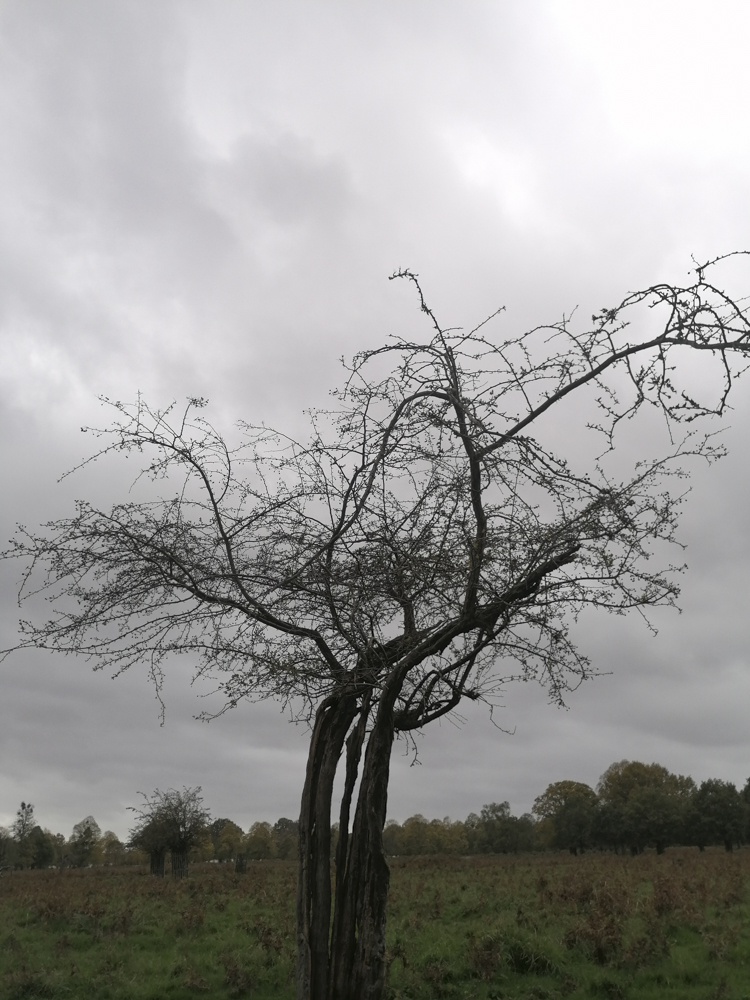
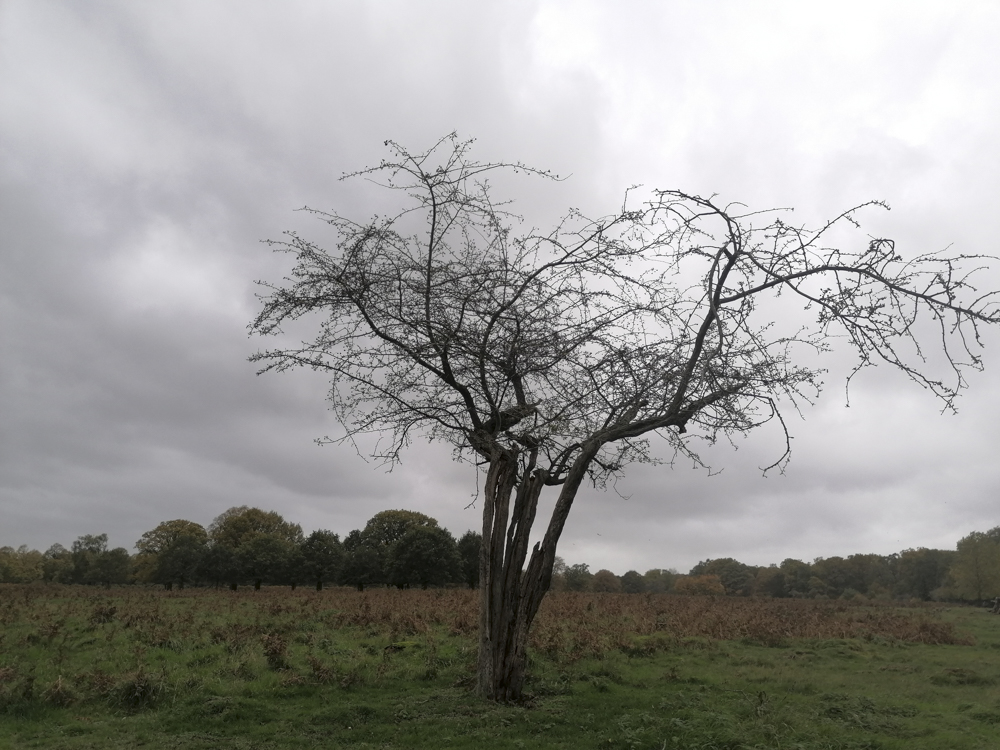
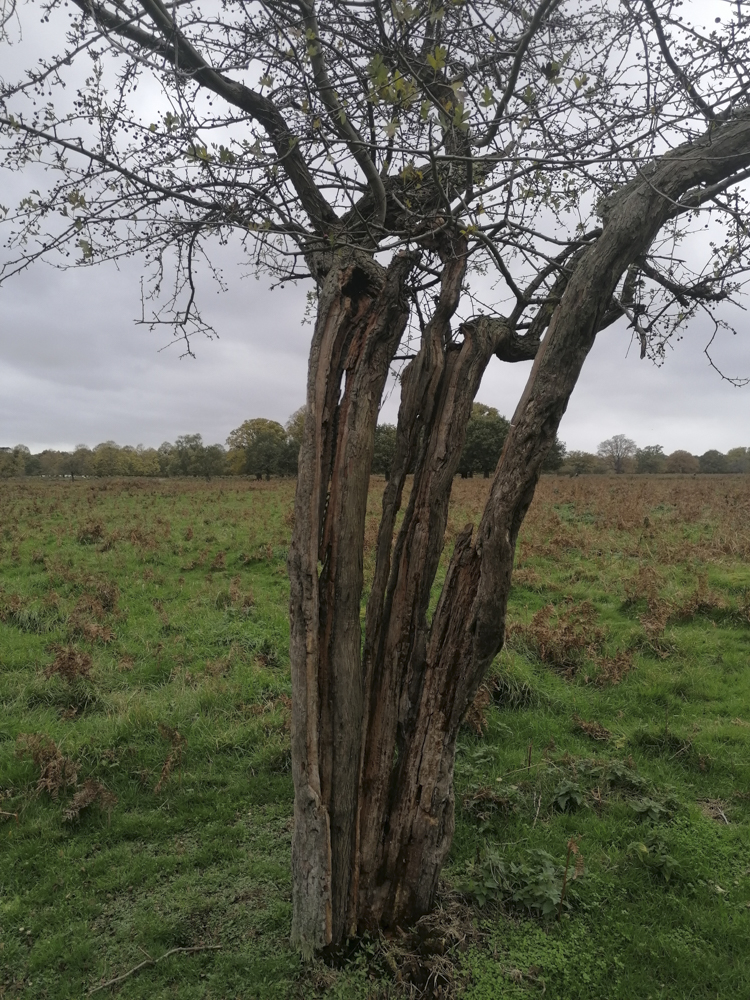
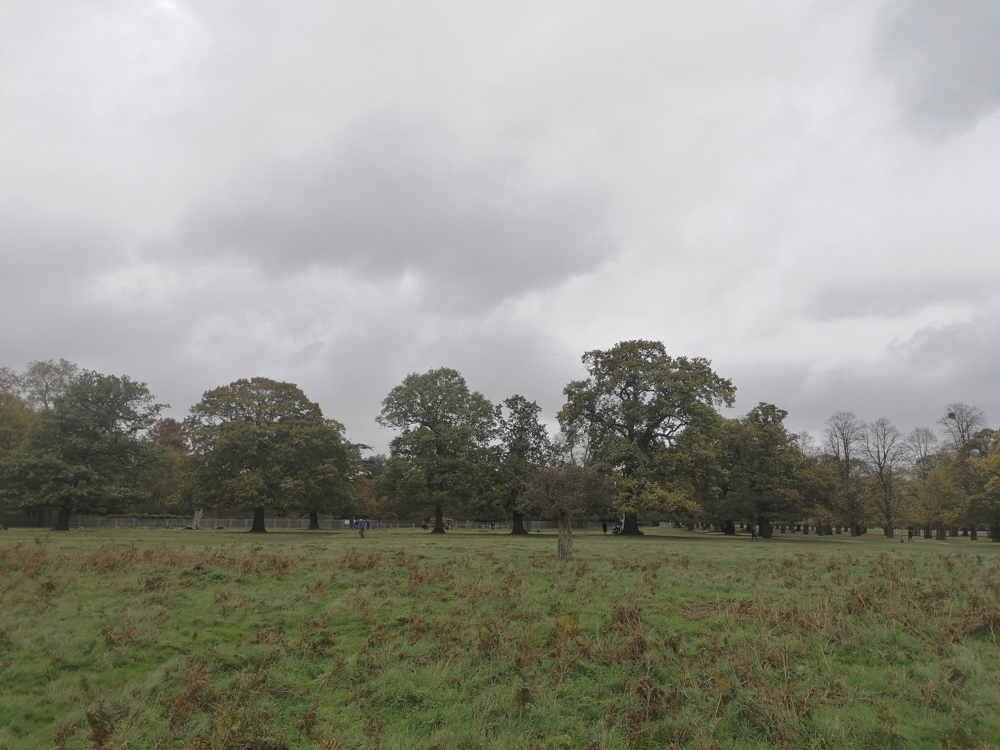
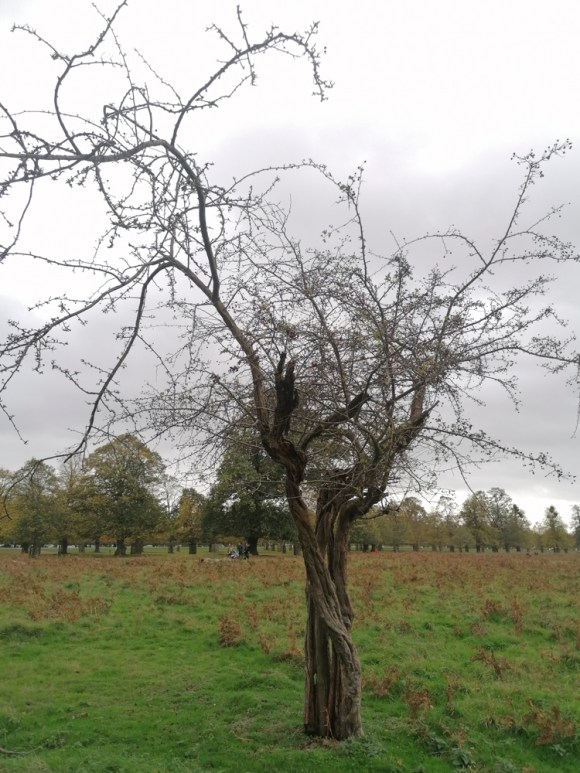
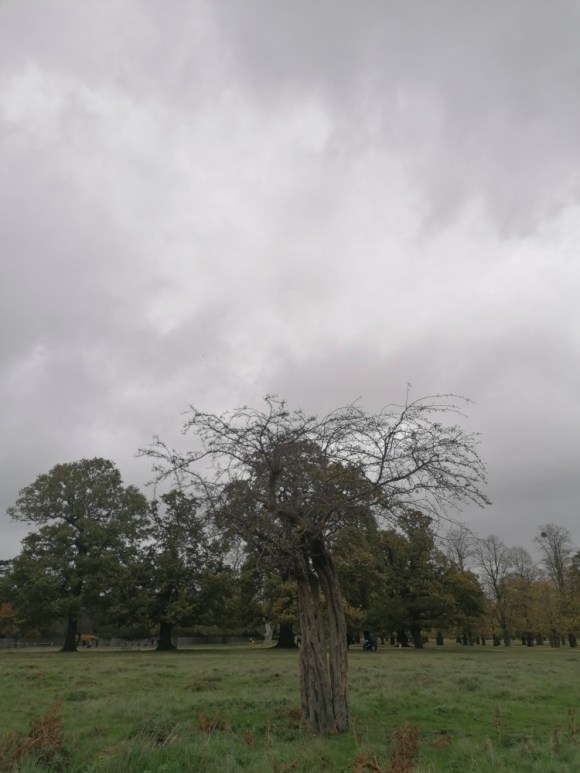
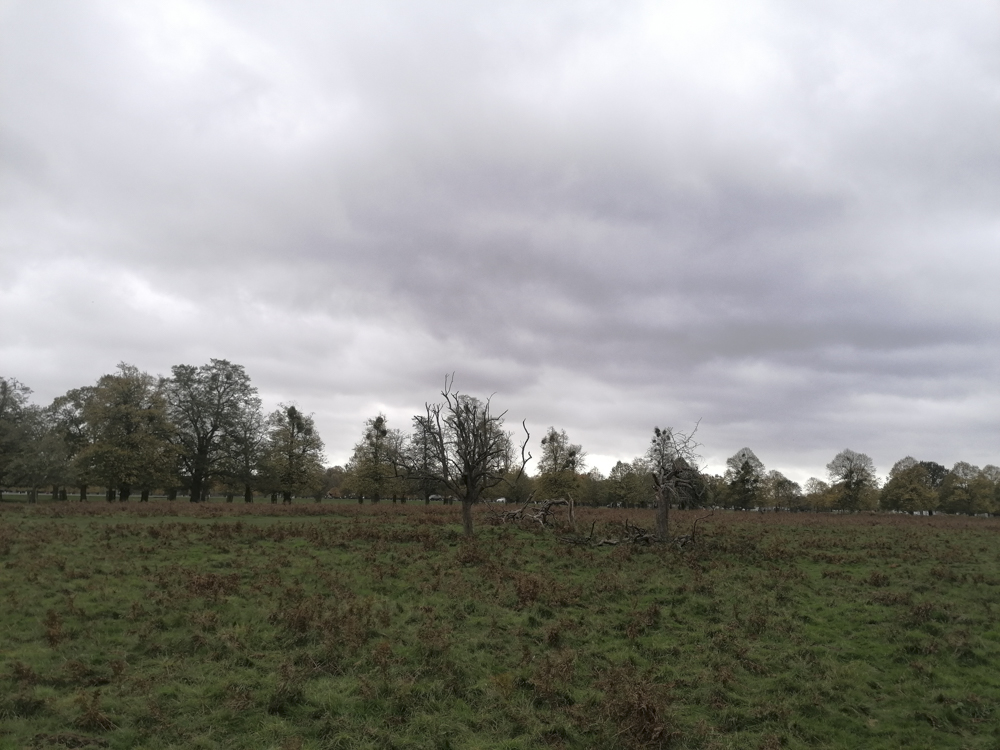
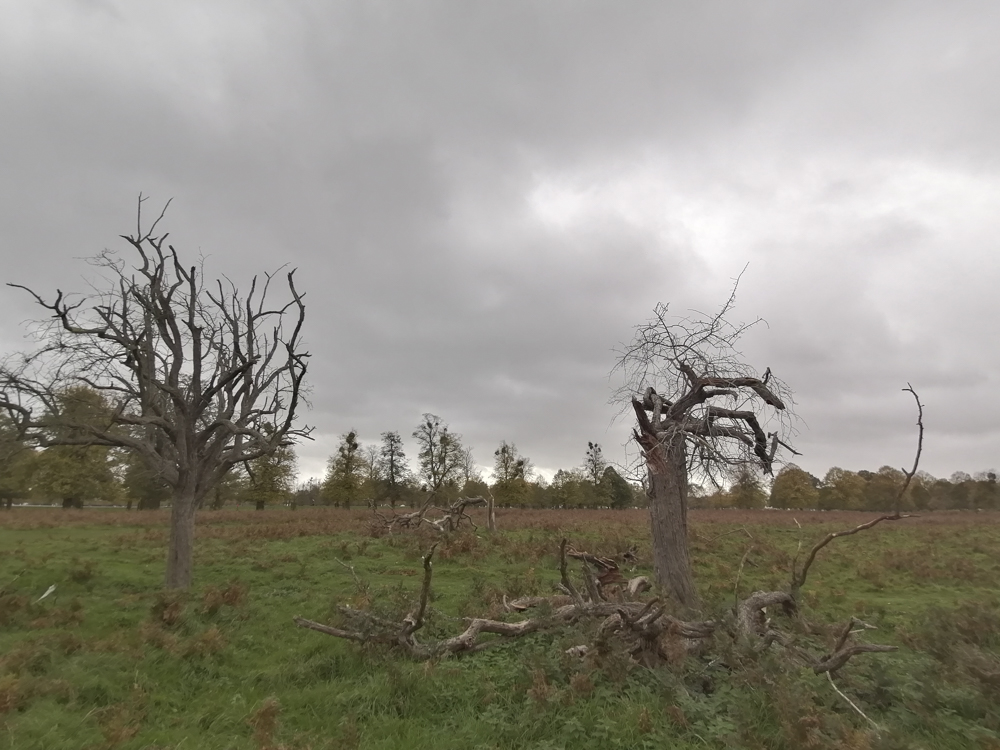
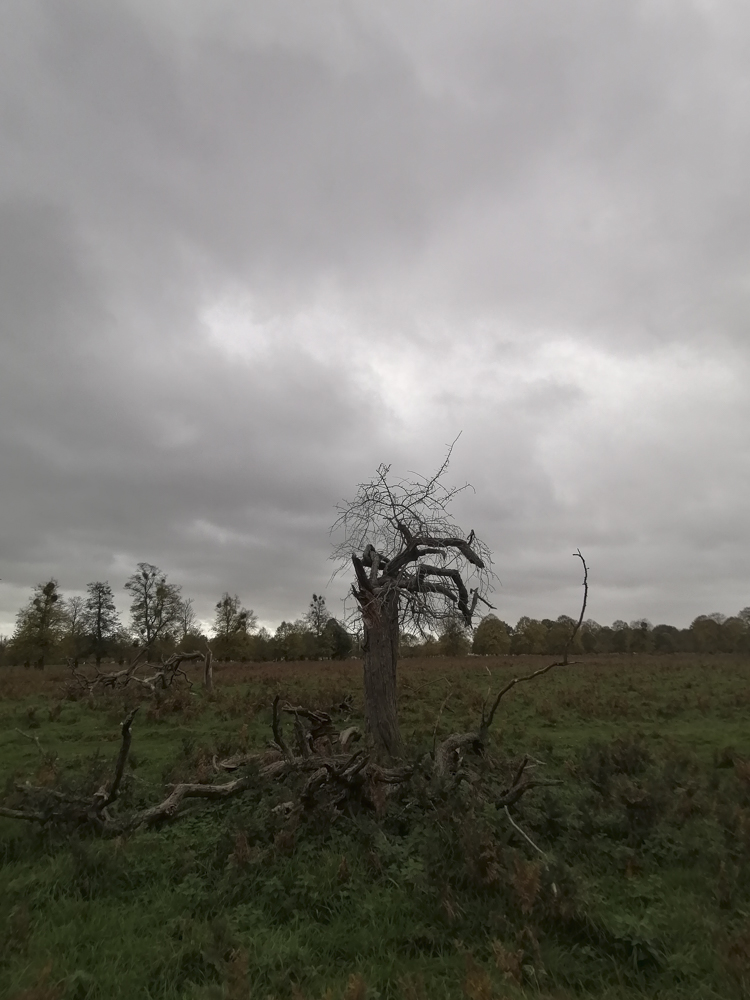
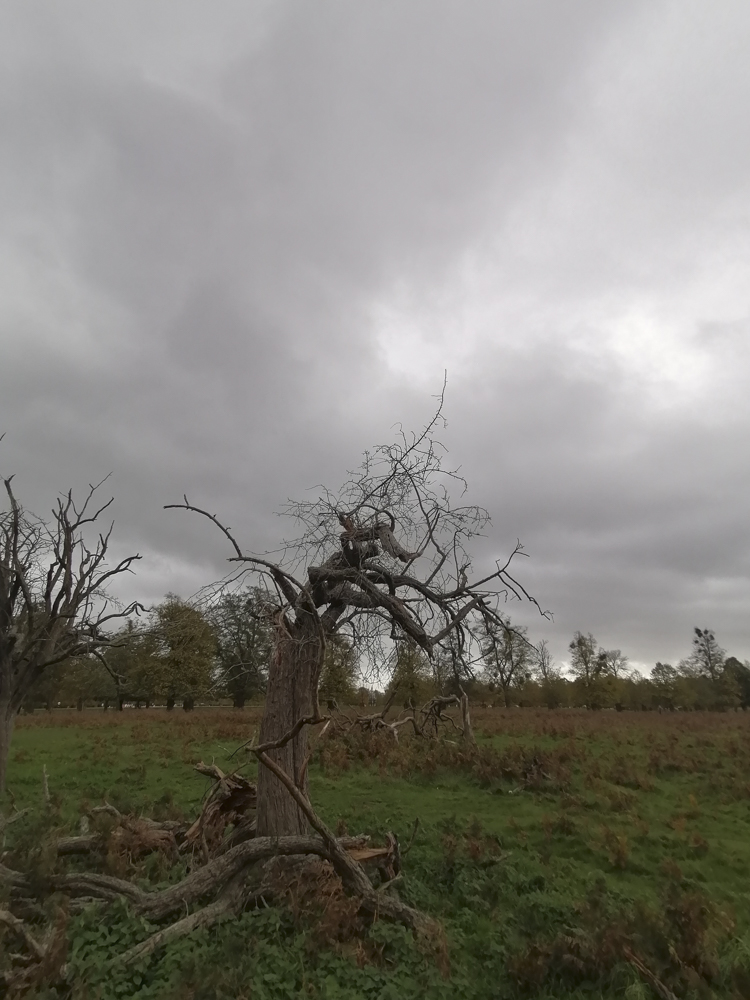
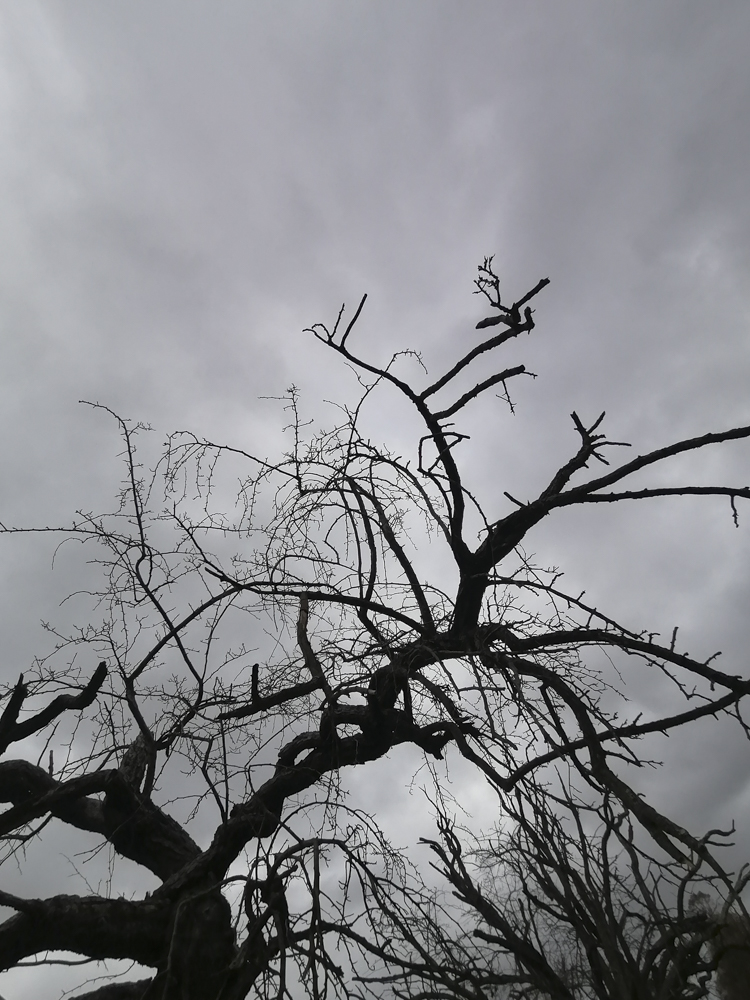
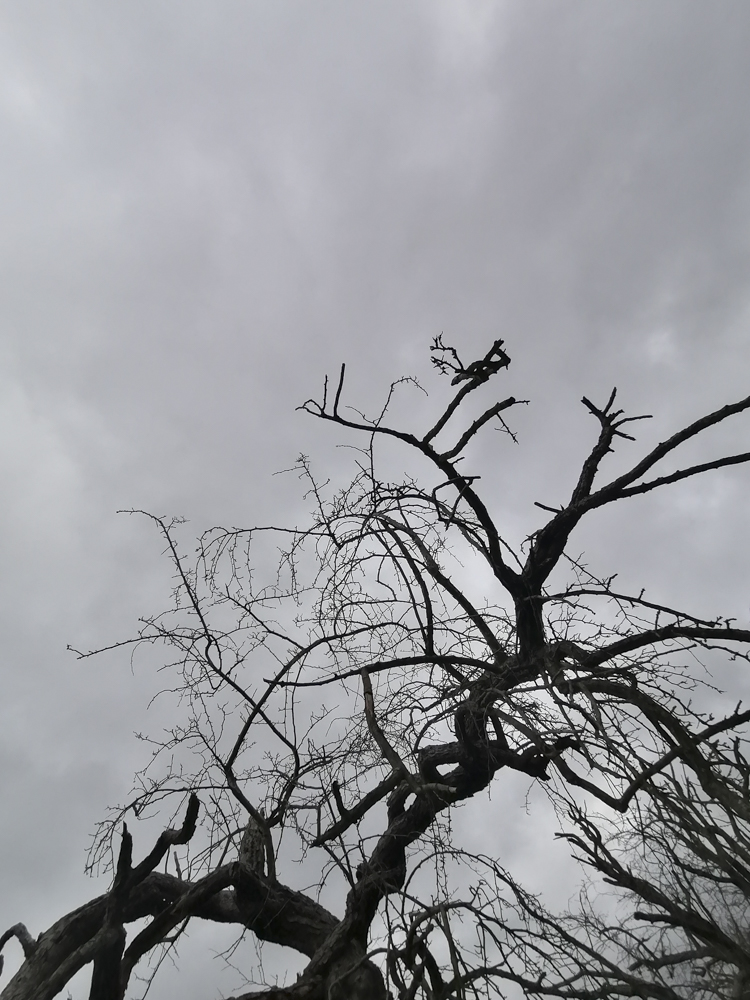
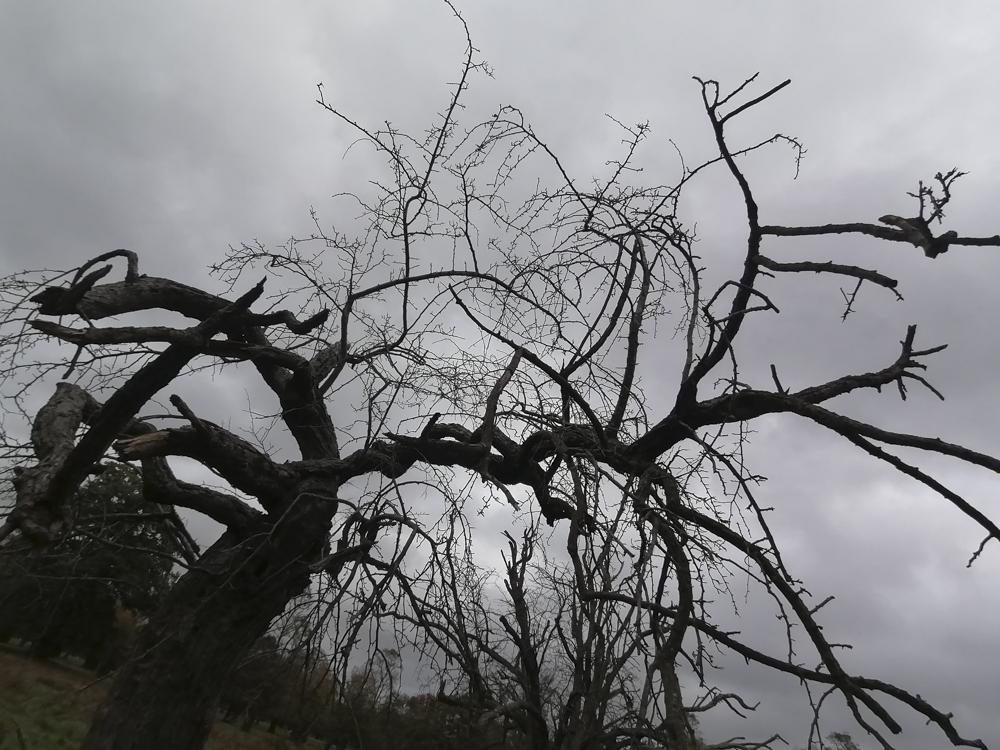
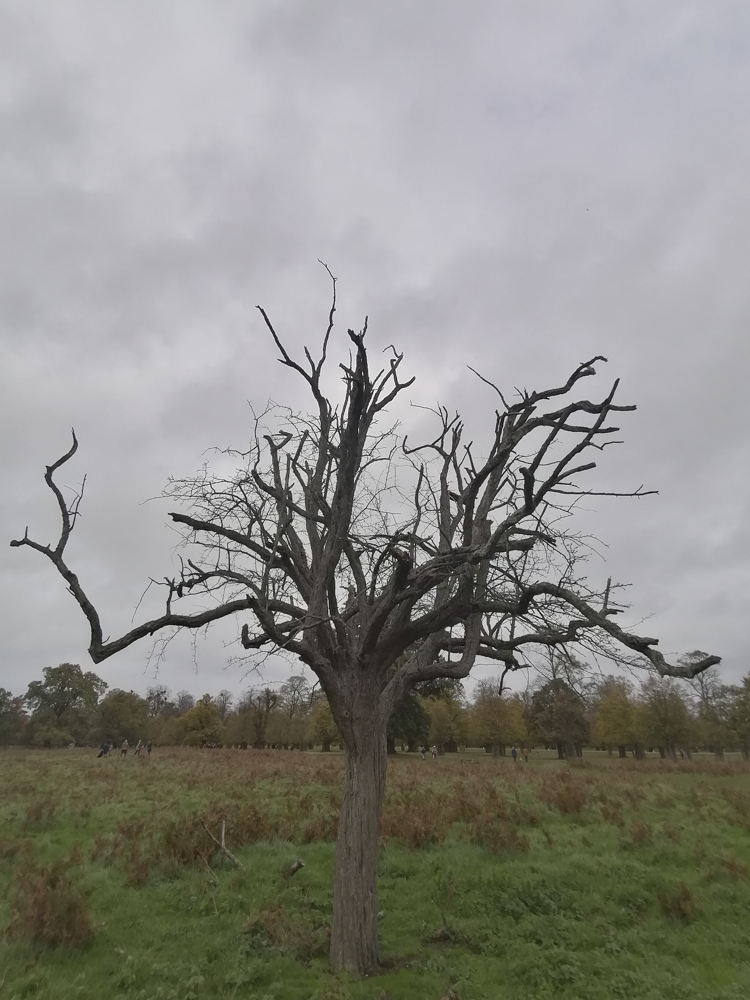
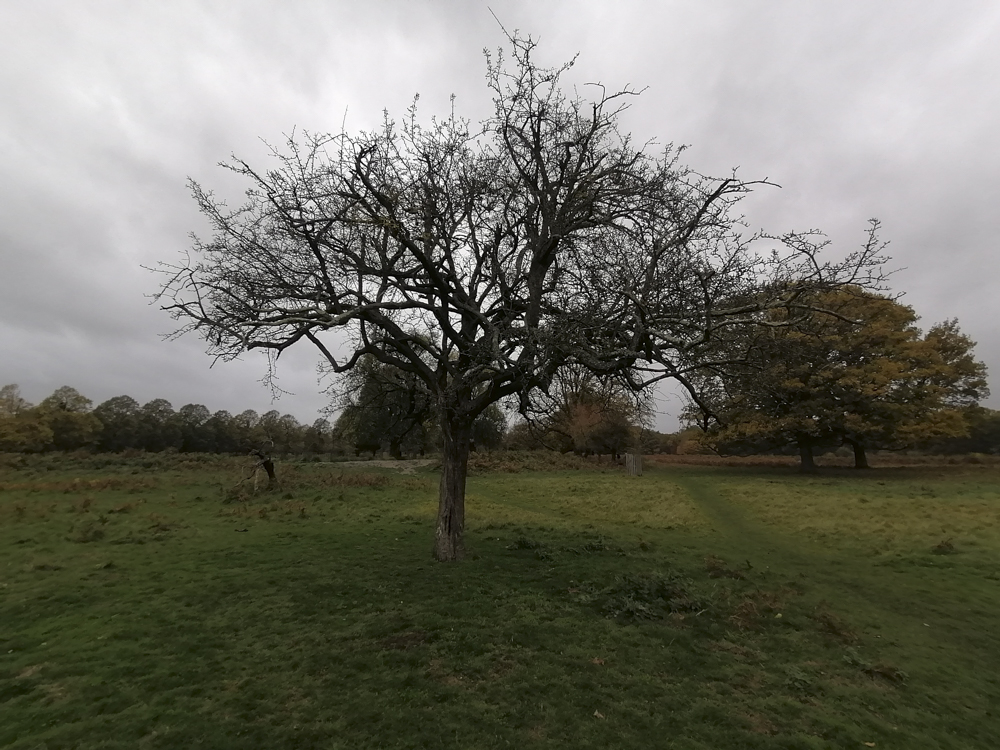
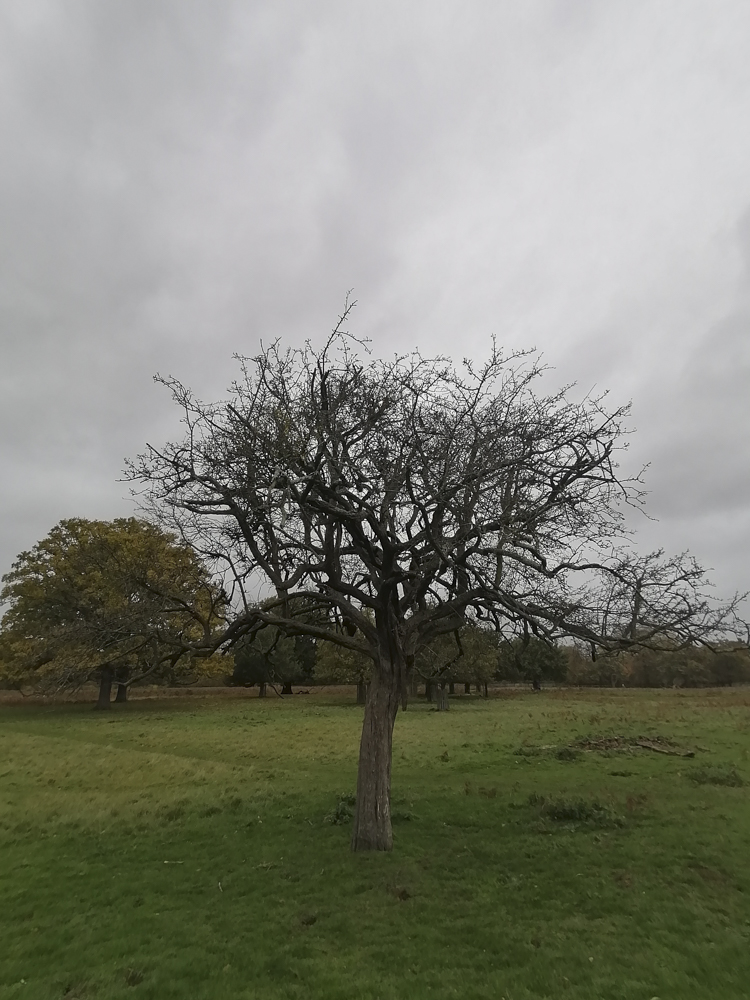
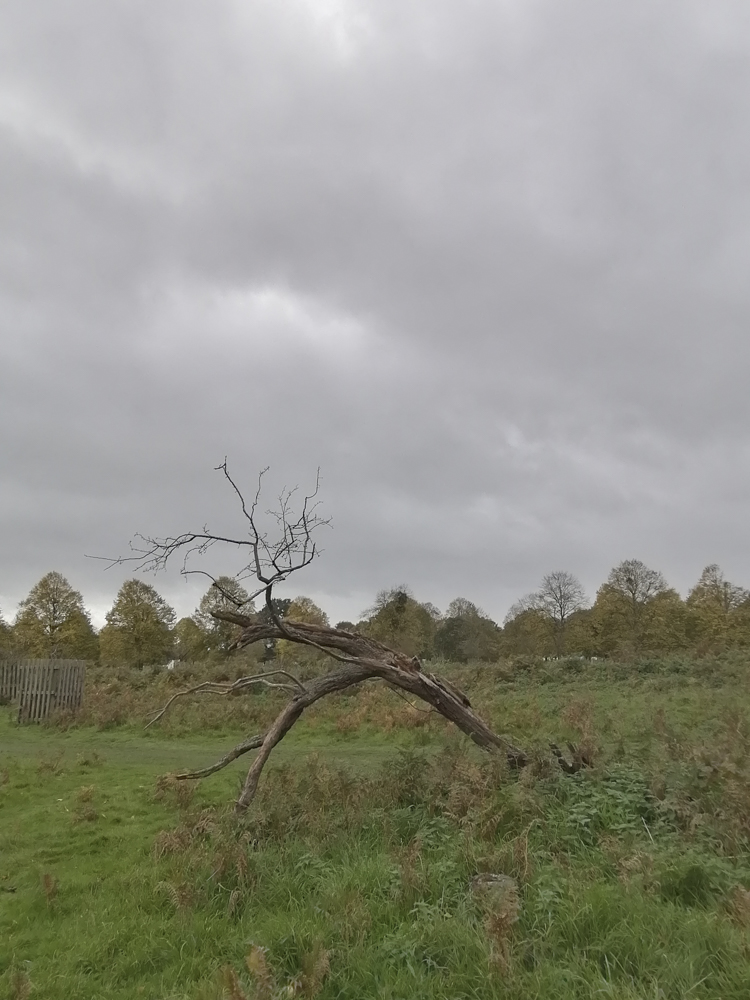
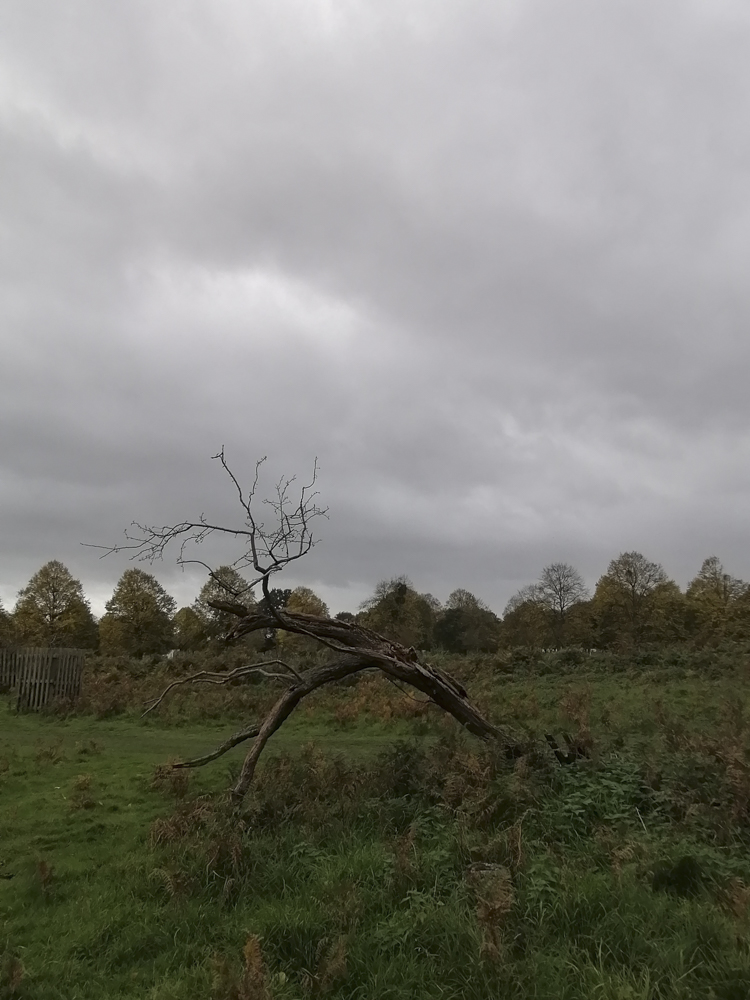
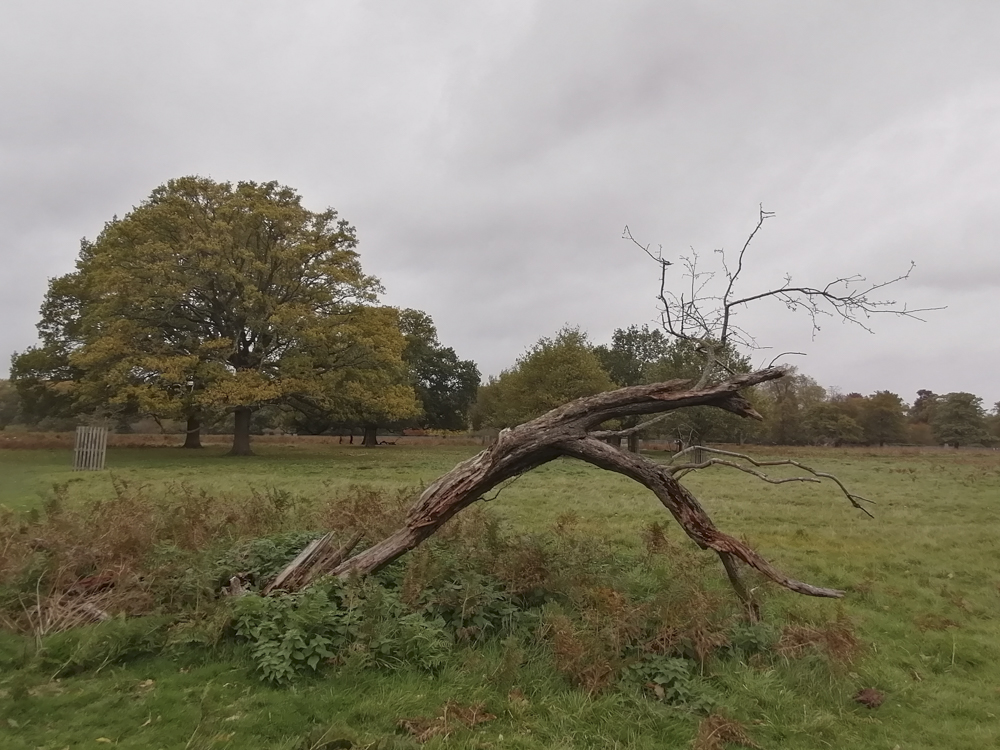
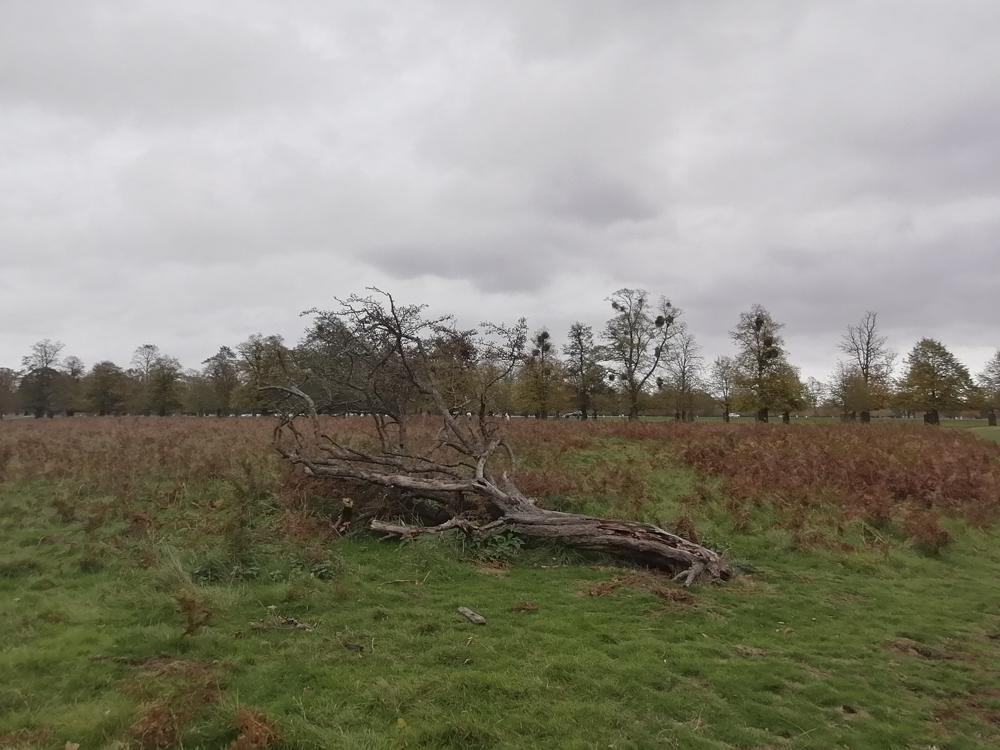
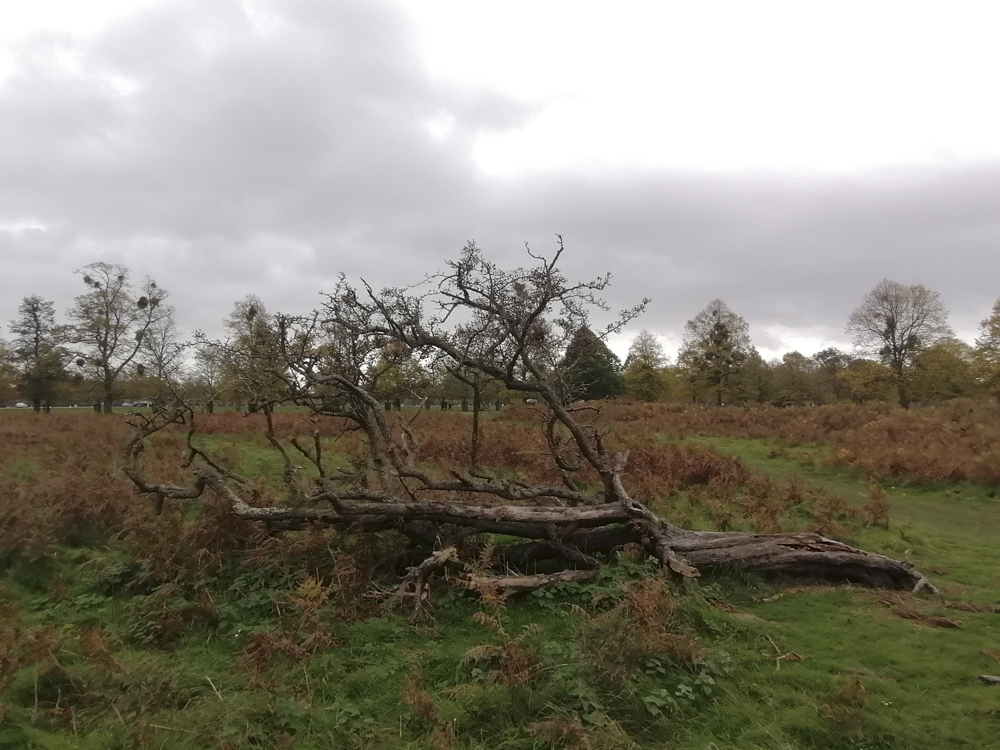
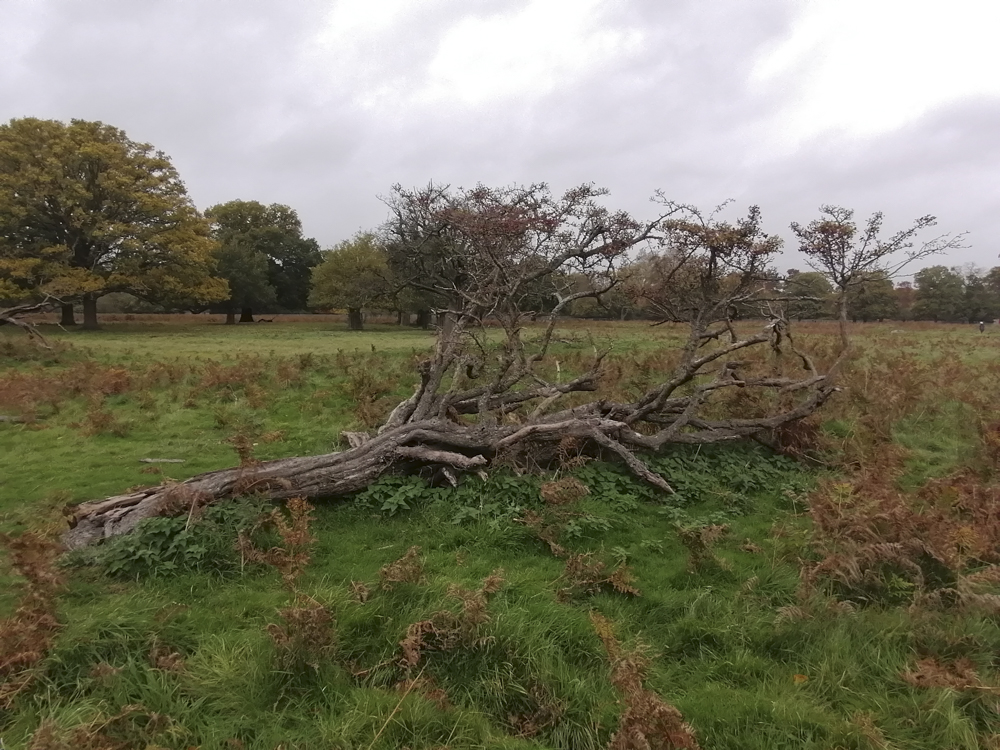
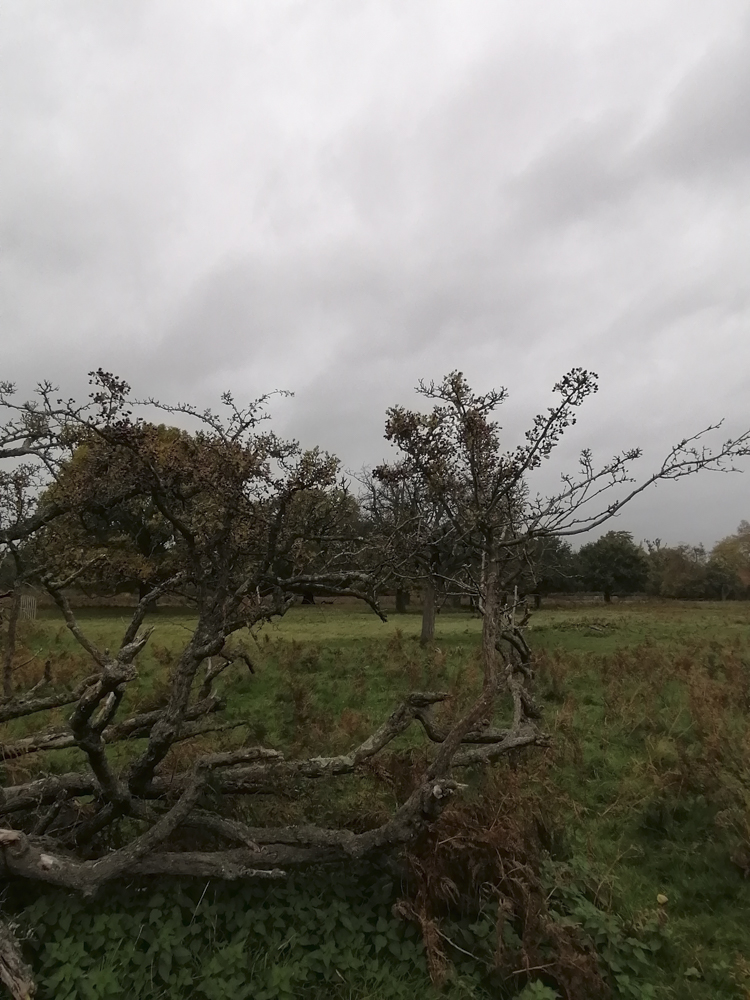
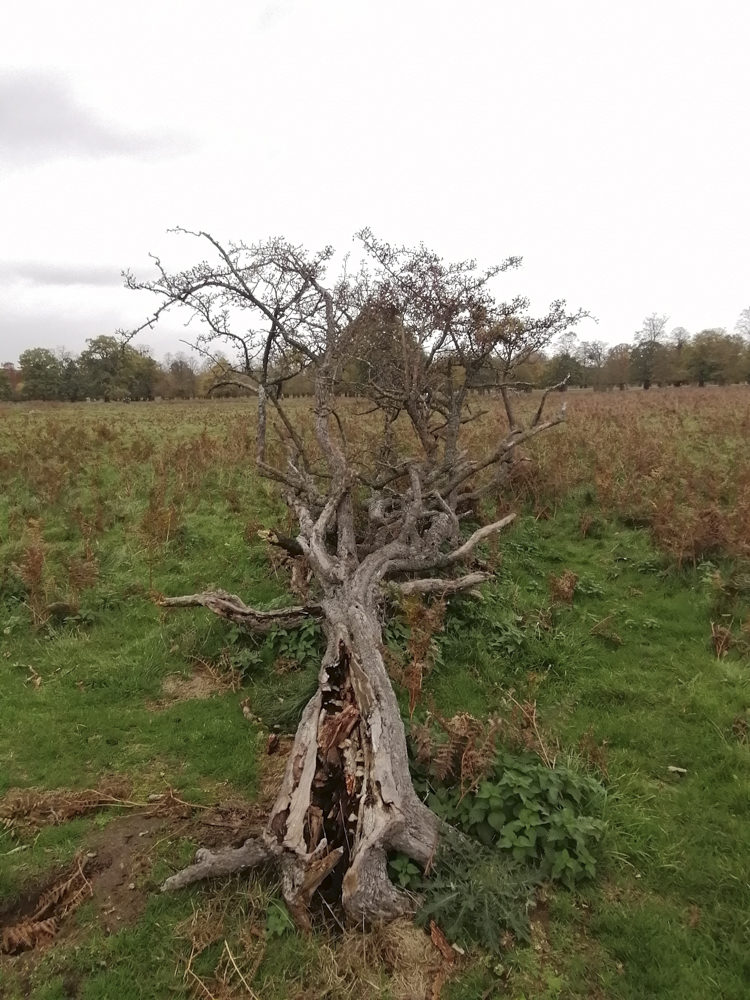
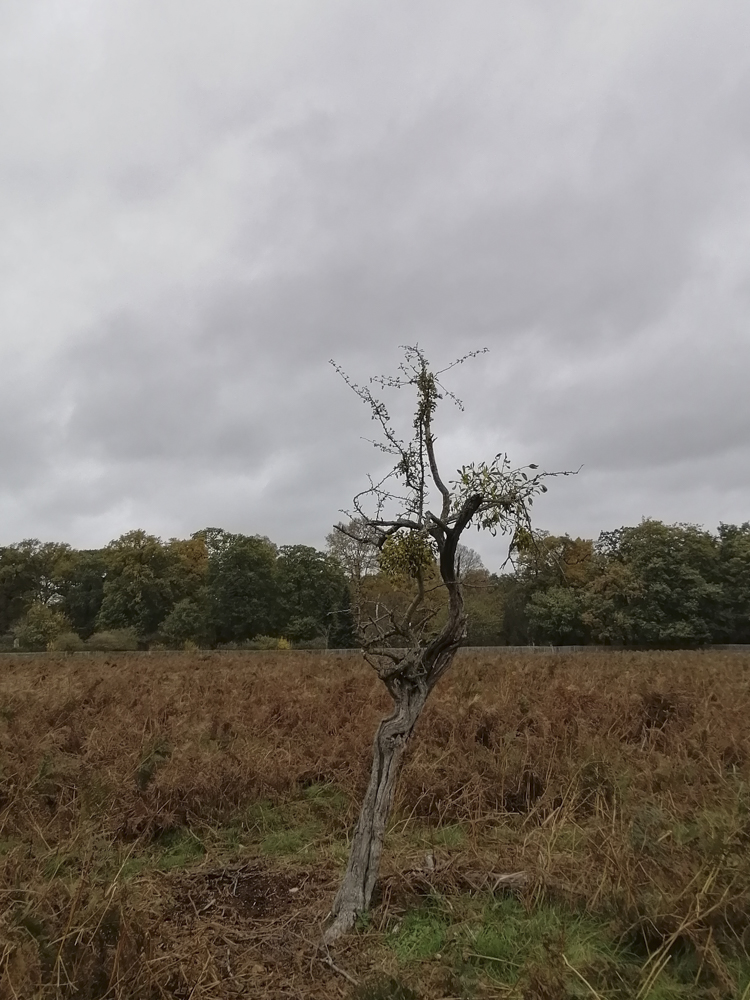
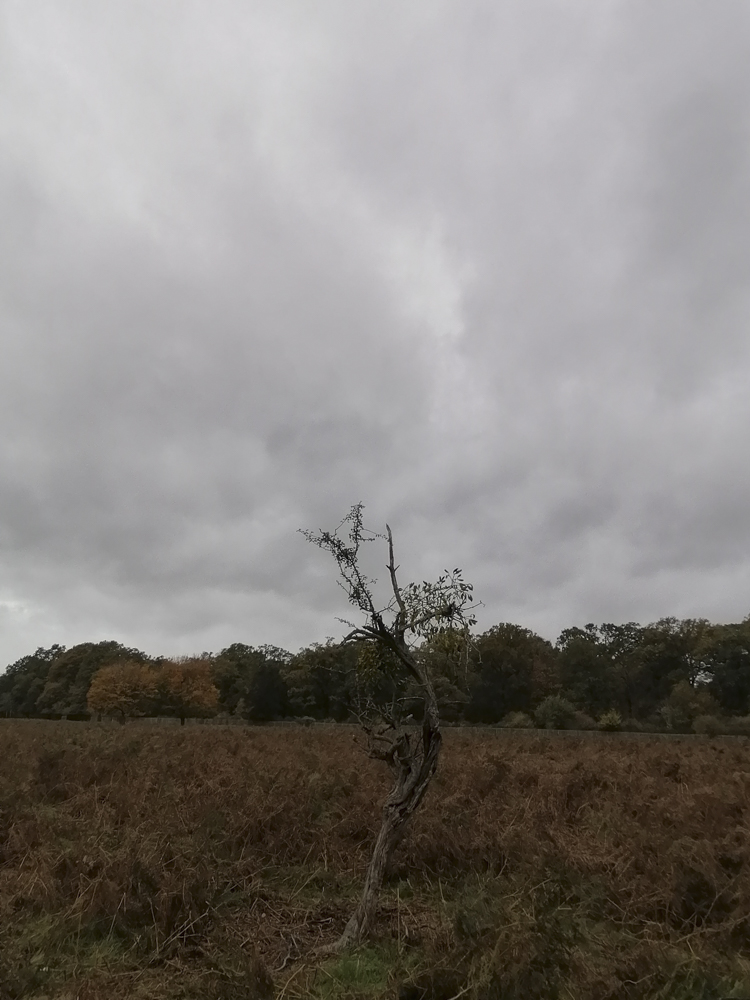
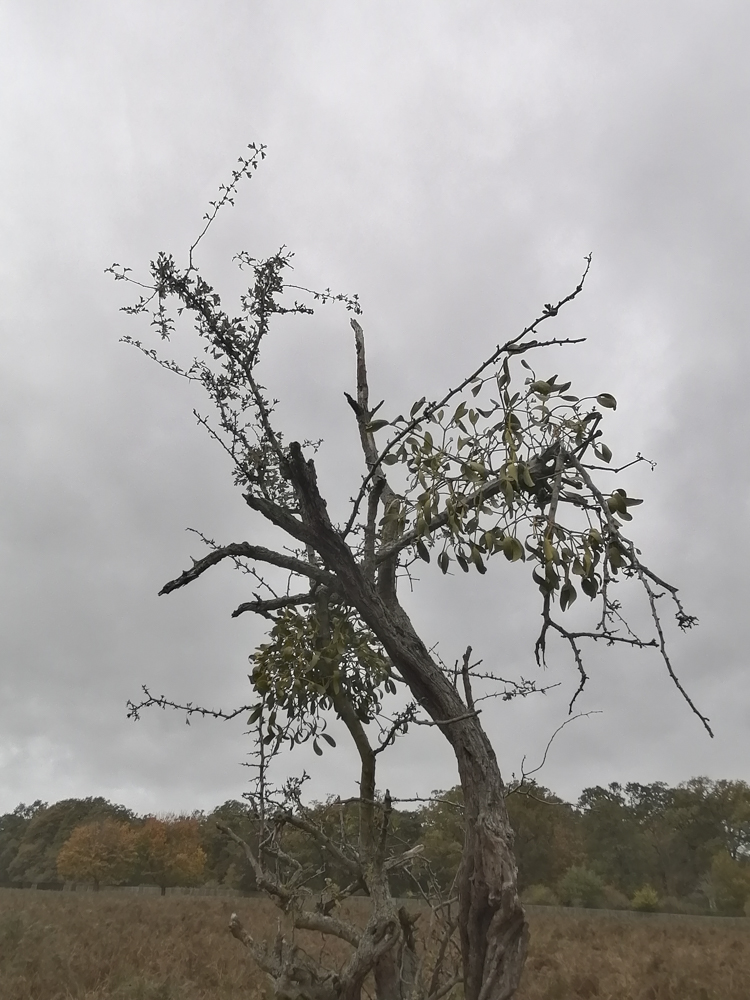
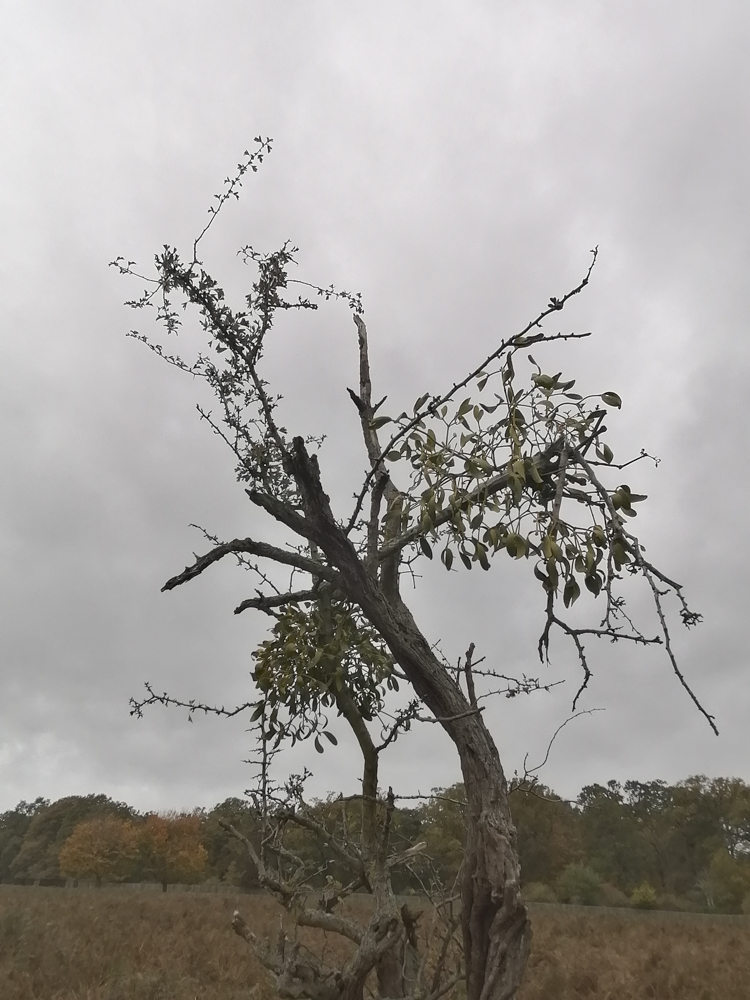
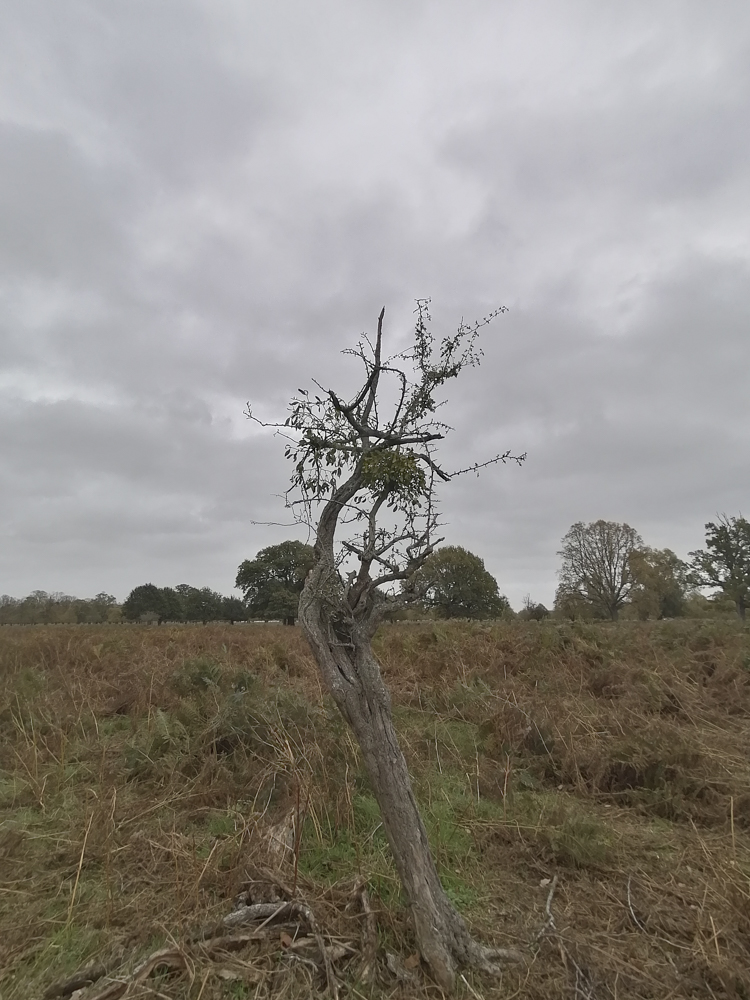
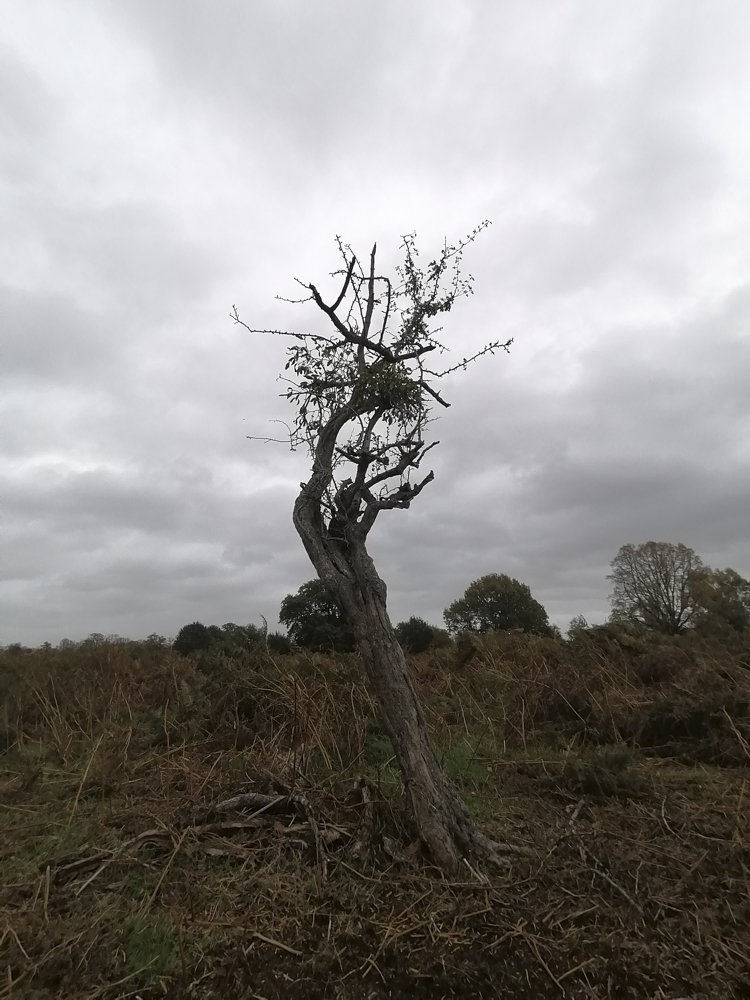
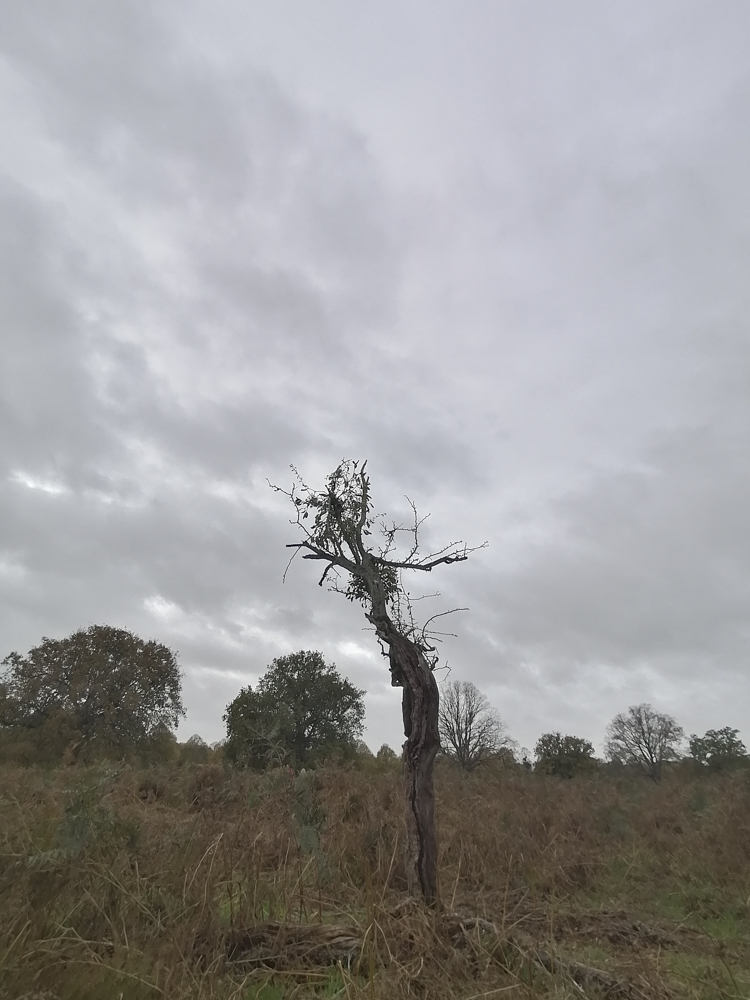
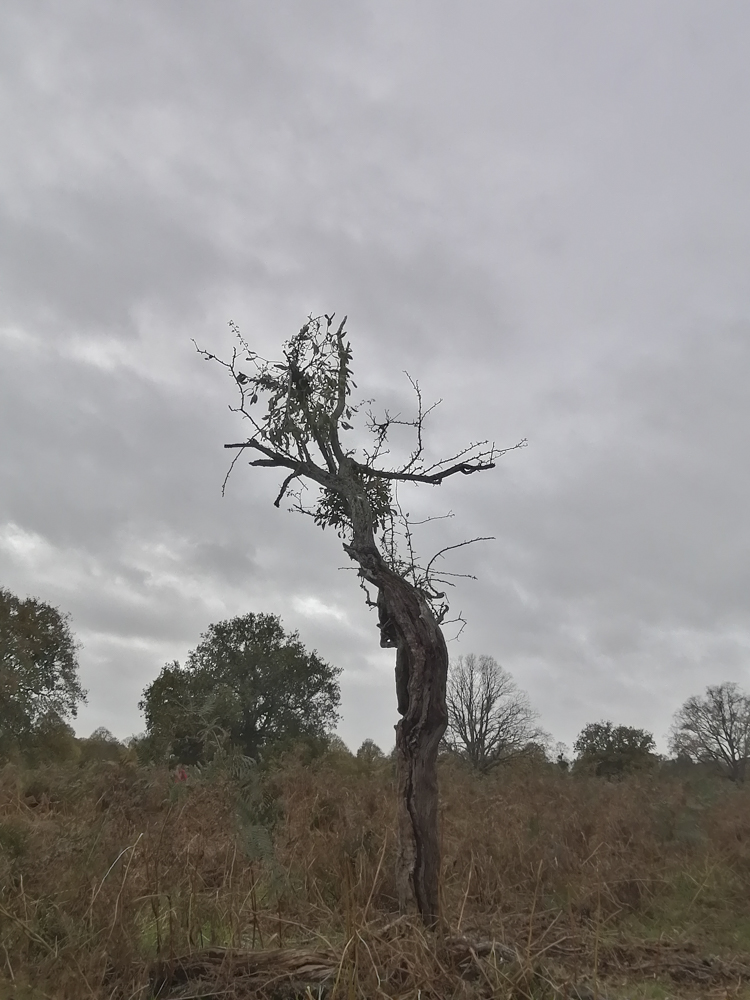
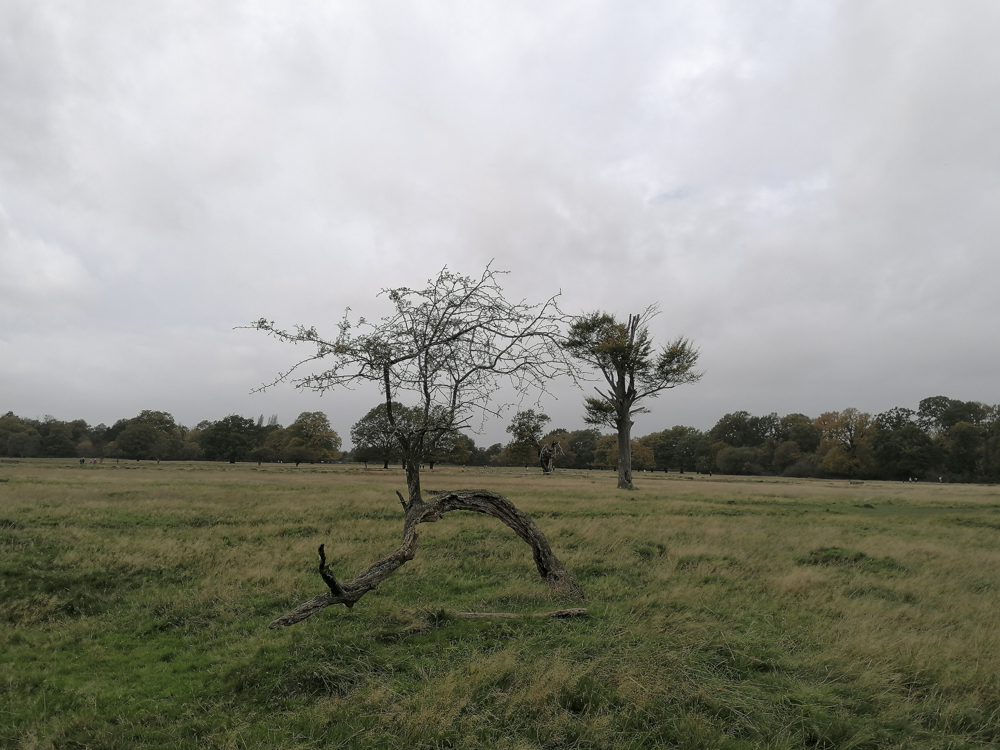
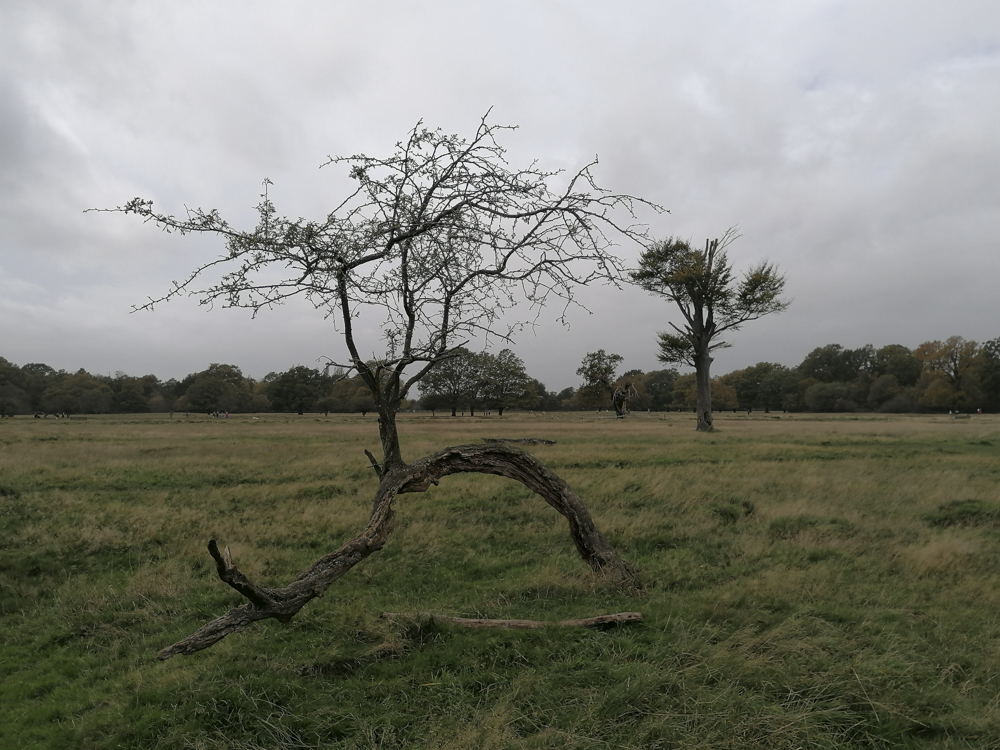
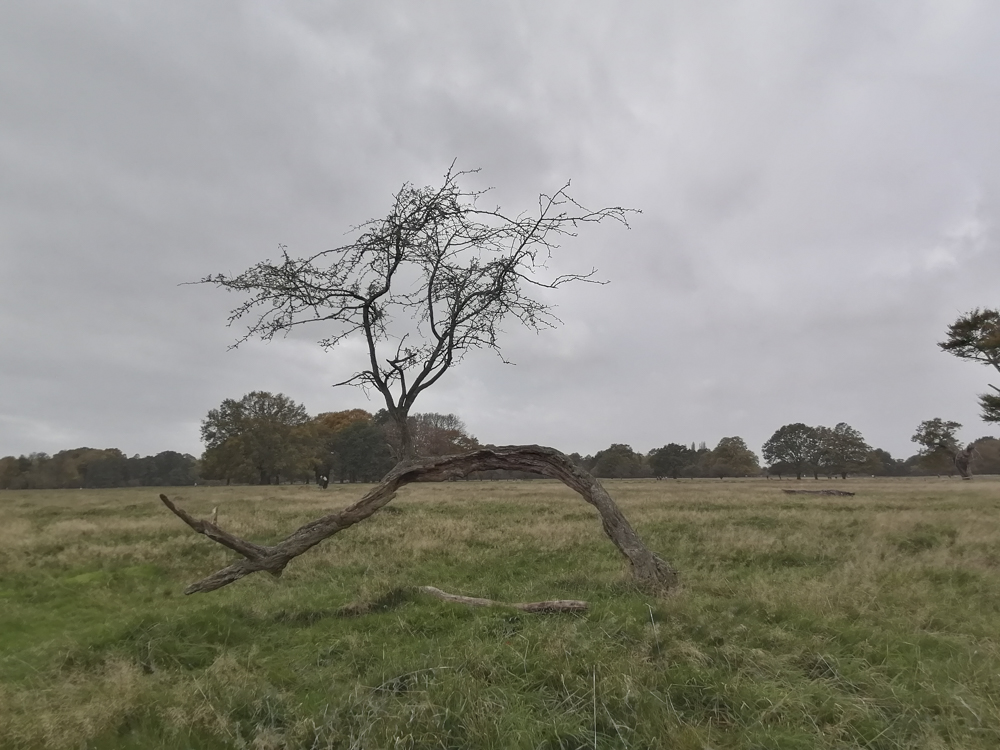
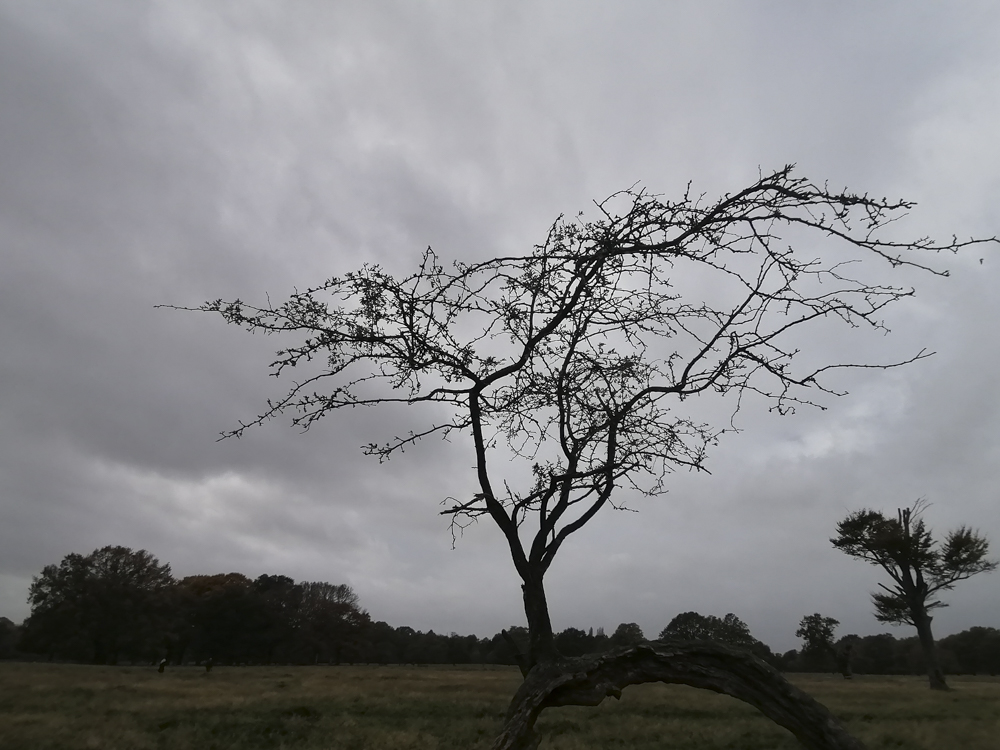
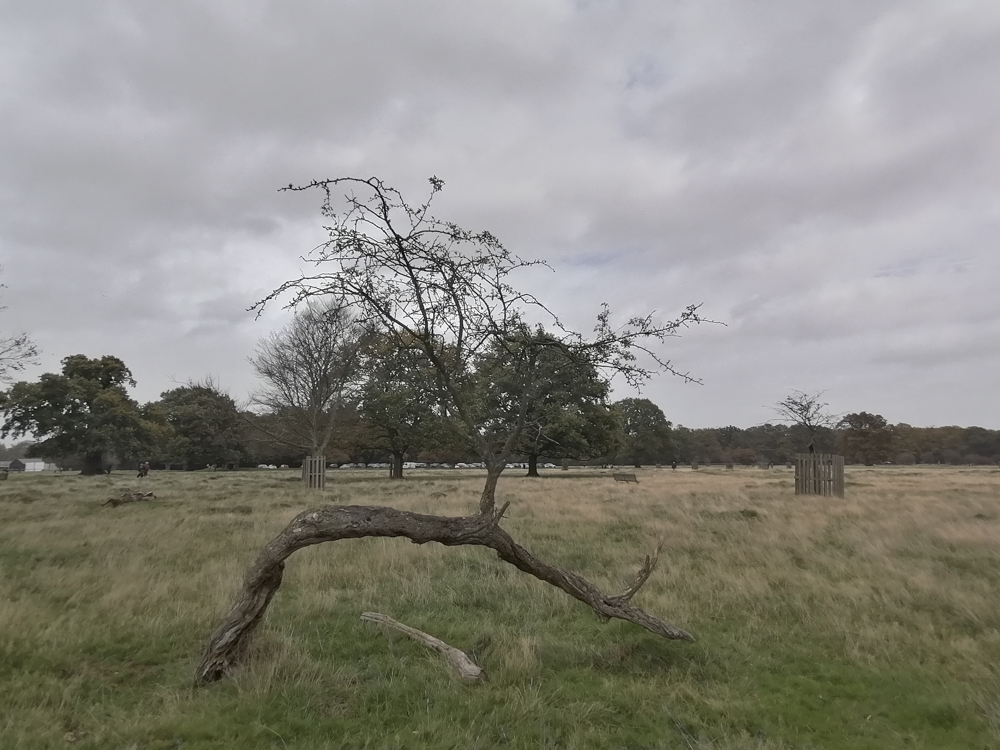
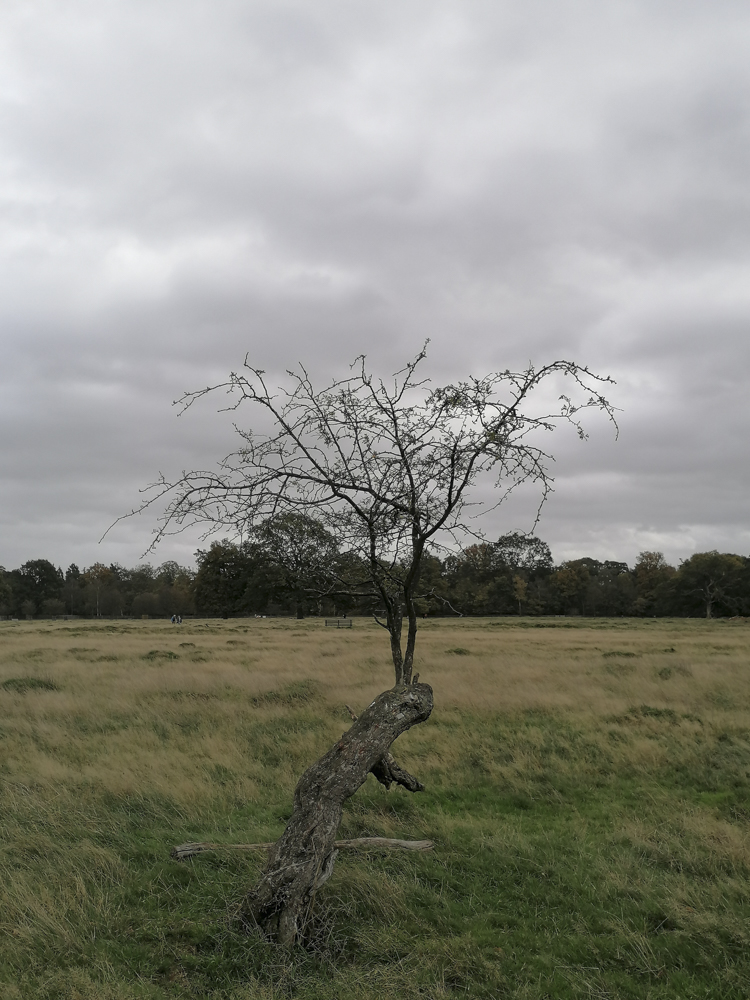
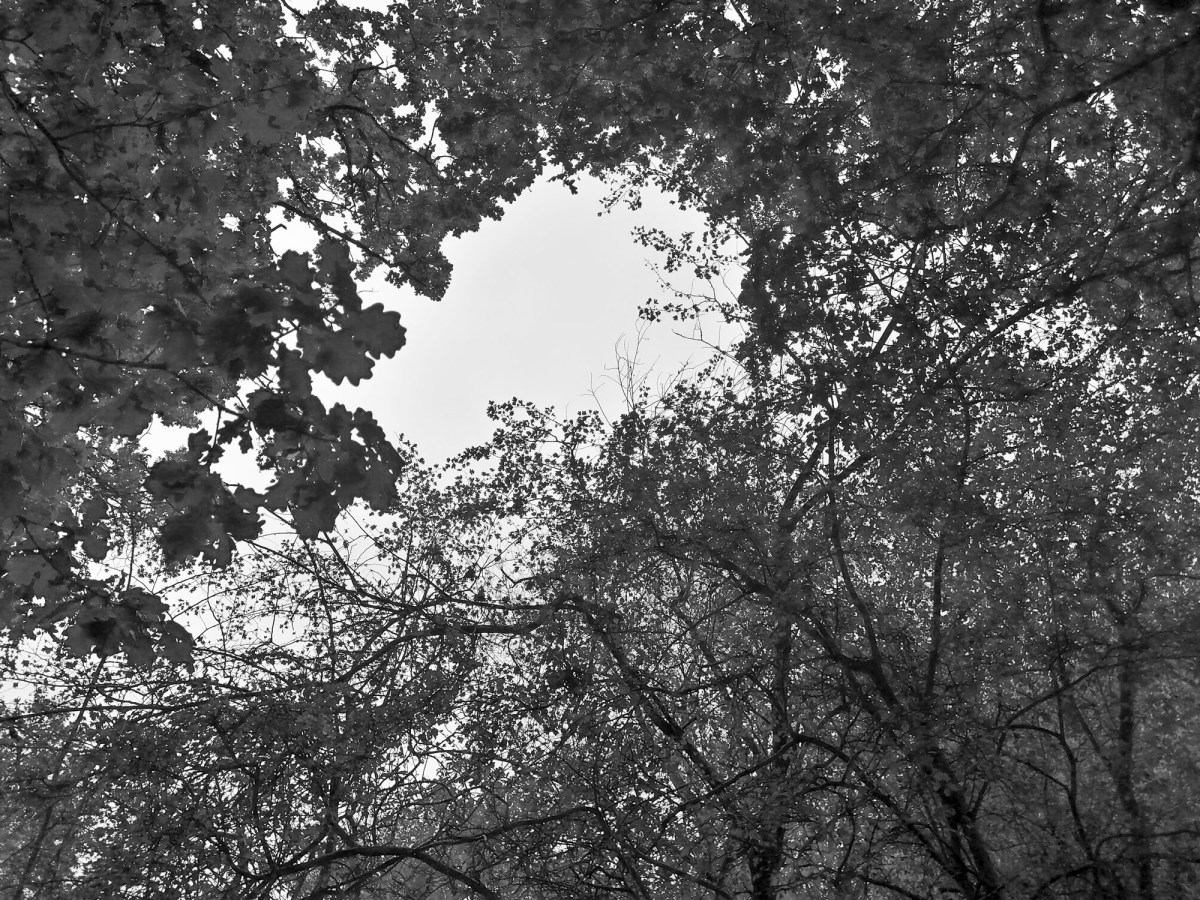
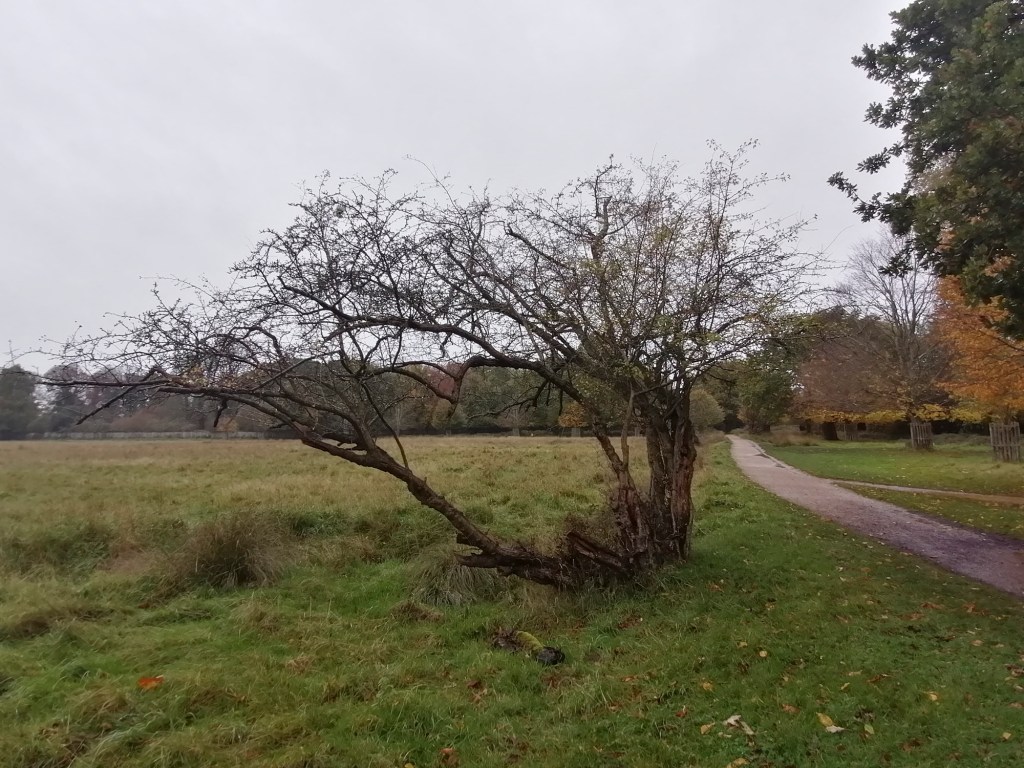
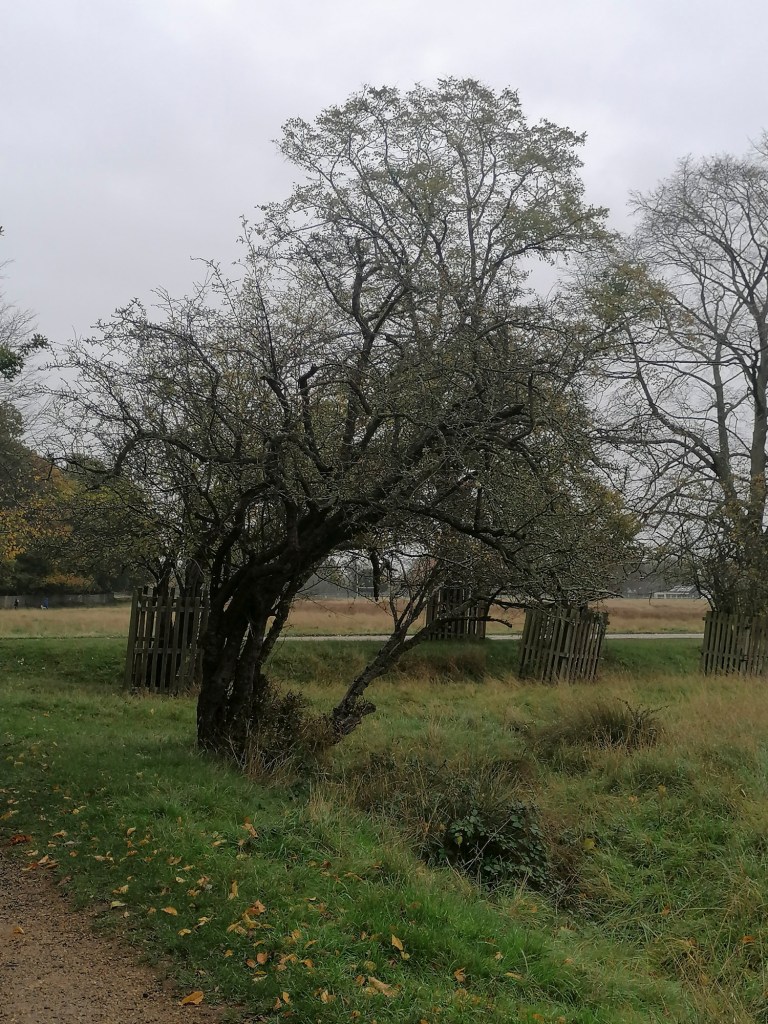
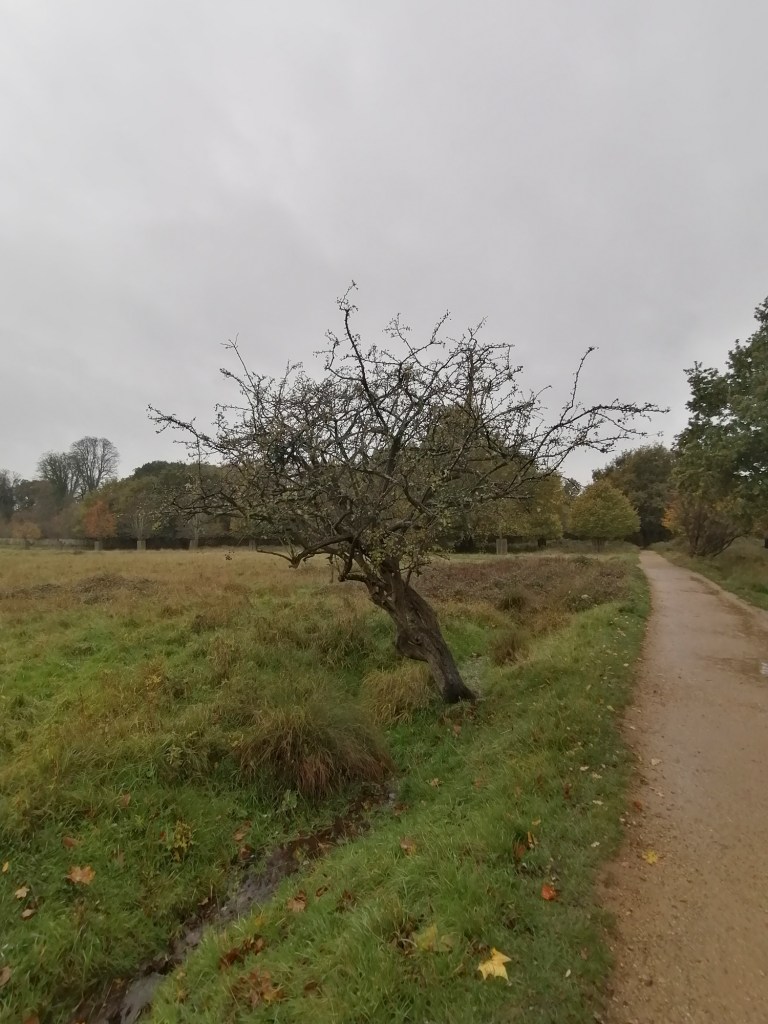
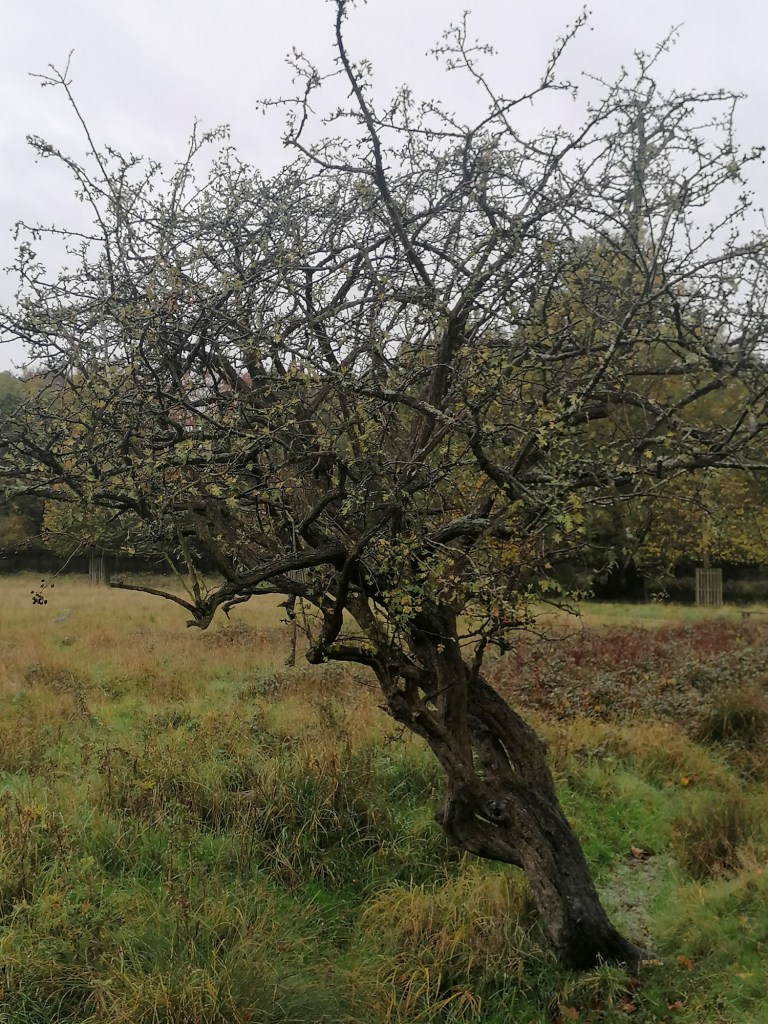
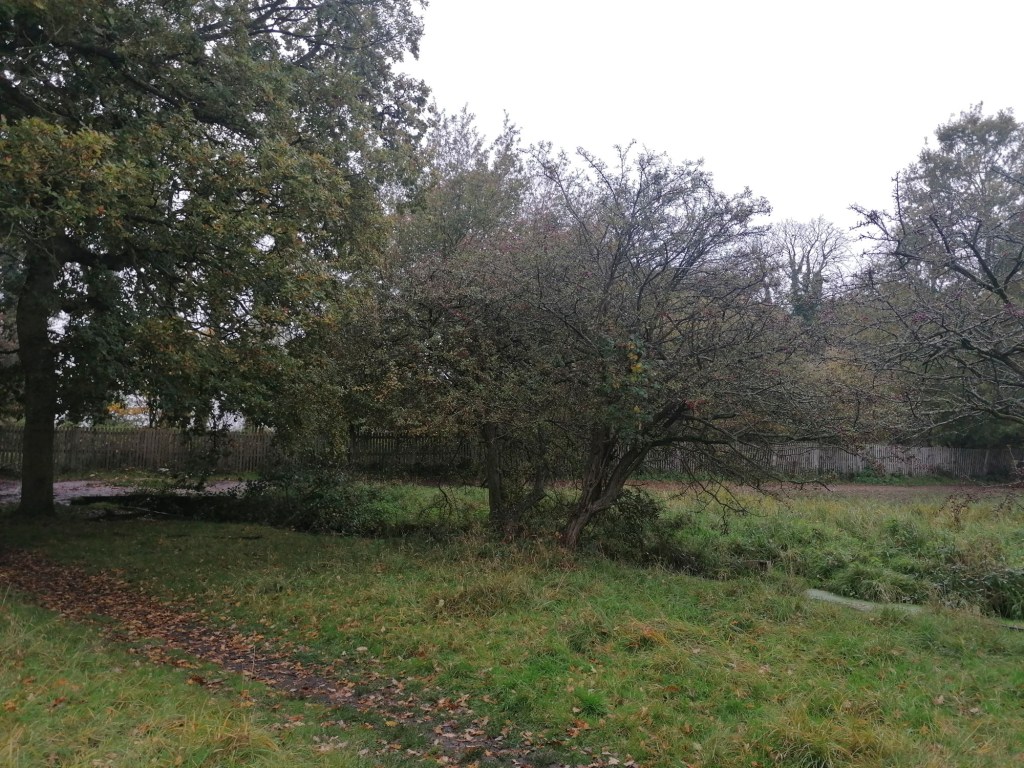
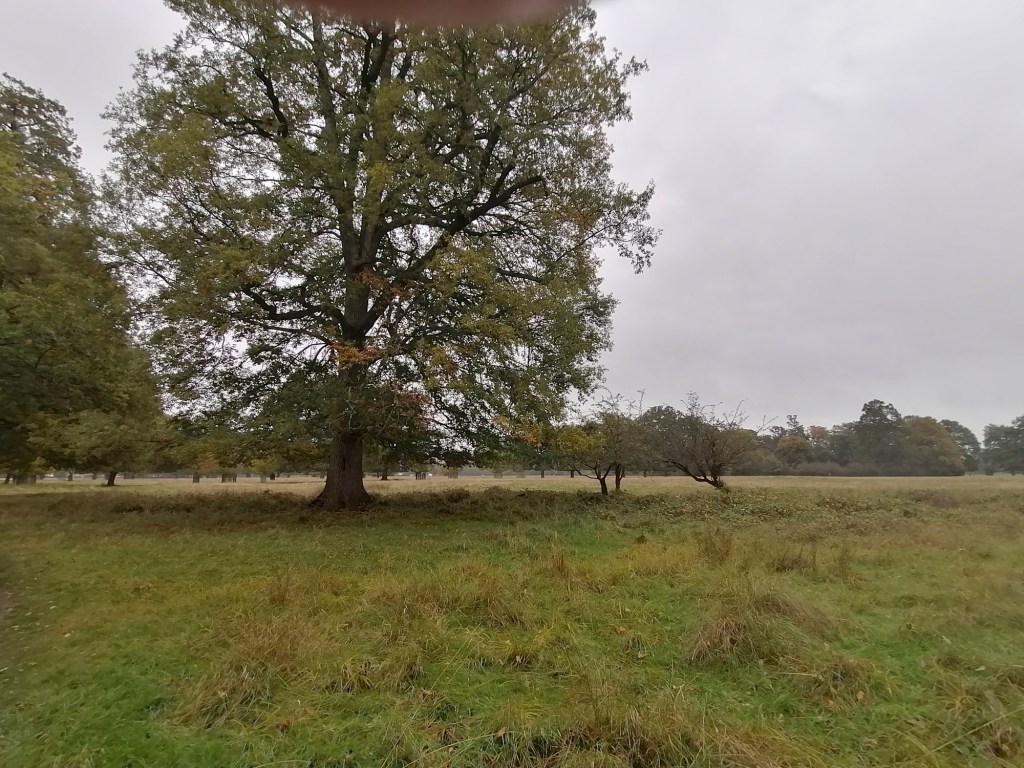
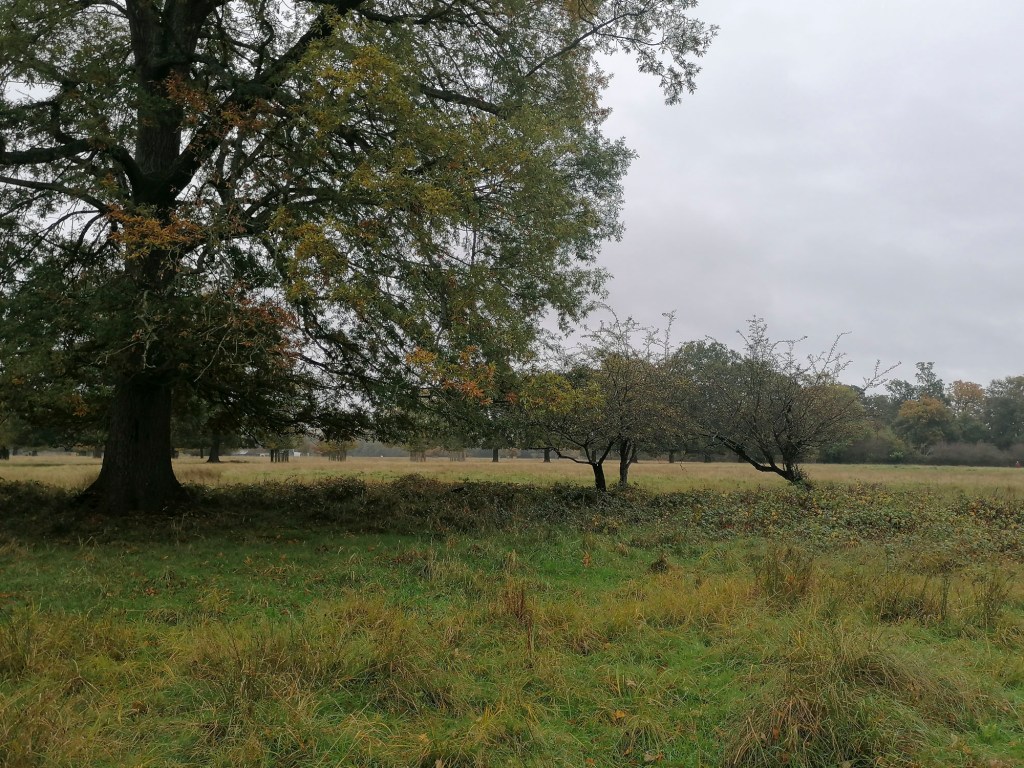
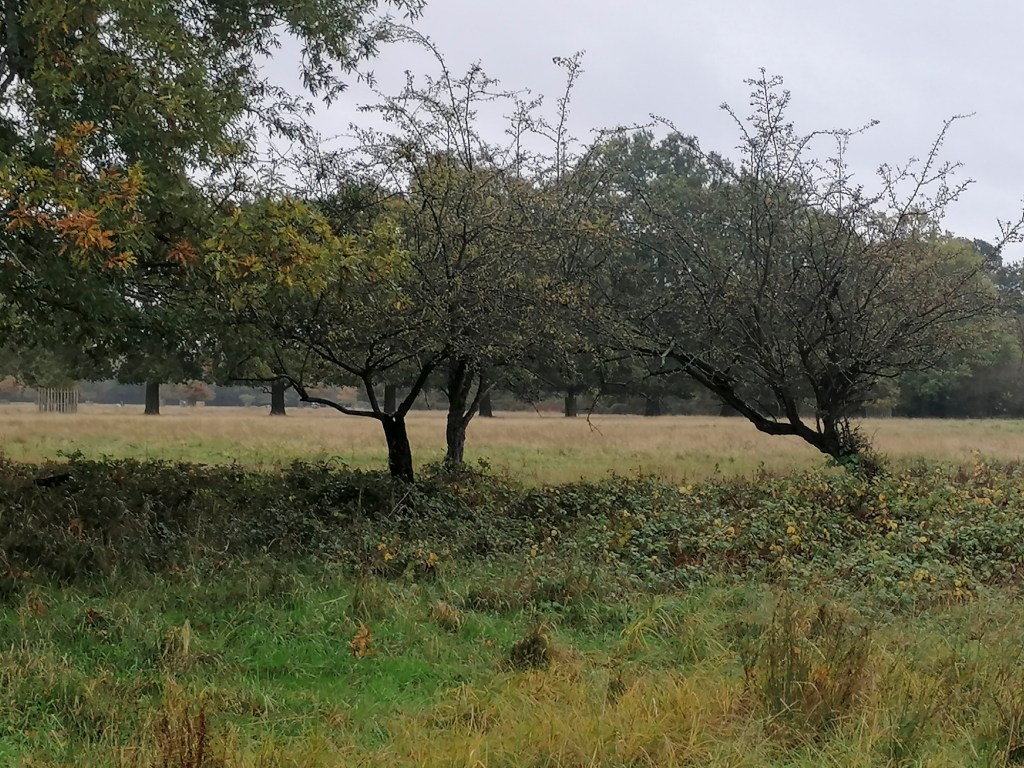
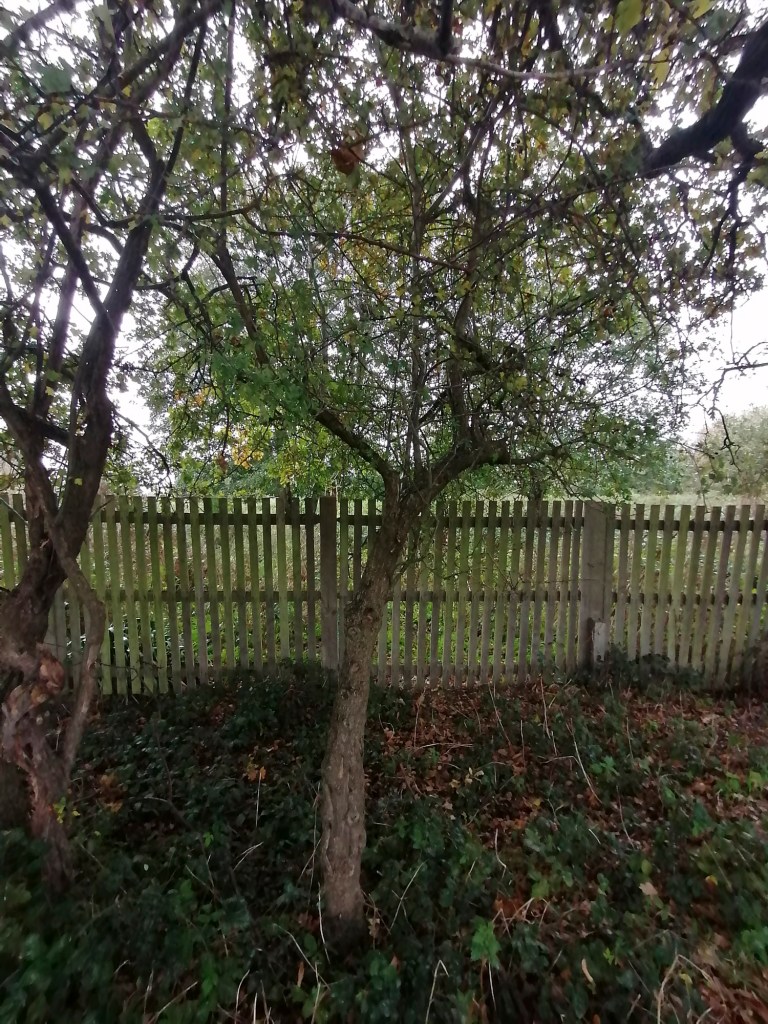
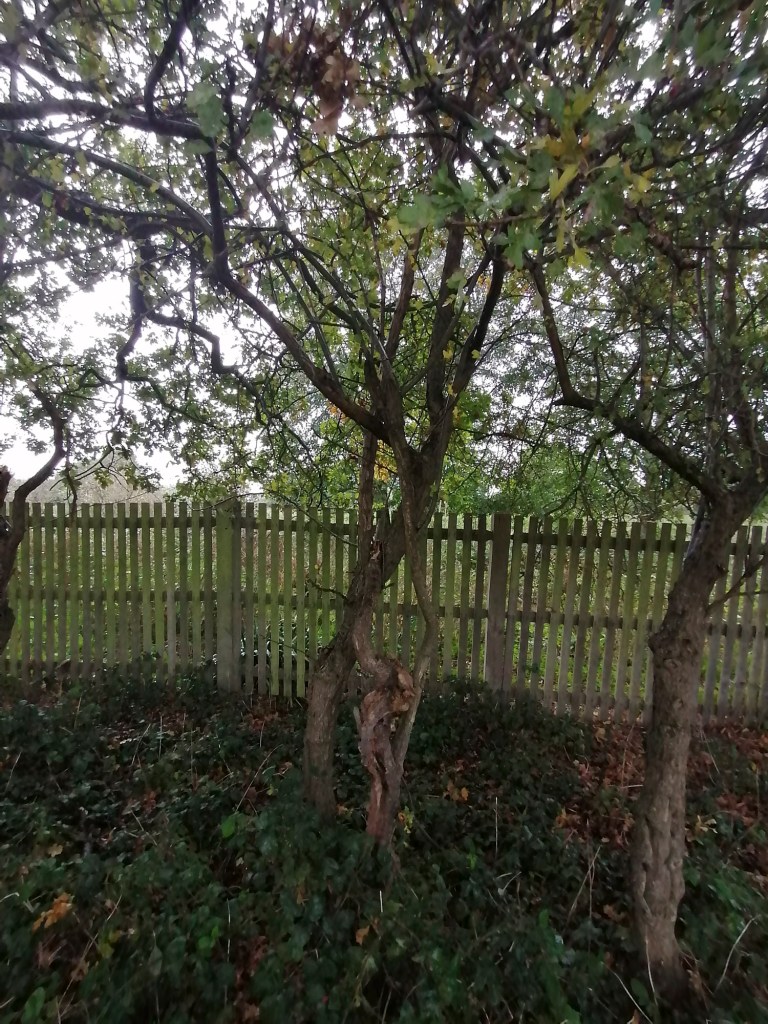
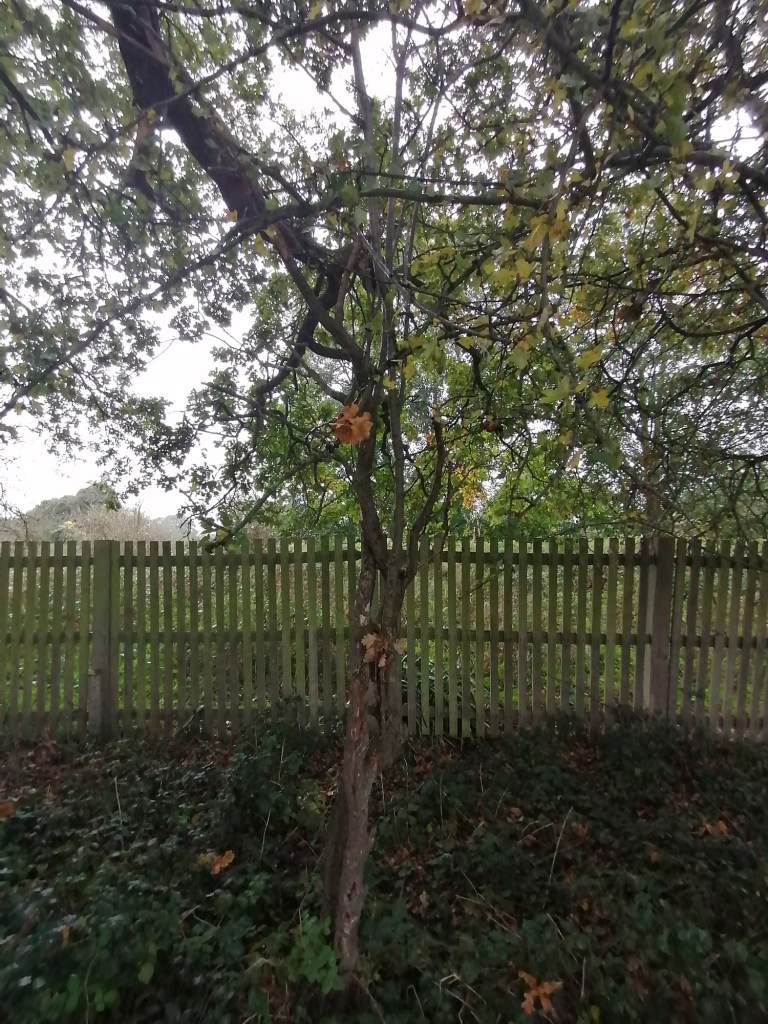
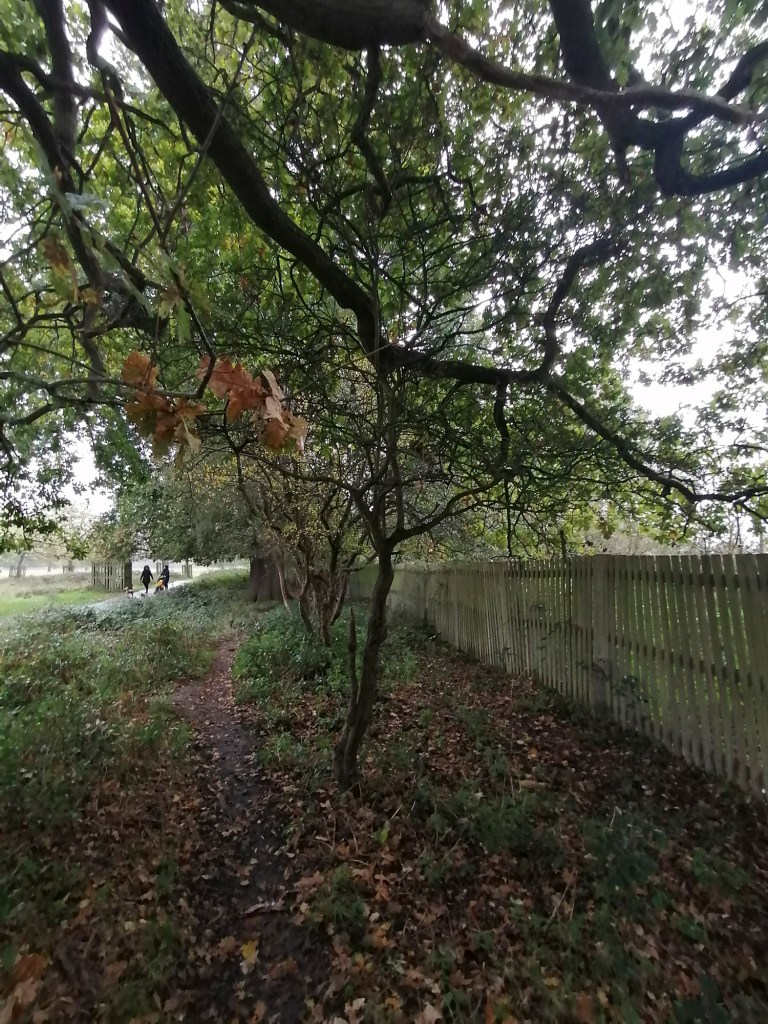
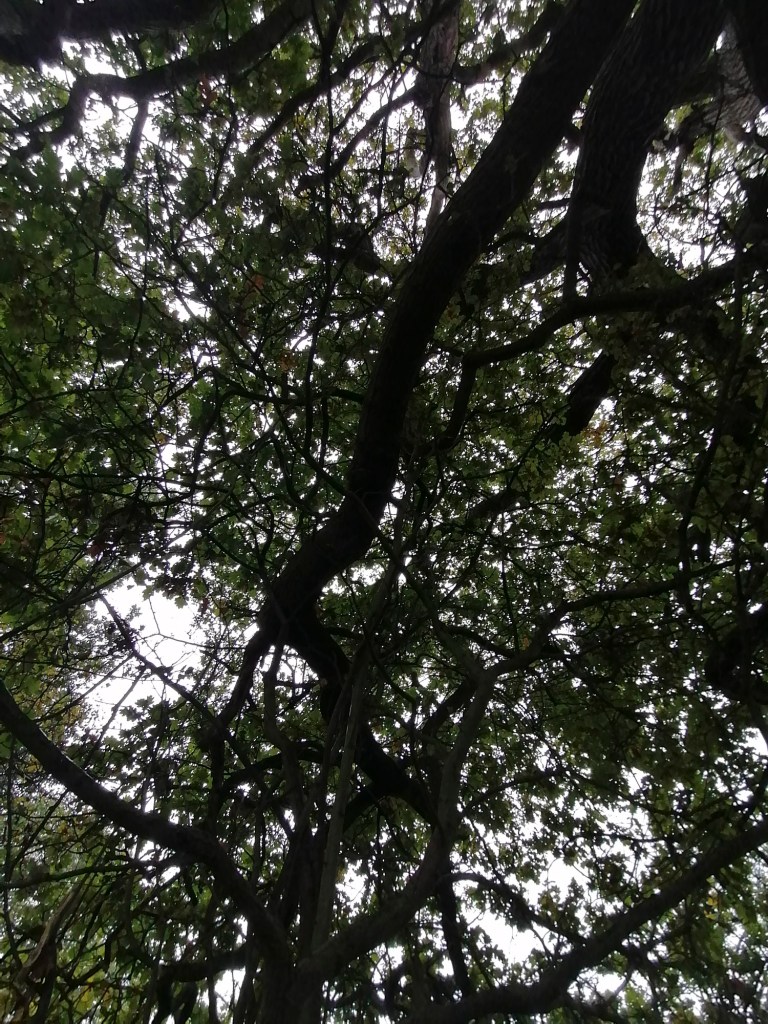
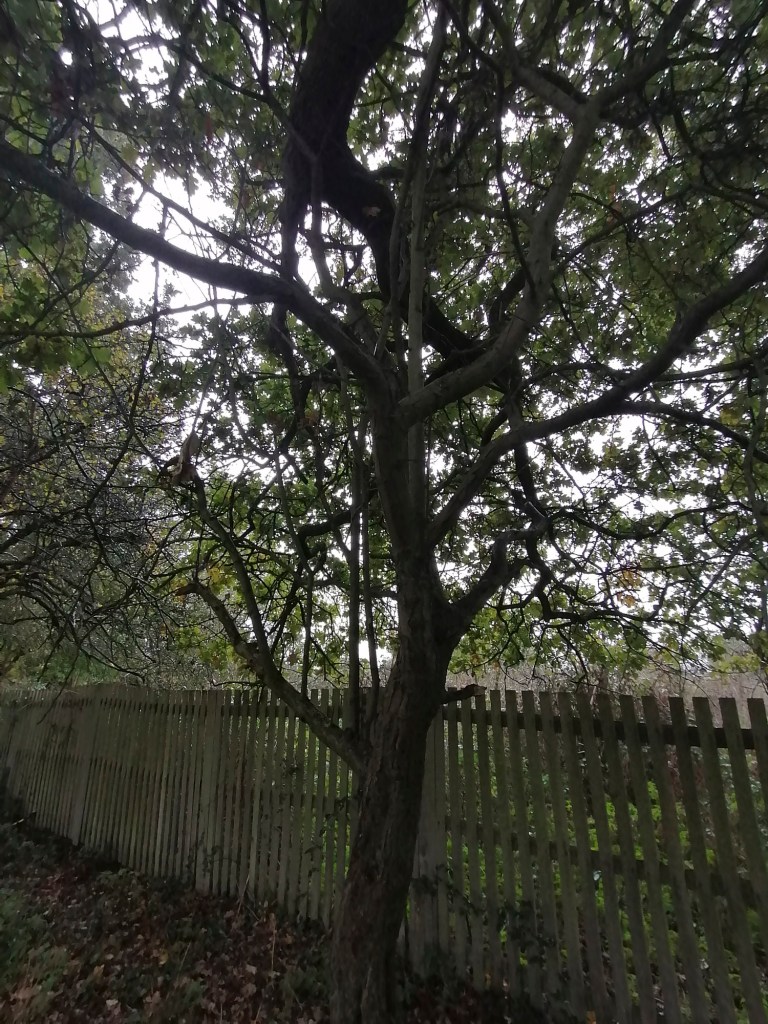
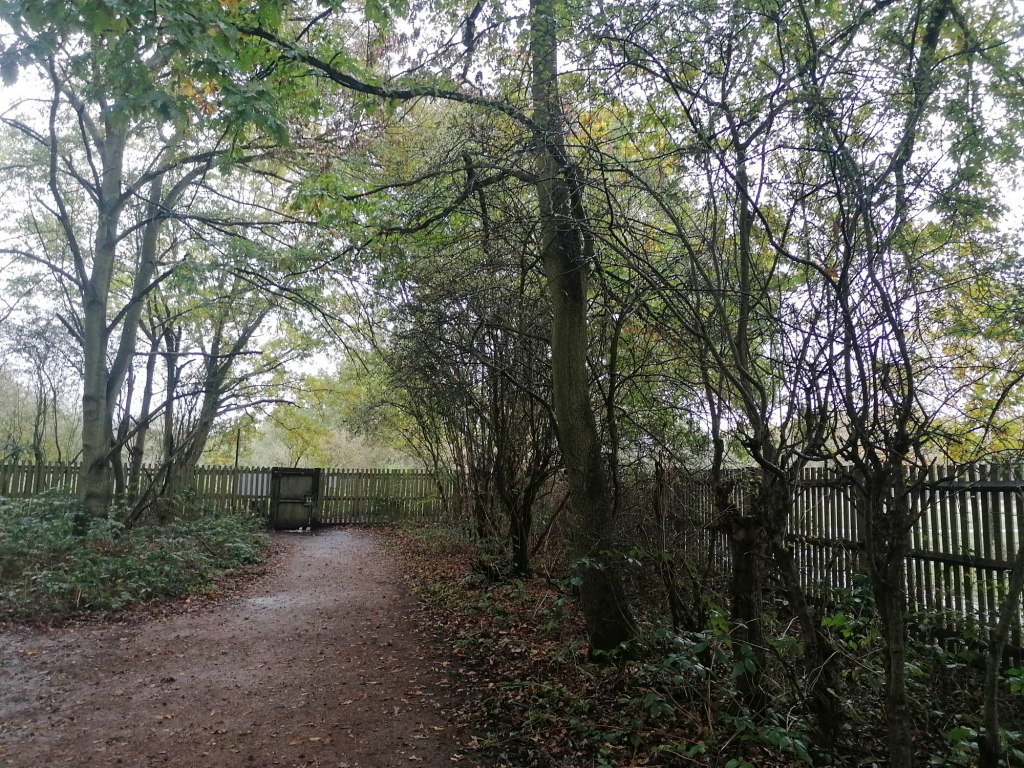
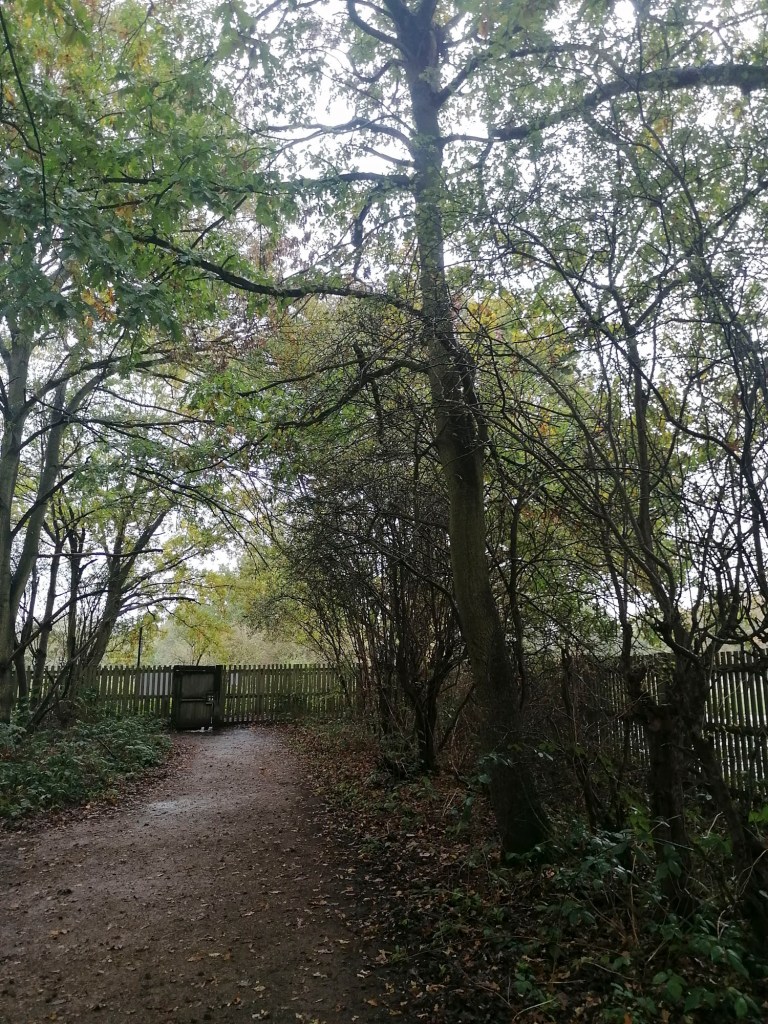
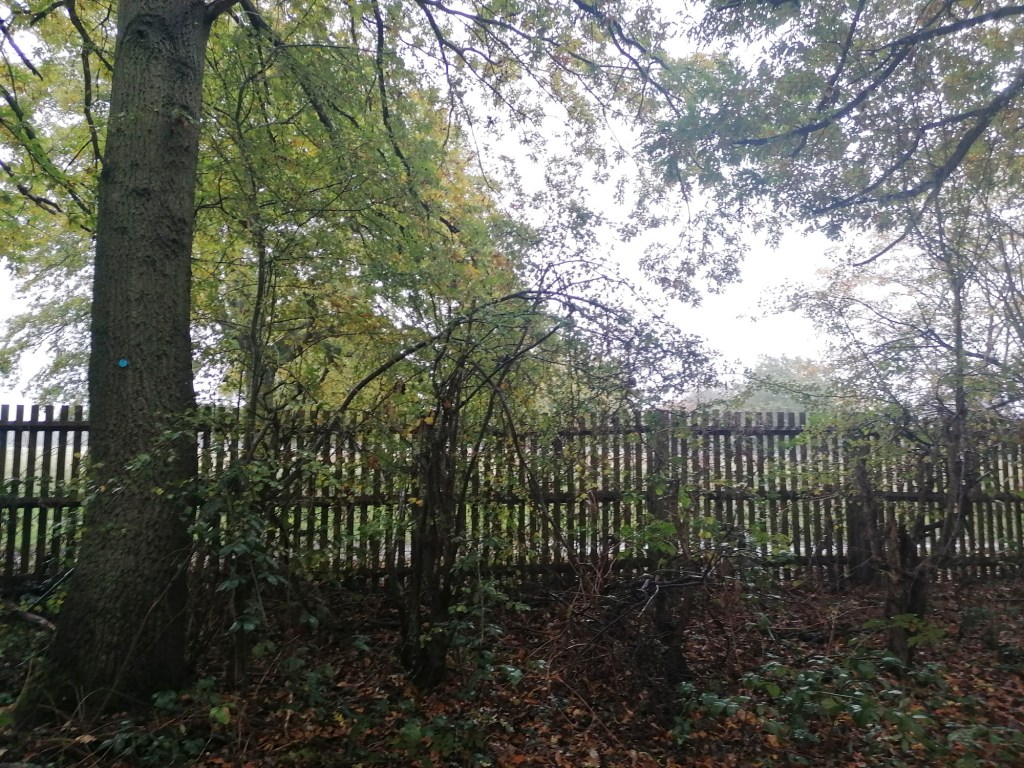
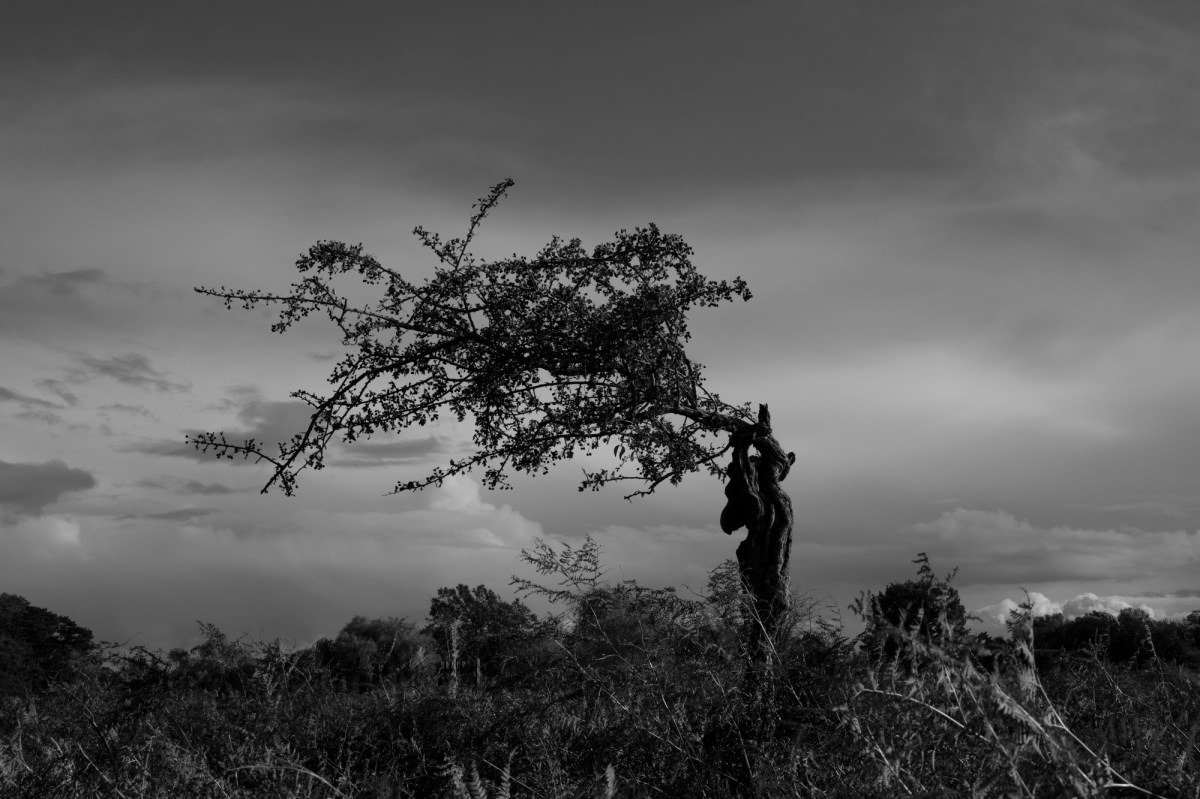
Other images that were considered were the Invisible Trees body of work submitted for AGM62 Photography Research Project: Stage 1. Fergus reiterated how this image has a different ‘feel’ compared to the other five pieces.
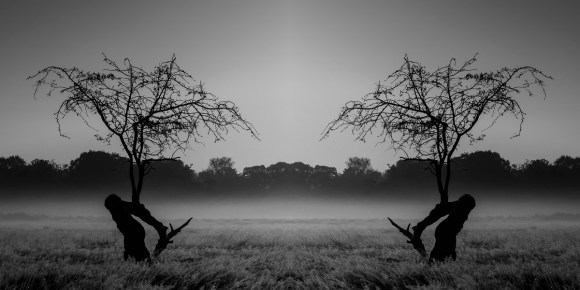
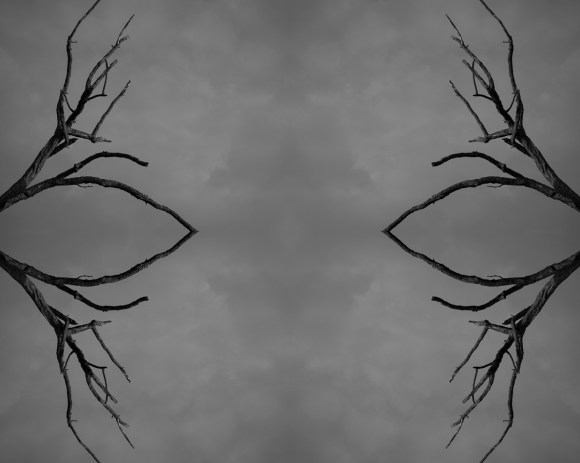
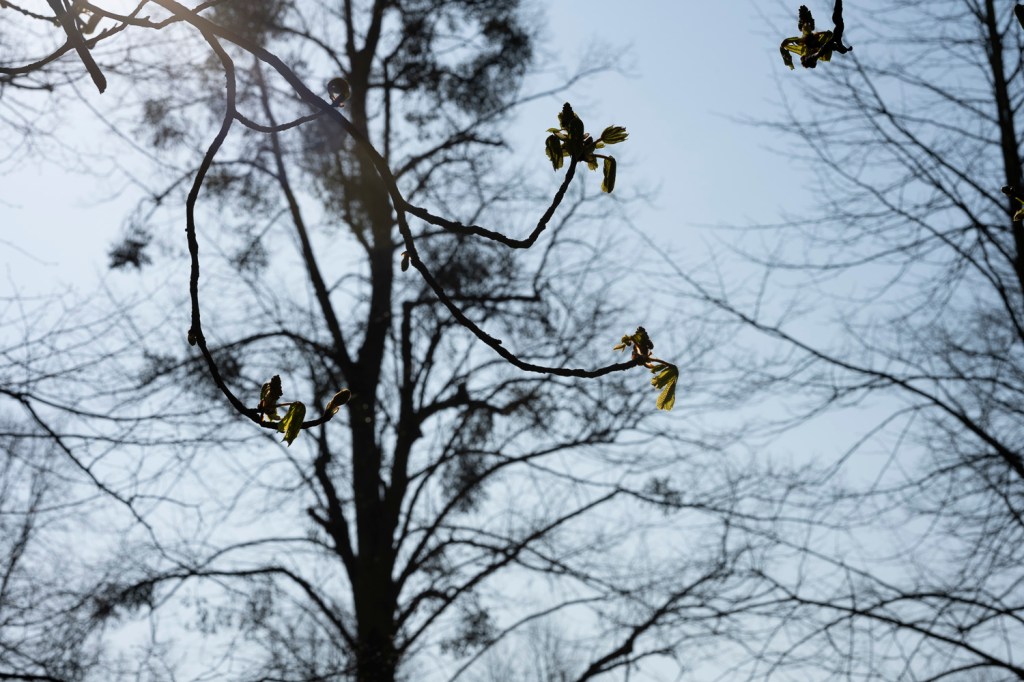
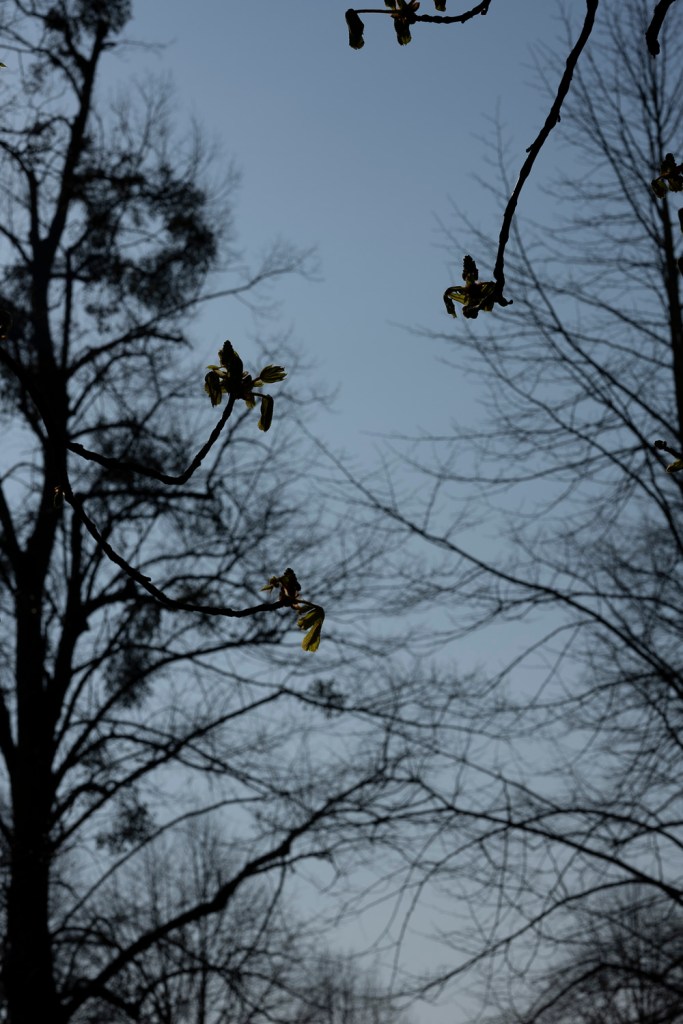
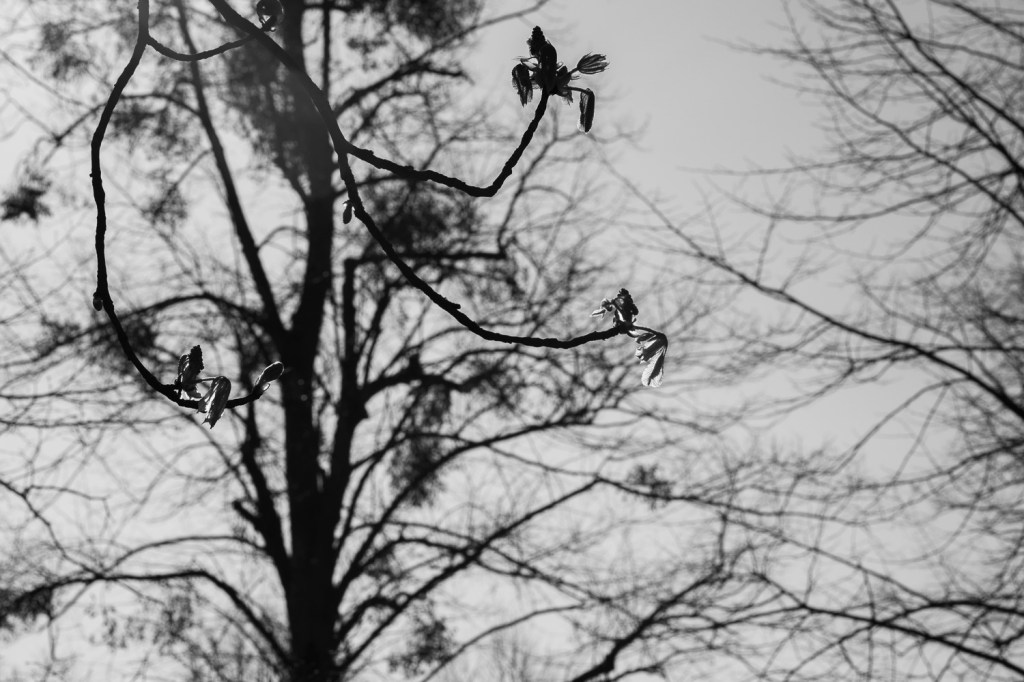
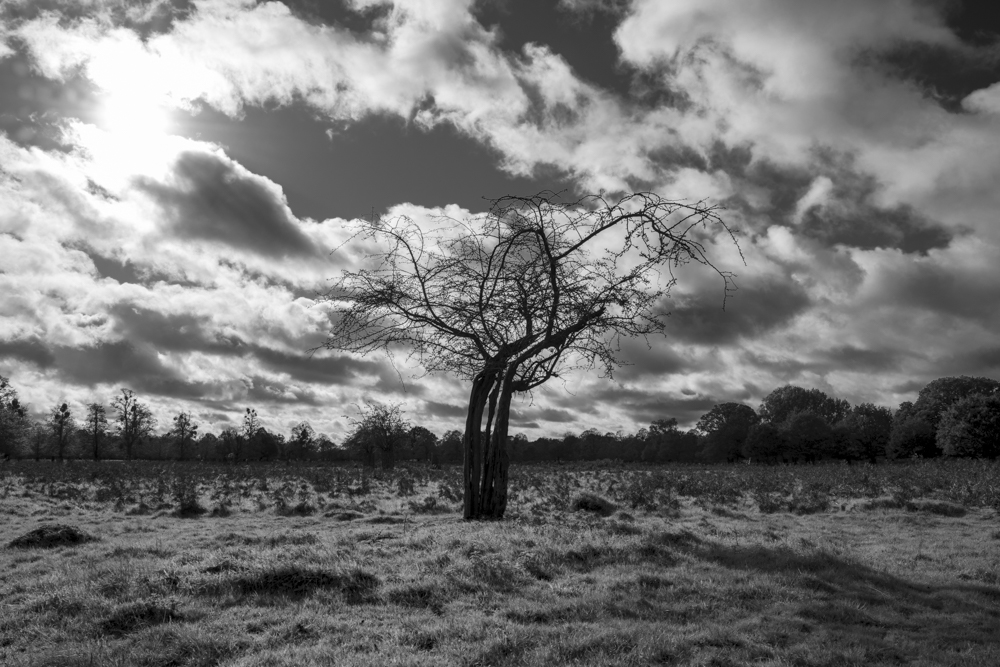
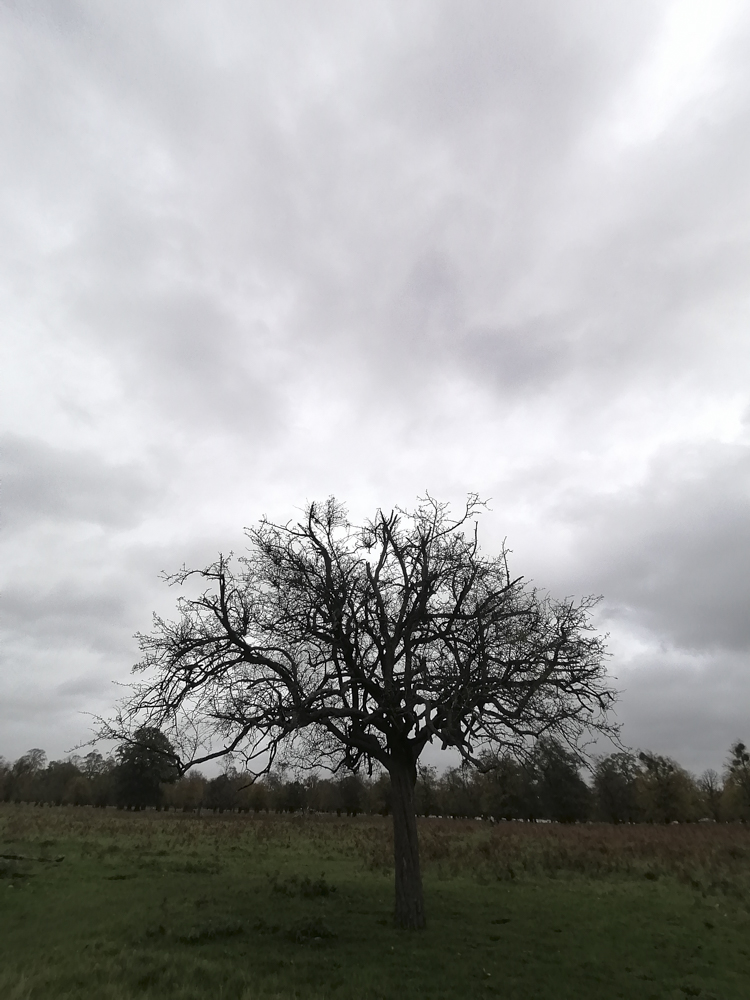
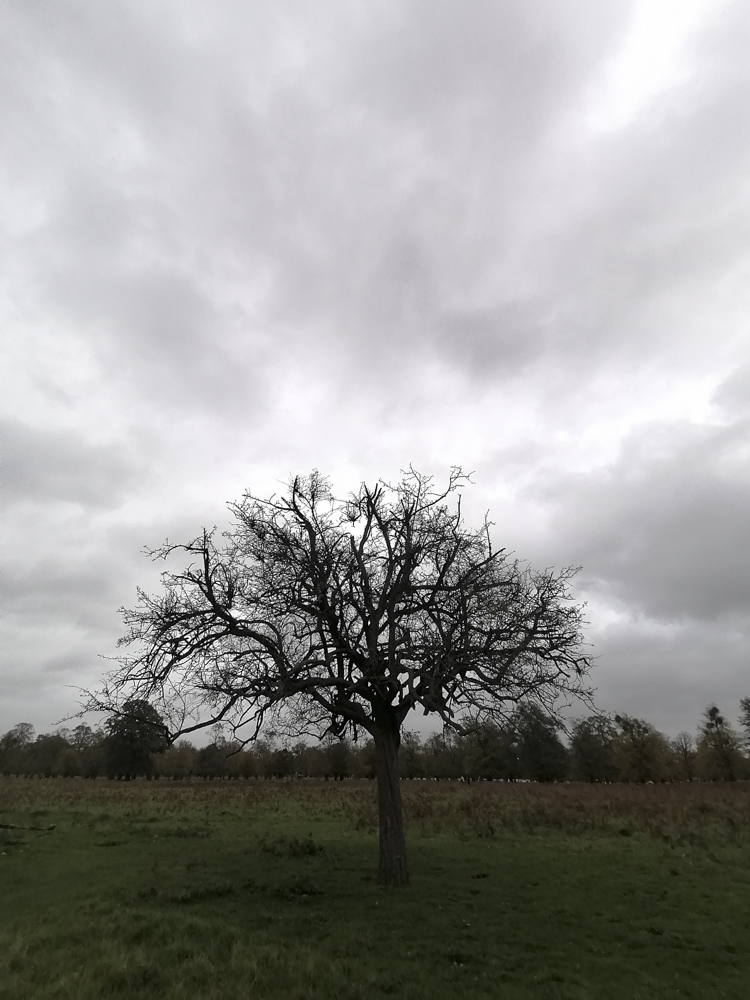
One thought was to break down the images further. By pairing these two, it shows the same tree from the opposing 180 angle. This could play on the ‘positive/negative’ aspect.
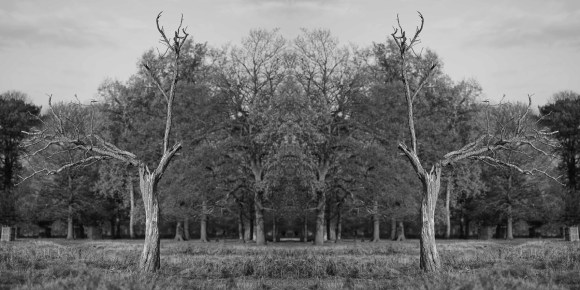
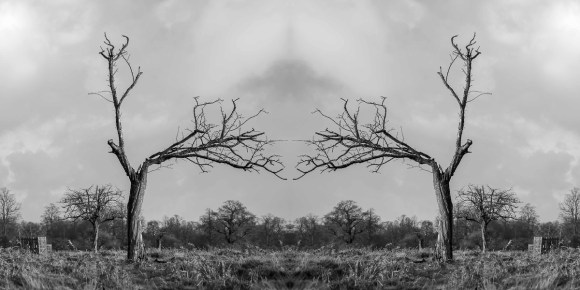
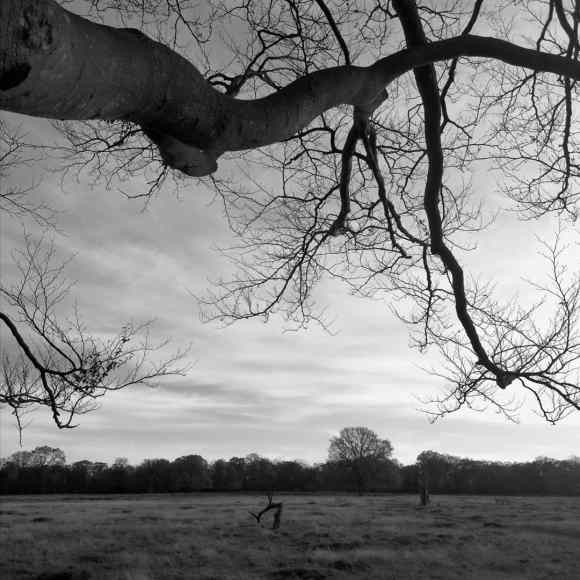
This one was also considered ‘a bit too much’. Simplify?
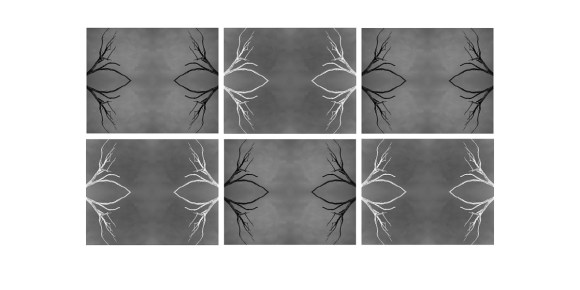
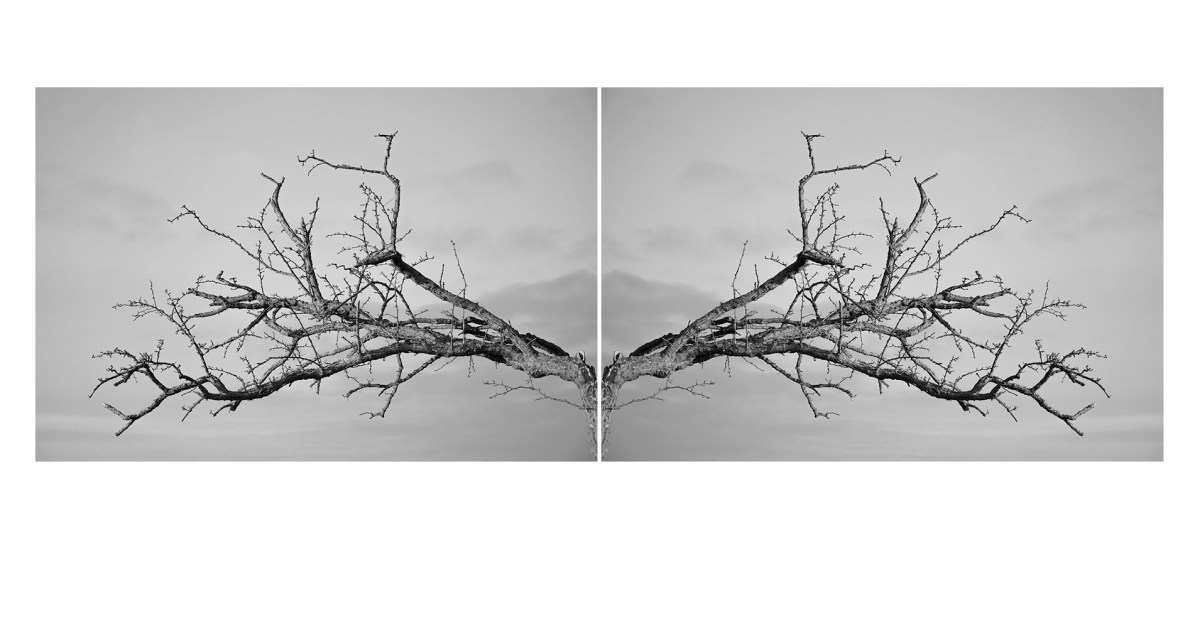
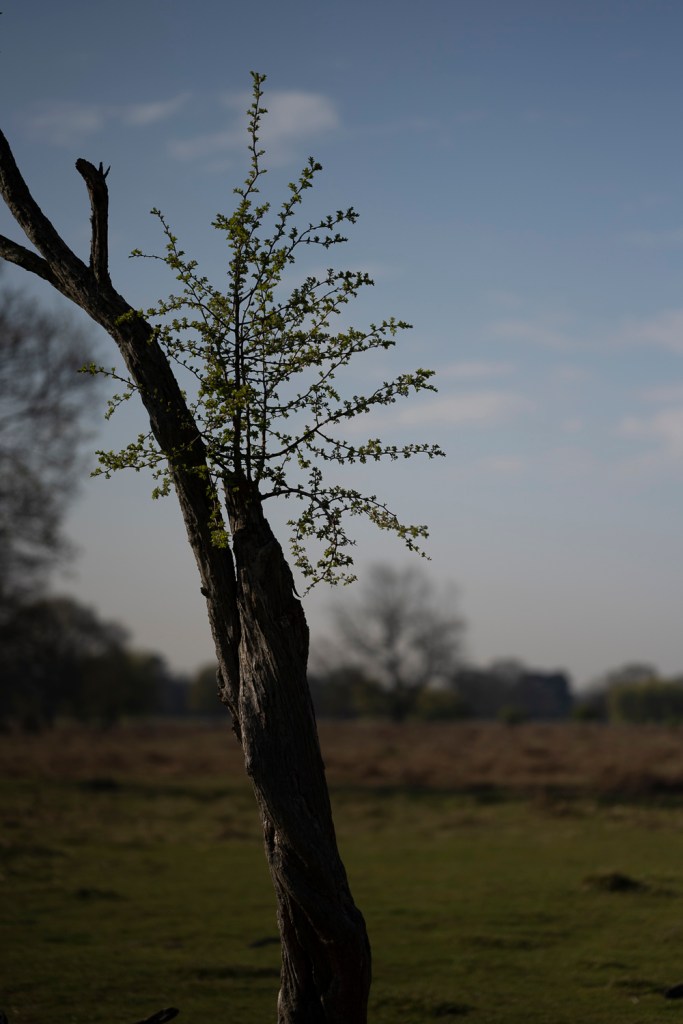
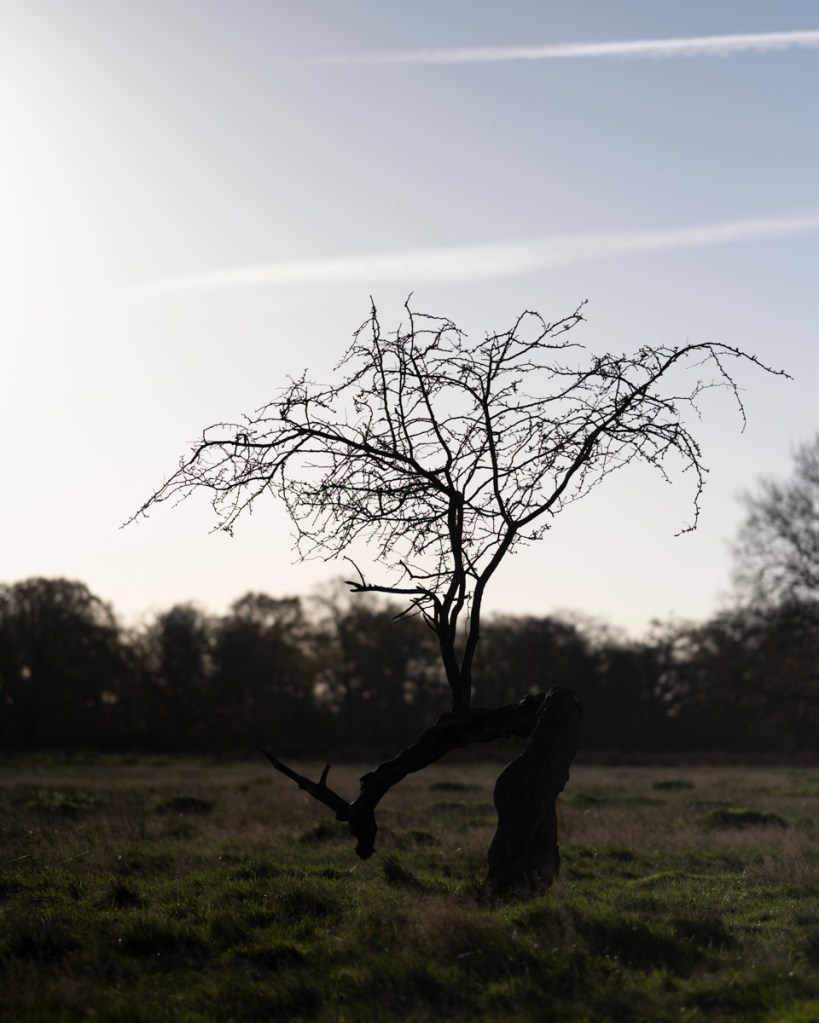
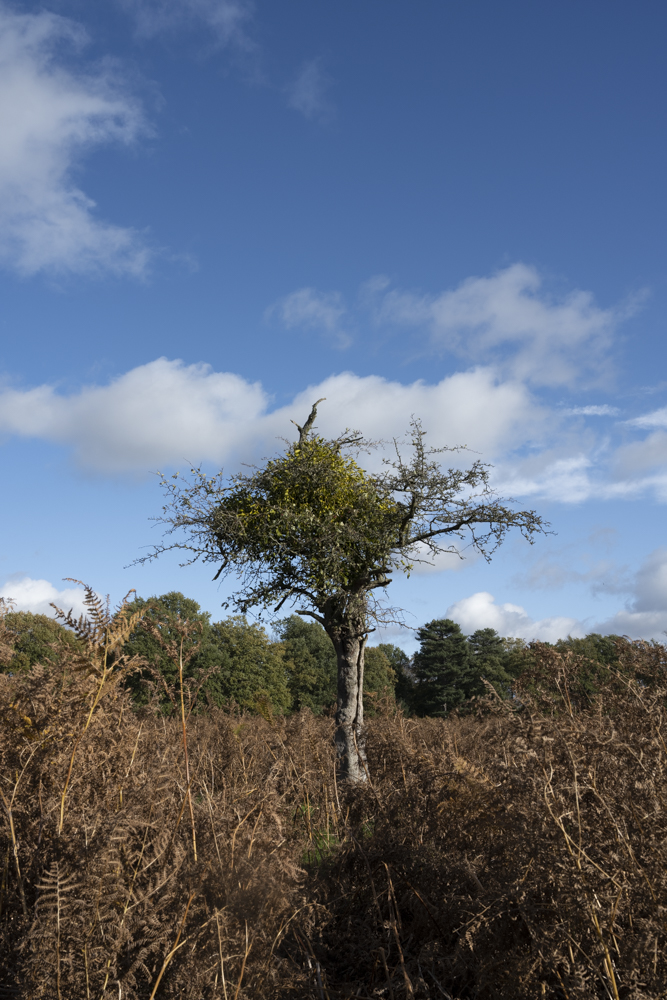
The image that had the most impact on the group was this one:
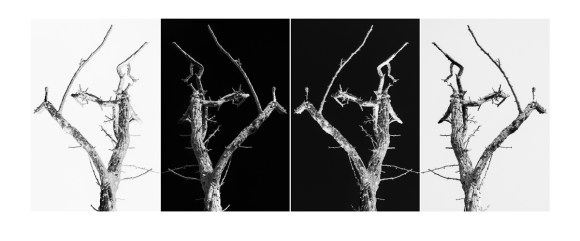
The play on positive/negative was received well and it was thought this configuration and concept could go further.
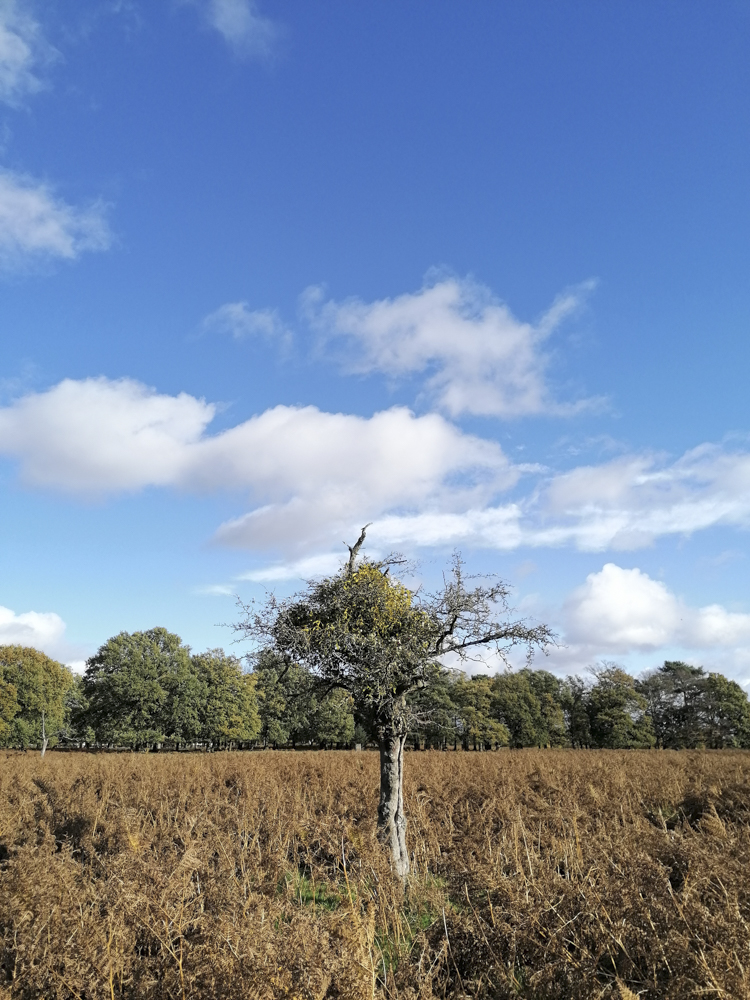
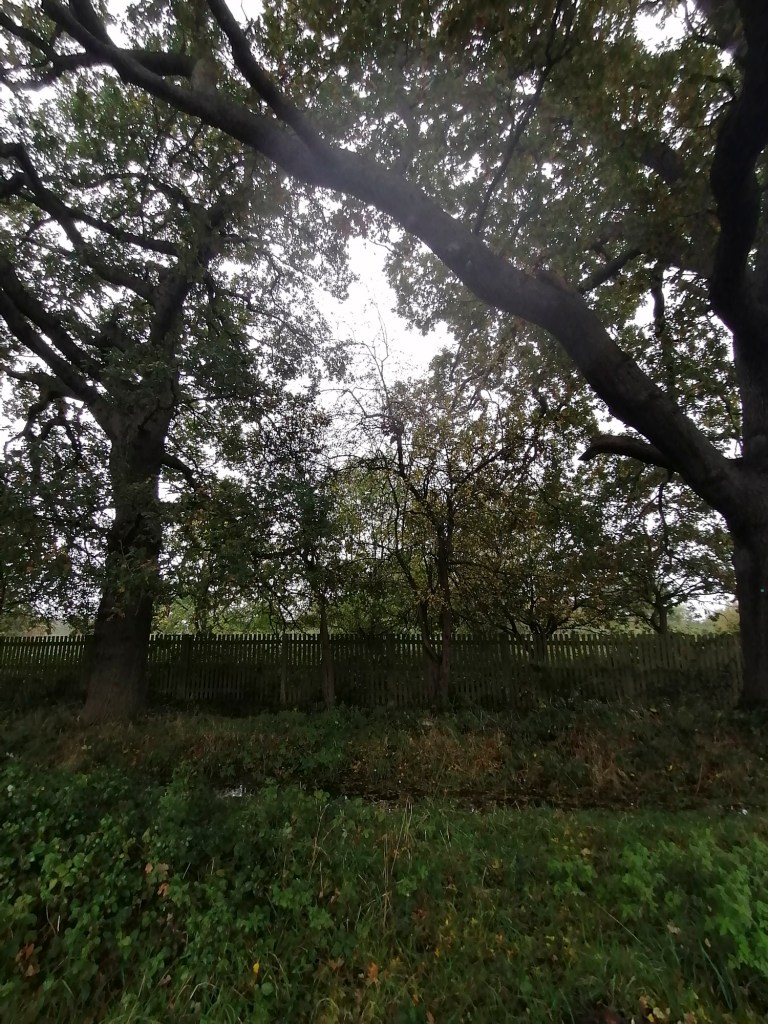
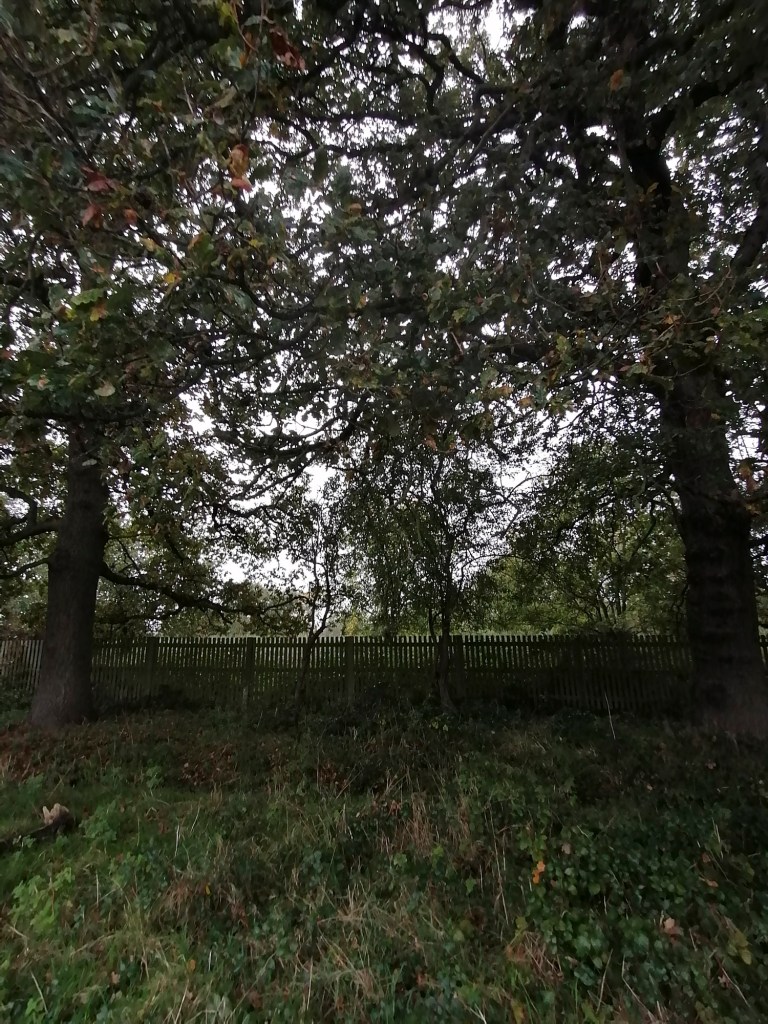
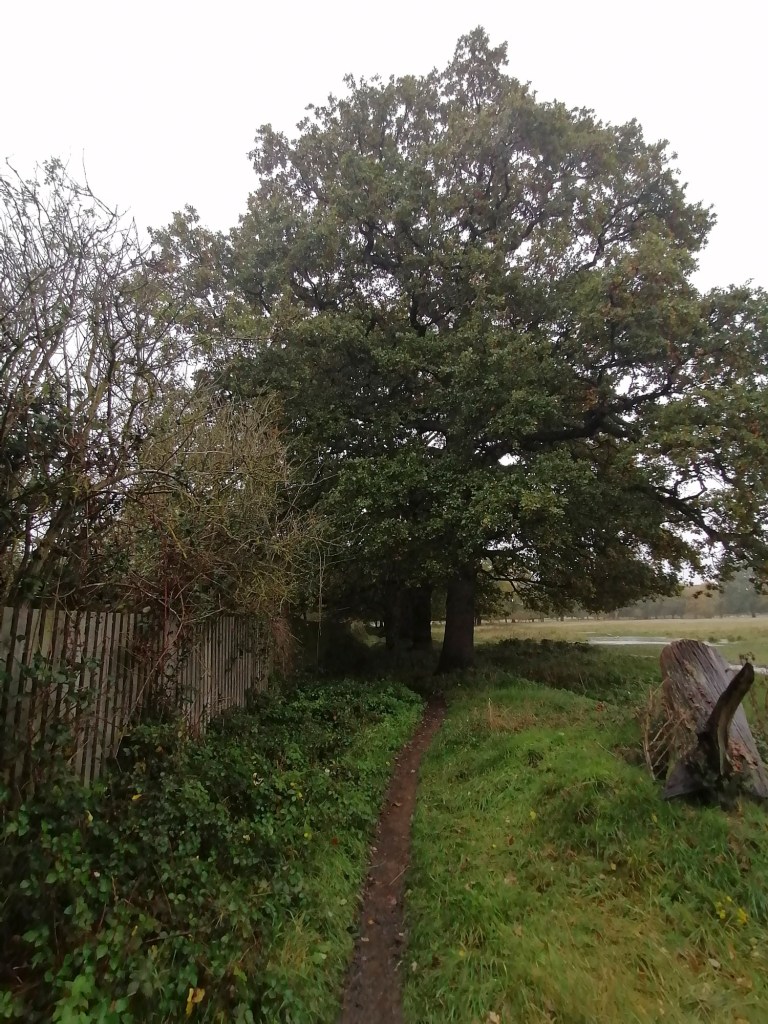
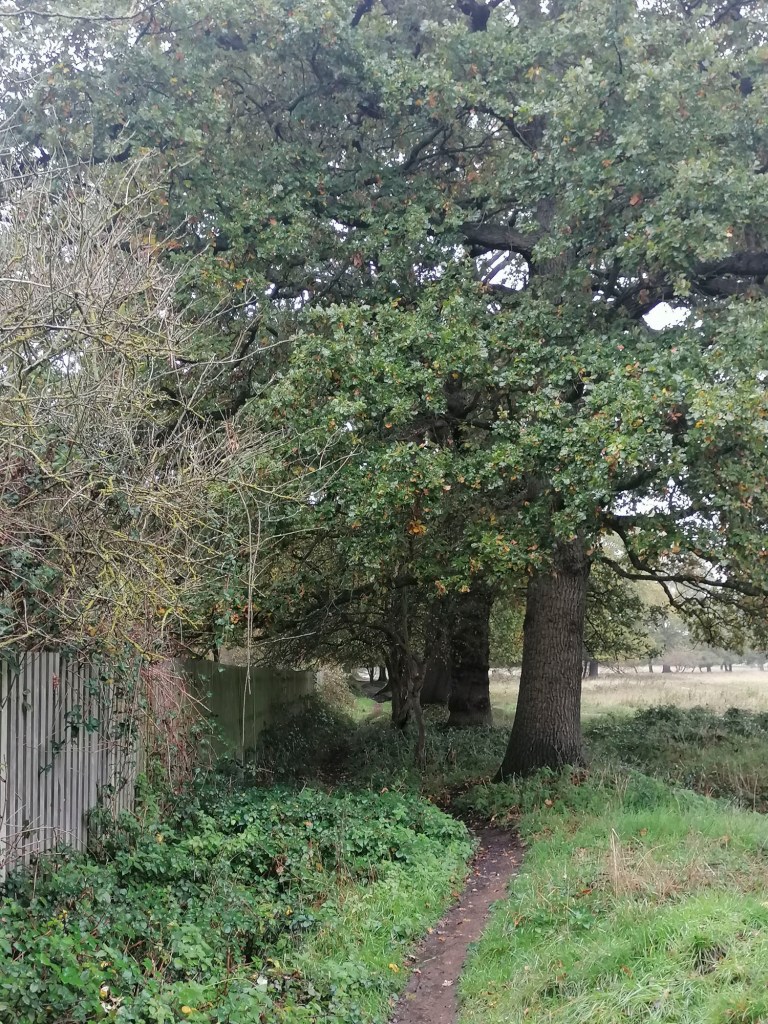
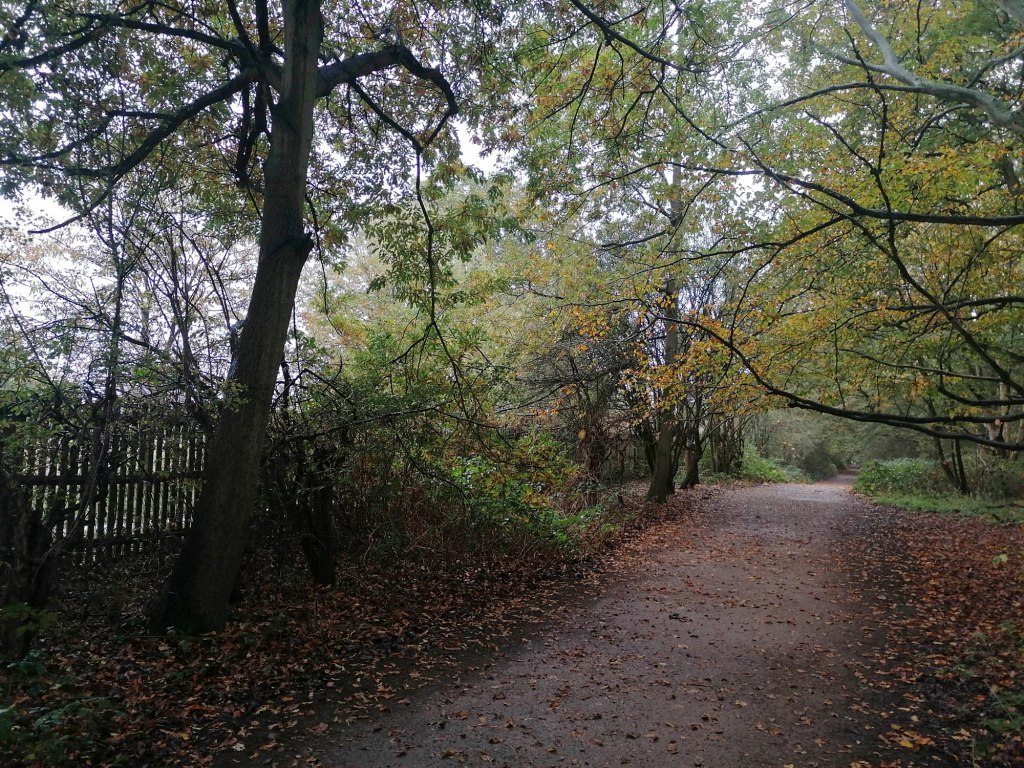
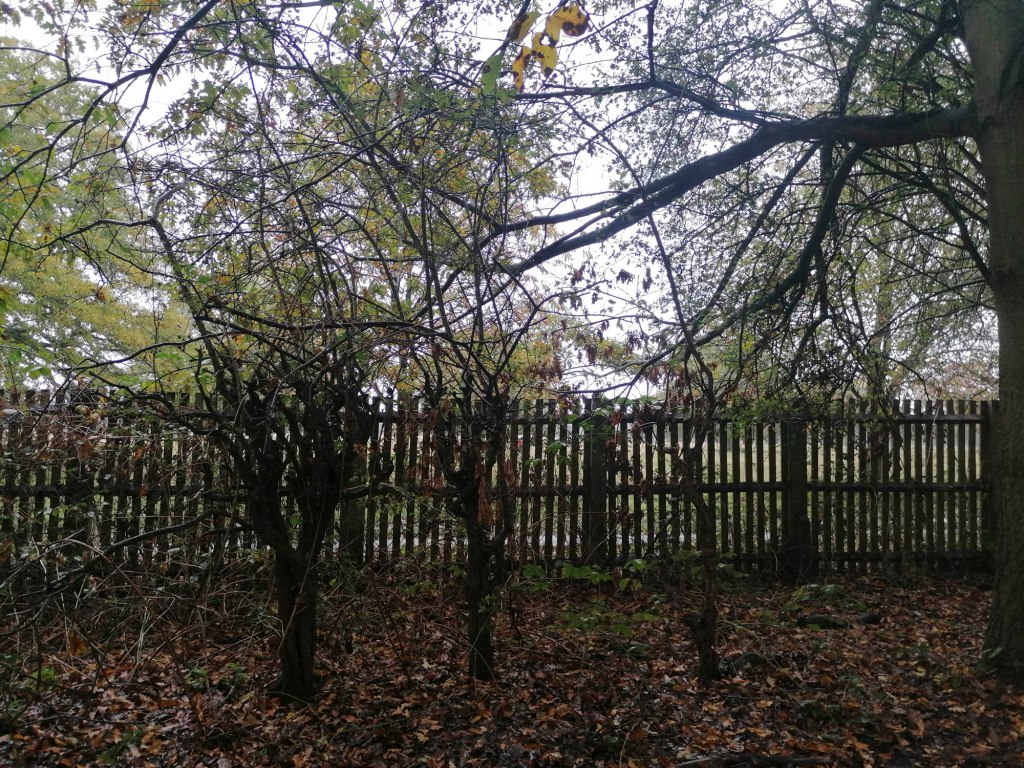
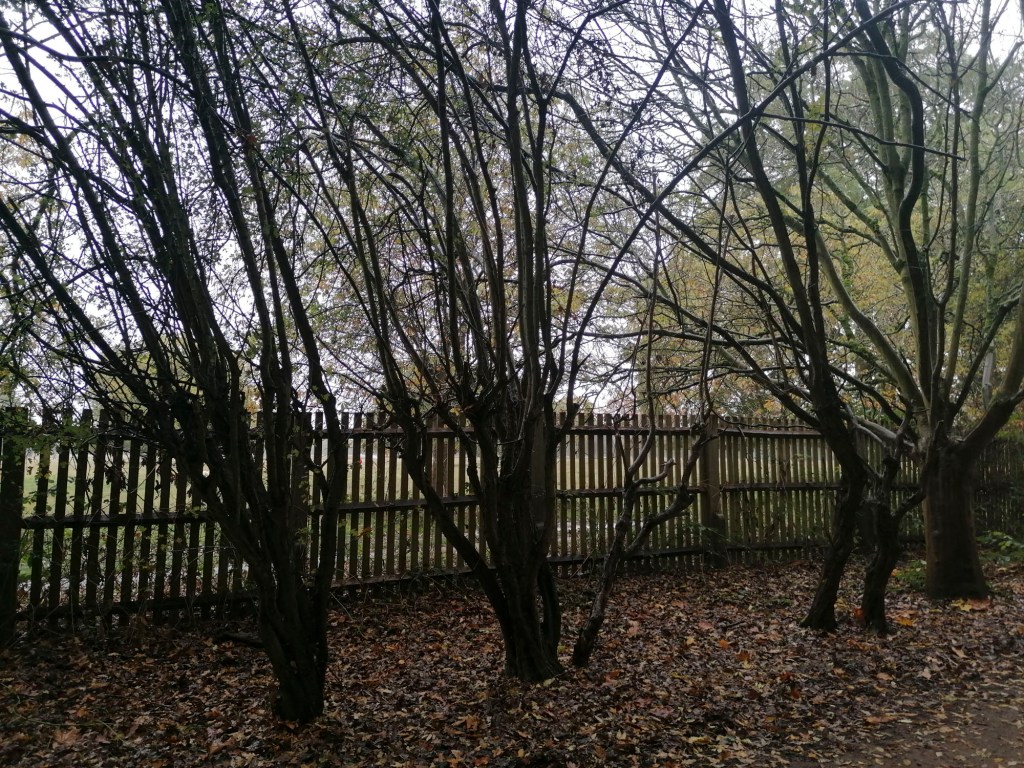
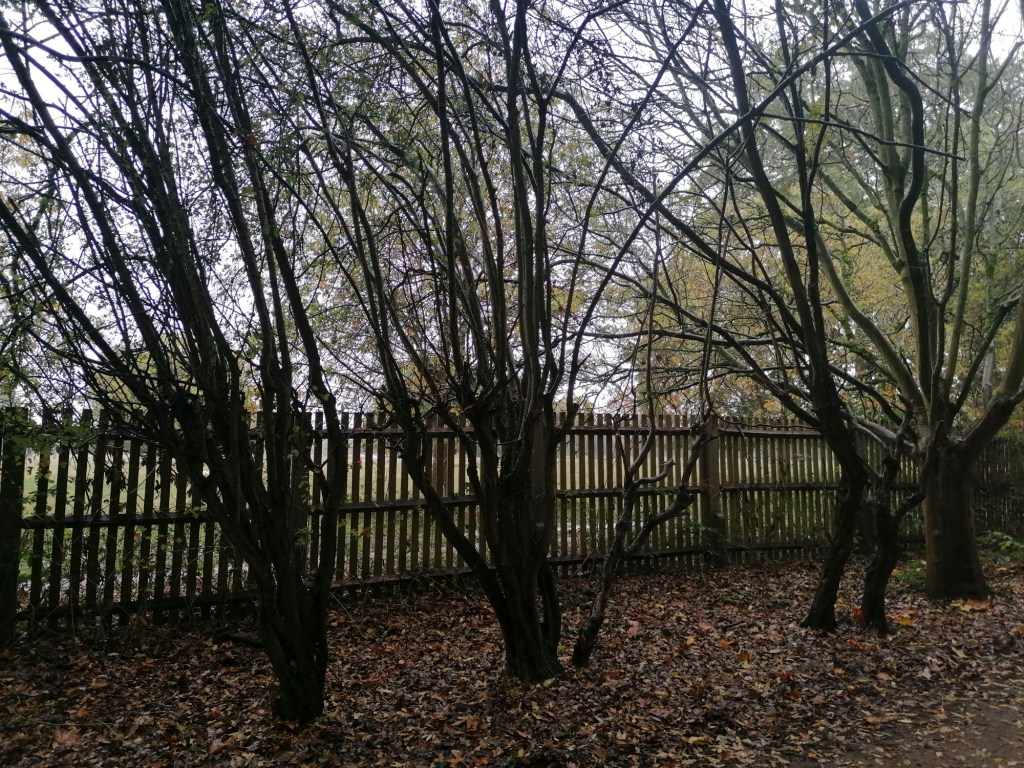
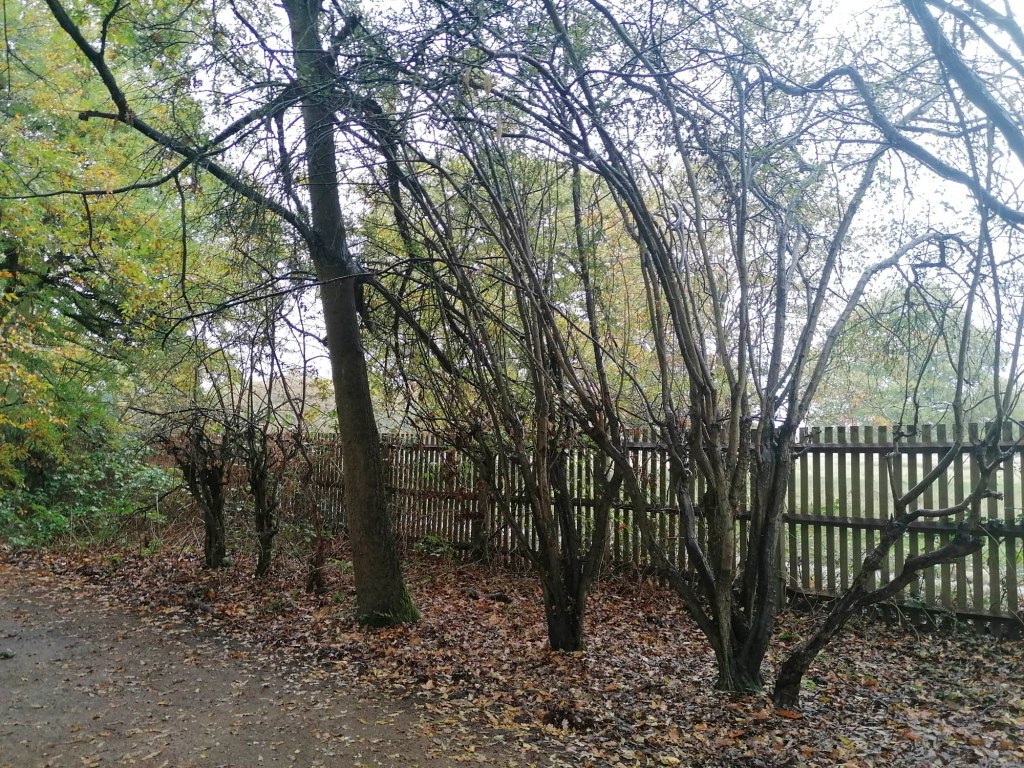
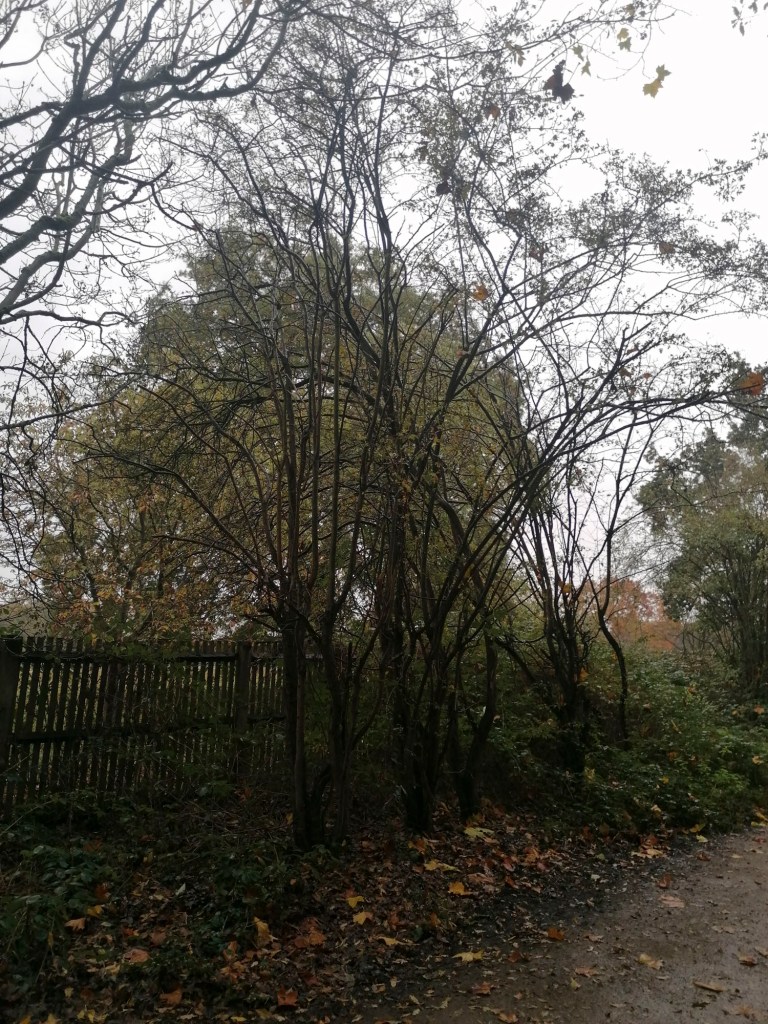
I will be looking at some of the images I’ve already taken that have similar aspects to the original.
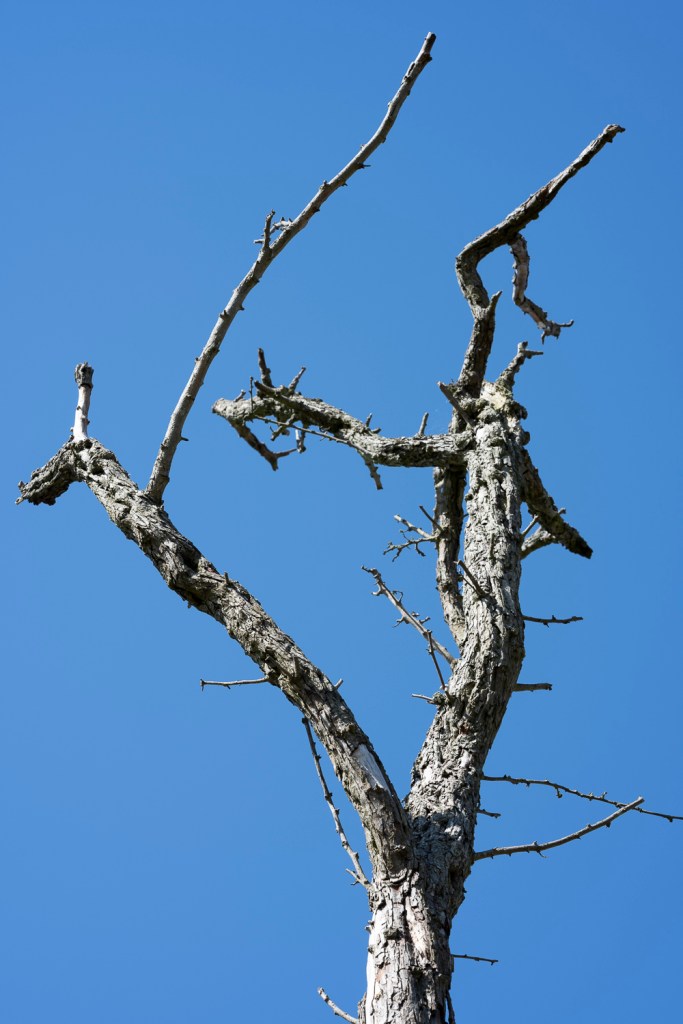
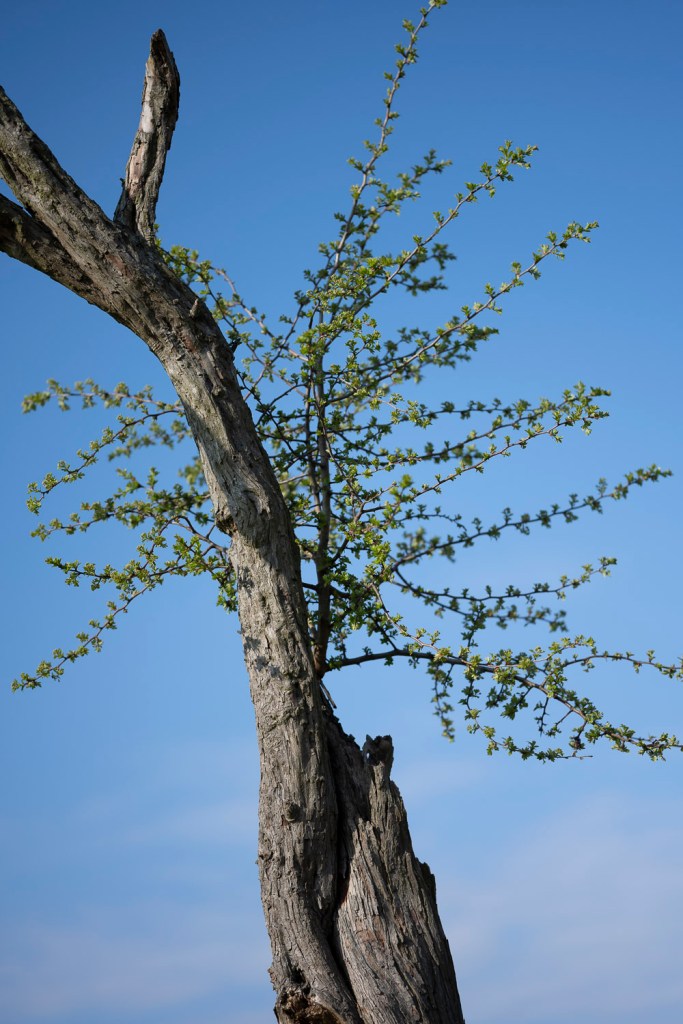
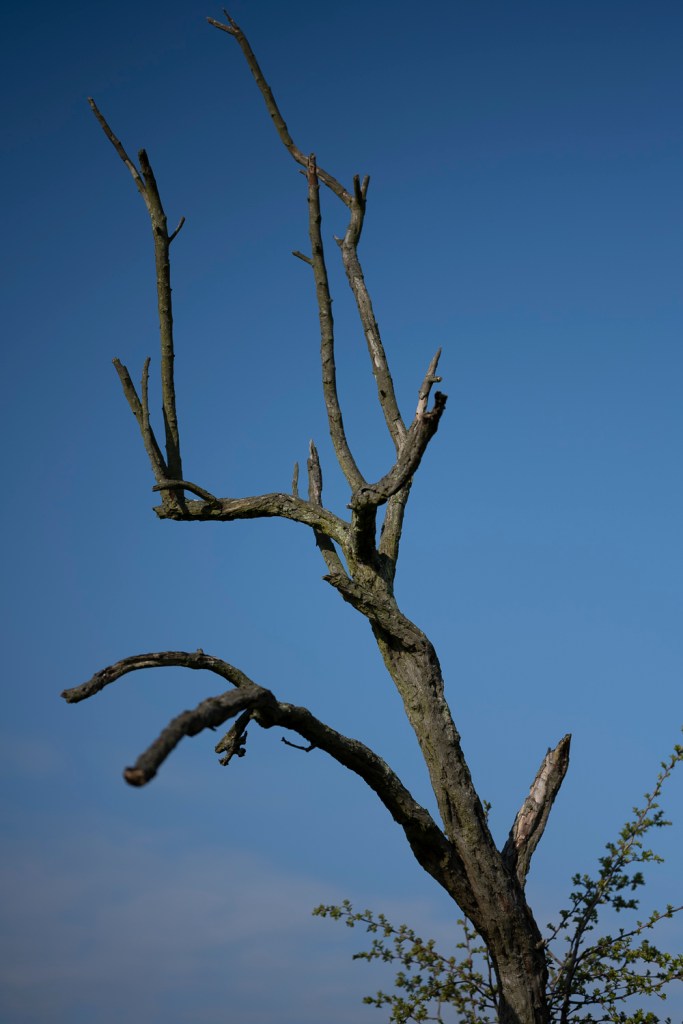
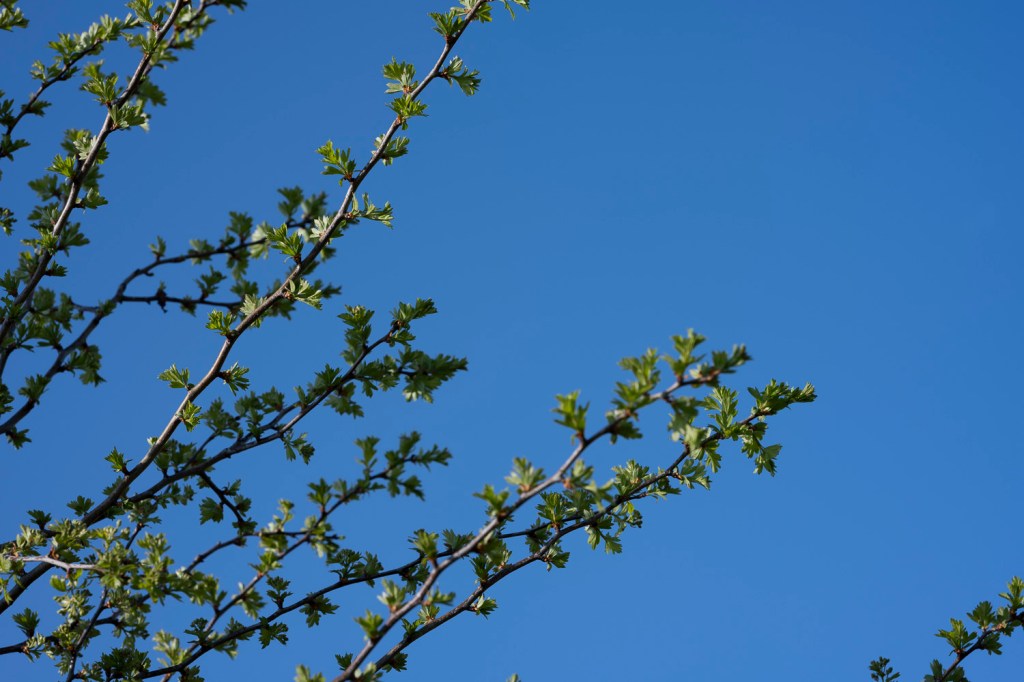
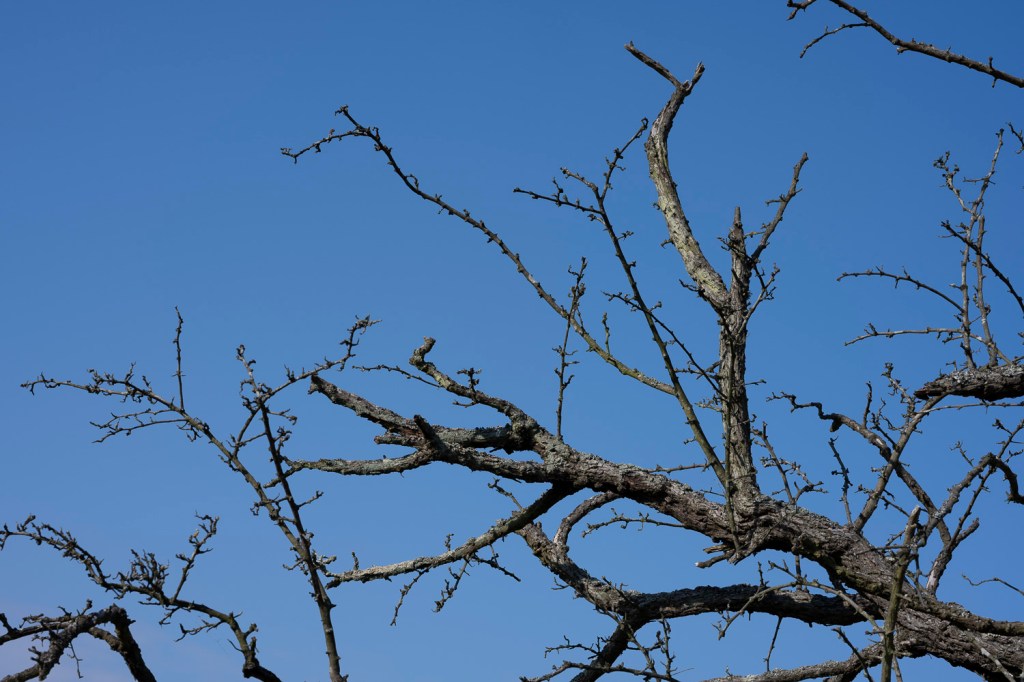
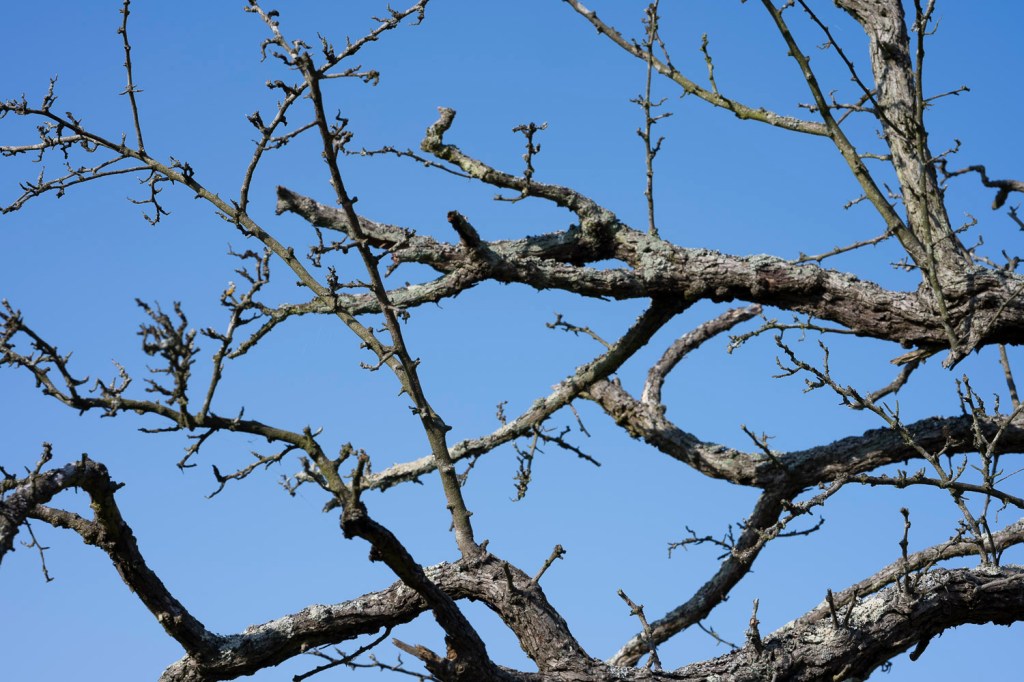
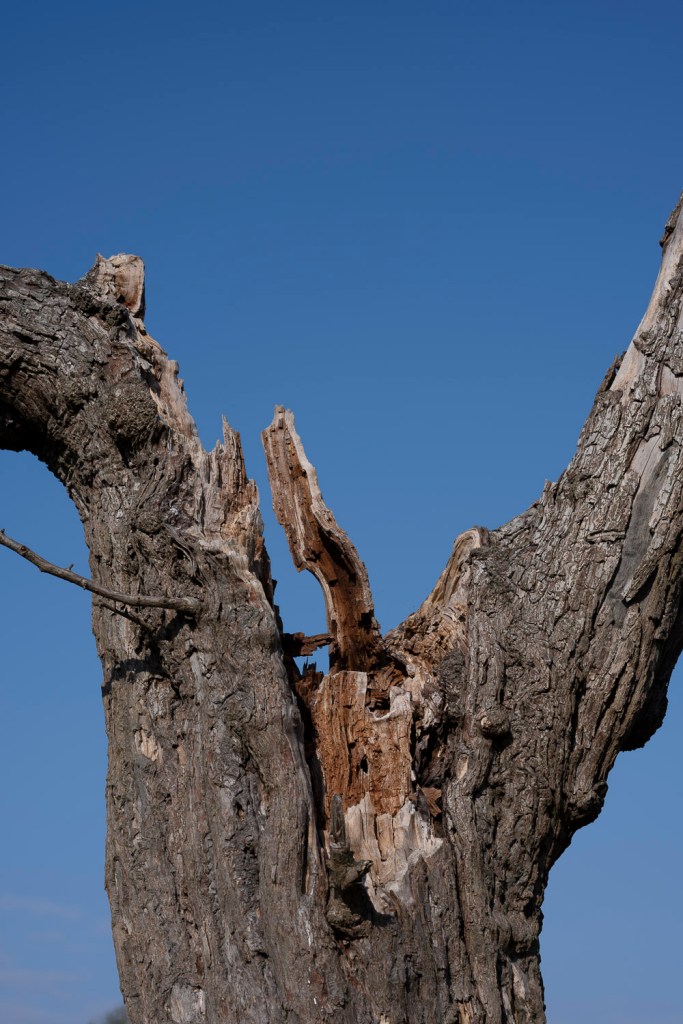
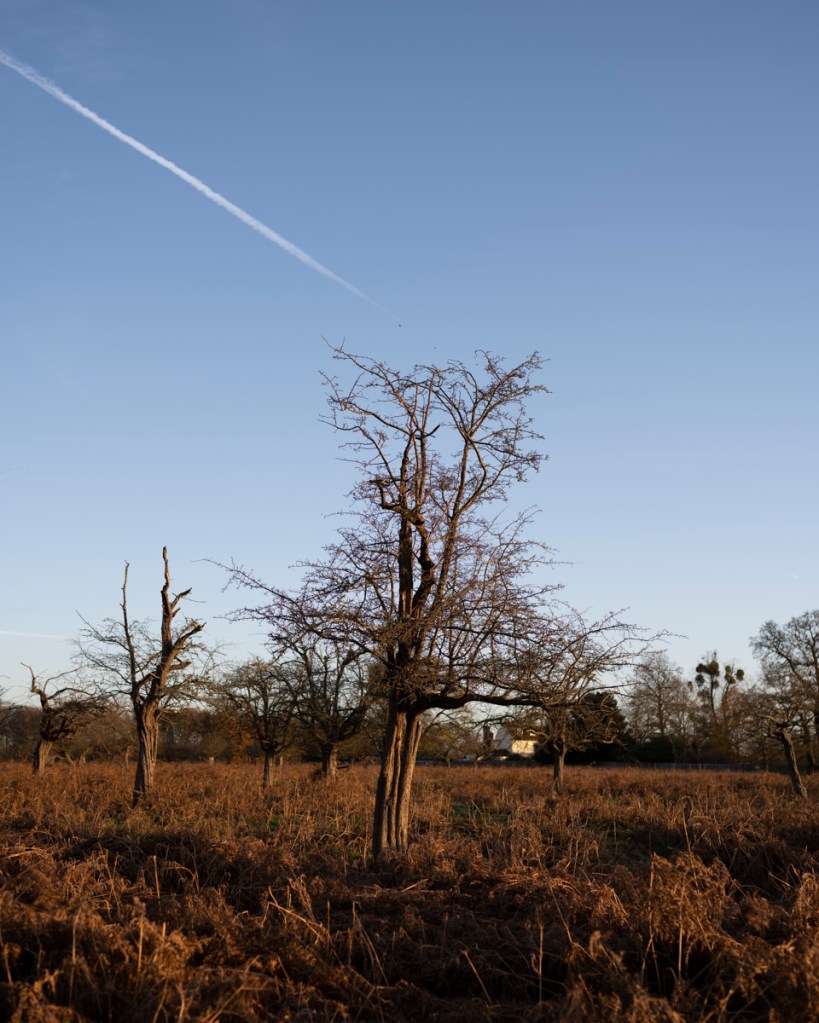
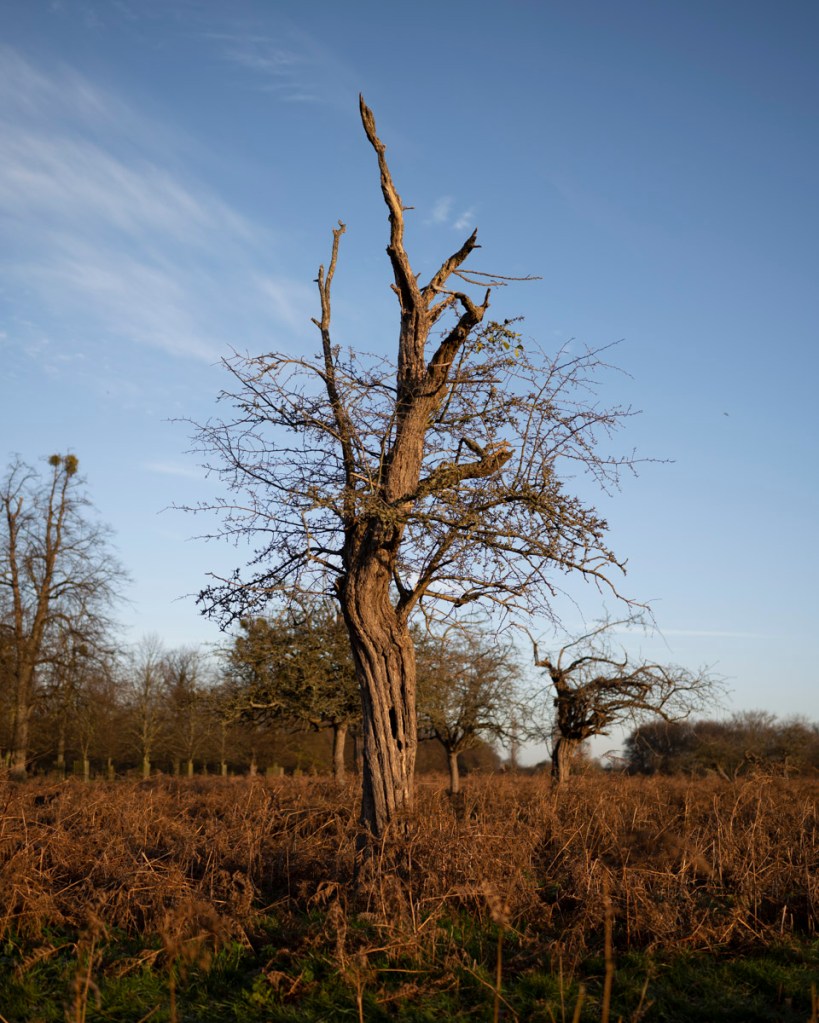
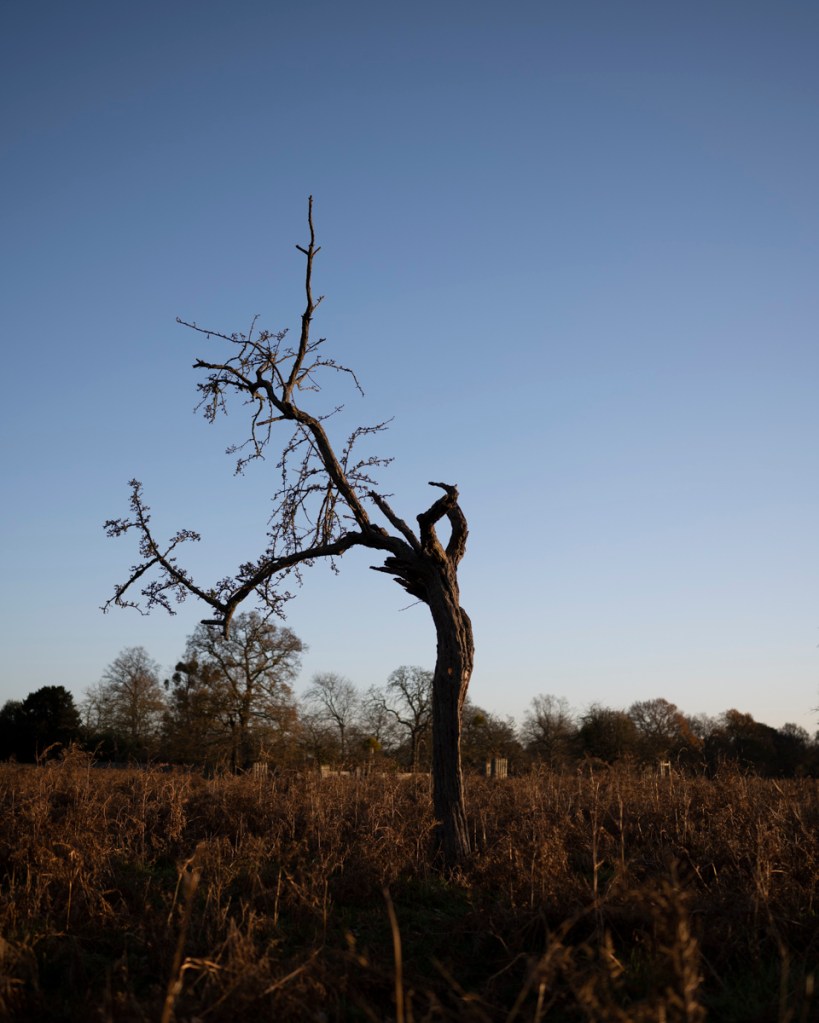
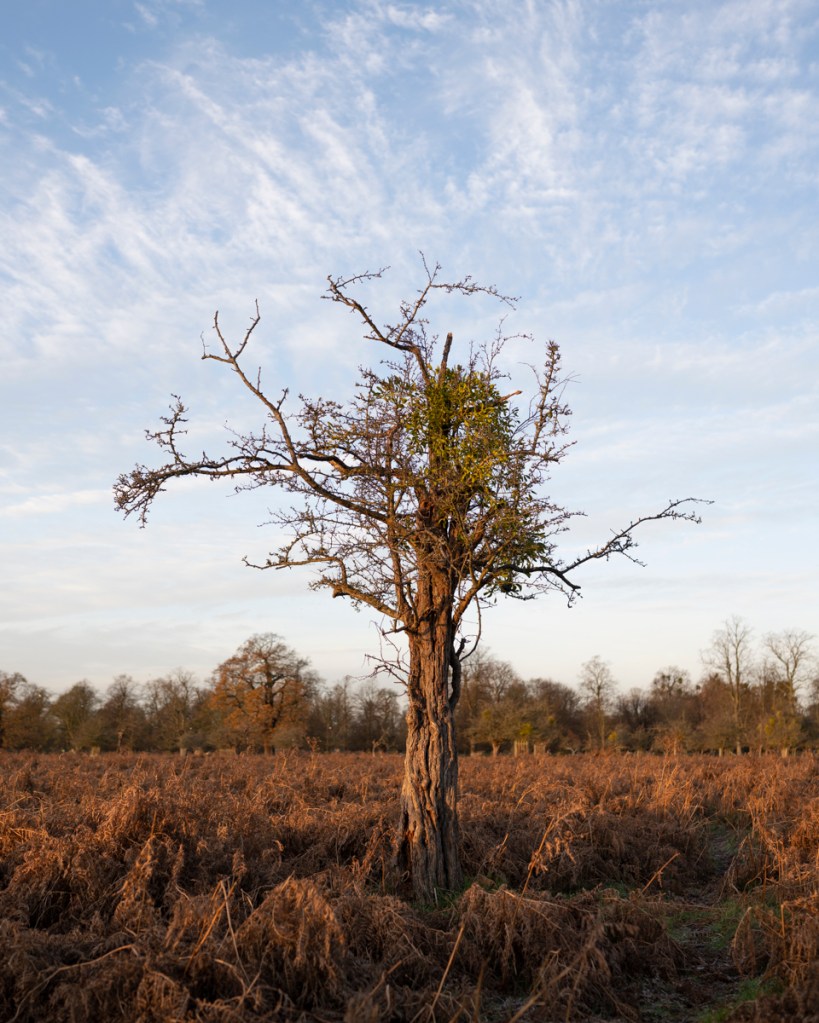
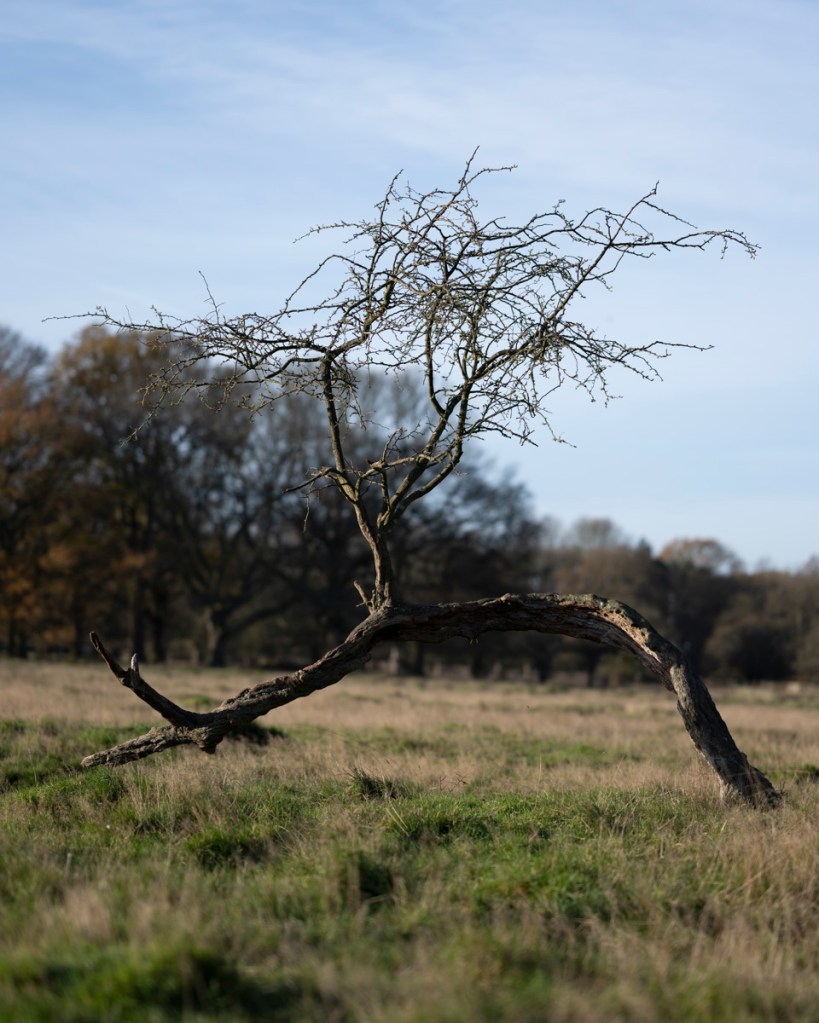
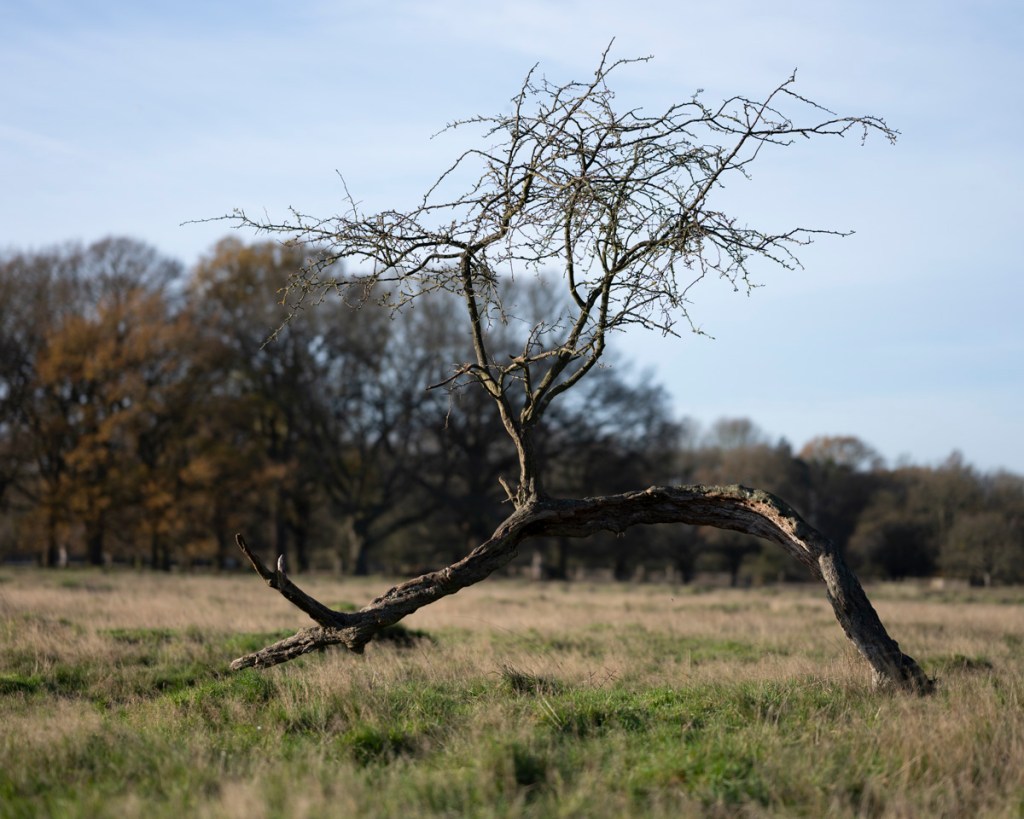
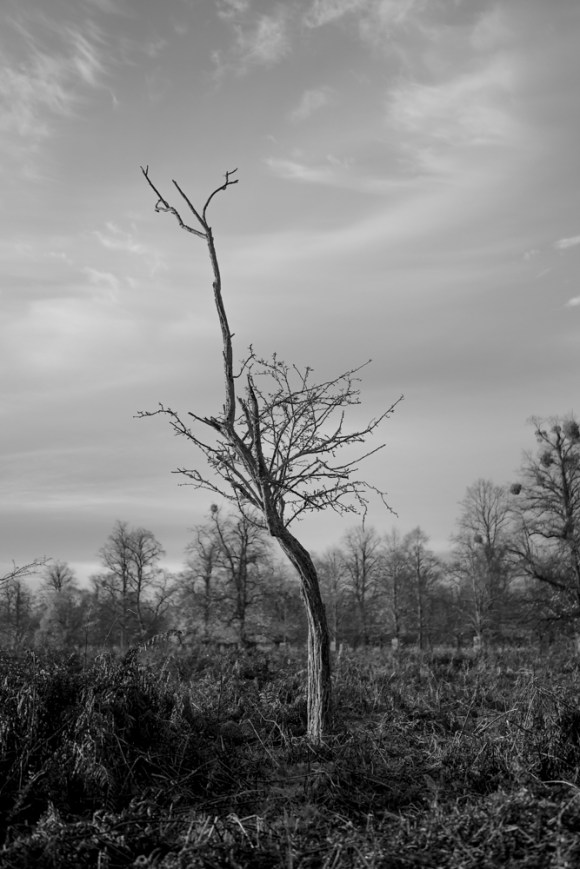
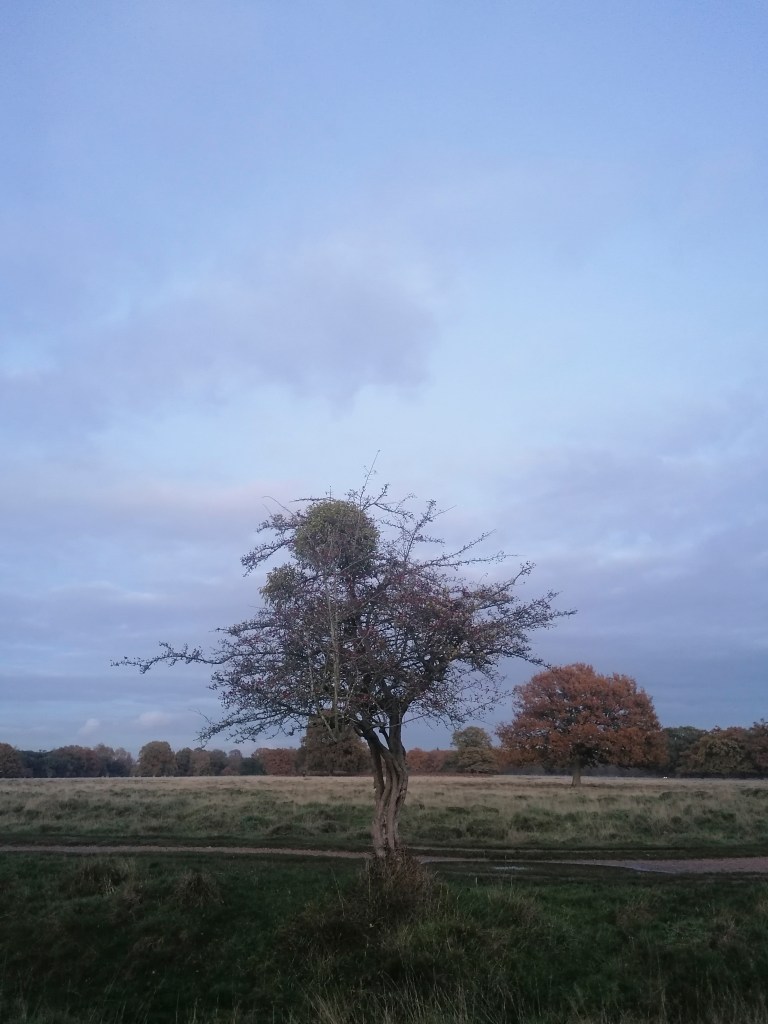
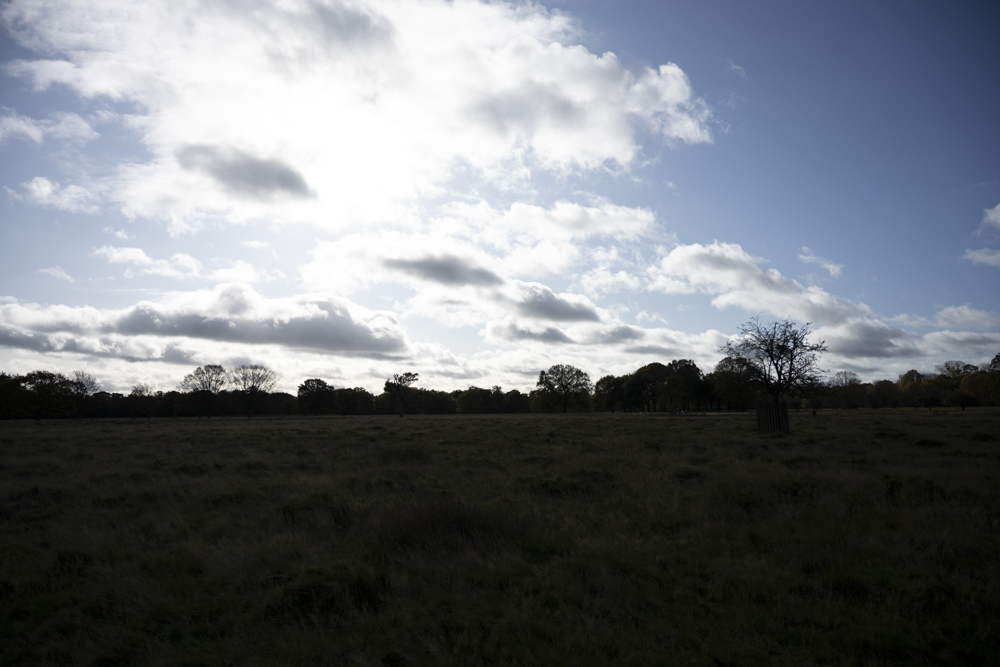
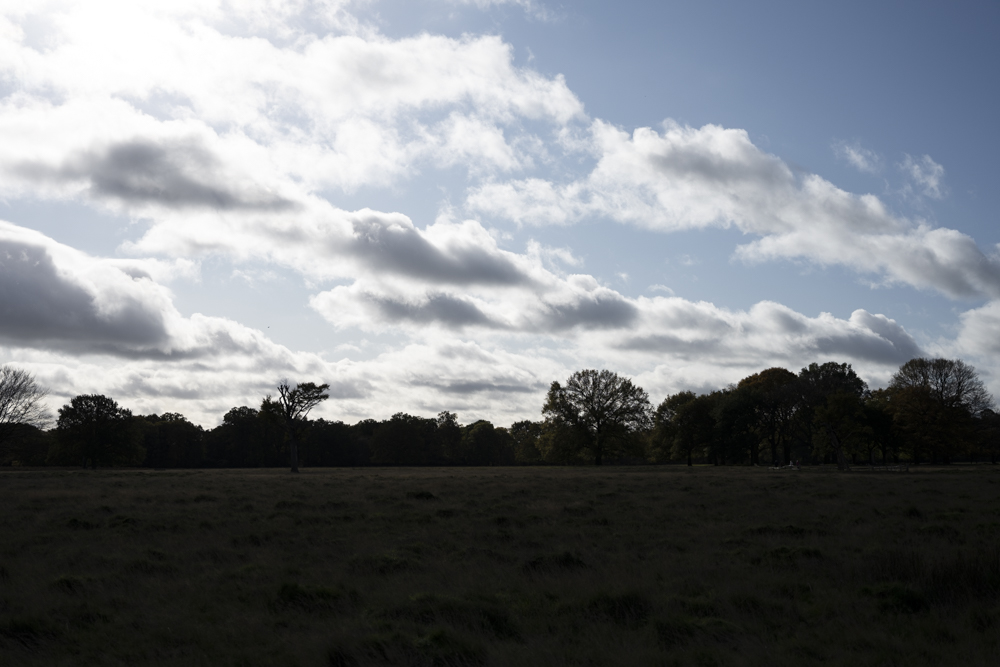
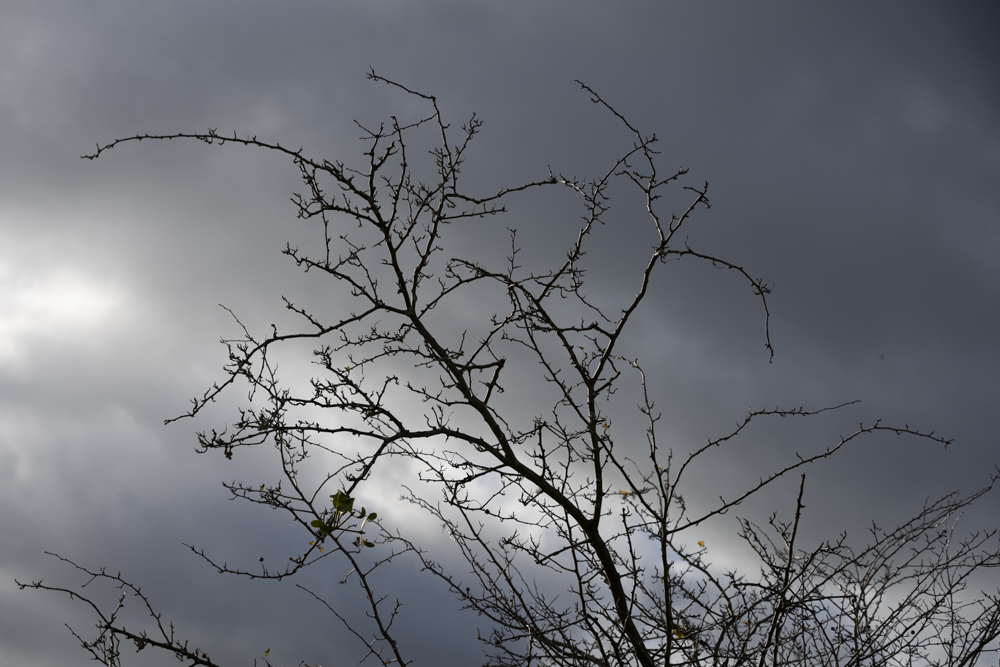
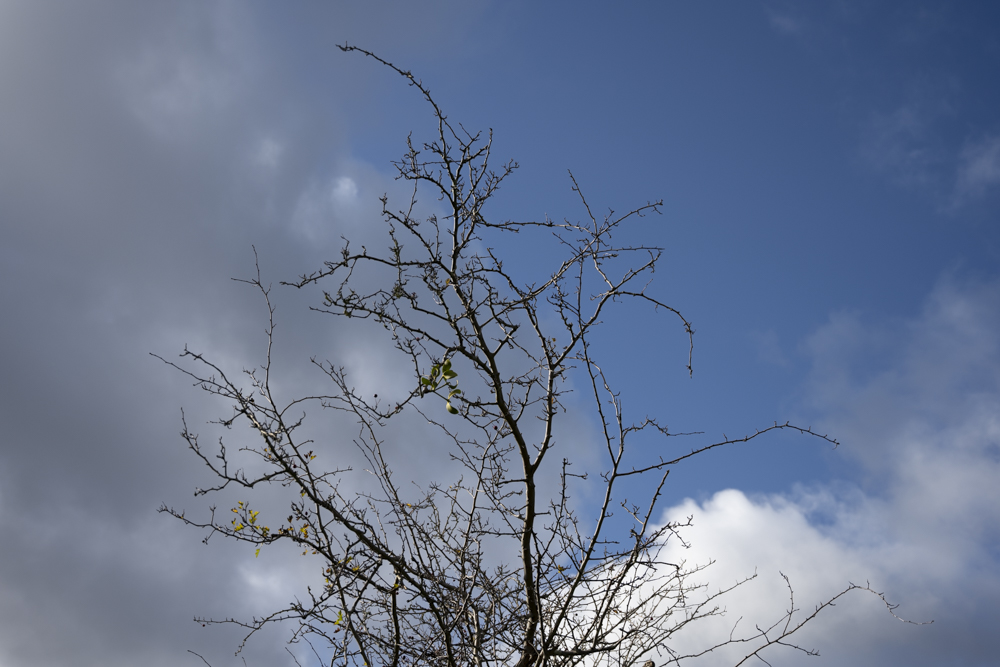
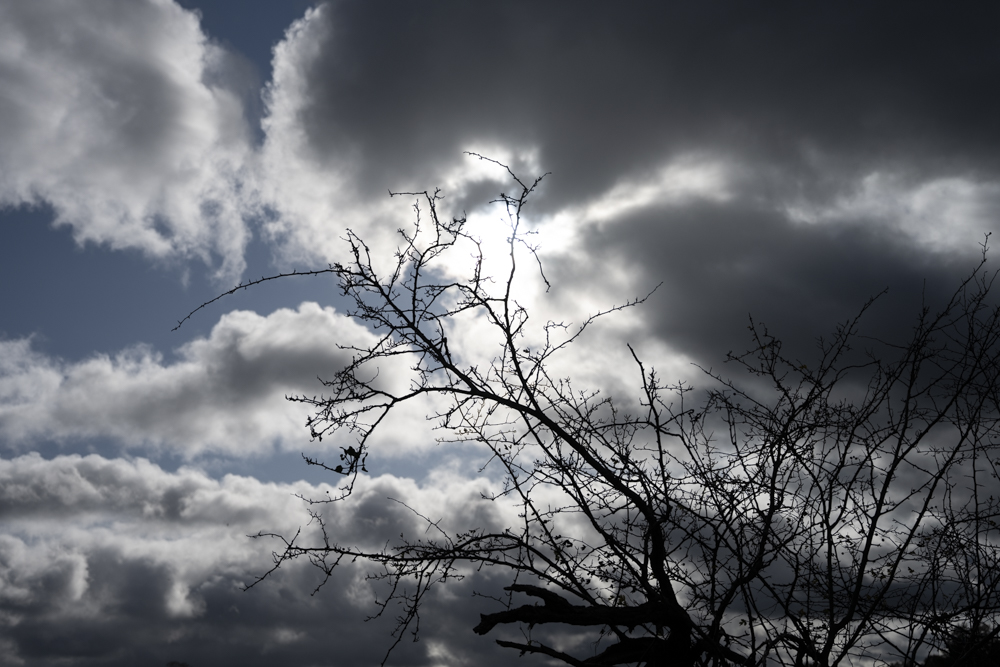
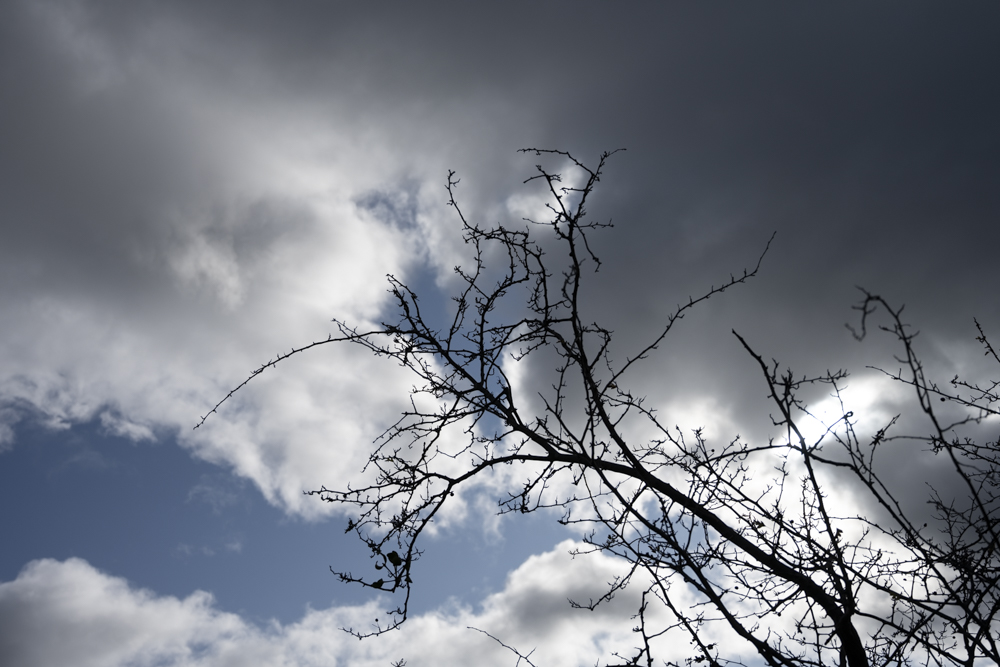
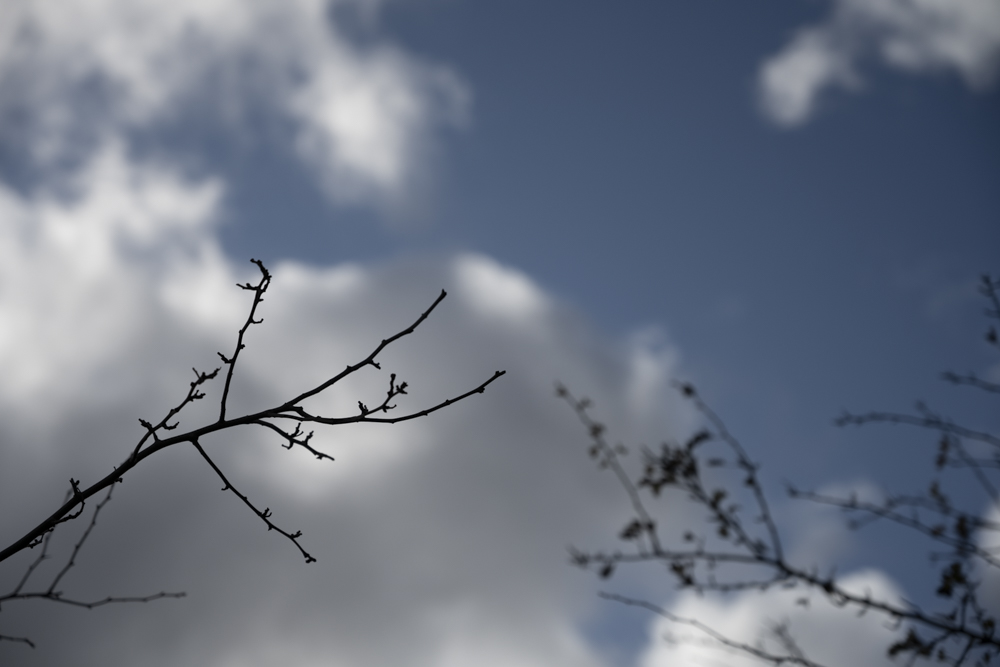
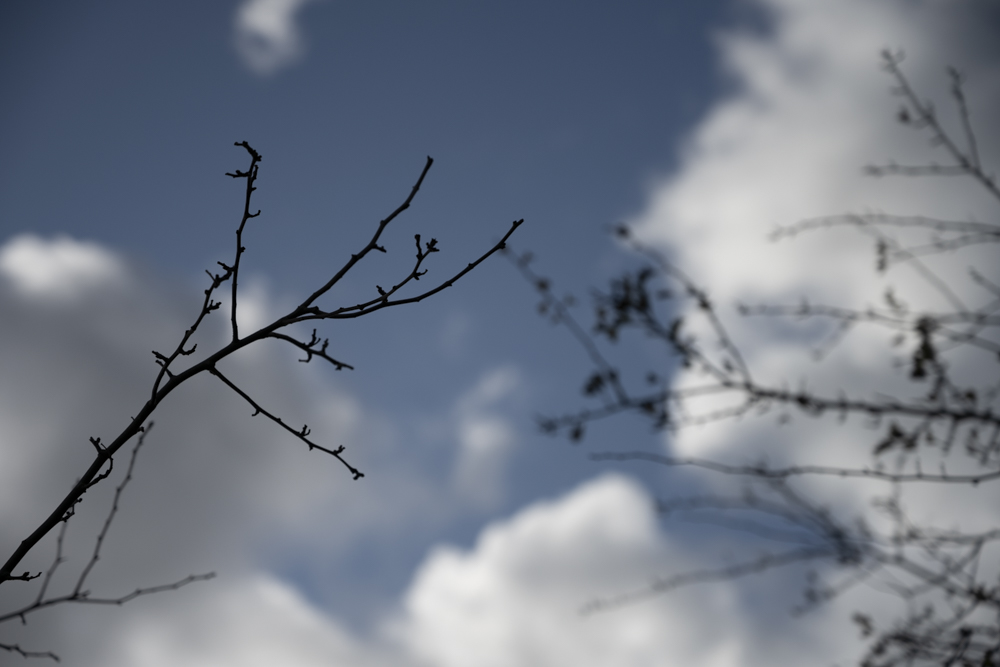
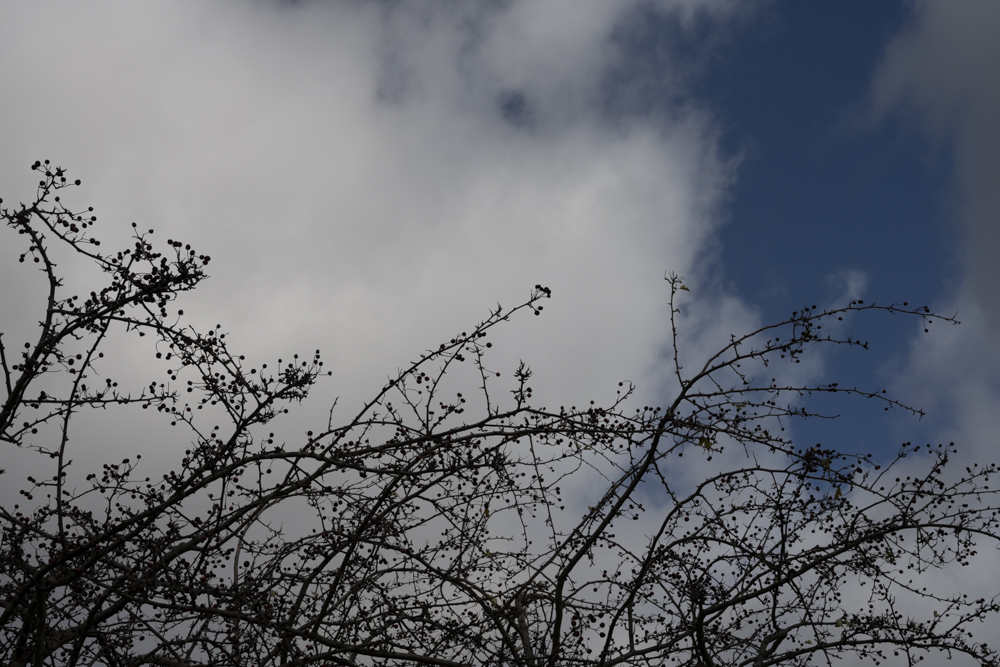
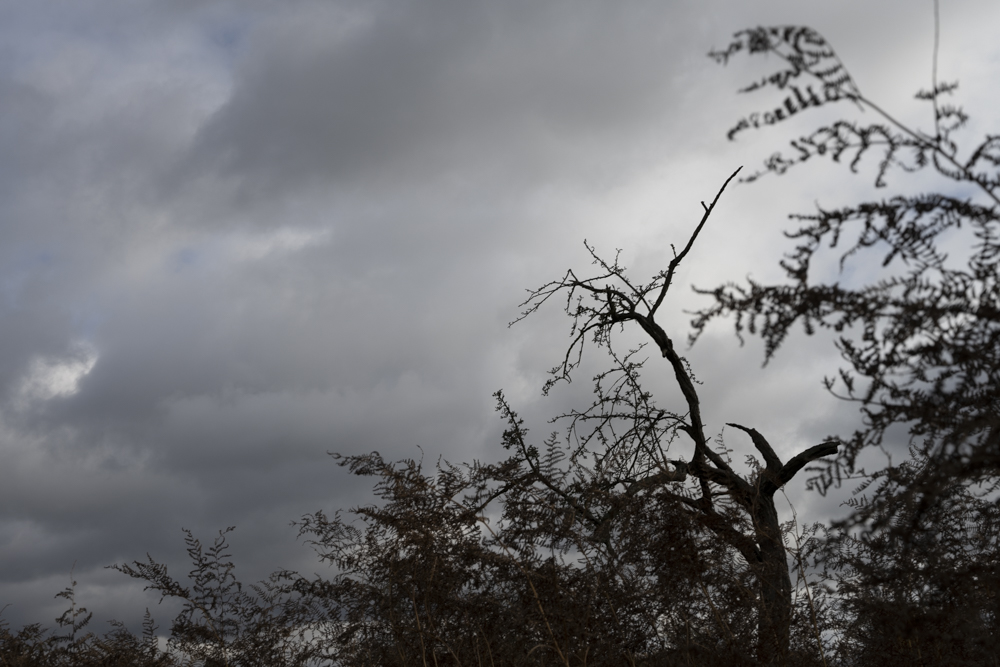
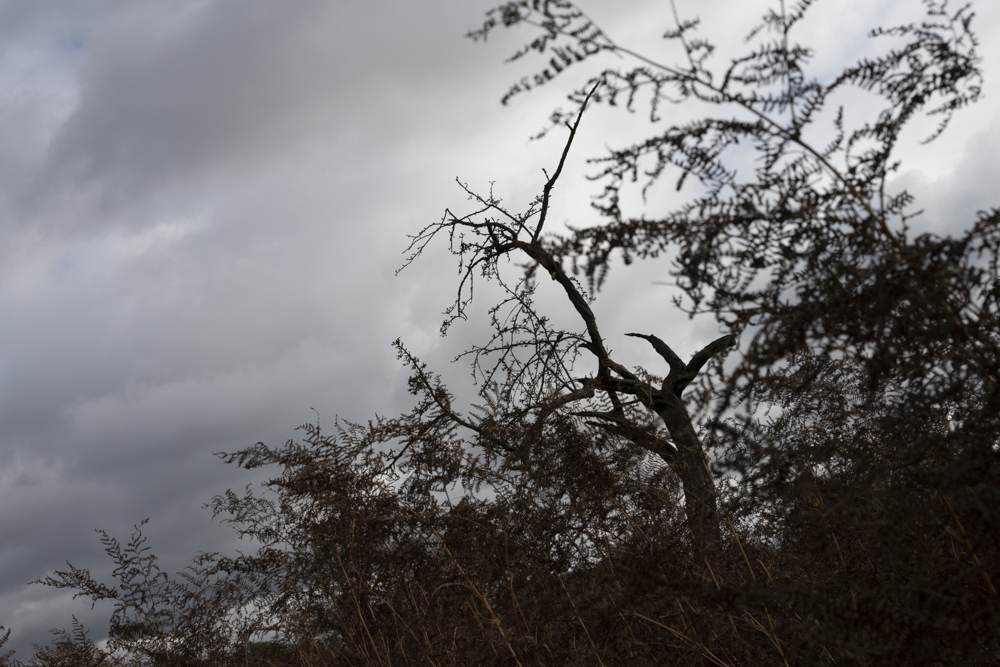
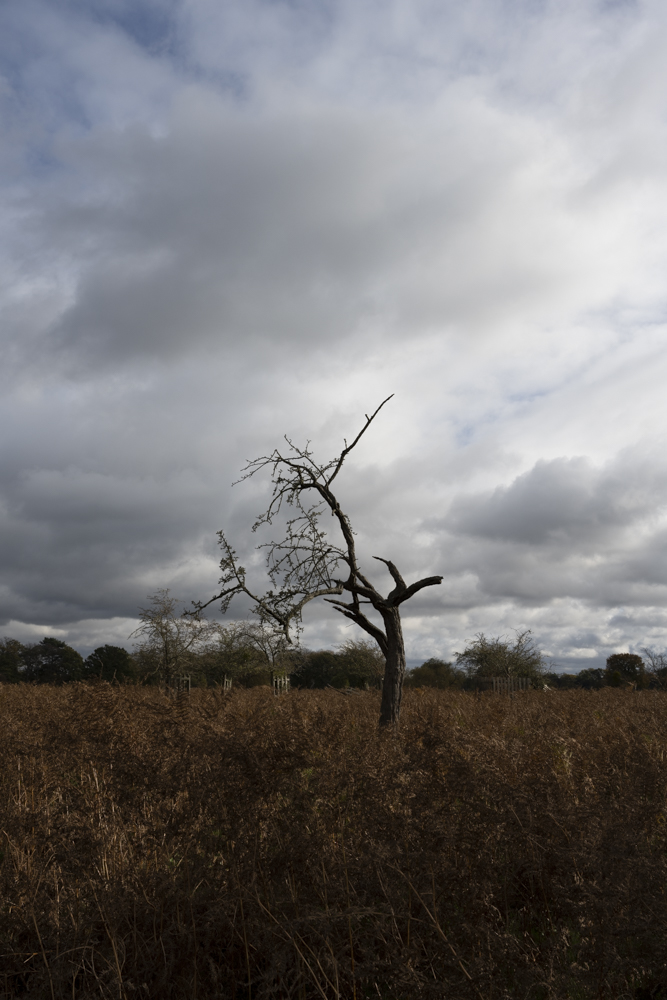
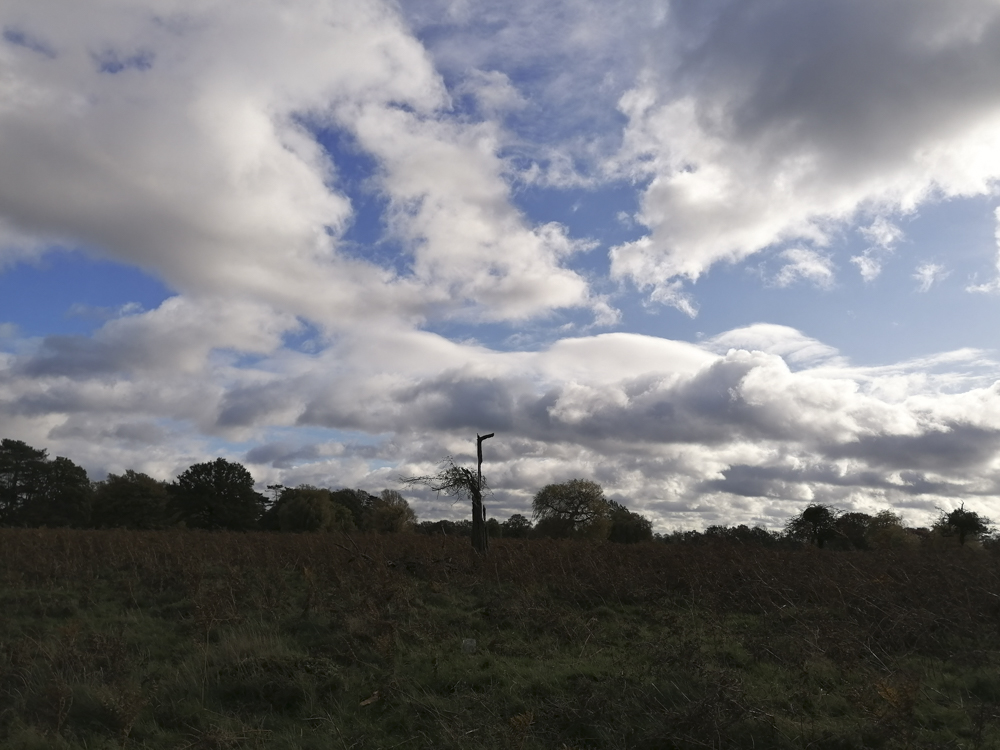
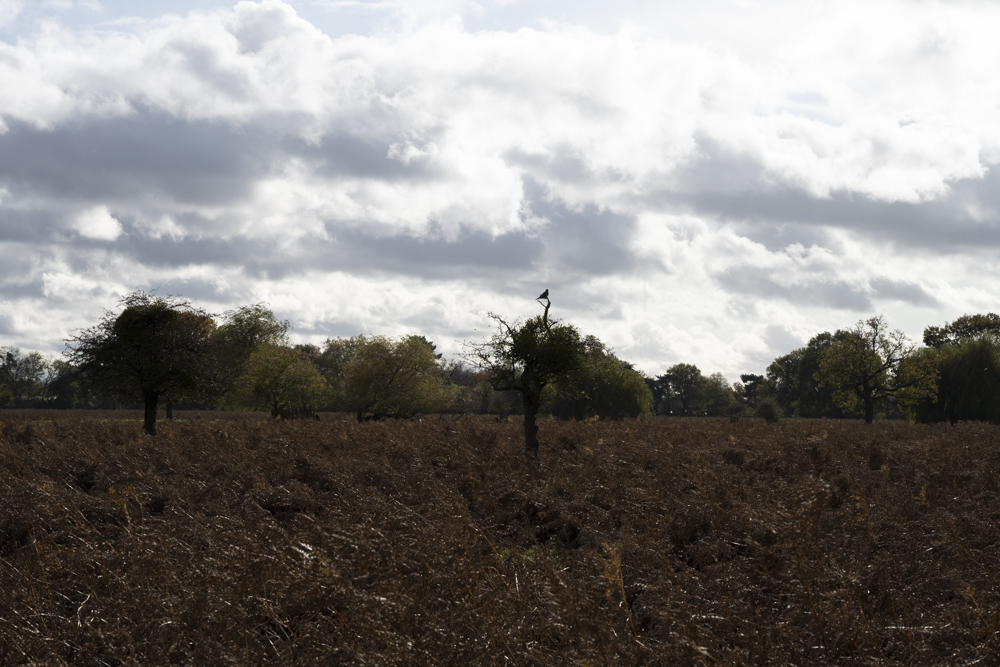
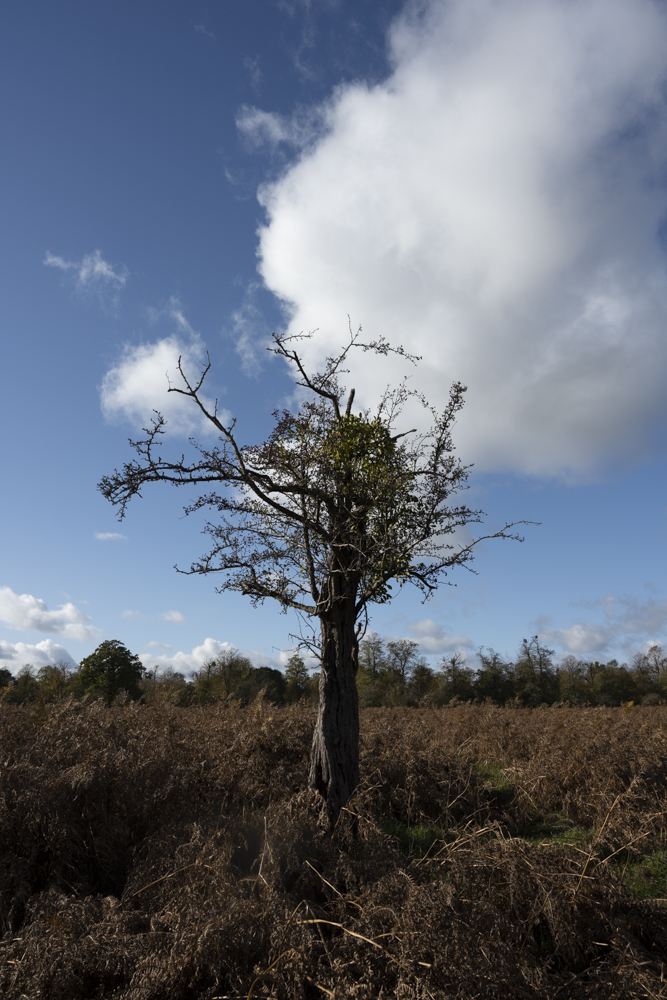
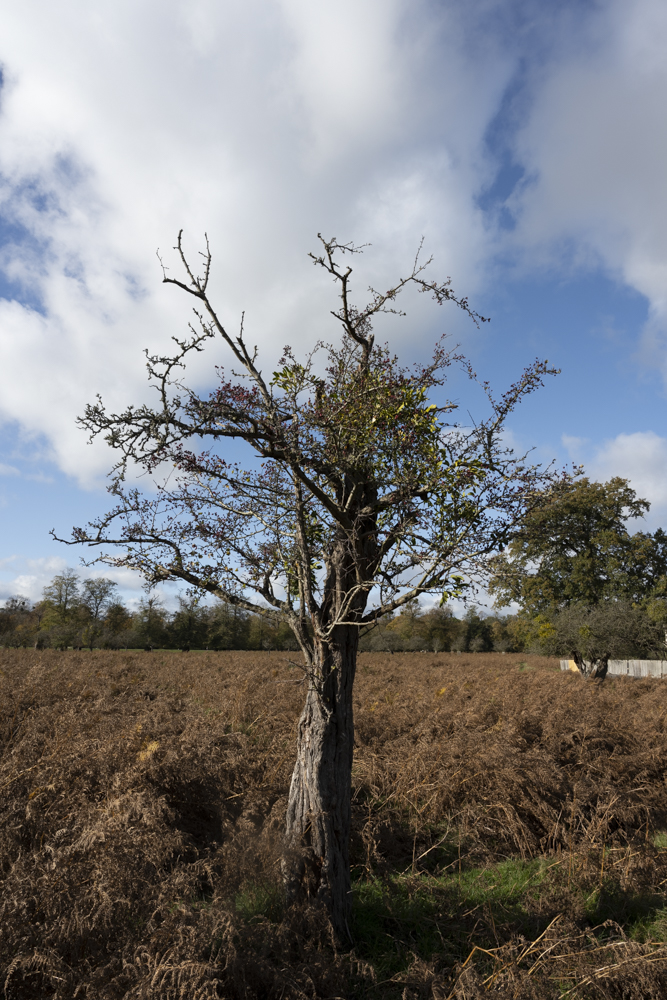
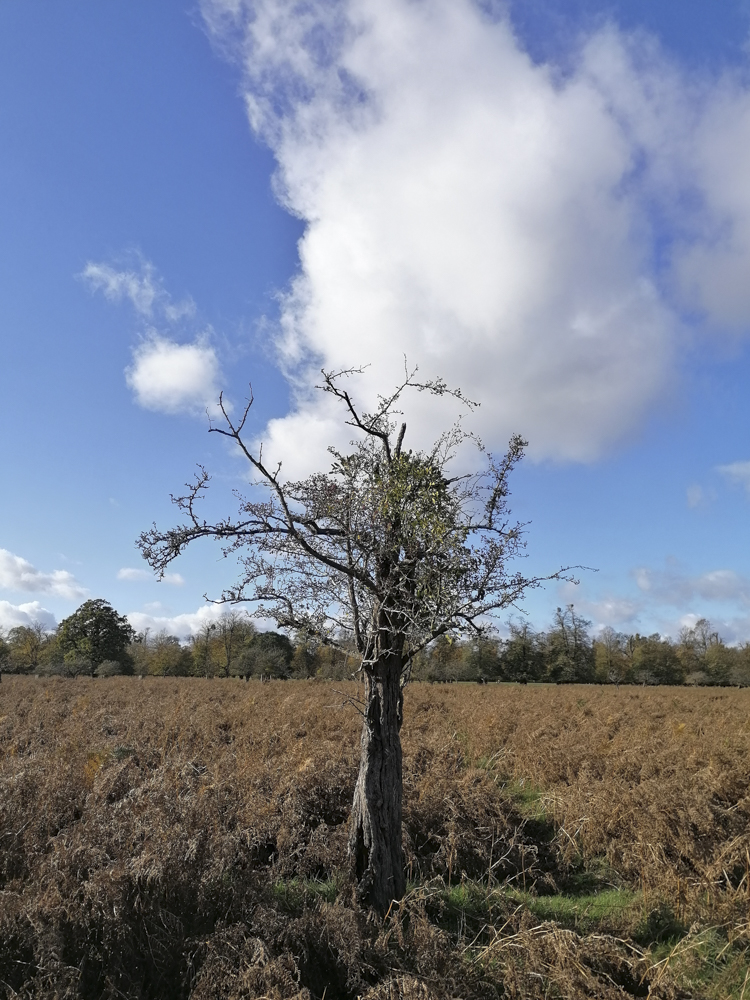
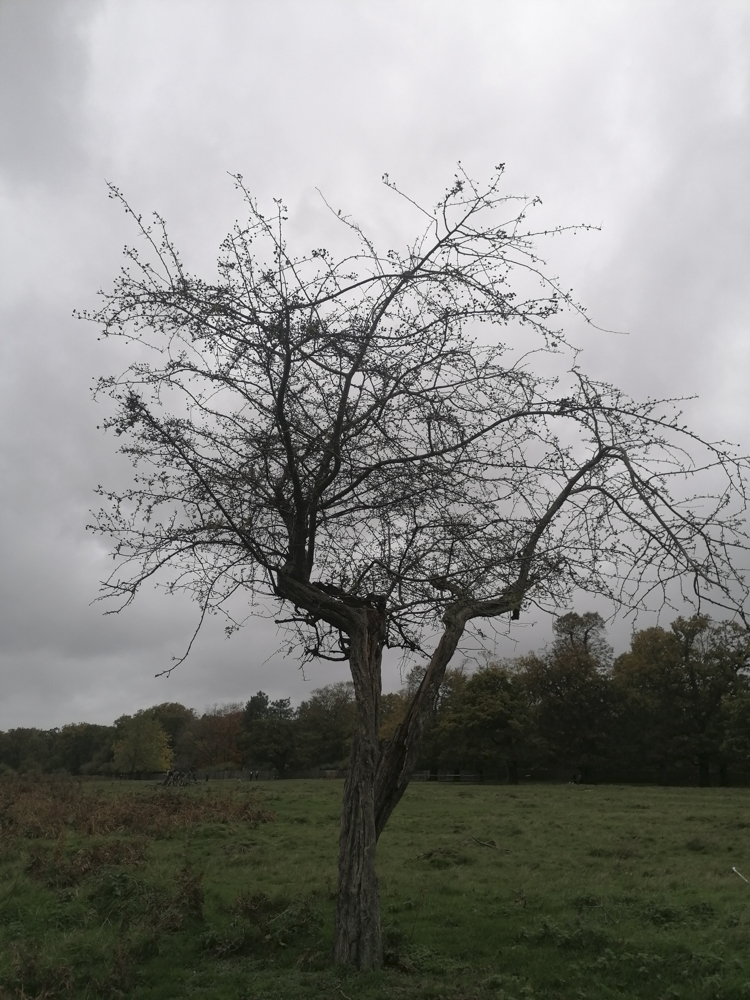
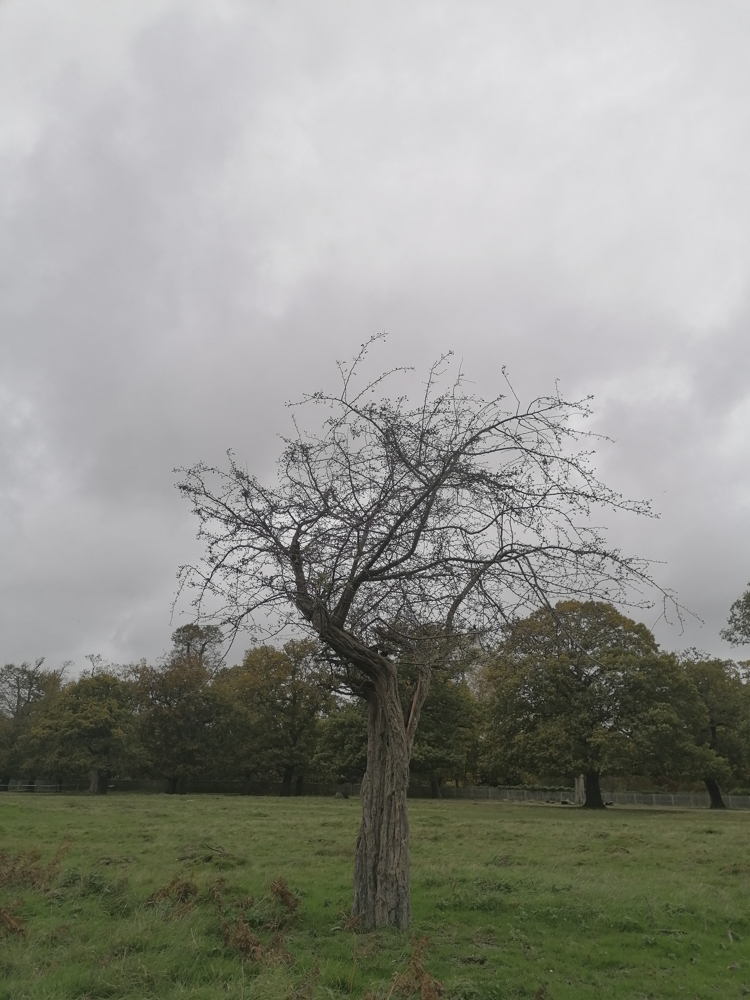
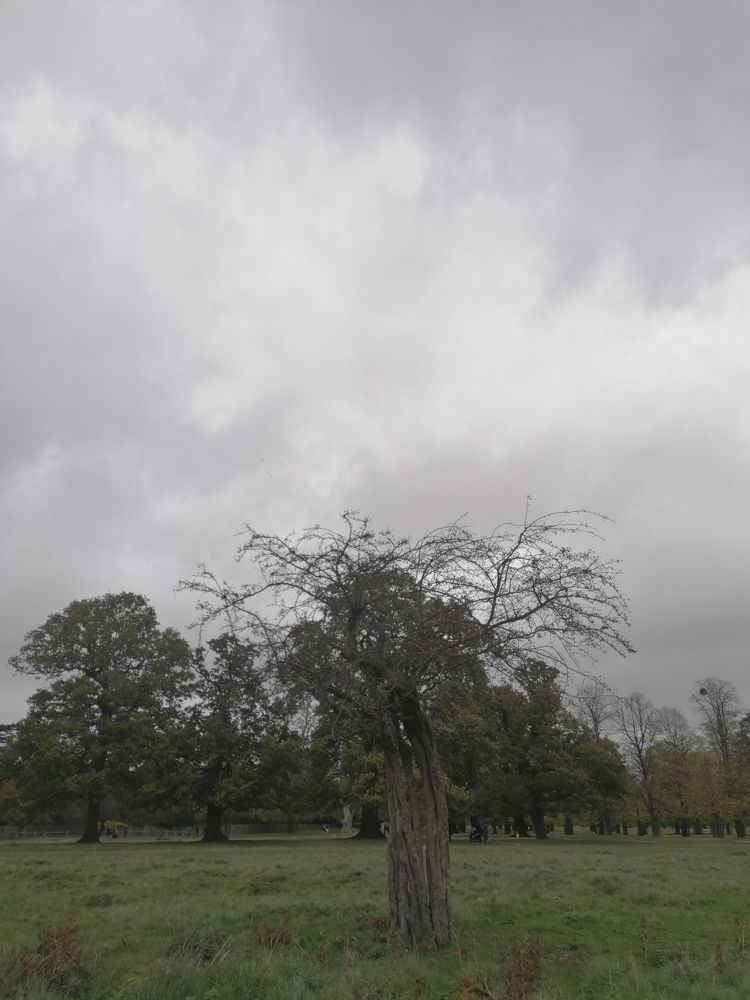
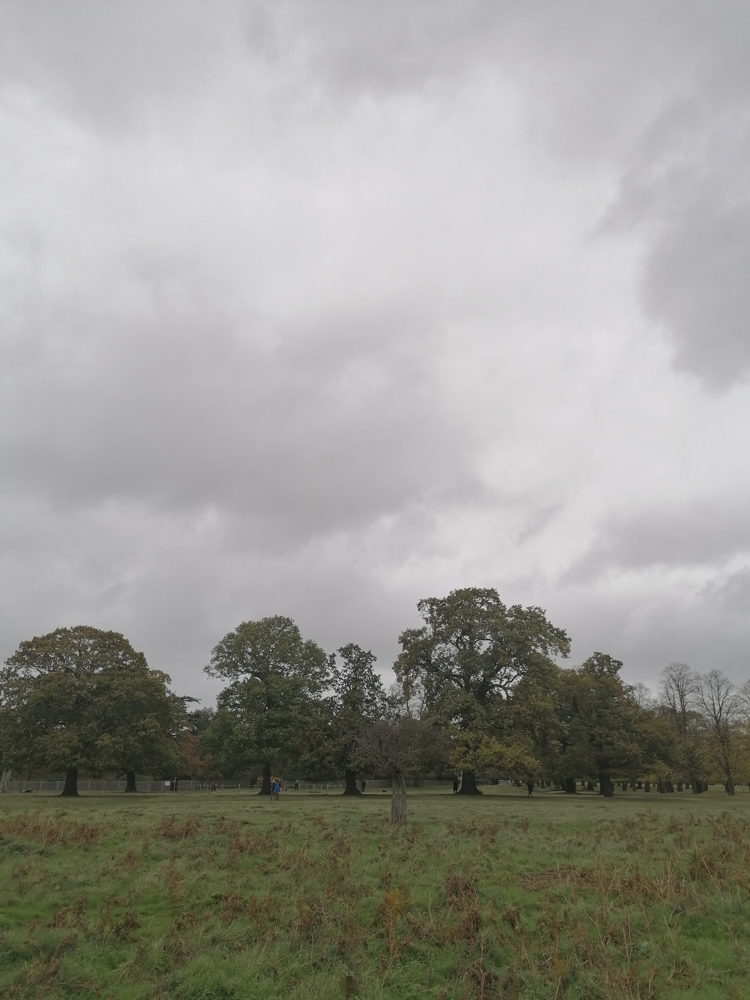
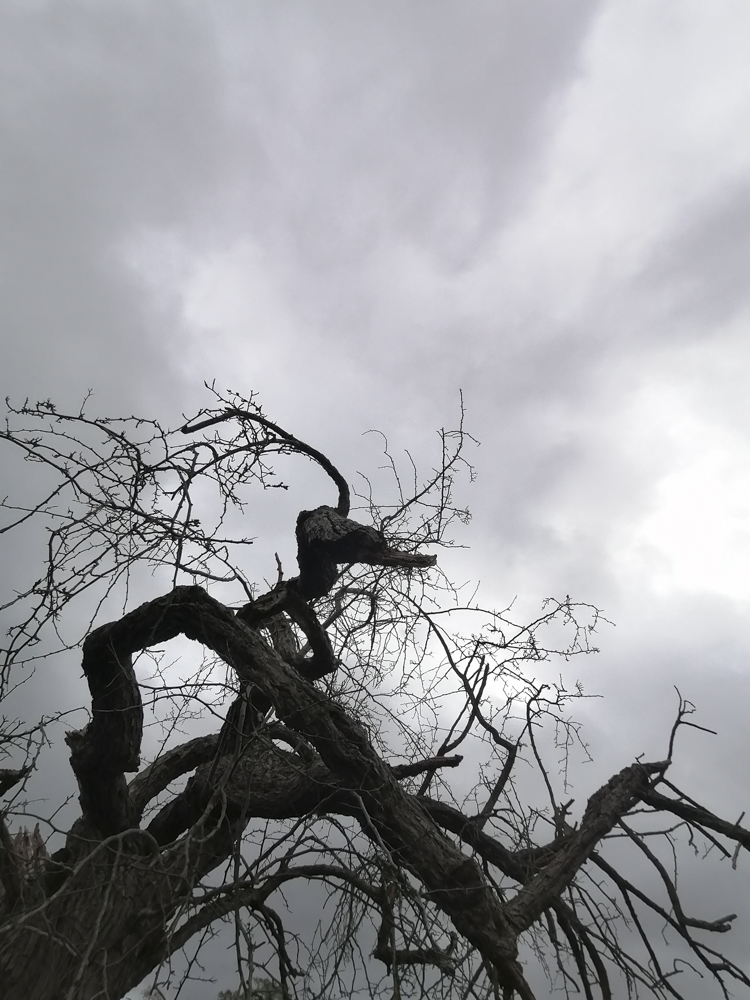
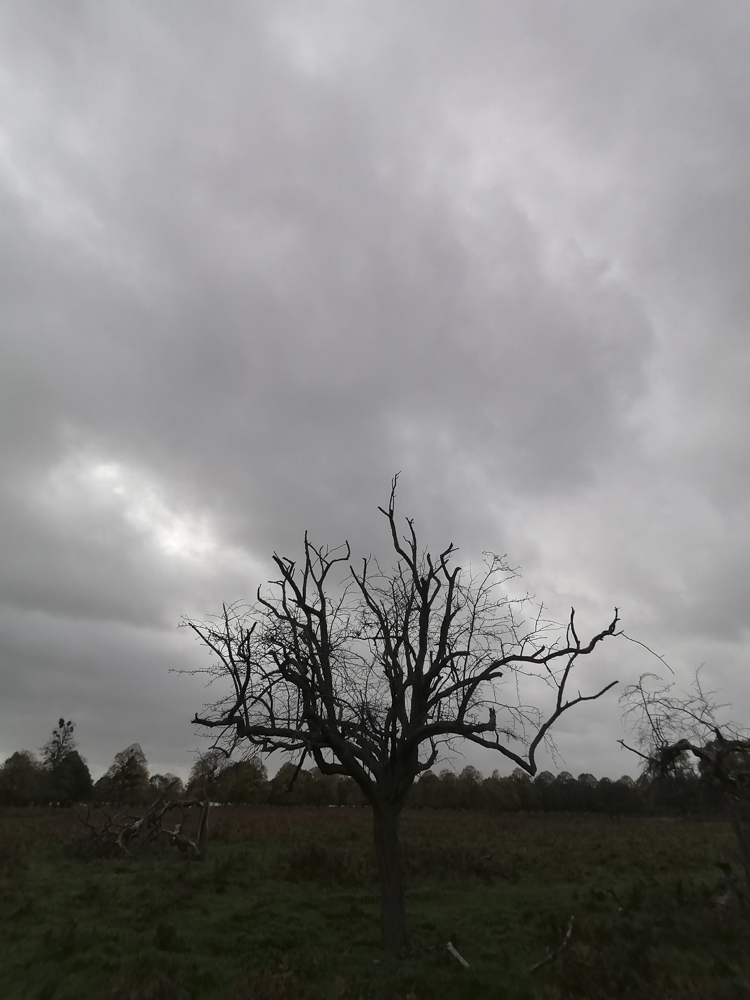
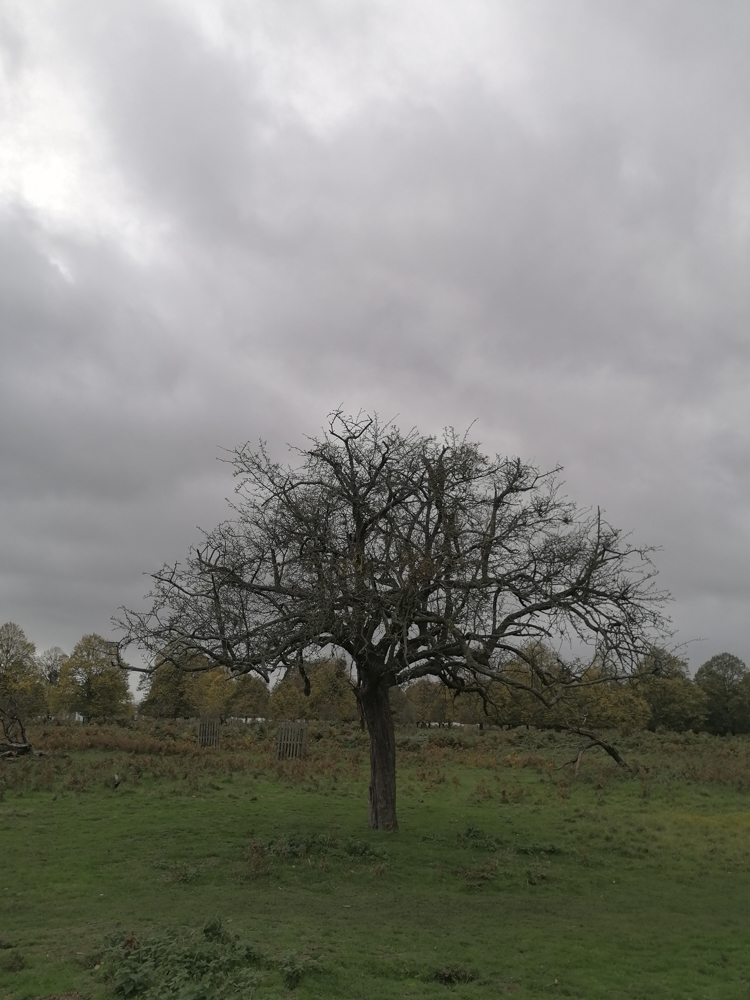
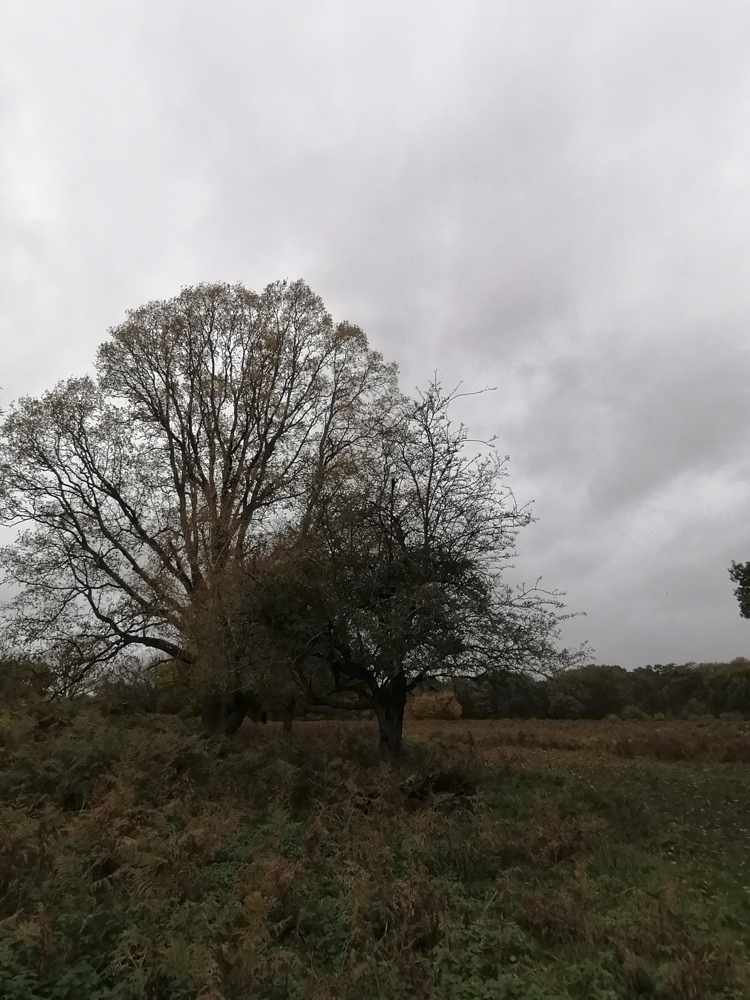
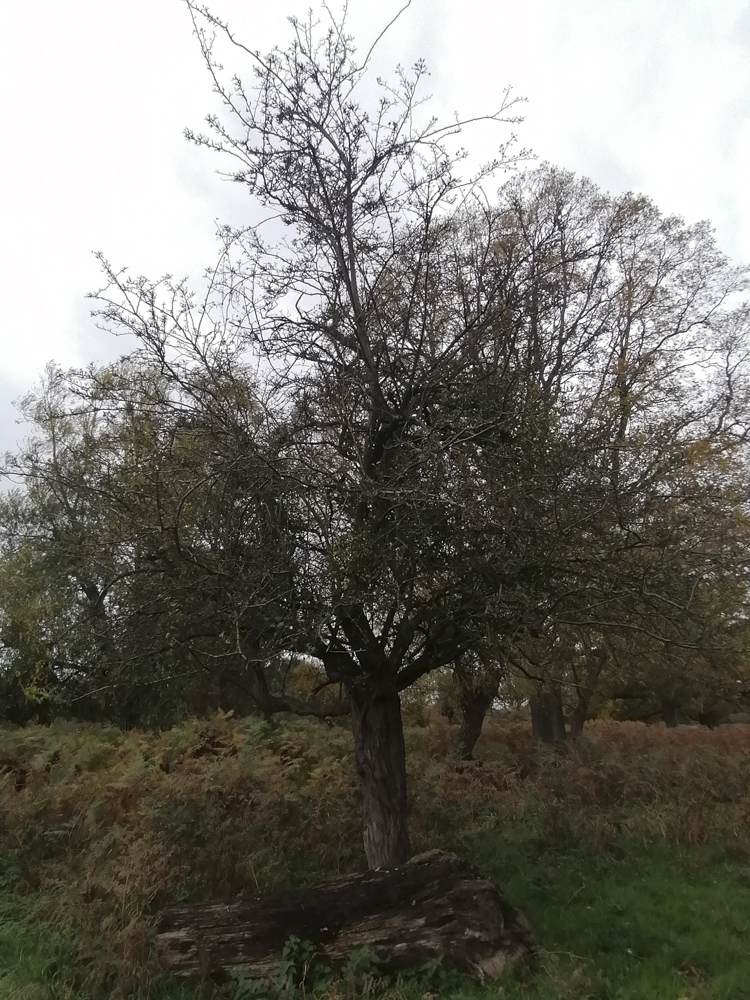
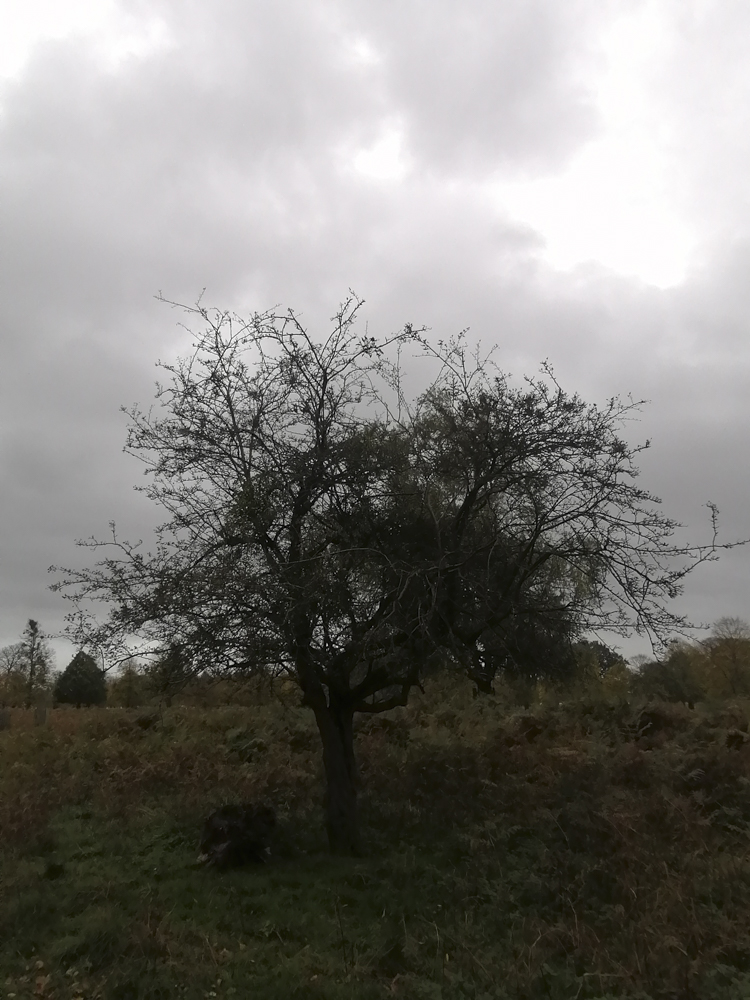
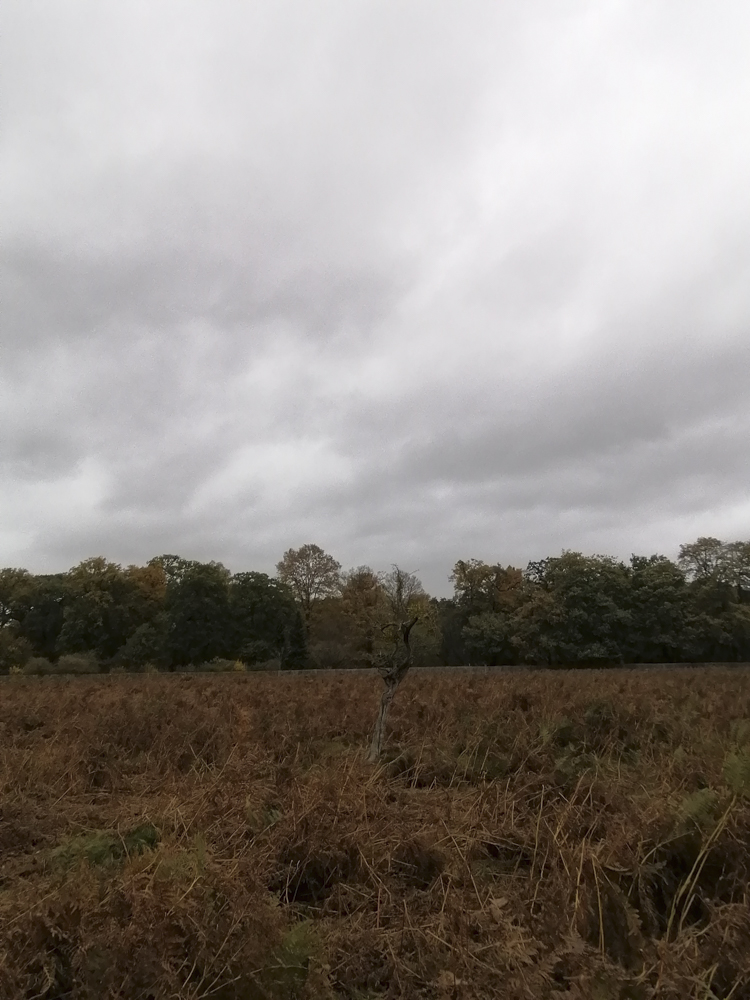
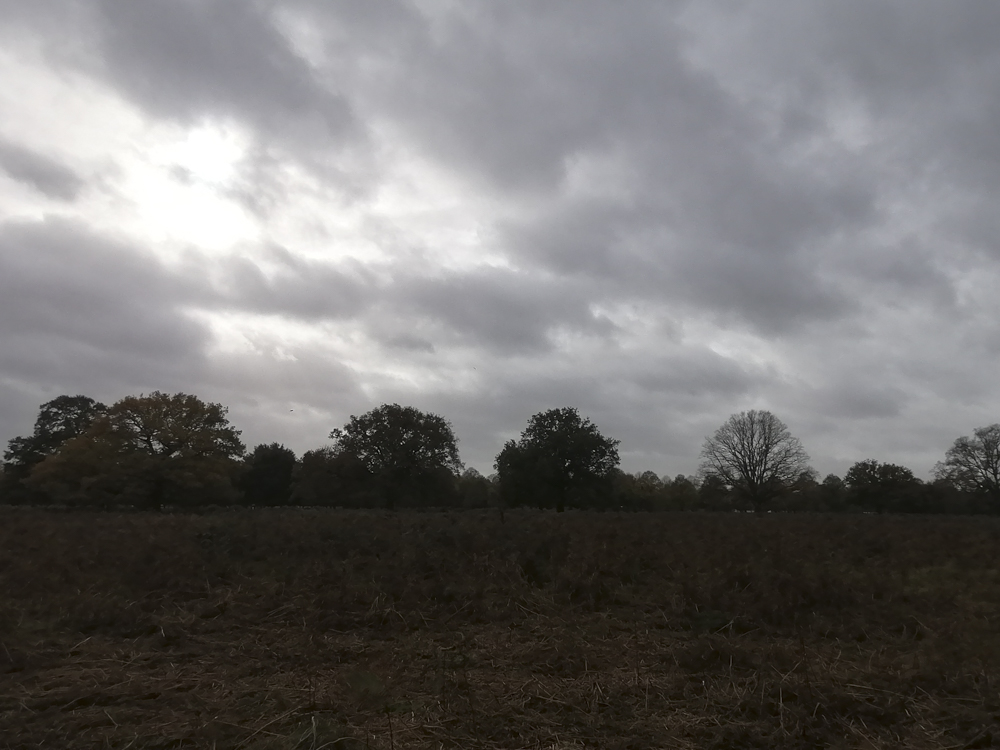
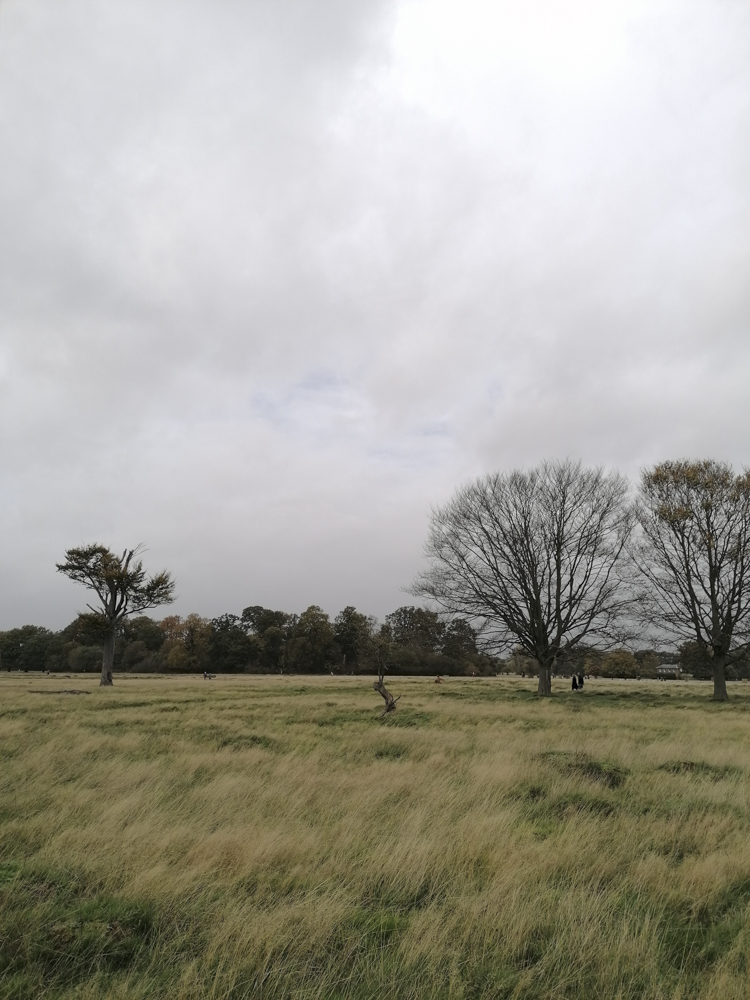
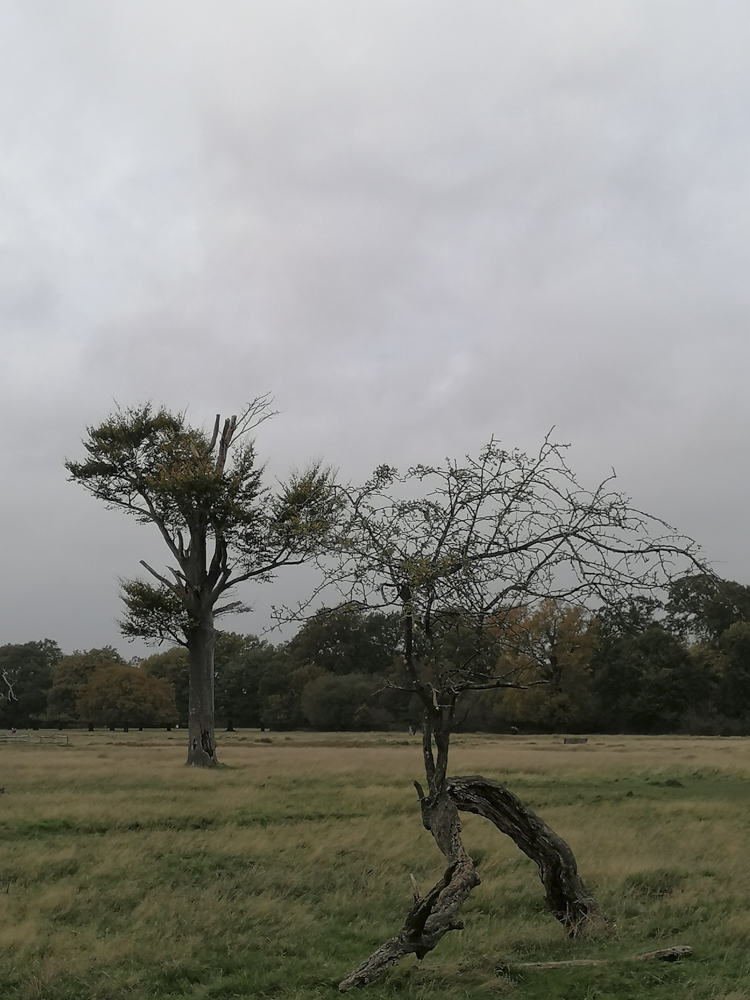
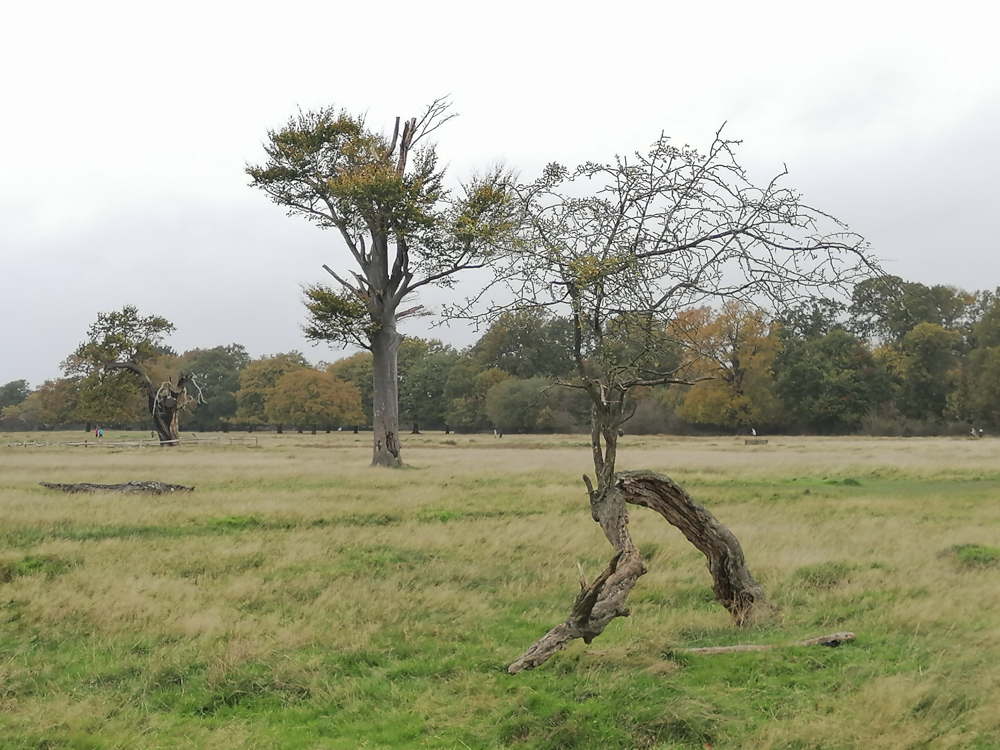
These elements are trees that have an interesting presence with a blue sky background. One comment was that the clouds on the other images were distracting. I think they add a particular atmosphere to these images, but then I love looking at cloud patterns.
One artistic reference to which Fergus pointed out had similarities to this image is George Stubbs’ Whistlejacket. It is a study of a horse, but with no background details. I think this name is quite suited for this image.
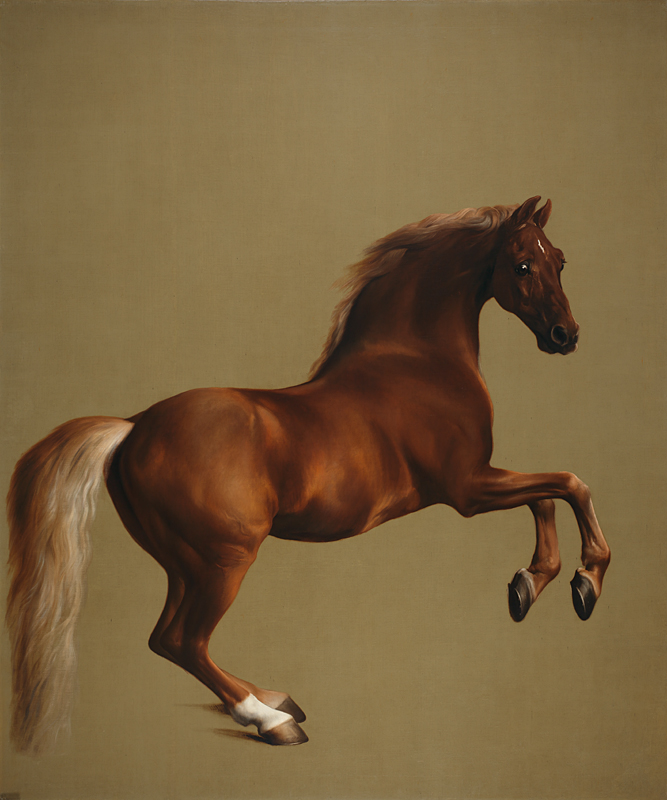
George Stubbs Whistlejacket about 1762 Oil on canvas, 296.1 × 248 cm Bought with the support of the Heritage Lottery Fund, 1997 NG6569 https://www.nationalgallery.org.uk/paintings/NG6569
There were clear lines of further developments and refining that I could follow. My next line of action will be to continue exploring this particular technique and taking it further.
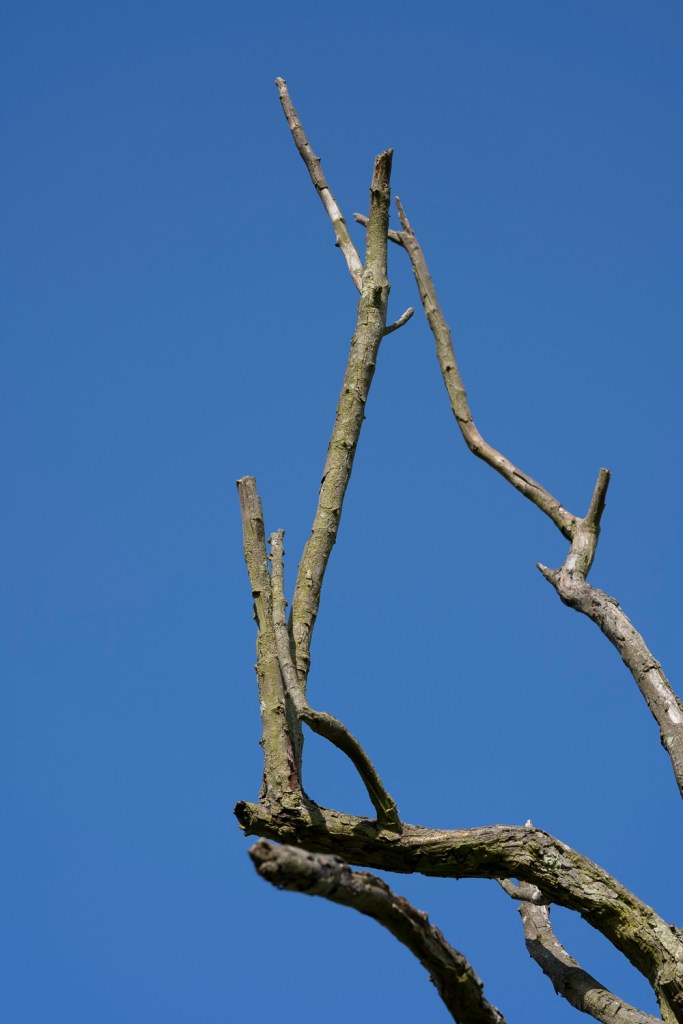
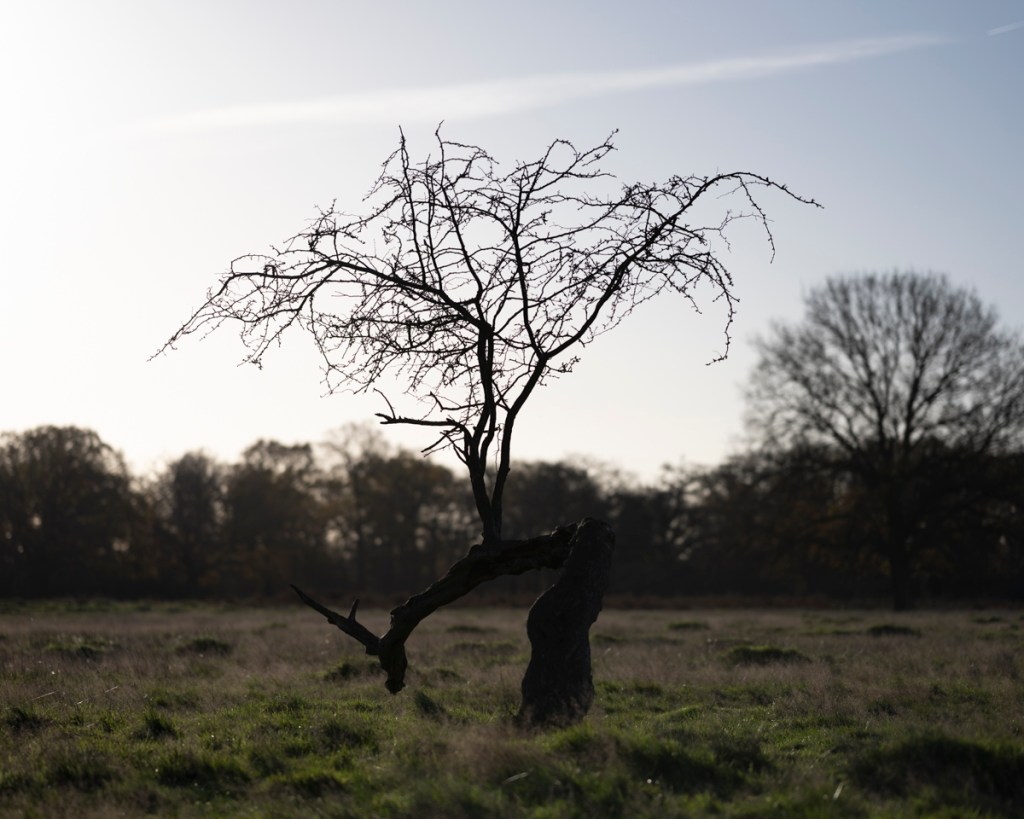
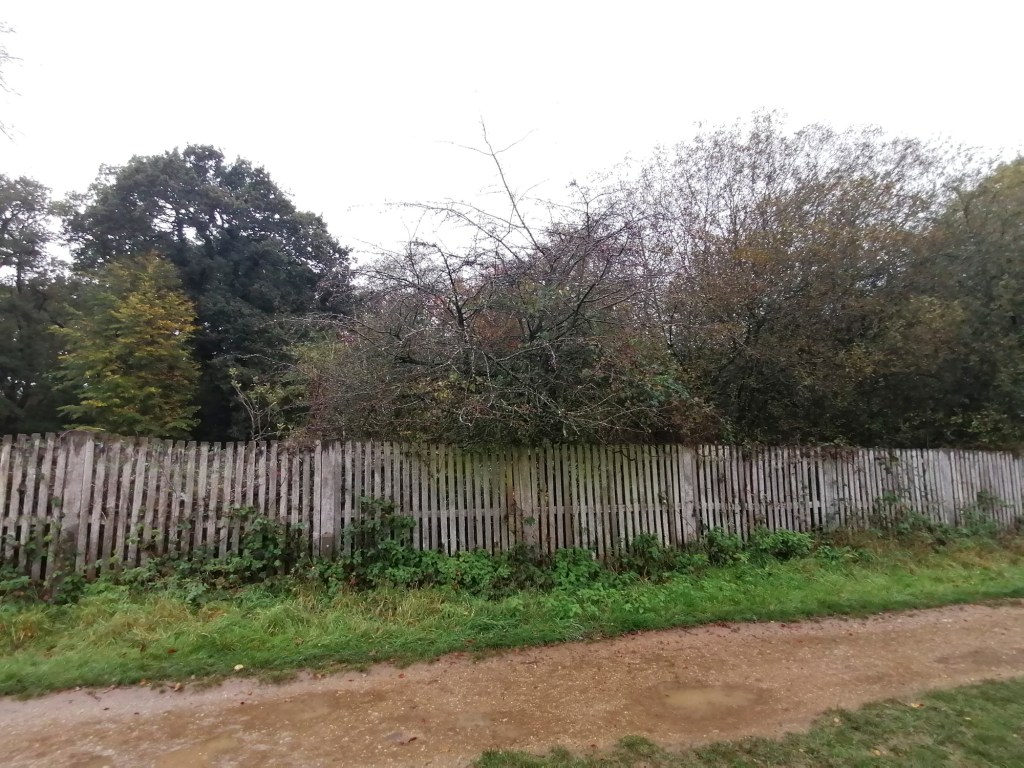
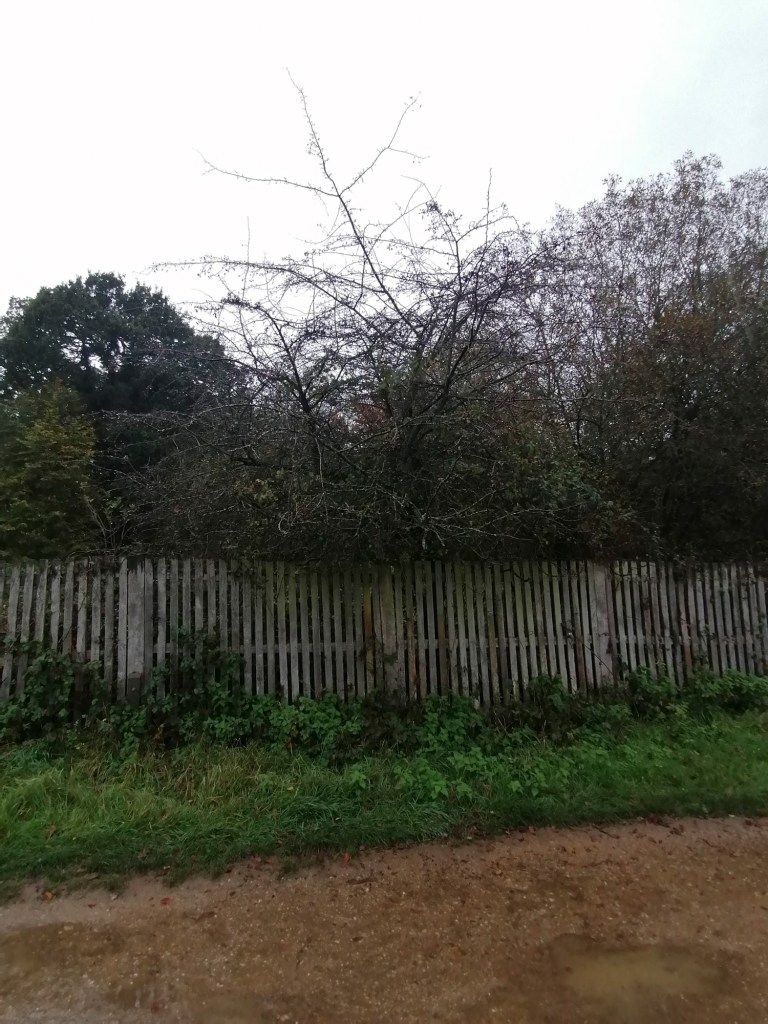
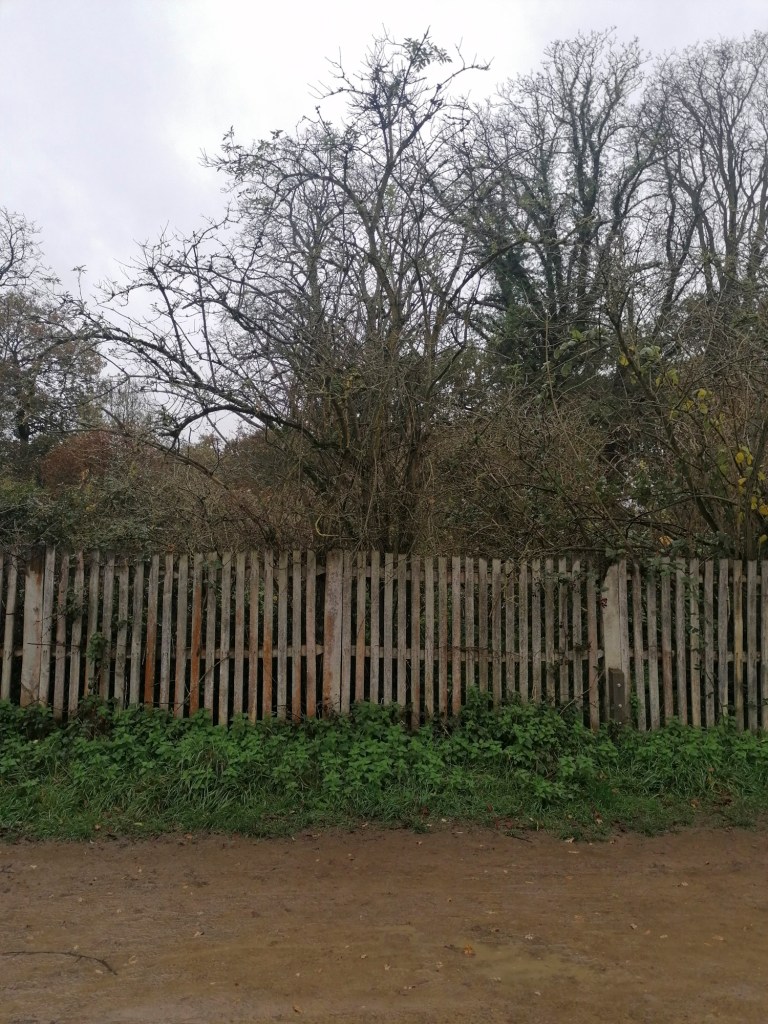
After processing the group’s feedback, I completed the following configuration. I had started this before the day’s session and didn’t show it to the group.
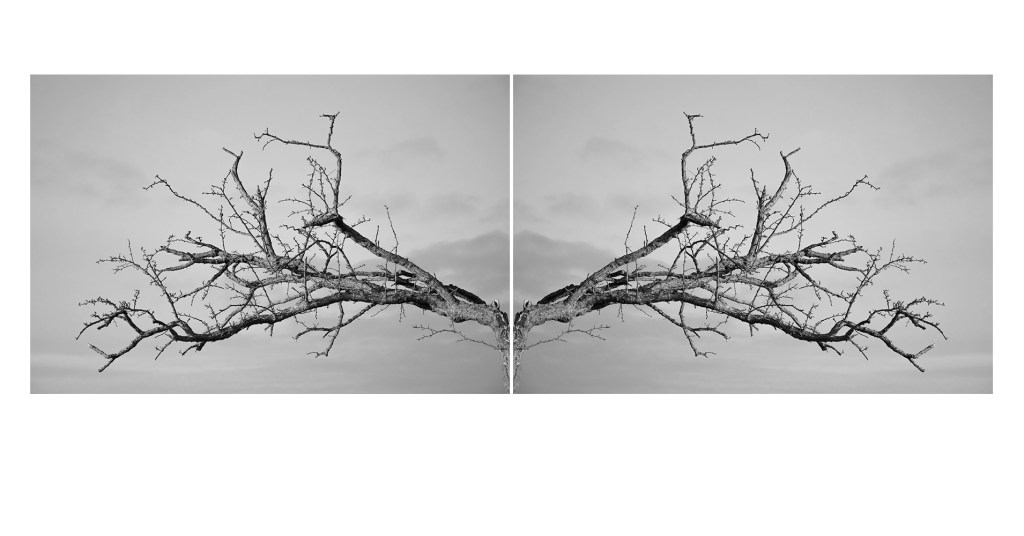
I’ve named this piece Stag.
References
The National Gallery, L., 2021. George Stubbs | Whistlejacket | NG6569 | National Gallery, London. [online] Nationalgallery.org.uk. Available at: <https://www.nationalgallery.org.uk/paintings/george-stubbs-whistlejacket> [Accessed 7 May 2021].





 Jennie Meadows MA Photography