At this stage of the course, I was focusing on other modules and being distracted by life in general. While awaiting for this module to commence, I took a visit to Bushy Park on 19 March where it was a treat to see signs of new life. Also, it was interesting seeing how the light and conditions were changing with the move from winter to spring.
The other challenge I set myself was to solely use the 85mm lens.
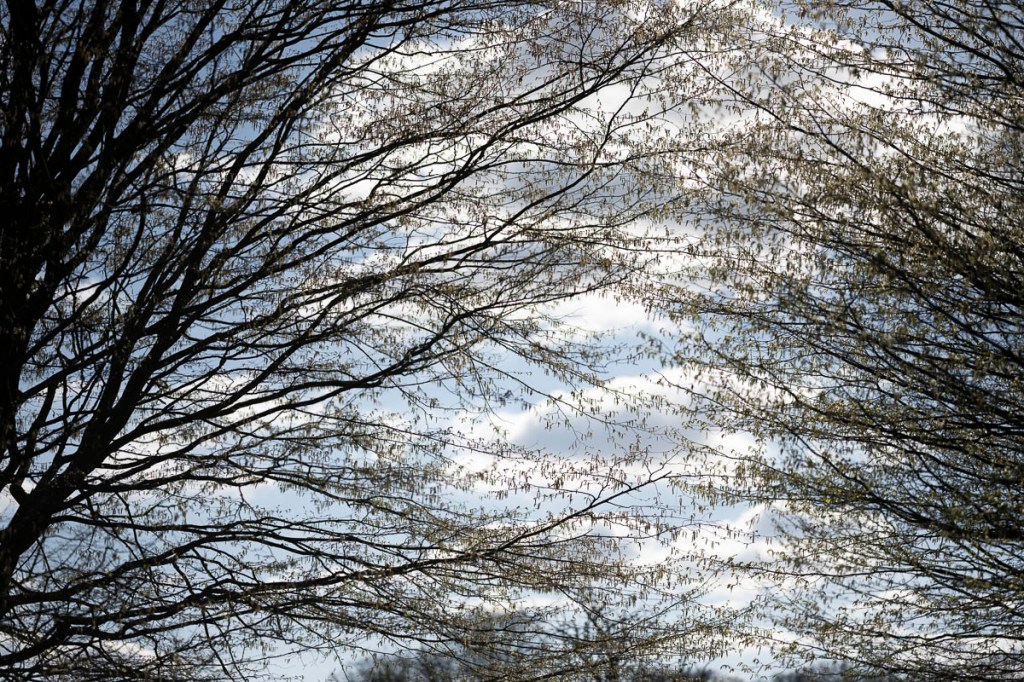
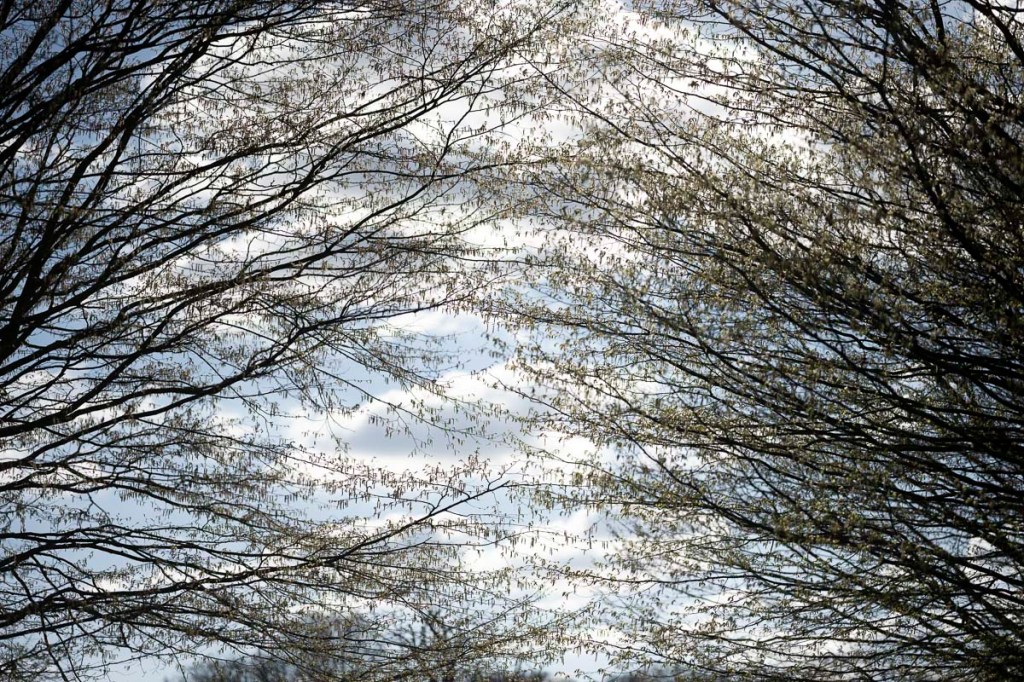
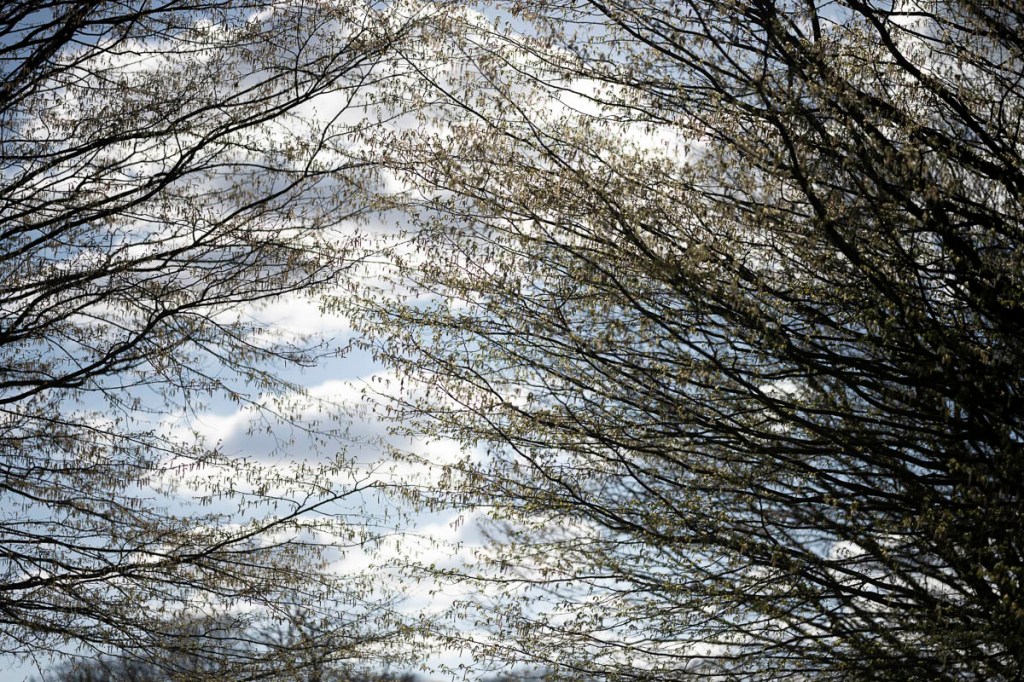
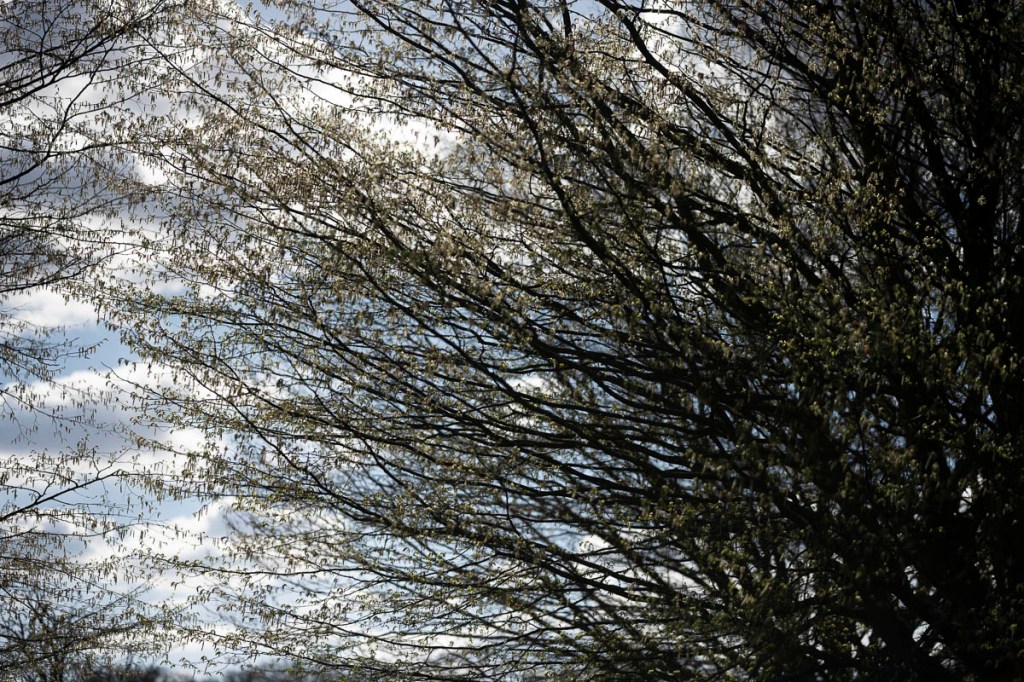
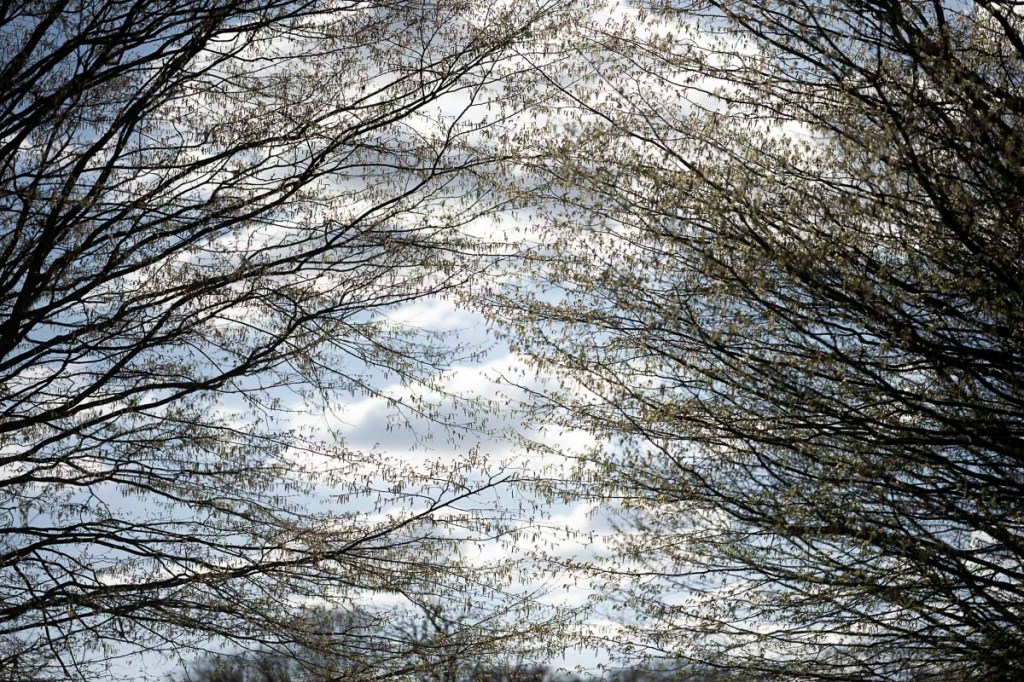
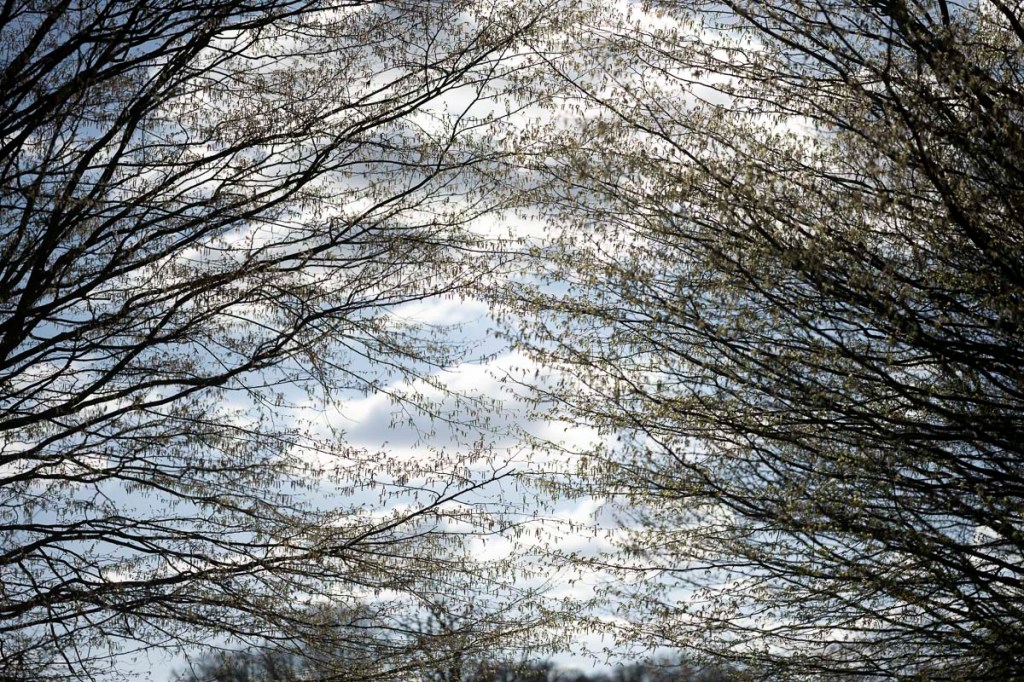
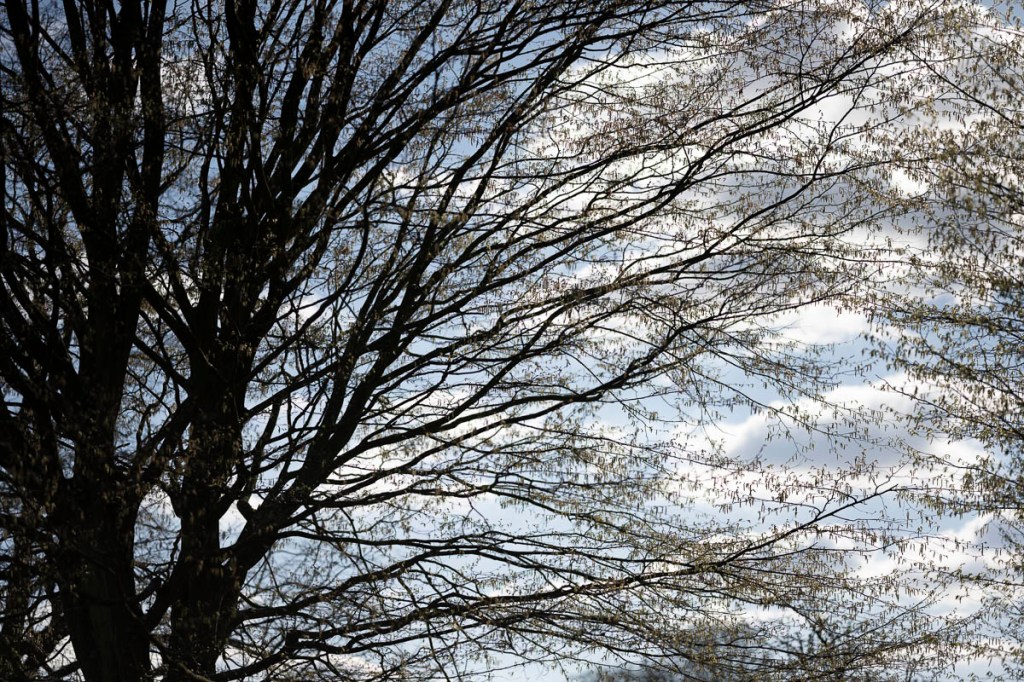
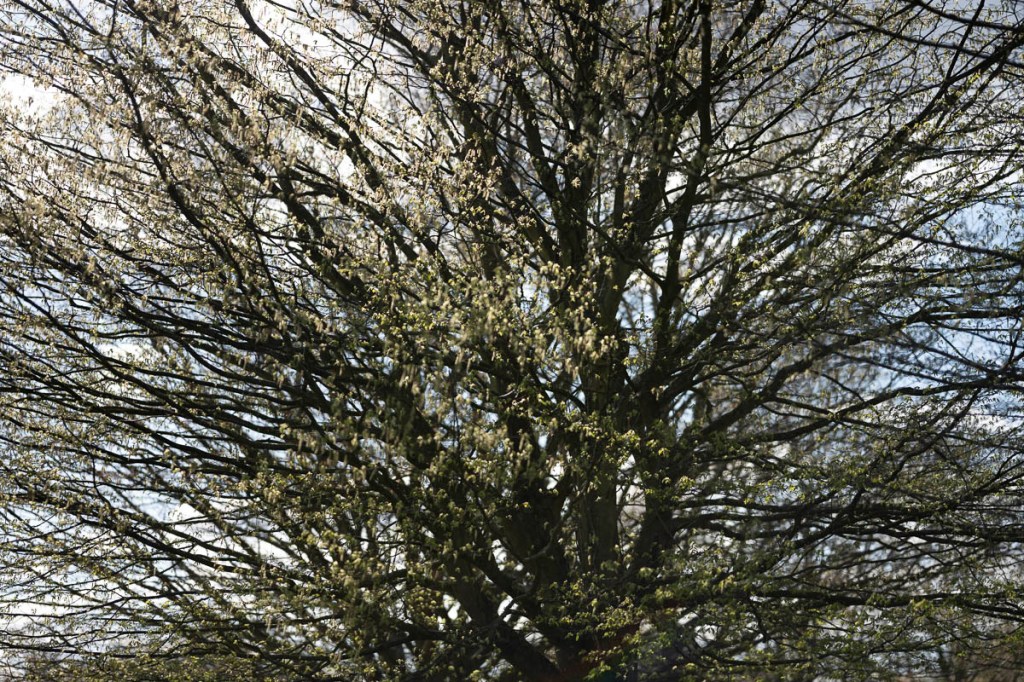
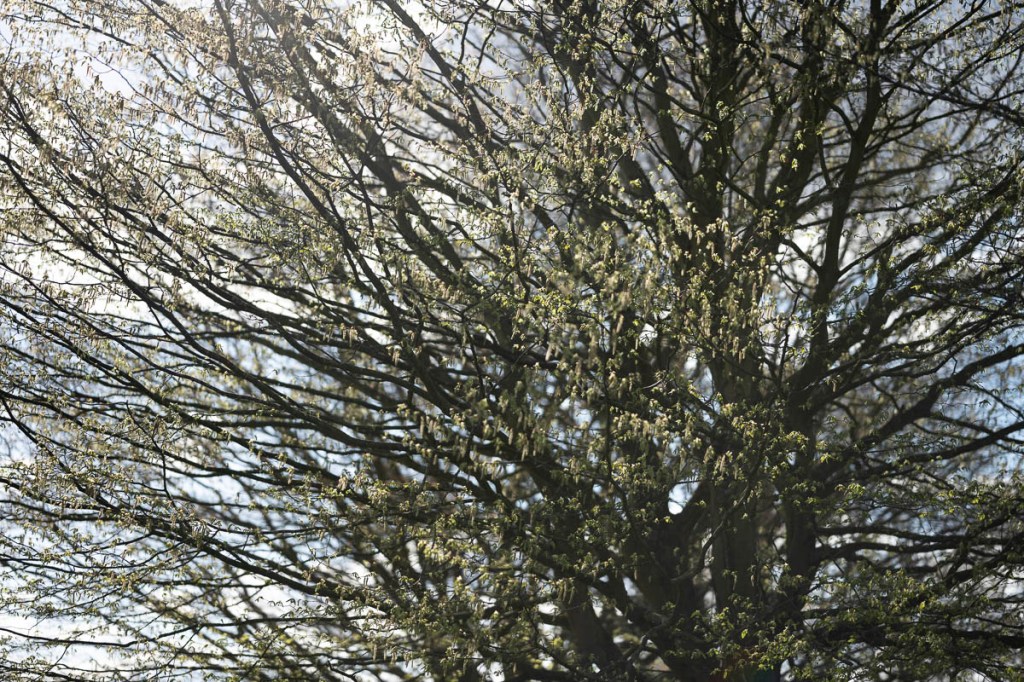
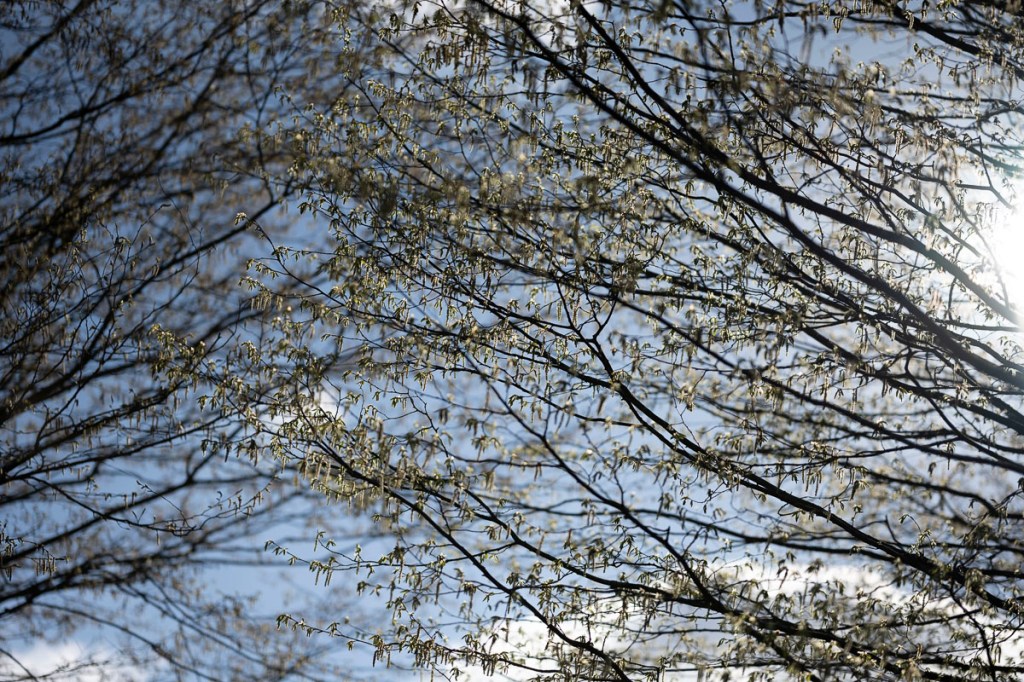
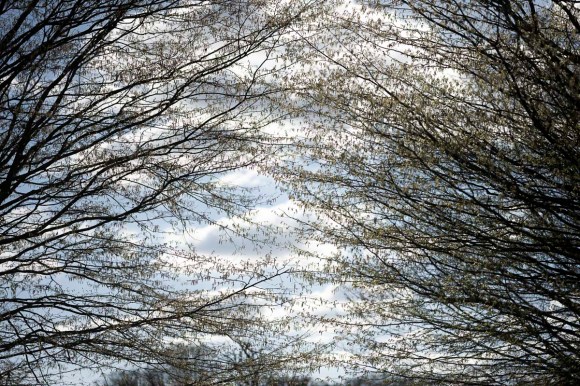
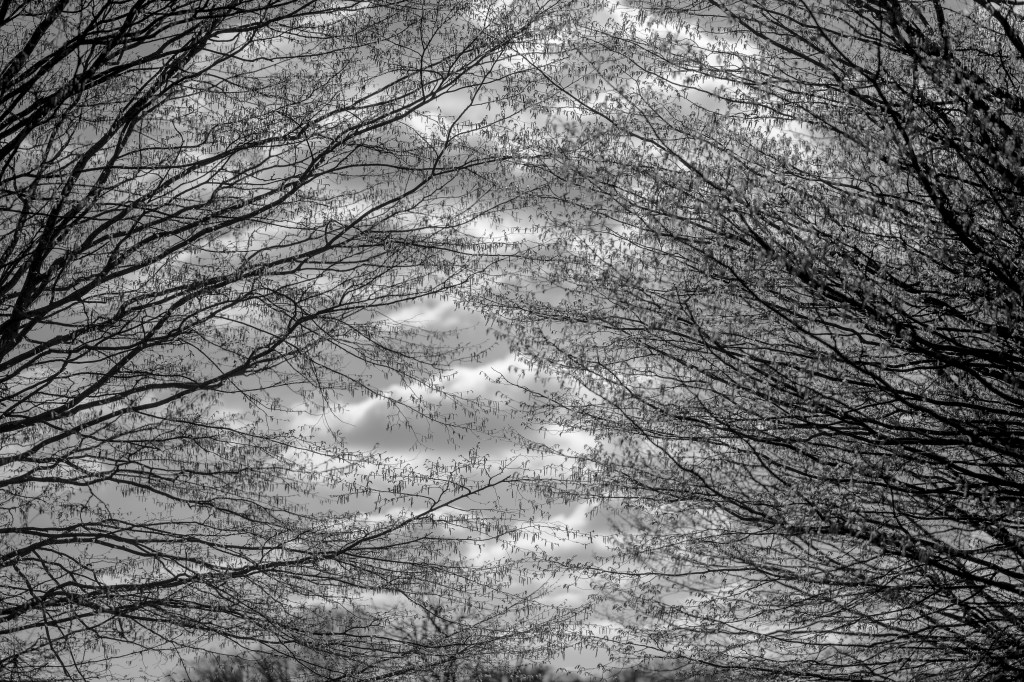
My first observation was of these trees and the cloud behind. I took a sequence of images going from left to right.
What struck me about these images was the texture of the clourds in combingation with the the branches and catkins.
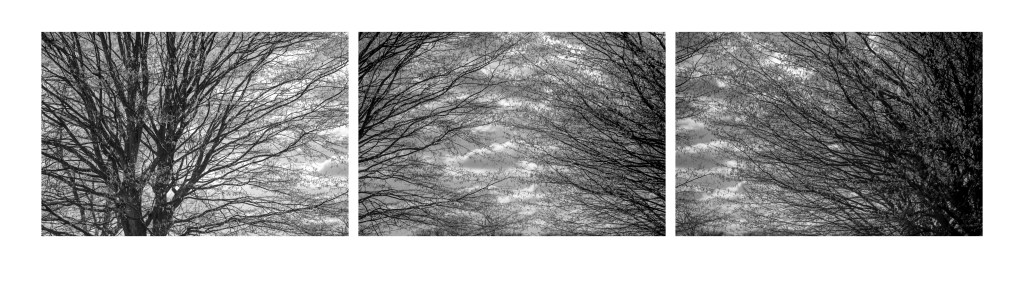
When editing these images later in the day, I initially tried a Black & White conversion.
In then coverted other images and created the following triptych.
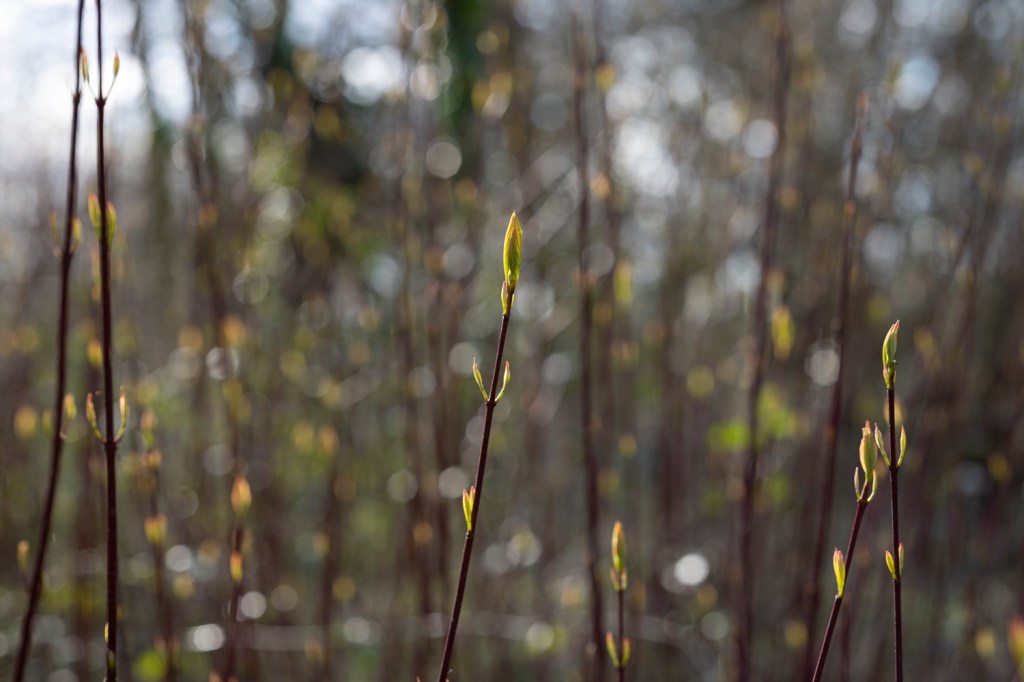
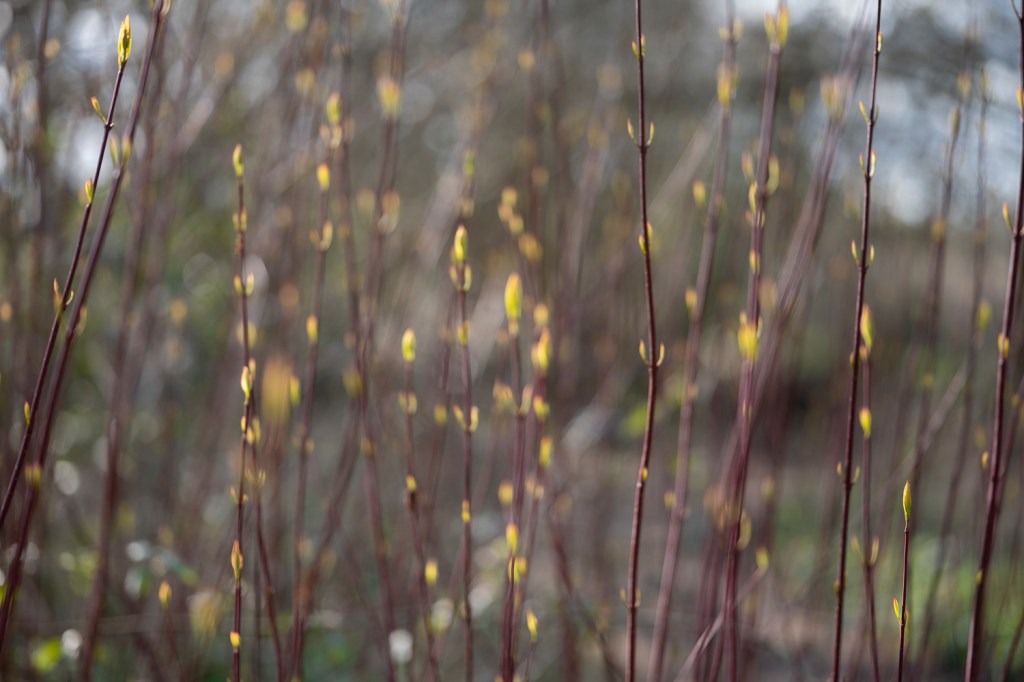
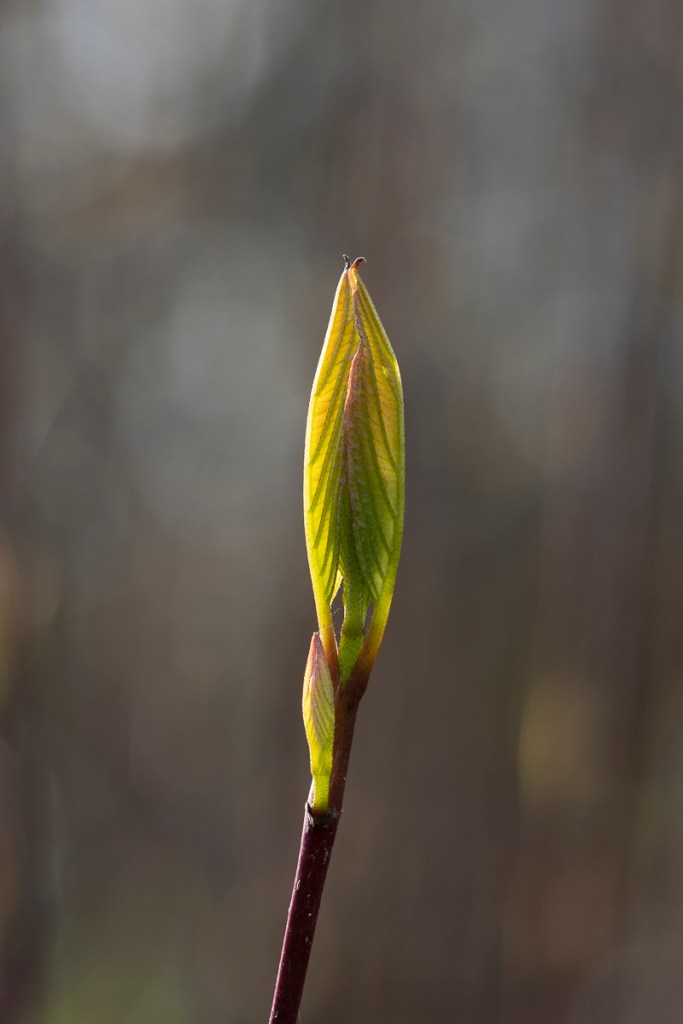
I then walked through the Woodland Gardens. The sunlight was beautifully playing with the newly sprouting leaves on a plant I would usually just pass by.
I also challenged myself to take the following close-up. I was quite taken aback by the details I captured.
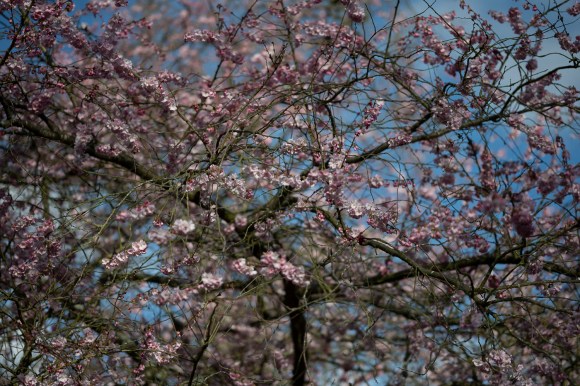
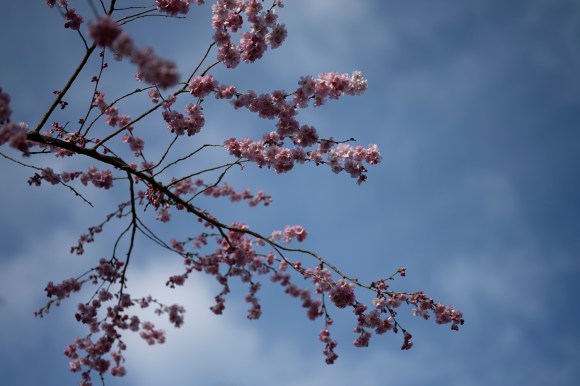
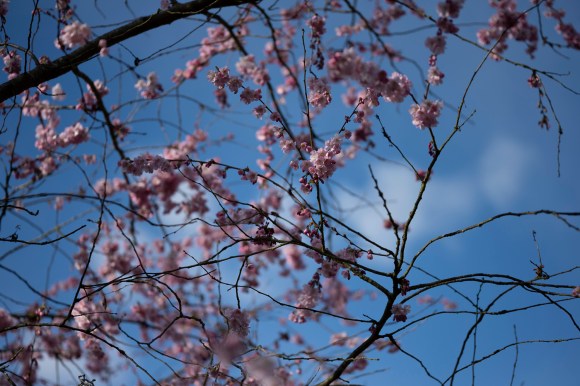
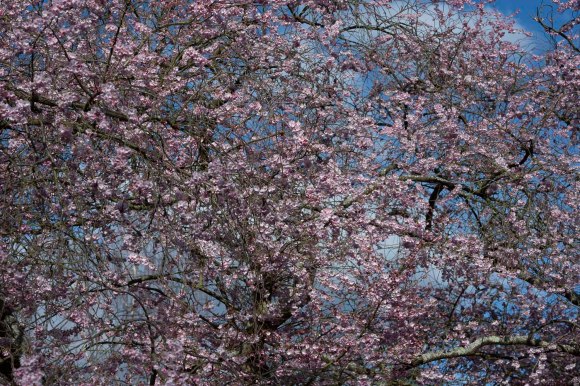
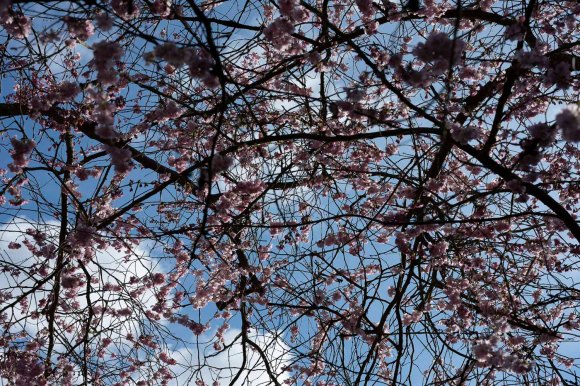
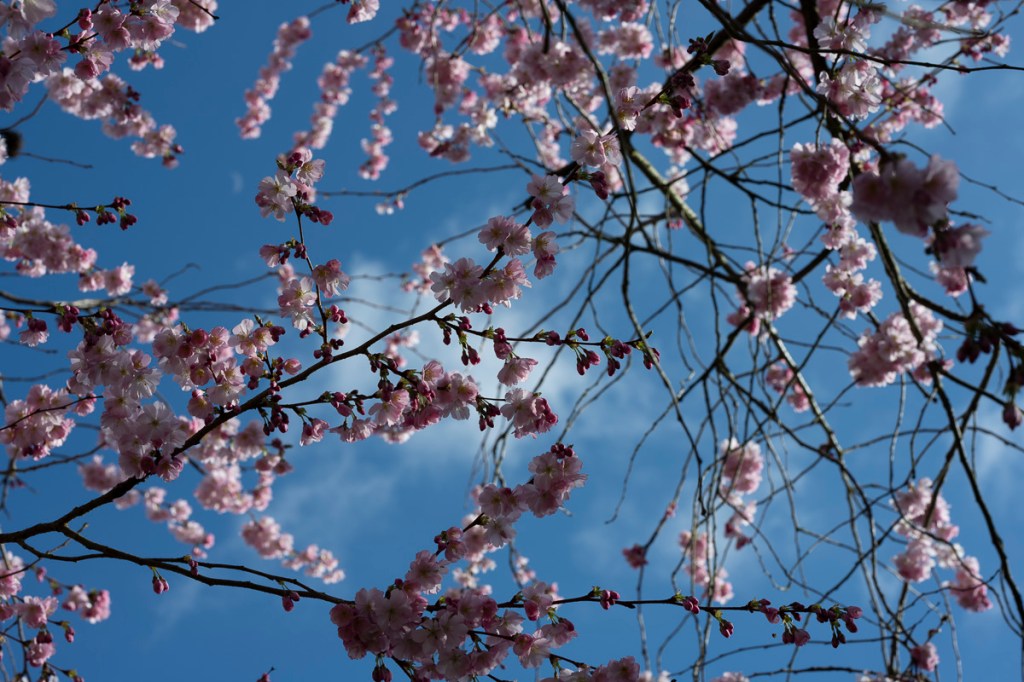
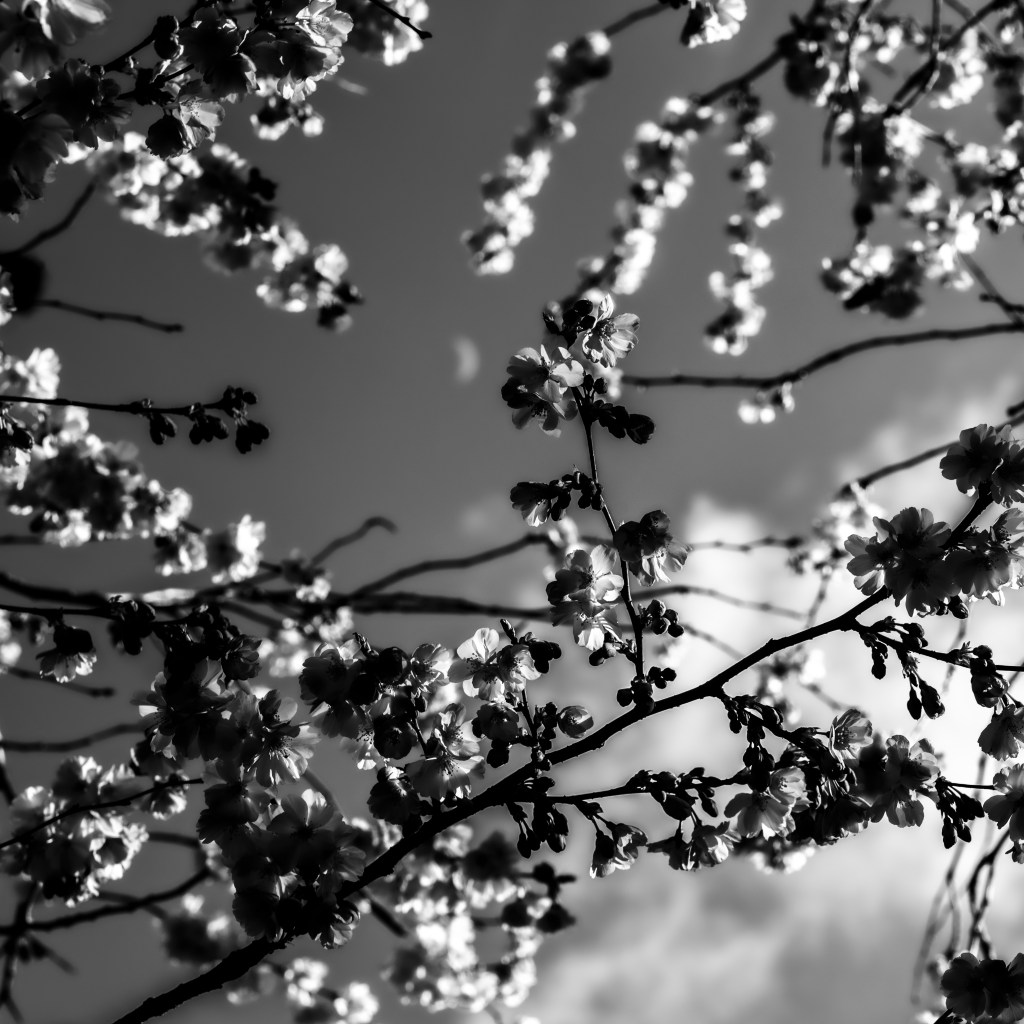
Also in abundance were the cherry blossoms.
To see what would happen, I selected the following image then made a Black & White version which was cropped 1:1.
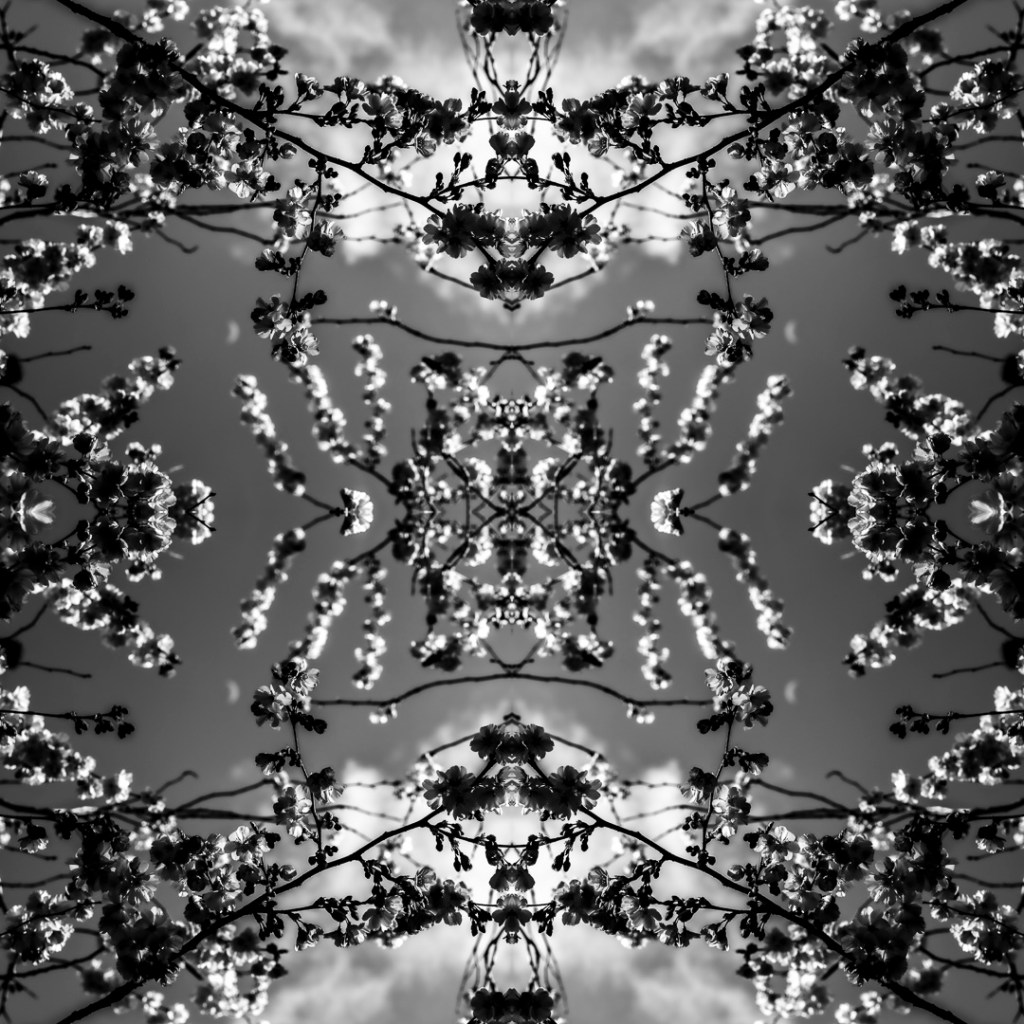
I then created a mirrored & quartered version.
Am quite liking this particular effect. I will certainly be trying a test print on Fine Art paper of this image.
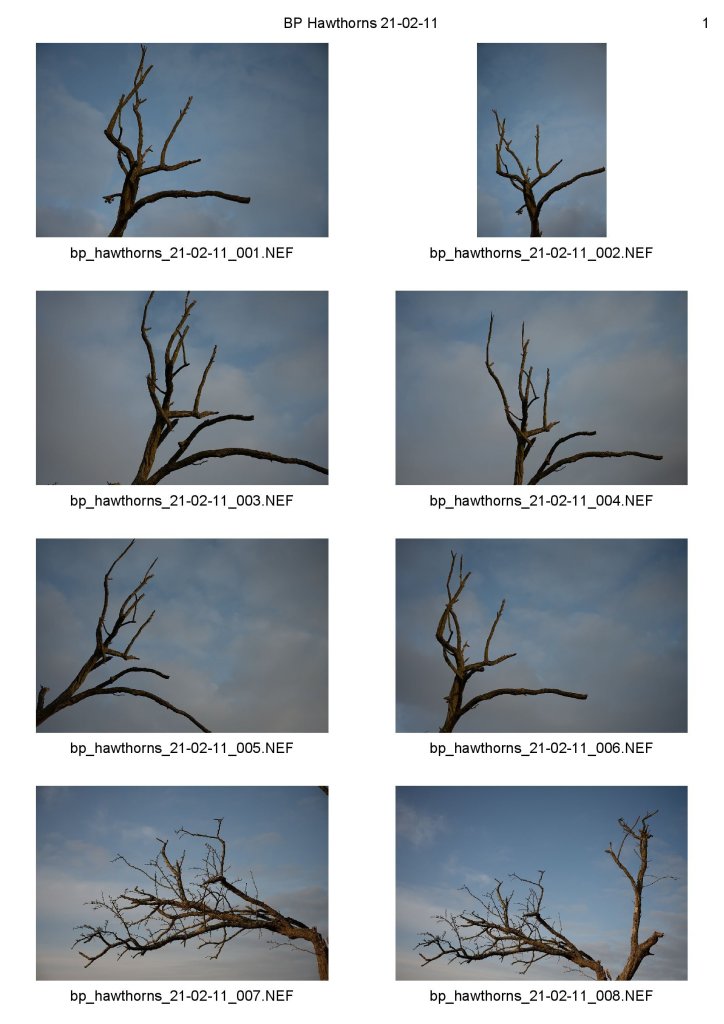
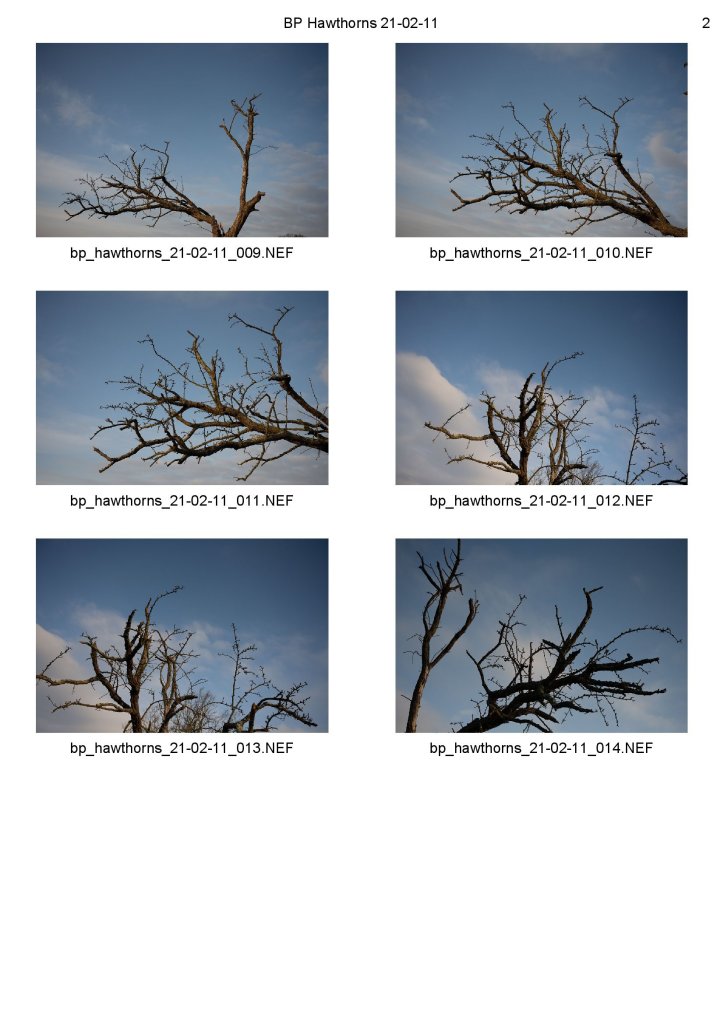
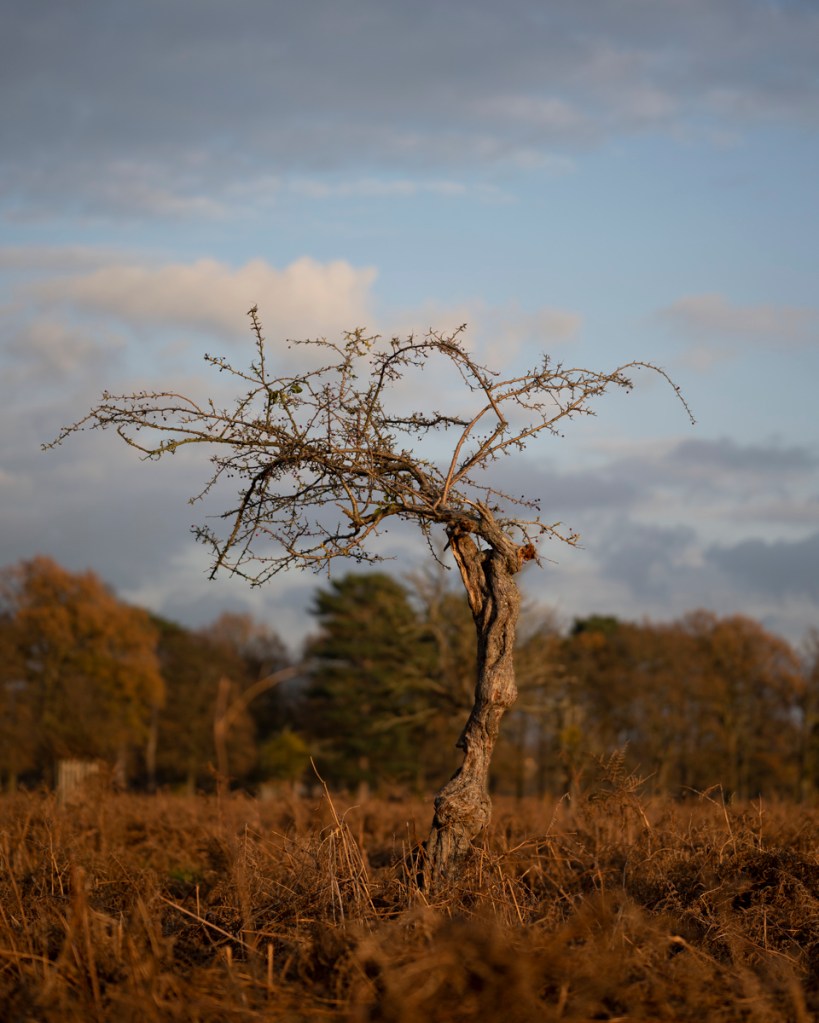
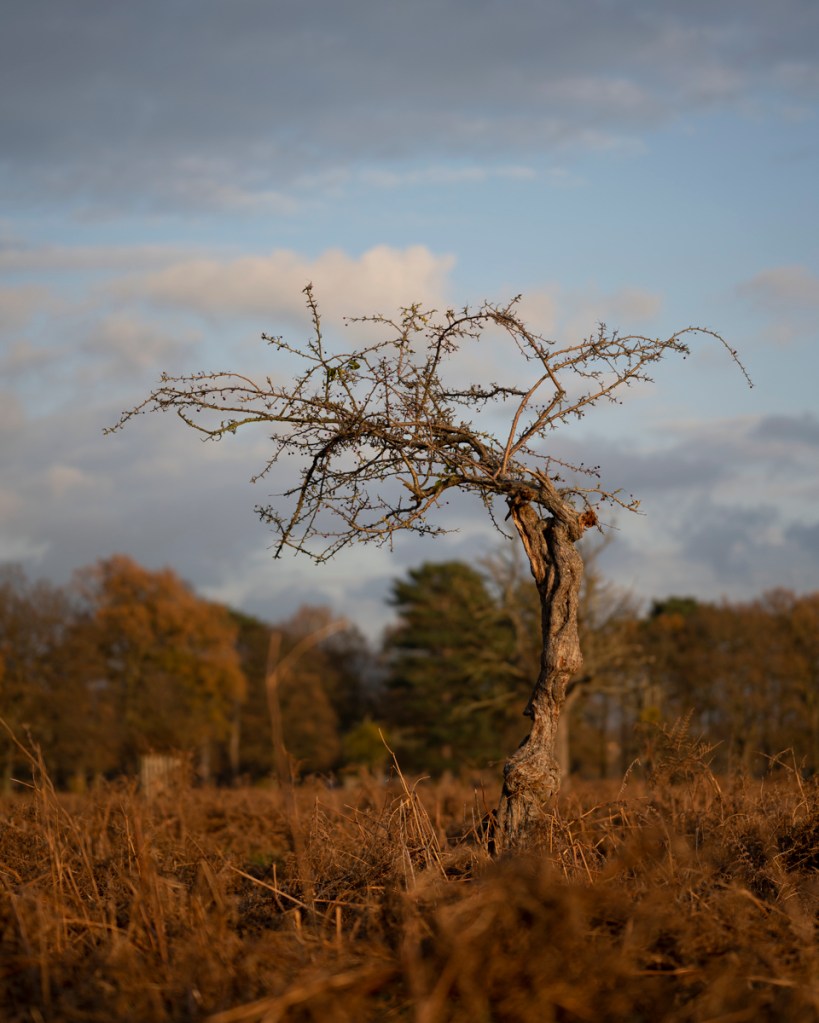
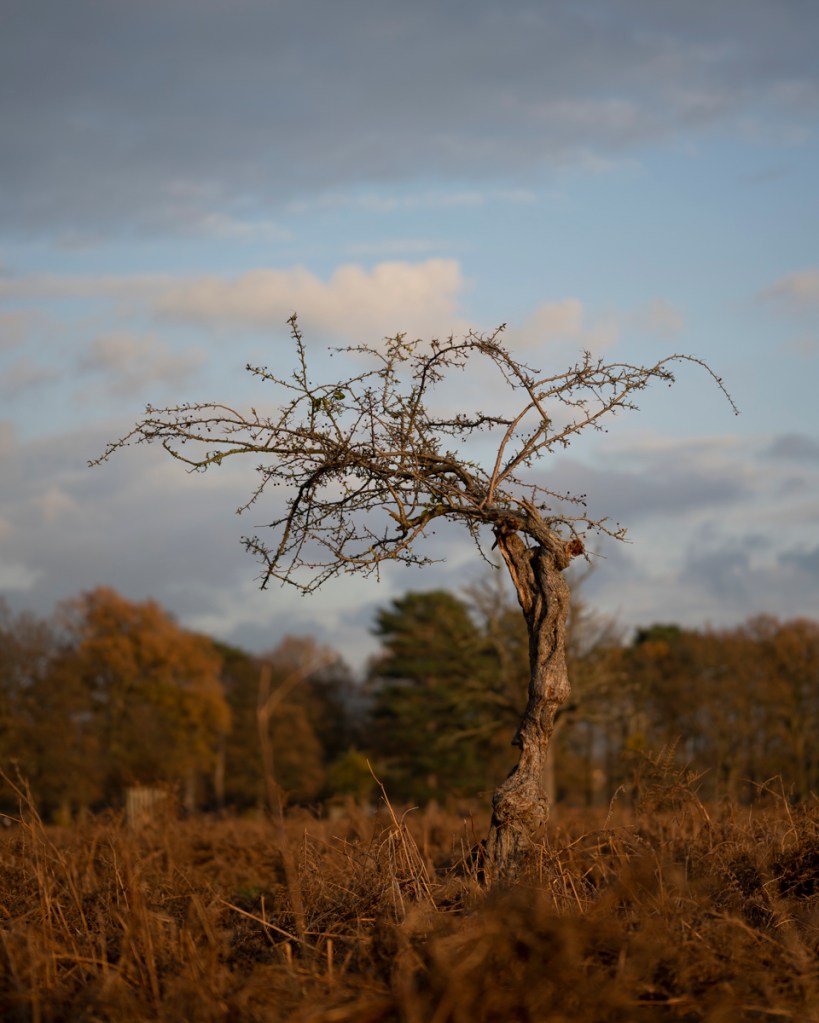
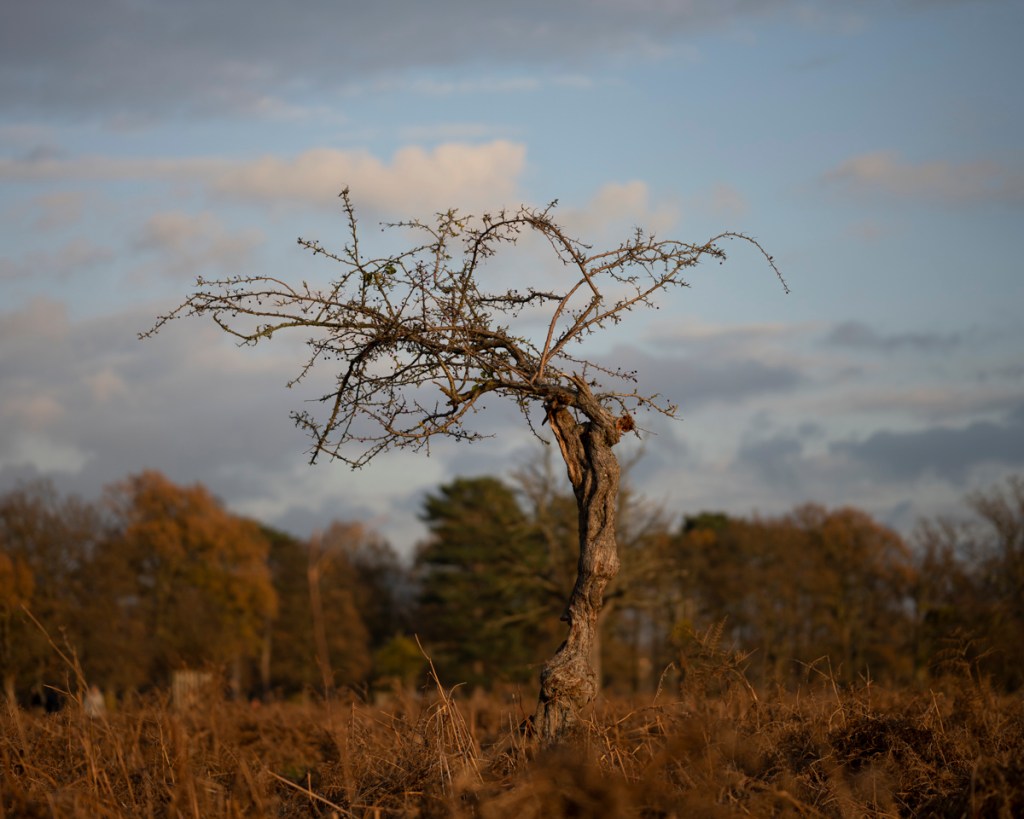
While waiting for the module to officially start, I took the following shots. The plan was to try out some closer photographs of two of the Hawthorns I had captured previously then experiment with the resulting images.
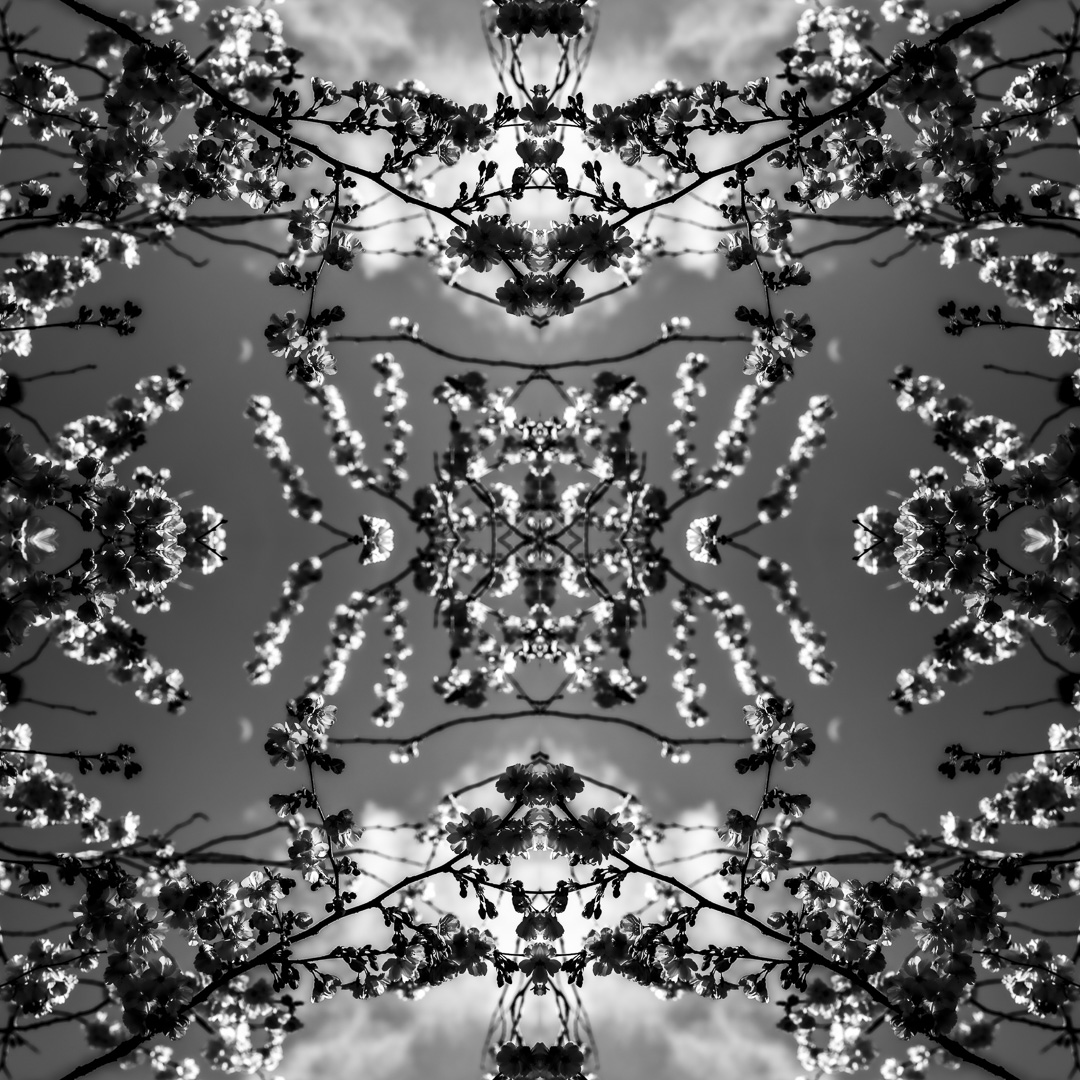
I initially selected the following image, which I then edited in Adobe Camera Raw.
I then made a quartered mirror image using the edited version in Adobe Photoshop.
Interesting, but will need further experimentation.
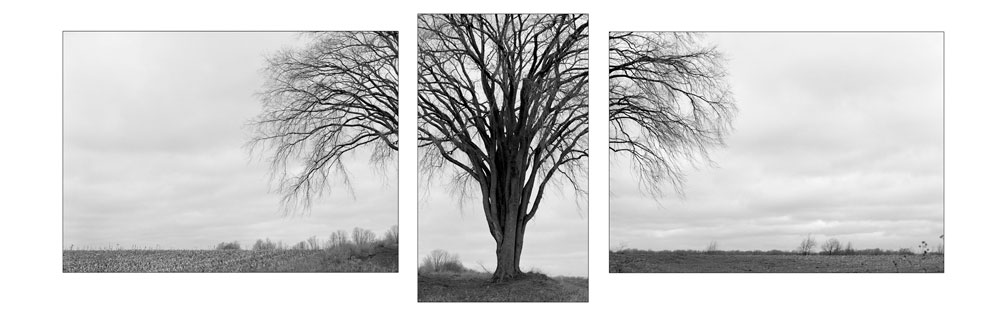
One aspect of tree photography that interests me is the use of multiple images to create a portrait. I explored this during the AGM60 Research & Experimentation module in which I created three multiple exposure shots of a tree then compiled them to create the final image.
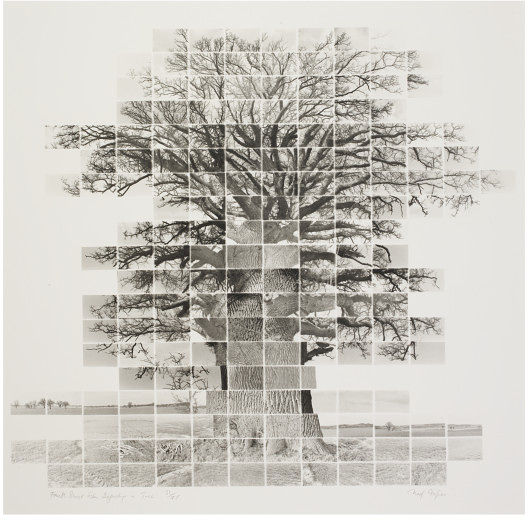
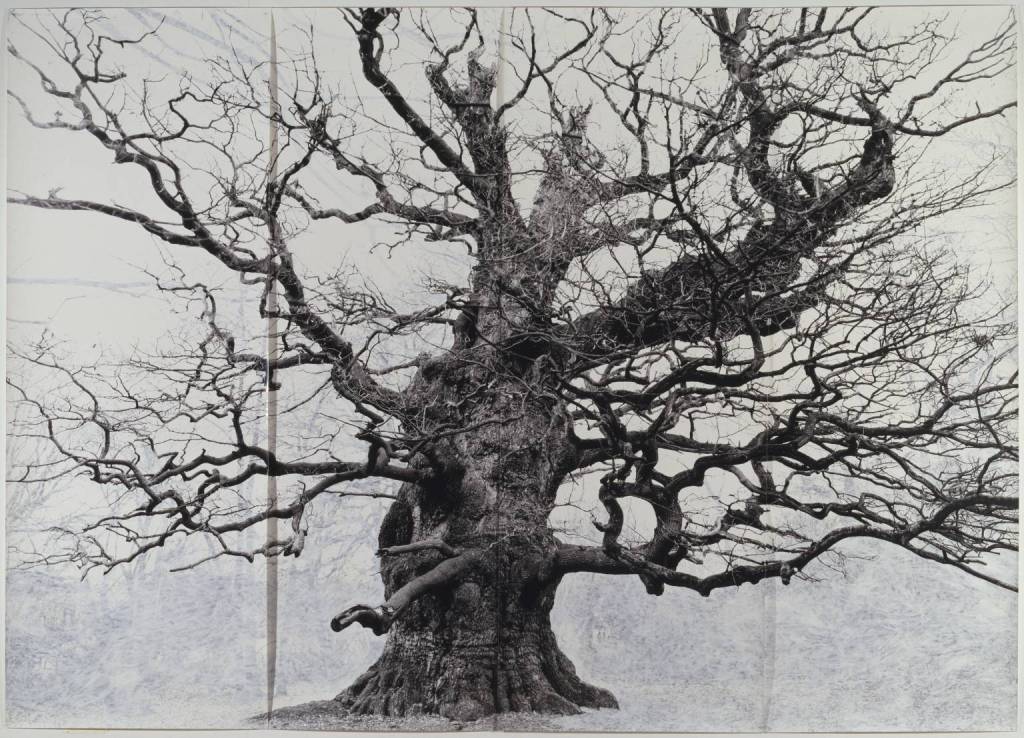
My interest was piqued further by the following image by Noel Myles that featured in Into The Woods.
Figure 1: Noel Myles, Fourth Short Film Depicting a Tree from the series Still Films, Winter 2000
“This image was composed in the photographers studio using 187 separate 35mm negatives, taken over a four-week period. It explores the idea that many negatives may comprise one photograph. Myles’ study extends beyond one viewpoint and one moment in time, acting more like a film than traditional photography. More than any single exposure, it also perhaps more accurately reflects the constantly changing life of the tree.”
(Barnes, M. 2019, pp. 136).
When I explored Myles’ work further I came across some information that sparked a new line of enquiry.
“In addition, his landscapes extend beyond one viewpoint and one moment in time, acting perhaps more like film than traditional photography. For the artist, this technique serves to evoke memories and accumulated experiences. [2008].”
(Fourth Short Film Depicting a Tree, Winter | Myles, Noel | V&A Search the Collections, 2020)
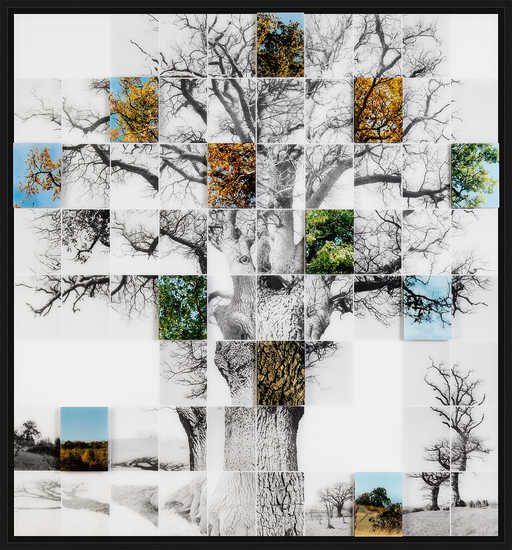
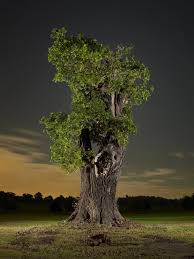
In addition, I discovered that Myles has since made his compound images using both Black & White and colour.
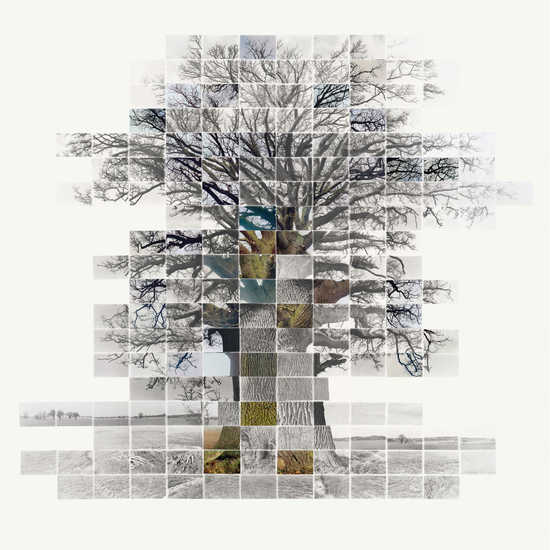
Figure 2
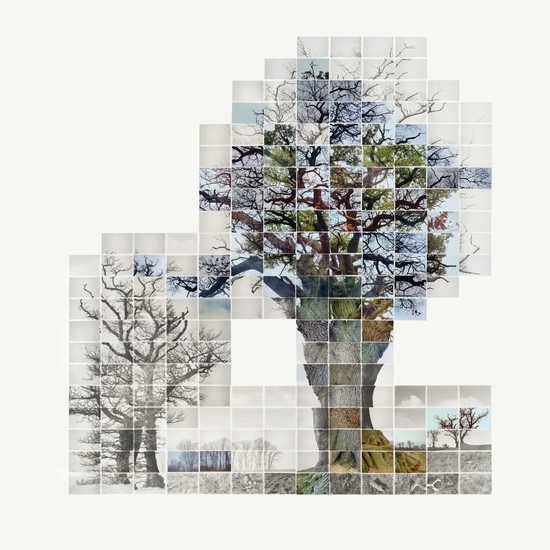
Figure 3
Figure 4
The following has been extracted from the website of Lumas, an organisation who sells artwork on behalf of the photographer. I’ve kept the full text intact as it provides a lot of useful information and references:
“The protruding sections lend the image a physical presence: It emerges into the room. By juxtaposing black & white and colour shots taken at different times of the year, the artist produces a symbolic circle of life. The dynamic energy of the mosaic is accentuated through its three-dimensional appearance. The multi-layered work becomes an artistic entanglement of different elements of time and space, “tangible” in every sense of the word.”
Multiple Art Trees
The mind is not a camera. And the still life trees created in large-format by British artist Noel Myles do not capture moments or, at least, should not be seen to. While they consist of a large number of smaller photographs, these photographs are brought together to create one overall image Myles, who actually trained as an illustrator and painter, creates his collages using classic analogue photography, but contrasts the traditional single perspective of a photograph with the multiple perspectives created by the collage. What we see is a tree, a tree comprised of multiple close-ups, taken over a number of seasons. Individual details are photographed from below, from the side, from up close, and from a distance. This technique allows Myles to revolutionise the fleeting moment of perception captured by classical photography into a more comprehensive impression of time and space. The result is that we, the observer, are forced ask ourselves certain questions. What is nature? What does a tree really mean to us? It is not just a structure that has grown organically, in which every detail stands in relation to the whole, but also an experience of the senses. Just like Myles’s images themselves. The difference is that he uses only photography – a medium of instant impressions – to create this immersion of the senses.
(Reisner, S. 2020)
In addition to the above, I will be researching Myles’ work further in relation to this link and the information available.
Another photographer who uses the compound method is James Balog, an environmental photographer whose focus is on humanity’s modification of nature. I discovered Balog’s work recently when researching how to improve my photography of trees.
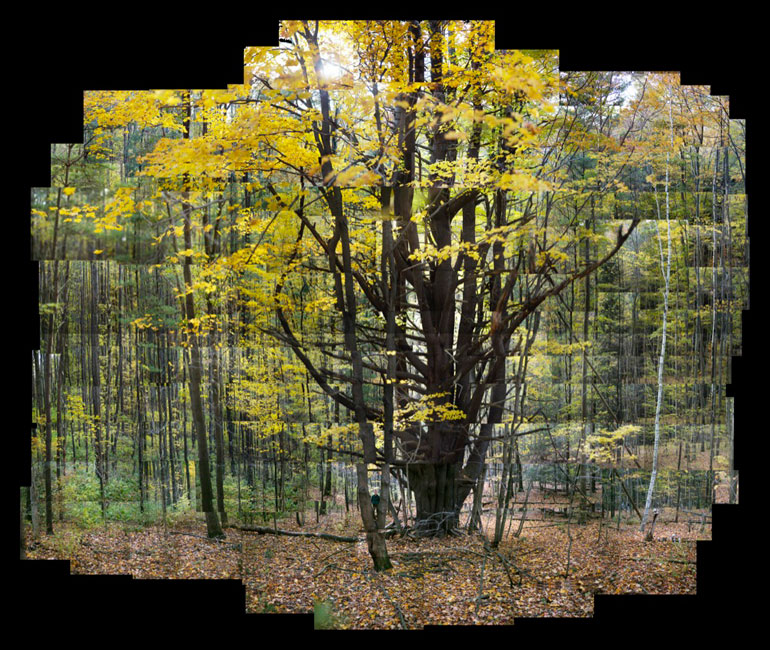
The work of Balog’s that caught my eye was his majestic compound images of trees. Similar to the work of Terry Evans and Noel Myles, Balog uses multiple images to depict a single tree as a portrait.
Figure 5
Figure 6
Figure 7
James Balog, selected images featured in Tree: A New Vision of the American Forest, 2004
Balog spent six years photographing North America’s largest, oldest and strongest trees that resulted in the book Tree: A New Vision of the American Forest (2004). At the time of writing, I have ordered this book and was eagerly awaiting its arrival.
Balog originally built enormous portrait studios beneath the canopies of the forest. This aspect reminds me of the work of Myoung Ho Lee. In 2000, Balog invented his own method of compound photography. This involved photographing these massive trees in segments from top to bottom then compose these segments resulting in a portrait. By doing so, Balog has captured each tree in its entirety instead of just showing parts.
To give an idea of Balog’s method, the following is in his own words:
“Eventually, I started what became a four-year-long process—gruelling, dangerous, uncomfortable, and expensive—of figuring out how to climb the trees, rappel down and shoot them as enormous mosaics. The finished composites took hundreds, then thousands, of frames. Hard work, like I said. Yet the approach was satisfying beyond my wildest dreams when it created fresh new ways of engaging with these greatest of arboreal citizens on our continent.”
(Balog, J. 2020)
According to Balog’s website these images:
“Stand as an artistic and symbolic reassembling of the continent’s long-lost primeval forests. Across the globe, the planet’s original tree cover has been altered so dramatically that we no longer remember what made nature natural.”
Was this the inspiration I was looking for?
Images
Figure 1: Noel Myles, Fourth Short Film Depicting a Tree from the series Still Films, Winter 2000
Figure 2: Noel Myles Oak No 1 2016
Figure 3: Noel Myles Still Film of an Oak at Wormingford No 7 2011
Figure 4: Noel Myles Third Film of the three trees No 1 2010 2011
Figure 5: Eastern White Pine, Lenox, Massachusetts, October 2002, from TREE: A New Vision of the American Forest. James Balog.
Figure 6: American elm, Buckley, Michigan, November 2000, from TREE: A New Vision of the American Forest. James Balog.
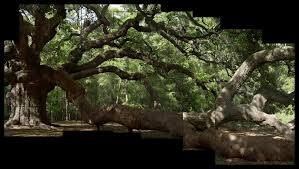
Figure 7: Live Oak tree named “Angel Oak,” Johns Island, South Carolina, April 2001, from TREE: A New Vision of the American Forest. James Balog.
Despite the starting off dull and wet, the clouds lifted and the sun broke through after lunch. As such, I thought it the ideal opportunity to see how the light would be at this time of day.
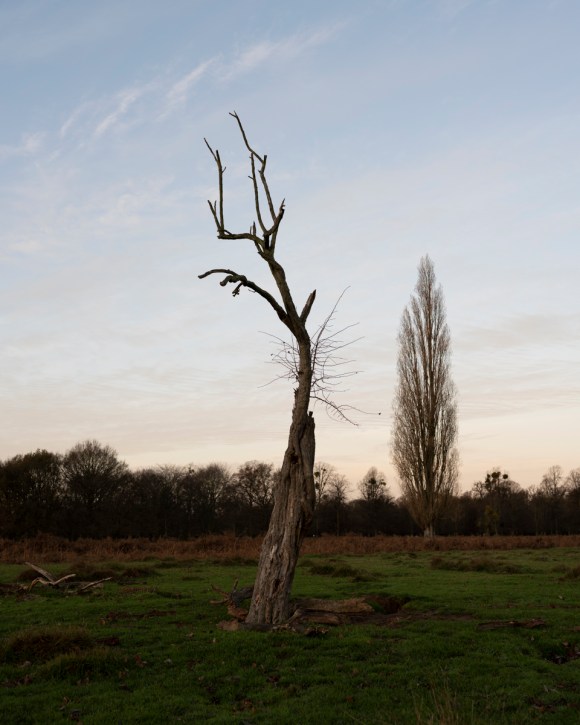
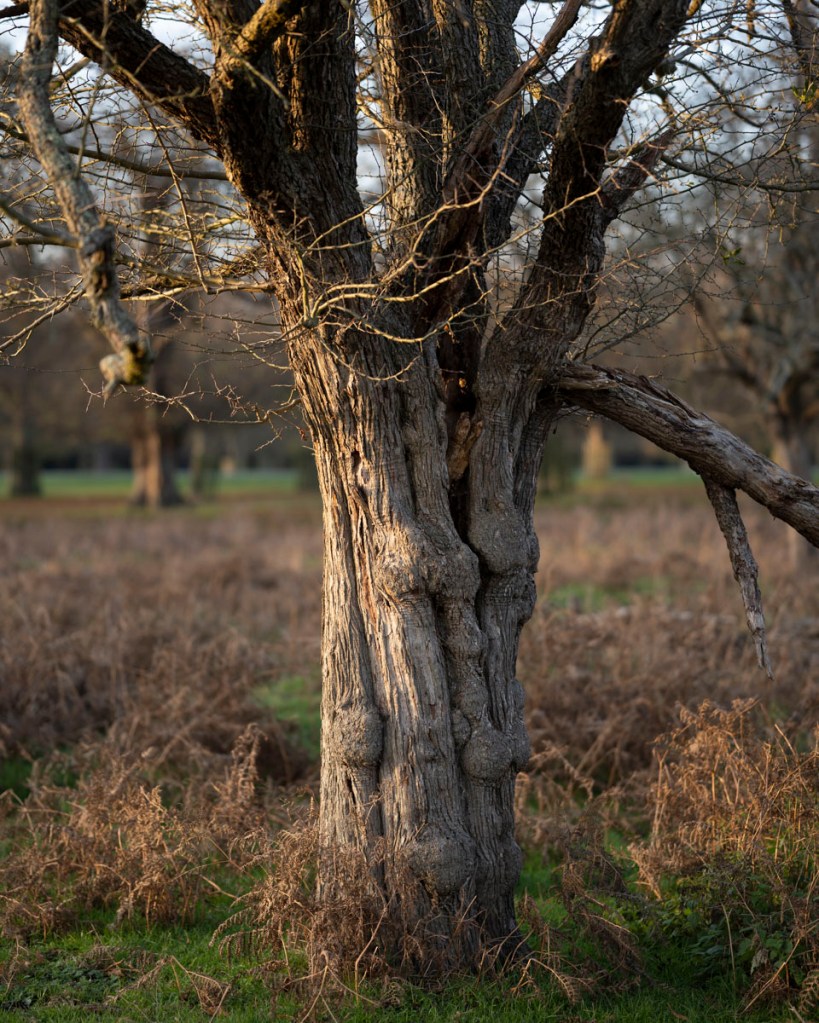
I took both the 85mm and 35mm along with the tripod and made my way to Teddington Gate arriving at 2.30pm. I thought I would start with this tree (image taken on 1 December 2020). However, the light was totally blocked by the other tree in this image and it was totally in shadow.
Despite this disappointment, the sunlight was illuminating the hawthorns on the left of Hawthorn Lodge.
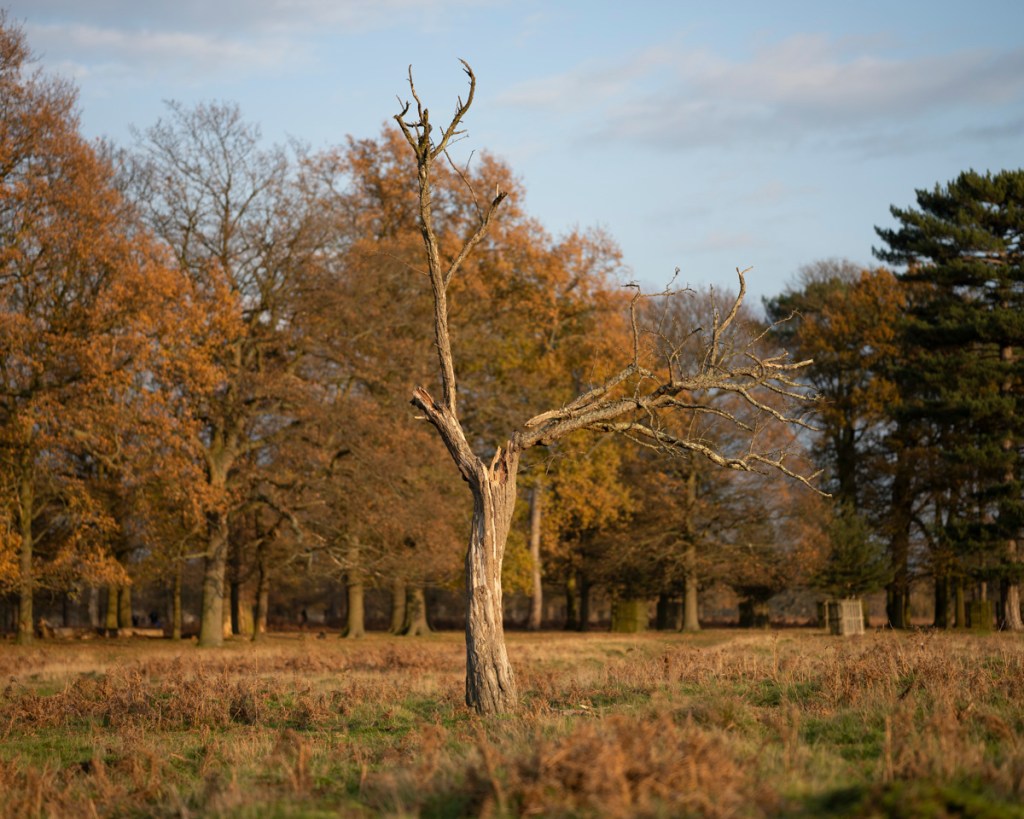
The following were taken using the 85mm lens and at 5:4 aspect ratio. All of the following images are low res JPGs taken directly from the RAW file with no editing, unless stated.
Tree One
When I arrived home, I cropped the first image to a 1:1 ratio. I thought the dark shadow on the grass in the foreground made the image look ‘heavy’.
I also produced a Black & White conversion to compare the two versions.
Tree Two
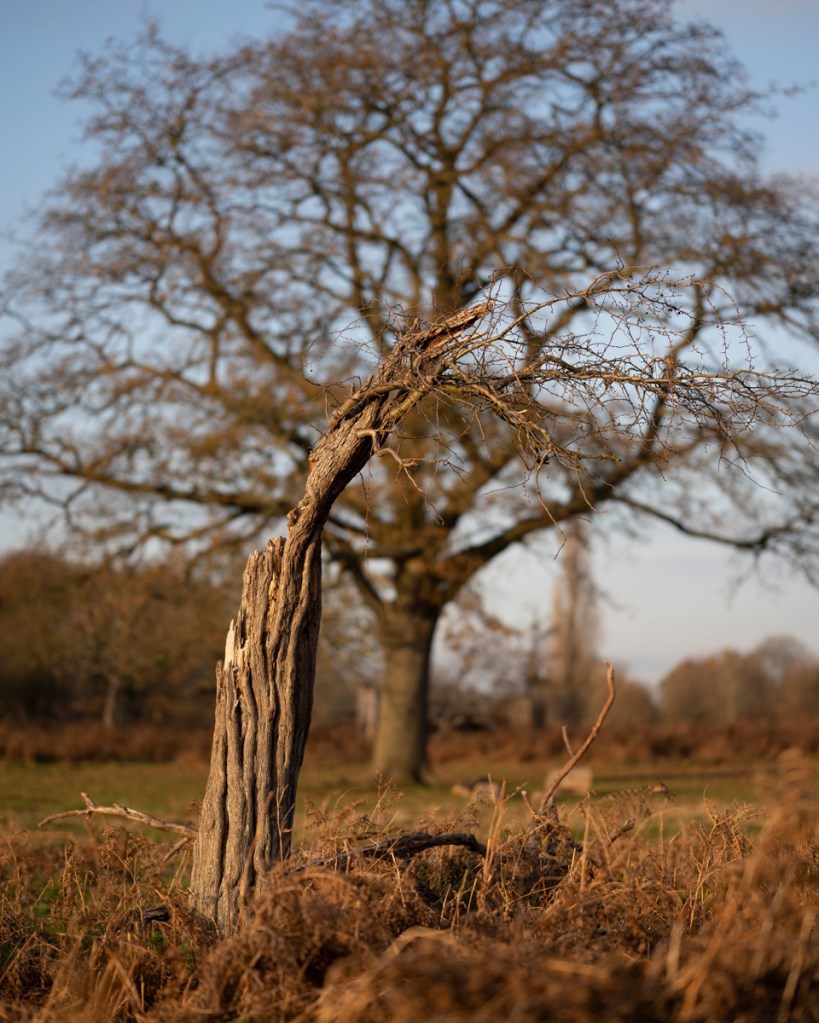
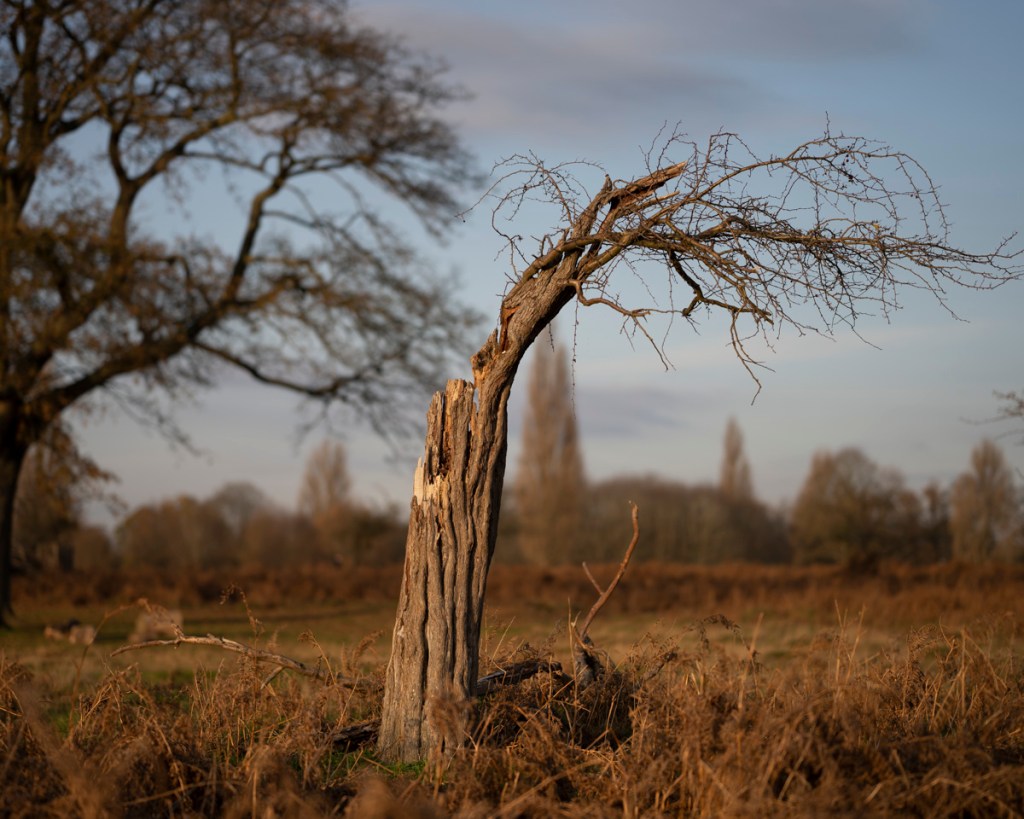
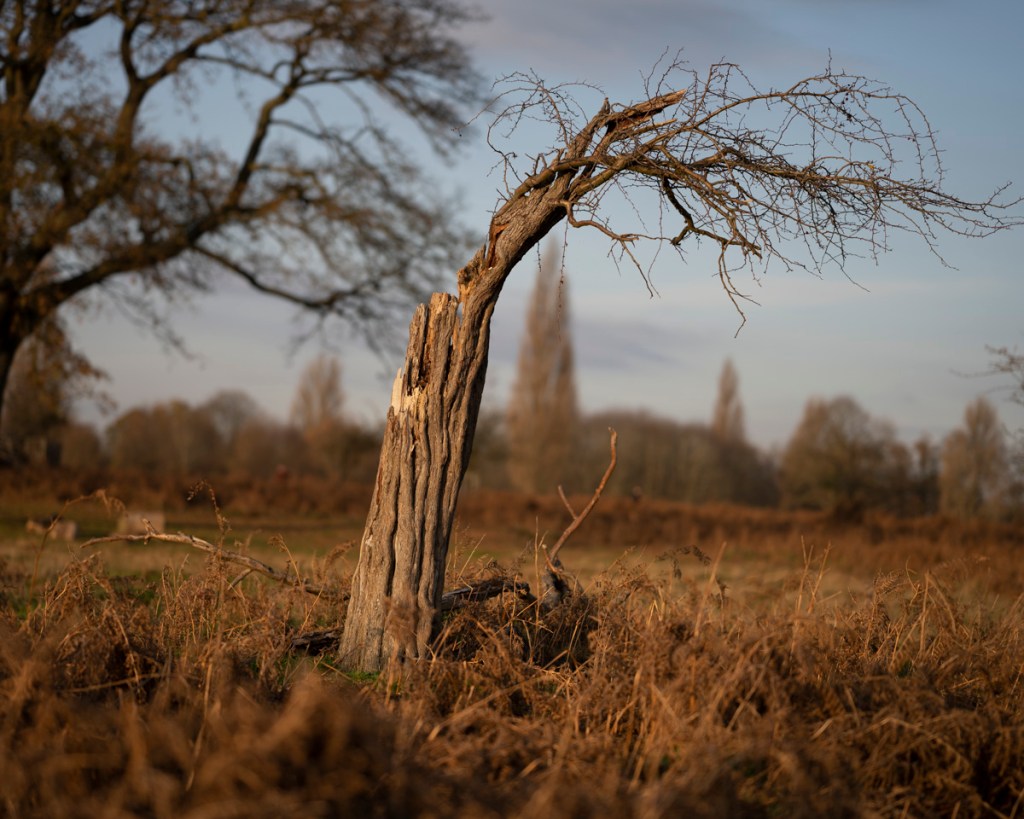
I then spotted this hawthorn, which I’ve not photographed before. I particularly like its ambiguity. Not sure of the composition, though.
Tree Three
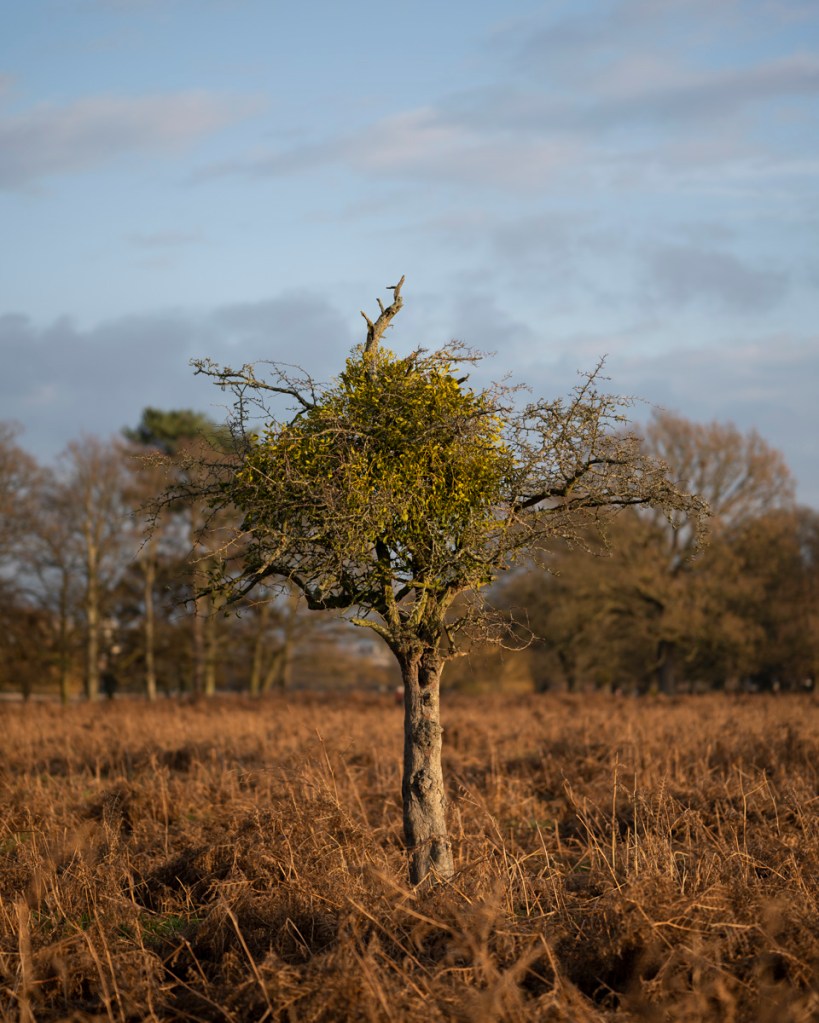
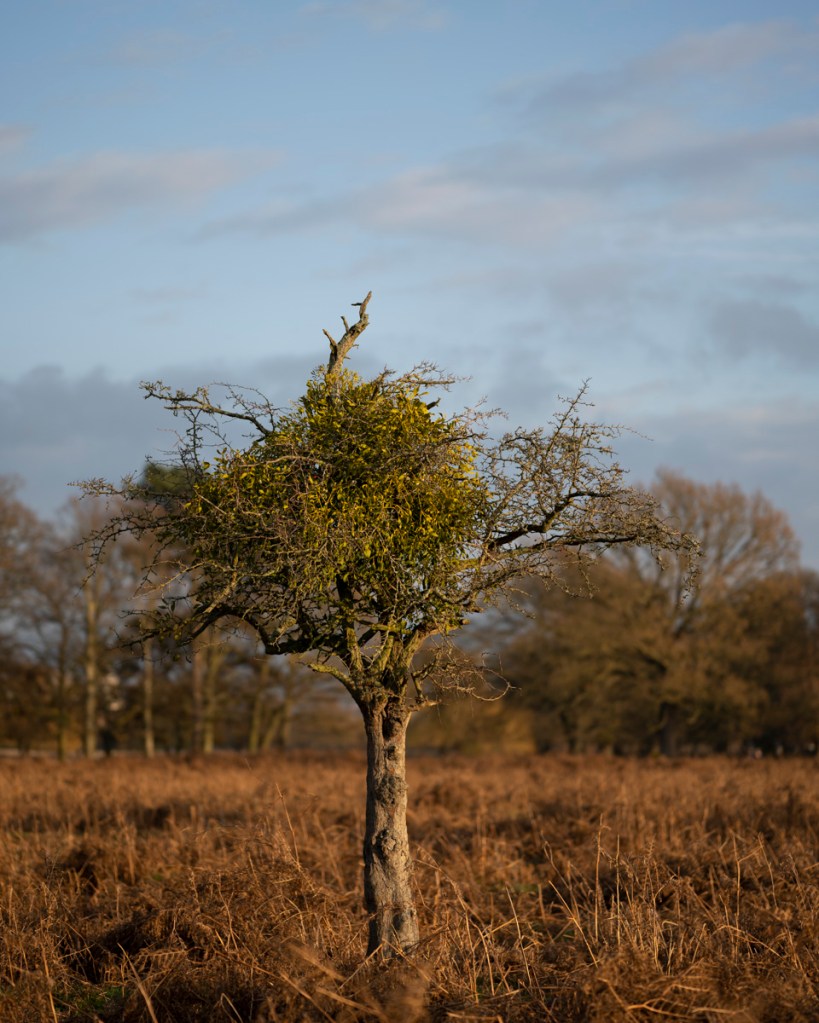
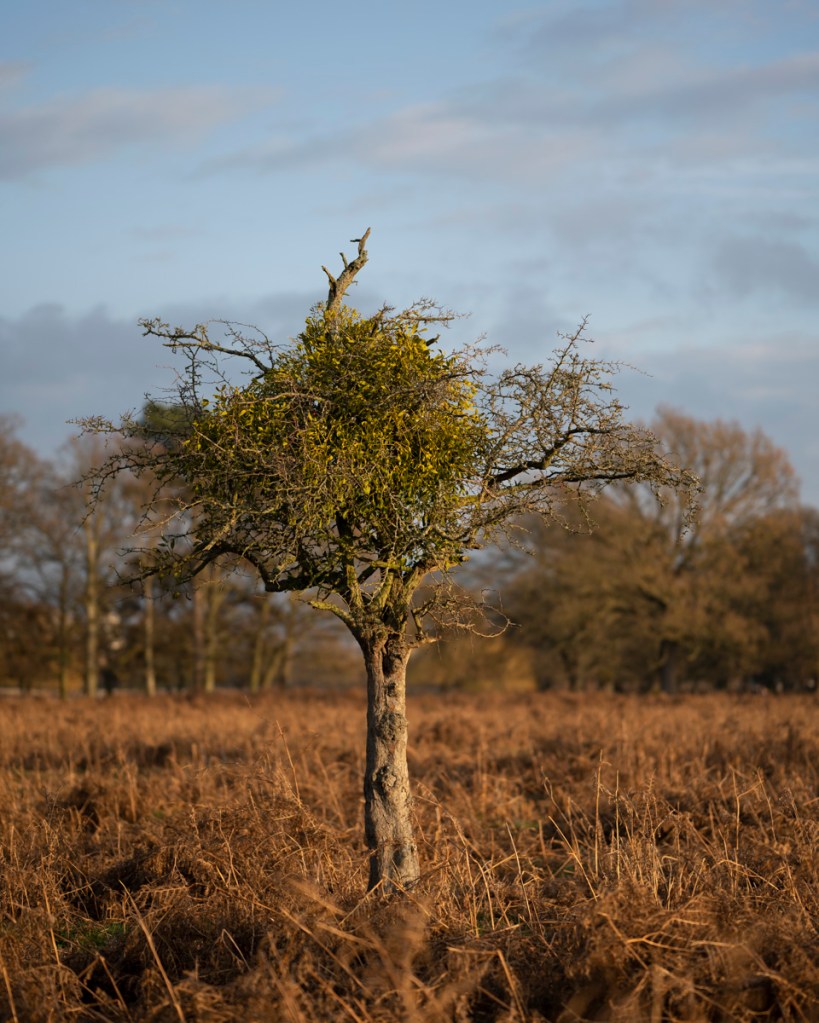
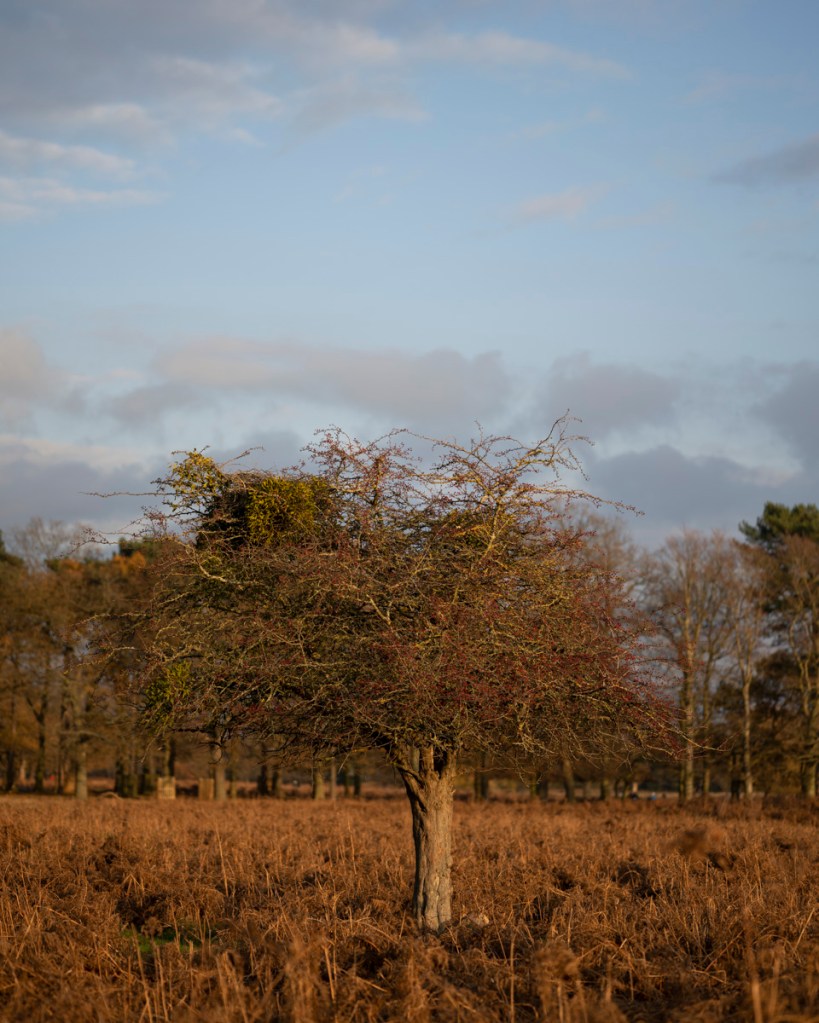
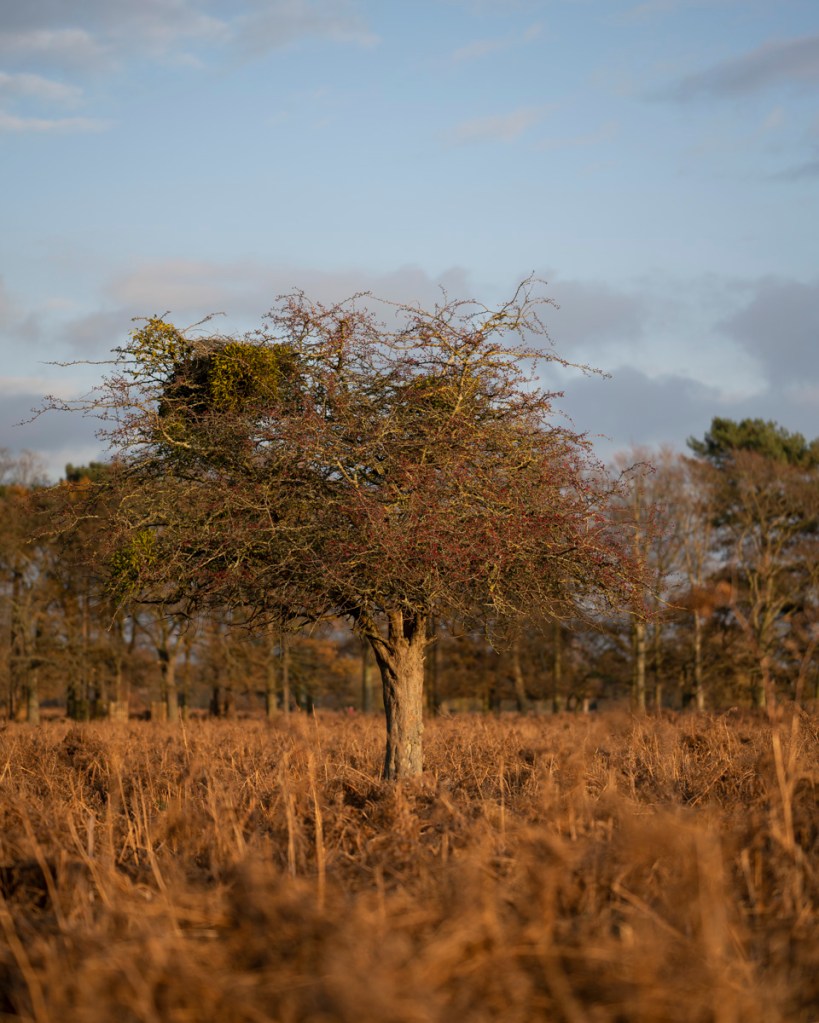
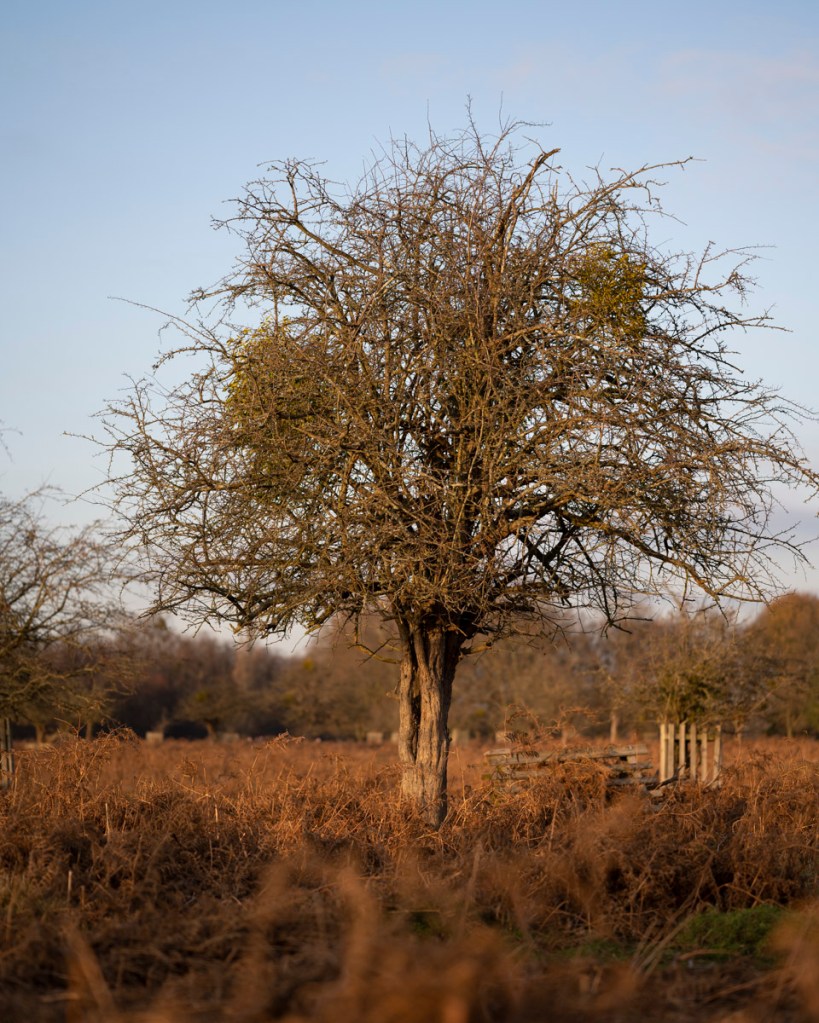
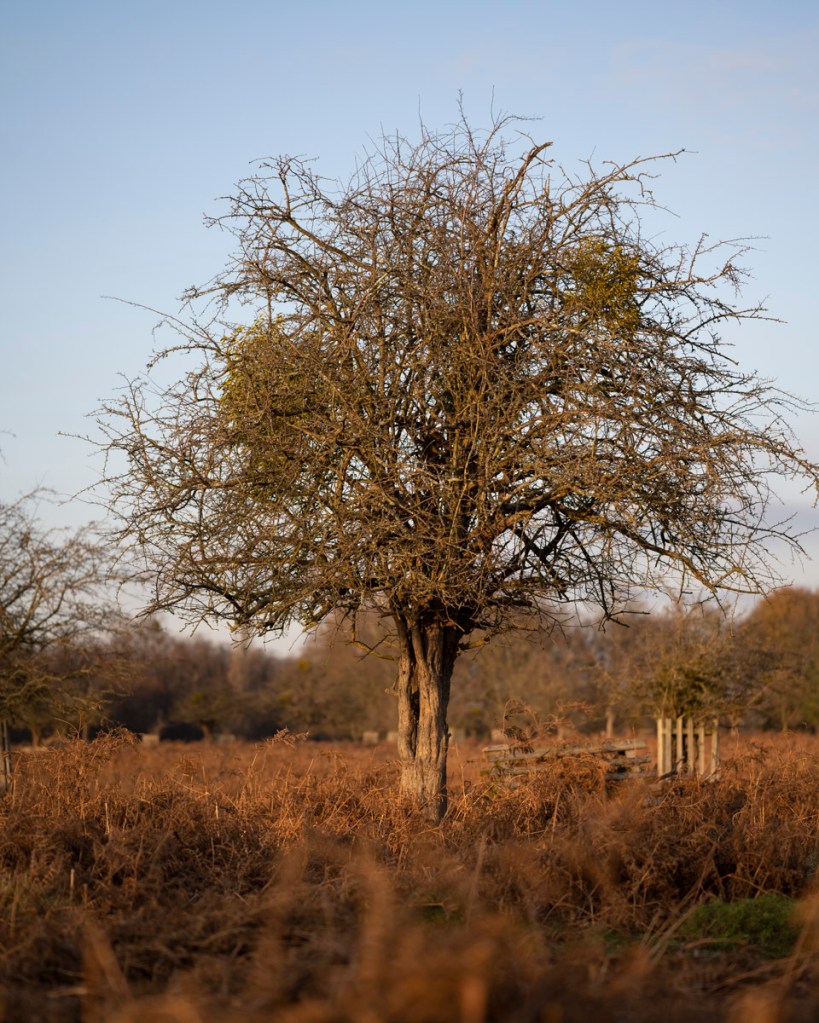
I then moved onto this hawthorn, which I’ve photographed from a different angle previously.
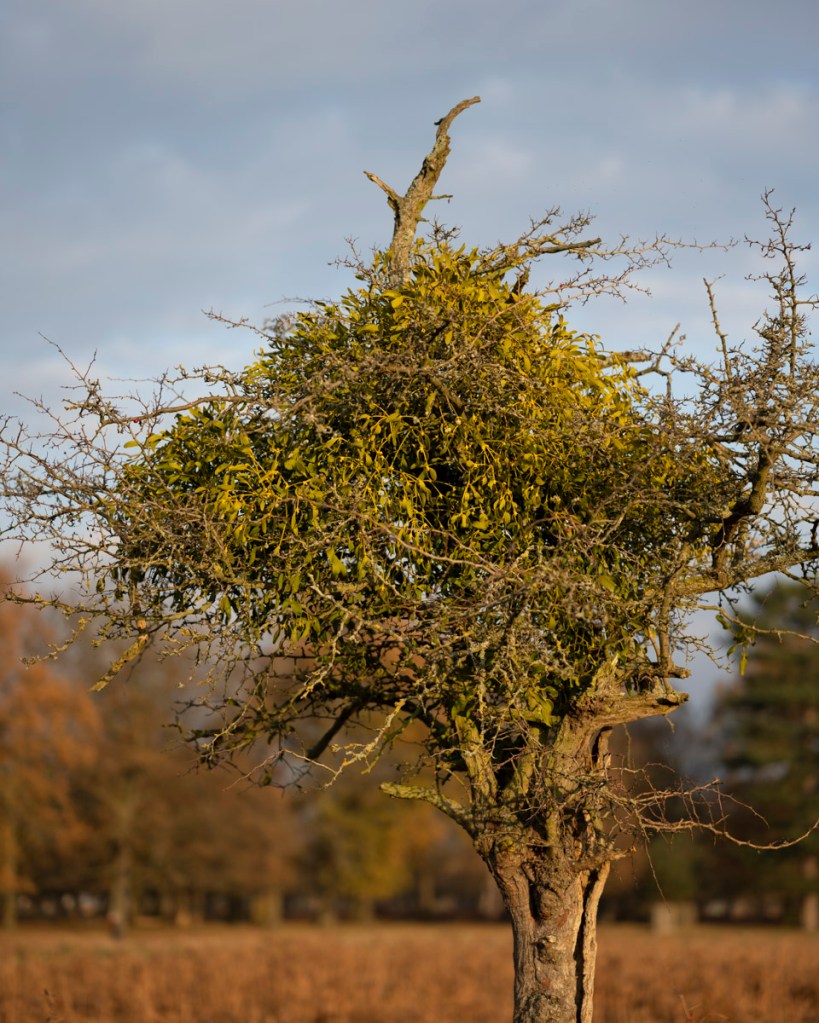
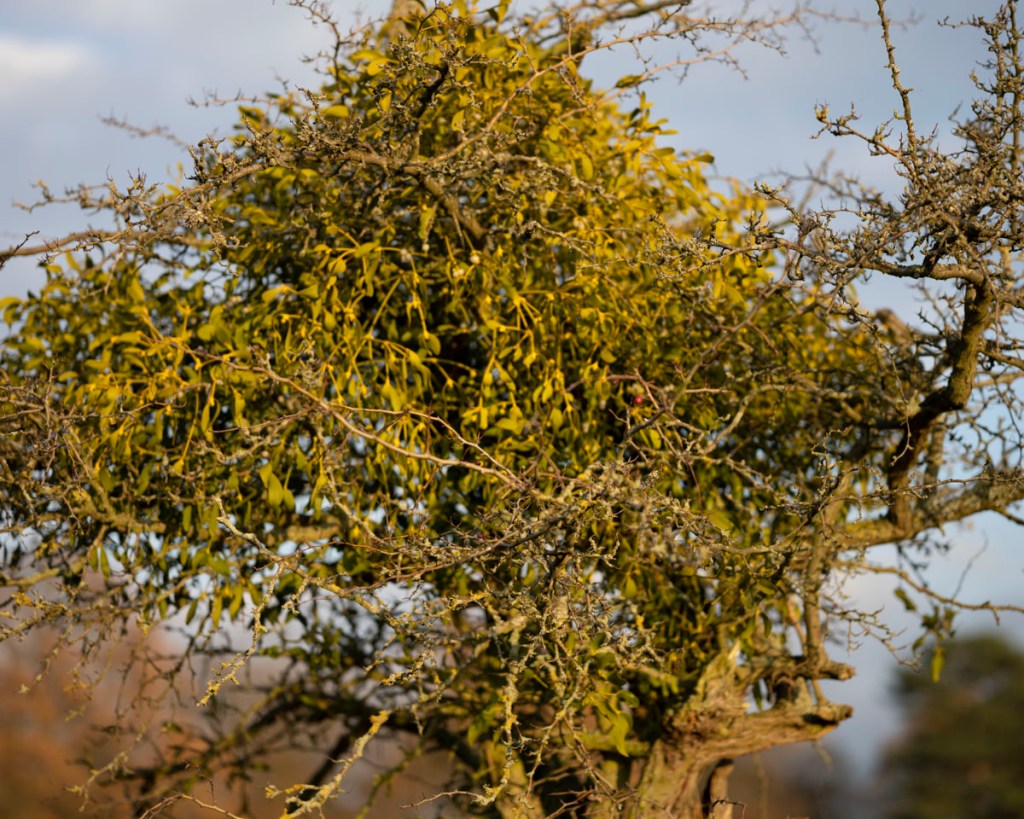
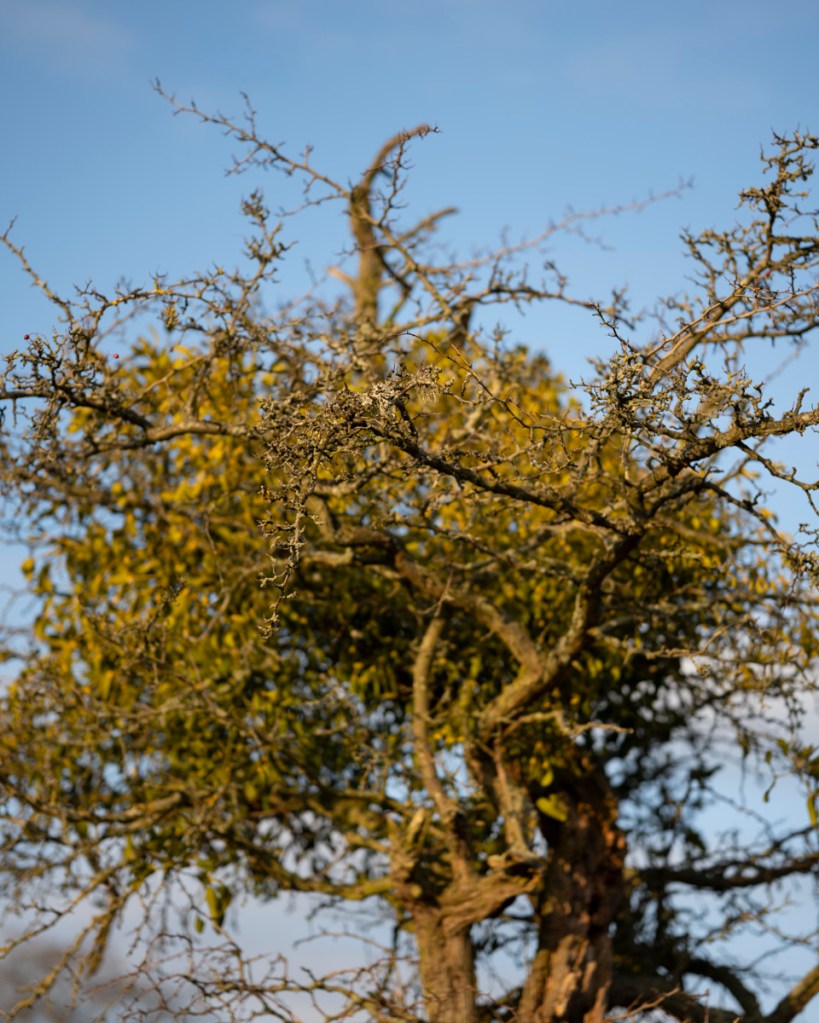
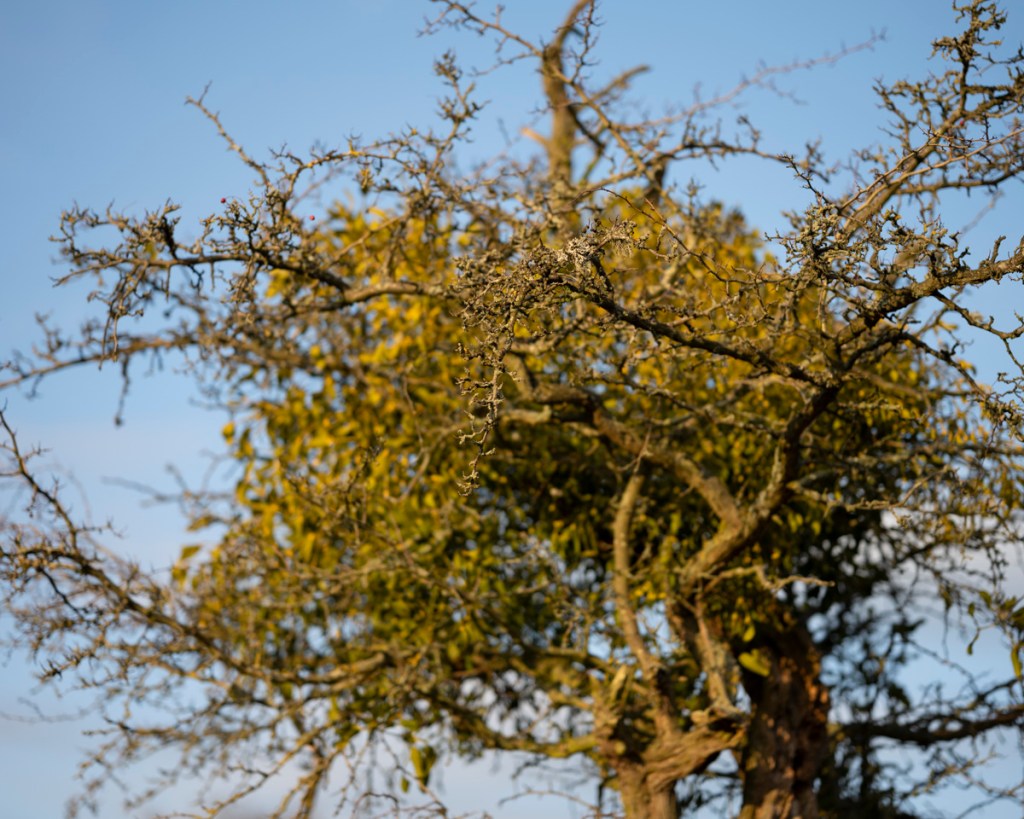
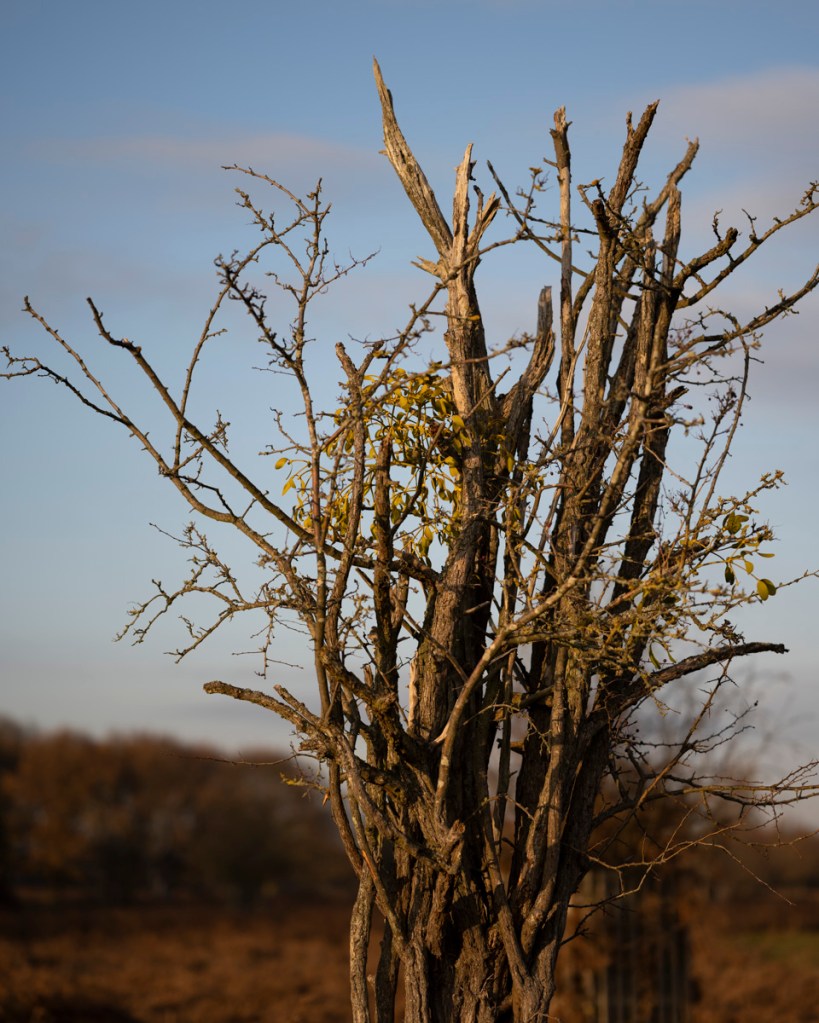
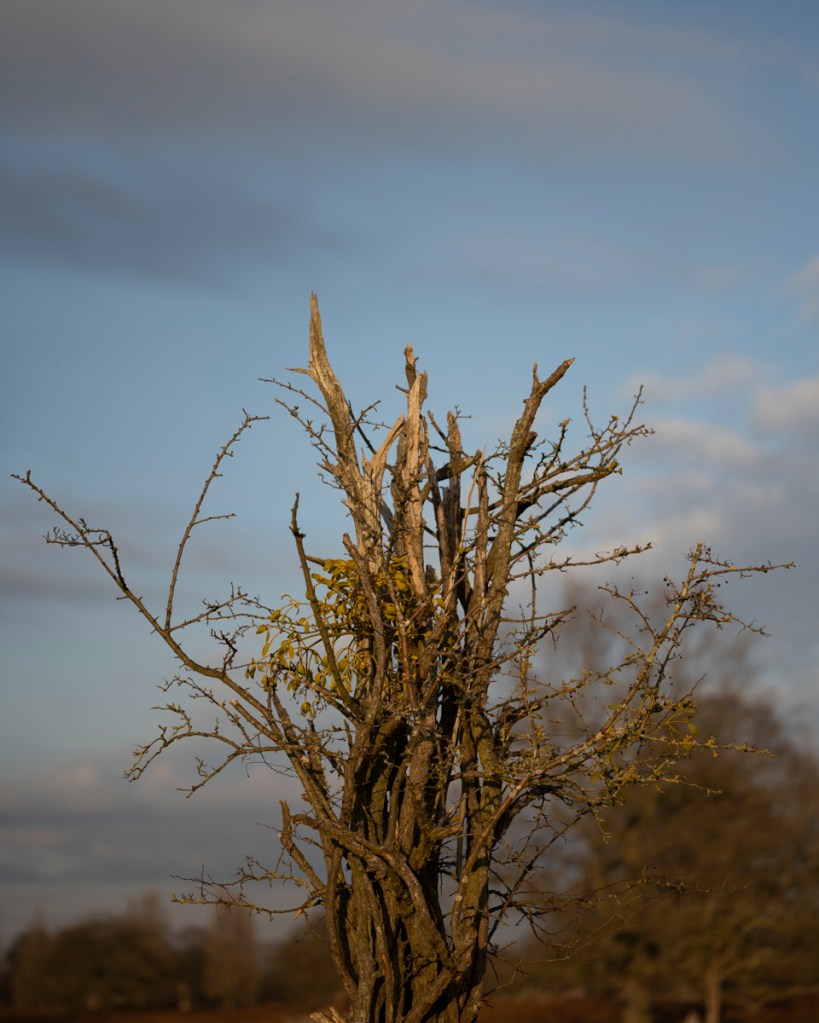
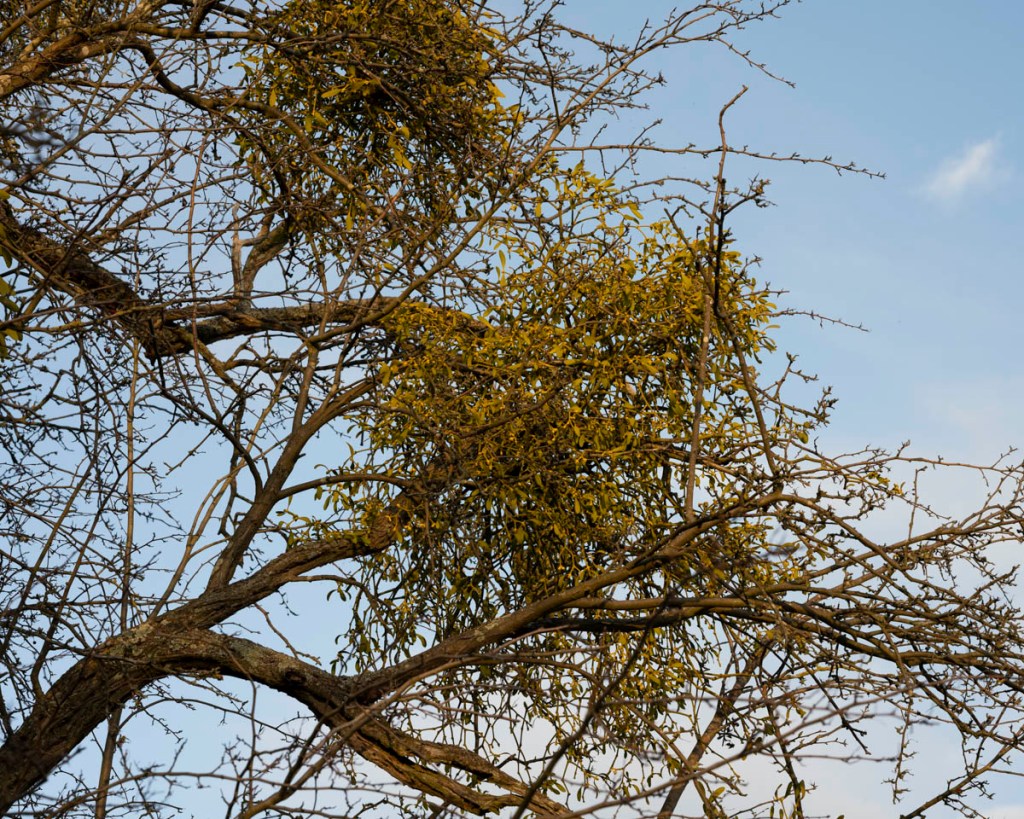
I realised at this point that it felt I was just ‘going through the motions’. So I tried some close ups of the mistletoe.
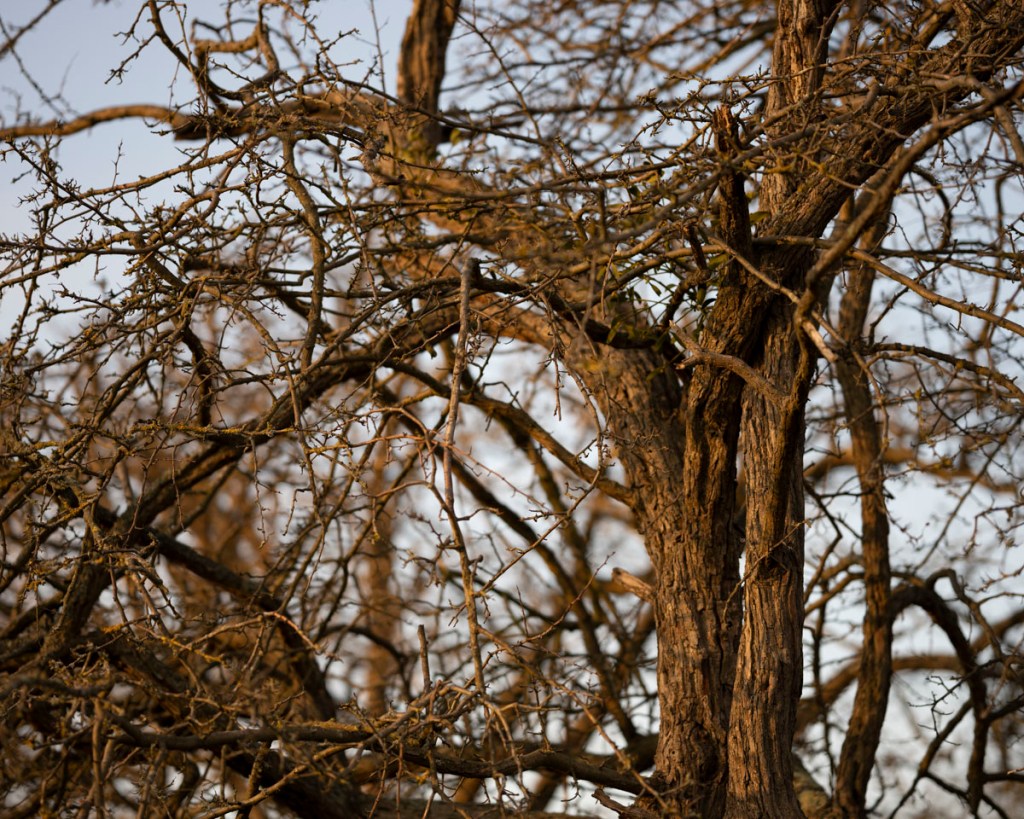
When looking at the images at home, I noticed how these close ups show the ‘ancient’ features of the hawthorn.
Tree Four
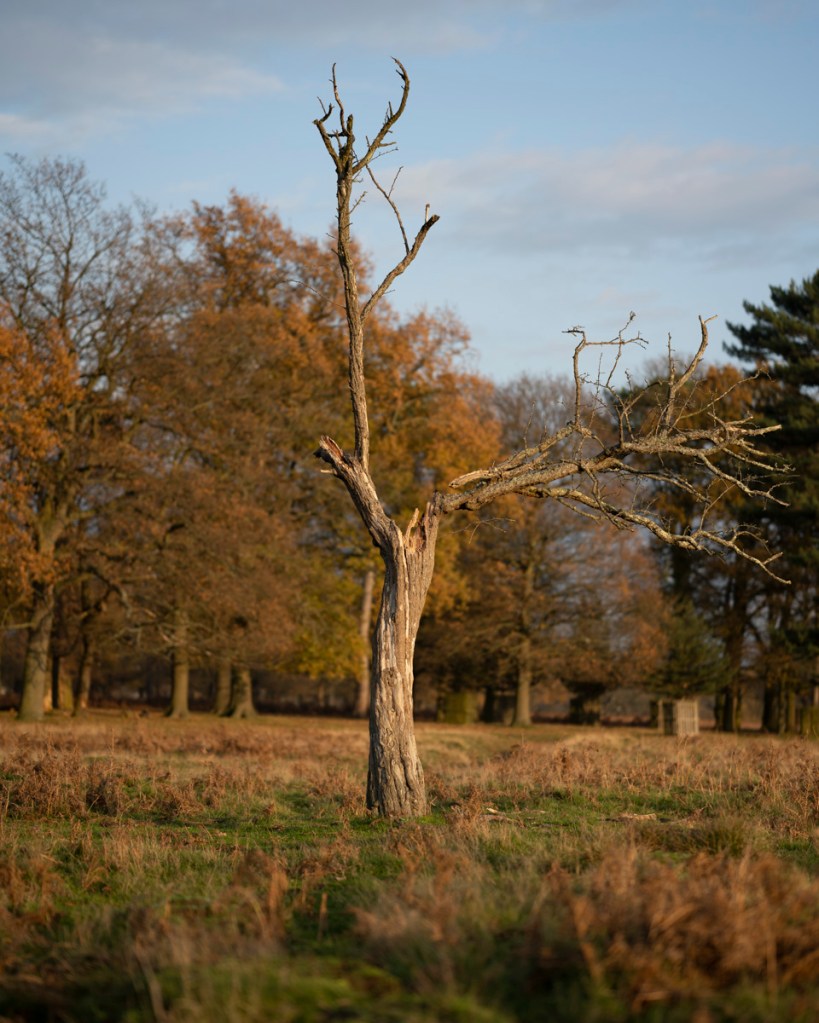
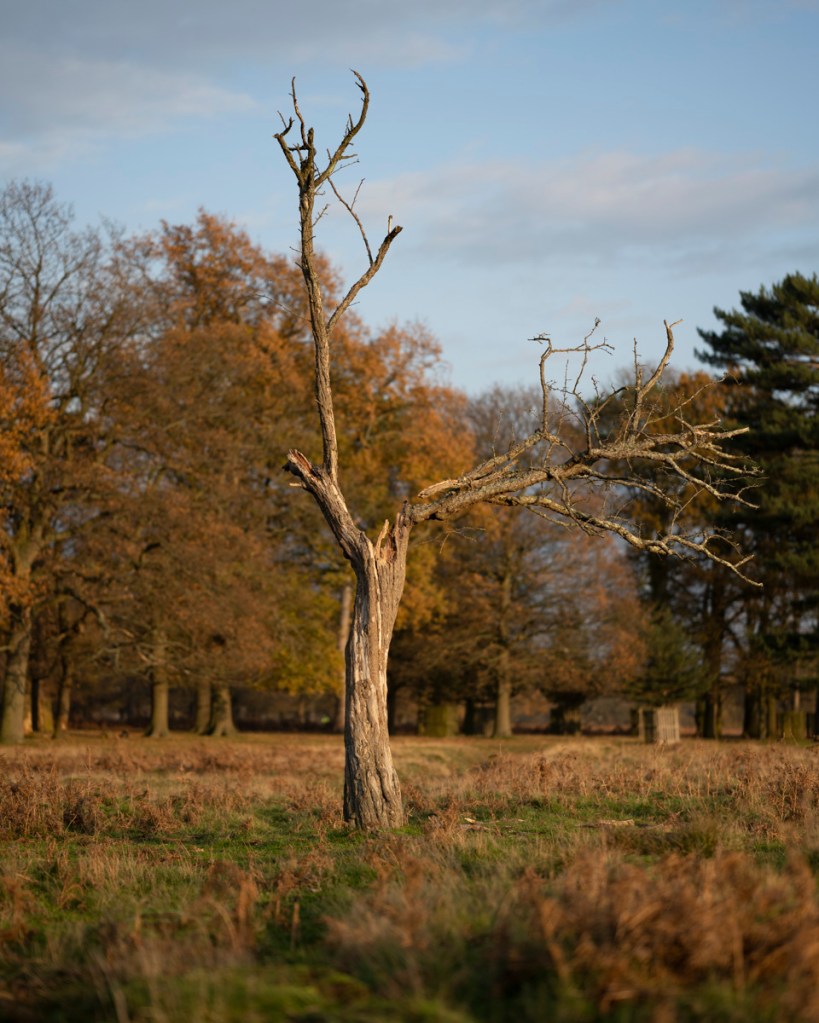
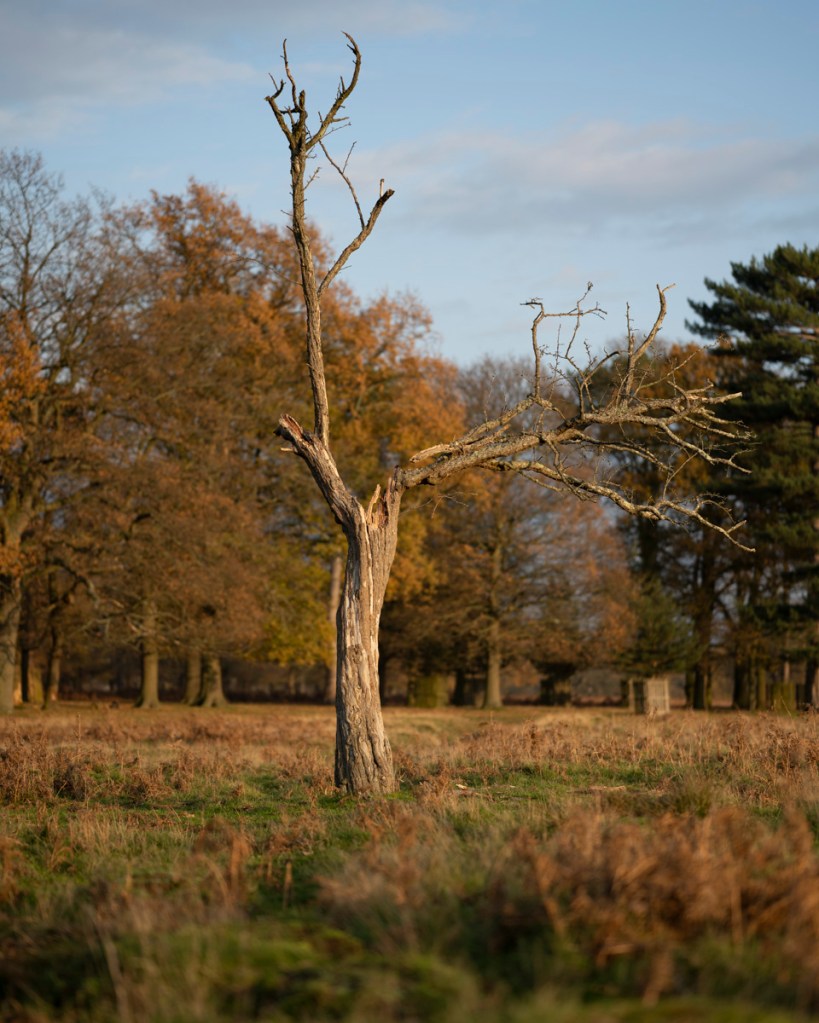
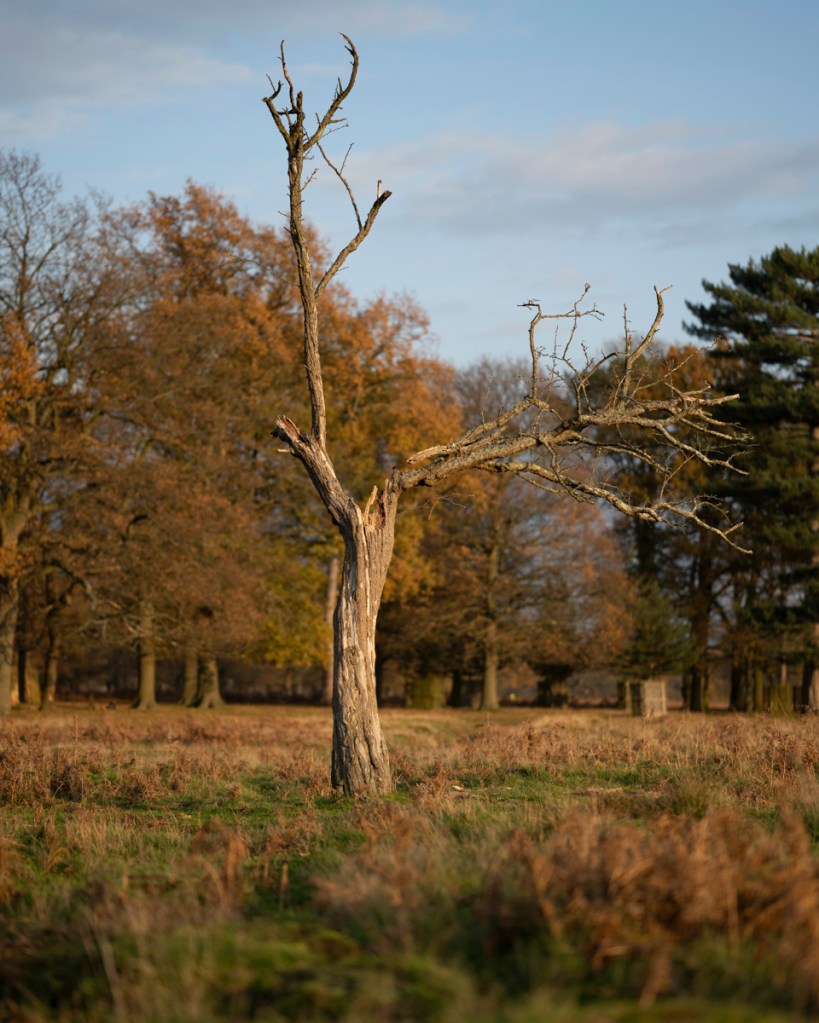
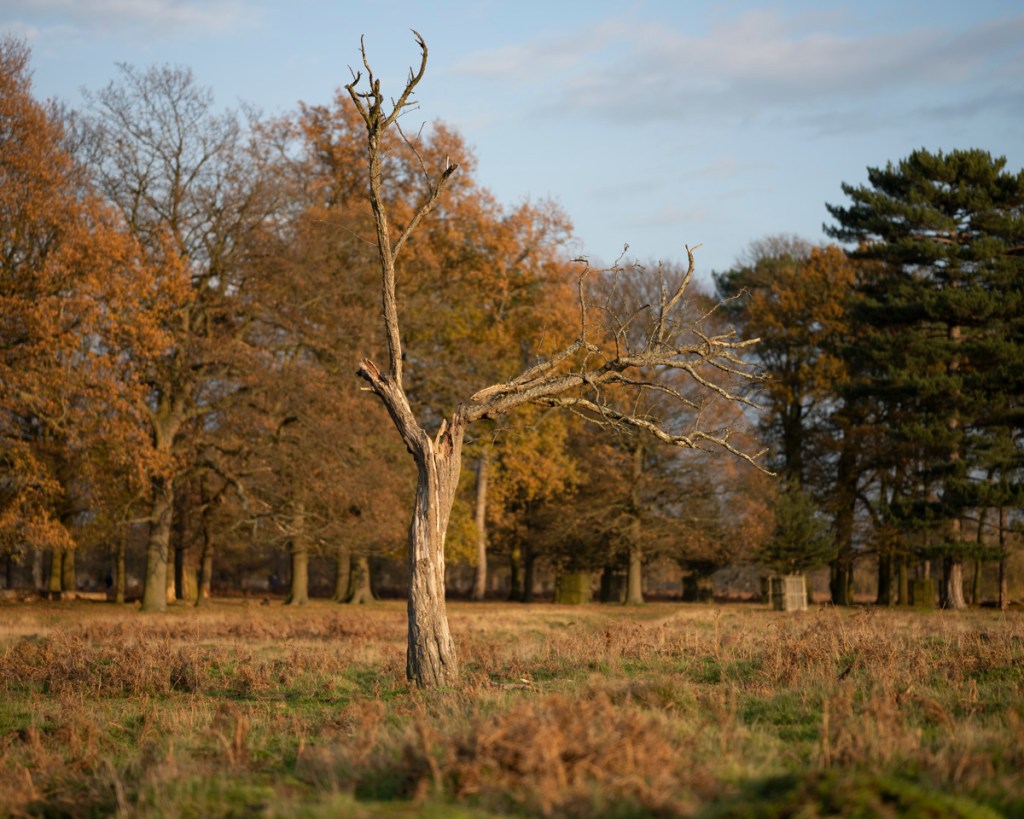
A stunning tree, but for some reason, I couldn’t get the composition just right. I also realised that I had shot it in portrait. In hindsight, it seems best to shoot a tree in landscape when the canopy is over a particular width. This observation was also useful in depicting a tree with missing branches as ‘whole’ (as with Tree One) or focusing on what was actually there.
Tree Five
I then tried something different with this hawthorn.
Tree Six
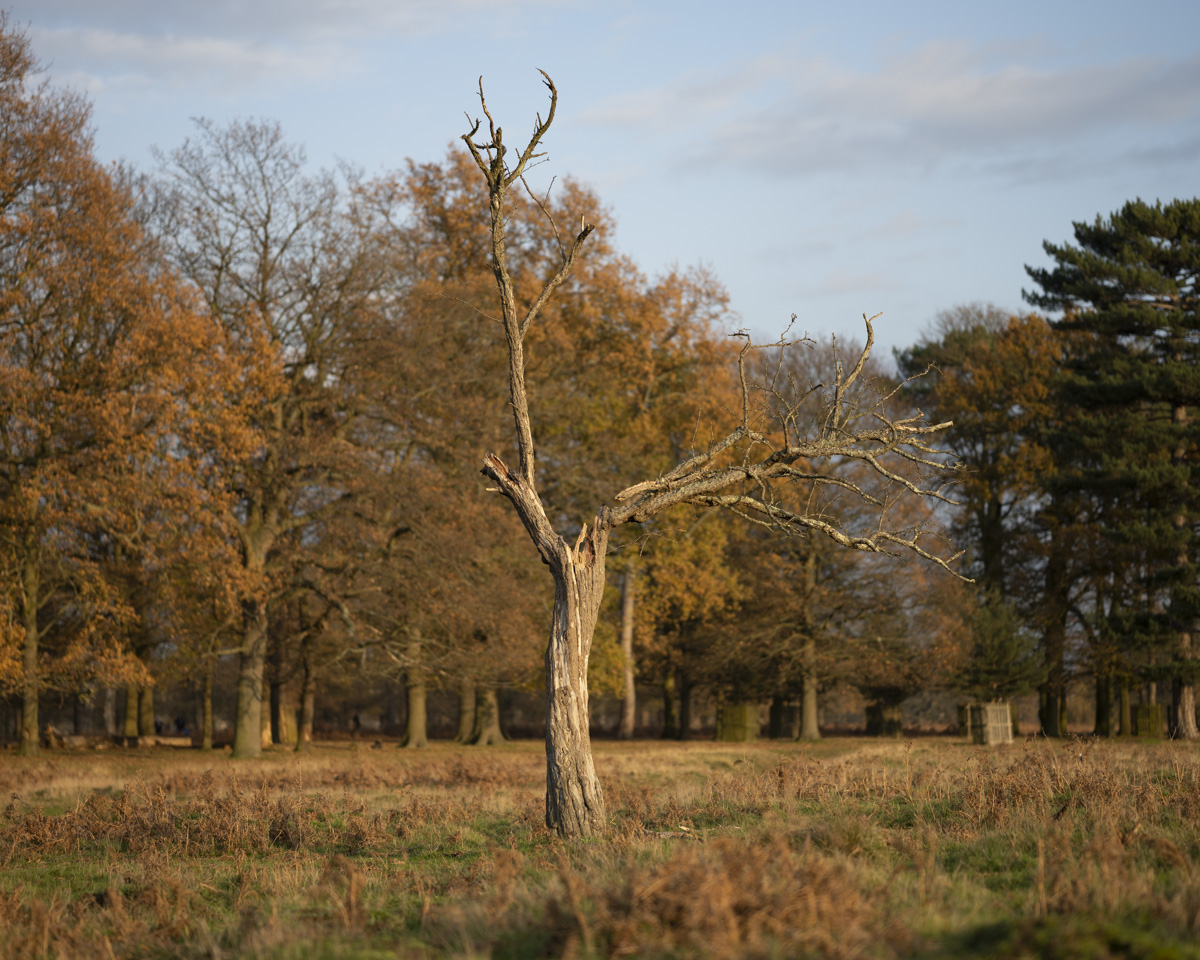
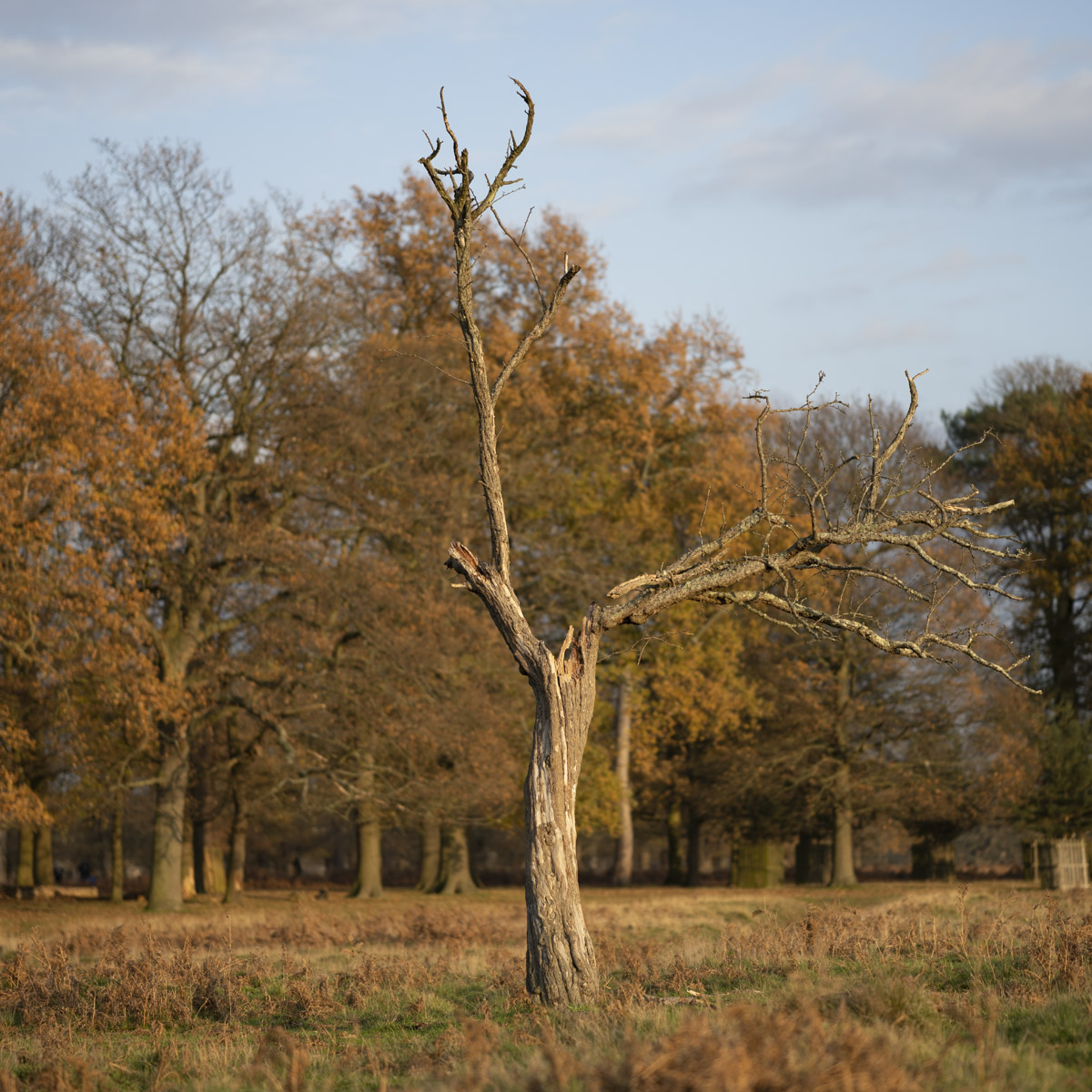
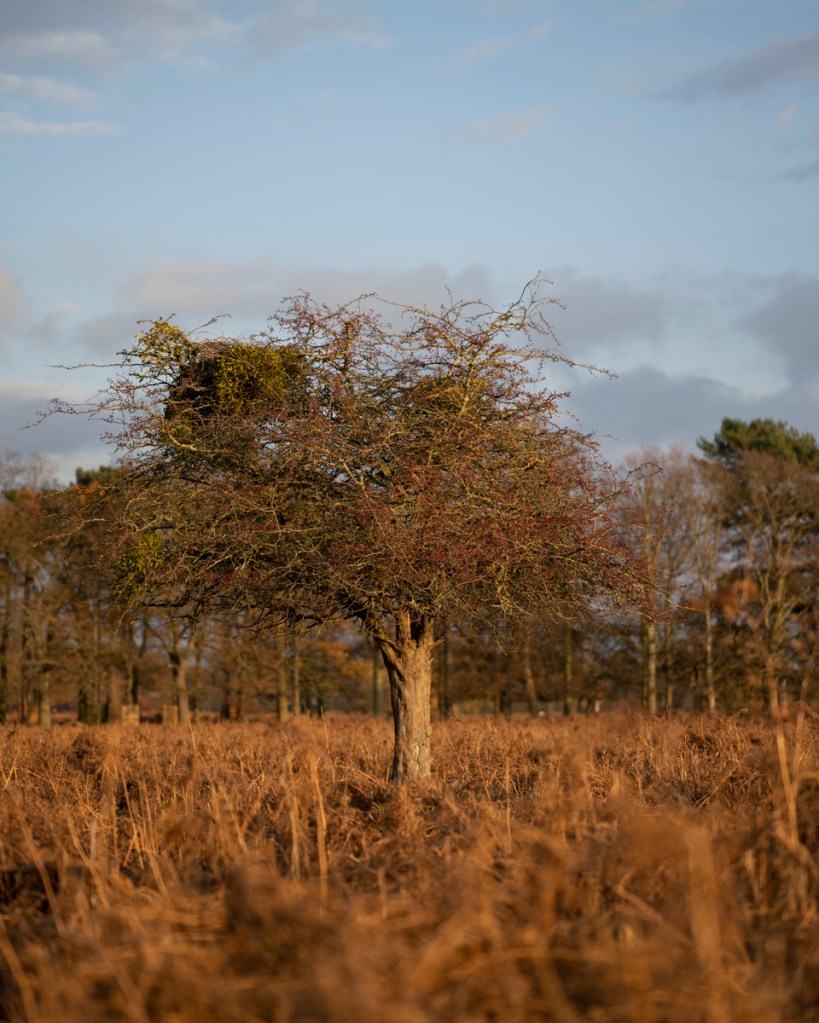
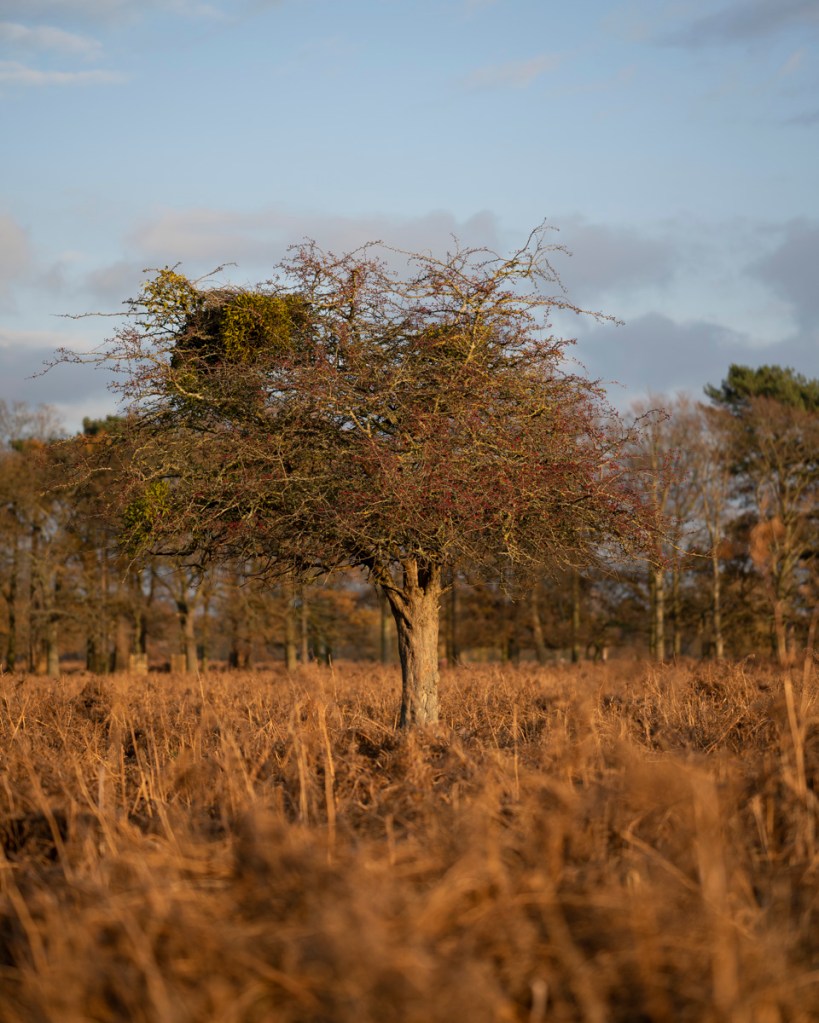
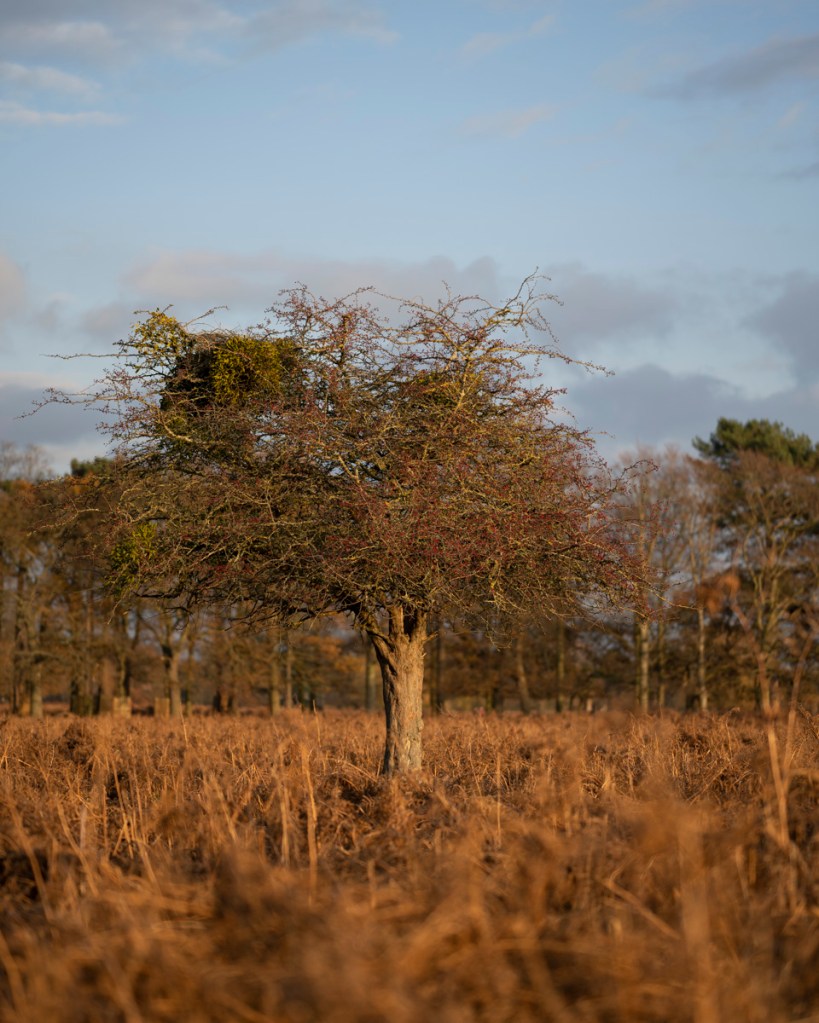
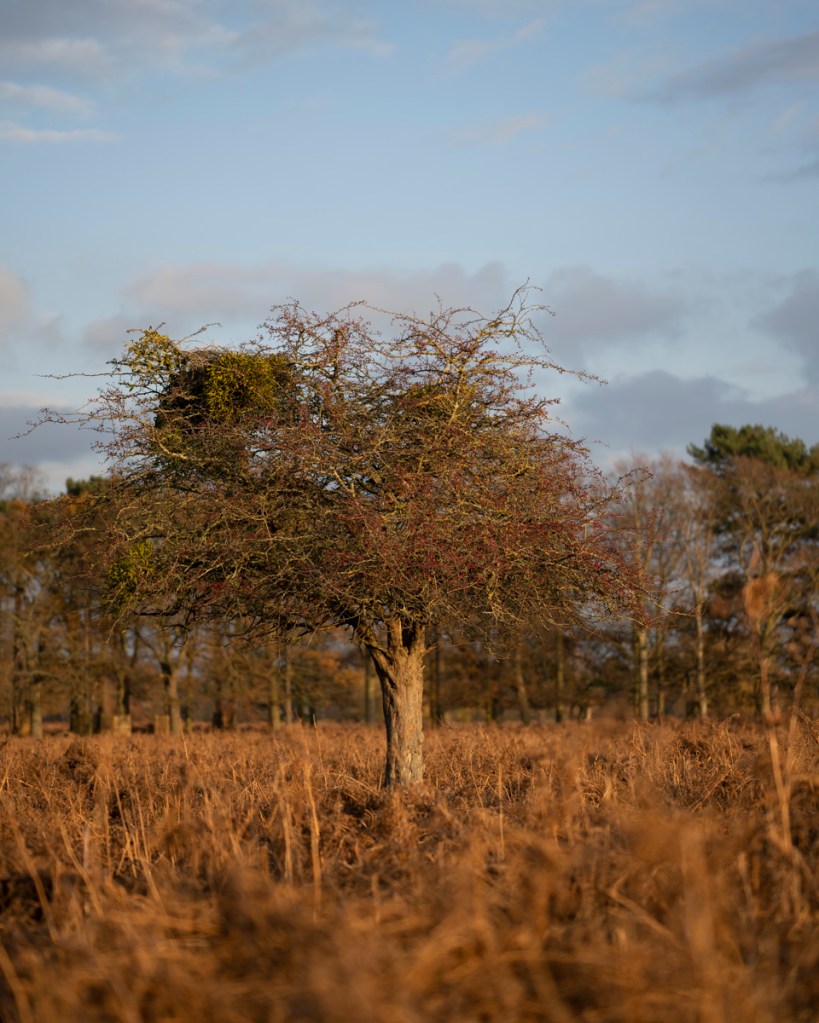
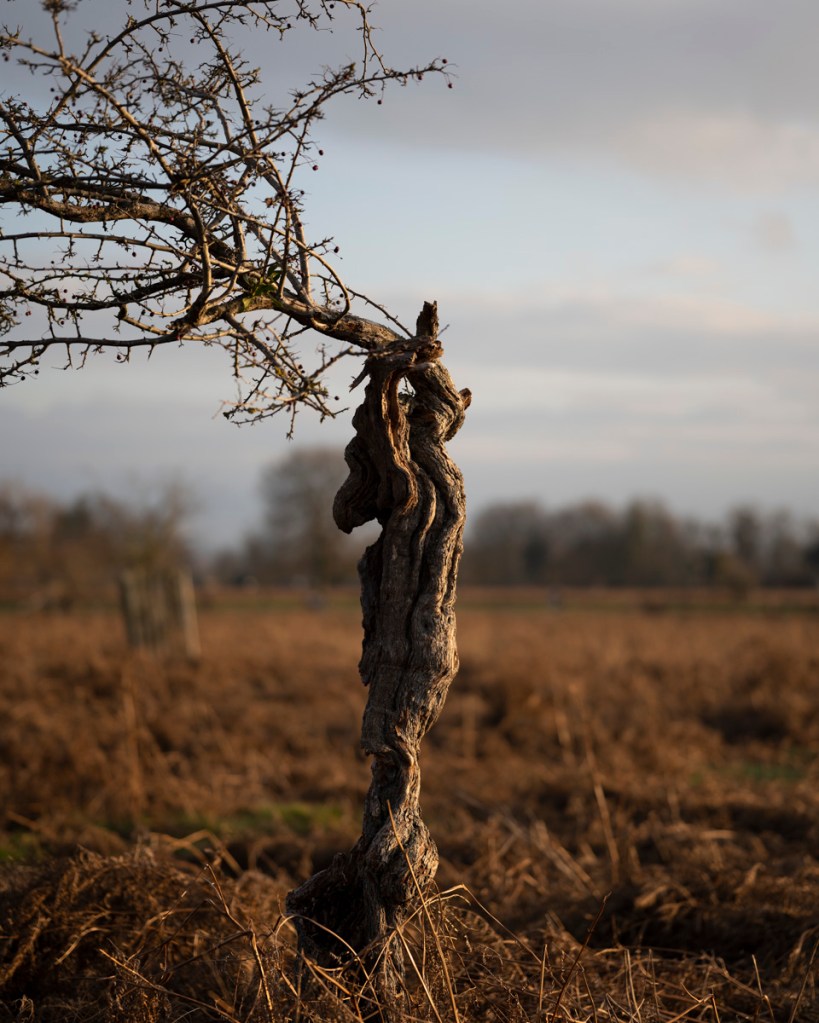
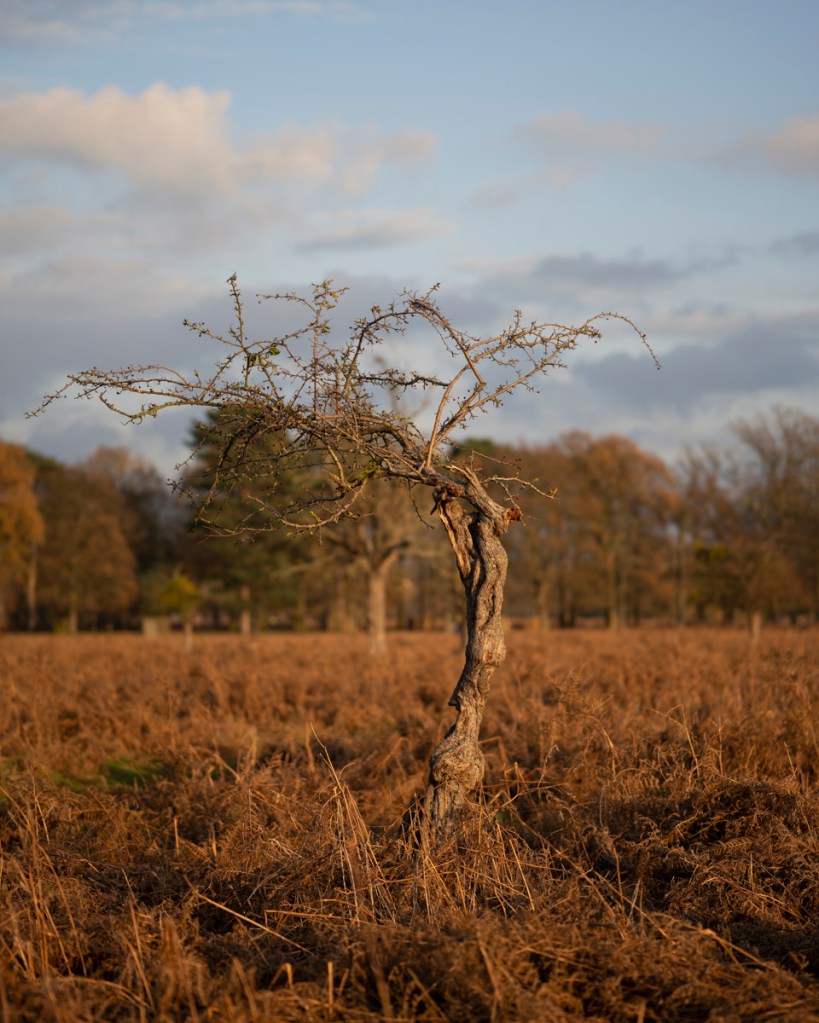
Next, I returned to one of my favourite hawthorns. It was interesting to see how this tree looked from a different angle and with the afternoon sun.
Tree Seven
By this time, I was starting to get tired and my concentration was waning. This can be seen in the following shots.
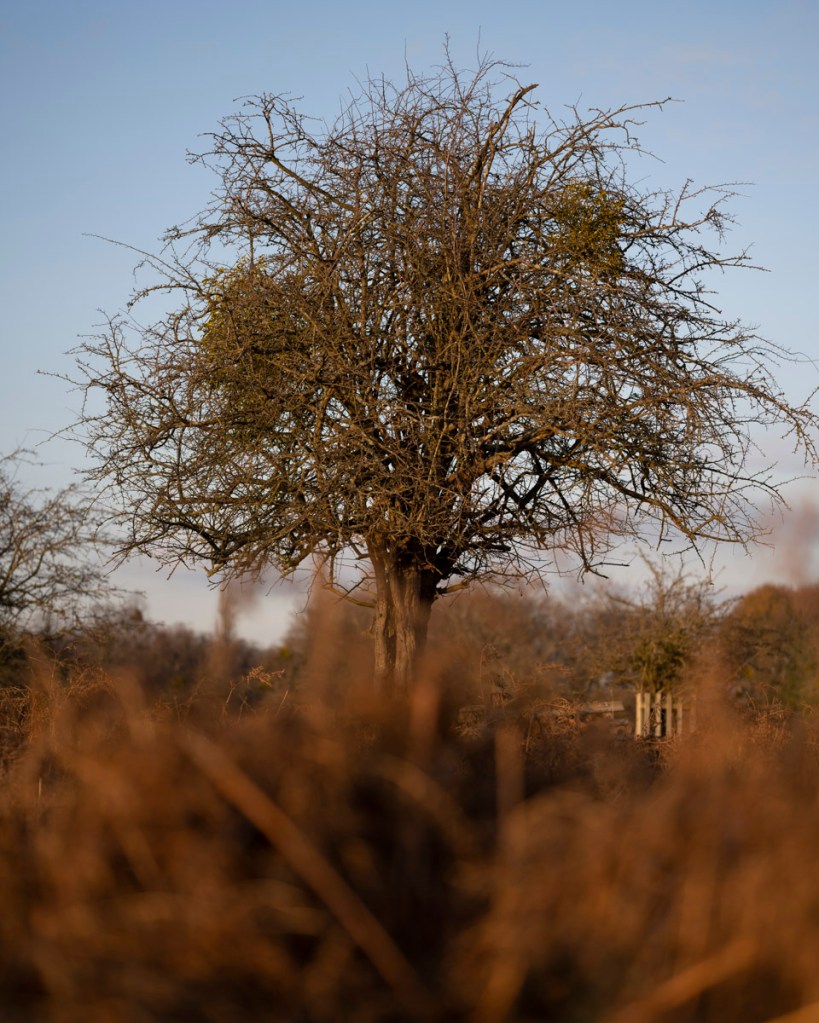
When looking at these images and some of the above, an annoying aspect was starting to make itself apparent. It was the ‘out-of-focus’ foreground featuring either grass or ferns. This is something that could be a feature of an image or a distraction. Something to consider.
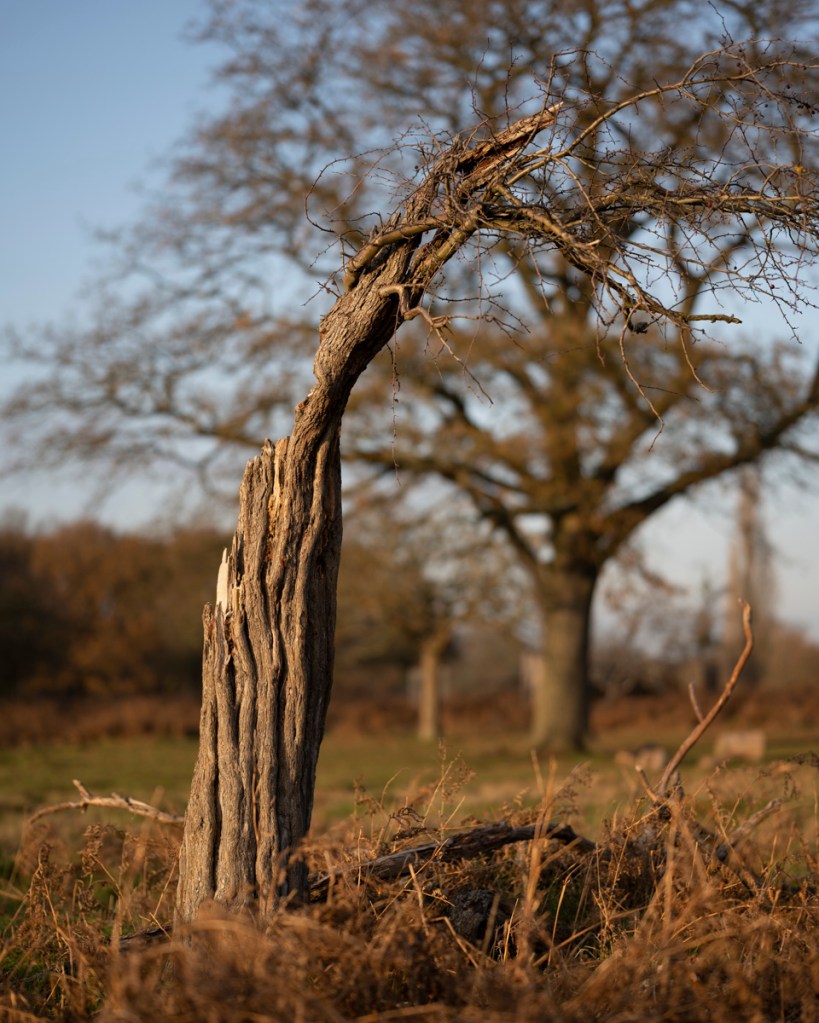
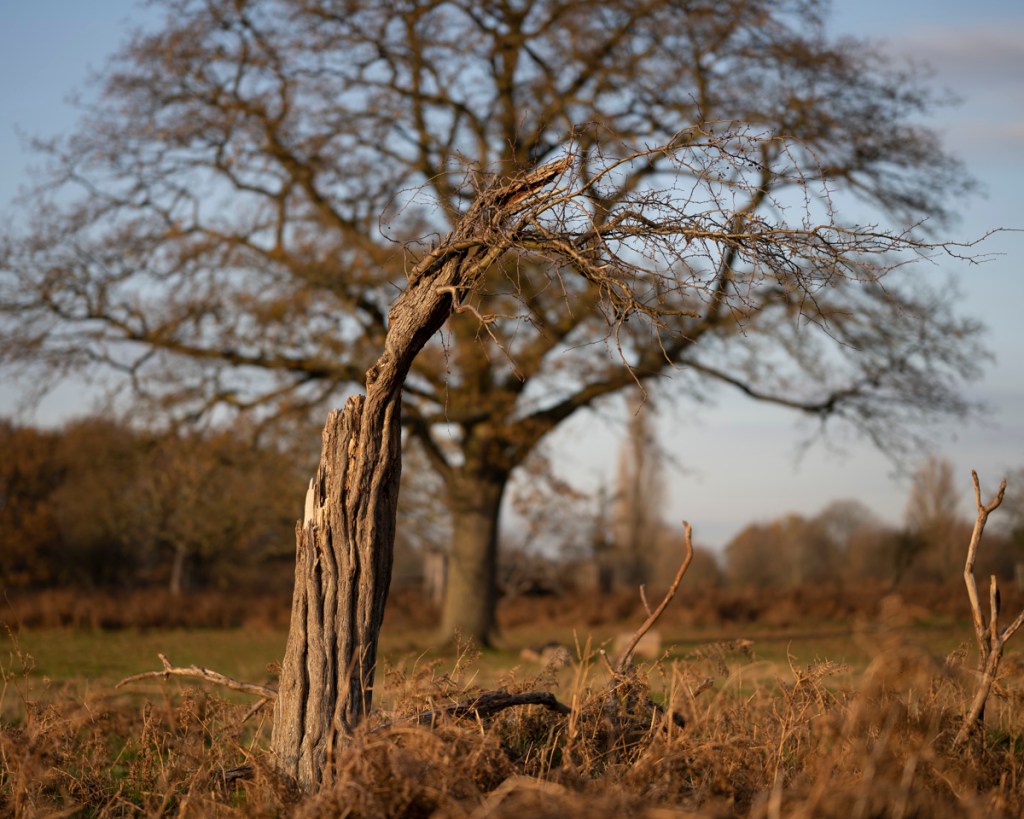
Lastly, I took some close ups of this hawthorn. Still not sure about using this type of shot in the final body of work, but there is scope for their inclusion.
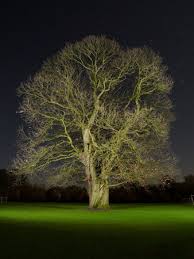
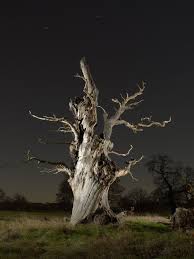
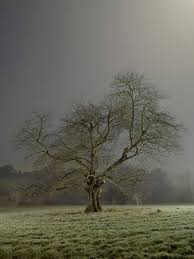
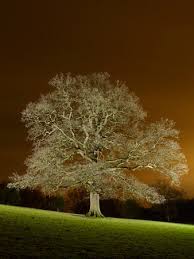
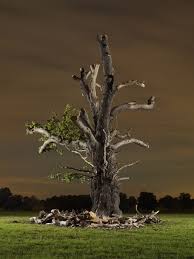
During the Group Tutorial on 28 October, my classsmate Sofia suggested I look at the work of Jean-Luc Brouard. This Brighton-based photographer has created a series of night-time tree portraits called Nocturnal Arboreal.
According to Brouard’s website, when not working on commissions, Jean-Luc relaxes by shooting personal projects, the latest of which sees him trekking across the countryside at night for the on-going series.
These well-observed and beautiful images showcase the photographer’s control of light and are quite stunning. The use of long exposure shows an exceptional level of photographic skill. I don’t know whether I would use a similar technique or style for this particular project, but it is great to see the work of an individual who has an equal passion for photographing trees.
Reference
Jeanlucbrouard.com. 2020. Freelance Photographer, Brighton, Sussex, UK : Photography By Jean-Luc Brouard : Photography Gallery: Personal. [online] Available at: <https://www.jeanlucbrouard.com/> [Accessed 5 November 2020].
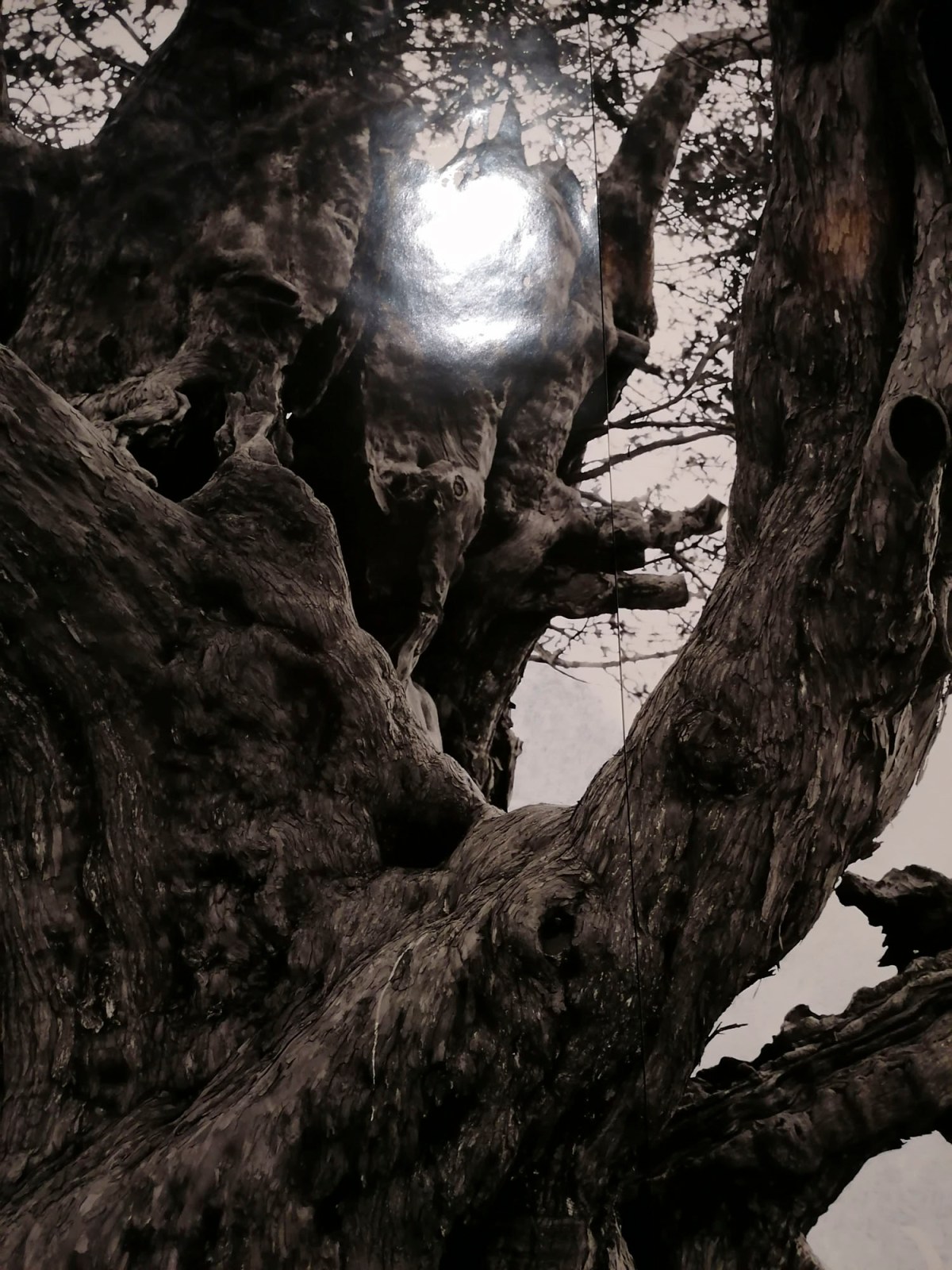
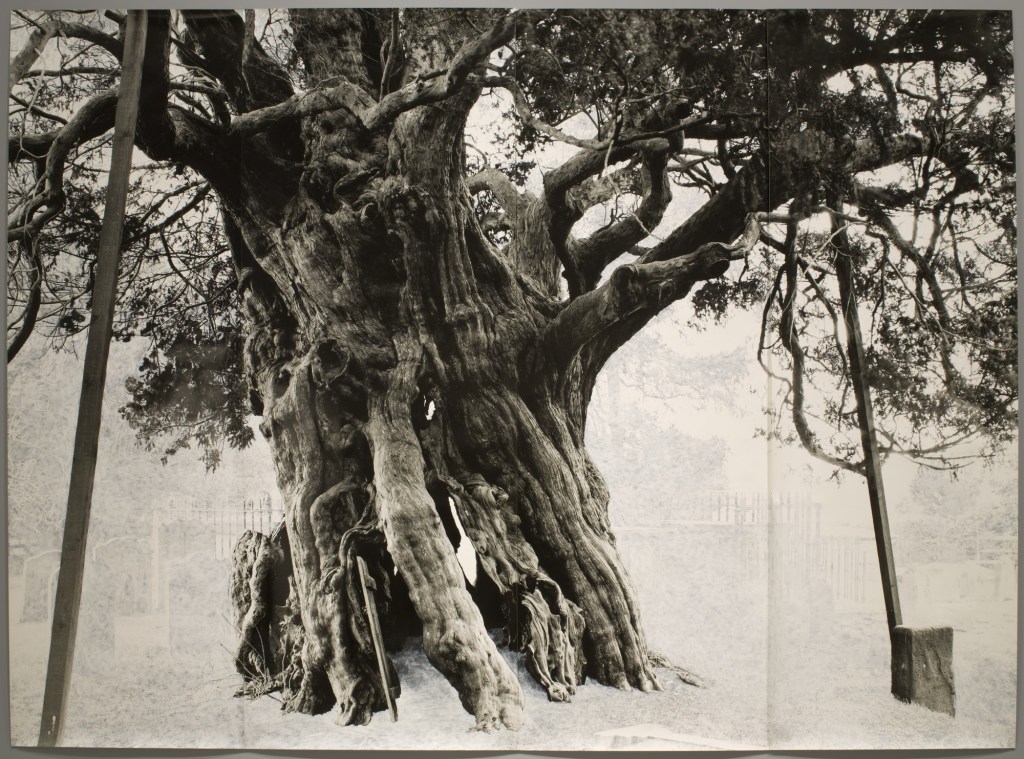
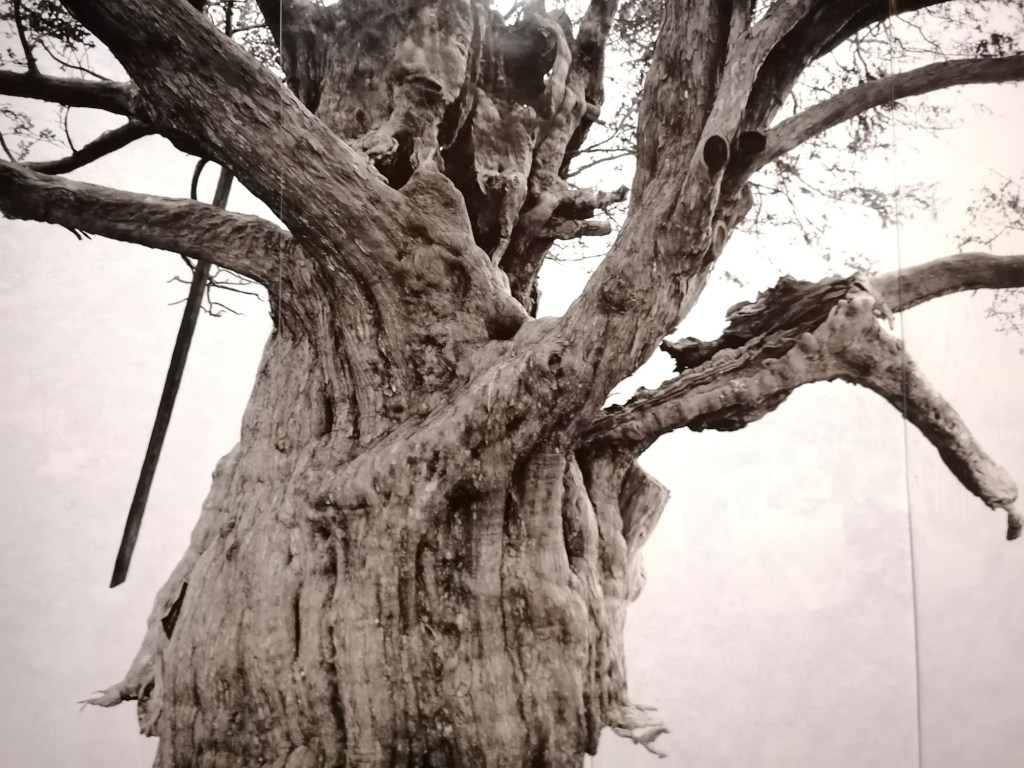
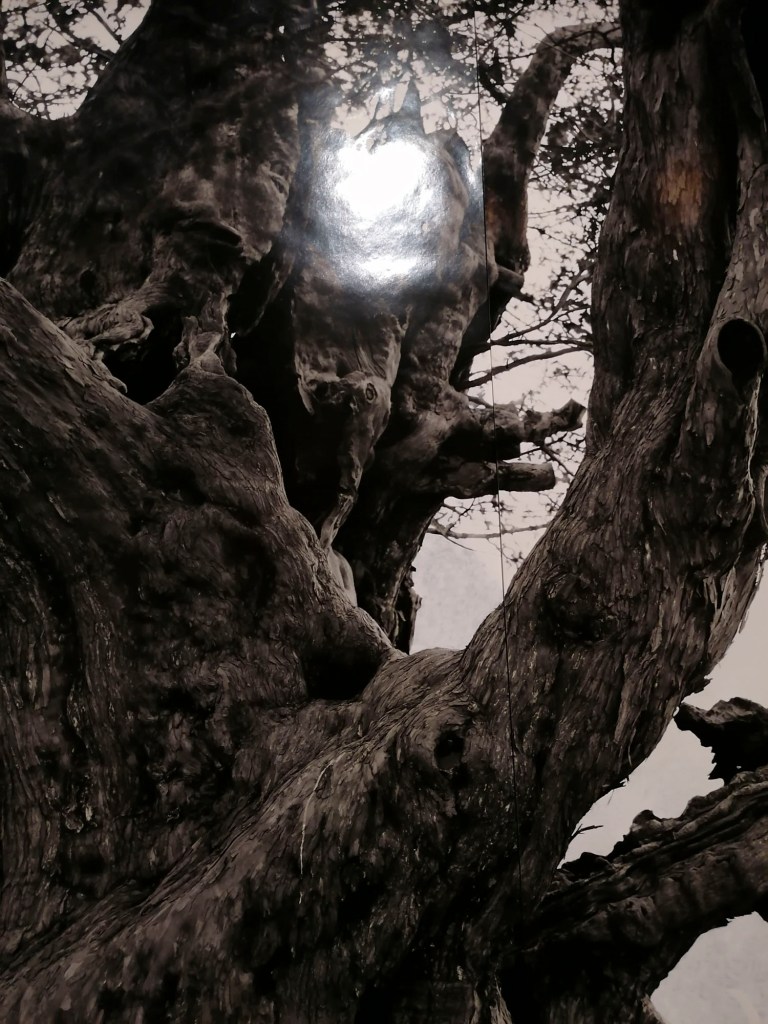
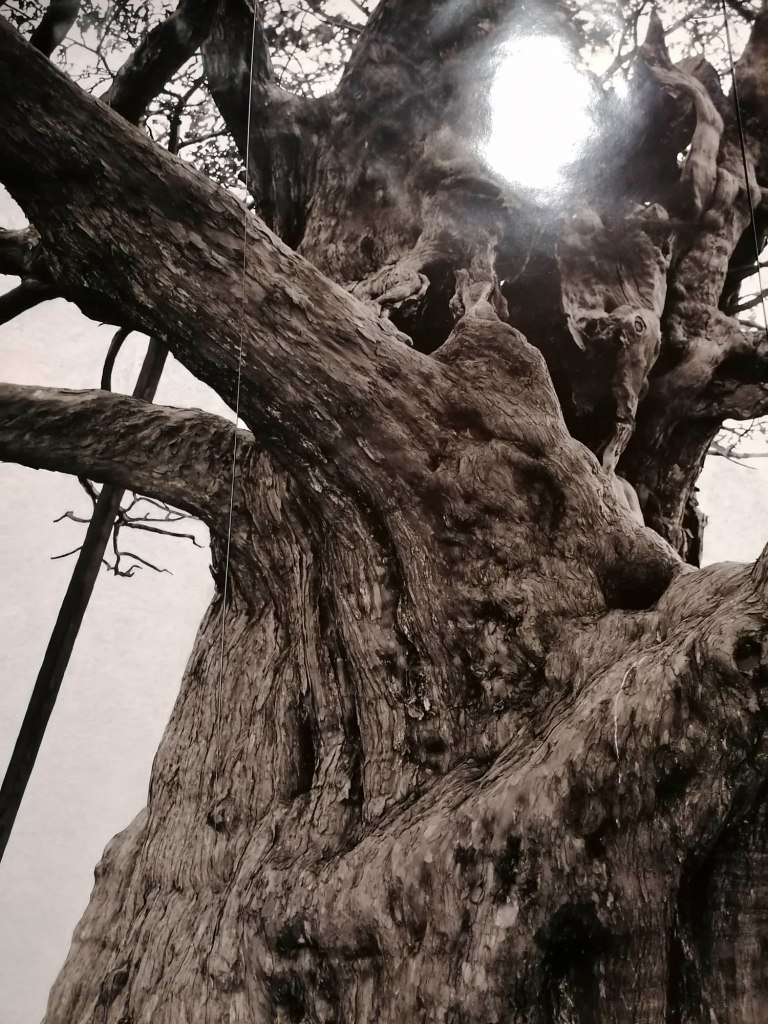
This haunting image of a yew tree is one of which I keep thinking about. The piece features a photograph of one of the oldest living trees in the UK. Called Crowhurst II (2007), it is one of a series of ‘painted trees’ that Dean began in 2005.
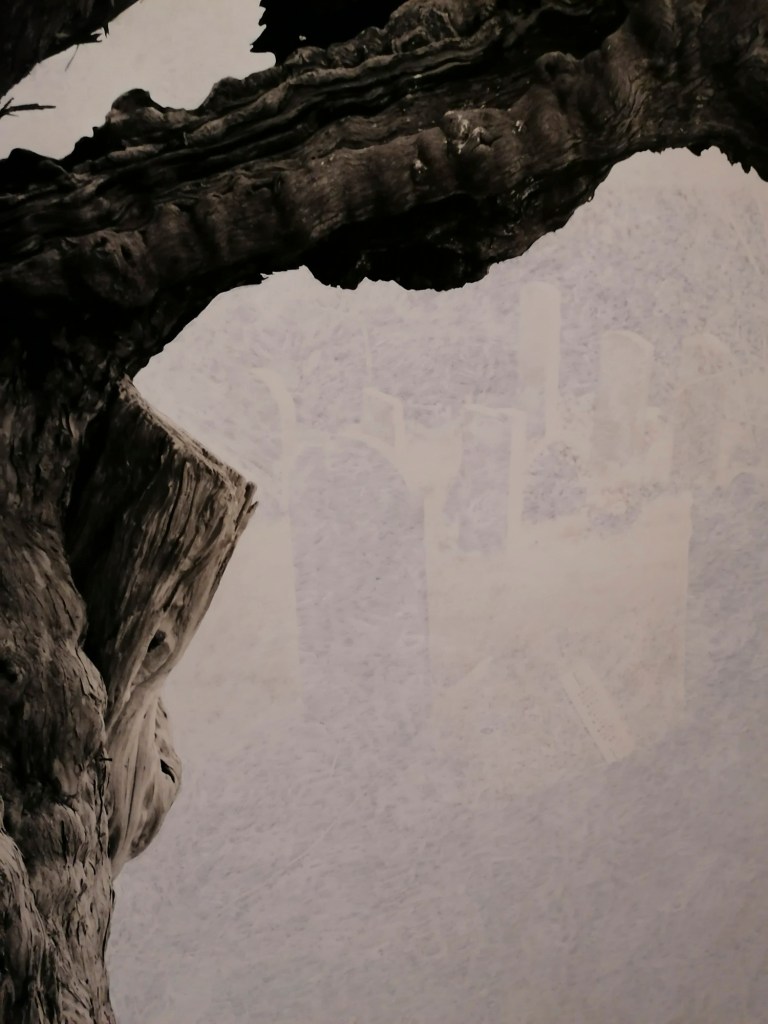
The piece is almost life size, printed on three pieces of photographic paper. The photograph has been painted with white gouache so the tree stands out from its surroundings. It is only when you get closer to the work that muted details of the graveyard in which the tree is situated can be seen.
Another, probably totally unintentional effect, is that of the gallery lights reflecting on the surface of the paper.
These are smartphone images I took when at the gallery. It looks as if a full moon is appearing in the branches of the tree.
According the Among The Trees brochure, Dean was:
‘Prompted by her discovery of a collection of postcards of France’s forest of Fontainebleau while travelling in Japan. Dean began researching the oldest living trees in the UK. One, an 800-year old oak, stood not far from her childhood home in Kent. Another, the yew pictured above, shared its name with Donald Crowhurst, an ill-fated amateur sailor who entered a round-the-world yacht race in 1968, never to return.’
When digging further into Dean’s tree images, I came across this background information and quote on the Tate website:
‘Dean’s methodology is a combination of idea-driven research with an openness to chance, accident, coincidence and poetic associations which she allows to direct her processes. She has explained what drew her to ‘old and deformed trees’ in an interview with the novelist Jeffrey Eugenides:
I made a photograph for an edition for October magazine recently called Fontainebleau Postcard, and I had to phone them up to check the title, and it reminded me that I had found all these old postcards of The Forest of Fontainebleau when I was in Kitakyushu in Japan, and I remember thinking that’s so strange, why would they have so many postcards of Fontainebleau? And then I went onto the internet and I looked up the Forest of Fontainebleau, which lead me to the famous oak of Fontainebleau, which in turn led me to look up old oak trees and then the oldest of trees in England, the yew tree. Before I knew it, the tiny village where I grew up came up as the place where there once was a 1400-year old yew tree. I always need that tiny thread to get myself going.’
Dean’s methodology is similar to my own – find a thread and continue following.
The post also features information on the previous work of Dean’s that influenced these images:
‘In 2005, Dean created a series of Deformed Trees (reproduced Vischer and Friedli, pp.101–3), painting over the background, and sometimes also the foreground, of old black and white postcards depicting trees. The postcards came from a collection she had been acquiring from fleamarkets all over the world since the mid 1990s. The application of white onto a darker ground has its origin in Dean’s work with a series of drawings on blackboards initiated while she was a student at the Slade School of Fine Art in London (MA 1990–2). Her work Sixteen Blackboards – a grid of sixteen square photographs documenting the progression of imagery, including drawing, writing, collage and rubbing out on a single black panel (reproduced Vischer and Friedli, pp.56–65) – featured in the Slade’s 1992 postgraduate exhibition. Elements of this, developed further by such works as The Roaring Forties: Seven Boards in Seven Days 1997 (T07613) – a series of drawings in white chalk on seven actual blackboards – are the precursors of Majesty and the group of photographs to which it belongs. The large areas of white overpainting on the photographs echo the patches of white left on the blackboards after rubbing out the drawings and text inscribed with chalk.’
(‘Majesty’, Tacita Dean, 2006 | Tate, 2020)
References
Among The Trees. (2020). London: Hayward Gallery Publishing
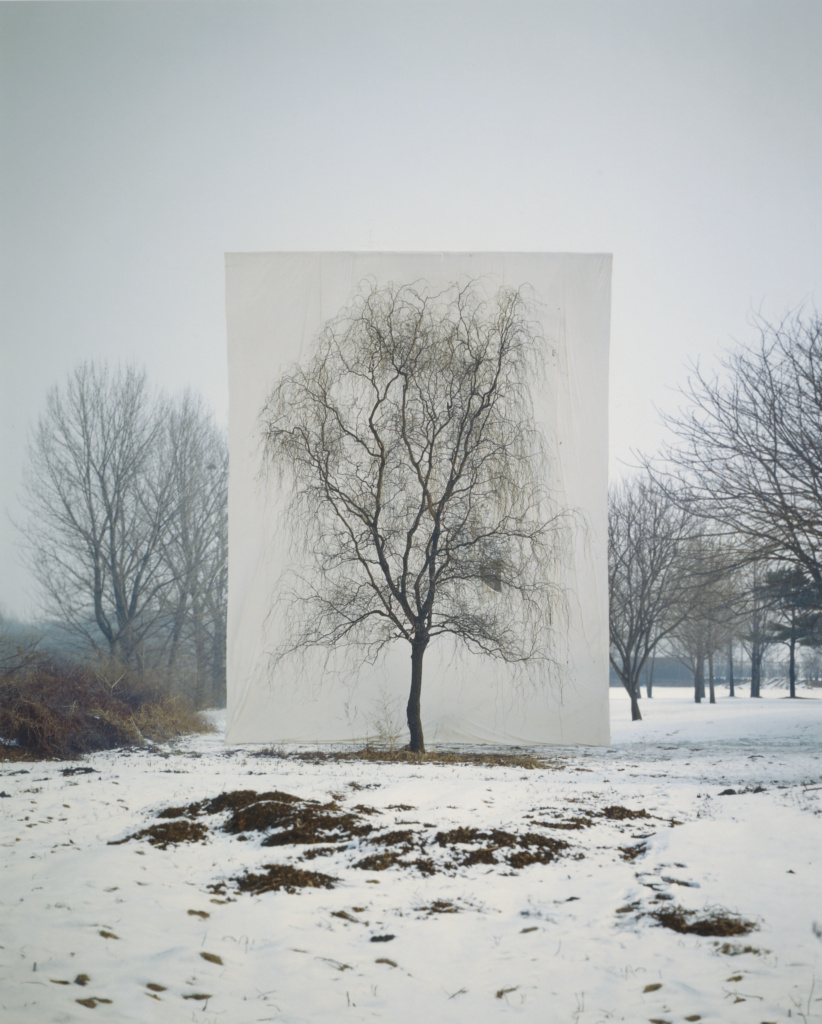
While reading David Campany’s recently published book, On Photographs, I came across a pertinent section in connection with trees and photography. Using the series entitled ‘Tree’ by the South Korean Photographer Myoung Ho Lee and one of the images as an example, Campany states that the series can be seen as:
‘A meditation upon the artificial terms and conventions by which photographic images can become knowledge.’
(Campany, D. 2020 pp. 116)
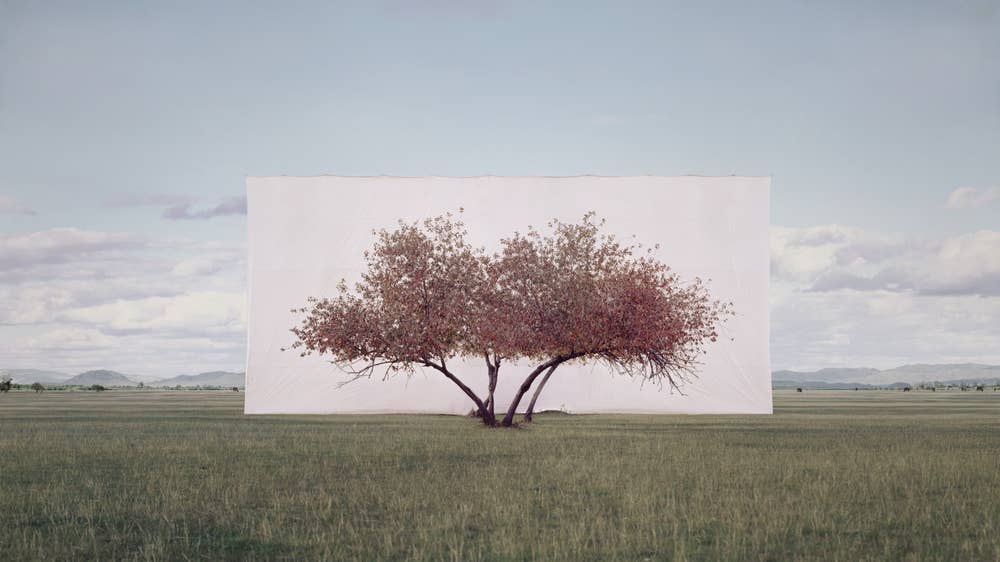
Figure 1: Myoung Ho Lee, Tree #3, 2006 – From The Series ‘Tree’, 2006-2012
Myong Ho Lee erected a giant white backdrop which Campany describes as:
‘Turning space into a stage upon which the tree presents itself (or performs itself ) for the camera. The framing is wide, allowing us to see not just the isolated tree but also the whole drama of its isolation.’
(Campany, D. 2020 pp. 116)
I had also seen another of Myoung Ho Lee’s Tree series at the Among The Trees exhibition when I visited back in September 2020.
Figure 1: Myoung Ho Lee, Tree #2, 2012 – From The Series ‘Tree’, 2006-2012
In the exhibition’s accompanying brochure, Myoung Ho Lee asserts:
‘It’s as if the tree unites all: the ground, the sky and man in between. In East Asian philosophy the universe breaks down into three parts: Chun-Ji-In. Chun means the sky, Ji means the ground and In means human. Since a tree connects all three, I feel very much that a tree is like a universe.’
(Myong Ho Lee. 2020 pp. 106)
The brochure also gave a brief background into Myong Ho Lee’s tree photography, which resonated with my own passion for this subject. As mentioned in his Artist Statement, Myoung Ho Lee:
‘Began photographing trees because they are ‘something you see everyday, but we often overlook them; we forget their value and just pass by.’ Since 2004 he has focused attention on individual trees in the landscape by treating them like studio portraits, dissociating them from their immediate context and spotlighting their true shapes and forms.’
(Rugoff, R, 2020. pp 155)
The statement continues to describe Myoung Ho Lee’s practice motivation:
‘Lee selects his subjects for their personalities and patiently observes them through different seasons and at varying times of the day before deciding how to portray them.’
(Rugoff, R, 2020. pp 155
Next, the method:
‘In a complex performance-like process involving heavy machinery and skilled production crews, he isolates a chosen tree from its background by installing an expanse of white canvas behind it. Though evidence of this elaborate mechanical intervention is removed during retouching, the backdrop retains traces of the hoisting operation.’
(Rugoff, R, 2020. pp 155
The method results with the image of the tree being framed ‘naturally’ by the tree’s actual habitat.
What I found interesting is comparing the way in which Campany uses Lee’s images of trees in relation to photography to Lee’s motivations. Lee is portraying trees in particular way (philosophically, sensually and metaphorically), while Campany is taking a more literal approach.
Campany states that:
‘Being a medium of specifics means photography is not well suited to generalities. A photograph can record the uniqueness of an object but it cannot designate the general category to which it might belong. What makes it useful in compiling an inventory makes it quite useless in defining the group.’
(Campany, D. 2020 pp. 116)
Campany continues with his stance in putting forward the example of images found in books to be used for identifying plants. Campany purports that although photography can record a specimen, but not the species, as each individual specimen is a variation of that species. Campany states that botanical identification is better served by drawing than by photography as:
‘The skill of a botanical illustrator is to look at several specimens and then produce an average. The average does not exist in reality but it is useful to have it.’
(Campany, D, 2020 pp. 116)
Campany takes his observations further by stating that:
‘Photographs of specimens are, of course, extremely useful in their own way. They show not the average or the ideal but the actuality. A photograph of a plant might be able to show an instance of mutation by which a deviation is made from the species average. It might be able to show the specific effects of the environment on that particular specimen.’
(Campany, D, 2020 pp. 116)
The most pertinent comment that Campany makes in relation to choosing Lee’s work is:
‘To ease study, a specimen is best isolated from its surroundings.’
(Campany, D, 2020 pp. 116)
But the point of Lee’s work is not to make study of a particular specimen easier through isolation – it is to make an individual tree ‘visible’ through isolation. It also is make the viewer contemplate and mediate on the concept of ‘tree’ as a single entity and not just part of the landscape.
I also questioned my own motivations for this project when comparing these two viewpoints. I realised that am not looking to create ‘literal’ interpretations of particular individual trees within Bushy Park. Although I have spent the past seven years taking photographs of many of the trees within the park, I’m not seeking the perfect ‘tree’ picture. There is more to consider about the ecology of this managed environment and how the trees are part of it. Also, how trees and their ecology are portrayed artistically within photography.
References
Campany, D. (2020). On Photographs. London: Thames & Hudson Ltd.
Rugoff, R., Among The Trees. (2020). London: Hayward Gallery Publishing.




 Jennie Meadows MA Photography