Categories
AGM60 Research & Development Posts

AGM60 Words of Eternity

During one of the tutorials, I remember Xavier suggesting writing down my thoughts and feelings while working on this project.

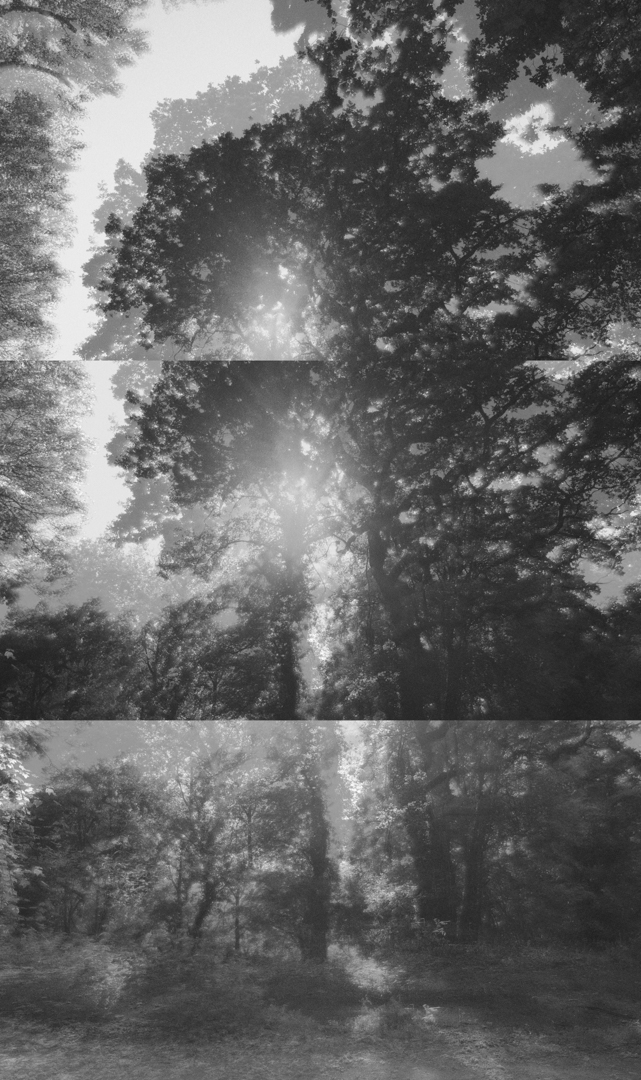
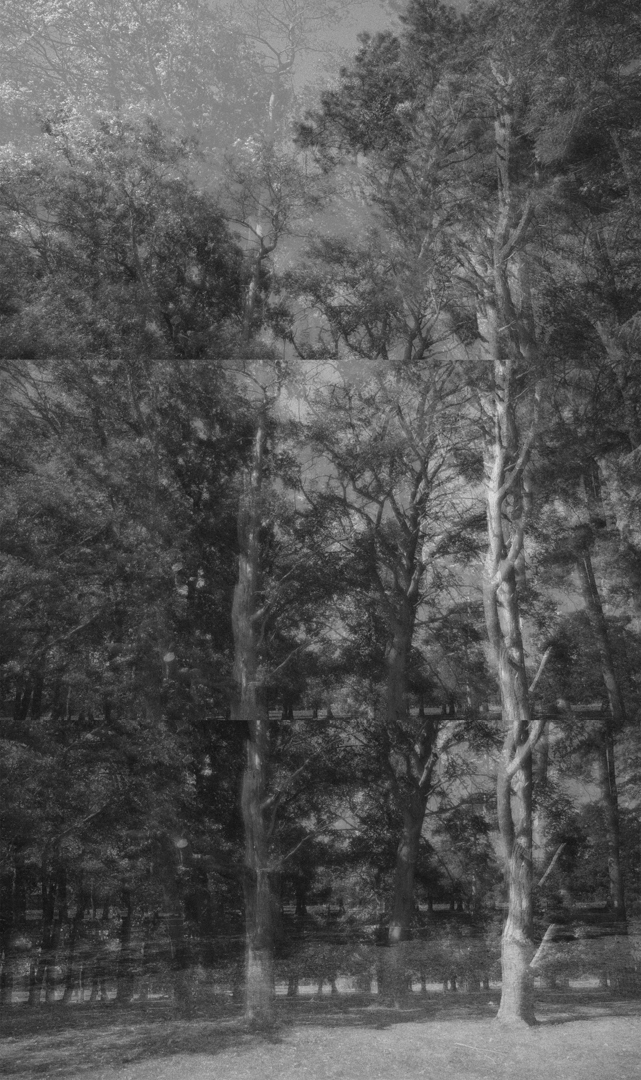
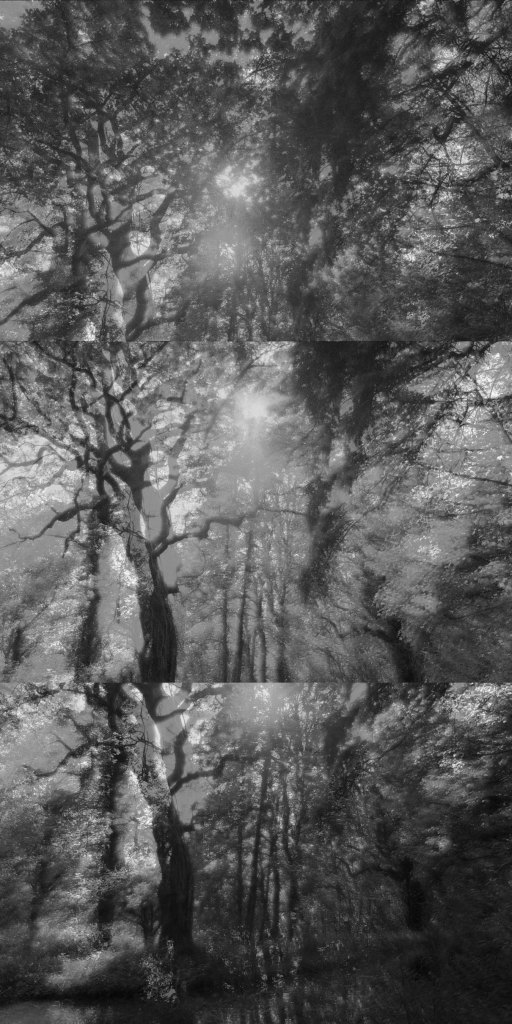
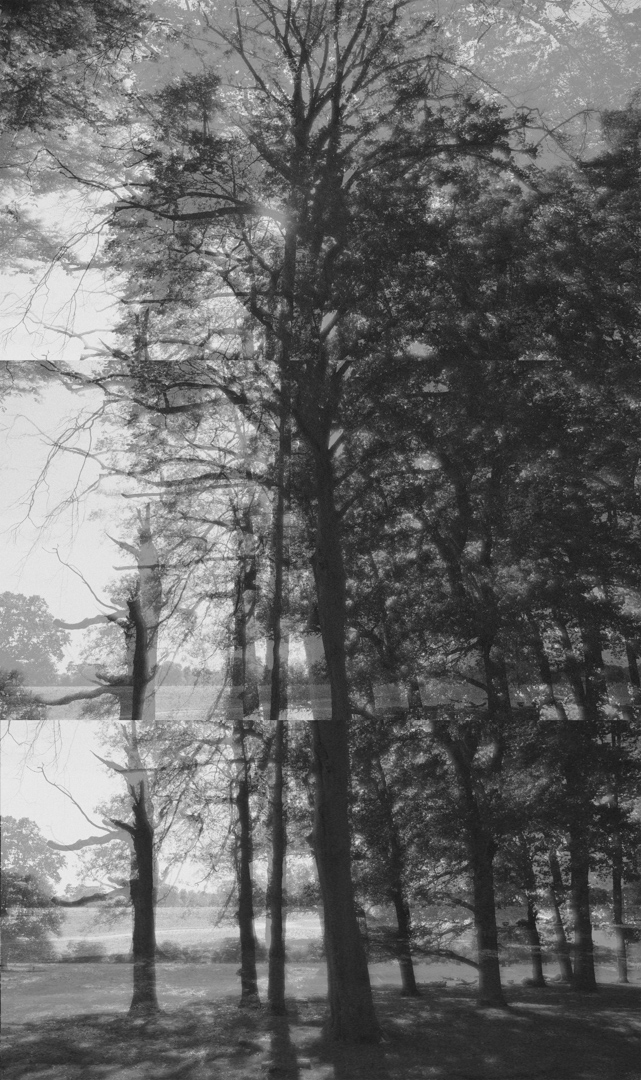
While contemplating the final images, I composed the following poem:


Moments of Eternity

Uncertainty, anxiety, lost horizons;

Dis-location, isolation, reconnection;

Strange screens and familiar faces;

Same times and same places;

Slow down, tune in;

Reduce the din;

Together, but apart;

A part in time;

With a beginning and, yet, no end.


This could either be used in accompanying the work and/or the Artist Statement. I also thought of using each line next to each image (nine images, nine lines). This poem was also included in the submitted presentation of my final images.

Categories
AGM60 Research & Development Posts

AGM60 Final Body of Photographic Work 9 June 2020

For Assessment Task 1 of this module, I had to produce a Body of Photographic Work submitted in an appropriate form. For example, a portfolio of prints, an installation, a projection or otherwise. This had to be accompanied by an Artist Statement of 200 words.

The purpose of this Body of Photographic work was to fulfil Learning Outcomes 1 & 2. This was to:

  • Plan, develop, research, and document an extended body of experimental work.
  • Acquire and apply appropriate technical skills as defined by my photographic practice.


This is a PDF of the document that I submitted on 9 June 2020:

AGM60 Research and Experimentation Final Images Jennie Meadows 19821184 9 June 2020

Categories
AGM60 Research & Experimentation Posts

AGM60 Artist Statement 9 June 2020

A requirement of Assessment Task 1 was to write an Artist Statement of 200 words. This was to accompany the Body of Photographic Work.

The following is the submitted Artist Statement:

In a time of self-isolation and social distancing, Moments of Eternity encapsulates the disconnected connections between individuals. As with trees, there is an invisible network of communication that enables society to continue working together. These ethereal and surreal images also signify how the ‘normal’ has shifted and viewed in a different way. They also convey the uncertainty of what the new ‘normal’ will be.

Captured between 29 April and 21 May 2020, the series was created from photographs of trees during my walks in Bushy Park. This was inspired by carrying out the government’s instruction of taking outdoor exercise by myself each day. I could combine my daily stroll with photography. I also realised the importance the park played in relation to my mental and physical health. Bushy Park had been my place of refuge several times over the past five years. I had rediscovered this beautiful and ever-changing location and able to reconnect with nature.

Unable to access and use analogue photographic equipment and facilities, I made use of the digital technology available to me. By emulating and combining two analogue printing techniques, I created images that could not be reproduced in a darkroom.

Categories
AGM60 Research & Development Posts

AGM60 Final Research Dossier 9 June 2020

For Assessment Task 2 of this module, I had to produce a formal and critically reflective Research Dossier of 3-4,000 words that supports my Body of Photographic Work.

This was to include:

    • Documentation and reflective critical evaluation of the creative process undertaken during the module.
    • A critical analysis of a set of visual references that demonstrate an appropriate context for the Body of Photographic Work.
    • A critical analysis of a set of historical and theoretical references that support the development of the Body of Photographic Work.
    • A bibliography and list of research resources.


The purpose of the document was to fulfil Learning Outcomes 3 & 4 and that I could demonstrate:

  • a clear understanding of the ideas, issues, and different visual contexts underpinning my own photographic practice.
  • a critical awareness of historical and contemporary debates around research-based photographic practice.


This is a PDF of the document that I submitted on 9 June 2020:

AGM60 Research and Experimentation Research Dossier Jennie Meadows 19821184 9 June 2020

Categories
AGM60 Research & Experimentation Posts

AGM60 Image Ratio Rethink 31 May 2020

Having edited the images shot at a ratio of 2:3, I revisited the ones taken at 16:9. As a result of this, I cropped the images from the previous experiment.

When comparing, it seemed to me that the 16:9 format worked better in column form.

It would also mean being able to select my final images from those that were shot using this ratio rather than having to take further photos at 2:3.

My first consideration in relation to this decision was time. With only two days to go before submitting my final images, I should focus on the strongest images taken so far rather than going out and making new ones.

The second consideration was the ethos behind this project – images taken during the time of lockdown and self-isolation. With the Government gradually easing the restrictions, it would go against the grain of what I was trying to achieve.

The third, and final consideration, was that of the 1 June 2020, people would be allowed to exercise outside in groups of up to six people (as long as they were practising the two-metre social distancing). Combined with the current sunny and very warm weather, this would be mean much more people in the park. This, in turn, would restrict my shot potentials.


Categories
AGM60 Research & Experimentation Posts

AGM60 Adobe Photoshop and Lightroom Classic Workshops 3 March 2020

Two further workshops as part of the MA Photography course were Adobe Photoshop and Adobe Lightroom Classic.


Adobe Photoshop Workshop

I was already quite familiar with Adobe Photoshop, having first used it back in 1998 and during my previous studies and photographic work. The programme is an essential element of digital photography. However, despite its extensive capacity for editing and manipulating images, it can be over-complicated and downright frustrating. The other main aspect of Adobe Photoshop is that there is always more than one way to get a result.

During the workshop, Simon introduced the class to a range of the programme’s functions, starting with the basics and taking us through the main functions. One of the functions that Simon outlined was ‘Curves’. This is a function I currently use in Adobe Camera Raw to create my colour digital negatives, but not in Photoshop. As I explained in the post outlining the Preparation for Digital Printing Workshop, my current workflow is to prepare and edit the images as much in Adobe Camera Raw then use Adobe Photoshop for the final touches and manipulation. It was interesting to see the effect I could achieve using the Curves in Photoshop.

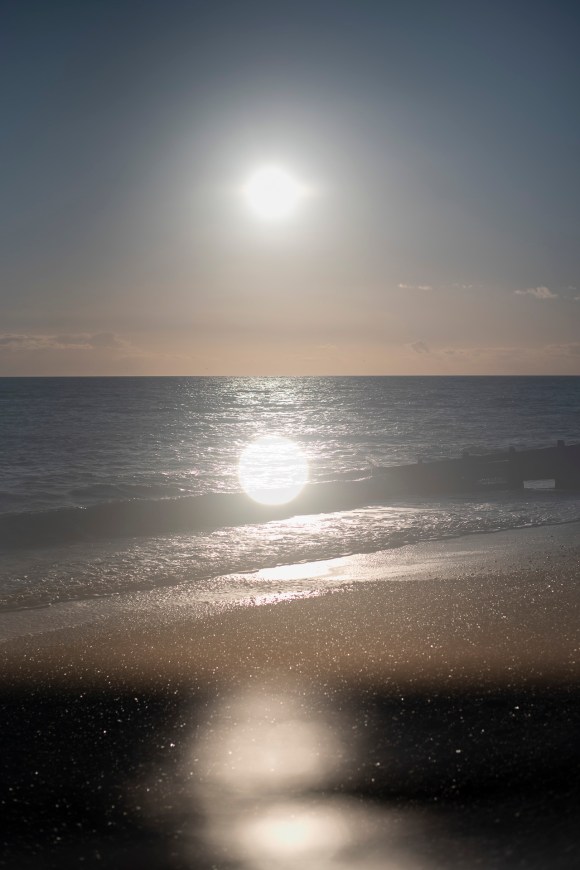
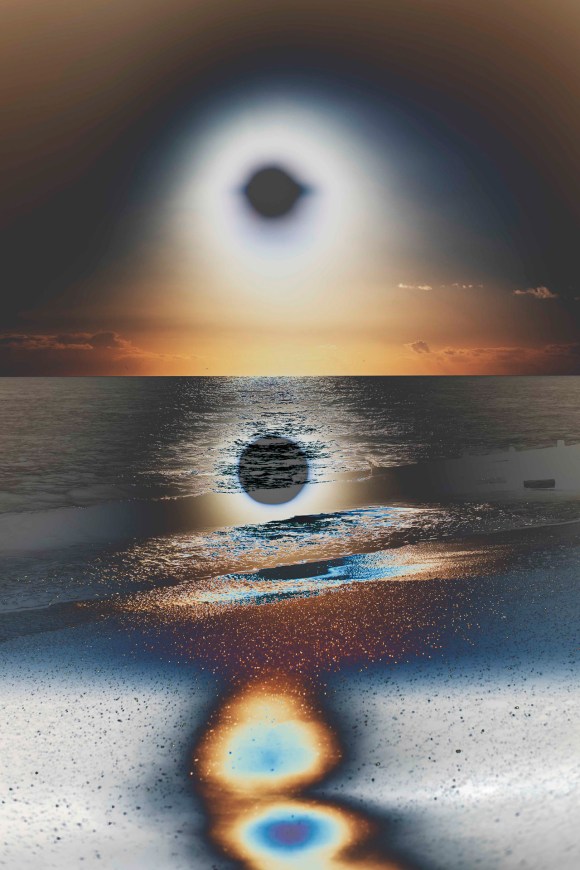
For this quick experiment, I selected one of the double exposure sunset shots. The original is on the left, the adjusted one is on the right.


This was the setting that I used to create the solarising effect.

Photoshop_01_20-03-02_brighton007_solar

Interesting – something to keep in mind and experiment with further. As with all digital manipulation, it can be quite tempting just to add an effect because you can. As my HNC tutor, Ria, drummed into me during my course, there has to be a darn good reason for changing an image – don’t just focus on surface or aesthetics.


Adobe Lightroom Classic

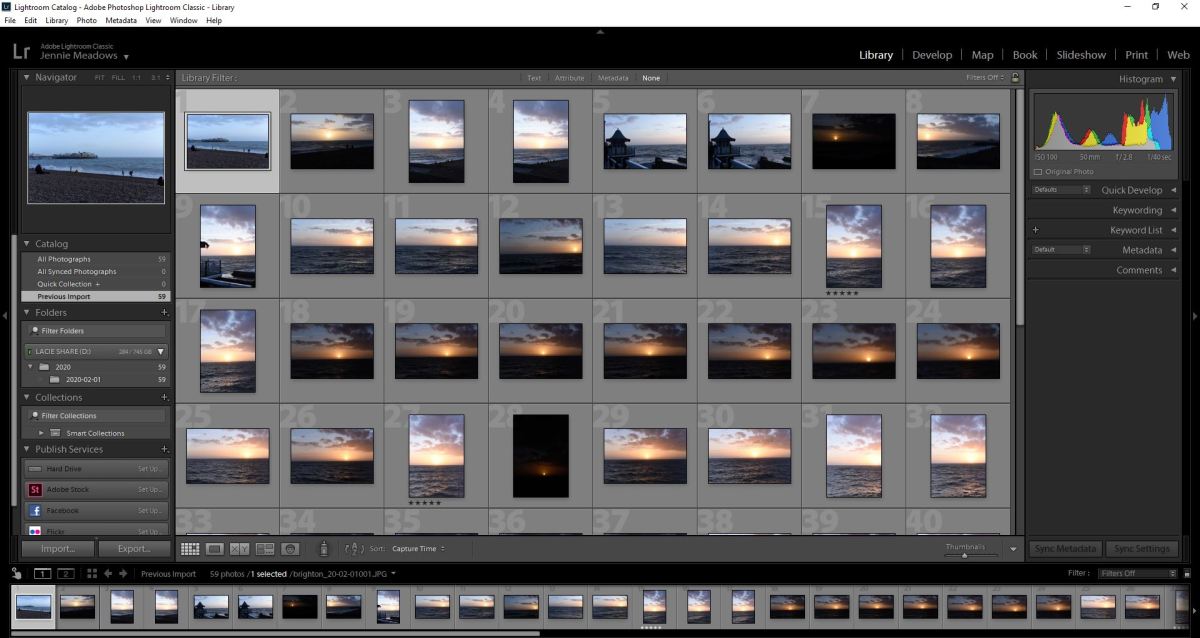
This is a programme that I am aware of and have access to, but have never used as part of my workflow. According to Adobe, it is ‘the essential tool for organizing, editing, and sharing your photography.’ Simon explained it was a mix of Adobe Camera Raw and Adobe Photoshop. He also outlined that, unlike the latter (which is a combination of functions that have just been added to and adapted over the years) Lightroom Classic was created in a logical way.
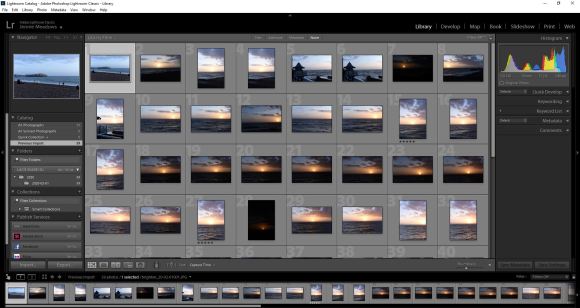
Lightroom_Brighton_20-02-01

I have to admit that the workshop was a bit of a blur for me, as this type of lesson doesn’t suit my kinesthetically learning style. I’ve also developed a workflow in processing my digital images over the last four years that I have got used to. Maybe it is time to try something new and, potentially, more effective and efficient. This will have to be addressed and assessed over the coming months.

As with all Adobe applications, there are online tutorials for both of these applications. I have found these to be very useful in the past. Now is the time to revisit them.
Design a site like this with WordPress.com
Get started