Categories
AGM62 Photography Research Project Stage 1 Posts

AGM62 Noel Myles 8 December 2020

There are centuries worth of modes of depiction that are not restricted to the single viewpoint, for photographers to inspect.

(Myles, N. 2020)
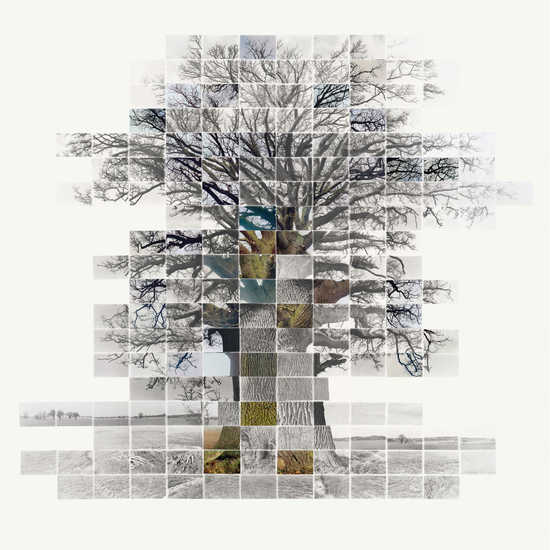
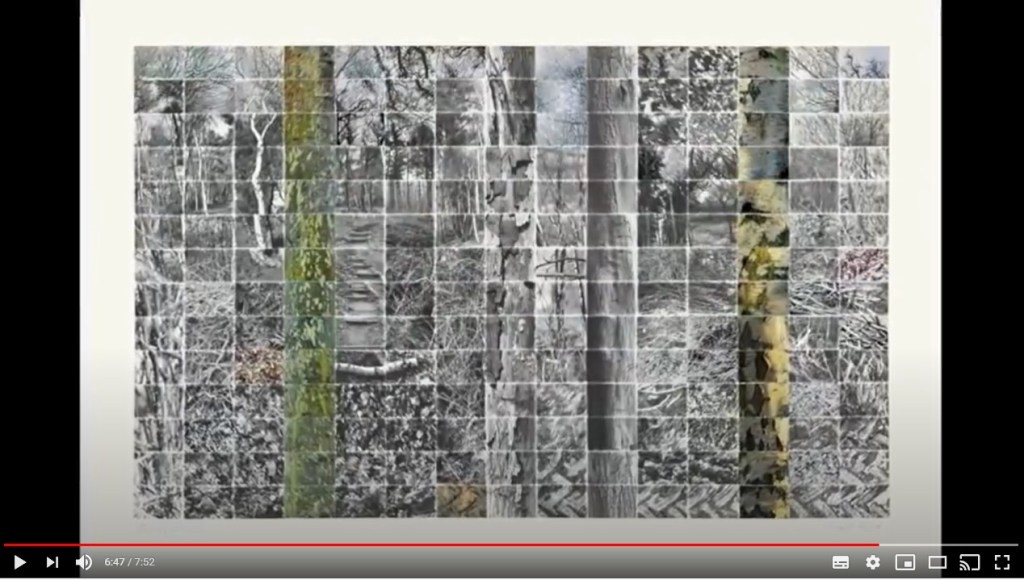
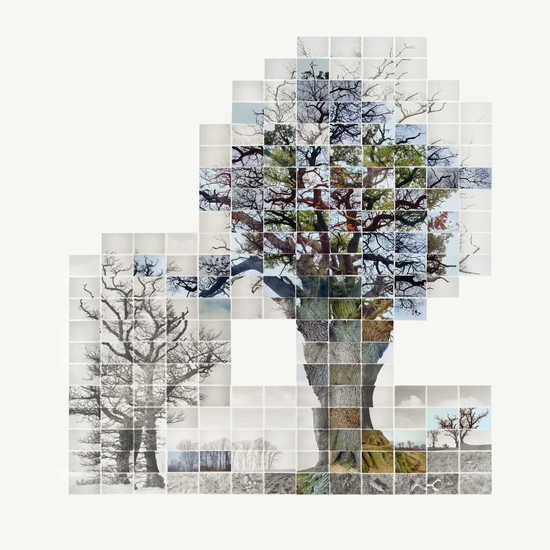
Figure 1

When investigating Noel Myles’ work further, I realised that there was more than just a passing affinity with my own practice. This was initially sparked by seeing the above image. I had first seen this as a reproduced, fully Black & White palladium print in Into The Woods. When I saw this version that features both colour and Black & White, I knew I had to dig deeper.

My initial findings are logged here:

AGM62 Compound Tree Photography 7 December 2020

In this video, Noel Myles discusses his work shown at the Minories Gallery in 2013.

The following are relevant transcripts and notes taken from this video:

“Single frame photographs don’t really depict our continuum of life and our sense of transition. I don’t feel that the static viewpoint and that fractional moment that might be comitance to the ‘decisive moment’ adequately conveys our experience of being alive. So I started to explore the pulling together of individual single frames taken over an extended period of time from several viewpoints.”

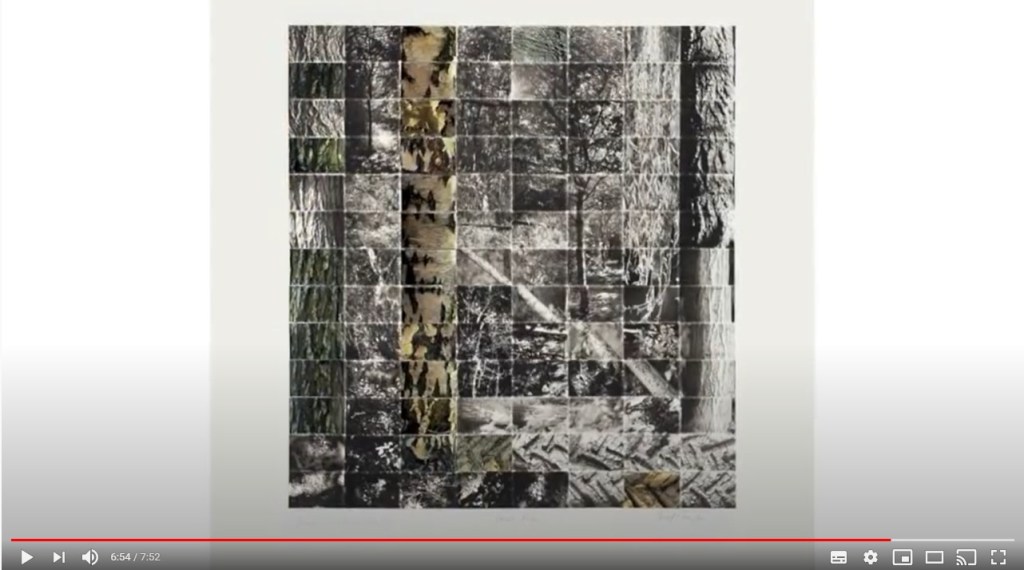
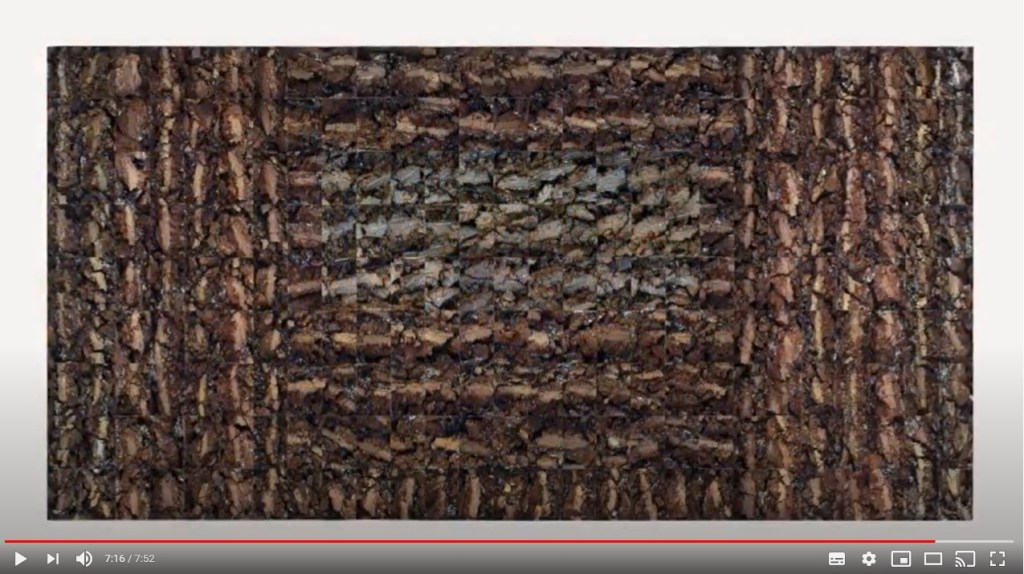
When discussing two composite images of the same tree using different images, Myles says that, by hanging them side-by-side, it shows:

“There is no definitive view, there’s no definitive composition: you can make as many versions and approaches as you like. And the more you look at these two, the more you see the differences.”

Myles continues with a further breakdown of the story behind these images:

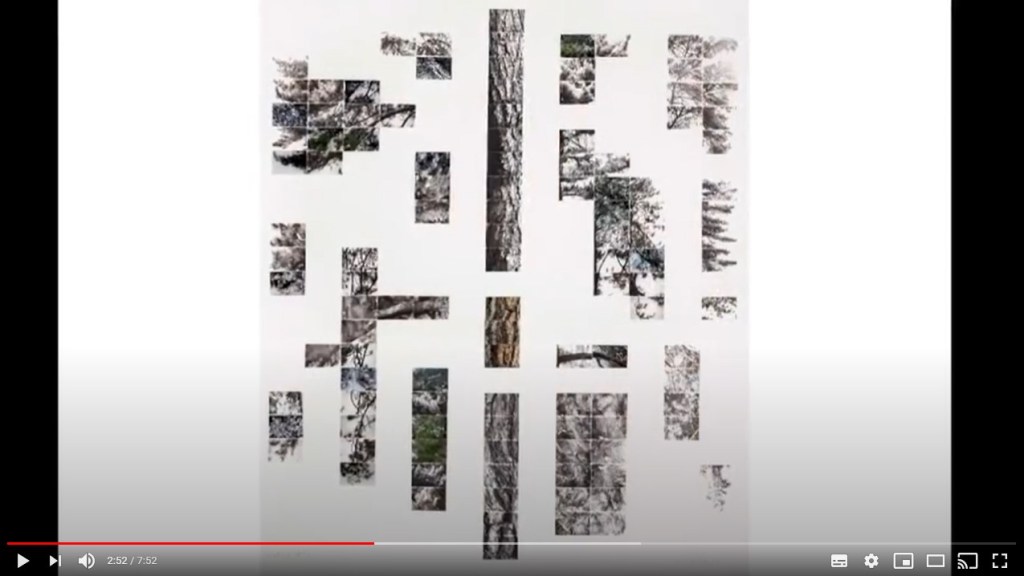
“They started life as palladium prints and what I wanted to do at that time was to break away from the rectangle, the rectangular photograph and, even in some cases, break out of the little individual rectangle.”
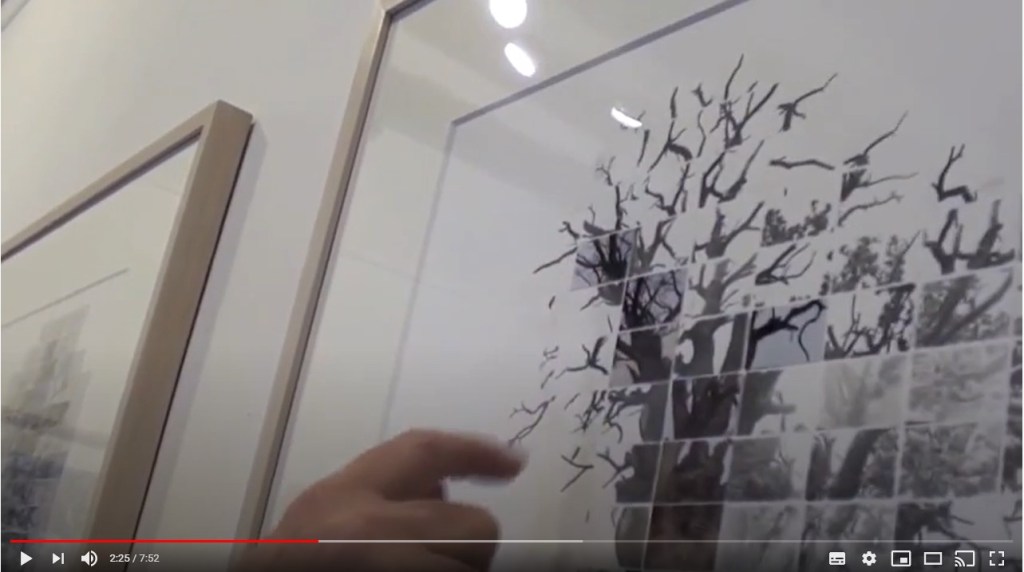
When looking at this image, Myles focuses on the details on the upper part of the piece to point out how the individual branches have broken the lines further. Myles states ‘why’:

“I was trying very had to break out of this normal rectangular framework.”

Myles then moves onto these three pieces in which the images have been split up.
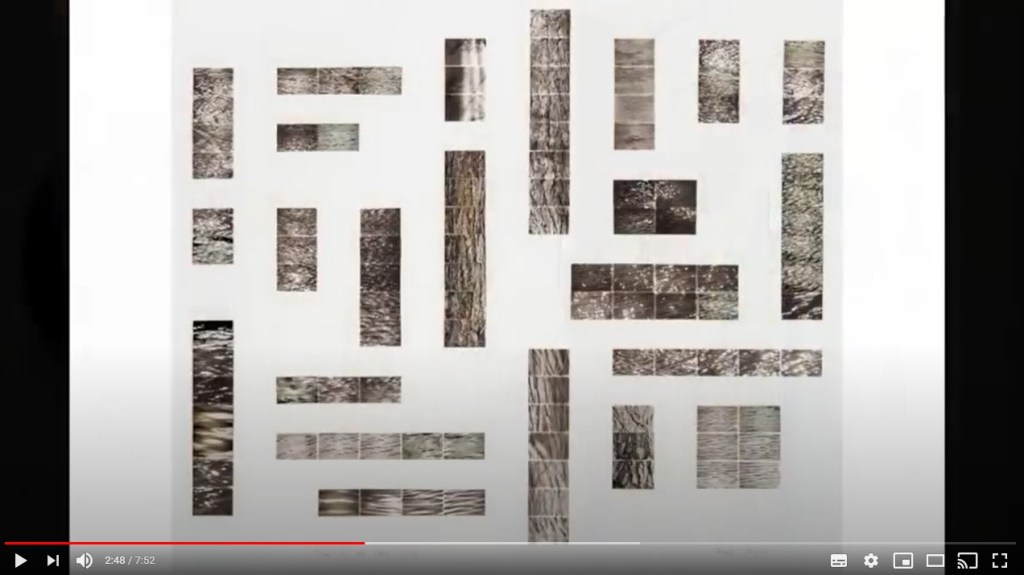
The reason behind it, Myles explains, is:

“To try to give a nod to the way the eye moves over a subject. Although the world is not broken up in our vision, we concentrate on certain aspects and half ignore what’s surrounding them. This is one of the motivations behind making these images. The other concern was to try to bring the image up to the surface of the paper to try and deny this recessive depth that you get with in most photographs. You sort of look ‘into’ and you look ‘down’ and I wanted to bring the image up to the surface and stay on the surface.”

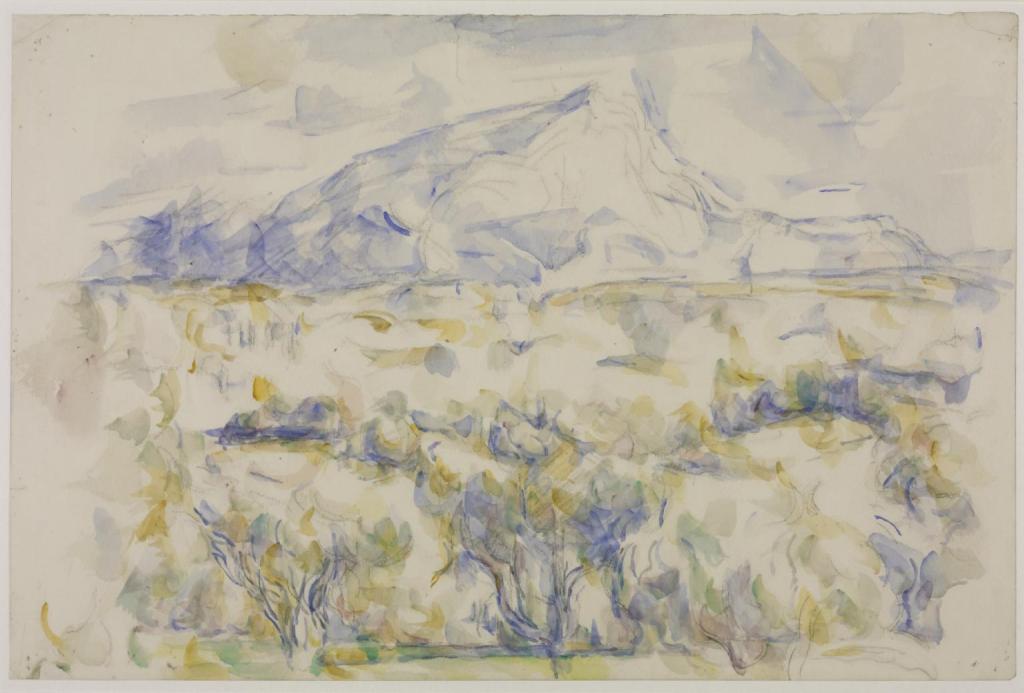
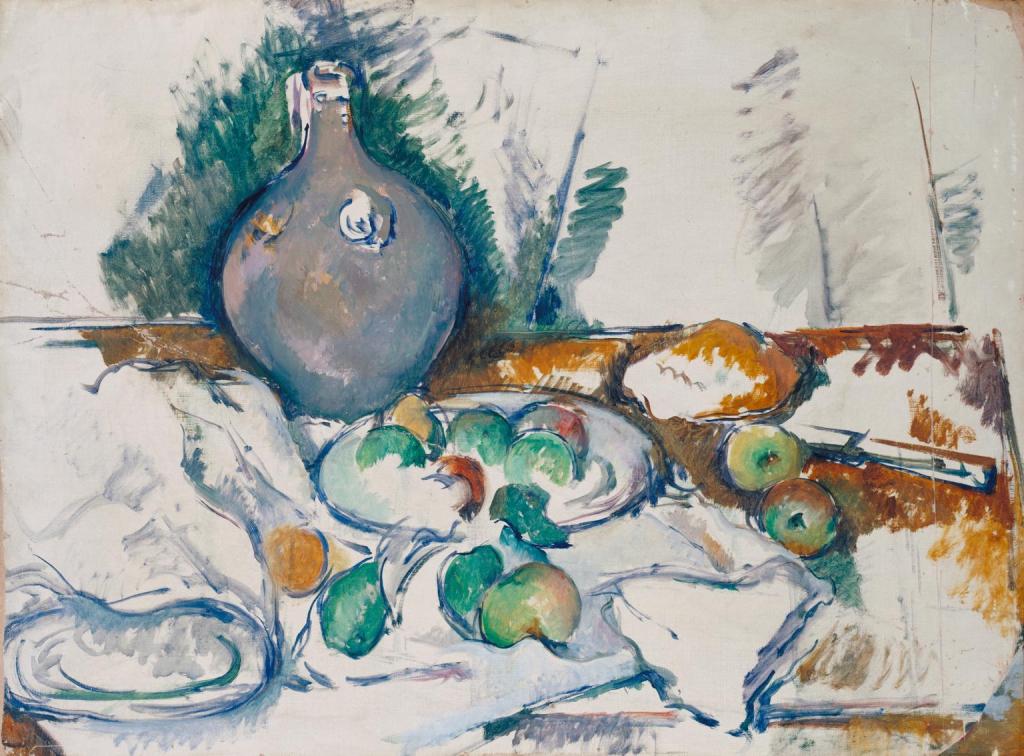
“I was also very much aware of one my strongest influences and strongest likes and loves was Cezanne’s watercolour paintings where there are just small, discreet areas of colour and pencil and large areas of white, and the white of the paper is the white of the Provencal light. They’re wonderful evocations of this intense light and it’s almost as if what he was just painting, the little bits of colour you would see, are what was going on in the shadows. These (images) refer to that.”
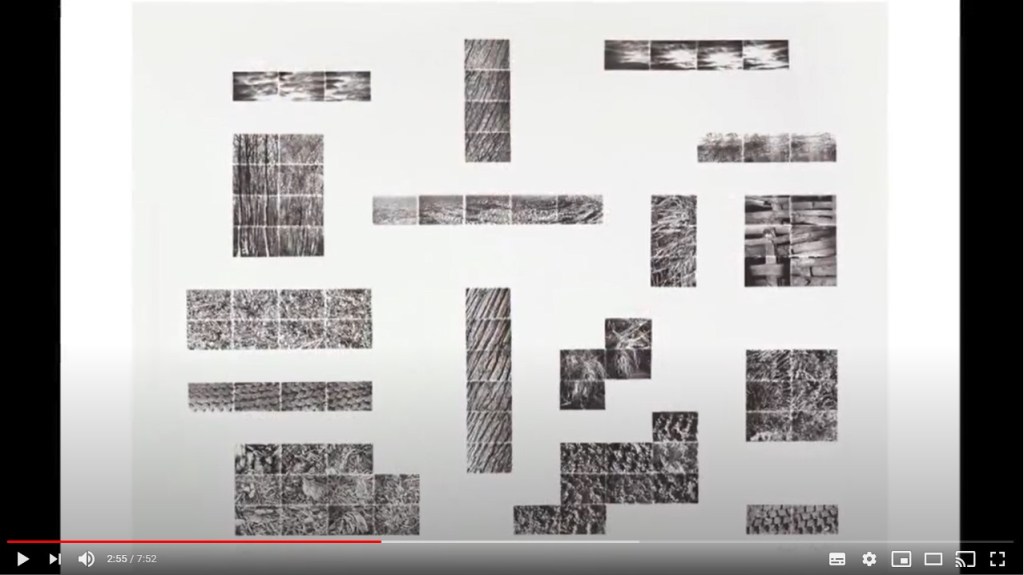
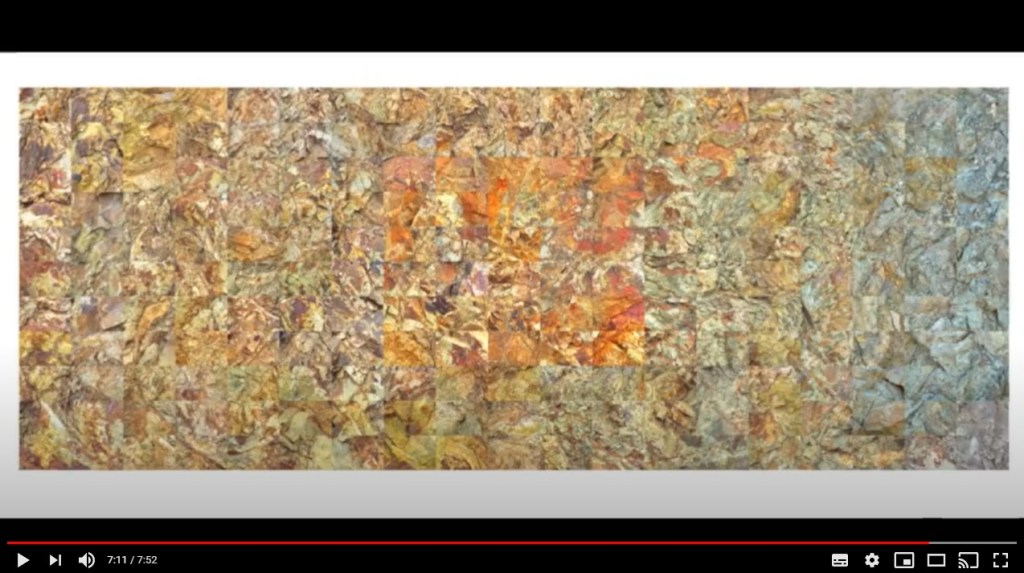
Myles then moves onto another compound image called ‘A Short Film of Rough Water’.
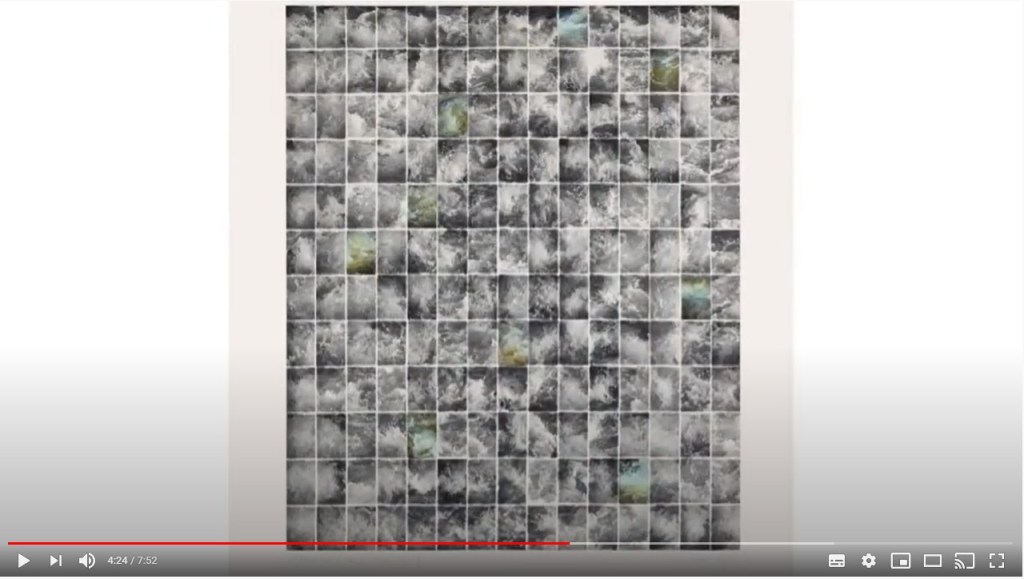
In the same way Myles photographs his trees by returning to the same one multiple times, he took these images of water from the same bridge over the River Stour. This is of another river, which was taken over a relatively short period of two days.
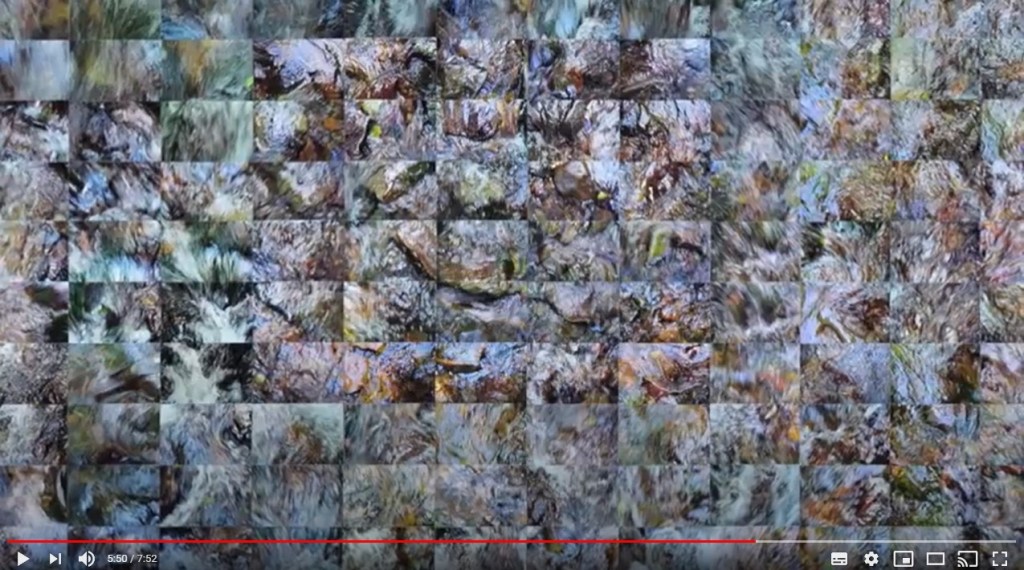
Myles explained that there is a central image, which was taken when the water was at its shallow-most point. This gives a ‘central weight’ to the image. Myels then ‘builds’ two ‘wings’ (one either side) coming out from this central point, a method that he has used in many of his pieces.

With this work, Myles is questioning ‘what constitutes a photograph as depicting landscape and how varied that depiction can be’.

This video ends with showing further examples of Myles’ compound photography work.
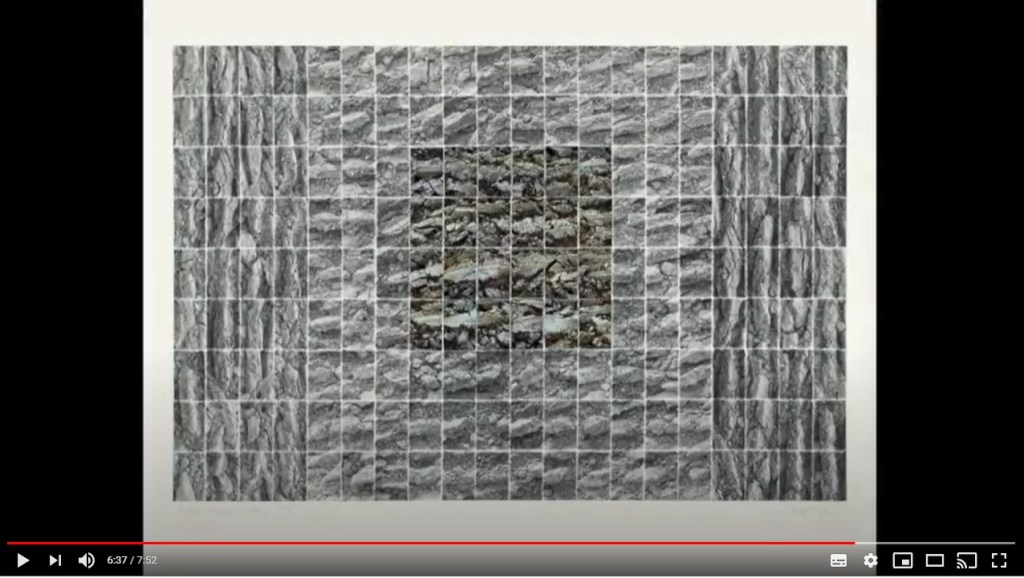
To give a deeper understanding, this an extract from Reframing Photography written by the photographer regarding his Still Films series:

The challenge I faced with photography was that the instantaneous static viewpoint, provided by the camera’s lens and shutter, didn’t represent the continuous flow of the act of looking. It seemed as if the still photograph had been held back to the level of the dictionary; the single word. It was the visual equivalent of overlooking the potential to link words to convey ideas and meaning. I couldn’t accept the notion of an isolated, decisive moment being capable of encapsulating our experience of life.

I photograph whatever catches my eye; accumulating this material over hours, days or weeks.   Several visits might be made to the same location. I think of these frames as the components of the photograph, not photographs themselves. The creative part of the process takes place in the studio, away from the camera. I look for formal qualities of line, tone, texture and colour, as well as subject matter, to link the individual units. The composition evolves by adding and removing; searching for harmonious connections. I have worked with both negatives and prints. The negatives were exposed onto a single sheet of platinum and palladium paper. Recently, I have added colour contact prints to earlier palladium photographs; in some cases photographing the same tree a decade later.

It seems to me that photographers have largely adhered to the pictorial conventions that prevailed at the time when photographs were first made permanent. I am surprised that when painters broke away from following renaissance laws of perspective at the end of the 19th century, photographers didn’t go with them. It makes no sense to say photography liberated painters to explore new modes of depiction. It is worth noting the first exhibition of Cezanne’s watercolours in America, was held in Stieglitz’s own gallery, ’291’ in 1911 but seemed to have had little influence on photographers. There are centuries worth of modes of depiction that are not restricted to the single viewpoint, for photographers to inspect.  

Perhaps it’s true that good photographs are made, not shot, taken or captured. The task for photographers is to transcend the mirrored anecdote to reveal significance in our surroundings that makes us pause for thought. Perhaps it’s always been this way. I think of my own work as exploring the territory between still photography and moving image, hence the umbrella title ‘Still Films’. My reference points are within painting, not photography. I find constant stimulus in Cezanne’s watercolours, Cubism, Romanesque art and Rothko’s painting.

At the time of writing, I was still processing the information I had discovered. I knew I would have to let it simmer, reread it then see what would result.

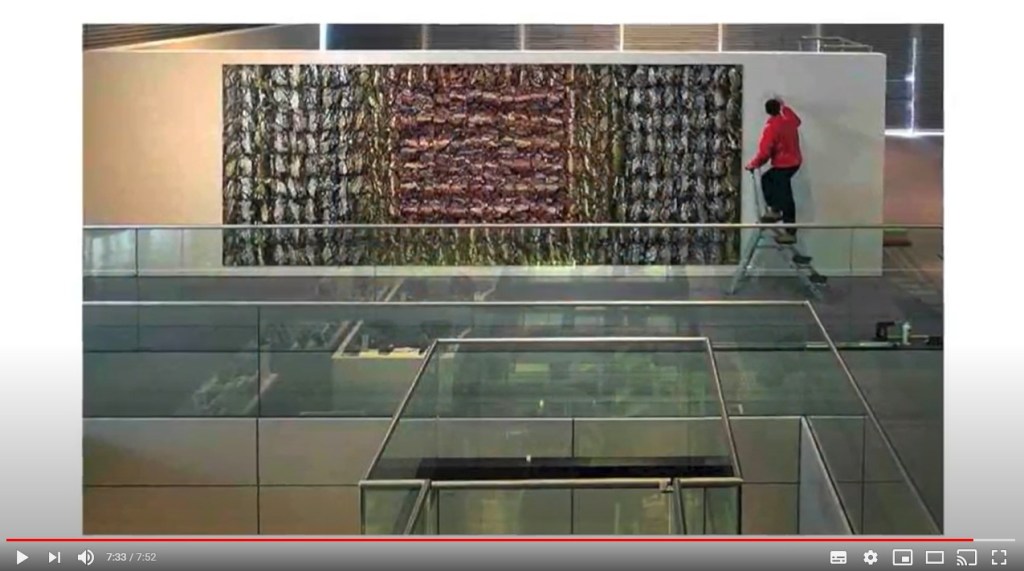
After posting this entry, I came across the following video featuring Myles and the collage piece he created while Artist in Residence at ITN.

Images

Figure 1: Noel Myles, Still Film of an Oak at Wormingford No 7, 2011

Figure 2: Montagne Sainte Victoire 1905-6 Paul Cezanne 1839-1906 Bequeathed by Sir Hugh Walpole 1941

Figure 3: Still Life with Water Jug c.1892-3 Paul C?zanne 1839-1906 Bequeathed by C. Frank Stoop 1933

References

Shaw-Miller, L., 2020. Noel Myles: Joining At The Edge :: September 2012 :: Cassone. [online] Cassone-art.com. Available at: <http://www.cassone-art.com/magazine/article/2012/09/noel-myles-joining-at-the-edge/?psrc=photography-and-media&gt; [Accessed 11 December 2020].

Myles, N. Youtube.com. 2020. [online] Available at: <https://www.youtube.com/watch?v=s0XVBoywgWQ&gt; [Accessed 8 December 2020].

Noel Myles – Artist in Residence at ITN. Youtube.com. 2020. [online] Available at: <https://www.youtube.com/watch?v=lDwPiAzWIdo&gt; [Accessed 11 December 2020].

Noel Myles | Reframing Photography. [online] Reframingphotography.com. Available at: <https://www.reframingphotography.com/resources/noel-myles&gt; [Accessed 7 December 2020].

Tate. 2020. Paul Cézanne: An Exhibition Of Watercolours – Exhibition At Tate Britain | Tate. [online] Available at: <https://www.tate.org.uk/whats-on/tate-britain/exhibition/paul-cezanne-exhibition-watercolours&gt; [Accessed 9 December 2020].
Tate. 2020. ‘Still Life With Water Jug’, Paul Cézanne, C.1892–3 | Tate. [online] Available at: <http://www.tate.org.uk/art/work/N04725&gt; [Accessed 9 December 2020].
Categories
AGM62 Photography Research Project Stage 1 Posts

AGM62 Bushy Park Hawthorns 1 December 2020

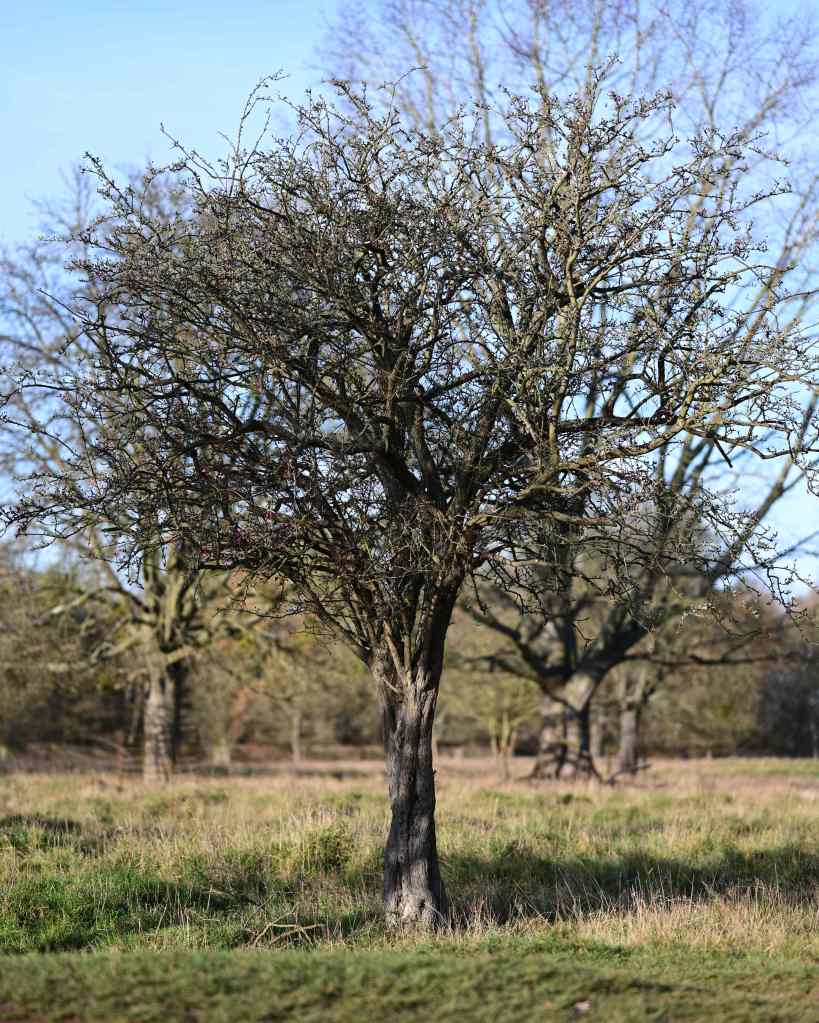
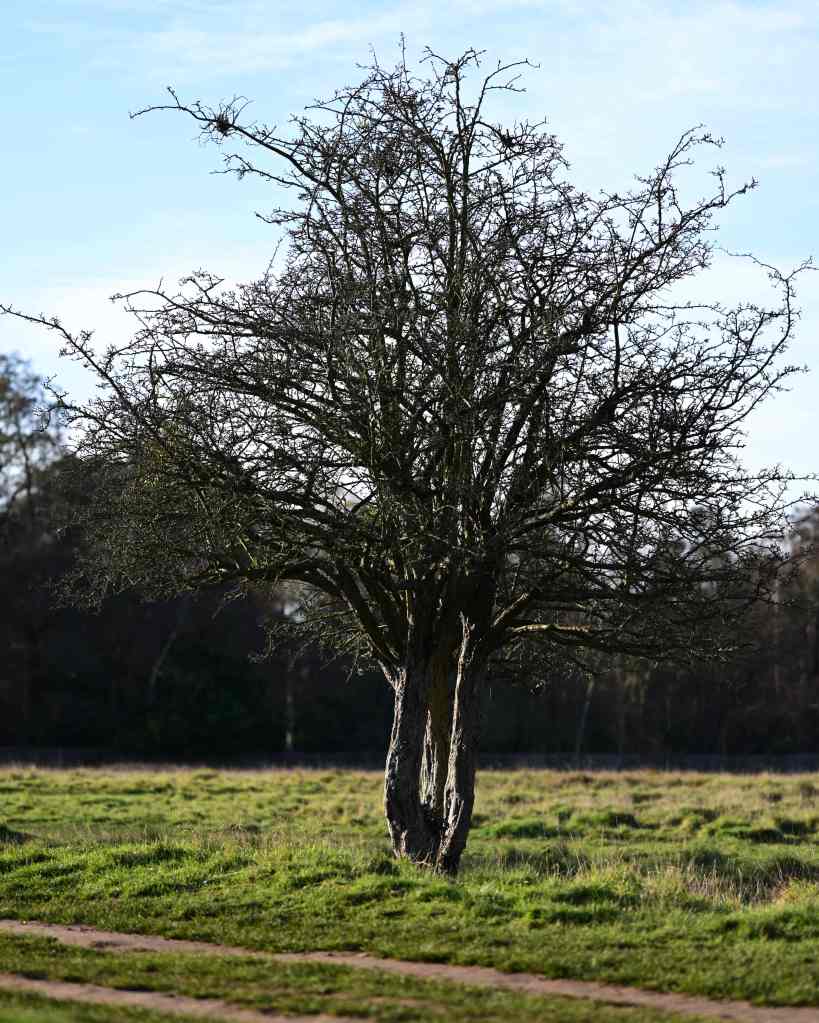
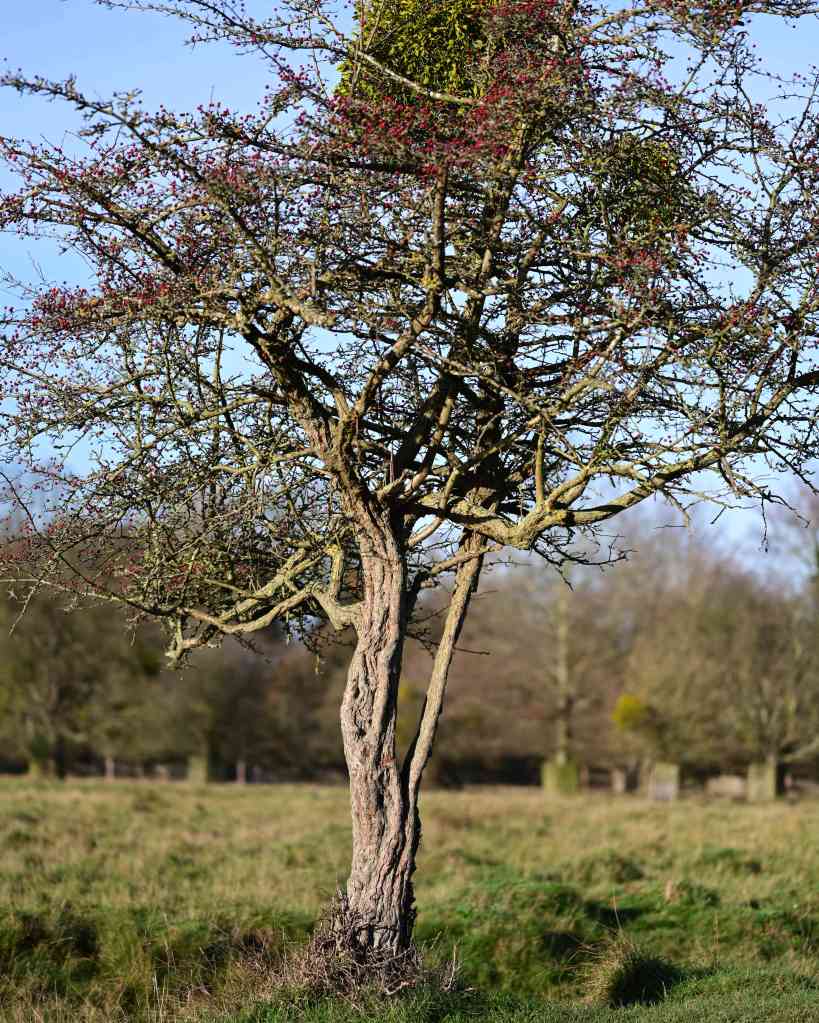
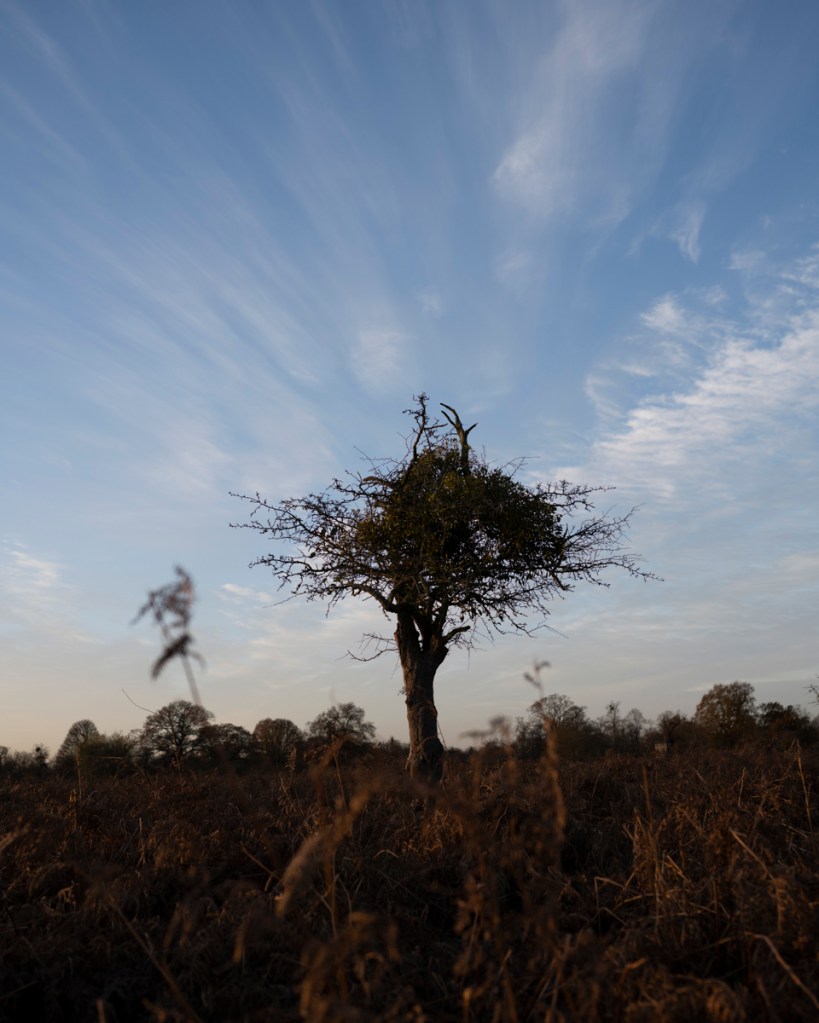
With a day of sunshine forecast, this was the time to get up early and catch the light. I also wanted to try out the 5:4 aspect ratio instead of my usual 3:2. My intention was to follow the tips outlined by Tony Sweet, Elliot Hook and Lindsay Silverman.

Sunrise was due at 7.45am, so I got to the park at 7.30am. This enabled me to both see and experience just how slow the light came up. It also made me look for the light’s direction and how it lit up my subjects and the environment.

My intention was to tryout the 85mm lens. I had returned the 105mm lens to its owner who assured me I could achieve a similar effect with the 85mm. However, I had made the mistake of not checking and packing my kit the night before. The camera had the 35mm lens on it. Annoying, but it would take me about 40 minutes to get the other lens and return to the park in time for the light.

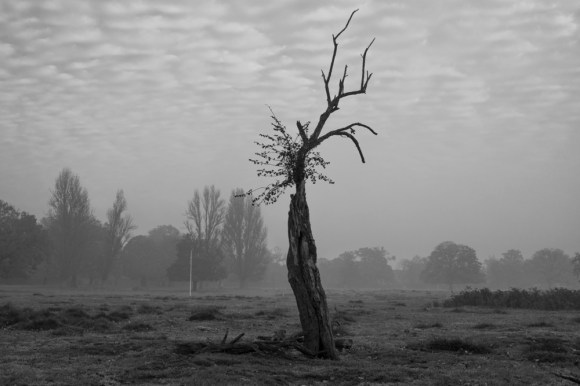
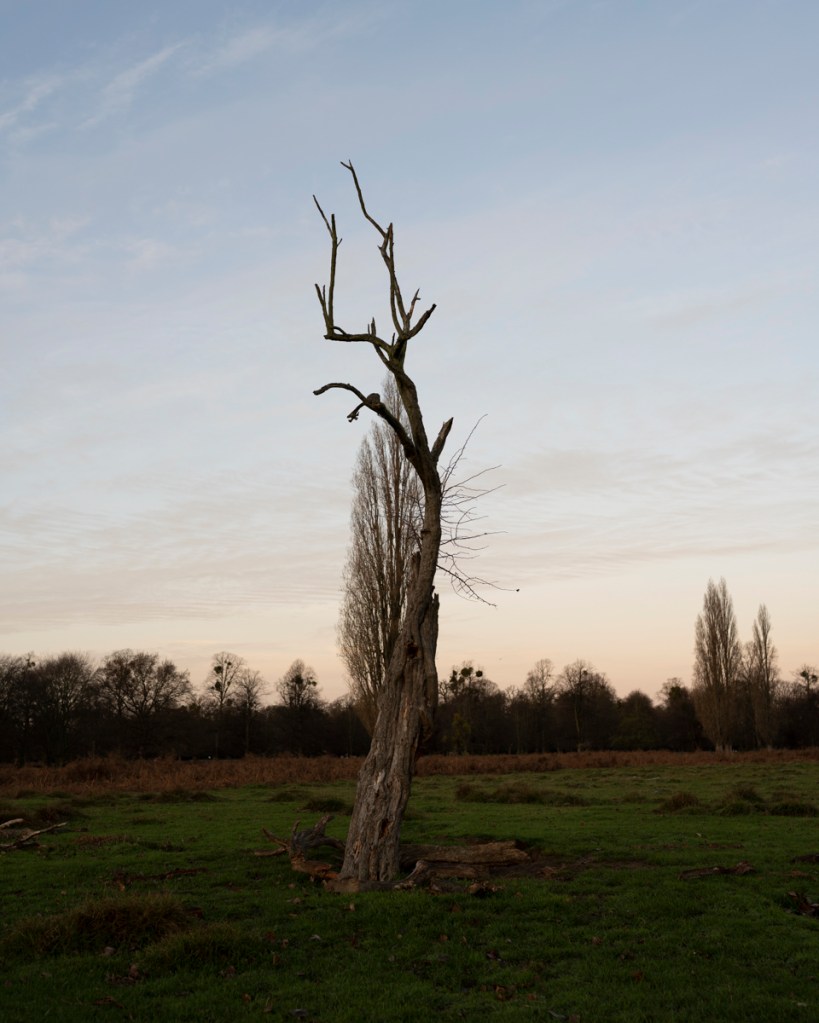
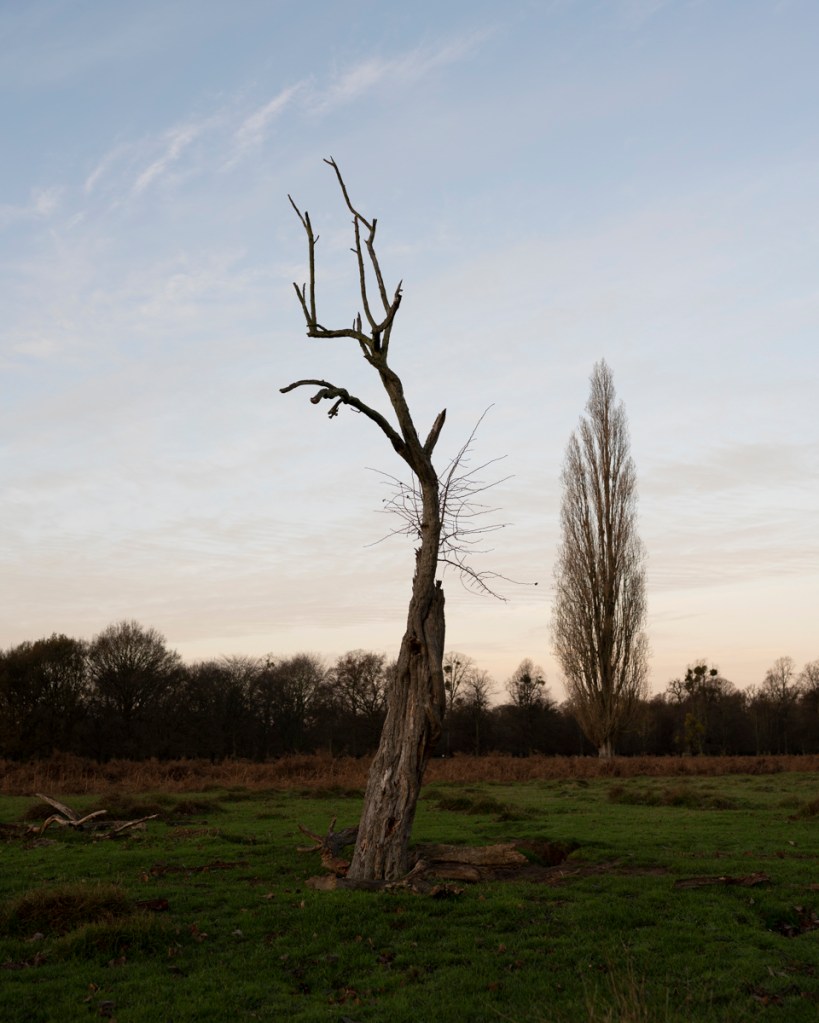
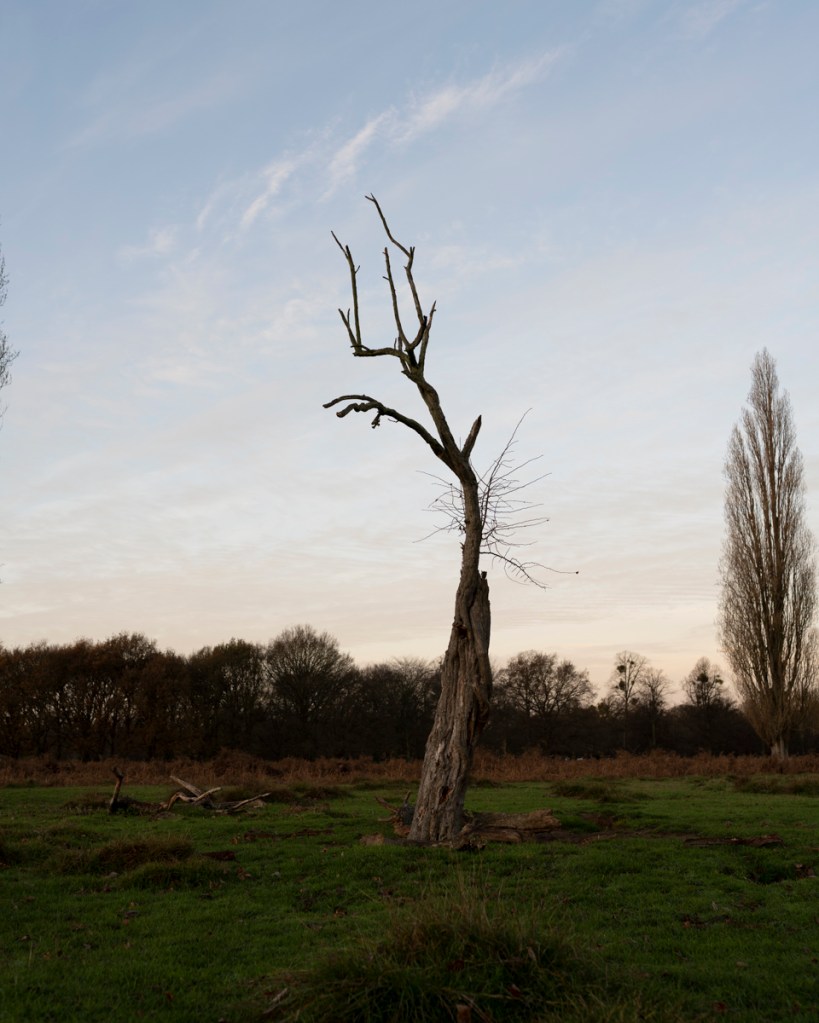
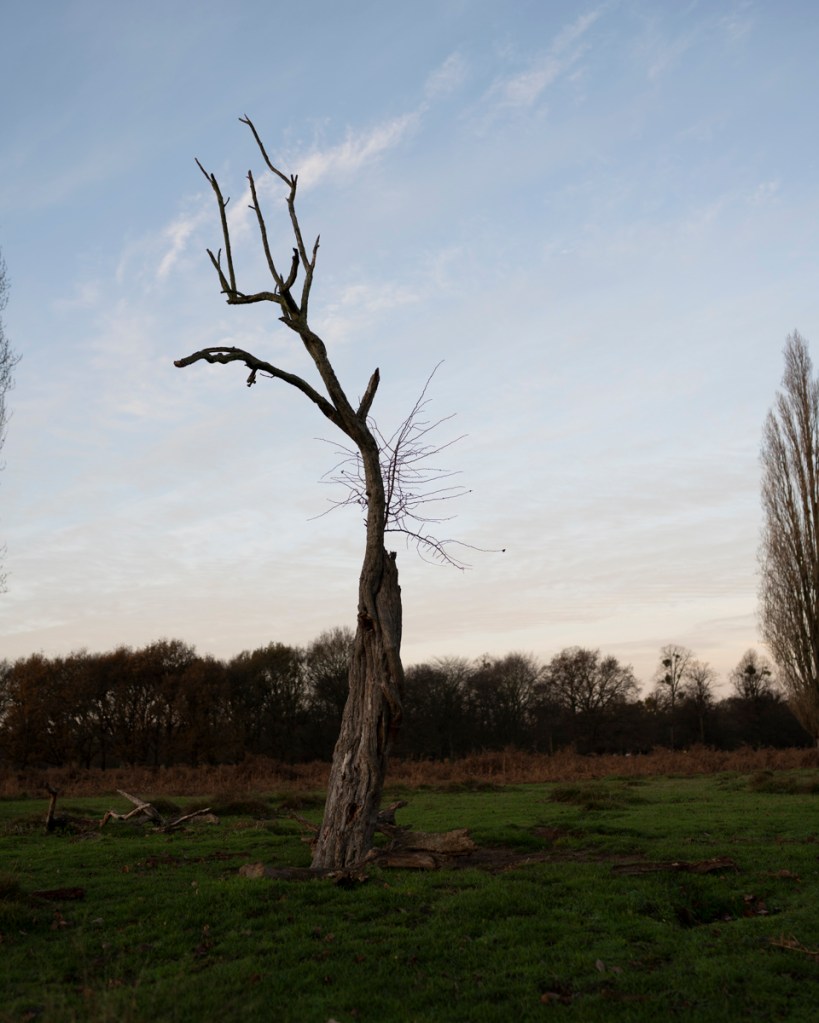
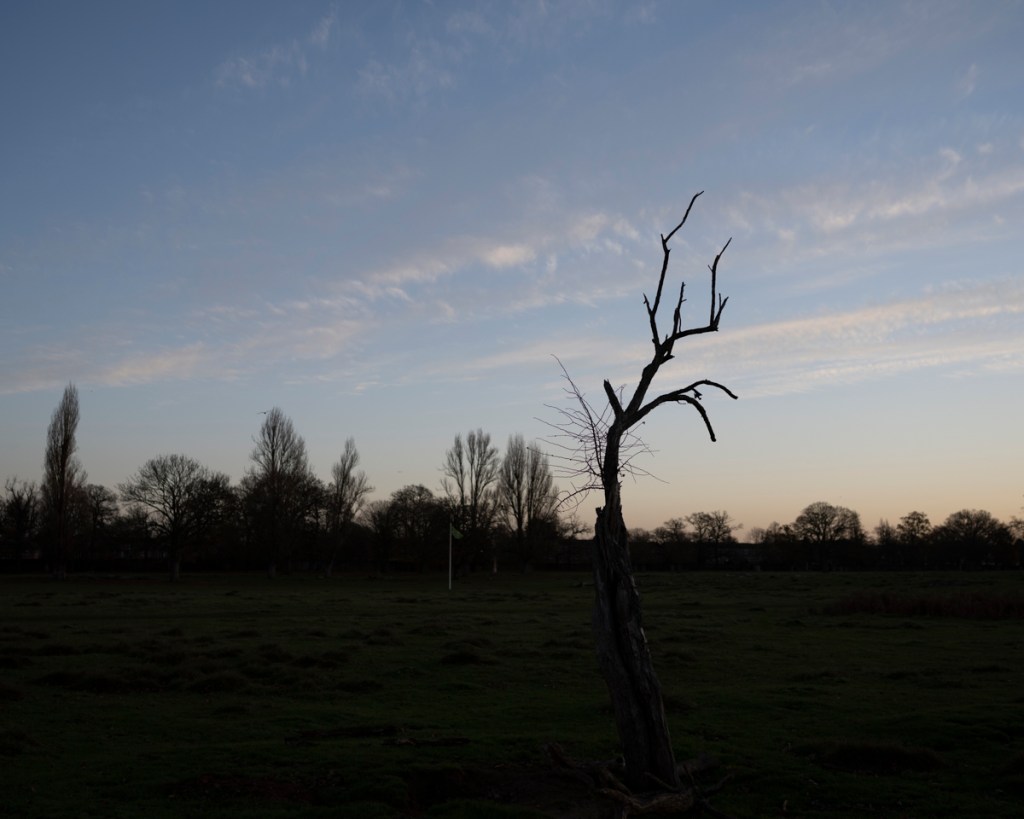
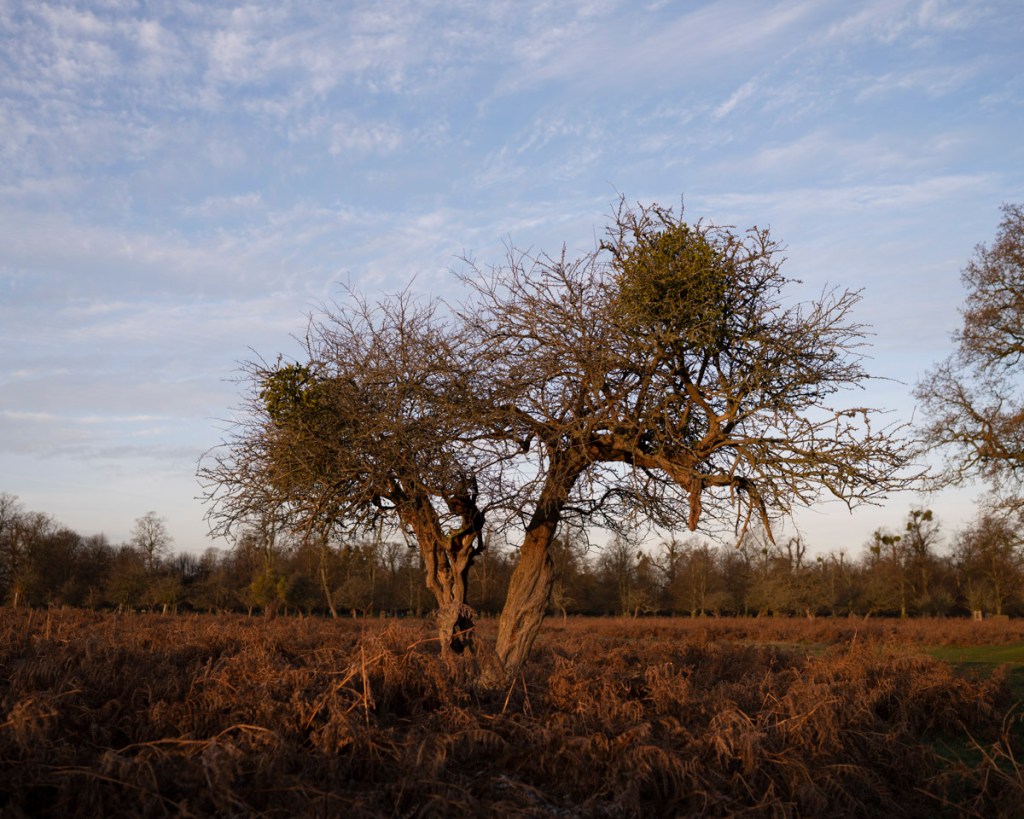
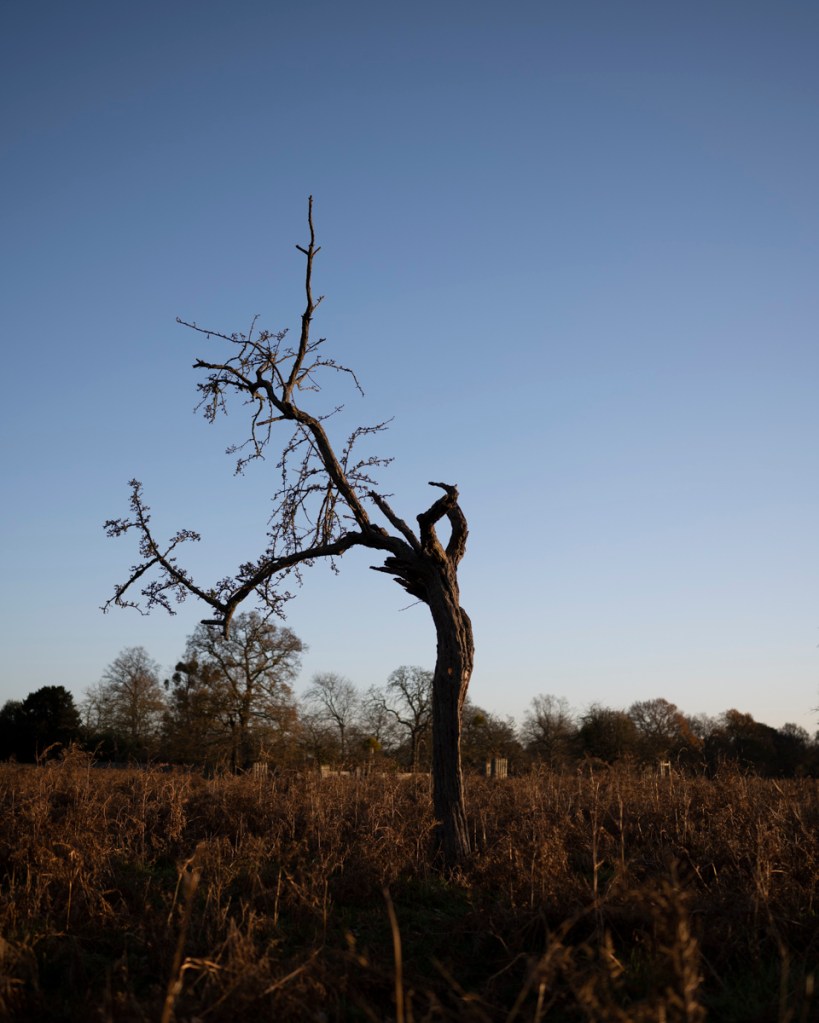
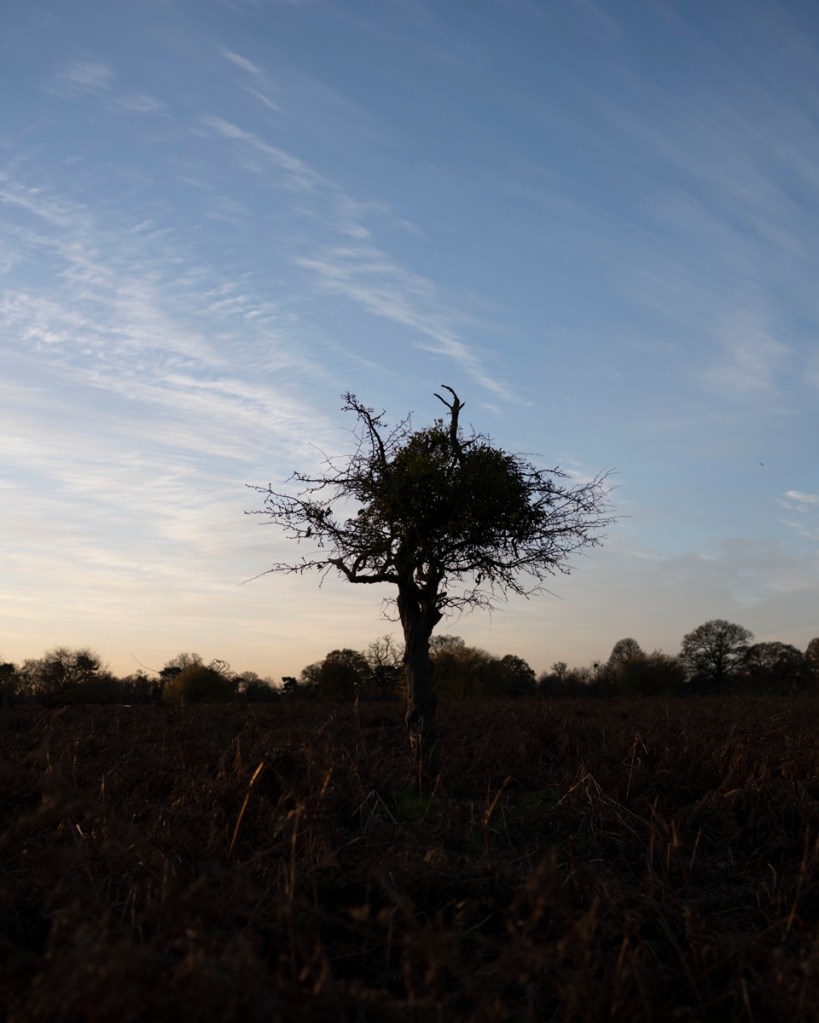
I decided to go to Teddington Gate and start with this tree below. The last time I was in the park on 27 November, there was a large herd of deer near to the tree so this could be the time to capture it from a different angle.

35mm Images – 5:4 Aspect Ratio

These images were taken between 7.41am and 7.50am. The light was still caught behind the trees behind me at this time.

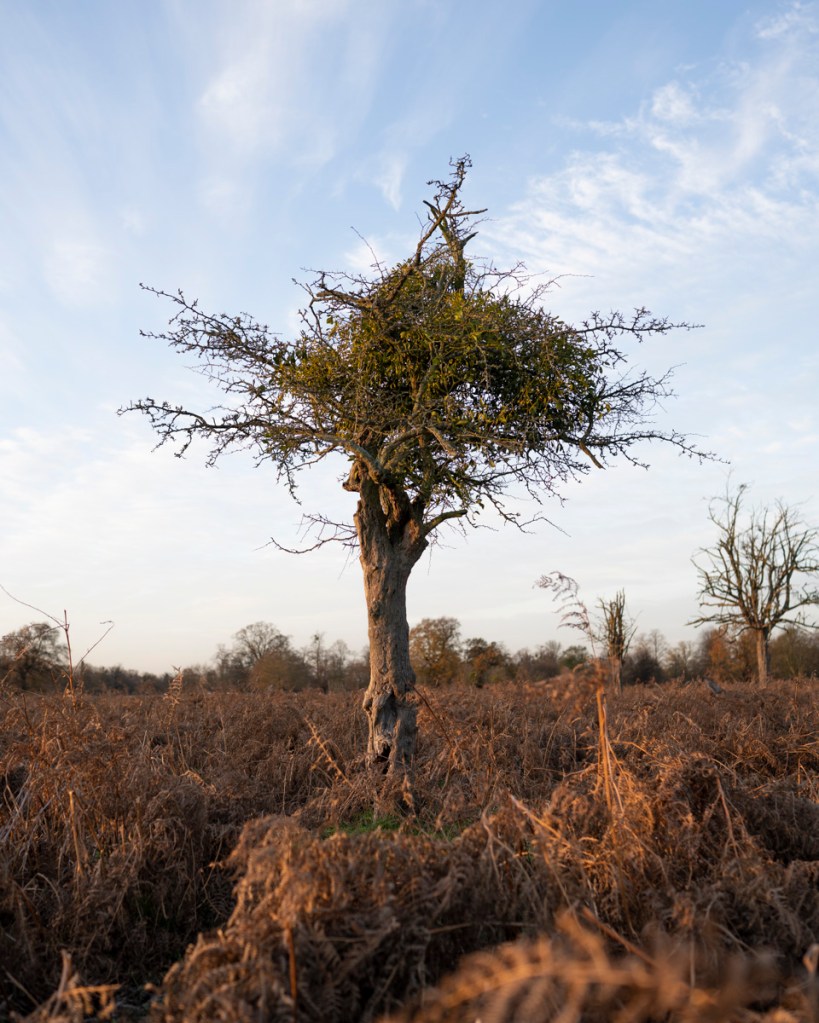
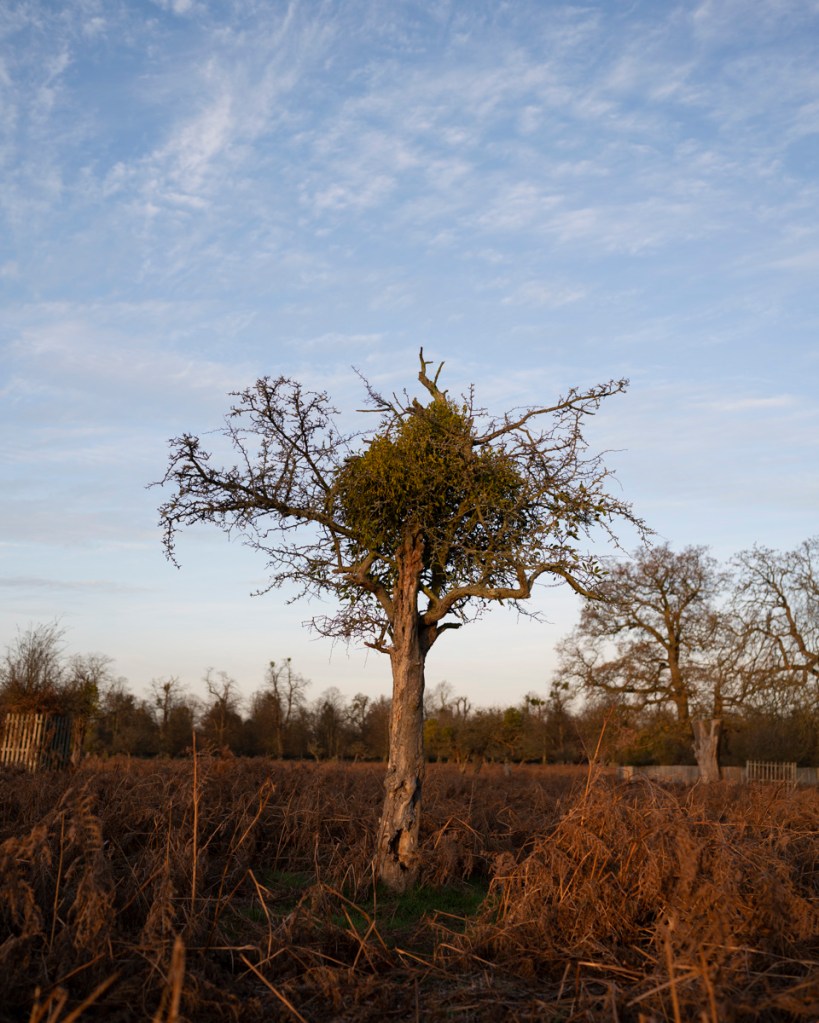
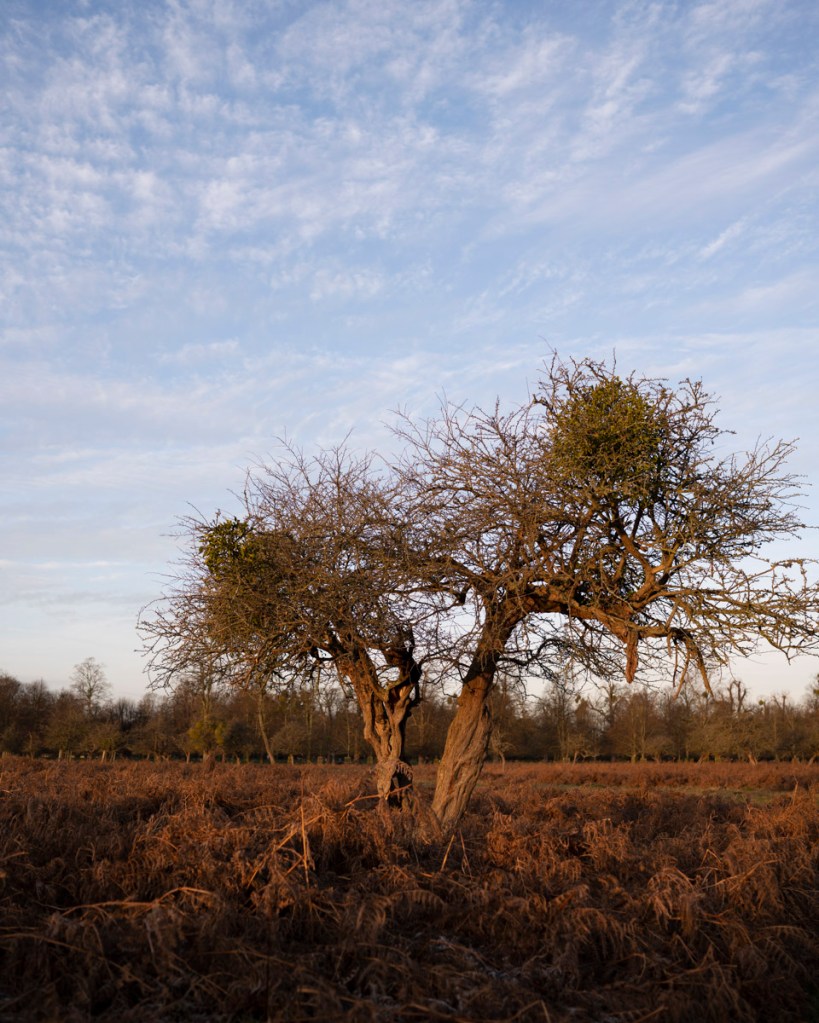
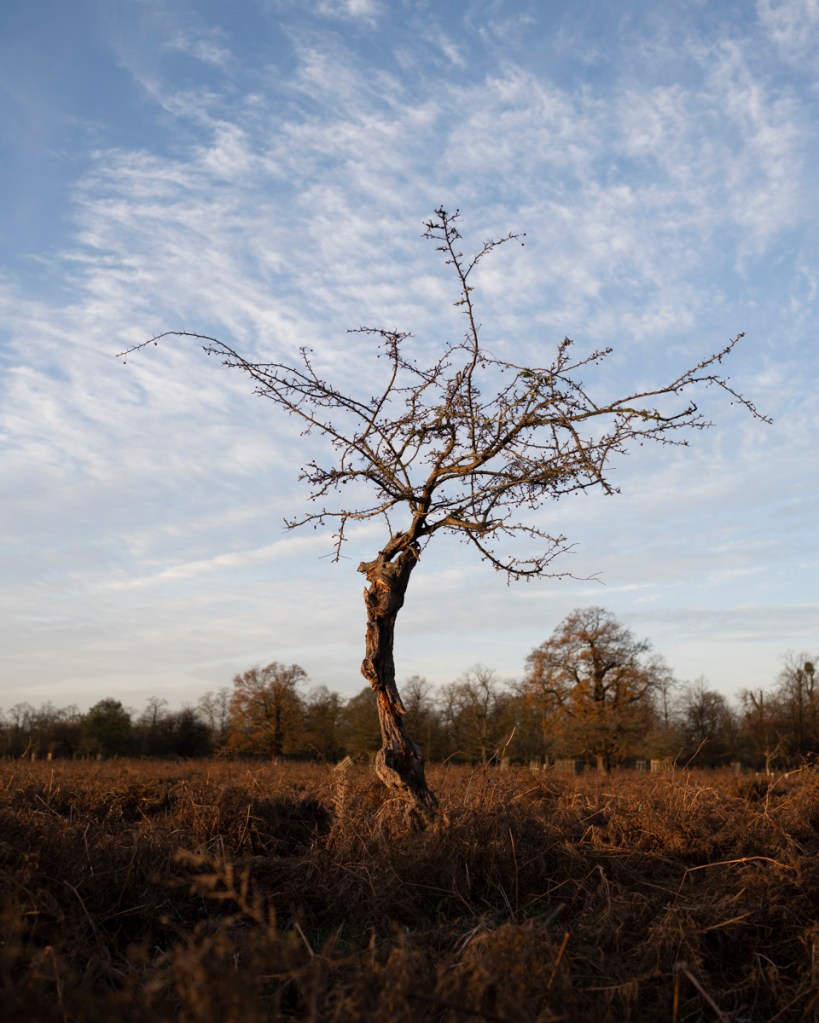
Admittedly, I was finding it difficult to get the composition and angle I was looking for. Realising I was in need of a bit of a warm up (photographically and corporeally) I walked to the patch of hawthorns on the left of Hawthorn Lodge.

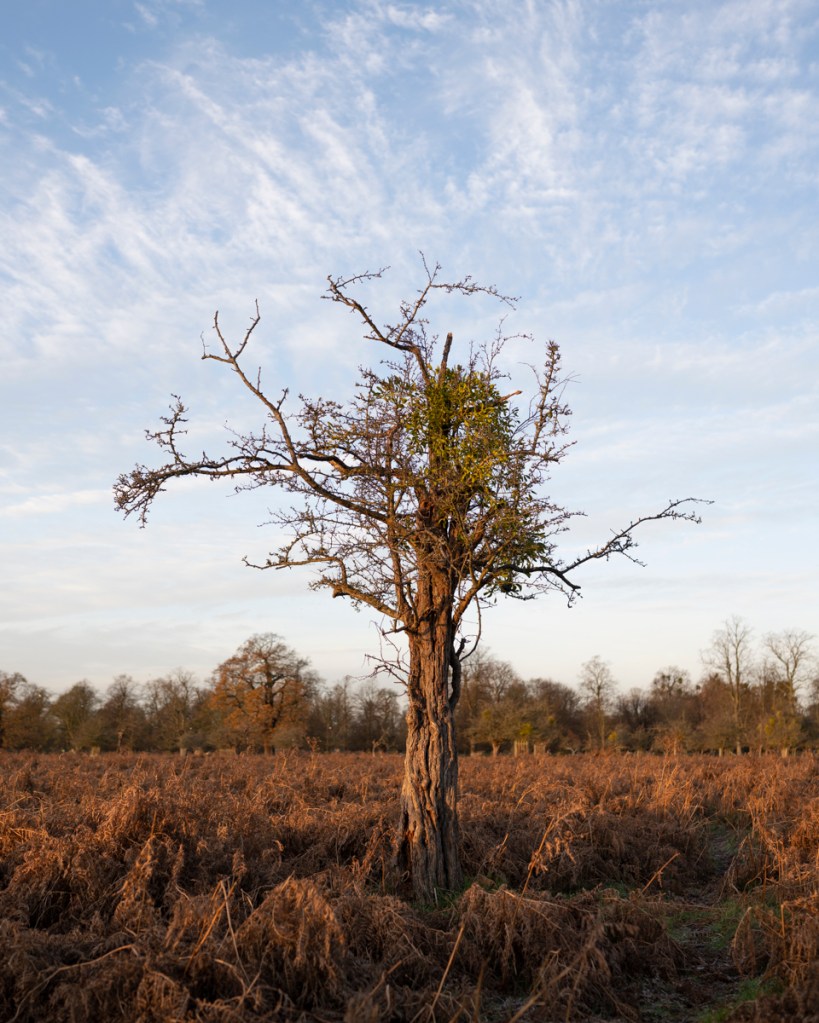
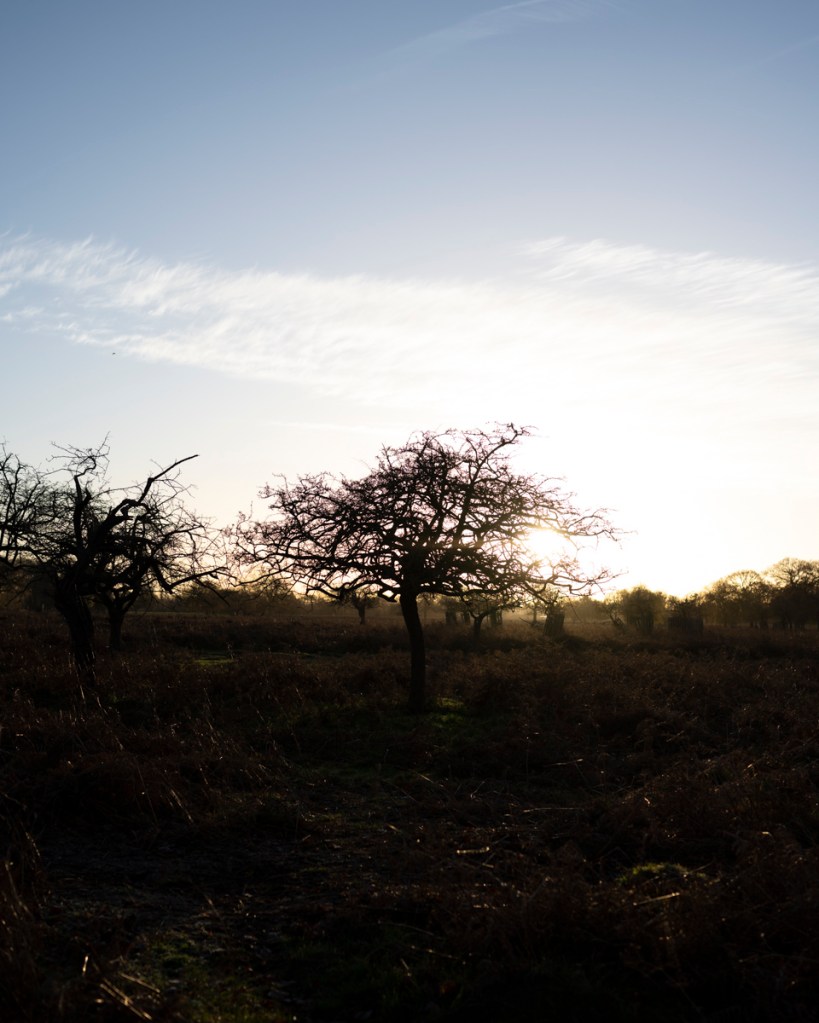
The sun was gradually coming up and I took the following shots at 8.00am.

My patience was rewarded a minute later when the sun finally showed its glory.

The light was stunning – it gave a coppery glow that lit up the ferns beautifully. Again, I was having difficulty in getting low enough with the camera to get the angle I was looking for and being able to see the display screen.

These are the two images I think work best (both have been rough edited in Camera Raw. What does need work is aligning the horizon line. I was using the 4 x 4 grid that can be shown on the display screen to help with composition. So that there would be uniformity, I aligned the top of the ferns with the bottom third line as a guide. This seems to provide a good ratio of foreground, subject, background and sky.

When I shared these two shots with my classmate, Mark, he made the following comments:

“I like the way the sun is coming from the side. I think the second image works. Also, if you didn’t know, they could have been taken on safari. I would try to keep then looking the same in the frame so it doesn’t give the viewer the feeling of ‘bouncing’ in and out. Great shots!”

Will take these on board!

By this time, I was itching to use the 85mm and the light was beginning to get a bit harsh.

The decision was made to return home the return to the park with the 85mm.

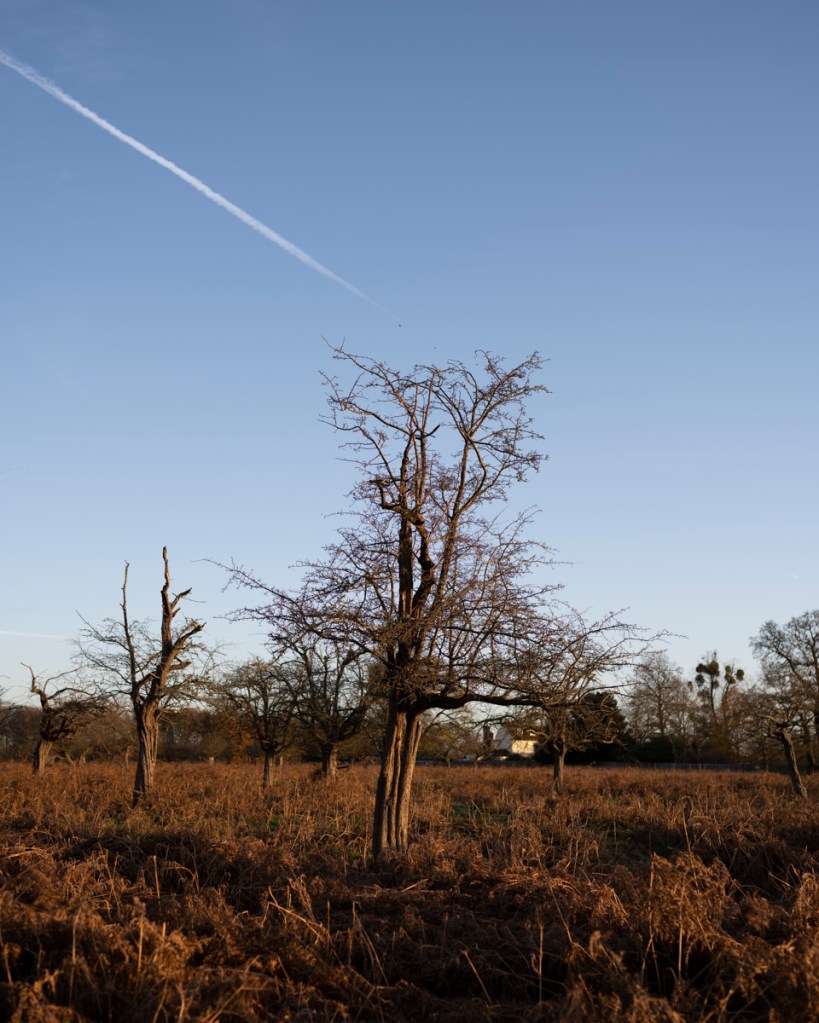
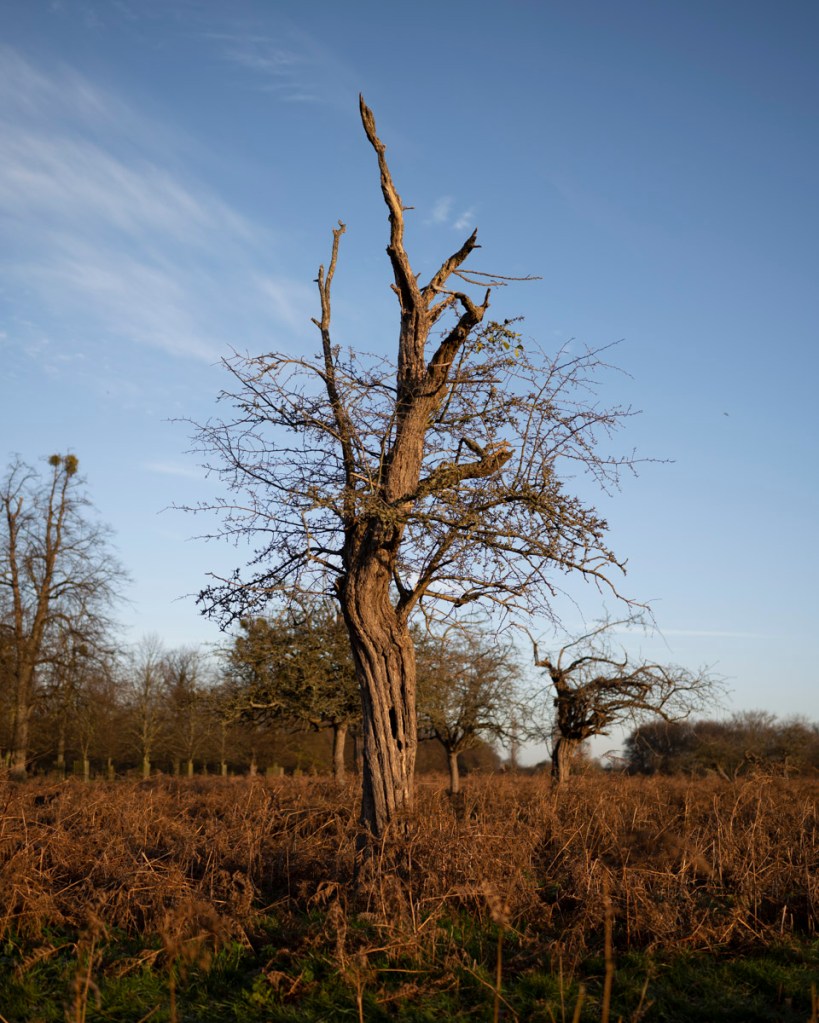
85mm Images 5:4 Aspect Ratio

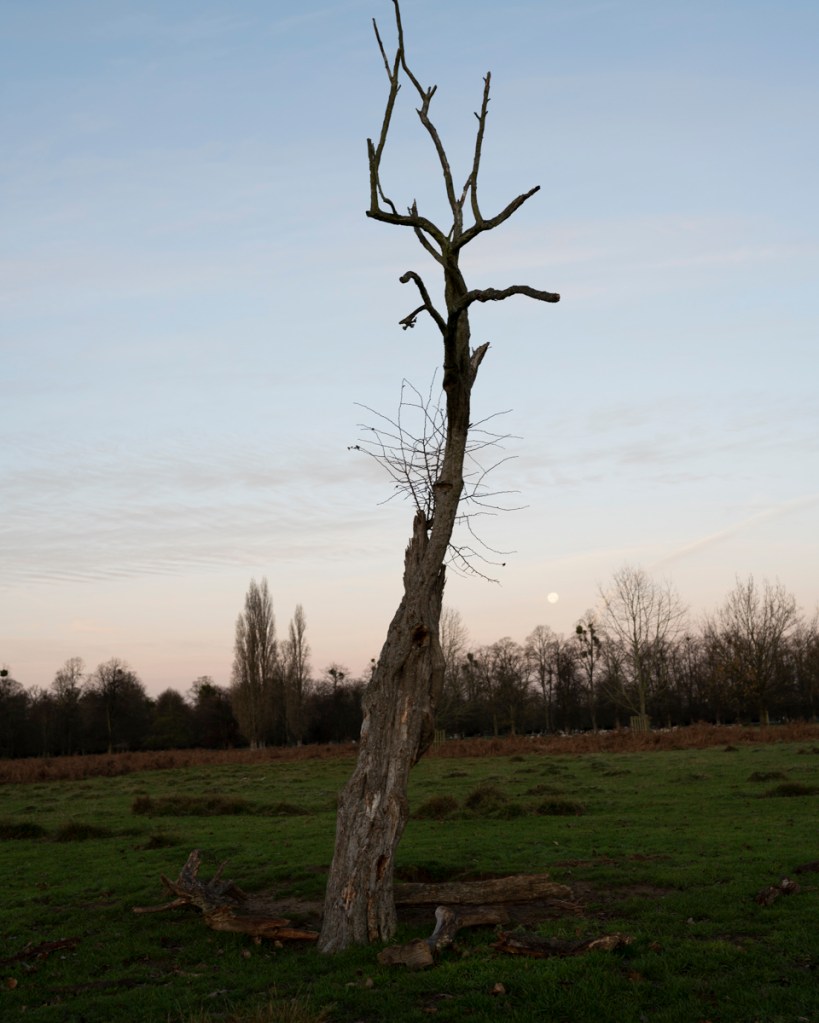
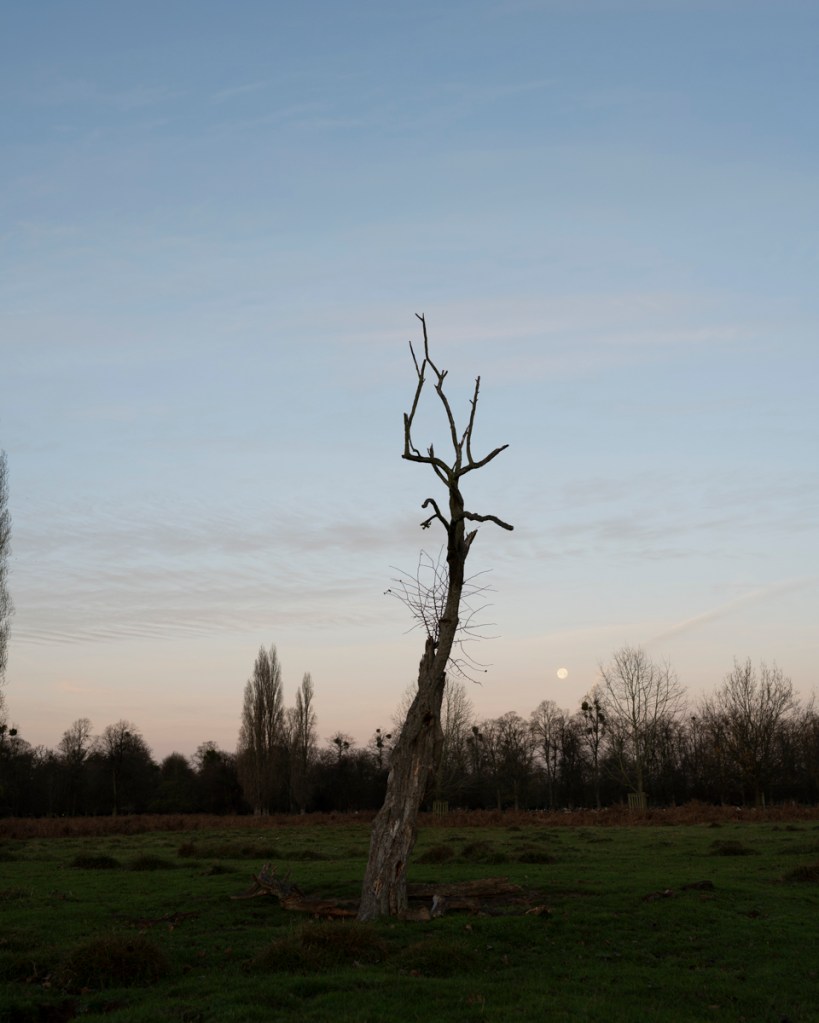
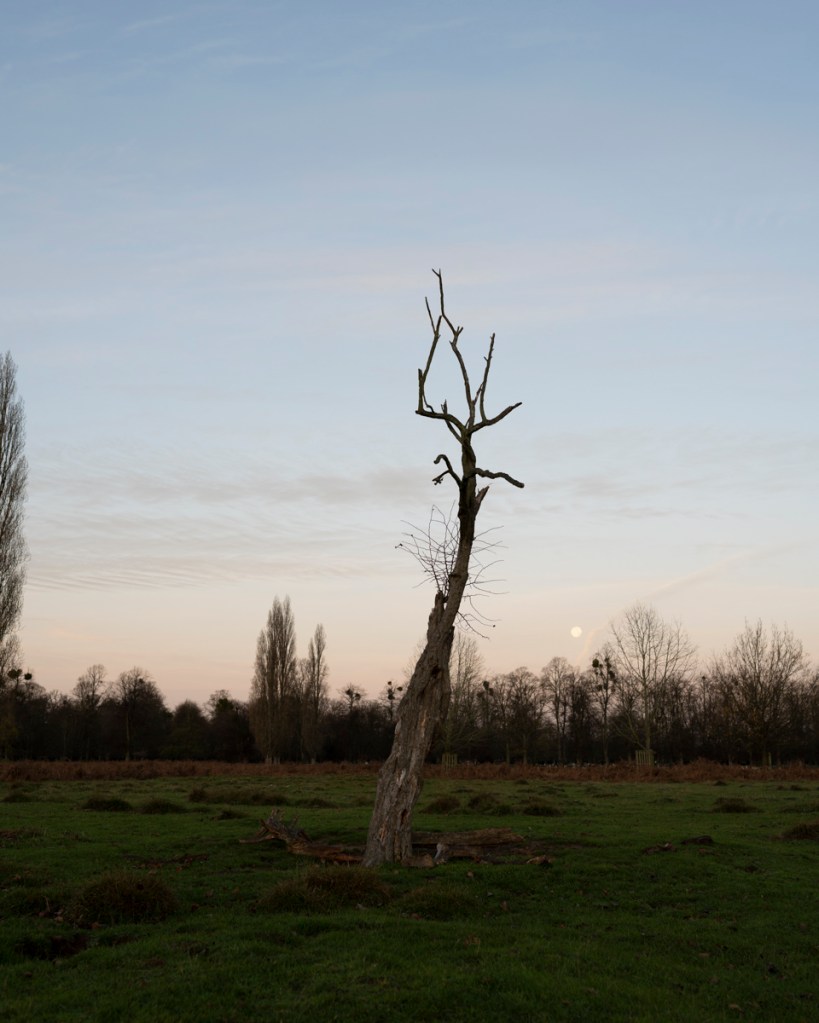
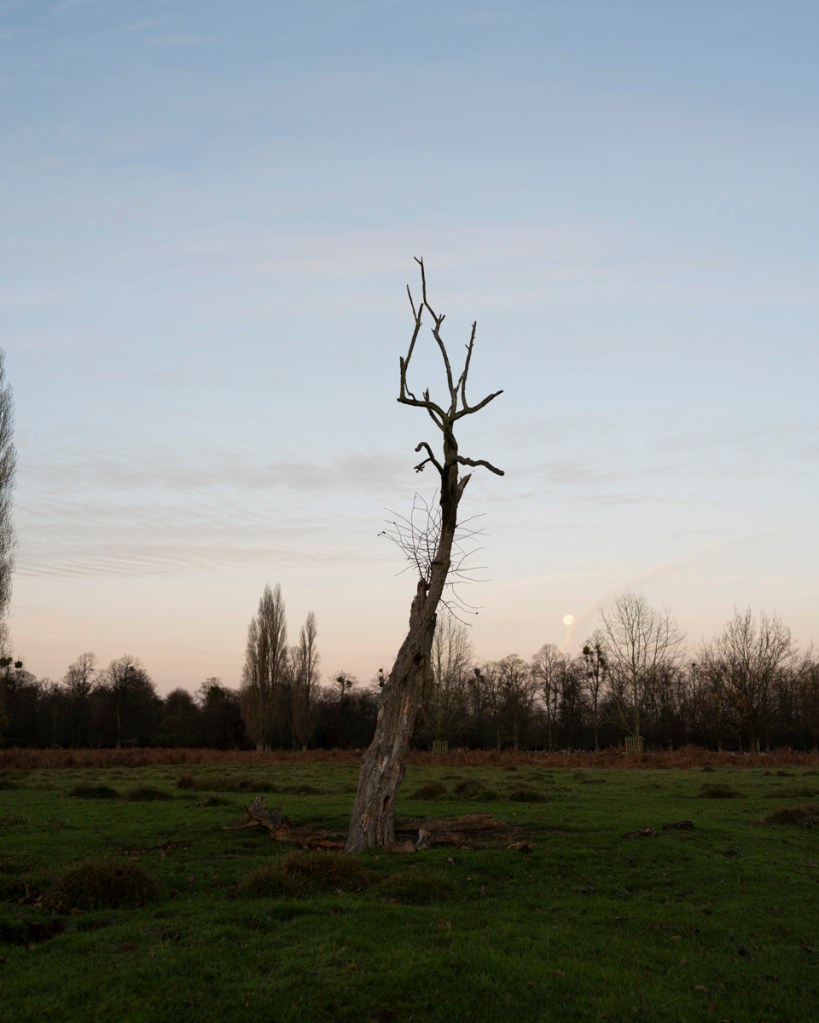
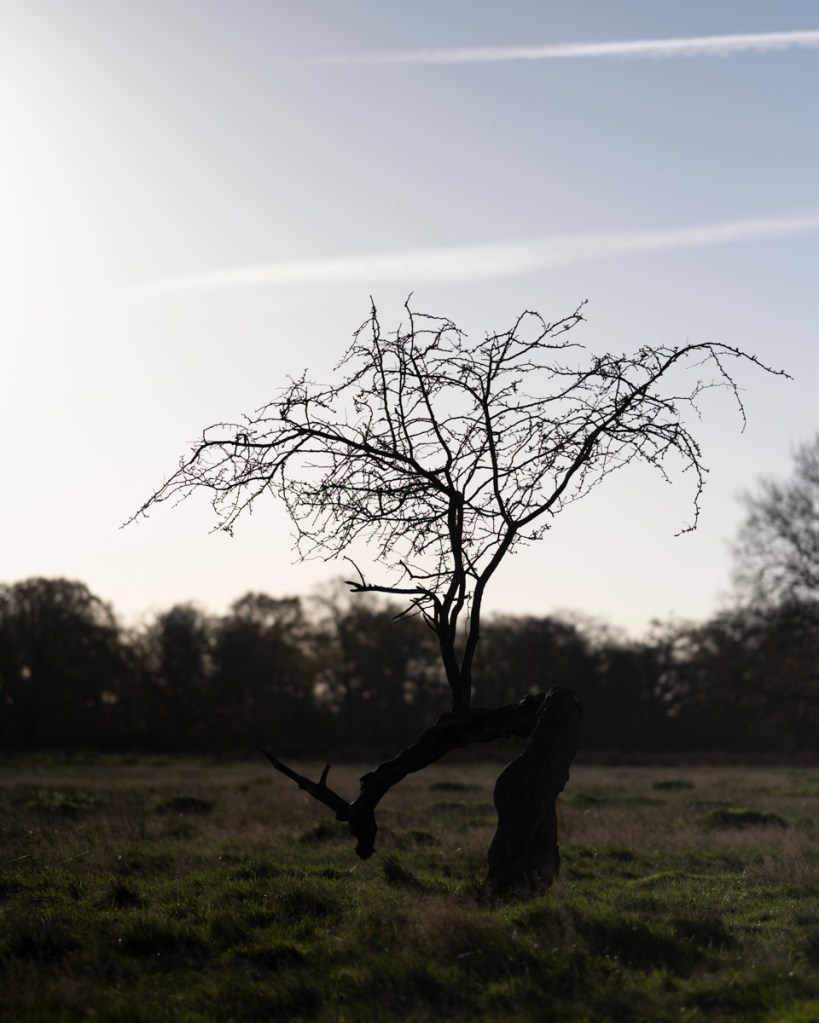
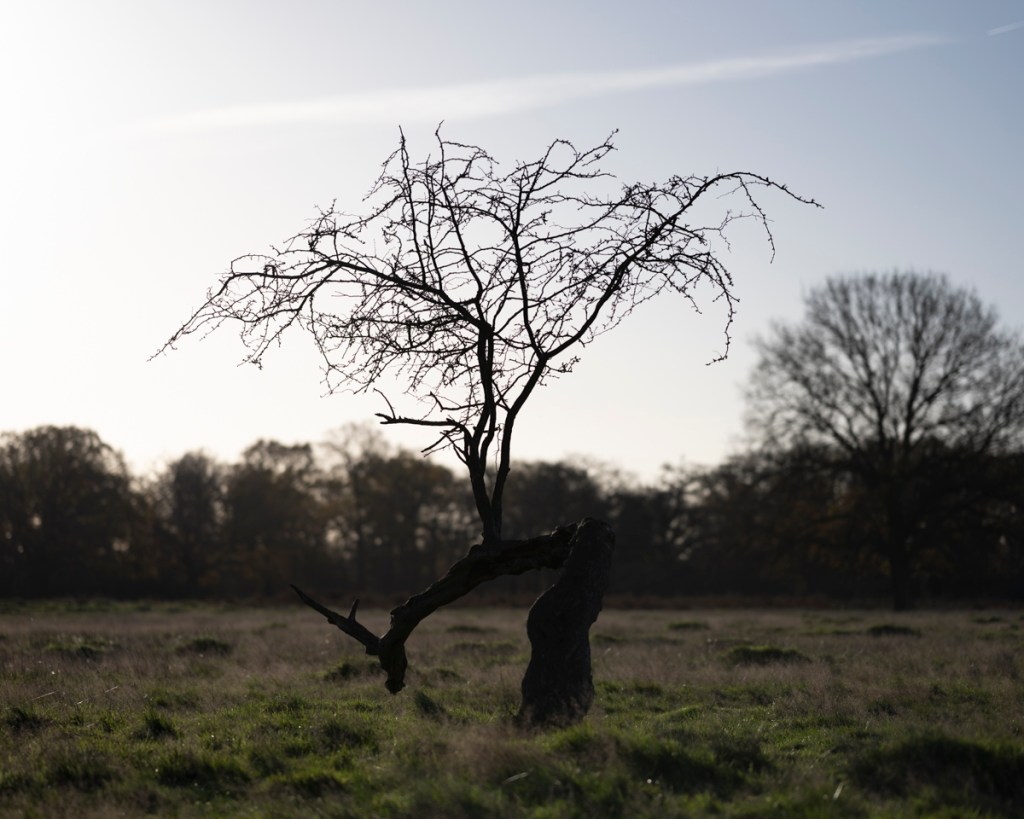
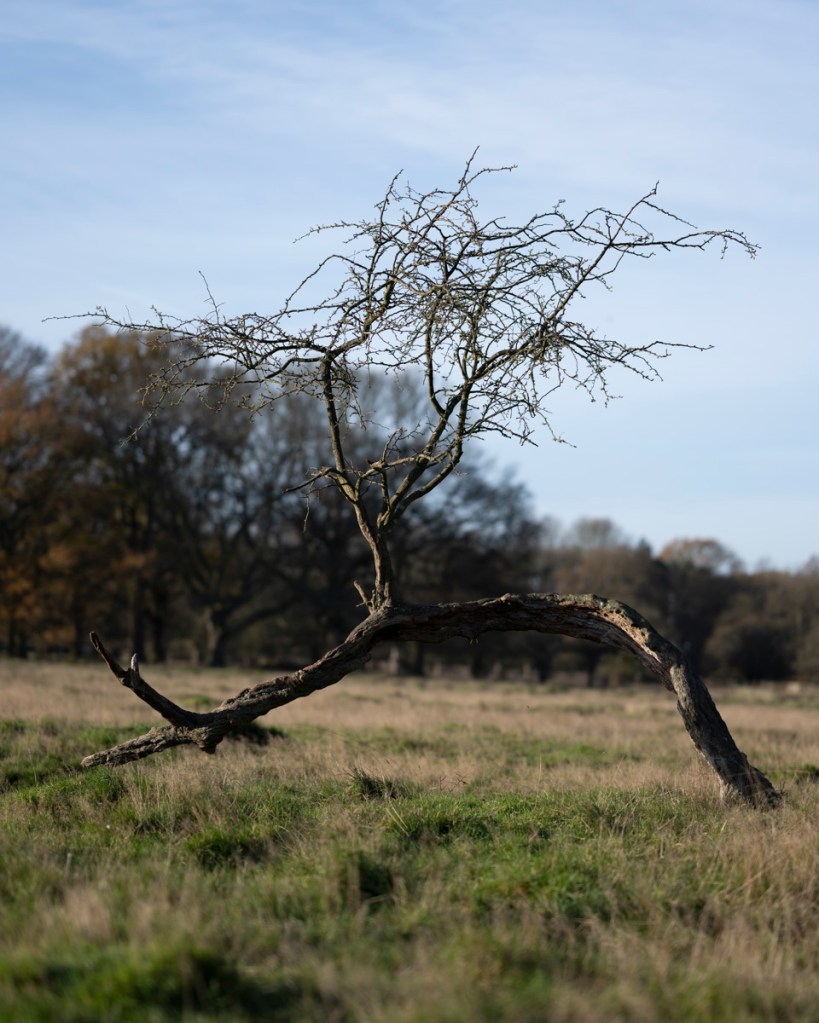
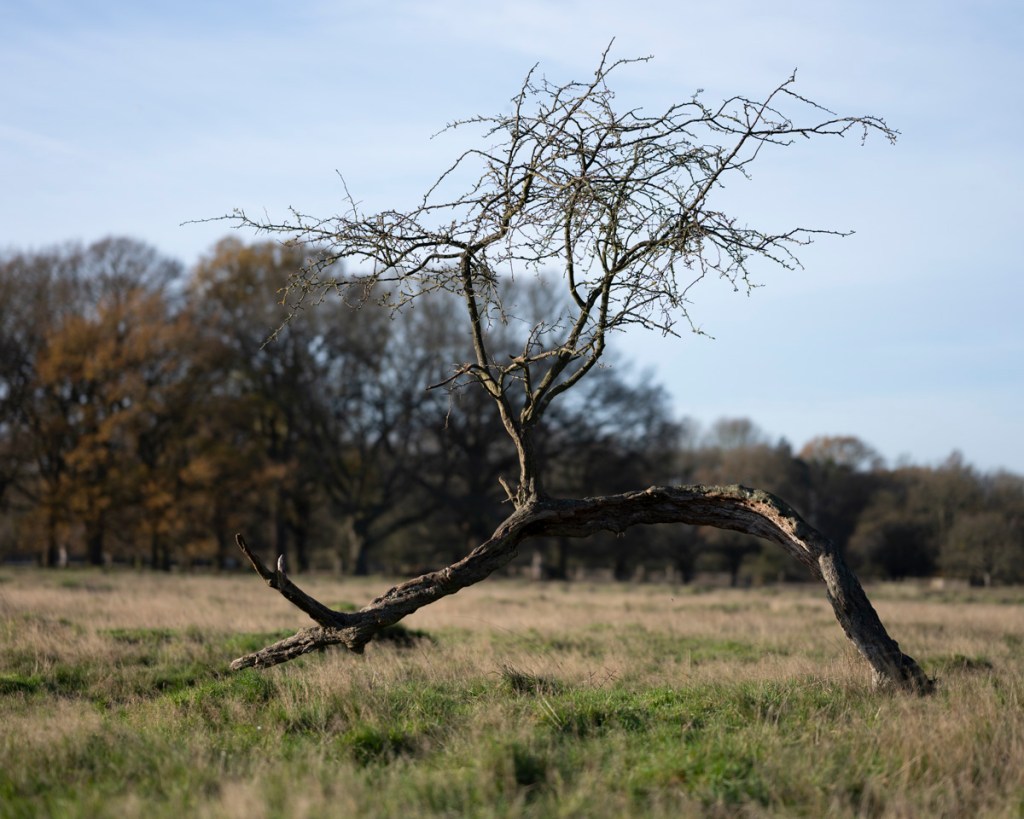
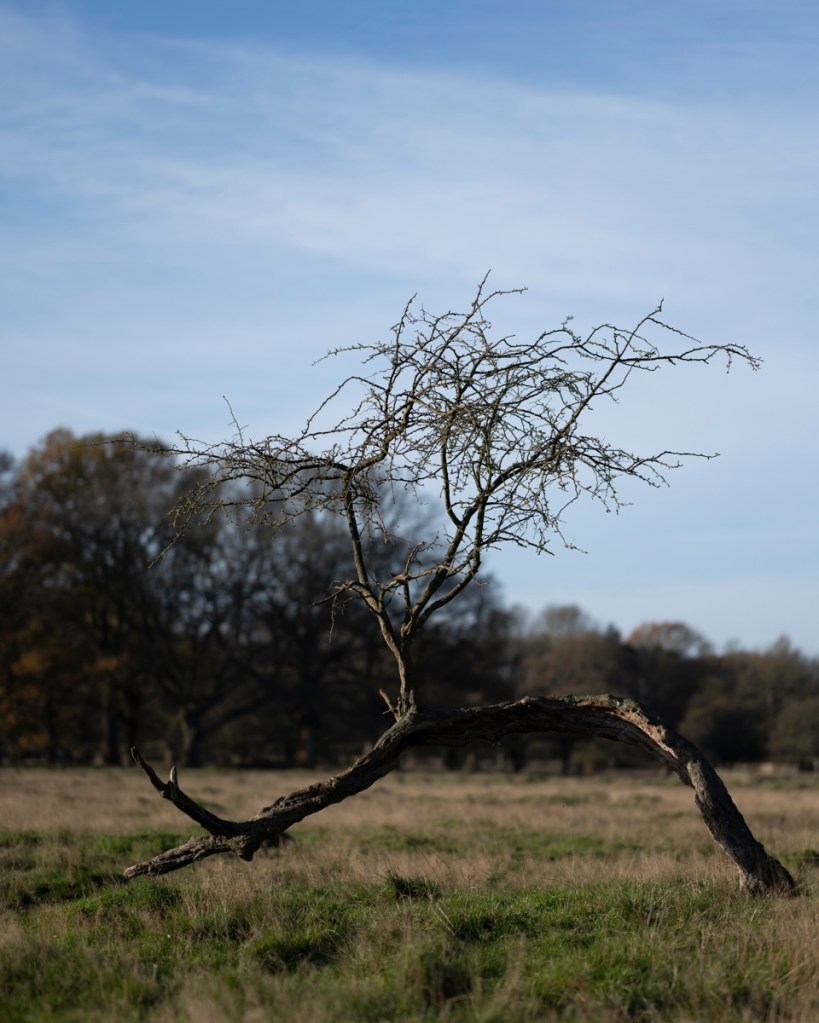
Unfortunately, the light had increased in harshness. Despite this, it was useful trying the 85mm lens with the 5:4 aspect ratio. The first tree I tried was this one (image below taken on 4 November 2020 using the 24mm-70mm zoom lens at 70mm and at 3:2 ratio).

These are the results.

I then walked to the row of hawthorns leading to the gap between the Woodland Gardens plantations.

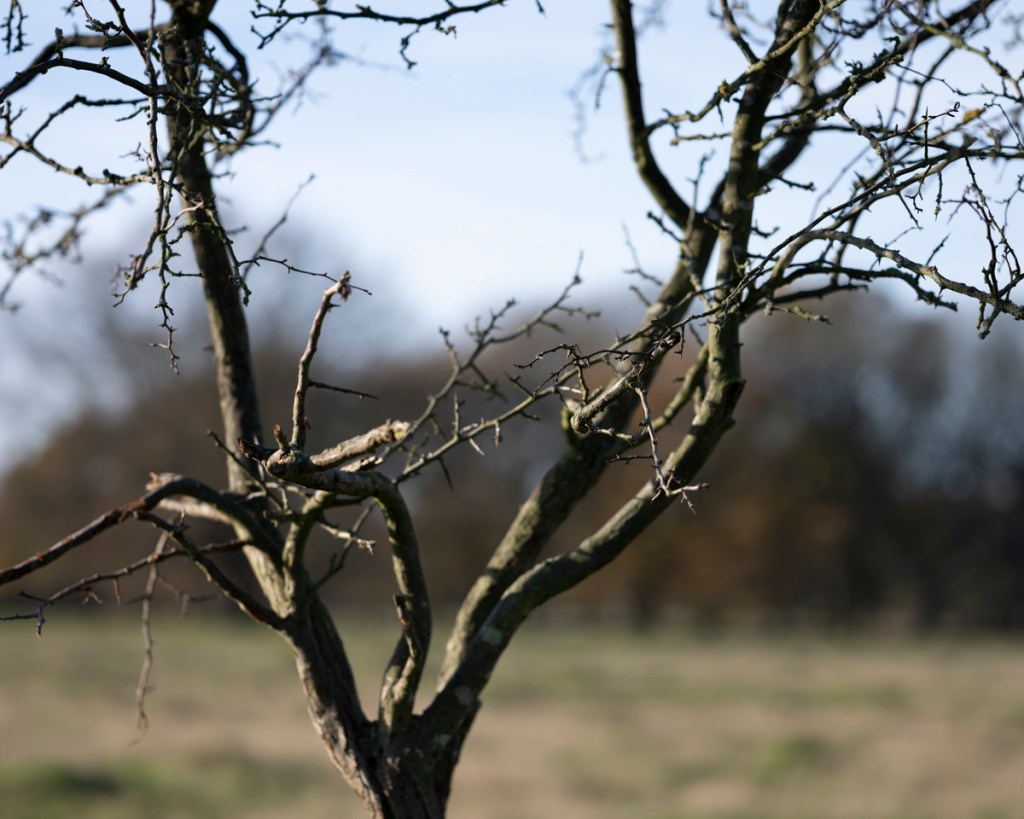
I did manage to get the effect of blurring the background, which I liked. Again, I wasn’t able to get low enough and see the display at the same time.

My next step is to revisit all aspects of this project in light of the feedback and actions resulting from the Interim Review and previous Group Tutorial.

References

Digital Photography School. 2020. Aspect Ratios In Landscape Photography. [online] Available at: <https://digital-photography-school.com/aspect-ratios-in-landscape-photography/&gt; [Accessed 2 December 2020].

“Landscape”, W., 2020. Want Better Landscape Photos? First Check Your Definition Of “Landscape” | Nikon. [online] Nikonusa.com. Available at: <https://www.nikonusa.com/en/learn-and-explore/a/tips-and-techniques/want-better-landscape-photos-first-check-your-definition-of-landscape.html&gt; [Accessed 2 December 2020].
Modes, P., 2020. Personal Touch: The Art Of Z 7 And Z 6 Crop Modes | Nikon. [online] Nikonusa.com. Available at: <https://www.nikonusa.com/en/learn-and-explore/a/tips-and-techniques/personal-touch-the-art-of-z-7-and-z-6-crop-modes.html&gt; [Accessed 2 December 2020].
Categories
AGM62 Photography Research Project Stage 1 Posts

AGM62 Better Landscape Photo Tips 30 November 2020

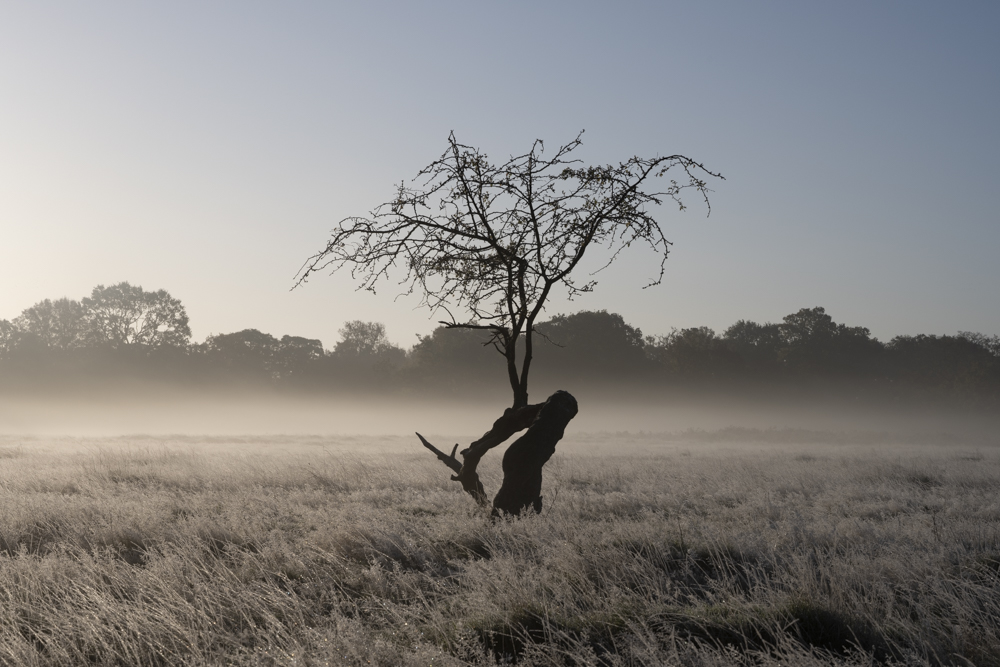
While looking for tips on improving my landscape photography, I came across a useful article on the Nikon website. Featuring tips from fine-art photographer Tony Sweet, I noted the following:

  • The earlier I get to my location, the more time I’ll have to let the light play with the scene
  • Sidelight on a scene serves to separate elements
  • Not all landscapes have to be taken with wide-angle lenses
  • Pick and choose, zoom and crop, get a high or low angle
  • Search out the stalwarts of composition:
    • S-curves
    • Leading lines
    • Repetitions
    • Patterns
    • Rule of Thirds
    • Textures
    • Colours
    • Juxtapositions
    • Contrast
    • Shapes found in nature
    • Things connected to those shapes
  • But remember, there are no rules; it’s all about what attracts me
    • Why does it attract me?
    • The answer to that will help me frame and compose my picture or pick out from the larger scene the essence of what it is I want to convey
  • What I see in front of me isn’t enough
    • Pick and choose, zoom and crop, get a high or low angle
    • This is where landscape becomes a macro landscape, an abstract landscape, a landscape of elements
  • Develop a style, not a repetitive approach

I noted the following in greater detail to remind me of some of the key information:

Light – The Key Element

The article asked what should be looked for to make effective landscape images, to which Tony replied:

“Light,” Tony says without hesitation. “See the same scene in great light and lousy light, and it’s like you’re in a different part of the world. If you want to do it right, whatever it is, you have to get the light right.”

For Tony, the right light starts with scouting. “You have to know the time and the circumstances that will give you the best light. The issue is not where the action is, it’s when.”

For Tony, the best time is during the morning. Why?

Morning Light

  • Get up and out early for first light
  • Morning gives more time to shoot various levels of light
  • Gets lighter slower than it goes dark
  • More light slowly showing up to work with from pre-dawn to sunrise
  • Morning long exposures work better
  • Morning time is quality shooting time

The other aspect Tony covered was ‘shooting where you live’. As I had already taken that decision, I thought it pertinent to note ‘why’.

Why Shoot Where You Live

  • A favored landscape nearby gives the benefit of a quicker early-morning journey
  • The advantage of this is being able to get there year-round to catch the changes the seasons bring

Tony states that “The same landscape scene in four seasons is a great, under-shot project”. Something that I have already considered in relation to this project and going forwards.

With this information in mind and the information on aspect ratio, it was time for me to put it into practice.

References

“Landscape”, W., 2020. Want Better Landscape Photos? First Check Your Definition Of “Landscape” | Nikon. [online] Nikonusa.com. Available at: <https://www.nikonusa.com/en/learn-and-explore/a/tips-and-techniques/want-better-landscape-photos-first-check-your-definition-of-landscape.html&gt; [Accessed 2 December 2020].
Categories
AGM62 Photography Research Project Stage 1 Posts

AGM62 Minor White 16 November 2020

‘The secret, the catch, and power lies in being able to use the forms and shapes of objects in front of the camera for their expressive-evocative qualities. Or to say this in another way, in practice Equivalency is the ability to use the visual world as the plastic material for the photographer’s expressive purposes’.

(White, M. 1963 pp. 17-21)

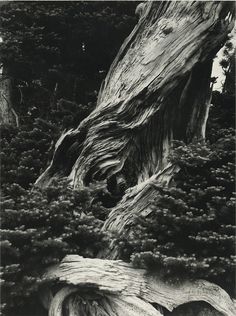
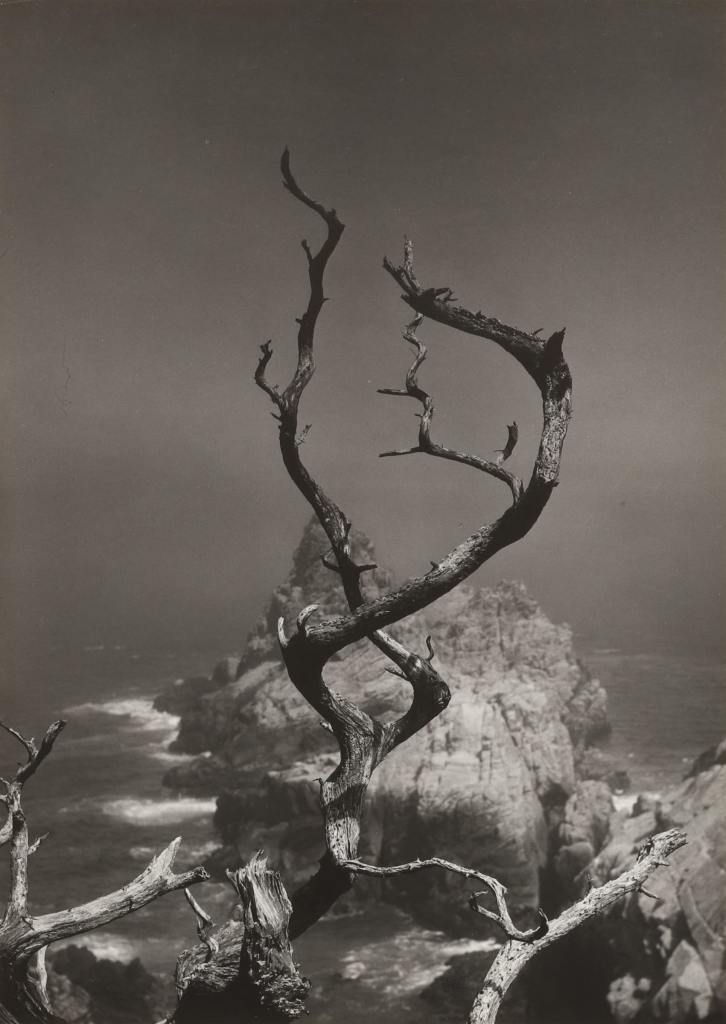
Minor White (1908-1976) was an American photographer and was known for his meticulous black-and-white prints of landscapes, architecture, and men. White’s approach was also influenced by spiritualism and zen. When first introduced to White’s work during my initial photographic studies, I was entranced by his abstract, close-up observations of trees and other natural phenomena.

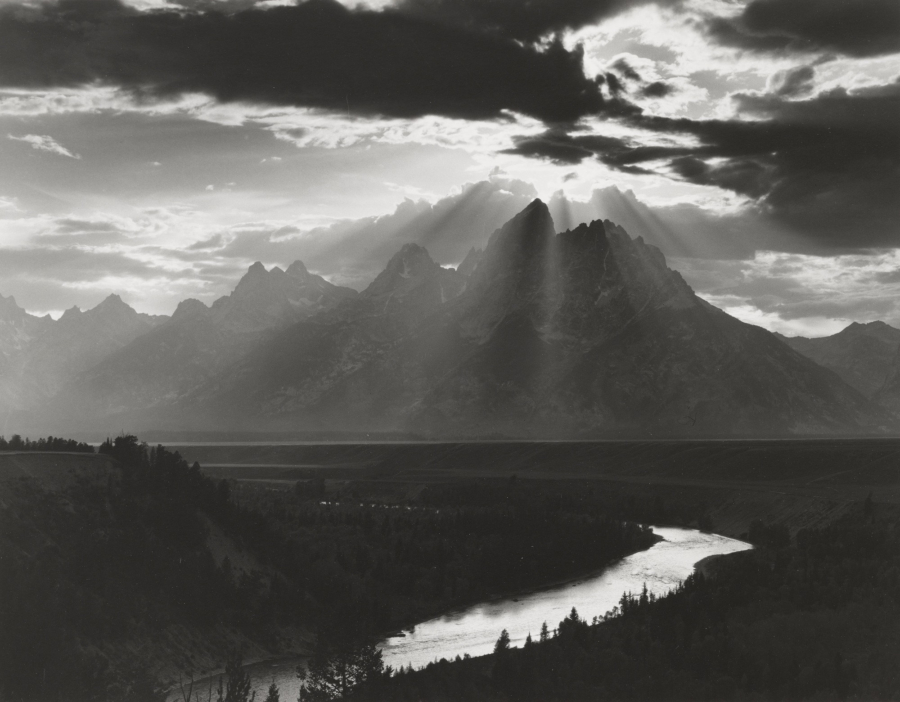
When looking at White’s images in relation to this current project, I also noticed a similarity to his use of clouds within a composition.

While carrying out my research on White, I came across an article by Katherine Phipps called Creating Better Compositions: Landscape Lessons from Minor White. This succinctly written article gave me an insight to White’s work of which I was previously unaware.

‘White took photographs of a variety of subjects, weaving narratives in the way he arranged these pictures of earth, light, shadow, bodies, skies, shapes. What is particularly notable about White’s work, perhaps where its true power lies, is the way that he orders the images and combines them with text that show us the underlying interconnectedness of many facets of the natural work, as well as the human world, for that matter.’

(Creating Better Compositions: Landscape Lessons from Minor White (Premium), 2020)

What struck a major chord with me in this article was the headline ‘Choose equipment that serves you’. Phipps uses these words to highlight how White used particular methods resulting in his signature style. This made me contemplate my own use of equipment and photographic methodology.

Phipps continues to highlight the specificity of White’s use of his equipment to create his stunning images:

‘Minor White sought to shoot majestic views of the world, which when combined with extremely macro views of his experience that he noticed, would weave a story about something magical. He chose his equipment very specifically, and in fact used it in a very specific way to create his dramatic landscapes.’

(Creating Better Compositions: Landscape Lessons from Minor White (Premium), 2020)

Phipps then continues to outline his particular method, specifically infrared:

‘For his landscape pictures, White chose to shoot infrared large format sheet film, which darkened the skies and brightened the planes of the earth, allowing White to create photographs that were full of otherworldly drama. In addition to light on the visible spectrum, infrared film is sensitive to wavelengths near the thermal range, creating large, detailed negatives which showed a world that was different than what is visible to the naked eye.’

(Creating Better Compositions: Landscape Lessons from Minor White (Premium), 2020)

I didn’t realise that this is how White took these images – I had used a digital infrared editing technique in my Moments of Eternity project for Unit AGM60. At the time of writing this post, I was also working on a particular shooting/editing method in order to create a similar dramatic effect.

The other aspect of White’s work I needed to consider is his sequencing of images. This was brought to my attention in the book Minor White: Manifestations of the Spirit by Paul Martineau. This tome was issued in connection with the exhibition of the same name held at the J. Paul Getty Museum from 8 July to 19 October 2014.

According to Martineau, ‘White described his sequences as being like a “cinema of stills” and called on the viewer to be an active participant in experiencing the varied moods and associations that came to the fore while moving from one photograph to the next’. (Martineau, P. 2014 pp. 10).

Martineau also states:

‘Over the course of his career, White created over one hundred sequences, series, and portfolios. Viewers of his sequences must not only read each individual image in relation to adjacent images but also consider all of the images in the highly structured grouping as the complete expression of an idea.’

(Martineau, P. 2014 pp. 10)

While writing this post, I realised that there was more of a connection of my work with that of White’s. I was more than aware of how much more I could learn and discover from this exceptional visionary.

References:

Artnet.com. 2020. Minor White | Artnet. [online] Available at: <http://www.artnet.com/artists/minor-white/&gt; [Accessed 16 November 2020].
The awakened eye. 2020. Equivalence: The Perennial Trend. [online] Available at: <https://theawakenedeye.com/pages/equivalence-the-perennial-trend/&gt; [Accessed 16 November 2020].
La Noir Image. 2020. Creating Better Compositions: Landscape Lessons From Minor White (Premium). [online] Available at: <https://lanoirimage.com/creating-better-compositions-landscape-lessons-from-minor-white/&gt; [Accessed 16 November 2020].
Martineau, P., 2014. Minor White: Manifestations of the Spirit. Los Angeles (Calif.): J. Paul Getty Museum.

White, M. 1963. Equivalence: The Perennial Trend, PSA Journal 29, no. 7 (1963) pp. 17-21.

Design a site like this with WordPress.com
Get started