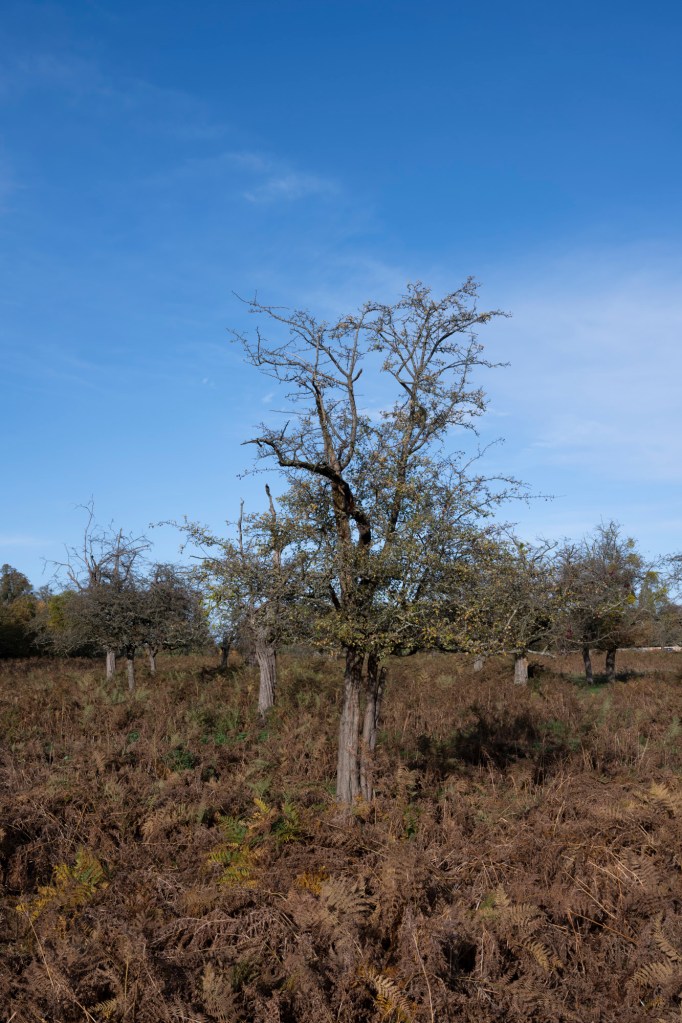
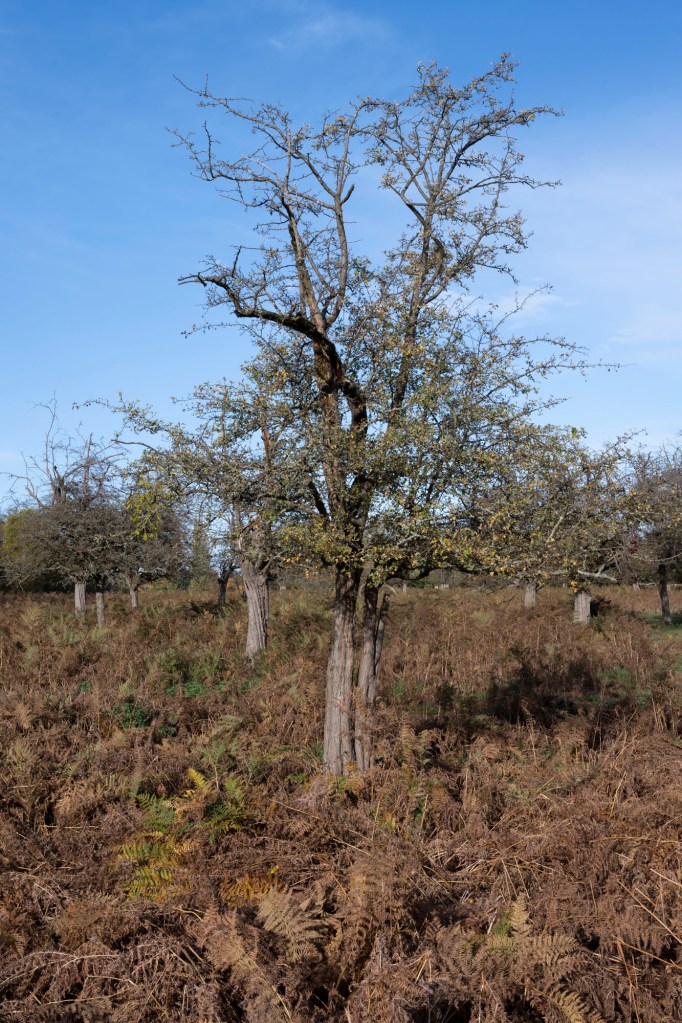
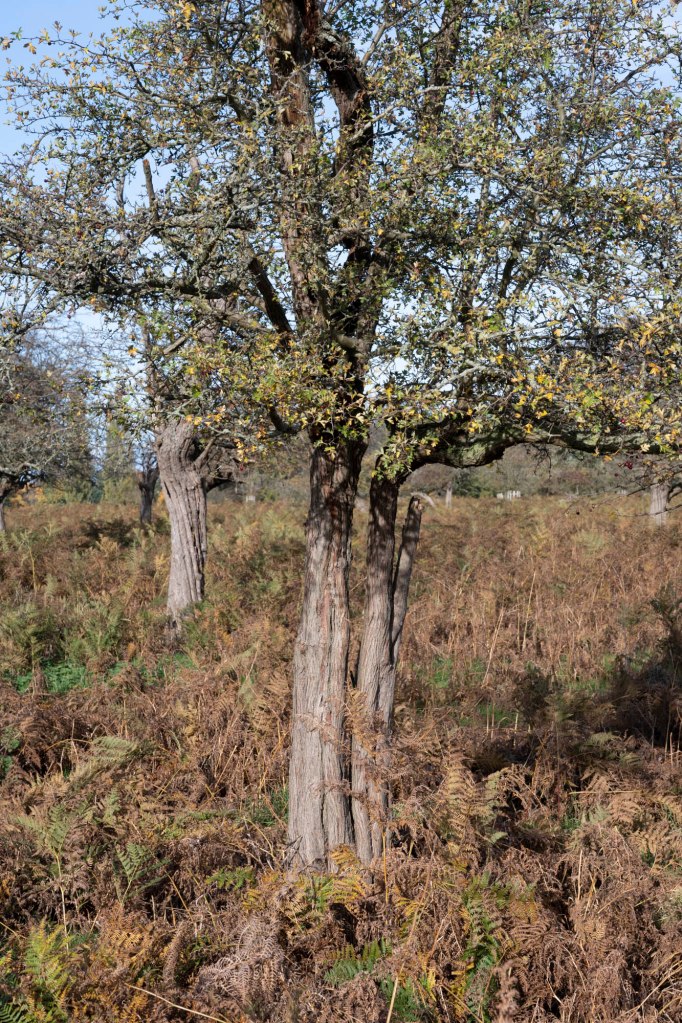
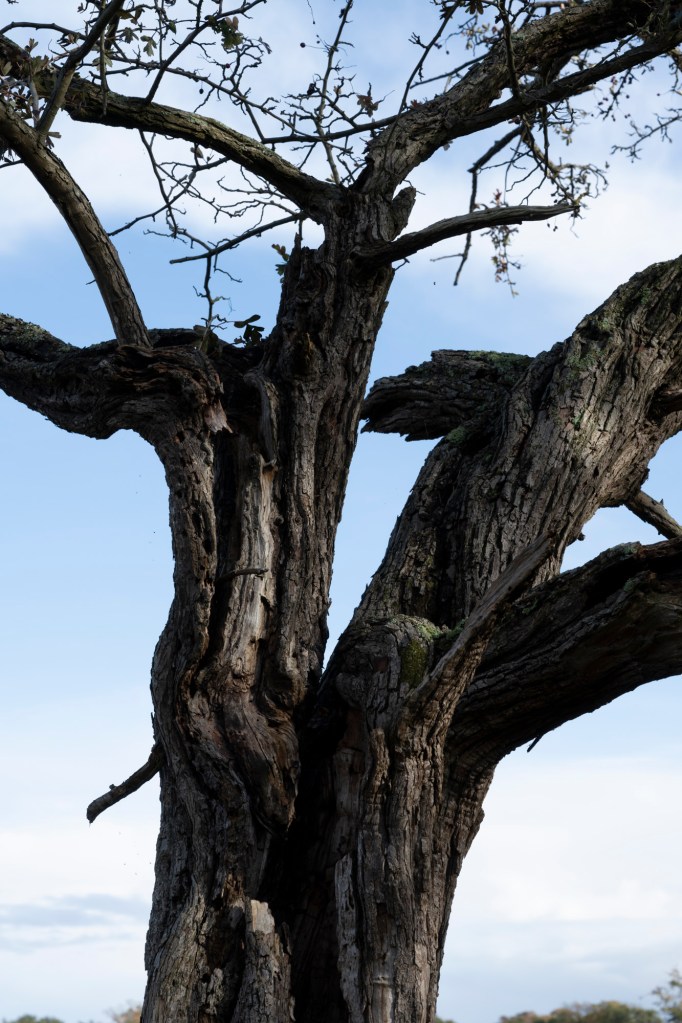
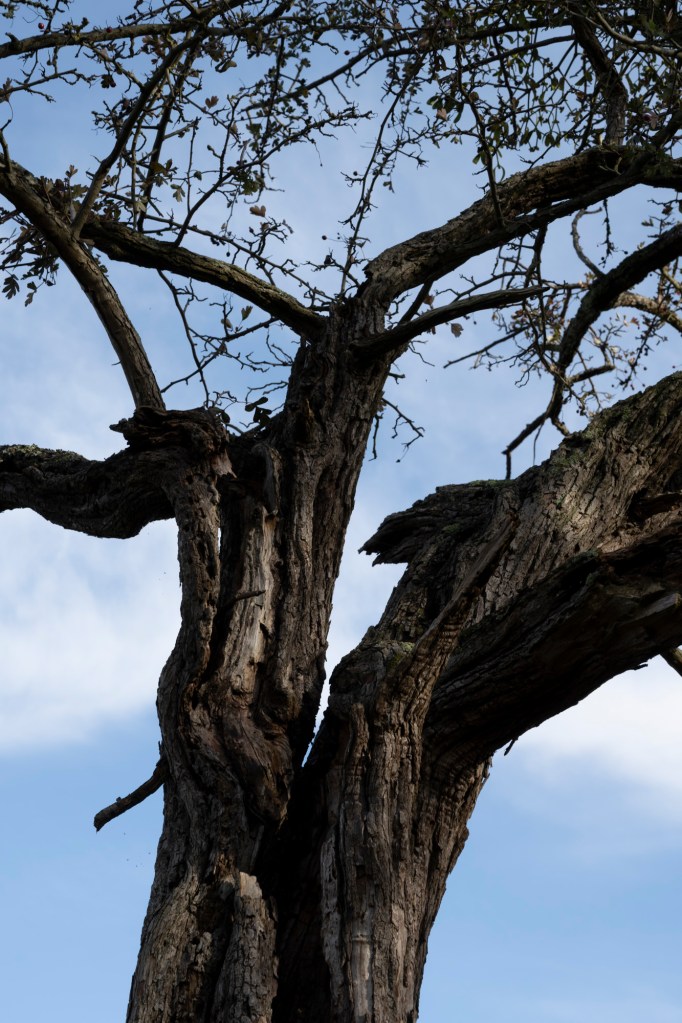
While waiting for the module to officially start, I took the following shots. The plan was to try out some closer photographs of two of the Hawthorns I had captured previously then experiment with the resulting images.
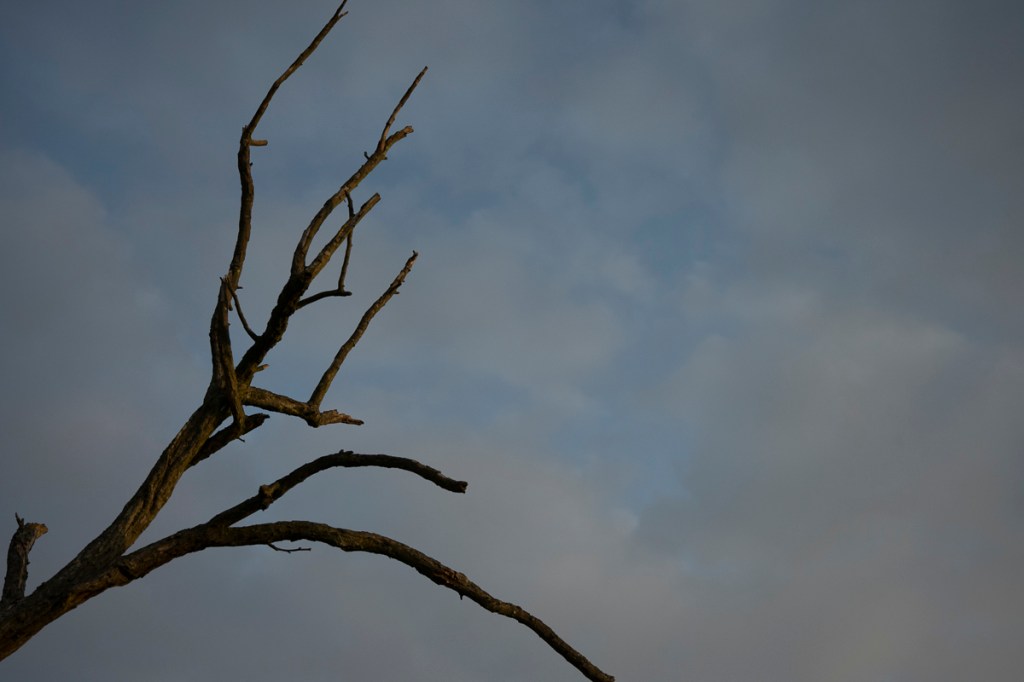
I initially selected the following image, which I then edited in Adobe Camera Raw.
I then made a quartered mirror image using the edited version in Adobe Photoshop.
Interesting, but will need further experimentation.
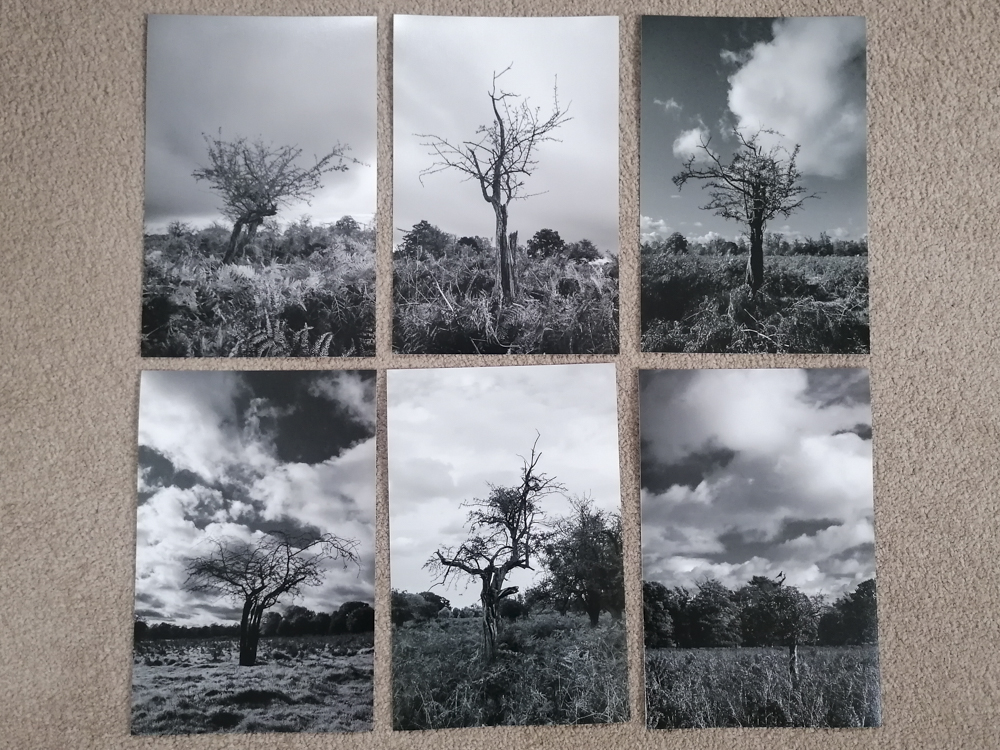
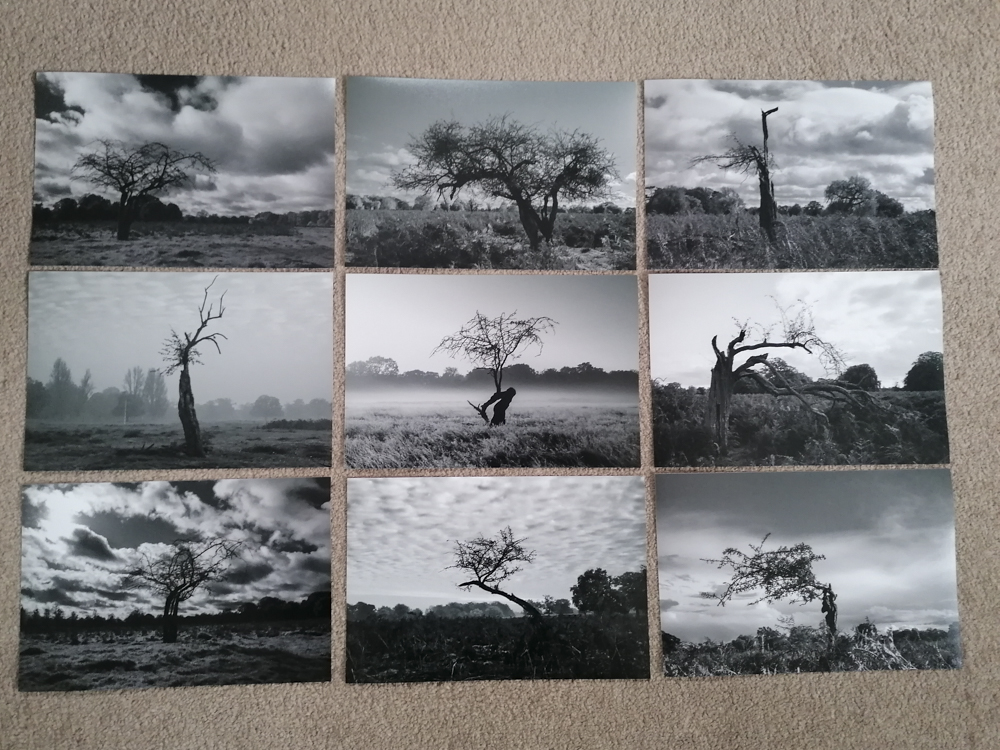
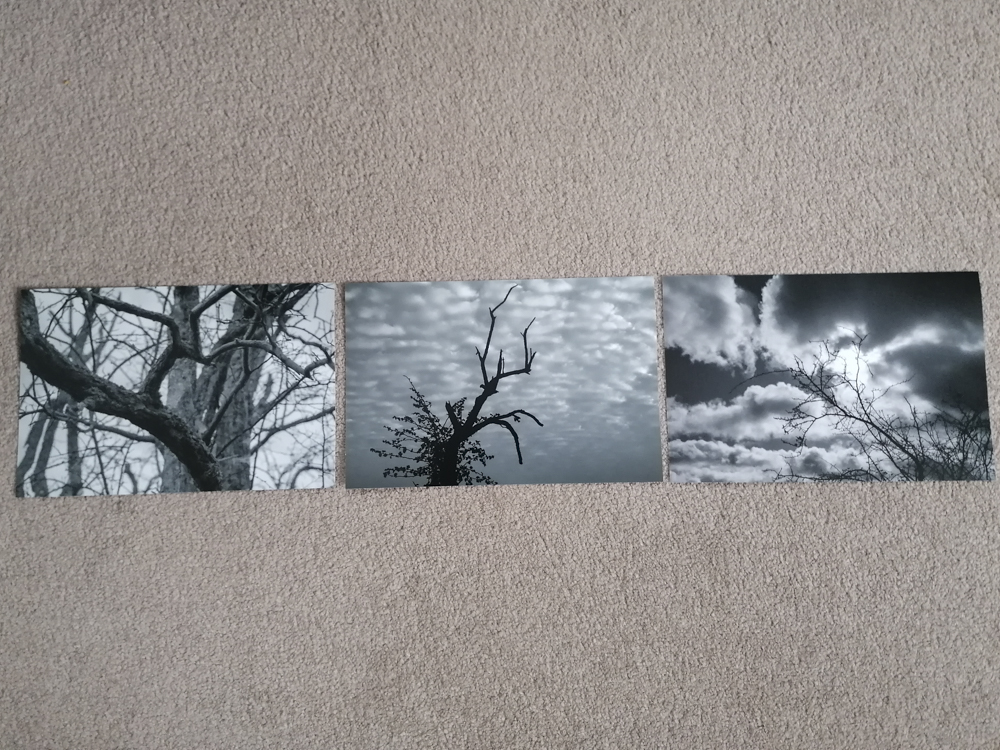
After placing my order with DS Colour Labs, I received my prints within a couple of days. In my experience, I always find this stage of the project very enlightening. By looking at the prints and not at the screen-based images, there are always aspects to take into further consideration. It is an invaluable part of the learning and project-progression process.
In order to get a better idea of possible sequencing, I laid out the 6″ x 9″ prints on the living room floor and took the following smartphone shots.
I also tried this aspect.
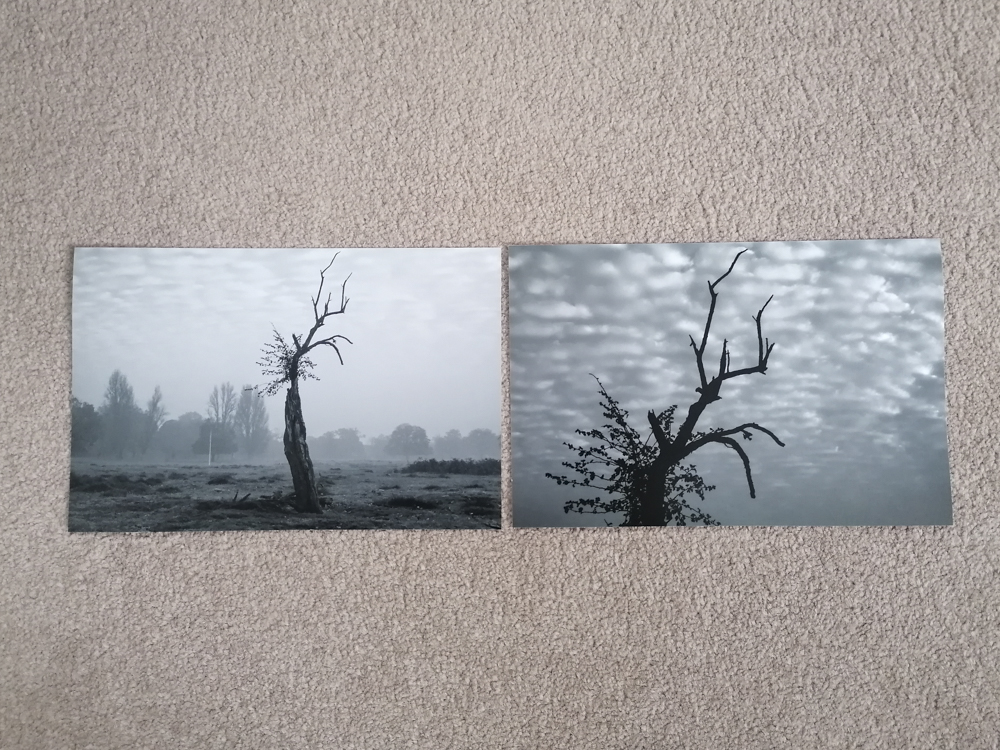
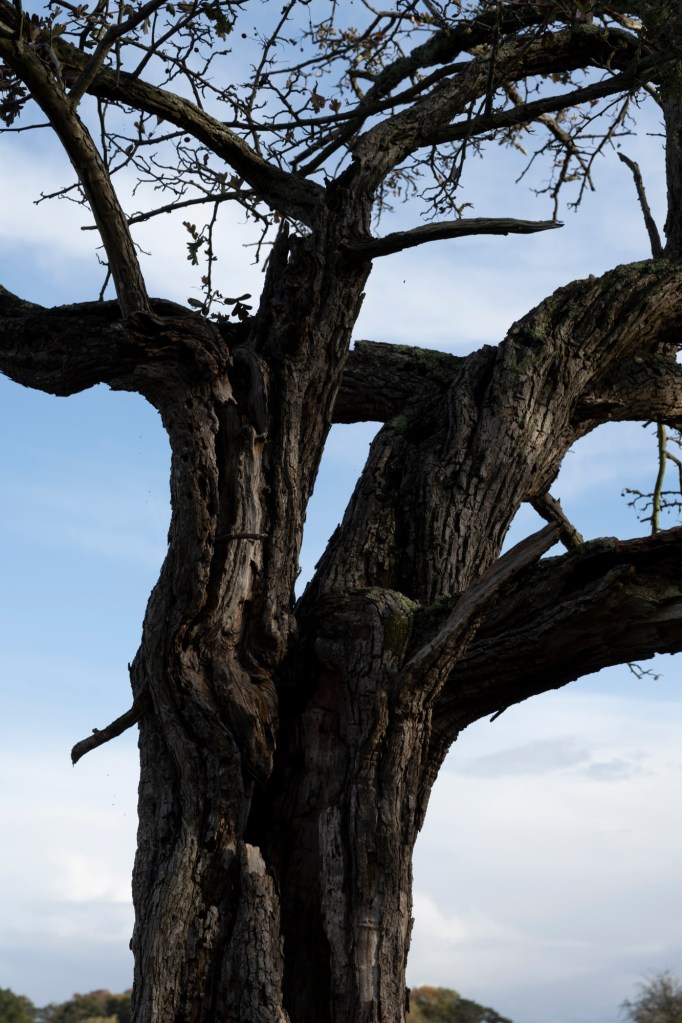
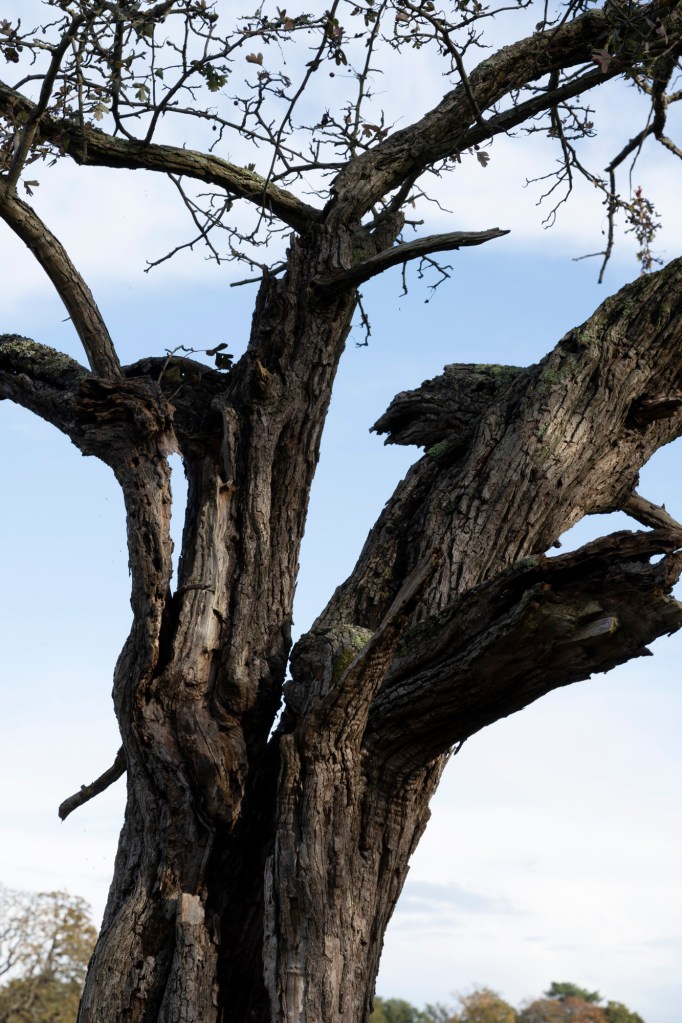
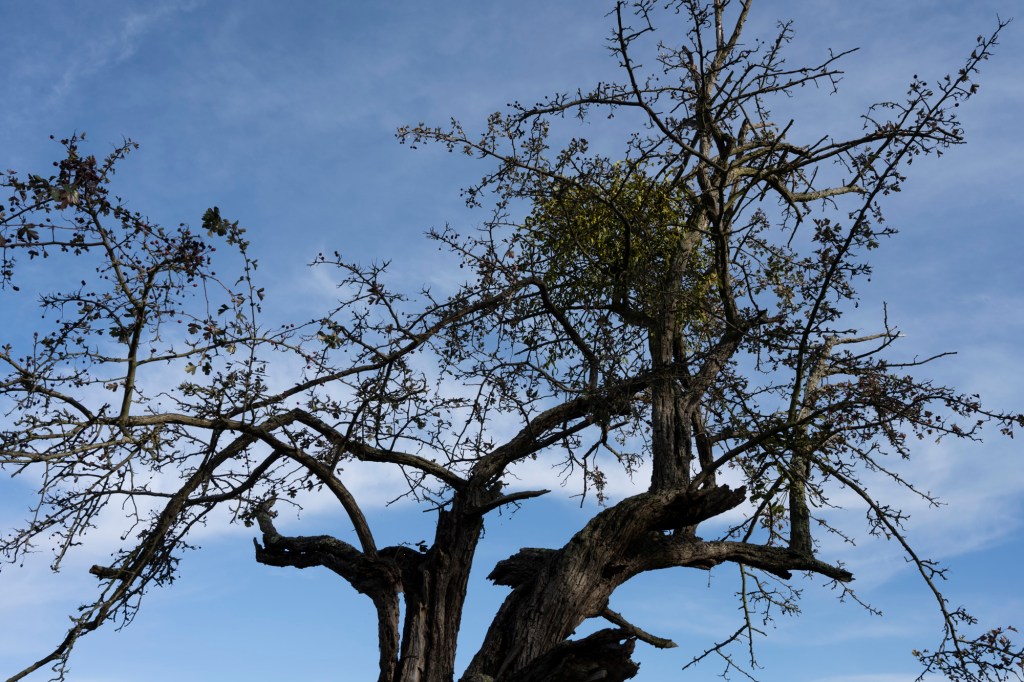
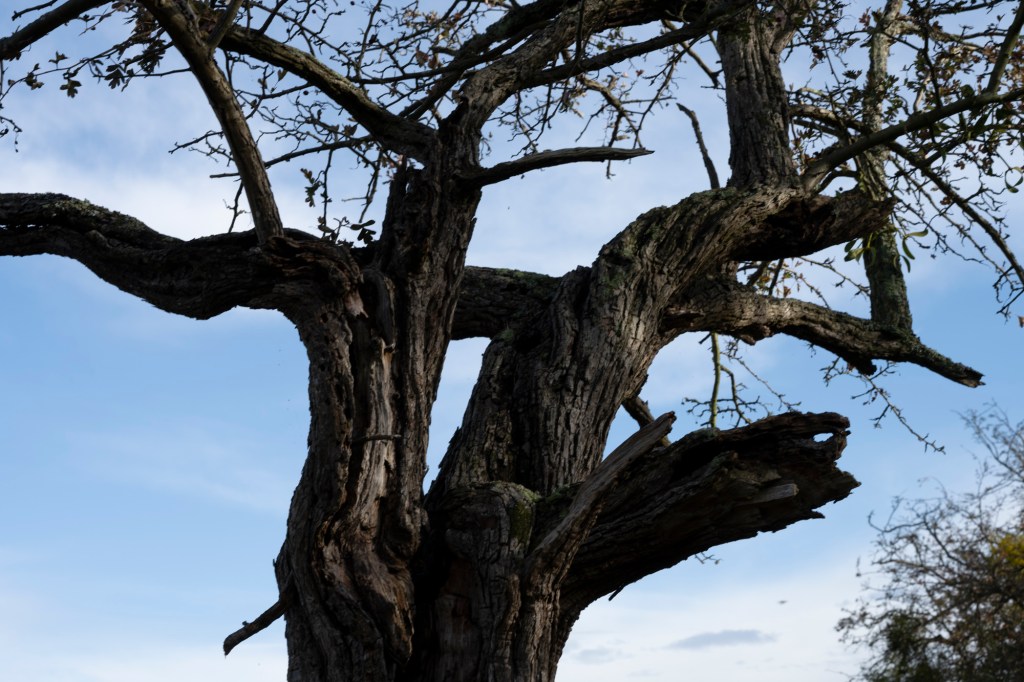
One thought that kept tickling my mind was combining a big image of a one tree and present it with smaller, close-ups of the same tree. Something that could be discussed in the forthcoming Interim Review.
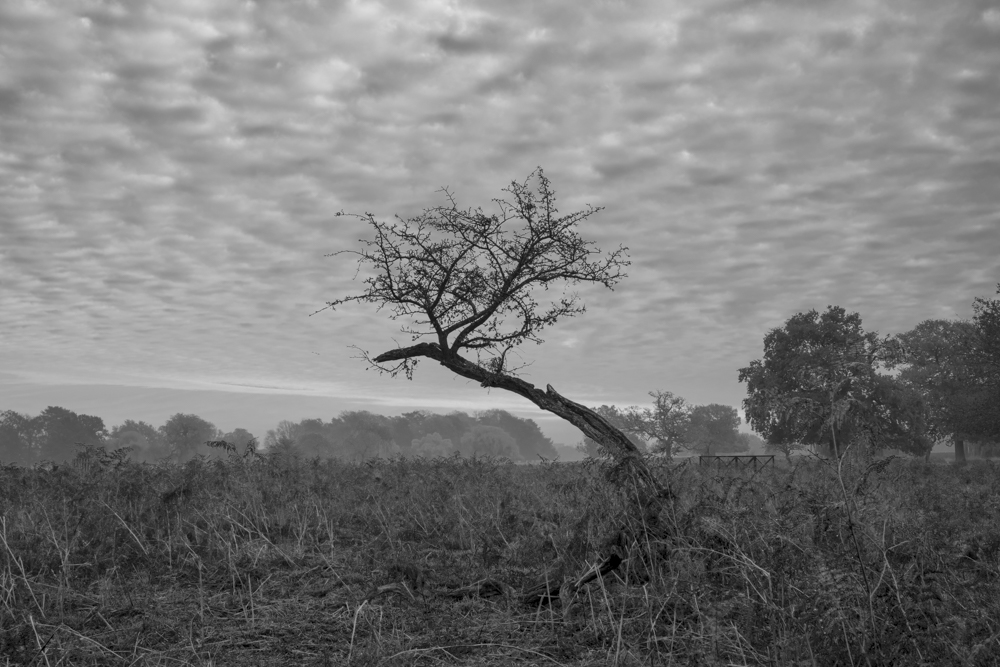
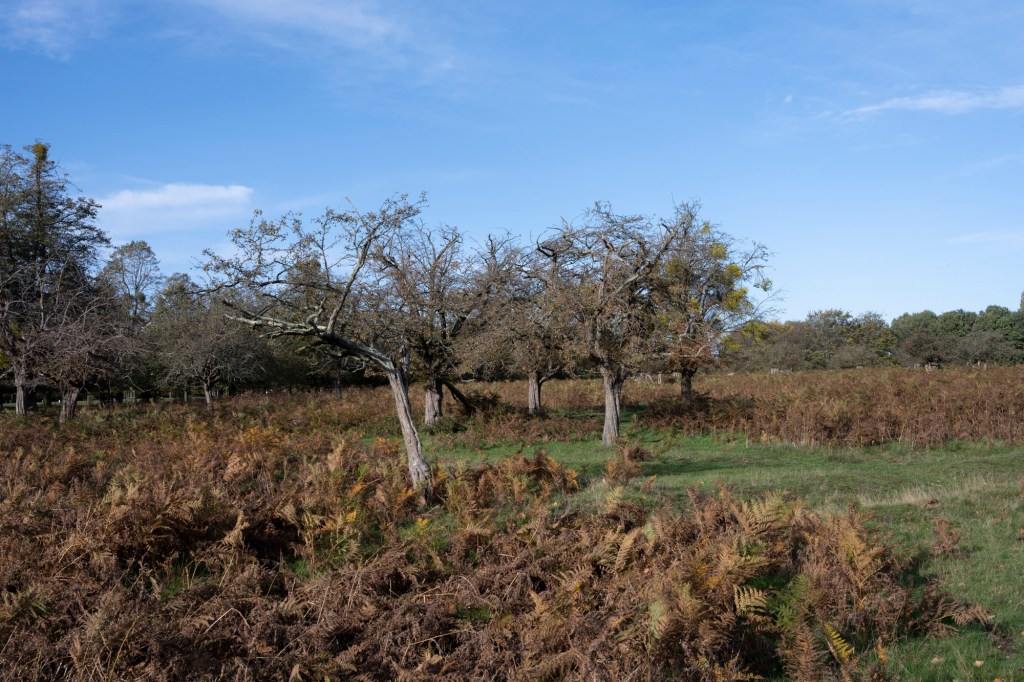
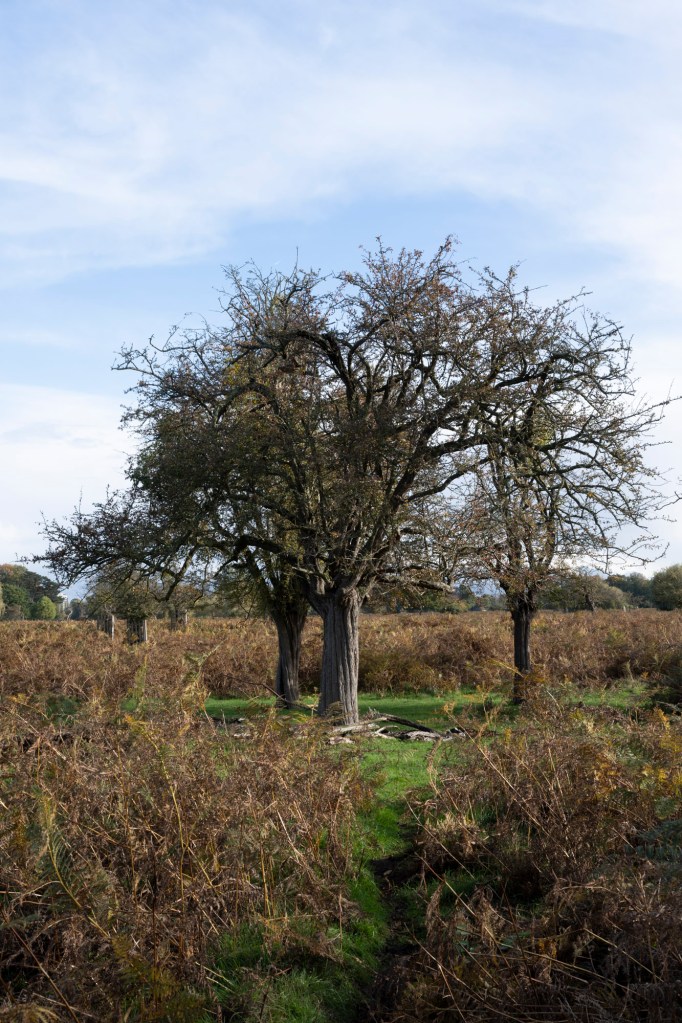
After my successful photo session on 4 November 2020, I was quite enthused to return to the park to catch more hawthorns in similar weather conditions. As the forecast was for cold and mist first thing on 6 November, I could not miss out on this opportunity.
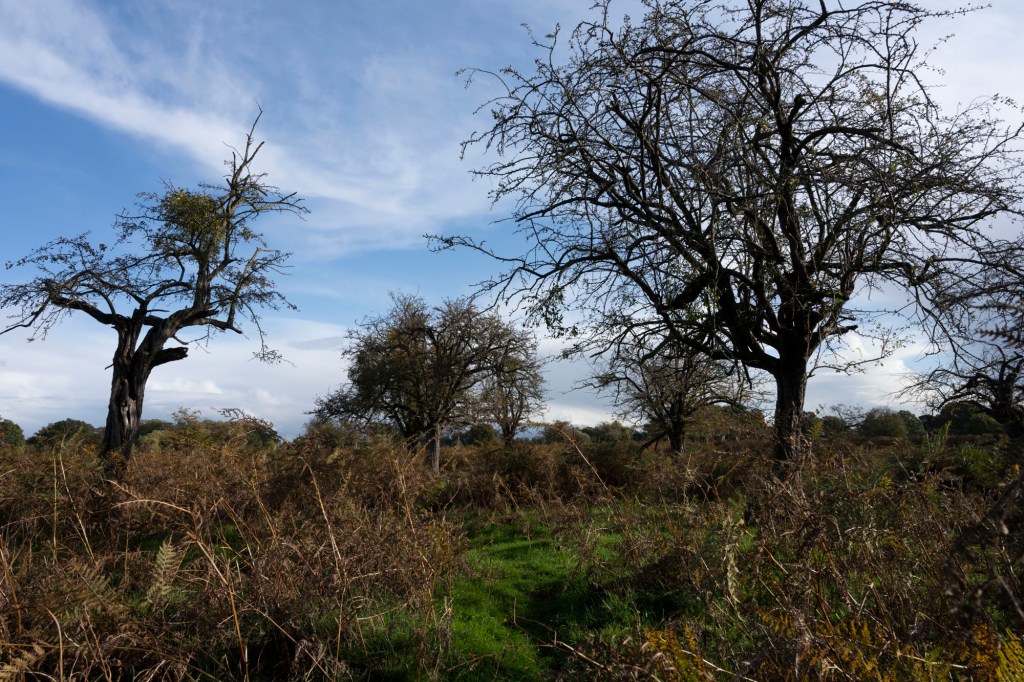
Unfortunately, despite it being quite chilly, the air was a touch too humid to have the ‘diamond’ effect on the trees and grass. Nonetheless, I discovered three new hawthorns and took the following images.
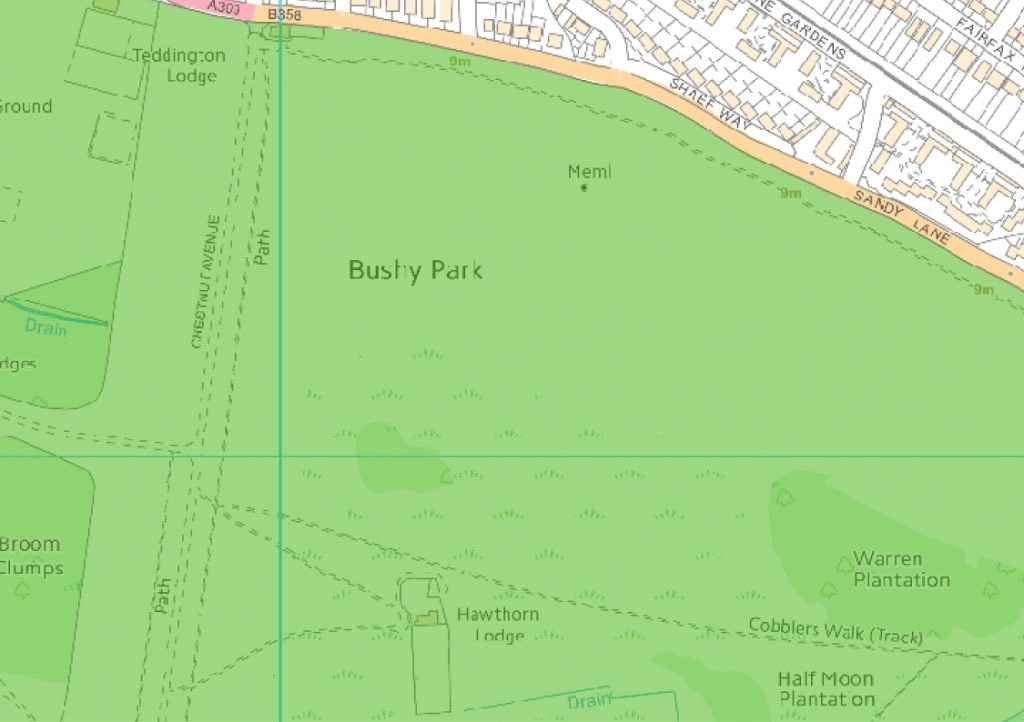
The area of Bushy Park I focused on was the patch on the left of Chestnut Avenue at the Teddington Gate.
Tree 1
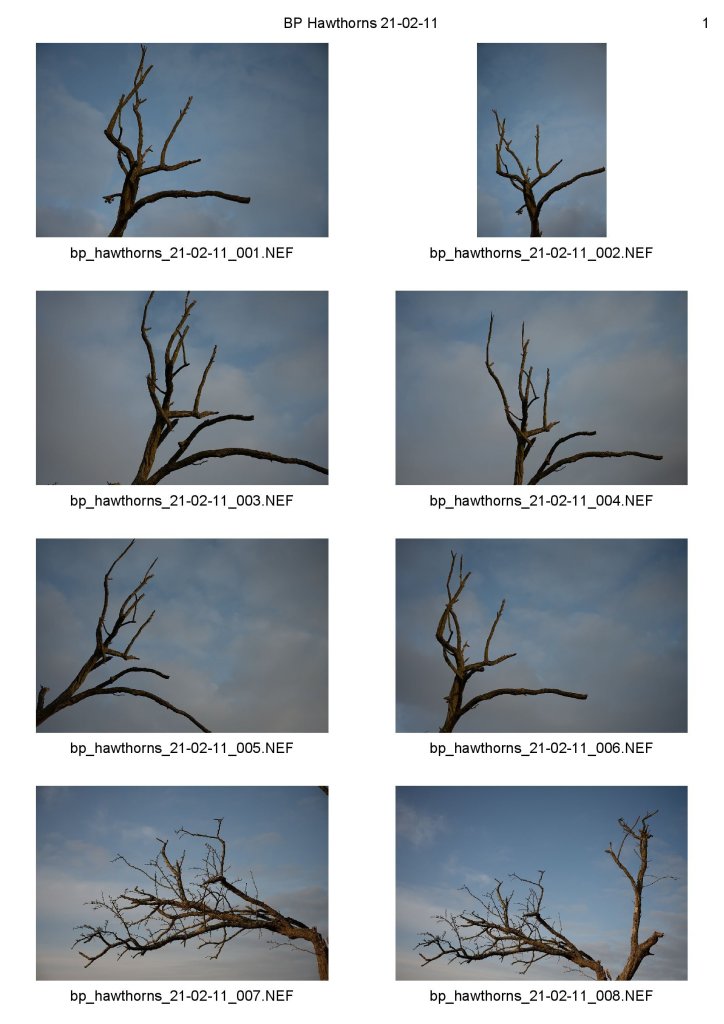
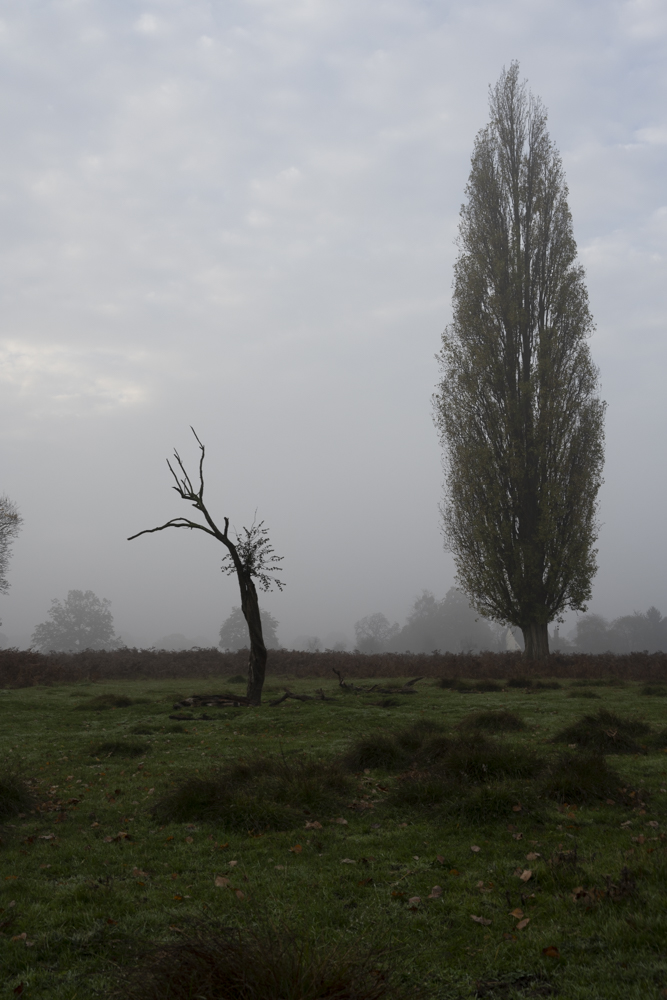
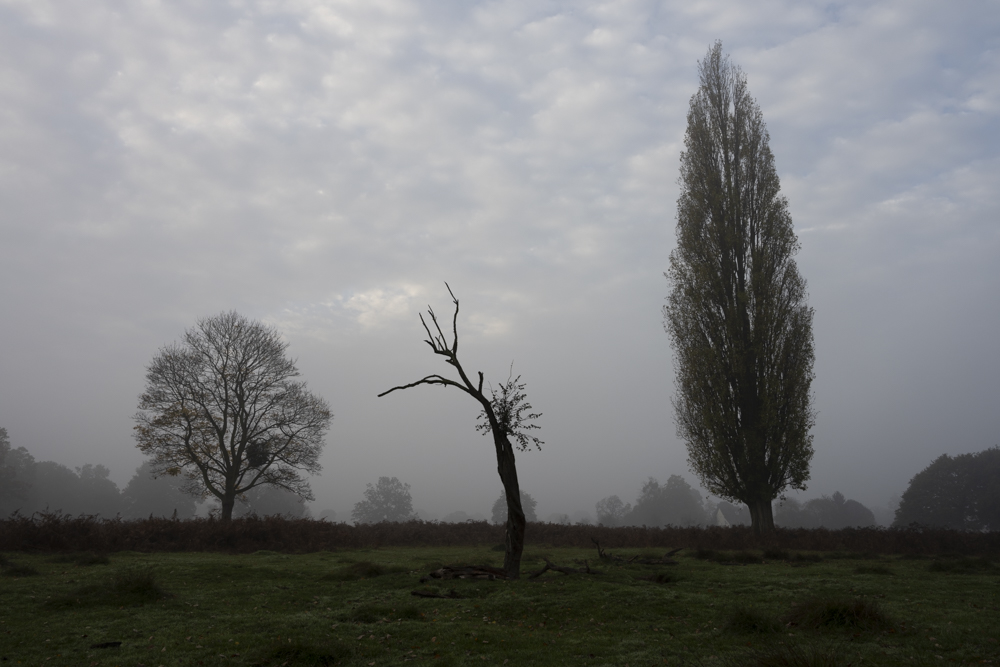
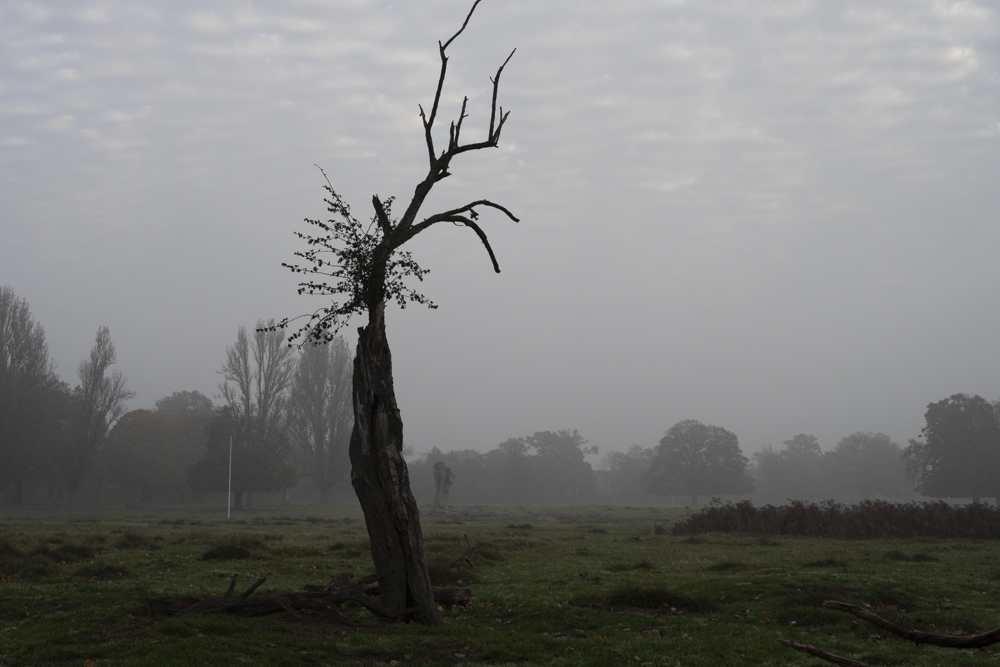
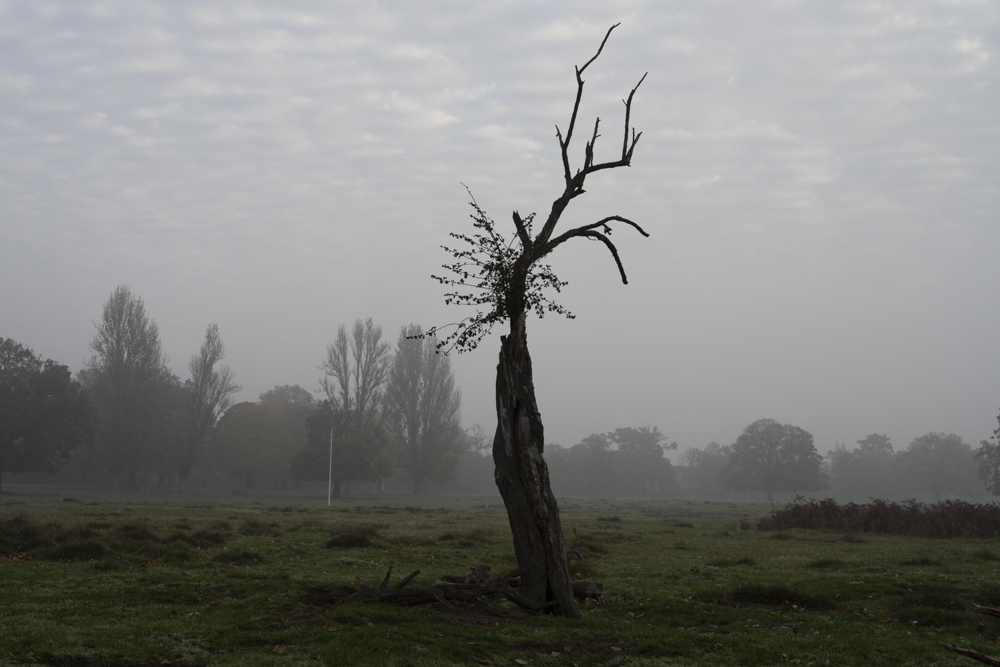
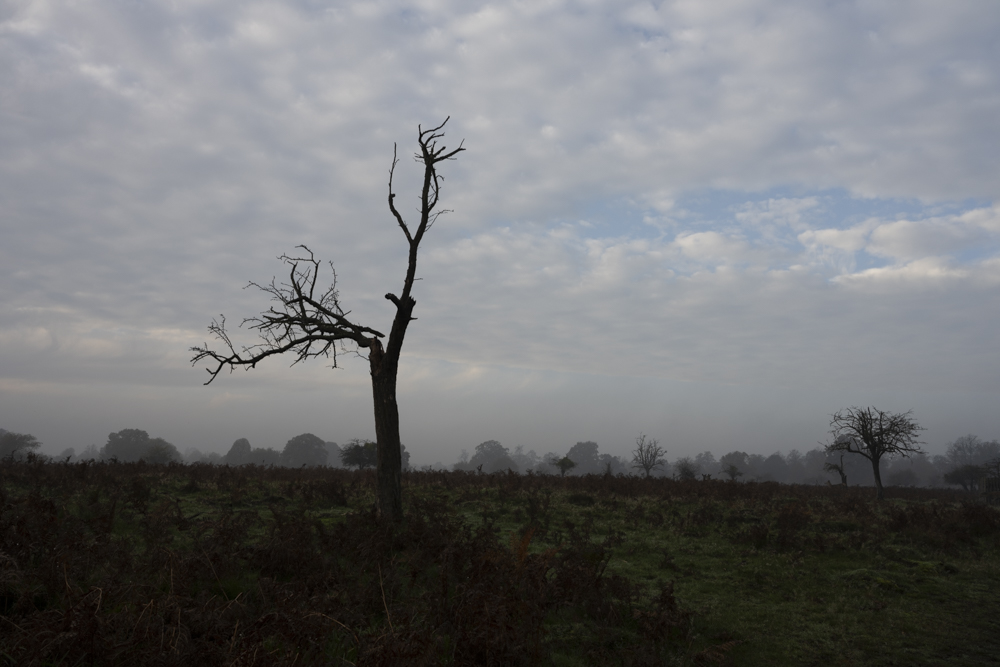
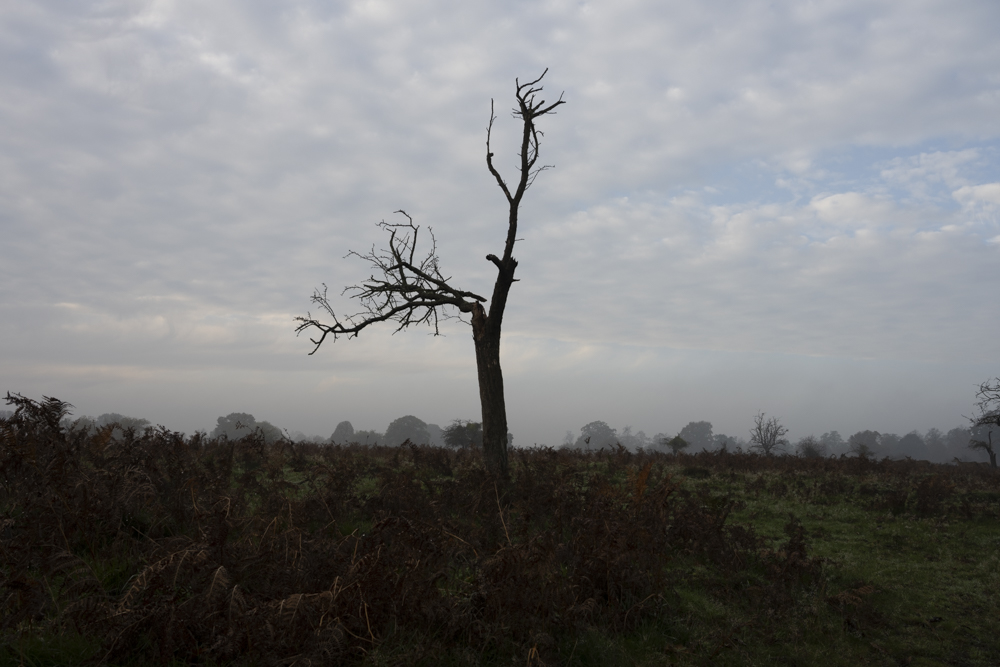
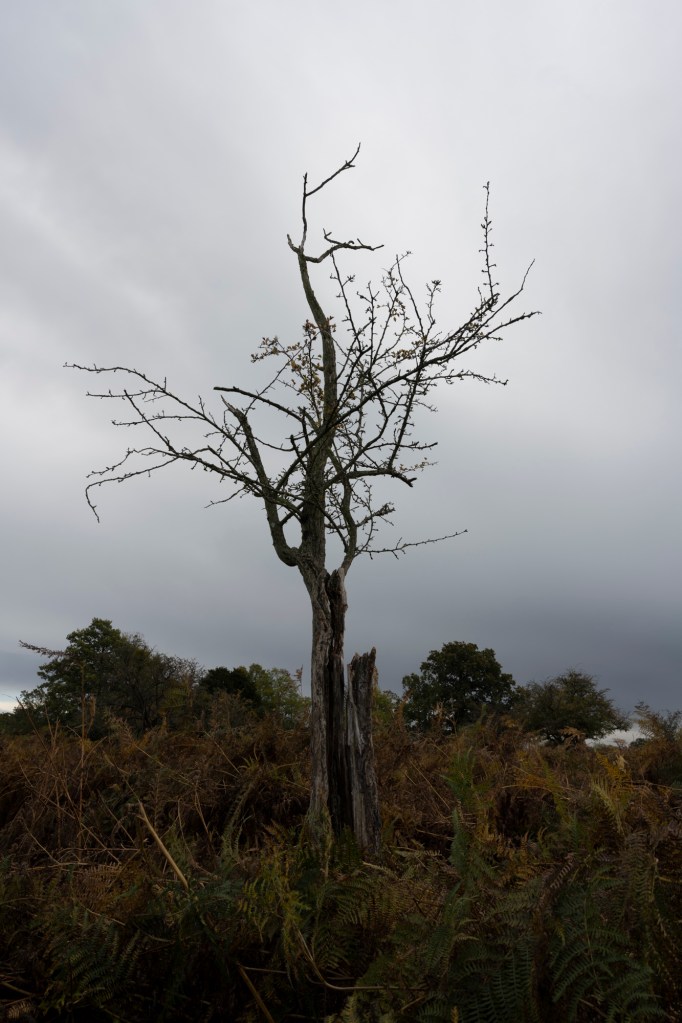
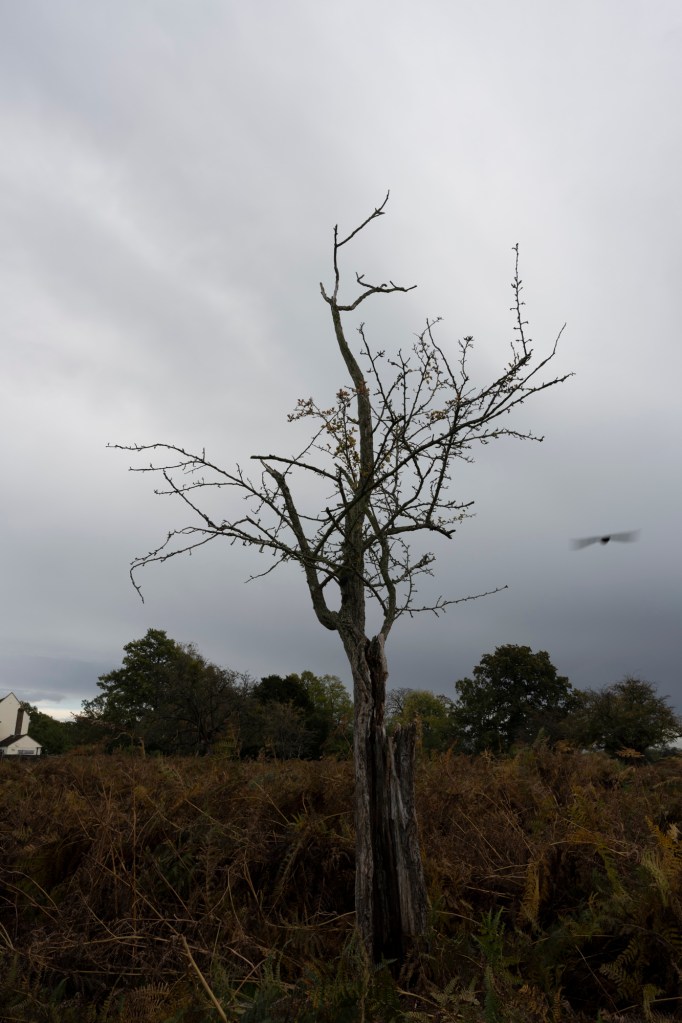
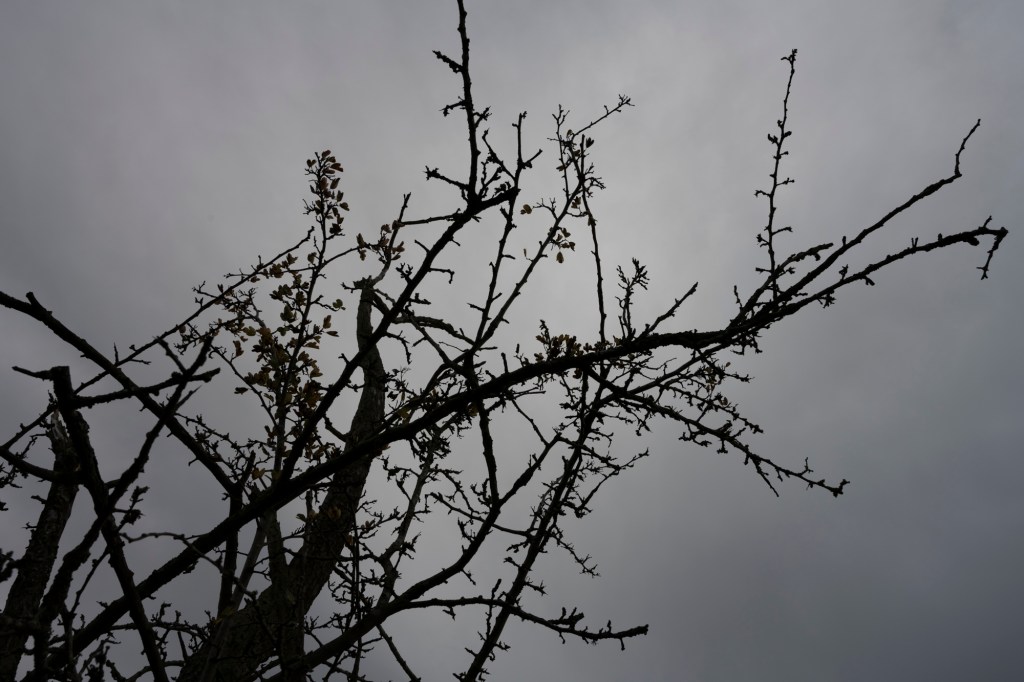
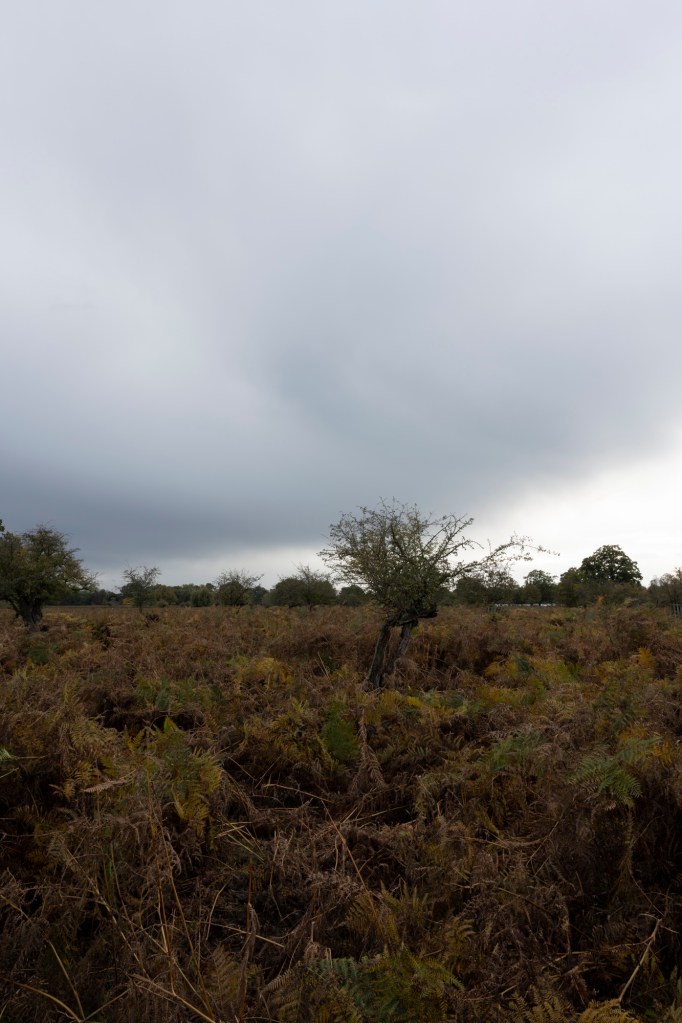
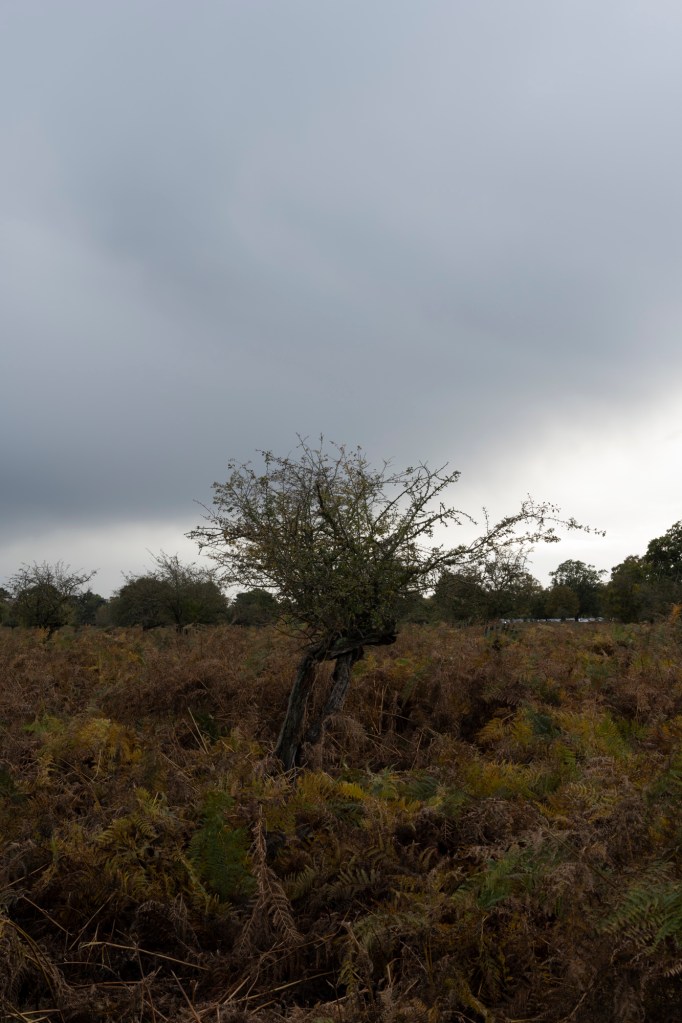
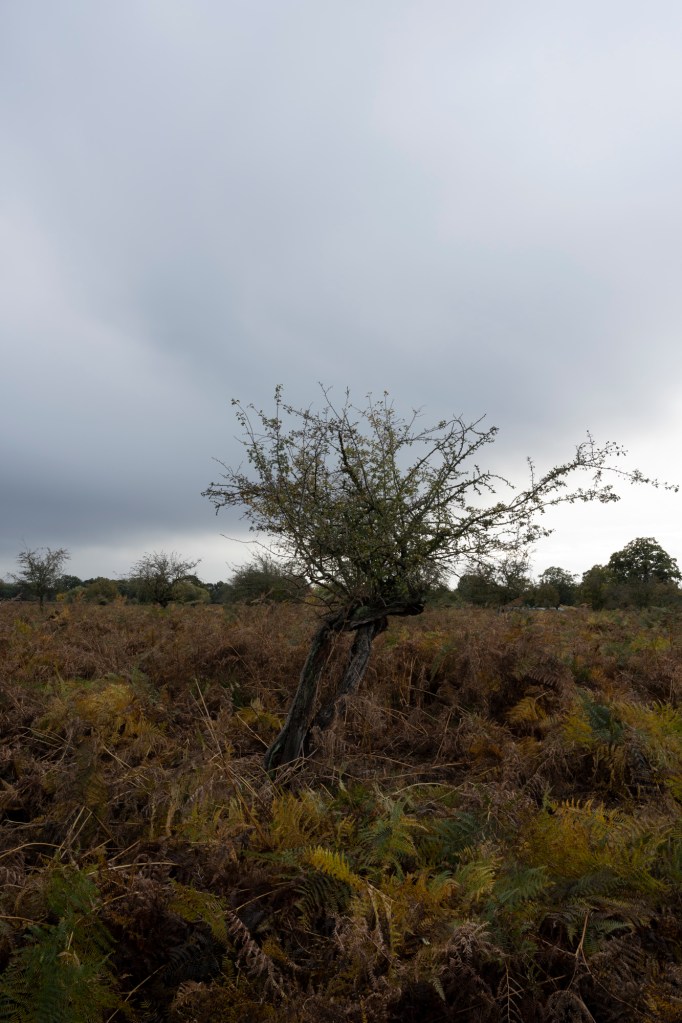
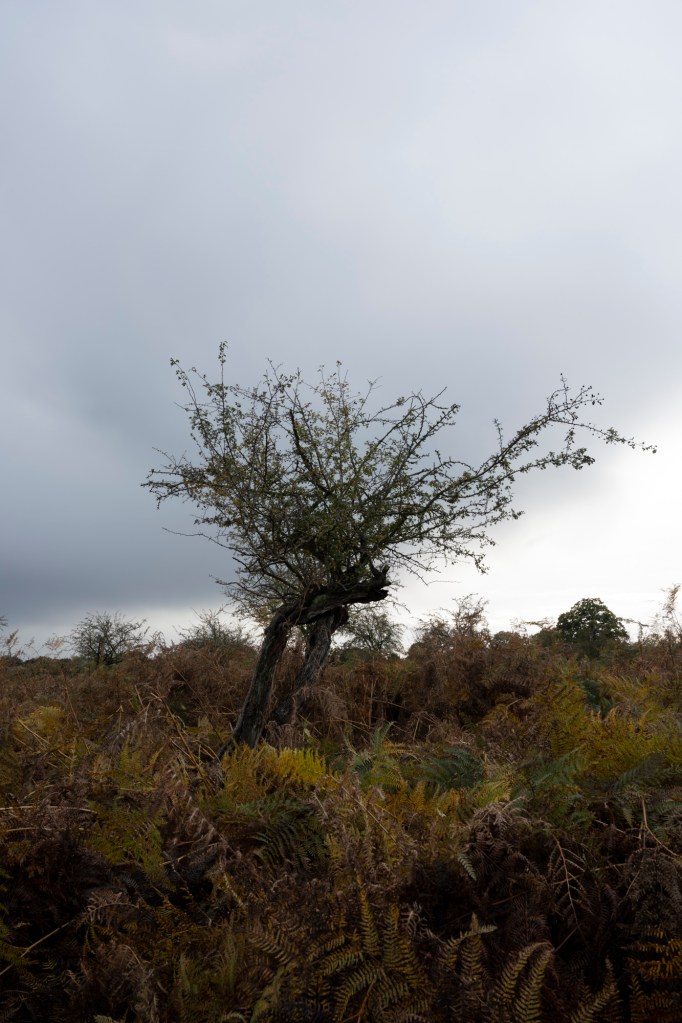
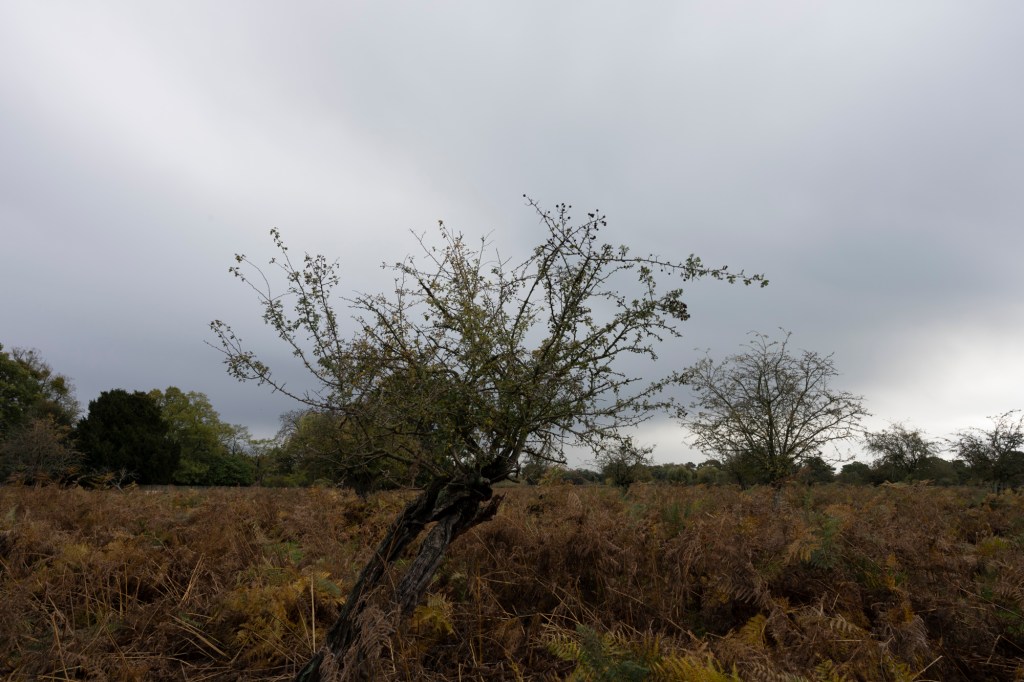
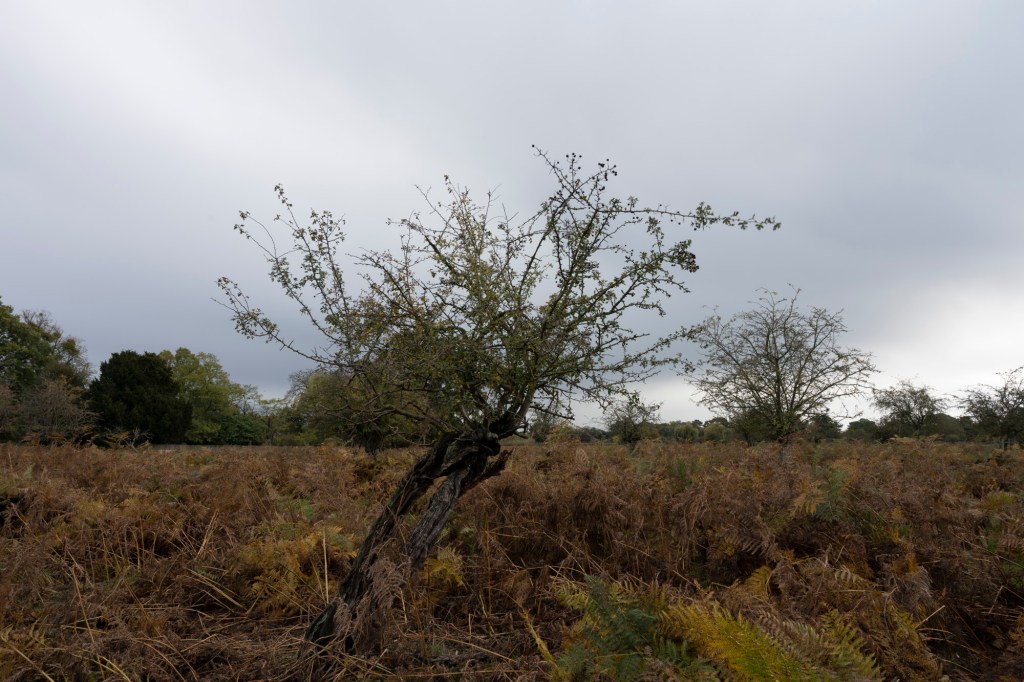
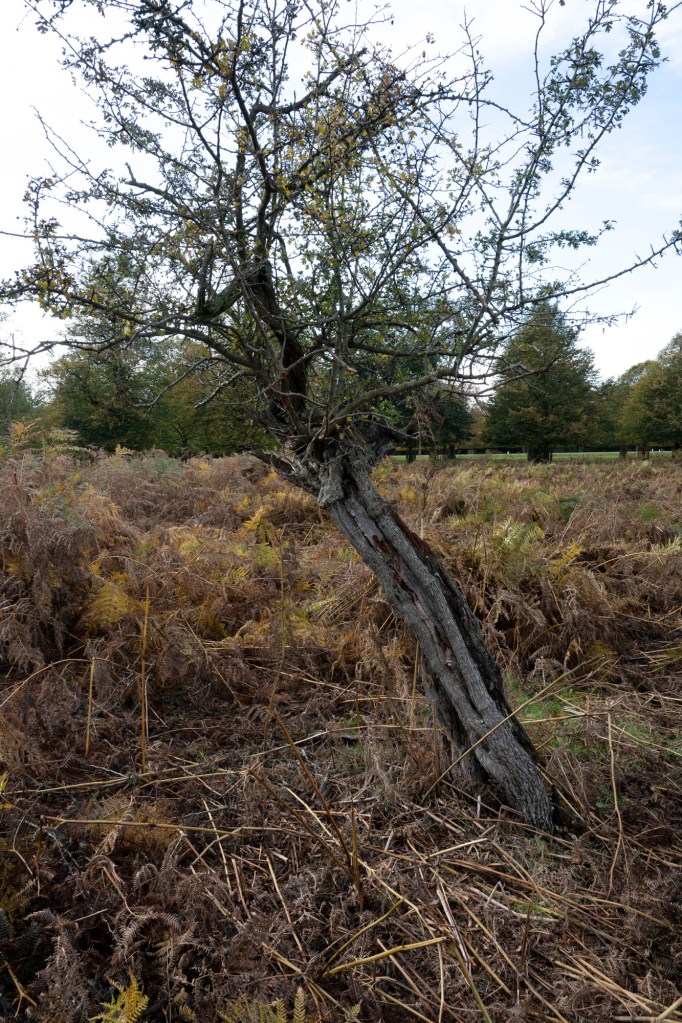
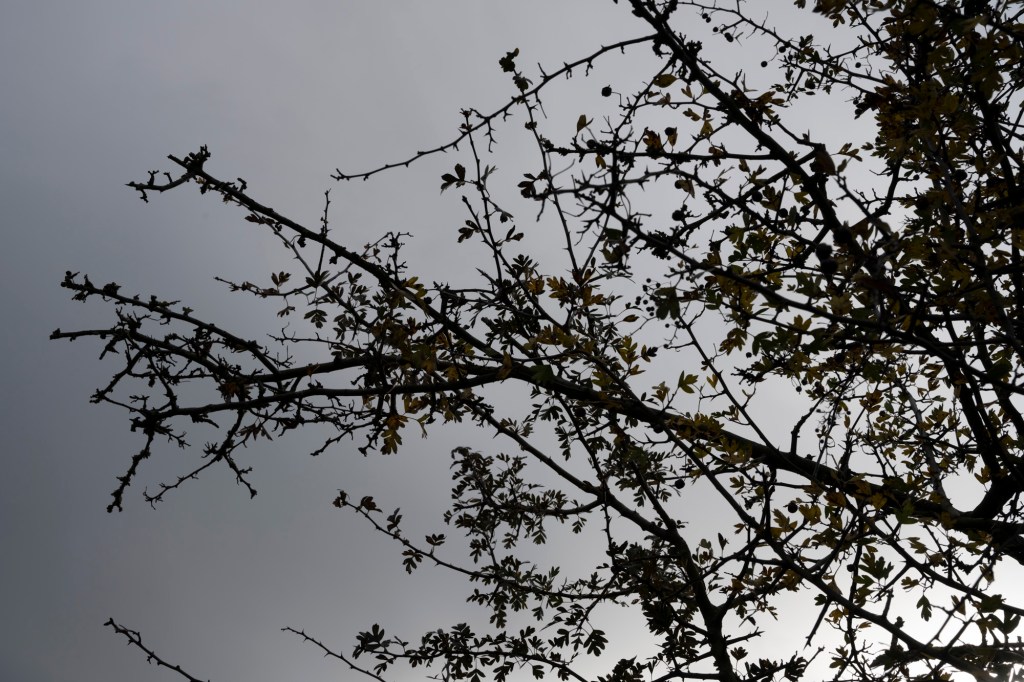
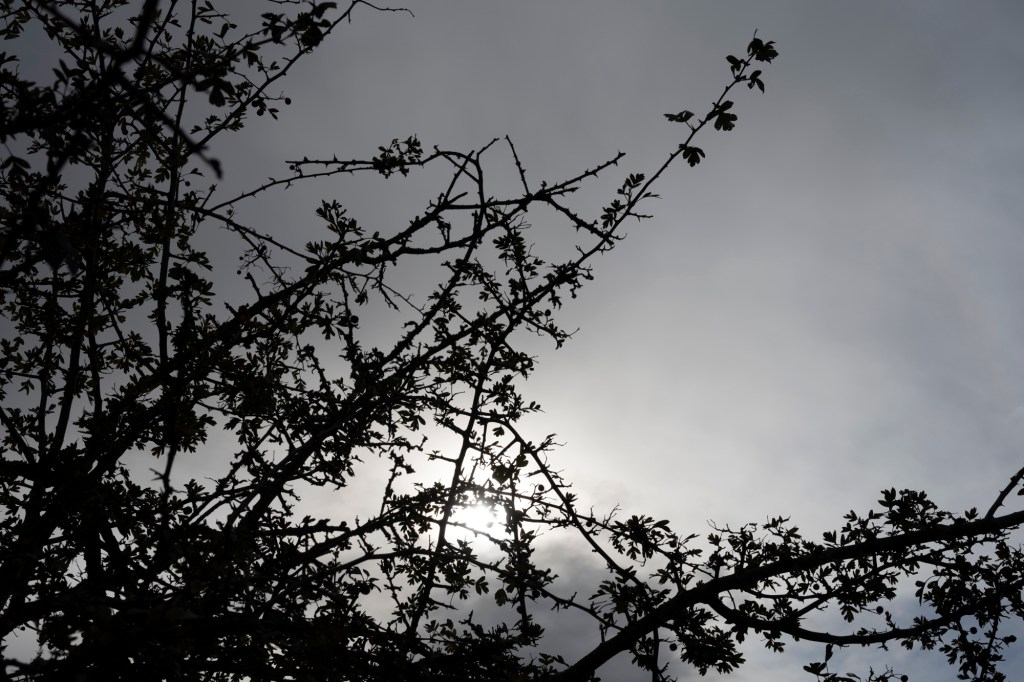
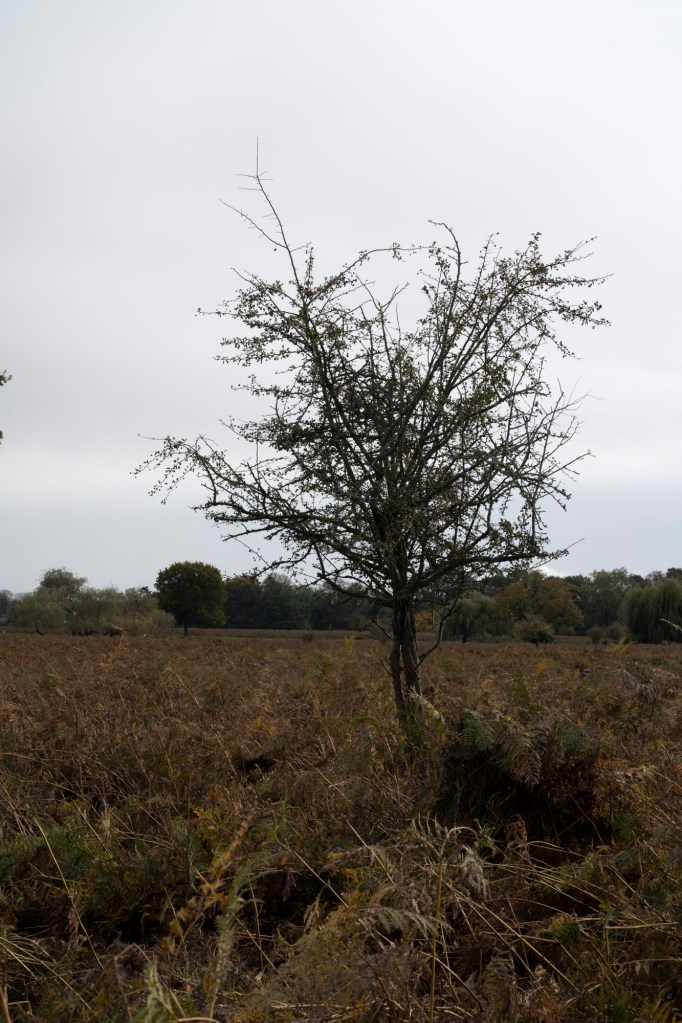
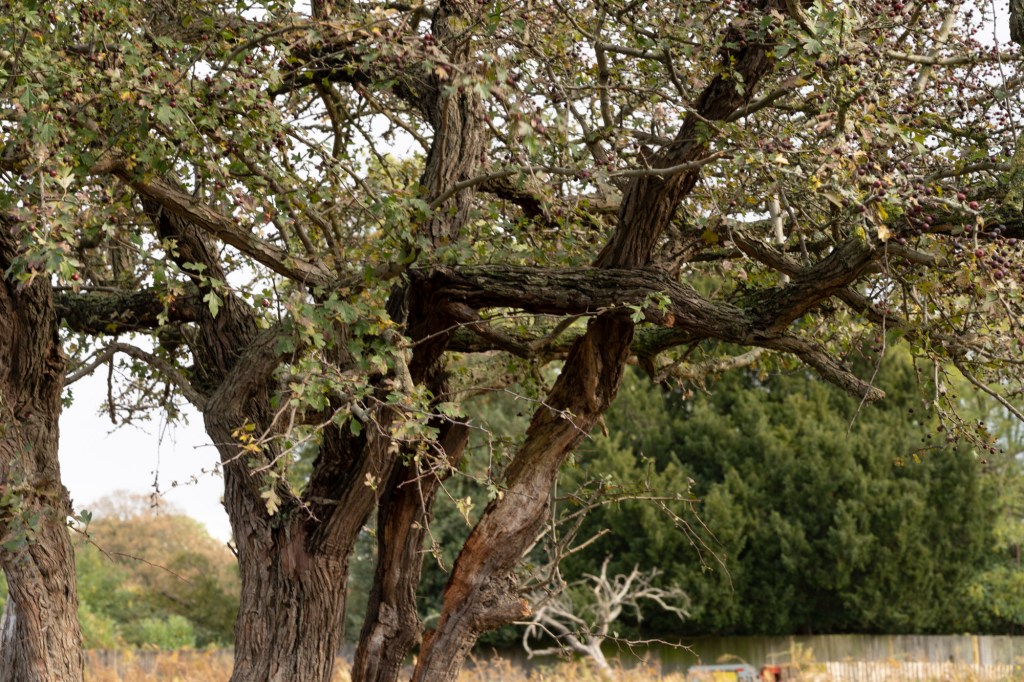
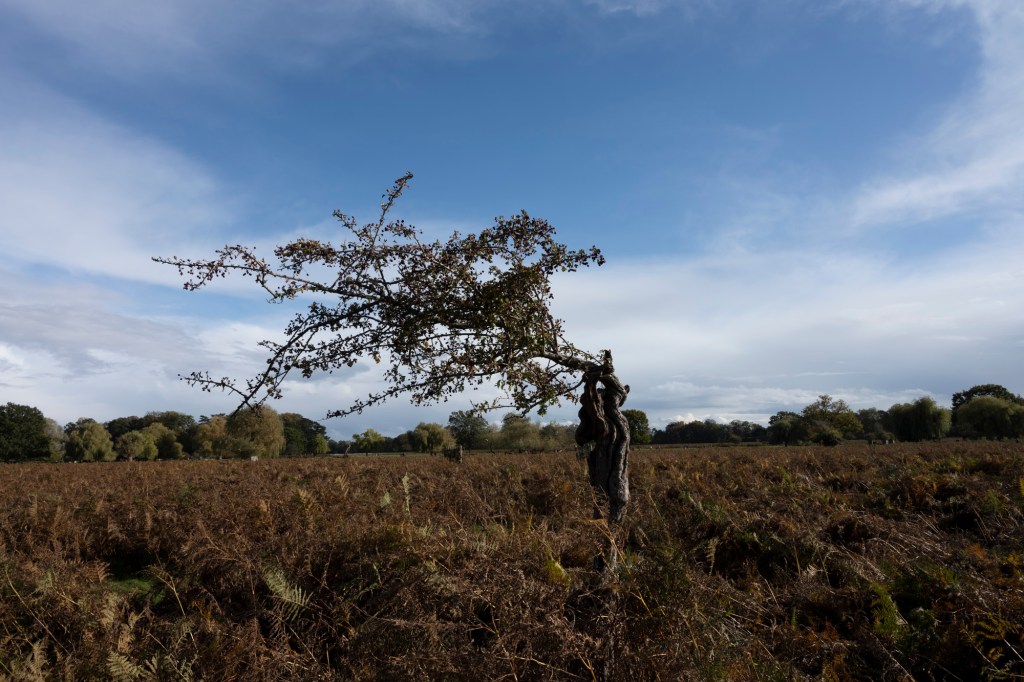
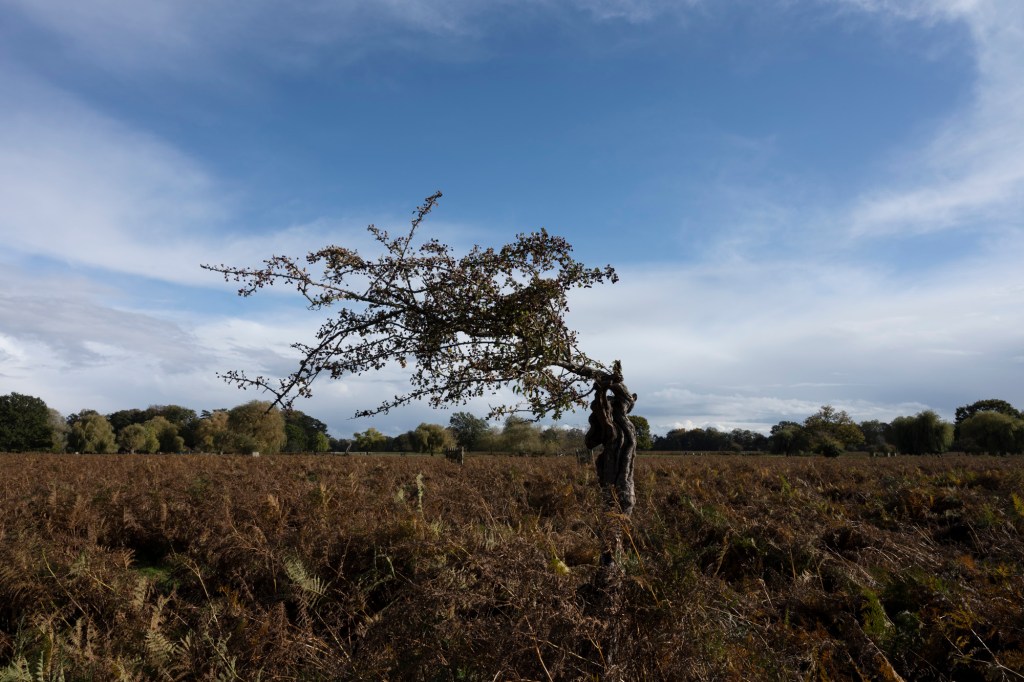
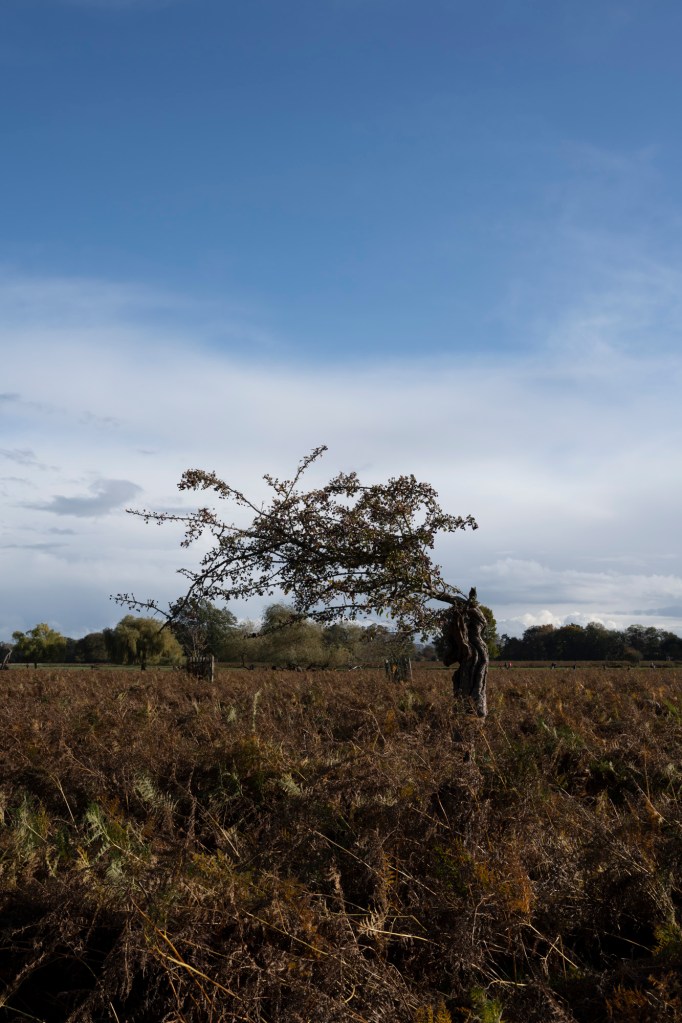
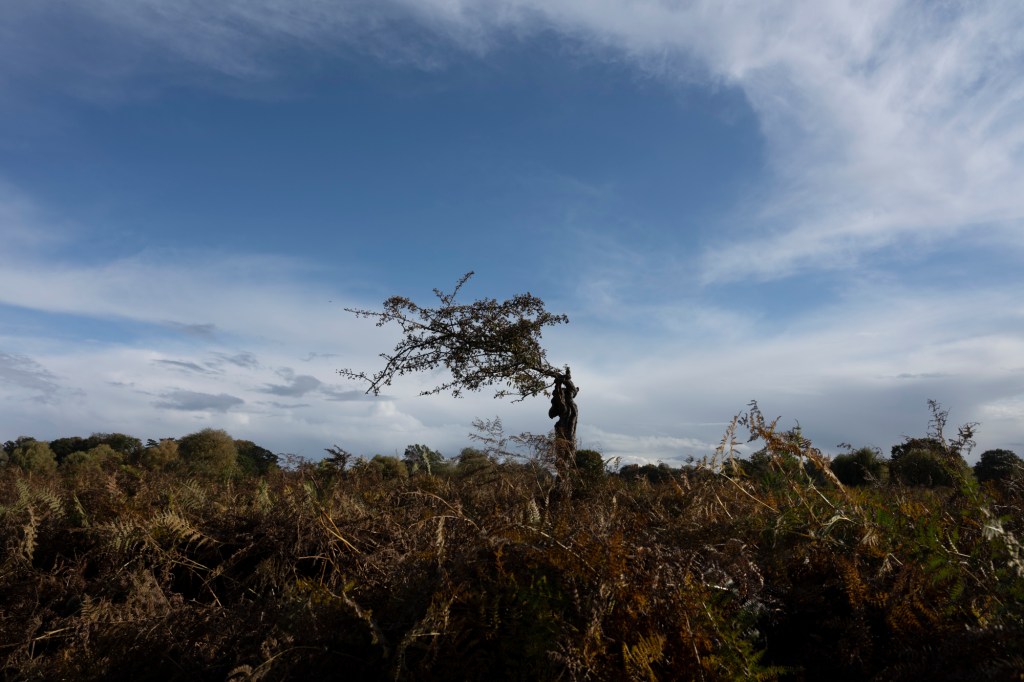
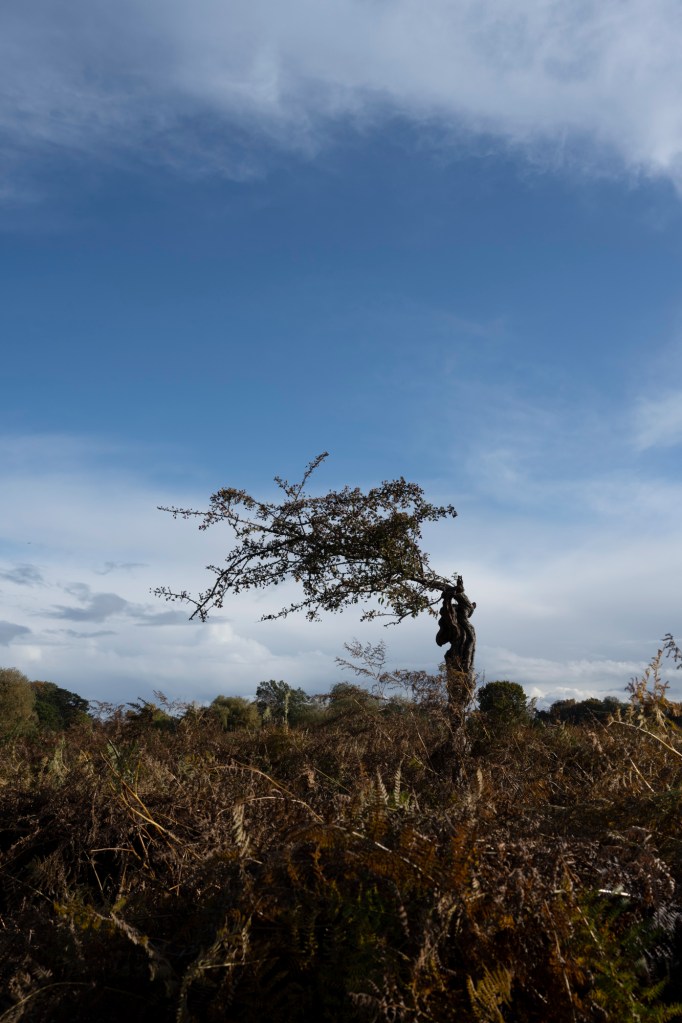
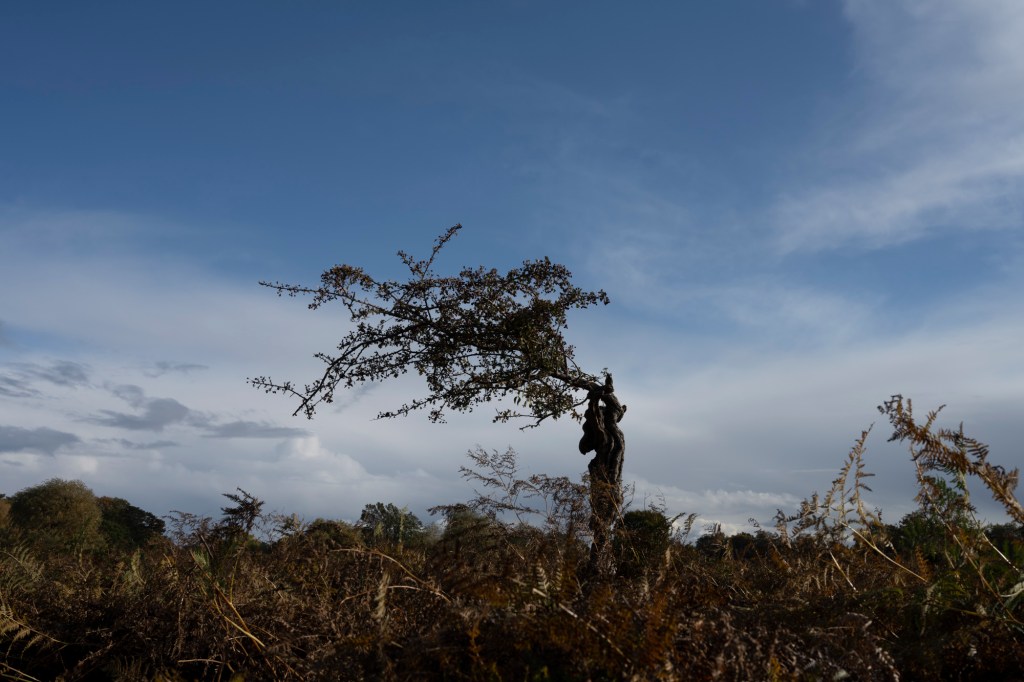
The first tree I photographed is by itself. I tried shooting different angles around the tree and including different elements in the background.
The white pole that can be seen in the background in the fifth and sixth images marks the SHAEF Memorial. This is the location where General Eisenhower planned Operation Overlord, the code name of the D-Day landings in Normandy during WWII (1939-45). On 5 March 1944 General Eisenhower moved SHAEF (Supreme Headquarters Allied Expeditionary Forces) from Grosvenor Square in London to Camp Griffiss, a large US base in Bushy Park.
According to the Royal Parks website, Eisenhower is said to have relaxed by sketching the pine trees that he could see from his office window. Also, it states that the final buildings of Camp Griffiss were removed in 1963 but there are still signs of the camp, including brackets in trees that held telephone wires.
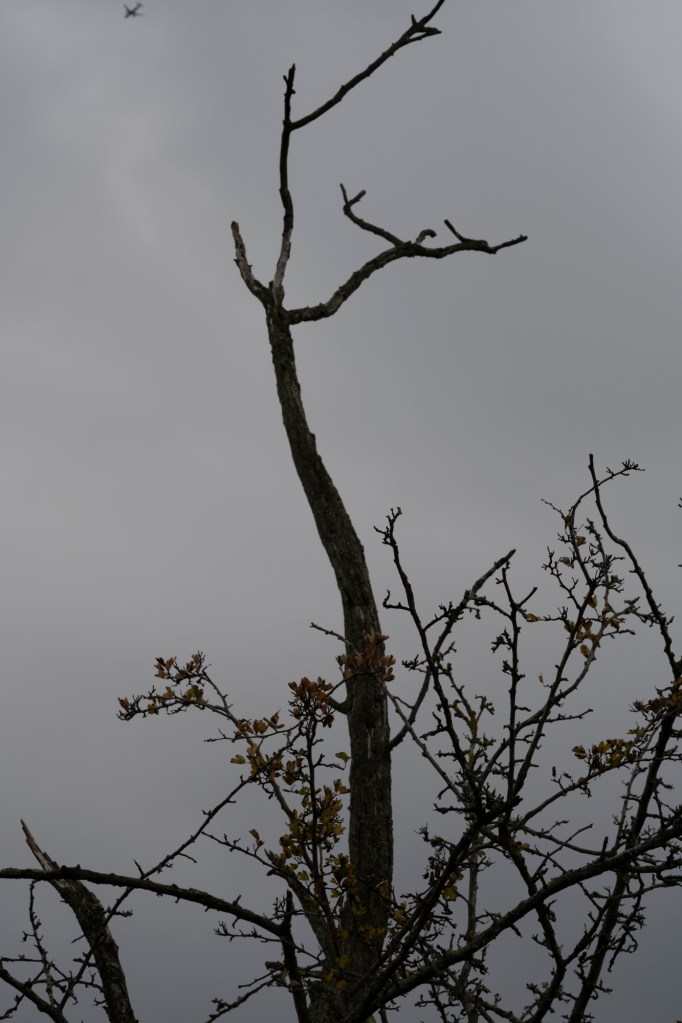
In hindsight, these closer shots remind me of broken wires.
Tree 2
I continued to walk through the park around the back of Hawthorn Lodge and around to the Diana Fountain car park. There were quite a few deer around that patch, which reduced my potential shooting opportunities. At the time of writing, I couldn’t recall exactly which tree this was, but I will need to revisit this speciment.
Tree 3
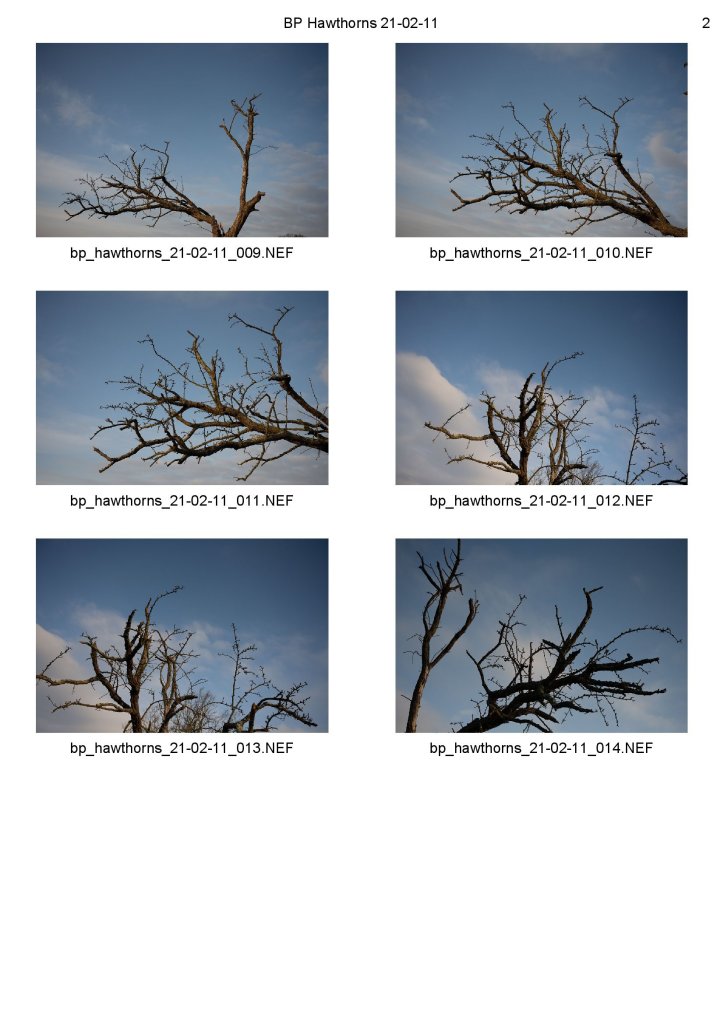
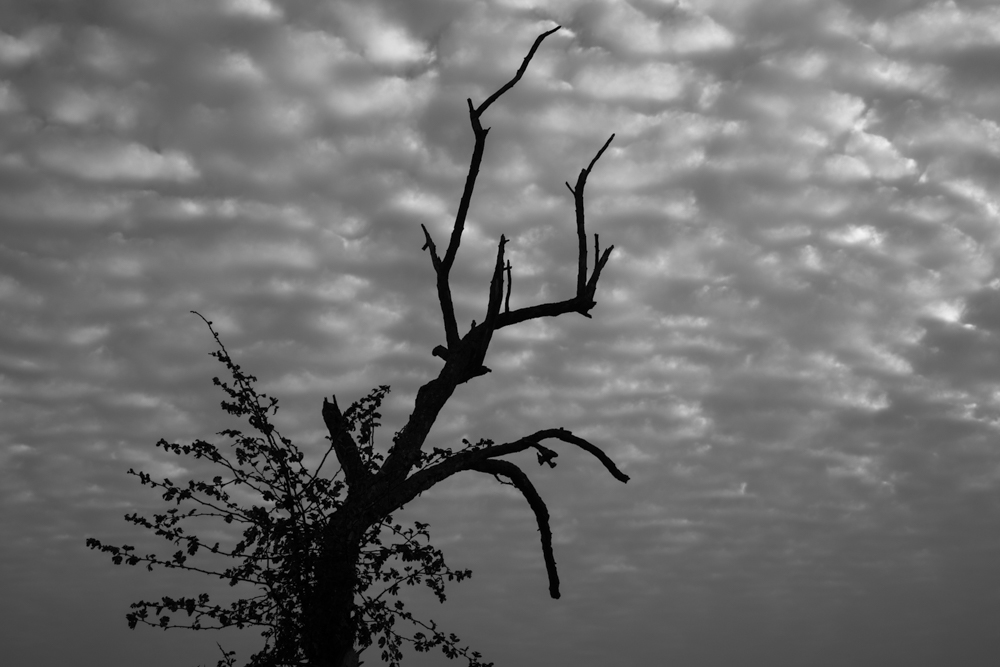
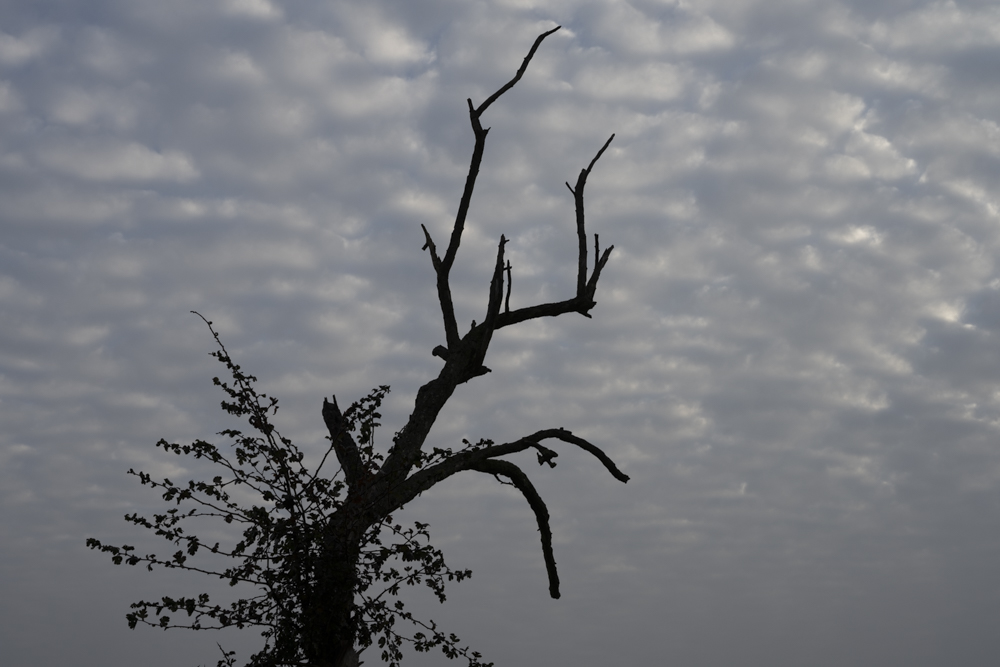
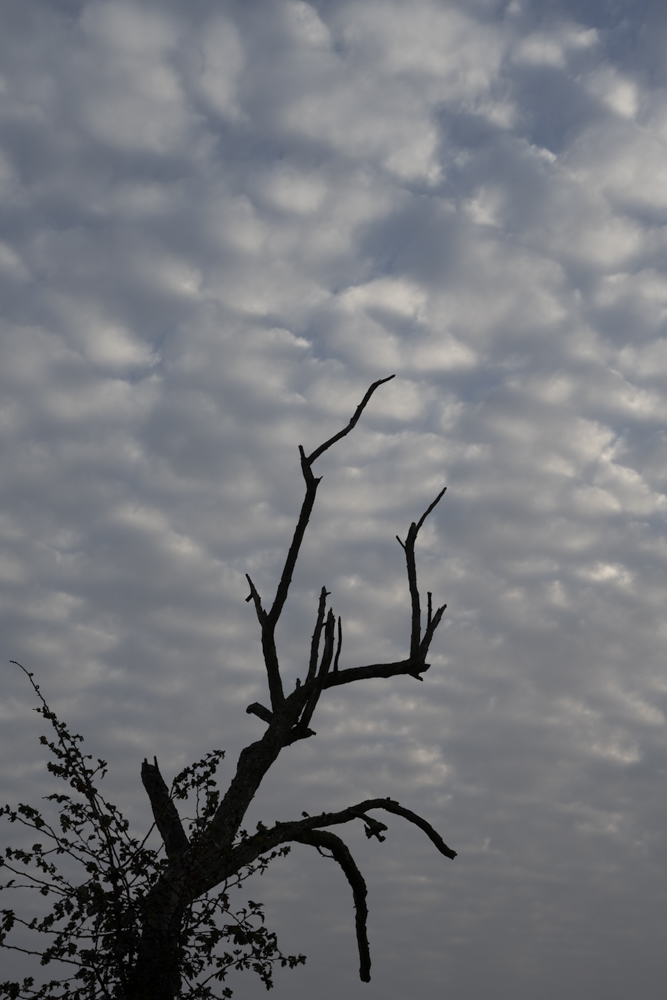
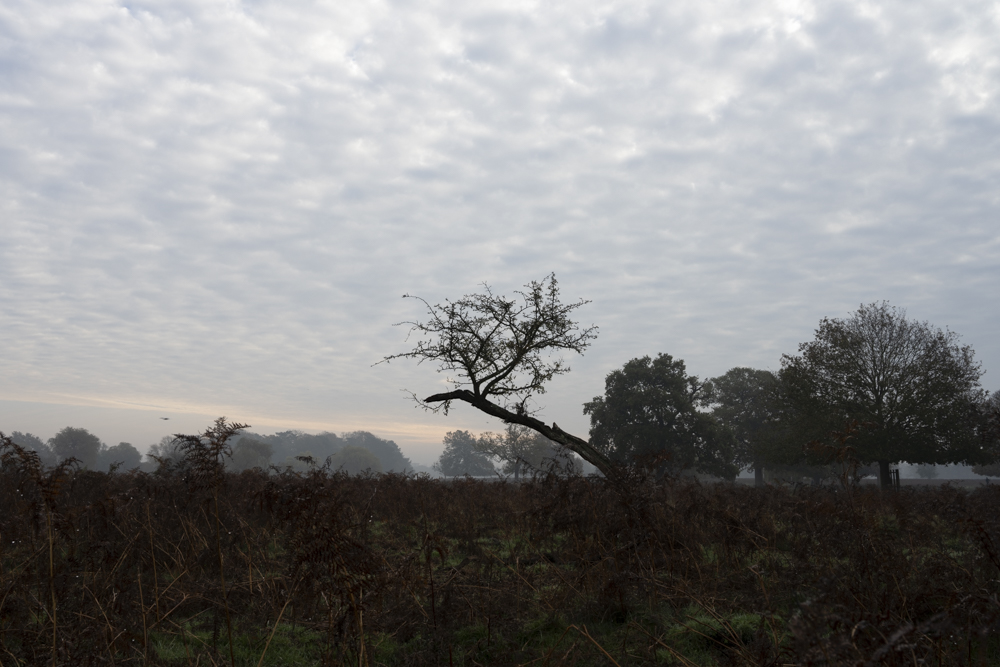
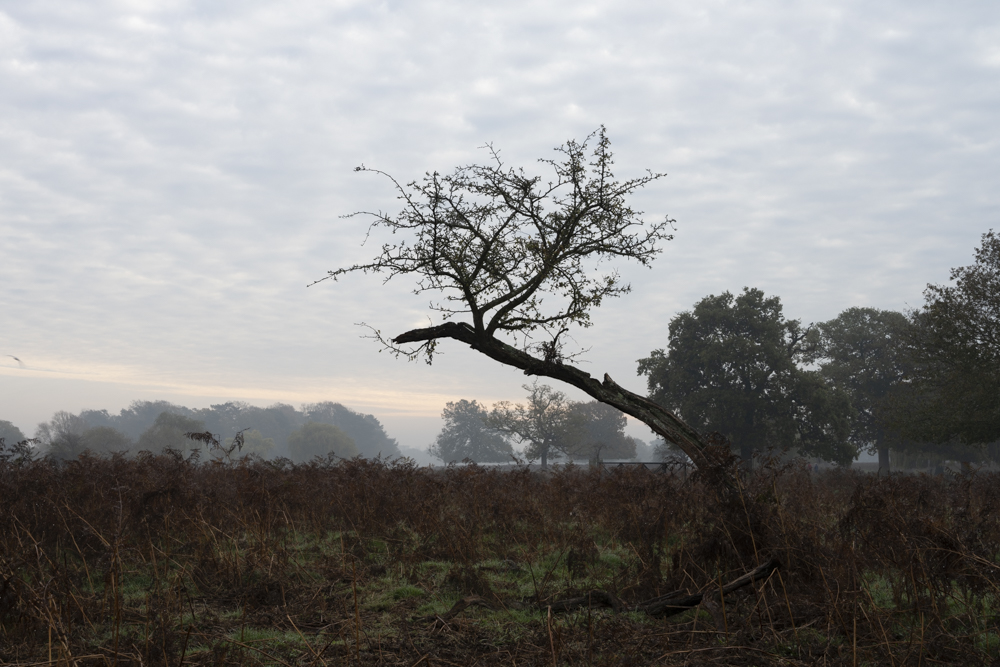
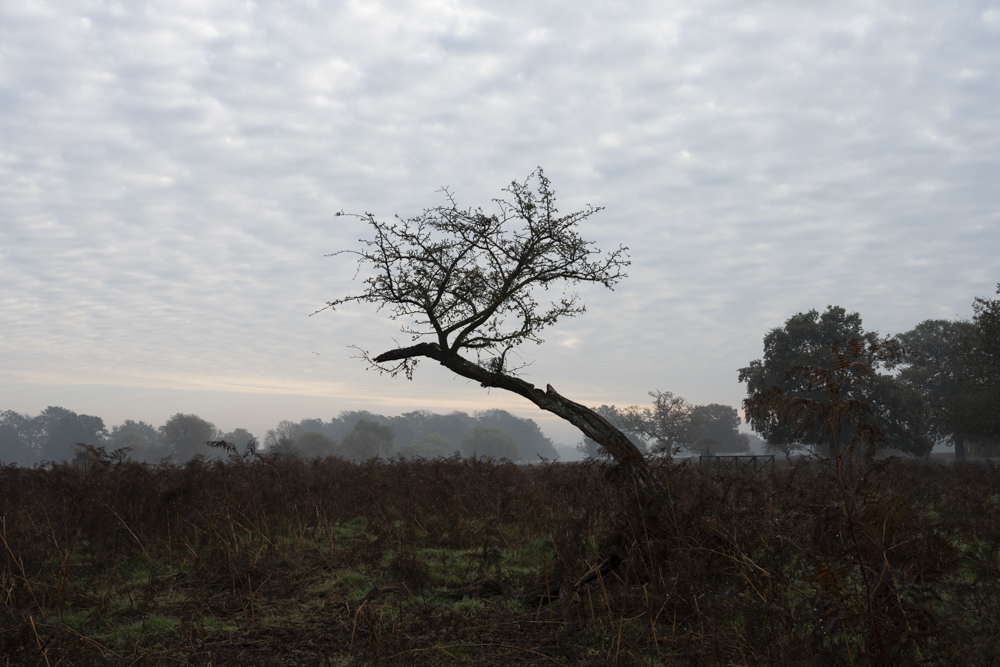
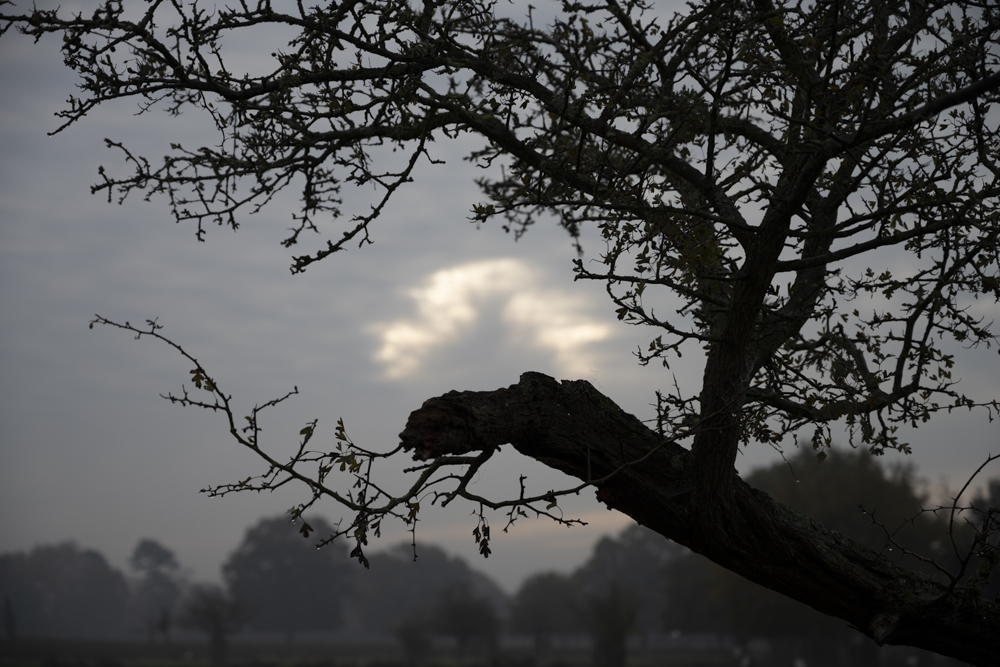
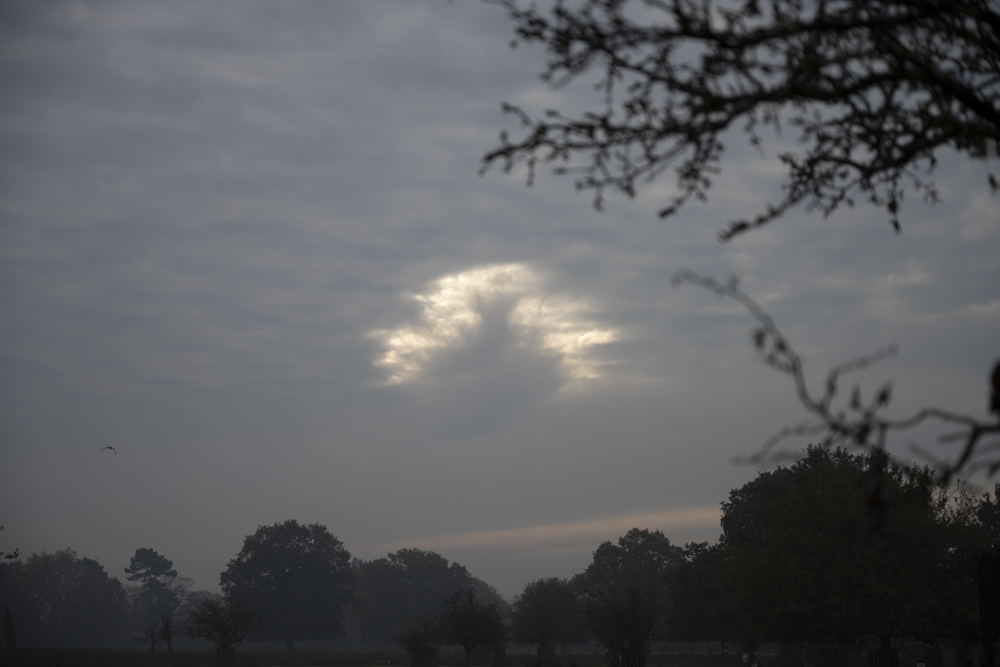
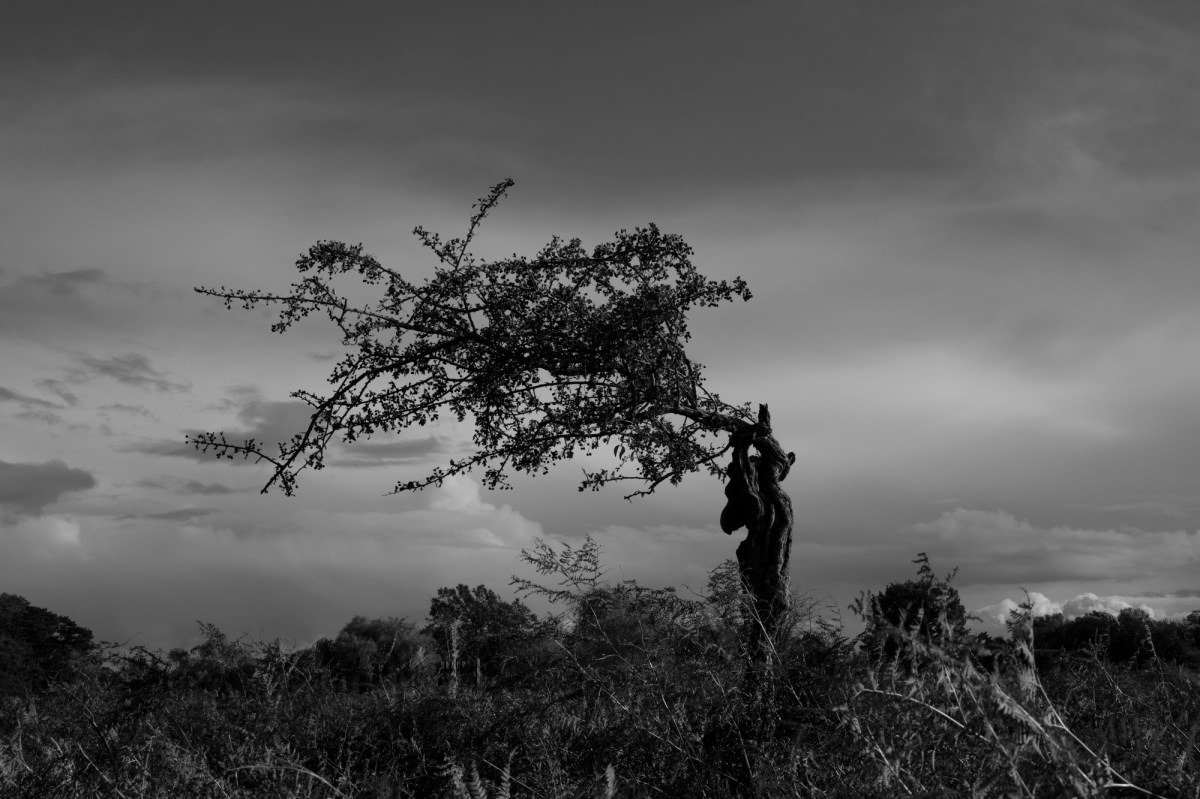
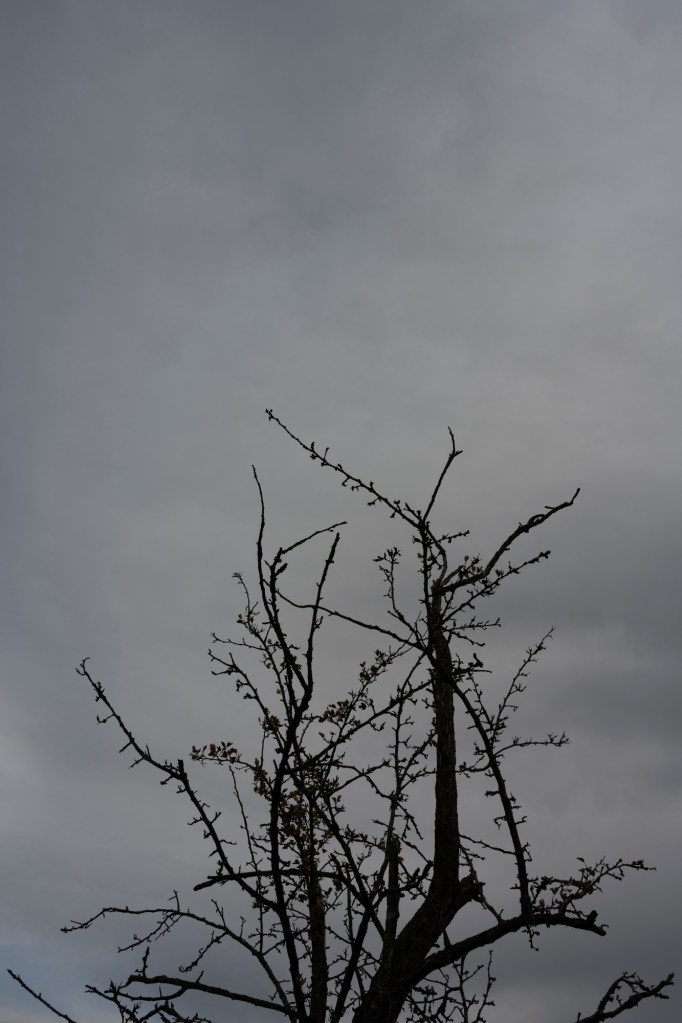
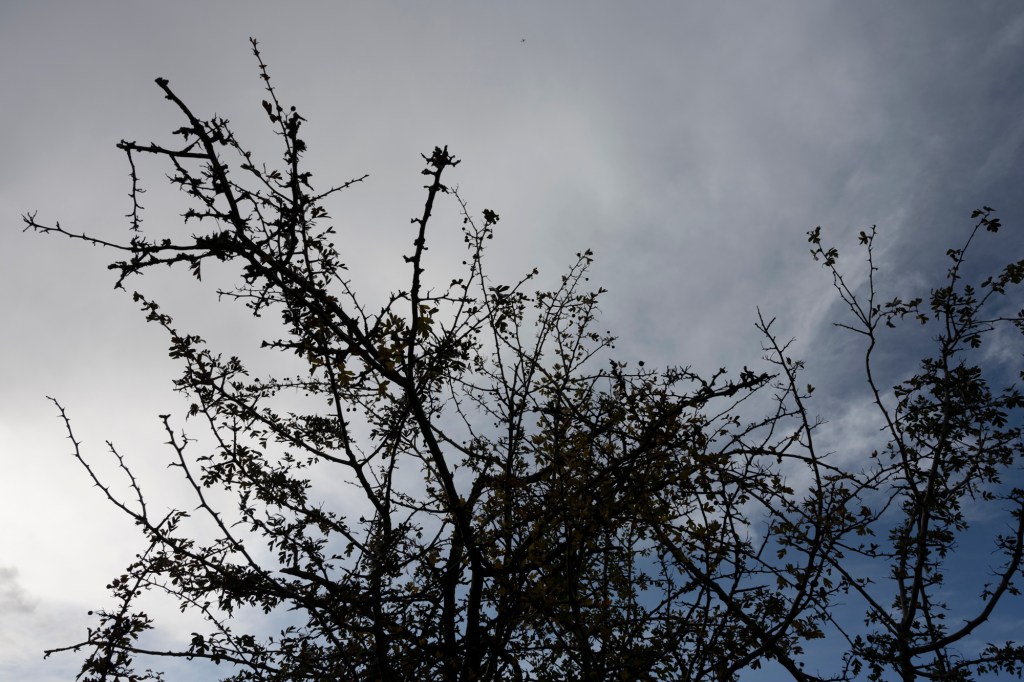
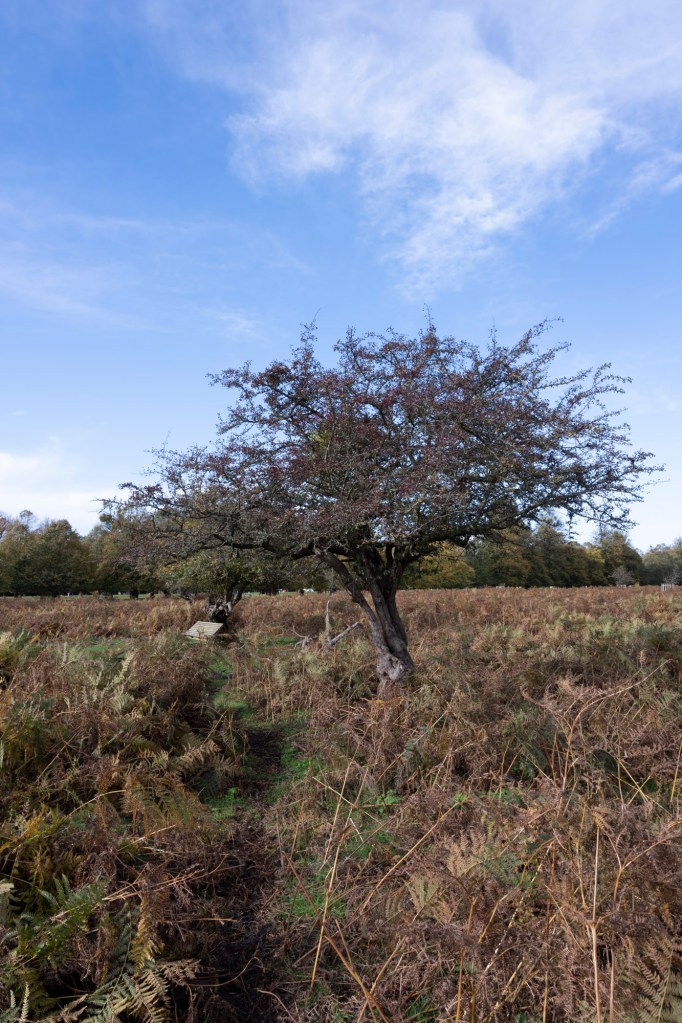
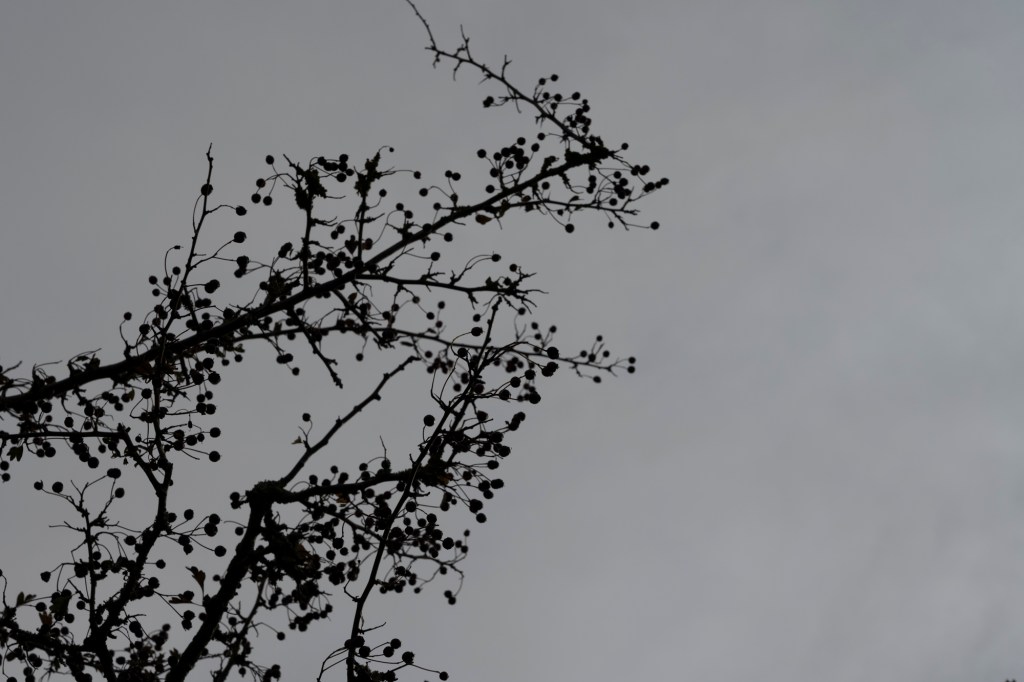
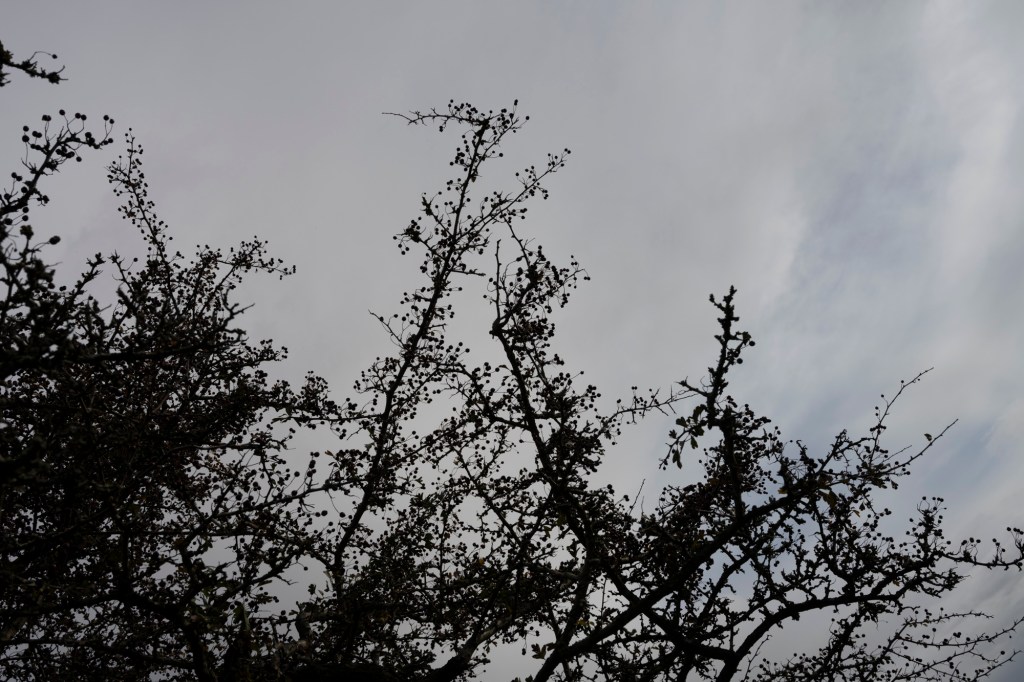
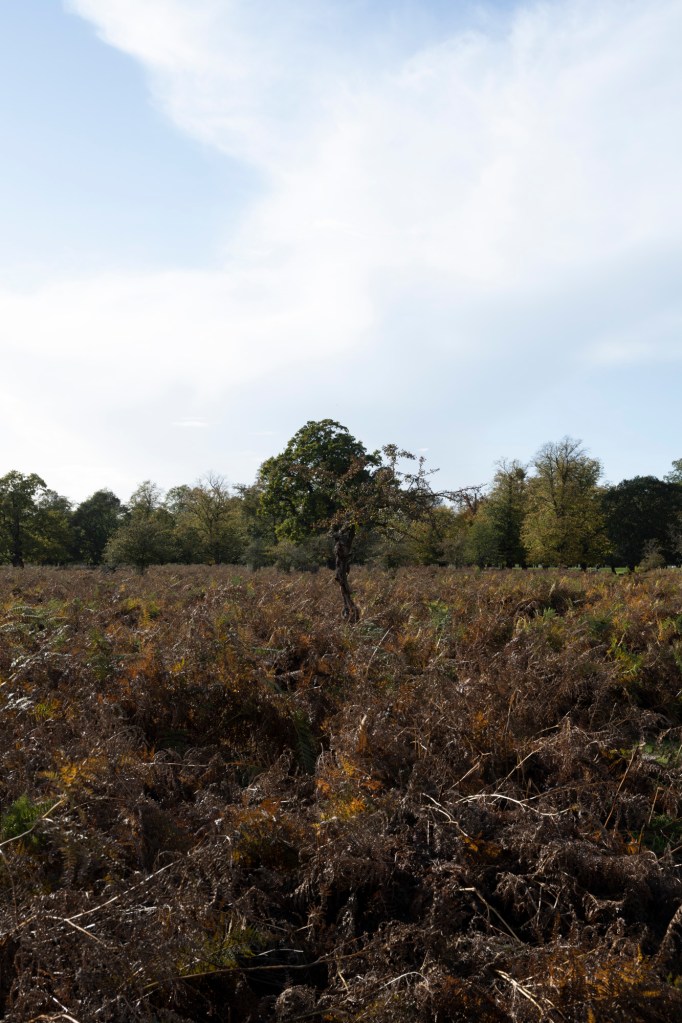
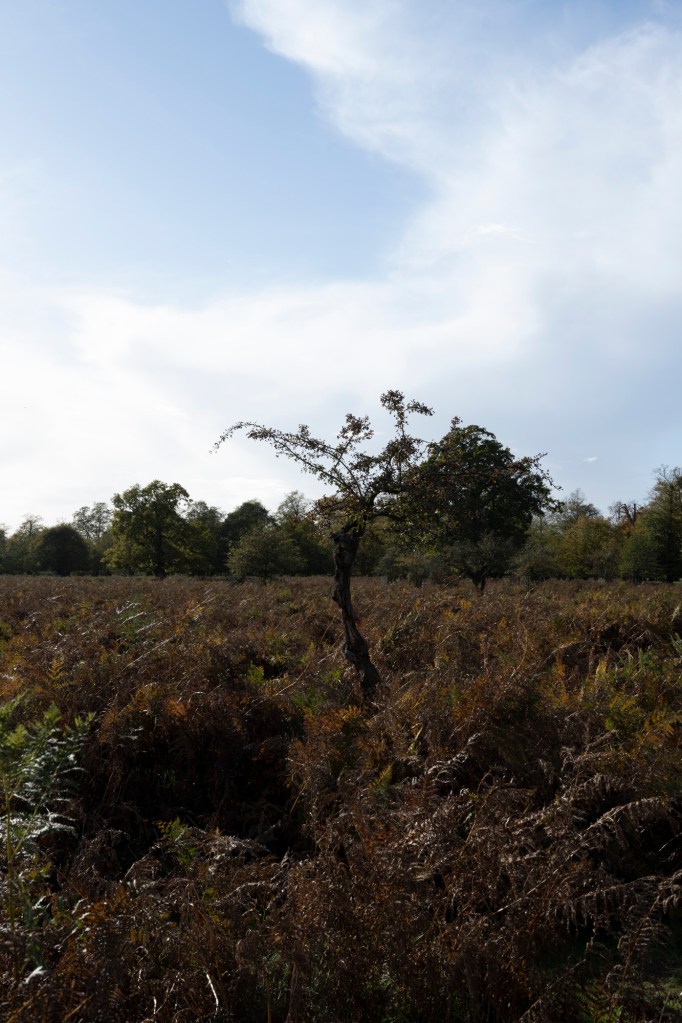
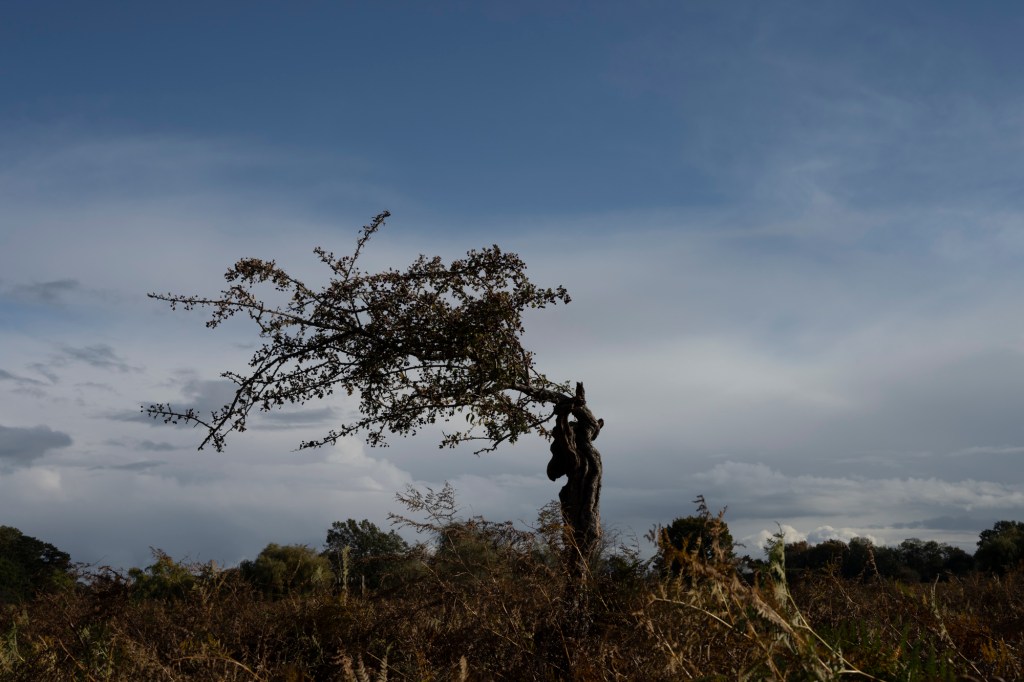
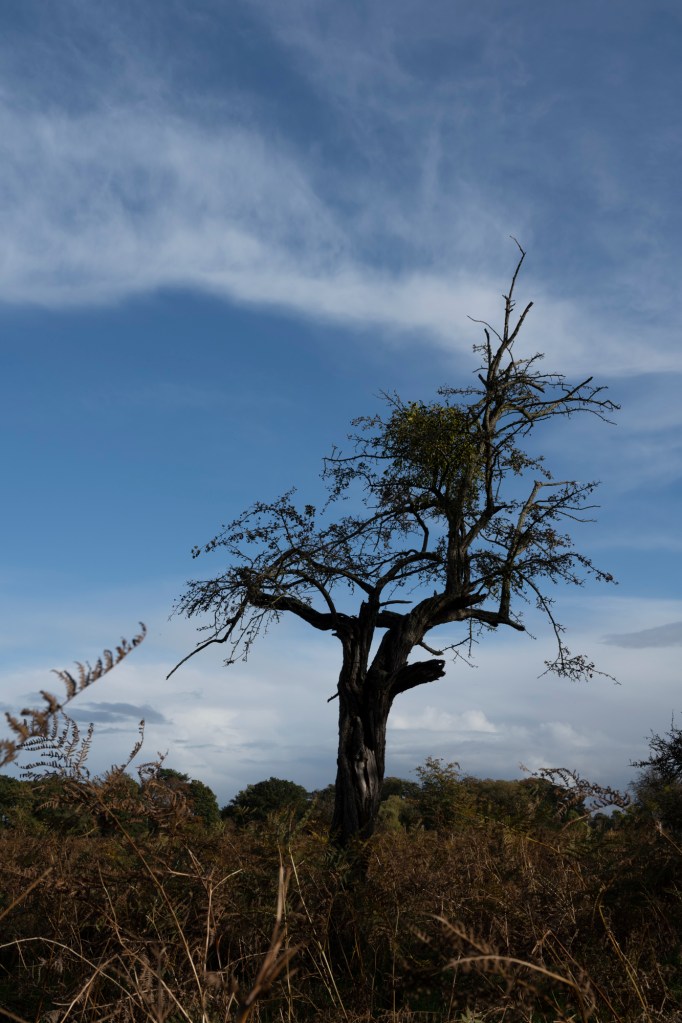
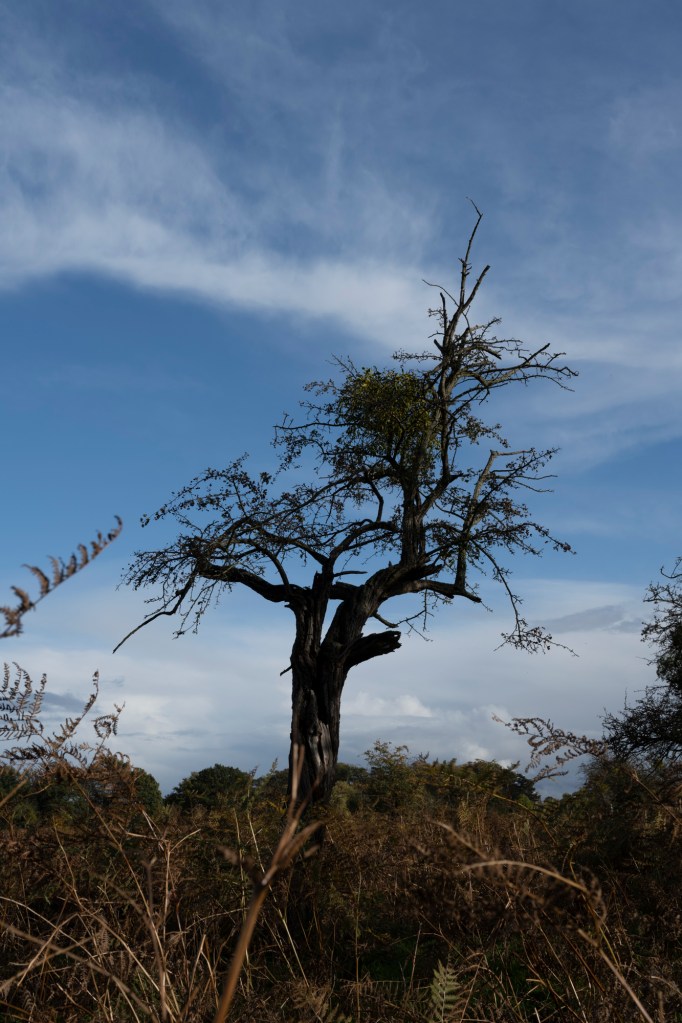
The third and final tree that I focused on was near to the main hawthorn patch near to the Diana car park. I really liked the texture of the sky in relation to this tree.
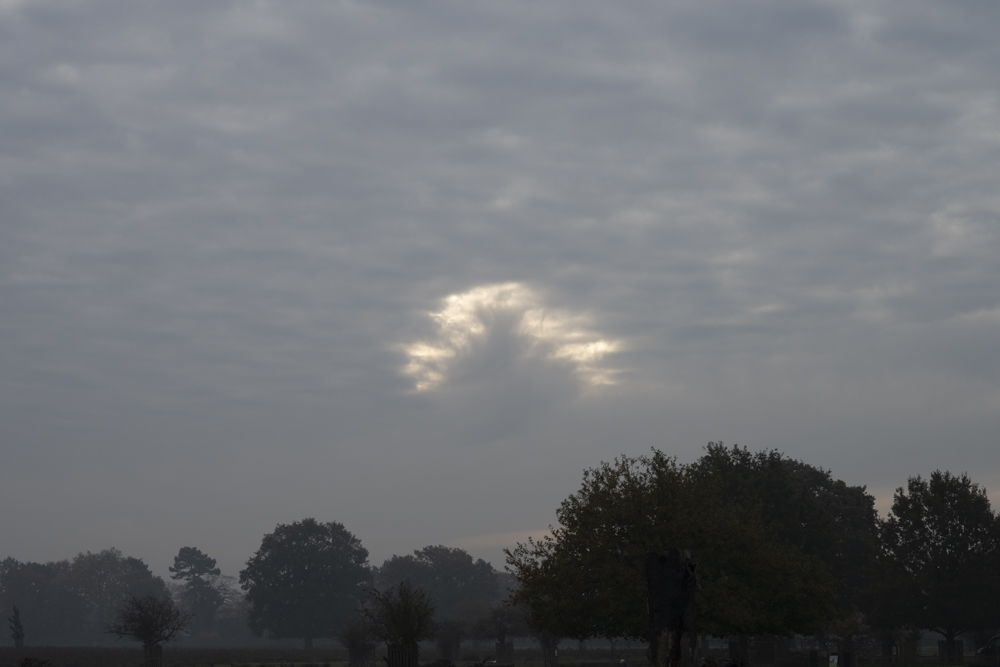
I also noticed this mesmerising cloud formation where I think the cloud was starting to shine through. I couldn’t quite get the angle or shot I wanted, but this is certainly an aspect I need to look out for with future images.
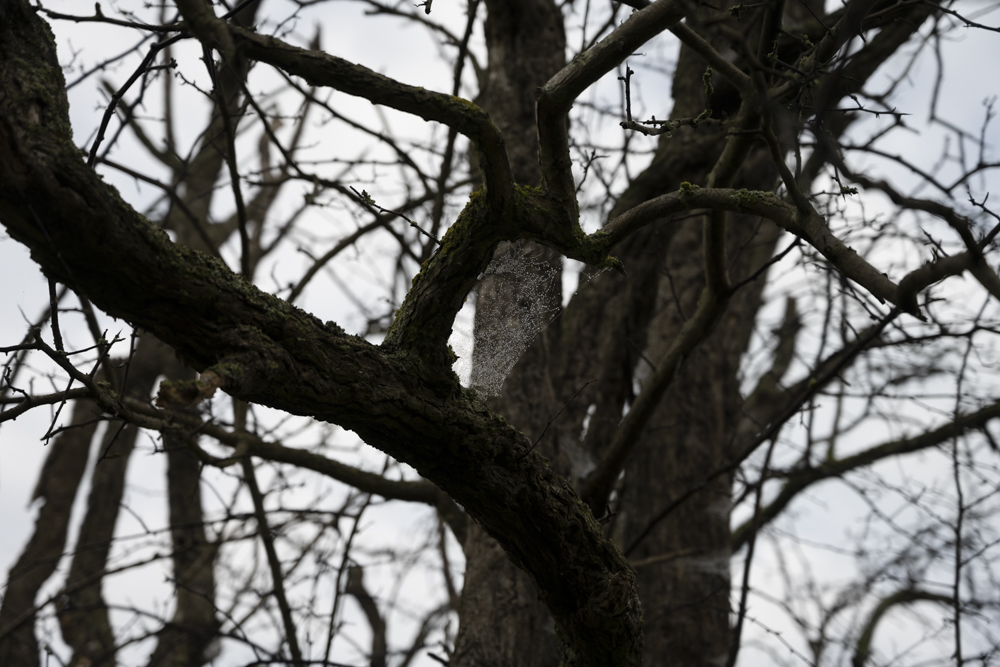
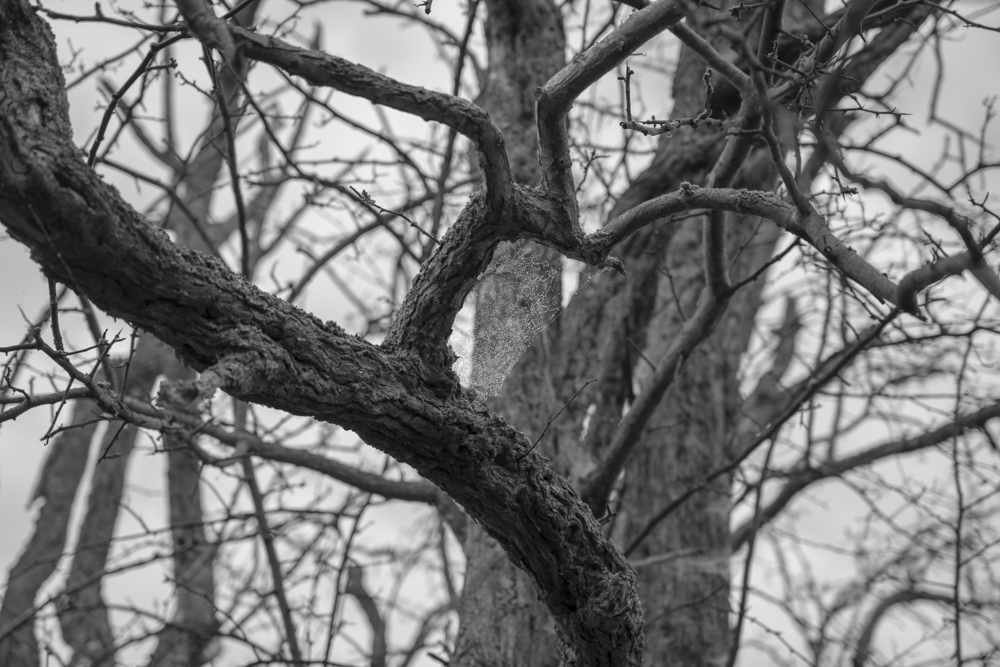
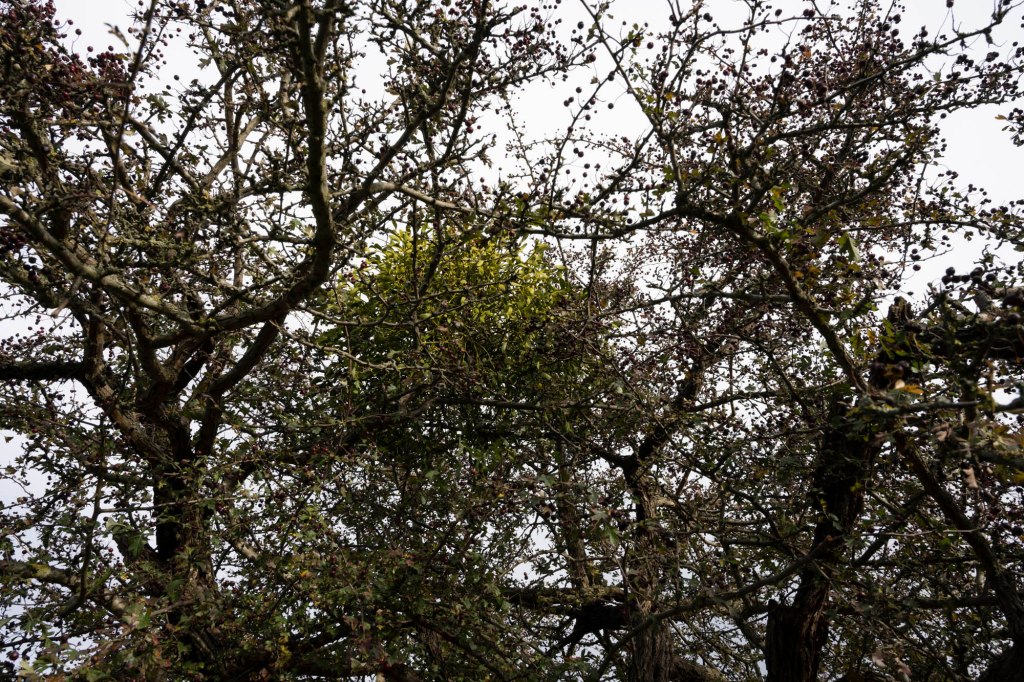
When looking closer at this tree, I noticed a spider’s web coated in water droplets. Evidence of the insects who rely on the hawthorns within Bushy Park.
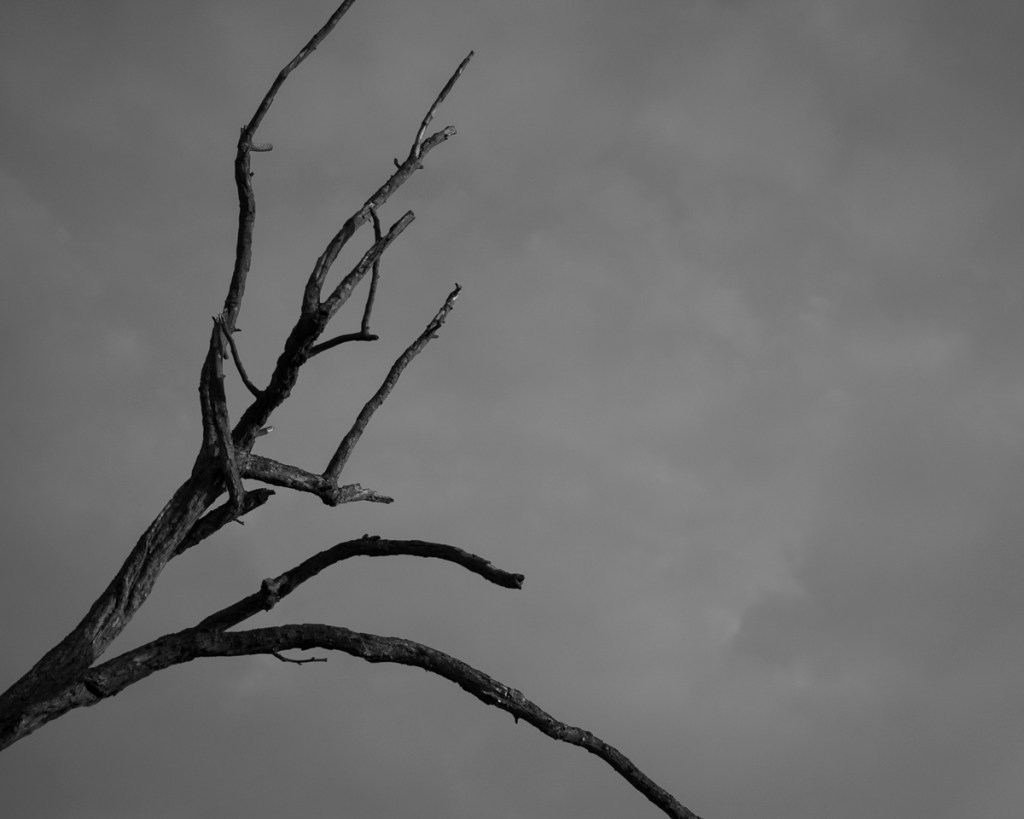
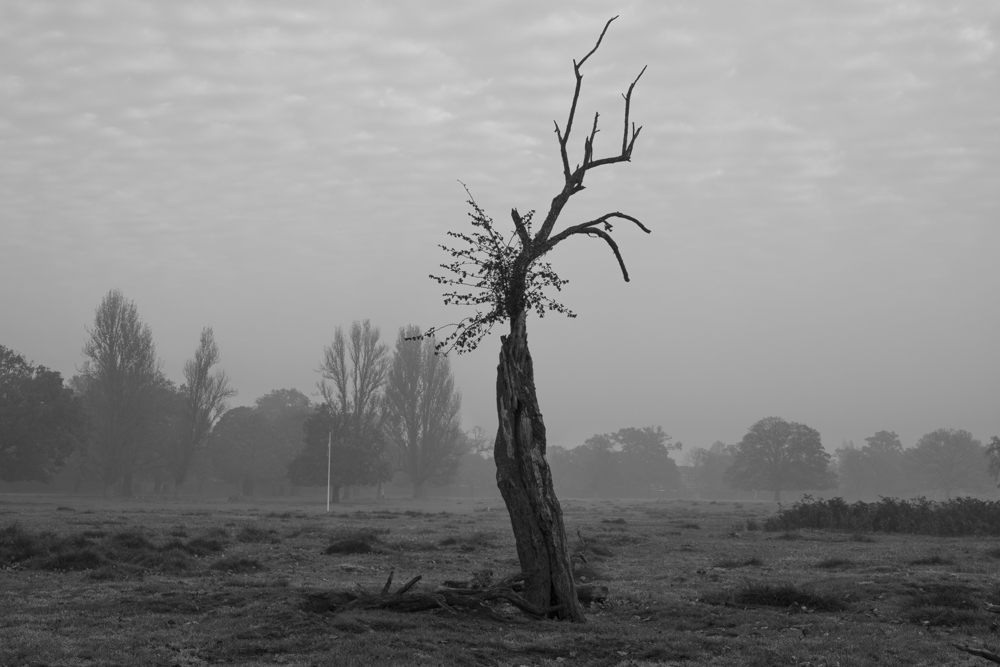
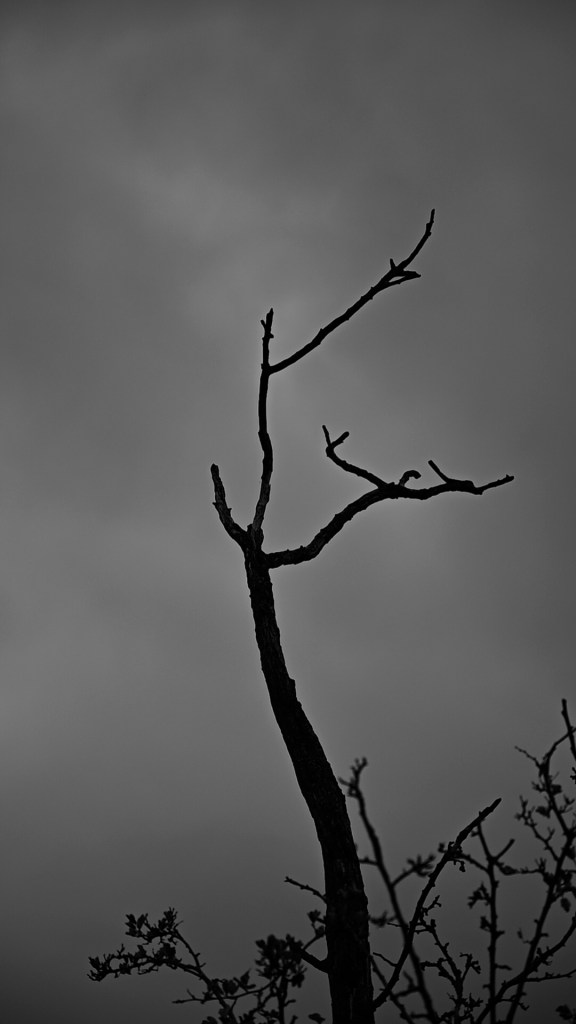
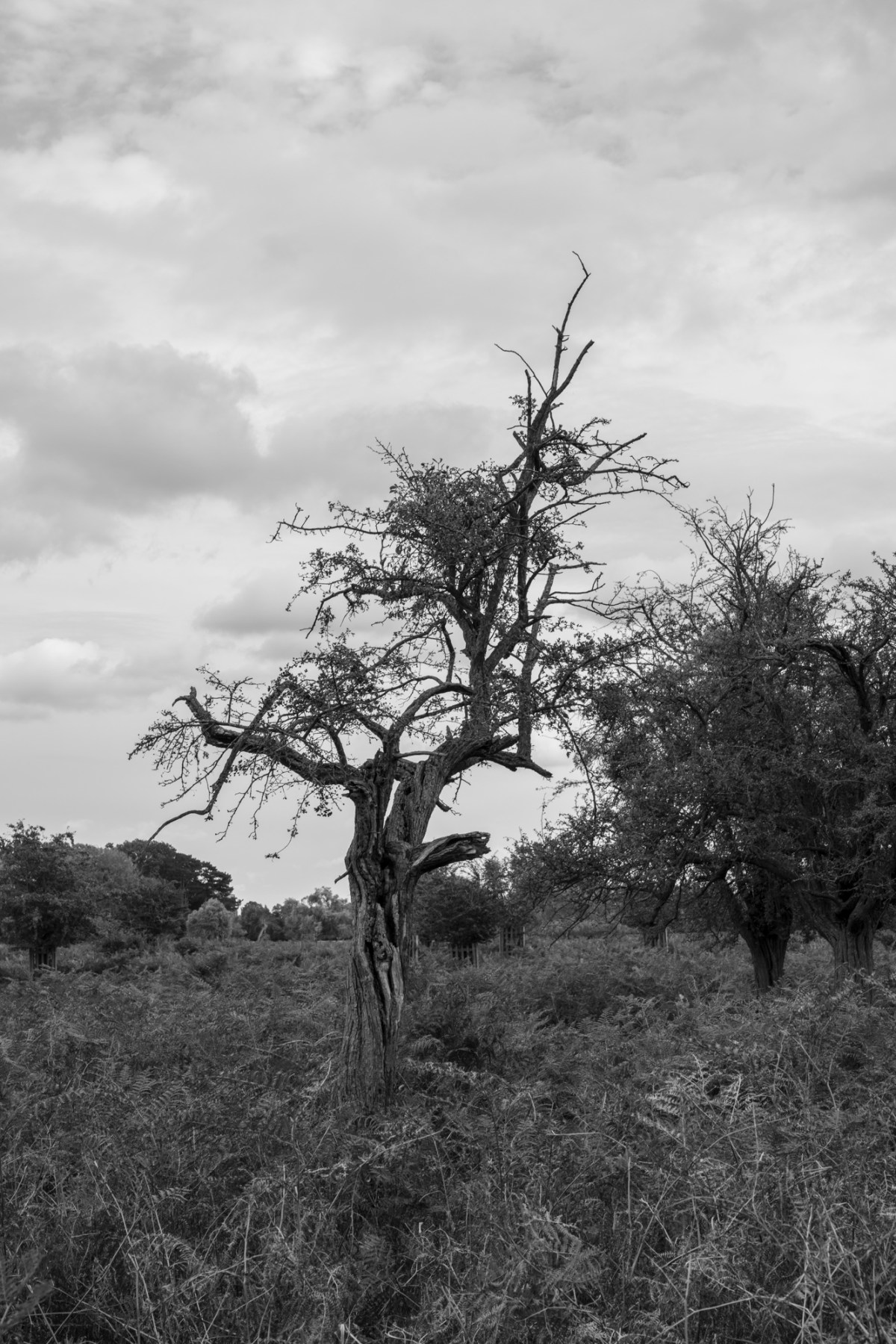
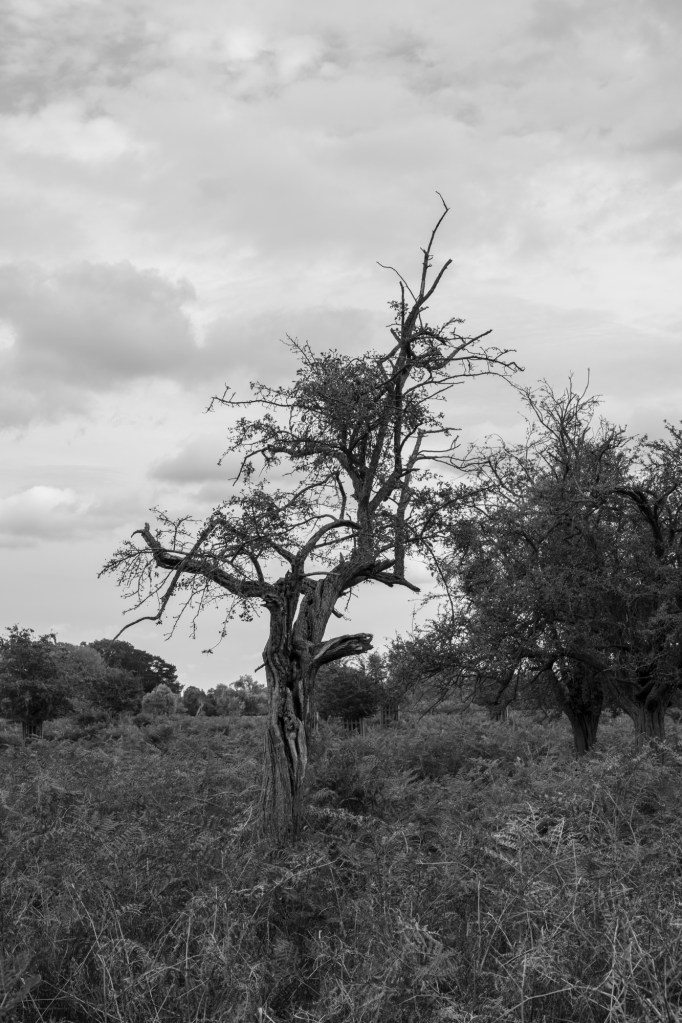
Later that day, I created a selection of Black & White conversions.
At this stage of the project, it was now time to review the images taken so far. I also had to process how my research and the visual resources/artworks could influence my work going forwards.
After my shoot on 22 October, I was starting to get a better idea of the patch of hawthorn trees next to the eponymous lodge. As I had only focused on four of the trees, I wanted to take a closer look at some of the others.
Another issue that influenced my photographic decisions during this particular shoot was the presence of the deer within the ferns. Bushy Park is currently home to approximately 320 of these animals and their grazing is essential to maintaining the park’s grasslands. This activity creates more variation in structure and plant diversity and does not damage the anthills, which add further diversity and character to the grassland, unlike cutting the vegetation.
At this time of year during the rutting season, the deer can potentially attack humans and it is recommended that people stay at least 50 meters away from them while in the park. This is something I always adhere while in the park regardless of what I’m doing. As such, I couldn’t go near the other trees that I had photographed three days’ previously, so I focused on the following specimens.
Tree One
This is an initial Black & White conversion of the whole hawthorn.
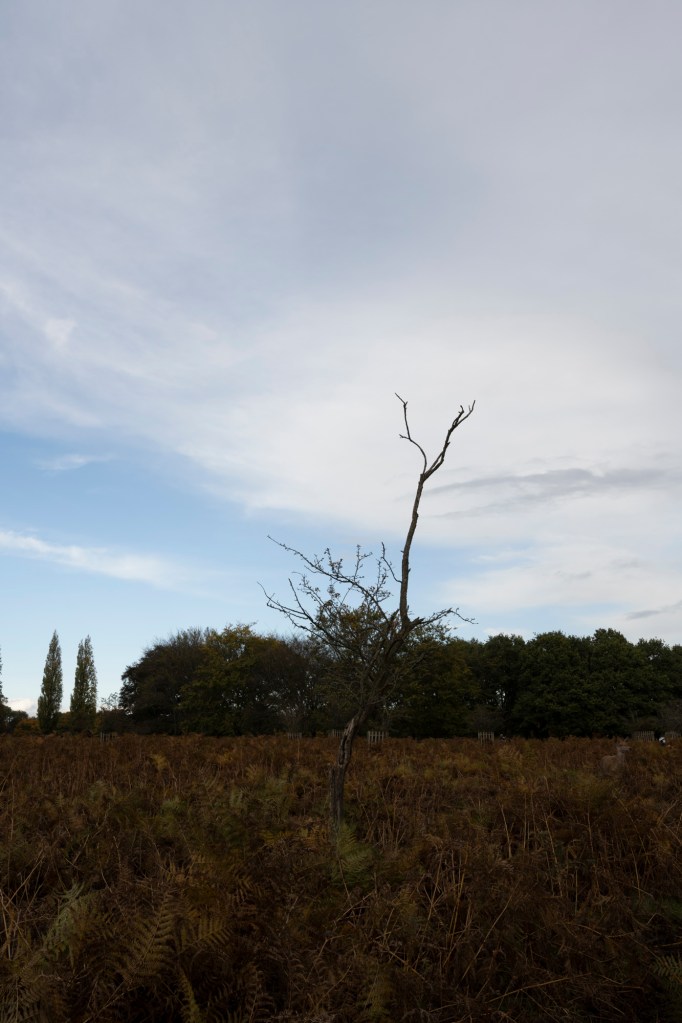
The following image also stood out for me. Unfortunately, my camera had only recorded a low-res jpg and not the accompanying RAW file of the image. Annoying, as I particularly liked the composition. I also created a Black & White version of this image. The original one is on the left, the conversion on the right.
Tree Two
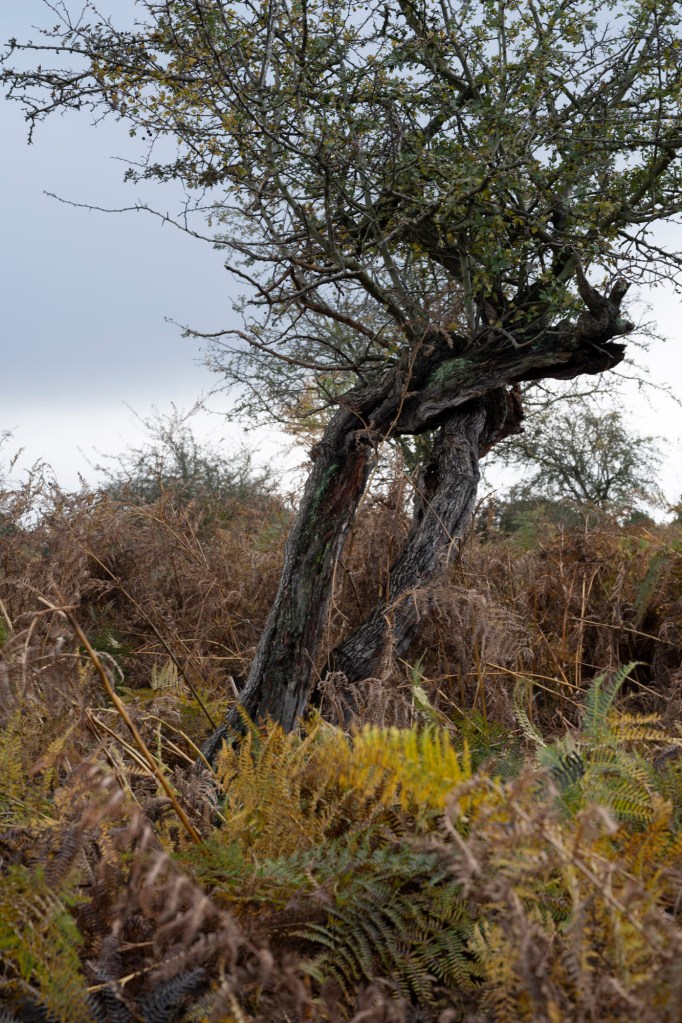
This was a very interesting subject – when looking at the resulting images they look as if they’ve been manipulated, giving the illusion of the background being part of the tree.
Tree Three
Tree Four
Tree Five
Tree Six
Tree Seven
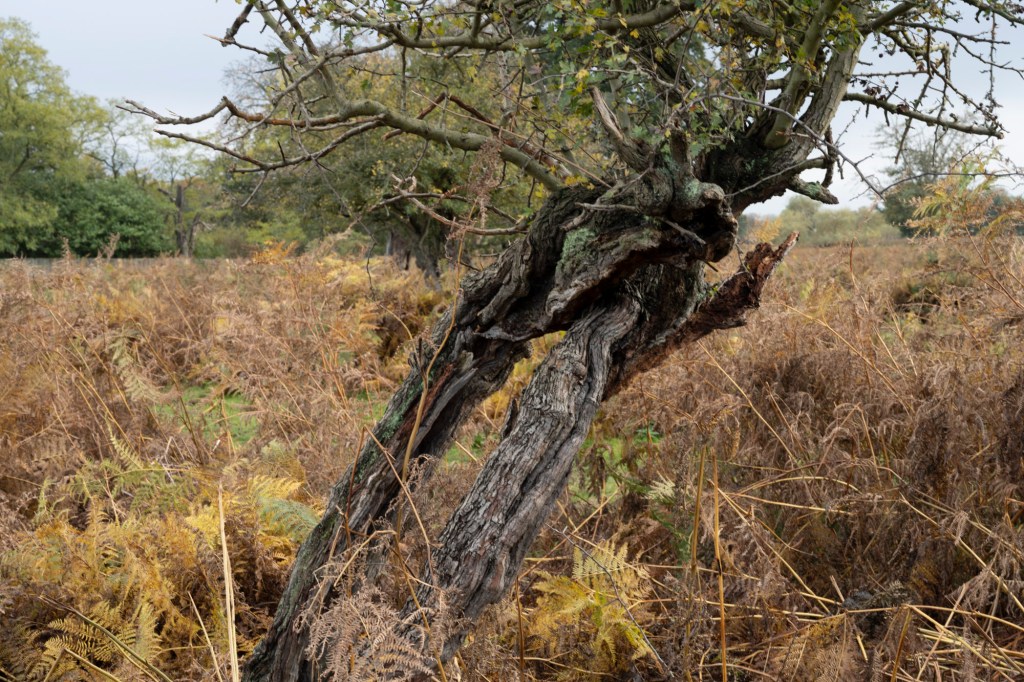
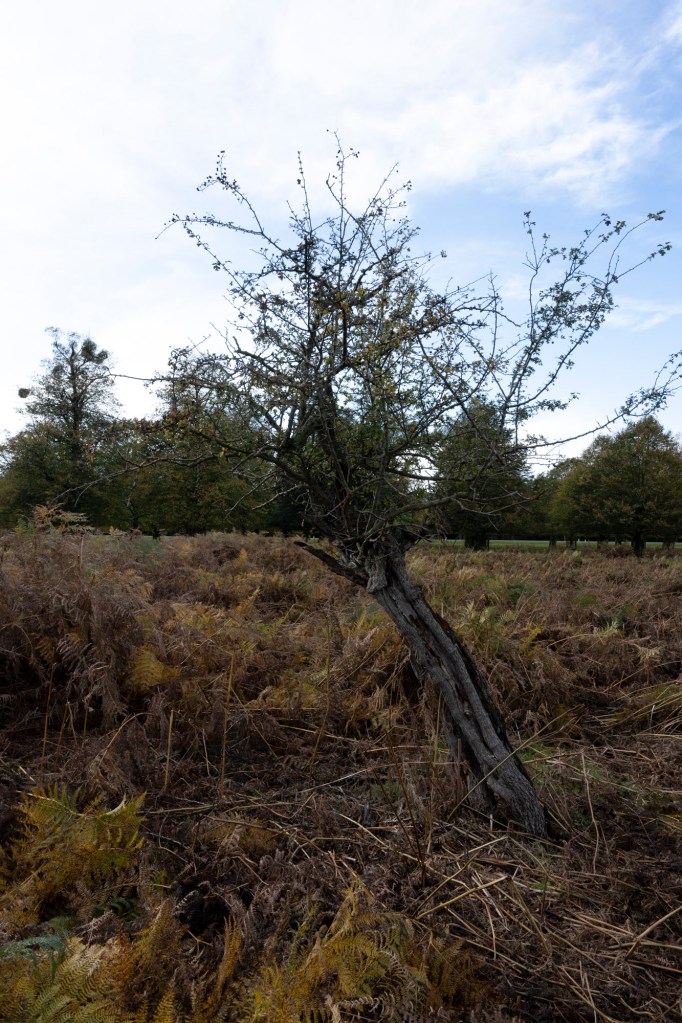
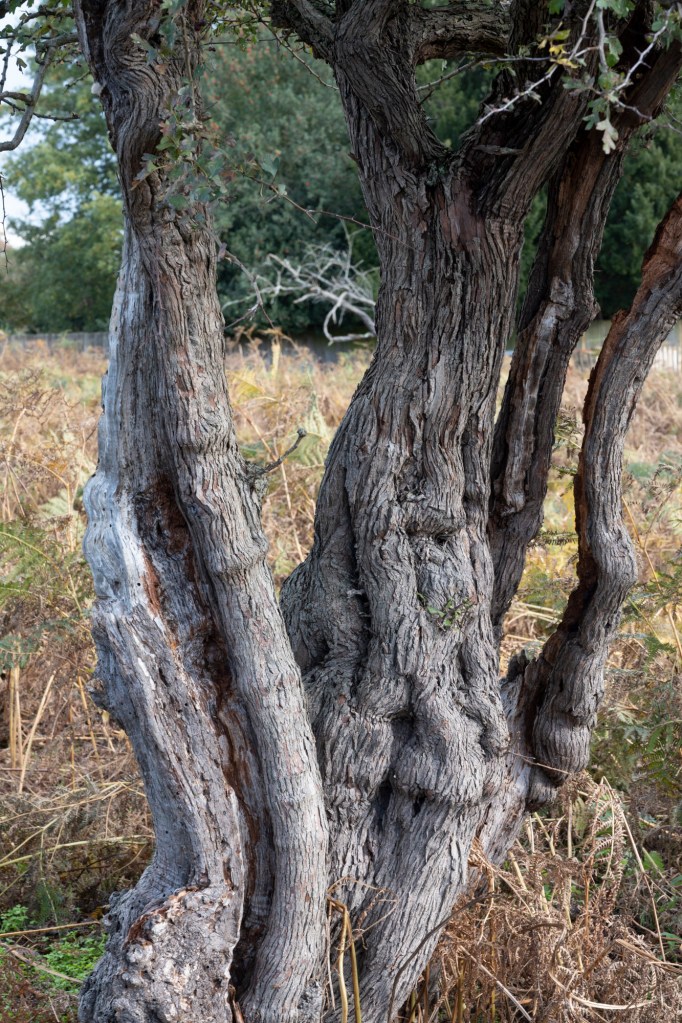
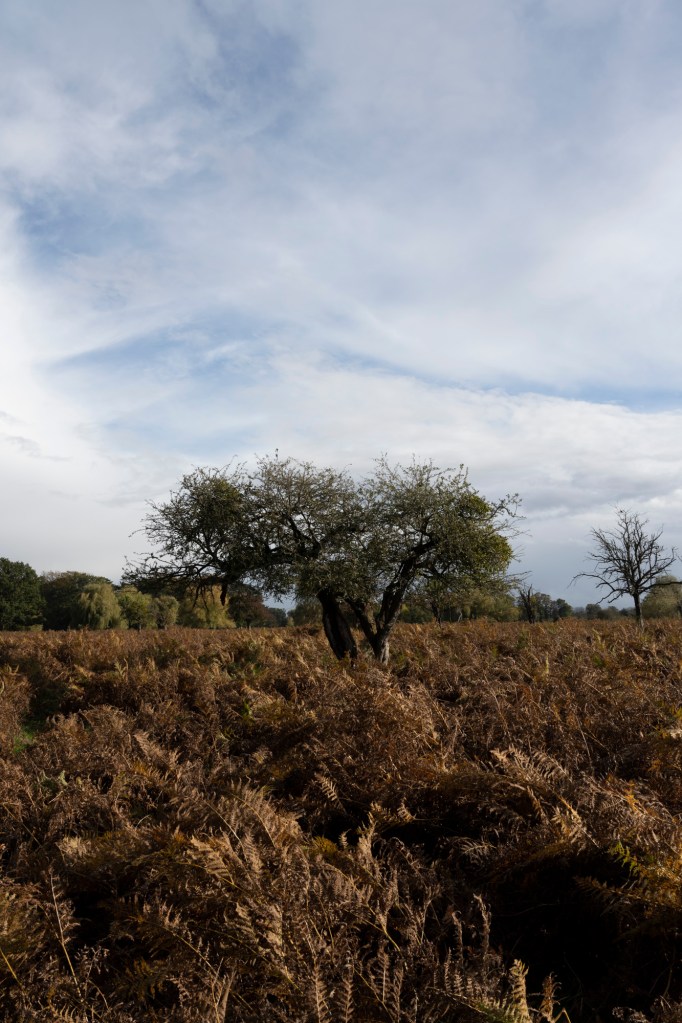
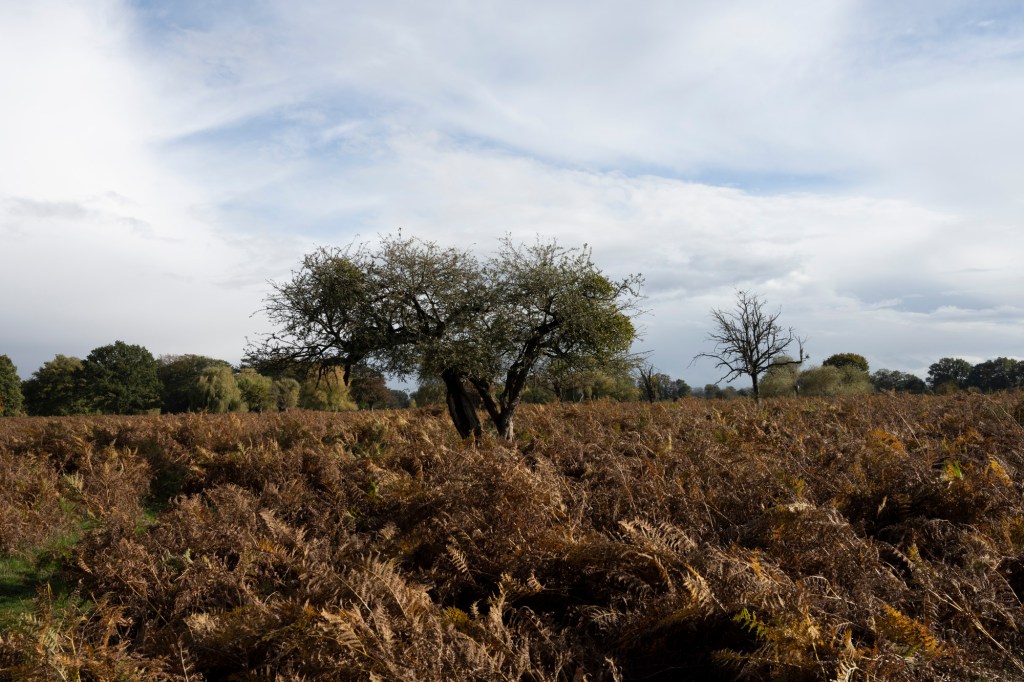
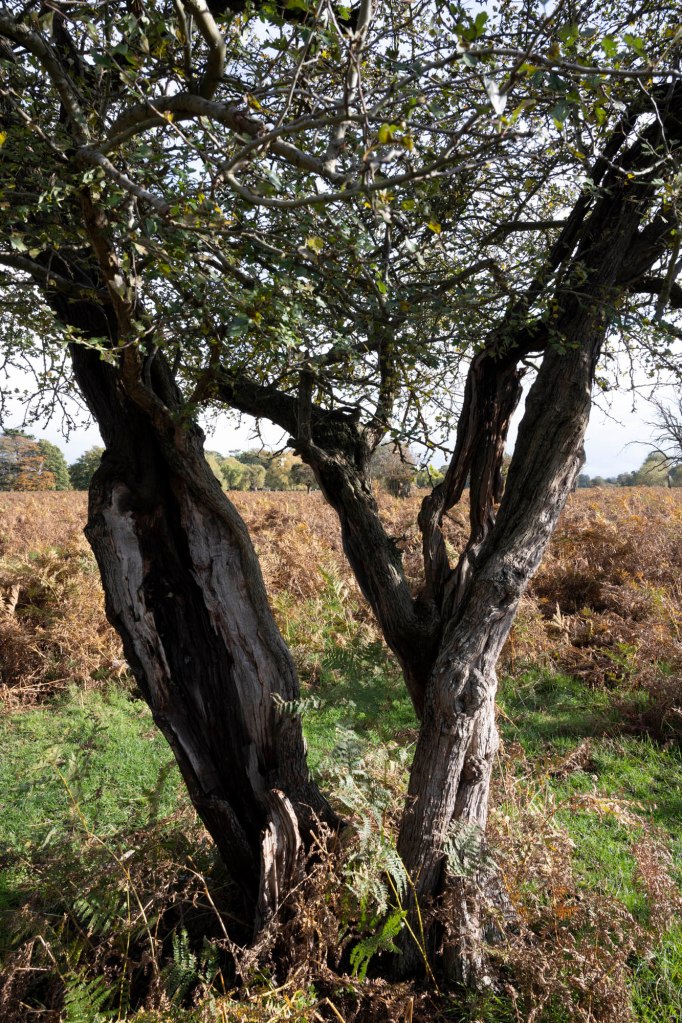
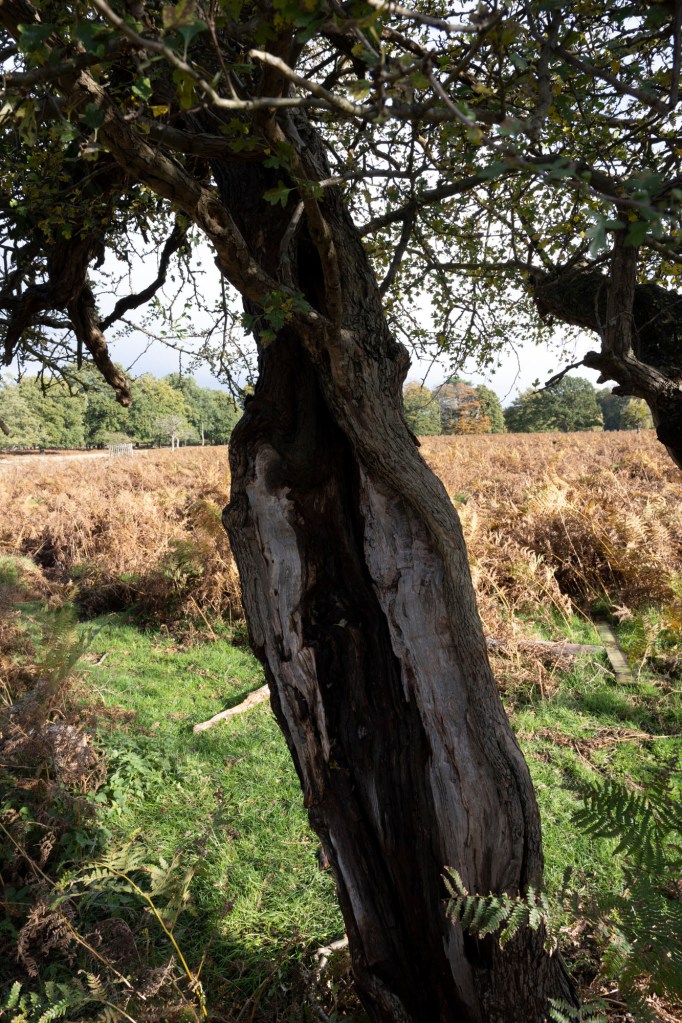
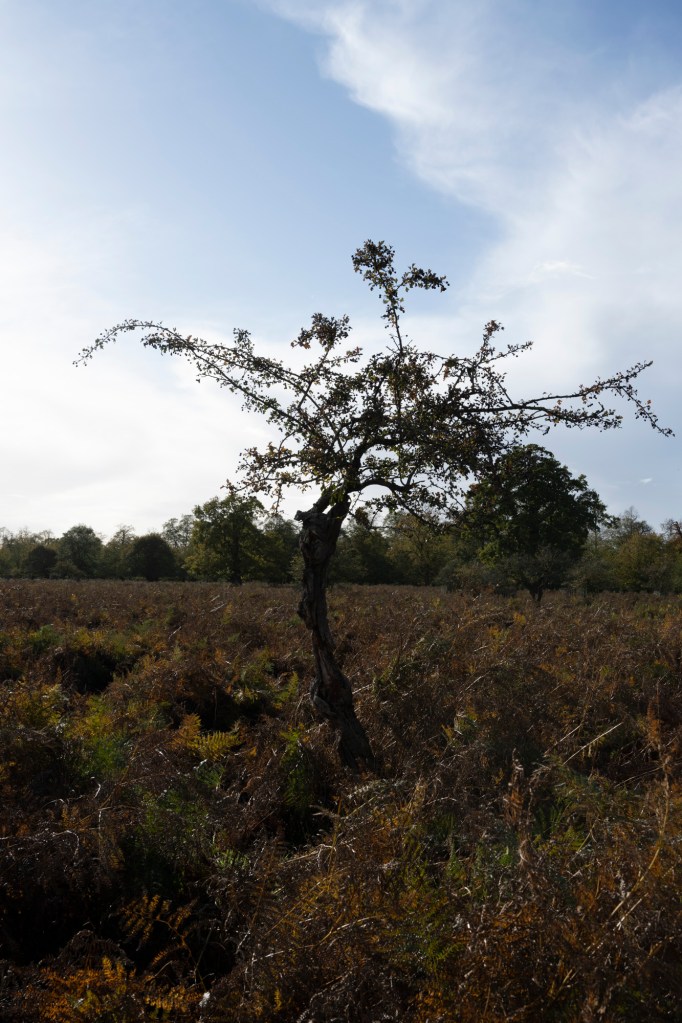
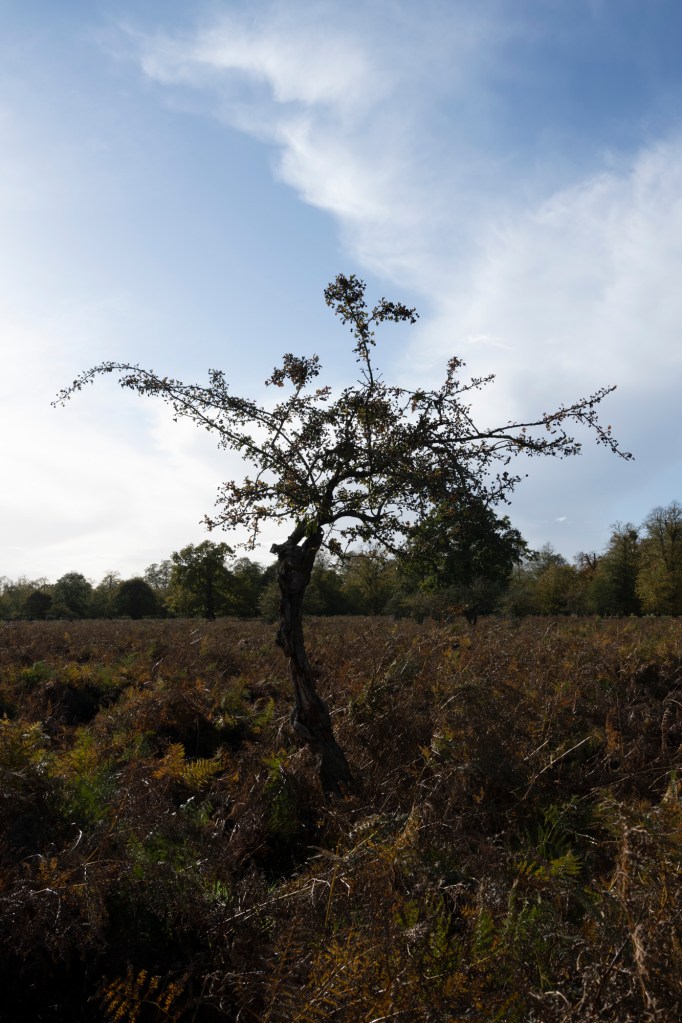
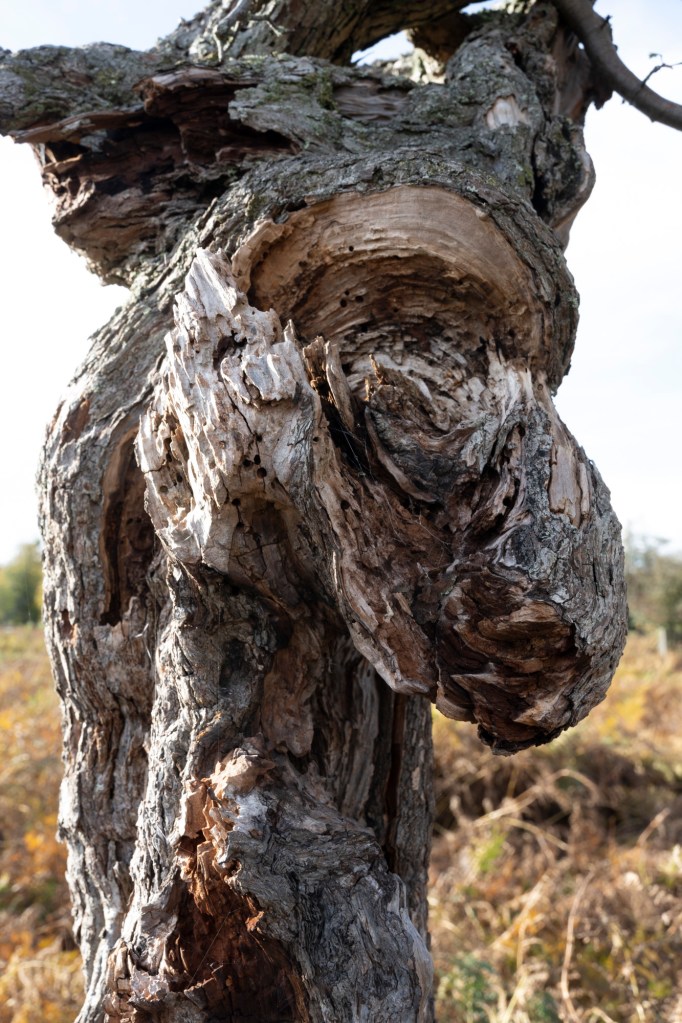
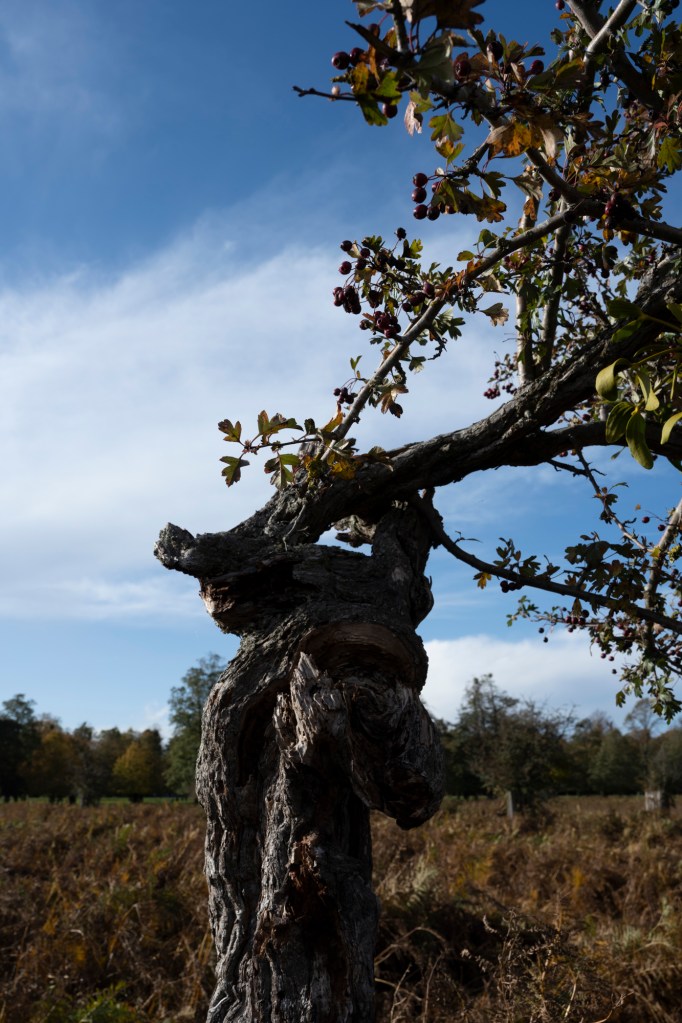
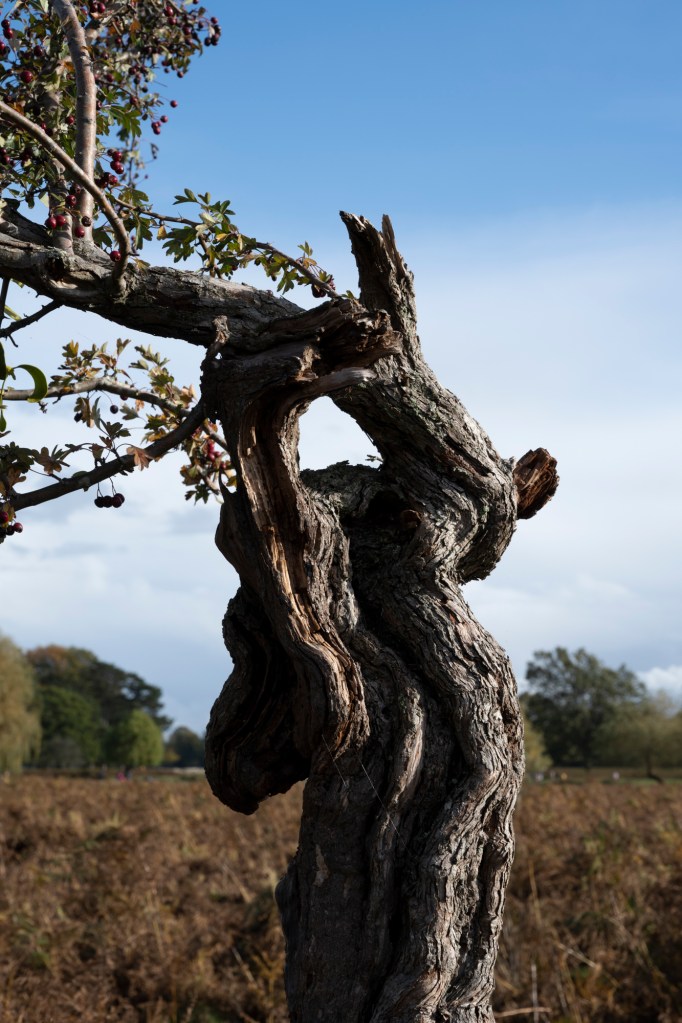
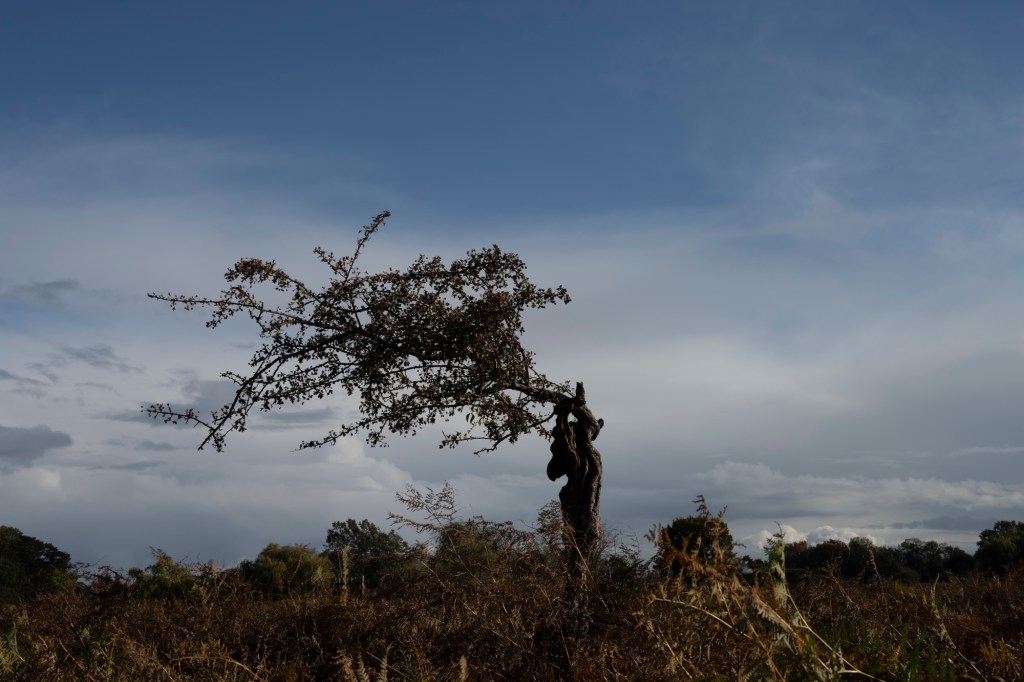
This tree really made an impression on me. On approach, this hawthorn looks initially like this.
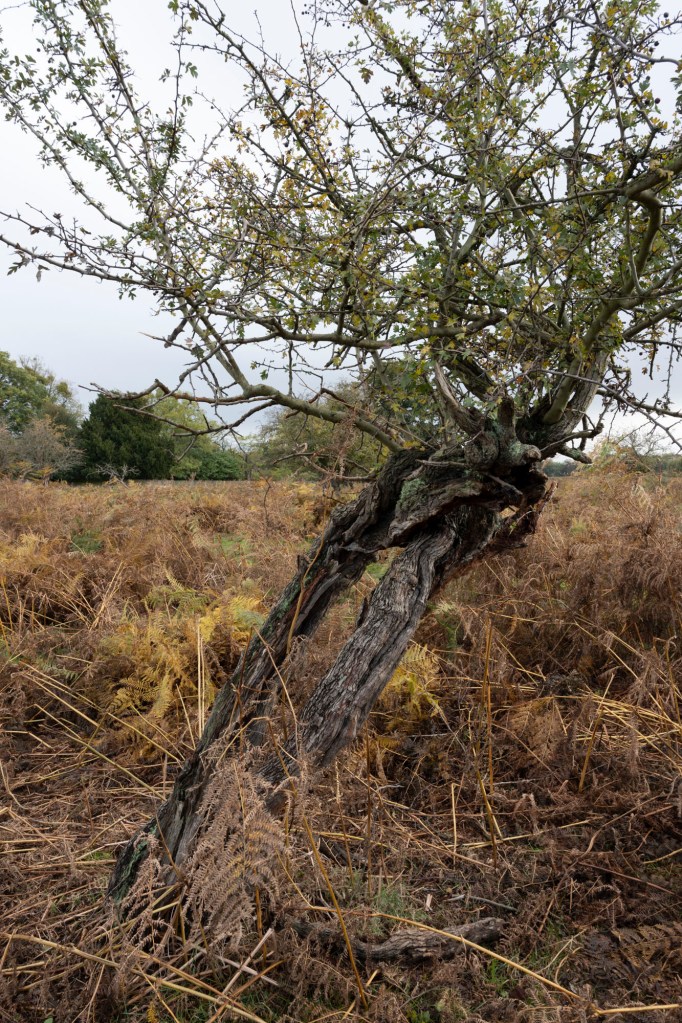
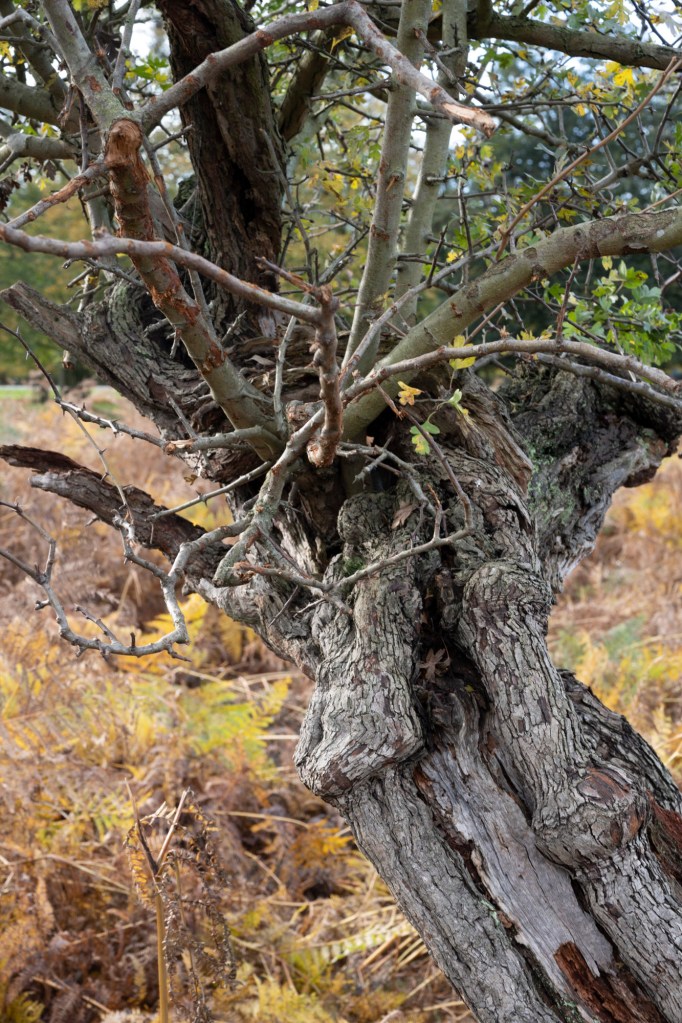
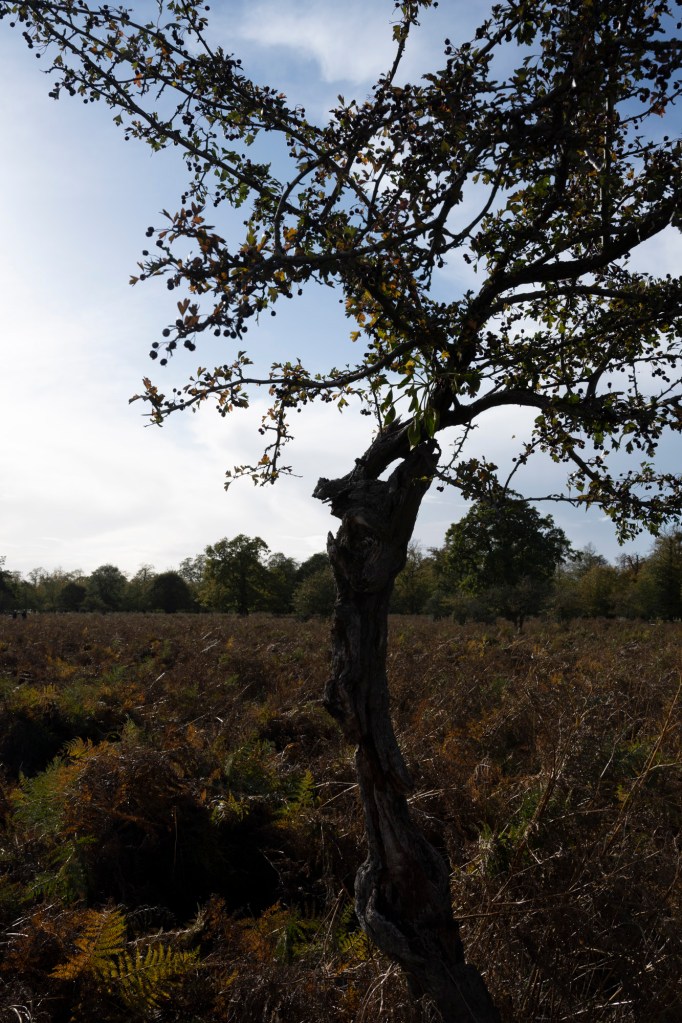
However, seen at other angles, something quite magical happens.
I also tried photographing from a lower angle, crouching down rather than standing to take a shot.
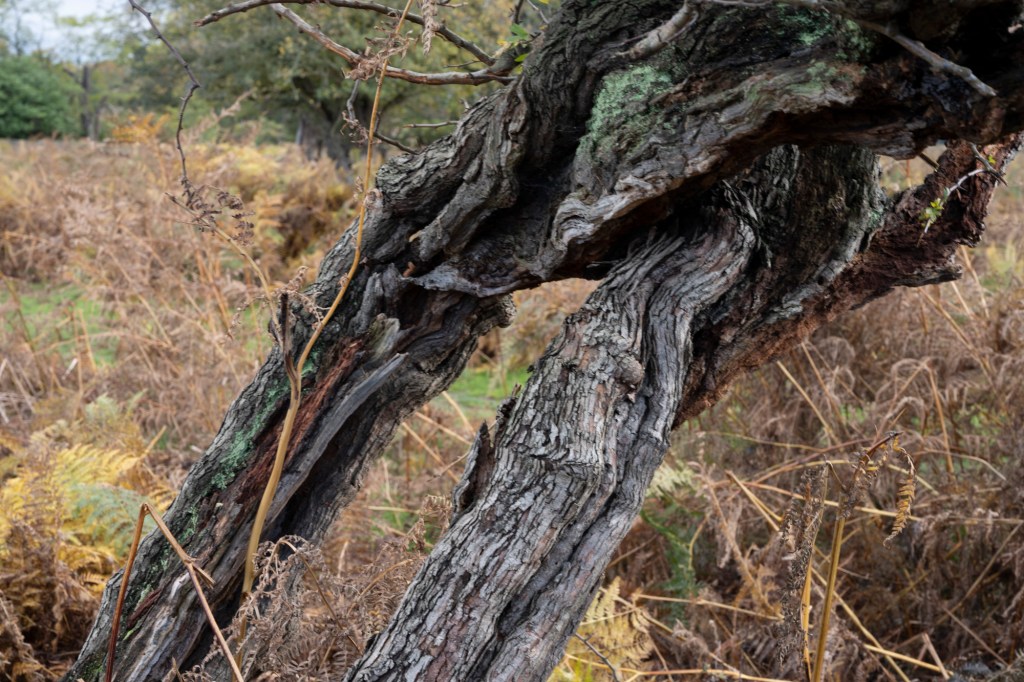
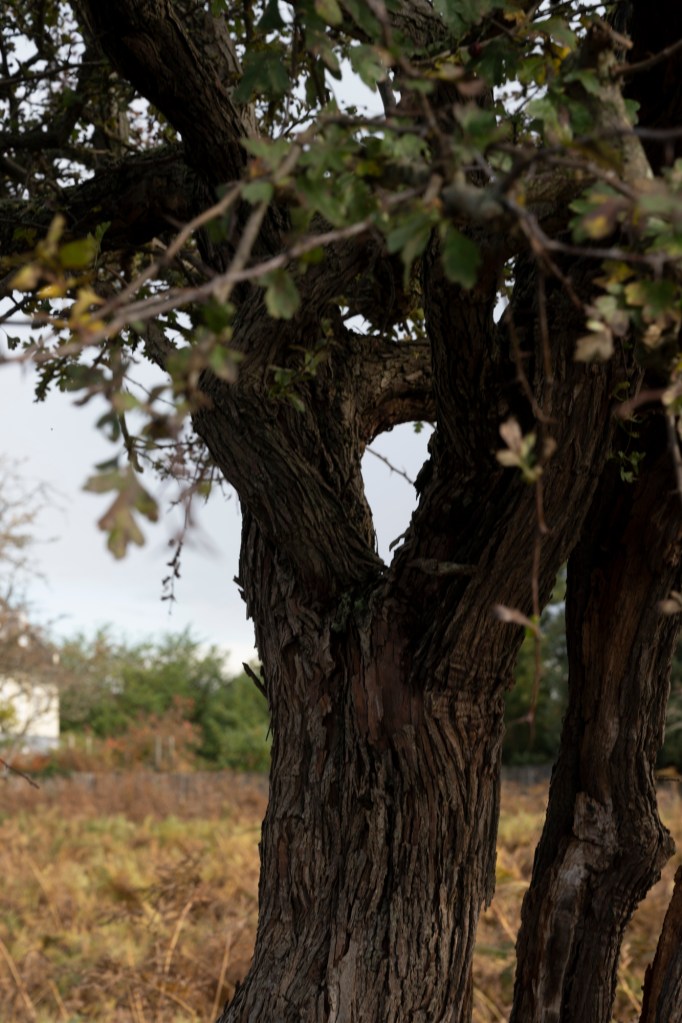
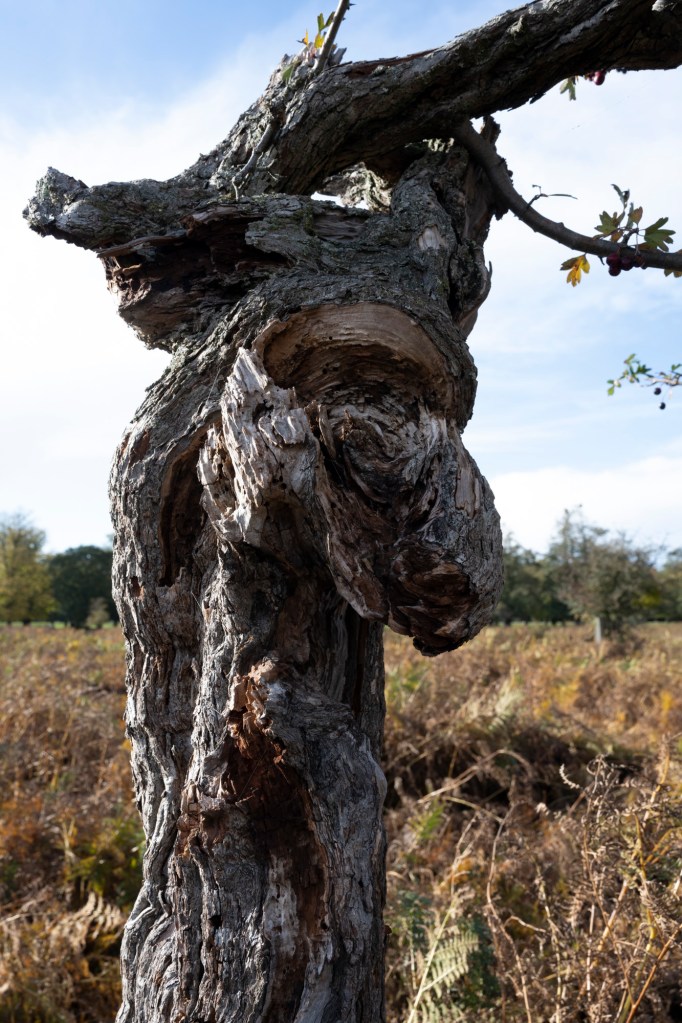
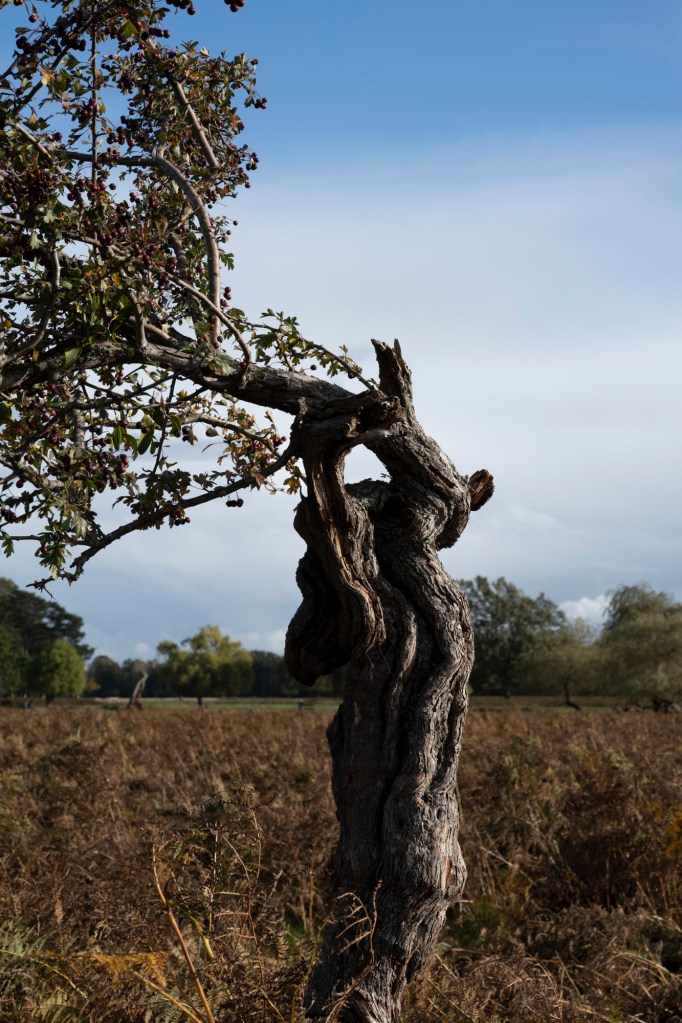
I then took some more close ups at a different angle.
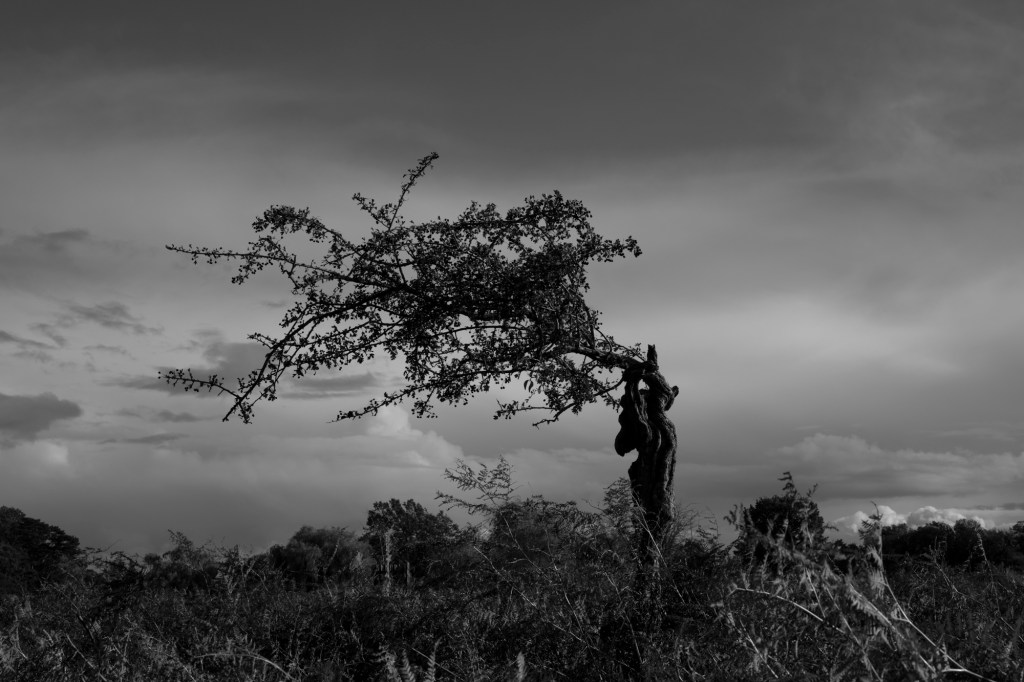
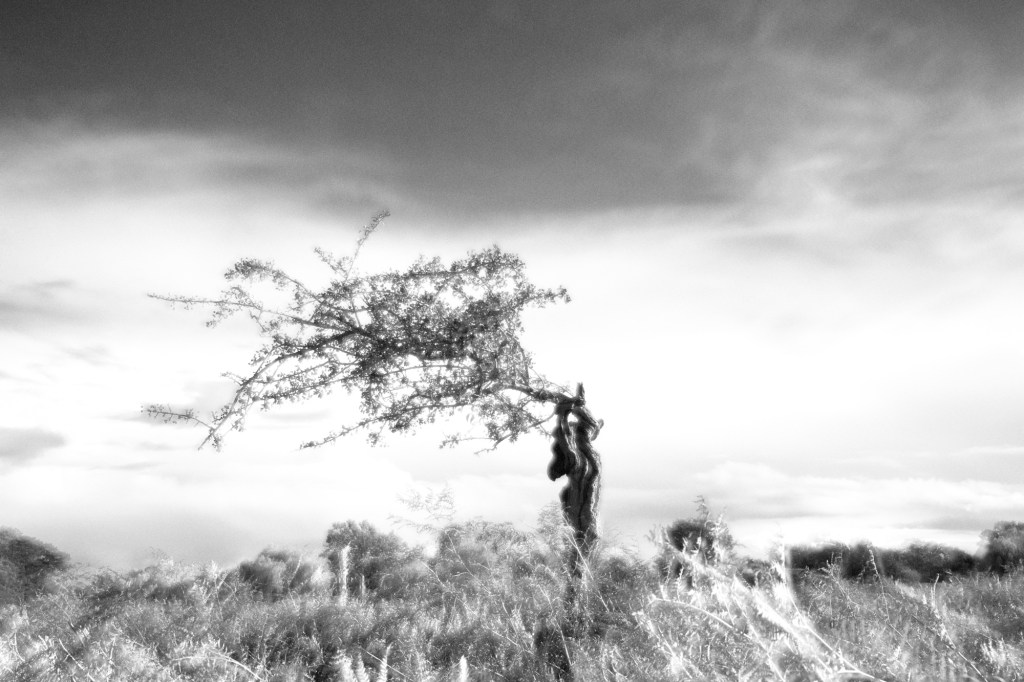
The following is one of the shots of this tree on the left and the Black & White conversion with a slight crop in the middle and a version using my digital infra red recipe on the right.
Tree Eight
Tree Nine
The final individual hawthorn I focused on is the one I nicknamed ‘Hawthorn Harlot’. I had to admit, it took a while to remember where it was as it looked completely different approached from an alternative angle. When I eventually did re-discover this individual, I took the following shots.
Hawthorn Copse
By now, I was quite tired so my last two shots were of the copse of which the harlot is part.
What did come out of this session was that I needed record the co-ordinates of each tree so I could start mapping them. Unfortunately, my camera doesn’t have a GPS option, so I need to take a photo of each one using my smartphone to capture these details. I have done a bit of research and there is an app called Nikon SnapBridge that can potentially add the co-ordinates of each image. Otherwise, I will have to manually add the co-ordinates to the metadata of each file so I can keep track of which image relates to each tree.
Another consideration is the use of filters to enhance the image before converting to Black & White. The camera itself has various white balance settings, which could also influence the conversion outcome.
The third and final consideration is the ferns. I know that these will totally disappear in approximately a month’s time. This means the trees will look different again, especially as they will have lost their by then.
The focus of this one-to-one tutorial was to discuss with Åsa my initial concept and potential process. This was part of the concept-process-form paradigm that Åsa presented and the class talked about during the last group tutorial on 7 October 2020.
After two weeks of thinking about a potential concept and carrying out various research and taking images, it was a relief to be able to vocalise my thoughts, discuss my results so far then work out a focal point for this project.
The tutorial had to be via Microsoft Teams, but as most of my work so far had been via digital means I was able to present it to Åsa online. To start, I went through the blog posts that I had written. I was hoping this would give my tutor the opportunity to understand my line of thinking (which can be challenging sometimes, for both myself and others!).
What did prove very useful was showing the map of Bushy Park to Åsa. I don’t think that both my tutor and classmates actually realised the size of the park when I’ve talked about it previously. At 1,099 acres, it is also the second largest one in London after Richmond Park. Also that it is a Special Site of Scientific Interest (SSSI) and has a rich history and heritage.
Feedback & Thoughts
I have to admit that I can’t recall exactly every details of our conversation, but these are the most pertinent points that struck a note with me.
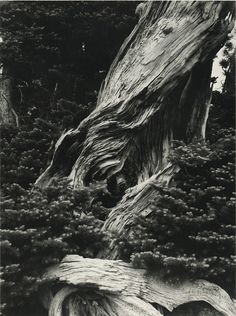
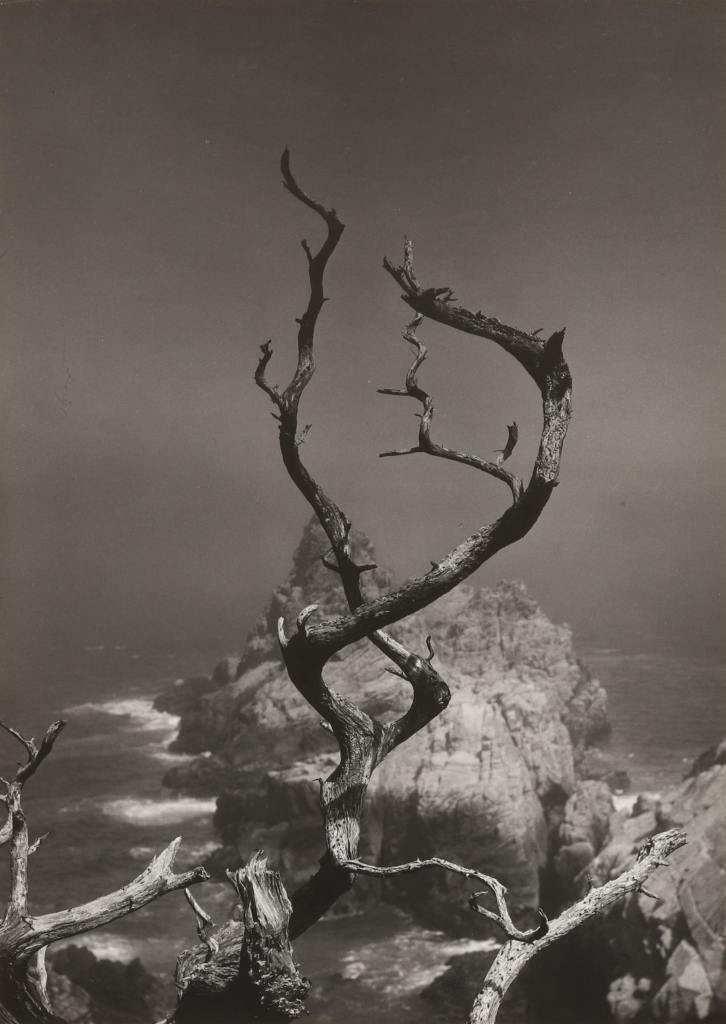
When I went through the Bushy Park images from 5, 9 and 16 October 2020, Åsa remarked that were different from my previous project’s images (AGM61 Moments of Eternity). The photos I had taken during the two research sessions were just ‘straight’ shots with no real specific intention and to be led by my instincts. This tends to be my method of working at the start of a project. One of my major influences is Minor White and I subscribe to his ‘hunter/gatherer’ approach to get the creative juices flowing. I also wanted to take a different approach to the previous work.
Åsa also highlighted the differing point-of-view on how I took the images:
Objective: the tree as an object in the landscape, but in a portrait style
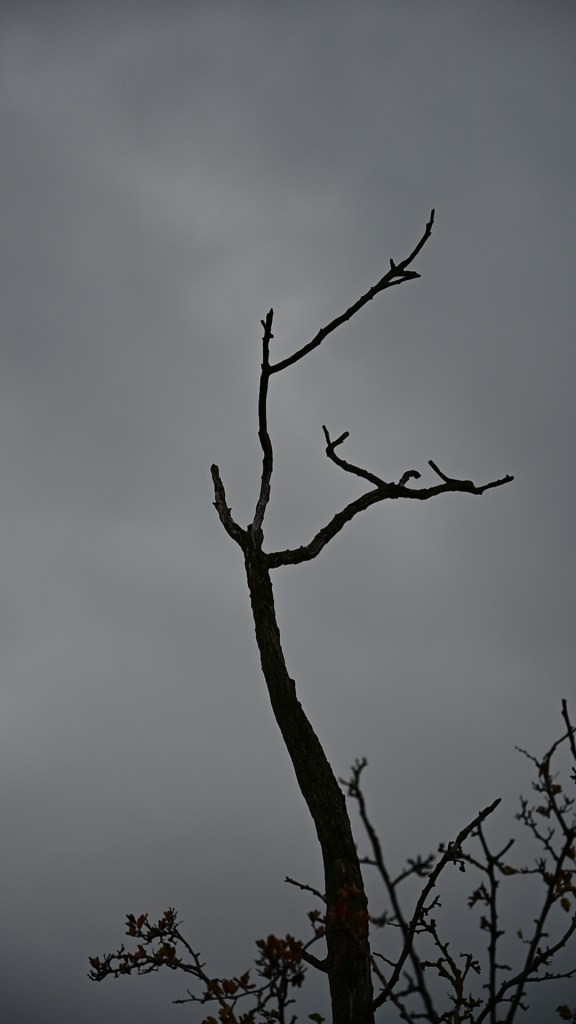
Subjective: close ups of details, looking up at the branches
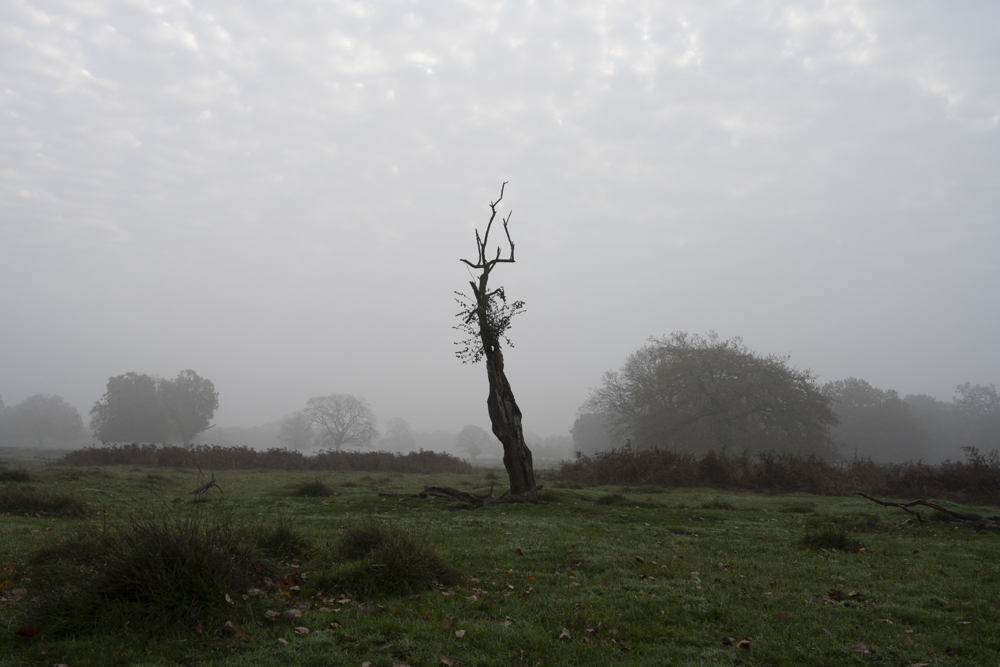
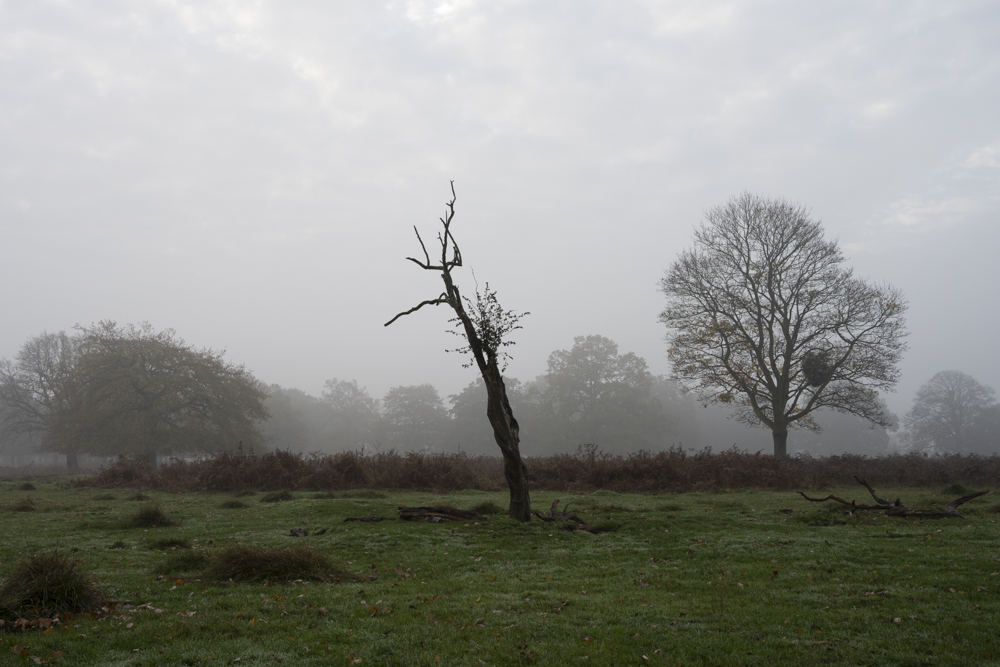
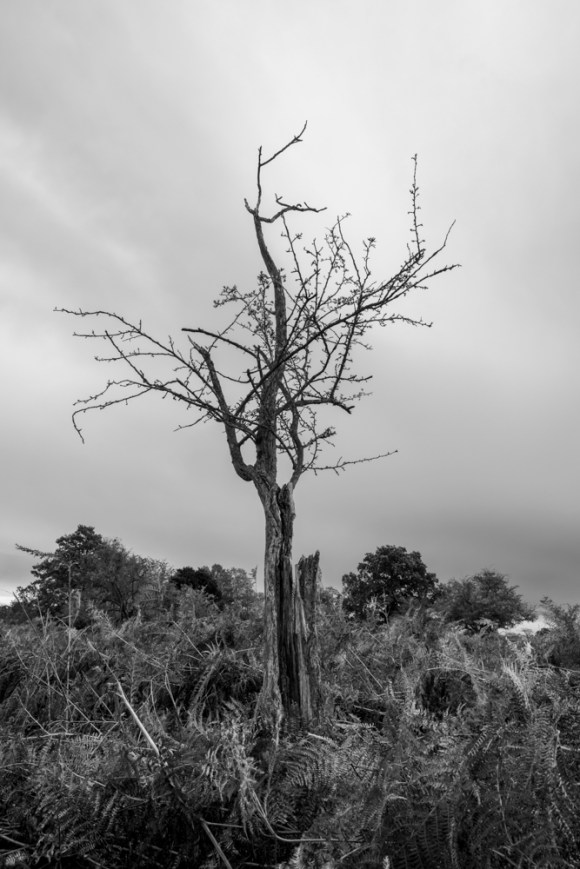
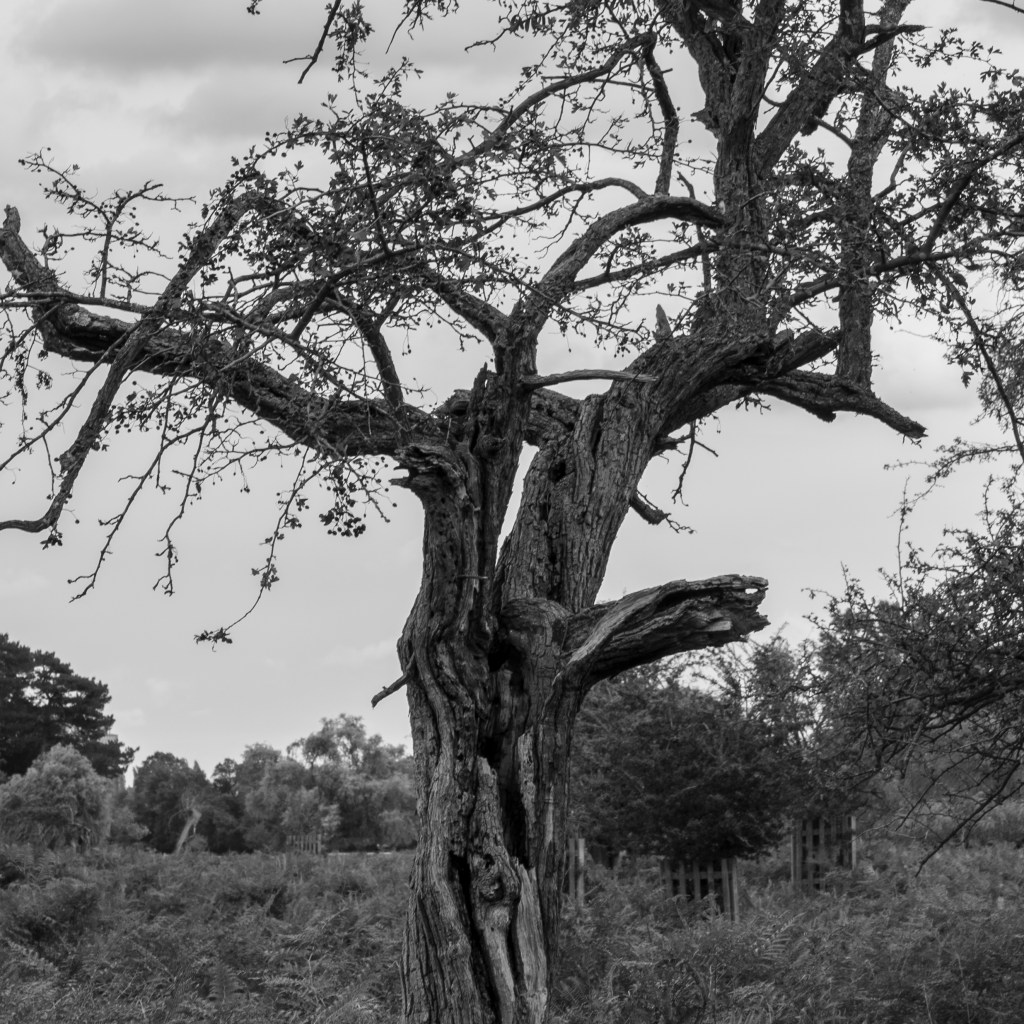
The main image that Åsa picked up on was that one of the hawthorns that I had converted to Black & White:
For Åsa, there was a very subtle approach to this image that was traditionally composed with the Black & White conversion bringing out textures and details. It also slowed down the reading of the image.
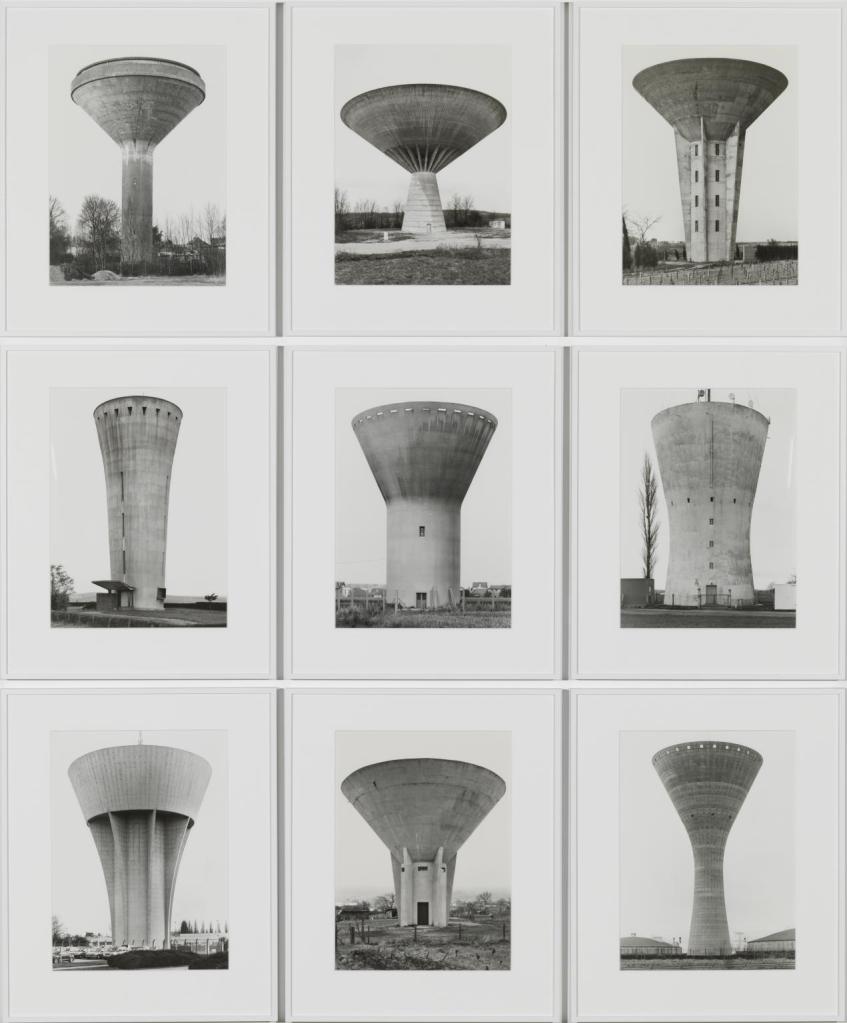
When I mentioned about the Ancient Tree Inventory and potentially mapping the hawthorn trees, Åsa brought up the work of Bernd and Hilla Becher and their objective images of water towers.
Water Towers 1972-2009 Bernd Becher and Hilla Becher 1931-2007, 1934-2015 Purchased with funds provided by Tate International Council, the Photography Acquisitions Committee, Tate Members and Tate Patrons 2015 http://www.tate.org.uk/art/work/P81238
On reflection, this is in contrast to Minor White’s subjective focus on details.
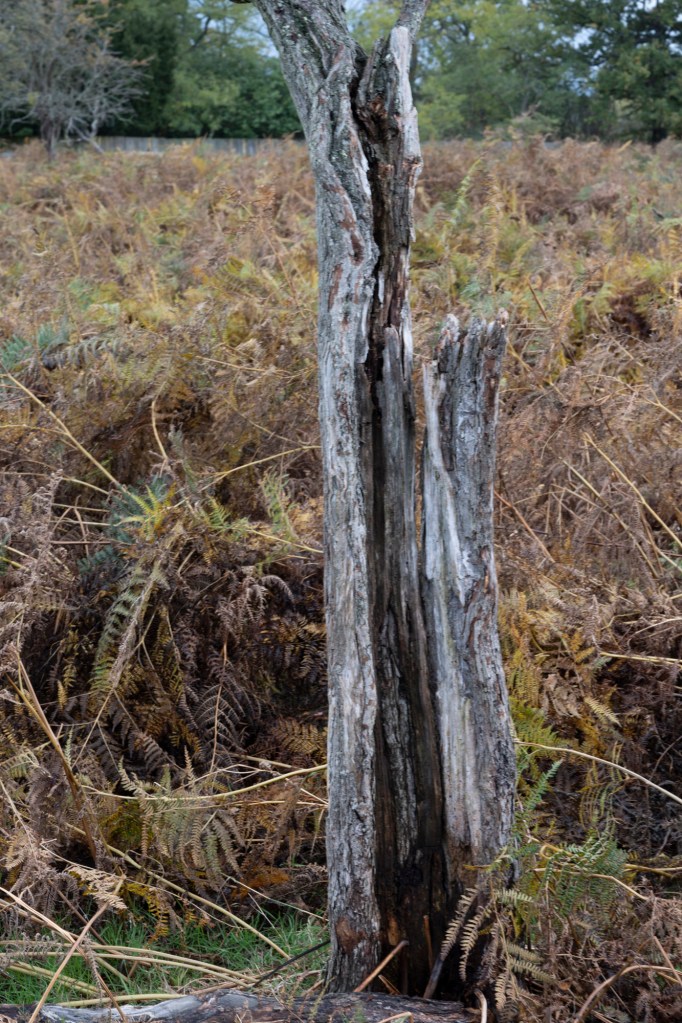
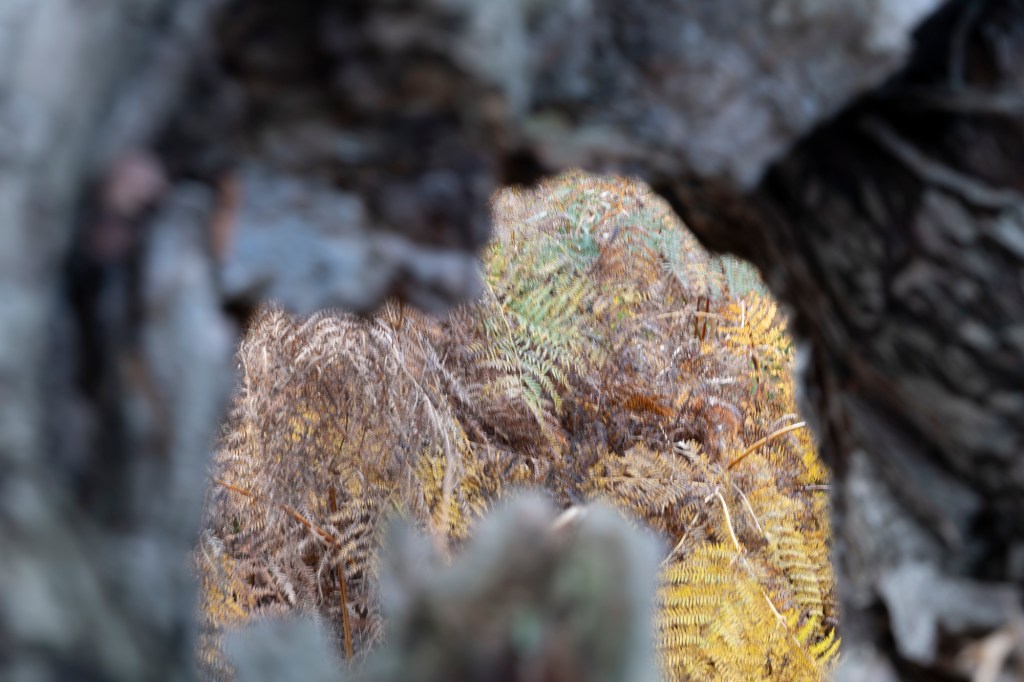
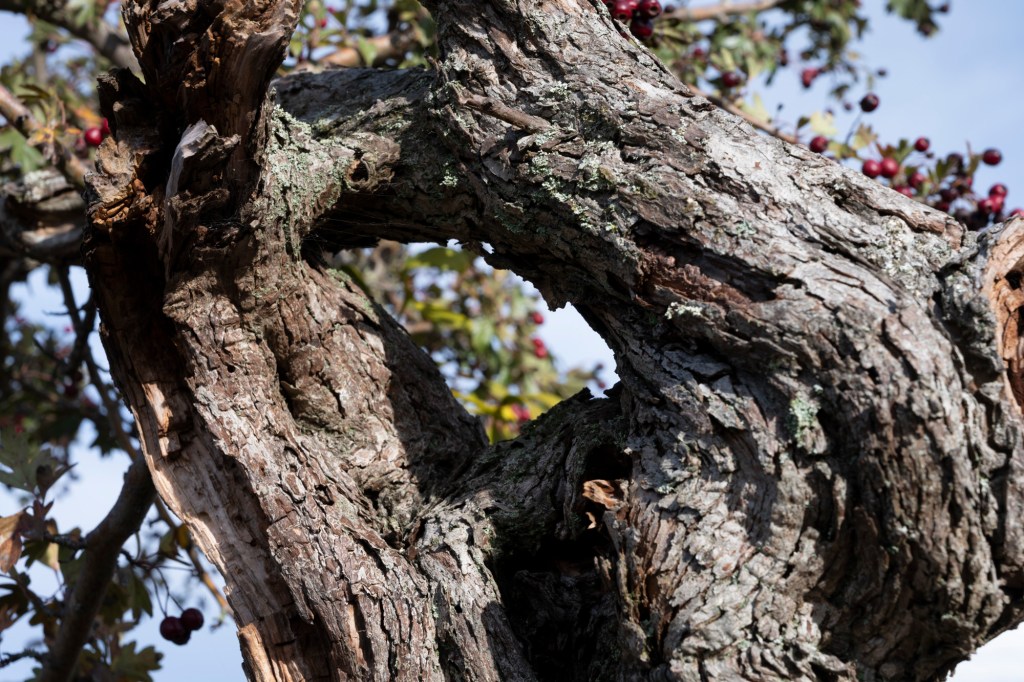
Åsa also picked up on the hole within the image. This is a particular feature of the hawthorns in Bushy Park and one that I personally find fascinating.
In relation to the concept of tree portraits, we both discussed how a tree doesn’t have a ‘front’ or ‘back’. This is something that came out of my AGM61 project, which resulted me in taking photos of trees on a 360 degree trajectory, with a shot at each 90 degree point.
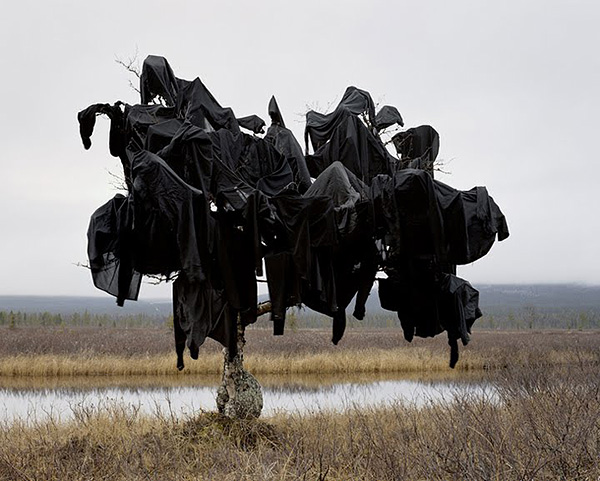
Åsa also brought my attention to a Finnish photographer, Riitta Päiväläinen.
There is a very eerie aspect to her work involving trees and clothing props. I get a similar reaction when I look at the image of the hawthorn above.
Actions
The outcome of this tutorial and the result of me processing the feedback is as follows at this stage:


 Jennie Meadows MA Photography