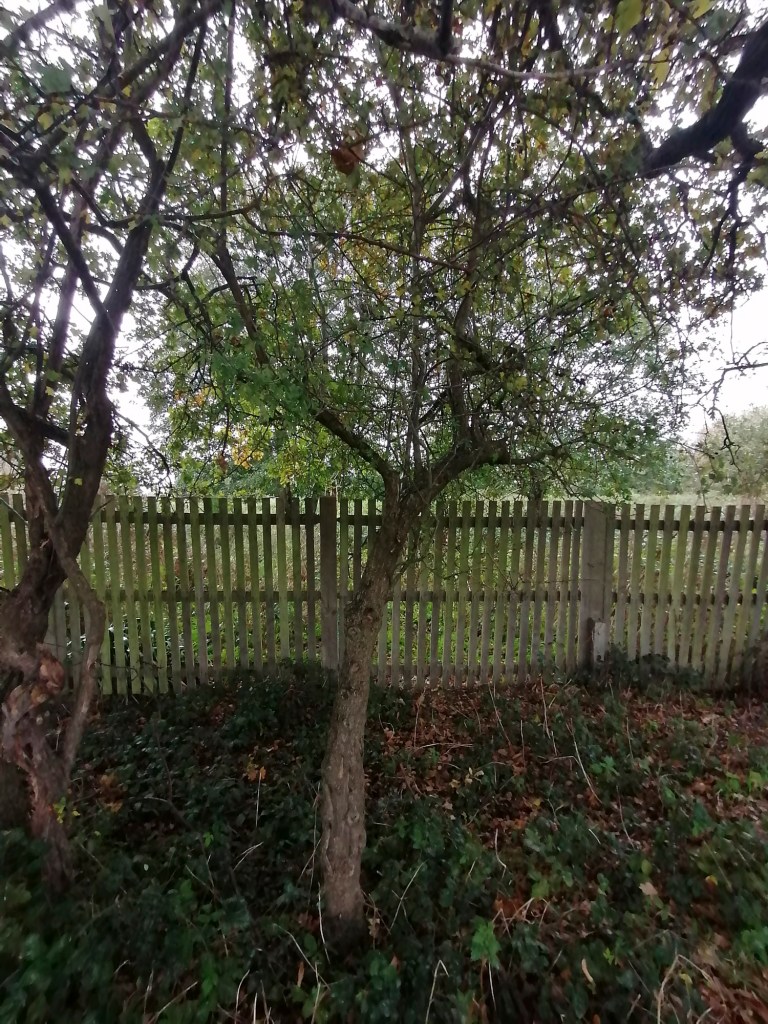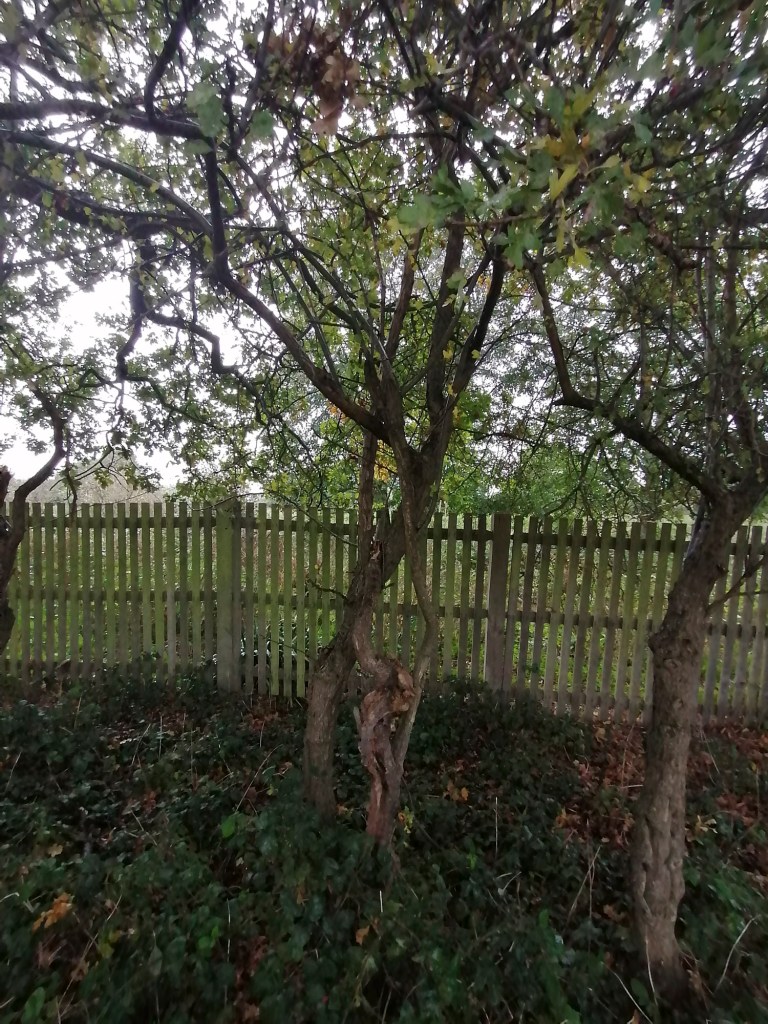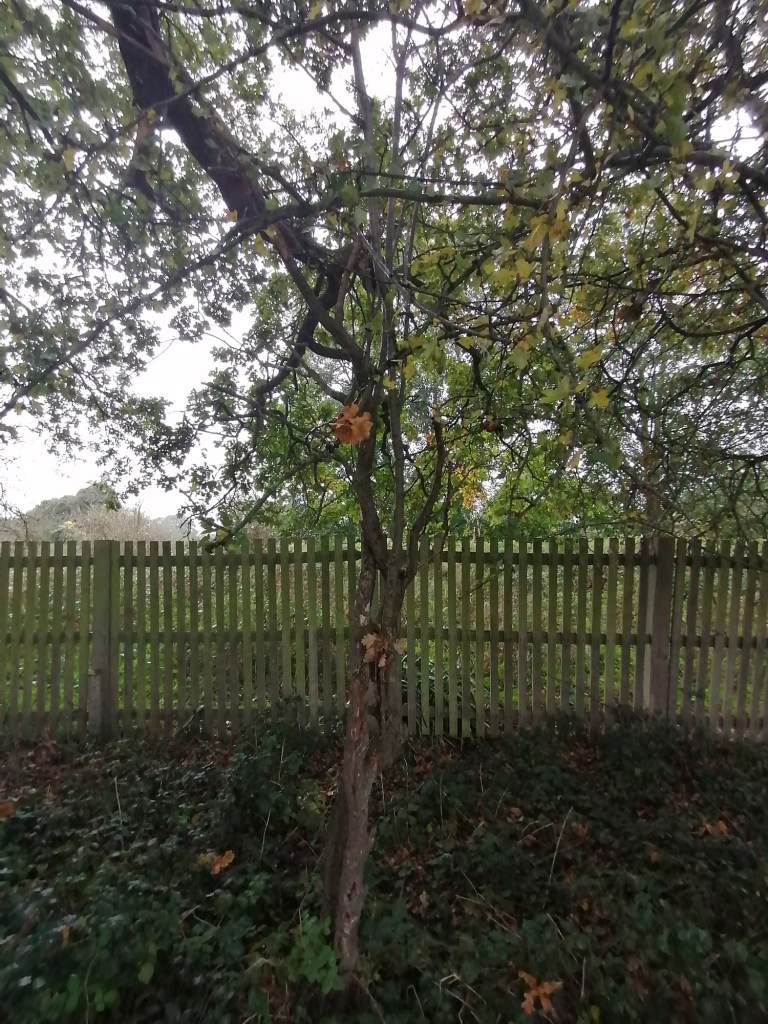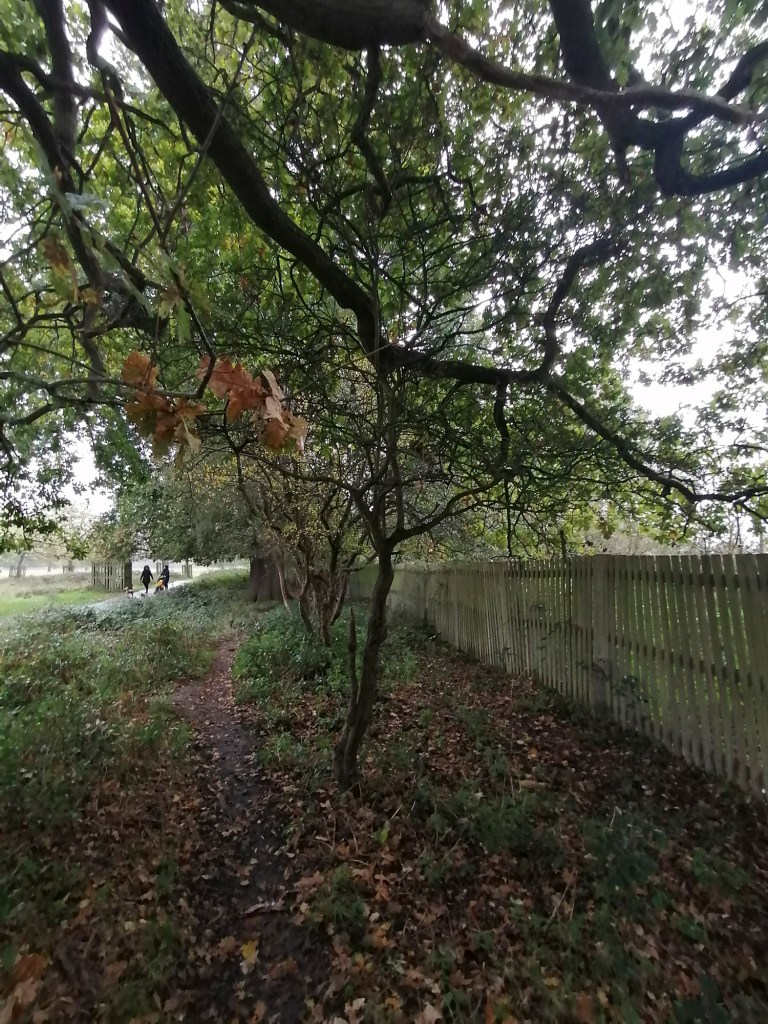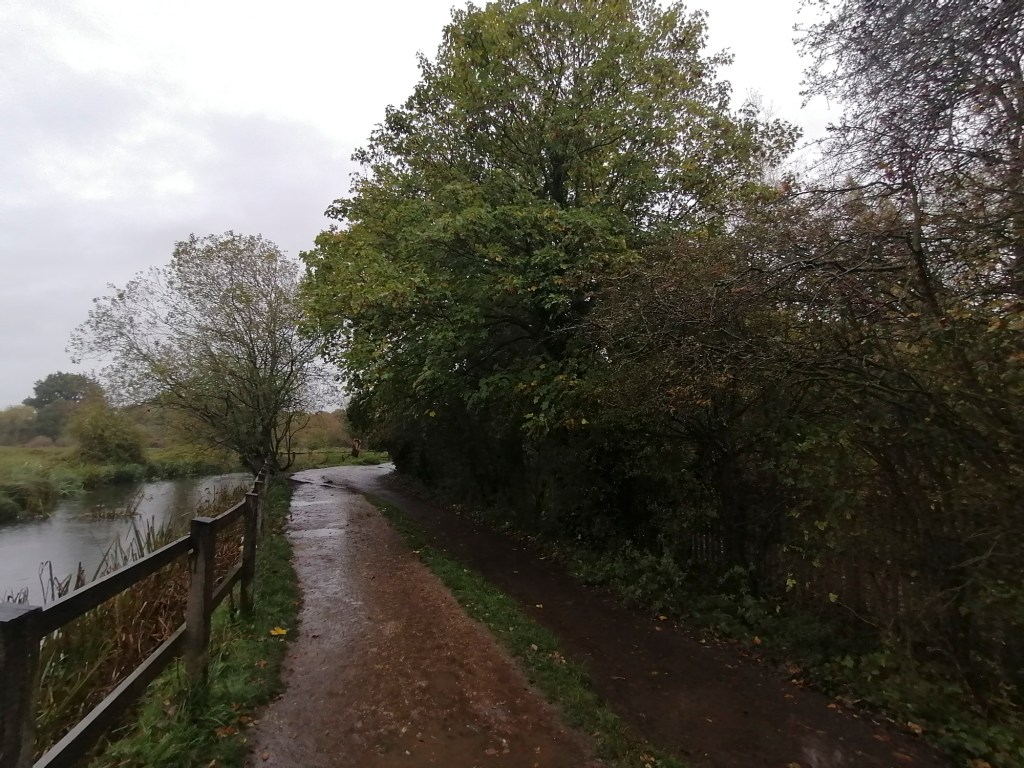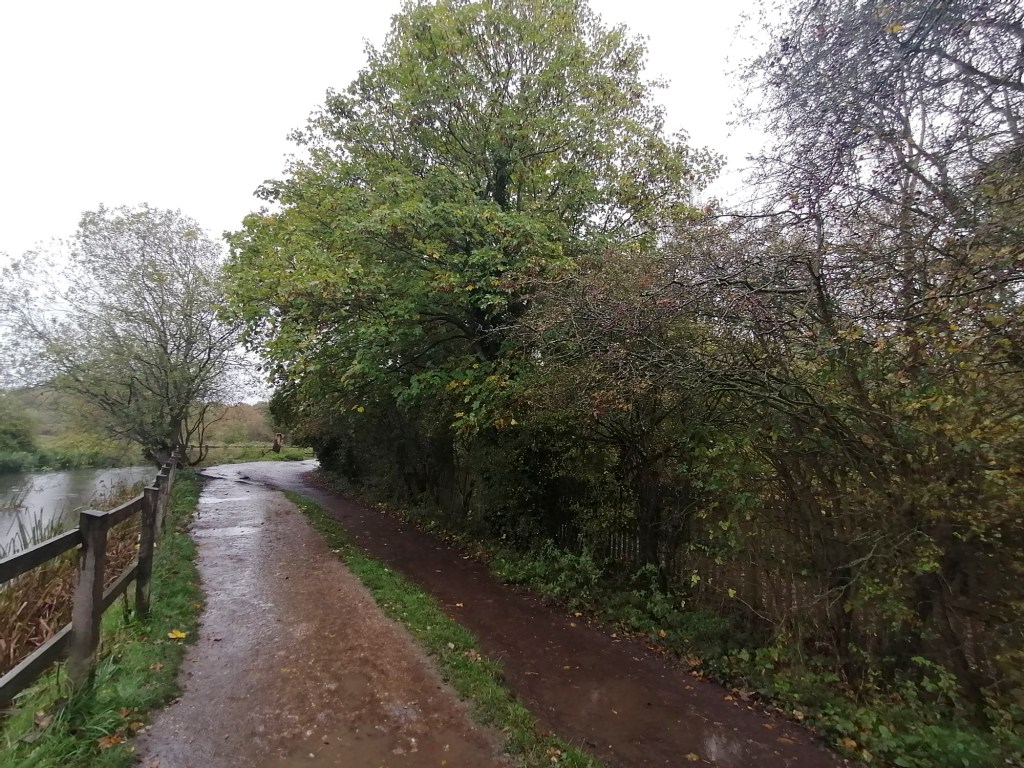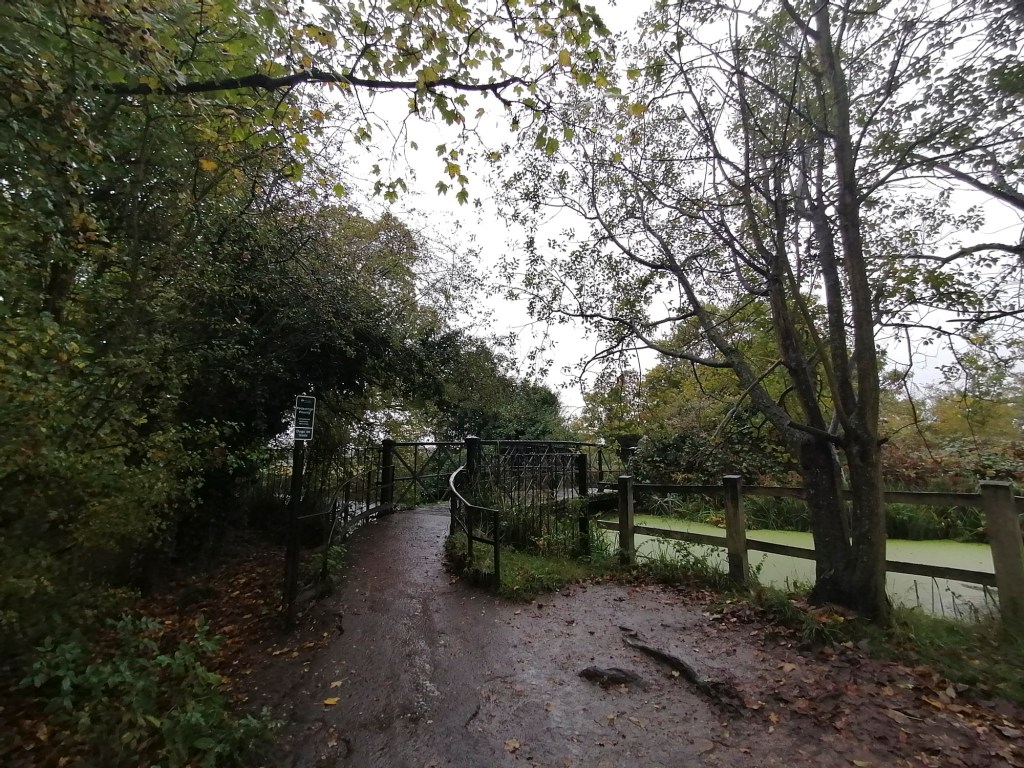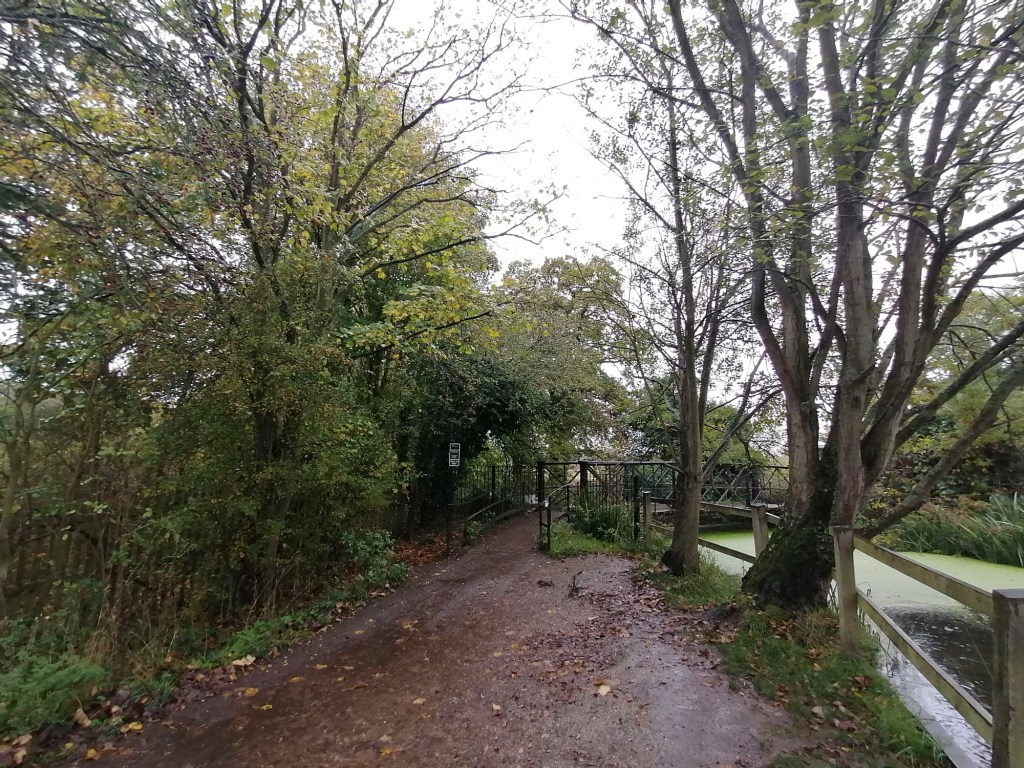
Categories
AGM62 Photography Research Project Stage 1 Posts

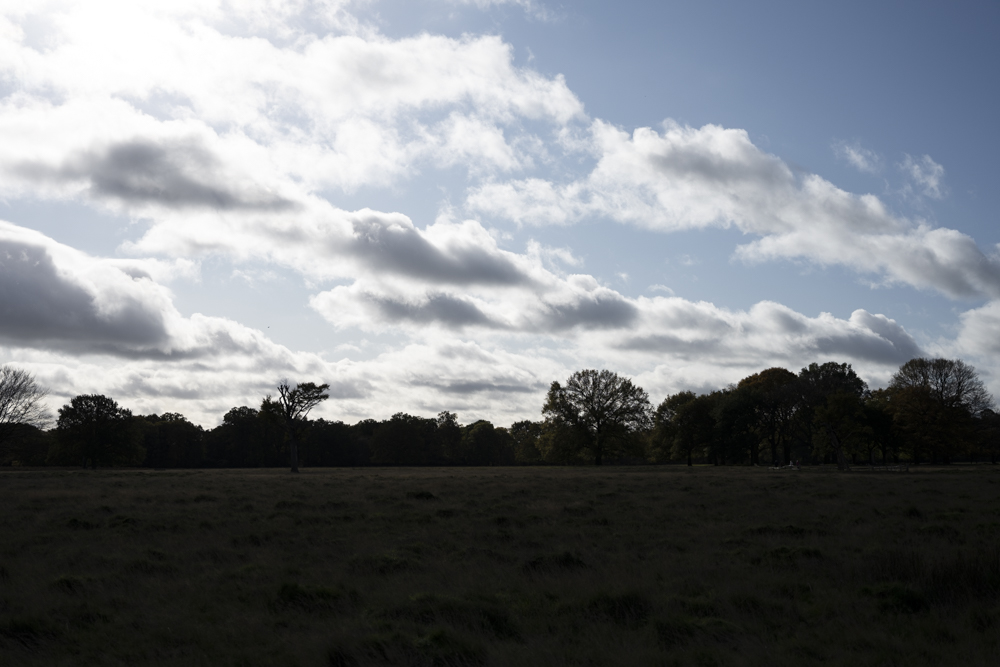
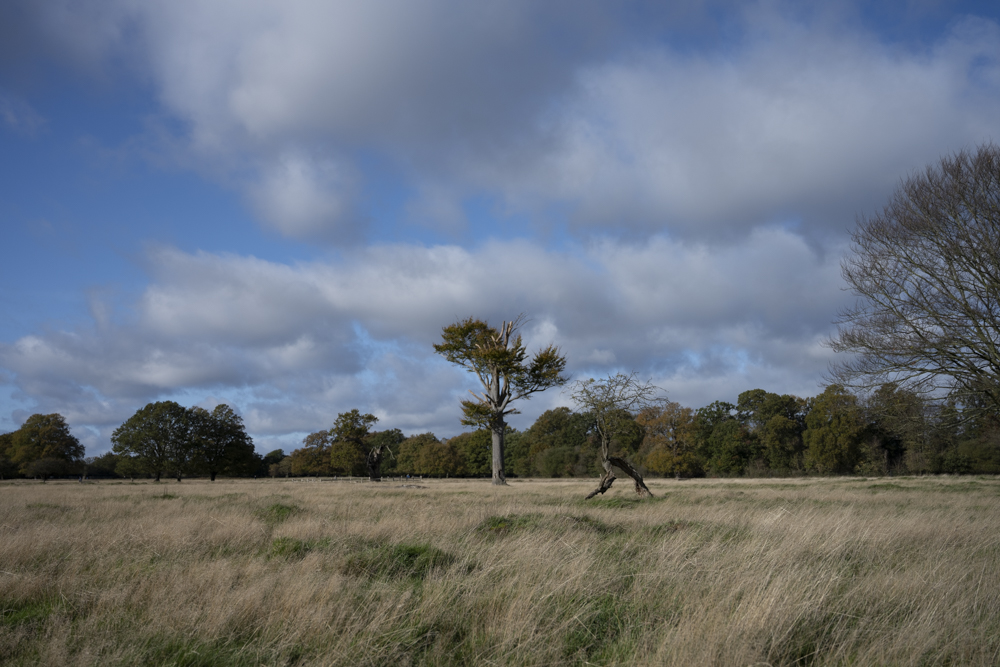
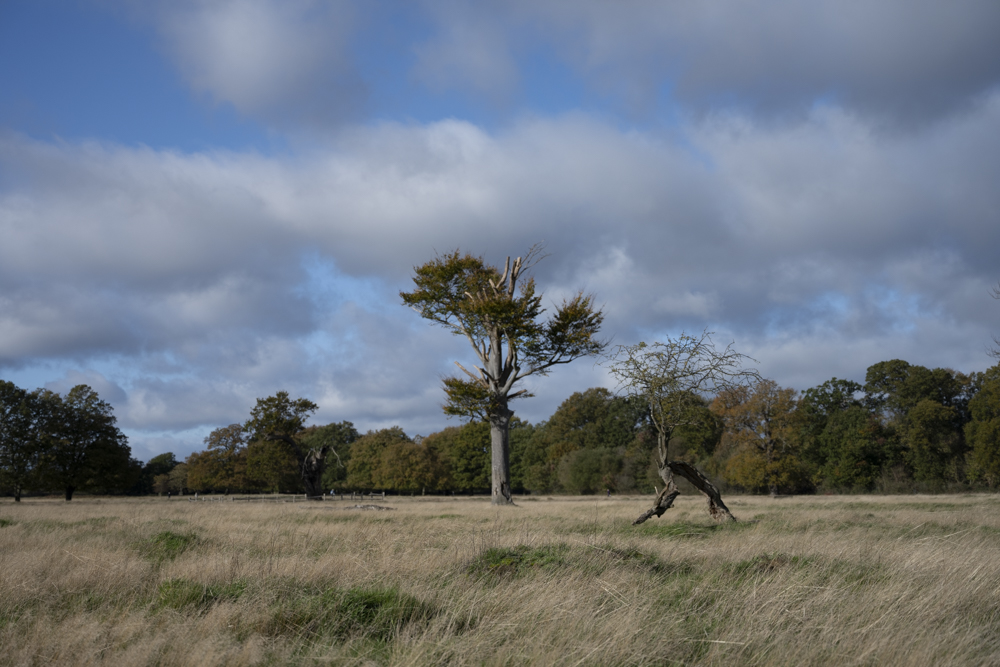
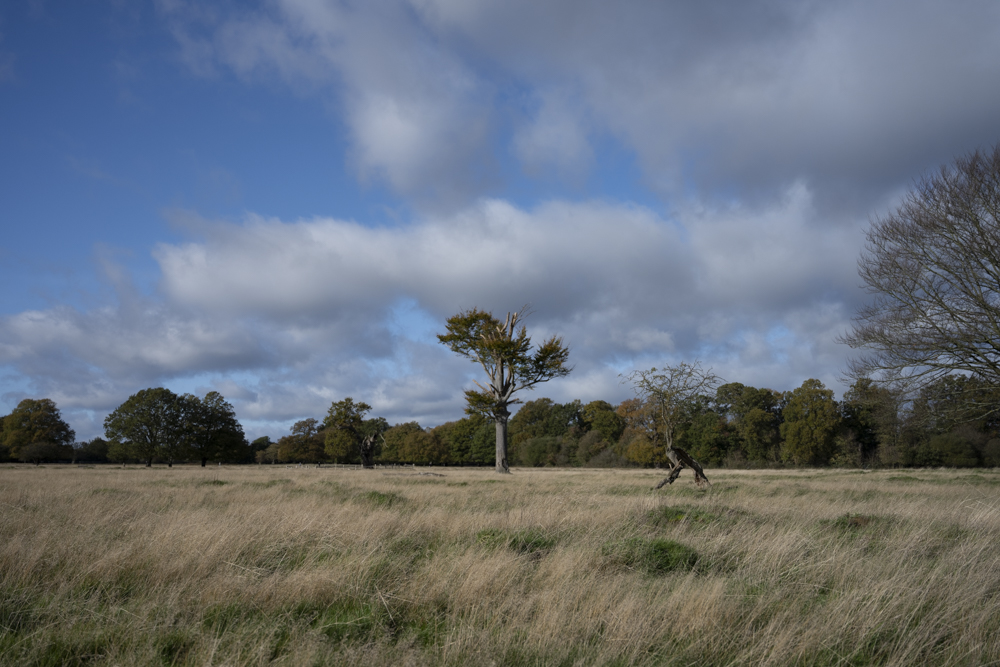
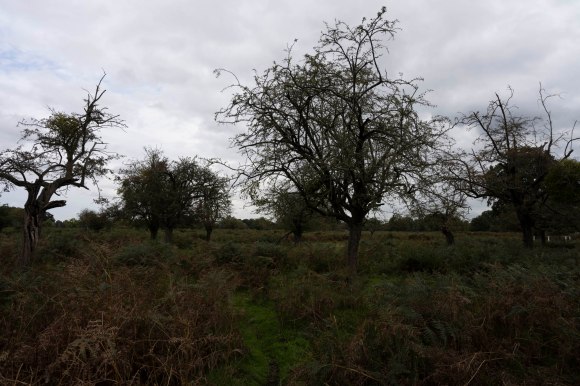
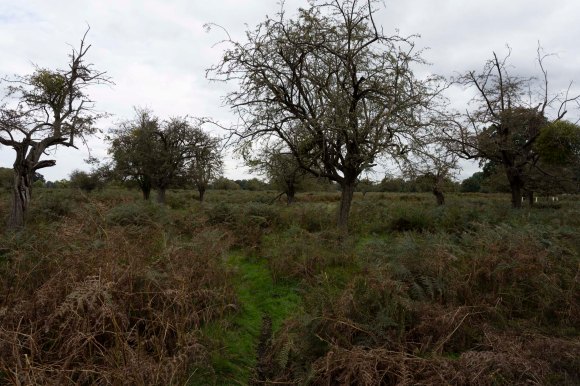
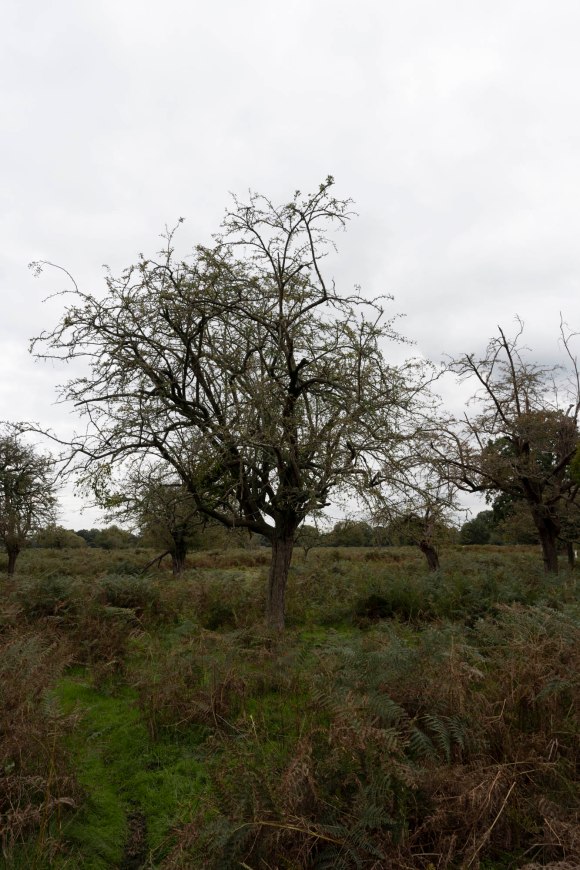
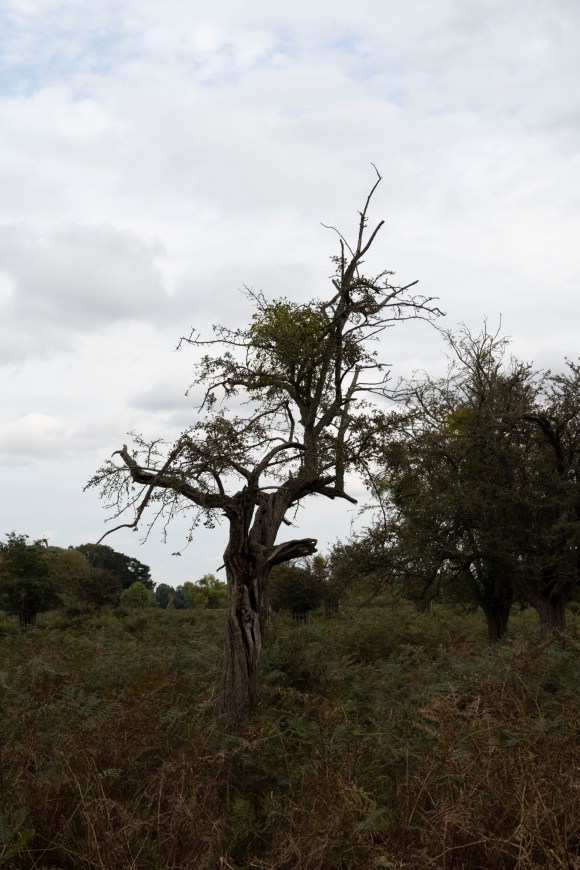
AGM62 Bushy Park Hawthorns 3 November 2020

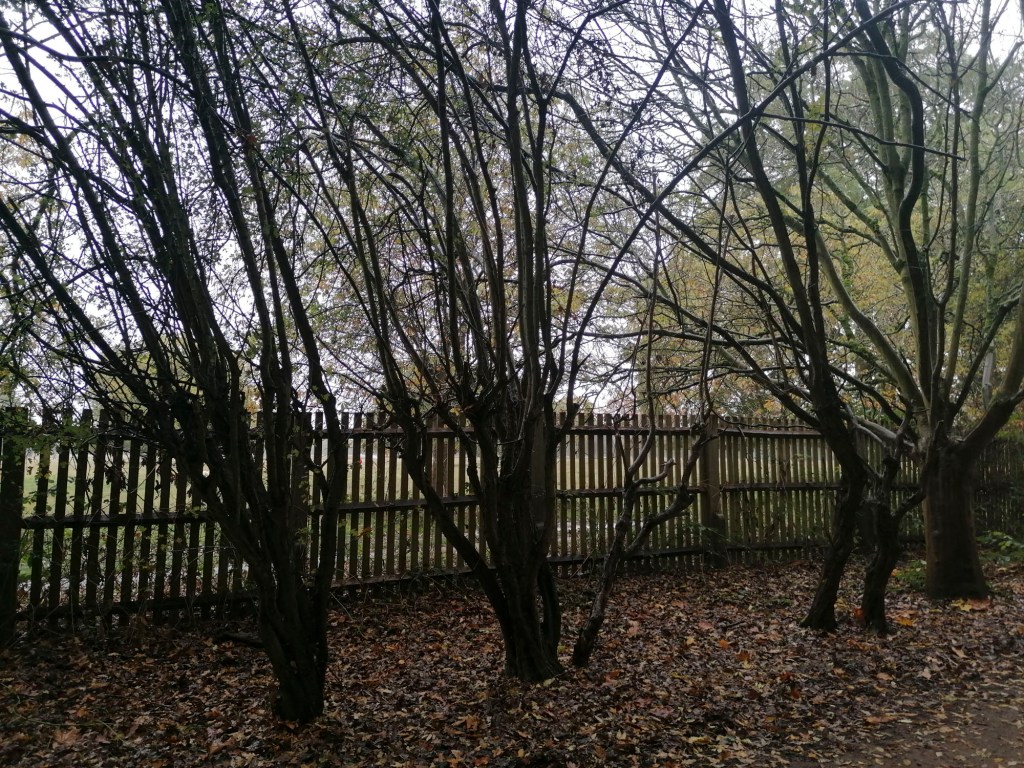
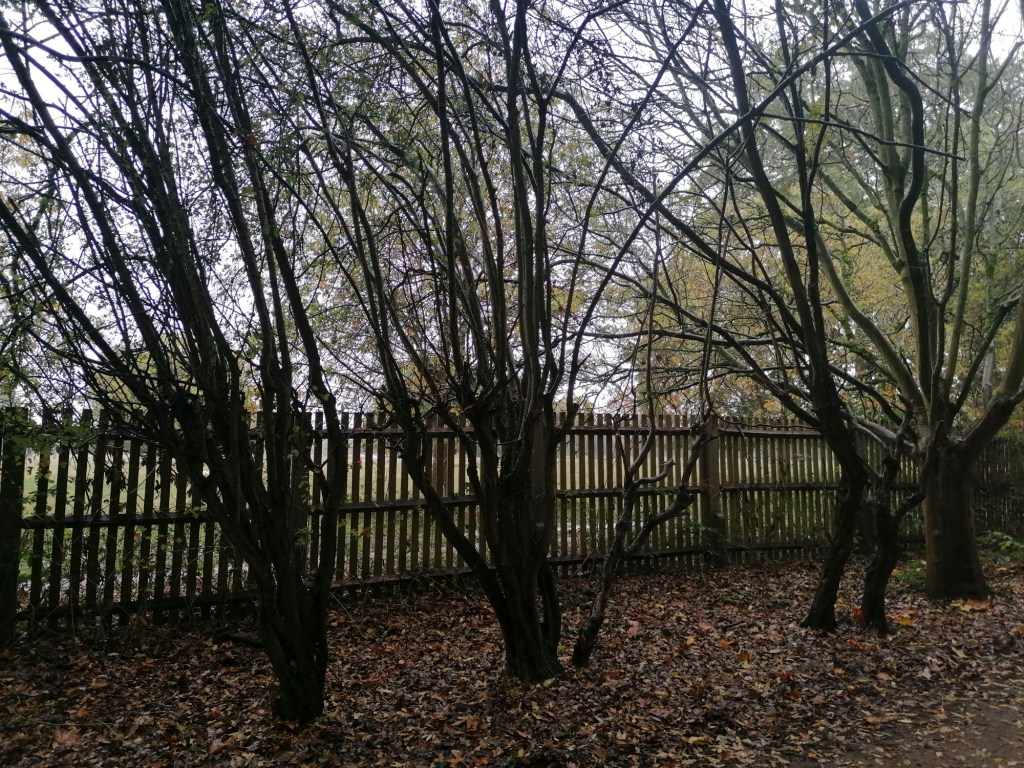
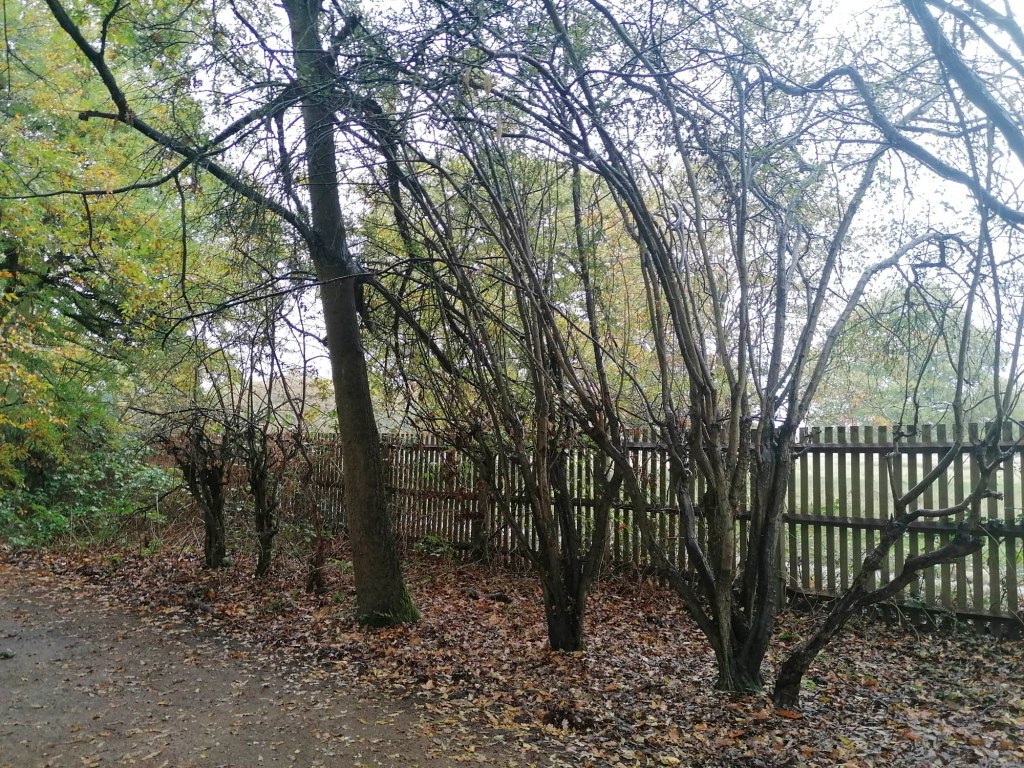
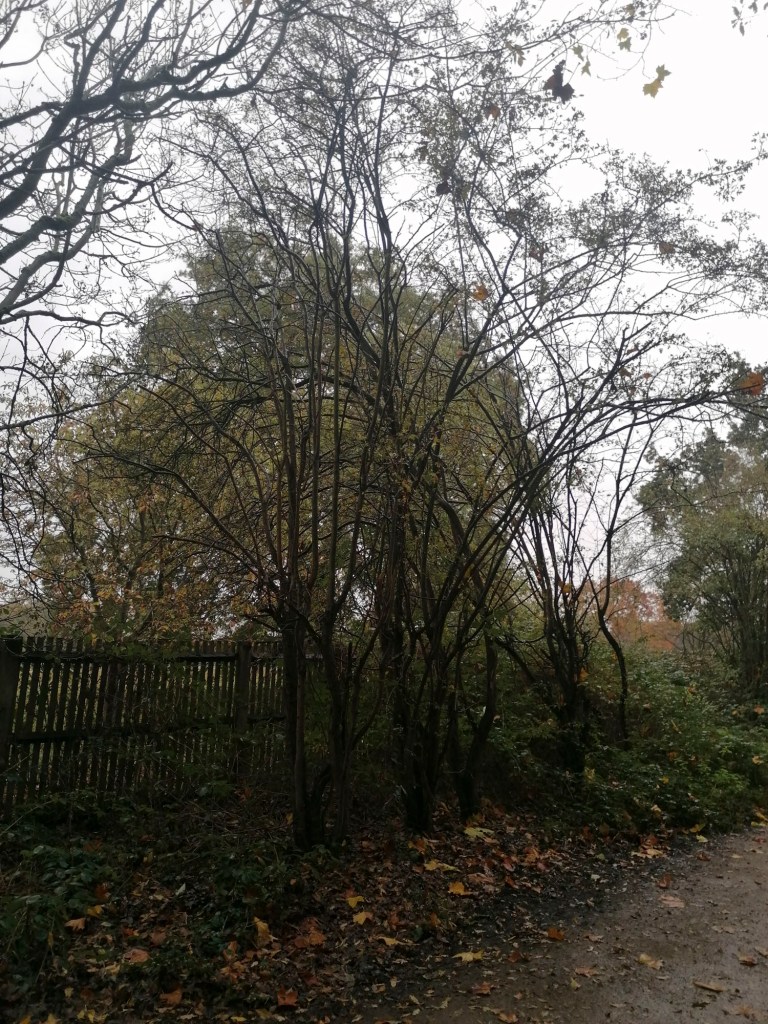
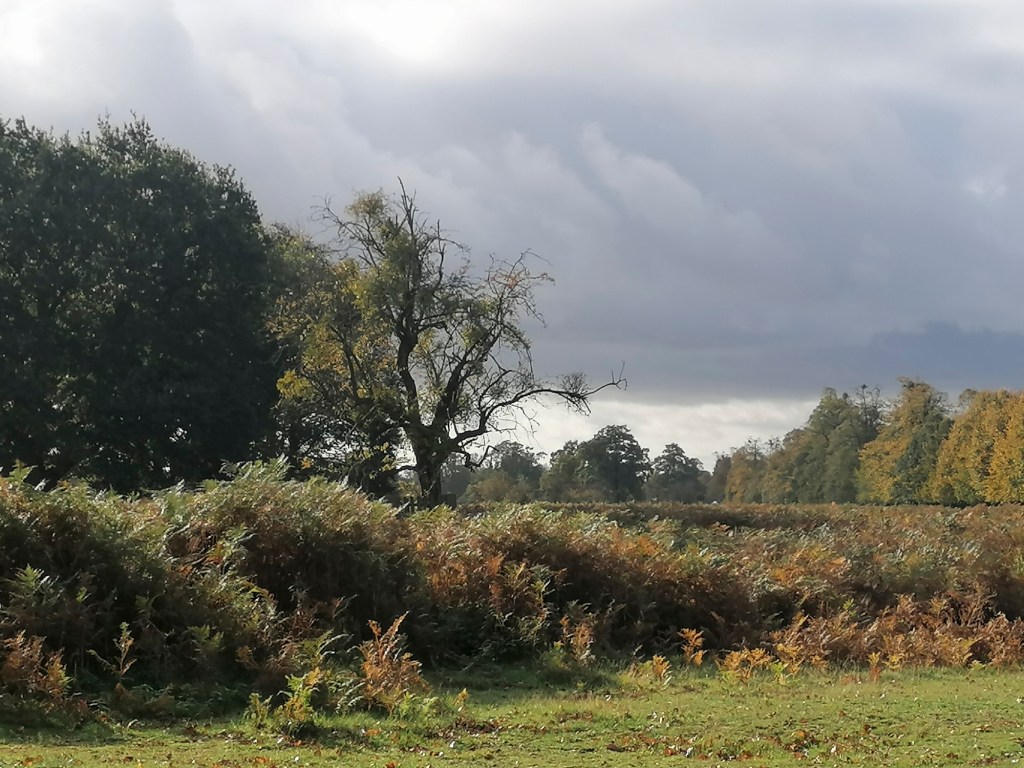
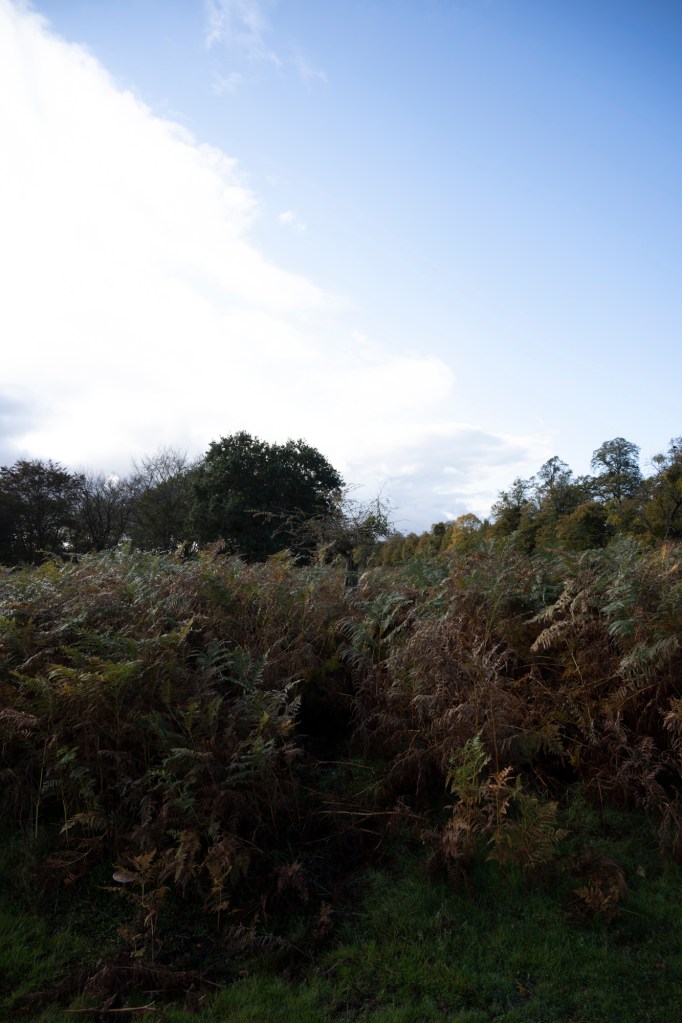
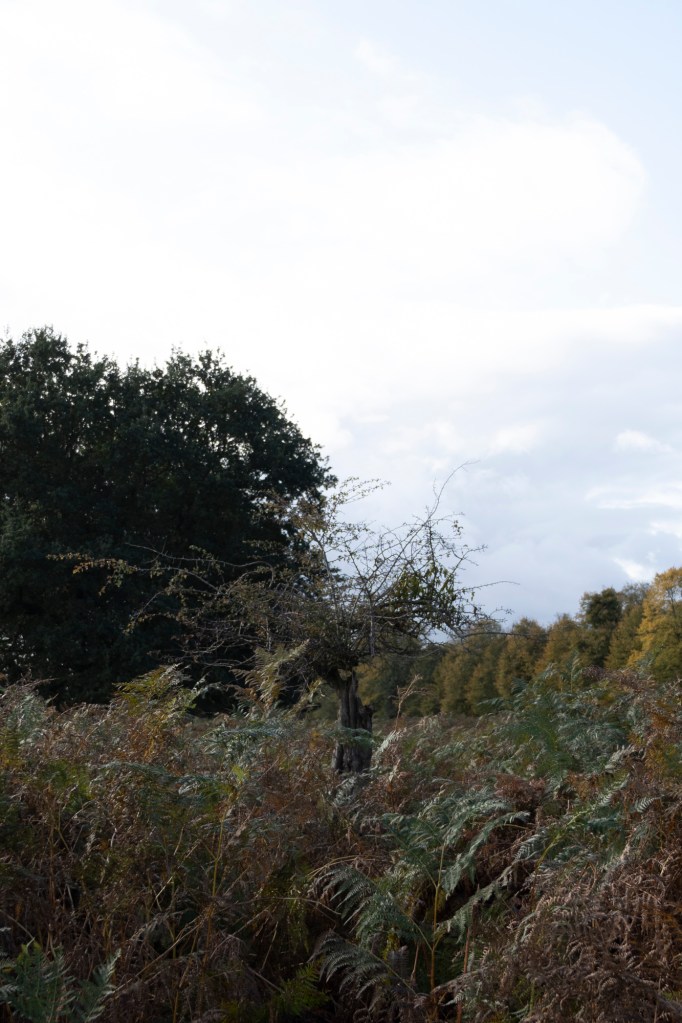
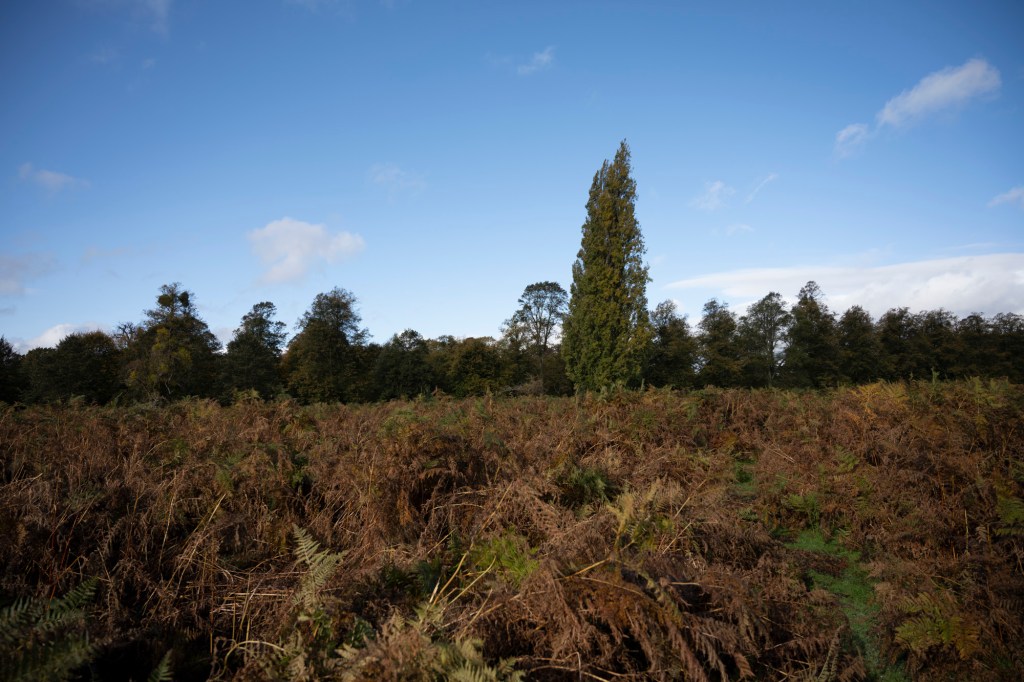
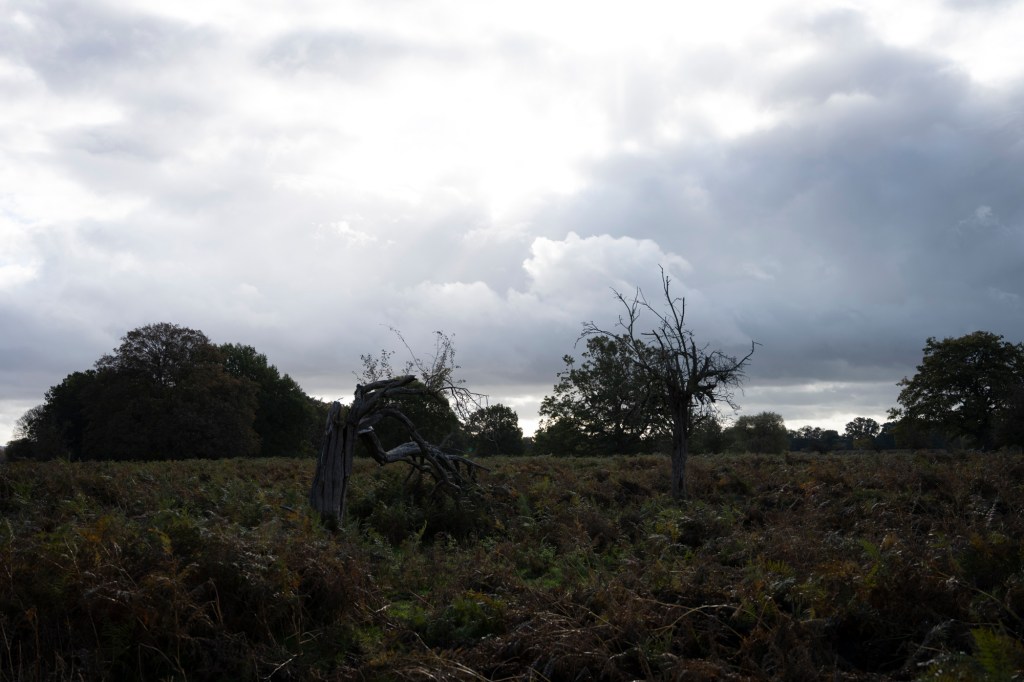
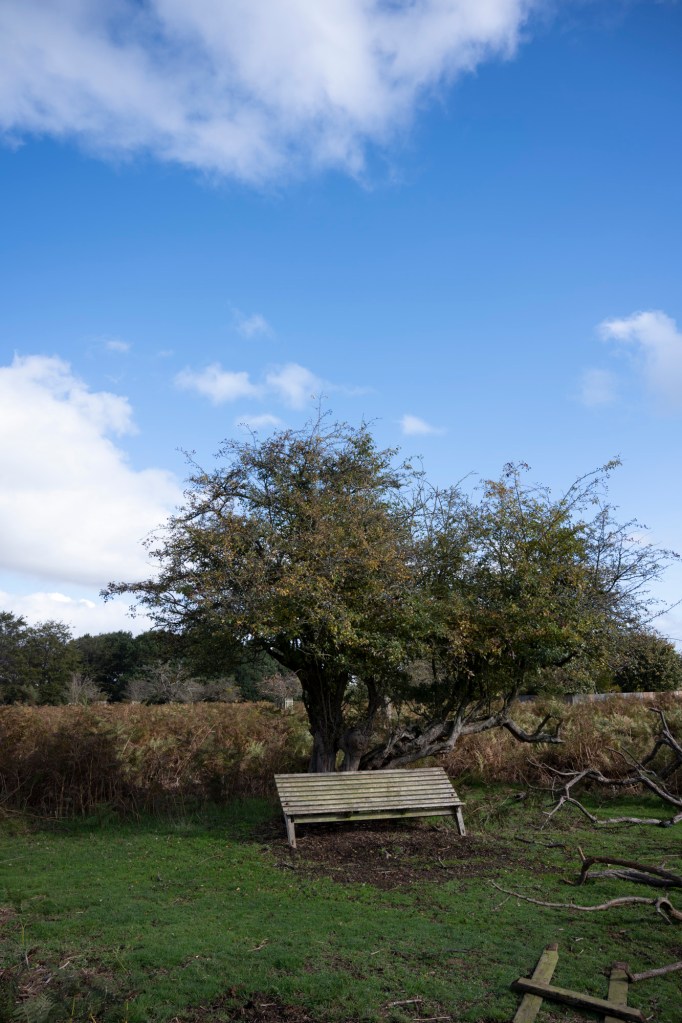
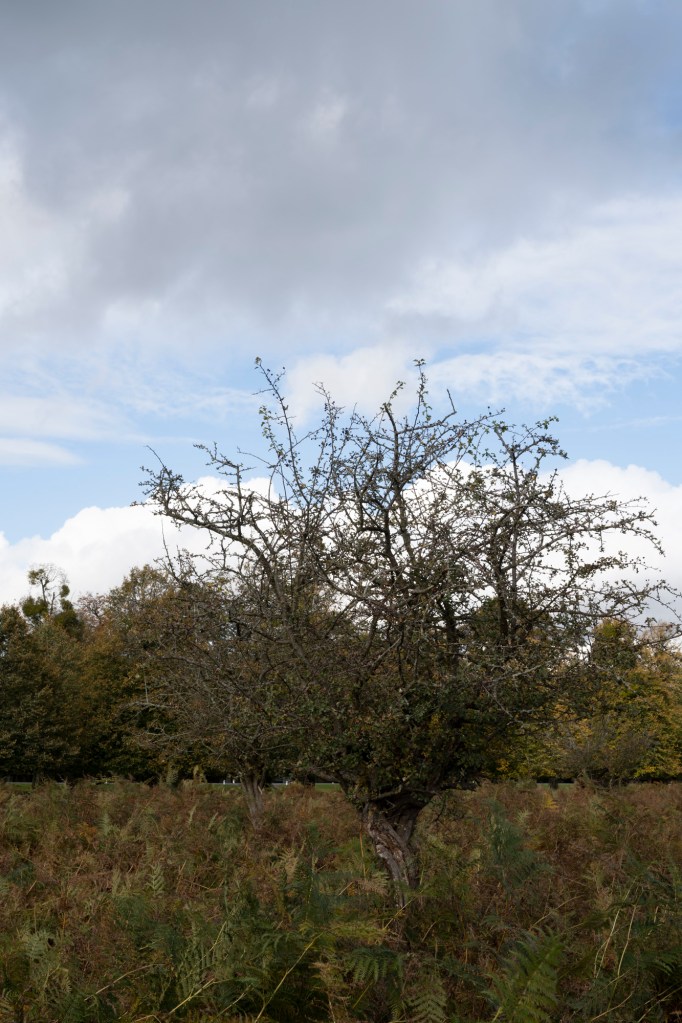
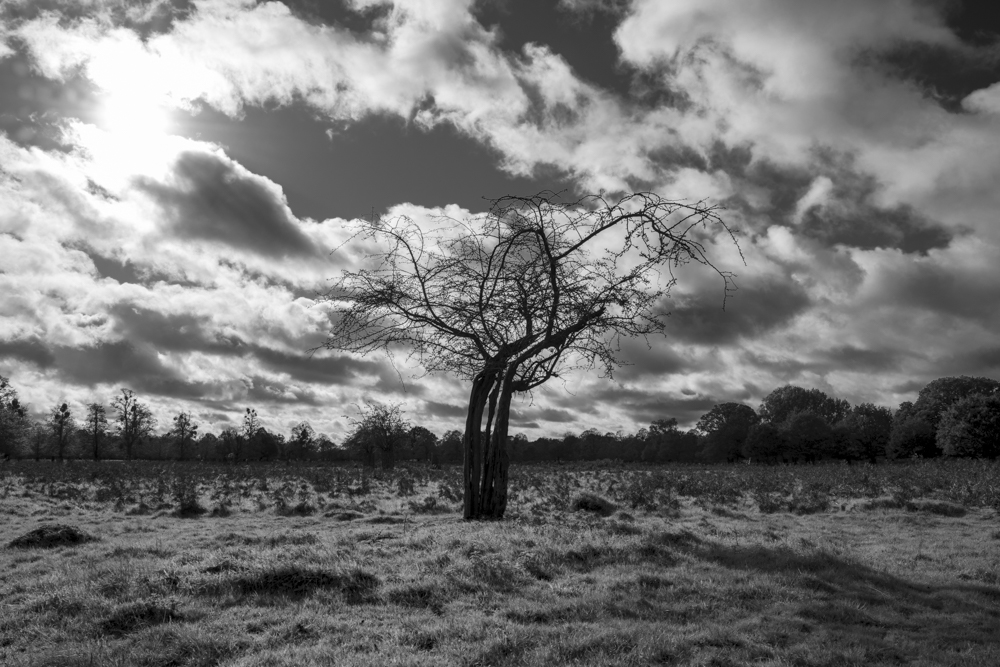
After my hawthorn recce on 1 November, I went to Bushy Park with my main camera to take further photographs of the trees I had recorded.

I started the shoot at approximately 11.50 and the sun was quite strong and high in the sky at this time of day. My intention was to walk the route I had followed on the 1 November, but in reverse.

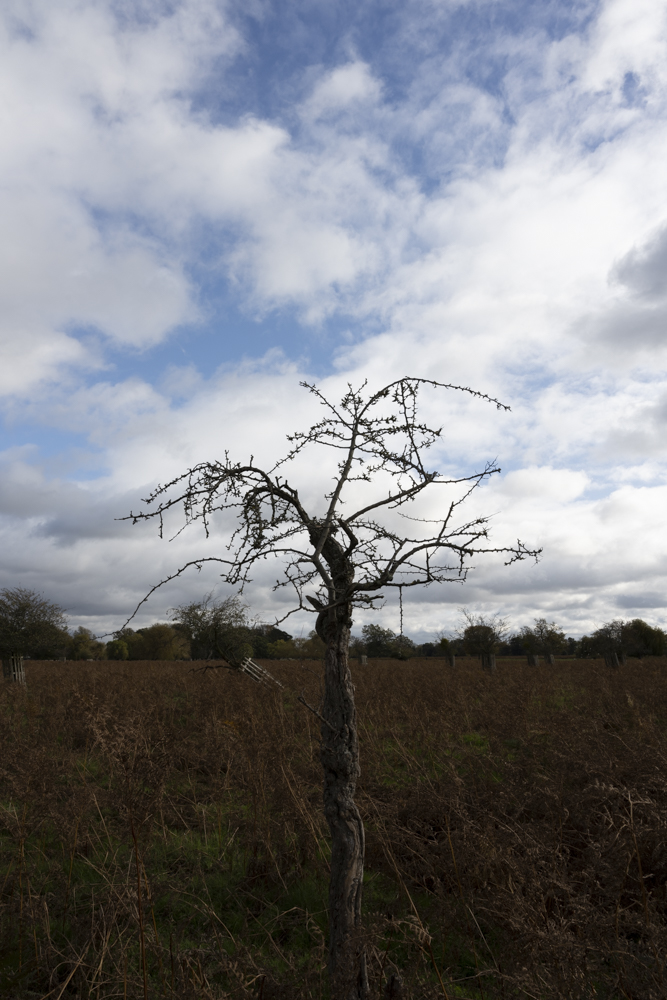
Tree 1

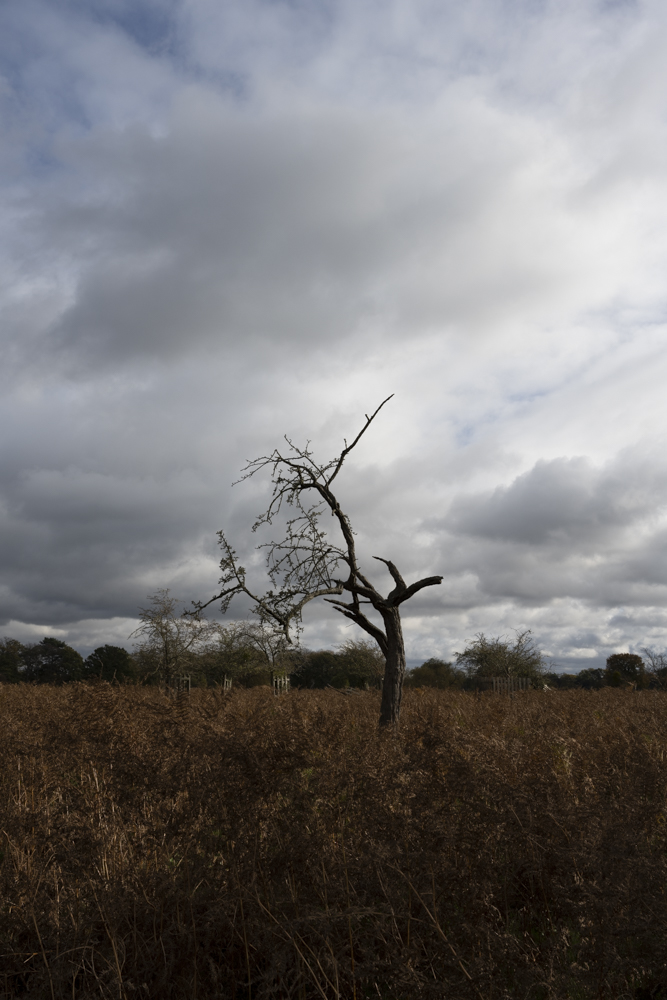
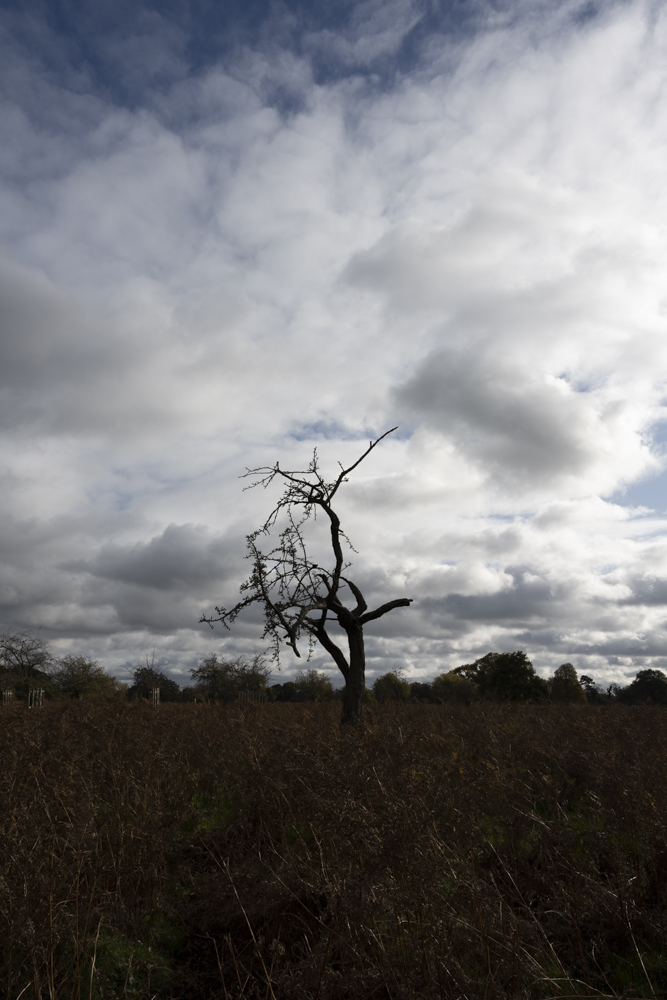
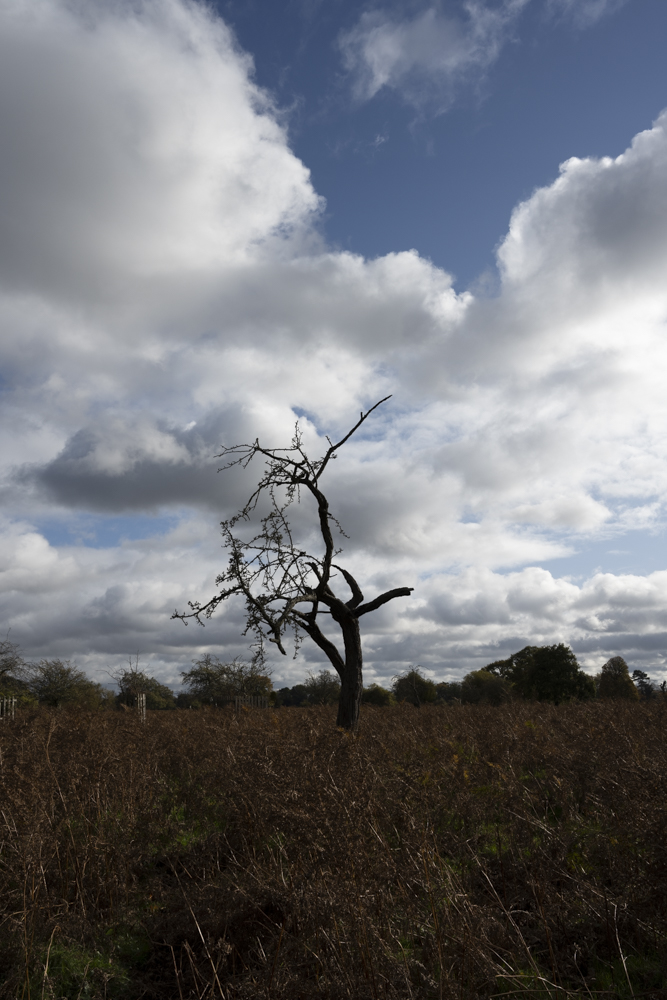
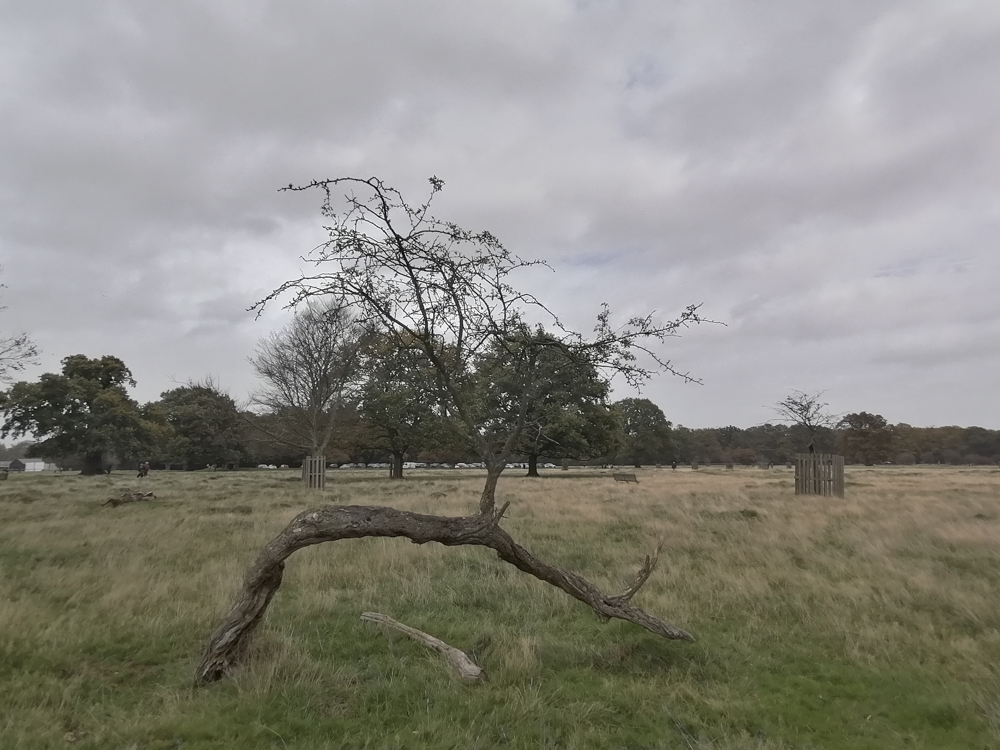
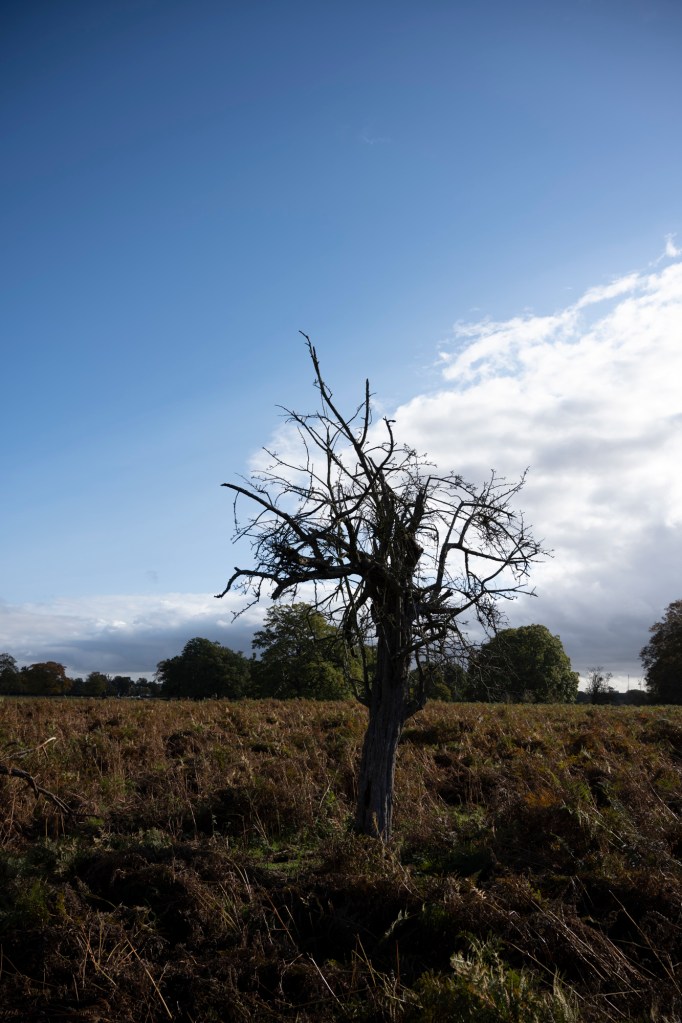
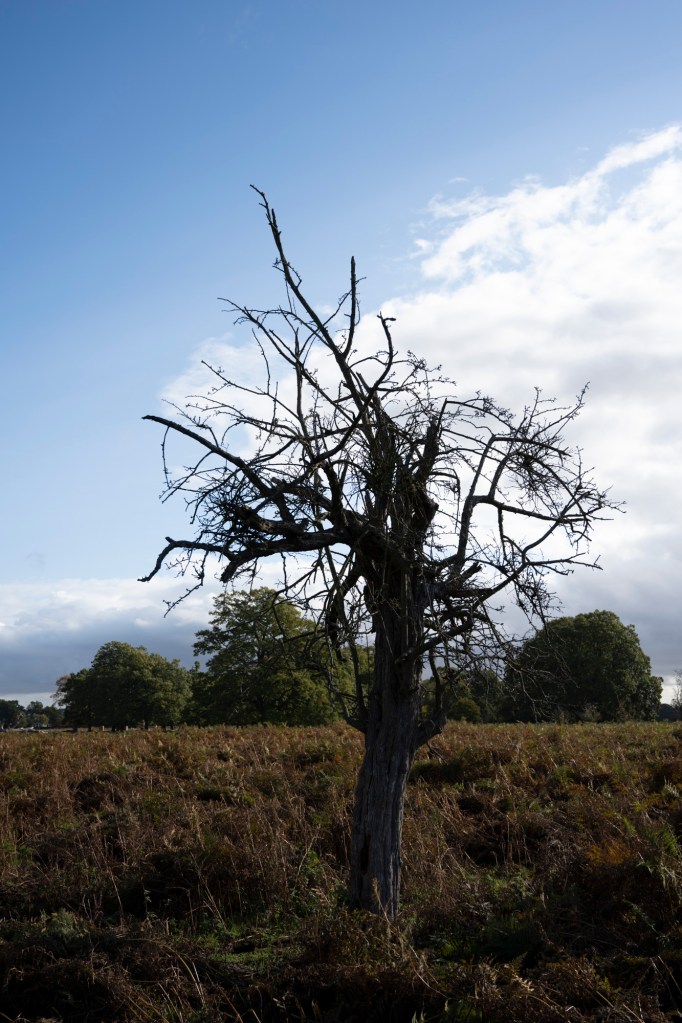
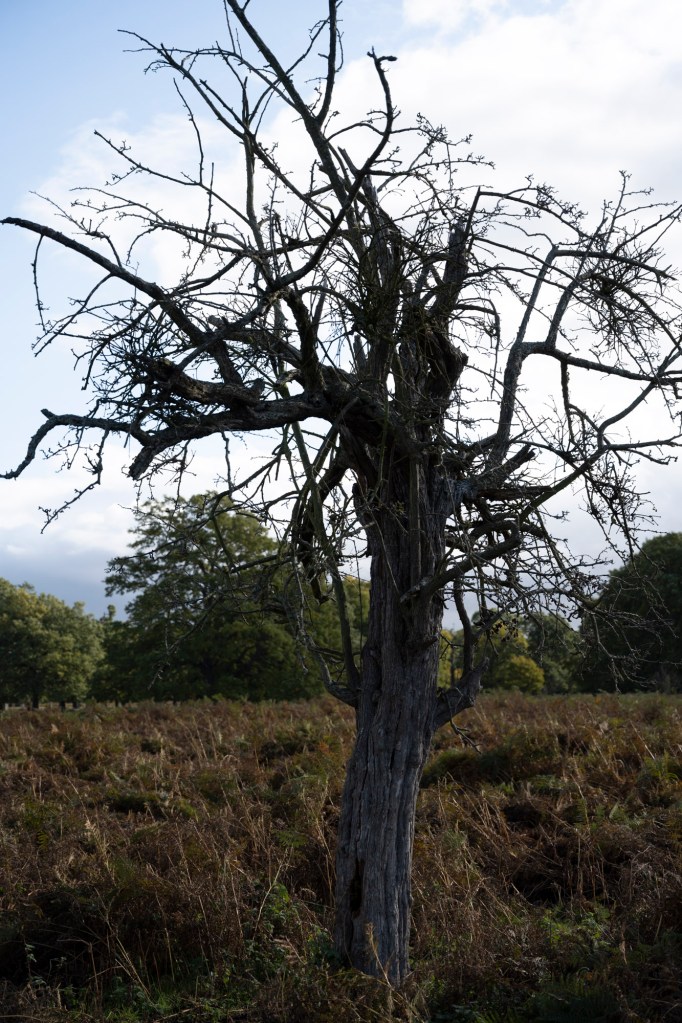
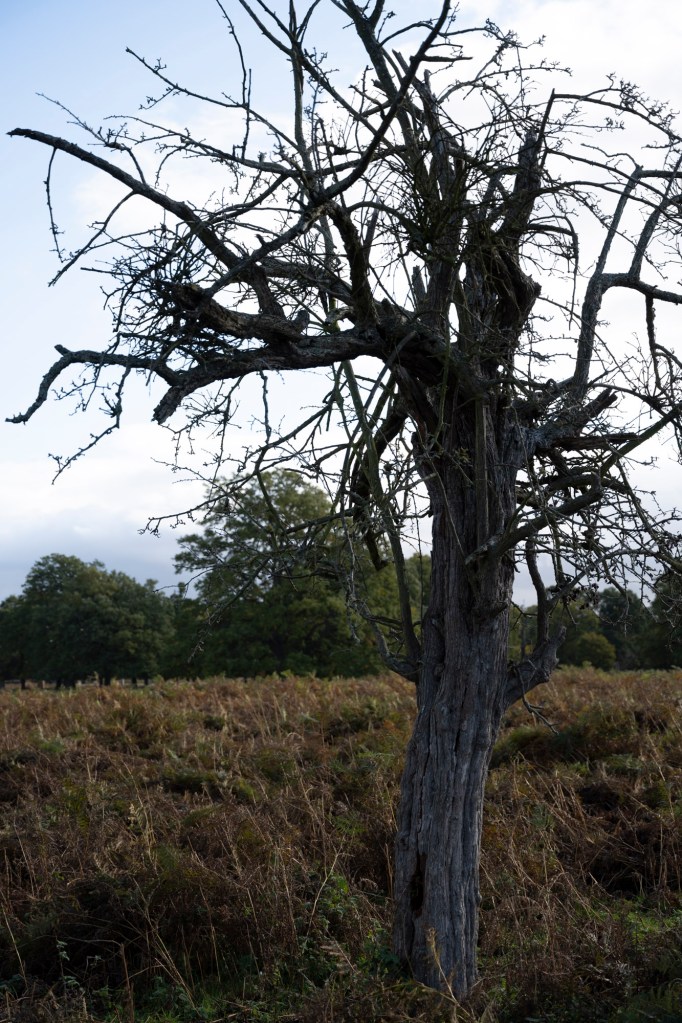
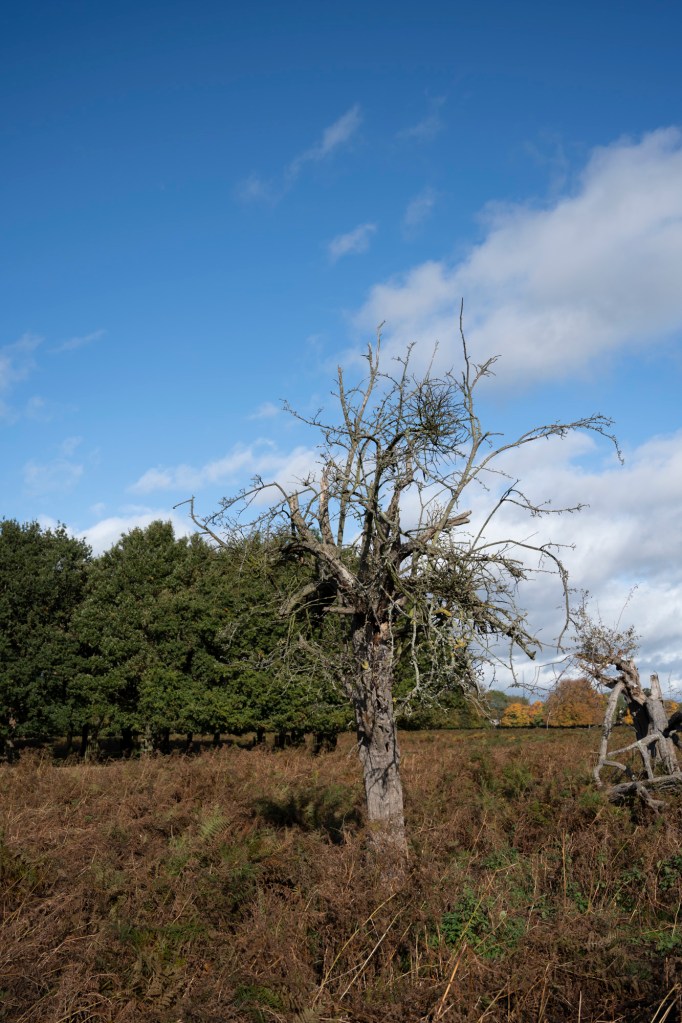
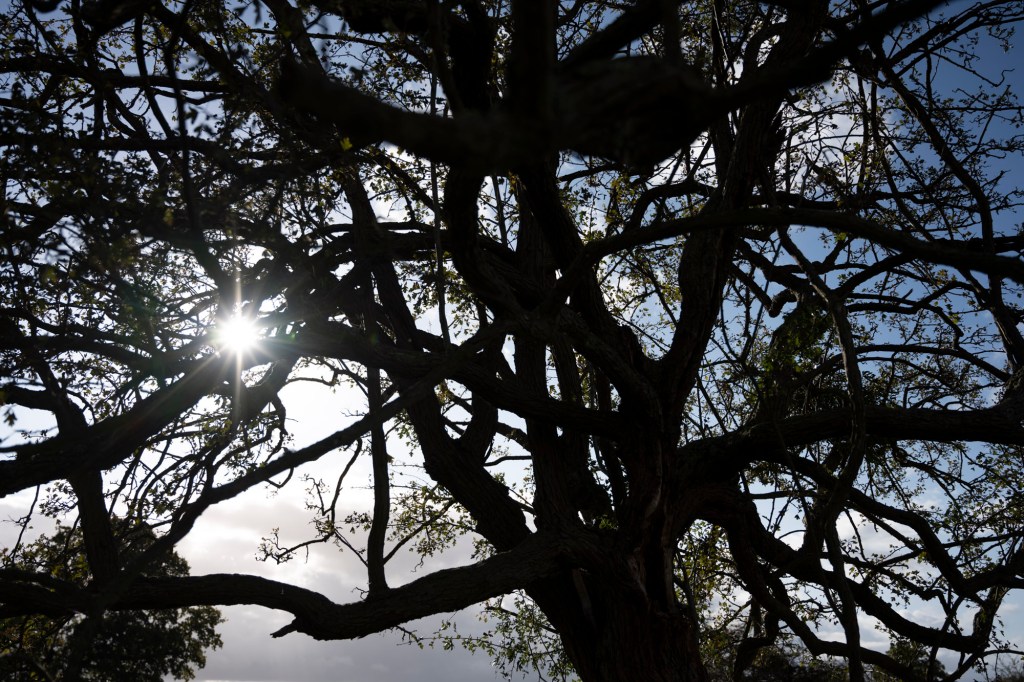
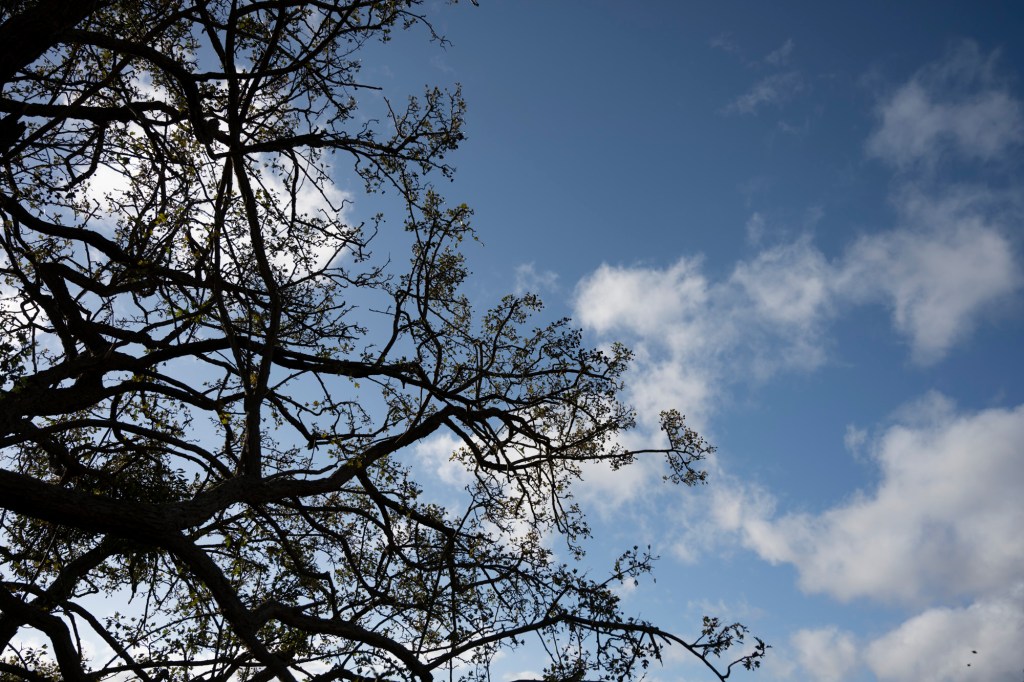
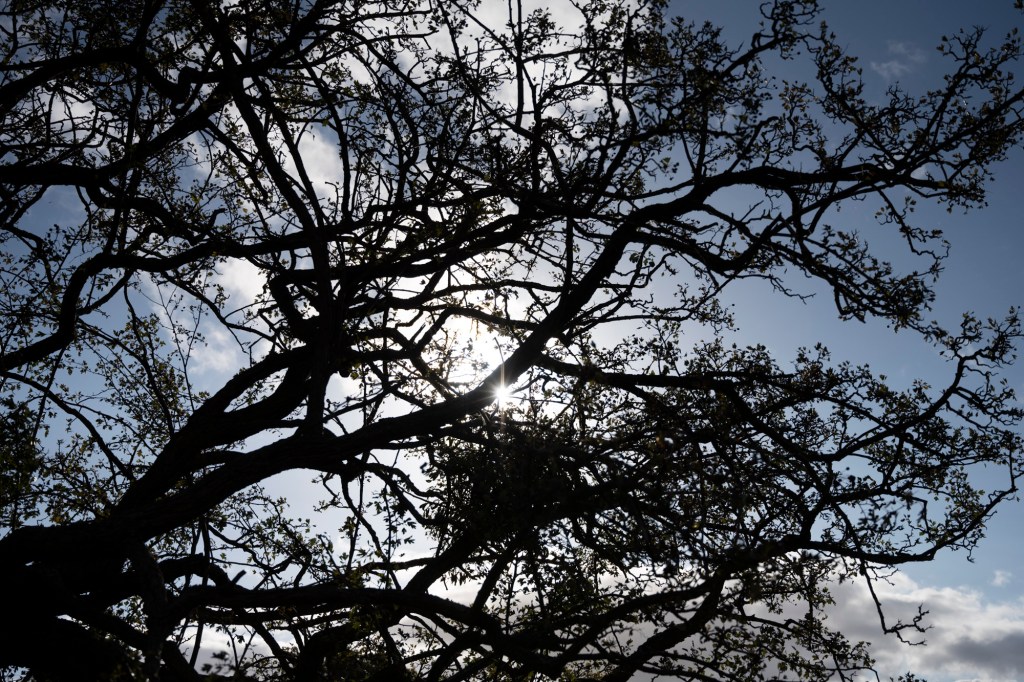
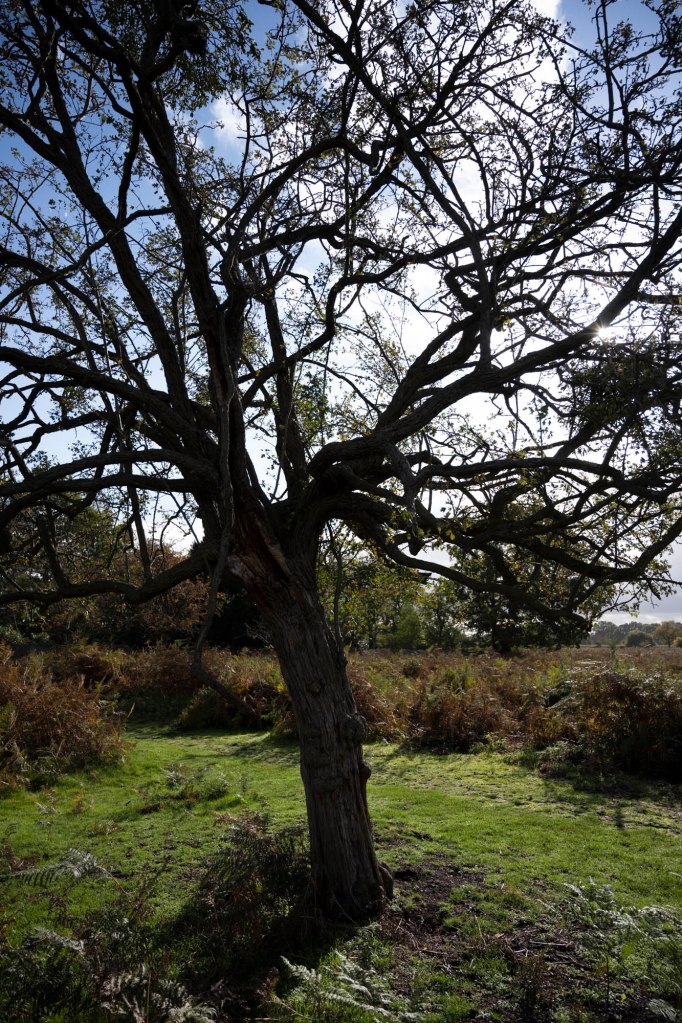
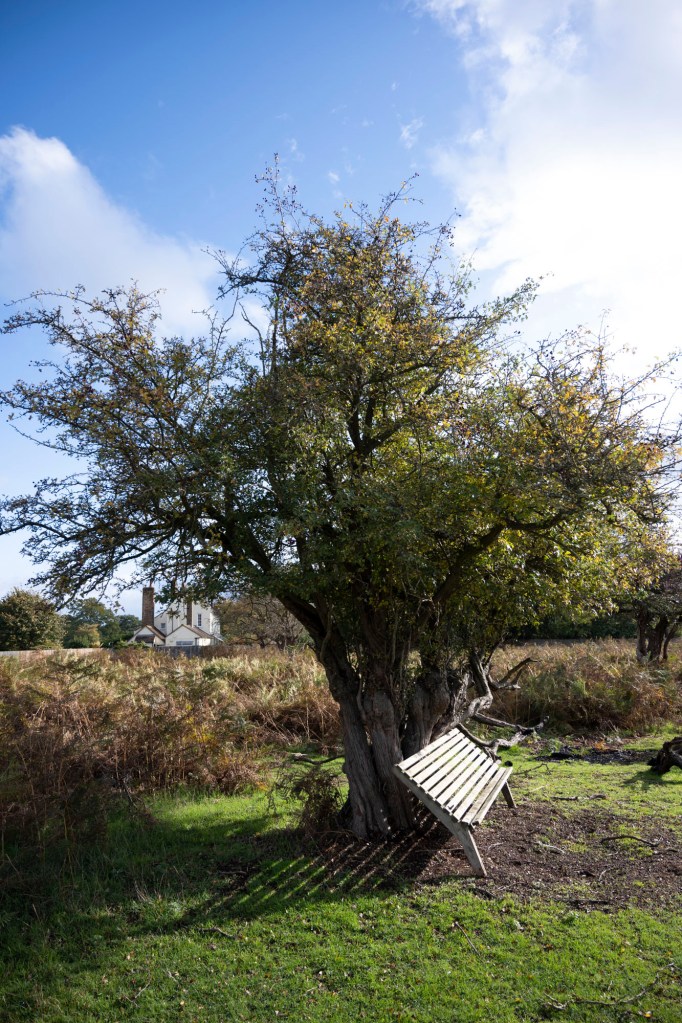
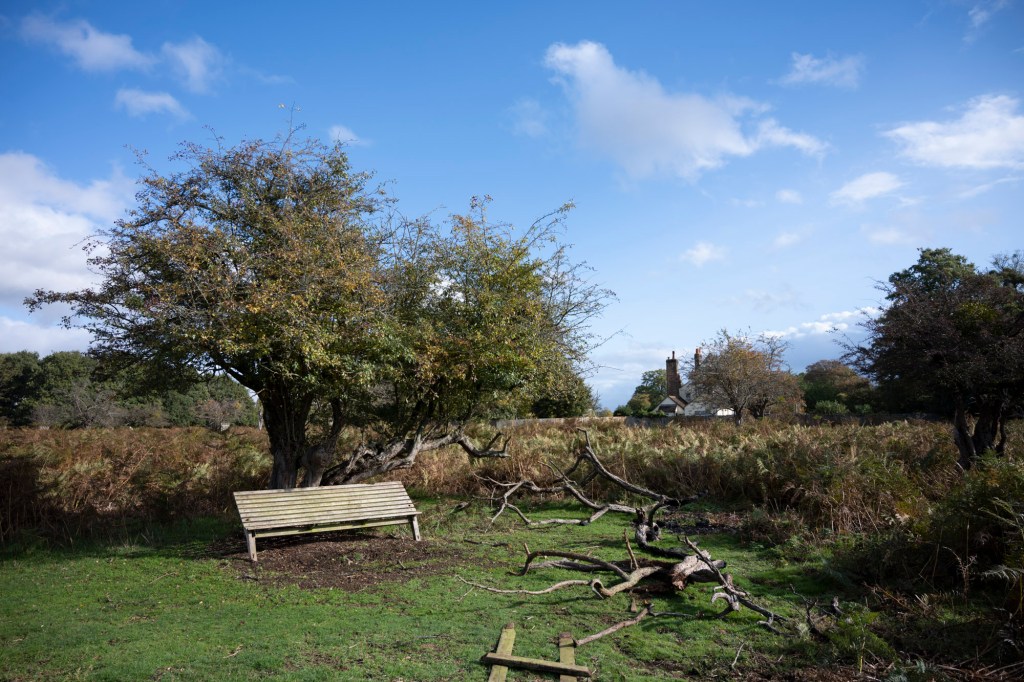
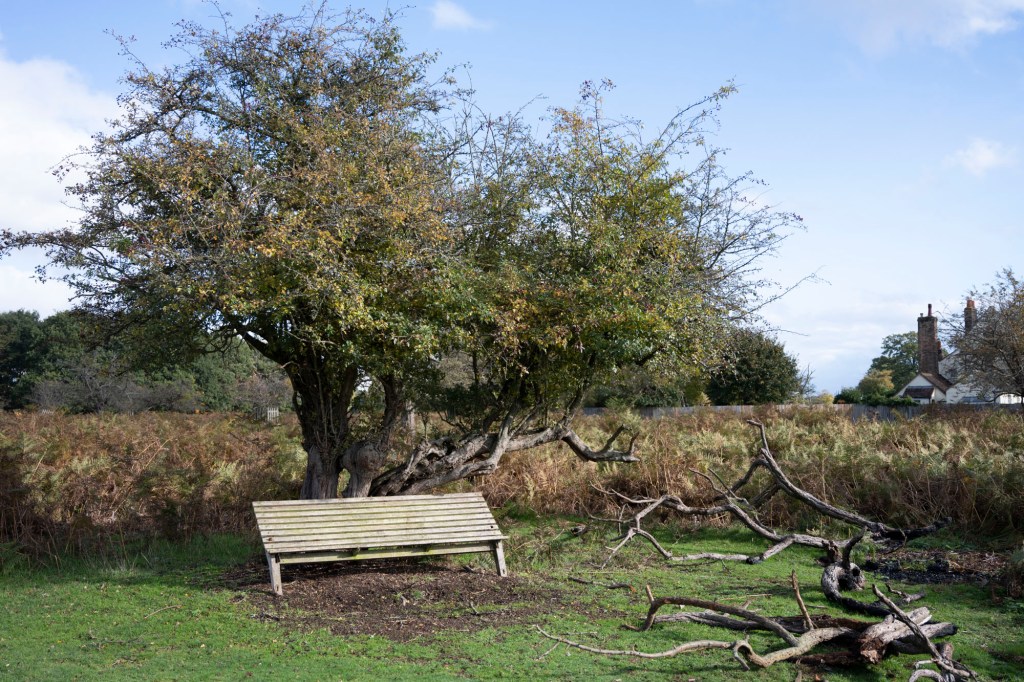
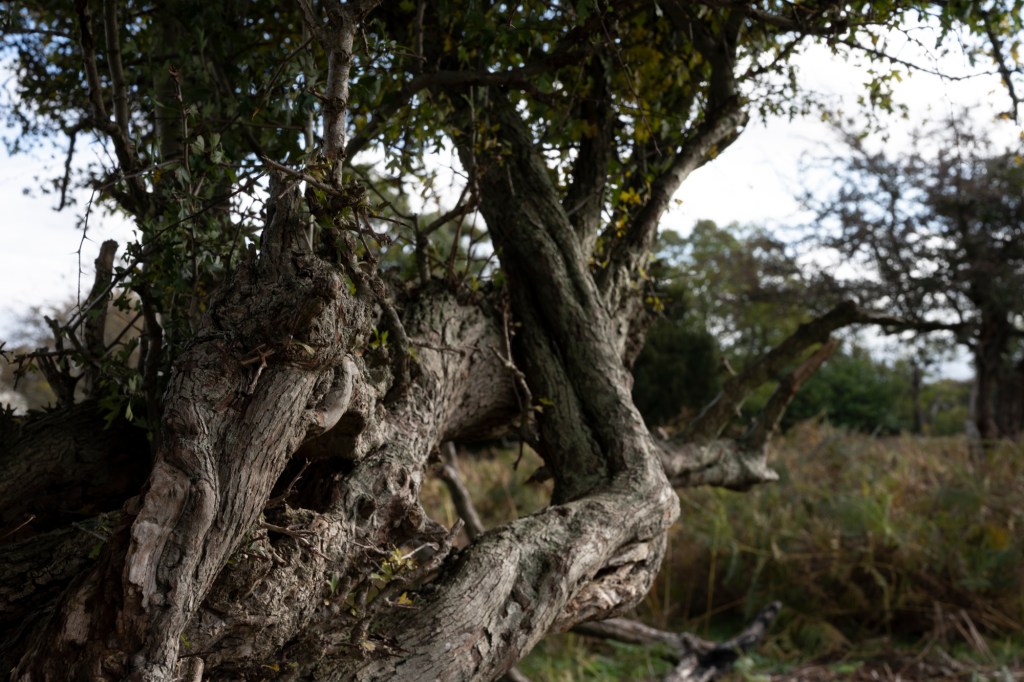
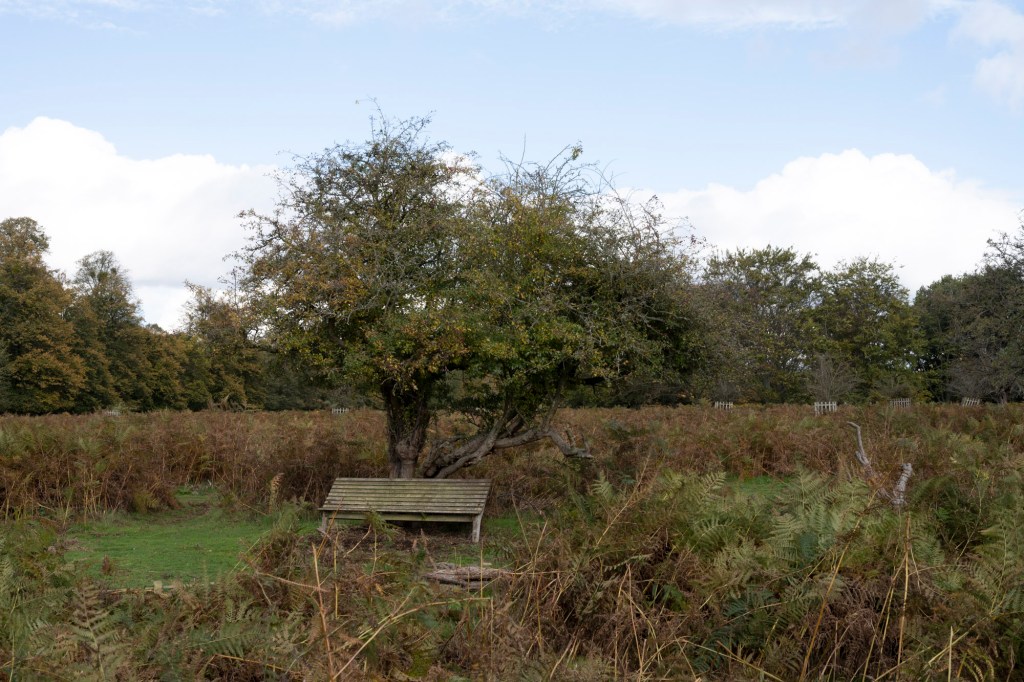
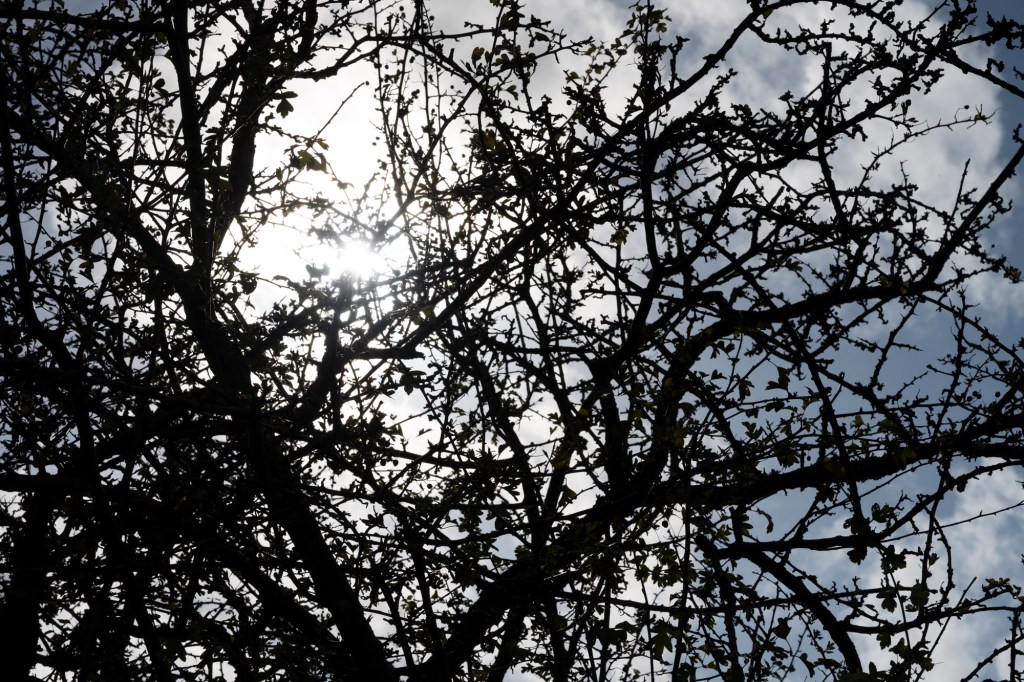
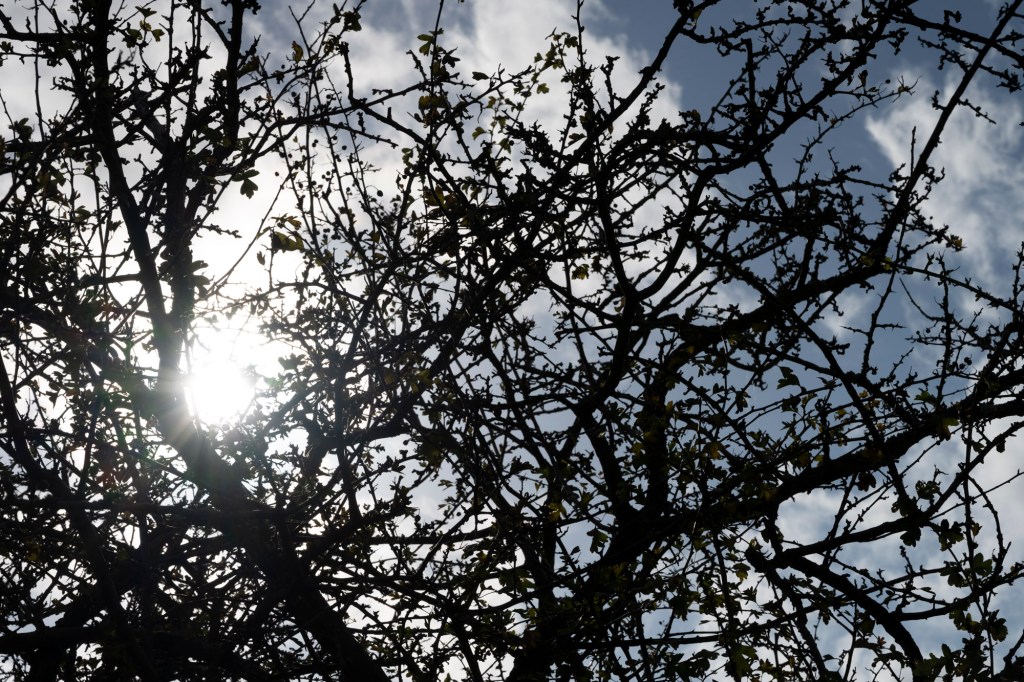
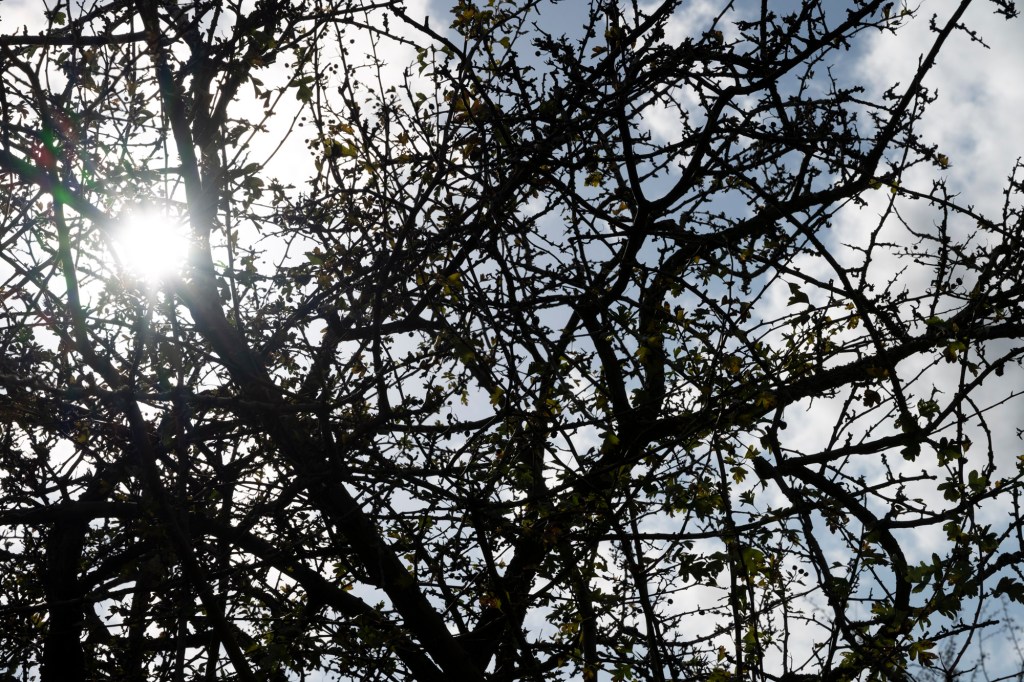
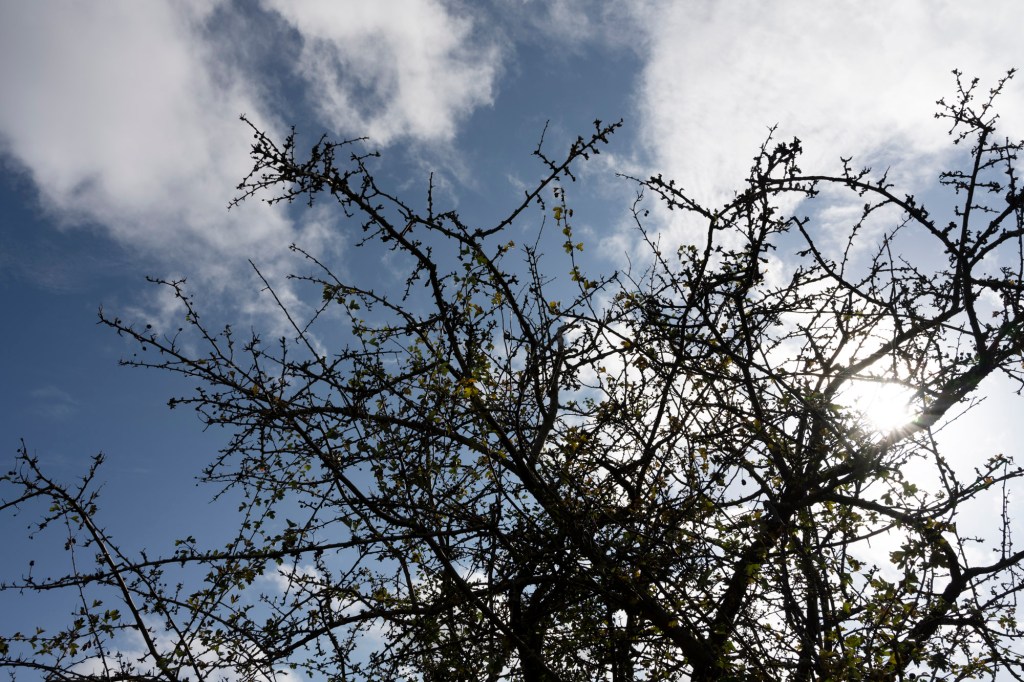
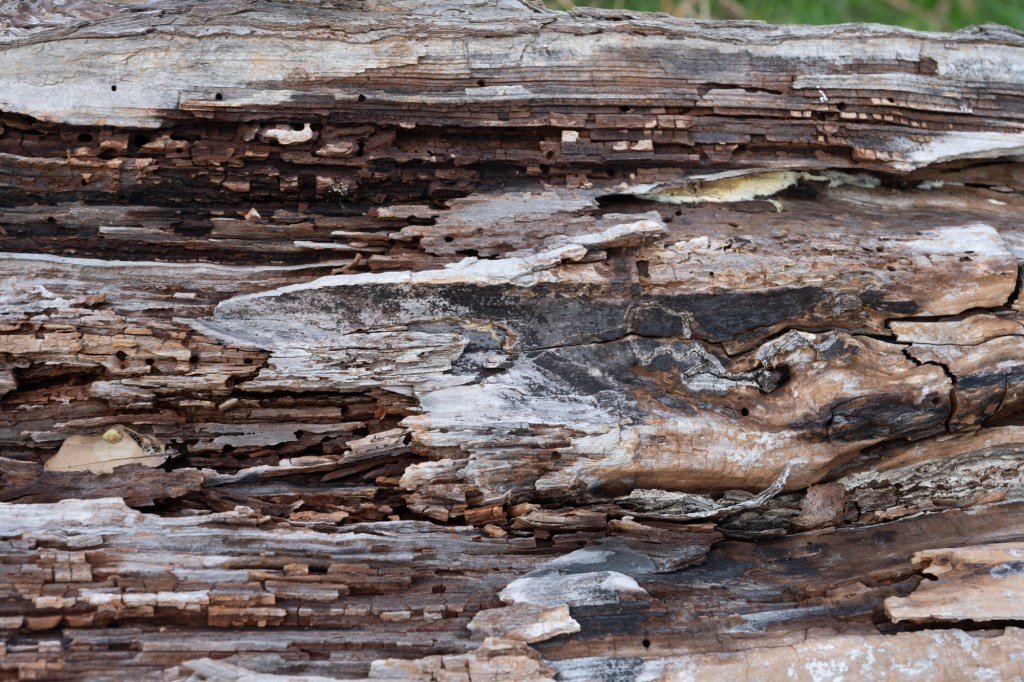
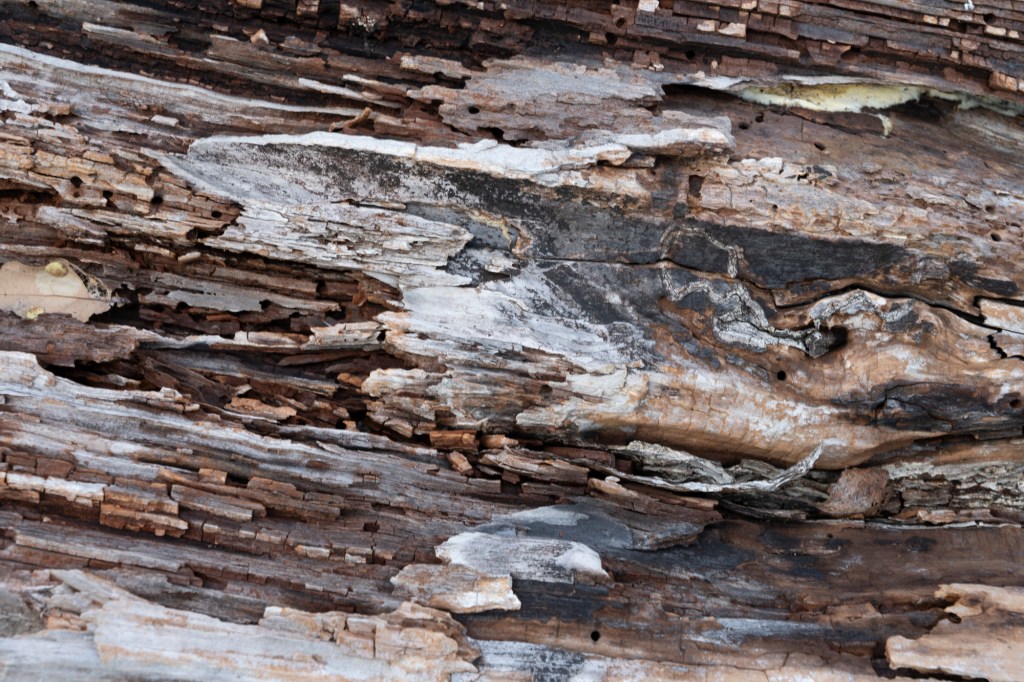
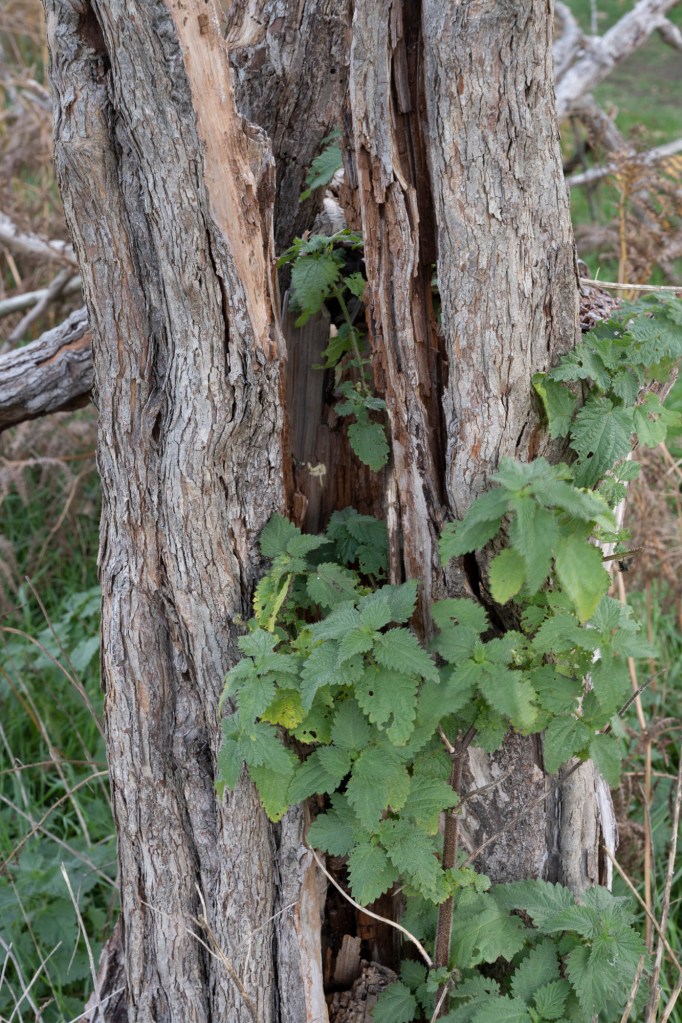
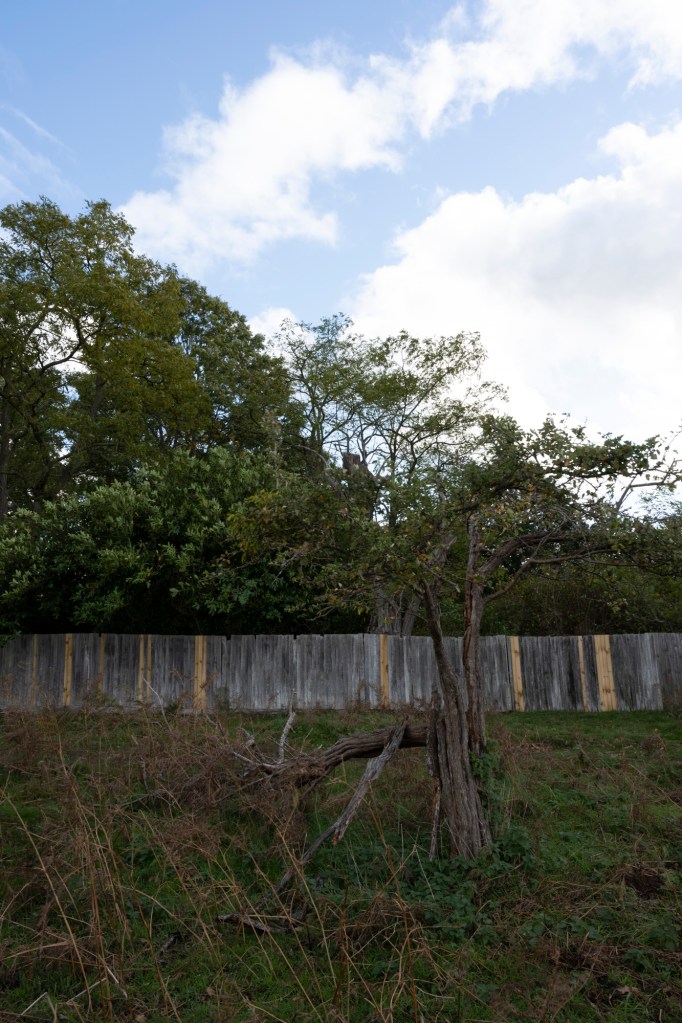
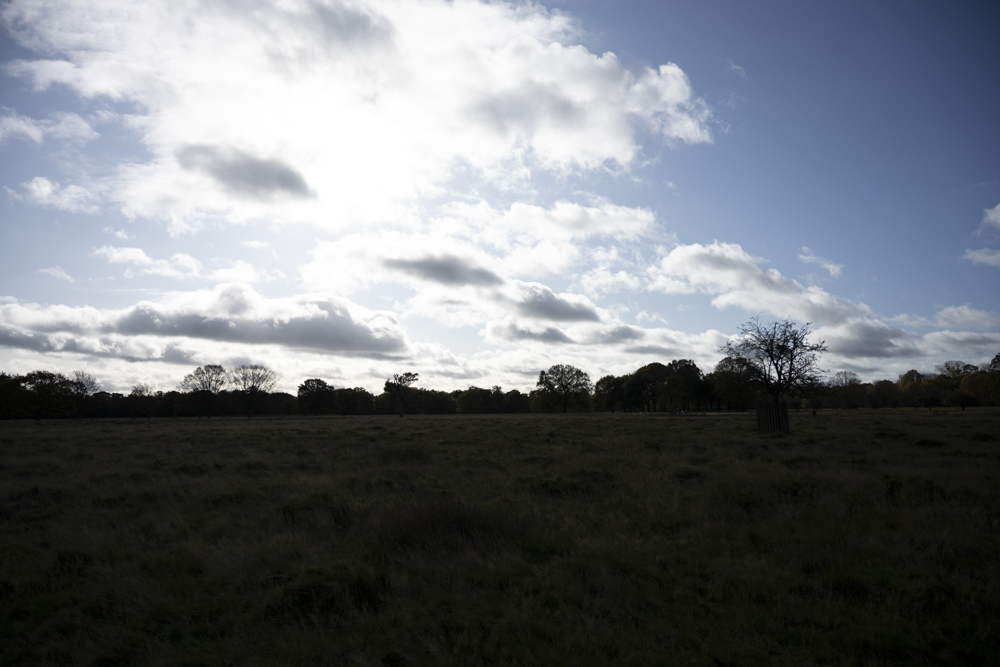
The first hawthorn I experimented with was the one photographed last on 1 November (Tree 11). It was a bit frustrating as the sunlight was quite harsh. I thought the bark would have been darker, having rained the day before. Despite this, the wood was quite bleached by the light.

Another frustrating factor was the walkers in the background – there was a lot of waiting for what seemed to be a clear shot. Additionally, getting a low enough angle was quite taxing on my legs. It was also difficult to see the image through the viewfinder or on the screen on the back of the camera due to the harsh light. What I need to experiment with next is the tripod and a sun hood for the screen. Ideally, I would use a 7″ external monitor which can be attached to the camera via the accessory shoe. I should also use the virtual horizon indicator on the display to ensure I have a straight line through the image.

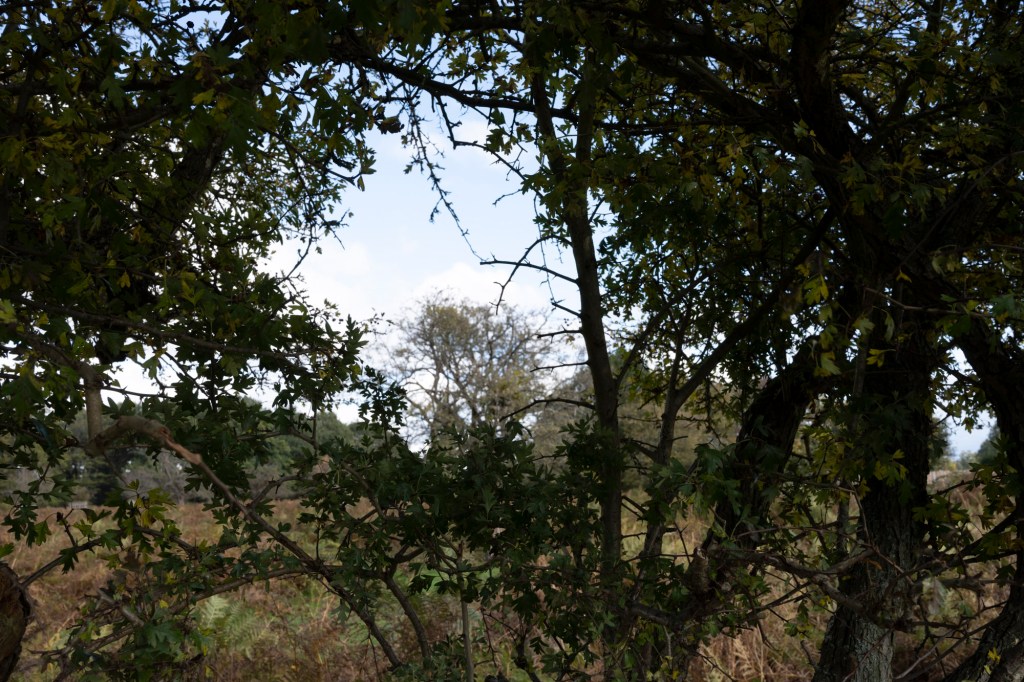
These are the resulting images pre-editing.
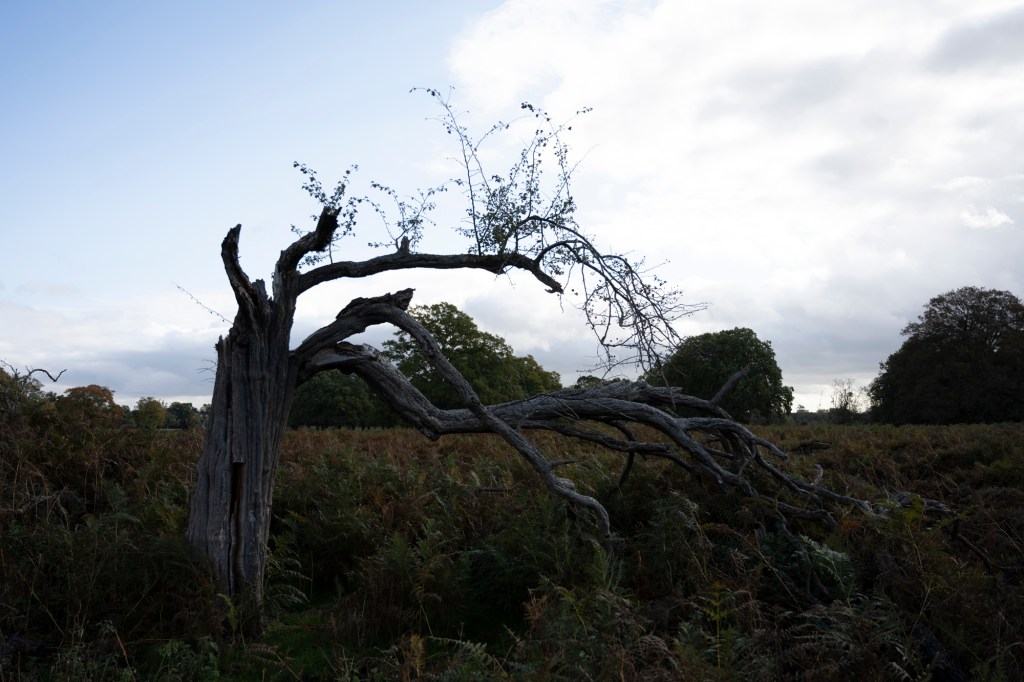
Tree 2

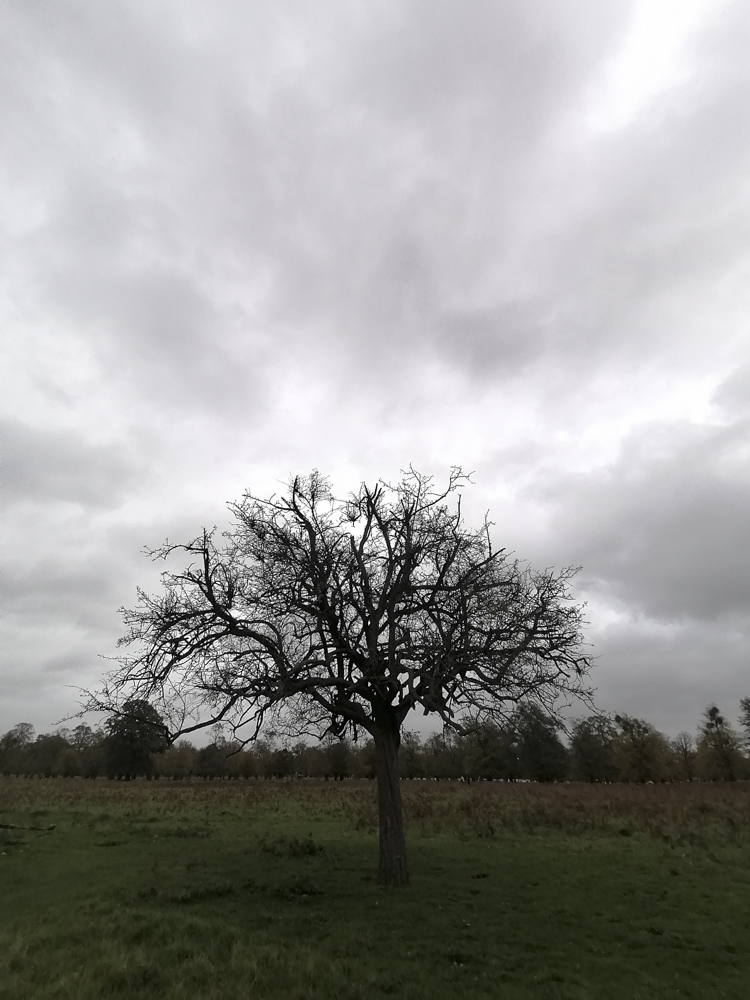
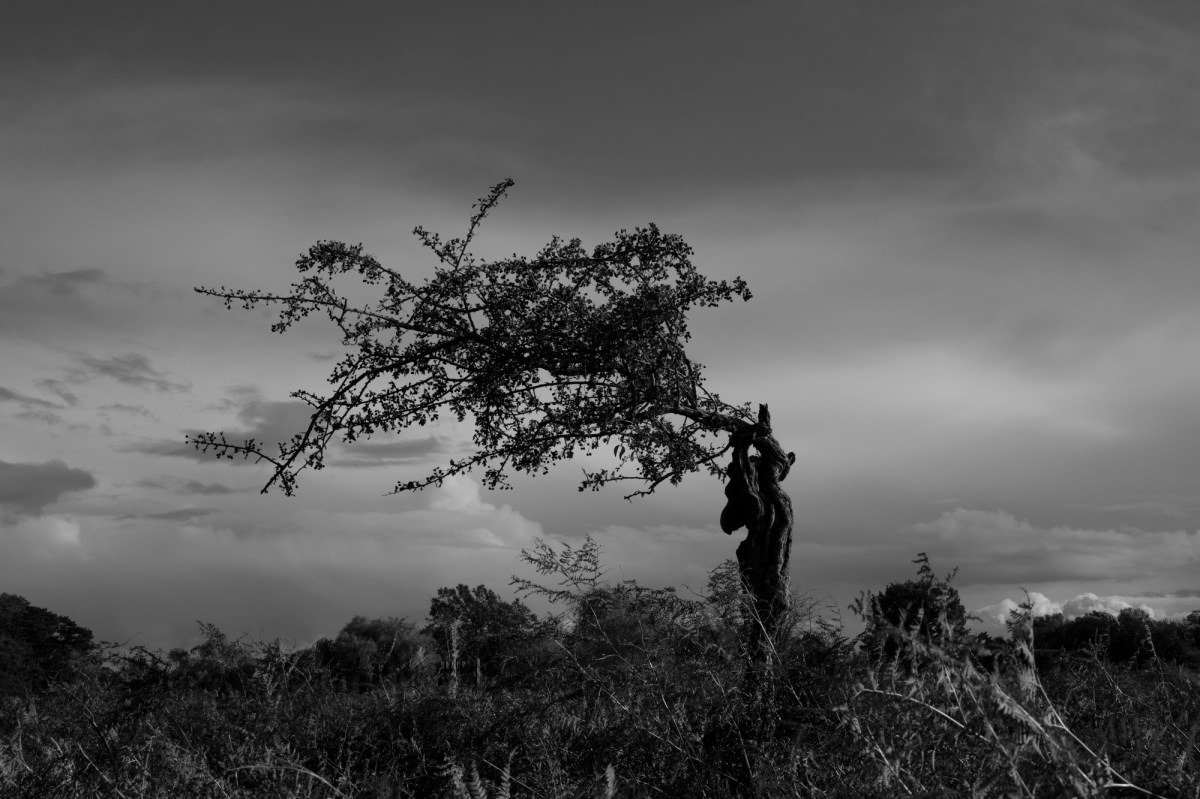
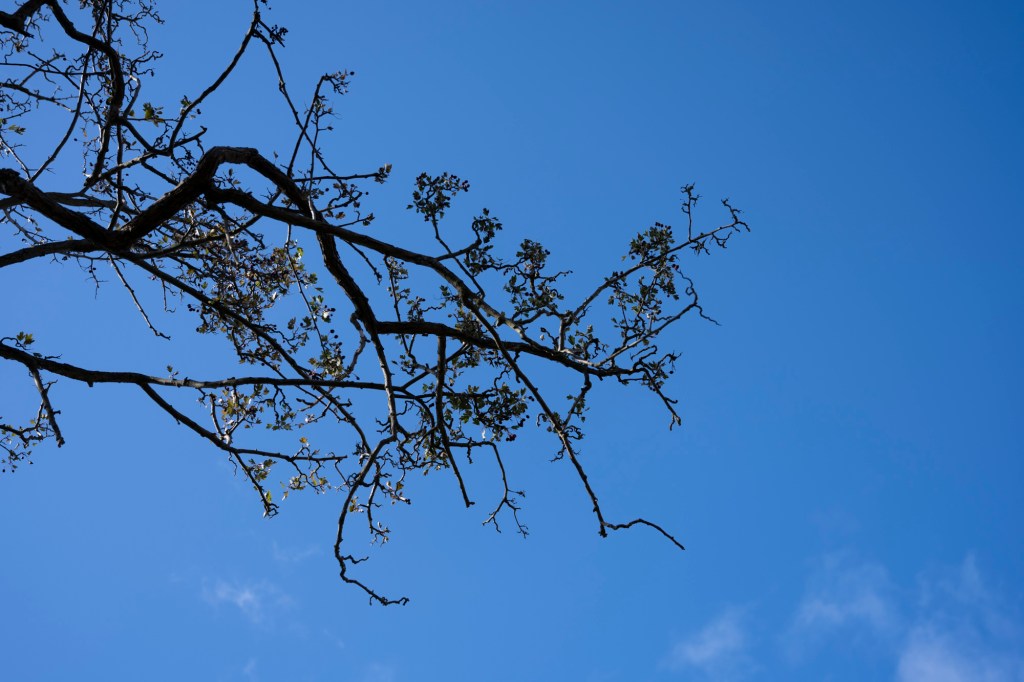
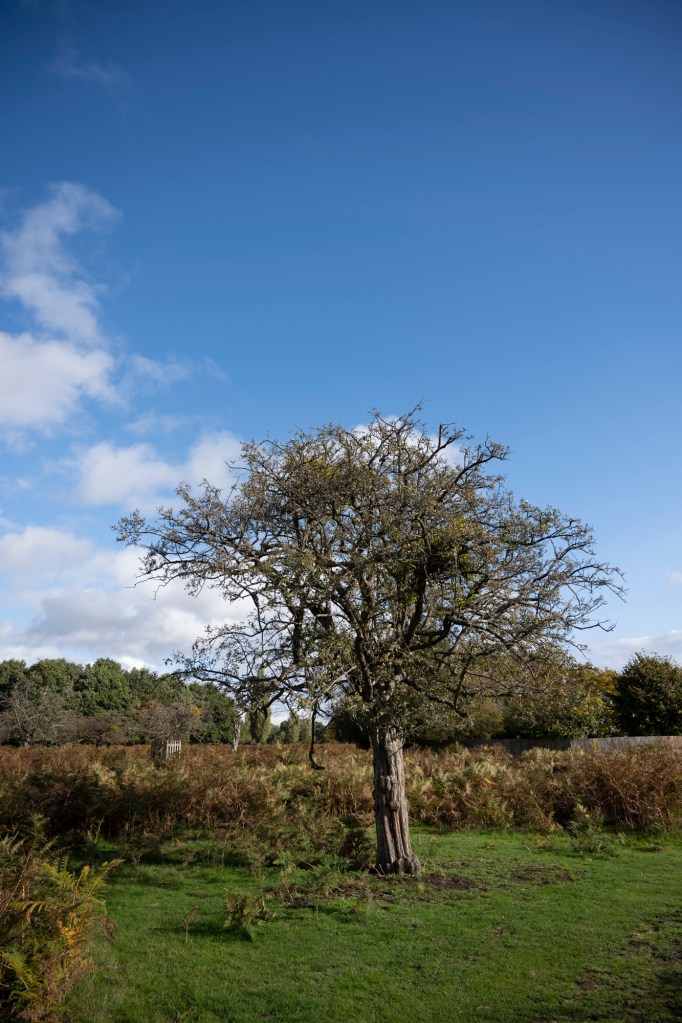
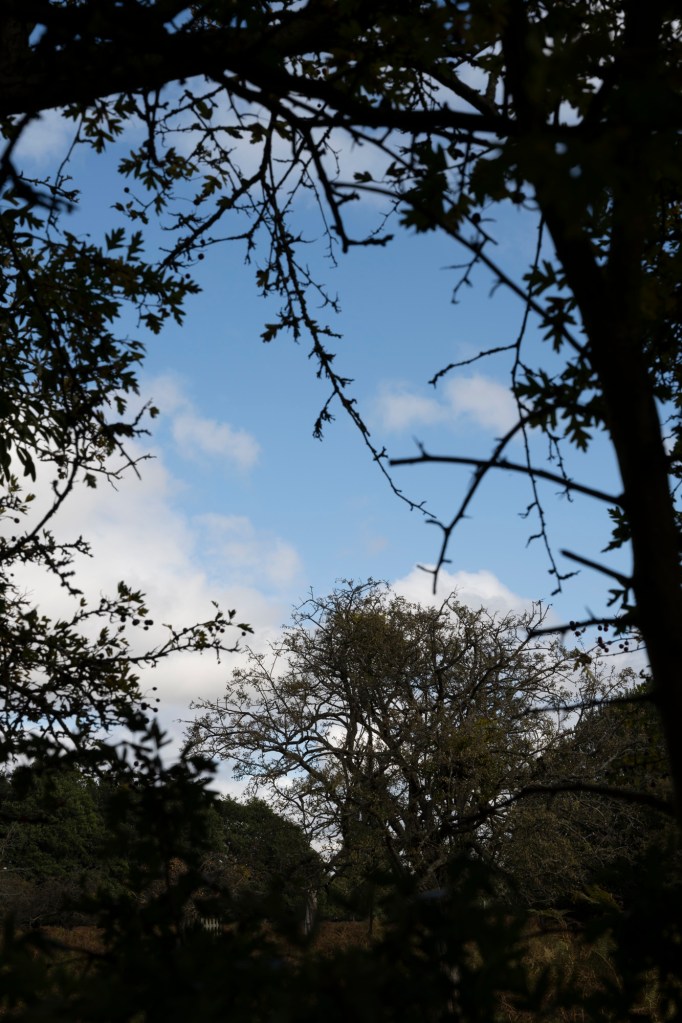
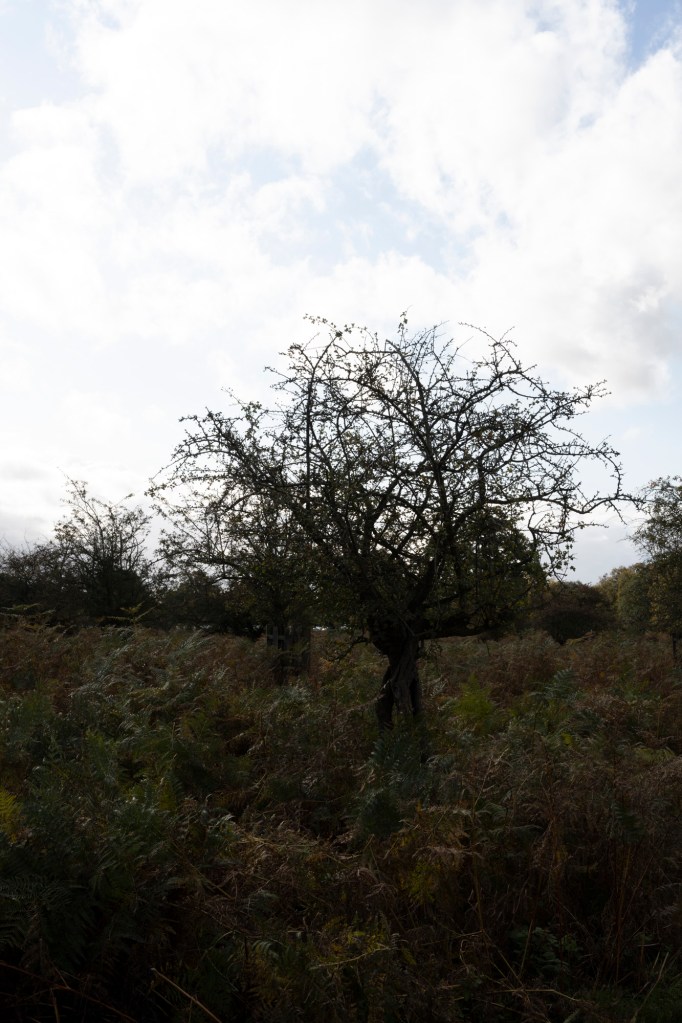
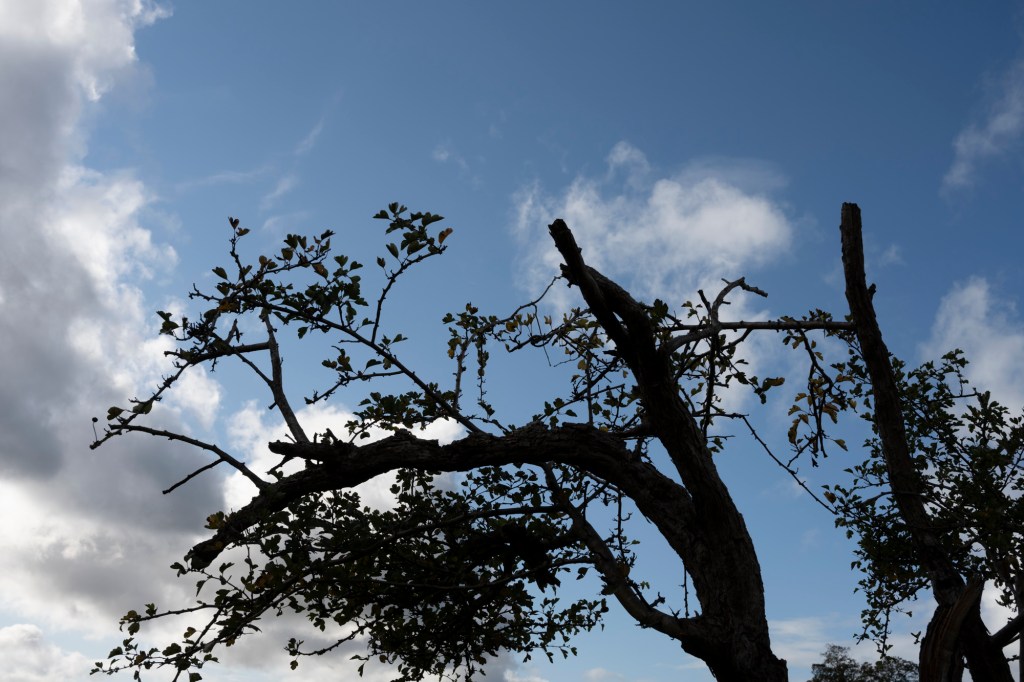
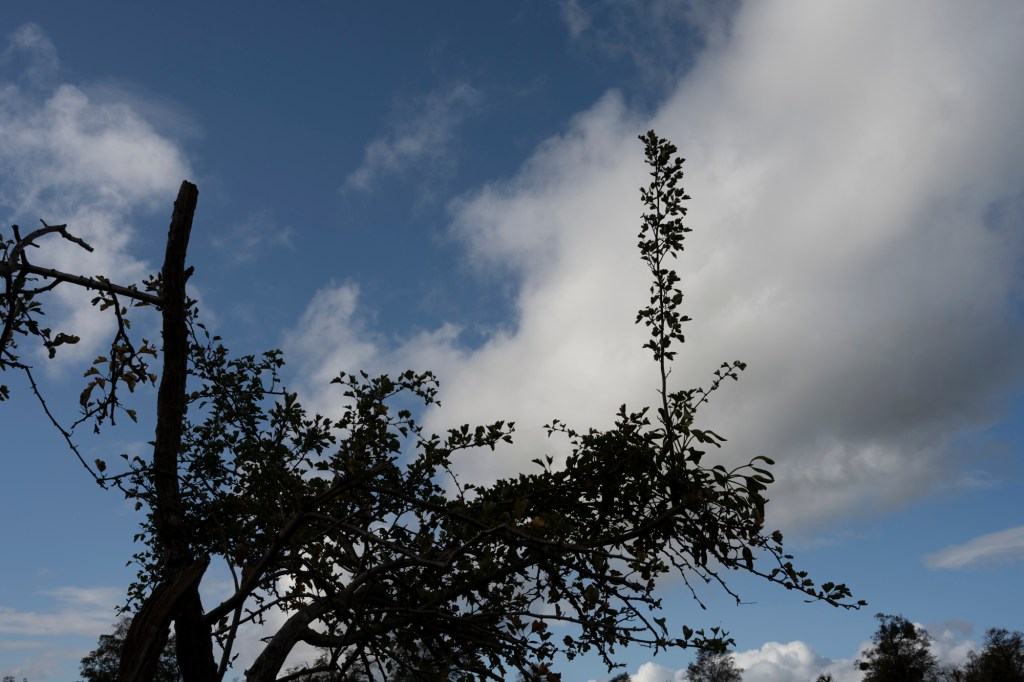
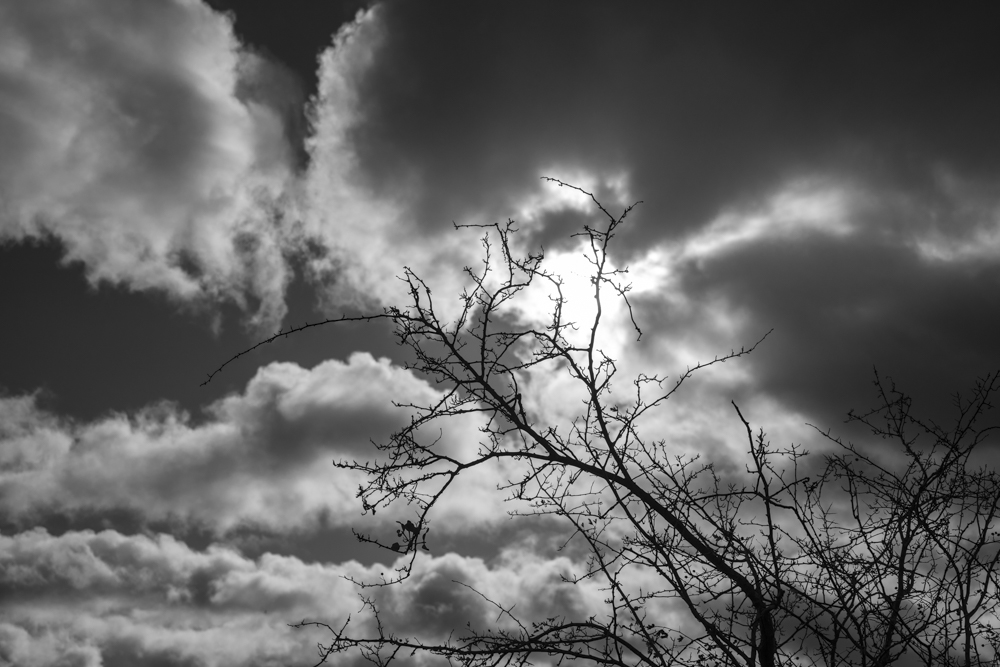
I then walked through Woodland Gardens to the area on the other side. This is Tree 2 from 1 November.
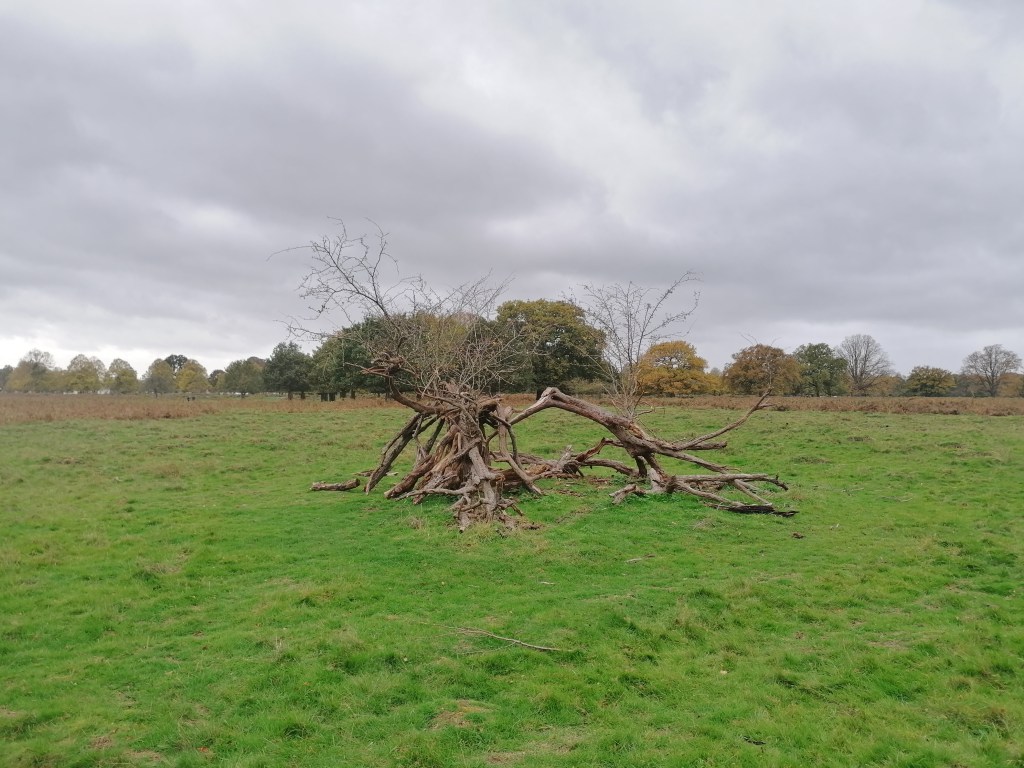
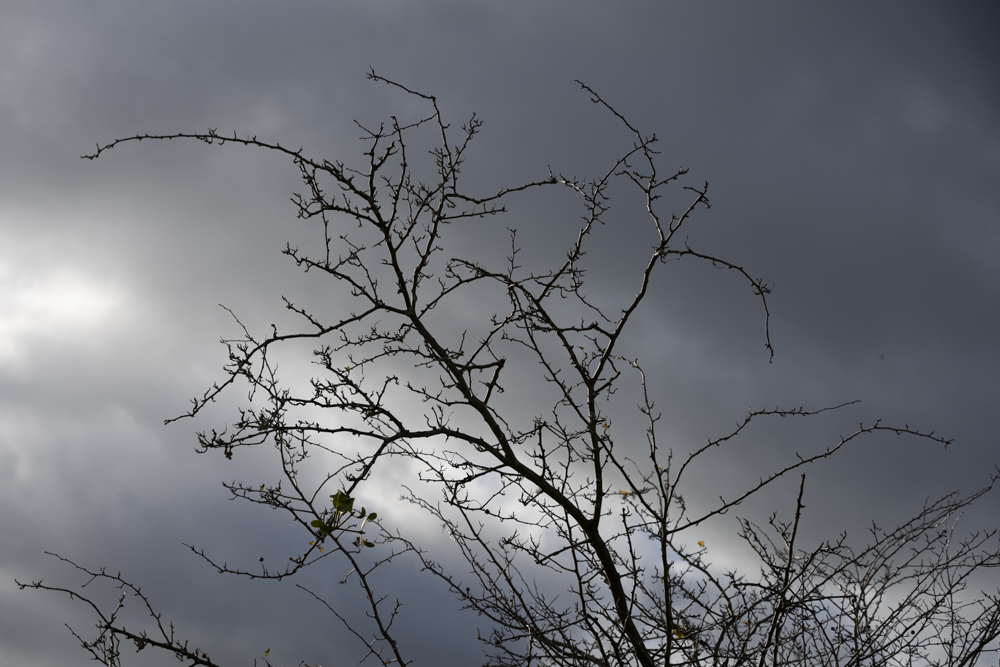
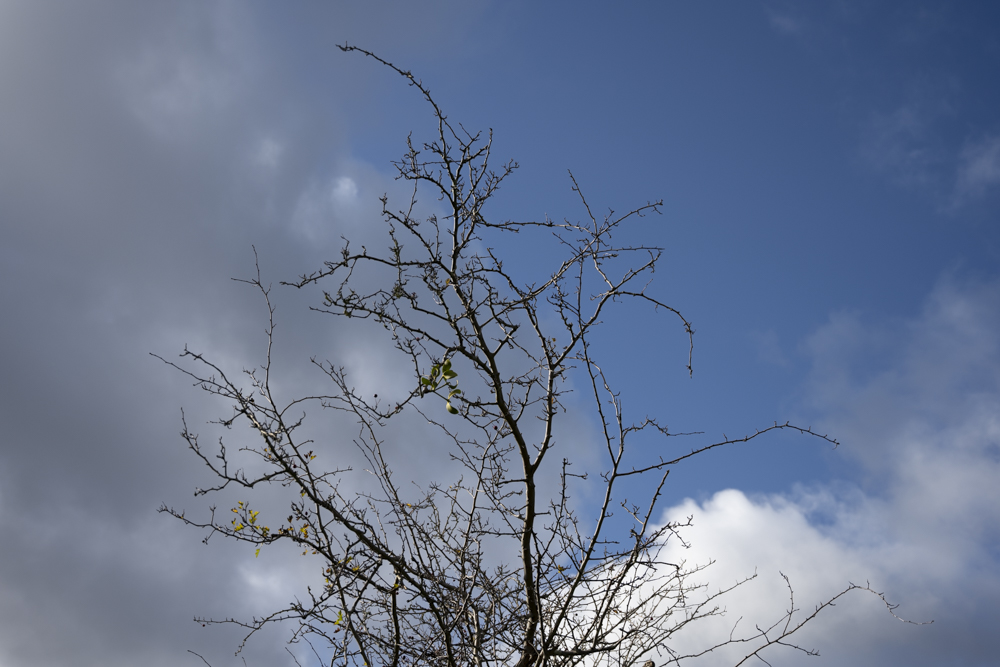
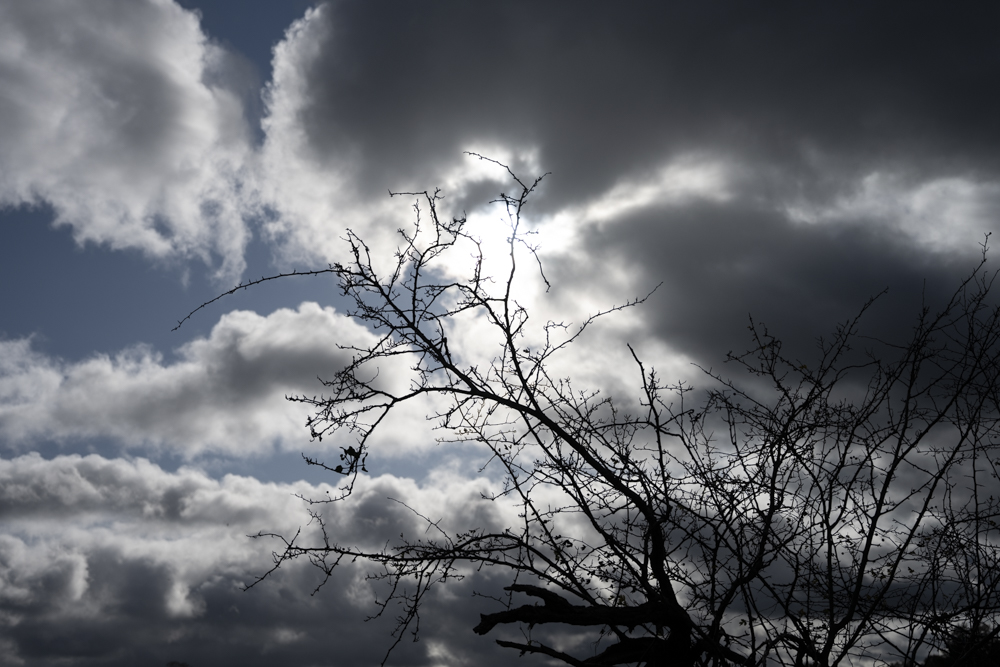
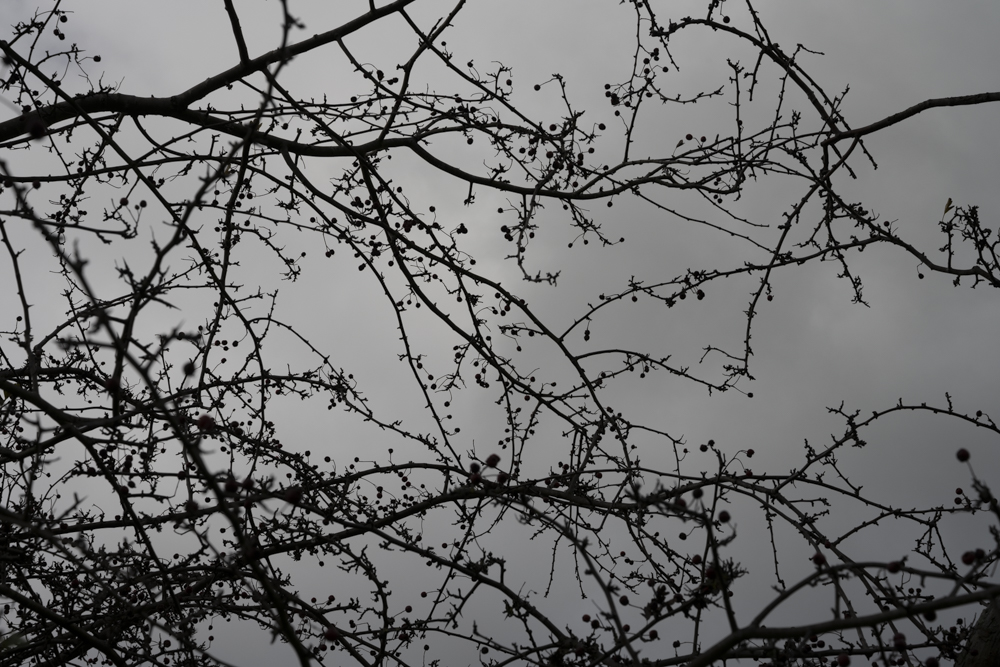
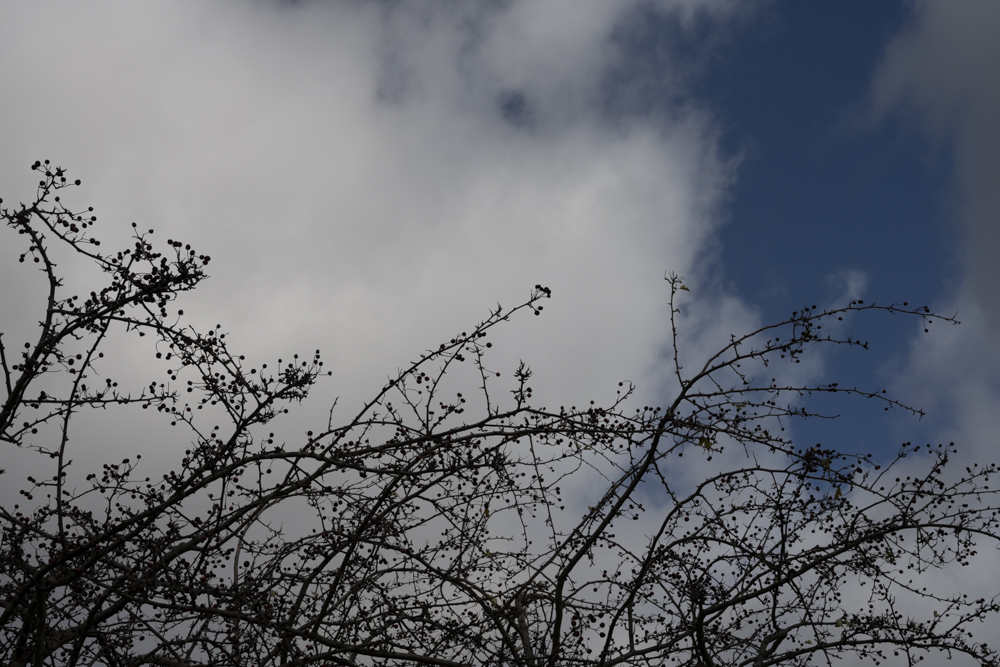
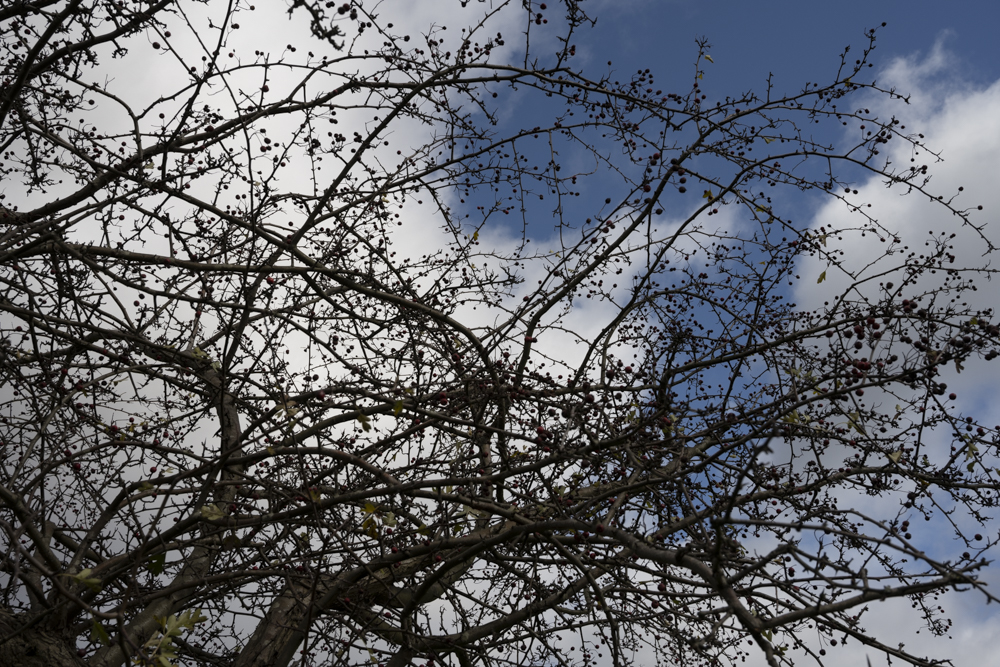
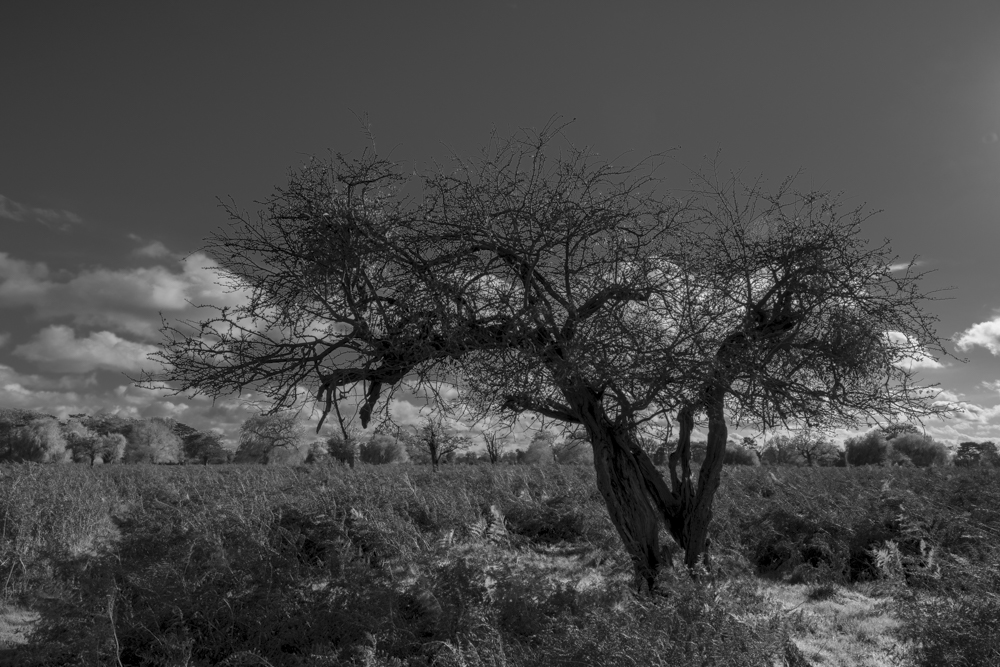
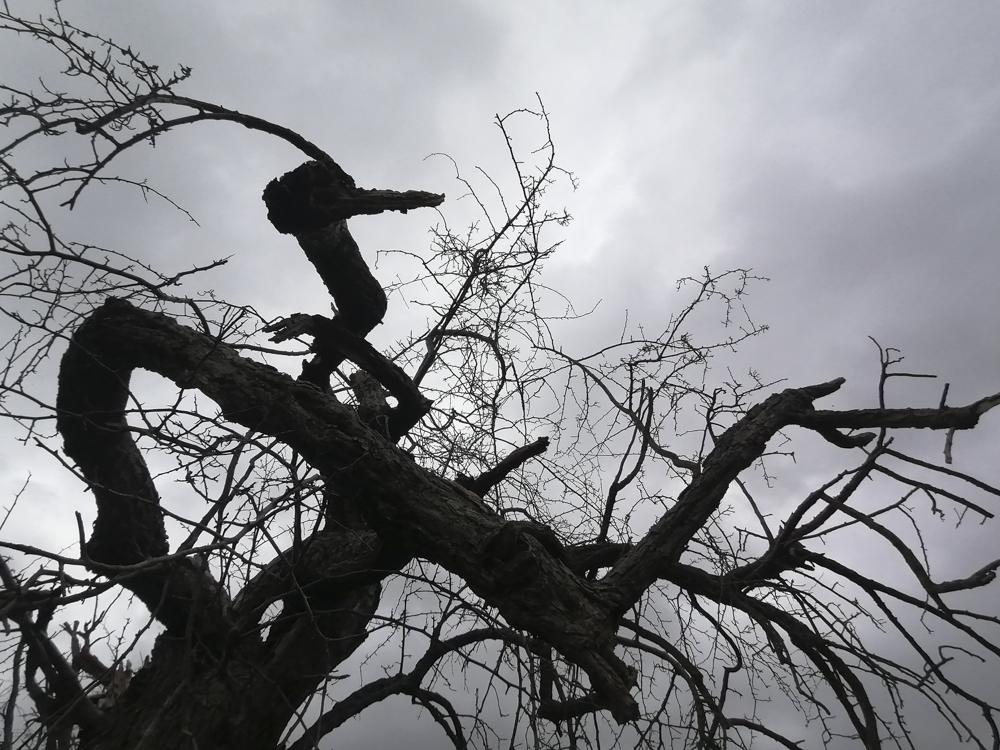
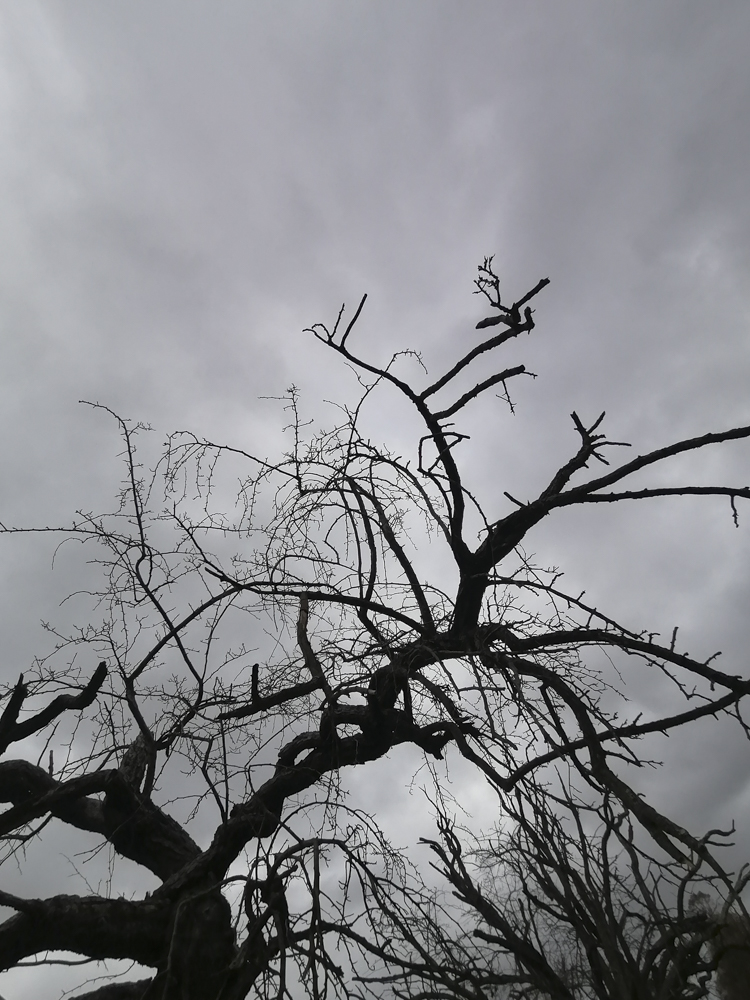
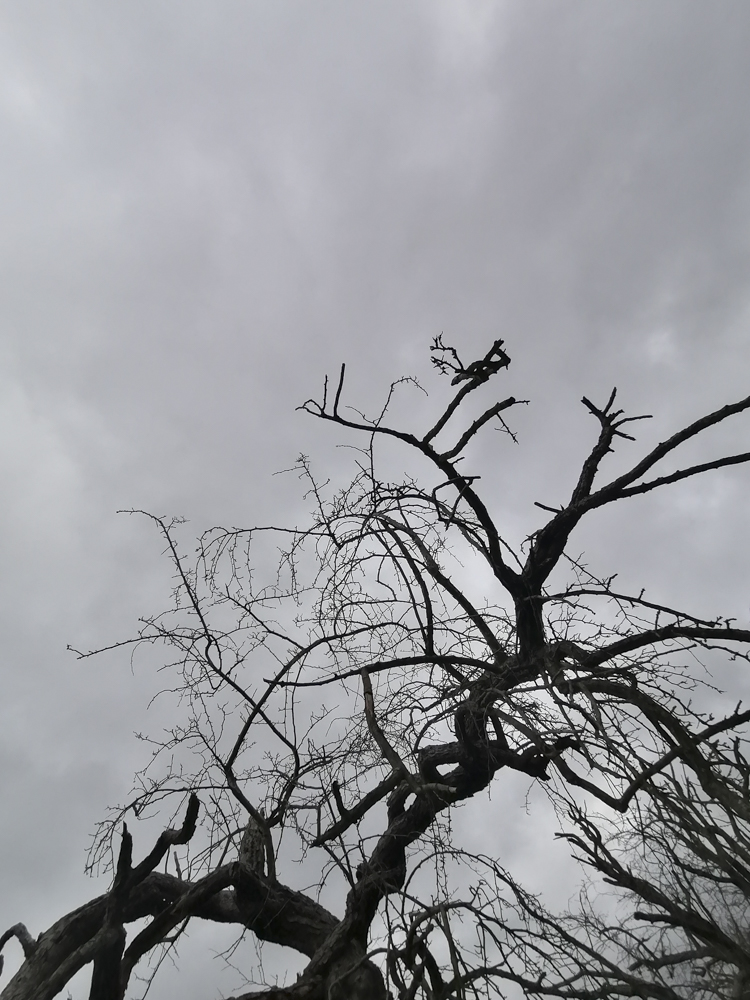
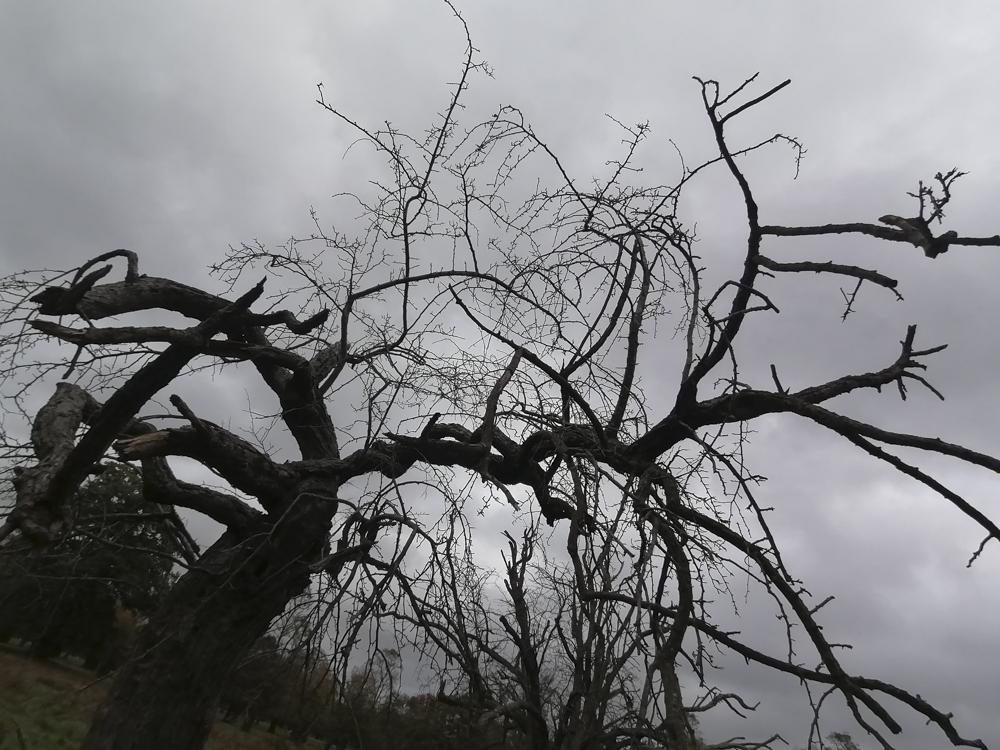
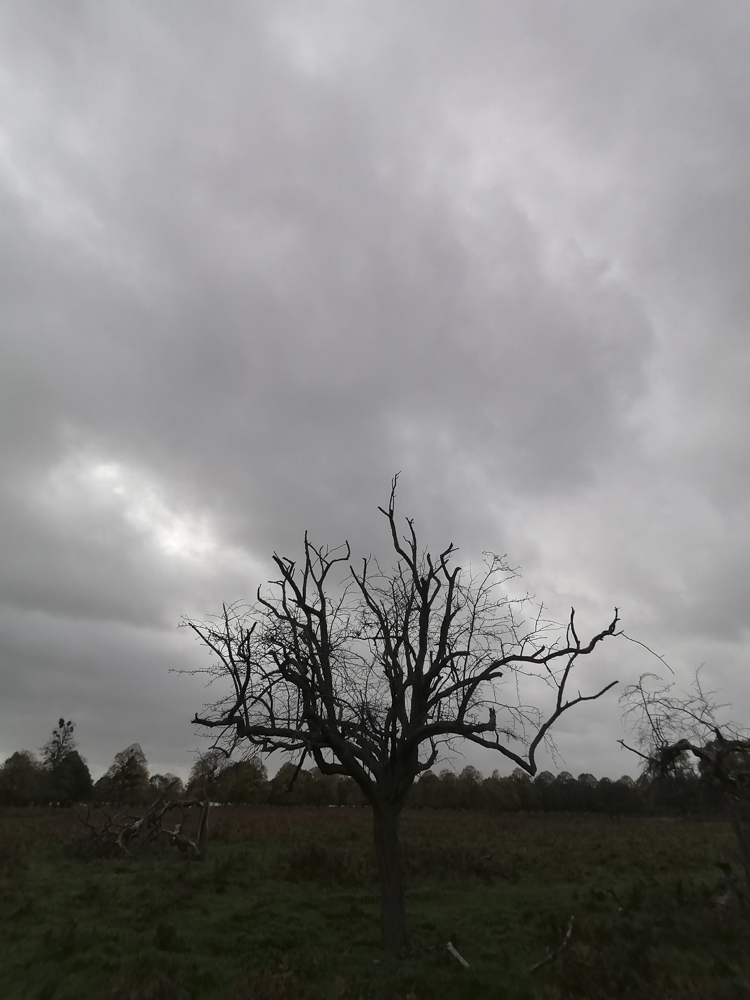
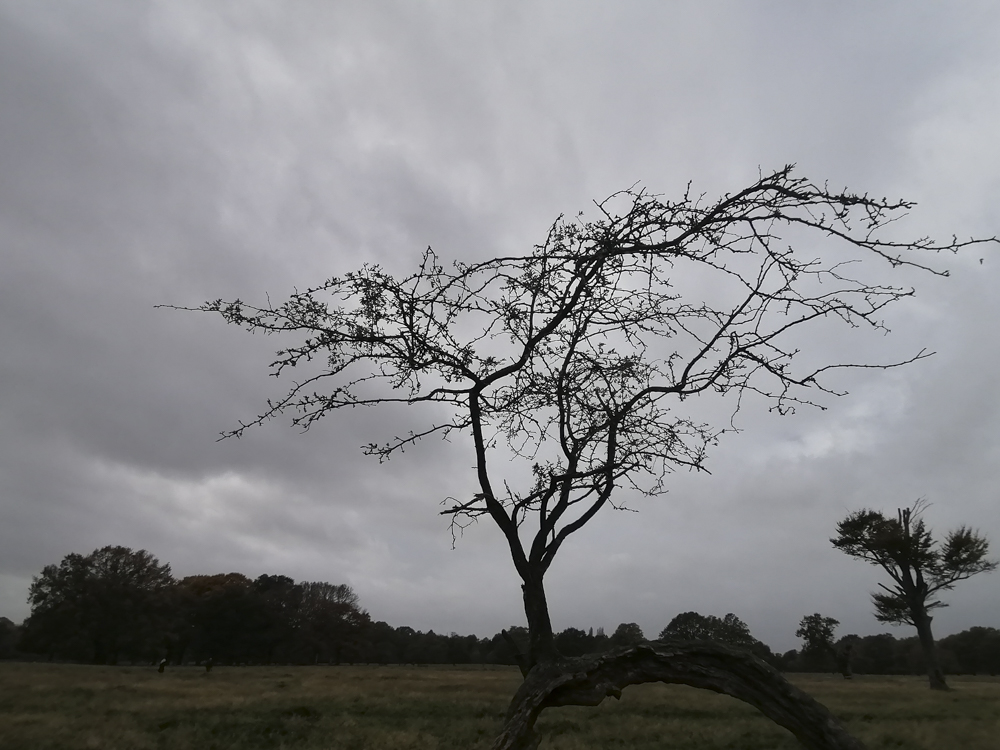
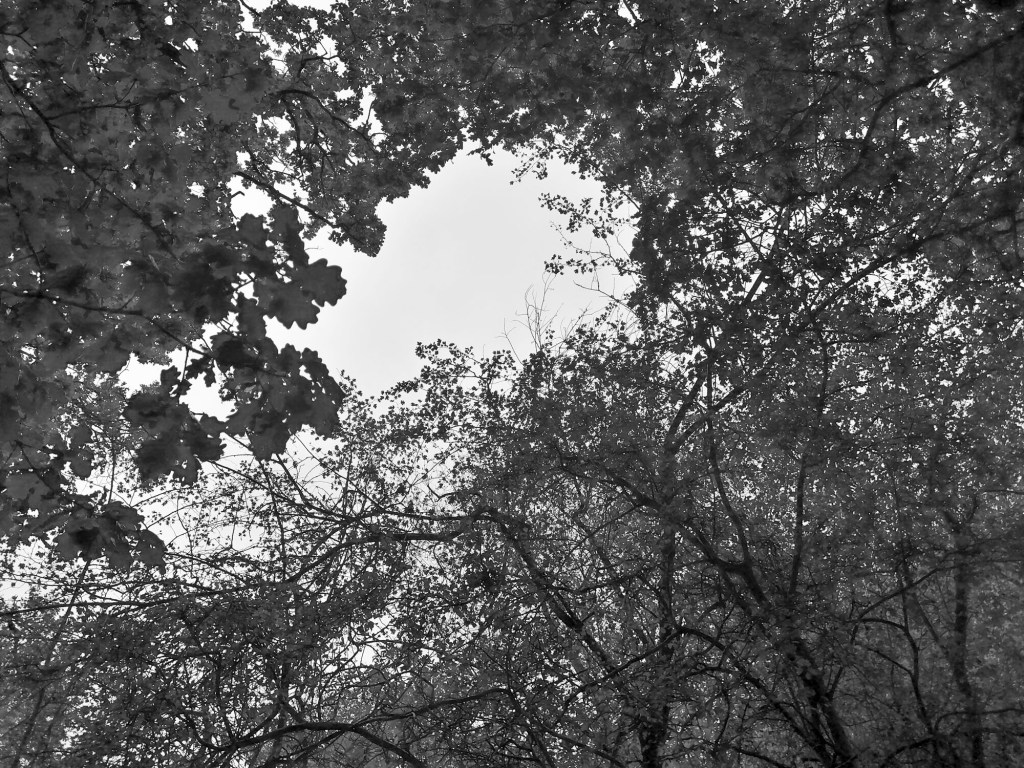
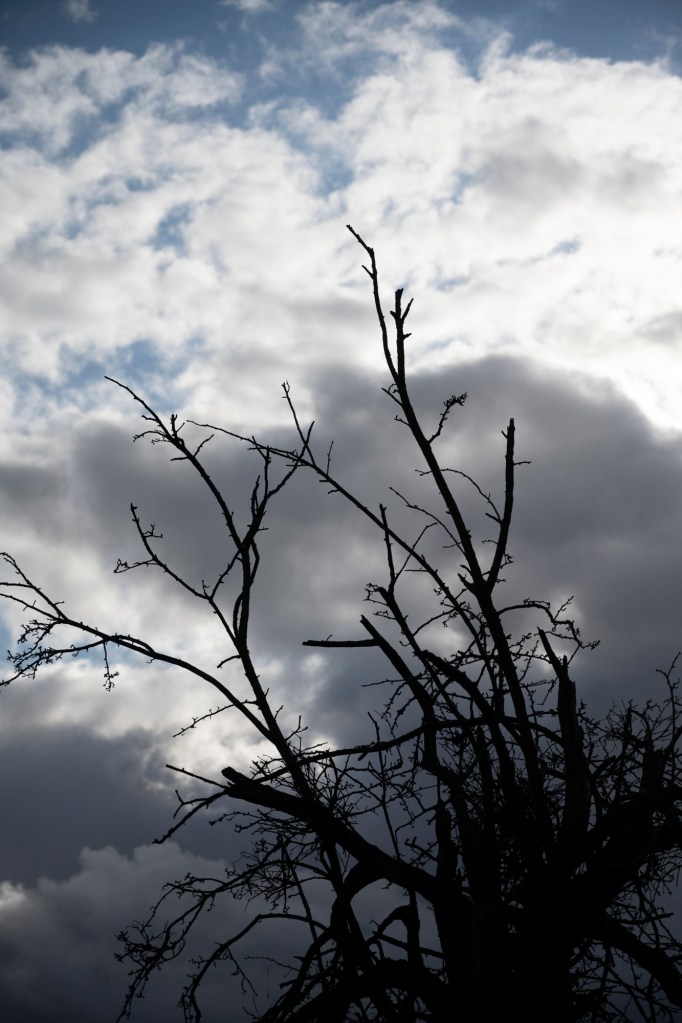
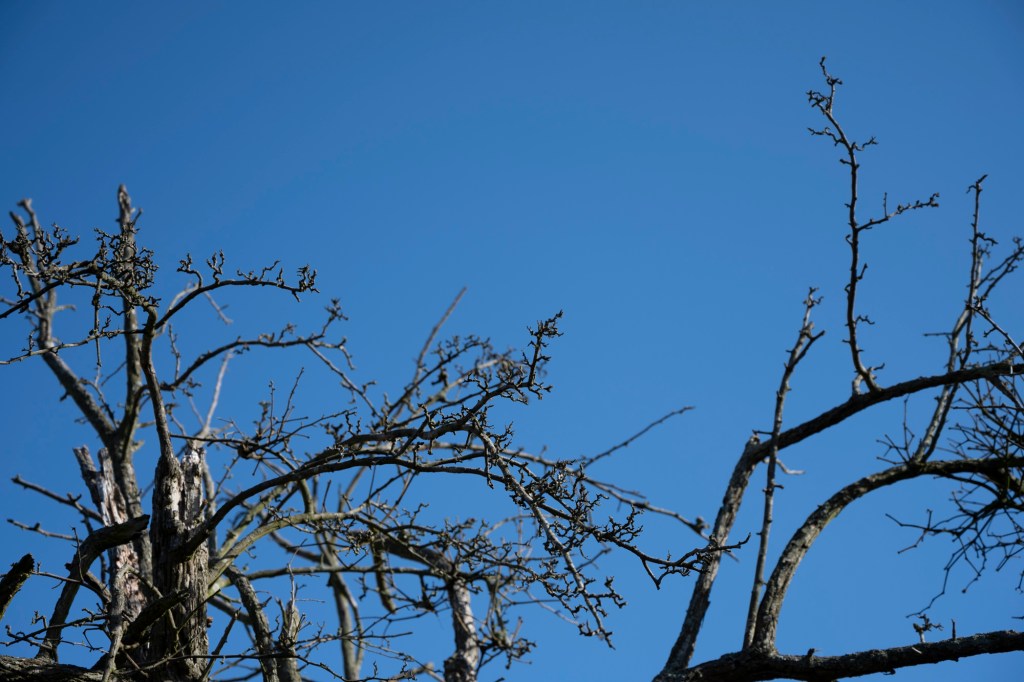
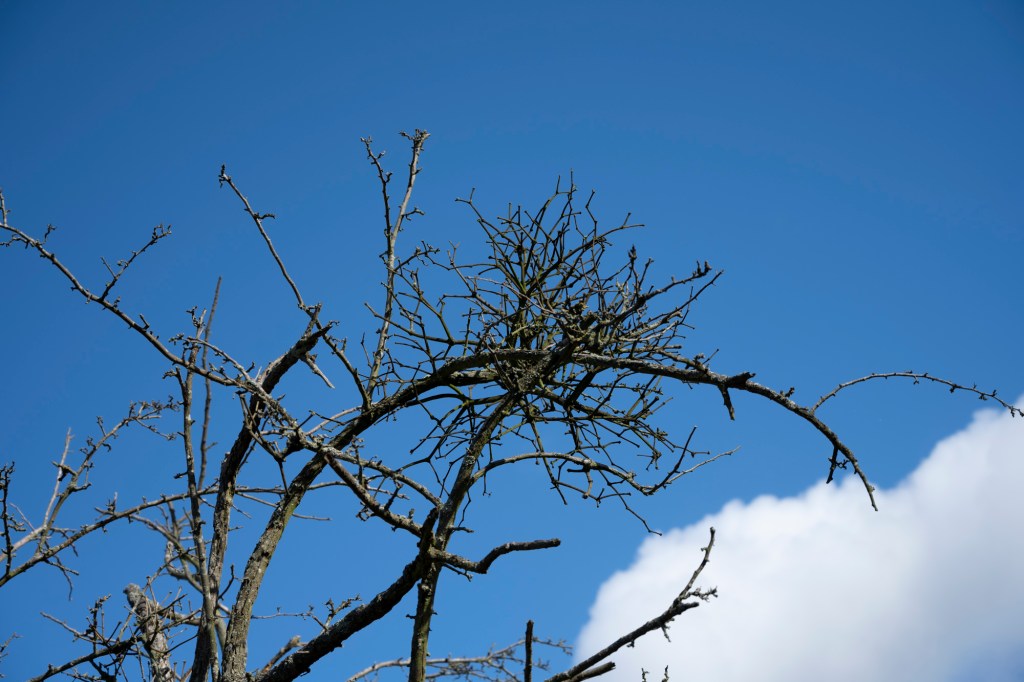
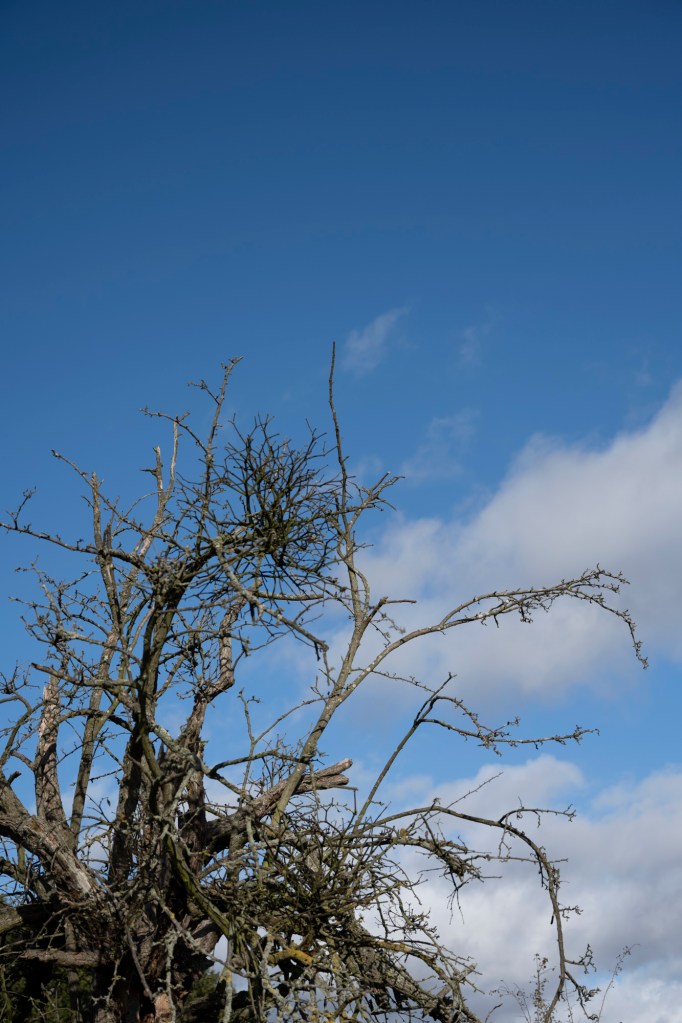
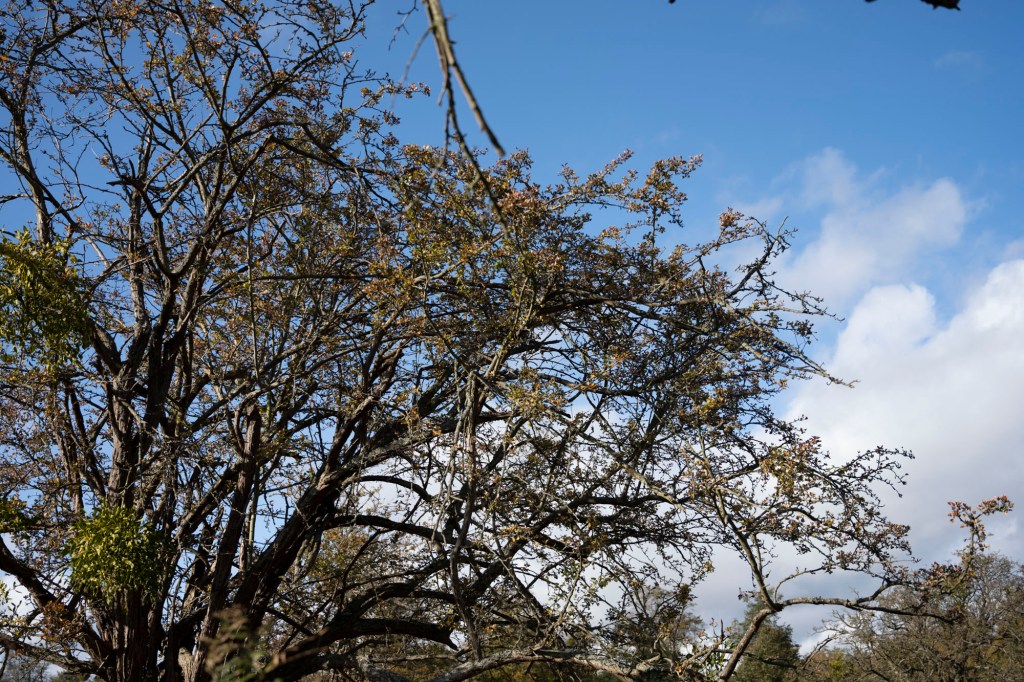
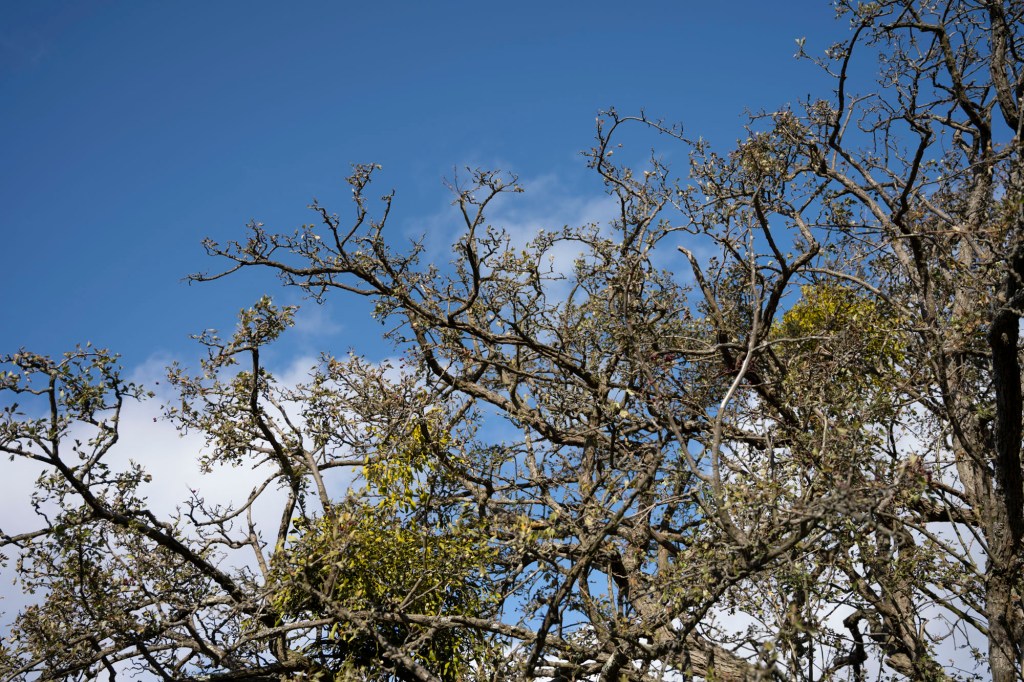
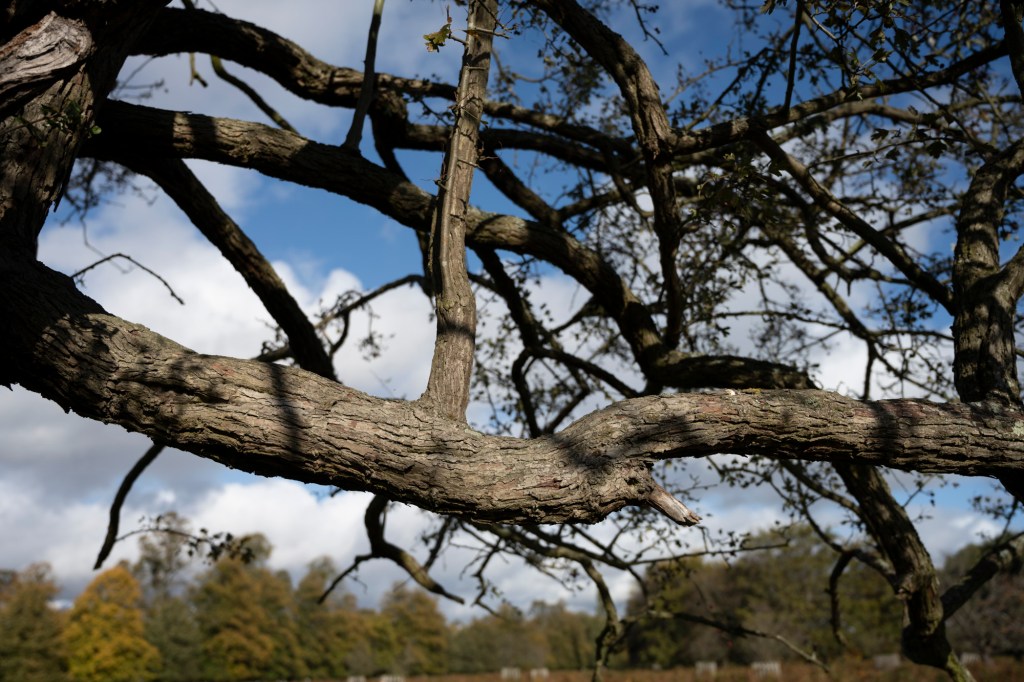
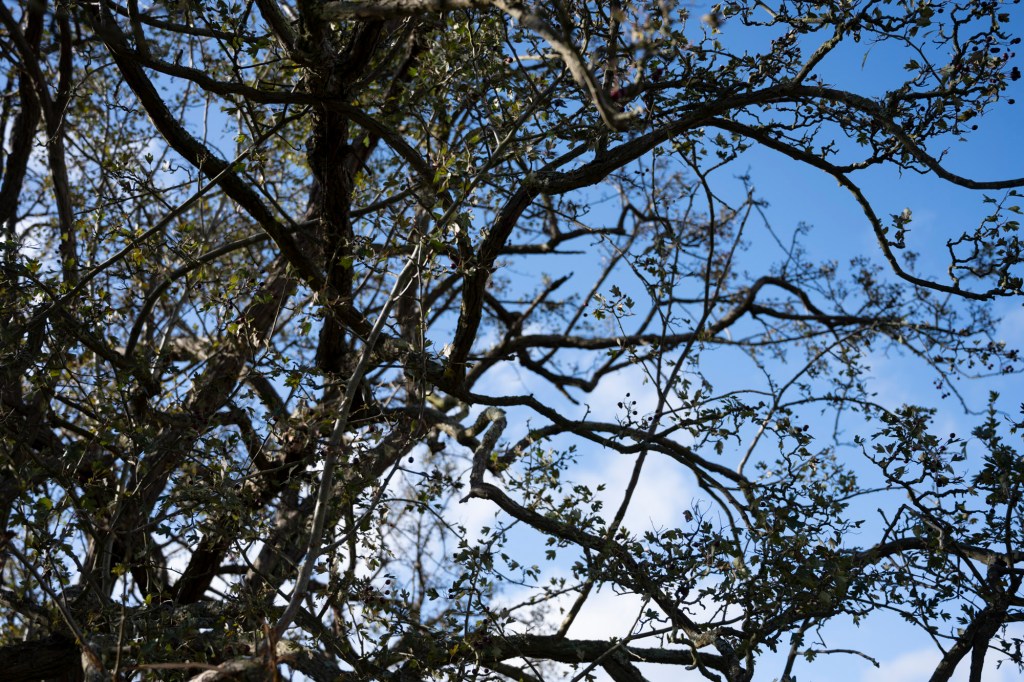
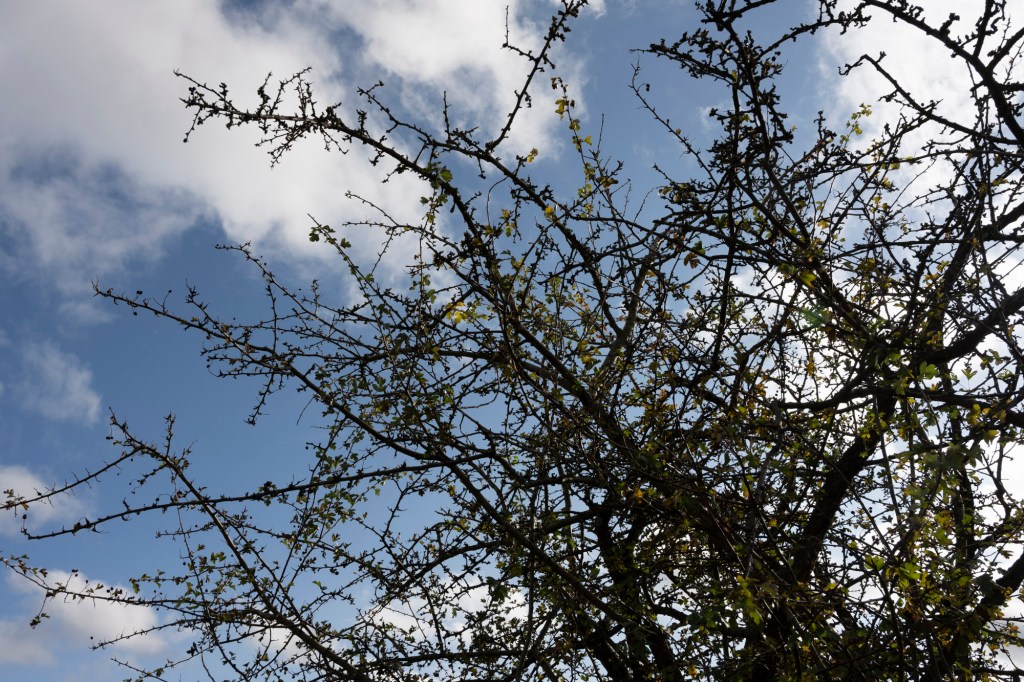
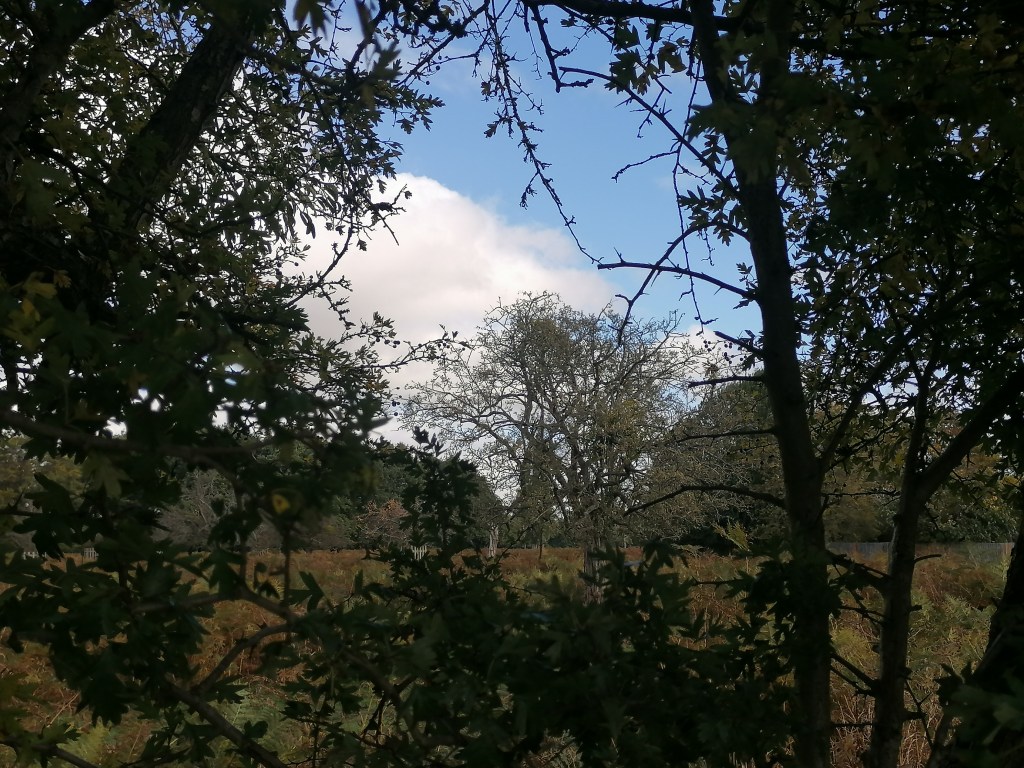
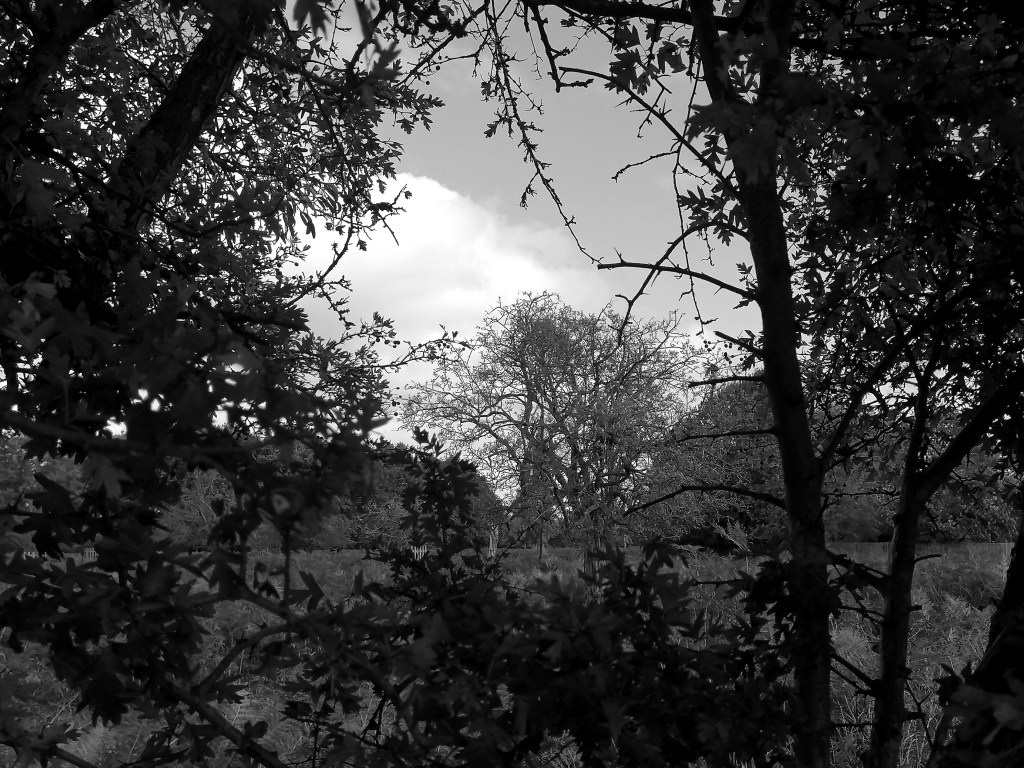
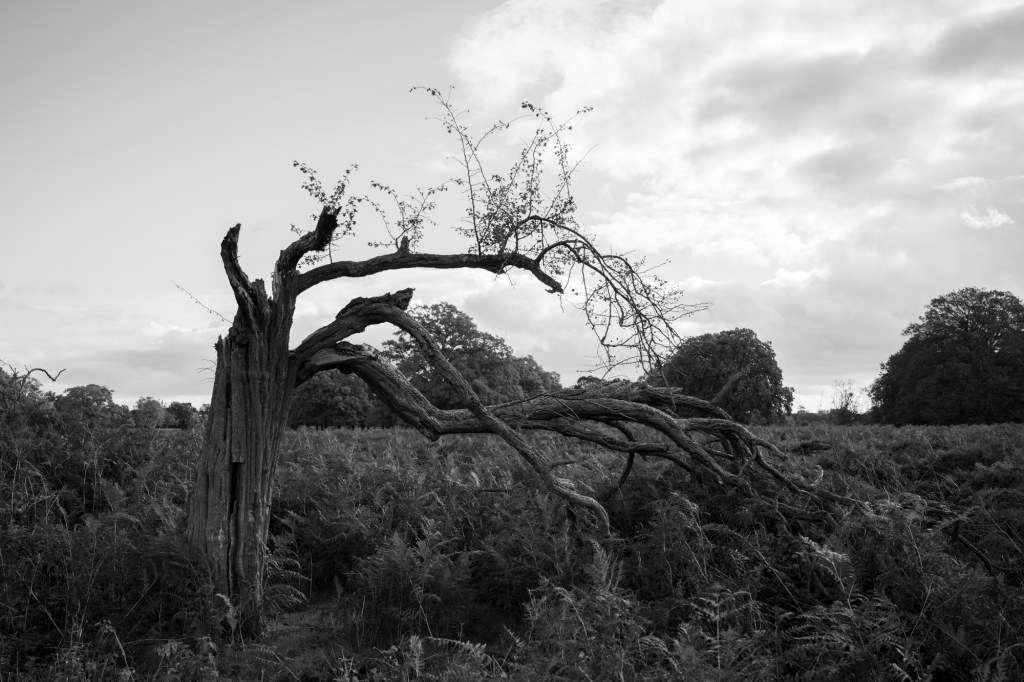
The aspect I focused on was the branches against the sky. I also created a Black & White conversion of this shot. I particularly liked the dramatic nature of the sky and how the branches frame and follow the lines of the clouds.
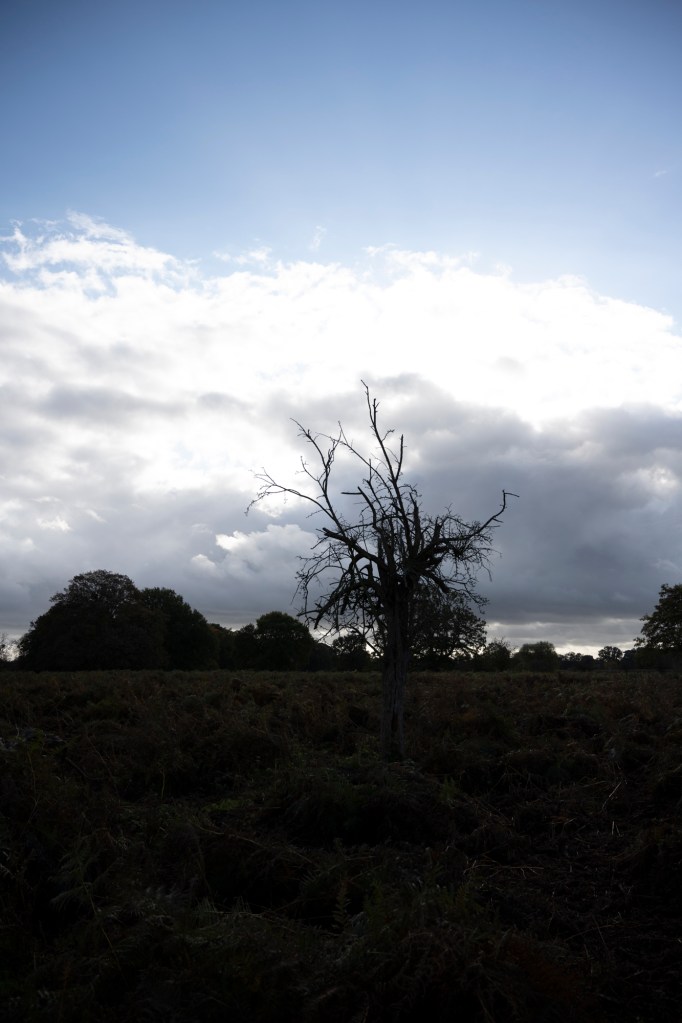
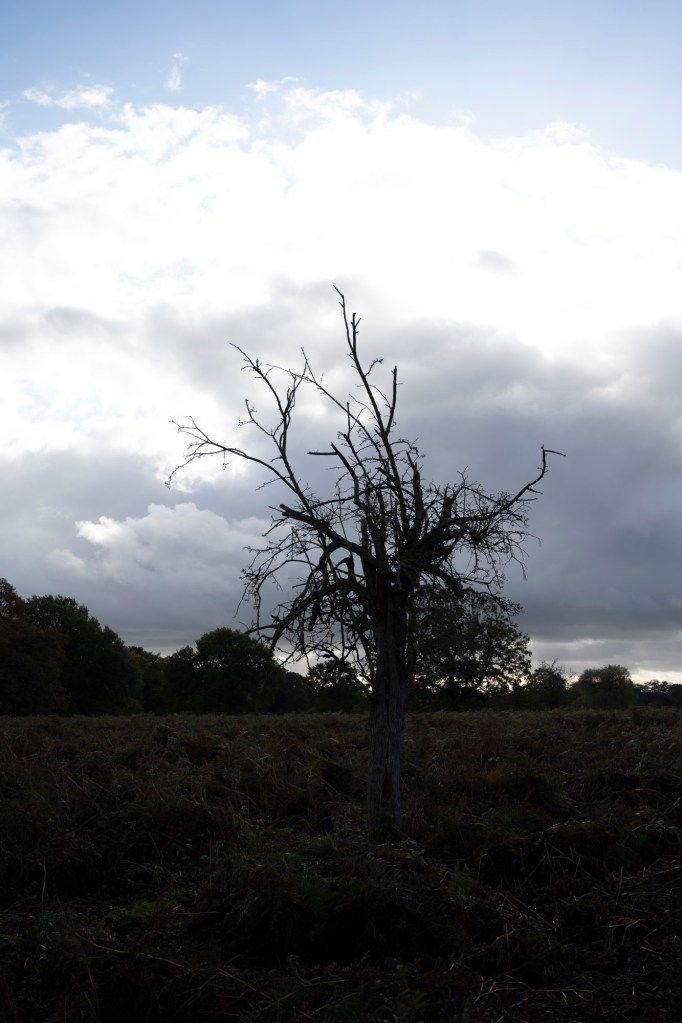
Tree 3

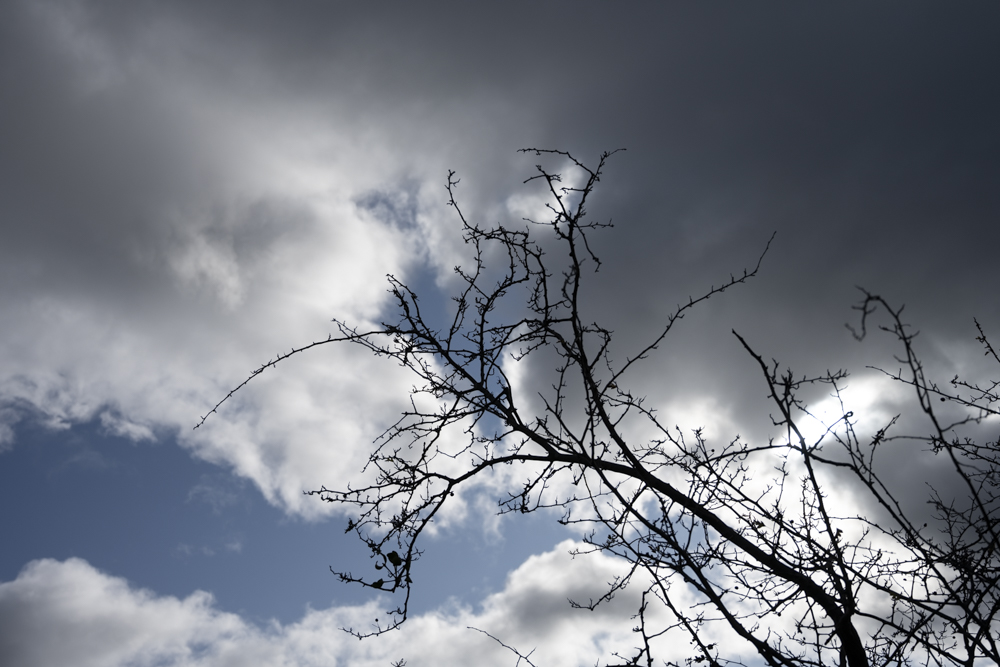
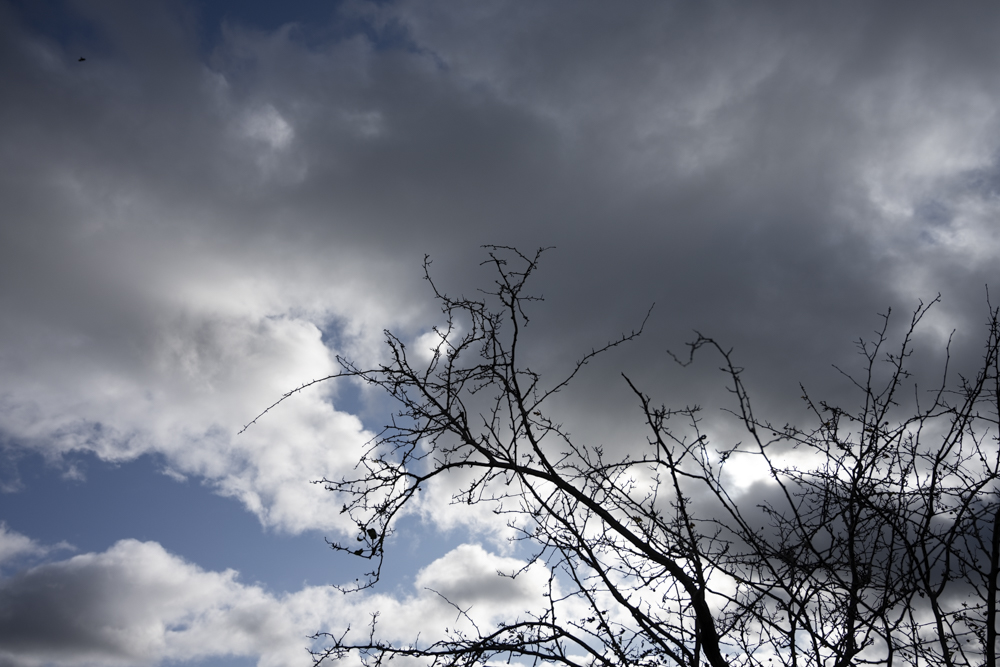
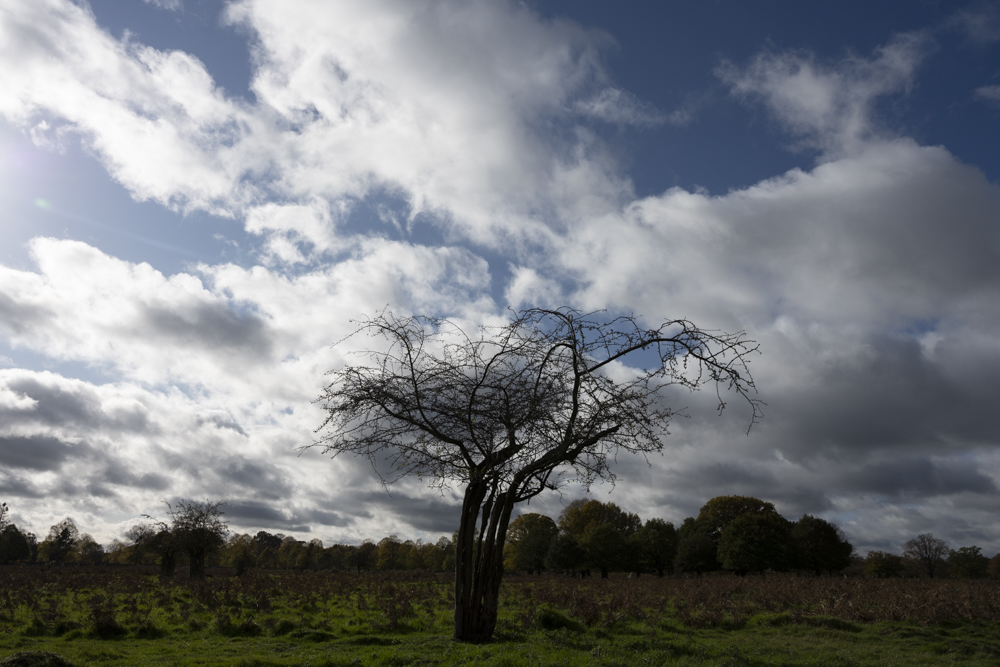
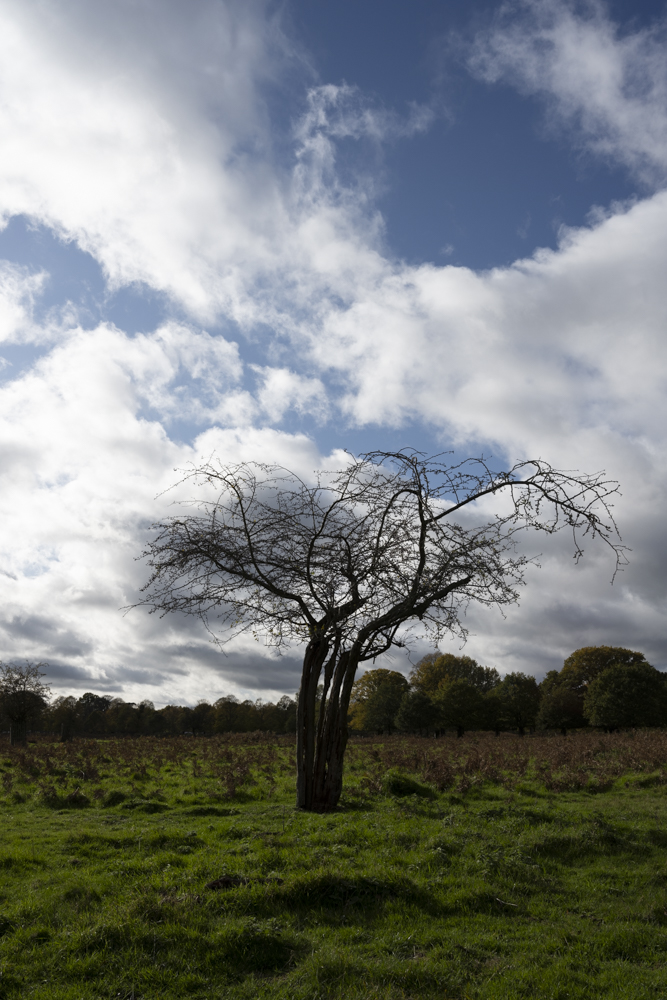
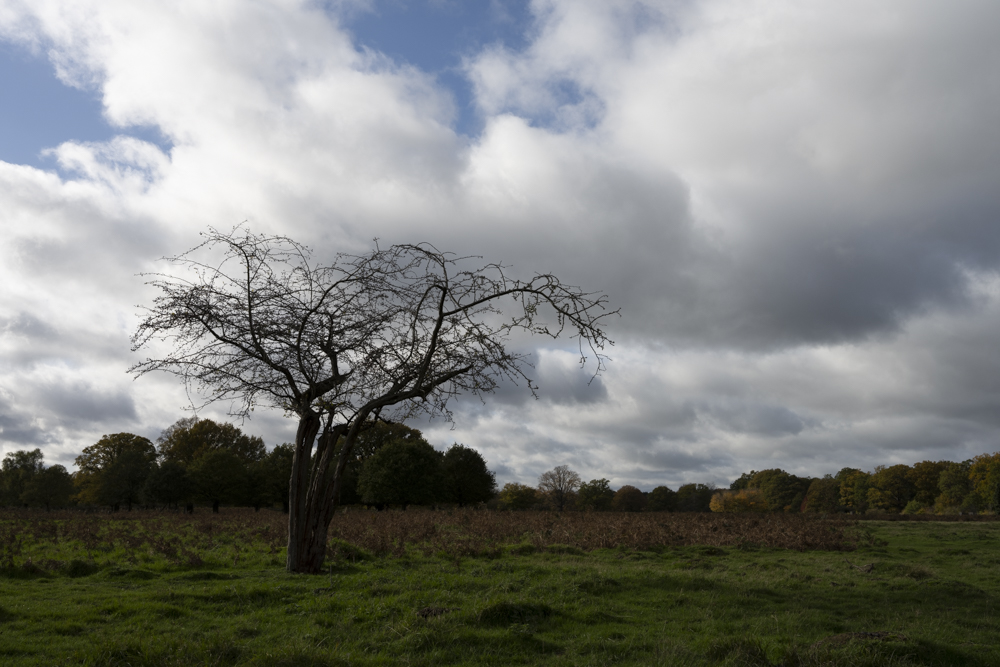
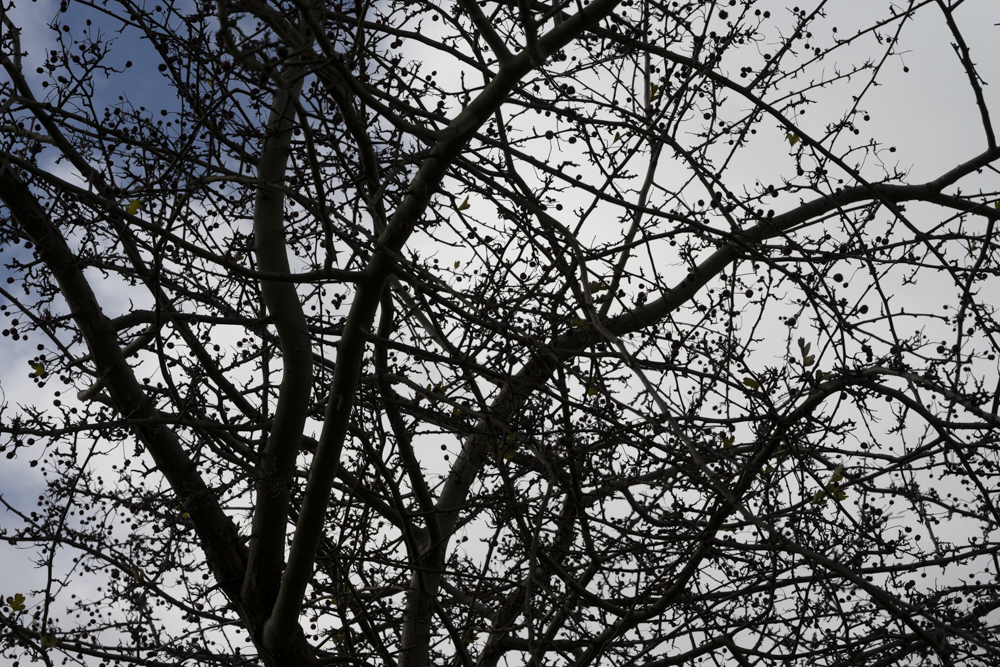
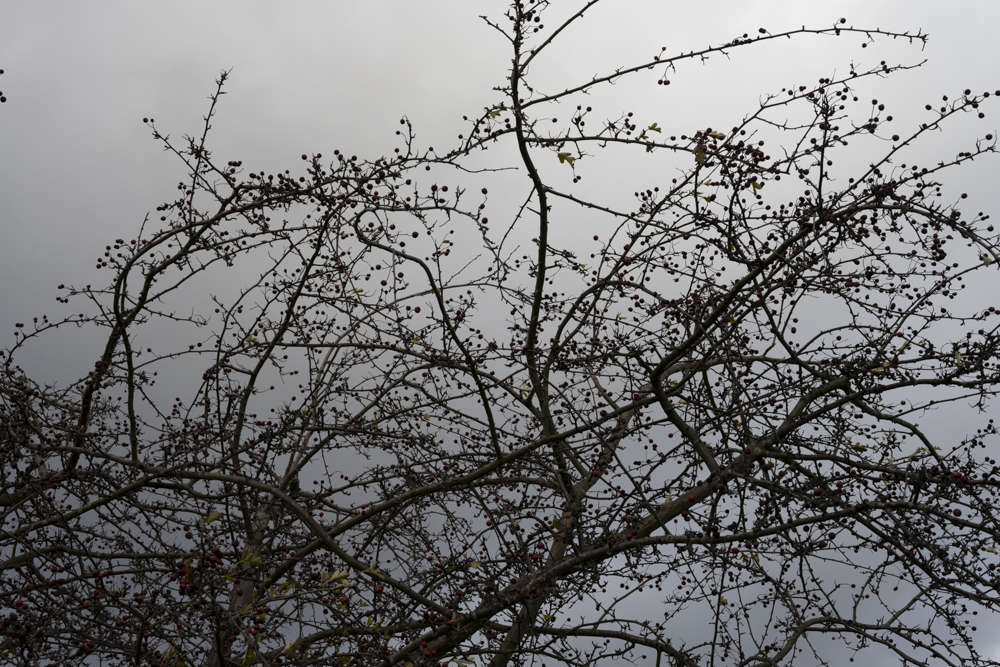
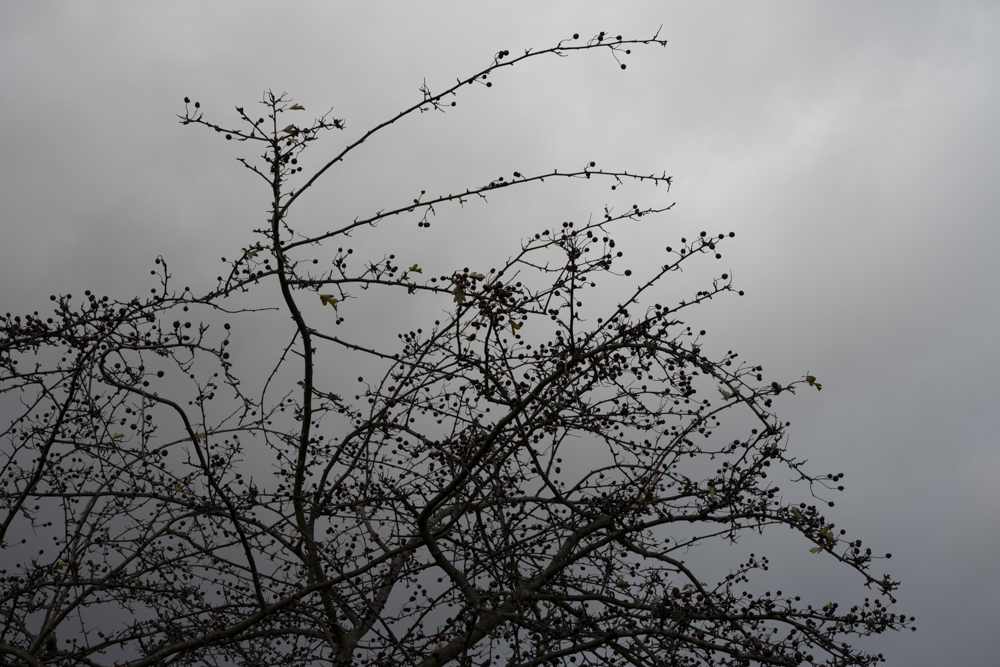
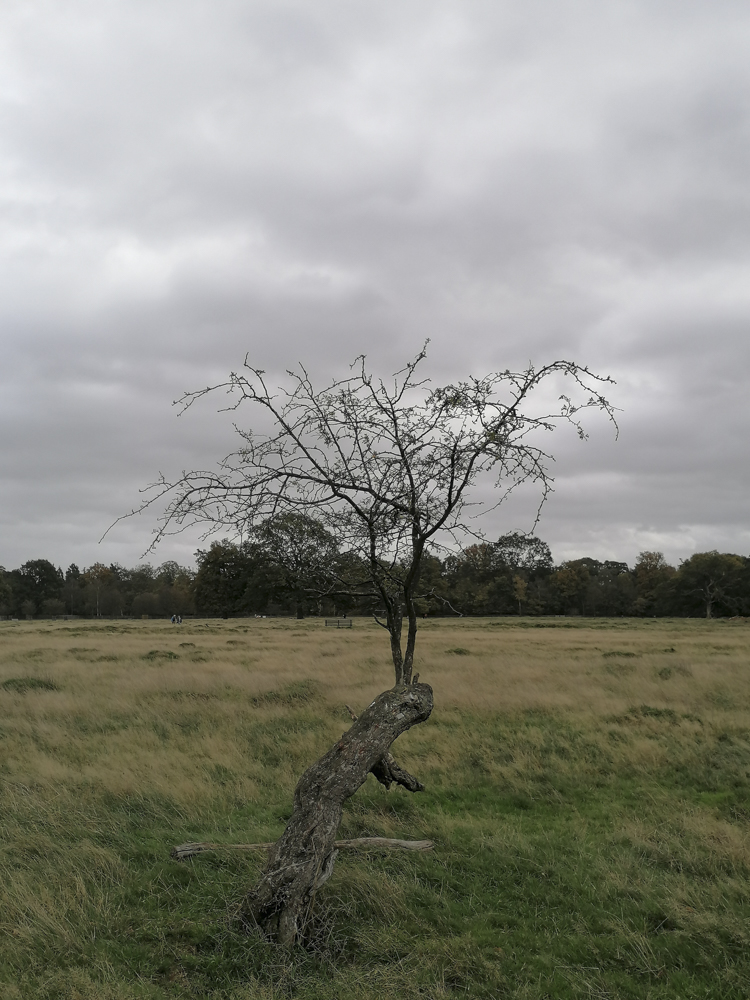
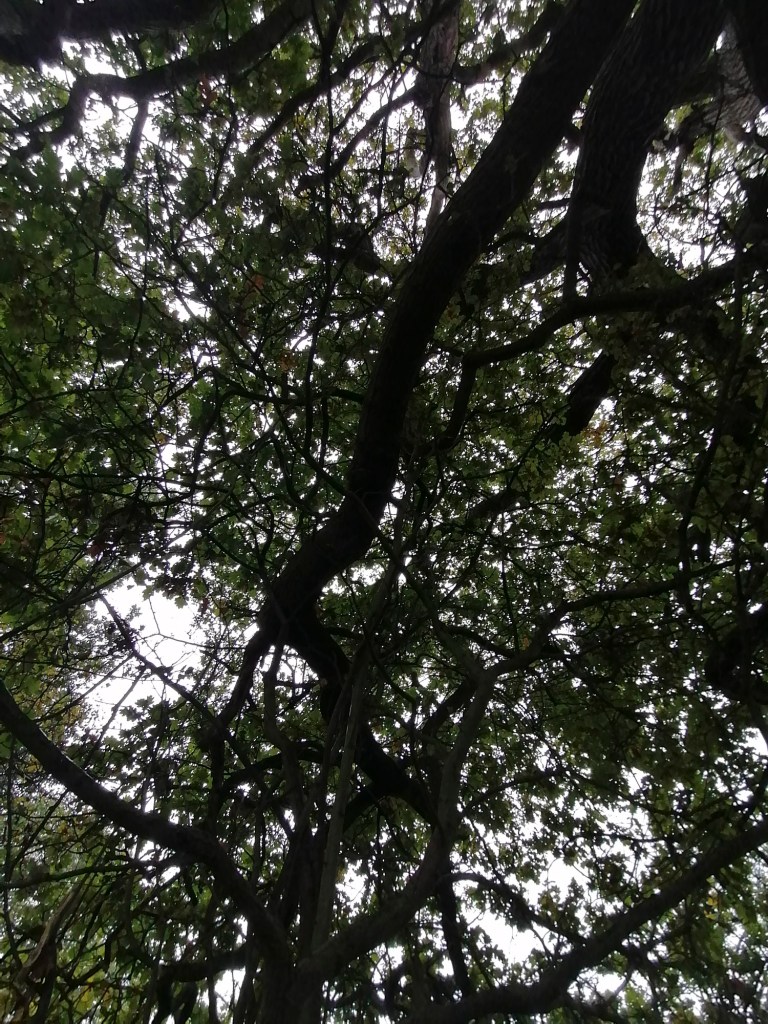
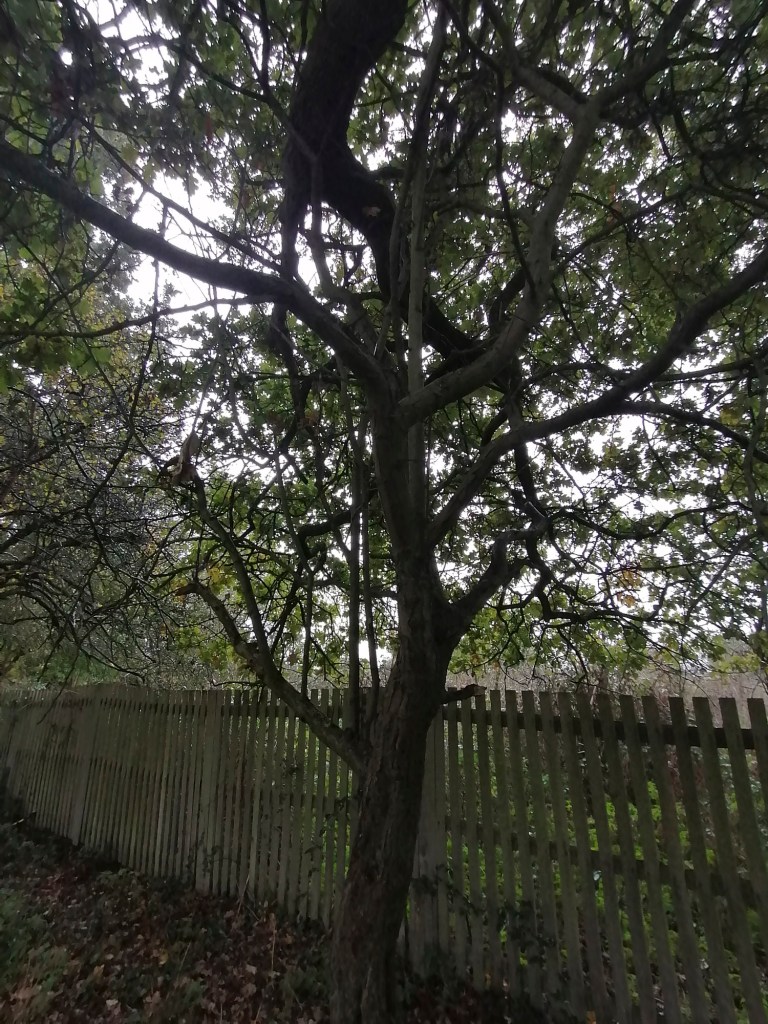
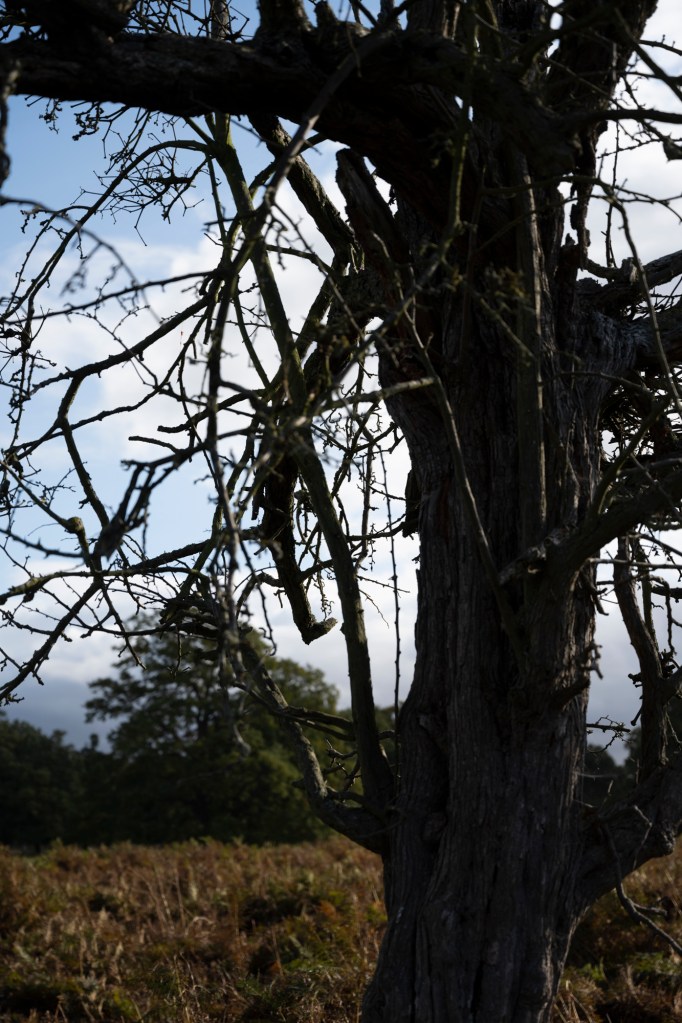
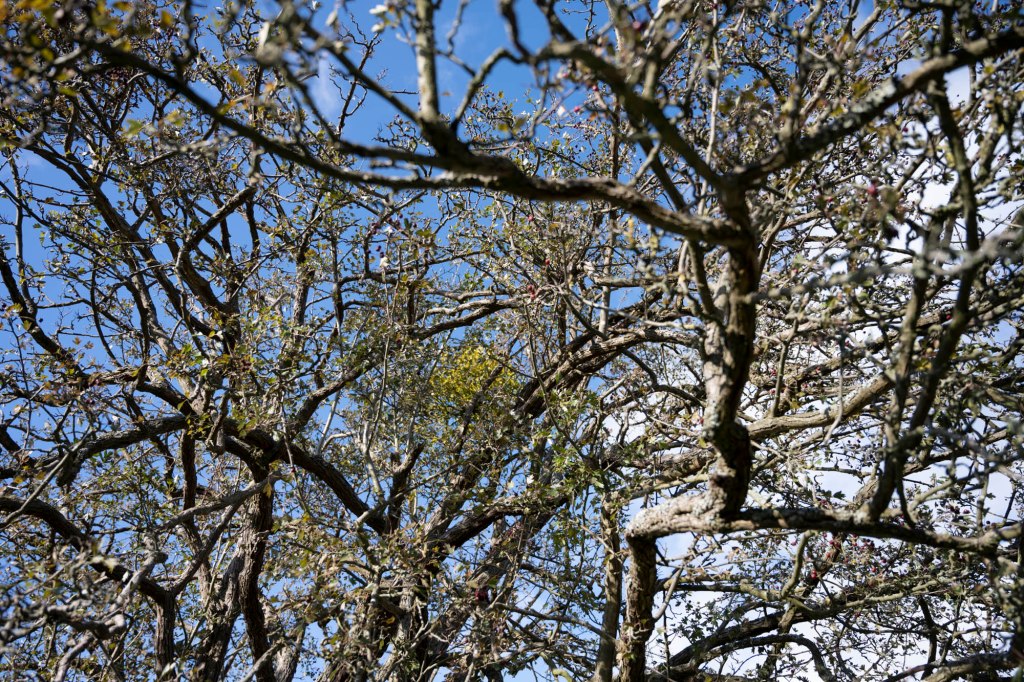
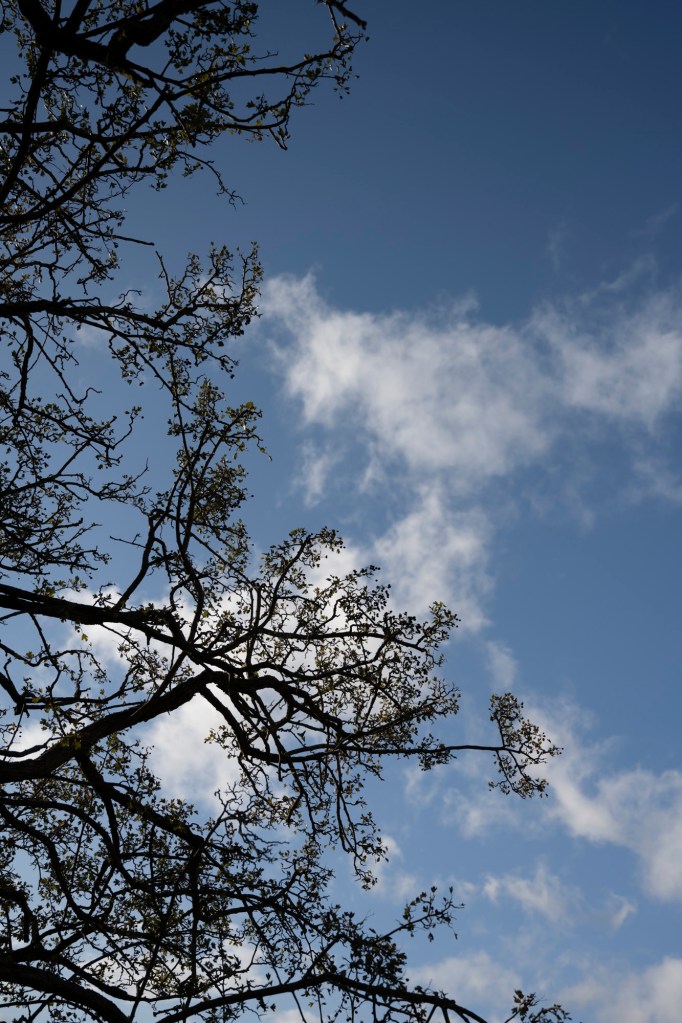
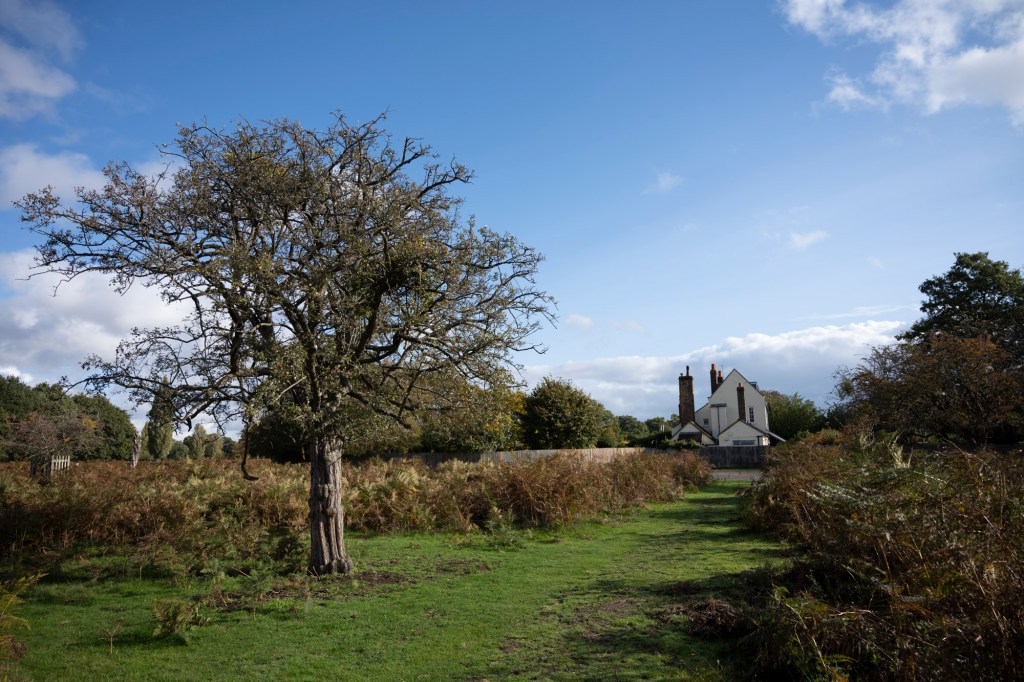
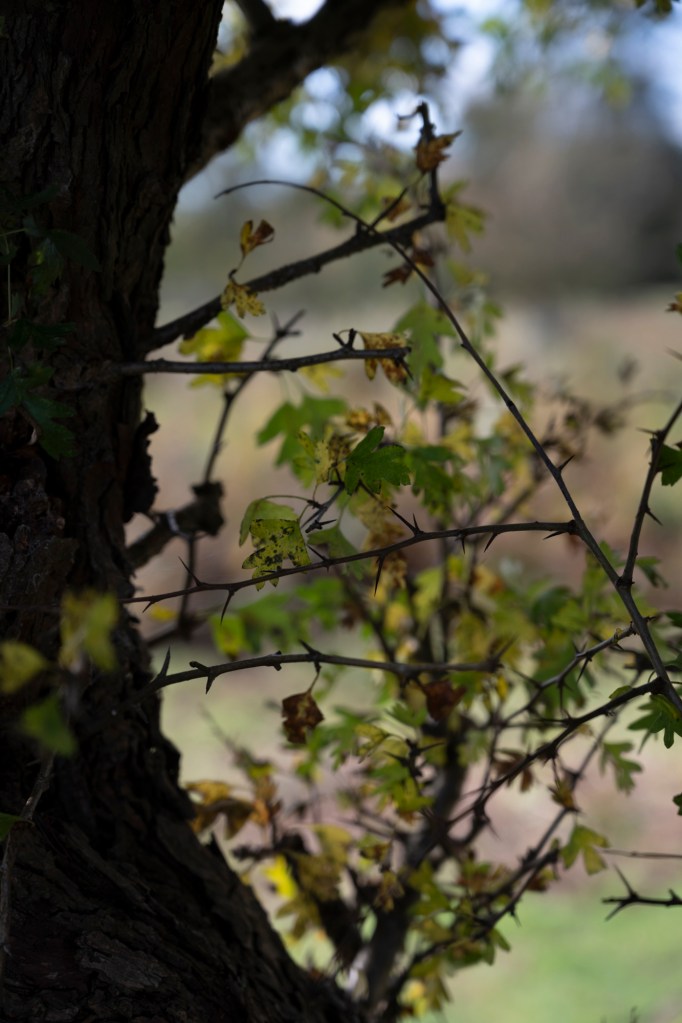
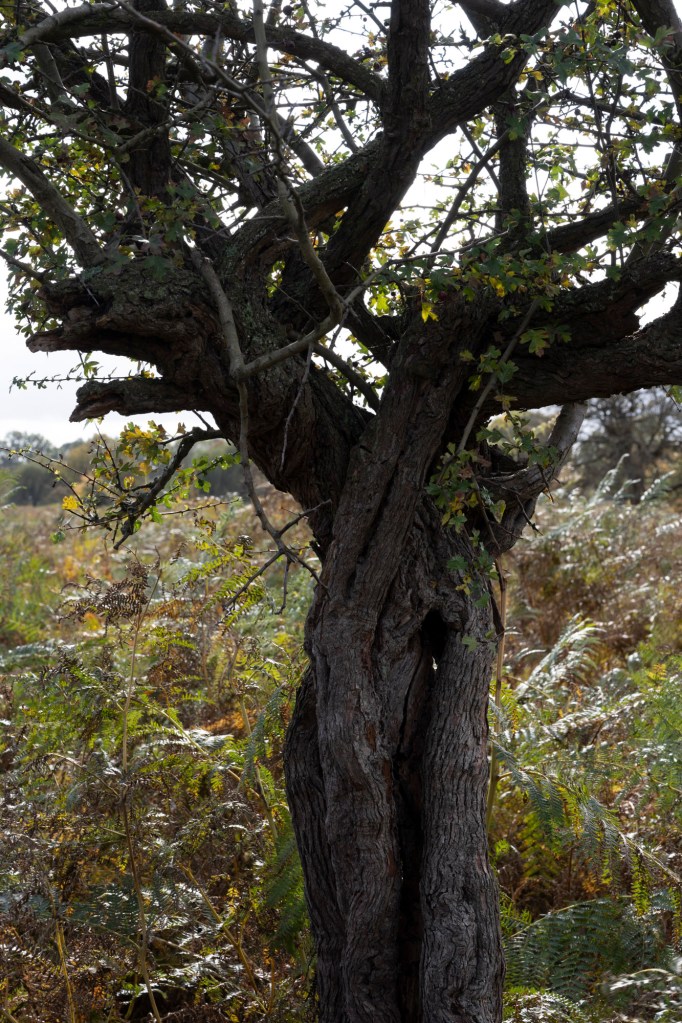
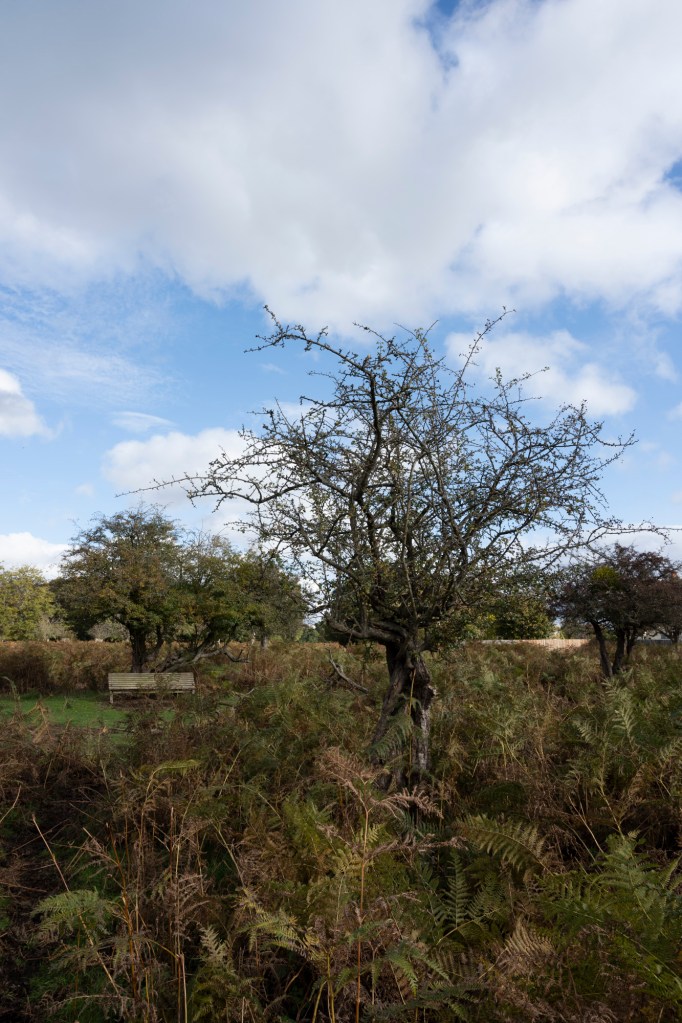
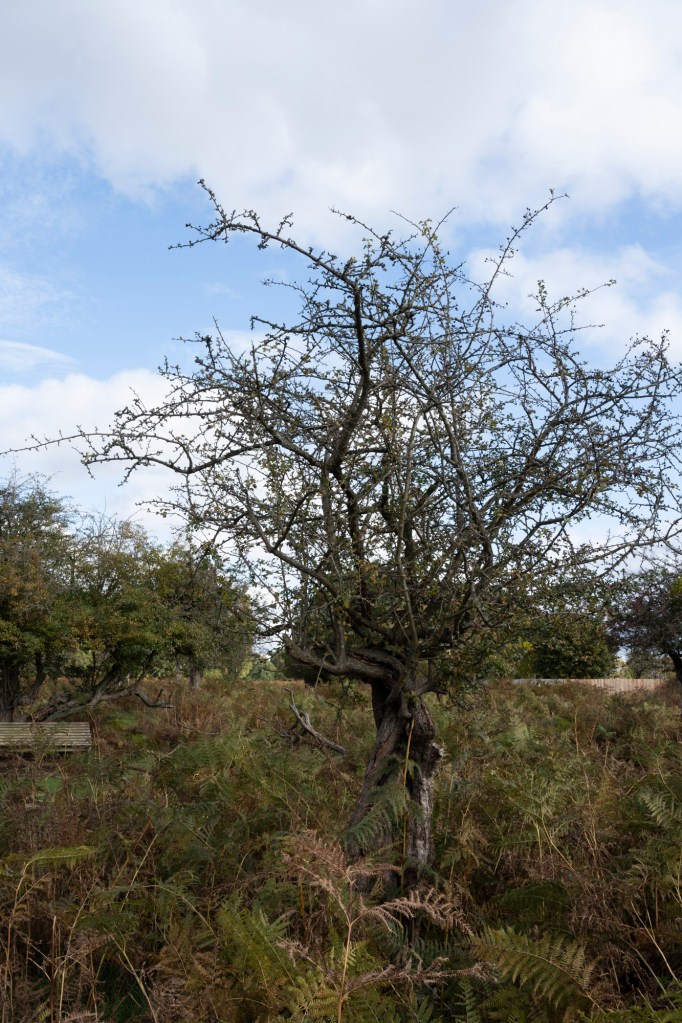
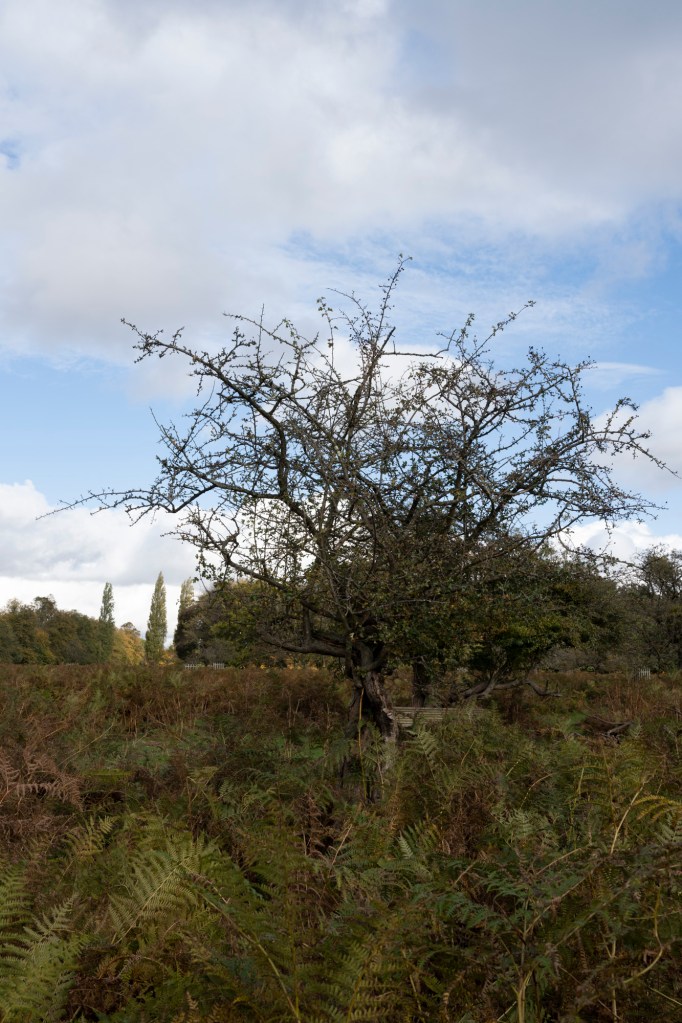
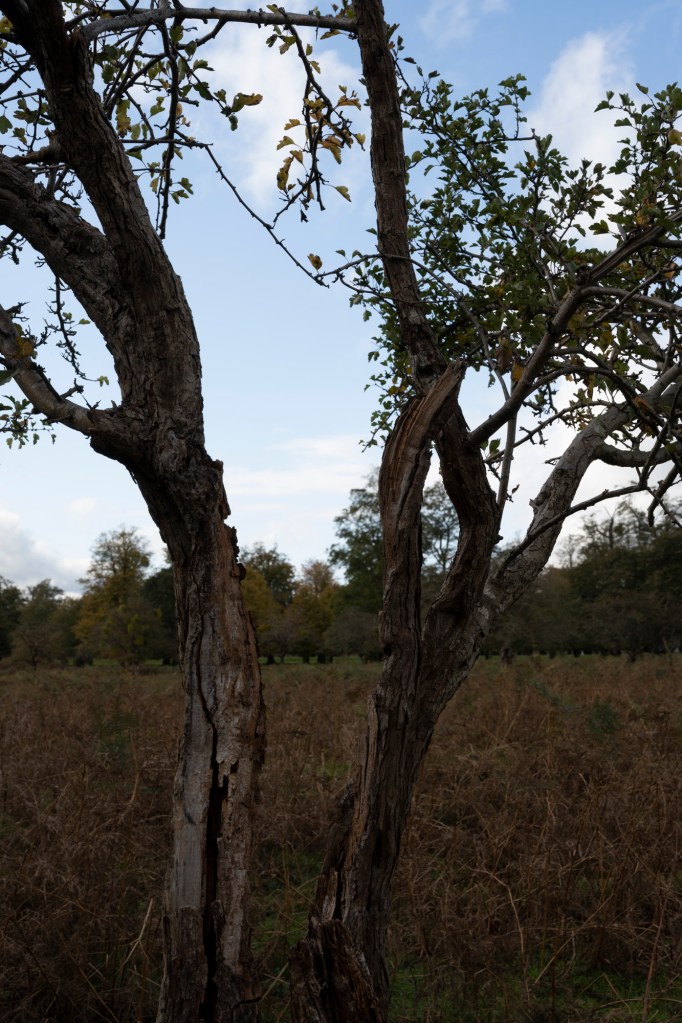
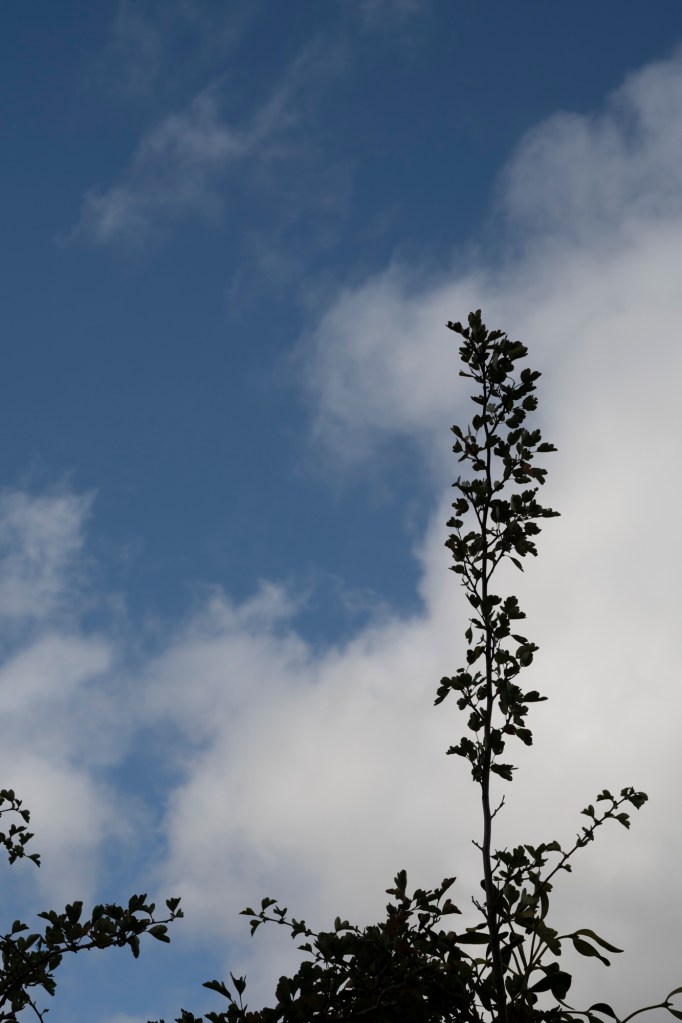
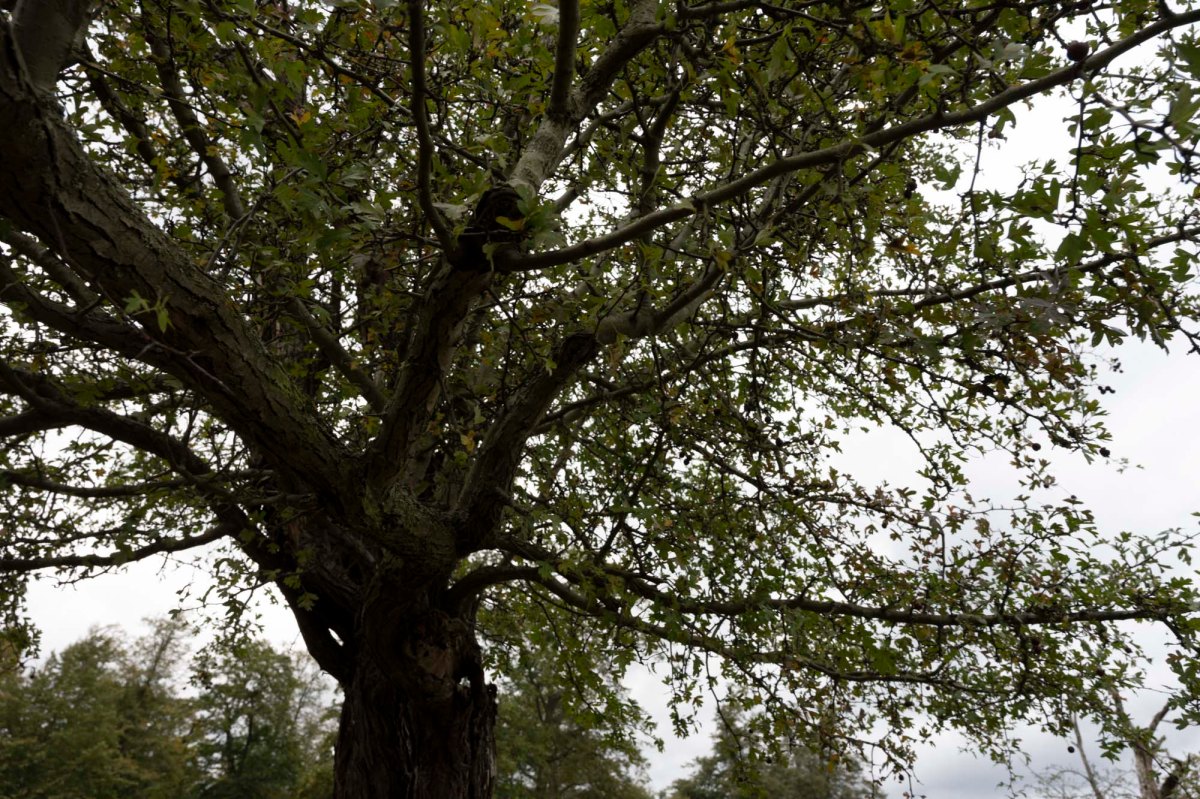
With this particular hawthorn, I tried both portrait and landscape-orientated shots and tried some close ups.
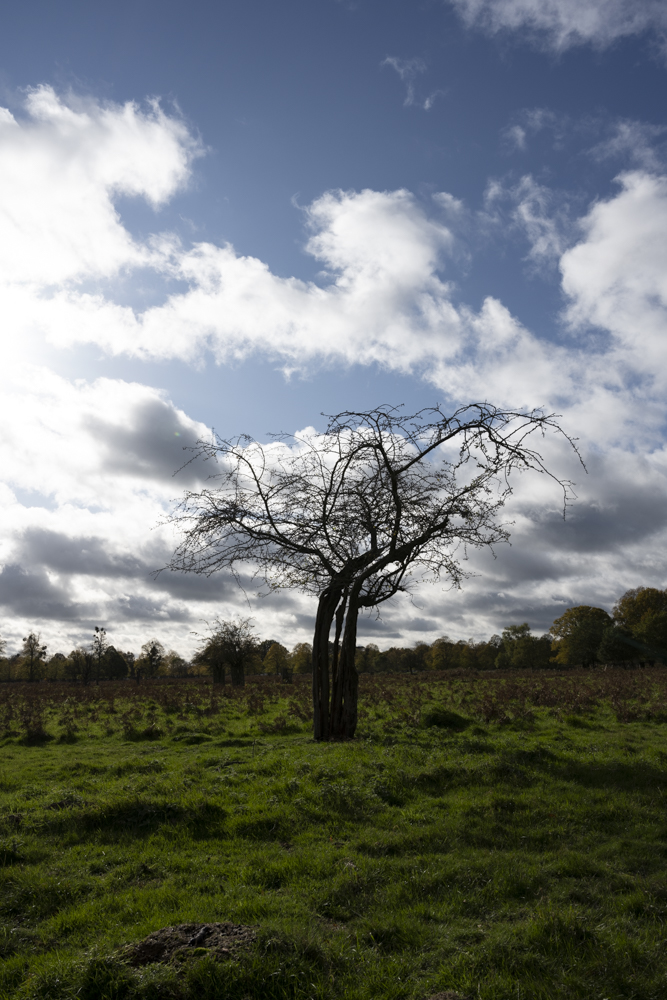
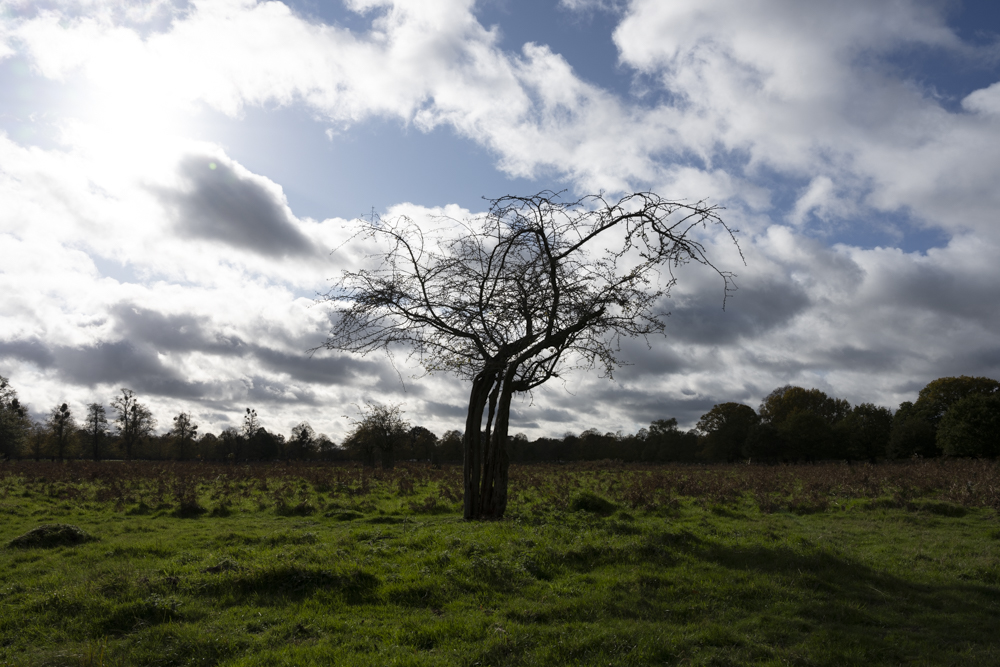
While editing, I thought this was the shot that looked the strongest out of these and carried out a Black & White conversion.

I then walked to the grove in the vicinity of Hawthorn Lodge

Tree 4

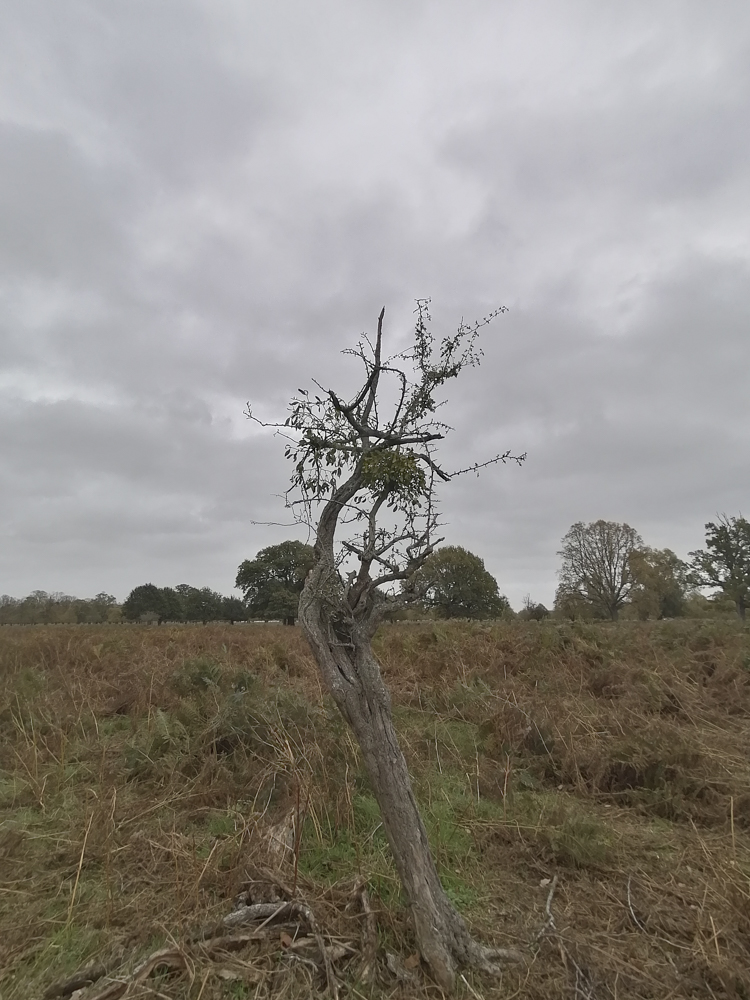
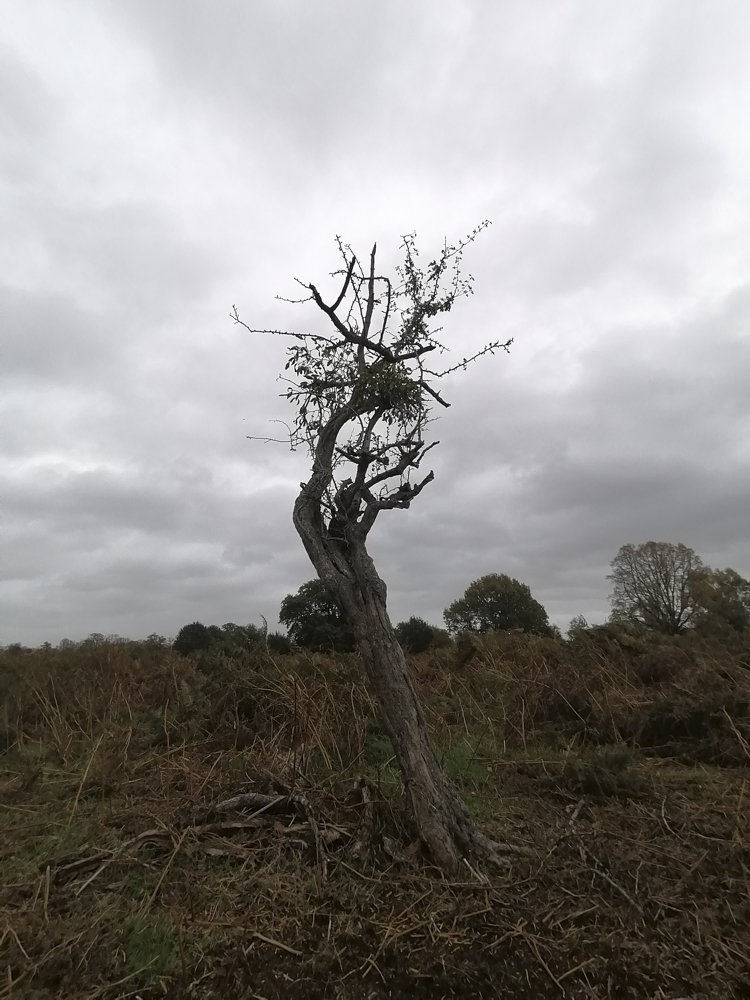
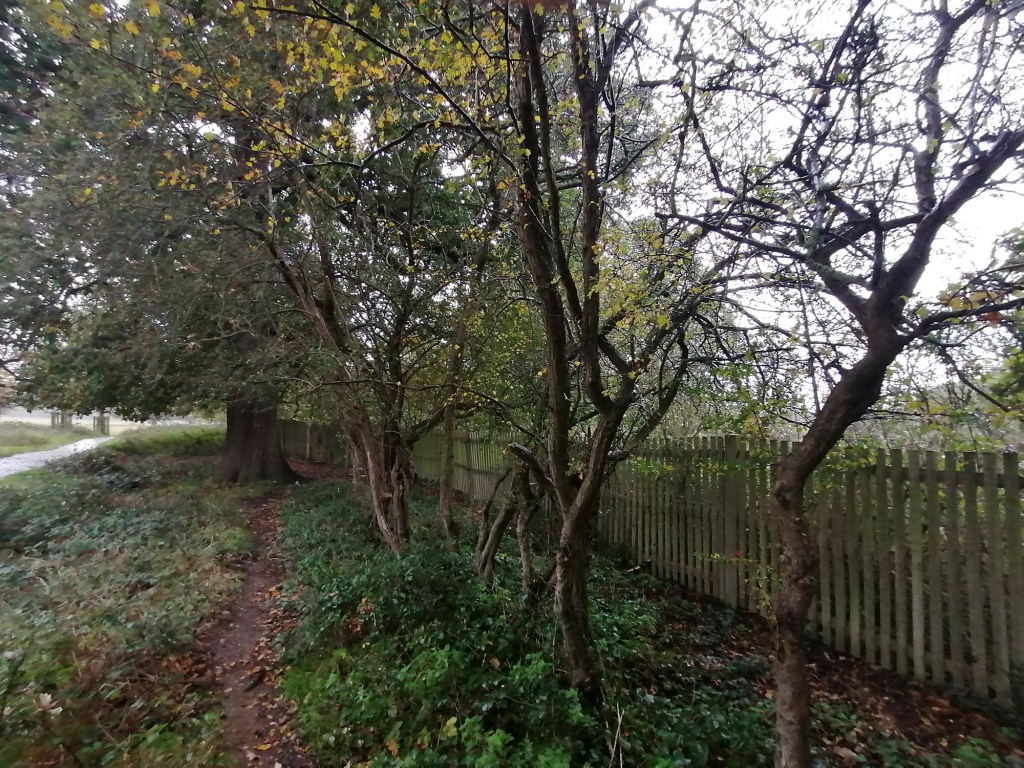
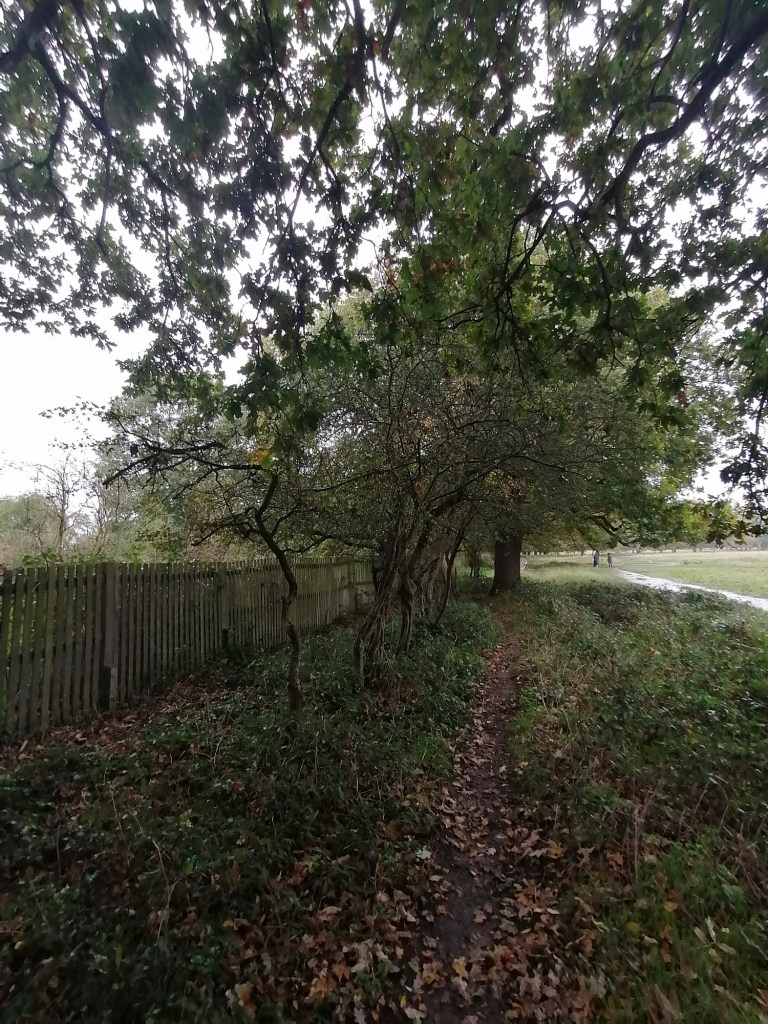
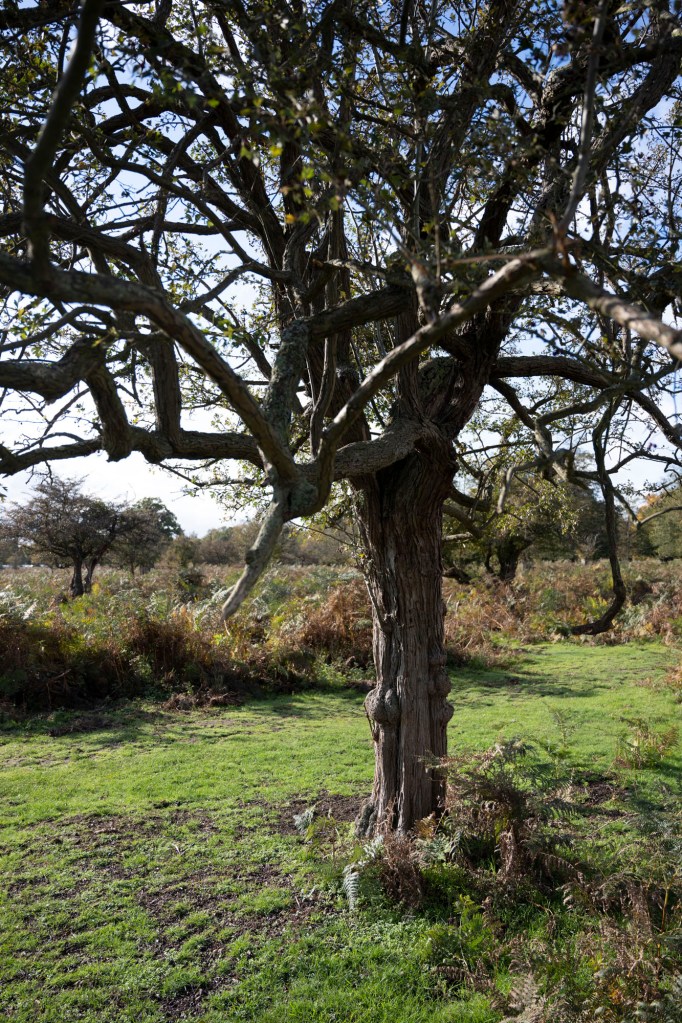
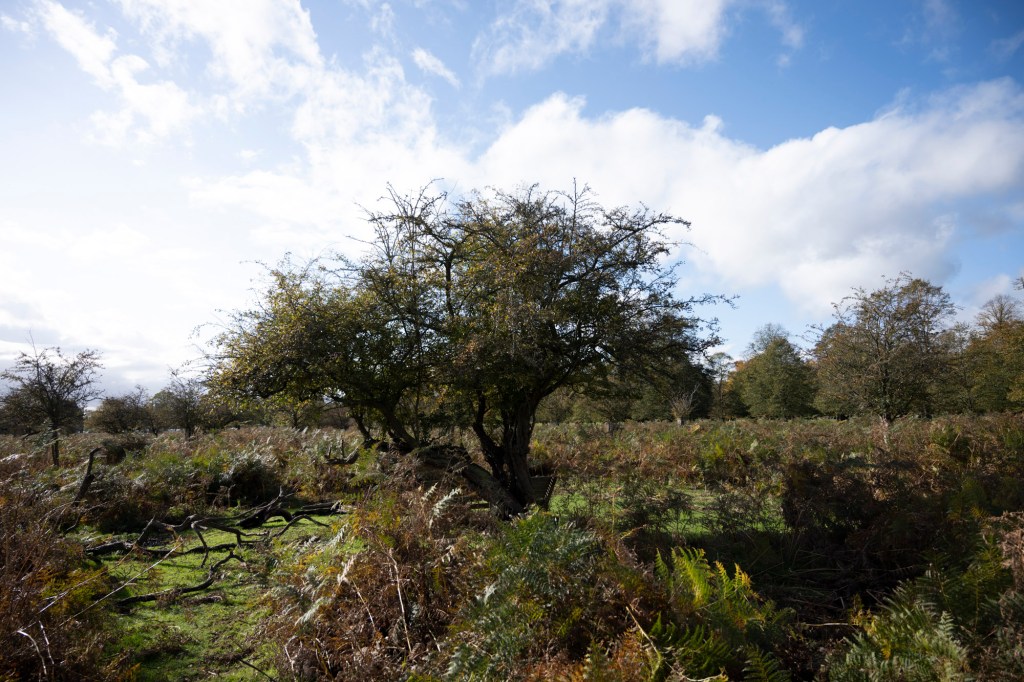
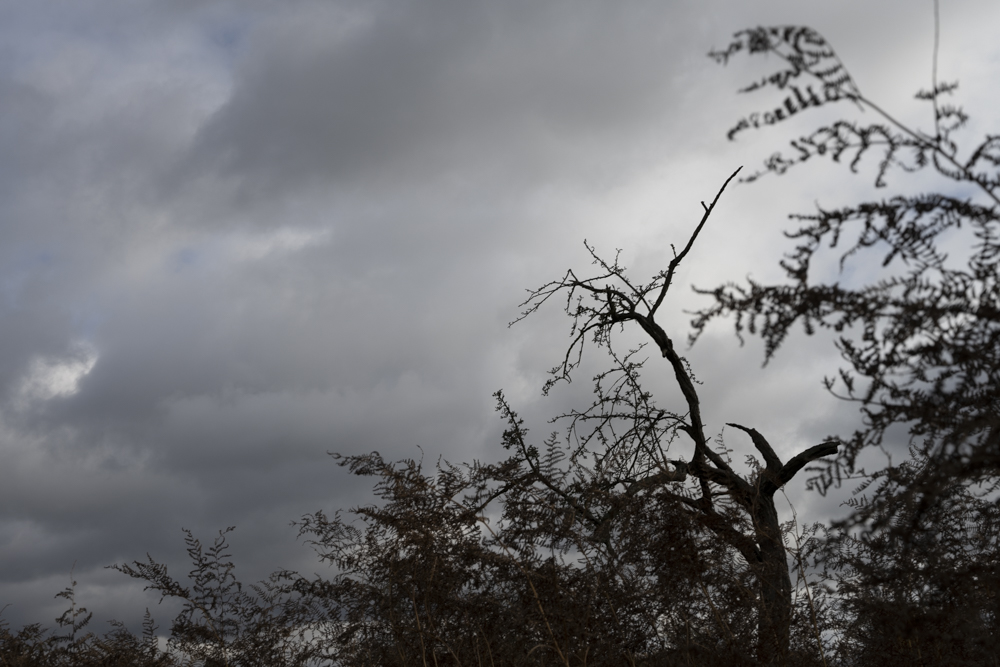
This is a tree I hadn’t photographed before. It is in the area near to Hawthorn Lodge. I quite liked this hawthorn’s stance. However, after looking at these shots, I think this should be reshot to get the optimum angle and orientiation.
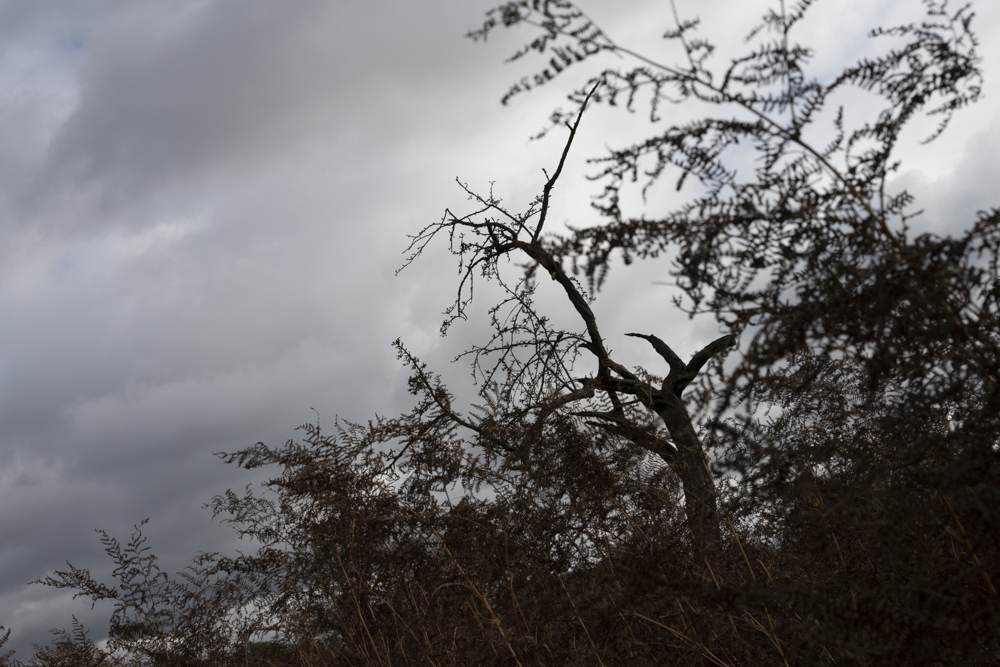
Tree 5

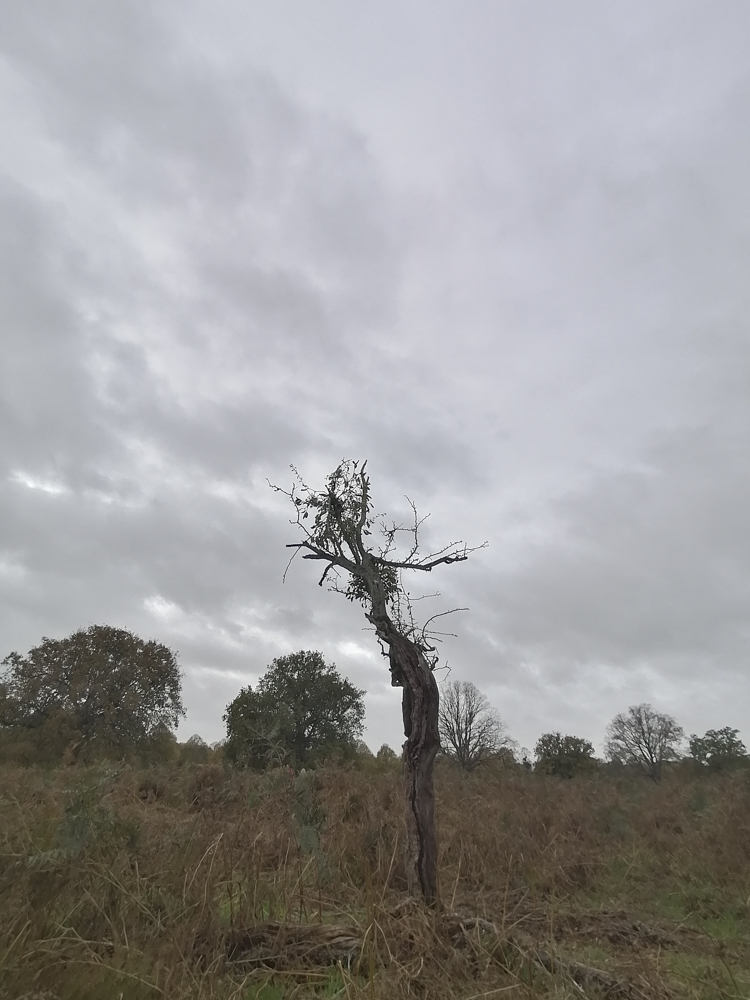
Again, another new hawthorn. This could also be reshot to get the best angle.
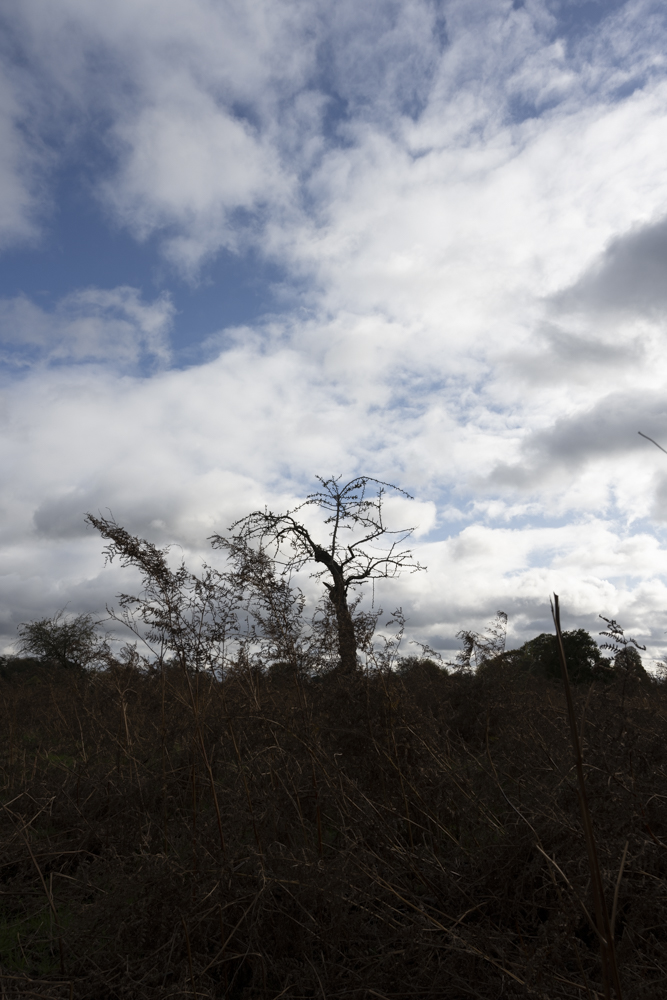
Tree 6

A record of a hawthorn that has clearly been cut down. It will be interesting to see what is fully revealed once the ferns disappear for the winter.
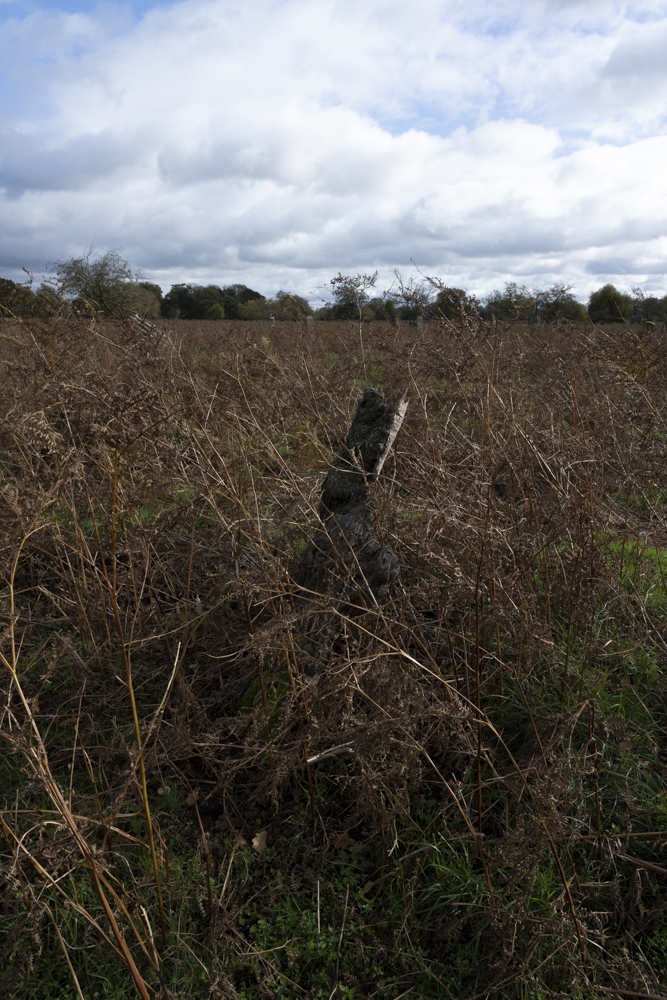
Tree 7

Again, another interesting hawthorn that needs further investigation.
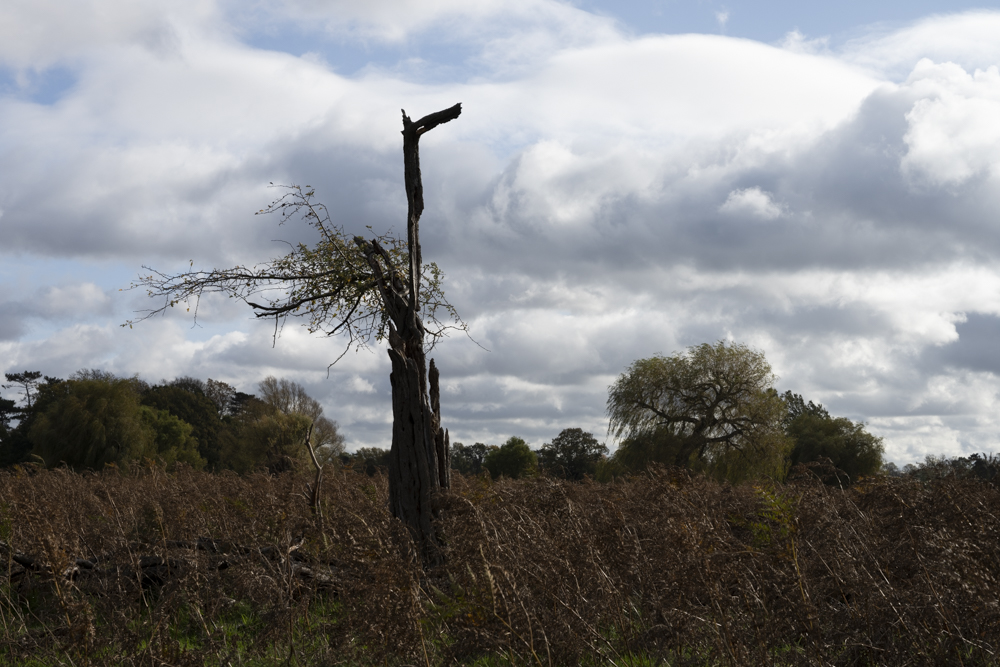
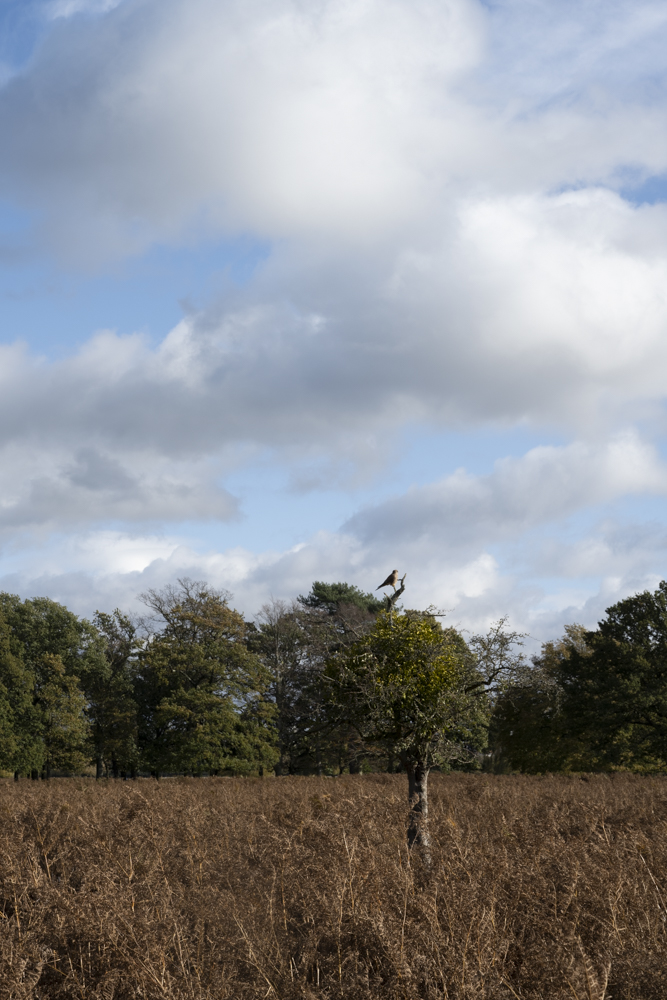
Tree 8

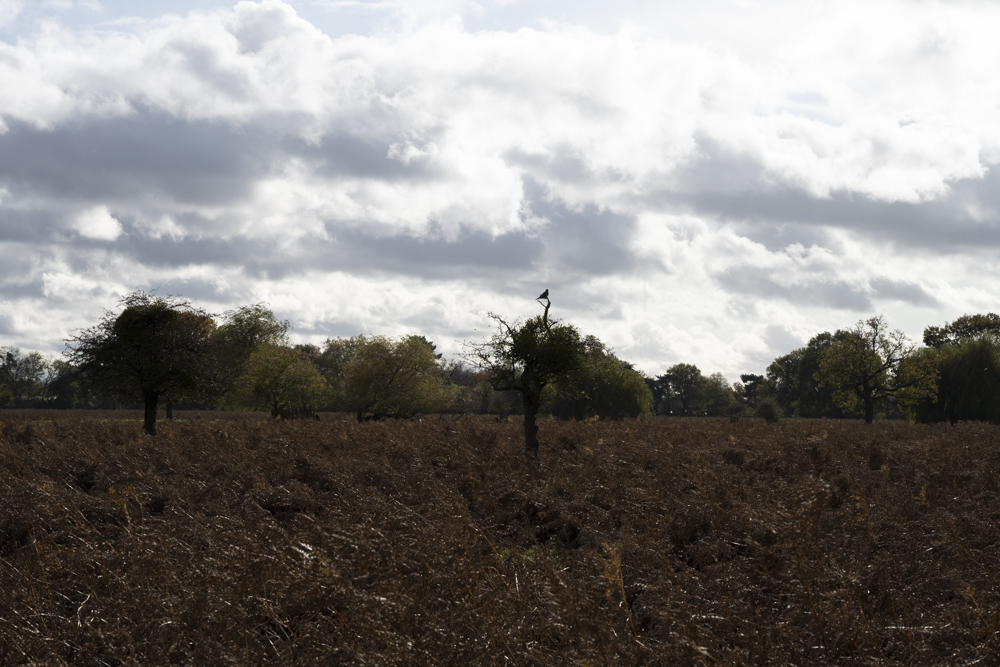
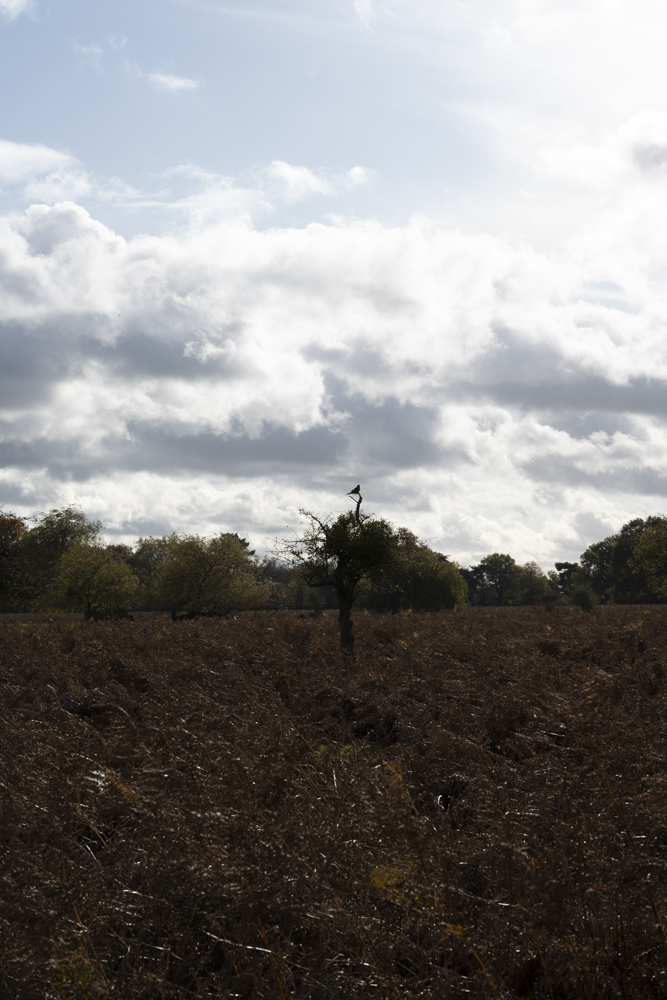
By now I was starting to tire – I’m beginning to realise that to make the most of my energy and get the best shots is to focus on one or two trees per visit. However, I perked up when I saw a couple of sparrow hawks flying around this tree and was quite chuffed to capture it on this hawthorn.
Tree 9

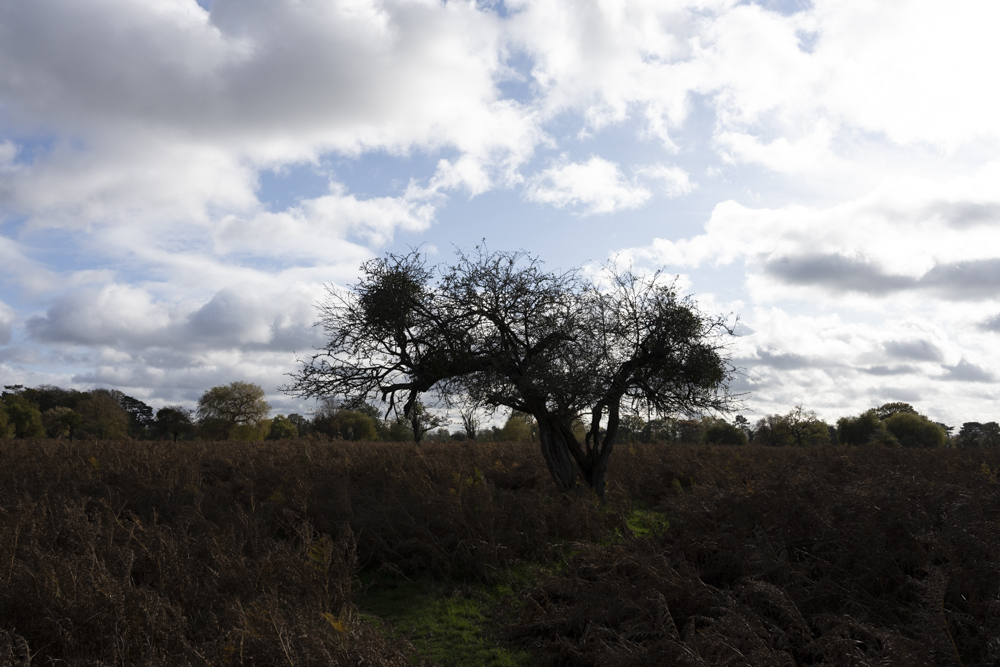
Again, another hawthorn to be revisited, especially after looking at the Black & White conversion below.
Tree 10

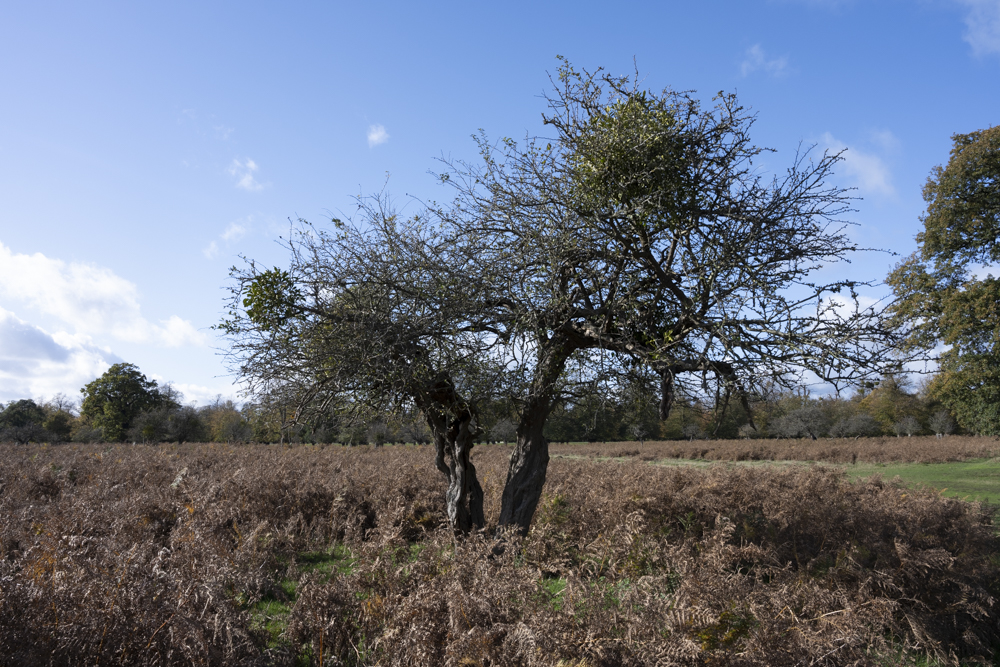
Last, but not least, this particular character. I was definitely running out of steam at this stage.
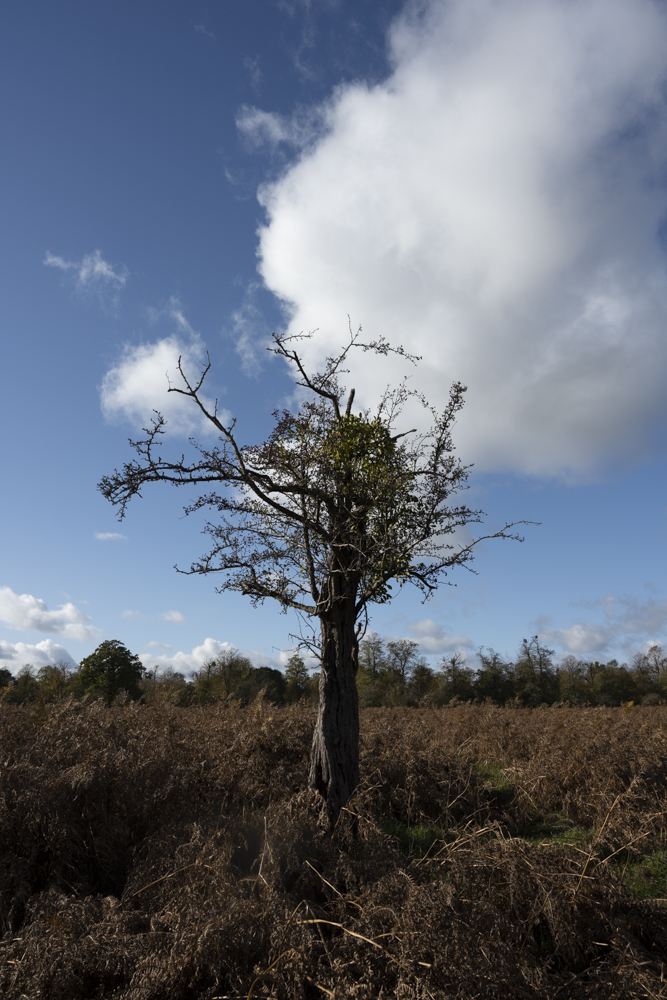
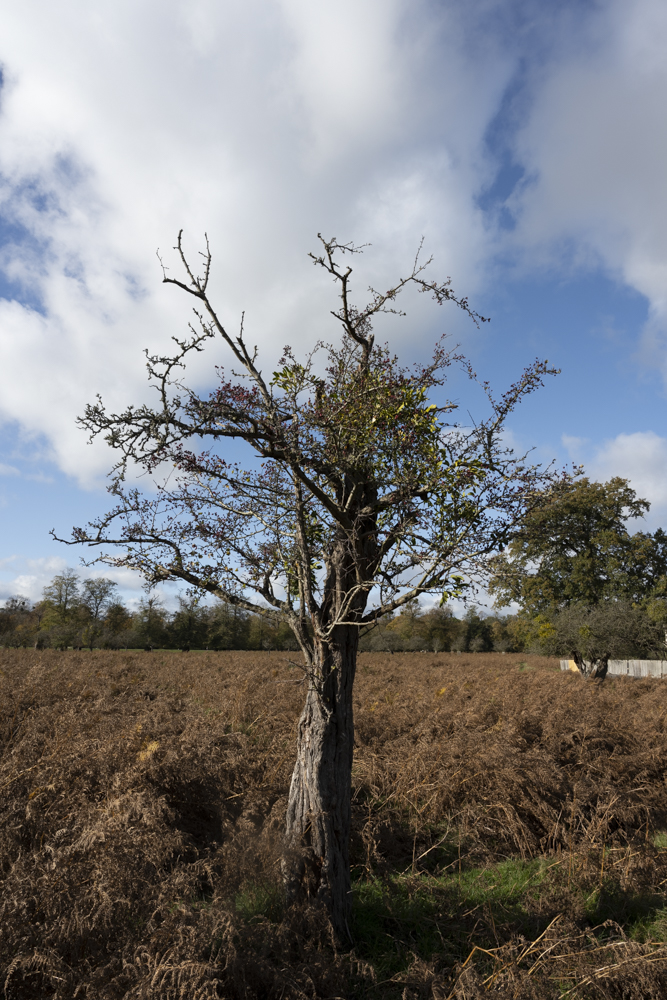
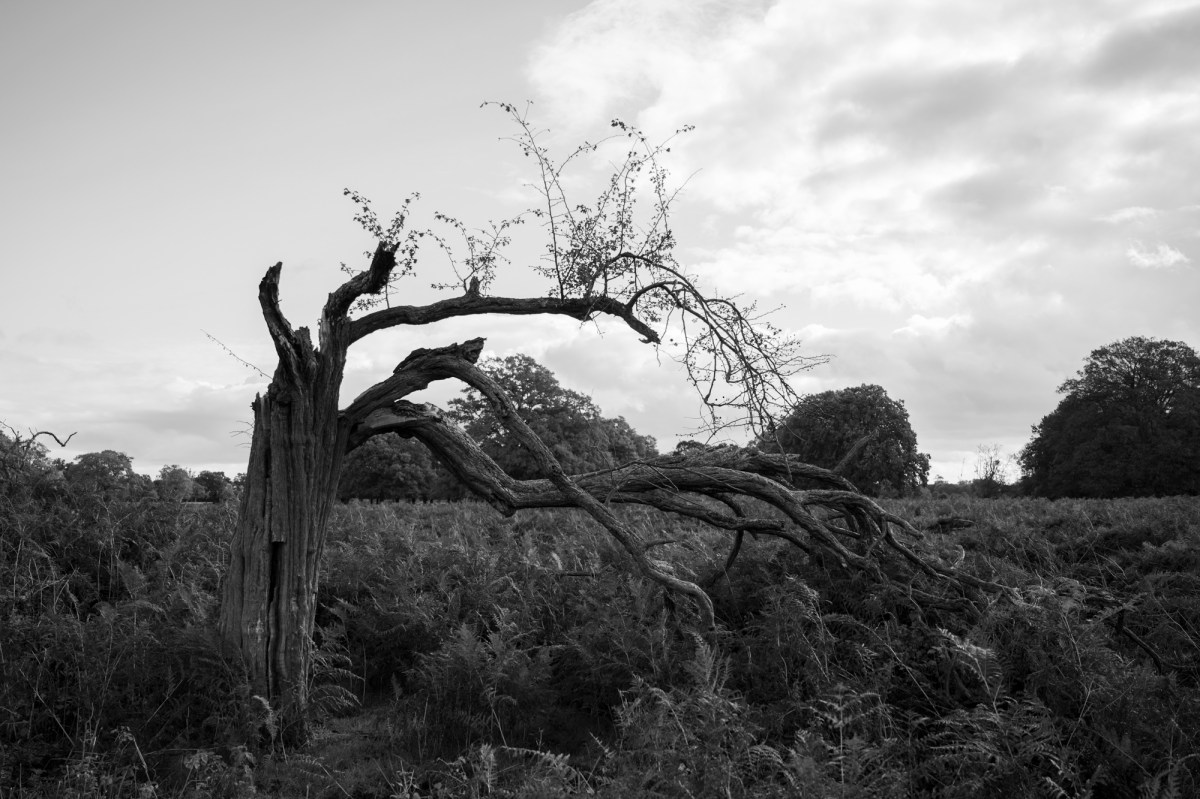
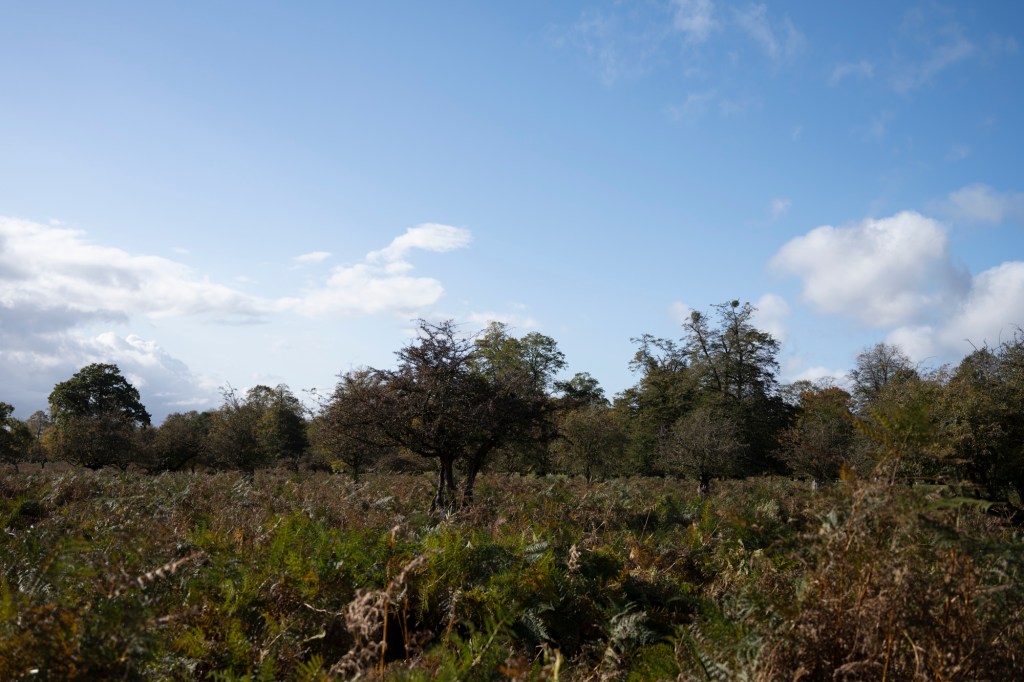
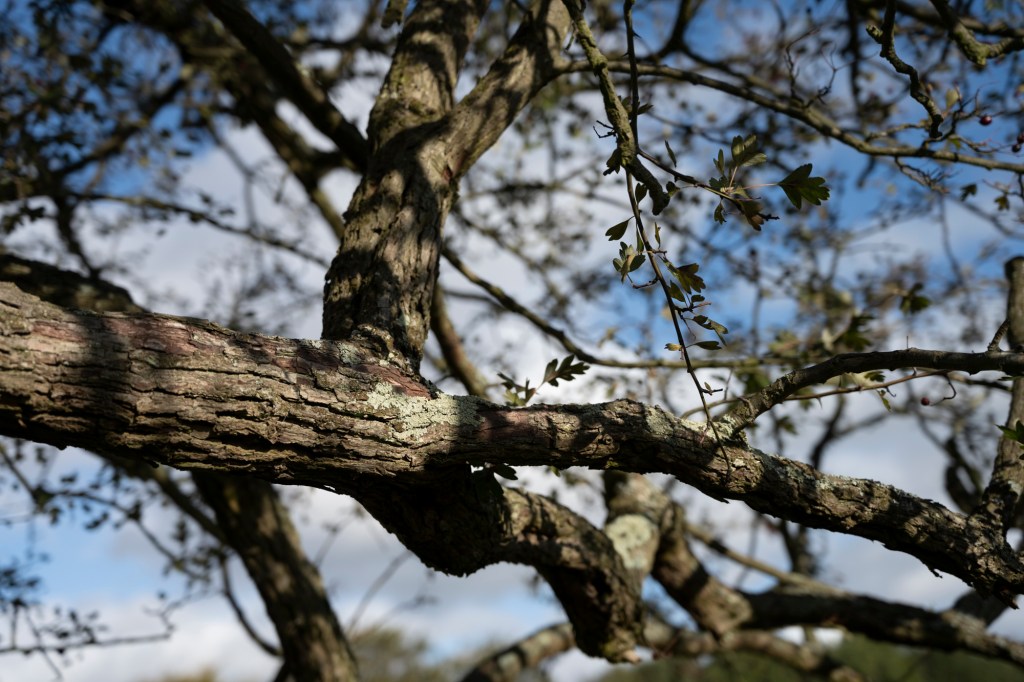
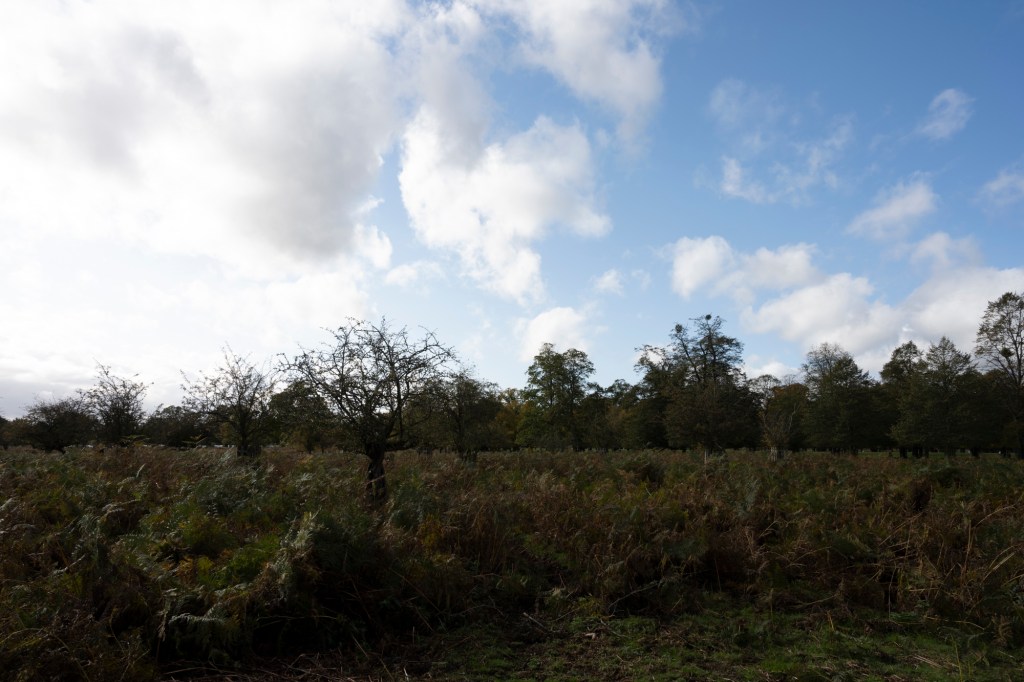
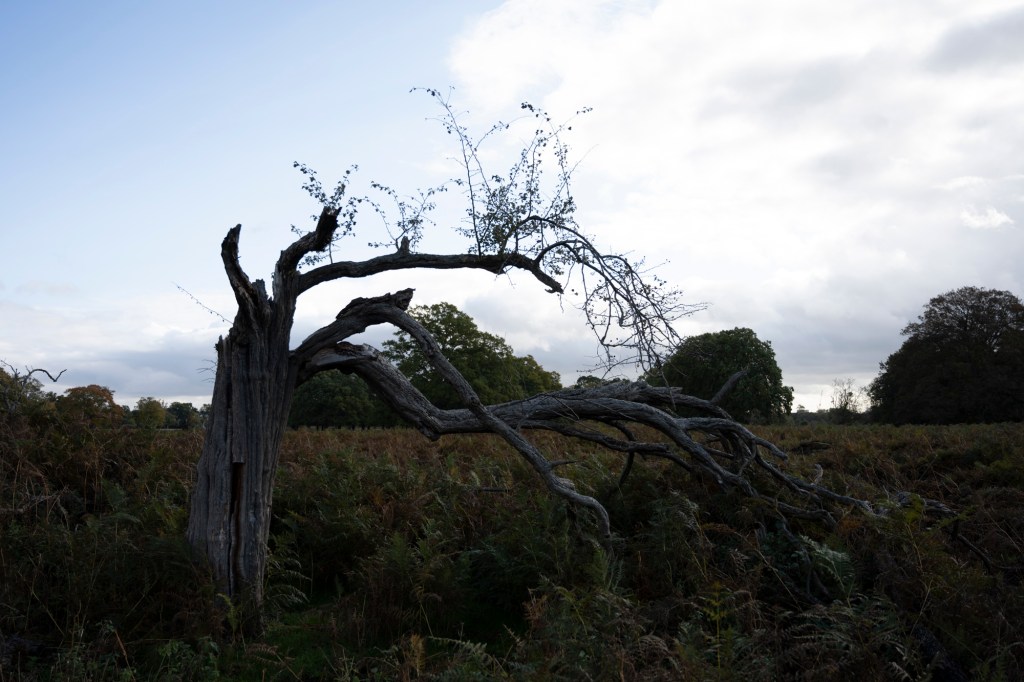
Looking back at these images, there definitely seems to be a theme starting to appear. The horizontal shots are very strong and give quite a powerful impression. A factor to be considered in further detail.
Categories
AGM62 Photography Research Project Stage 1 Posts

AGM62 Bushy Park Hawthorns 1 November 2020

After my shoot on 29 October, I wanted to explore a different section of Bushy Park where I knew there were hawthorns. I also wanted to combine this session with a long walk in order to take my mind off the previous day’s announcement regarding the forthcoming four-week lock-down.

While on my walk, I was aware of being thankful that I took this development into consideration in relation to the project for this module. I am extremely fortunate to be able to leave the house for exercise and carry out work that I can’t do at home. The circumstances are very similar to earlier in the year – it worked then and it will work now.

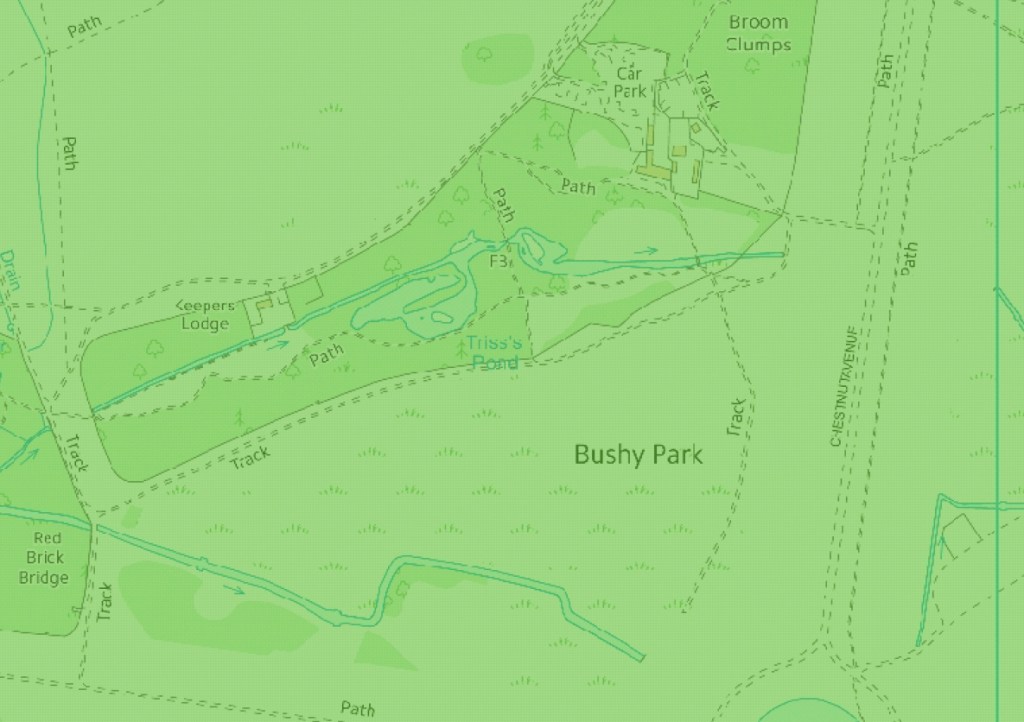
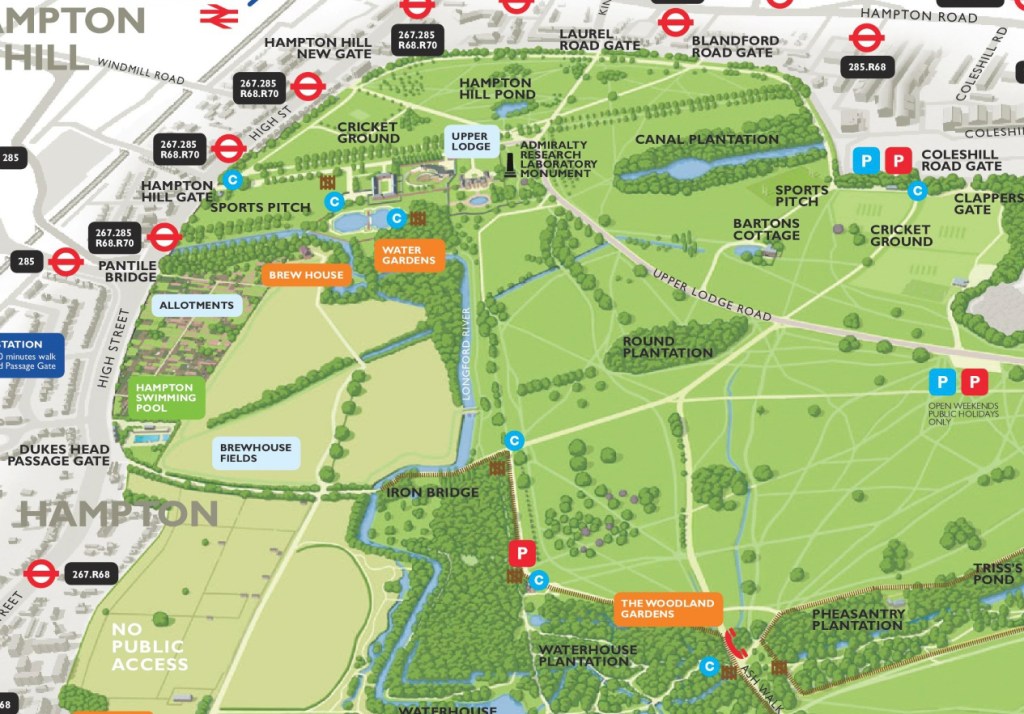
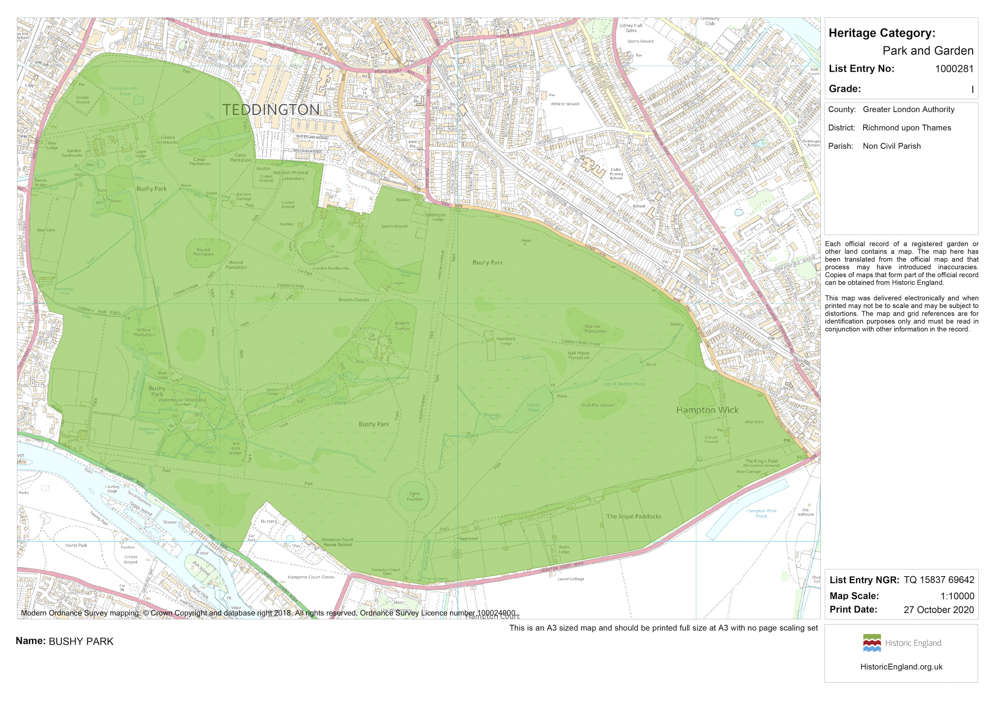
In preparation in working out the different areas within Bushy Park and the hawthorns in each part, I searched for a map online. In doing this, I came across the Historic England website and discovered I could download an Ordnance Survey map. This will be very helpful in my mission to locate the trees.

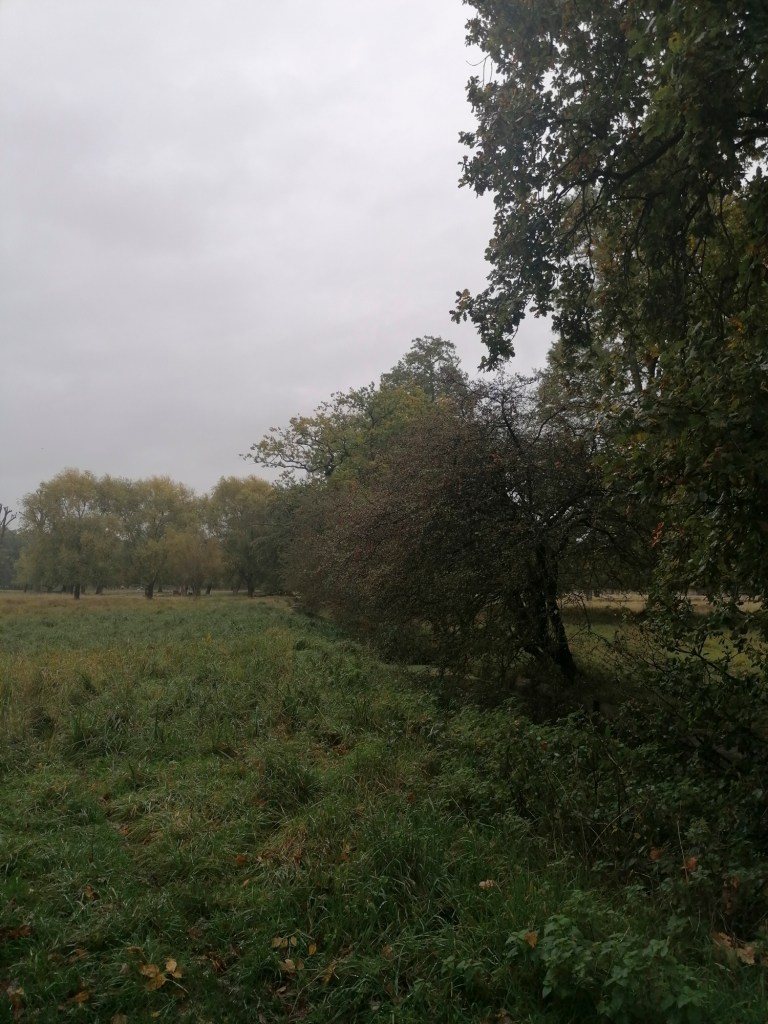
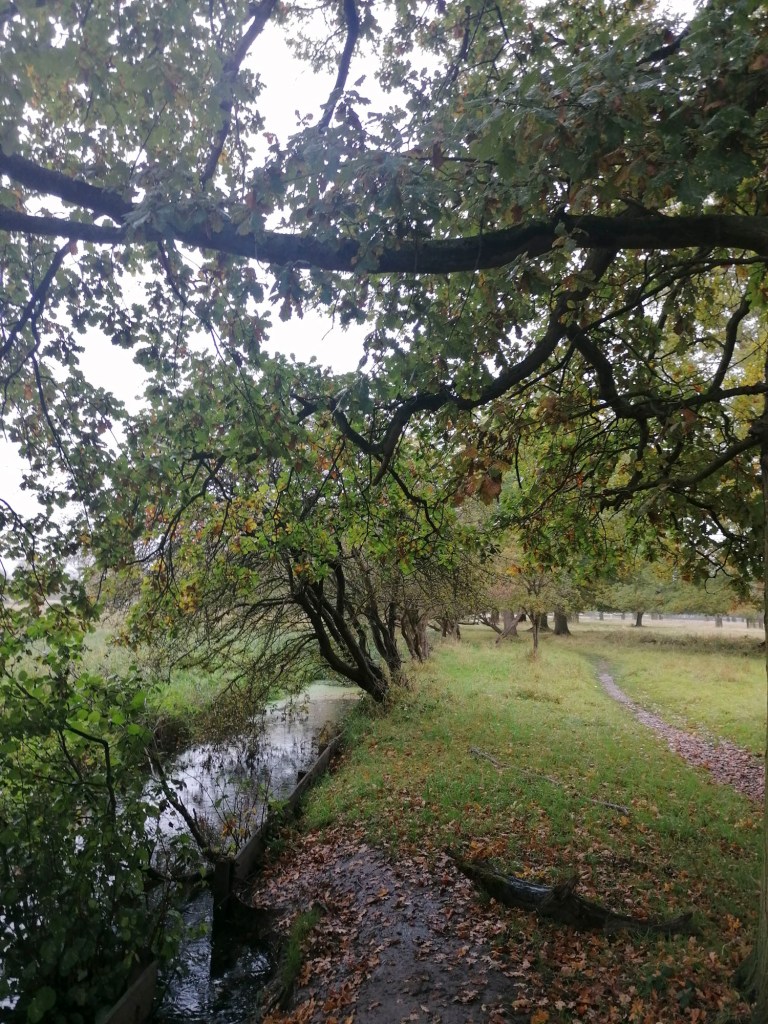
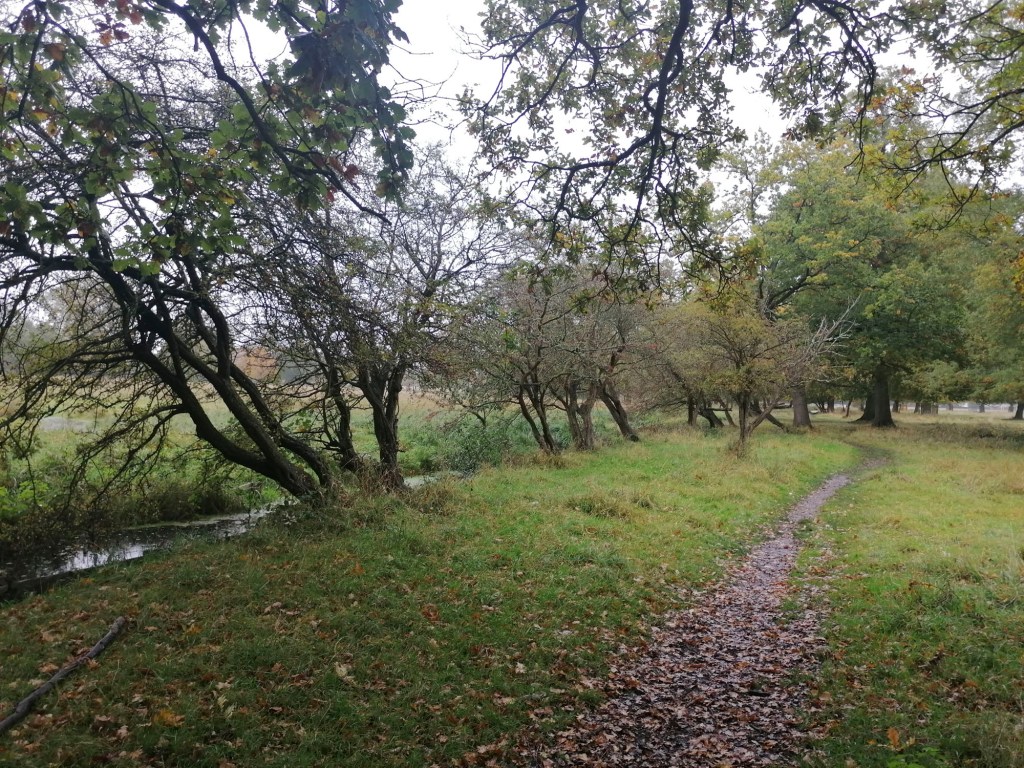
The area in which I focused covered the area between the border of the Pheasantry Plantation in the Woodland Gardens, the channel of water on the bottom, left-hand side of the map and the track to the right.

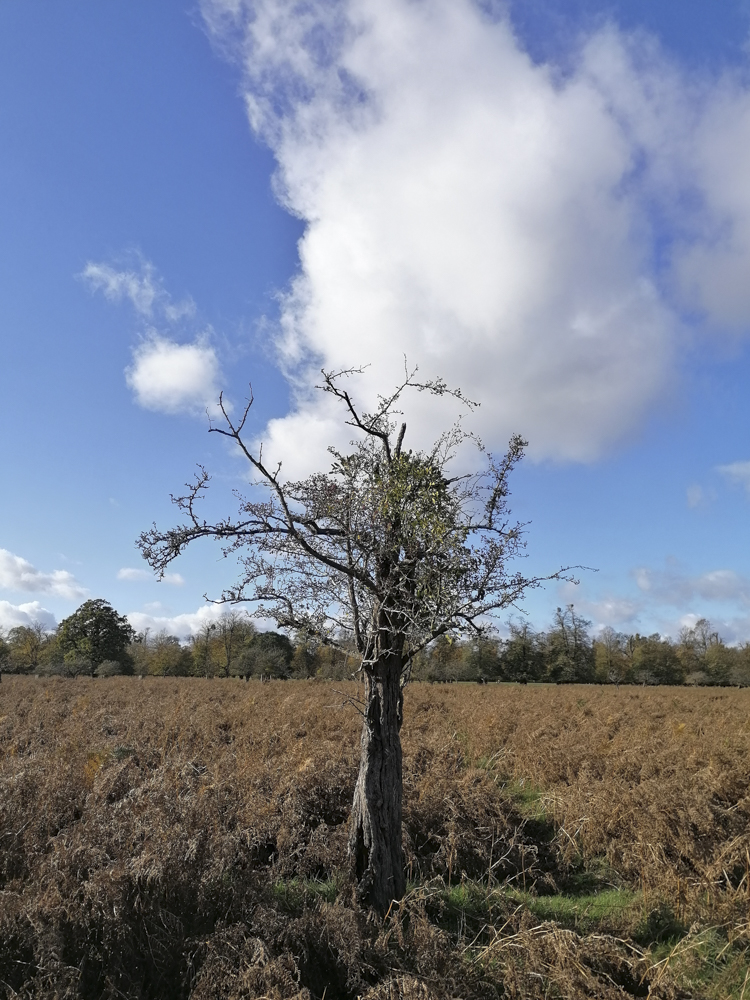
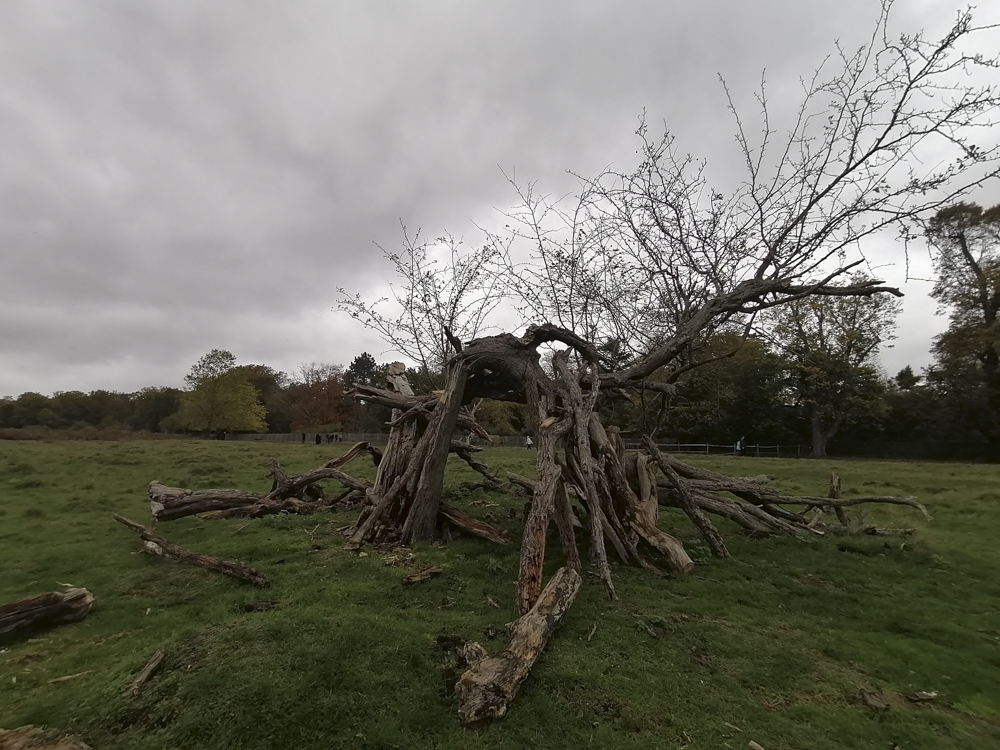
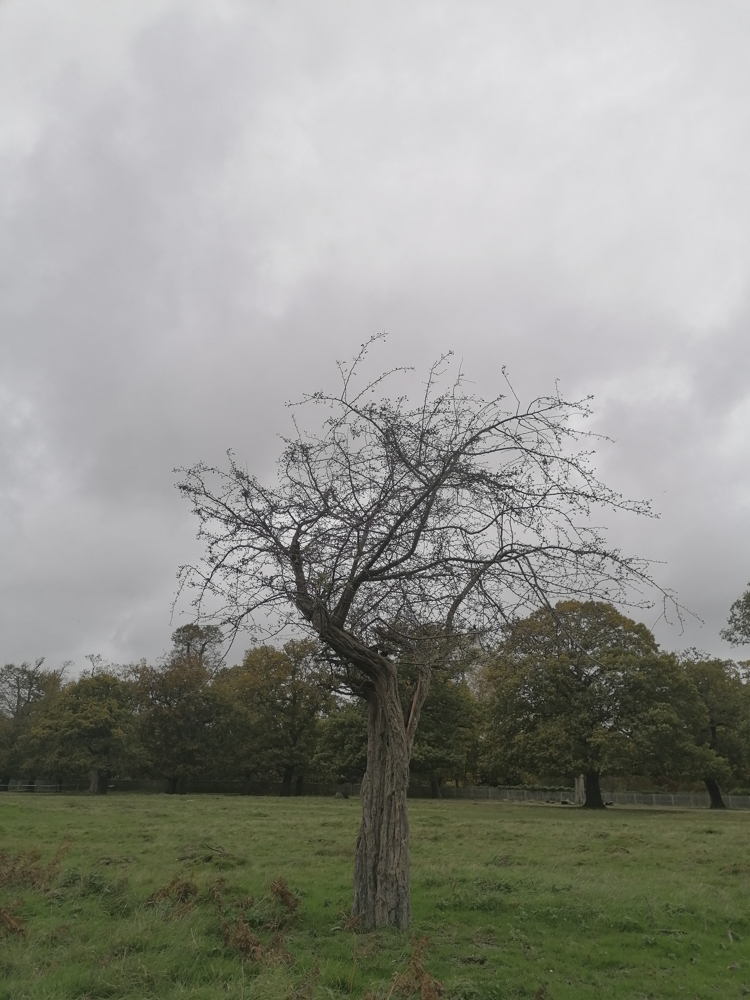
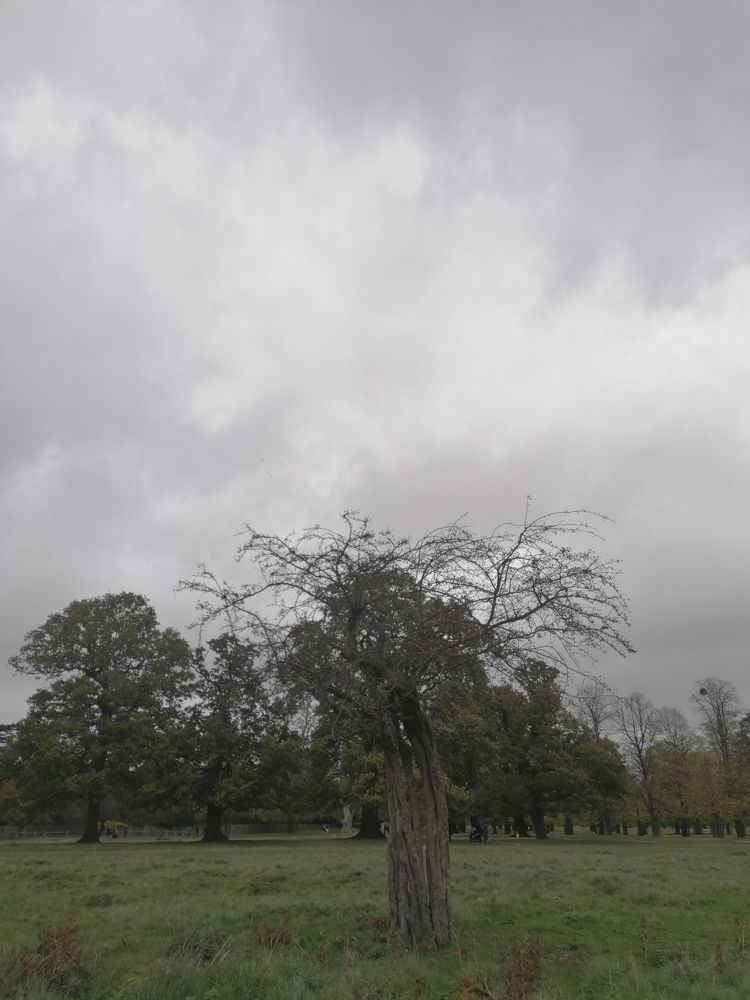
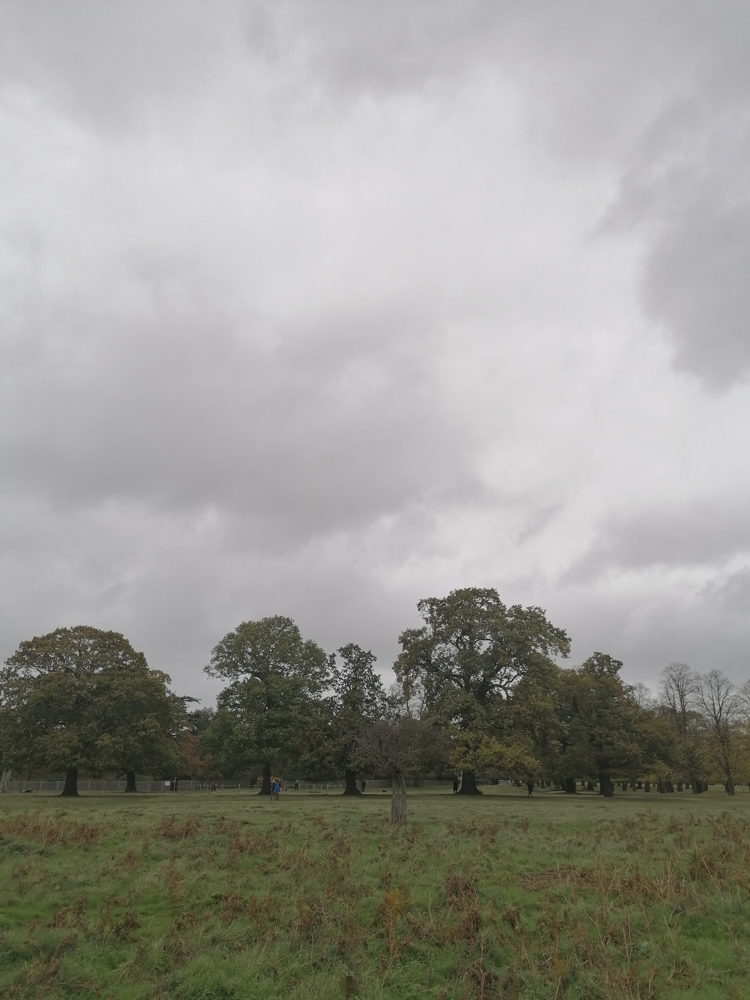
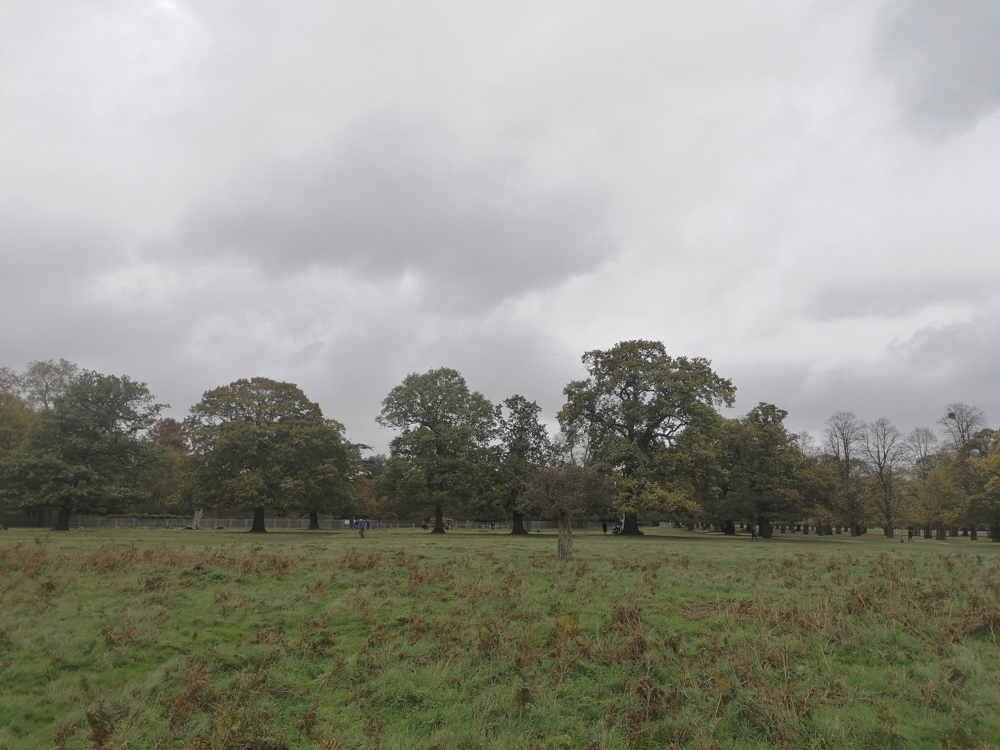
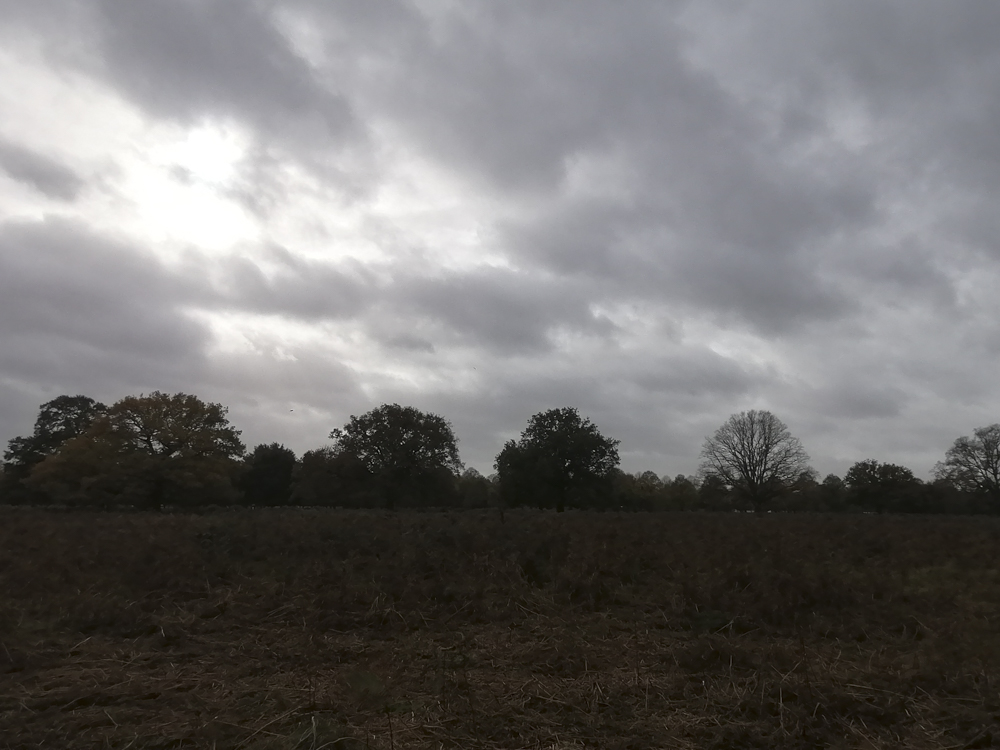
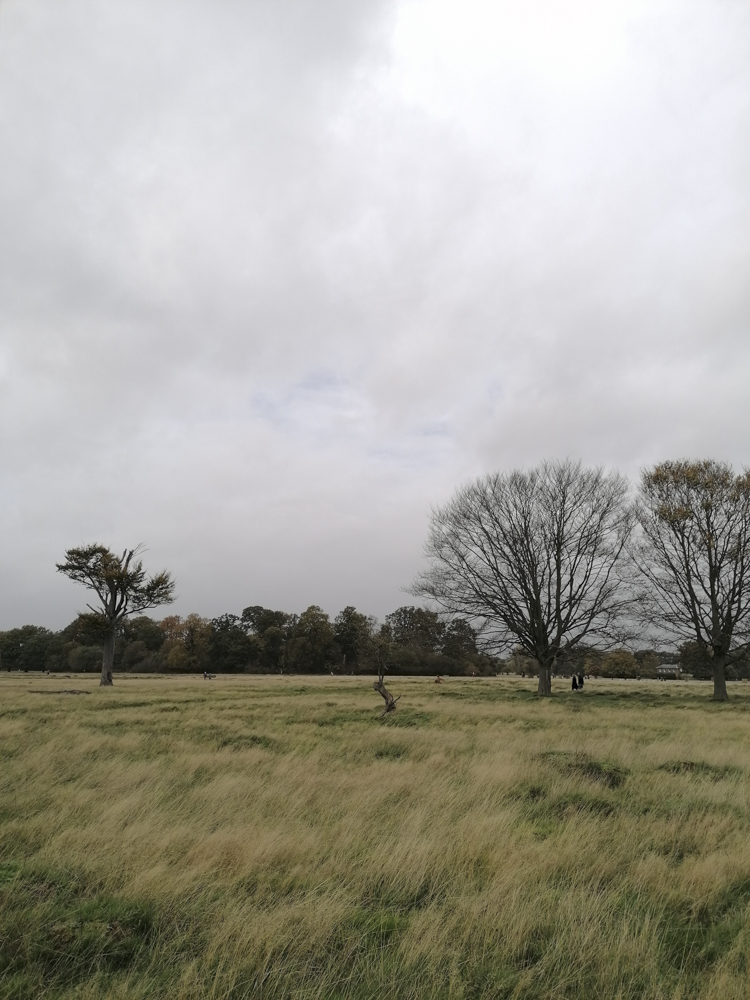
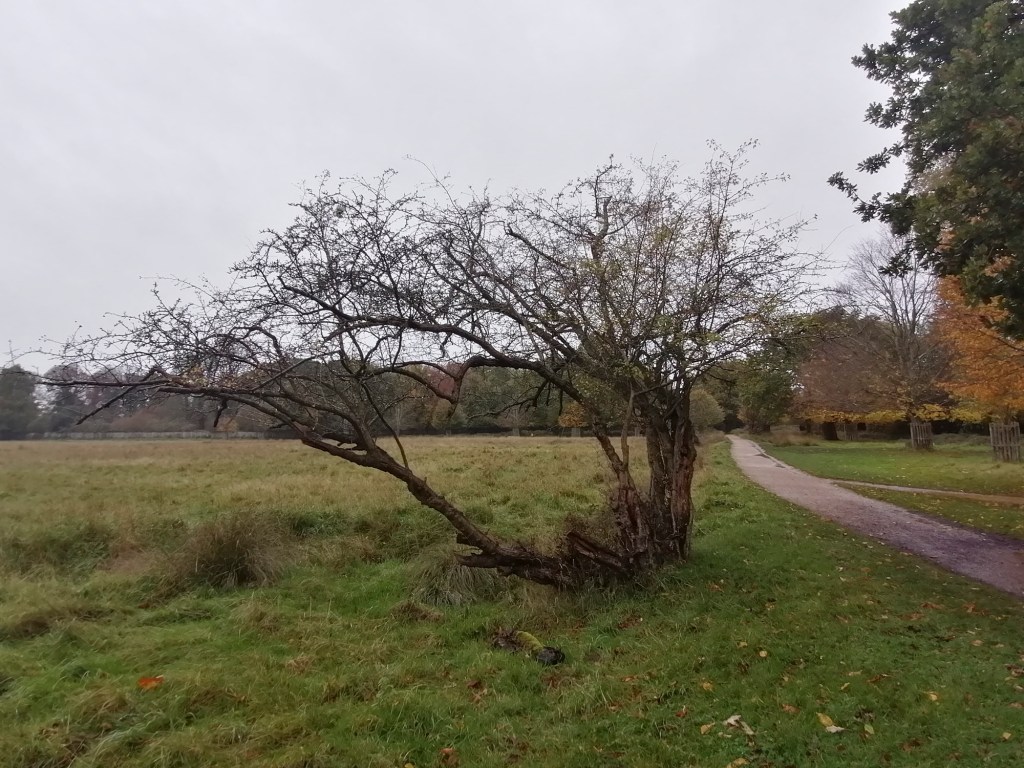
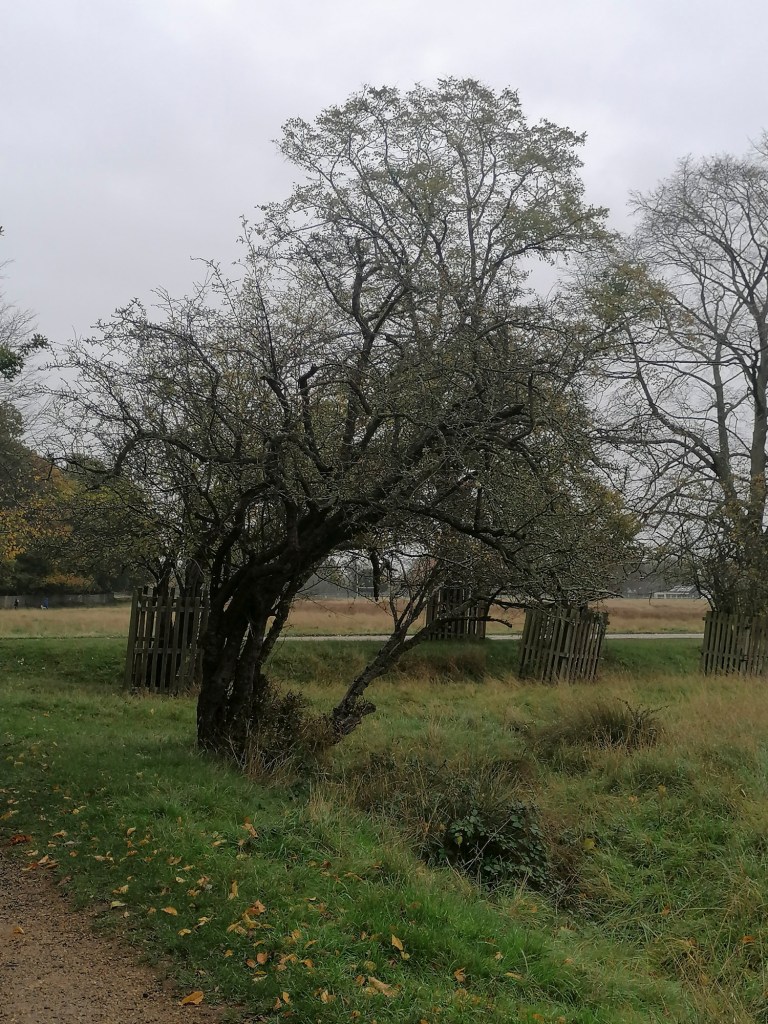
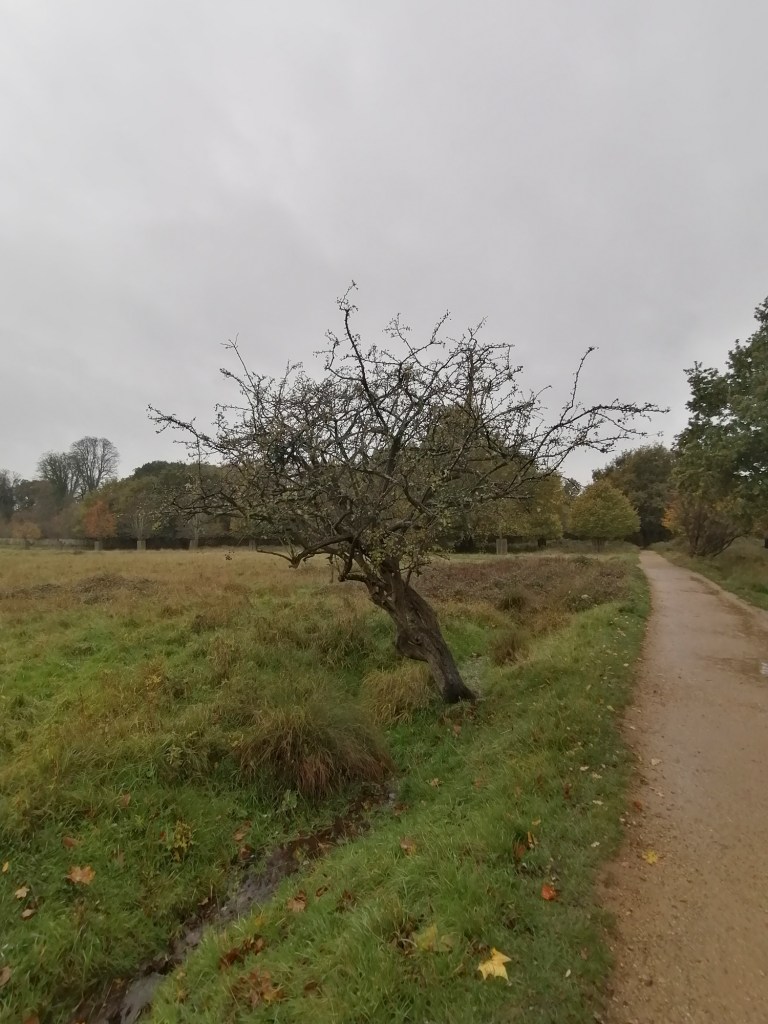
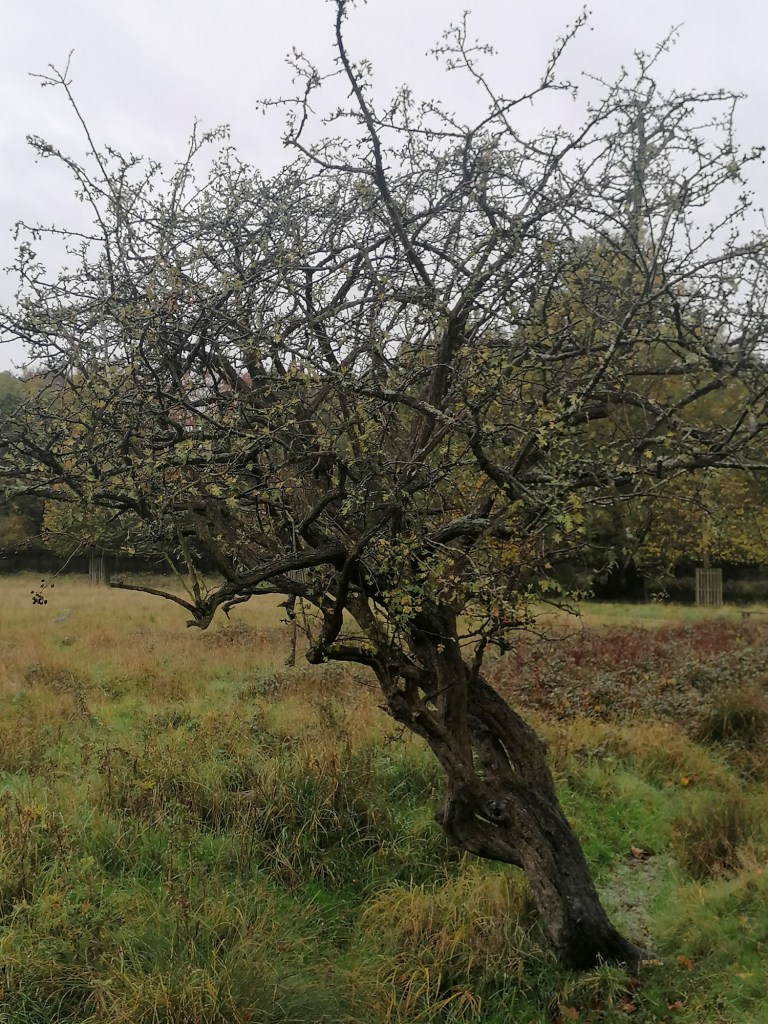
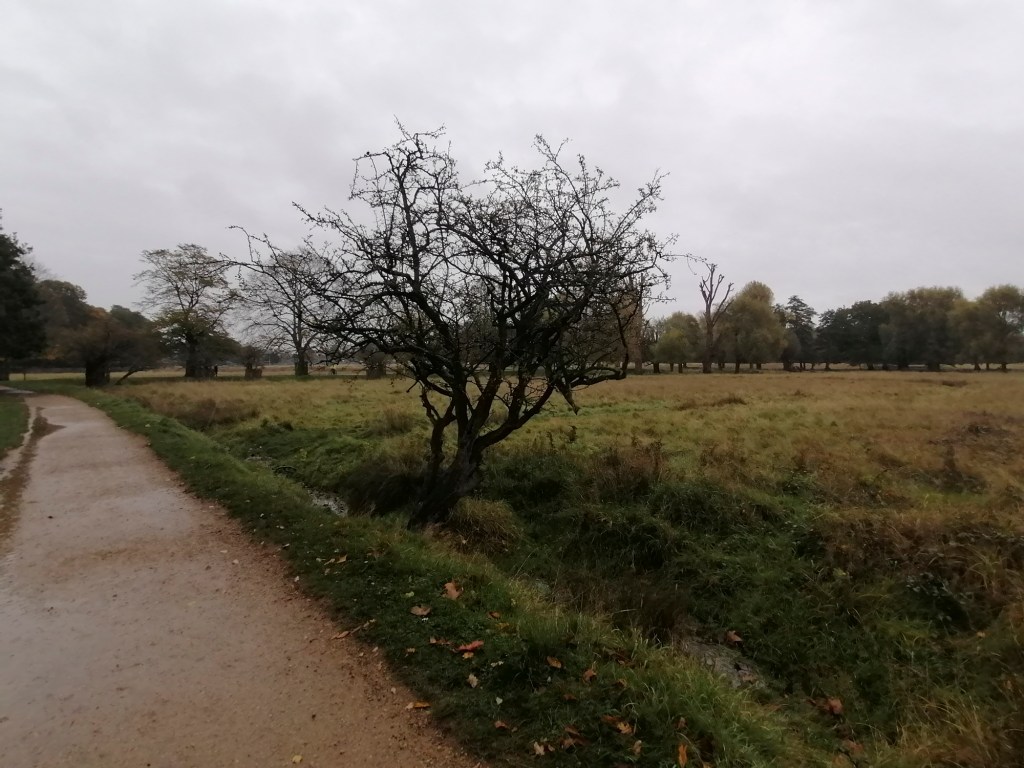
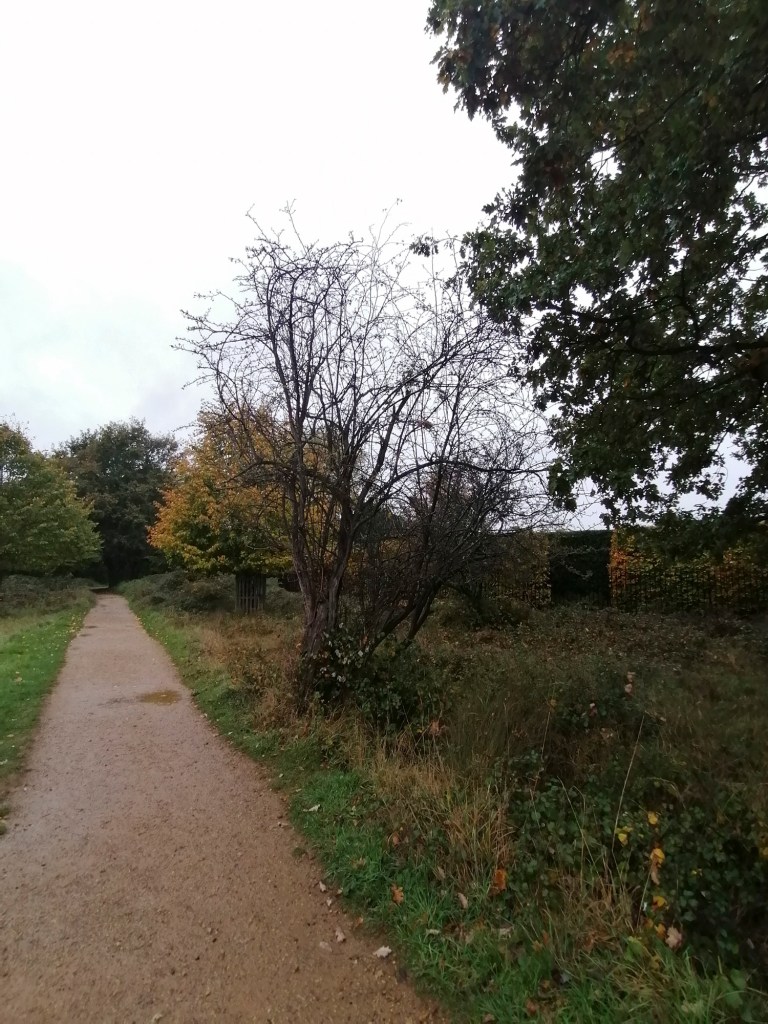
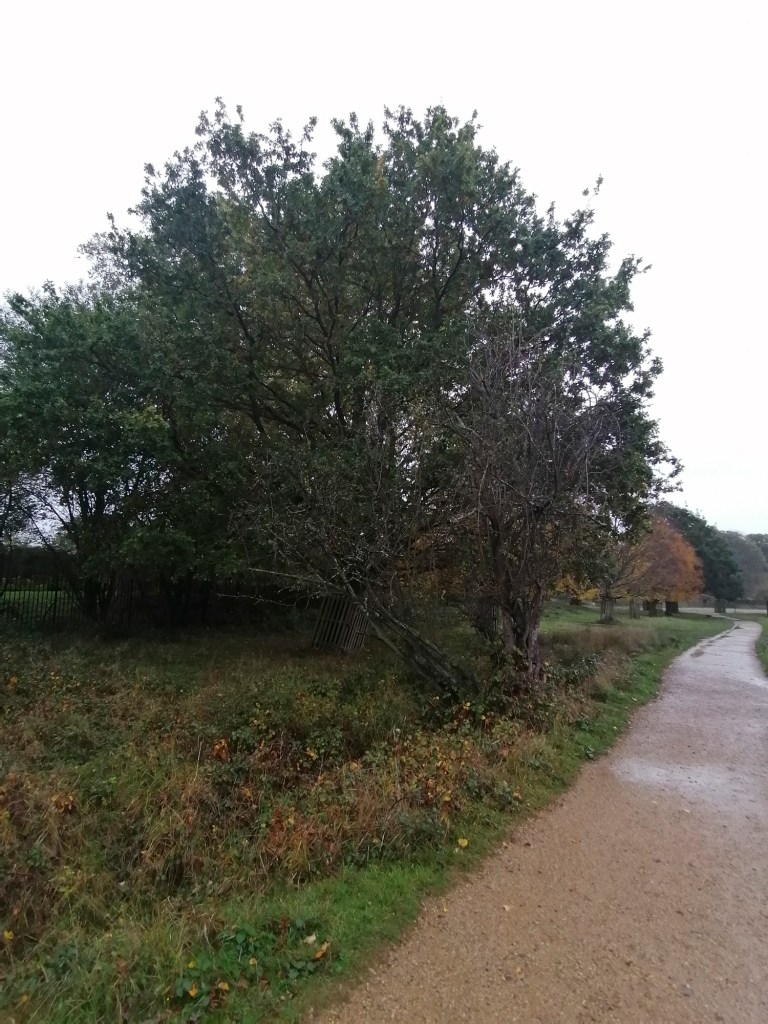
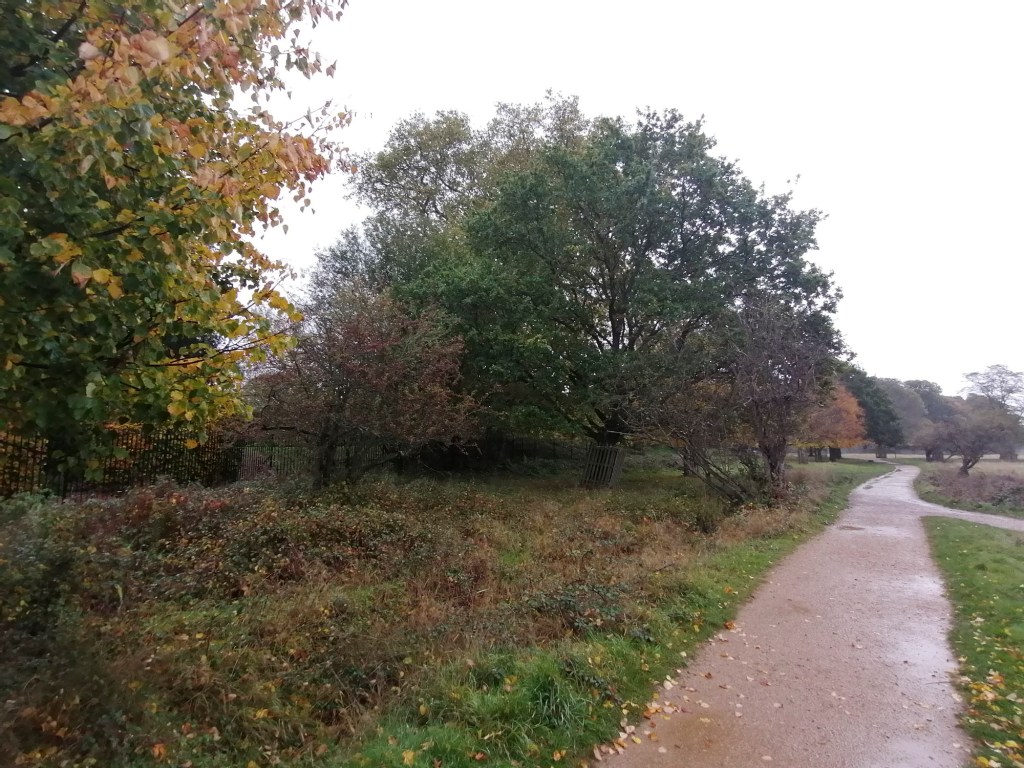
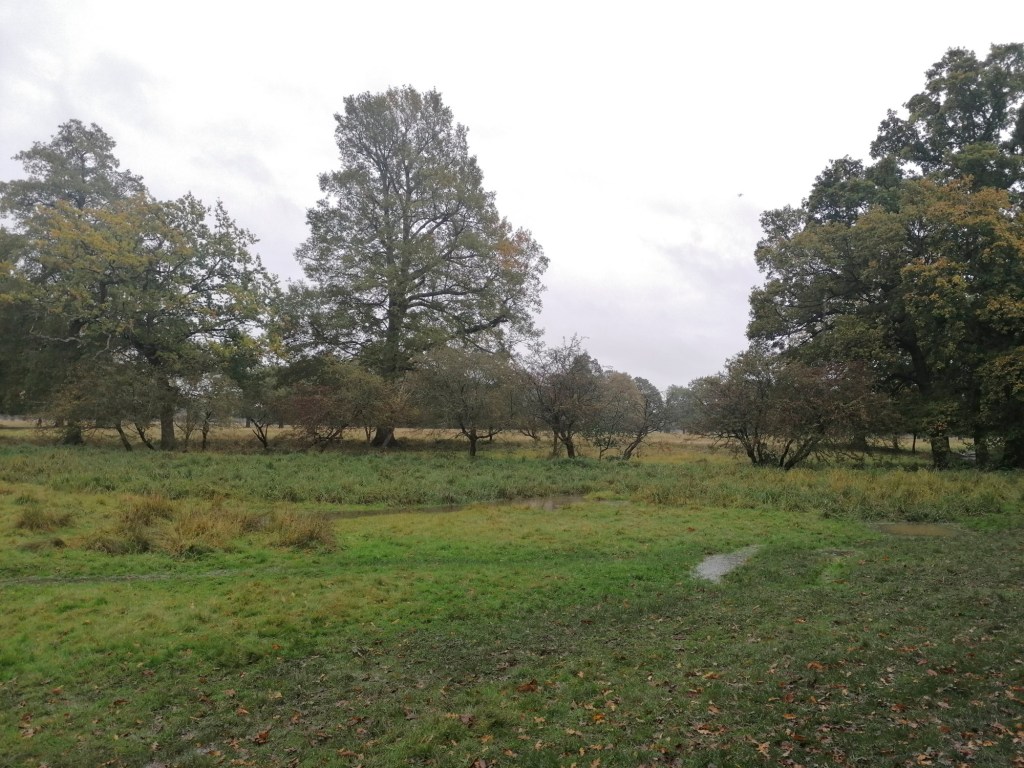
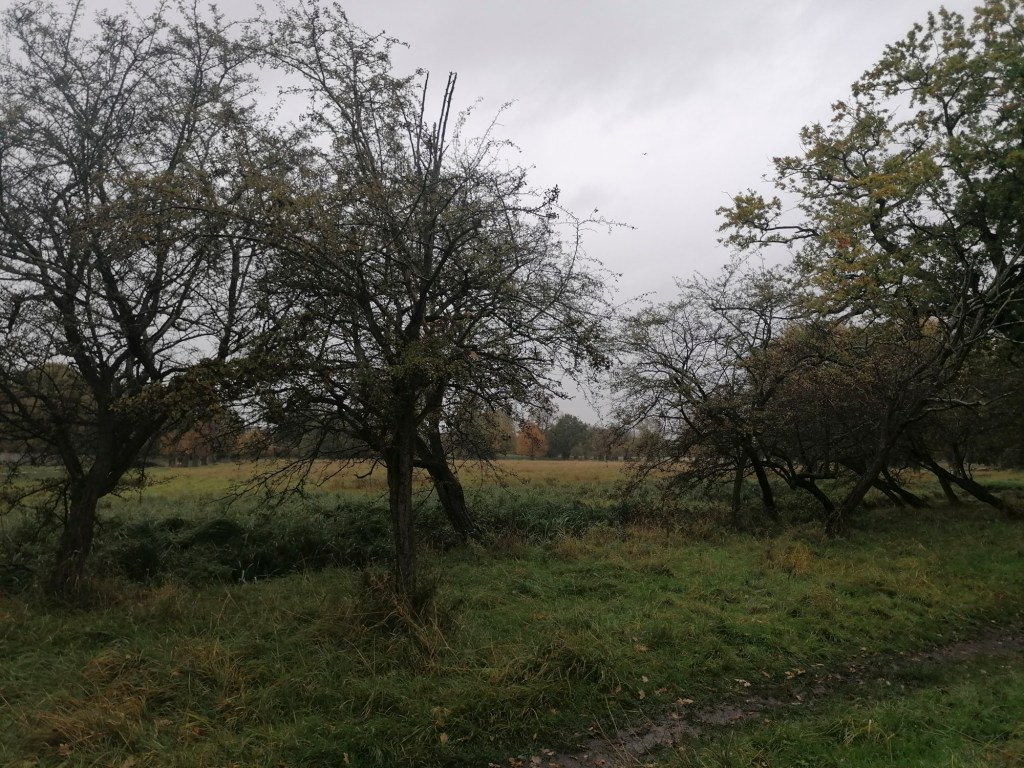
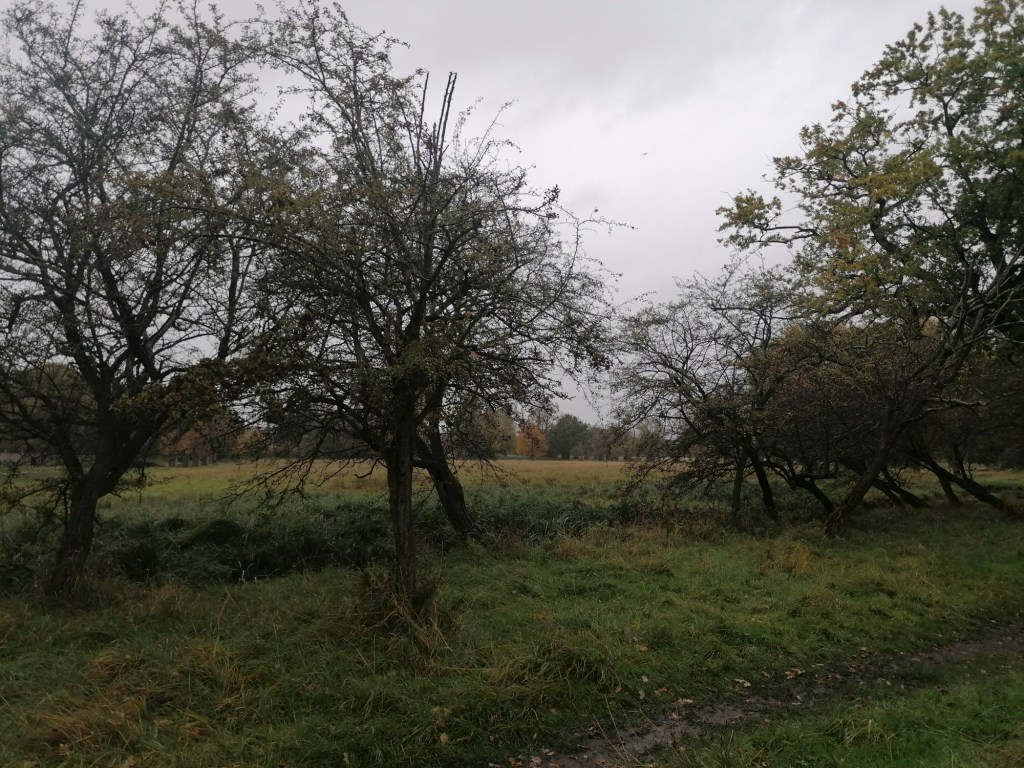
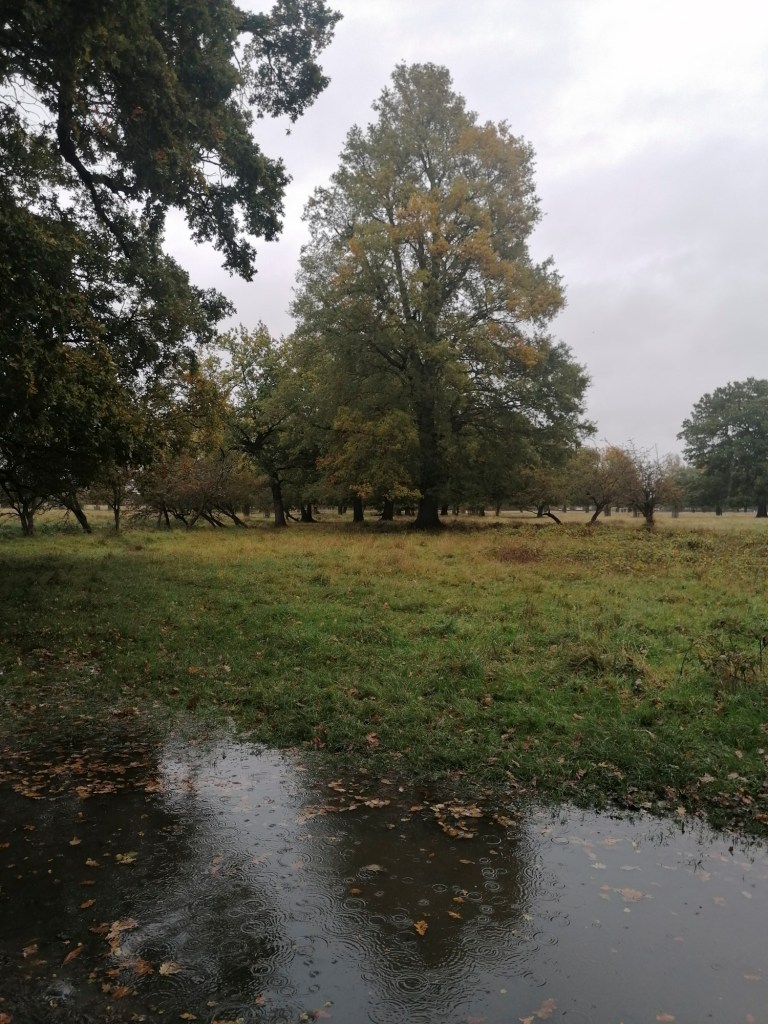
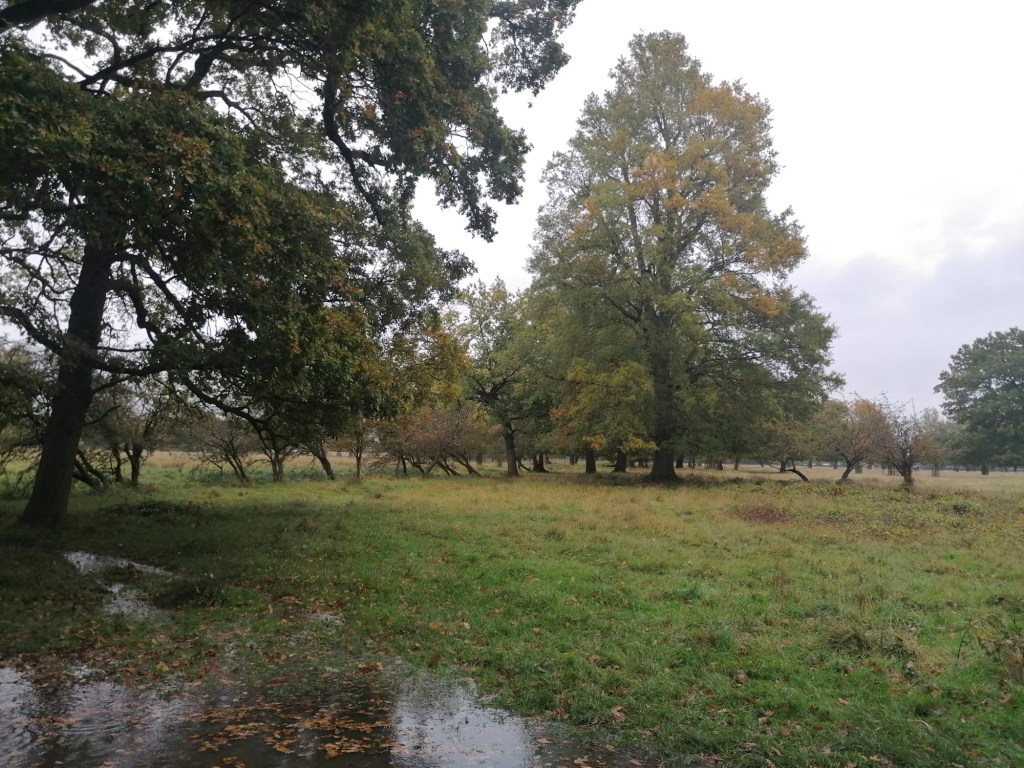
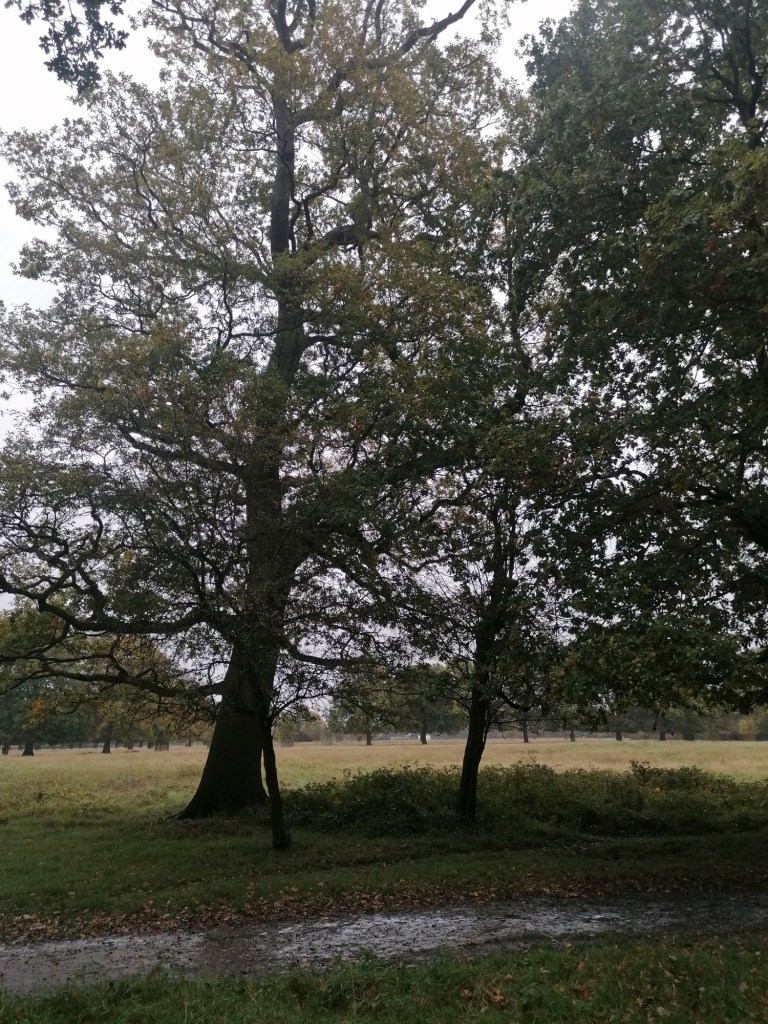
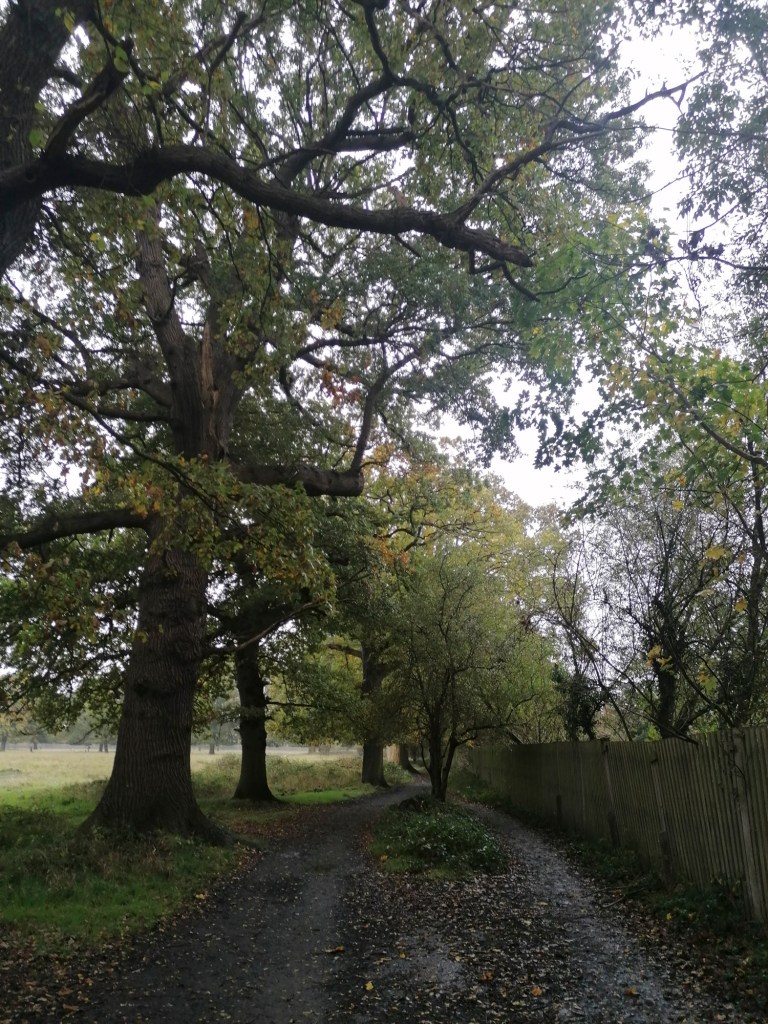
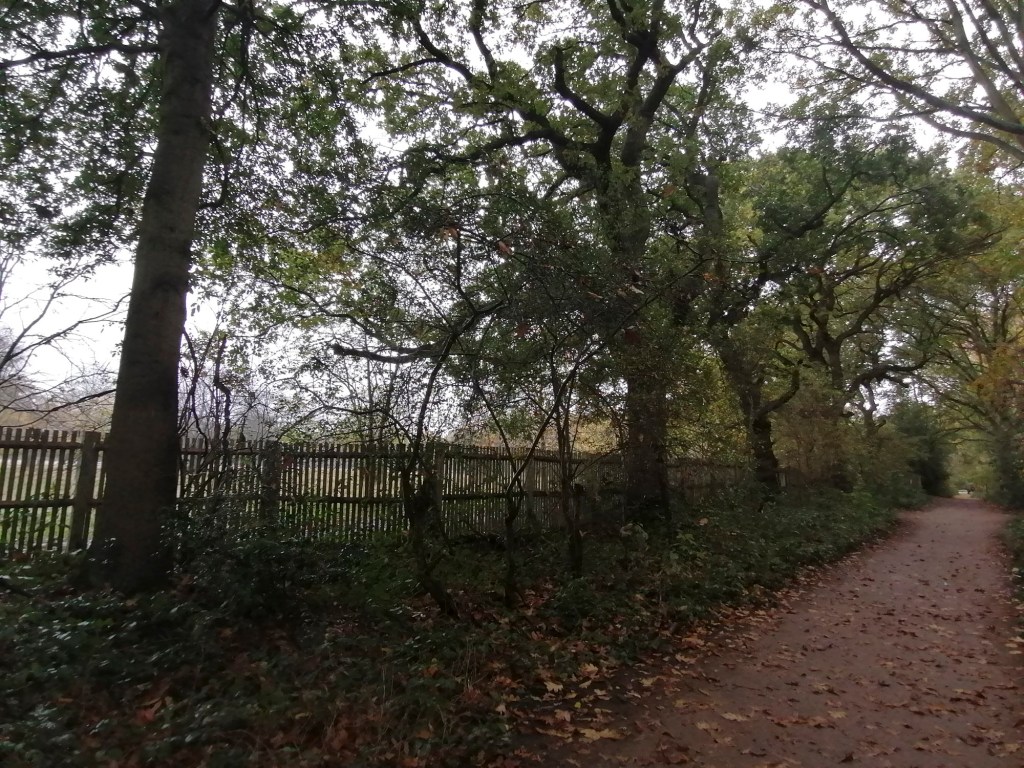
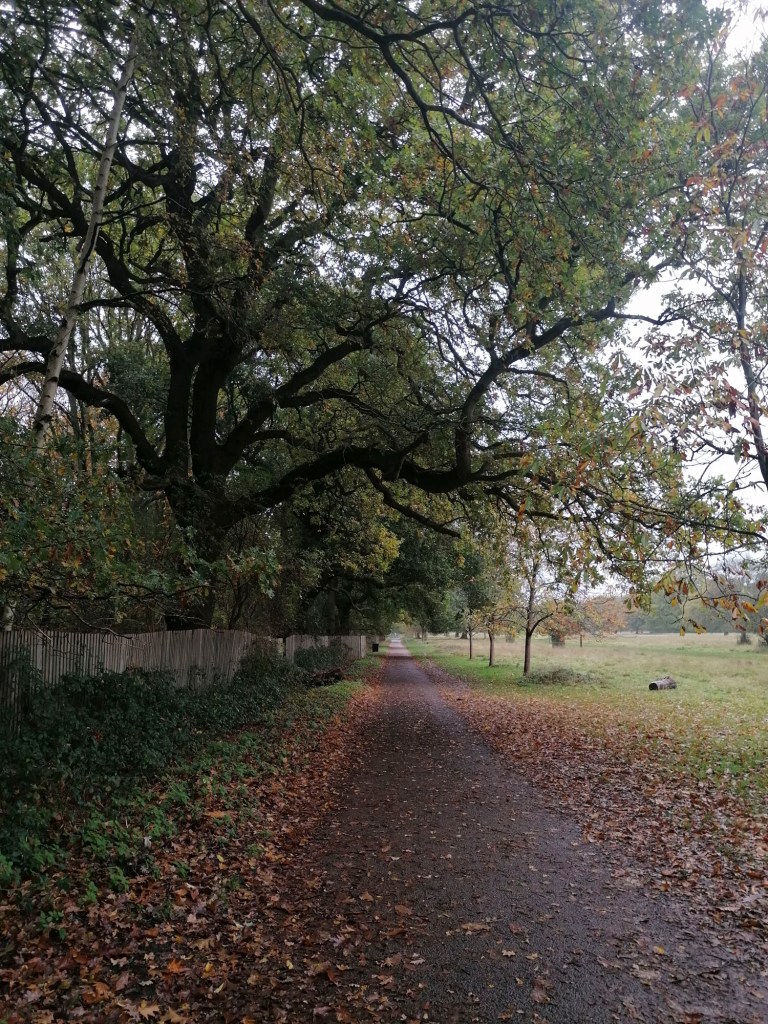
I took the following images using my smartphone as I wanted to travel light and nimble. Also, rain and strong winds were forecast and I did not want to risk my main camera being damaged.

Tree 1

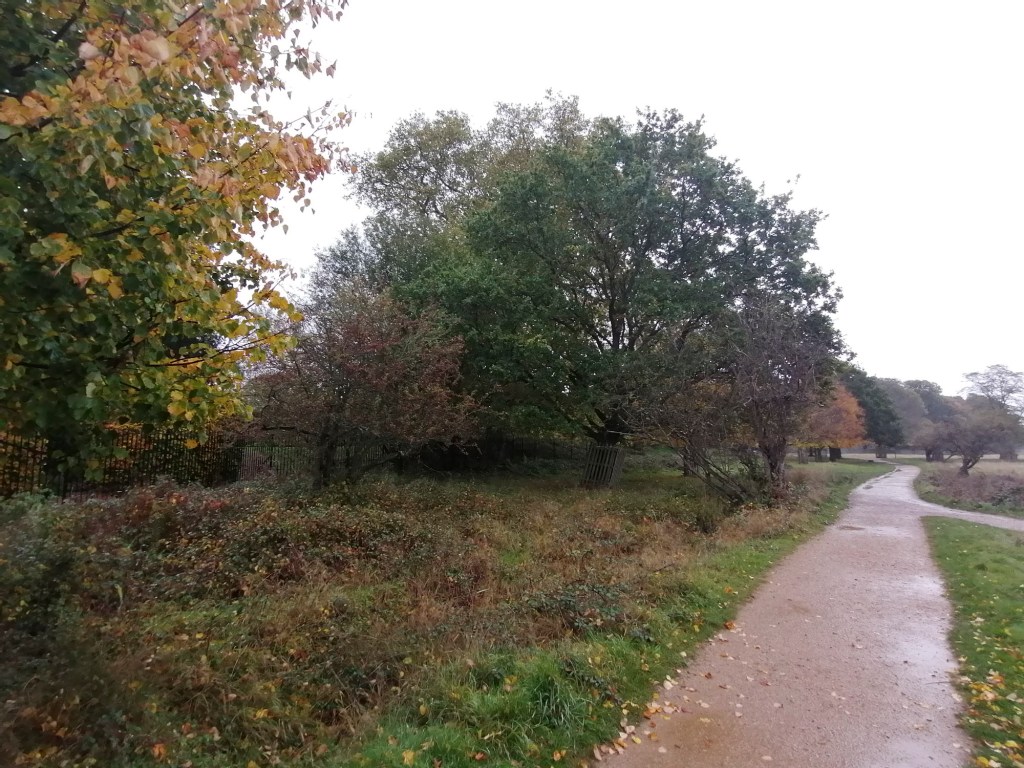
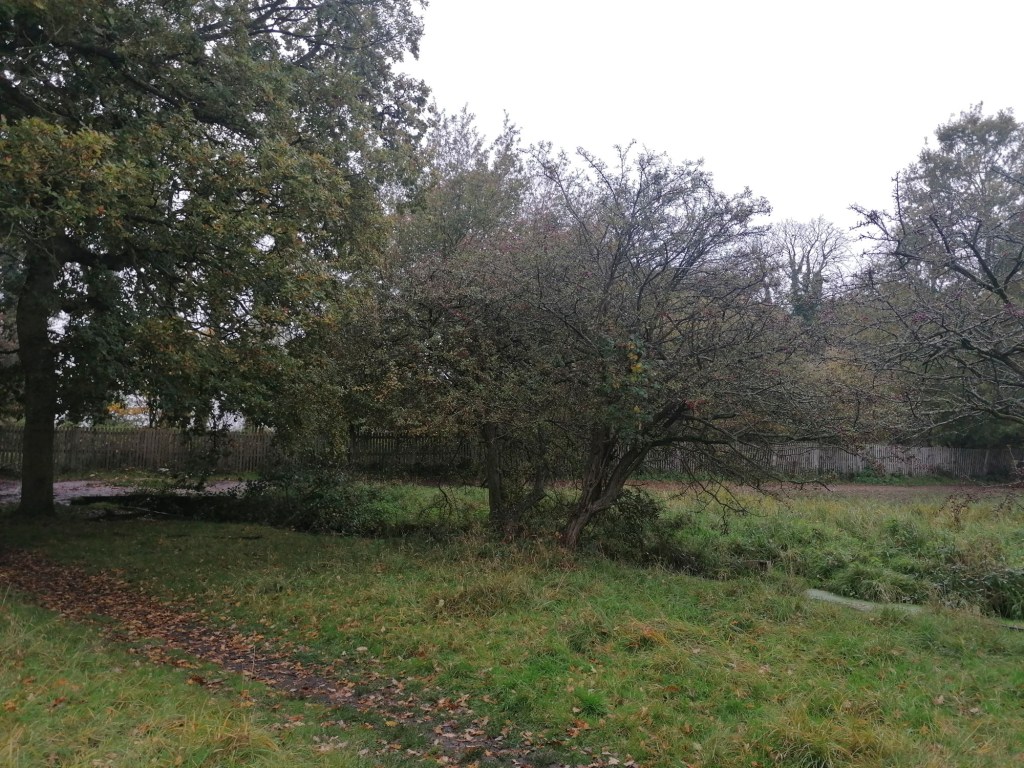
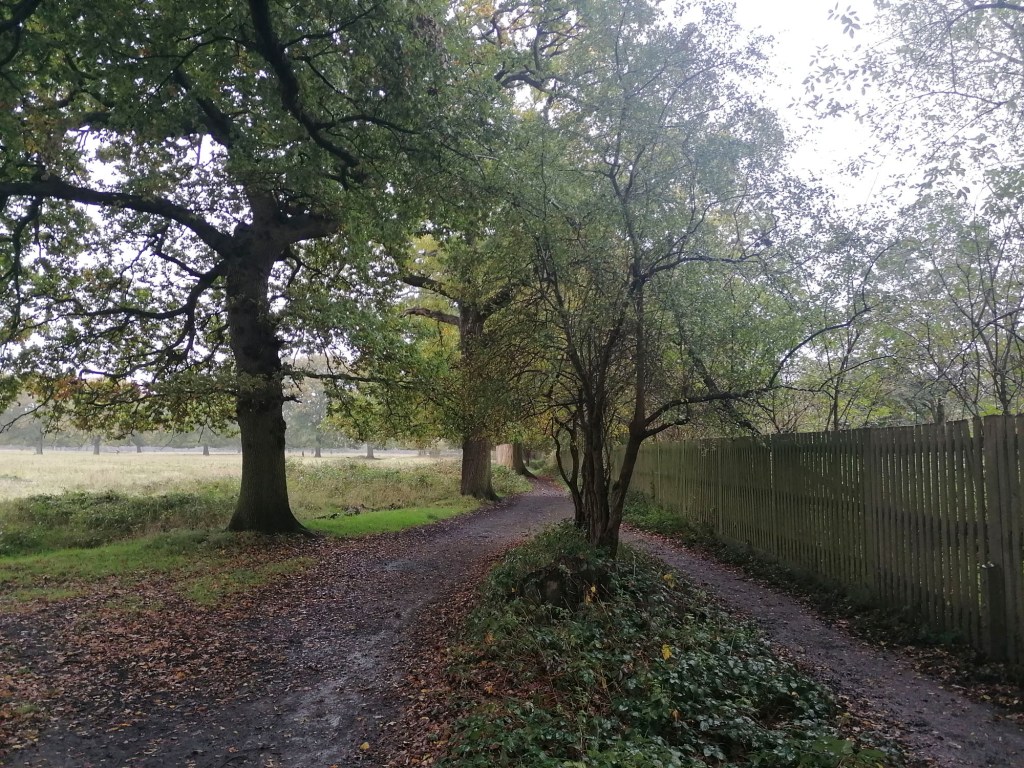
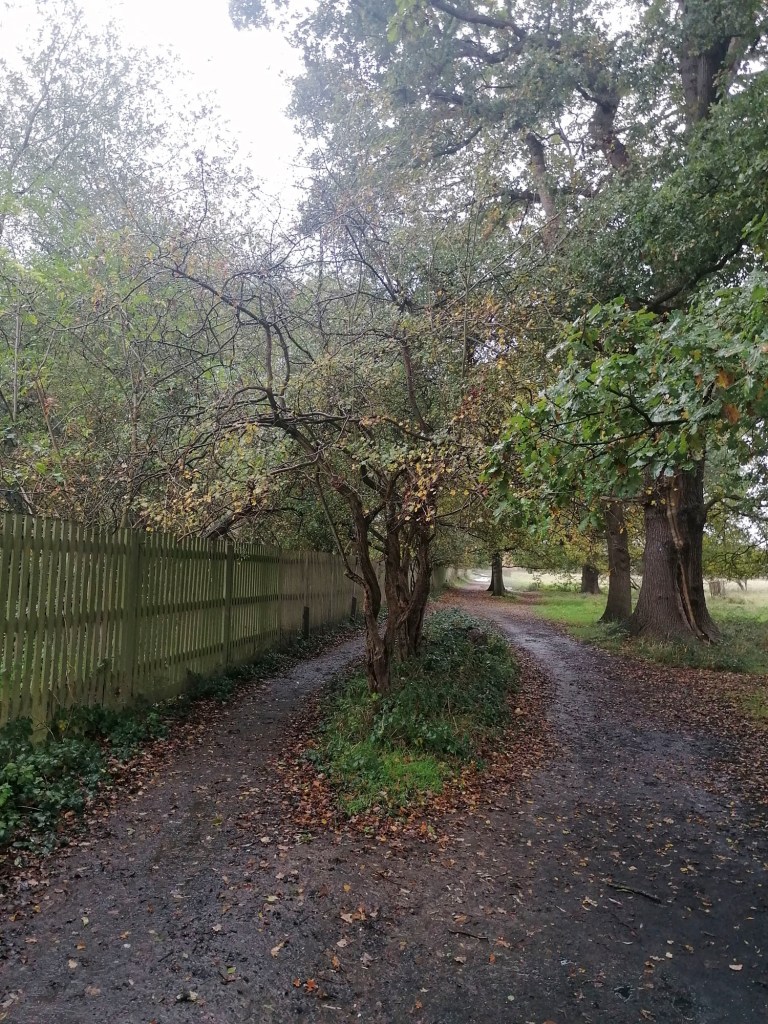
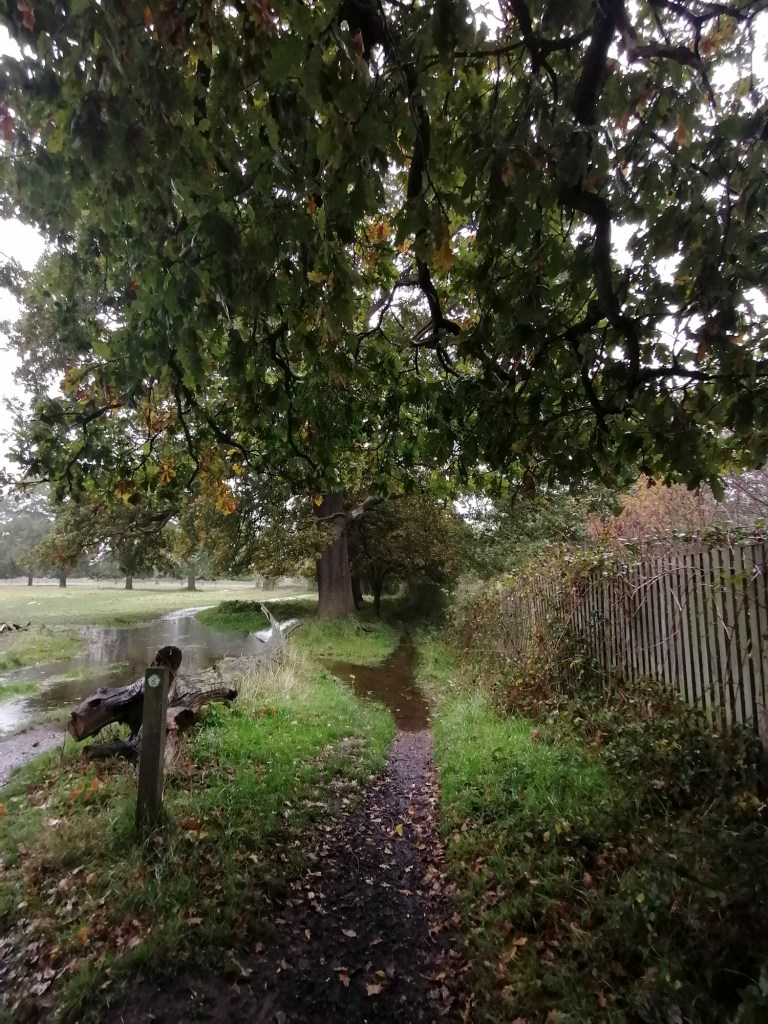
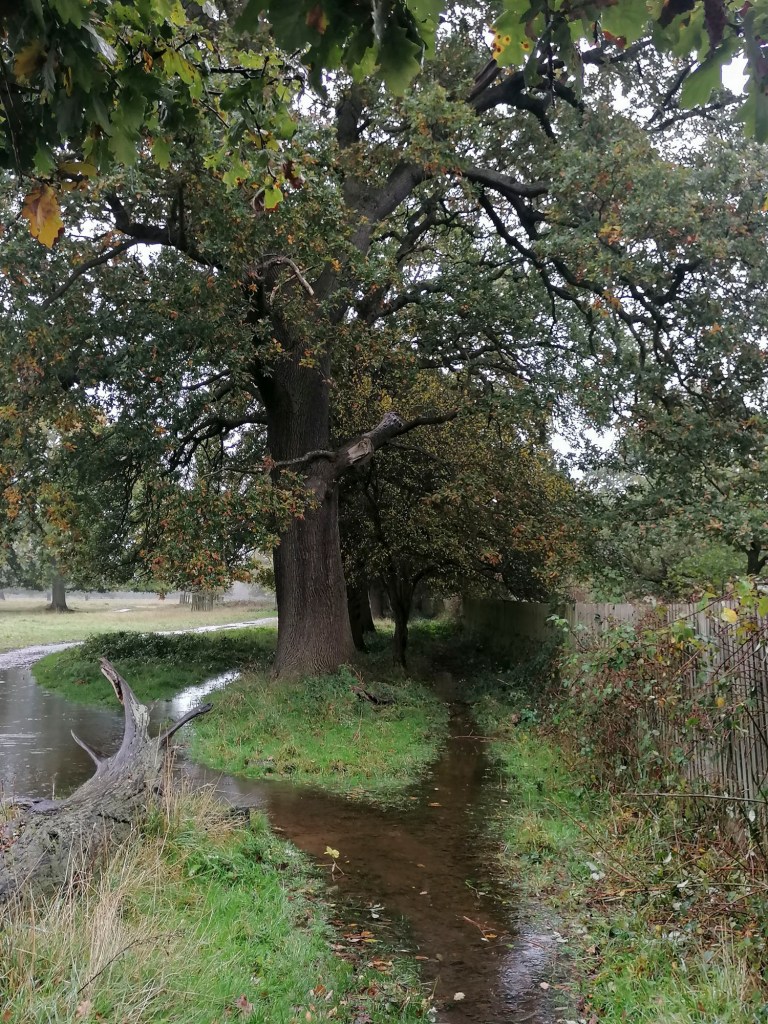
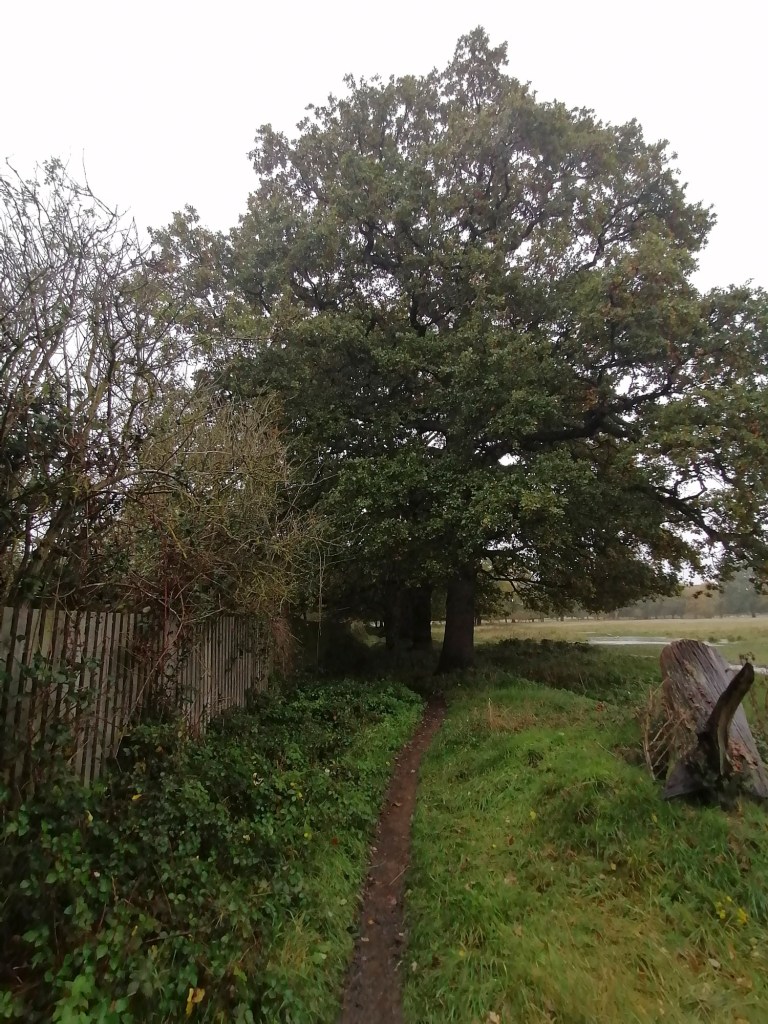
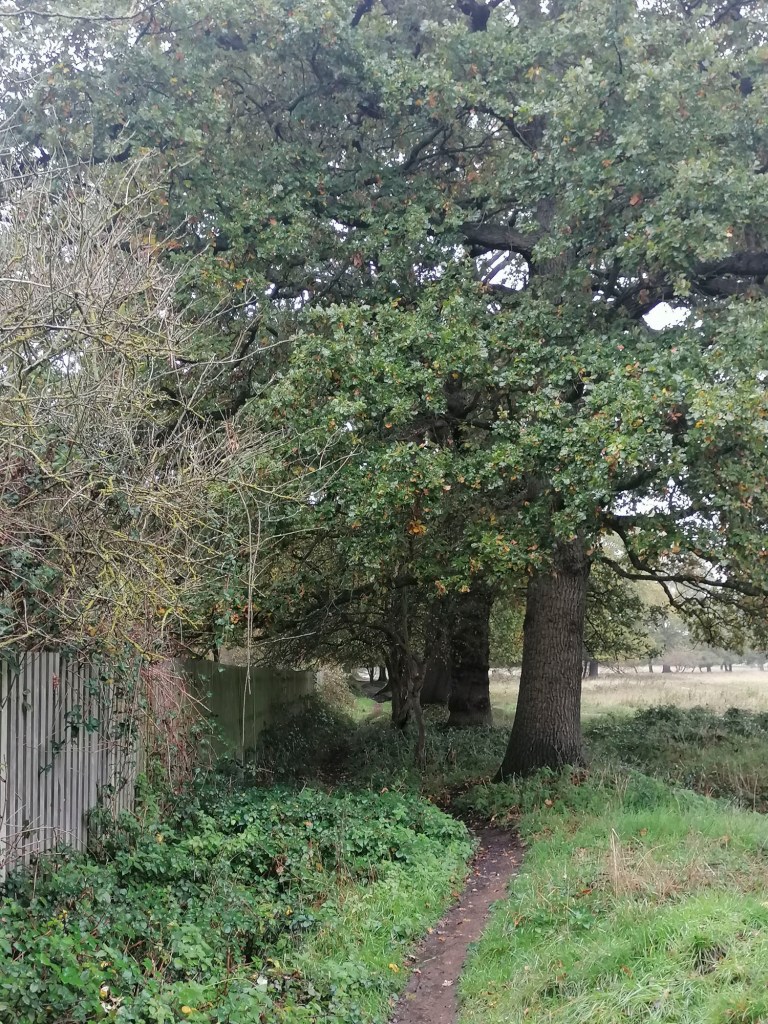
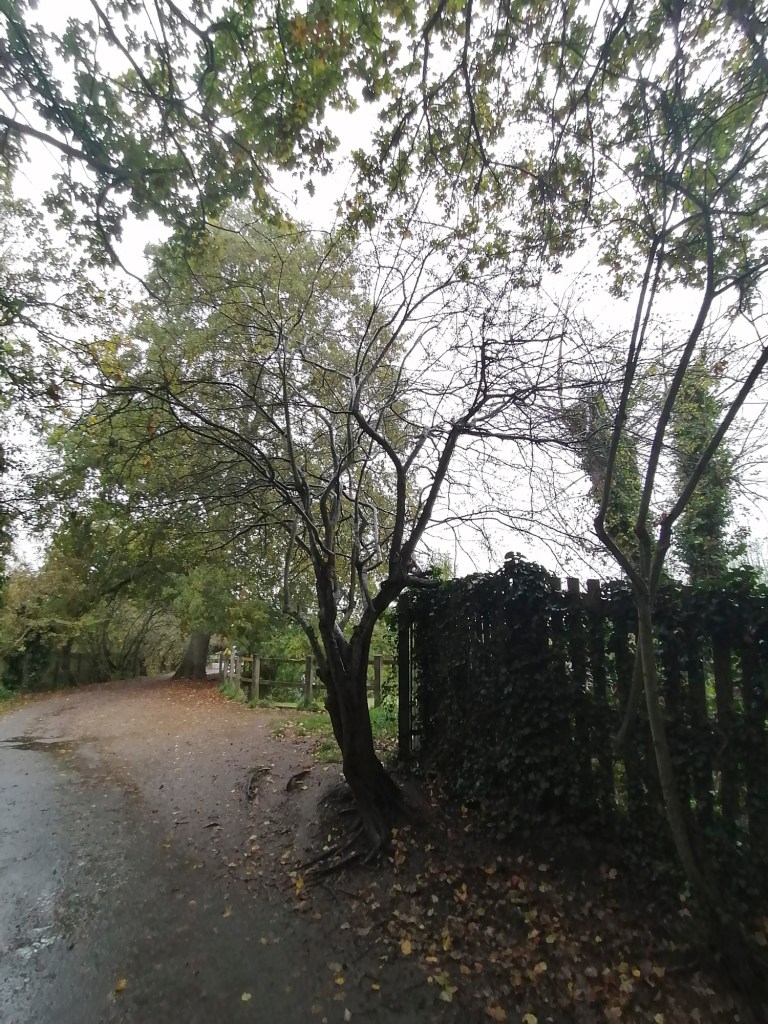
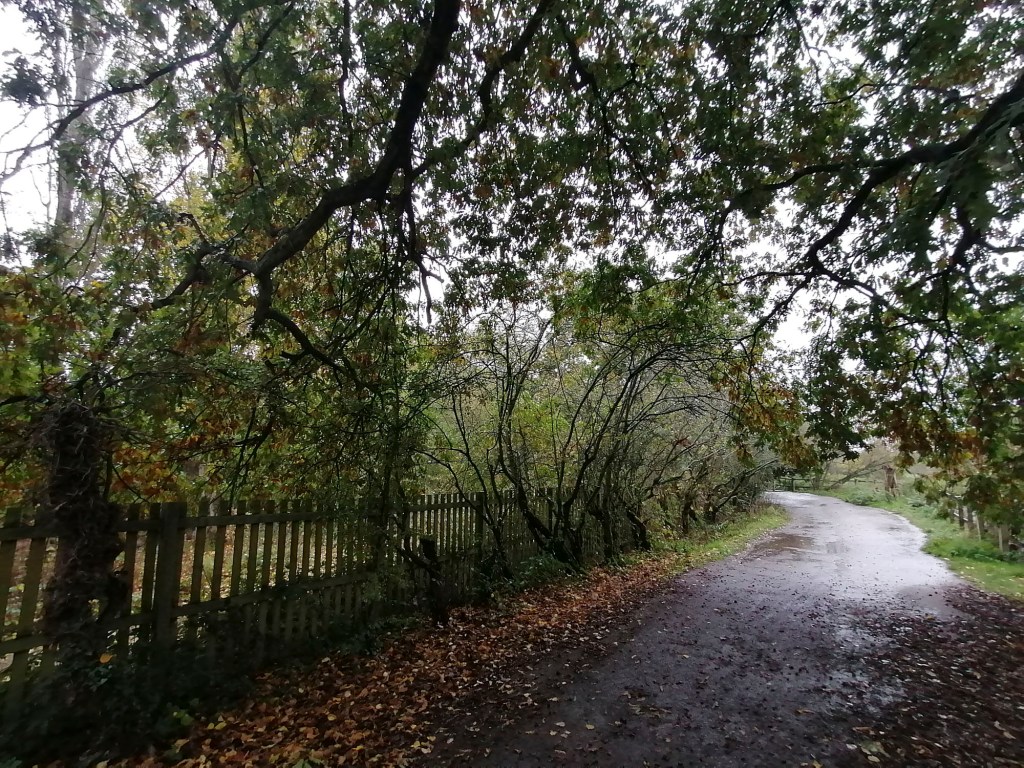
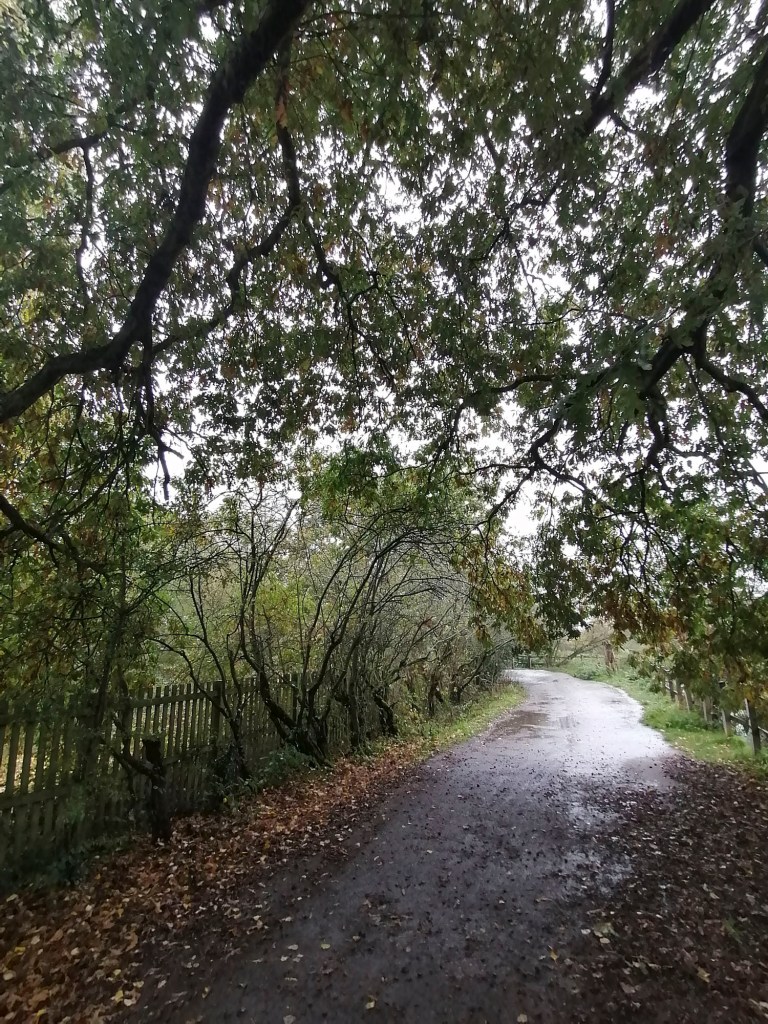
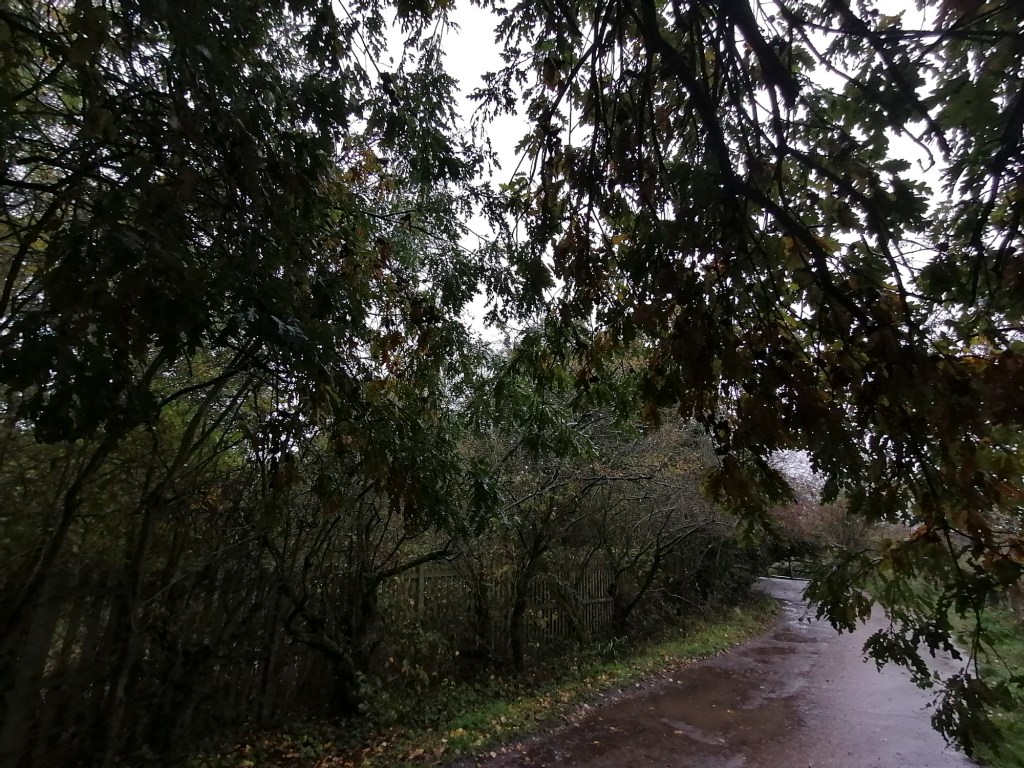
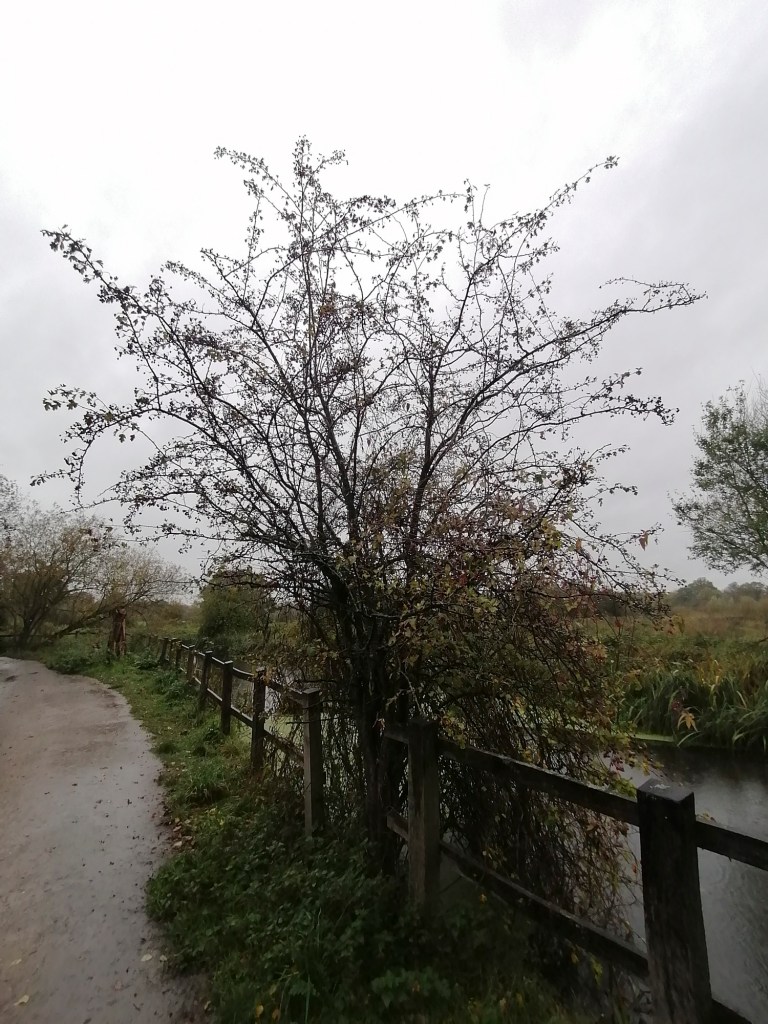
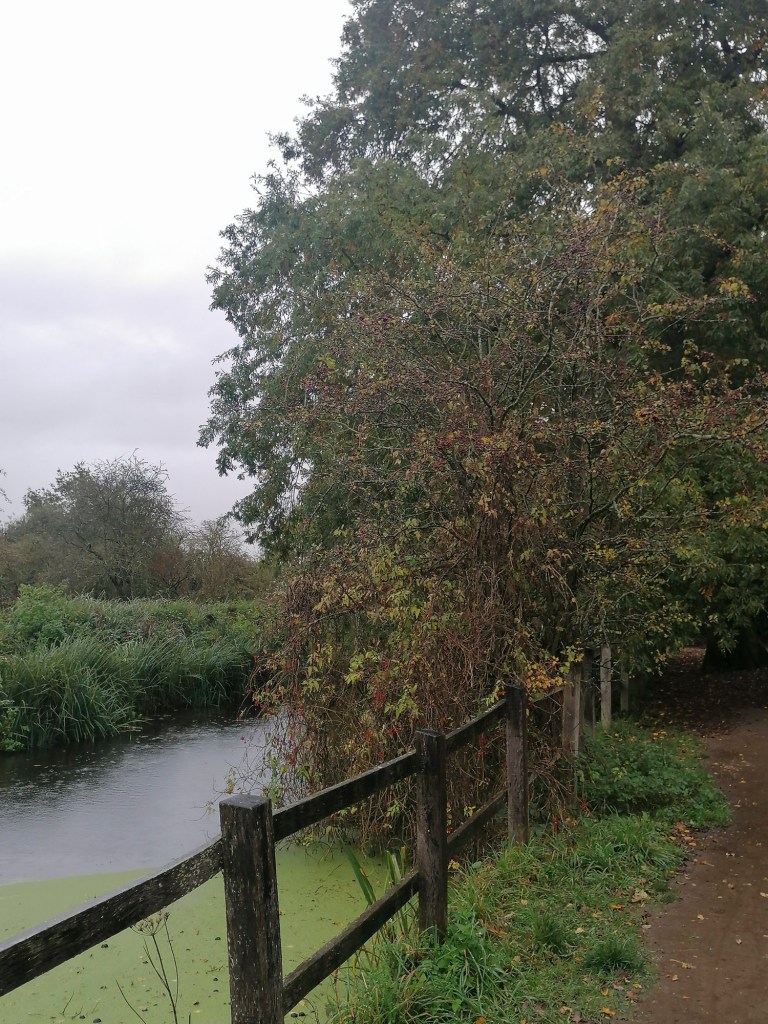
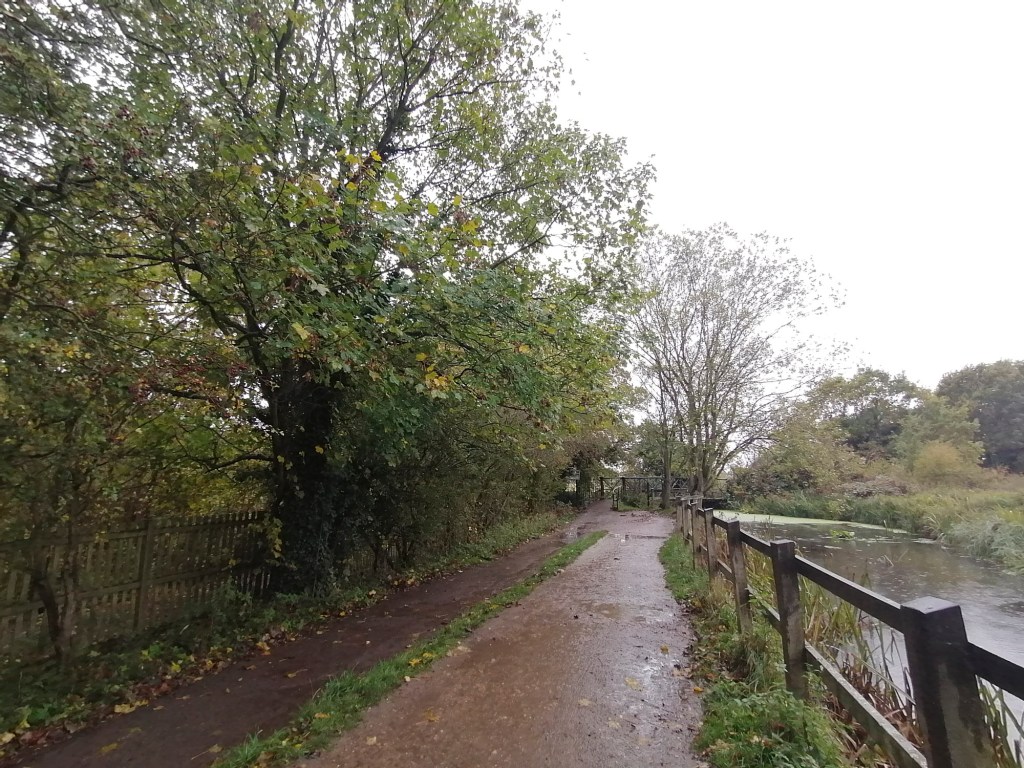
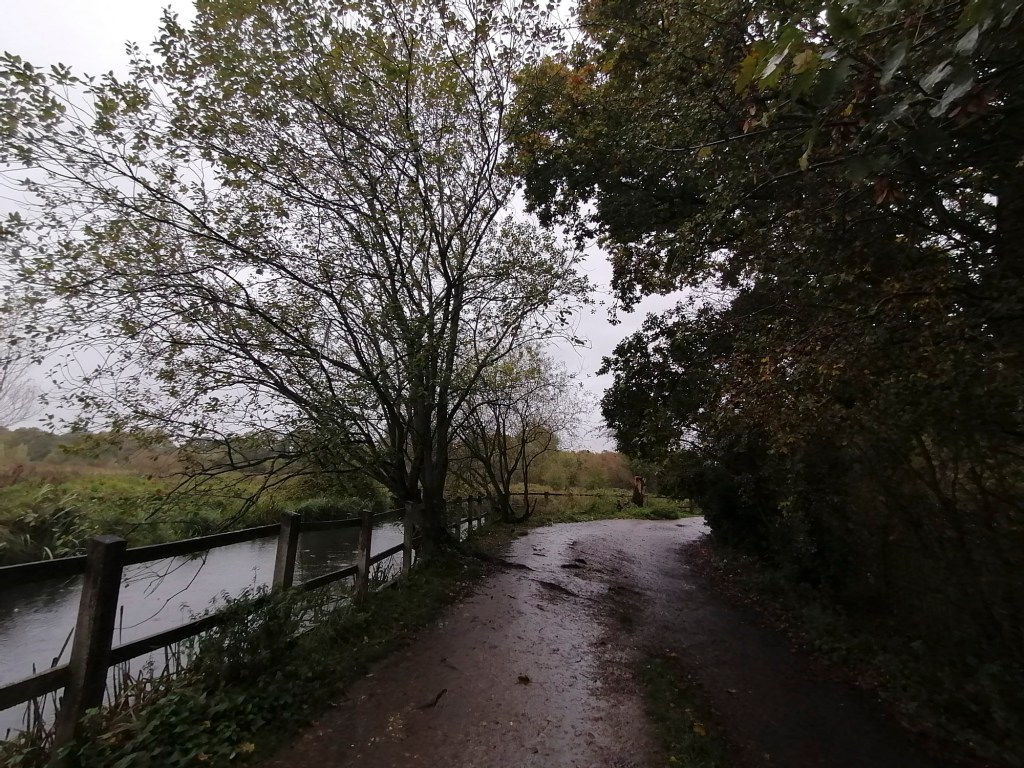
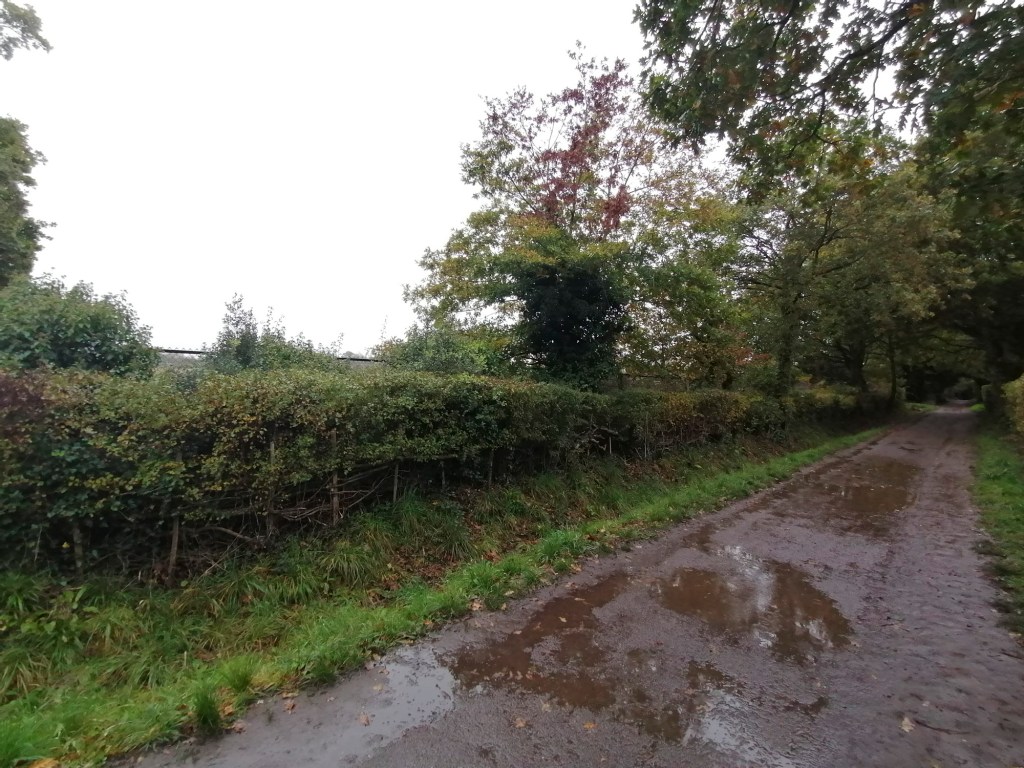
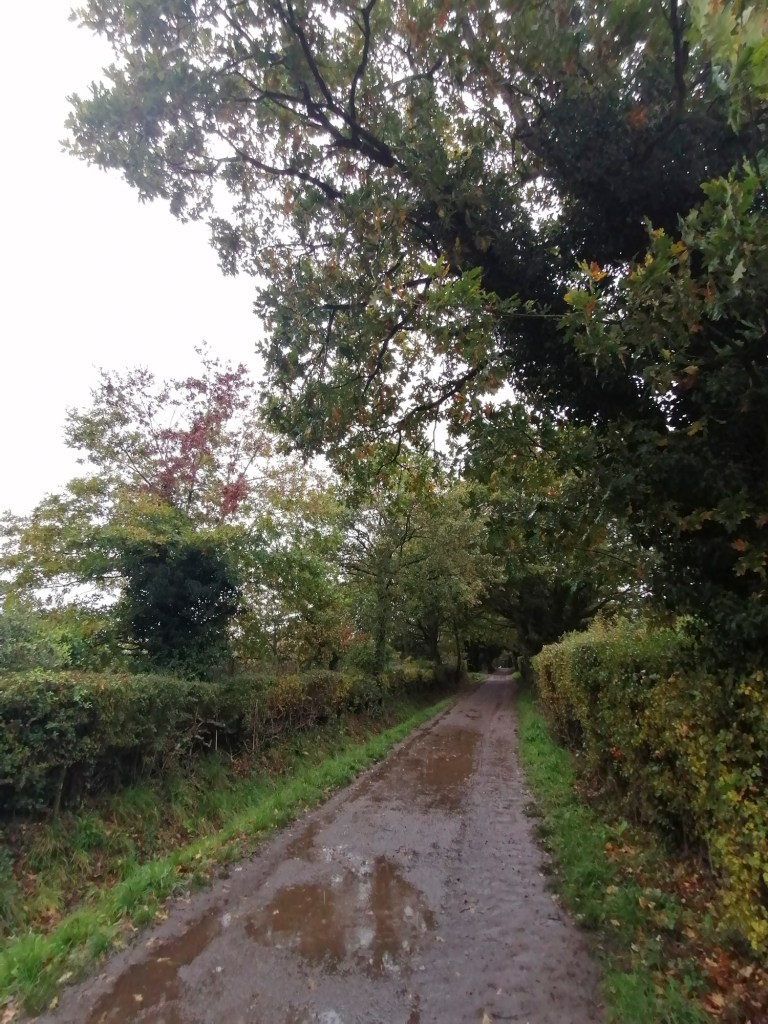
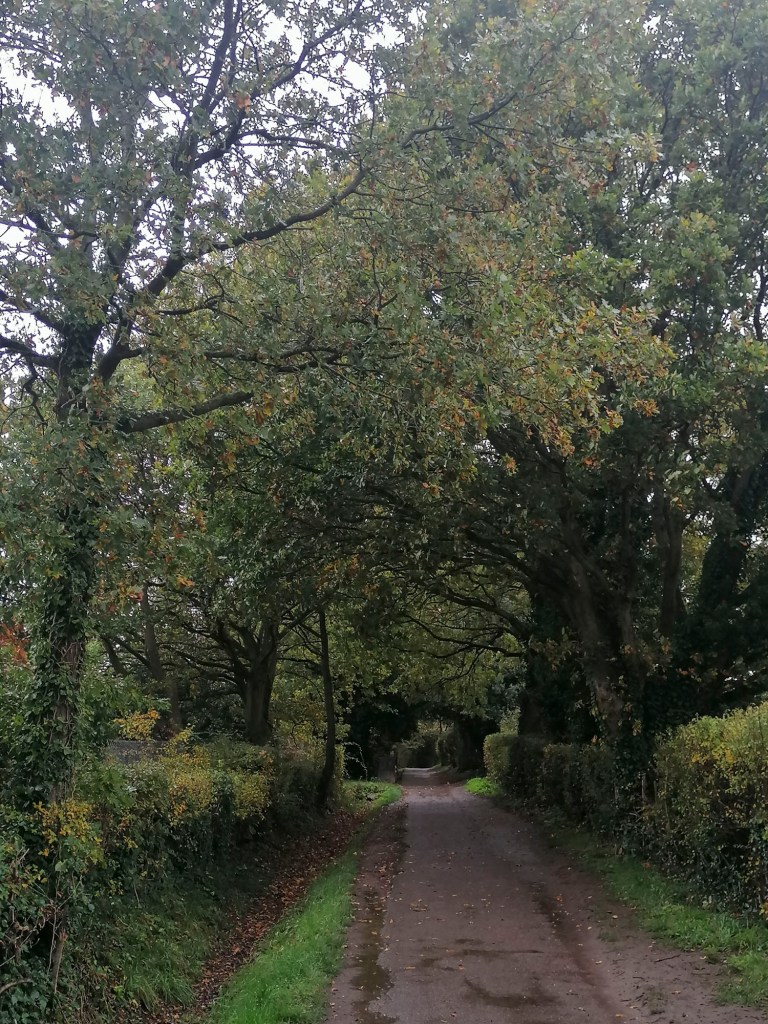
The first tree is on the corner near to where the two tracks converge. The paths can be seen in the first image.

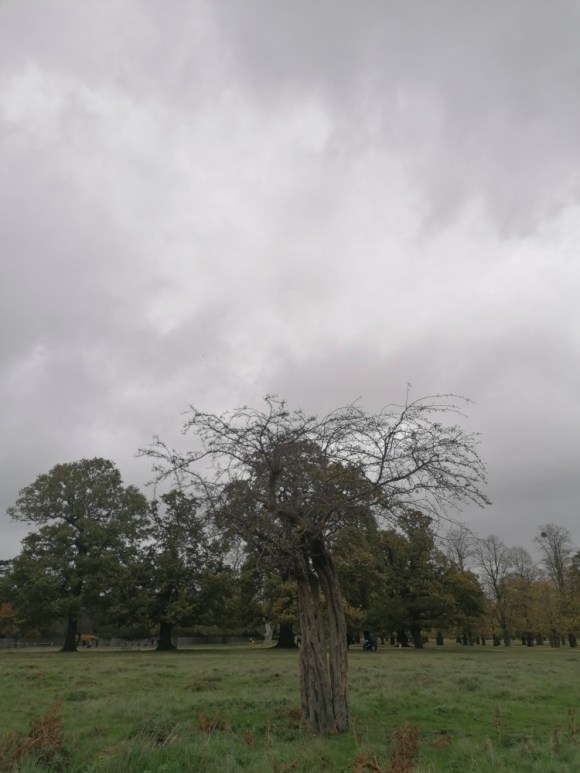
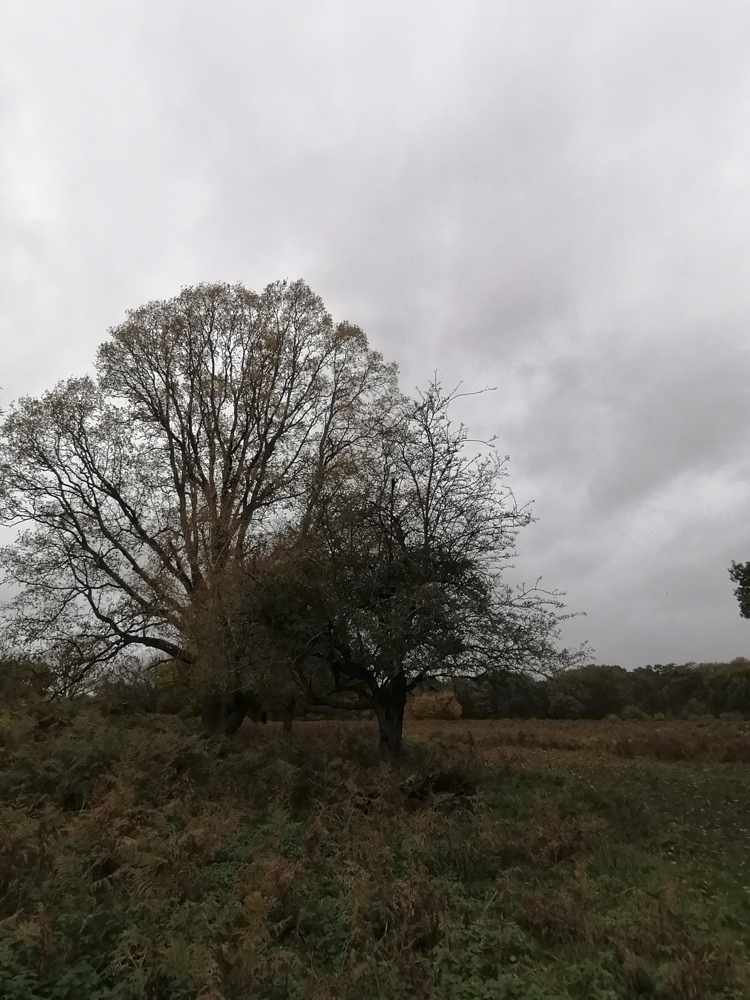
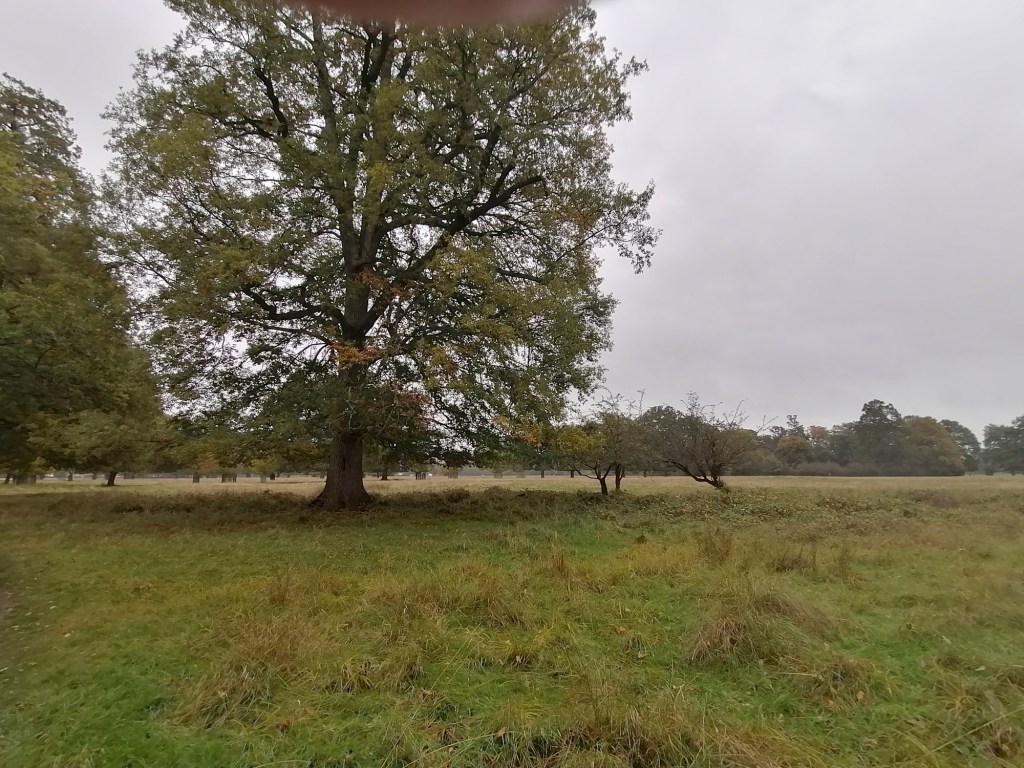
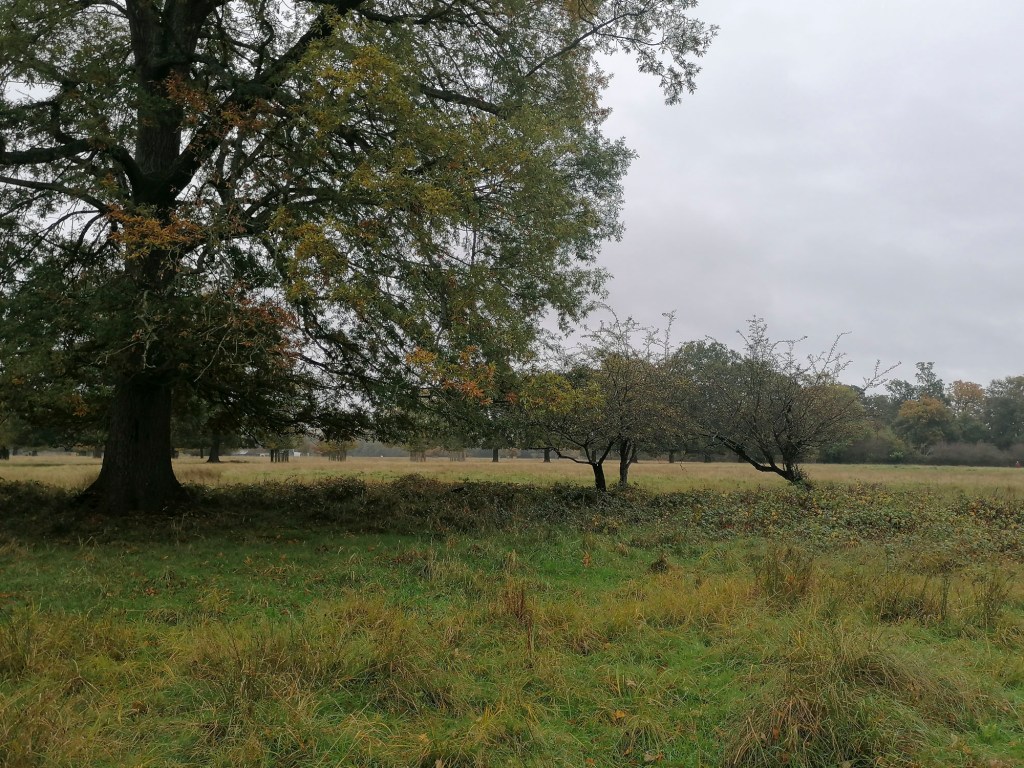
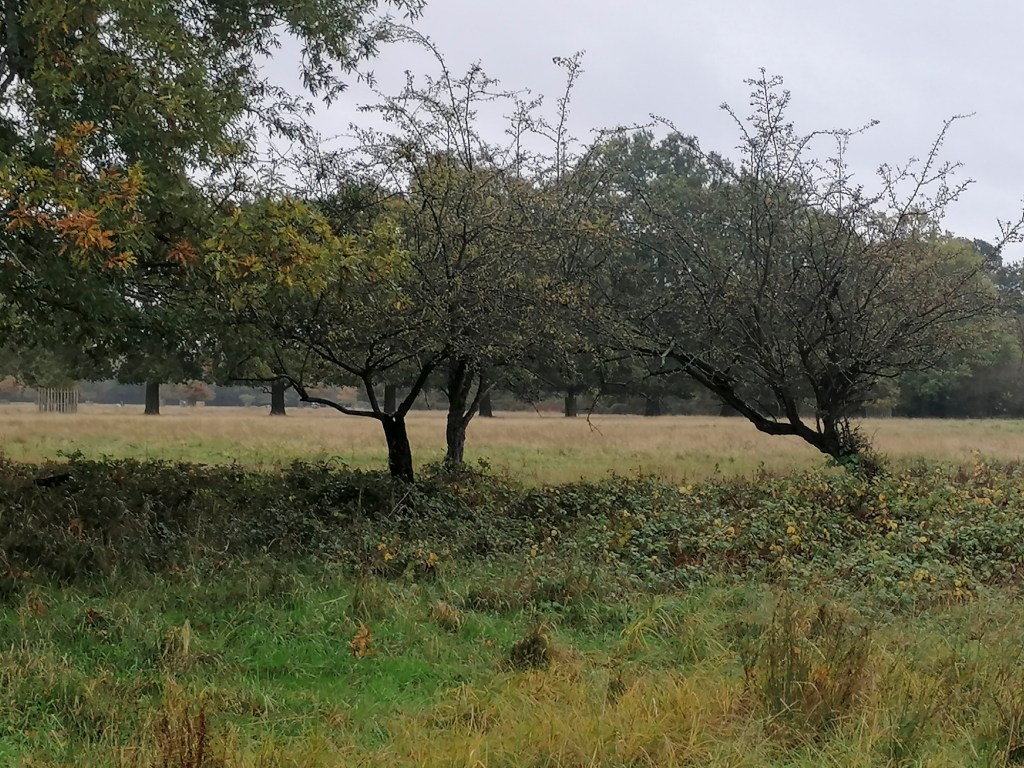
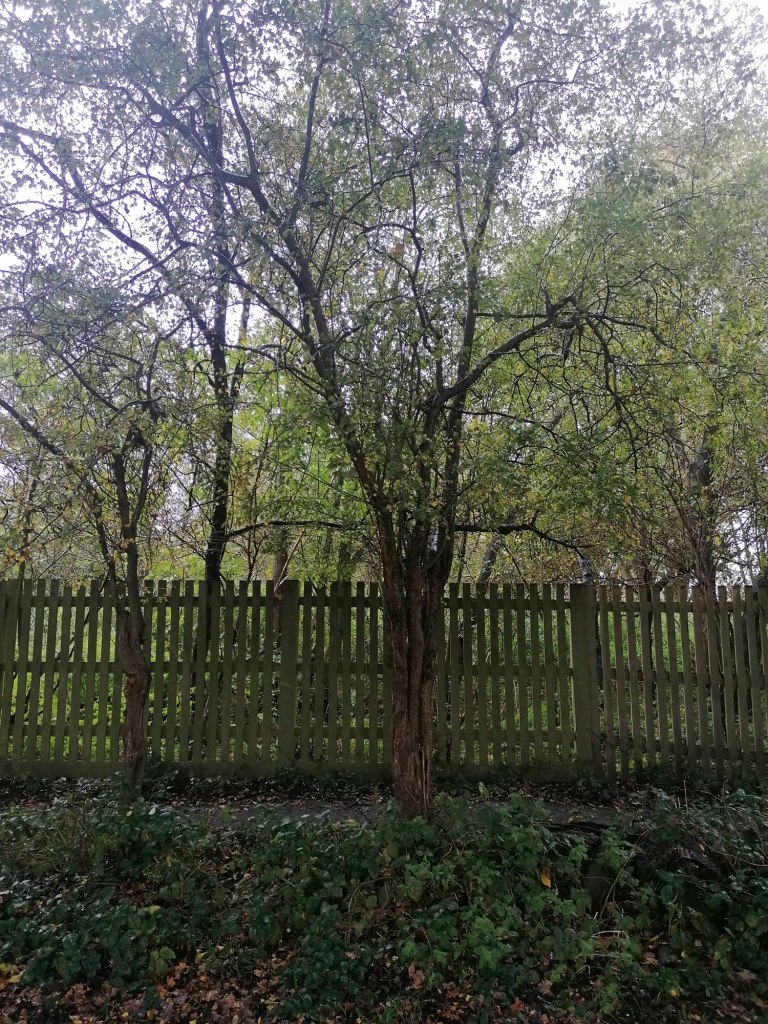
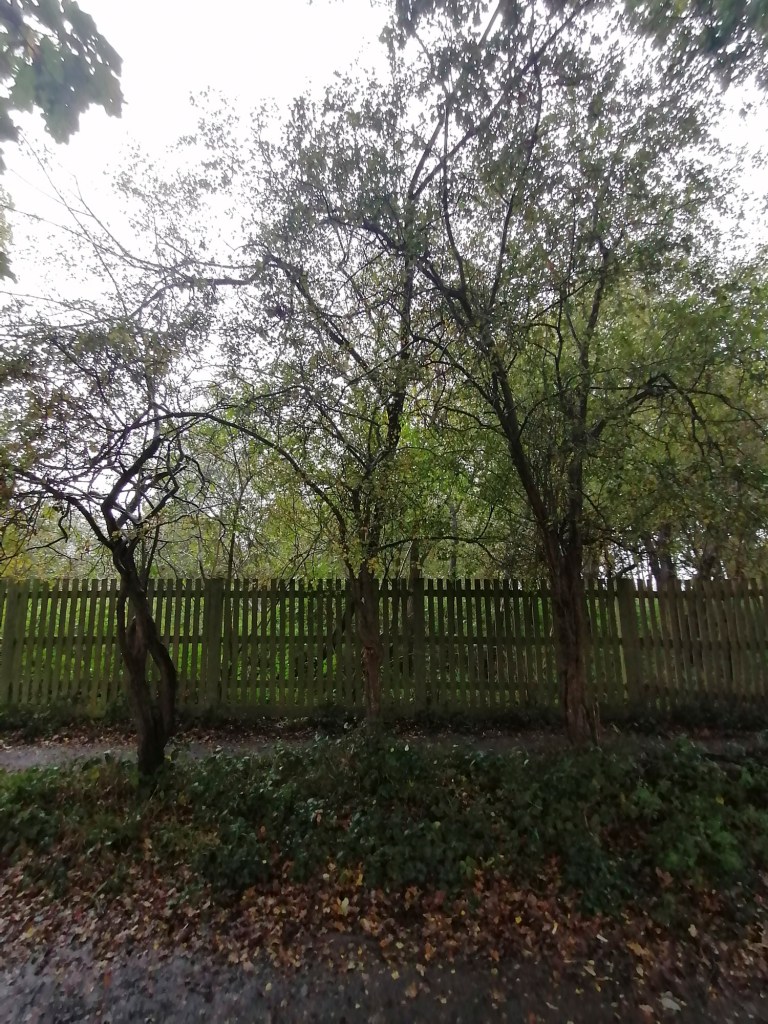
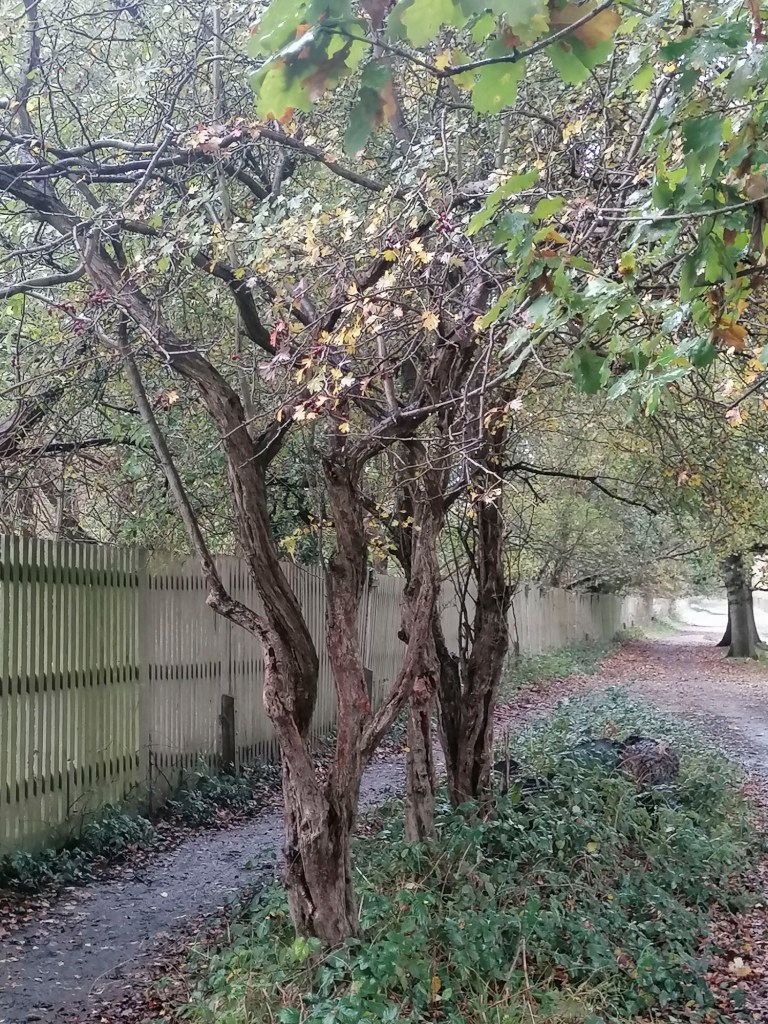
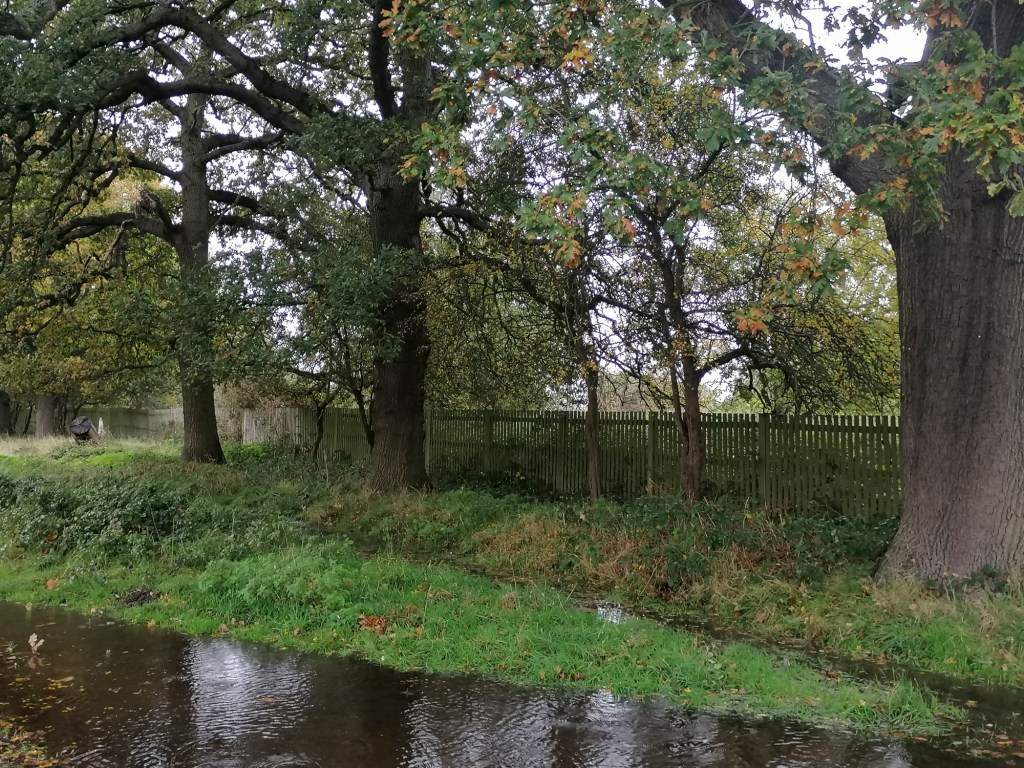
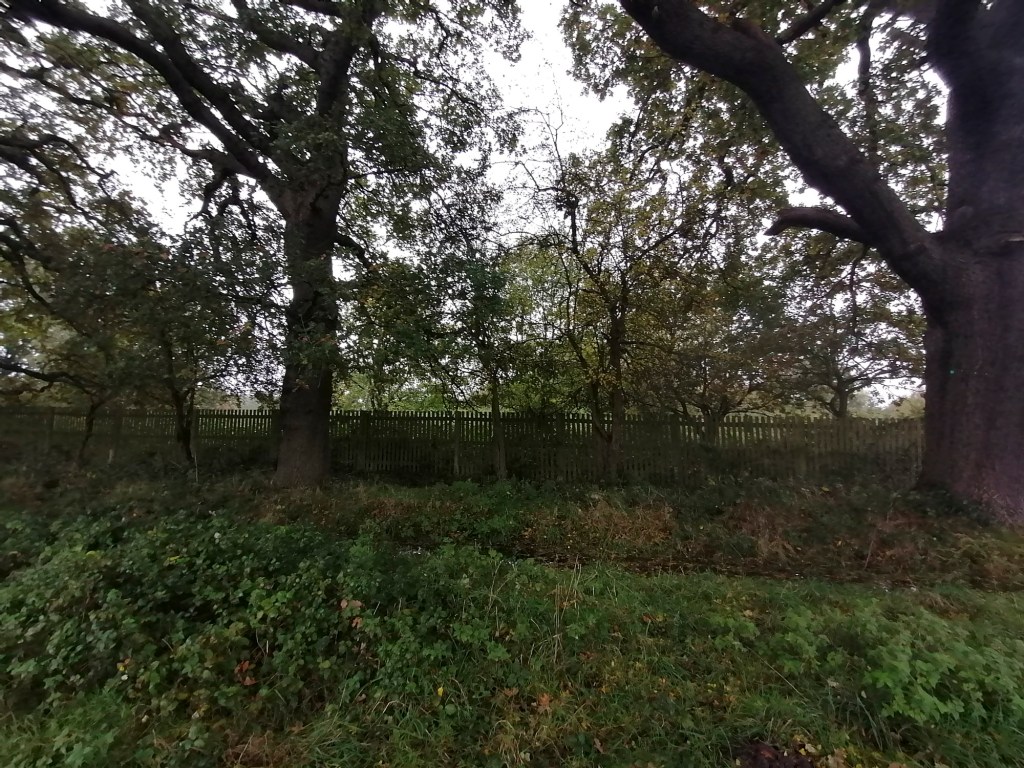
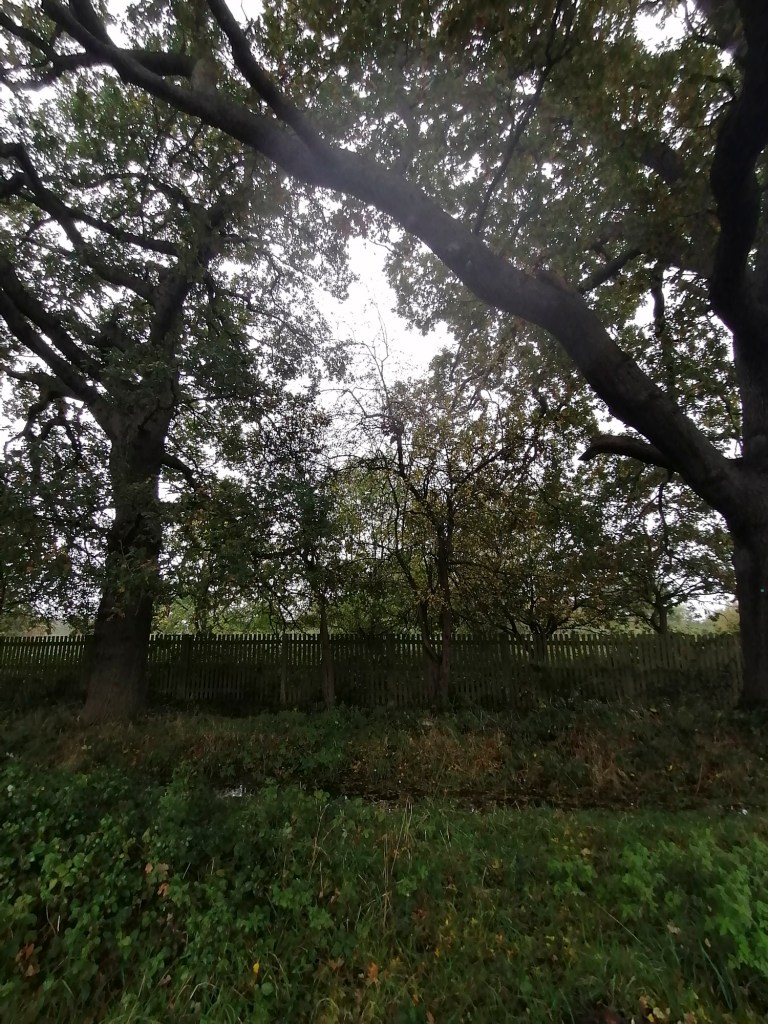
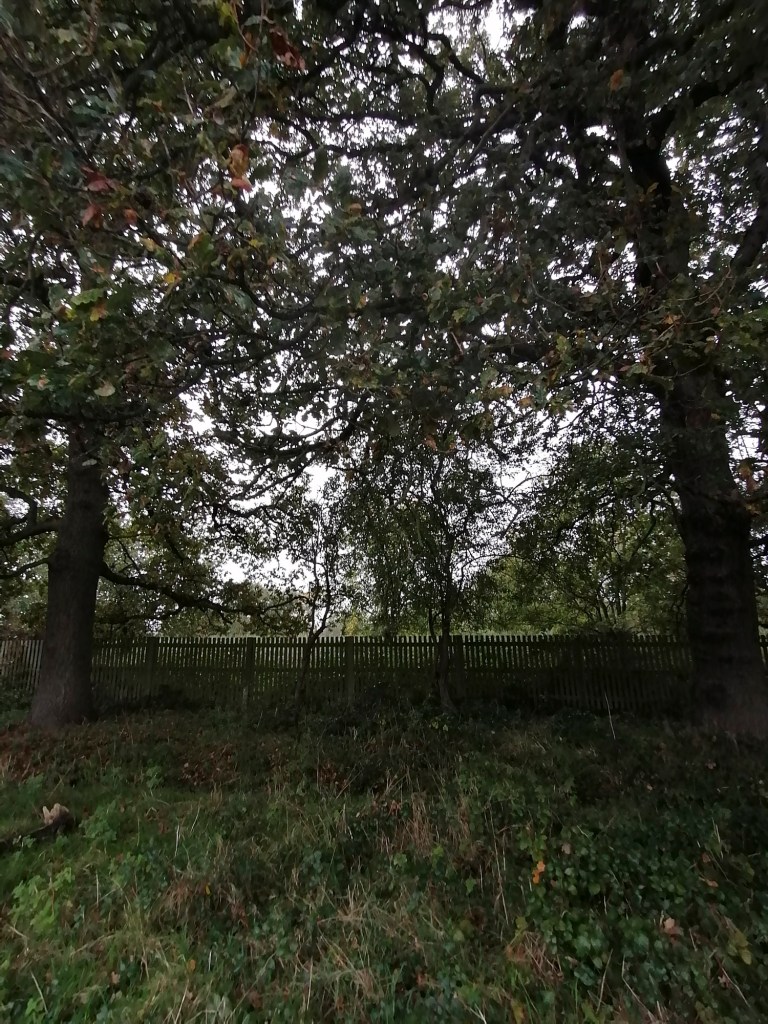
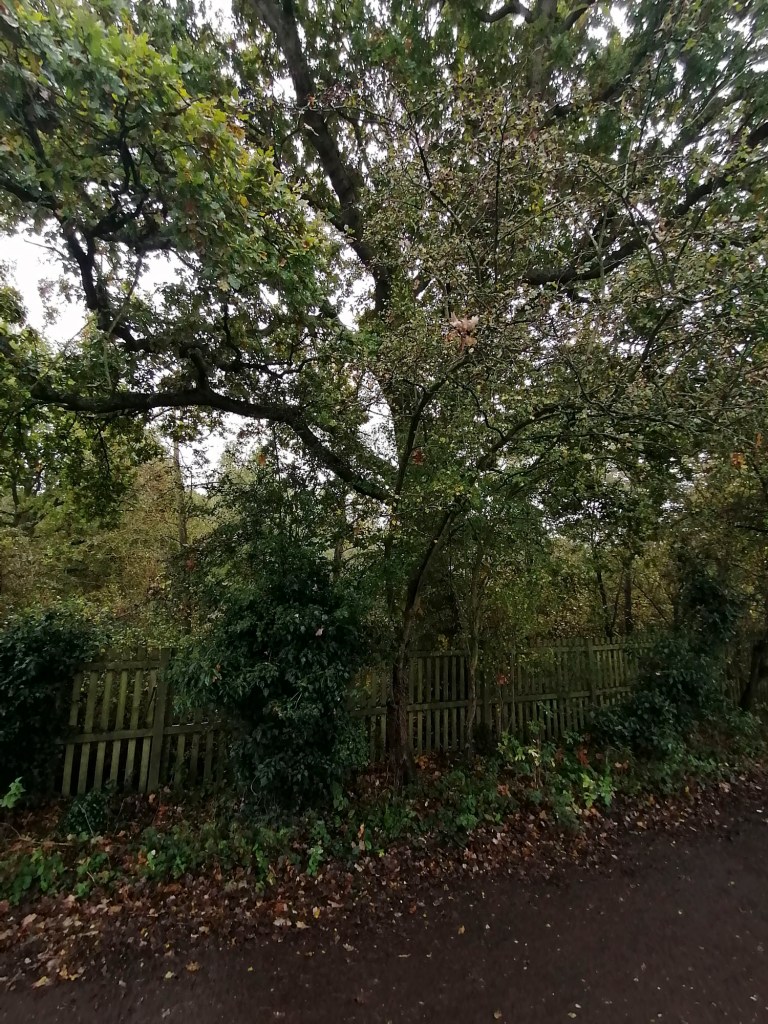
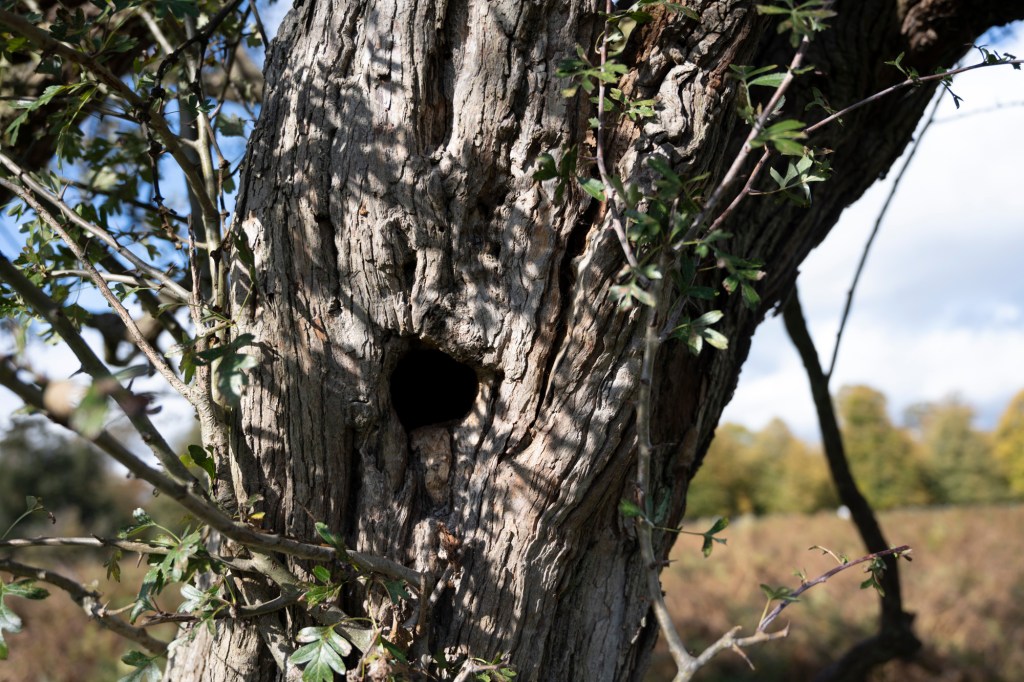
What struck me when looking at the images was how this hawthorn looks in relation to the oaks. For me, it looks like the oaks are protecting the hawthorn and not the other way round. There is a slight gap in the trunk, which also adds to the character.

Tree 2

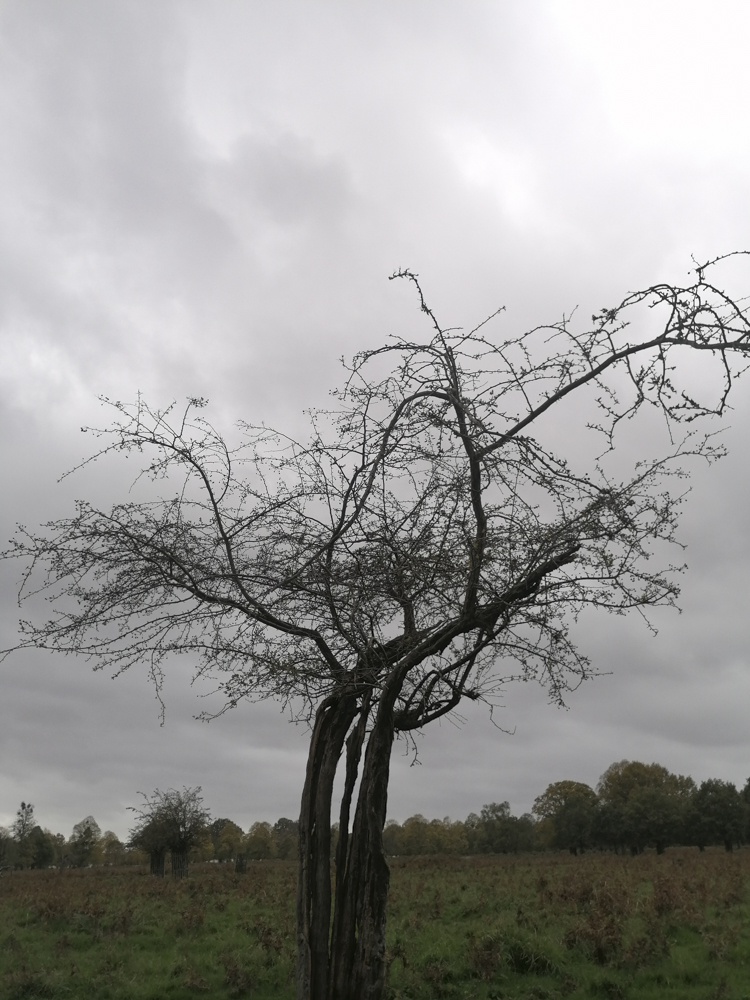
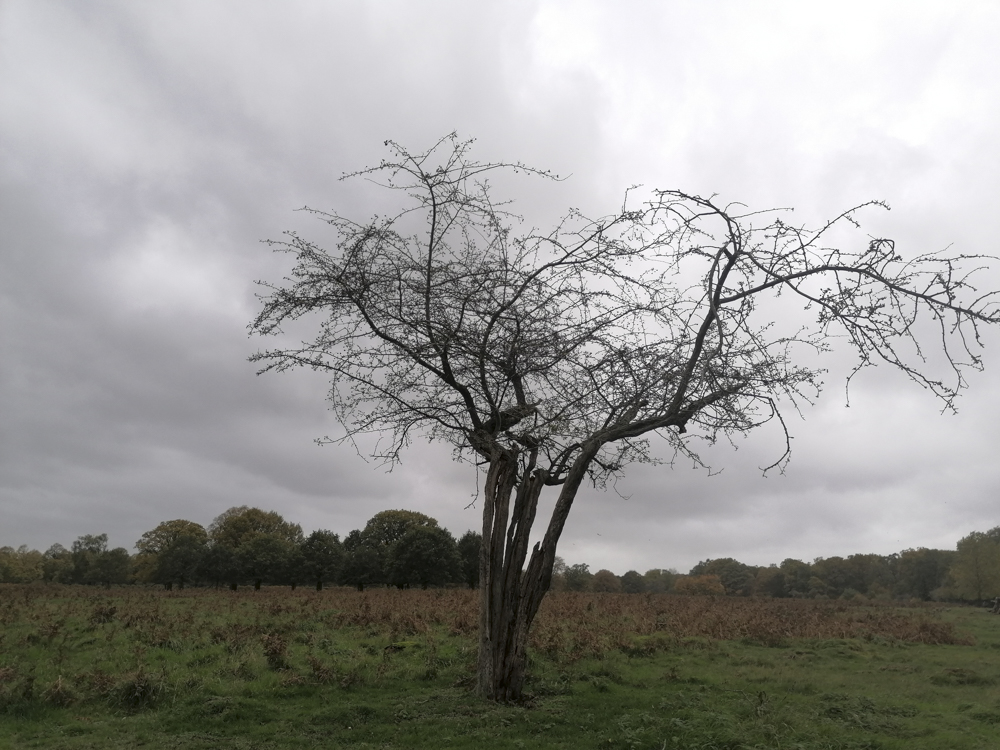
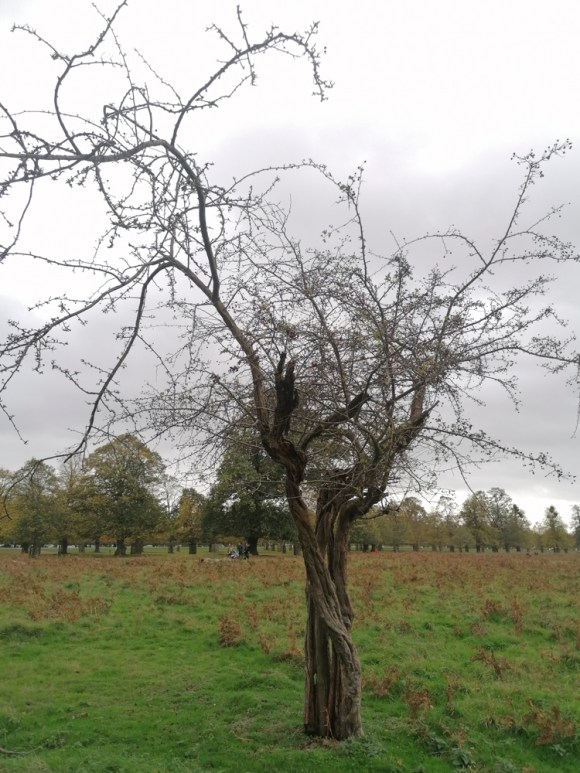
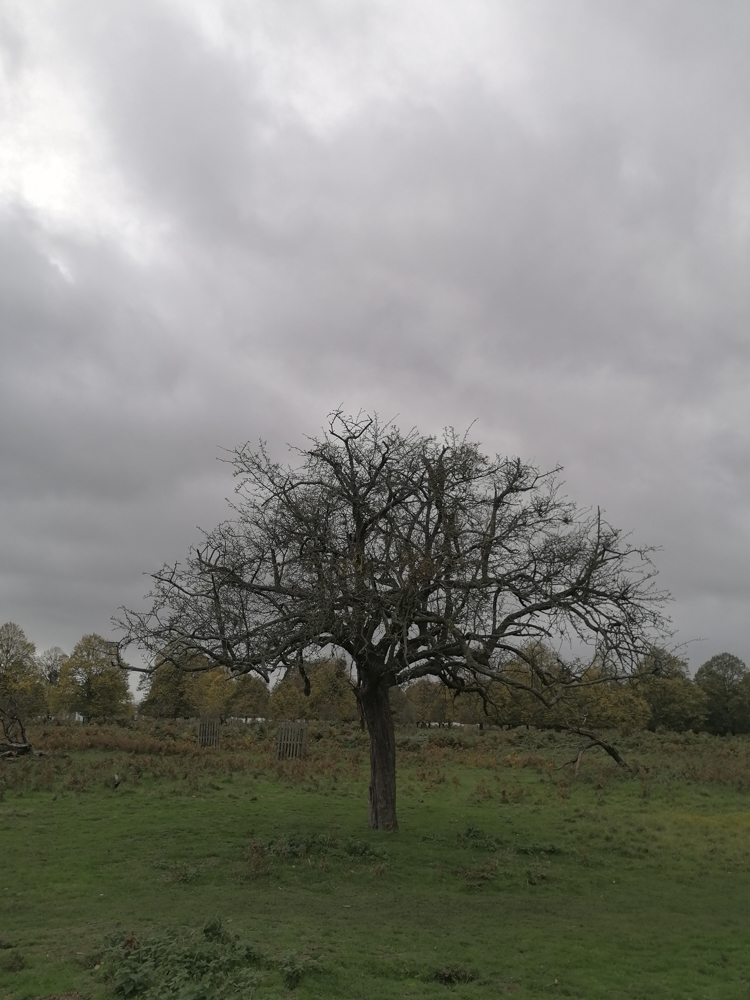
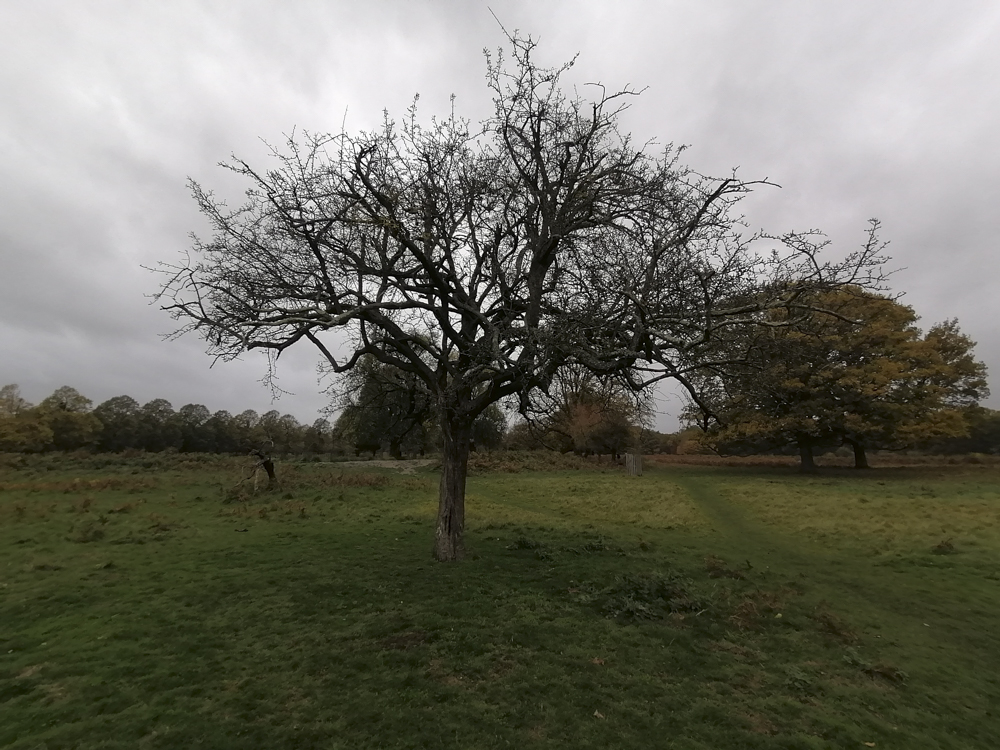
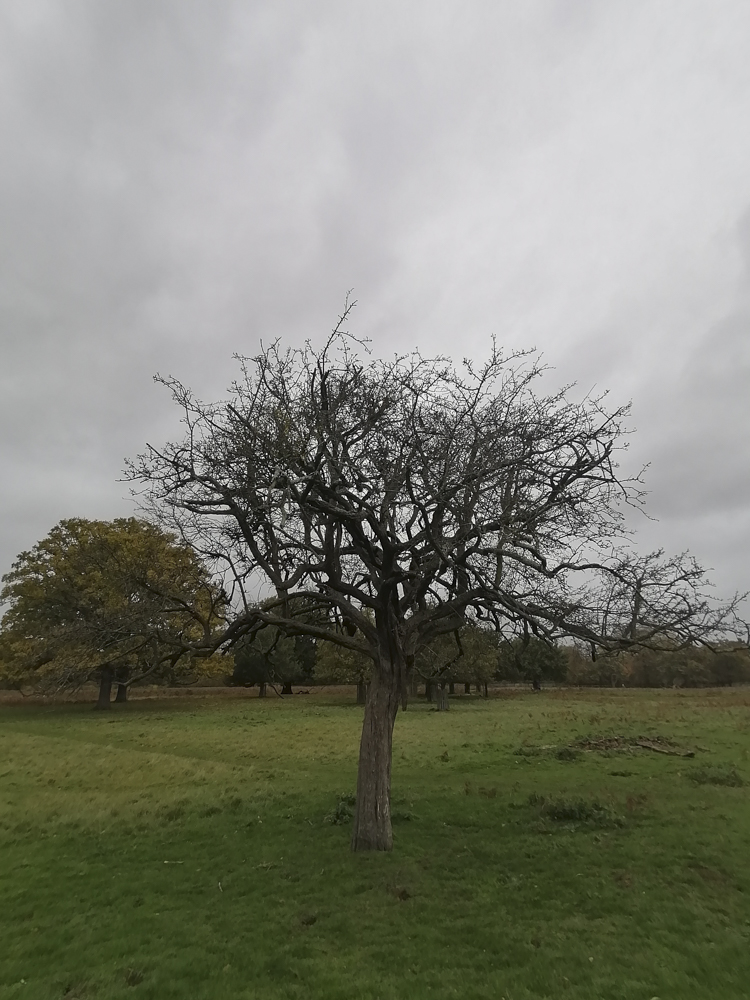
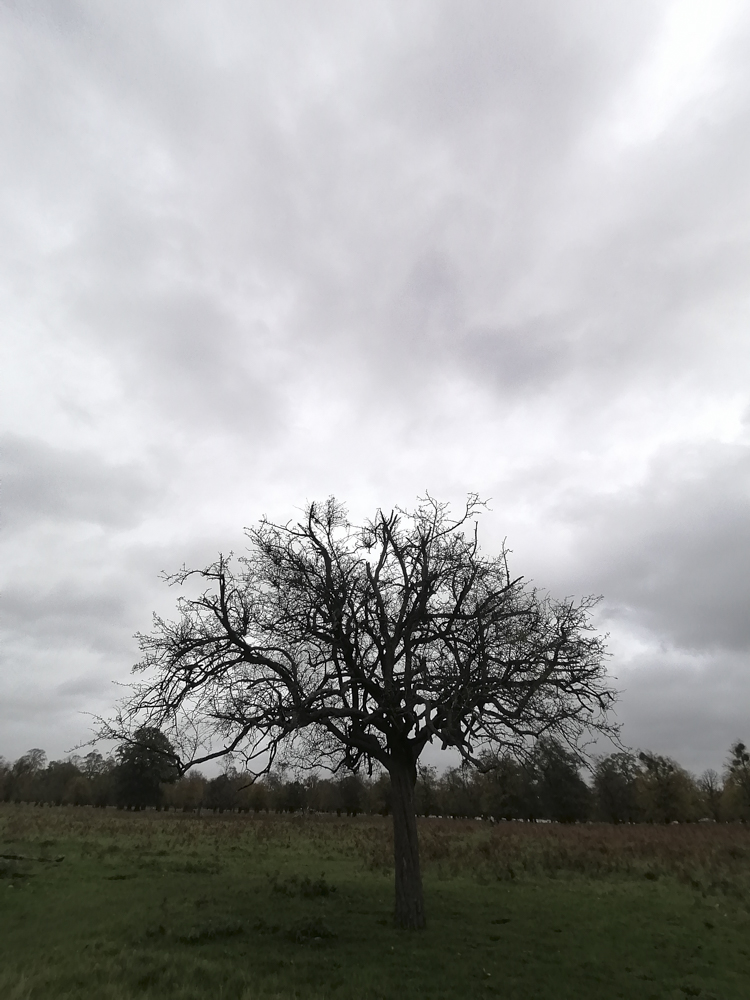
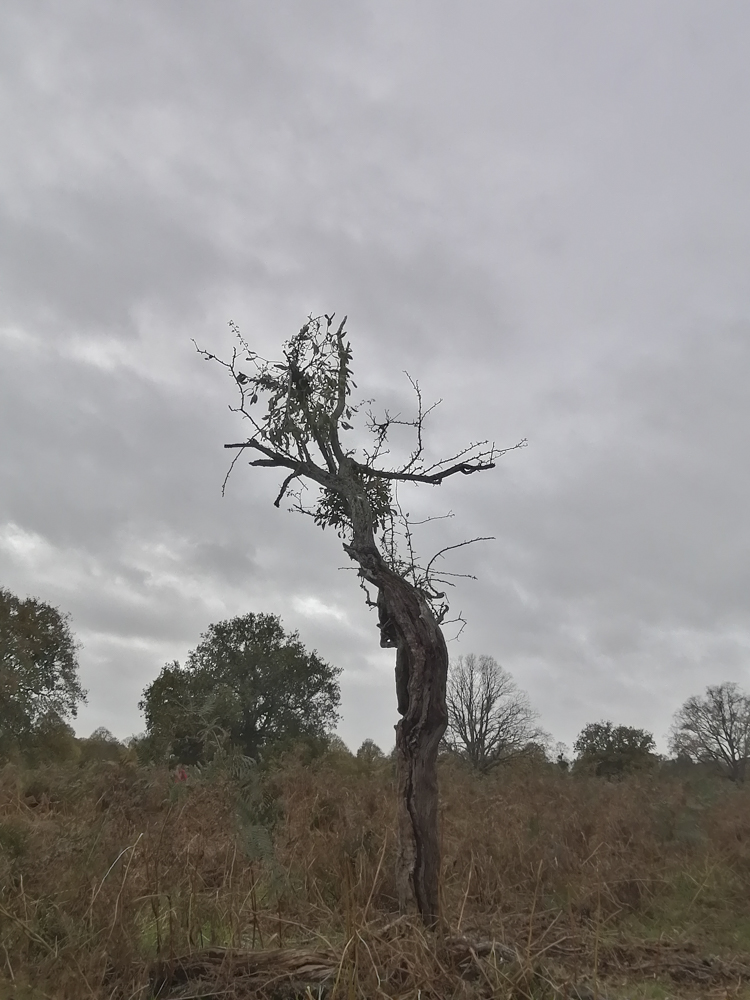
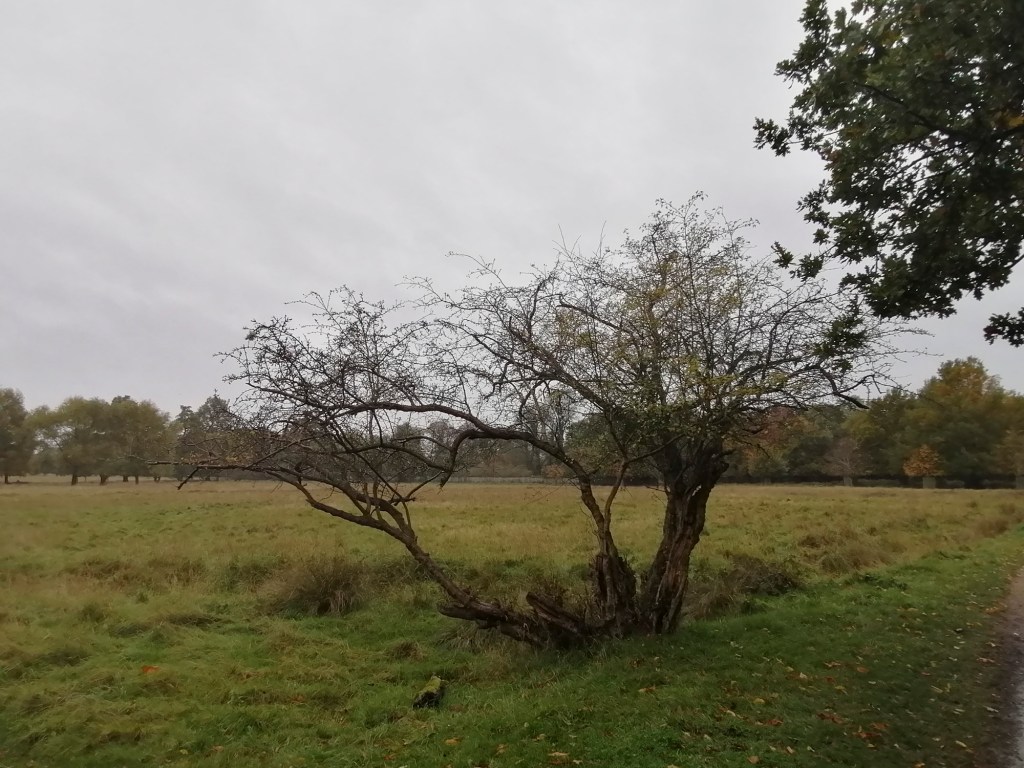
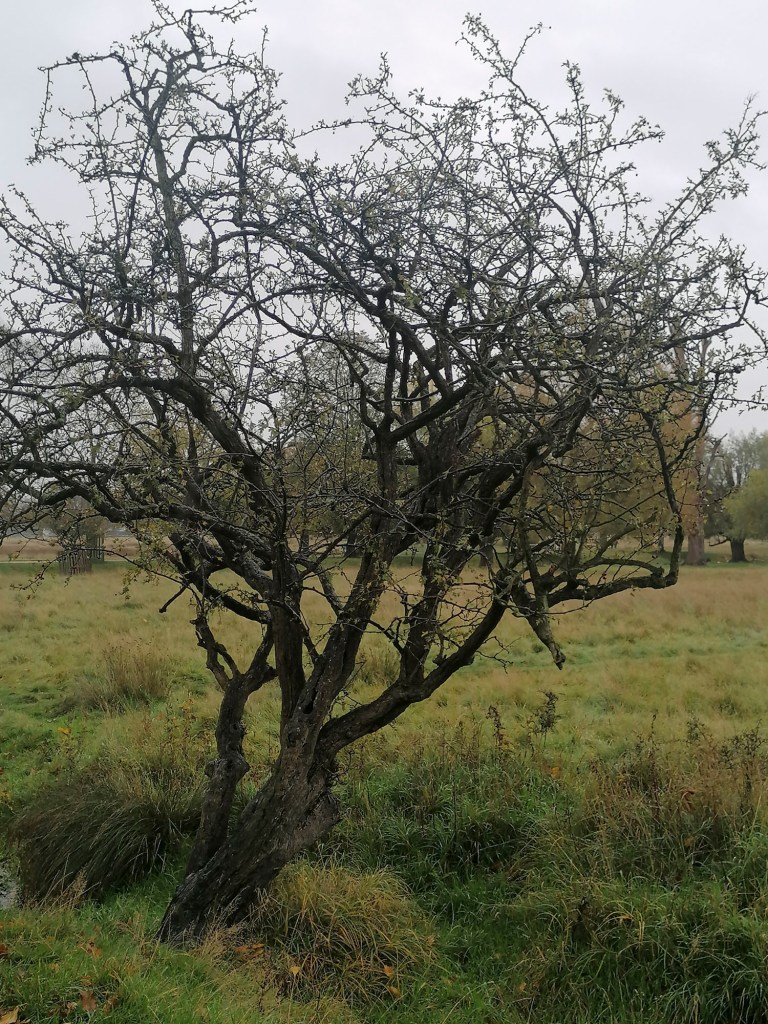
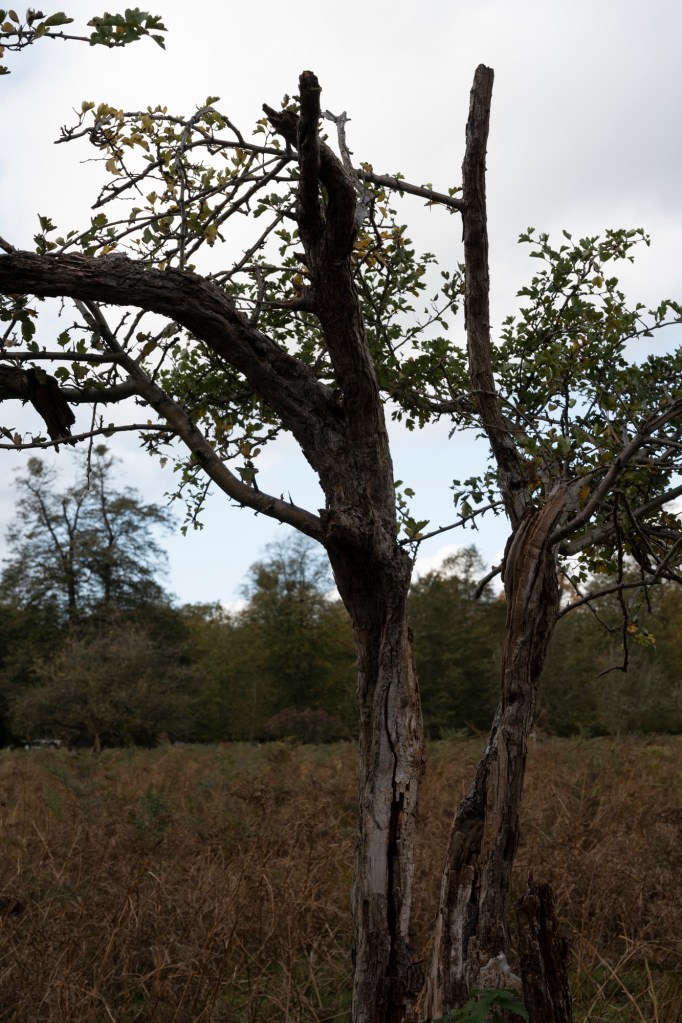
This particular hawthorn is quite spectacular. When looking at this specimen from a distance, it is quite difficult to work out which bit which. That includes the trunk/s, branches and new growth. It has the appearance of being both dead and alive, which I have discovered is quite common with ancient hawthorns.

Tree 3

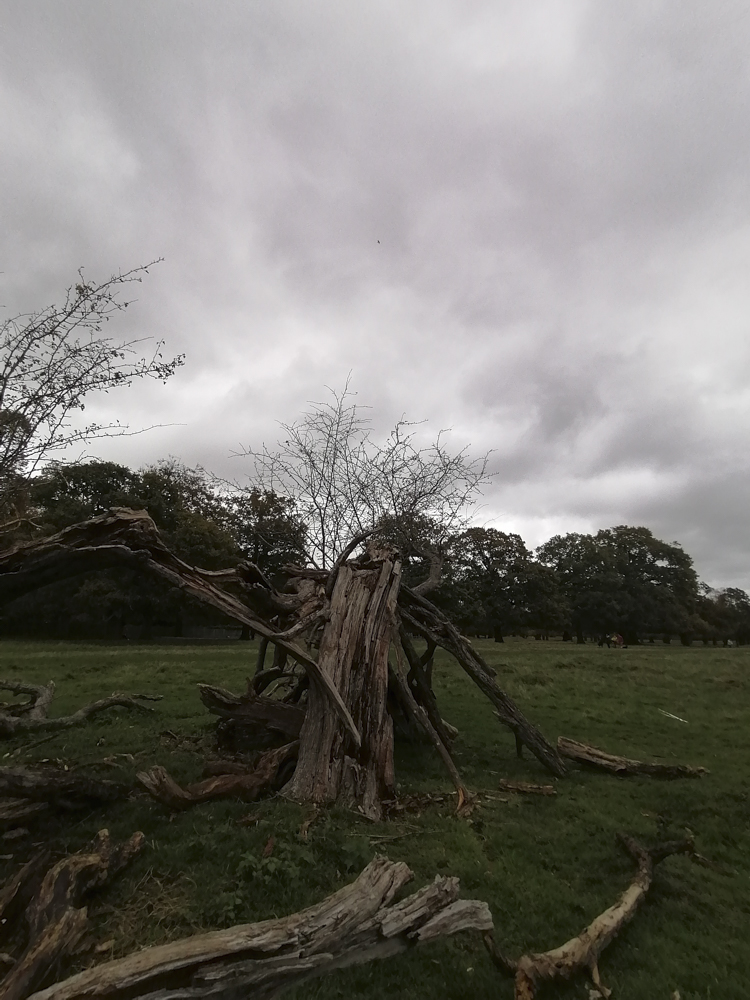
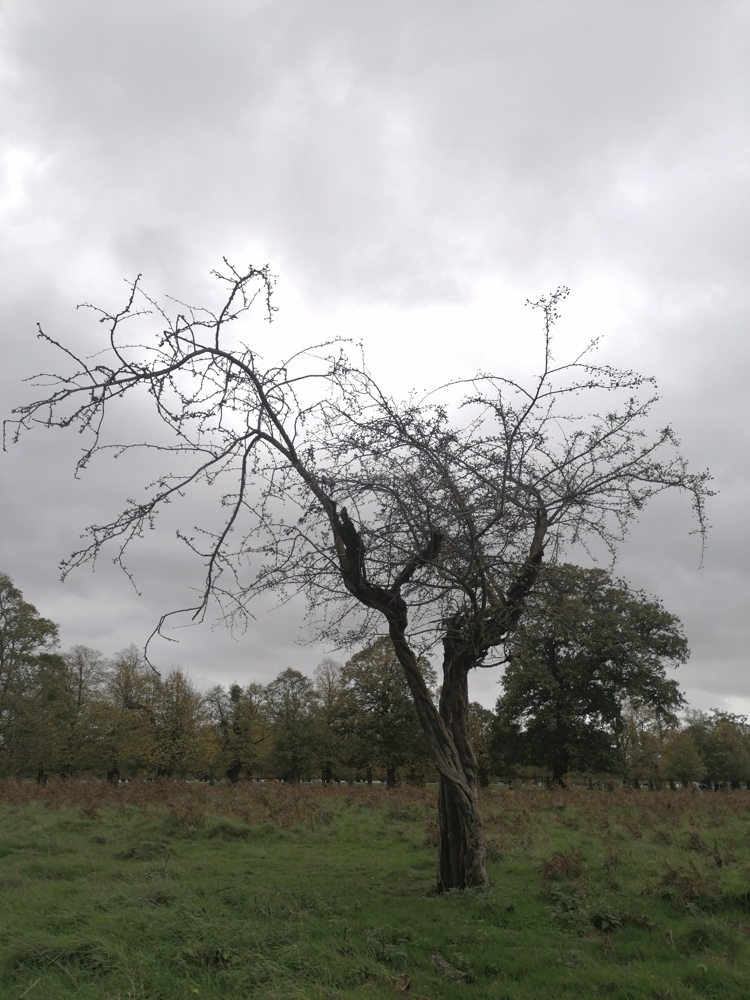
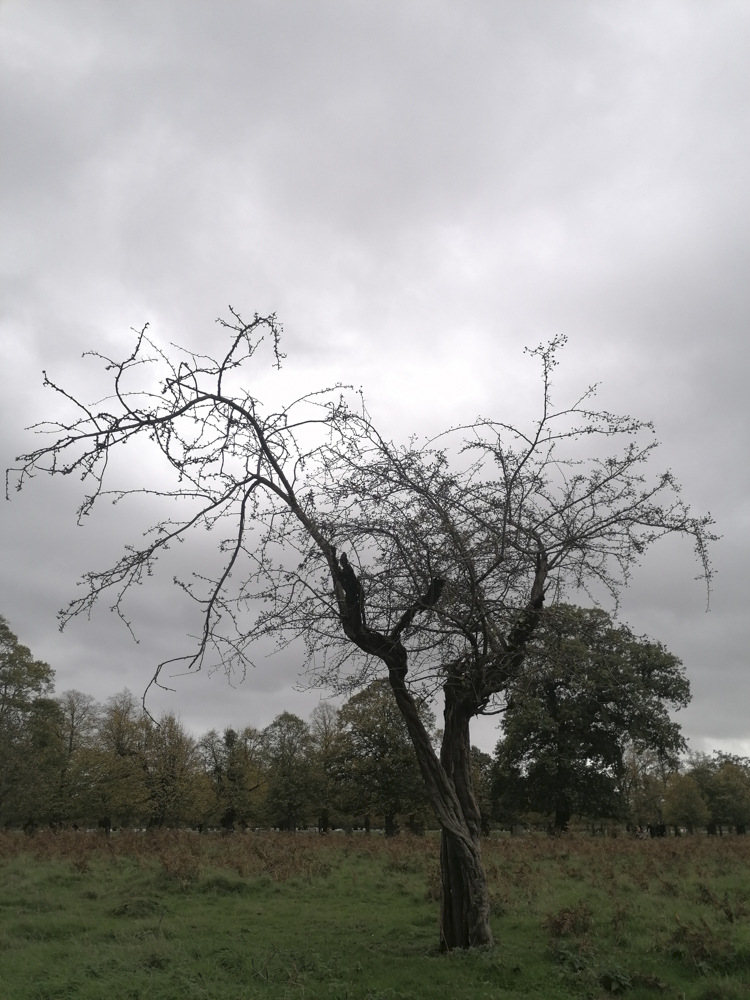
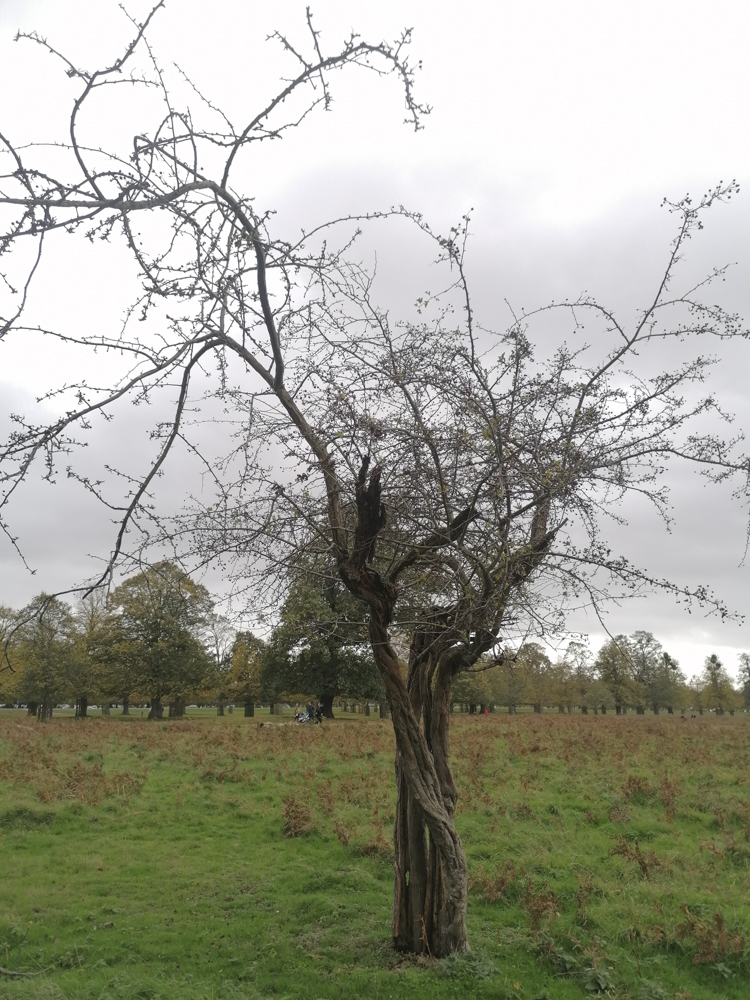
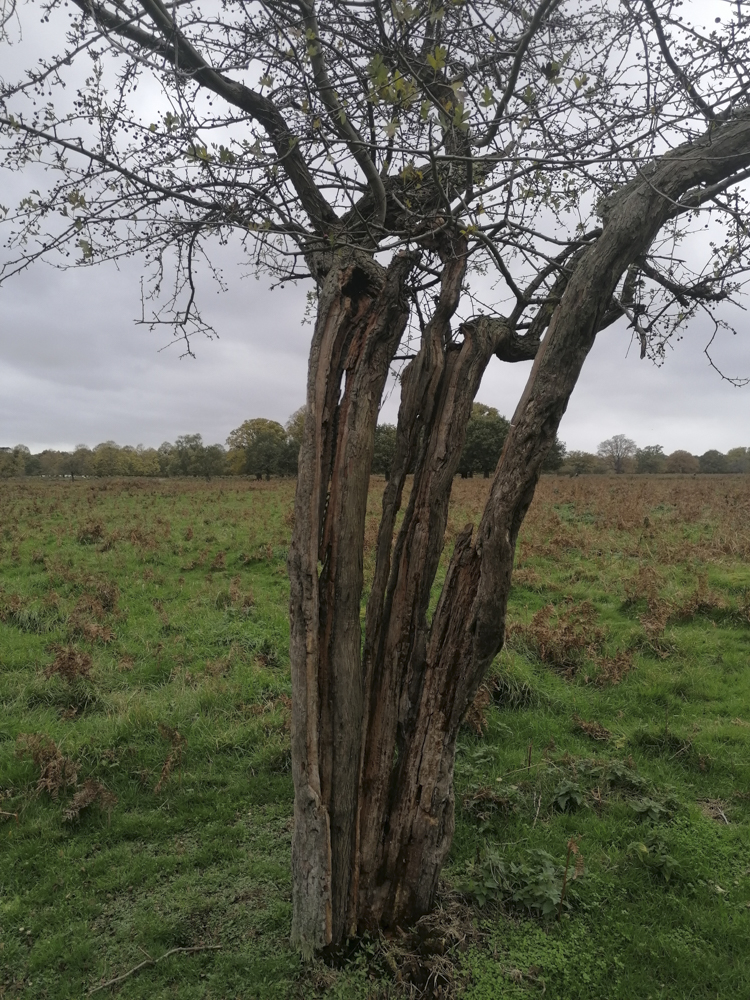
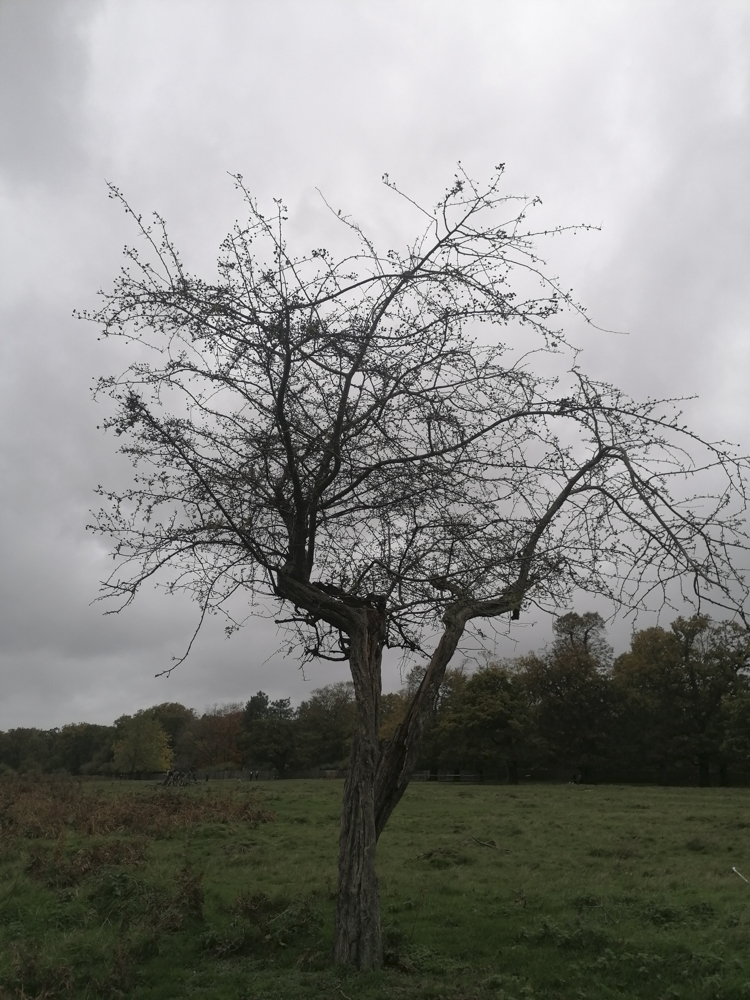
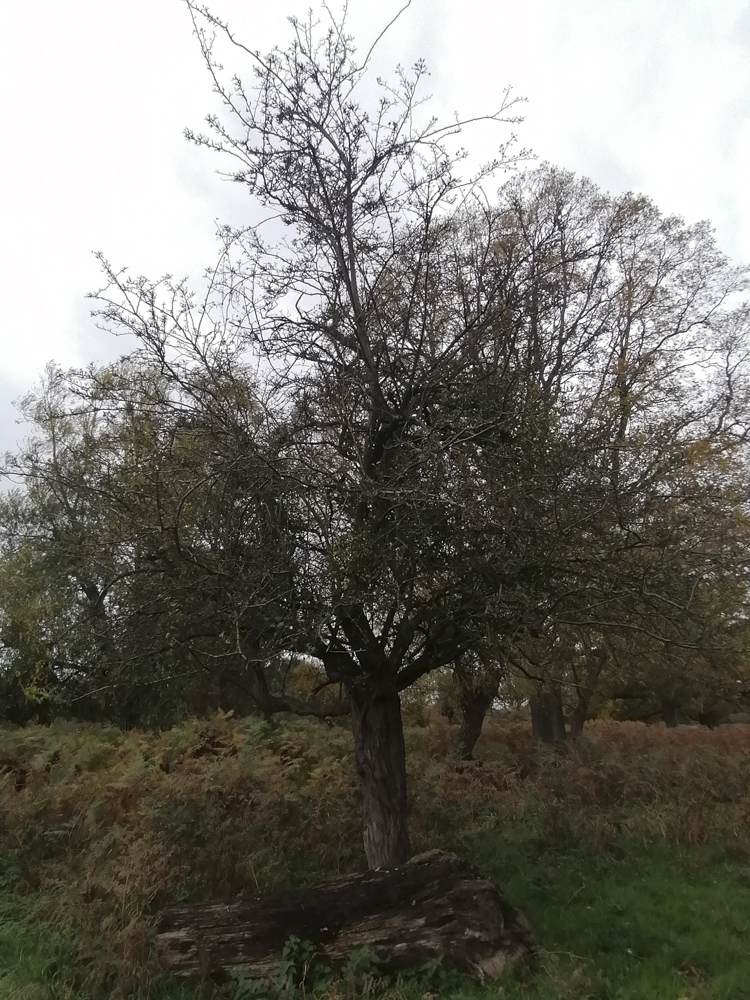
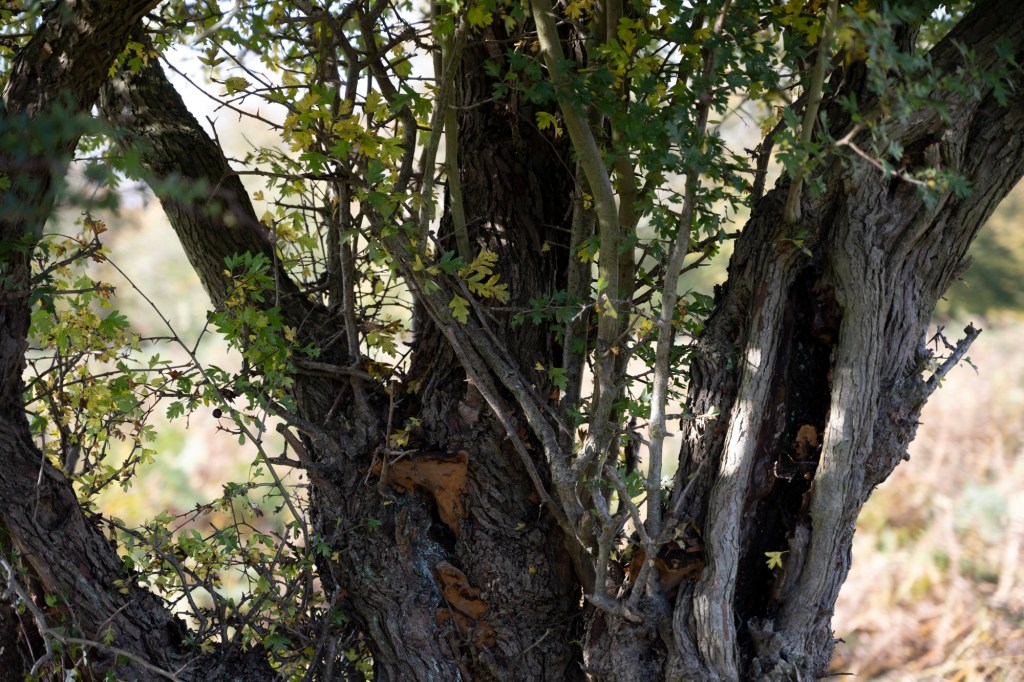
This tree has a very interesting trunk which seems to be split into four. When taking photographs from different angles, it appears to be a completely different tree in each shot.

What also intrigued me was how the tree appeared differently depending on the angle and perspective of the shot.

Trees 4, 5 & 6

These are three hawthorns that are quite close together. Again, all with their unique features.

Tree 7

This hawthorn does appear to be dead, but I’m sure it is full of insect life.

Tree 8

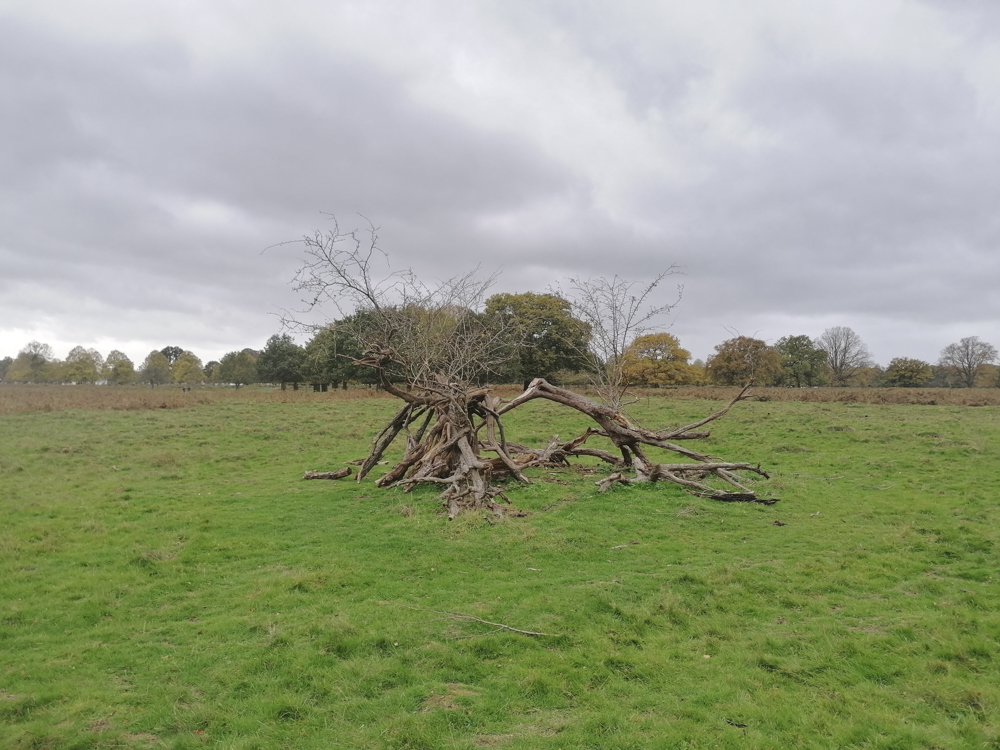
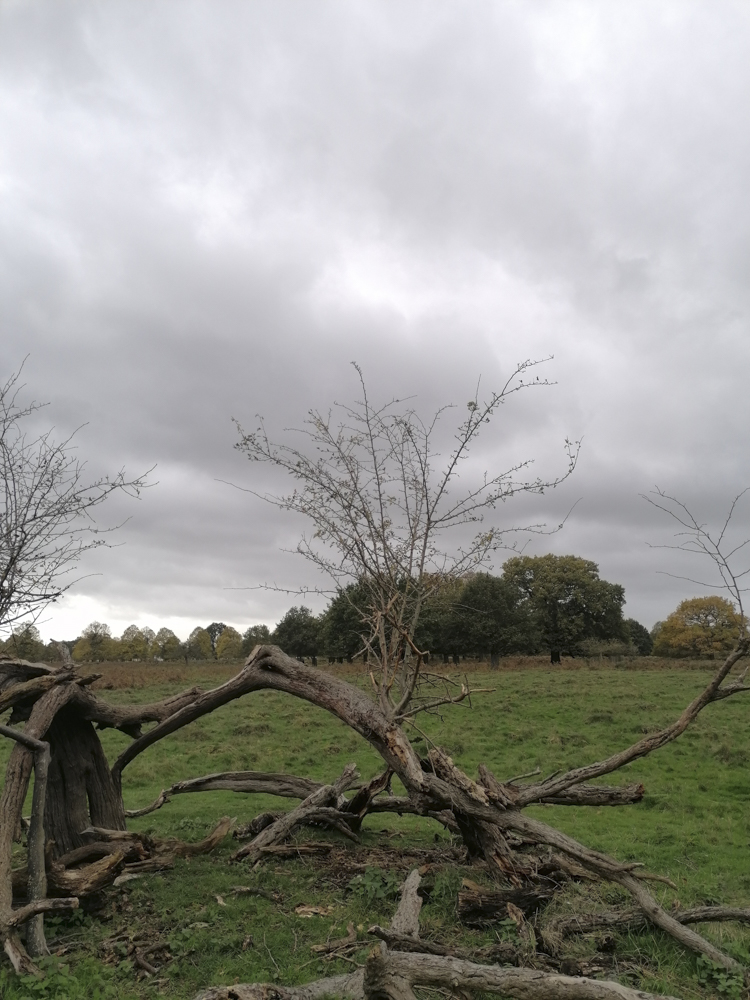
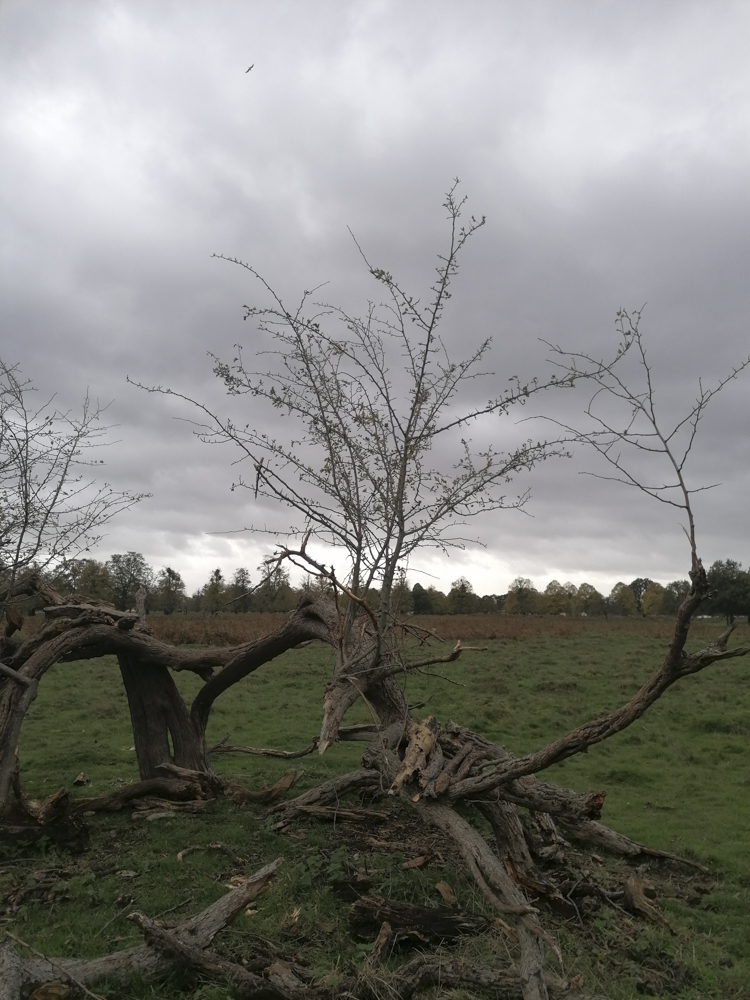
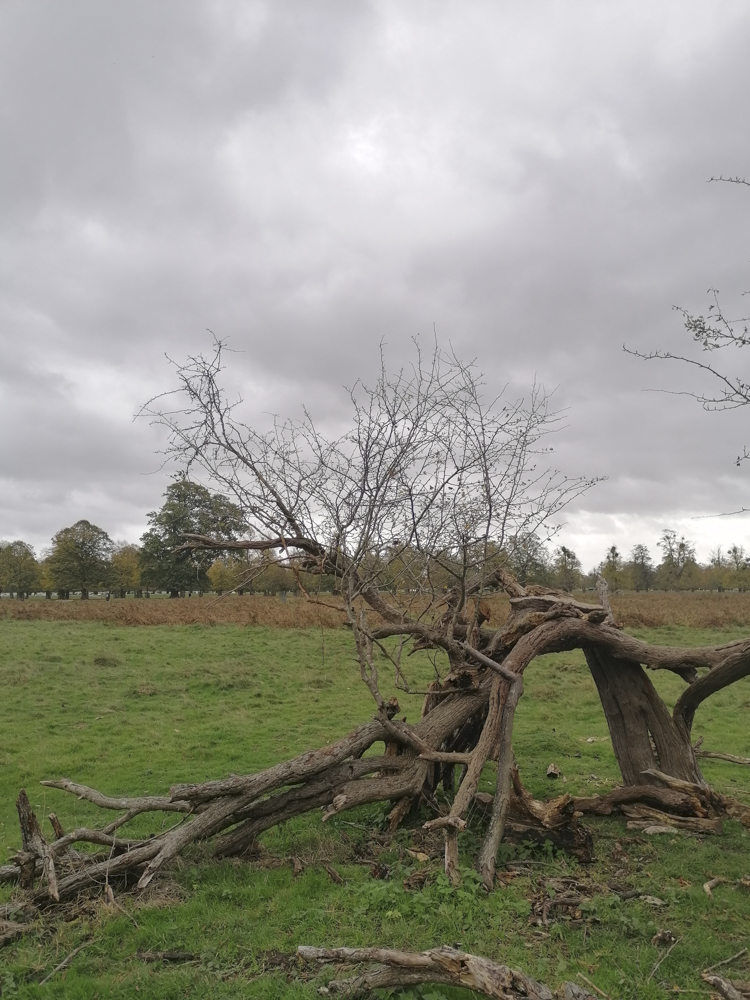
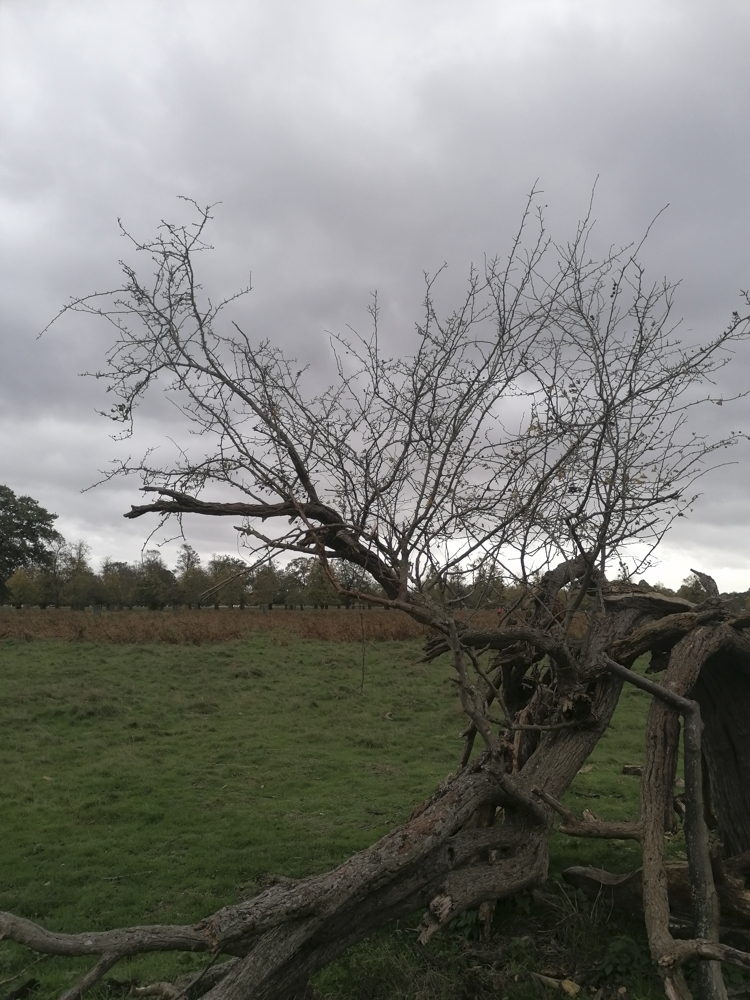
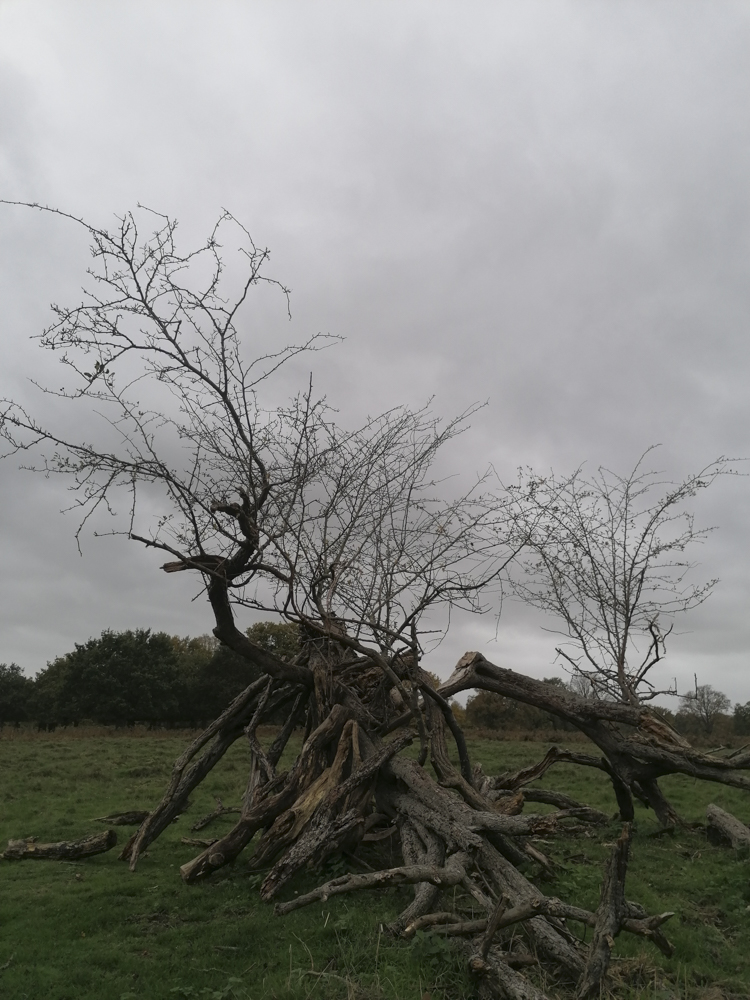
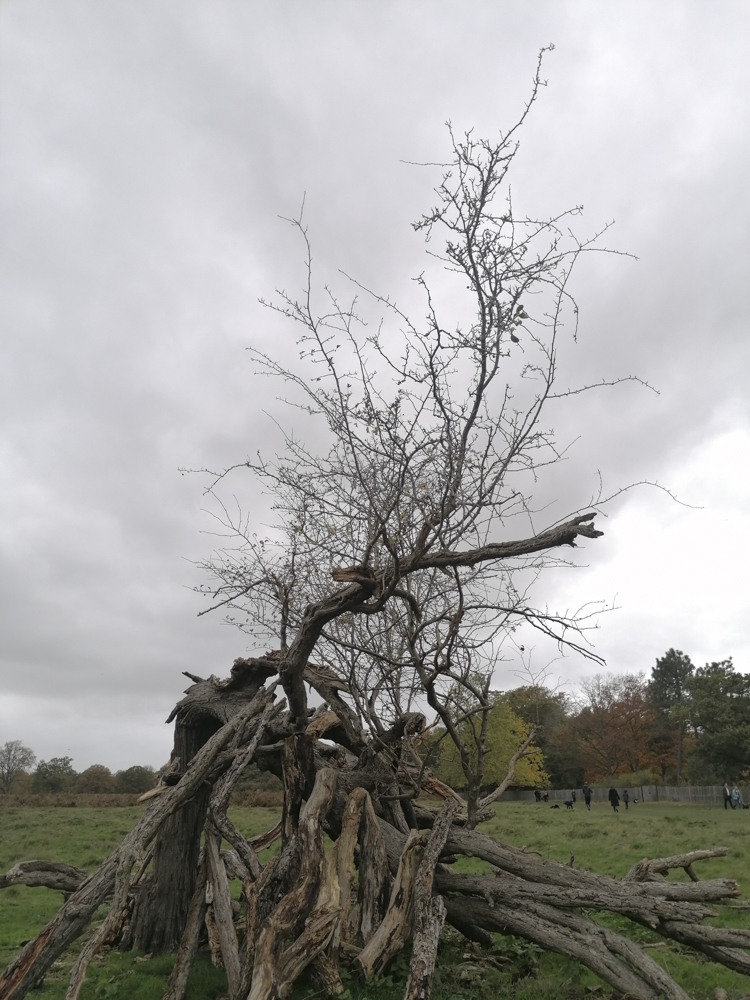
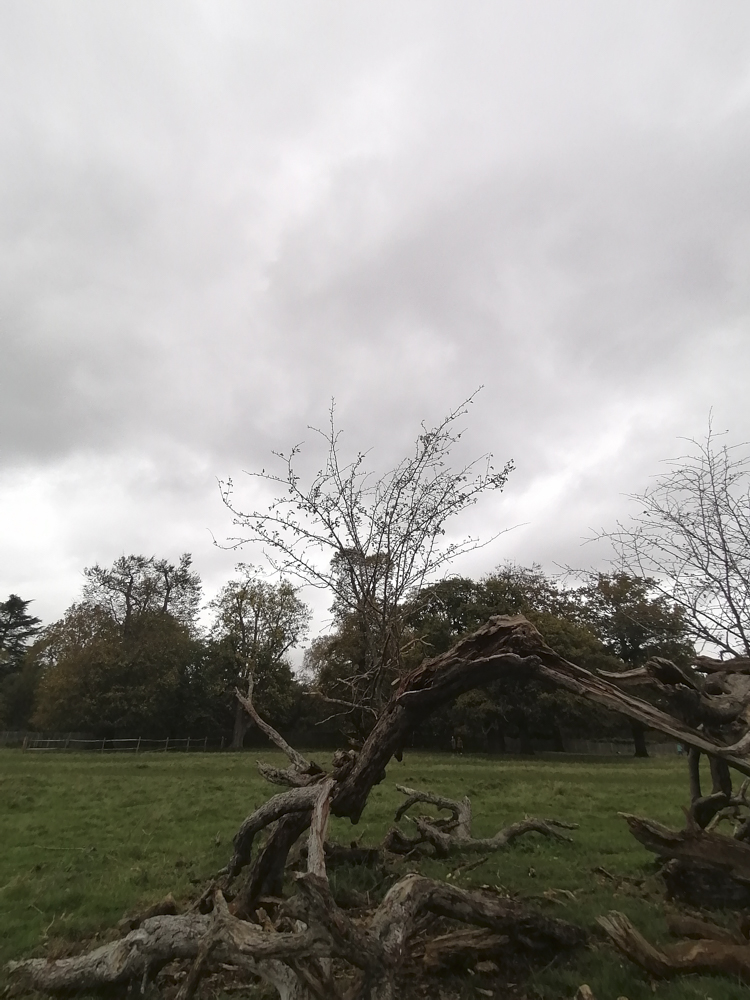
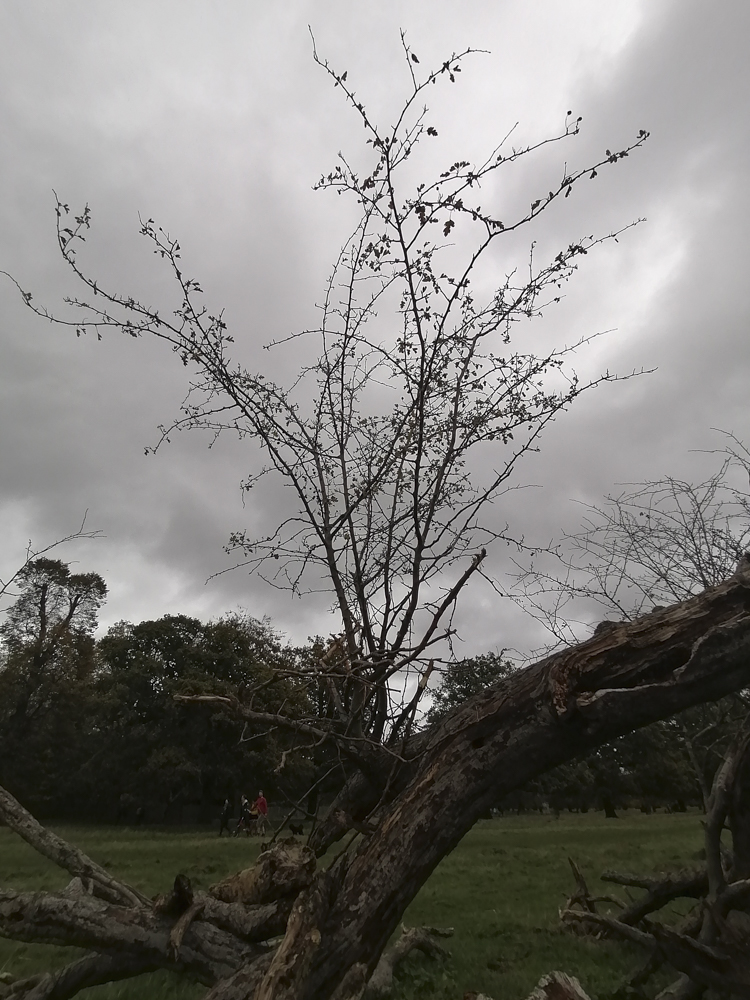
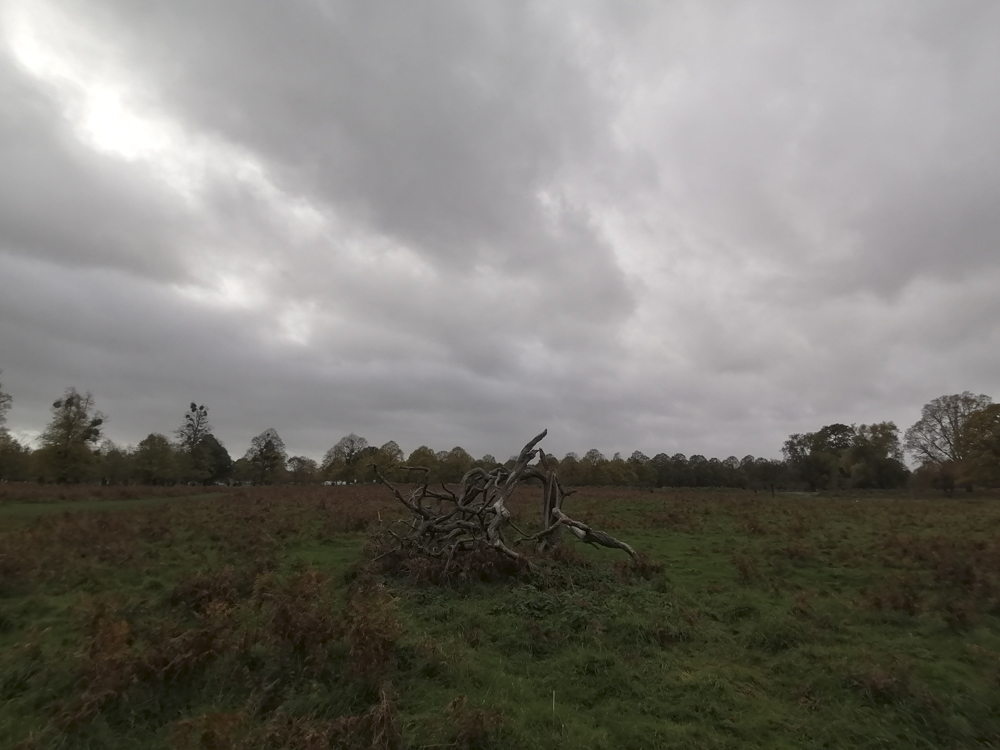
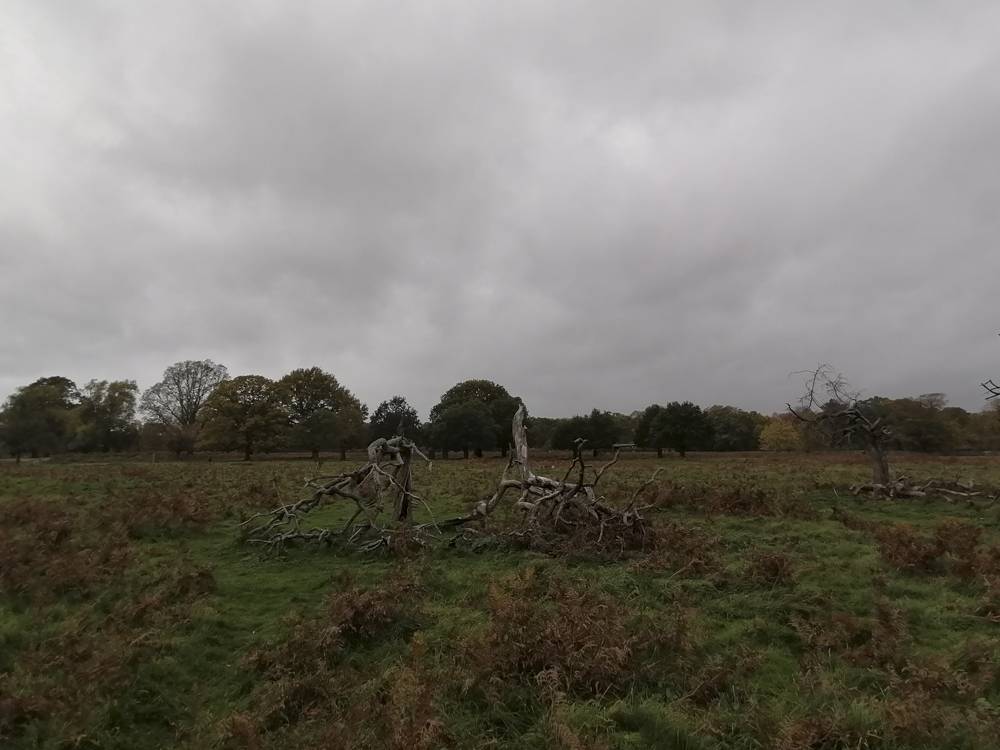
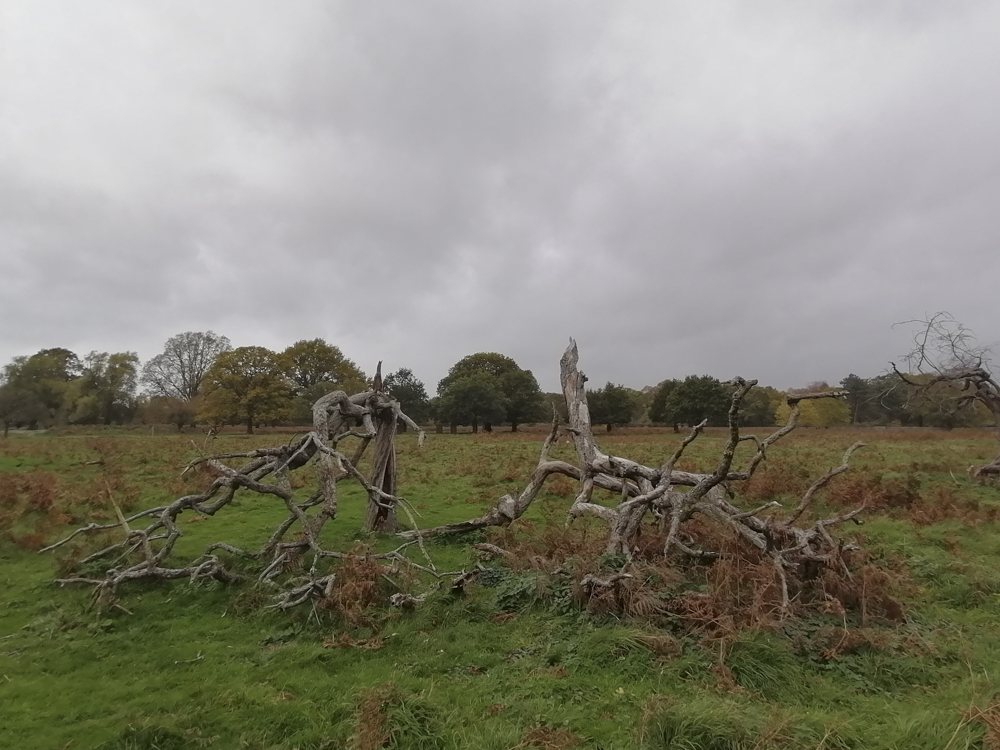
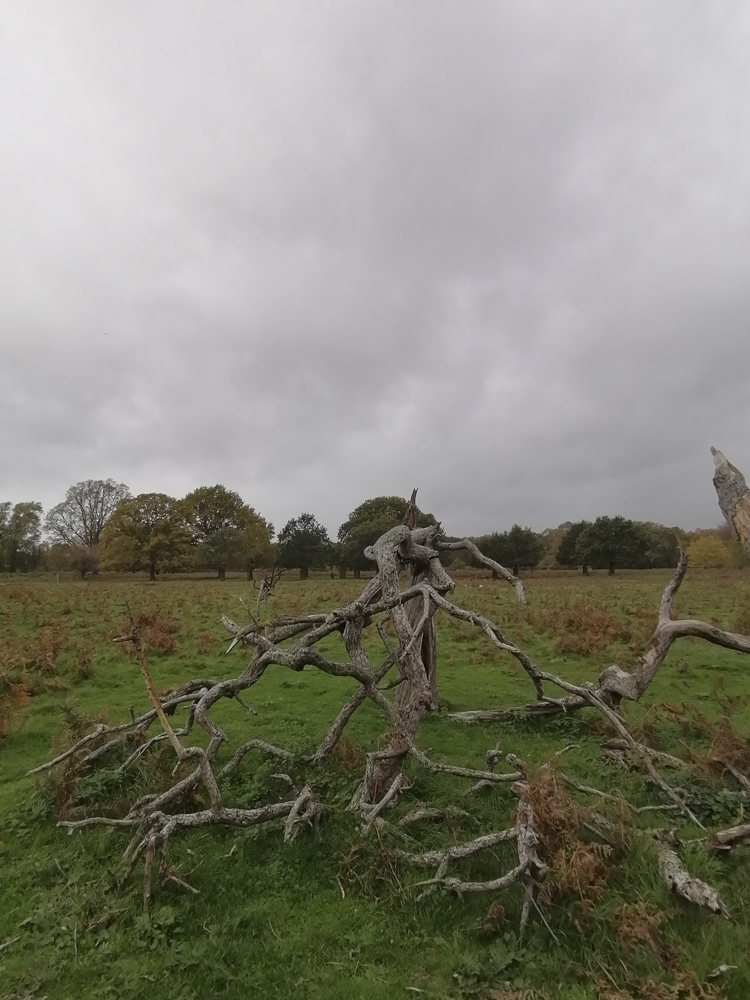
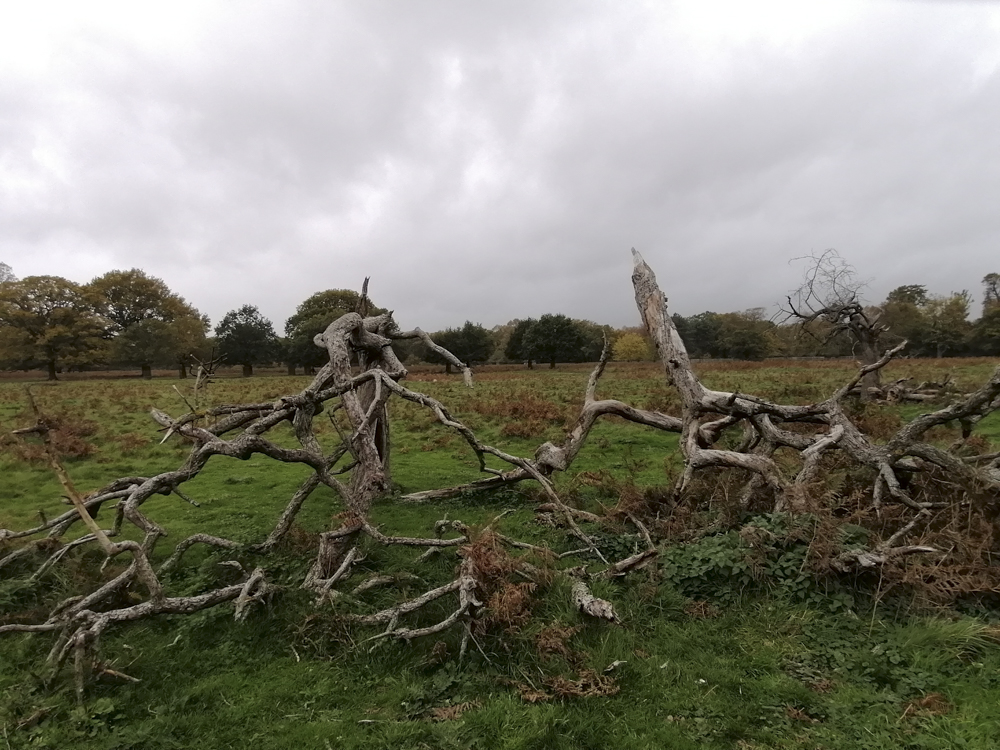
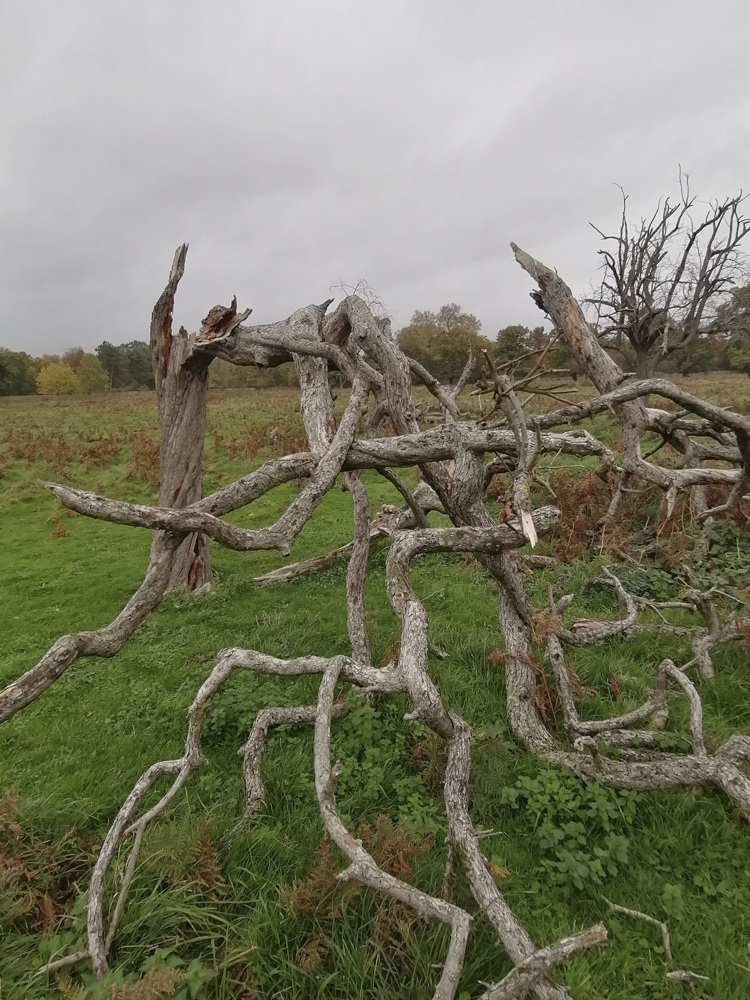
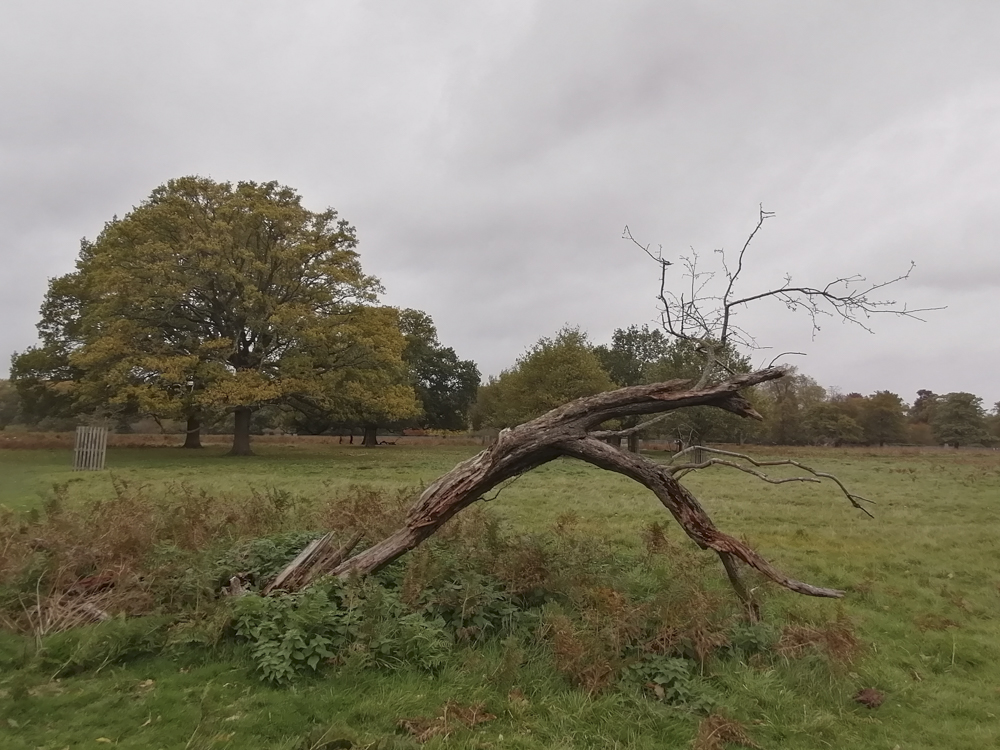
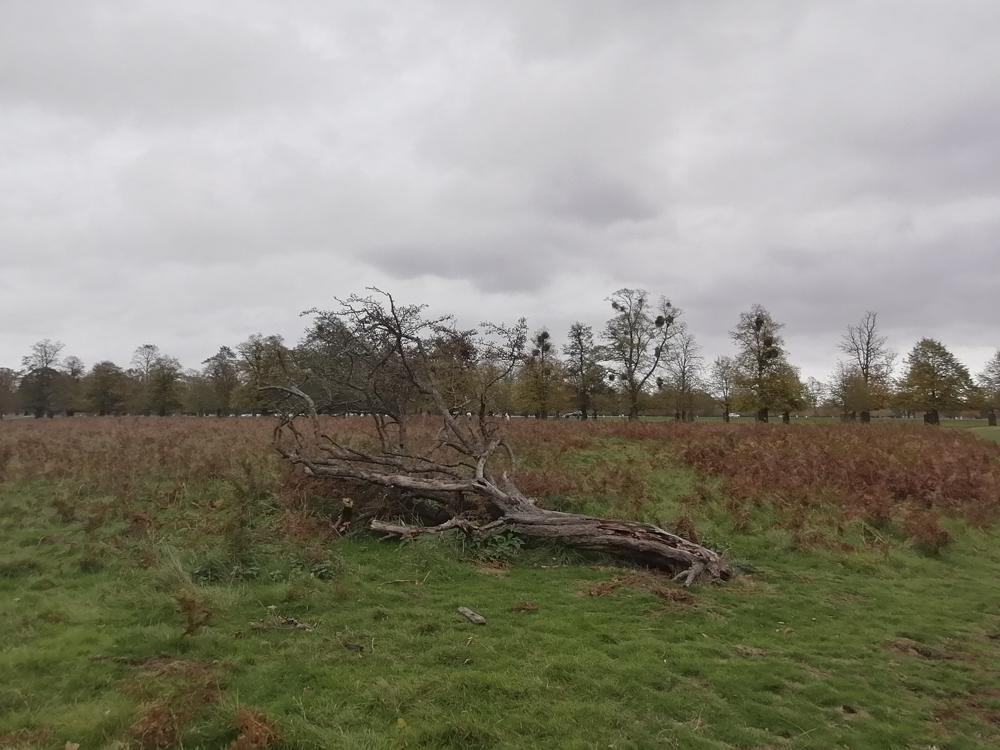
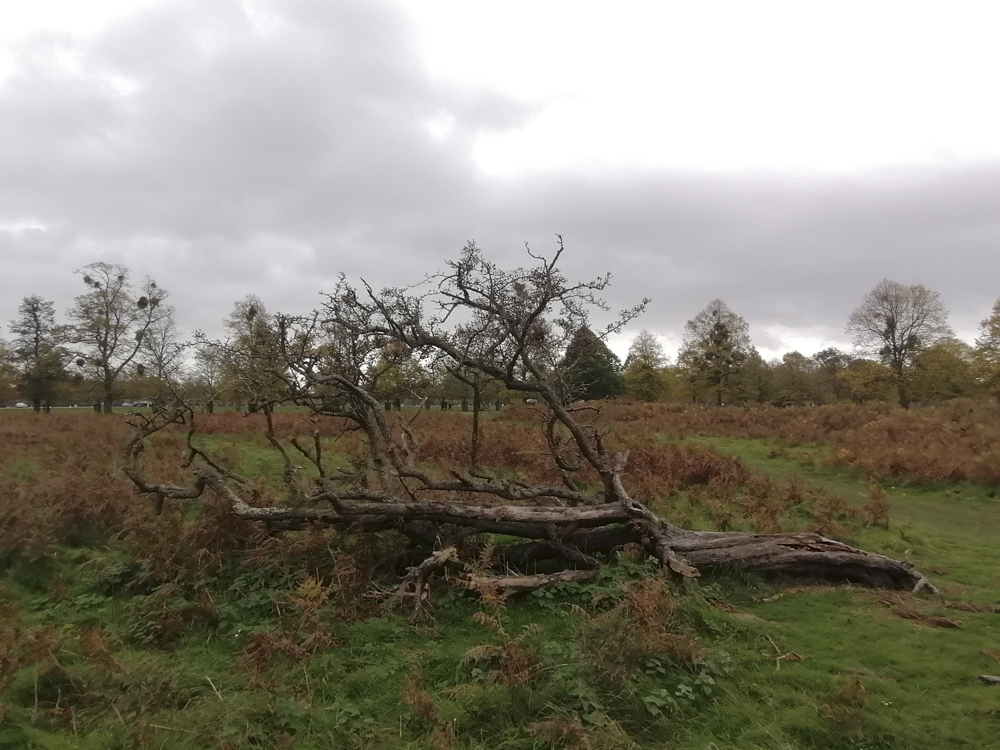
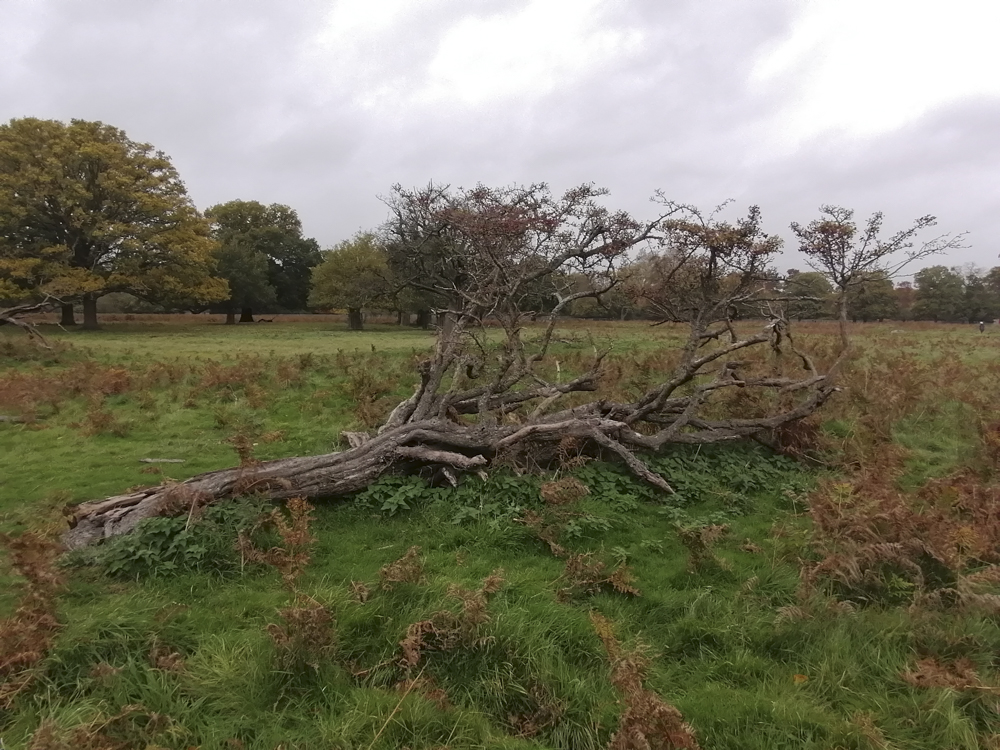
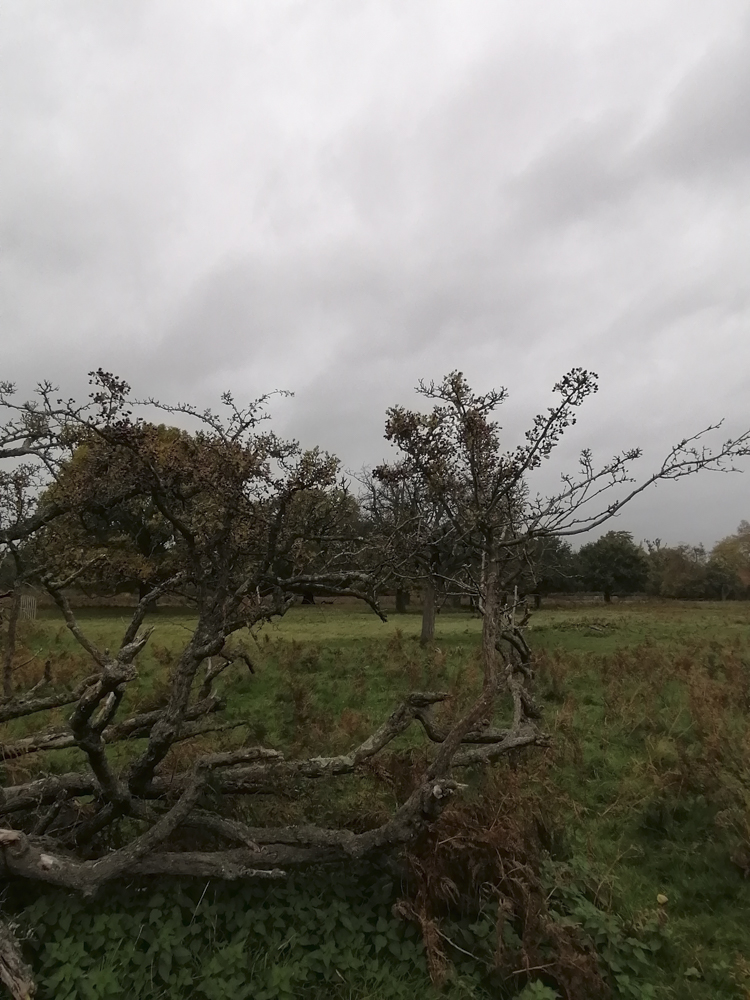
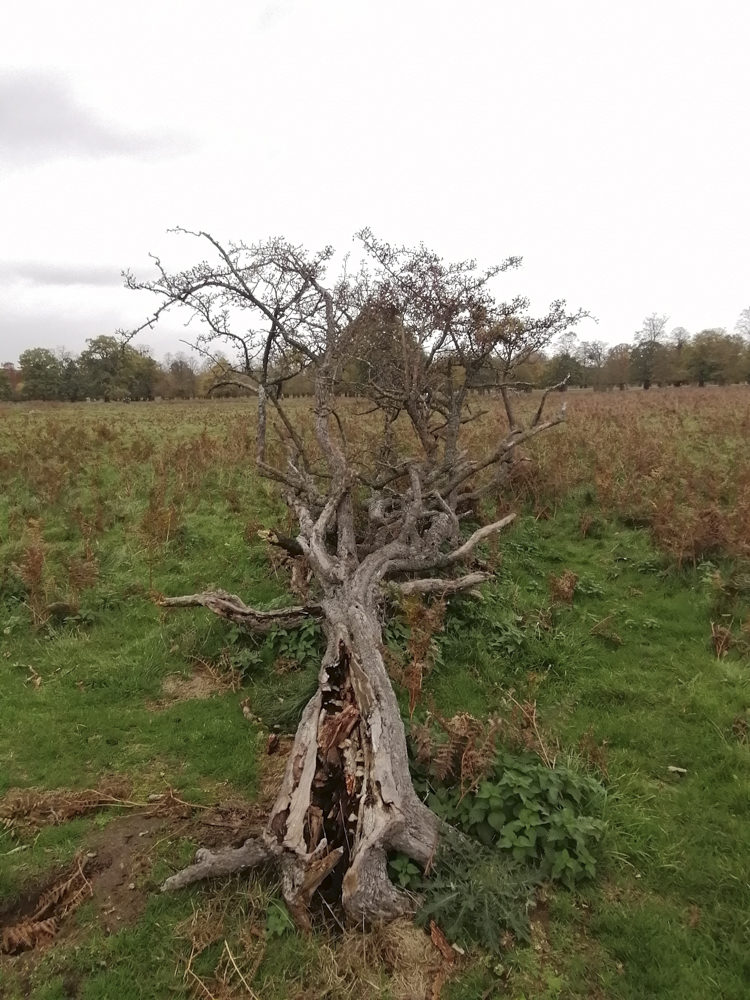
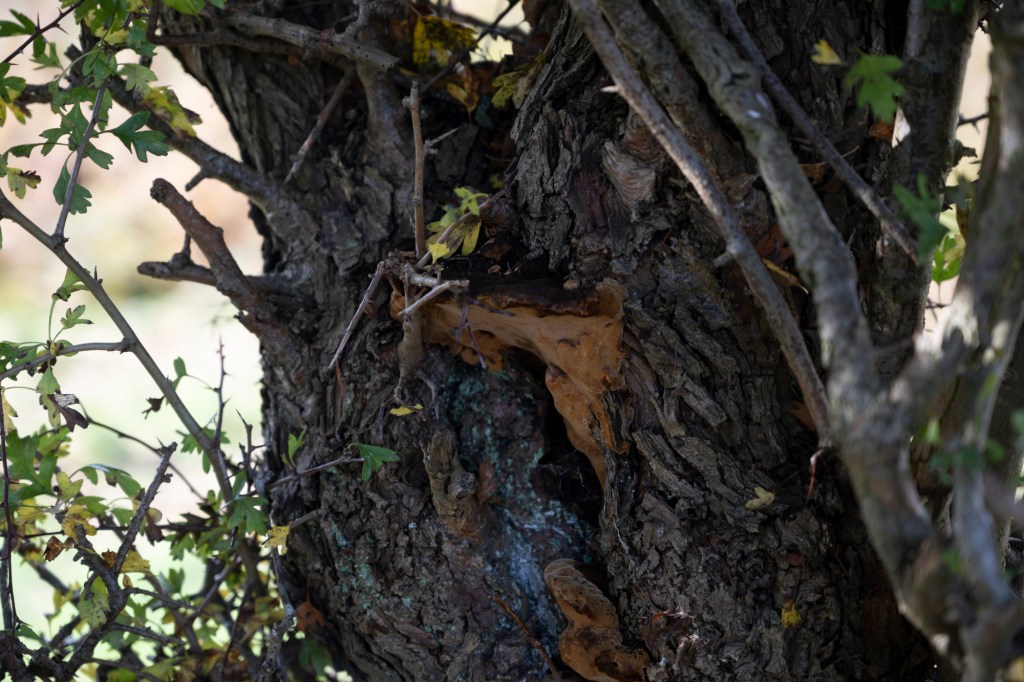
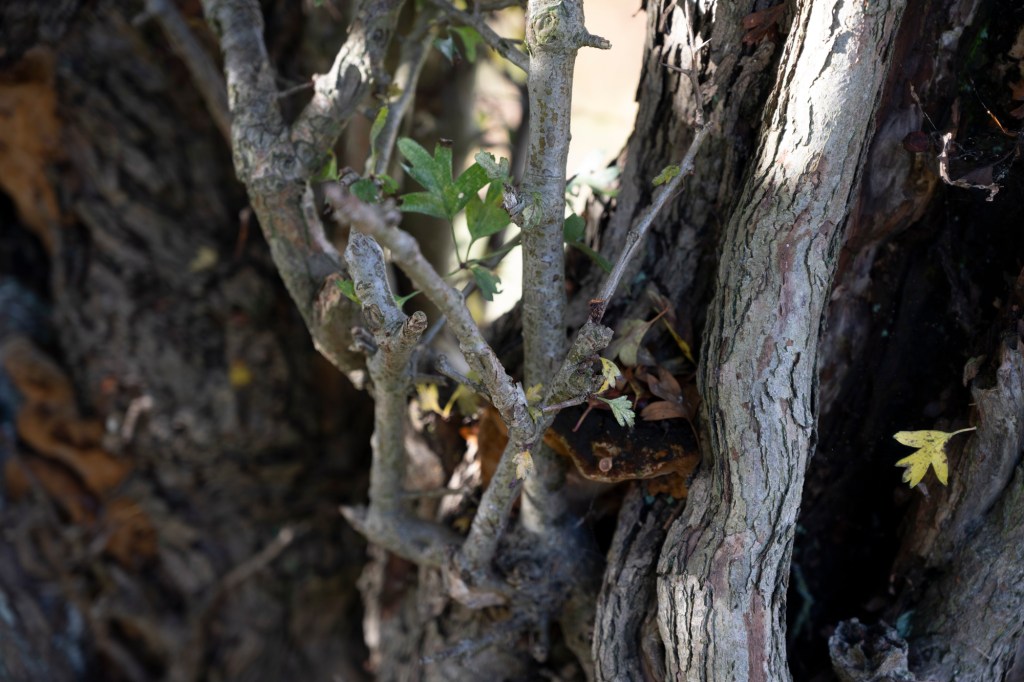
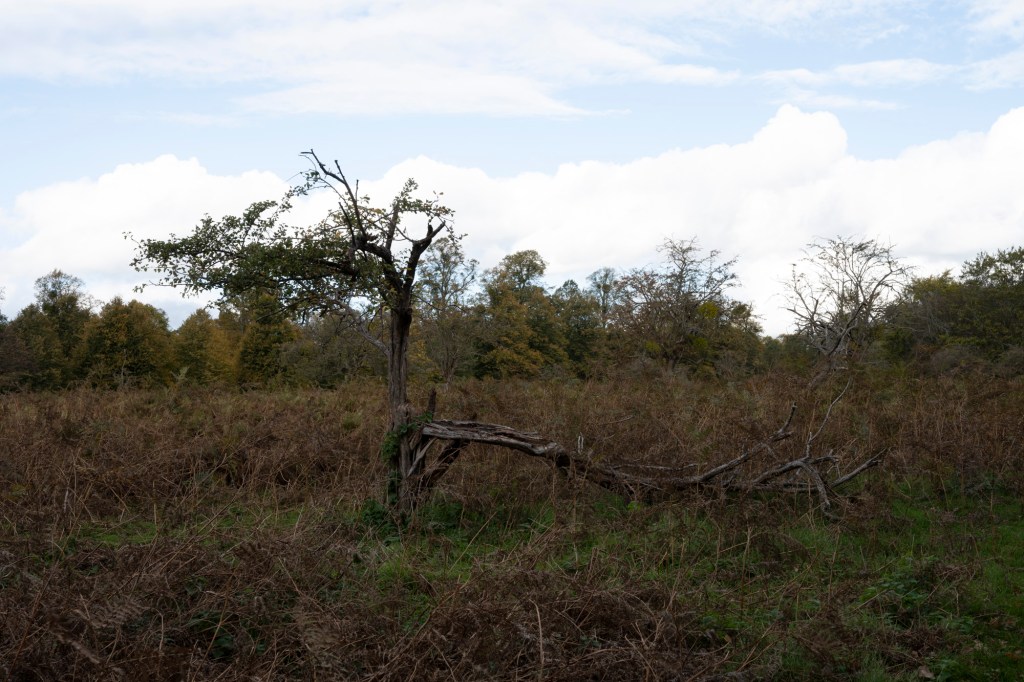
Another very interesting hawthorn. Despite it being horizontal on the ground, it is very much alive. The open trunk features mushrooms and has certainly been taken advantage of by insects. What I noticed was how the tree almost appears ‘upright’ when a shot is taken from a particular angle, as seen in the last of these images.

Tree 9

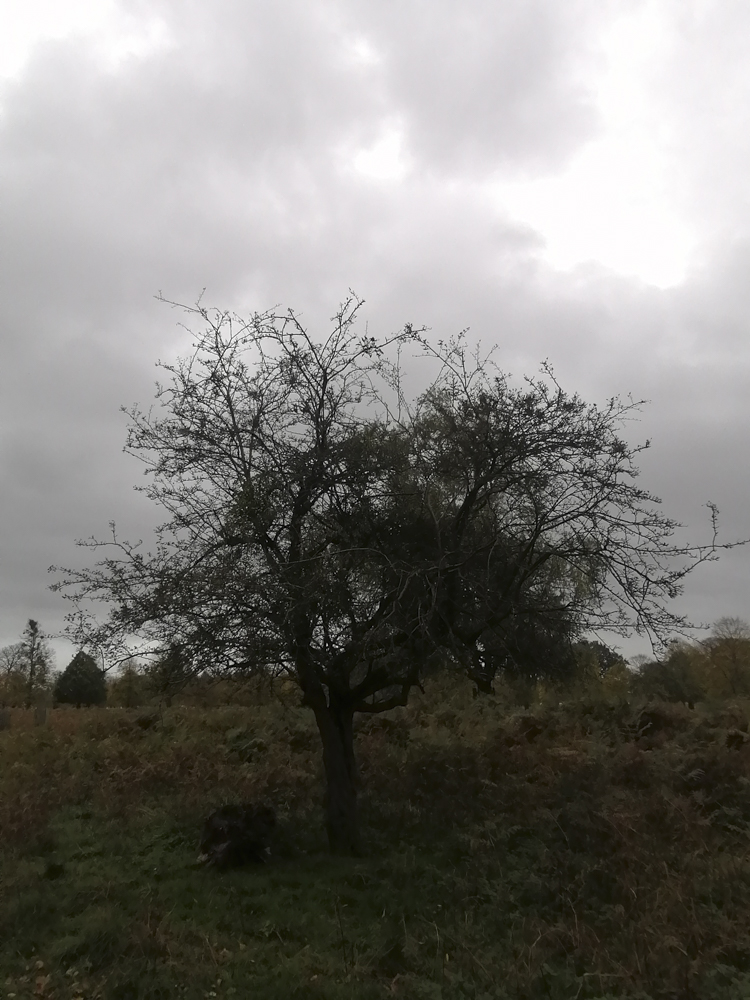
This hawthorn is near to the small channel of water. It does look more ‘traditional’ than the other hawthorns, but I’m sure there are qualities that could be brought out when taking a closer look on another day.

Tree 10

This solitary hawthorn is halfway between the water channel and the fence running along the border of the Pheasantry Plantation. This one has lots of character and I need to take further images.

By now I was getting tired and needed a comfort break. After a quick pit stop in the Pheasantry Cafe, I continued through the park on the other side of the Woodland Gardens.

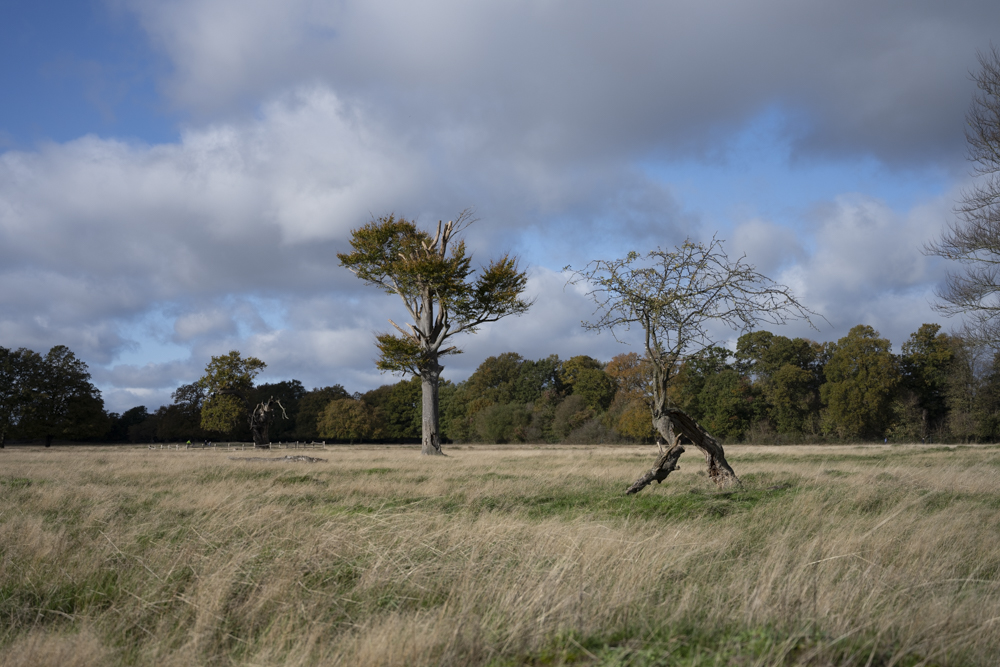
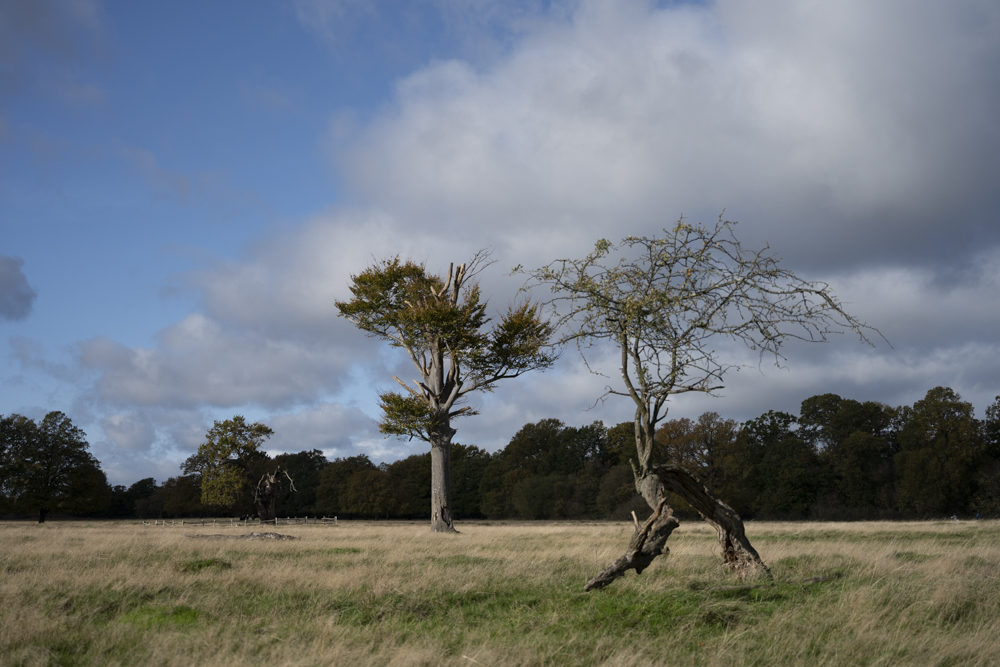
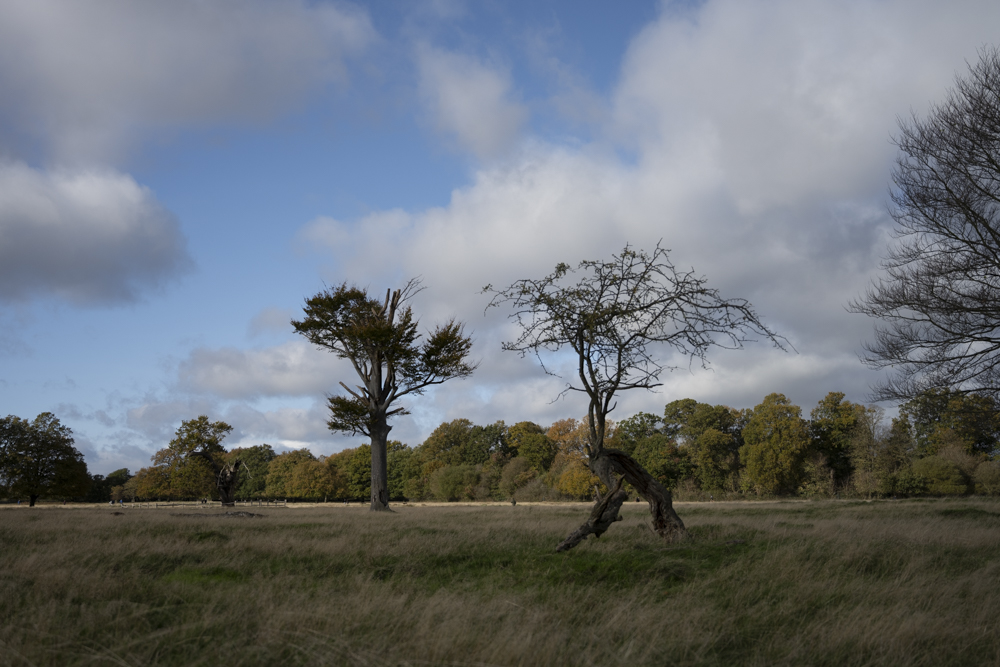
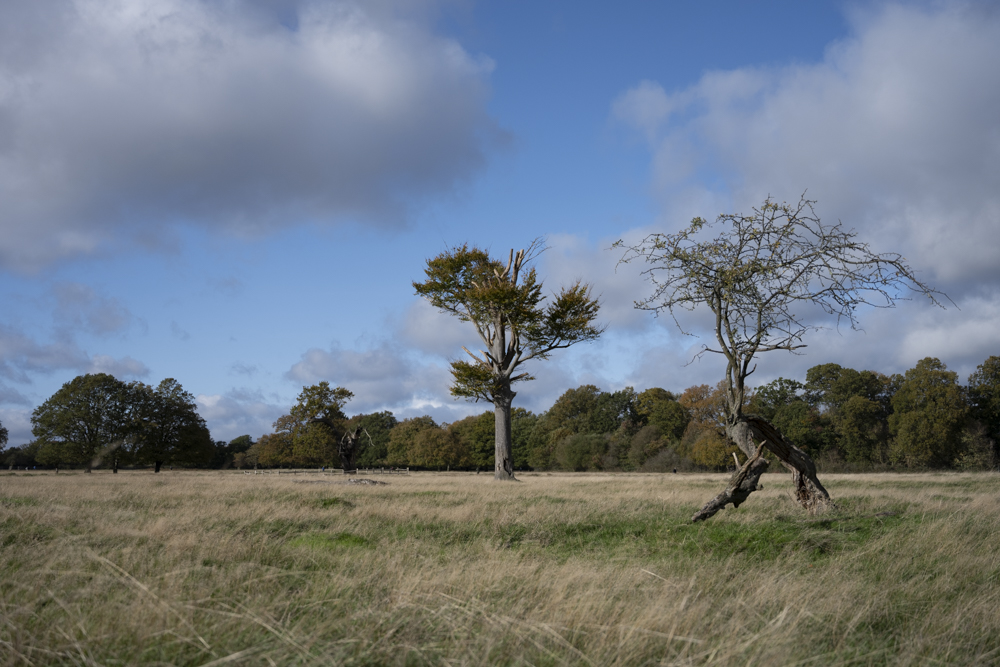
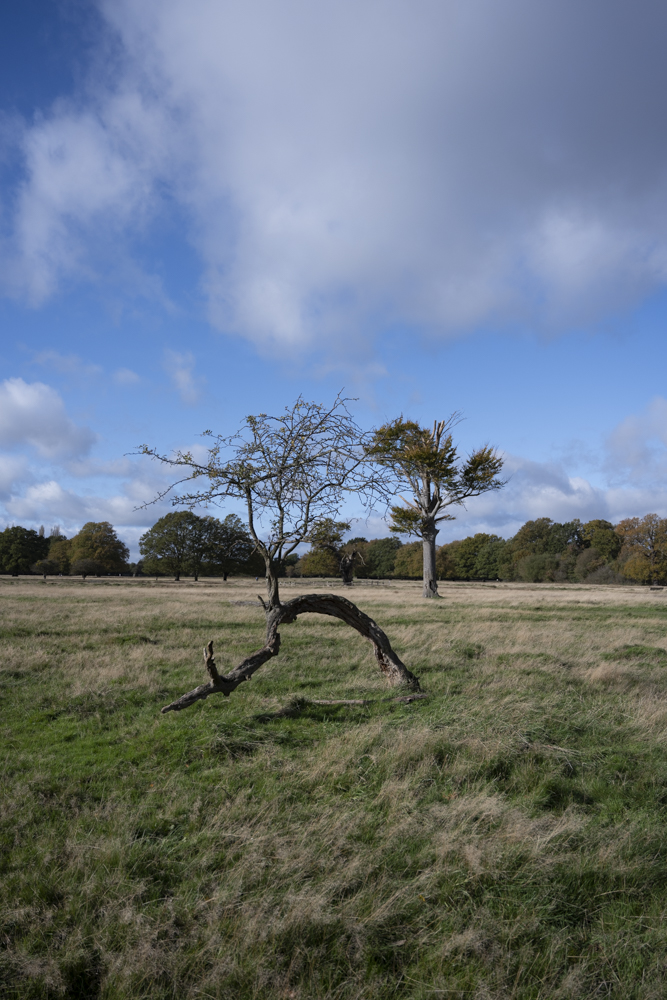
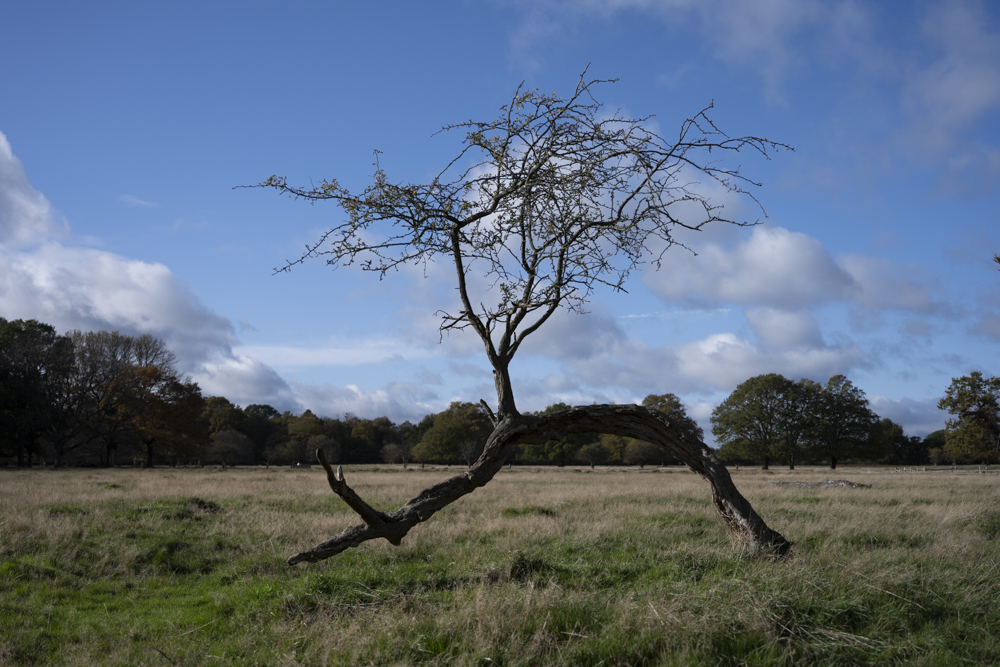
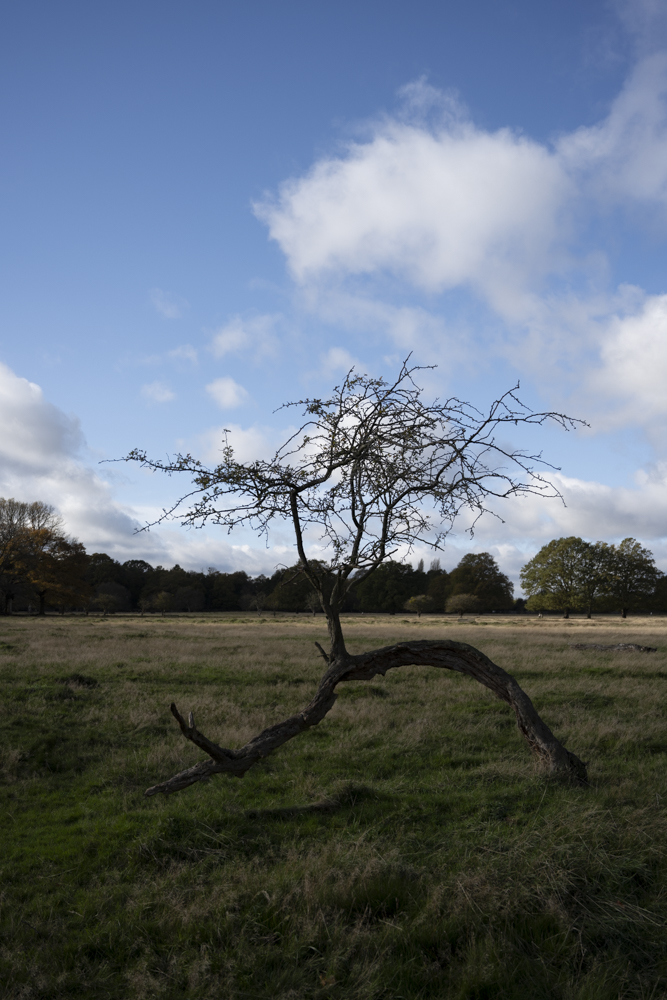
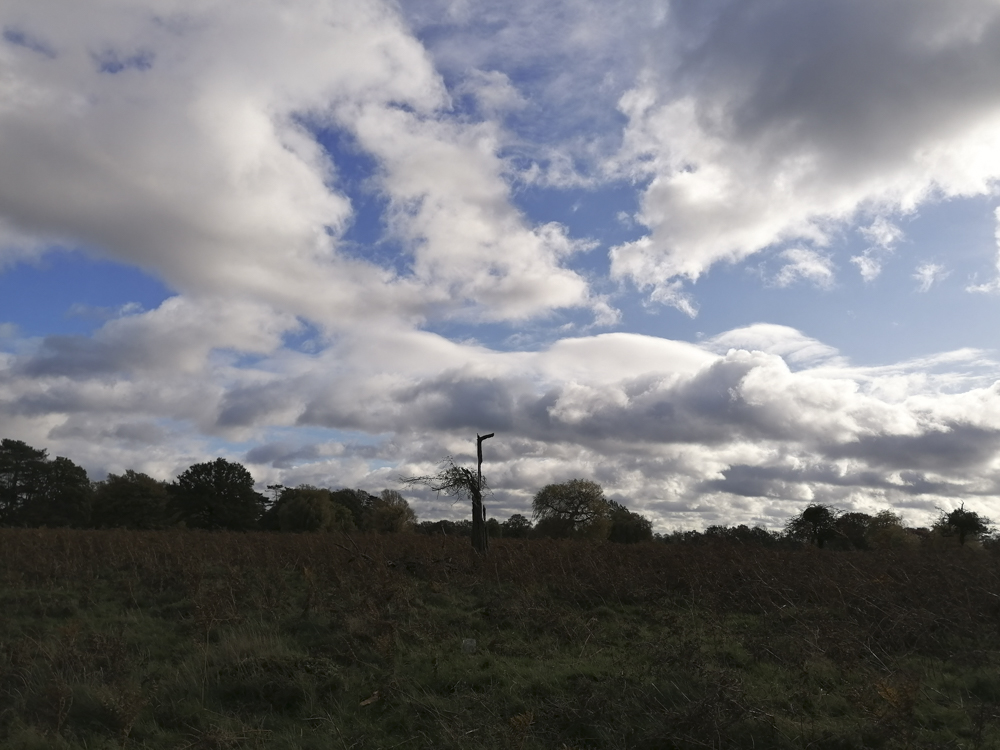
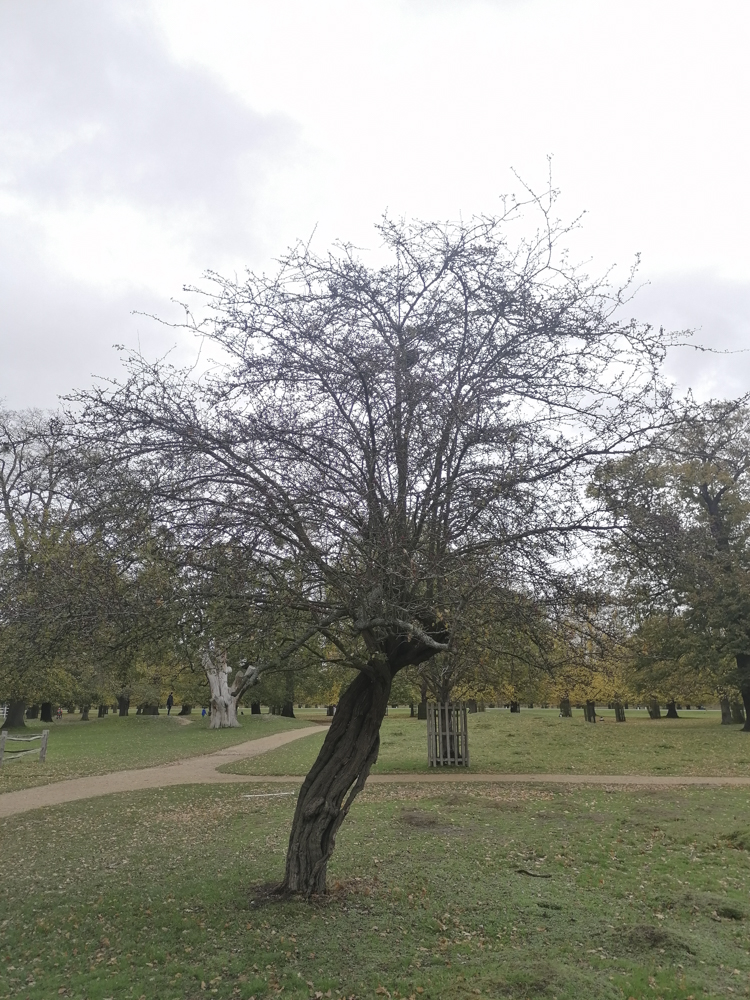
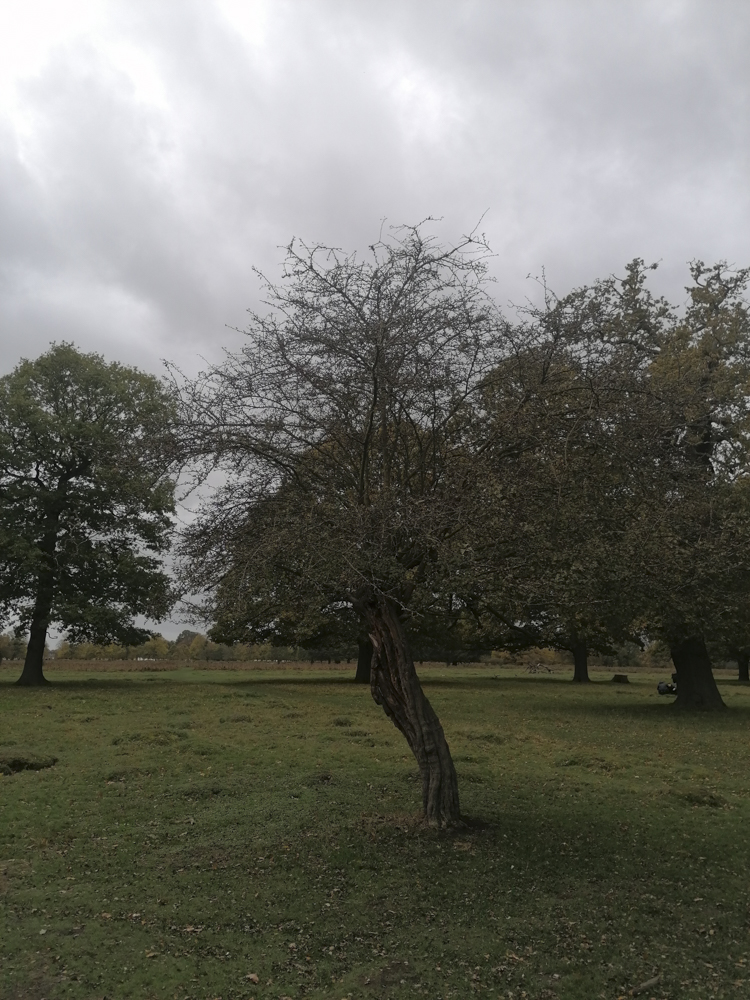
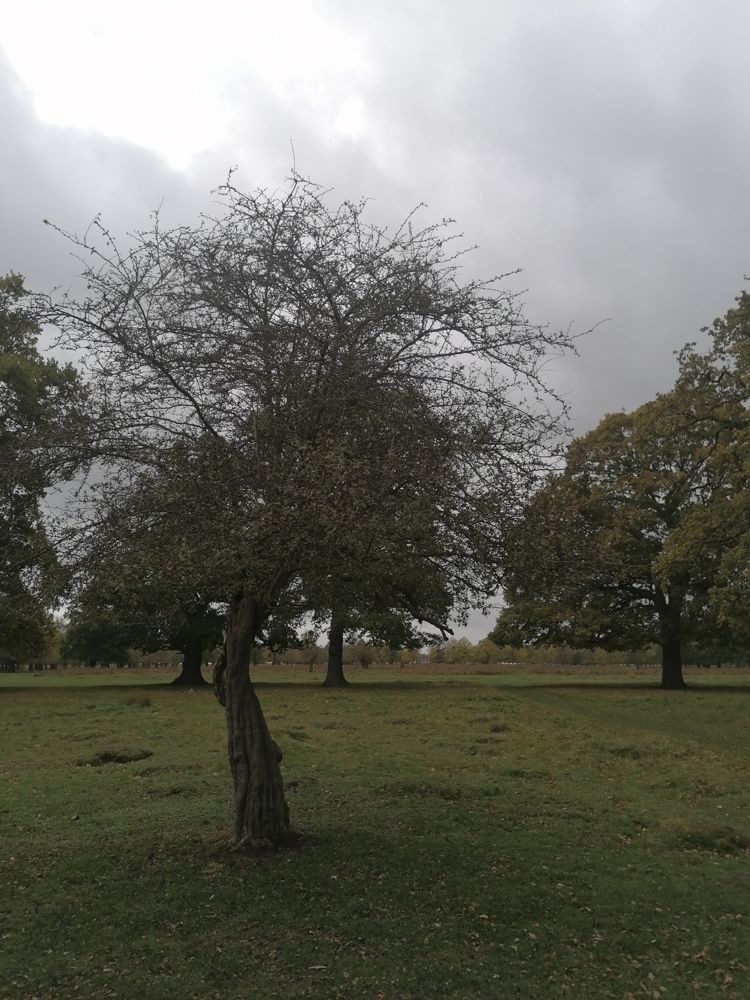
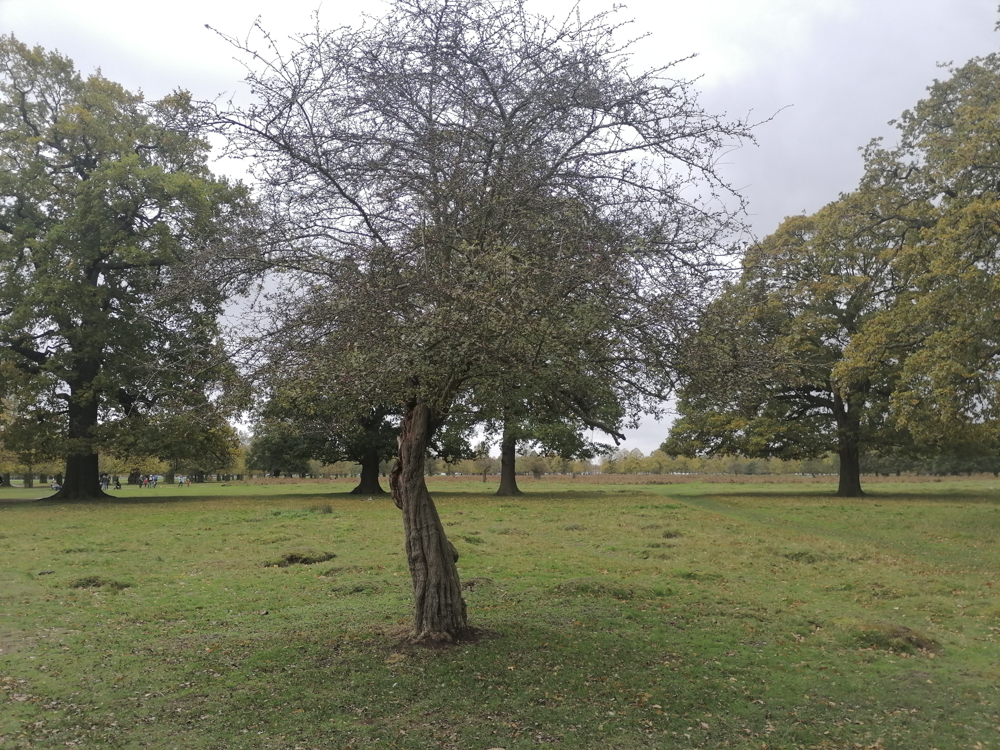
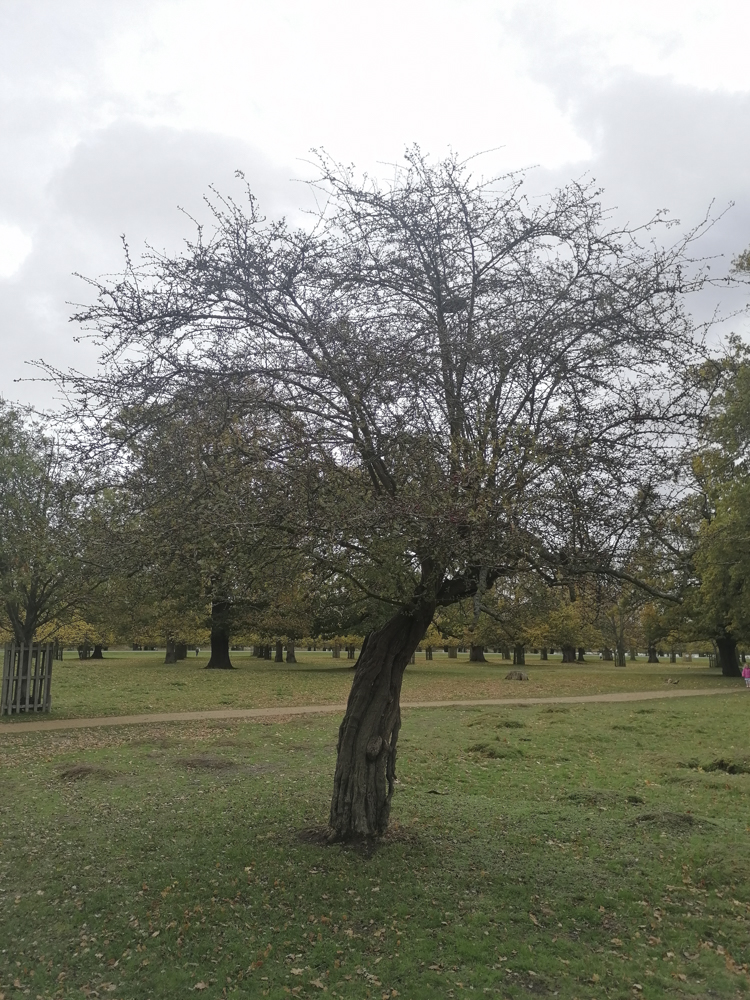
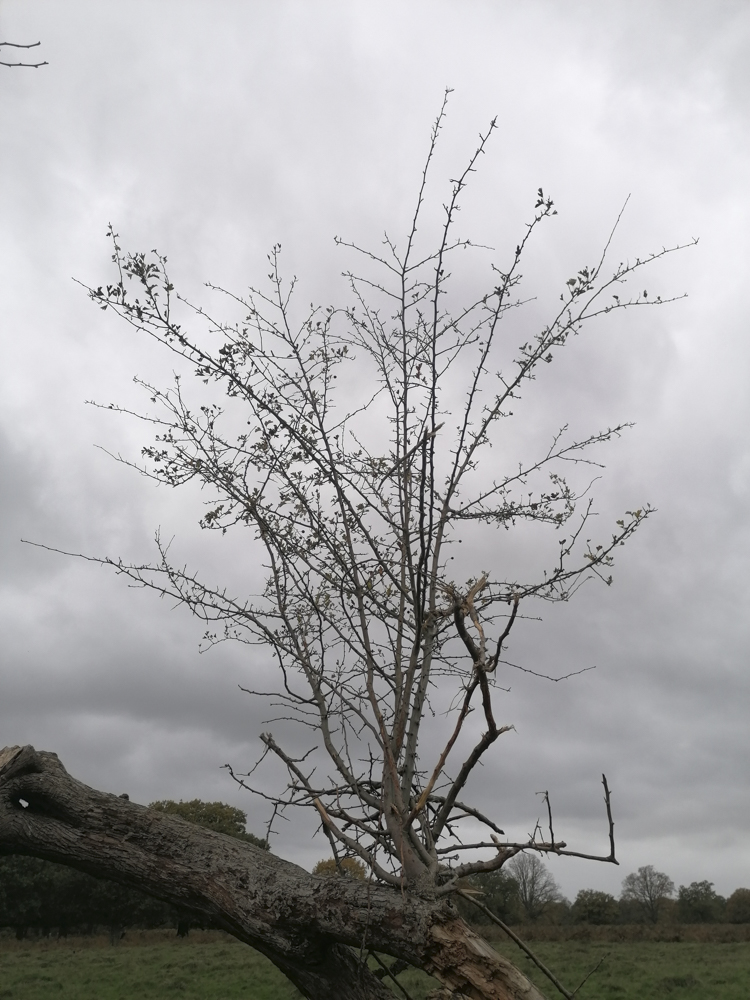
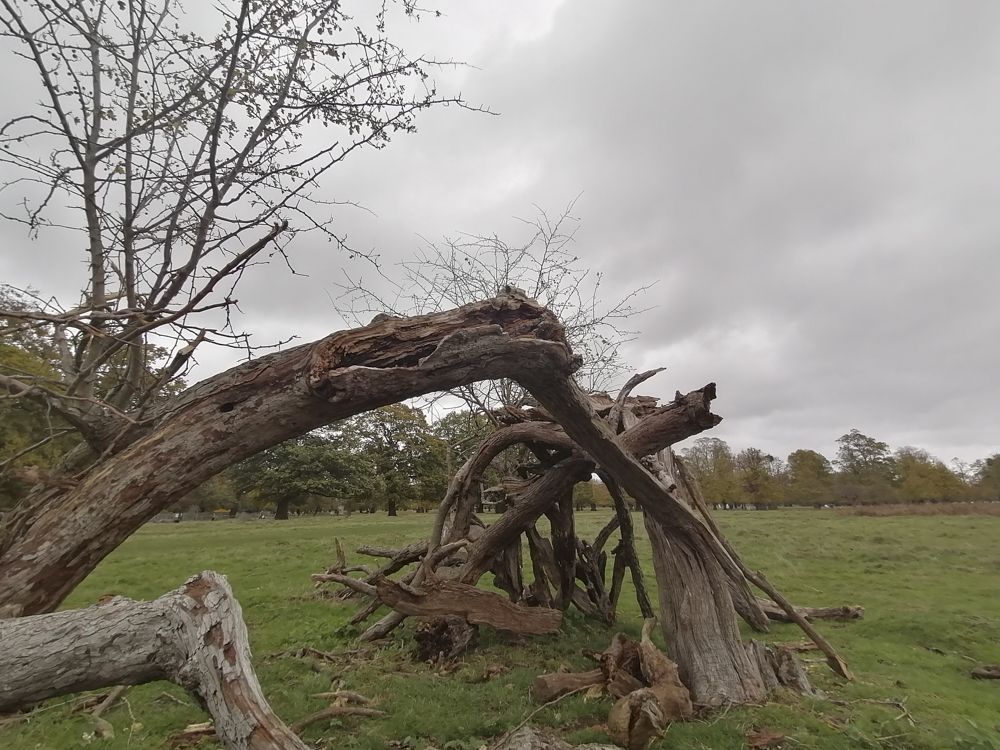
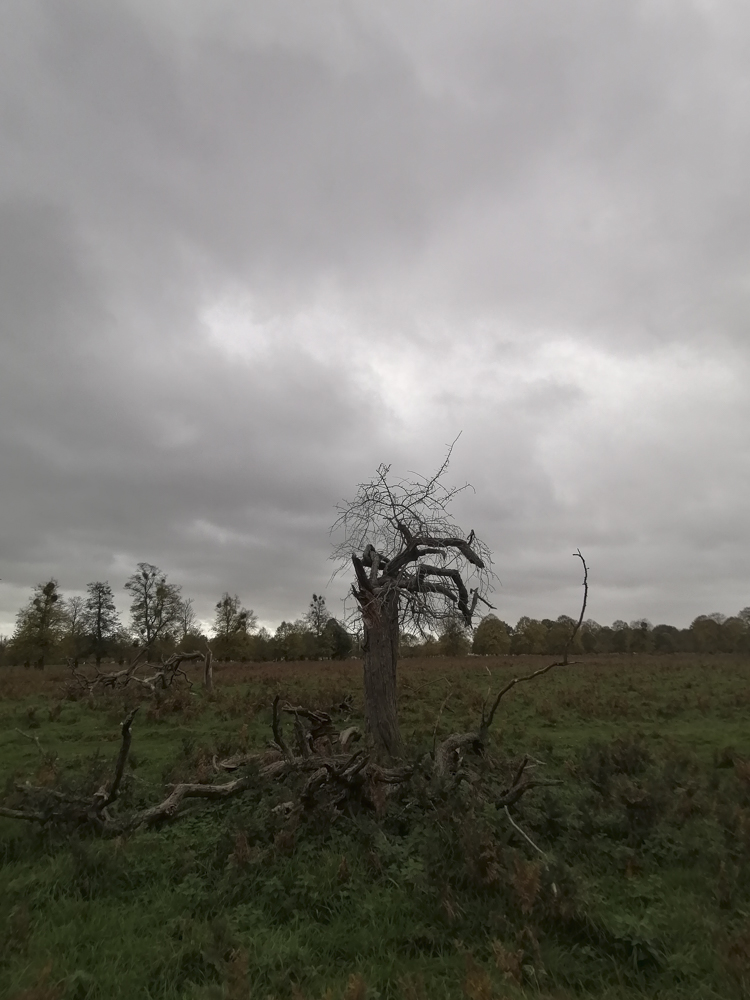
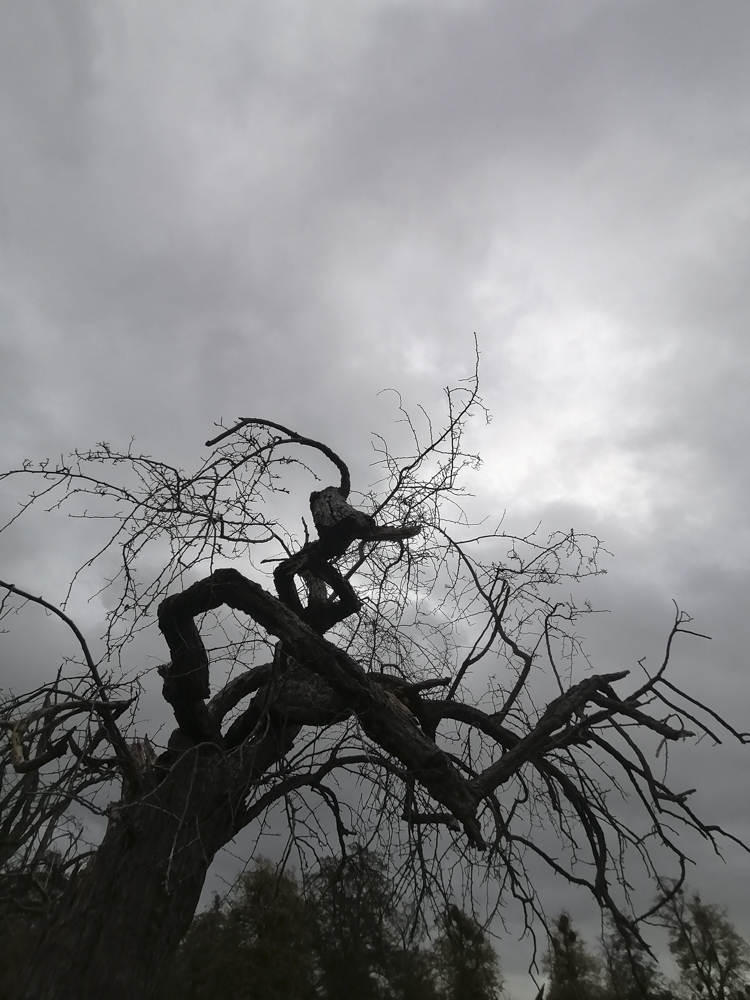
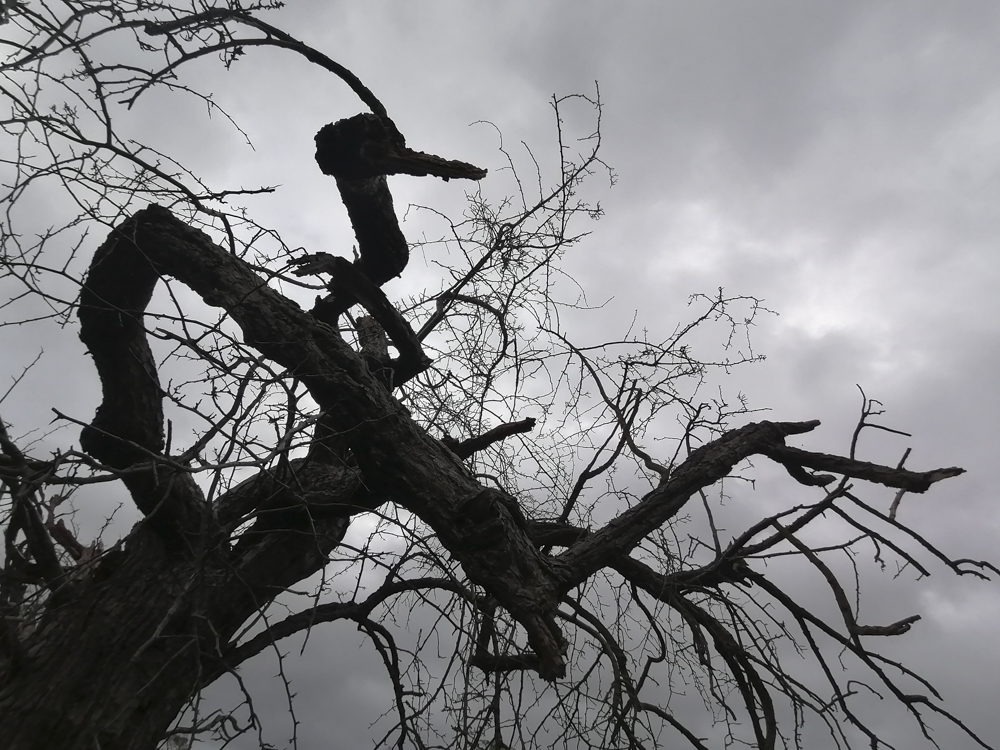
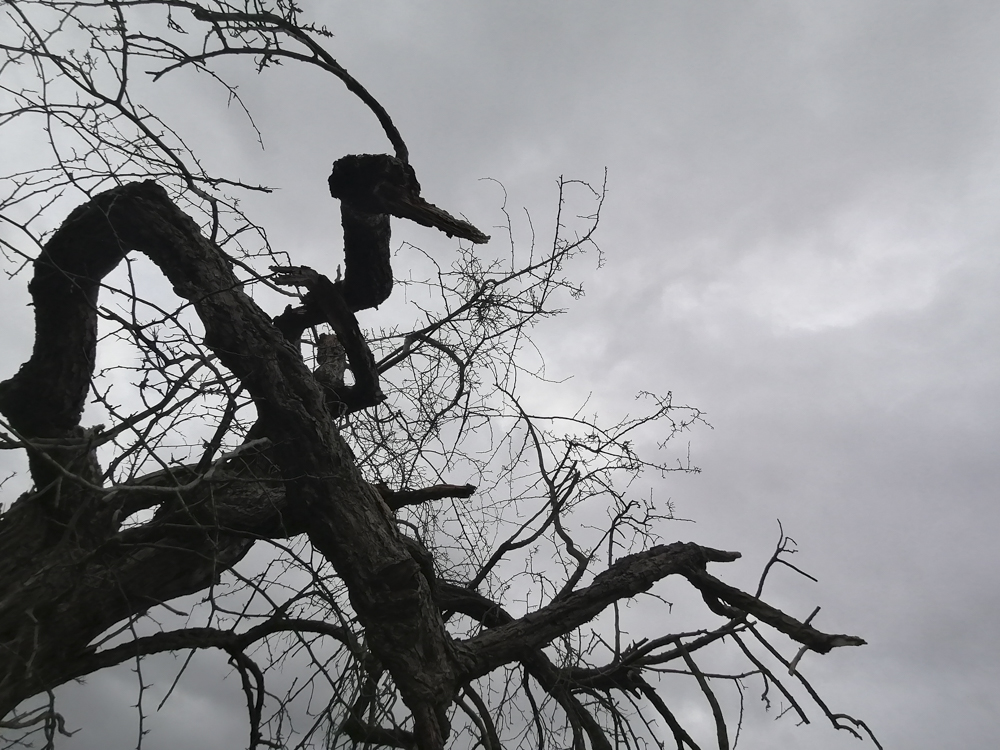
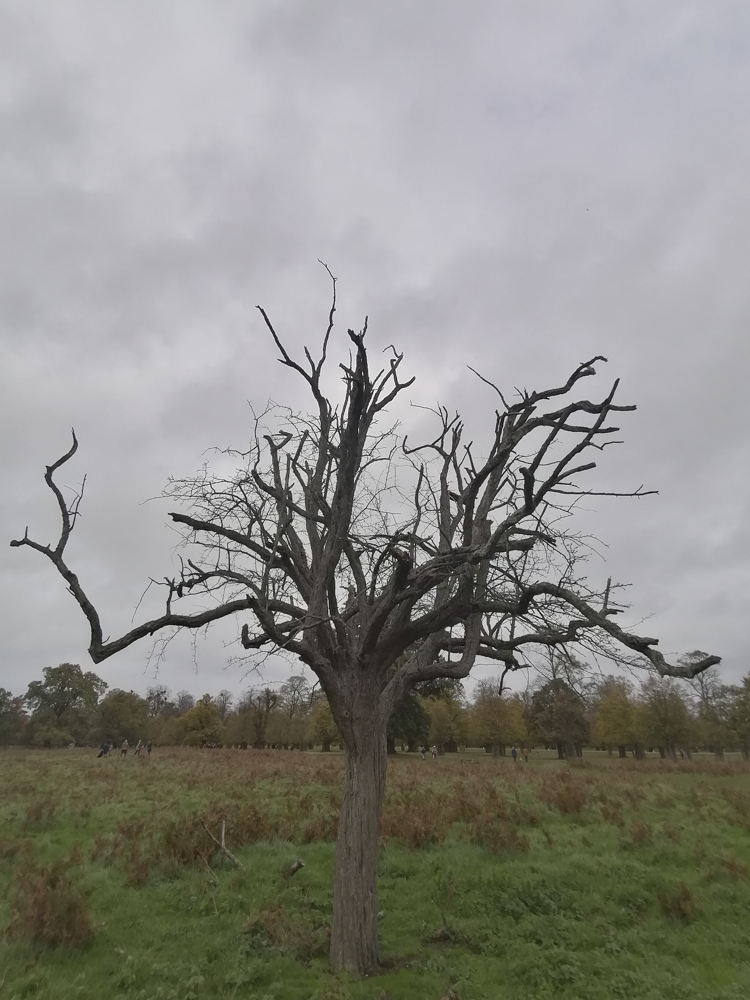
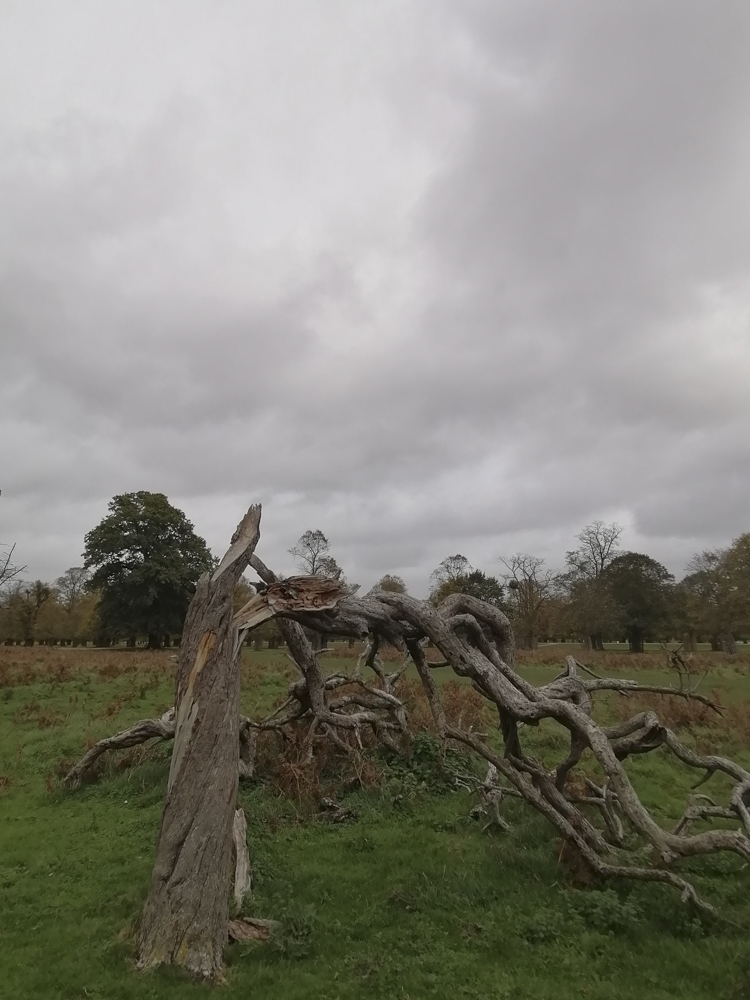
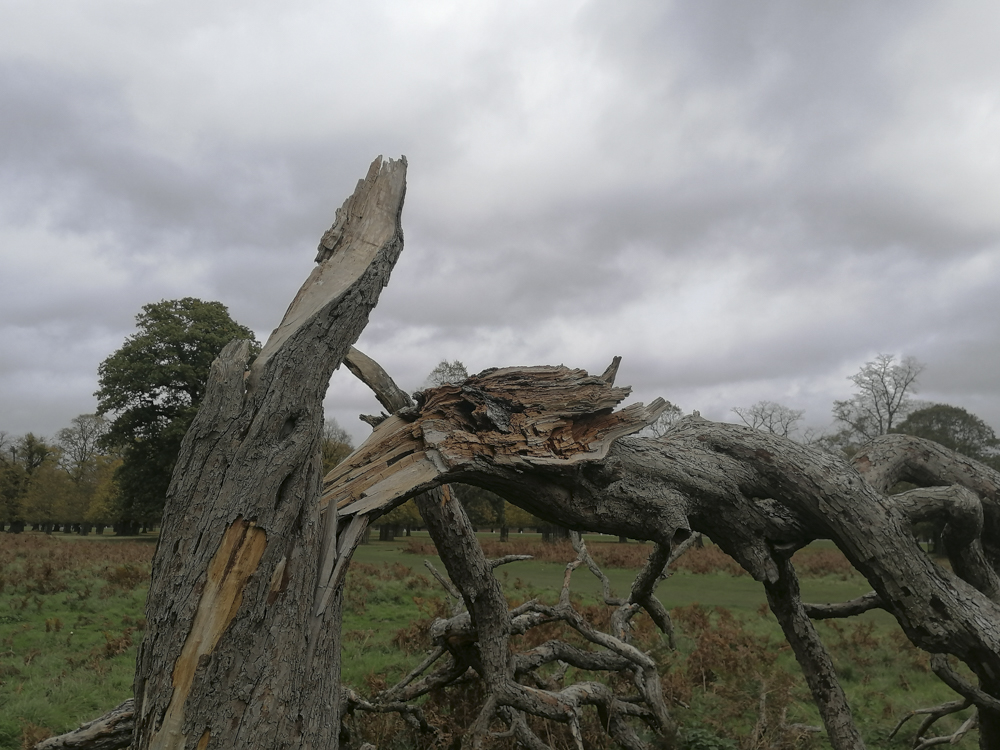
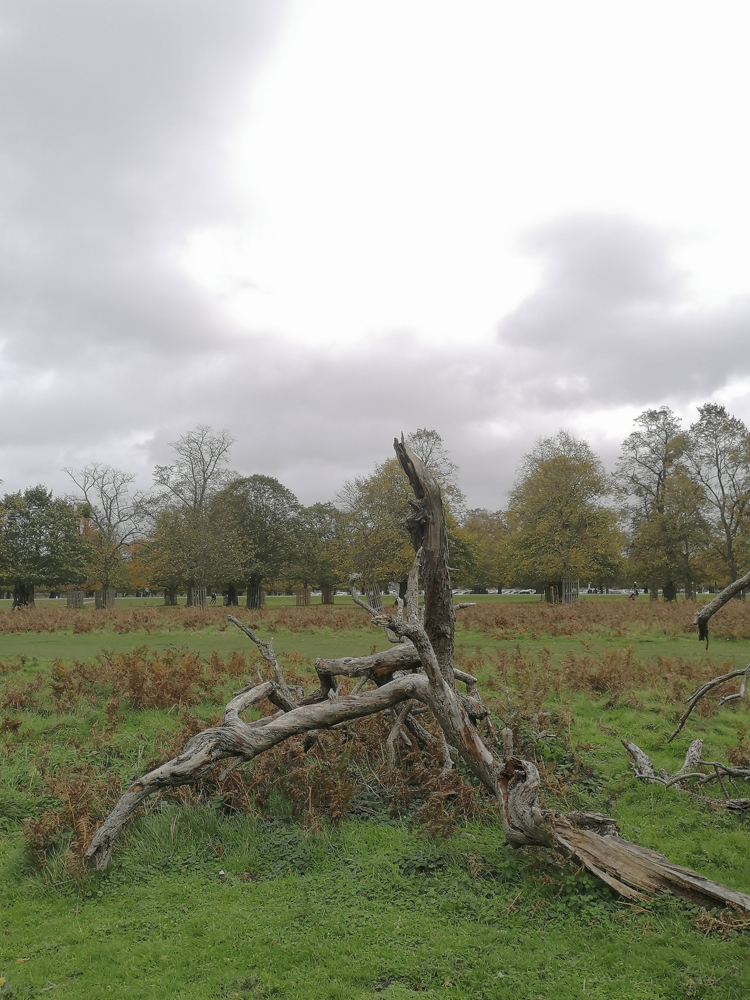
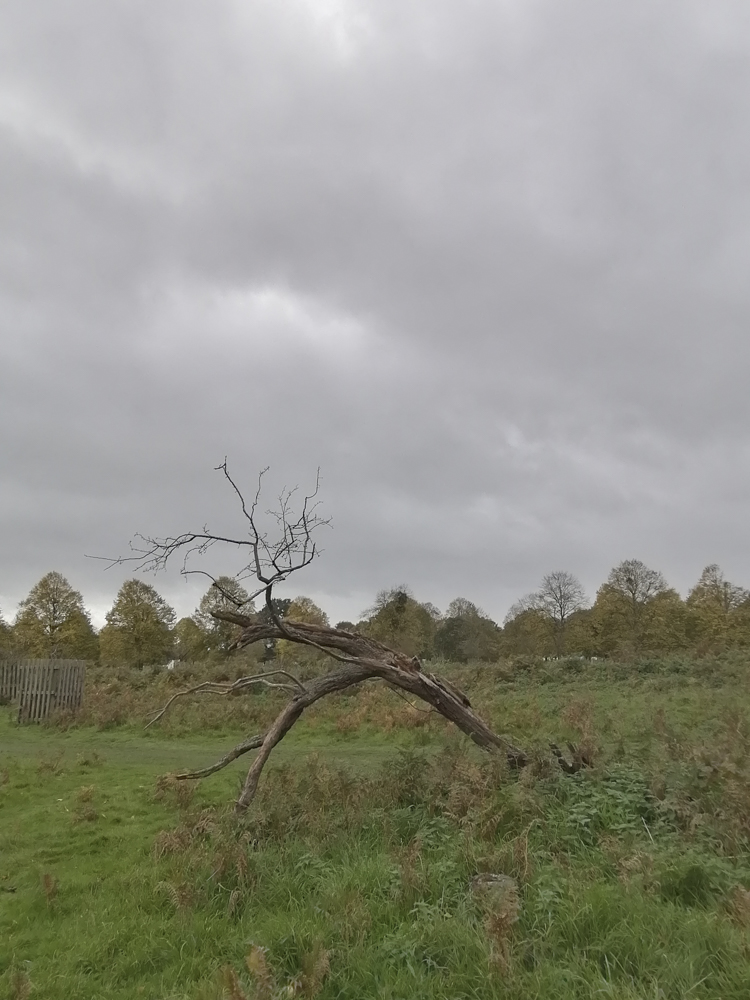
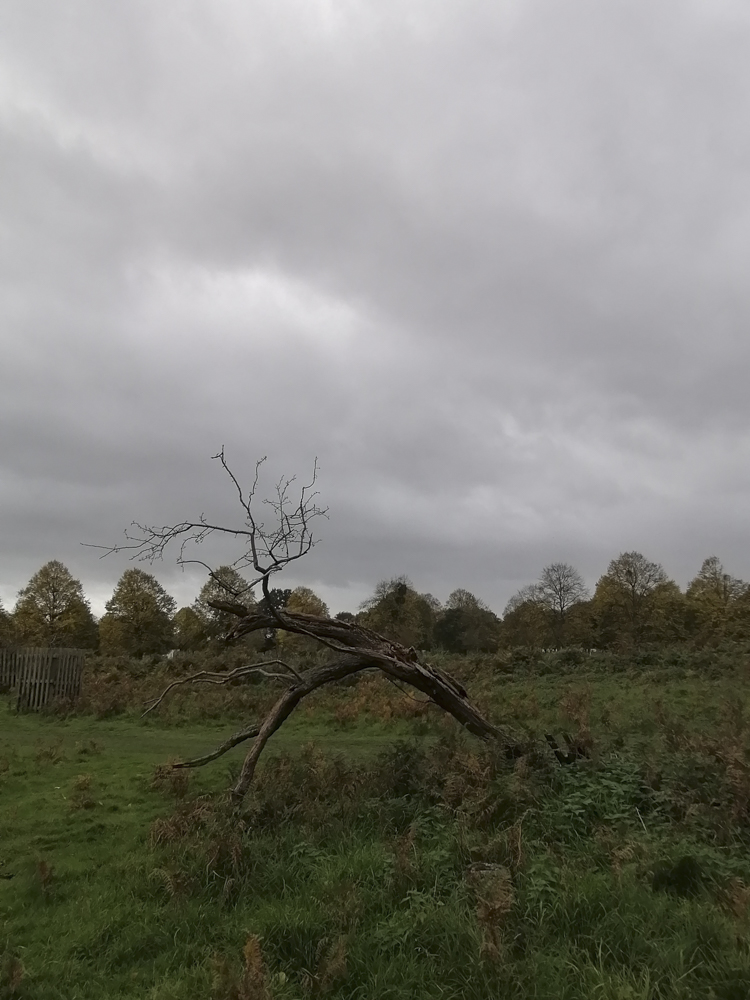
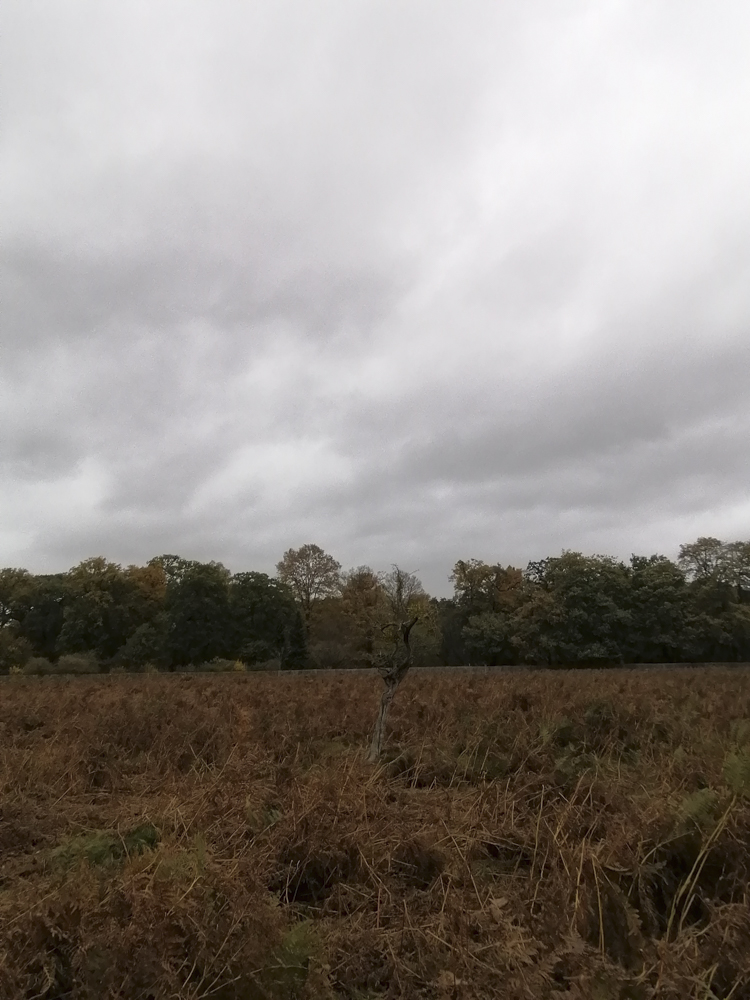
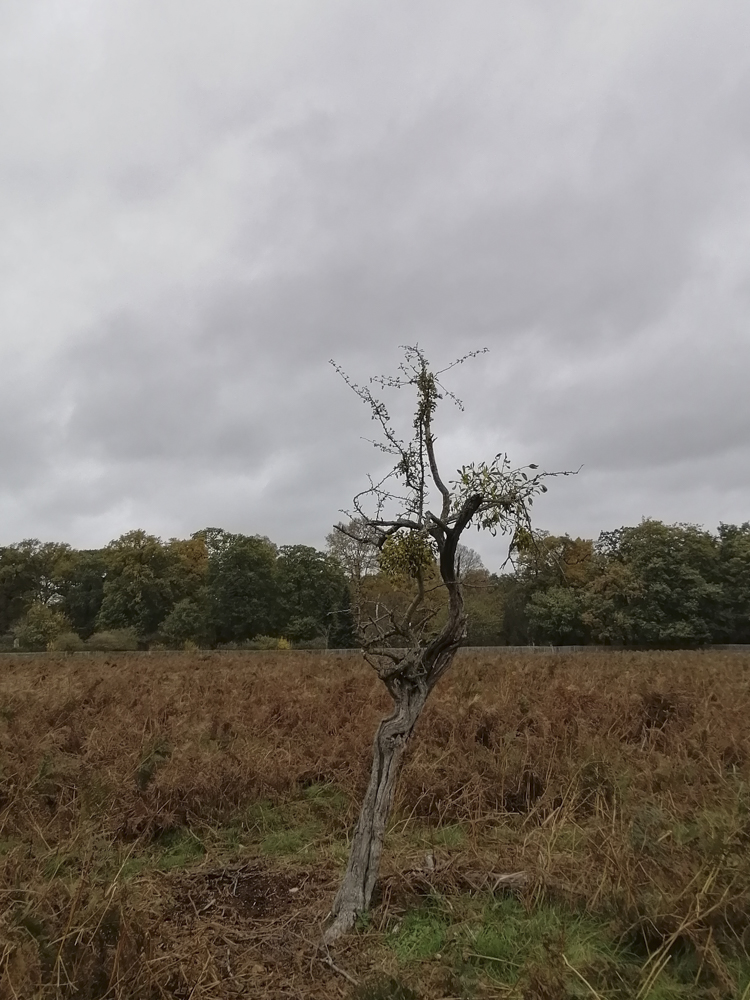
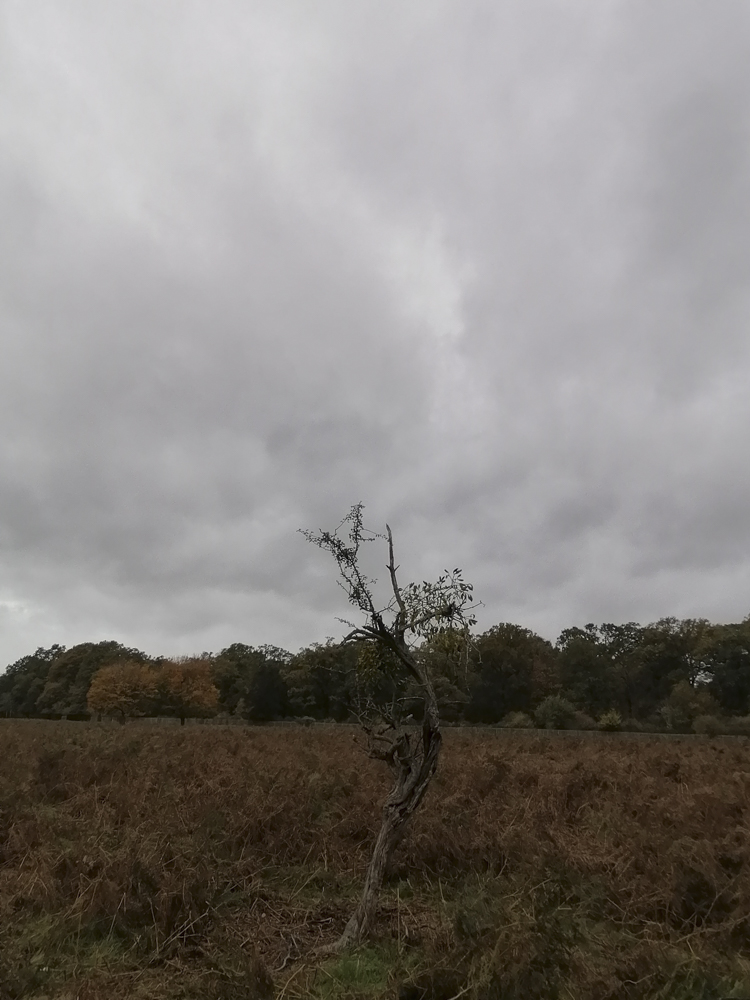
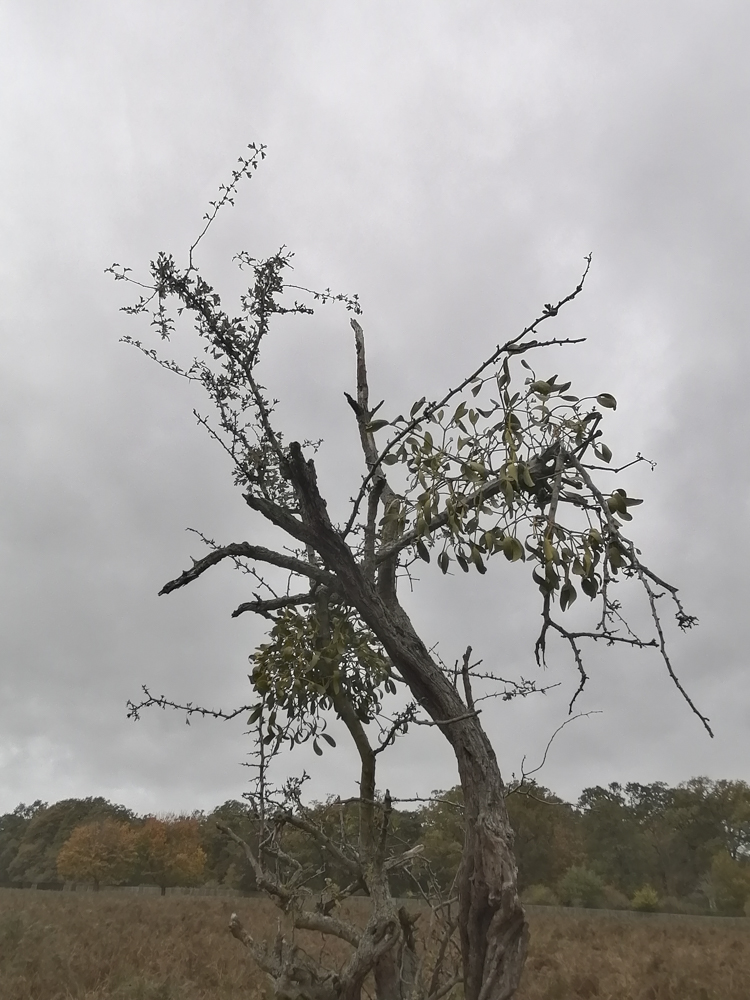
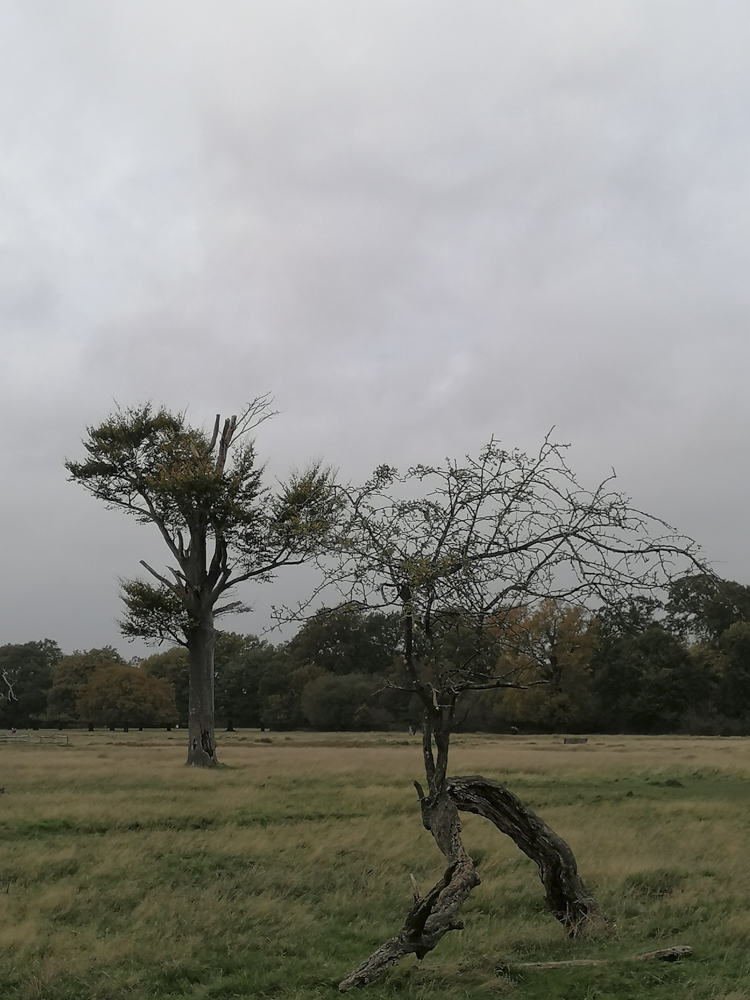
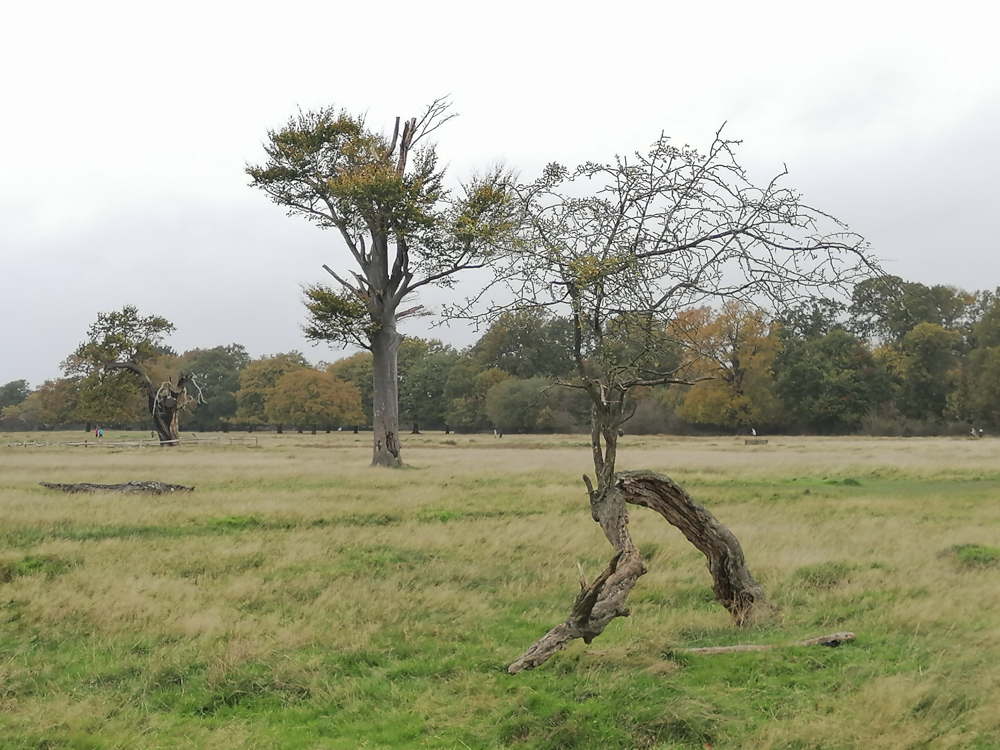
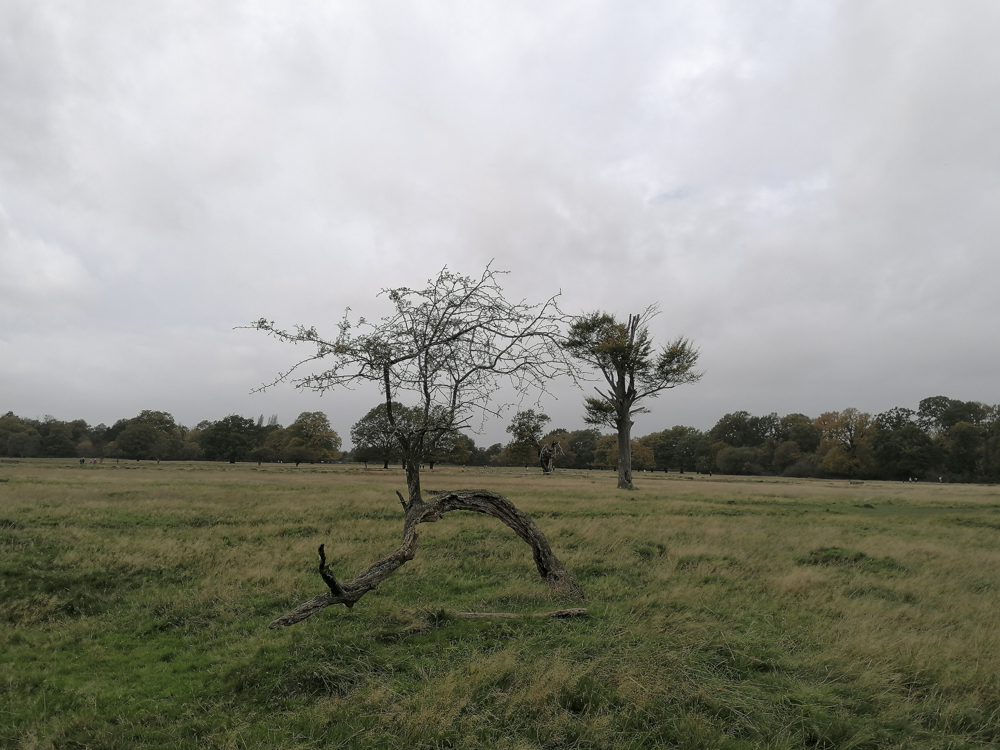
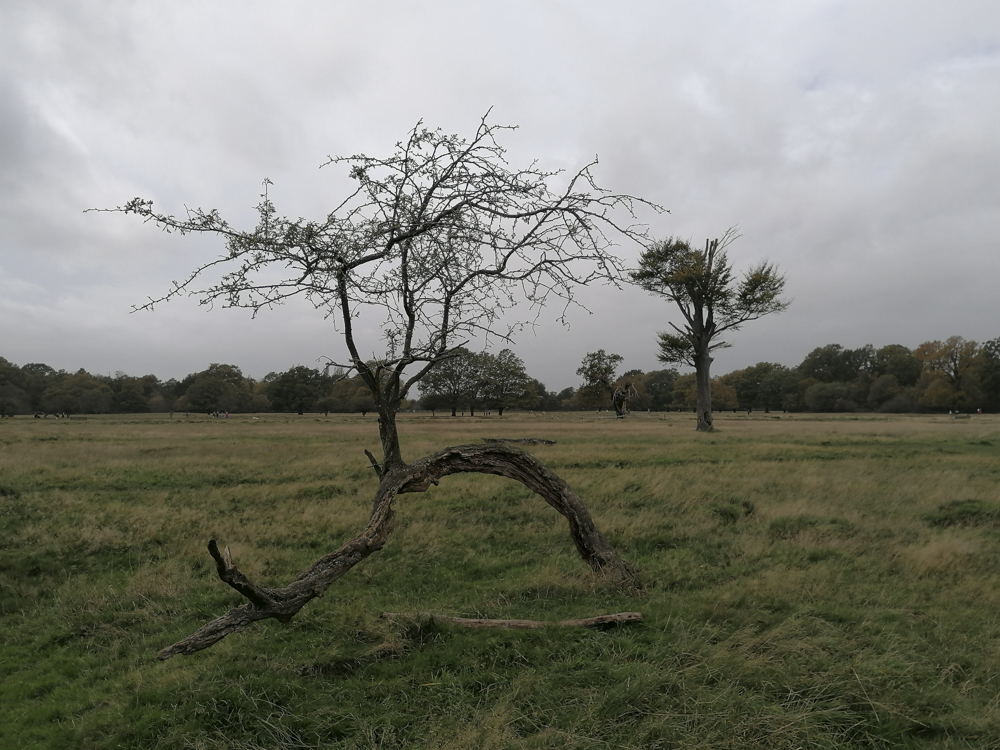
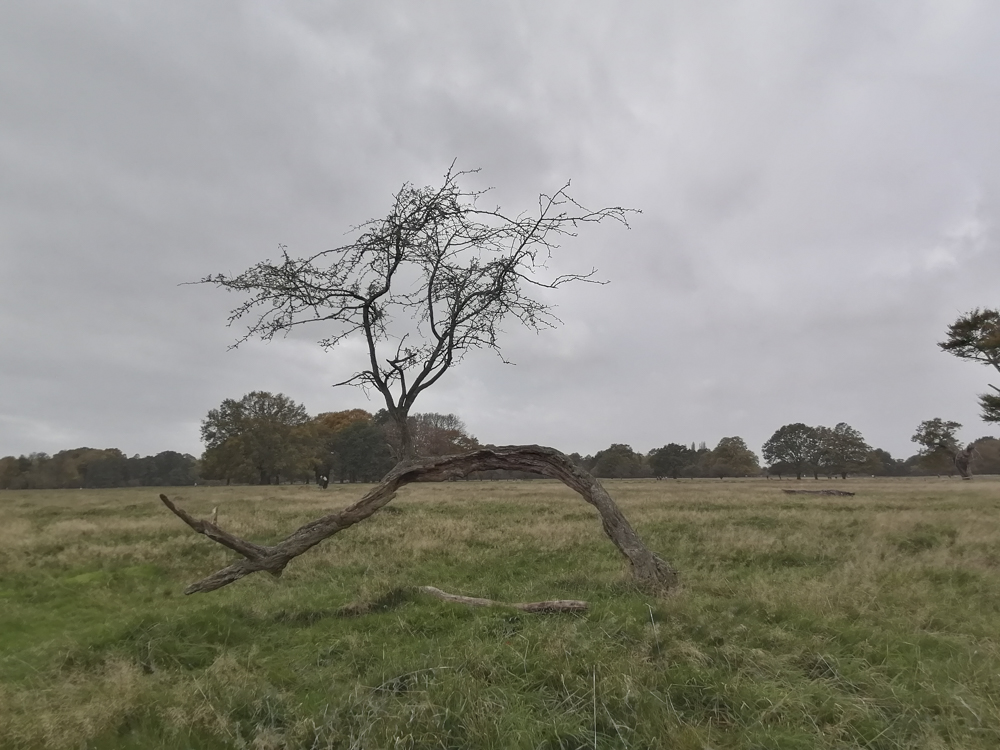
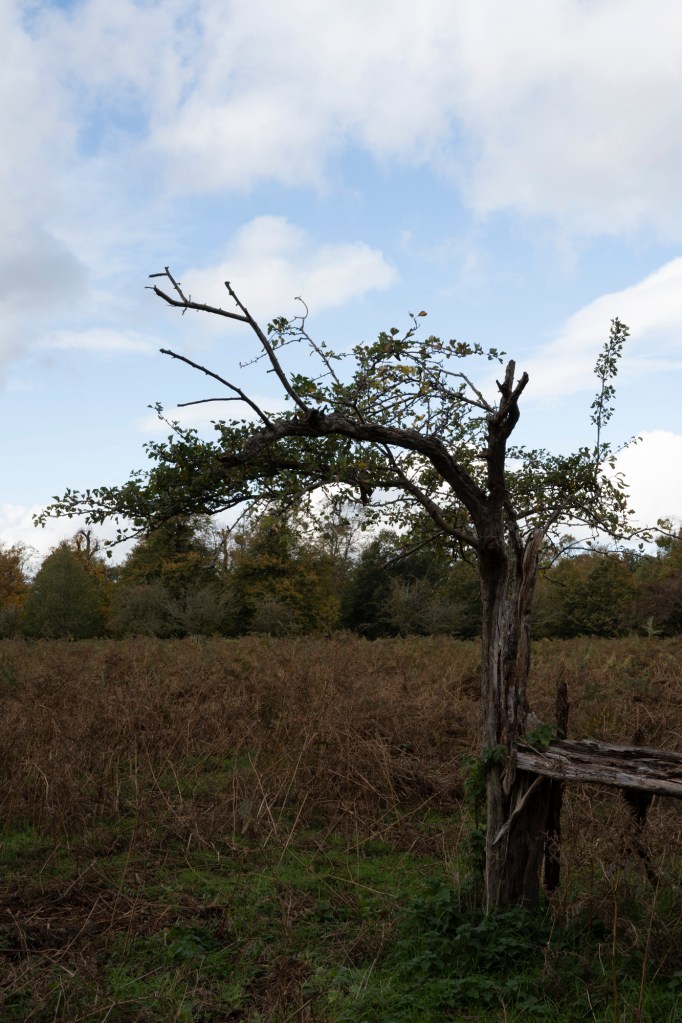
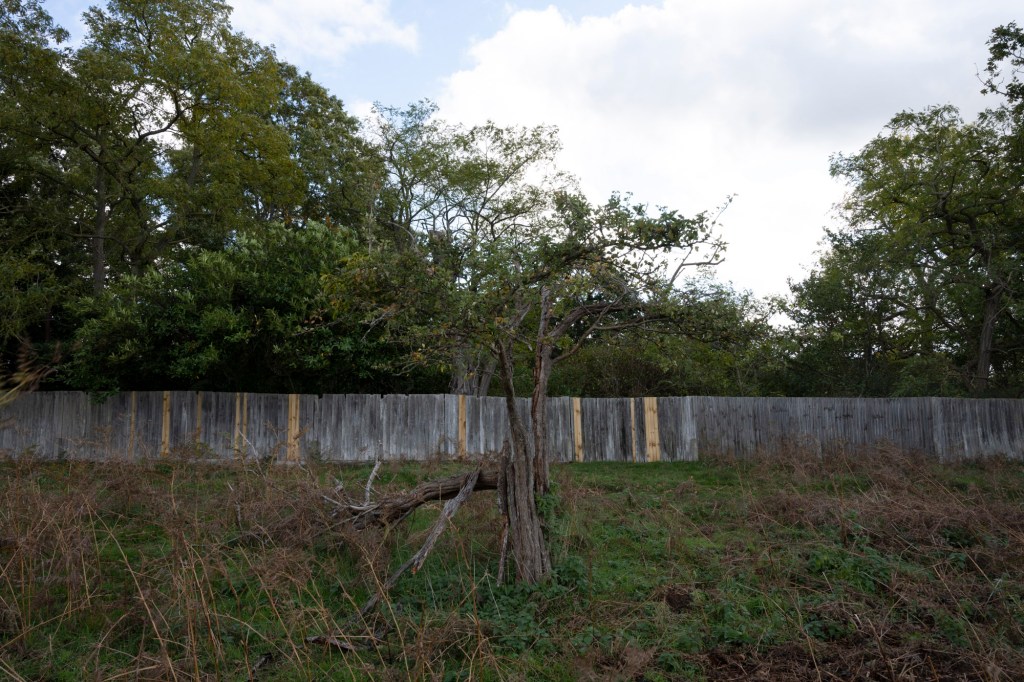
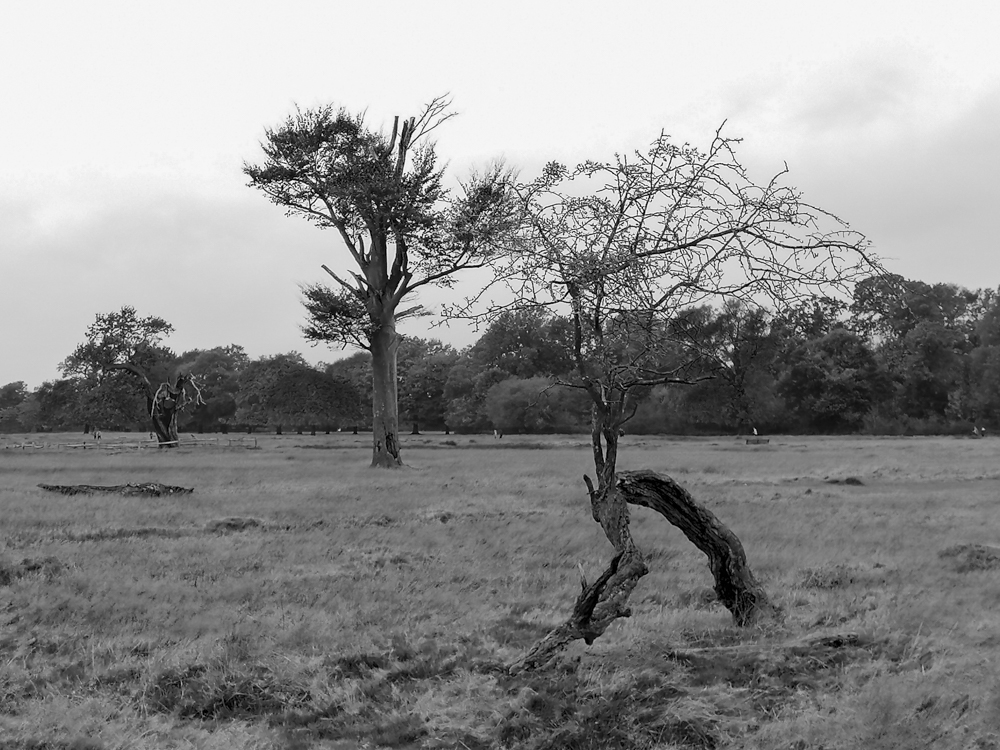
While walking across this patch, I noticed this following tree. The trunk is bent right over and does not touch the ground.

Tree 11

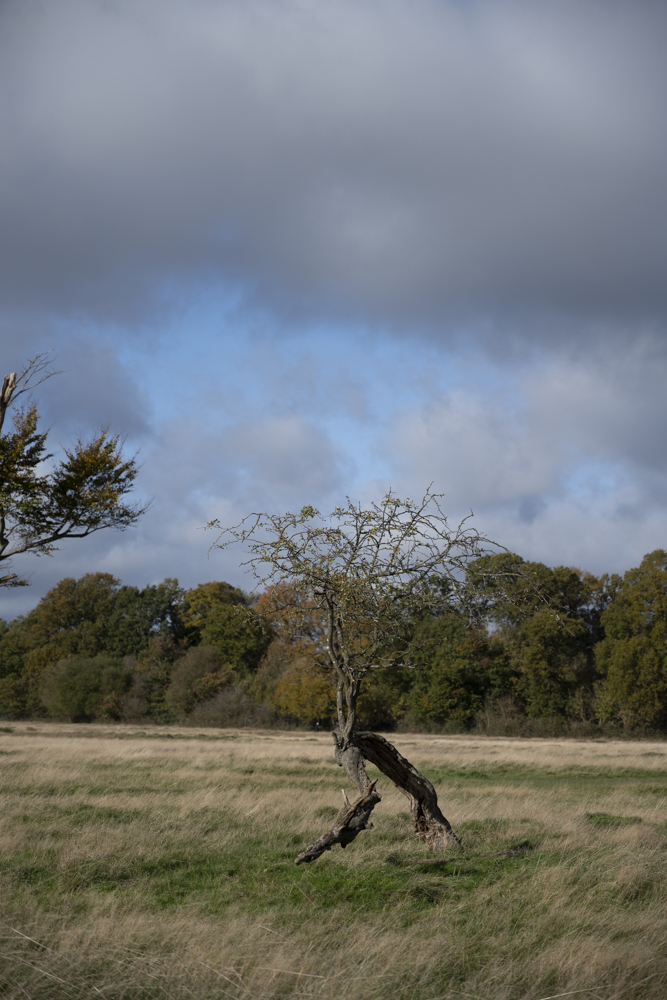
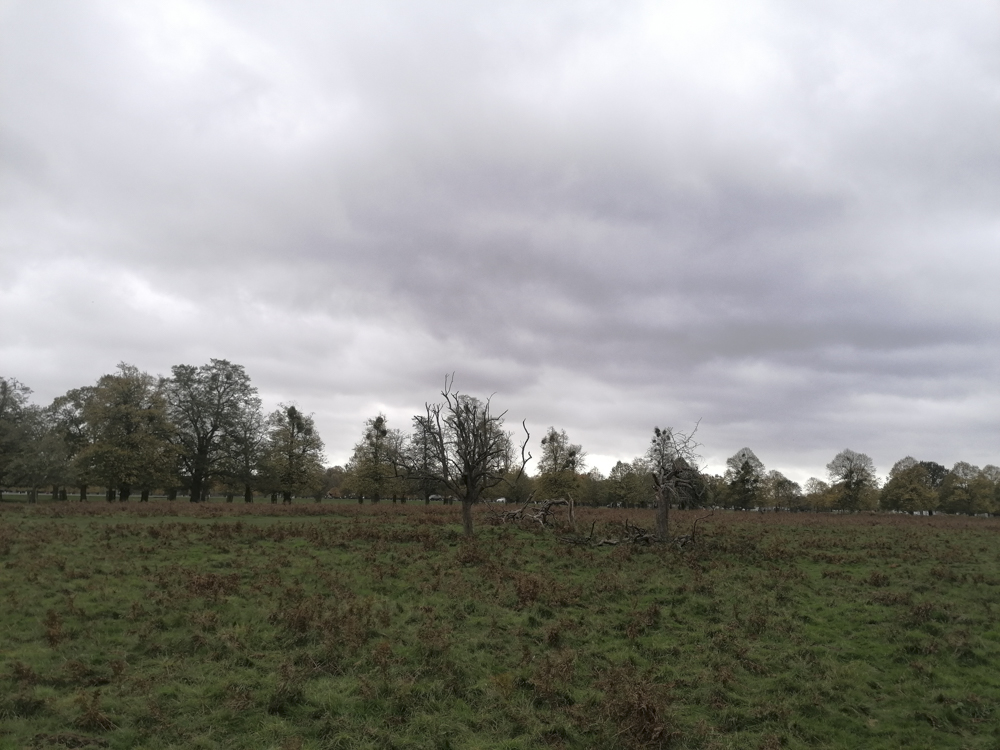
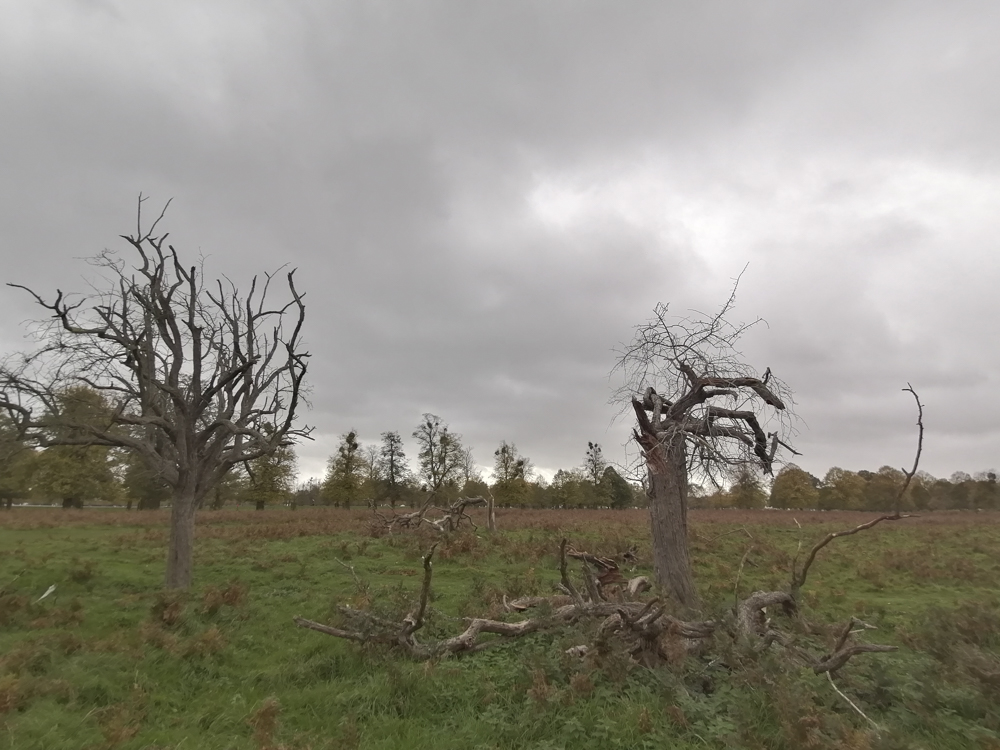
When looking at the images at home, I notice how this hawthorn looked in relation to two other nearby trees. The one on the far left was struck by lightening and is a fabulous example of how trees can survive despite a traumatic event. The one in the middle is another interesting mix of ‘dead & alive’. I had photographed it during the last winter and it appeared totally dead. I then noticed again during the summer and realised it very much alive. When put in line with the hawthorn, I thought it made a very interesting and intriguing composition – especially when converted to Black & White).

References

Historicengland.org.uk. 2020. BUSHY PARK, Richmond Upon Thames – 1000281 | Historic England. [online] Available at: <https://historicengland.org.uk/listing/the-list/list-entry/1000281&gt; [Accessed 27 October 2020].

Categories
AGM62 Photography Research Project Stage 1 Posts

AGM62 Bushy Park Hawthorns 29 October 2020

On the day after the Group Tutorial and following a week of research and photographing hawthorns, I thought it best to process the outcome so far. On the morning of 29 October when looking out of the window, I was greeted by grey skies and heavy rain. When I checked the weather forecast, the rain was due to fall until late afternoon, so I adapted my actions for the morning accordingly. I made the decision to go for a walk in Bushy Park.

Firstly, walking in the park enables me to process my thoughts and engage in mindfulness. Being in that environment give me the space and time to process my thoughts while the fresh air refreshes both brain and body. I have also recently started to use Nordic walking poles. As I’m no longer able to run (I was a long-distance runner for 20 years), I’ve found it a fabulous alternative. Also, I’ve discovered that by using the poles I can walk faster and use my arms as well as legs, so am able to get to around the park and take photographs more efficiently. This particular type of exercise is proven to help with both core and arm strength, meaning I’ll tire less when out and about in the park.

Secondly, as I had recently updated my outdoor wet-weather gear, it gave me the opportunity to test it out. The last thing I would want on a planned shoot is to be either cold or damp (or both!), so I needed to make sure it would be up to the job.

Thirdly, I wanted to explore a different area of the park in which there were hawthorn trees and compare then with the places I had already investigated.

As I didn’t want to take my main camera and decided to travel light, I used my smartphone to take all of the following images. The other advantage is that I have now set my location indicator on my phone, so each image will have map co-ordinates.

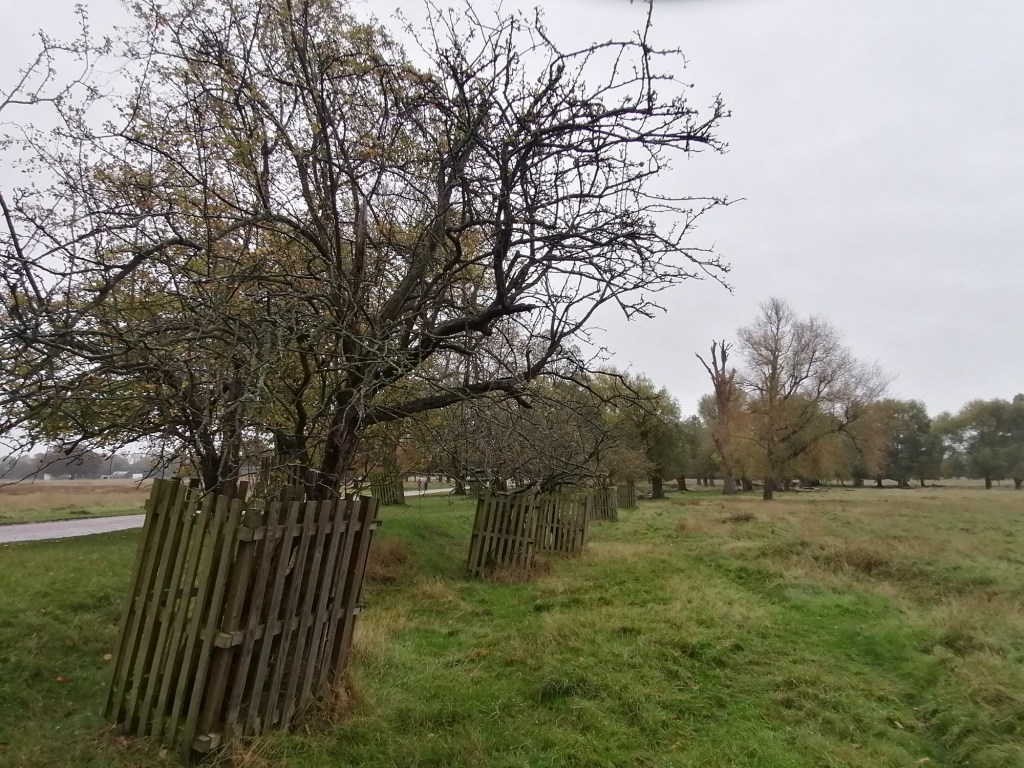
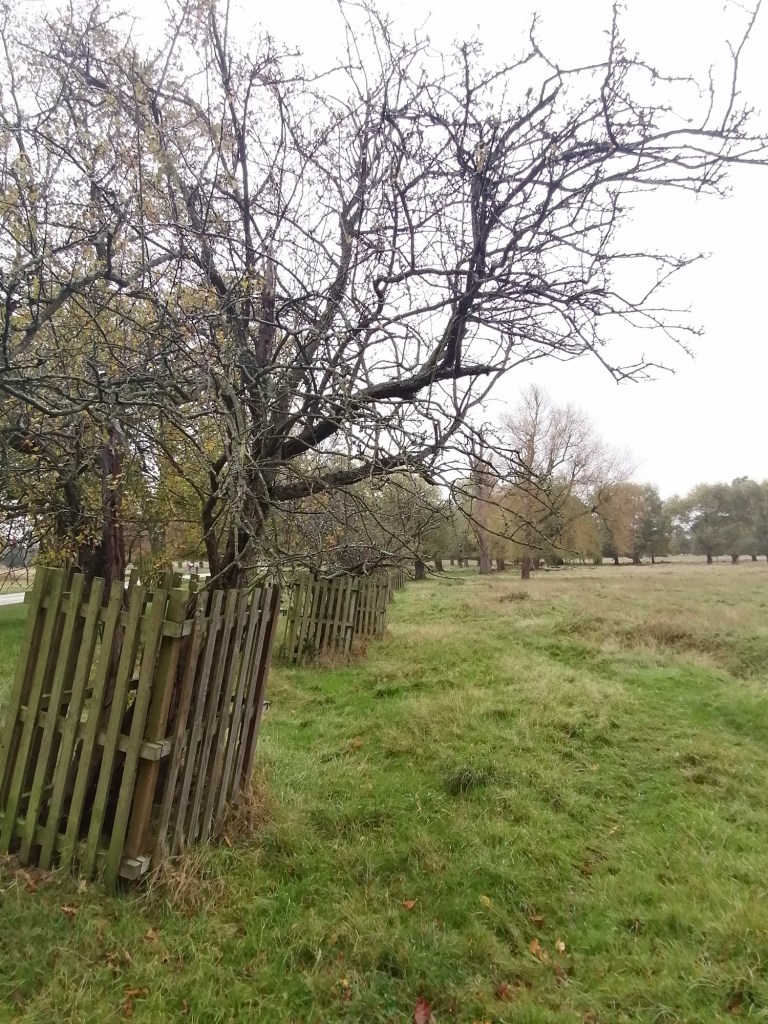
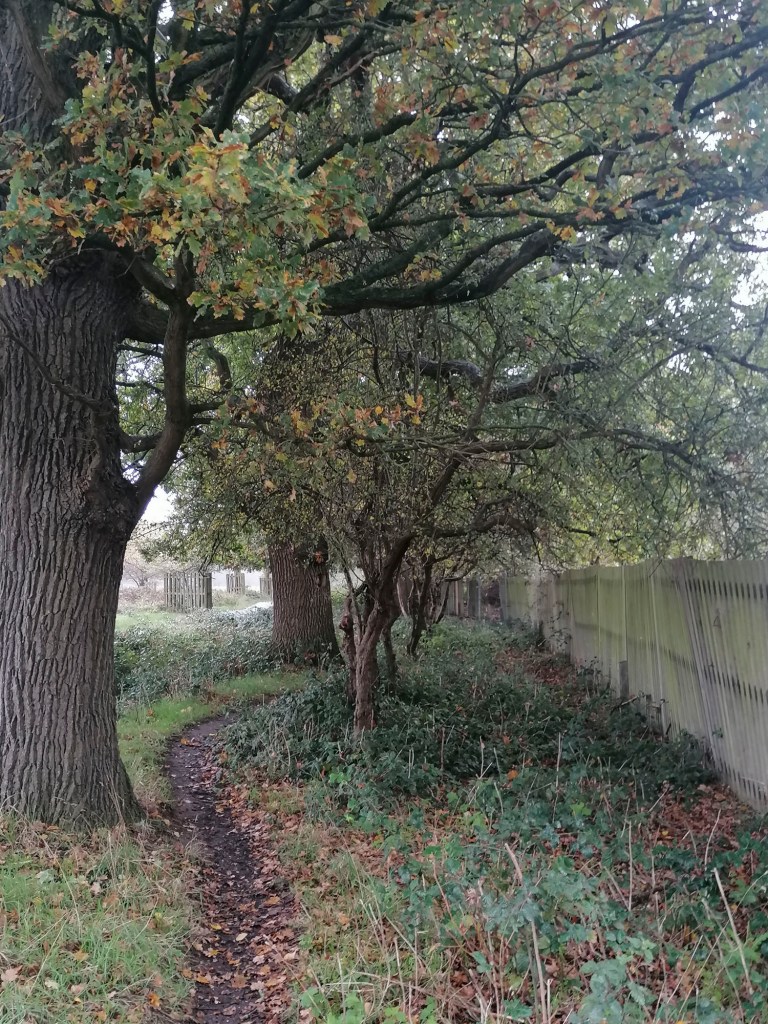
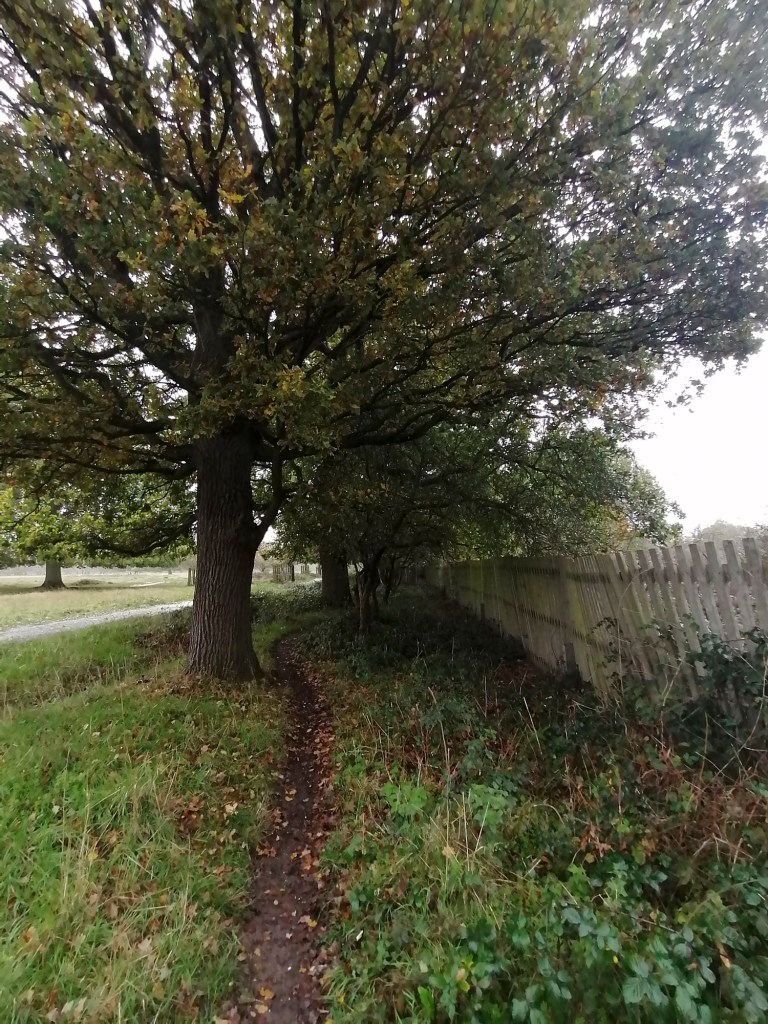
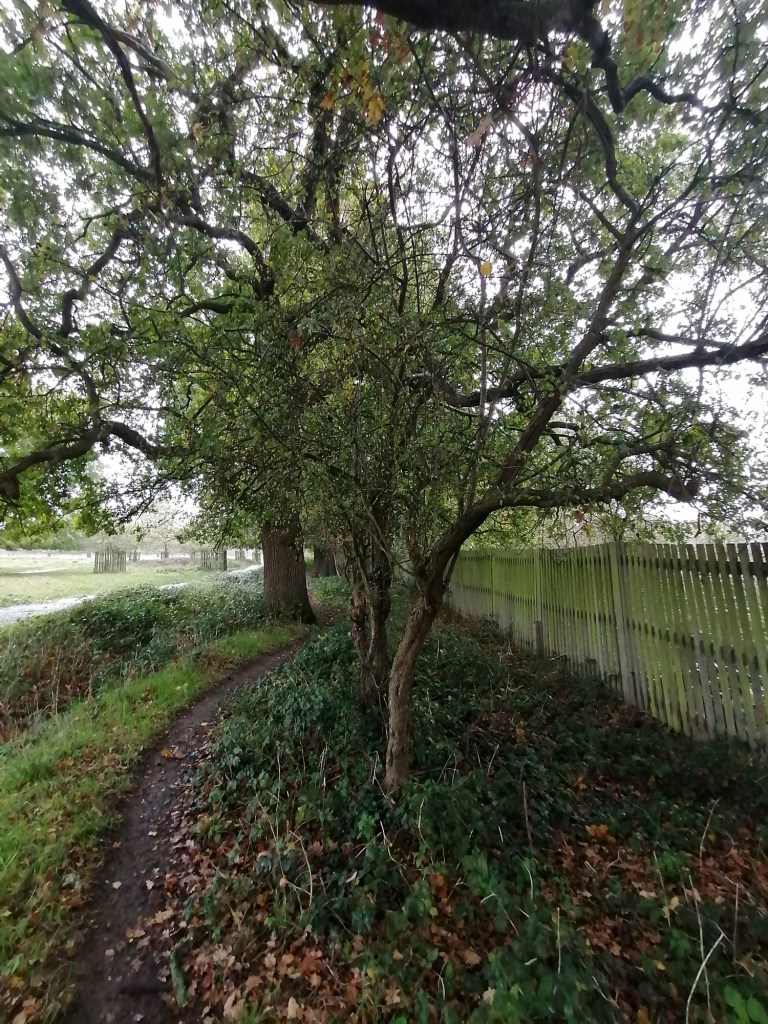
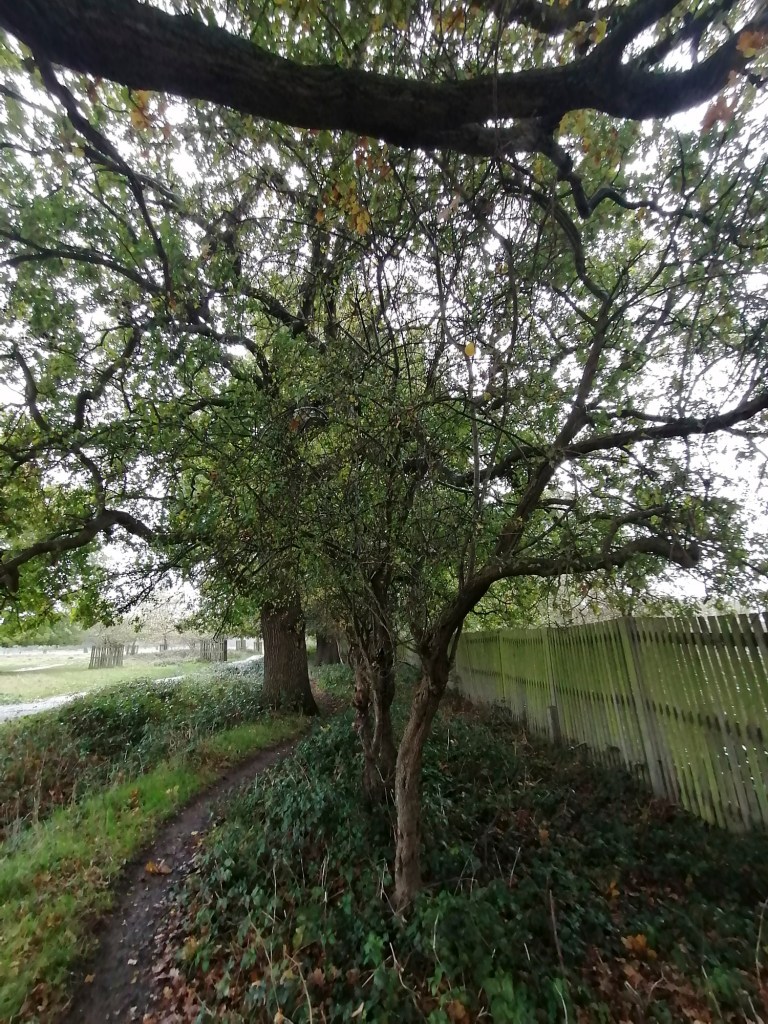
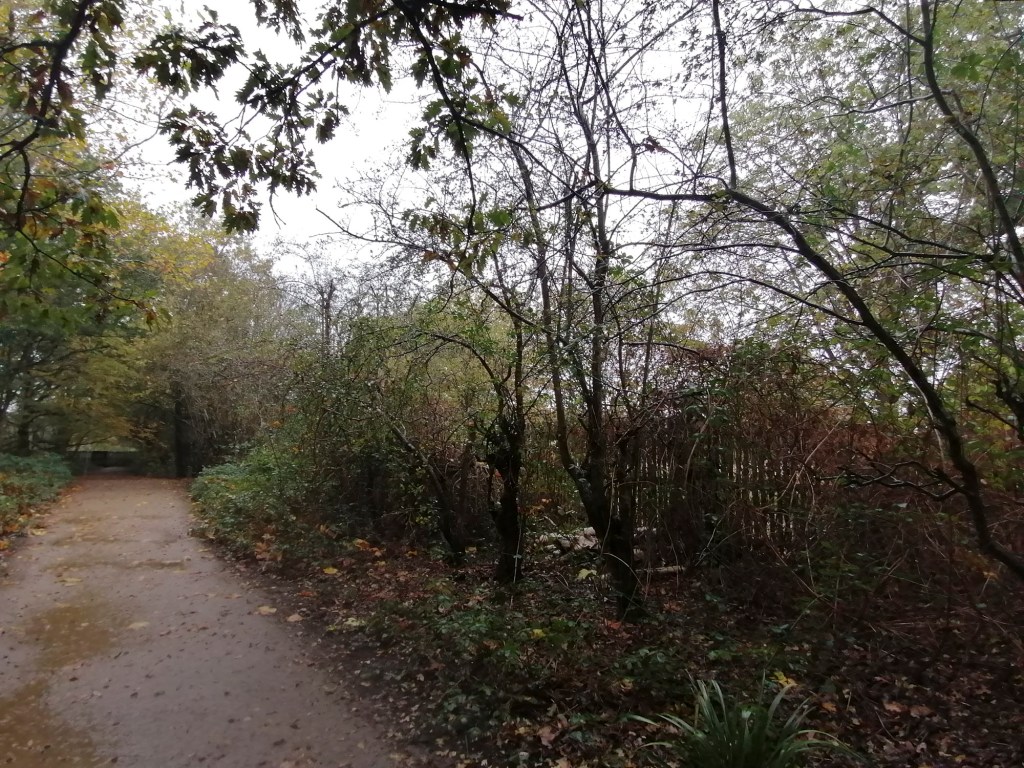
I started my investigation at a corner on which I knew featured a hawthorn tree and I had photographed it quite a few times previously. When I looked at this tree and its position in more detail, I noticed a line of hawthorns nearby that ran in a line along the path.

Just along the path to the right of the tree on the corner is this hawthorn.

Followed by this one.

On the opposite side of the path, there are two more hawthorns.

What struck me was the oak tree adjacent to the hawthorns in the last image. Evidence of a hawthorn ‘protecting’ the oak.

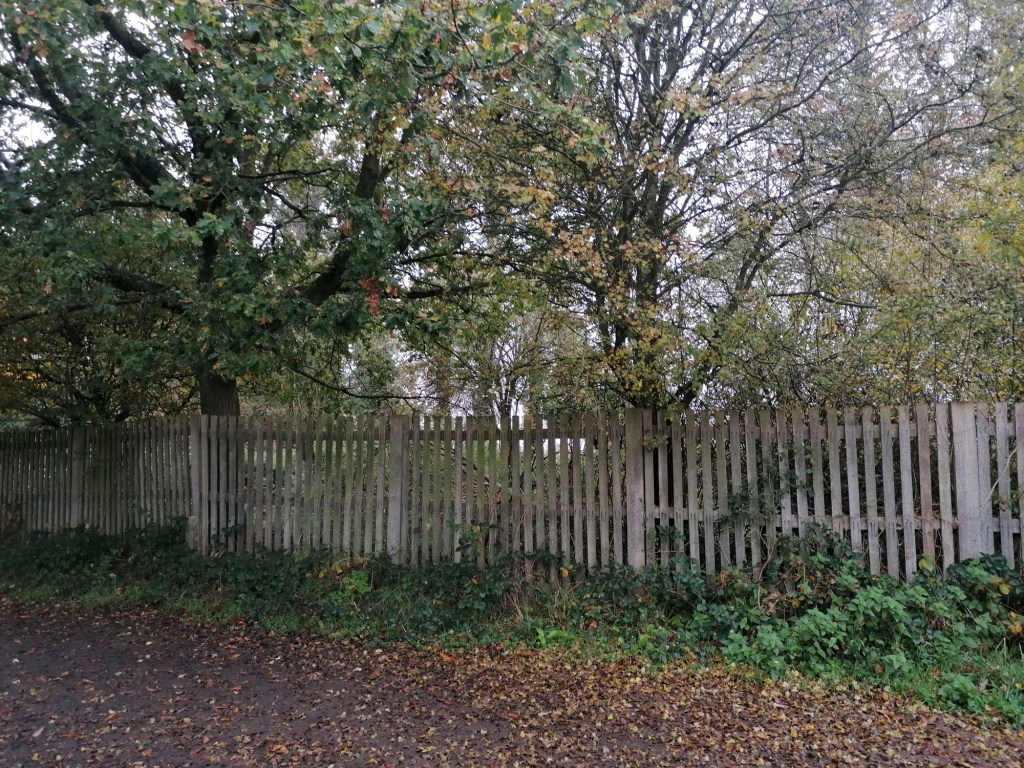
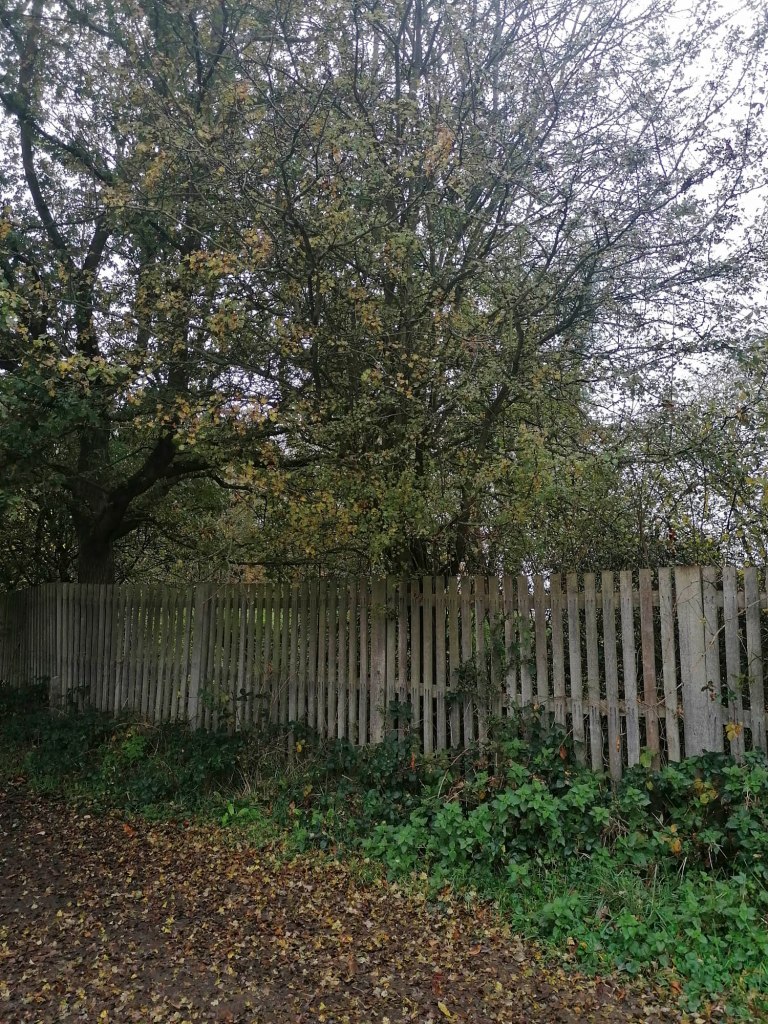
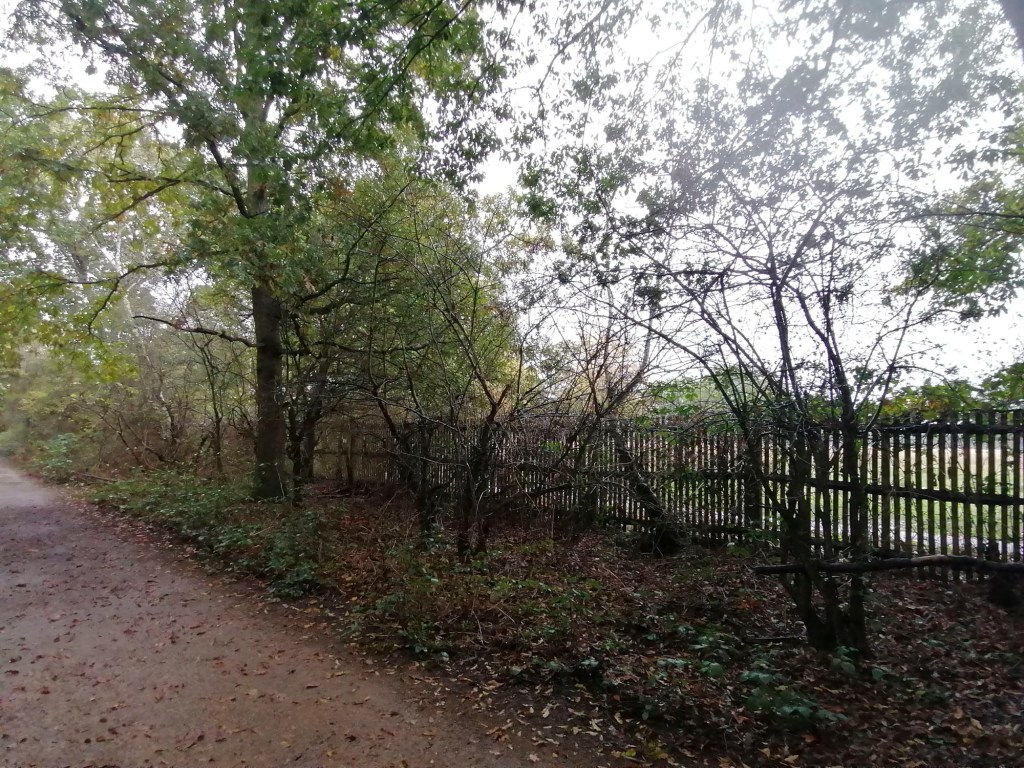
I then made my way along the path that runs along side the fenced-off area of Brewhouse Meadows.

This path leads to a line of hawthorns along a water channel that starts in the meadows area.

There are further hawthorns opposite this line, which are on the other side of the fence.

Continuing along the path, there are more hawthorns that have been planted next to oak trees.

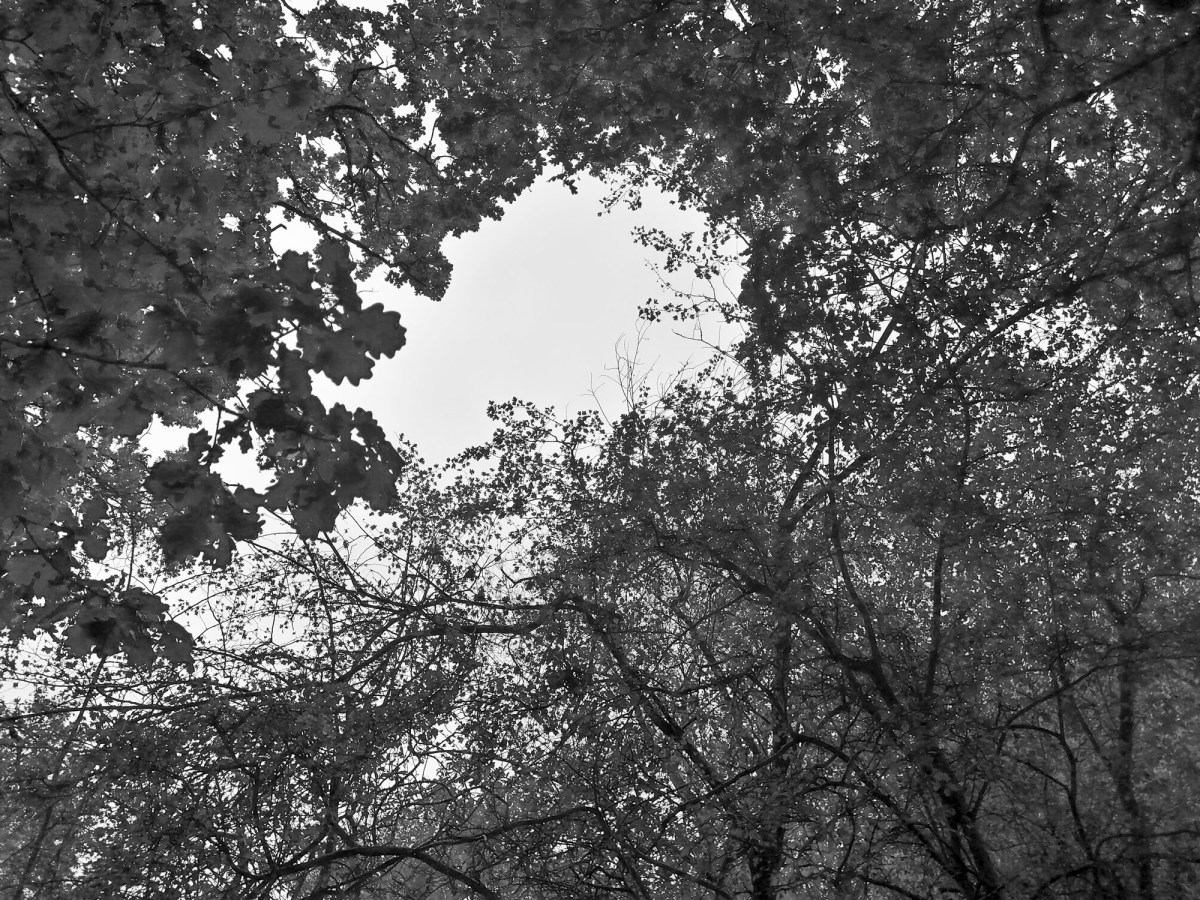
I particularly liked this aspect, which shows the hawthorn branches in combination with that of the oak. I also carried out a quick Black & White conversion later that day.

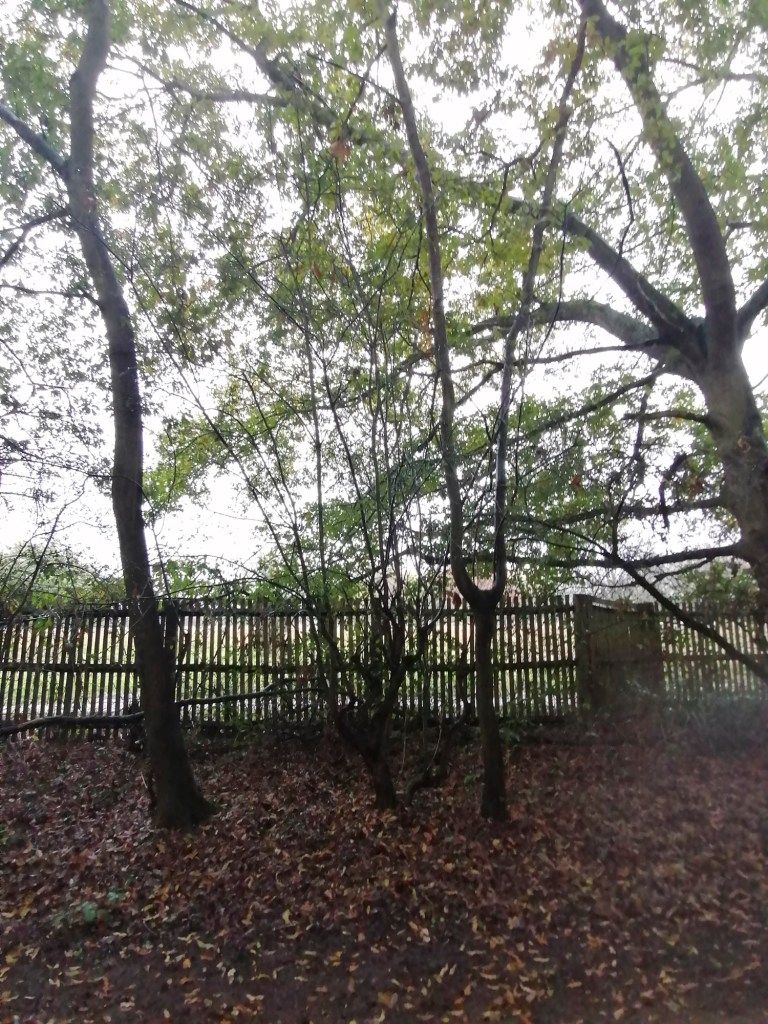
There is clearly a line of hawthorns along this path with trees on either side of the fence.

One difference I noted was how these hawthorns were planted in line with the oaks. Also, these appeared to be much younger trees as the trunks were considerably smoother than the others situated in this part of the park.

My next place of investigation was Dukes Passage. This is a fenced off area at the entrance of the Waterhouse Plantation in the Woodland Gardens section of the park.

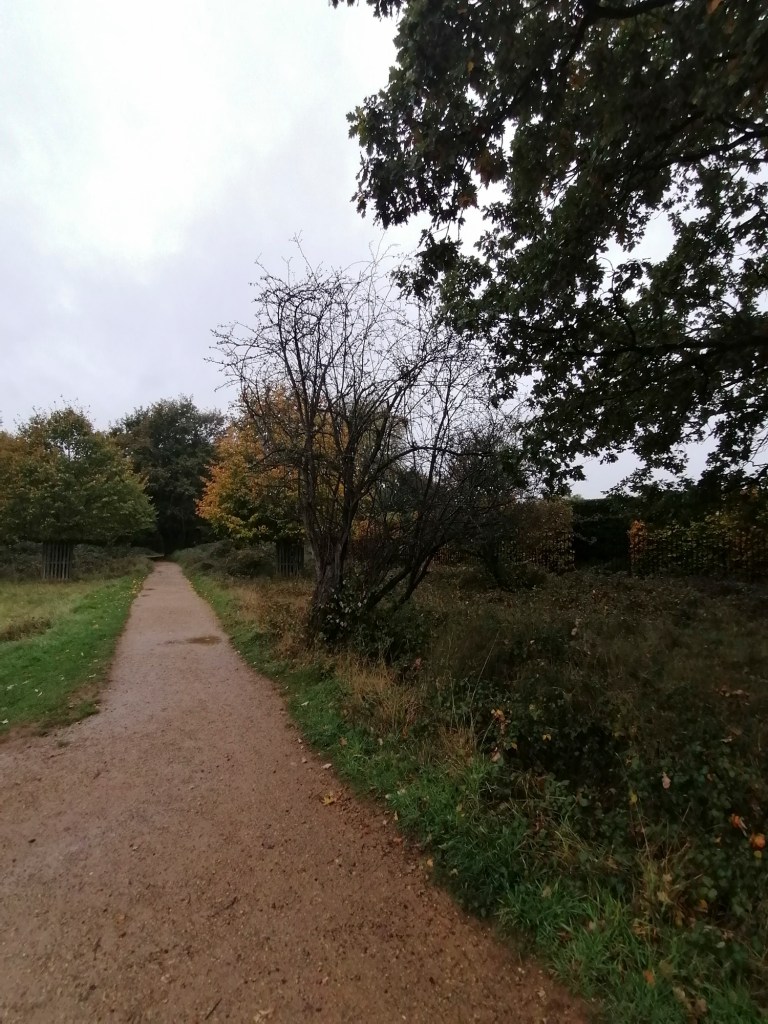
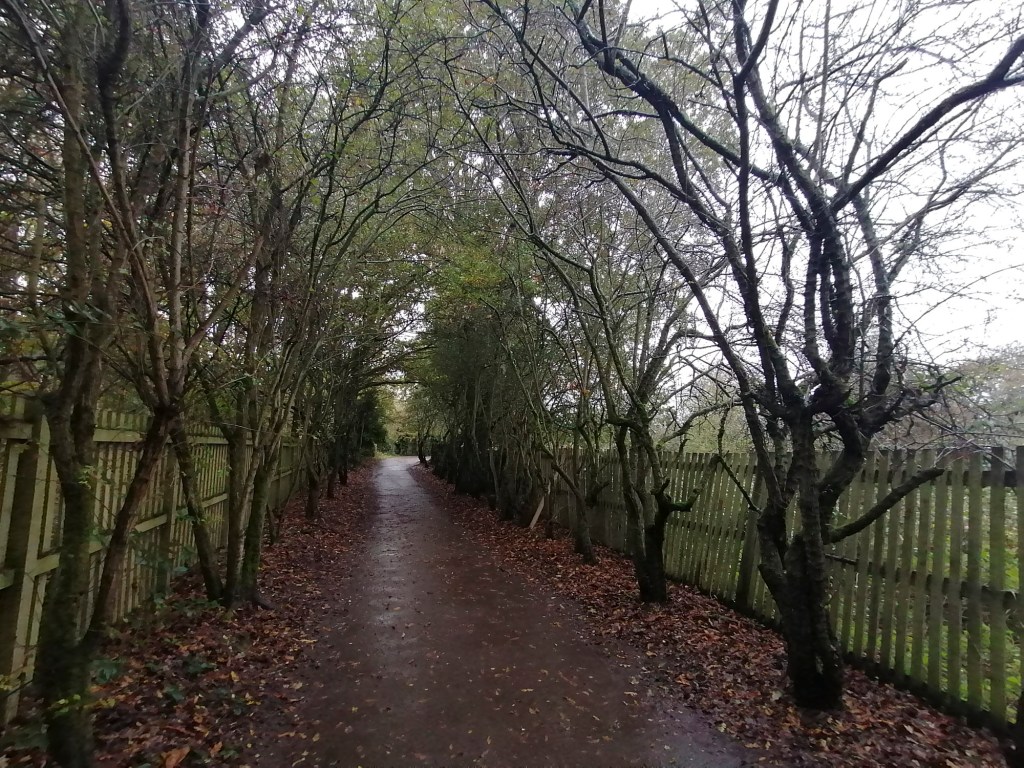
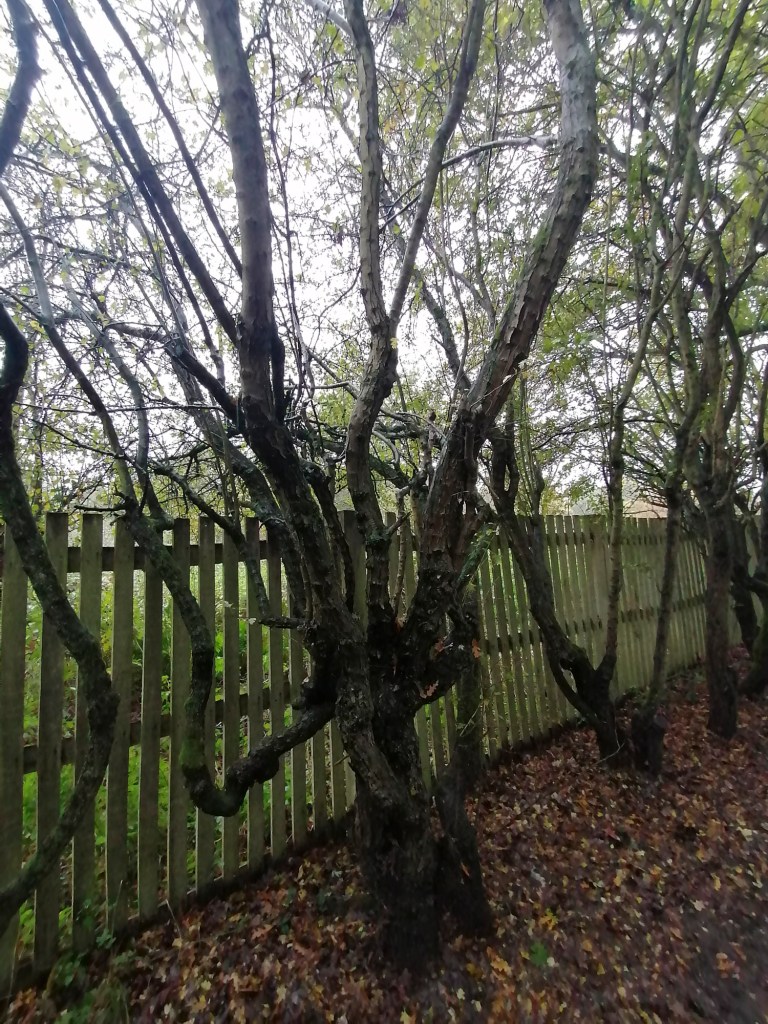
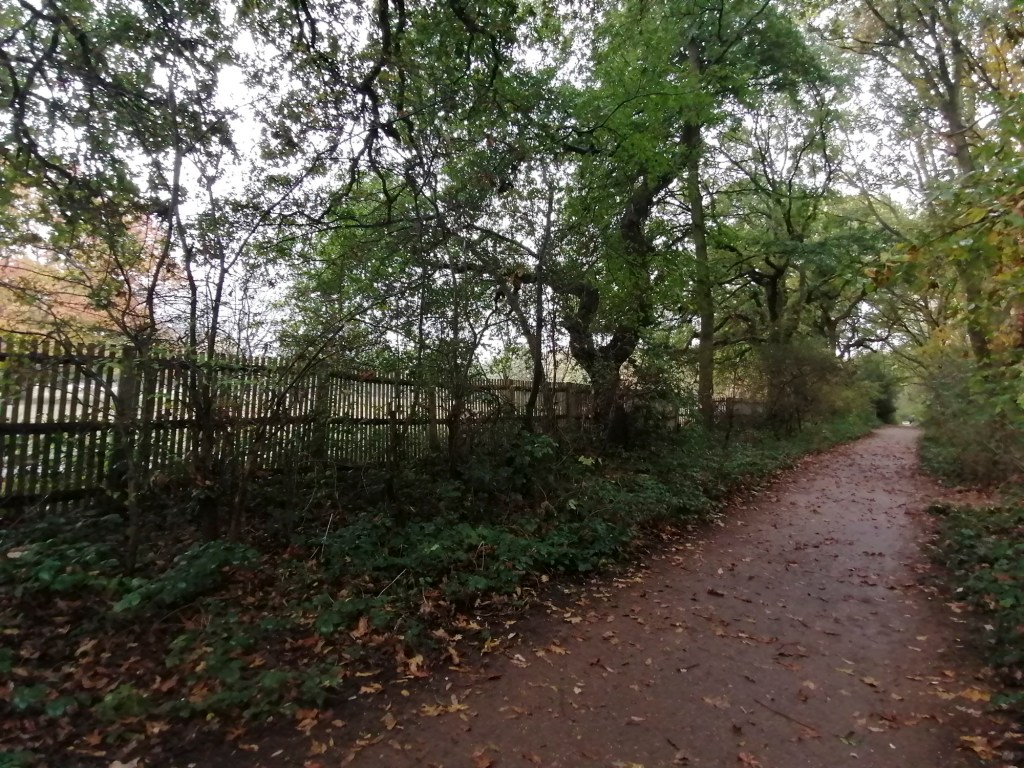
Just as I suspected, it consists of an avenue of hawthorns with a fence on either side.

This avenue leads to one of my most favourite spots in Bushy Park. It really does feel like you’re in the middle of the countryside.

Dukes Passage continues to Hampton and what I did notice was the hawthorn hedge on either side of the path.

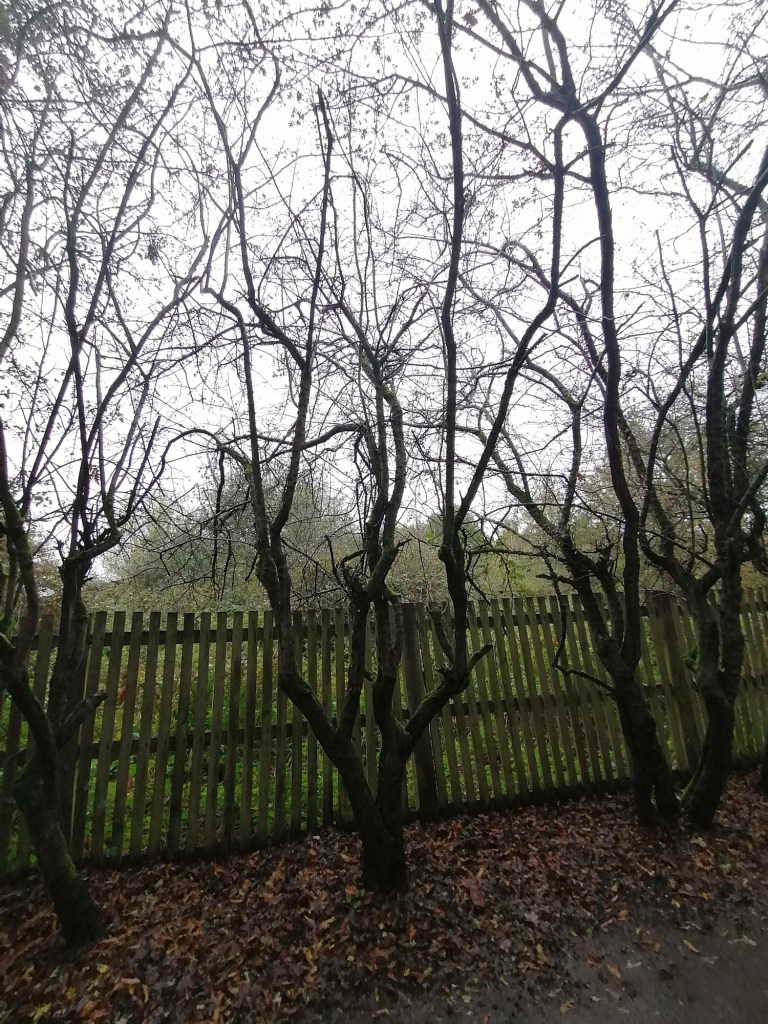
I then returned along Dukes Passage and entered the Waterhouse Plantation. Again, there is a line of hawthorns on the inside of the fence.

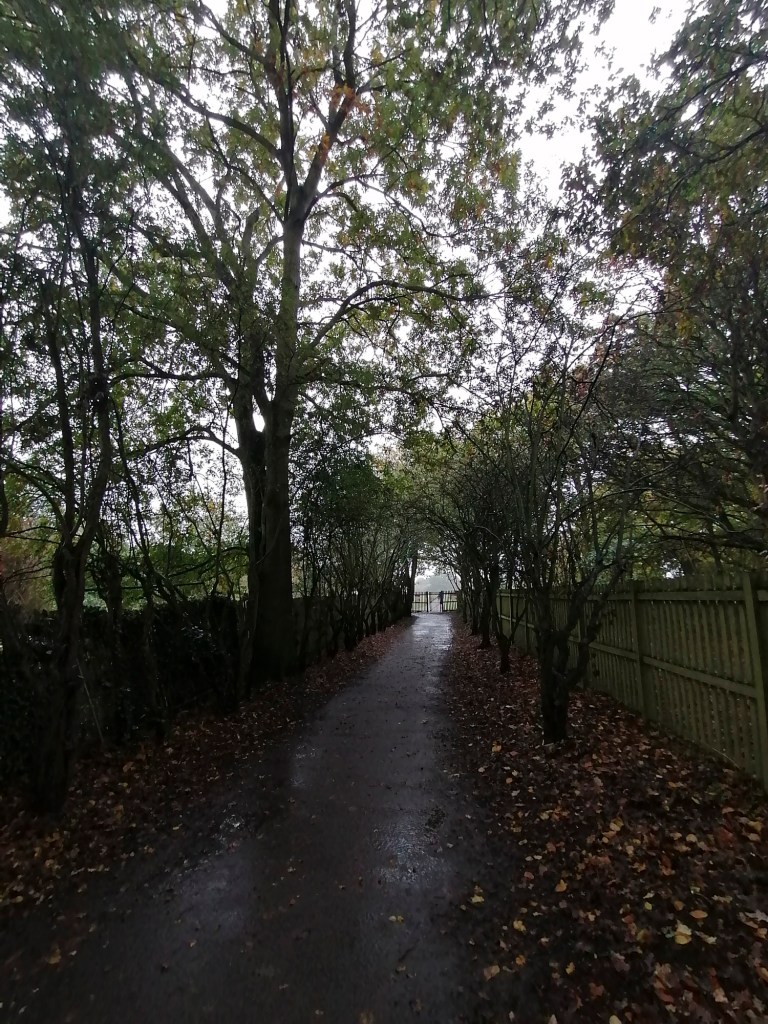
This line of hawthorns continues to the gate at the end of this path.

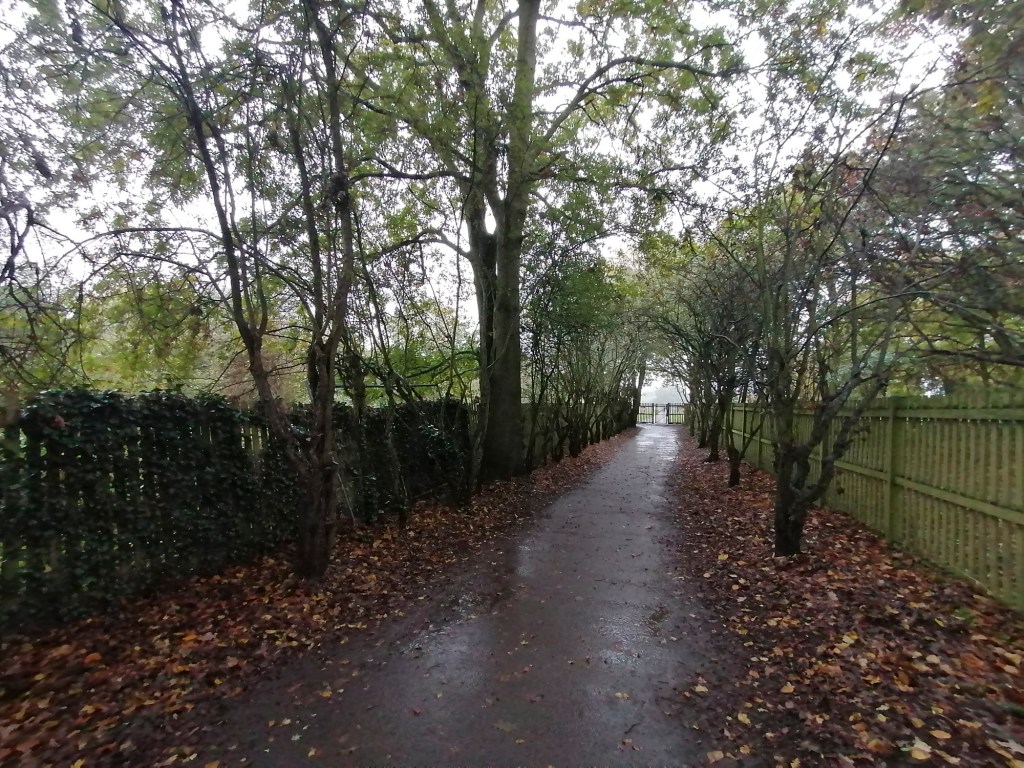
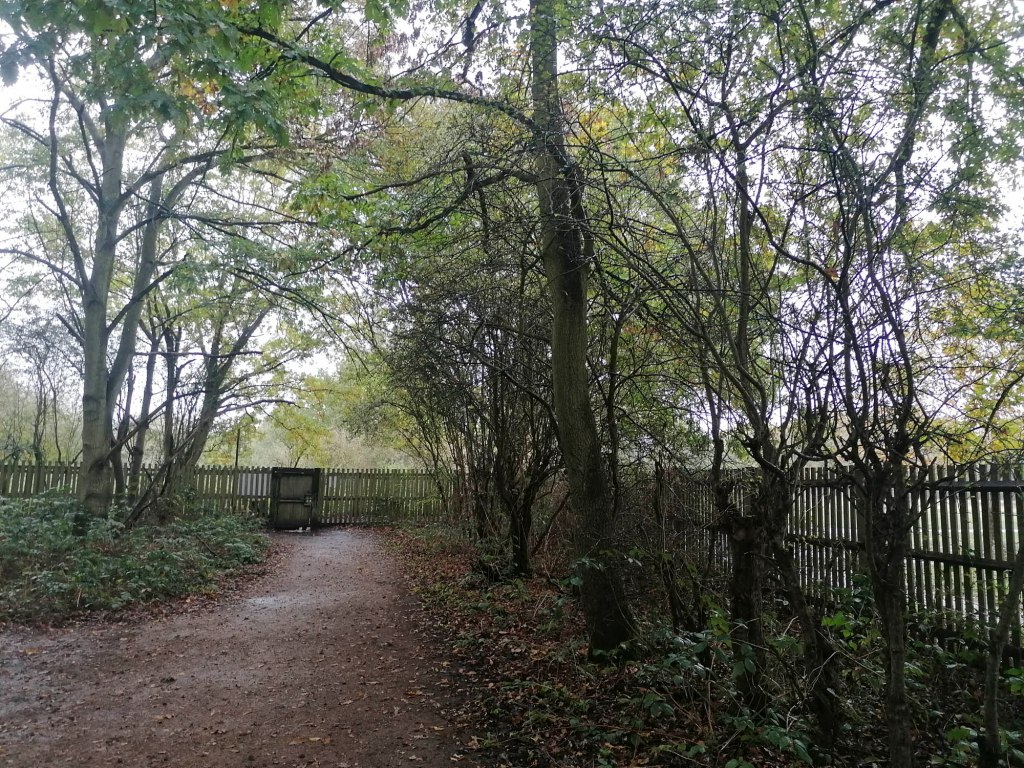
When I came out of this gate, I took a photo of the path on the other side of the fence. I also noticed on the map of Waterhouse Plantation that this path is called ‘Macclesfield Walk’.

I then made the decision to trek back home through the park at this stage. What I realised there were lots of unanswered questions to be answered and further research to be carried out.

References

UK, N., 2020. Nordic Walking UK | Instructor Training | Nordic Walking Events. [online] Nordicwalking.co.uk. Available at: <https://nordicwalking.co.uk/&gt; [Accessed 30 October 2020].

Categories
AGM62 Photography Research Project Stage 1 Posts

AGM62 Group Tutorial Feedback and Actions 28 October 2020

On Wednesday 28 October, the class had a group tutorial as scheduled. The session was carried out via Microsoft Teams due to our tutor’s requirement to self isolate at that time.

After three weeks of working in my own isolation, it was great to see everyone’s progress and show my own concepts and process so far.

The concept of the hawthorn in connection to Bushy Park was well-received and garnered two useful suggestions by my classmate, Sofia:

  • Jean Luc Brouard’s tree portraits for a different perspective
  • A later, similar project by Simon Roberts

Sofia also stated that she thought the hawthorn connection to the history of the park was a good place to maybe focus the project. This thought was also seconded by another of my classmates, Abi.

As I had already made that decision to focus on the hawthorns before they made the feedback, I knew that I was progressing in the correct direction at this stage of the project. Our tutor, Åsa, mentioned that it was a good way of creating a case study that could be used as a model for future projects.

Åsa, also made a comment about the angle of perspective of the shots and the difference they made to the images. I definitely should continue to take photos of the hawthorns from a lower point-of-view as this makes the tree appear ‘larger than life’ and more significant in relation to its environment.

The other aspect that Åsa mentioned was the Black & White conversions of the images. I agreed that having the images in monochrome highlight the details of the trees better than in colour.

The resulting actions I will be taking between now and the Interim Review on 18 November 2020 are to:

  • Continue with my research in regards to hawthorns (folklore, ecology, the environment, Bushy Park, etc.)
  • Take further photographs of particular trees
  • Refine the Black & White conversion technique
  • Produce a series of test prints to see what works and what doesn’t
Categories
AGM62 Photography Research Project Stage 1 Posts

AGM62 Bushy Park Hawthorns 22 October 2020

On Thursday 22 October, I visited Bushy Park with the intention of taking a closer look at hawthorns. My plan was to enter via Teddington Gate and take another look at the trees I had shot on 5 October.

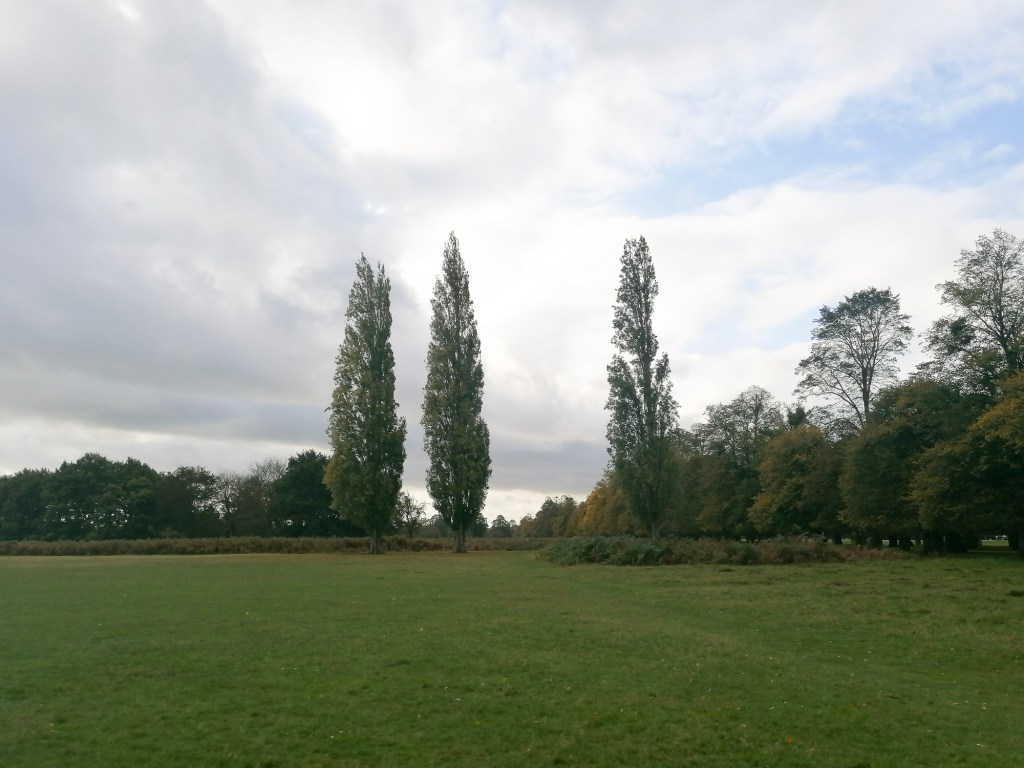
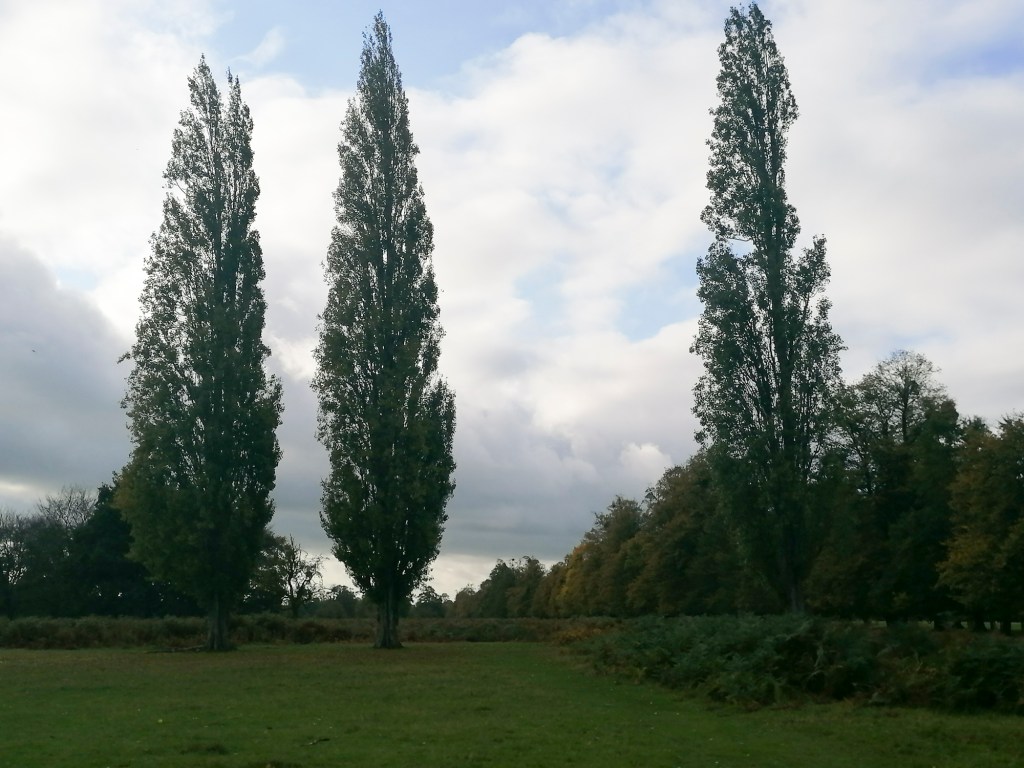
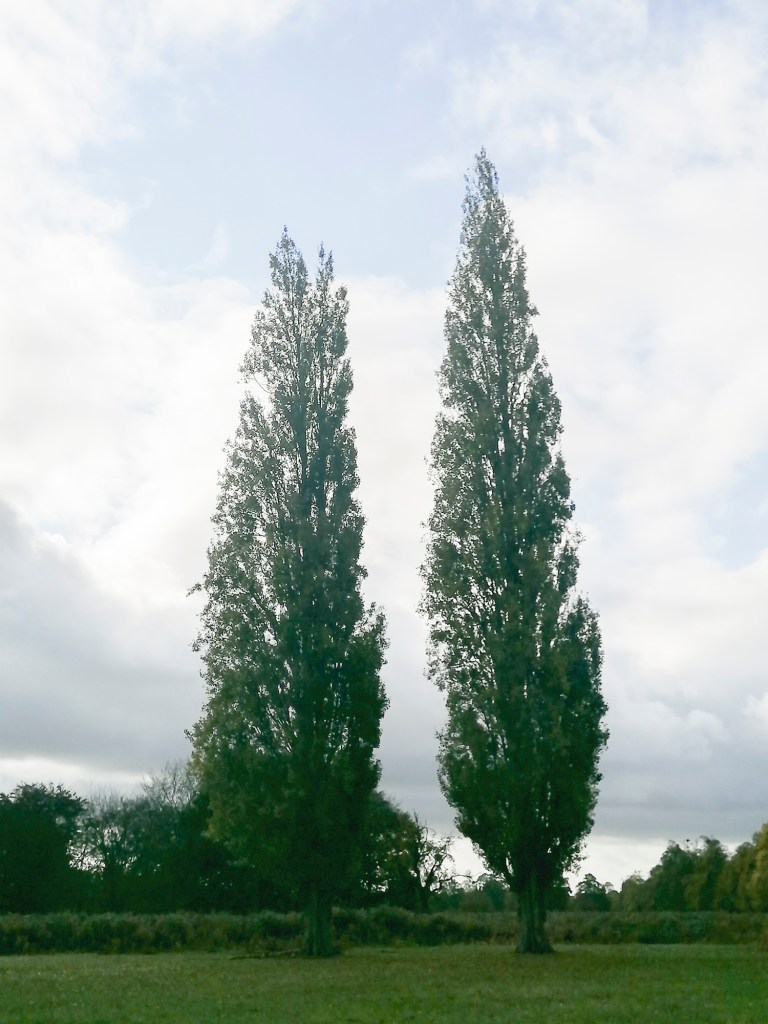
When I came into the park, I was distracted by three trees that I thought could be hornbeams – they look similar to the ones in the avenue in the Waterhouse Plantation in Woodland Gardens.

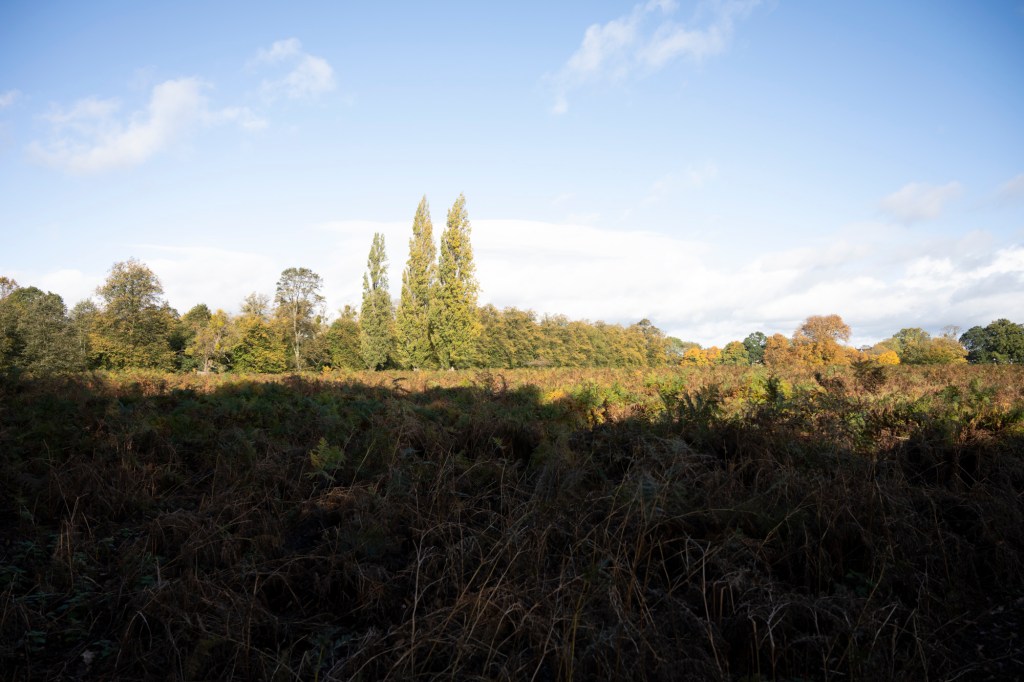
These three ‘sisters’ have always got my attention when coming into the park through Teddington Gate or walking through the park from Hampton Wick Gate. As I approached the trees, I realised that I could see a hawthorn branches coming out of the ferns between the two trees on the left. I took the above image with the smartphone and walked towards them.

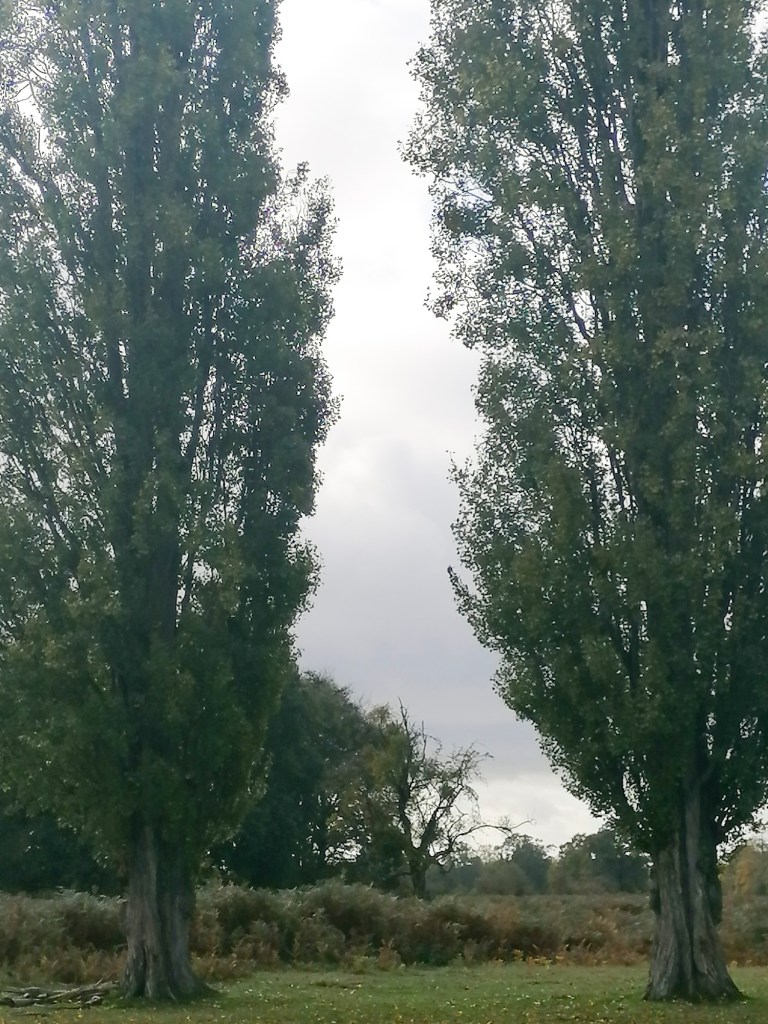
As I gradually got closer, it was interesting to see how my perspective of the hawthorn changed as I got closer to it, especially in relation the much-taller trees.

When I arrived at the edge of the ferns and walked beyond the two tall trees, this was the perspective.

Note to self – the perception of a tree can change drastically depending on its surroundings.

At this stage, I started using the digital camera, as shown in the images below. Please note these have not been edited, unless stated.

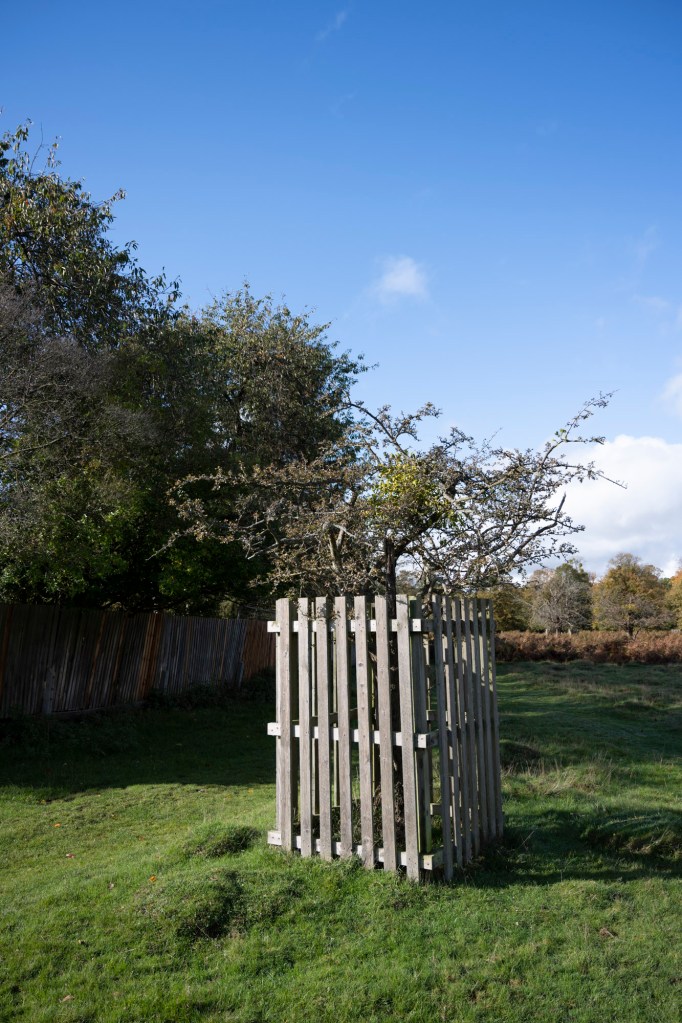
When I looked closer at this tree, I realised that the tree above has a fenced surround (to protect it from the deer). As I wanted to focus on hawthorns in their ‘naked’ form I looked for another example nearby. I could just about make out this one among the ferns. The image on the left is the original, the one on the right, a cropped version.

The ferns are one of the features of Bushy Park, which contributes to how the environment changes during the seasons. The above was taken during autumn, when the verdant green ferns of the summer start turning orange. Very soon, with the onset of winter, they will turn into a dark brown mulch then disappear from the landscape. When this happens, the hidden features (and swamped hawthorns) are fully revealed. The whole process starts again in spring, when small fronds start to appear, gradually turning into a bracken forest by July. Each time this happens, it always amazes me how different the park looks and feels depending on the season.

I also took the following shots when I walked to other side of the two hawthorns and into the copse where I had previously taken photos on 16 October. When I looked behind me, both hawthorns disappeared into the ferns once more.

I then walked to the other side of this copse as I had spotted these two hawthorns.

As I got closer, I took a shot of the hawthorn on the left.

I then focused on the hawthorn on right, taking shots around the tree and focusing on some details.

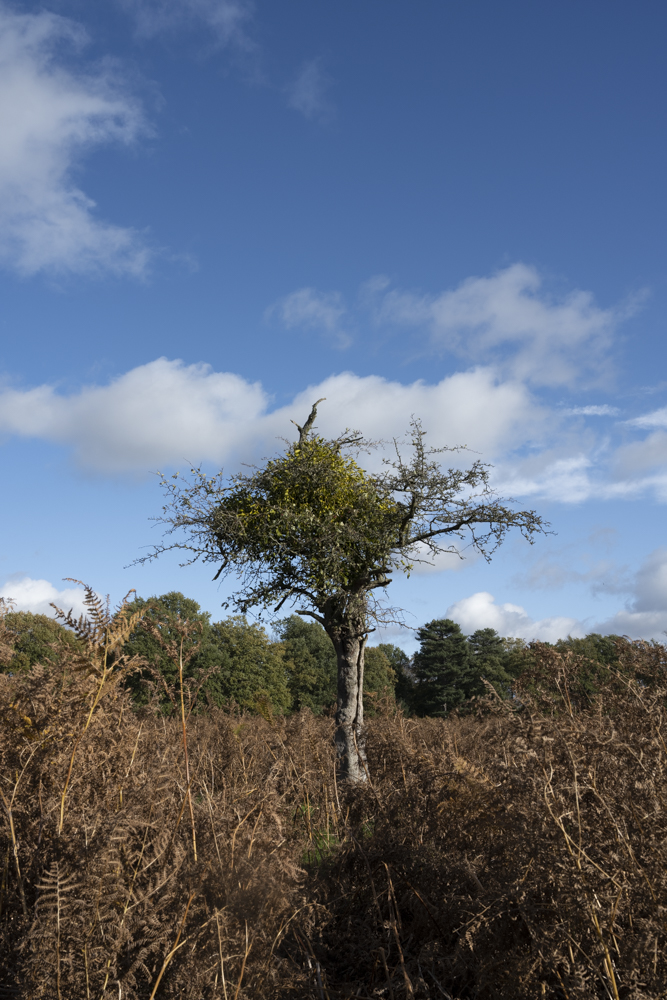
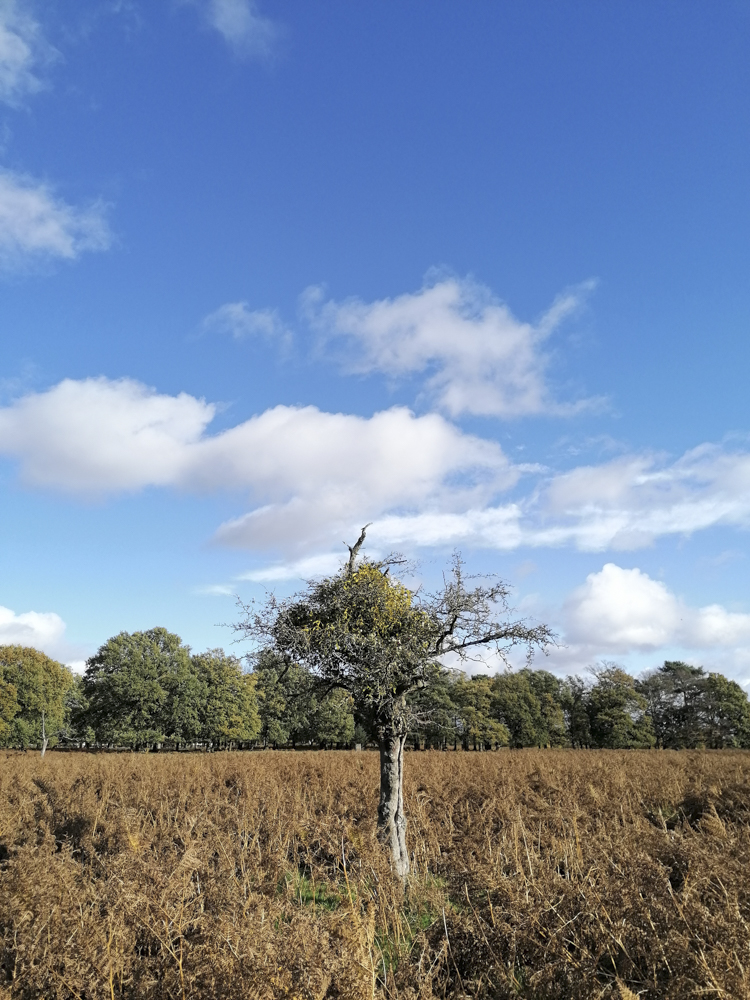
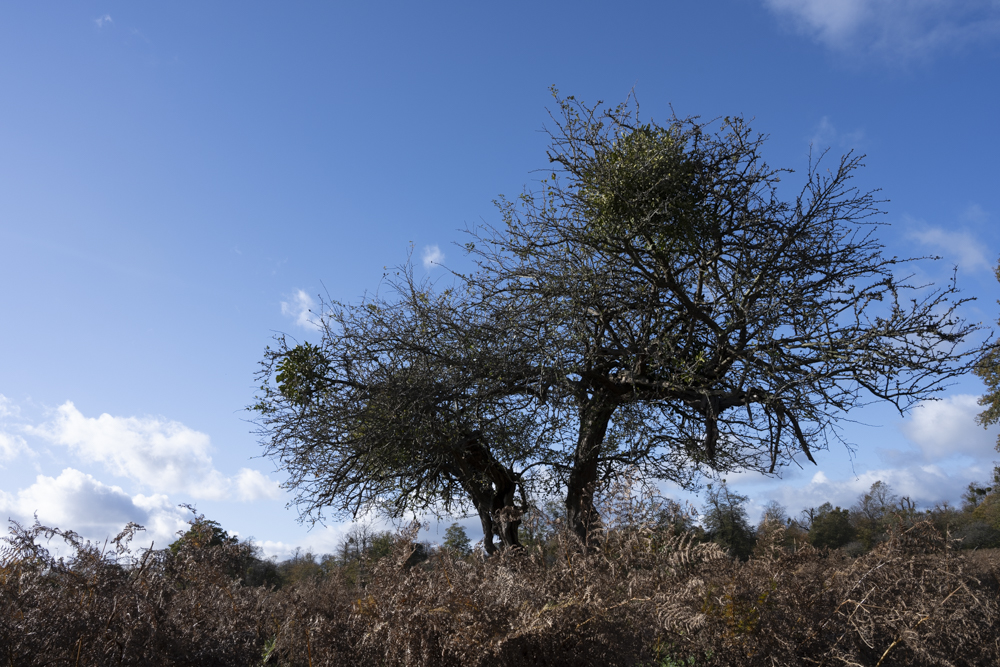
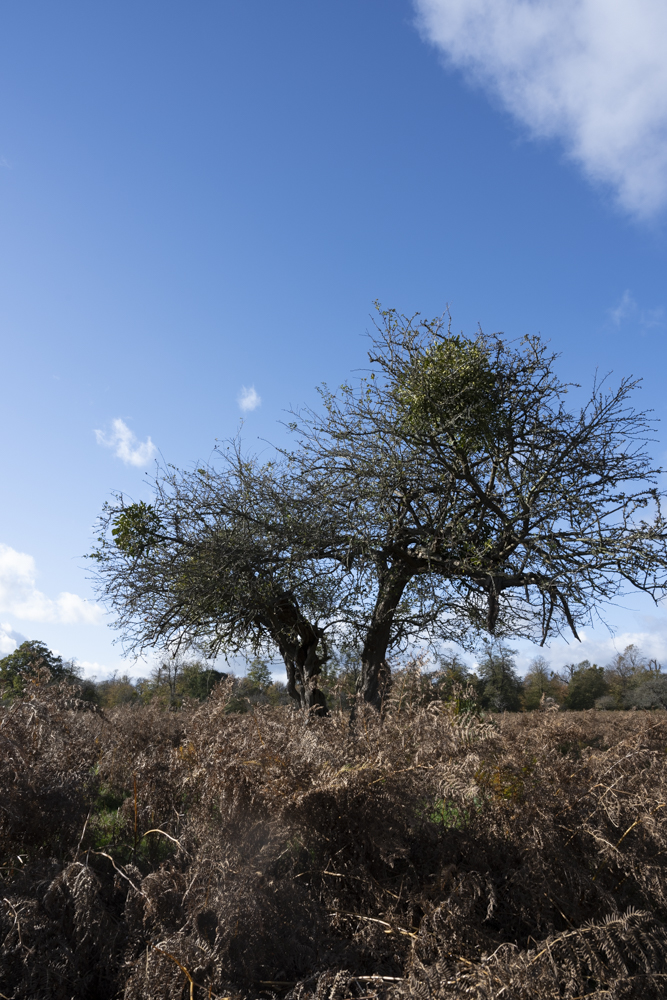
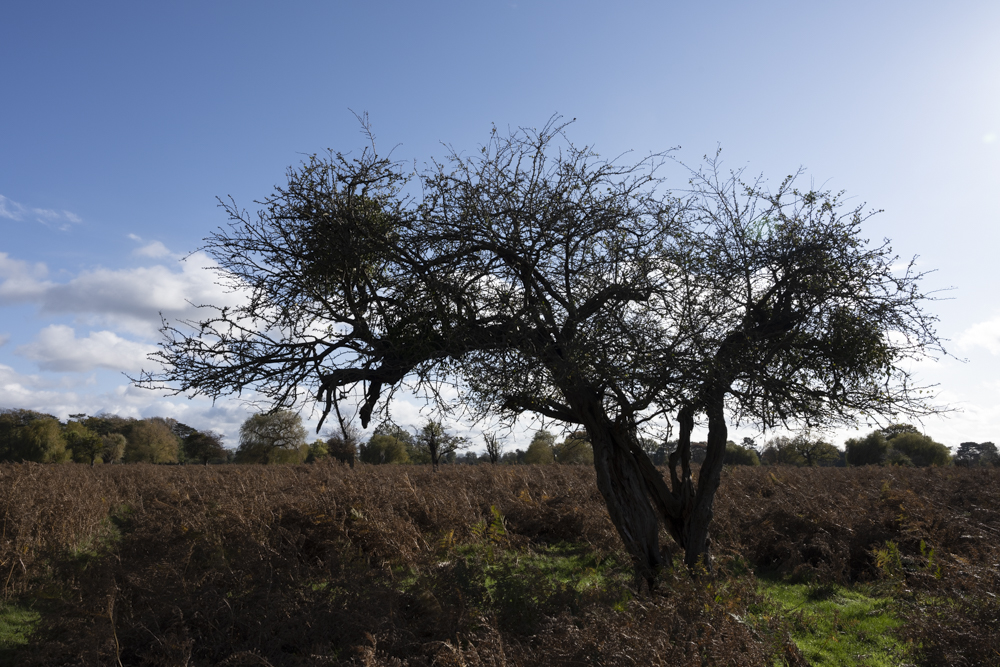
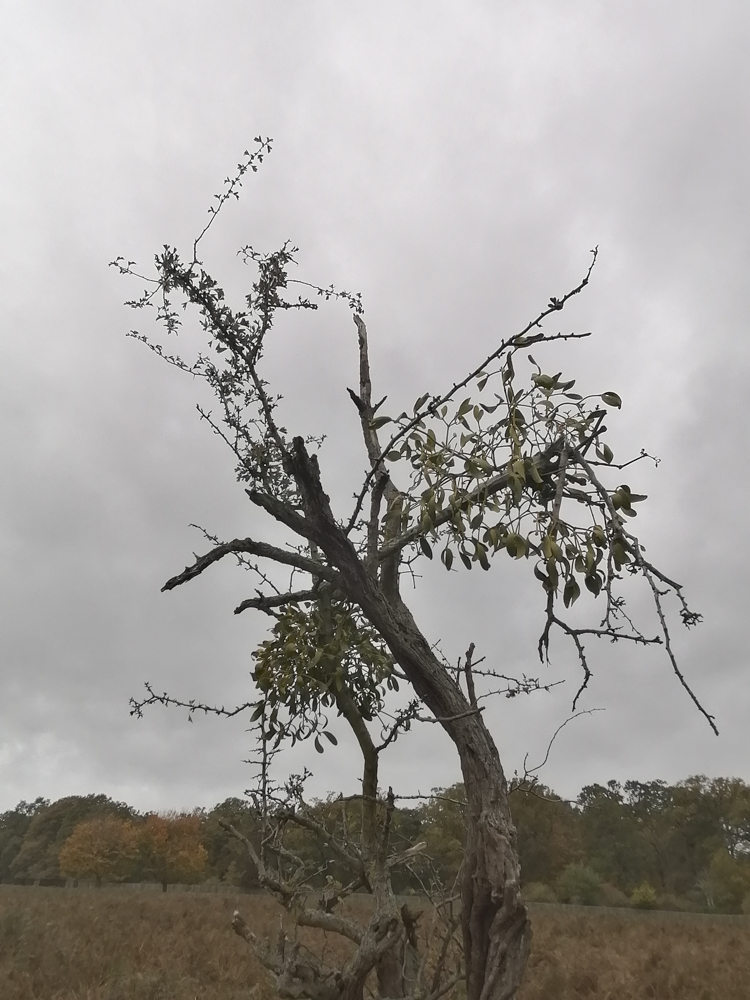
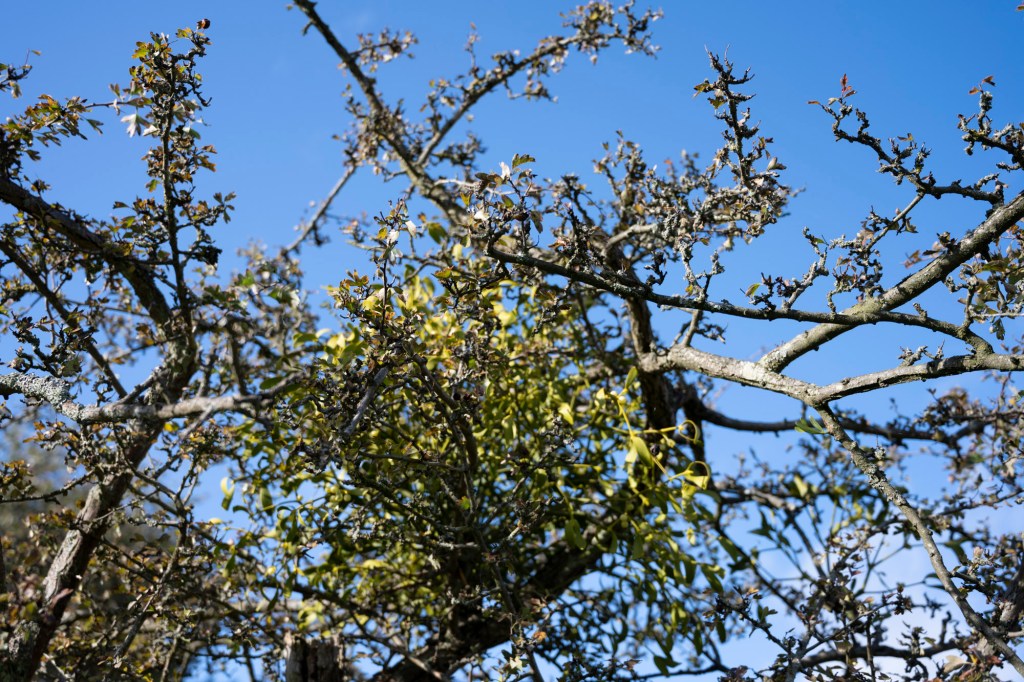
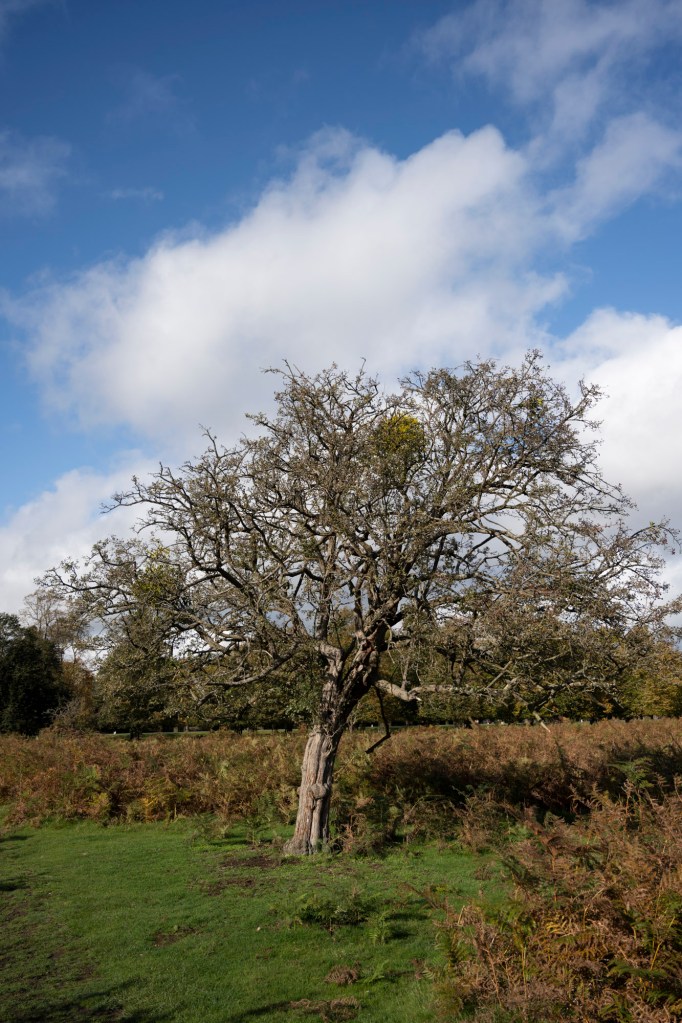
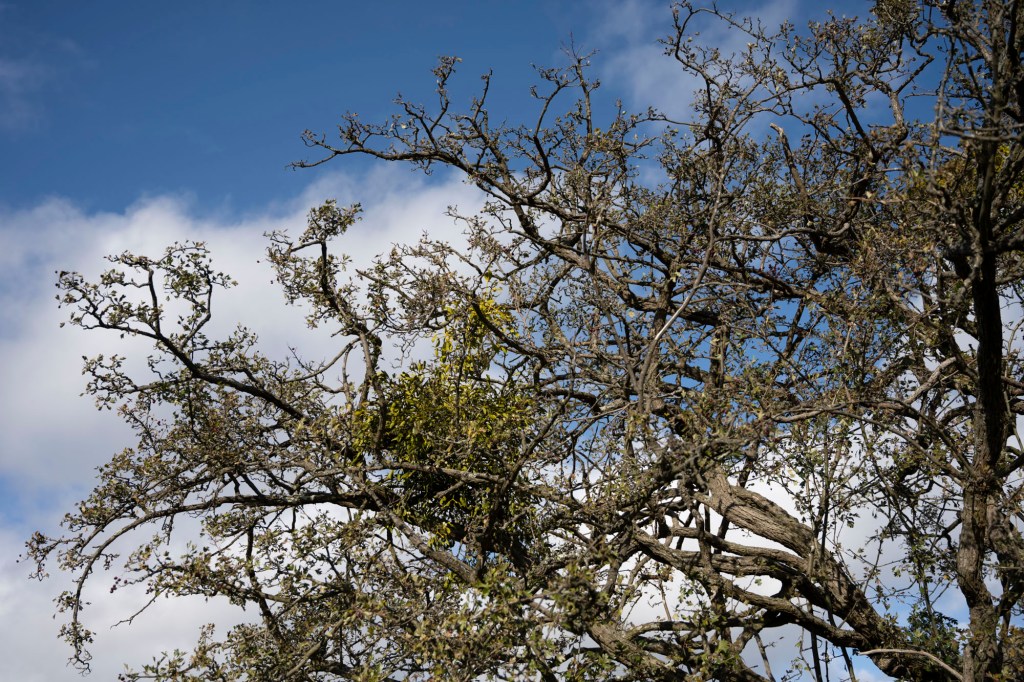
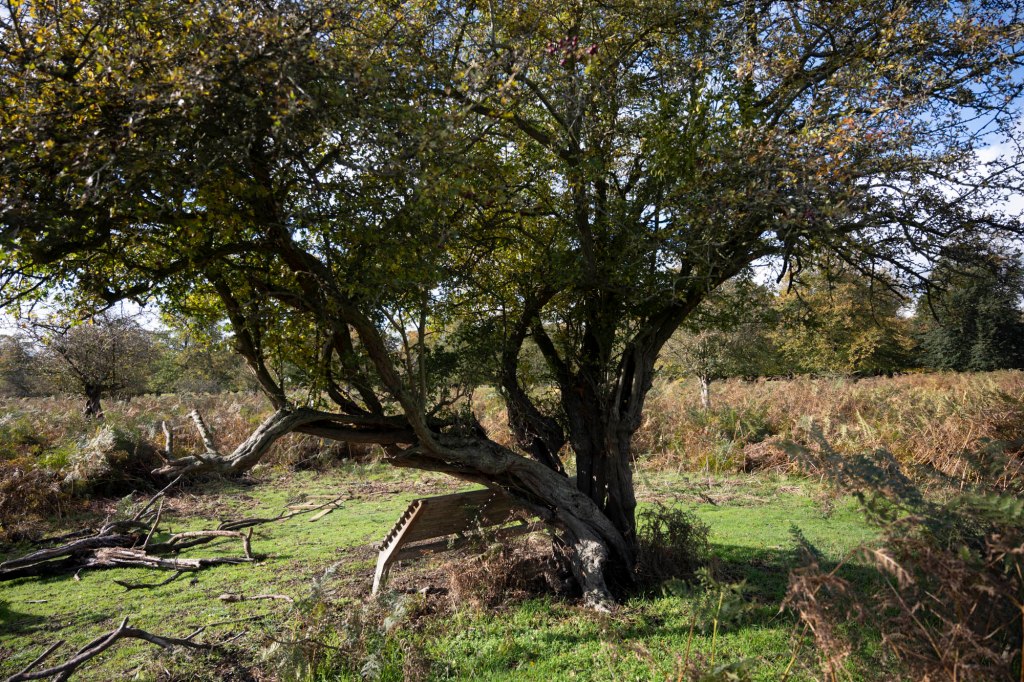
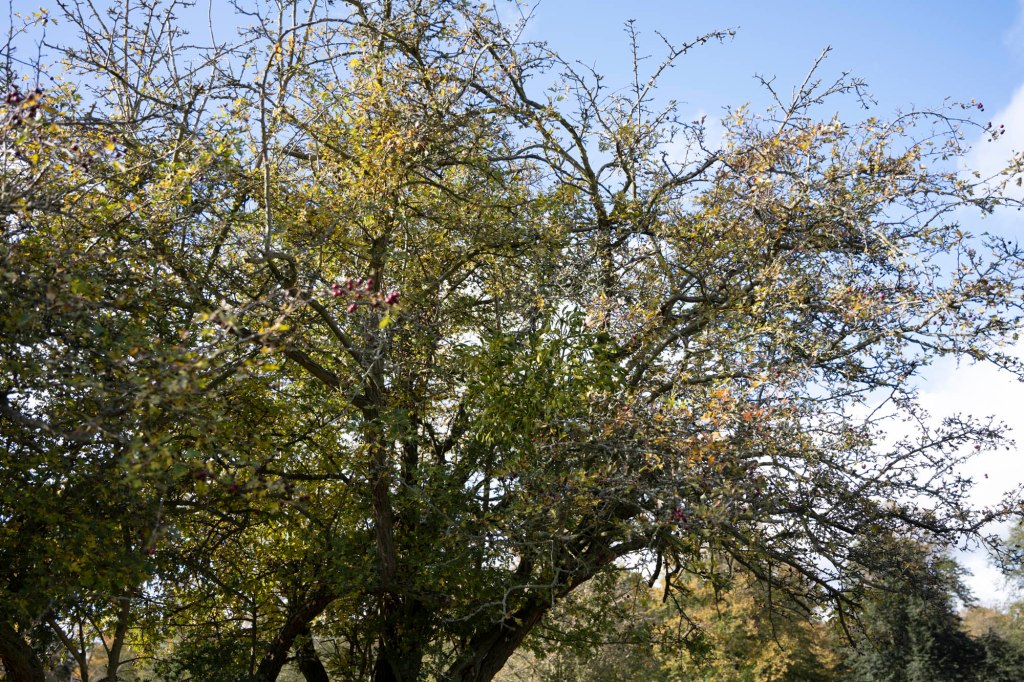
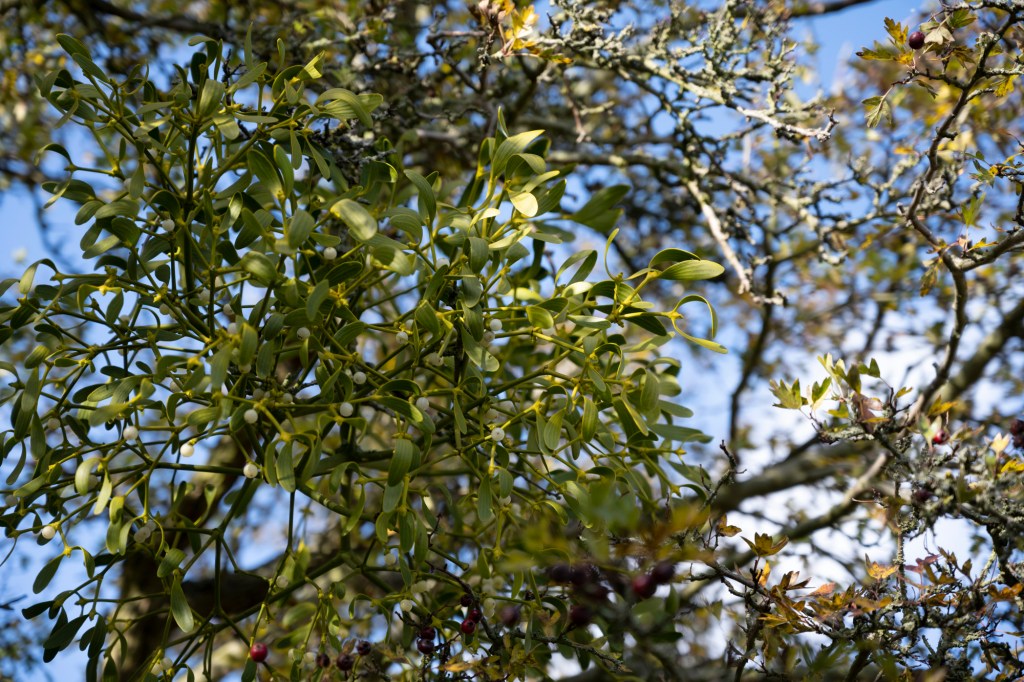
I then walked towards a house that is situated nearby, tellingly called Hawthorn Lodge. Next to the surrounding fence was another protected hawthorn. I took photos of this particular specimen, as it featured mistletoe within its branches. I know that this is the sign of an Ancient tree, but it seemed to contradict the full definition. This is something that I may need to revisit.

While continuing around the perimeter fence of Hawthorn Lodge, I then realised why this building got it’s name.

There was a whole grove of hawthorn trees. While taking this in, I thought the best approach was to focus on just four trees.

Tree One

Before I started taking photos, I measured the trunk of the tree. It was 125cms. In theory, it fitted the criteria of an Ancient tree as it also featured other aspects connected to a tree of this age (before completing this post, I had looked up signs of an Ancient hawthorn tree utilising this criteria in relation to this project, but not sure exactly how at this stage!).

This last image is how this tree looks like in relation to Hawthorn Lodge.

Tree Two

Tree Three

Tree Four

By this stage, I realised that I would need to process the shots I had taken, both on the PC and mentally. I was also curious as to why these trees were planted in this particular – these were just four of the ones I could see in proximity of Hawthorn Lodge. As they were no where near any oak trees, it wouldn’t be to protect them. Also, they were not in lines, so couldn’t be part of a barrier or hedging system. This, and the history of Hawthorn Lodge would require further investigation.

Later that day, I created a Black & White shot I had took of Tree Two with the smartphone.

I then tried a Black & White conversion of one of this example.

What I learned by taking these images is that there is lots more work to be done. Also, I’ve really appreciated how it’s made me slow down in my methodology. As with the photos, there is detail and depth to be discovered in all aspects of this project.

Categories
AGM62 Photography Research Project Stage 1

AGM62 The Humble Hawthorn 20 October 2020

‘The hawthorn, like a grumpy old teacher, reminds us that a prickly personality may hide unexpected virtues.’

(Adams, M. 2018 pp. 178)

‘It is easy to neglect the humble hawthorn, to pass it by unnoticed, until it explodes with creamy blossom in May. Historically, it is one of our most important species: for shelter and defence, for wayside sustenance and as a marker for boundaries and travellers.’

(Adams, M. 2018 pp. 176)

One type of tree that has always fascinated me is the hawthorn. As I wrote in my blog post on 6 October, I liken them to ‘wizend wise women.’ As for their relevance to Bushy Park, I was unaware until I re-read details of the park on the Friends of Bushy and Home Parks’ website.

‘The name “Bushy Park” was first recorded in 1604 and was probably a reference to the many hawthorn bushes. These were planted to protect the young oak trees which were being grown as timber for ships in the navy.’

This was an ‘aha!’ moment. Especially in light of what I had read in The Wisdom of Trees by Max Adams. I had come across this delightful tome while visiting the Hayward Gallery shop after experiencing the Among the Trees exhibition. In this book, Adams tells various tales of trees, including that of the hawthorn. So I can read and understand the information given within this tale, I’ve broken down the paragraphs and sentences in order to sift out gems of inspiration.

The Hawthorn

Hawthorn (Crataegus monogna) is a much-neglected small tree, which we are used to seeing in hedges that it’s easy to ignore. Our ancestors had a higher opinion of it: the hawthorn is the most frequently mentioned tree in ancient charters and boundary surveys, and it is a common element in place-names.

(Adams, M. 2018 pp. 174-5)

The flowers and leaves, when picked fresh, are known as “bread and cheese” and have long been a wayfarer’s springtime snack.

(Adams, M. 2018 pp. 175)

Hawthorn’s creamy white blossoms emerge any time from late April onwards, an in autumn the unmistakable rich red berries are an equally classic seasonal marker.

(Adams, M. 2018 pp. 175)

Hawthorn is the tree equivalent of rugged highland sheep or cattle breeds: it is very tough and can withstand the sort of weather that has most of us running for shelter and a warm fire.

(Adams, M. 2018 pp. 175)

The wood is hard to work, and because hawthorn, like yew, grows in multiple trunks, it is rarely used for anything other than firewood.

(Adams, M. 2018 pp. 175)

It is hard to say when humans first realised that they could cultivate hawthorn as a defensive barrier; but in the period of the Parliamentary enclosure of land, some two-hundred-thousand of ‘quickset’ hedges were planted across Britain.

(Adams, M. 2018 pp. 175)

Hawthorn remains a popular and biologically important hedge species.

(Adams, M. 2018 pp. 175)

One should at this point say something about the art of laying hedges, which is still practised in Britain and Ireland. The principle in this highly skilled off-shoot of the woodsman’s art is to thicken and strengthen a hedge, prolonging its life and ensuring any gaps through which livestock might (and they will) escape are closed. The trick is to half-coppice the shoot of the hawthorn, blackthorn, hazel, beach or hornbeam – they are the most common hedging species. A downwards cut into the side of the stem weakens it so that it can be bent at an angle in line with the direction of the hedge but above the horizontal. There needs to be enough heartwood, sapwood and bark left for the stem to survive and send up new shoots the next year. Every couple of yards a vertical stake, cut and trimmed into the ground within the hedge, and more spare shoots, brashed from the main one, woven between the cut stems and the stakes, creating a hybrid between living hedge and fence.
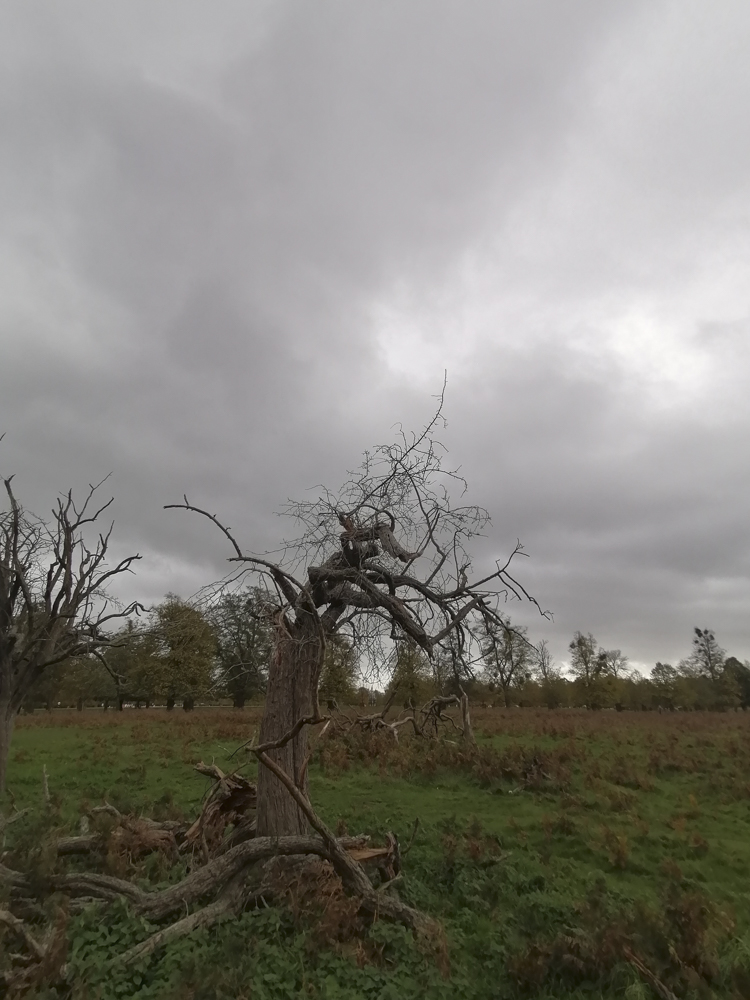
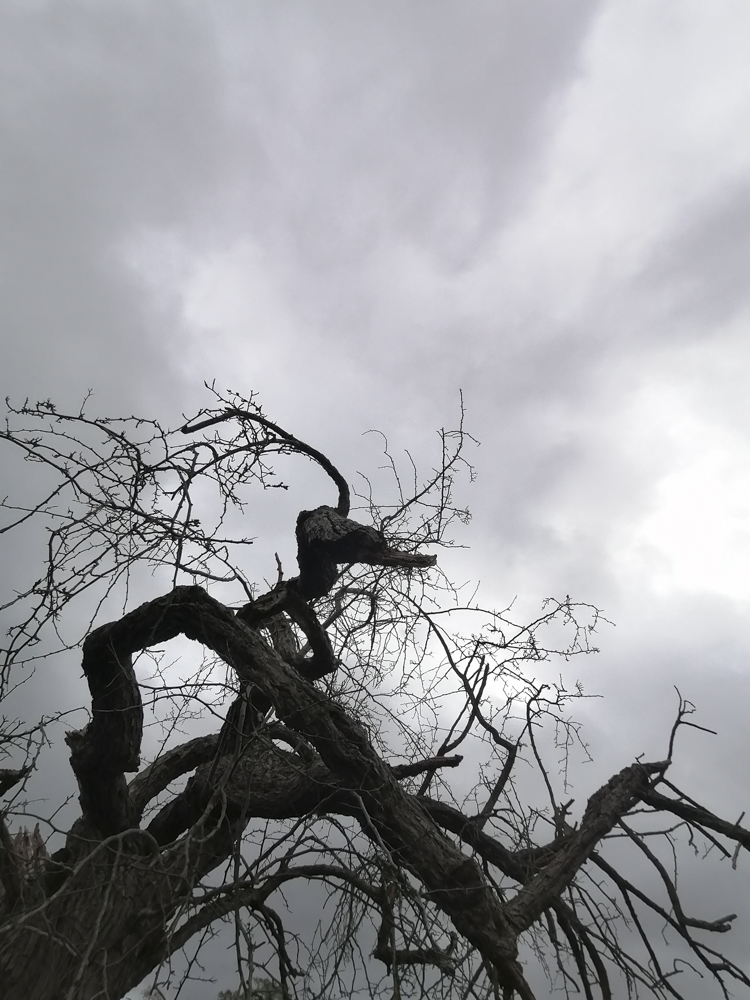
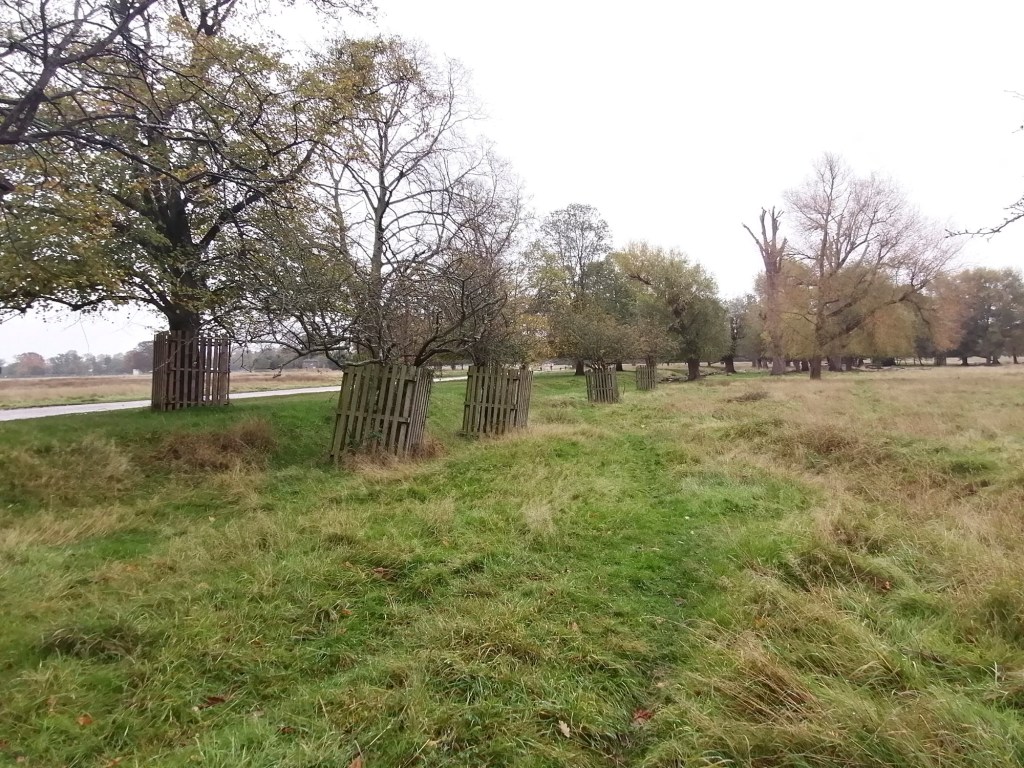
More information on hedgelaying: http://www.hedgelaying.org.uk

(Adams, M. 2018 pp. 175-7)

Hawthorn’s blossom known as May flowers (hence ‘May-day’ and ‘Maypoles’, neither of them named after the month), used to induce a superstitious fear about it being brought into one’s home. It was thought to presage a death in the household. Why? A fishy chemical called ‘triethylamine’, released as the blossom fades, is the smell of dead body (and, incidentally, of human sperm).

(Adams, M. 2018 pp. 177-8)

The flowers also contain a small amount of digitalin, the chemical present in foxgloves, which in high doses is extremely poisonous but which is used as a therapeutic cardiac treatment.

(Adams, M. 2018 pp. 178)

During autumn cows browse on the tree’s small bright red berries and their astringent properties are regarded as a traditional therapy for mastitis.

(Adams, M. 2018 pp. 178)

References

Adams, M. (2018). The Wisdom of Trees. London: Head of Zeus Ltd.

Friends of Bushy and Home Park. 2020. [online] Available at: <https://ews-fbhp-dev.expertwebservices.co.uk/history-of-bushy-park/; [Accessed 19 October 2020].

Design a site like this with WordPress.com
Get started