Categories
AGM60 Research & Experimentation Posts

AGM60 Seminar Strategies for Writing 18 February 2020

On Tuesday 18th February, the class had a seminar with Xavier and Fergus. The focus of the seminar was:

  • Writing and Managing Proposals
  • Artist Statements
  • Contexts
  • References
  • Resources
  • Planning
  • Time Management


During the seminar, the class discussed various strategies for writing and managing formal written proposals, and how to present clear, in-depth and focused proposals that support, promote, and clarify photographic work for both myself and others.

The class considered questions such as:

  • What is the function of a proposal and an artist statement?
  • What is my specific idea, and how can I express it clearly?
  • What is fundamental/central to my project and how can I emphasise this?
  • What is the context of my work – specifically within the field of photography (both historical and contemporary), as well as within other fields?
  • What are my references (visual, conceptual and/or otherwise)?
  • How can I plan and manage my time effectively to serve both the intellectual and the creative process?
  • What makes a good artist statement?


The following is an outline of the presented considerations for my reference:

Proposals

  • Outline intentions
  • Describe wider concerns
  • Focus thinking
  • Assist initiating work


Artist Statements

  • Introduce practice
  • Articulate concerns, motivations, processes
  • Support interpretation by others
  • Can be adapted and used for various applications/opportunities
  • Enhance ongoing reflection
  • Acknowledge development


Volume

  • Purpose
  • Adaptation and expansion
  • Draw upon tutorial notes and discussions with peers


Qualities

  • Accuracy
  • Clarity
  • Focus
  • Objectivity


Content

  • Media and materials
  • Rationale
  • Working Processes
  • Ideas, themes, concerns
  • Influences
  • Aims


Case Studies

The class also looked at and discussed the following websites:
http://www.eleonoraagostini.com/about
http://www.estherteichmann.com/biography
https://www.edwardburtynsky.com/about/statement/


Seminar Task

The seminar task was to find an artist statement, exhibition press release or photographer’s proposal and prepare a short, informal, 5 to 10-minute presentation (for discussion purposes) that considered the clarity, effectiveness and supportive role of this text, specifically in relation to the work at hand.

This was my presentation. I had recently visited the Dora Maar exhibition at Tate Modern. This was, in my opinion, a very strong example of a clear and effective exhibition description.
agm60-research-experimentation-seminar-presentation-week-30

Categories
AGM60 Research & Development AGM60 Research & Development Posts

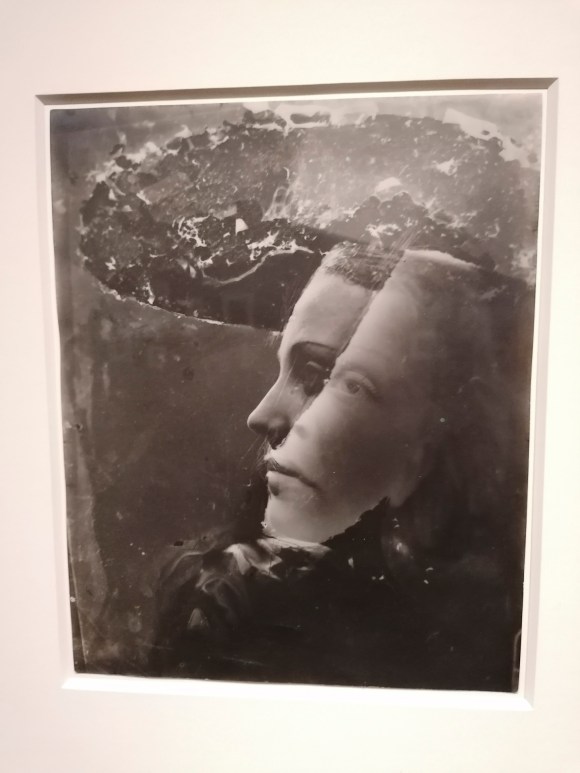
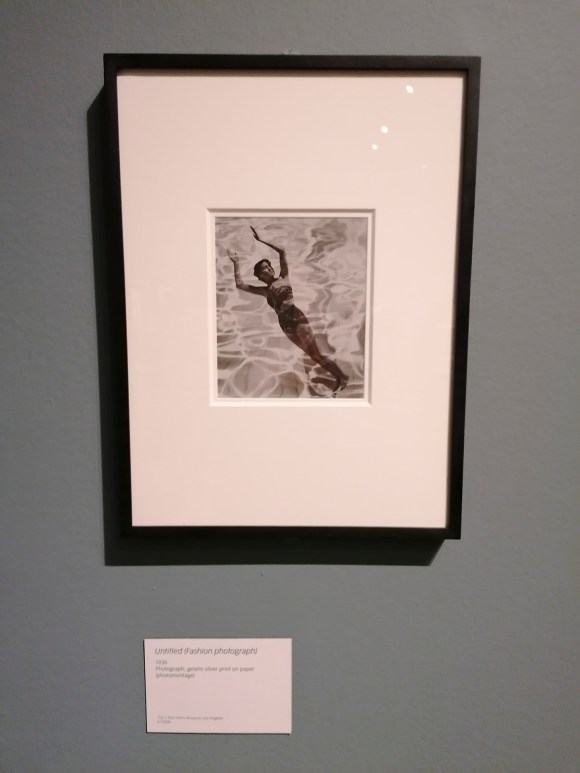
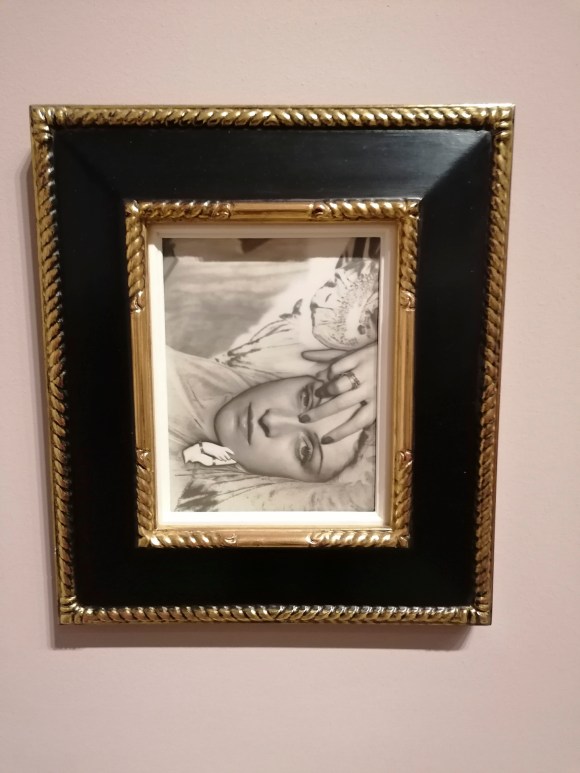
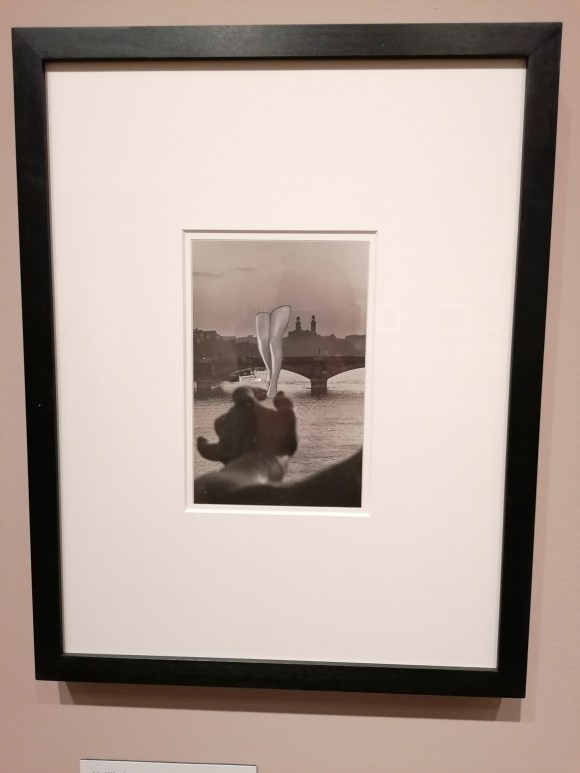
AGM60 Dora Maar Tate Modern Exhibition 30 January 2020

In my previous photographic studies, the starting point was predominately based on looking at and researching other photographers and artists in conjunction with their work. I hadn’t been to an exhibition for a while, so thought it a good idea to get back into the habit. I find that with each exhibition I visit, I always find inspiration and potential ideas as well as learning something new.

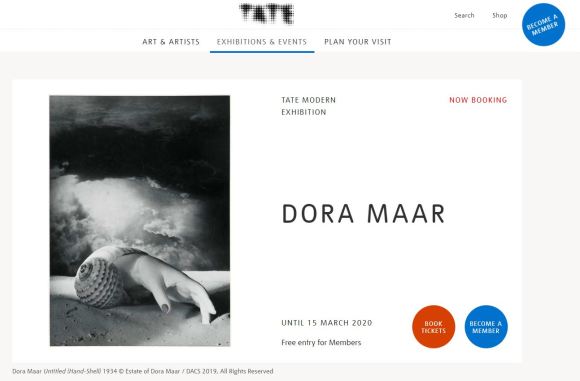
Tate Modern on the South Bank is one of my favourite art venues in London, so I checked on the institution’s website to see who and what they were exhibiting. One of the current exhibitions featured the work of surrealist photographer, Dora Maar.

Tate Dora Maar Page 01

When researching Maar, I discovered that she was an artist and poet as well as a photographer with a long and extensive career spanning many decades of the 20th century. I have to admit (somewhat ashamedly) that I hadn’t extensively encountered Maar’s work previous to this. Some of the images seemed familiar and I was intrigued enough to make a visit, which I did on 30th January 2020.

During the 1930s, Dora Maar’s provocative photomontages became celebrated icons of surrealism. Initially trained as a painter, Maar turned to photography and became a commercial success in the spheres of fashion and advertising. Maar was also involved with the surrealist movement, offering her photographic services to Man Ray as an assistant. This eminent photographer turned Maar down, famously stating that ‘he couldn’t teach her anything’.

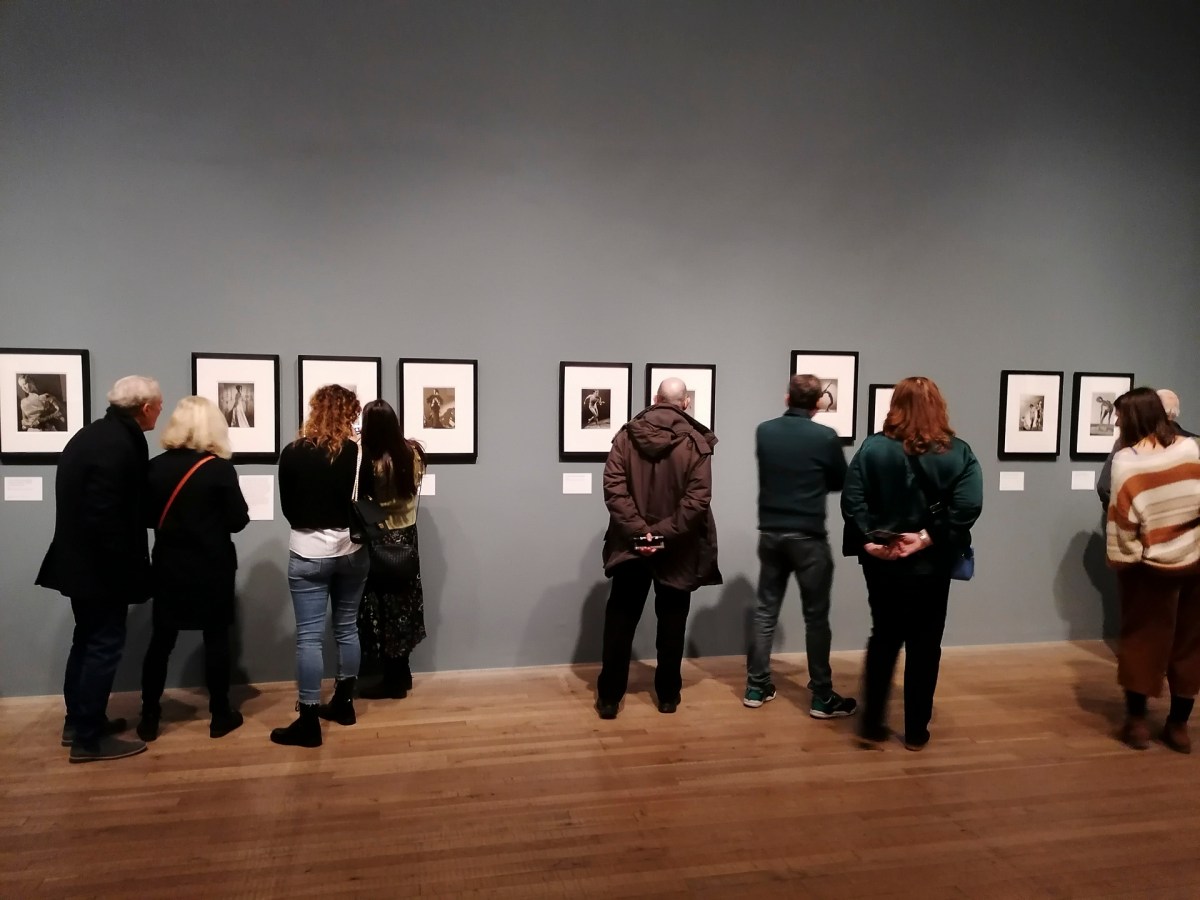
On visiting the exhibition, I was not disappointed. The exhibition itself was split into nine rooms, each focused on a particular aspect and era of Maar’s work. These were:

  • Room 1: The Invention of Dora Maar
  • Room 2: On Assignment
  • Room 3: On the Street
  • Room 4: The Everyday Strange
  • Room 5: Surrealism
  • Room 6: In the Darkroom and the Studio
  • Room 7: The War Years
  • Room 8: New Landscapes, New Surfaces
  • Room 9: Return

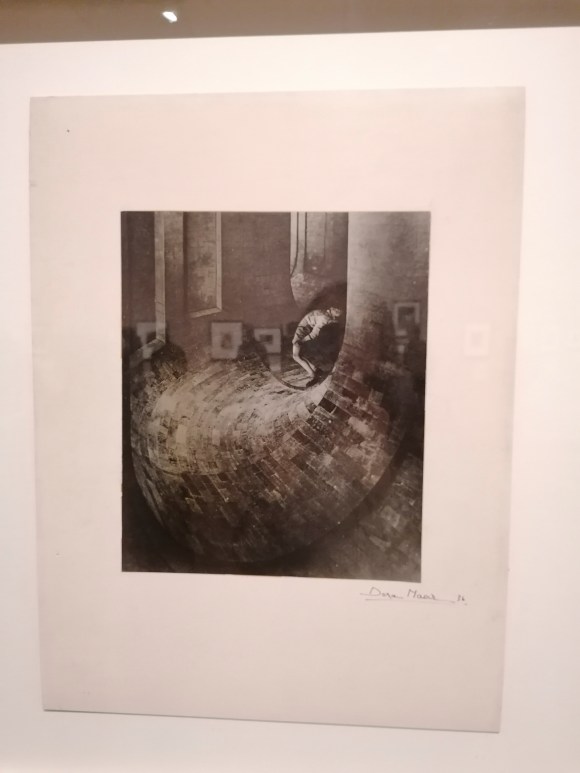
The following works were the ones that had the most impact on me.


dora_maar_tate_006_low


dora_maar_tate_017_low


dora_maar_tate_026_low


dora_maar_tate_029_low

dora_maar_tate_050_low


I also bought the accompanying book to the exhibition, which I will be reading in much more detail with regards to research.

References:

Tate. (2020). Dora Maar – Exhibition at Tate Modern | Tate. [online] Available at: https://www.tate.org.uk/whats-on/tate-modern/exhibition/dora-maar [Accessed 23 January 2020].

Design a site like this with WordPress.com
Get started