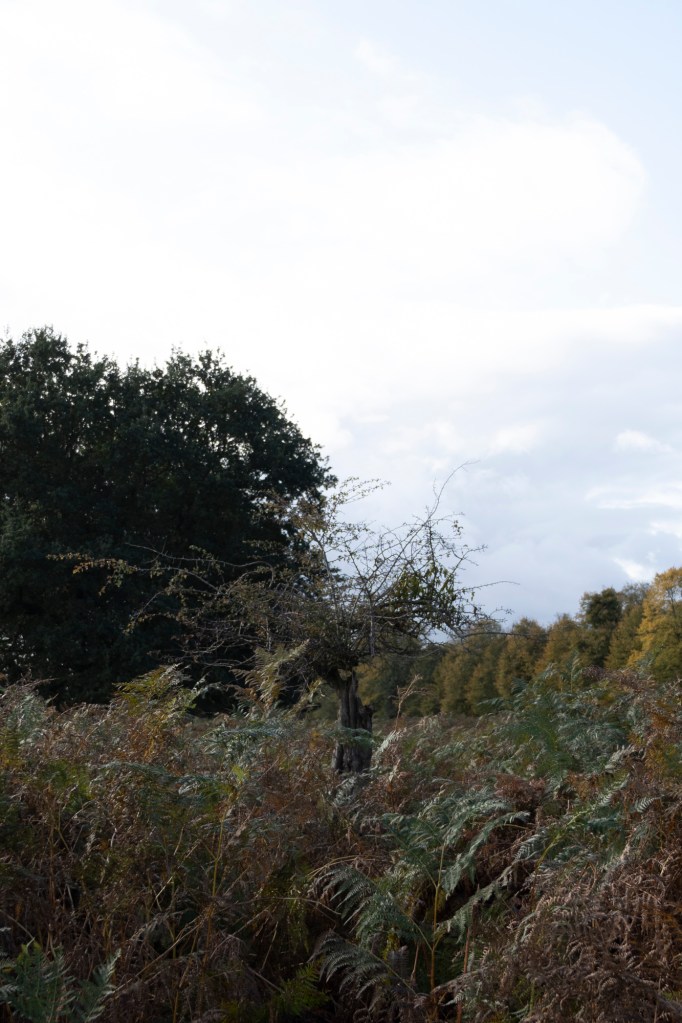
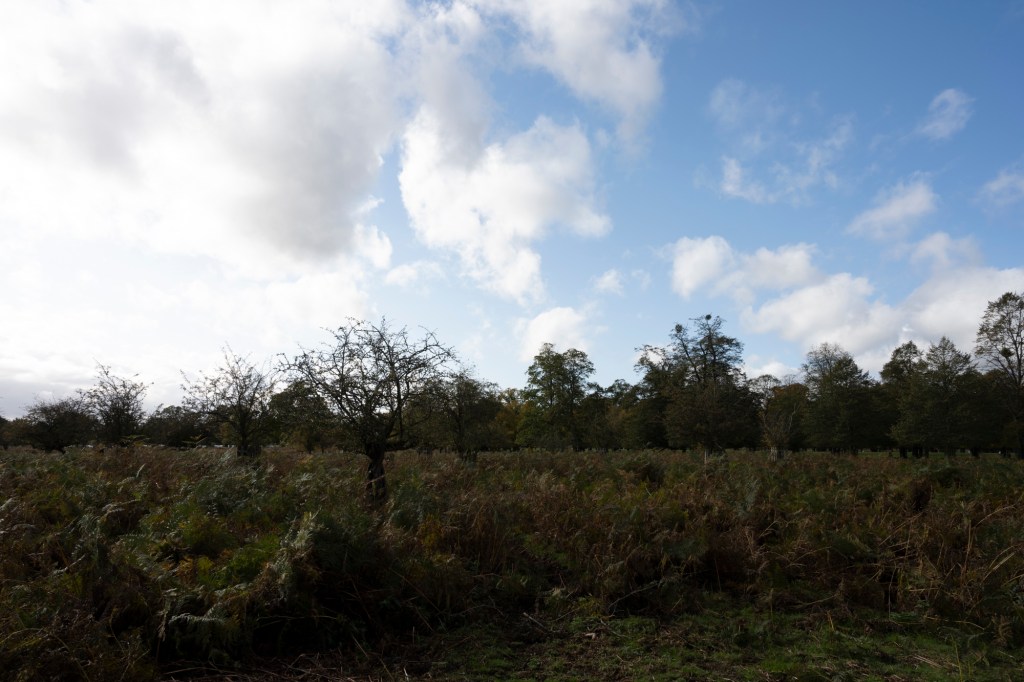
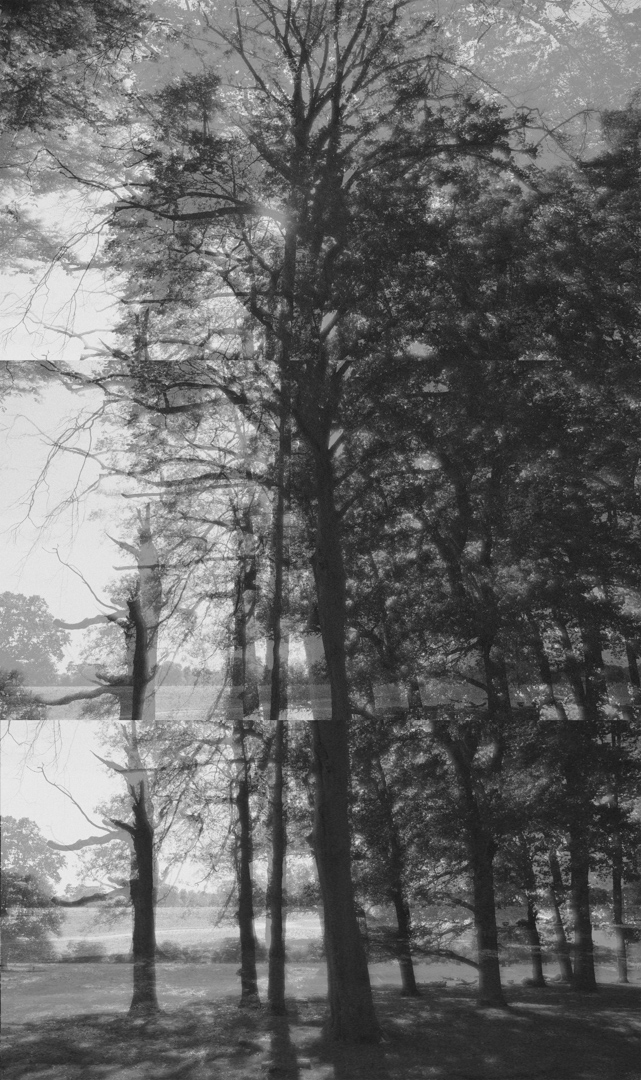
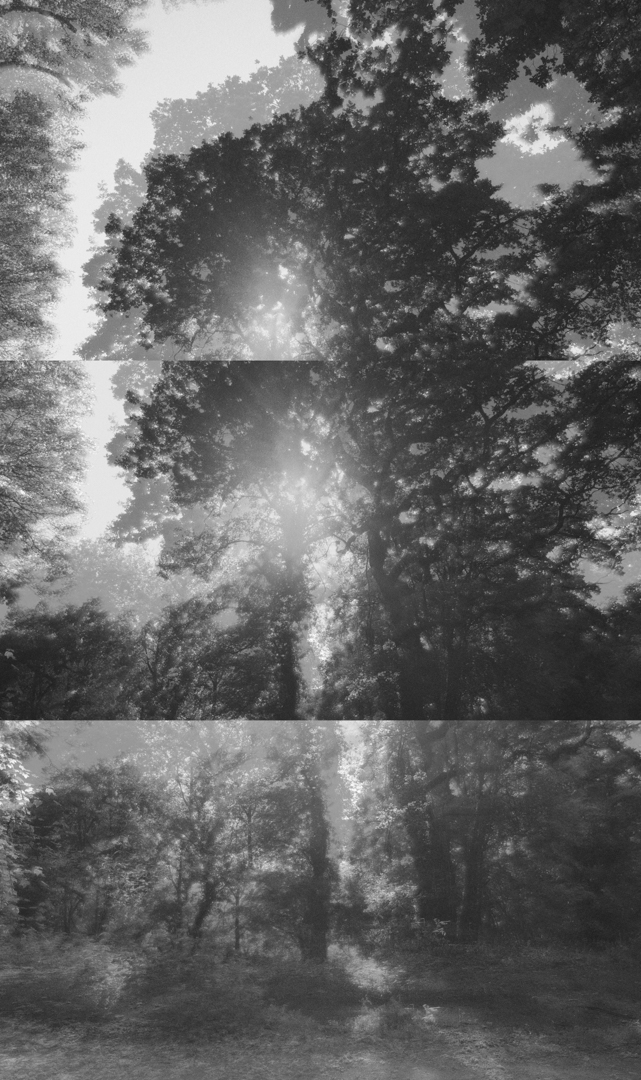
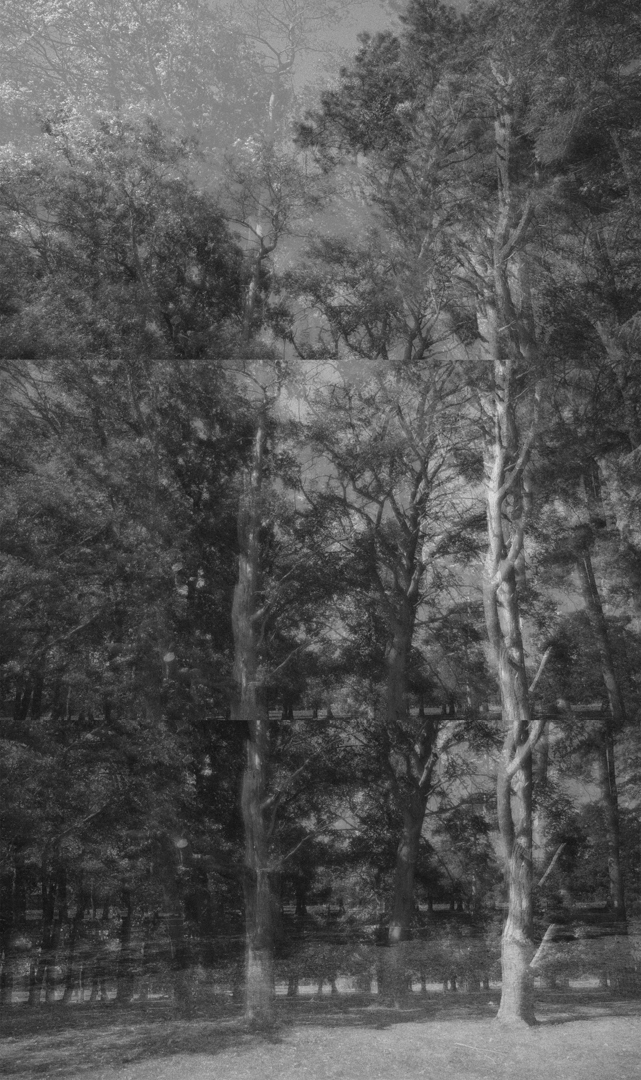
After my shoot on 22 October, I was starting to get a better idea of the patch of hawthorn trees next to the eponymous lodge. As I had only focused on four of the trees, I wanted to take a closer look at some of the others.
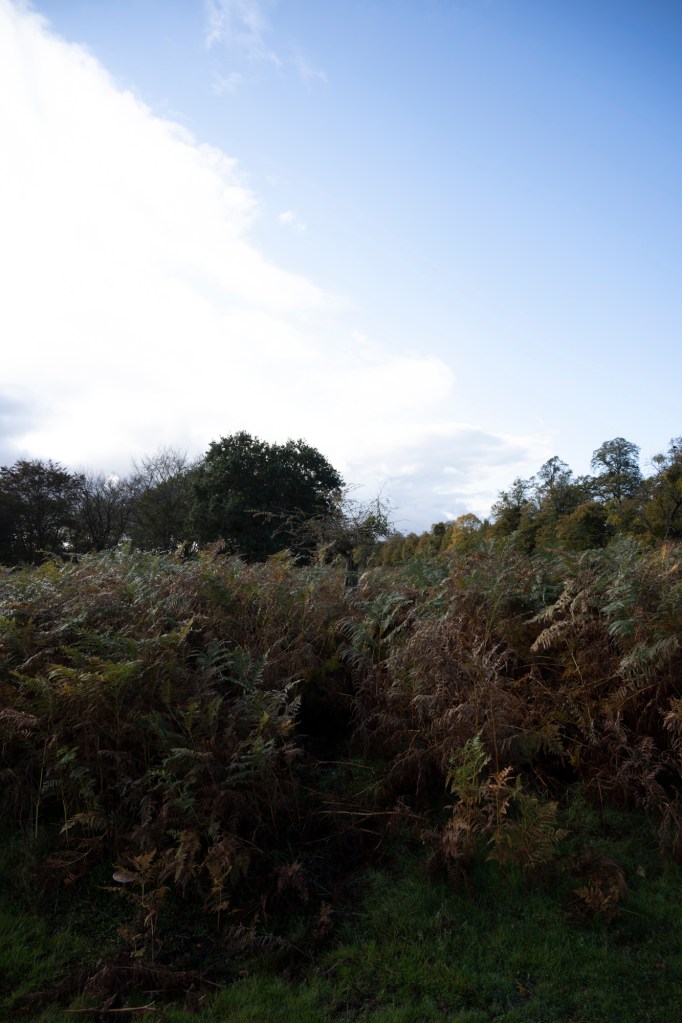
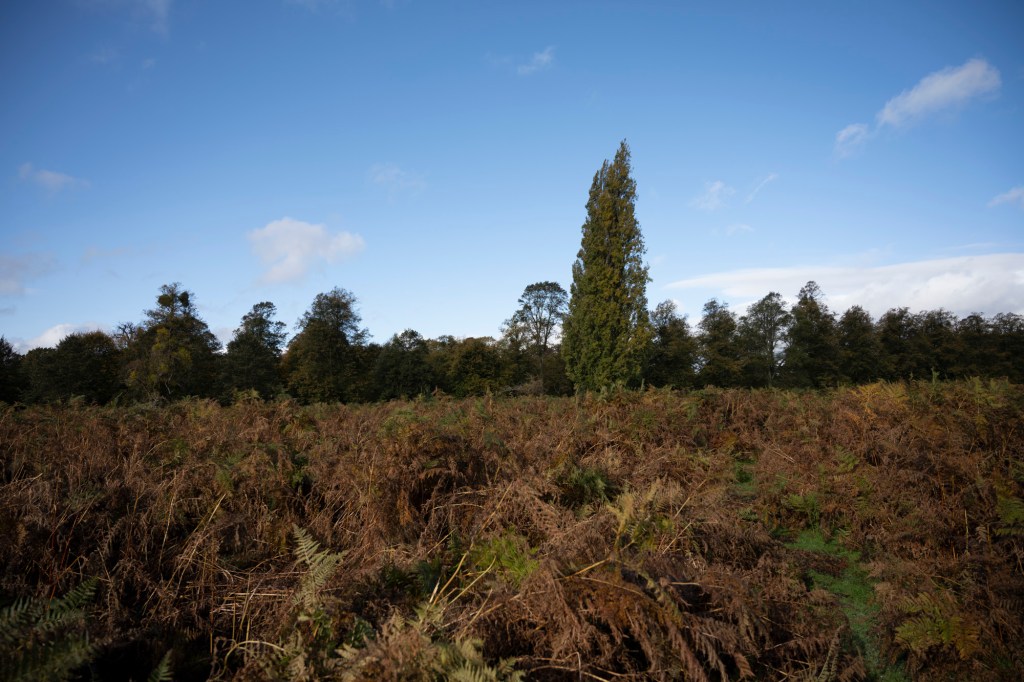
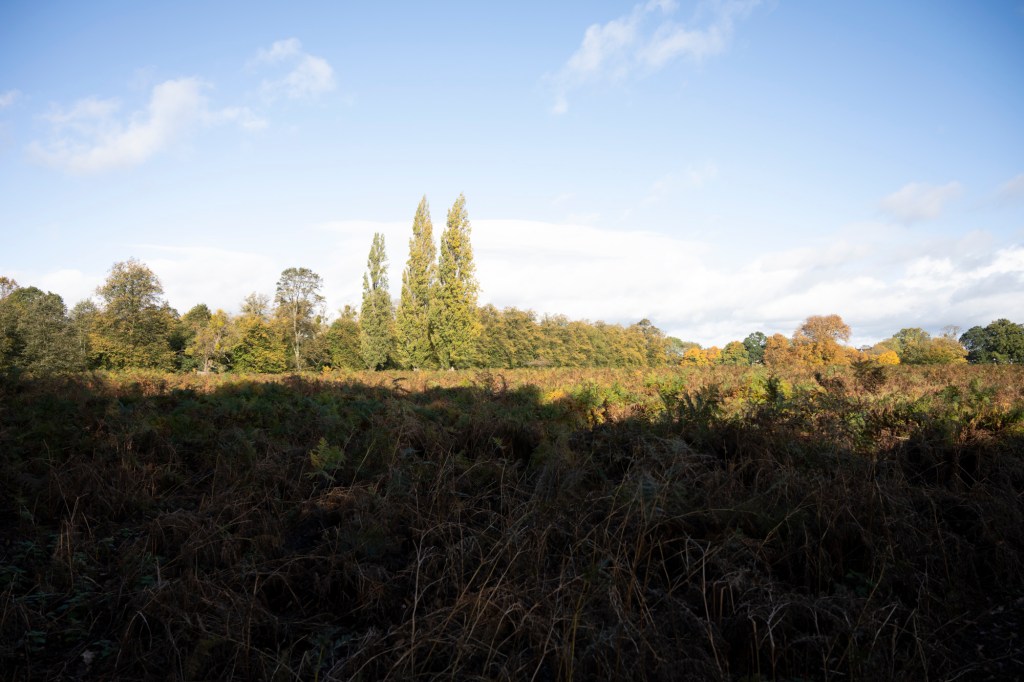
Another issue that influenced my photographic decisions during this particular shoot was the presence of the deer within the ferns. Bushy Park is currently home to approximately 320 of these animals and their grazing is essential to maintaining the park’s grasslands. This activity creates more variation in structure and plant diversity and does not damage the anthills, which add further diversity and character to the grassland, unlike cutting the vegetation.
At this time of year during the rutting season, the deer can potentially attack humans and it is recommended that people stay at least 50 meters away from them while in the park. This is something I always adhere while in the park regardless of what I’m doing. As such, I couldn’t go near the other trees that I had photographed three days’ previously, so I focused on the following specimens.
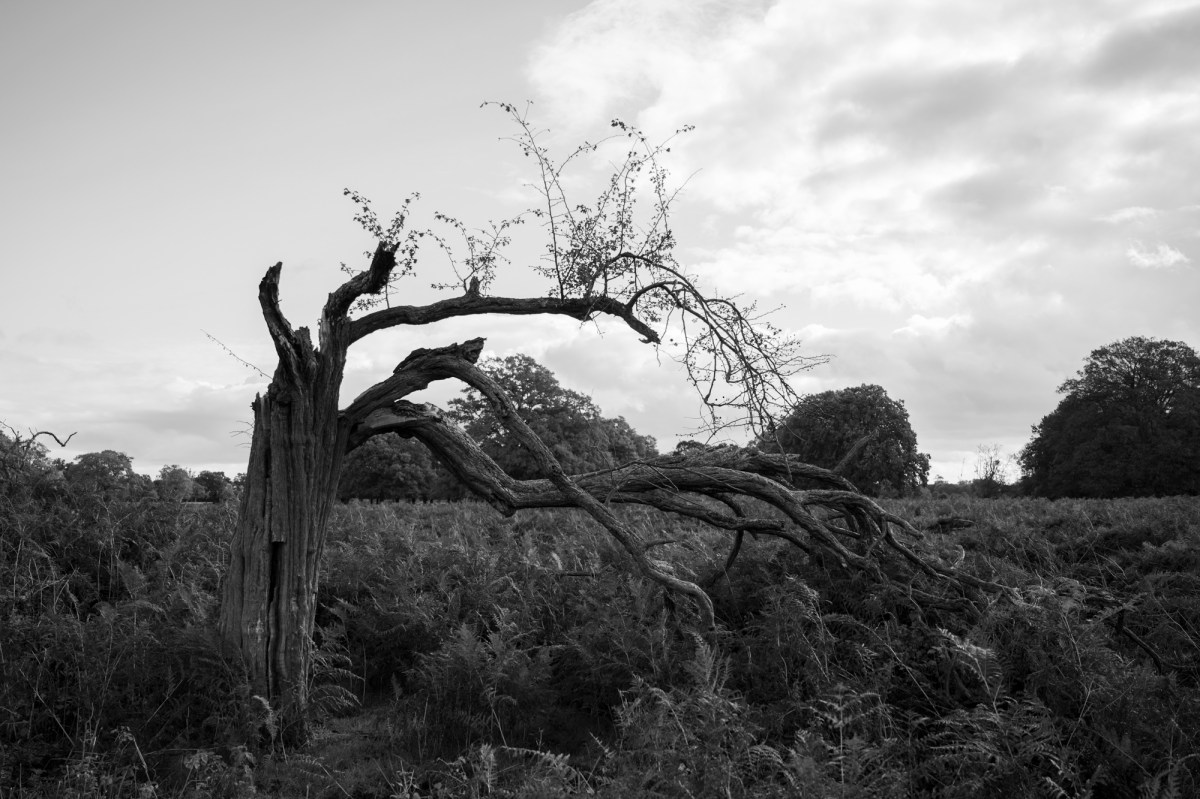
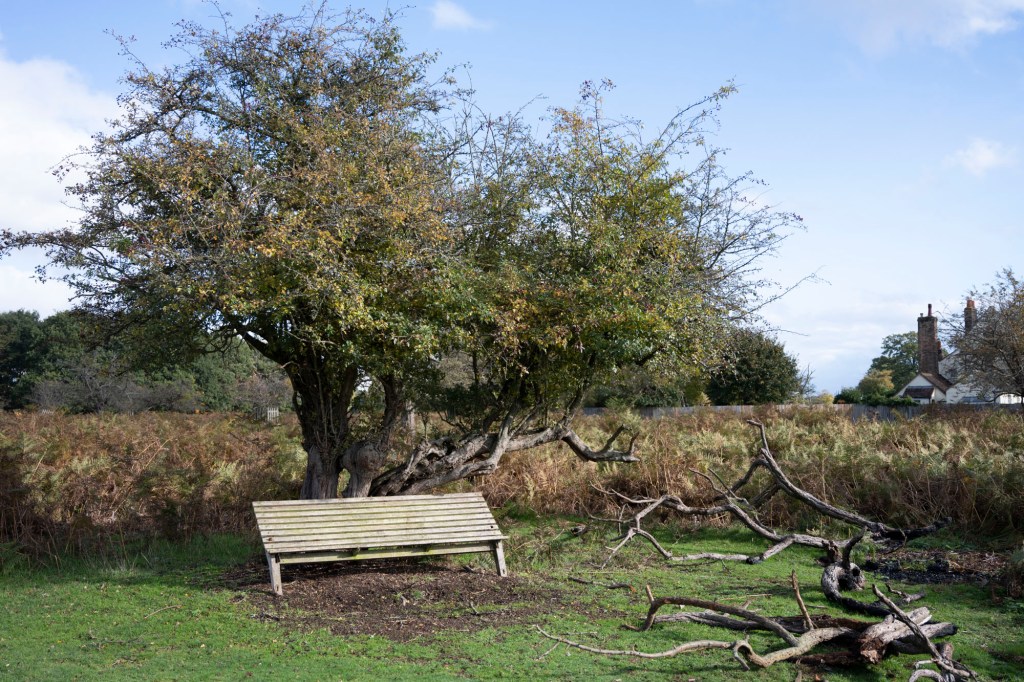
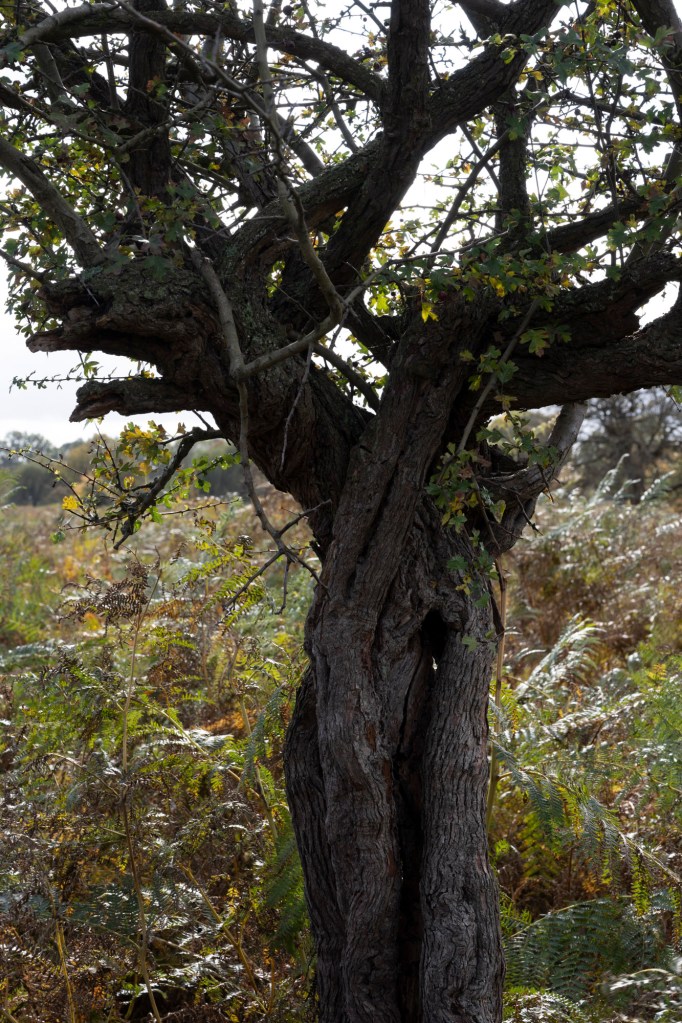
Tree One
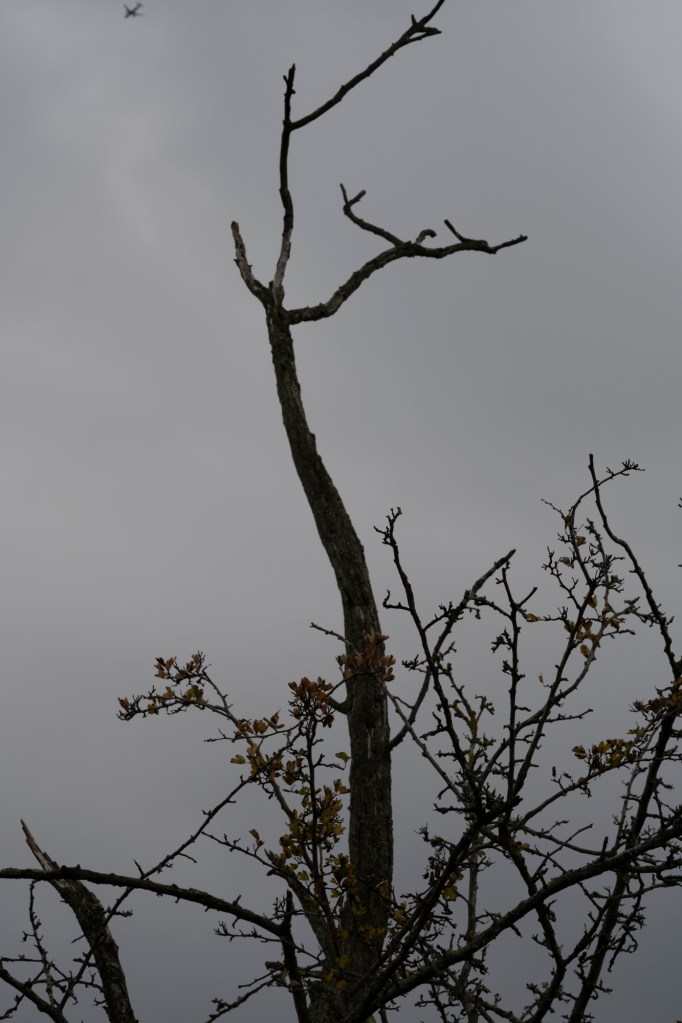
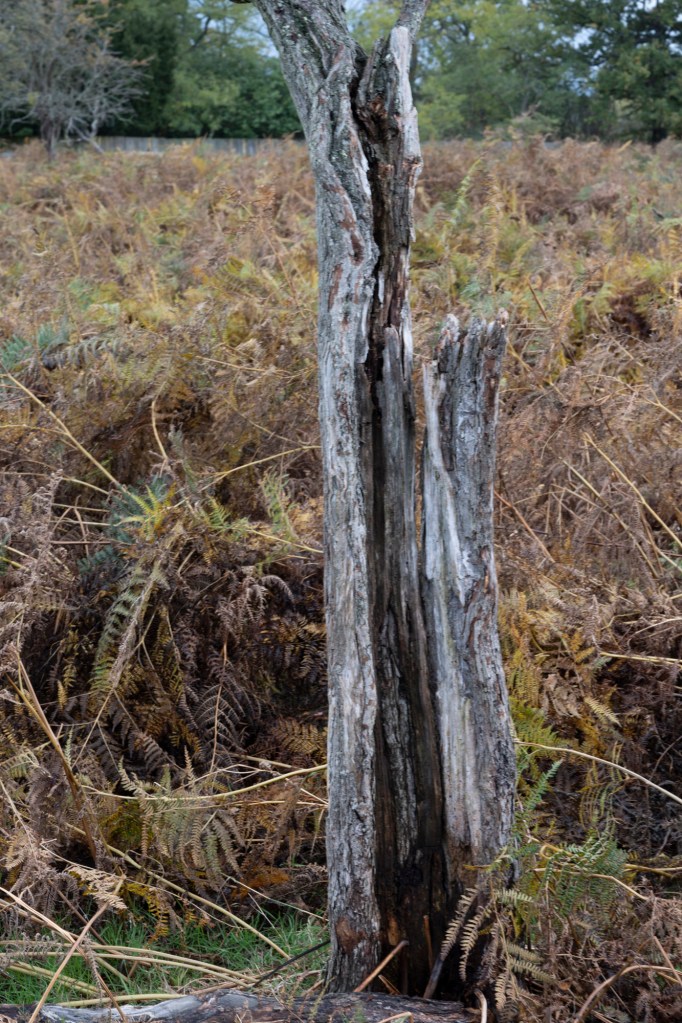
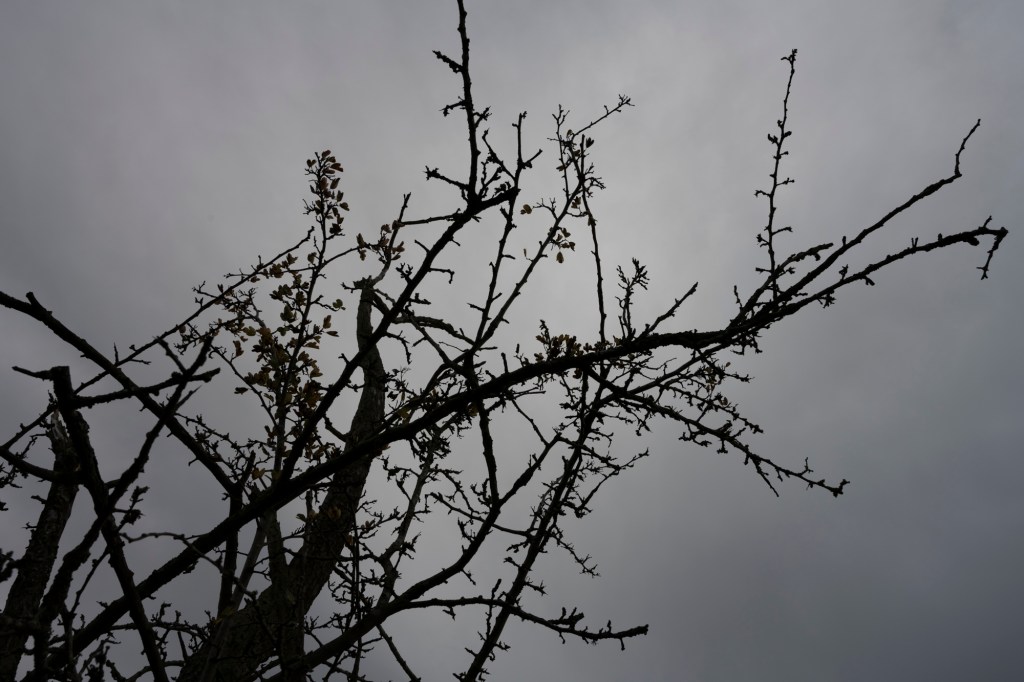
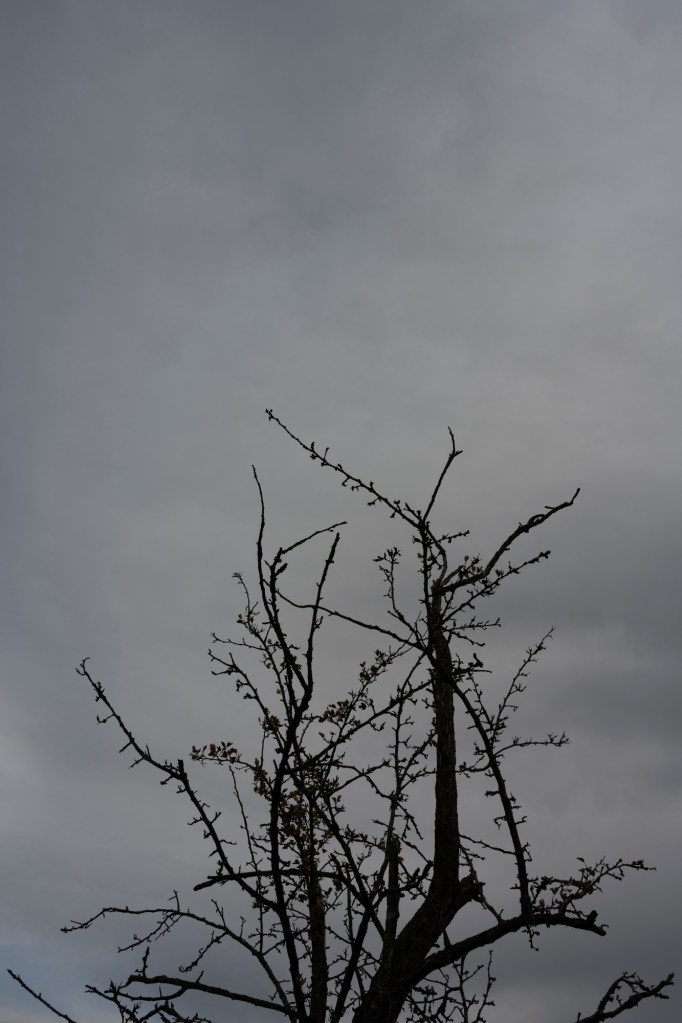
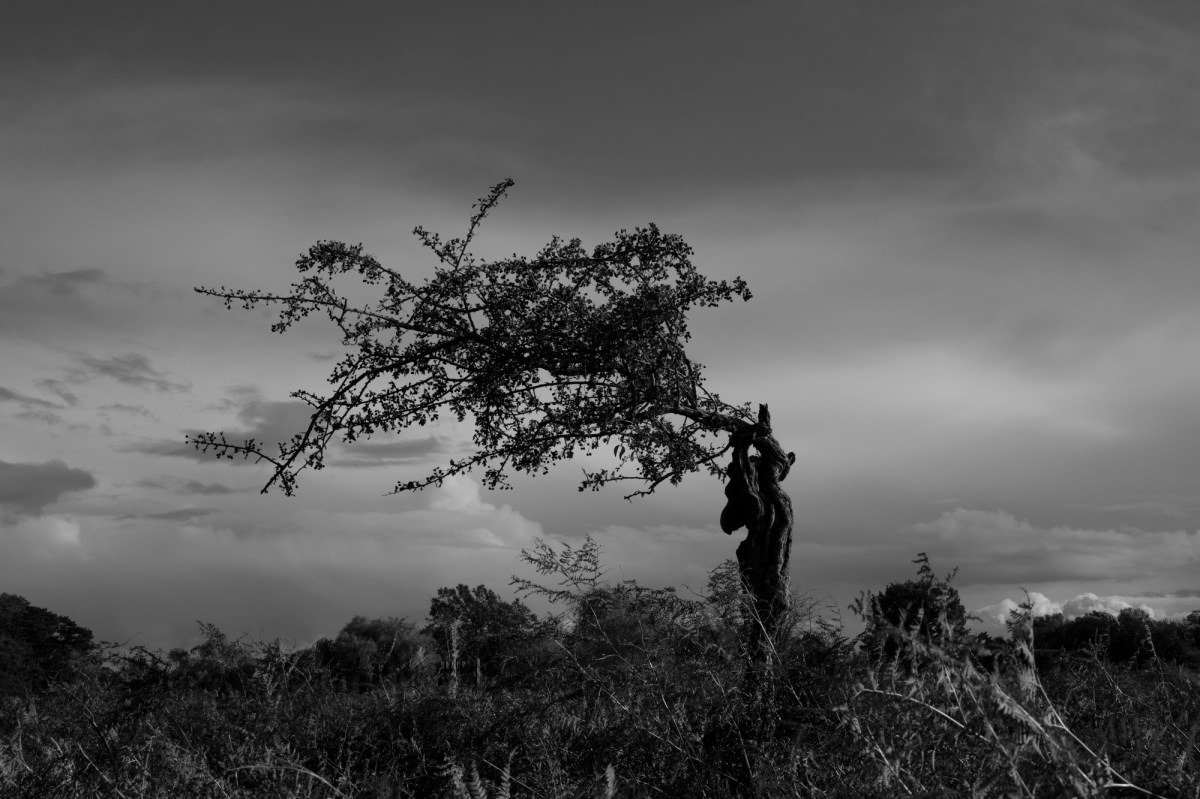
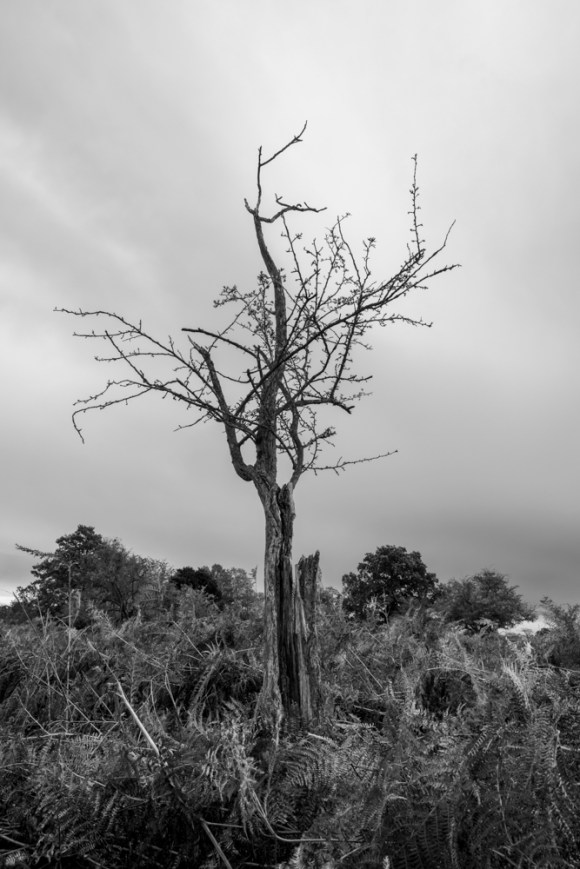
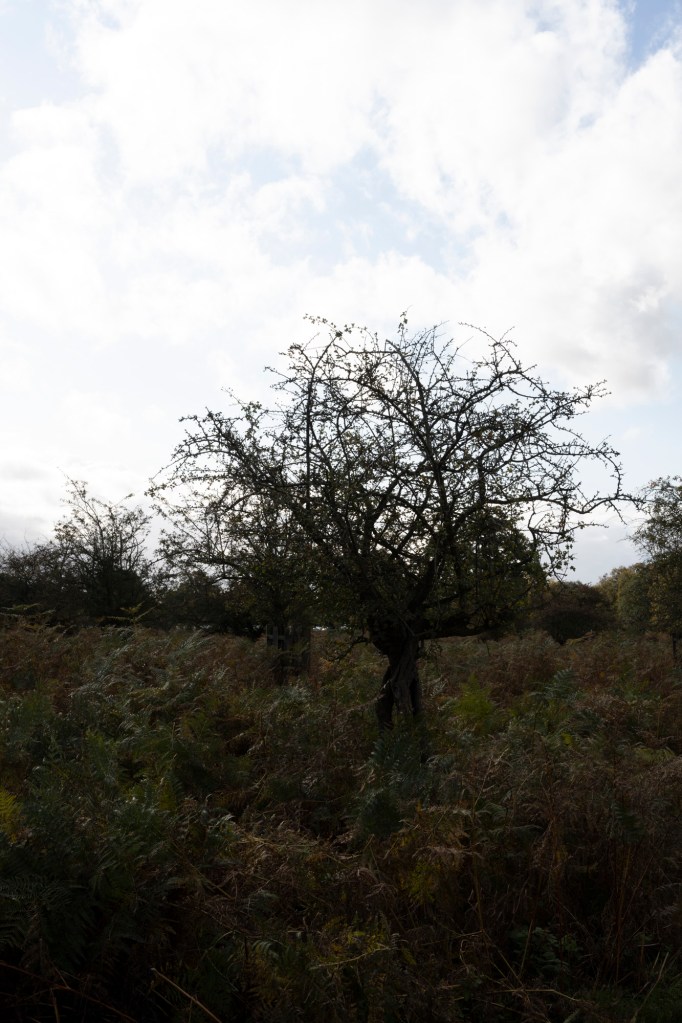
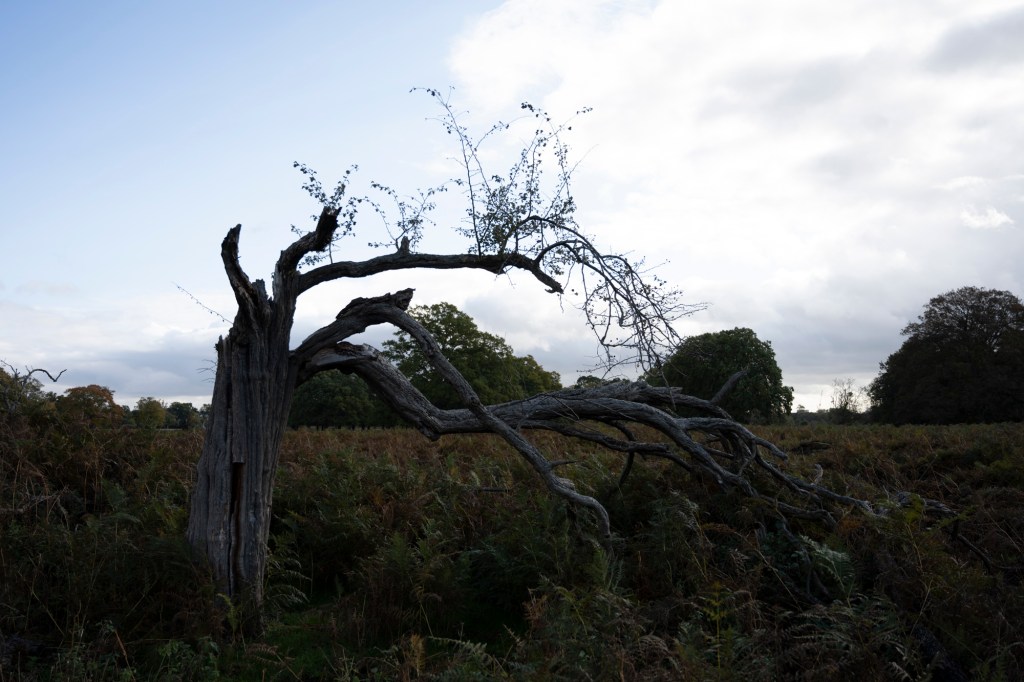
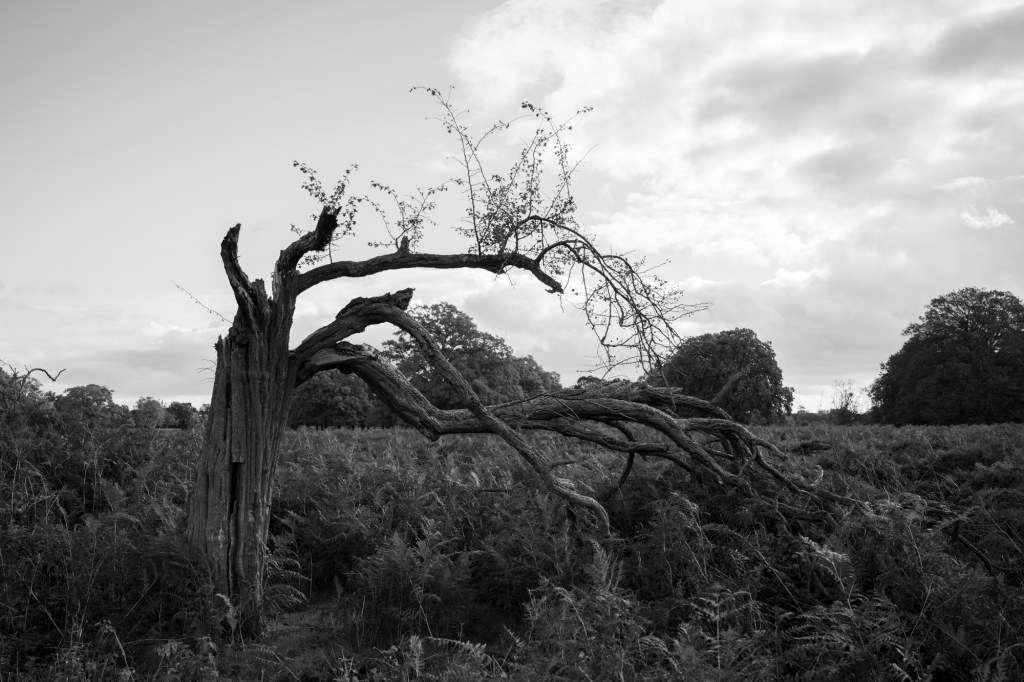
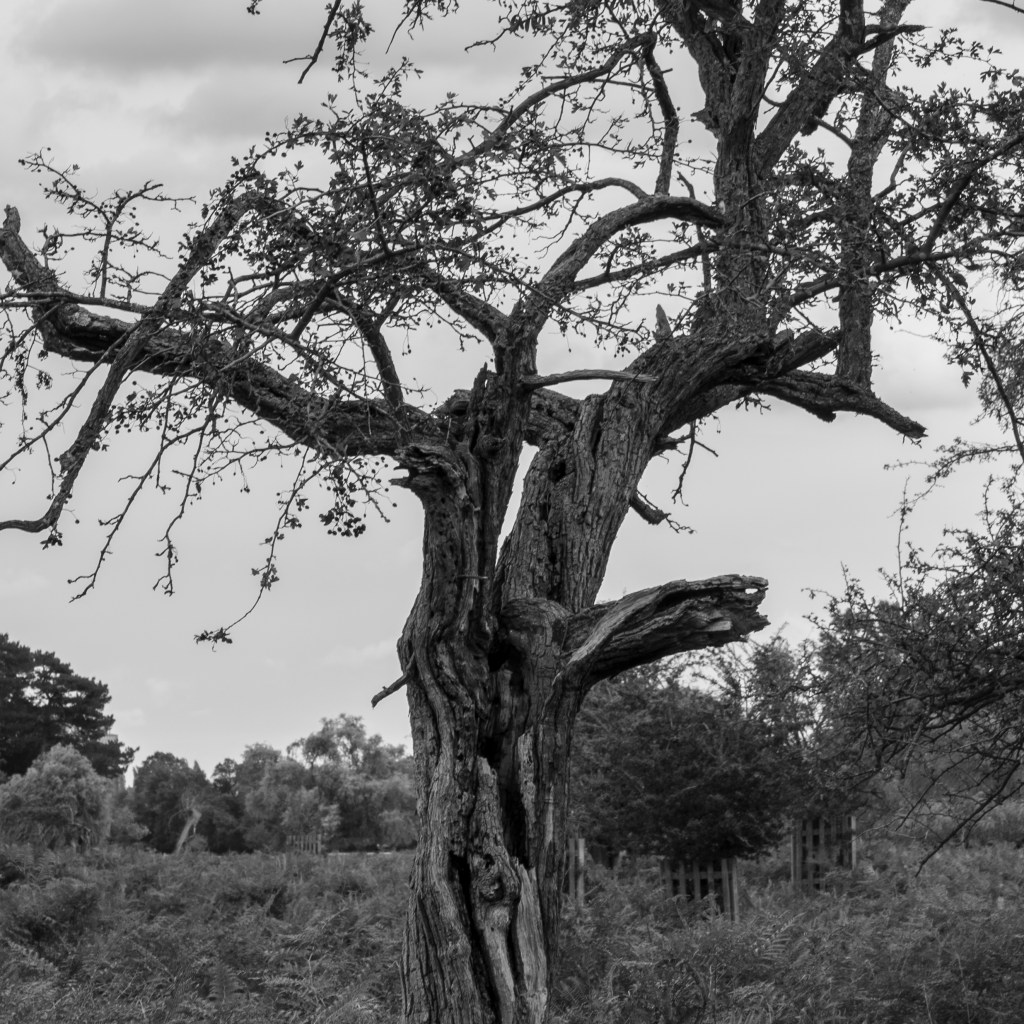
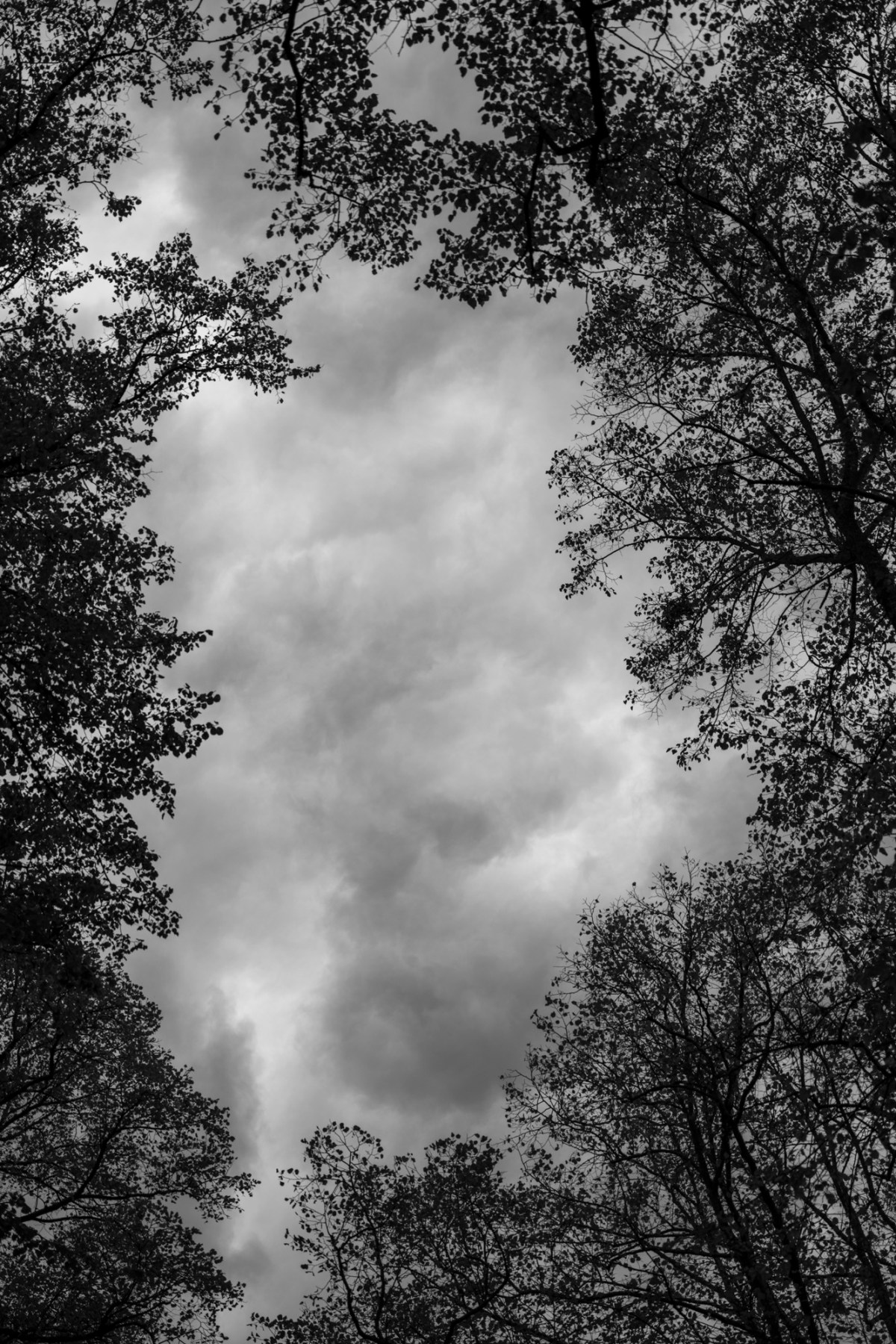
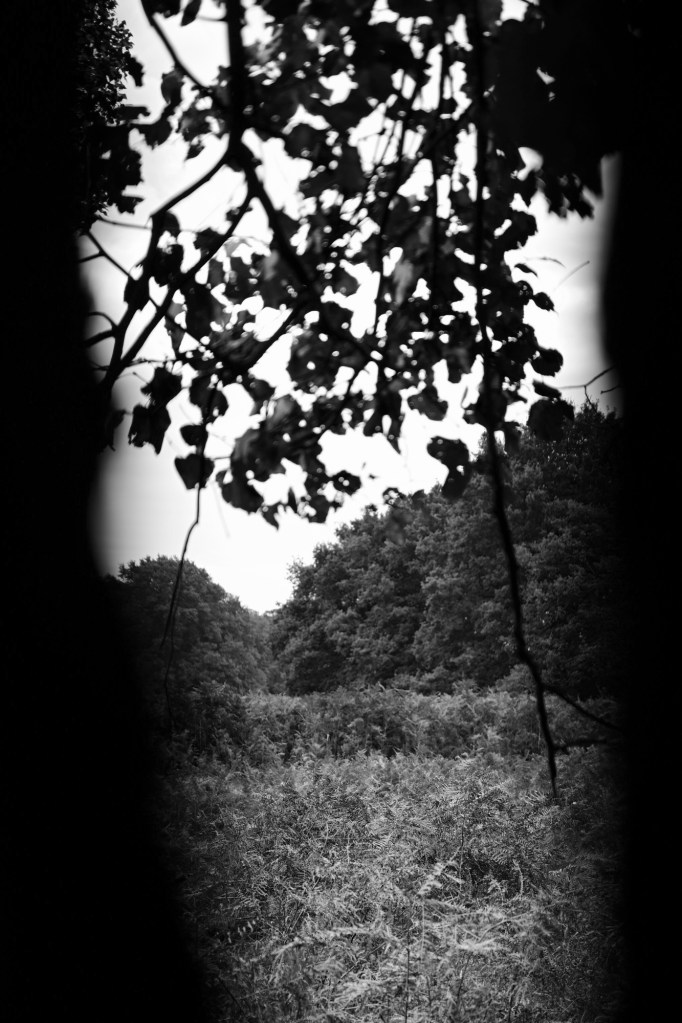
This is an initial Black & White conversion of the whole hawthorn.
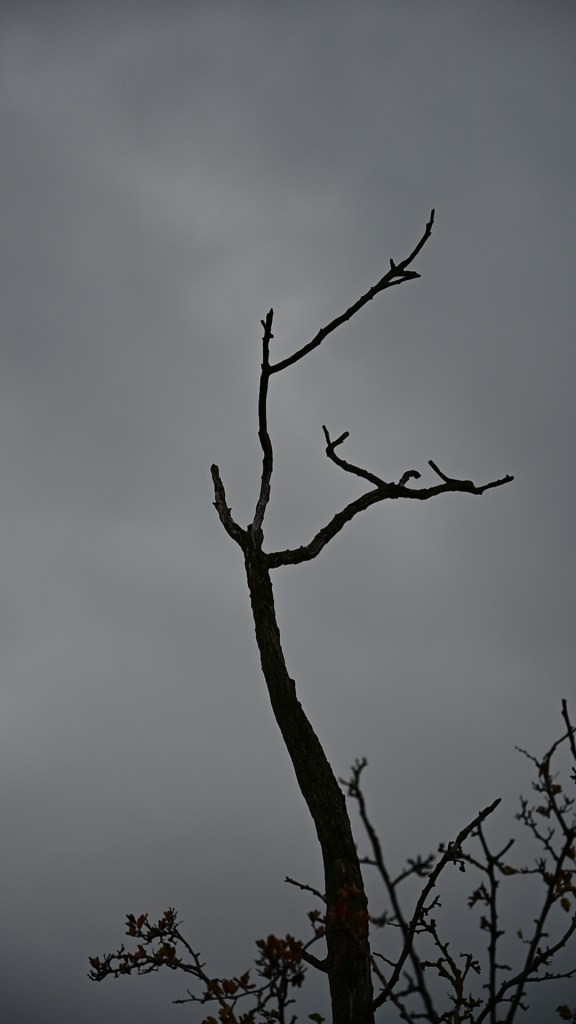
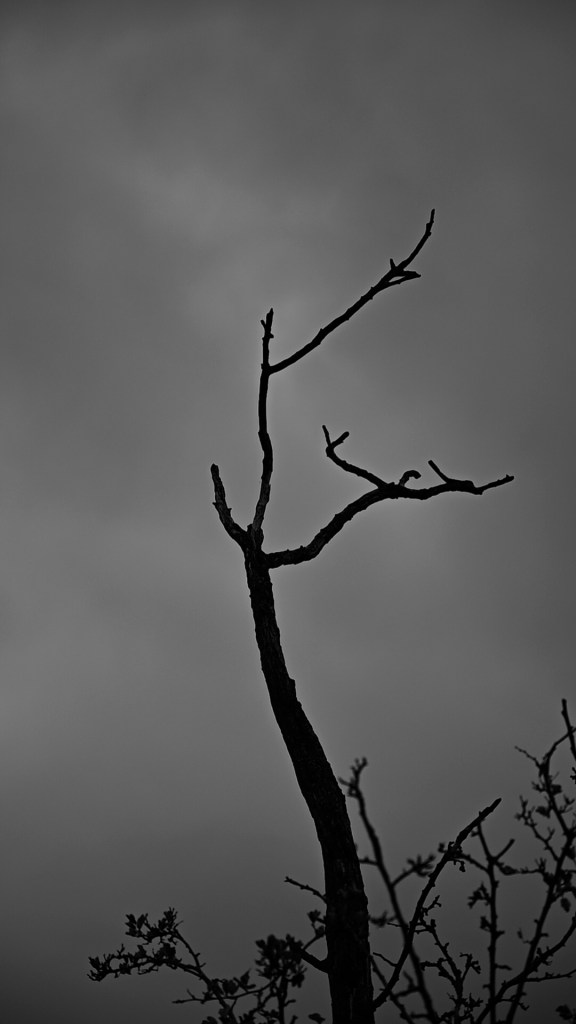
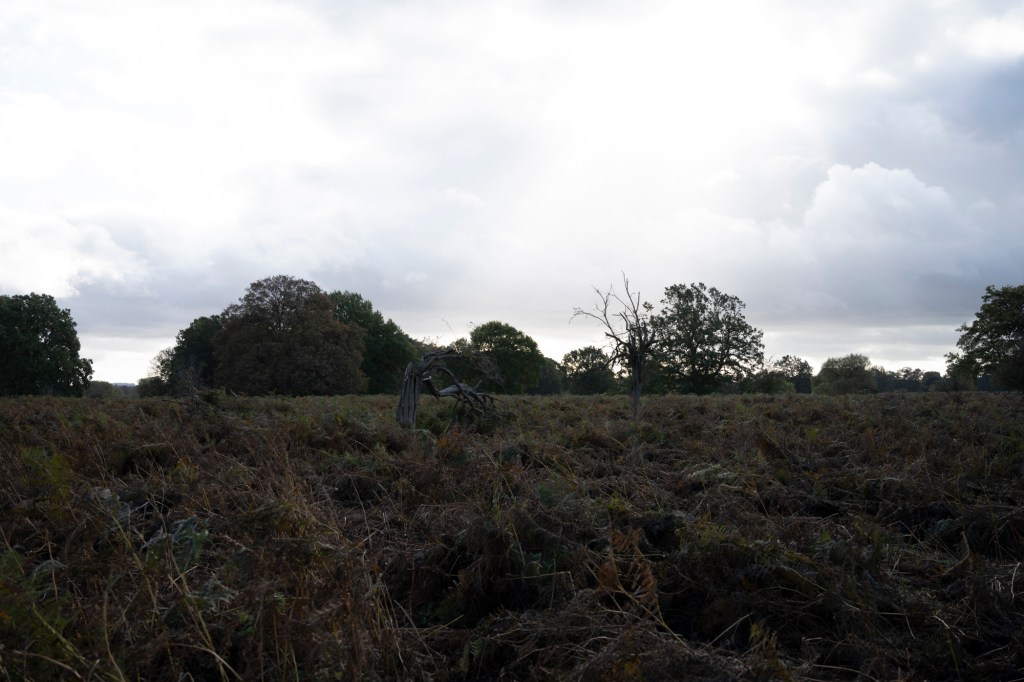
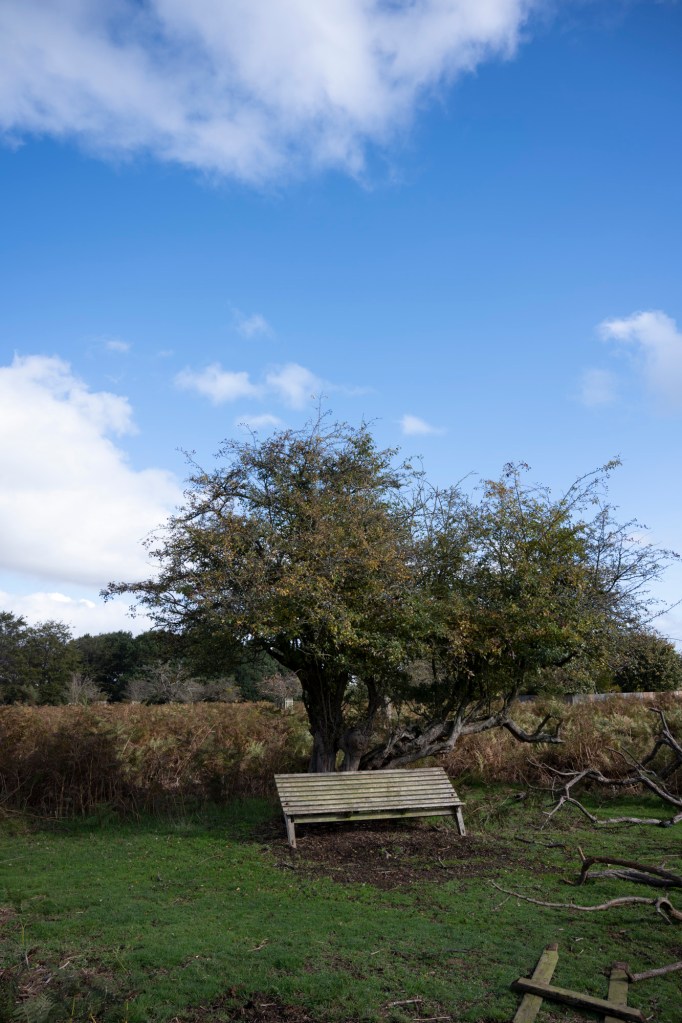
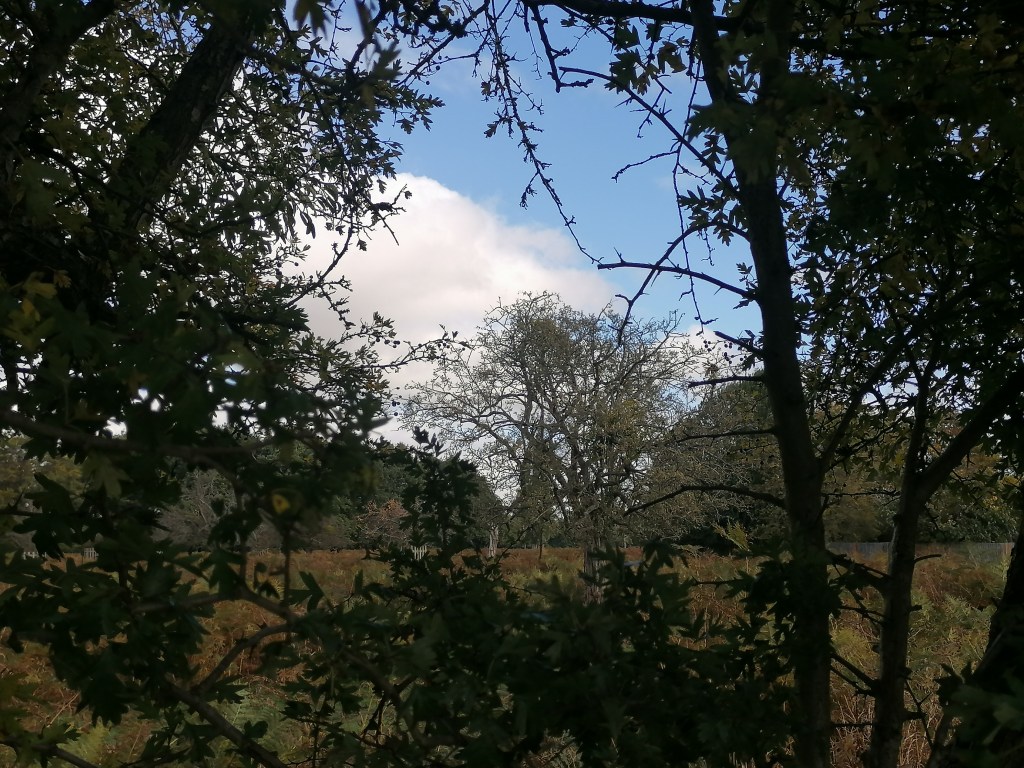
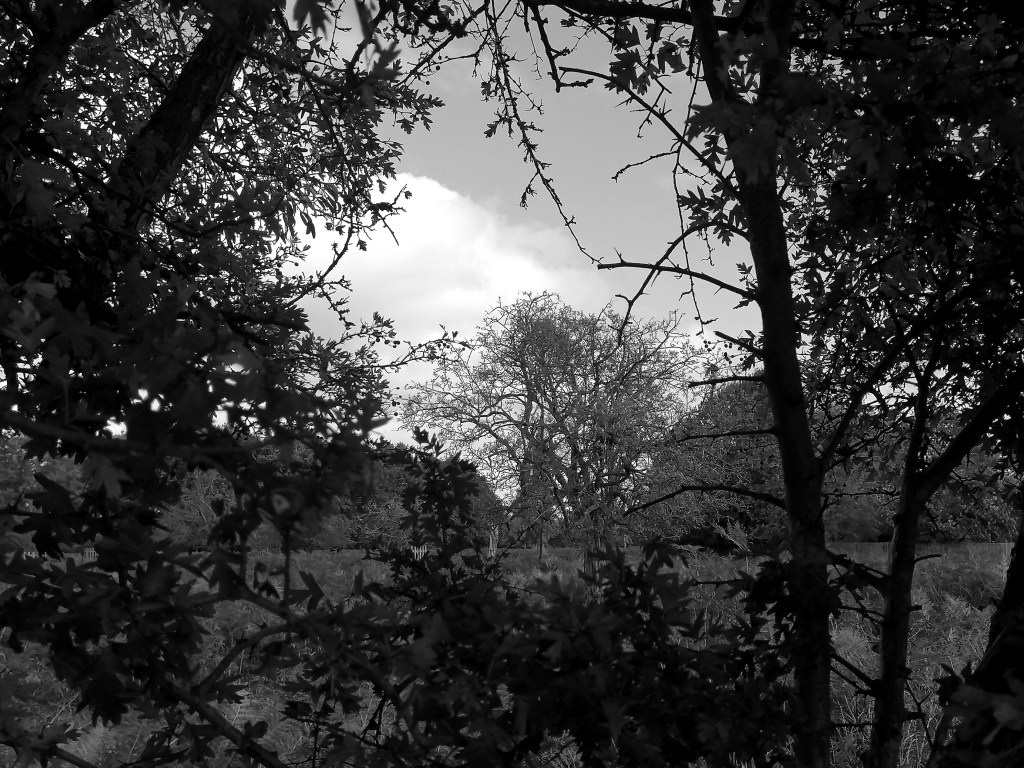
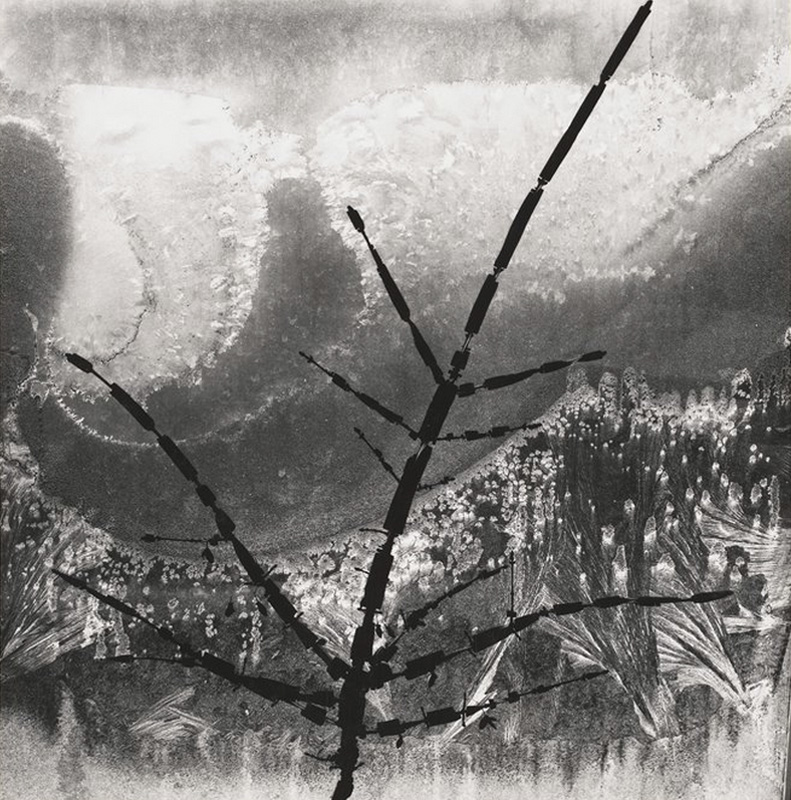
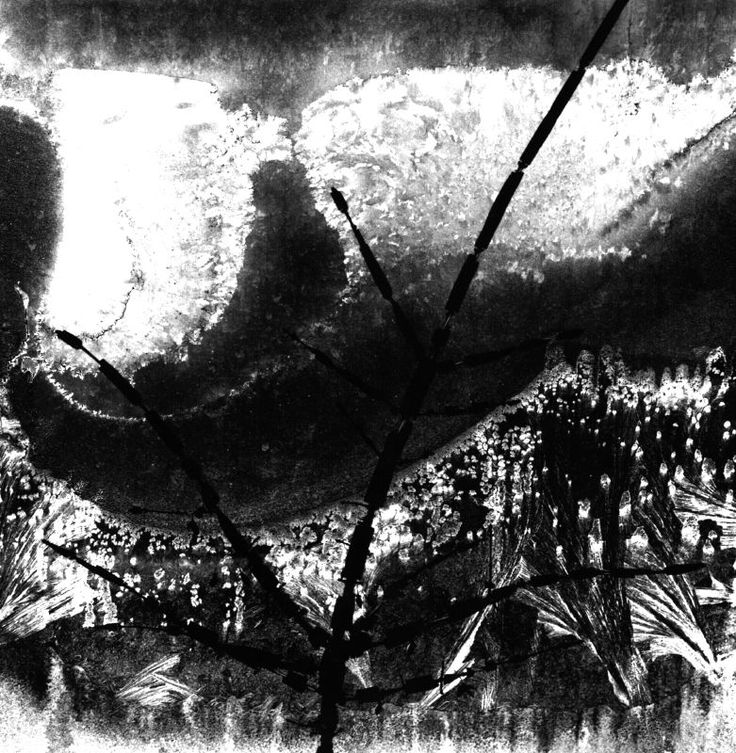
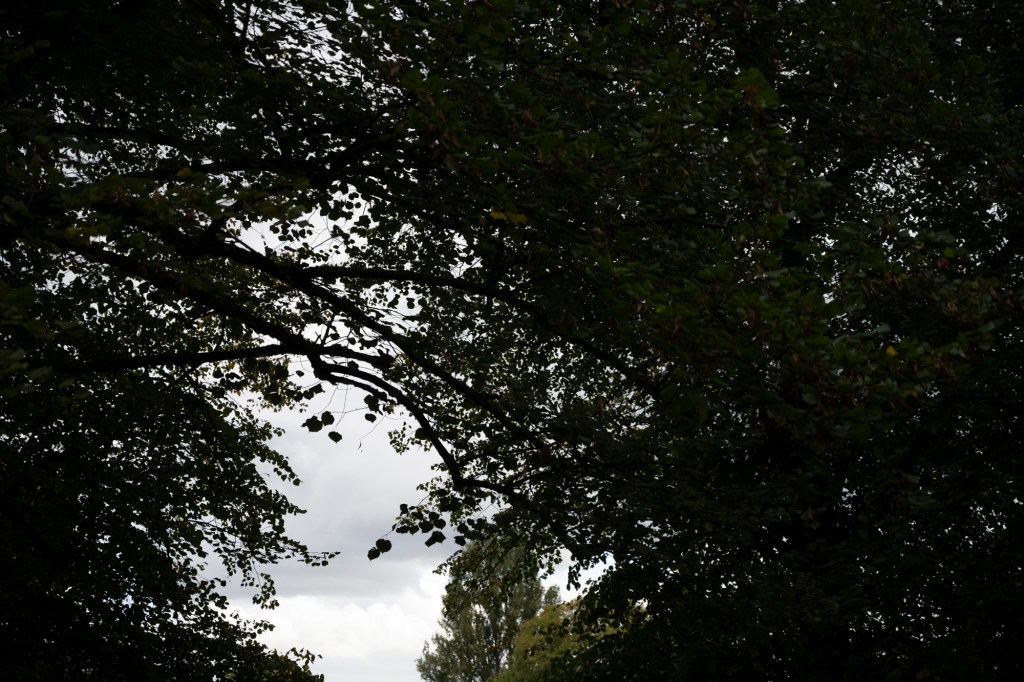
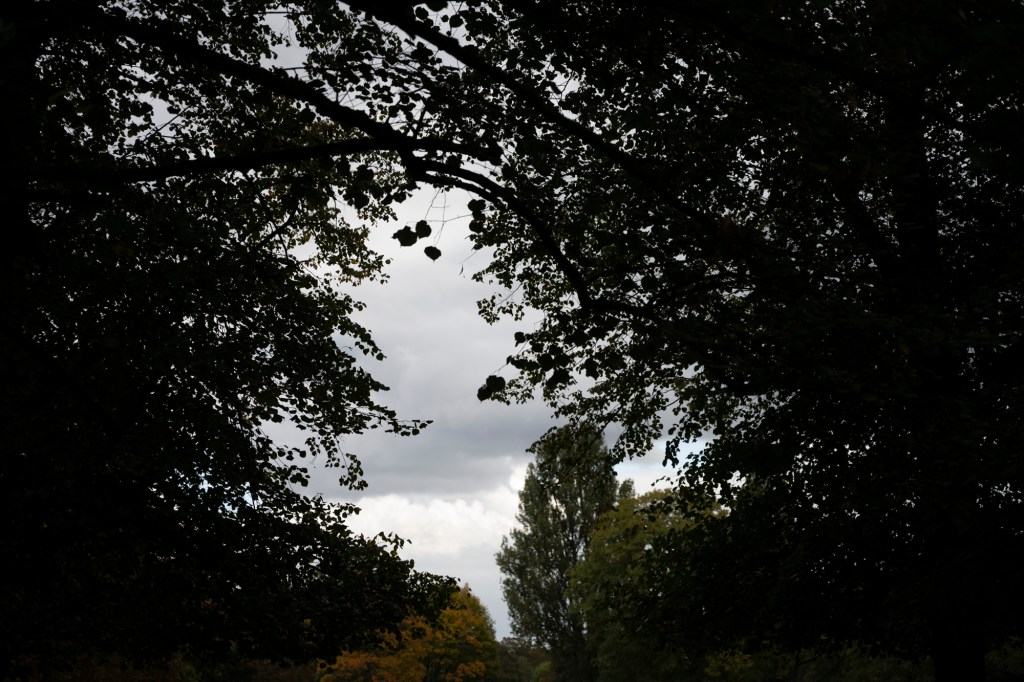
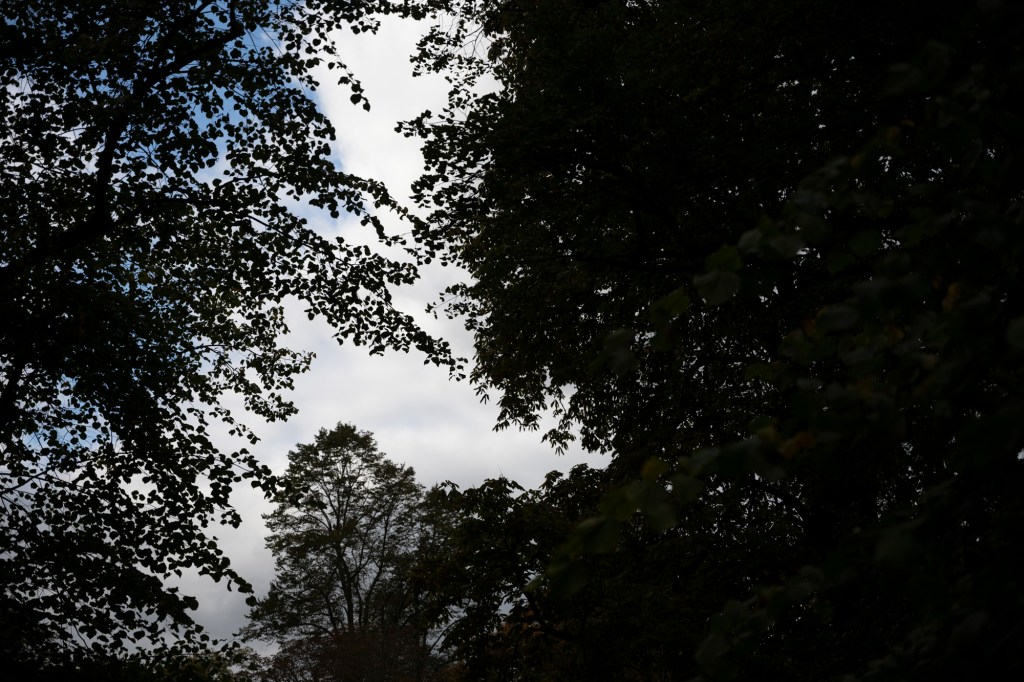
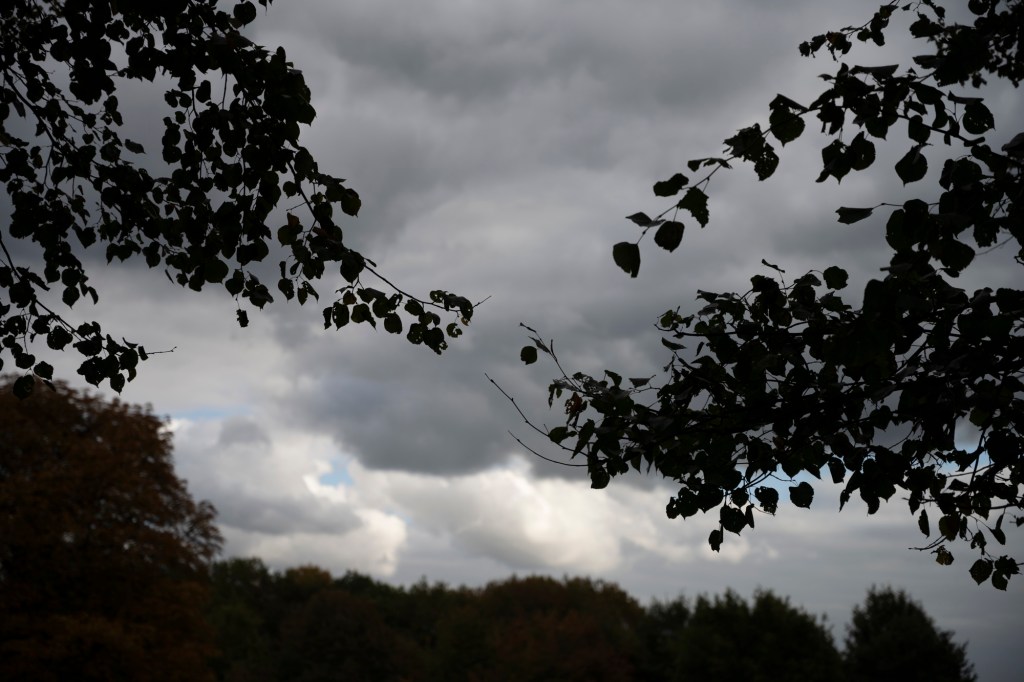
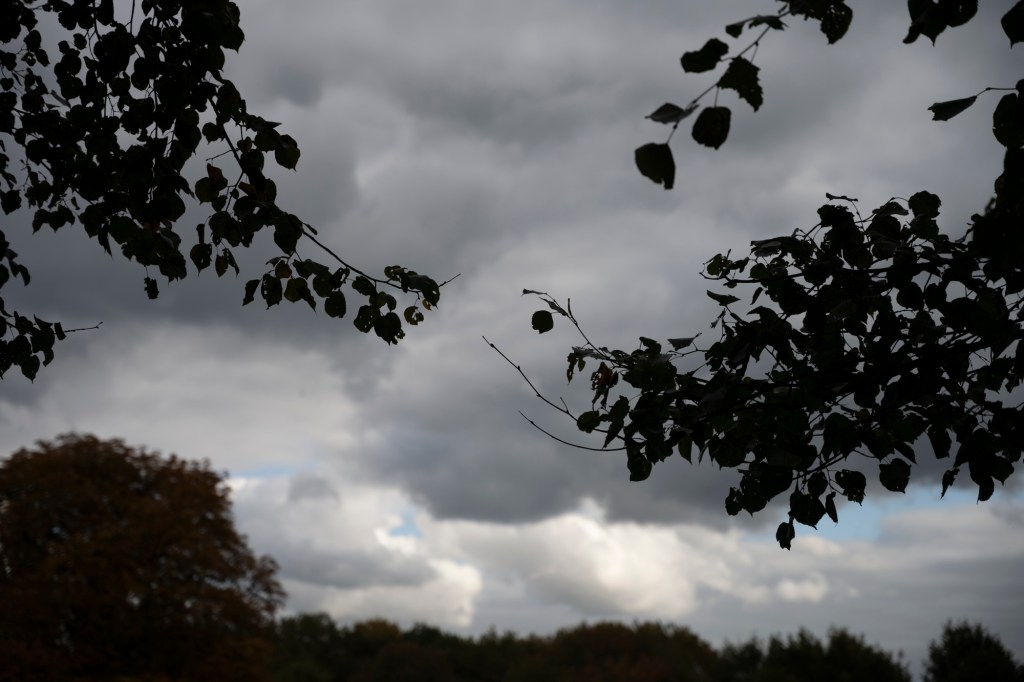
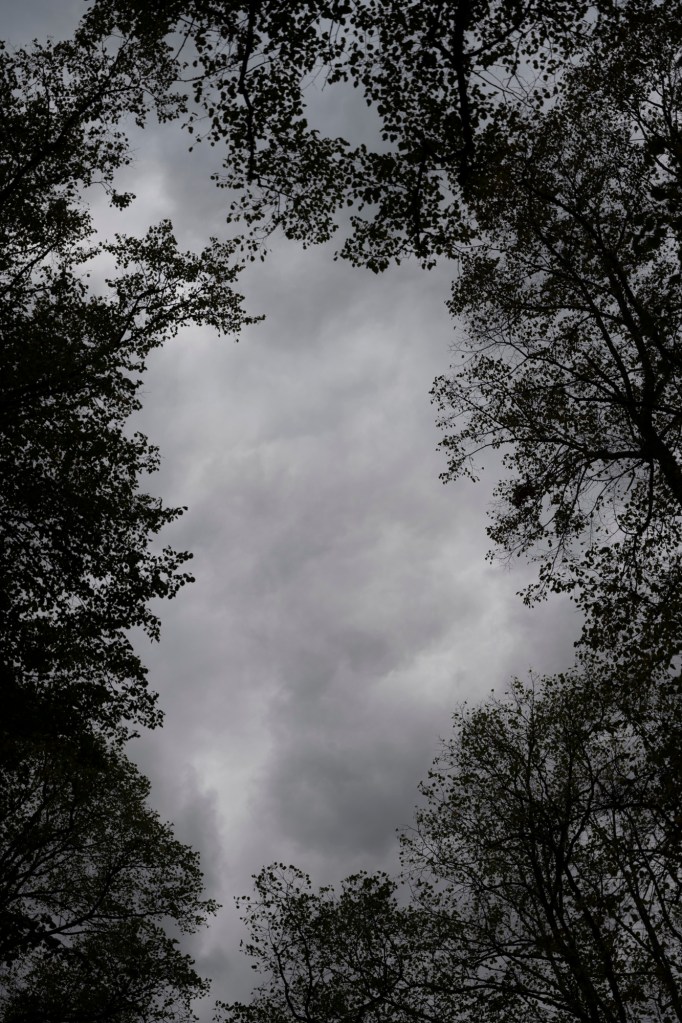
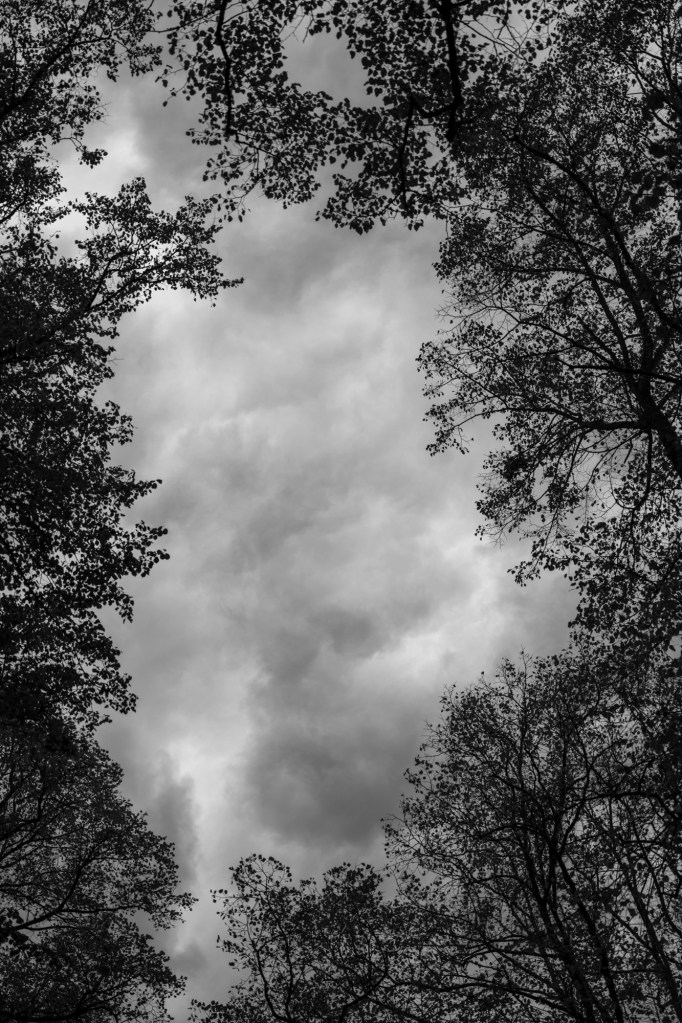
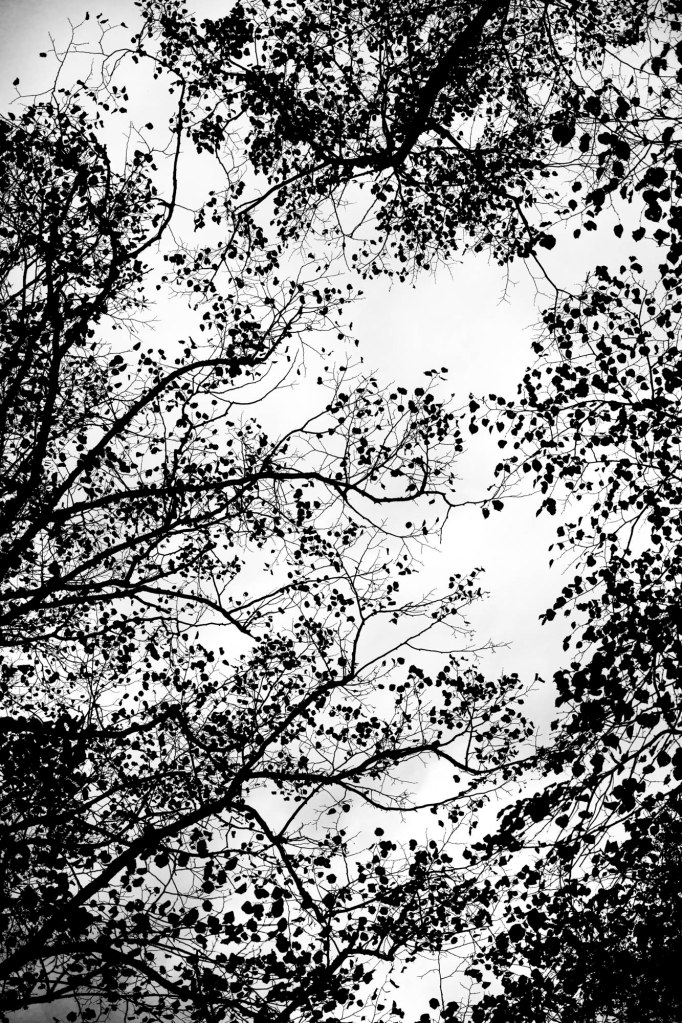
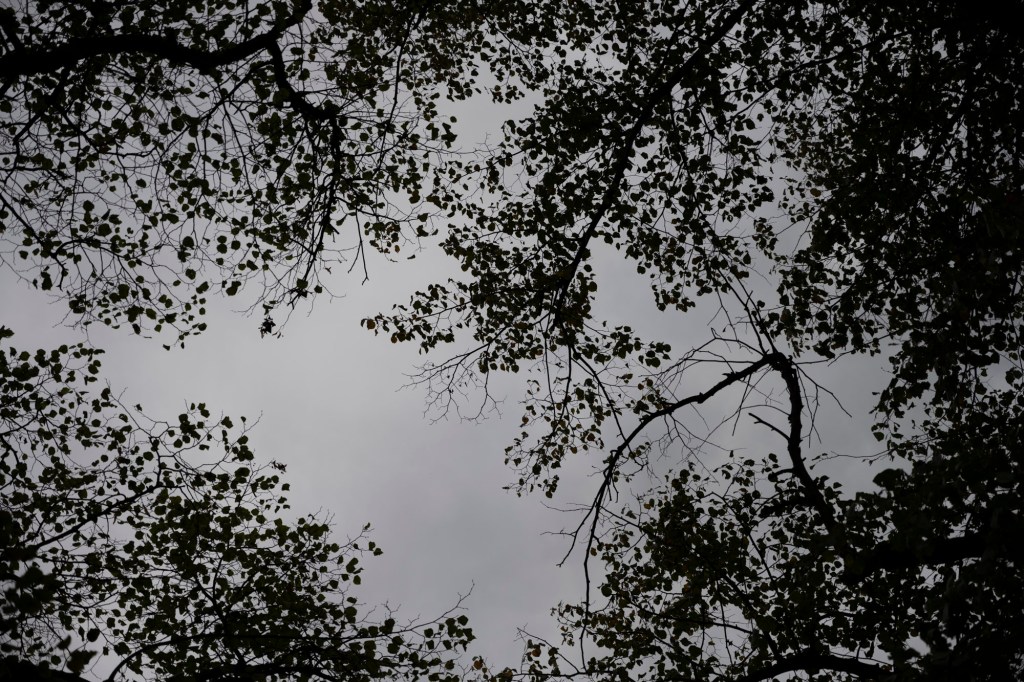
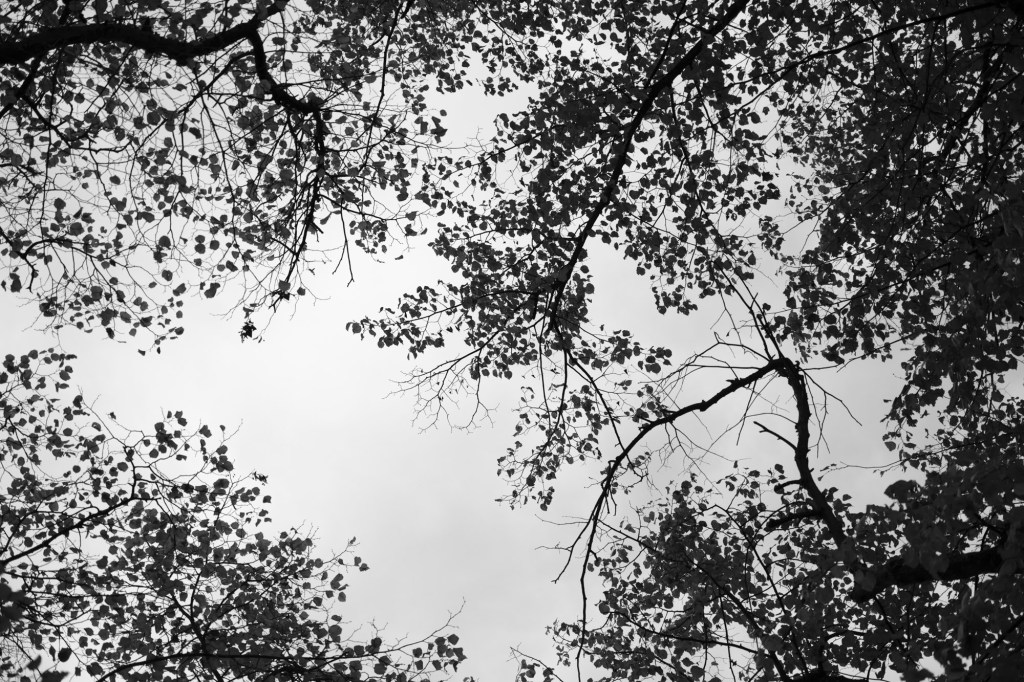
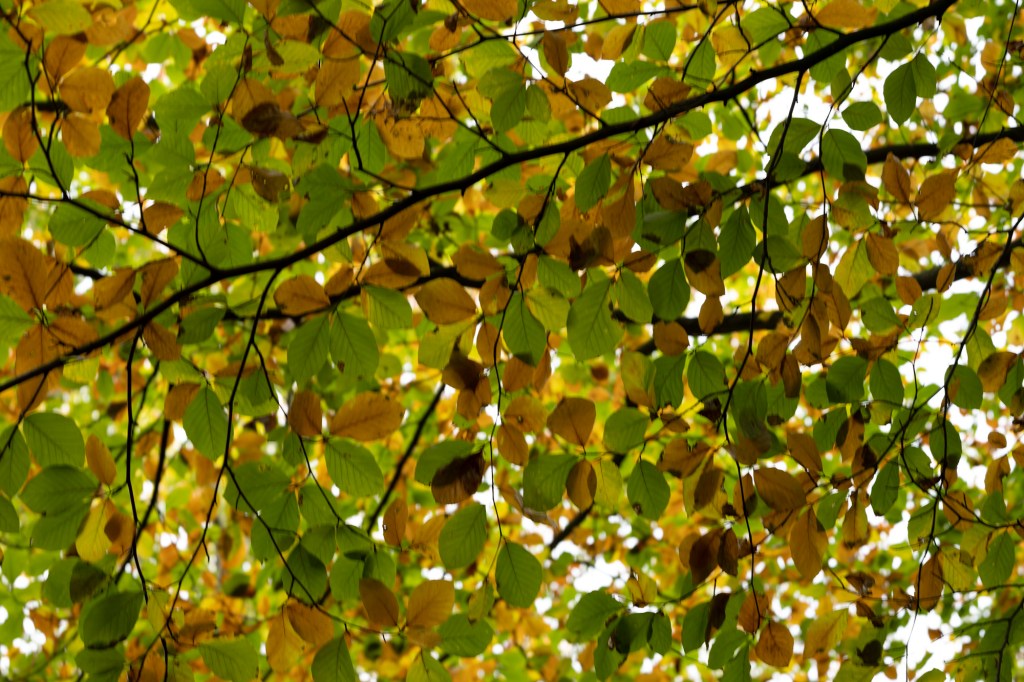
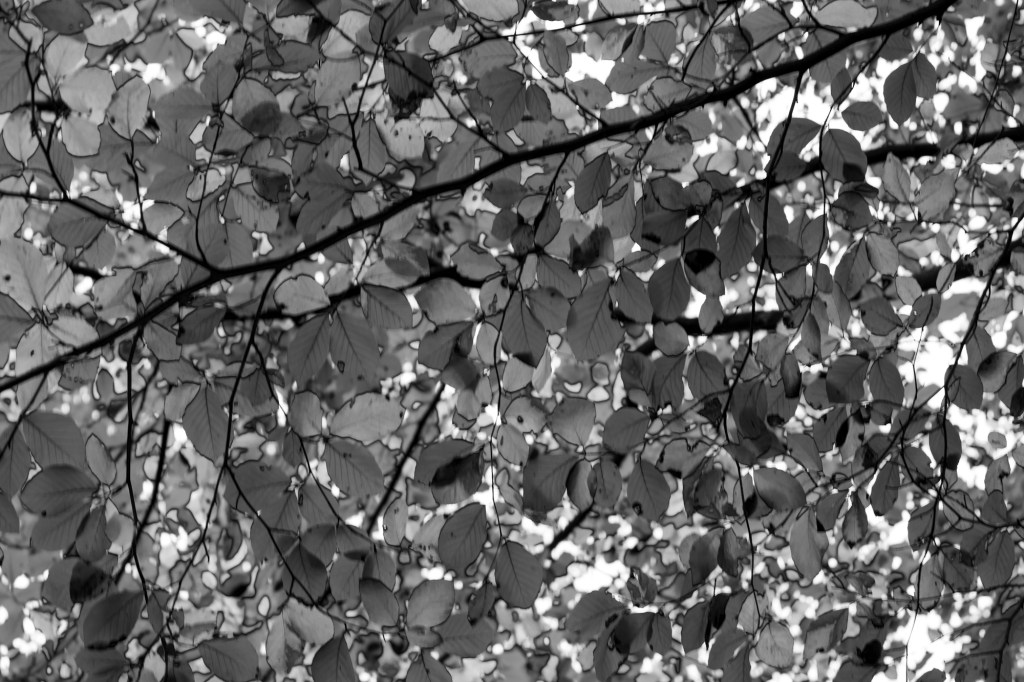
The following image also stood out for me. Unfortunately, my camera had only recorded a low-res jpg and not the accompanying RAW file of the image. Annoying, as I particularly liked the composition. I also created a Black & White version of this image. The original one is on the left, the conversion on the right.
Tree Two
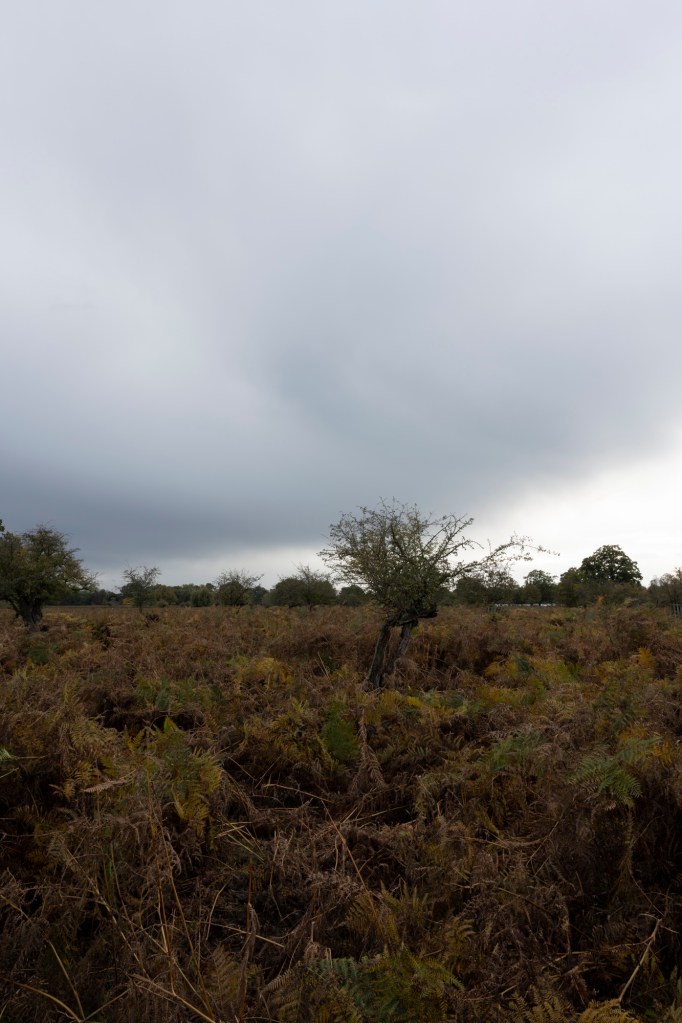
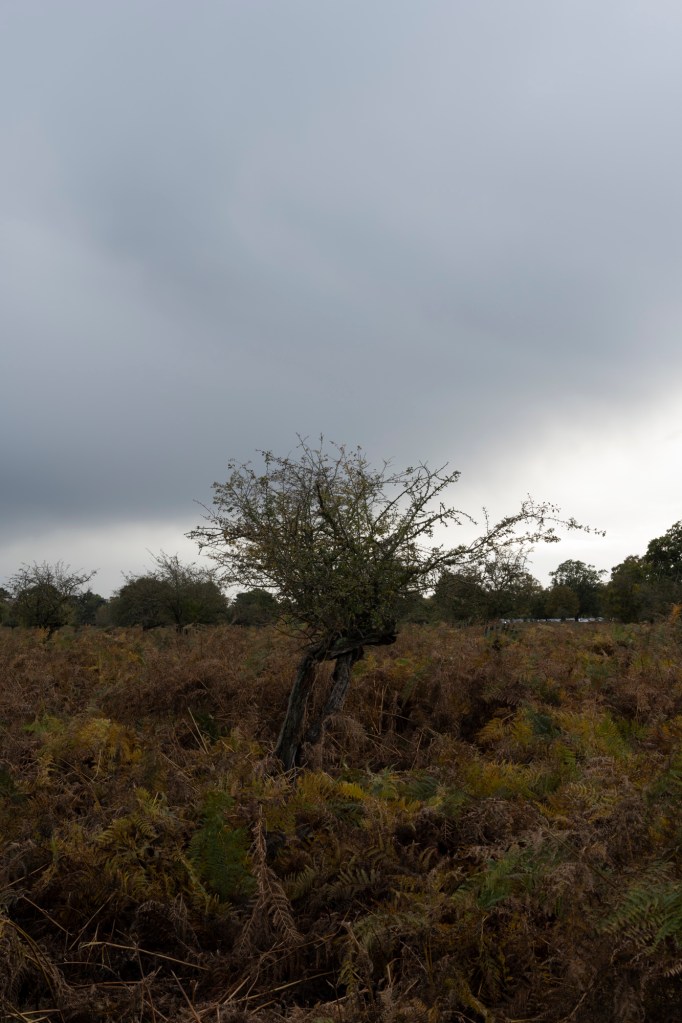
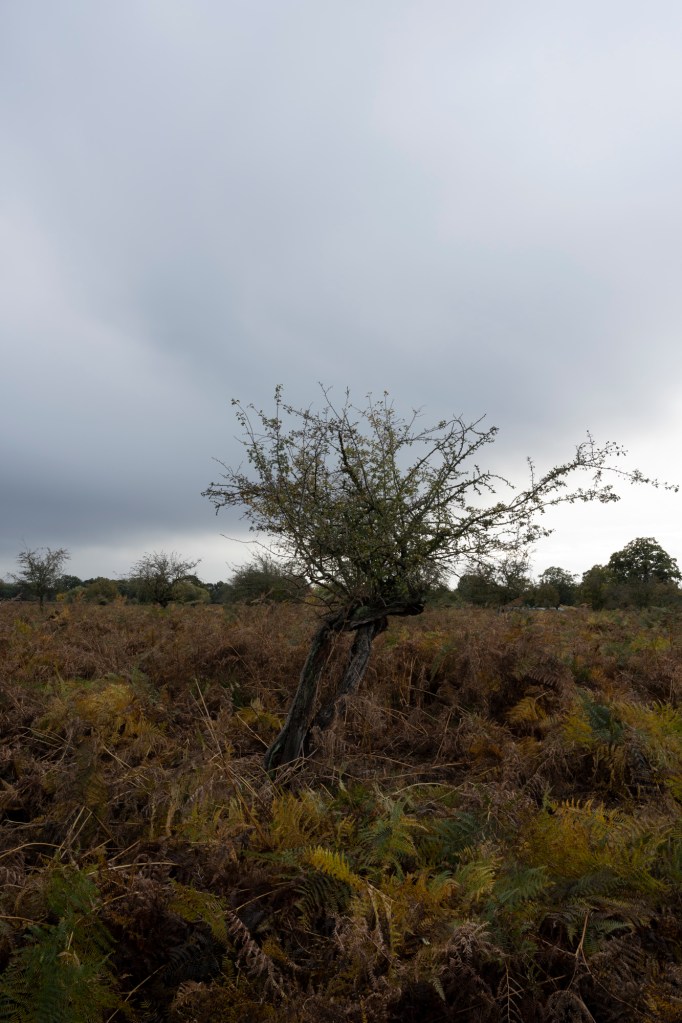
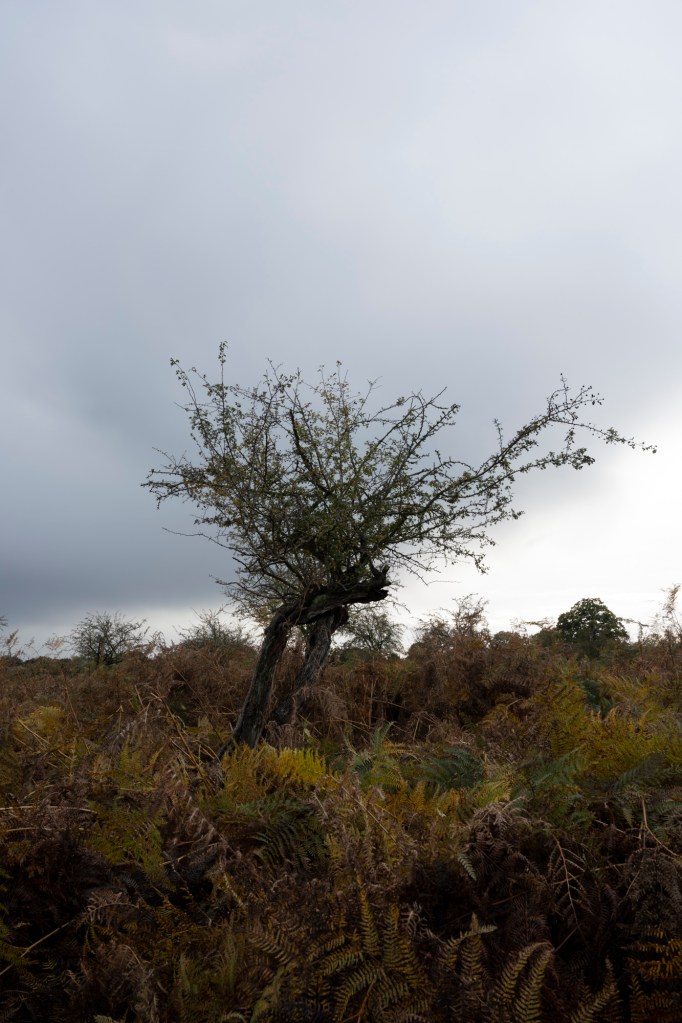
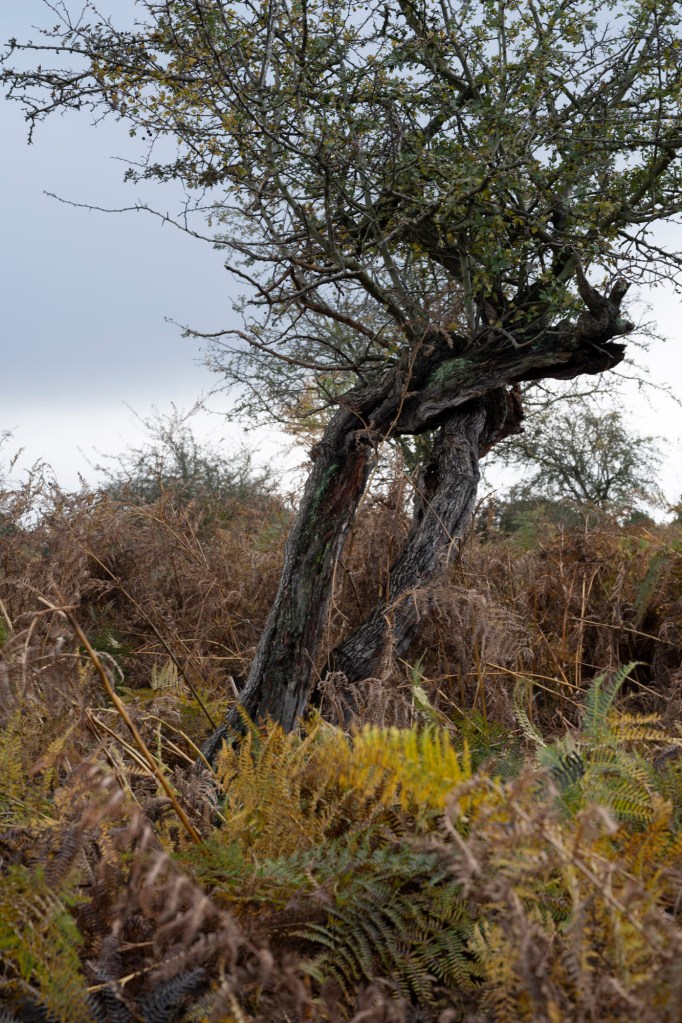
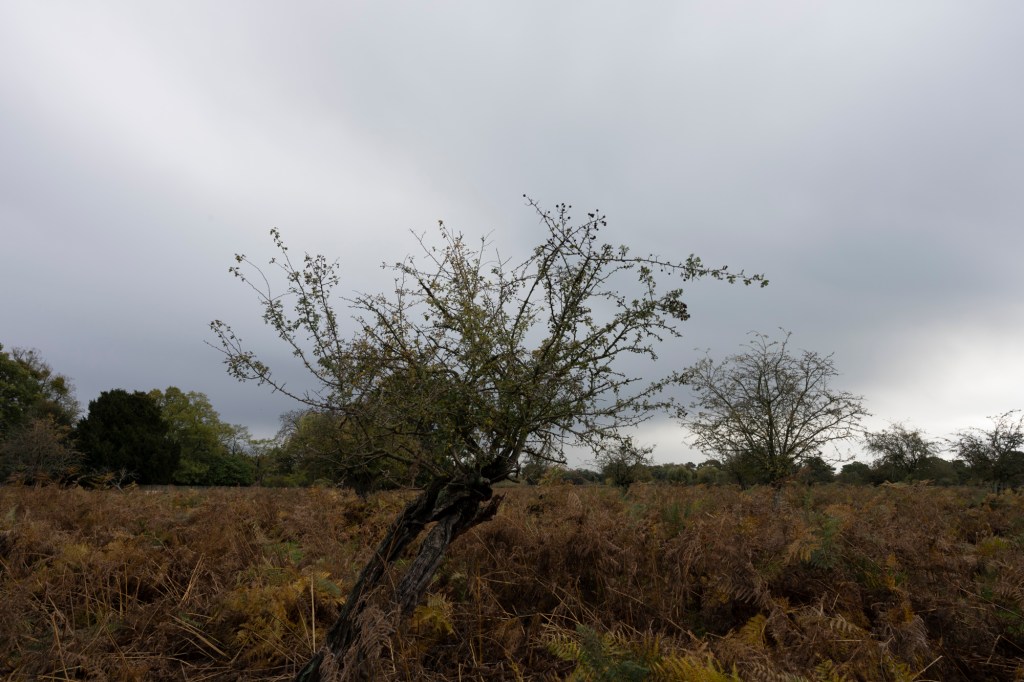
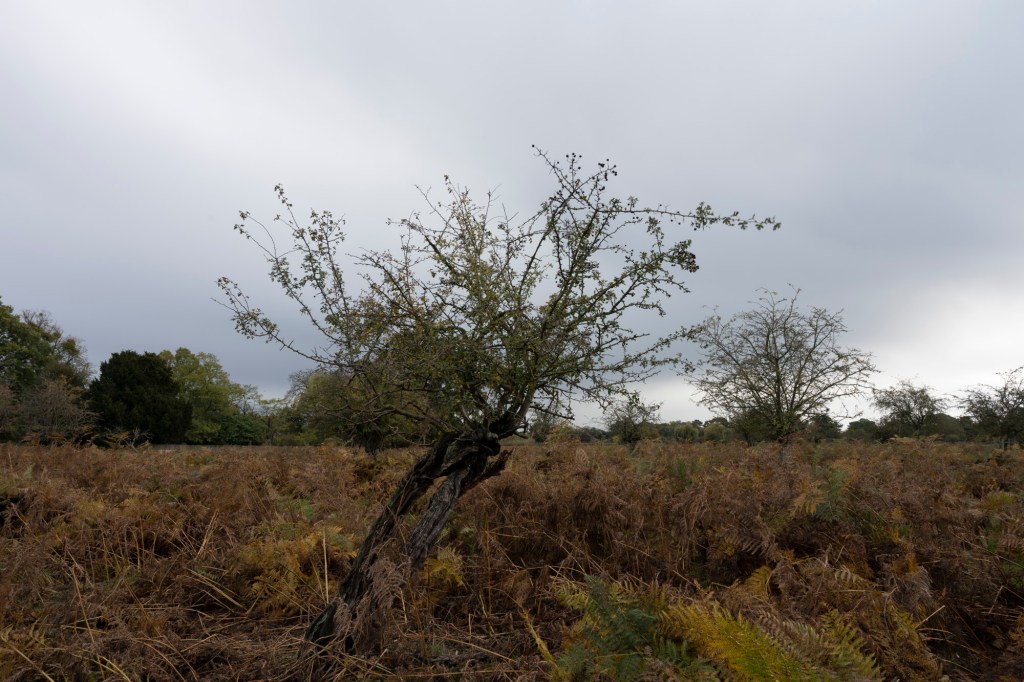
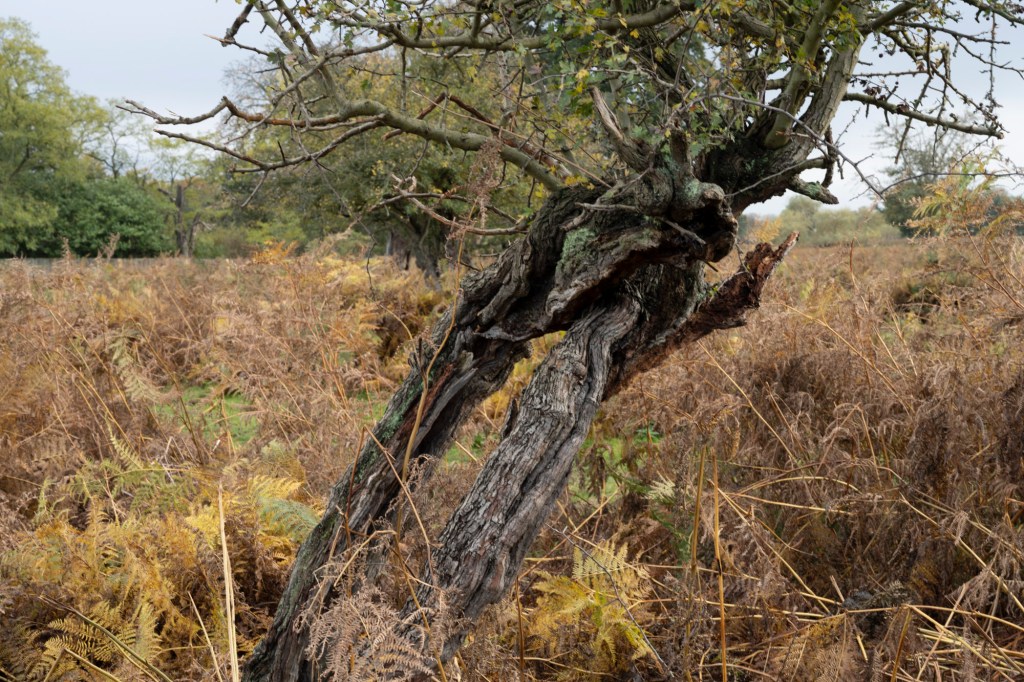
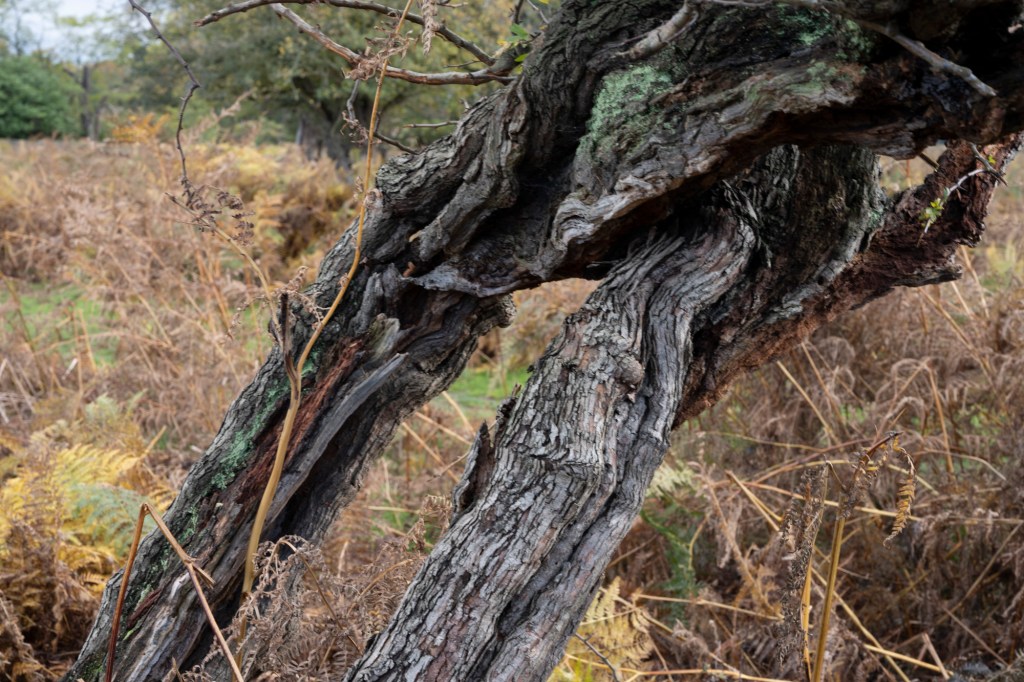
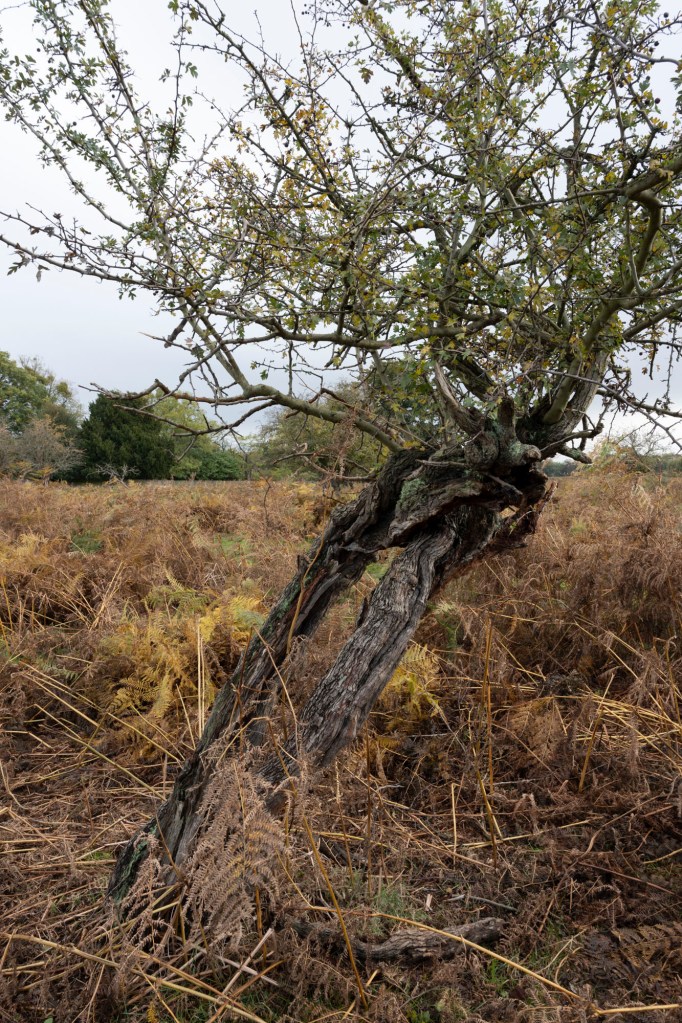
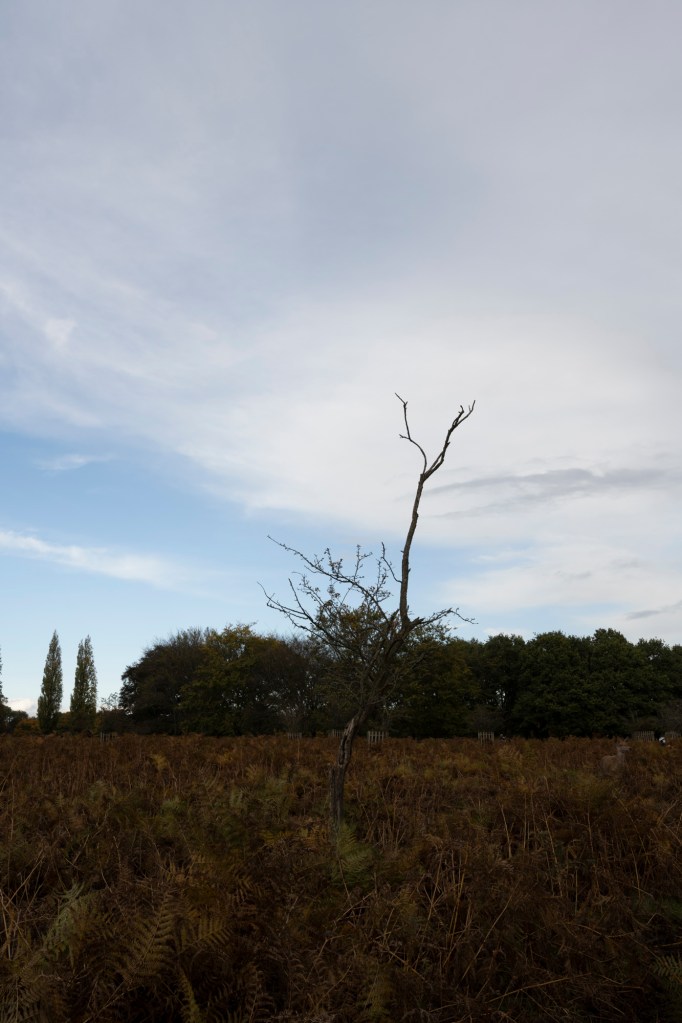
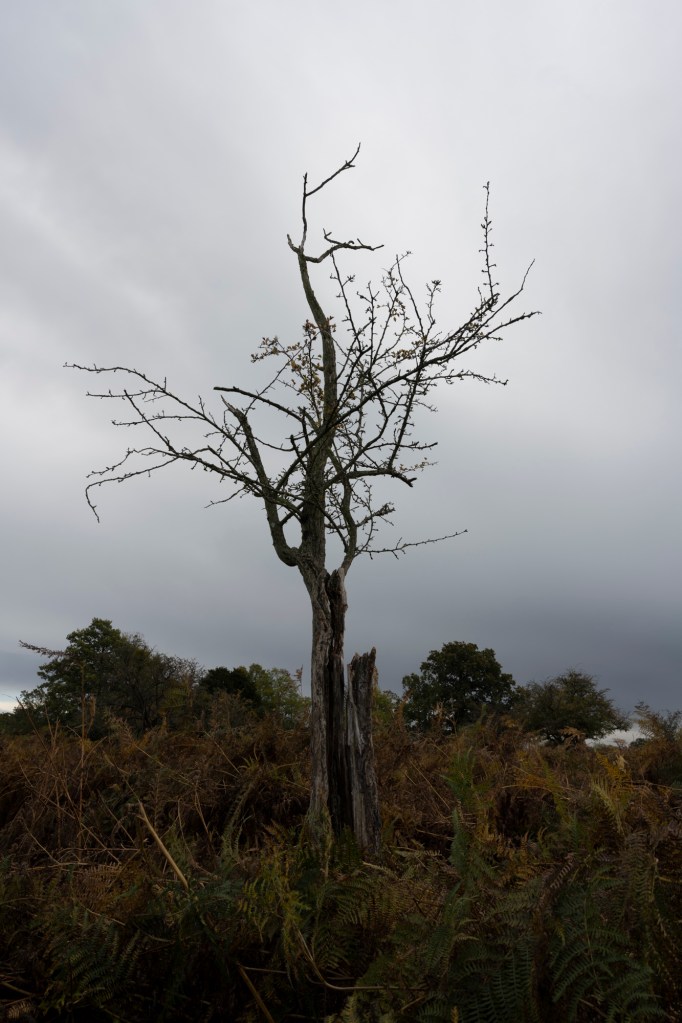
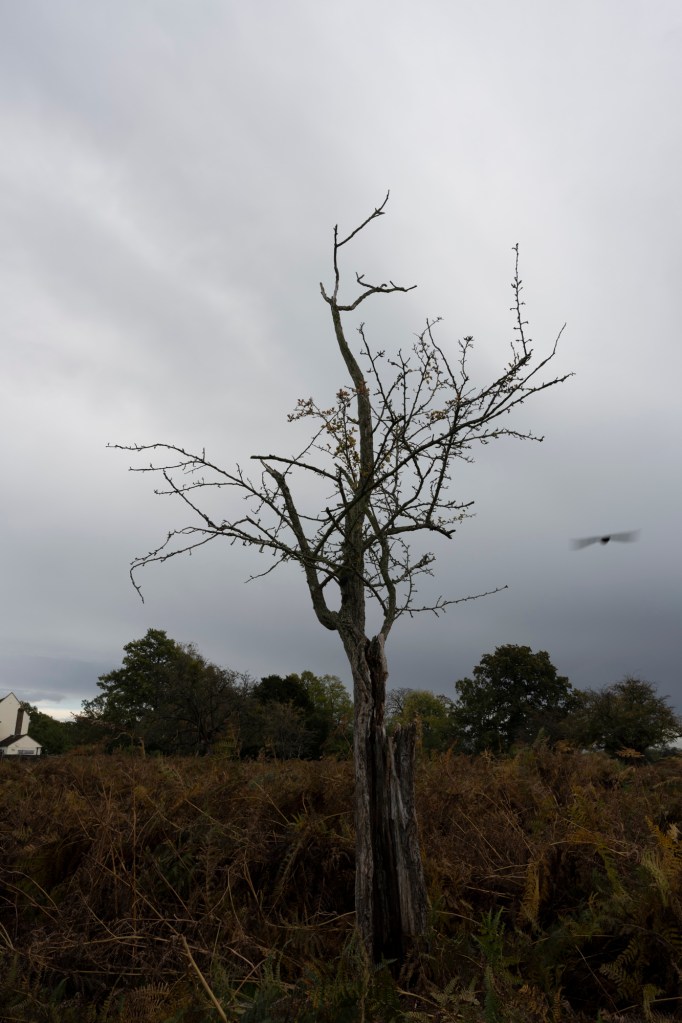
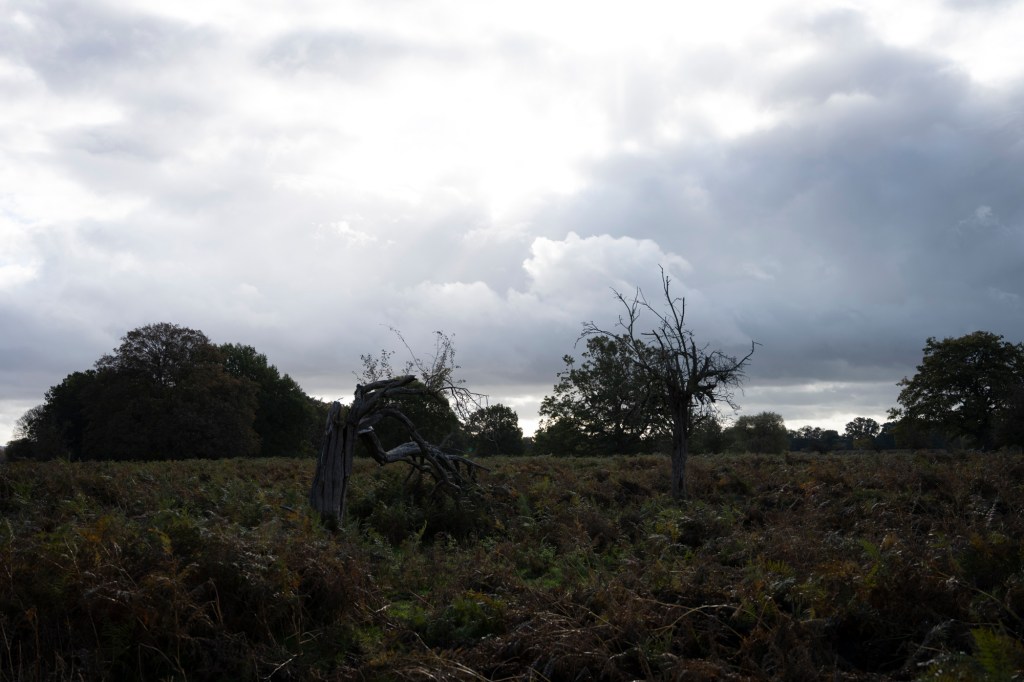
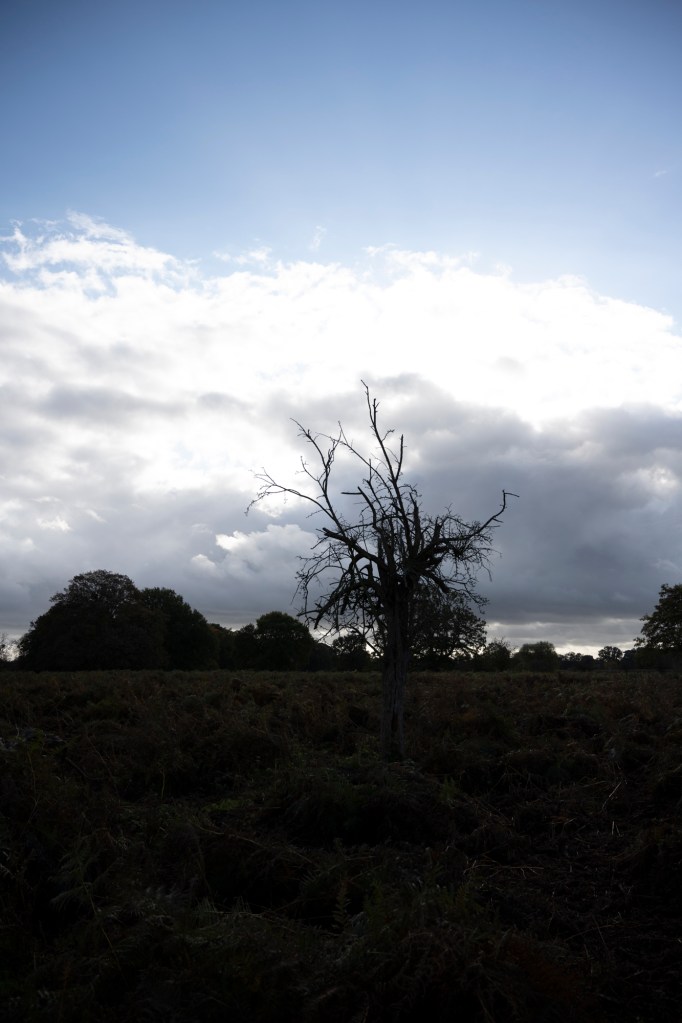
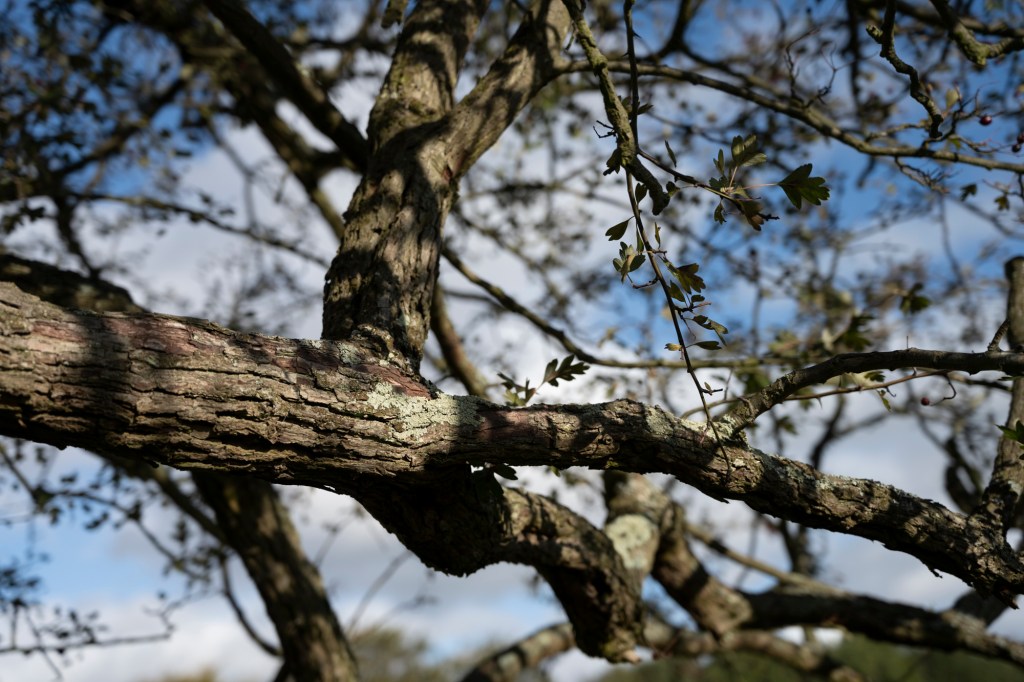
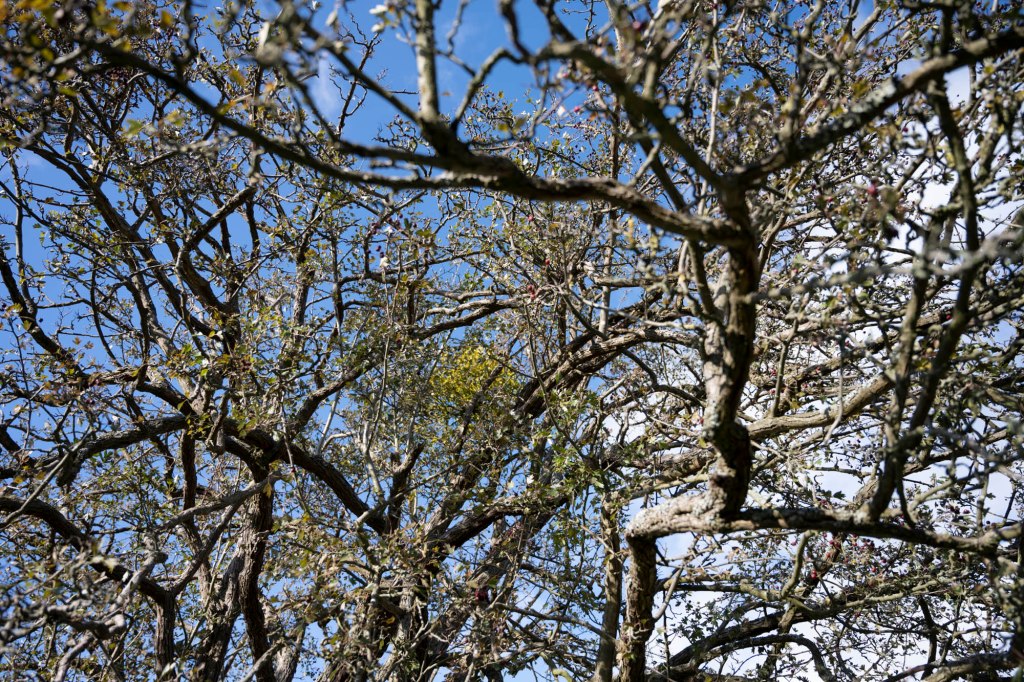
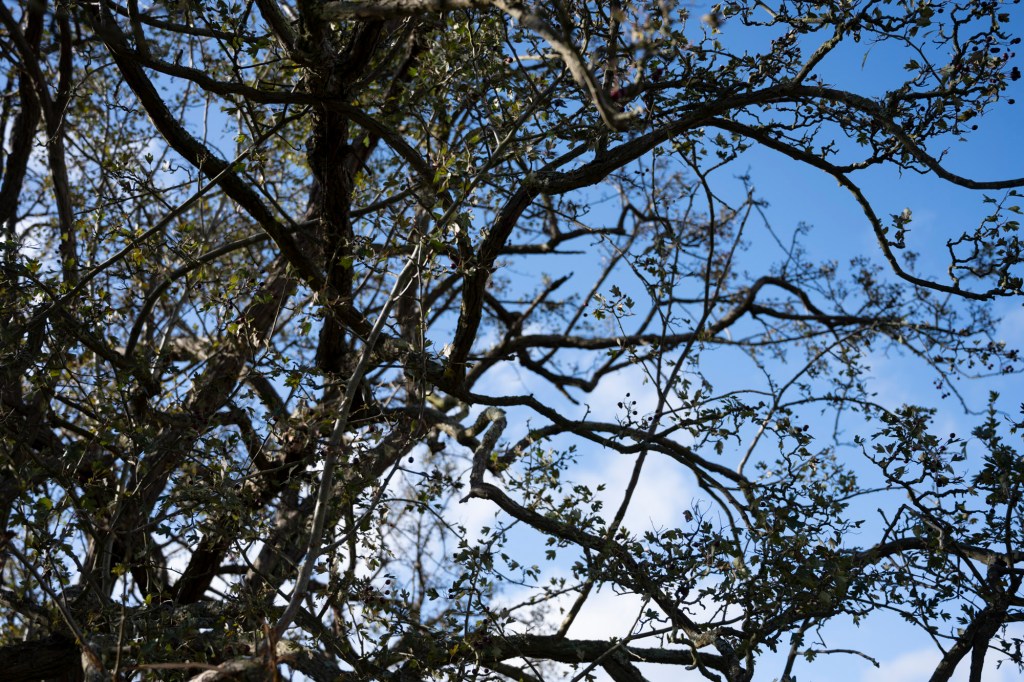
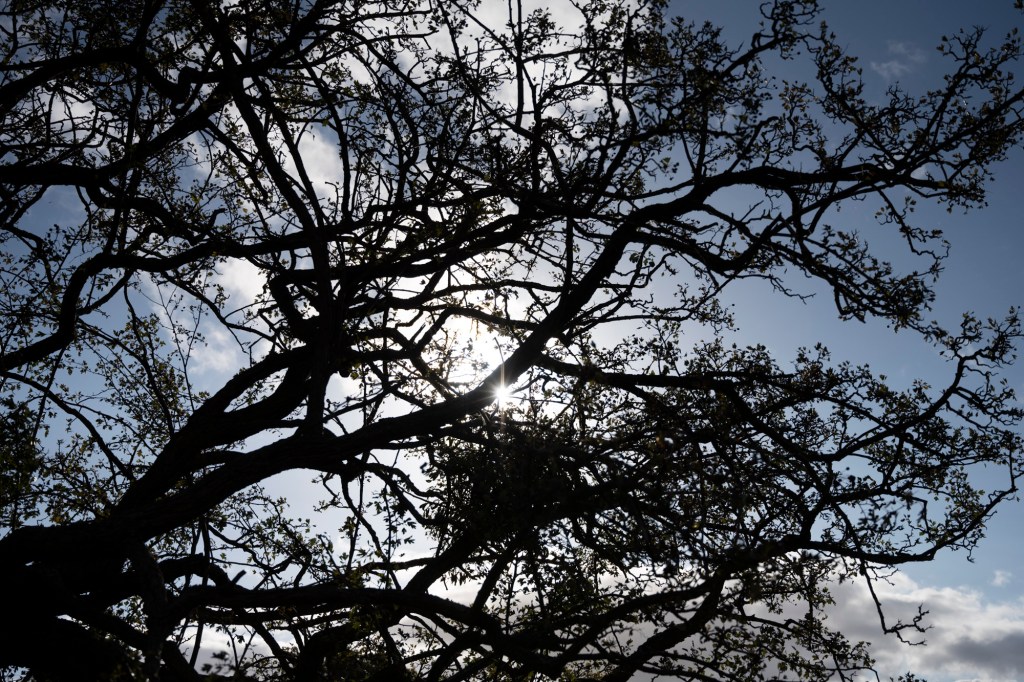
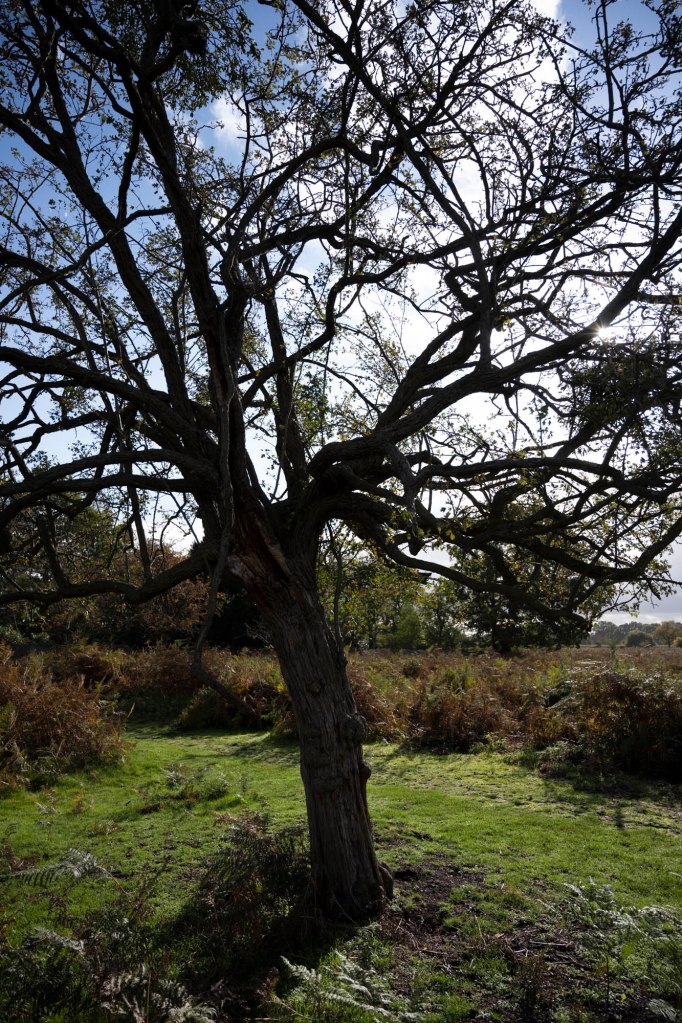
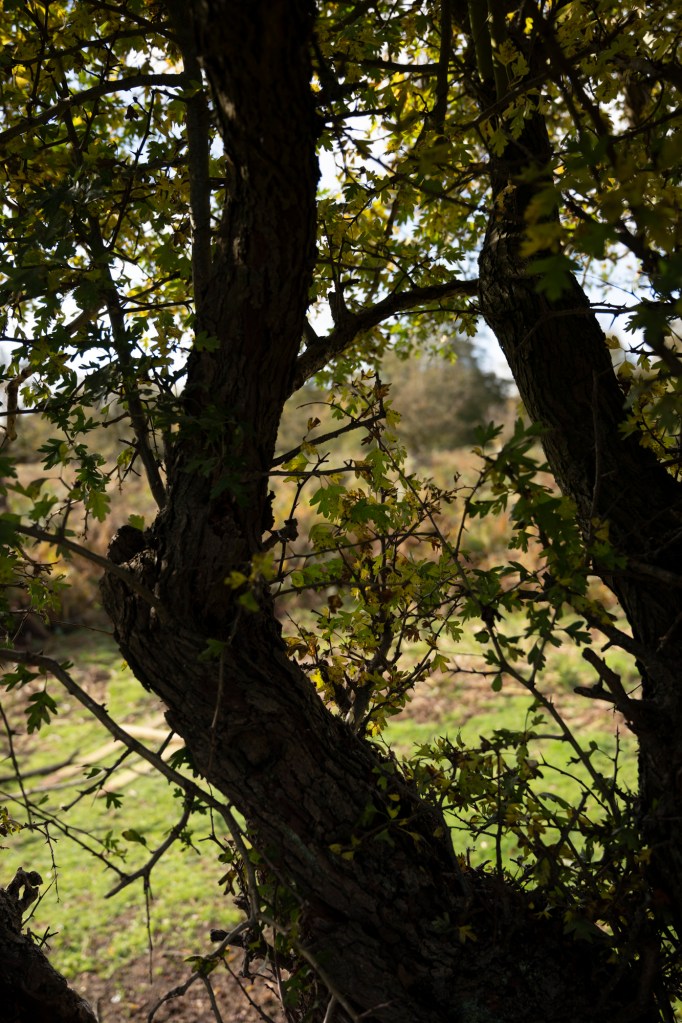
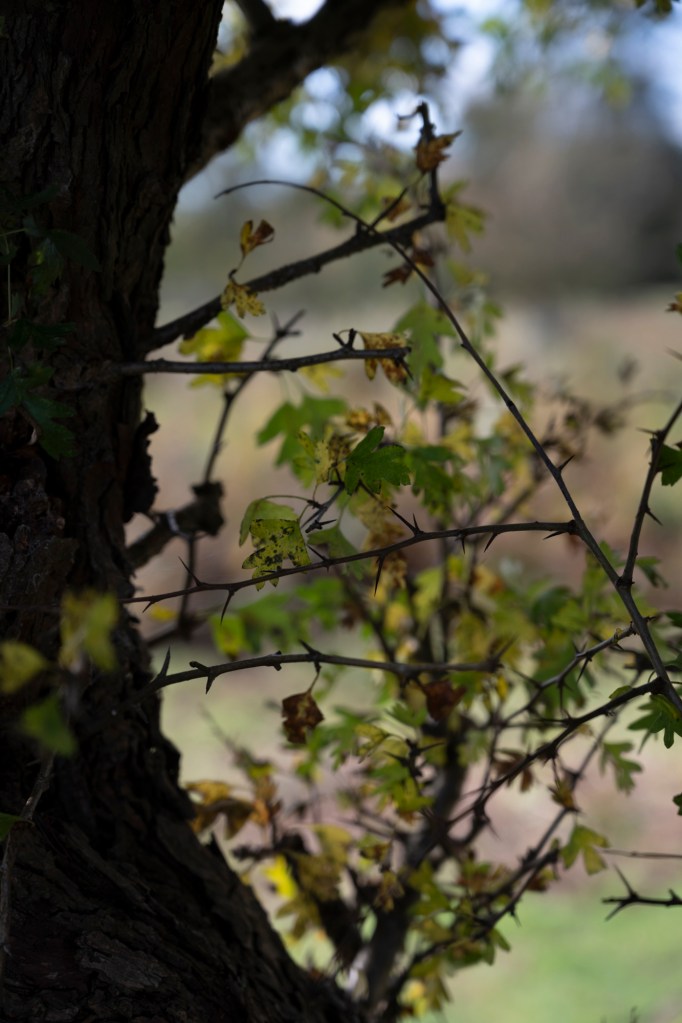
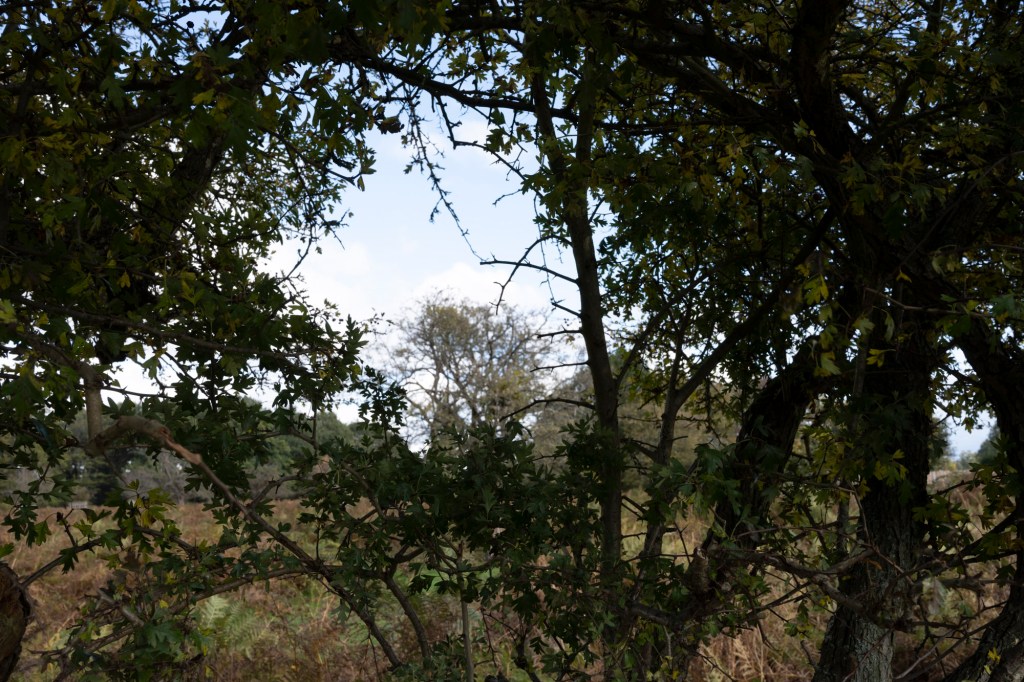
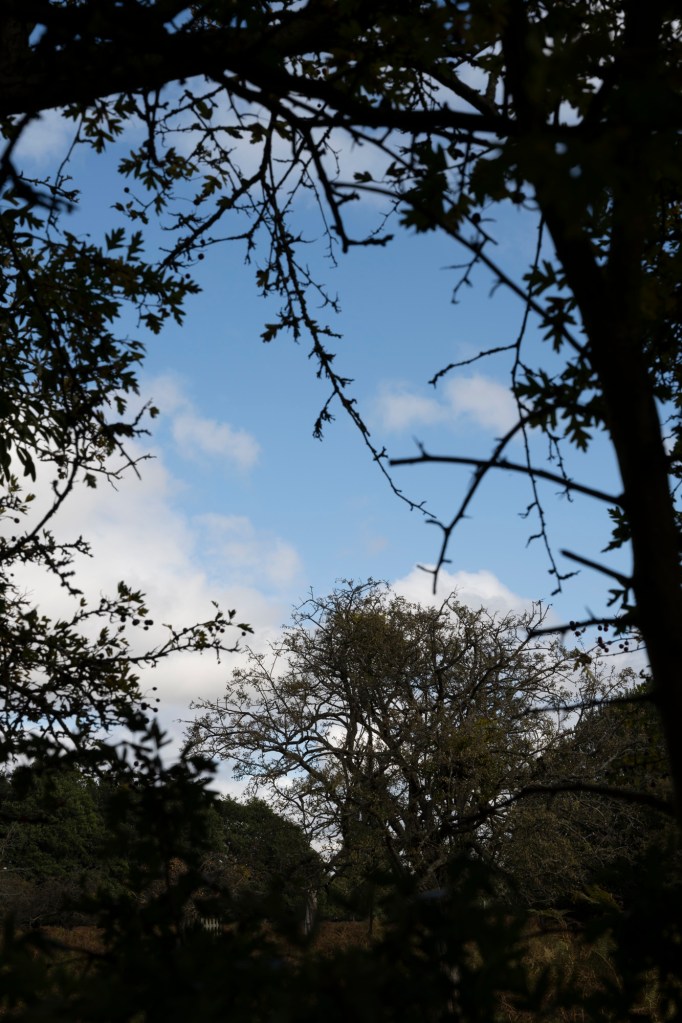
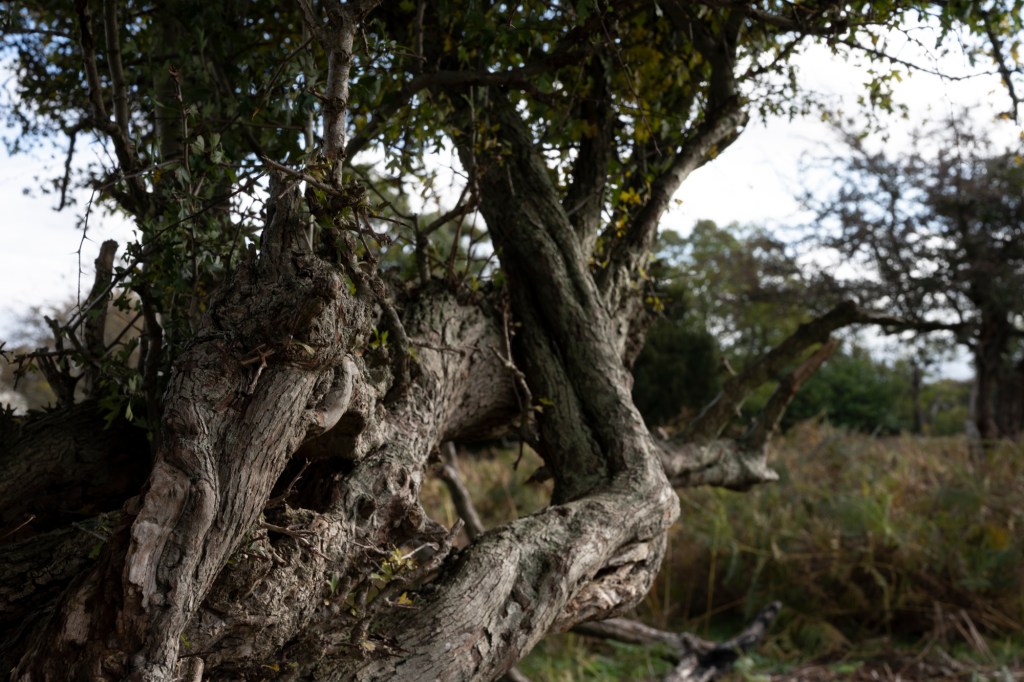
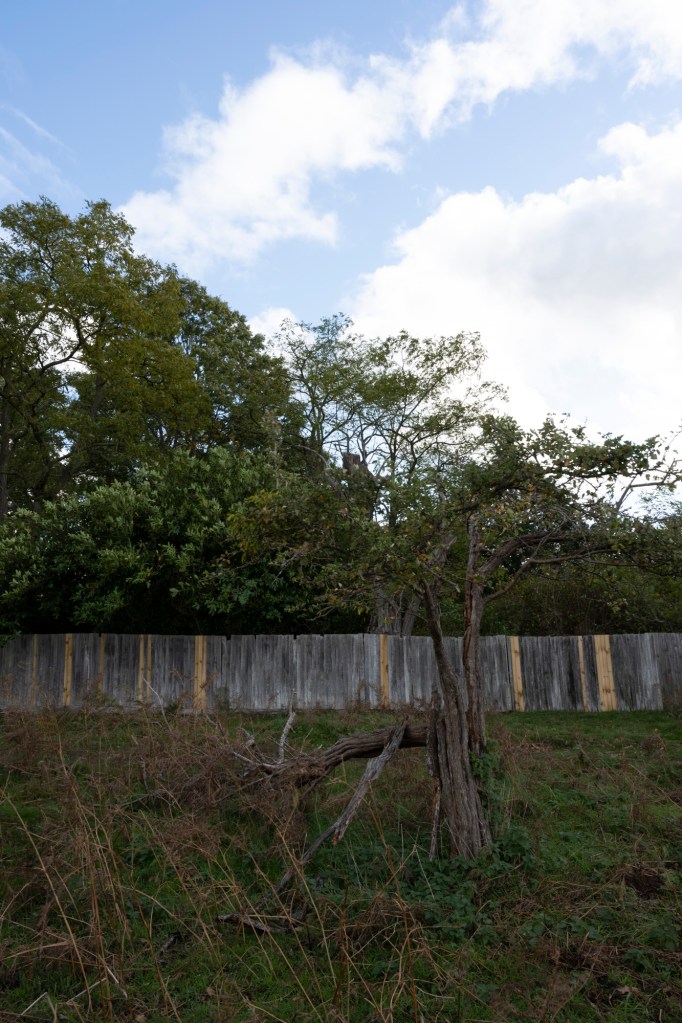
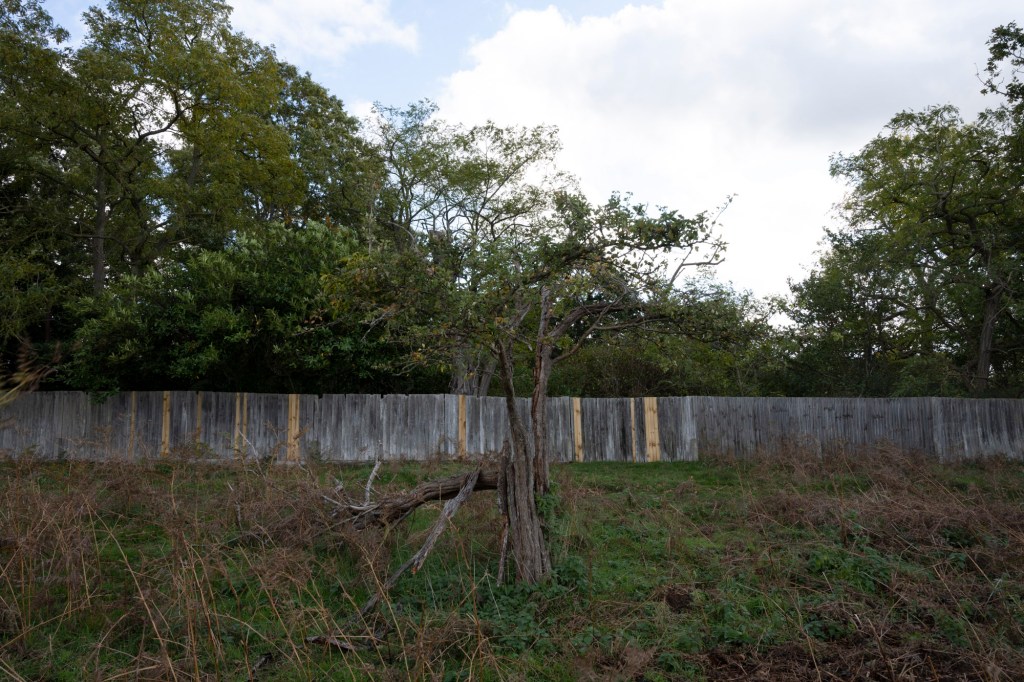
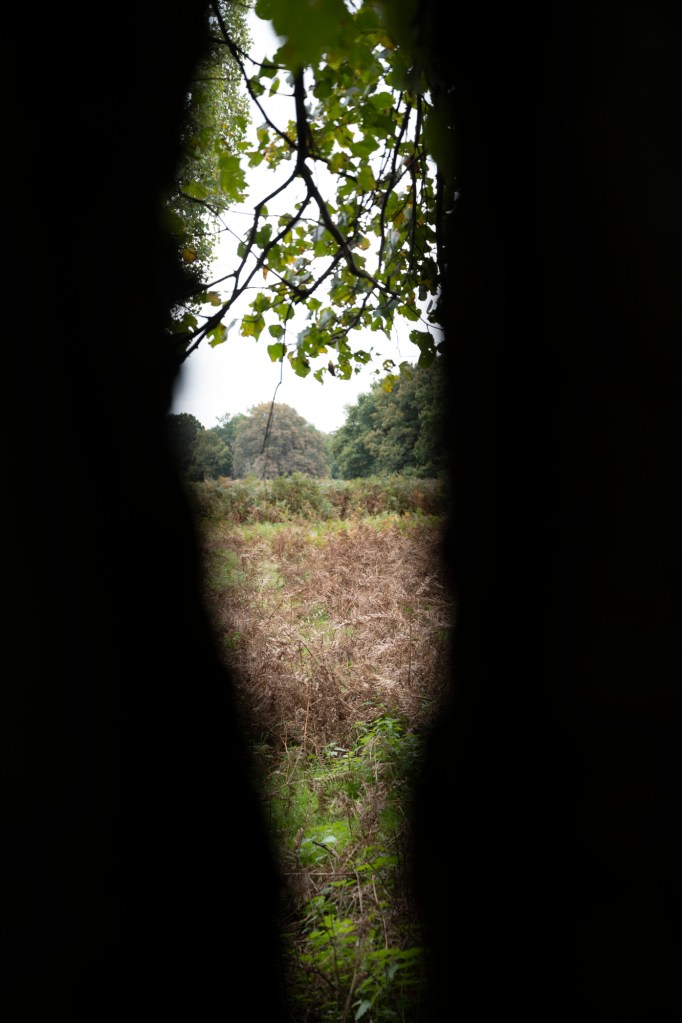
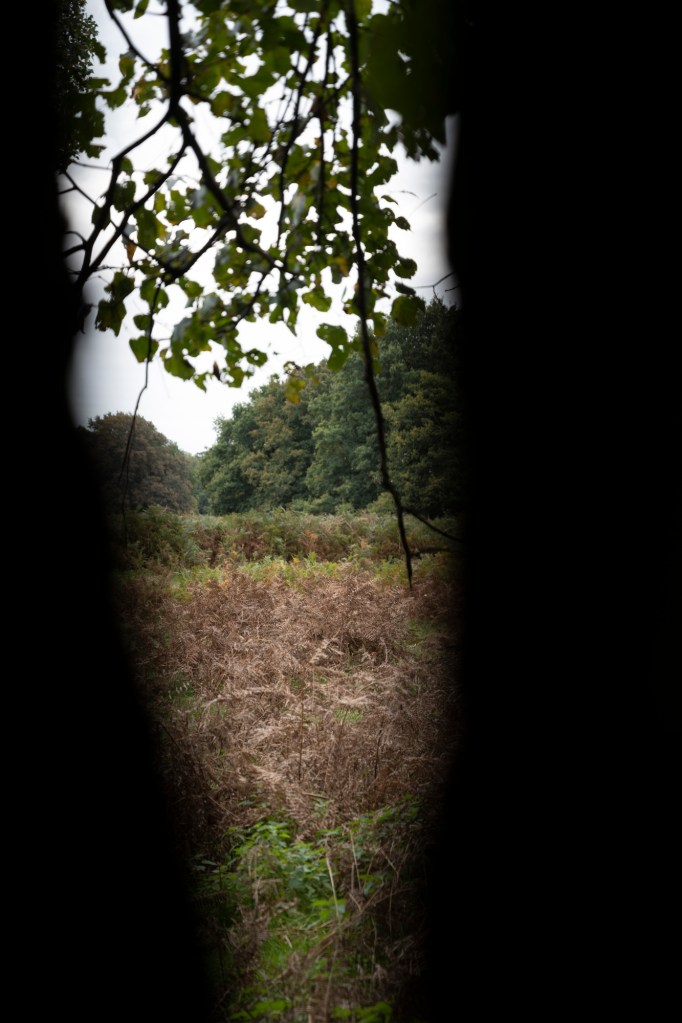
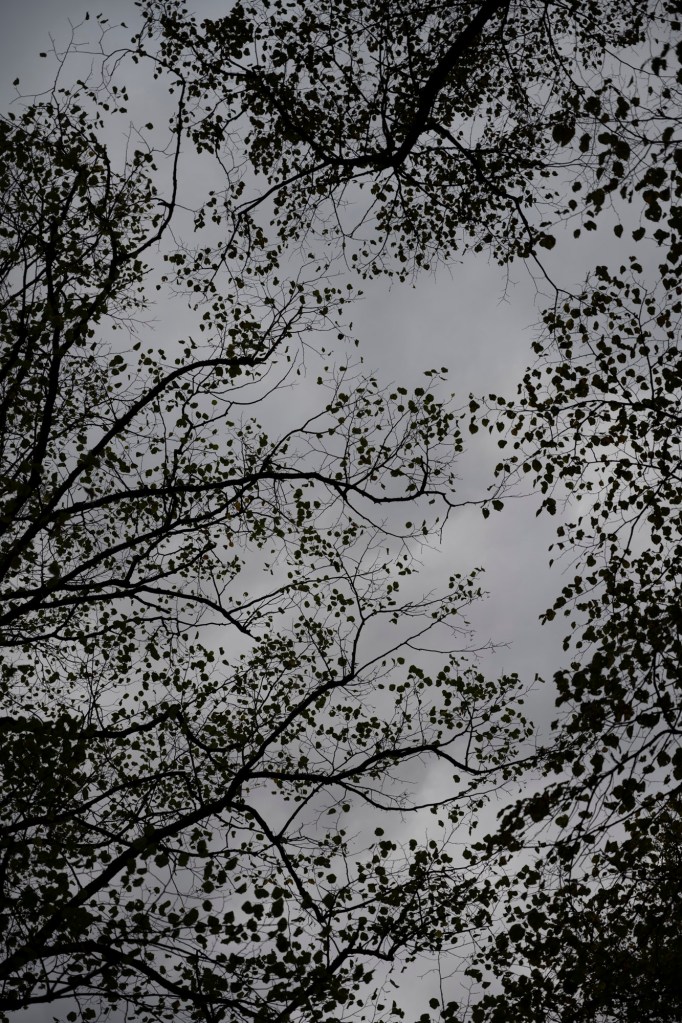
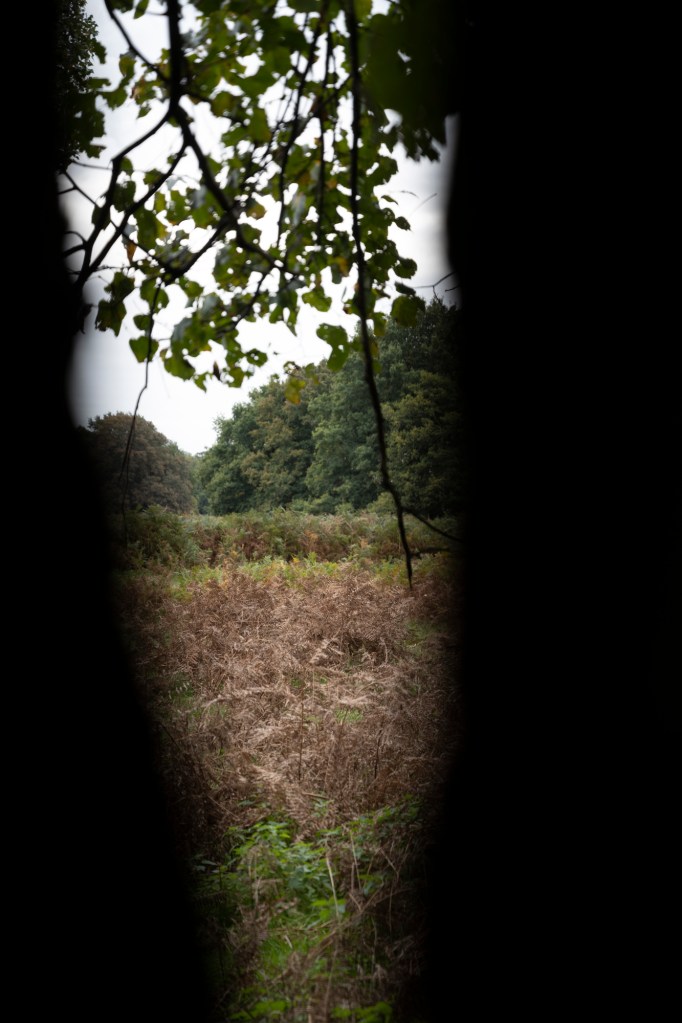
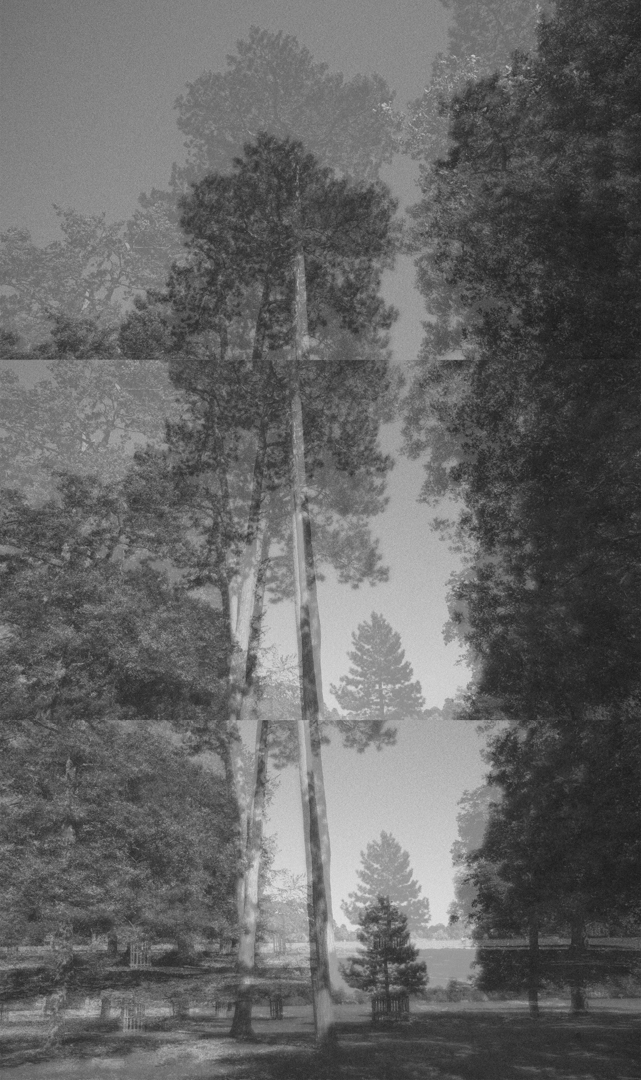
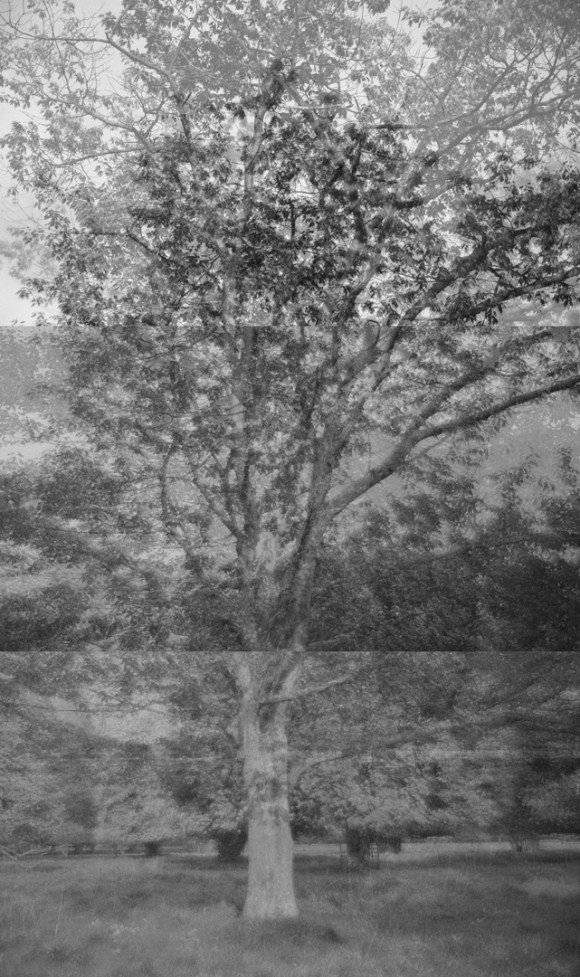
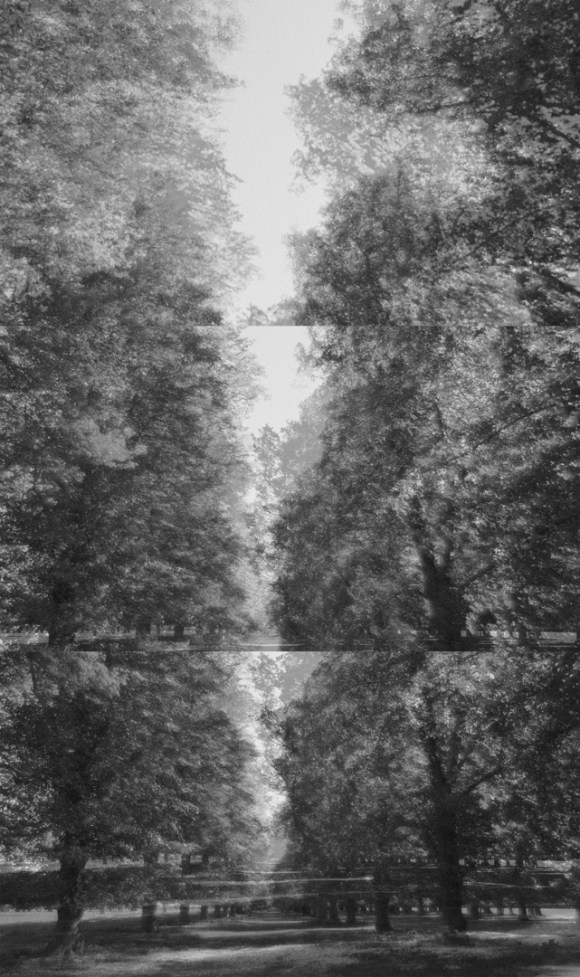
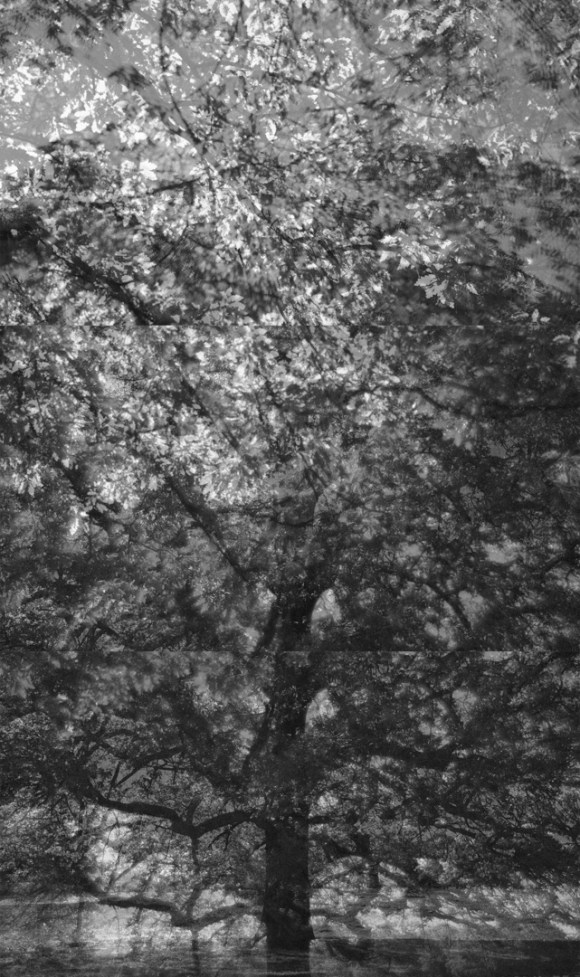
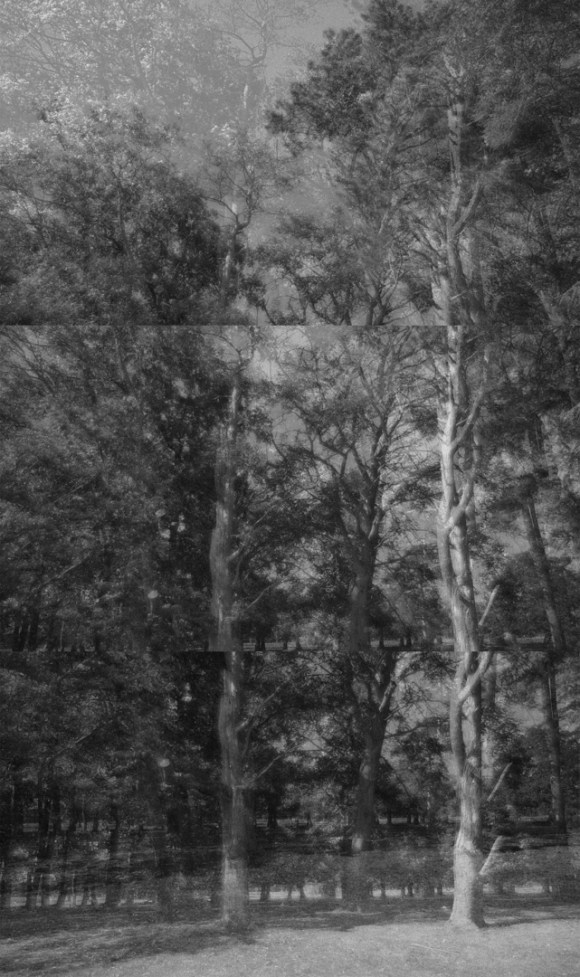
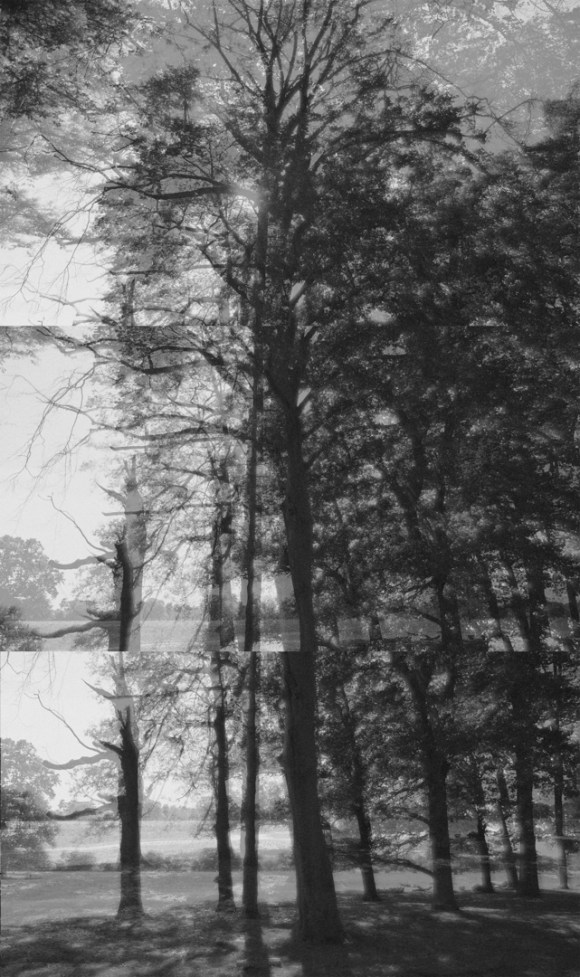
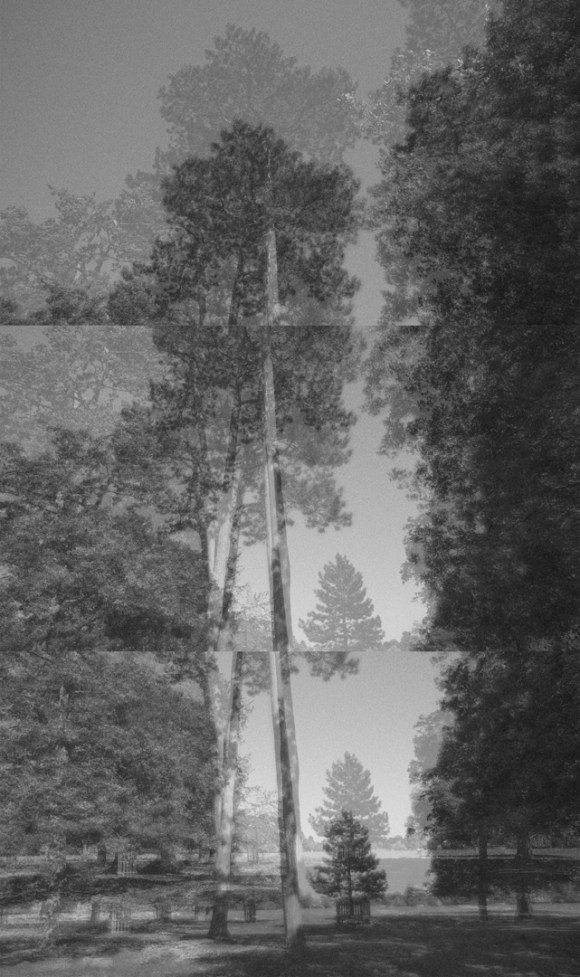
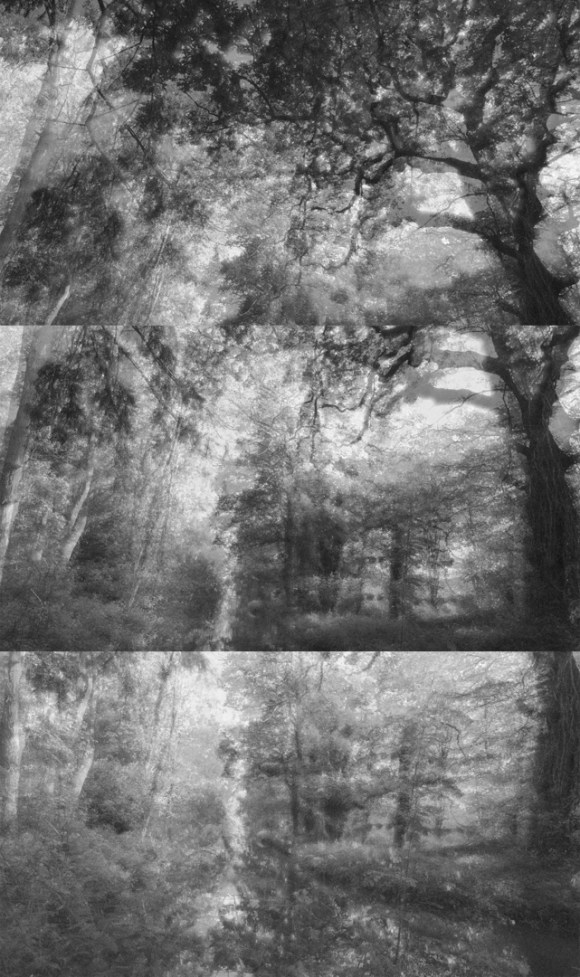
This was a very interesting subject – when looking at the resulting images they look as if they’ve been manipulated, giving the illusion of the background being part of the tree.
Tree Three
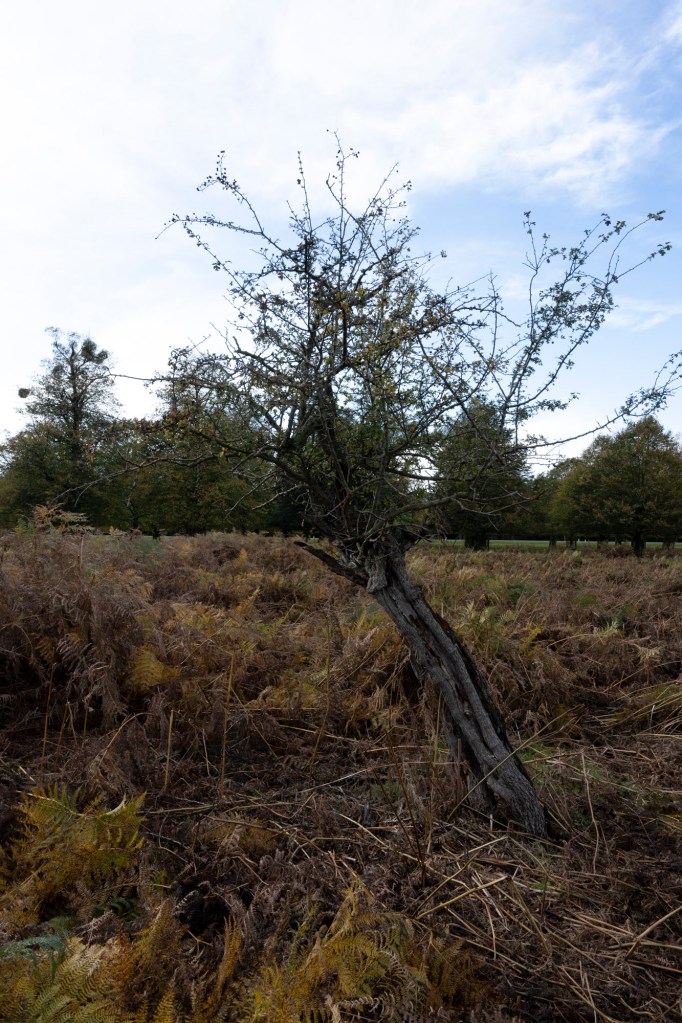
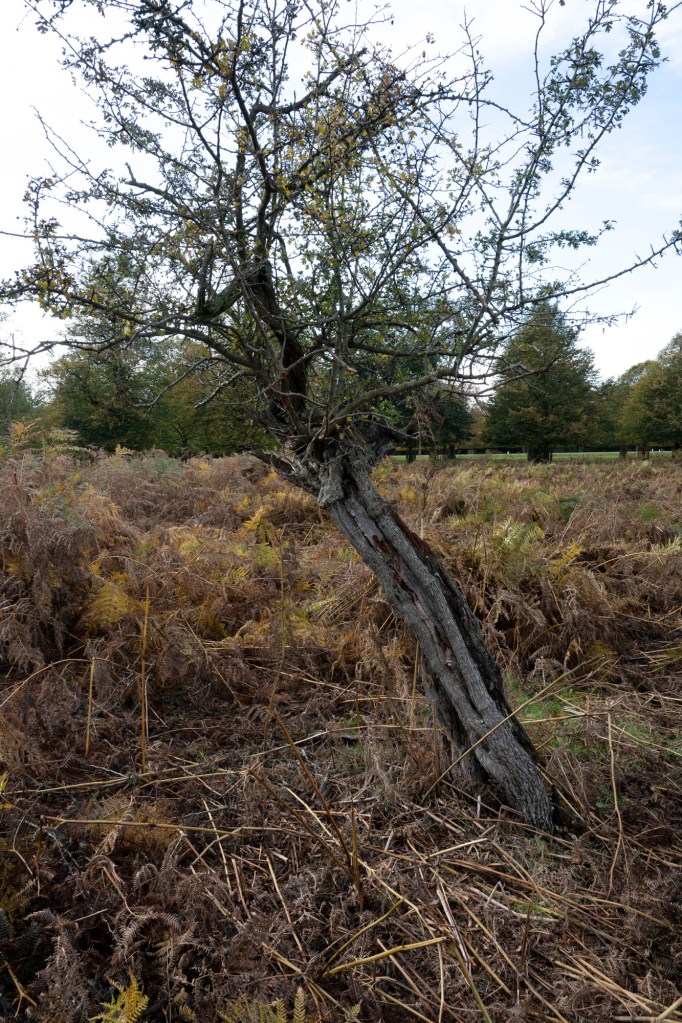
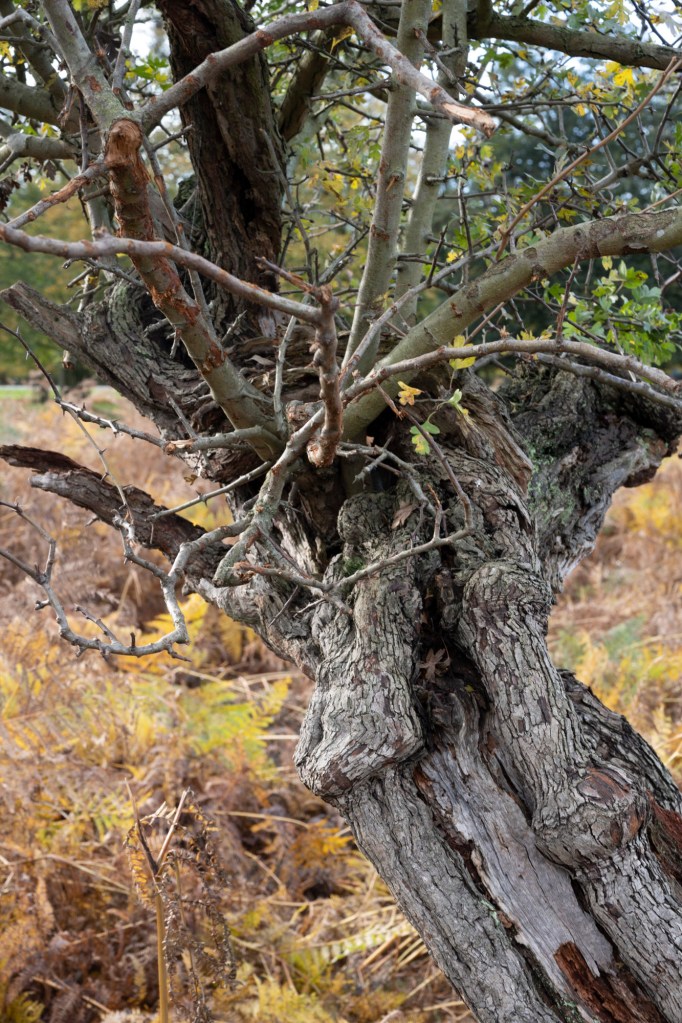
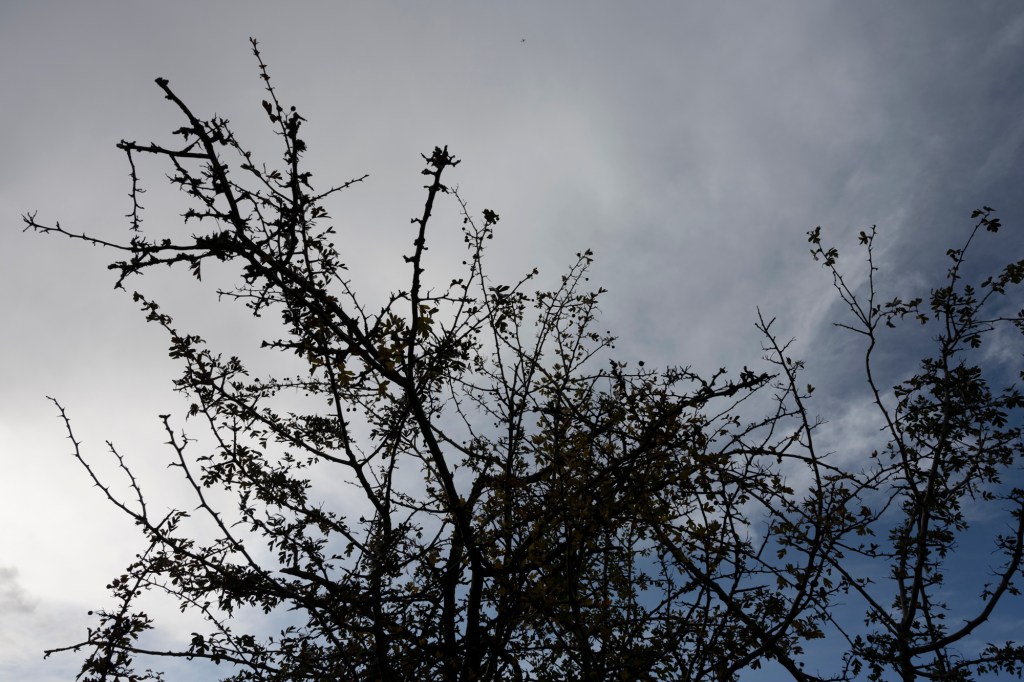
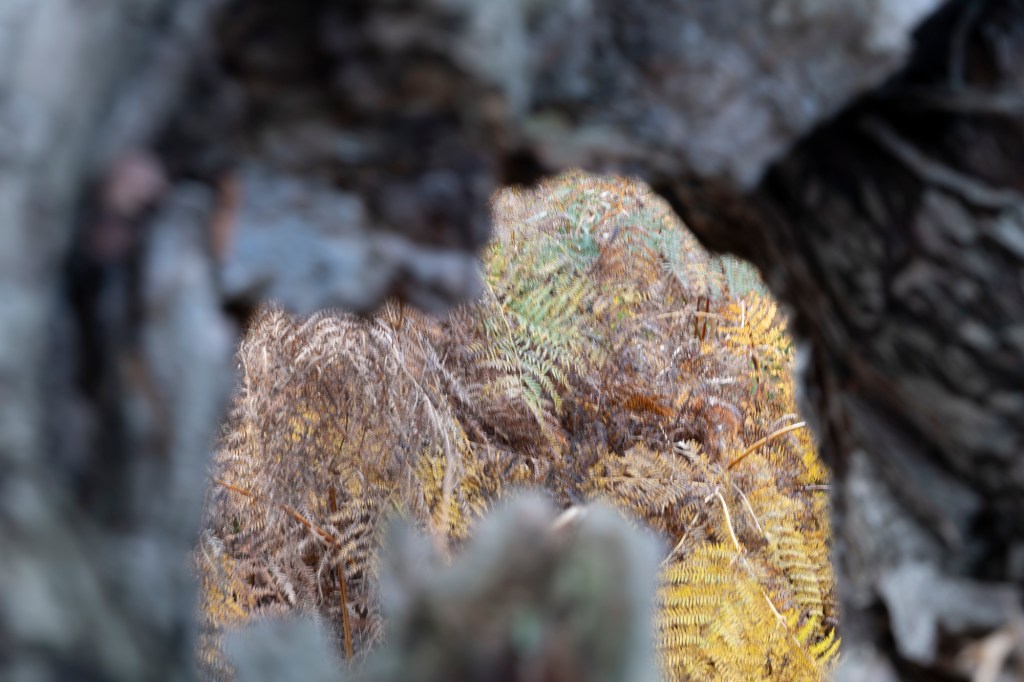
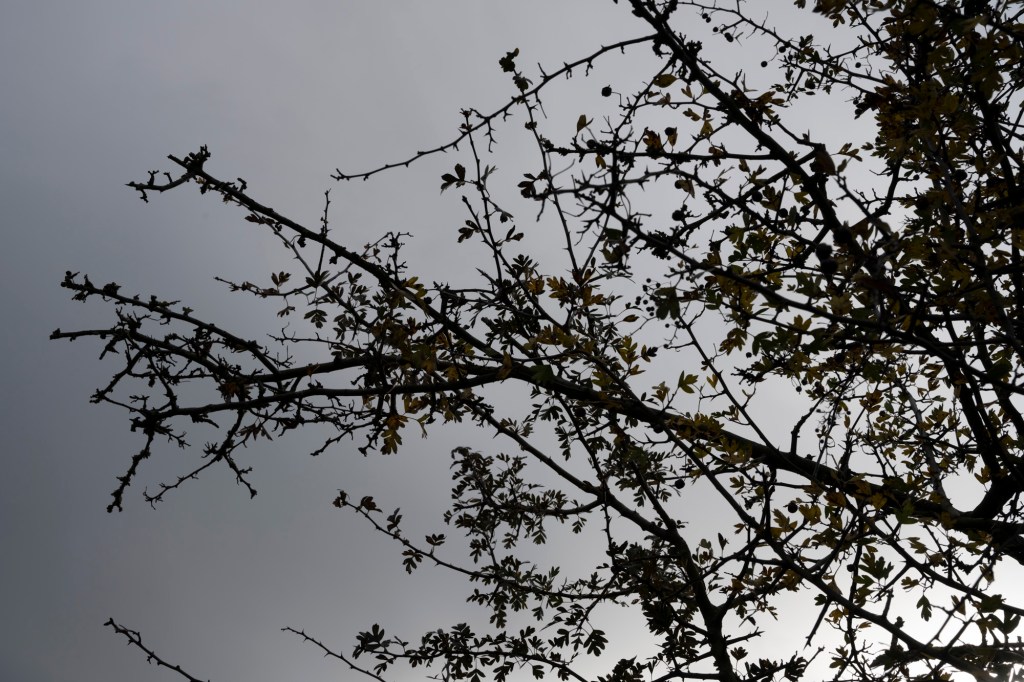
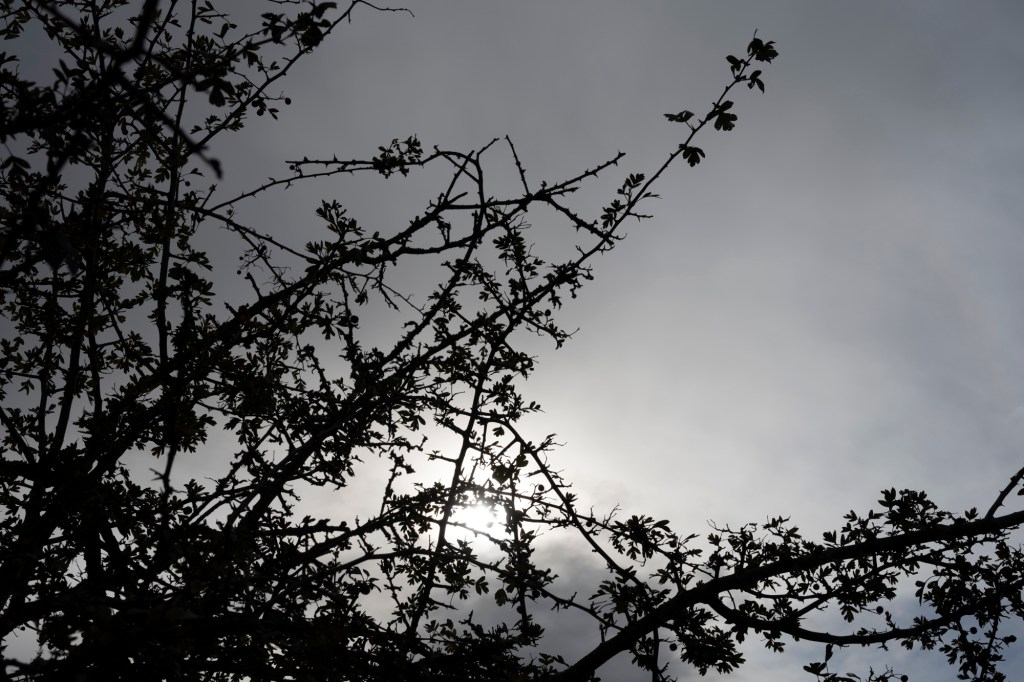
Tree Four
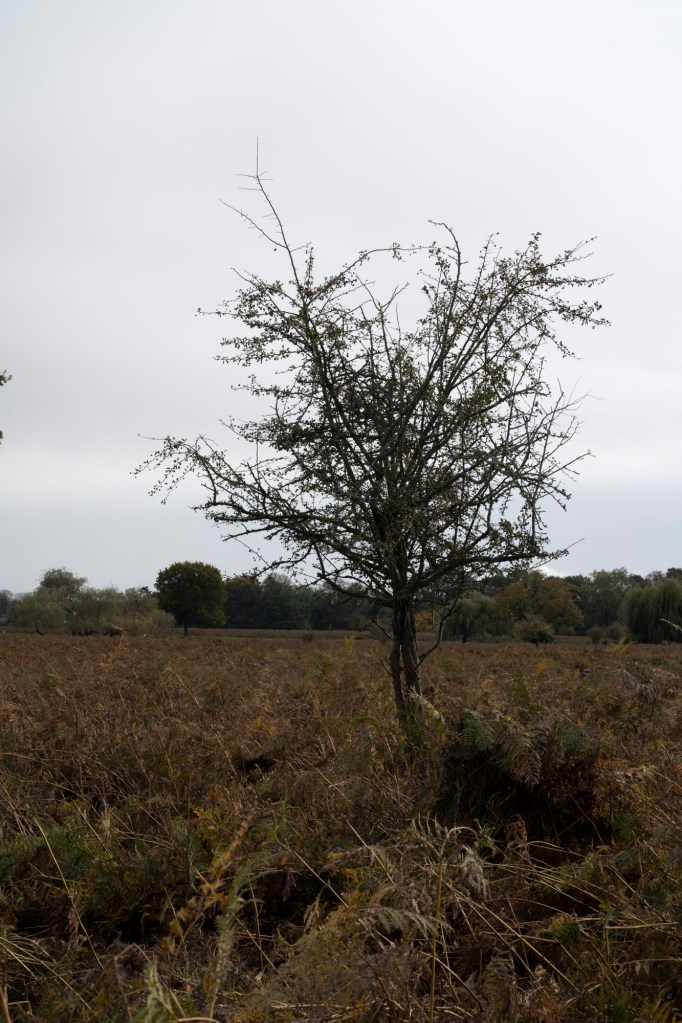
Tree Five
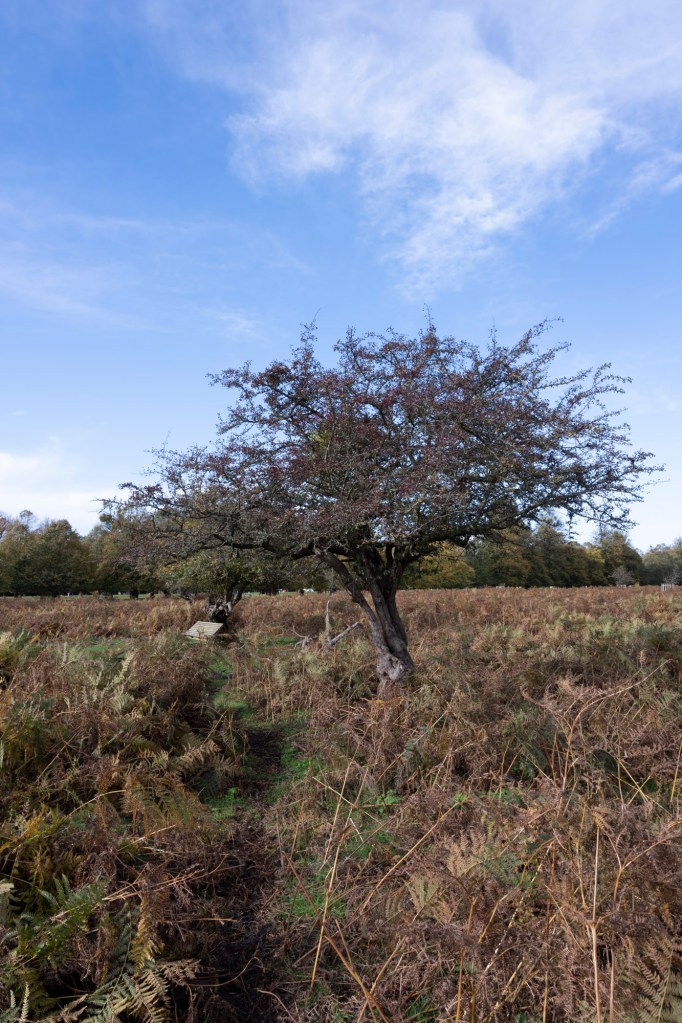
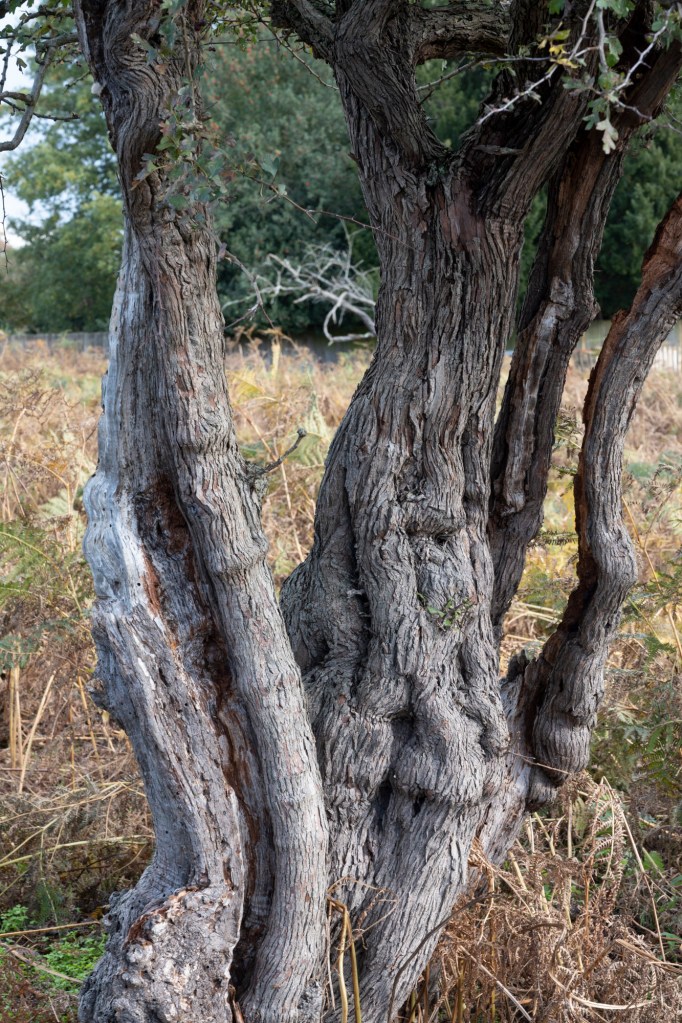
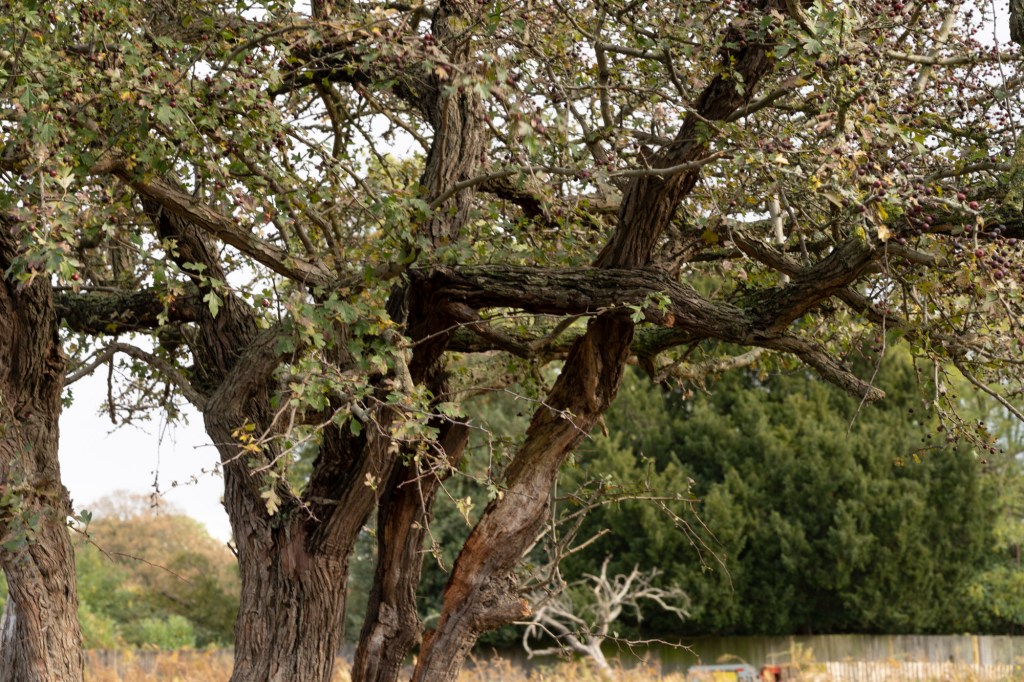
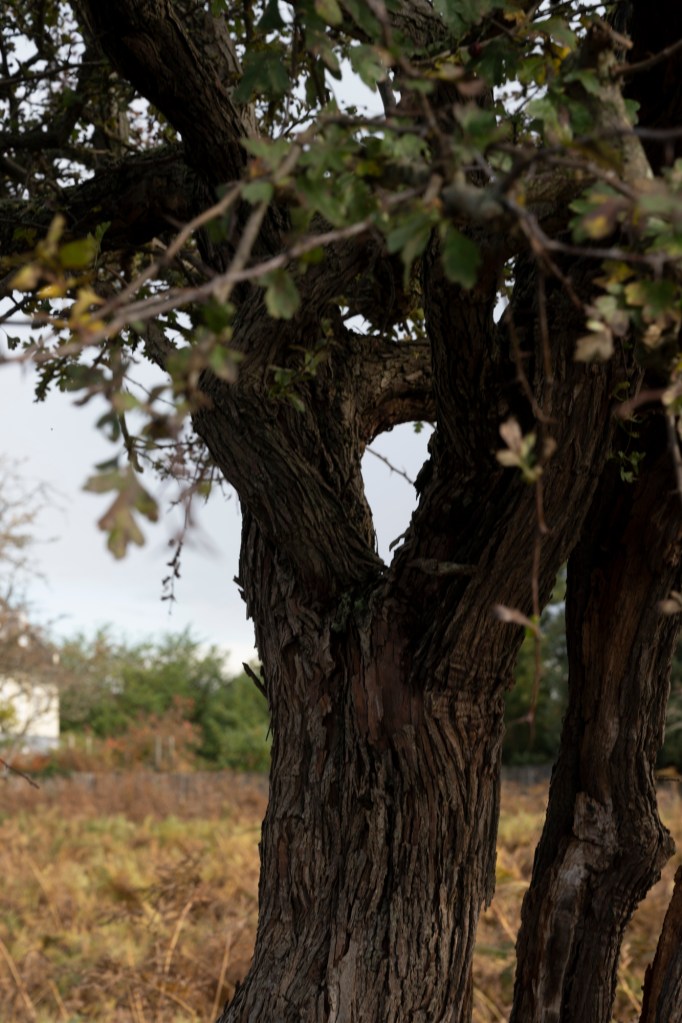
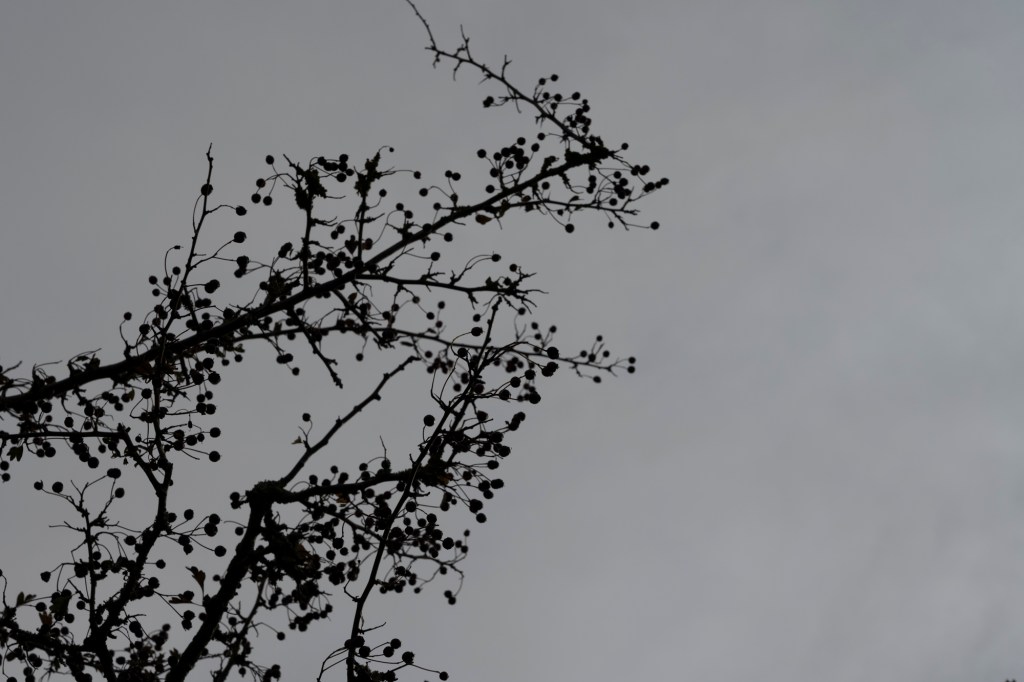
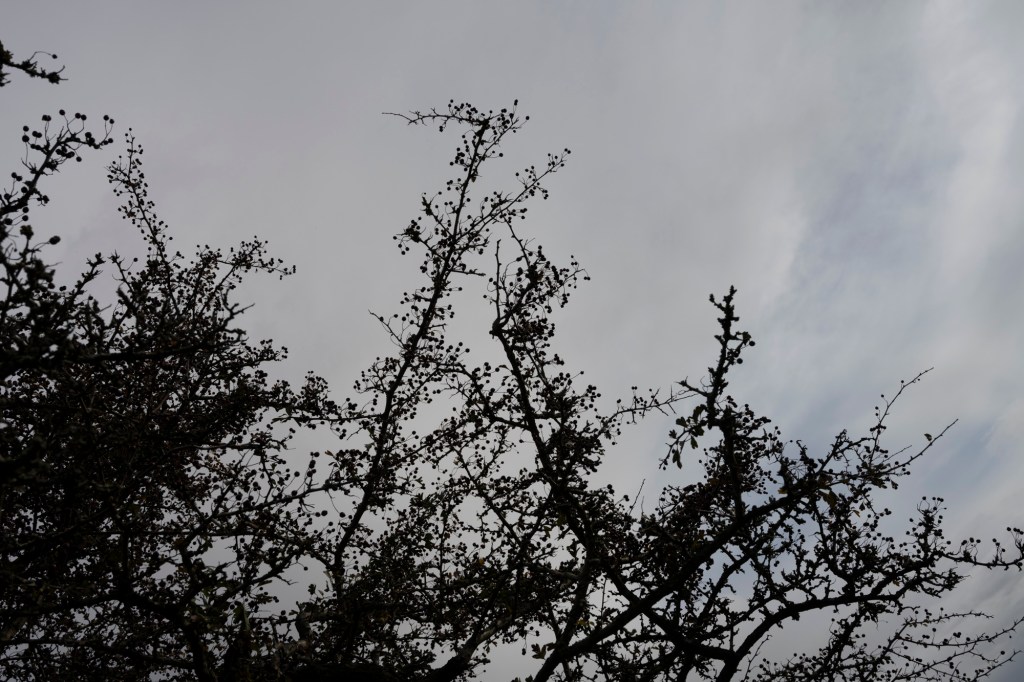
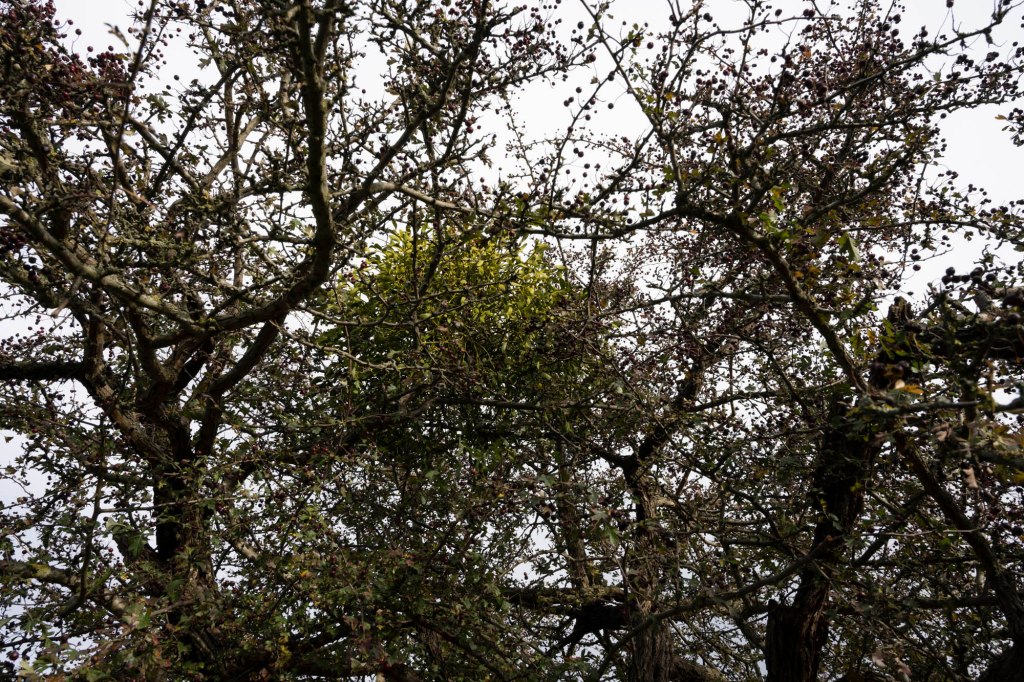
Tree Six
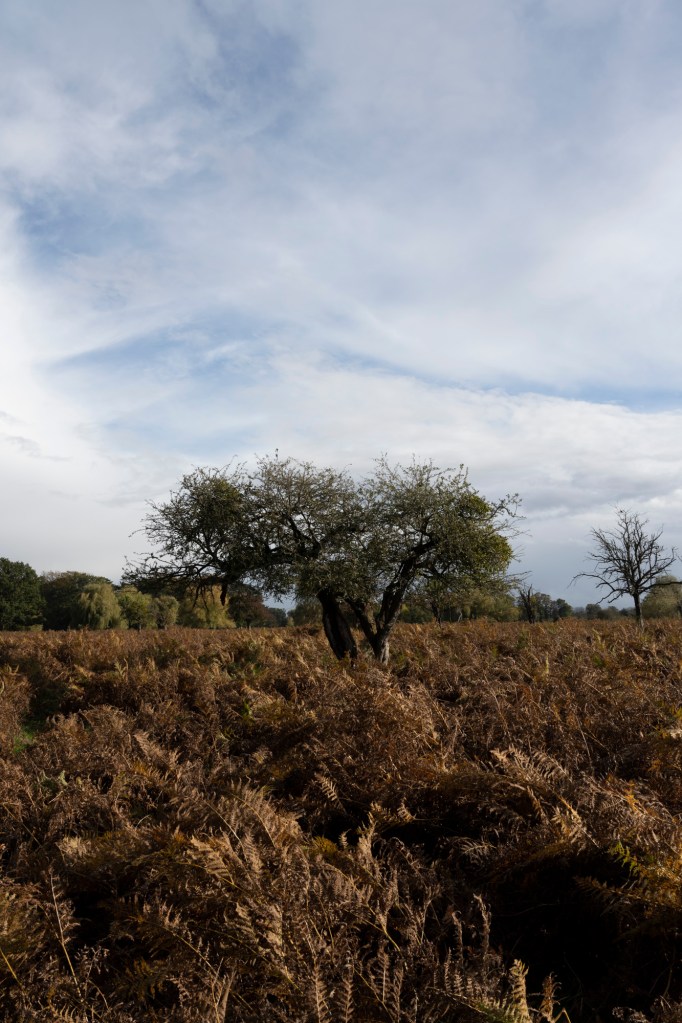
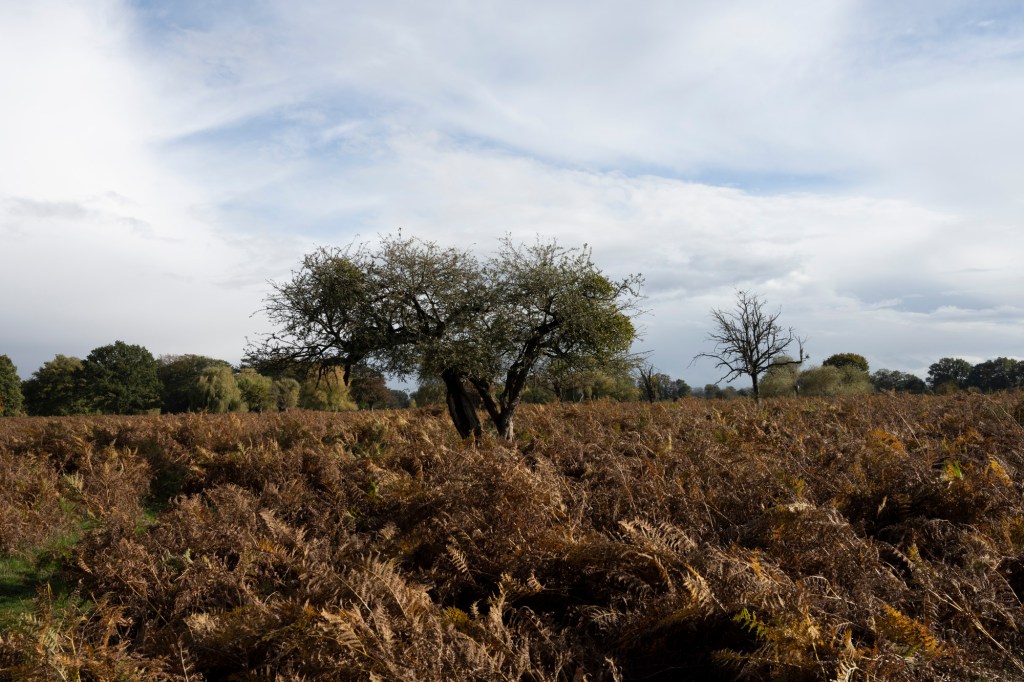
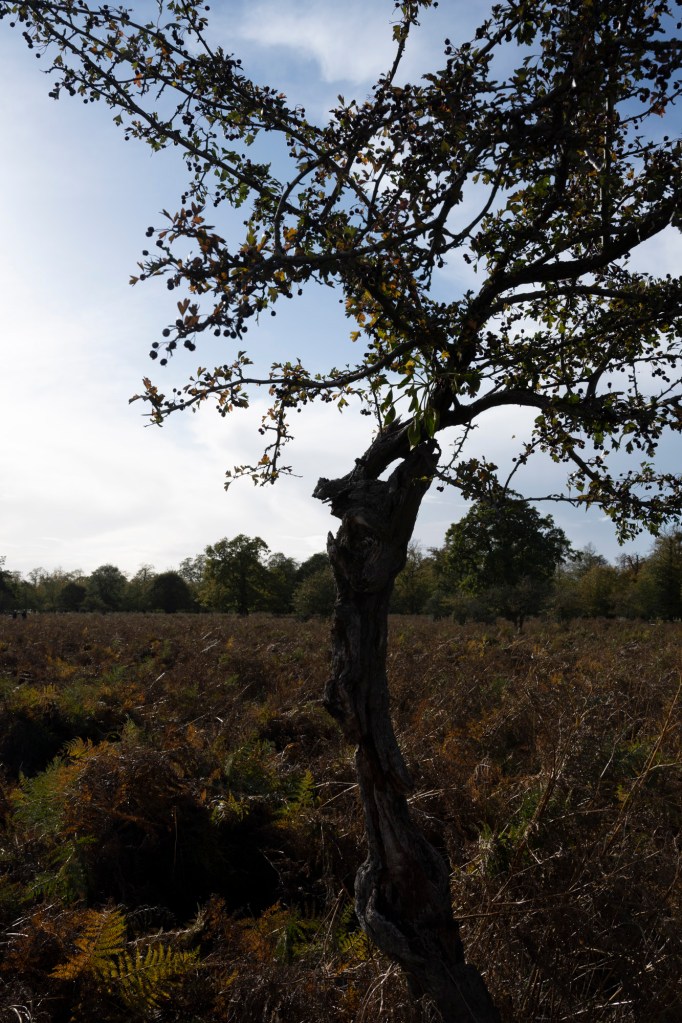
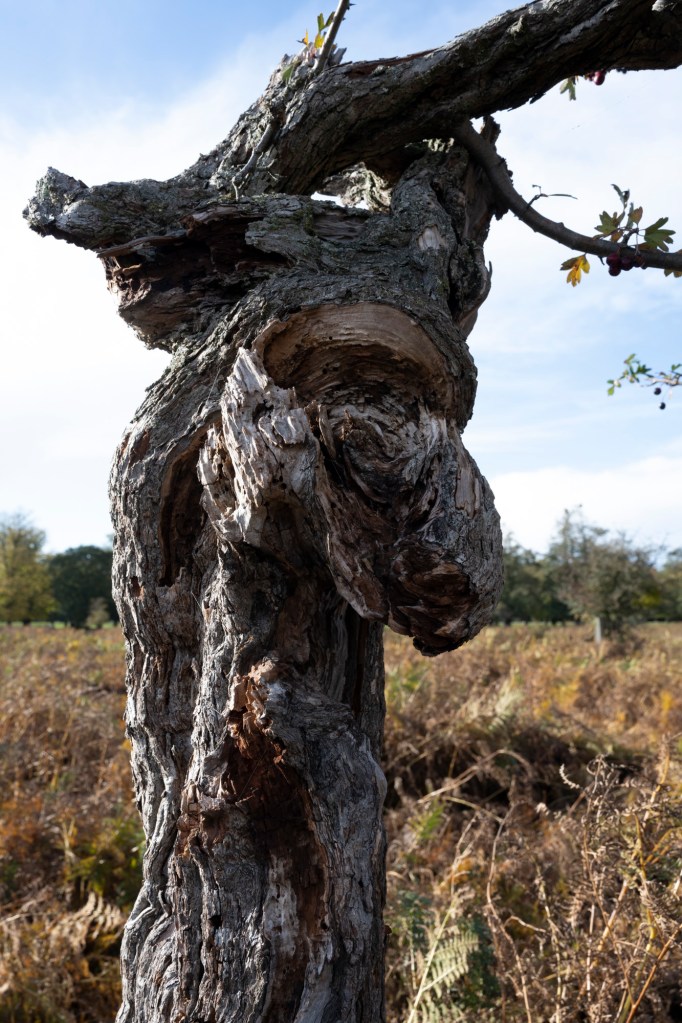
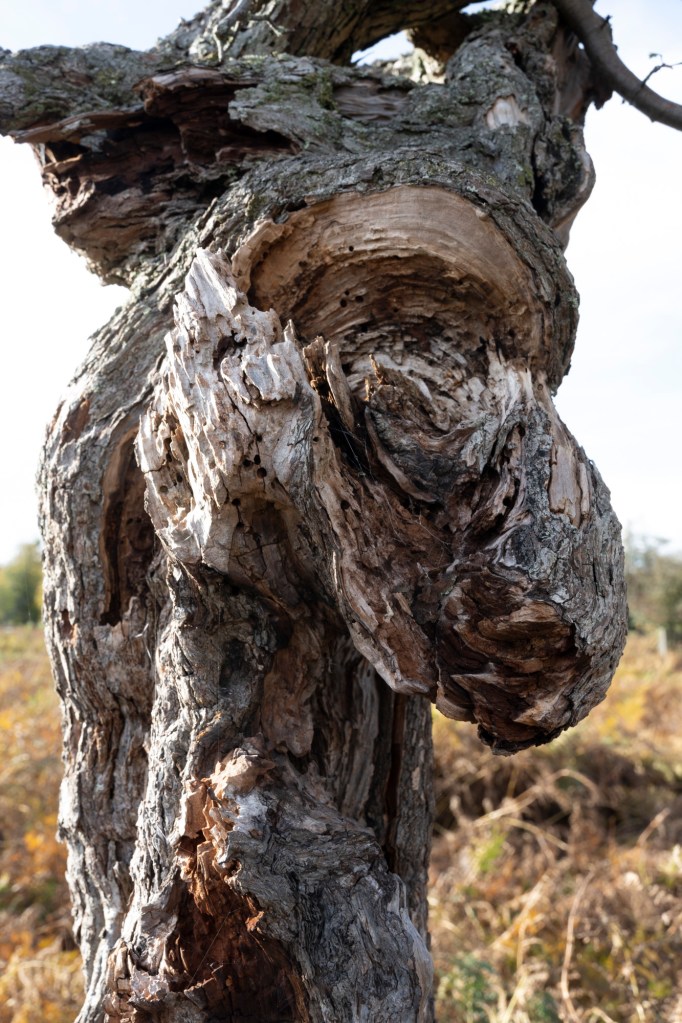
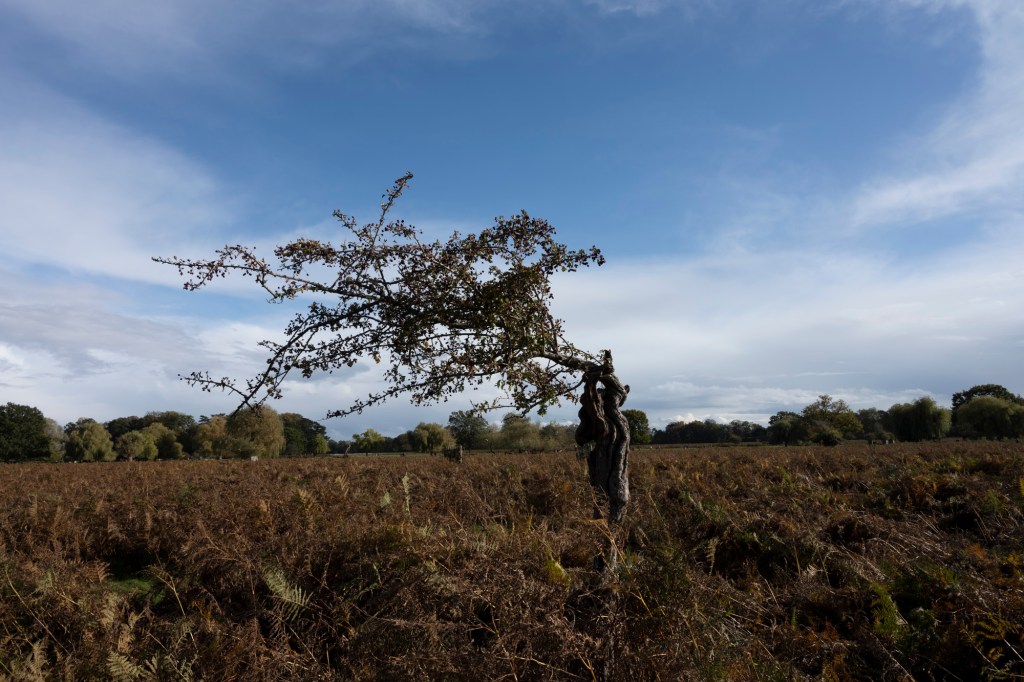
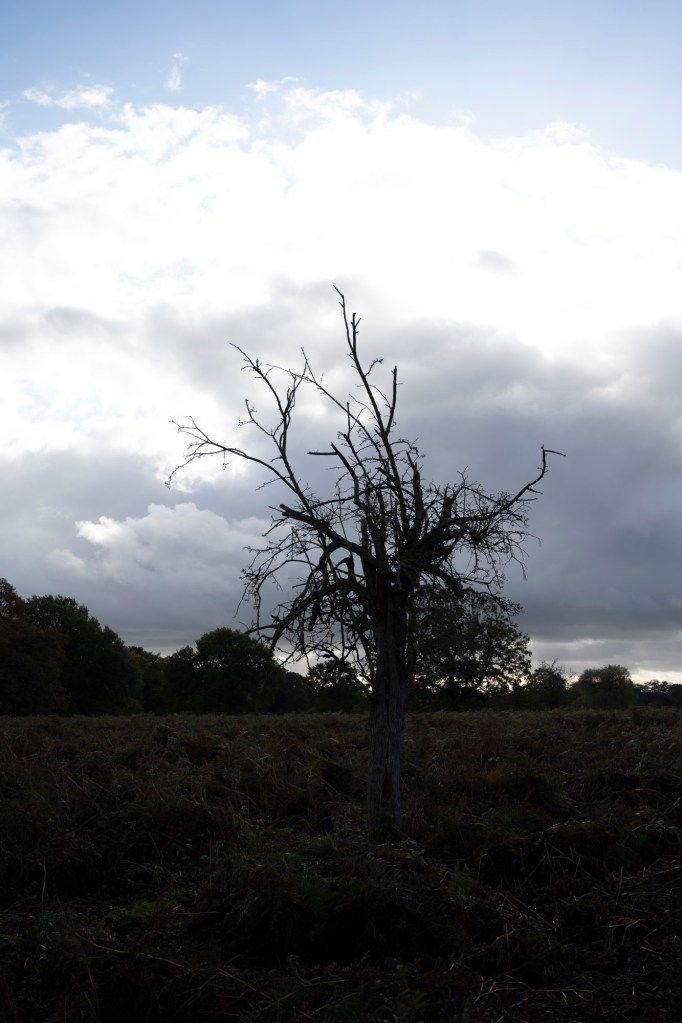
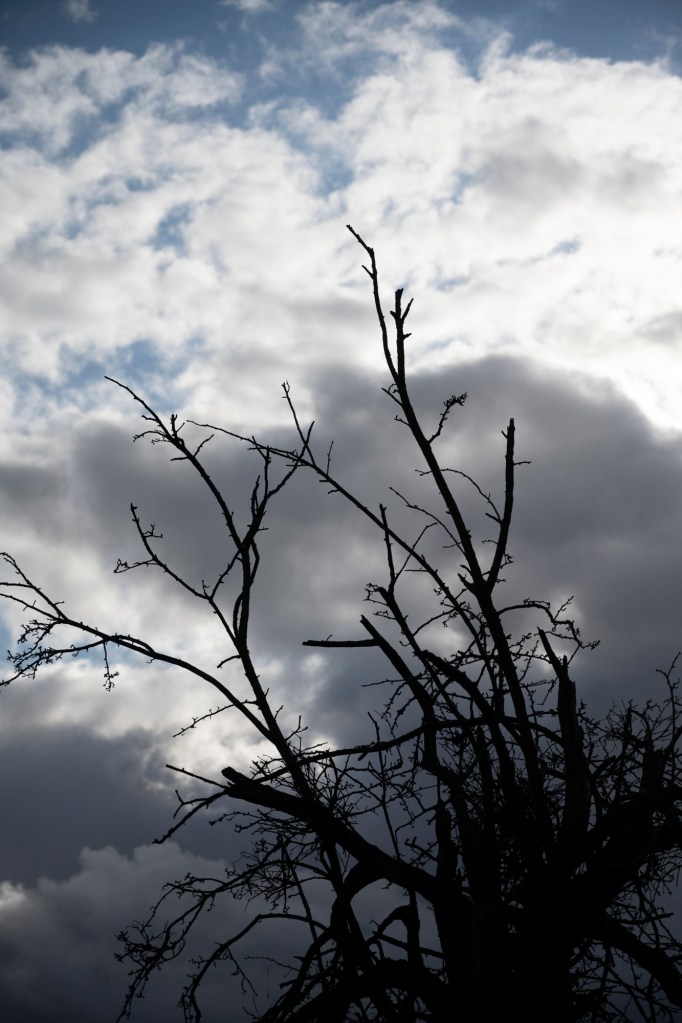
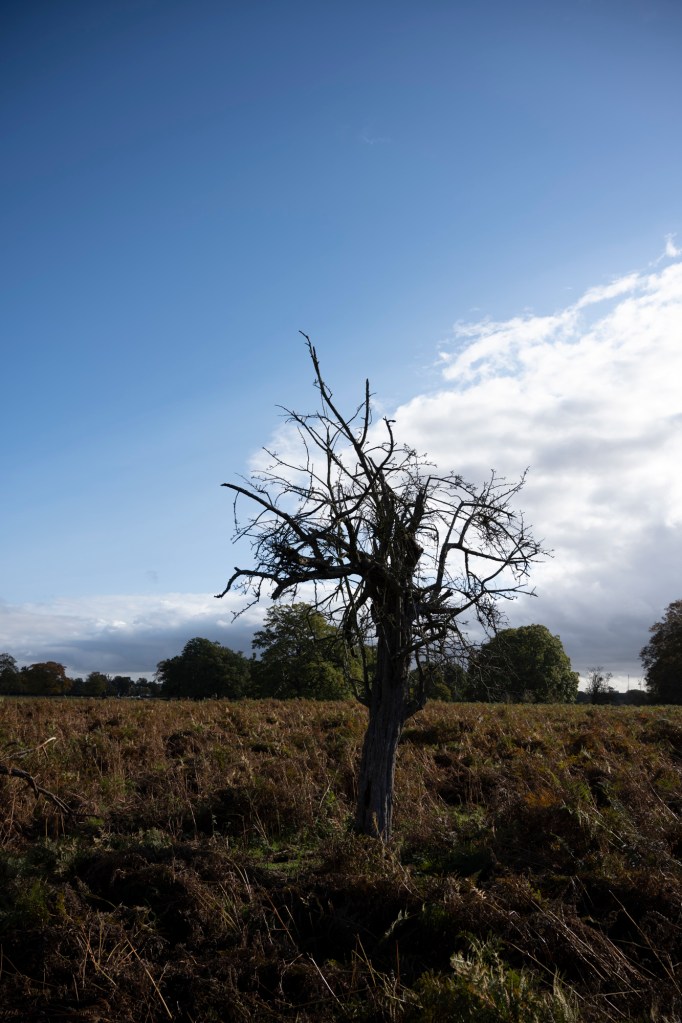
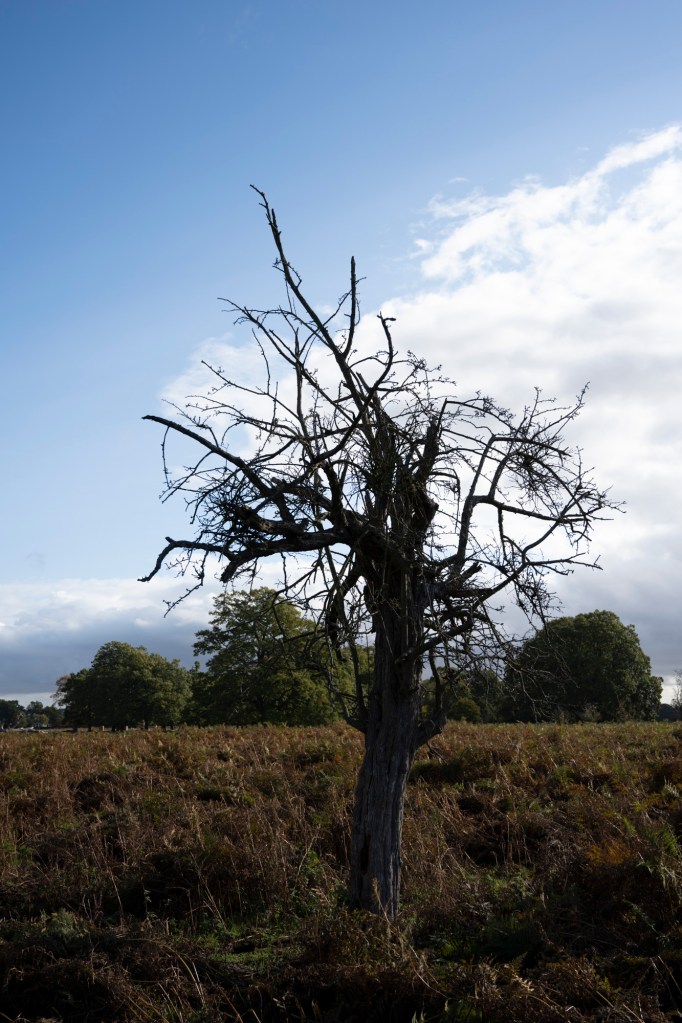
Tree Seven
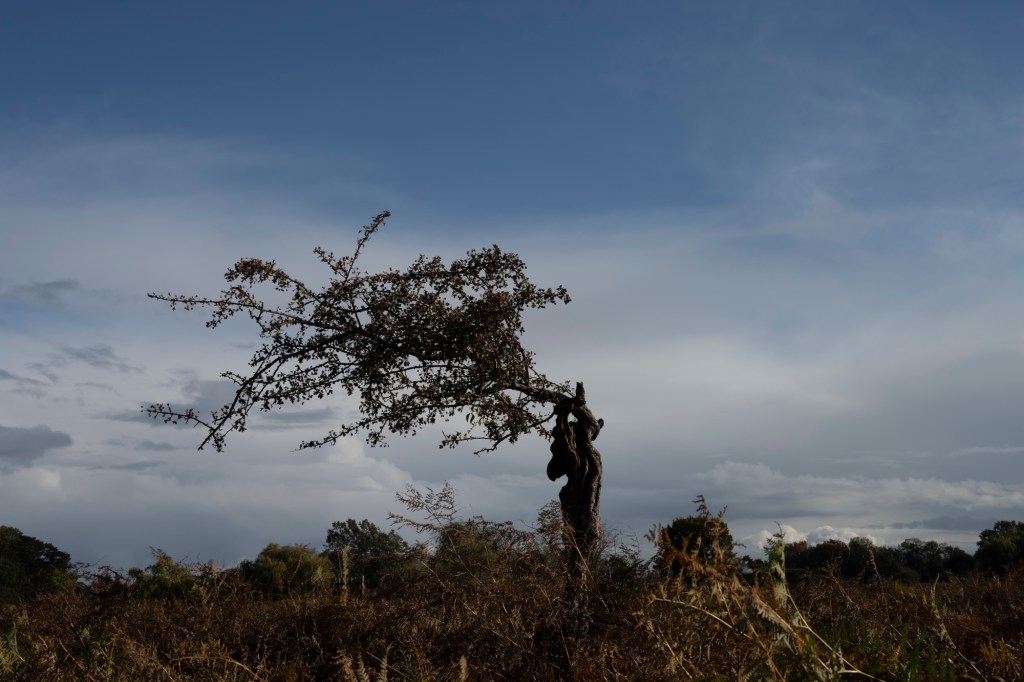
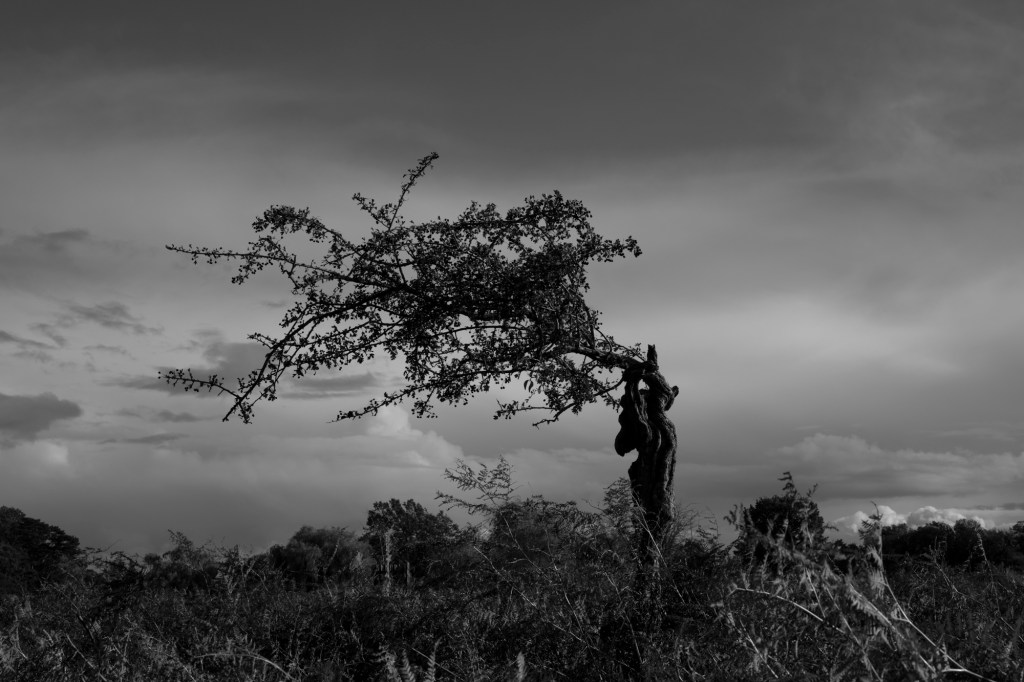
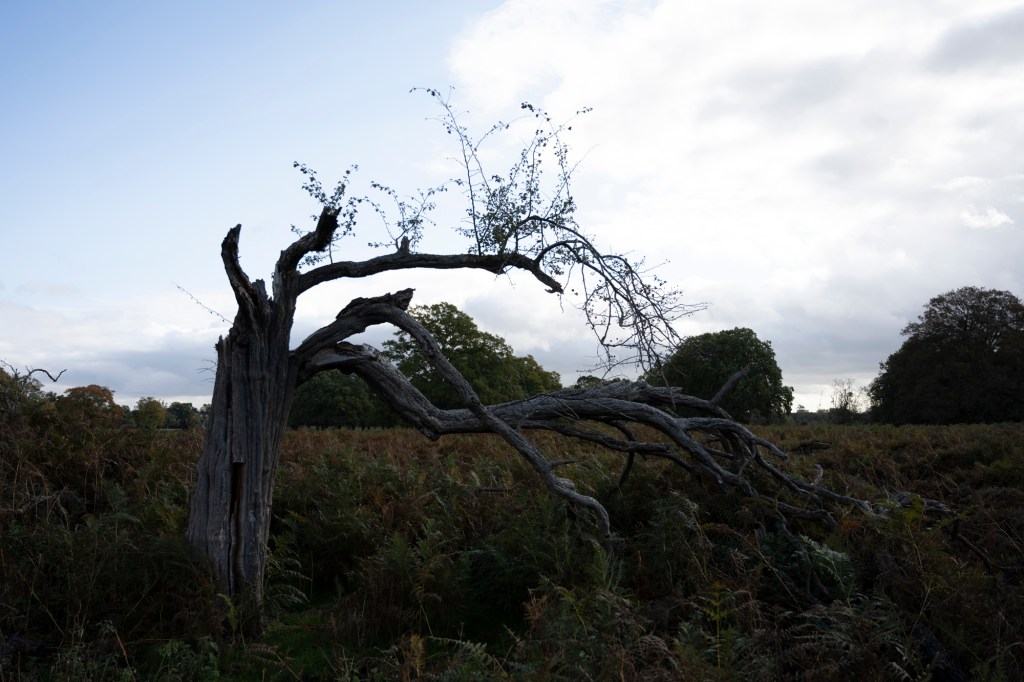
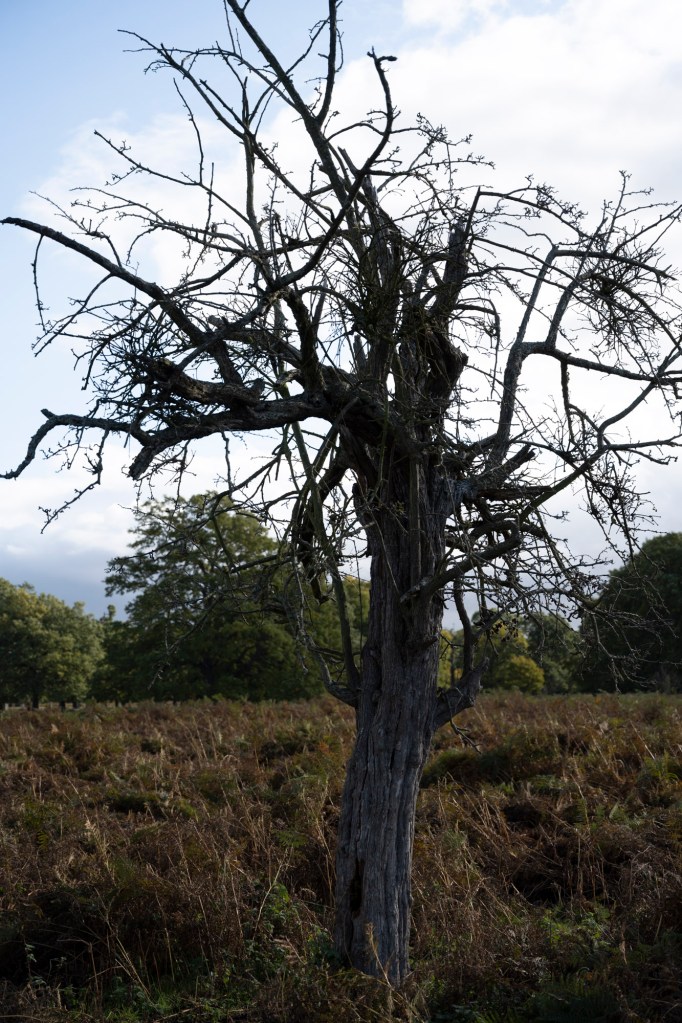
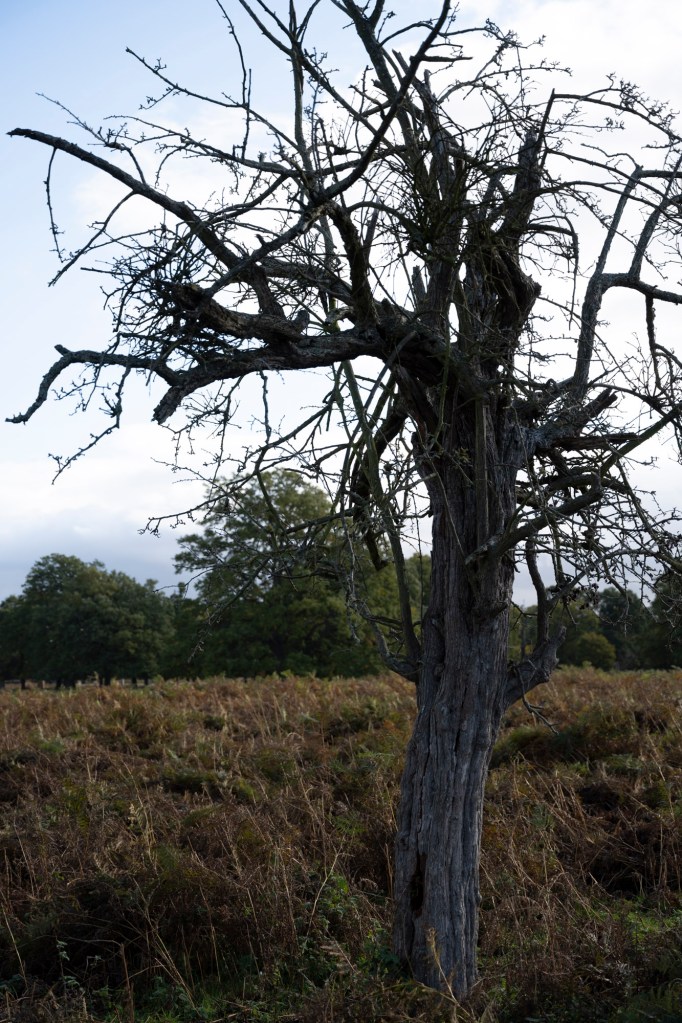
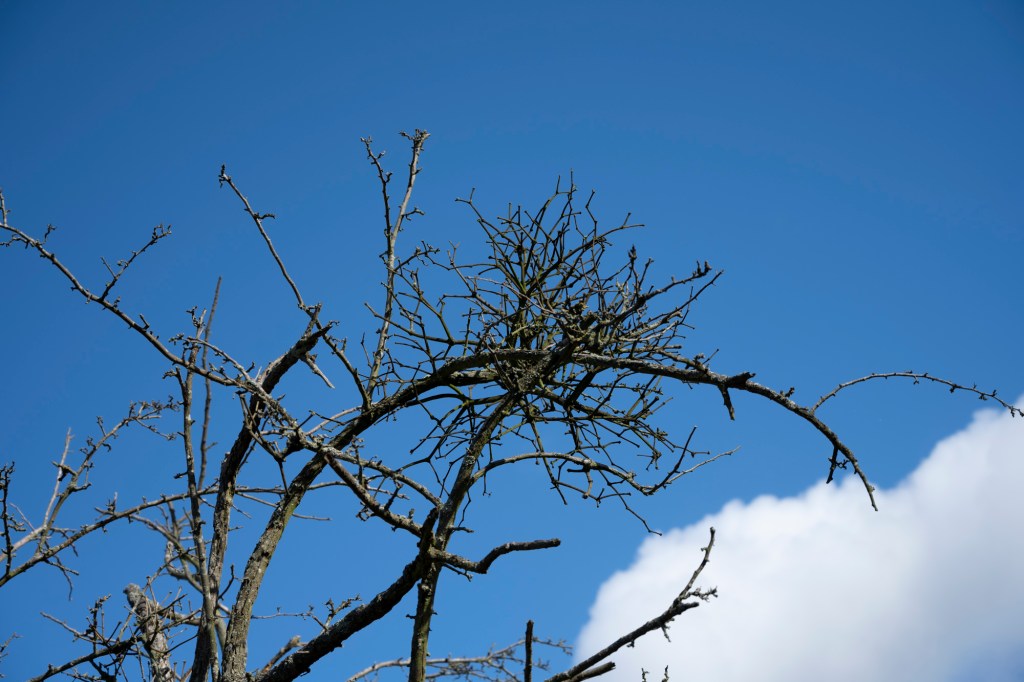
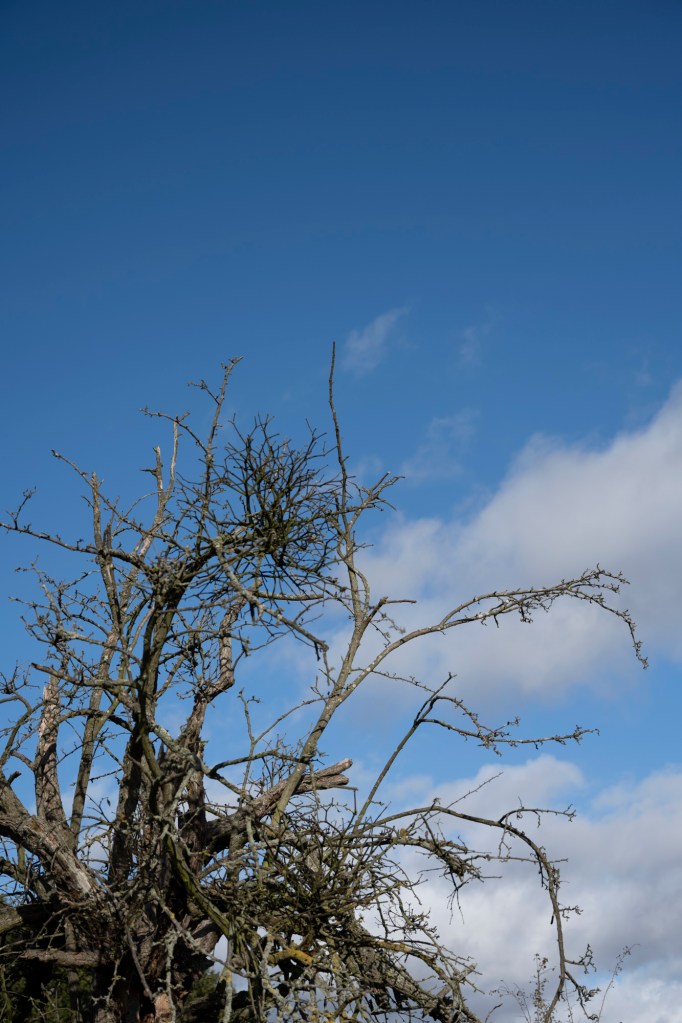
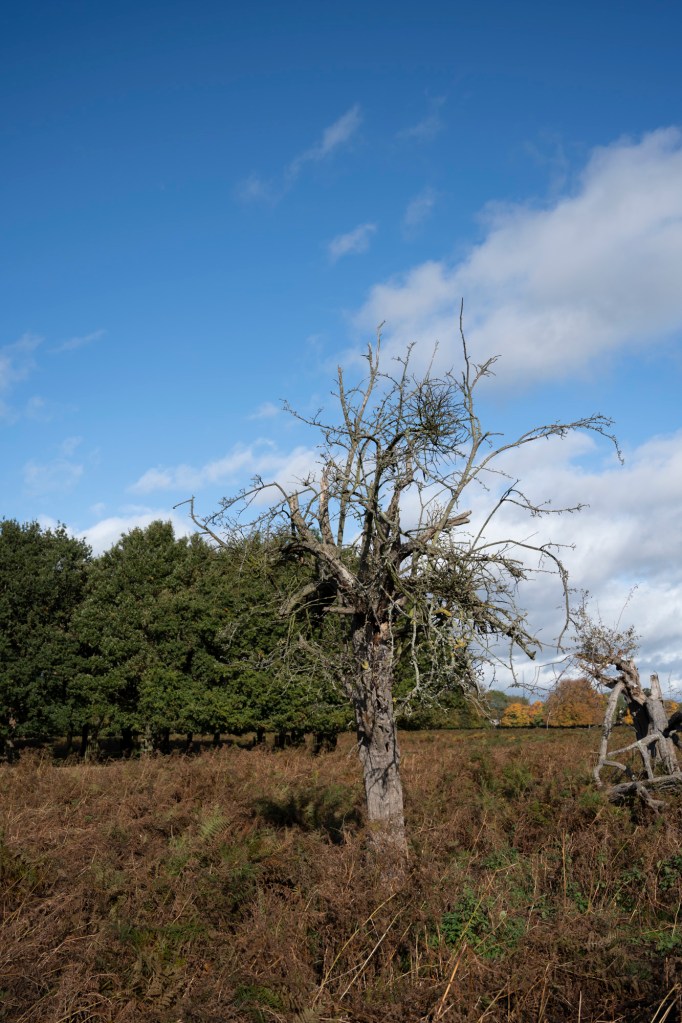
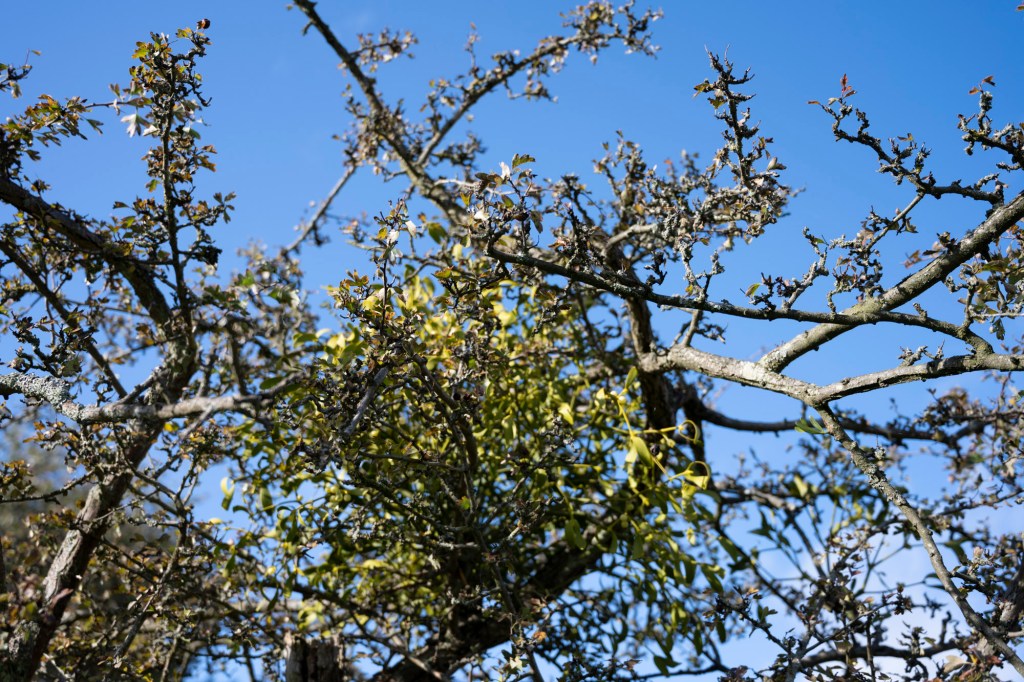
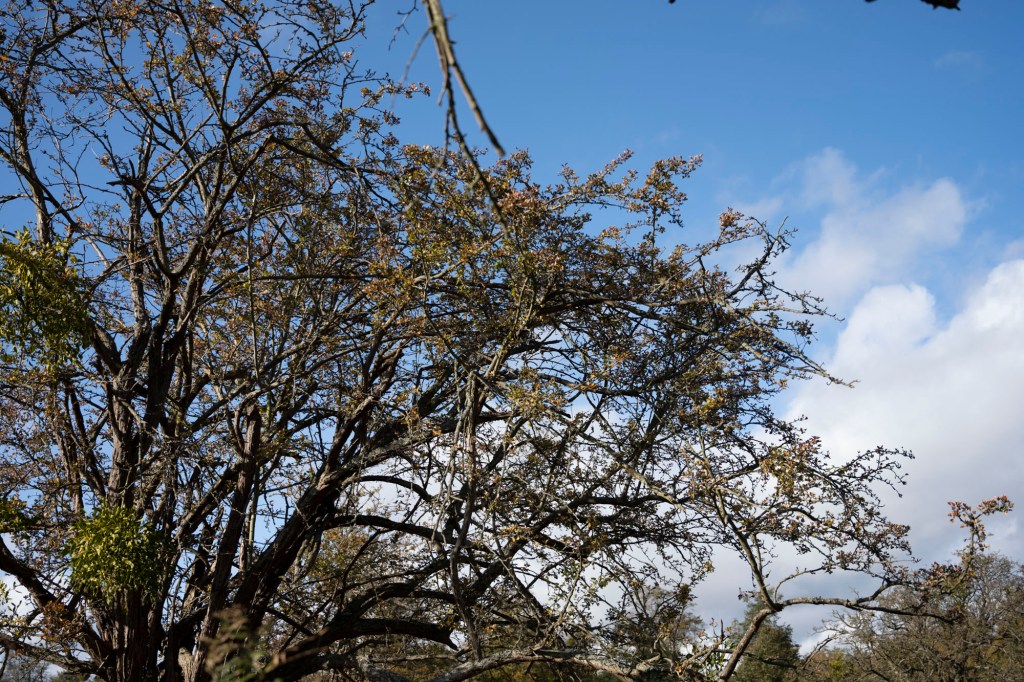
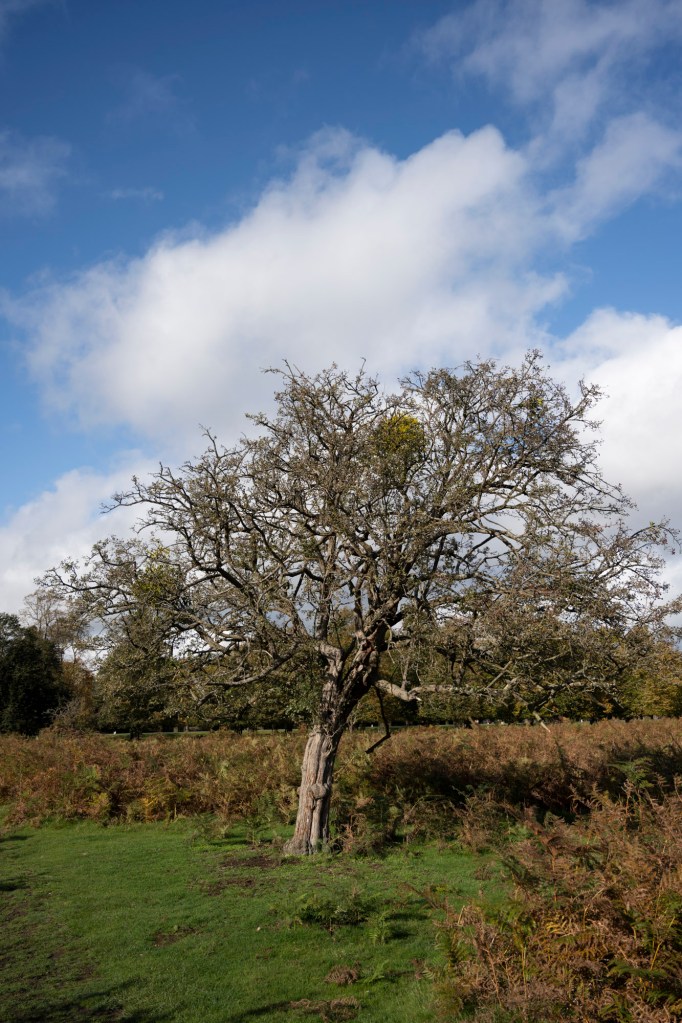
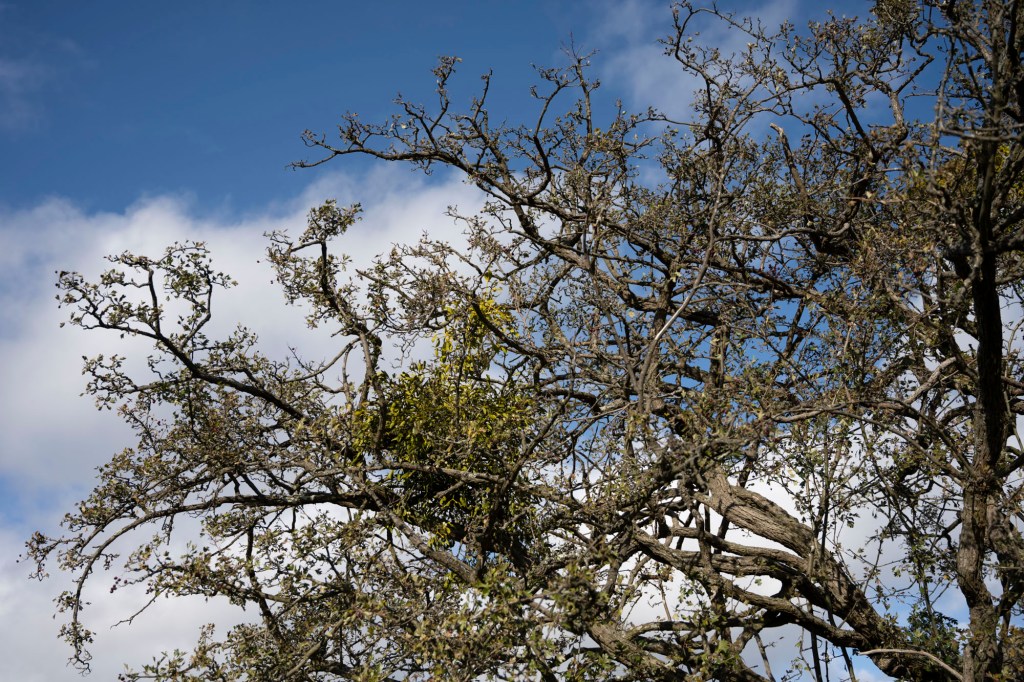
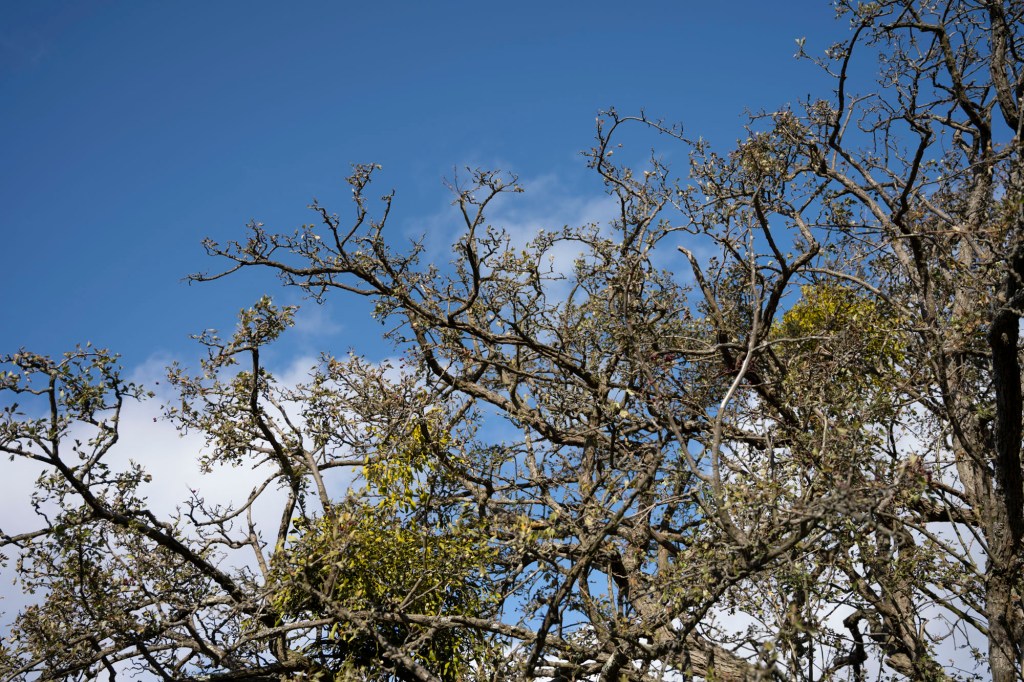
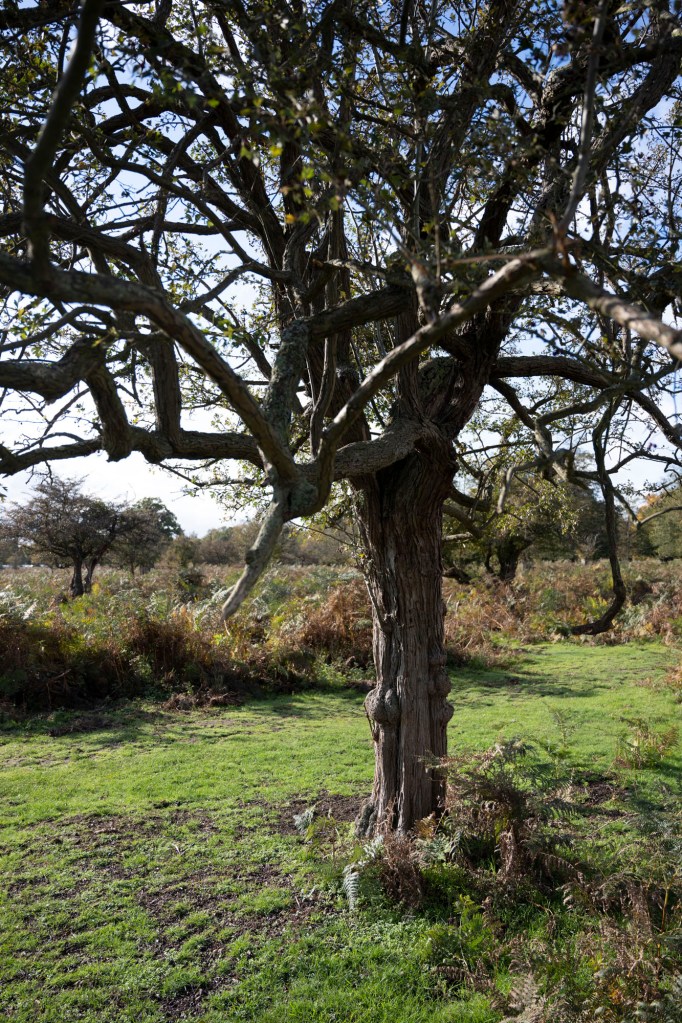
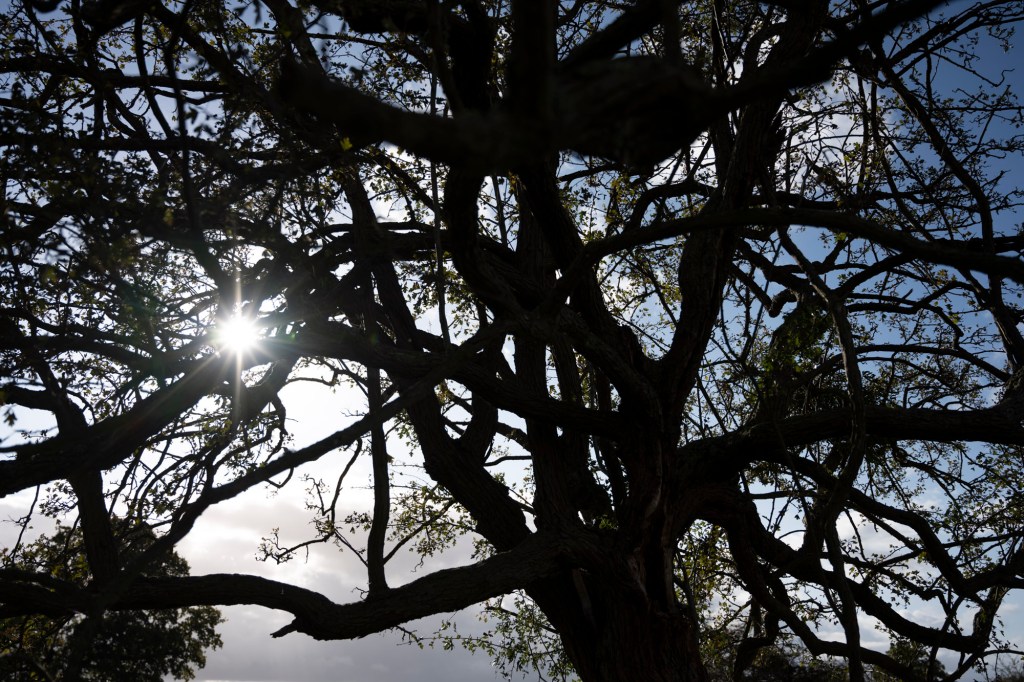
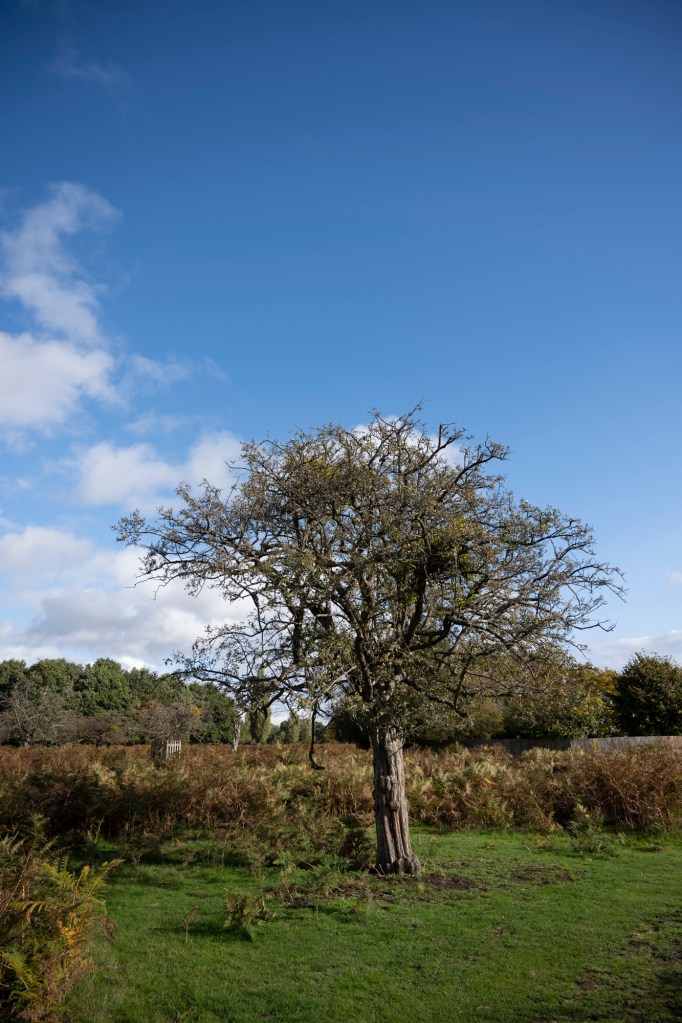
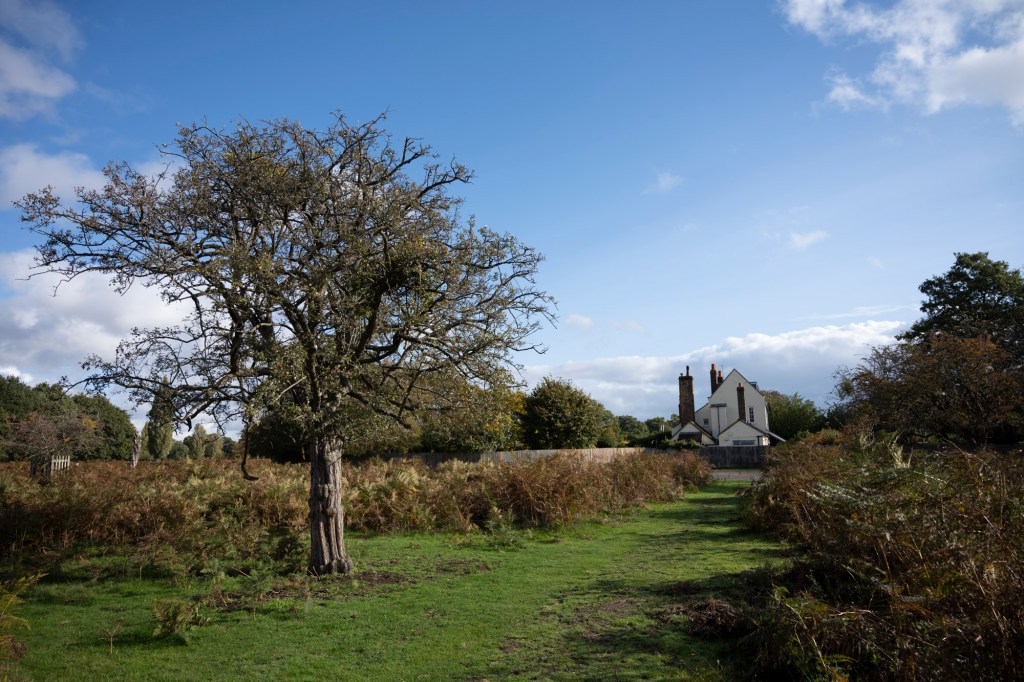
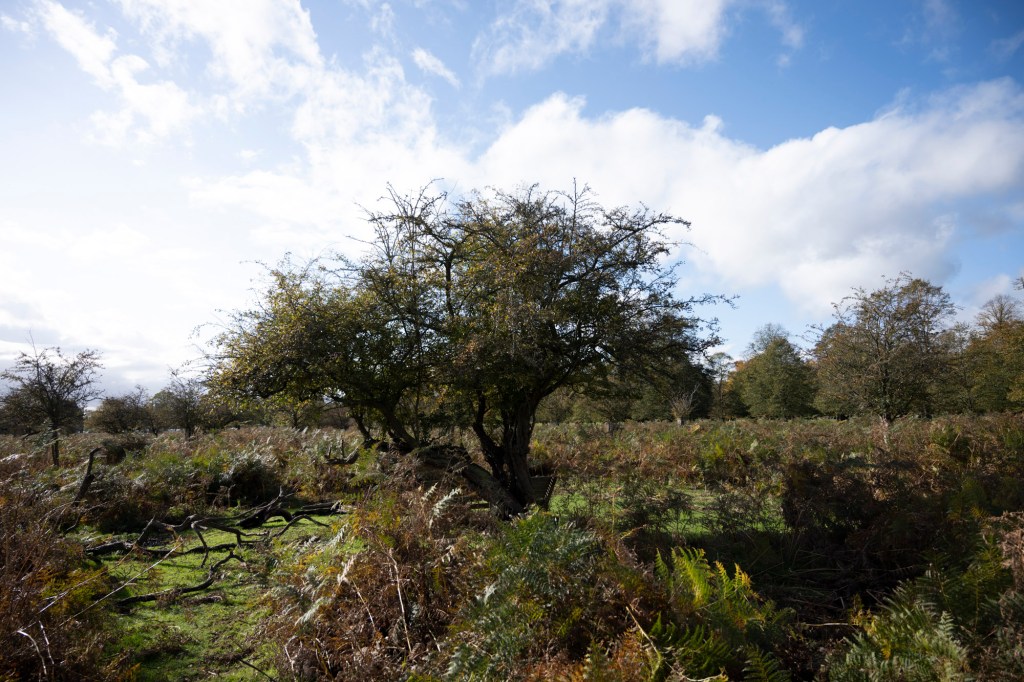
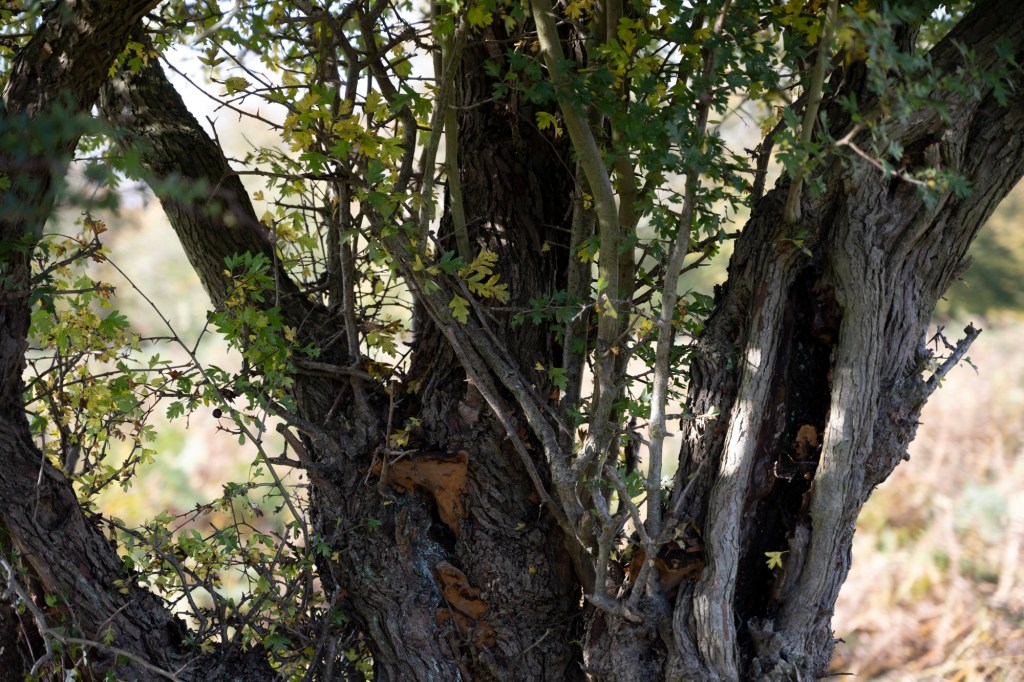
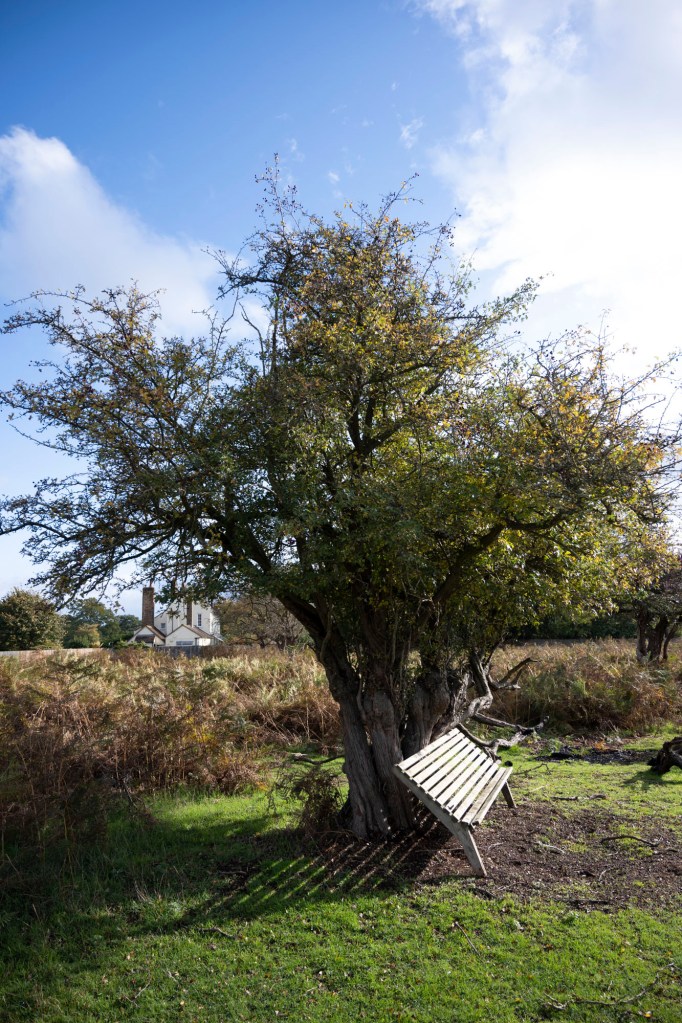
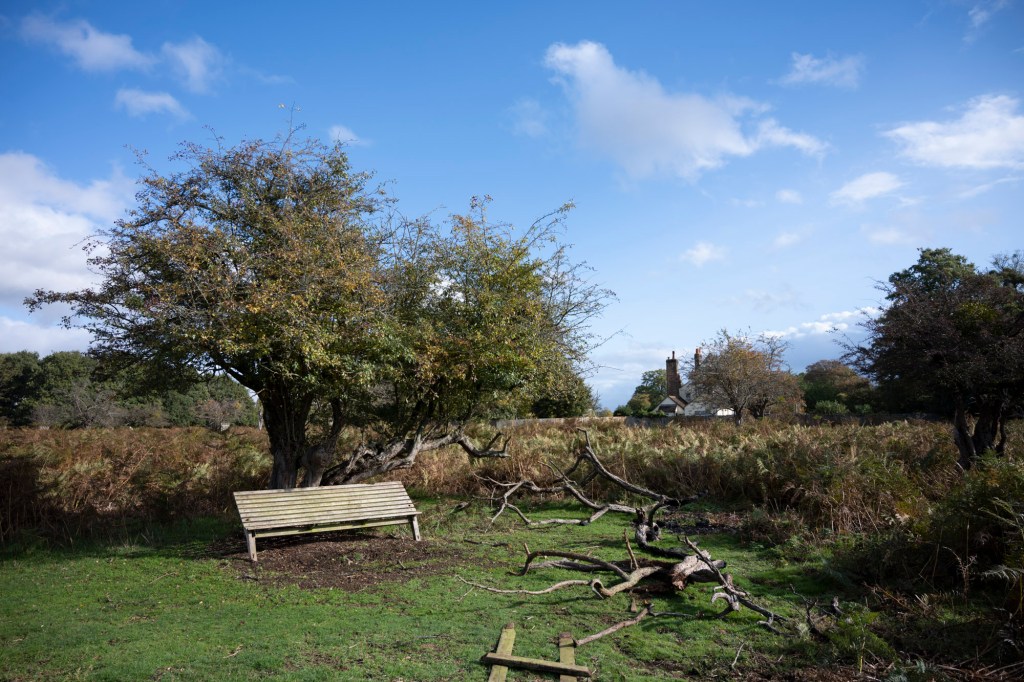
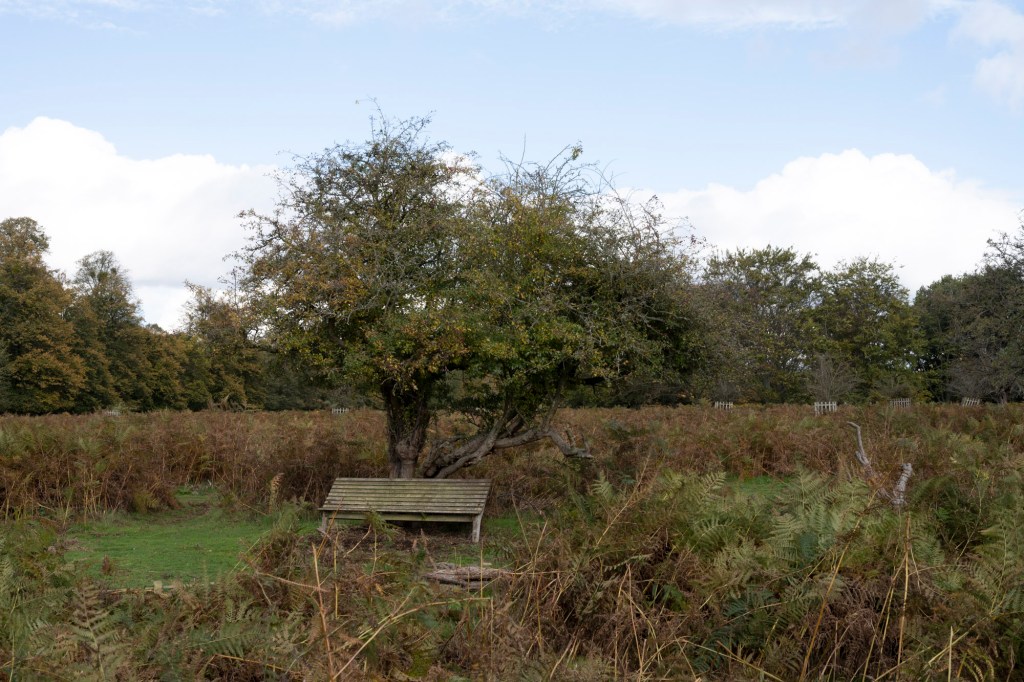
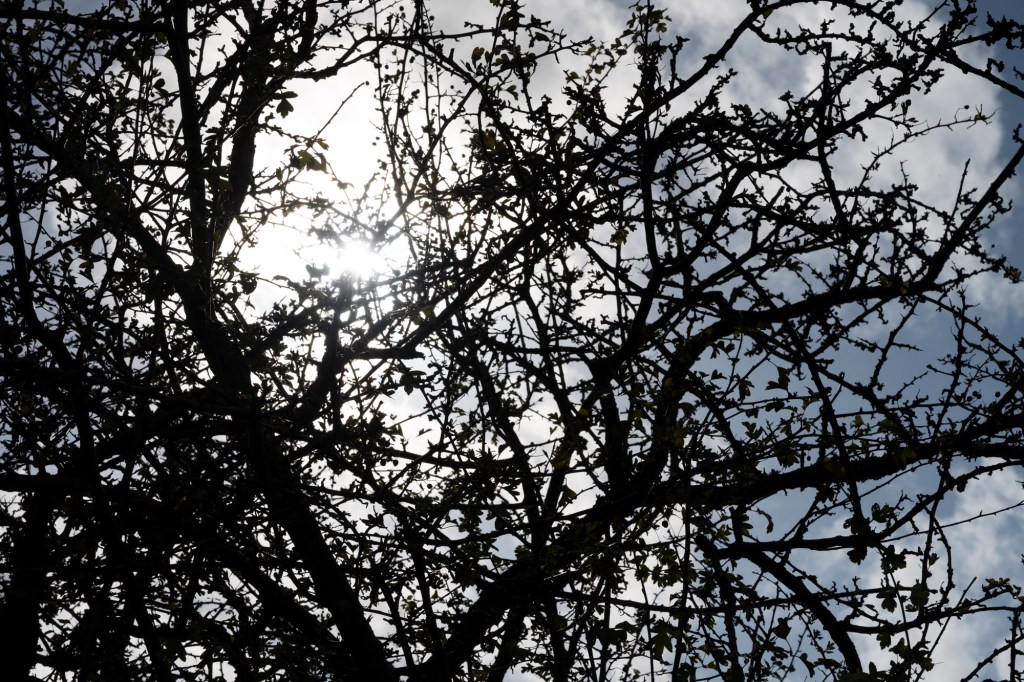
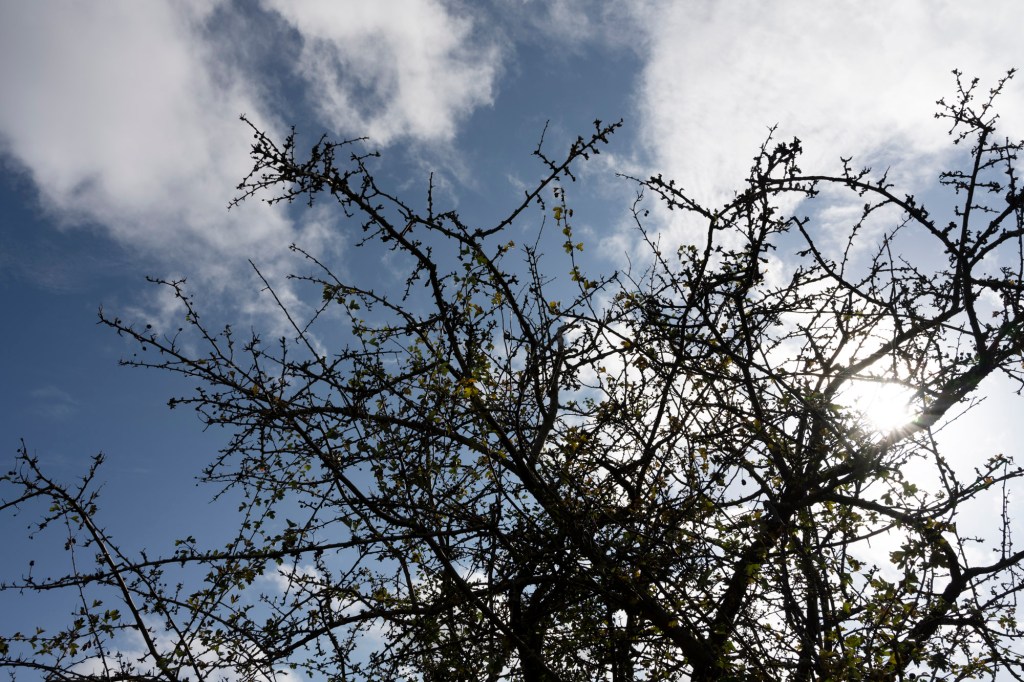
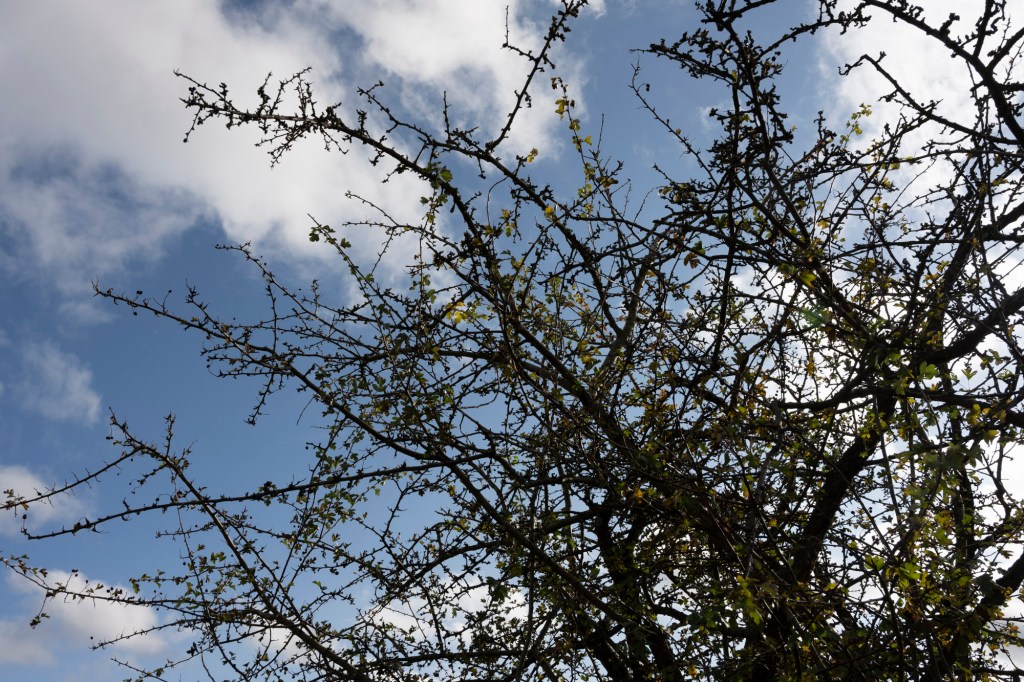
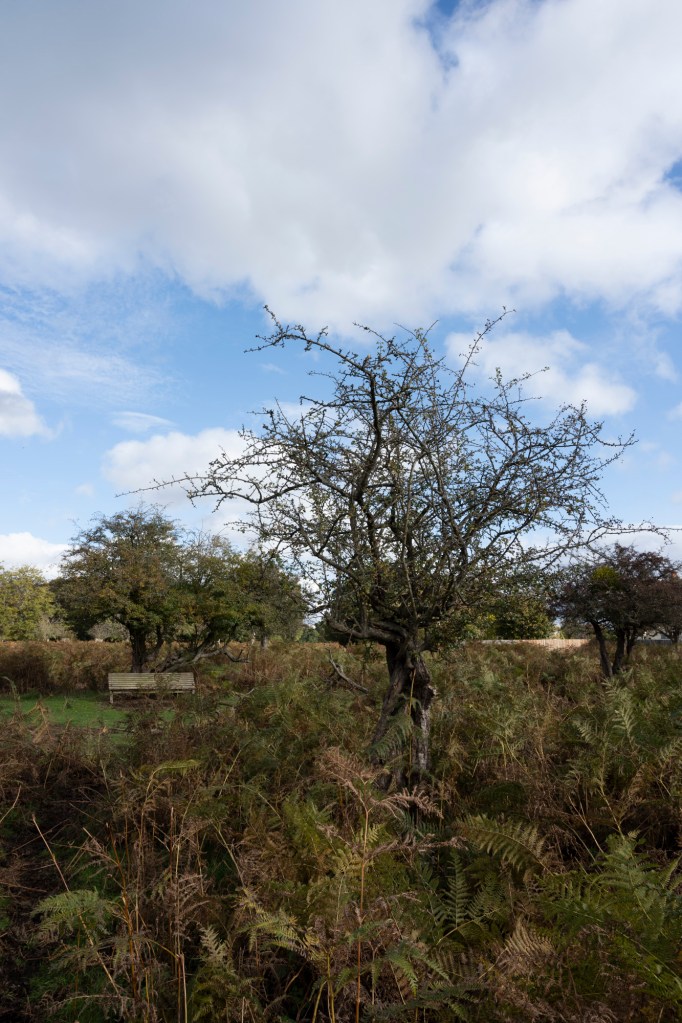
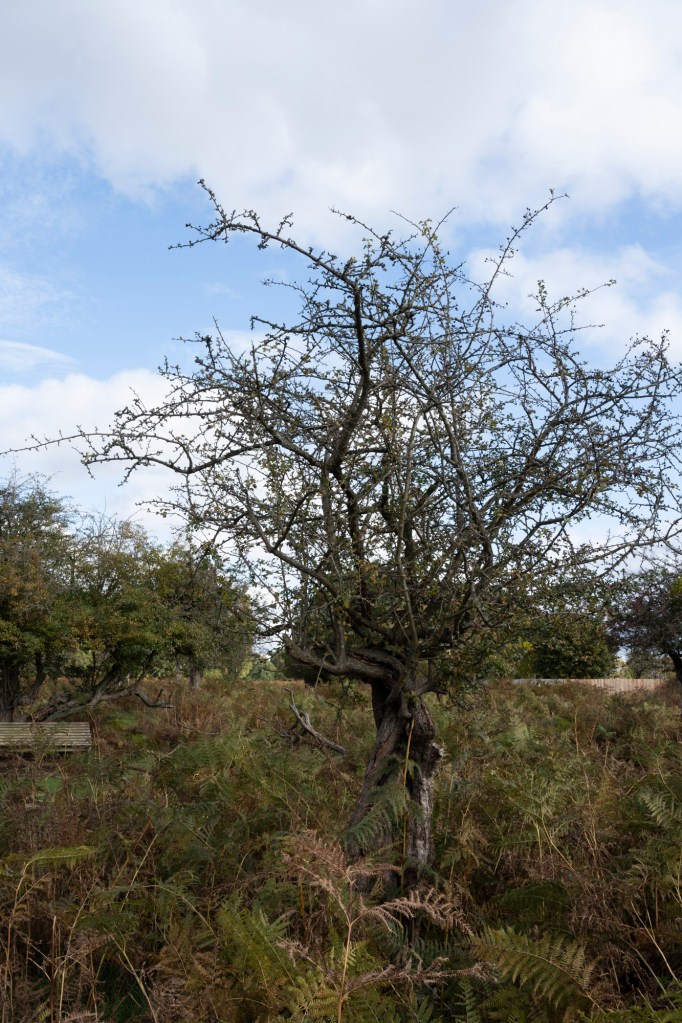
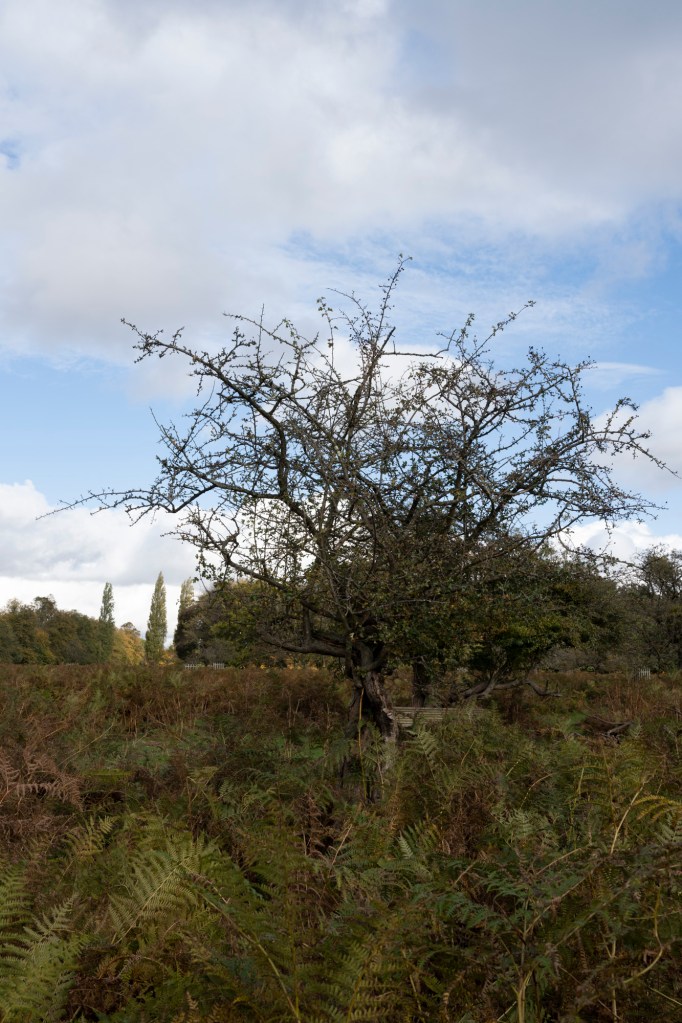
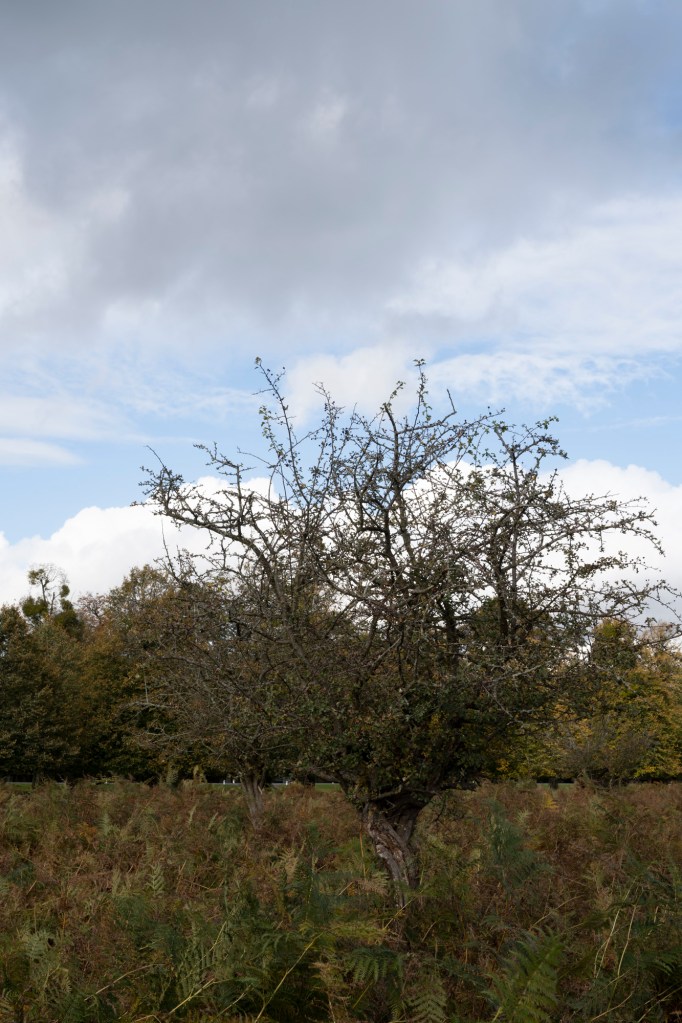
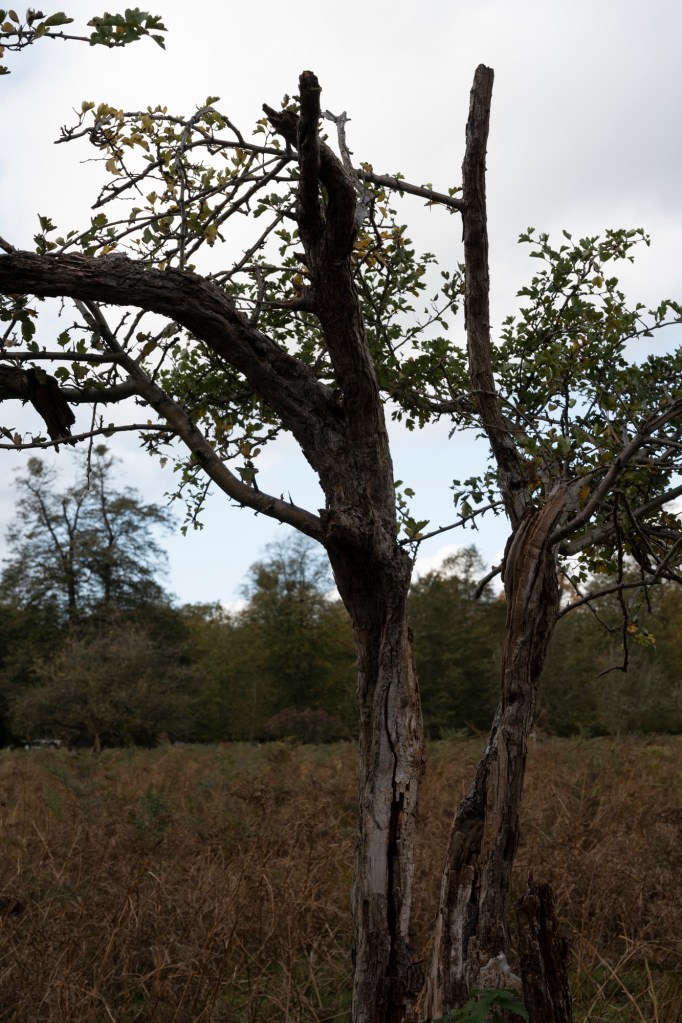
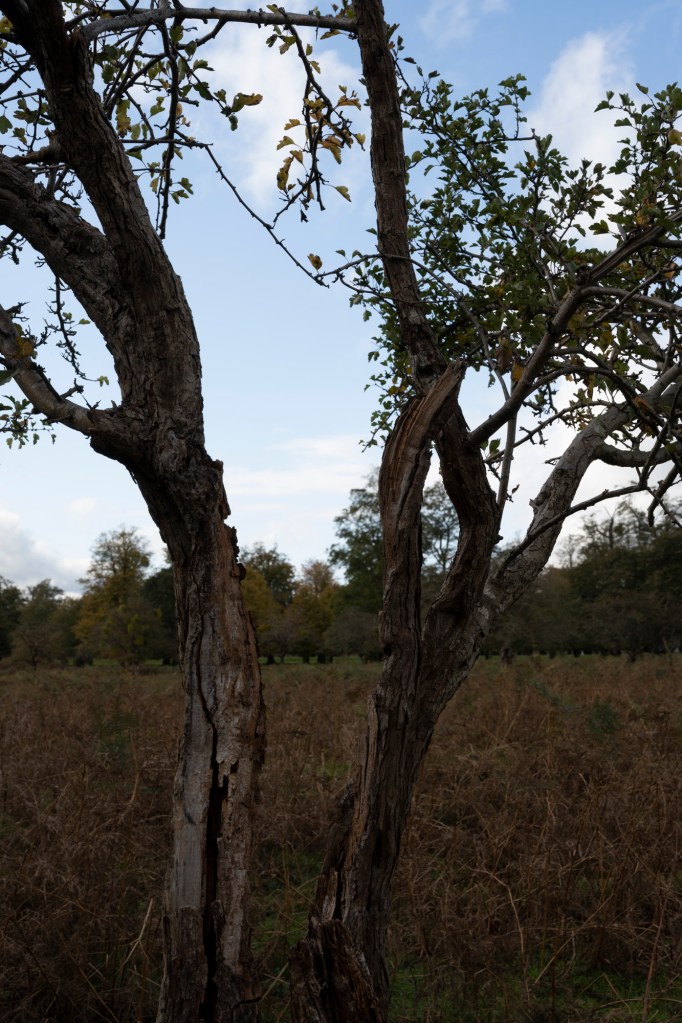
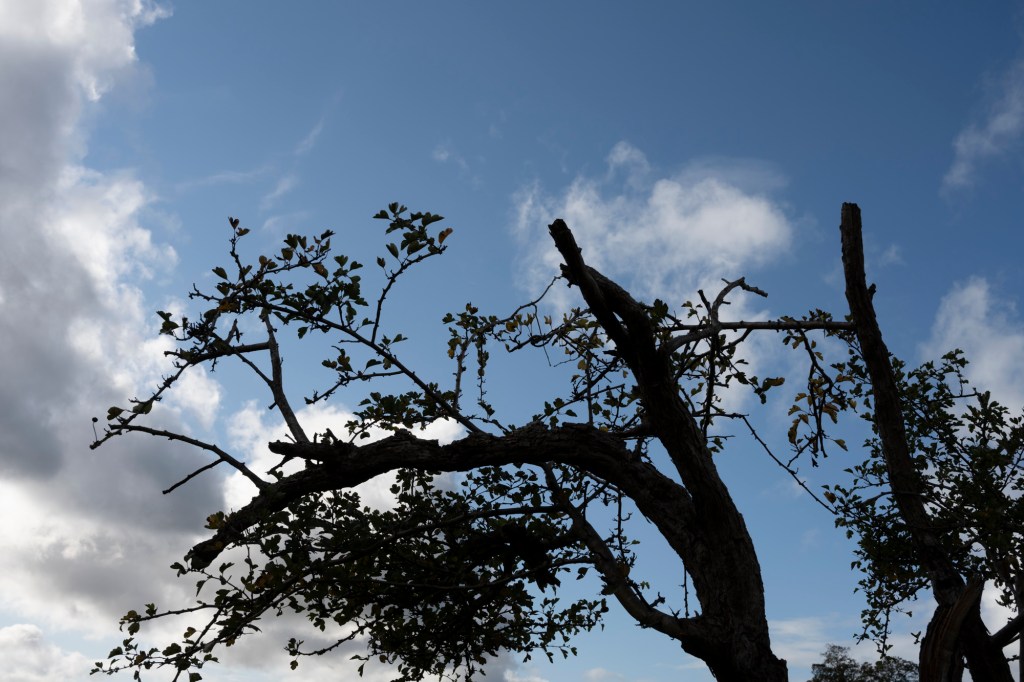
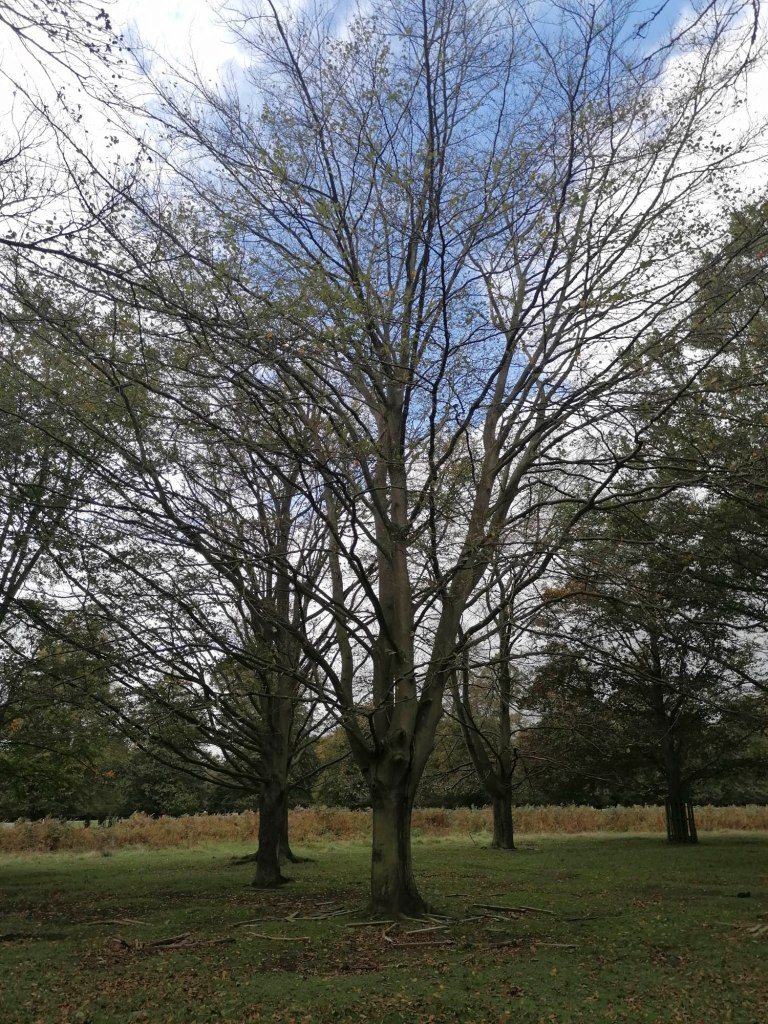
This tree really made an impression on me. On approach, this hawthorn looks initially like this.
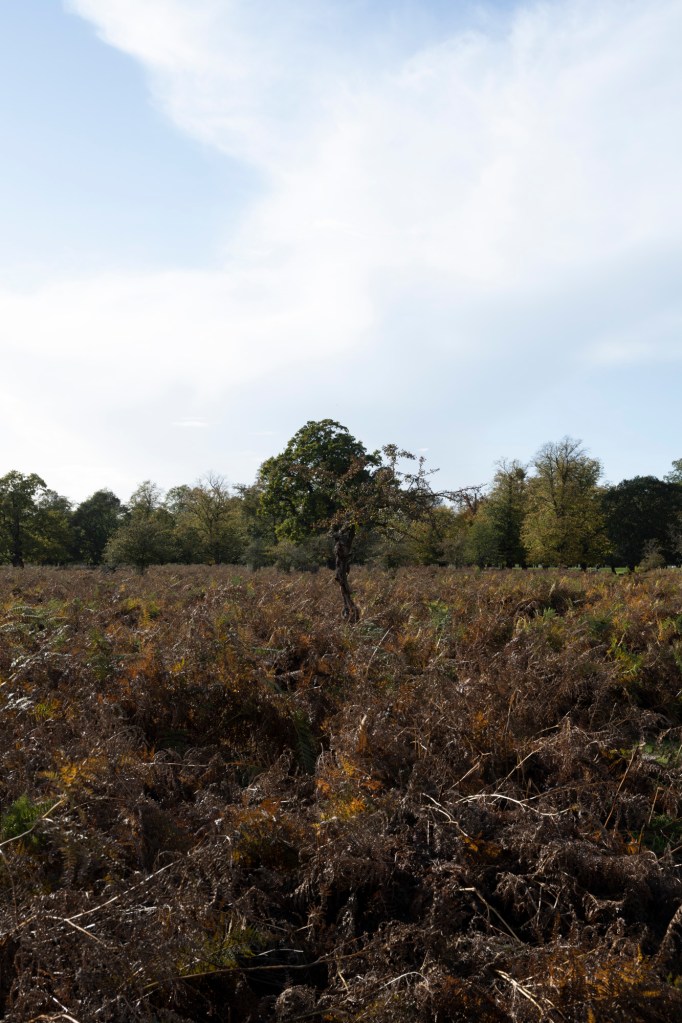
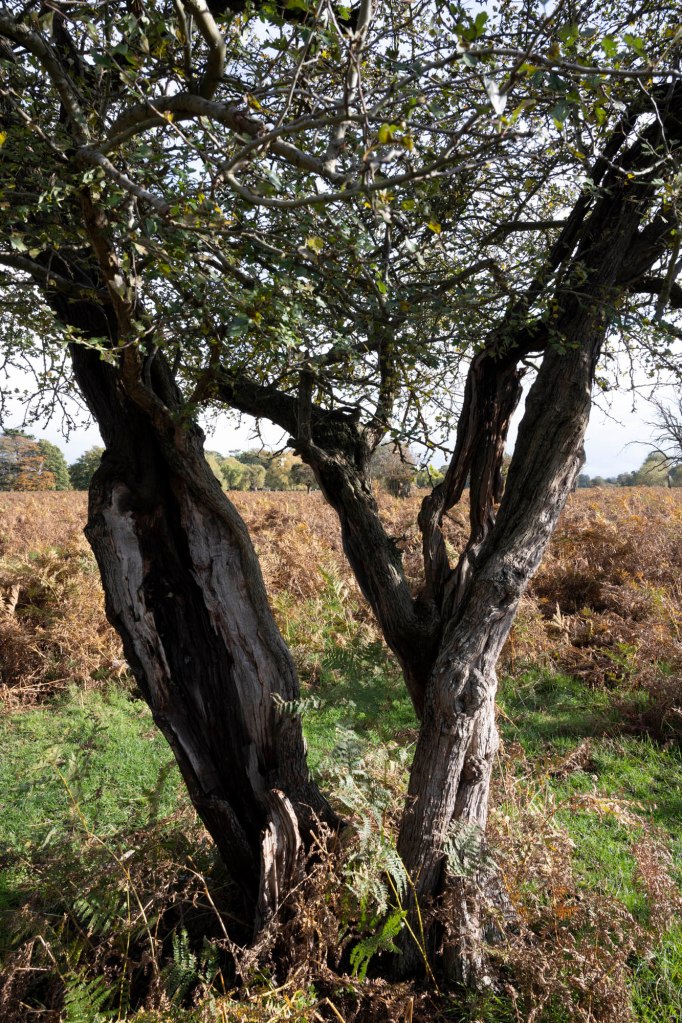
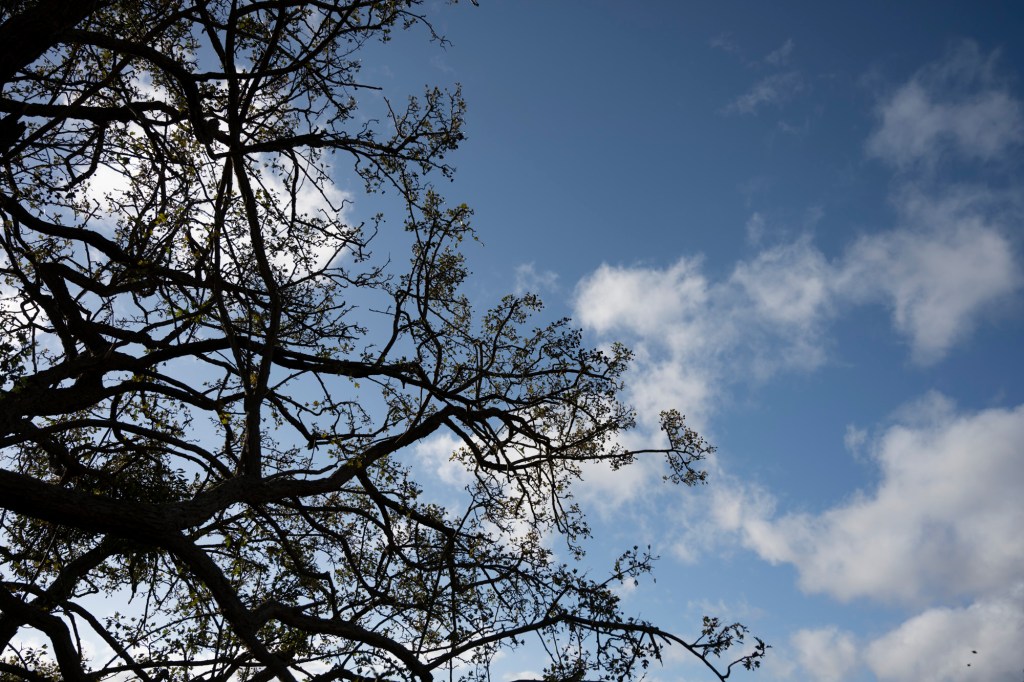
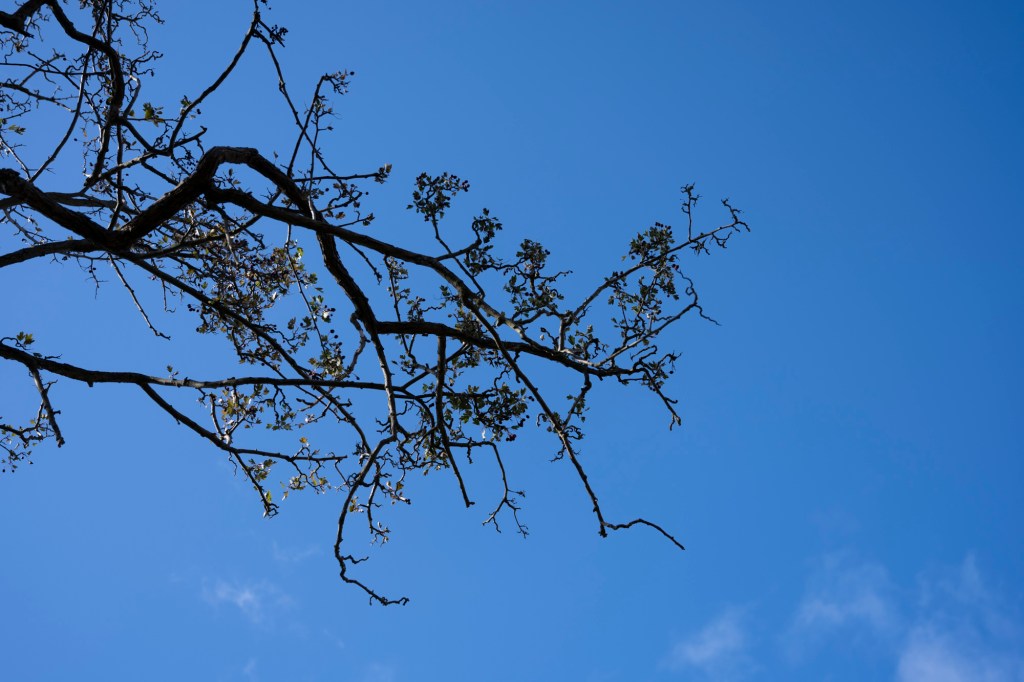
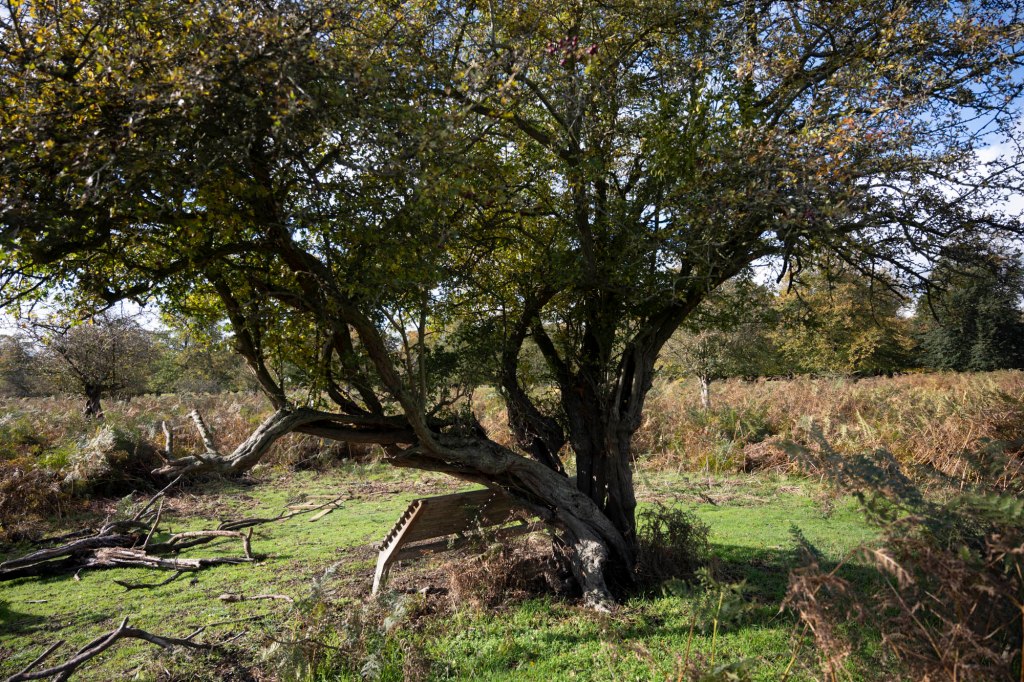
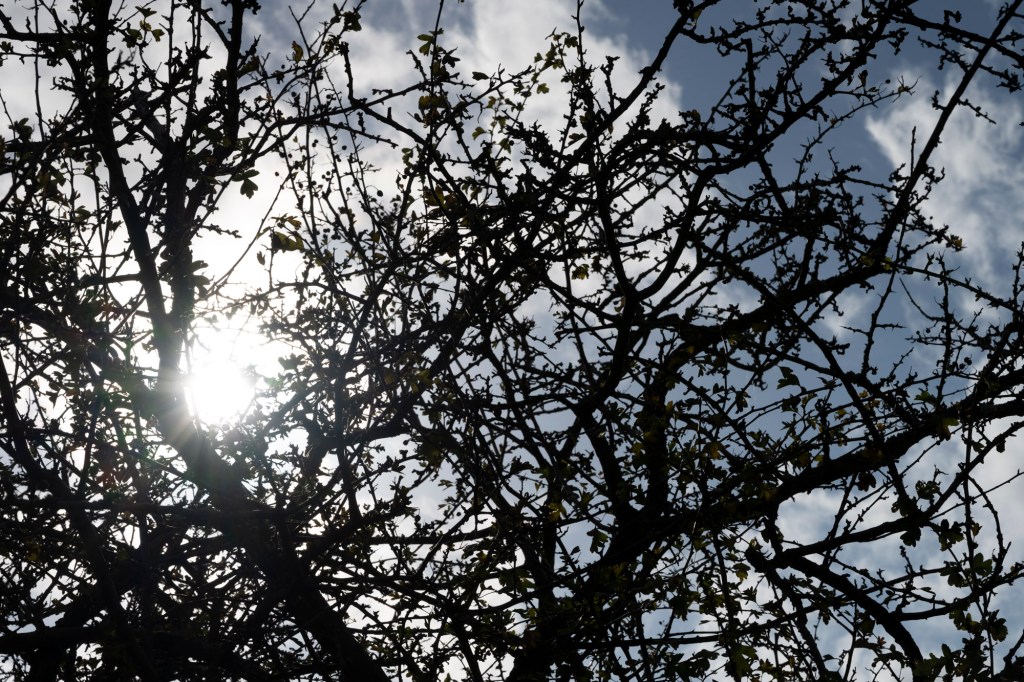
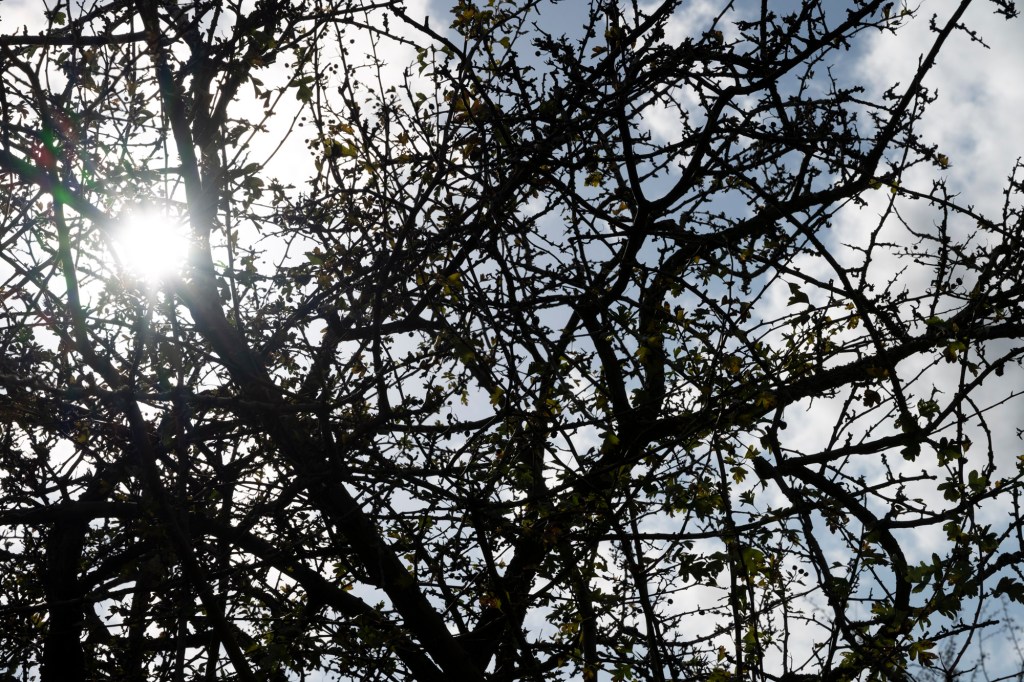
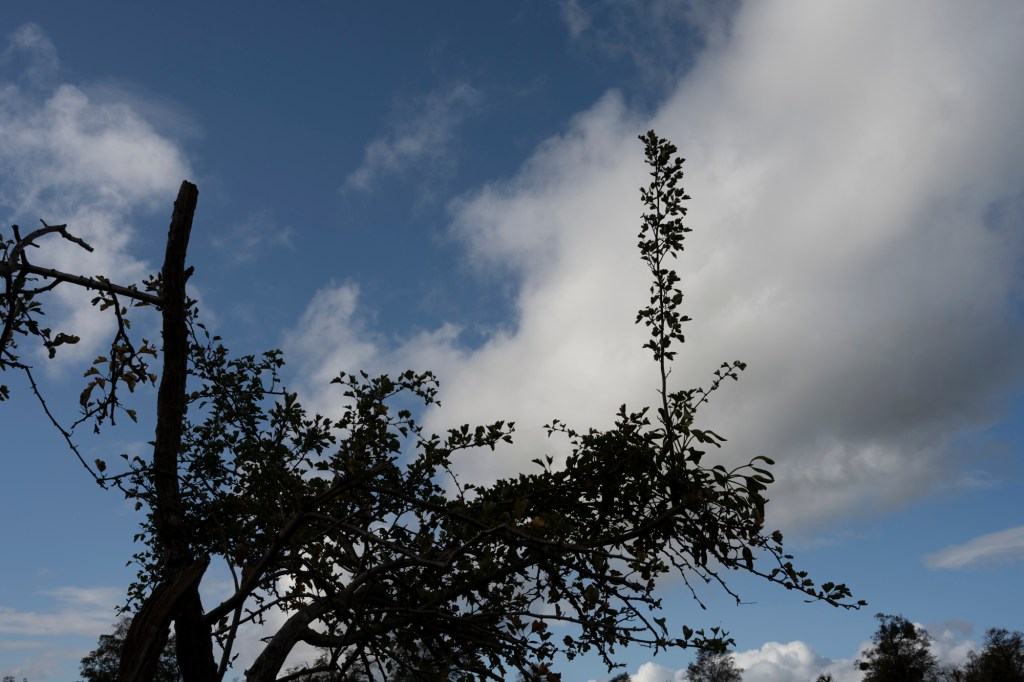
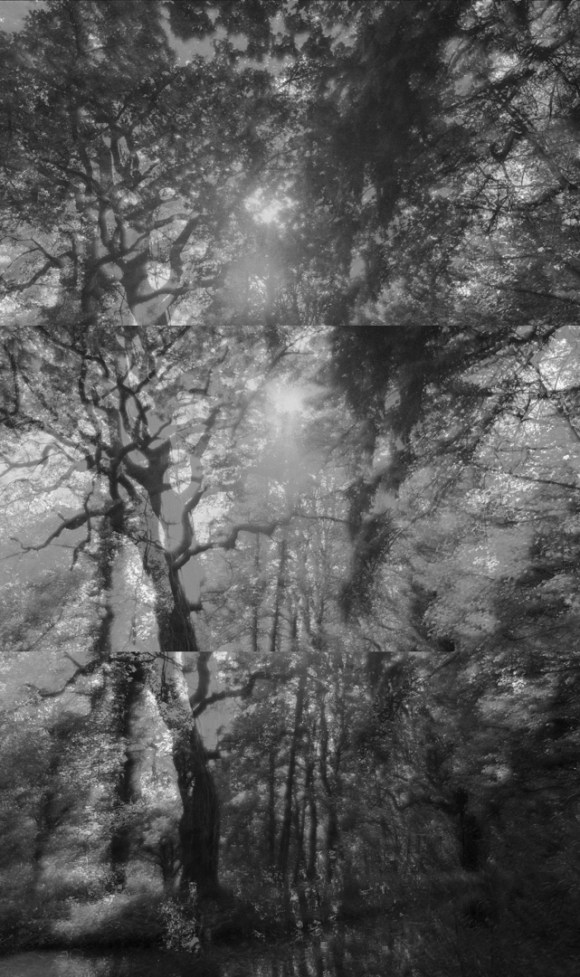
However, seen at other angles, something quite magical happens.
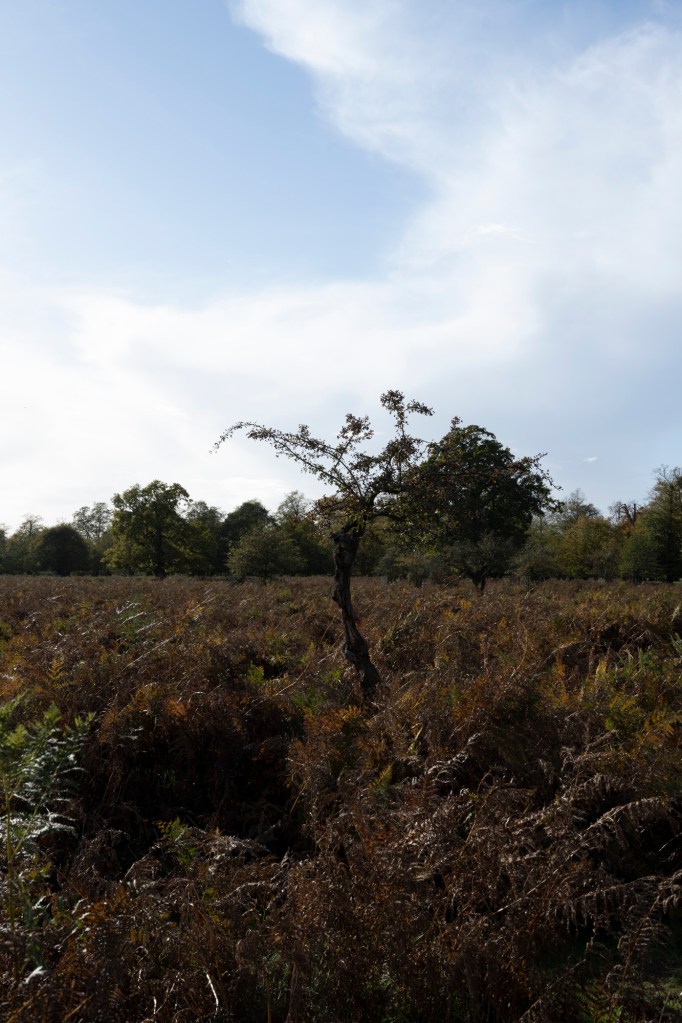
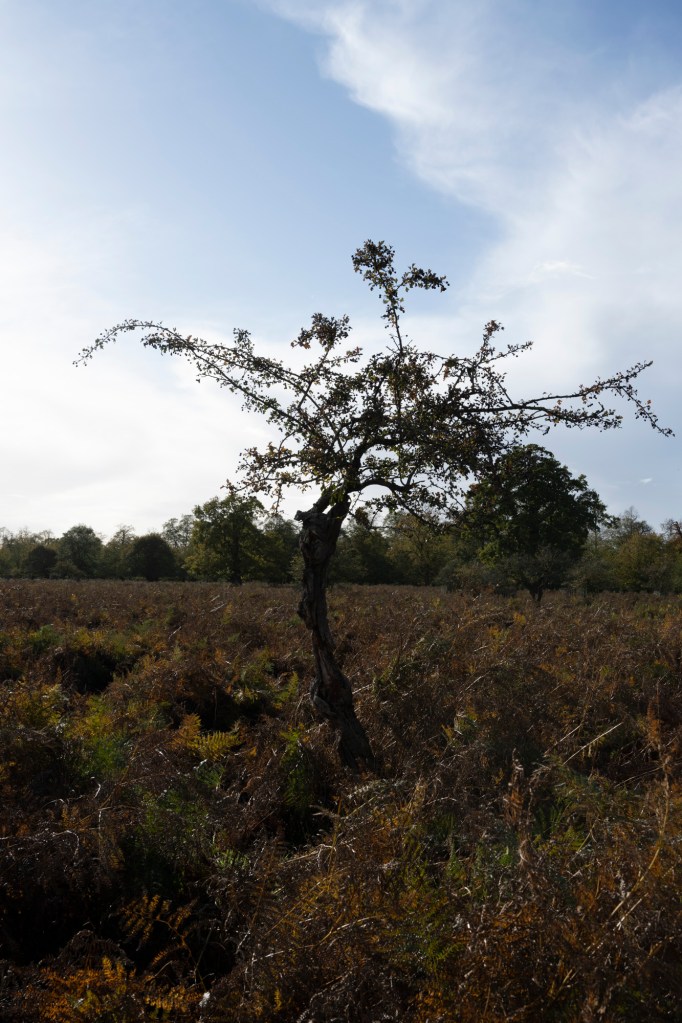
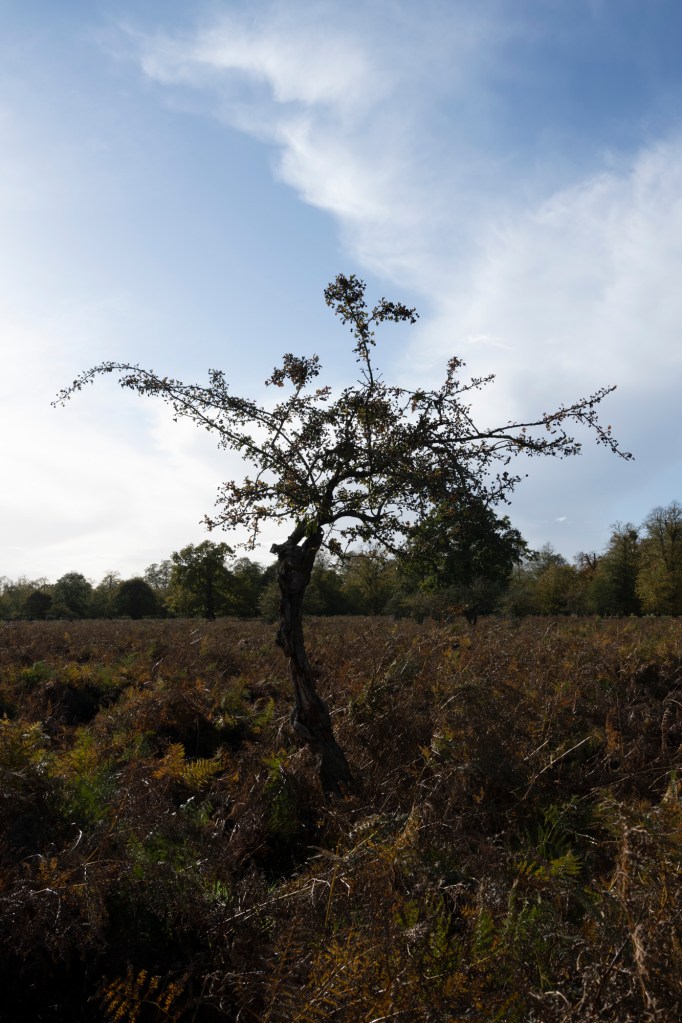
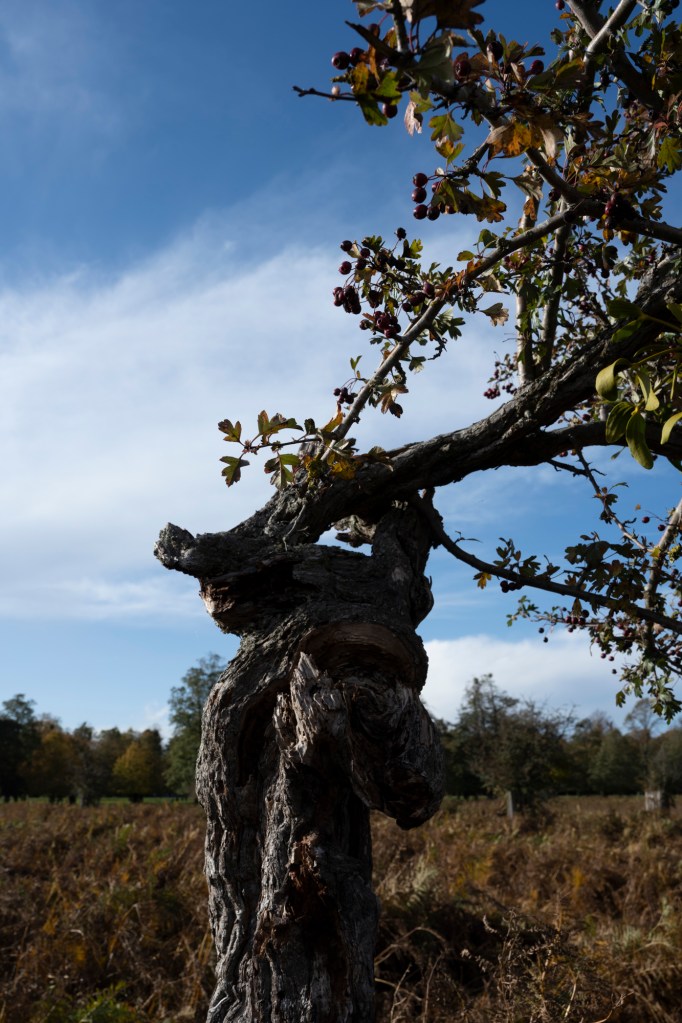
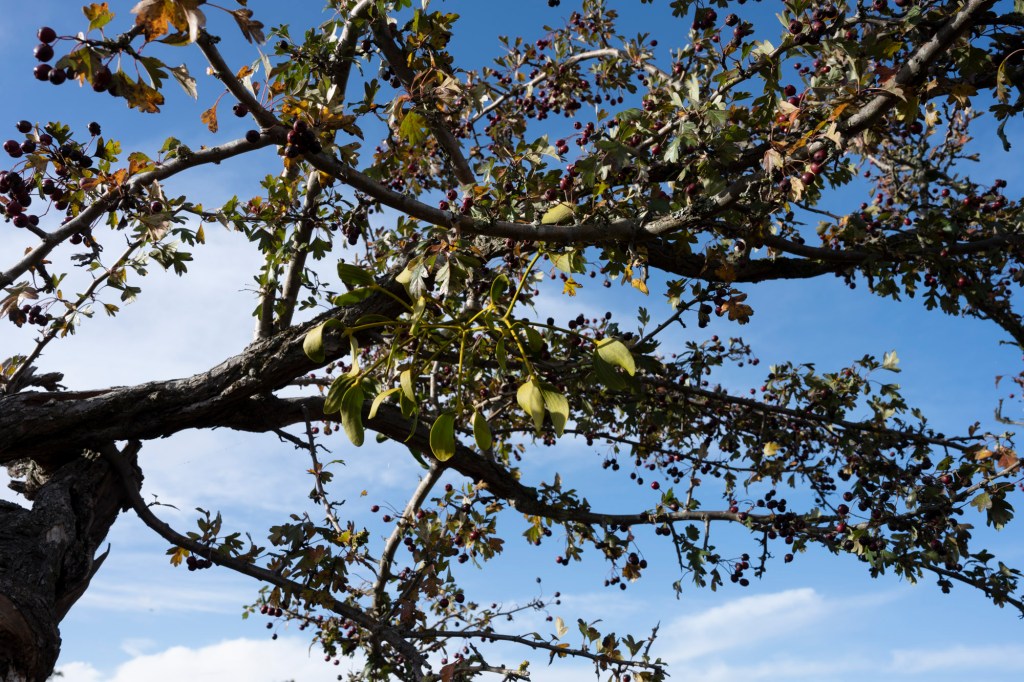
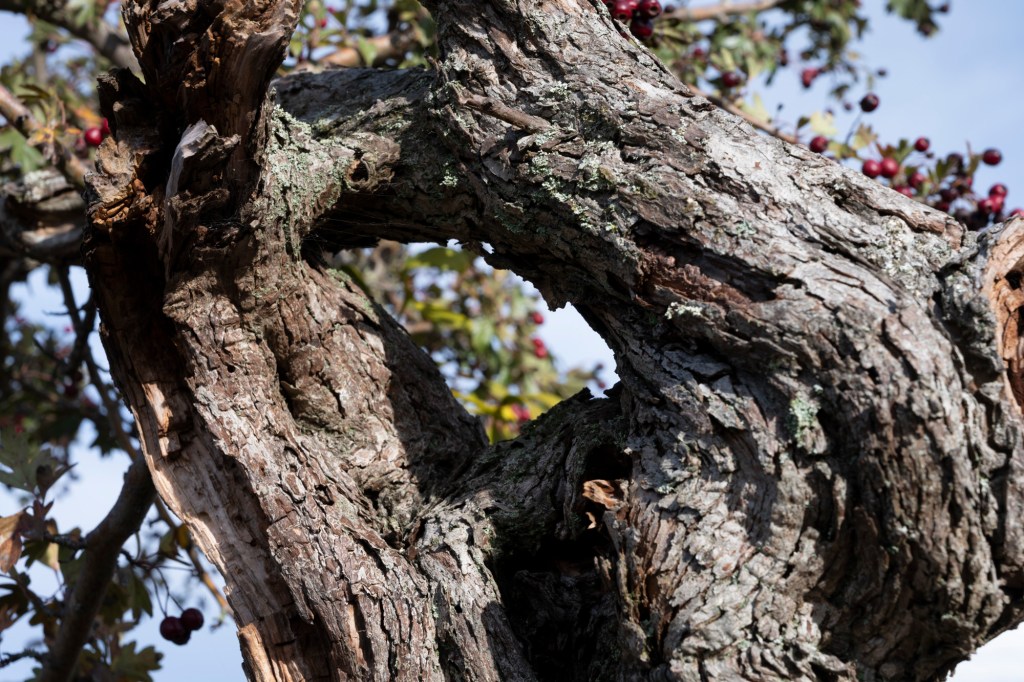
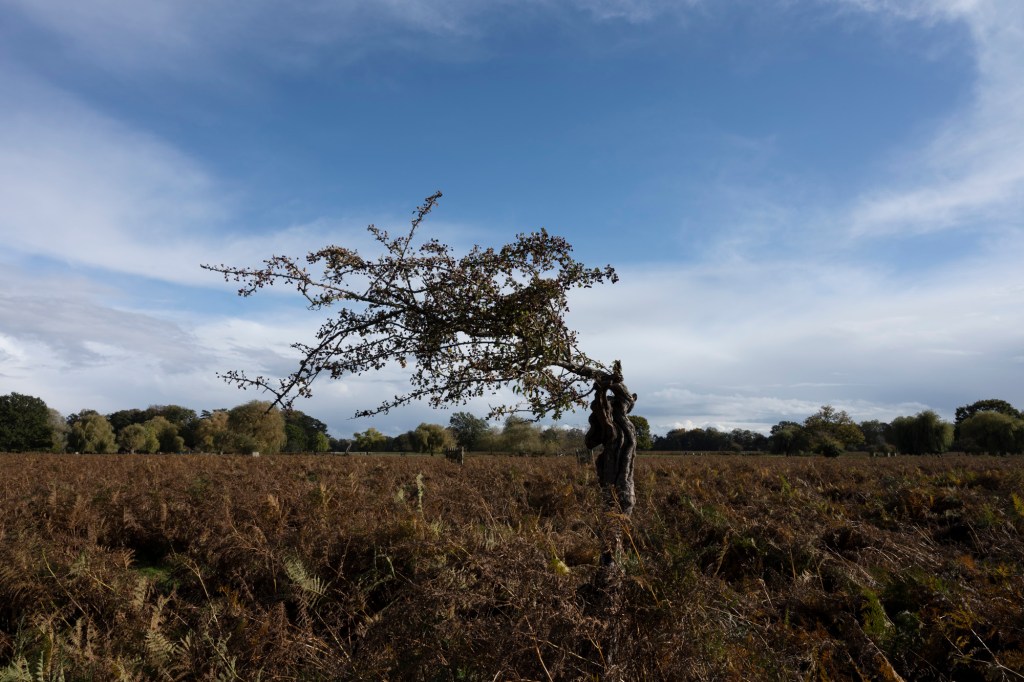
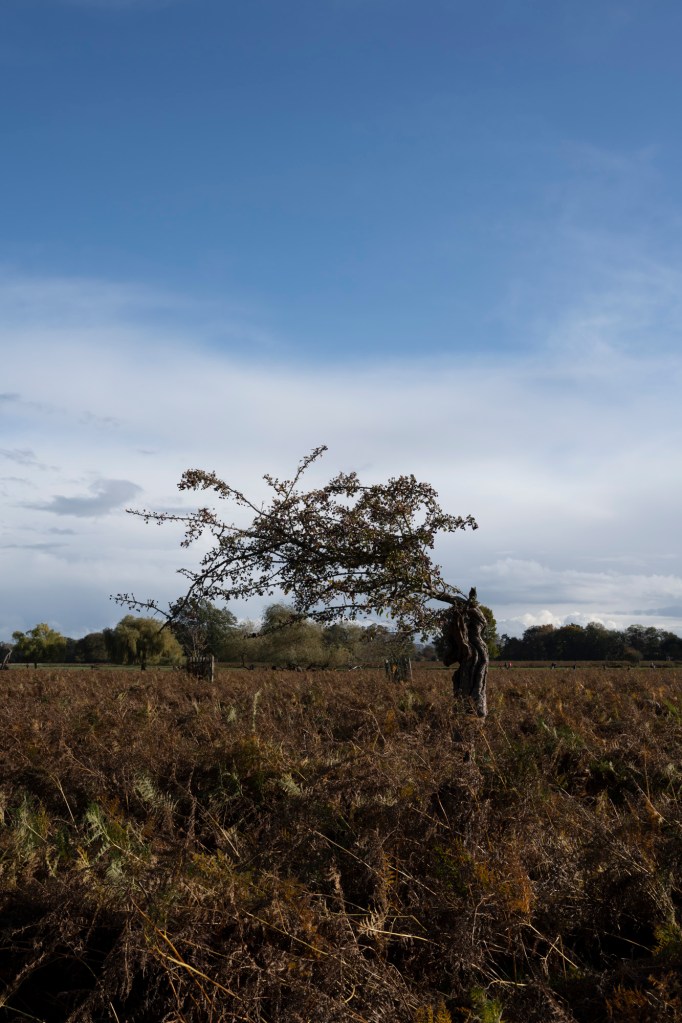
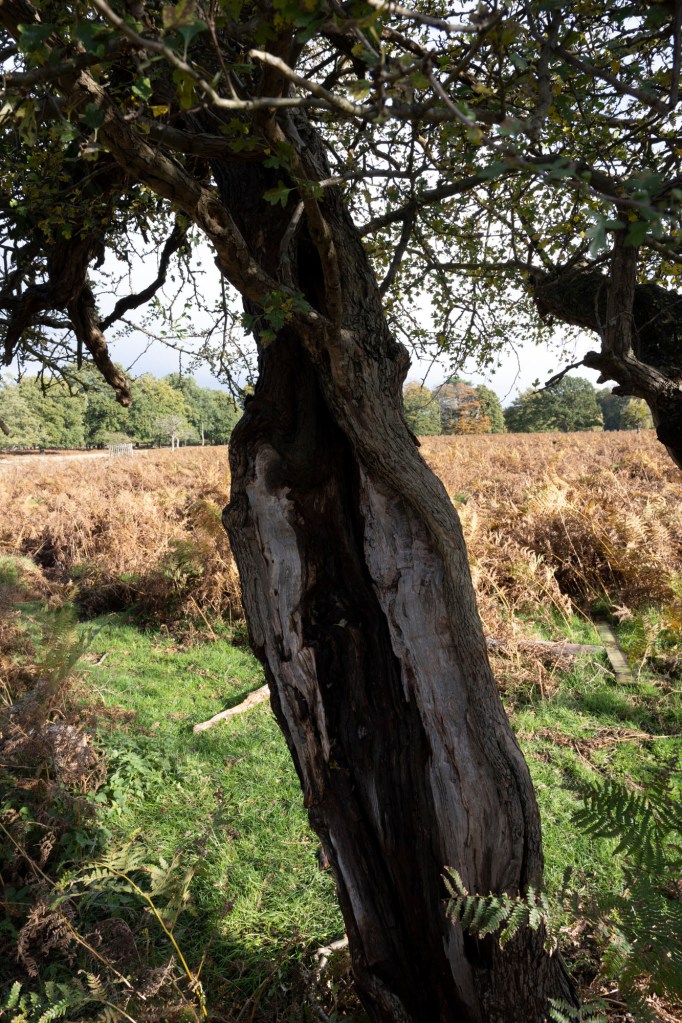
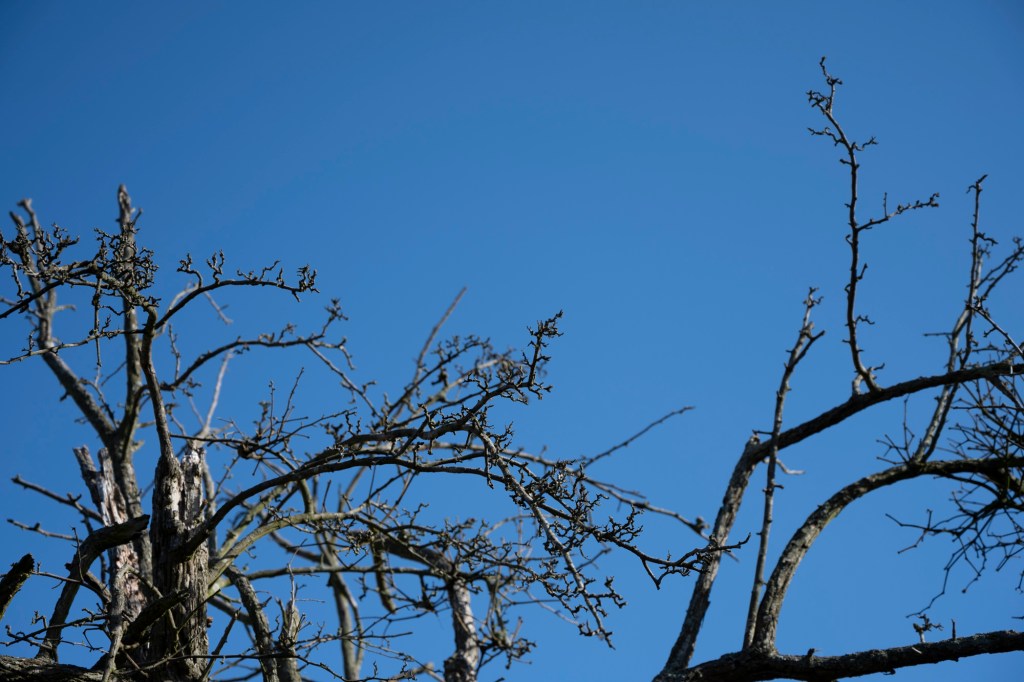
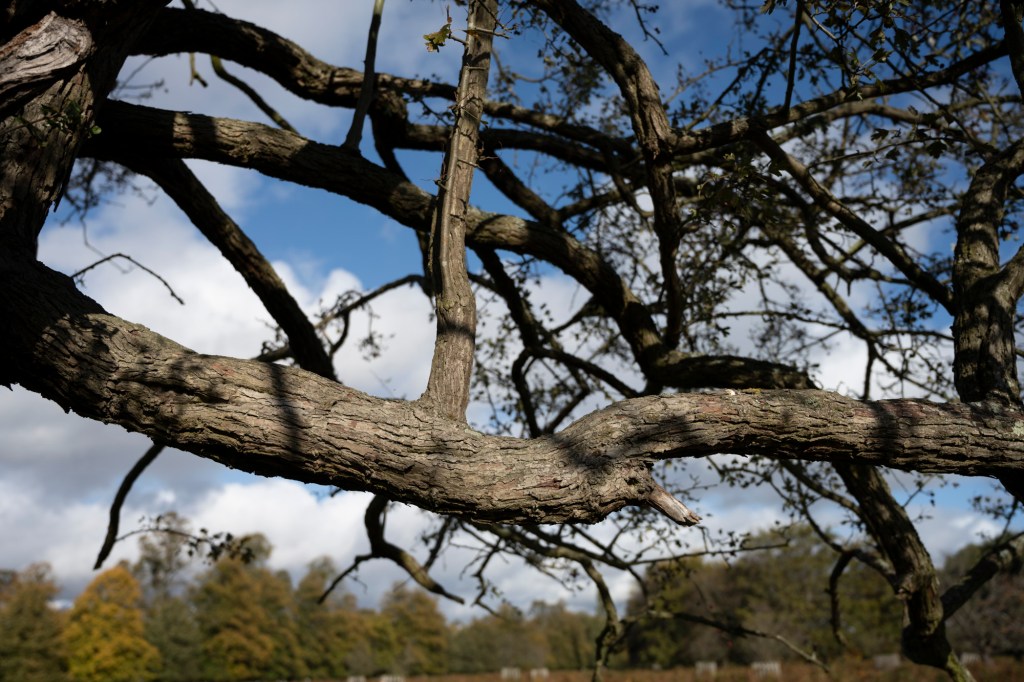
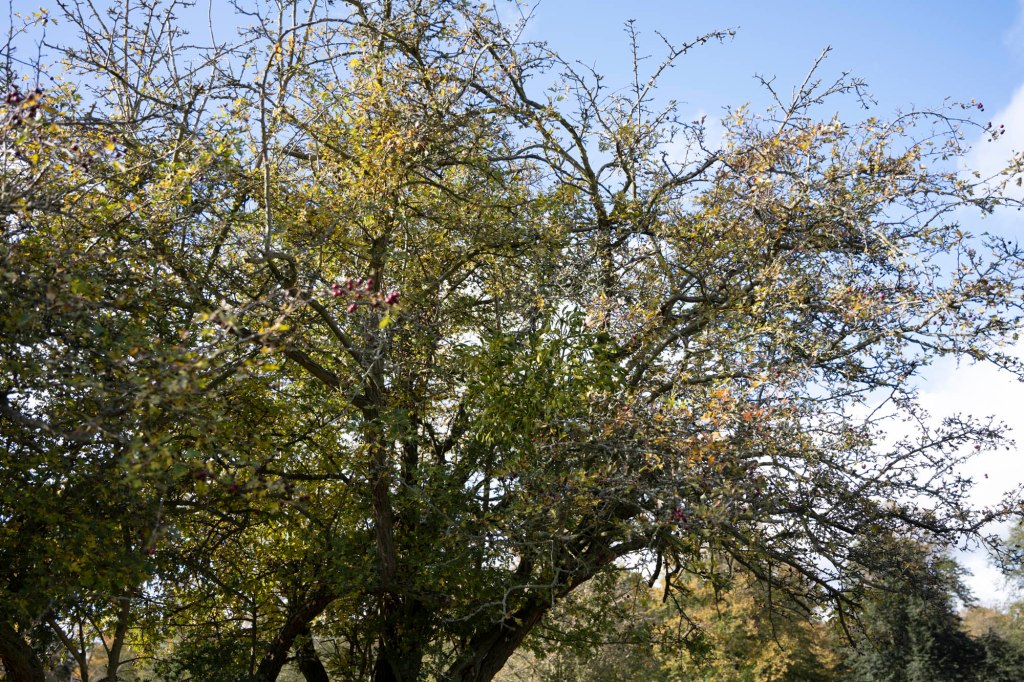
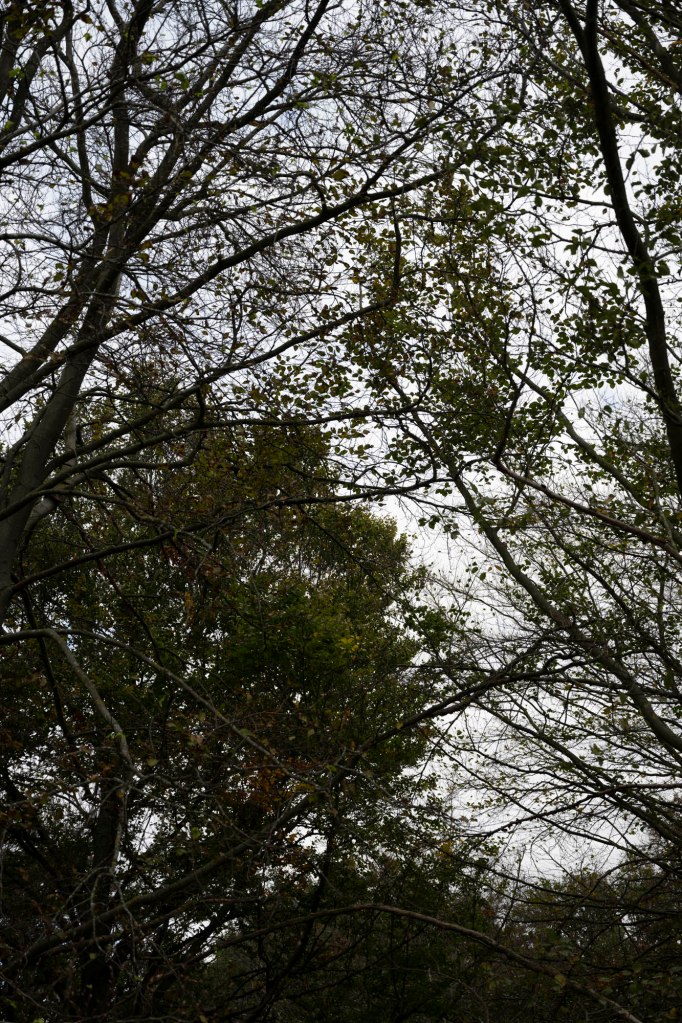
I also tried photographing from a lower angle, crouching down rather than standing to take a shot.
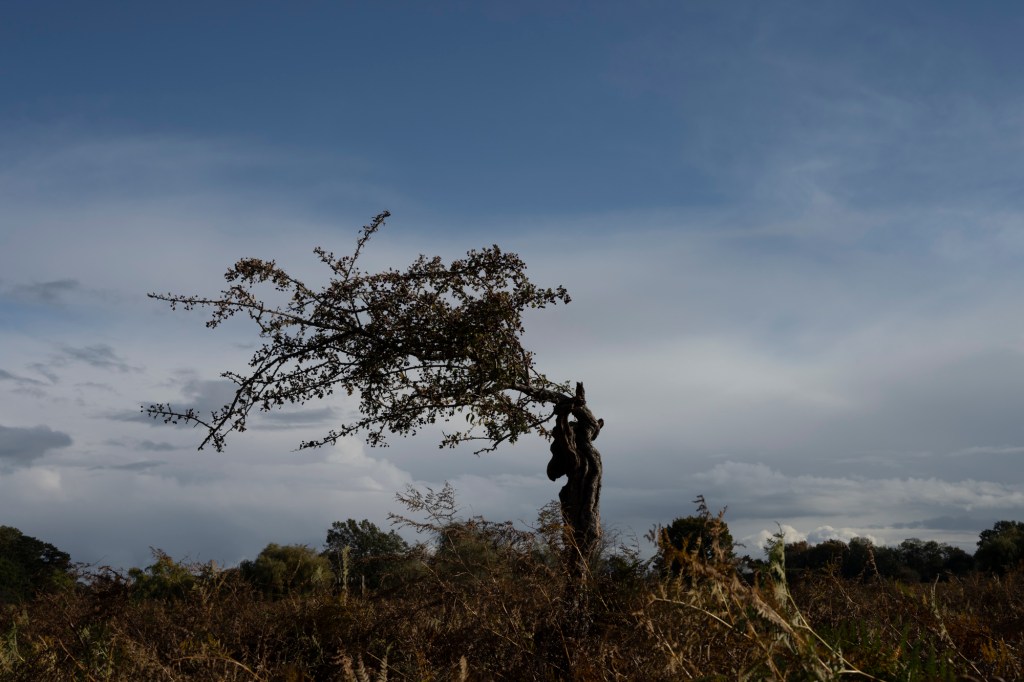
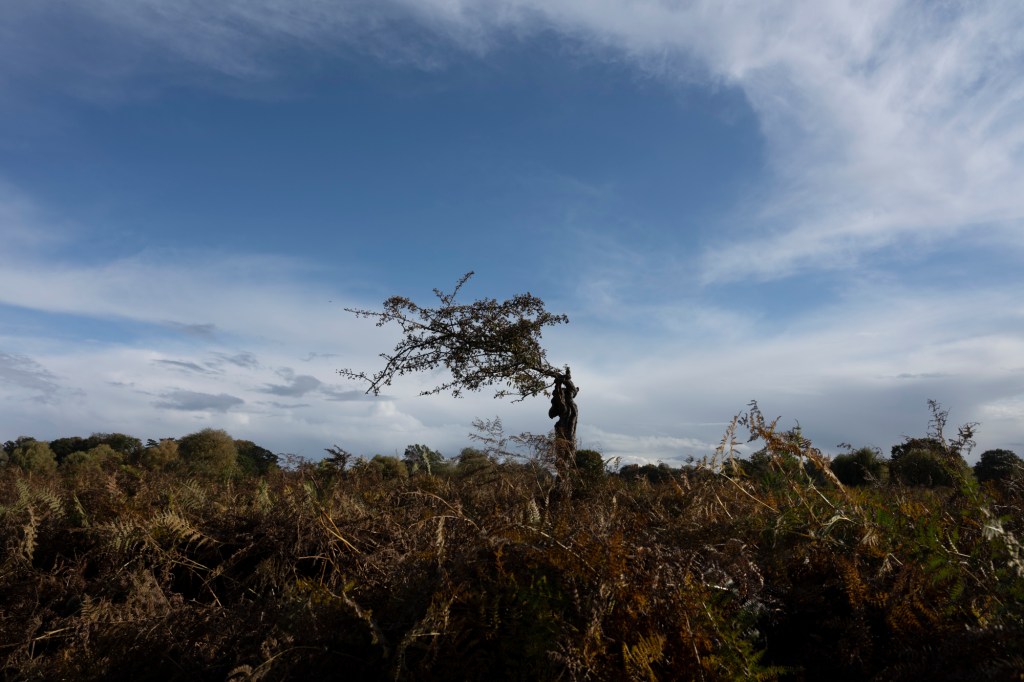
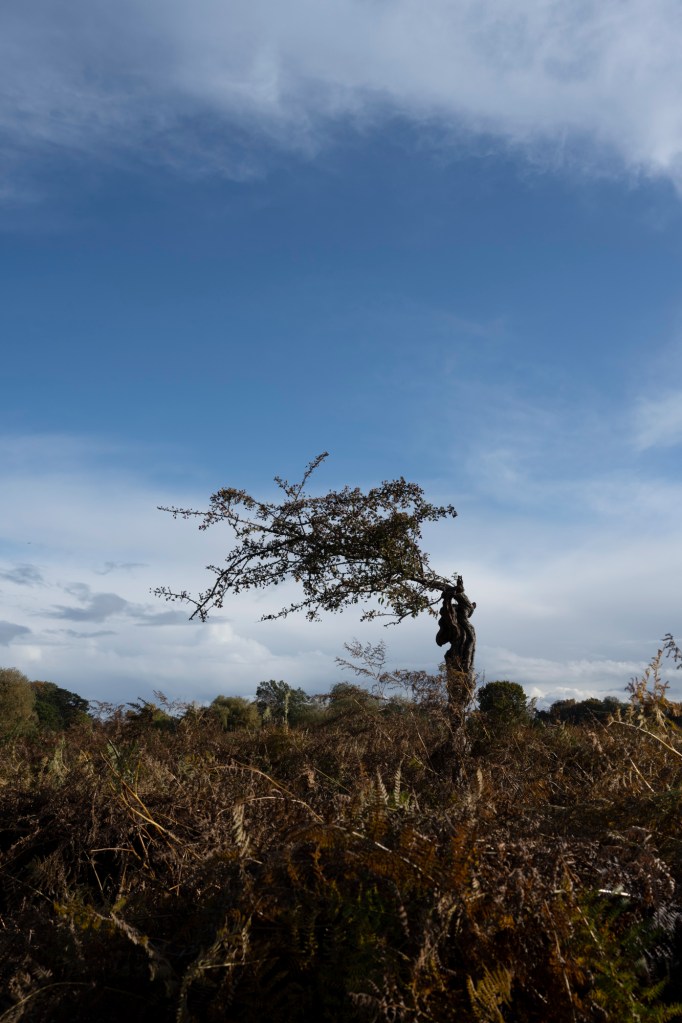
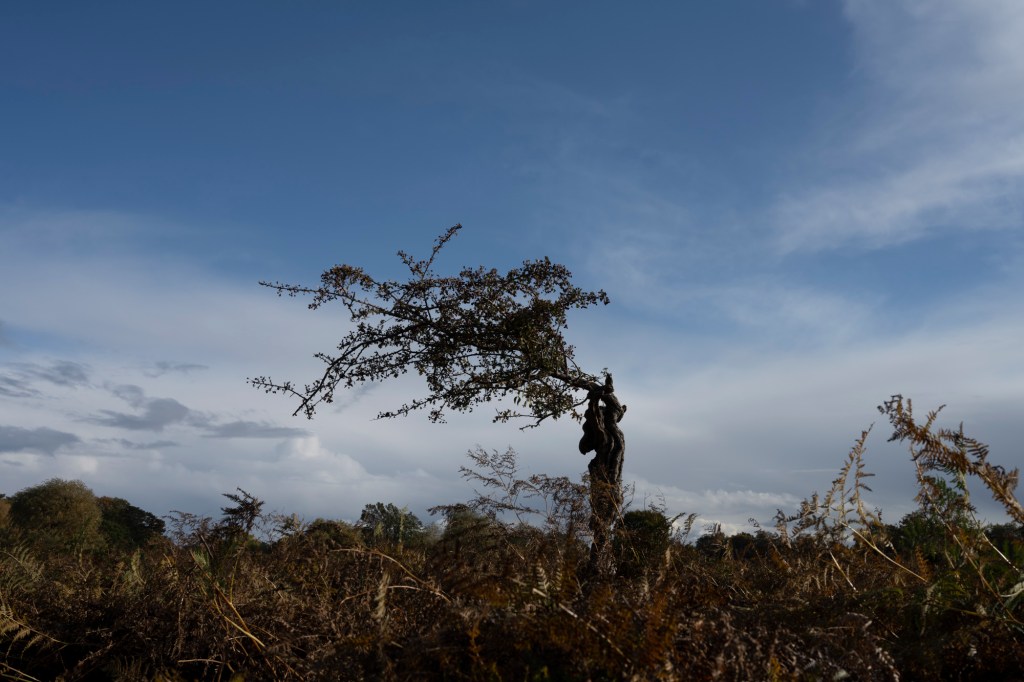
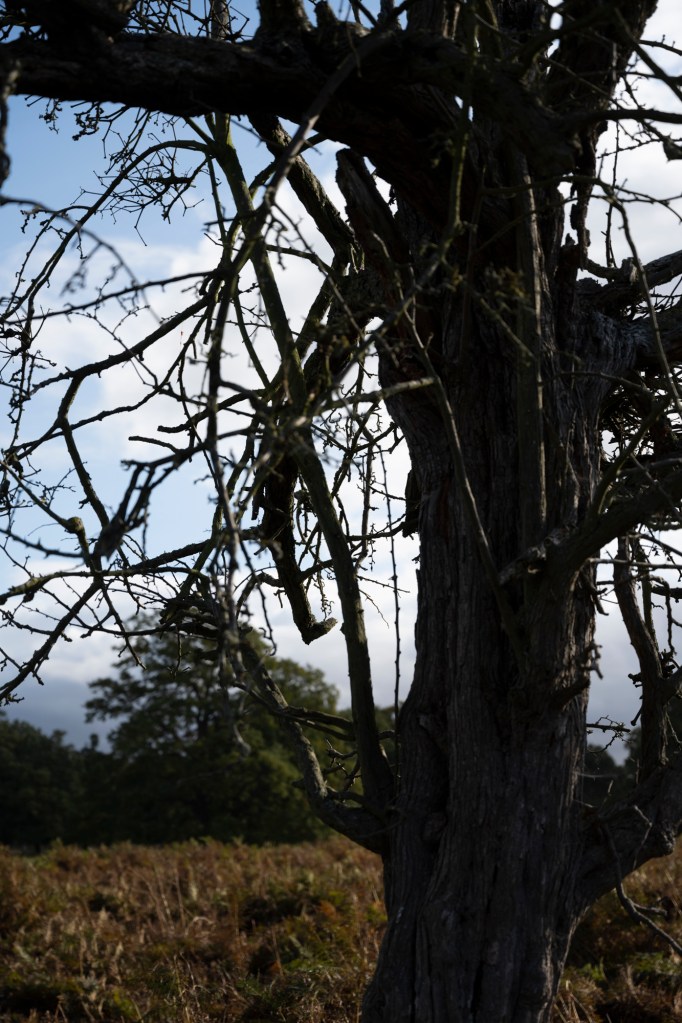
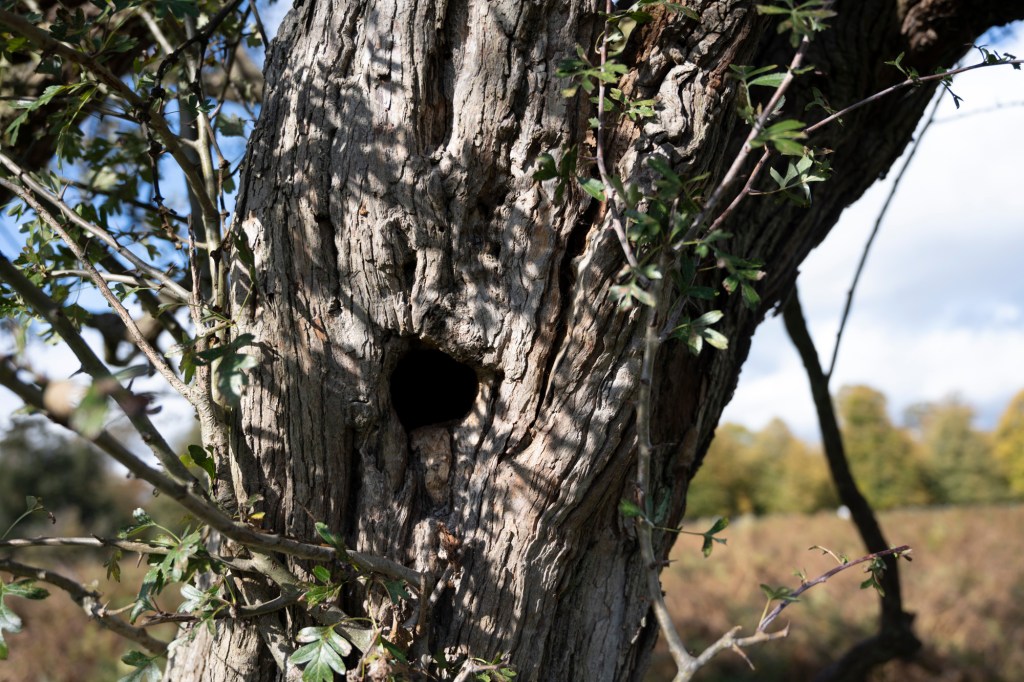
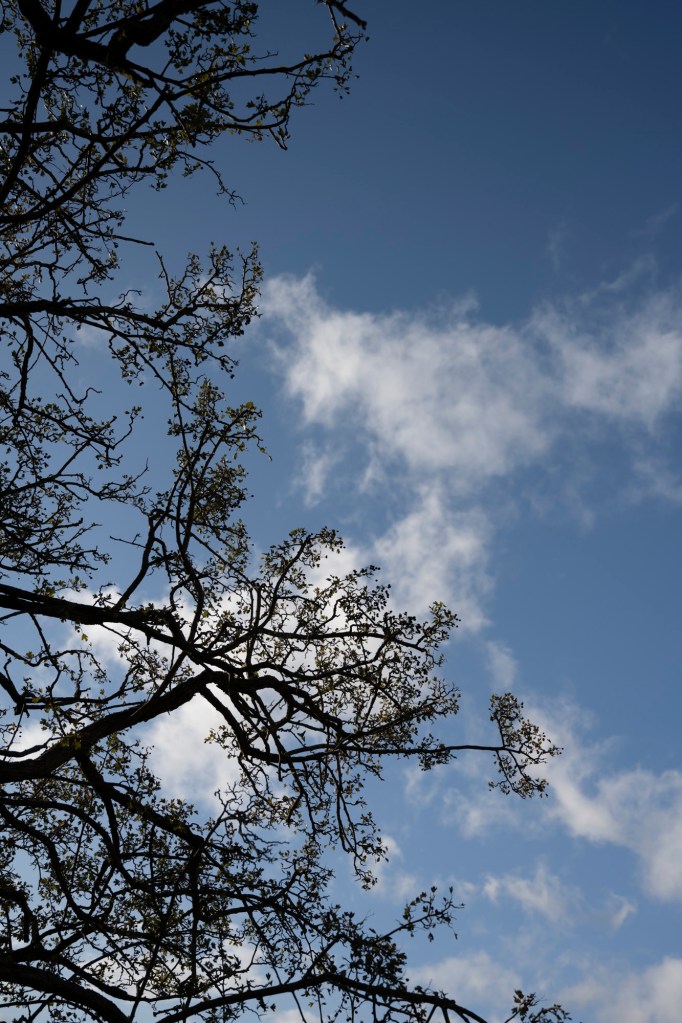
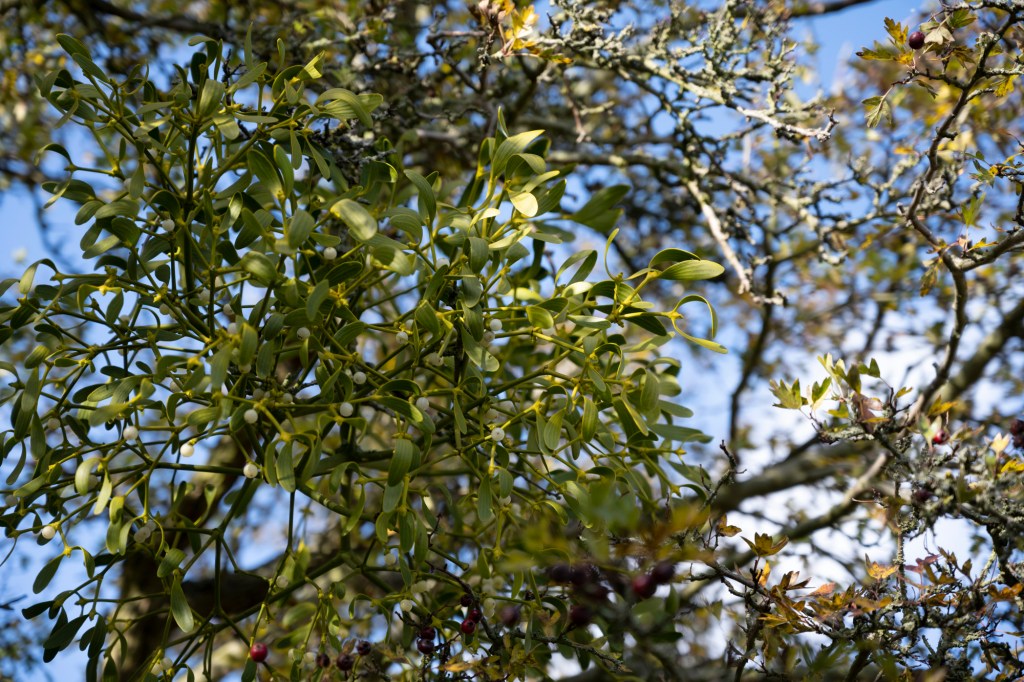
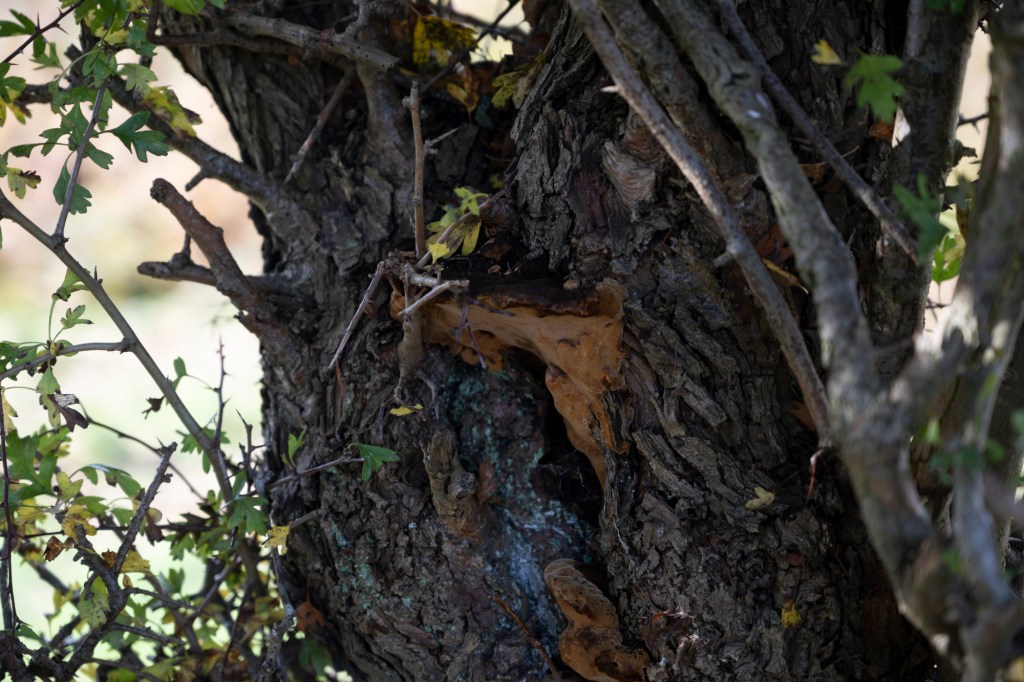
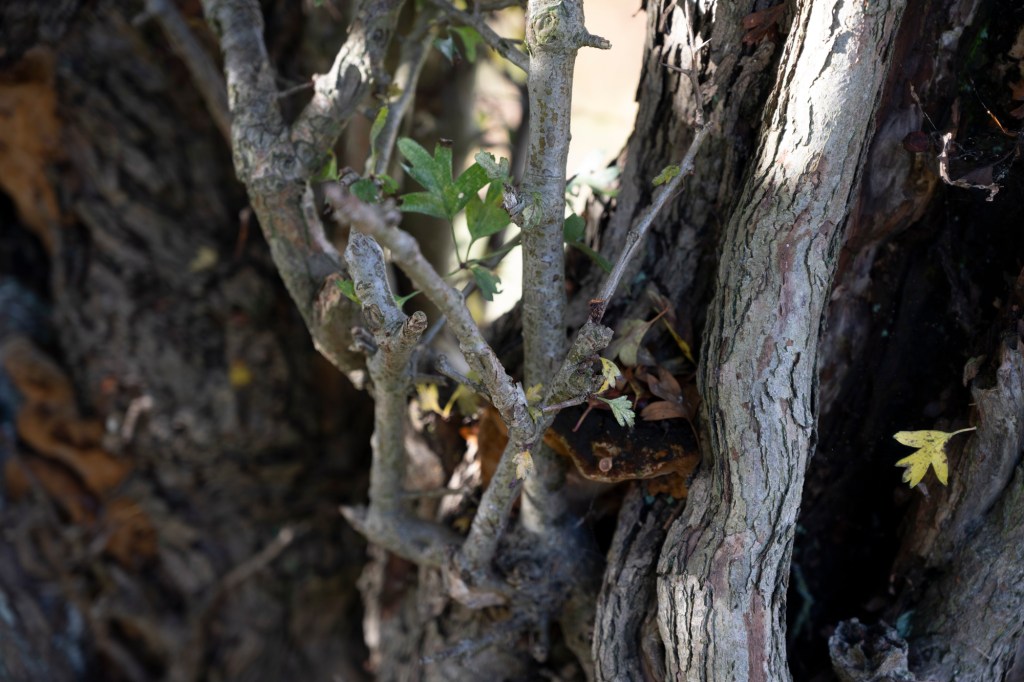
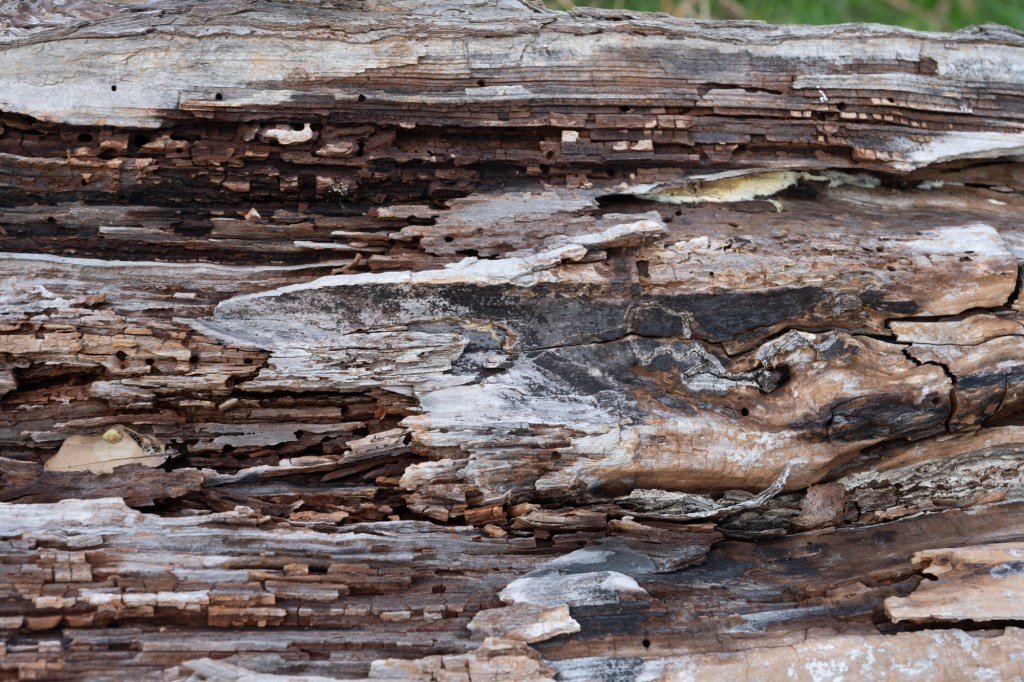
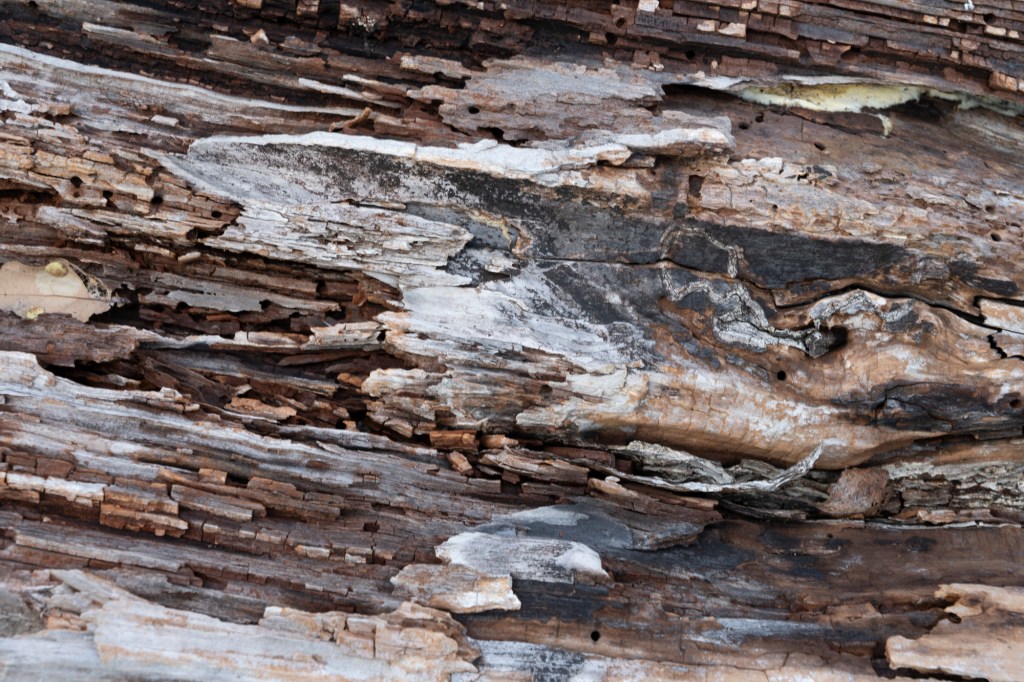
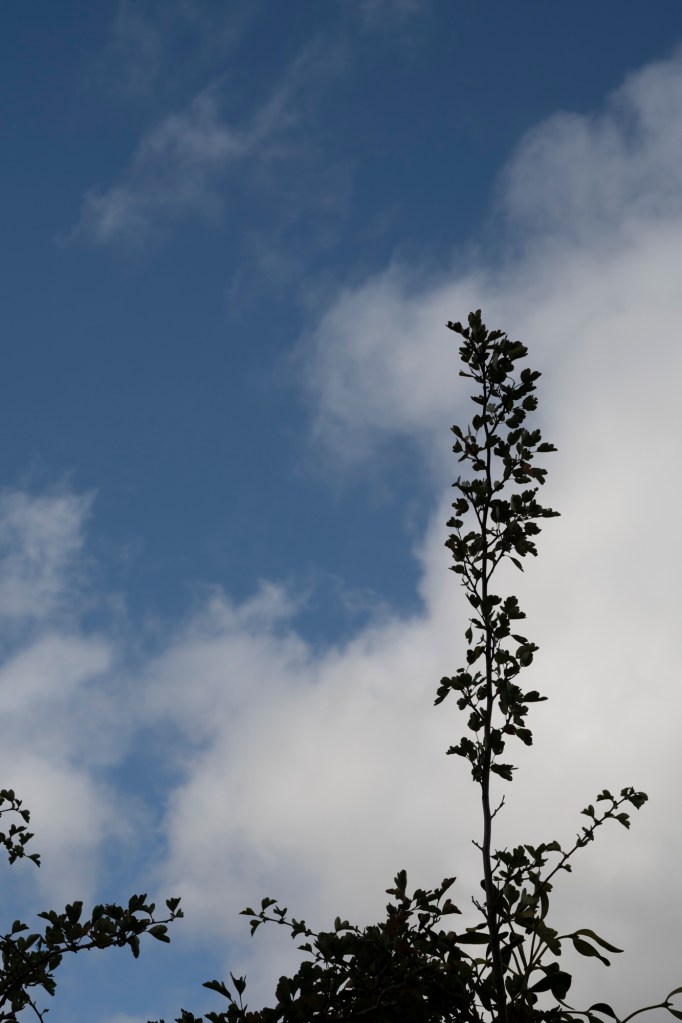
I then took some more close ups at a different angle.
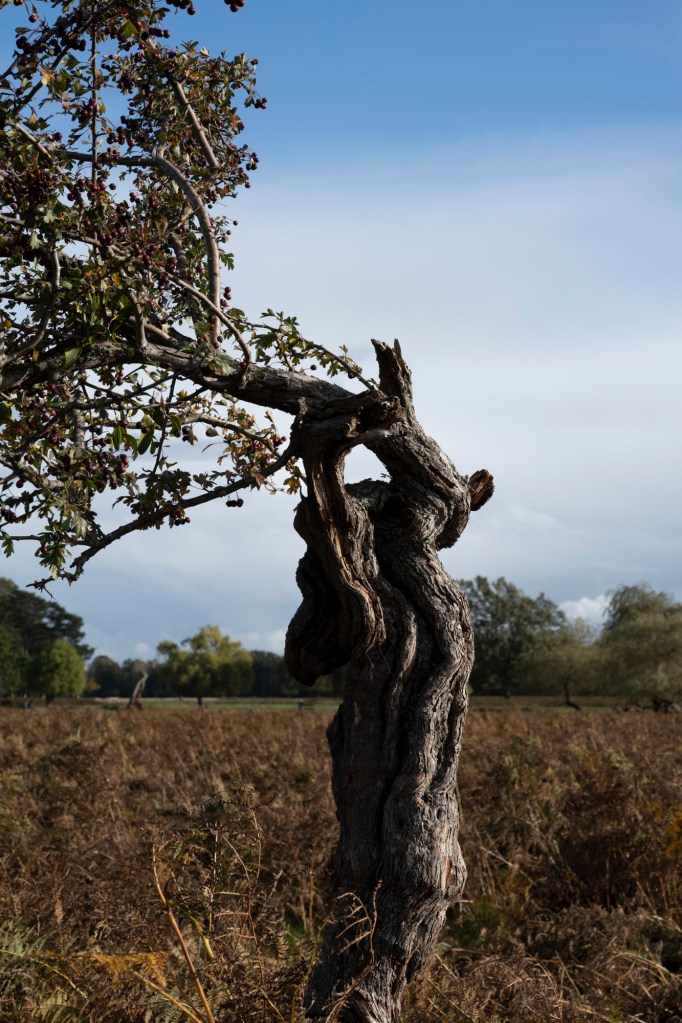
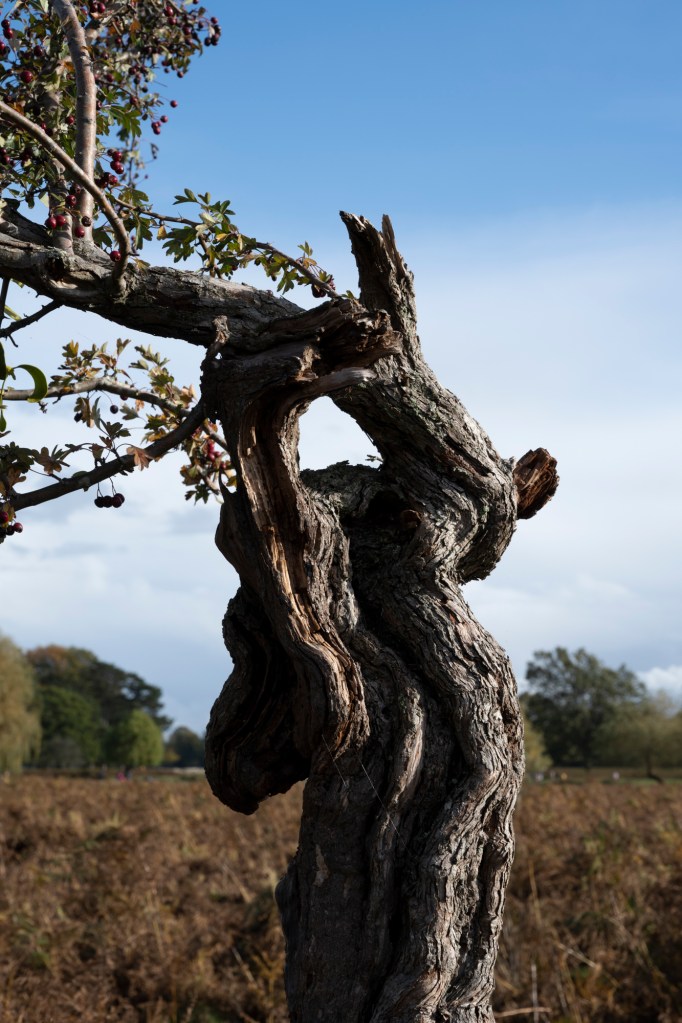
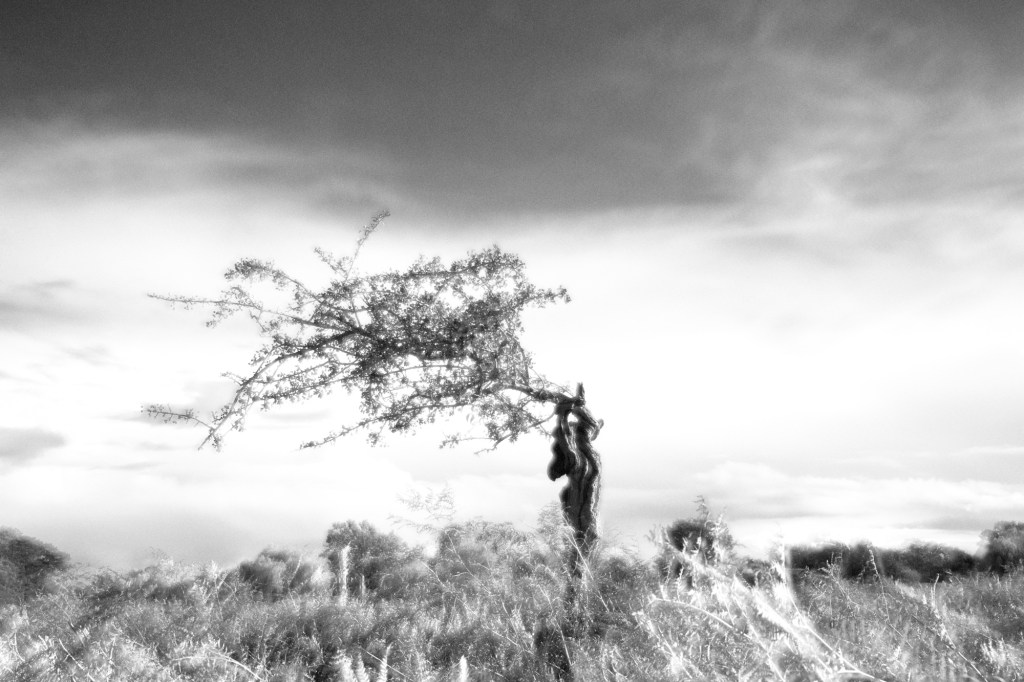
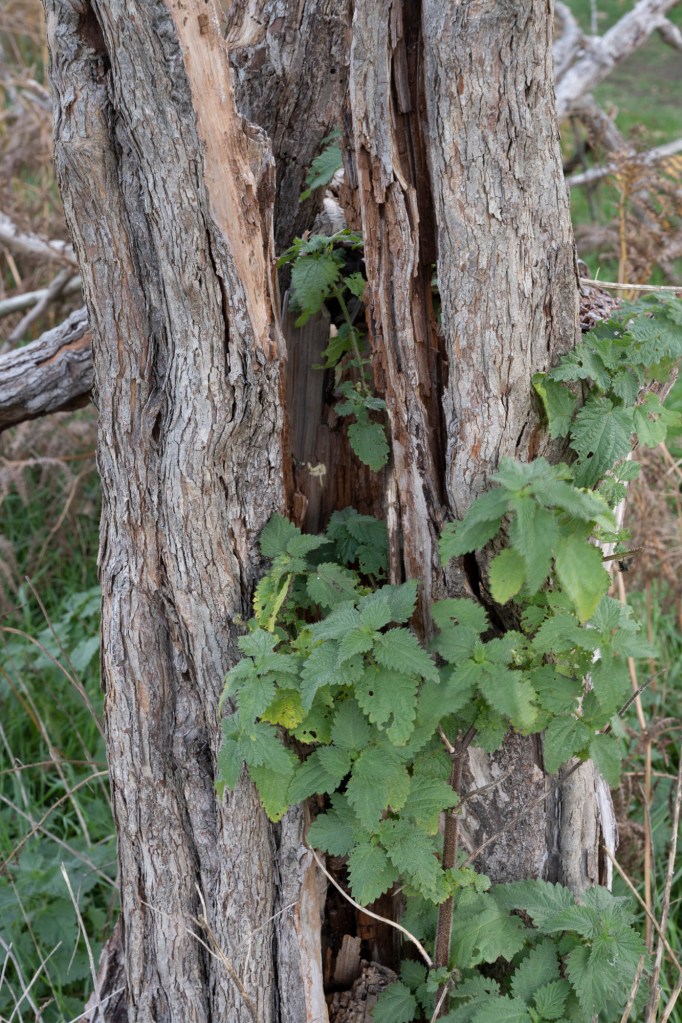
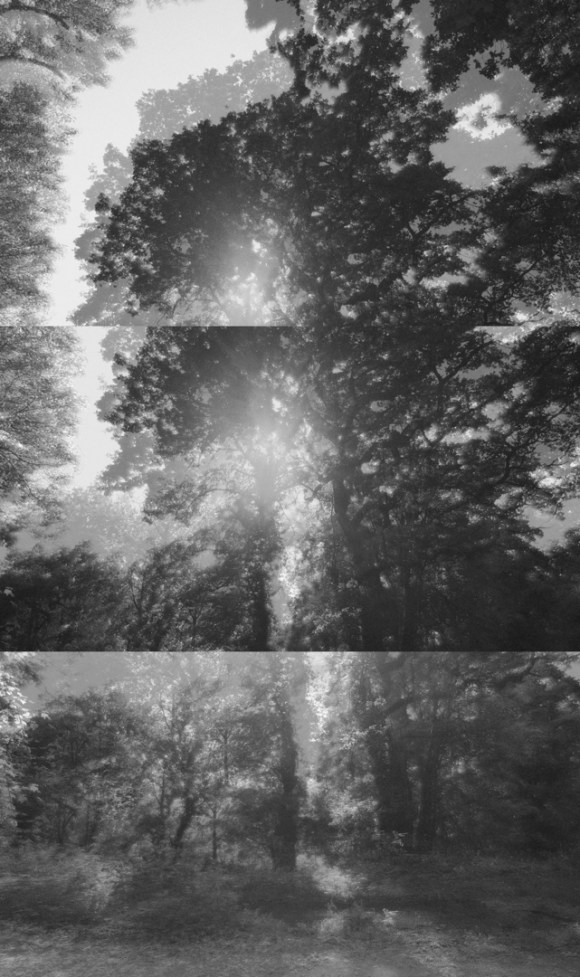
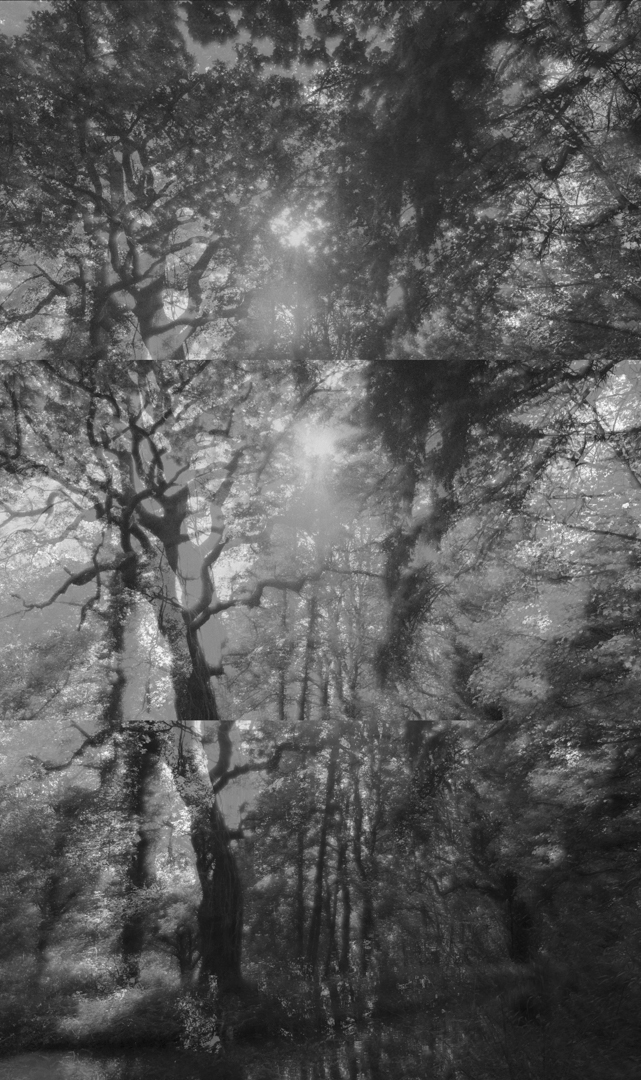
The following is one of the shots of this tree on the left and the Black & White conversion with a slight crop in the middle and a version using my digital infra red recipe on the right.
Tree Eight
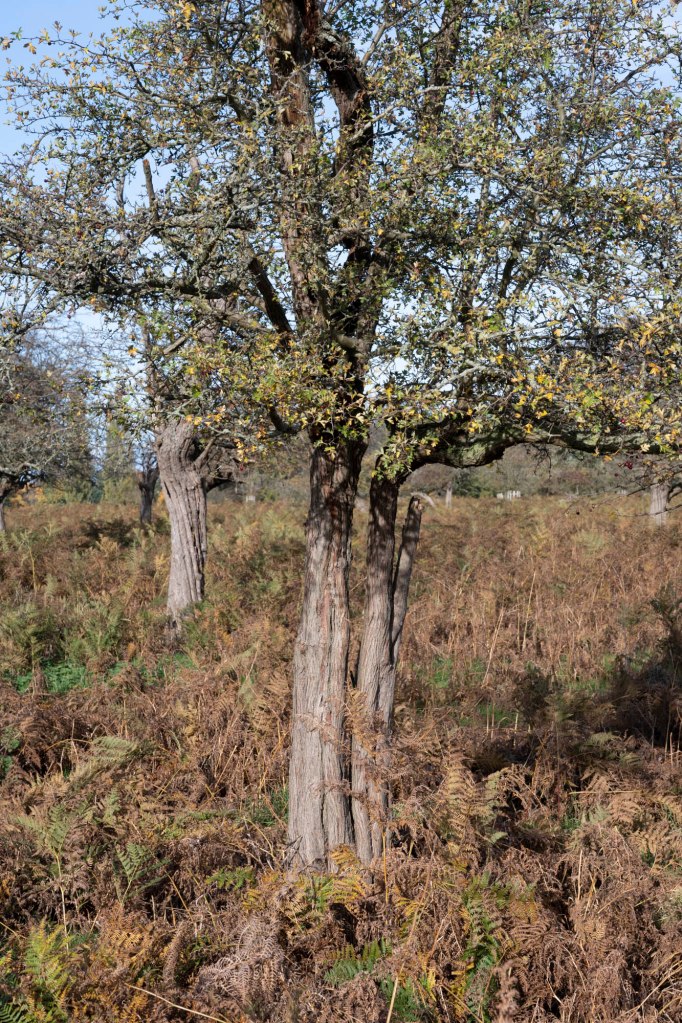
Tree Nine
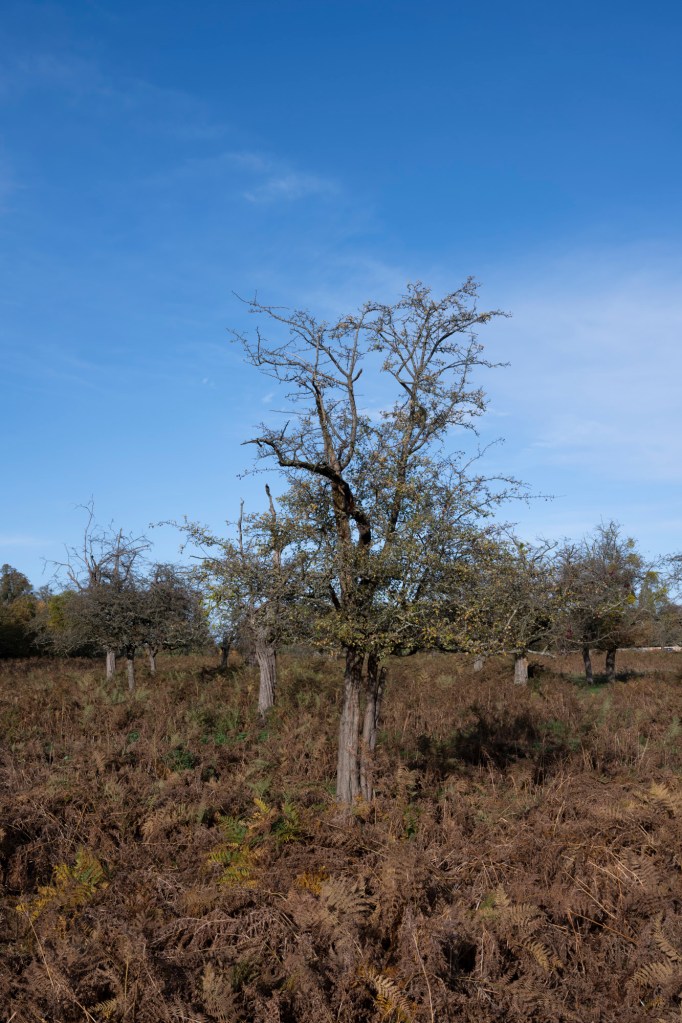
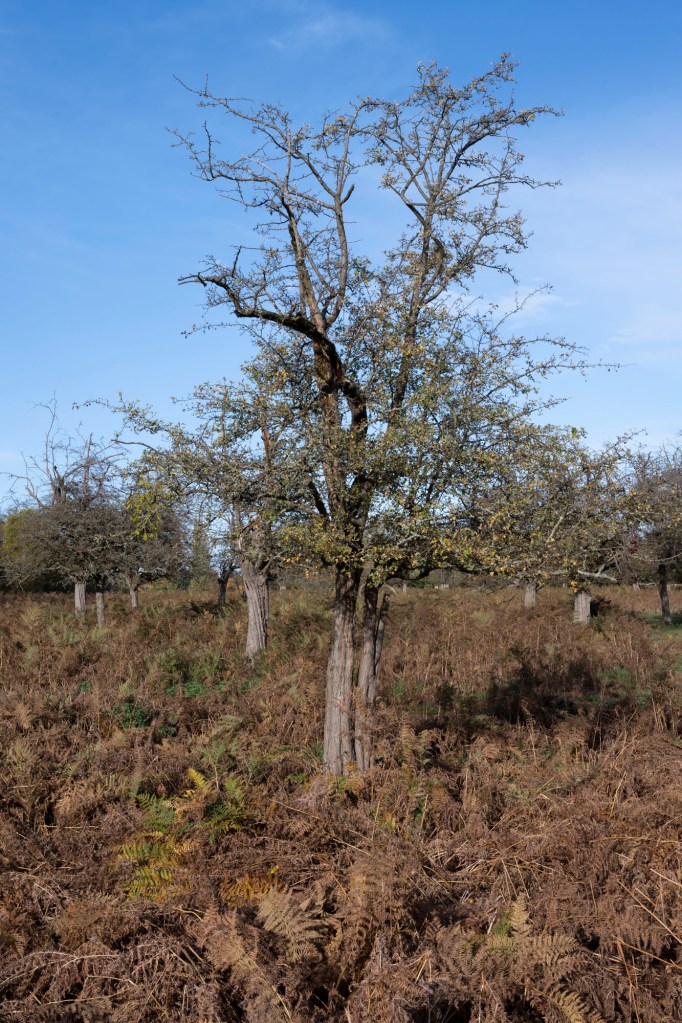
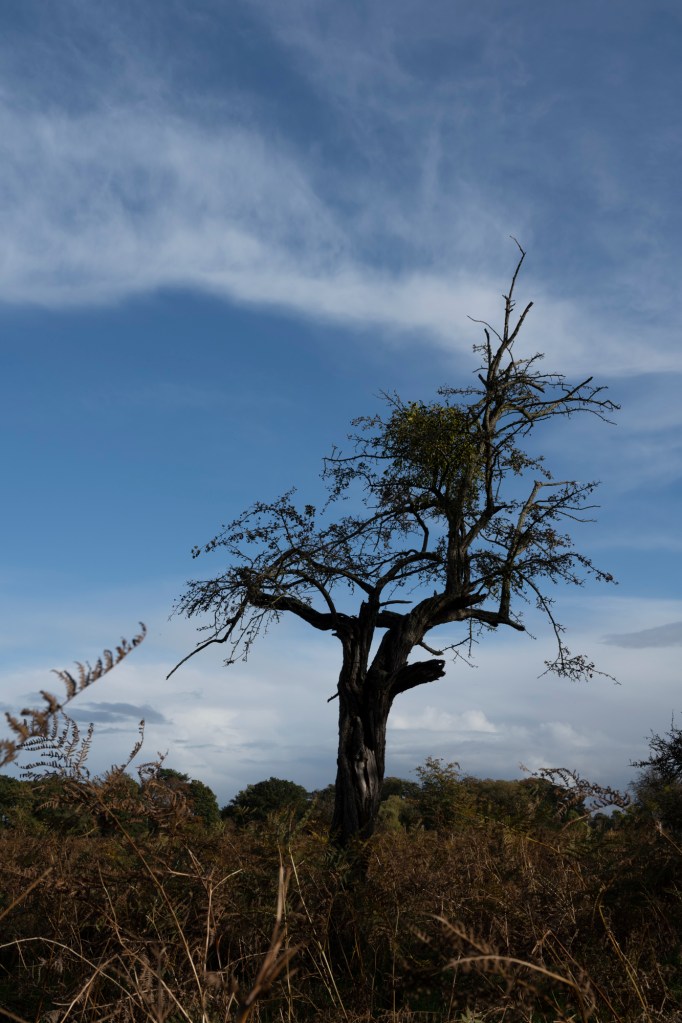
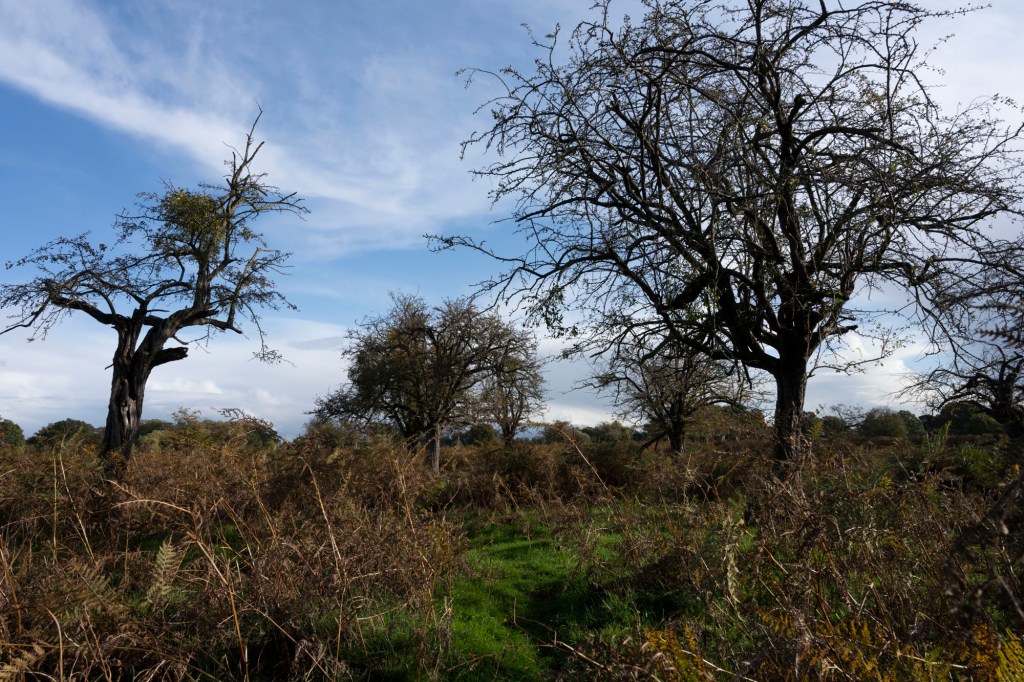
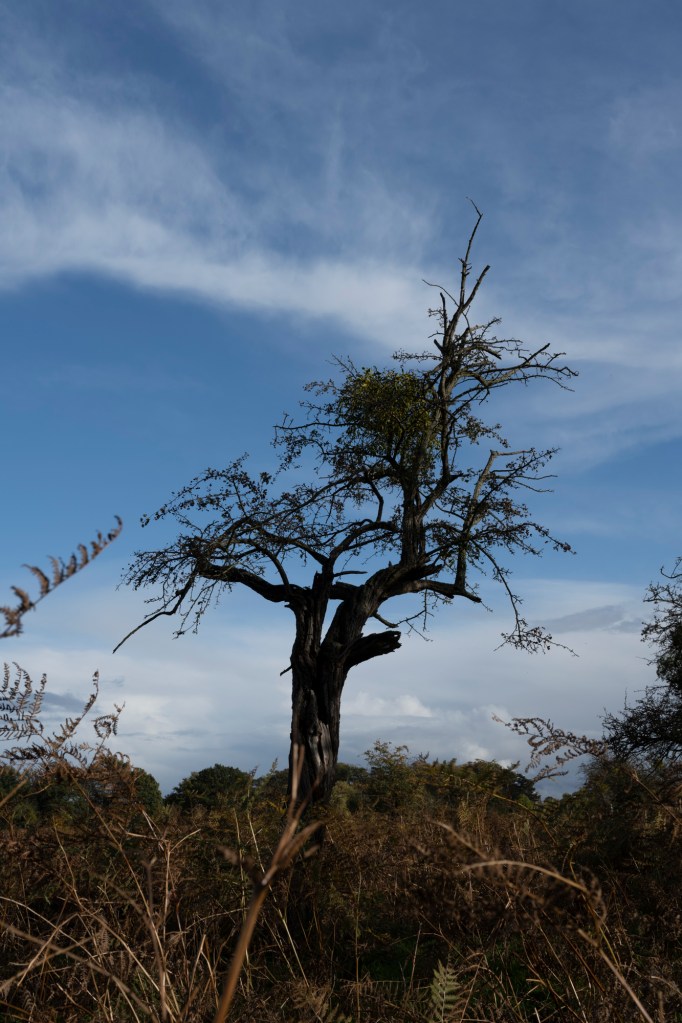
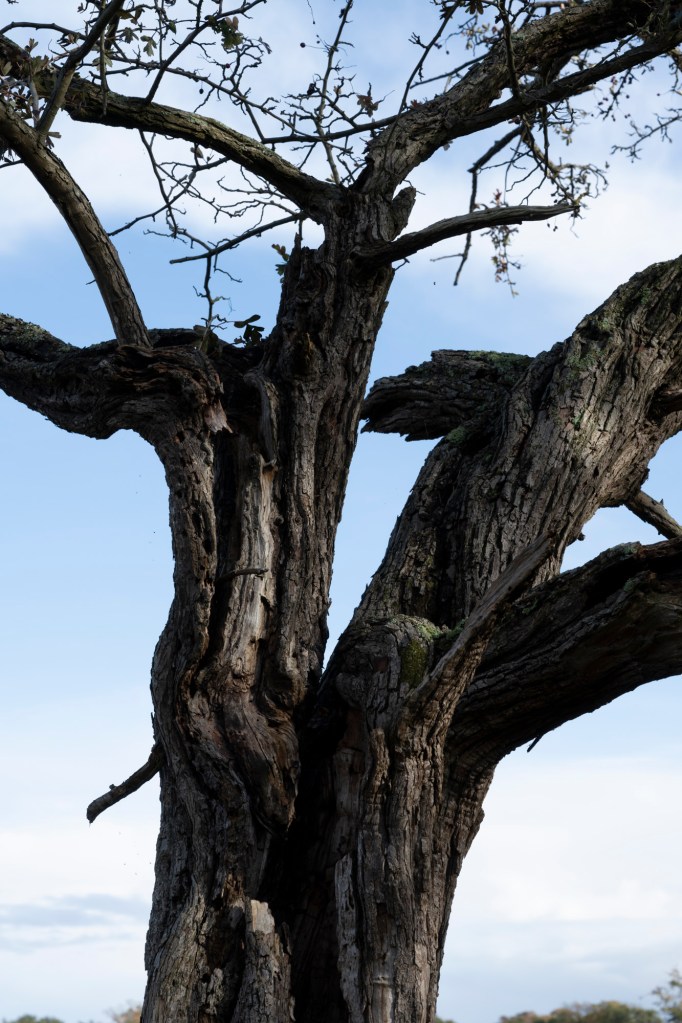
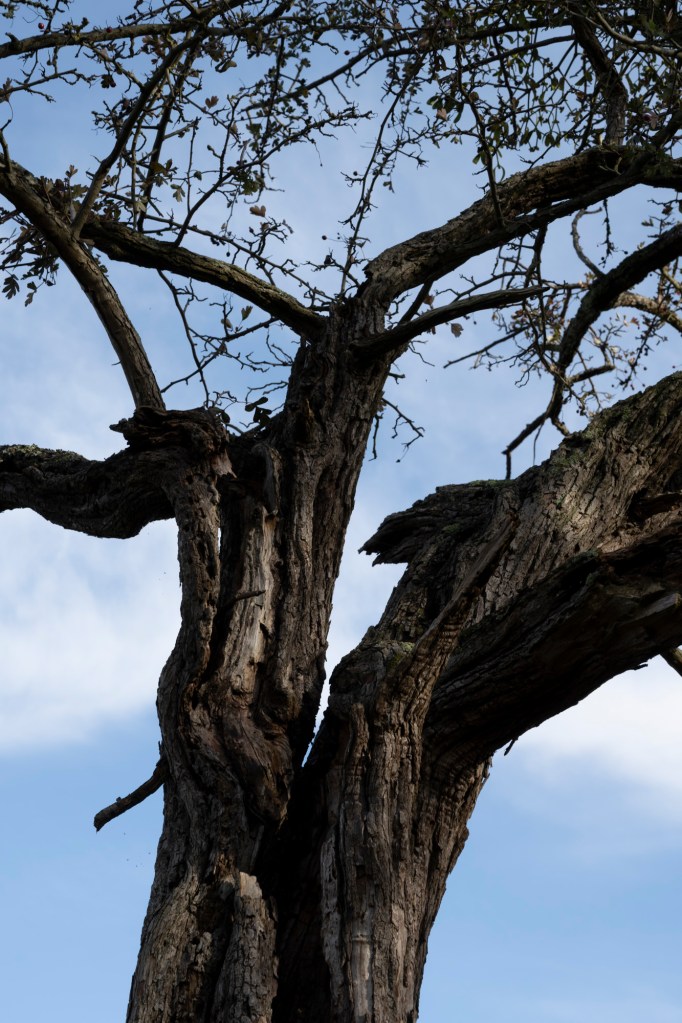
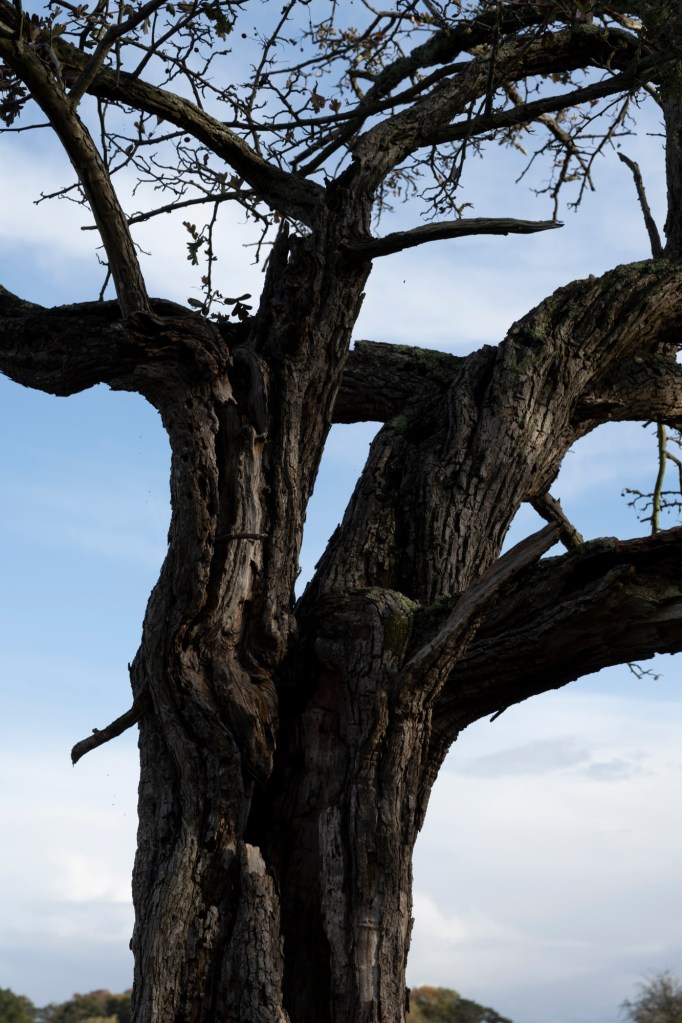
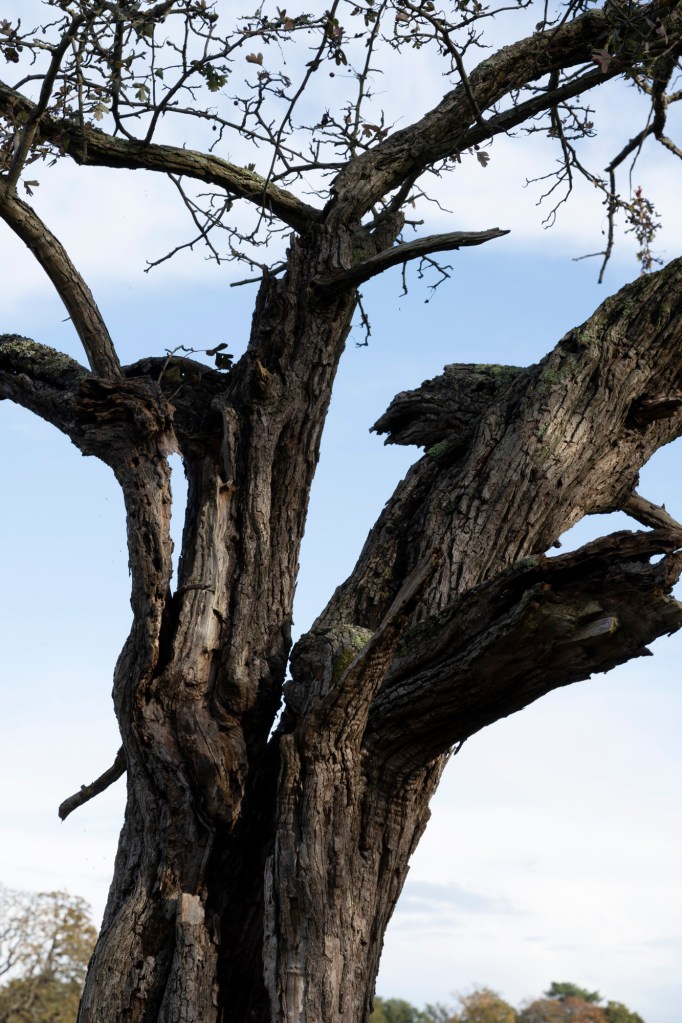
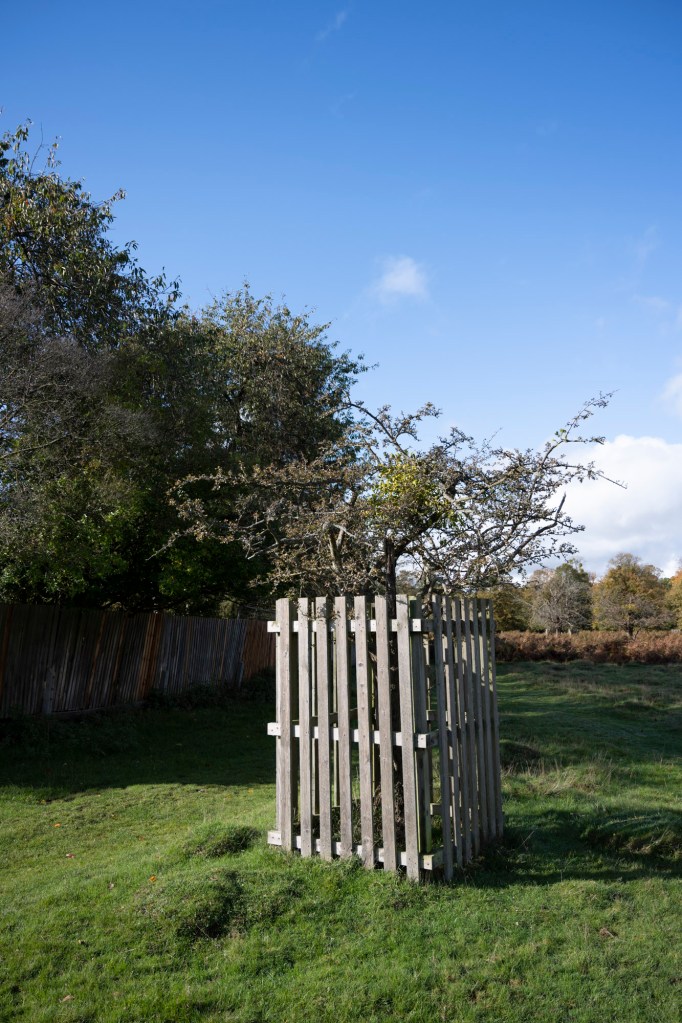
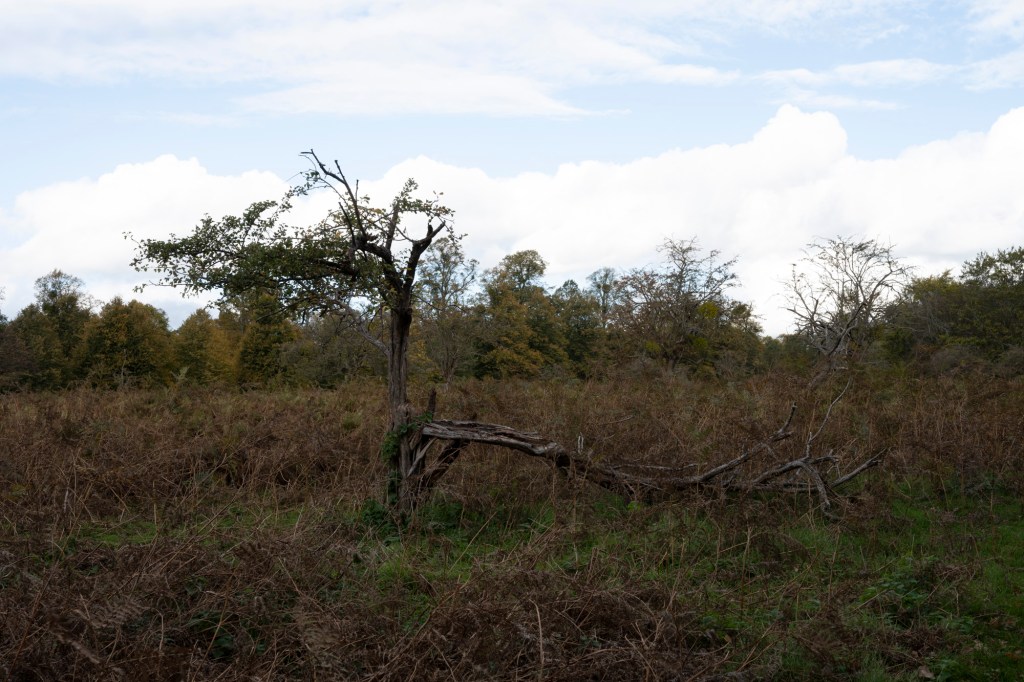
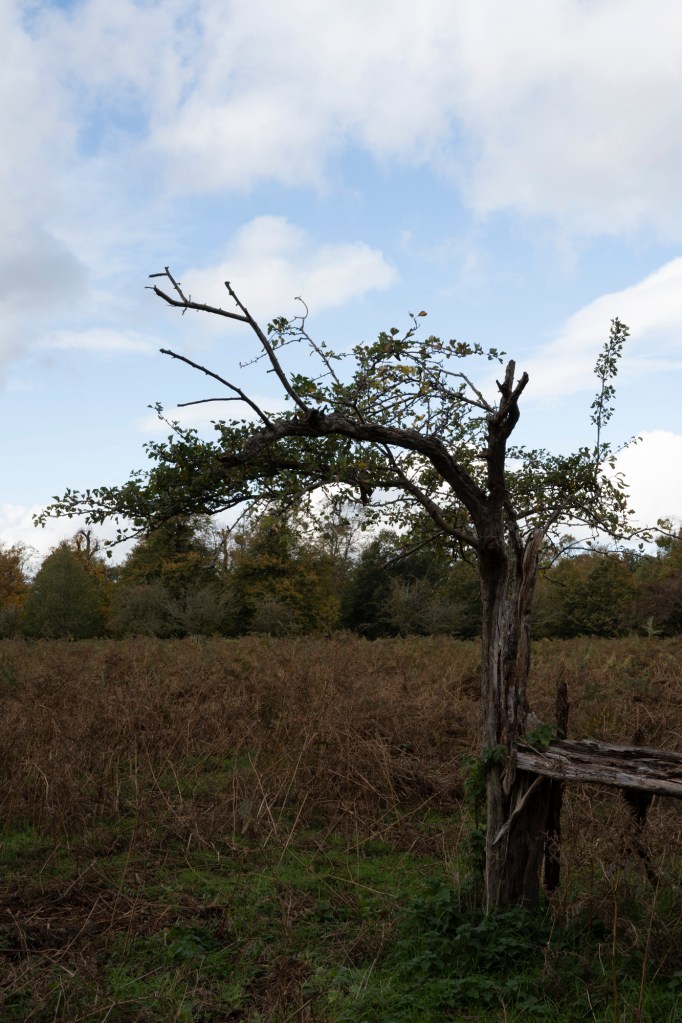
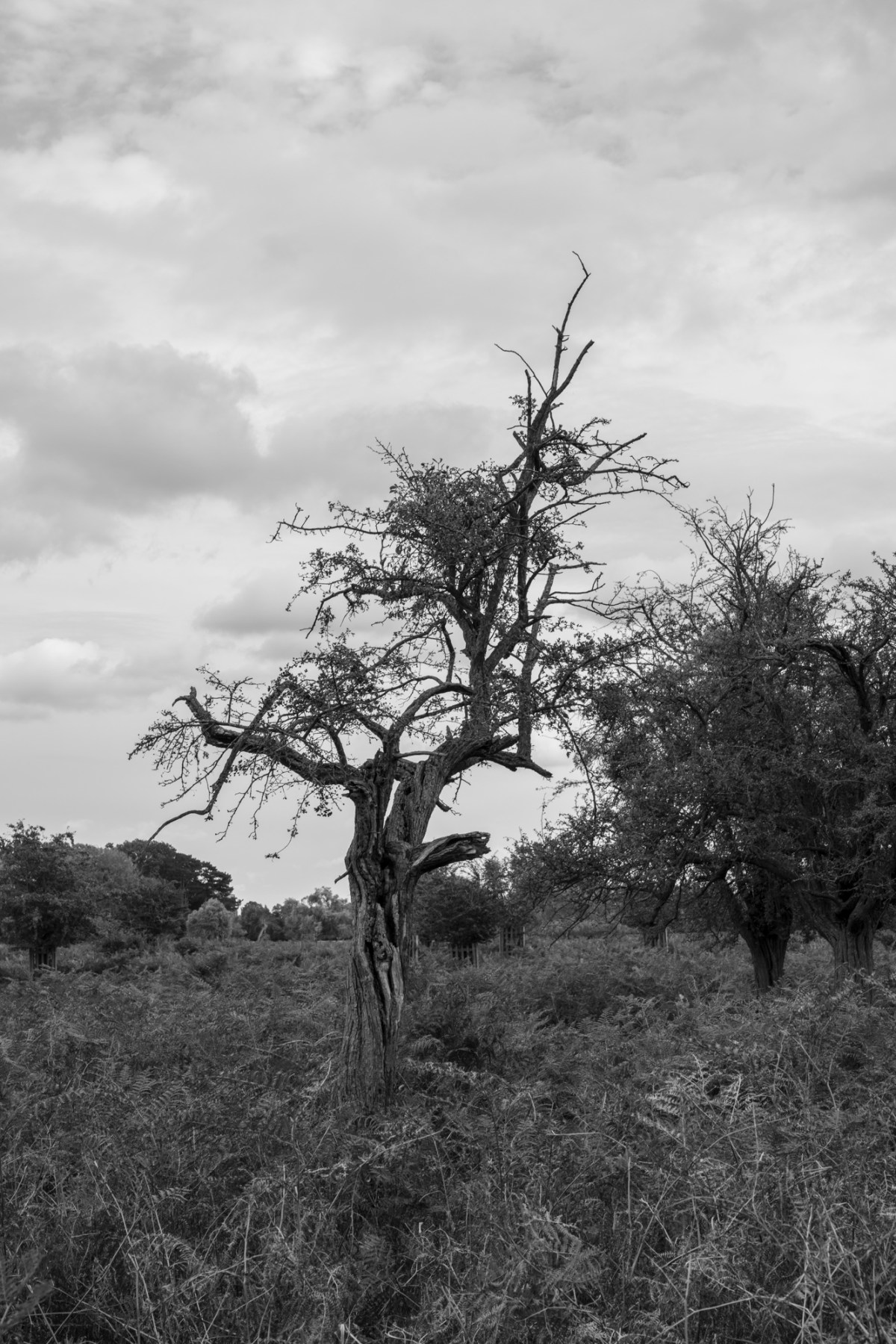
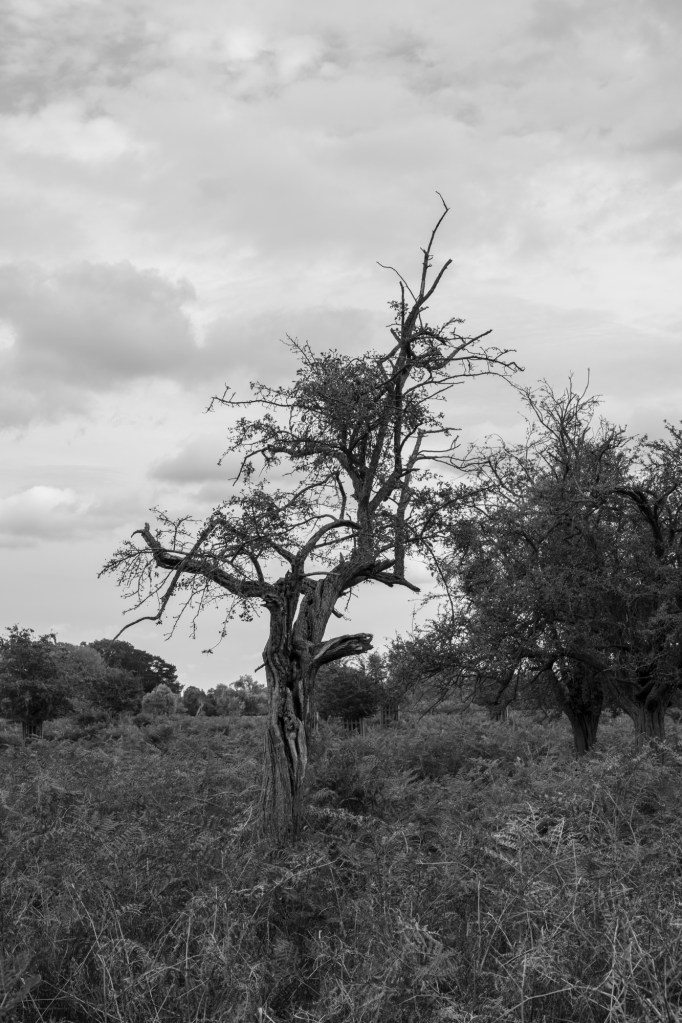
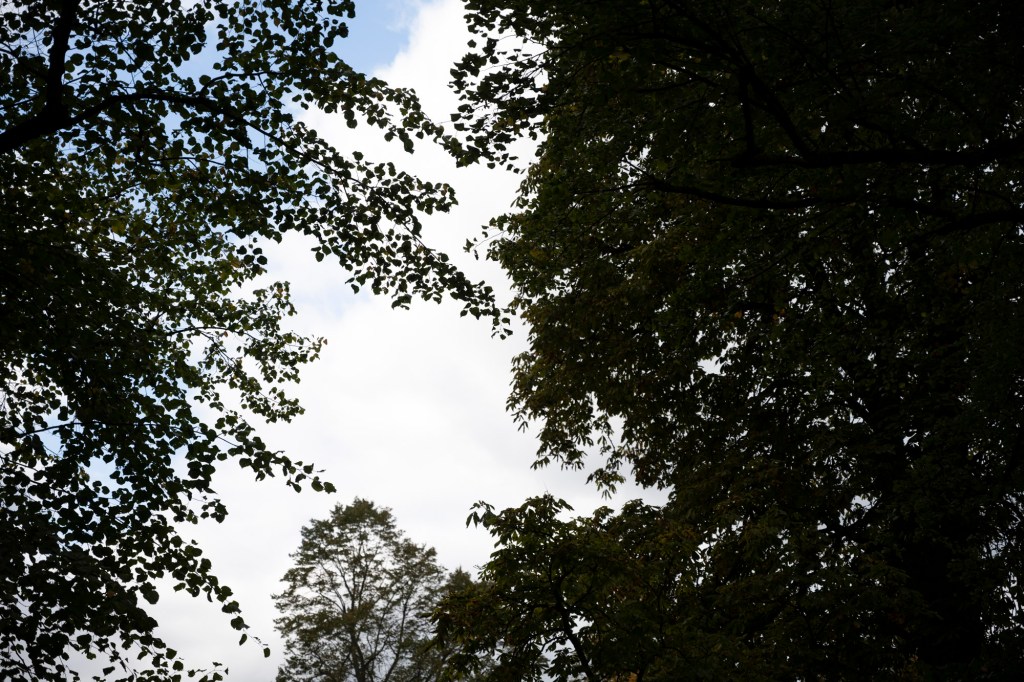
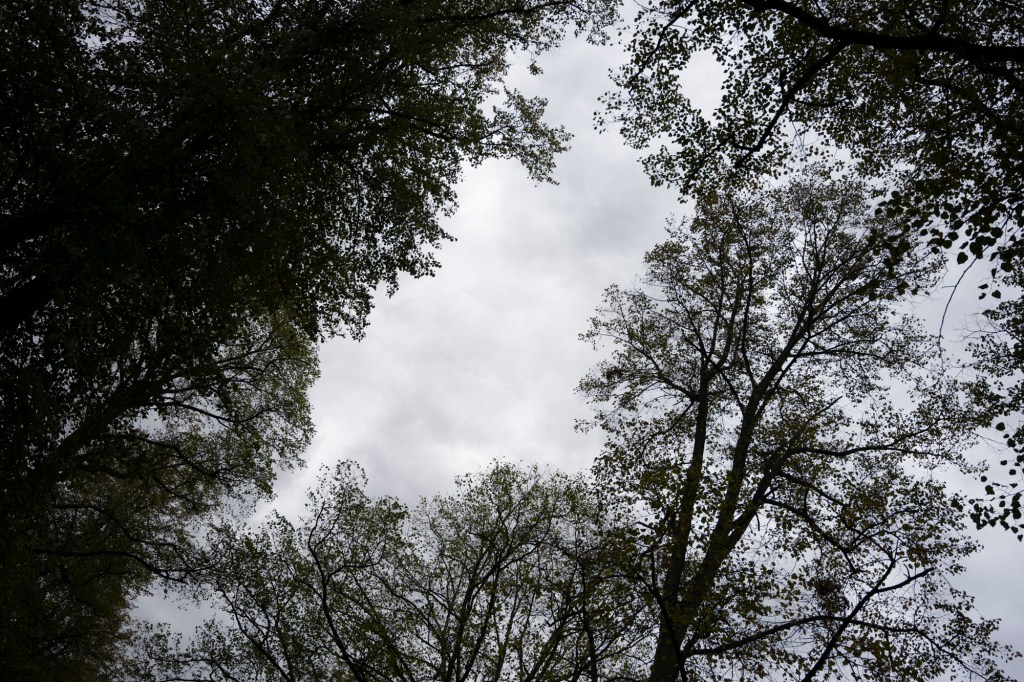
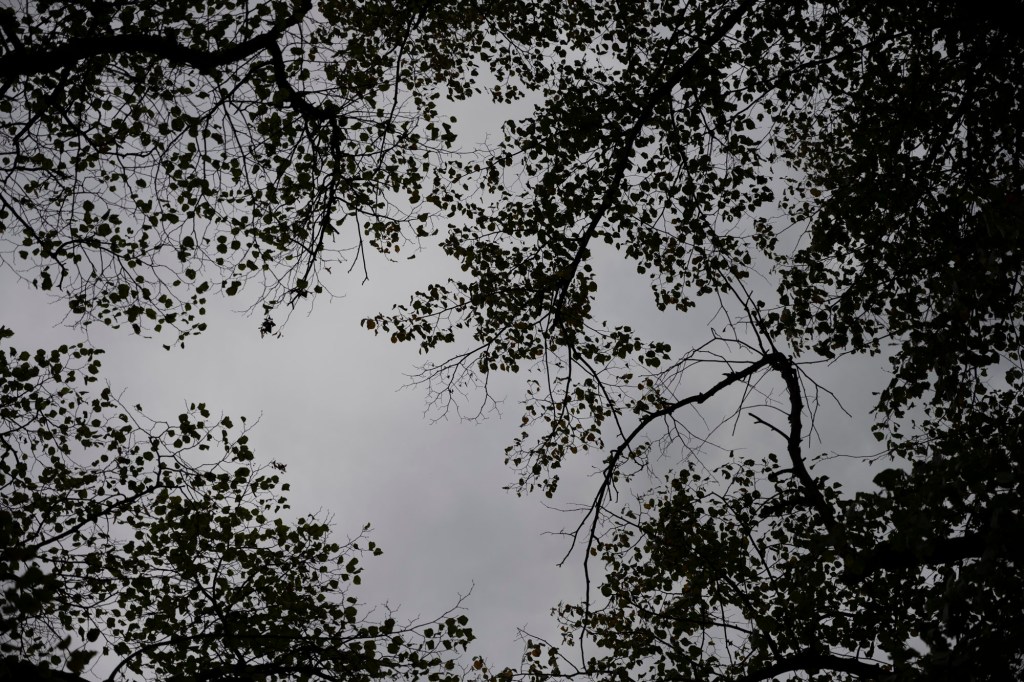
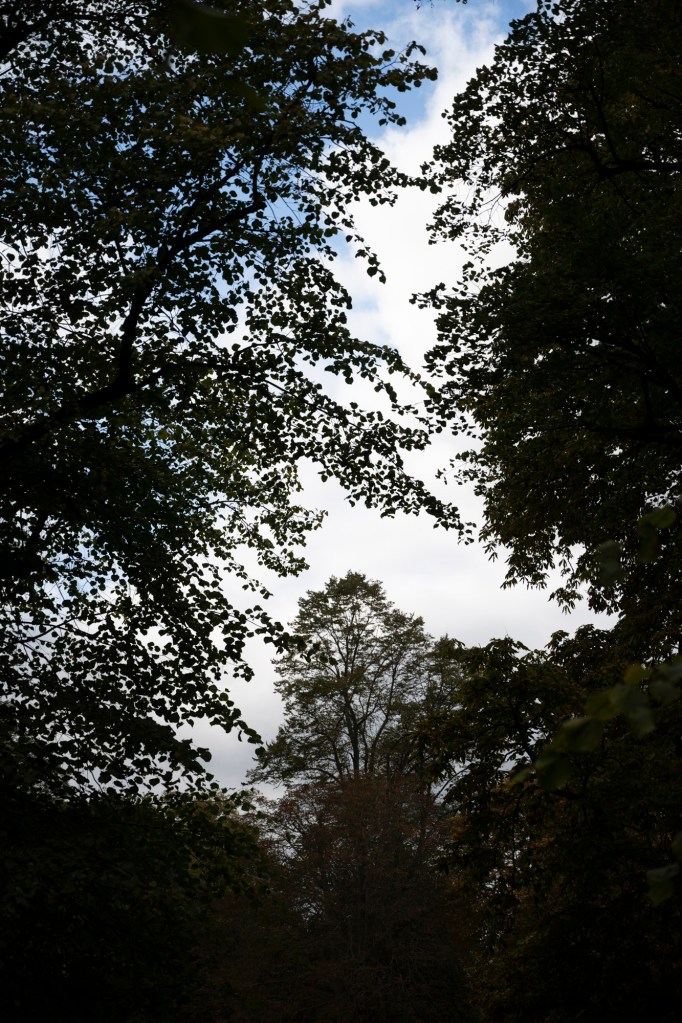
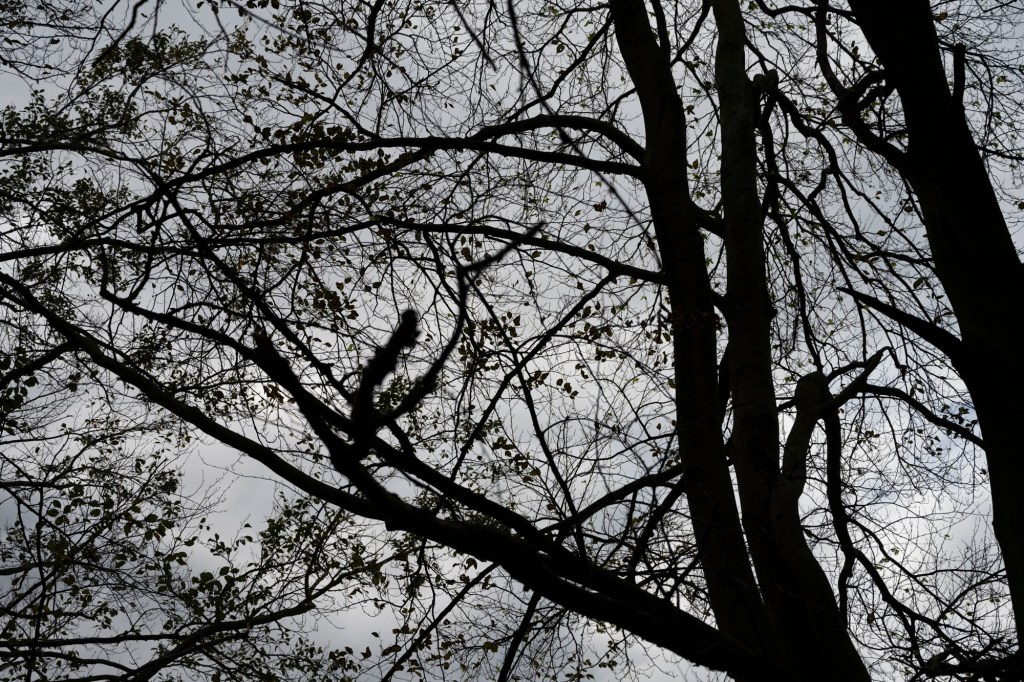
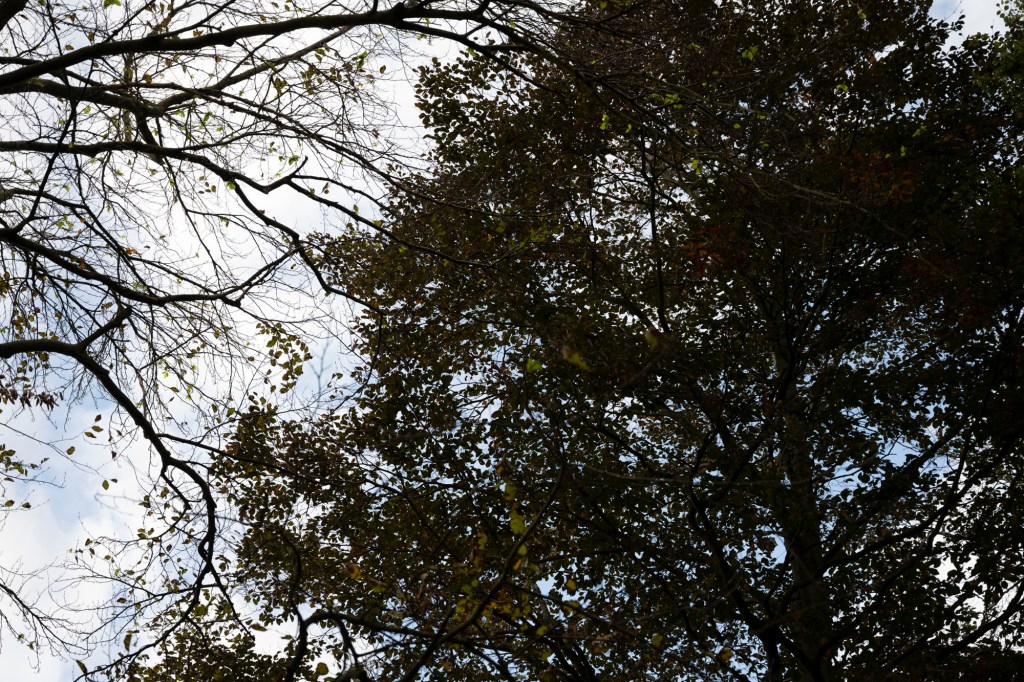
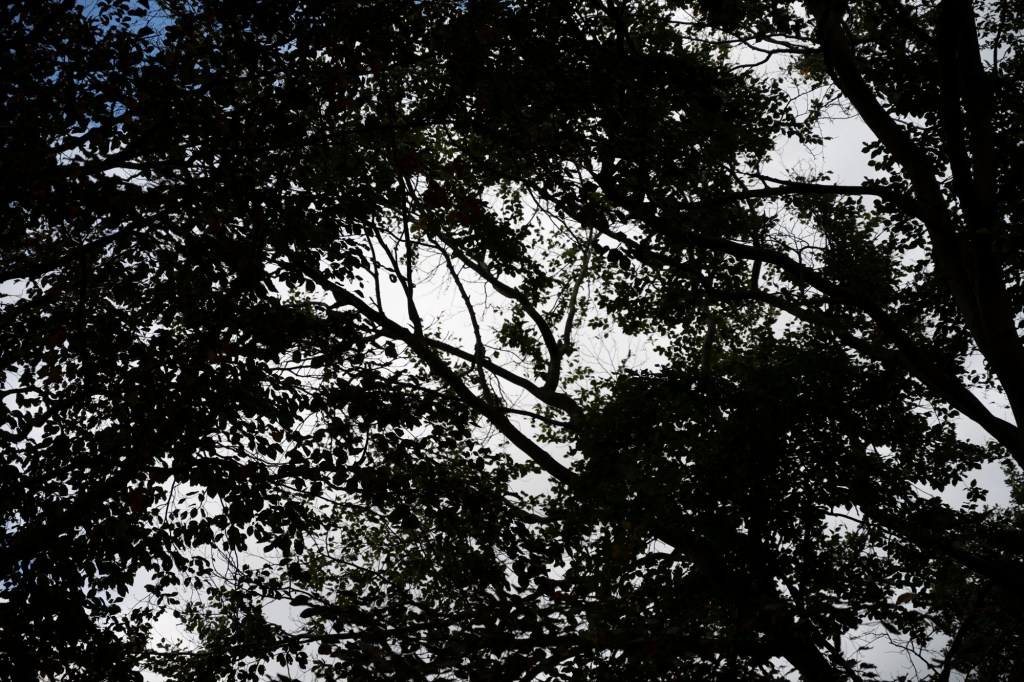
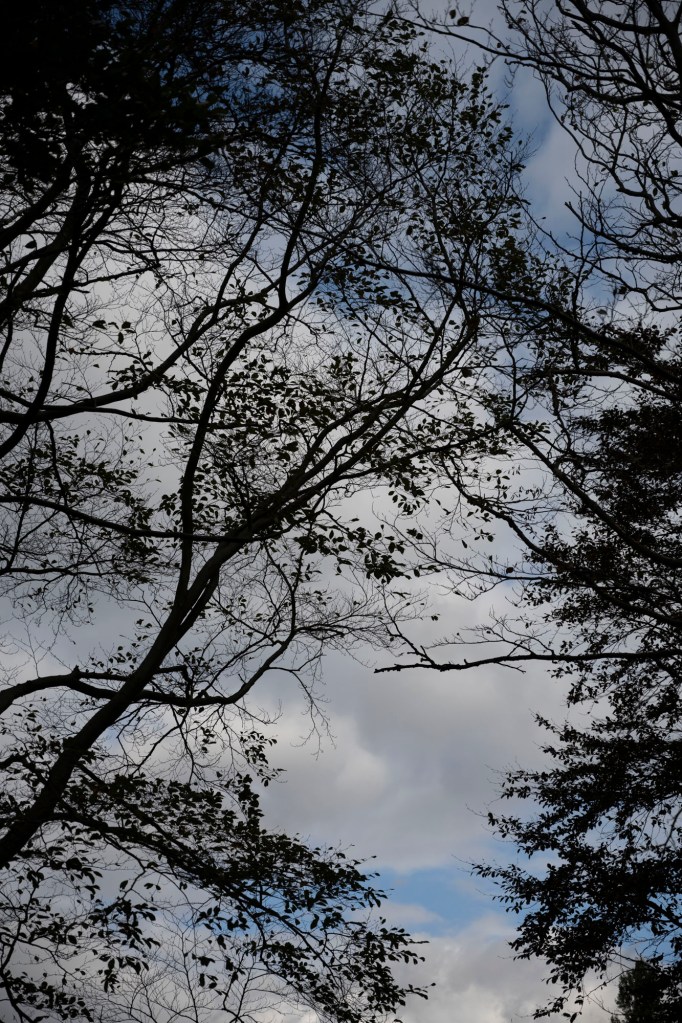
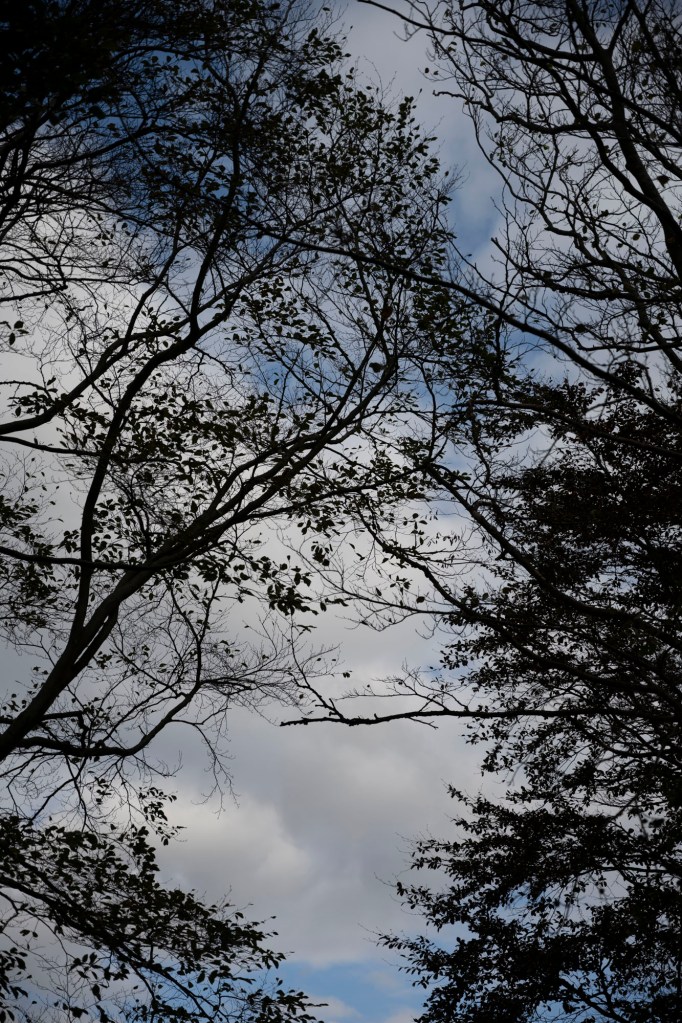
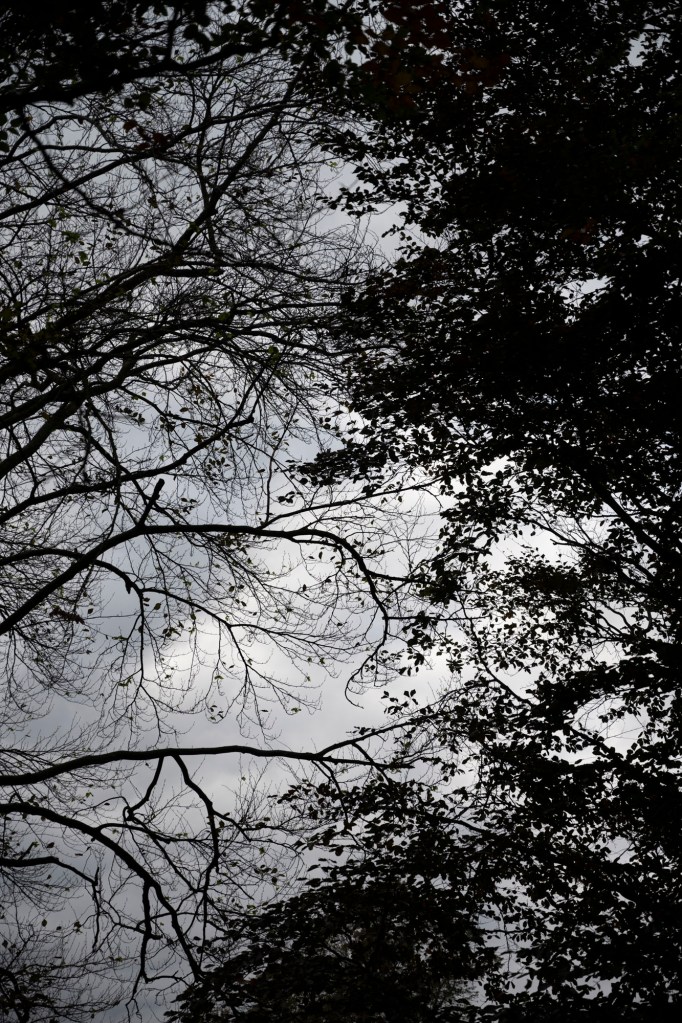
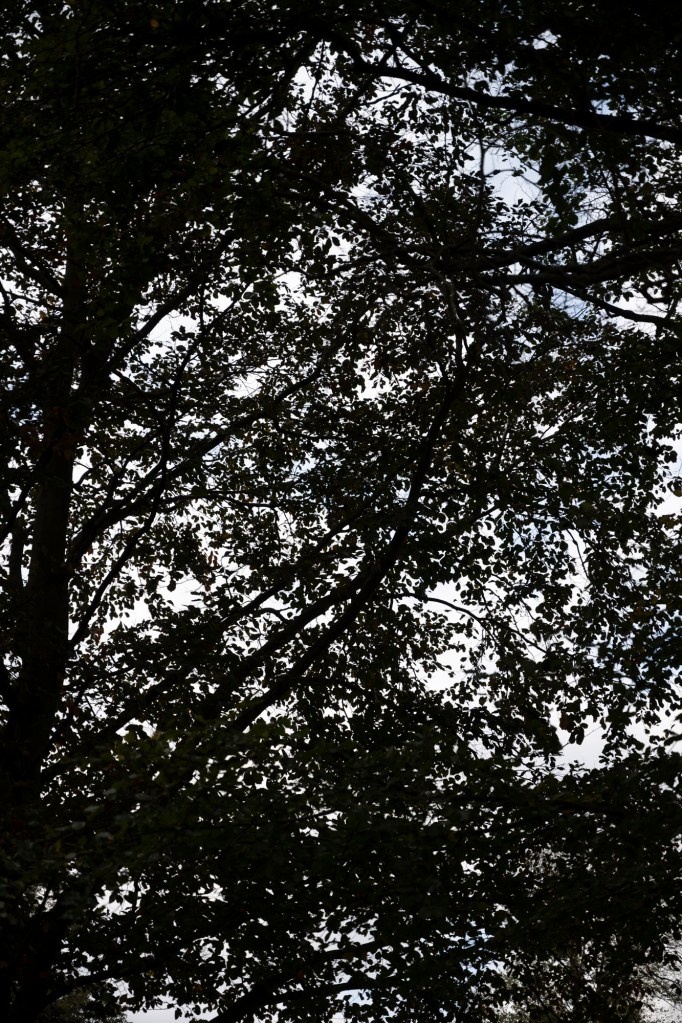
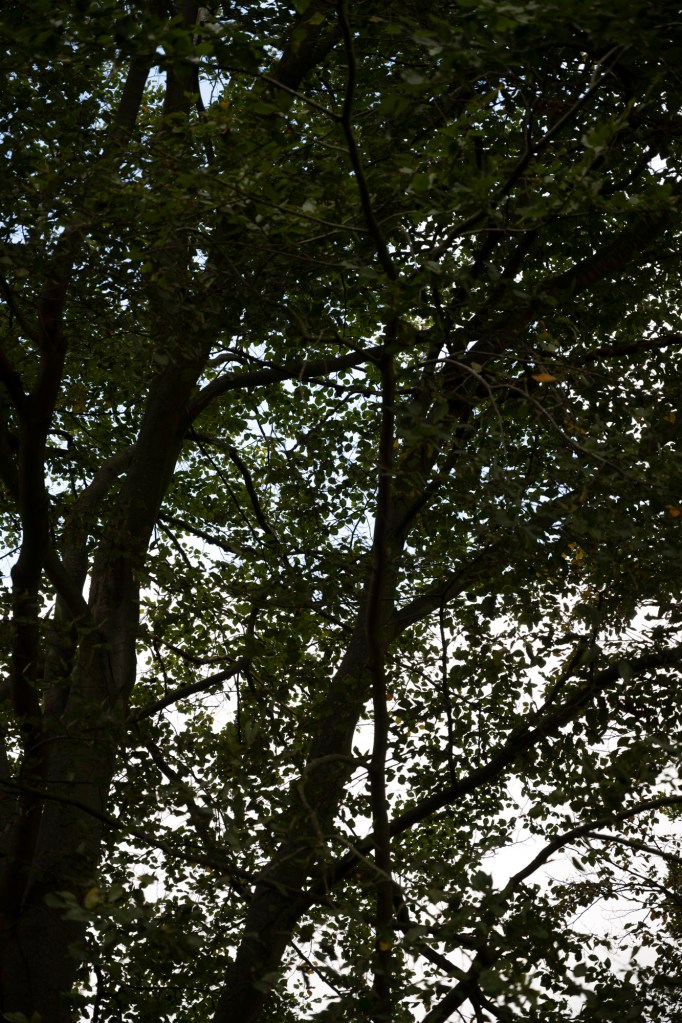
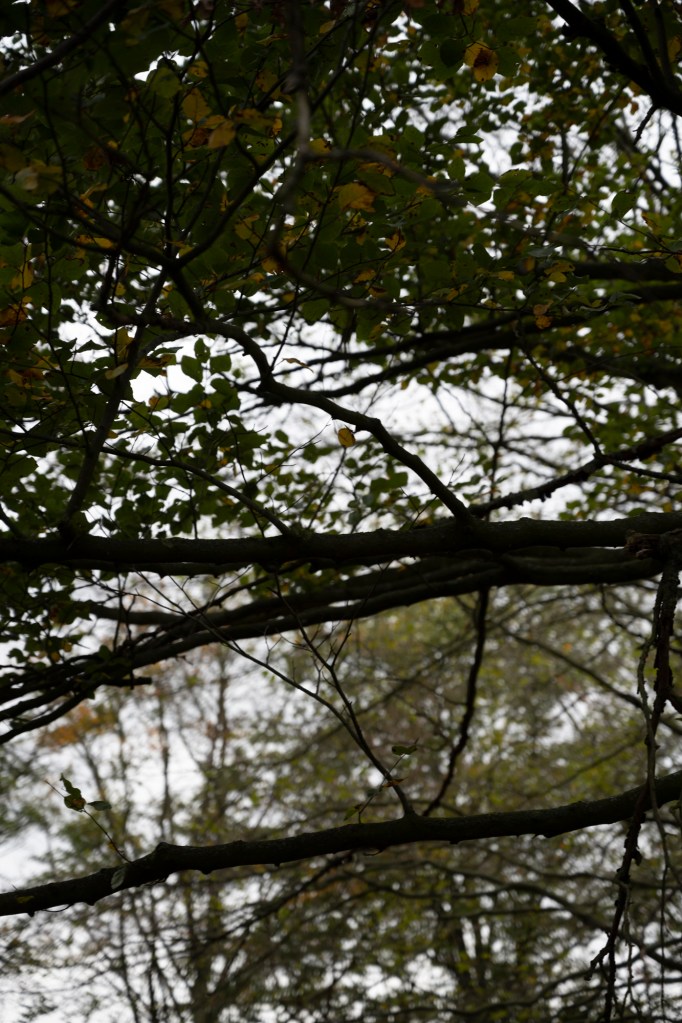
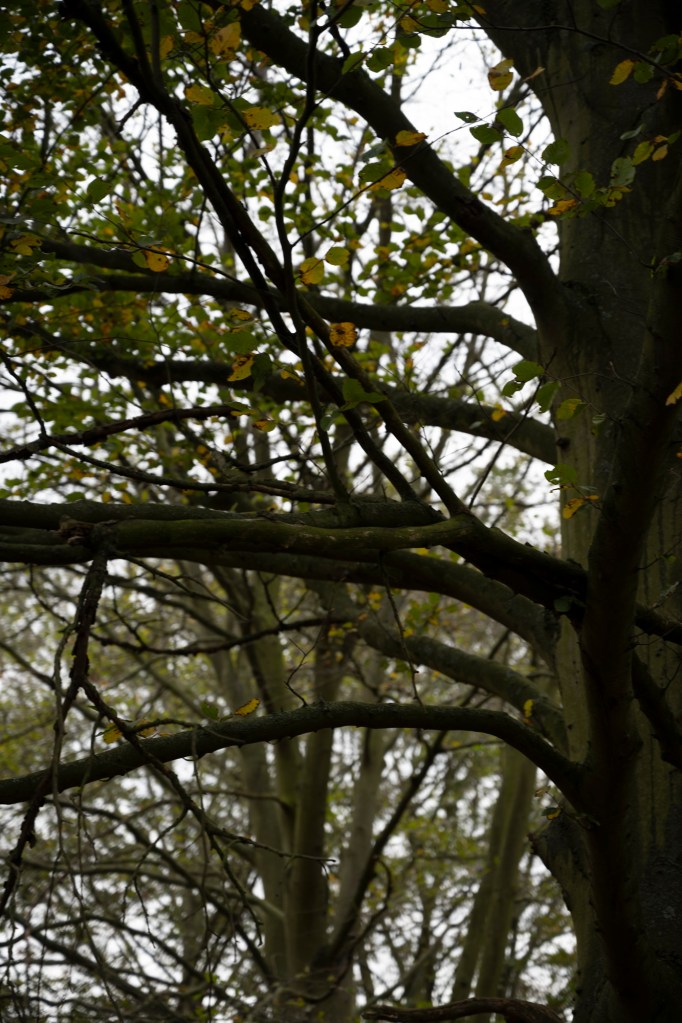
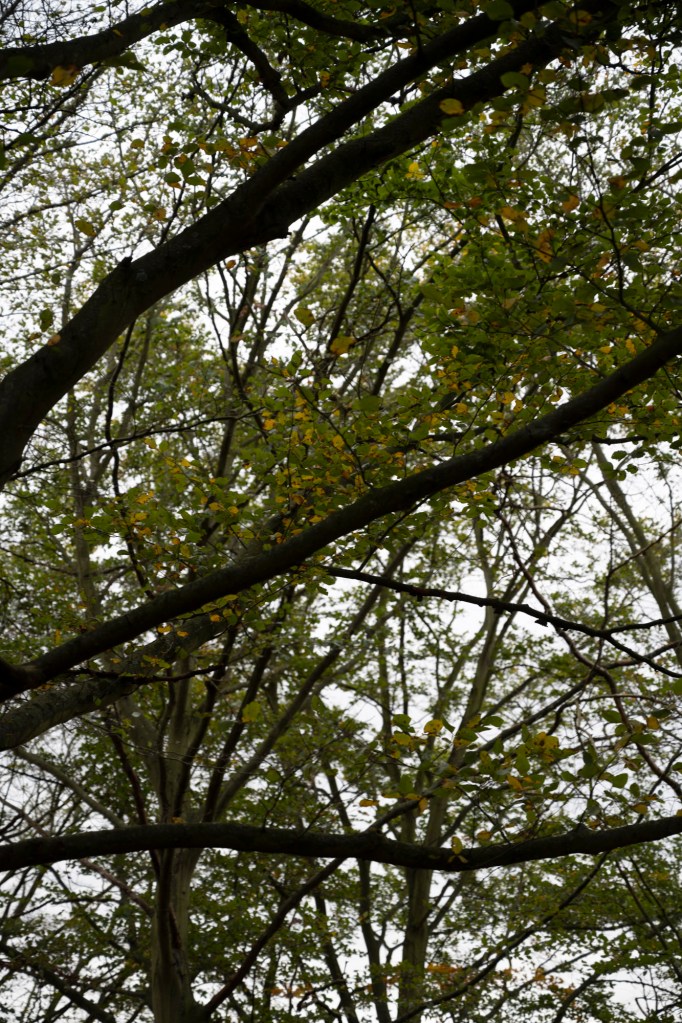
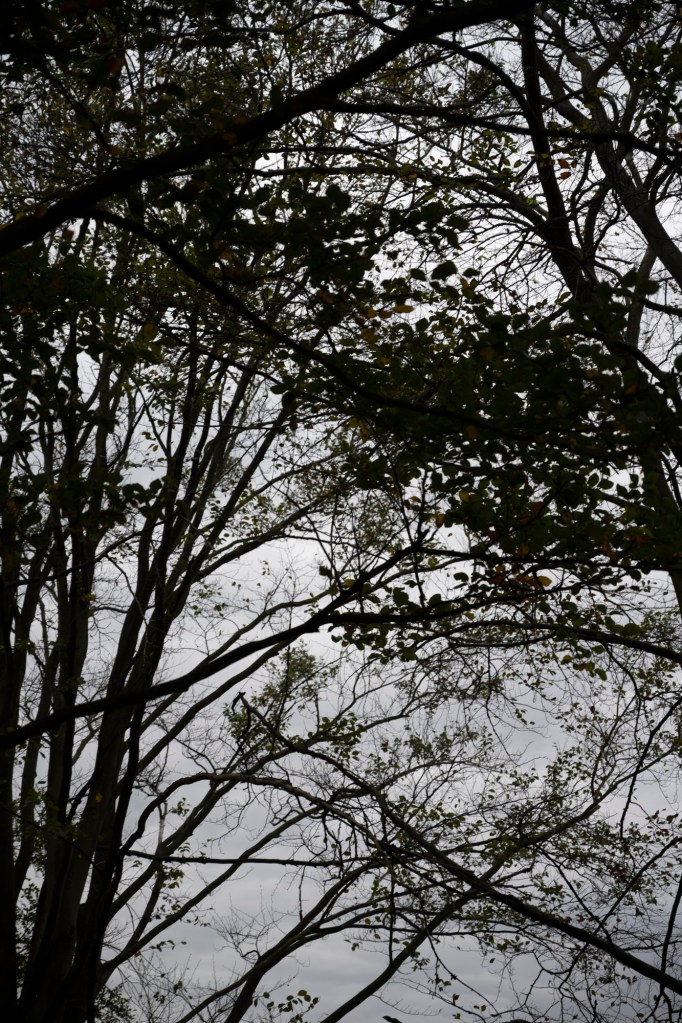
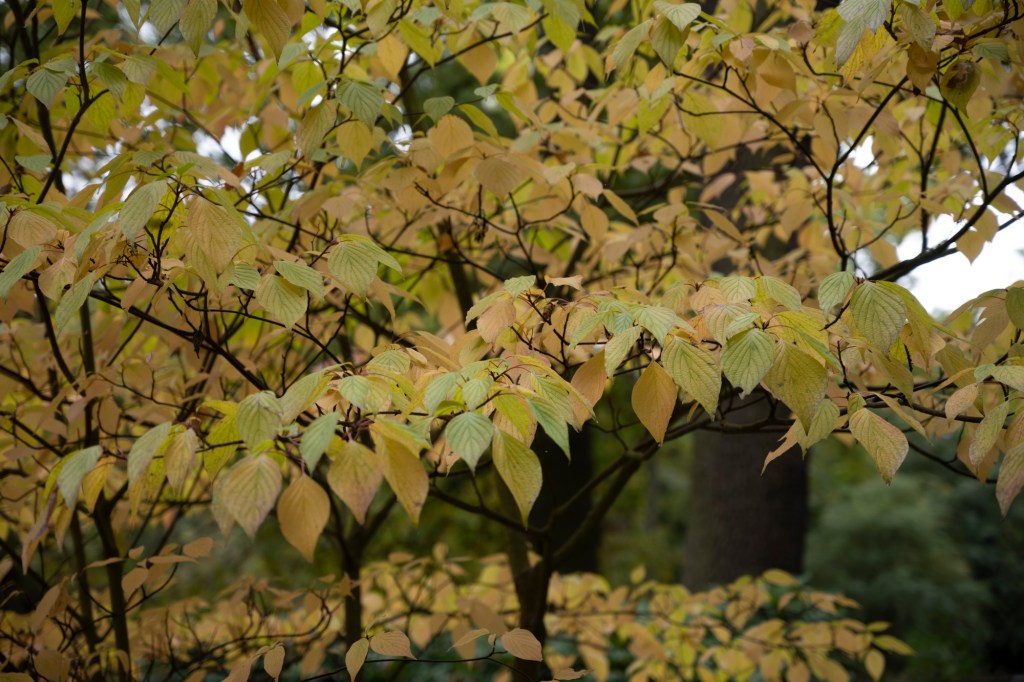
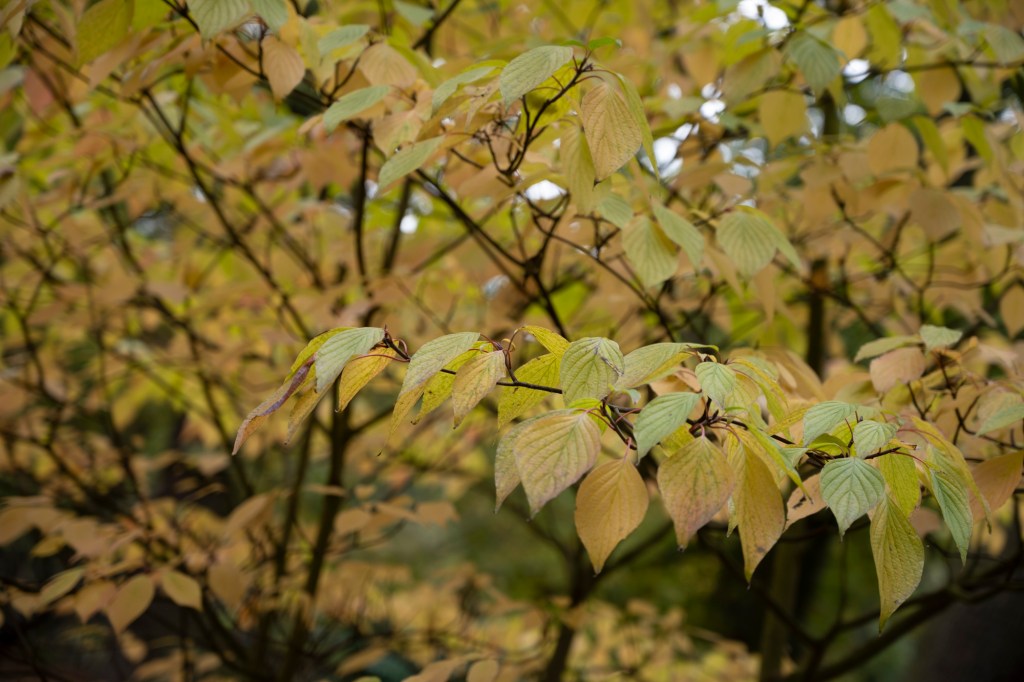
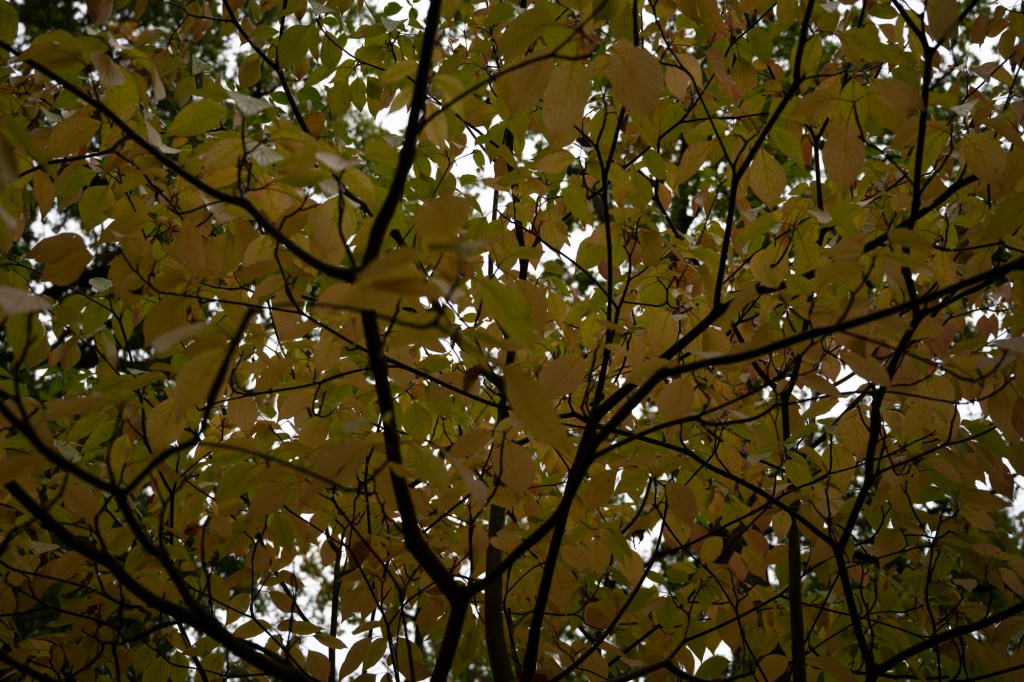
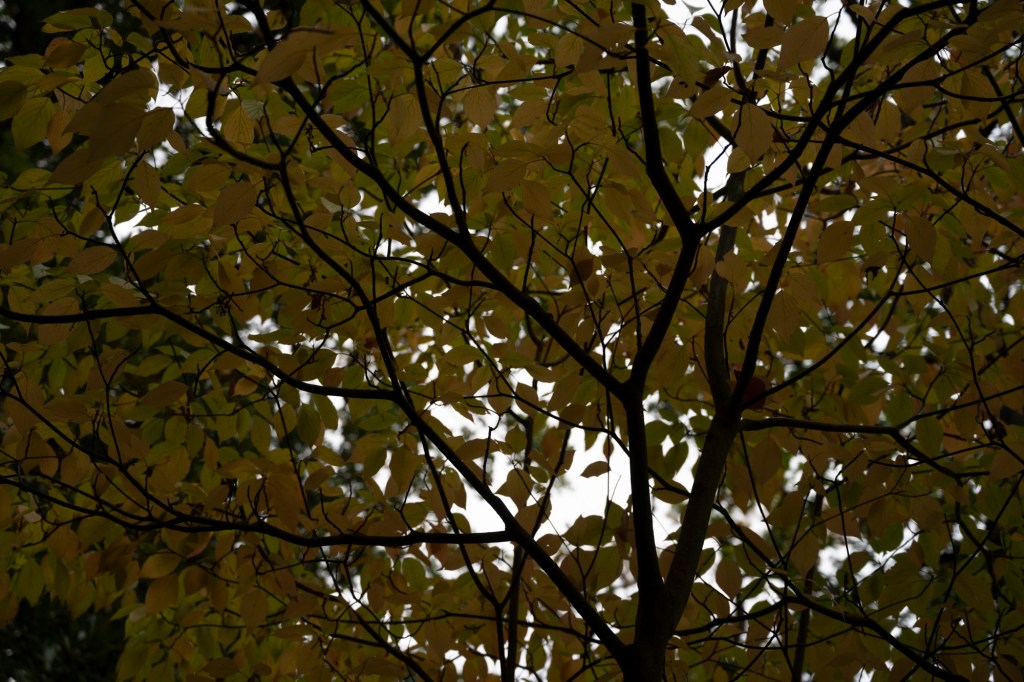
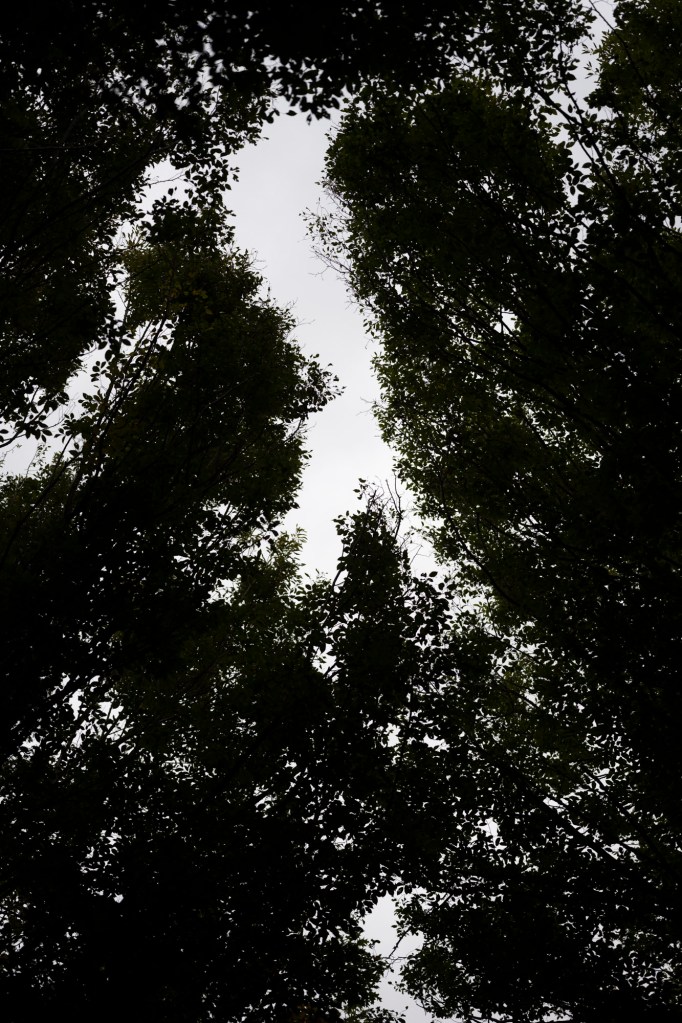
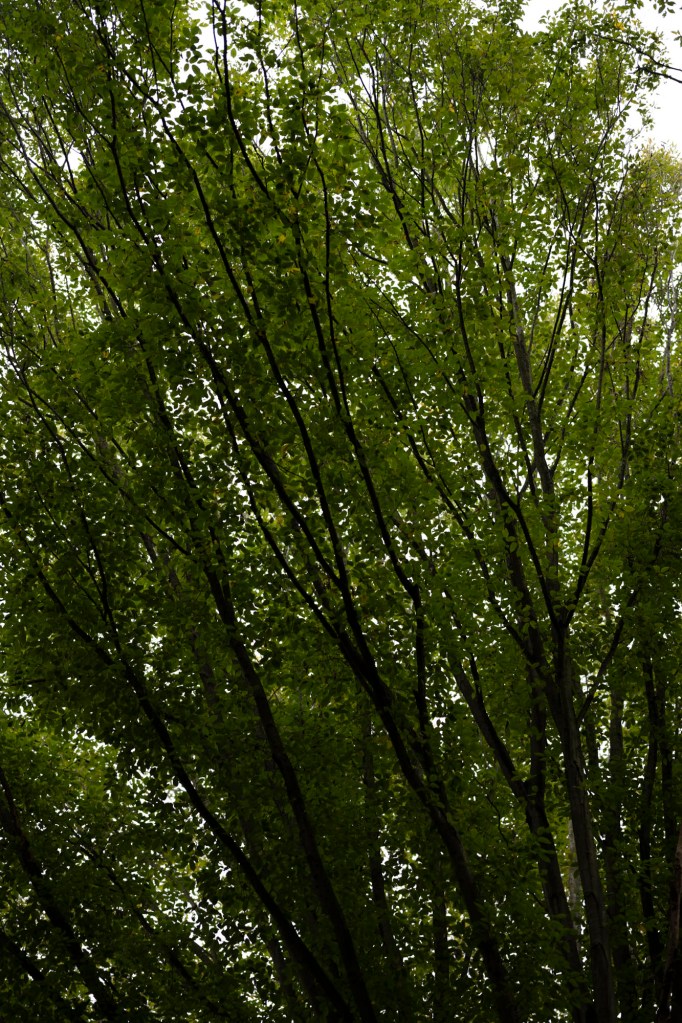
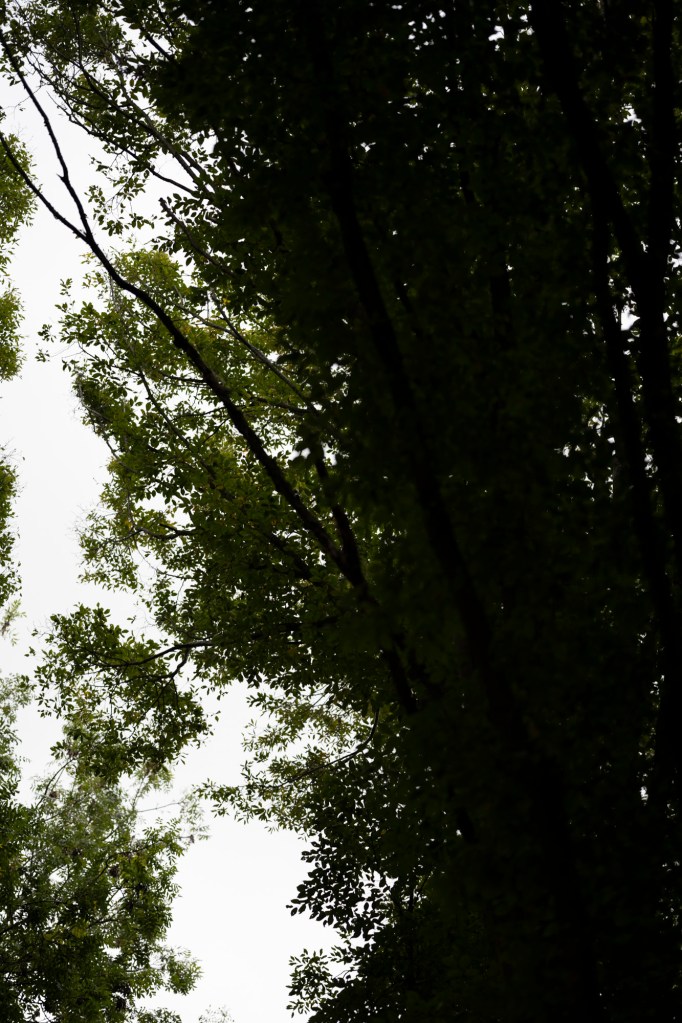
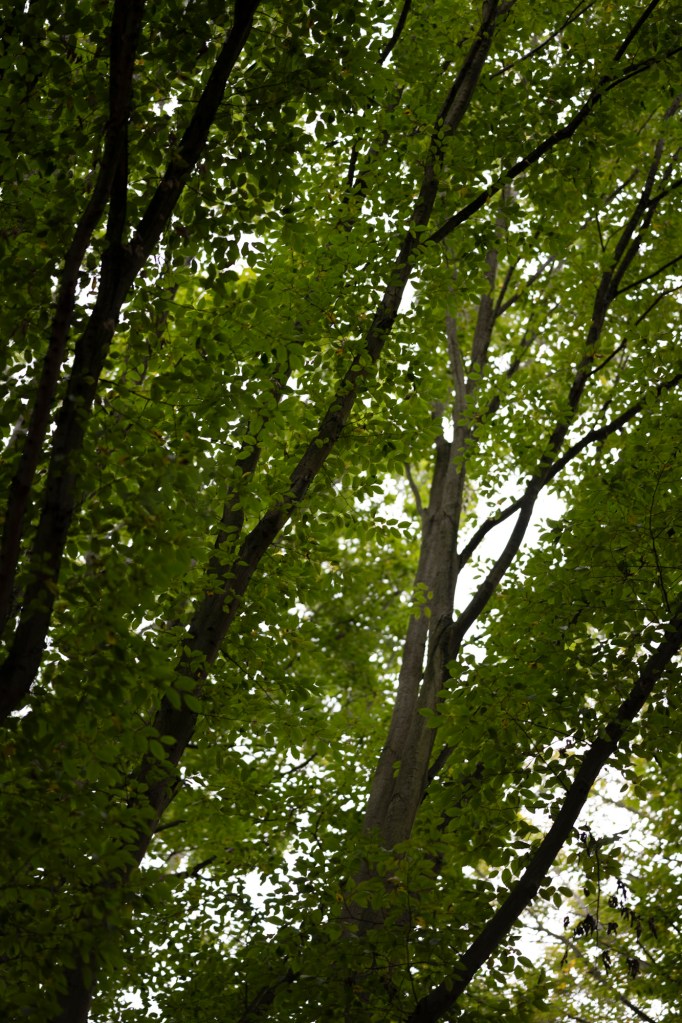
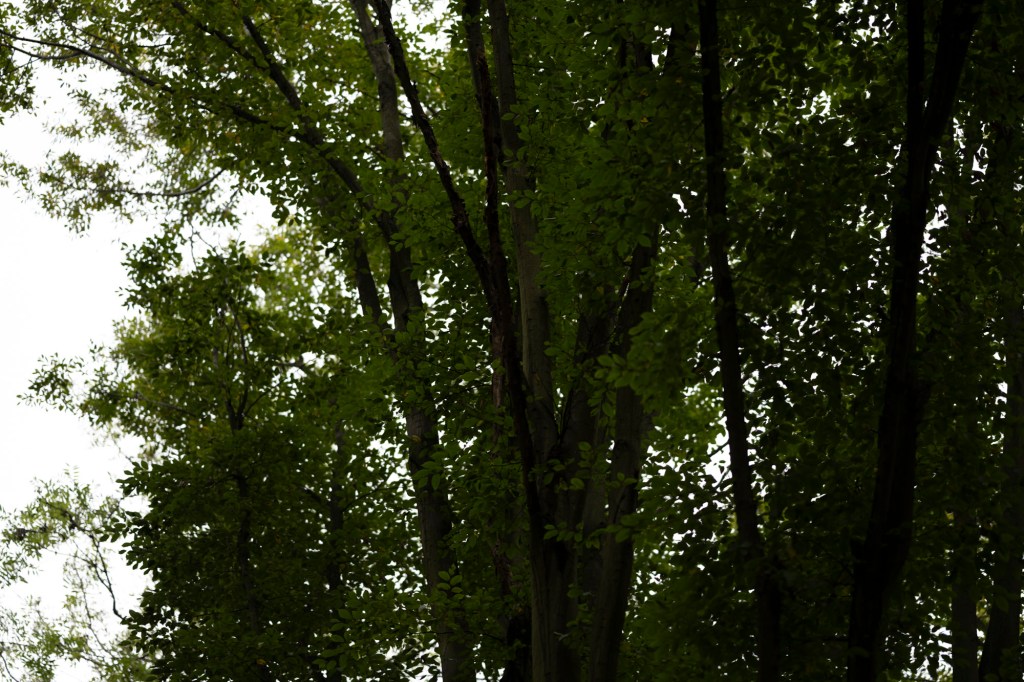
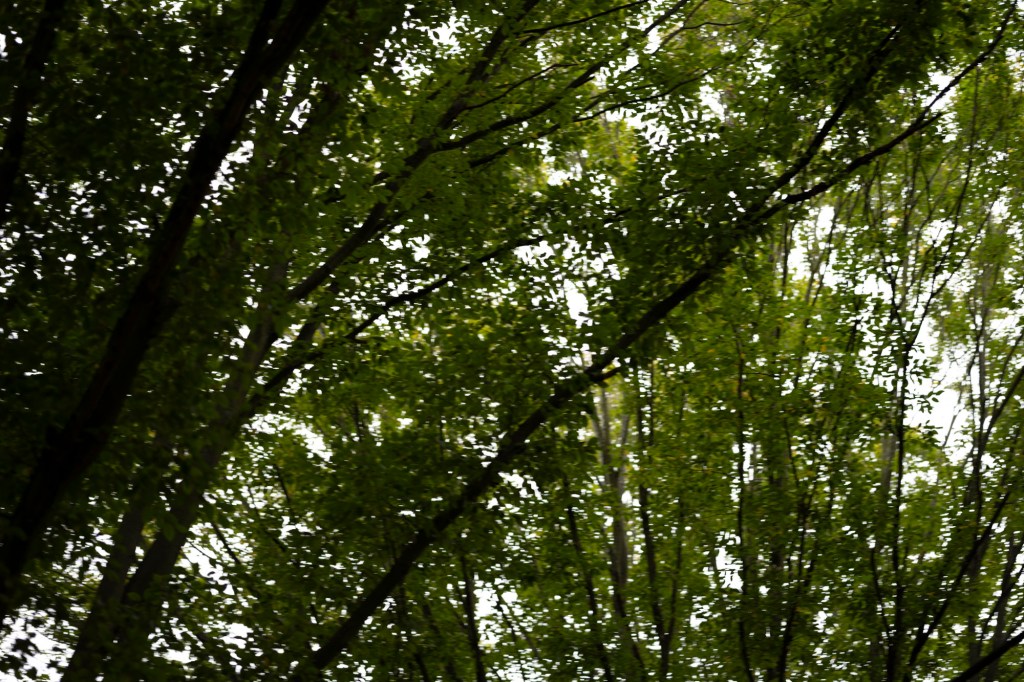
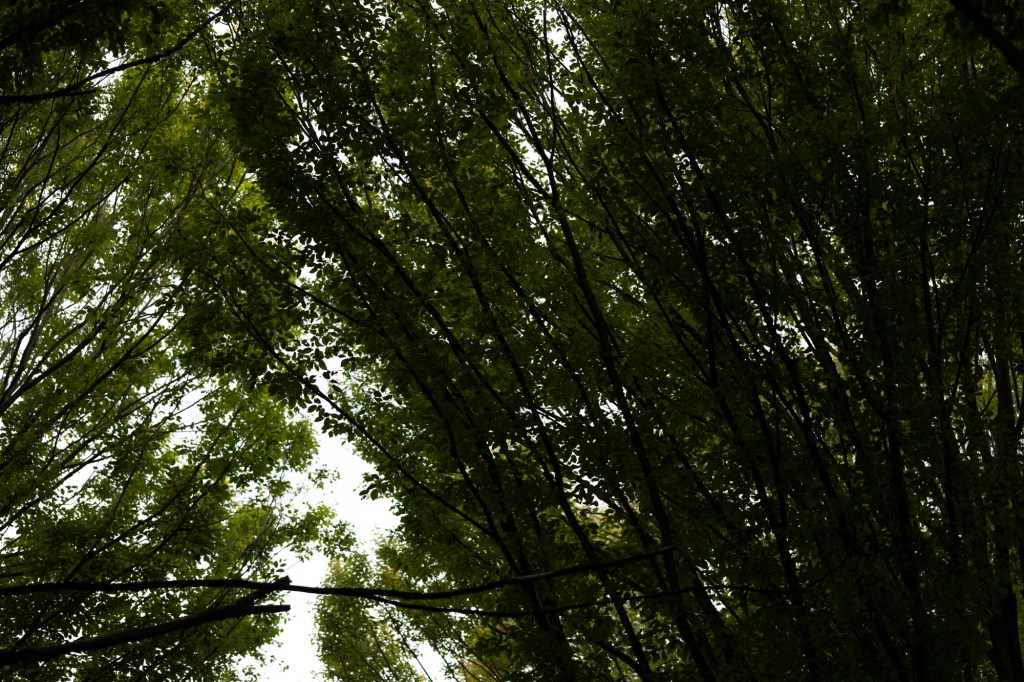
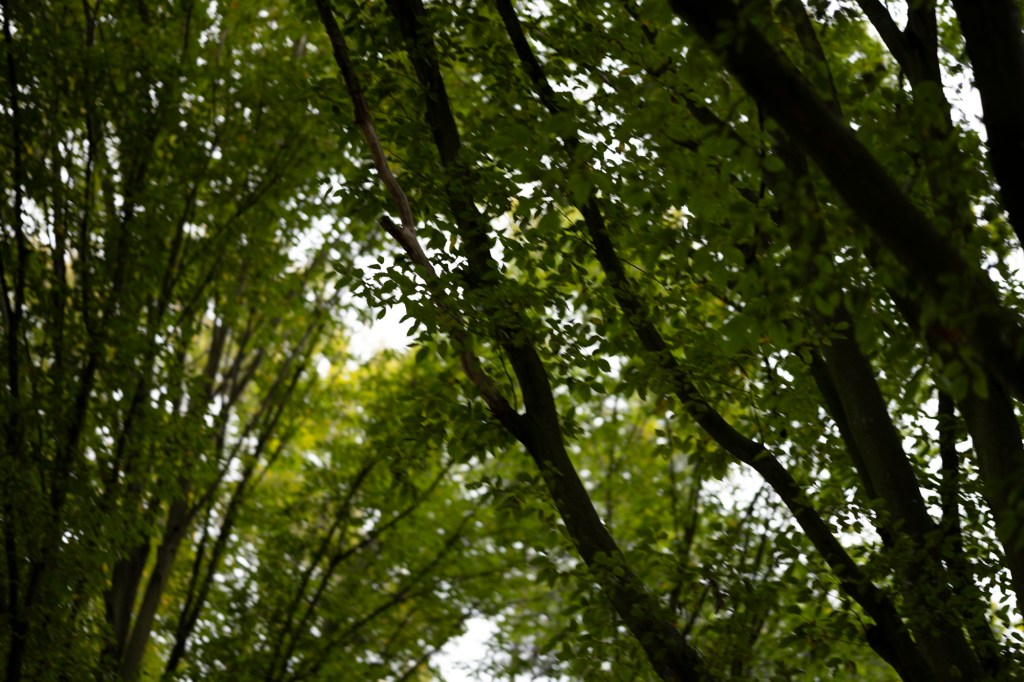
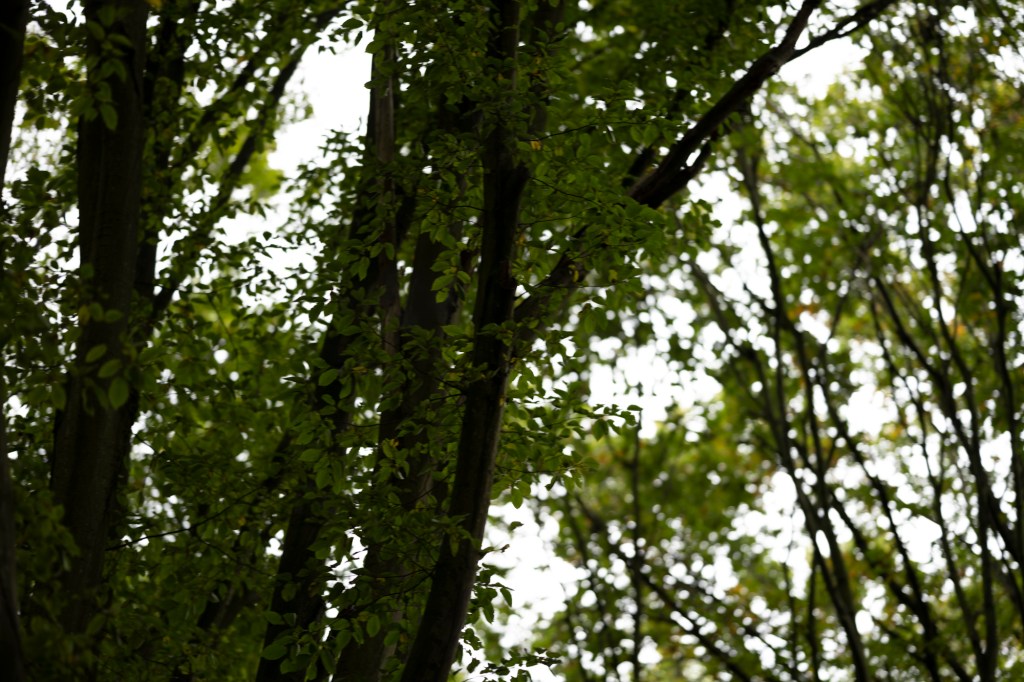
The final individual hawthorn I focused on is the one I nicknamed ‘Hawthorn Harlot’. I had to admit, it took a while to remember where it was as it looked completely different approached from an alternative angle. When I eventually did re-discover this individual, I took the following shots.
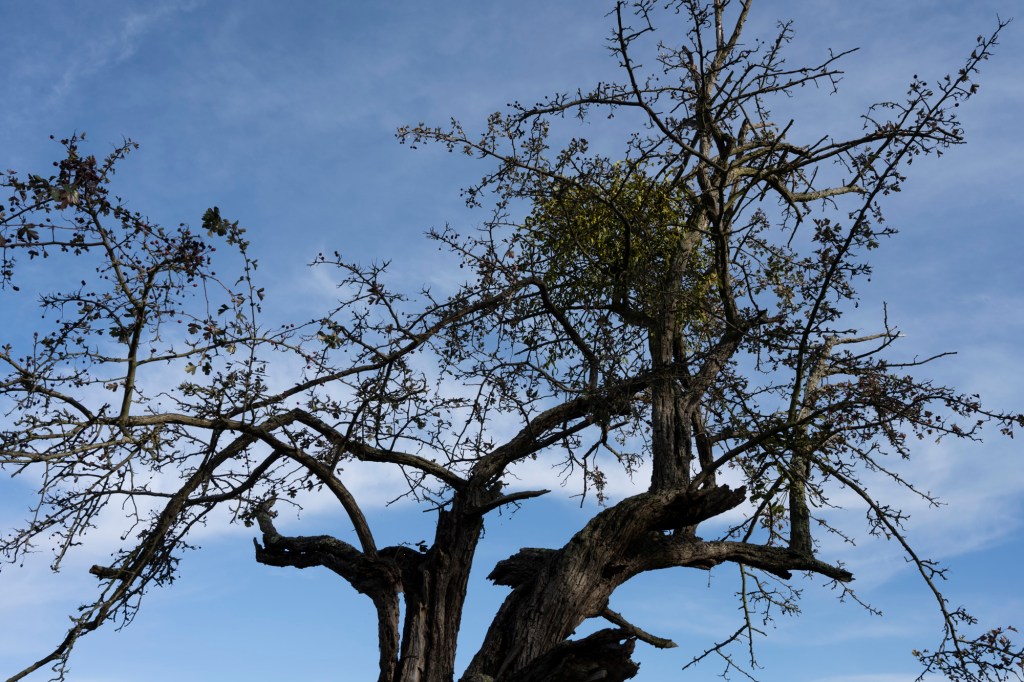
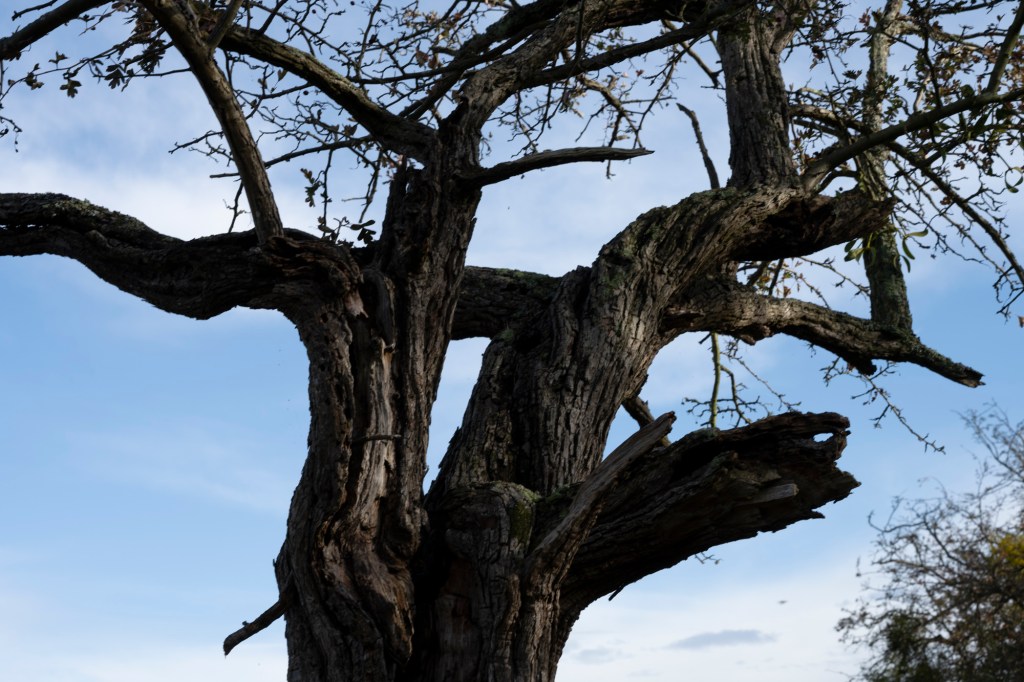
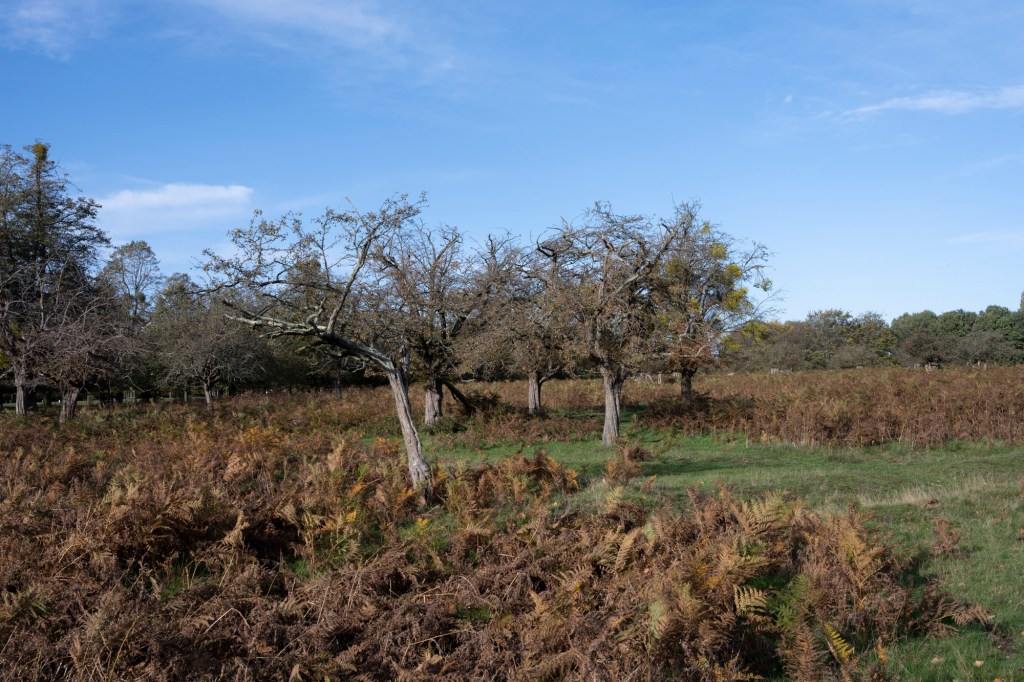
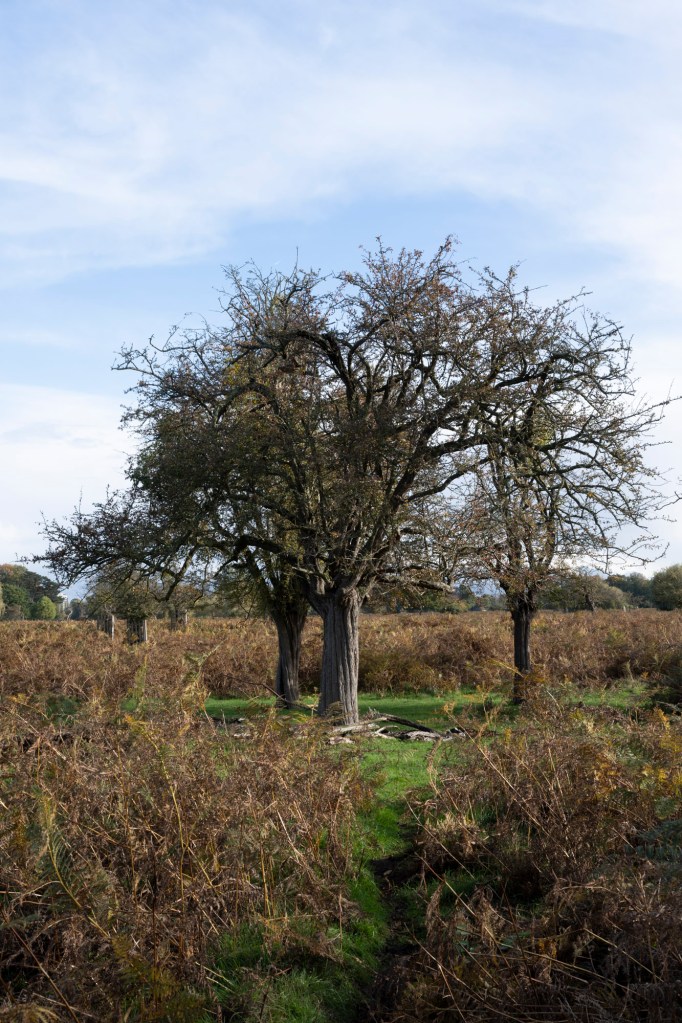
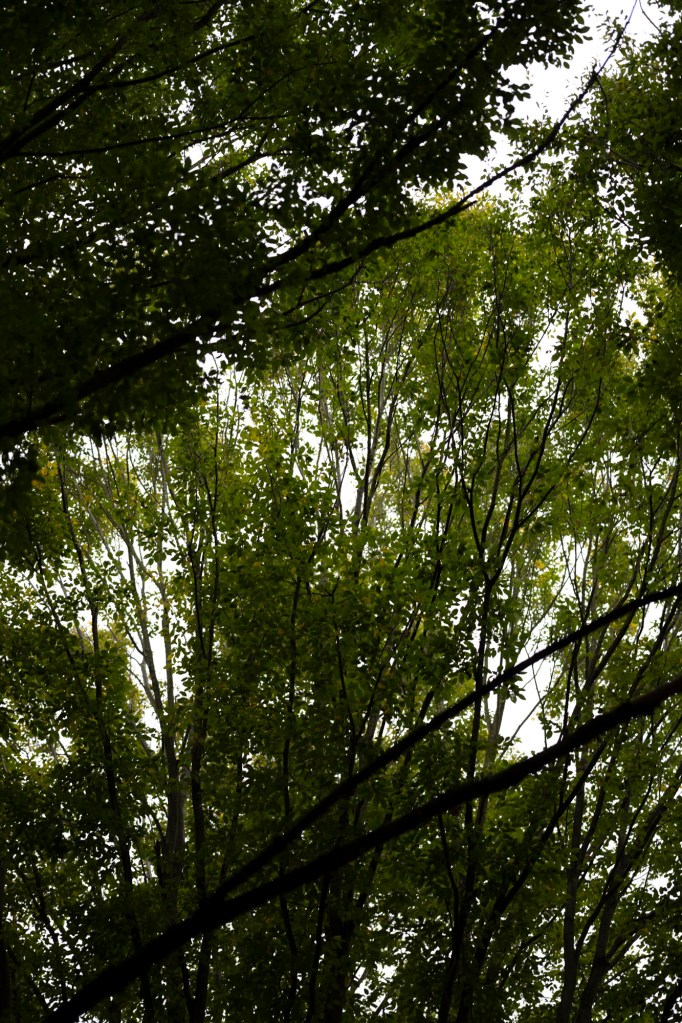
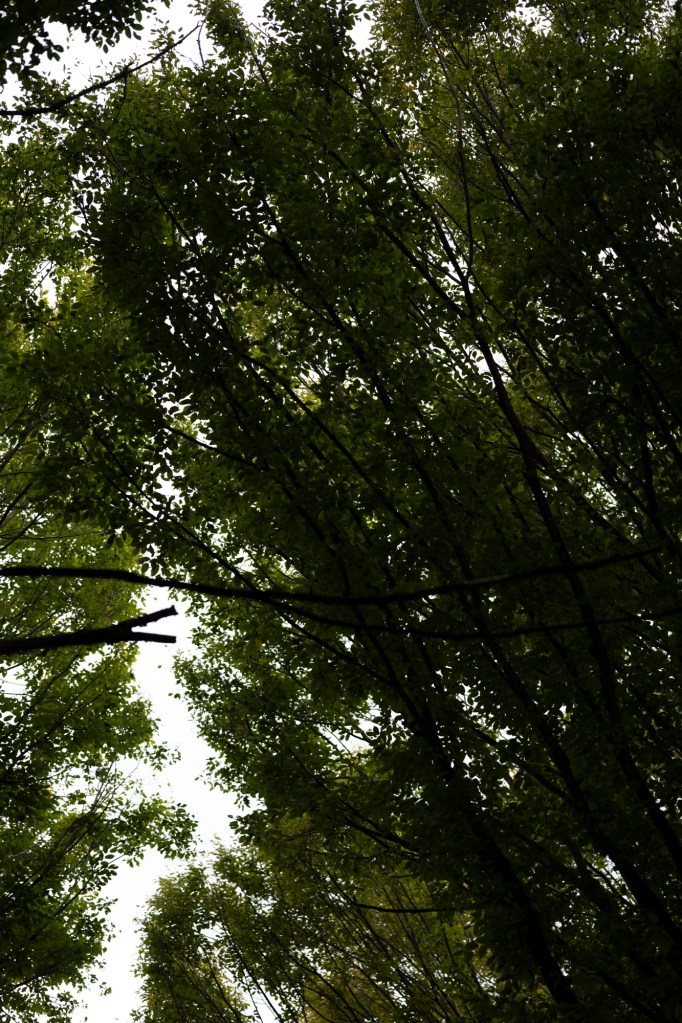
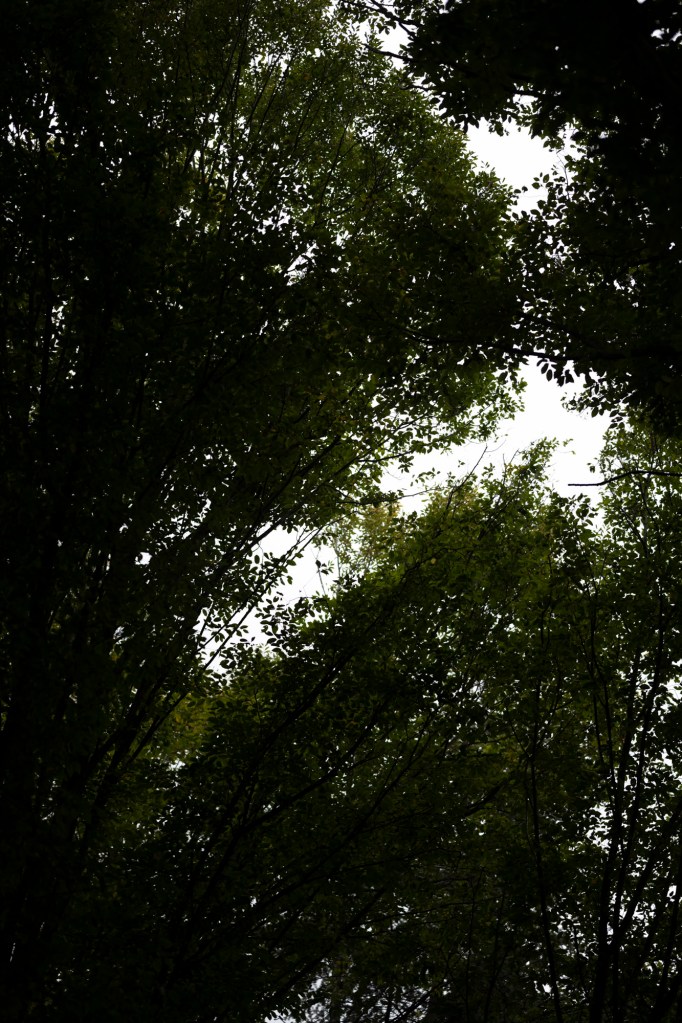
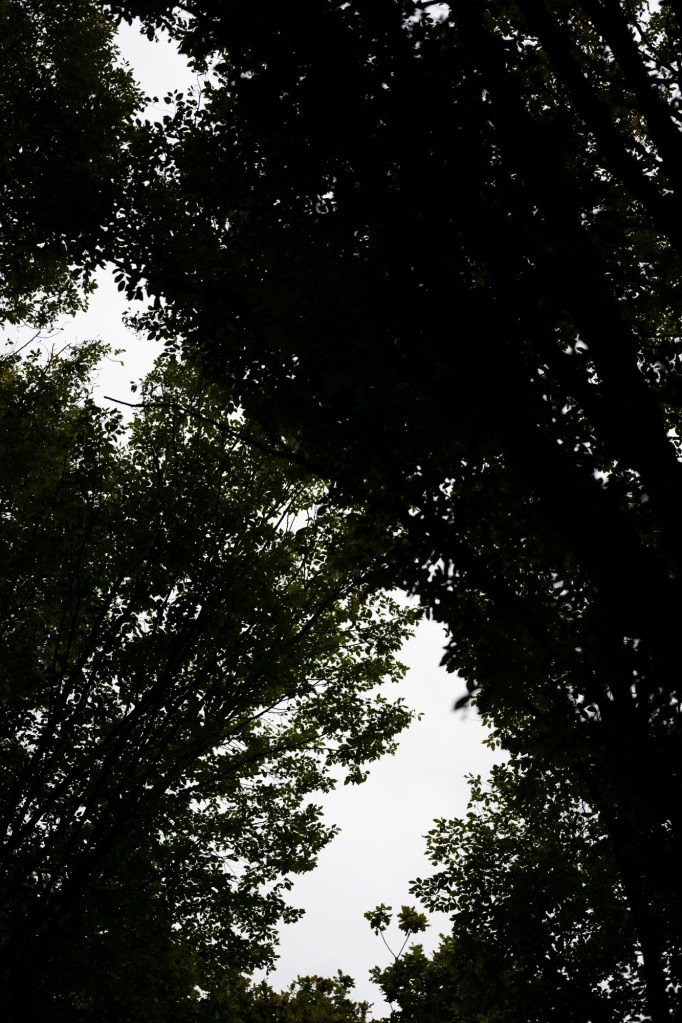
Hawthorn Copse
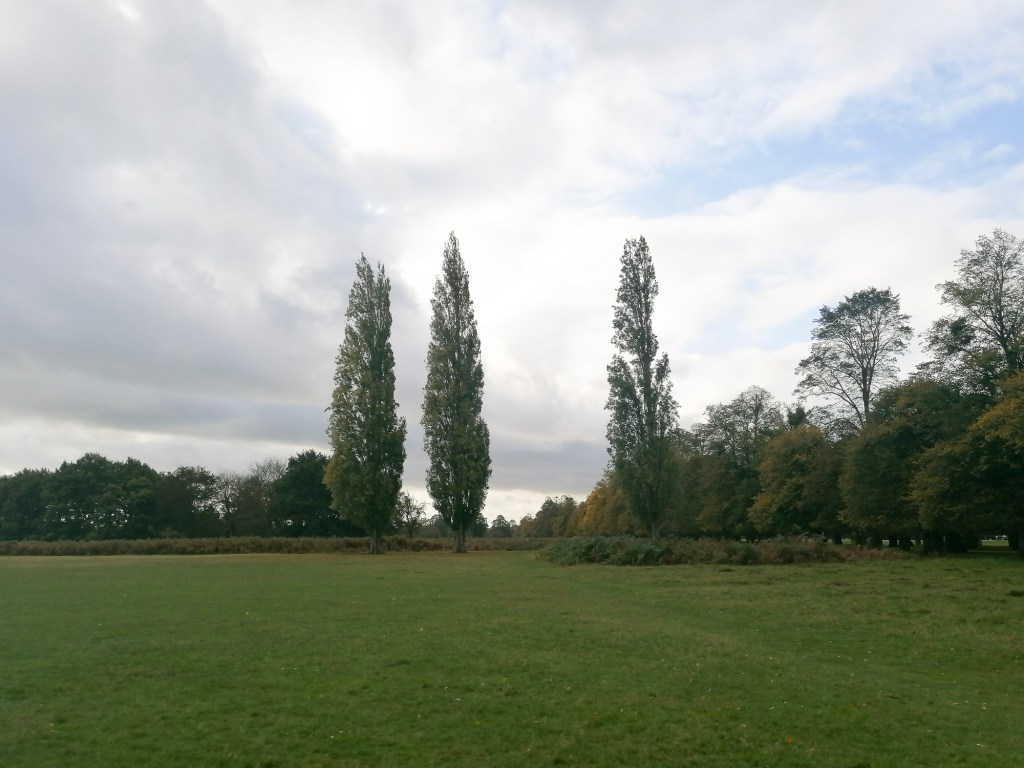
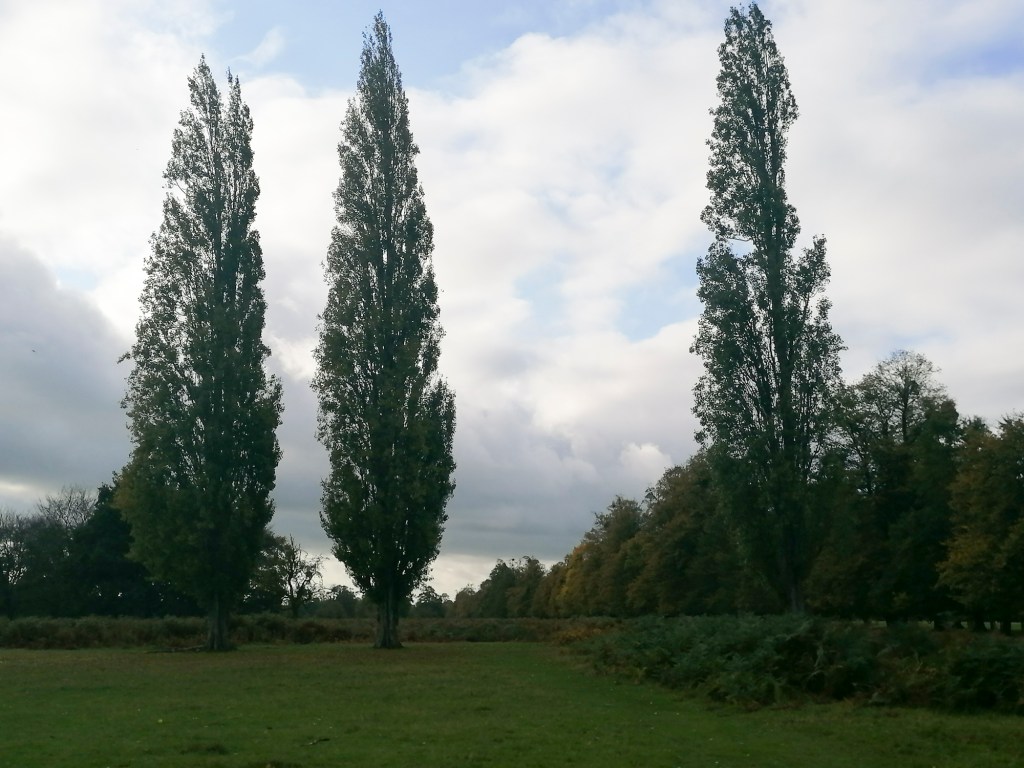
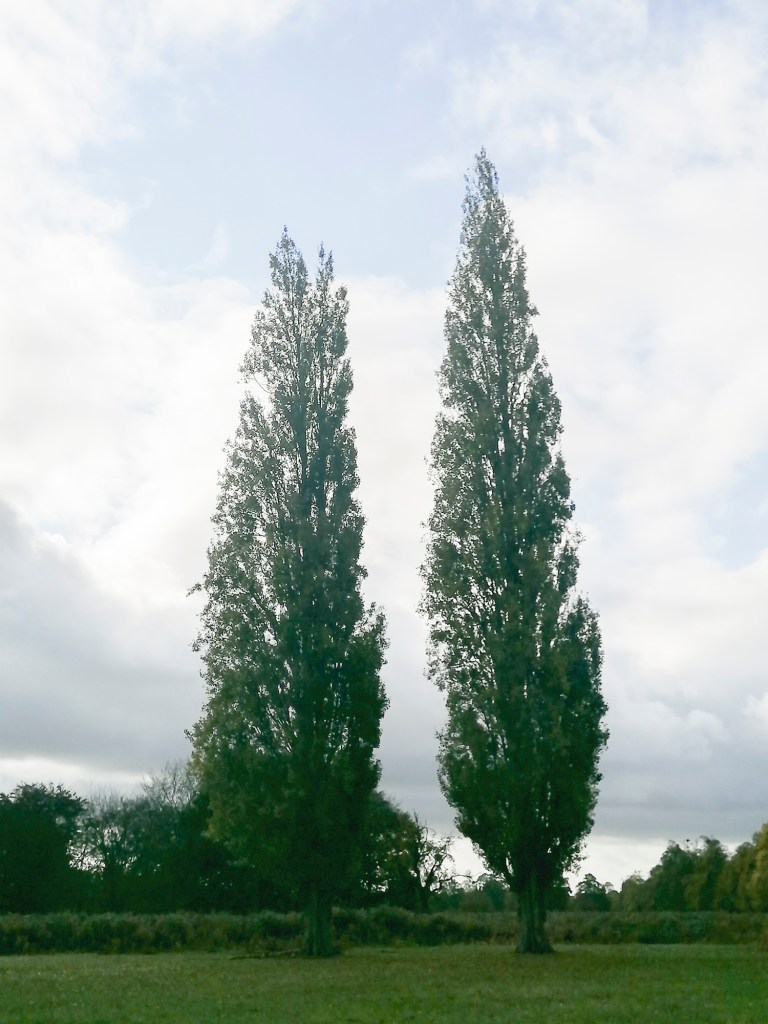
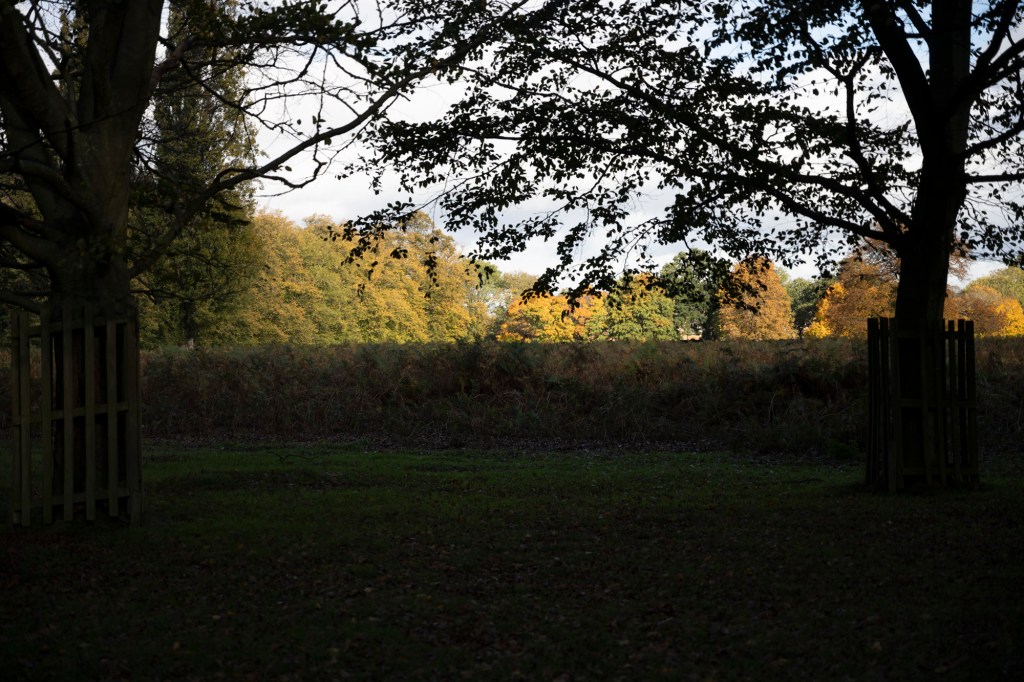
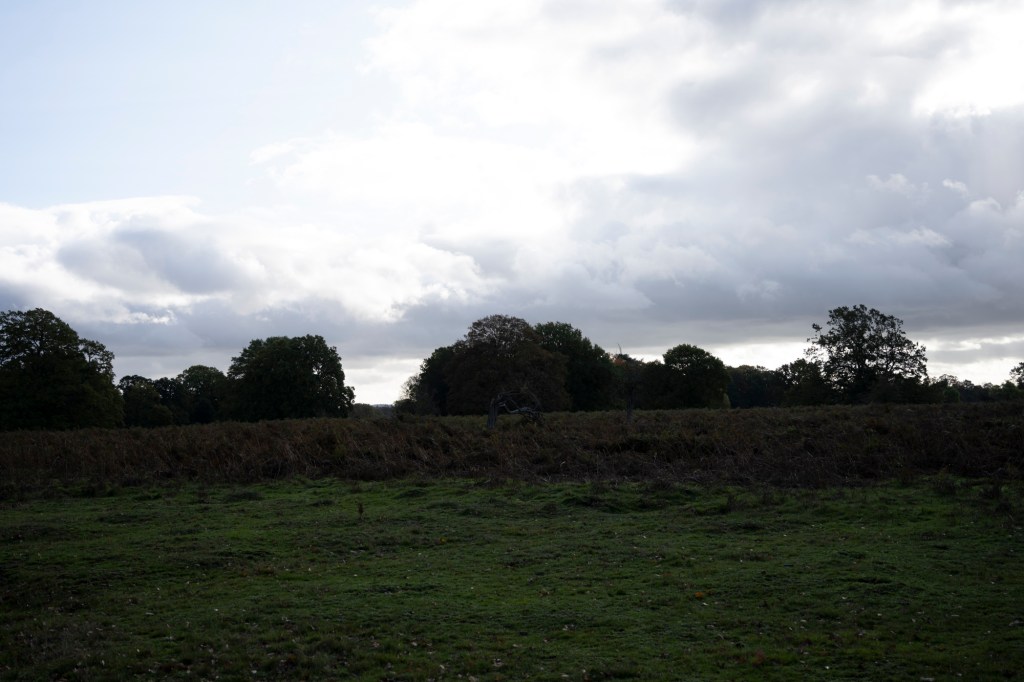
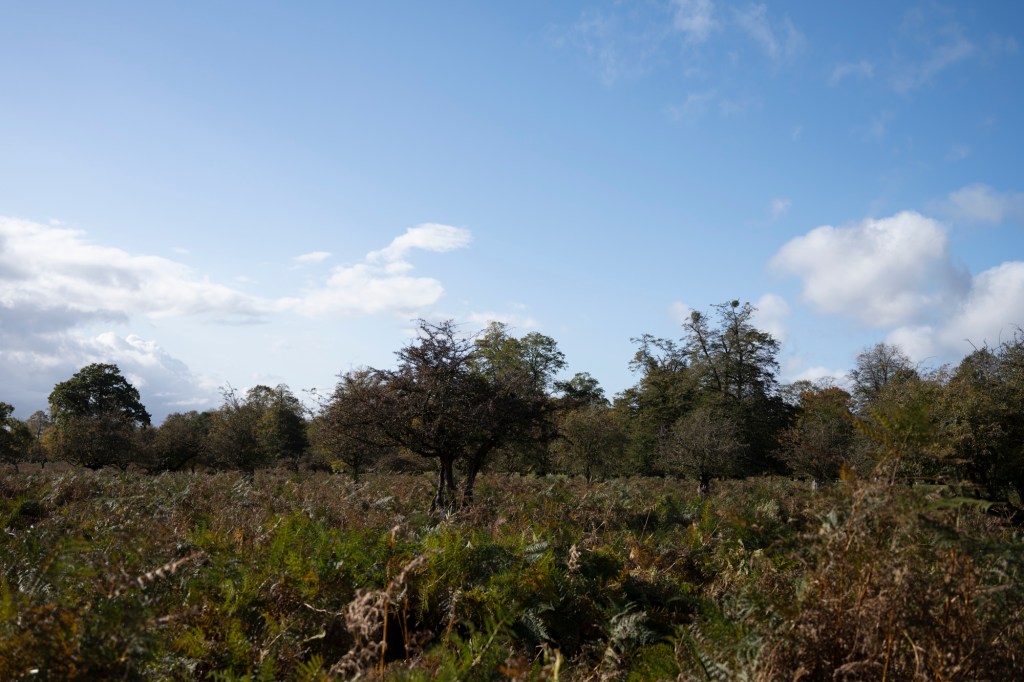
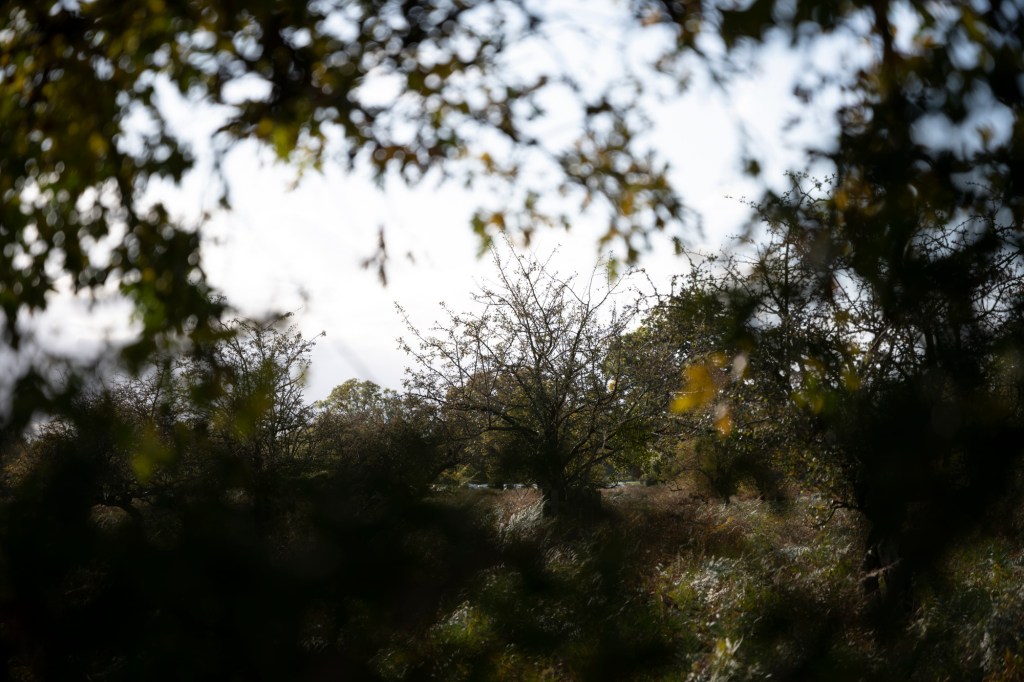
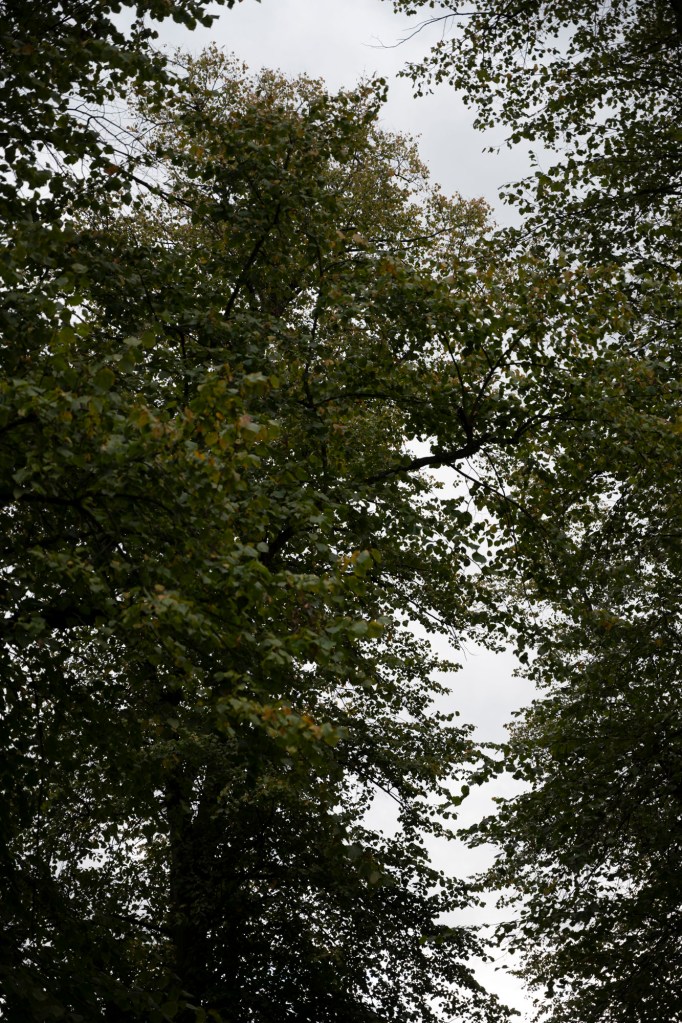
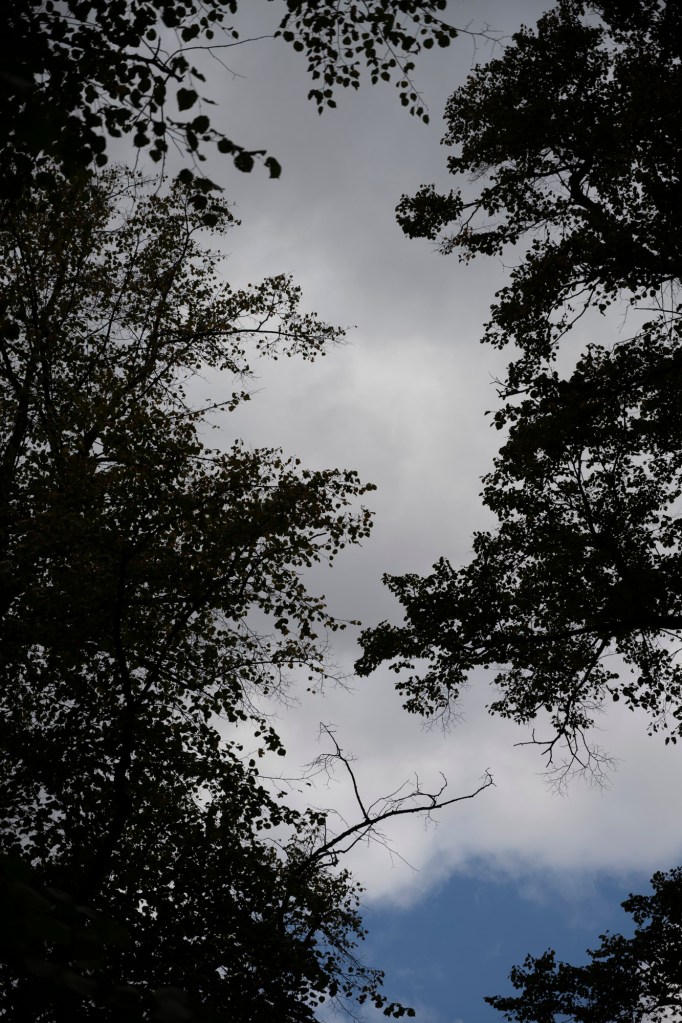
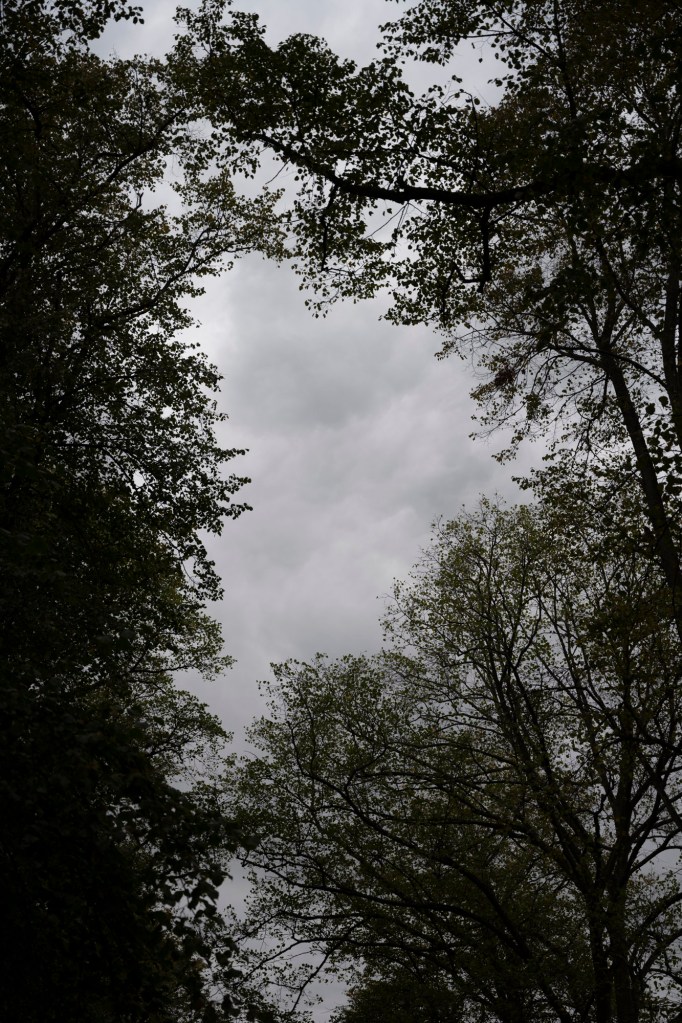
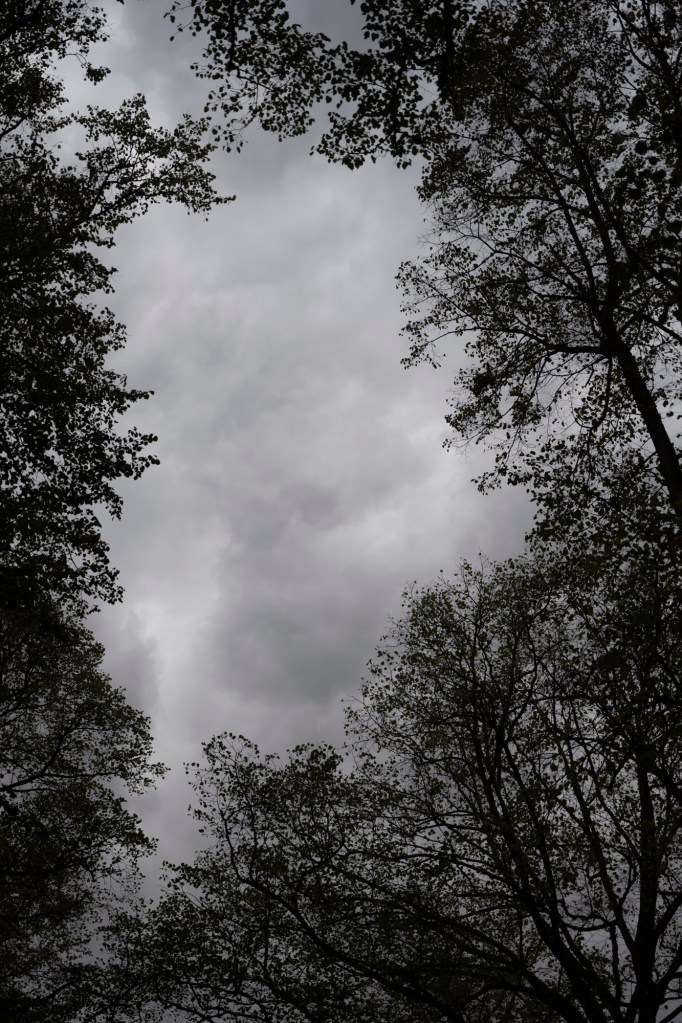
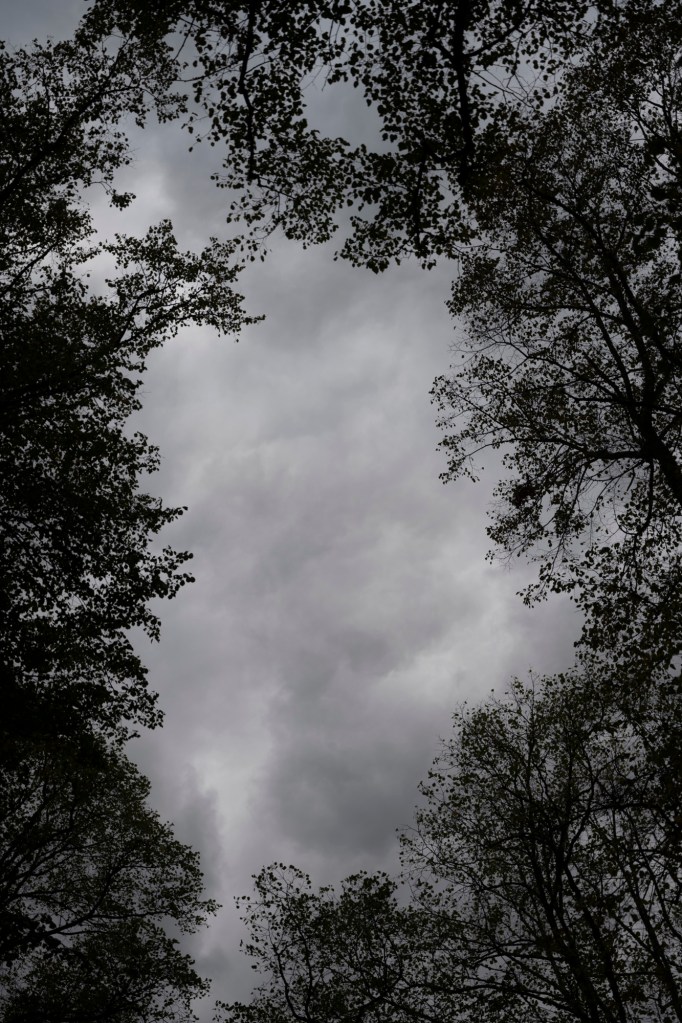
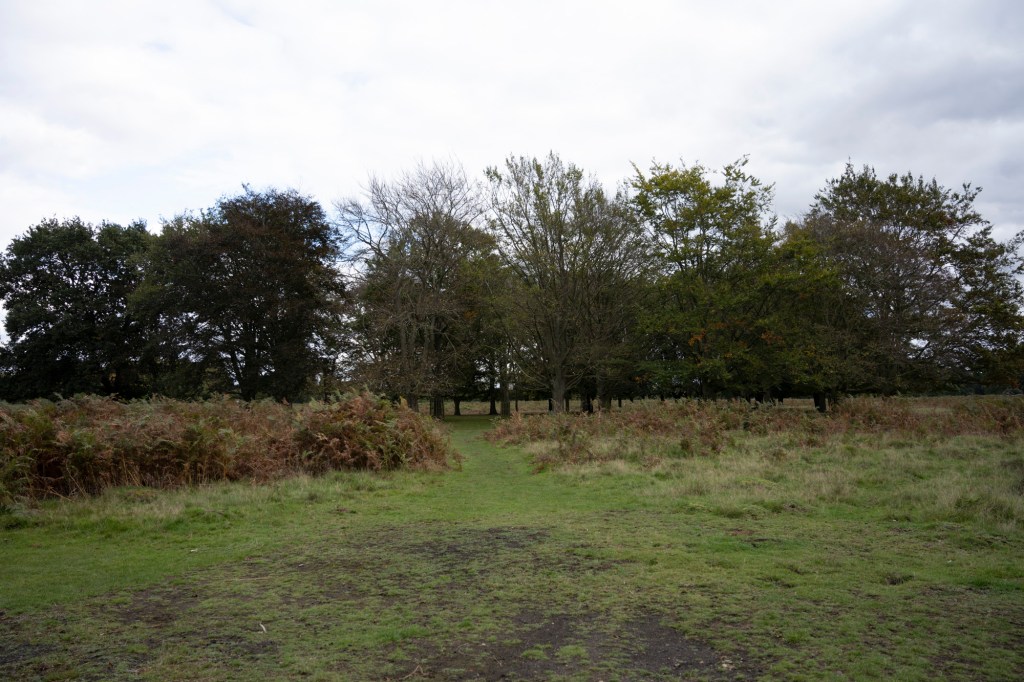
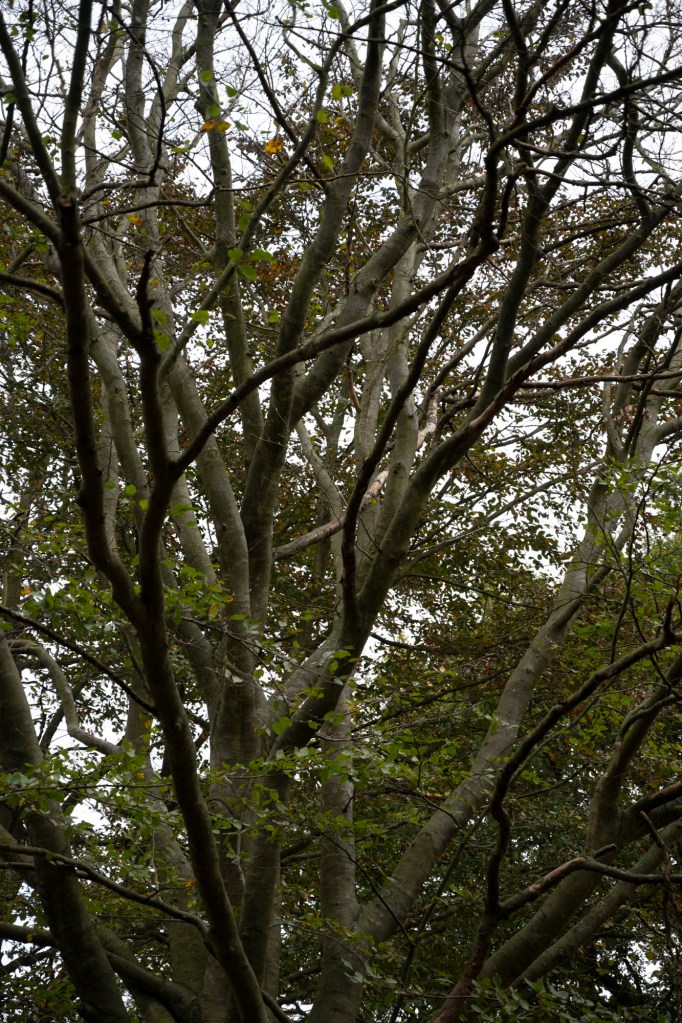
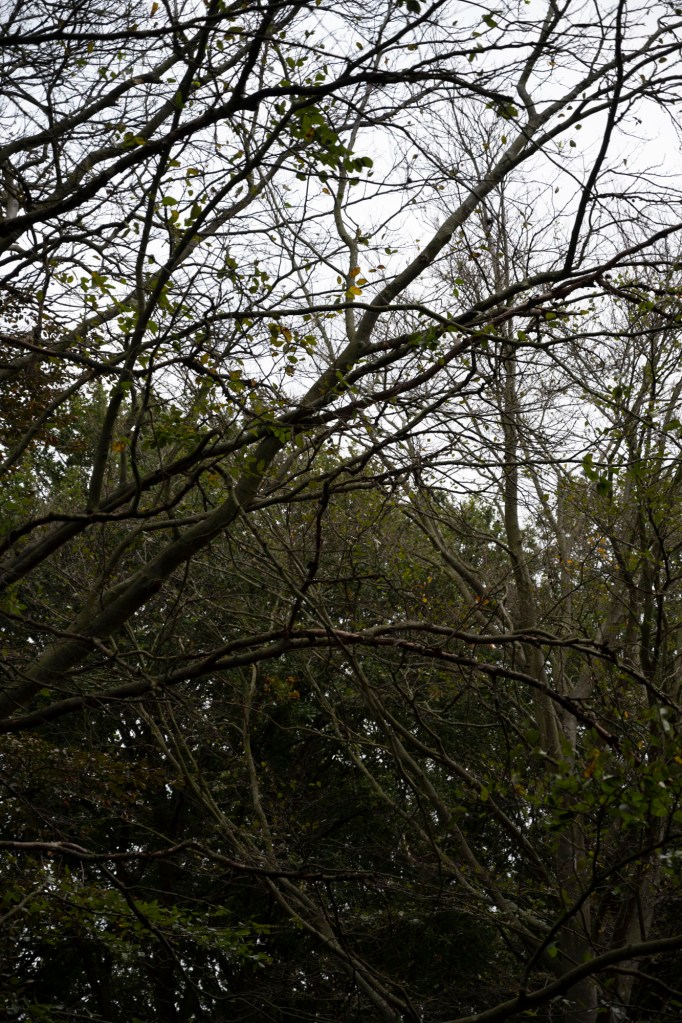
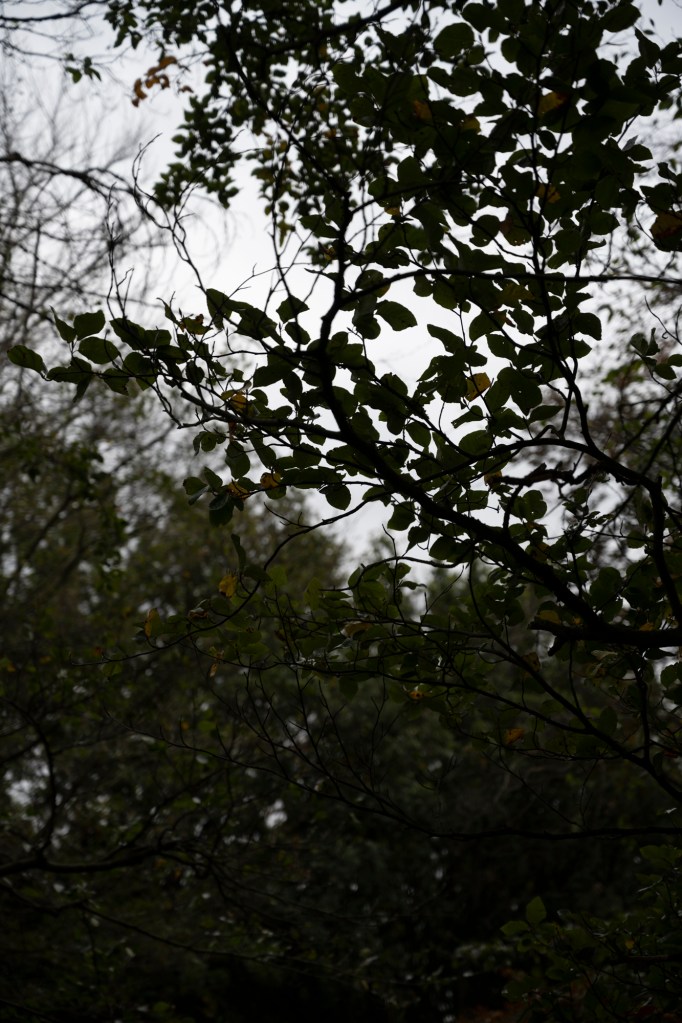
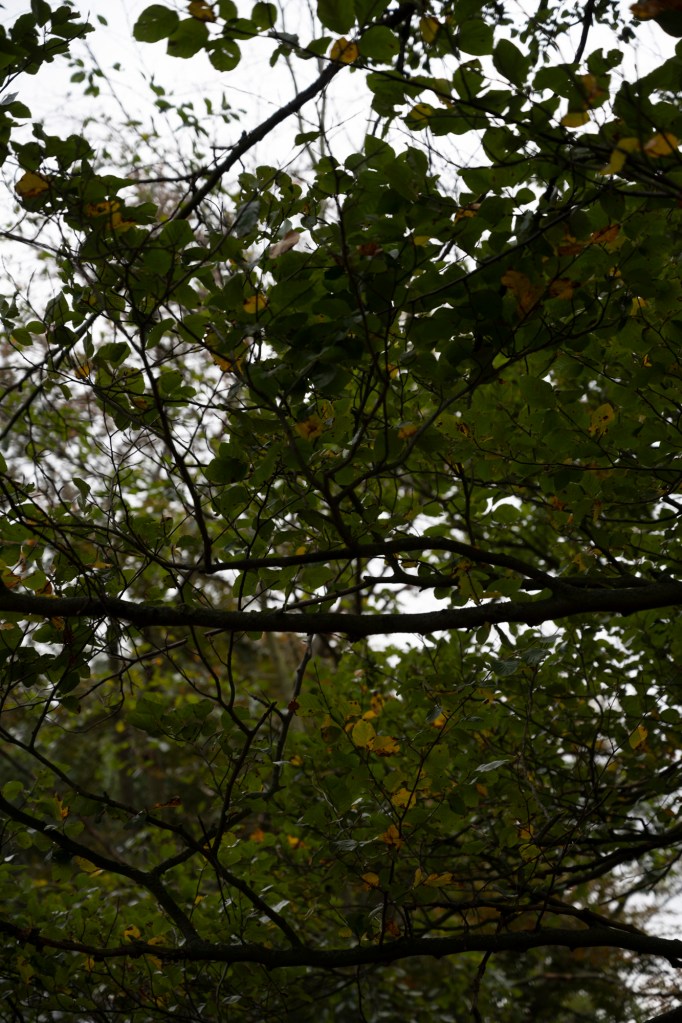
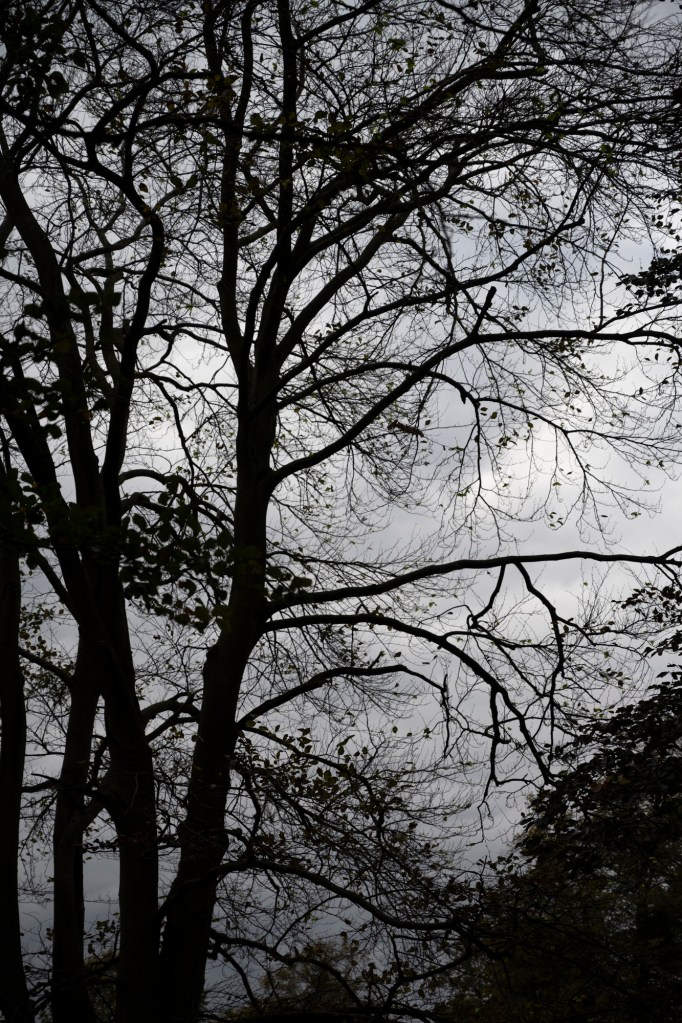
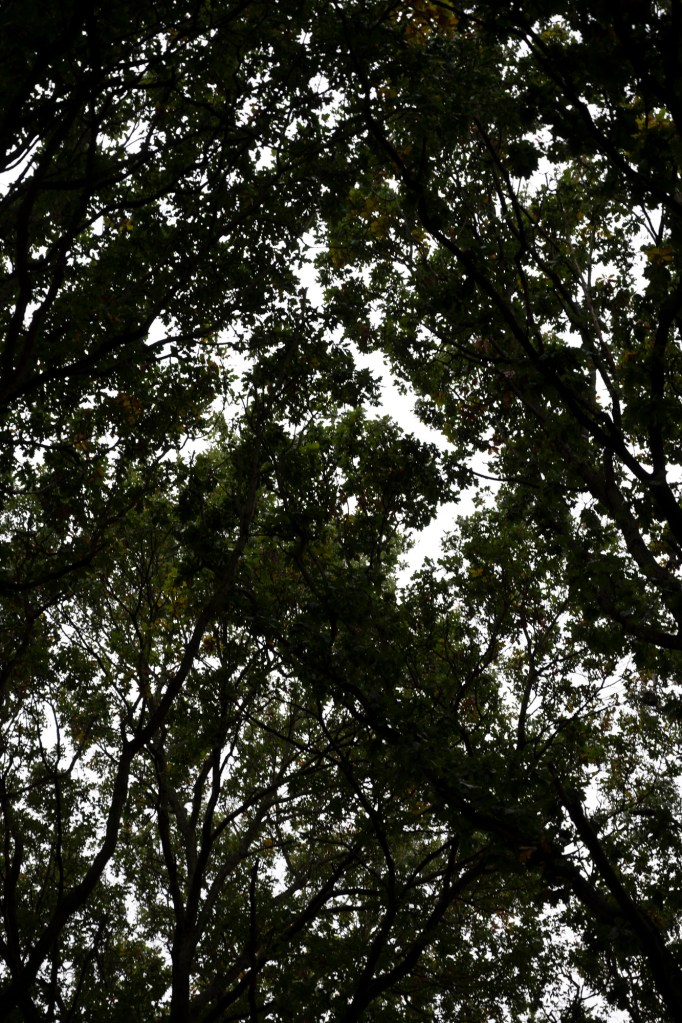
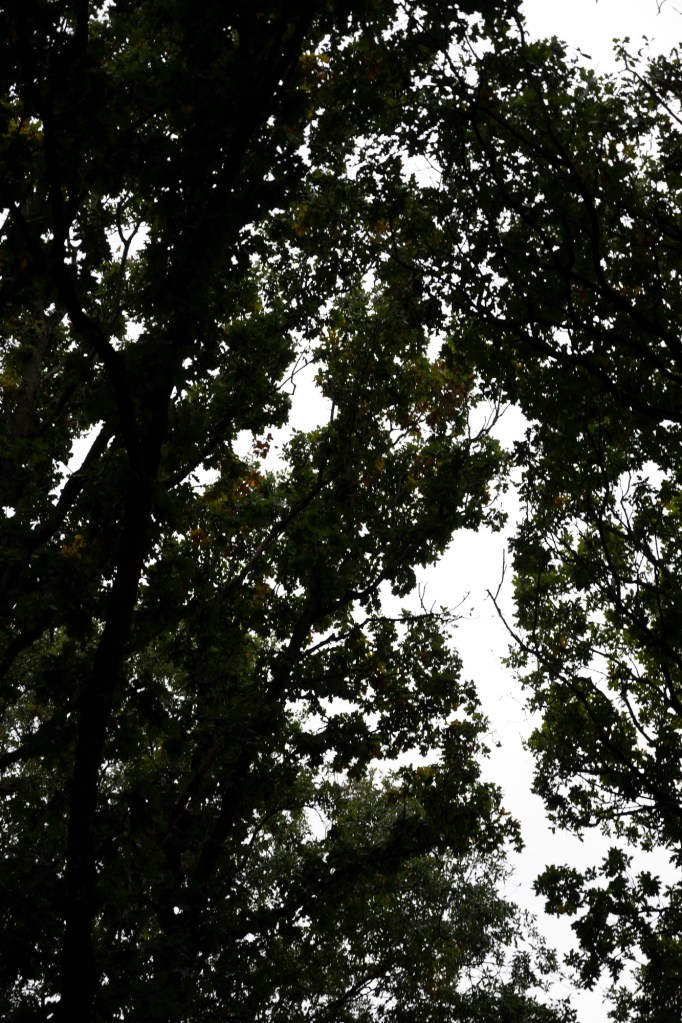
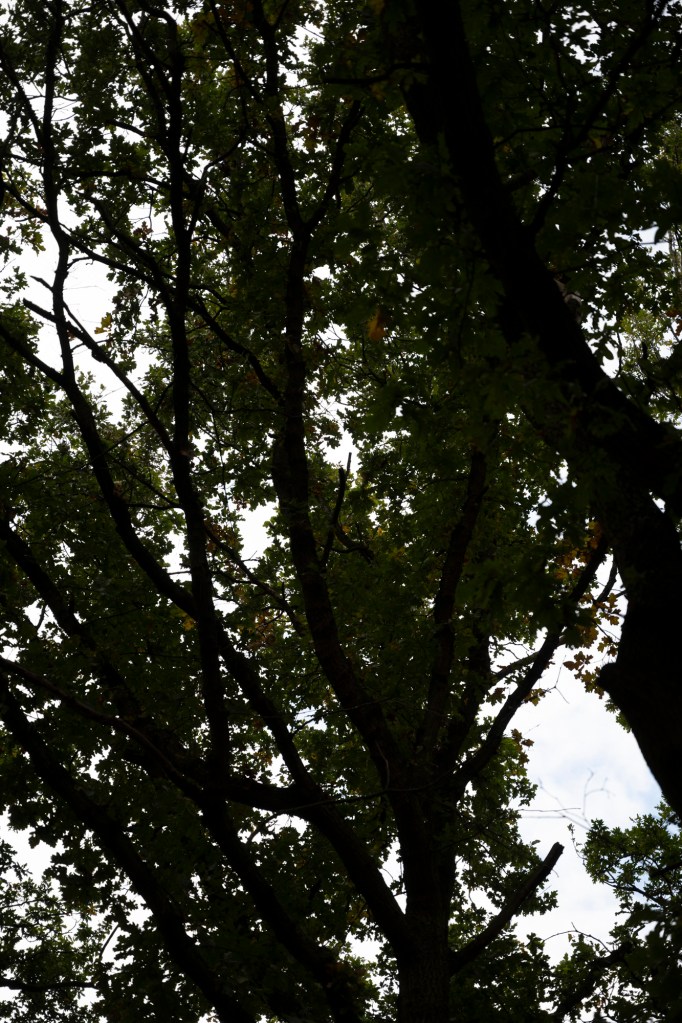
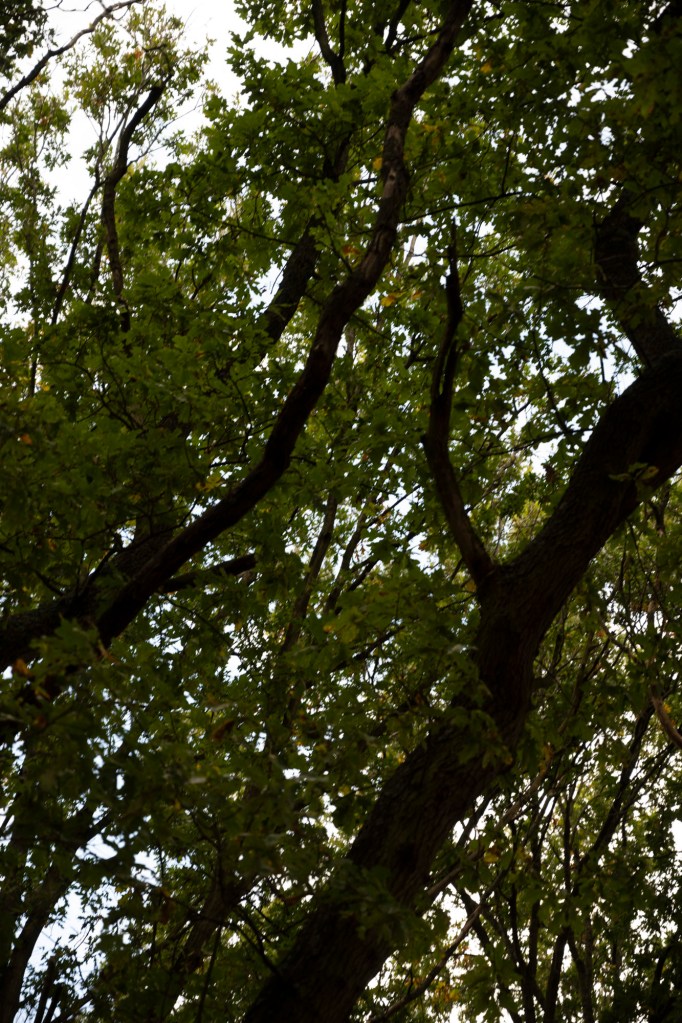
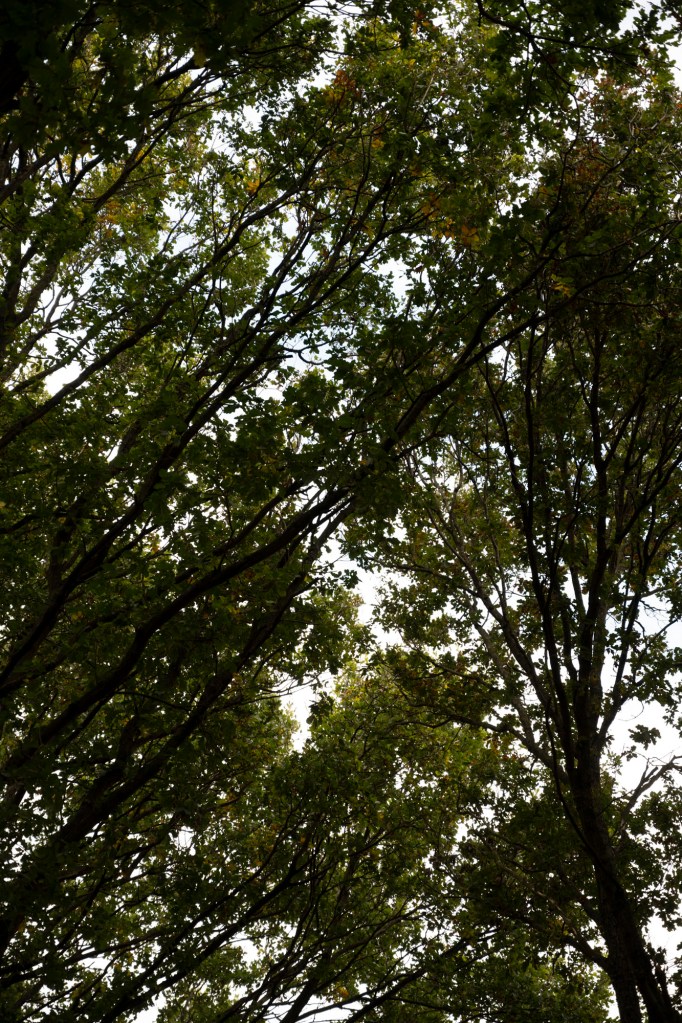
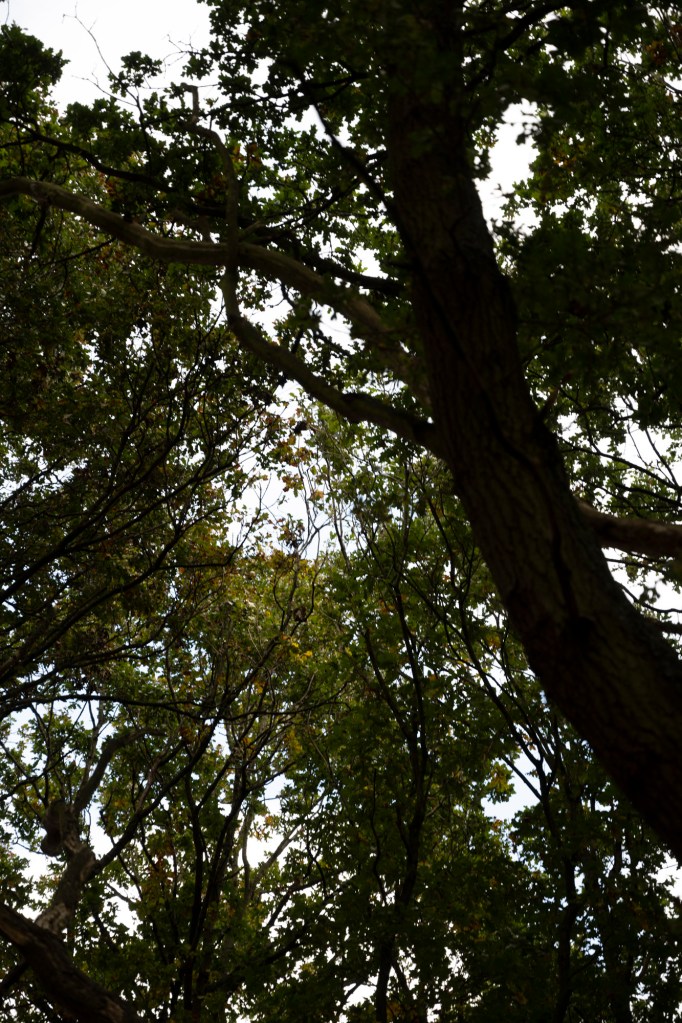
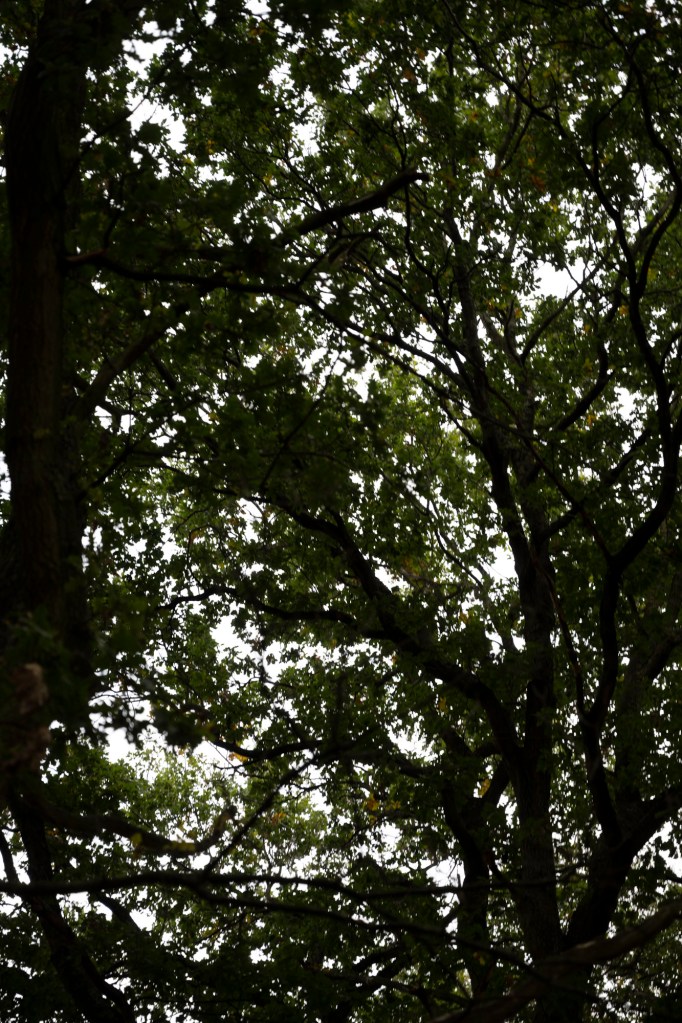
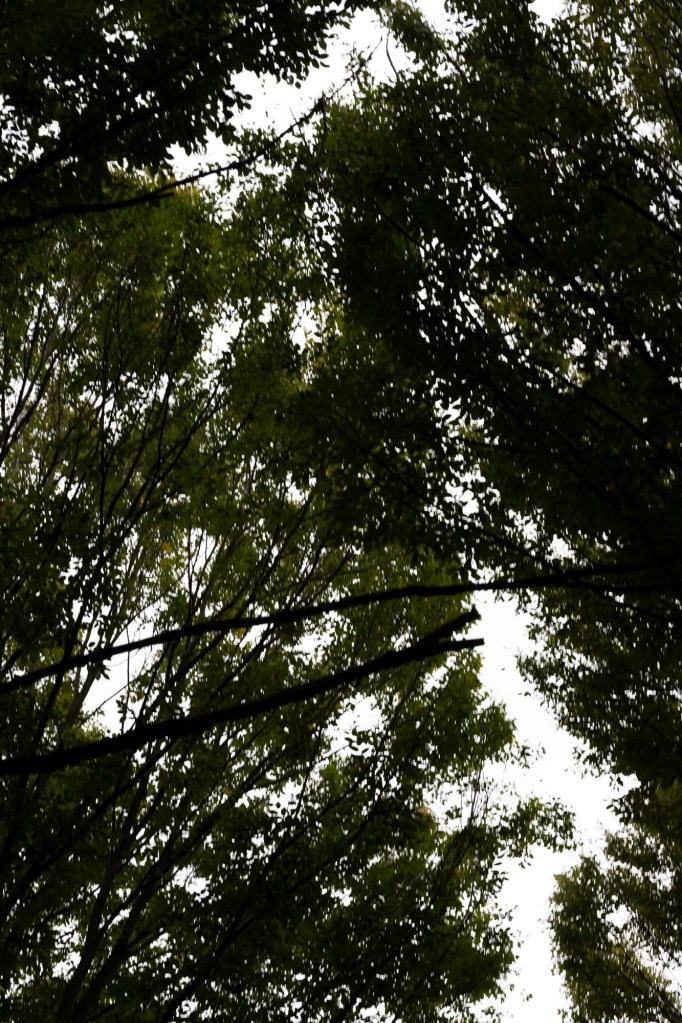
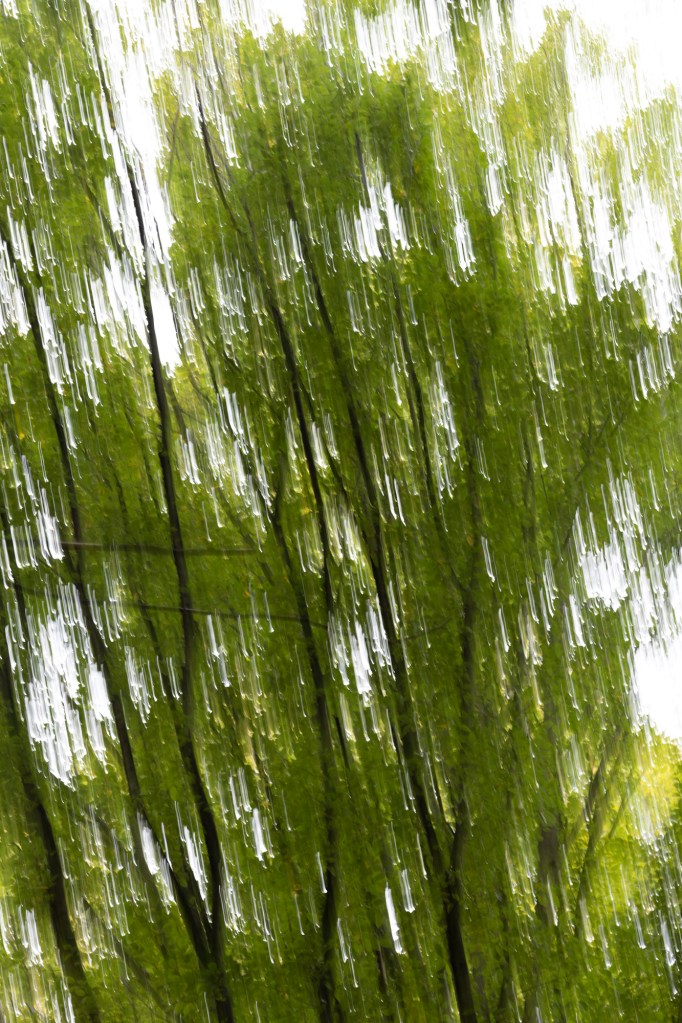
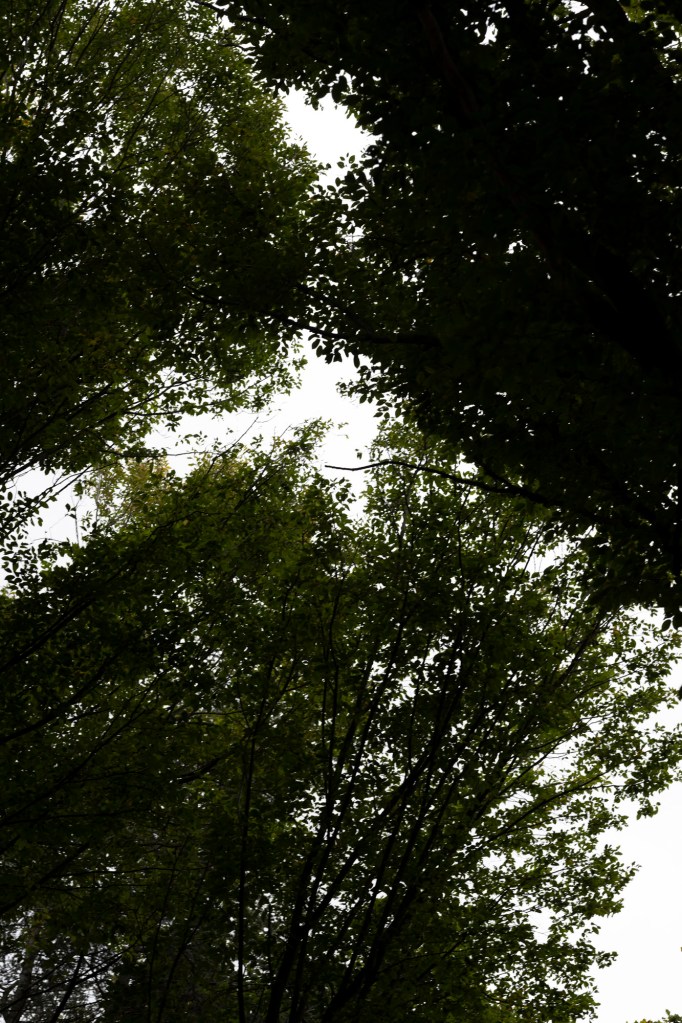
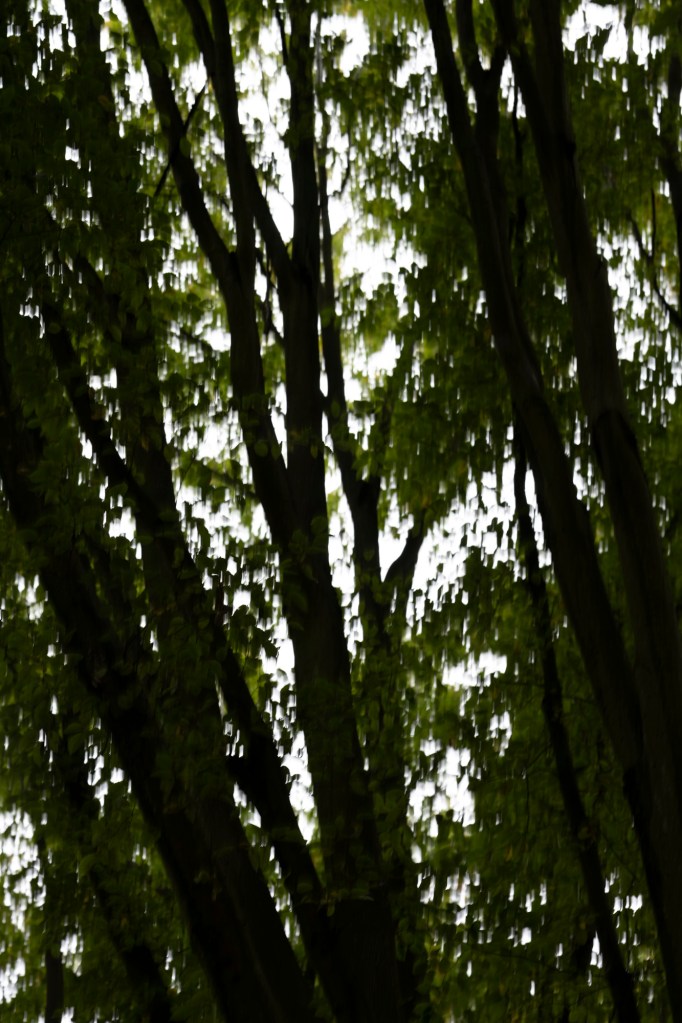
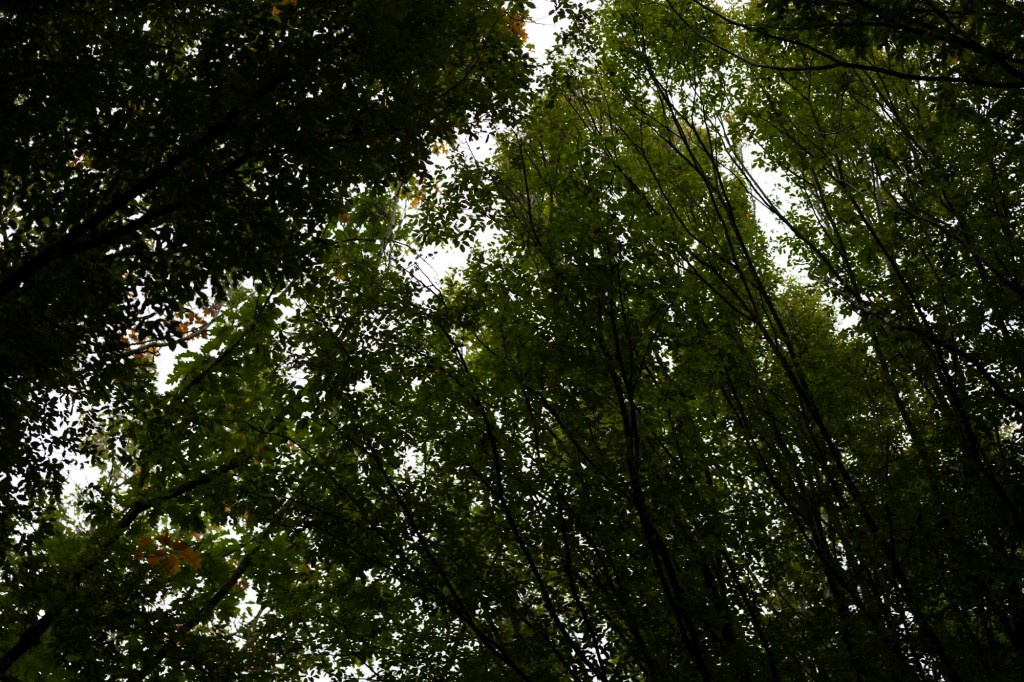
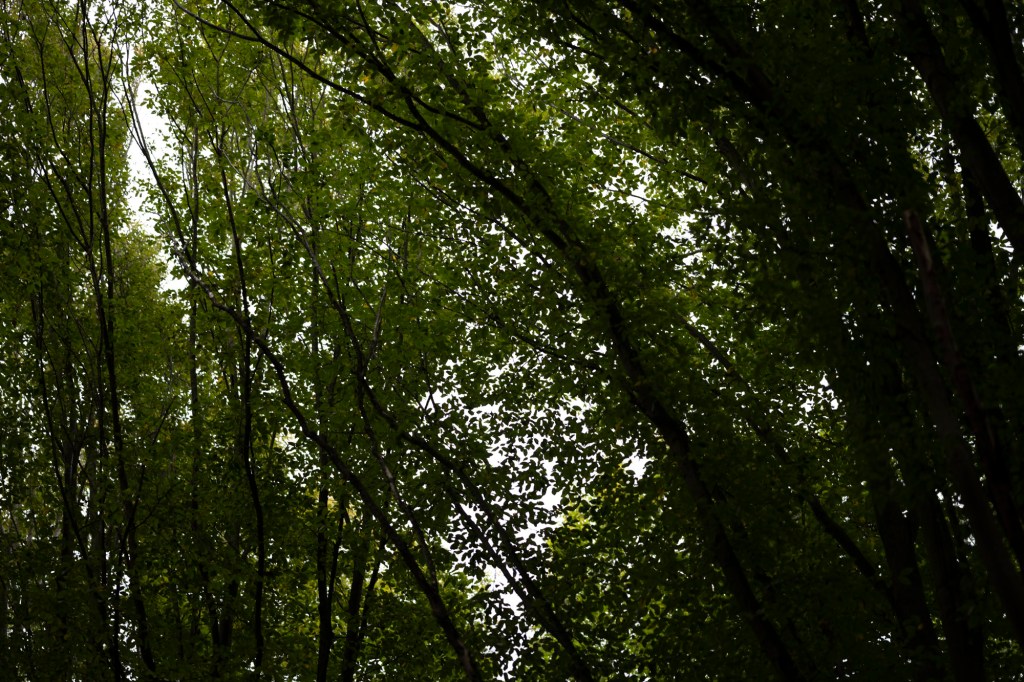
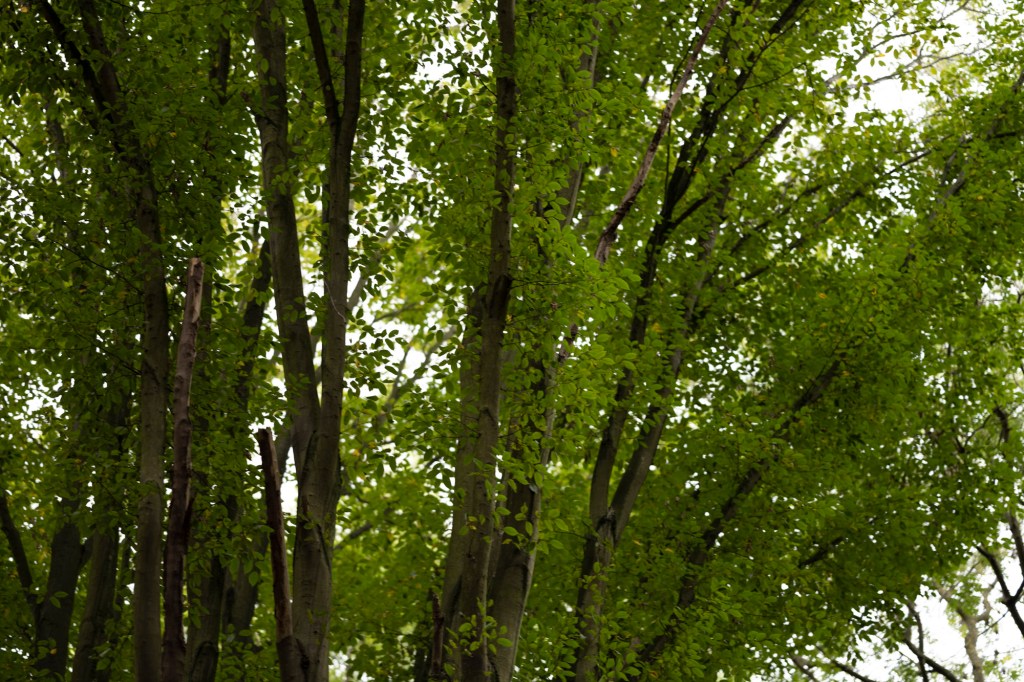
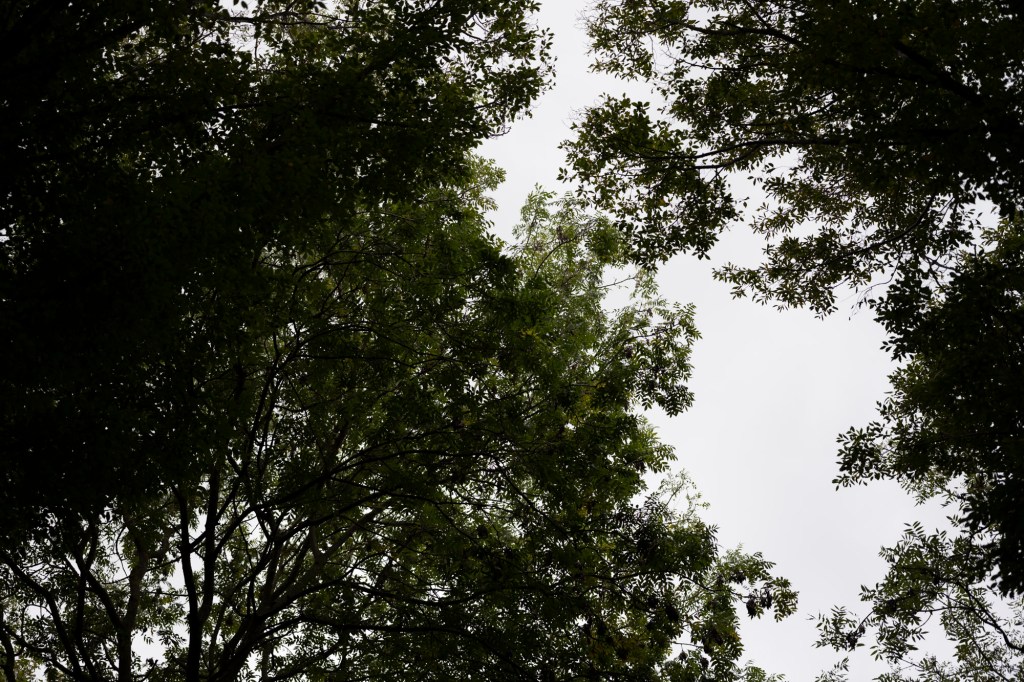
By now, I was quite tired so my last two shots were of the copse of which the harlot is part.
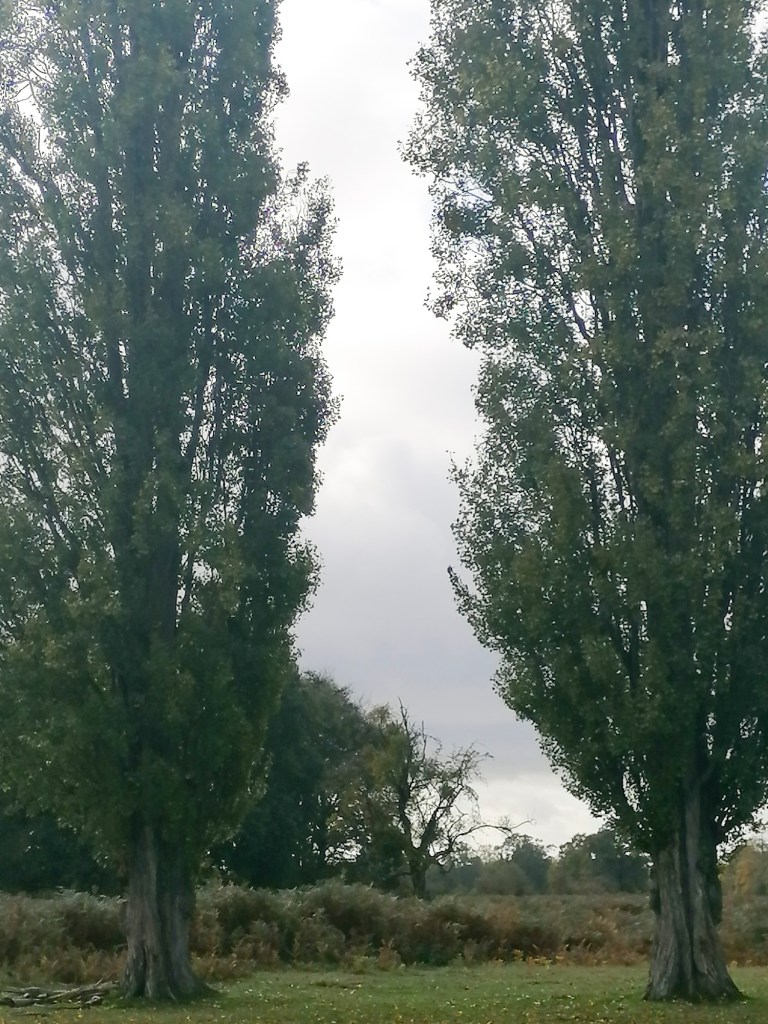
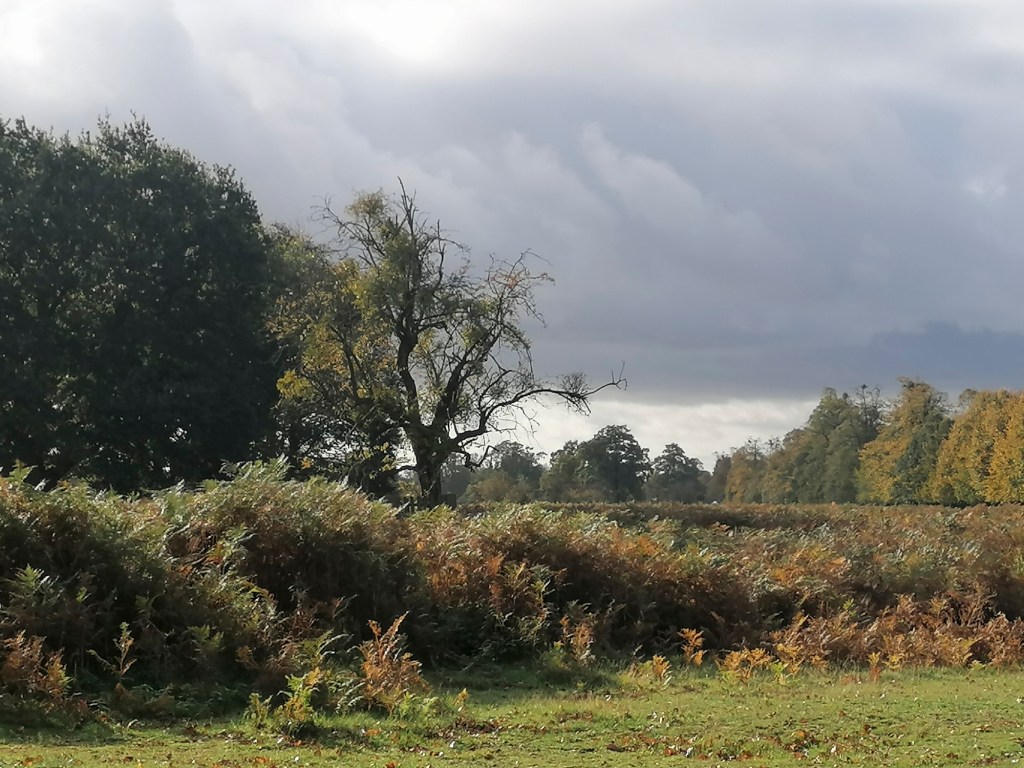
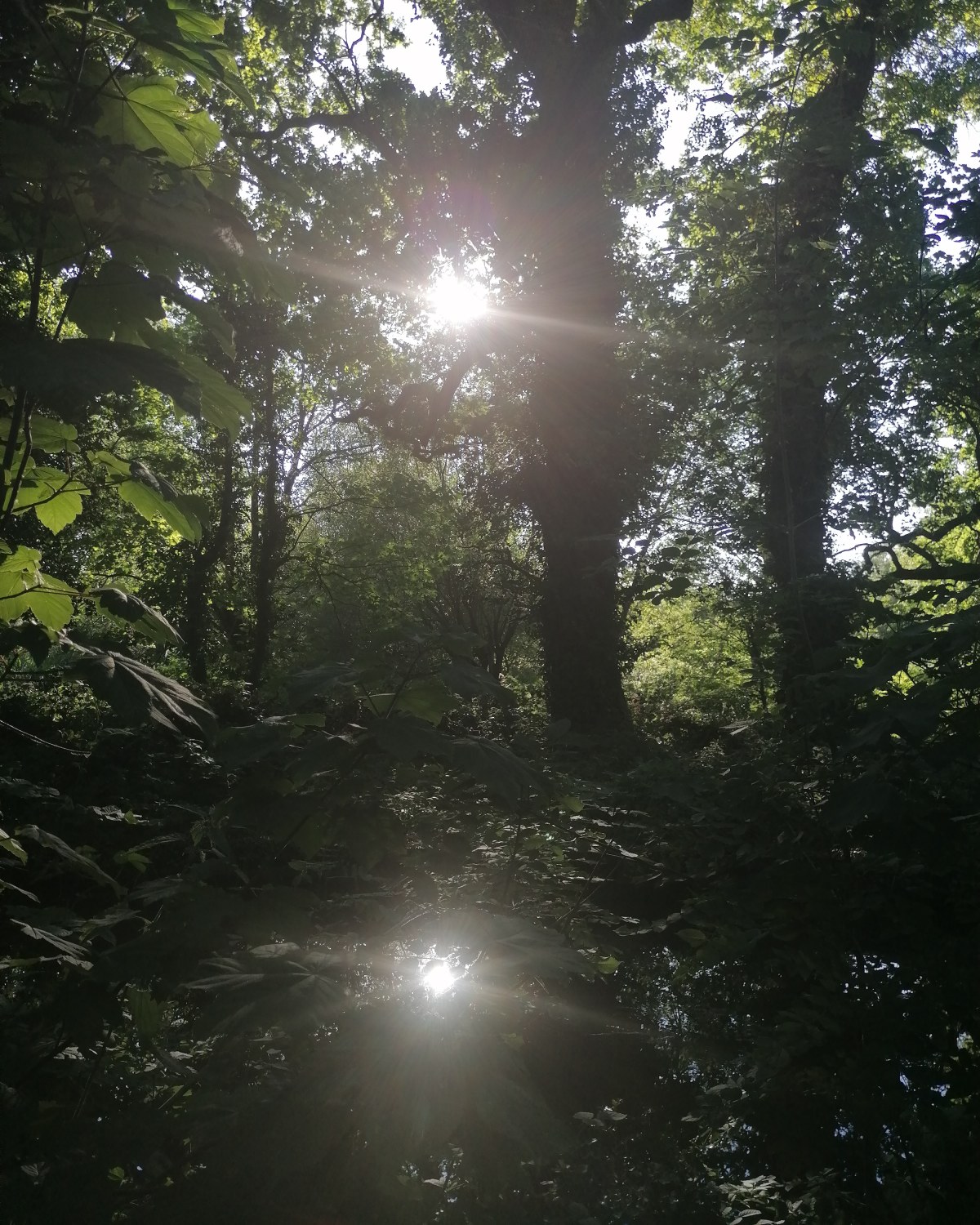
What did come out of this session was that I needed record the co-ordinates of each tree so I could start mapping them. Unfortunately, my camera doesn’t have a GPS option, so I need to take a photo of each one using my smartphone to capture these details. I have done a bit of research and there is an app called Nikon SnapBridge that can potentially add the co-ordinates of each image. Otherwise, I will have to manually add the co-ordinates to the metadata of each file so I can keep track of which image relates to each tree.
Another consideration is the use of filters to enhance the image before converting to Black & White. The camera itself has various white balance settings, which could also influence the conversion outcome.
The third and final consideration is the ferns. I know that these will totally disappear in approximately a month’s time. This means the trees will look different again, especially as they will have lost their by then.
 Jennie Meadows MA Photography