Categories
AGM62 Photography Research Project Stage 1 Posts

AGM62 Bernd and Hilla Becher 16 November 2020

When considering my current project in relation to either an objective or subjective viewpoint, the work of Bernd and Hilla Becher exemplify the former.
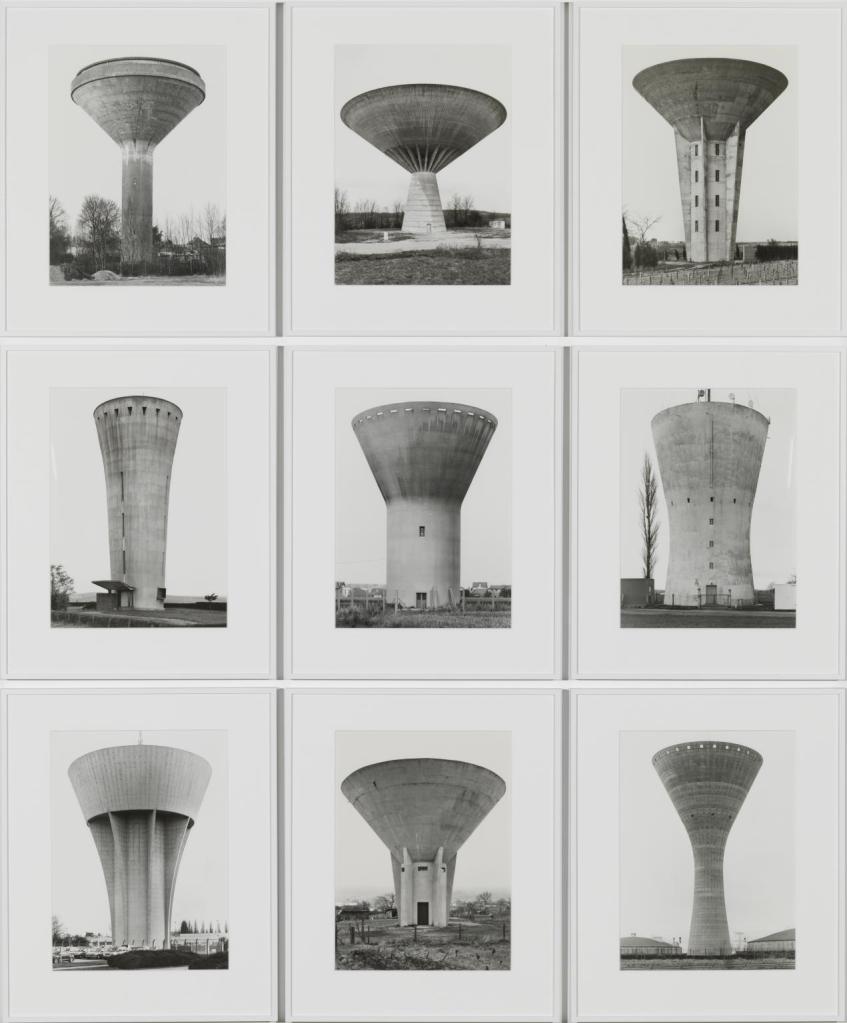
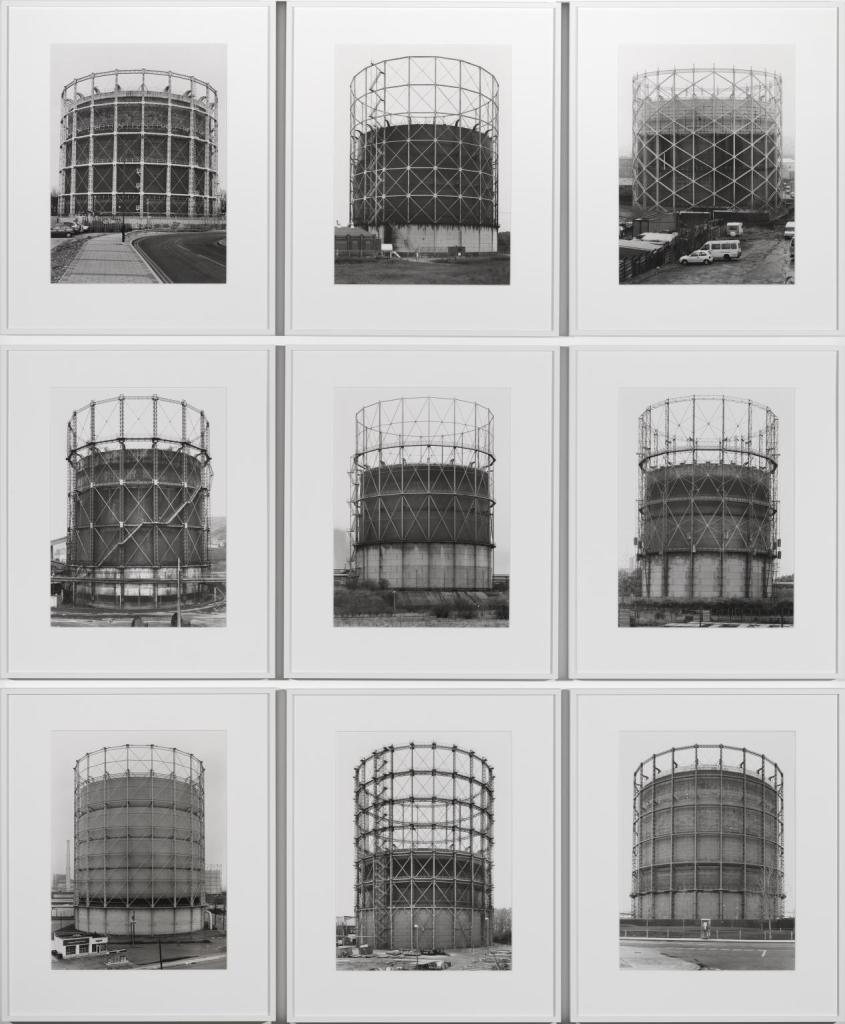
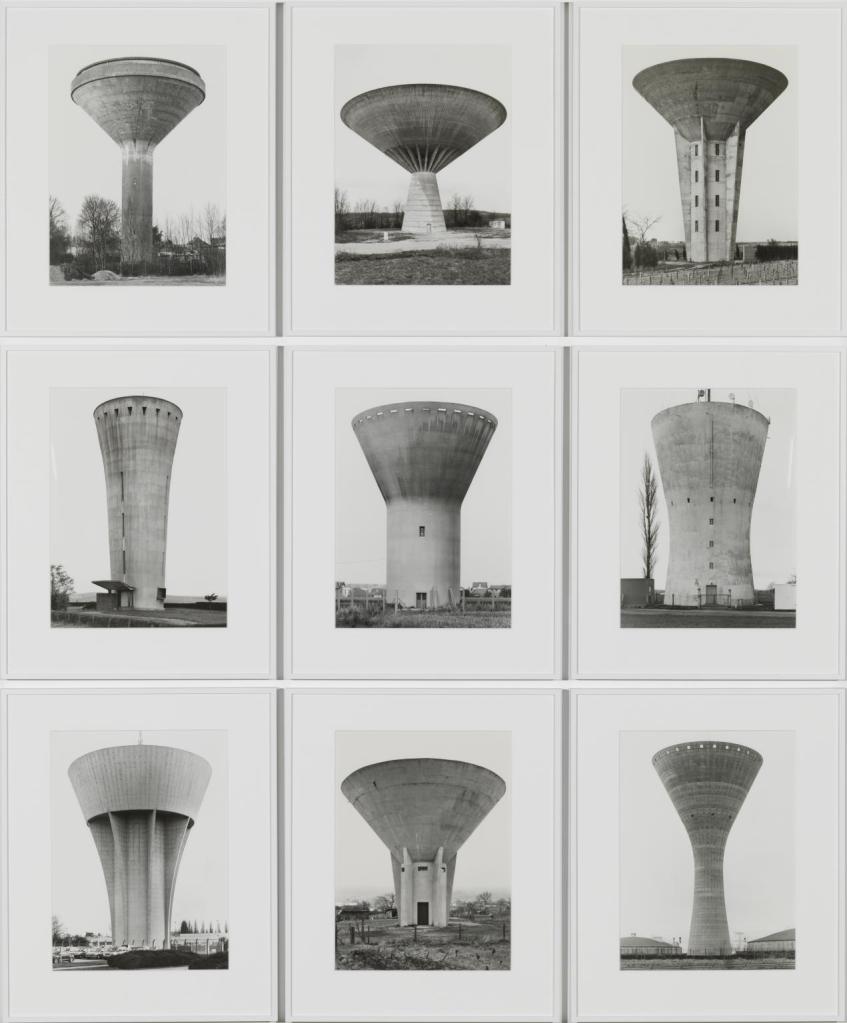
The particular collection of the Becher’s work is held by the Tate and was purchased with funds provided by Tate International Council, the Photography Acquisitions Committee, Tate Members and Tate Patrons in 2015. These nine gelatin silver print photographs were taken by Bernd and Hilla Becher over a period of more than thirty years and printed in 2013 under the supervision of Hilla Becher.

According to the Tate website, these particular prints are arranged in three rows of three. Although they exist in an edition of five, the grouping and sequencing of the images in this particular work is unique and was determined by Hilla Becher. The photographs are typical of the Bechers’ work and show different examples of a specific type of industrial architecture.

The Becher’s work epitomises the concept of photographic typology, which can be defined as:

‘A single photograph or more commonly a body of photographic work, that shares a high level of consistency. This consistency is usually found within the subjects, environment, photographic process, and presentation or direction of the subject. The creation of a typology is likely to be employed for one of two intentions. To enable objective comparison of subjects that share similar visual characteristics, or to create a relationship between subjects that share no obvious visual relationship.

(Lewis. P. Can the photographic typology be defined?, 2020)

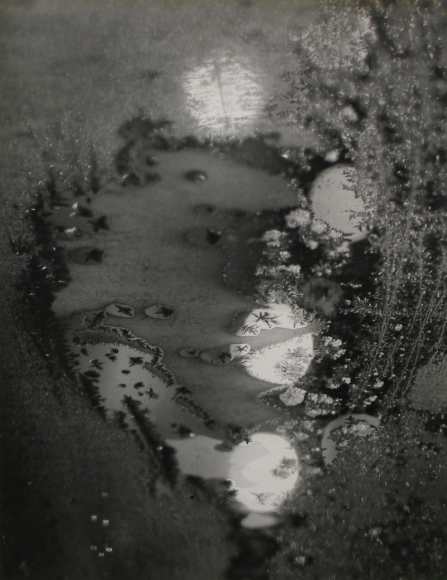
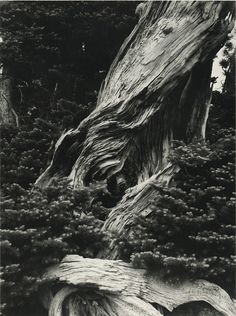
As with Minor White, they had a particularly meticulous approach to their photography.

‘To achieve the ‘perfect chain’ described by the Bechers, each photograph was produced following exactly the same setup, using a large-format camera positioned to capture the form from one of three distinct perspectives (as a detail, in the context of its surroundings, or in its entirety) so as to take up the whole frame of the picture.’

(‘Water Towers’, Bernd Becher and Hilla Becher, 1972–2009 | Tate, 2020)

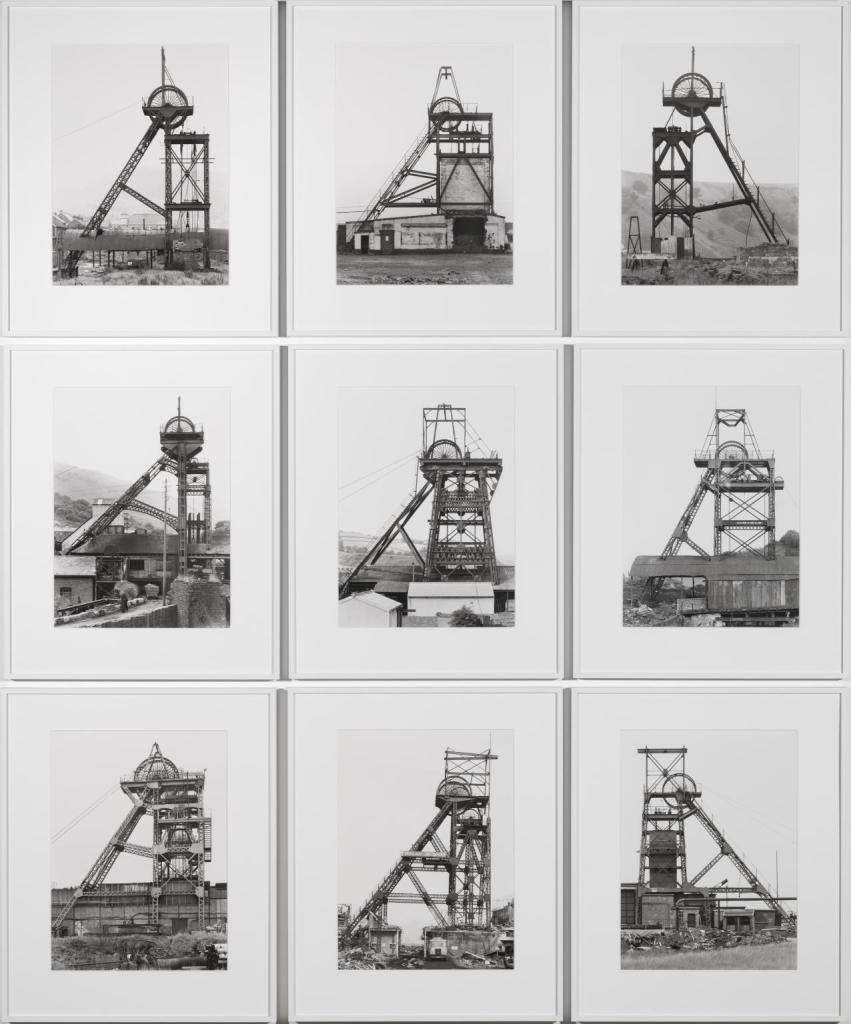
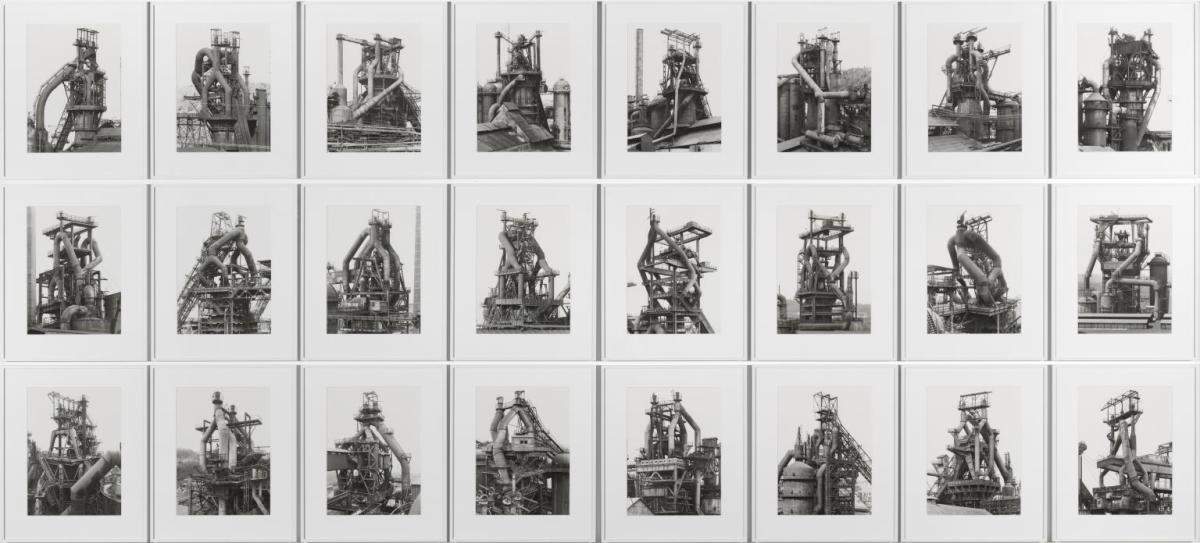
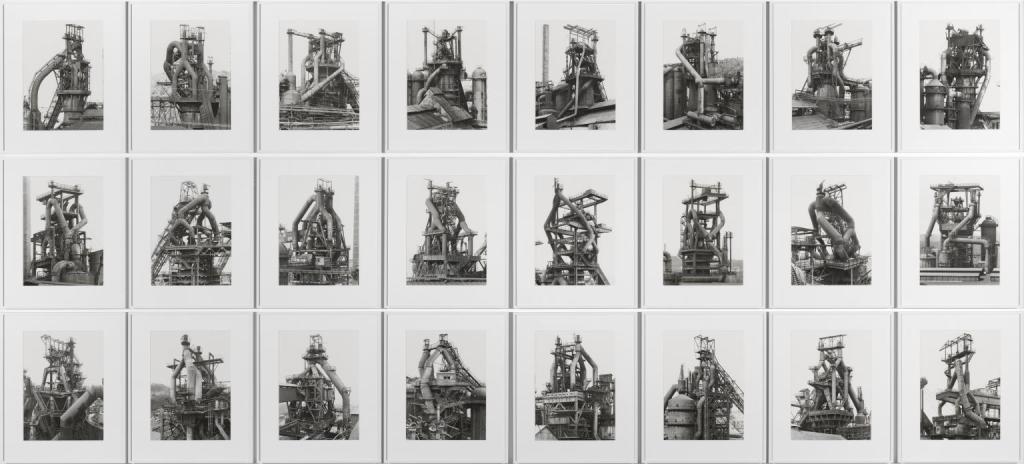
In addition to water towers, the Bechers created a number of similar ‘typologies’ of industrial architecture, including Gas Tanks 1965–2009, Blast Furnaces 1969–95, and Winding Towers (Britain) 1966–97.
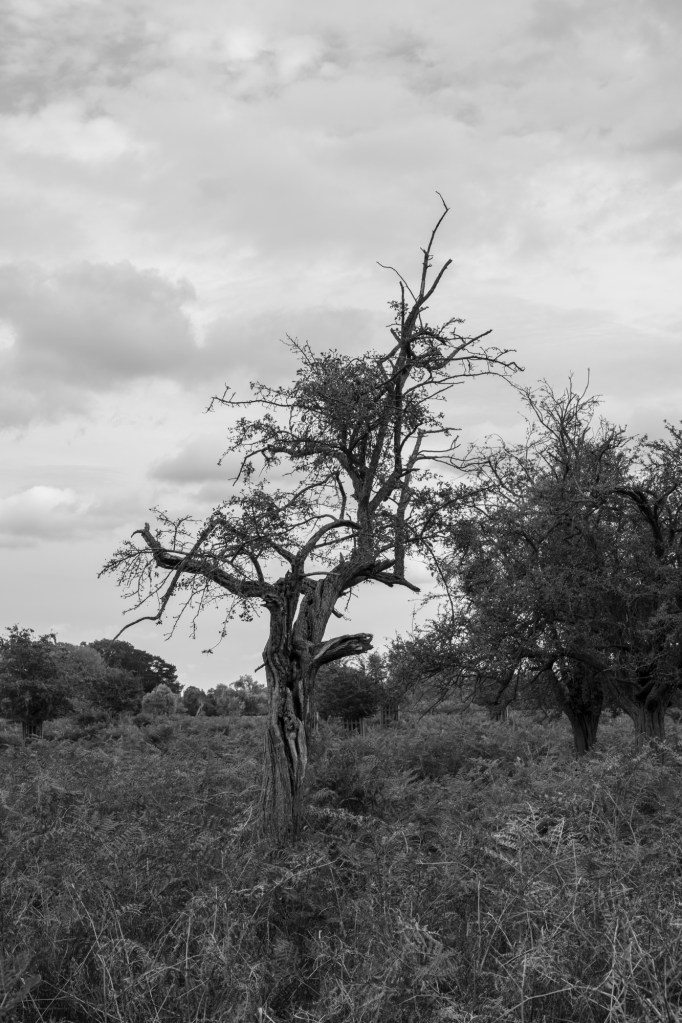
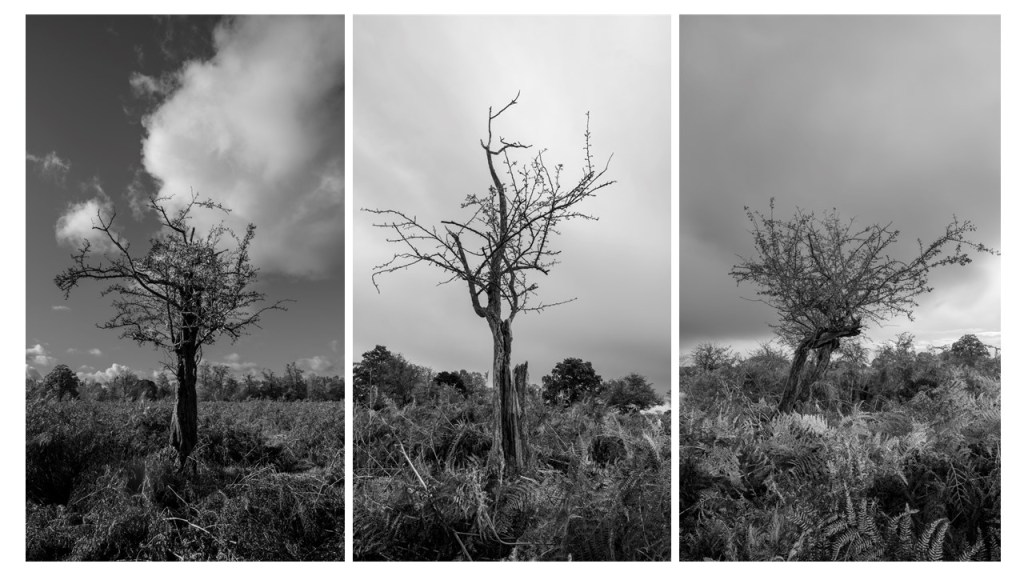
When comparing my methodology with that of the Bechers, I can see a similarity. I am beginning to use a predetermined set of parameters when photographing each hawthorn (both landscape and portrait orientation). This includes composition, the point of view and weather conditions. I am also editing my images so that they look similar in tone and ‘mood’. In retrospect, I am creating a photographic typology of a particular tree in a set environment.
References

Medium. 2020. Can The Photographic Typology Be Defined?. [online] Available at: <https://medium.com/@pdtv/can-the-photographic-typology-be-defined-bfa38d5699f3#:~:text=A%20photographic%20typology%20is%20a,or%20direction%20of%20the%20subject.&gt; [Accessed 16 November 2020].

Tate. 2020. ‘Gas Tanks’, Bernd Becher And Hilla Becher, 1965–2009 | Tate. [online] Available at: <https://www.tate.org.uk/art/artworks/bernd-becher-and-hilla-becher-gas-tanks-p81237&gt; [Accessed 16 November 2020].

Tate. 2020. ‘Water Towers’, Bernd Becher And Hilla Becher, 1972–2009 | Tate. [online] Available at: <https://www.tate.org.uk/art/artworks/bernd-becher-and-hilla-becher-water-towers-p81238&gt; [Accessed 16 November 2020].

Categories
AGM62 Photography Research Project Stage 1 Posts

AGM62 1 to 1 Tutorial Feedback and Actions 21 October 2020

The focus of this one-to-one tutorial was to discuss with Åsa my initial concept and potential process. This was part of the concept-process-form paradigm that Åsa presented and the class talked about during the last group tutorial on 7 October 2020.

After two weeks of thinking about a potential concept and carrying out various research and taking images, it was a relief to be able to vocalise my thoughts, discuss my results so far then work out a focal point for this project.

The tutorial had to be via Microsoft Teams, but as most of my work so far had been via digital means I was able to present it to Åsa online. To start, I went through the blog posts that I had written. I was hoping this would give my tutor the opportunity to understand my line of thinking (which can be challenging sometimes, for both myself and others!).

What did prove very useful was showing the map of Bushy Park to Åsa. I don’t think that both my tutor and classmates actually realised the size of the park when I’ve talked about it previously. At 1,099 acres, it is also the second largest one in London after Richmond Park. Also that it is a Special Site of Scientific Interest (SSSI) and has a rich history and heritage.

Feedback & Thoughts

I have to admit that I can’t recall exactly every details of our conversation, but these are the most pertinent points that struck a note with me.

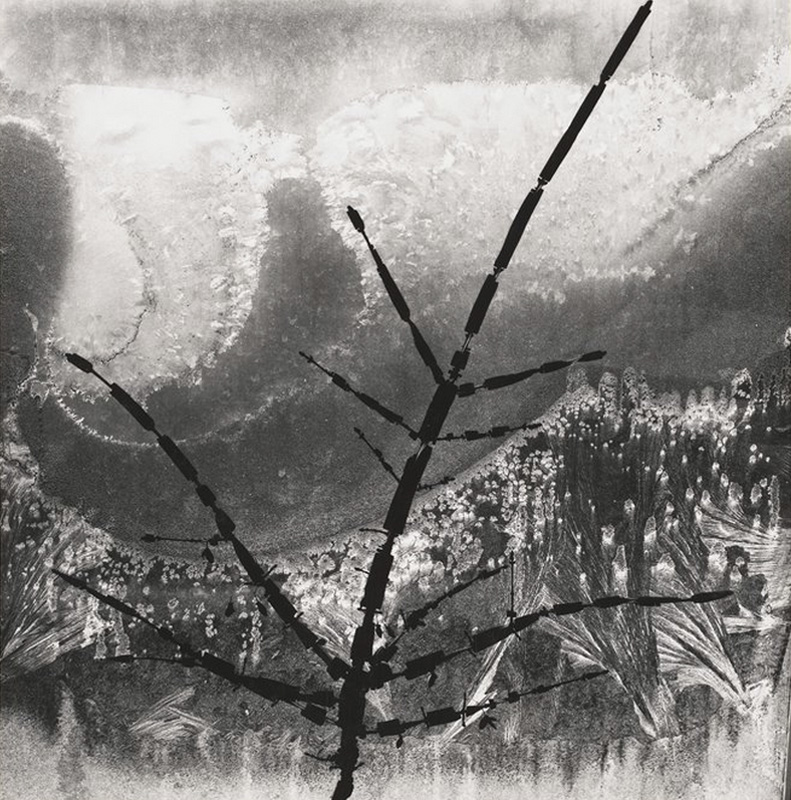
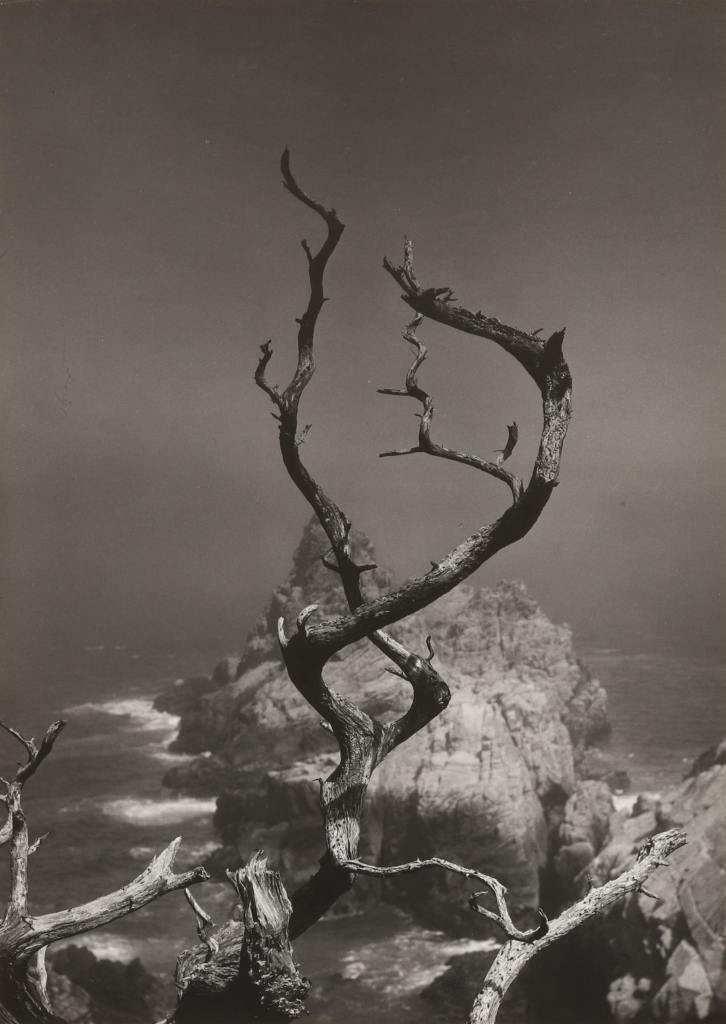
When I went through the Bushy Park images from 5, 9 and 16 October 2020, Åsa remarked that were different from my previous project’s images (AGM61 Moments of Eternity). The photos I had taken during the two research sessions were just ‘straight’ shots with no real specific intention and to be led by my instincts. This tends to be my method of working at the start of a project. One of my major influences is Minor White and I subscribe to his ‘hunter/gatherer’ approach to get the creative juices flowing. I also wanted to take a different approach to the previous work.

Åsa also highlighted the differing point-of-view on how I took the images:

  • Objective: the tree as an object in the landscape, but in a portrait style
  • Subjective: close ups of details, looking up at the branches

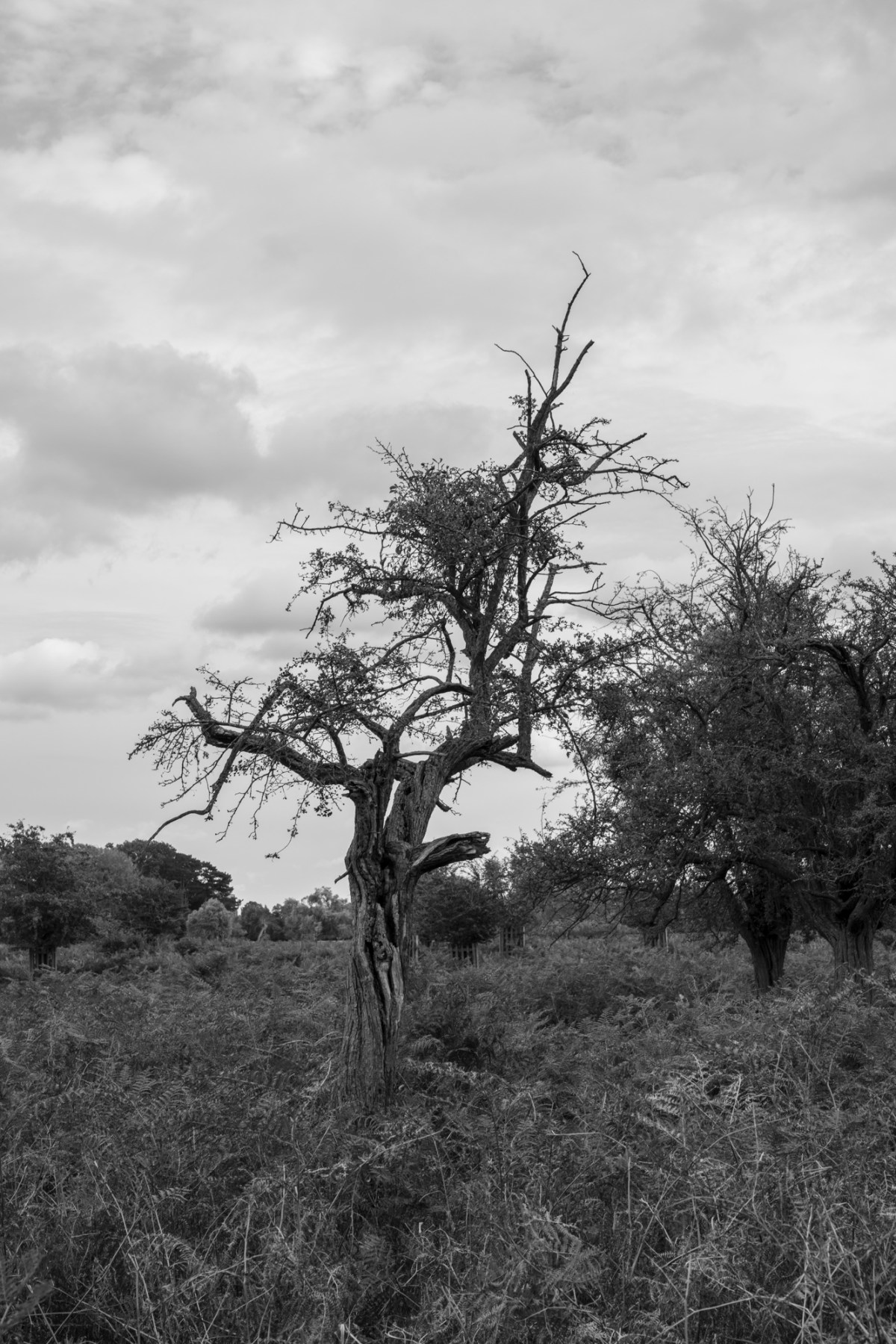
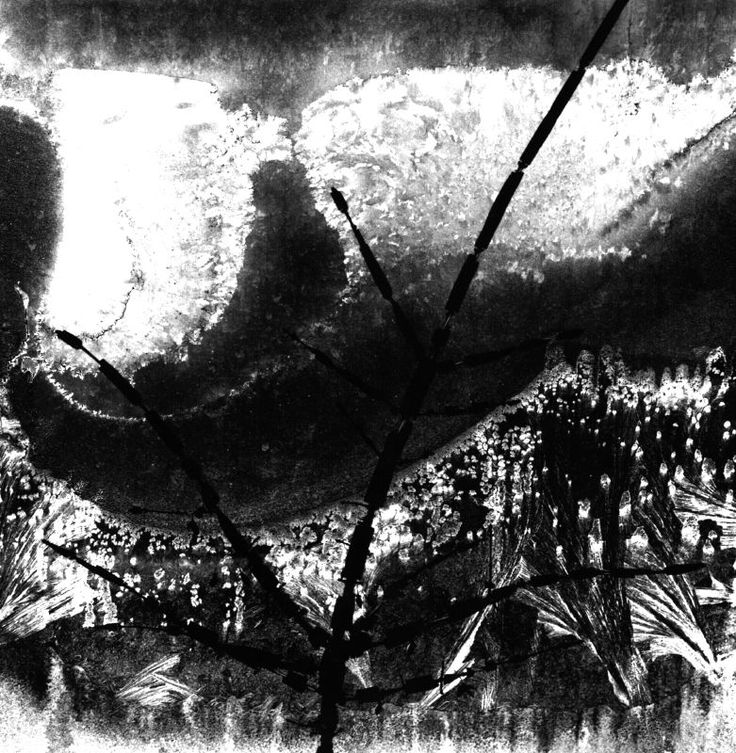
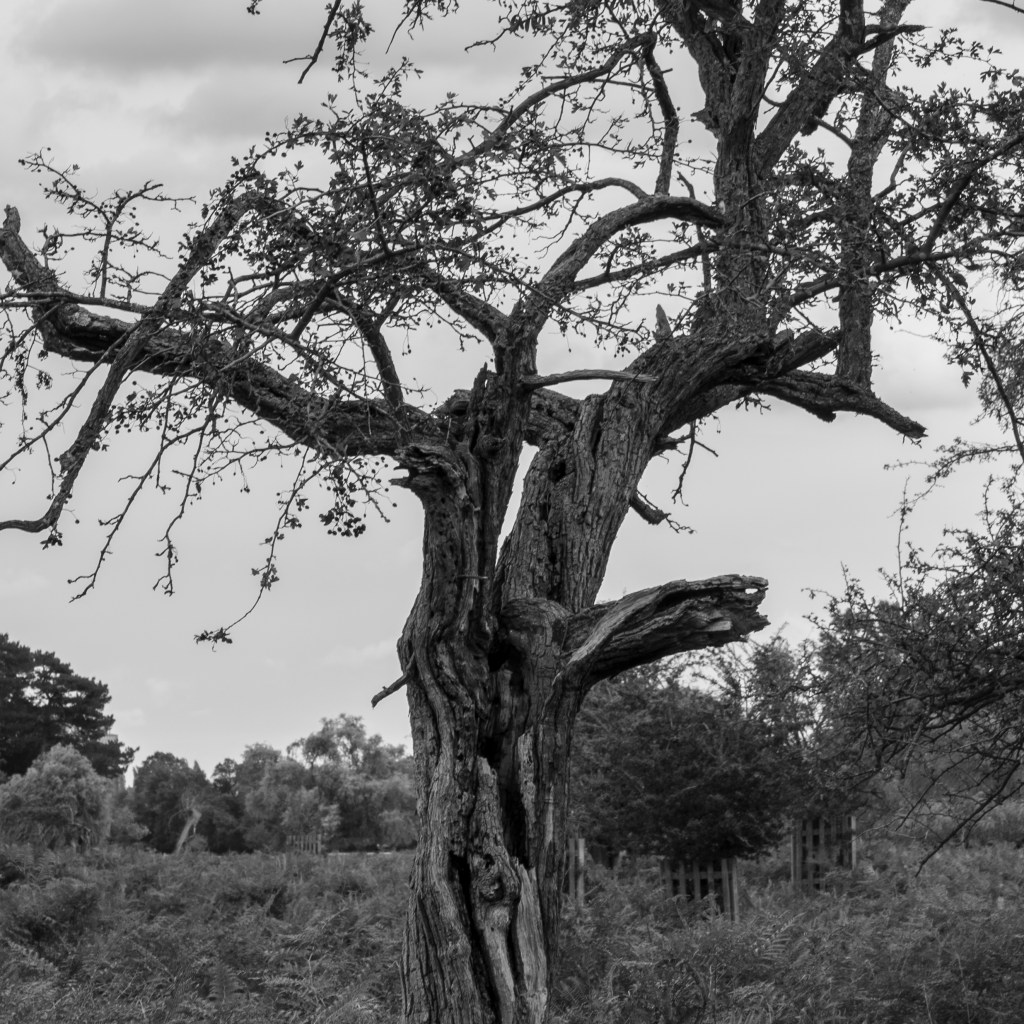
The main image that Åsa picked up on was that one of the hawthorns that I had converted to Black & White:

For Åsa, there was a very subtle approach to this image that was traditionally composed with the Black & White conversion bringing out textures and details. It also slowed down the reading of the image.

When I mentioned about the Ancient Tree Inventory and potentially mapping the hawthorn trees, Åsa brought up the work of Bernd and Hilla Becher and their objective images of water towers.

Water Towers 1972-2009 Bernd Becher and Hilla Becher 1931-2007, 1934-2015 Purchased with funds provided by Tate International Council, the Photography Acquisitions Committee, Tate Members and Tate Patrons 2015 http://www.tate.org.uk/art/work/P81238

On reflection, this is in contrast to Minor White’s subjective focus on details.

Åsa also picked up on the hole within the image. This is a particular feature of the hawthorns in Bushy Park and one that I personally find fascinating.

In relation to the concept of tree portraits, we both discussed how a tree doesn’t have a ‘front’ or ‘back’. This is something that came out of my AGM61 project, which resulted me in taking photos of trees on a 360 degree trajectory, with a shot at each 90 degree point.

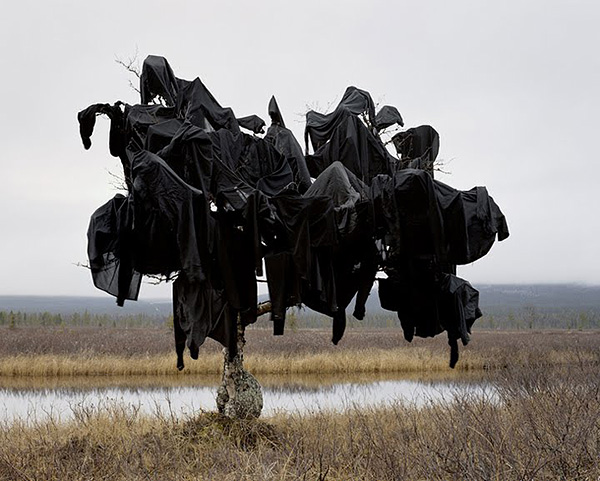
Åsa also brought my attention to a Finnish photographer, Riitta Päiväläinen.

There is a very eerie aspect to her work involving trees and clothing props. I get a similar reaction when I look at the image of the hawthorn above.

Actions

The outcome of this tutorial and the result of me processing the feedback is as follows at this stage:

  • Focus on hawthorns in Bushy Park
  • Image shoots:
    • Objective shots of each tree (360)
    • Subjective shots of each tree (close ups)
    • Black & White conversion process – refine
    • What works – what doesn’t
  • Mapping the trees
  • Historical research
  • Photographer research
    • Bernd & Hilla Becher
    • Minor White
    • Riitta Päiväläinen

References

Atgetphotography.com. 2020. Minor White / Biography & Images – Atget Photography.Com / Videos Books & Quotes. [online] Available at: <https://www.atgetphotography.com/The-Photographers/Minor-White.html&gt; [Accessed 26 October 2020].

Riittapaivalainen.com. 2020. Riitta Päiväläinen. [online] Available at: <https://riittapaivalainen.com/htdocs/&gt; [Accessed 26 October 2020].

Tate. 2020. ‘Water Towers’, Bernd Becher And Hilla Becher, 1972–2009 | Tate. [online] Available at: <https://www.tate.org.uk/art/artworks/bernd-becher-and-hilla-becher-water-towers-p81238&gt; [Accessed 26 October 2020].

Design a site like this with WordPress.com
Get started