Categories
AGM59 Professional Development Posts

AGM59 Notes on Effective Social Media 16 February 2021

The following are notes taken from ‘Effective Social Media – How to capture your audience’ in Navigating the Art World: Professional Practice for the Early Career Artist (2nd Edition). Delphian Gallery: London. pp.34-41.

This reading was in preparation for the session planned for 17 Februrary 2021 and will contribute in completing my tasks for the AGM59 Professional Development for Photographic Independent Practice.

The following covers advice on the effective use of social media, websites and blogs in relation to this.

Instagram

At the time of this project, the most useful platform for emerging artists is Instagram. I already use this platform

Types of Feed

Two types of Instagram feed:

  1. Visual Diary Approach
  2. Gallery Approach

Visual Diary Approach

  • Treats my feed like a journal or online sketchbook
  • Personal – appeals to collectors and patrons who want to know more about my personality before they decide to invest
  • Good feed to utilise if I am hoping to attract galleries and curators (these contacts want to look both at my work AND a little more information about me as a person:
    • Interests
    • Inspirations
    • Methods of working
    • Works in progress
  • Visual Diary approach is conducive to:
    • Garnering more genuine engagement
    • Promoting actual discussion within comments
  • May not generate as much overall engagement as the Gallery Approach, but is much more likely to create genuine connections with my fanbase, both between me and my fans and between fans and other fans
  • People are more likely to comment encouragement and critique on posts using a Visual Diary Approach
  • Good for displaying more of my personality
    • Share insecurities and failures as well as my triumphs
    • Humanises me
    • Helps my supporters feel they know the ‘real’ me
    • Makes fans and collectors invest in the artist, not just the artwork
  • Captions and responses to comments can be a lot more informal and conversational
  • These are nicer to write and nicer to read

Gallery Approach

In contrast to the Visual Diary Approach, a Gallery one:

  • Shows very little personality in favour of expertly taken images of works on pristine white gallery-like walls.
  • Captions are often formal and written in the third person
  • Artist’s voice largely absent
  • Gallery account is successful when the artist is already established and doesn’t want/need direct connection with supporters
  • Good for practitioners, such as:
    • Commercial photographers
    • Commercial illustrators
    • Commercial designers
  • Learning about the personality of the artist is less important for commissioning editors or art directors
  • Getting the job done to spec is more essential to these roles than knowing the artist’s personality (in my personal experience)

Conclusion?

  • Both approaches can be useful for different reasons
  • Good to spend some time deciding which one suits me and what I want
  • Can run both in parallel, especially when more established (my thought)

Driving Engagement

  • Engagement must be genuine.
  • What I want is (ideally in this order):
    • Comments
    • Reposts
    • Direct messages
    • Likes

Notes on Comments

  • I want comments on my posts that go beyond the ubiquitous ‘great work’ and give something more ‘human’
  • Any comments will help drive overall engagement
  • Actual conversation within the comments is more useful
  • ‘Like’ comments my photos receive
  • Respond to the comments
    • Has taken commenter valuable time to make a comment
    • Nice for the commenter to see that their act has been noticed
    • Helps drive engagement to their account
  • Social media is SOCIAL
  • The more I engage with people (both on their accounts and on my own one/s) the more they will engage with me in turn
  • By encouraging engagement on my own account, I should be giving what I hope to receive across other people’s accounts, too
  • I should comment upon works I love and say why I love them
  • Don’t stick to the ubiquitous single word affirmations or banal ‘thumbs up’ emojis
  • Don’t offer critique, unless requested, or appear to be derisory

Notes on Sharing

  • Some of the most successful accounts that the writers of this book know of post their own work as often as sharing the work of others
  • May seem counterintuitive, but it pays dividends
  • Account that share other’s work are more varied, therefore more widely appealing
  • Important to share images that won’t look out of place on my feed
  • When done well, these additions can benefit the whole
  • Becomes greater than the sum of its parts
  • Can be done in either posts or stories
  • Both are good for different reasons:
    • Stories: temporary and immediate and free of the negative effects of the selective algorithm that can affect how my feed is seen by others
    • When sharing a work to a story, tag the artist always so they know I’ve posted it
    • By promoting dialogue between me and other artists, it creates the potential for them to further share my profile through reposts
    • Personally, I would share other’s work in stories as the images of other’s would dilute my feed

Capturing My Audience

  • What can I do with my audience once I have them? Bring them from my social media to ‘something closer to home’
  • In an ideal world, that would be to visit my shows and buy my work, but this happens in the physical world
  • Often needs to one or two more steps in between this and discovering me online

Website & Blog

  • These platforms and methods of communicating are essential in bridging the gap between being visible and discovered on social media and the desired outcome of people visiting my shows and/or buying my work
  • Incredibly useful tool in giving potentially interested parties more information about myself and my practice and bringing them in closer
  • A website serves many functions that are absent from my social media
  • A well-ordered website is essential, and the most efficient use of the site would be to include a blog
  • This blog, when used effectively, can help drive traffic towards social media and vice-versa
  • Keywords and an effective SEO (search engine optimisation) approach is useful to optimise how the blog performs online
  • Ideal blog would be updated as often as is possible and contain more text than images
  • The blog can be used to provide further insight into my practice and/or inspirations
  • Optimum use of a website/blog can work for my online presence (in terms of SEO and being ‘searchable’
  • This optimum use can also supplement my social media
  • Content that I present should be specific to each medium (main website, blog and social media)
  • Each has different strengths and weaknesses:
  • Website:
    • Main website should contain all details:
      • Personal statement
      • CV
      • List of other engagements (shows I been in and other relevant information)
      • Images on website should be the high-resolution photos of finished works, shown either cropped to only include the work or in an interesting setting – think of it as a retrospective show and only include my absolute best work
  • Blog:
    • A bit more informal
    • Contain a lot more text
    • Talk about things as they are in progress
    • Can link to my social media
    • Where appropriate, build upon or give more details to things I have posted there
  • Social Media:
    • Use as outlined above
  • Website, blog, and social media should be used in synch direct traffic between them

Mailing List

  • Can bring my social media following into my mailing list
  • Can ‘future proof’ if Instagram or alternative social media platforms become defunct or change
  • When done correctly, can be the lifeblood of my business
  • Encourage my followers to be on my mailing list
  • Whenever anyone buys or expresses an interest in my work, put all my details in a spreadsheet to keep a record
  • Gives me a bank of people who I can be certain have a tangible interest in my work
  • Whenever I release a new print or start planning a new show, these are the most likely people to be interested
  • Ways to get people to sign up to my mailing list include using:
  • Swipe-up functionality within stories
    • Adding my signup address in my bio
    • Mentioning my mailing list in my captions
    • Mailing list sign up box can appear as a pop up on my website
    • Can also remain permanently in a side bar on my website
  • Make sure I am GDR compliant!
    • All those on my mailing list have in some way consented to be contacted by me
    • When people unsubscribe, don’t be disheartened – think of it as part of honing a tight, dedicated list that has a genuine interest in what I am doing
  • Optimise the open rates of my mailing list using techniques such as personalising the ‘To’ field of my message, verifying my email and authenticating my domain
    •  Is fiddly, but they will really help me ensure my messages do not get redirected to junk by spam filters

Conclusion

  • My social media shouldn’t be treated as a business tool
  • When used appropriately, can be of great benefit to me
  • Treat it with the respect it deserves
  • Get the best out of Instagram while it is around
  • Social media may change, but don’t fear this aspect
  • Adopt, adapt to, and utilise whatever new media is available in the most efficient way possible
  • Using social media in the most efficient way is to bring any followers I attain closer into that fold and create a like-minded community
  • Once I have this community, I should strive to extend that community BEYOND the confines of whatever platform I found them on and towards other more stable platforms, like email

In addition to this very useful advice, the following observations and advice supplied by Artquest should be taken into consideration:

Reference

2020. ‘Effective Social Media – How to Capture Your Audience‘ in Navigating the Art World: Professional Practice for the Early Career Artist (2nd Edition). Delphian Gallery: London. pp.34-41.

2021. Artquest. [online] Artquest. Available at: https://www.artquest.org.uk/how-to-articles/social-networks-and-blogs/ [Accessed 11 May 2021].

Categories
AGM64 Photography Research Project Stage 2 Posts

AGM64 Hawthorn Experiment 11 February 2021

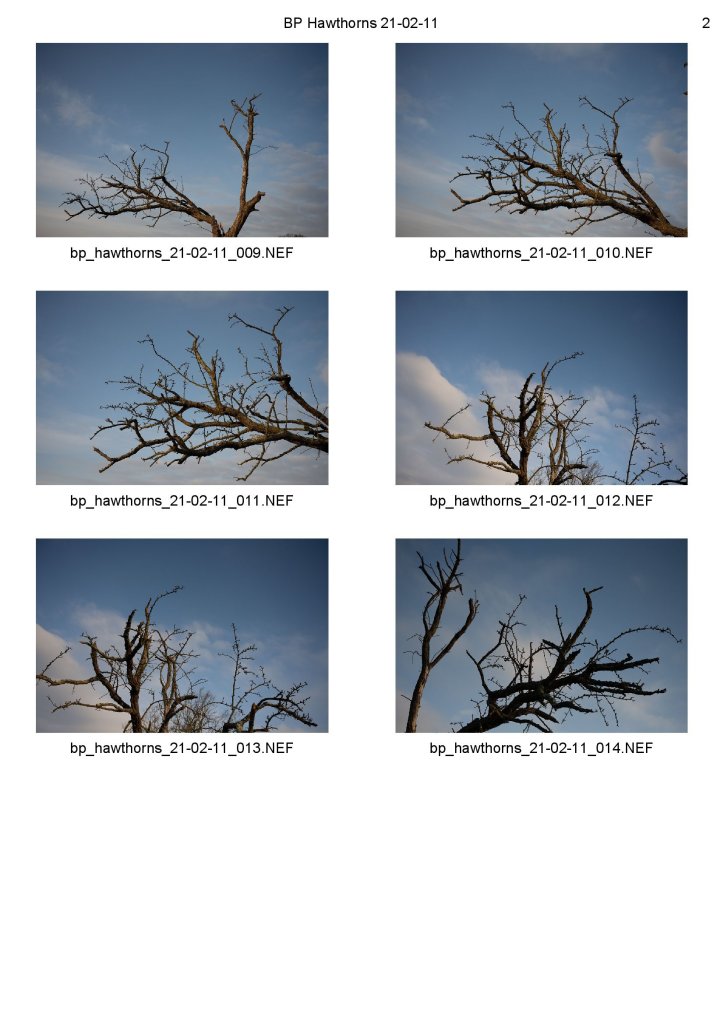
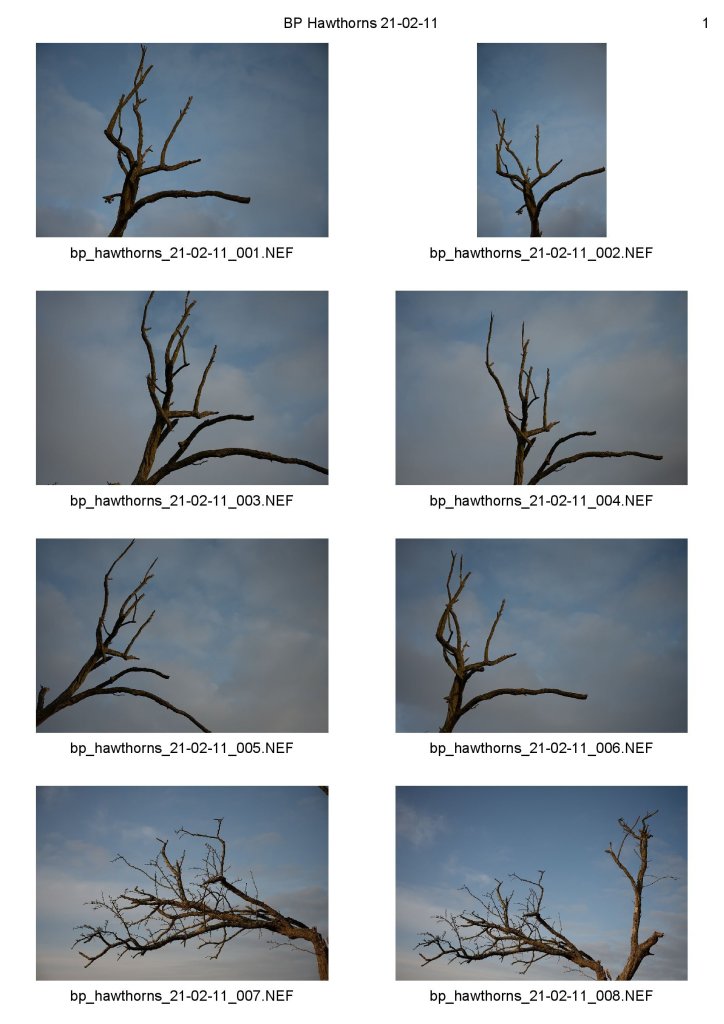
While waiting for the module to officially start, I took the following shots. The plan was to try out some closer photographs of two of the Hawthorns I had captured previously then experiment with the resulting images.

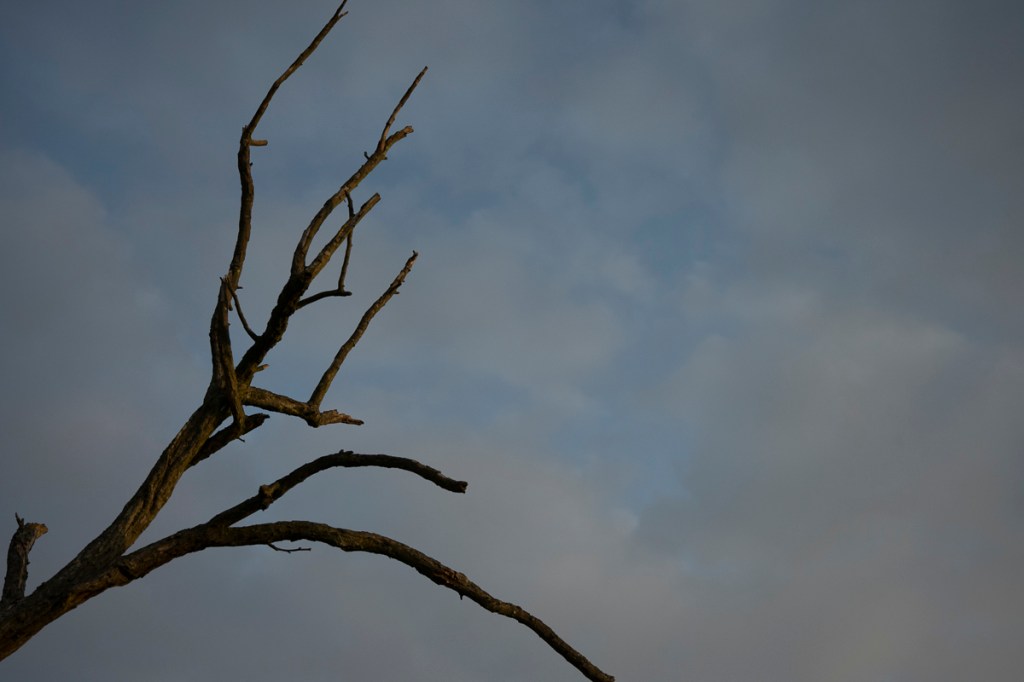
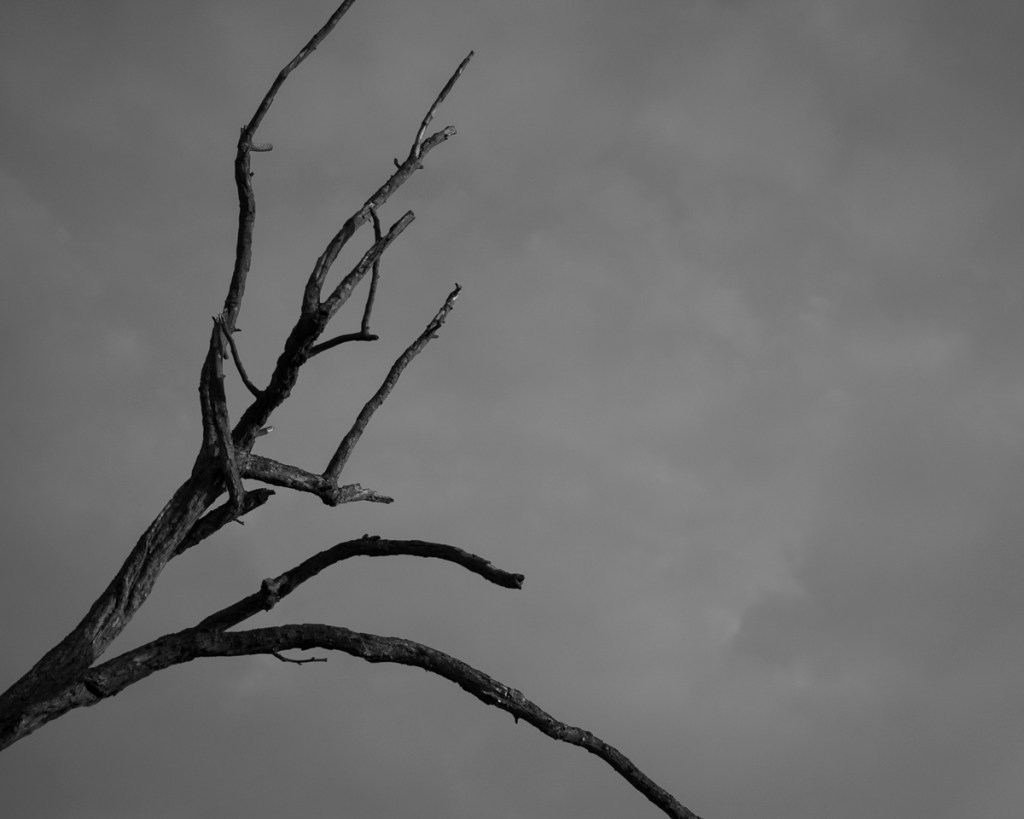
I initially selected the following image, which I then edited in Adobe Camera Raw.

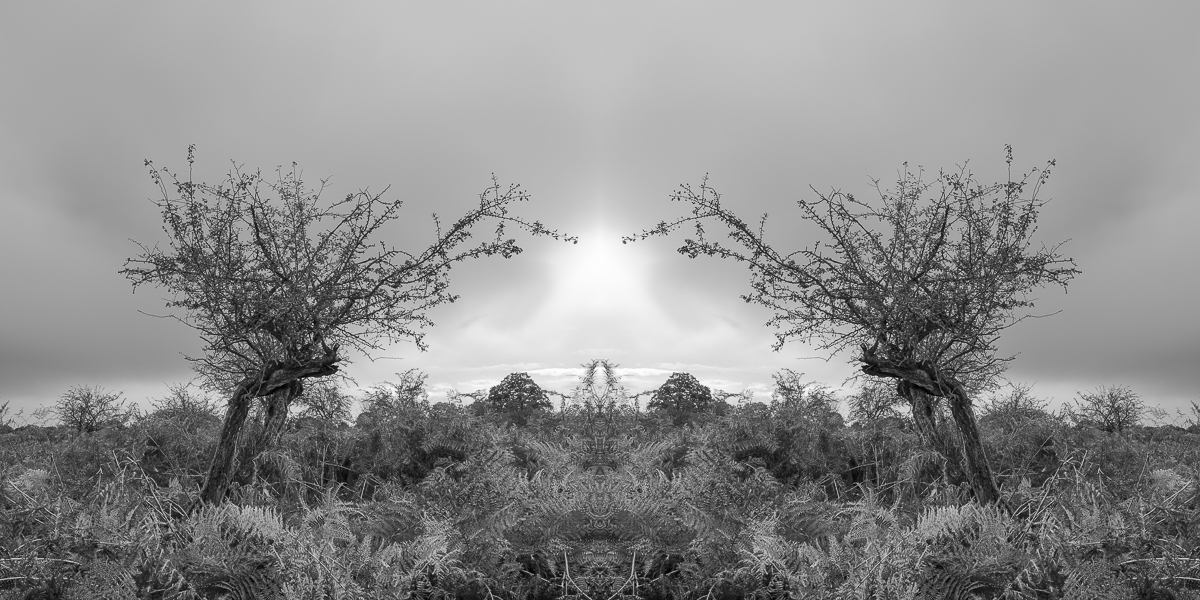
I then made a quartered mirror image using the edited version in Adobe Photoshop.

Interesting, but will need further experimentation.

Categories
AGM92 Books and Publications AGM92 Books and Publications Module Details

AGM92 Books and Publications Module Specification

Brief Description of Module

In this module, I am asked to realise an ongoing photographic research project in the form of a publication. The module is designed to help me consider specific issues attending the photograph in the printed page: audience, narrative, editing, text, design, binding, materials, etc.

The module also sets the photographic book within both an historical and contemporary cultural context, considering the changing value, function, and significance of the book as a photographic medium in a digital age.

Module Aims, Assessment and Support

This module aims to:

  • Allow me to explore the significance of contemporary authored photography books and publications
  • Enable me to acquire aesthetic and technical skills involved in producing a photographic publication
  • Facilitate me to realise a photographic publication

Learning Outcomes

On successful completion of the module, I will be able to:

  • Acknowledge the significance of contemporary photographic publications (LO1).
  • Deploy technical skills required to realise a photographic publications (LO2).
  • Demonstrate an understanding of the structural, rhetorical, aesthetic, and narrative possibilities of photographic publications (LO3).

Content

This module begins considering the historical context of the photograph in the printed page, followed by a series of presentations on aspects related to contemporary approaches to the photographic book.

Indicative content might include notions of montage, materiality, technical processes, high art and vernacular forms of the printed image and digital visual platforms.

I am asked to realise an ongoing photographic research project in the form of a publication. This may take the form of a book or a magazine, pamphlet, newspaper, a collection of post cards, etc. The publication may be hand-made or professionally printed. It may represent the whole project or be a separate iteration of one part of it.

The module is designed to help me consider the specific issues attending photographic publications: audience, narrative, editing, text, design, binding, materials, etc. It considers the way in which the form of the photographic book relates to different photographic genres, how it has been transformed by new developments in self-publishing and the relationship between on-line publications and traditional book forms.

The module also explores the fetishisation of the photobook as a commodity and its implications for our understanding of photography as an art form. I am invited to investigate how photographers currently use the medium of the book form to extend their practice and to achieve greater visibility for their work.

Learning Support

Armstrong, C (1998) Sceenes in a Library: Reading the Photograph in the Book, 1843–1875. Cambridge, MA: MIT.

‘Artists’ Books’ (1977), Art-Rite Magazine No. 14, Winter 1976. New York: Art-Rite Publishing

Brunet, F. (2009) “Photography and the Book”. In Photography and Literature. London: Reaktion Books.

di Bello, P., Wilson, C. & Nazir, S. (2012) The Photobook: From Tablot to Ruscha and Beyond. London, I.B.Tauris.

Gidley, M. (ed.) (2003) Writing with Light: Words and Photographs in American texts. Oxford: Peter Lang.

Hughes, A. & Noble, A. (eds) (2003) Phototextualities: Intersections of Photography and Narrative. Albuquerque: University of New Mexico Press.

Hunter, J (1987) Image and Word: The Interaction of TwentiethCentury Photographs and Texts. Cambridge: Harvard University Press.

Ionescu, C. (ed.) (2011) Book Illustration in the Long Eighteenth Century. Reconfiguring the Visual Periphery of the Text. Cambridge.

Kusnerz, P.A. (ed.) (2002) “Special Issue: Photography and the Book”, in History of Photography 26:3.

Scott, C. (1999) The Spoken Image: Photography and Language. London: Reaktion.

Source Photographic Review 88 Winter 2016: http://www.source.ie/photobook/

Badger, G., Bate, D., Lockemann, B. & Mack, M. (2014) Imprint – Visual Narratives in Books and Beyond. Gothenburg: Valand Academy.

Desjardins, A (2013) The Book on Books on Artists Books. London: The Everyday Press.

Fernández, H. (2000) Fotografía Pública. Photography in Print (1919- 1939). Madrid: Museo Nacional Centro de Arte Reina Sofía.

Fenrnández, H (2011) The Latin American Photobook. New York:Aperture.

Kugelberg, J. and Sanders, J (2012) Artists’ Book Not Artists’ Book. New York: Boo-Hooray.

Parr, M. & Badger, J. (2004, 2006, 2014) The Photobook: A History Vols I, II, and III. London: Phaidon

Roth, A. (2004) The Open Book. A History of the Photographic Book from 1878 to the Present. Göteborg: Hasselblatt Centre.

Online Projects / Books

Dana Lixenberg Imperial Courts Project (2015) http://www.imperialcourtsproject.com

Dana Lixenberg The Last Days of Shishmaref (2009) http://www.thelastdaysofshishmaref.com/shishmaref3/cms/cms_modul e/index.php http://www.paradox.nl/project/lastdaysofshishmaref/#work

Susan Meiselas, Kurdistan. In the Shadow of History (1997) http://www.akakurdistan.com

Teaching & Learning Activities

An initial introduction to the history of the photographic book will provide a starting point for the module. Discussion about contemporary practices of photographic book making are extended through a series of presentations, seminars plus group and individual tutorials. Students form working groups to help book project ideas with the aim of each student producing a photographic publication that provides an appropriate vehicle of dissemination for my major project. An introduction to InDesign and a book binding workshop are also offered as part of this module.

At the end of formally taught part of the module, I will present my publication alongside my major project (AGM64) and receive formative feedback from my student peers and tutors.

Face-To-Face Learning

  • Lectures
  • Seminars
  • Group Tutorials
  • Tutorials
  • Technical Workshop
  • Studio visits

Online Learning

  • Digital resources as recommended in tutorial discussion
  • Online text and audio-visual materials as recommended
  • Student-owned social media site used as a focus for sharing additional course materials and subject-related news

Allocation of Study Hours

Scheduled: 25

Guided Independent Study: 175

Total Study Hours: 200

Assessment Tasks

Task 1 (80%): For me to submit a photographic book or publication.

Learning Outcomes: LO2, LO3

Task 2 (20%): To write and submit a Report: artist’s statement outlining the rationale for the book design and situating it in the context of contemporary debate about the photographic book (500) words.

Learning Outcomes: LO1

The volume of the portfolio is to be agreed in consultation with the Module Tutor. The framework for its content is determined through formative assessment, while the independent study hours of the module will be indicative of my effort.

Categories
AGM64 Photography Research Project Stage 2 Module Details

AGM64 Photography Research Project Stage 2 Module Specification

Credit Value: 40 credits

Brief Description of Module

This module constitutes the final stage of my practice-based research. Through independent study and peer learning, I will build upon the process of experimentation and critical reflection developed during AGM62 Photography Research Project Stage 1 towards realising a Body of Work that is original, conceptually coherent and technically accomplished. The Body of Work could stand as the centrepiece of my portfolio ready for exhibition or publication.

Module Aims, Assessment and Support

This module aims to:

  • Assist me in acquiring skills required to realise and exhibit a major photographic research project, developing a secure platform for further practice.
  • Enable me to develop clear verbal and written articulation of photographic practice at a professional level.
  • Support my application of a high level and appropriate range of technical skills

Learning Outcomes

On successful completion of the module, I will be able to:

  • Realise an extended body of photographic work, supported by research (LO1).
  • Communicate my understanding of the issues and principles underpinning my photographic practice in written form (LO2).
  • Demonstrate the technical skills necessary to advance my practice (LO3).
  • Acquire skills in the preparation of work for display and exhibition (LO4).
  • Demonstrate the ability to present my photographic practice in the form of an artist talk (LO5)

Content

This module represents the final stage of my independent practice-based research project. I will build upon and extend the work that I submitted for Stage 1, with the aim of establishing a coherent Body of Work that is original, conceptually resolved and technically well executed. This should be a Body of Work that could stand as the centrepiece of my portfolio ready for exhibition or publication.

It is expected that at least half of the work submitted for final assessment will be new work. However, the formation of a Body of Work that can stand in its own right is as much an editing skill as a production skill and the latter stages of the module will focus upon this process of consolidation.

I will also give a short artist’s talk to my peers during this semester.

Learning Support

Sustained bodies of work by contemporary photographic artists.

A provisional list might include:

Arnatt, K., 2007. I’m a Real Photographer,: Photographs 1974-

2002, London: The Photographers’ Gallery/Chris Boot

Barrada, Y., 2017. A Guide to Trees, A Guide to Fossils,

Cologne: Walter Koenig

Barnard, L., 2014. Hyenas of the Battlefield, Machines in the

Garden, London: GOST

Blaswick, I., (ed.) 2017. Thomas Ruff, London: Whitechapel

Gallery

Broomberg, A. and Chanarin, O., 2007. Fig. Gottingen and

Brighton: Steidl/Photoworks

Fraser, P., 2013. Peter Fraser, London: Tate Publishing

Graham, P., 2015. The Whiteness of the Whale. London: MACK

Knorr, K., 2014. Karen Knorr: India Song, Milan: Skira

Sear, H., 2013. Brisees, London: GOST

Strand, C., 2016. Girl Plays with Snake, London: MACK

Struth, T., 2017. Thomas Struth, Munich: Schirmer Mosel

Umbrico, P., 2014. Range; Photographs by Penelope Umbrico,

New York: Aperture

Journals

  • Aperture
  • Camera Austria
  • European Photography
  • Frieze
  • Photoworks Annual
  • Source Photographic Review

Online Sources

Technical Resources

Photography and Moving Image Technical Resources

Teaching & Learning Activities

I will be allocated a tutor and meet at regular intervals, either in a group with my peers or individually to develop the Body of Work.

I will partake in a series of artists’ talks.

An interim review offering formative assessment will take place at the end of the formal teaching period (mid July 2021).

I will be part of and form a curatorial team with my fellow students, with the support of the Course Leader, to manage the development of an exhibition, catalogue, or other form of publication, fund-raising and marketing using social media and online platforms as communication tools.

I will be expected to work with increasing independence at this stage with some tutorial support. An Interim/Mid Review involves a short presentation by me of my work in progress followed by discussion providing informal formative feedback at a midpoint during the semester.

I will be expected to show an example of my work, fully realised with appropriate details to framing and installation in the final student exhibition.

I will work with my fellow students on the preparation of the exhibition: fundraising, marketing, and a preparation of a catalogue.

The Course Leader will curate the exhibition in discussion with the student group and determine the final selection of work.

Face-To-Face Learning

  • Introduction to the module
  • Lectures
  • Tutorials
  • Workshops
  • Mid Review
  • Final Review
  • Online Learning

Studentcentral: eg. study material, emails, use of internetsearches, formative assessment etc. electronic management of assessment (e-submission and written e-feedback)

Grade Centre, Online Videos: eg. Tate Shots, You Tube, BOB, Arts Council, Contemporary Art Society, Art 21 etc.

Online library: reading materials (journal articles, e-books etc.)

Flipped classroom: independent study tasks online followed up

in tutorial groups

Allocation of Study Hours

Scheduled: 35

Guided Independent Study: 365

Total Study Hours: 400

Assessment Tasks

Task 1 (70%): For me to submit a Body of Photographic Work in an appropriate form, e.g. portfolio of prints, gallery installation, projection.

Learning Outcomes: LO1, LO3, LO4

Task 2 (30%): Produce and submit a Research Dossier, to include:

  • A reflective presentation and analysis of the practice-based research project of around 1,000 words
  • A description of the stages of the practice-based research project of around 1,000 words
  • An artist’s statement of around 150 words
  • Amendments and additions Research Dossier Stage 1, including a bibliography, list of research resources, illustrated selection of visual resources/artworks, etc.
  • Artist talk (20 minutes)

Learning Outcomes: LO2, LO5

The volume of the portfolio is to be agreed in consultation with the Module Tutor. The framework for its content is determined through formative assessment, while the independent study hours of the module will be indicative of my effort.

Submission Dates

Task 1: Body of Photographic Work – 31 August 1 pm (in person to the Shcool Office in Edward Street)

Task 2: Research Dossier – 31 August 2021 Midnight (end of day) (Via Turnitin)

Categories
AGM59 Professional Development AGM59 Professional Development Module Details

AGM59 Professional Development Module Specification

Credit Value: 20 credits

Brief Description of Module

This module will assist me to reflect upon how to develop as an independent photographic practitioner. It offers me an understanding of professional structures and career options in the specific area of photography within the broader field of visual art.

The module is delivered through seminars on different aspects of professional practice, including:

  • Exhibiting
  • Publishing
  • Networking
  • Curating

These are supported by a visiting lecture series.

I will develop:

  • My presentation skills
  • A professional portfolio
  • An effective online presence

Module Aims, Assessment and Support

This module aims to:

  • Provide me information about the broad professional context of independent photographic practice
  • Assist me in developing a range of professional skills and tools to enable dissemination of my work, a professional portfolio, and an effective online presence

Learning Outcomes

On successful completion of the module, I will be able to:

  1. Demonstrate my knowledge of the professional context of independent photographic practice (LO1).
  2. Demonstrate professional skills necessary to disseminate my work (LO2).
  3. Articulate a plan of action for my individual career development (LO3).
  4. Generate a professional portfolio online to support my individual professional identity (LO4).

Content

This module offers me a broad understanding of professional structures and career options within the field of photographic production within the visual arts and encourages me to develop my professional profile as a photographic practitioner.

The module is delivered through a series of seminars on different aspects of professional practice, including:

  • Exhibiting
  • Publishing
  • Preparing project proposals
  • Networking
  • Writing

These seminars are accompanied by a number of visiting lecturers.

I will also be formally advised on:

  • Developing my CV
  • Making funding applications
  • Entering competitions
  • Giving presentations about my work

Central to the activity of this module is the development of my professional portfolio. Through the development of this presentation of my work, I will acquire fluency in thinking about the positioning of my practice and how I can make it convincing to a wider public.

I will be tasked with creating a digital expression of my portfolio for publication online.

I will be offered a practical workshop on web design after which I will prepare and present a website for discussion at the Final Review.

I will be offered one-to-one diagnostic teaching to assist me in developing a professional plan.

Learning Support

  • Library resources: books: periodicals: audio visual resources
  • On-line resources
  • Digital studio

Indicative Reading

Campany, D., 2012. Art & Photography. London: Phaidon

Csikszentmihalyi, M., 1998. Photography’s Multiple Roles: Art, Document, Market, Science. Chicago: Museum of Contemporary Photography

Heiferman, M., 2012. Photography Changes Everything. New York: Smithsonian Institution/Aperture

Hill, P., 2004. Approaching Photography. 2nd ed. London: Photographers’ Institute Press

Shore, S., 2007. The Nature of Photographs. London: Phaidon

Thomas, G. and Ibbotson, J. 2014. Beyond the Lens. London: The Association of Photographers Thompson, J. L., 2013.

Why Photography Matters. Cambridge: MIT Press

Thornton, S., 2012. Seven Days in the Art World; London: Granta

Online Sources

Websites:

Artquest: https://www.artquest.org.uk

British Journal of Photography: www.bjp-online.com

Source: www.source.ie/index.php

Other Sources

 Depending on practice the following are recommended:

Art Market Monitor: www.artmarketmonitor.com

Artnet: artnet.com

PhotoVoice: photovoice.org/

Lensculture: www.lensculture.com

I can access study materials through Student Central, including examples of artists’ and photographers’ websites and online information.

Teaching & Learning Activities

I will be taught through a range of seminars, tutorials, workshops, and a visiting lecturer programme.

I will be consistently encouraged to be familiar with the online professional environment and to join it. The module therefore follows a blended learning approach through use of various techniques that include screening of audio-visual material, online material, seminar tasks, presentations, and lectures where I will consider a range of approaches to developing my professional identity.

I will be asked to give an oral presentation of my work in its professional context at a mid-point in the semester for formative assessment.

I will introduce my online portfolio at a later stage for final assessment. Formative assessments enable me to gain appropriate feedback throughout the stages of the module. This permits me to assess my level of knowledge and understanding prior to the submission of both summative assessment tasks at the conclusion on the semester.

Formative Assessment

Formative Assessment takes place throughout the module through discussion and feedback from my peers and my tutor on my work-in-progress.

It does not contribute to the final mark of the module but instead supports the development of my learning and prepares me for summative assessment.

Formative assessment will help me to identify what is good in my work and how to improve my work. My tutor will clearly indicate the points in the module when formative assessment is taking place and how I might prepare for it. Feedback on formative assessment is typically but not exclusively linked to the learning outcomes of the module.

Allocation of Study Hours

  • Scheduled: 30
  • Guided Independent Study: 170
  • Total Study Hours: 200

Assessment Tasks

Task 1 (80%): For me to produce a professional portfolio presented on a website to include, as appropriate, elements from among the following:

  • Artist’s statement of 150 words
  • Biography of one page
  • CV of one page
  • Bodies of photographic work appropriately captioned or annotated
  • Textual information on any relevant technical details and material qualities of work
  • Any relevant web links to social media use, exhibitions, or publications (as appropriate)

Learning Outcomes: LO 2, LO4

Task 2 (20%): For me to produce a report on the online portfolio* articulating the professional strategy, principles underlying my organisation of my material, the design, and my intended audience (1,500 words)

Learning Outcomes: LO1, LO3

*The volume of the portfolio is to be agreed in consultation with my module tutor. The framework for its content is determined by formative assessment, while the independent study hours of the module will be indicative of my effort.

Submission Deadline: Wednesday 9 September 2021

Categories
AGM59 Professional Development Module Details

AGM59 Professional Development Module Brief

Module Title: AGM59 Professional Development for Independent Photographic Practice

Task Start Date: Wednesday 10 February 2021

Submission Date: Wednesday 9 September 2021

Feedback Date: Wednesday 7 October 2021

Assessment Task 1: A professional portfolio presented on a website (80%)

Assessment Task 2: A report on the online portfolio (20%)

I will be assessed on the following Learning Outcomes:

Learning Outcome 1: Demonstrate my knowledge of the professional context of independent photographic practice

Learning Outcome 2: Demonstrate professional skills necessary to disseminate my work

Learning Outcome 3: Articulate a plan of action for my career development

Learning Outcome 4: Generate a professional portfolio online to support my individual professional identity

Task Details:

Task 1 (80%): For me to produce a professional portfolio presented on a website to include, as appropriate, elements from among the following:

  • Artist’s statement of 150 words
  • Biography of one page
  • CV of one page
  • Bodies of photographic work appropriately captioned or annotated
  • Textual information on any relevant technical details and material qualities of work
  • Any relevant web links to social media use, exhibitions or publications (as appropriate)

Learning Outcomes: LO 2, LO4

Task 2 (20%): For me to produce a report on the online portfolio* articulating the professional strategy, principles underlying my organisation of my material, the design and my intended audience (1,500 words)

Learning Outcomes: LO1, LO3

*The volume of the portfolio is to be agreed in consultation with my module tutor. The framework for its content is determined by formative assessment, while the independent study hours of the module will be indicative of my effort.

Categories
AGM64 Photography Research Project Stage 2 Posts

AGM64 Trees in Art 10 February 2020

One concept I have considered for the Stage 2 project is taking photographs of the Hawthorns during the Spring. This is when the trees will be covered in blossom.

This thought also coincided with this reference to trees in art:

‘Often, in paintings depicting episodes of the Passion and Resurrection of Christ, one sees images of a desiccated tree and a tree in bloom, indicating the opposition between redemption and sin. The simultaneous presence of the two trees may also allude to the opposition between Church and Synagogue and more generally between good and evil.’

(Impelluso, L. 2004. pp. 16)

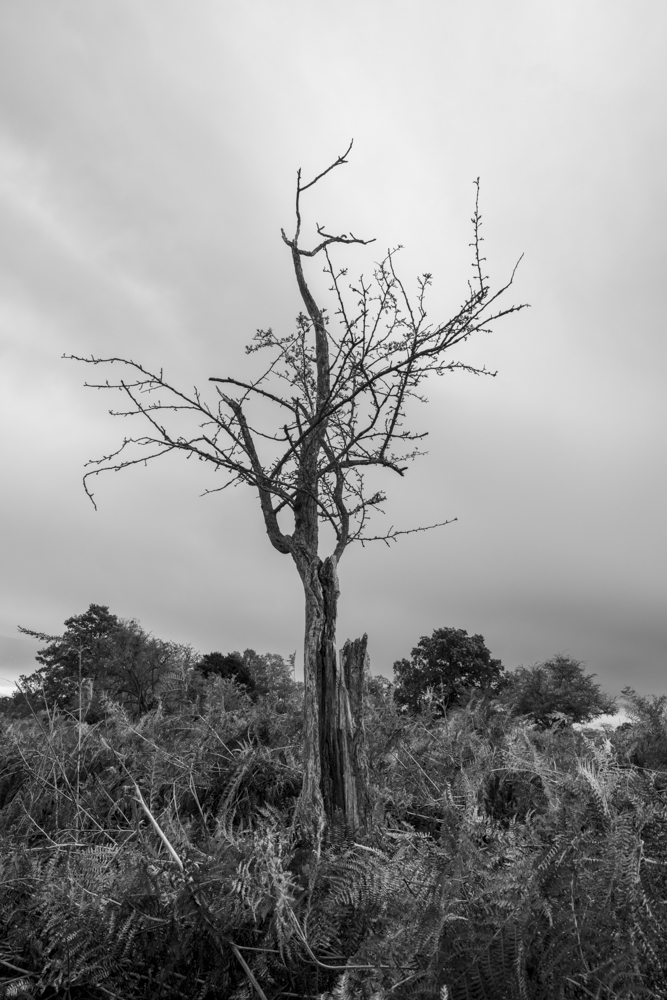
I also noticed a similarity between the above painting and one of my initial Hawthorn images.

References

Impelluso, L. 2004. Nature and Its Symbols. Los Angeles, California: Getty Publications.

Categories
MA Photography Schedule 2021

MA Photography Schedule 2021

The following are the key dates and related schedule from 10 February 2021 until the completion of this course.

This will be updated on an ongoing basis.

Week 29: 8 February 2021

Wednesday 10 February 2 pm to 5 pm (Microsoft Teams)

AGM59 Module Intro Visiting Speaker – Alexandra Lethbridge

Rachel Gillies & Ally Lethbridge

Week 30: 15 February 2021

Wednesday 17 February 10.40 am to 11.00 am (Microsoft Teams)

AGM64 1:1 Tutorial with Xavier Ribas

Wednesday 17 February 2 pm to 5 pm (Microsoft Teams)

AGM59 Lecture/Seminar: Task 1: CVs, biographies, artist statements. Photographic Portfolios

Rachel Gillies

Week 31: 22 February 2021

IWednesday 24 February 2 pm to 5 pm (Microsoft Teams)

I1AGM59 Lecture/Seminar: Proposals and Funding Guest Speaker

Entrepreneurship and Business

Rachel Gillies & Clare Griffiths

Week 32: 1 March 2021

Wednesday 3 March 2 pm to 5 pm (Microsoft Teams)

AGM59 Lecture/Seminar: Task 2: Report Visiting Speaker – Sarah Rowles QArt

Rachel Gillies & Sarah Rowles

Week 33: 8 March 2021

Wednesday 10 March 2 pm to 5 pm (Microsoft Teams)

AGM59 Lecture/Seminar: Art Photography Websites

Rachel Gillies & Eva Benssasson

Week 34: 15 March 2021

Wednesday 17 March 10 am to 1 pm (Microsoft Teams)

iAGM59 Lecture/Seminar: Public Speaking Visiting Speaker – Simon Roberts

Rachel Gillies & Simon Roberts

Wednesday 17 March 2 pm to 5 pm (Microsoft Teams)

AGM59 Workshop: Online Portfolios – website options using online platforms

Sean Birnie

Week 35: 22 March 2021

Wednesday 24 March 10 am to 1 pm (Microsoft Teams)

PT2 observe FT Stage 1 Interim Review

Wednesday 24 March 2 pm to 5 pm (Microsoft Teams)

AGM59 Lecture/Seminar: Photography and Research

Rachel Gillies, Åsa Johannesson & Darren Newbury

Week 36: 29 March 2021

Spring Break

Week 37: 5 April 2021

Spring Break

Week 38: 12 April 2021

Spring Break

Week 39: 19 April 2021

Wednesday 21 April 2021 10.40 am (Microsoft Teams)

AGM64 1:1 Tutorial with Fergus Heron

Wednesday 21 April 2021 2 pm to 5 pm (Microsoft Teams)

AGM92 Books & Publications Module Introduction

Proposal presentation (5 mins)

Week 40: 26 April 2021

Wednesday 28 April 2021 11.30 am to 1 pm Edward Street 305

AGM92 Books & Publications

Wednesday 28 April 2021 2 pm (Microsoft Teams)

AGM59 Professional Development – 1:1 Tutorials

Fergus Heron

Week 41: 3 May 2021

Wednesday 5 May 10 am to 1 pm Edward Street 305

AGM92 Books & Publications

Wednesday 5 May 2.40 pm to 3pm Edward Street 304

AGM64 1:1 Tutorial with Fergus Heron

Week 42: 10 May 2021

Wednesday 12 May 10 am to 1 pm (Microsoft Teams)

PT2 observe Stage 1 Final Review for FT

Wednesday 12 May 2 pm to 5 pm (Microsoft Teams)

AGM59 Professional Development: Visiting Speaker Curatorial Practice: Faye Dowling

Rachel Gillies Faye Dowling

Week 43: 17 May 2021

Wednesday 19 May 2021

AGM59 1:1 Technical Tutorials

CHANGE TO SCHEDULED TUTORIAL SESSION: Instead of the scheduled 1:1 technical tutorials originally timetabled for this session (there will no longer be a session on this date) please email technical demonstrator Sina Krause to arrange a tutorial AT ANY TIME (from now until module completion) to get individualised technical support for my website. Sina: techhub@brighton.ac.uk BOOK WHEN WEBSITE STRUCTURE IS FINALISED

Wednesday 19 May 2 pm to 5 pm Edward Street 305

AGM92 Books & Publications

Week 44: 24 May 2021

Wednesday 26 May 2021 10 am to 4 pm Edward Street 305

AGM64 Photography Research Project Stage 2: Interim Reviews

Week 45: 31 May 2021

Wednesday 2 June 2021 10 am to 1pm Edward Street 304

AGM64 Photography Research Project Stage 2: Group Tutorials

Week 46: 7 June 2021

Wednesday 9 June 2021 11.30 am to 1 pm Edward Street 305

AGM92 Photographic Books & Publications

Week 47: 14 June 2021

Tuesday 15 June 10 am to 1 pm (Microsoft Teams)

Bookbinding demonstration with Stewart Graham-Hyde (Highdown Bindery)

Wedndesday 16 June 2021 (Time TBC) (Microsoft Teams)

IAGM64 Stage 2: FT & PT2 Student Artist Talks Presentation & Exhibition Meeting

An exhibition meeting takes placefollowing student artist talks 16:3017:00 on Wednesday 16 June. Options for display of work for Assessment Task 1 will be discussed at this meeting.

Week 48: 21 June 2021

CHECK DETAILS!

Wednesday 23 June 2021 10 am to 5 pm (Microsoft Teams)

AGM64 Stage 2: FT & PT2 Student Artist Talks Presentation

Thursday 24 June 2021 10 am to 12 pm (Microsoft Teams)

AGM92 Books & Publications

Week 49: 28 June 2021

Wednesday 30 June 2021 2 pm to 5 pm (Time TBC) (Microsoft Teams)

AGM92 Photographic Books & Publications 1:1 tutorial

Sunday 4 July 2021 Midnight

DEADLINE for online MA Summer Show submission (is not assessed and will not be marked)

Week 50: 5 July 2021

No sessions scheduled – CHECK

Week 51: 12 July 2021

A review of work to provide feedback prior to the summer independent study period is scheduled for Wednesday 14 July from 10:0013:00 and 14:0017:00 in Edward Street 304 and 305

Friday 16 July 2021

UOB Art and Media Postgraduate Online Show Launch

Week 52: 19 July 2021

Summer Break

Week 53: 26 July 2021

Summer Break

Week 1: 2 August 2021

Summer Break

Week 2: 9 August 2021

Summer Break

Week 3: 16 August 2021

Summer Break

Week 4: 23 August 2021

Summer Break

Week 5: 30 August 2021

Tuesday 31 August 2021

AGM64 Photography Research Project Task 1 & Task 2 Submissions (TBC)

Task 1: Body of Photographic Work – 31 August 1 pm (in person to the Shcool Office in Edward Street)

Task 2: Research Dossier – 31 August 2021 Midnight (end of day) (Via Turnitin)

AGM92 Books and Publications Task 1 & Task 2 Submsissons (TBC)

Wednesday 1 September 2 pm to 5pm (Microsoft Teams)

AGM59 Professional Development Presentation and Final Review of Websites

Rachel Gillies & Fergus Heron

Week 6: 6 September 2021

Thursday 9 September 12 NOON DEADLINE

AGM59 Professional Development Task 1 and Task 2 Submissions

Feedback Dates

AGM59 Professional Development: Wednesday 7 October 2021

AGM64 Photography Research Project: Stage 2: TBC

AGM92 Books and Publications: TBC

Categories
AGM62 Task 1 Body of Photographic Work Submission

AGM62 Task 1 Submission of a Body of Photographic Work 27 January 2020

For Task 1 of AGM62 Photography Research Project Stage 1, I am required to submit a body of photographic work. This is to be produced in an appropriate form, e.g. display of prints, portfolio, gallery installation, projecttion.

The following document is the final submission.

Categories
AGM62 Photography Research Project Stage 1 Posts

AGM62 Group Tutorial Feedback 20 January 2021

The main point that came from this Group Tutorial was that I had to include presentation options as part of the Task 1 submission. The elements that I had not considered in greater depth was adding the measurements of both the gallery and the pieces as they were to be displayed. Other considerations were the adding of a business card holder and Artist Statement. Also, I need to add a list of materialities in bullet points. These details were added to my final submission document for Task 1.

Other aspects I had to consider were:

  • Clarification of the underpinning concept
  • How do I articulate the work?
  • Connations of Black & White vs colour

I also was pointed to further research in relation to:

I will carry out this research during the AGM64 Photography Research Project Stage 2, depending on their level of relevancy.

Design a site like this with WordPress.com
Get started