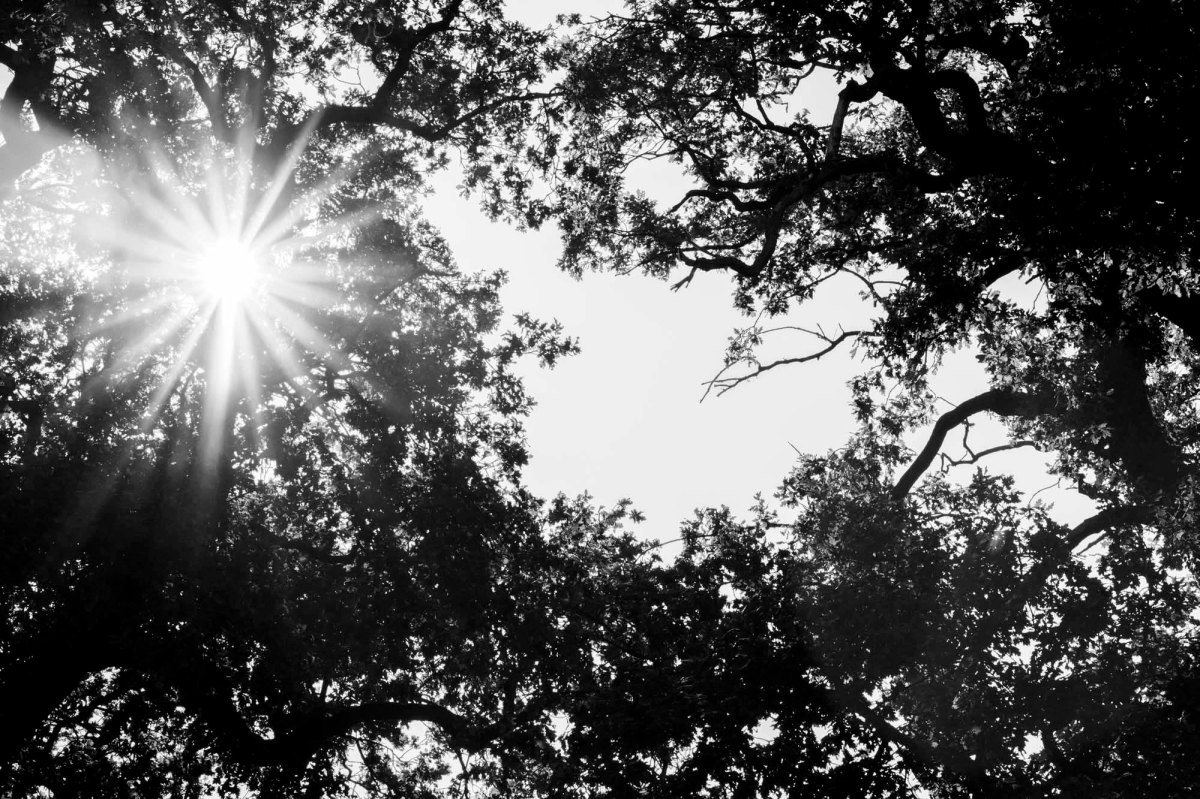
Mind the Gap
During the summer of 2020, it was quite clear that my fascination with both trees and Bushy Park had not waned. One aspect that kept coming back to me was a comment that my classmate, Abi, had made in regard to one of the Moments of Eternity images.
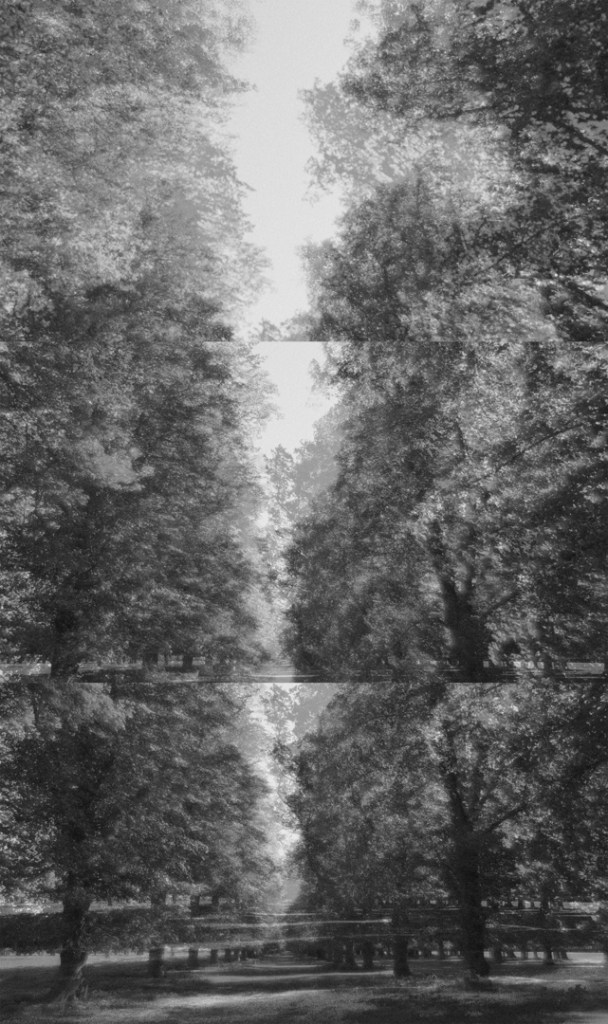
Abi had observed the space between the trees. This reminded of me when I took drawing classes when we were encouraged to draw the space in between objects, rather than try to draw the objects themselves.
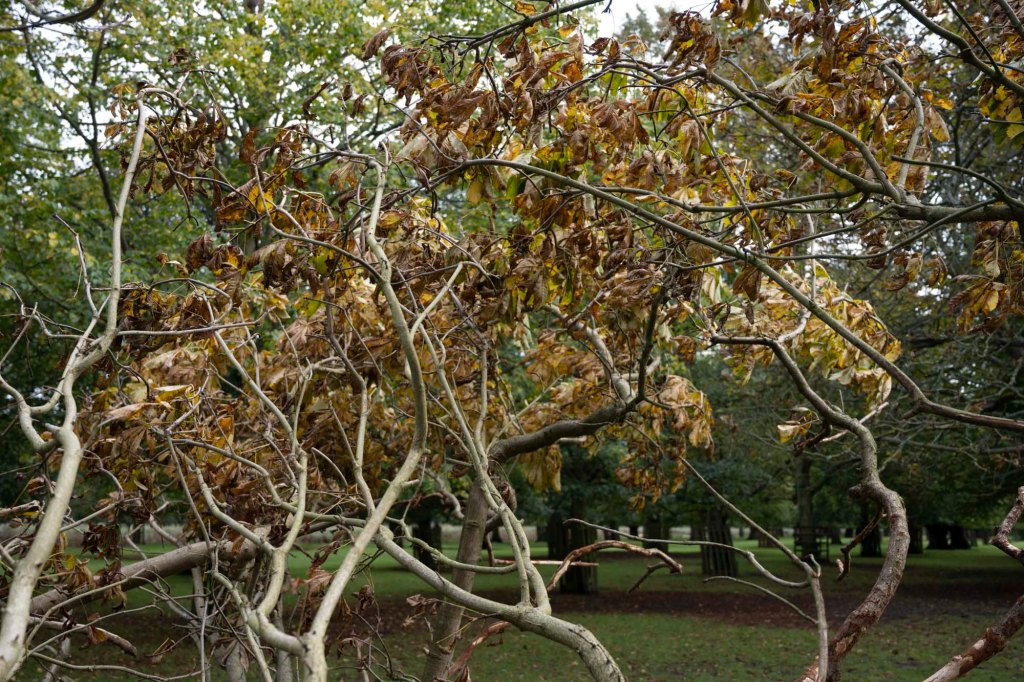
On 17 September 2020, I took my camera to the park with the intention of looking at the spaces between leaves rather than the trees themselves. This is a selection of shots from that session:
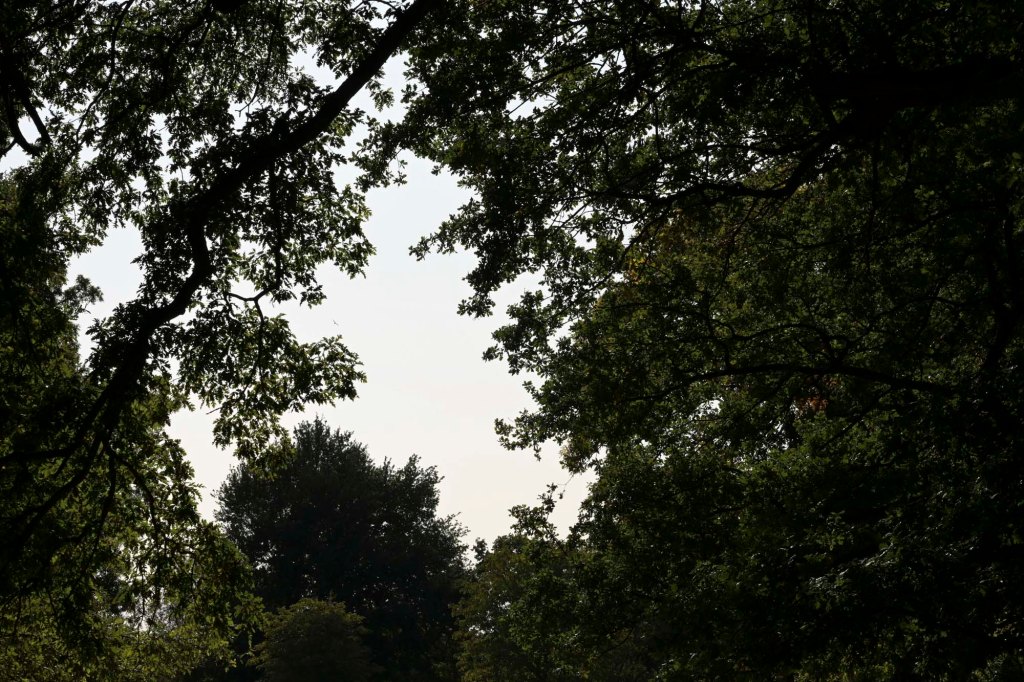
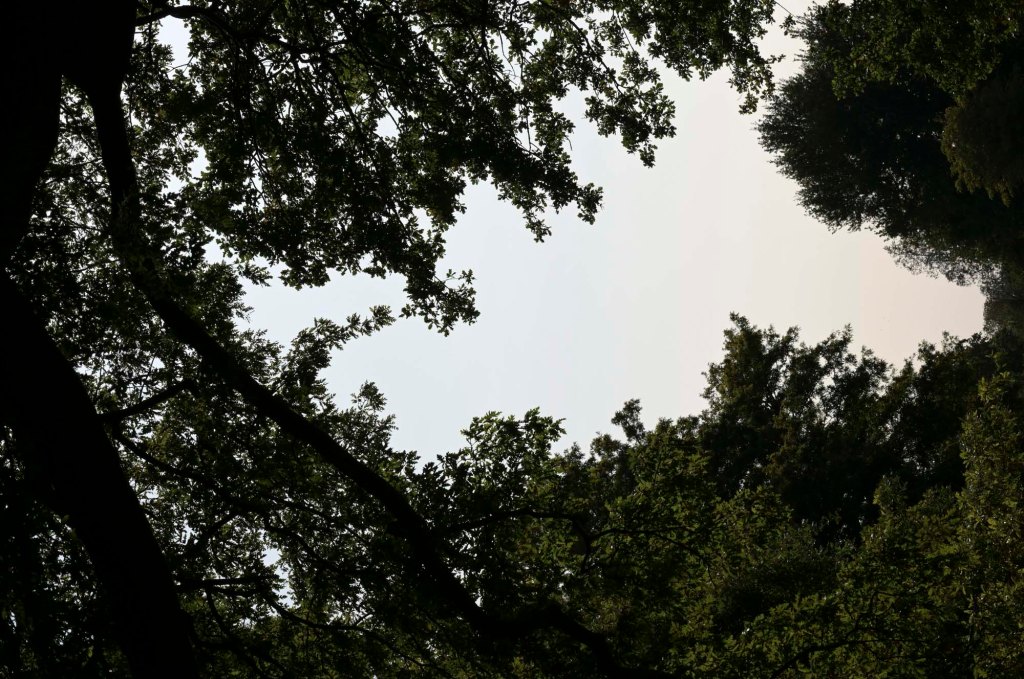
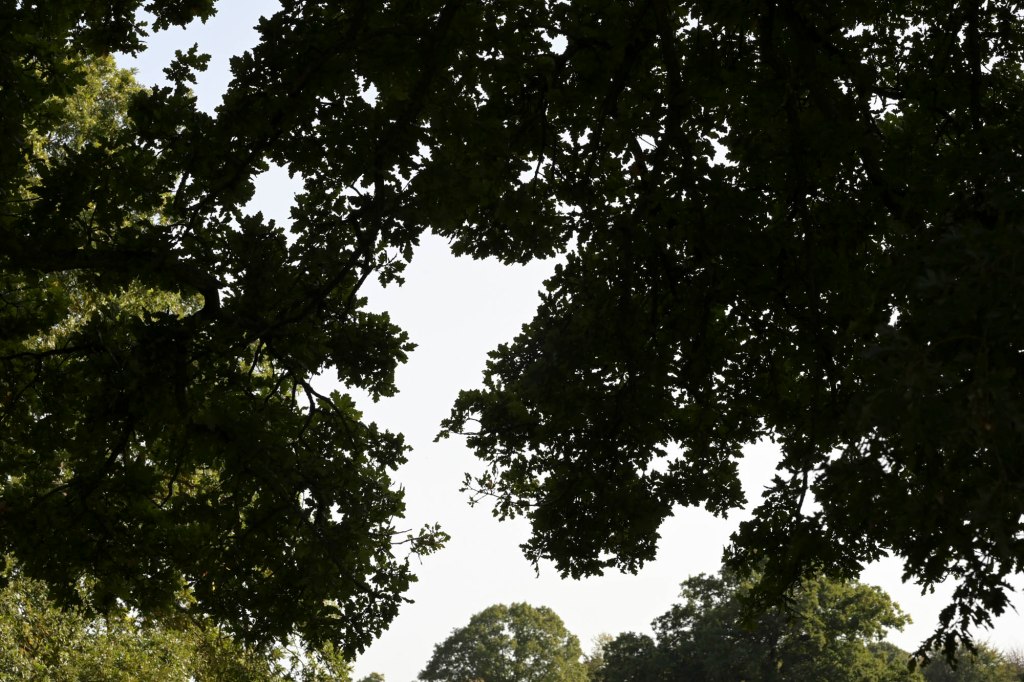
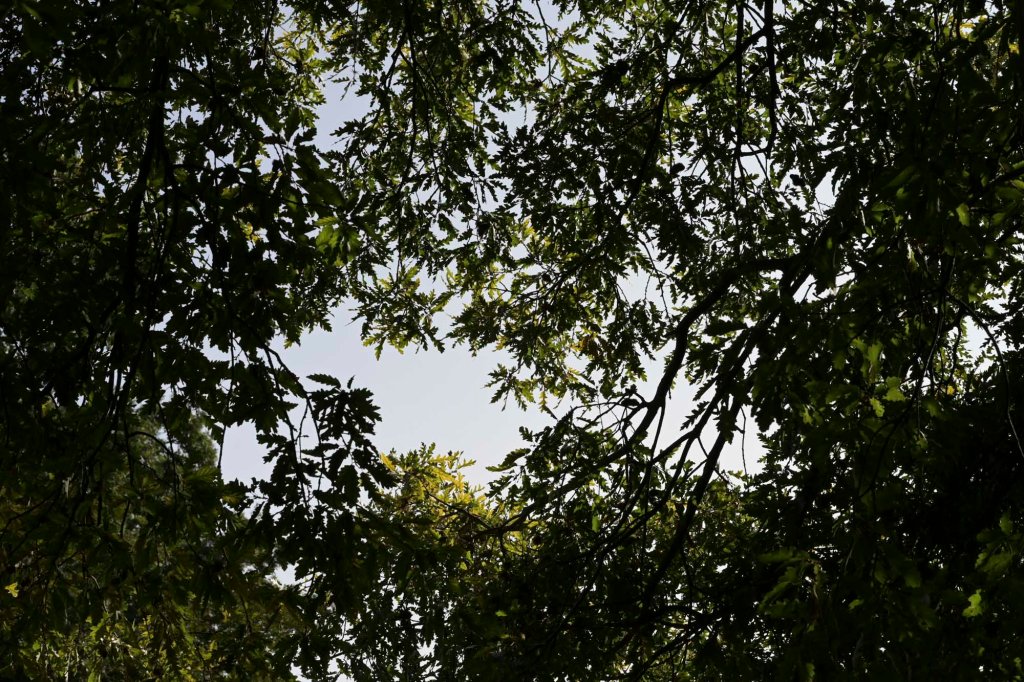
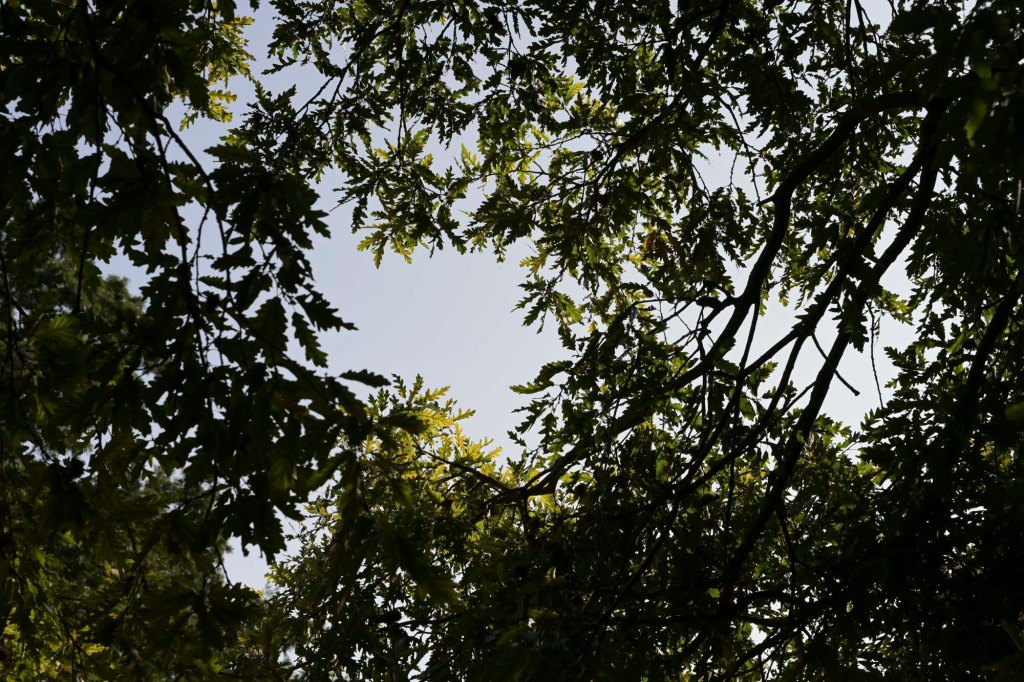
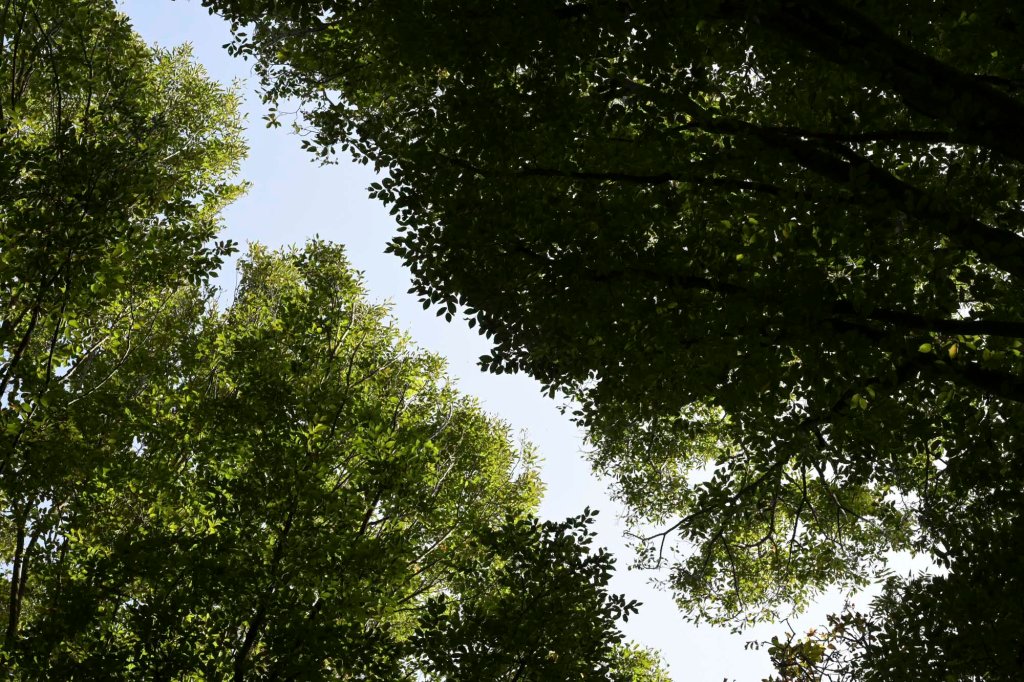
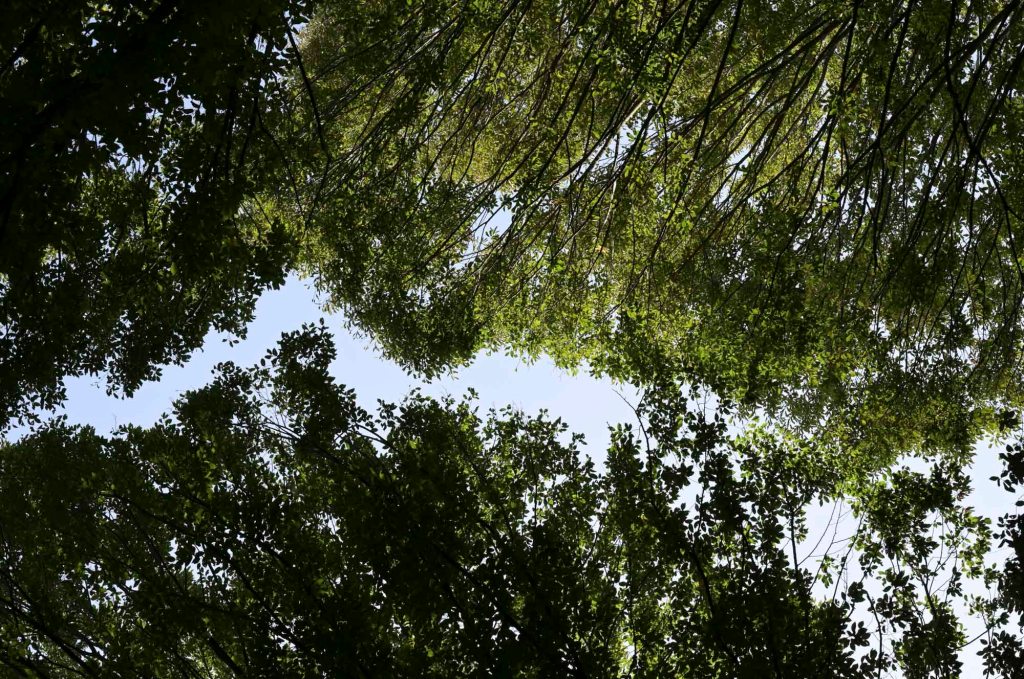
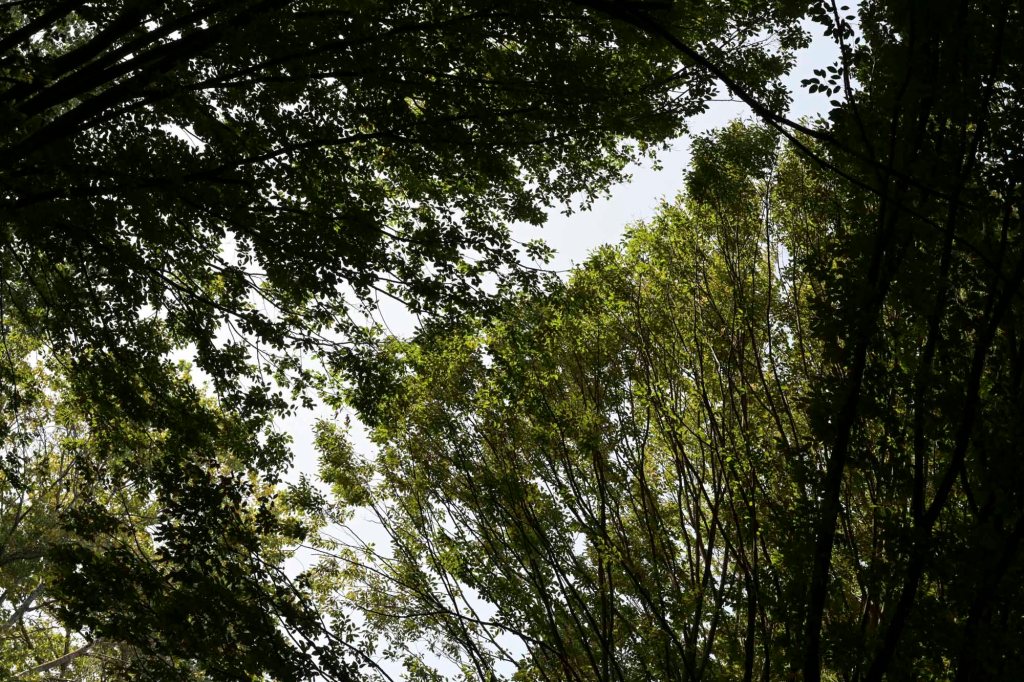
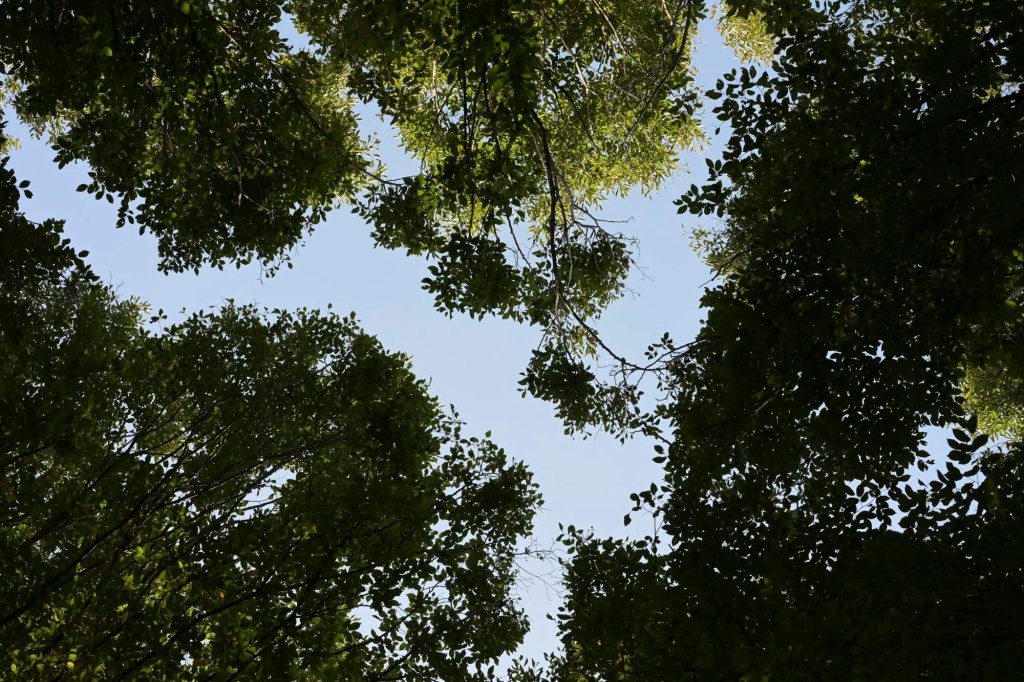
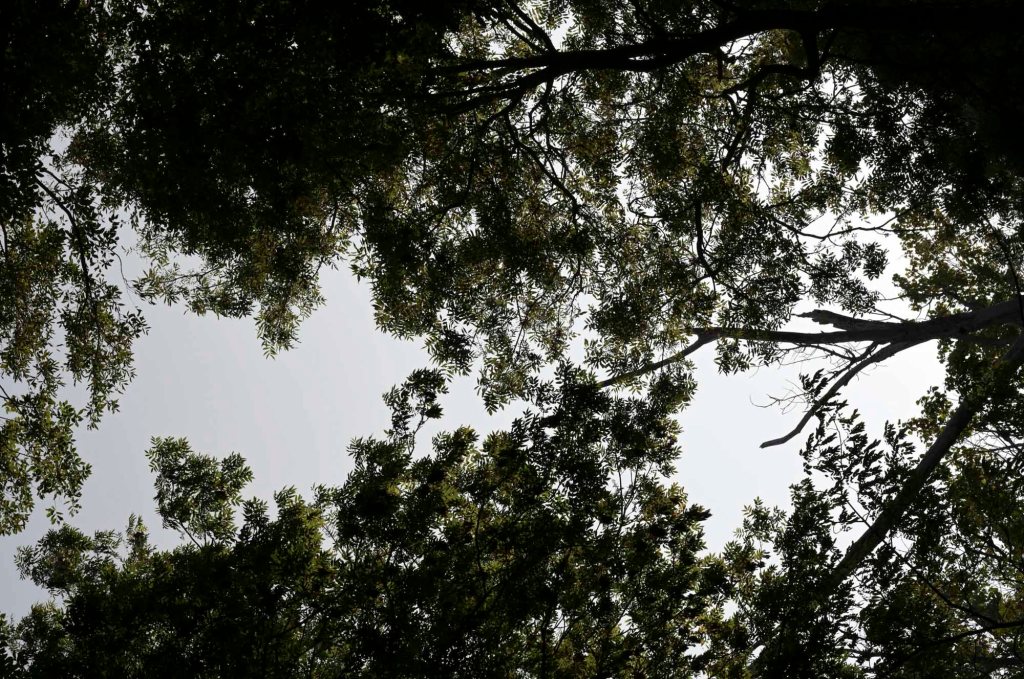
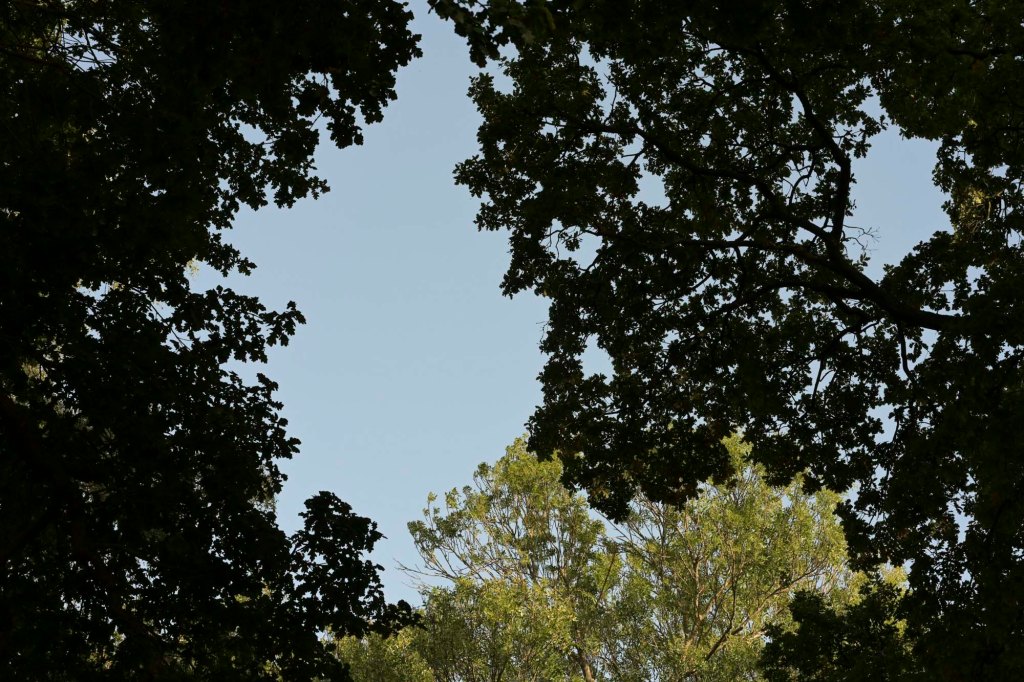
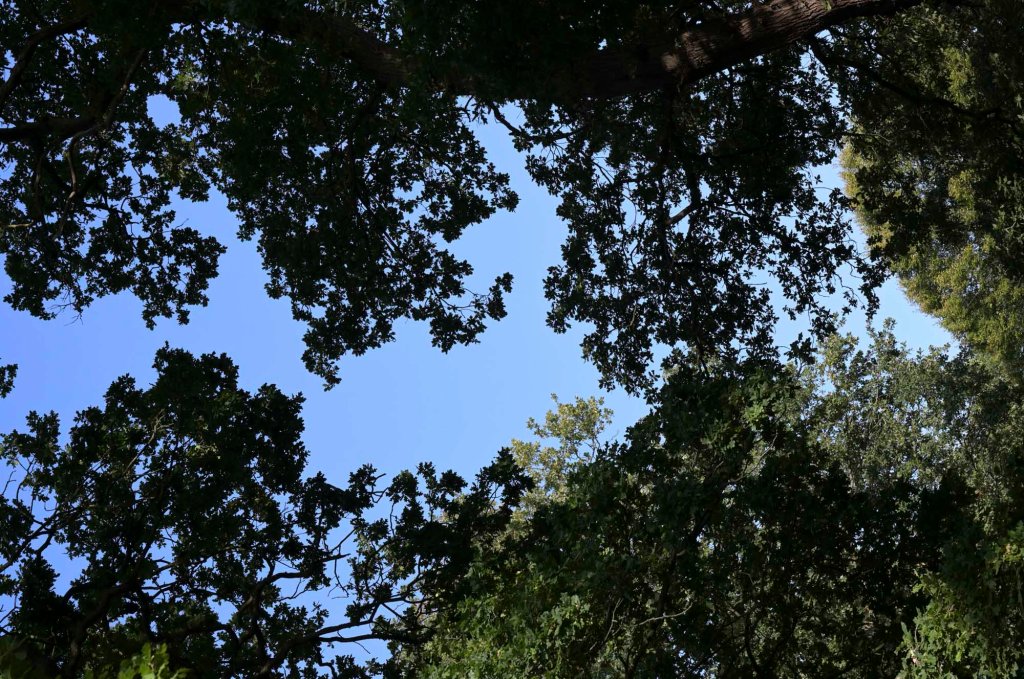
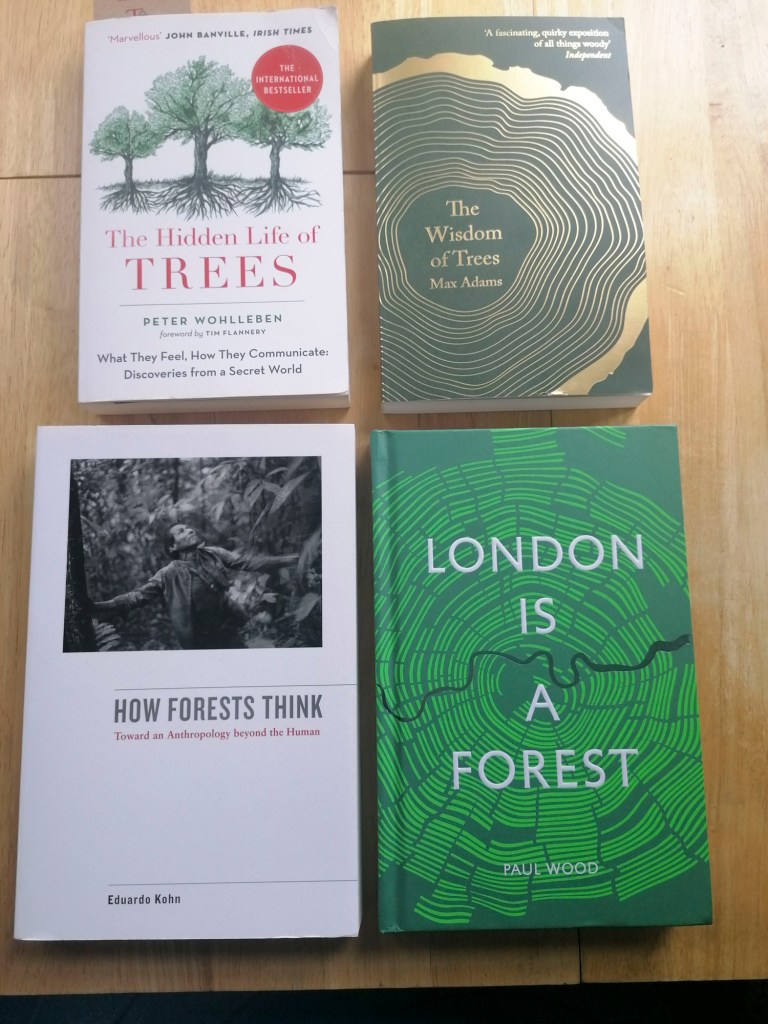
This concept of looking at the gaps is reflected in The Hidden Life of Trees by Peter Wohlleben, who observed that
‘The average tree grows its branches out until it encounters the branch tips of a neighbouring of the the same height. It doesn’t grow any wider because the air and better light in this space are already taken. However, it heavily reinforces the branches it has extended, so you get the impression that there’s quite a shoving match going on up there. But a pair of true friends is careful right from the outset not to grow overly thick branches in each other’s direction. The trees don’t want to take anything away from each other, and so they develop sturdy branches only at the outer edges of their crowns, that is to say, only in the direction of “non-friends” Such partners are often so tightly connected at the roots that sometimes they even die together.’
(Whohlleben, P. 2017 pp. 5)
Among the Trees
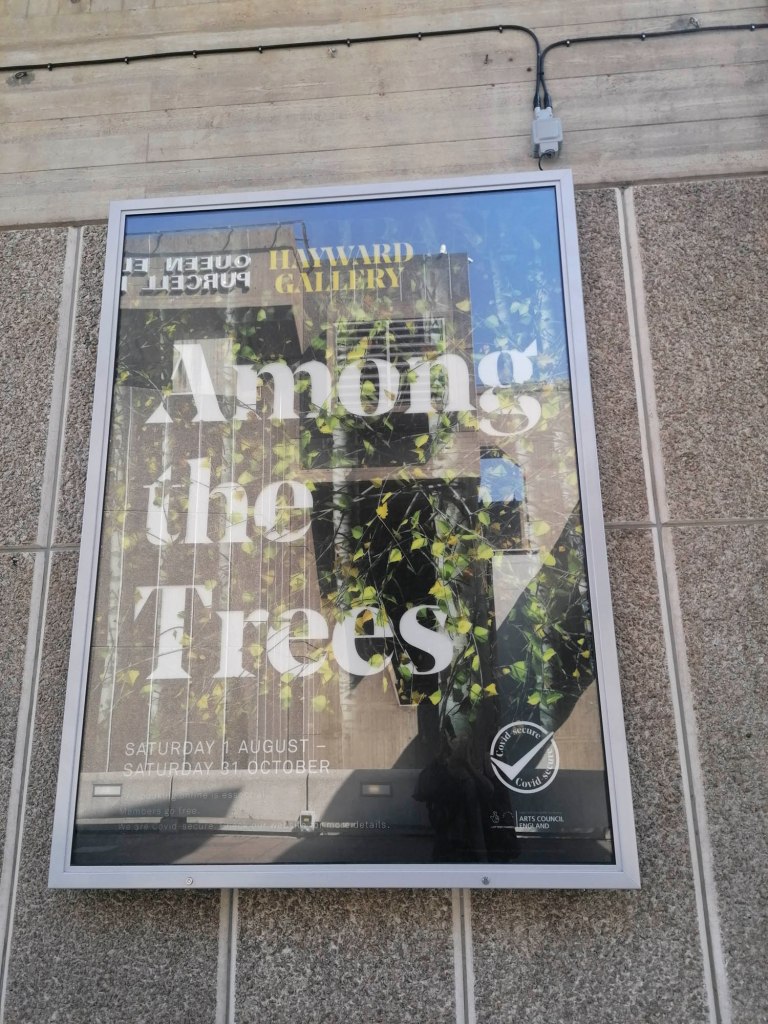
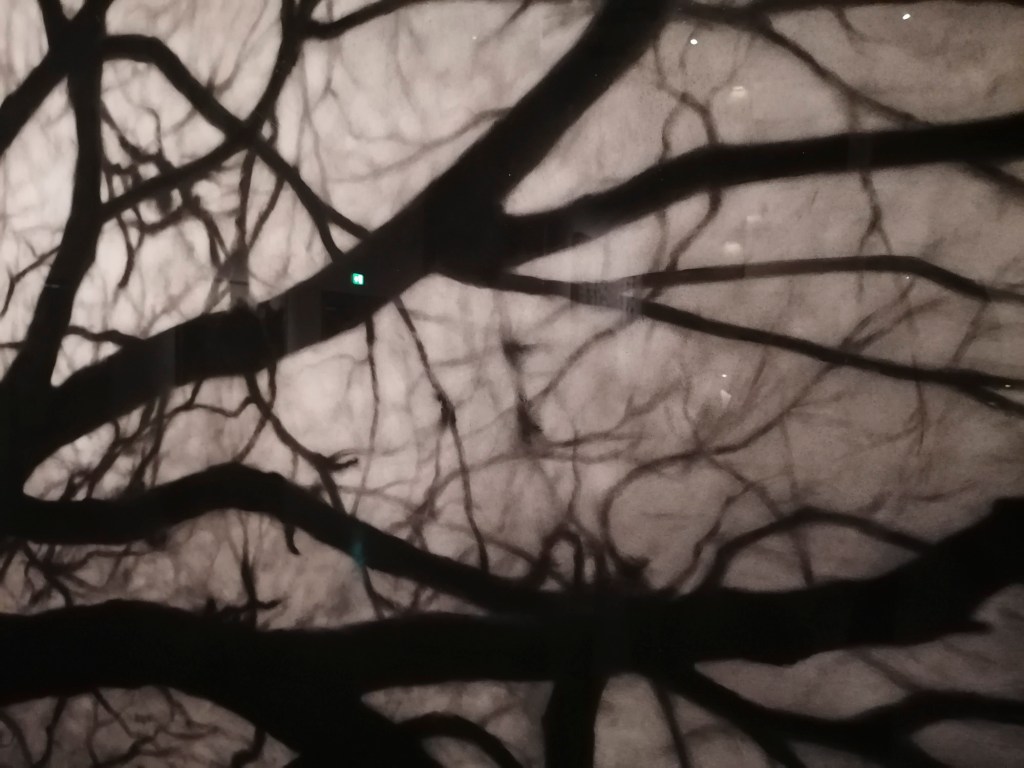
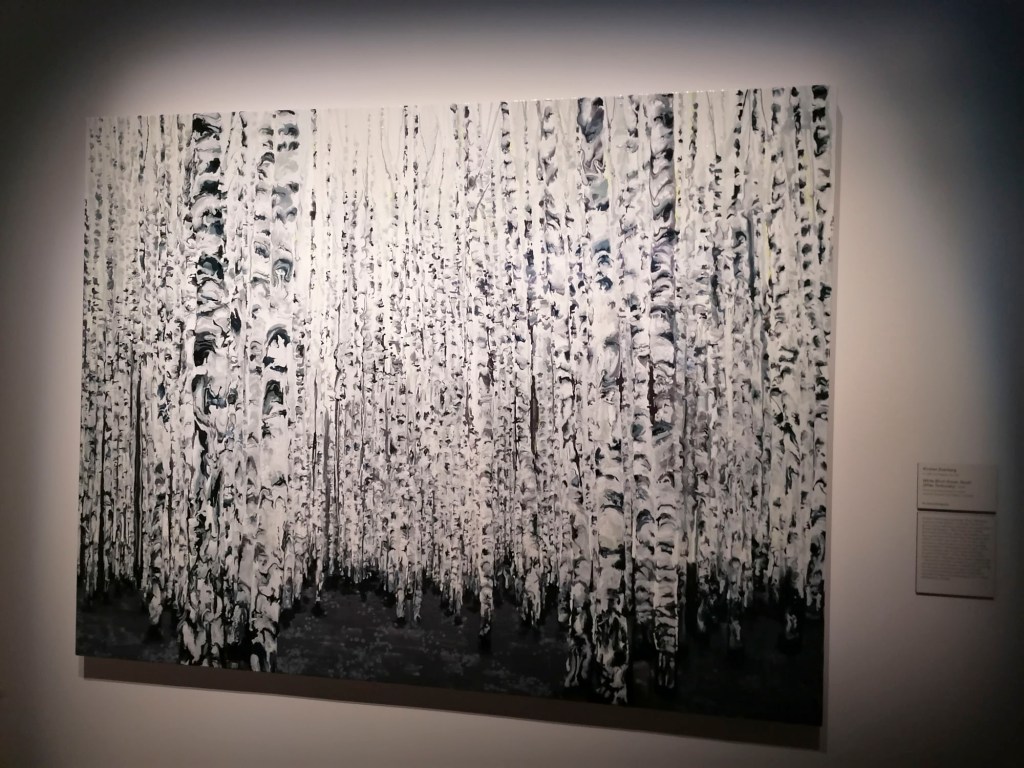
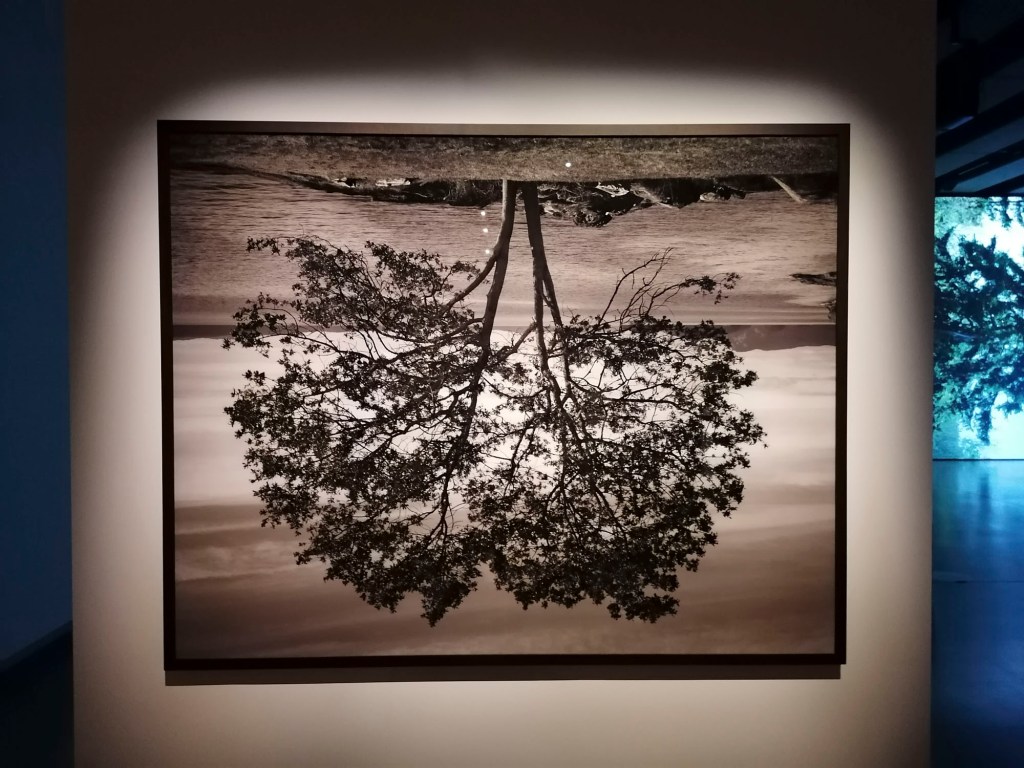
The day previous to taking these images, I visited the exhibition, Among The Trees, at the Hayward Gallery. This exhibition had been given an extension from its original dates that were affected by lockdown and is open until 31 October 2020.
This had also sparked my thoughts about the gaps between branches:
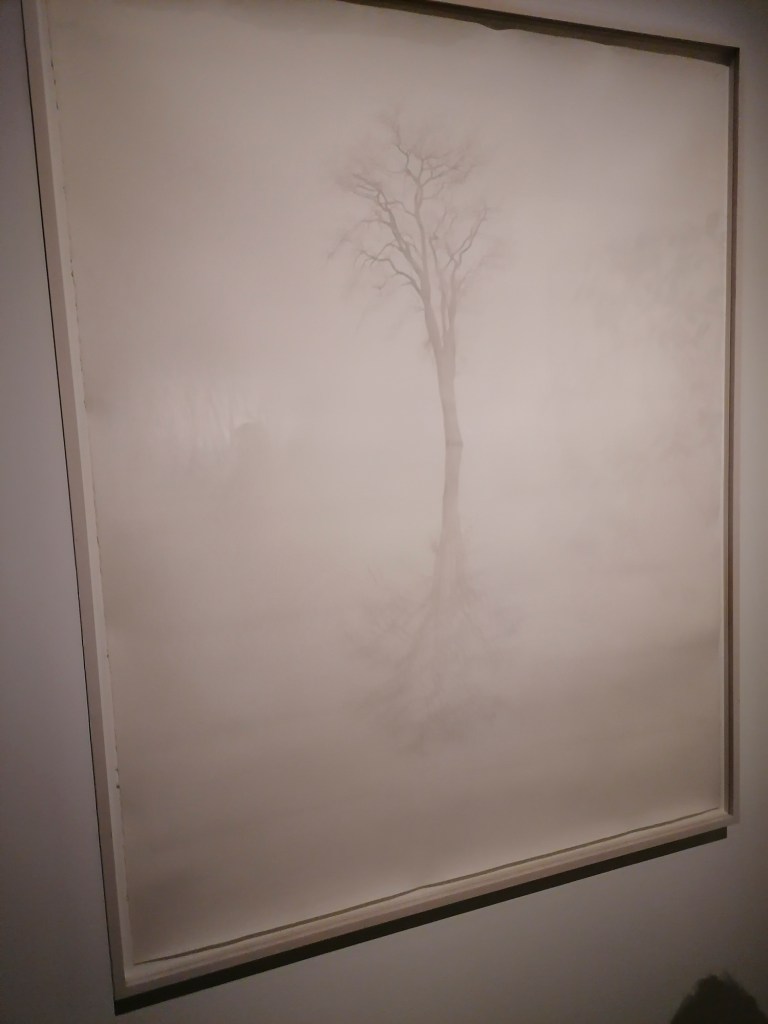
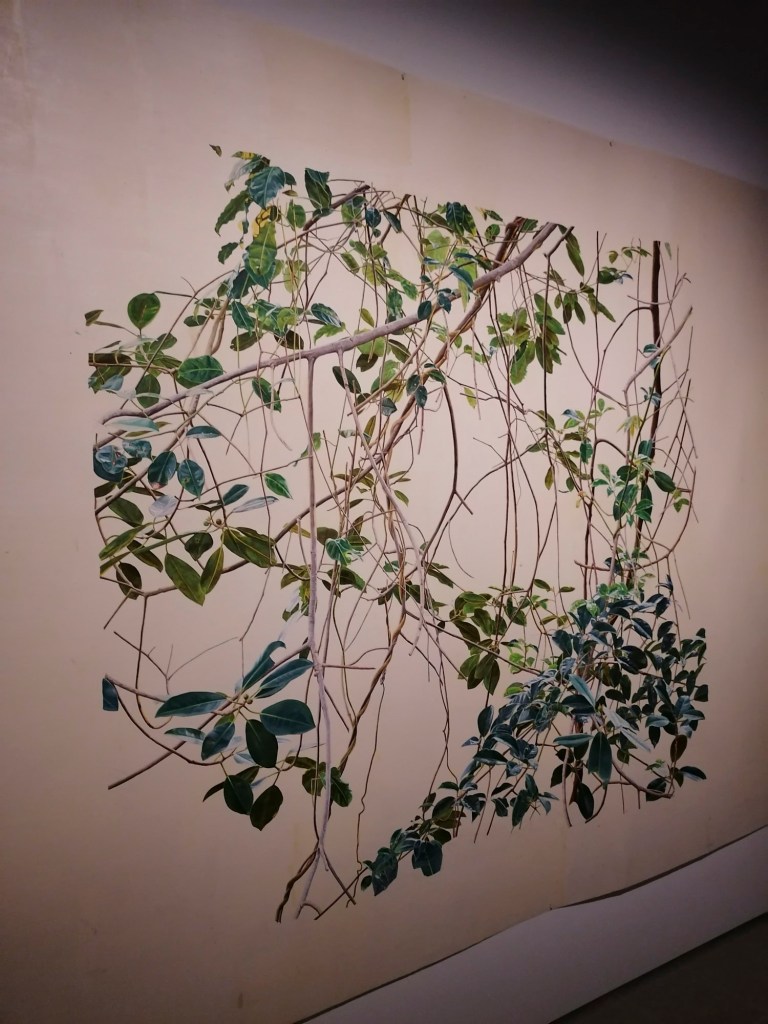
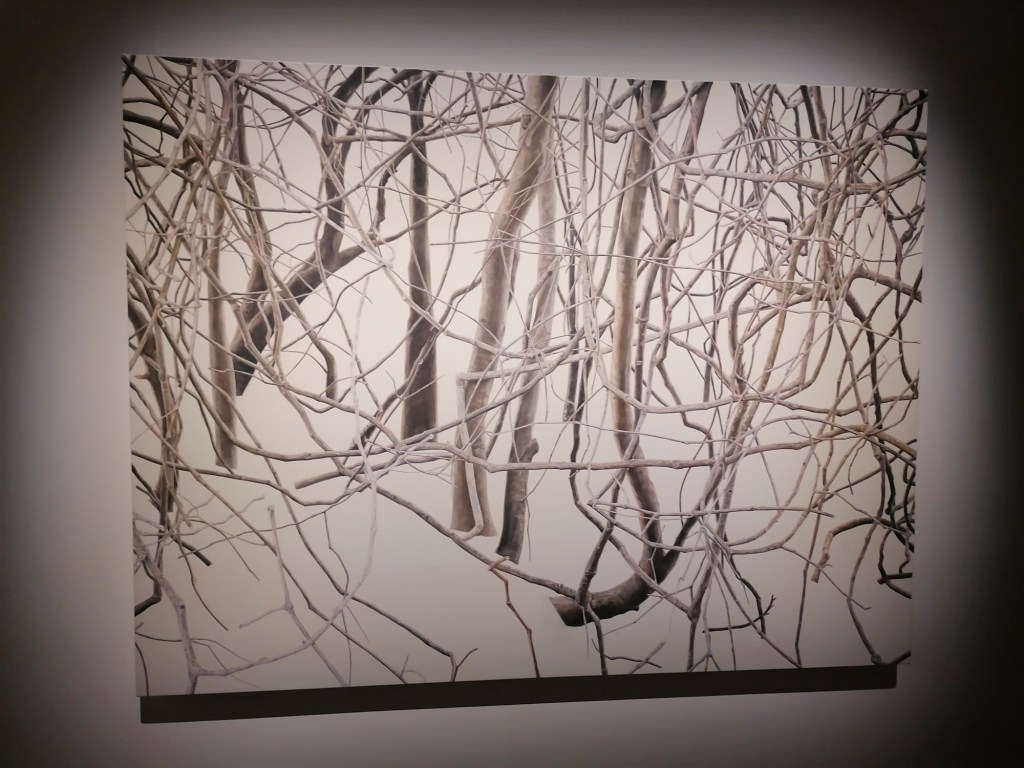
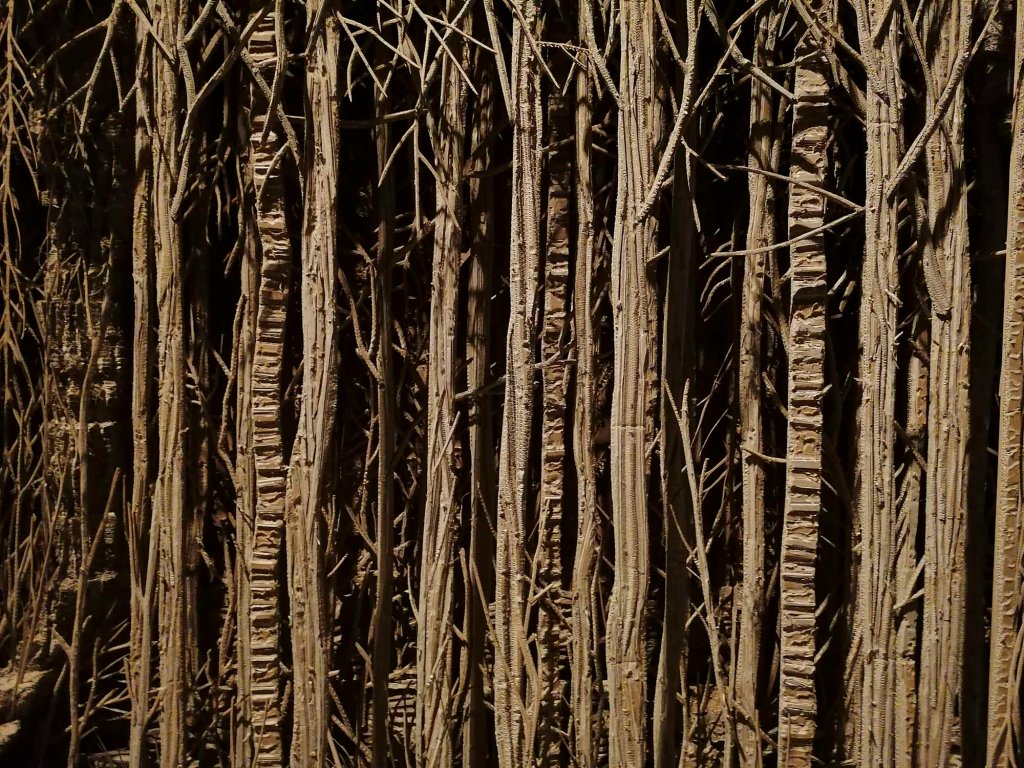
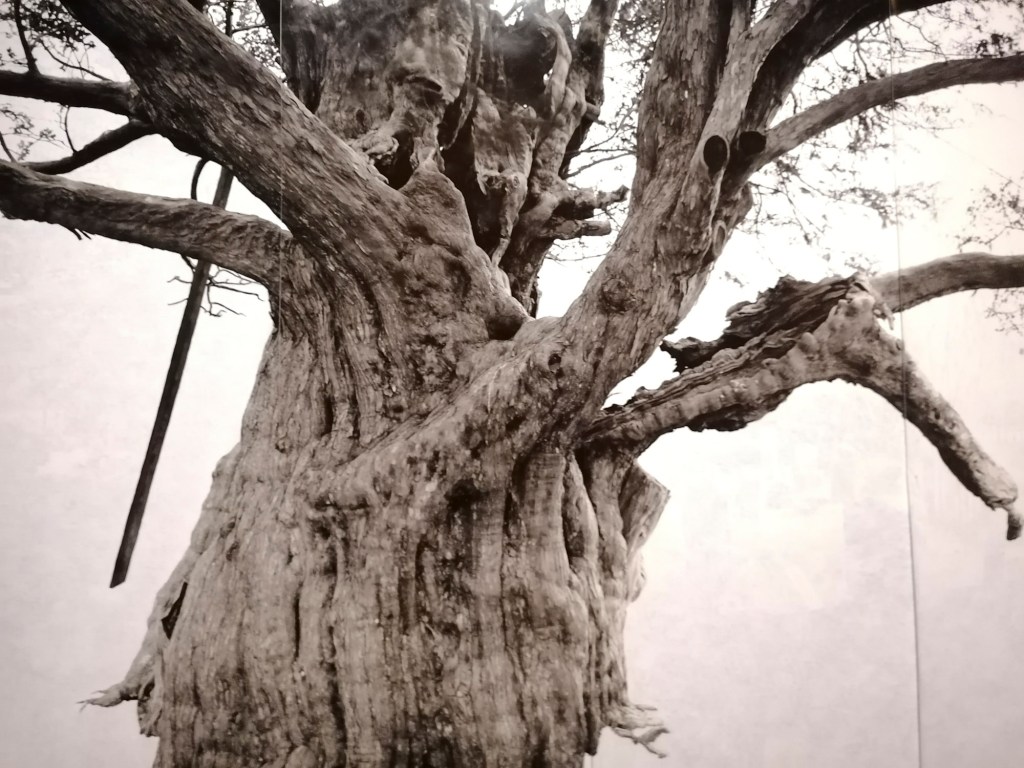
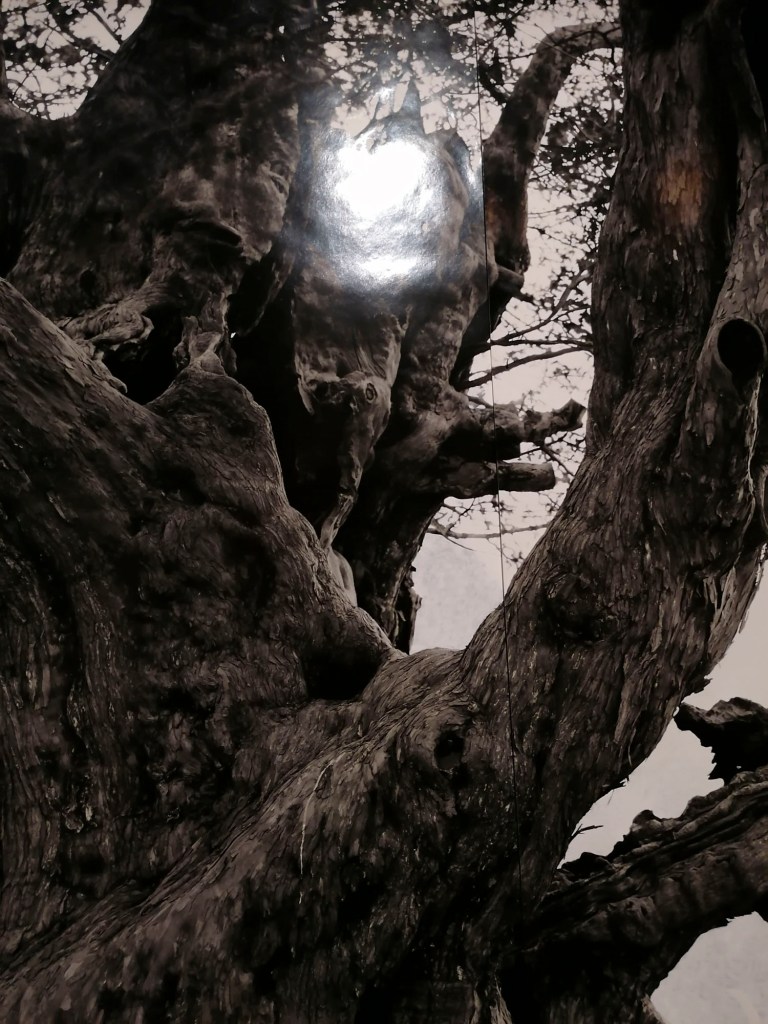
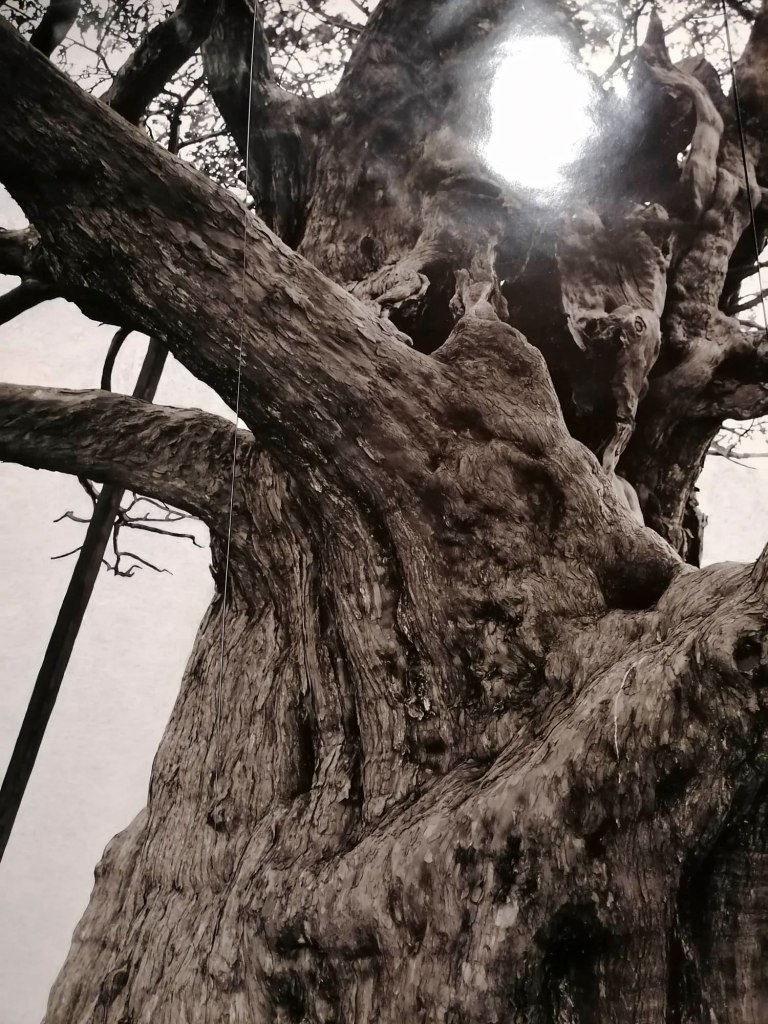
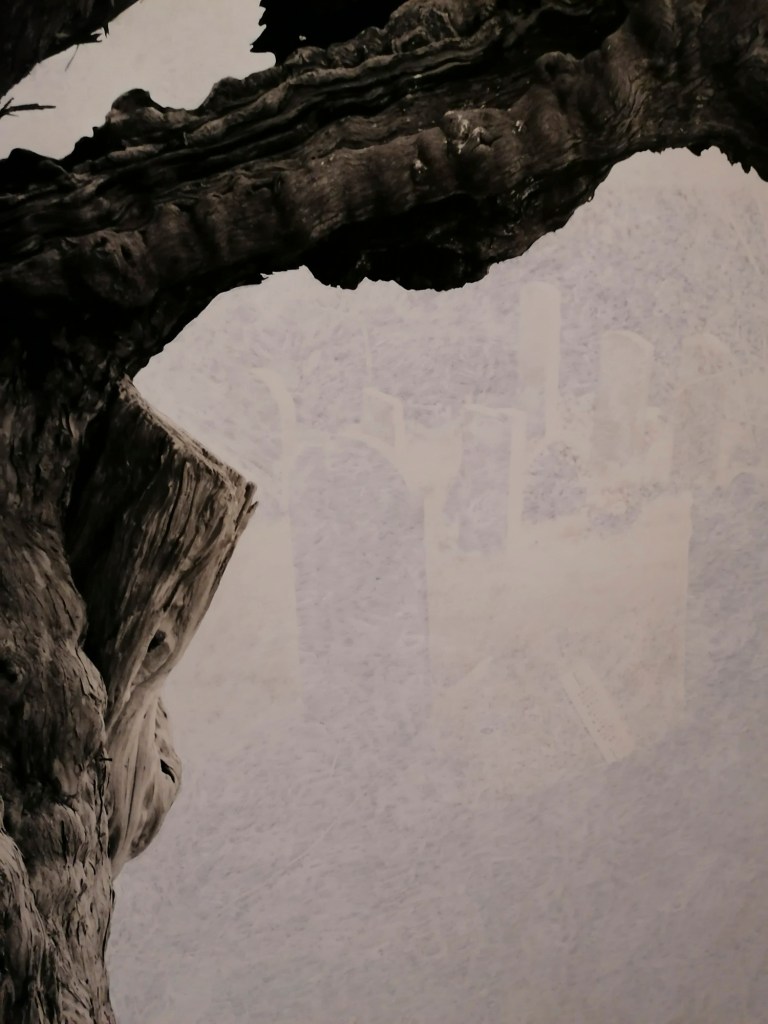
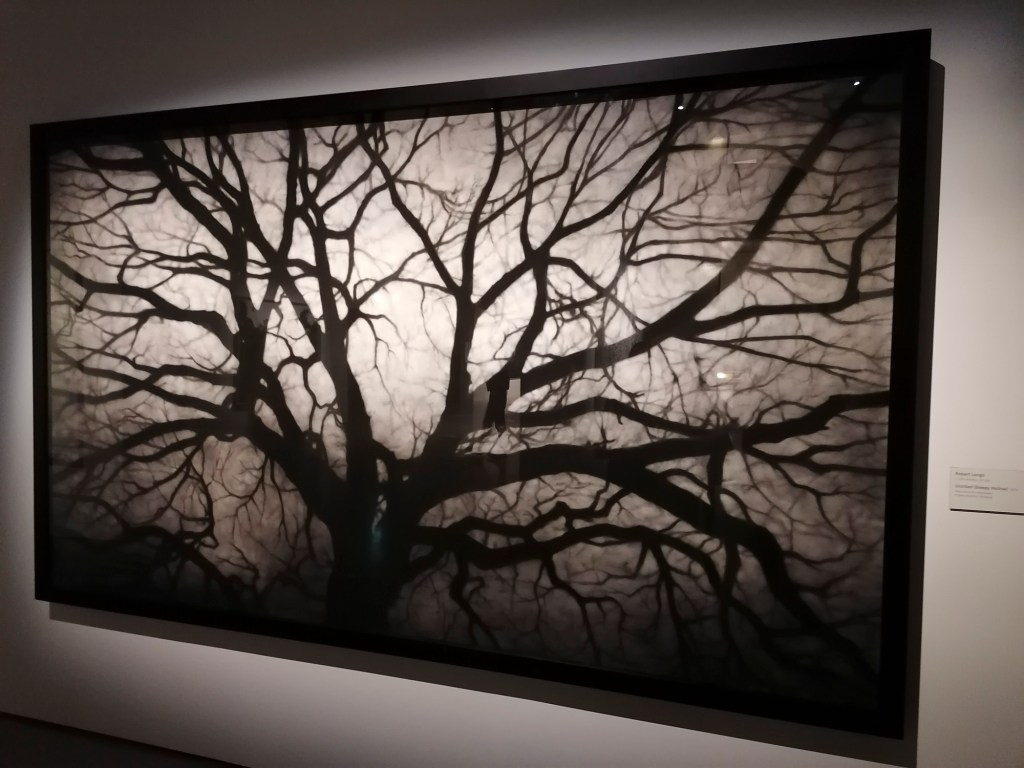
In hindsight, two other exhibits also had an influence on my thoughts at this stage:
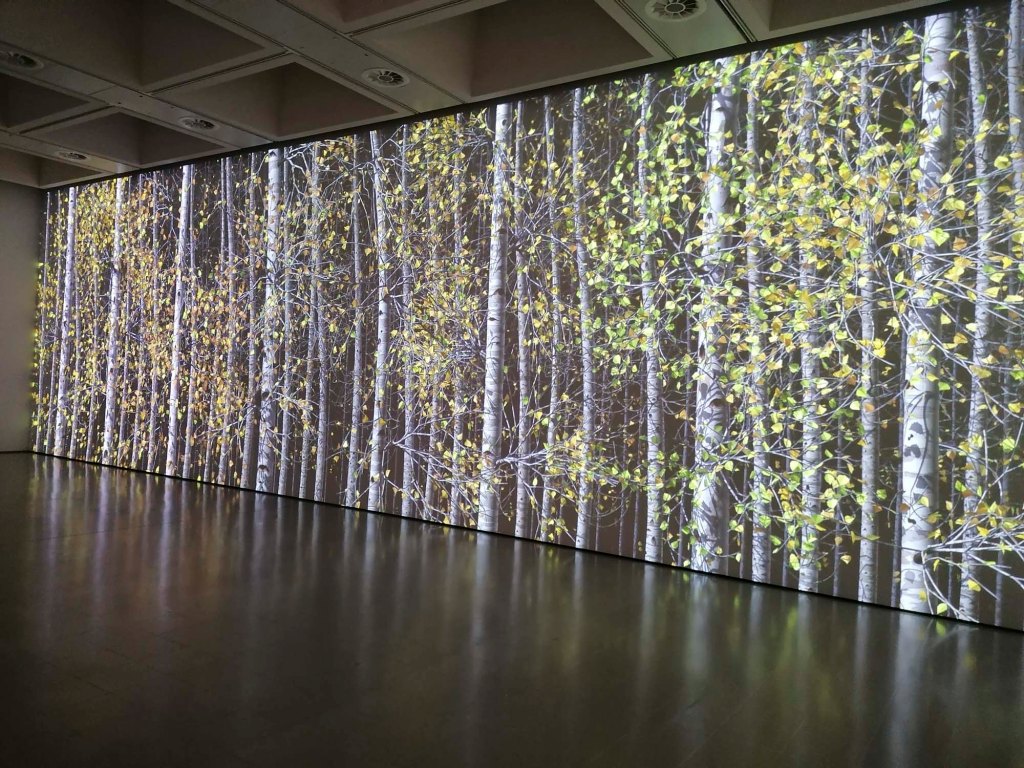
Blind Eye is a computer-generated animated piece that allows the viewer to experience the change of seasons in the featured trees. The projection is set within a separate room within the gallery and gives an impression of full immersion.
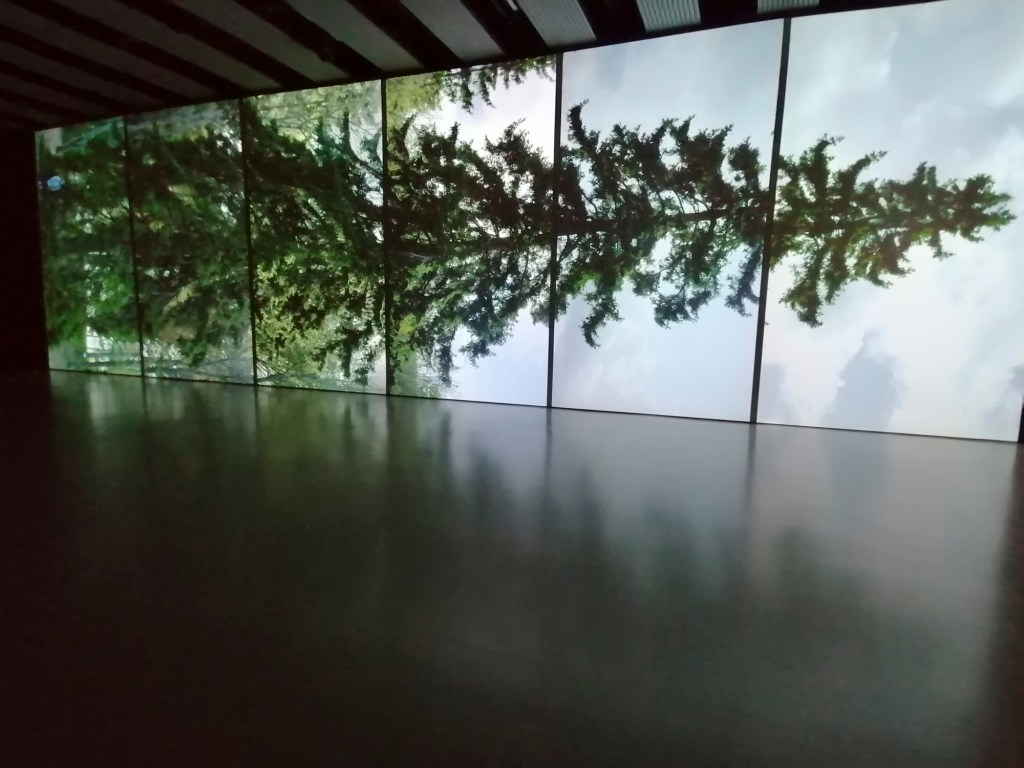
This installation features six filmed projections of different sections of the same tree.
‘Soon it became clear how difficult it is to really portray a tall trees because of the size of the film image – its aspect ratio… I want(ed) to somehow make visible to limits, or edges, of human perception and to try to show the idea introduced by Jakob von Uexkull – of the simultaneous existence of different worlds, different times and spaces.’
Ahtilia, E.L. 2020 pp. ? Among The Trees Exhibition Brochure
I realise now that they had a bearing on my experimentation for my Moments of Eternity images.
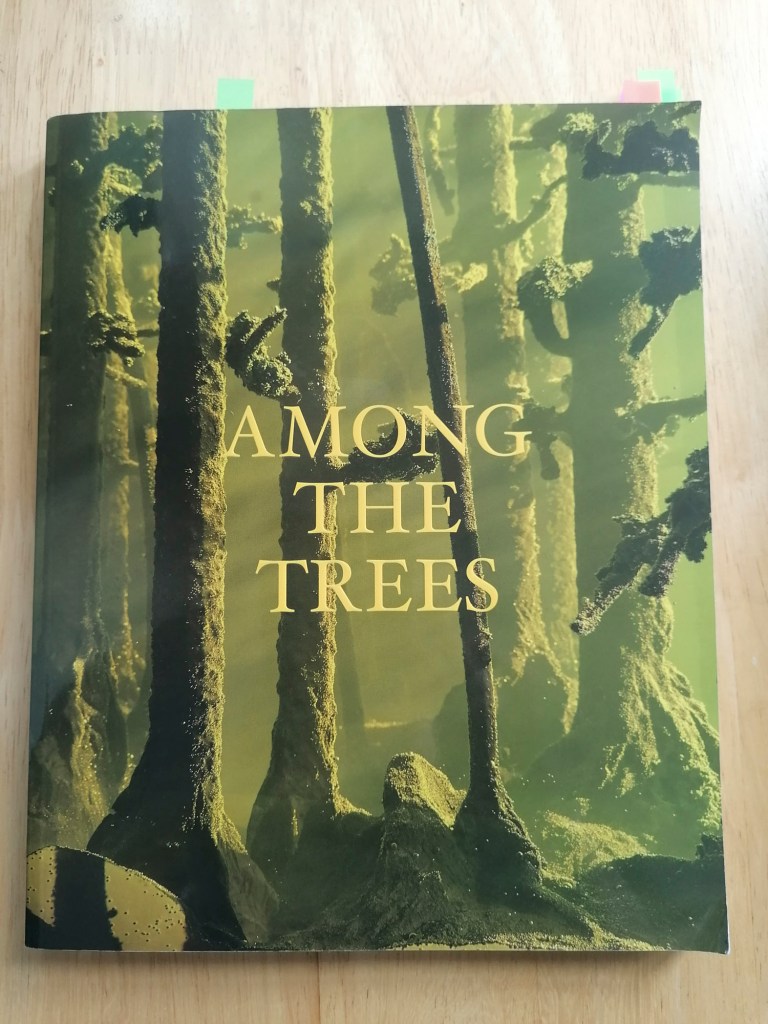
While at the Among the Trees exhibition, I bought a selection of books that I added to my current tree collection:
Into The Woods
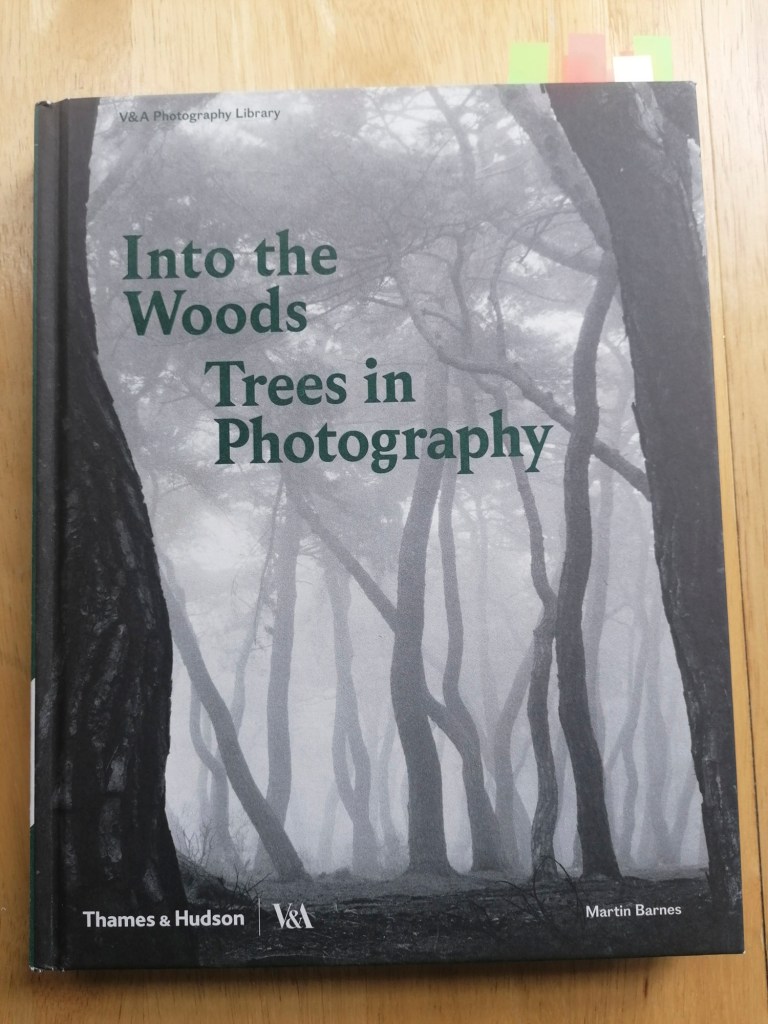
This was an exhibition of tree photographs from the Victoria and Albert Museum’s archives held in there 2017. I did visit the exhibition at the time, but had not seen or read the connected book. This gave a more detailed grounding of how trees have been depicted within photography.
In the introduction, Martin Barnes, Senior Curator, Photographs at the V&A made two pertinent points:
Many of the photographs during the 19th century showed trees without foliage. This, Barnes explains, was:
‘Probably due to the result of aesthetic choice combined with practical necessity: long exposures were typical, meaning that leaves blowing in the wind would result in them appearing undesirably blurred. Such softness and blur was, however, embraced as a deliberate visual aesthetic by photographers devoted the ‘pictorialist style that was fashionable from the later 1880s and well into the early twentieth century. Pictorialists combined soft focus, inspired by Impressionist and Aesthetic Movement painting, with pared-down aesthetics, attenuated forms and flat patterning borrowed from Japanese prints.’
The style signalled artistic and poetic intent, as distinct from more technically precise photographs that were associated with science or commerce.
‘In the mid-to late twentieth century, the harder-edged style of modernism largely supplanted pictorialism – Paul Strand and Albert Renger-Patzsch, who favoured a return to sharp focus and an implied clarity of thinking and perception’.
Barnes, M. 2019, pp. 10
One other observation that Barnes makes is the use of, or lack of, colour within tree photography:
The most obvious visual shift is the change from monochrome photography to the introduction in 1907 or the first practicable colour process, autochrome. Thereafter, depicting trees in colour or monochrome became a deliberate choice. However, the focus on line, form, texture and detail that monochrome instantly provides – in a subject complex even without colour – has meant that this type of photography appears dominant in its history.’
Barnes, M. 2019, pp. 11
It is also interesting to note that Barnes states:
‘One are in which colour and monochrome photographs are on more equal footing is when trees are depicted in Winter, especially in snow. Strong colours are muted, contrast is heightened, and a kind of otherworldly visual silence falls.’
Barnes, M. 2019, pp. 11
Bushy Park 5 October 2020
Tree Avenue
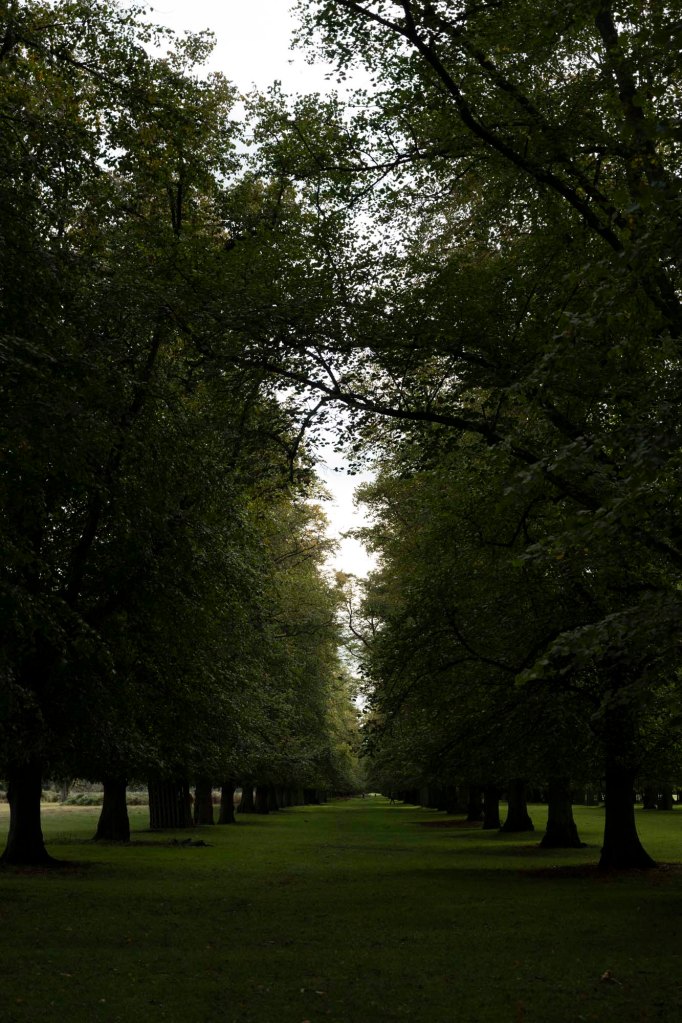
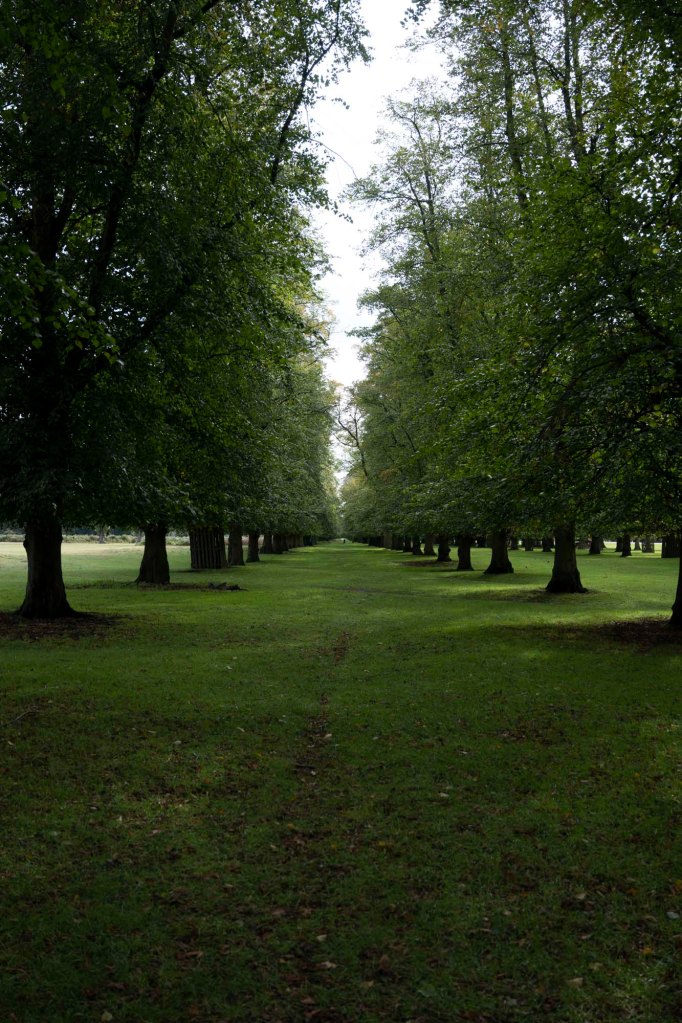
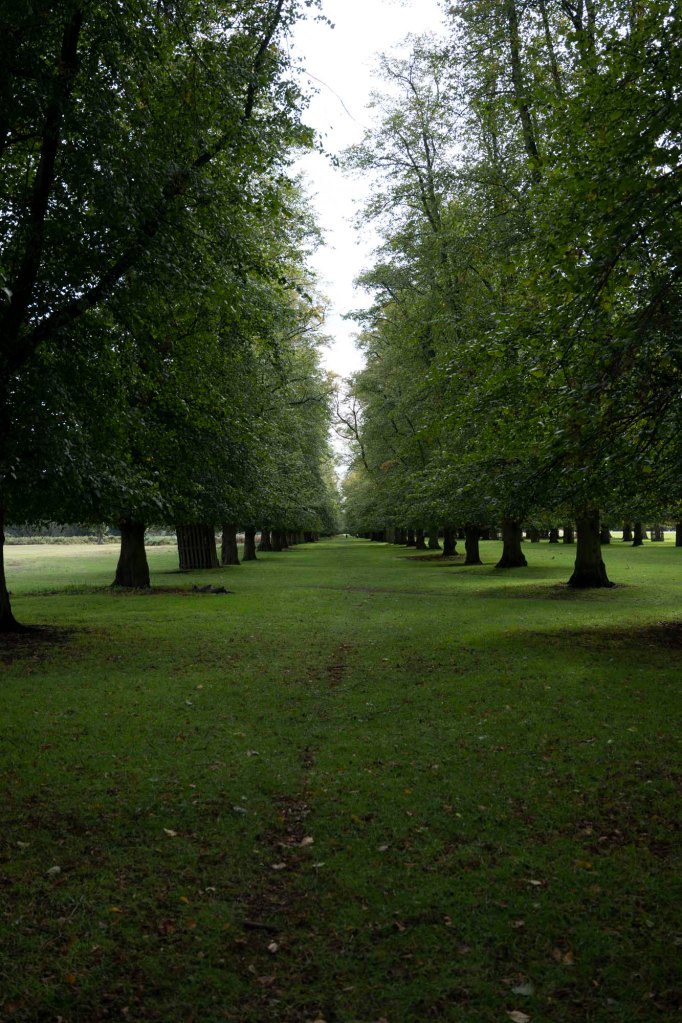
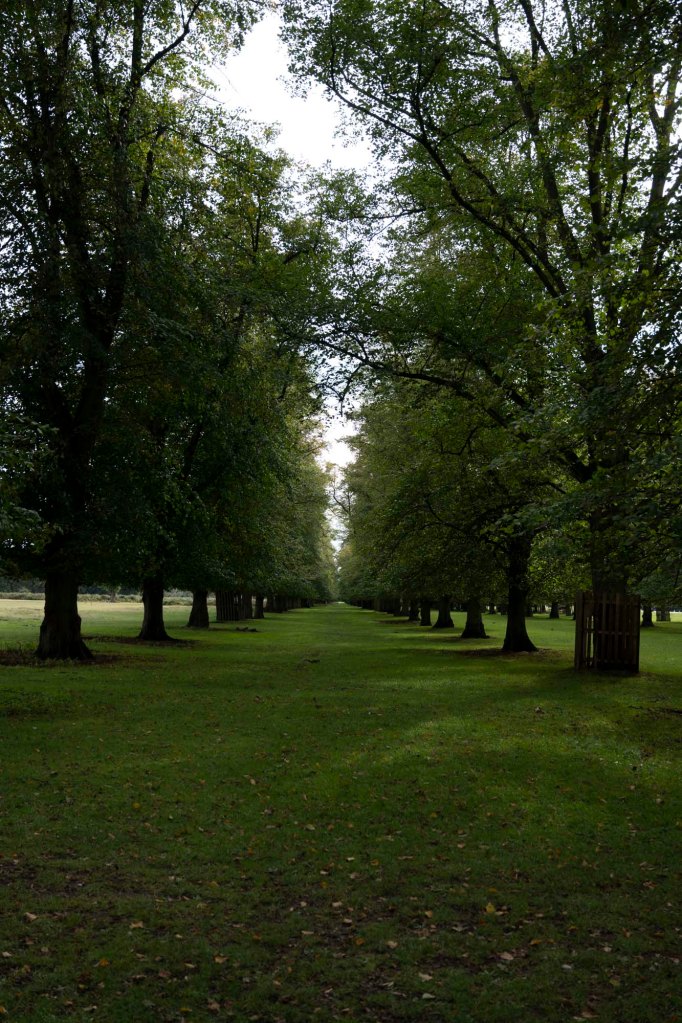
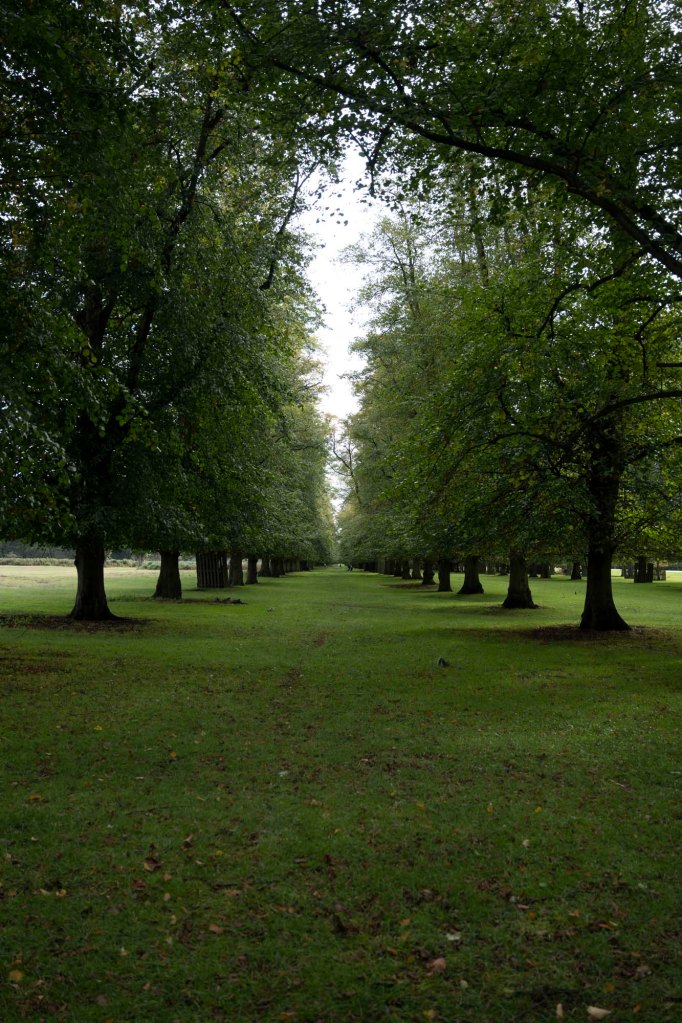
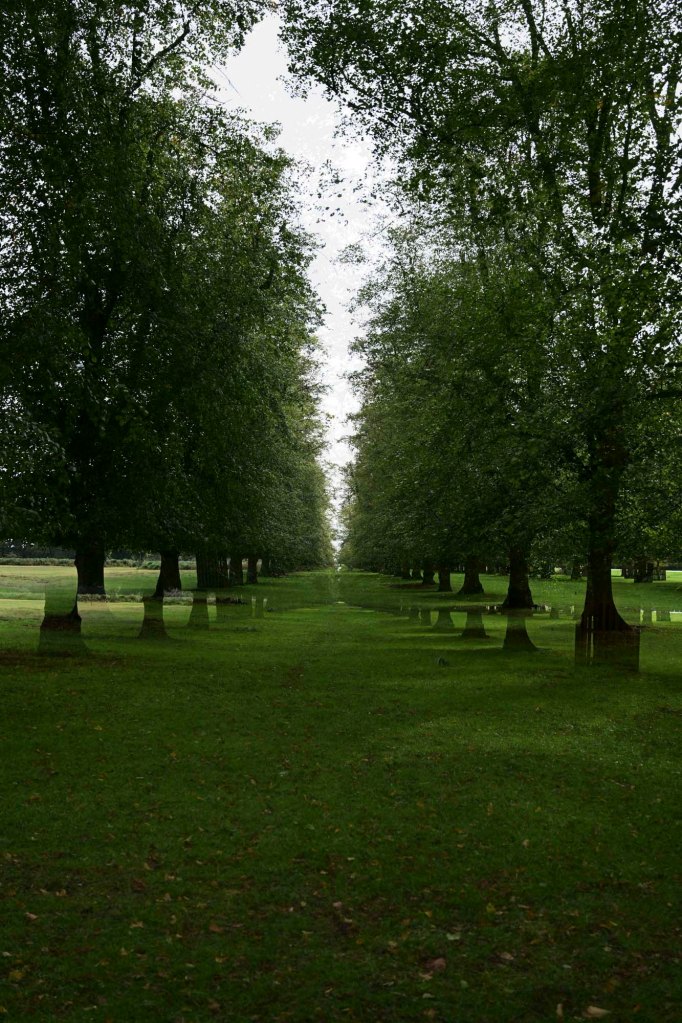
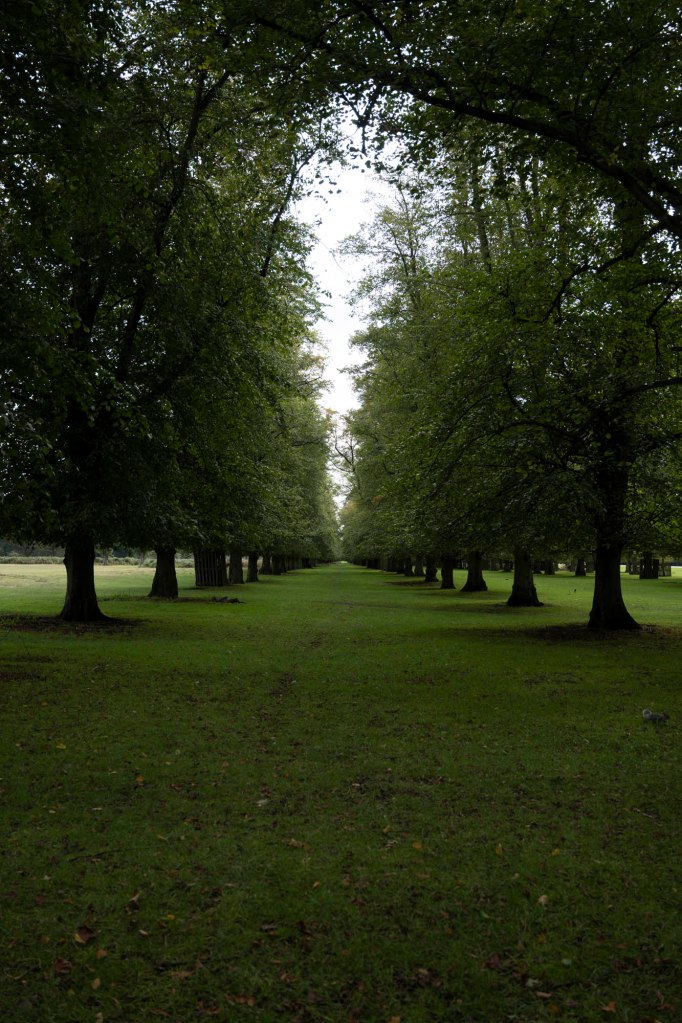
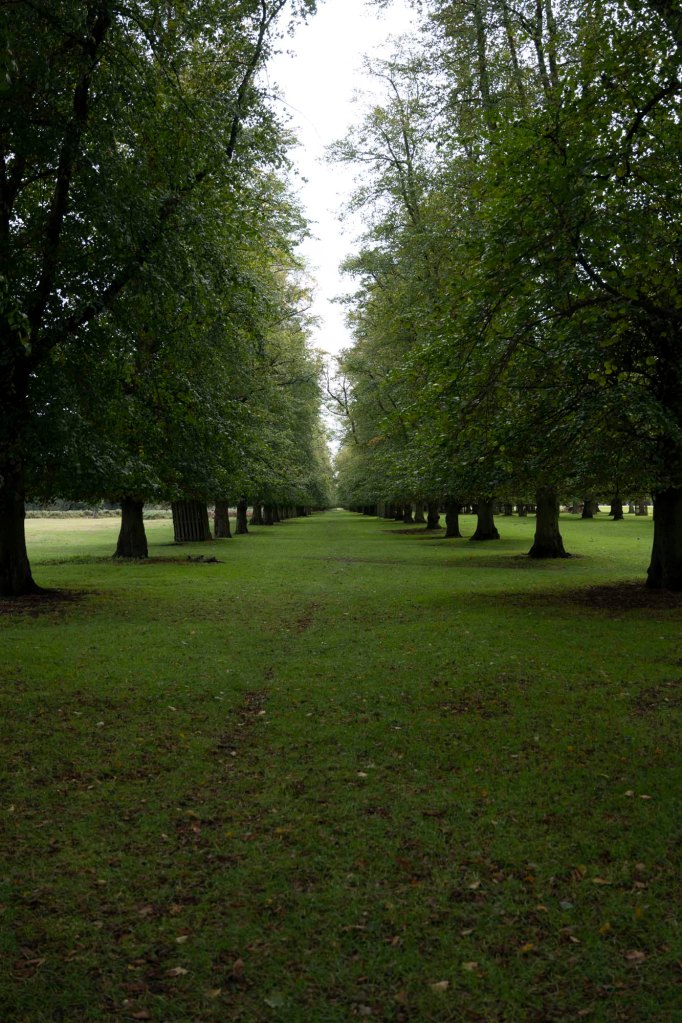
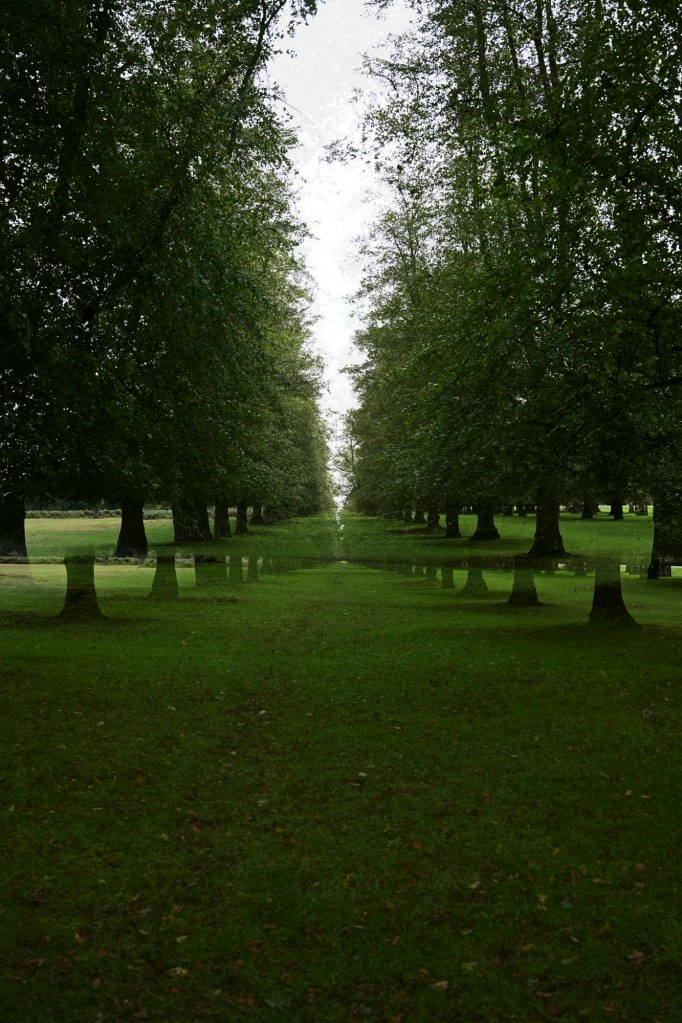
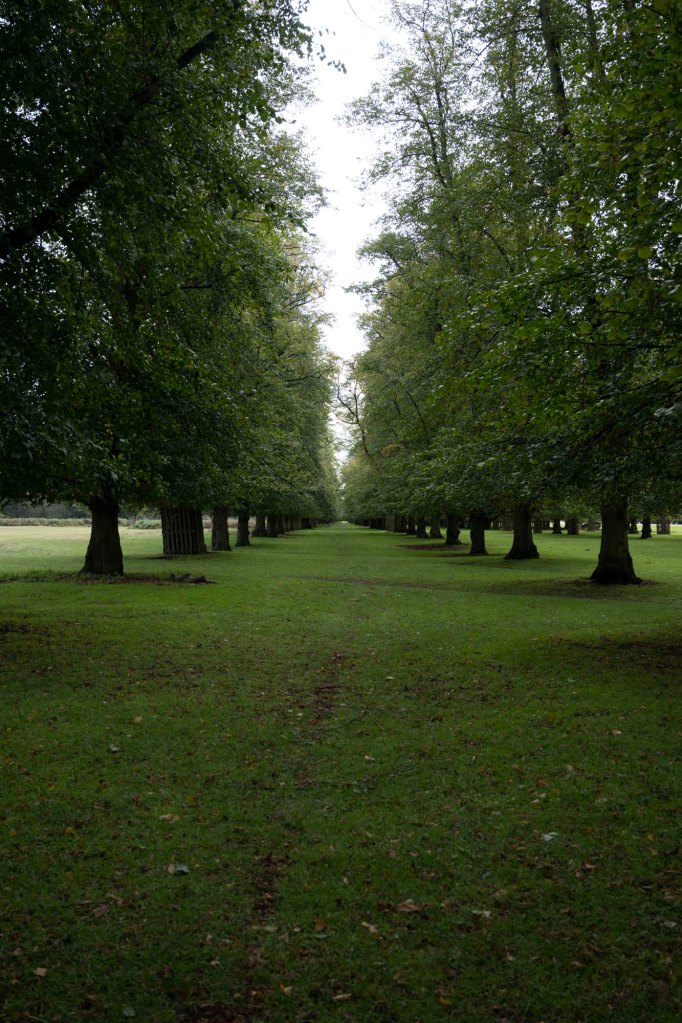
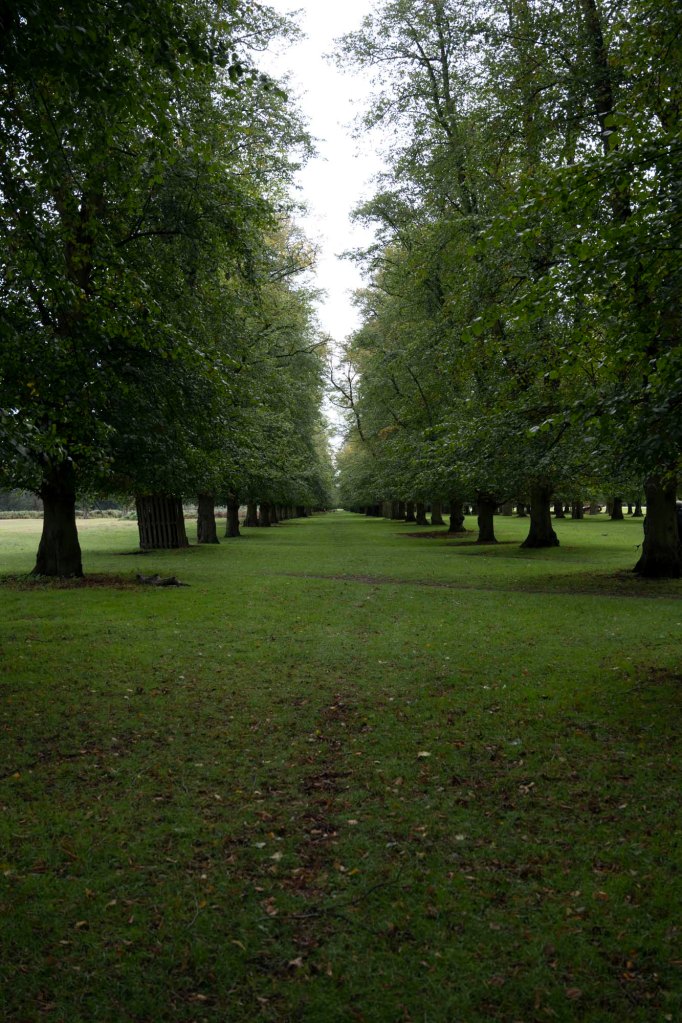
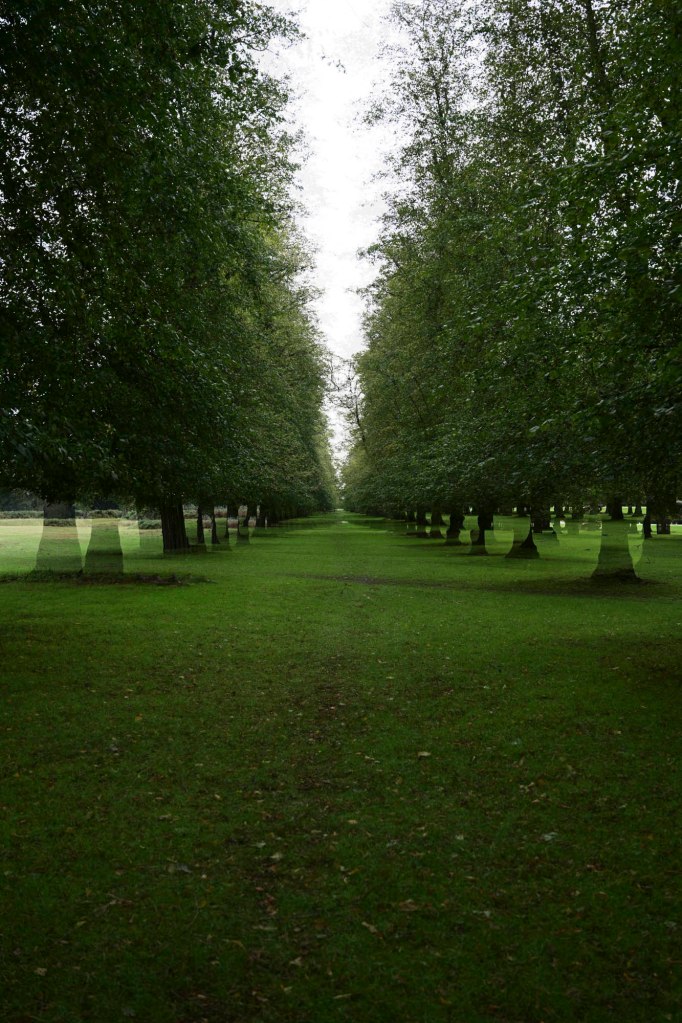
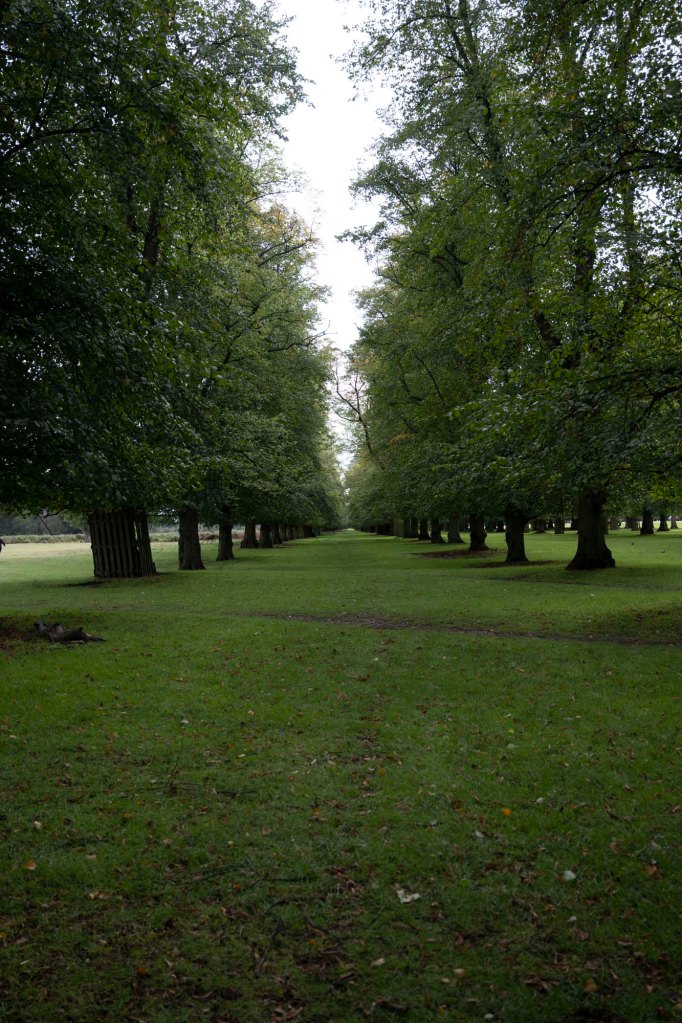
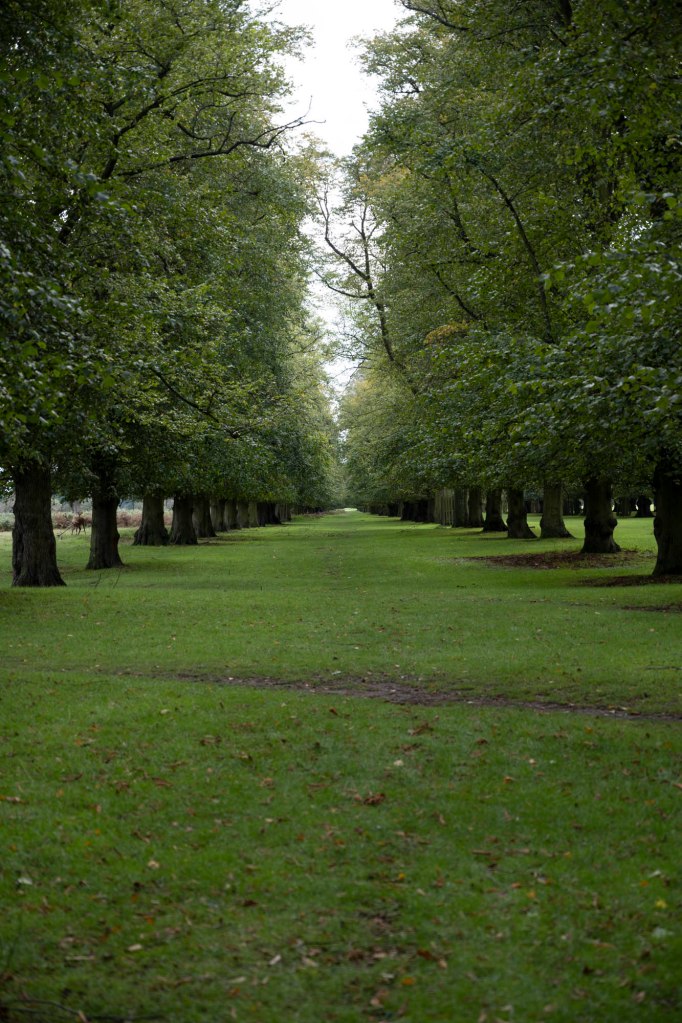
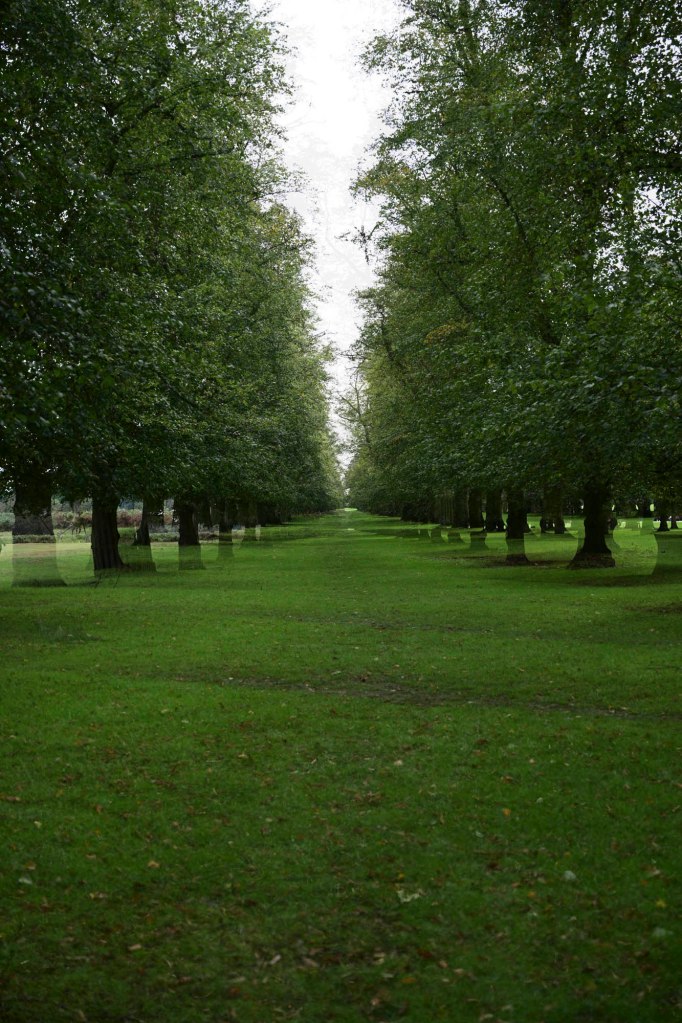
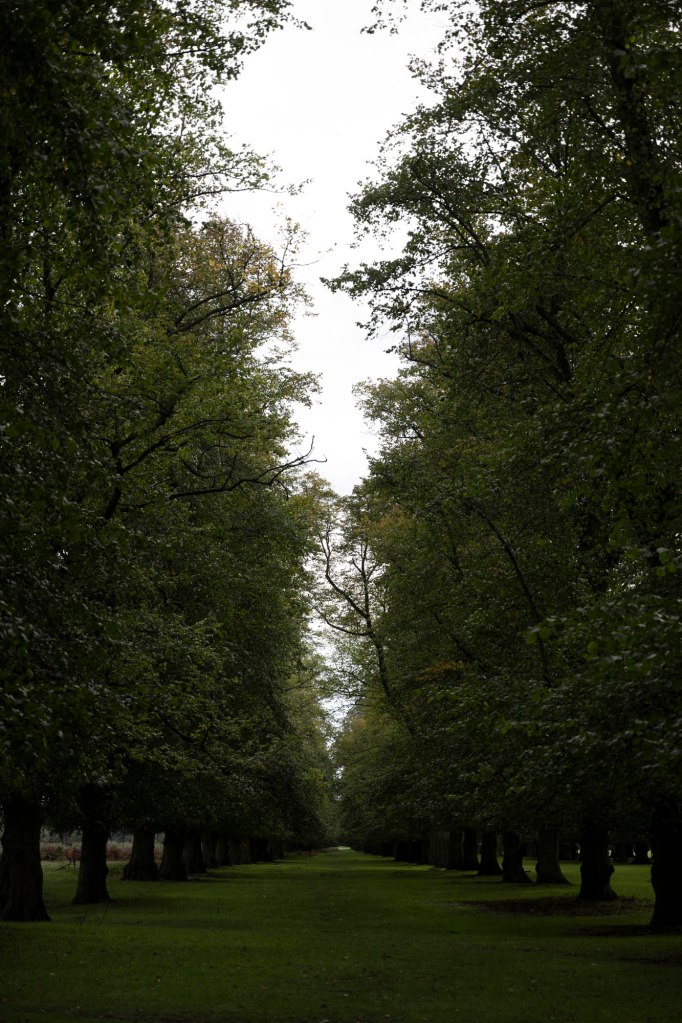
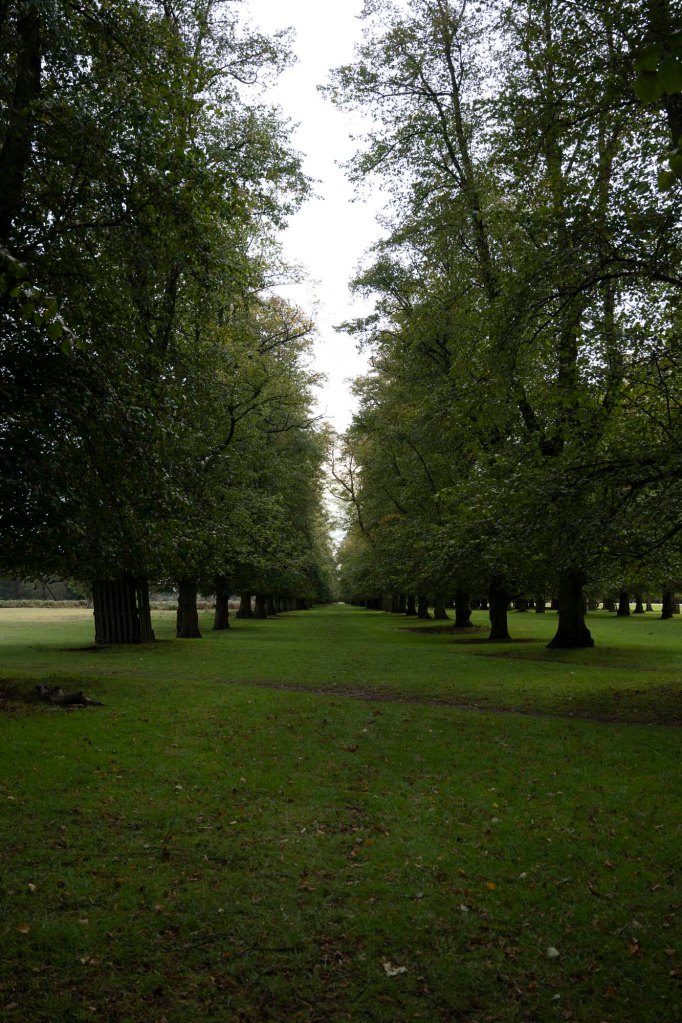
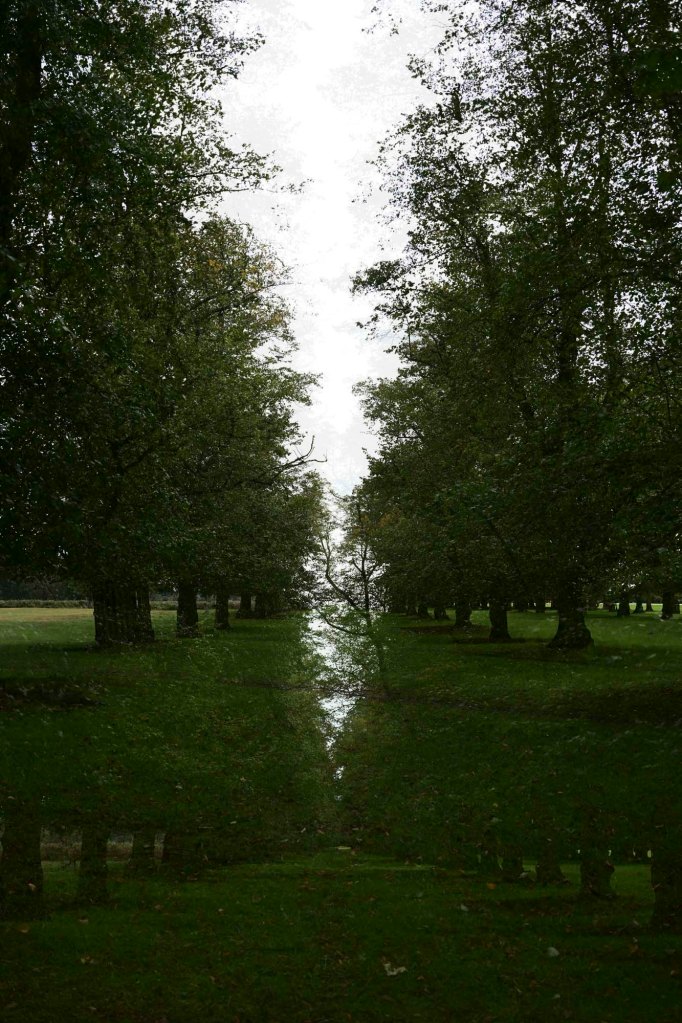
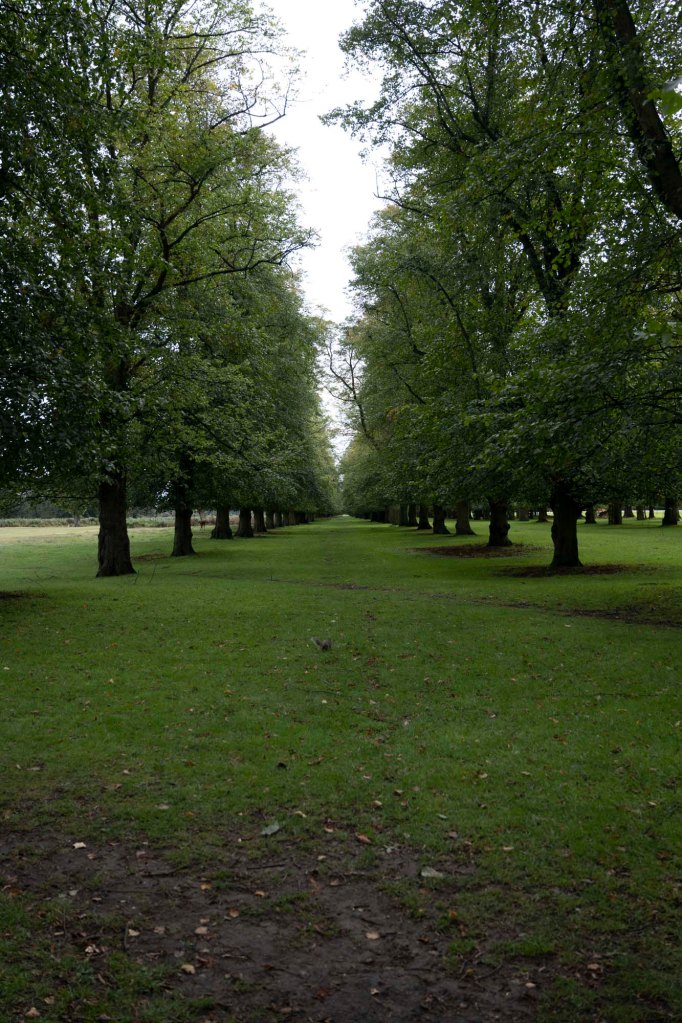
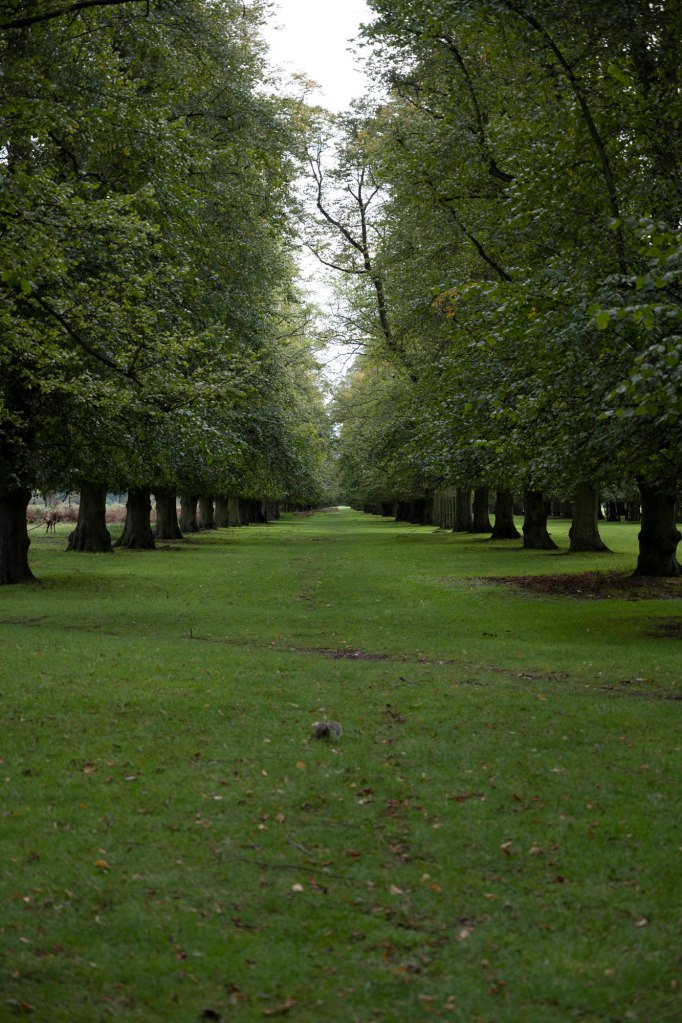
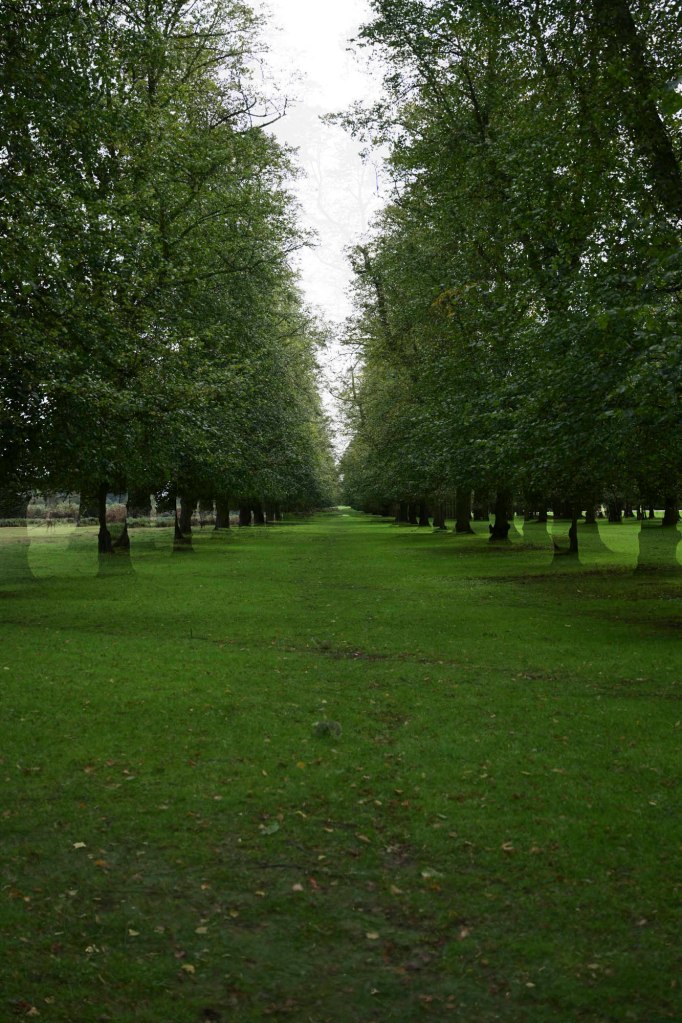
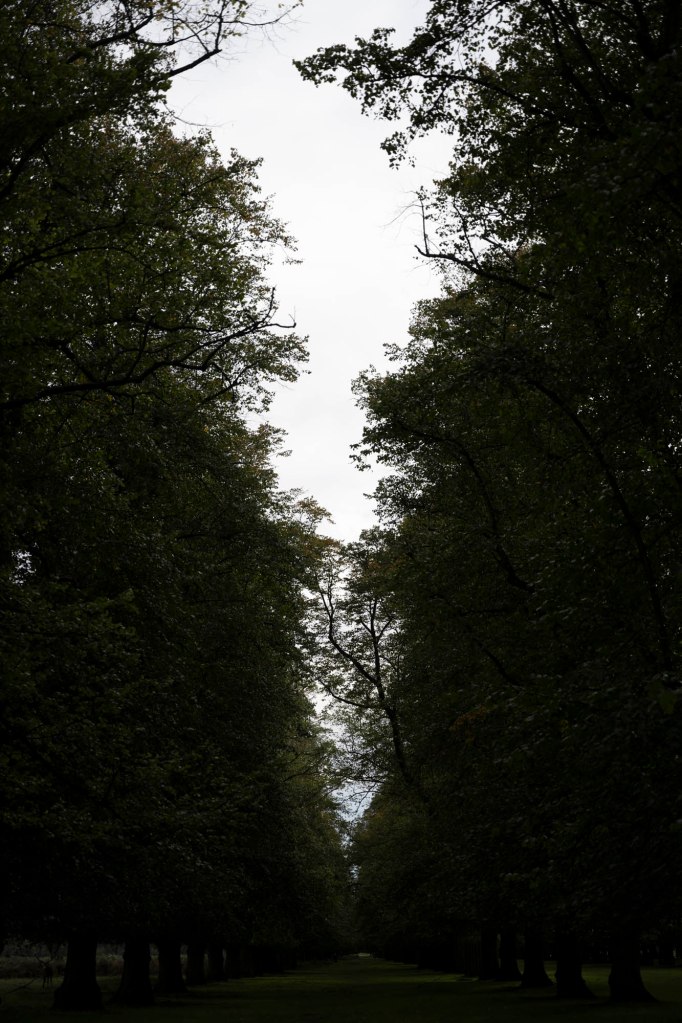
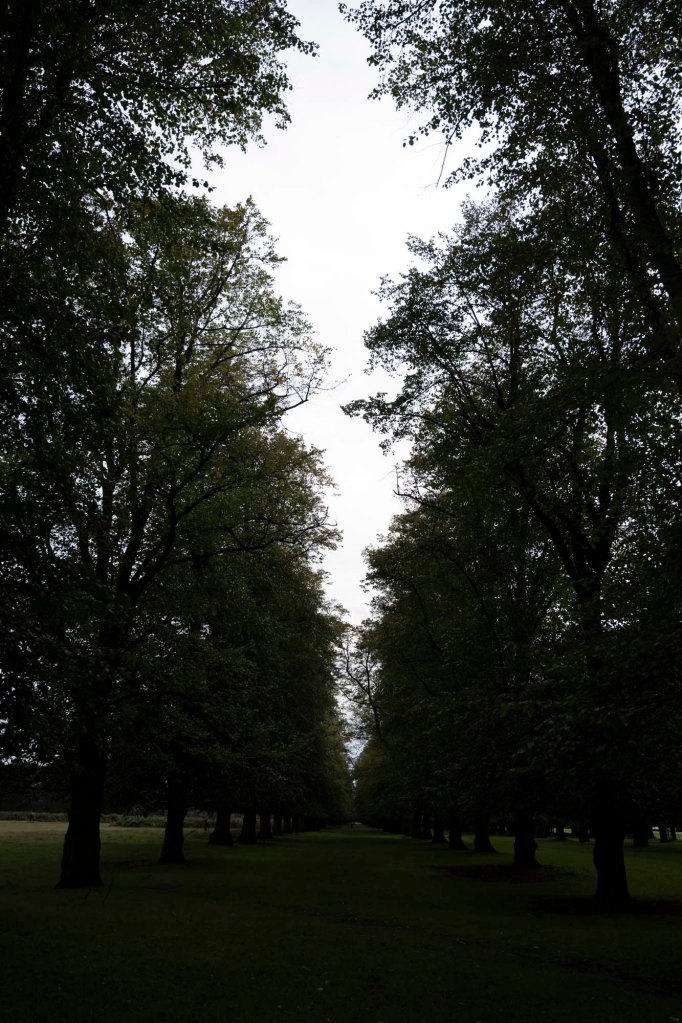
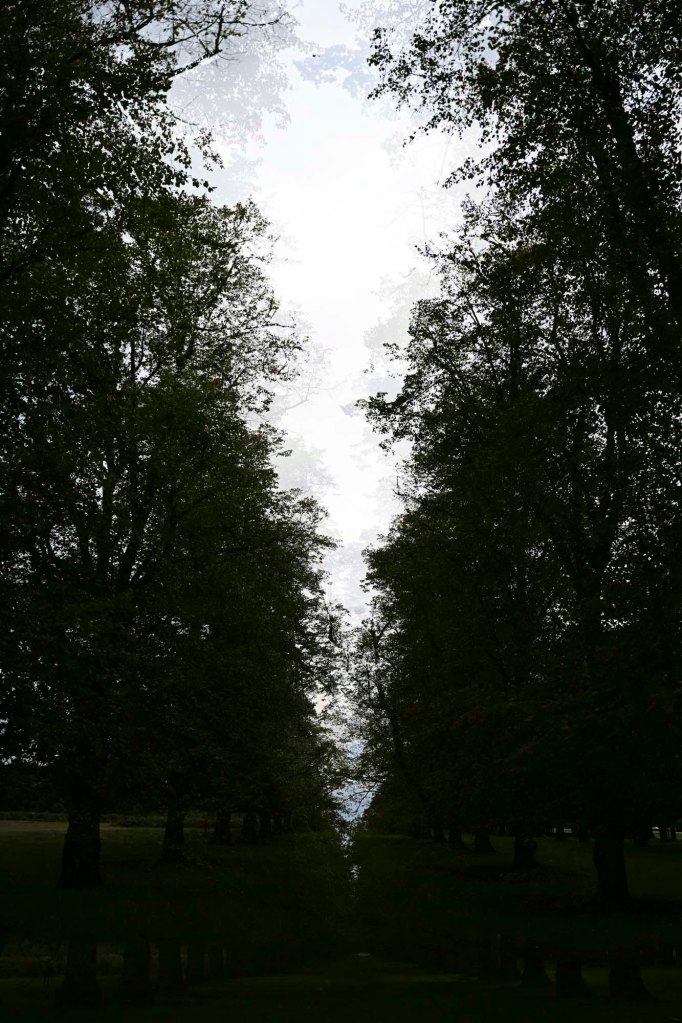
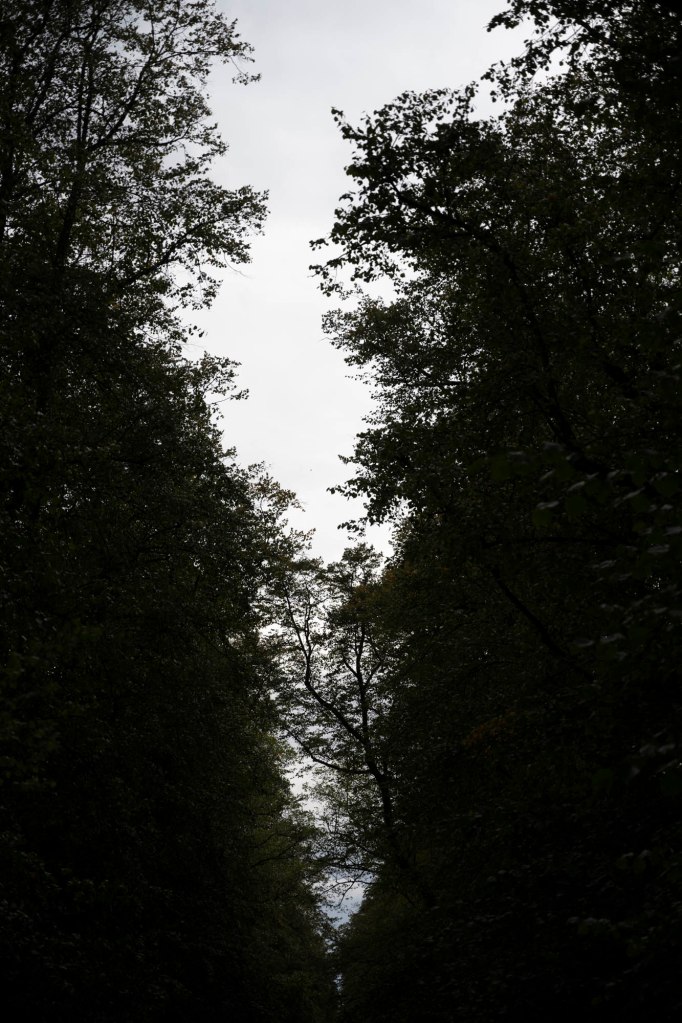
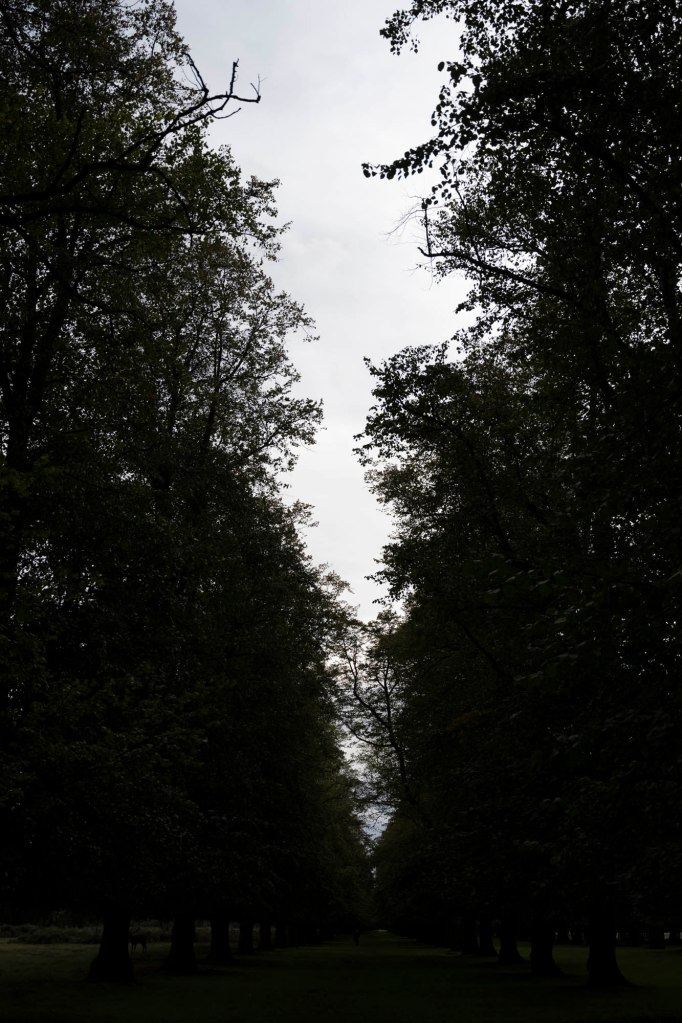
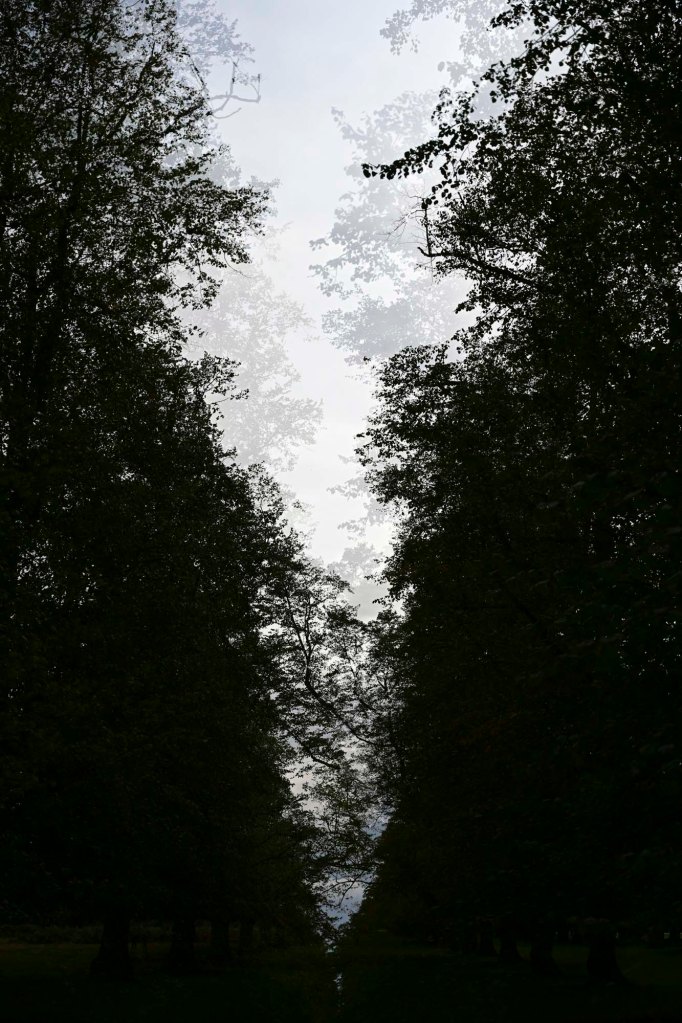
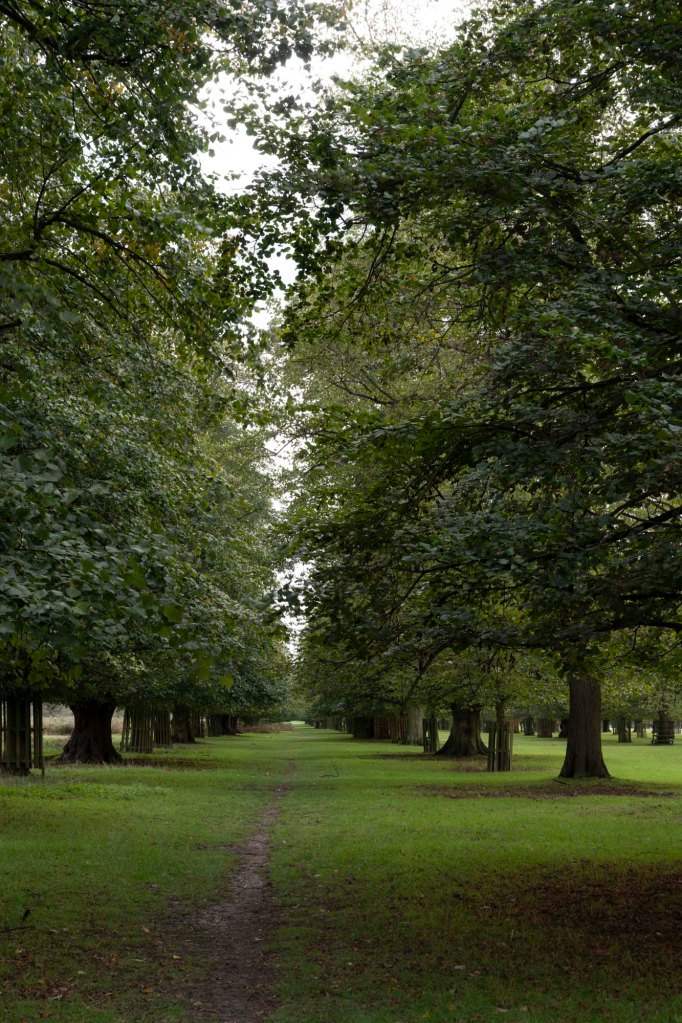
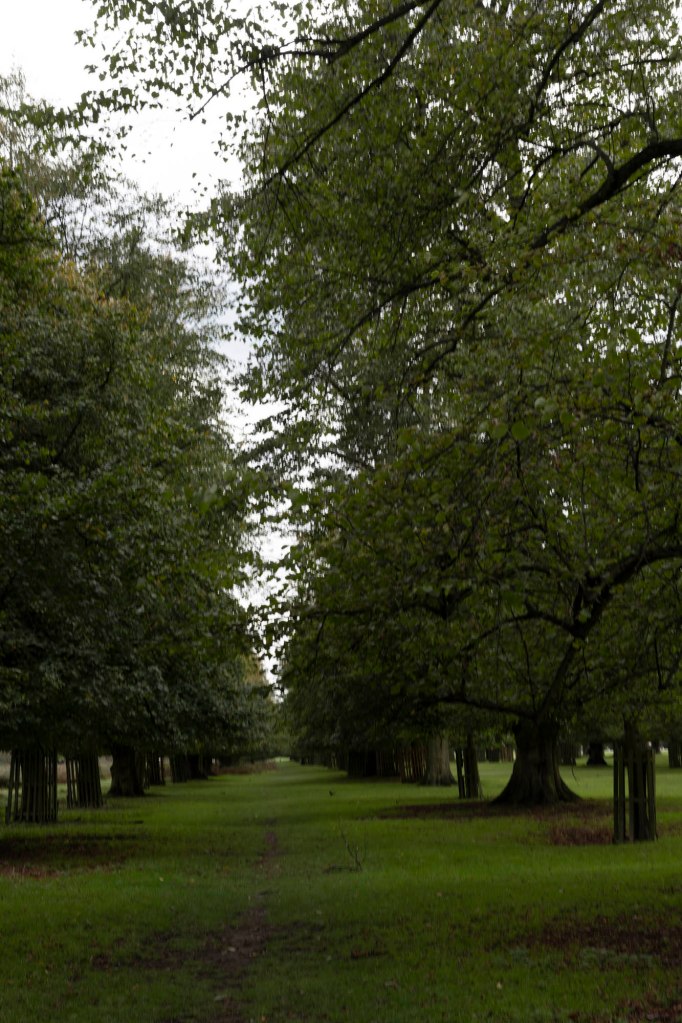
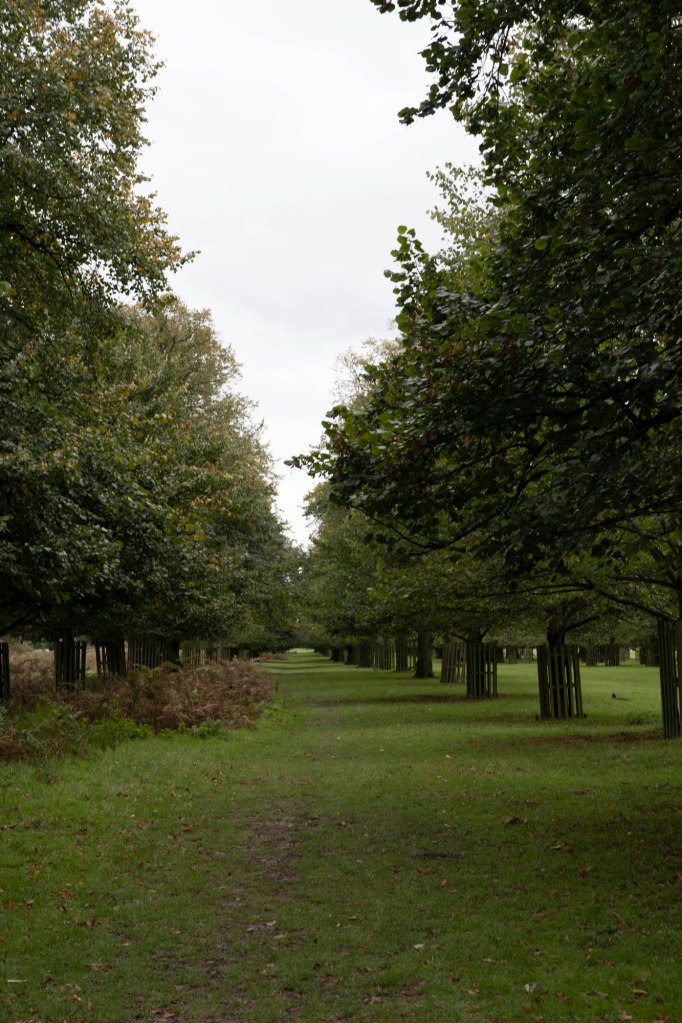
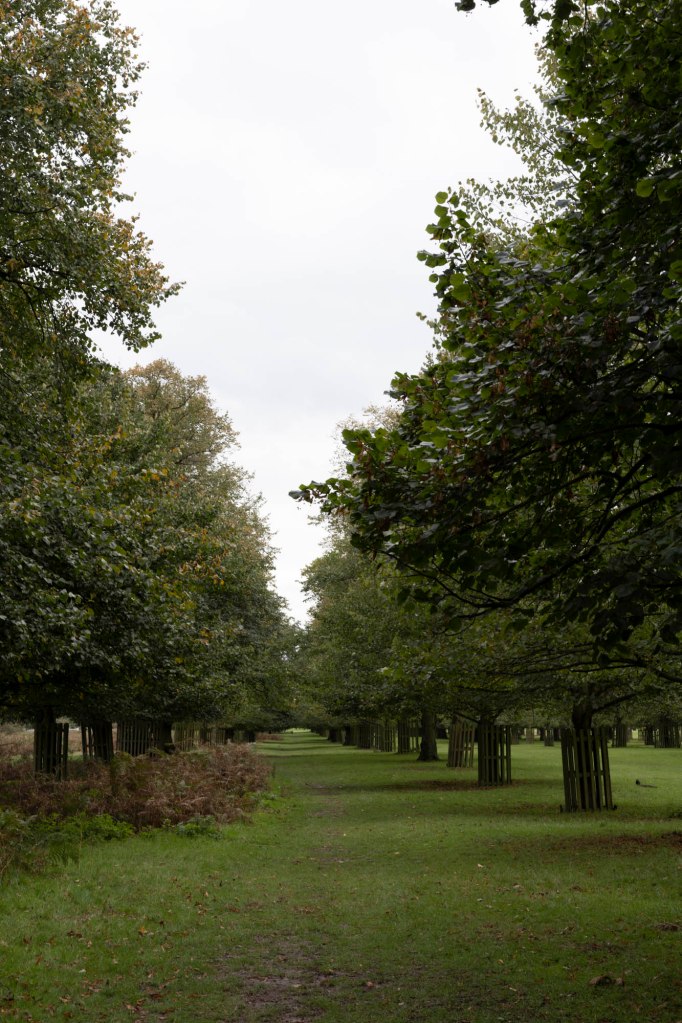
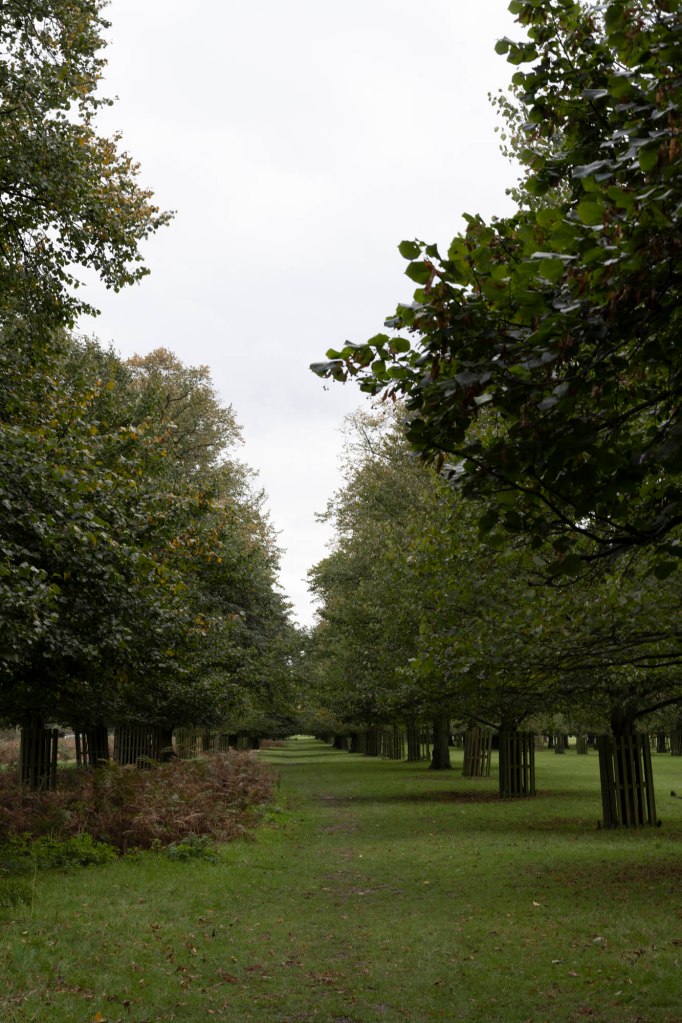
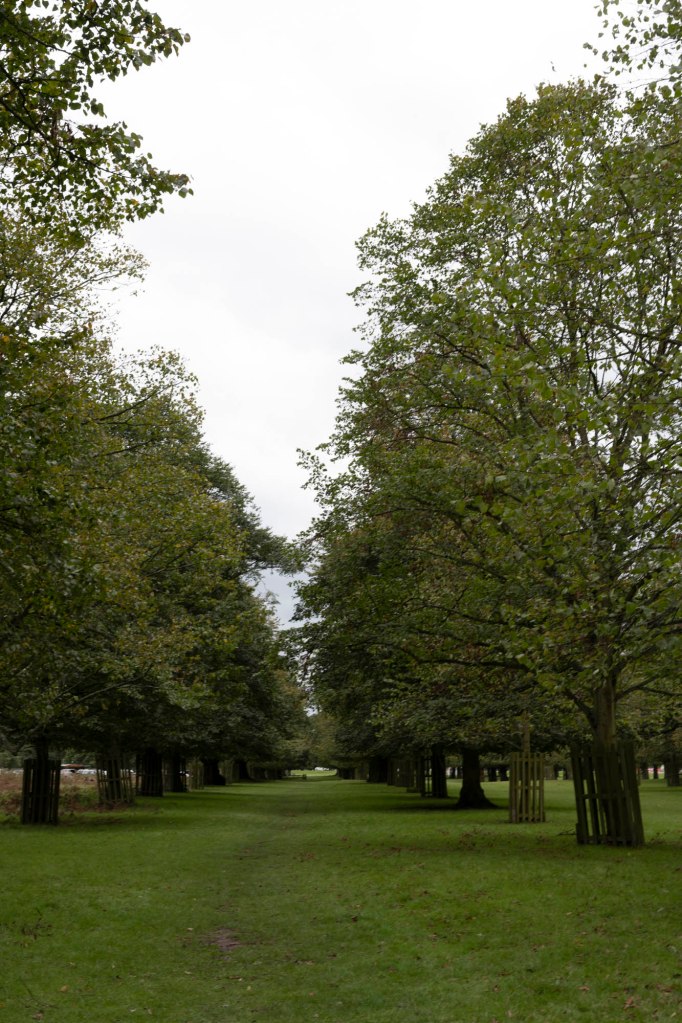
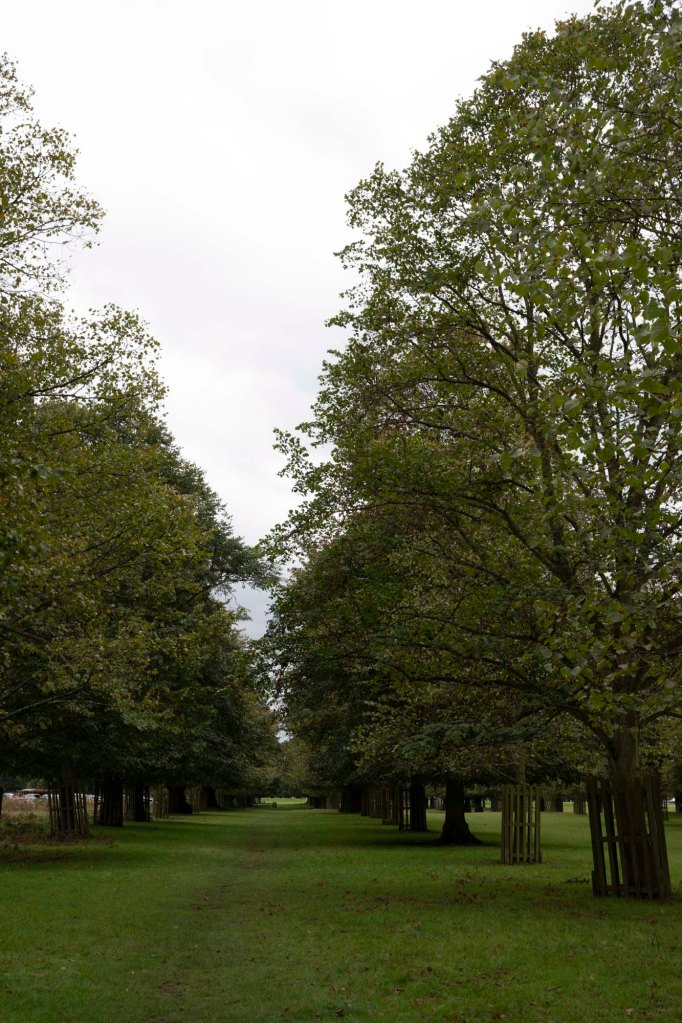
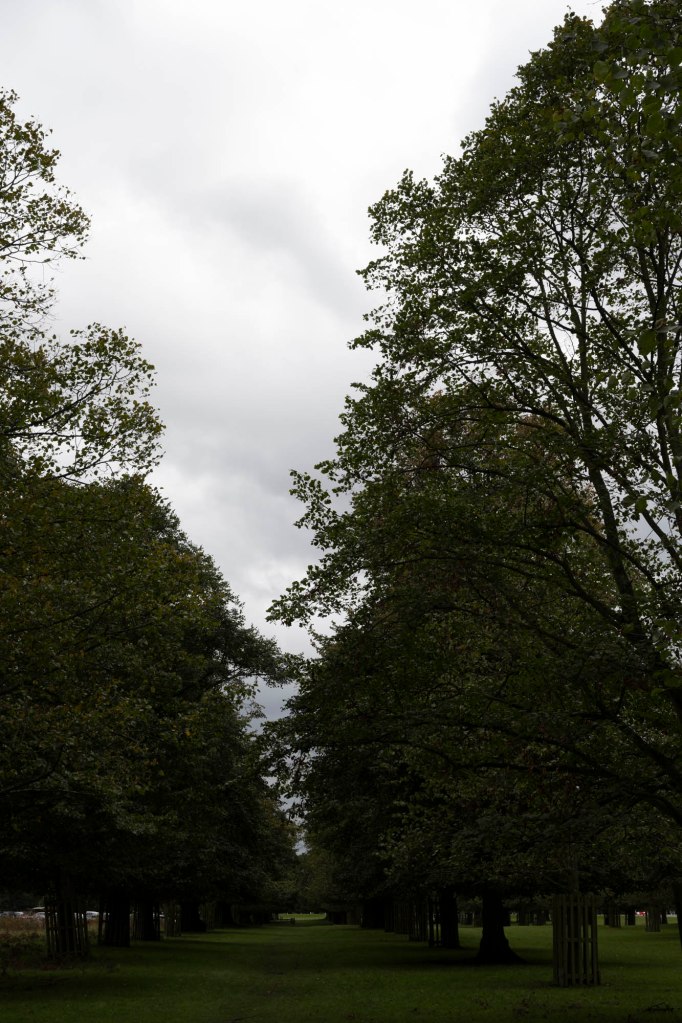
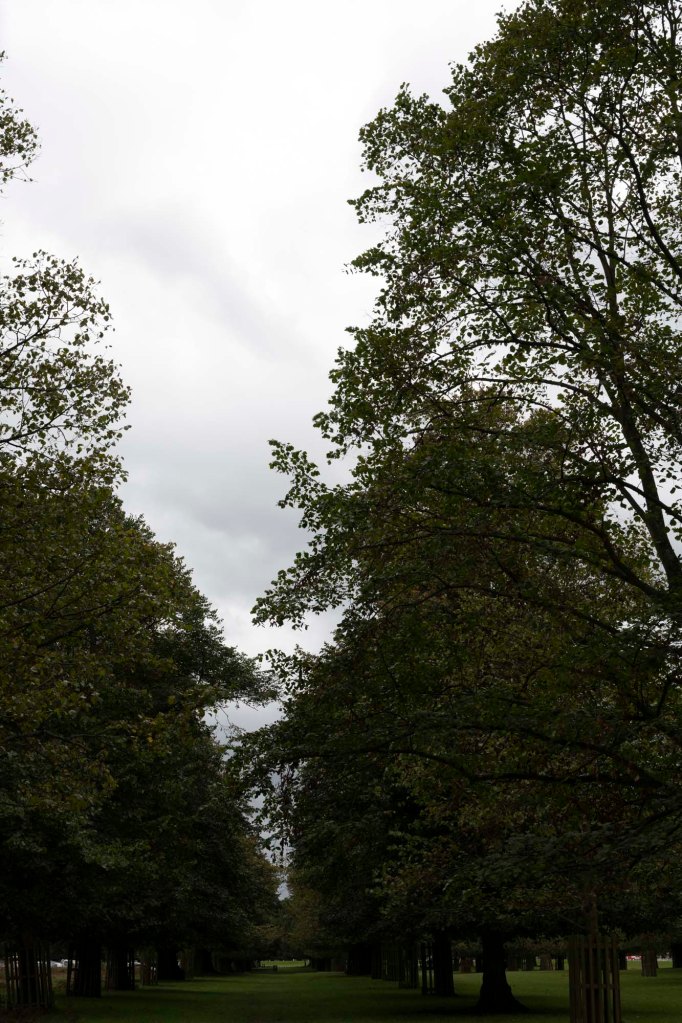
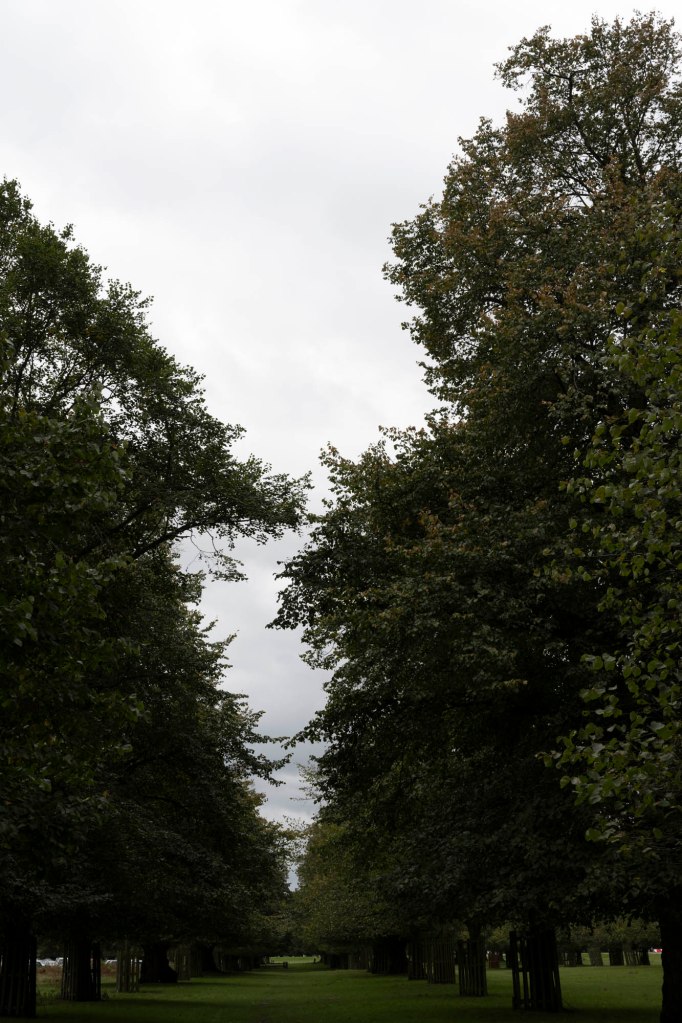
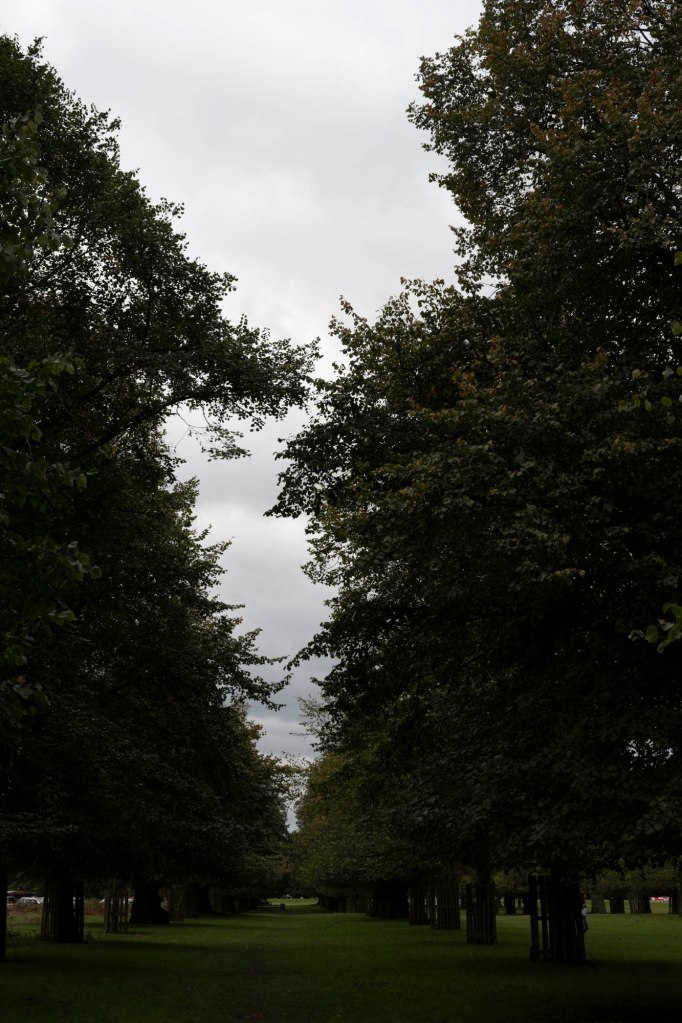
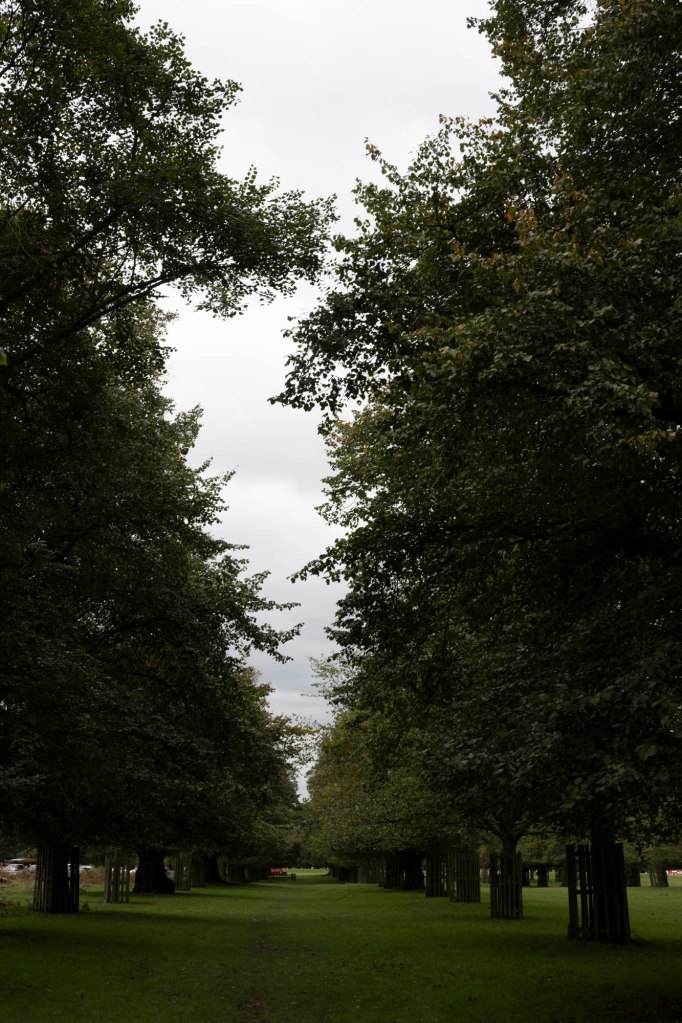
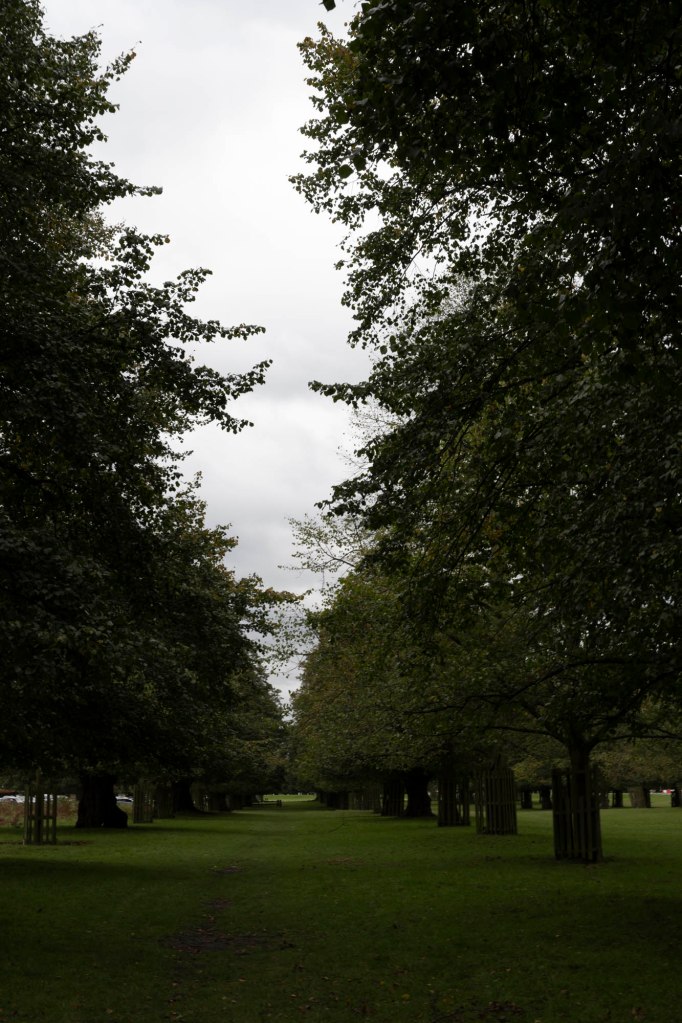
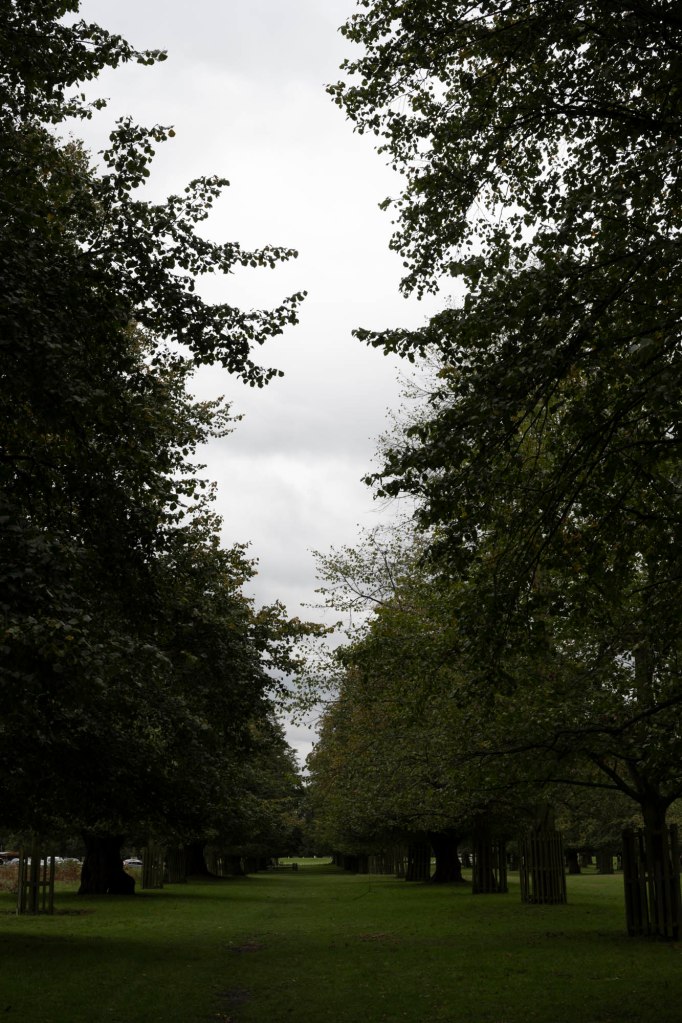
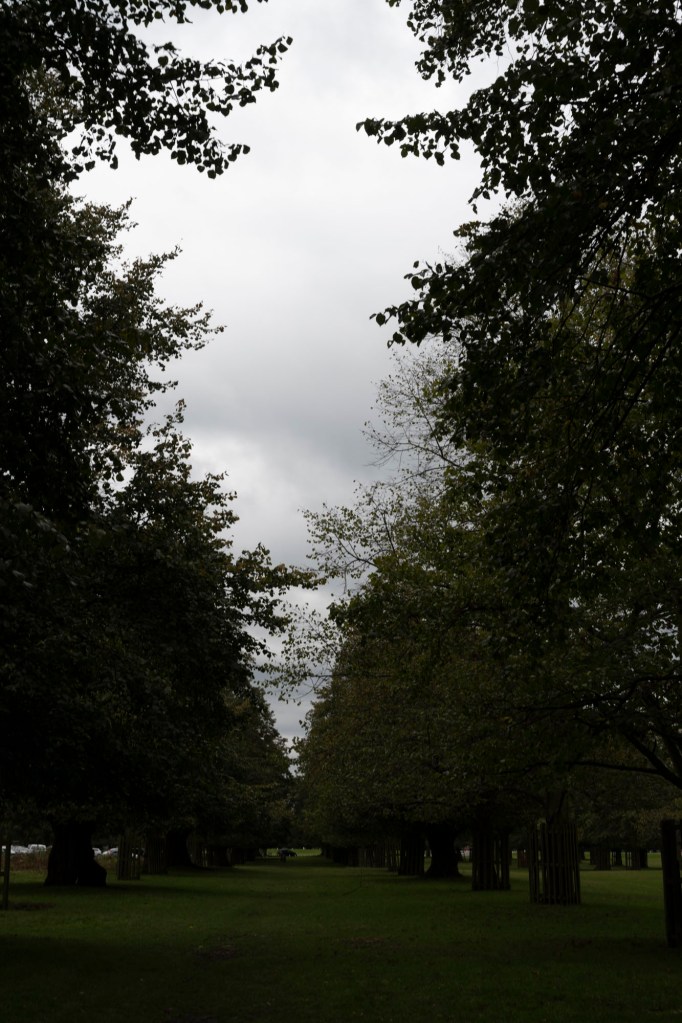
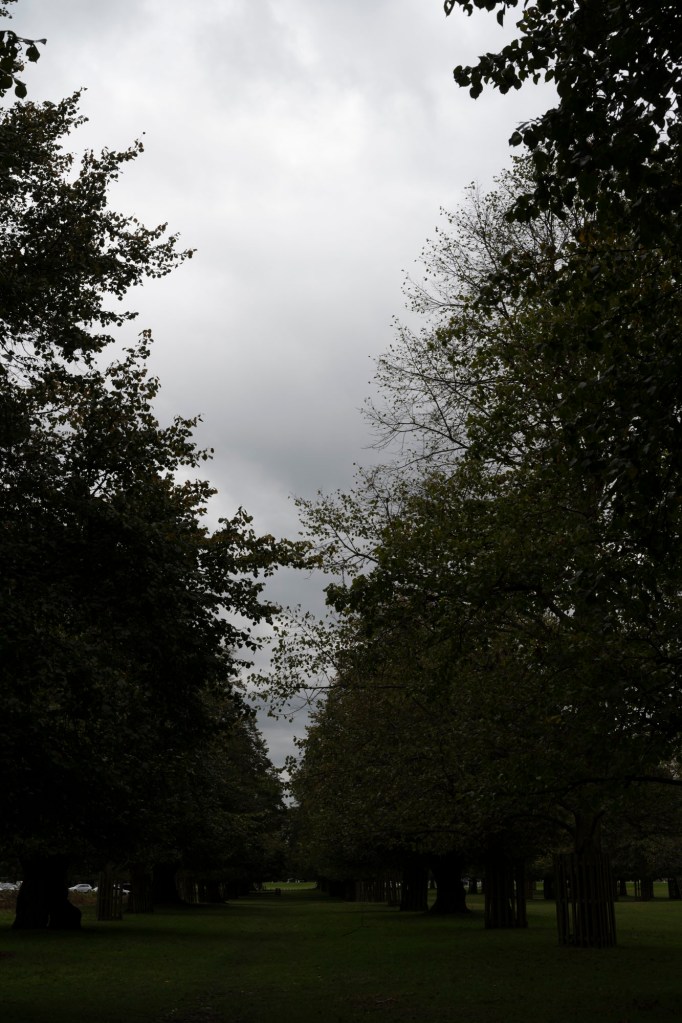
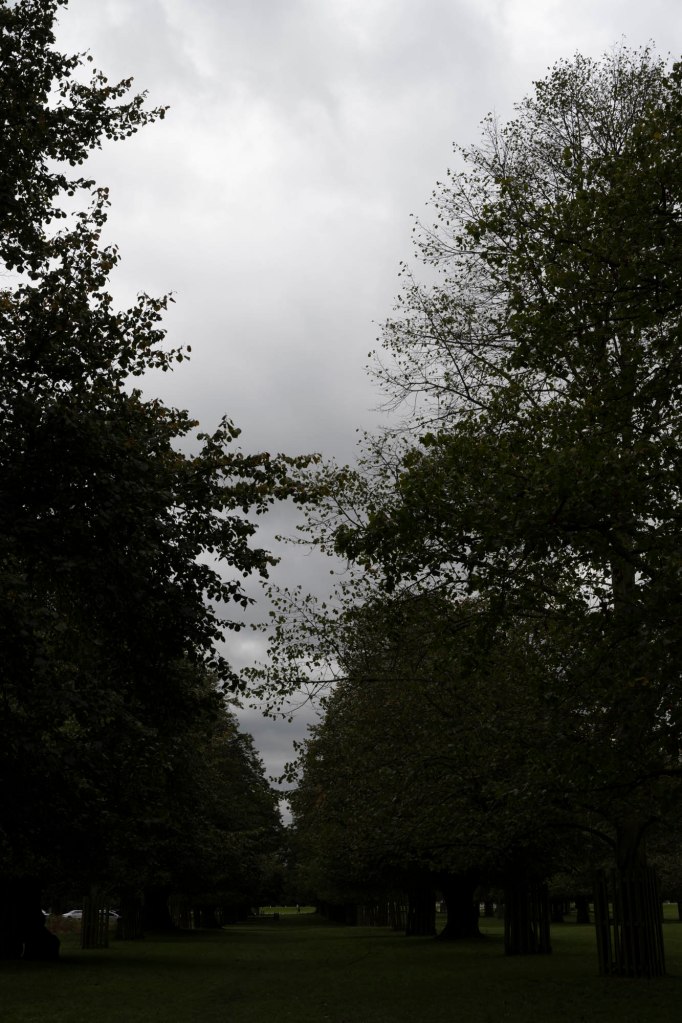
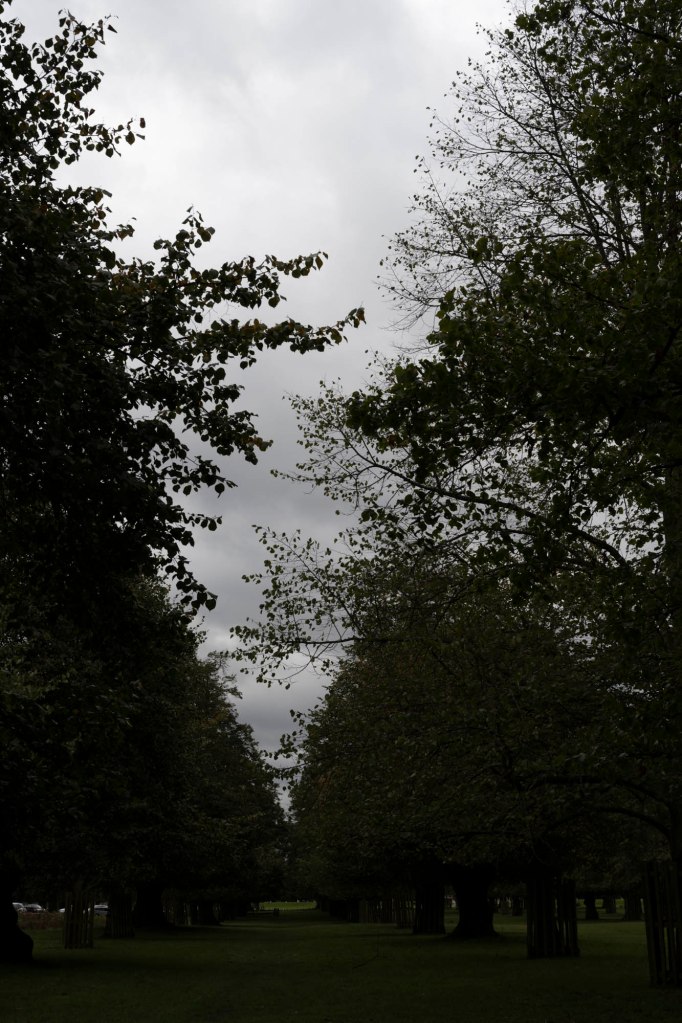
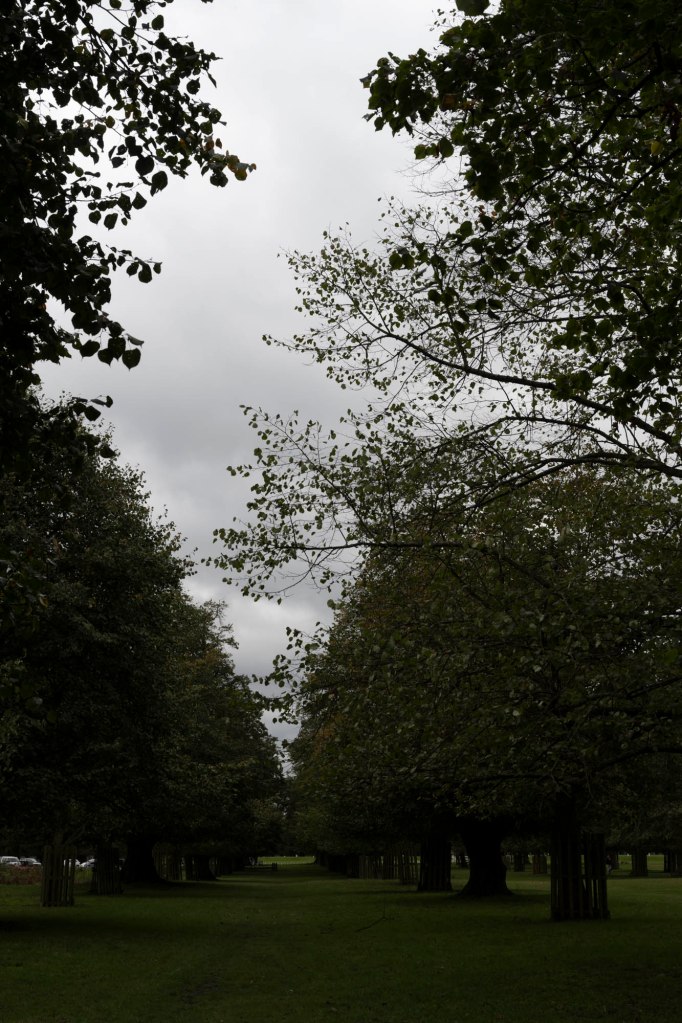
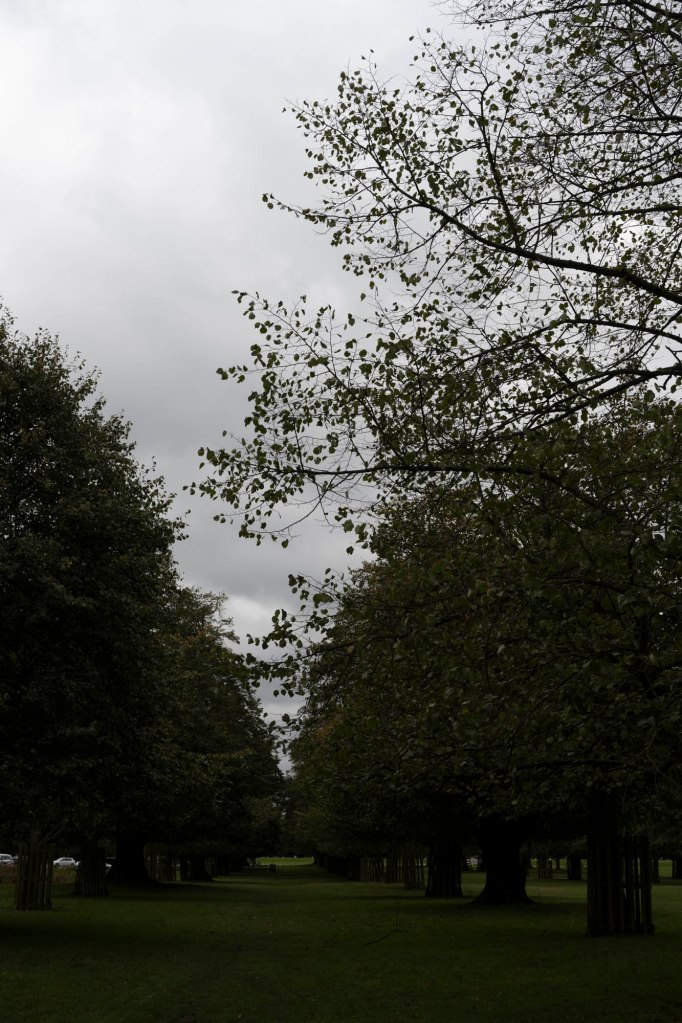
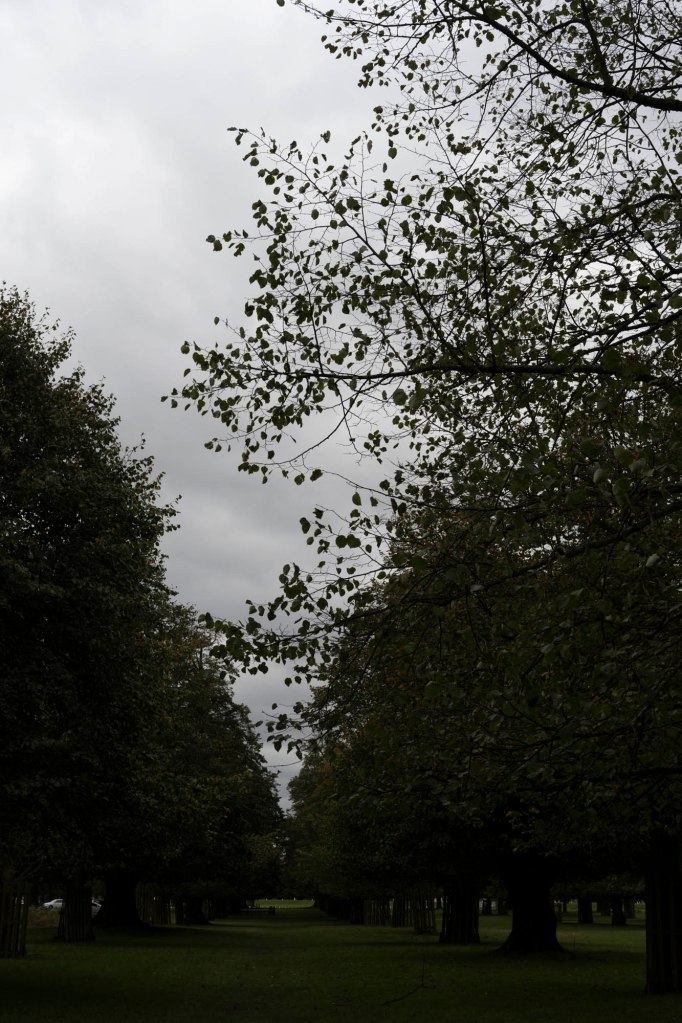
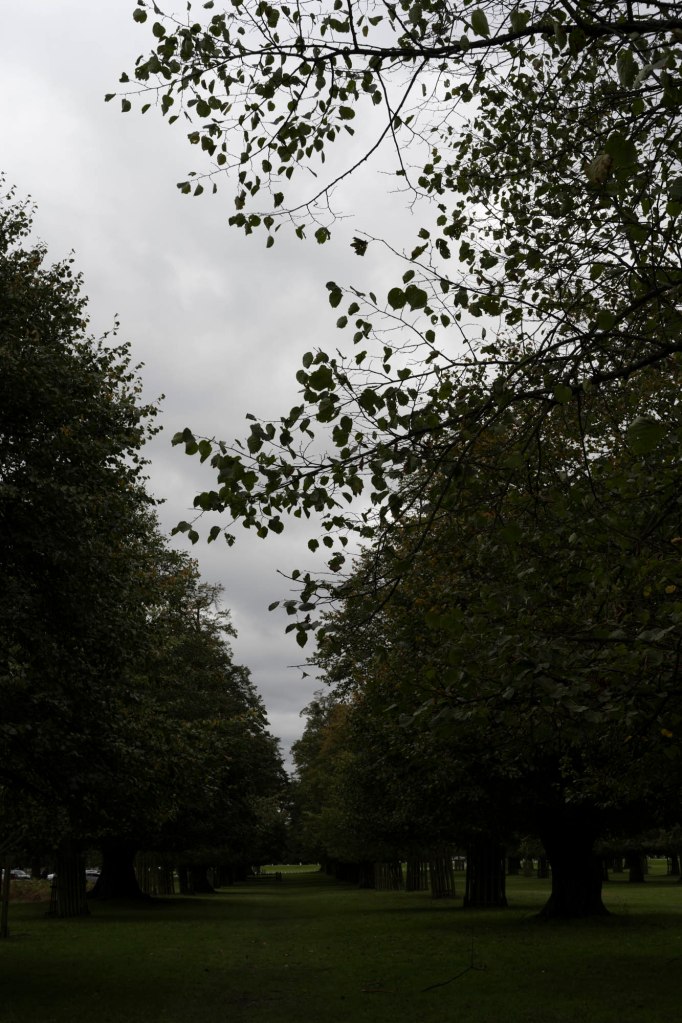
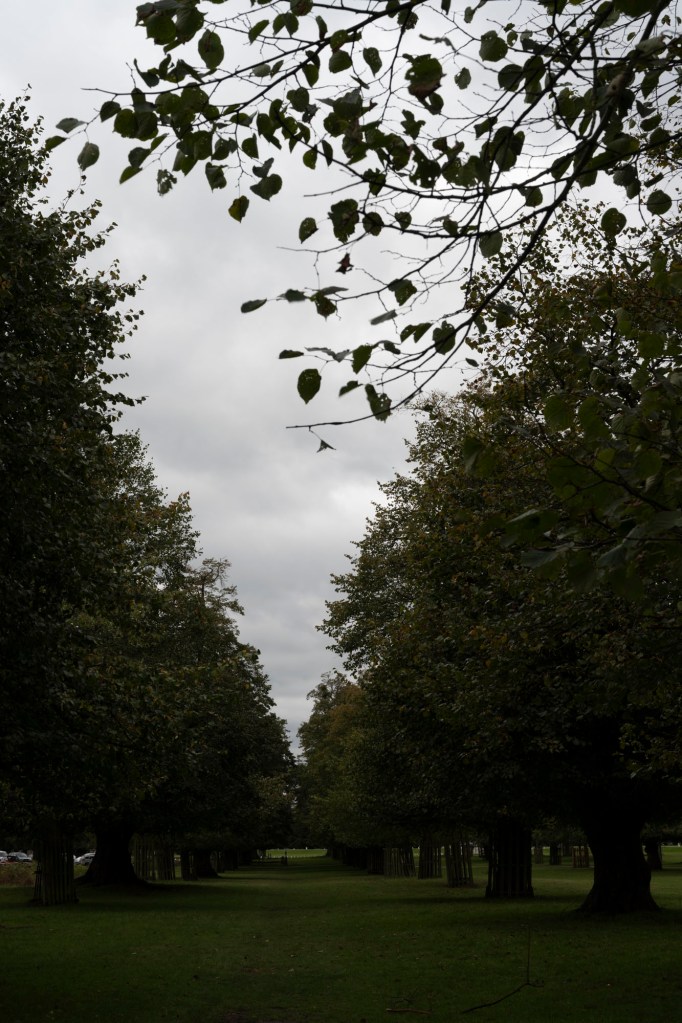
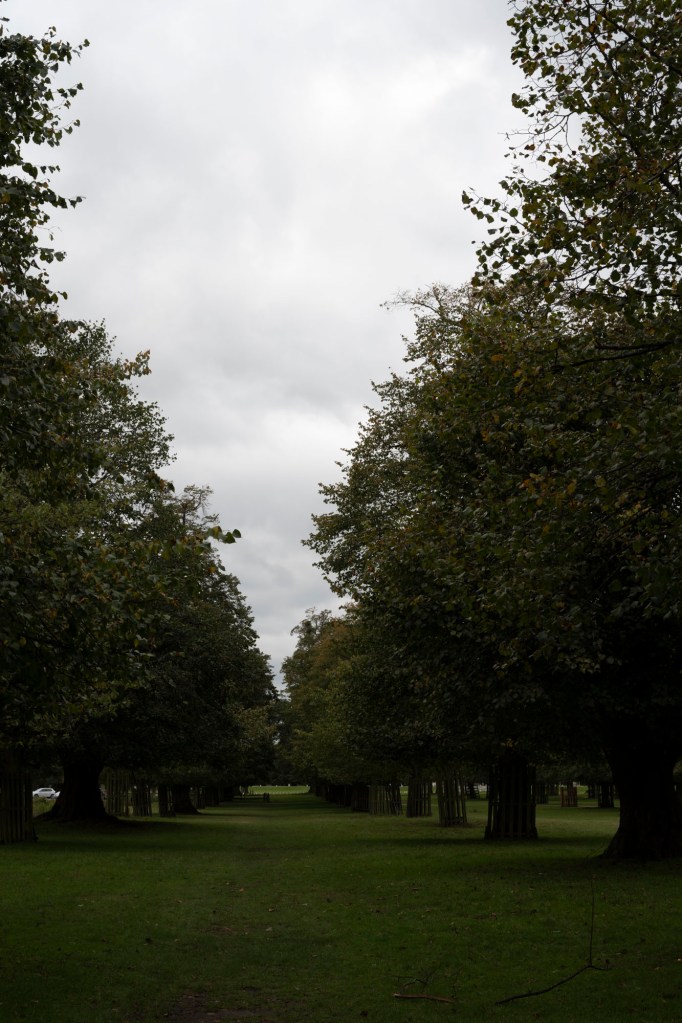
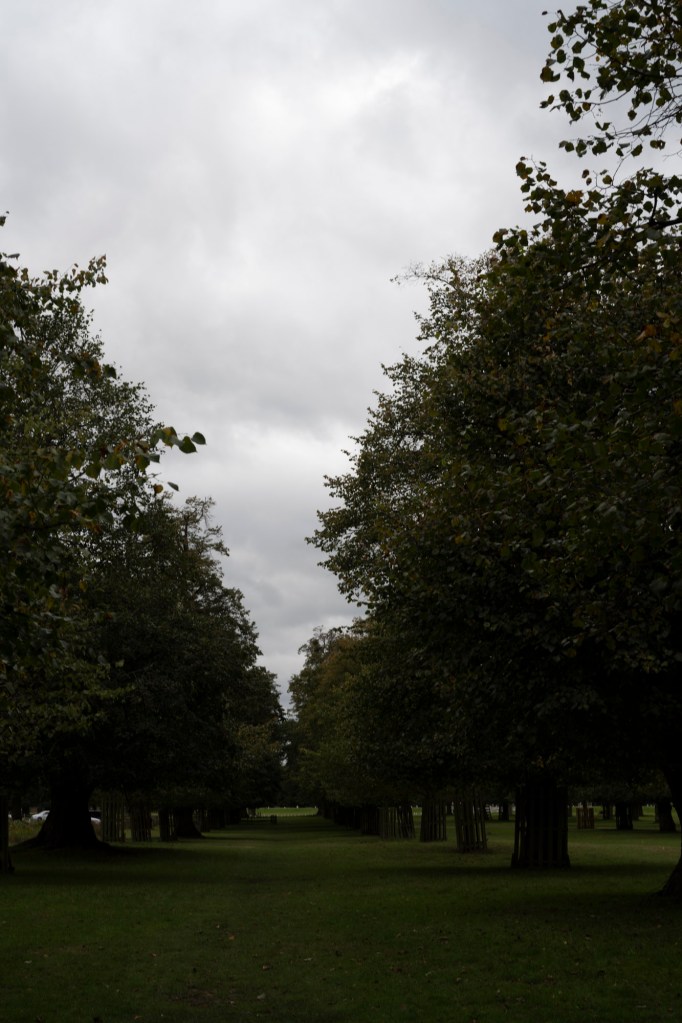
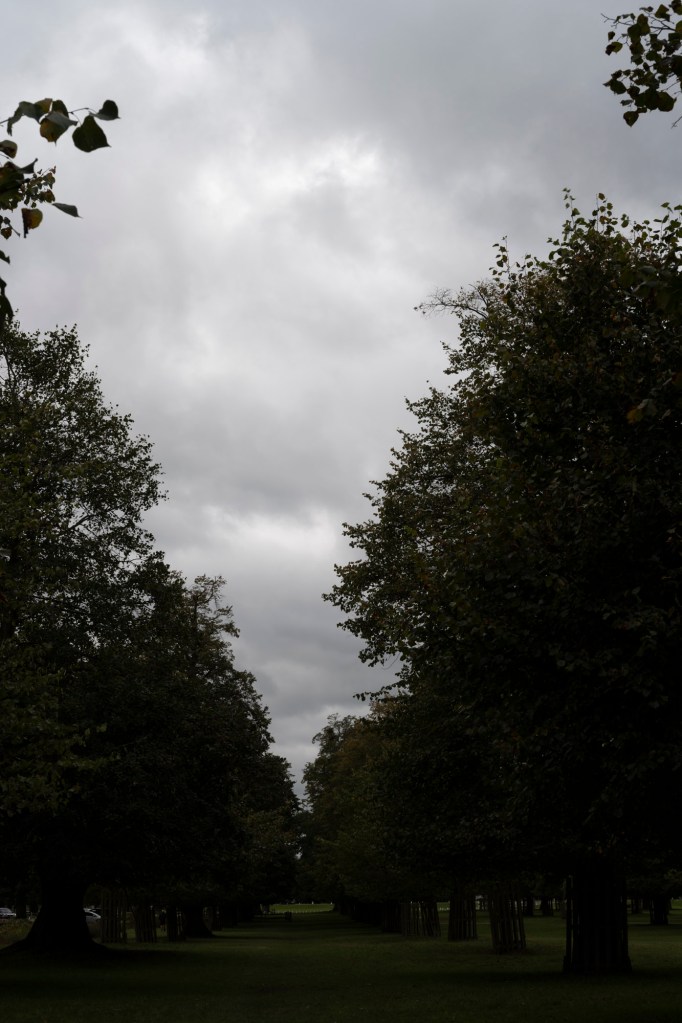
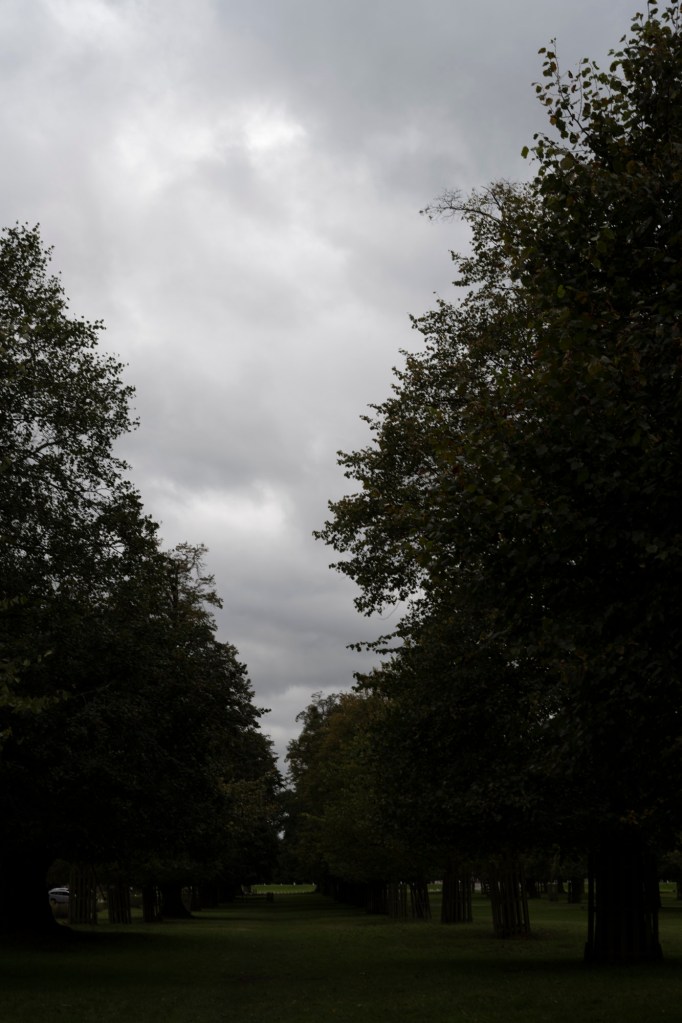
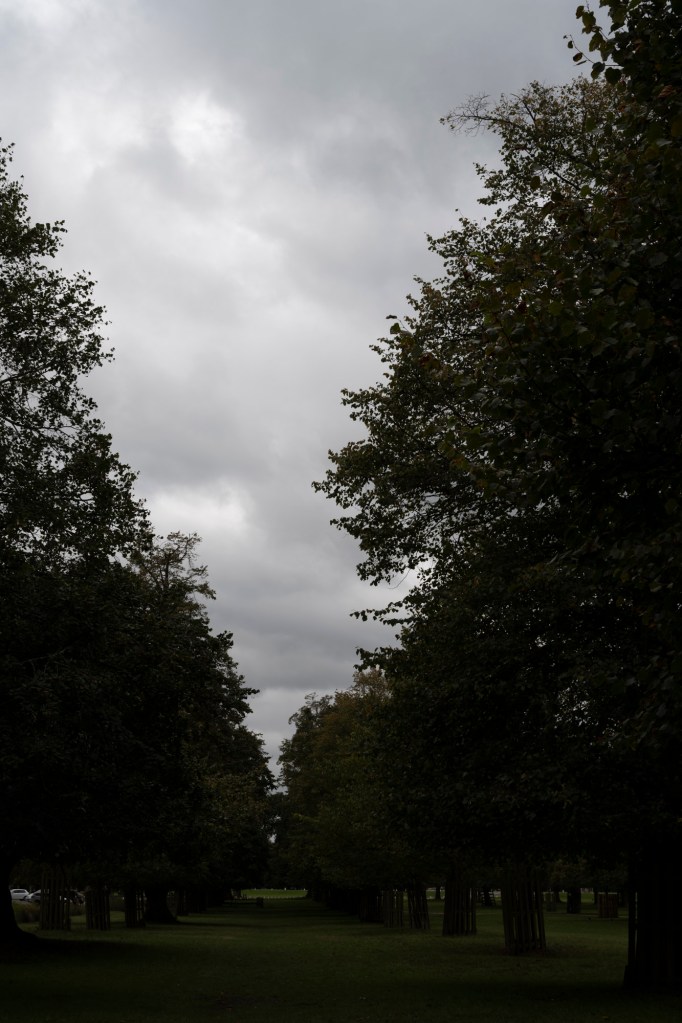
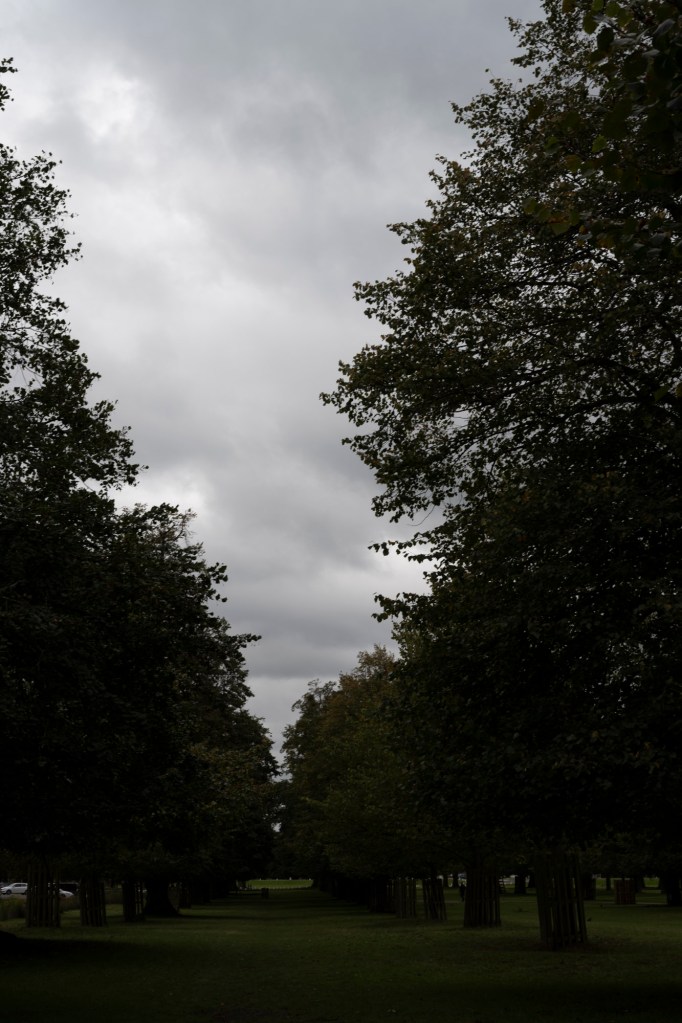
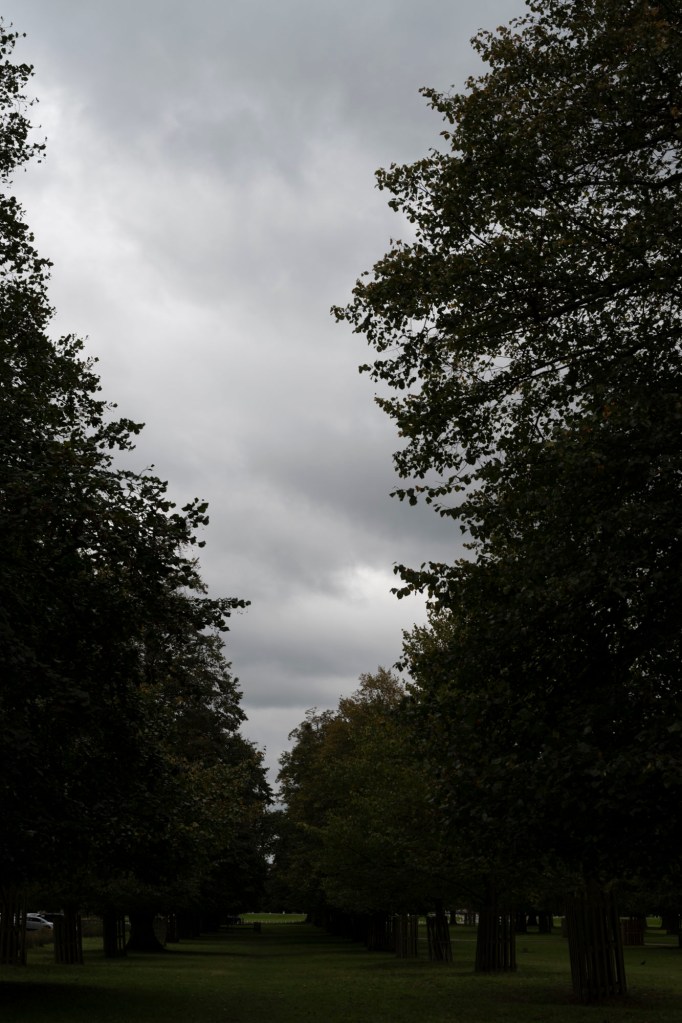
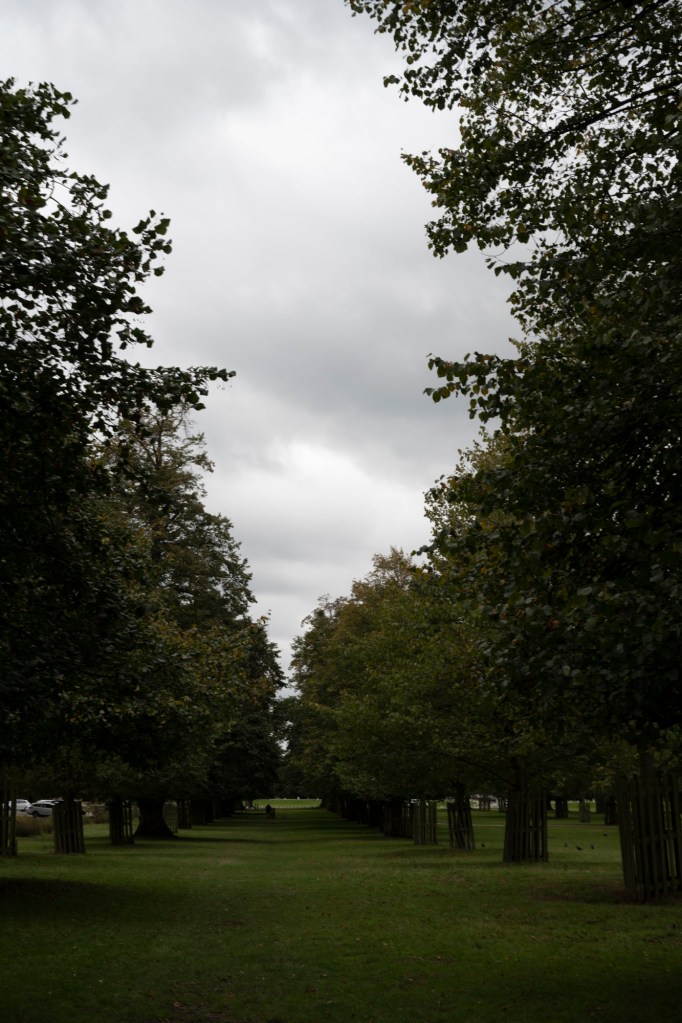
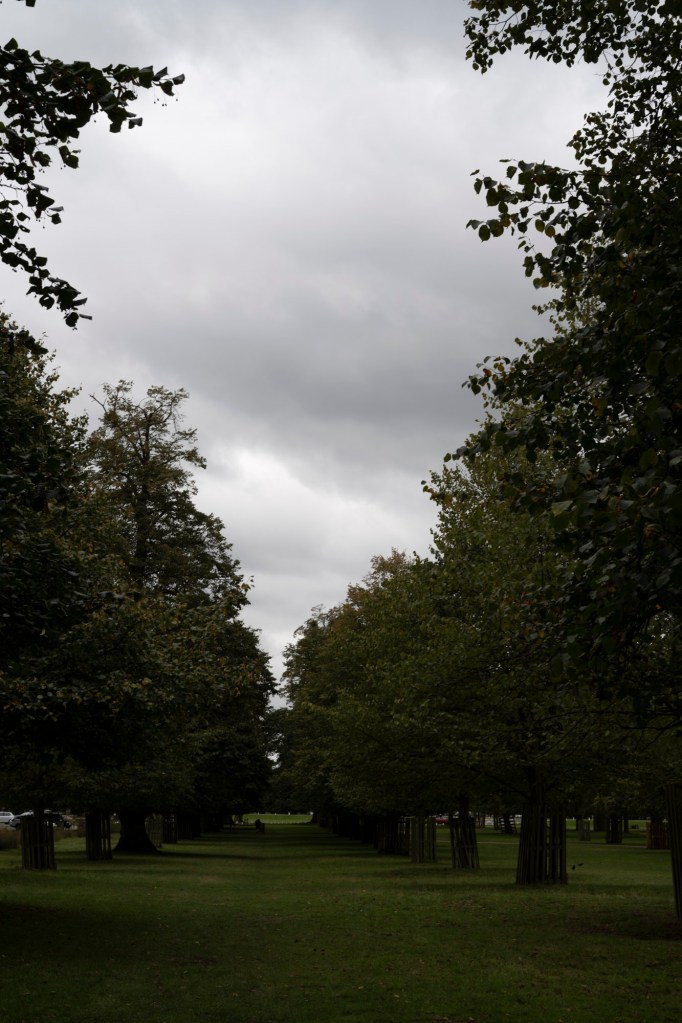
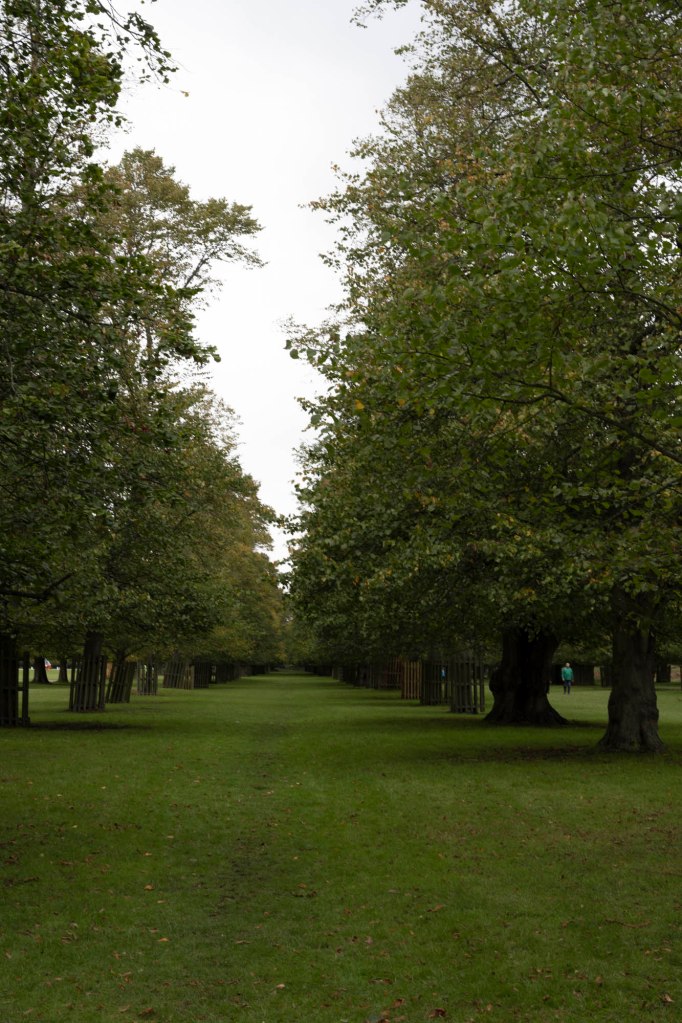
I went back to the park with the intention of revisiting the avenue of Lime trees between Teddington Gate and the Diana Fountain. I was taking a shot then walking five paces and taking another. I also tried a couple of multiple exposure shots to see what they would look like.
What I found interesting when looking at the images in a grid formation is how the half trees make a whole one. The other thought is to produce a time/hyper-lapse piece walking through the avenue. This could be done over the forthcoming seasons, showing the trees in the various states during autumn, winter, spring and summer.
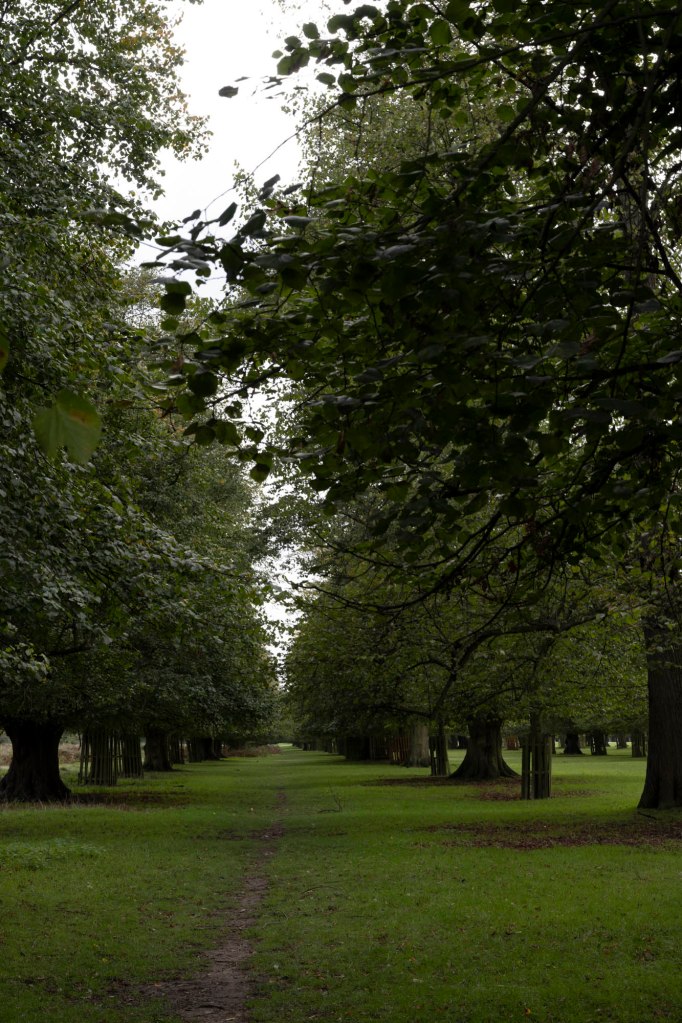
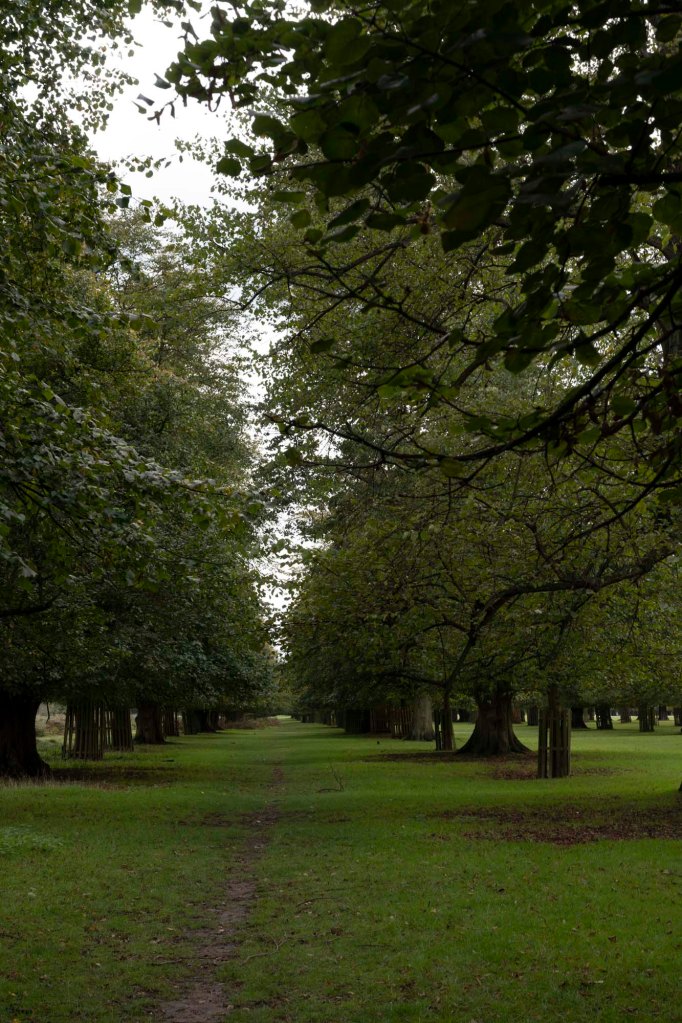
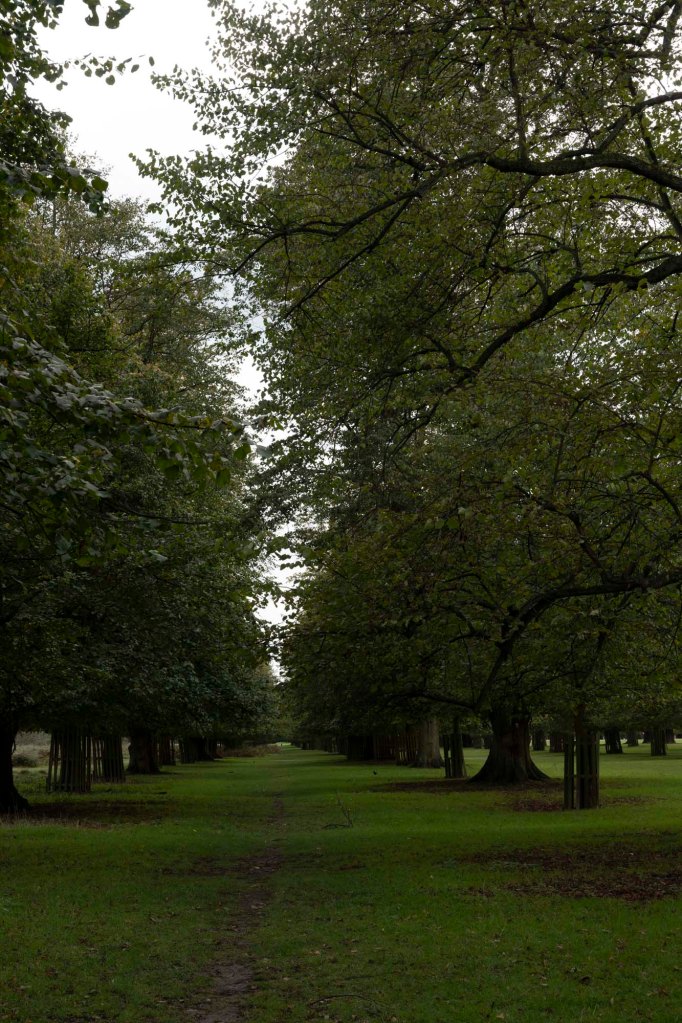
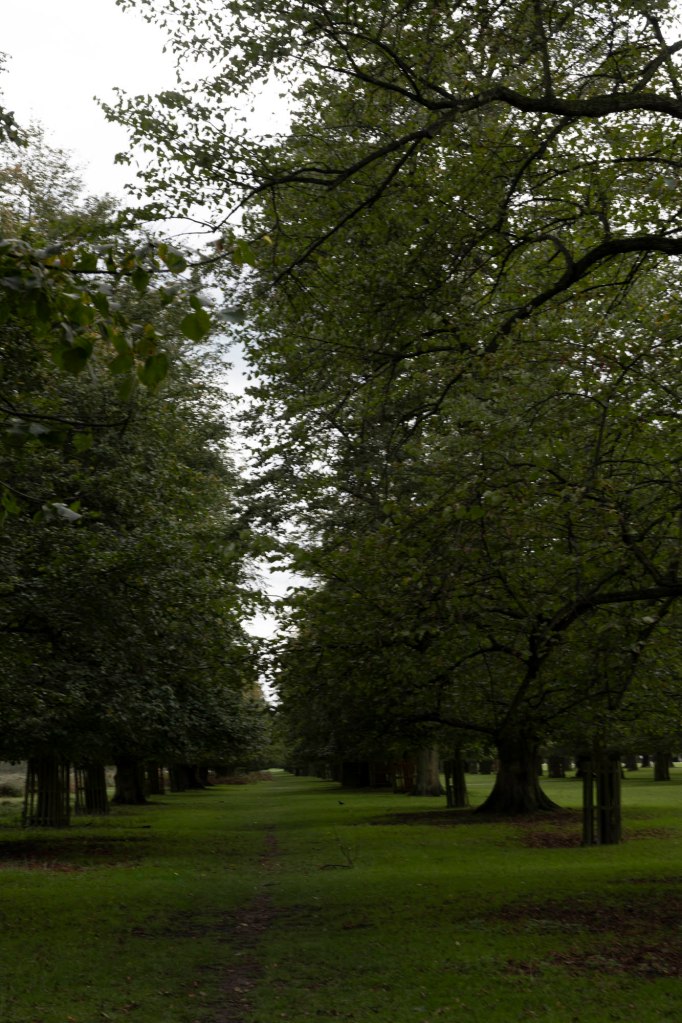
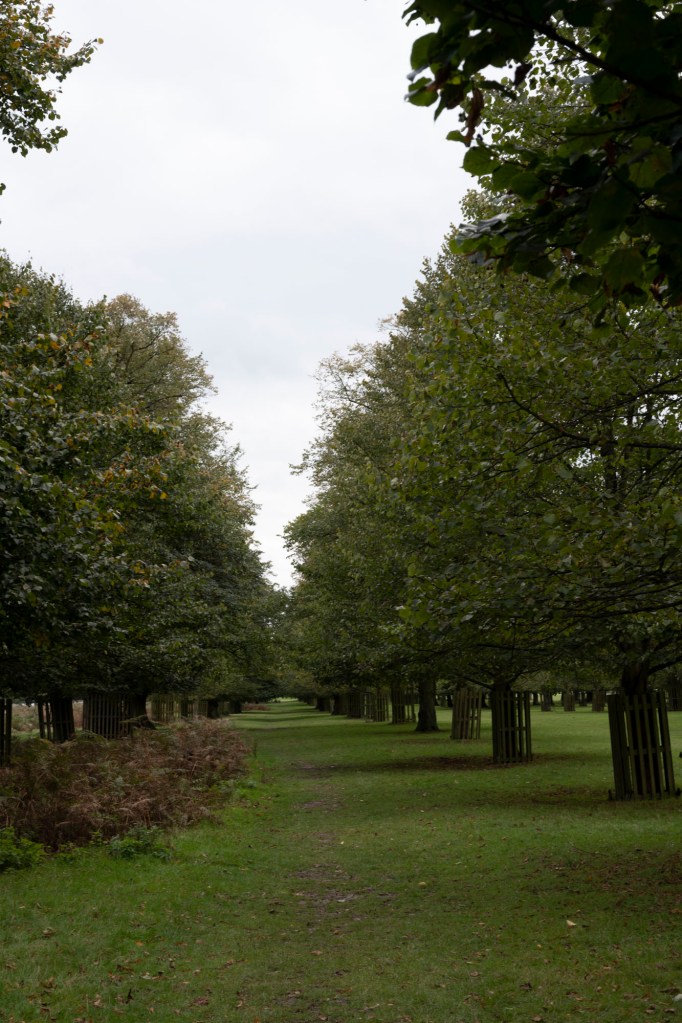
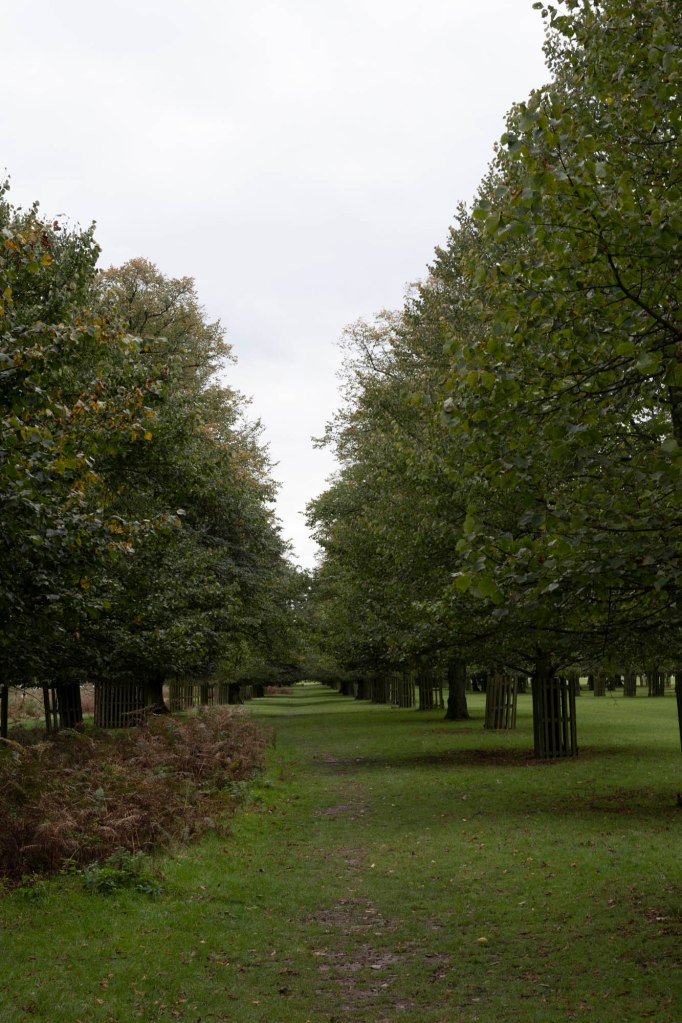
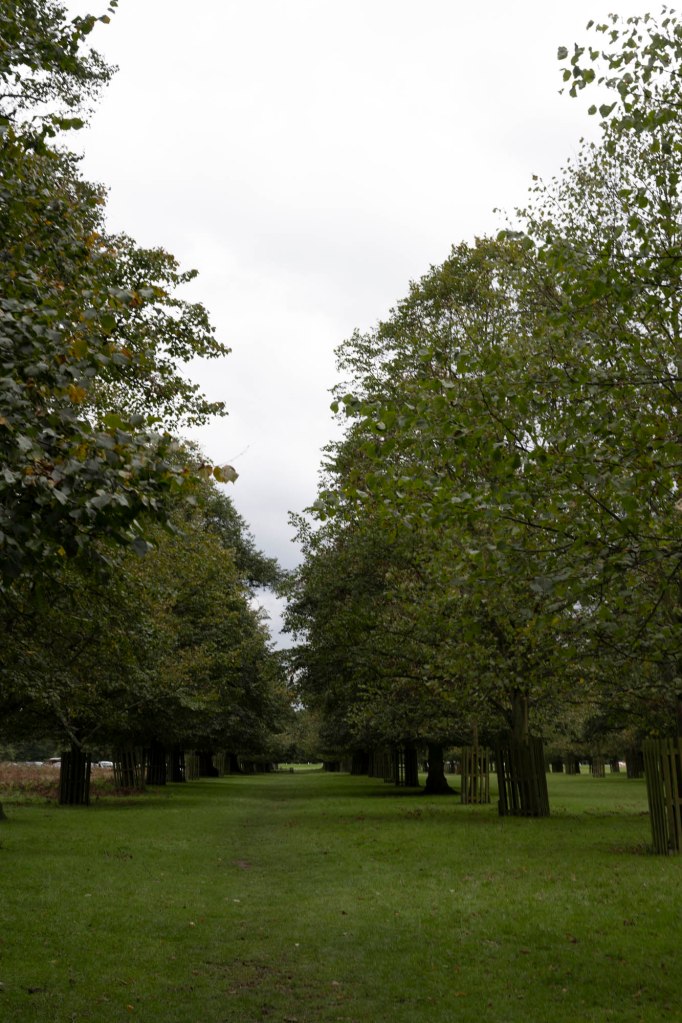
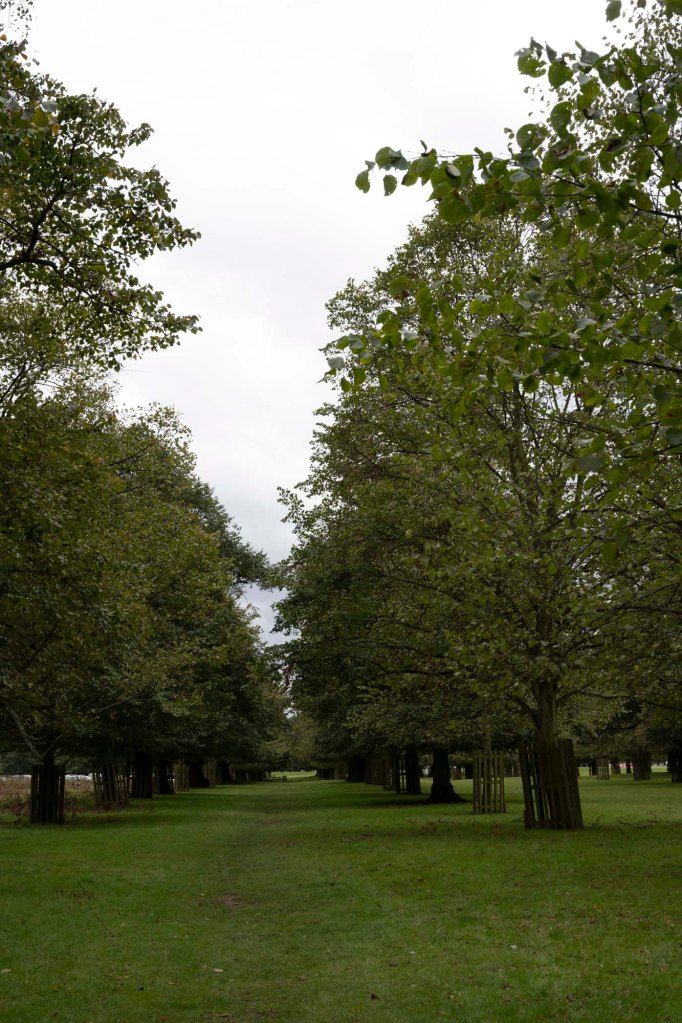
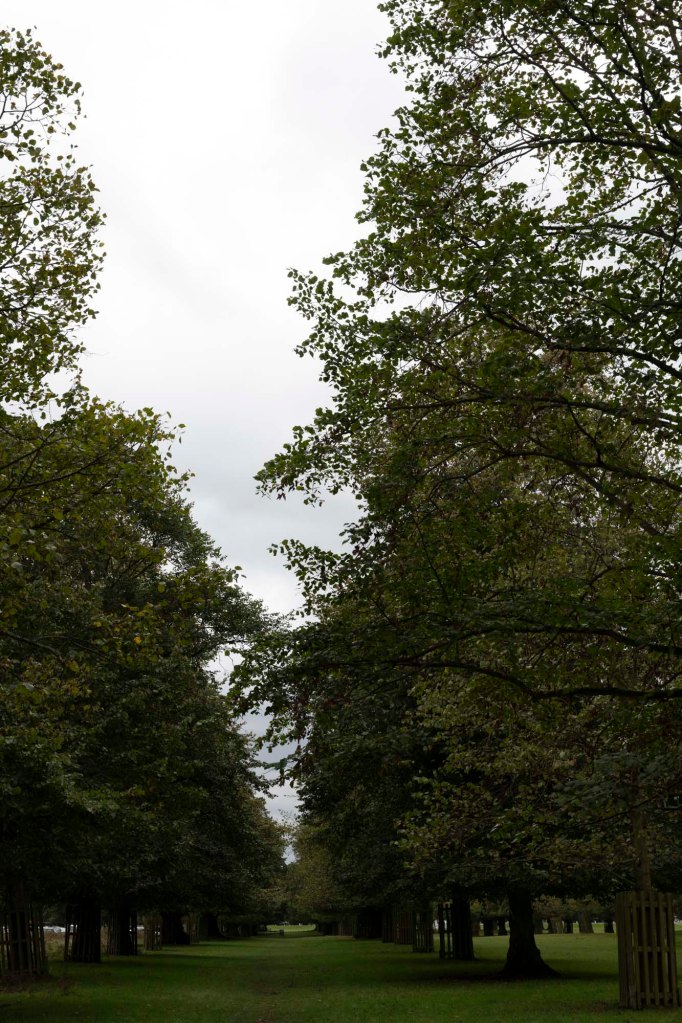
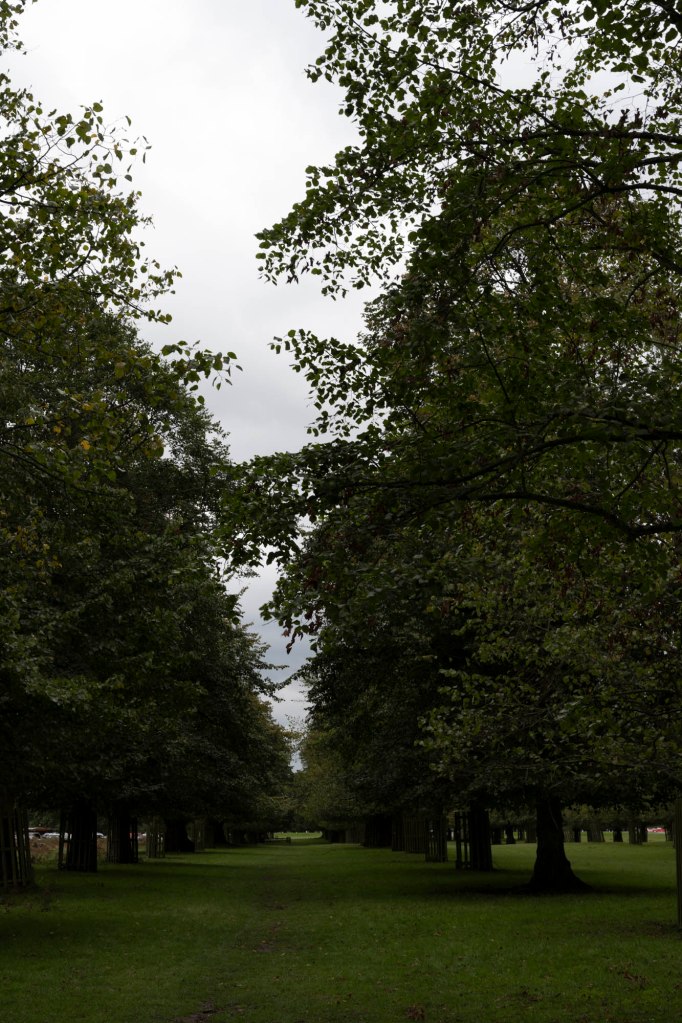
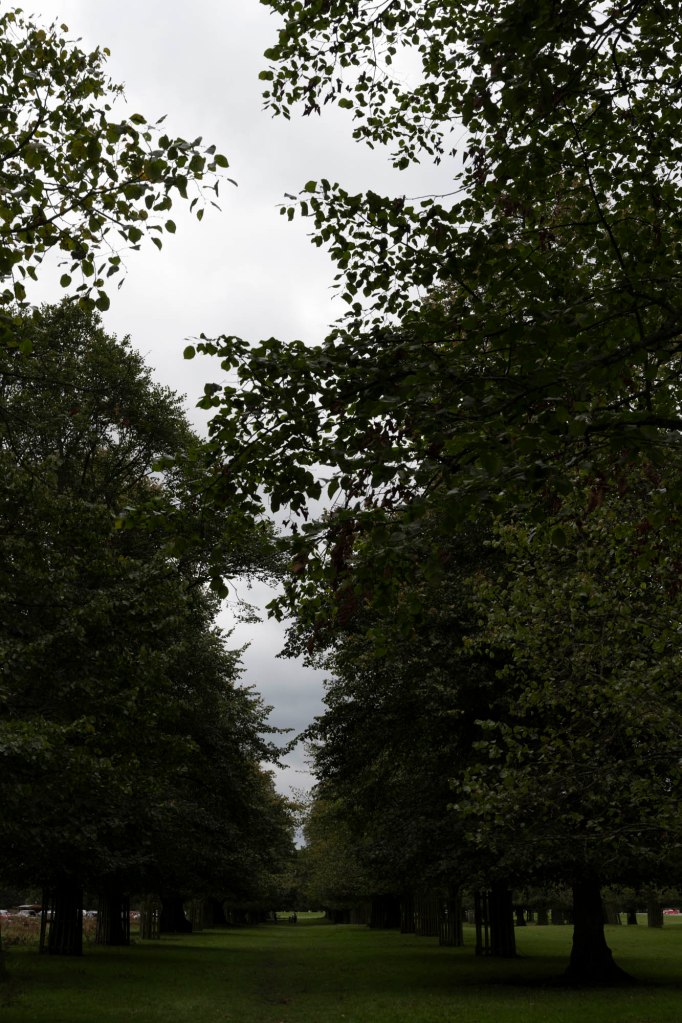
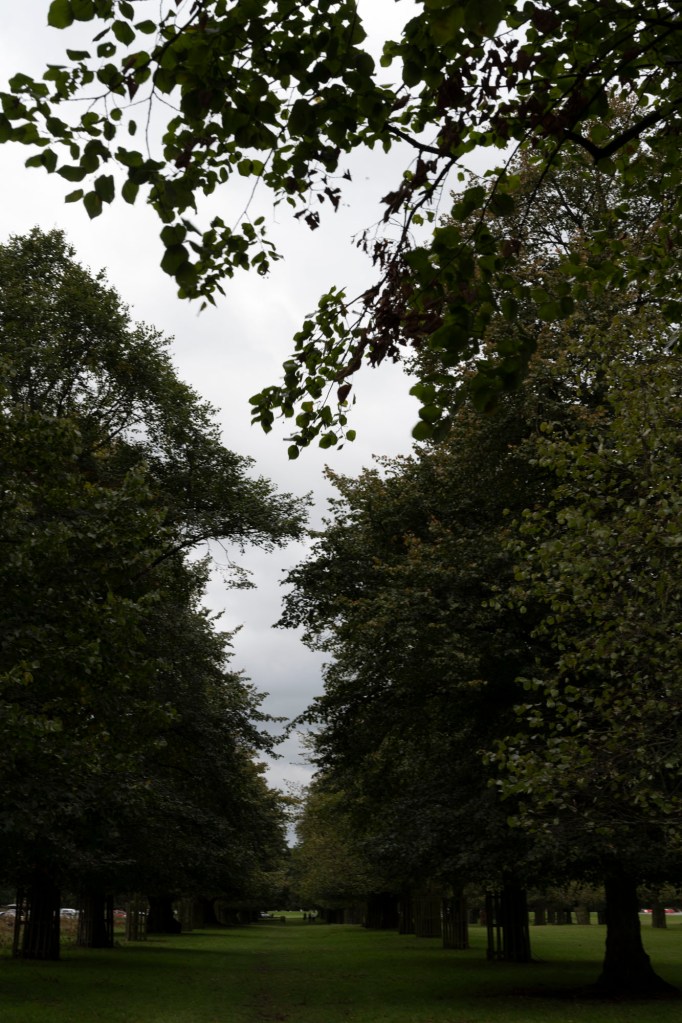
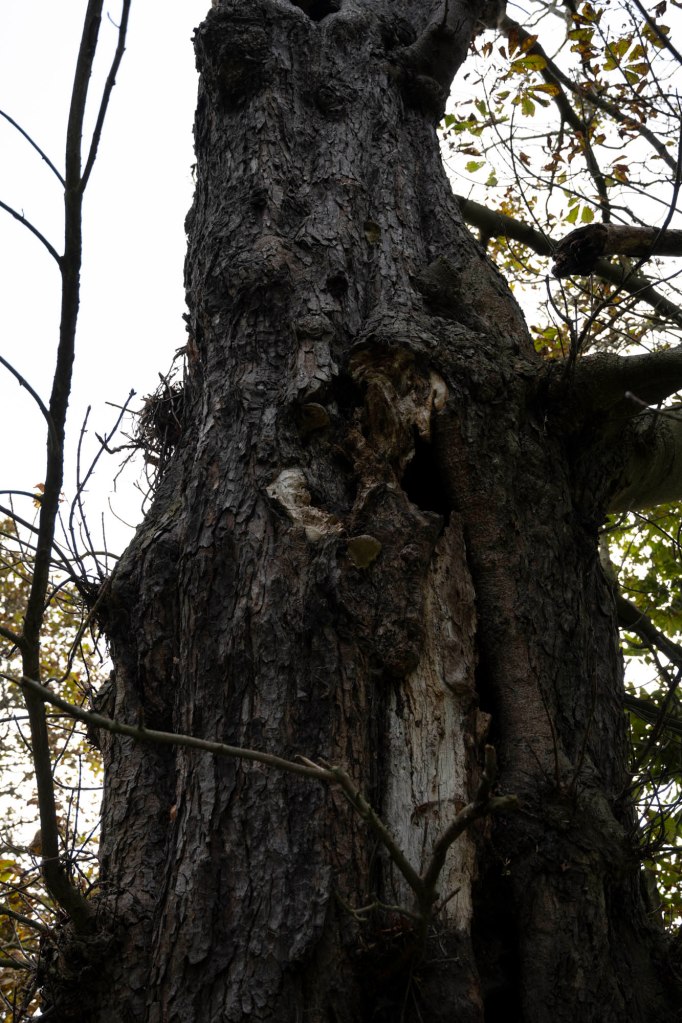
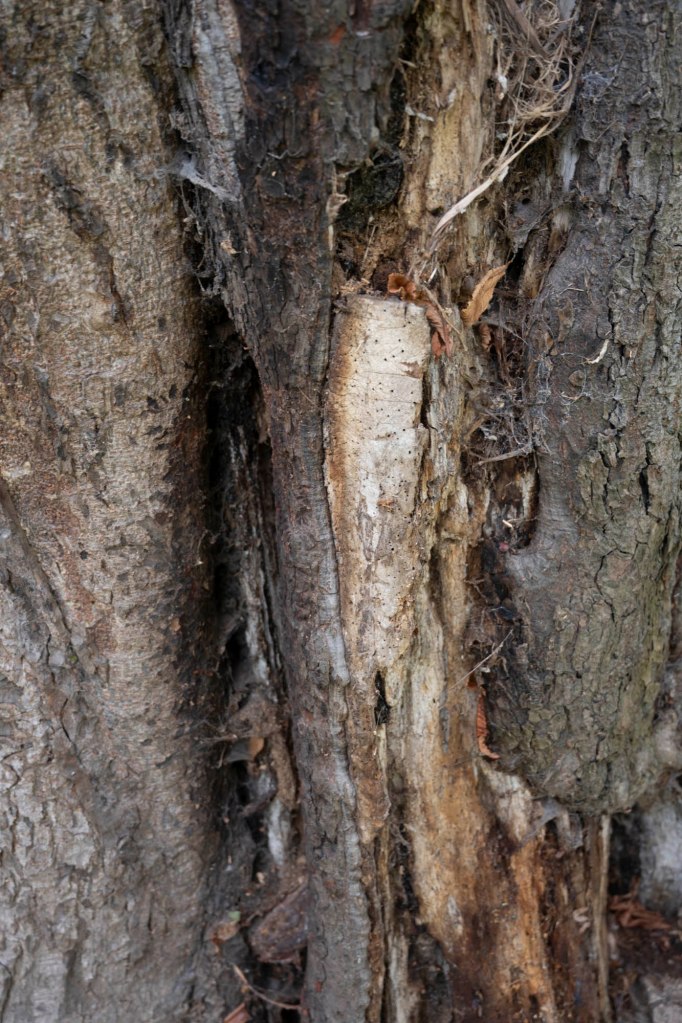
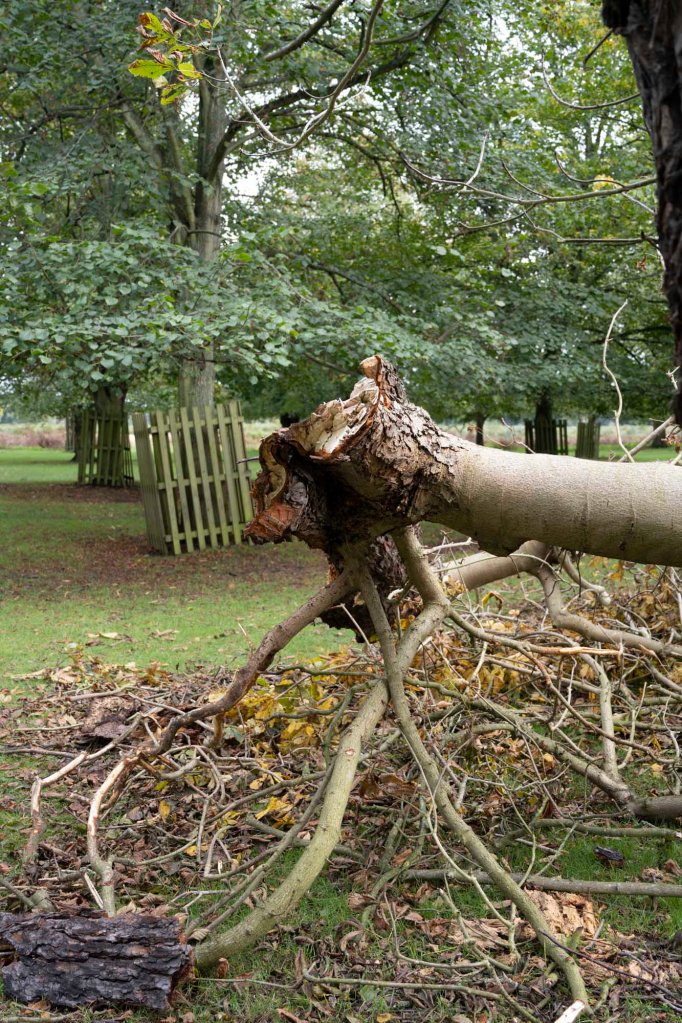
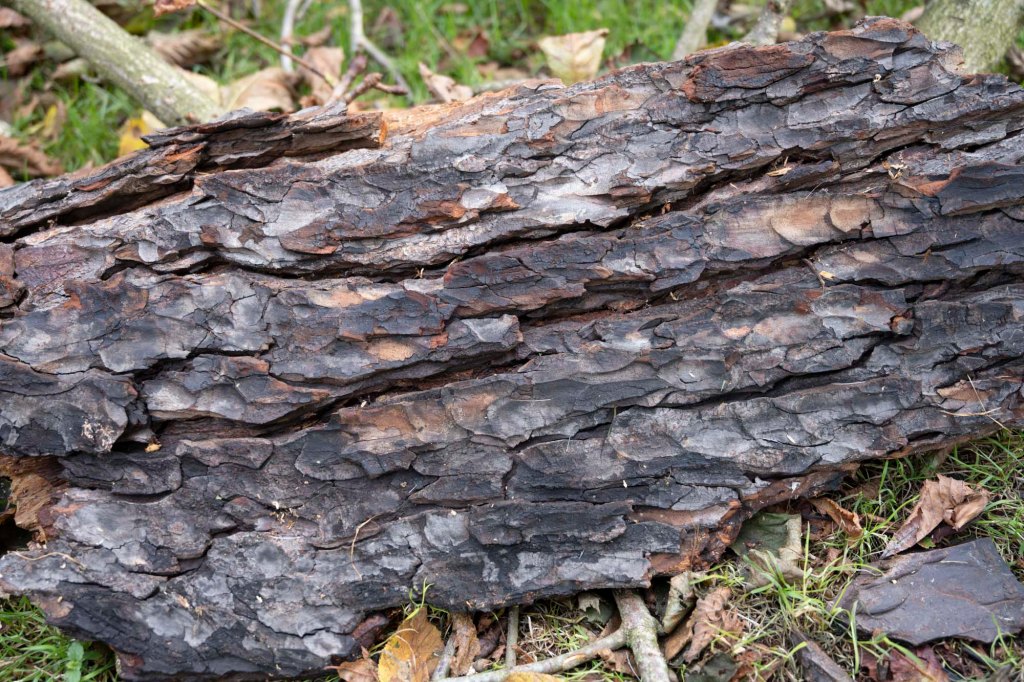
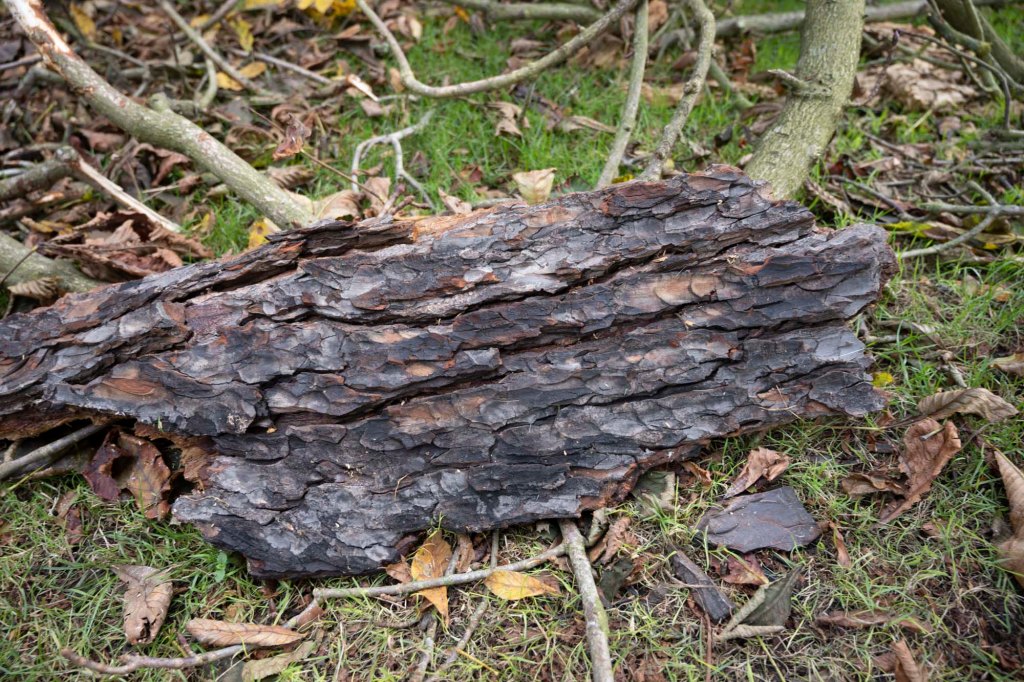
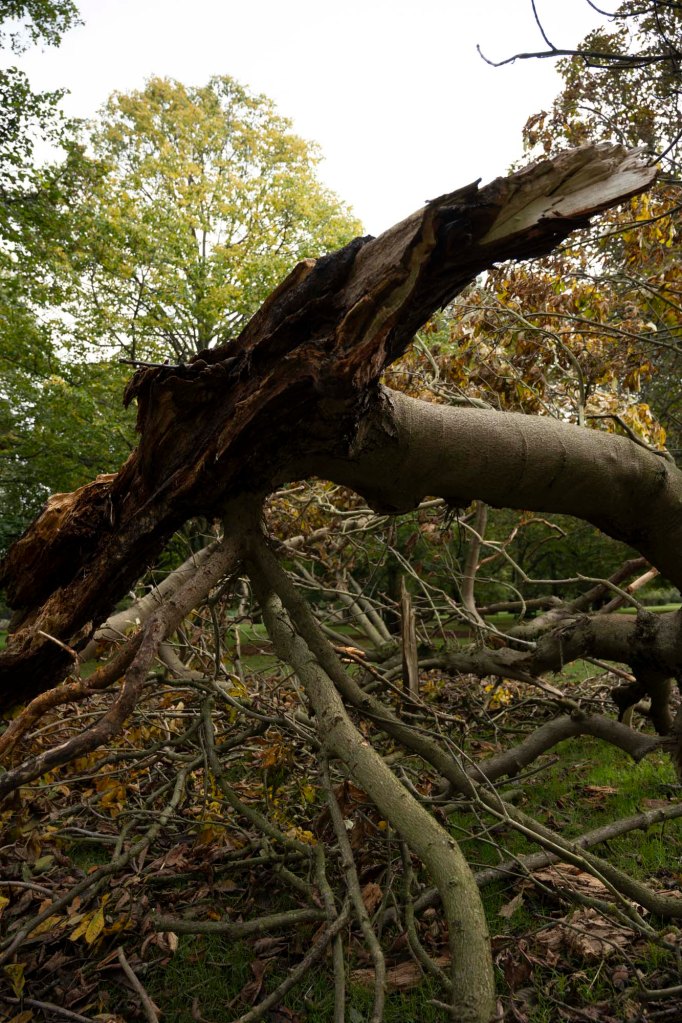
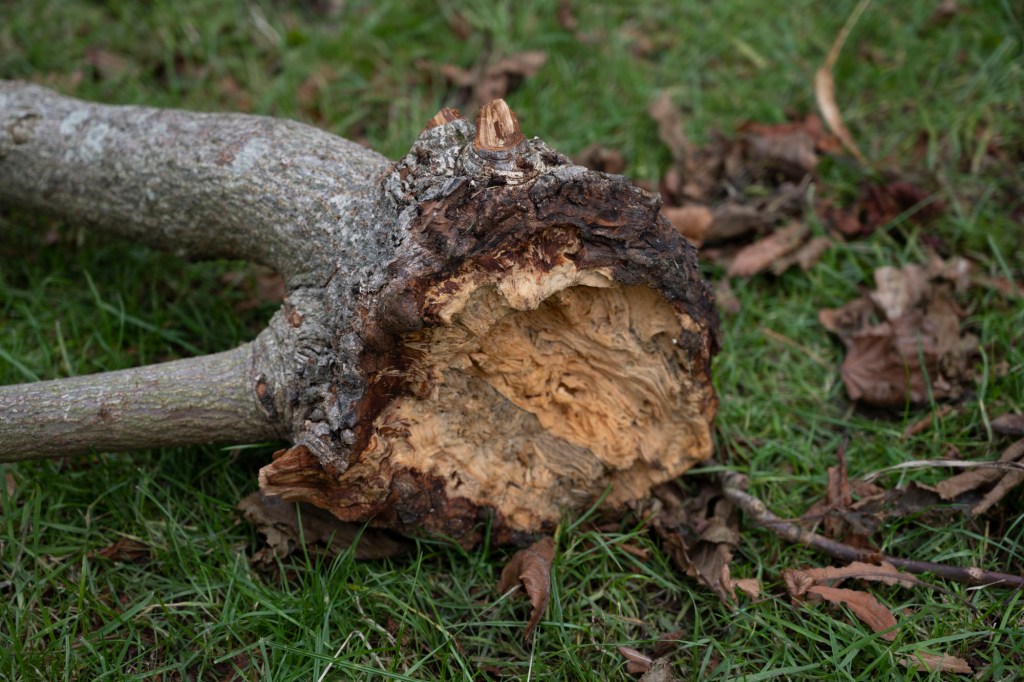
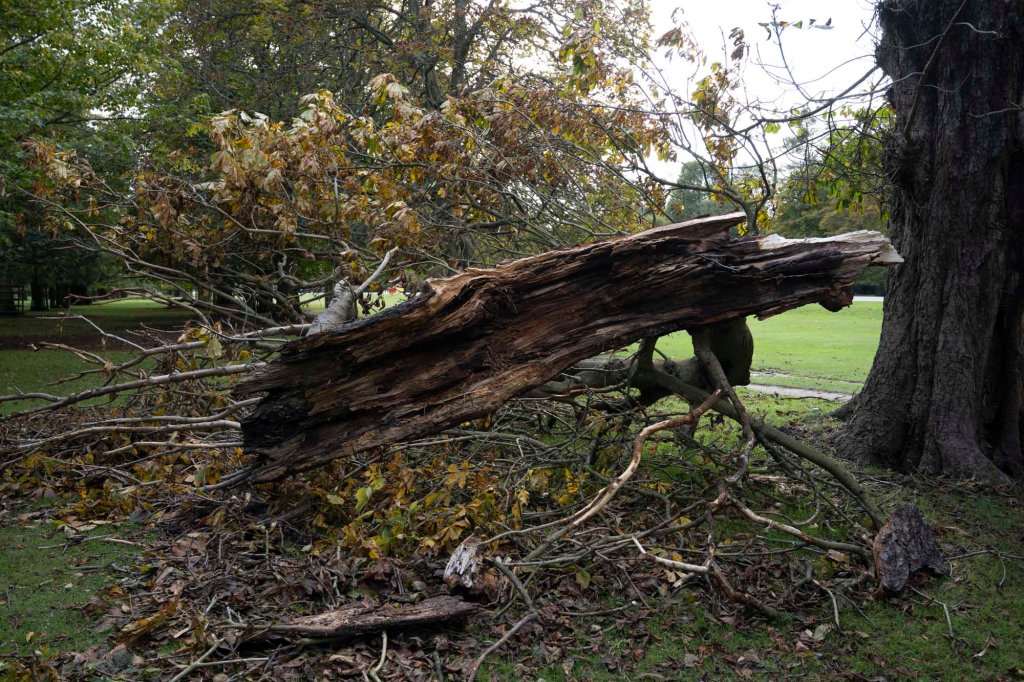
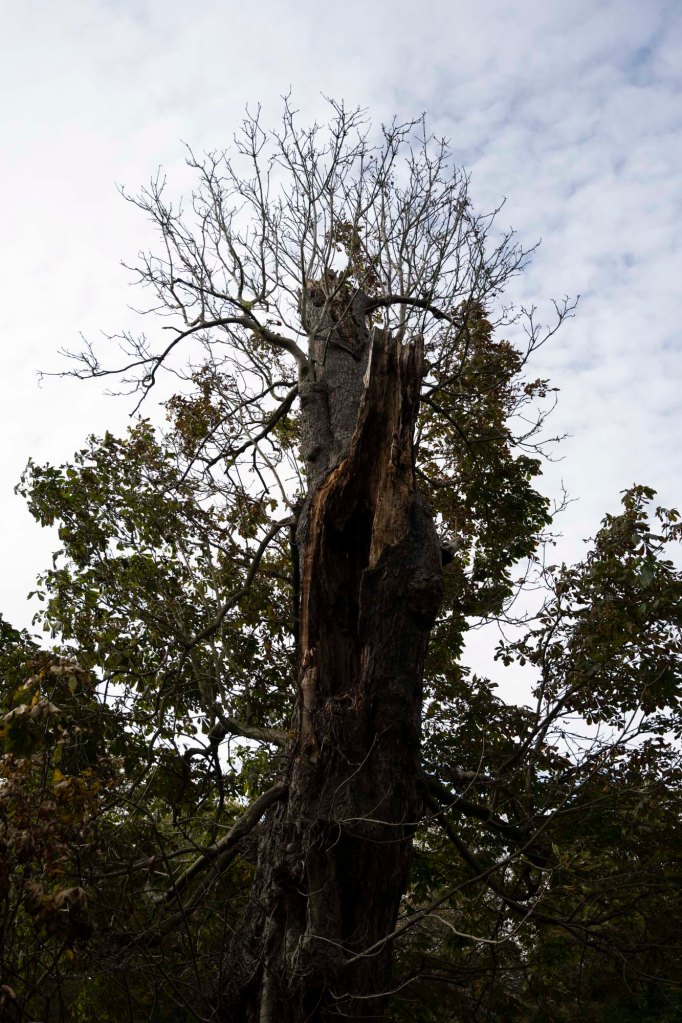
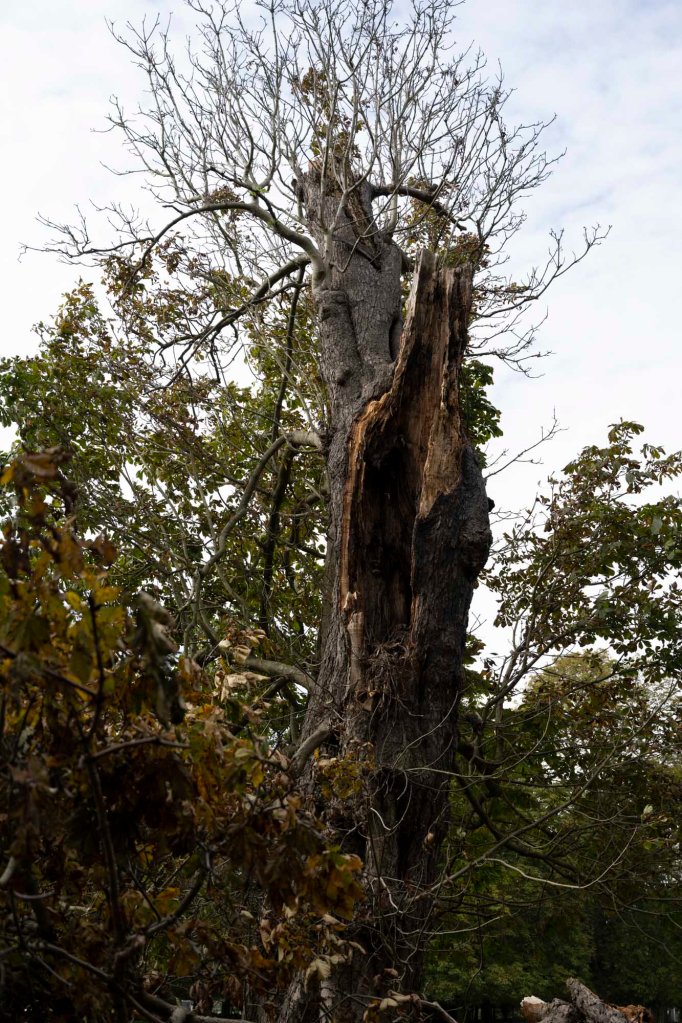
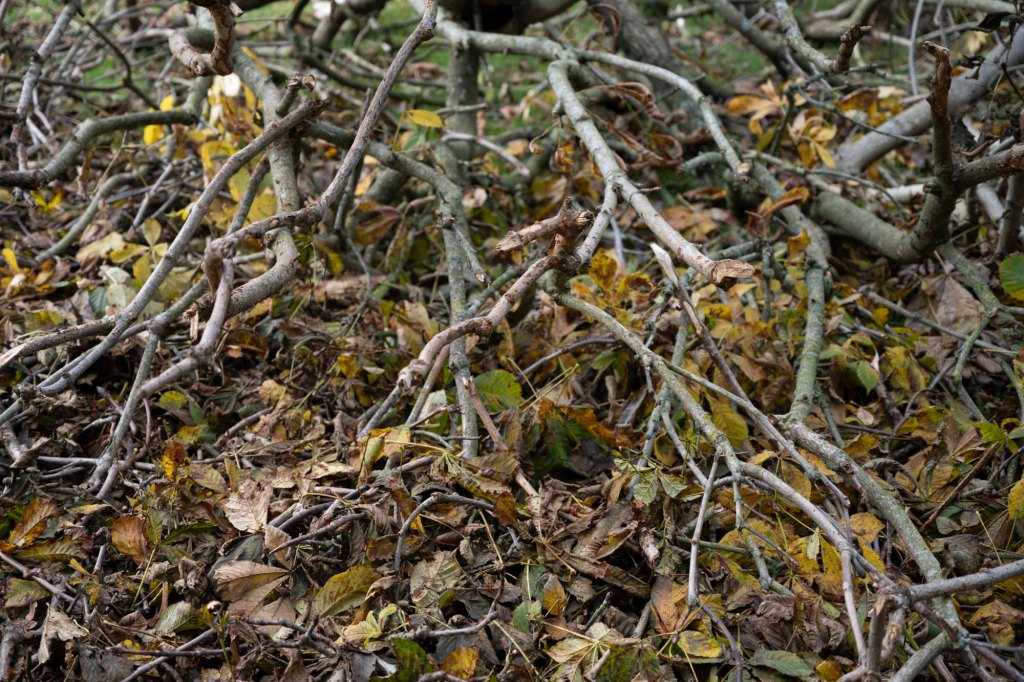
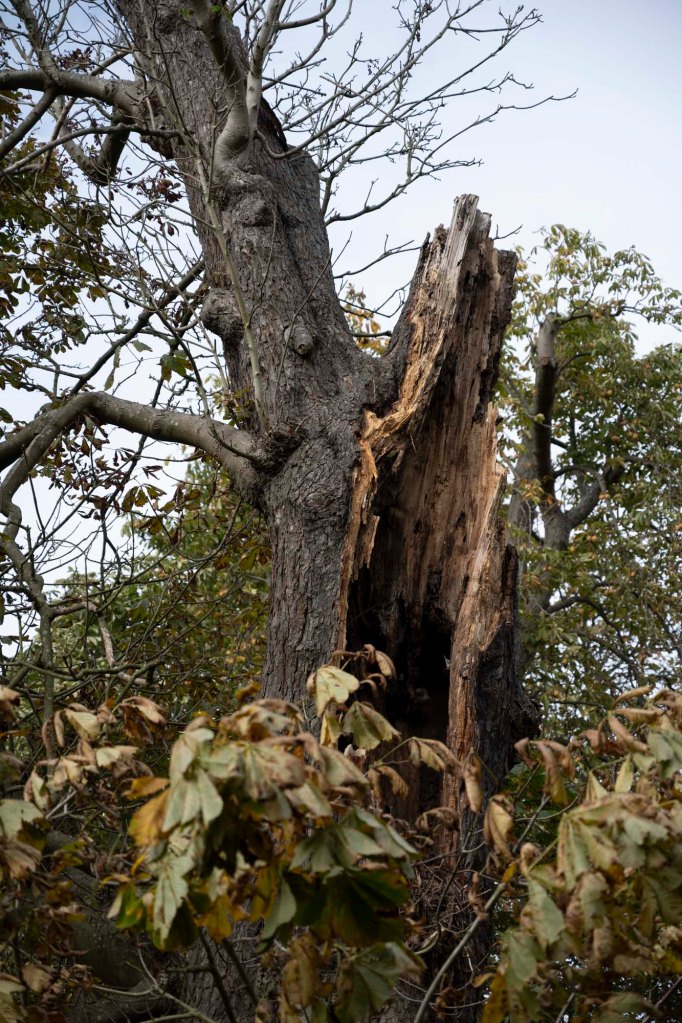
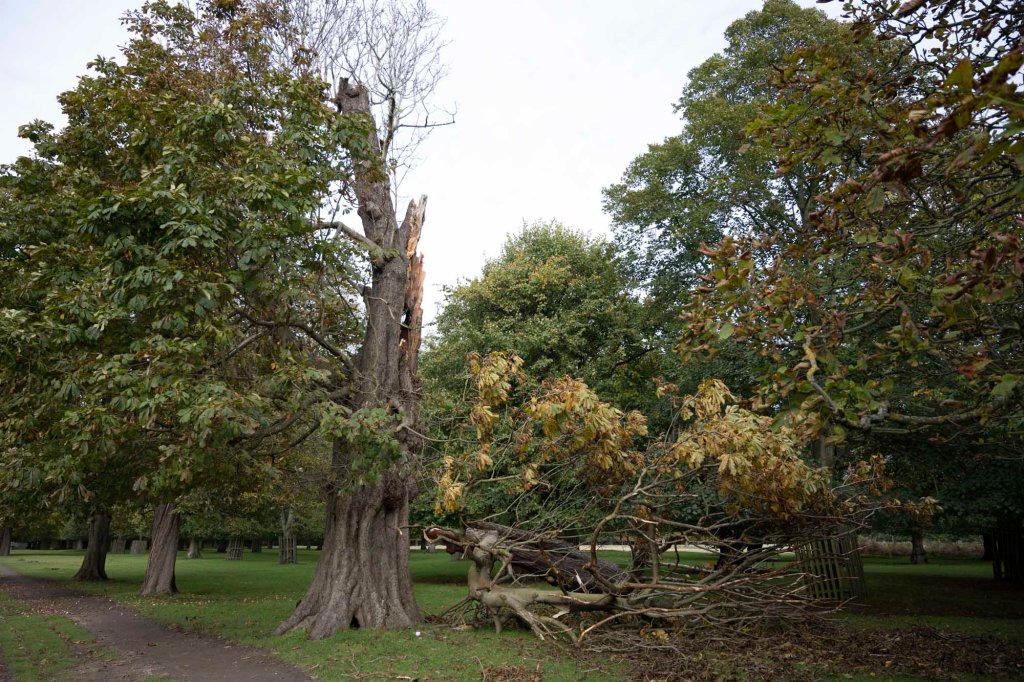
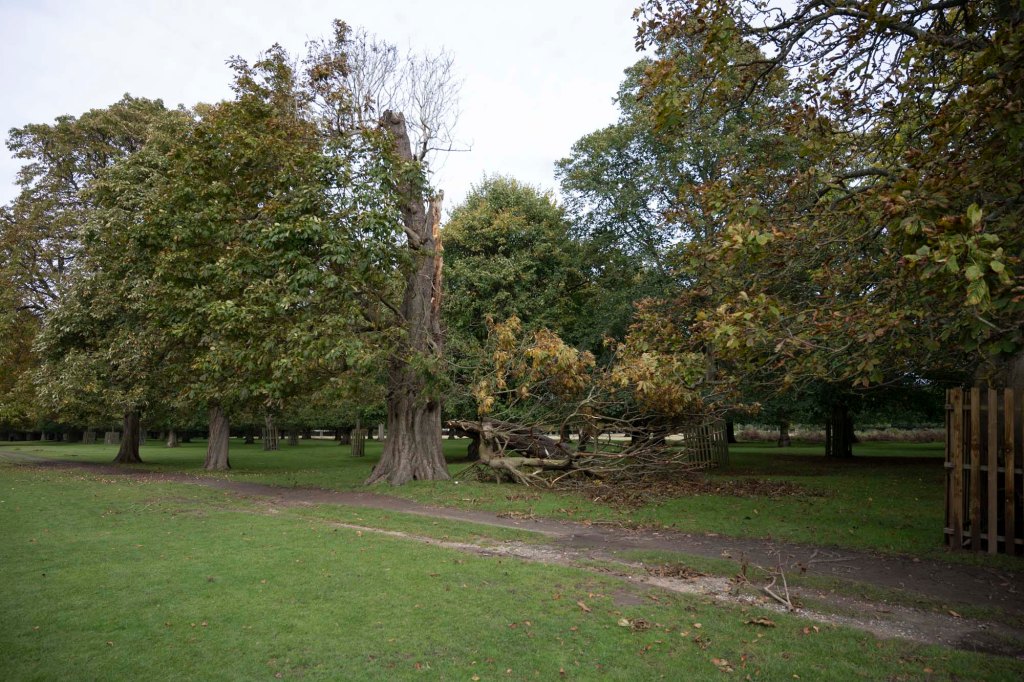
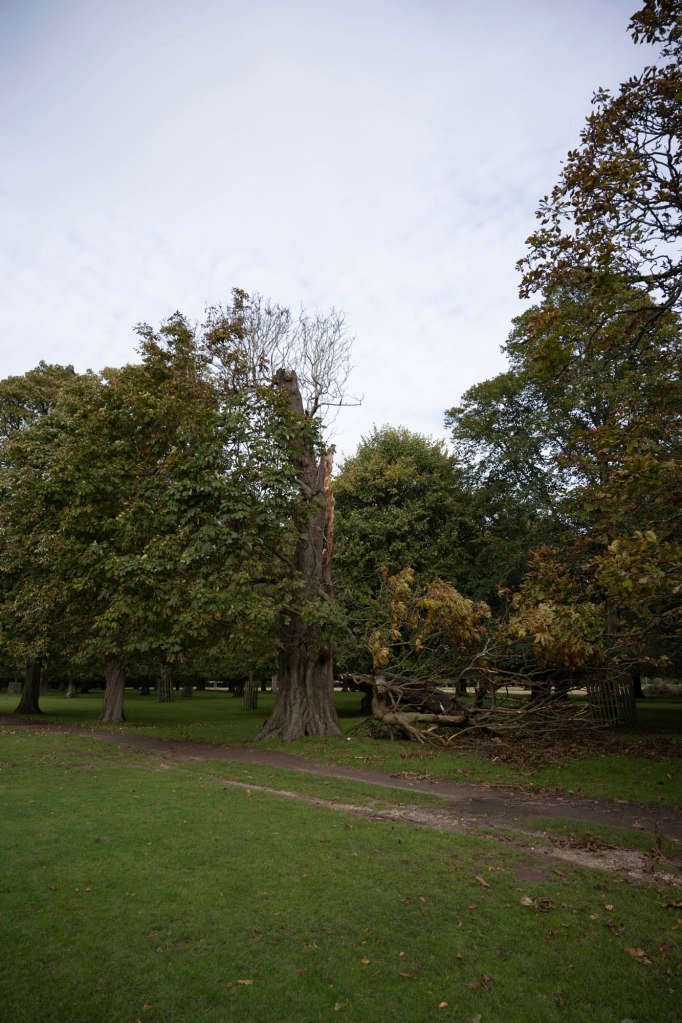
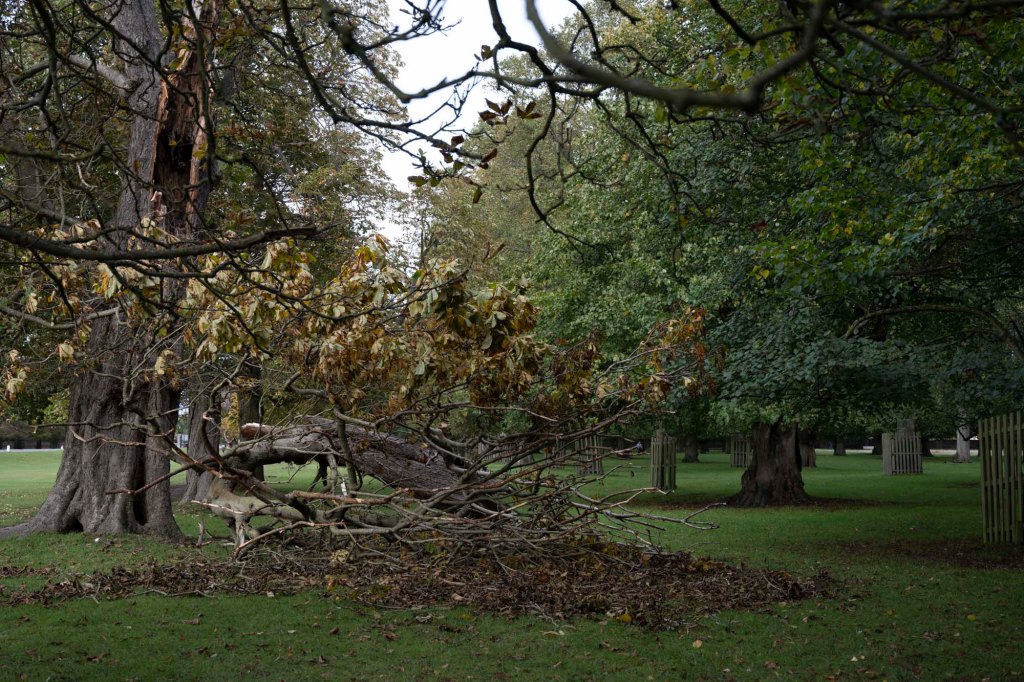
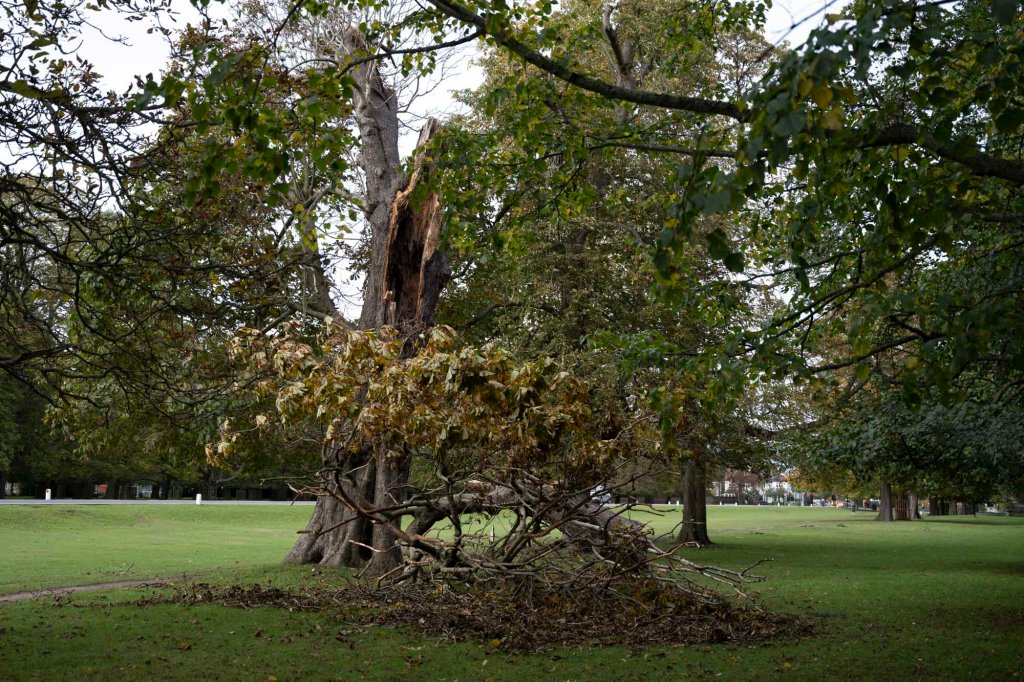
Fallen Hero
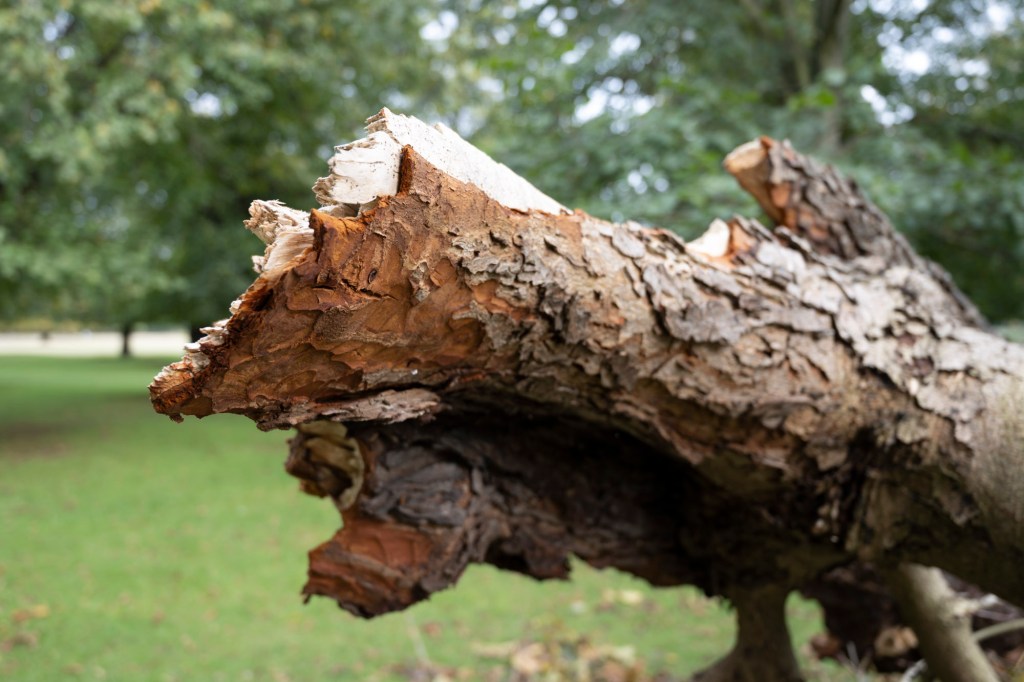
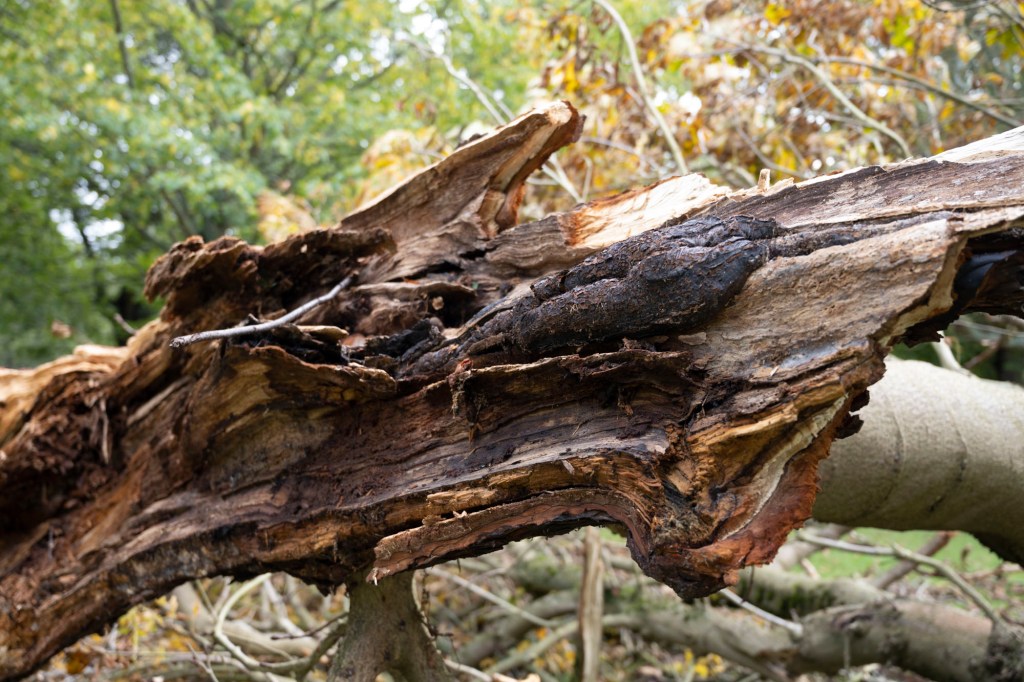
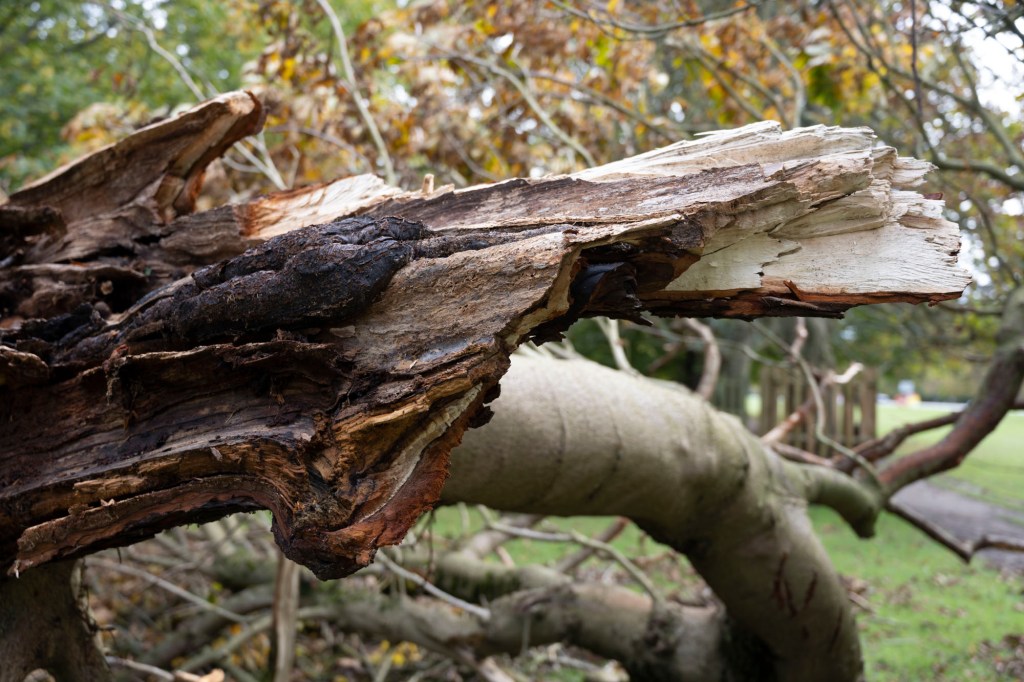
One of the trees along the avenue had lost one of its major sections during the storm on Saturday 3 October.
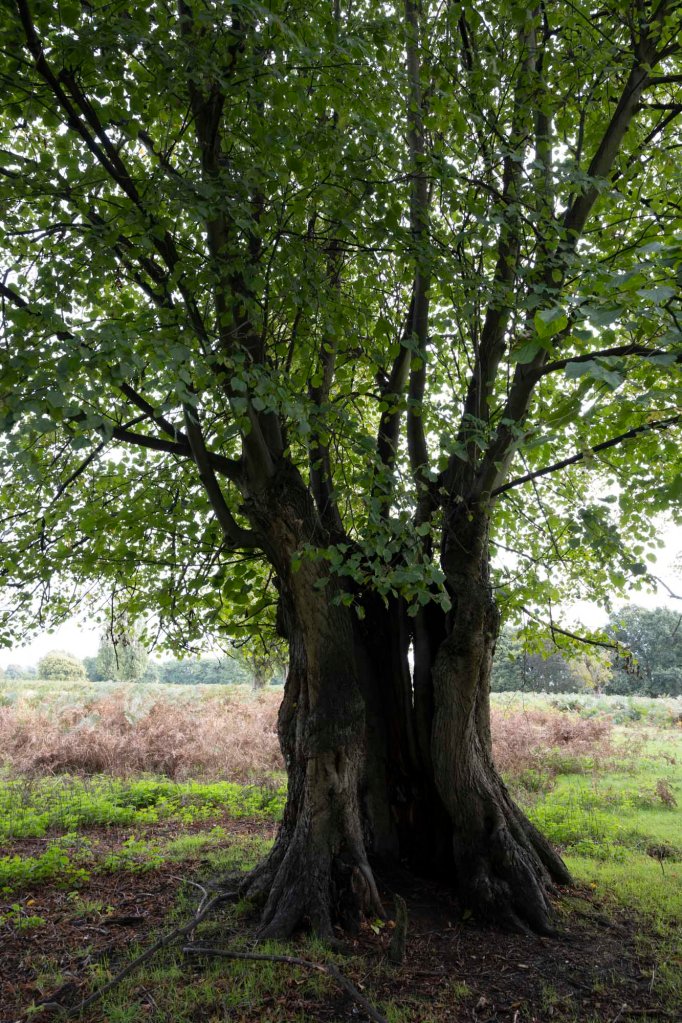
Split
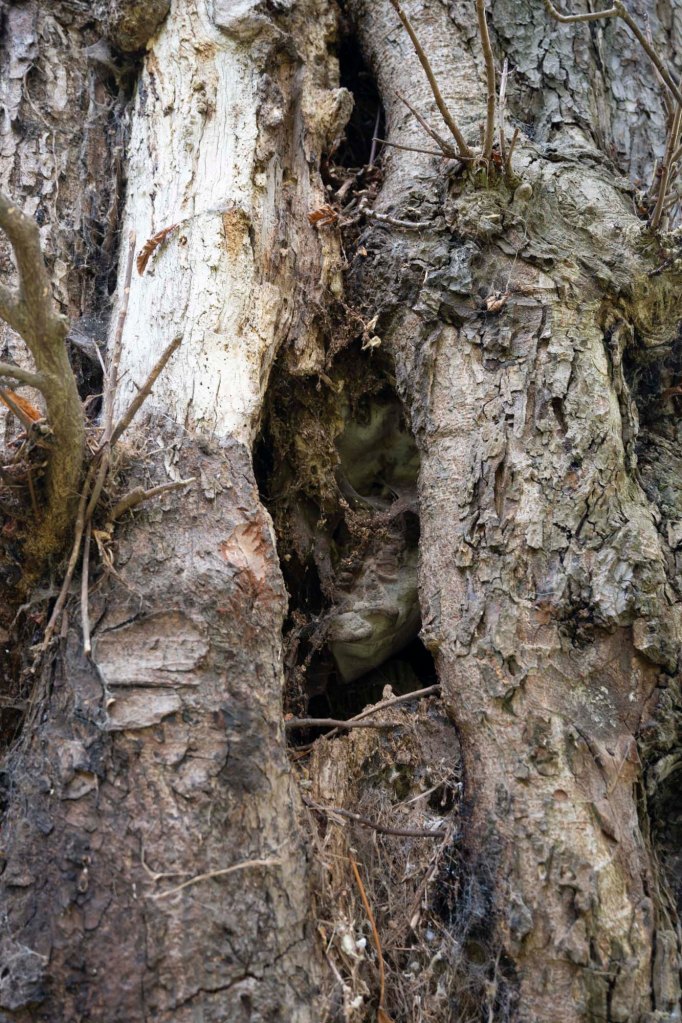
This was another tree that caught my eye. On initial viewing, it looks like one big tree:
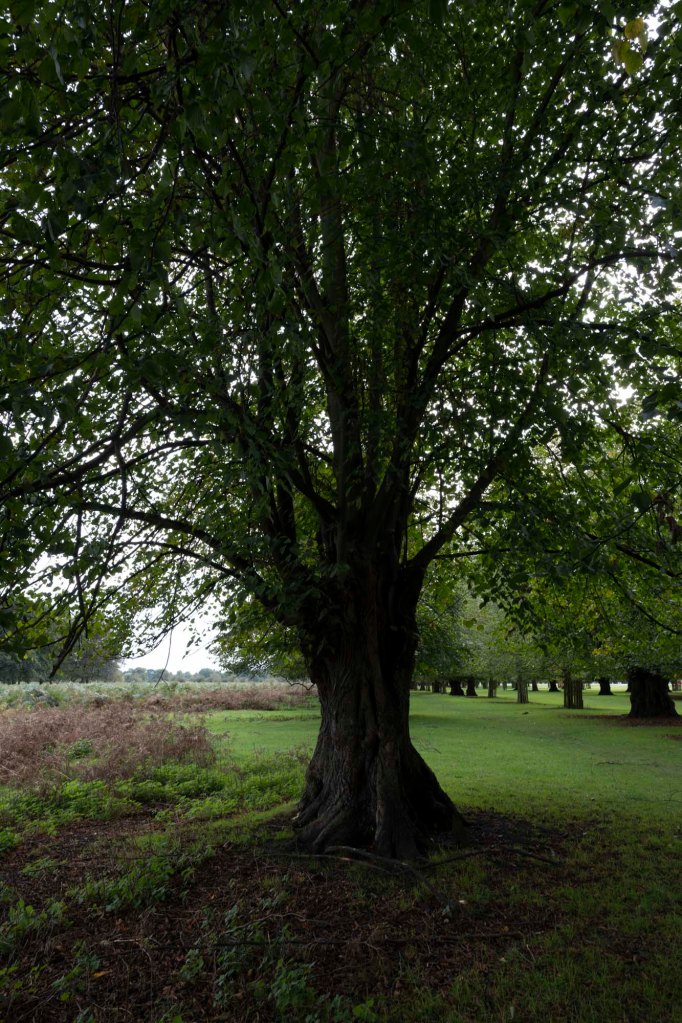
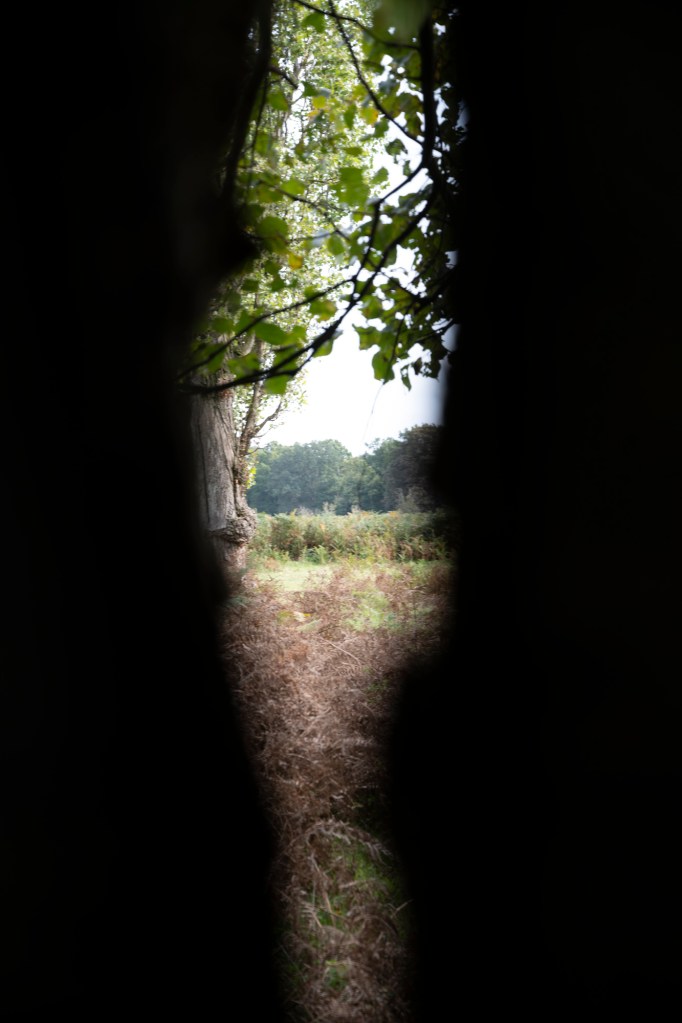
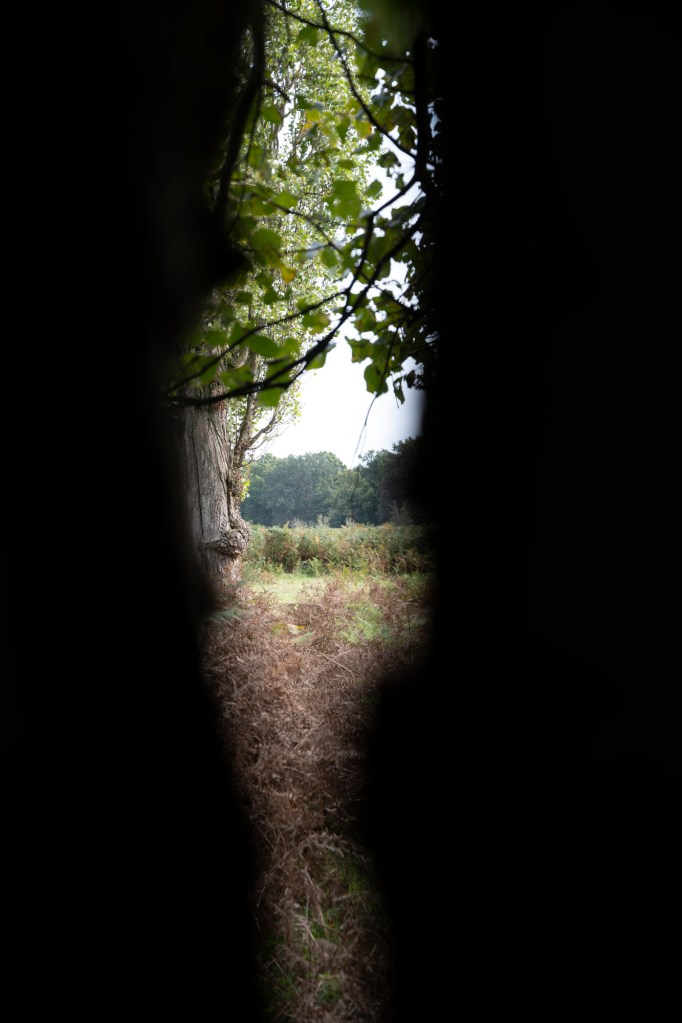
But when you go to the other side, it’s apparent that it must have ‘split’ at some time during its lifetime.
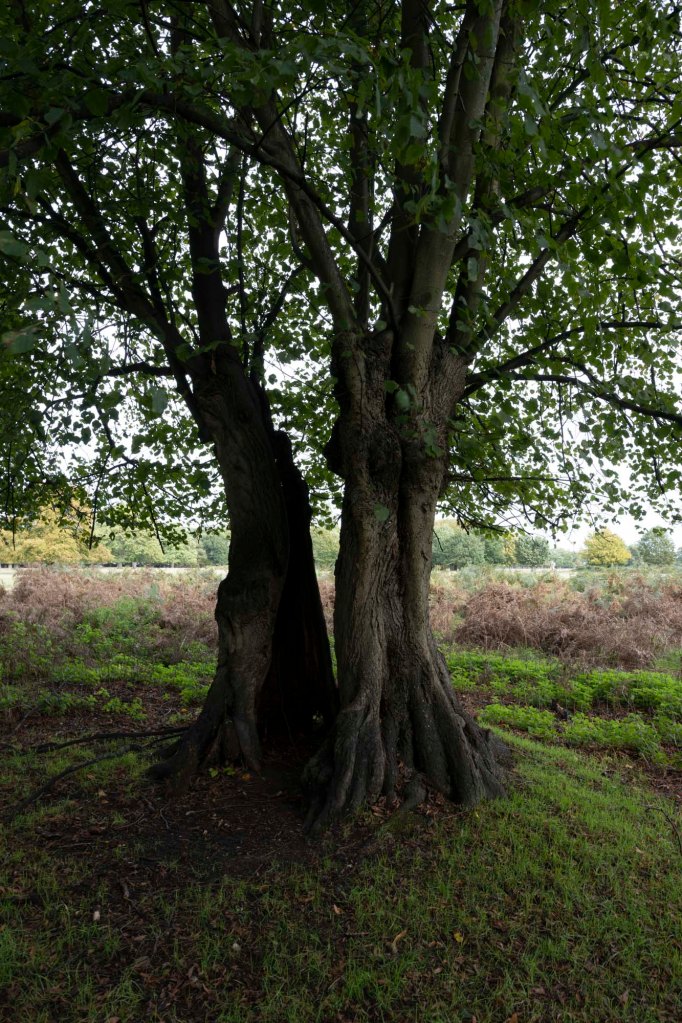
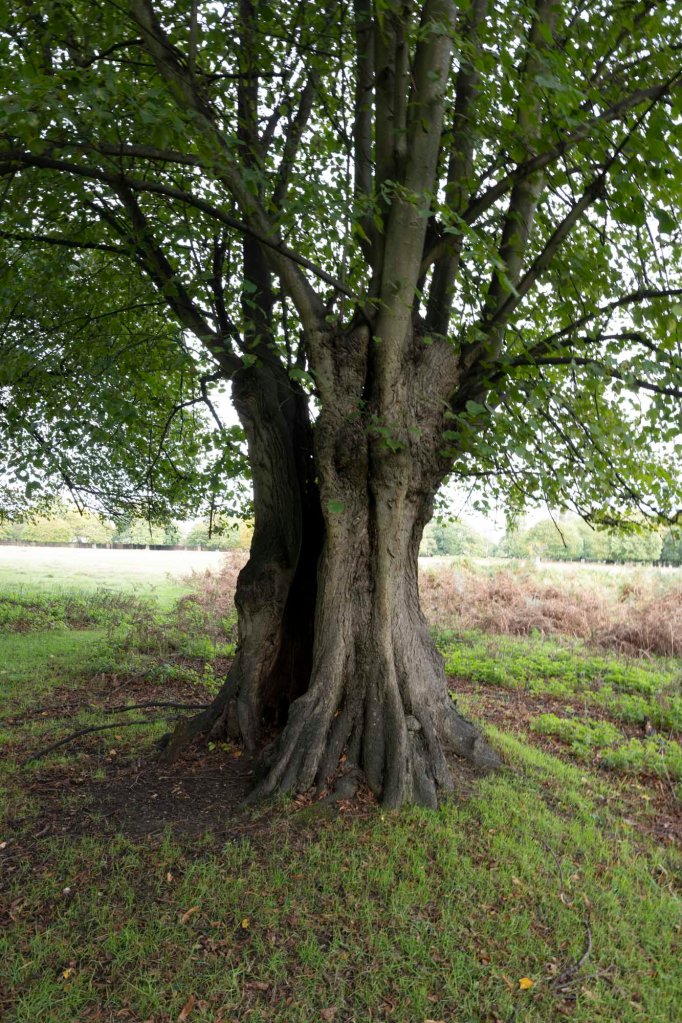
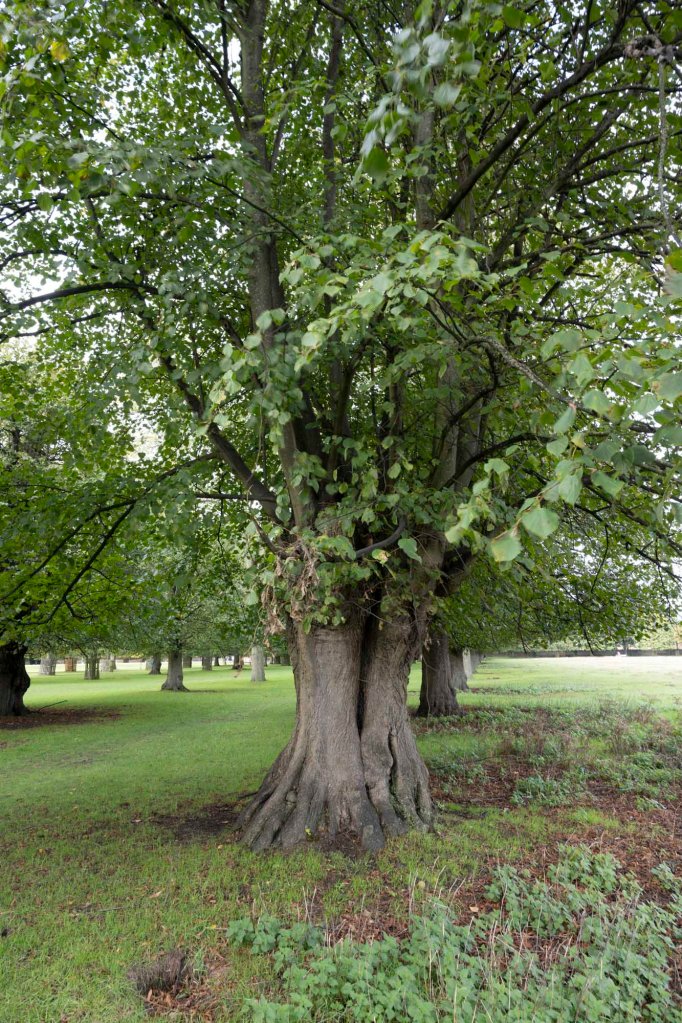
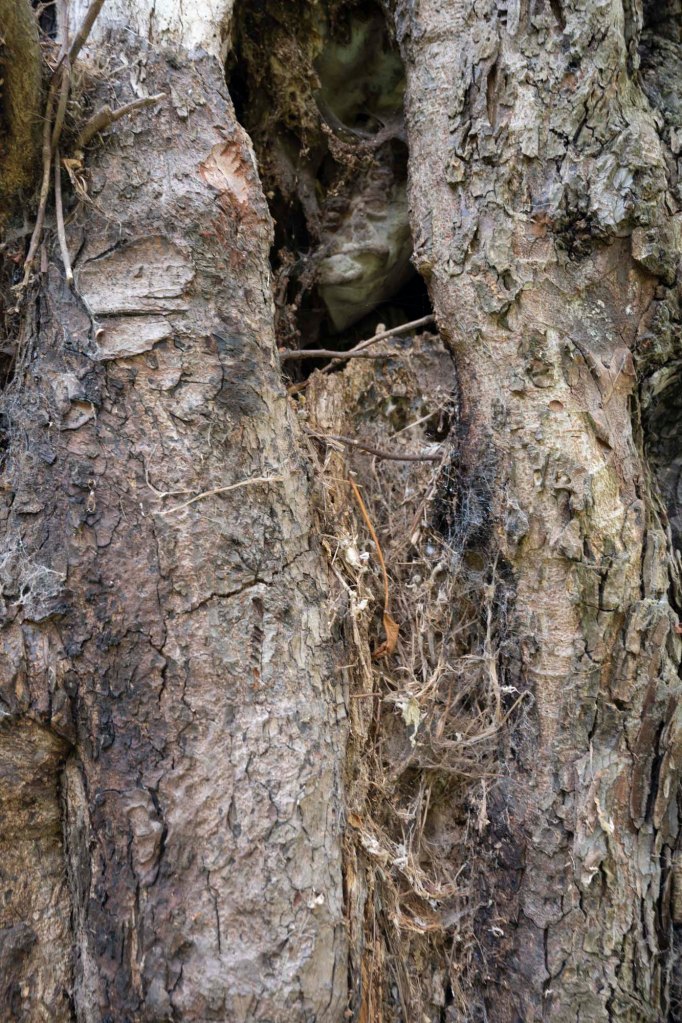
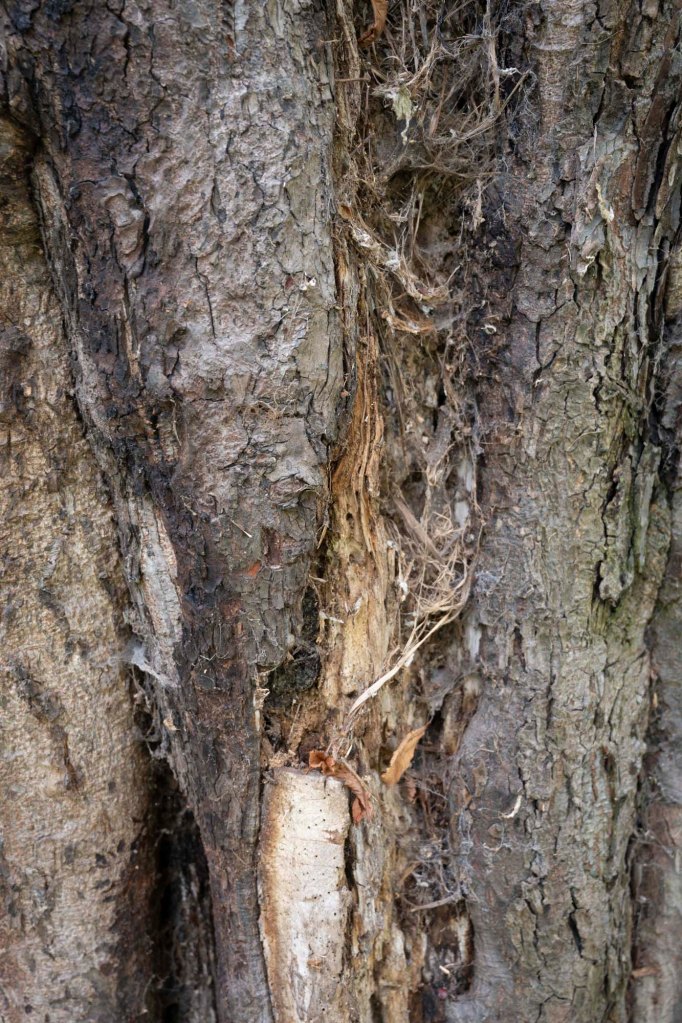
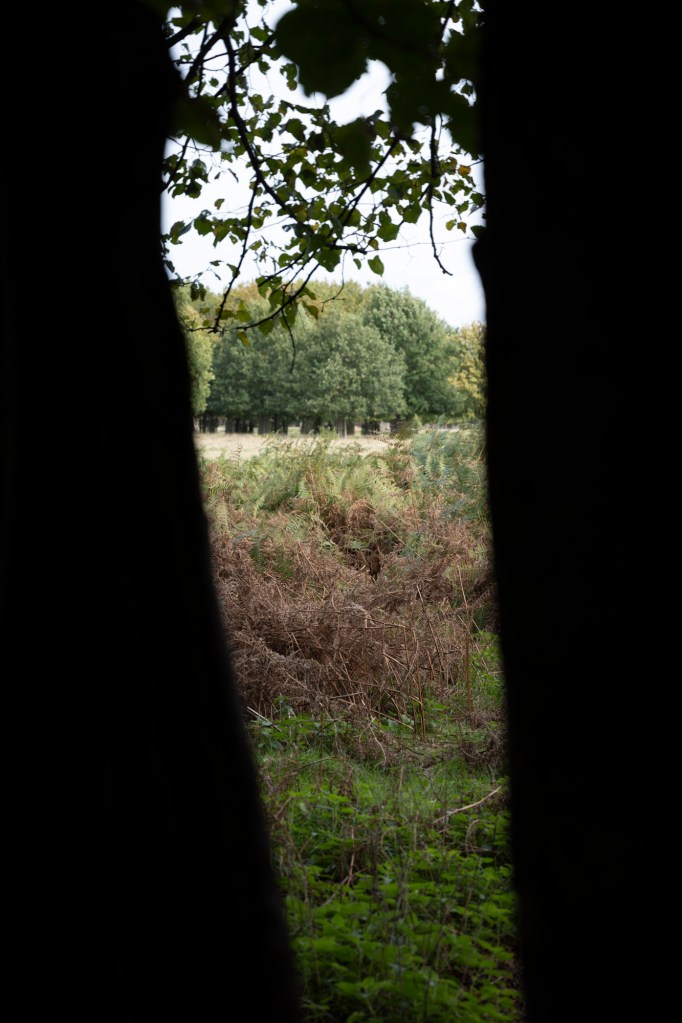
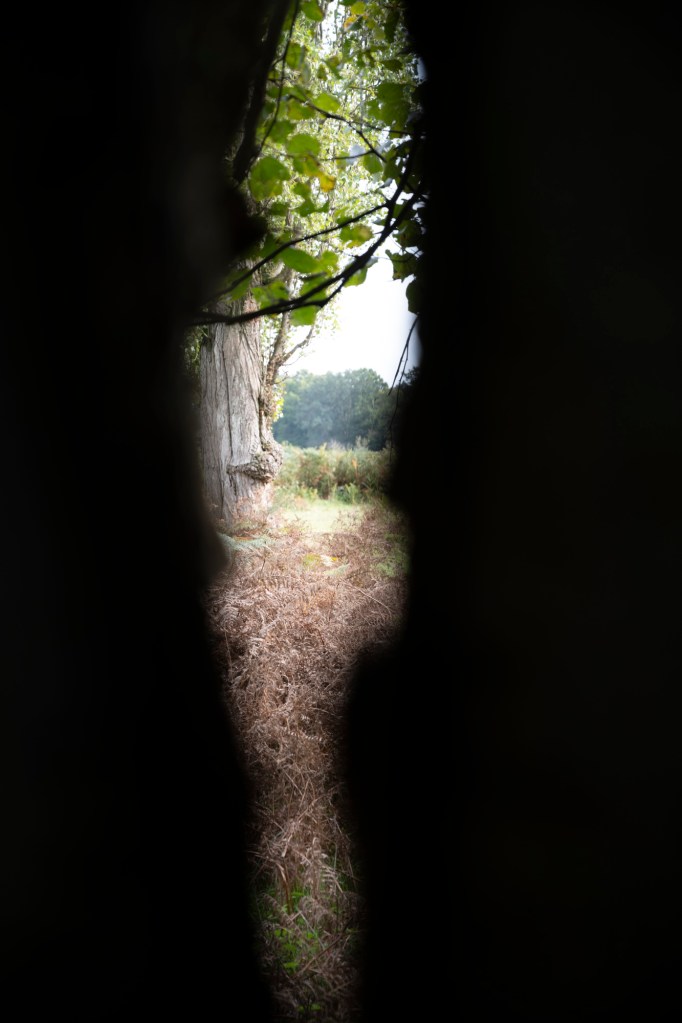
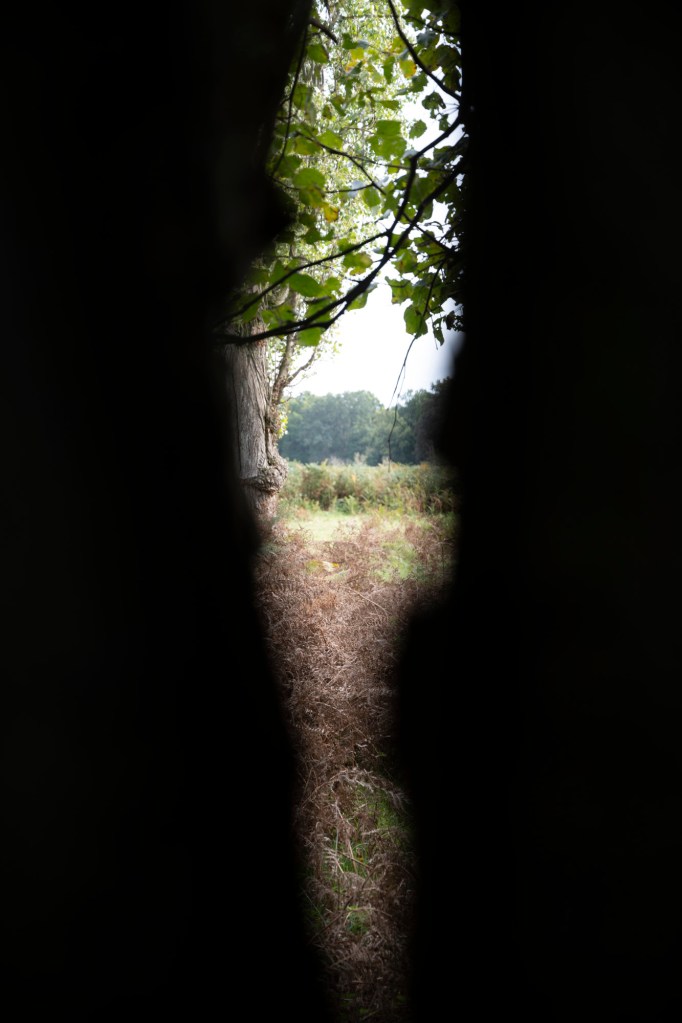
I also took some shots through the ‘split’:
Hawthorns
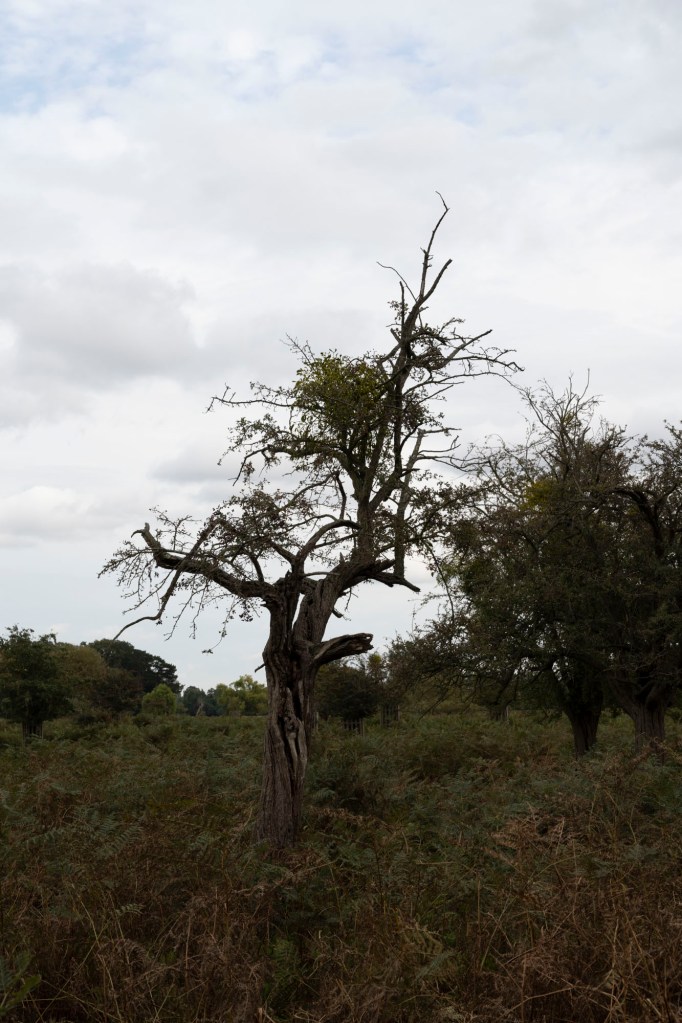
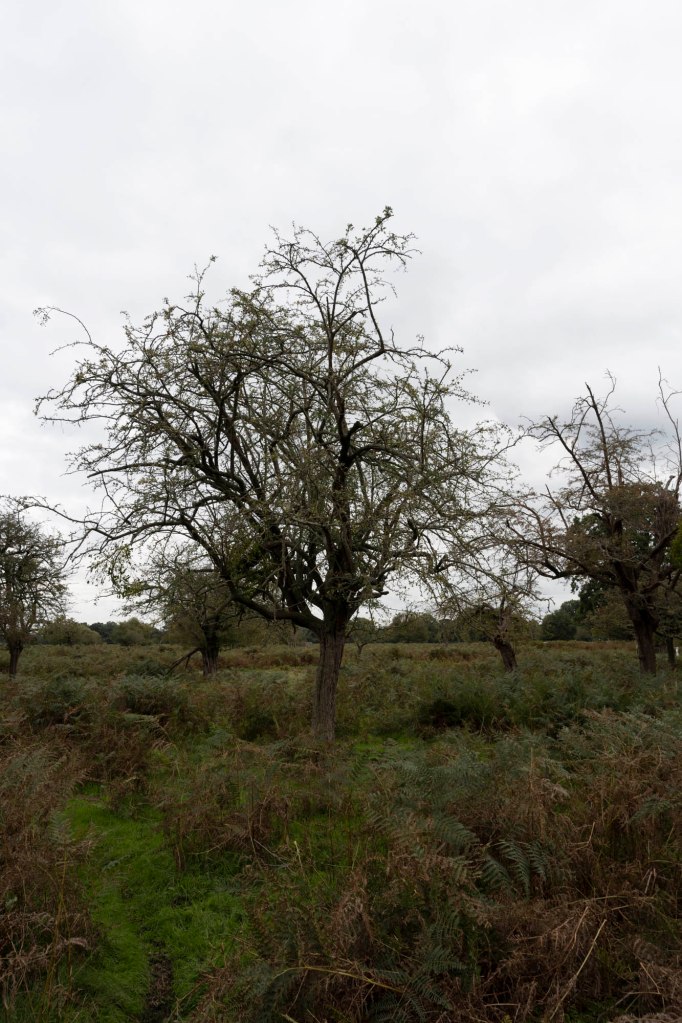
These spiky trees are also a feature of the park. I’m not sure if they’re relevant to this particular project, but I’ve always had a fascination with this hardy tree. They remind me of wizend wise women. Very often, they will have two sections of trunk that intertwine with each other, leaving a gap in between.
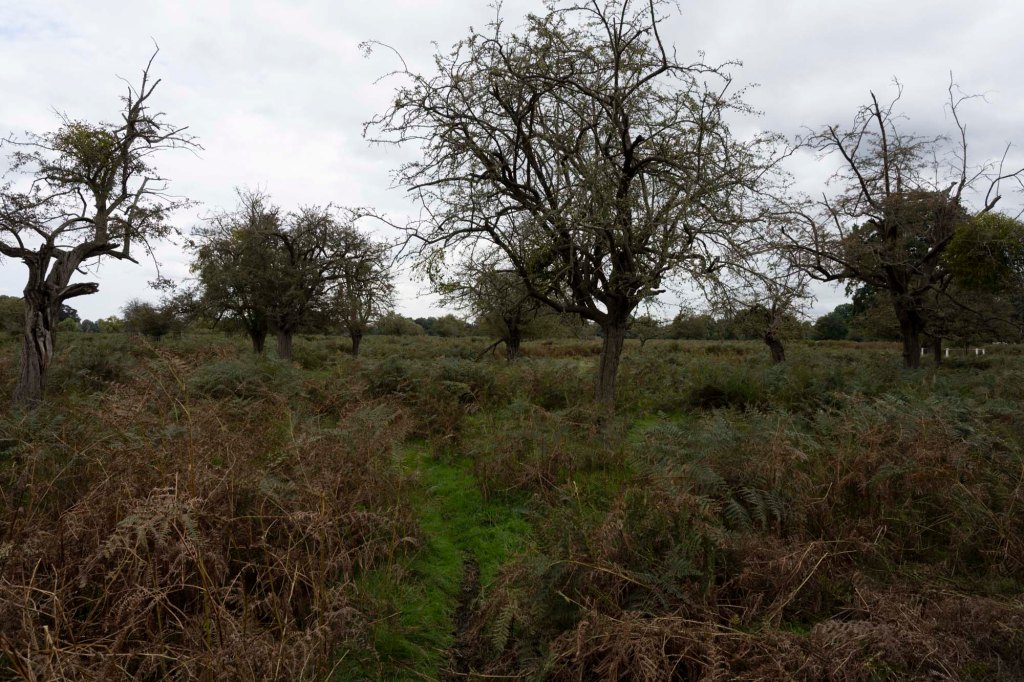
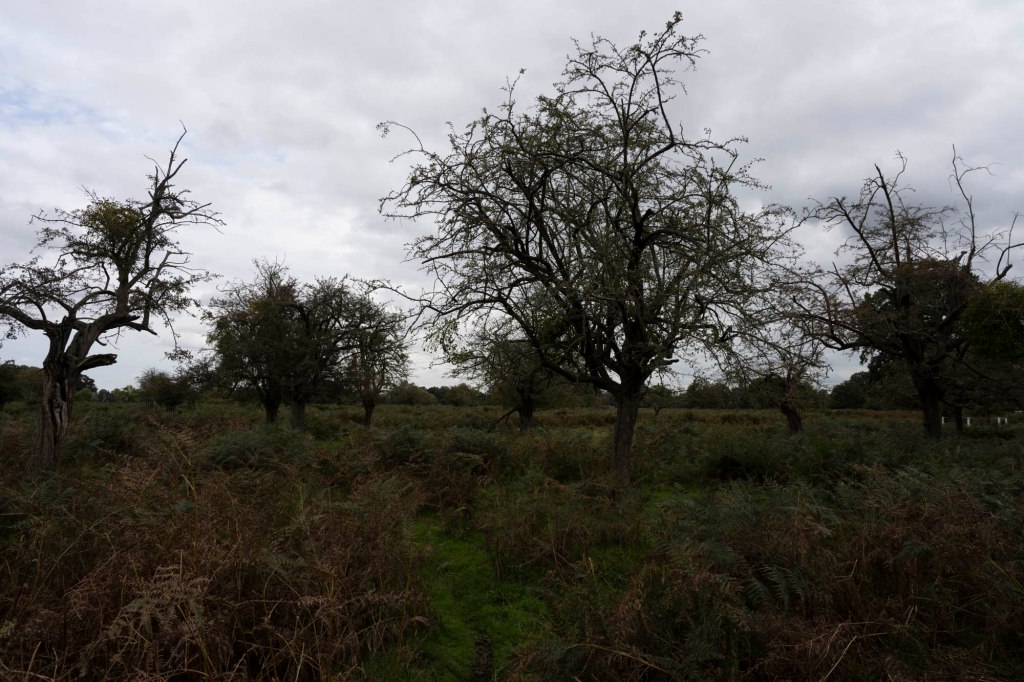
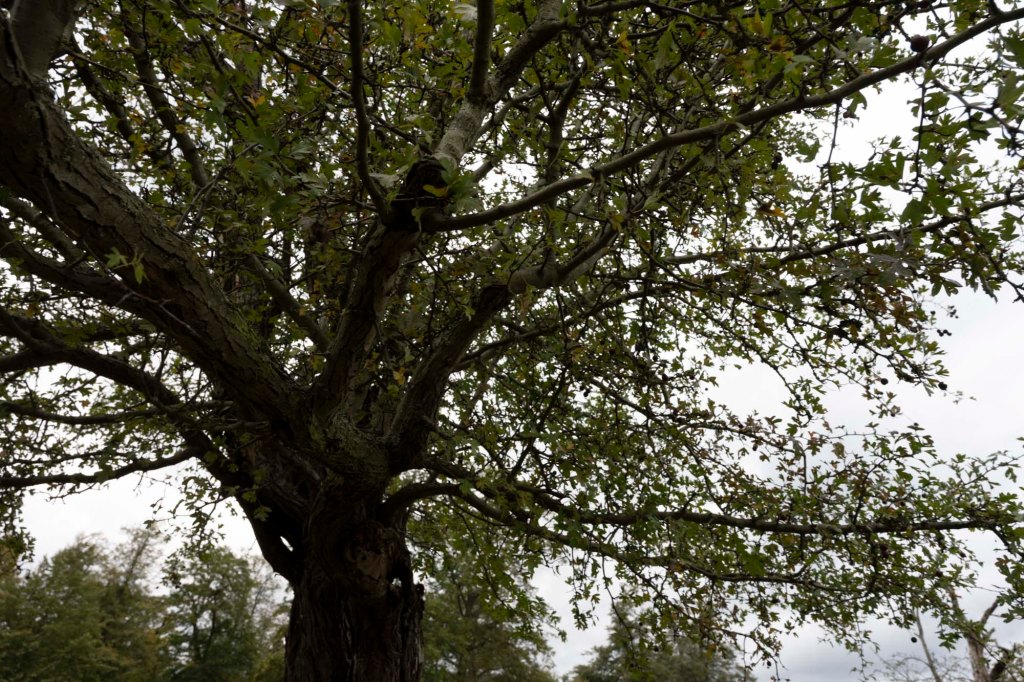
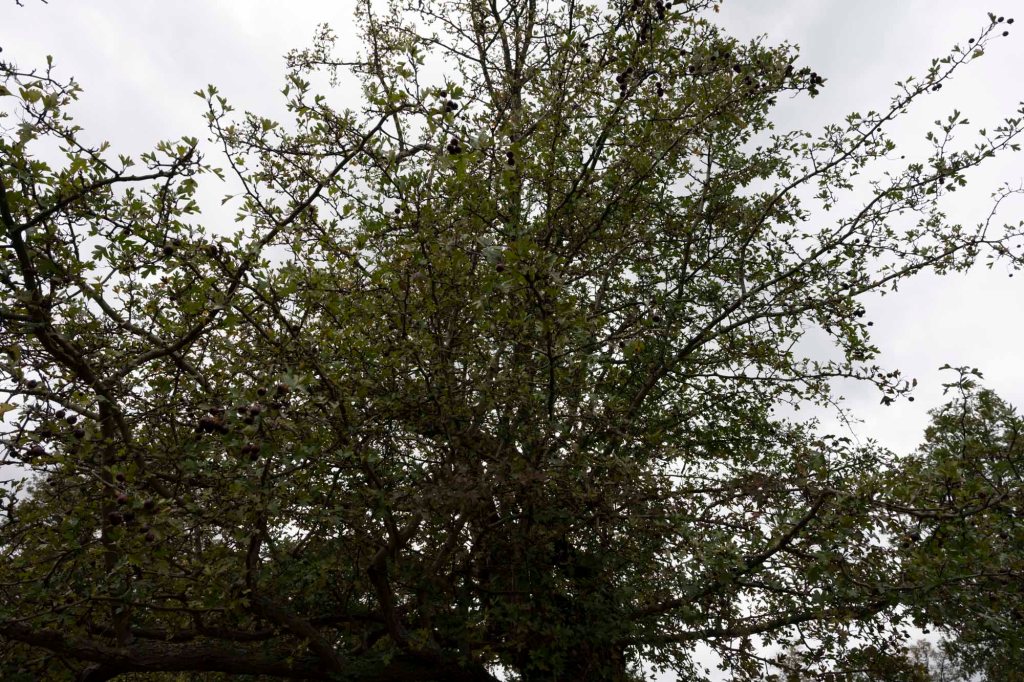
With this in mind, I noted down the following mind map.
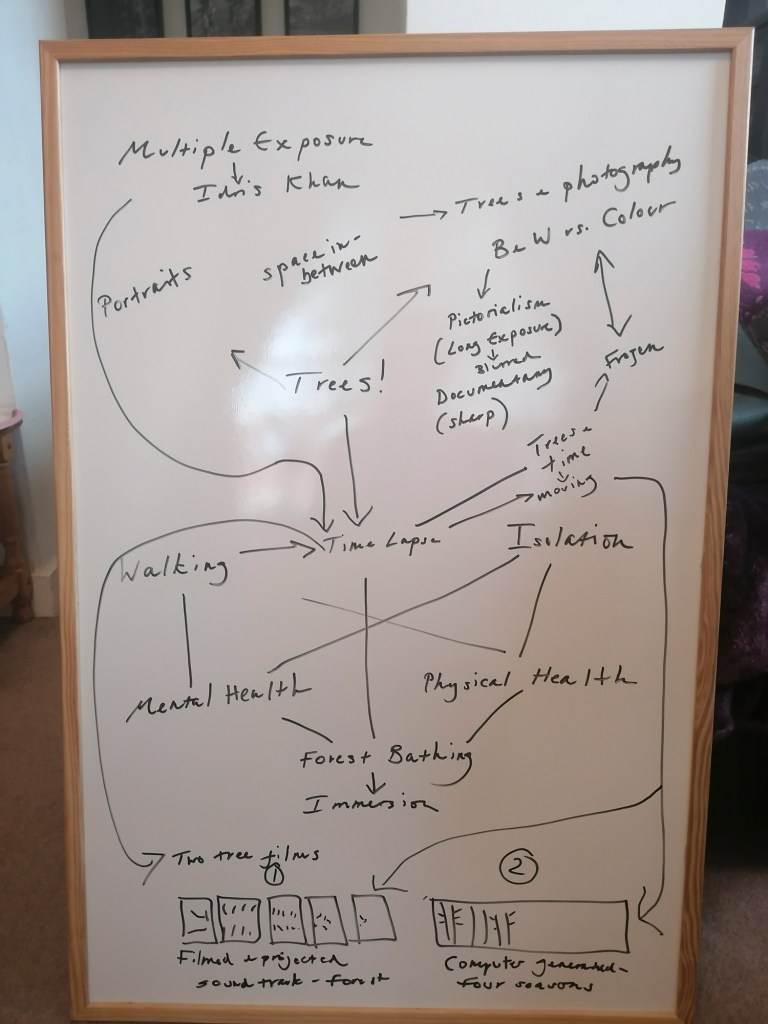
This, along with my ideas, research and images will be presented and discussed with the group during a tutorial session on 7 October 2020.
References
Ahtilia, E.L. 2020, Rugoff, R. and Mues, M., 2020. Among The Trees. Hayward Gallery Publishing.
Rugoff, R., The Age of Trees (2020), Rugoff, R. and Mues, M., 2020. Among The Trees. Hayward Gallery Publishing.
Southbank Centre. 2020. Among The Trees. [online] Available at: <https://www.southbankcentre.co.uk/whats-on/exhibitions/hayward-gallery-art/among-the-trees> [Accessed 26 April 2020].
Wohlleben, P. 2017. The Hidden Life of Trees. William Collins, London.
 Jennie Meadows MA Photography
One reply on “AGM62 Potential Progressions 6 October 2020”
[…] AGM62 Potential Progressions 6 October 2020 […]
LikeLike