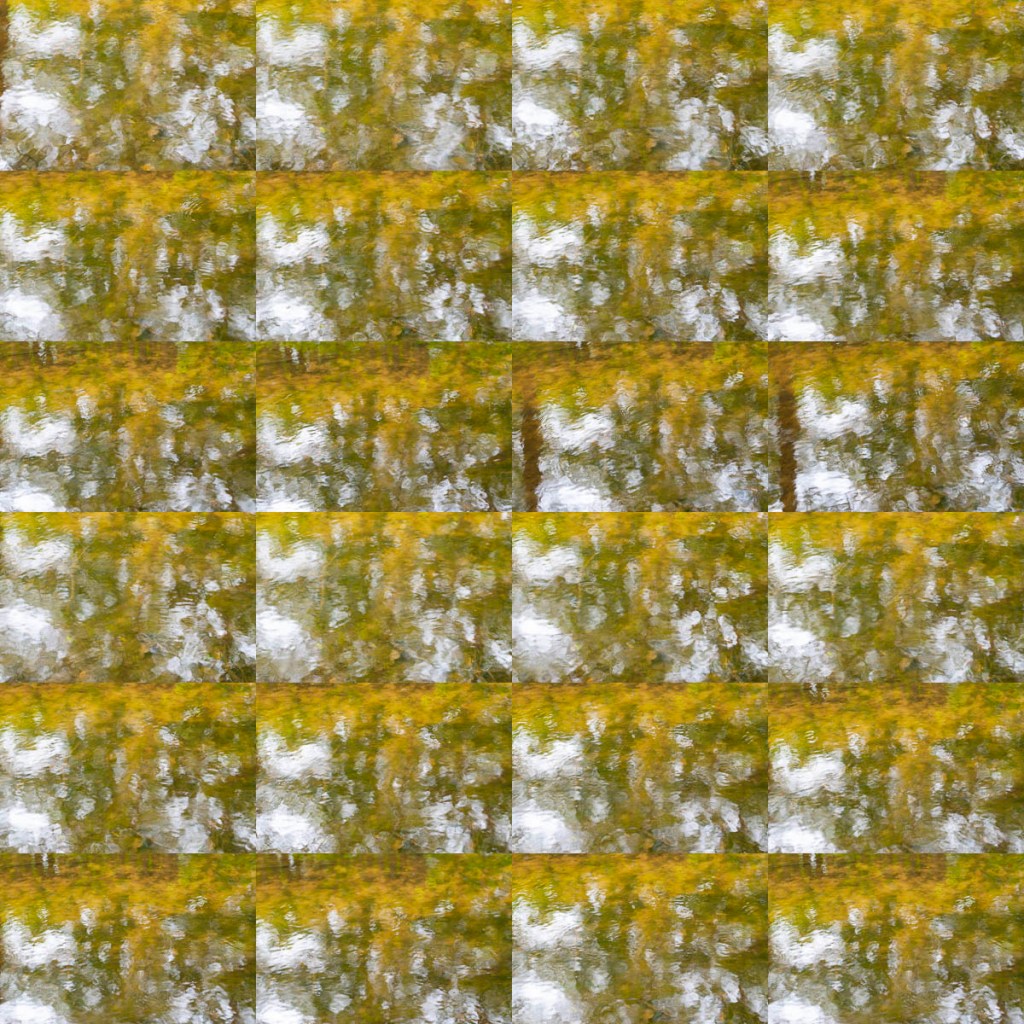
While waiting for the test prints to arrive from DS Labs, I thought I would try something different. Inspired by the photographic collage technique and methods of Noel Myles, I created the following compound image.
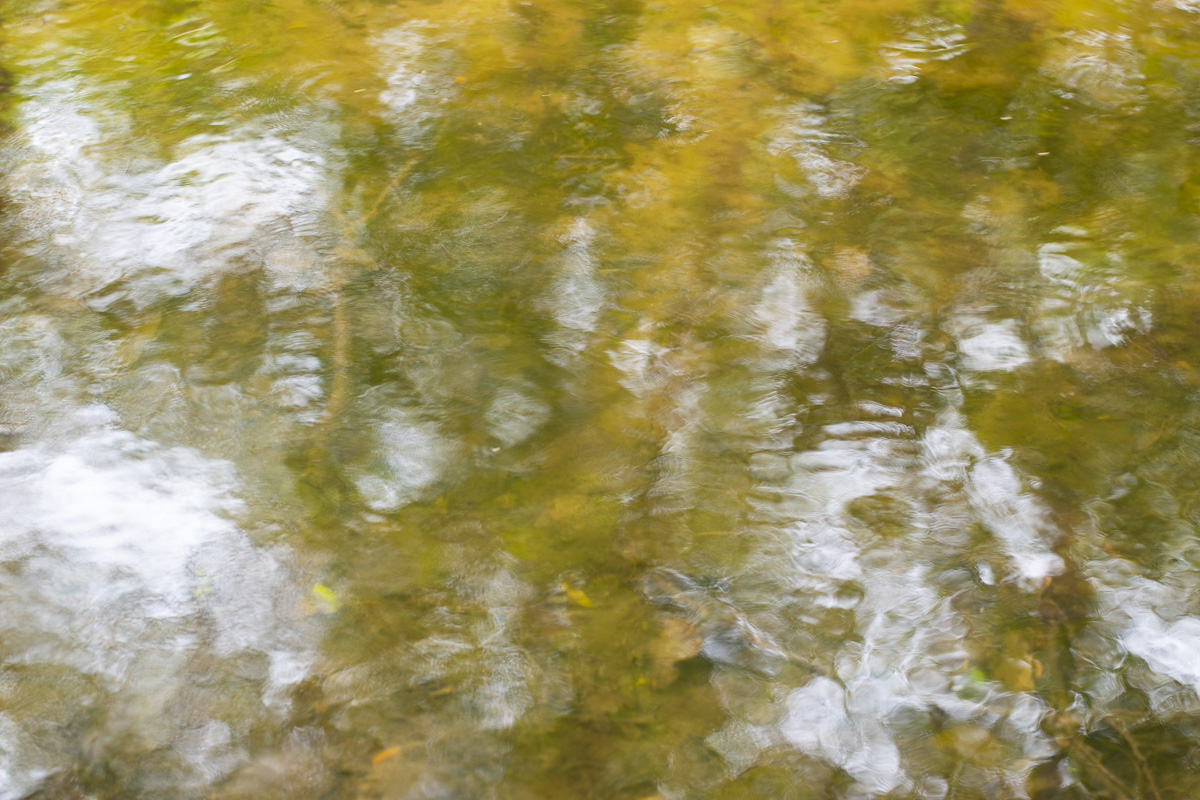
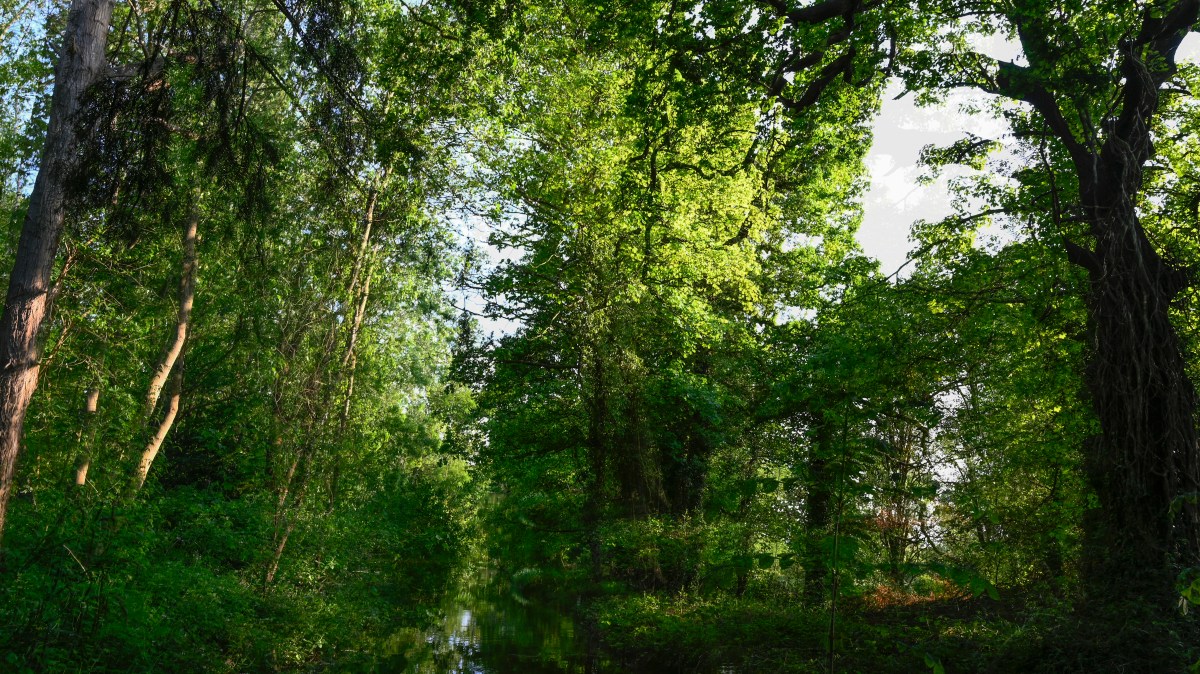
These are images taken in May 2017 when I first started experimenting with interval timer shooting and timelapse photography. The piece is comprised of 24 individual images that I’ve combined using Adobe Photoshop. The subject is the Longford River, which flows through Bushy Park. They were taken on a particular stretch of the river where the sun hits the water at a certain of day, creating the most hypnotising reflections.
This piece was inspired by Myles’ similar obsession to mine of going repeatedly to the same place and taking extreme amounts of images. This is a thread that runs through my own practice and the basis of the majority of my work. I was always criticised by my classmates at Richmond School of Art of ‘taking too many shots’. At the time, I took this a negative aspect, but now I realise it’s how I work.
I also realised that I had tried something similar during the AGM60 Research & Experimentation module.
When reflecting on both my subject matter and images so far, I realised that advancement in regards to the technical aspect had been neglected. This revelation came to me when looking at a cloudy sky on 9 November 2020. The sun was trying to break through a bank of clouds and I noticed a ‘sun dog’. Also known as a parhelion, this visual phenomenon is a bright spot in the sky appearing at the side of the sun. Similar to a rainbow, it is formed by refraction of sunlight through ice crystals high in the atmosphere. This was made more defined when looking through my polarised sunglasses. Additionally, the sun looked a like a full moon when looking through these lenses.
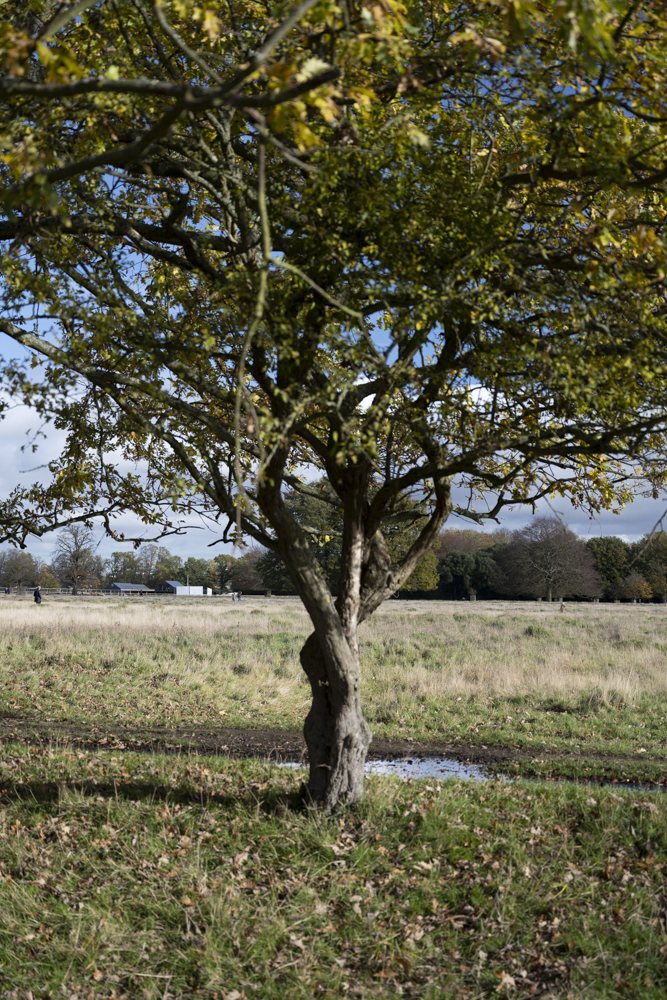
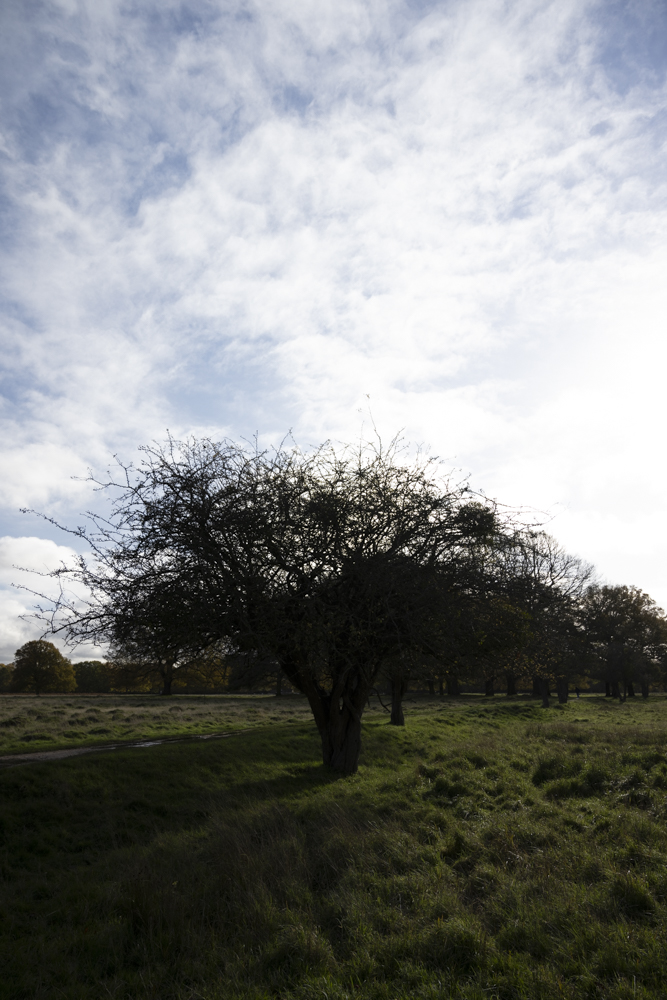
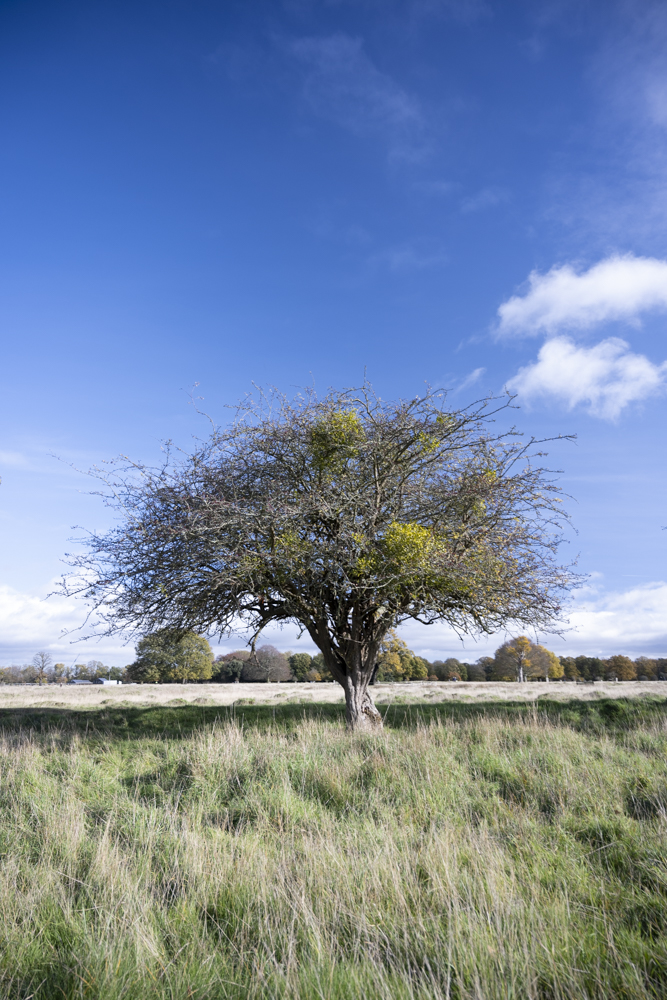
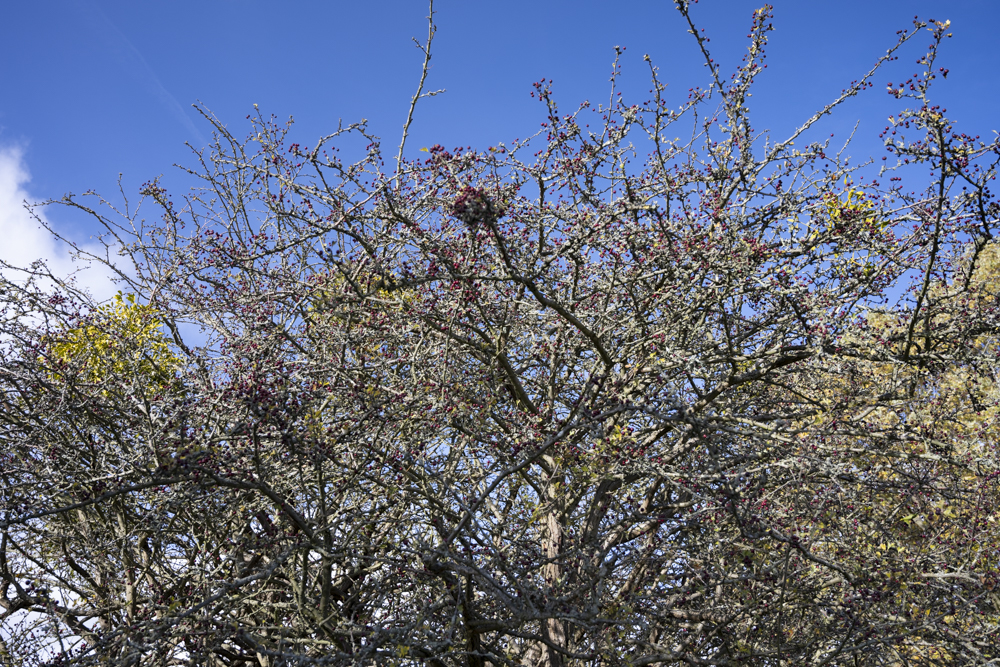
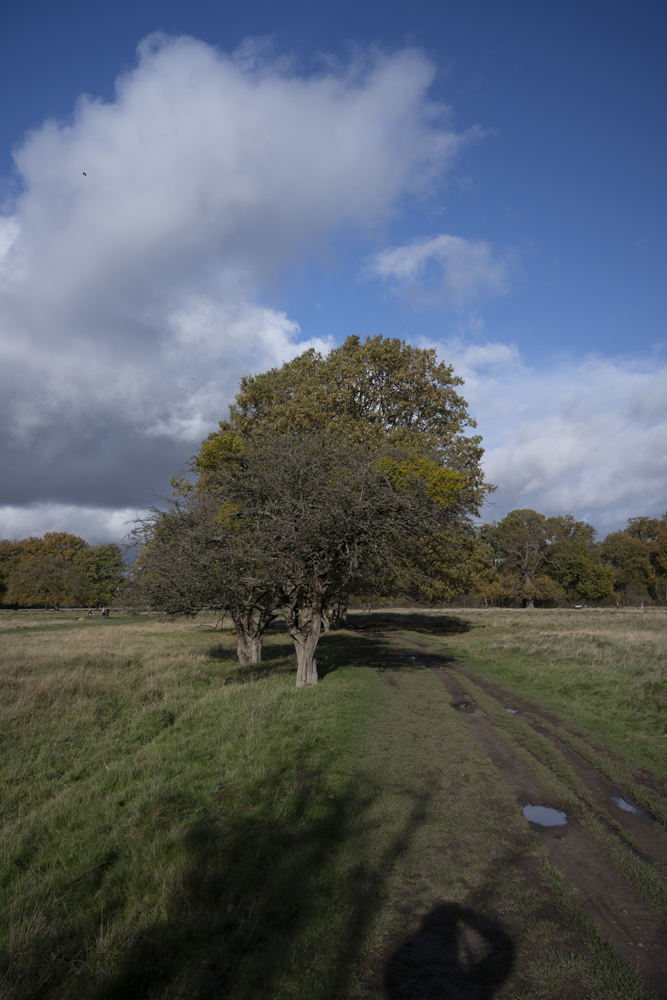
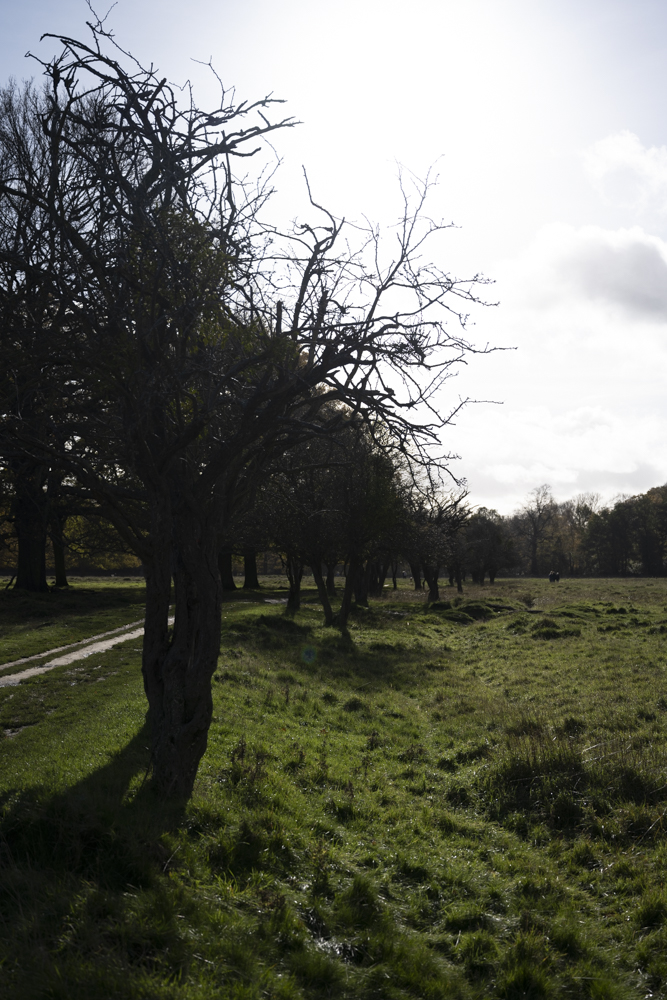
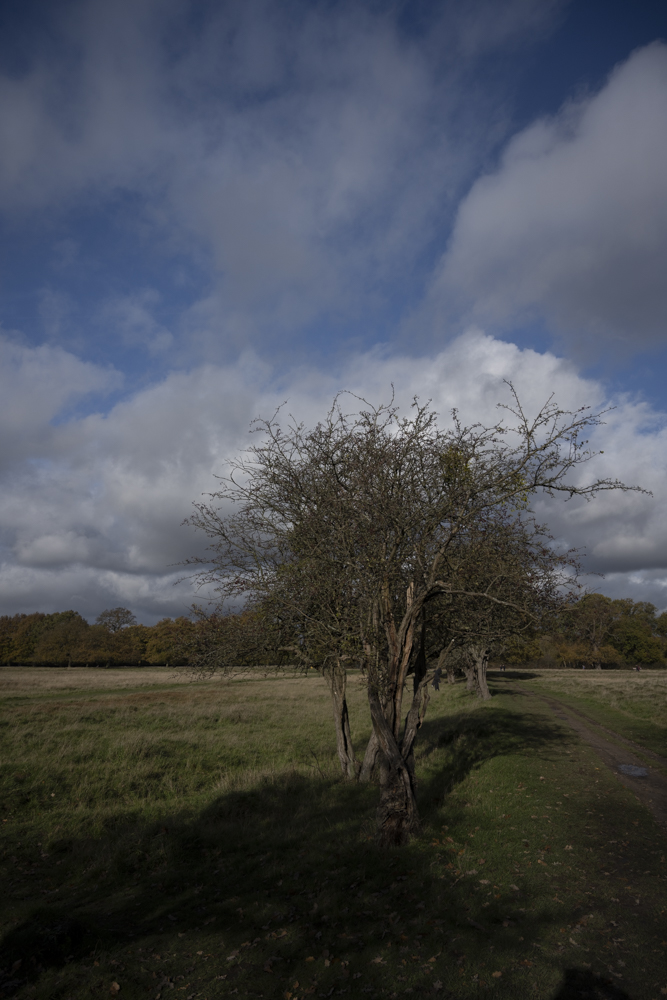
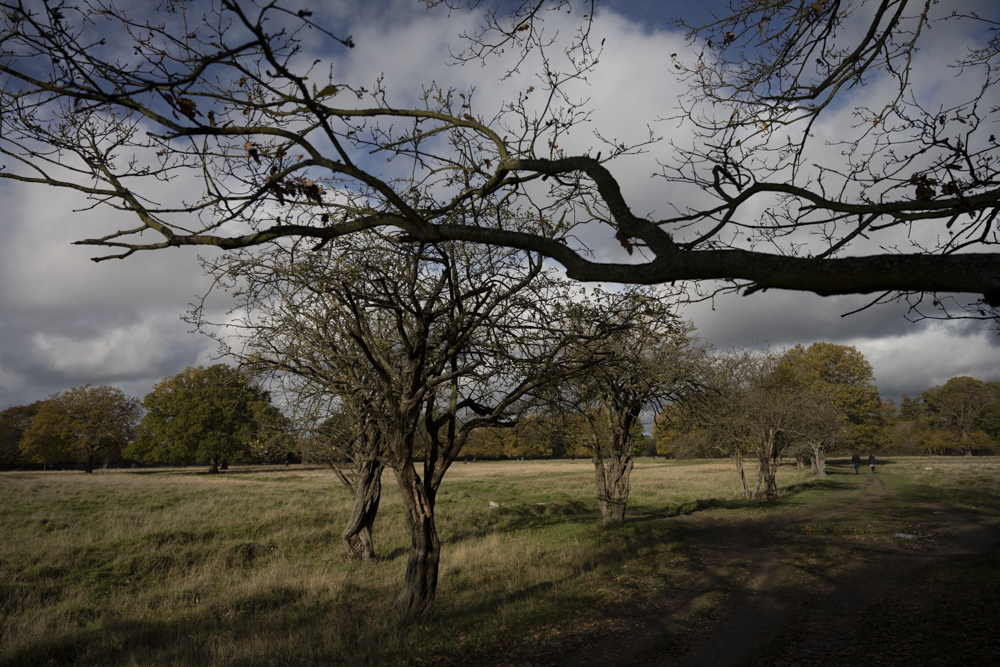
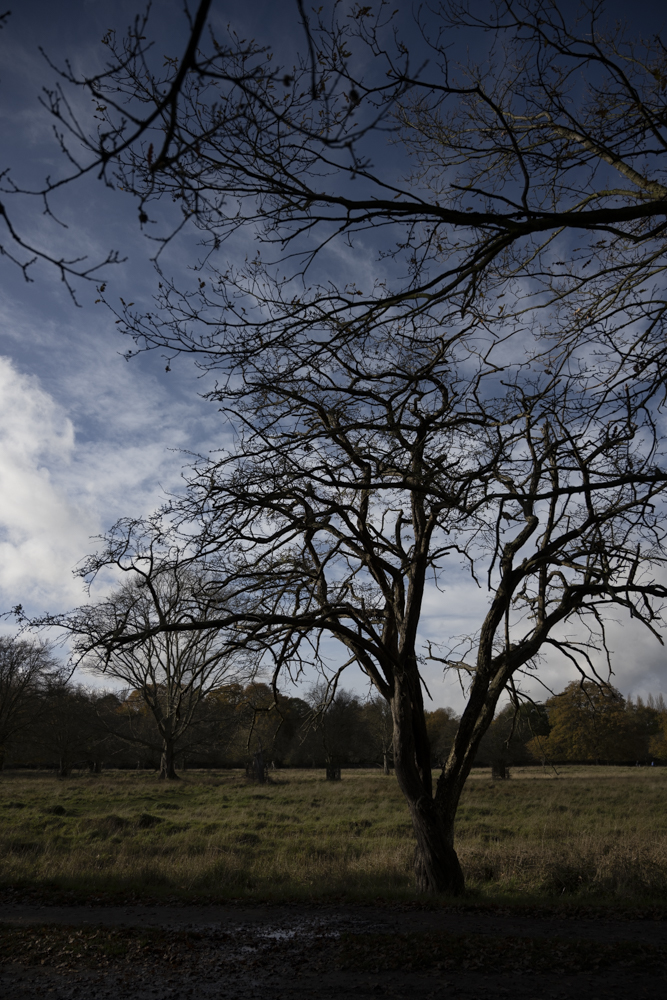
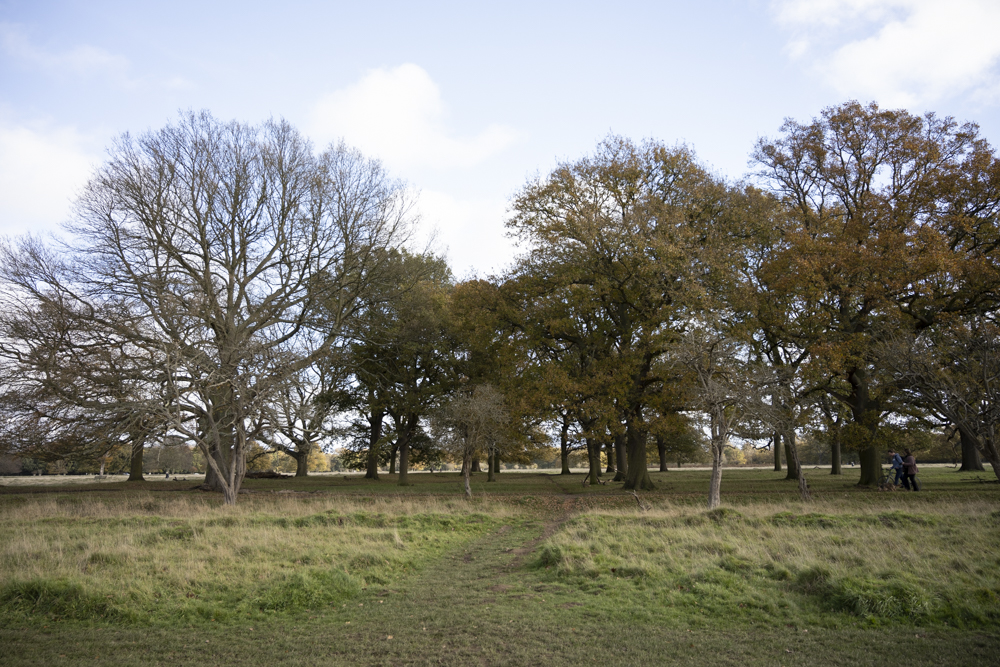
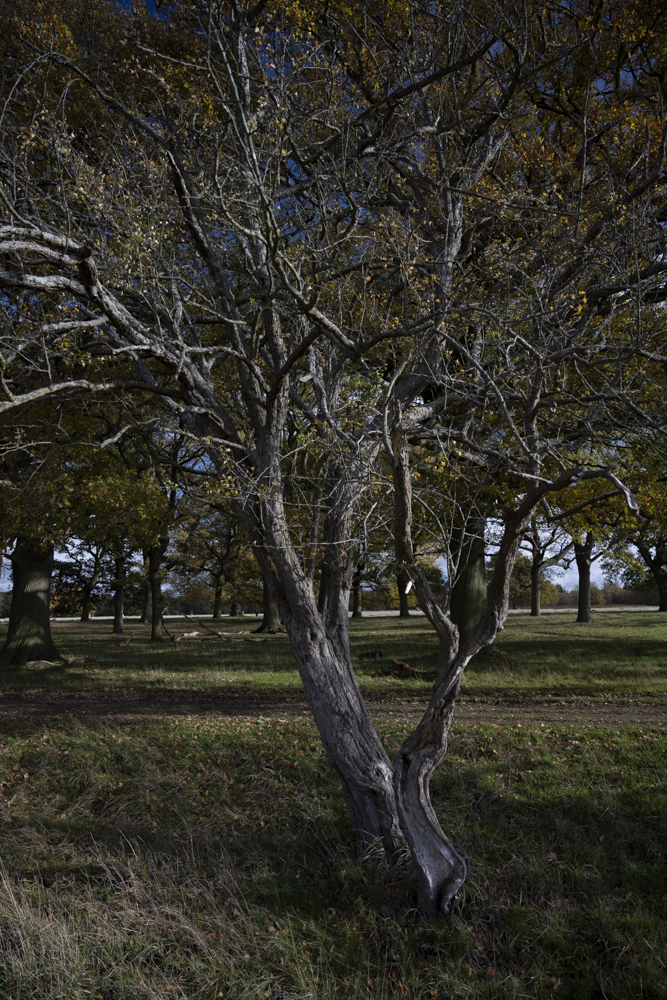
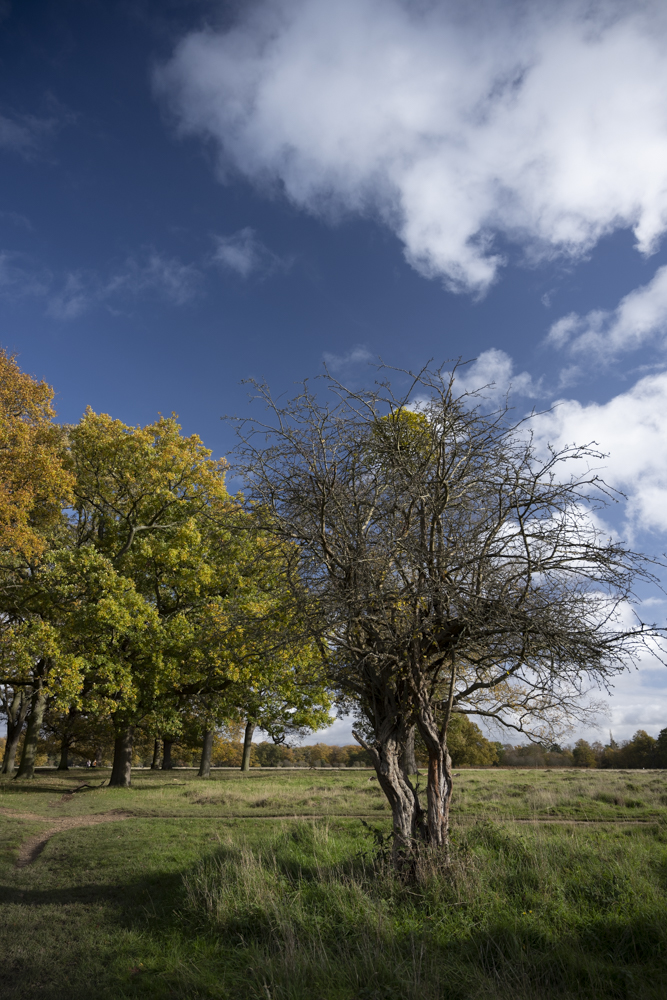
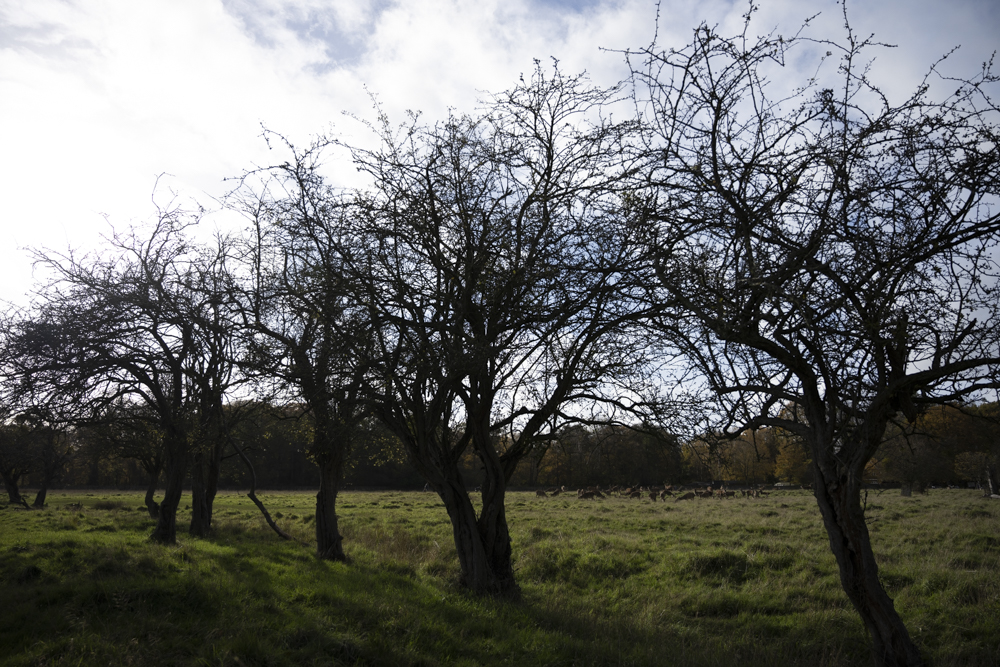
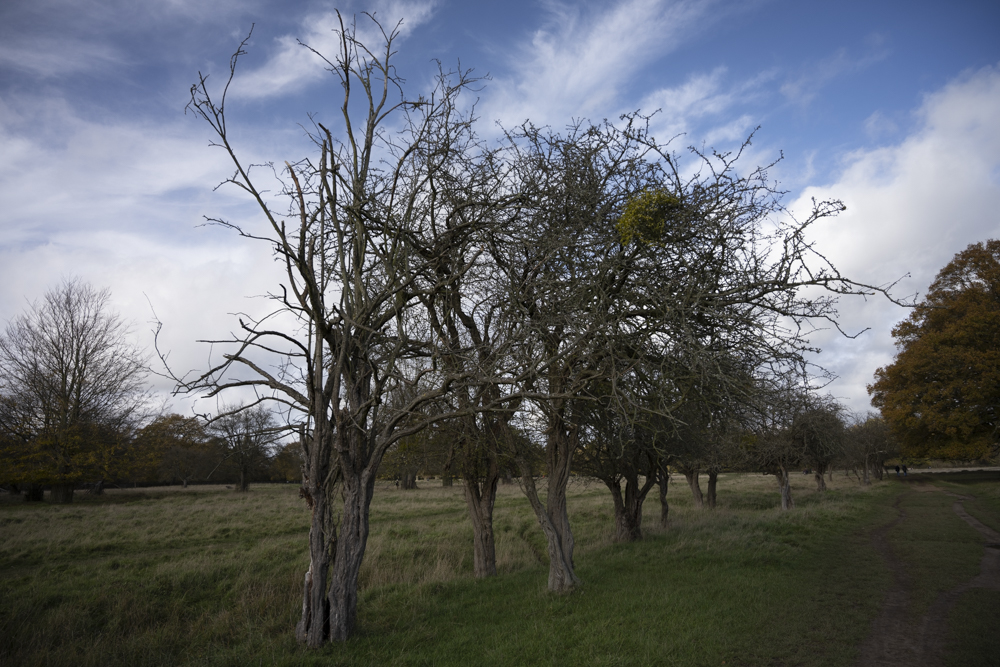
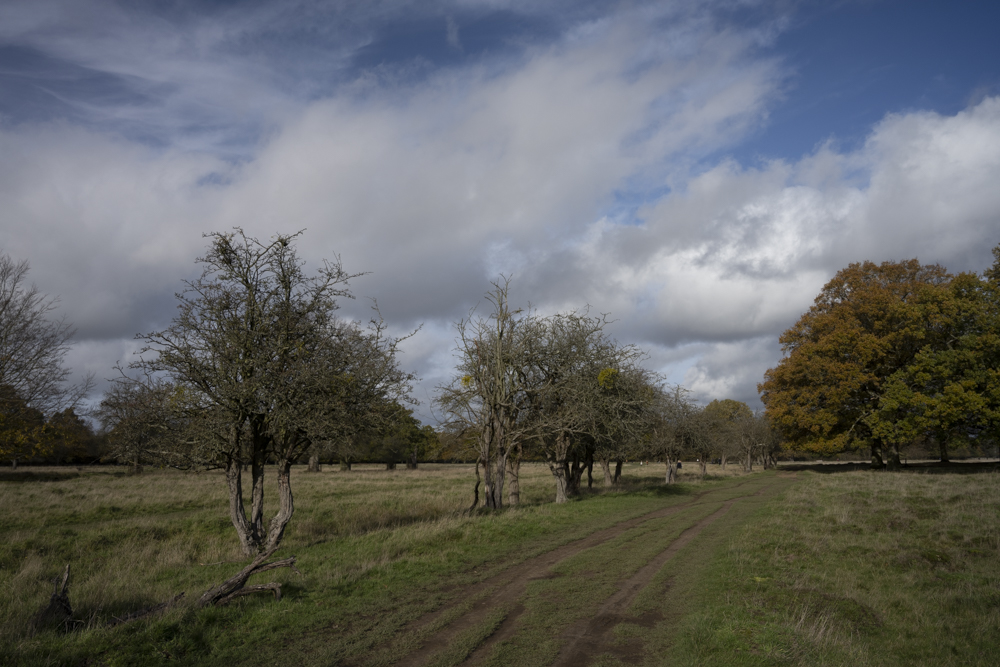
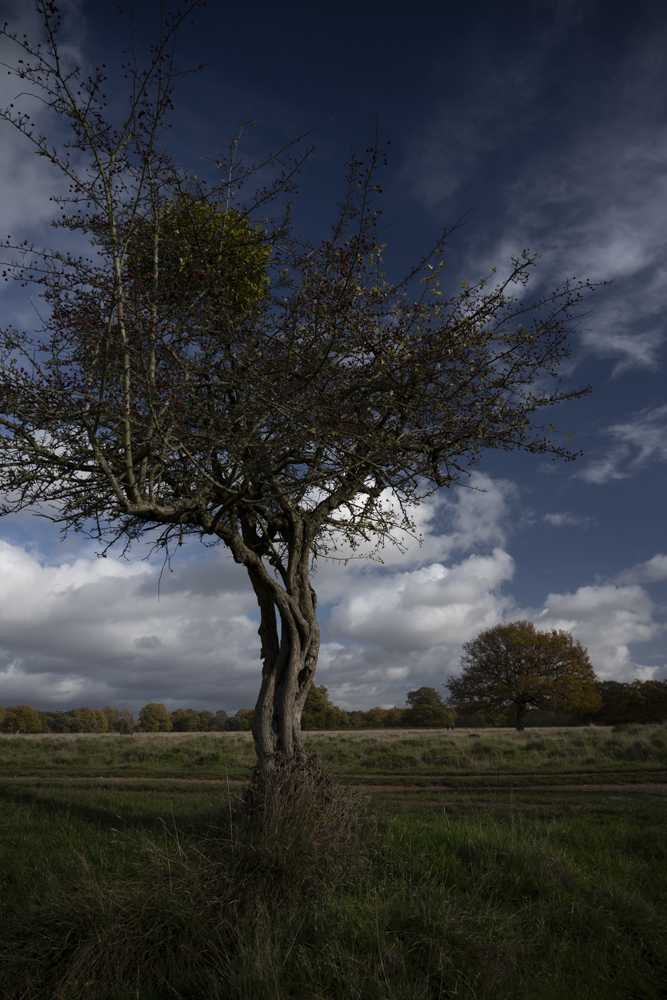
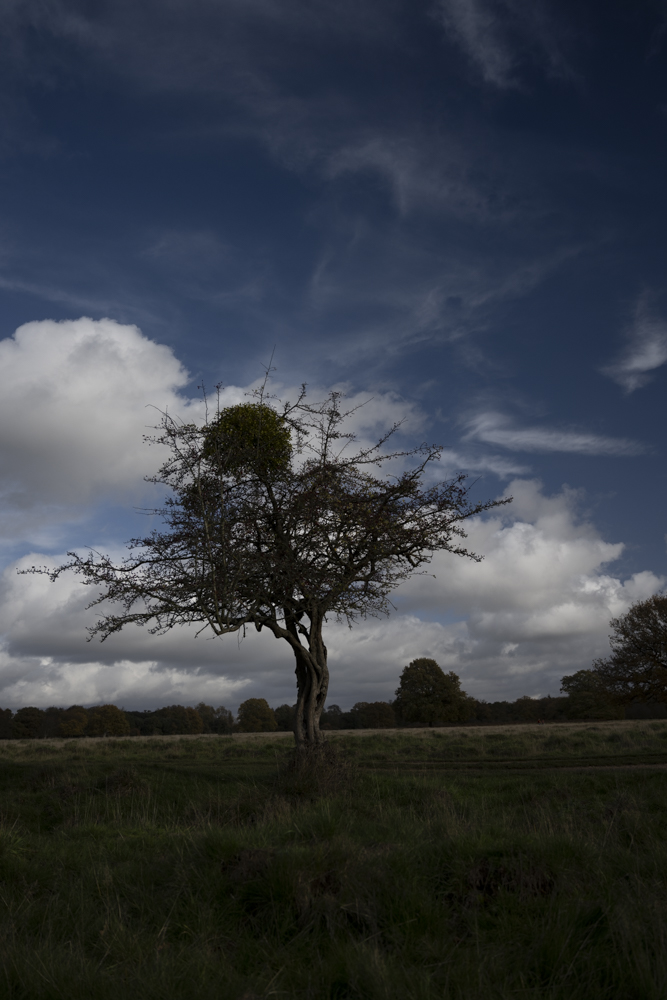
This prompted me to dig out my polarising filter and set myself the task of using this on my next Bushy Park visit. On the morning of 12 November, the sky was a mix on sunshine and clouds, so it was the perfect opportunity to try something different. I also wanted to revisit the line of hawthorns I looked at on the 10 November. These trees had sparked a new line of enquiry and I wanted to investigate them further.
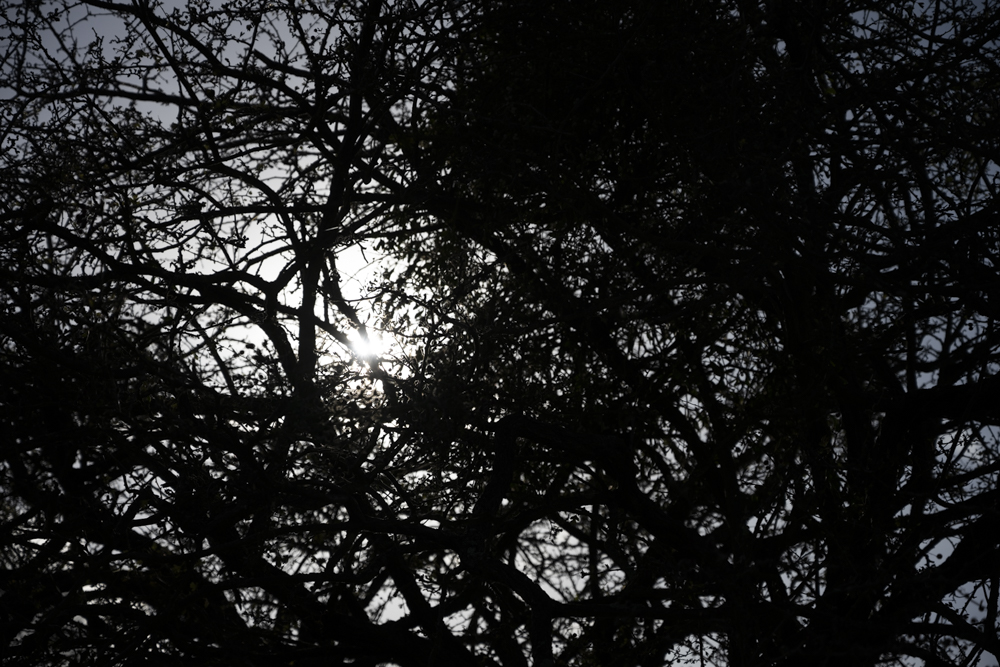
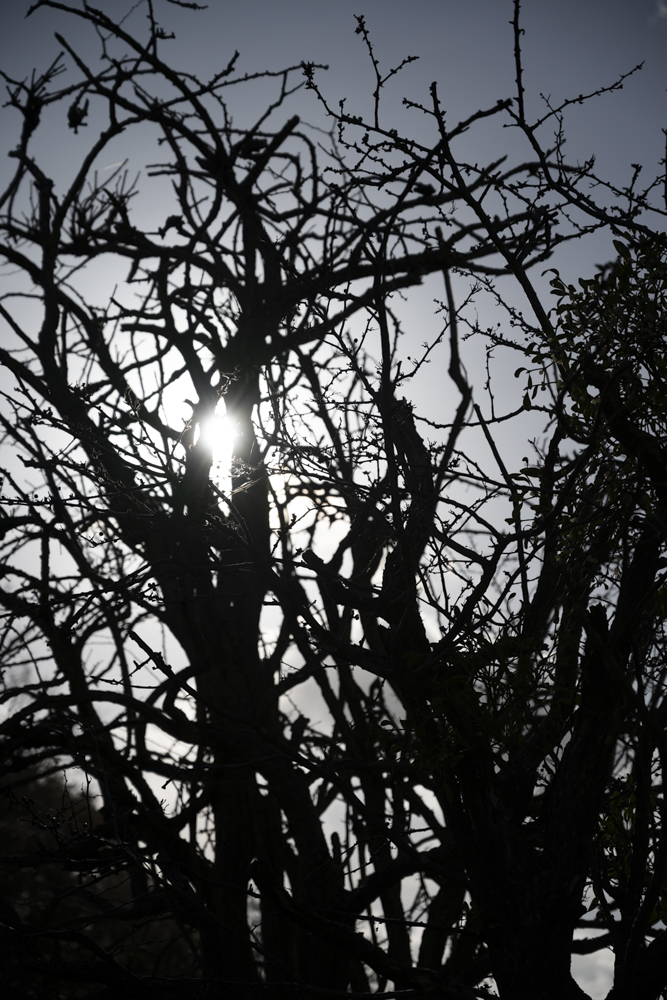
Unfortunately, the light was quite harsh and the park was very busy with people taking their daily exercise, but it was good to try something new. In addition to the polarising filter, I underexposed the majority of these shots so that it would enable them to be edited and not ‘blown out’ in this type of light conditions.
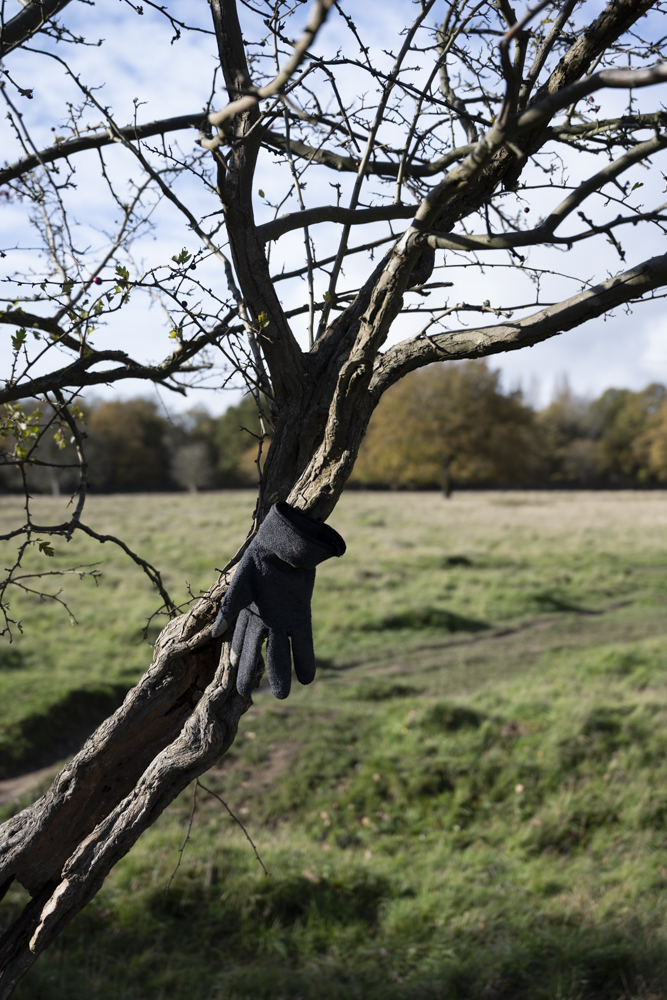
What I did notice that a glove had been placed on one of the hawthorns.
This reminded me of the tradition of the tying of pieces of cloth to trees, including hawthorns as a healing ritual (Clootie/Cloutie Tree). This is one aspect of hawthorn mythology I need to look into closer.
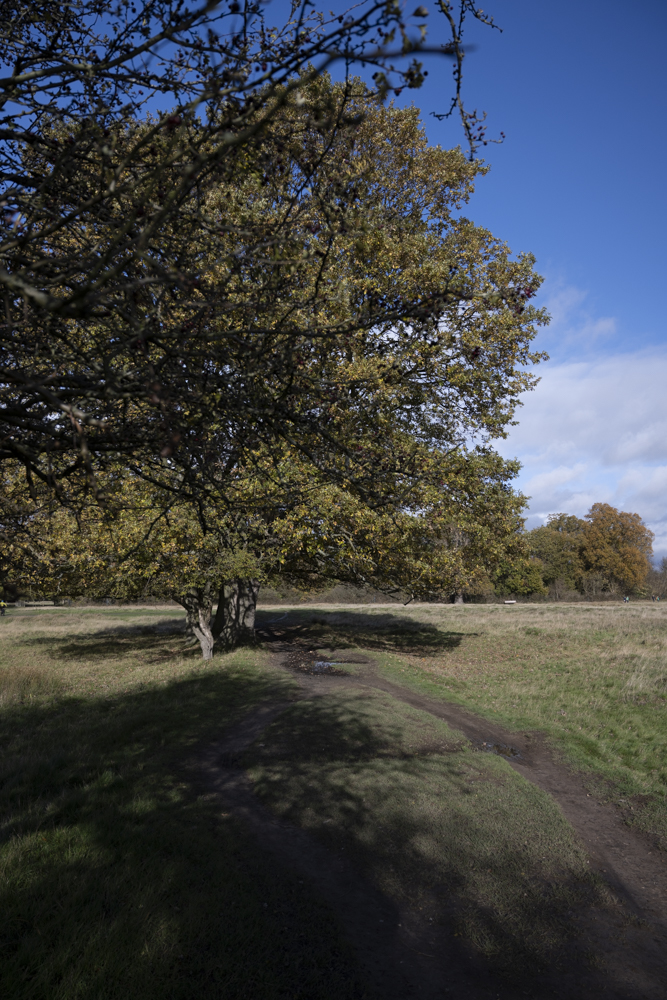
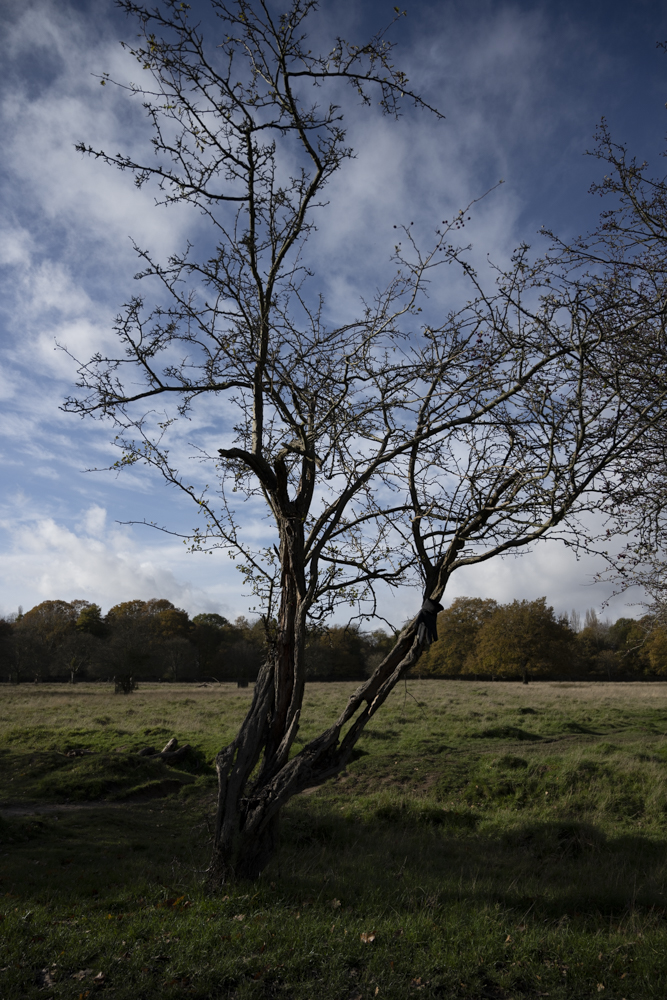
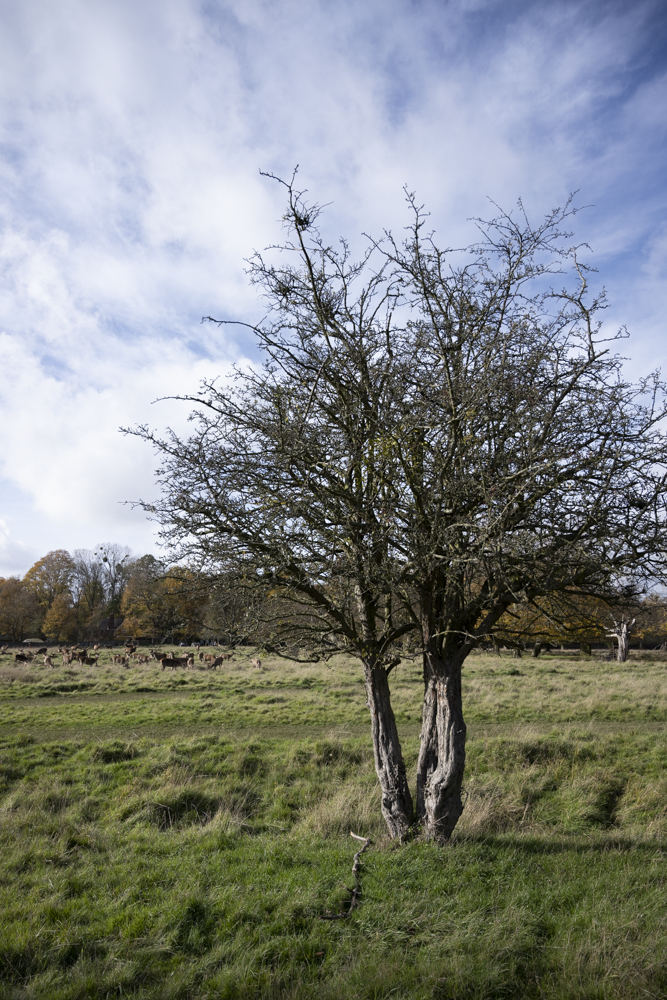
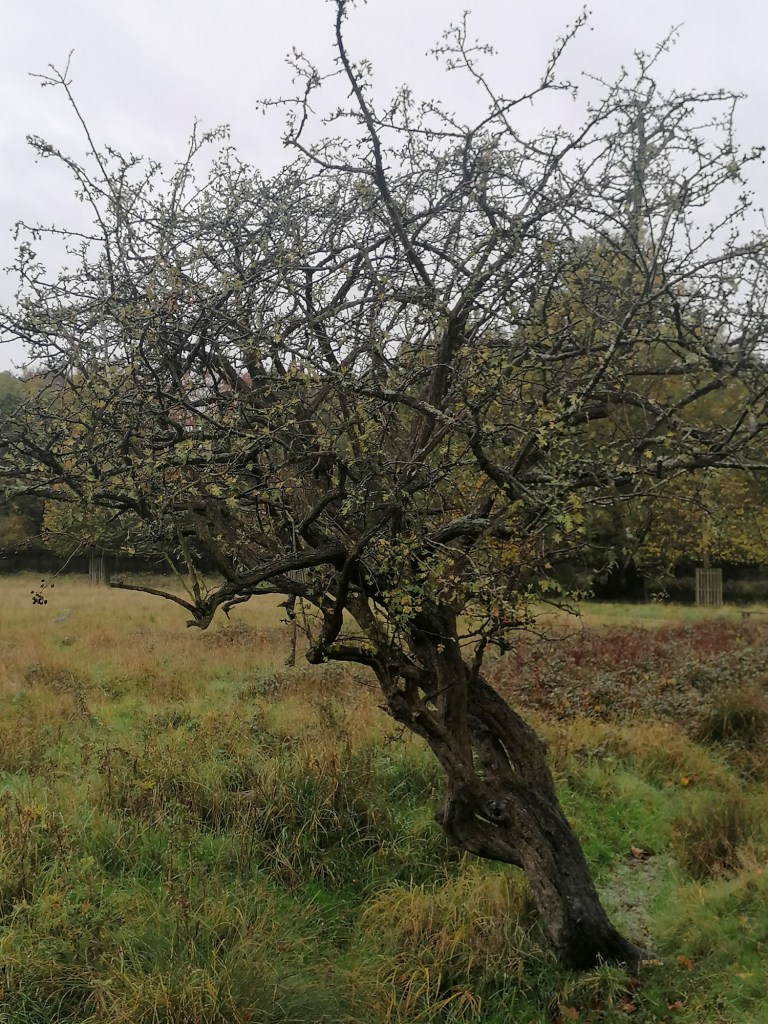
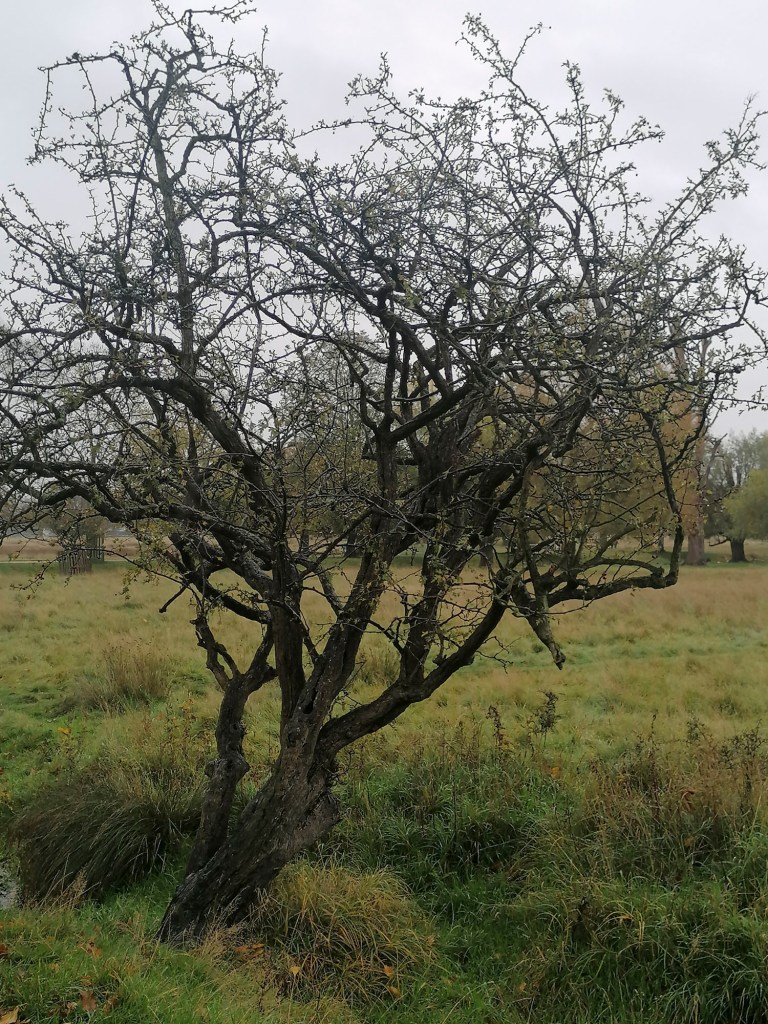
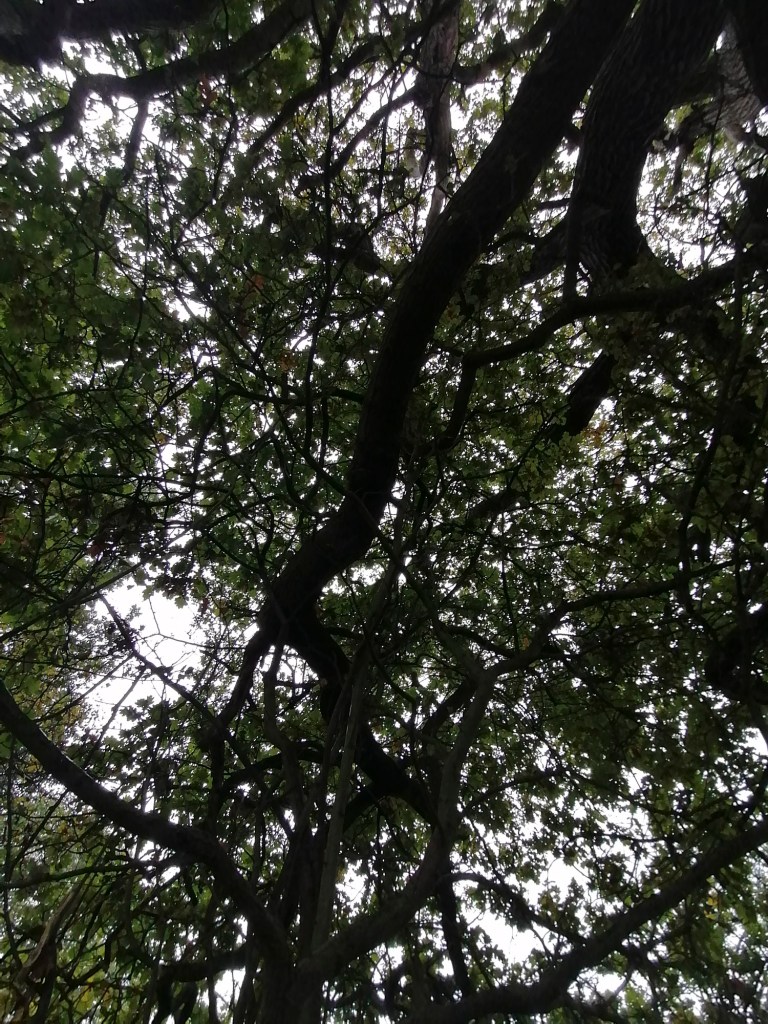
I continued along the line of trees until I came to the last one. What I did find difficult was seeing the viewing screen on the camera. In order to make the tree appear larger than it is, I have to hold the camera quite low down. Also, there is quite a strong reflection from the sunlight.
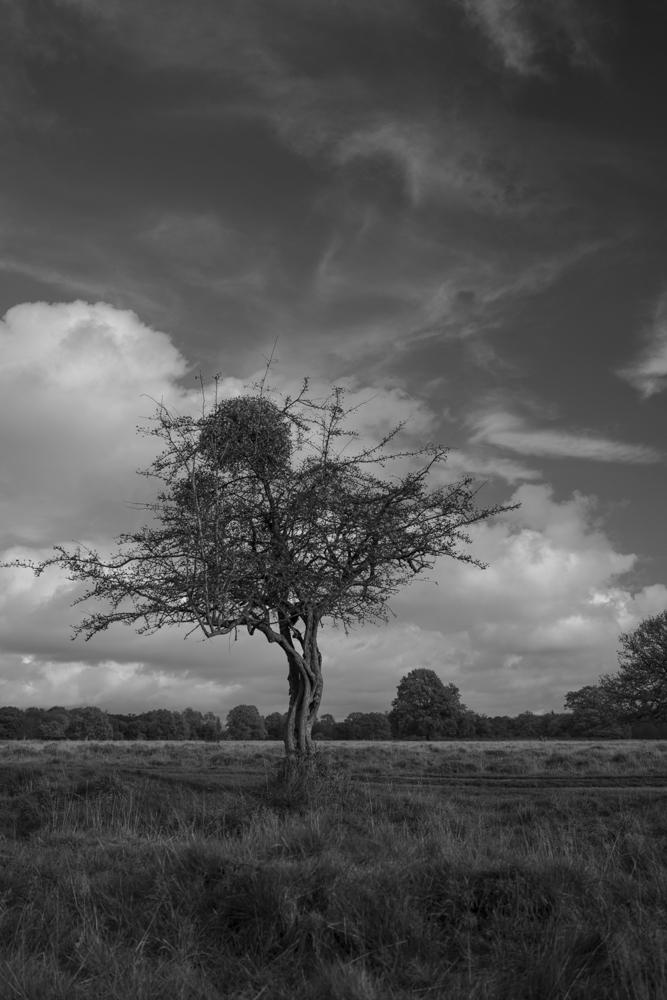
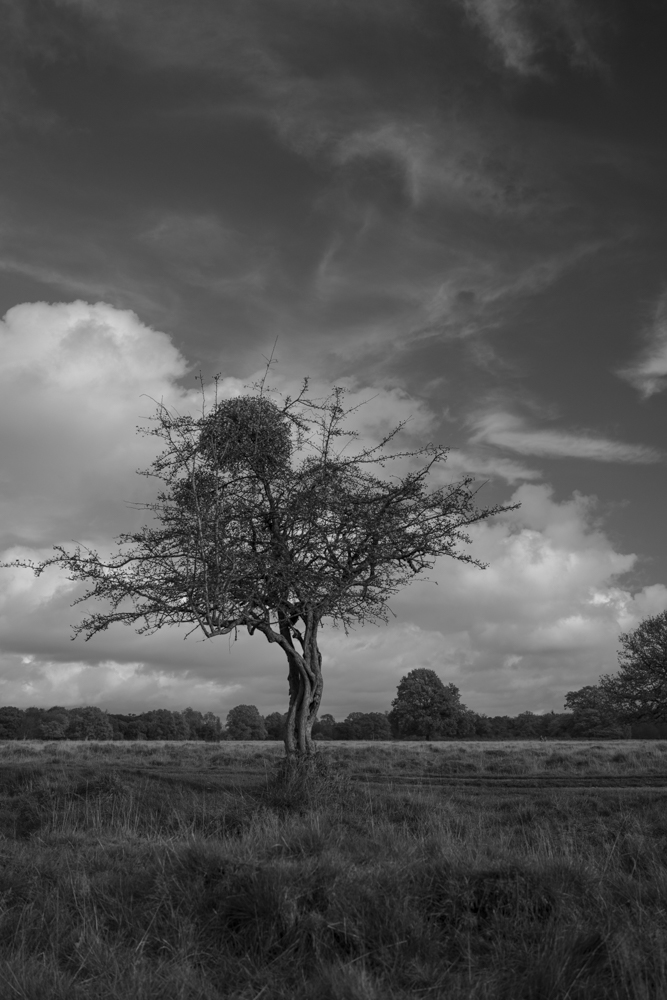
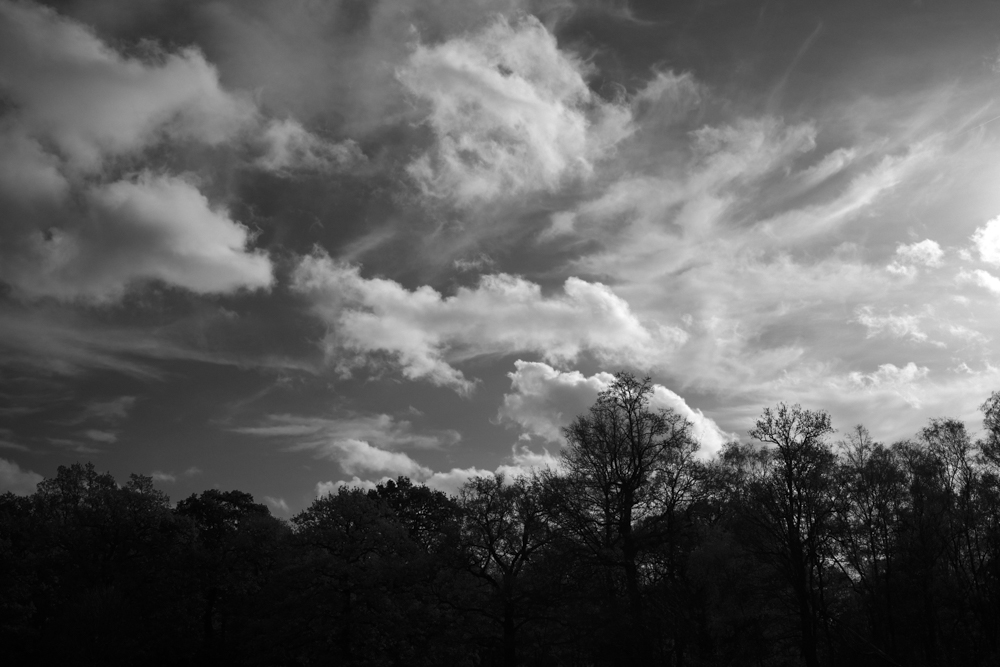
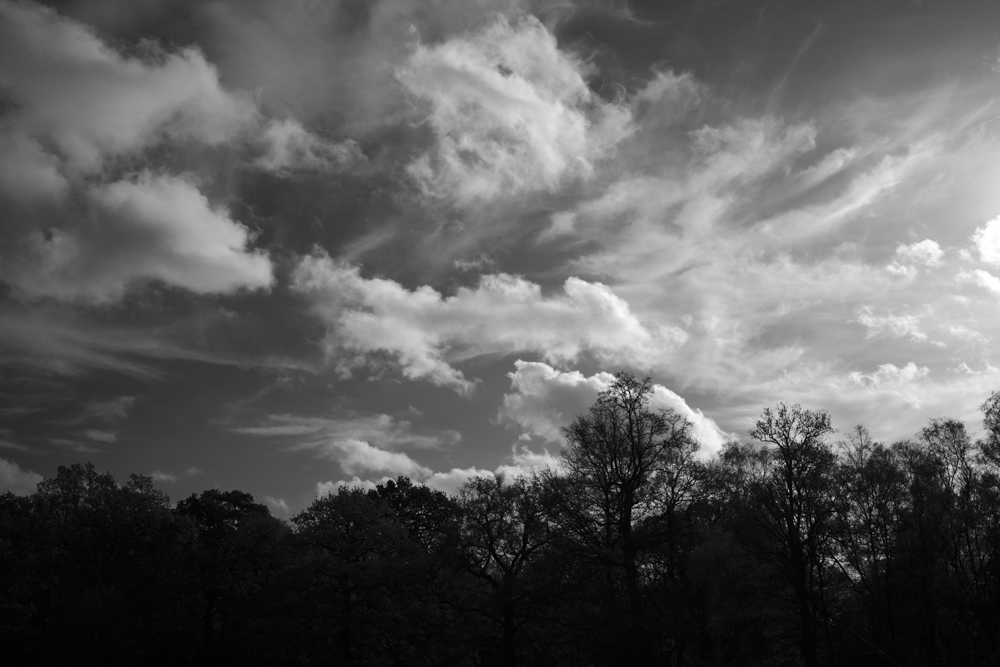
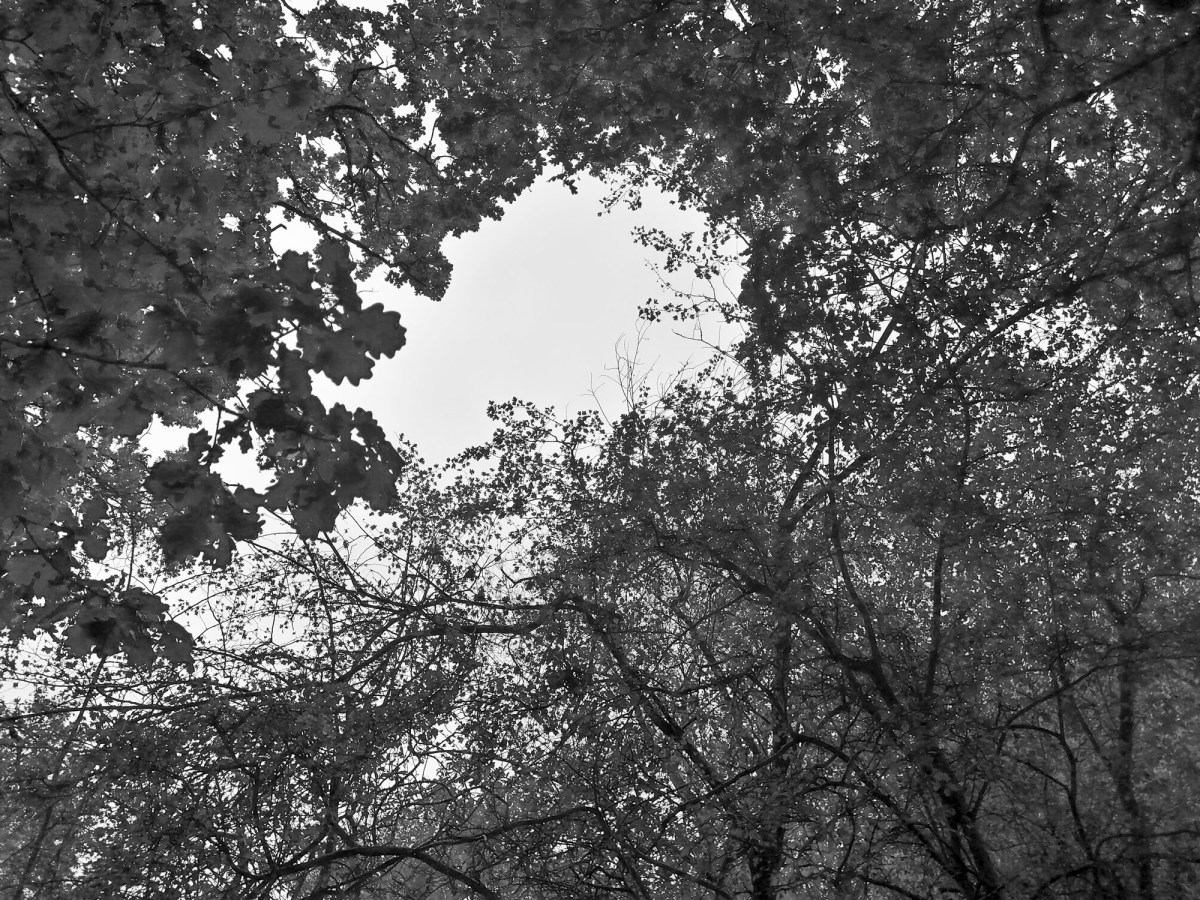
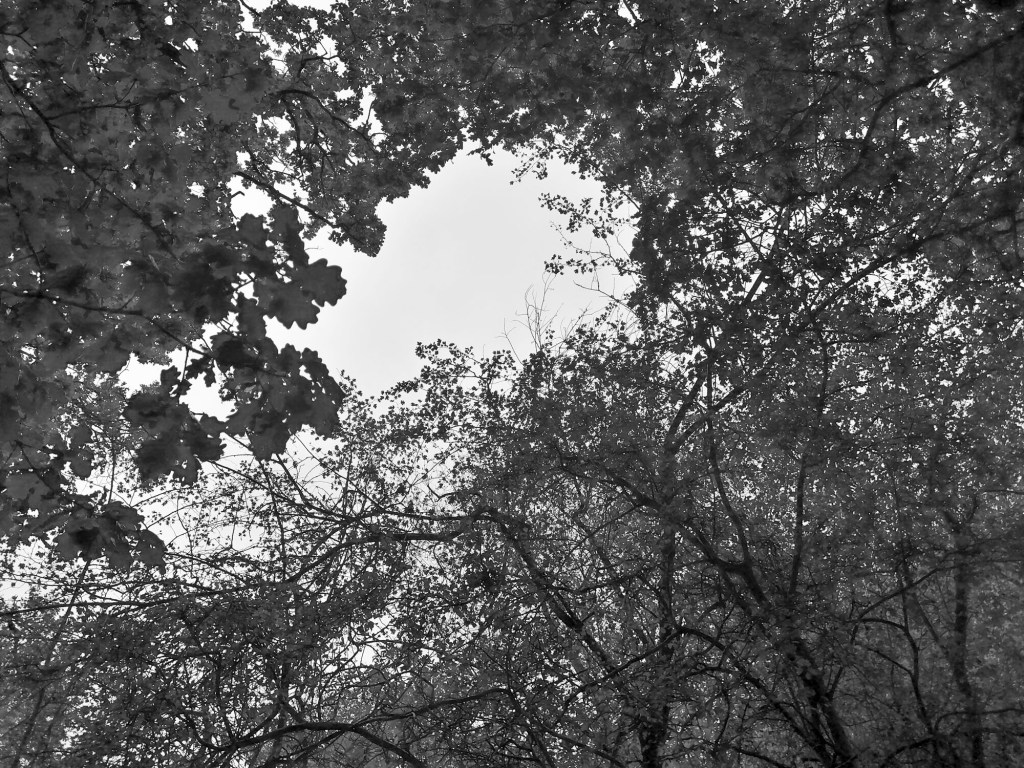
The Black & White conversion.
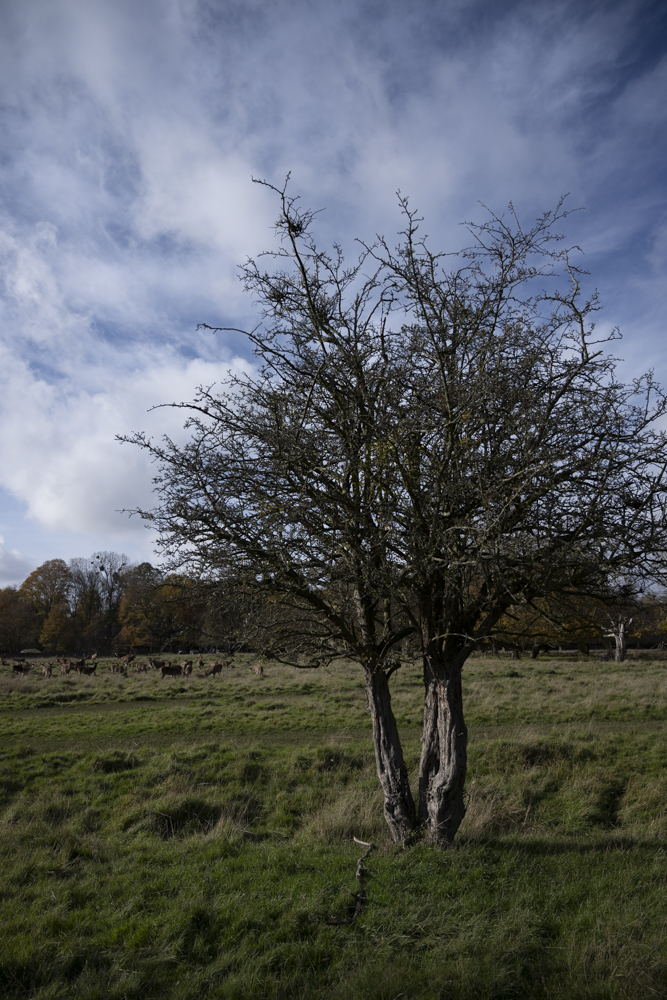
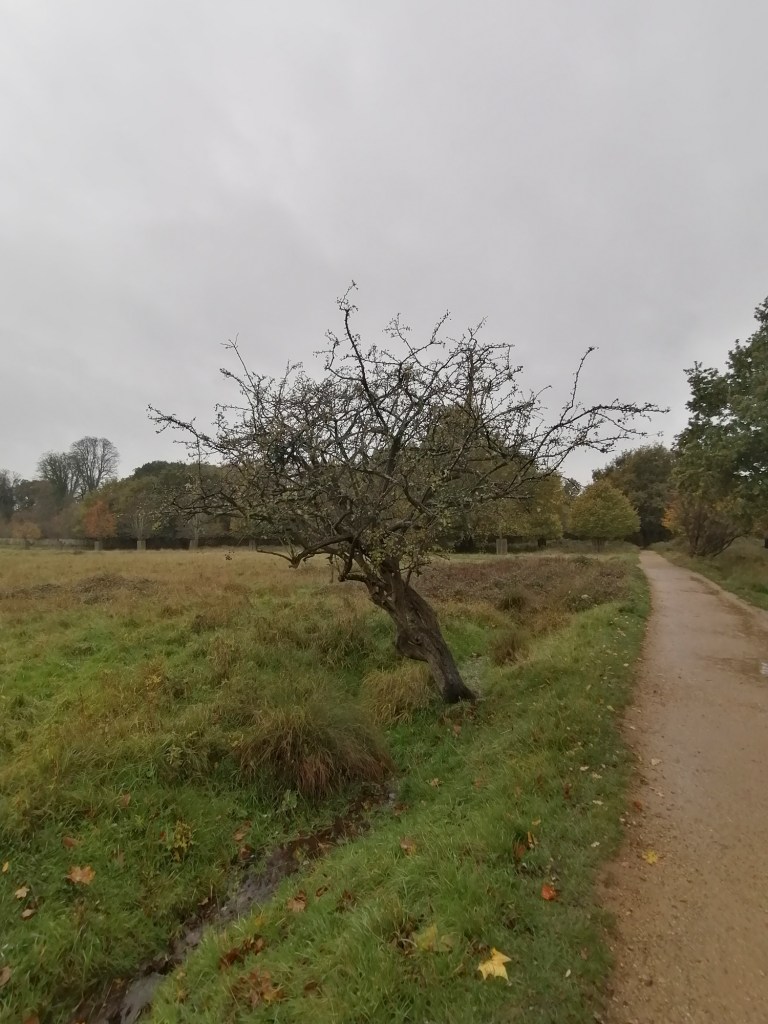
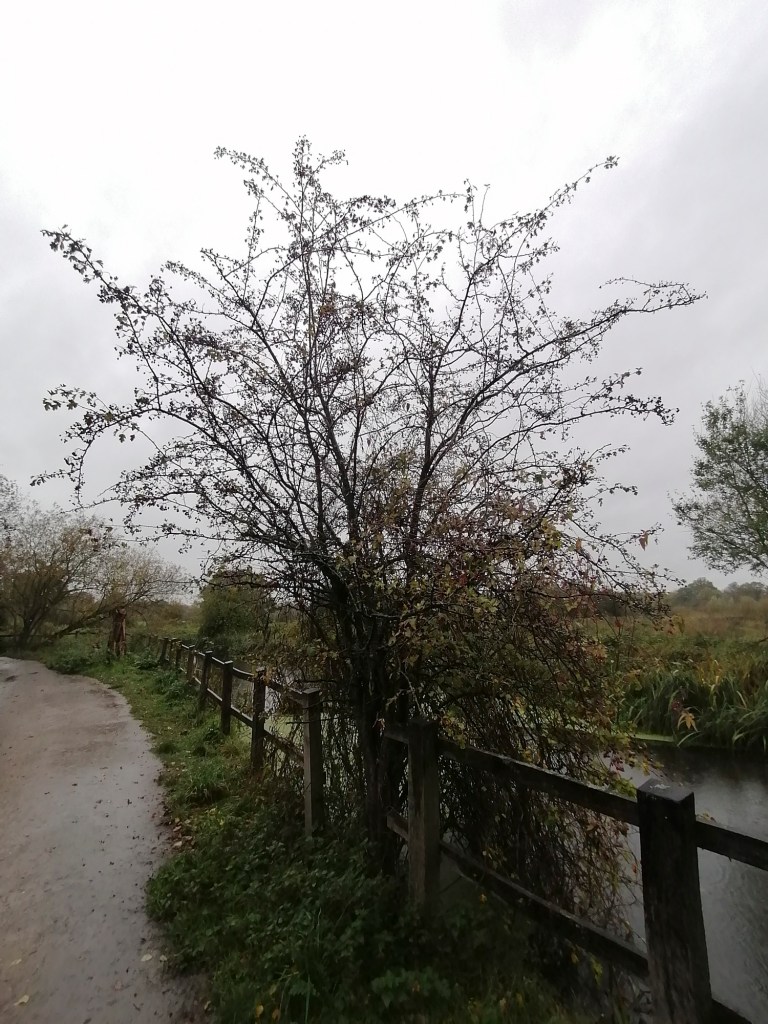
The image on the left is the smartphone image I took on 10 November which can now be compared with the shot above (taken with the digital camera using the polarising filter).
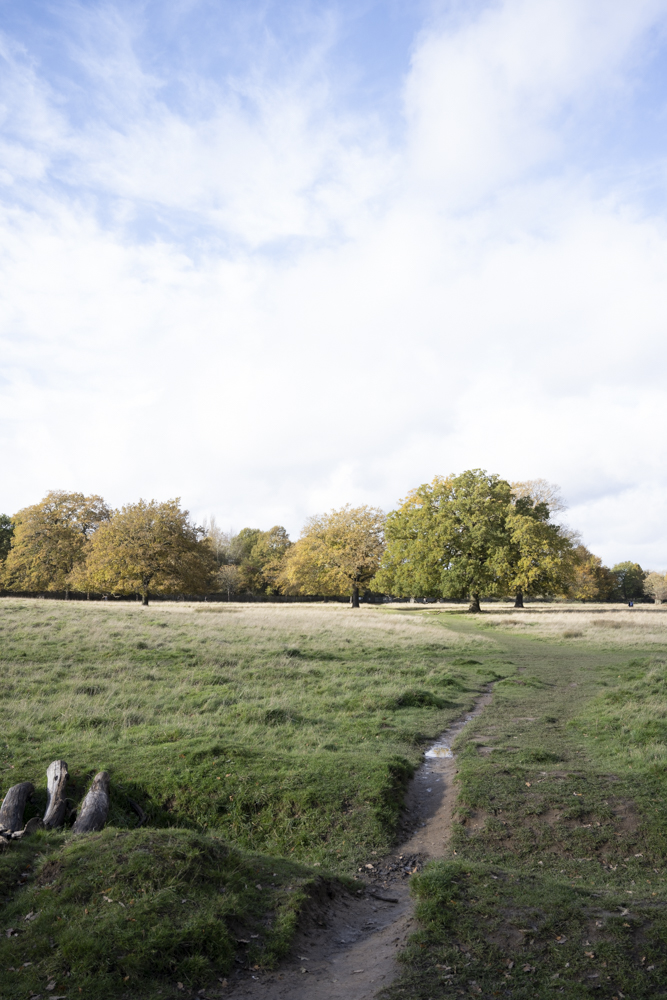
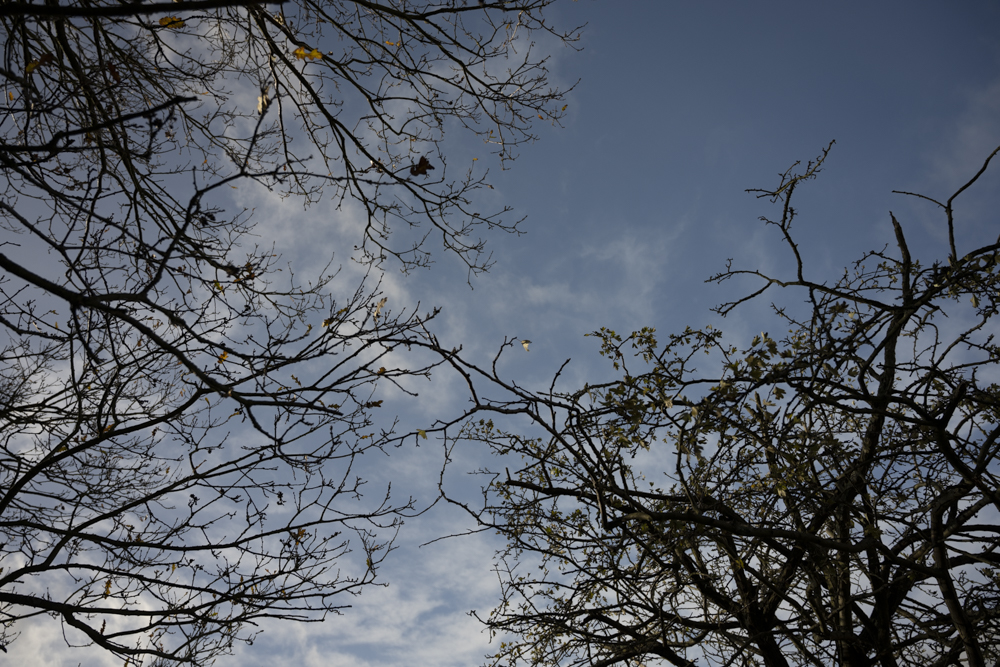
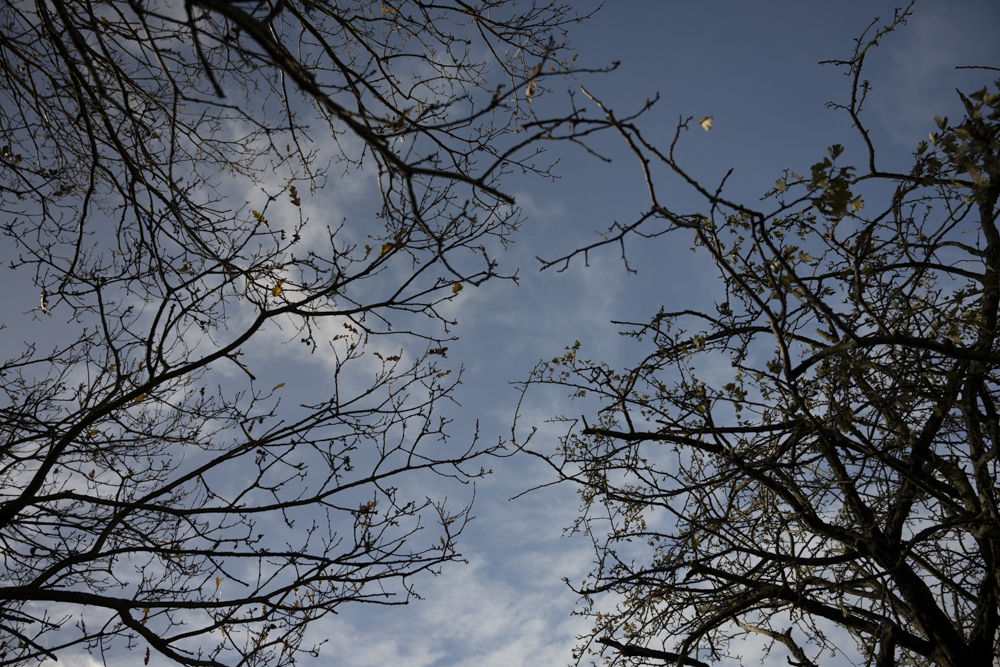
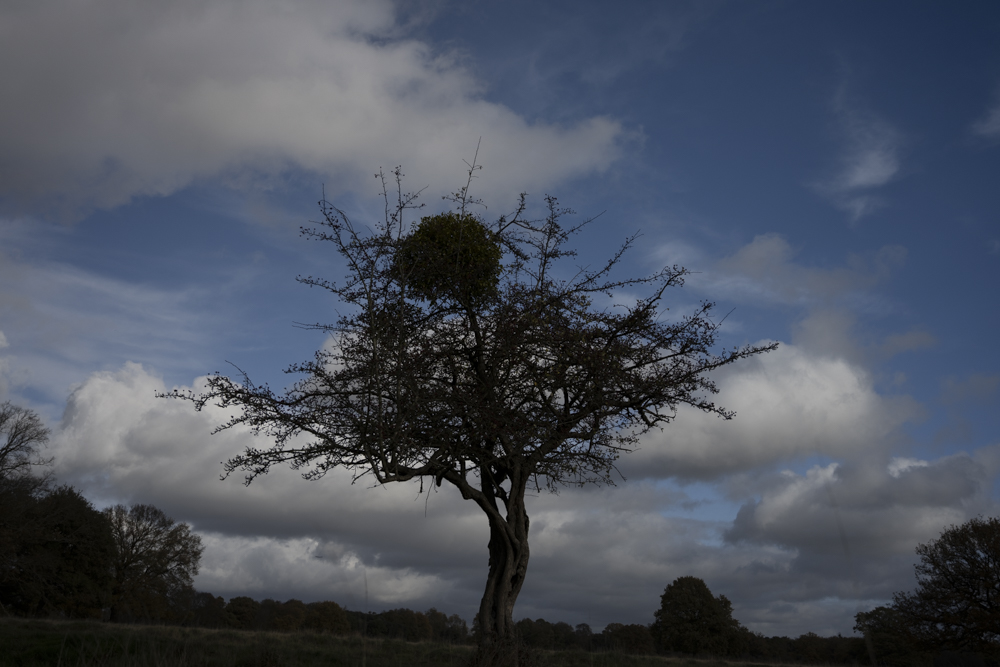
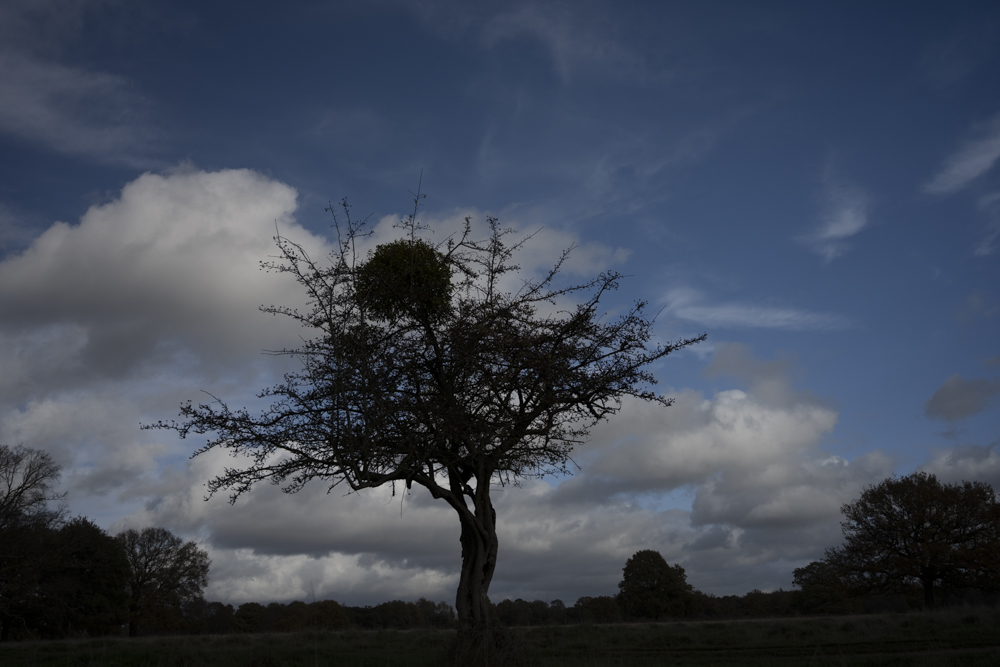
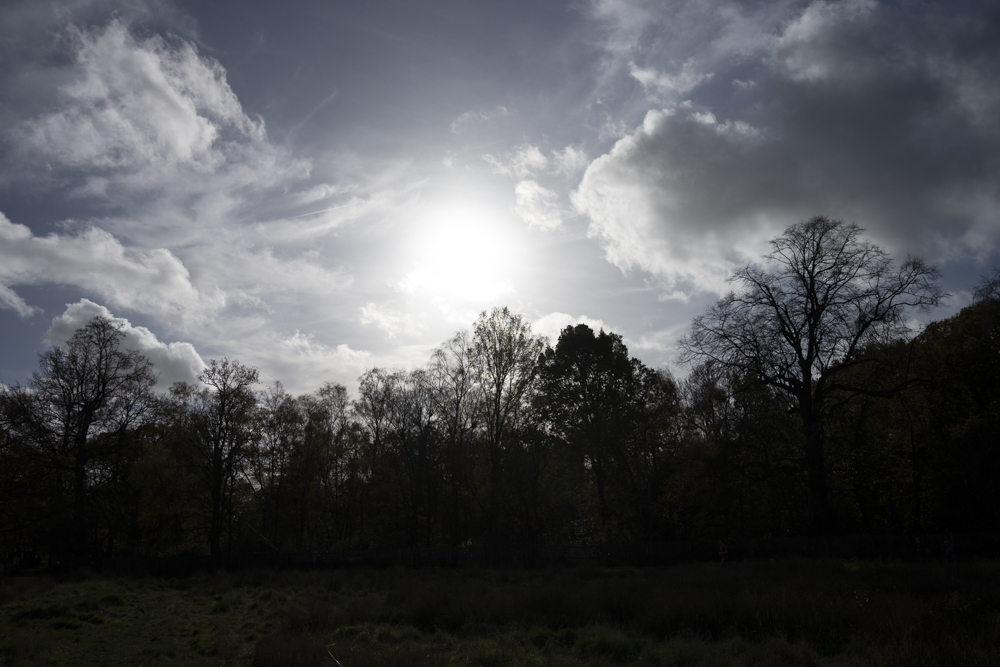
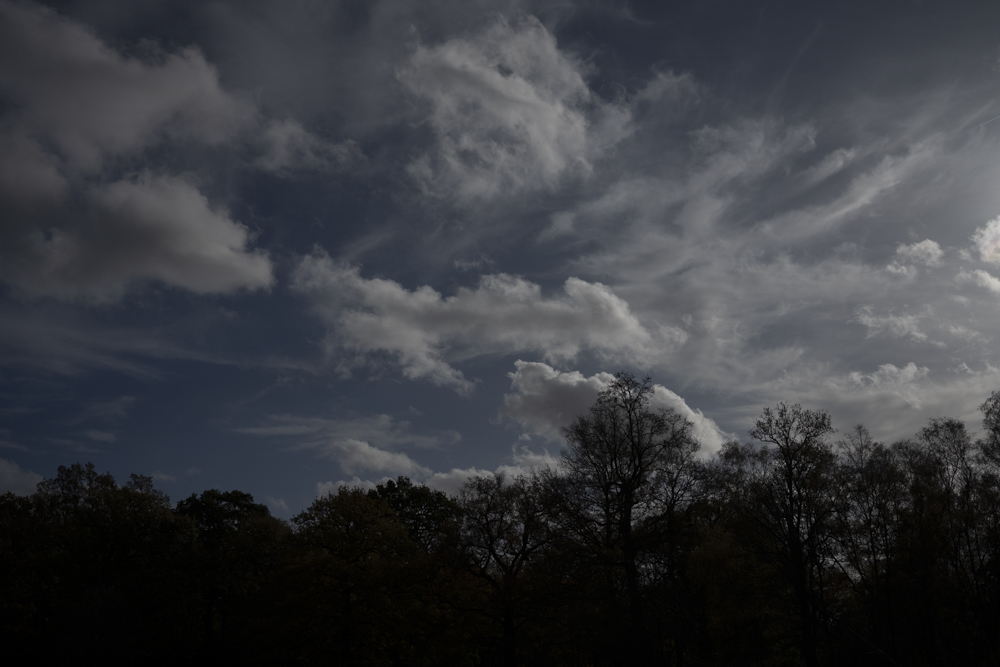
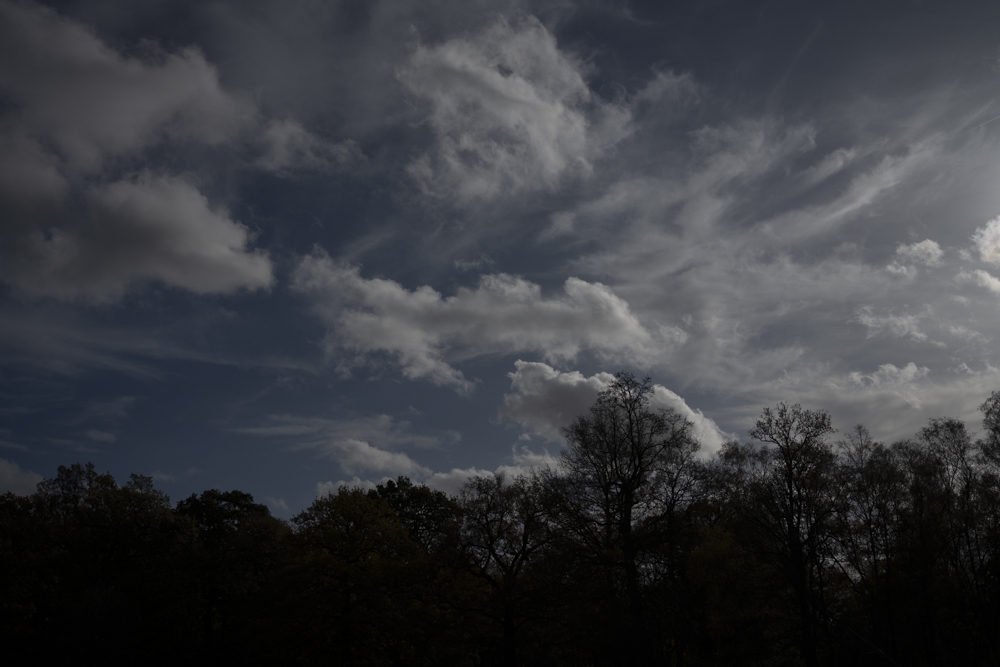
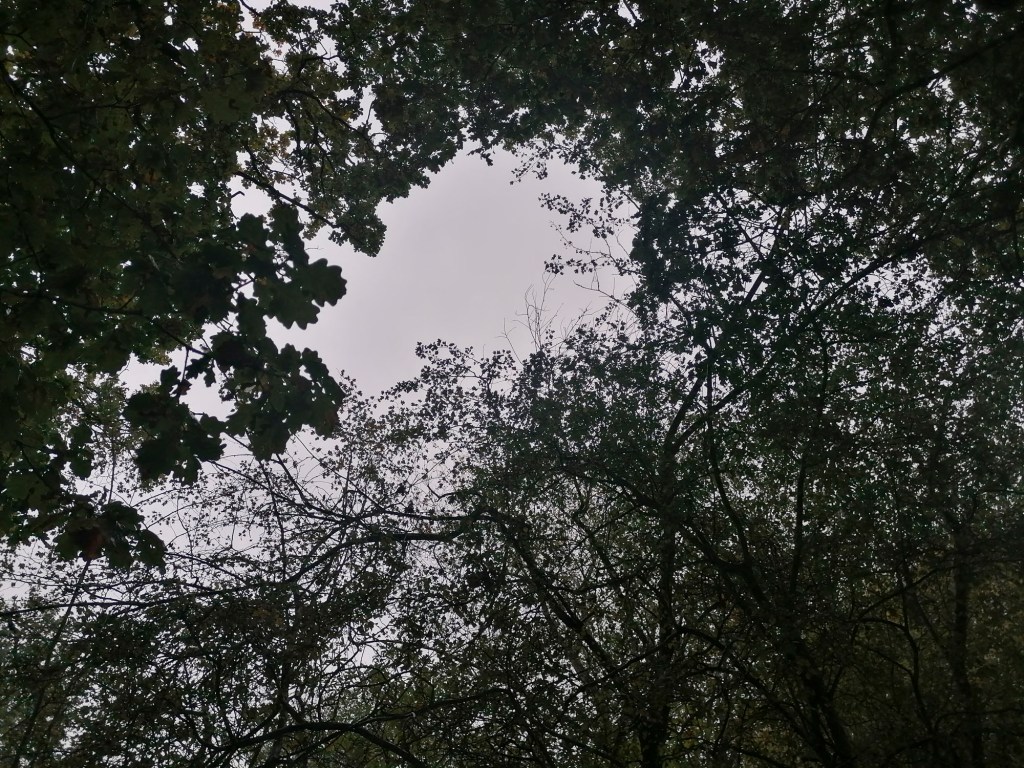
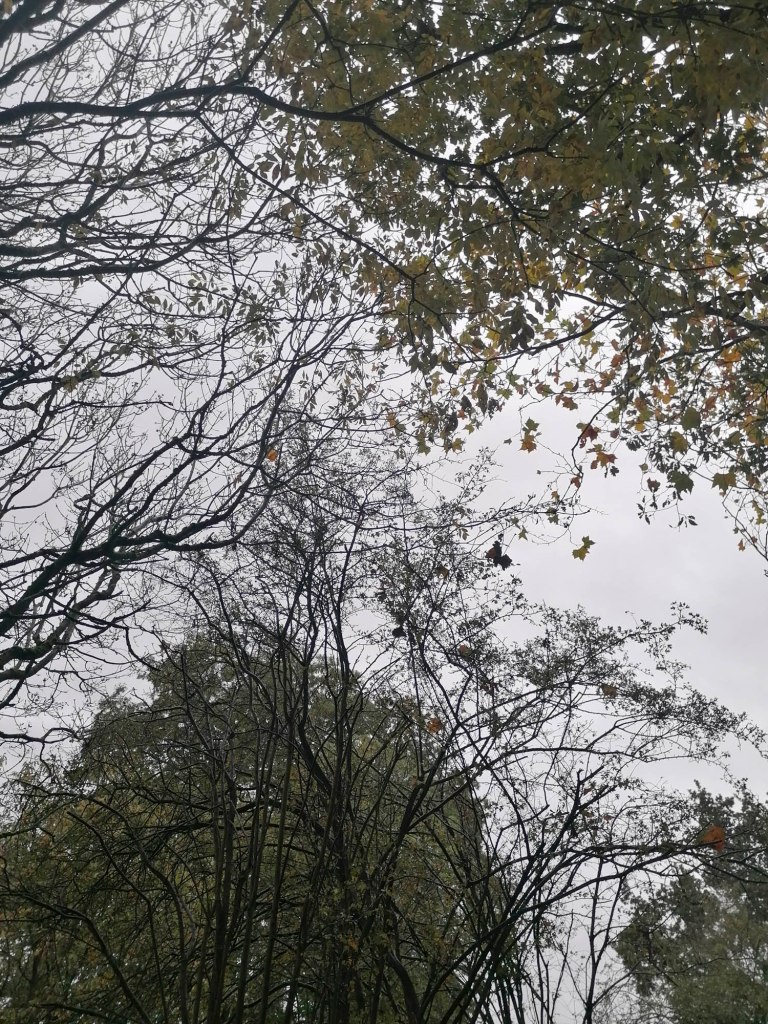
After taking the hawthorn shots, I turned my attention to the dramatic sky.
Very dramatic.
The ‘before’ and ‘after’.
After I took the last photos, I noticed one of the many volunteers who maintain the Woodland Gardens in Bushy Park. He was clearing out a water channel that had become blocked. I realised that it was coming from the direction of the ditch that the hawthorns were planted along. When I asked him where the water was coming from, he said there was a spring that flows into the gardens. Would this spring be connected to the line of hawthorns in any way?
While chatting, he also mentioned a book called Bushy Park: Royals, Rangers and Rogues by Kathy White. Apparently, White is/was a local who wrote this book in 1997 about the history of the park. Hopefully, it will give me further insight into the place, especially the history before it became enclosed in the 17th century. I searched for and ordered this book on my return home.
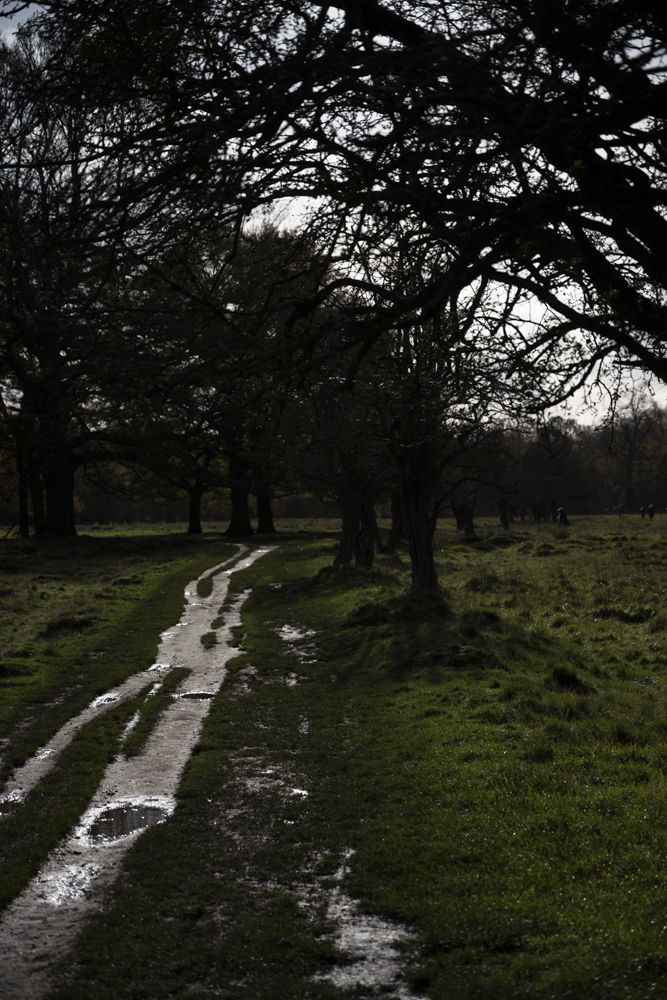
After a day of being in front of the PC processing images, I had to escape the four walls of home. As usual, Bushy Park was my choice of walk. When I entered the park, the sun was already quite low in the sky. Despite the darkening conditions, the park was still bathed in a dull light and the mist was starting to form.
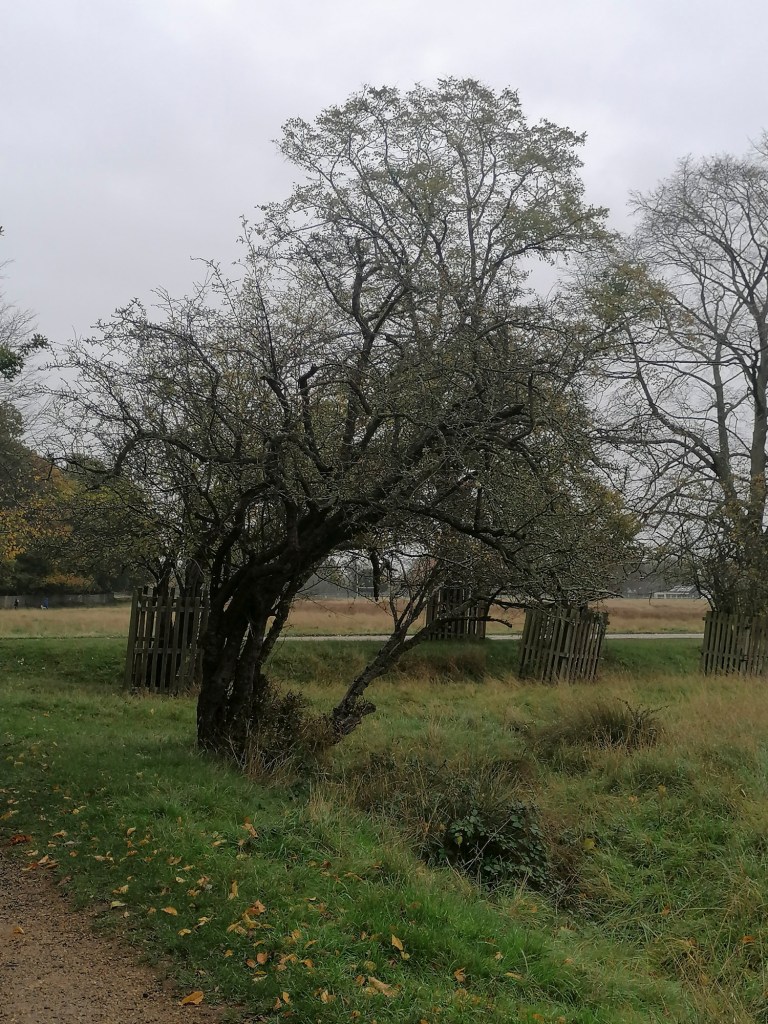
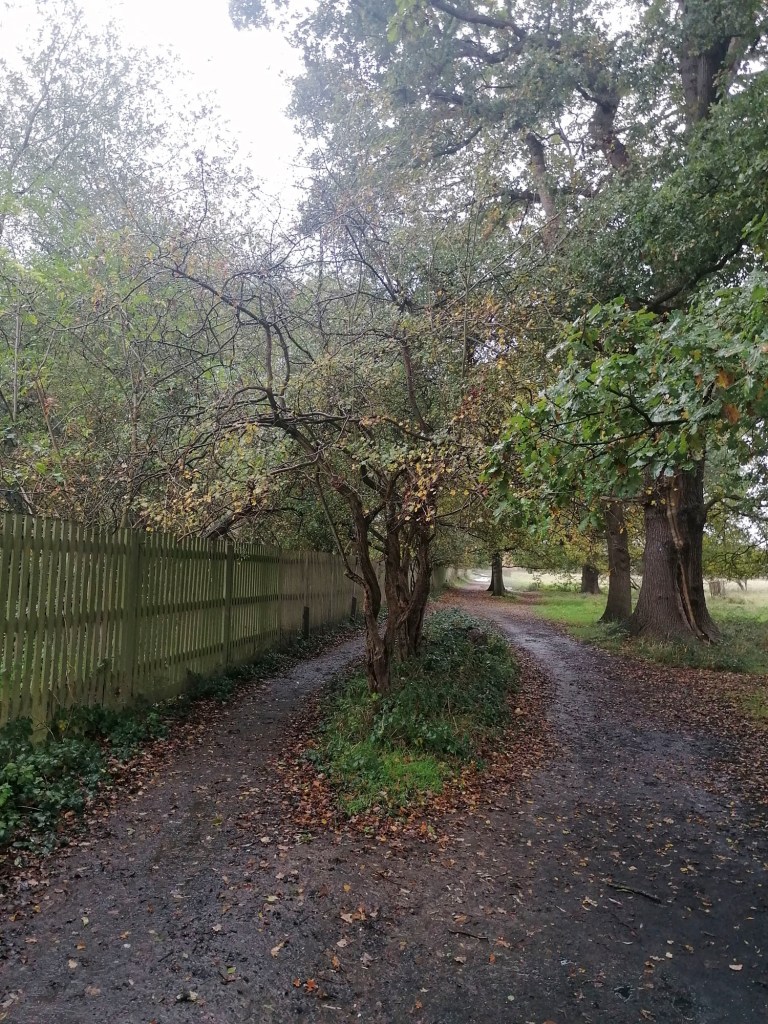
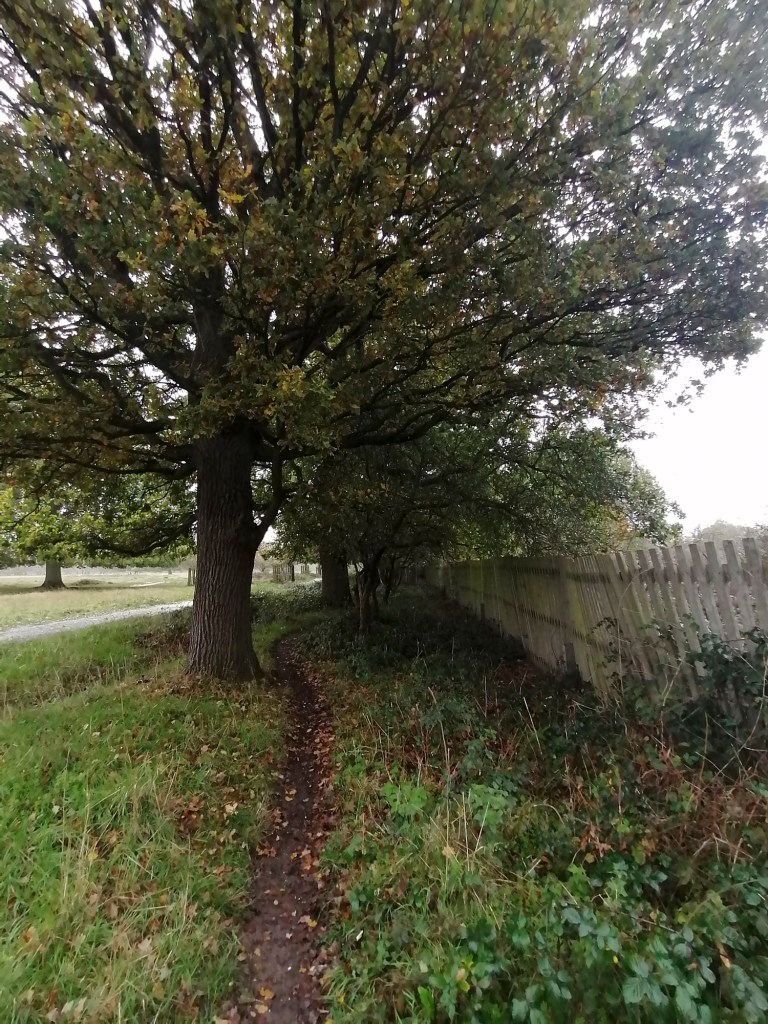
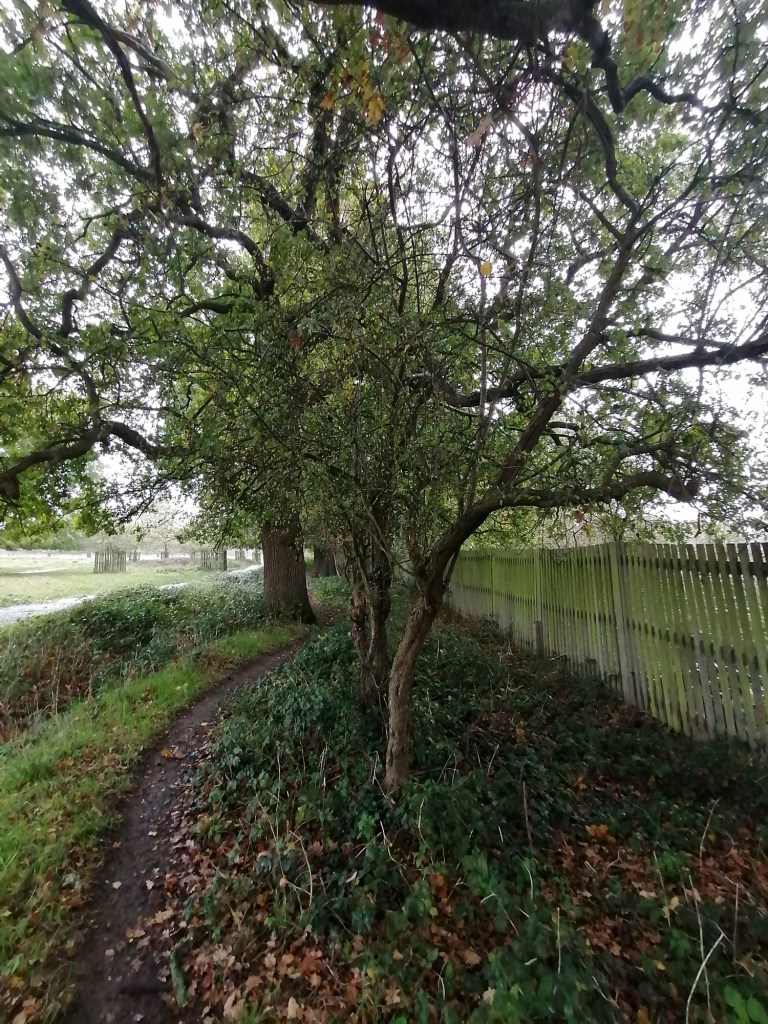
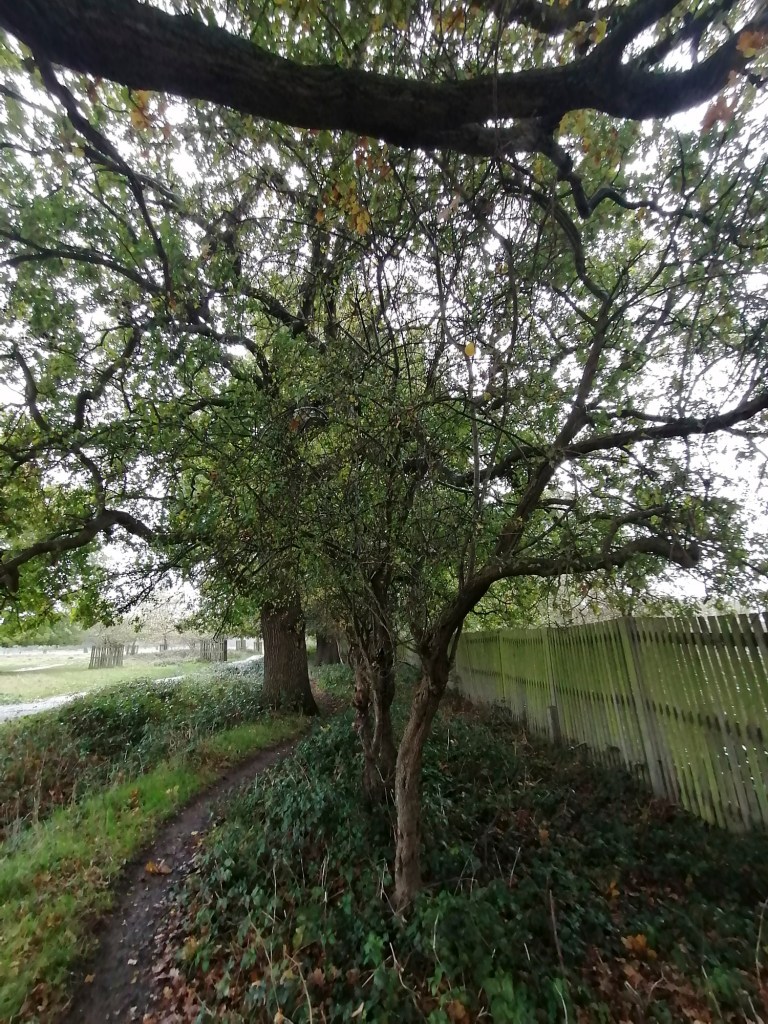
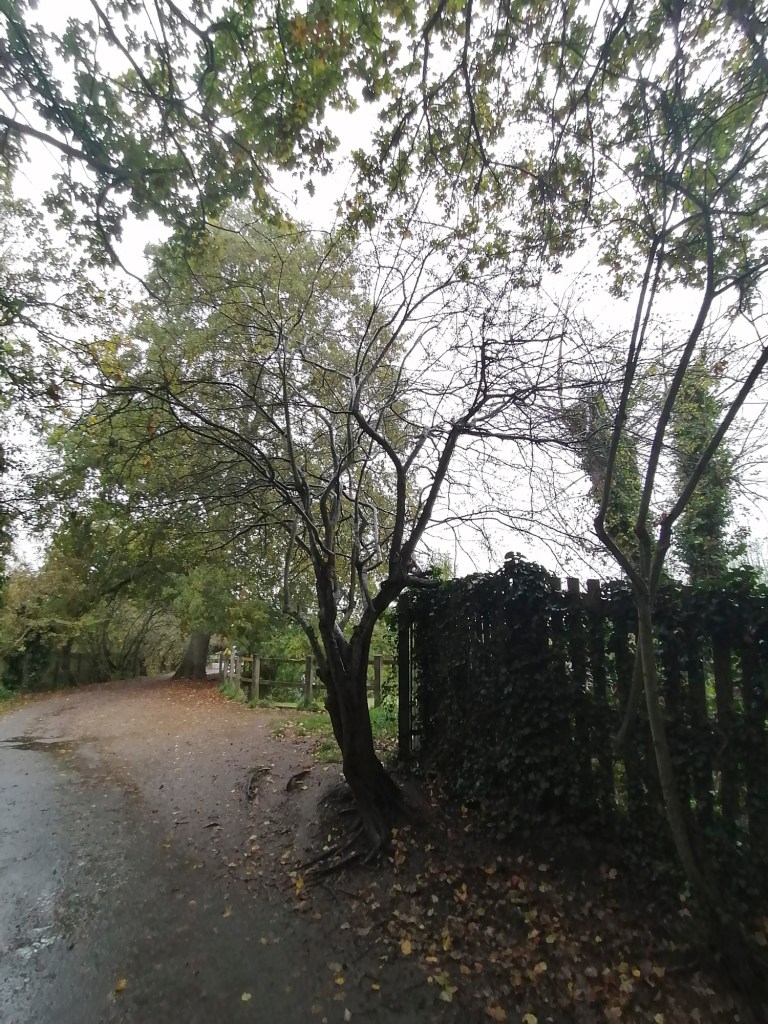
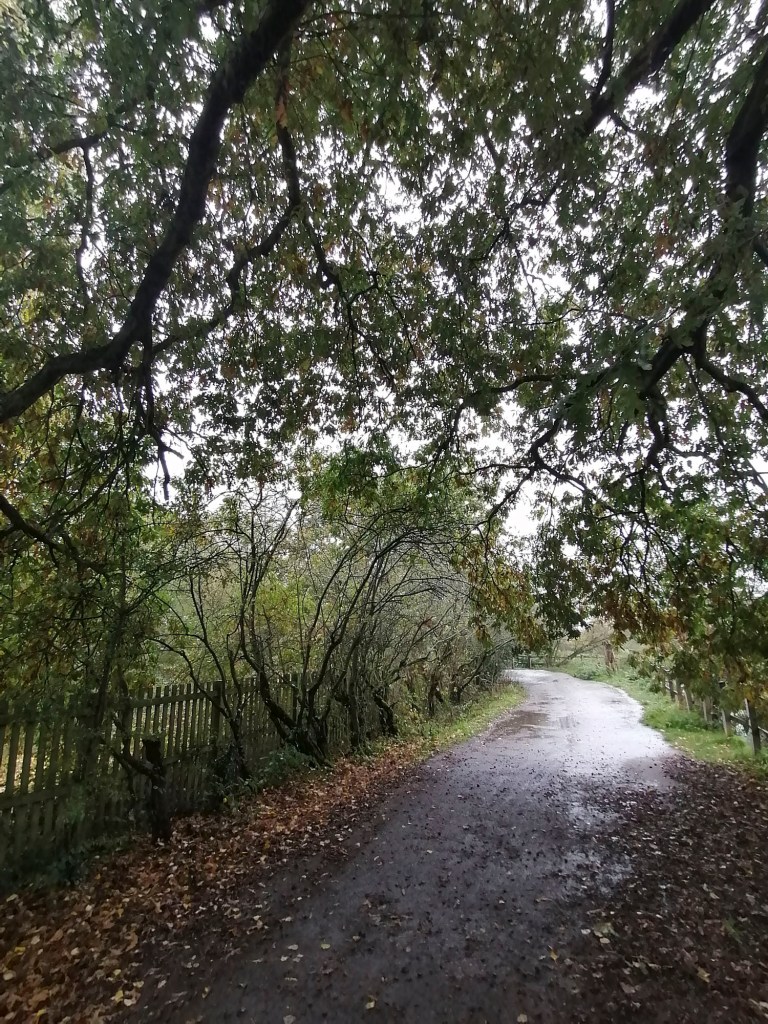
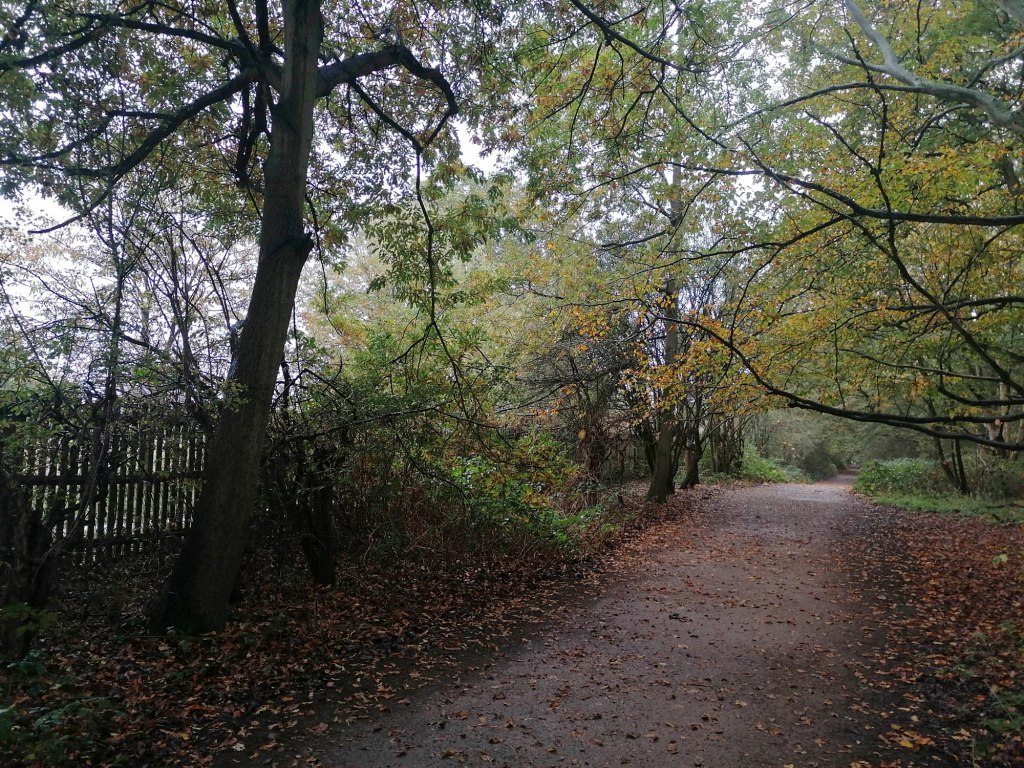
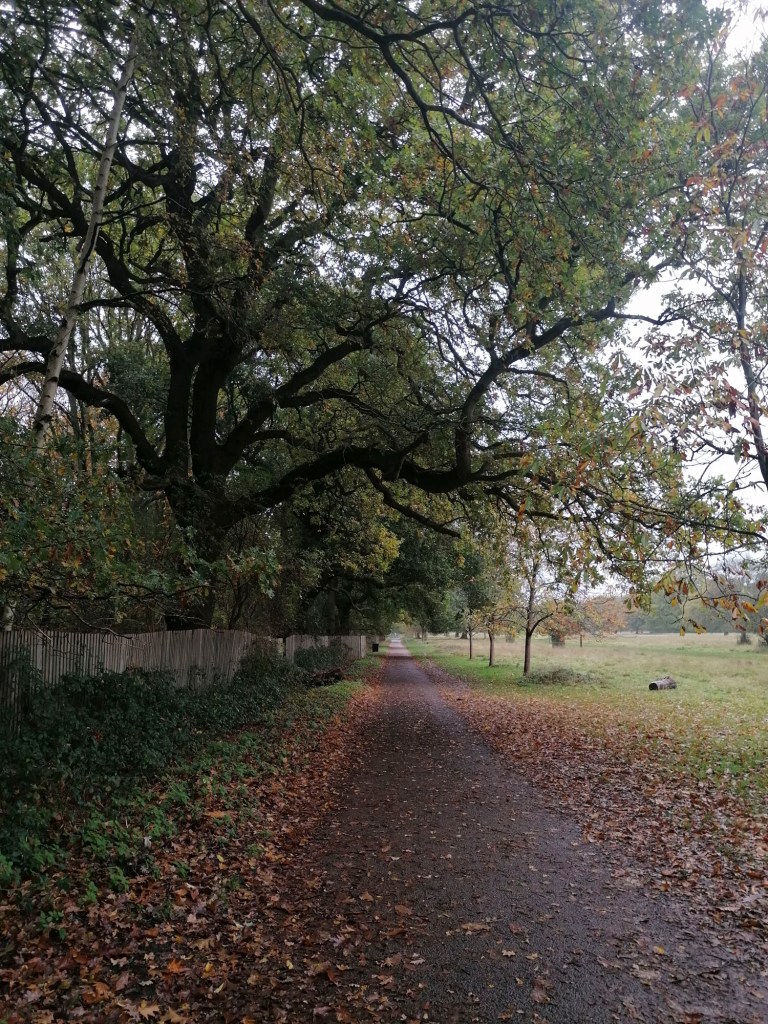
Part of my route involved walking along the track between Cobbler’s Walk and the gap between the two Woodland Garden plantations. Along this track is a line of hawthorns that I have not photographed or noted yet.
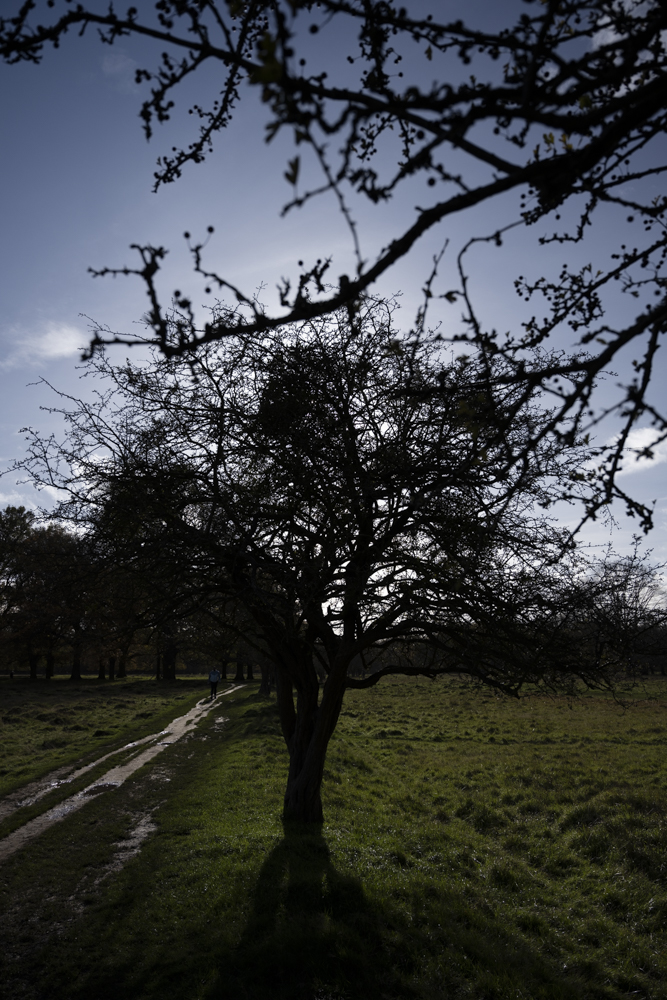
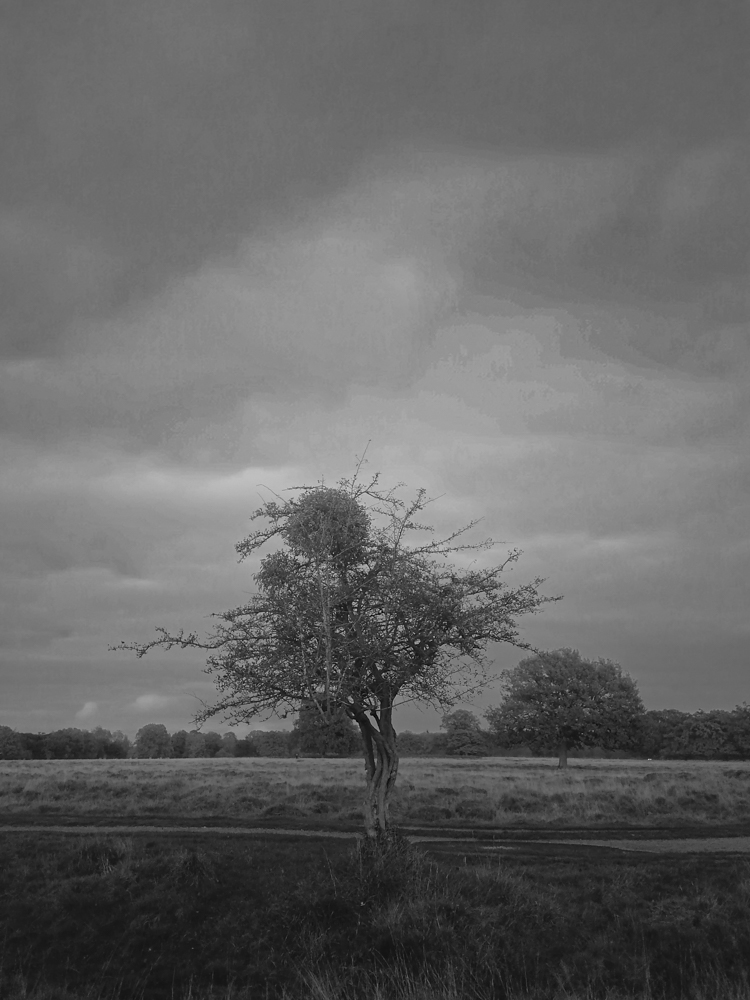
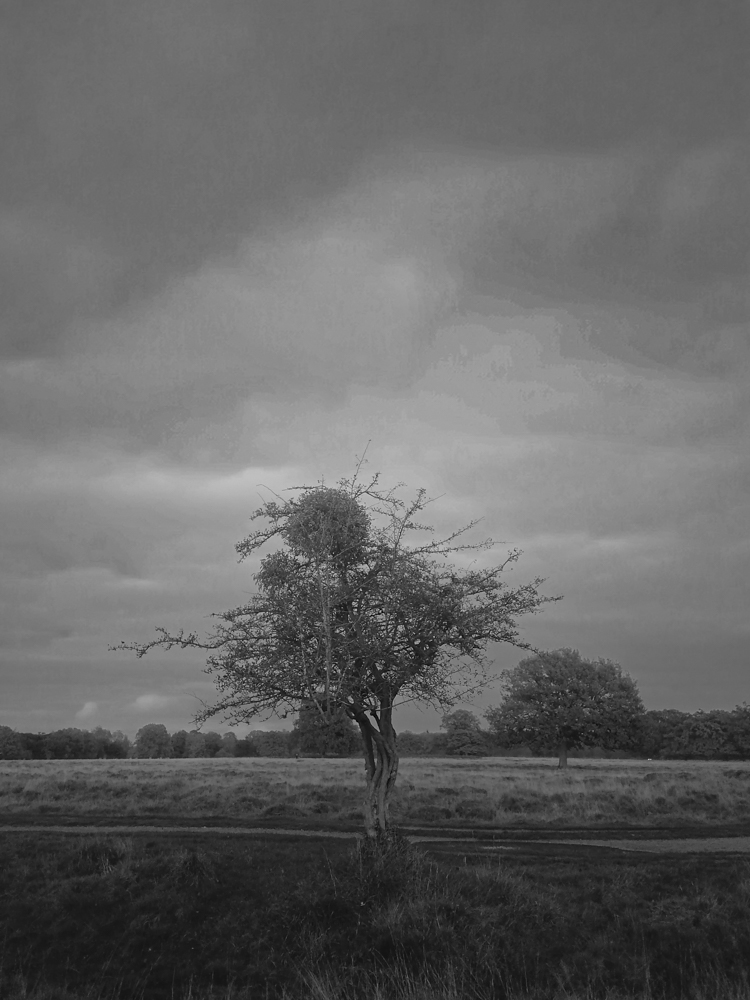
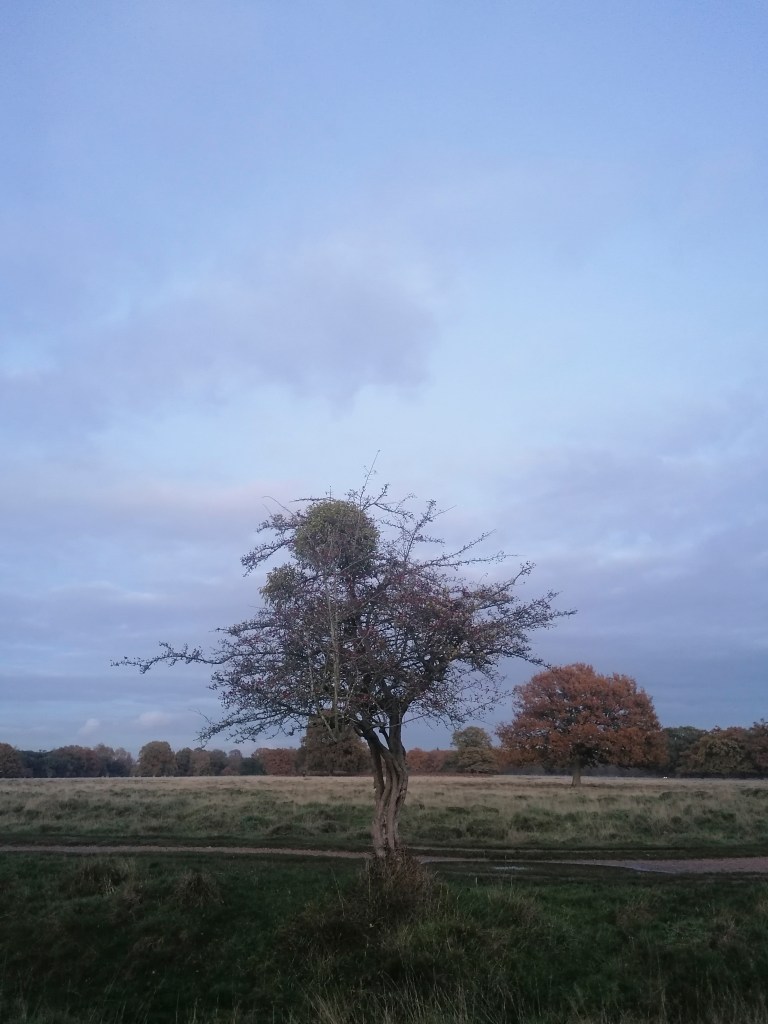
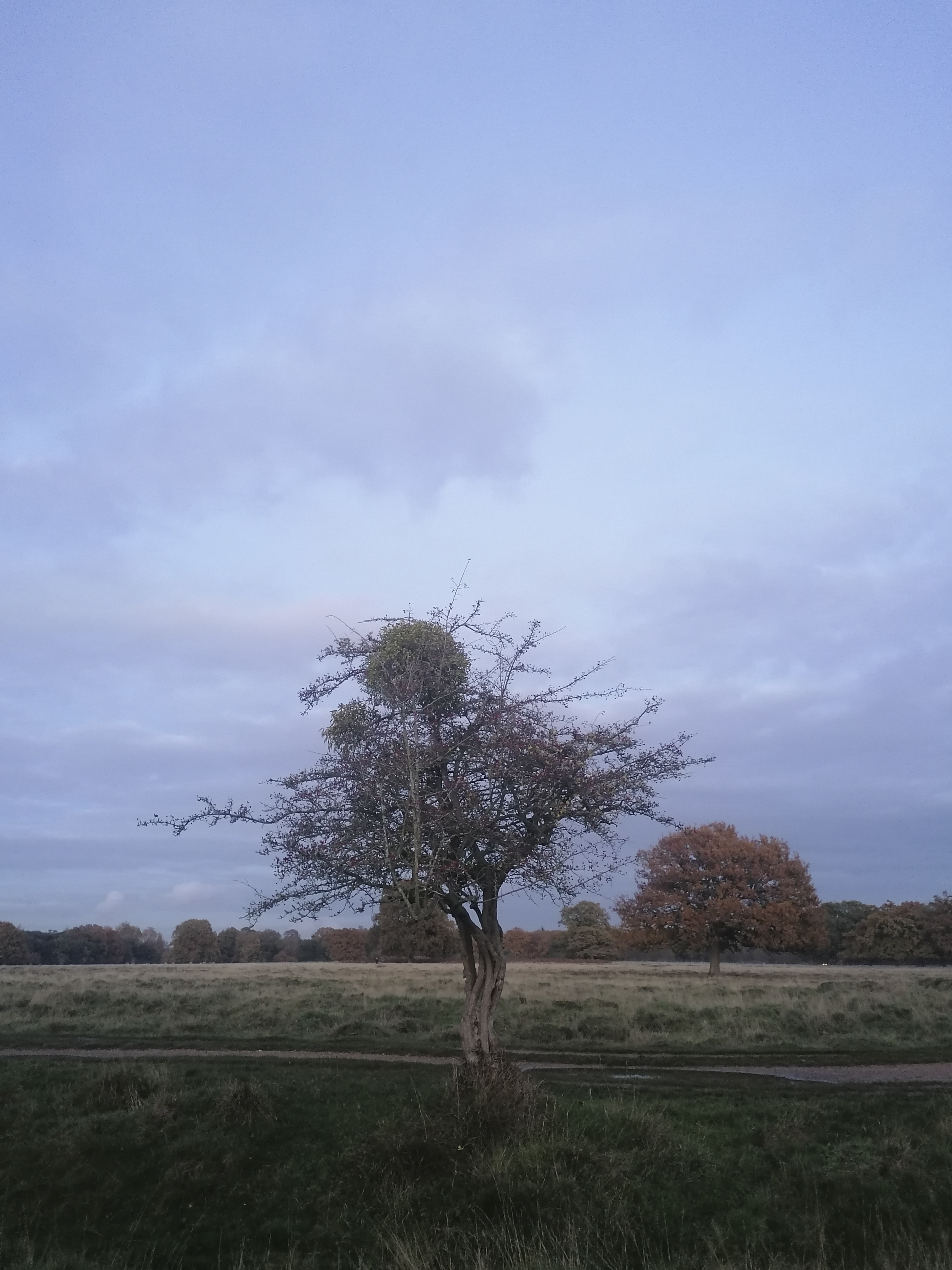
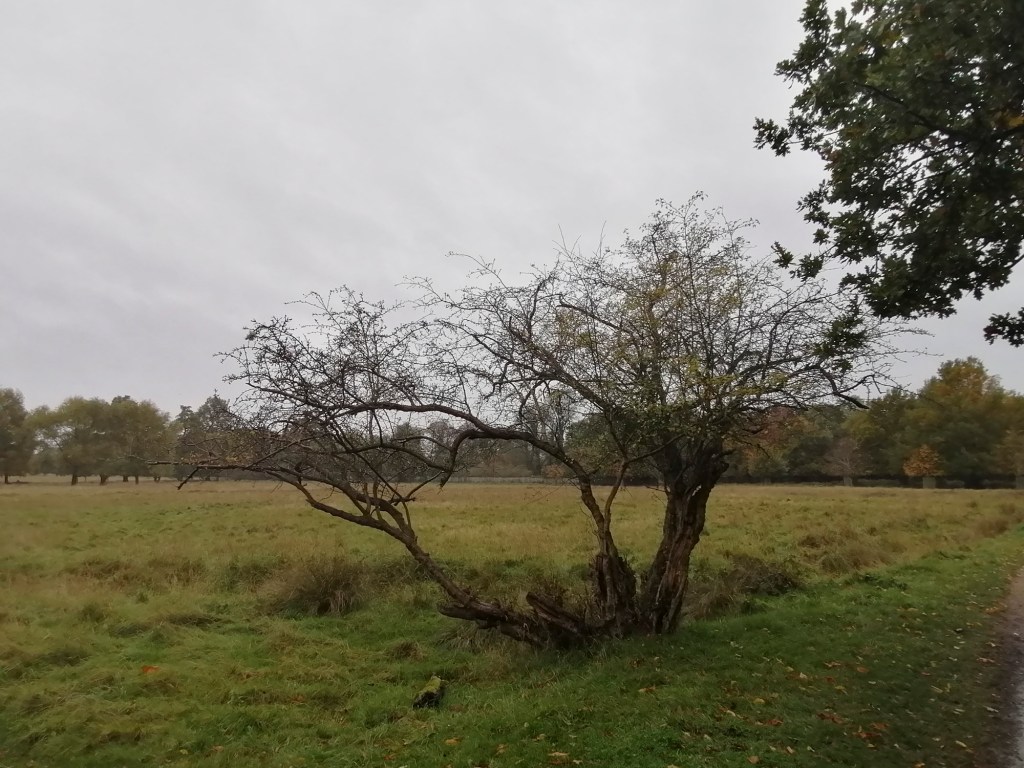
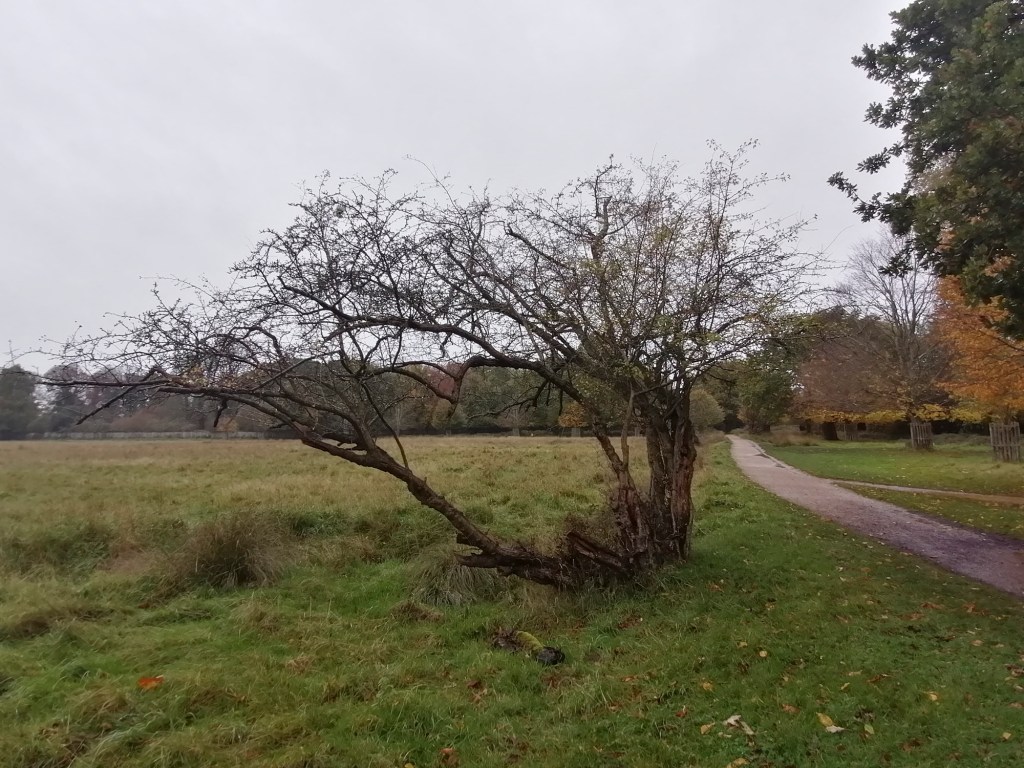
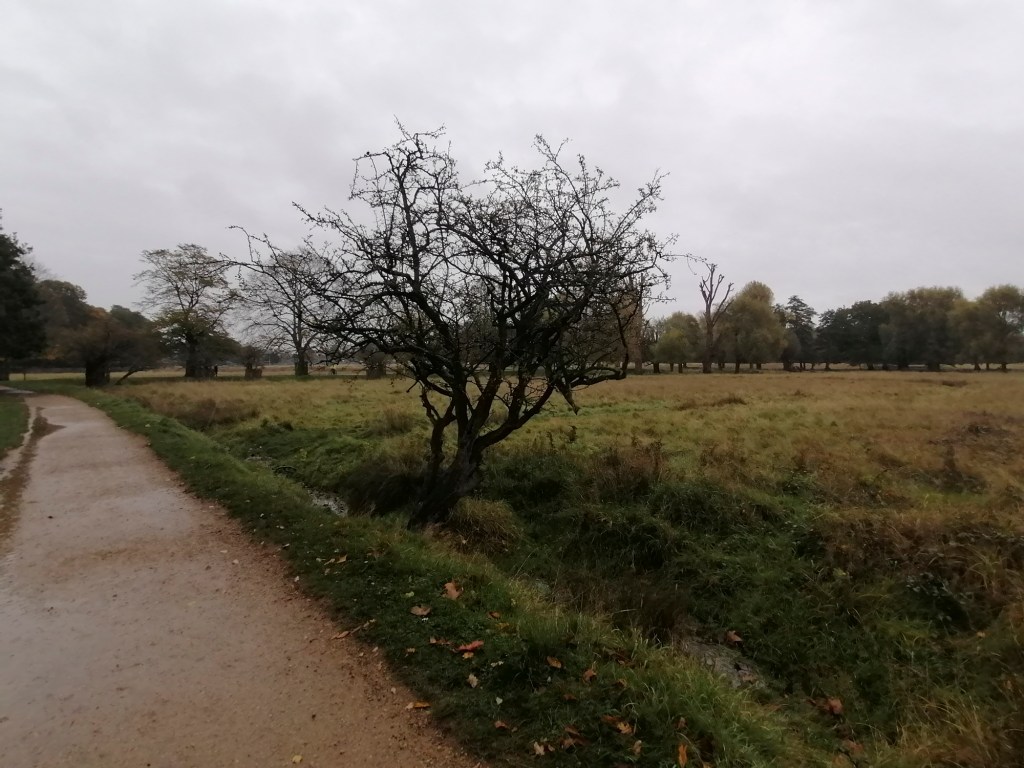
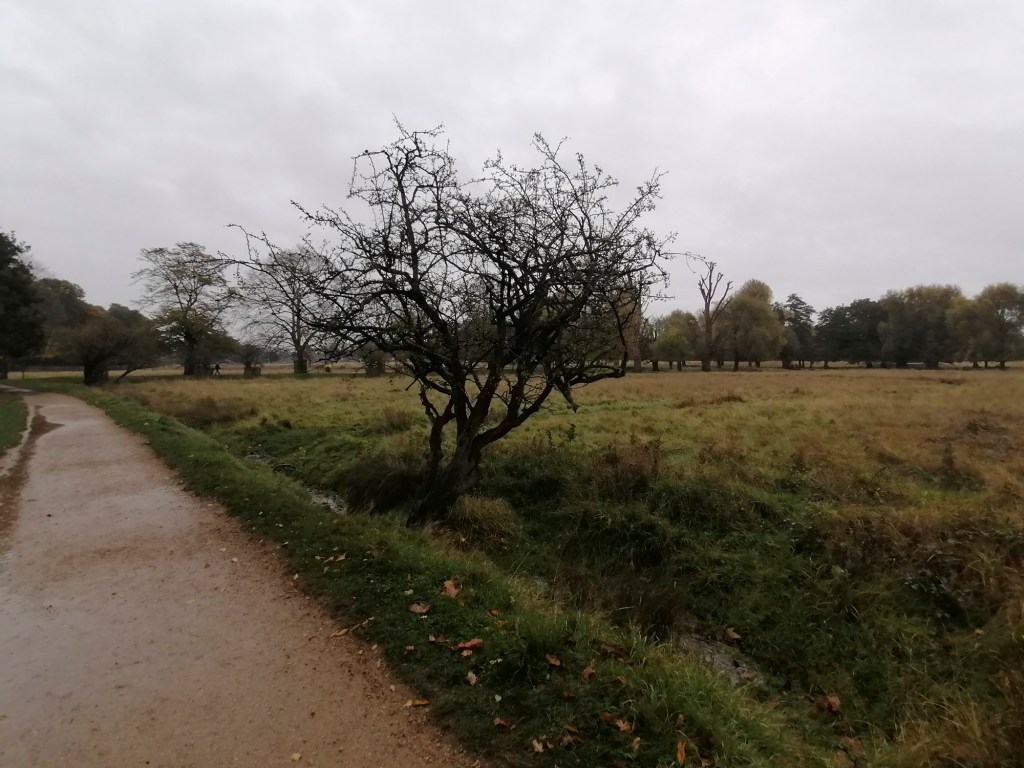
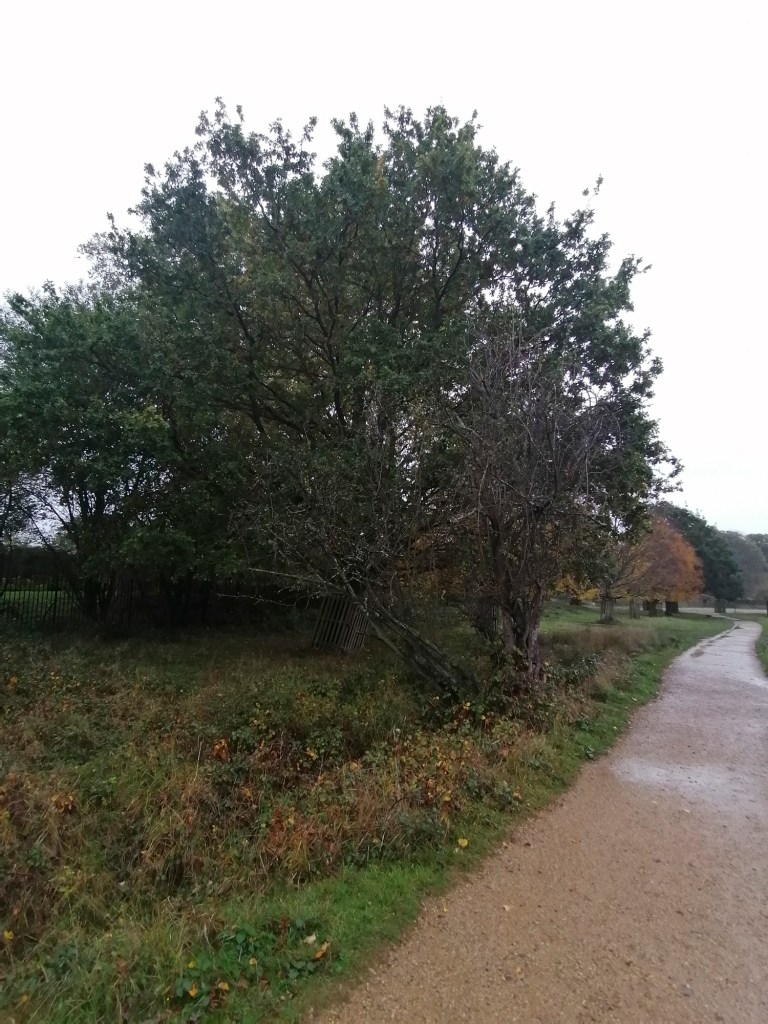
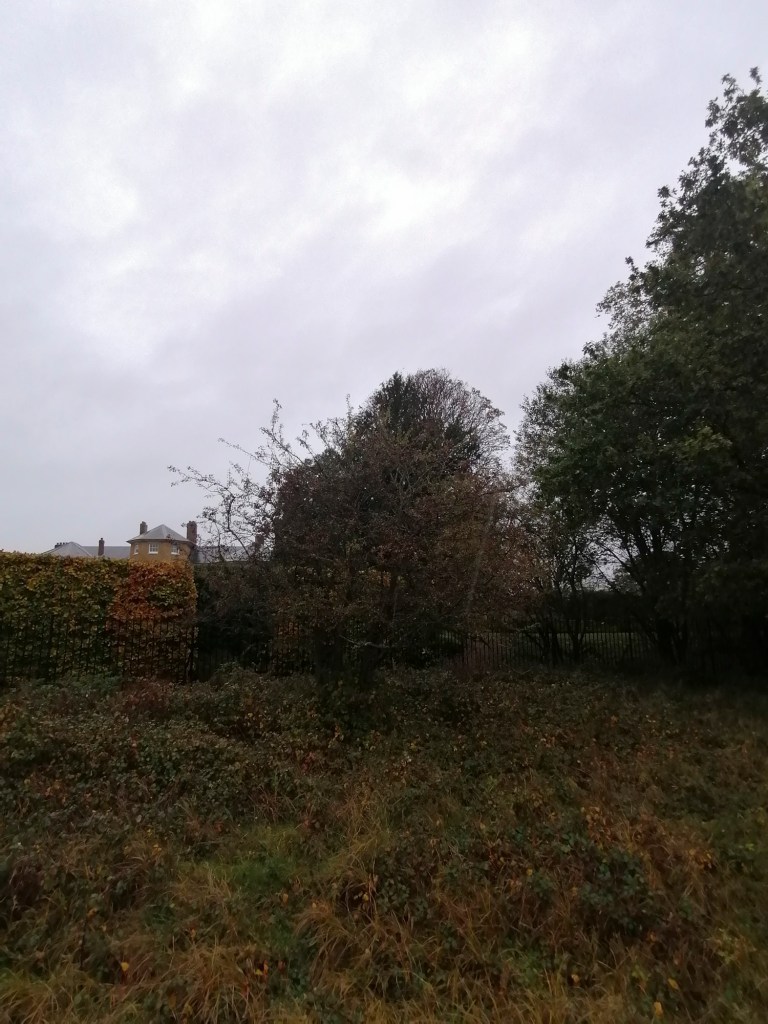
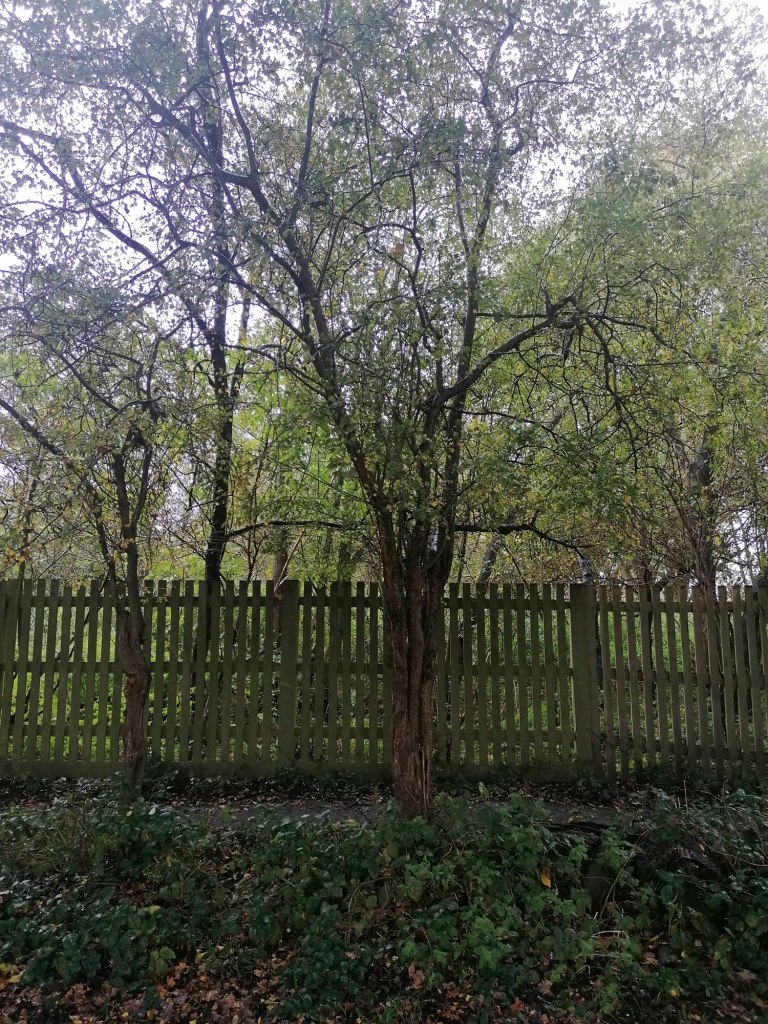
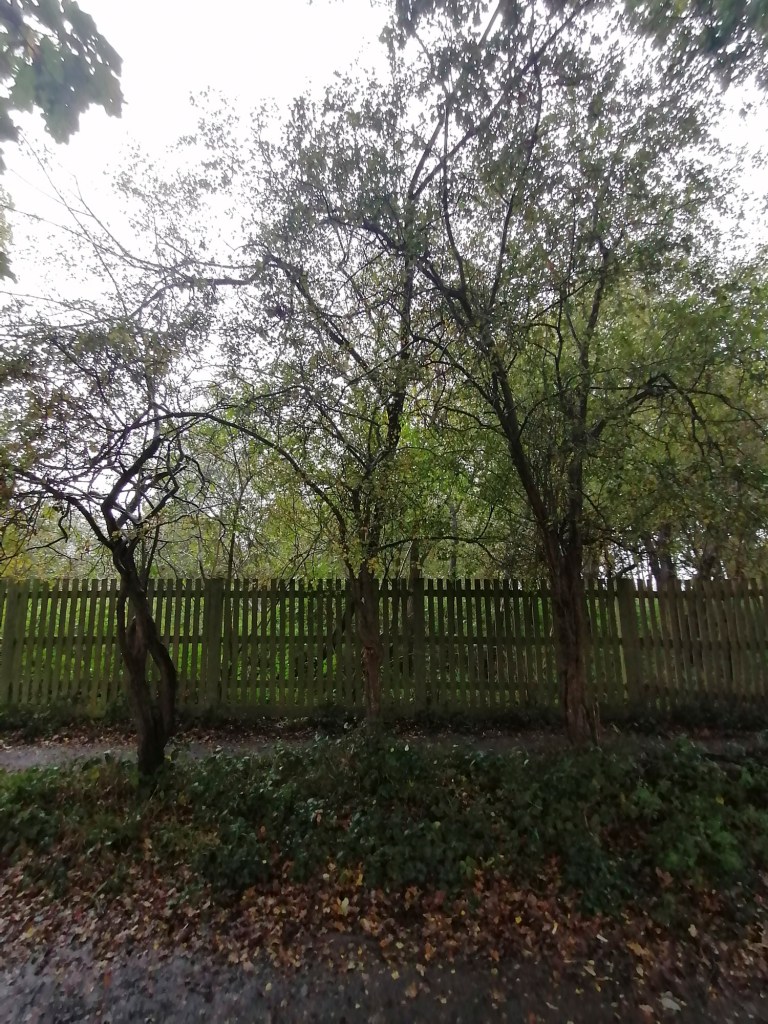
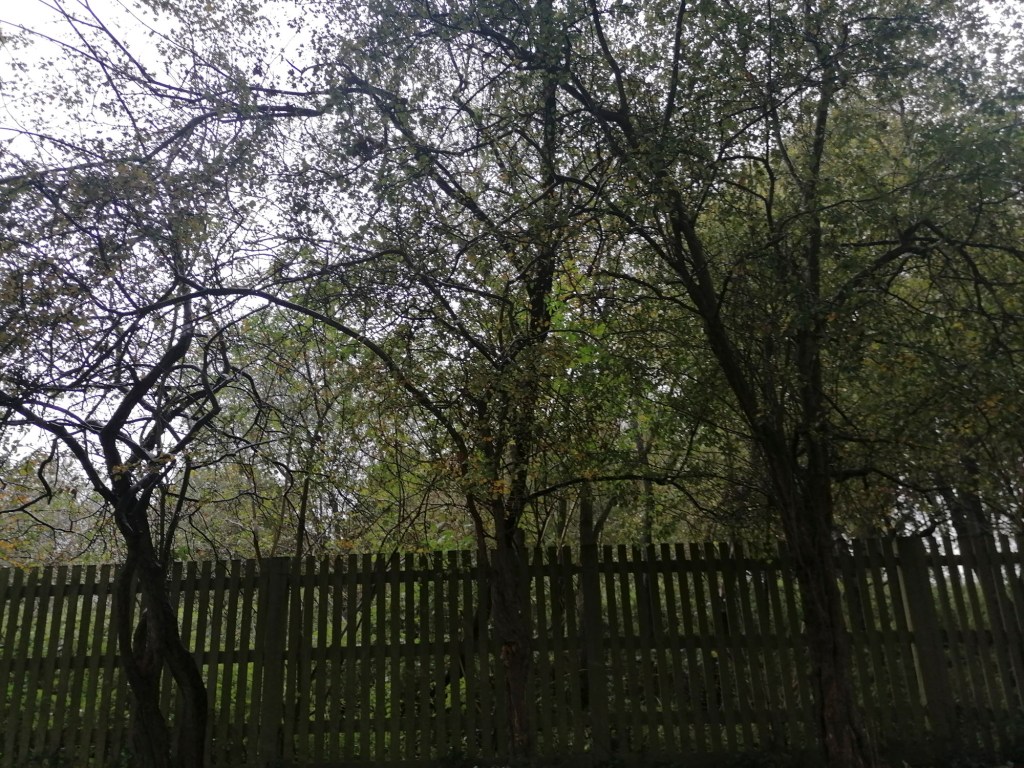
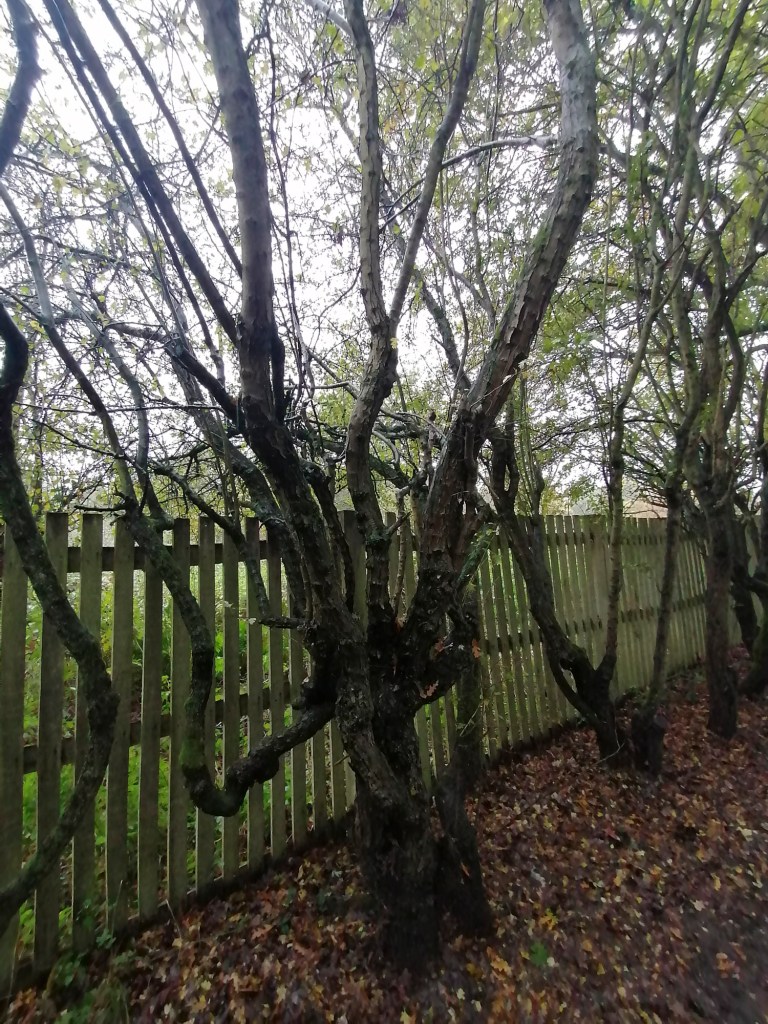
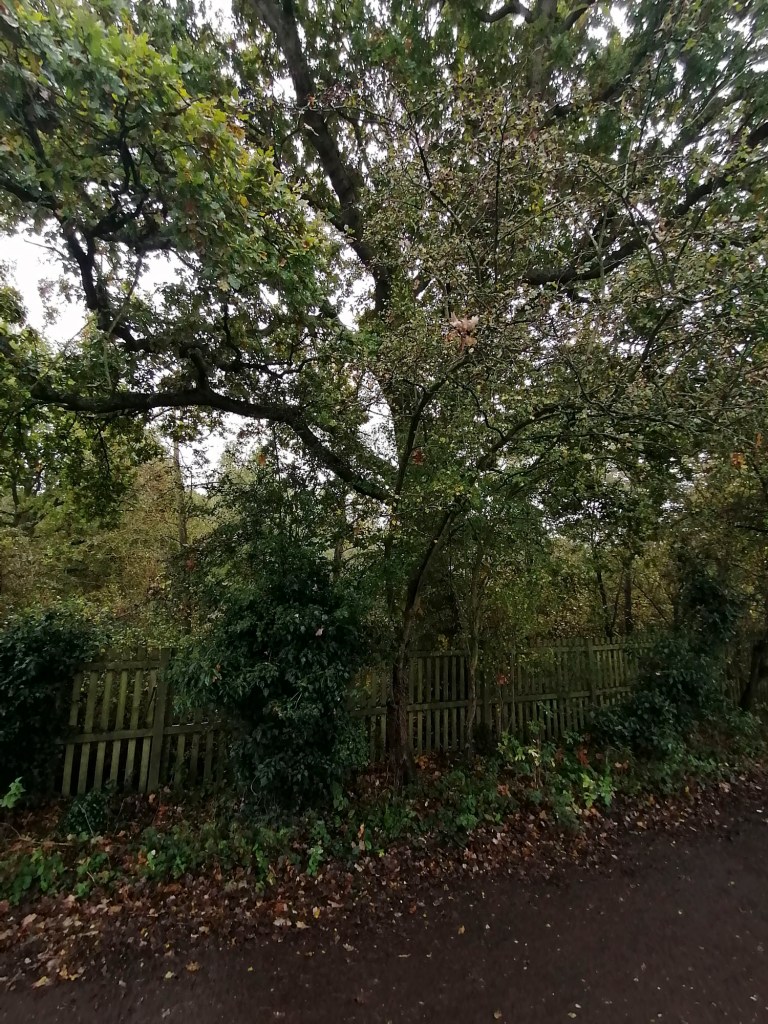
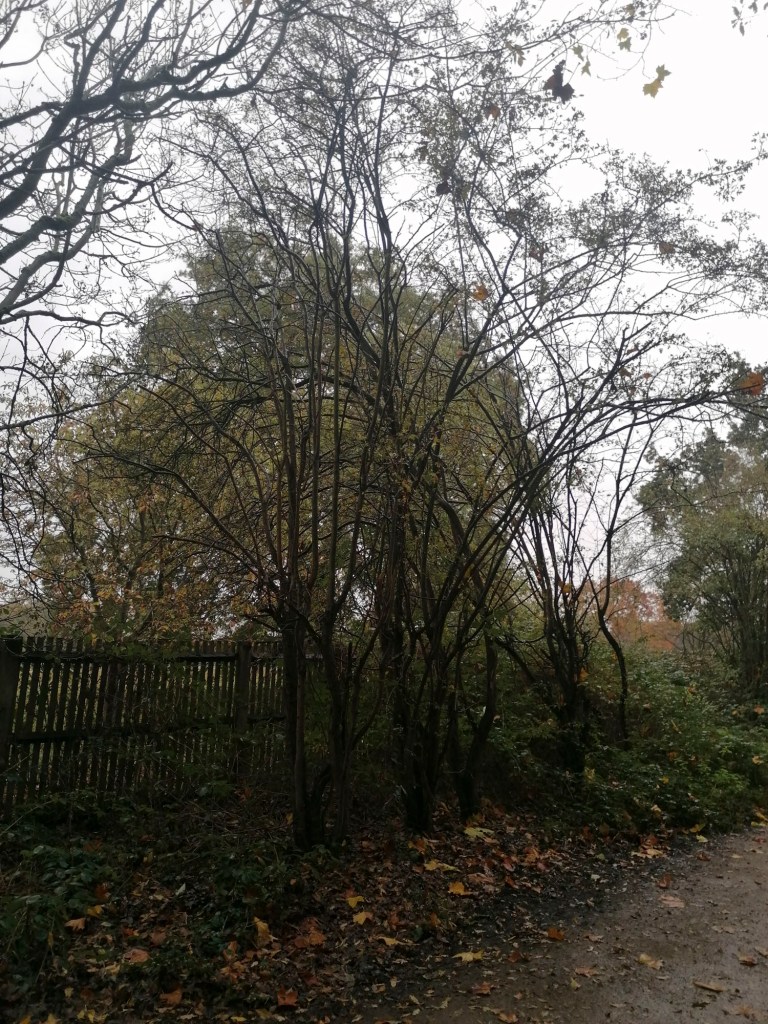
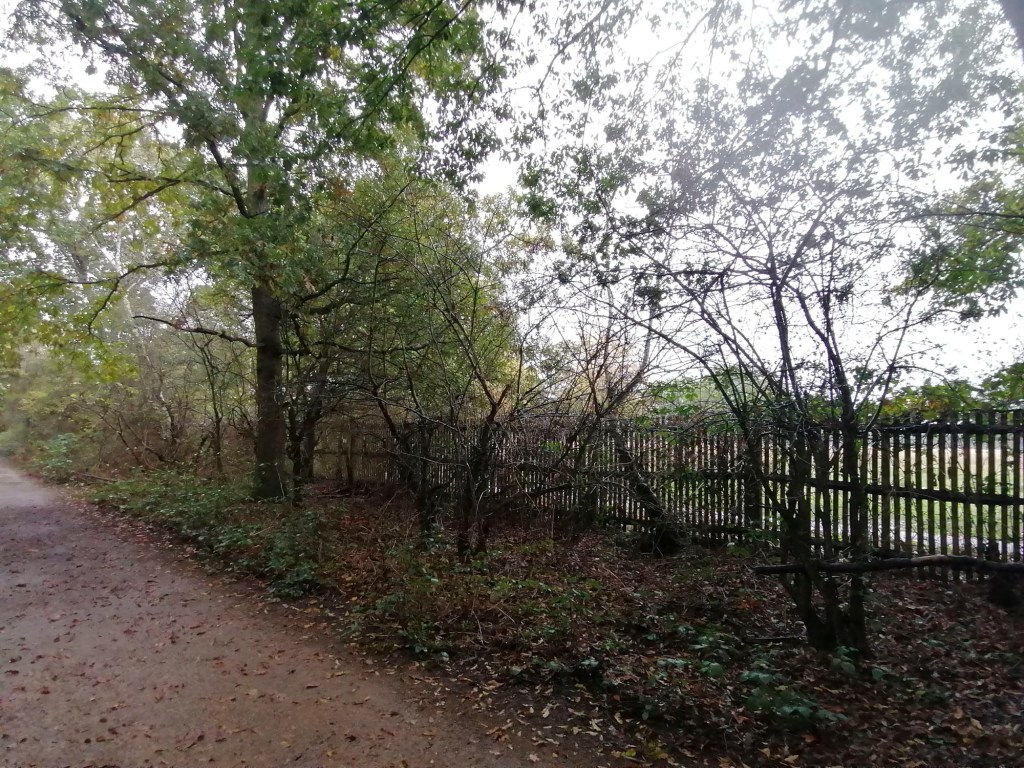
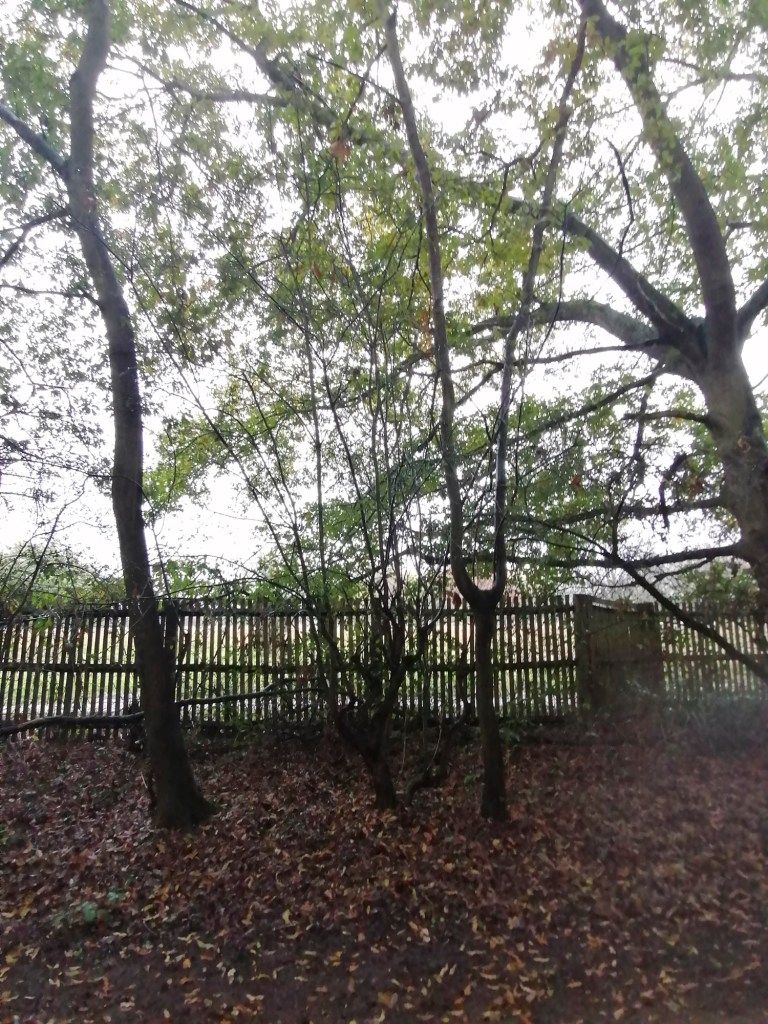
When looking closer at these hawthorns, the majority along this path would fit the criteria of ‘Ancient’. As the light wasn’t great and I was only armed with my smartphone, I only took the one image. This is the last hawthorn at the end of the track.
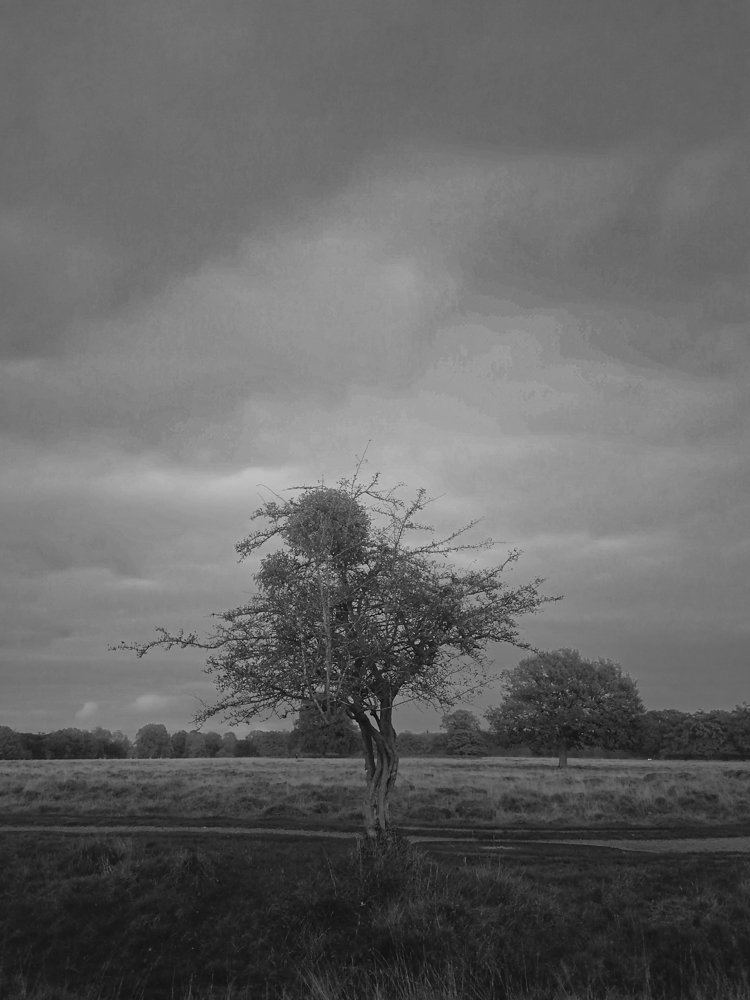
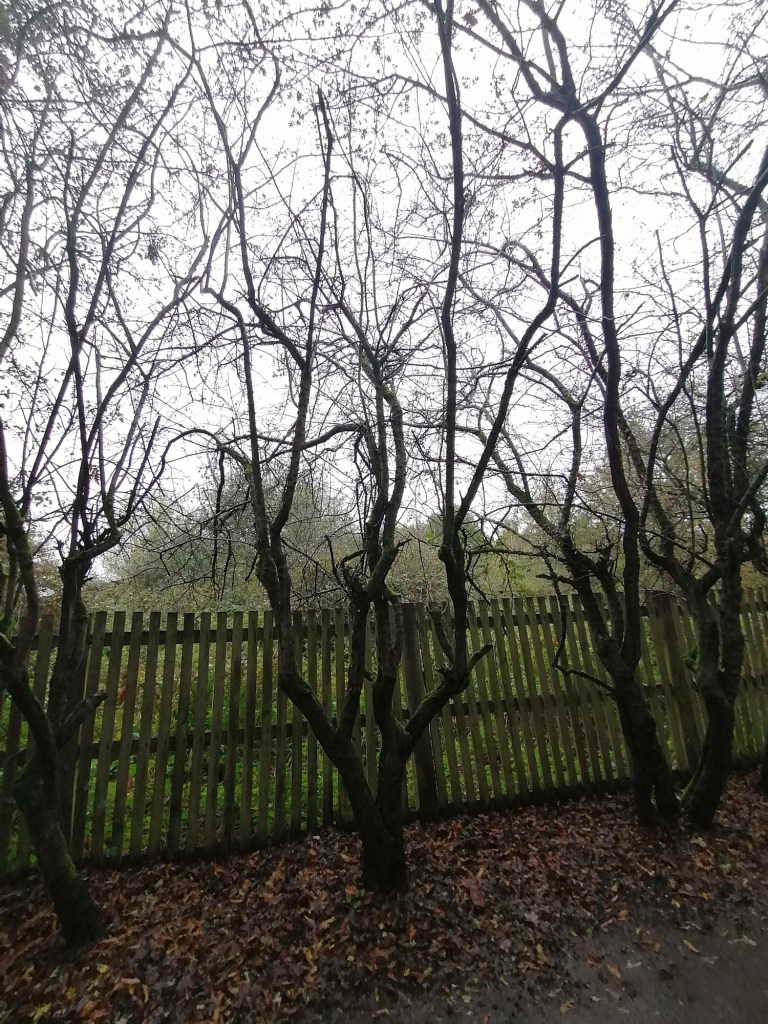
In order to tie in with the other images, I created the following Black & White conversion.
A quick comparison.
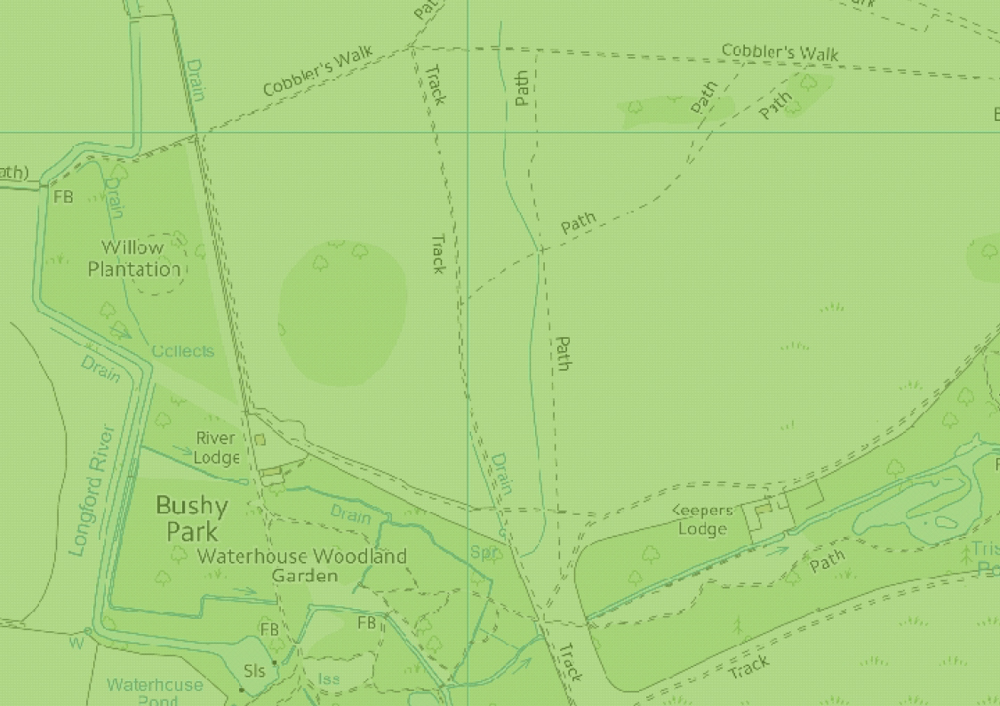
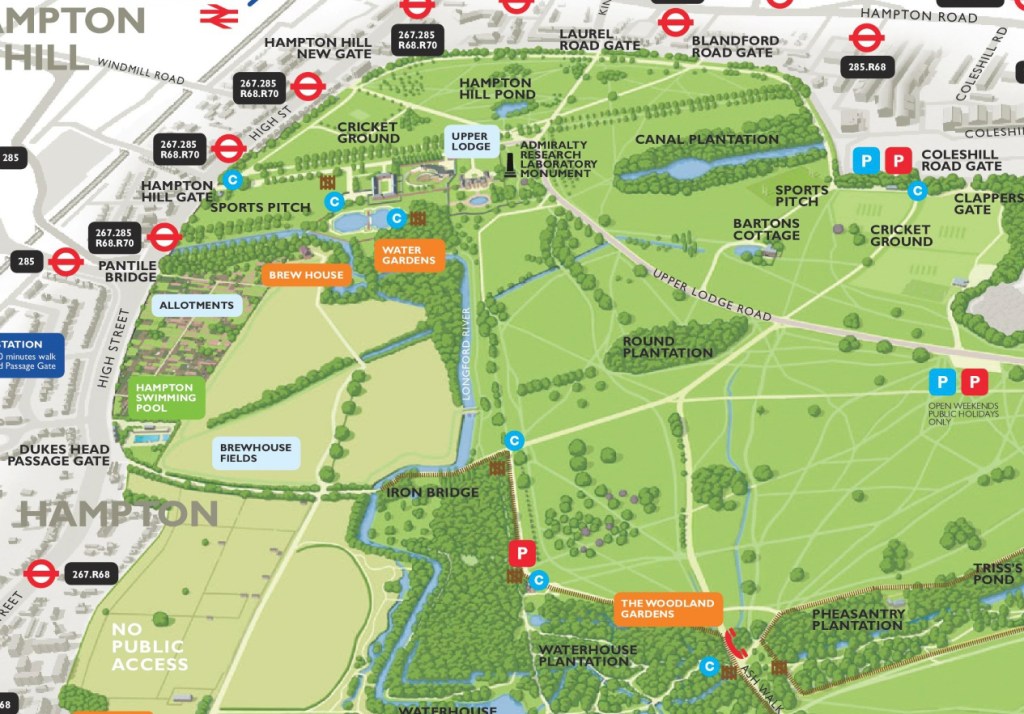
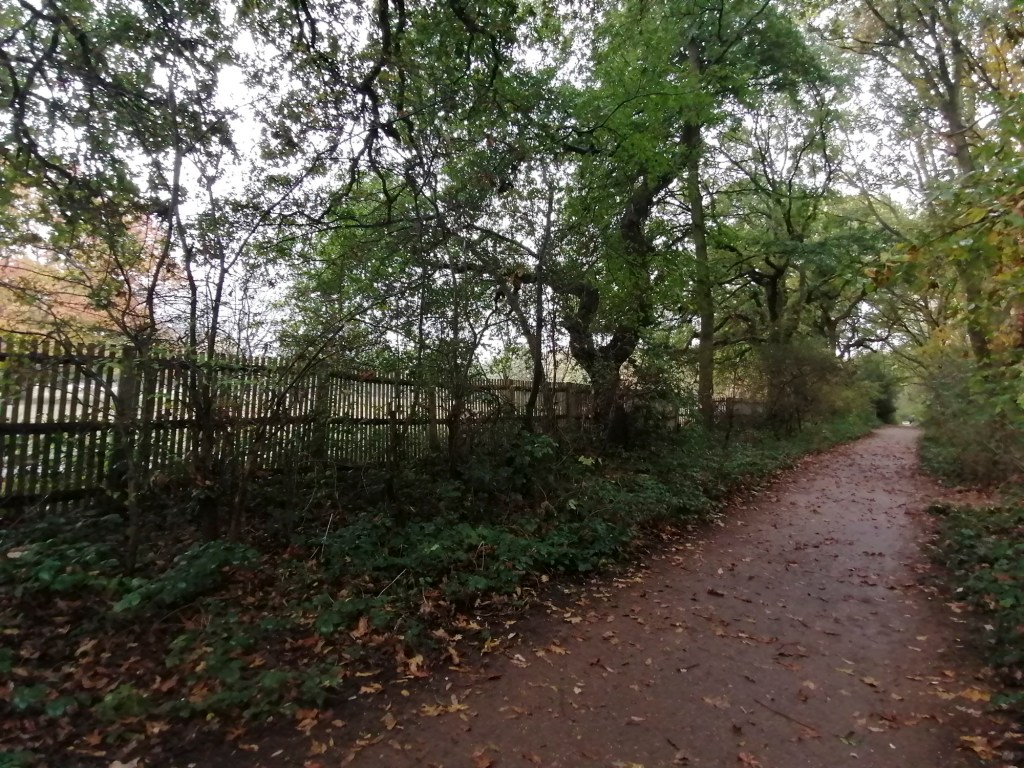
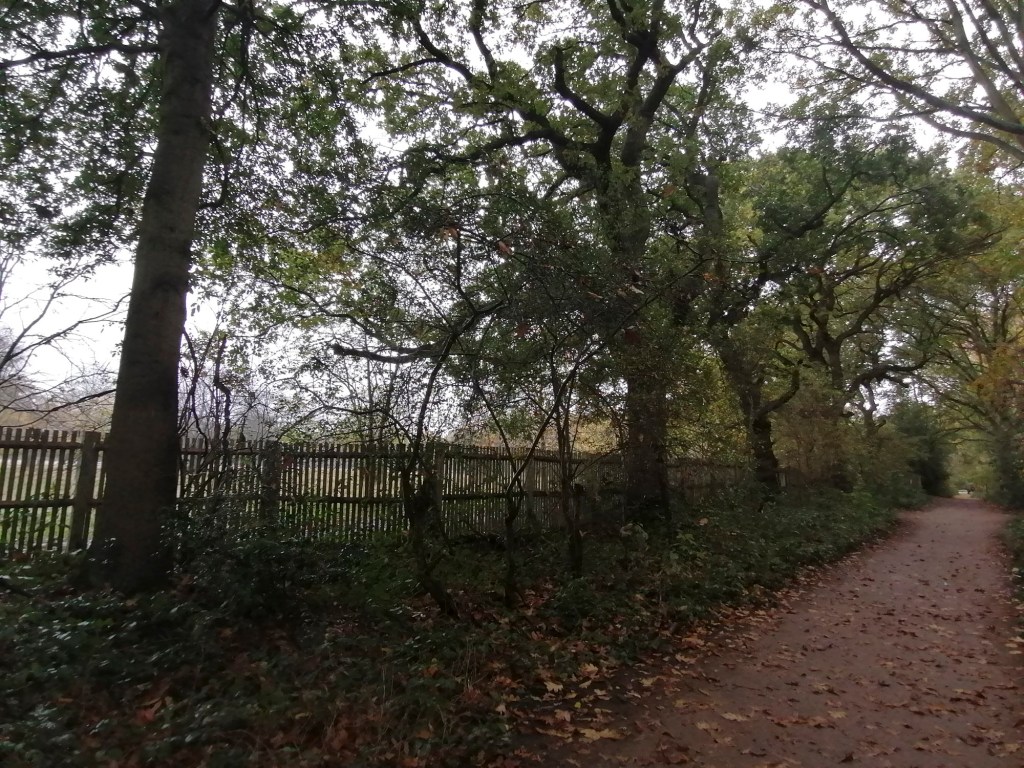
Looking at the map and thinking about this particular row of trees really did pique my interest. This path runs parallel to Macclesfield Walk running along the edge of the Willow Plantation. What was this boundary line planted for and why?
On the day after the Group Tutorial and following a week of research and photographing hawthorns, I thought it best to process the outcome so far. On the morning of 29 October when looking out of the window, I was greeted by grey skies and heavy rain. When I checked the weather forecast, the rain was due to fall until late afternoon, so I adapted my actions for the morning accordingly. I made the decision to go for a walk in Bushy Park.
Firstly, walking in the park enables me to process my thoughts and engage in mindfulness. Being in that environment give me the space and time to process my thoughts while the fresh air refreshes both brain and body. I have also recently started to use Nordic walking poles. As I’m no longer able to run (I was a long-distance runner for 20 years), I’ve found it a fabulous alternative. Also, I’ve discovered that by using the poles I can walk faster and use my arms as well as legs, so am able to get to around the park and take photographs more efficiently. This particular type of exercise is proven to help with both core and arm strength, meaning I’ll tire less when out and about in the park.
Secondly, as I had recently updated my outdoor wet-weather gear, it gave me the opportunity to test it out. The last thing I would want on a planned shoot is to be either cold or damp (or both!), so I needed to make sure it would be up to the job.
Thirdly, I wanted to explore a different area of the park in which there were hawthorn trees and compare then with the places I had already investigated.
As I didn’t want to take my main camera and decided to travel light, I used my smartphone to take all of the following images. The other advantage is that I have now set my location indicator on my phone, so each image will have map co-ordinates.
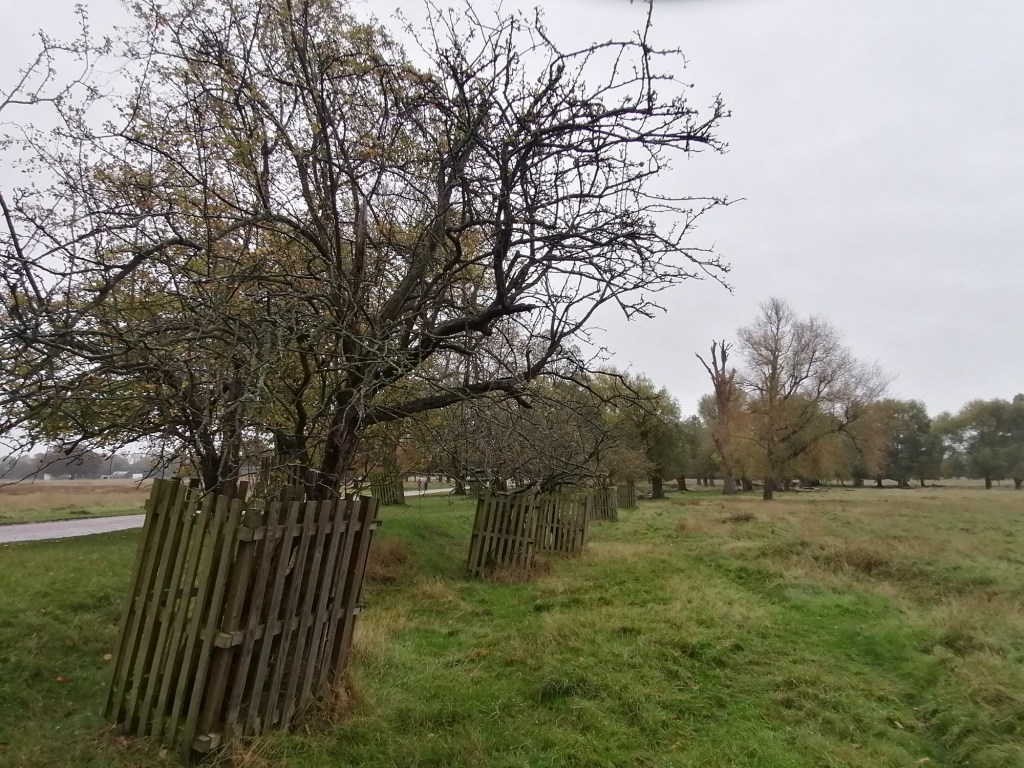
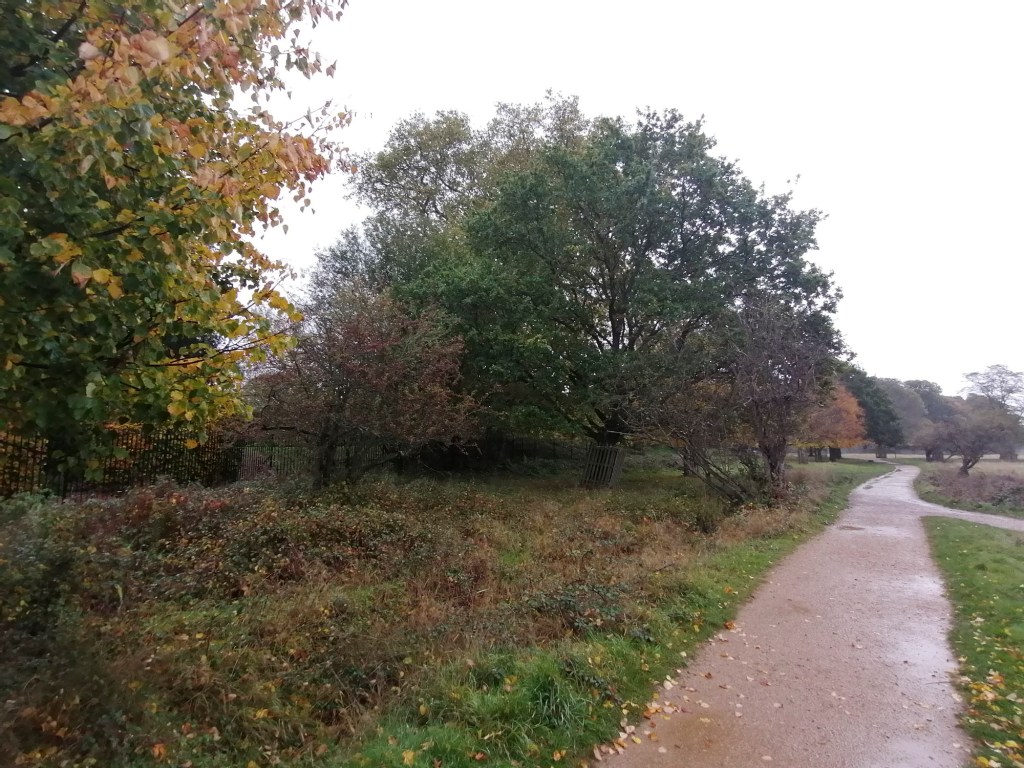
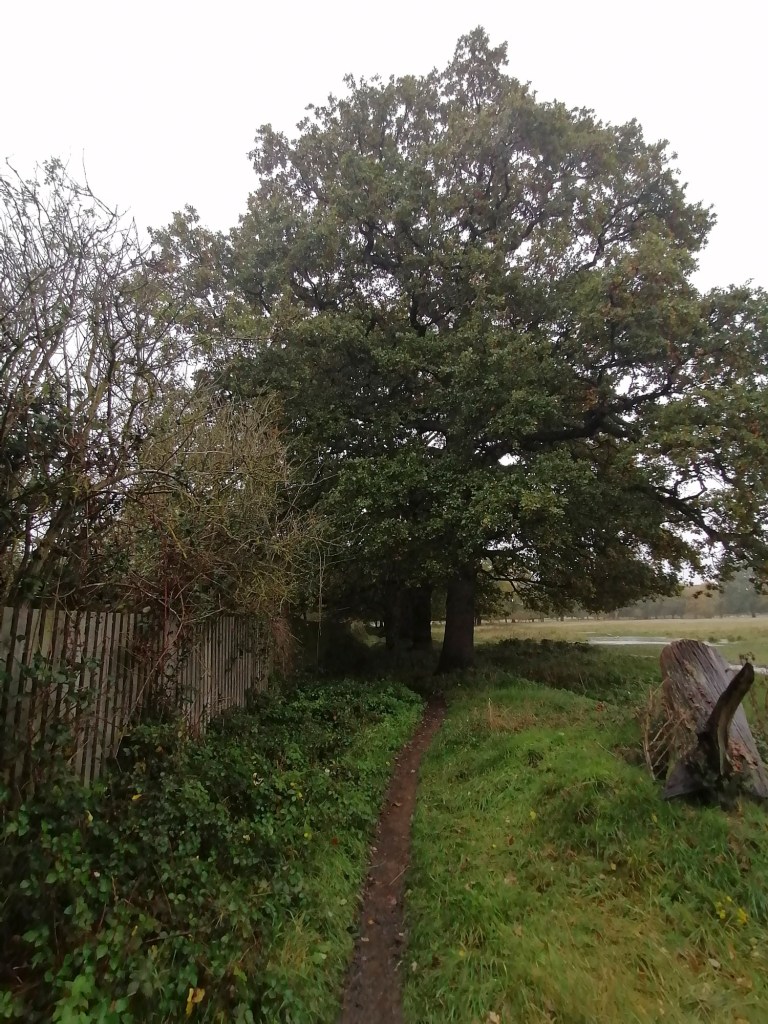
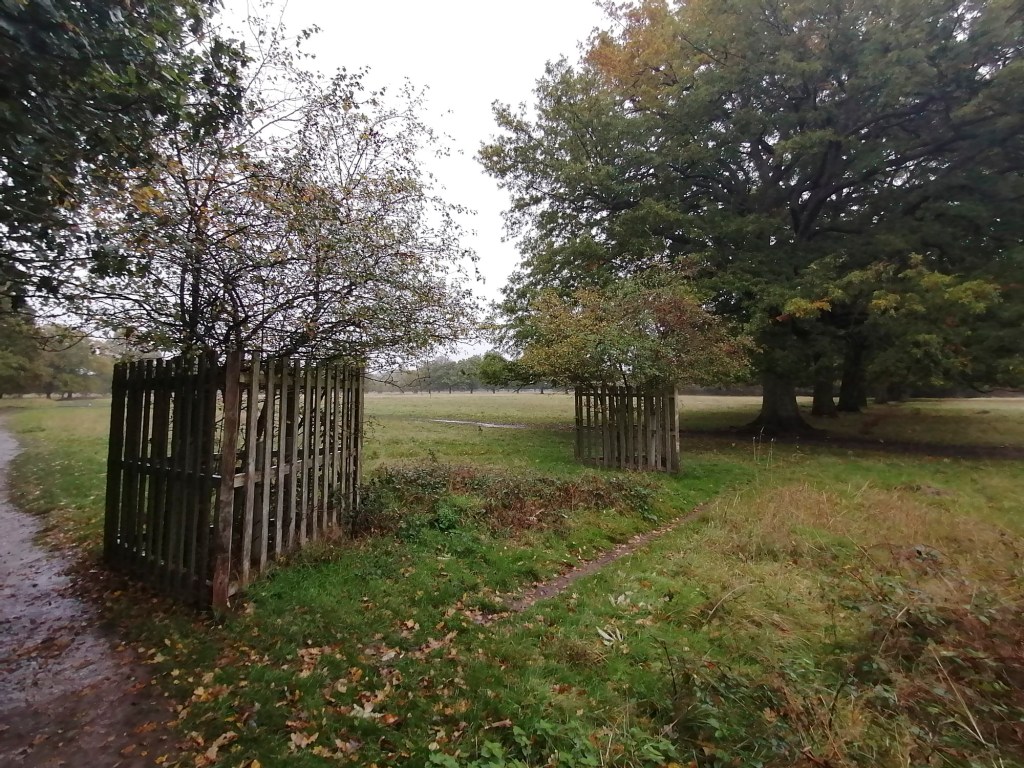
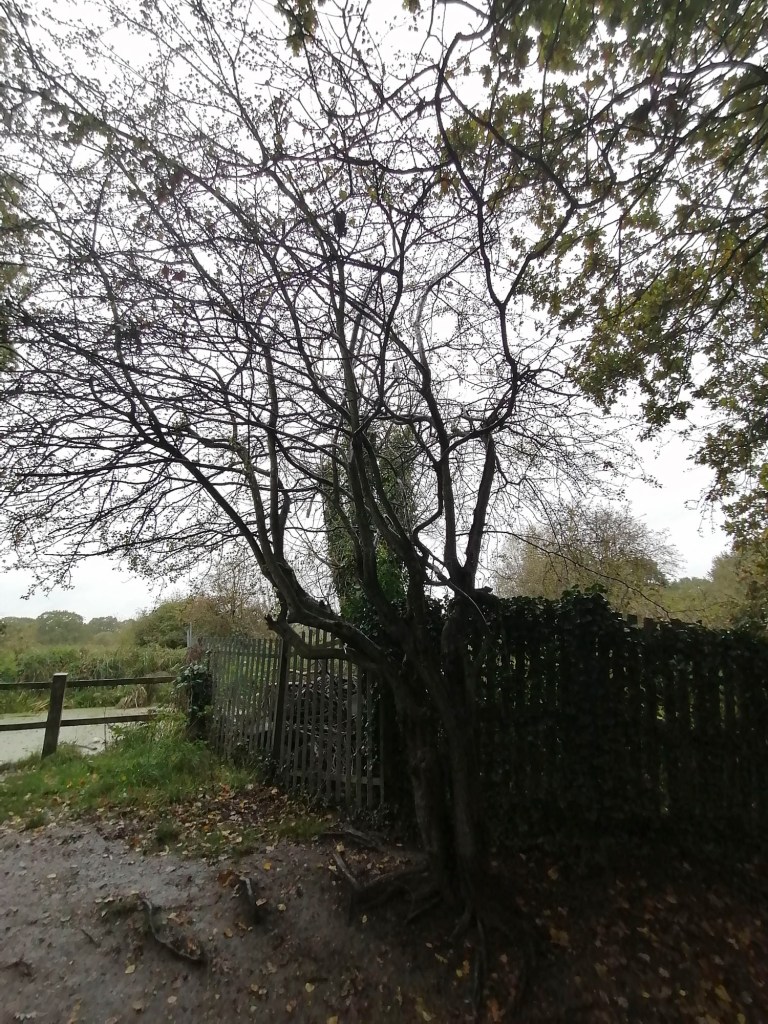
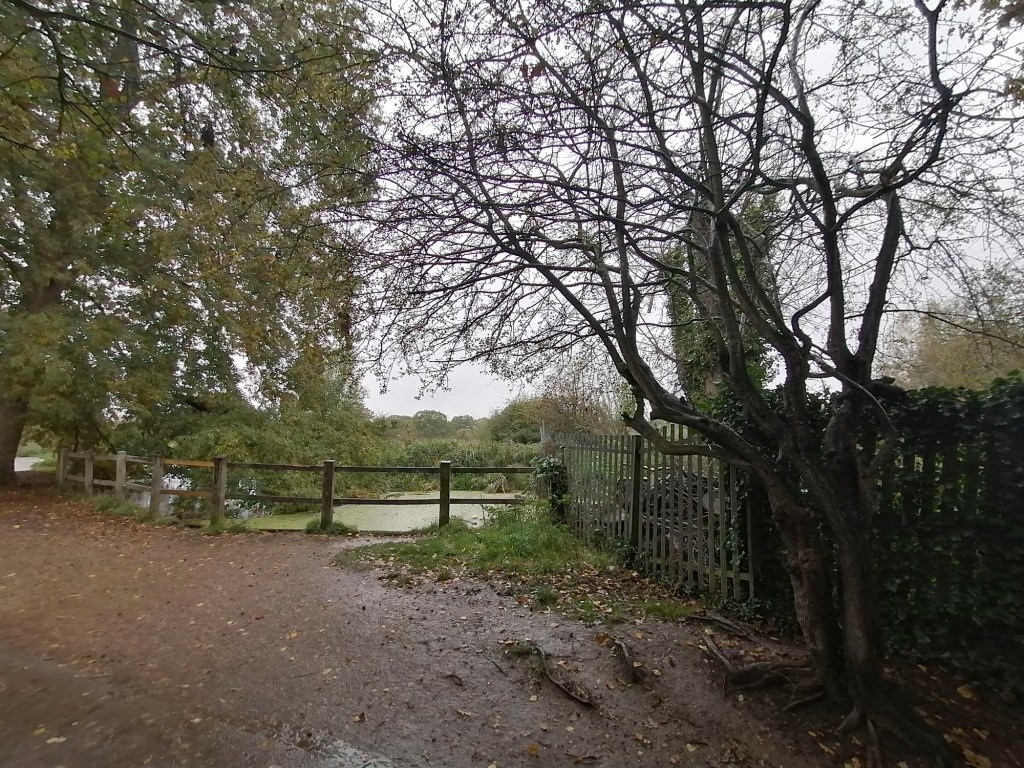
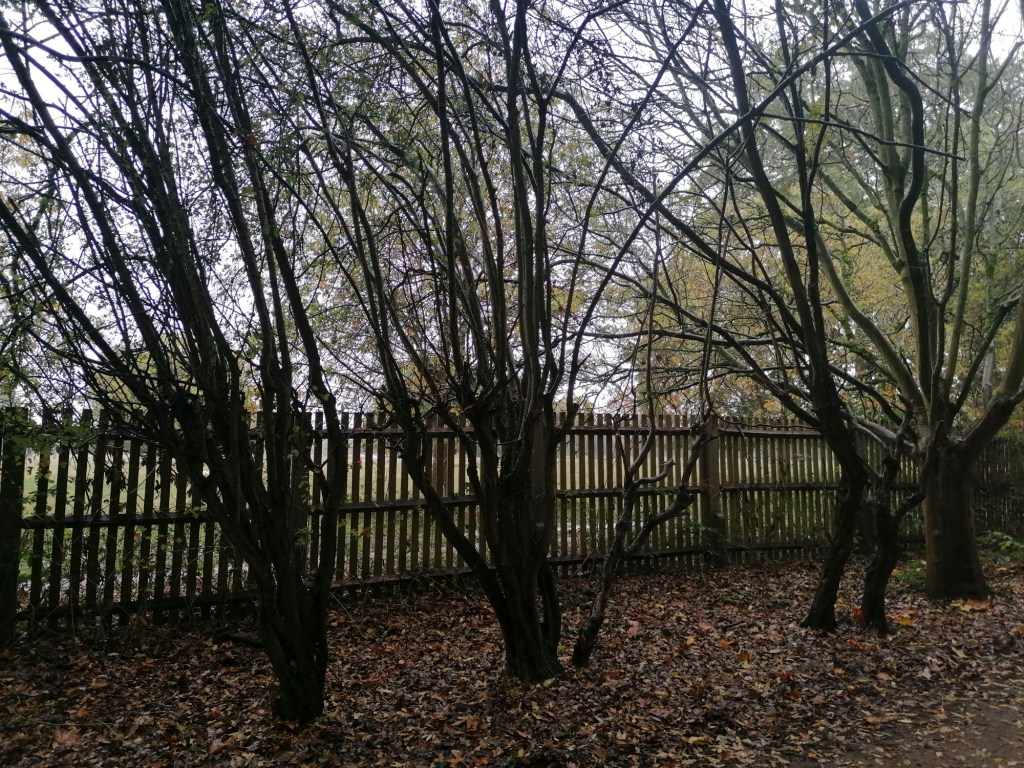
I started my investigation at a corner on which I knew featured a hawthorn tree and I had photographed it quite a few times previously. When I looked at this tree and its position in more detail, I noticed a line of hawthorns nearby that ran in a line along the path.
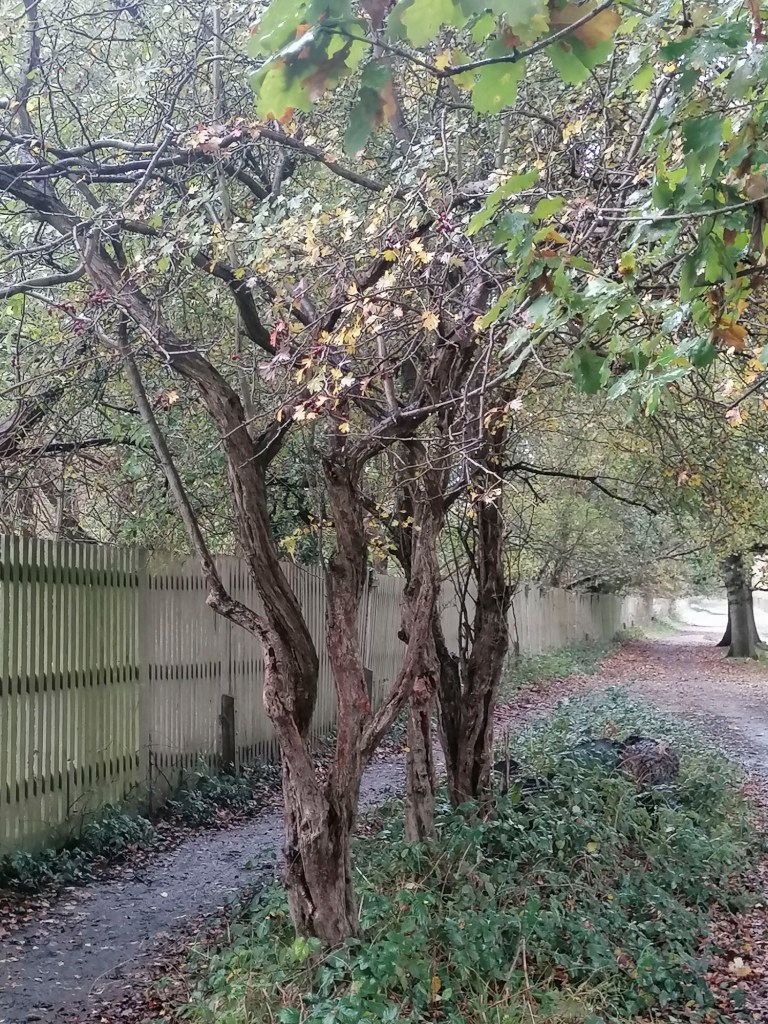
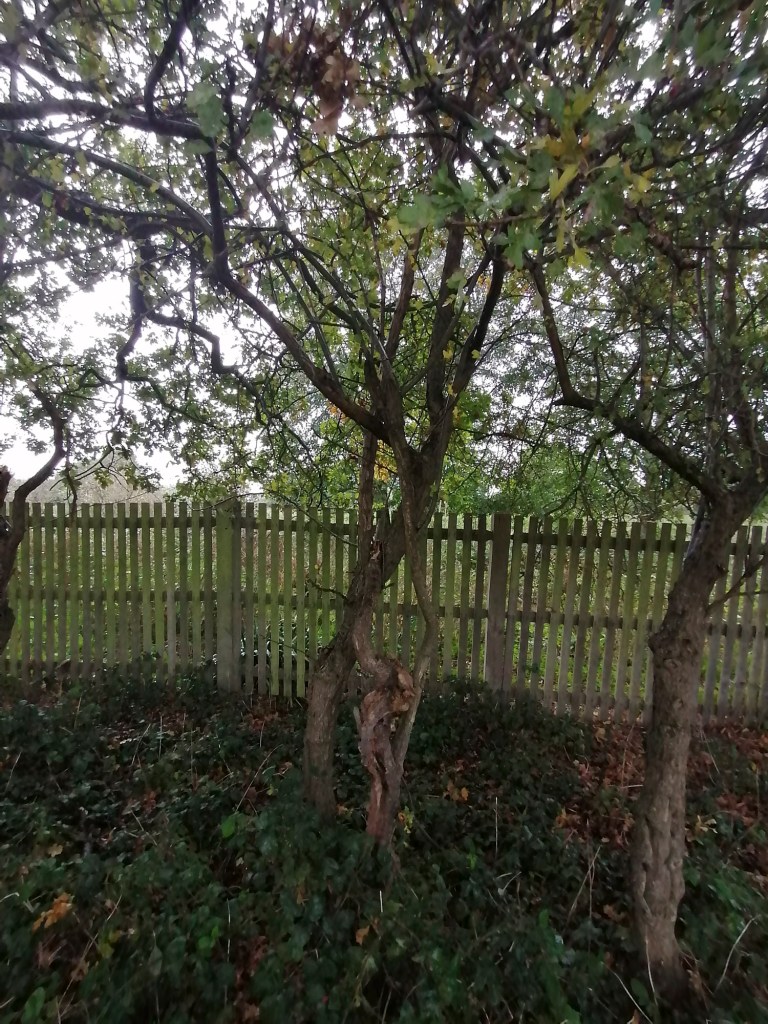
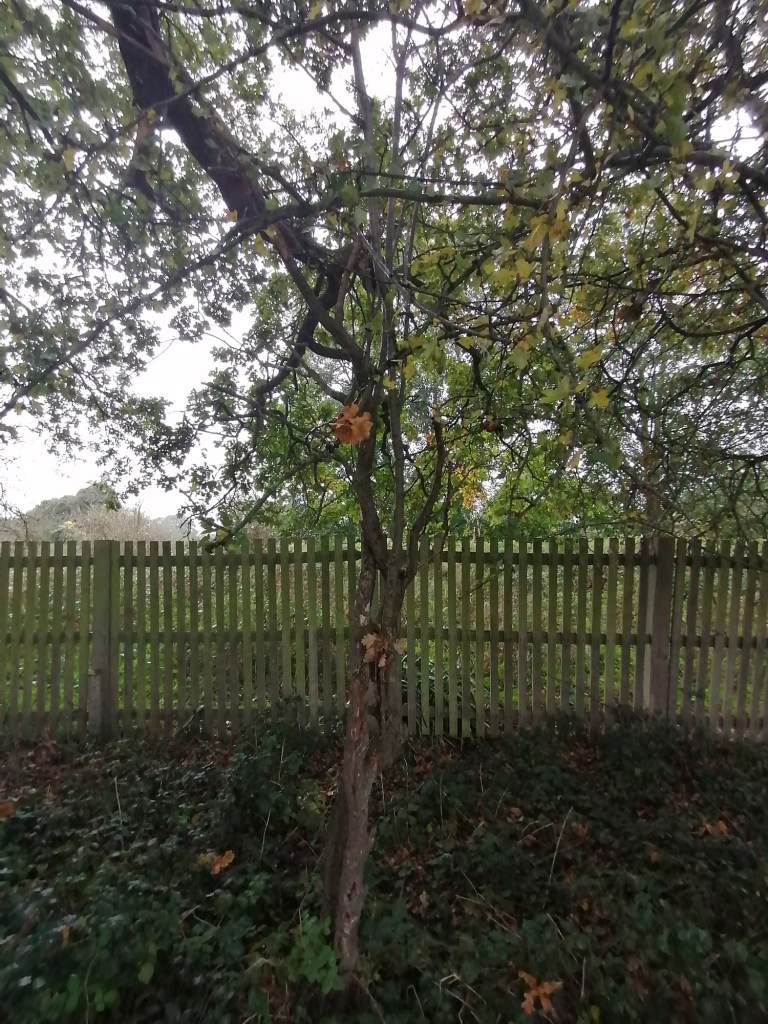
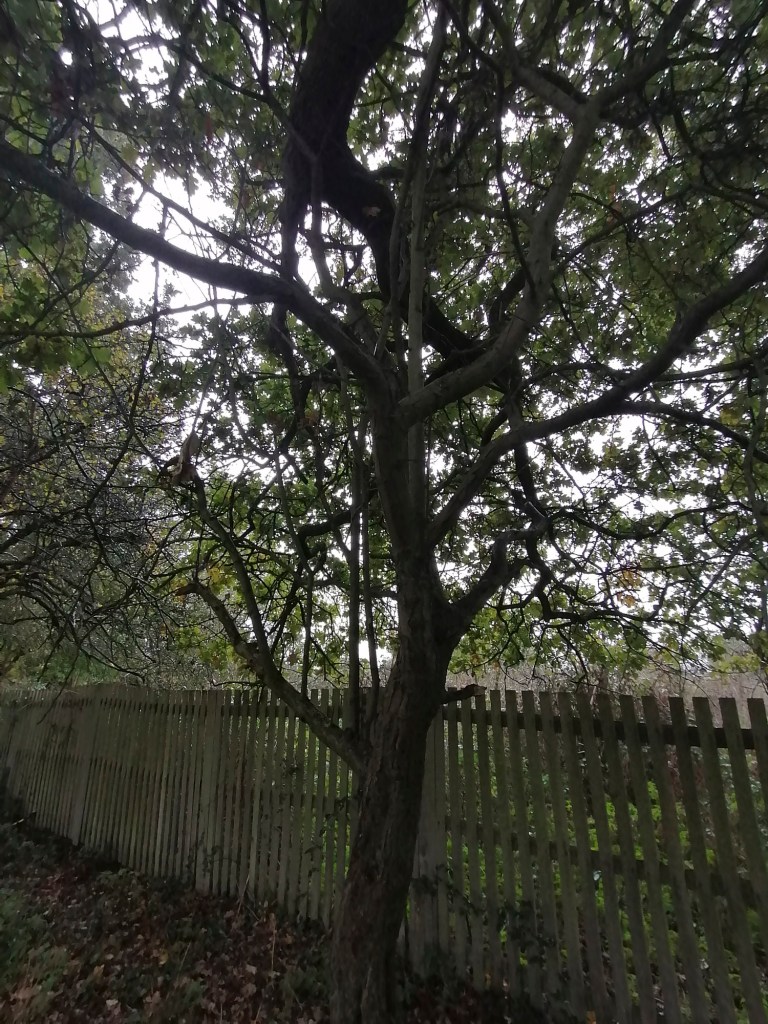
Just along the path to the right of the tree on the corner is this hawthorn.
Followed by this one.
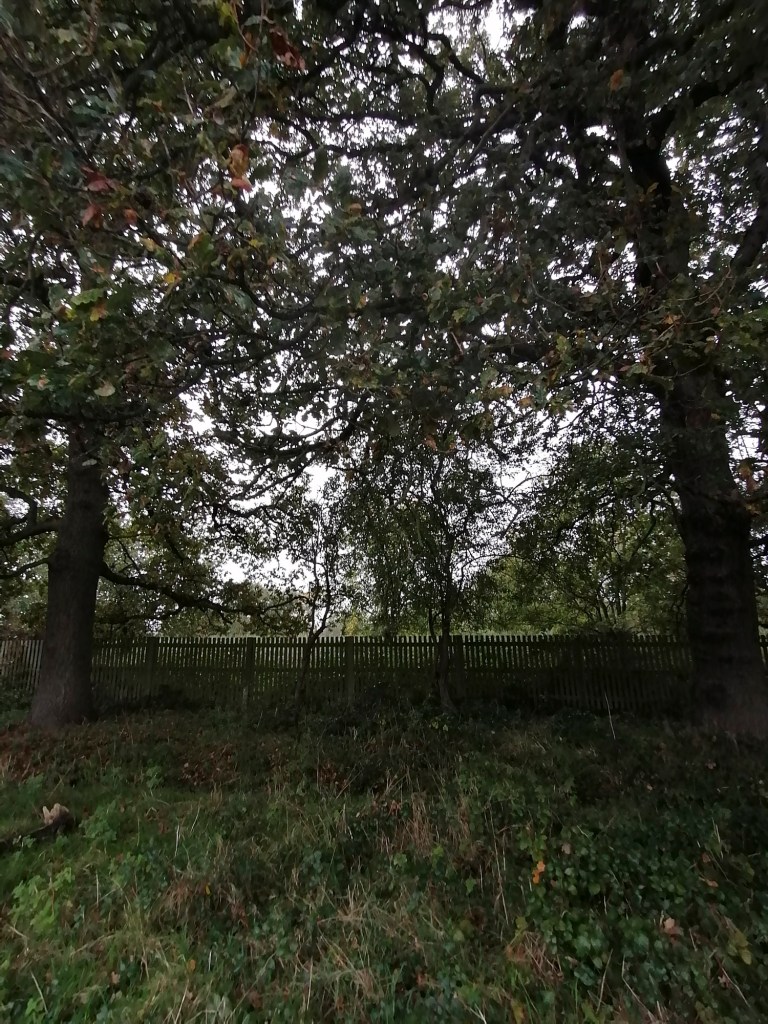
On the opposite side of the path, there are two more hawthorns.
What struck me was the oak tree adjacent to the hawthorns in the last image. Evidence of a hawthorn ‘protecting’ the oak.
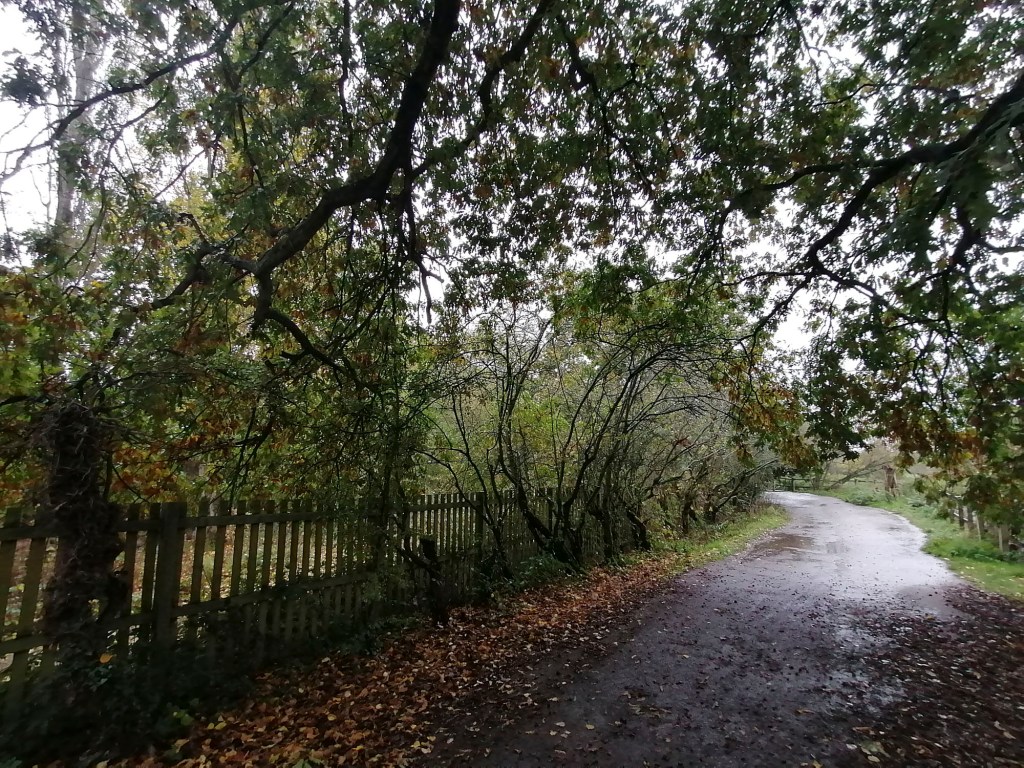
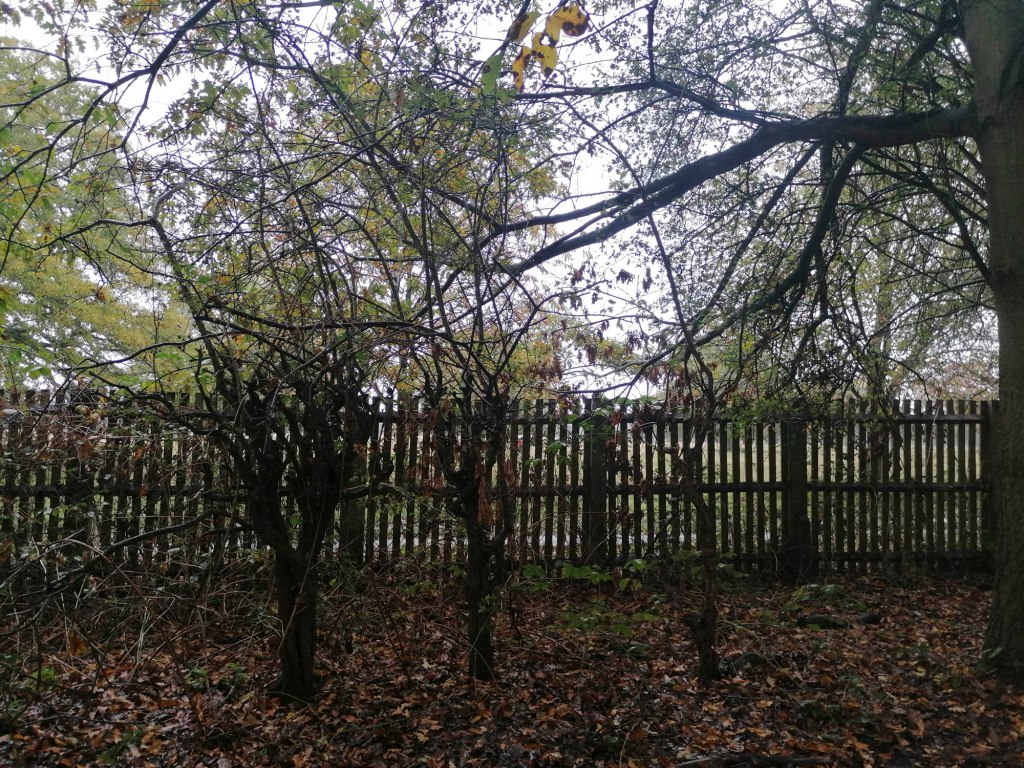
I then made my way along the path that runs along side the fenced-off area of Brewhouse Meadows.
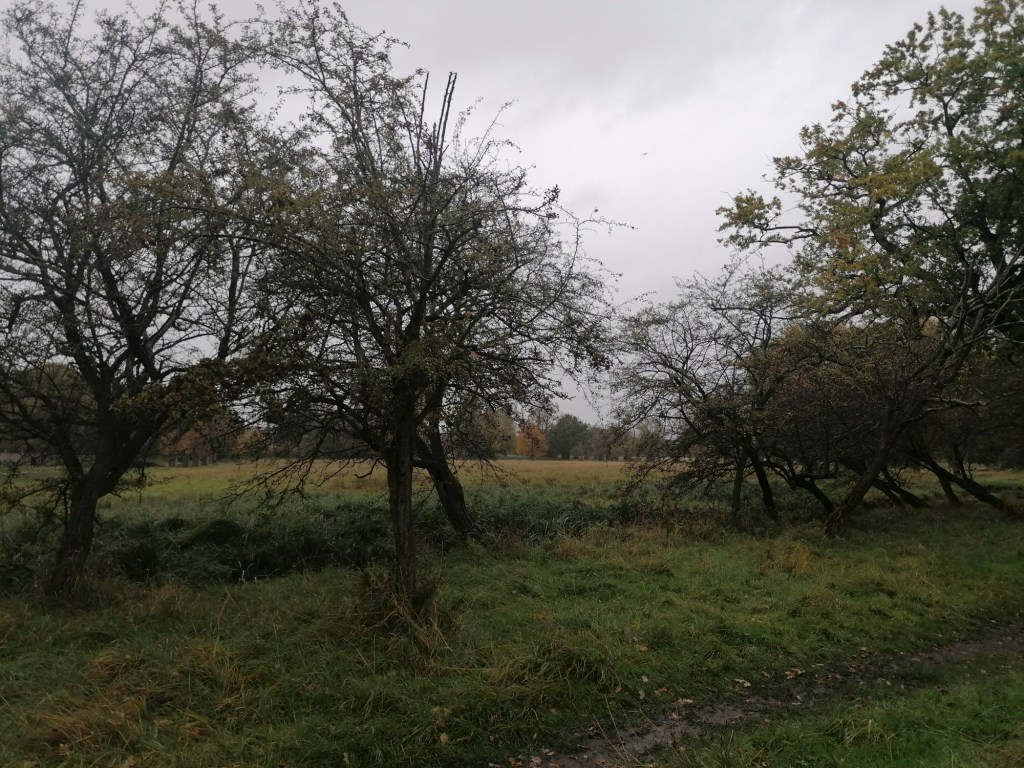
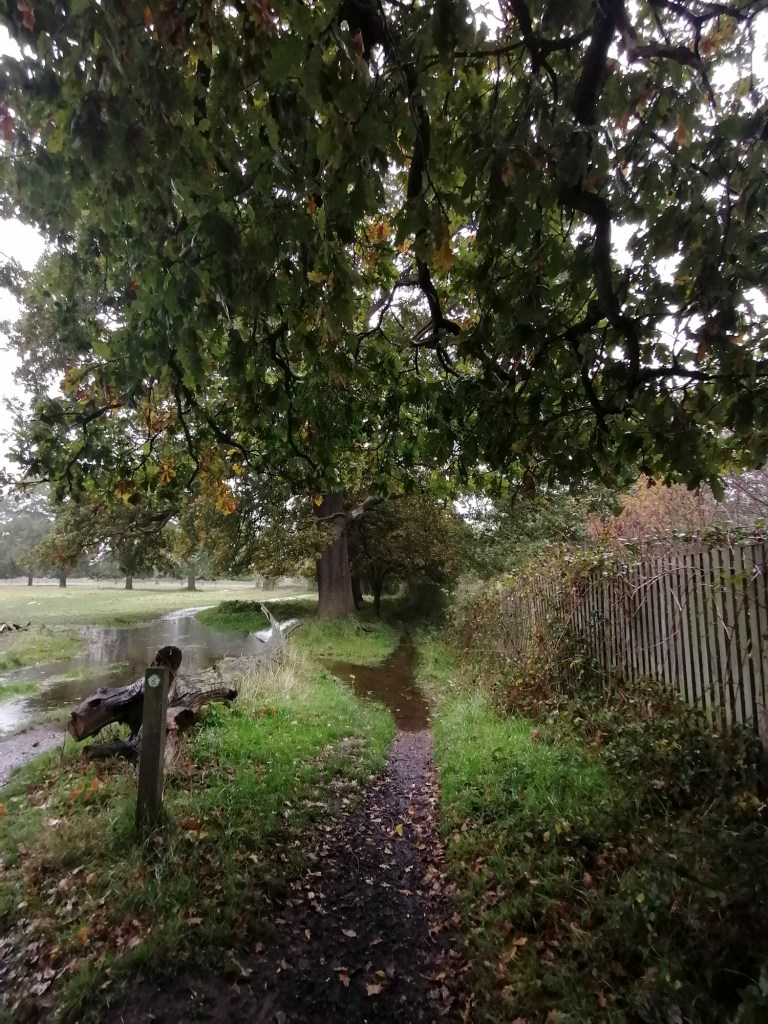
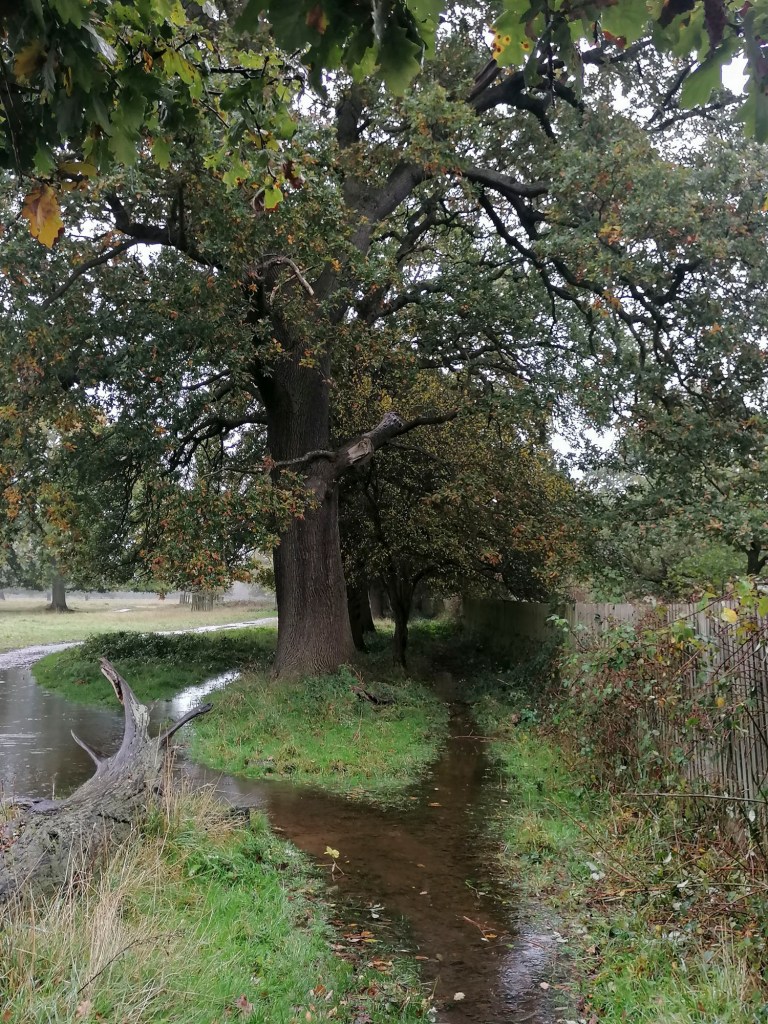
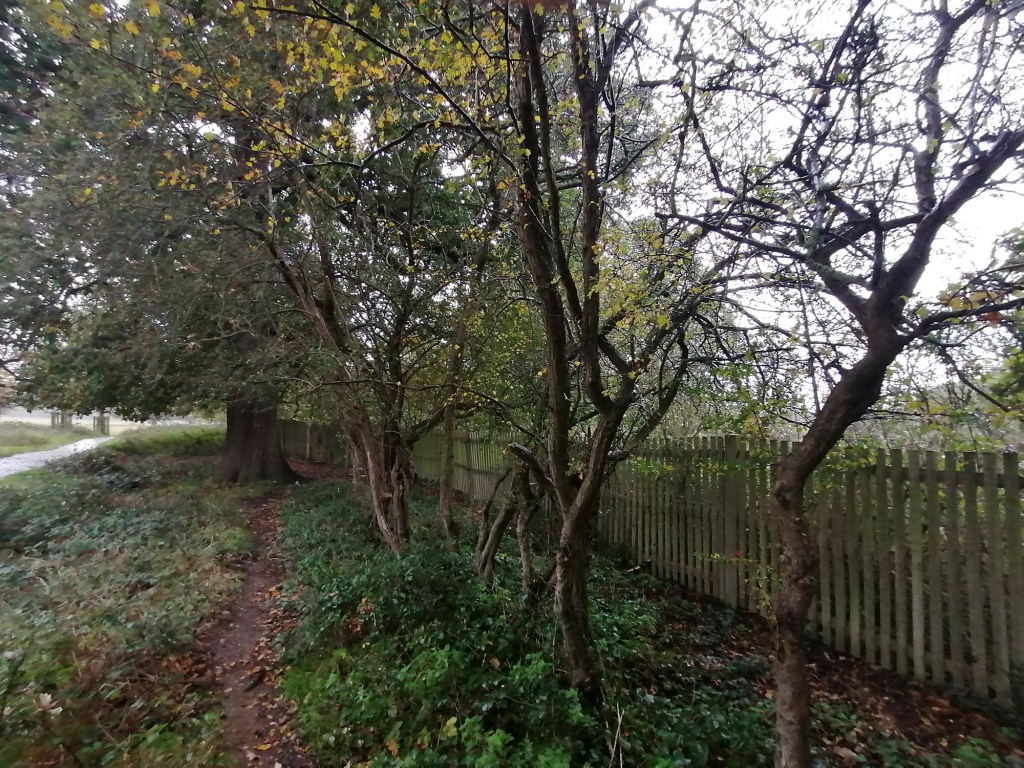
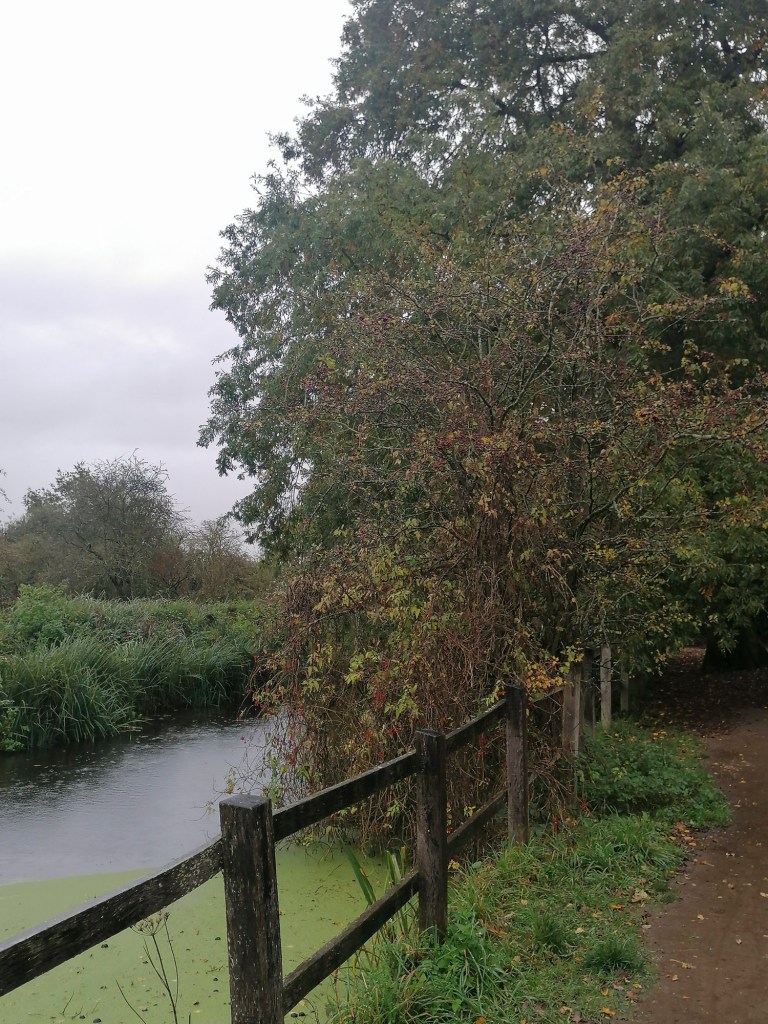
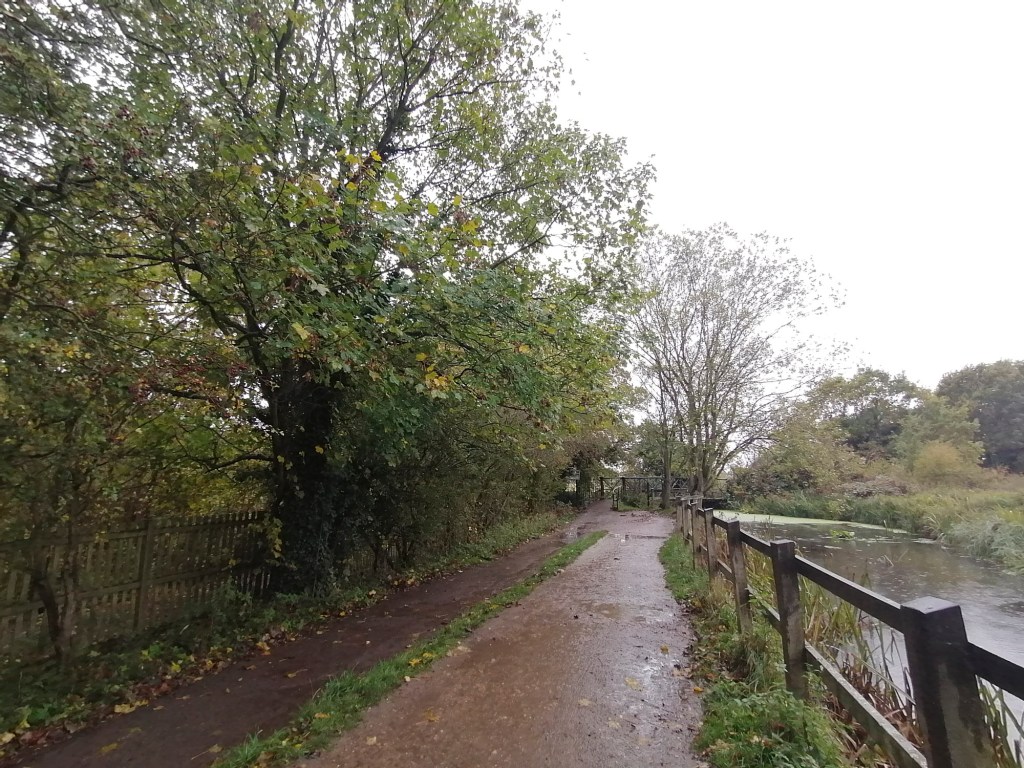
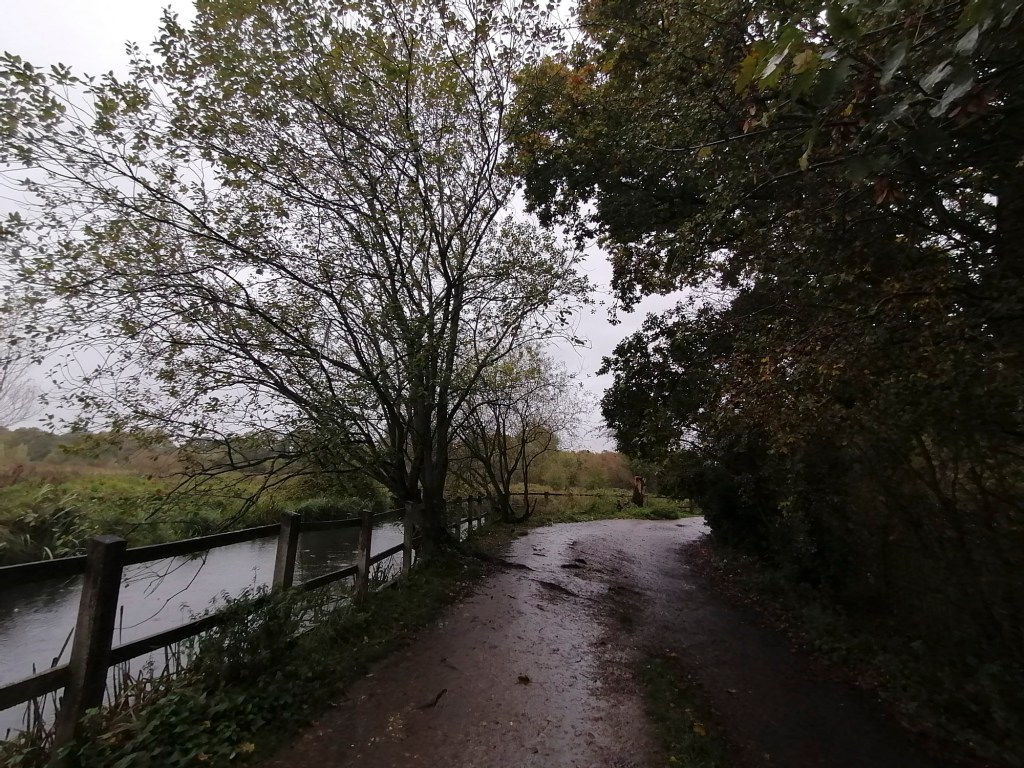
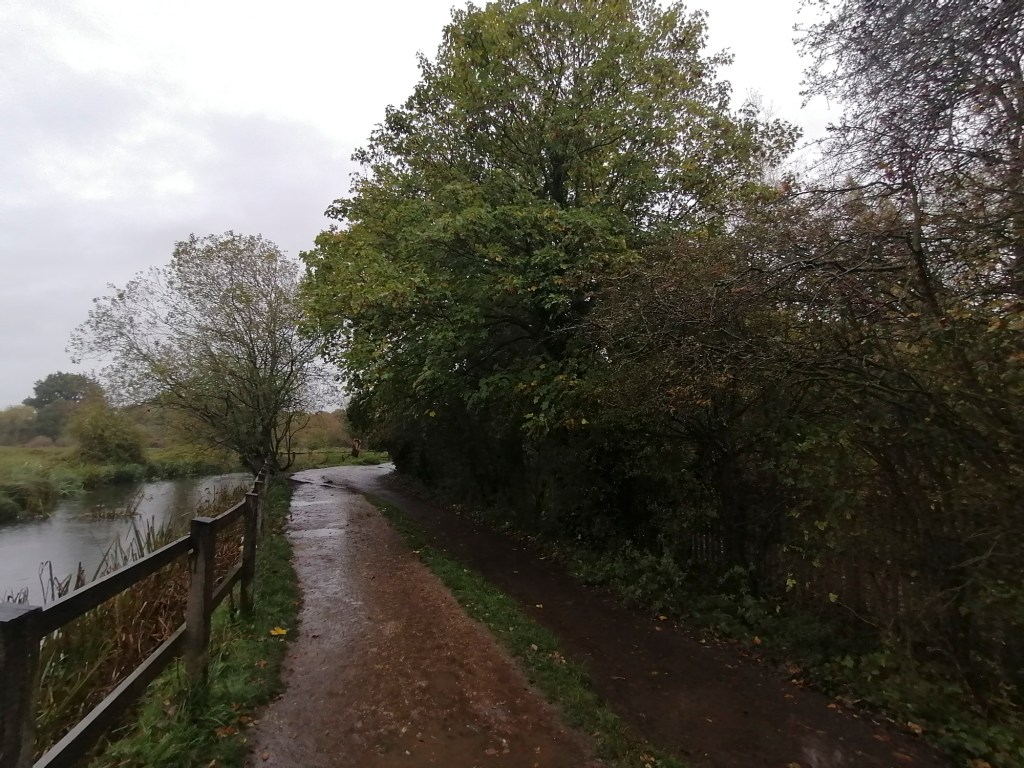
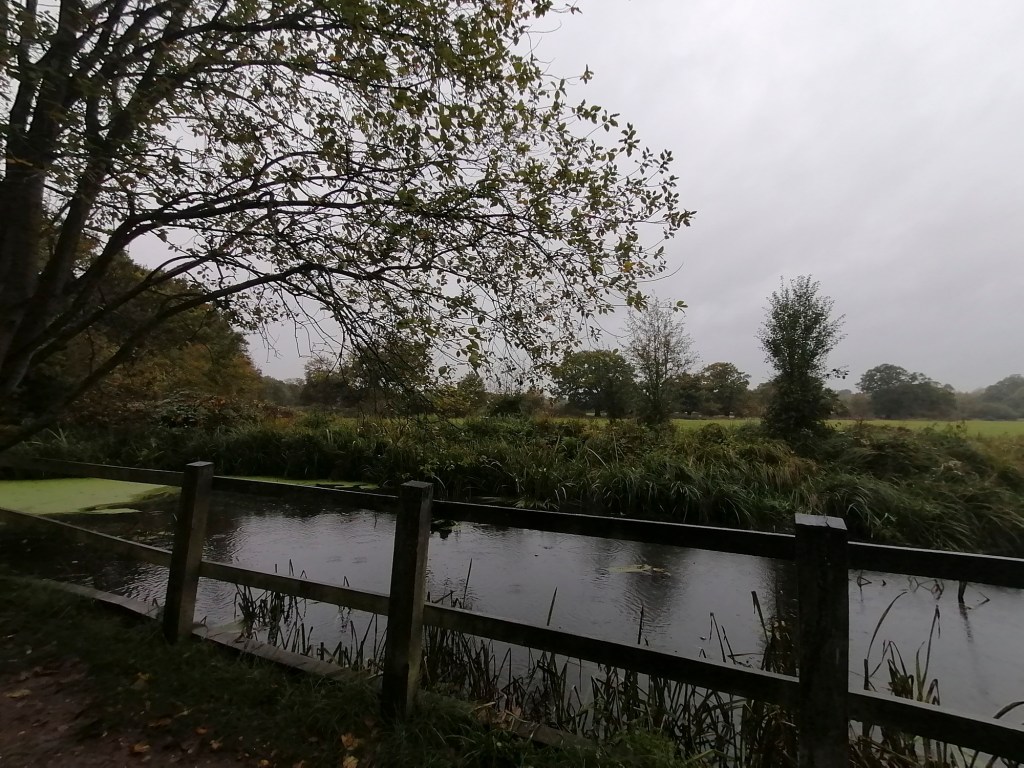
This path leads to a line of hawthorns along a water channel that starts in the meadows area.
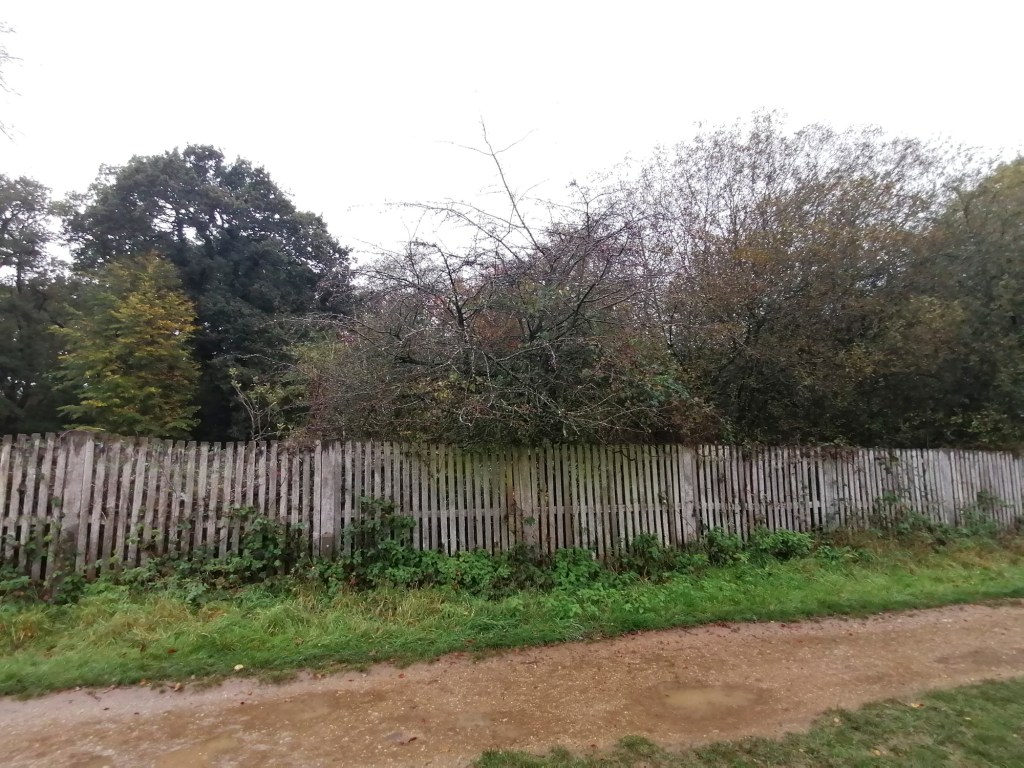
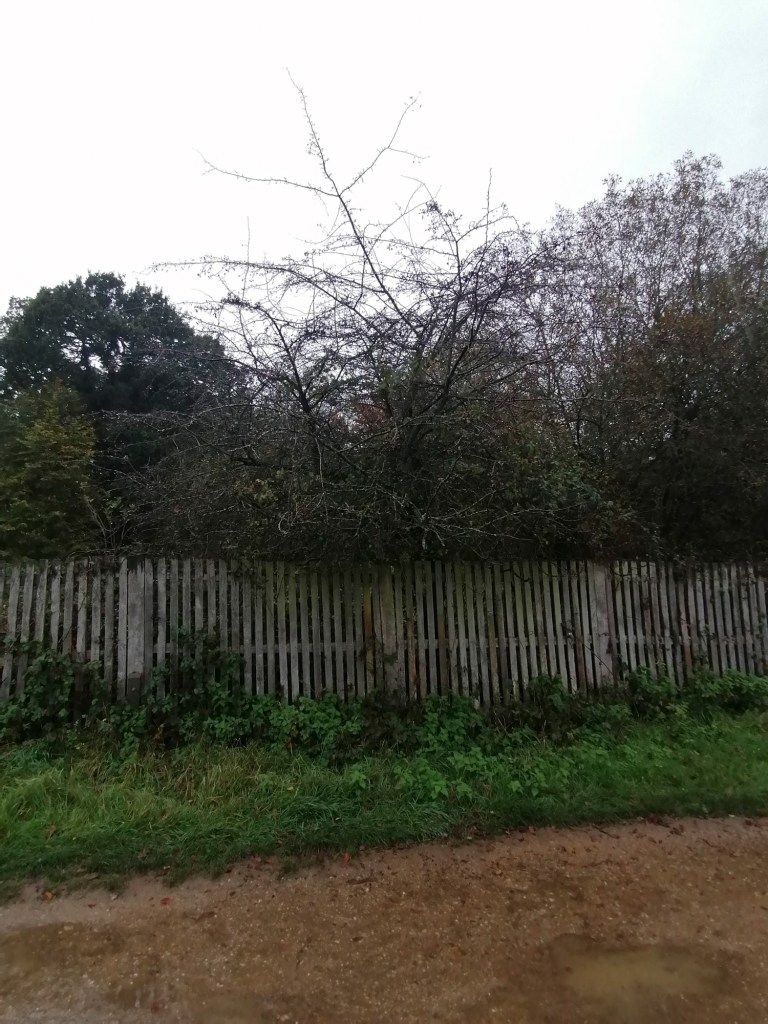
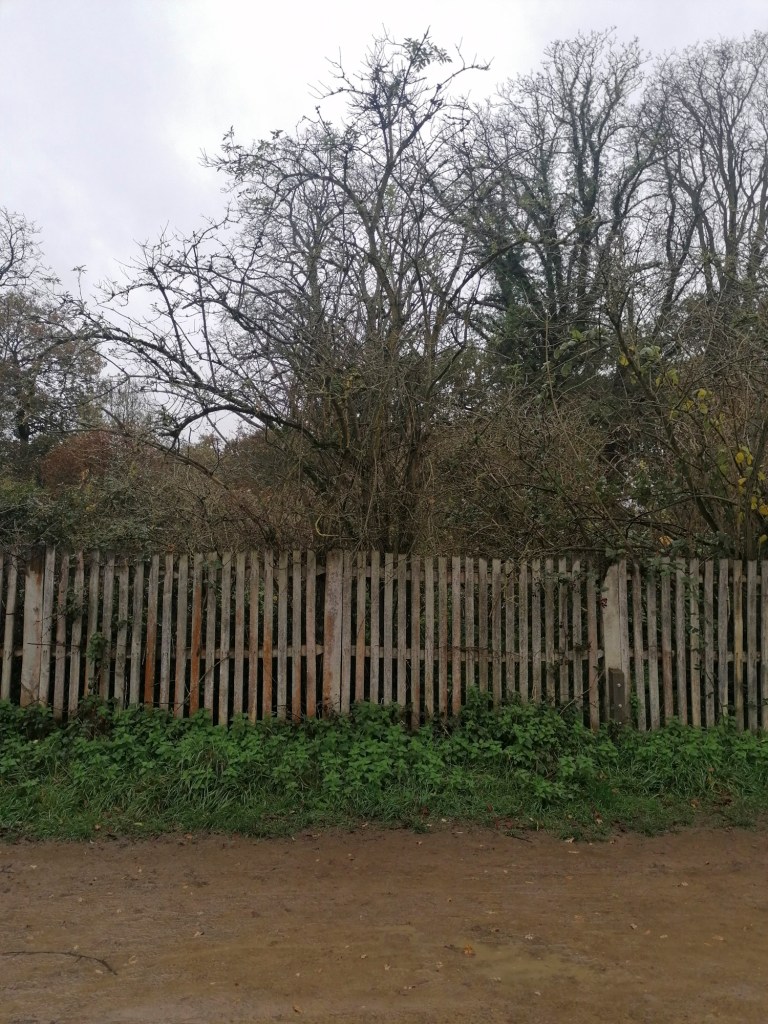
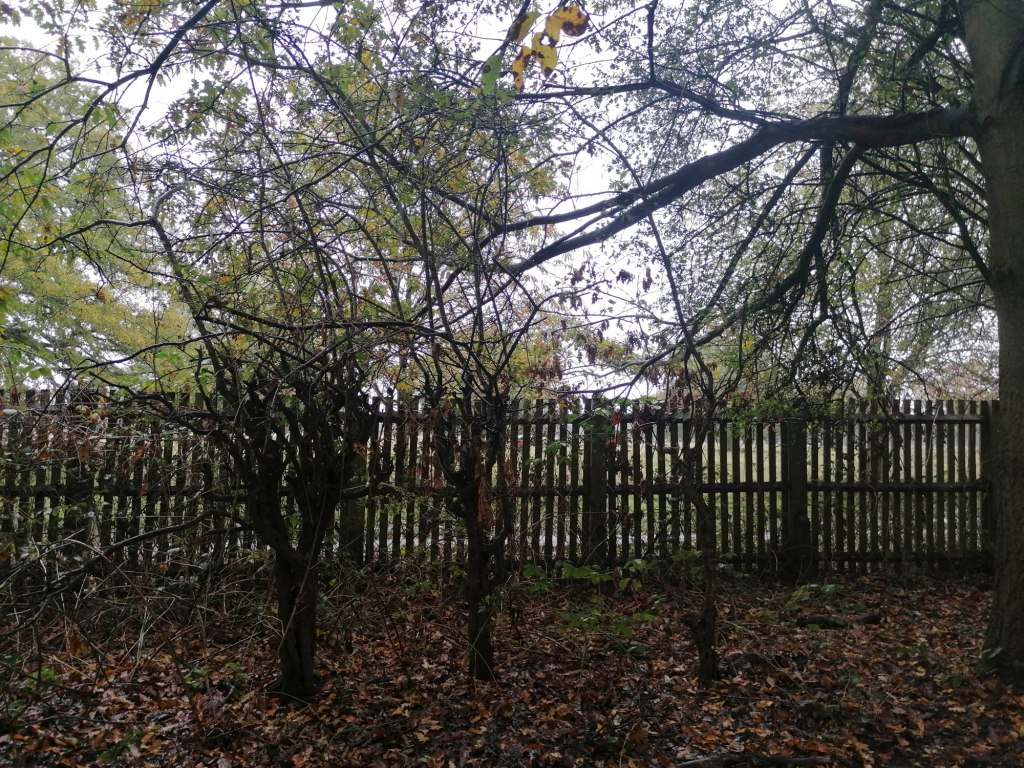
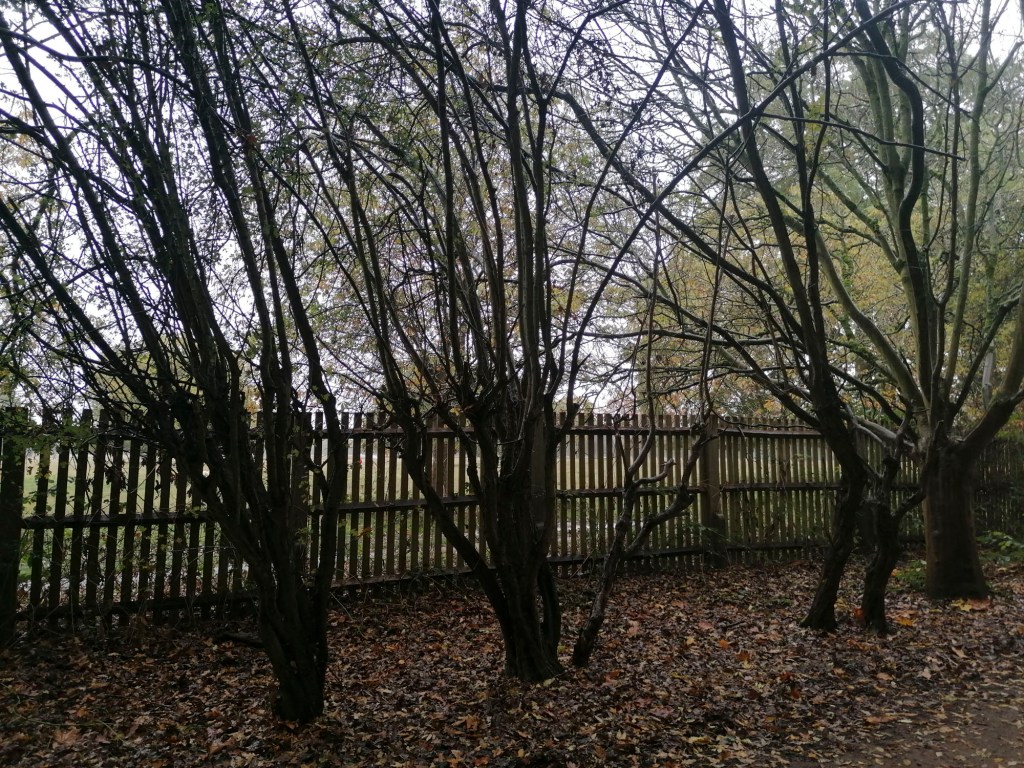
There are further hawthorns opposite this line, which are on the other side of the fence.
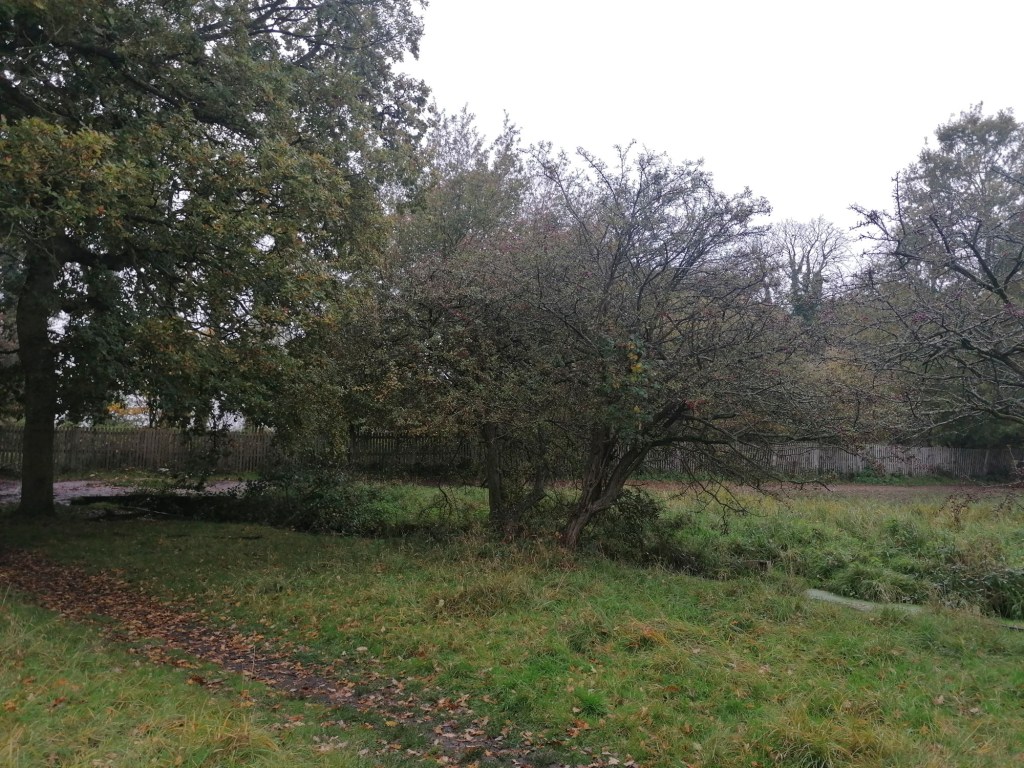
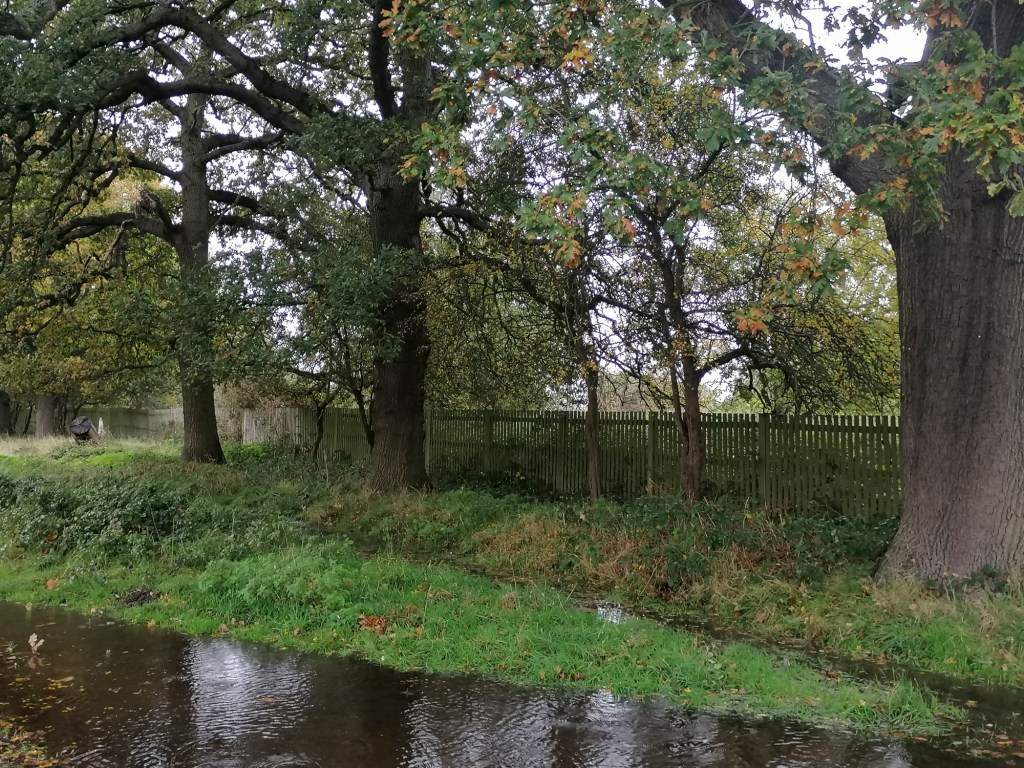
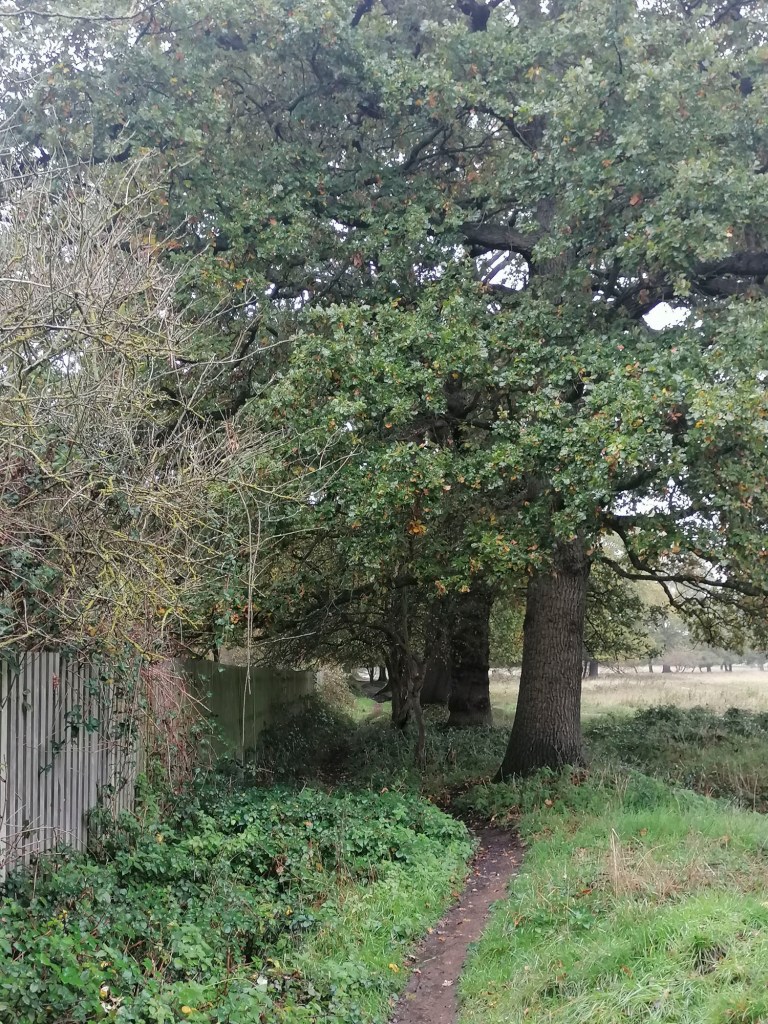
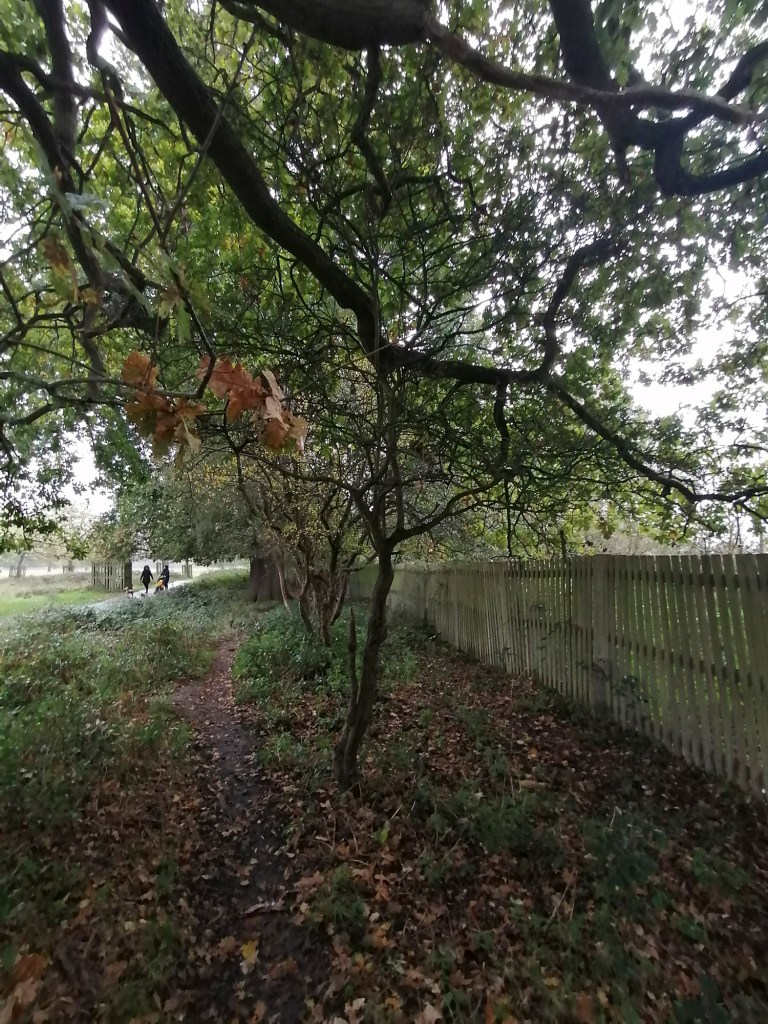
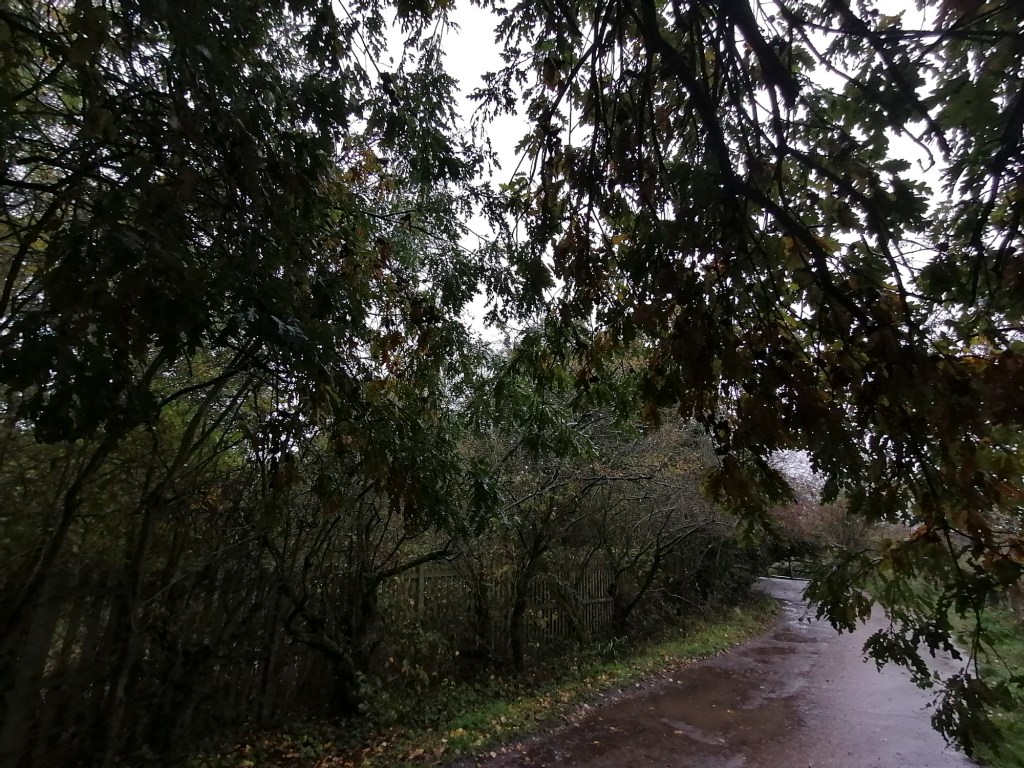
Continuing along the path, there are more hawthorns that have been planted next to oak trees.
I particularly liked this aspect, which shows the hawthorn branches in combination with that of the oak. I also carried out a quick Black & White conversion later that day.
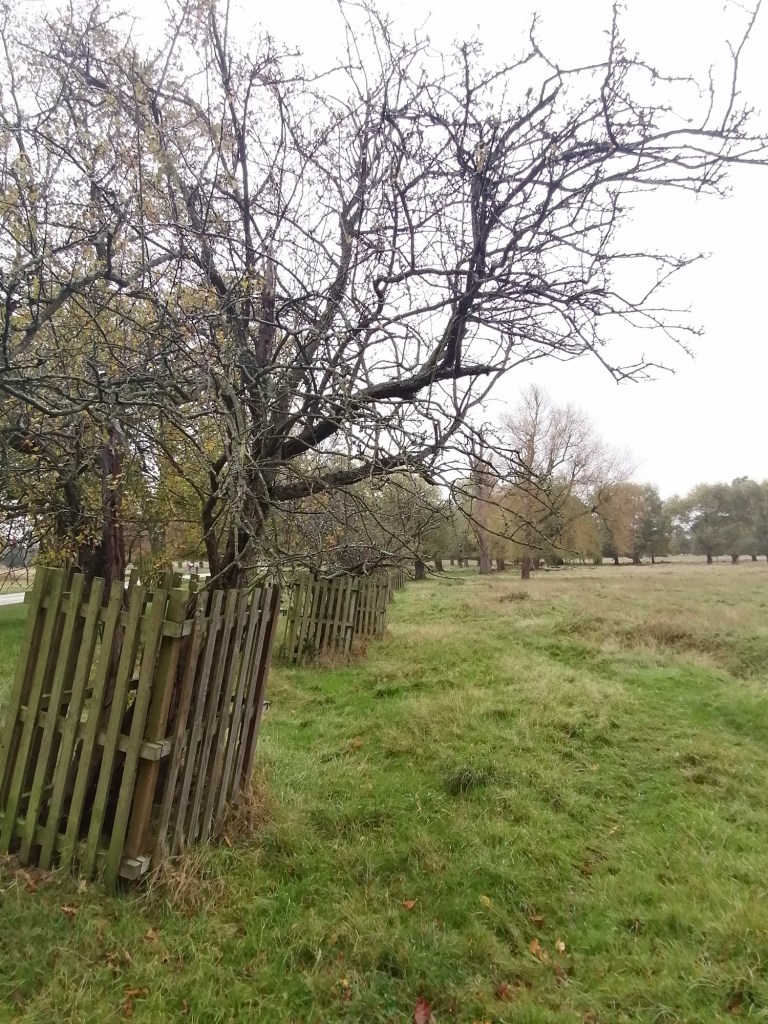
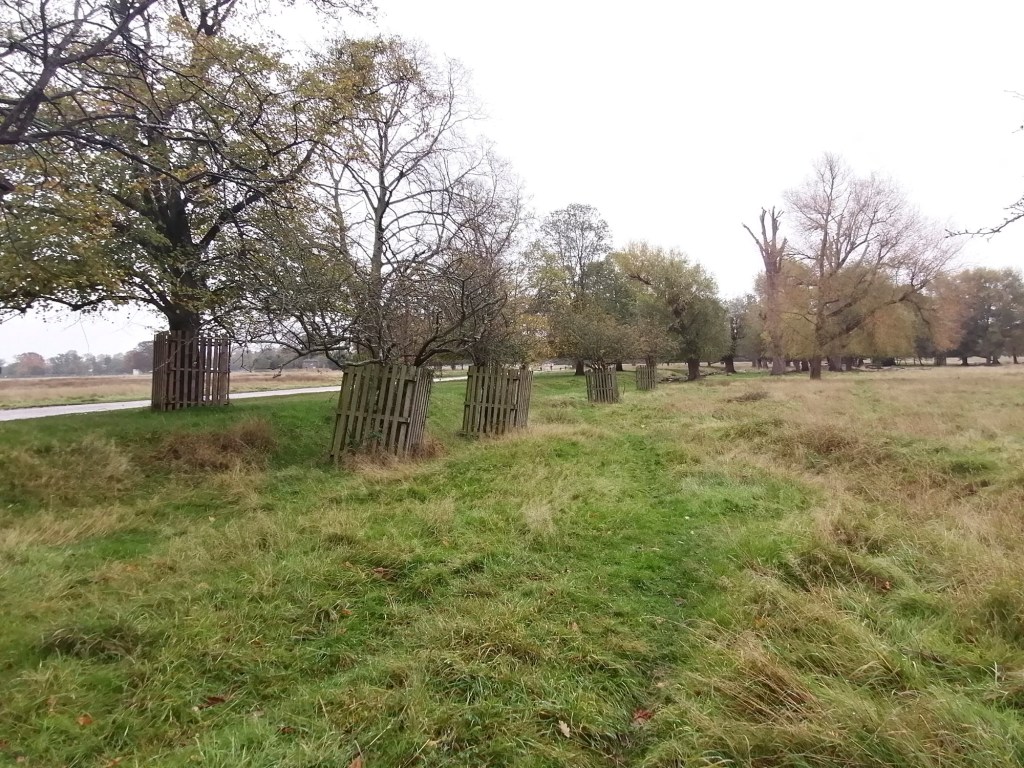
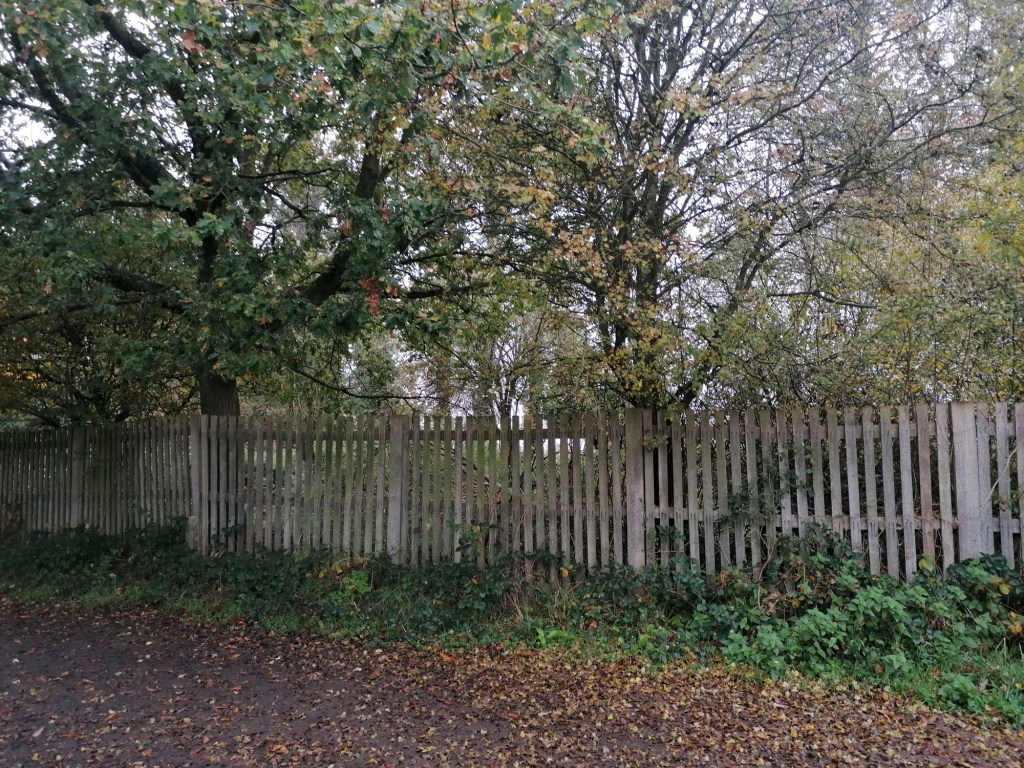
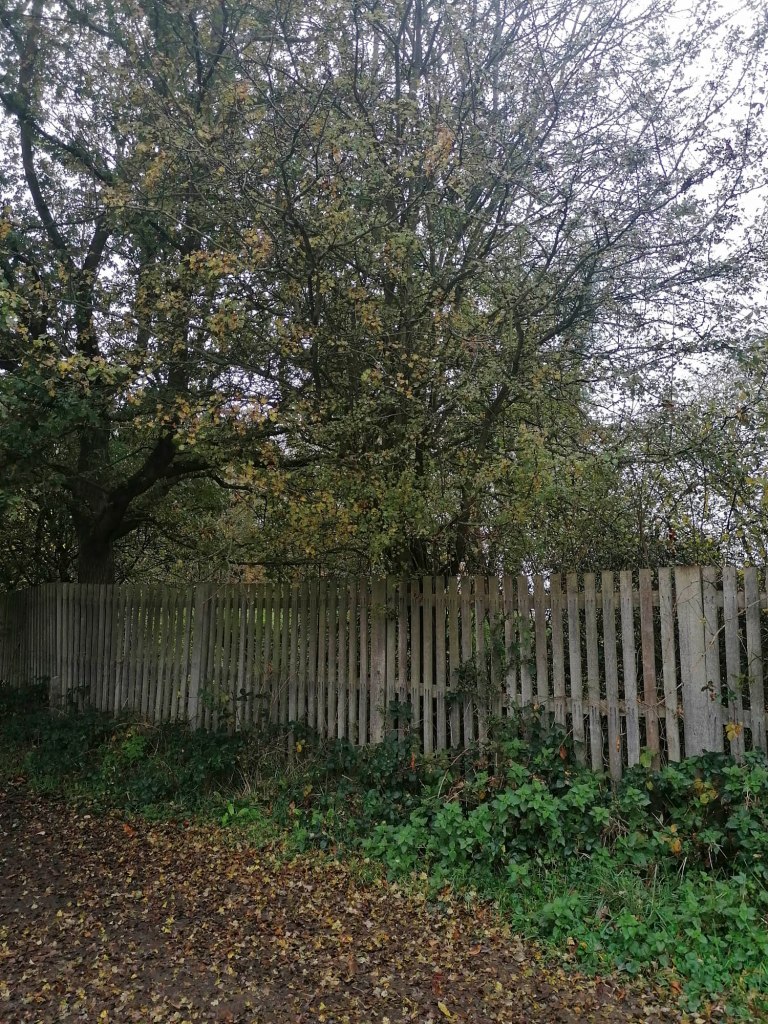
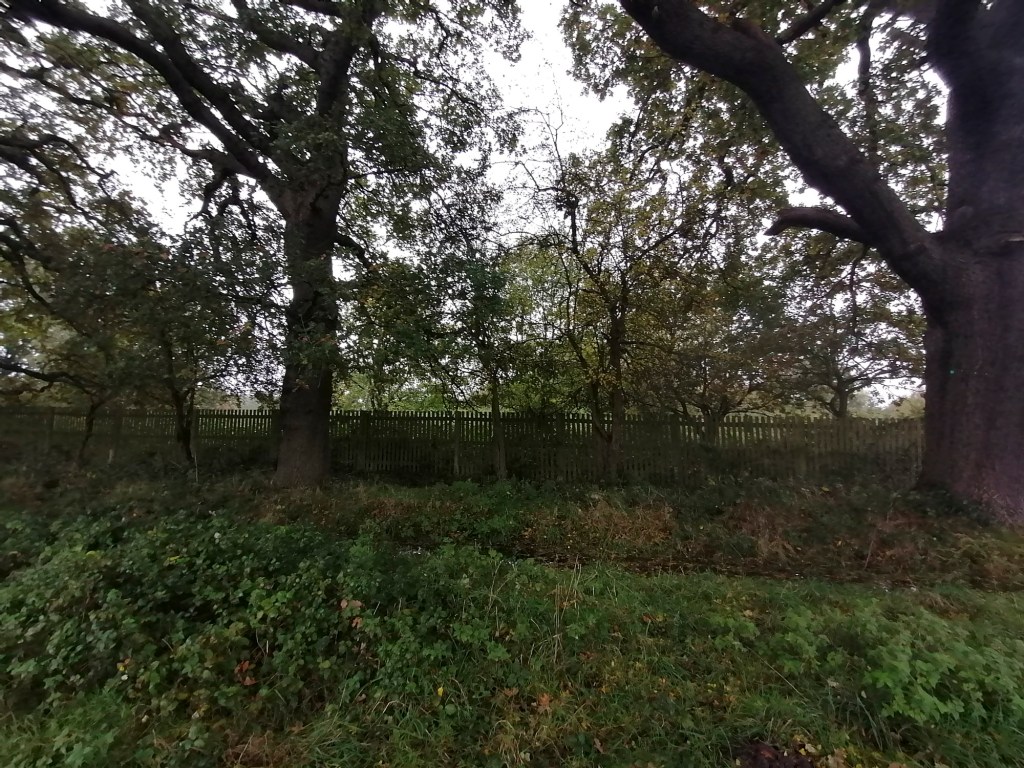
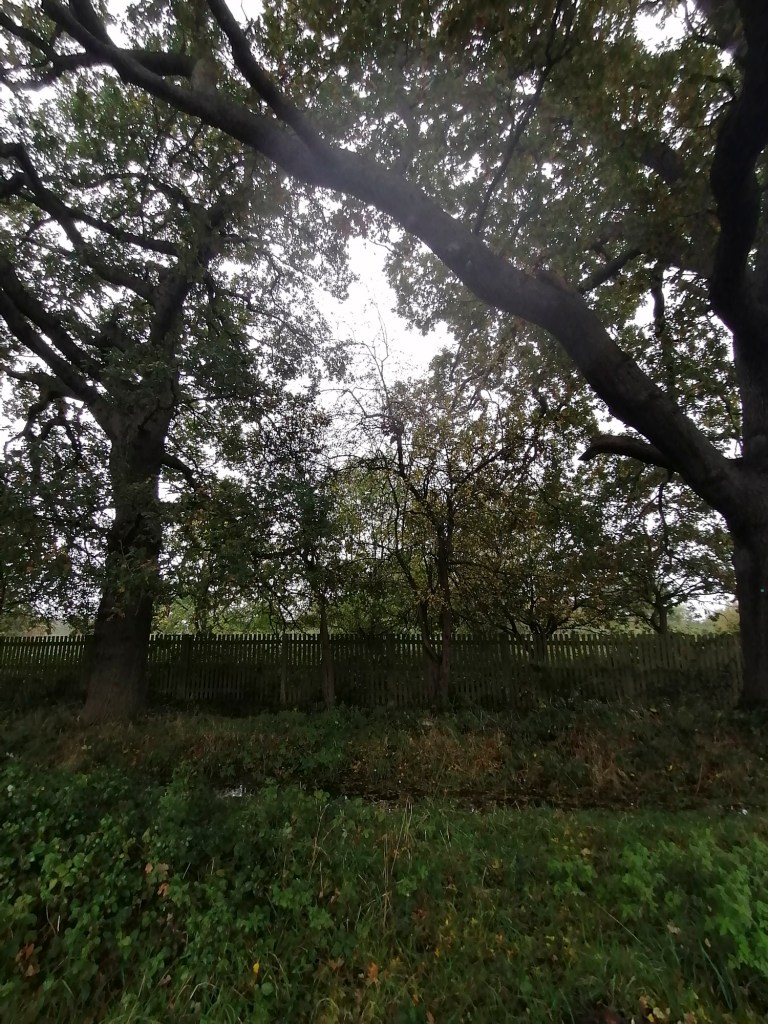
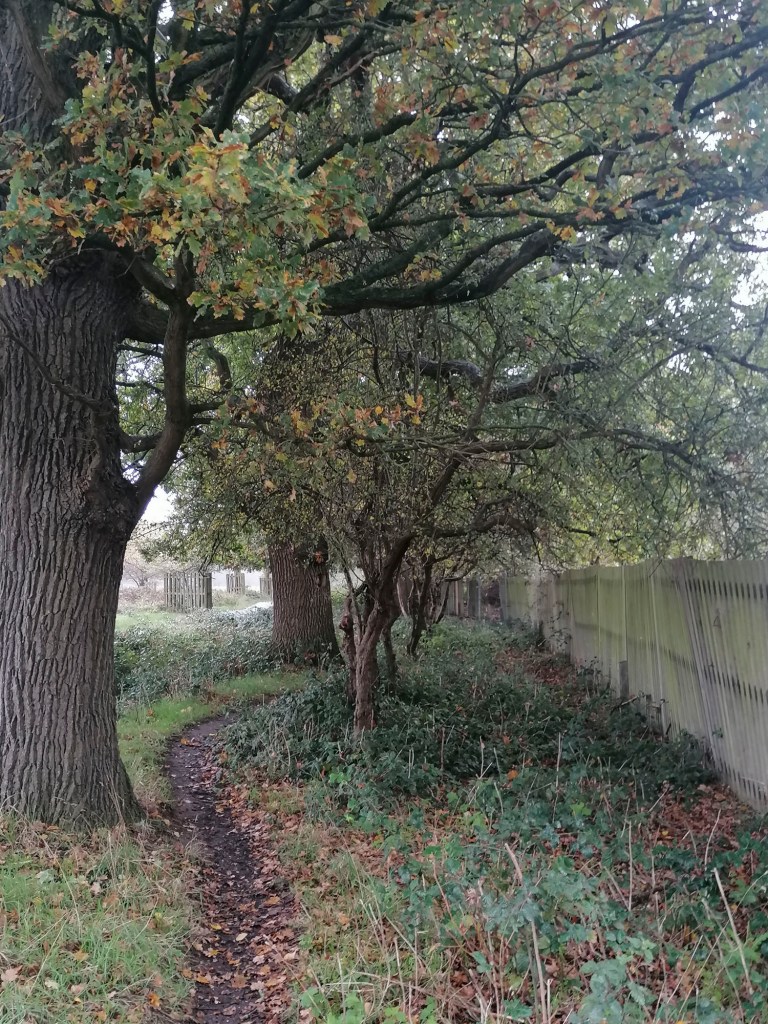
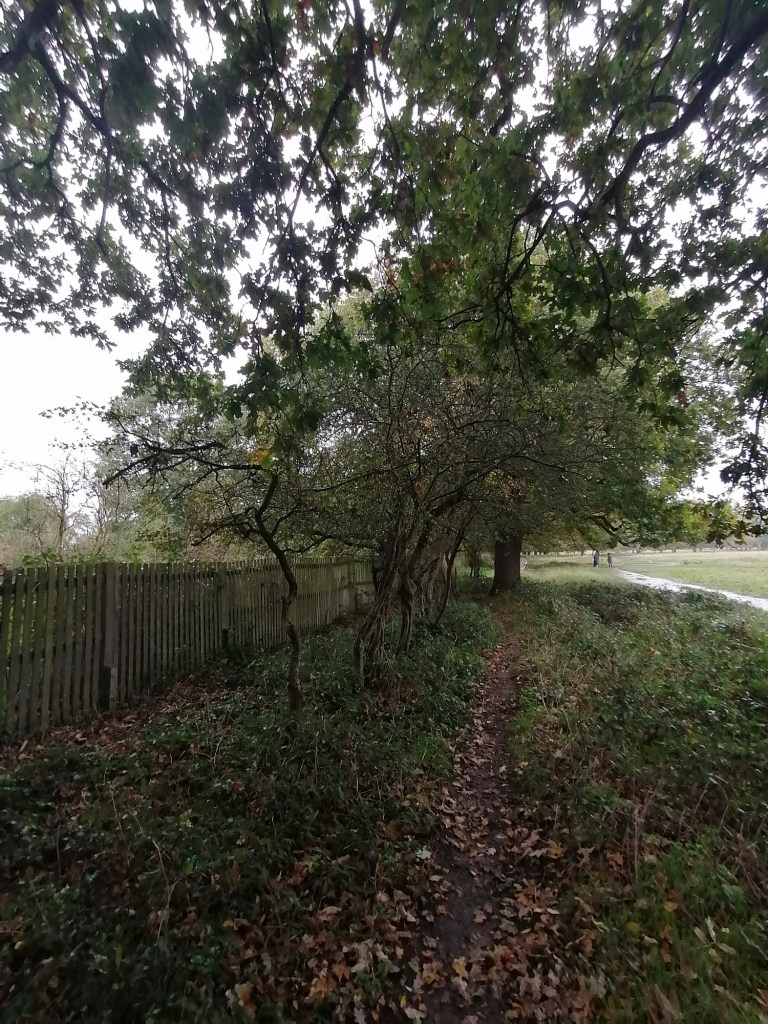
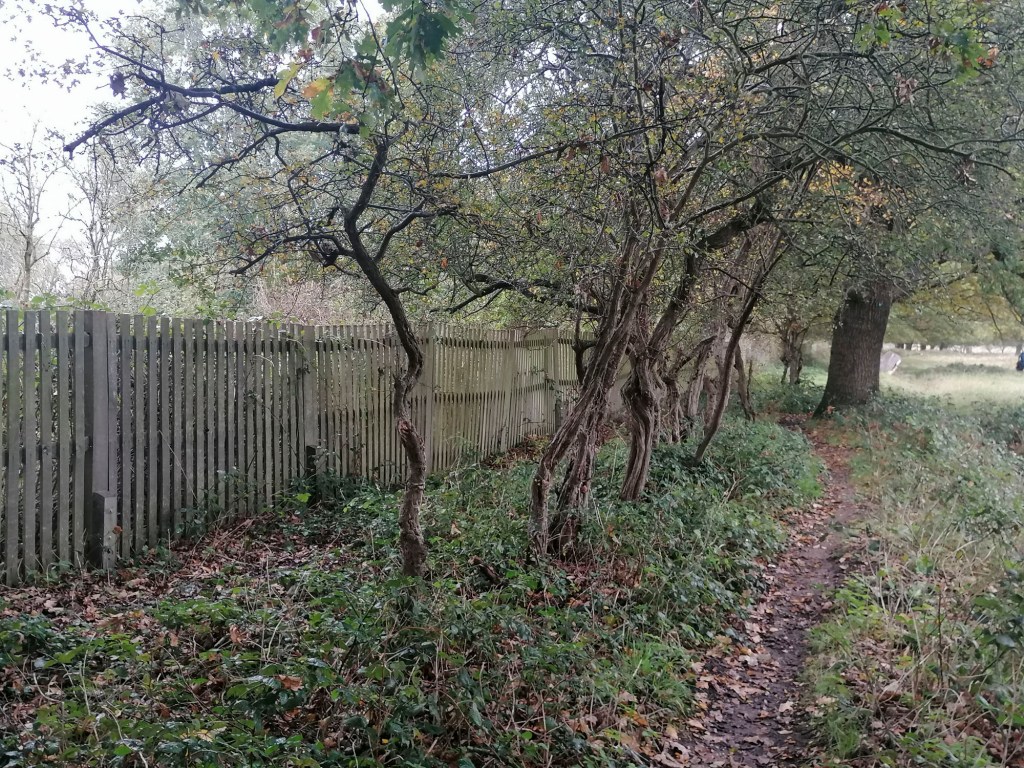
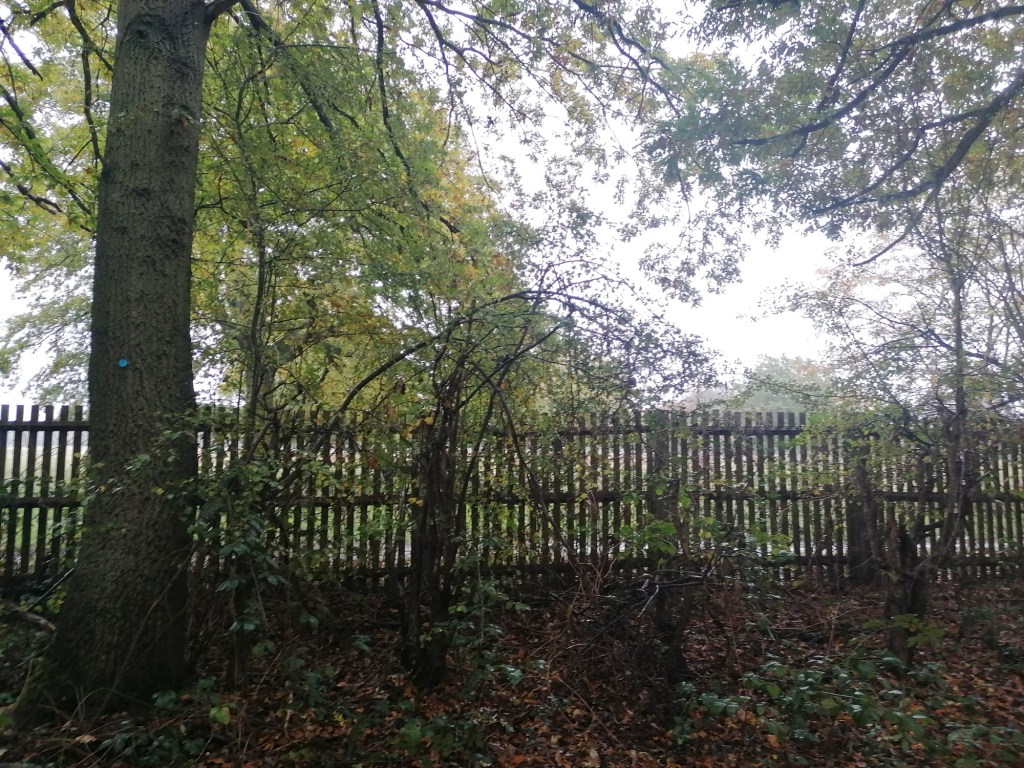
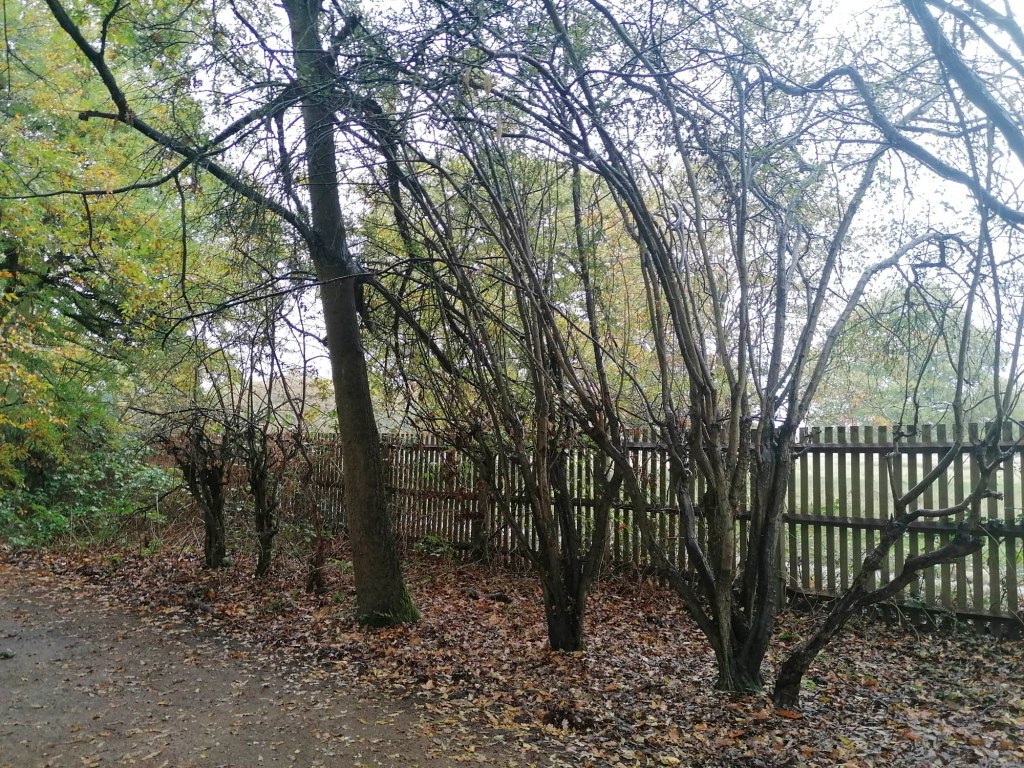
There is clearly a line of hawthorns along this path with trees on either side of the fence.
One difference I noted was how these hawthorns were planted in line with the oaks. Also, these appeared to be much younger trees as the trunks were considerably smoother than the others situated in this part of the park.
My next place of investigation was Dukes Passage. This is a fenced off area at the entrance of the Waterhouse Plantation in the Woodland Gardens section of the park.
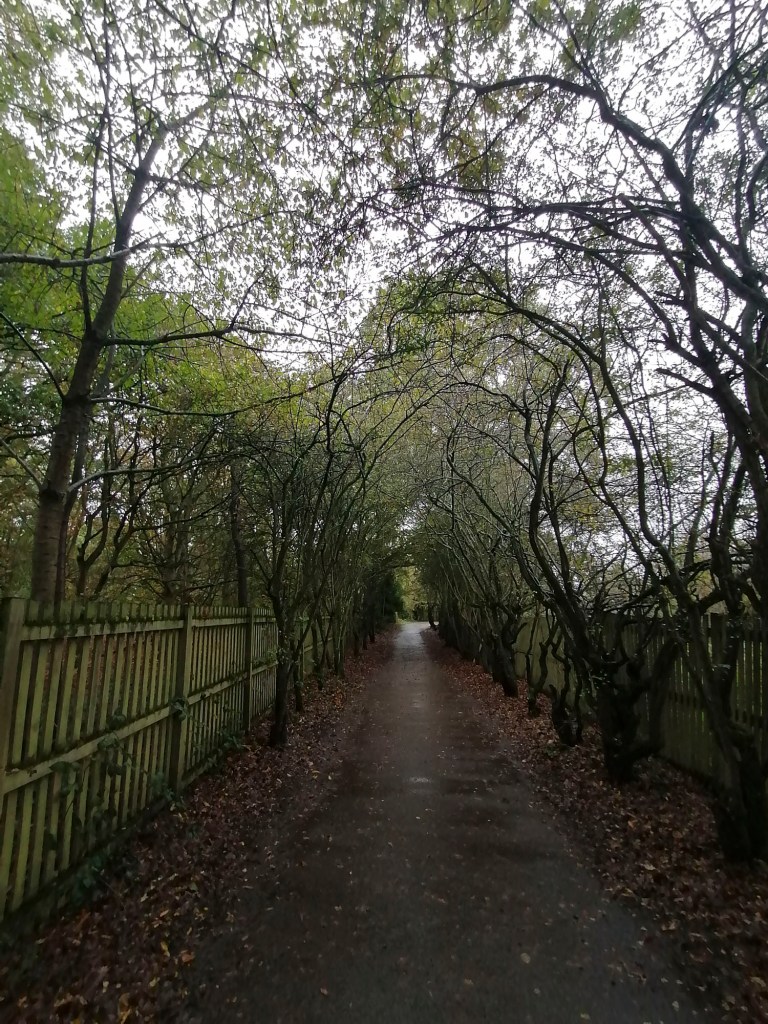
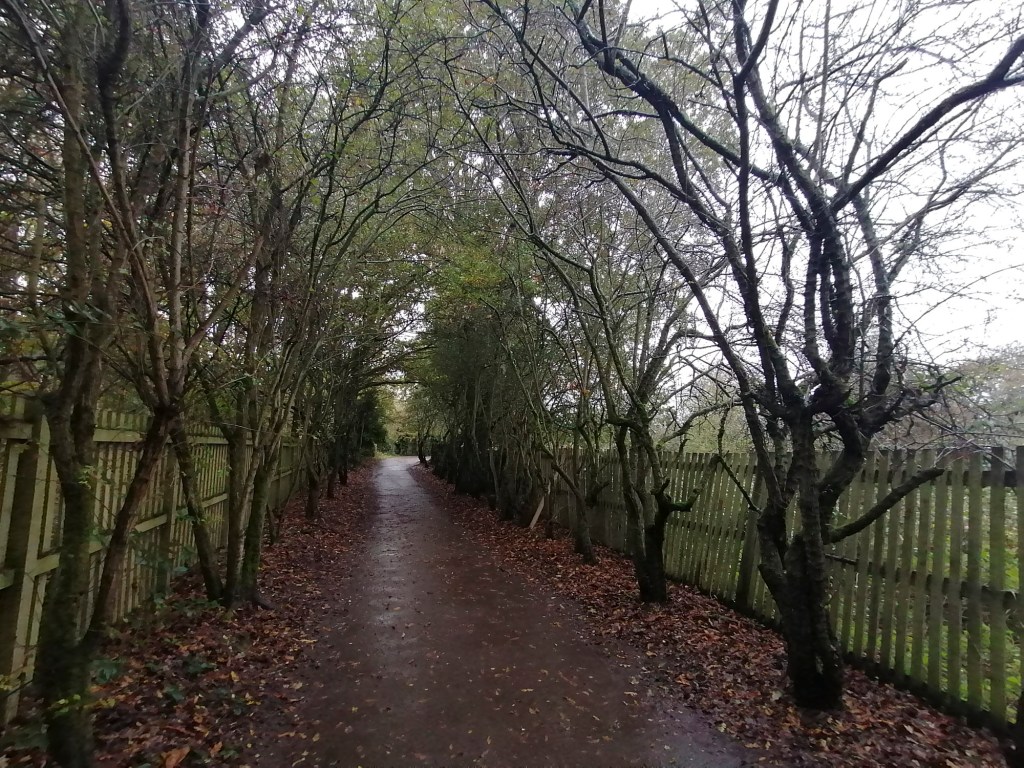
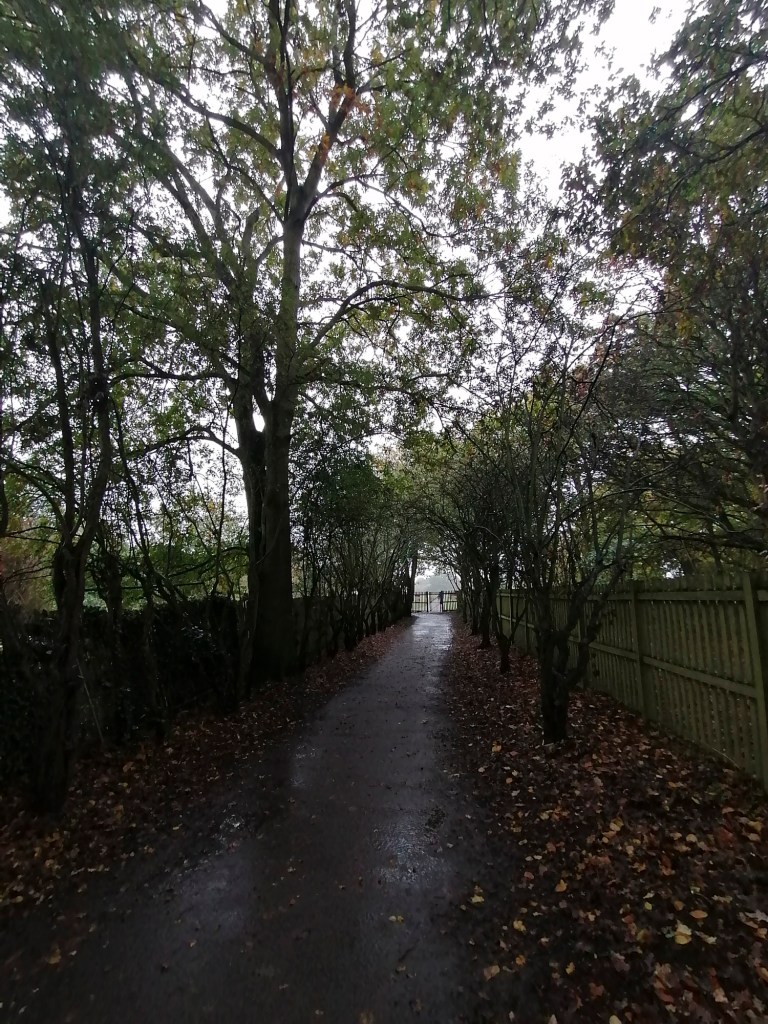
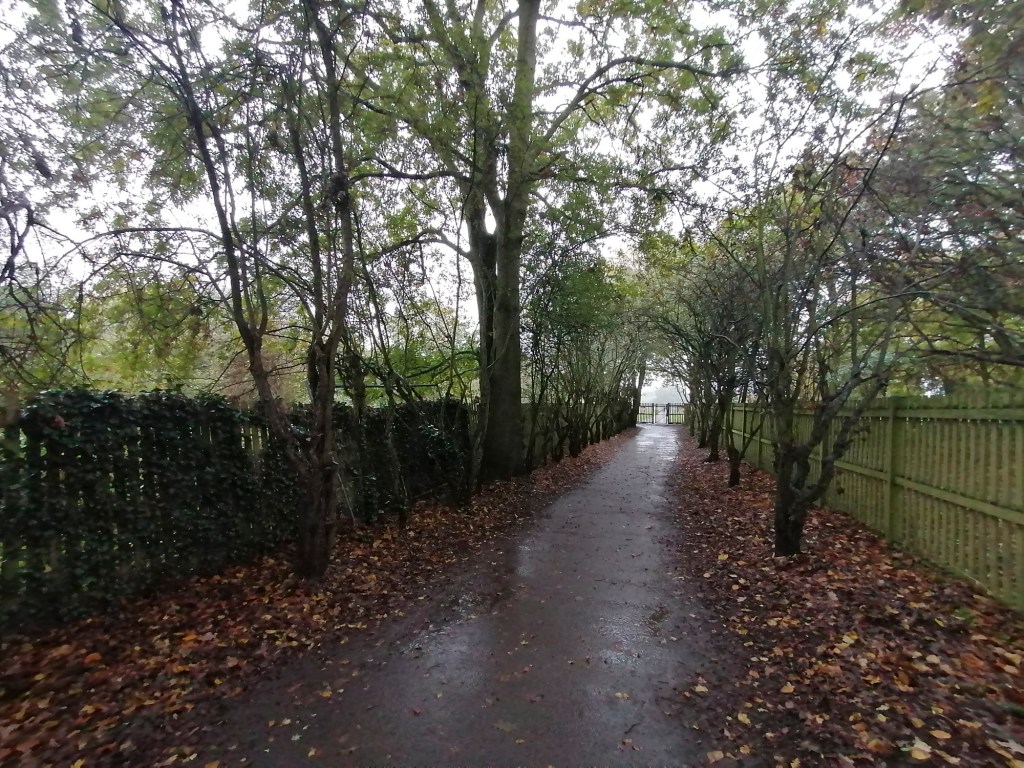
Just as I suspected, it consists of an avenue of hawthorns with a fence on either side.
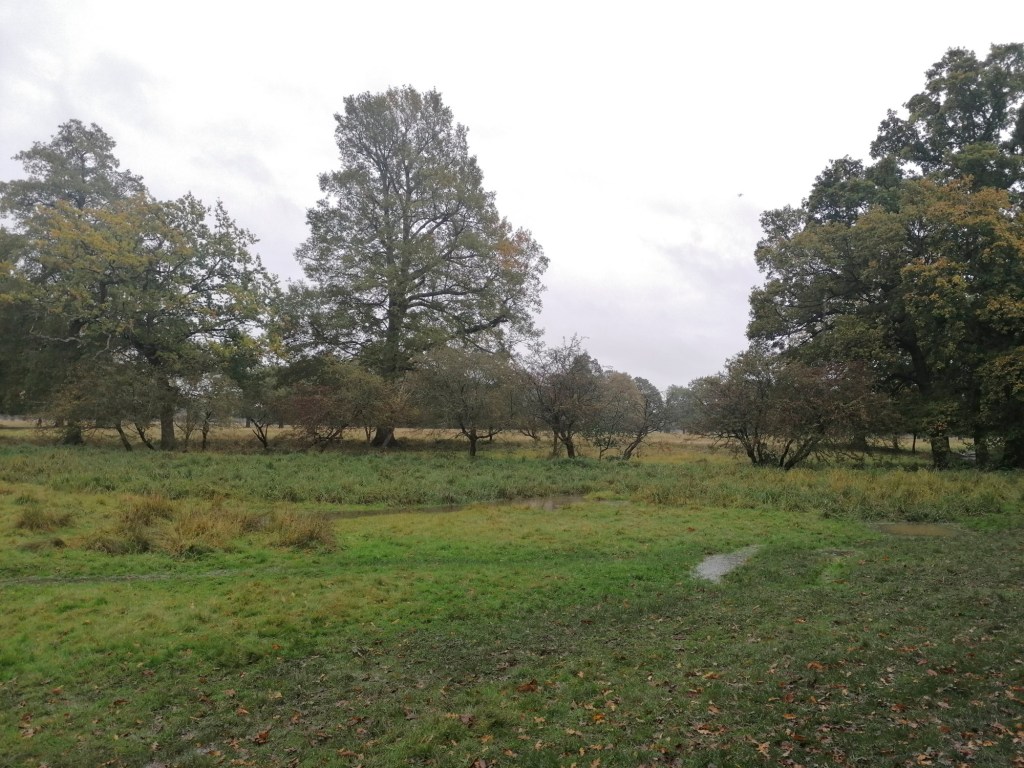
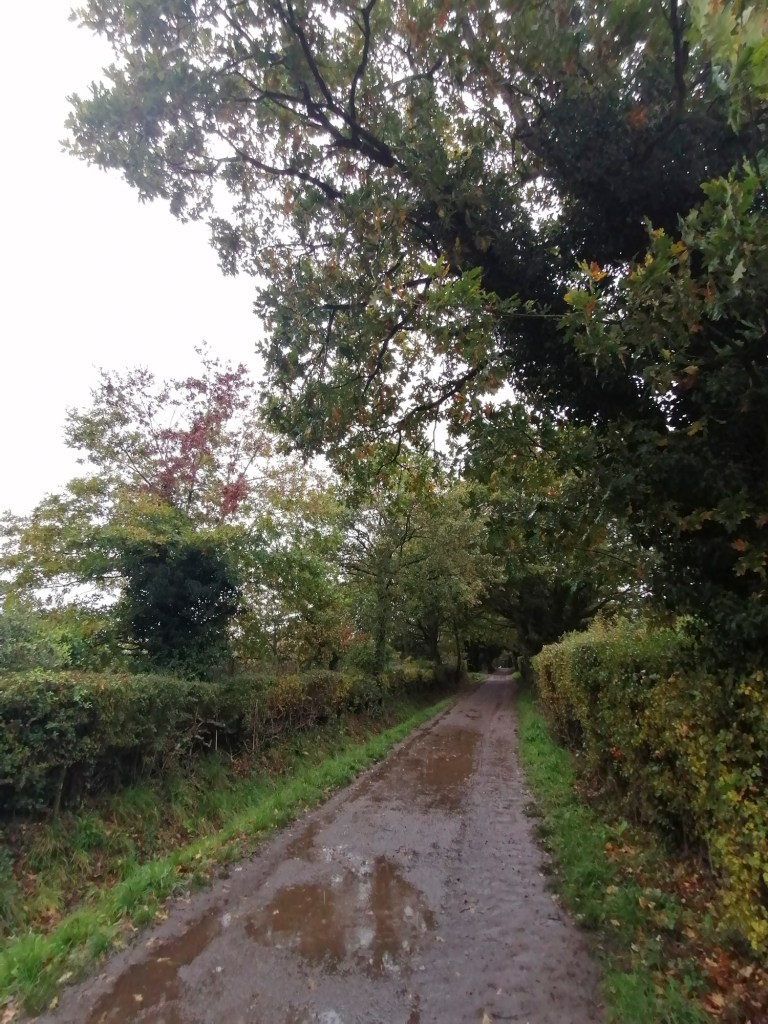
This avenue leads to one of my most favourite spots in Bushy Park. It really does feel like you’re in the middle of the countryside.
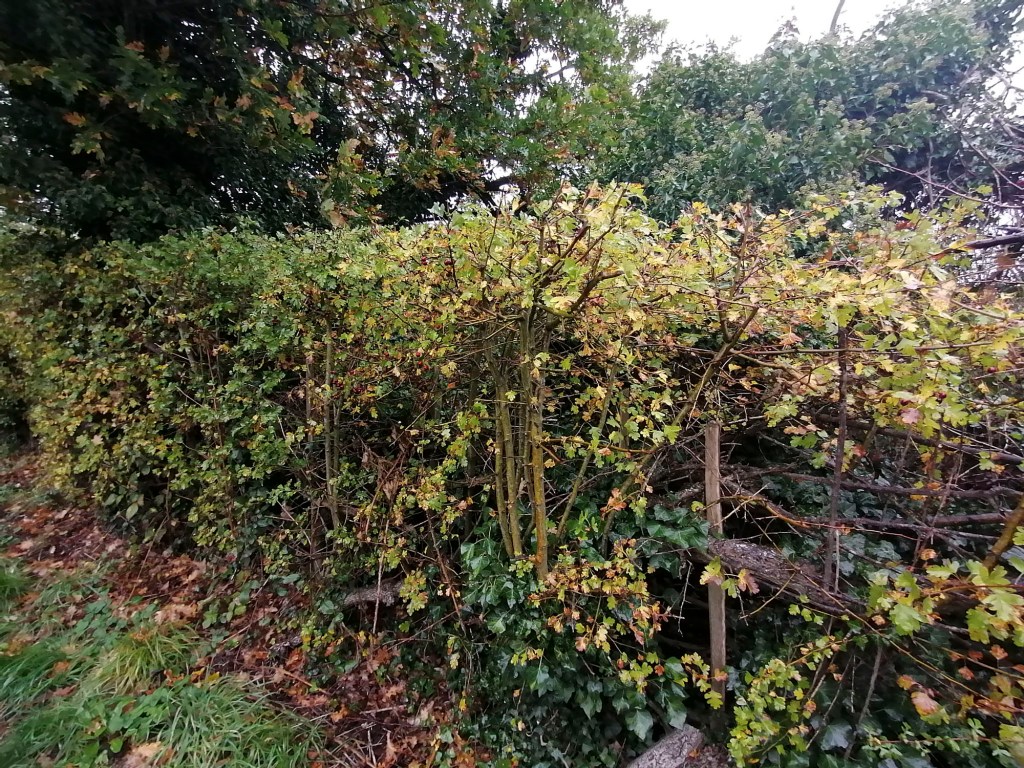
Dukes Passage continues to Hampton and what I did notice was the hawthorn hedge on either side of the path.
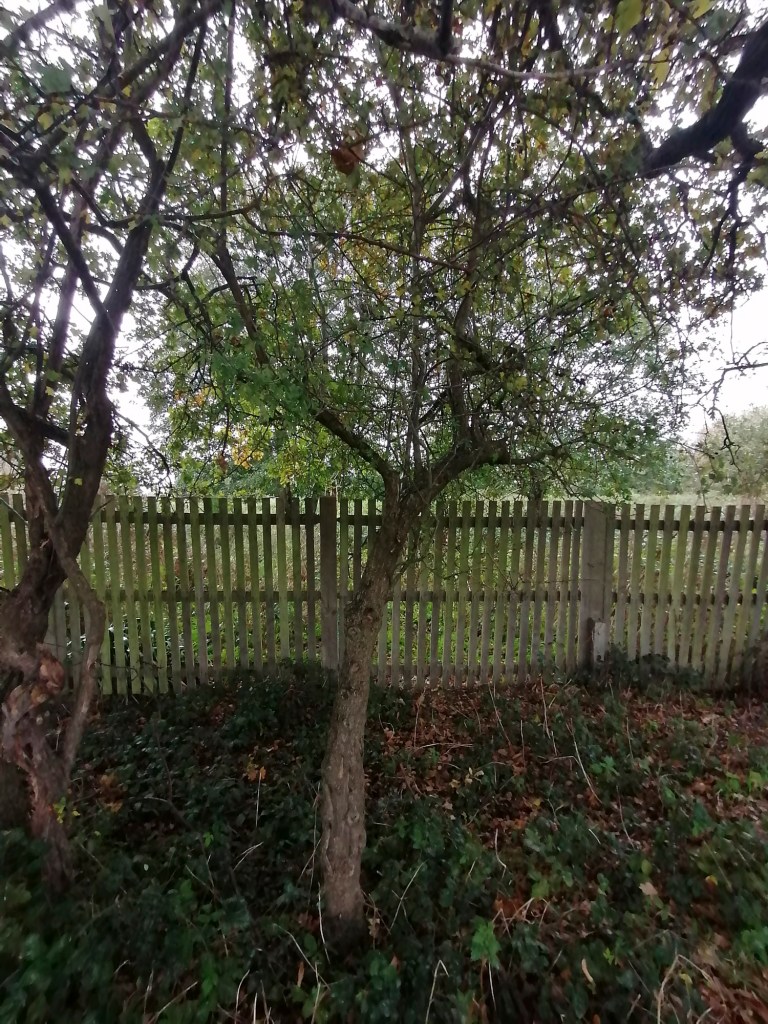
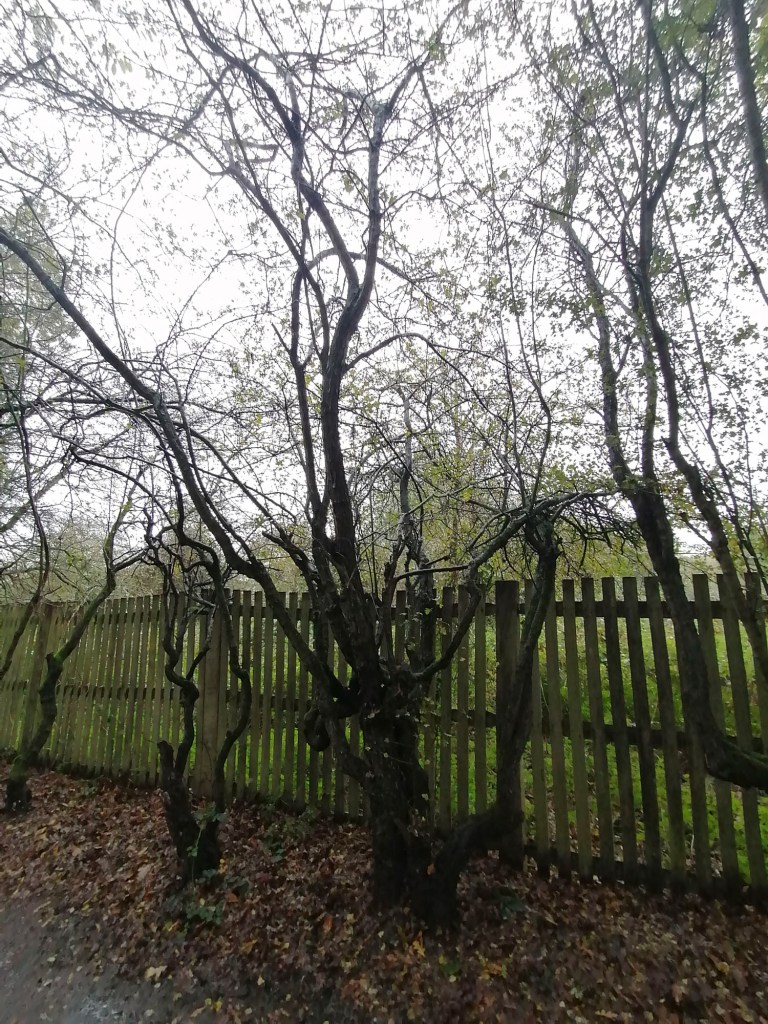
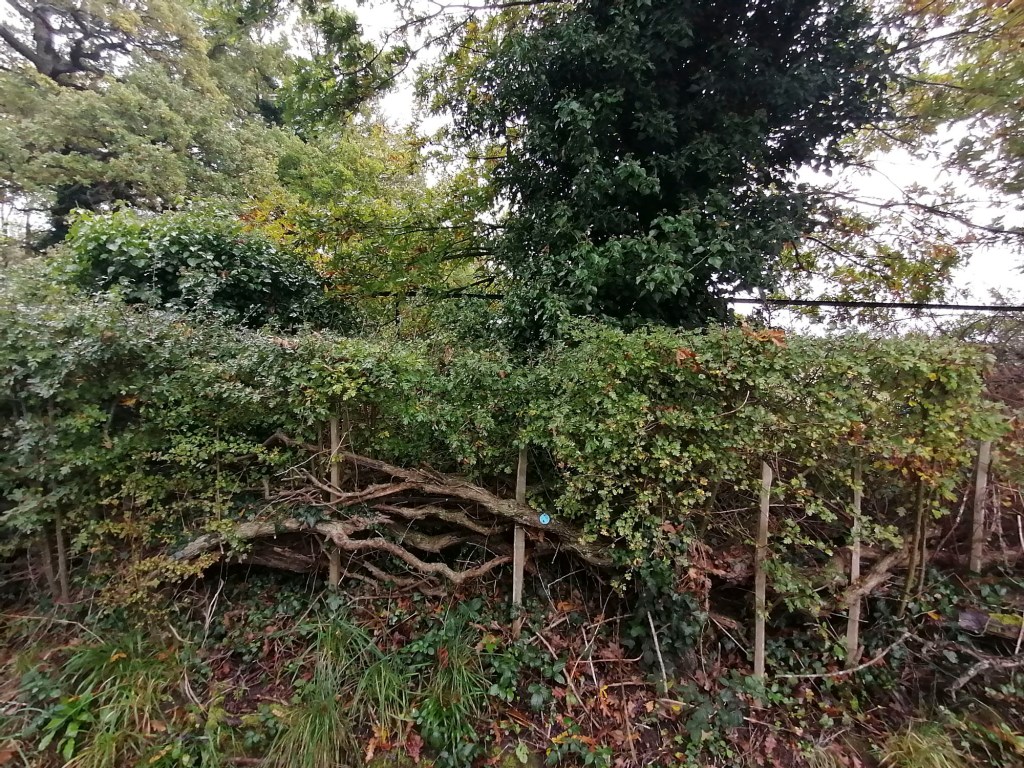
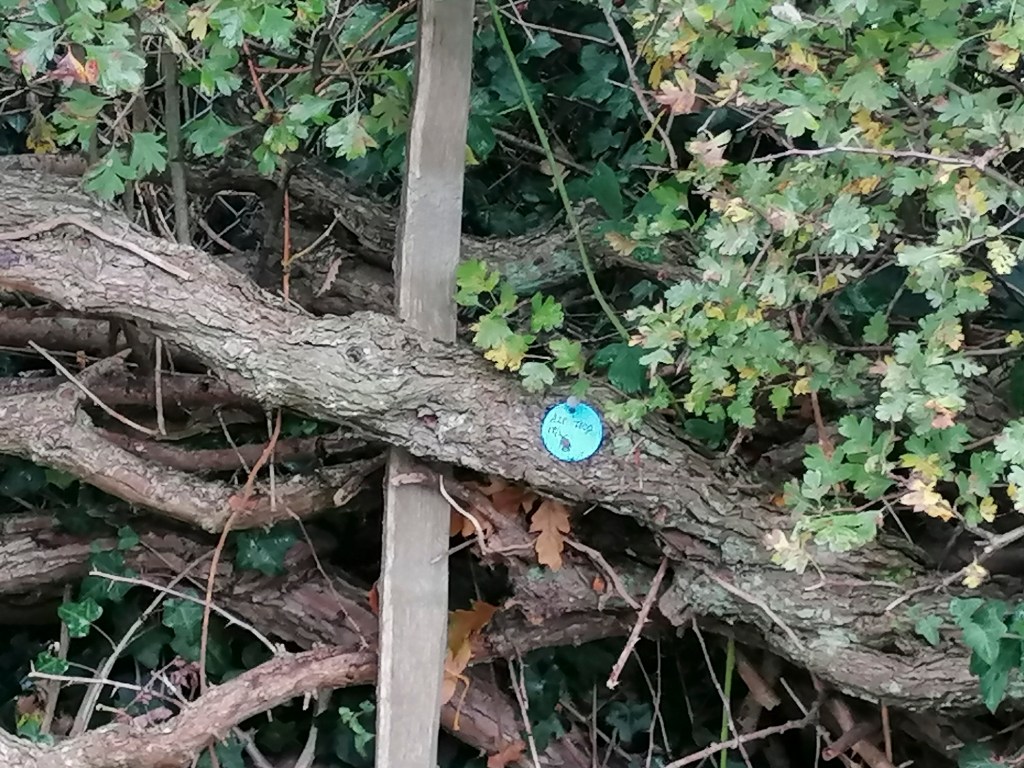
I then returned along Dukes Passage and entered the Waterhouse Plantation. Again, there is a line of hawthorns on the inside of the fence.
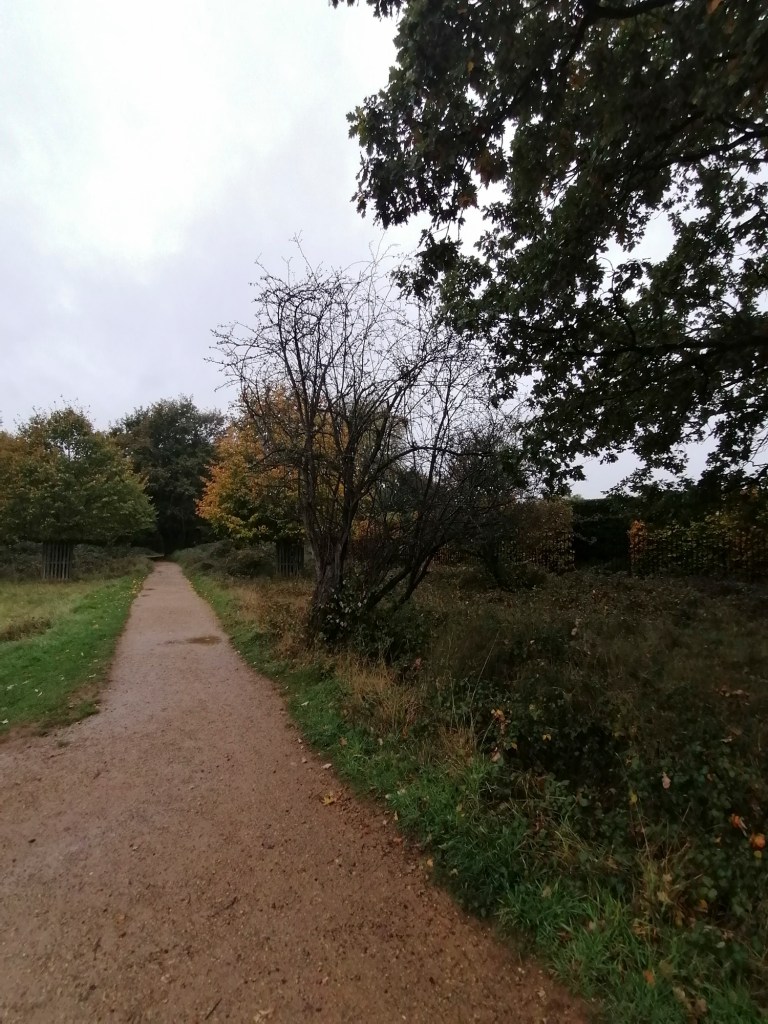
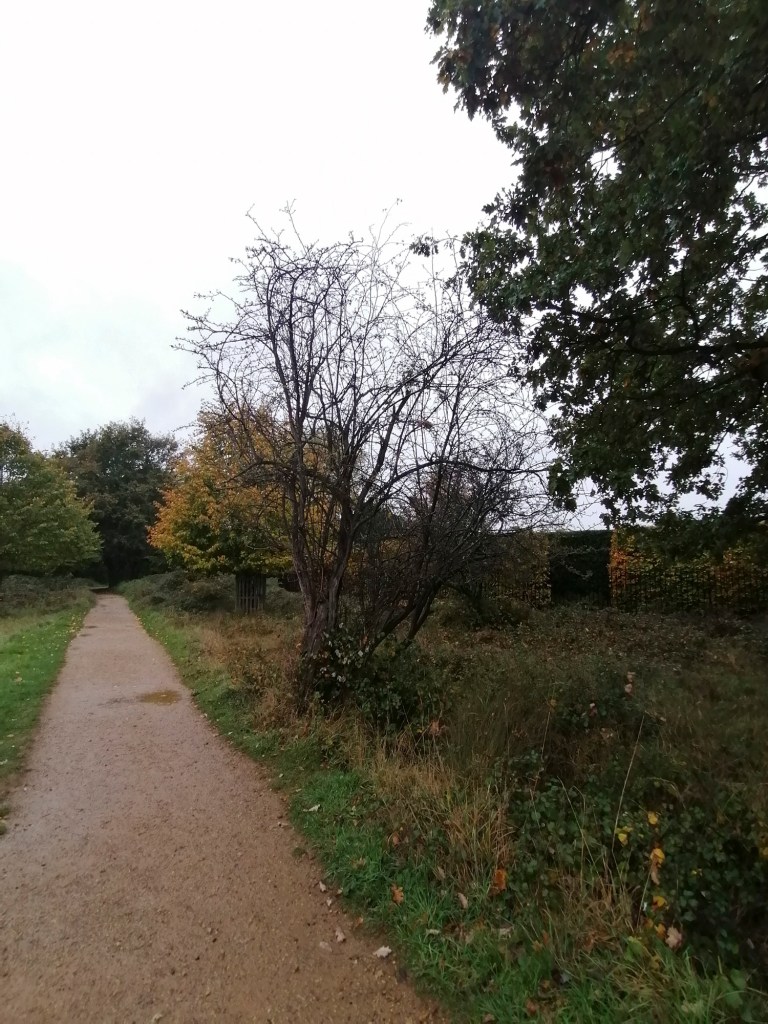
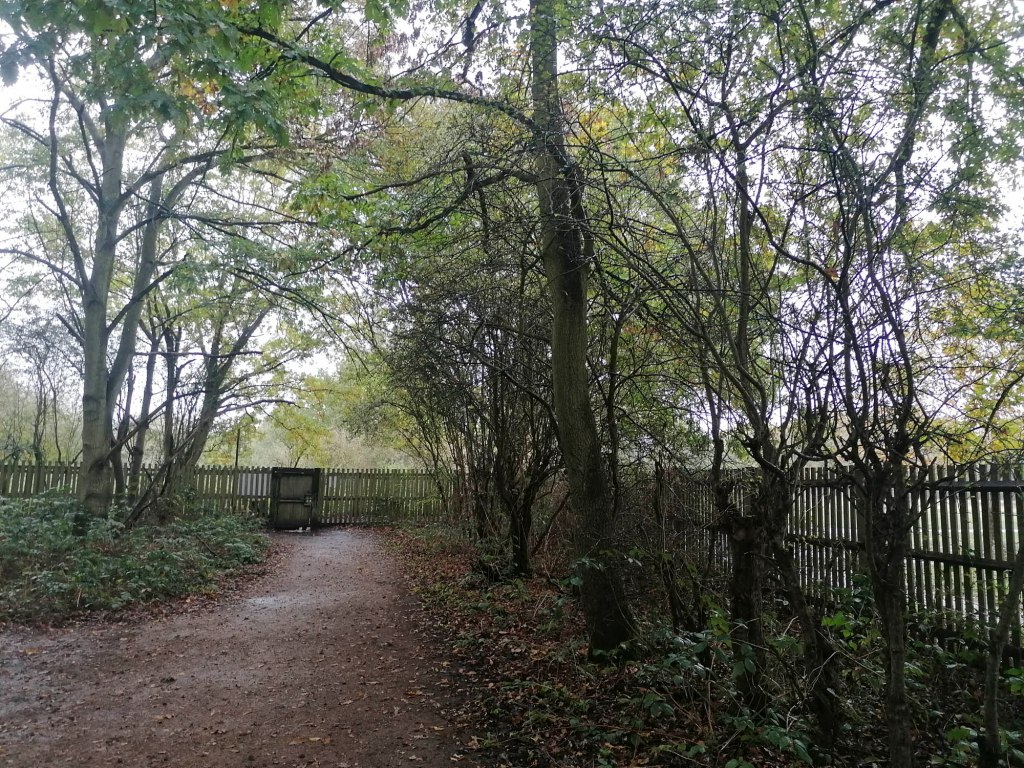
This line of hawthorns continues to the gate at the end of this path.
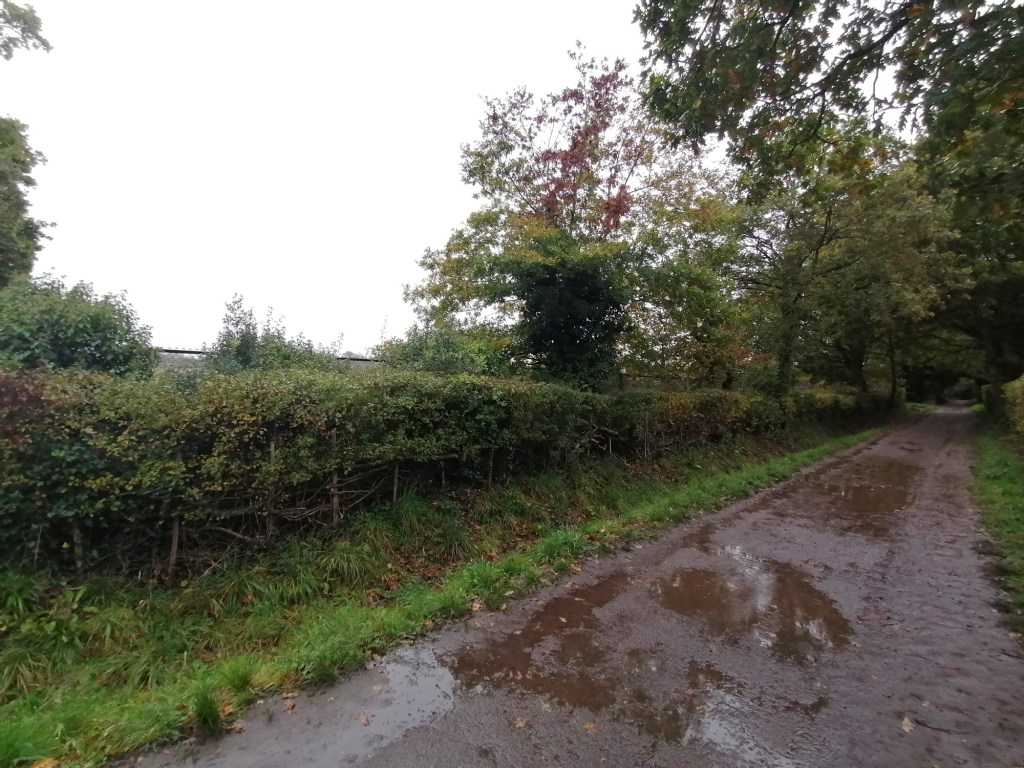
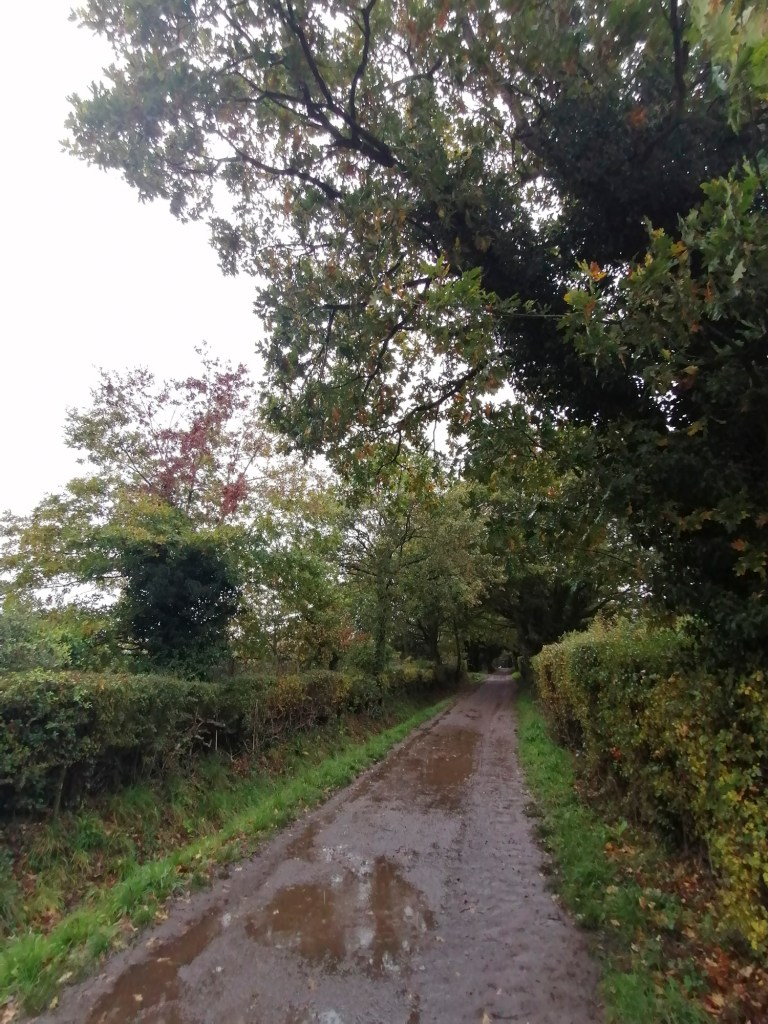
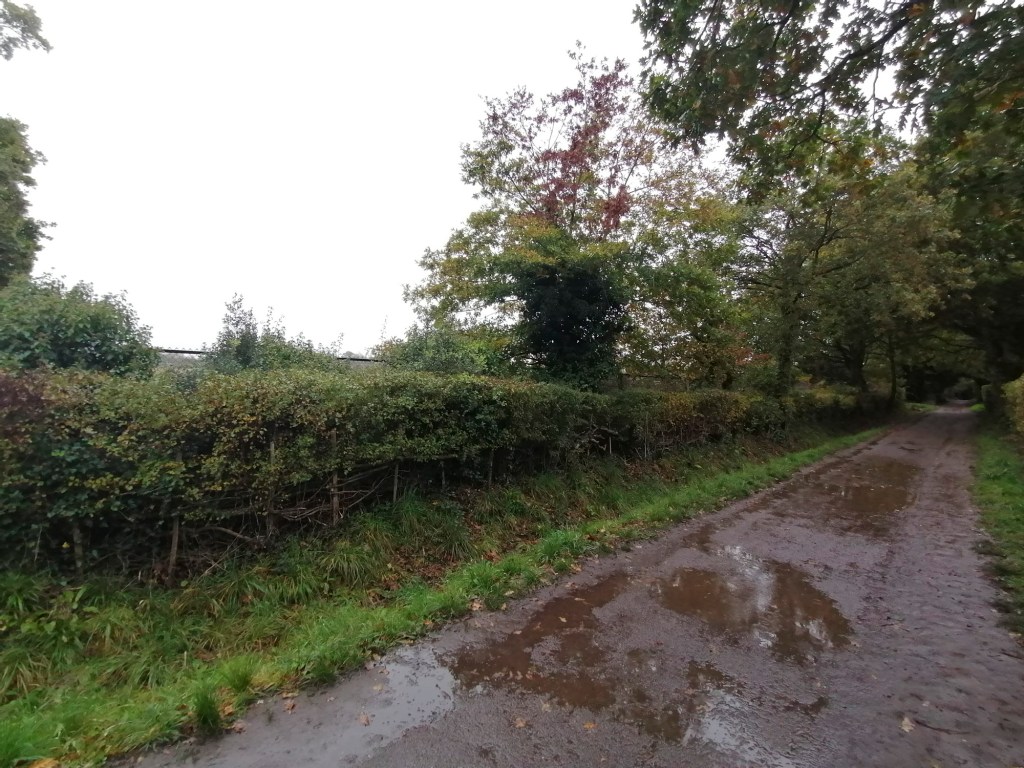
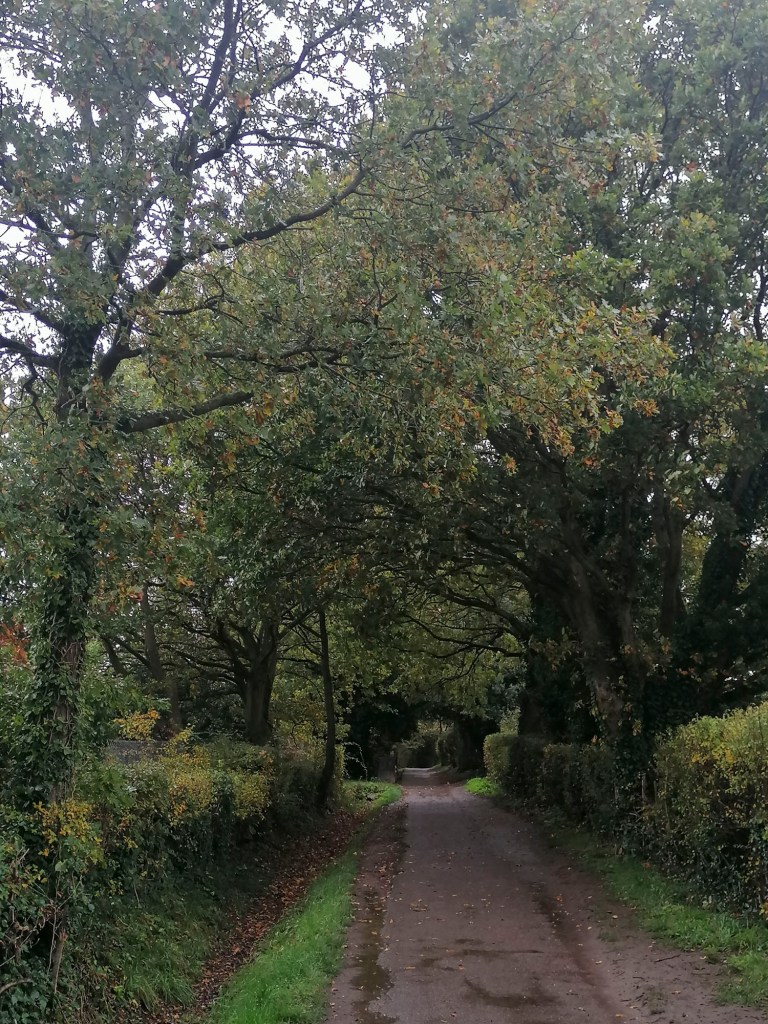
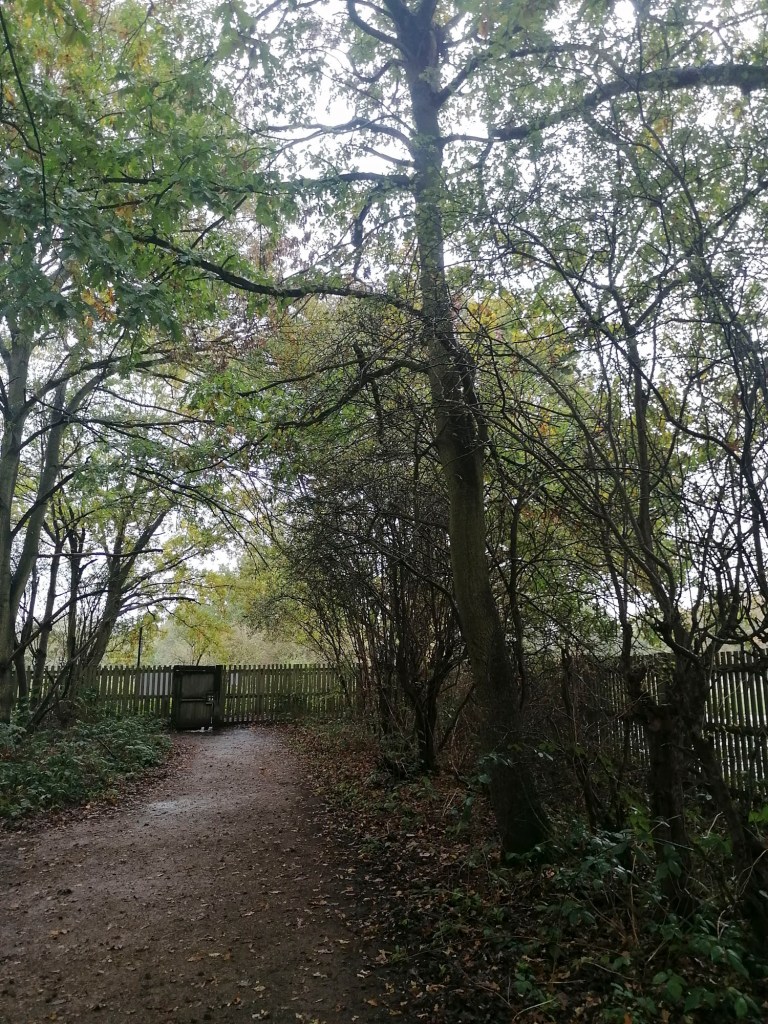
When I came out of this gate, I took a photo of the path on the other side of the fence. I also noticed on the map of Waterhouse Plantation that this path is called ‘Macclesfield Walk’.
I then made the decision to trek back home through the park at this stage. What I realised there were lots of unanswered questions to be answered and further research to be carried out.
References
UK, N., 2020. Nordic Walking UK | Instructor Training | Nordic Walking Events. [online] Nordicwalking.co.uk. Available at: <https://nordicwalking.co.uk/> [Accessed 30 October 2020].
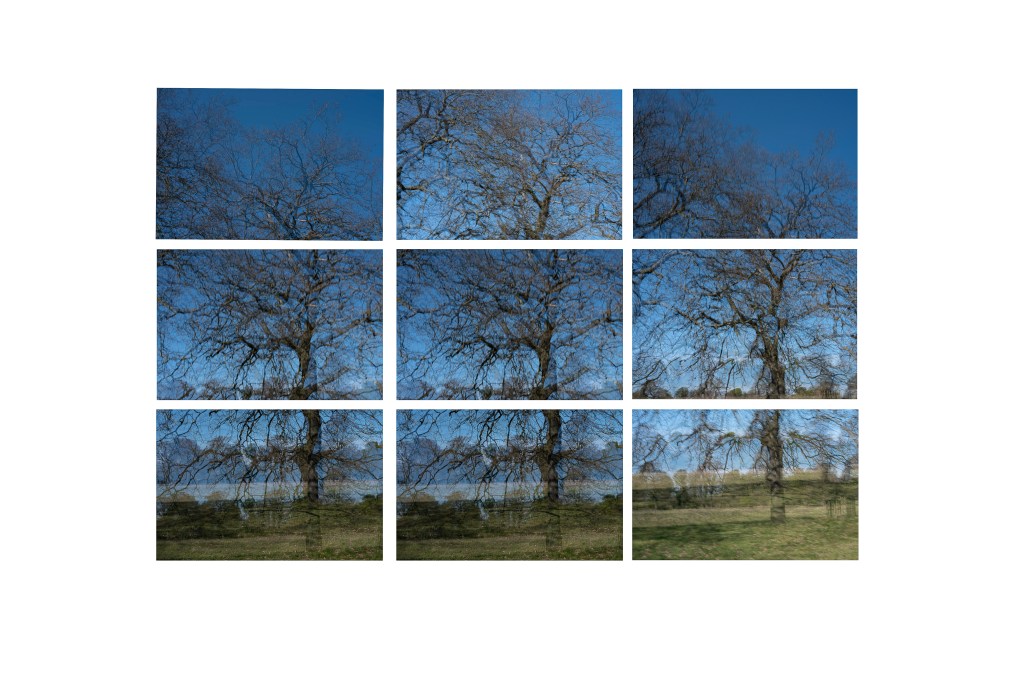
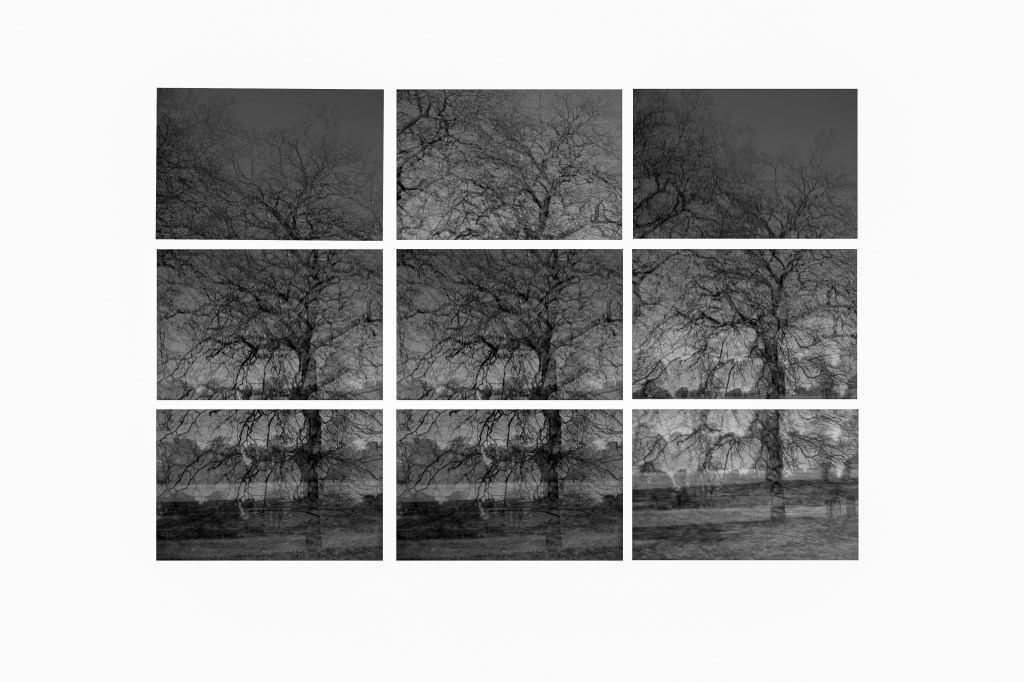
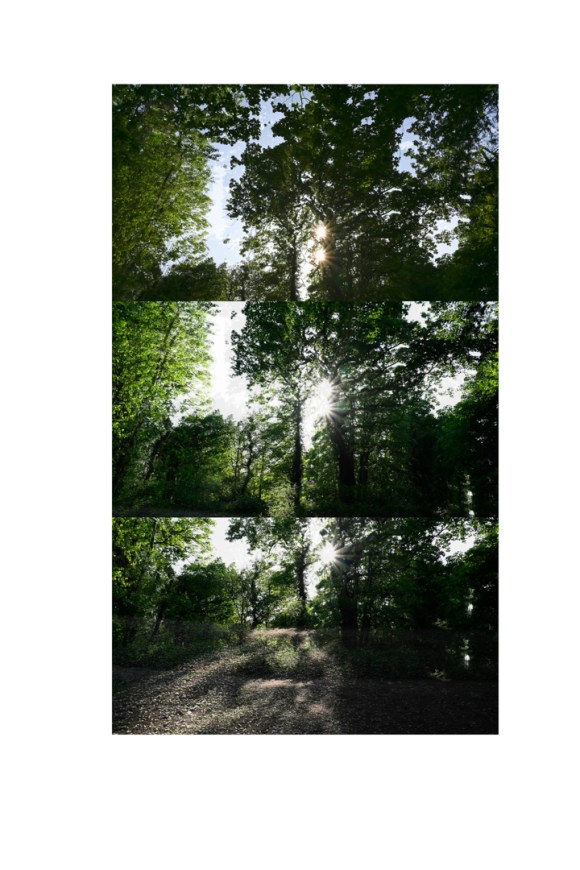
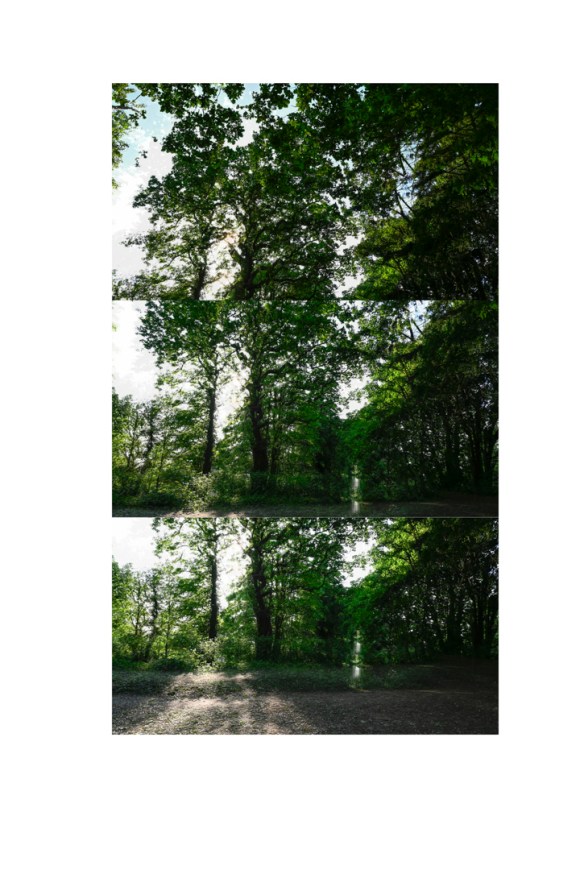
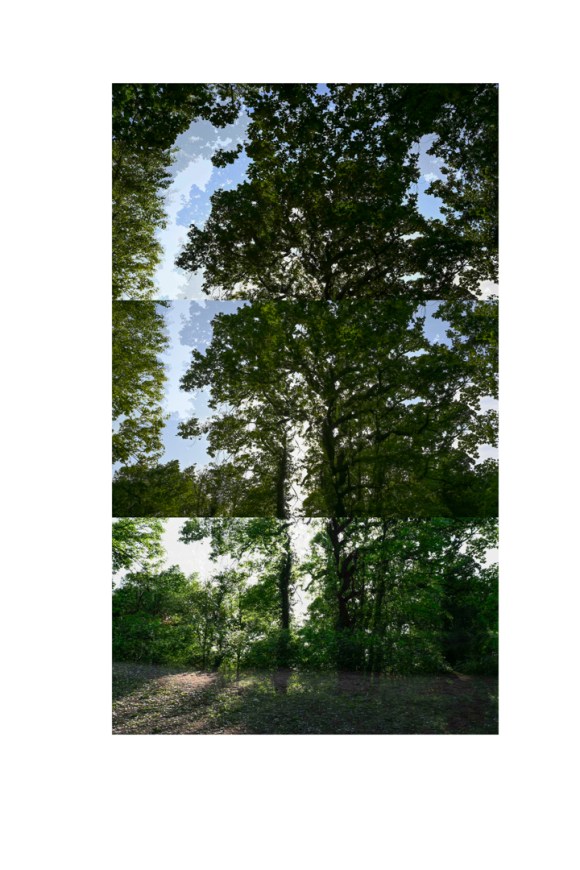
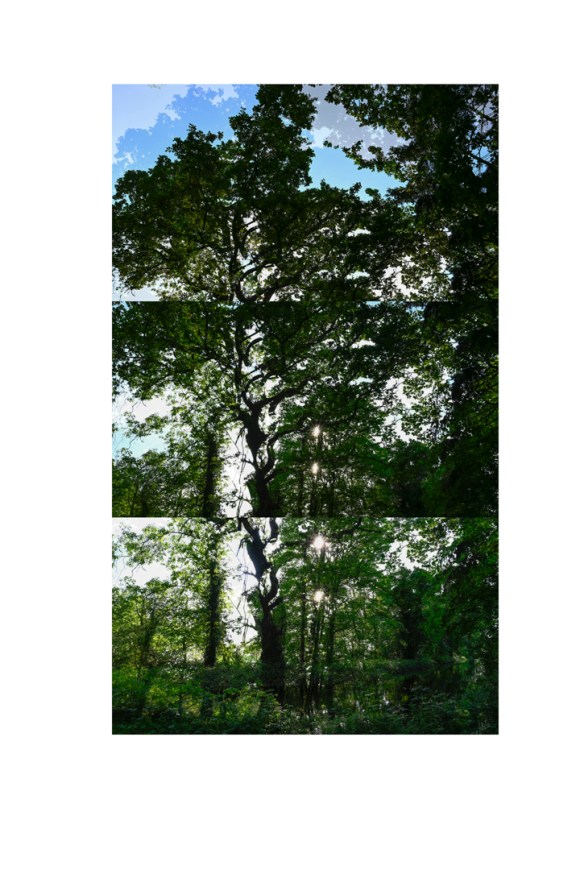
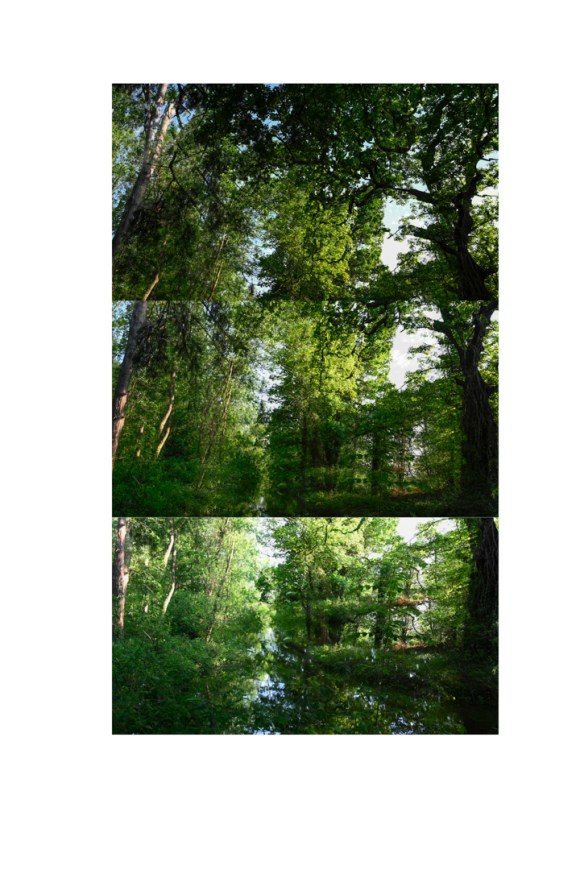
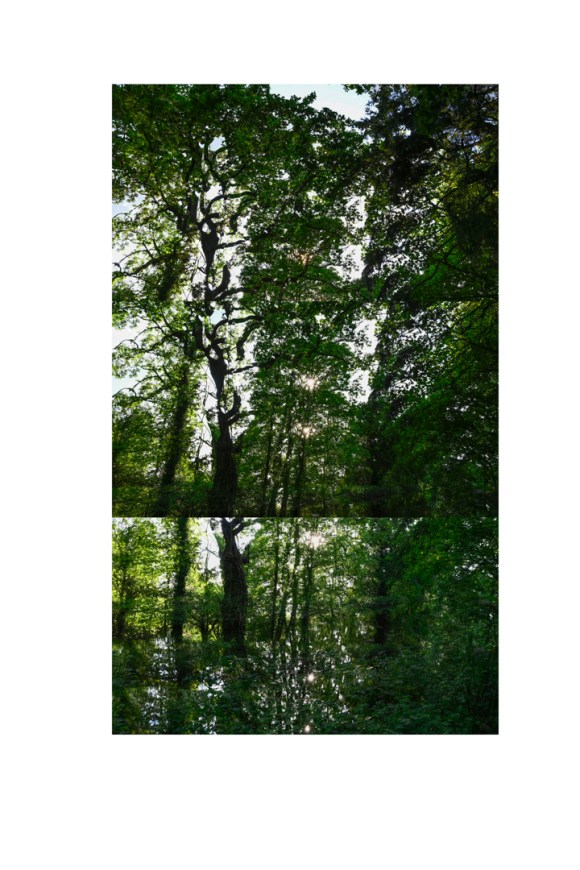
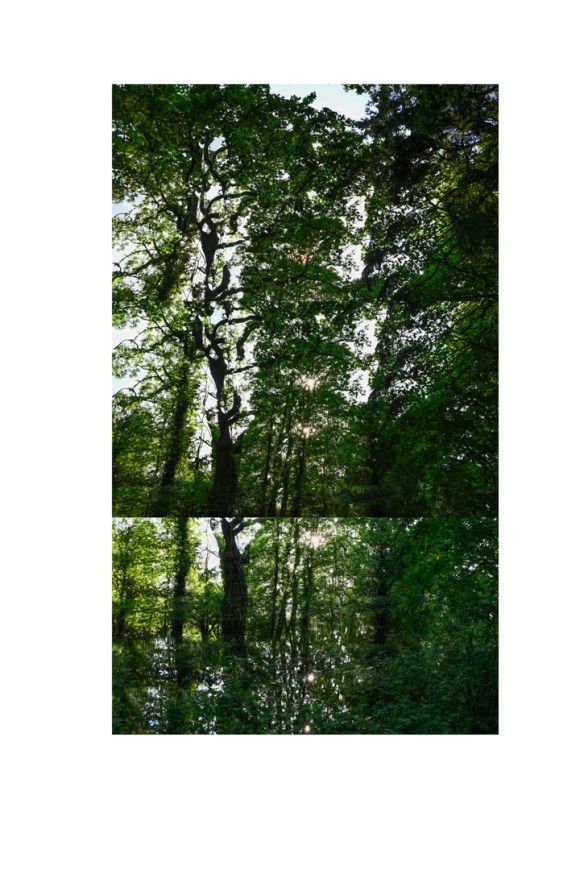
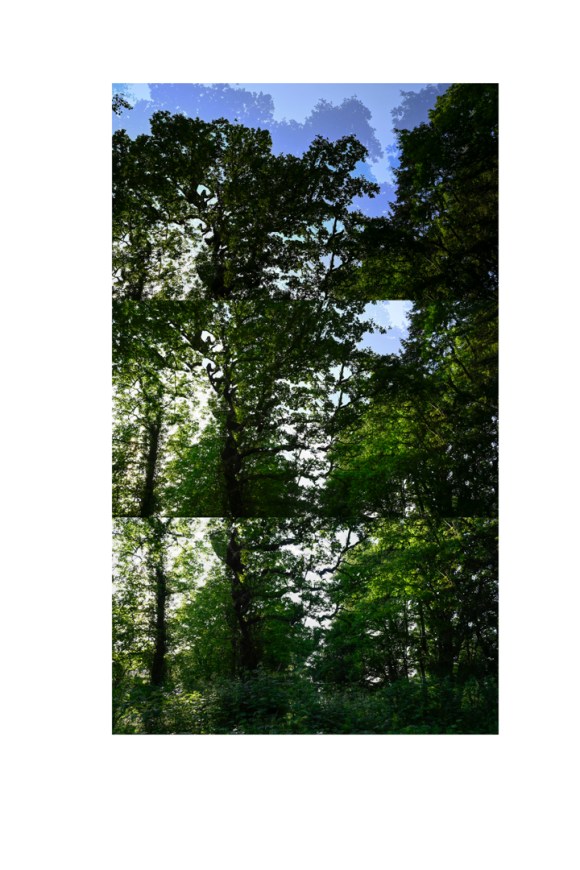
After my session on 5 May, I wanted to take a more measured approach. My intention was to use the tripod rather than holding the camera. This, in theory, would line up the shots more accurately. Also, it would enable me to operate the camera differently. By using the tripod, I would be able to use and angle the camera’s ‘live view’ screen to see the composition better. Using the viewfinder means scrunching my face up and using just one eye to see the potential shot on a tiny screen. Using this feature on the camera is a lot more comfortable and productive for me.
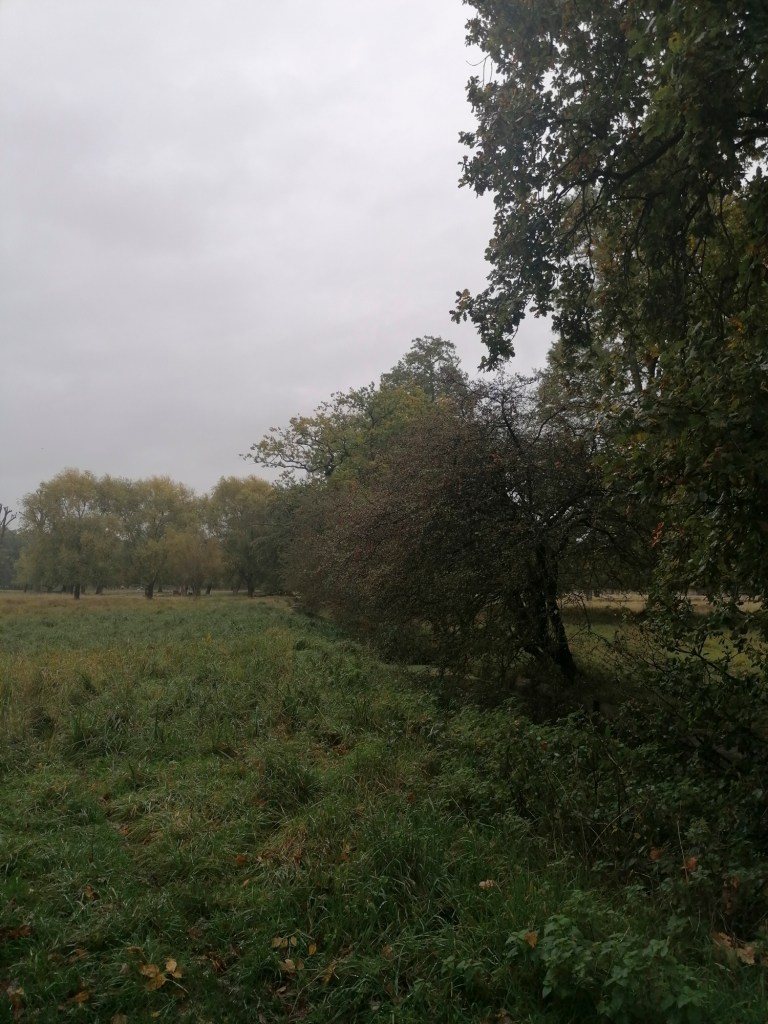
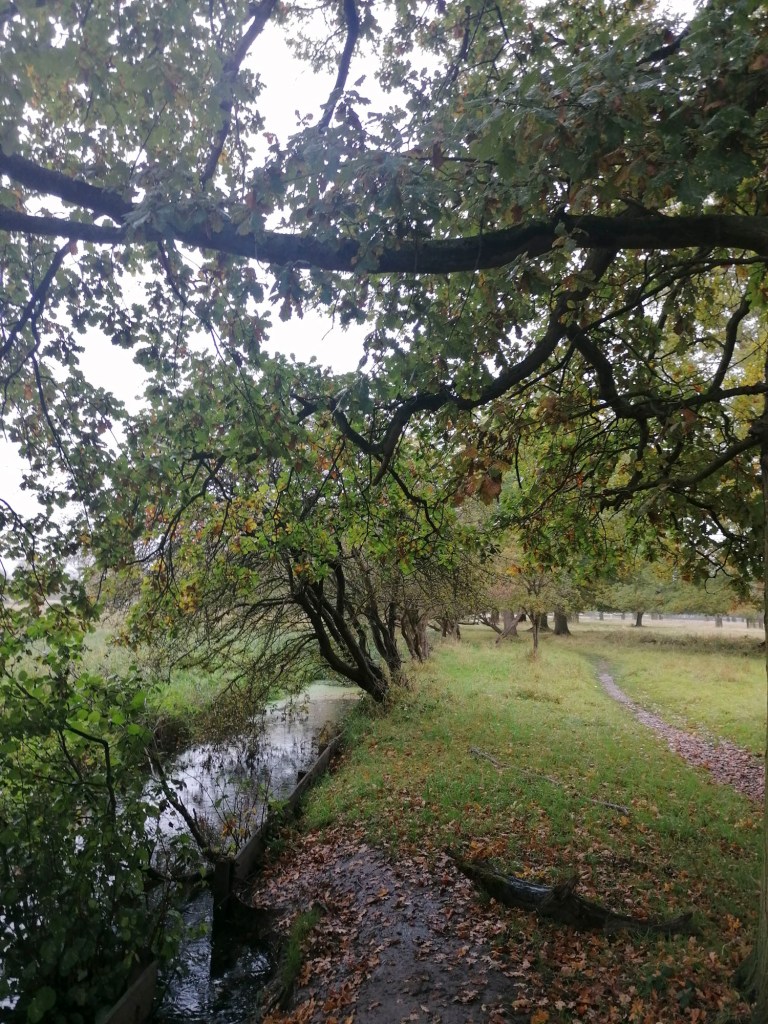
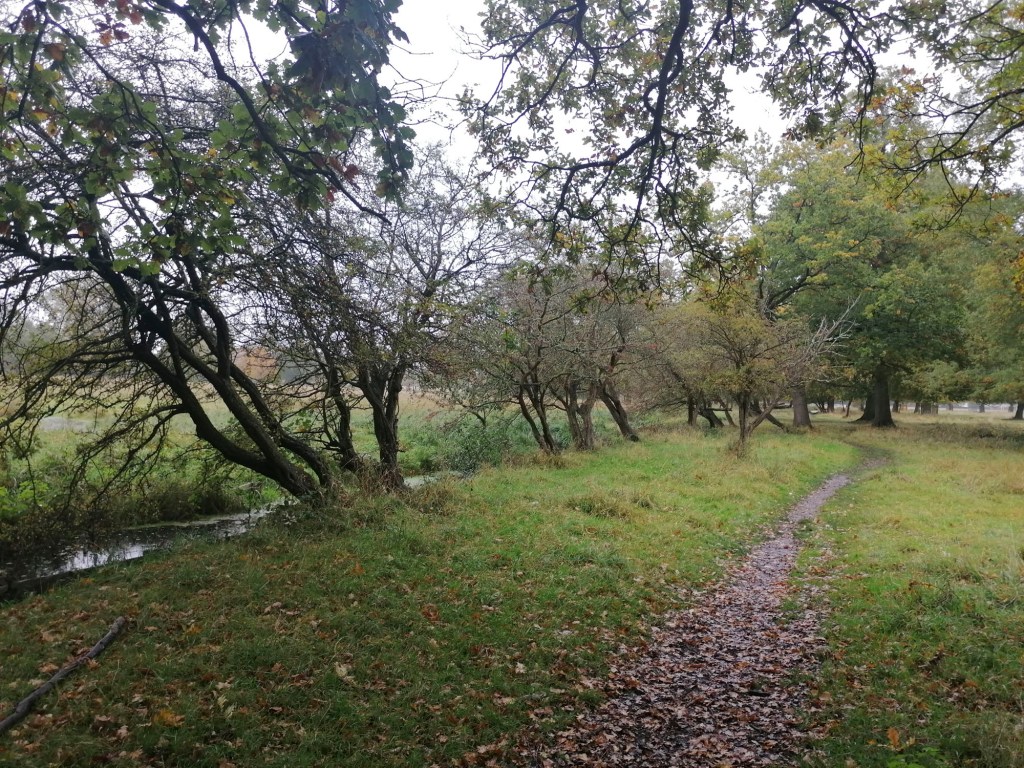
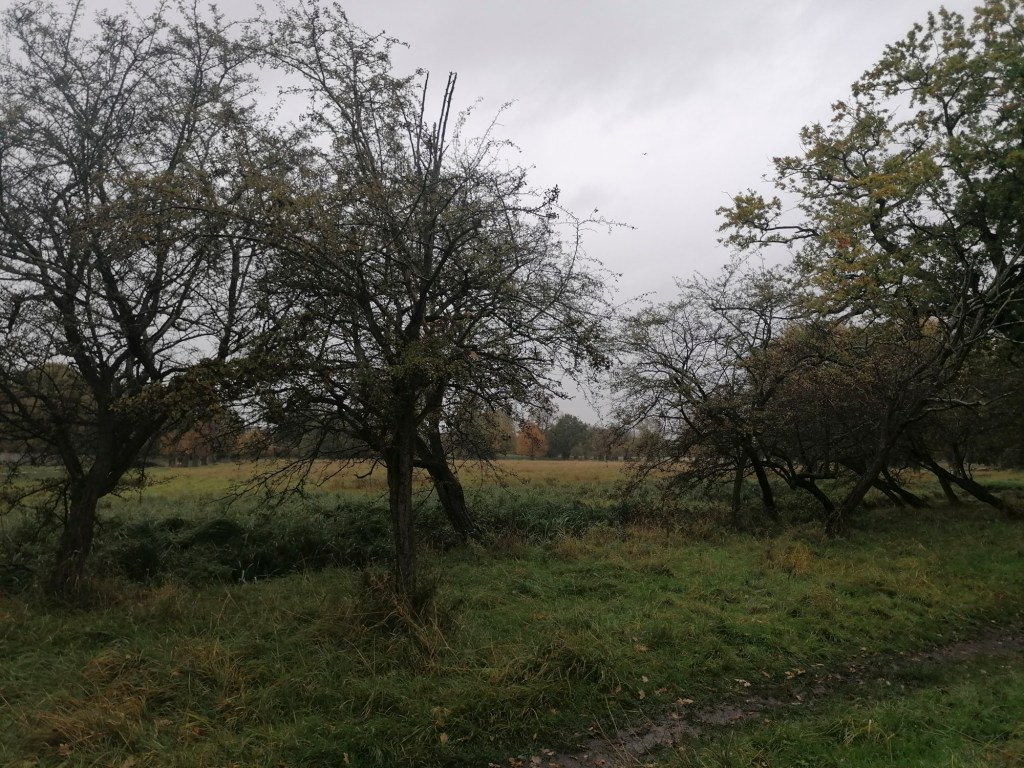
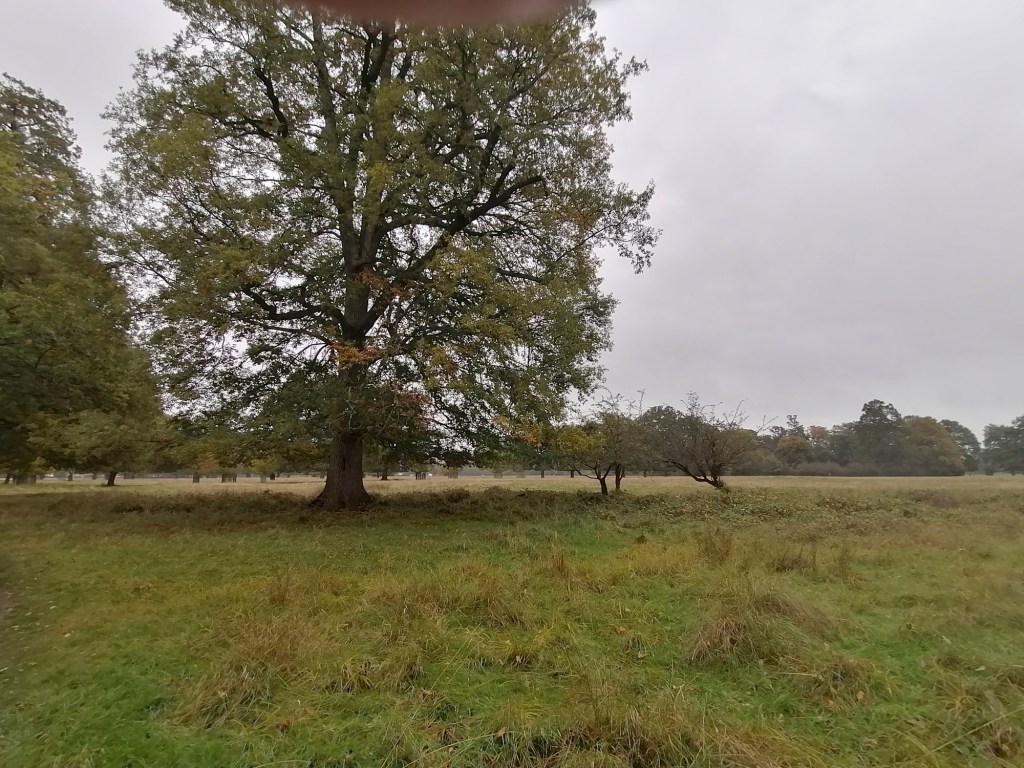
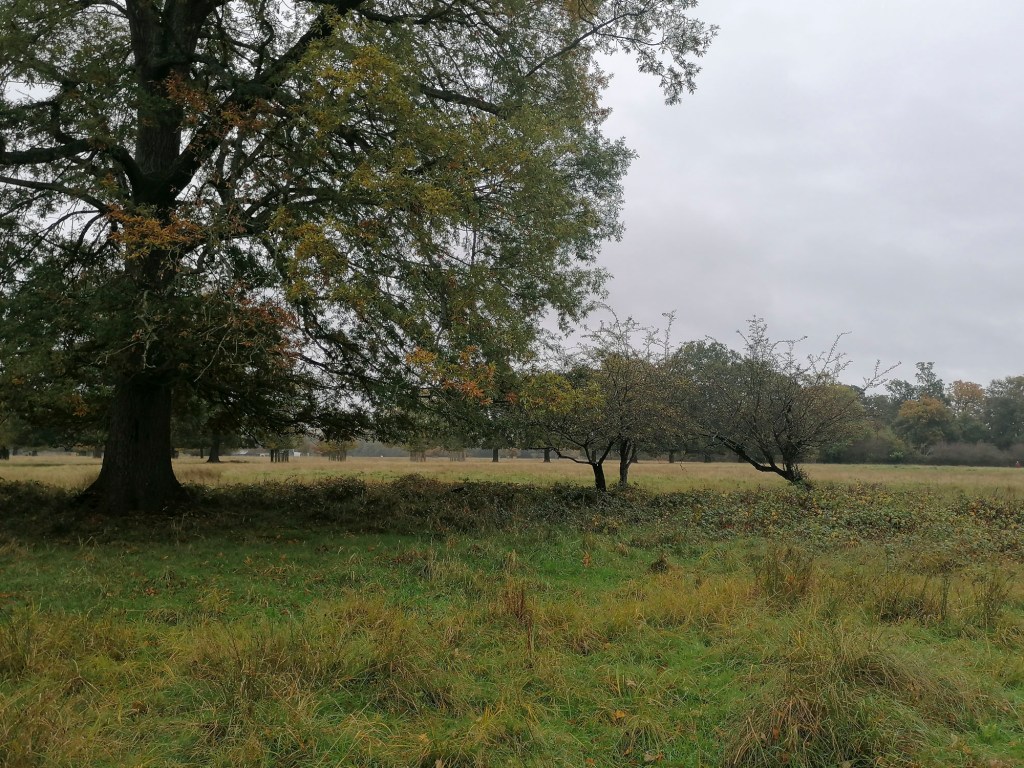
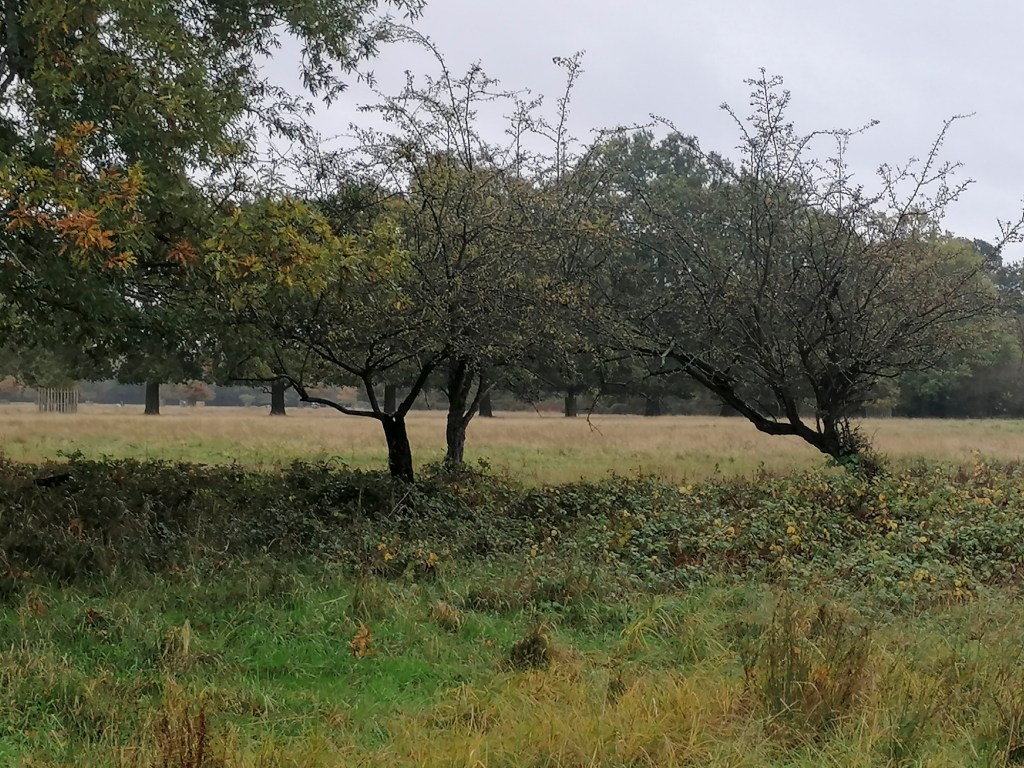
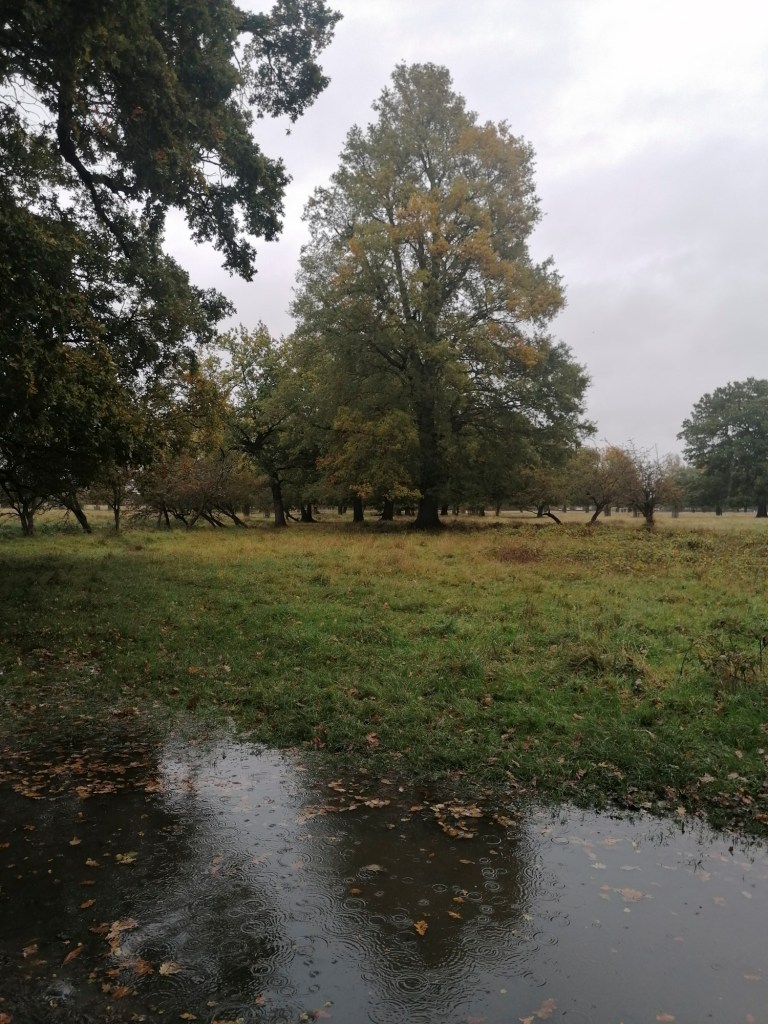
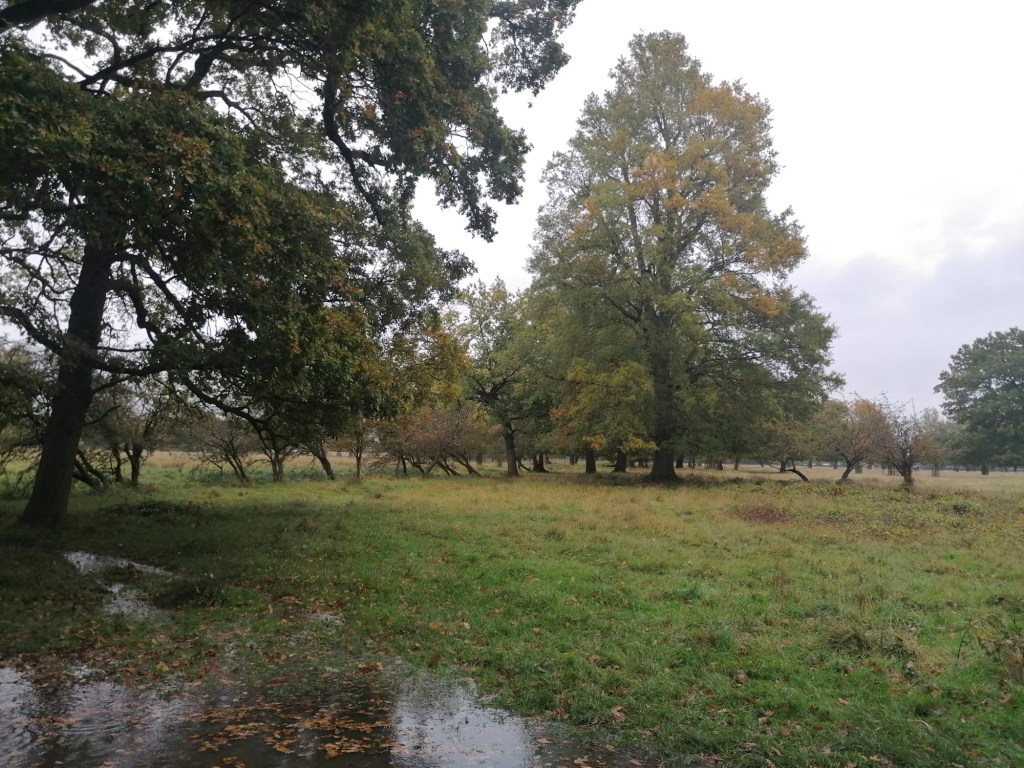
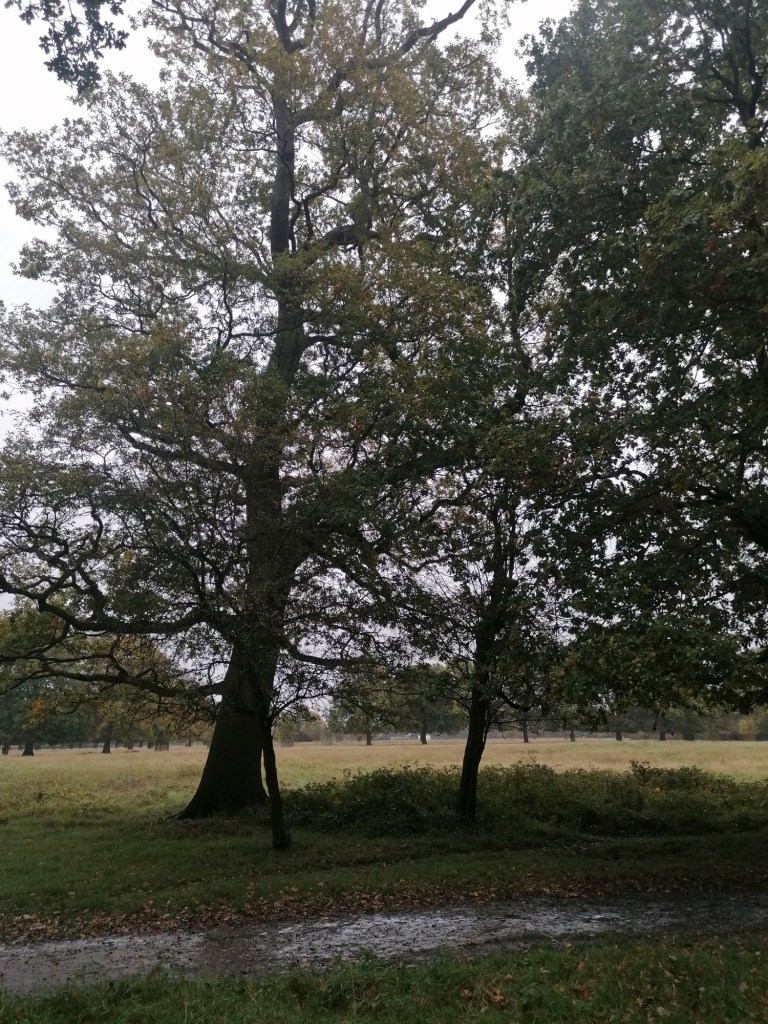
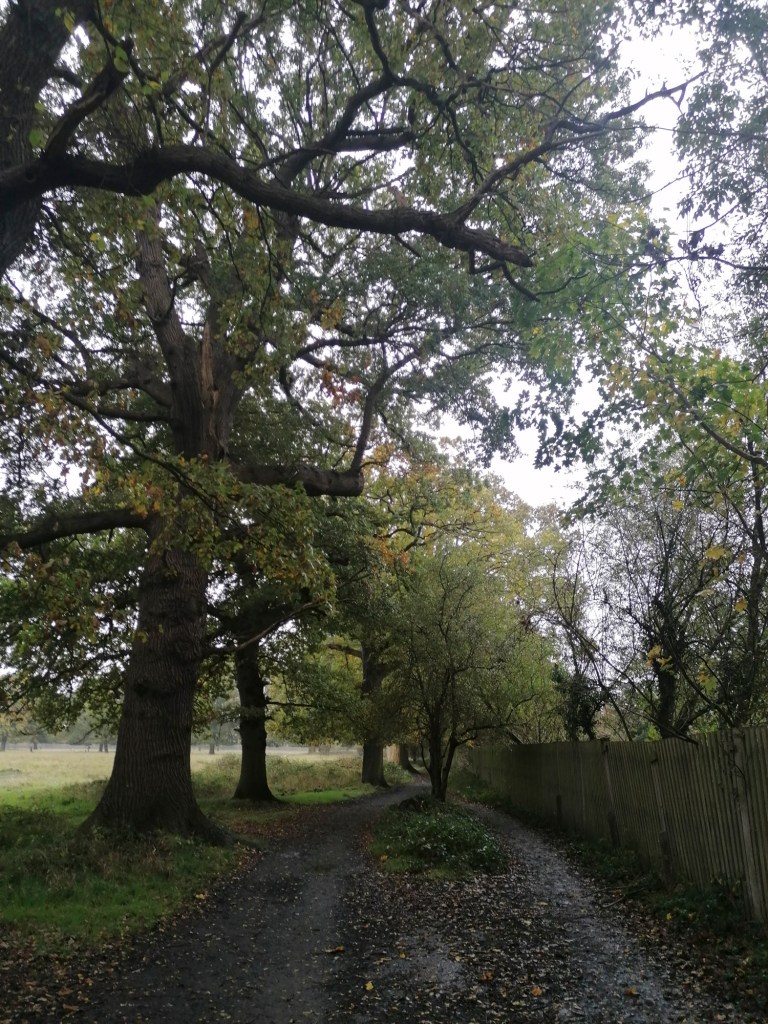
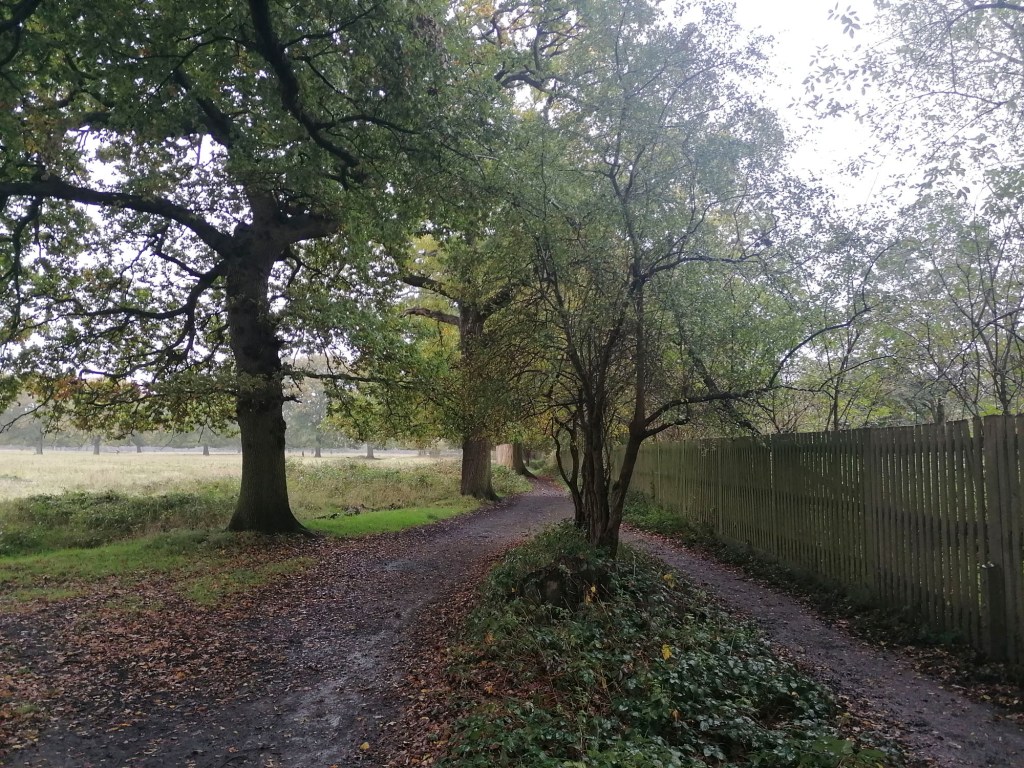
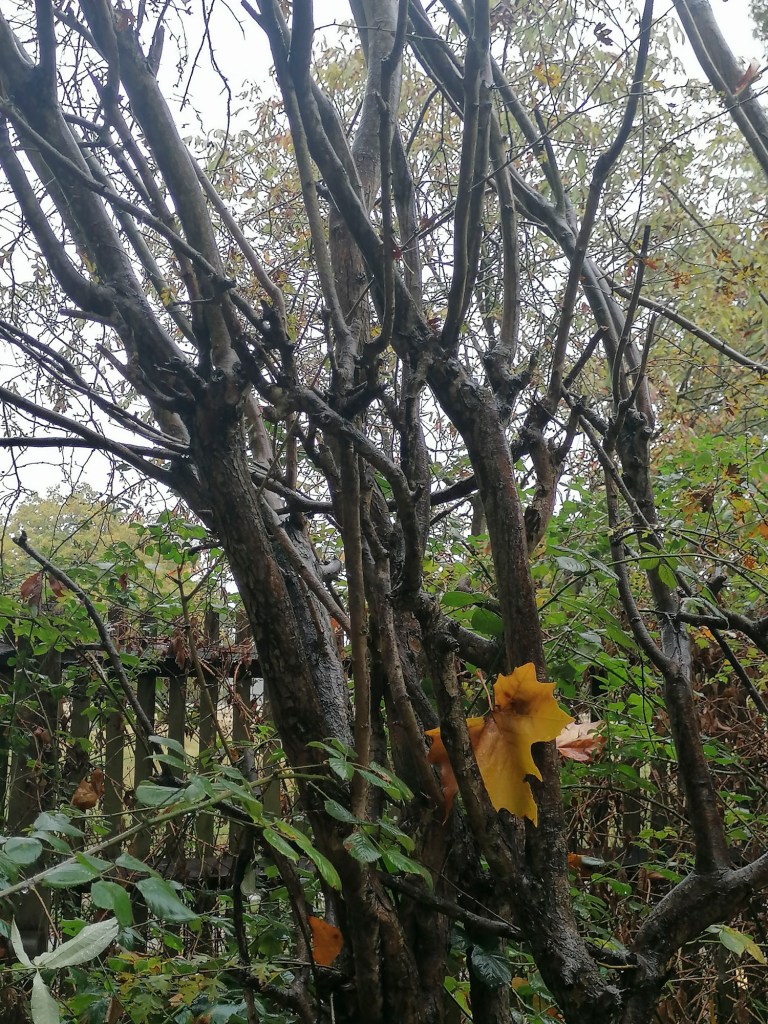
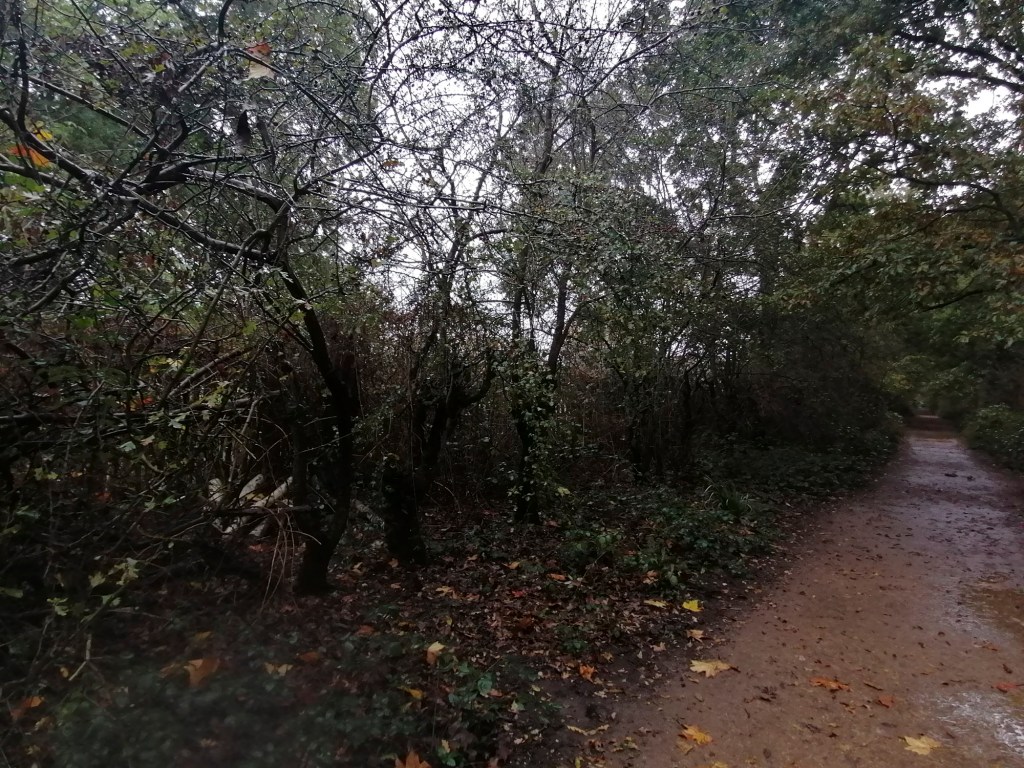
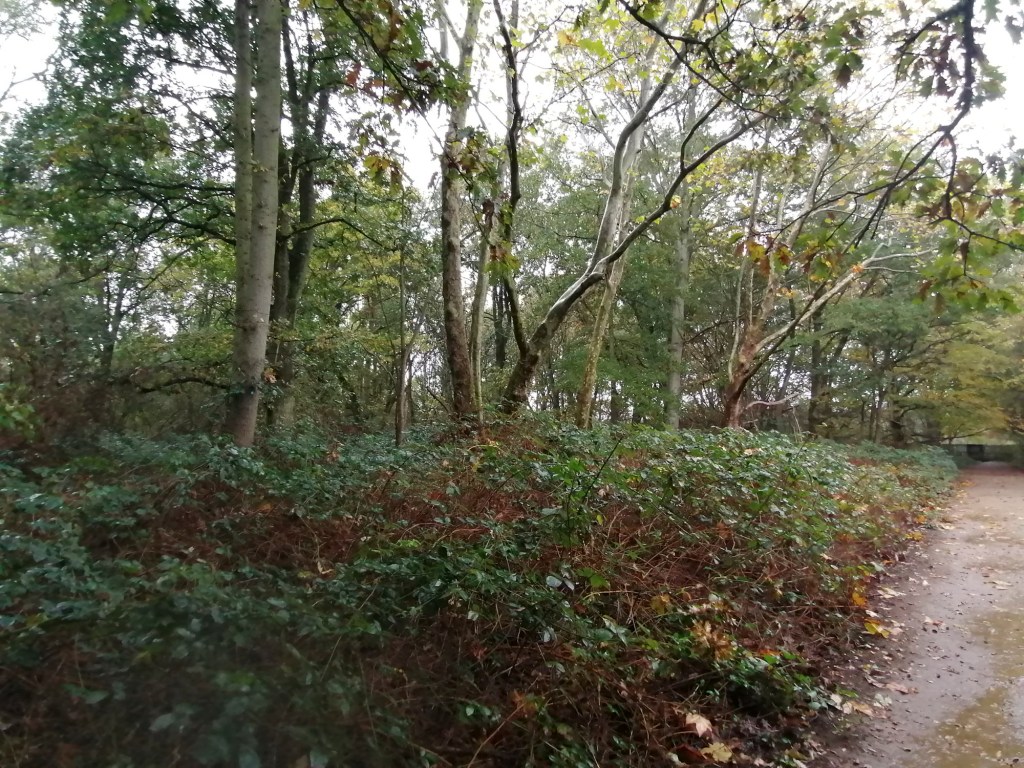
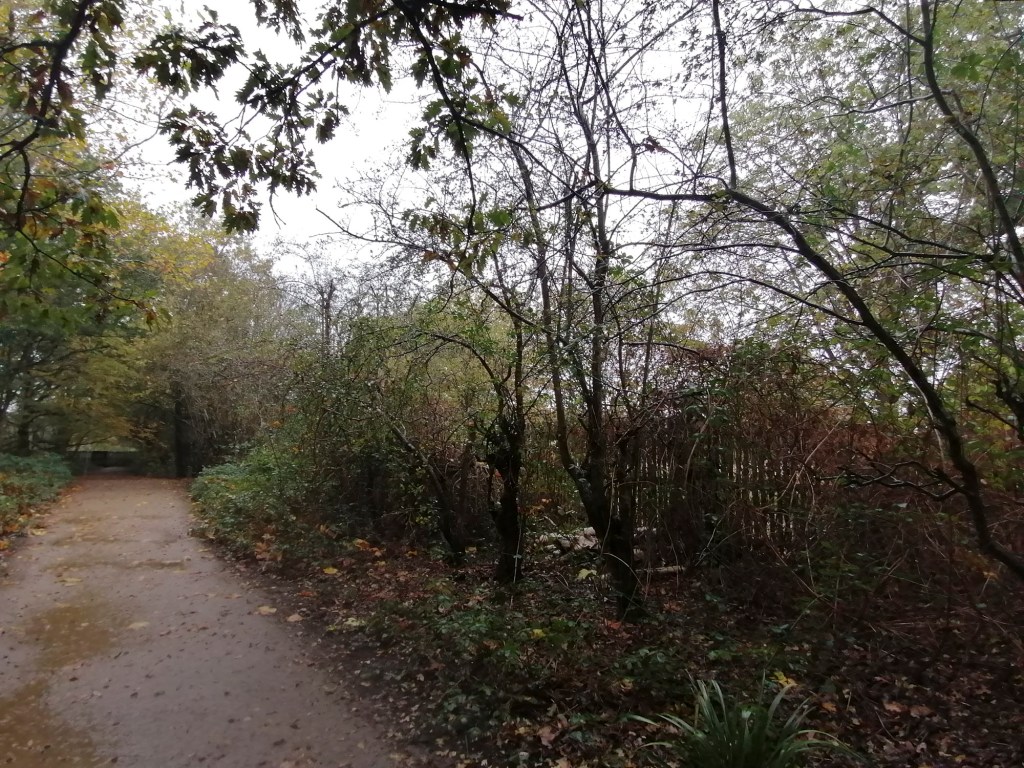
The location I chose was the Woodland Gardens in Bushy Park. I wanted to try my new technique at a place I know well. As with the rest of the park, it was thriving and full of colour.
 Jennie Meadows MA Photography