
With a day of sunshine forecast, this was the time to get up early and catch the light. I also wanted to try out the 5:4 aspect ratio instead of my usual 3:2. My intention was to follow the tips outlined by Tony Sweet, Elliot Hook and Lindsay Silverman.
Sunrise was due at 7.45am, so I got to the park at 7.30am. This enabled me to both see and experience just how slow the light came up. It also made me look for the light’s direction and how it lit up my subjects and the environment.
My intention was to tryout the 85mm lens. I had returned the 105mm lens to its owner who assured me I could achieve a similar effect with the 85mm. However, I had made the mistake of not checking and packing my kit the night before. The camera had the 35mm lens on it. Annoying, but it would take me about 40 minutes to get the other lens and return to the park in time for the light.
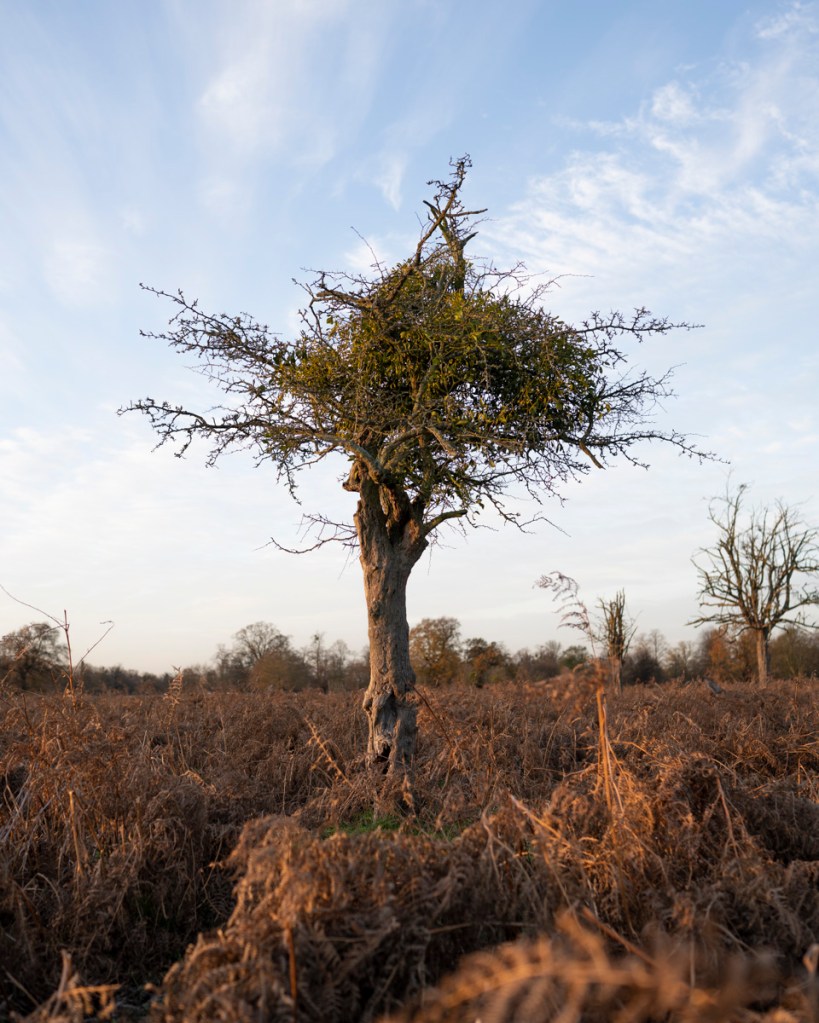
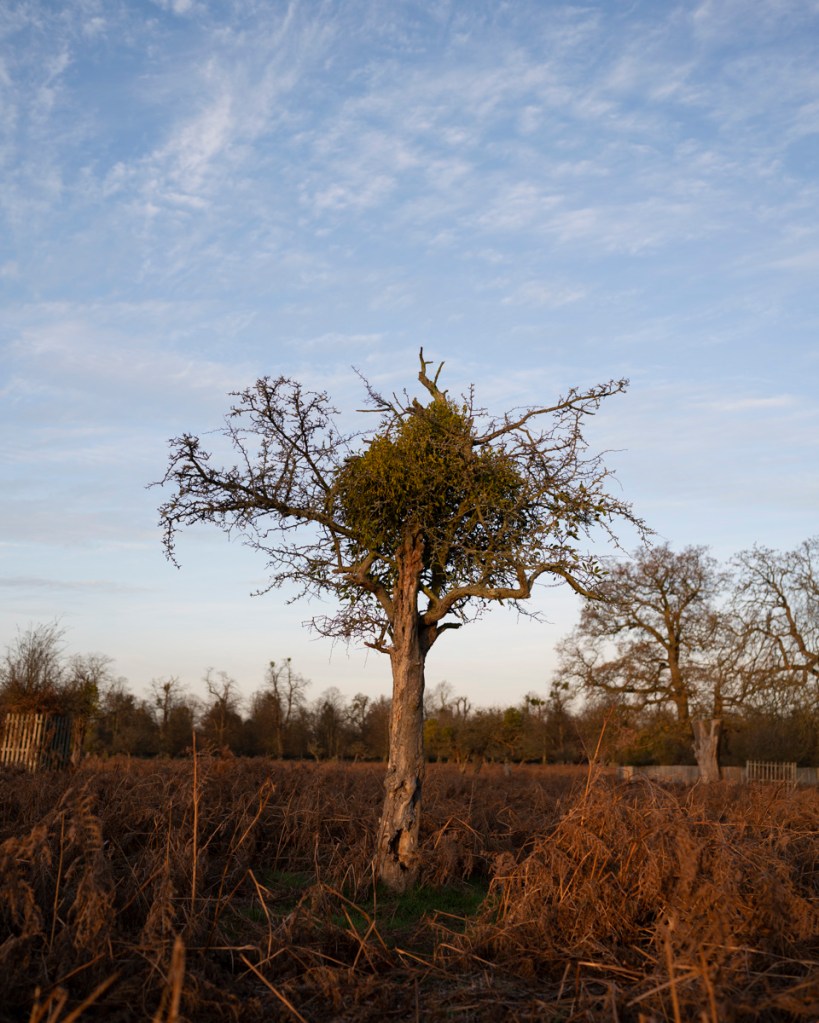
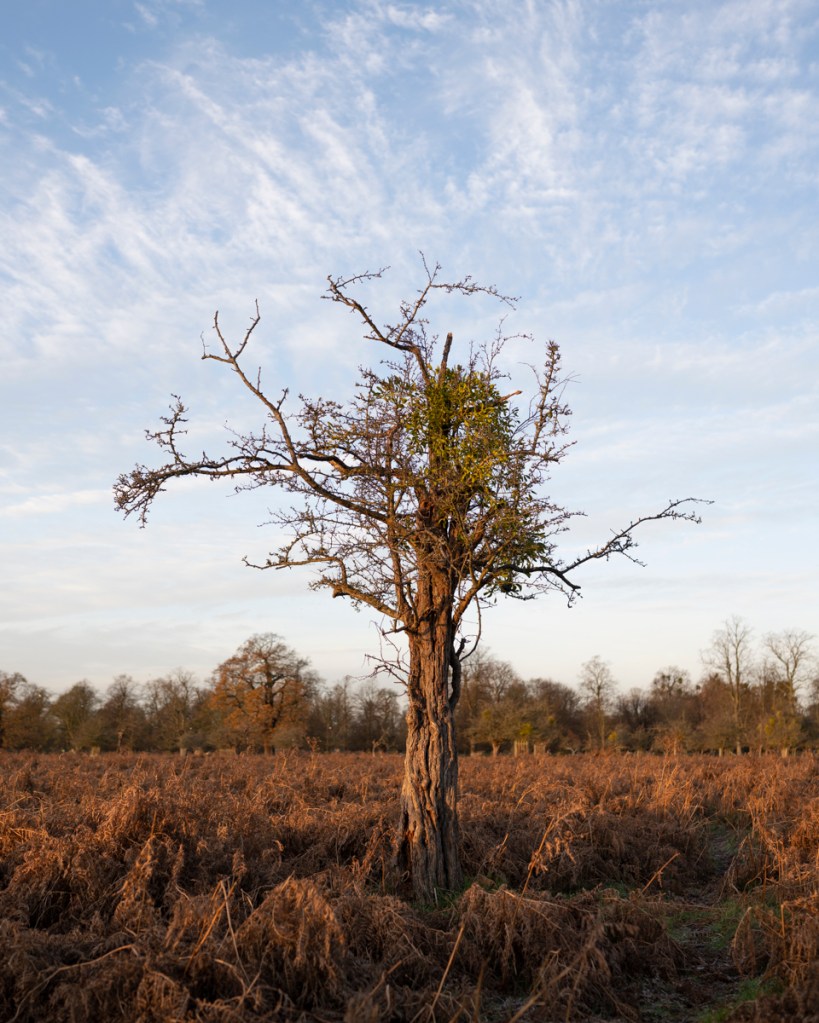
I decided to go to Teddington Gate and start with this tree below. The last time I was in the park on 27 November, there was a large herd of deer near to the tree so this could be the time to capture it from a different angle.
35mm Images – 5:4 Aspect Ratio
These images were taken between 7.41am and 7.50am. The light was still caught behind the trees behind me at this time.
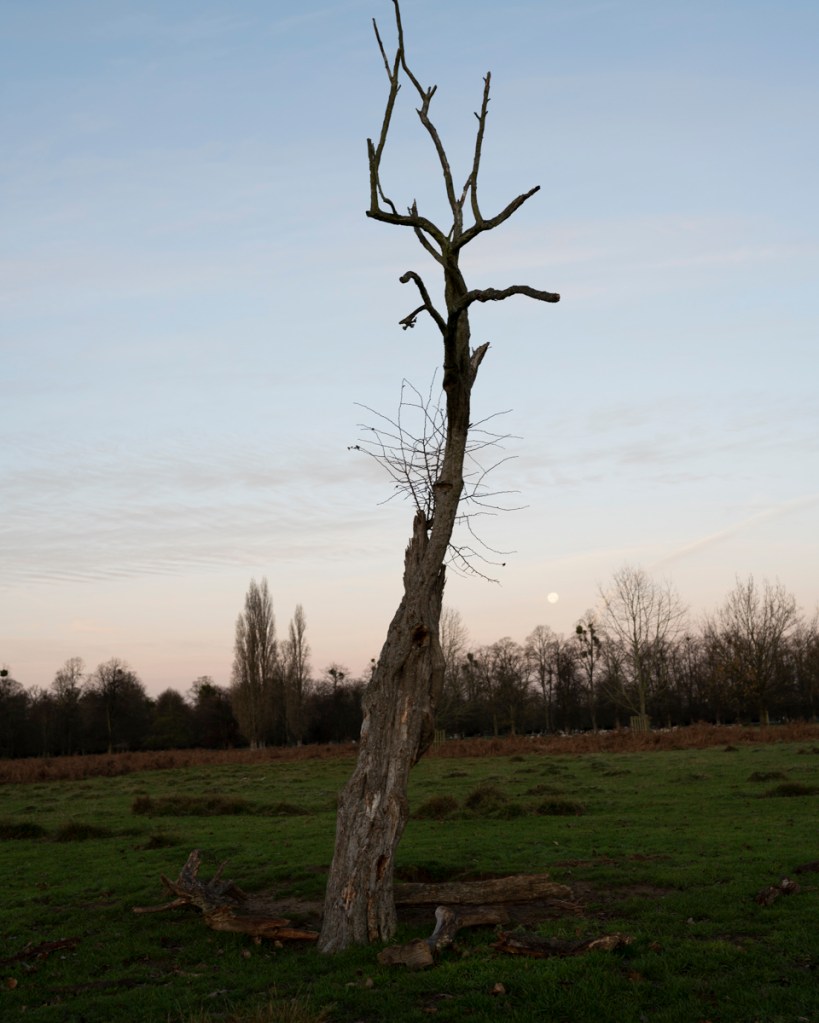
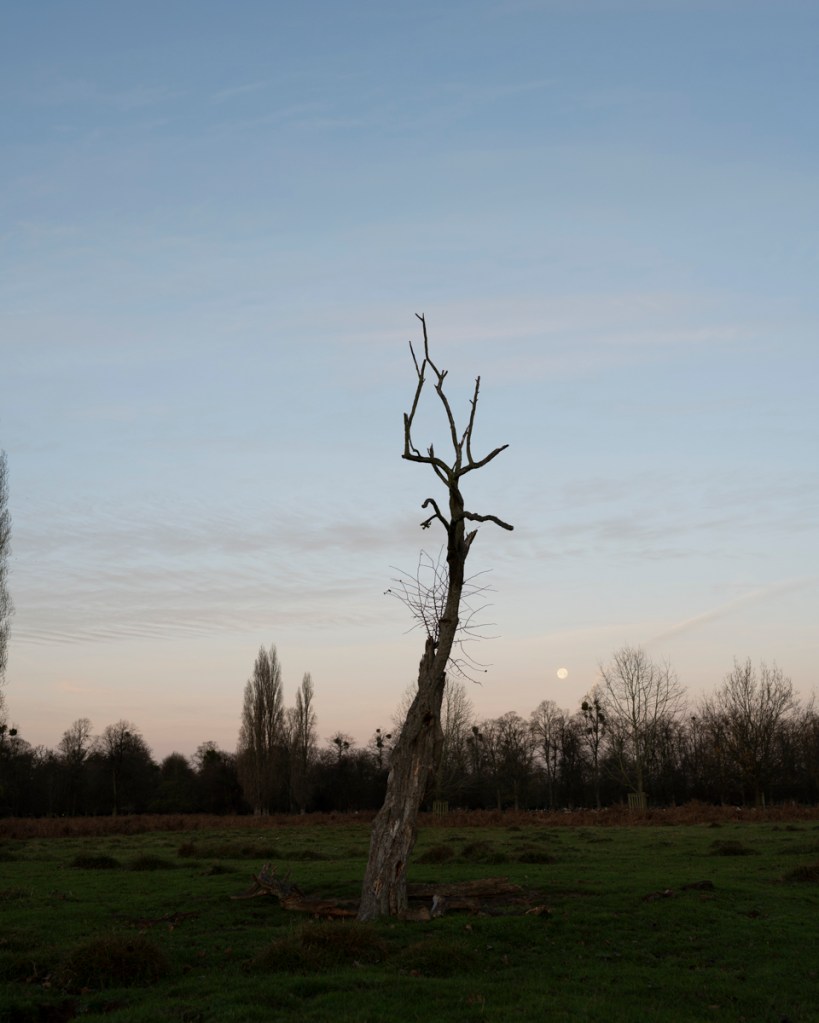
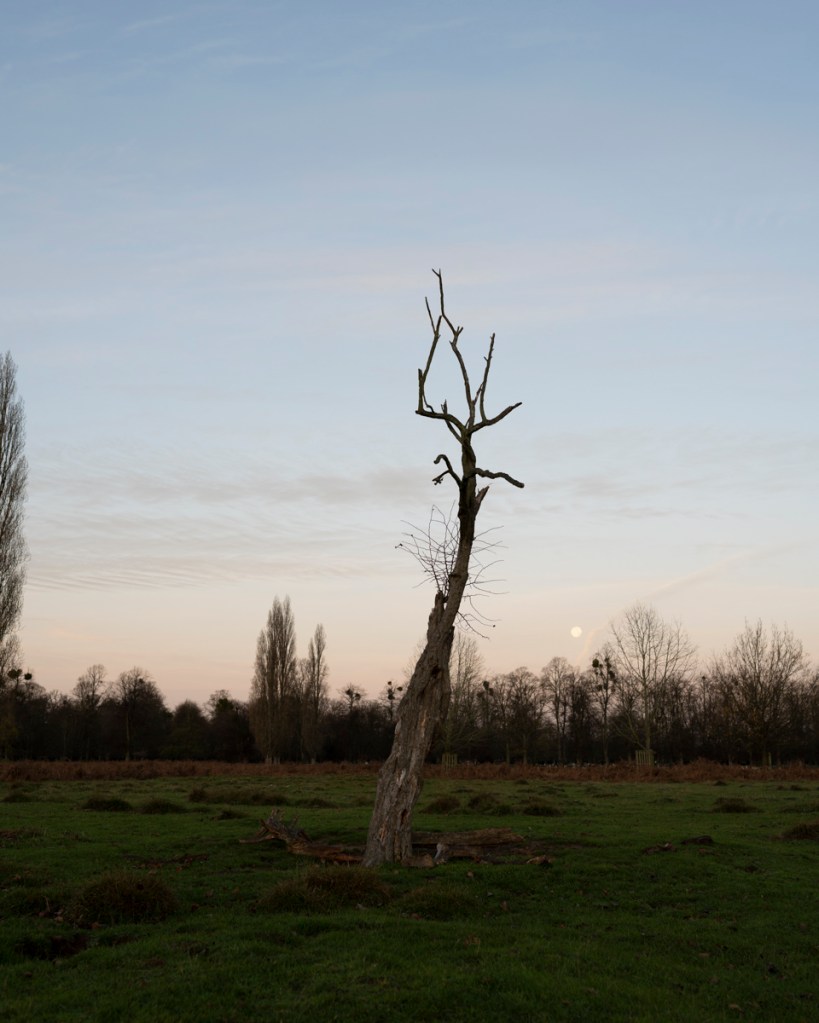
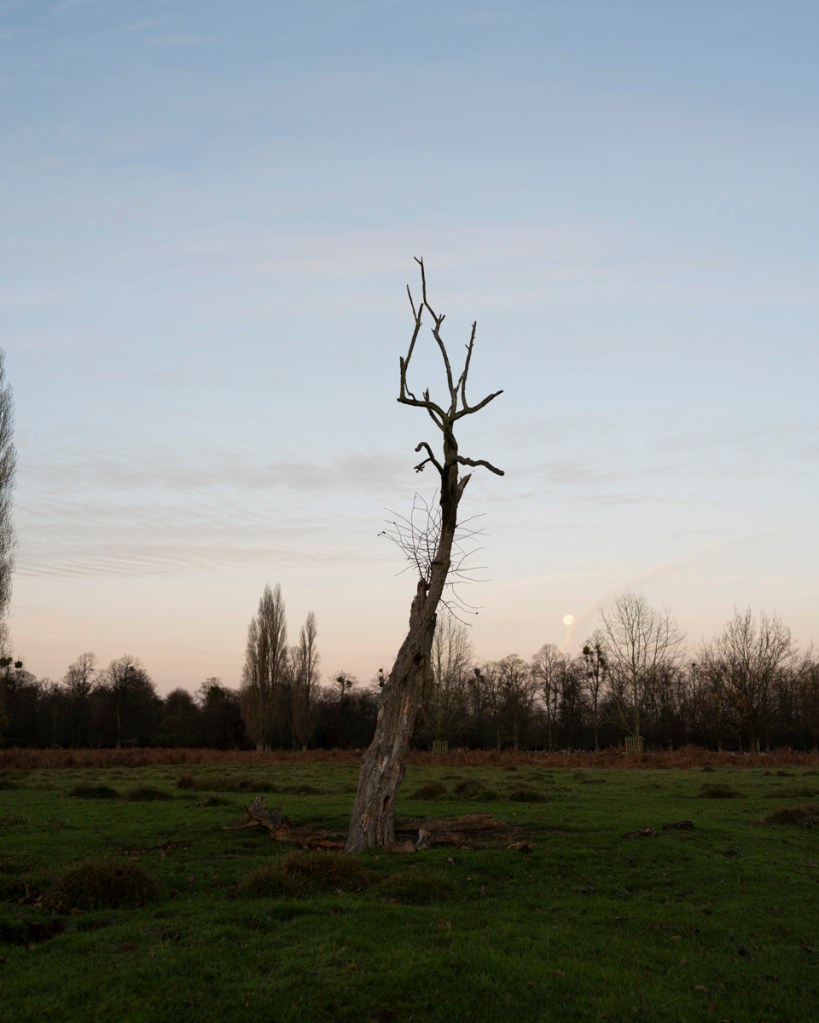
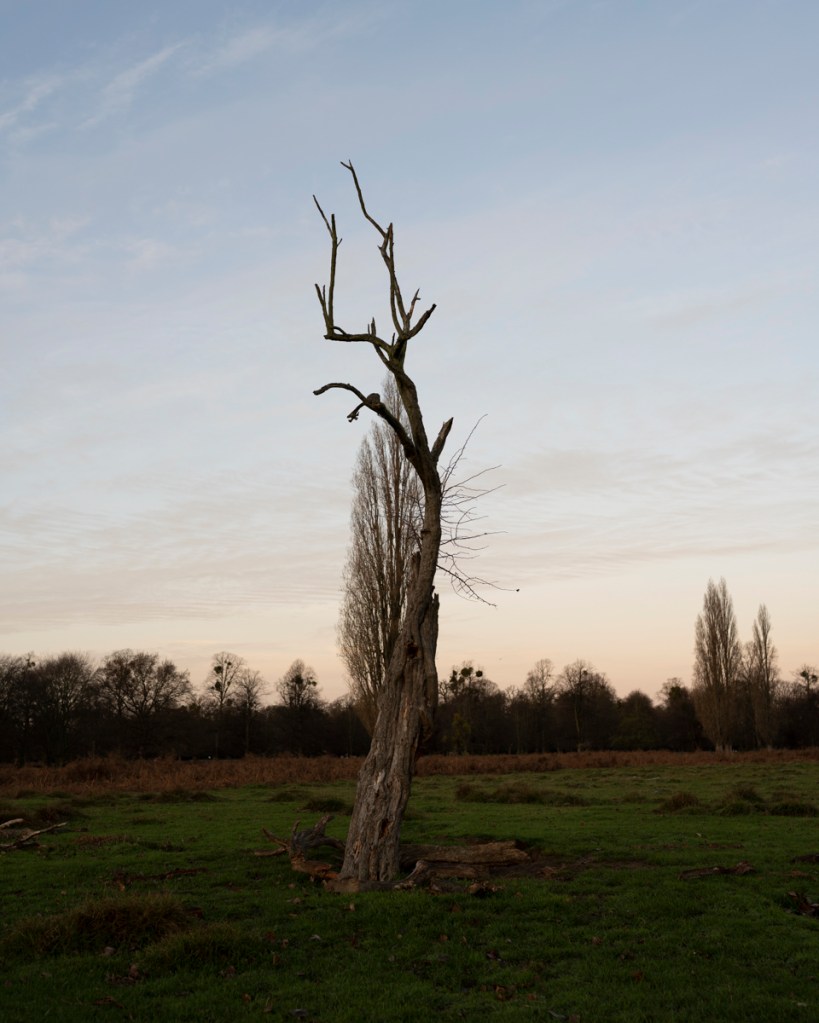
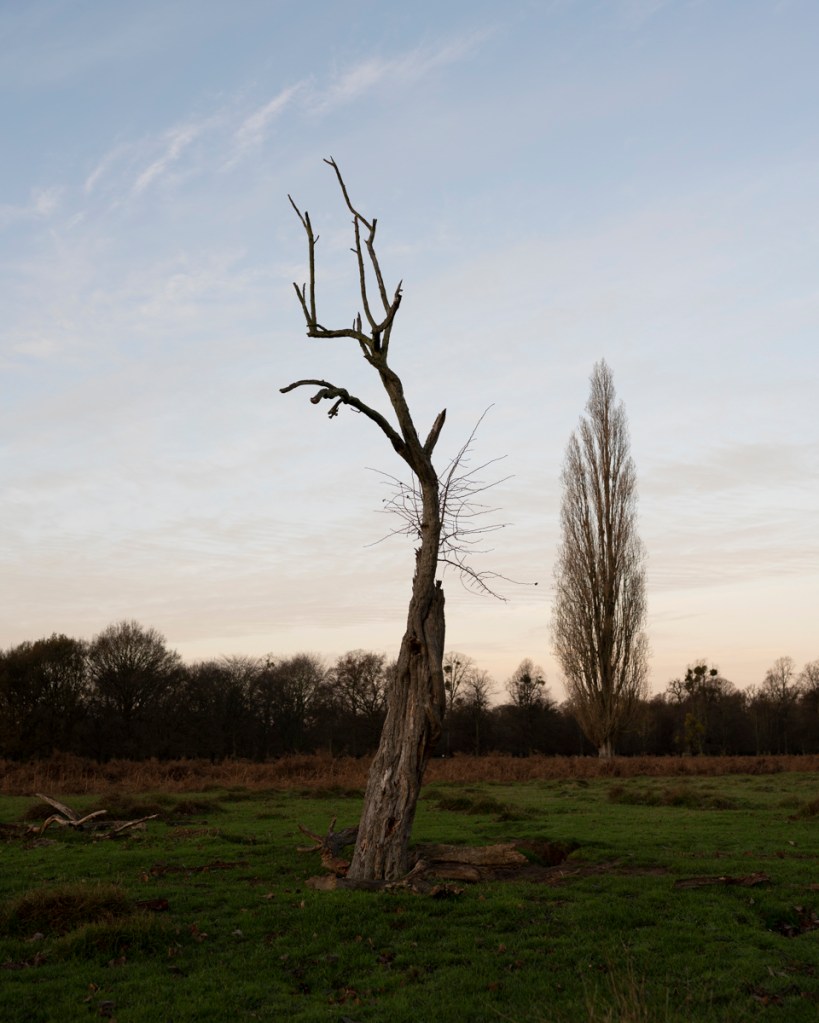
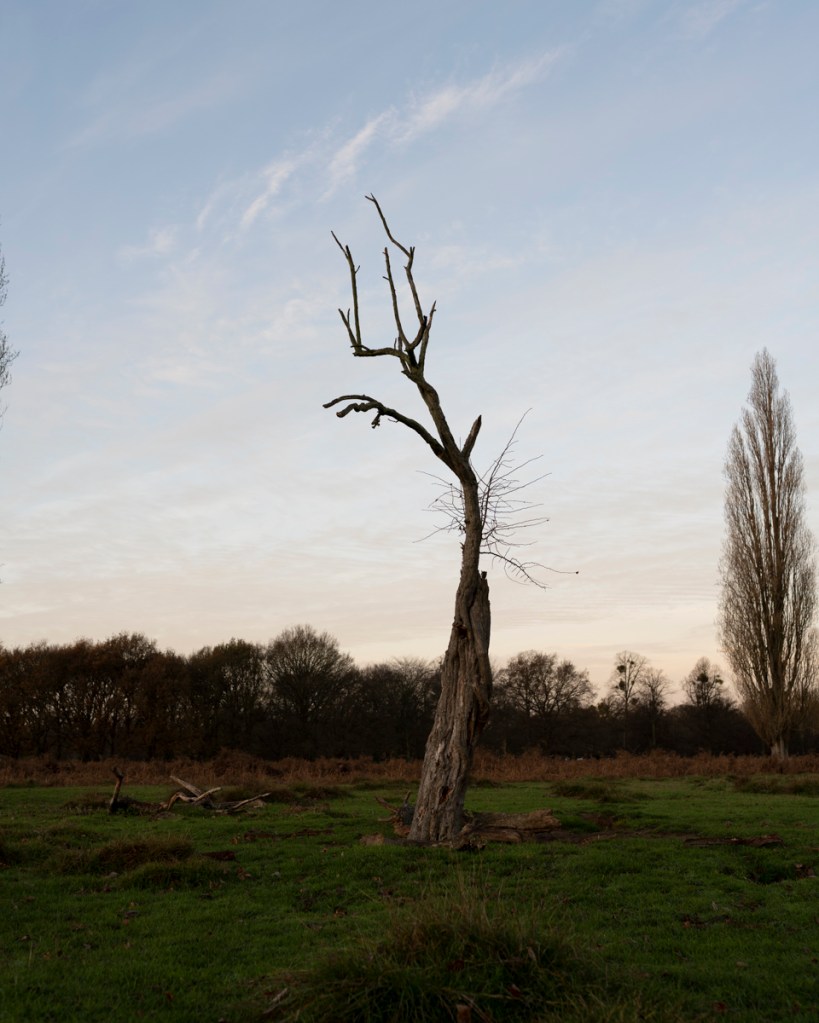
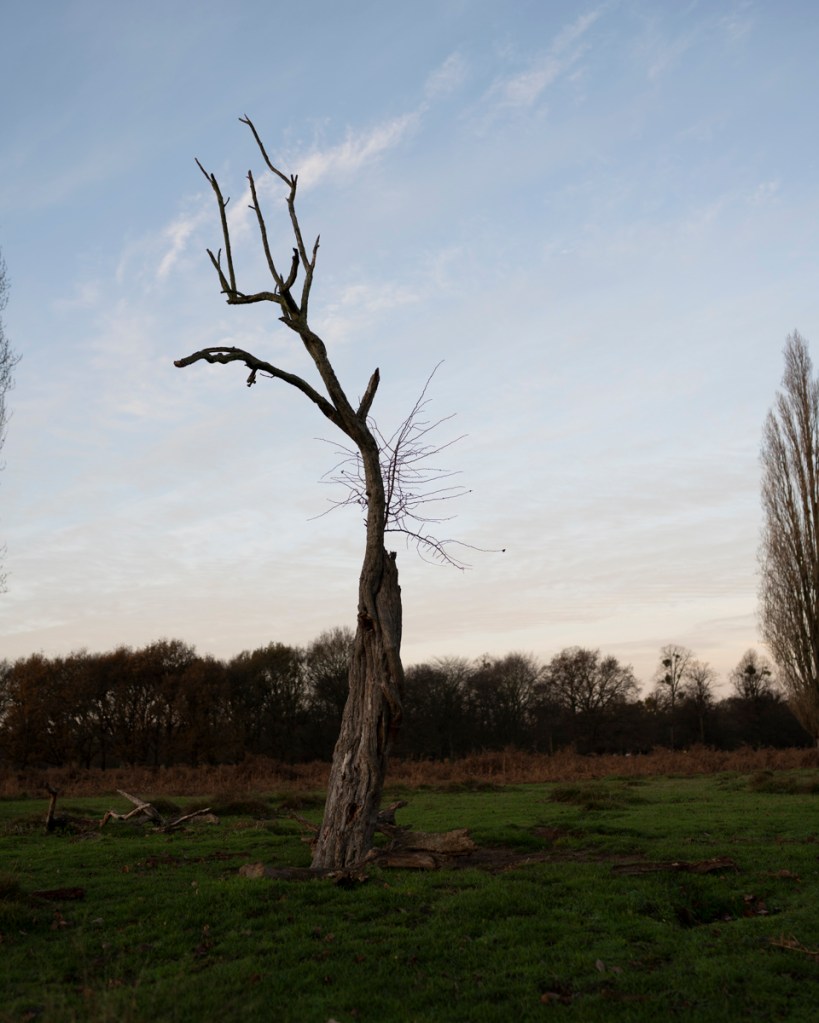
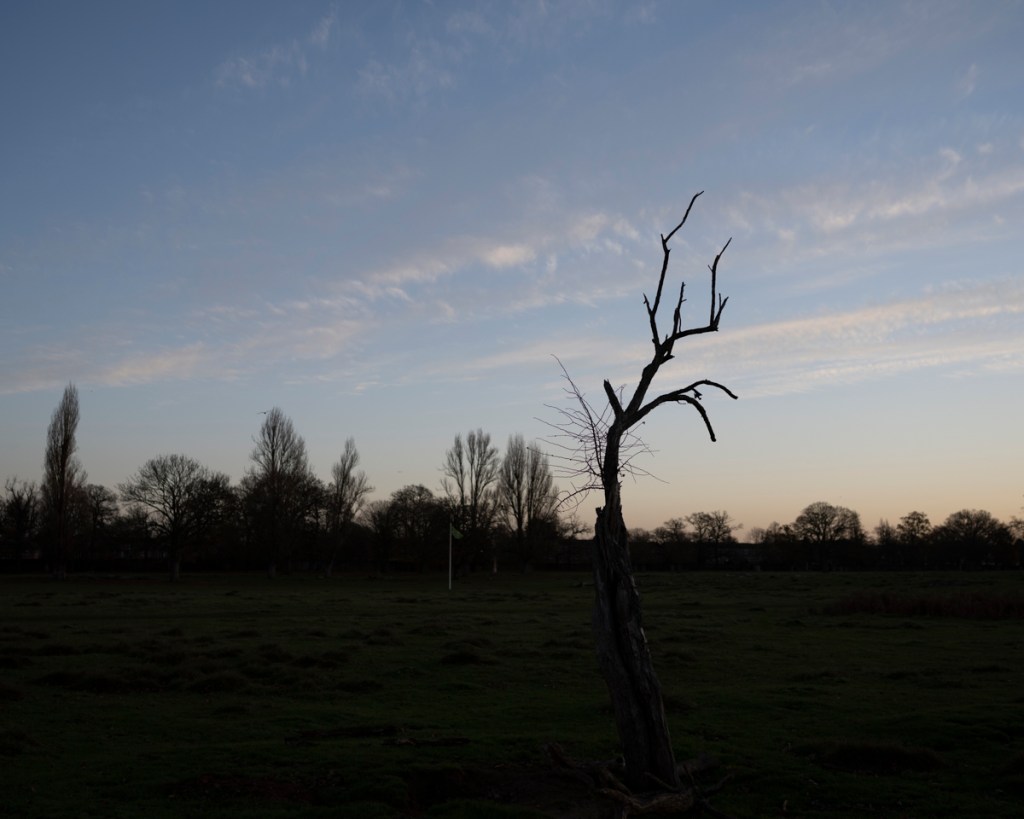
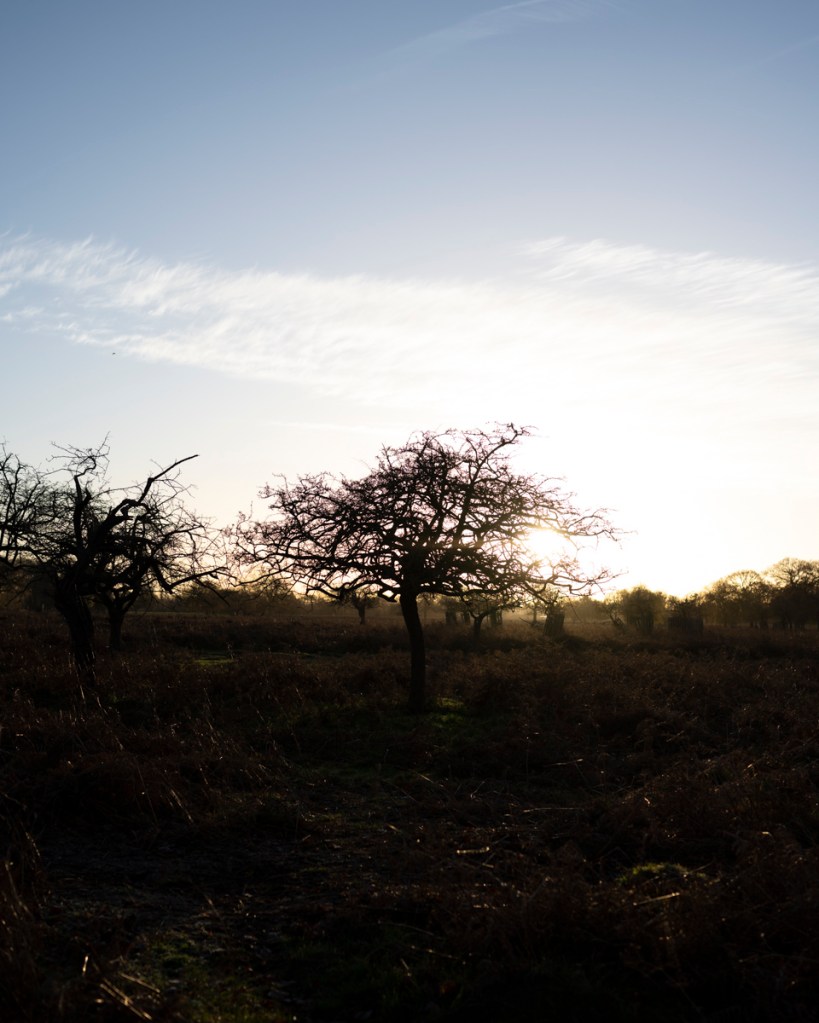
Admittedly, I was finding it difficult to get the composition and angle I was looking for. Realising I was in need of a bit of a warm up (photographically and corporeally) I walked to the patch of hawthorns on the left of Hawthorn Lodge.
The sun was gradually coming up and I took the following shots at 8.00am.
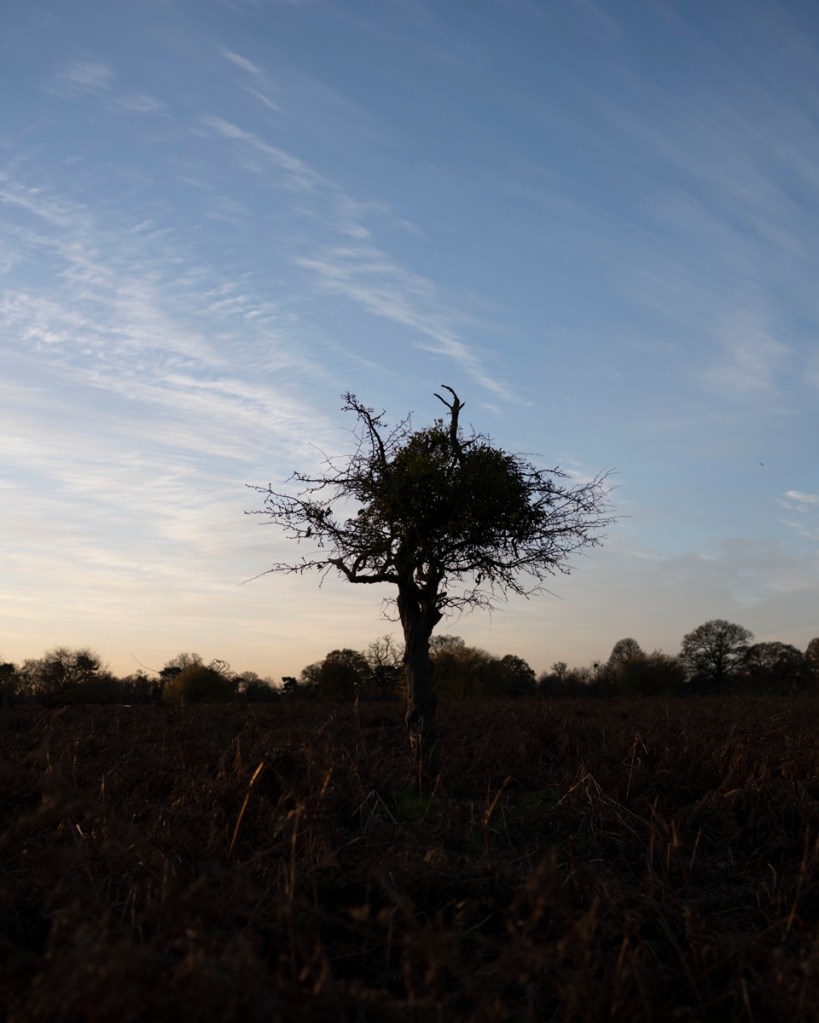
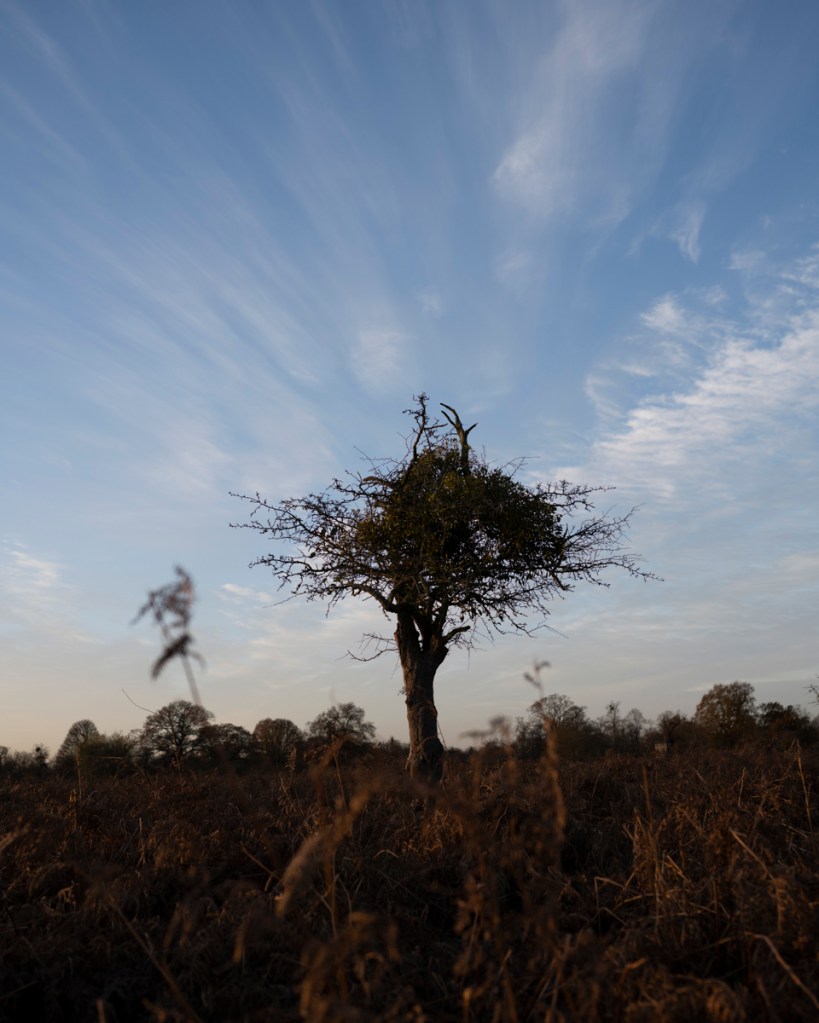
My patience was rewarded a minute later when the sun finally showed its glory.

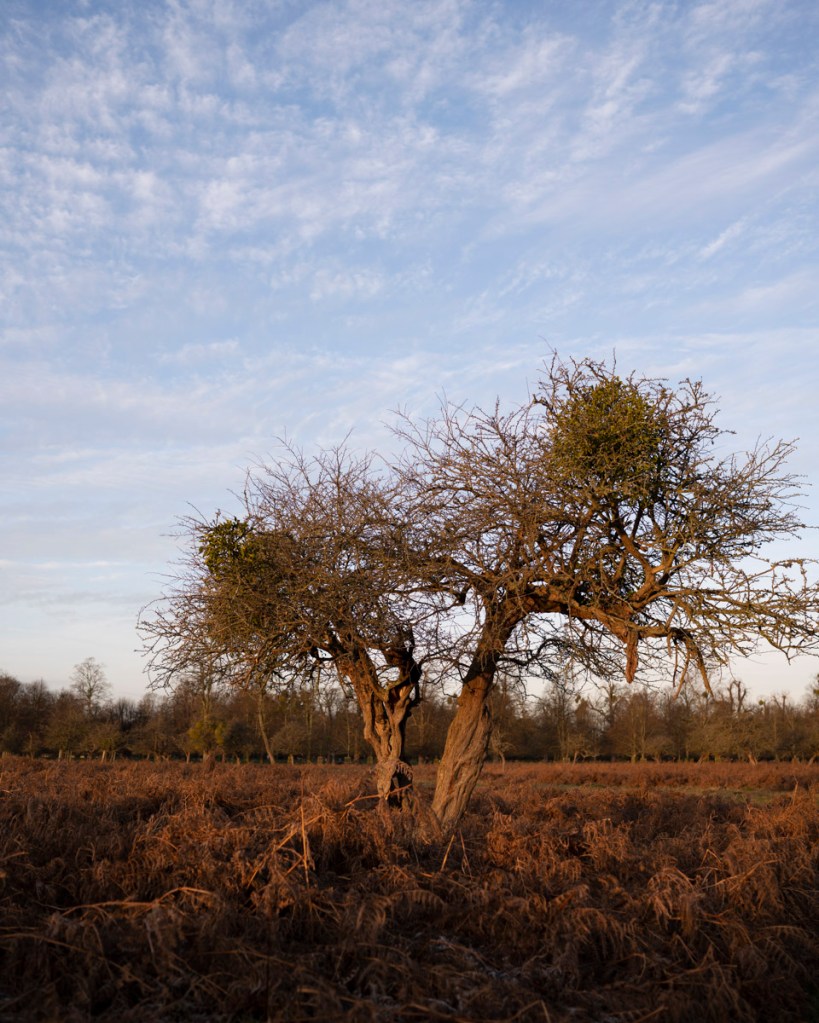
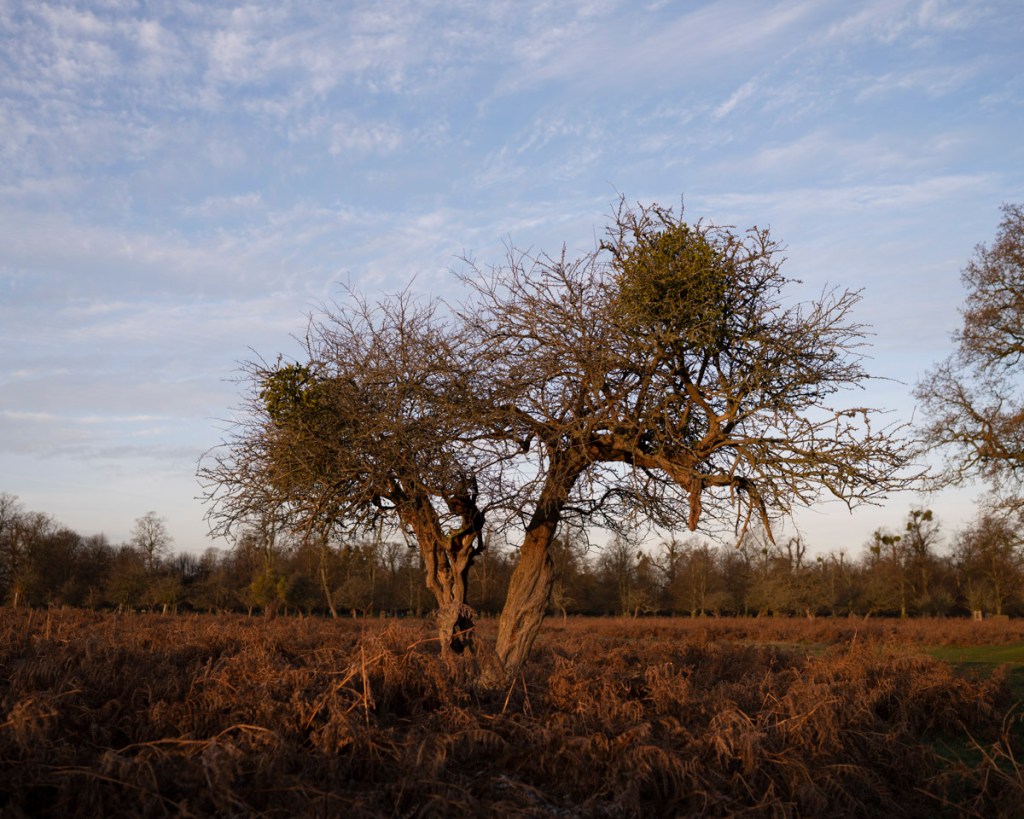
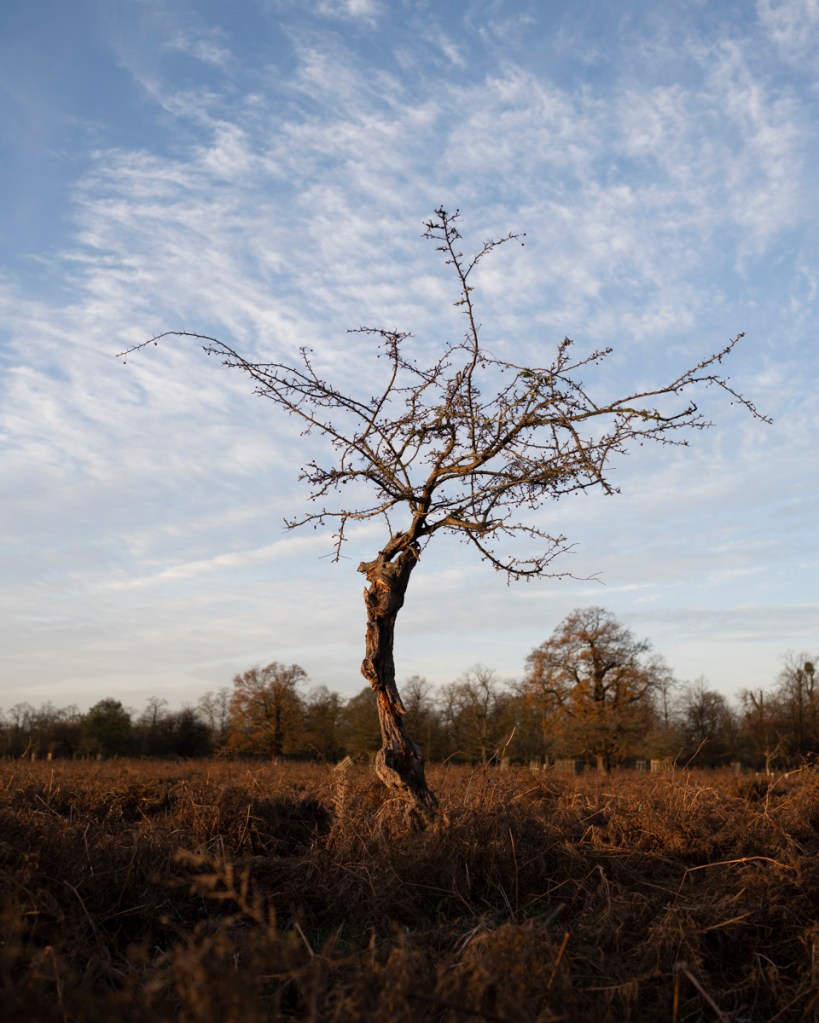
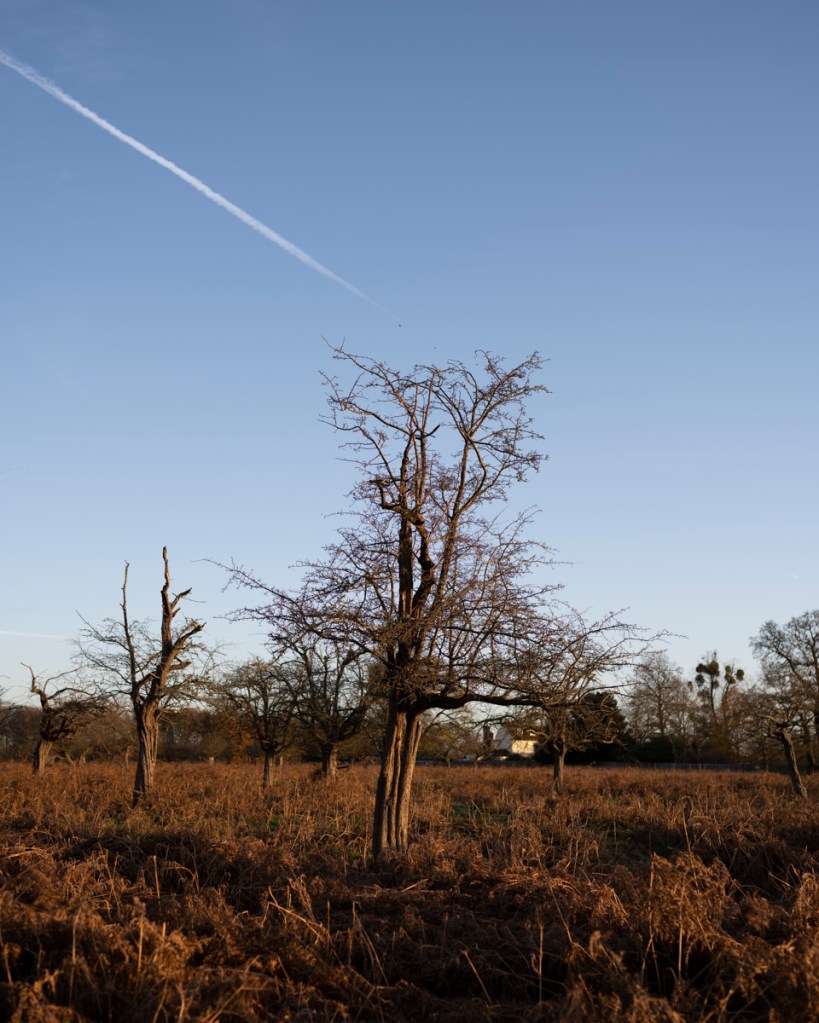
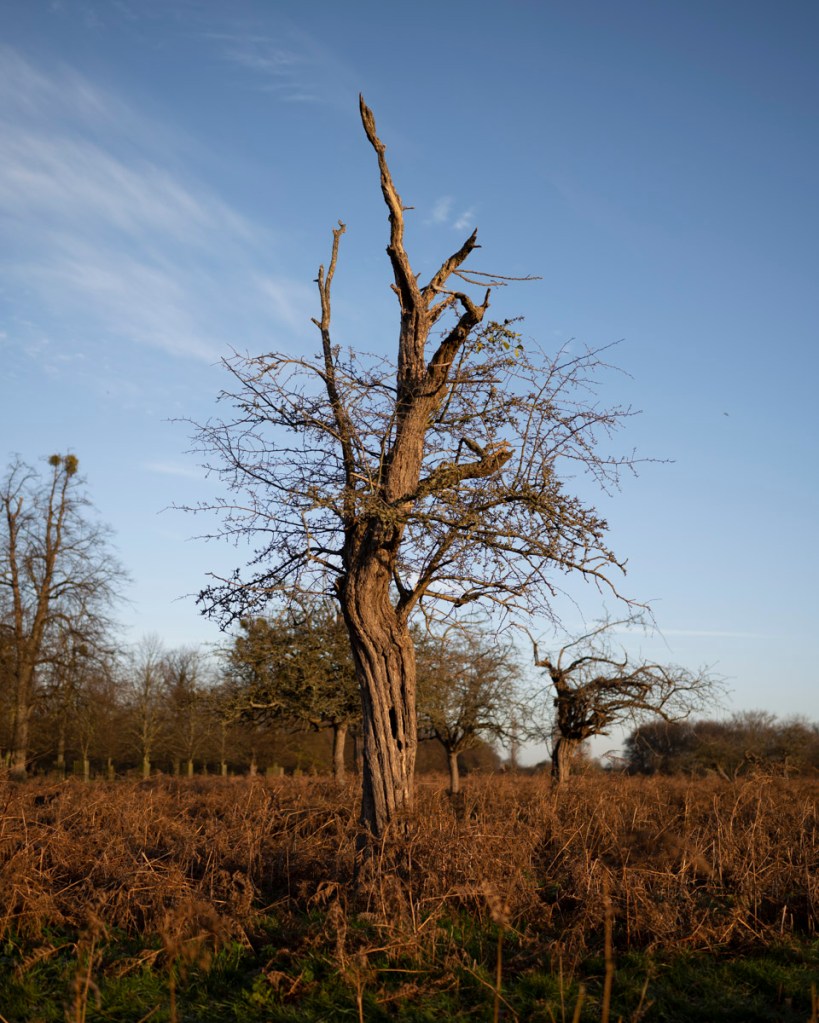
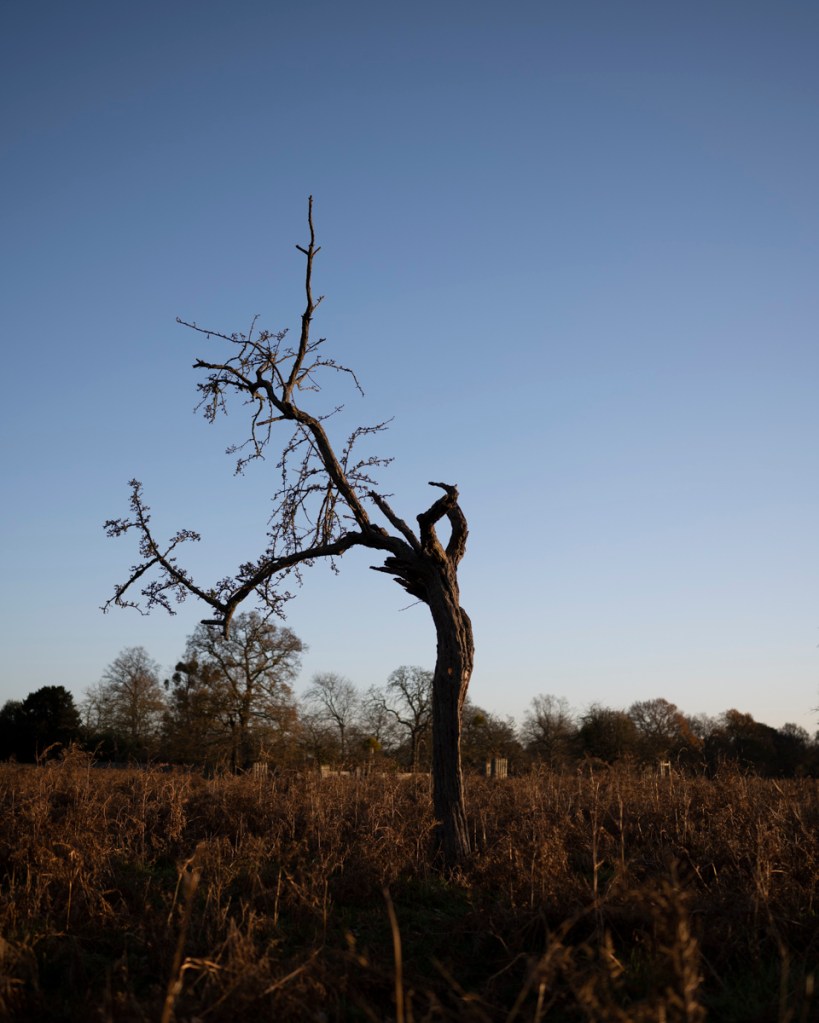
The light was stunning – it gave a coppery glow that lit up the ferns beautifully. Again, I was having difficulty in getting low enough with the camera to get the angle I was looking for and being able to see the display screen.
These are the two images I think work best (both have been rough edited in Camera Raw. What does need work is aligning the horizon line. I was using the 4 x 4 grid that can be shown on the display screen to help with composition. So that there would be uniformity, I aligned the top of the ferns with the bottom third line as a guide. This seems to provide a good ratio of foreground, subject, background and sky.

When I shared these two shots with my classmate, Mark, he made the following comments:
“I like the way the sun is coming from the side. I think the second image works. Also, if you didn’t know, they could have been taken on safari. I would try to keep then looking the same in the frame so it doesn’t give the viewer the feeling of ‘bouncing’ in and out. Great shots!”
Will take these on board!
By this time, I was itching to use the 85mm and the light was beginning to get a bit harsh.
The decision was made to return home the return to the park with the 85mm.
85mm Images 5:4 Aspect Ratio
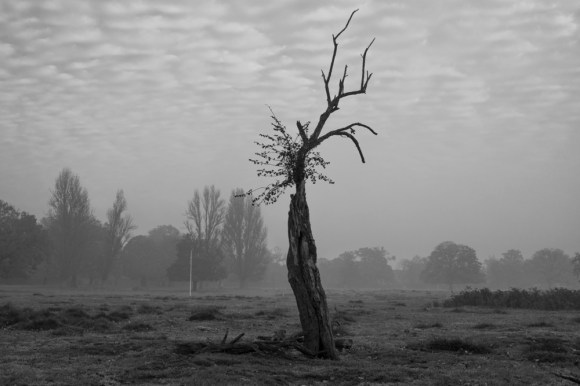
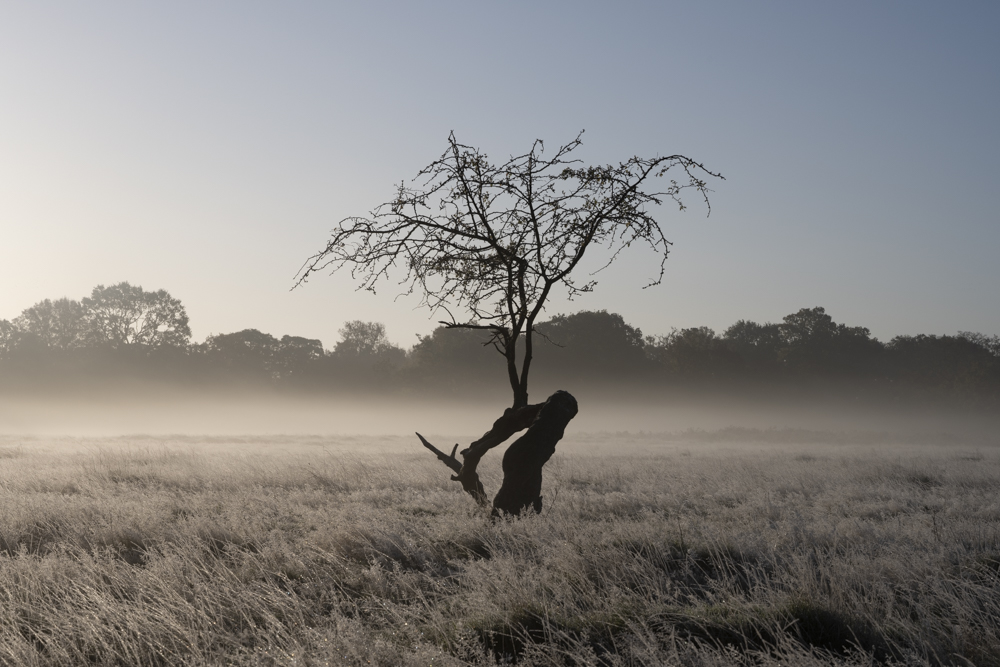
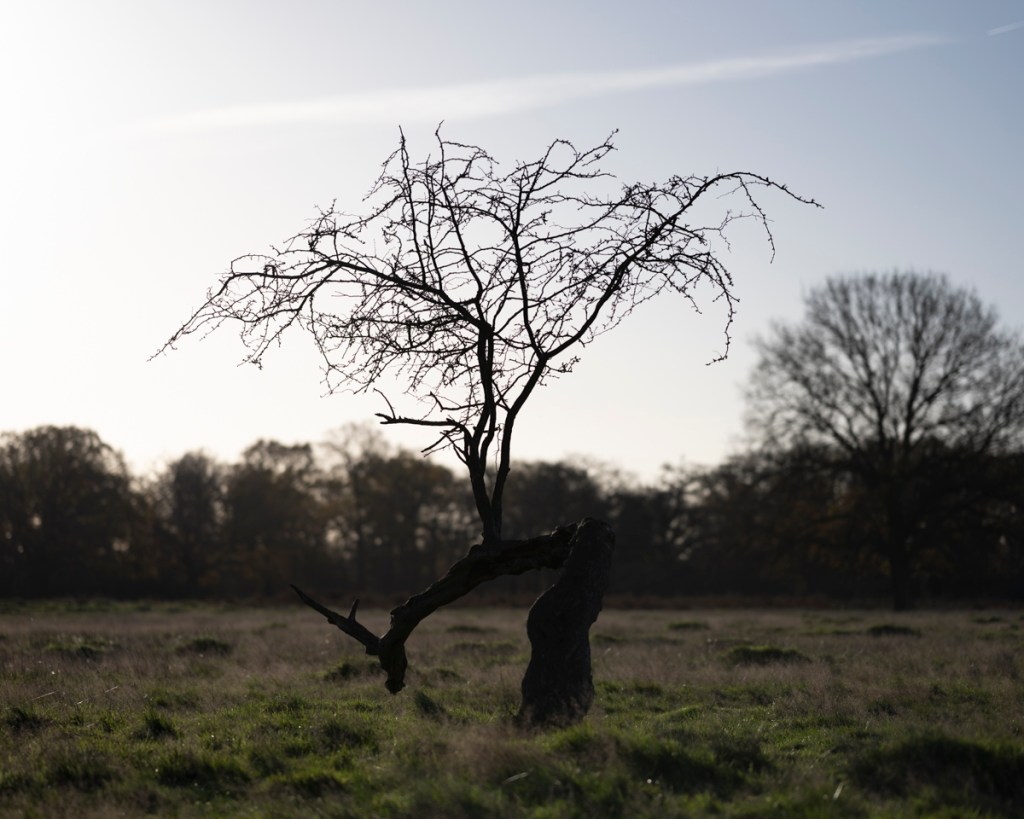
Unfortunately, the light had increased in harshness. Despite this, it was useful trying the 85mm lens with the 5:4 aspect ratio. The first tree I tried was this one (image below taken on 4 November 2020 using the 24mm-70mm zoom lens at 70mm and at 3:2 ratio).
These are the results.
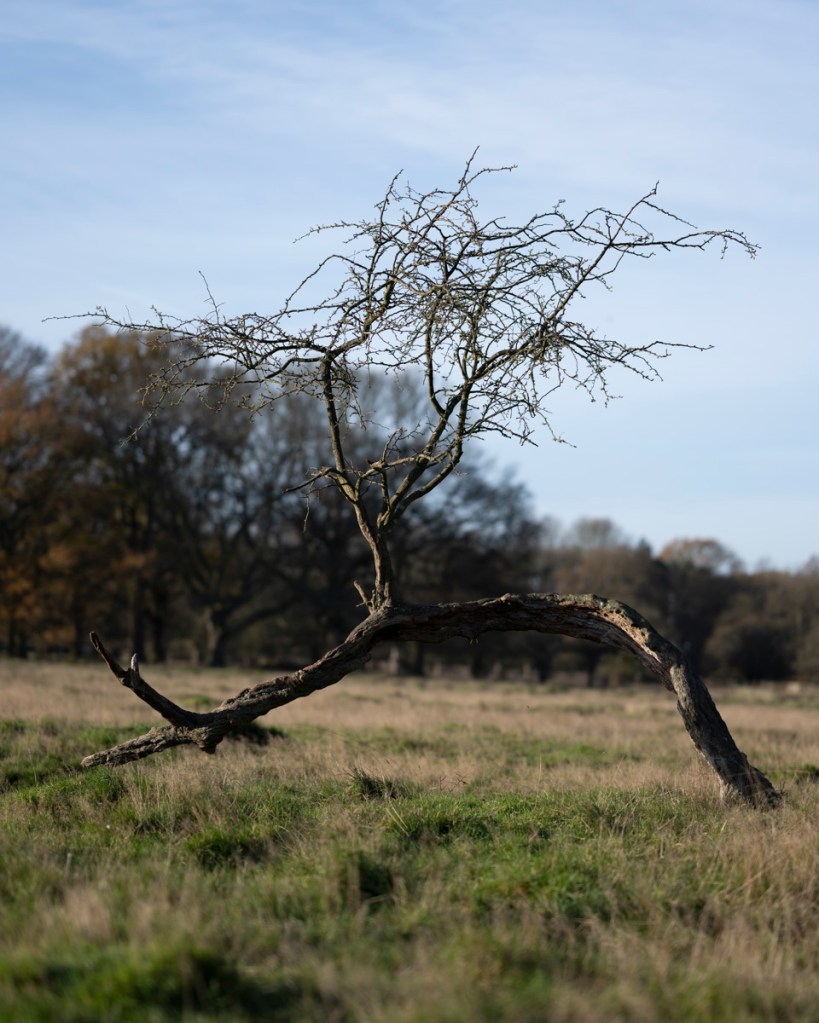
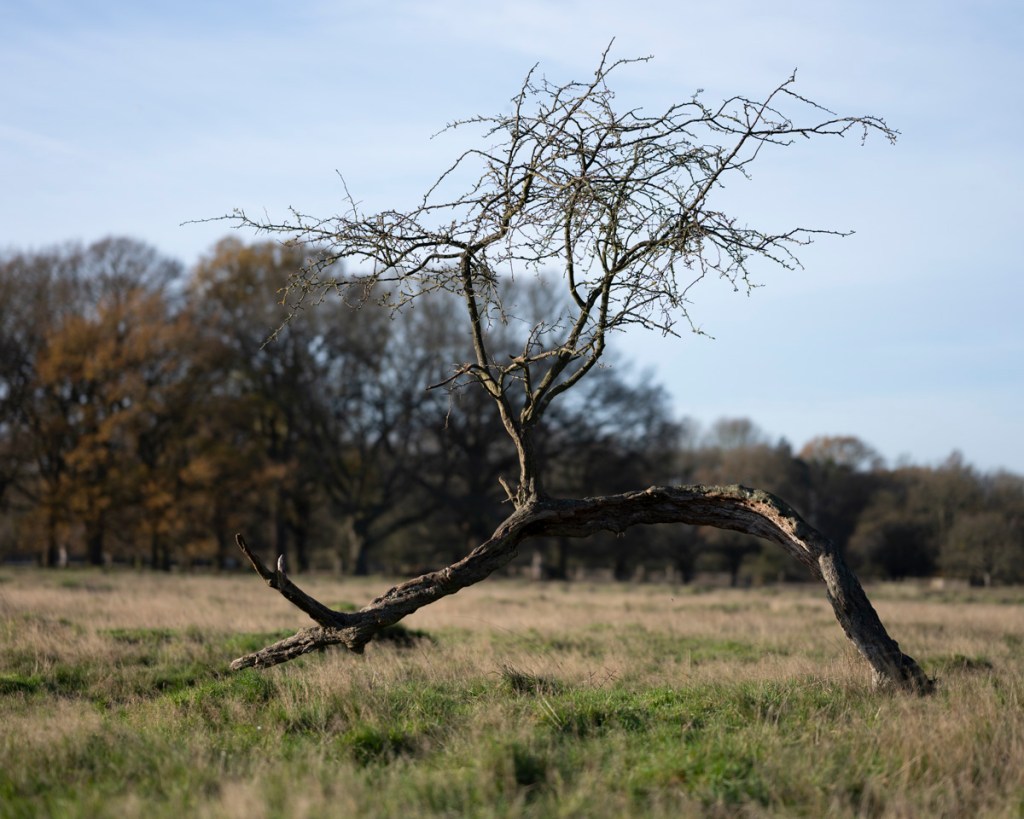
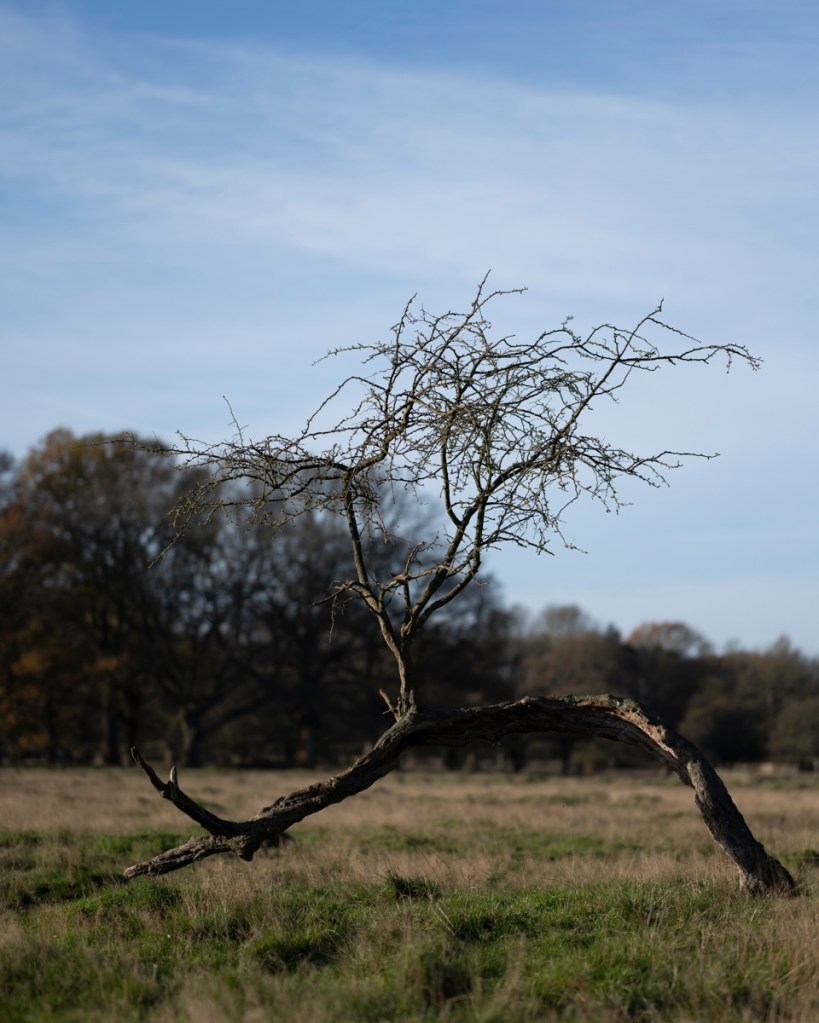
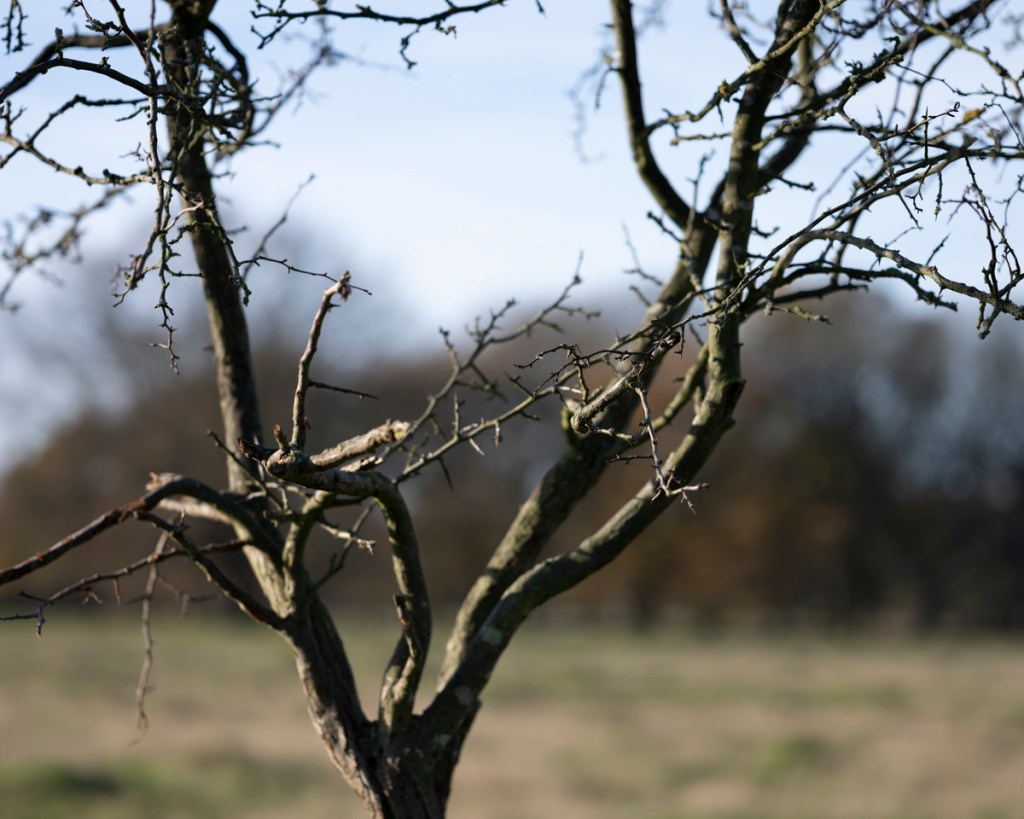
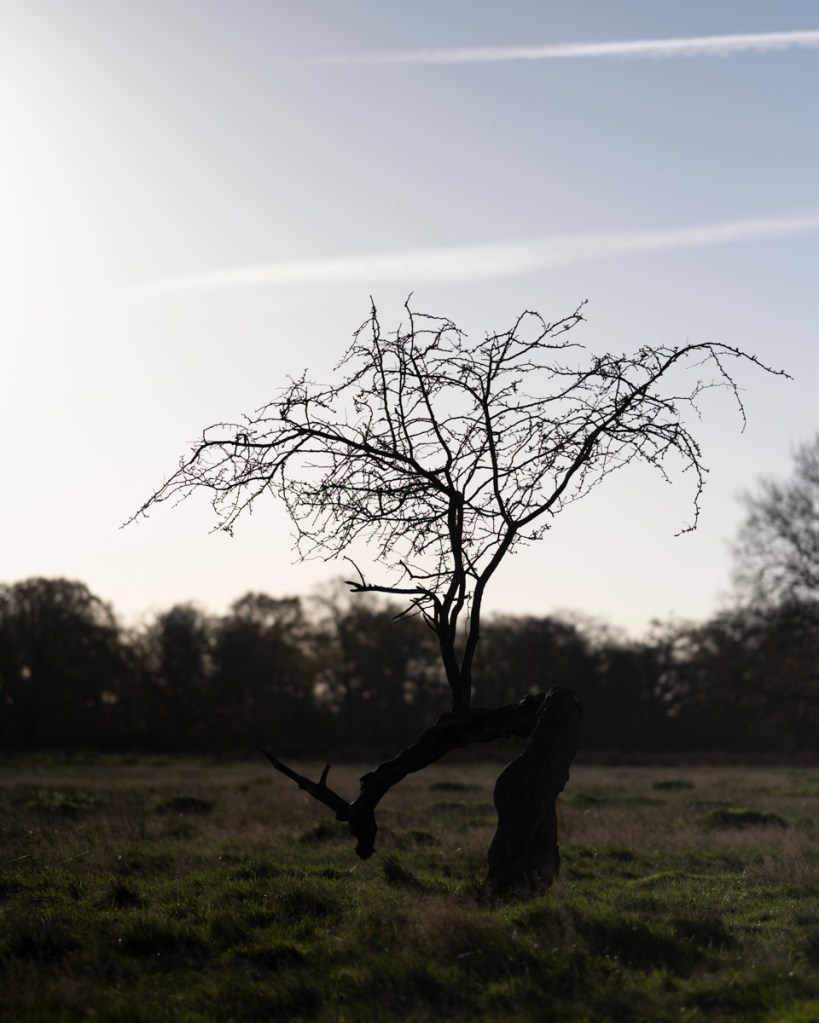
I then walked to the row of hawthorns leading to the gap between the Woodland Gardens plantations.
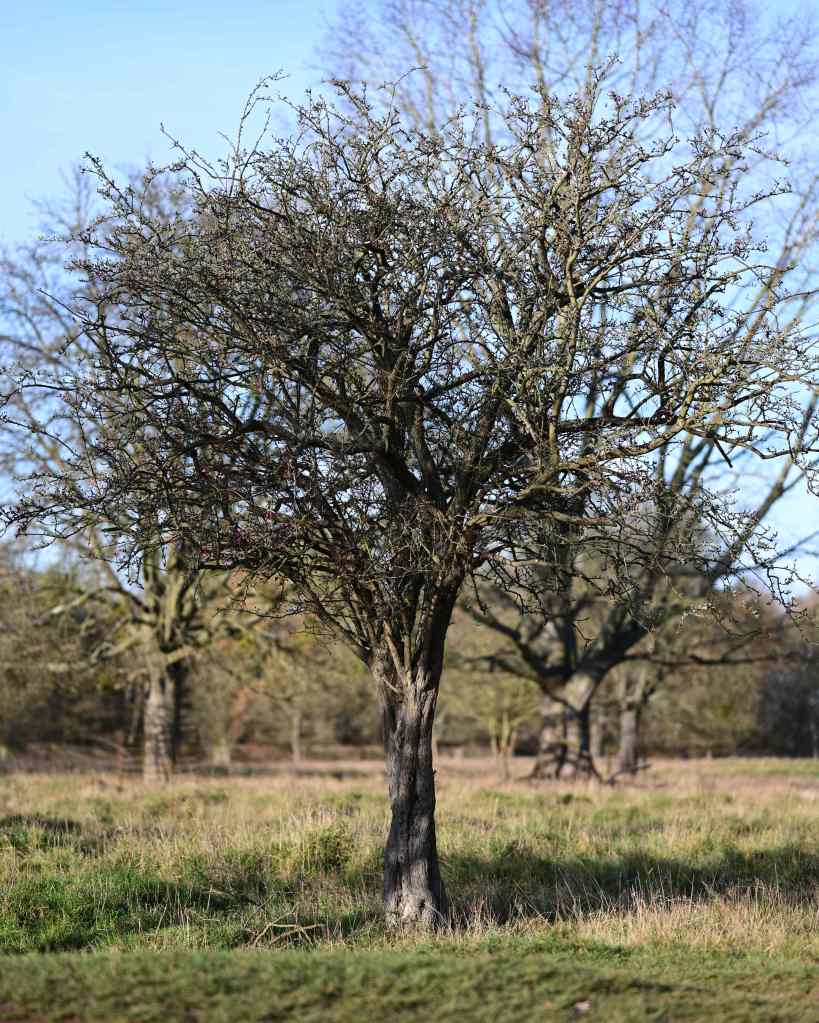
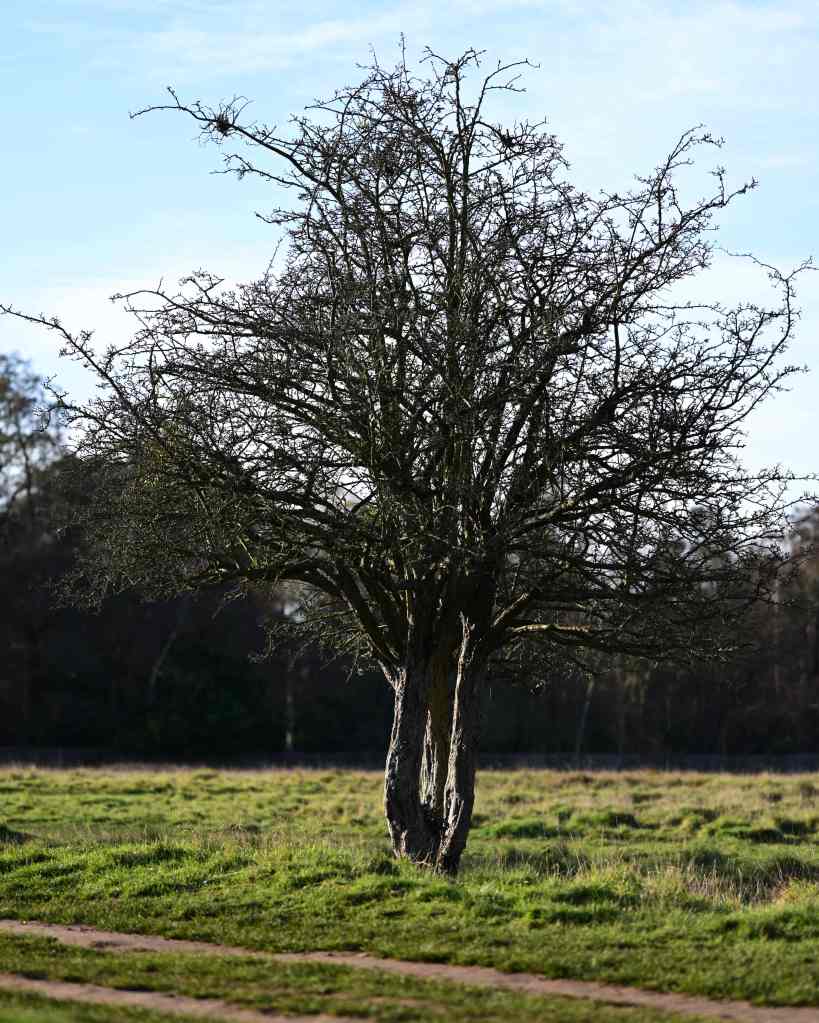
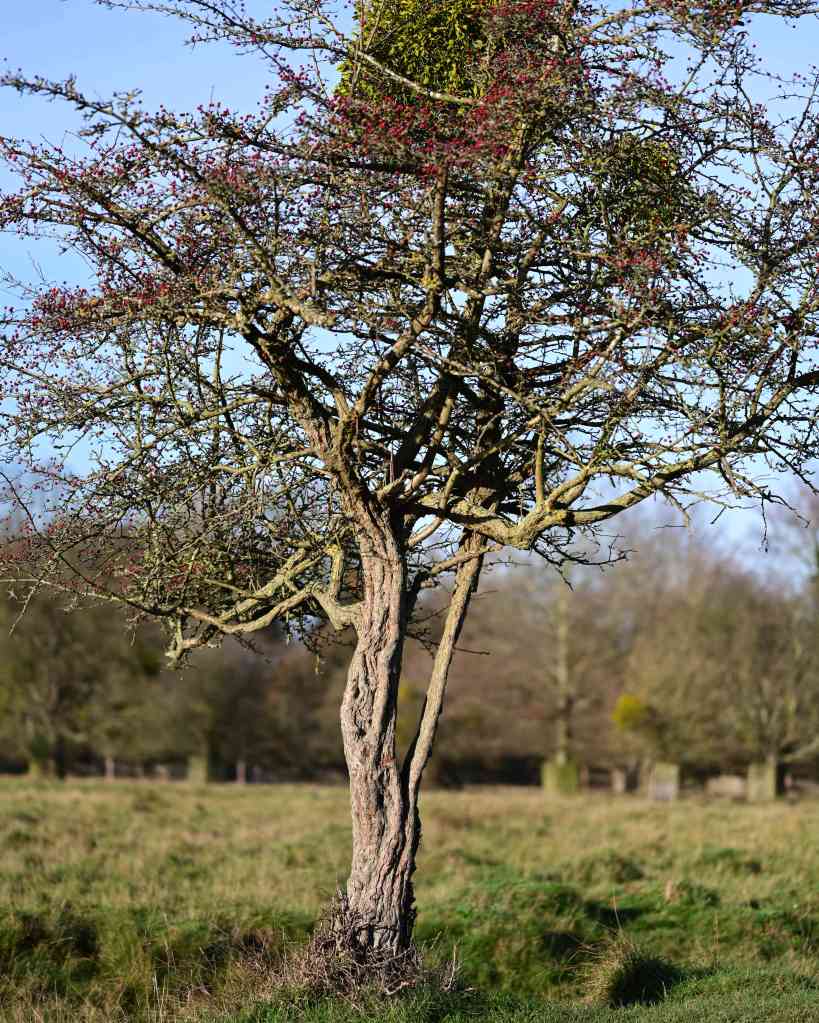
I did manage to get the effect of blurring the background, which I liked. Again, I wasn’t able to get low enough and see the display at the same time.
My next step is to revisit all aspects of this project in light of the feedback and actions resulting from the Interim Review and previous Group Tutorial.
References
Digital Photography School. 2020. Aspect Ratios In Landscape Photography. [online] Available at: <https://digital-photography-school.com/aspect-ratios-in-landscape-photography/> [Accessed 2 December 2020].
“Landscape”, W., 2020. Want Better Landscape Photos? First Check Your Definition Of “Landscape” | Nikon. [online] Nikonusa.com. Available at: <https://www.nikonusa.com/en/learn-and-explore/a/tips-and-techniques/want-better-landscape-photos-first-check-your-definition-of-landscape.html> [Accessed 2 December 2020].
Modes, P., 2020. Personal Touch: The Art Of Z 7 And Z 6 Crop Modes | Nikon. [online] Nikonusa.com. Available at: <https://www.nikonusa.com/en/learn-and-explore/a/tips-and-techniques/personal-touch-the-art-of-z-7-and-z-6-crop-modes.html> [Accessed 2 December 2020].
 Jennie Meadows MA Photography