Why London? Why Bushy Park?
This park has been a very strong influence in both my life and my photography and is very close to my heart. Every time I visit this place I realise and/or observe something new.
Bushy Park is one of London’s eight Royal Parks covering an area of 1,099 acres and is a Site of Scientific Interest.
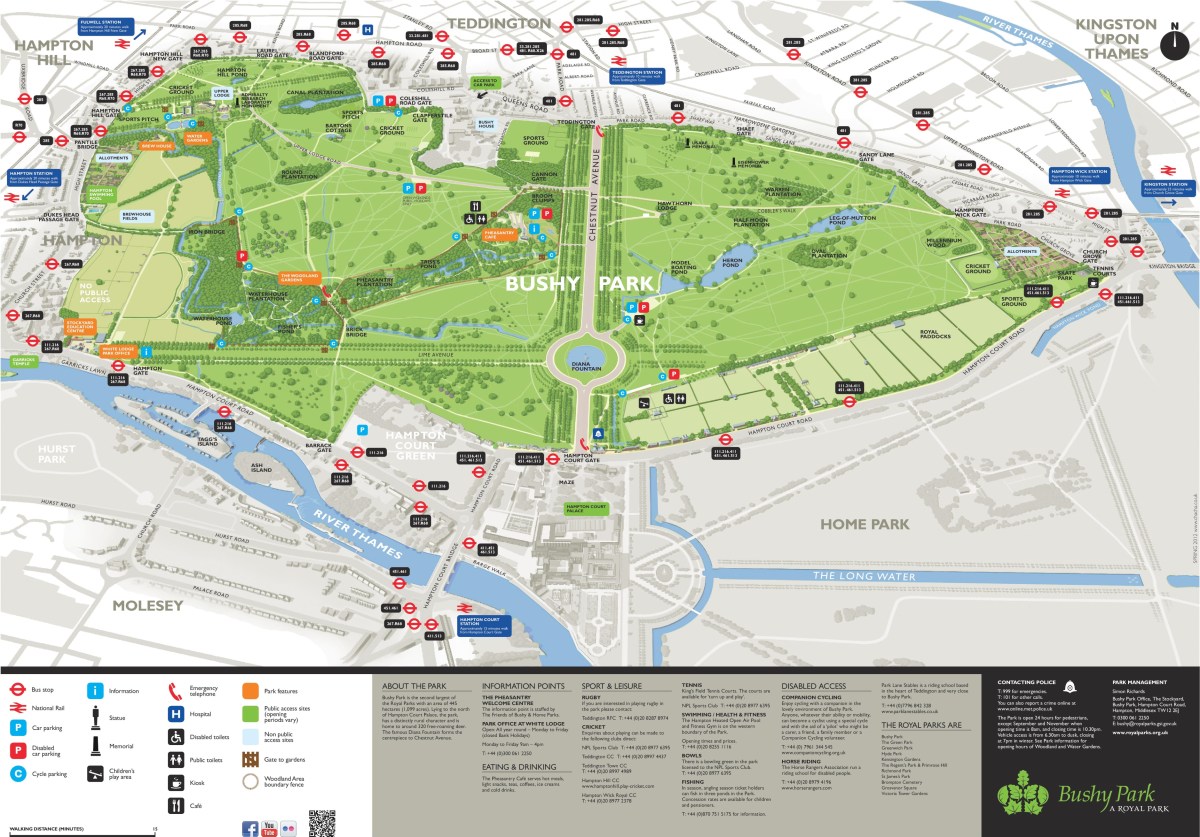
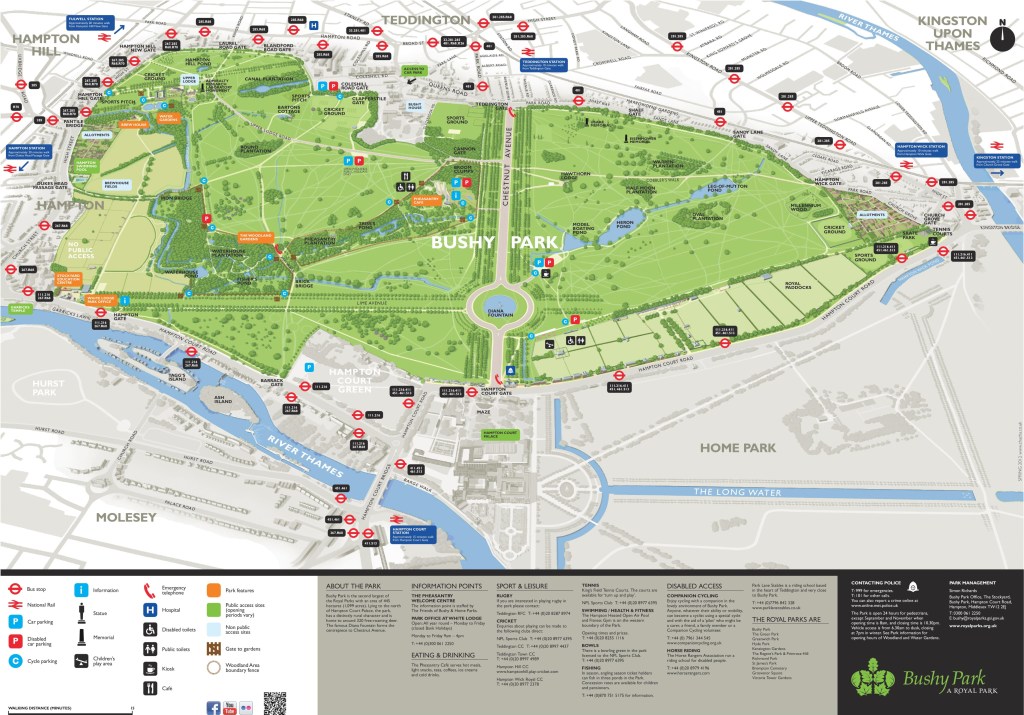
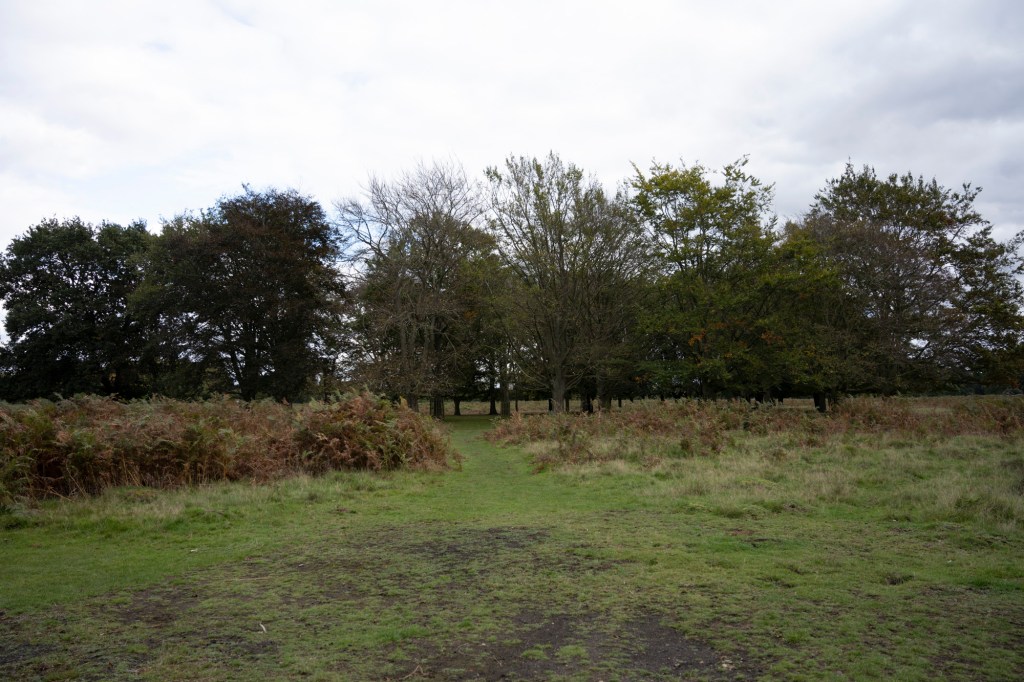
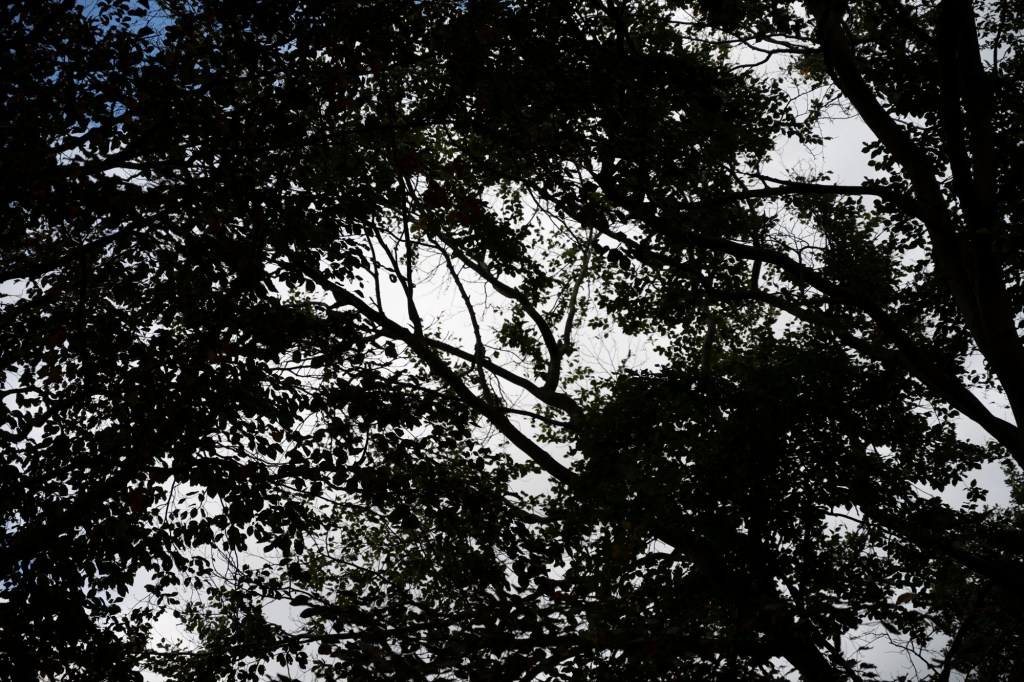
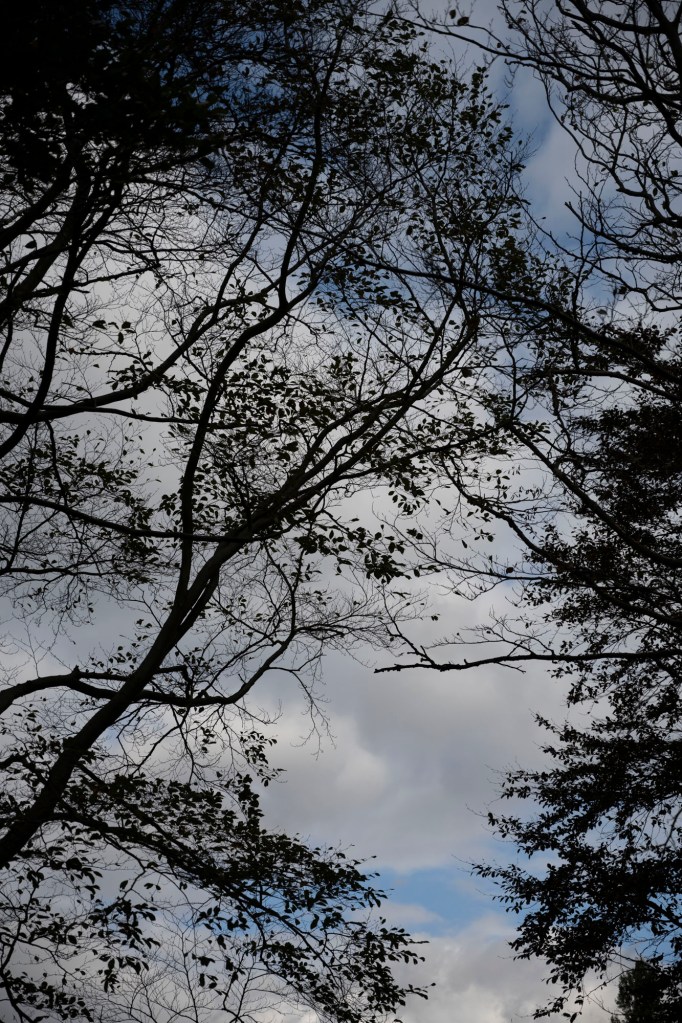
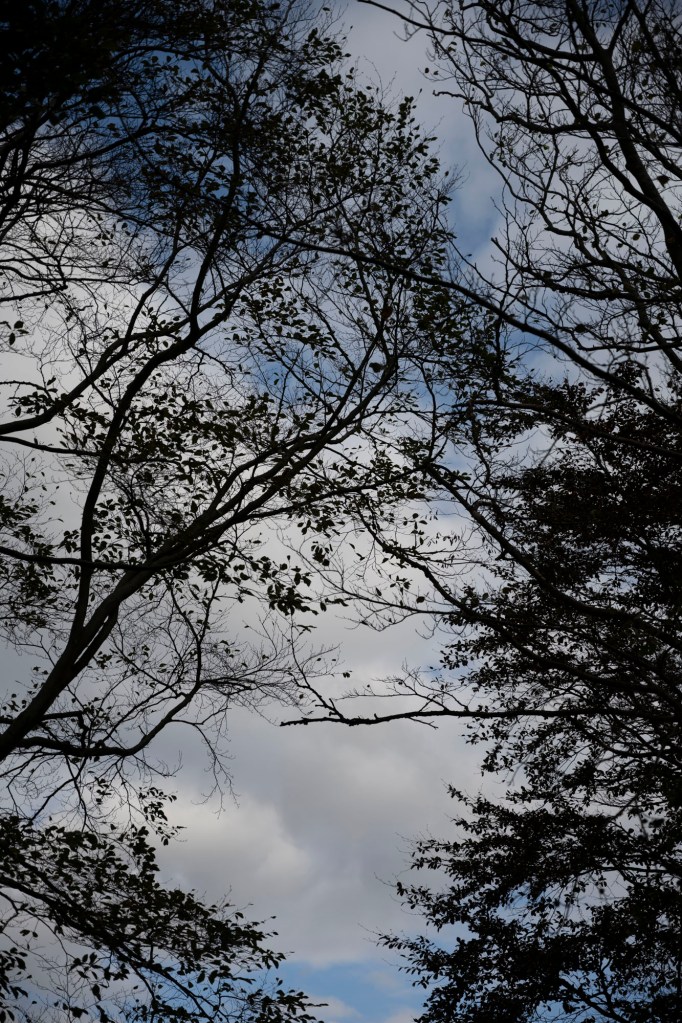
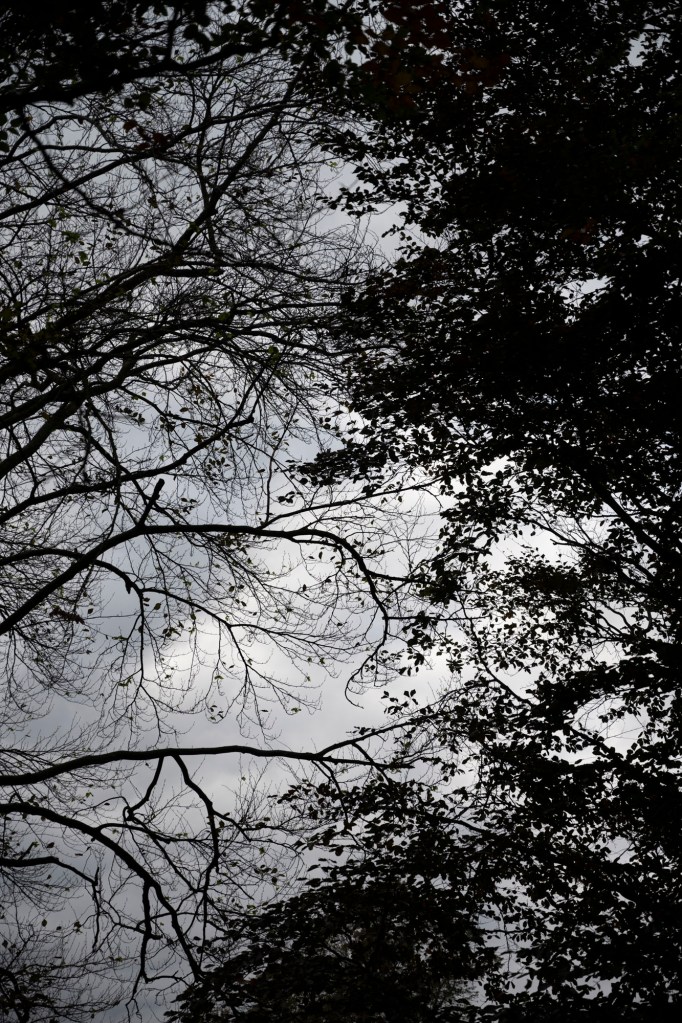
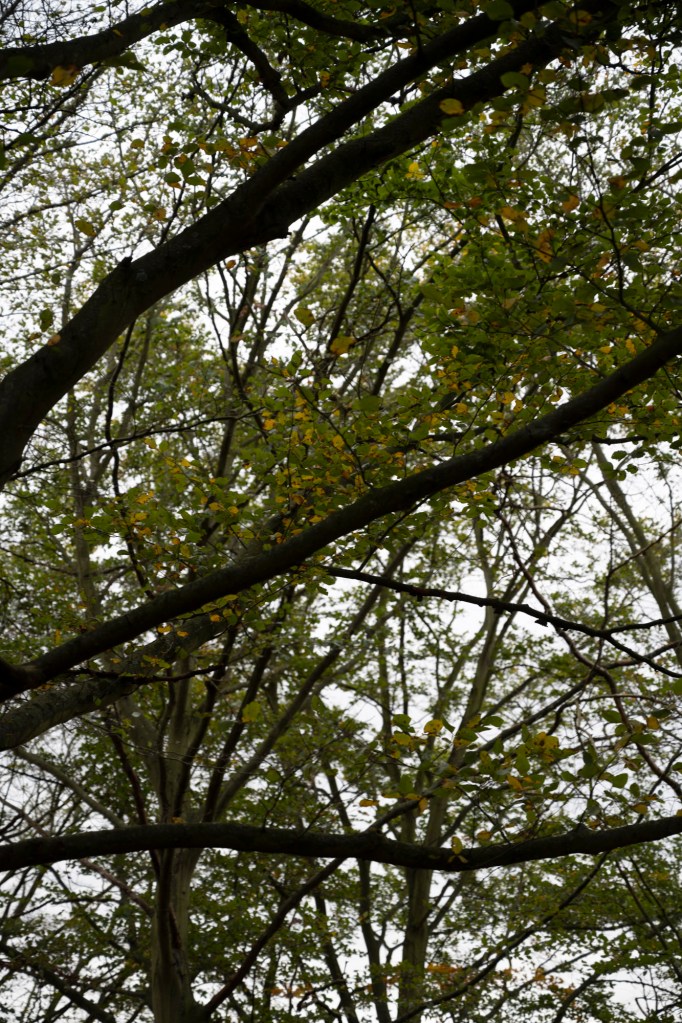
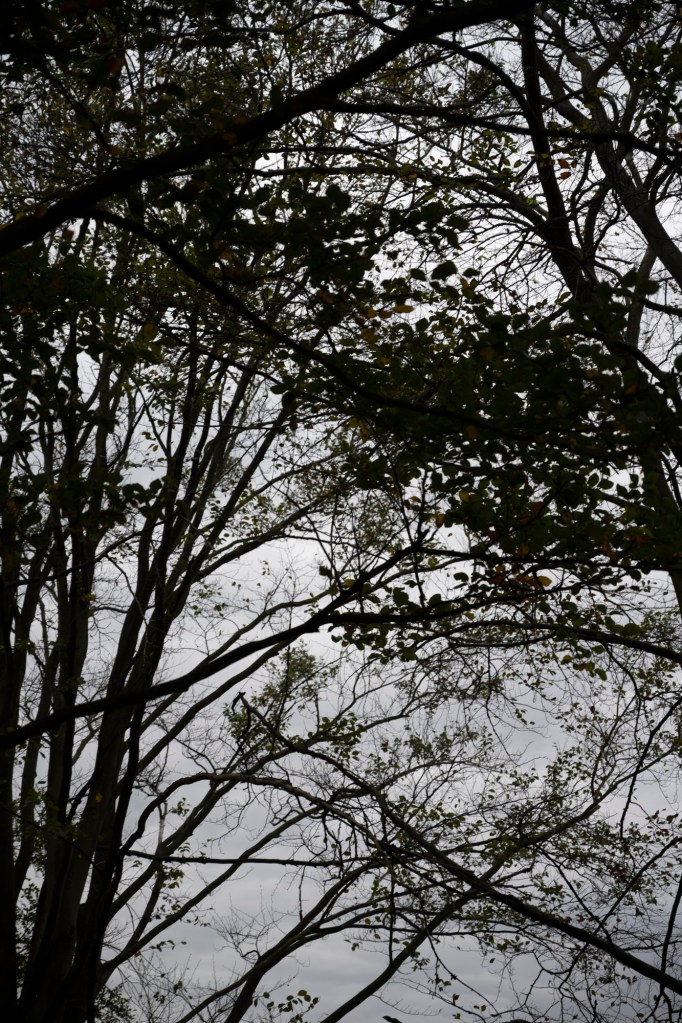
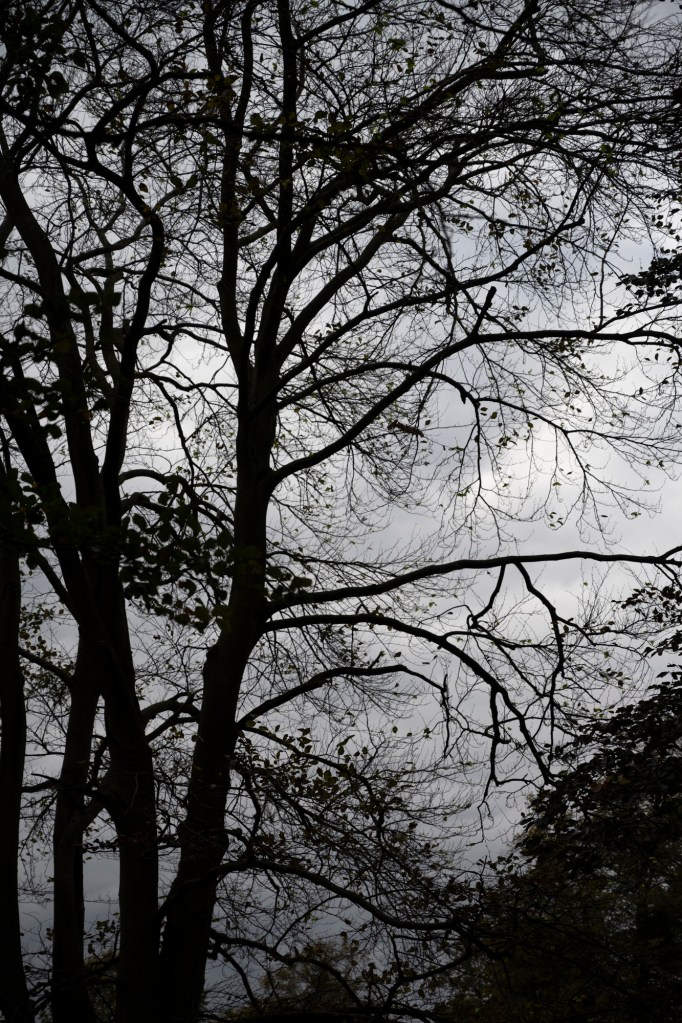
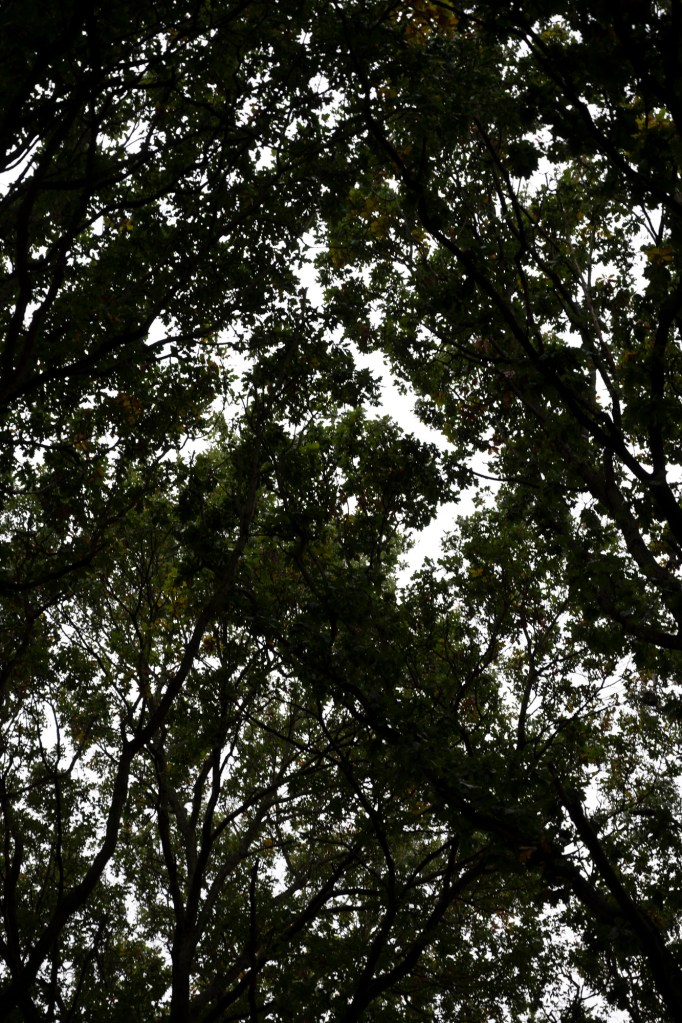
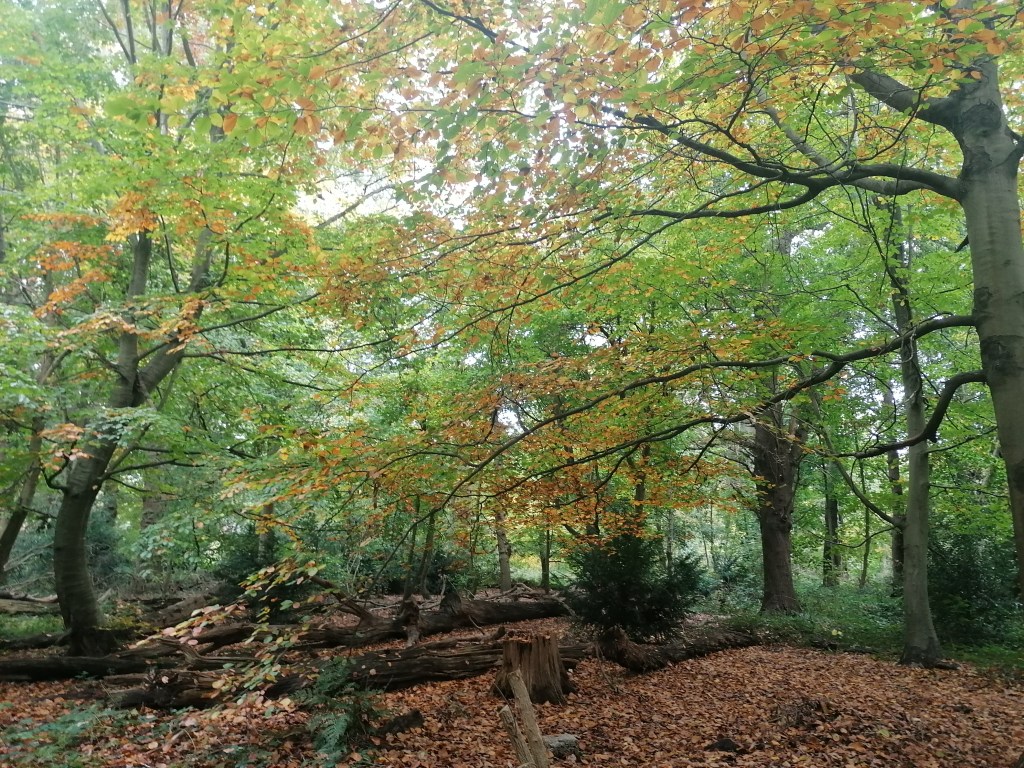
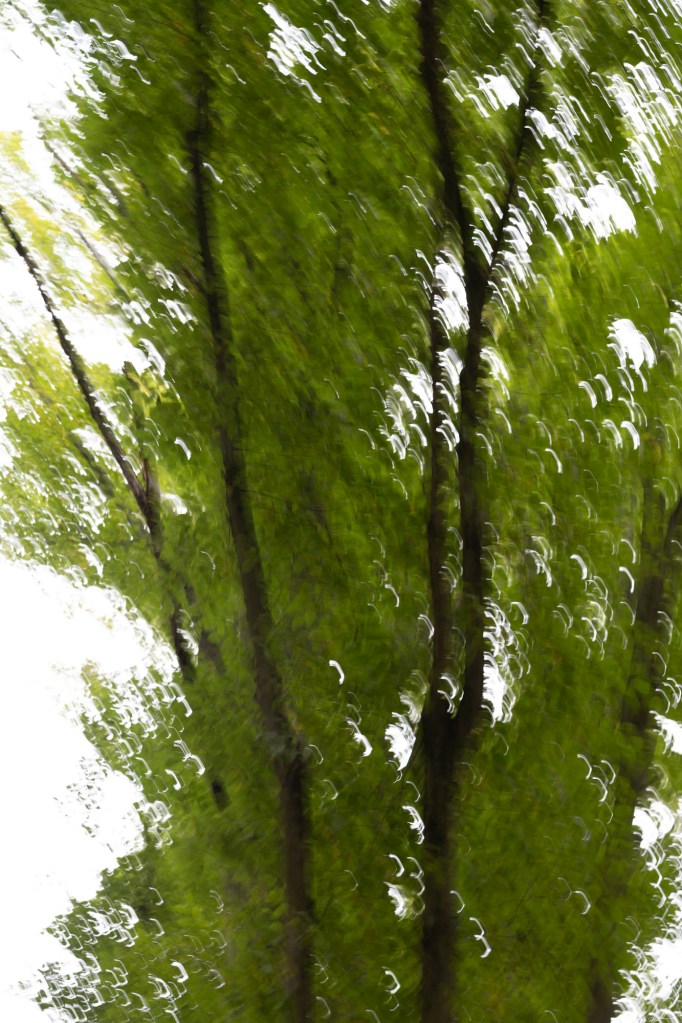
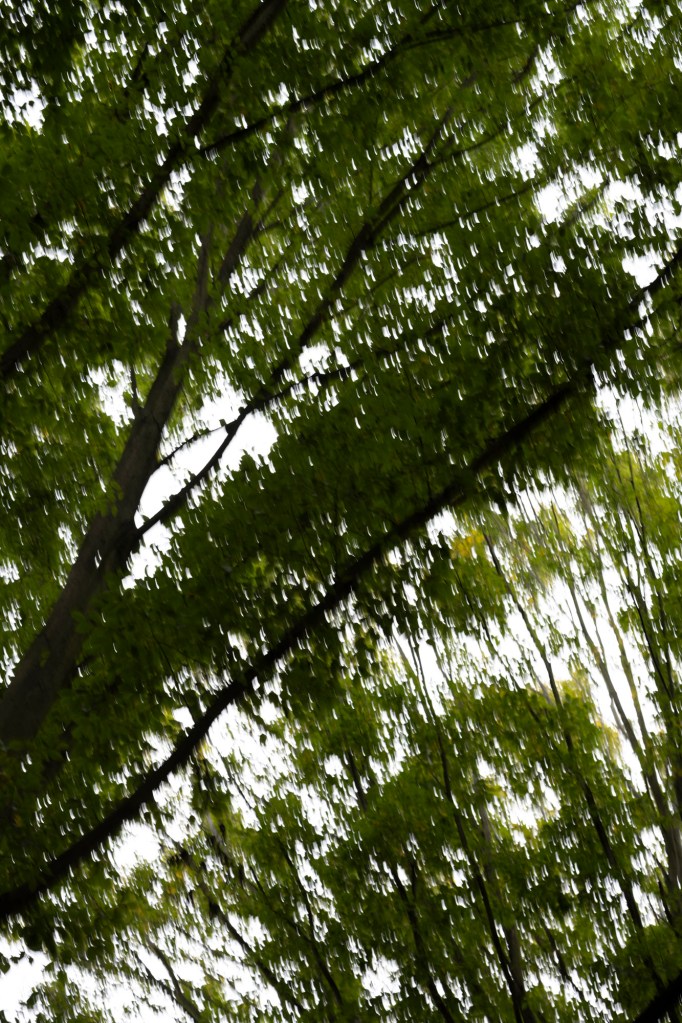
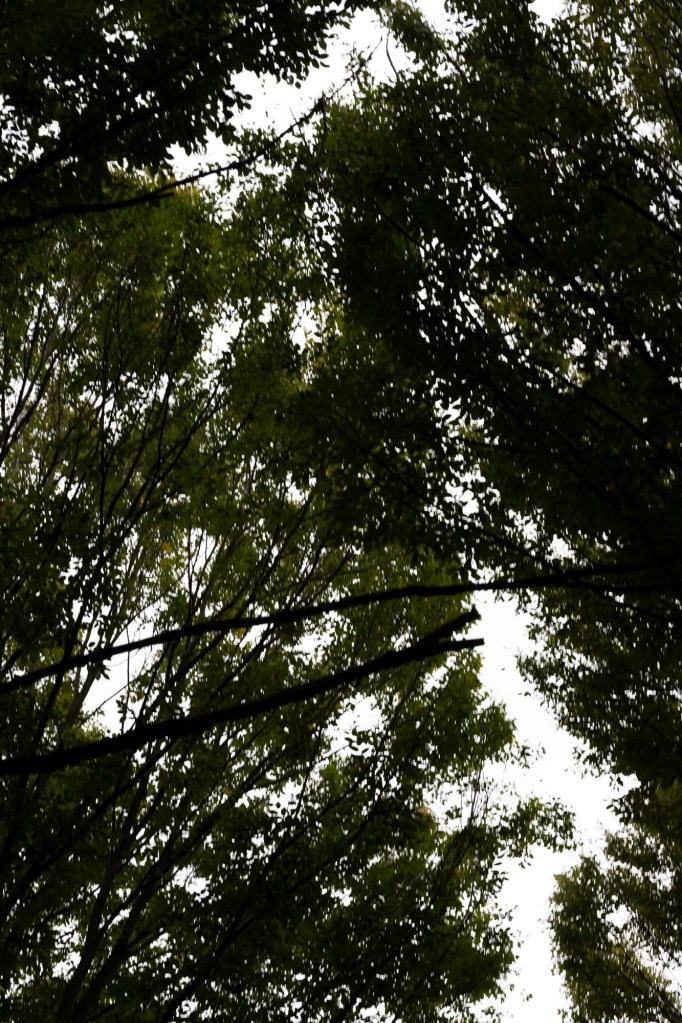
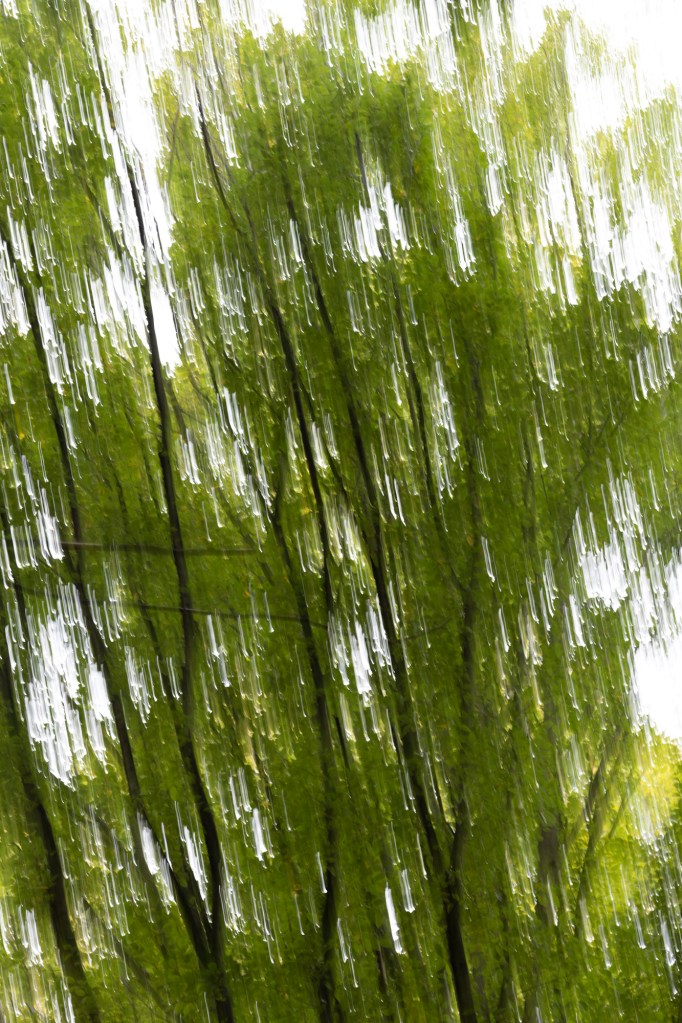
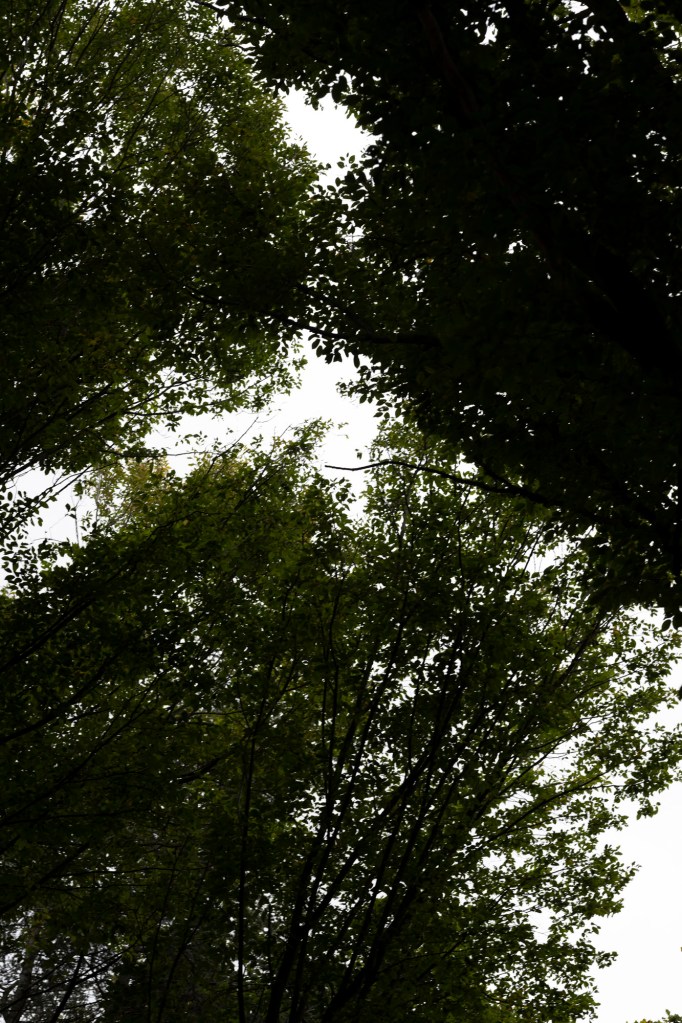
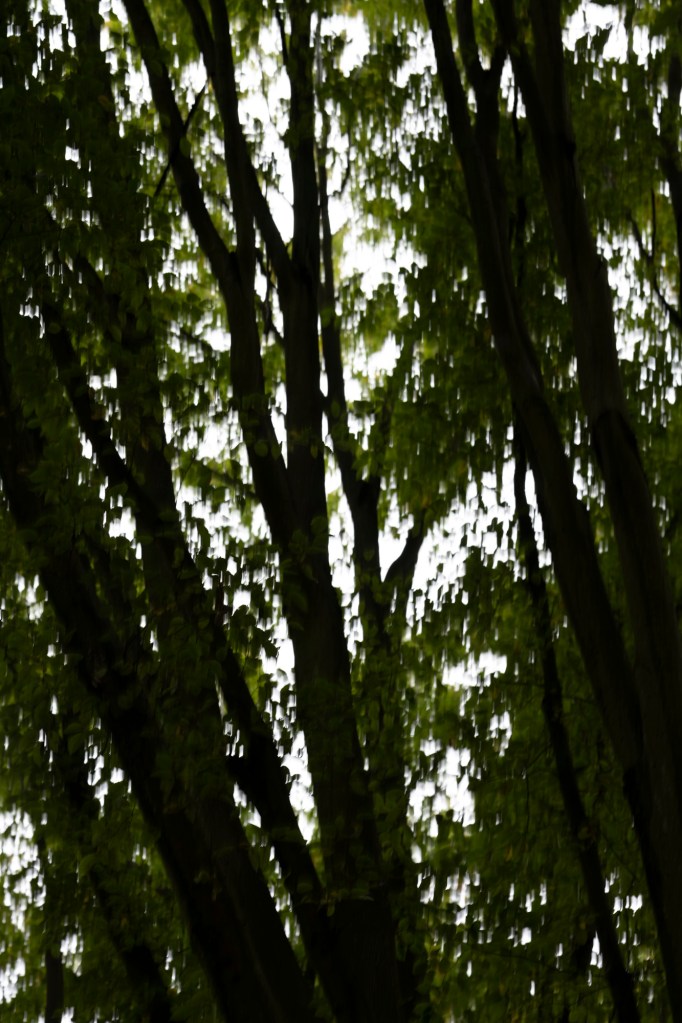
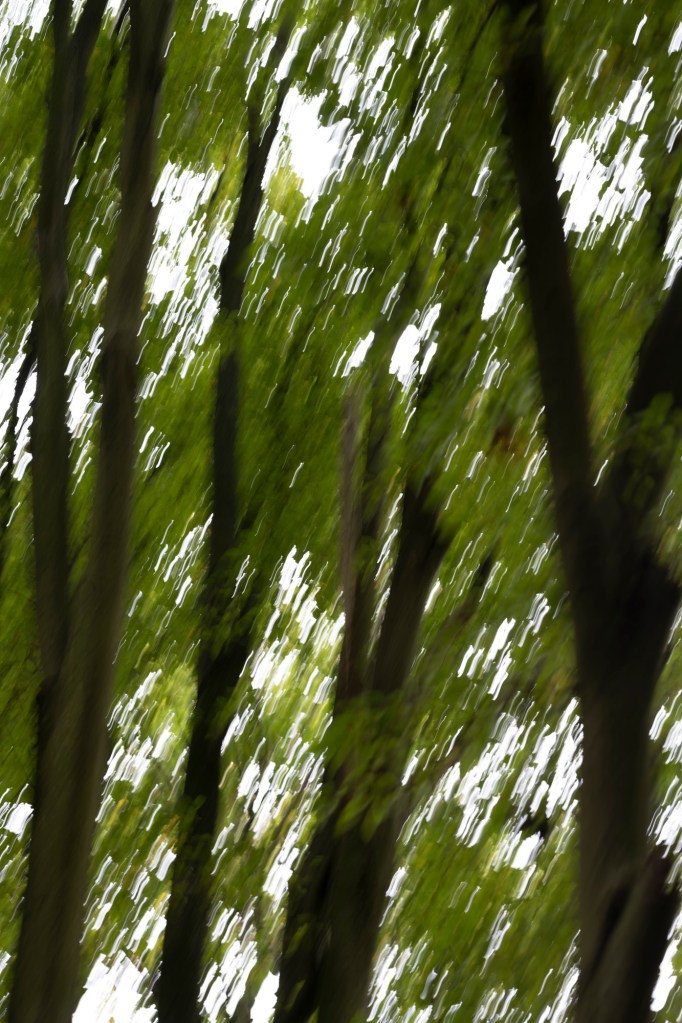
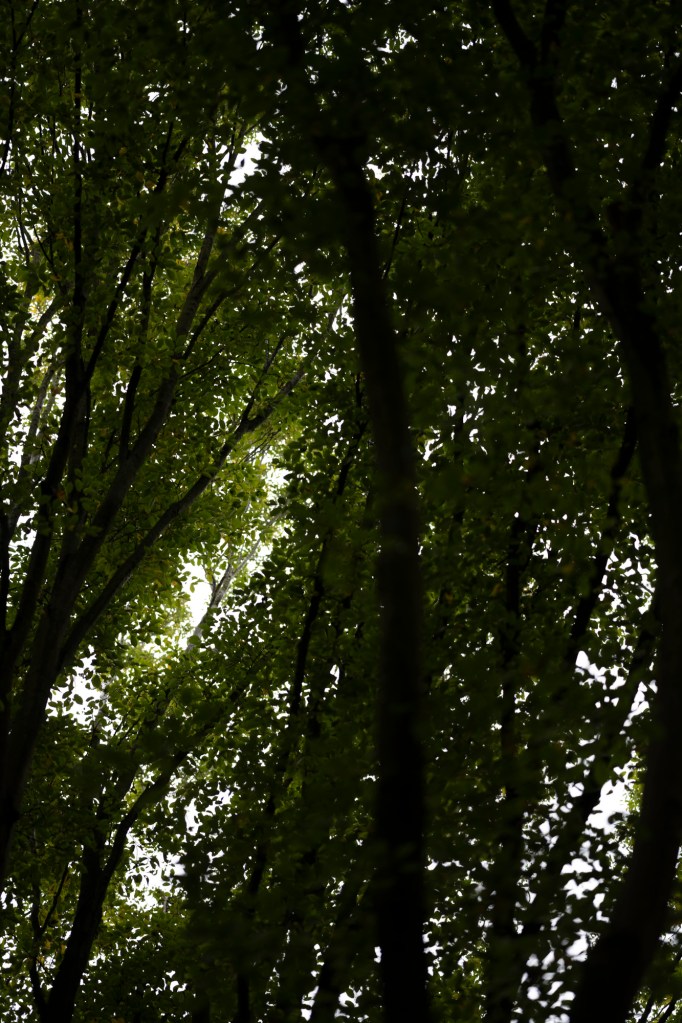
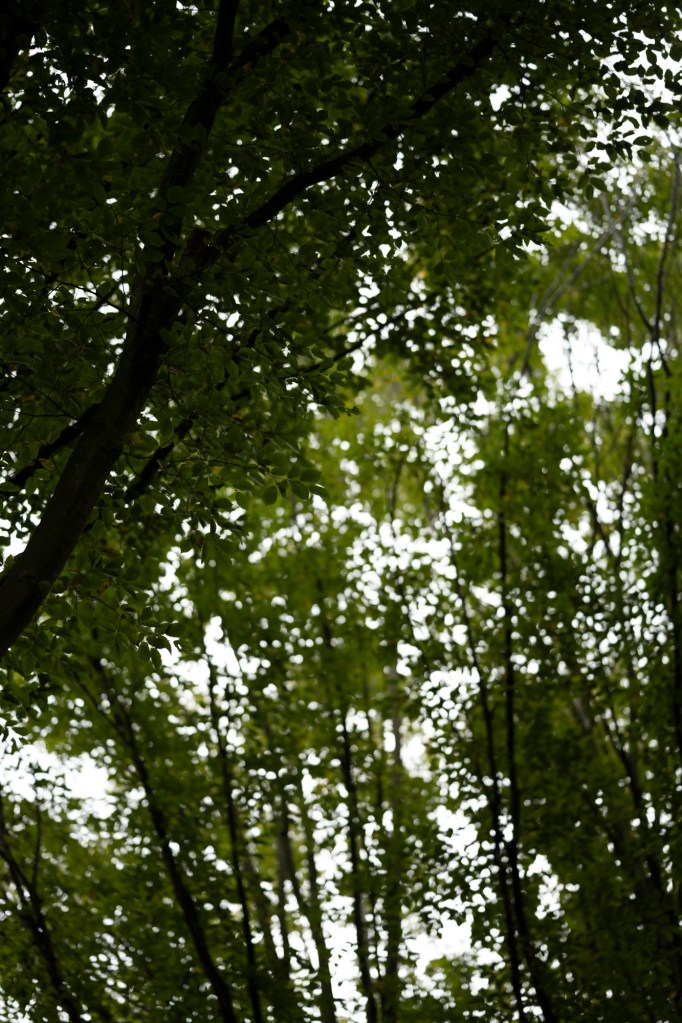
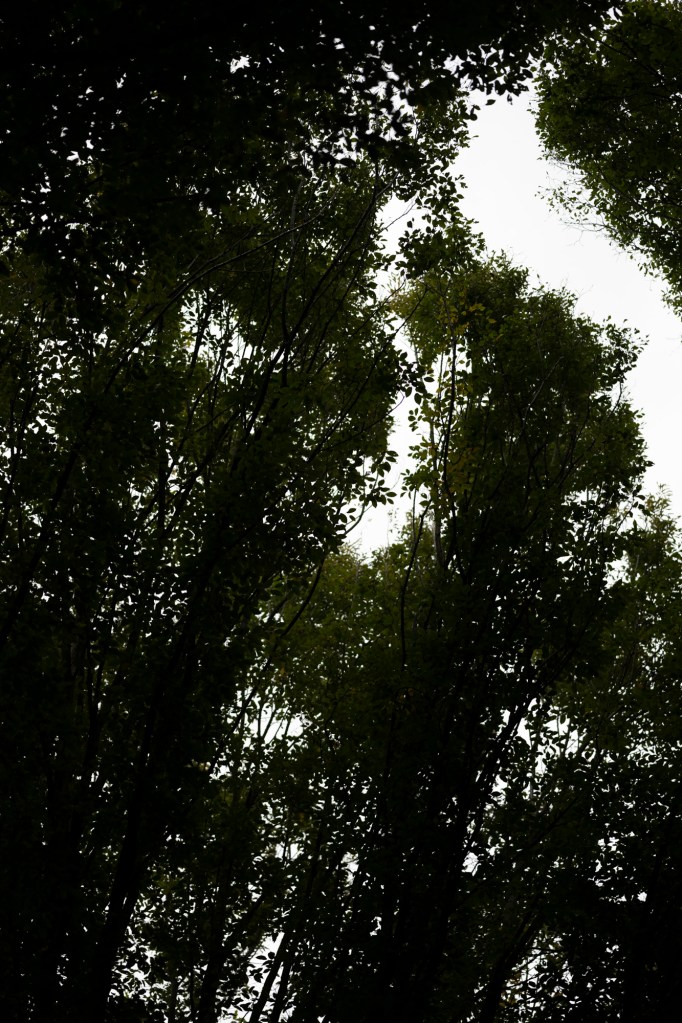
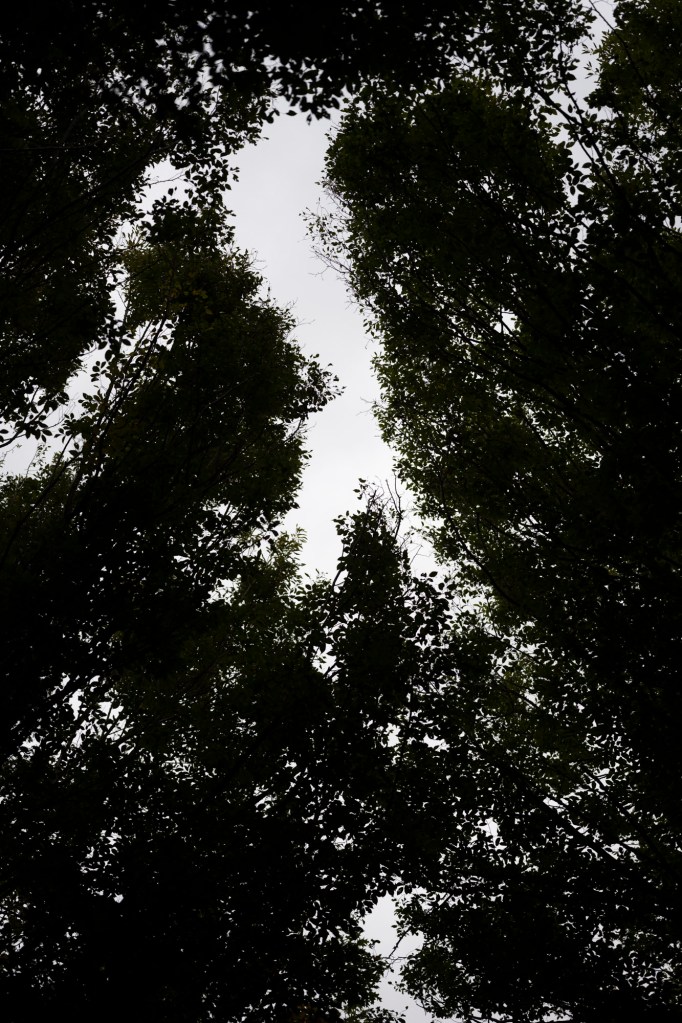
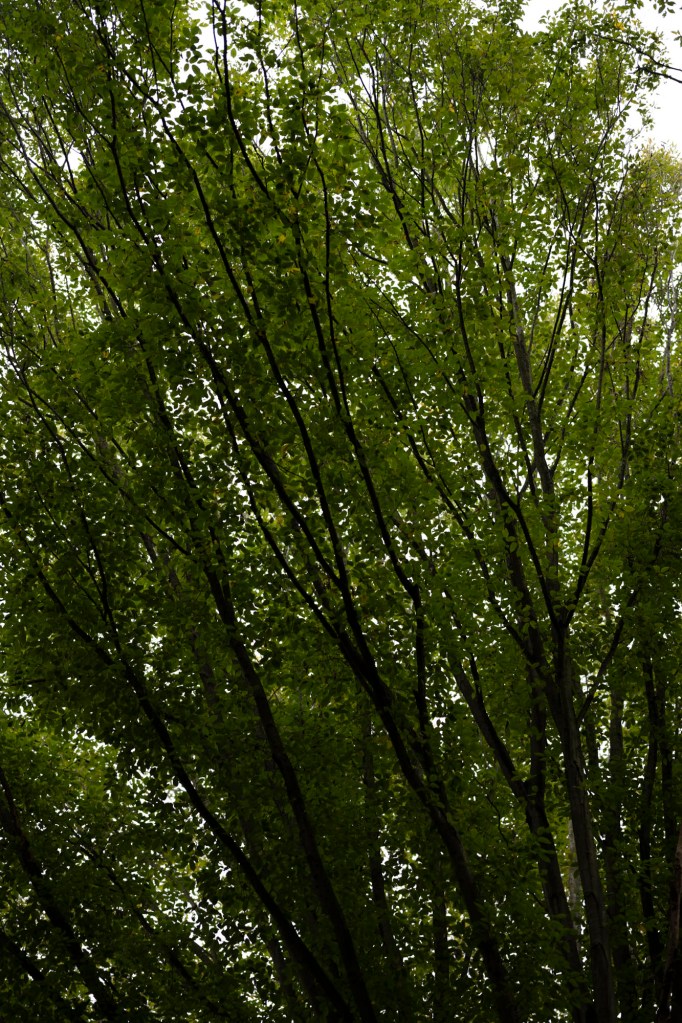
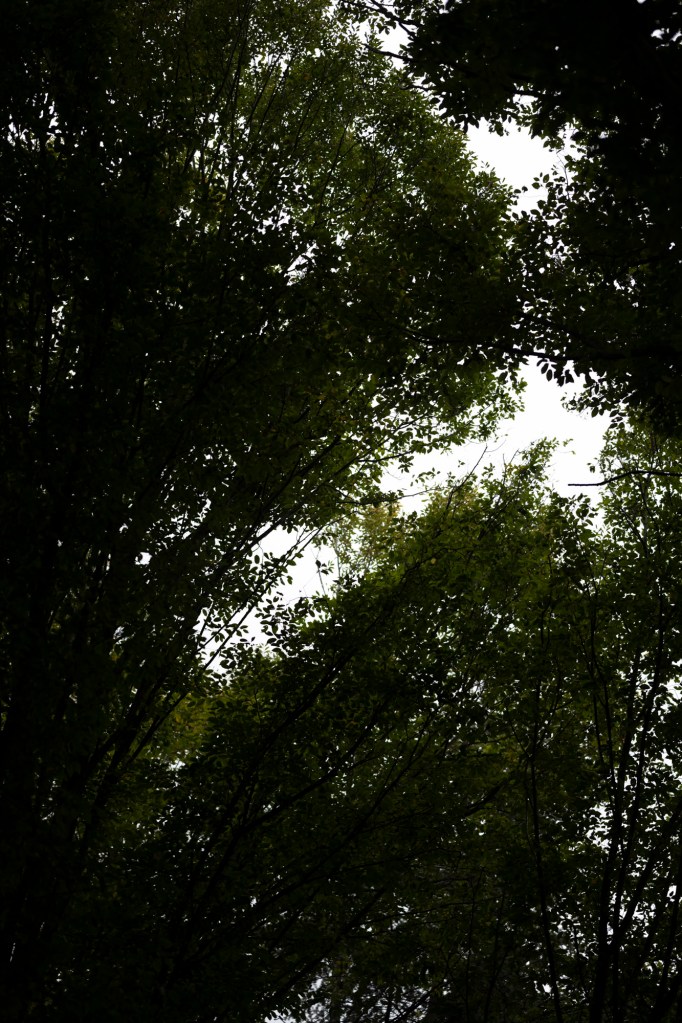
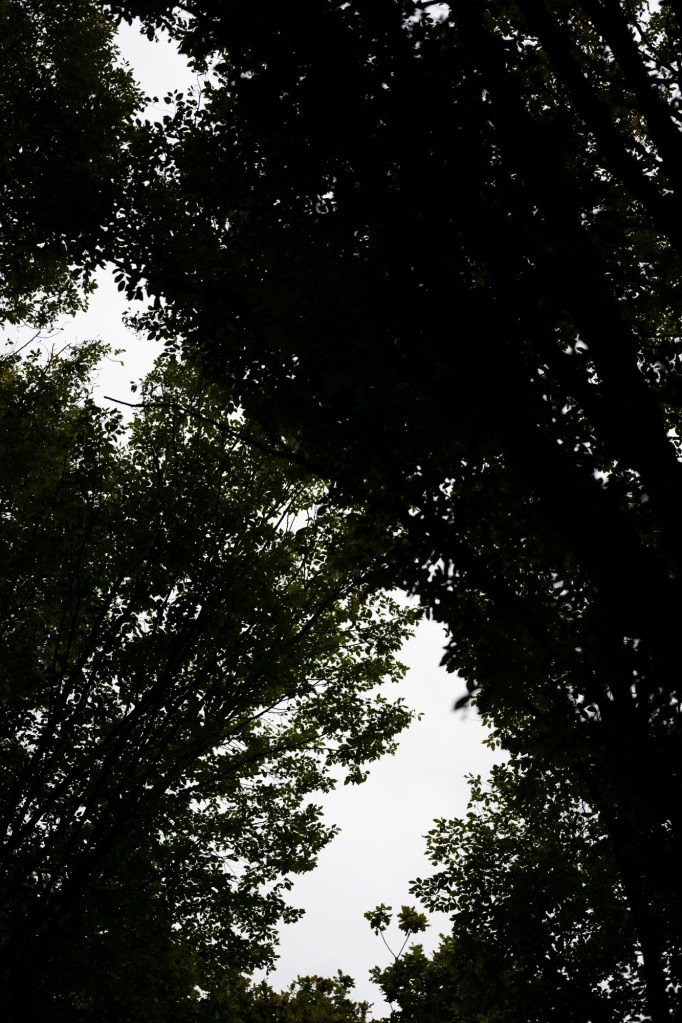
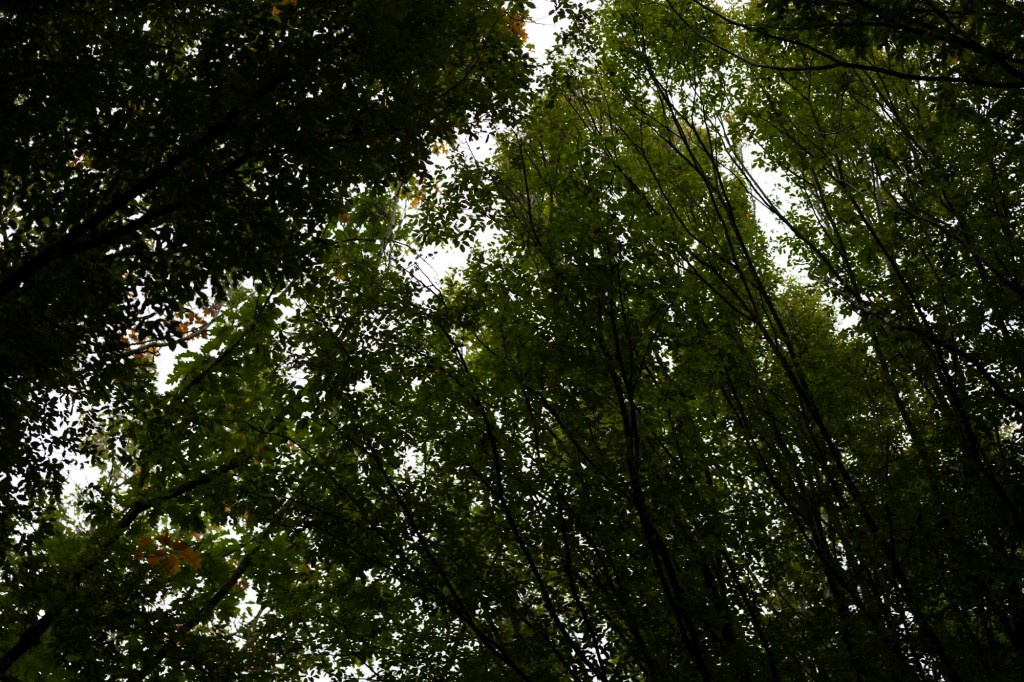
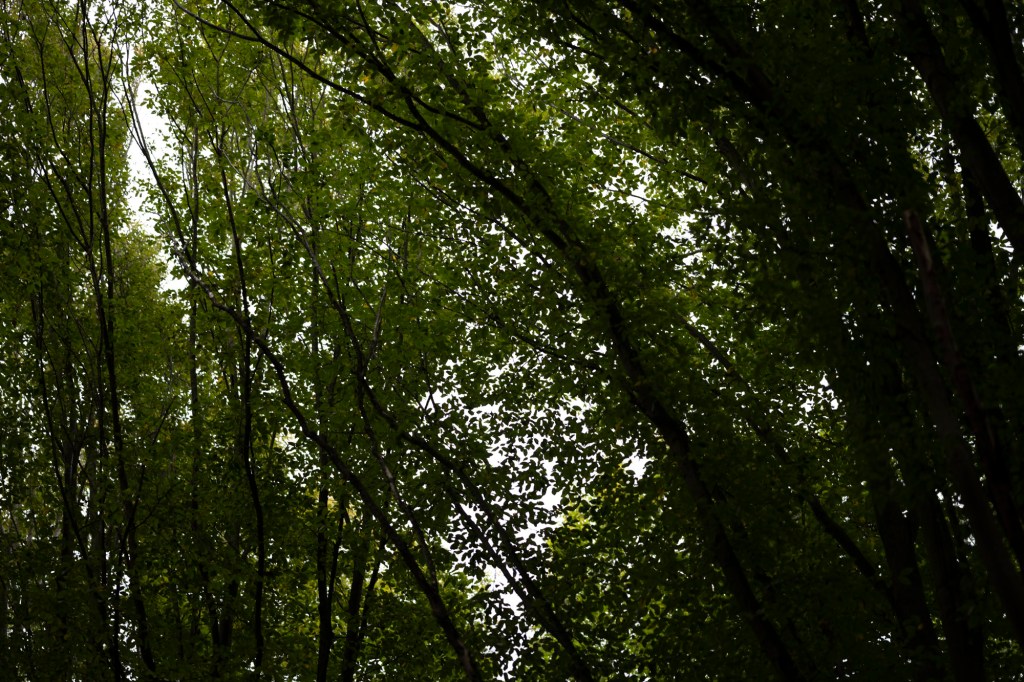
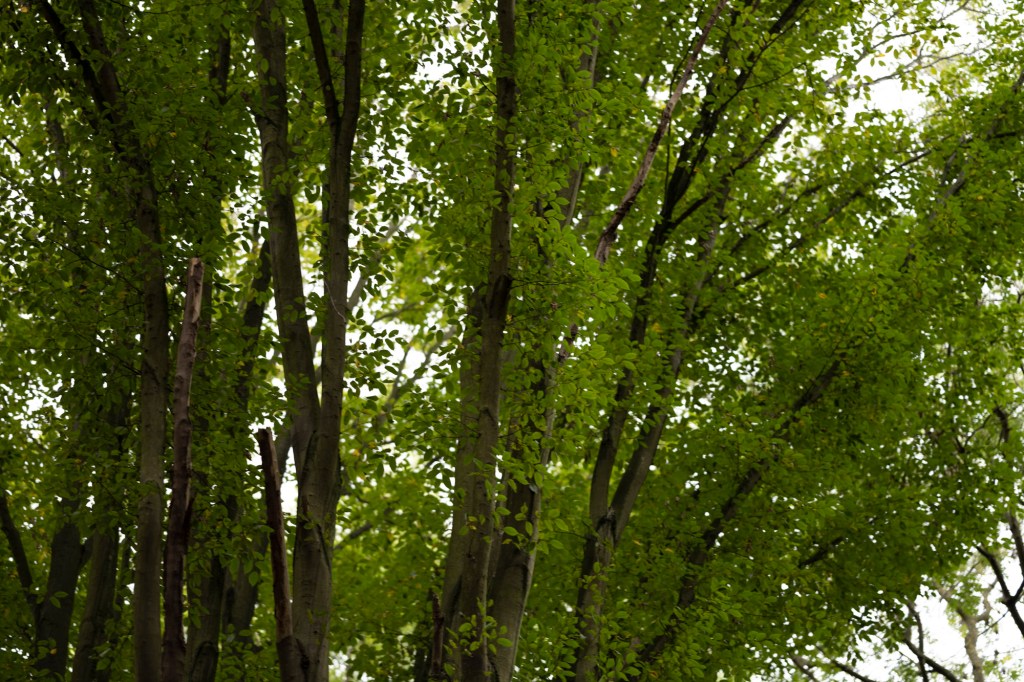
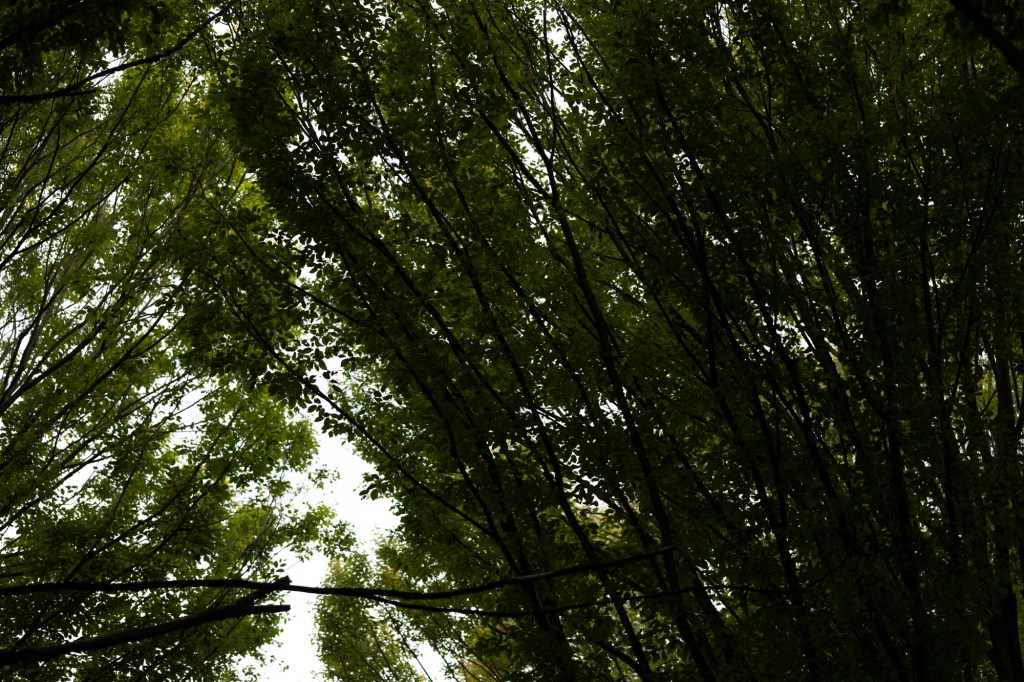
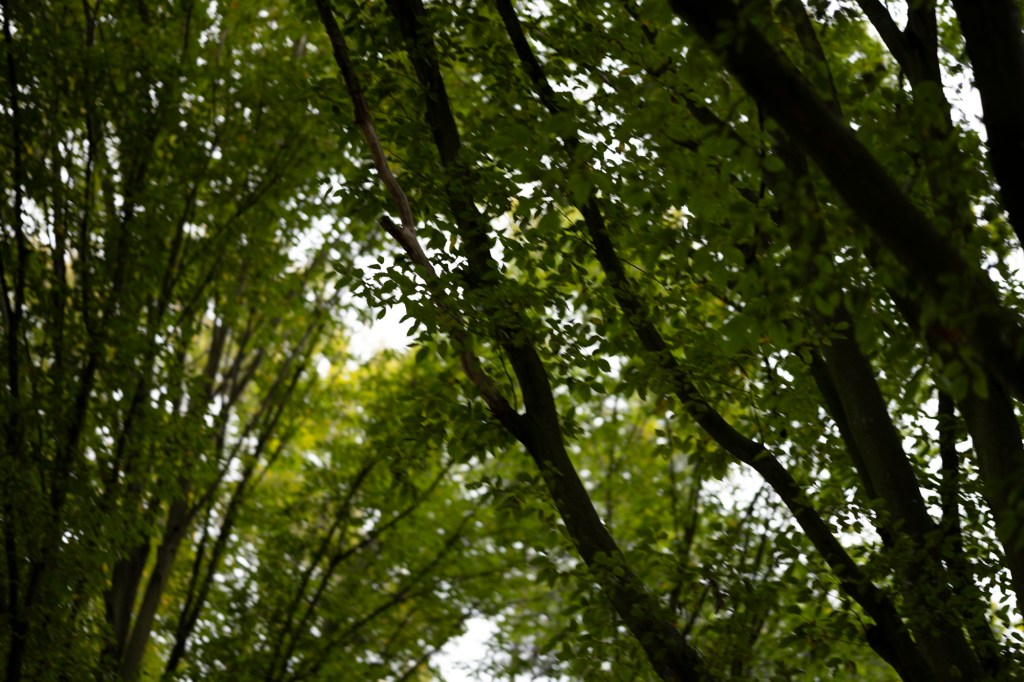
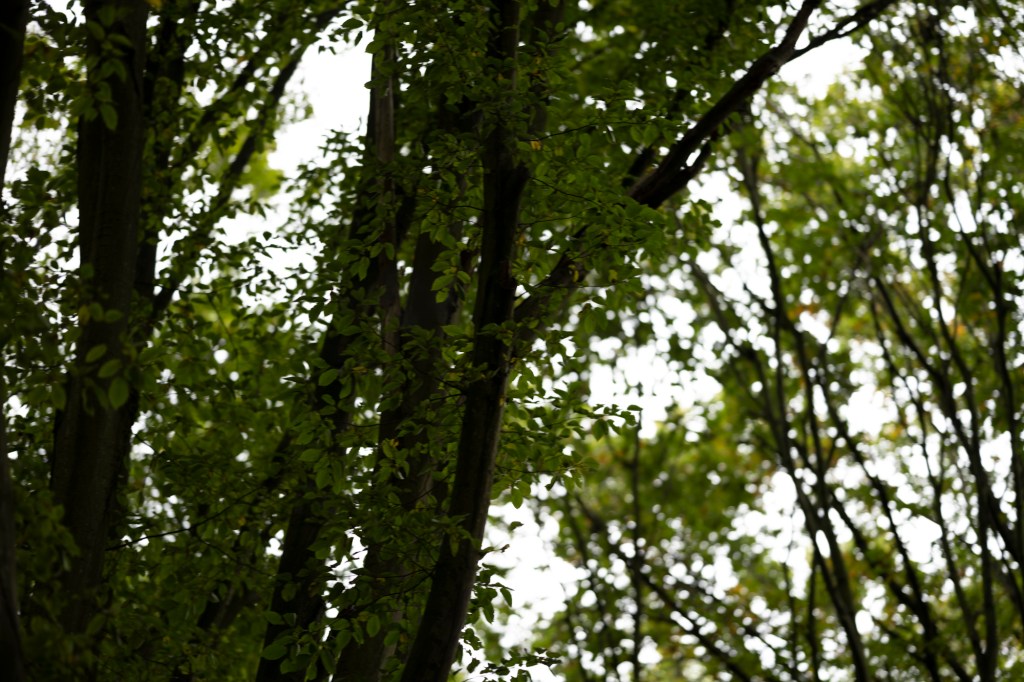
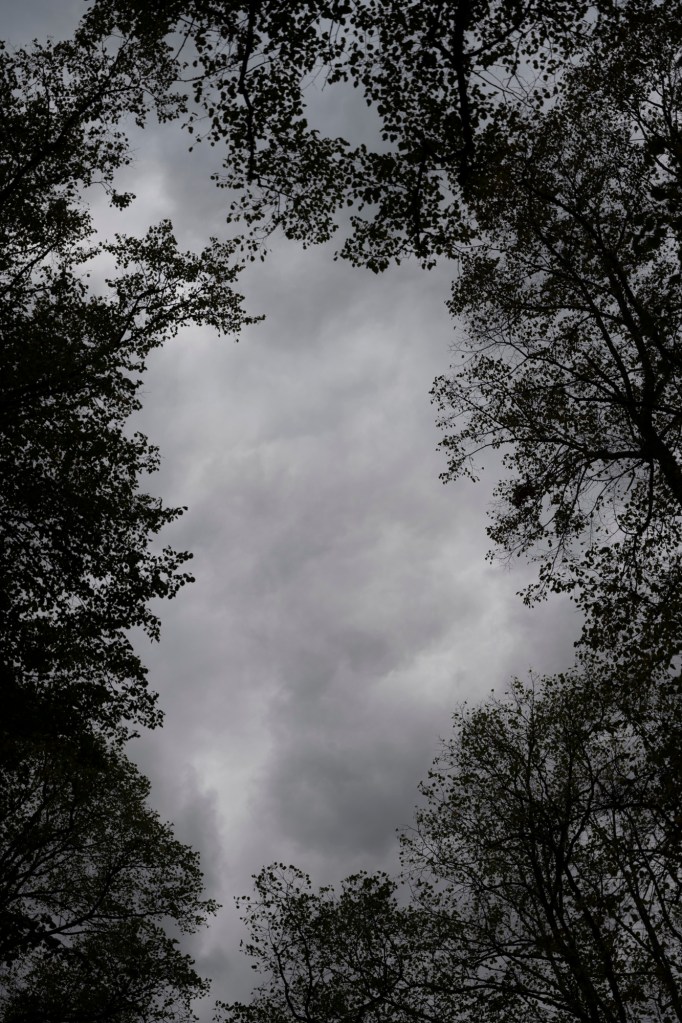
What I realised recently is how the park is a mix of straight lines and chaos, formal and informal, cultivated and wild. When looking at the map, it appears to be a ‘blob’ of green on the outskirts of London.
While researching the history of the park, I looked at the Friends of Bushy Park website for further details. I have copied the following information for my reference in regard to this project and made notes of observations and areas for further research.
Bushy Park
Bushy Park extends over about 1,100 acres (445 hectares) of grassland to the north of Hampton Court Palace. The park measures 1.5km (nearly a mile) from north to south and 3km from east to west. There are ponds, streams and woodland gardens as well as sports pitches and a children’s playground.
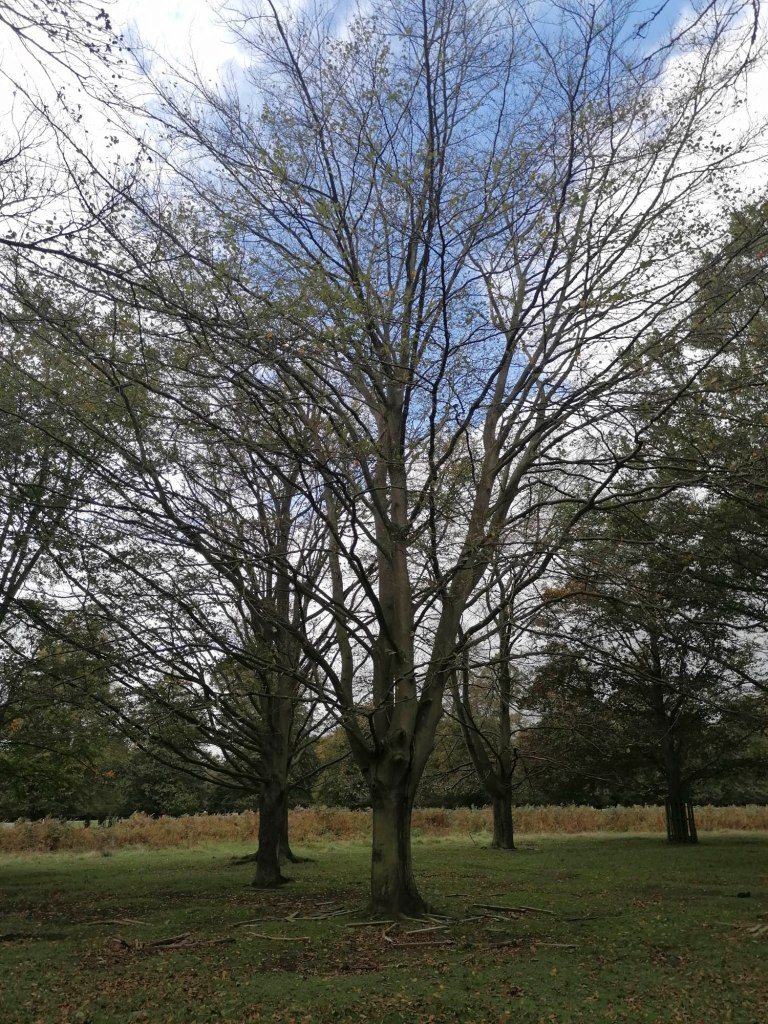
Bushy Park is a Site of Special Scientific Interest (SSSI) for the rare invertebrates that live here in their habitats. This traditional deer park, with its bracken, rough grassland and plantations, is complemented by formal avenues of lime and chestnut trees.
The park has many notable features including the Diana Fountain, the Water Gardens, the large ponds, the Longford River and the Woodland Gardens.
Hunting Grounds:
Cardinal Wolsey began by enclosing farm land adjacent to the house when he took over Hampton Court and, when Henry VIII acquired the palace in 1529, the old oak fences were replaced by a high brick wall, traces of which can still be seen today.
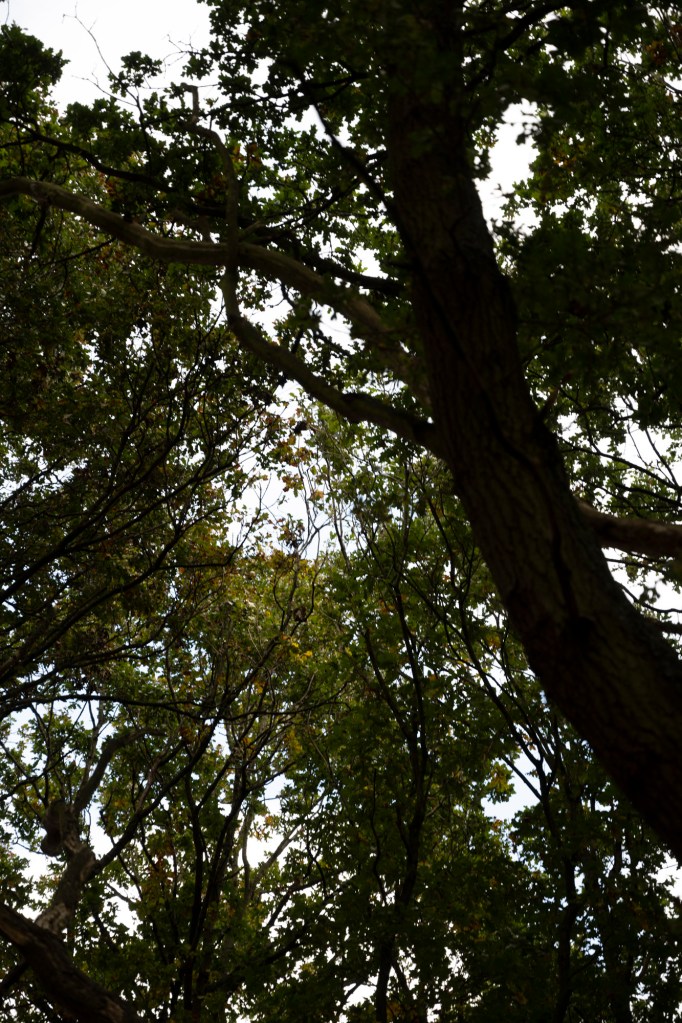
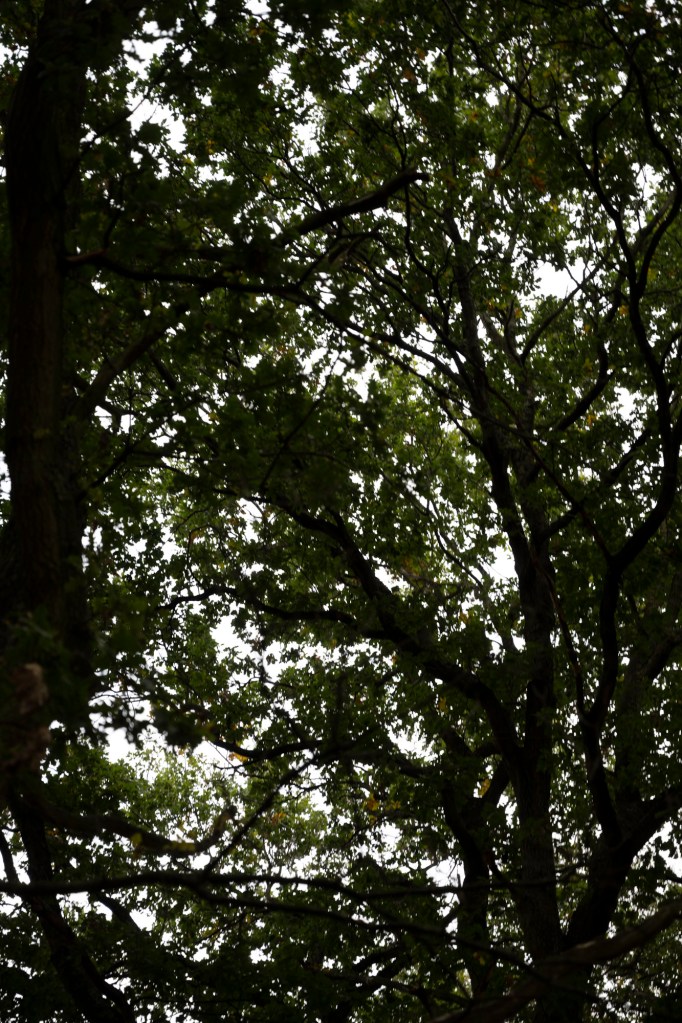
The park was originally several distinct areas known as Hare Warren, Middle Park and Bushy Park, until the present boundaries were completed in 1620. The name “Bushy Park” was first recorded in 1604 and was probably a reference to the many hawthorn bushes. These were planted to protect the young oak trees which were being grown as timber for ships in the navy.*
In Tudor times the parks were important as hunting grounds – Henry VIII stocked them with deer and there were rabbits in abundance. After the royal palace at Richmond was destroyed by fire Hampton Court became increasingly important as a royal residence and the land now known as Bushy Park was the adjacent hunting ground. Henry, and later his daughter Elizabeth, both enjoyed riding and hunting here.
*This explains the presence of the hawthorn bushes – there are further details in Max Adam’s The Wisdom of Trees (pp. 174), which tells the ‘tree tale’ of this much-neglected small tree.
Adding Water
Further additions were made to the park in the seventeenth century. In 1622, during the reign of James I, an avenue of lime trees was planted which was to become the basis for the Chestnut Avenue.
The next monarch, Charles I, ordered a canal to be constructed to bring water to the palace gardens from the River Colne. Now known as the Longford River, this twelve-mile waterway flows through Bushy Park feeding the ponds and streams here before continuing its course to the grounds of Hampton Court Palace.
Even Oliver Cromwell, who took up residence in the palace during the Commonwealth period, enjoyed hunting in Bushy Park and arranged for the water supply to be extended to Heron and Leg of Mutton ponds to improve the fishing.
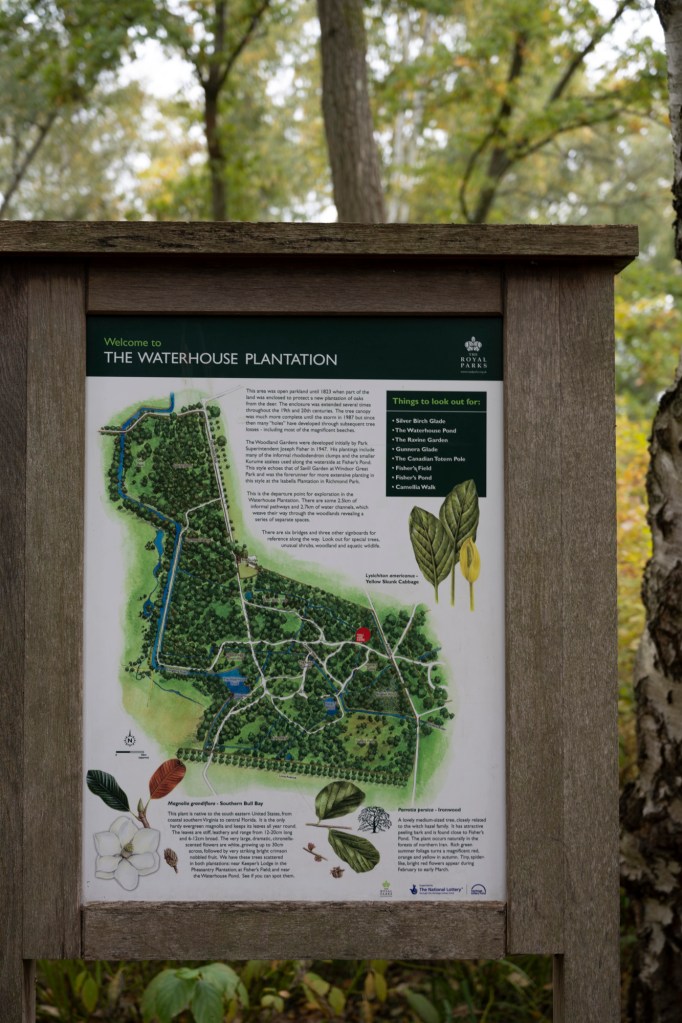
- The waterways of Bushy Park are a tale of themselves. I met an engineer in Woodland Gardens who was trying to work out where all of these were. Apparently, Old Bert who had recorded these waterways had died and all of his paper records had been burnt.
A Grand Entrance
When Hampton Court was redesigned and extended in the reign of William and Mary, Christopher Wren planned that the lime avenue in Bushy Park should become the focus for a new grand entrance to the palace. A road was built through the park to the Lion Gate at Hampton Court and more limes and an avenue of horse chestnut trees planted.
Although Wren’s scheme for an imposing classical frontage to the palace never materialised, the unique avenue with its fountain was planted. The Diana fountain was first created for Somerset House and then moved to Hampton Court gardens before coming to Bushy.
A Park for the People
At the end of the eighteenth century the Duke of Clarence, later to become William IV, moved into Bushy House with his mistress, the celebrated actress Dora Jordan, where they brought up their family of ten illegitimate children. As Park Ranger, William used Bushy Park to boost his income and was responsible for felling many of the trees, including the Tudor oaks, and enclosing half the park for farmland.
When he became King William IV, he gave orders that there should be ‘free admission of the public… to the Park’. His wife Queen Adelaide continued to act as Park Ranger and to reside in Bushy House even after his death.
In Victorian times, when the rapidly growing population caused over-crowding in the city, the Royal Parks became important as London’s ‘lungs’ – green and peaceful places where people could stroll and picnic. Bushy became a popular place for outings on summer Sundays. Drinking water fountains were erected and coach loads of Londoners arrived for Sunday School picnics and works outings.
Chestnut Sunday
The horse chestnut trees in Chestnut Avenue bloom in the late spring. Every year, on the second Sunday in May, a celebration is held in the park known as Chestnut Sunday.
This tradition dates to Victorian times when thousands of people would flock to the park to see the ‘candles’ of chestnut blossom. Horse-drawn carriages would be driven along the avenue, bringing royalty and fashionable society to admire the trees and to be seen.
When the penny-farthing bicycle was invented, riders would meet to ride round Bushy Park – and in 1877 an American journal reported “the largest meeting of bicycle riders ever assembled” when some two thousand cyclists met at Hampton Court. With the introduction of the safety bicycle in 1885, an affordable means of transport meant that many more people could enjoy riding in Bushy Park.
World Wars
During the Great War, Canadian troops were stationed in Bushy Park and George V gave permission for Upper Lodge at Hampton Hill to become the King’s Canadian Hospital. Some areas of parkland were once again farmed, and allotments were set up at Hampton, Hampton Hill, and Teddington to help local people to grow their own food.
In the Second World War, Bushy Park was the headquarters of the US Eighth Army Air Force. It was called Camp Griffiss, after the first American USAAF officer to be killed in Europe. In 1944 General Eisenhower moved the Supreme Headquarters of the Allied Expeditionary Force (SHAEF) to Bushy Park where Operation Overlord, the invasion of Normandy, was planned.
Today the locations of the huts which formed Camp Griffiss have been recorded with plaques laid in the ground, together with a memorial plaque for USAAF personnel who served here. A flagpole and another plaque are placed at the location of Eisenhower’s office.
There are other aspects of WWII that I’ve already discovered, specifically in relation to the Water Gardens in Bushy Park. This was covered in my first NCFE Level 1 project:
jenniemeadows.wordpress.com/2015/12/03/manmadenatural/
Recent Times
In 1992 a totem pole was created by Norman Tait, a First Nation traditional carver, and presented to the park. It marks the connection between Canada and Bushy Park during World War I when a Canadian military hospital was established here. At the base of the pole is a carved Killerwhale, monarch of the sea, and at the top is an Eagle, monarch of the air.
ParkRun first began Bushy Park, in 2004. It has subsequently spread to many other parks and has become a global phenomenon.
The 2012 London Olympics cycle road race passed through Bushy Park.
Bushy Park was designated a Site of Special Scientific Interest (SSSI) for its rare invertebrate life and habitats in 2016.
References
Friends of Bushy and Home Park. 2020. [online] Available at: <https://ews-fbhp-dev.expertwebservices.co.uk/history-of-bushy-park/; [Accessed 19 October 2020].
 Jennie Meadows MA Photography