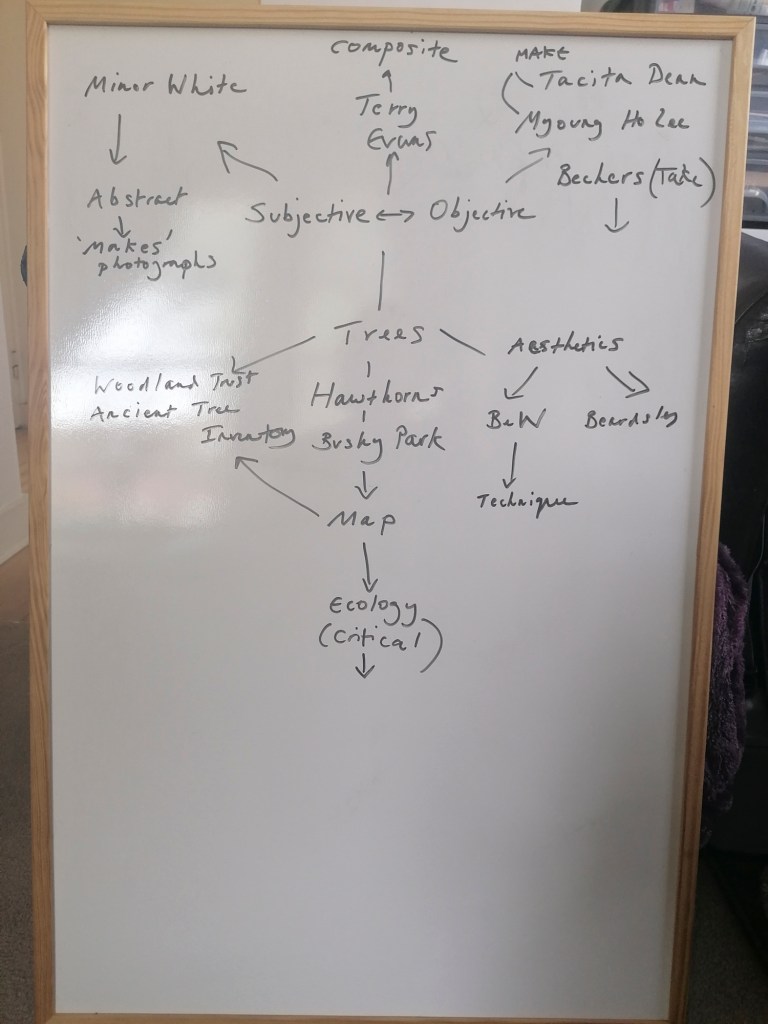
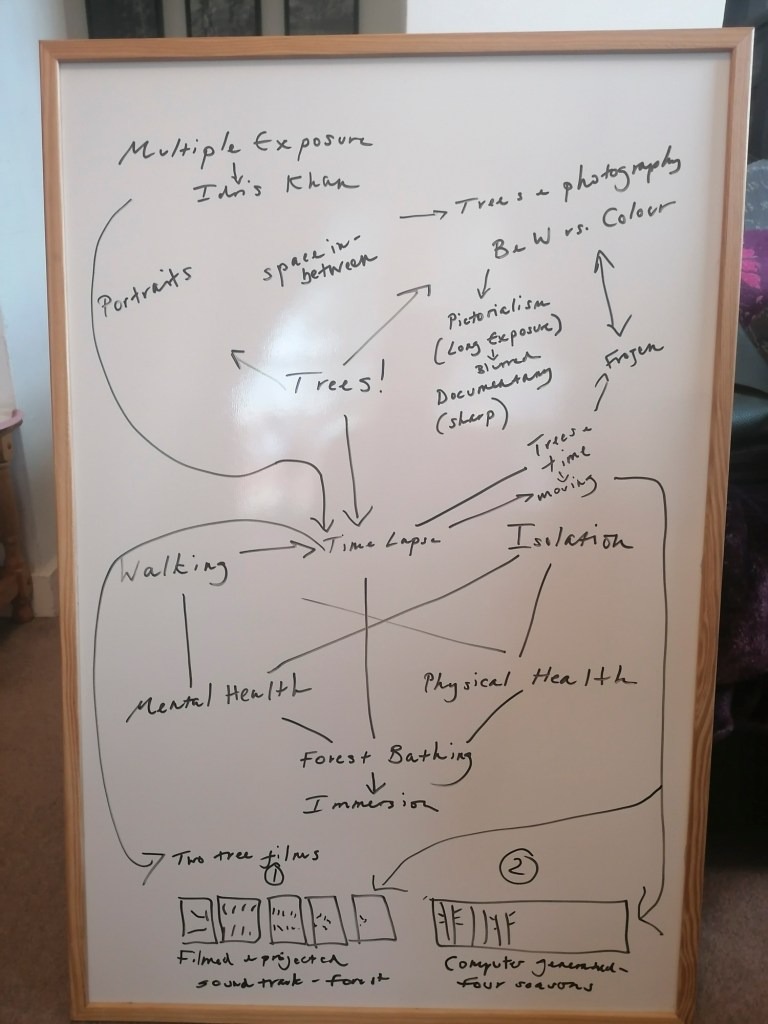
So I could get a better grip on my concept and start processing the research so far, I created a mind map. This was also in preparation for the Group Tutorial scheduled for that day.
This had noticeably changed from my initial one drawn up on 6 October. I’m sure it will change again after today’s meeting.
During one of the tutorials, I remember Xavier suggesting writing down my thoughts and feelings while working on this project.
While contemplating the final images, I composed the following poem:
Moments of Eternity
Uncertainty, anxiety, lost horizons;
Dis-location, isolation, reconnection;
Strange screens and familiar faces;
Same times and same places;
Slow down, tune in;
Reduce the din;
Together, but apart;
A part in time;
With a beginning and, yet, no end.
This could either be used in accompanying the work and/or the Artist Statement. I also thought of using each line next to each image (nine images, nine lines). This poem was also included in the submitted presentation of my final images.
For Assessment Task 1 of this module, I had to produce a Body of Photographic Work submitted in an appropriate form. For example, a portfolio of prints, an installation, a projection or otherwise. This had to be accompanied by an Artist Statement of 200 words.
The purpose of this Body of Photographic work was to fulfil Learning Outcomes 1 & 2. This was to:
Plan, develop, research, and document an extended body of experimental work.
Acquire and apply appropriate technical skills as defined by my photographic practice.
This is a PDF of the document that I submitted on 9 June 2020:
A requirement of Assessment Task 1 was to write an Artist Statement of 200 words. This was to accompany the Body of Photographic Work.
The following is the submitted Artist Statement:
In a time of self-isolation and social distancing, Moments of Eternity encapsulates the disconnected connections between individuals. As with trees, there is an invisible network of communication that enables society to continue working together. These ethereal and surreal images also signify how the ‘normal’ has shifted and viewed in a different way. They also convey the uncertainty of what the new ‘normal’ will be.
Captured between 29 April and 21 May 2020, the series was created from photographs of trees during my walks in Bushy Park. This was inspired by carrying out the government’s instruction of taking outdoor exercise by myself each day. I could combine my daily stroll with photography. I also realised the importance the park played in relation to my mental and physical health. Bushy Park had been my place of refuge several times over the past five years. I had rediscovered this beautiful and ever-changing location and able to reconnect with nature.
Unable to access and use analogue photographic equipment and facilities, I made use of the digital technology available to me. By emulating and combining two analogue printing techniques, I created images that could not be reproduced in a darkroom.
For Assessment Task 2 of this module, I had to produce a formal and critically reflective Research Dossier of 3-4,000 words that supports my Body of Photographic Work.
This was to include:
Documentation and reflective critical evaluation of the creative process undertaken during the module.
A critical analysis of a set of visual references that demonstrate an appropriate context for the Body of Photographic Work.
A critical analysis of a set of historical and theoretical references that support the development of the Body of Photographic Work.
A bibliography and list of research resources.
The purpose of the document was to fulfil Learning Outcomes 3 & 4 and that I could demonstrate:
a clear understanding of the ideas, issues, and different visual contexts underpinning my own photographic practice.
a critical awareness of historical and contemporary debates around research-based photographic practice.
This is a PDF of the document that I submitted on 9 June 2020:
With the deadline looming, it was time for the class to share their final images for review. This was the opportunity to see each other’s work plus give and receive feedback on what was presented.
While looking at and listening to the presentations, it gave me the space to think about my own work. Two aspects came to mind:
My final images are a ‘whisper’, not a shout’
When looking at each piece, I realised that they drew the viewer in. The details of these images are very delicate and reminiscent of early photographic prints. The size of each final image I’d prepared when printed would be 9″ x 15.2″ without a frame. If I chose to have these framed, the method I would choose would make each final piece 10.5″ x 16.2″.
Stuck in a moment
The images were a representation of the current lock-down situation. The repetition between images is like the passing of days – there is no real delineation between the days of the week.
When it came to my turn to present my images, I was unsettled about what I wanted to convey. I realised that I was still processing the concepts and essence of the images and the creative process behind them.
My classmates and tutor, Fergus, gave some very constructive points regarding both images and the processes involved.
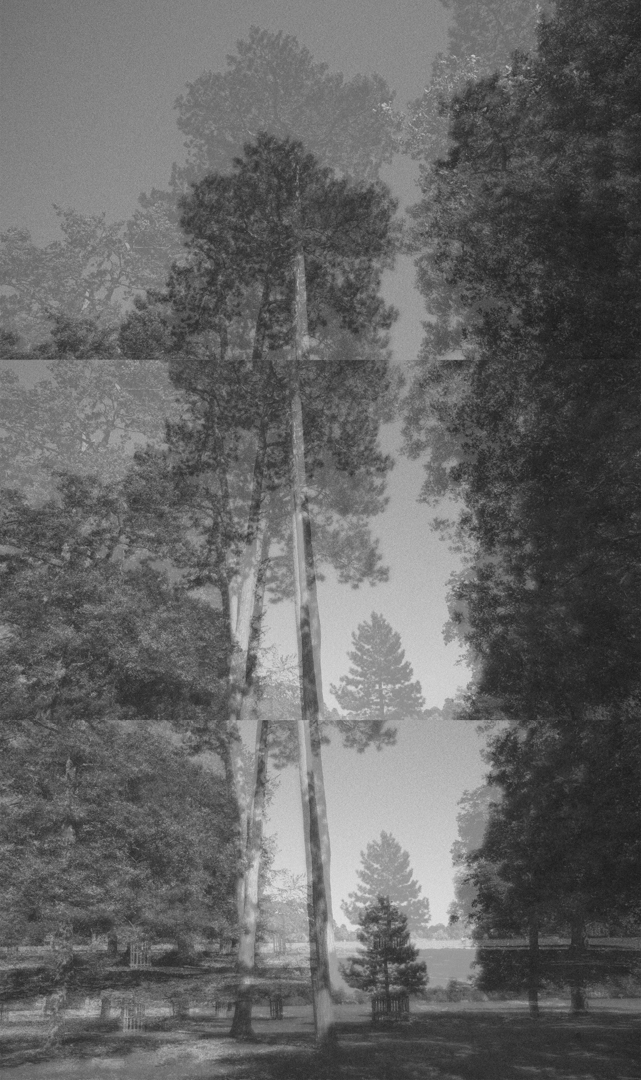
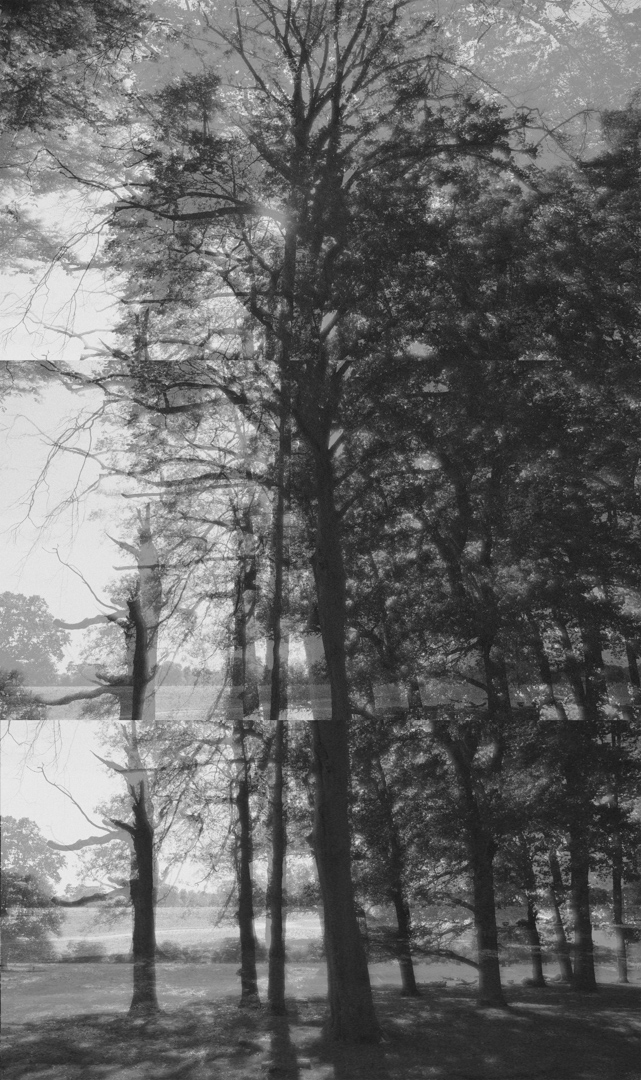
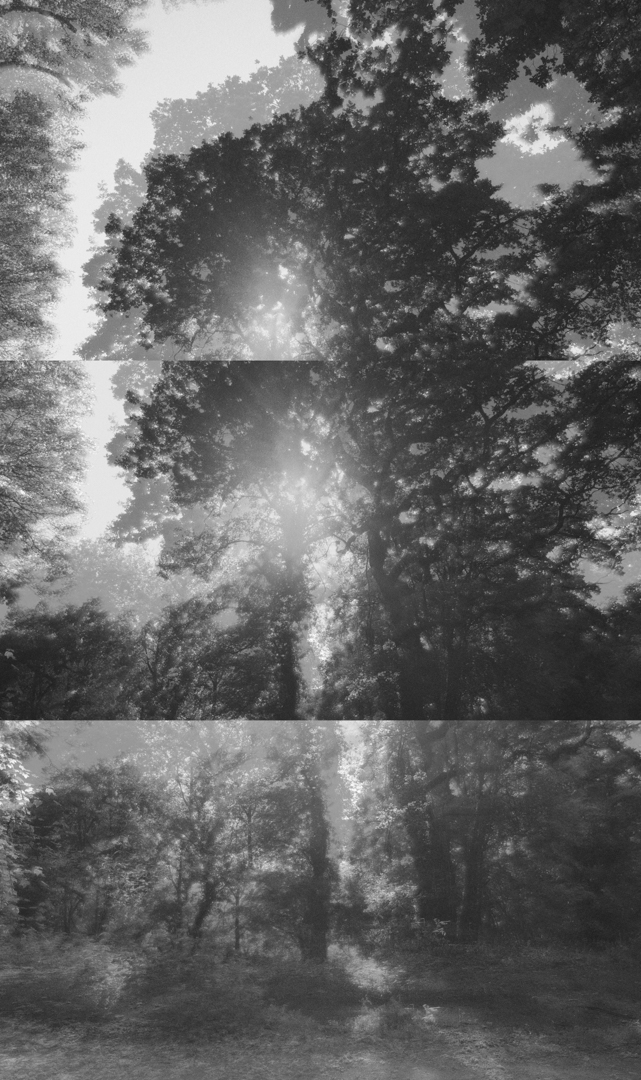
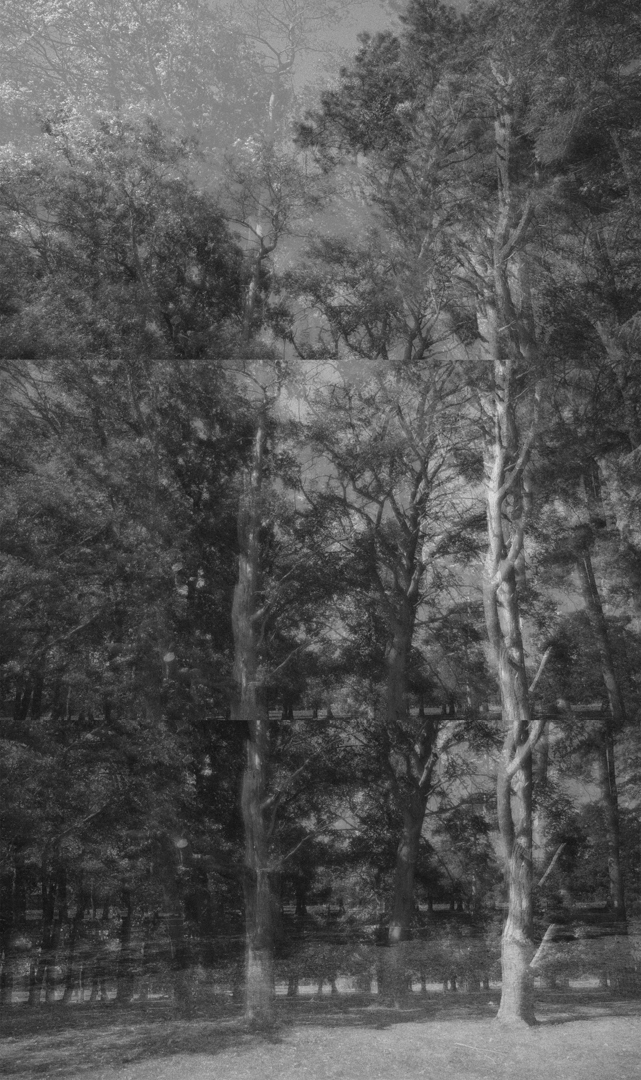
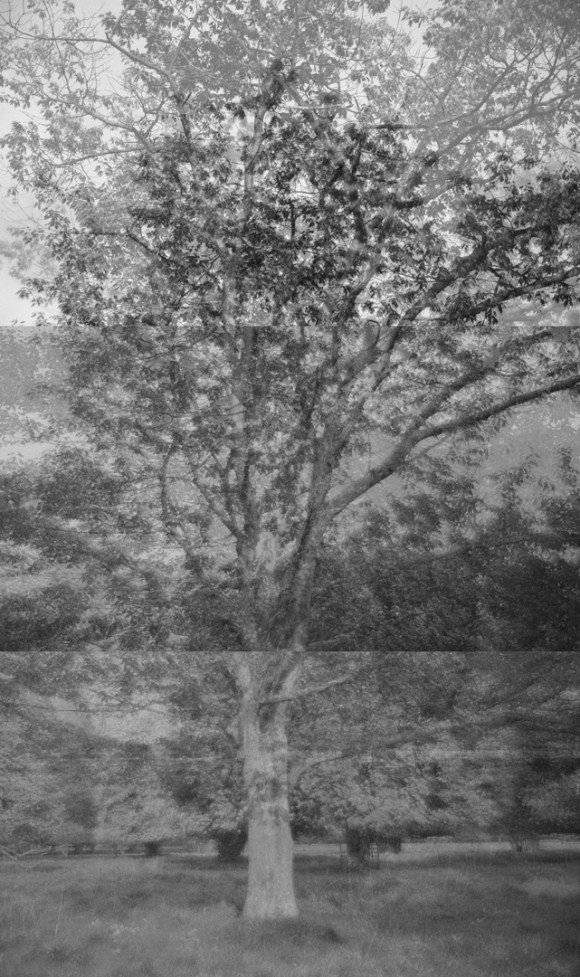
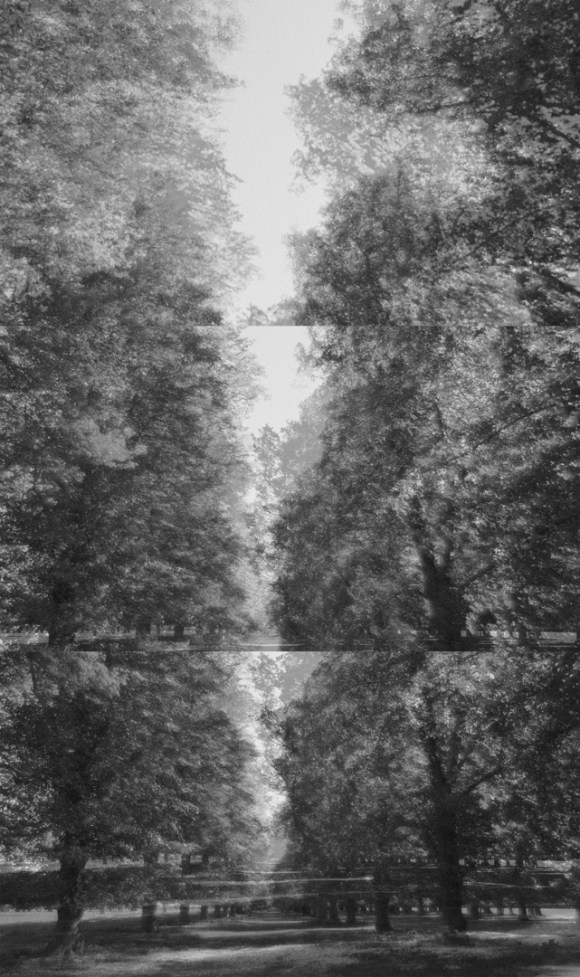
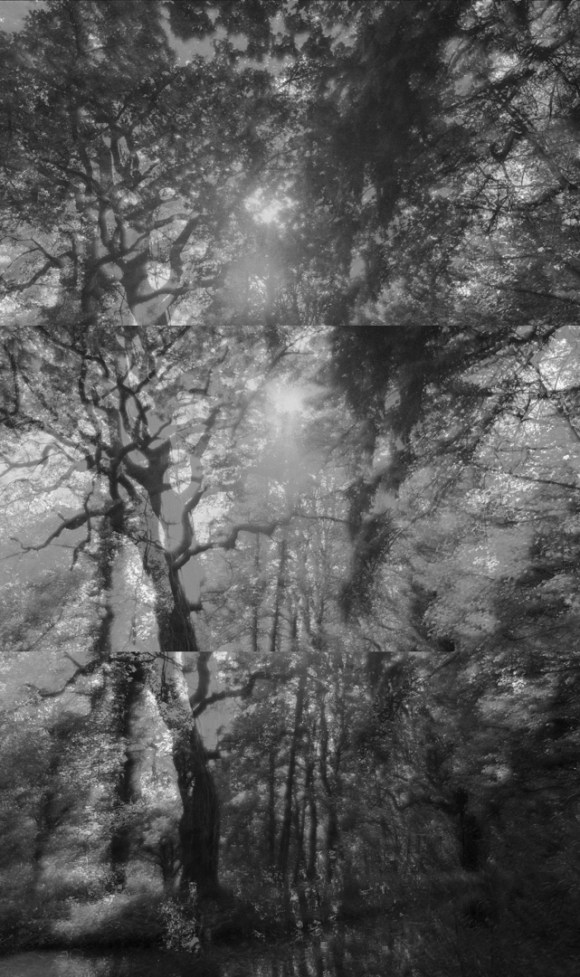
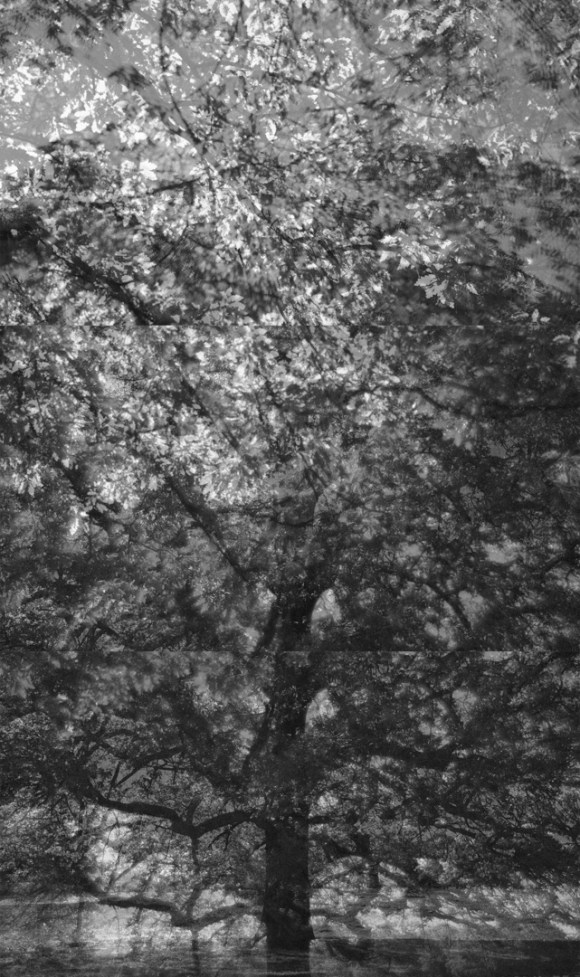
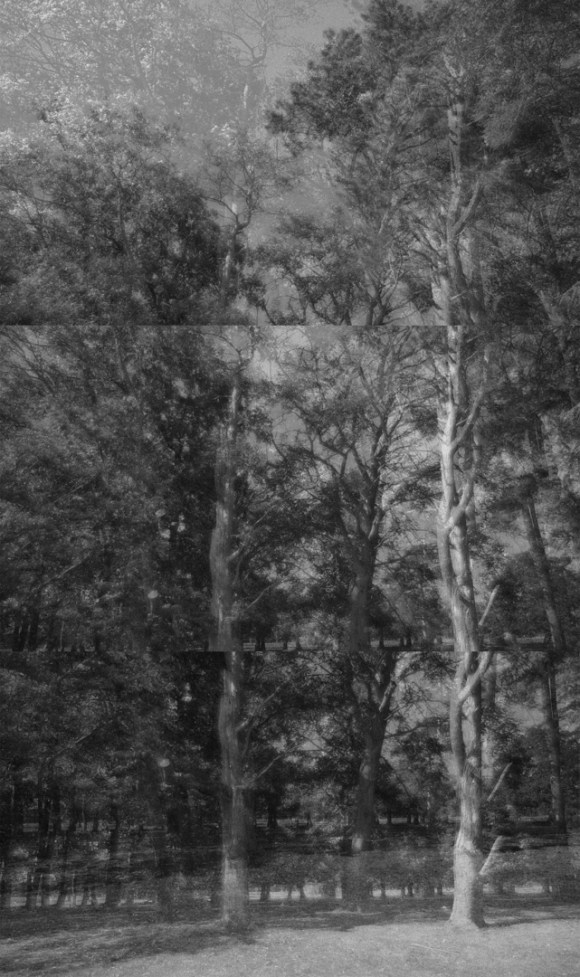
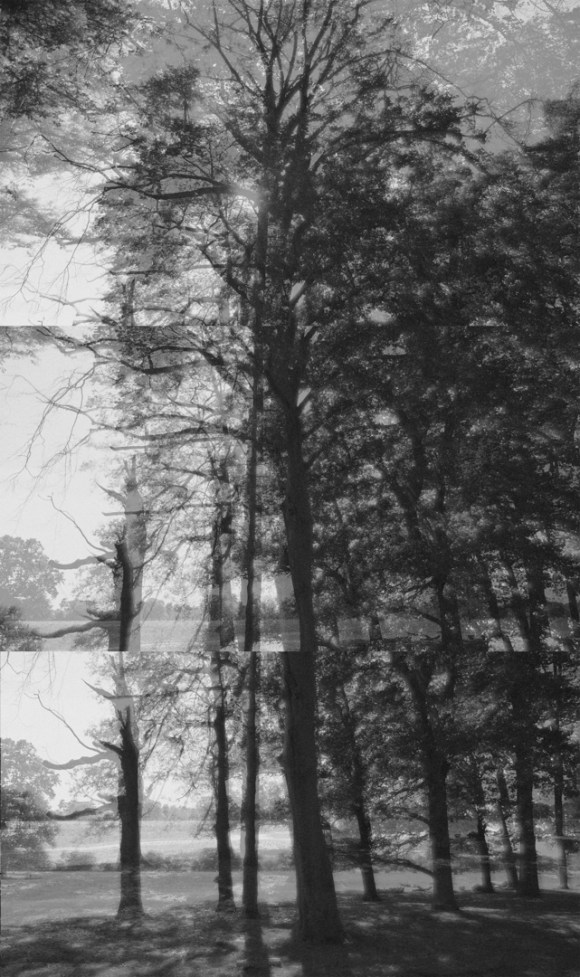
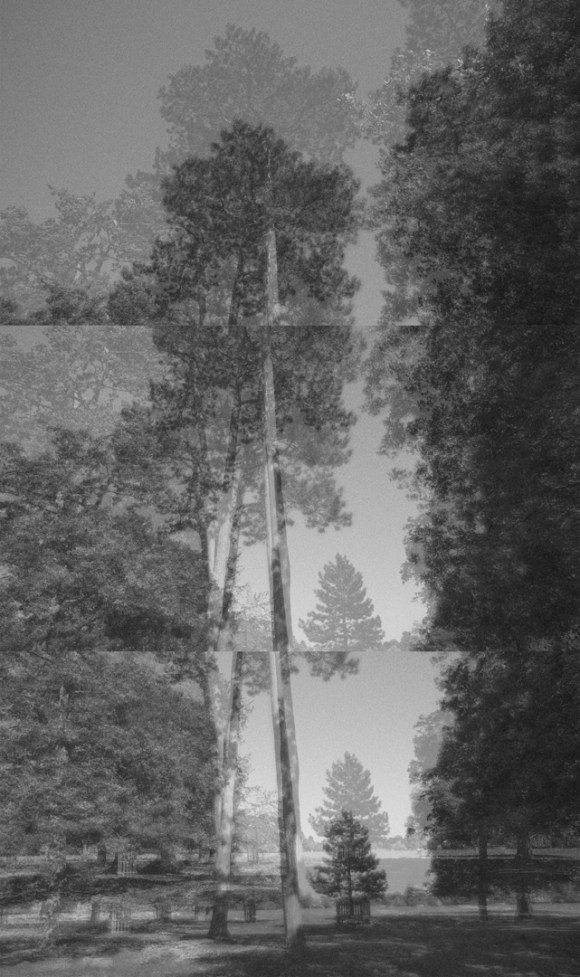
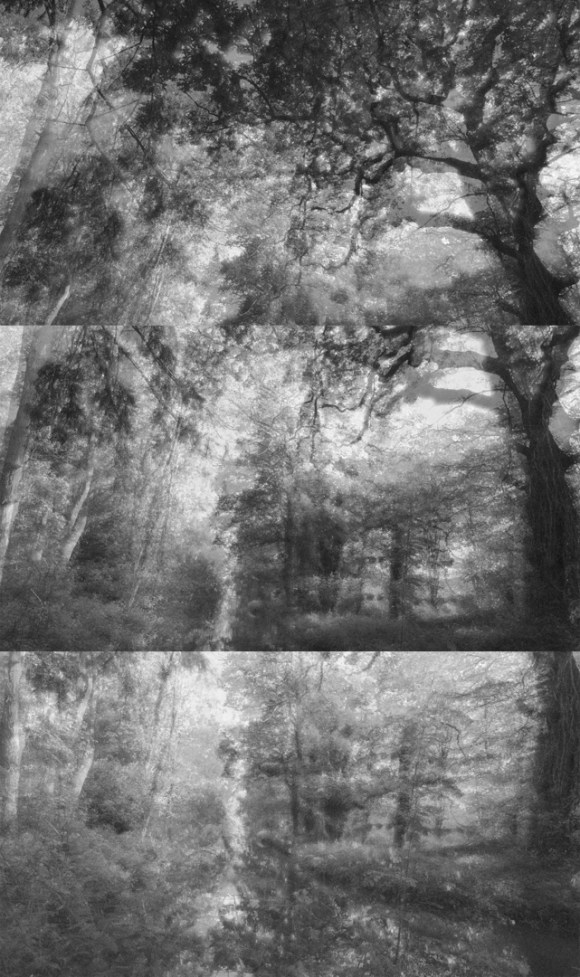
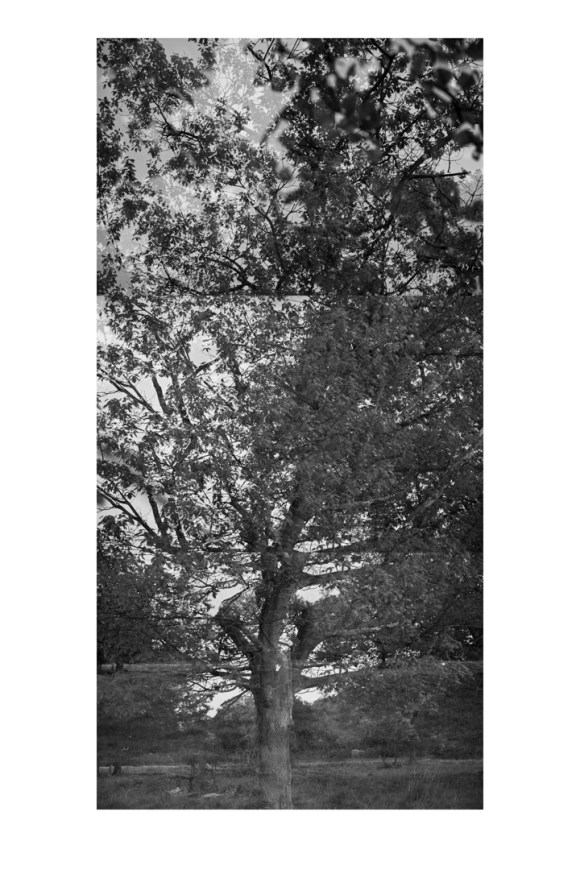
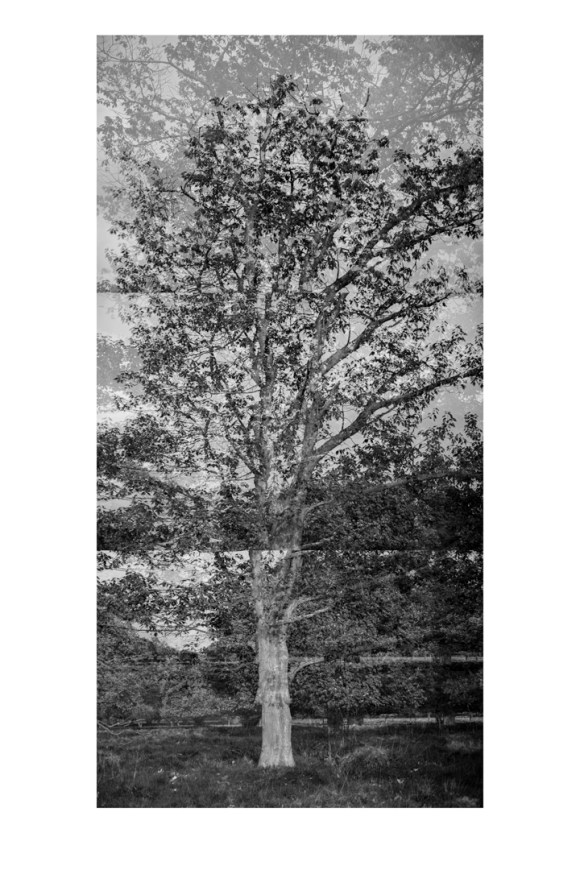
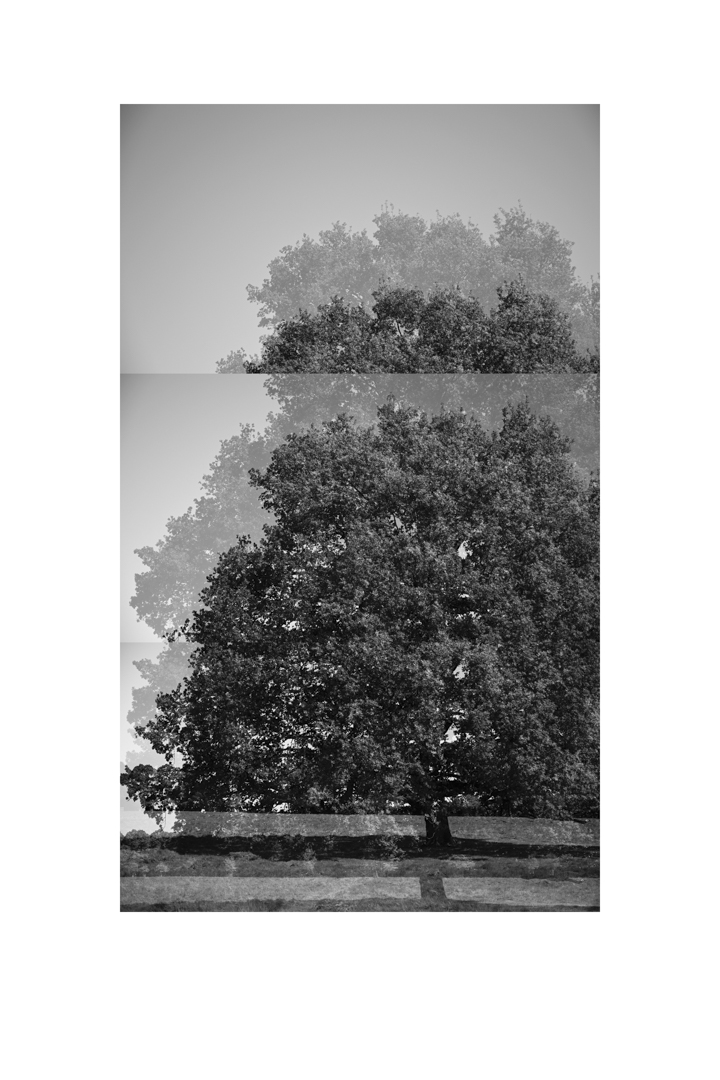
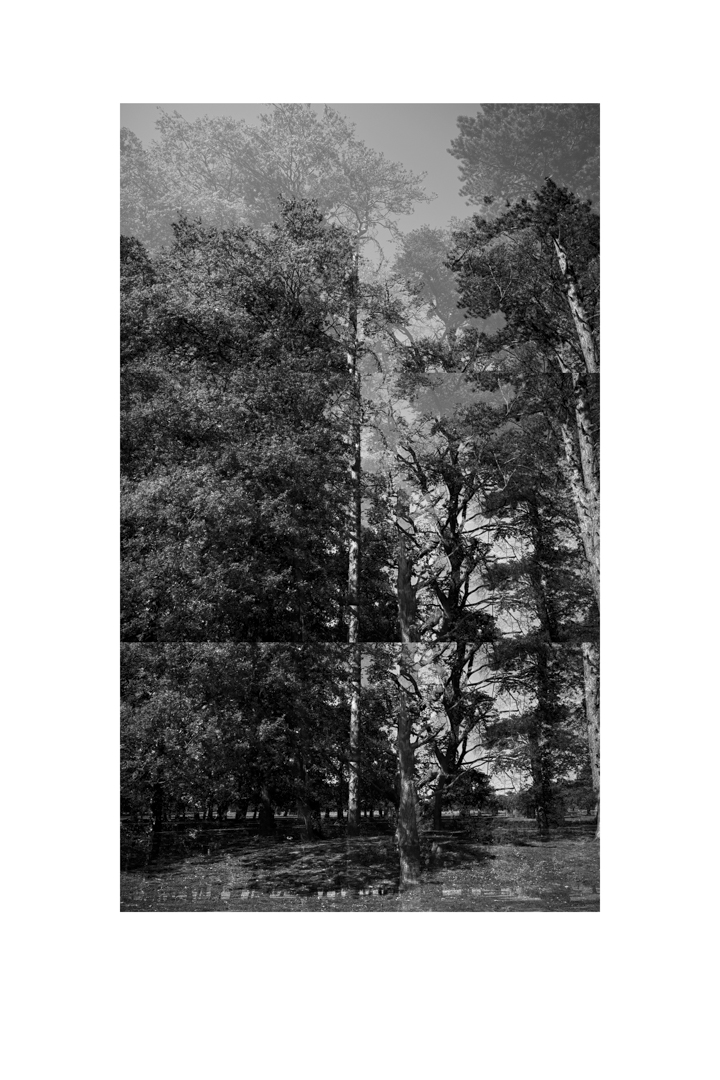
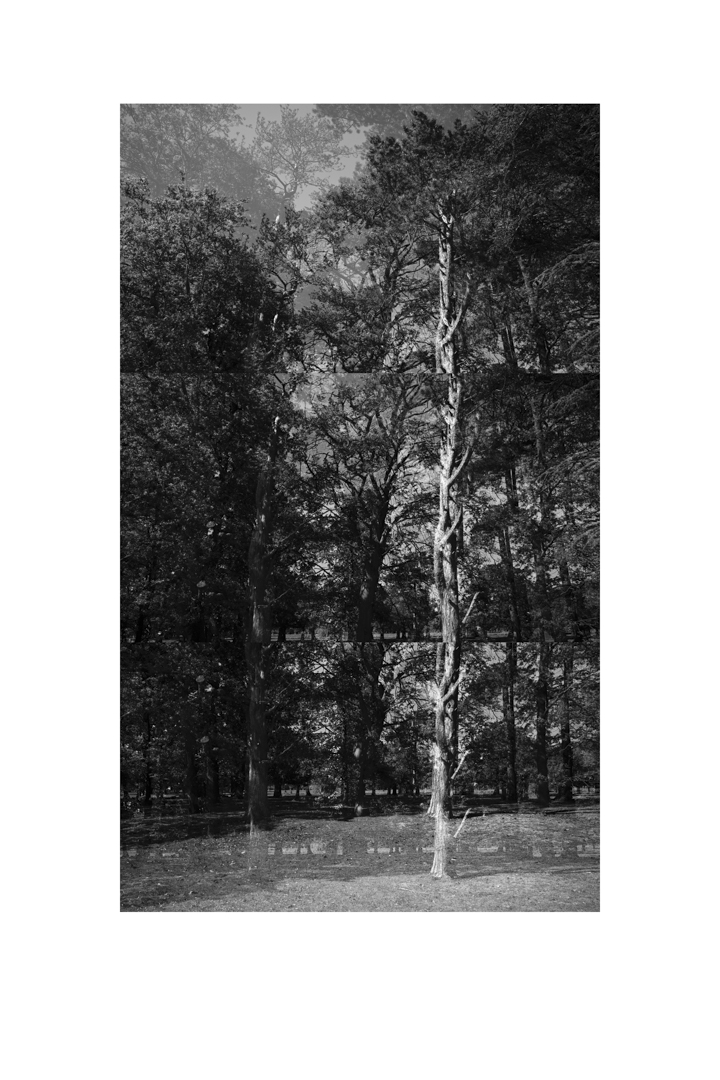
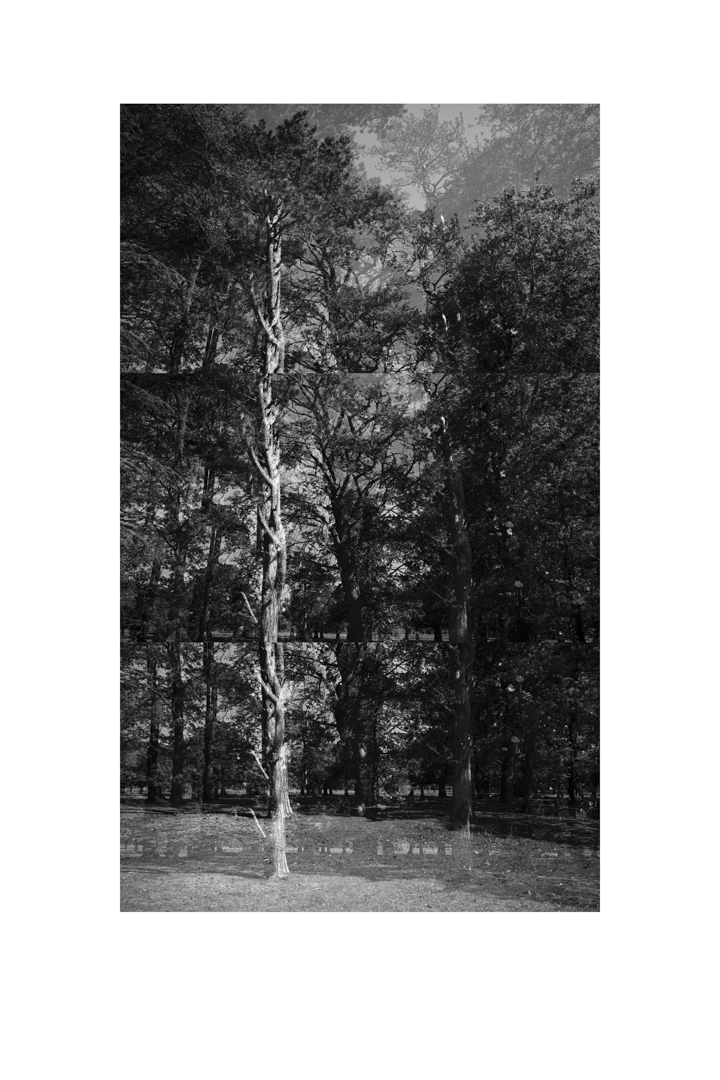
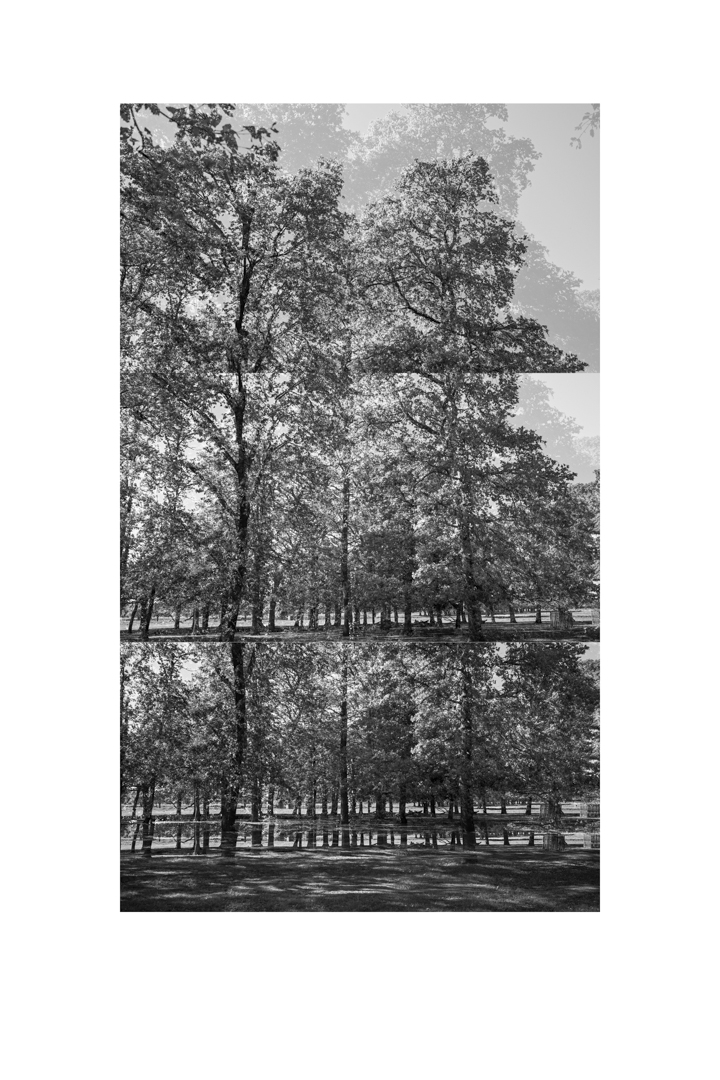
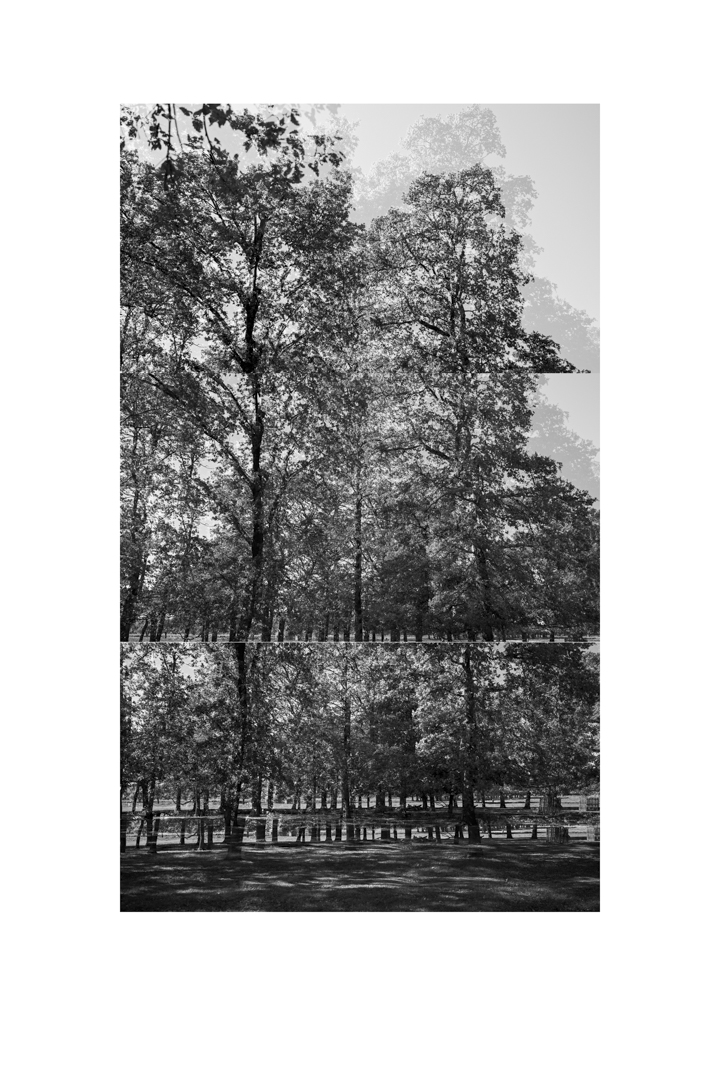
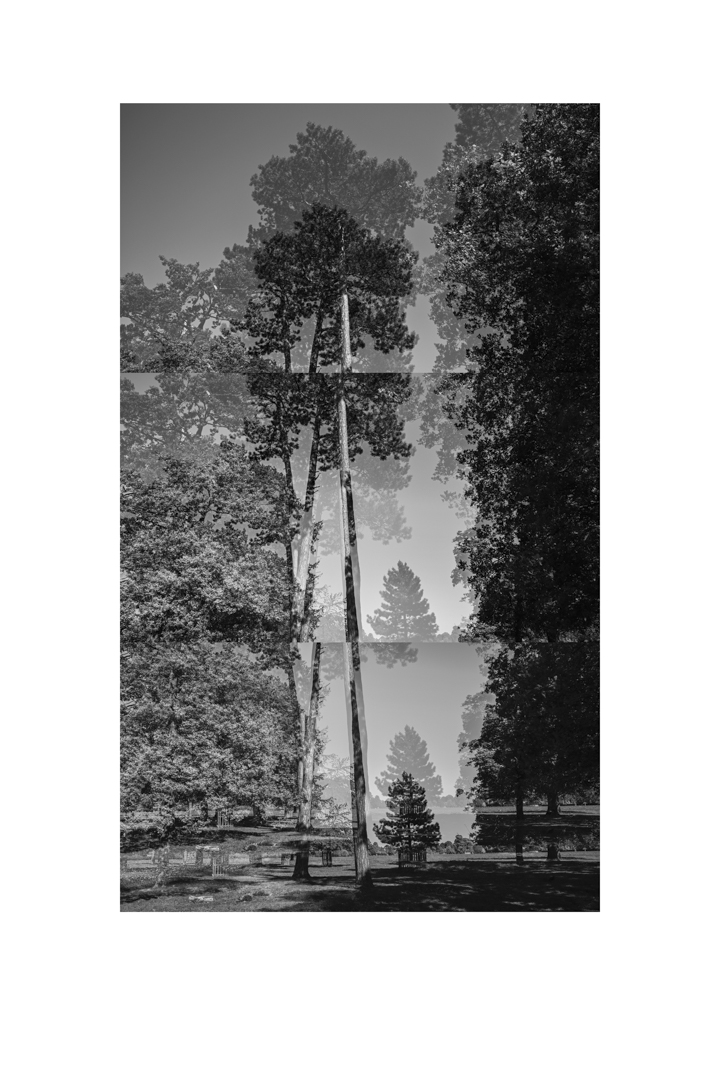
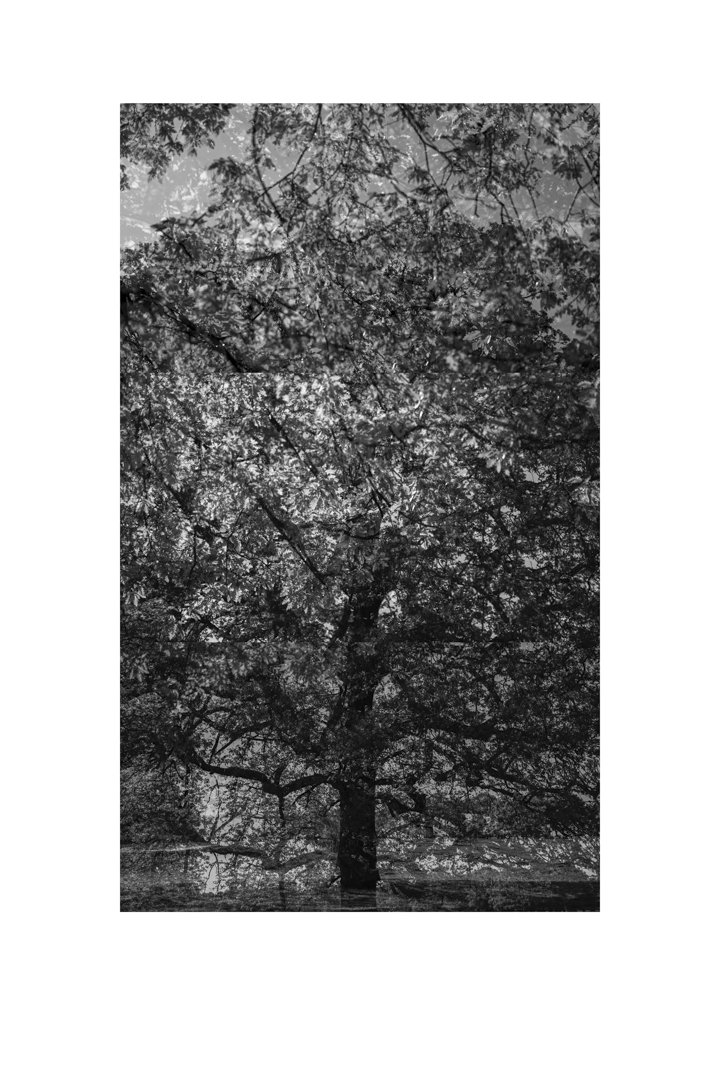
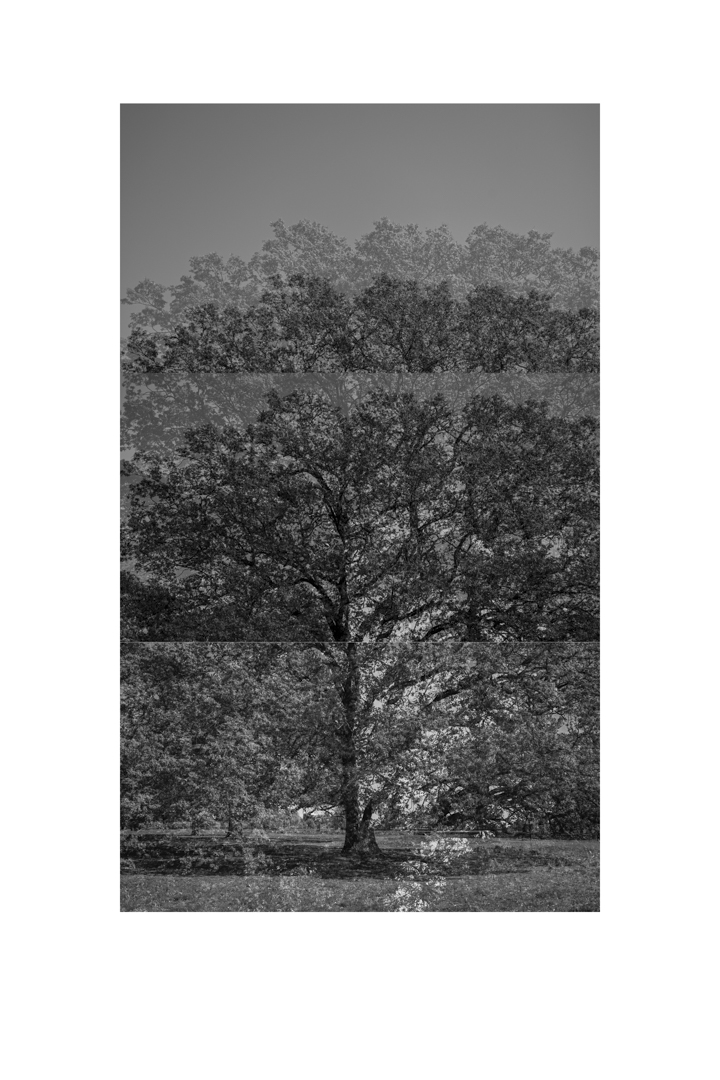
Firstly, was the process of construction – there is a clear delineation between the three images comprising each final image. There is no attempt to blend or disguise this aspect. This is the effect I wanted to achieve.
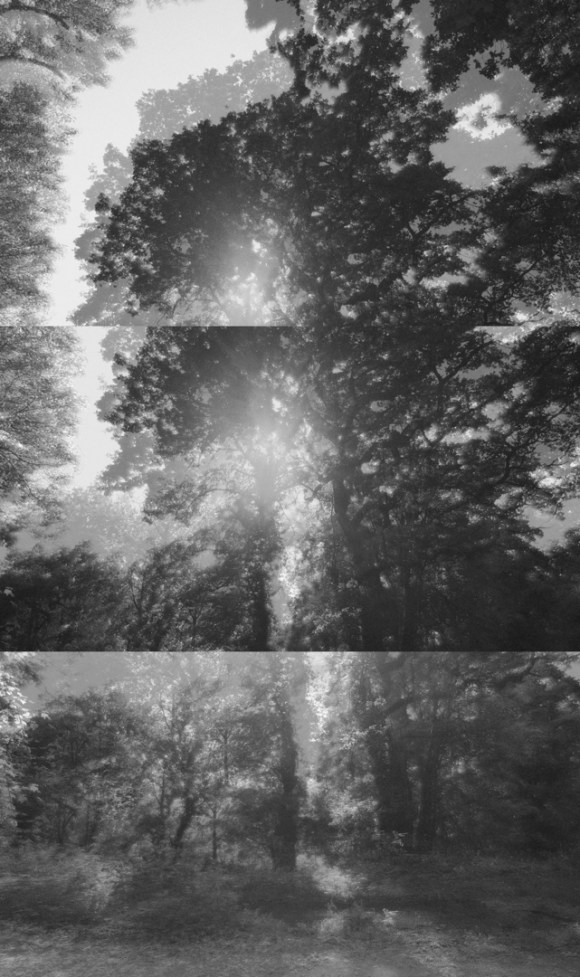
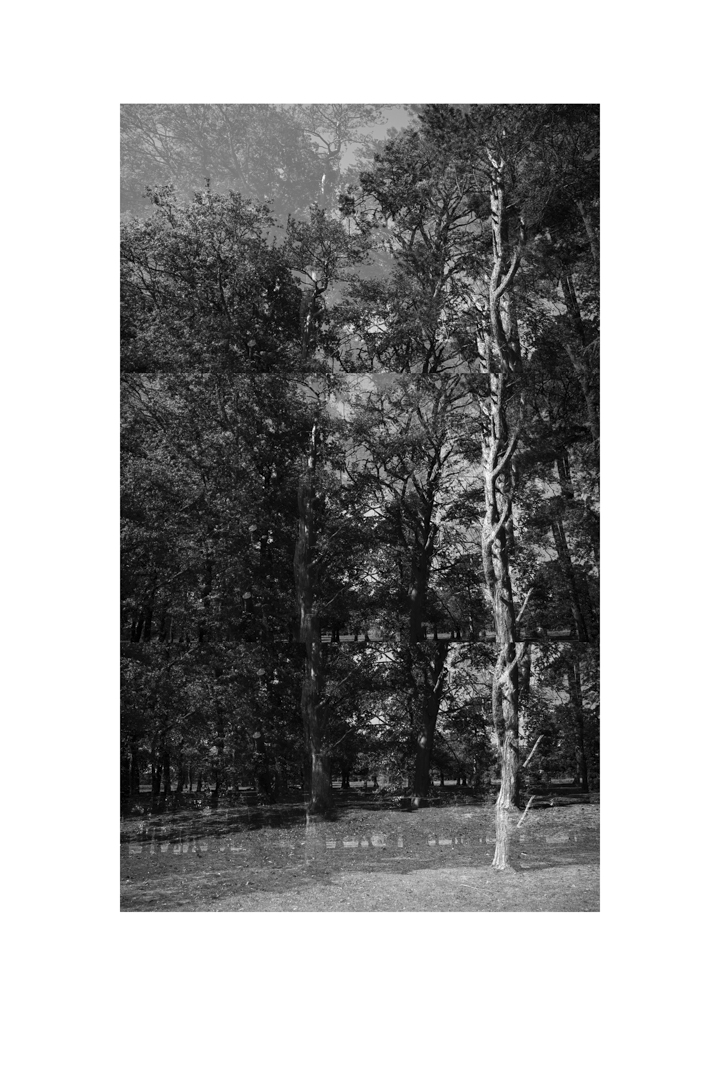
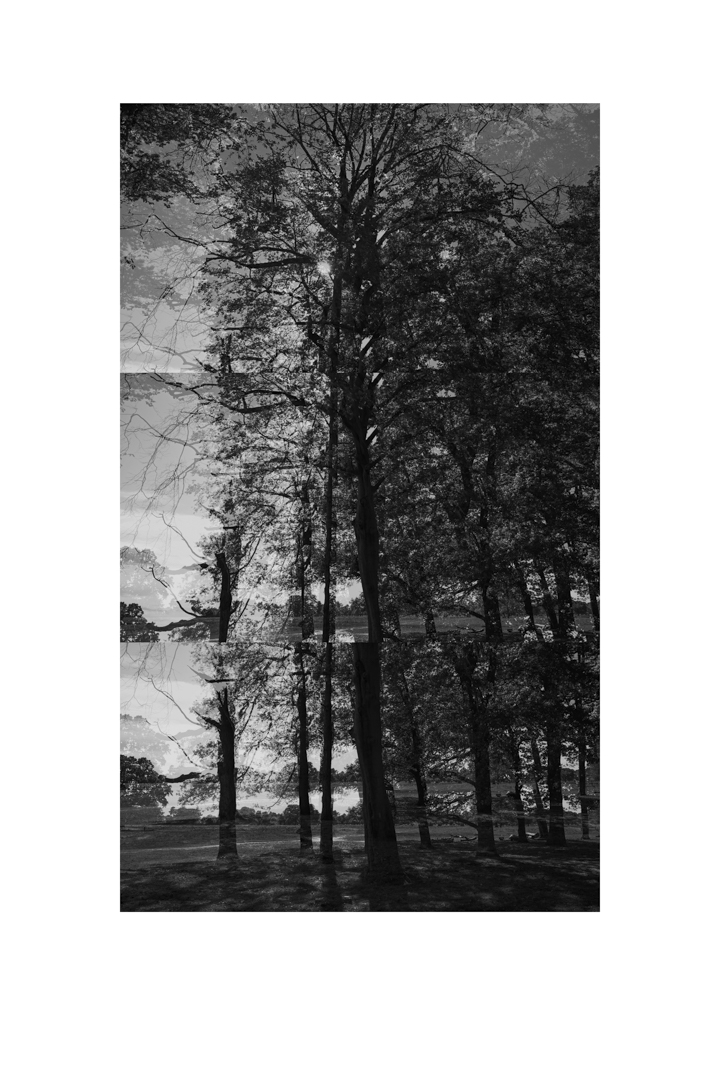
Secondly, there is a clear difference between some of the images. For example, there are ones that are like a tree portrait (Moments I), one that highlights the absence of trees (Moments II) – as mentioned by Abi – and ones where the light source becomes part of the image (Moments VIII).
Moments I
Moments II
Moments VIII
A third, and major, observation was the differences between three sets of images.
Moments I
Moments II
Moments III
Moments IV
Moments V
Moments VI
Moments VII
Moments VIII
Moments IX
There was a strong preference for the final three. Interesting, as these were three images in the later stages of this project. There was more intention rather than chance involved in their creation.
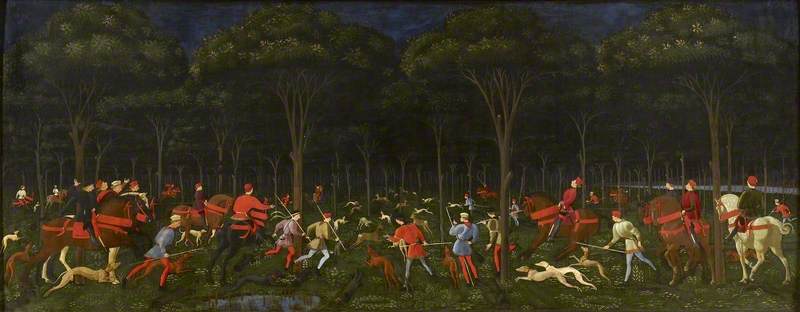
In addition to these reflective observations, a relevant and pertinent image that Fergus mentioned was The Hunt in the Forest (c. 1470) by Paolo Uccello (1397-1475).
Fergus pointed out its relevance as a pictorial representation of woodland in that it highlights the construction of an image. Pertinent as Bushy Park was a favourite hunting ground of Henry VIII. Also, Bushy Park and the trees within are not ‘accidental’. It is a highly constructed and maintained environment where little is left to chance and the ravages of nature are worked with and not fought.
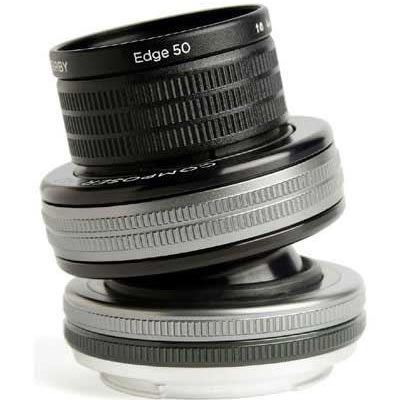
With regards to technique, one of my classmates, Ola, suggested using a tilt-and-shift lens for future experimentation. I wasn’t sure how this could be relevant at the time, but after a bit of research, I came across this art lens that could be both suitable and affordable:
According to the description, the Composer Pro II with Edge 50 Optic is a high-quality, 50mm, f/3.2 upgraded metal-bodіеd tilt lеnѕ that allows the control of the depth of field in-camera. Тhе lеnѕ attaches to the саmеrа bоdу, allowing the creation of іmаgеѕ with а ѕhаrр ѕlісе оf fосuѕ bоrdеrеd bу silky, smooth blur.
Тhе lеnѕ bоdу ѕwіvеlѕ аnd tіltѕ оn а ѕmооth mеtаl bаll-аnd-ѕосkеt dеѕіgn. This provides а fаѕt аnd іntuіtіvе wау tо ѕwіtсh bеtwееn trаdіtіоnаl ѕtrаіght lеnѕ рhоtоѕ аnd tіlt рhоtоgrарhу.
The lens is fully manual and, by uѕіng ѕеlесtіvе fосuѕ, enables the photographer to lead vіеwеrѕ’ еуеѕ оn а unіquе јоurnеу thrоugh lаndѕсареѕ, сlоѕе-uрѕ, mіnіаturе еffесtѕ, ѕtrееt рhоtоgrарhу аnd fооd рhоtоѕ. One to be investigated further.
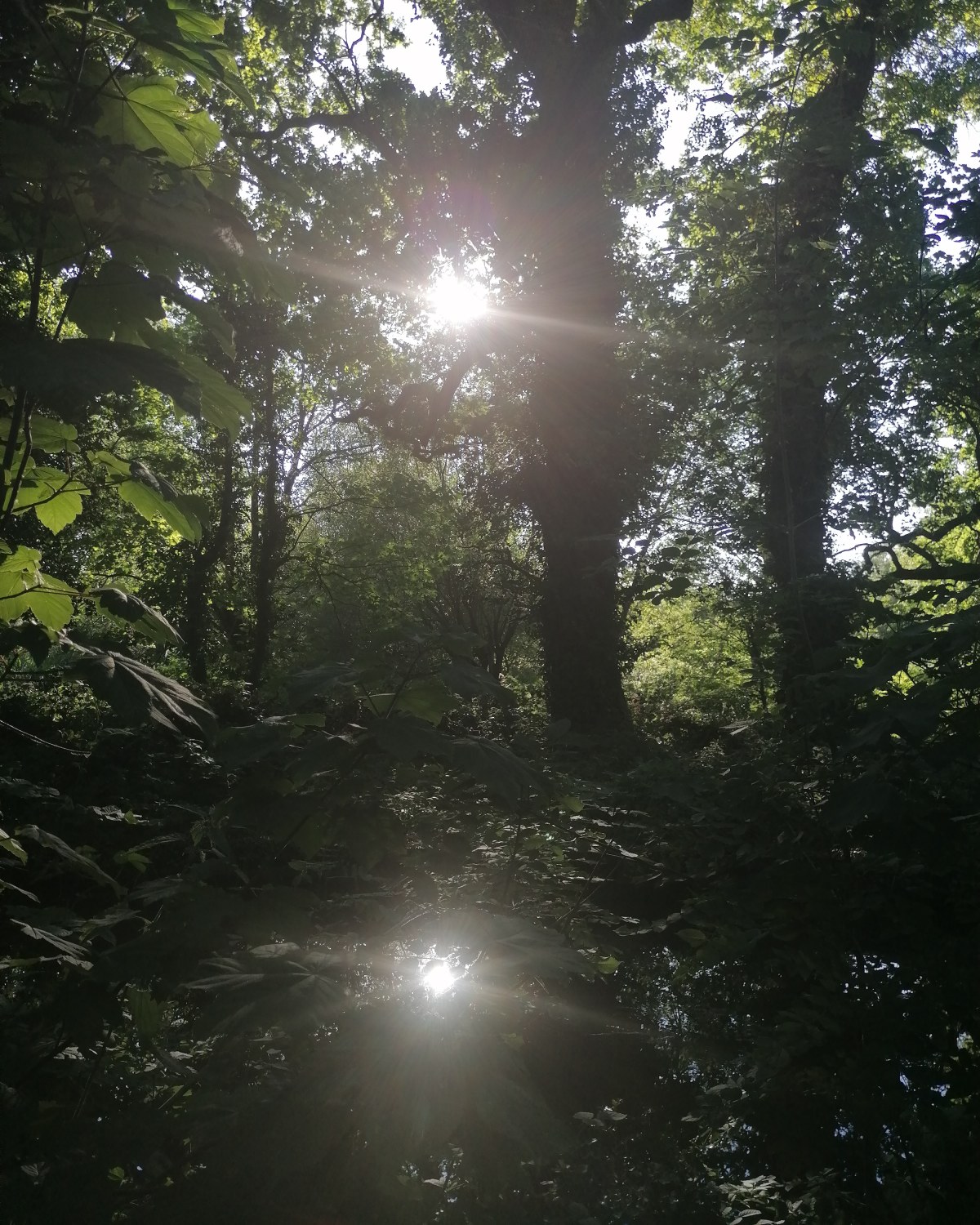
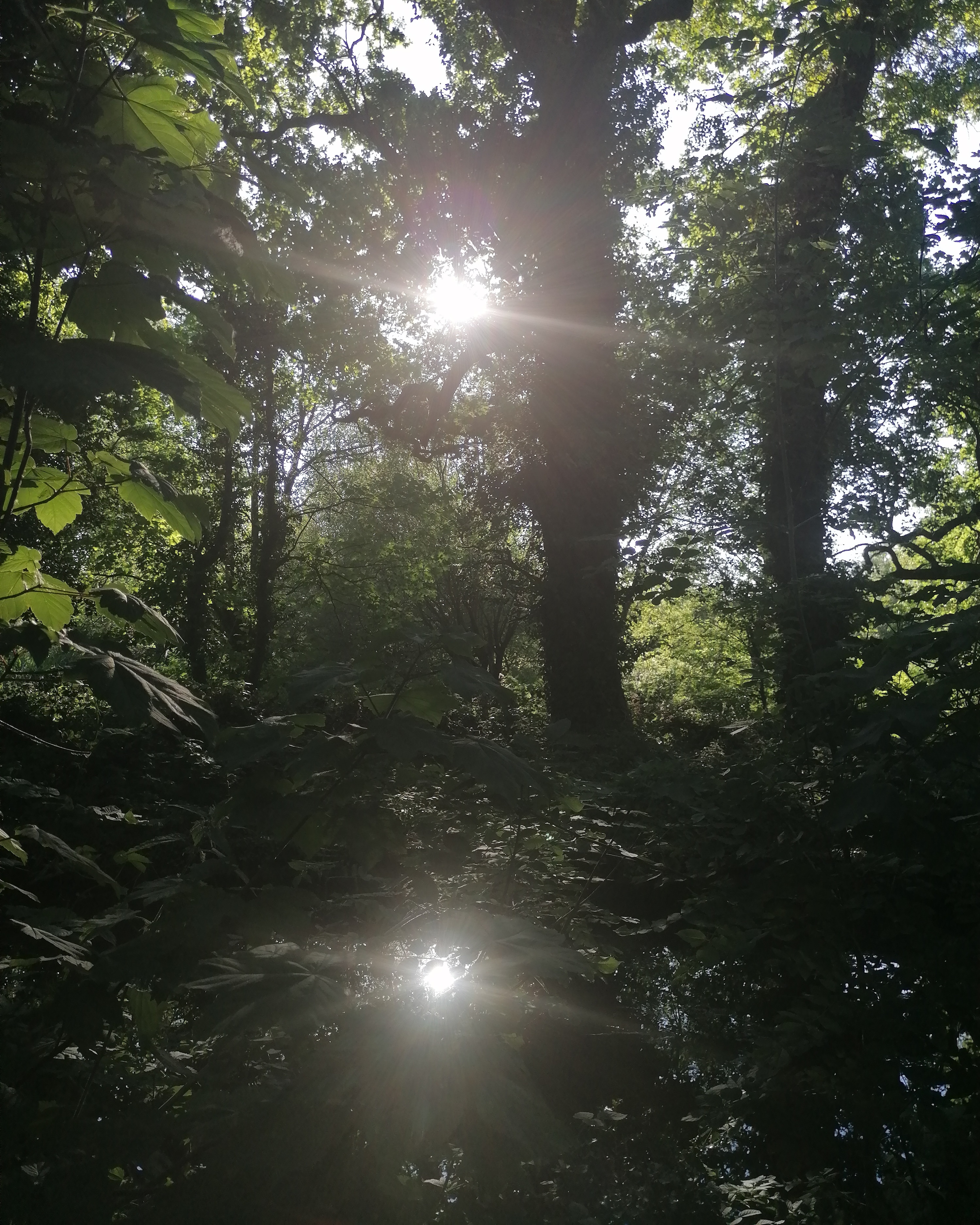
Later that day, I revisited the Woodland Gardens to clear my mind and to help in processing the review session.
It was nice visiting my location without any pressure of taking further photographs for this particular project. The image above was taken with my smartphone. A reminder of how the light plays in this particular place.
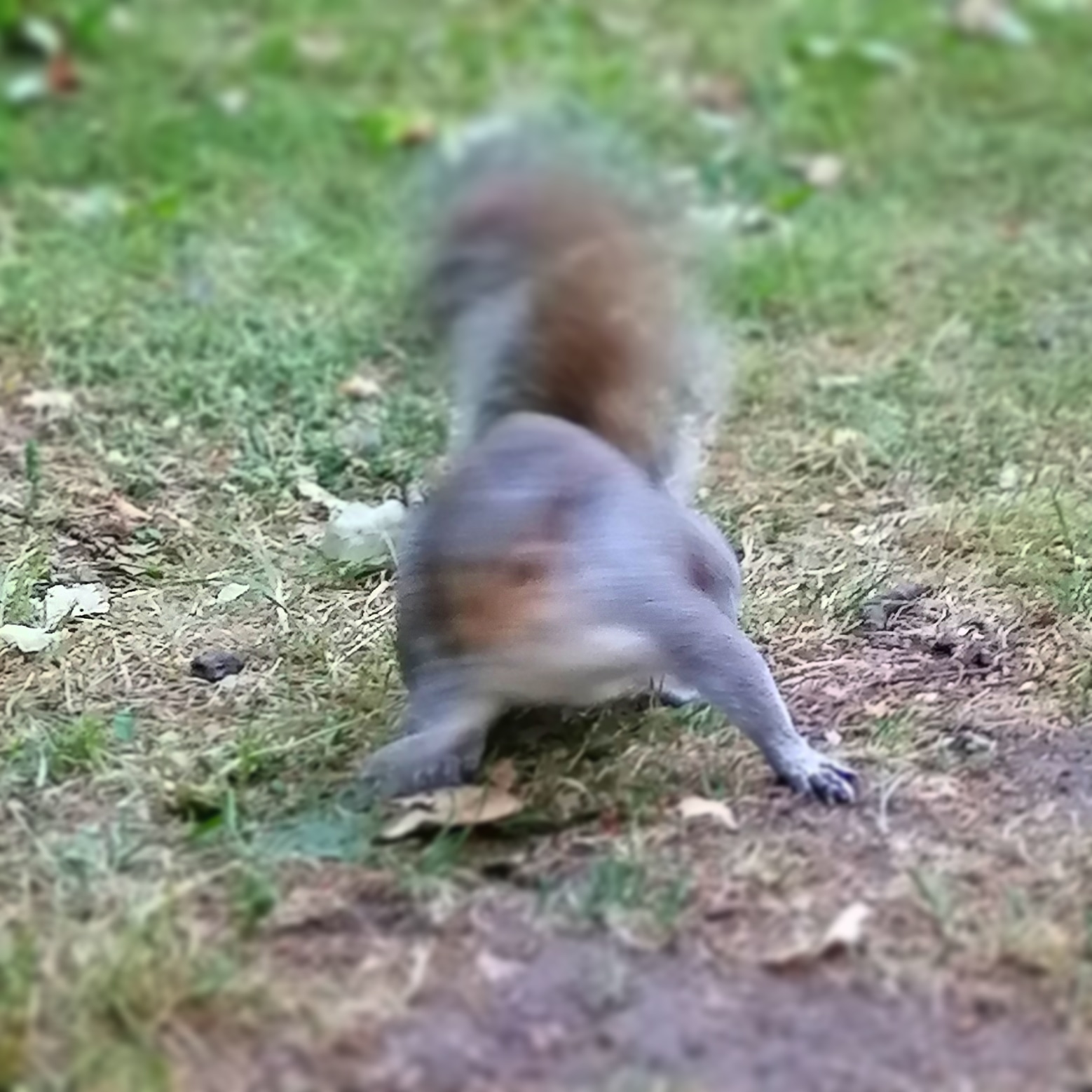
While walking through the gardens, I came across this very cheeky chap who just couldn’t (or wouldn’t) sit still long enough to take a clear shot.
When I was editing it on my smartphone before posting on Instagram, I made use of the tilt-and-shift filter. Interesting effect.
With the above in mind, the next two and final tasks were to produce the Research Dossier and Artist Statement. These, along with a presentation of the final images, had to be submitted via Turnitin by 1pm on Tuesday 9 June 2020.
Having edited the images shot at a ratio of 2:3, I revisited the ones taken at 16:9. As a result of this, I cropped the images from the previous experiment.
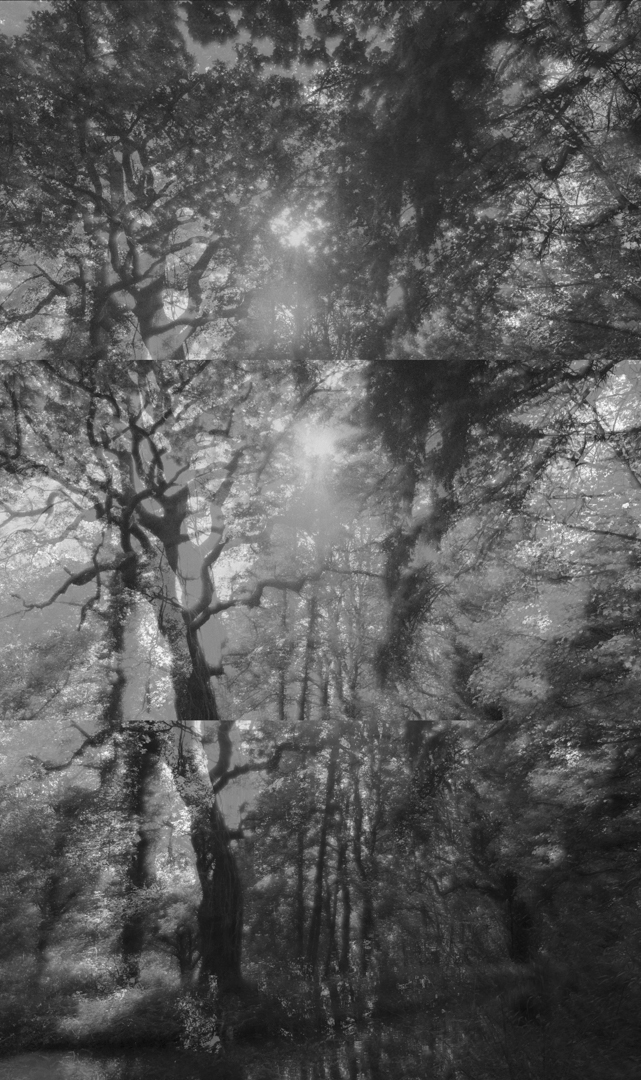
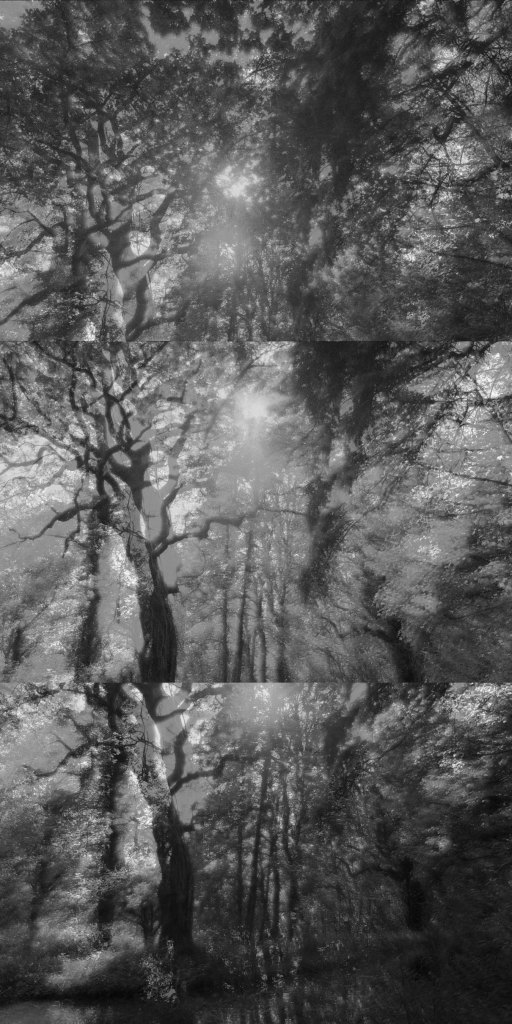
When comparing, it seemed to me that the 16:9 format worked better in column form.
2:3 Ratio
16:9 Ratio
It would also mean being able to select my final images from those that were shot using this ratio rather than having to take further photos at 2:3.
My first consideration in relation to this decision was time. With only two days to go before submitting my final images, I should focus on the strongest images taken so far rather than going out and making new ones.
The second consideration was the ethos behind this project – images taken during the time of lockdown and self-isolation. With the Government gradually easing the restrictions, it would go against the grain of what I was trying to achieve.
The third, and final consideration, was that of the 1 June 2020, people would be allowed to exercise outside in groups of up to six people (as long as they were practising the two-metre social distancing). Combined with the current sunny and very warm weather, this would be mean much more people in the park. This, in turn, would restrict my shot potentials.
After my session on 5 May, I wanted to take a more measured approach. My intention was to use the tripod rather than holding the camera. This, in theory, would line up the shots more accurately. Also, it would enable me to operate the camera differently. By using the tripod, I would be able to use and angle the camera’s ‘live view’ screen to see the composition better. Using the viewfinder means scrunching my face up and using just one eye to see the potential shot on a tiny screen. Using this feature on the camera is a lot more comfortable and productive for me.
The location I chose was the Woodland Gardens in Bushy Park. I wanted to try my new technique at a place I know well. As with the rest of the park, it was thriving and full of colour.
My next trip to the park was on Tuesday 5 May. This was after the class seminar that morning.
The feedback I received during the seminar was quite positive. There was a preference for this set of images as they had a more ‘fluid’ appearance.
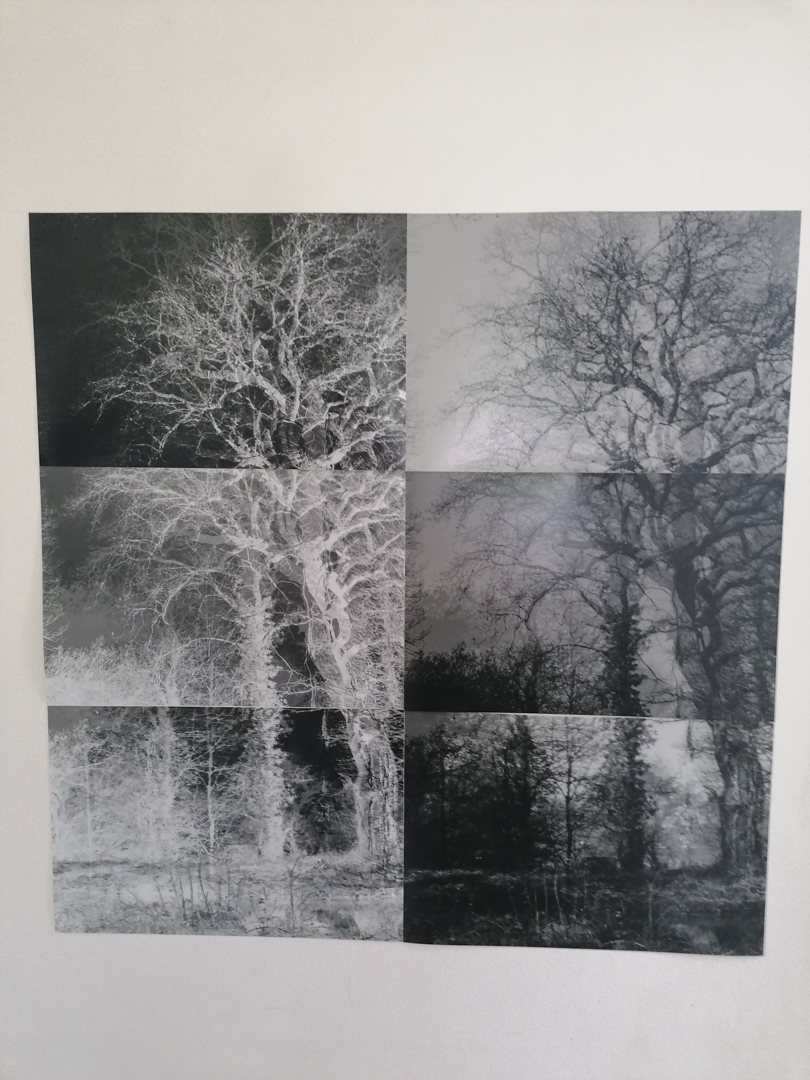
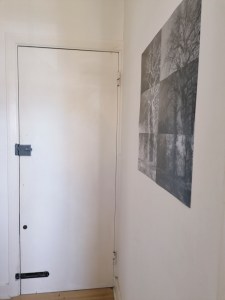
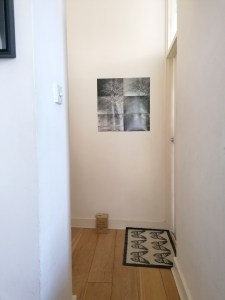
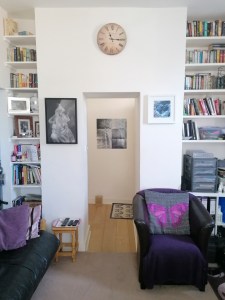
I also put them on the wall in my hallway to get a better idea of how they would look within a gallery setting.
The feedback on this type of formation is that they were more ‘rigid’. Also, the class preferred the ‘off-centre’ composition.
With the feedback in mind, I decided to make a repeat of what I did on Sunday 3 May. This was to go to Hampton Wick to drop off the parcel then walk from that gate back to Teddington Gate.
After successfully dispatching the parcel, I returned to the park via the nearby gate. As it was a sunny afternoon, the park was again busy so I wasn’t able to try the four-angle approach. As such, I took a slightly different route and discovered different trees.
The following are the results I thought worked best from the initial shots.
Tree 1 – 5 May 2020
Tree 2 – 5 May 2020
Tree 3 – 5 May 2020
While editing, I also tried a version where the images are horizontally flipped.
Tree 4 – 5 May 2020
Tree 5 – 5 May 2020
Tree 6 – 5 May 2020
Tree 7 – 5 May 2020
Tree 8 – 5 May 2020
Tree 9 – 5 May 2020
Tree 10 – 5 May 2020
Tree Avenue – 5 May 2020
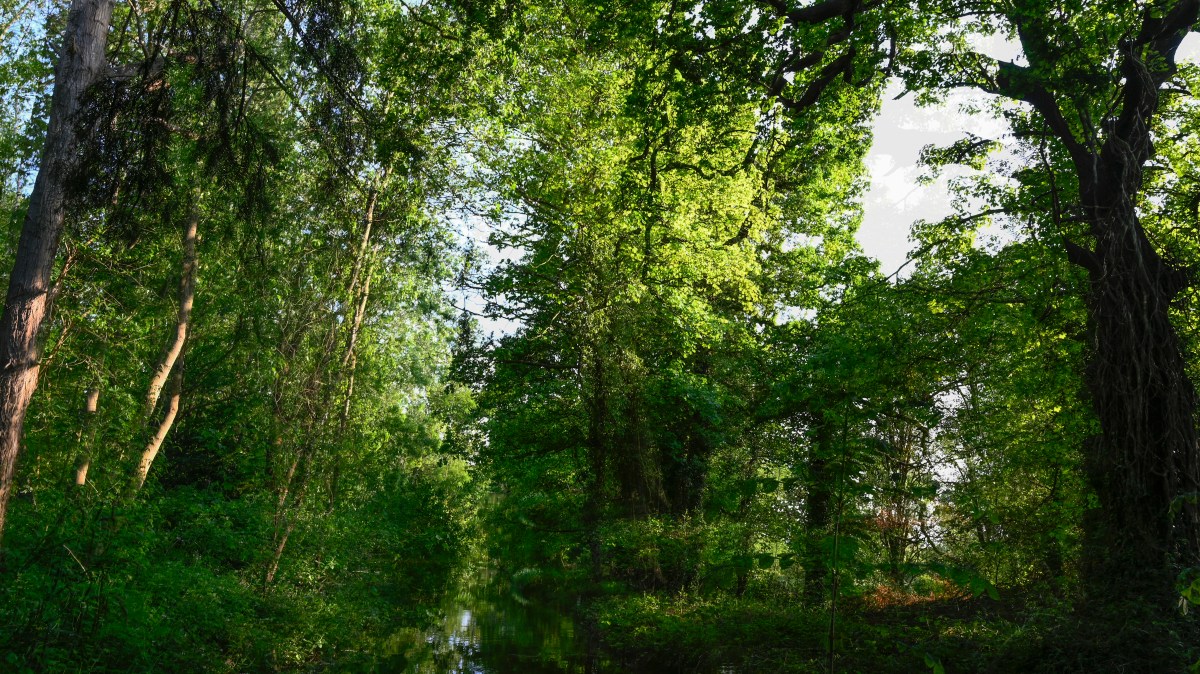
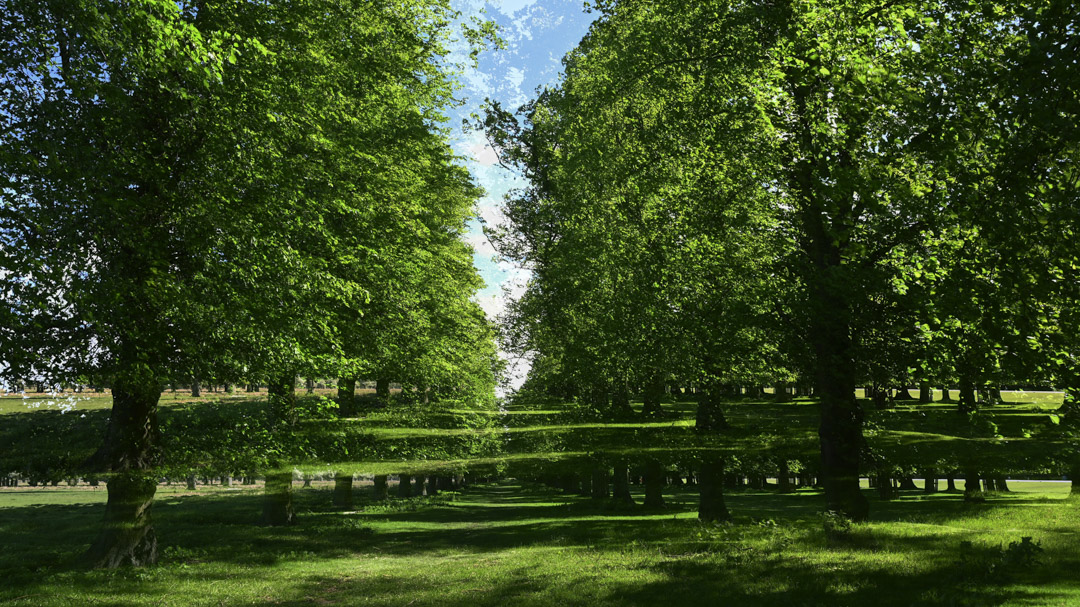
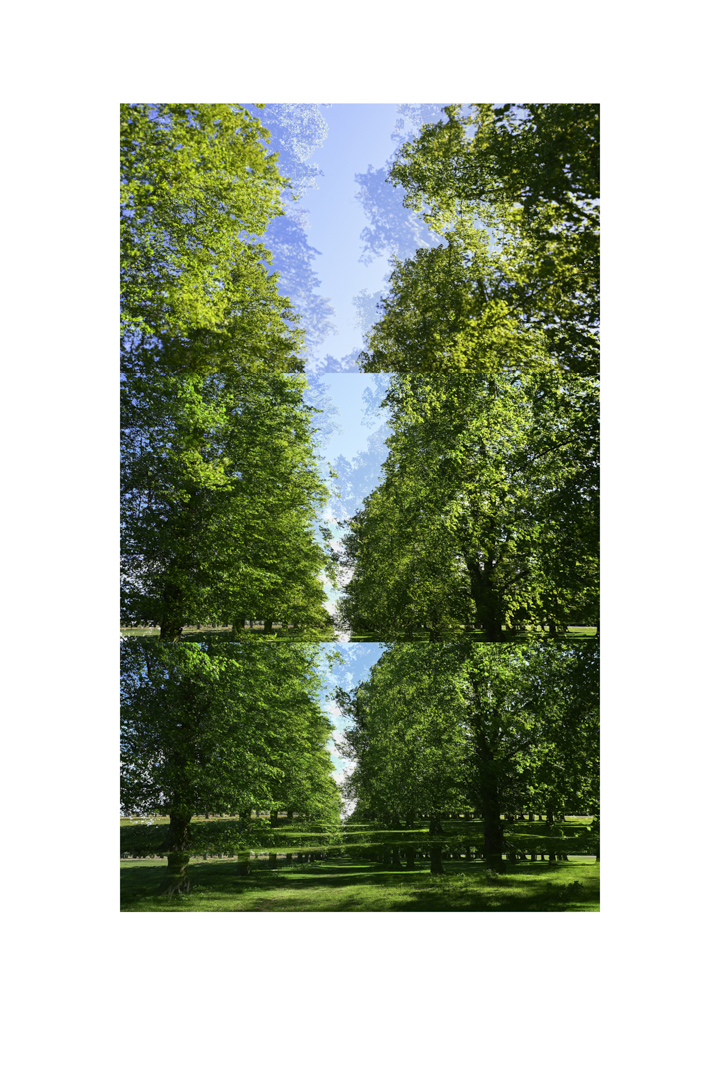
I also tried this following formation in colour. Apart from adjusting the blown highlights, due to the strong sunlight, there was no editing carried out with regards to the colour. What I’ve noticed in the park and in general, how the colours of plants, trees and flowers have intensified since the lockdown. The lack of cars on the road and planes in the air have contributed to a massive reduction in pollution. This is evident in the following image.
At this stage, I wondered if the Black & White route was the correct one to take. Or whether being able to capture the trees in this glorious hue would be the way forward. Further experimentation was required.
Tree 6 – 5 May 2020 (Colour)
I then adjusted the top two images so that there was only one horizon in the complete image.
Tree 6 – 5 May 2020 (Colour) Adjusted horizon – Second Image
When looking at the two side-by-side, the adjusted one looks much better. Again, this aspect has to be taken into consideration during further shoots or choosing existing images for the final body of work.
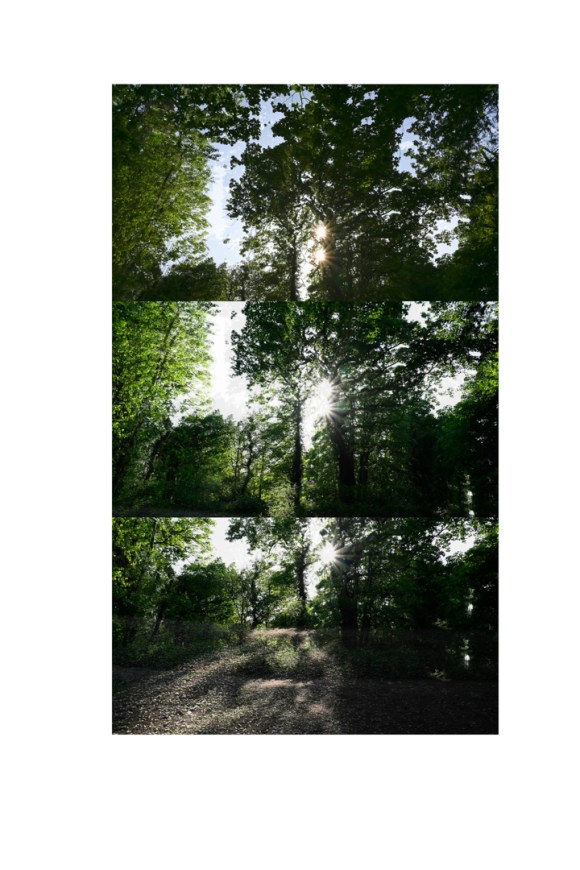
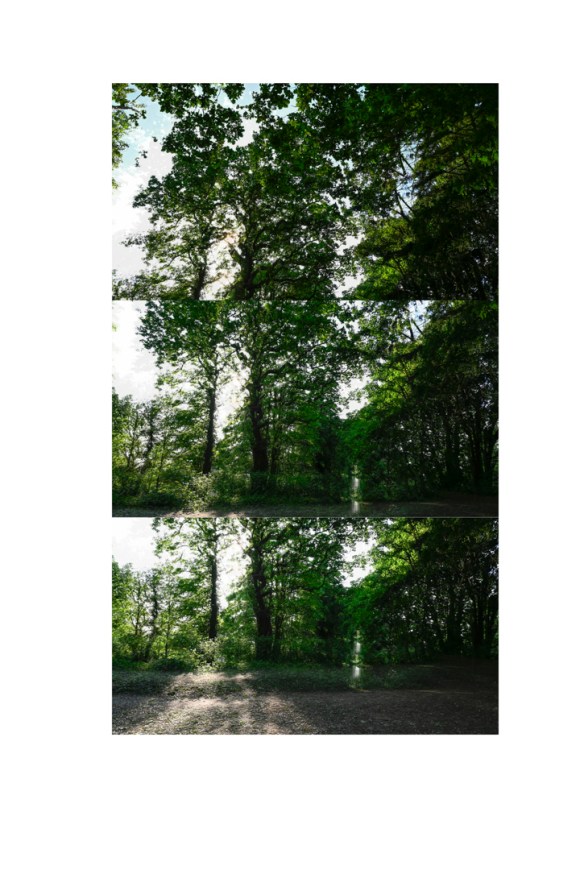
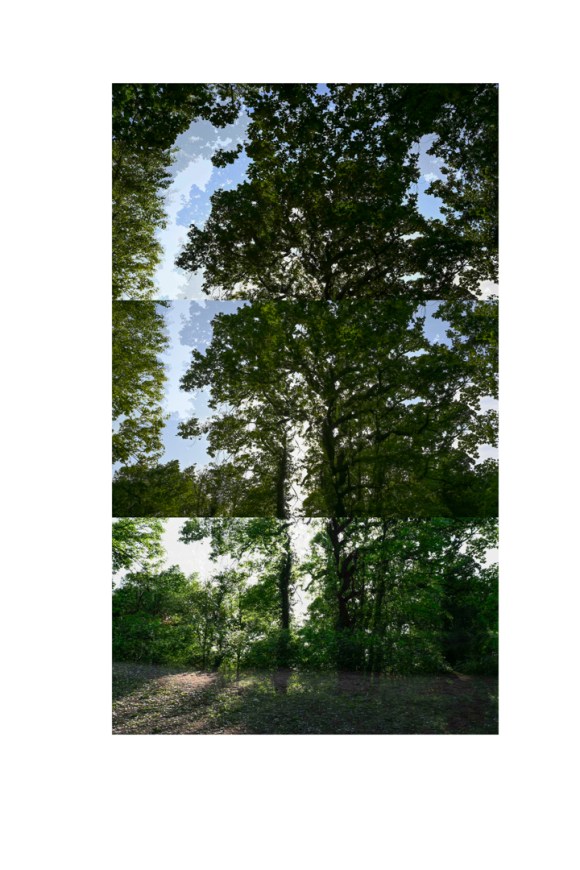
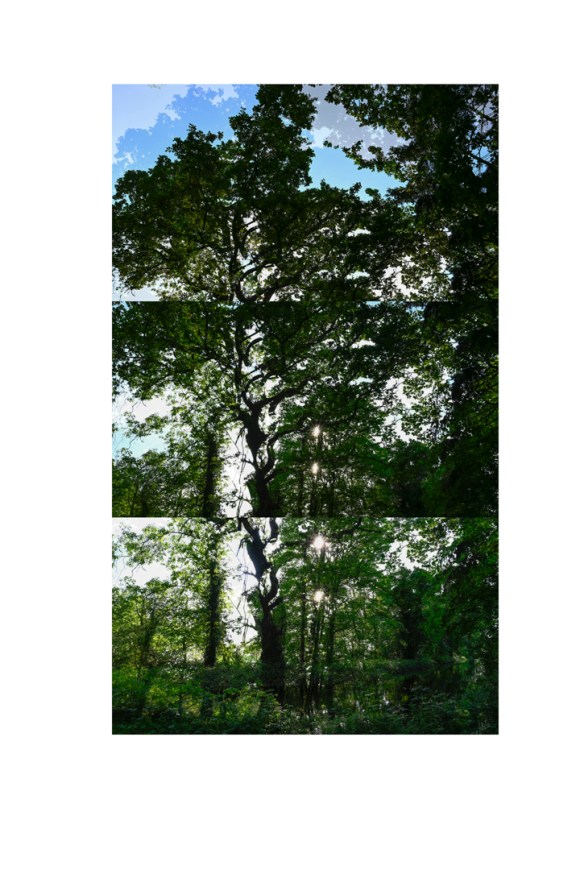
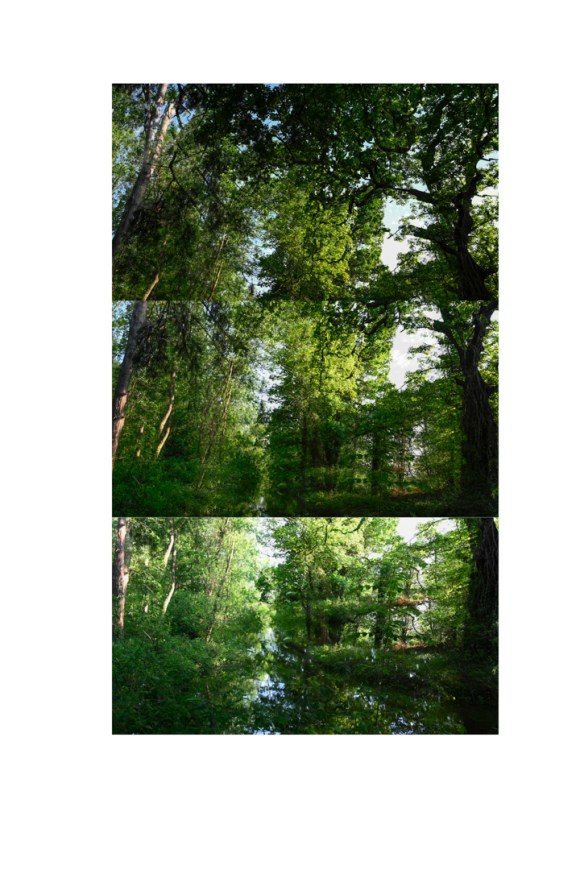
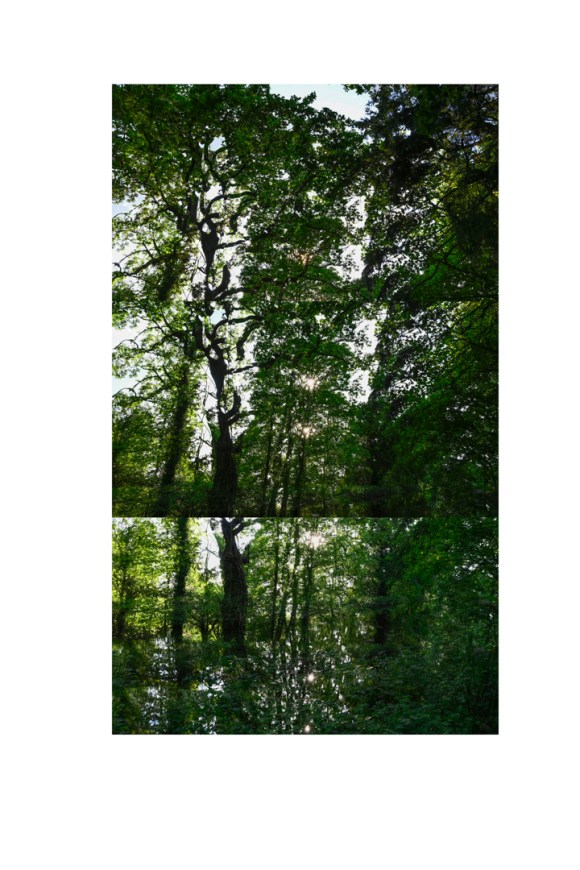
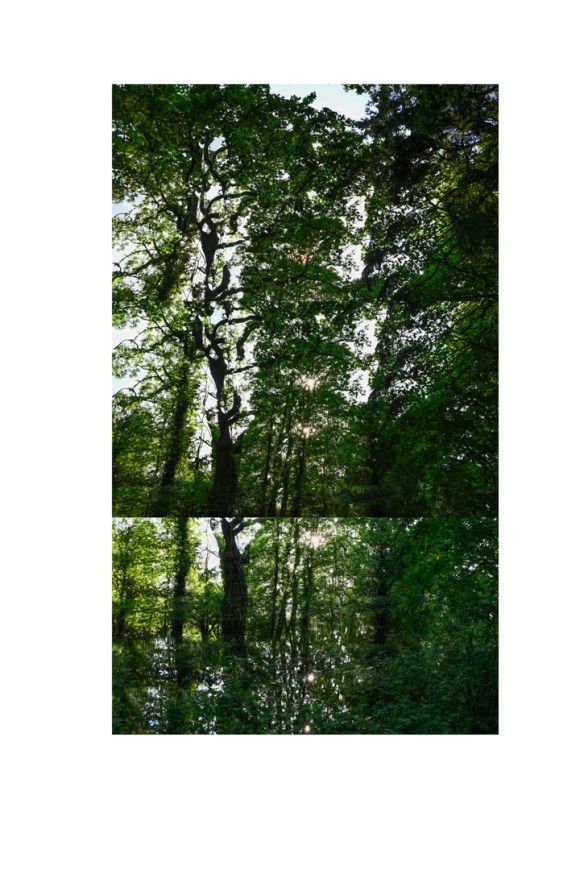
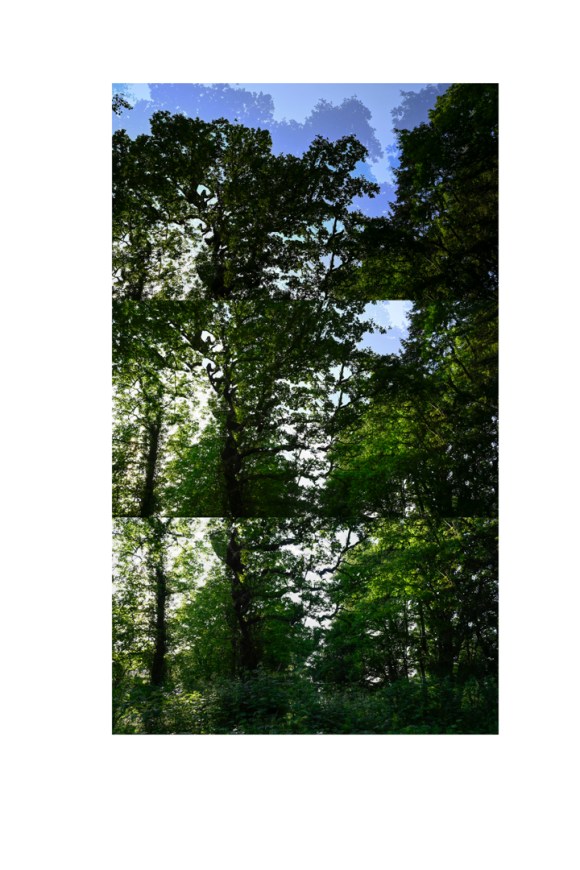
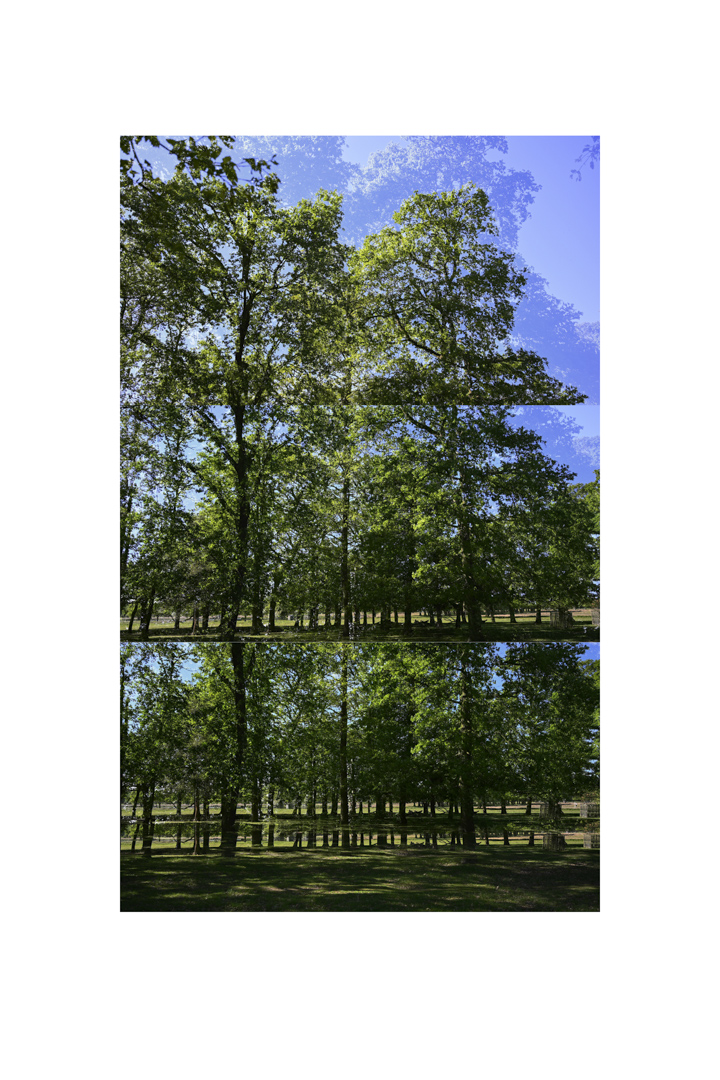
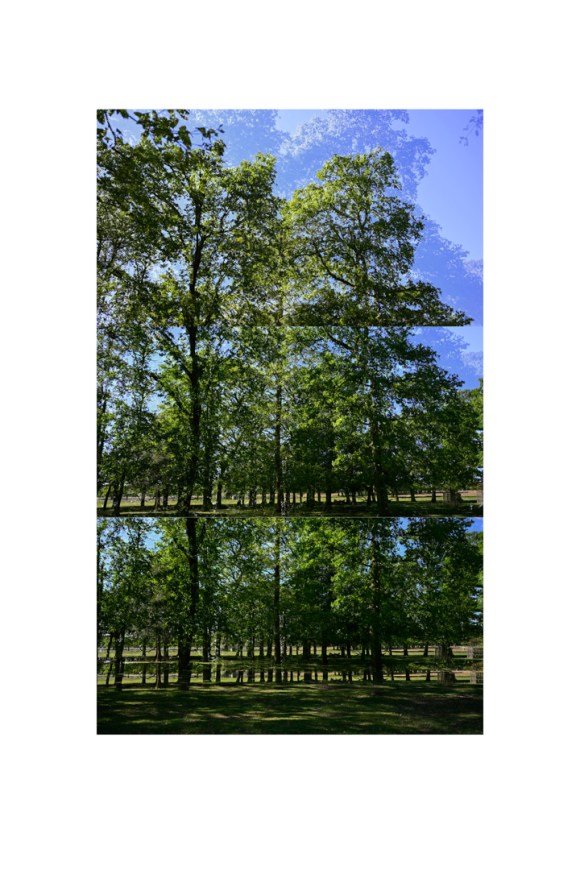
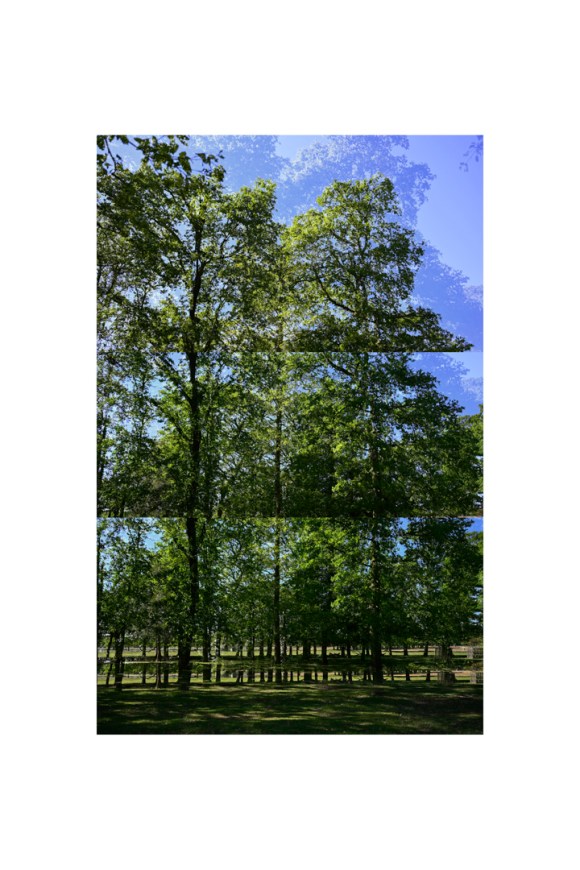
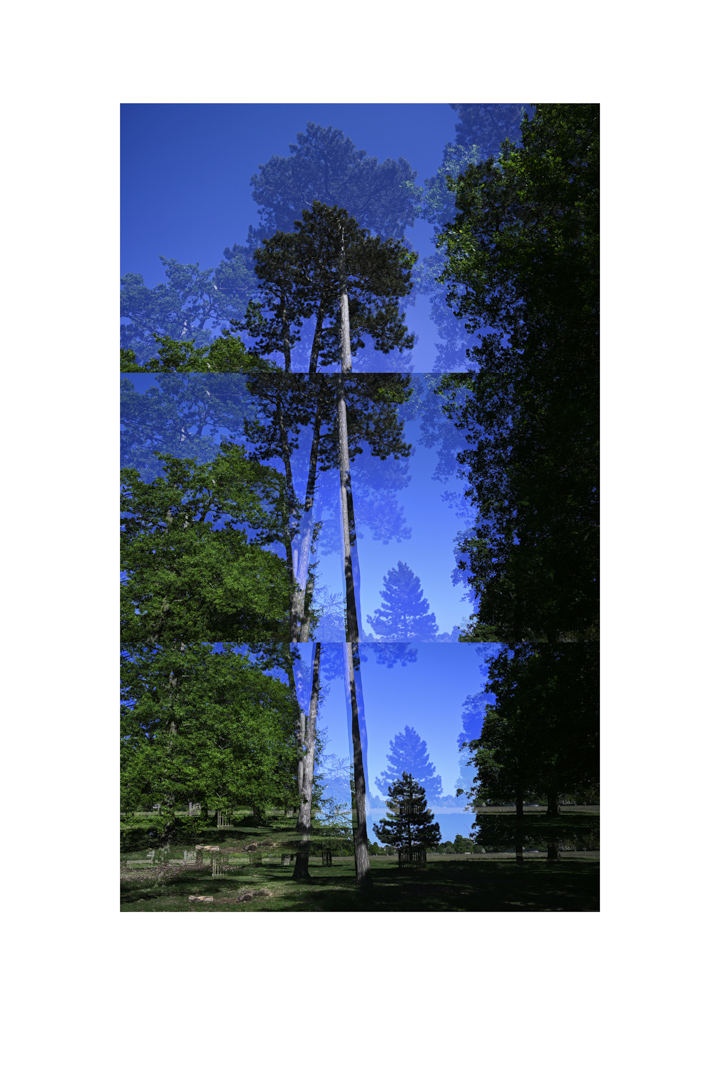
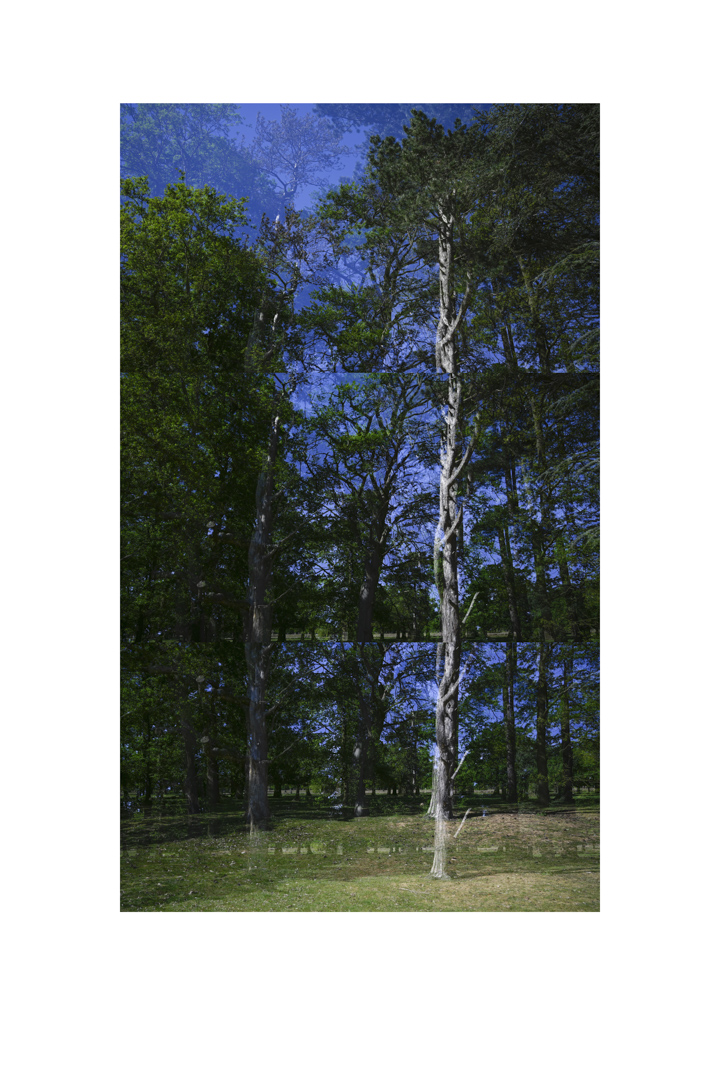
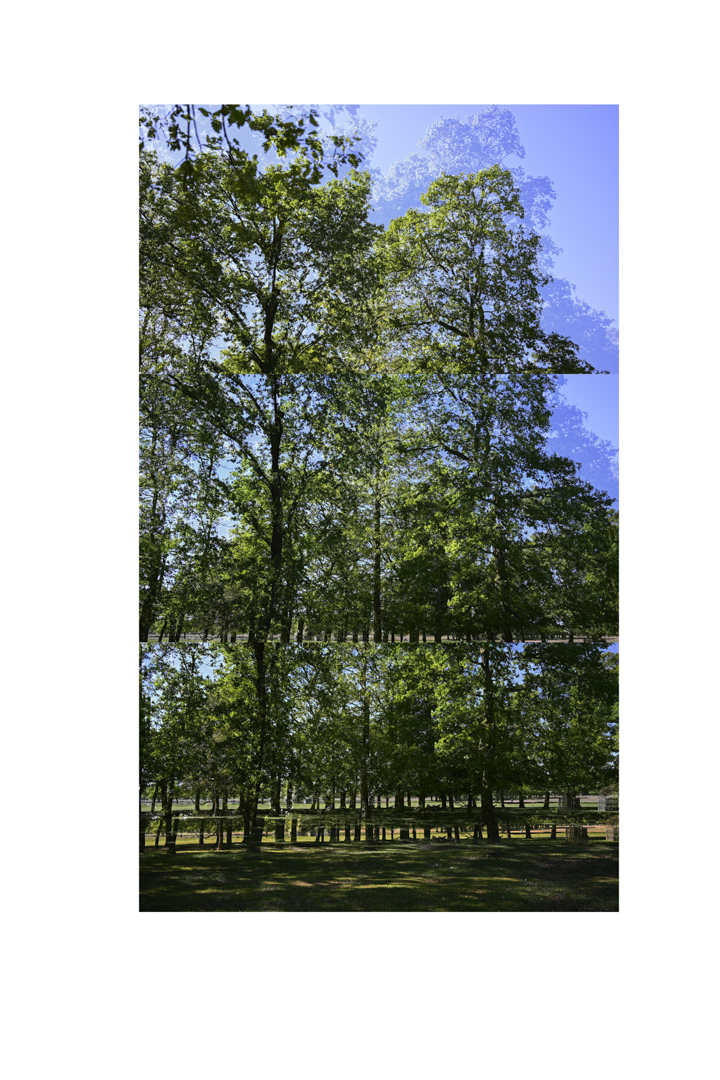
These were further colour editions – again, no editing apart from a reduction in the blown highlights:



 Jennie Meadows MA Photography