Categories
AGM62 Photography Research Project Stage 1 Posts

AGM62 Interim Review Presentation 17 November 2020

In order to showcase what I have researched, collated, and produced so far for the Interim Review, I will have to present:

  • Work-in-progress: considered rough edits of my project to date. If I feel that including contextualised research would be beneficial, I will bring these materials as well.
  • A short project statement: I will be asked to succinctly introduce the project’s underpinning concept and reflecting on my decision making so far in terms of production.

The aim of the mid review is to make possible a critical and safe space where project ideas are articulated in relation to the production (techniques, materials etc). Each student will receive formative, verbal, feedback from tutors (Fergus and Åsa). It is important that I show a broader selection of my work, in order to enable a productive discussion with peers and tutors, for example to do with potential edit and sequencing.

There will be walls and tables for me to present prints. There will also be a screen available for me to use if I have work that is not yet printed.

I will present the following:

Project Statement

Invisible Trees: The Hidden Hawthorns of Bushy Park

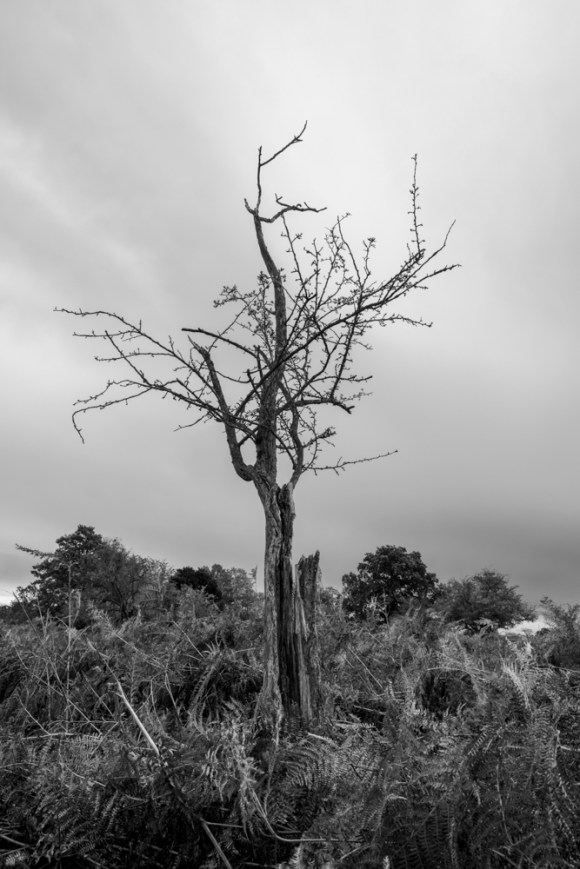
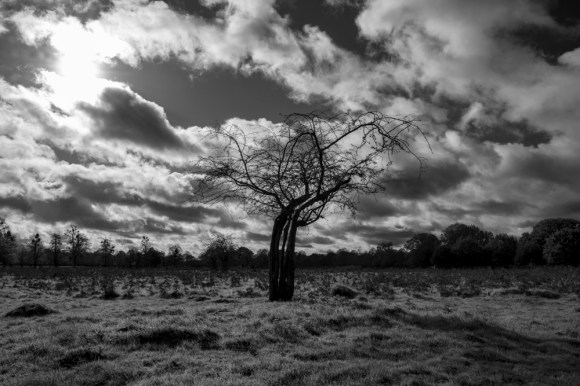
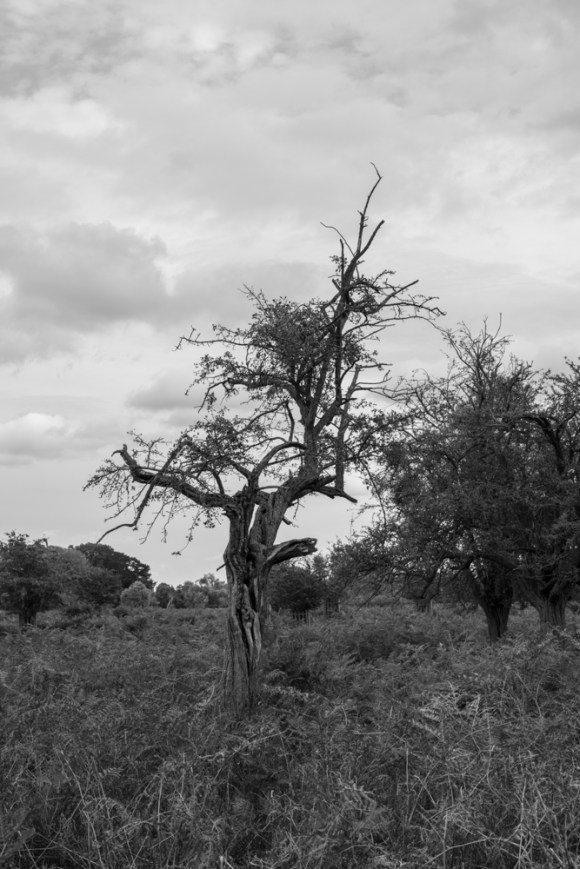
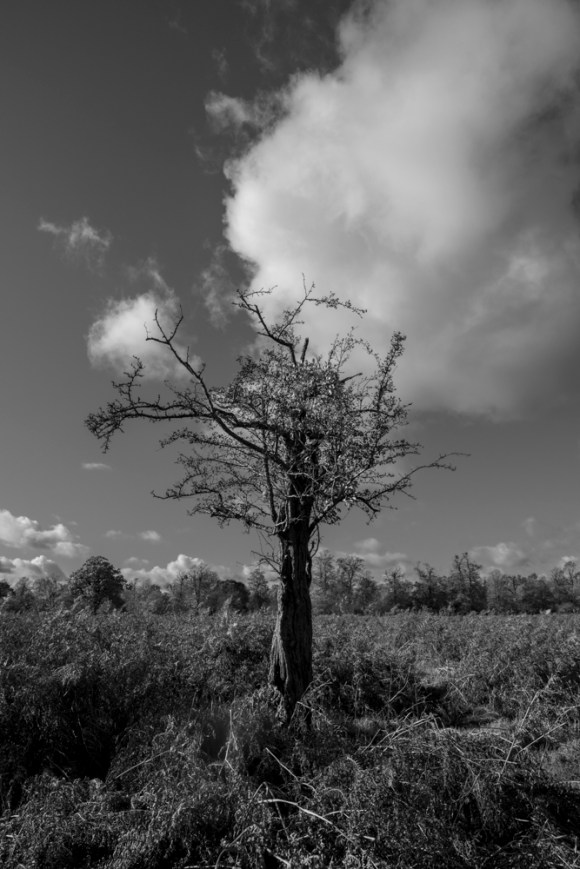
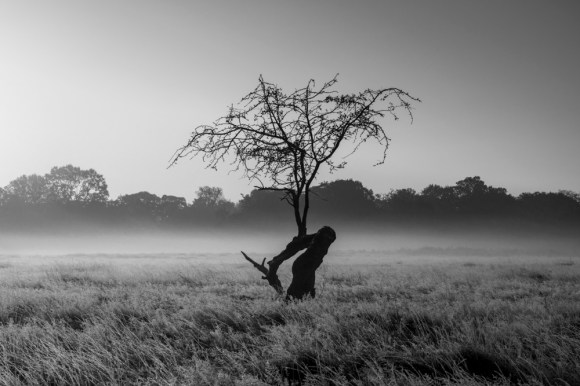
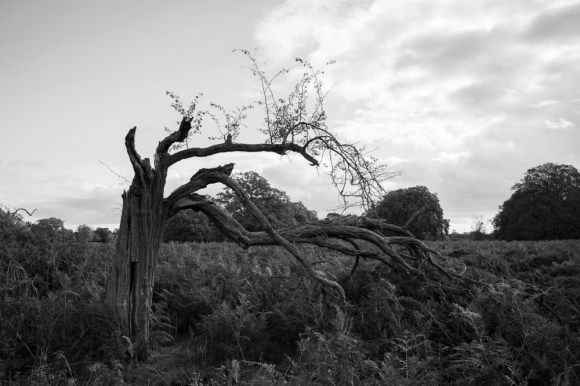
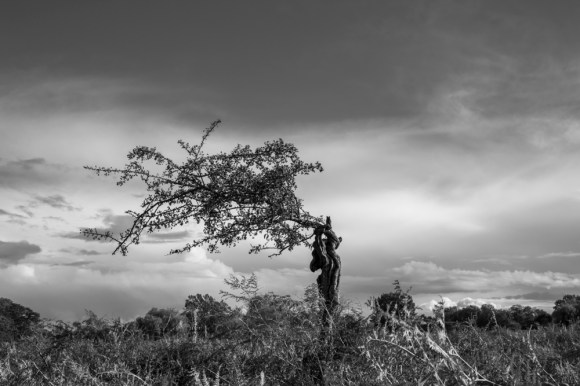
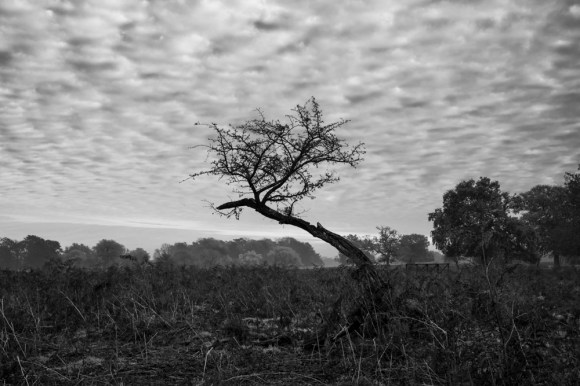
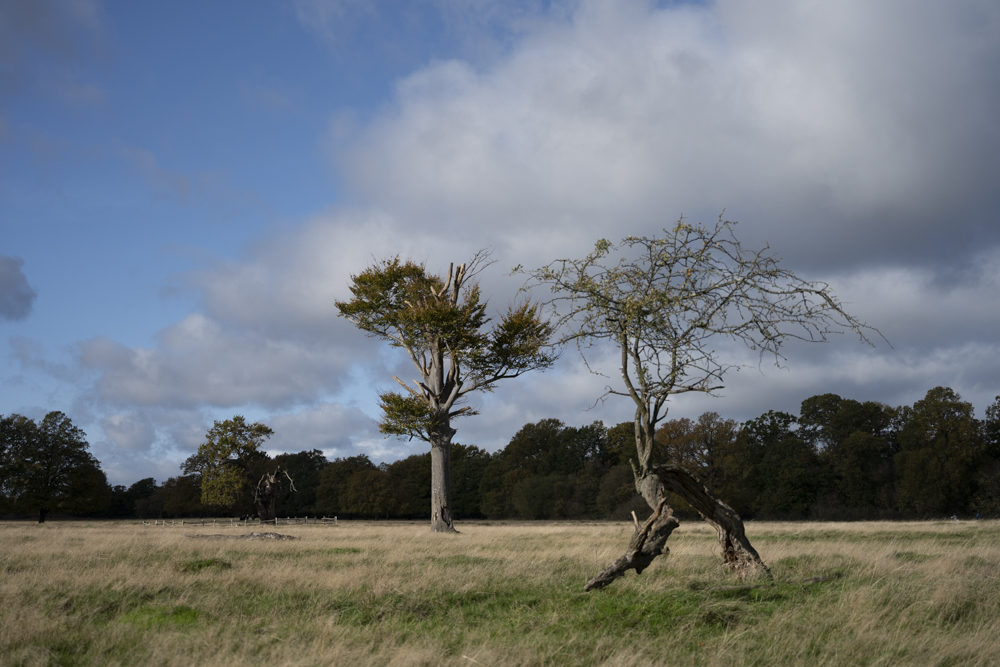
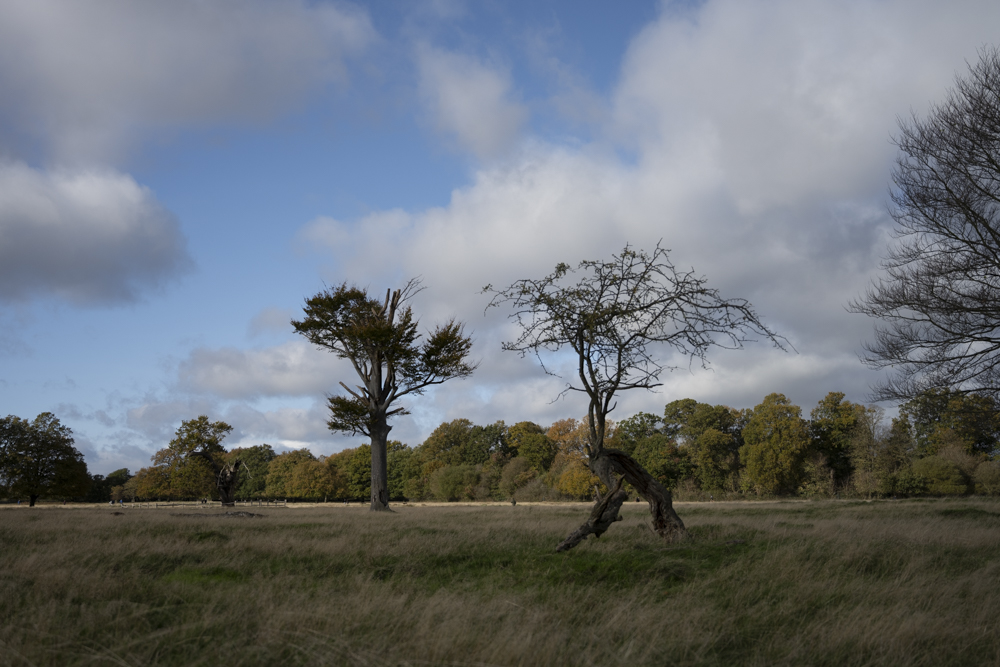
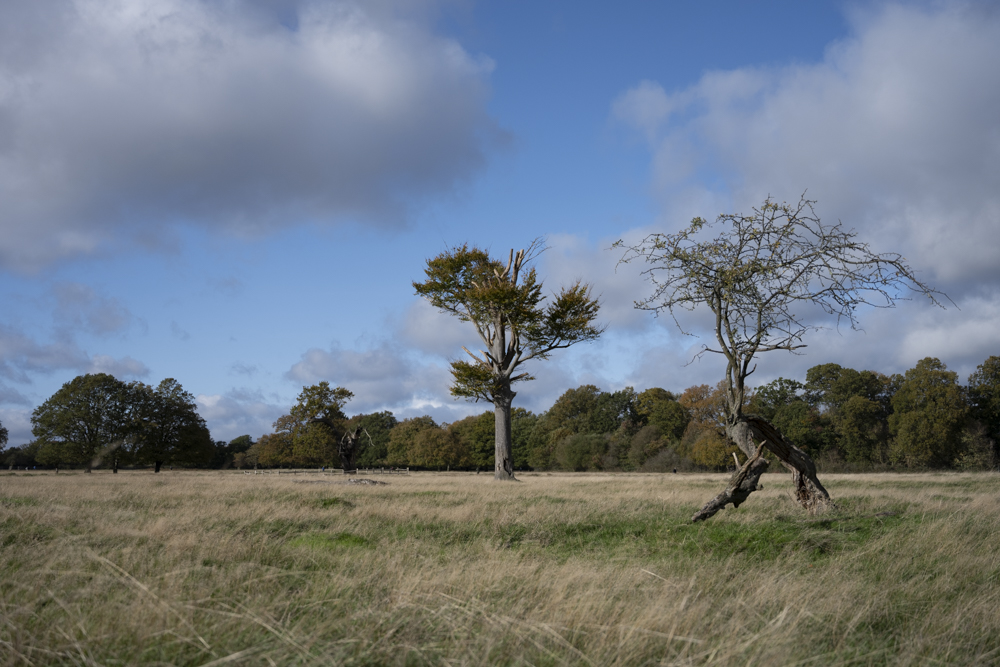
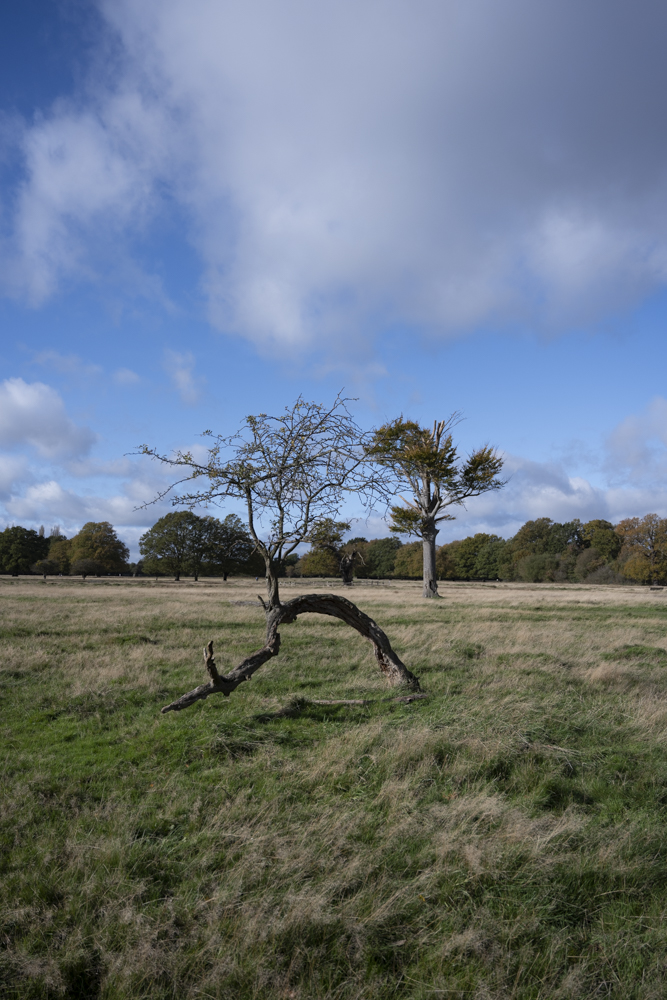
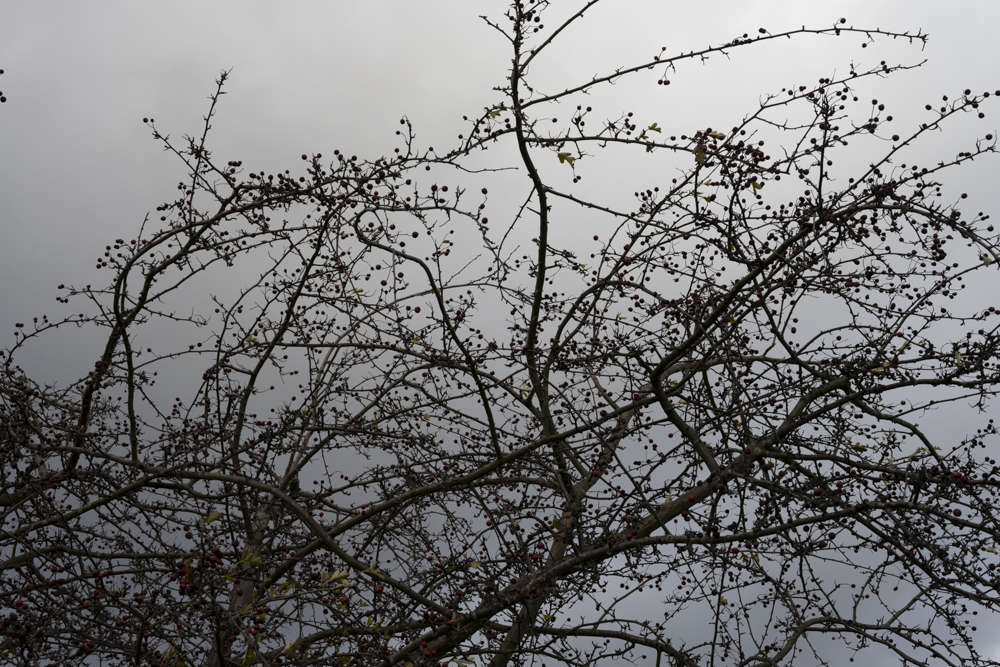
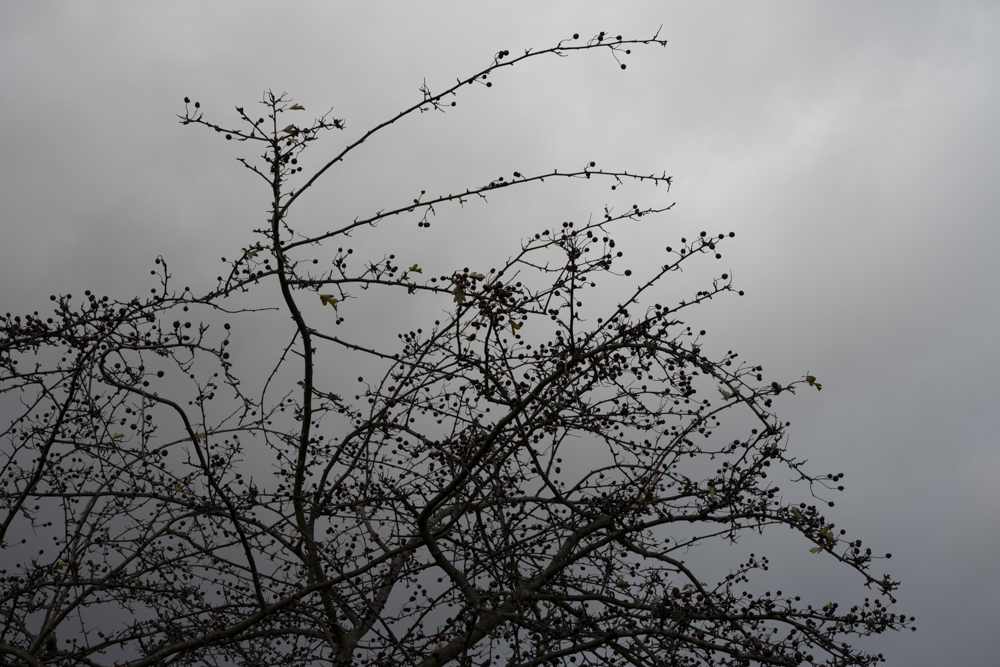
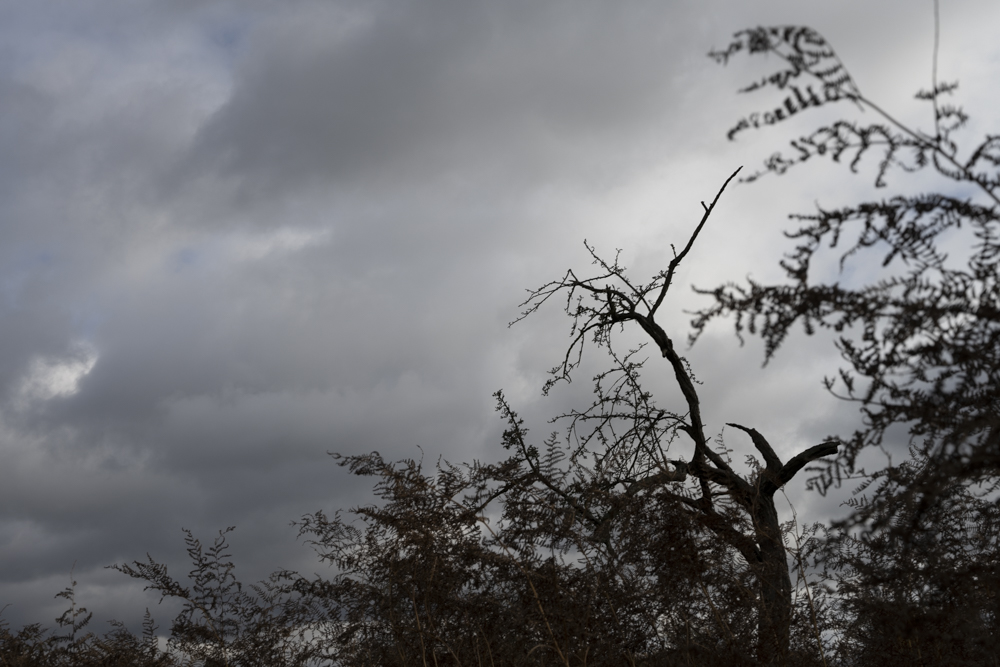
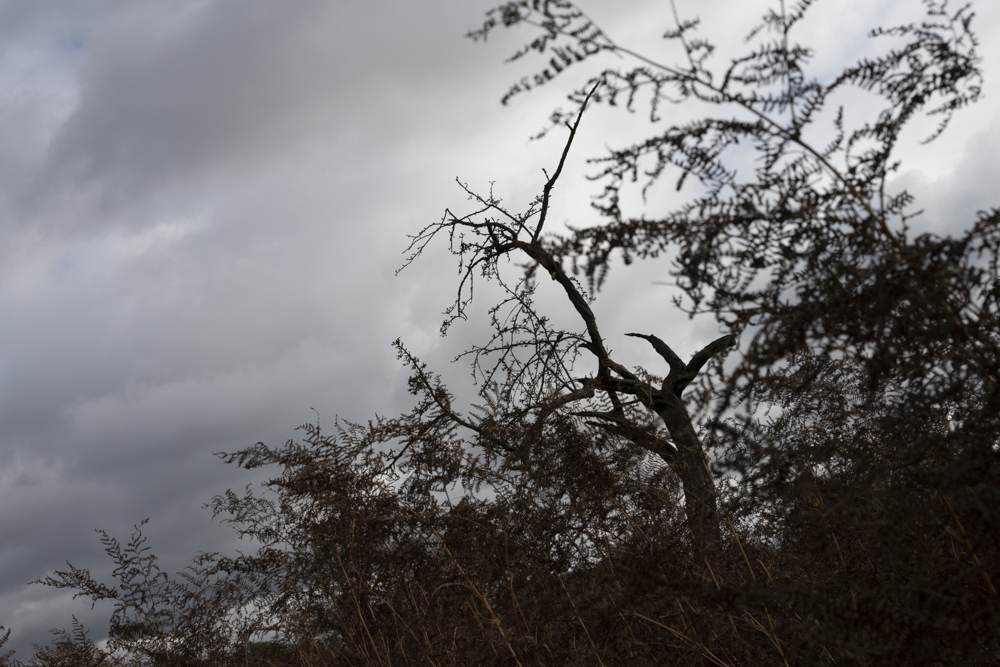
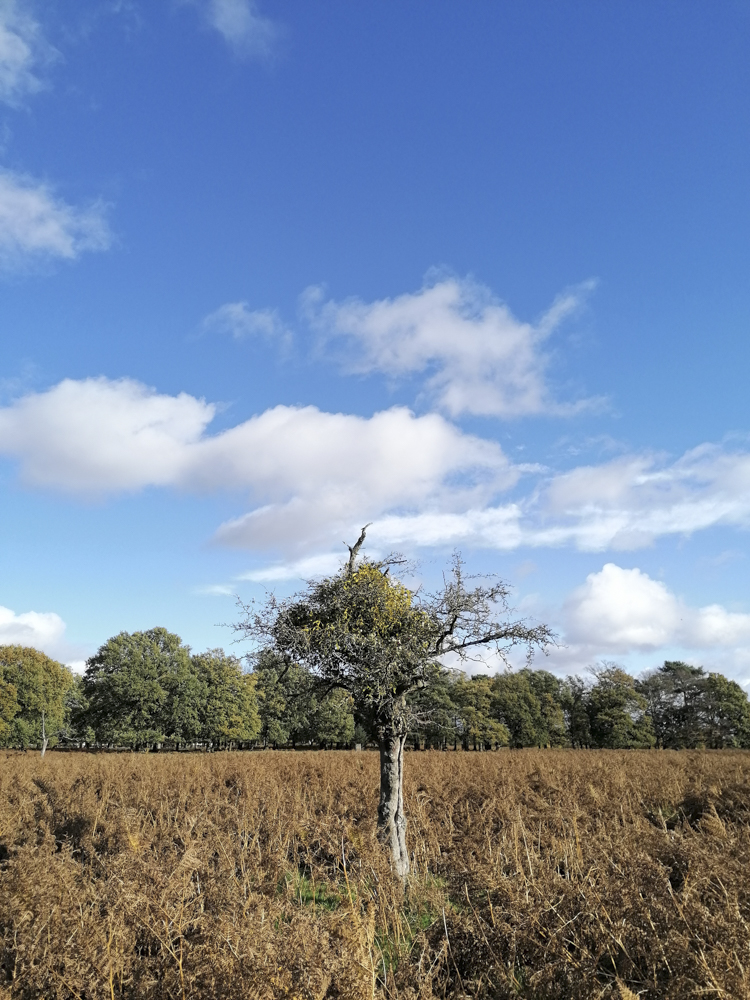
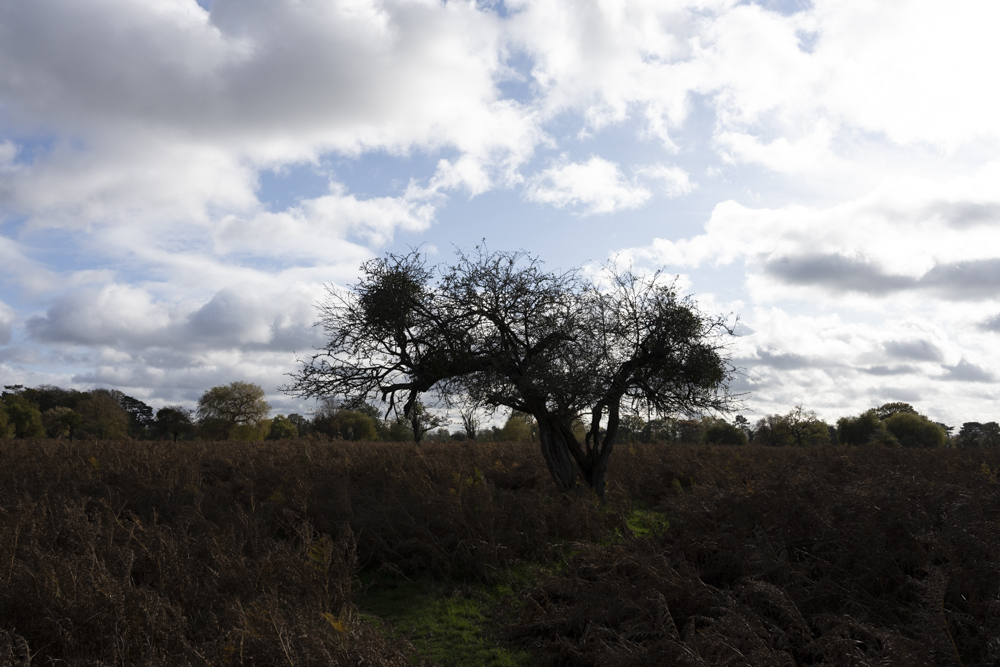
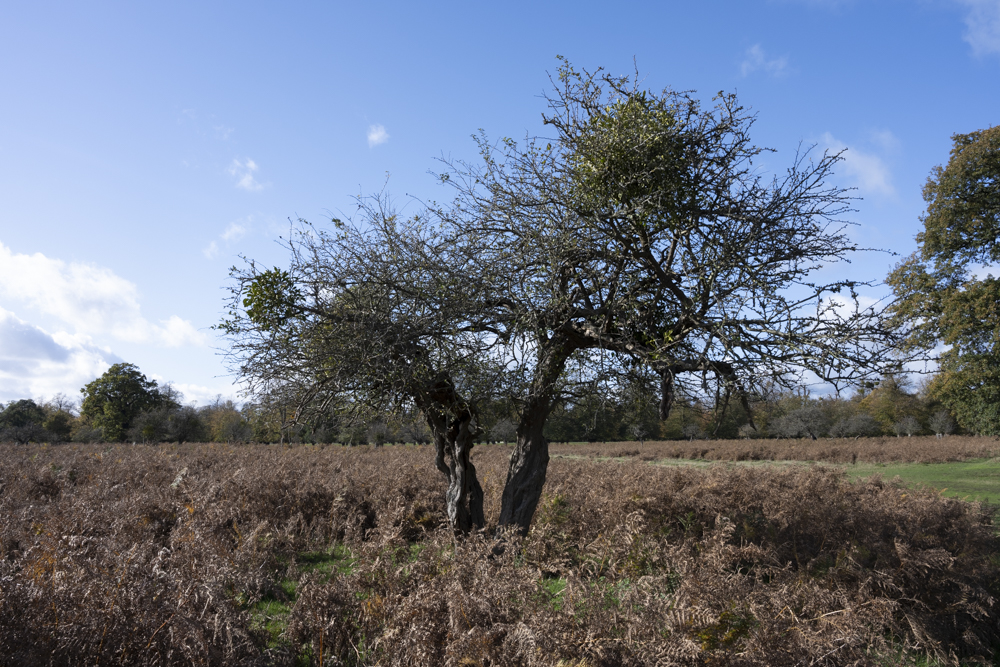
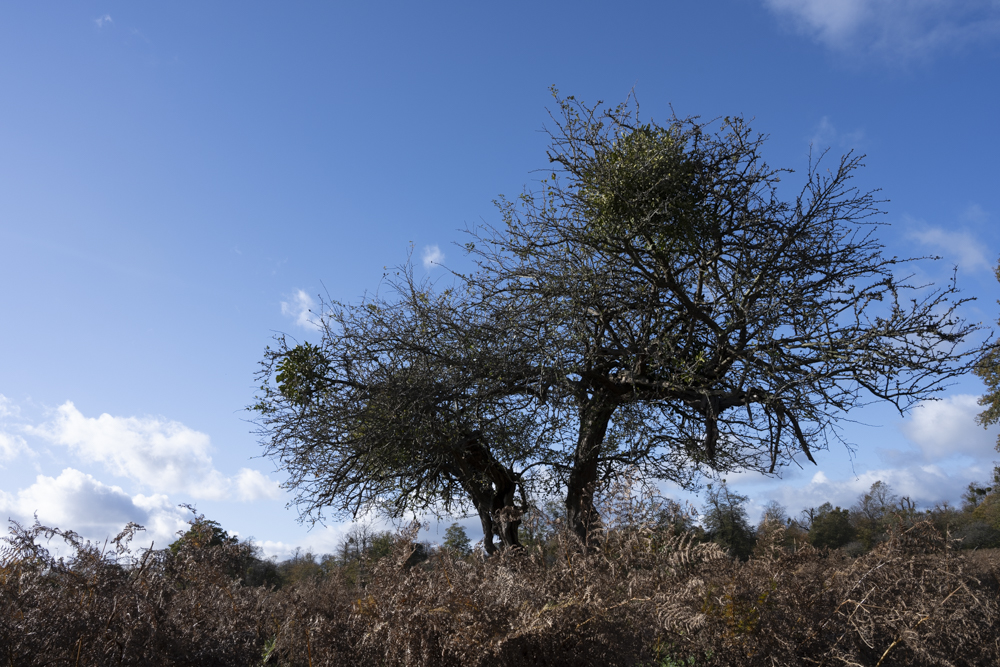
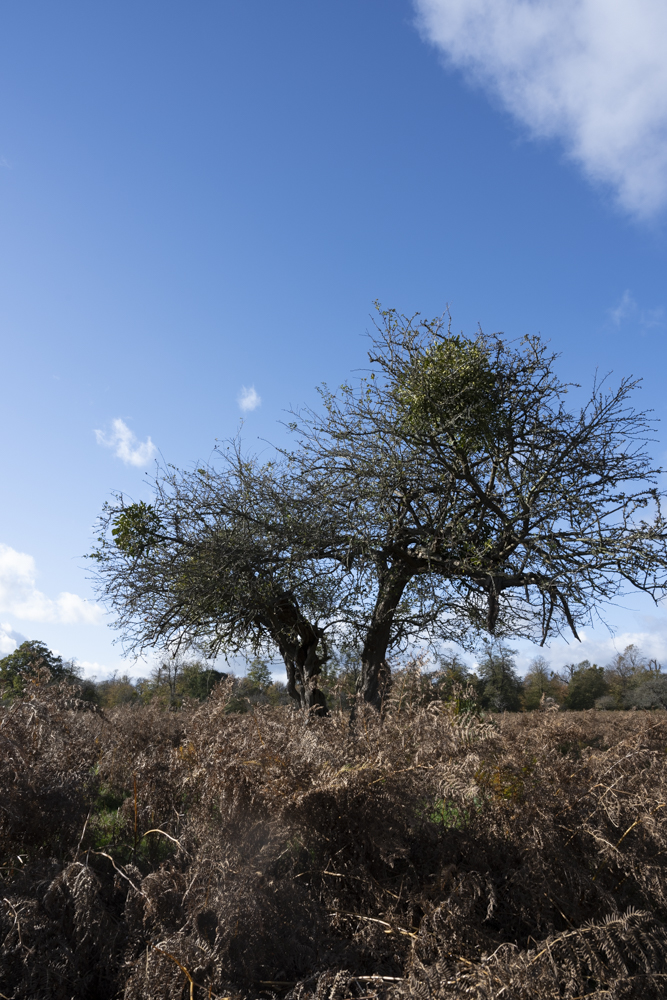
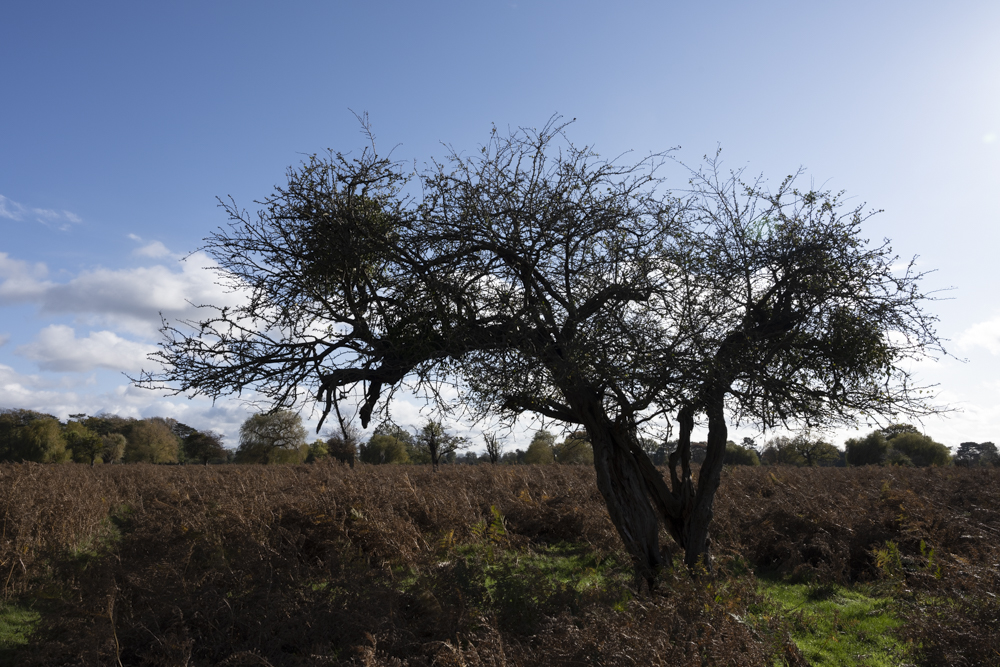
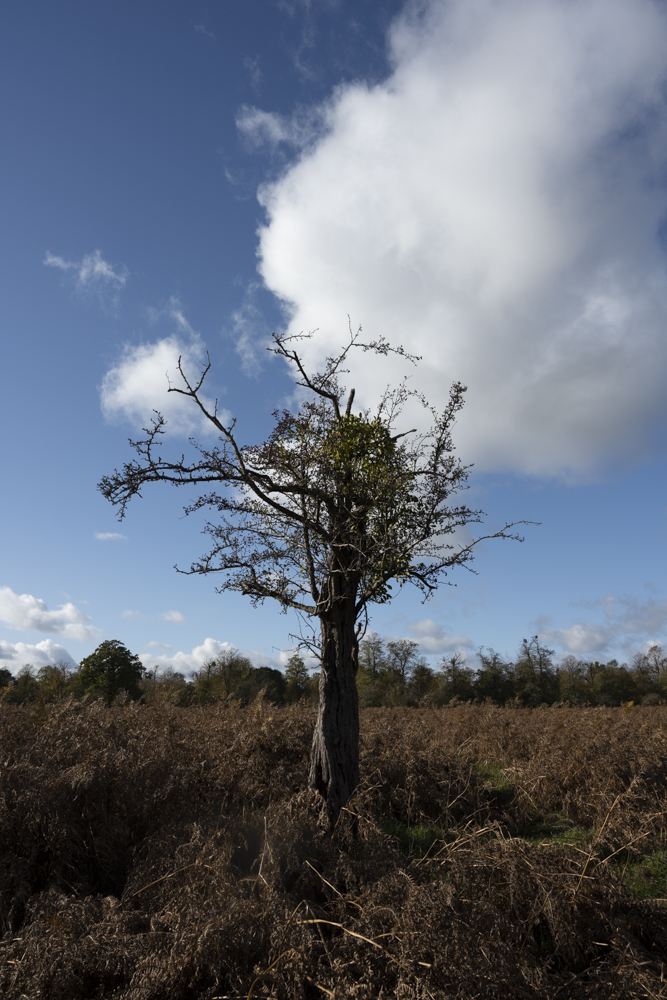
My project will focus on the hawthorn trees of Bushy Park. Since starting this line of inquiry, I have discovered that the hawthorn is integral to human history, medicine, religion, culture, mythology, and the environment. I have also looked deeper in the history of Bushy Park and how it is strongly connected with the hawthorn. By focusing on a particular tree within a constricted environment, my intention is to photographically reveal the hidden ‘identities’ of the hawthorns in Bushy Park.

There were two main decisions behind choosing this particular location. Firstly, due to the current lock-down restrictions, it is close to my home and can be reached by foot or bike. The nature of this project means I will need to visit and study my subjects on a regular basis and in different weather conditions. I can also combine outdoor exercise with my photography. Secondly, it is an environment that, although I know well, also recognise there is scope to discover it further both through research and photographically.

My initial plan was to map these trees for the purpose of adding them to the Ancient Tree Inventory. The majority of hawthorns in Bushy Park fit the particular criteria of ‘ancient’, ‘veteran’ or ‘important’, as outlined by the Woodland Trust. As far as I am aware, none of these hawthorn have been recorded and my work could help in this endevour.

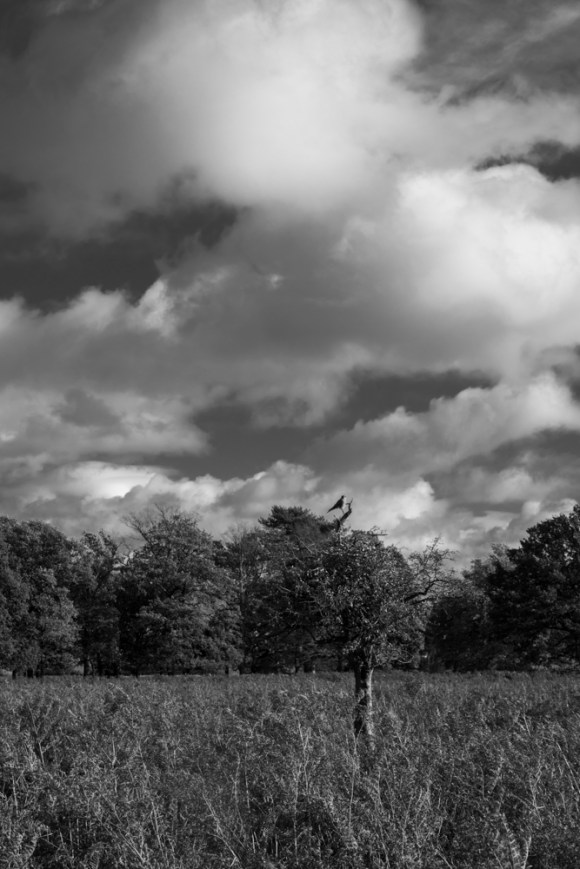
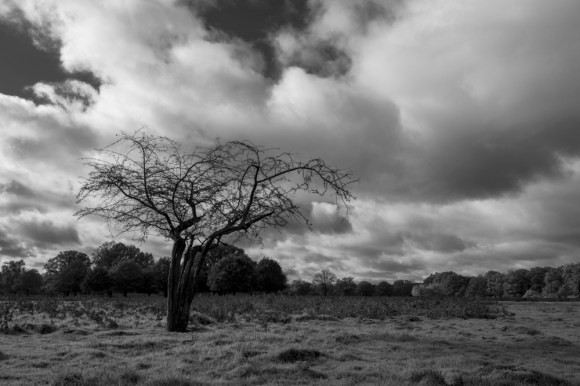
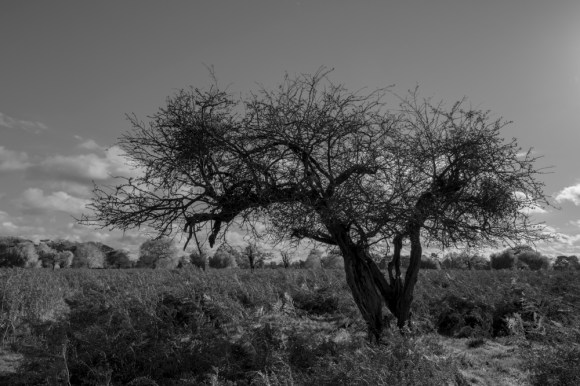
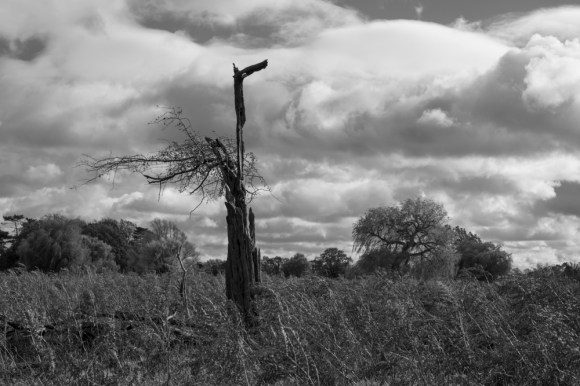
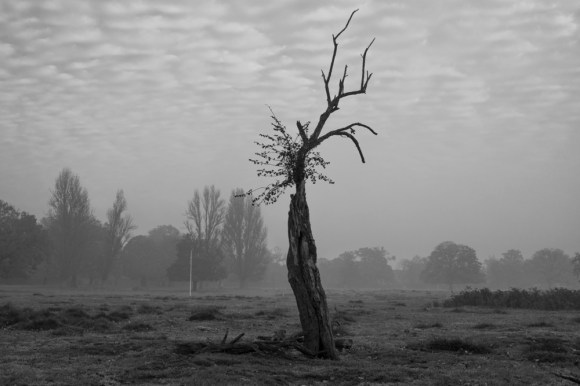
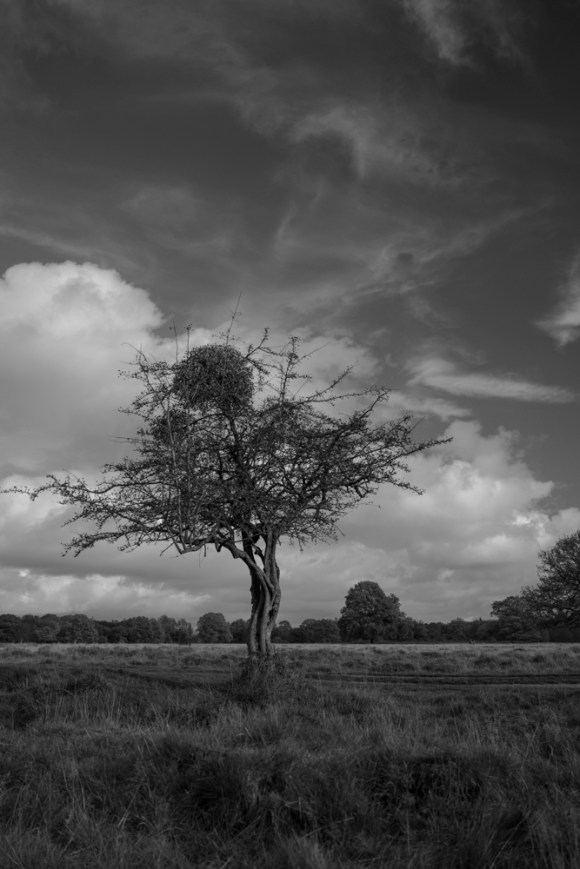
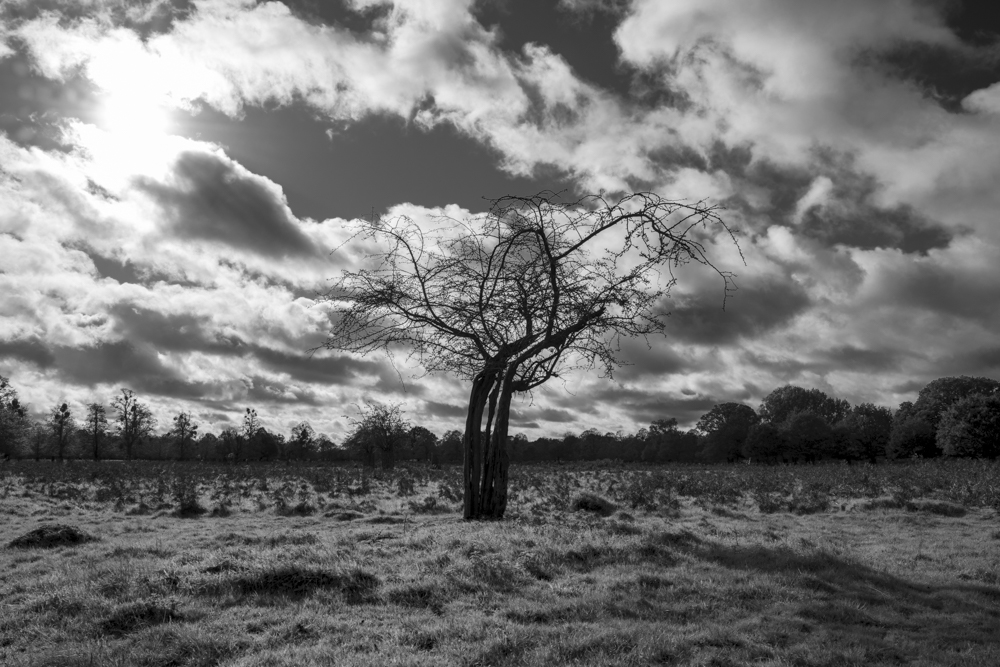
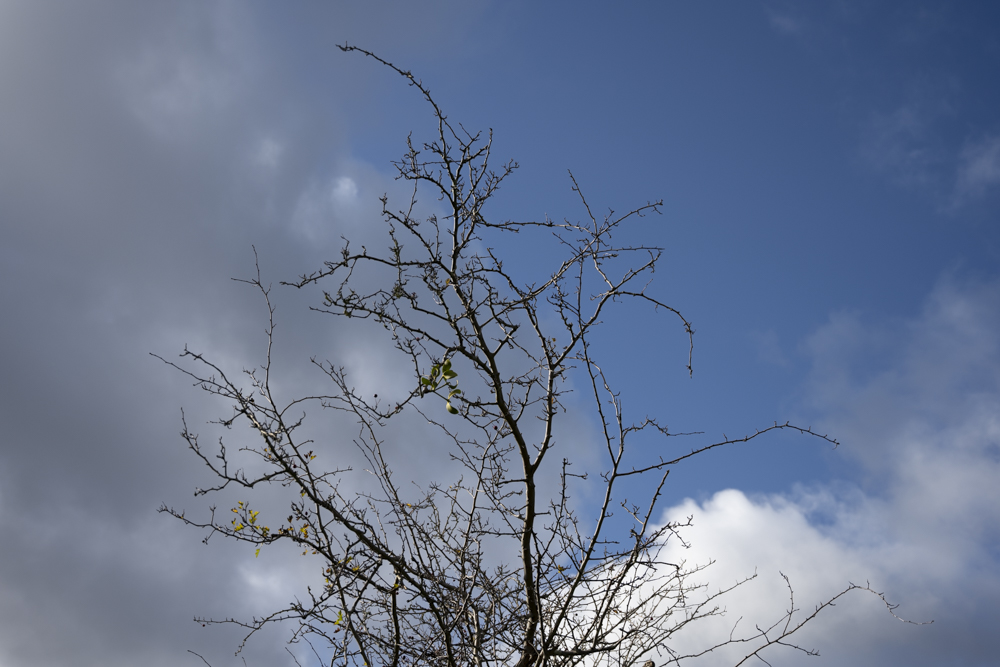
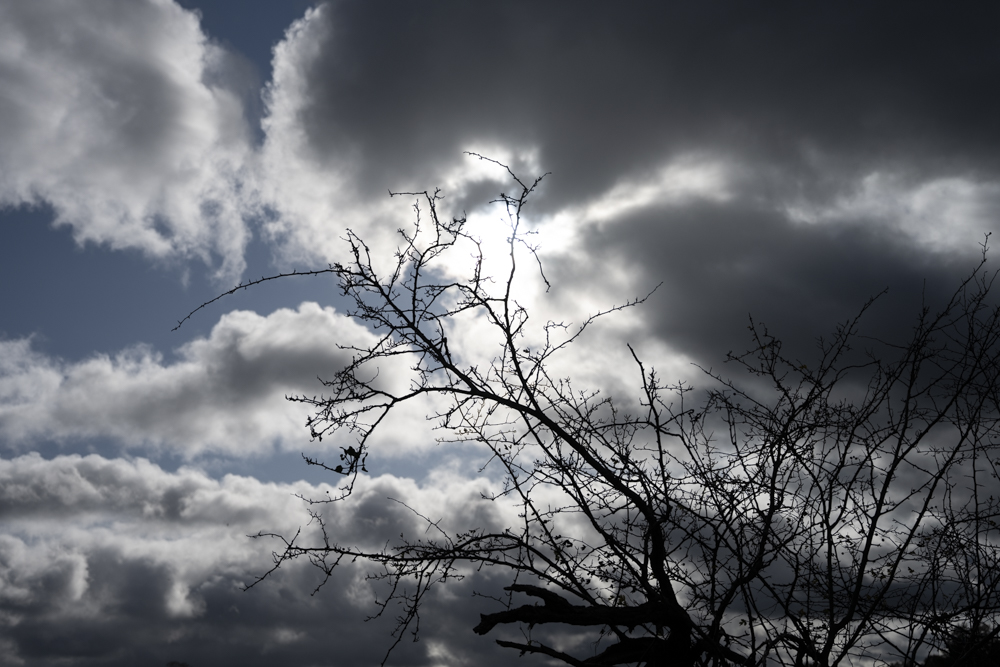
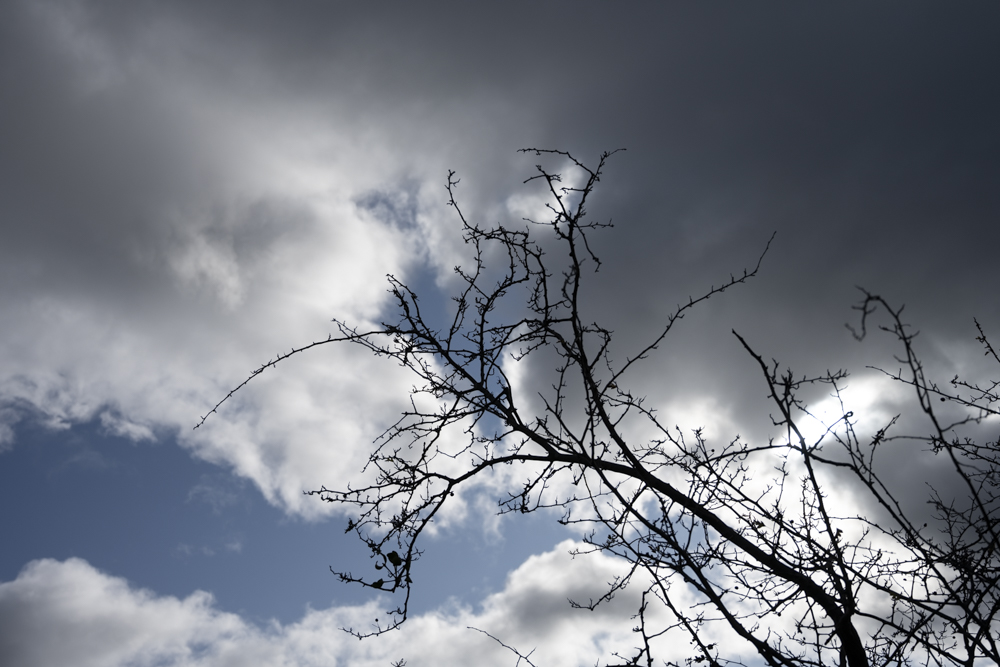
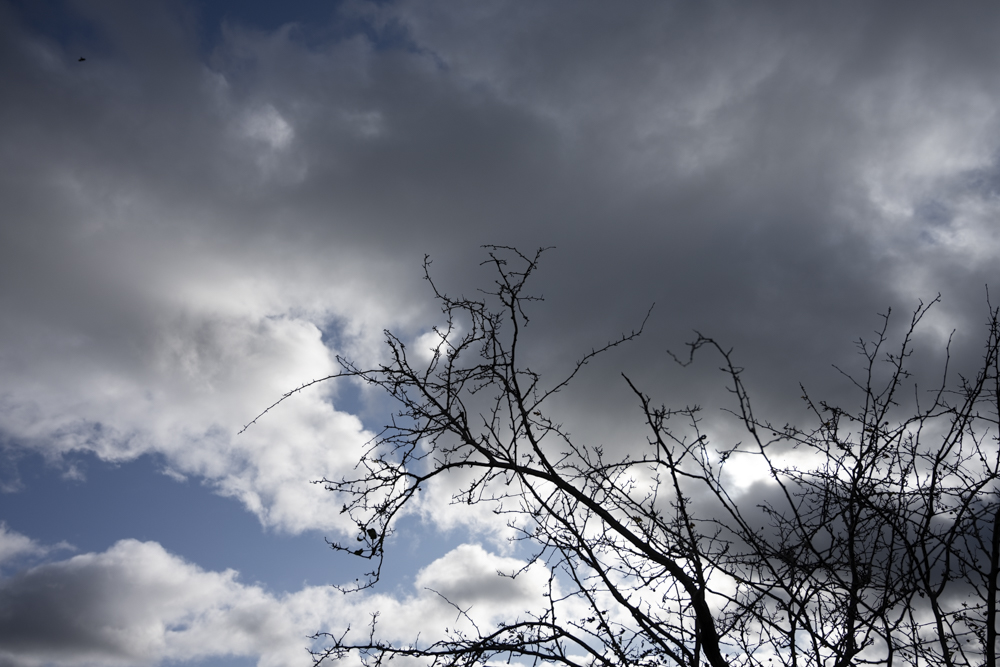
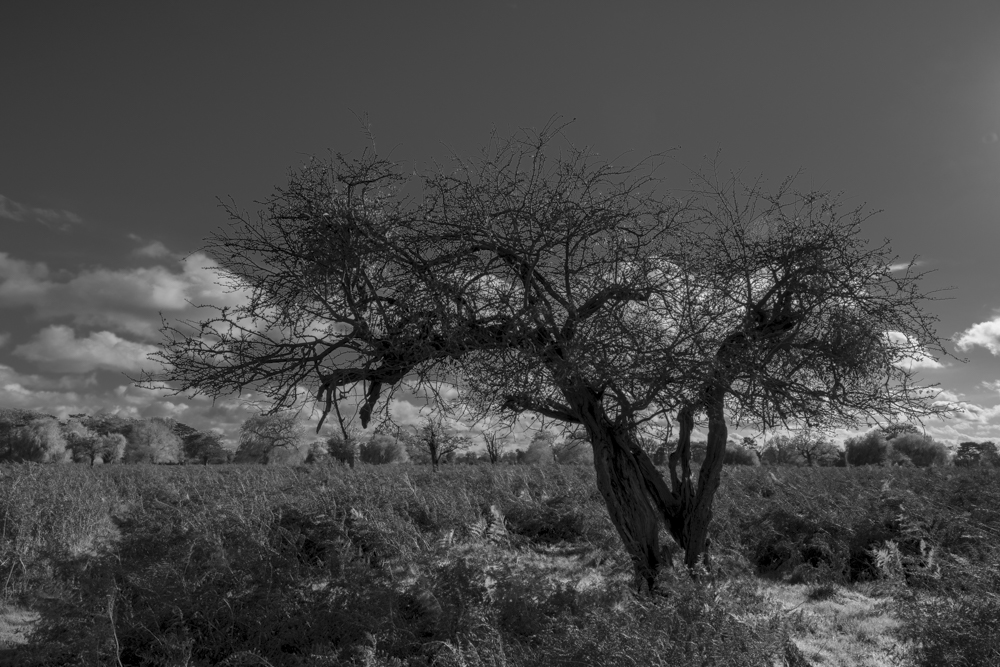
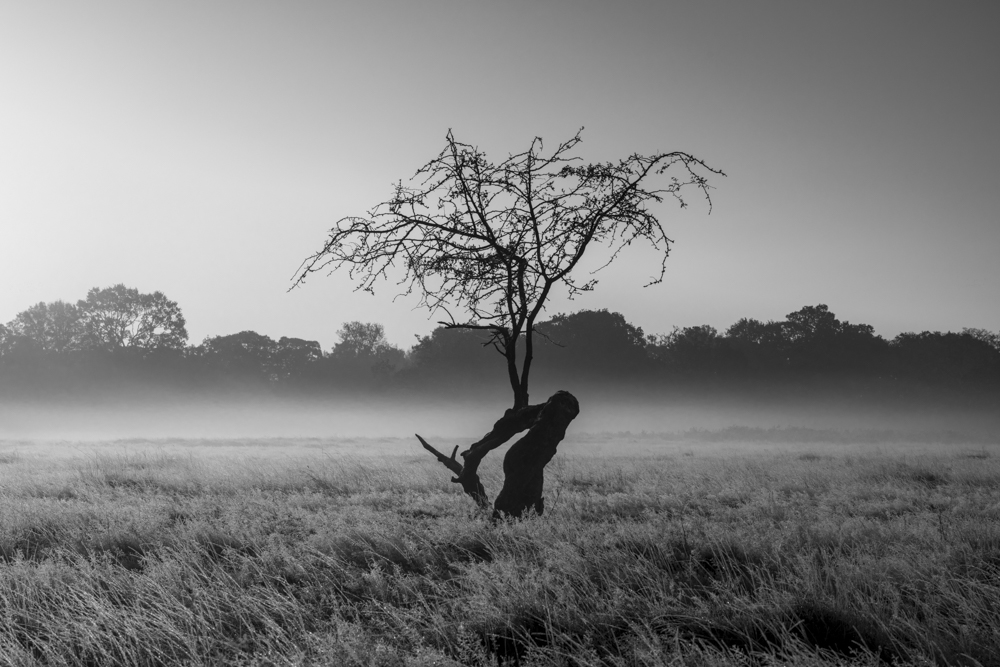
With regards to production so far, I have used a mirrorless digital camera for this project in combination with a selection of lenses (24mm-70mm, 35mm and 85mm). I have been converting the original colour images to Black & White. The reason for this choice is that it enables the details and shapes of the trees to be seen. I also purposefully chose to not take images that are usually associated with Bushy Park or hawthorn trees.

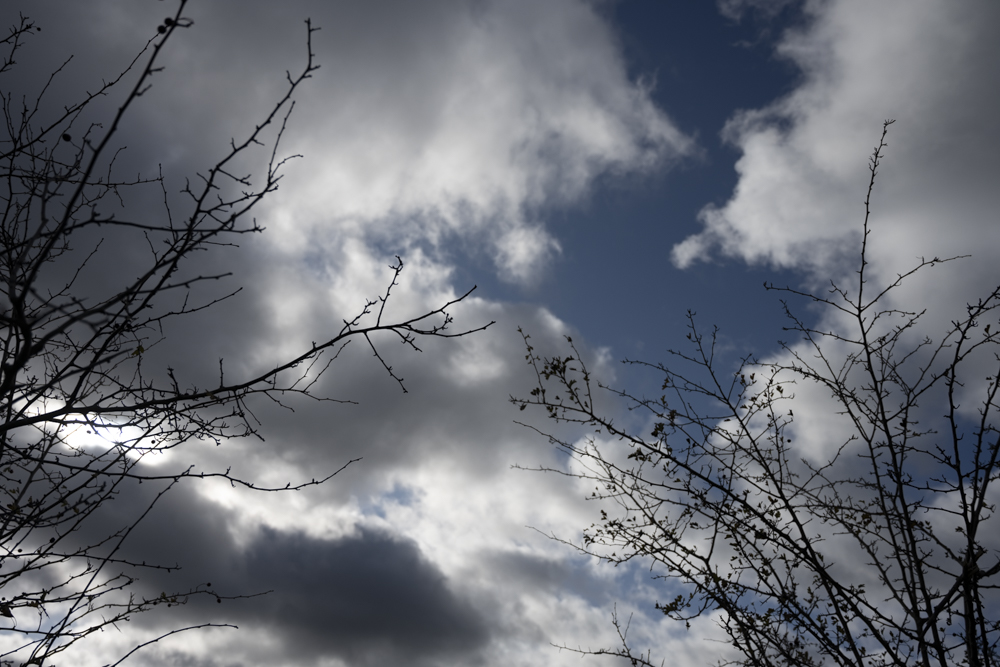
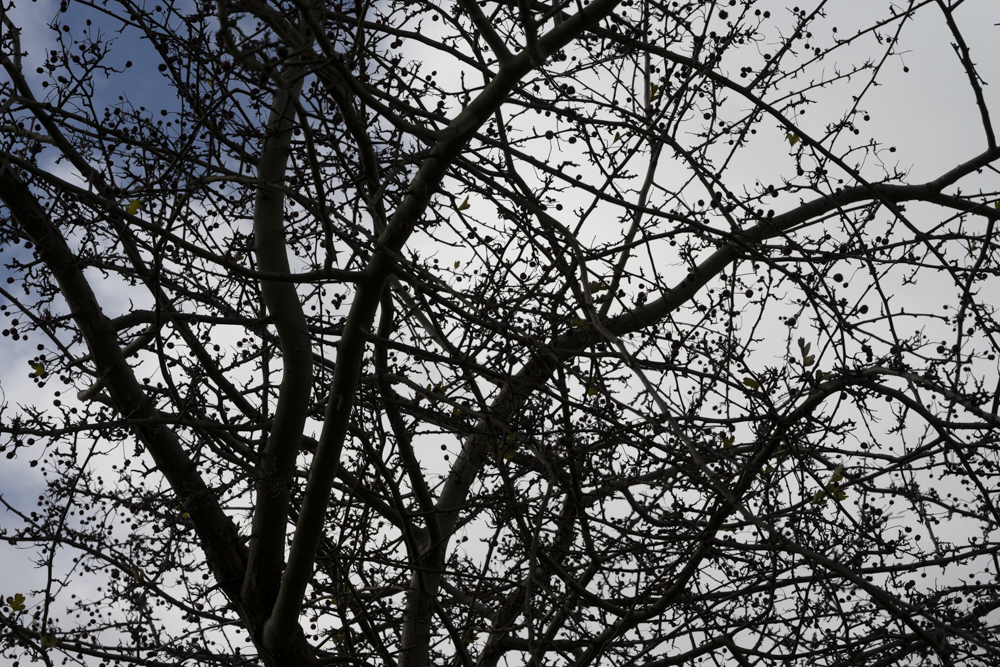
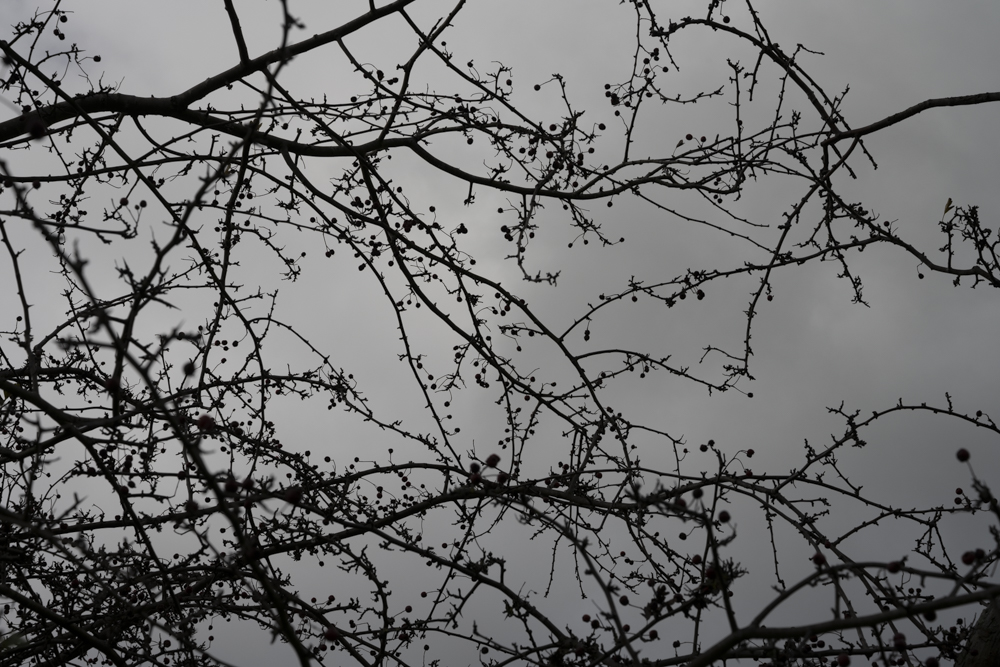
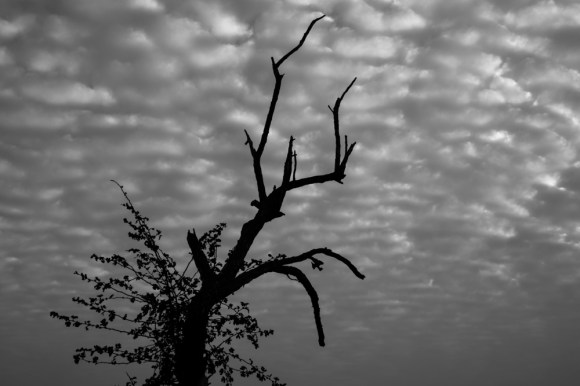
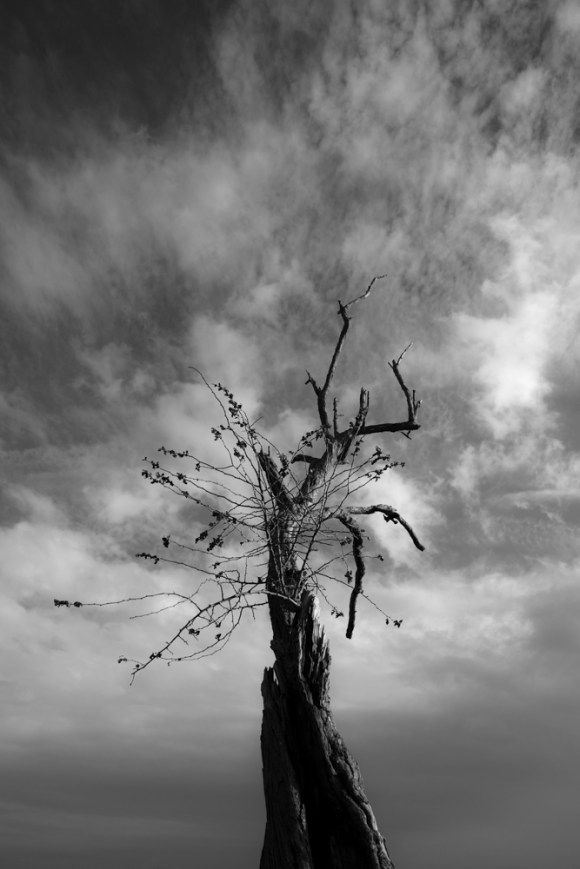
My composition choice is to create a portrait of each tree, abstracting it from its environment. I have taken these following shots from a low angle. By doing so, it makes the tree appear much bigger than in reality.

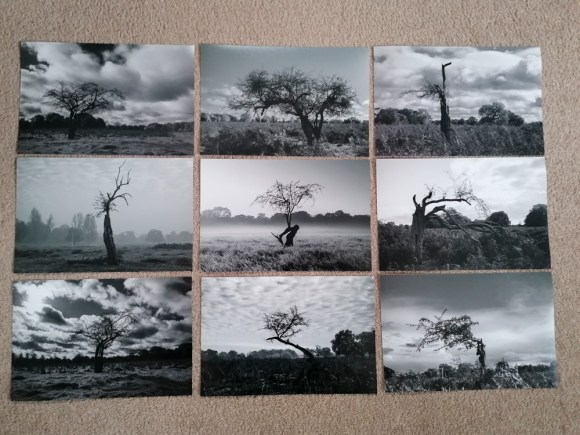
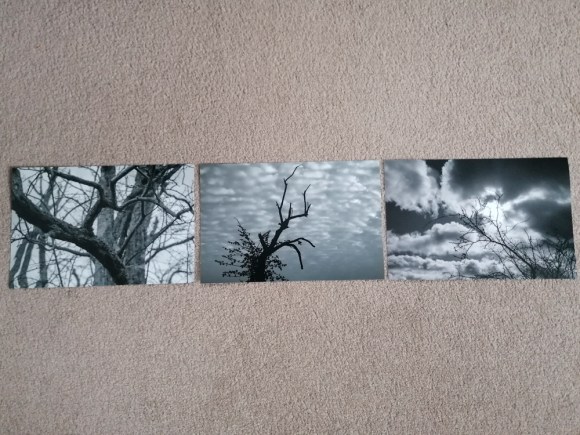
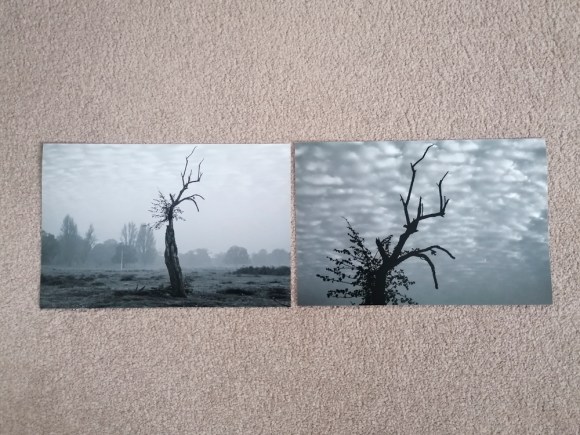
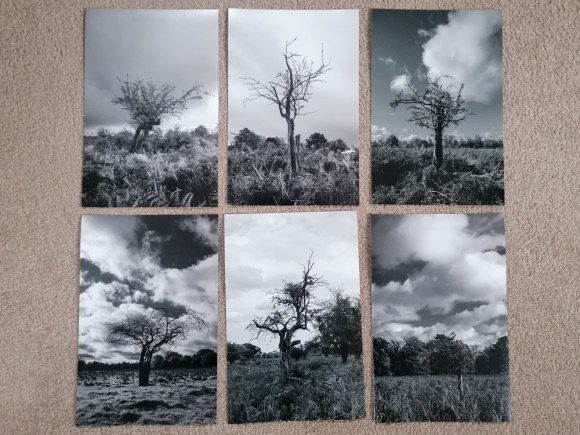
At this stage of the project, I have printed a selection of rough edits on as C-prints on matt paper. My final substrate will be decided on at a later date.

Work In Progress

Edited and Printed Images
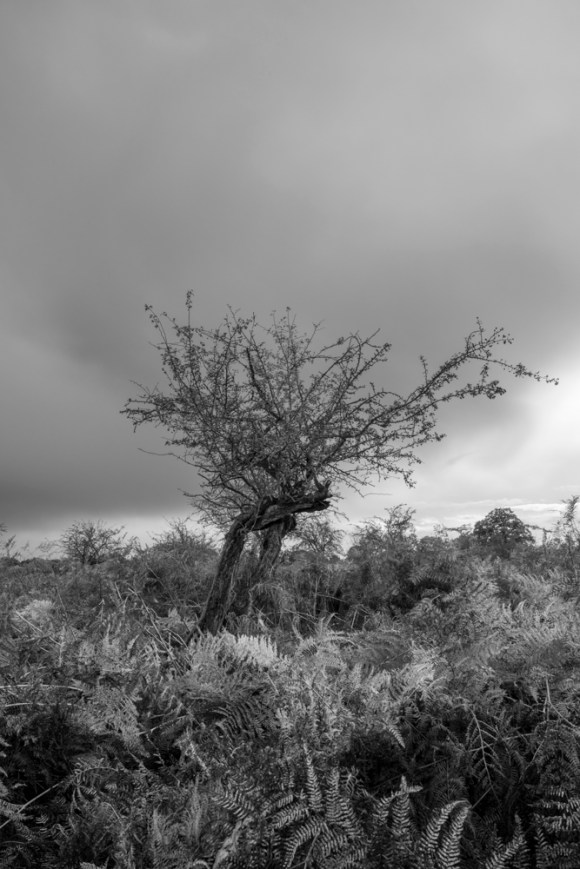
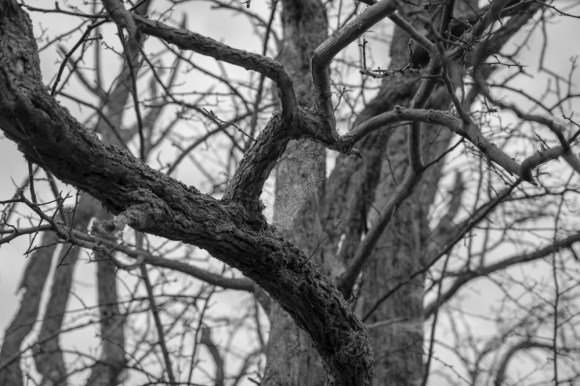
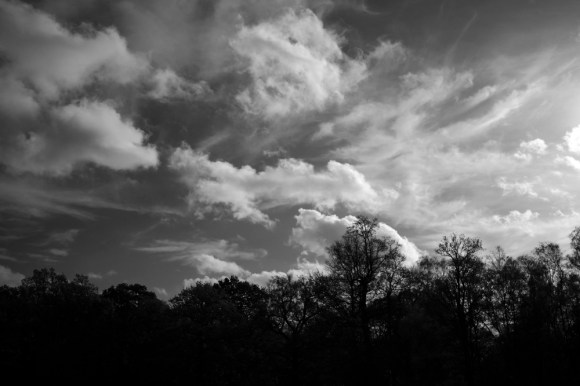
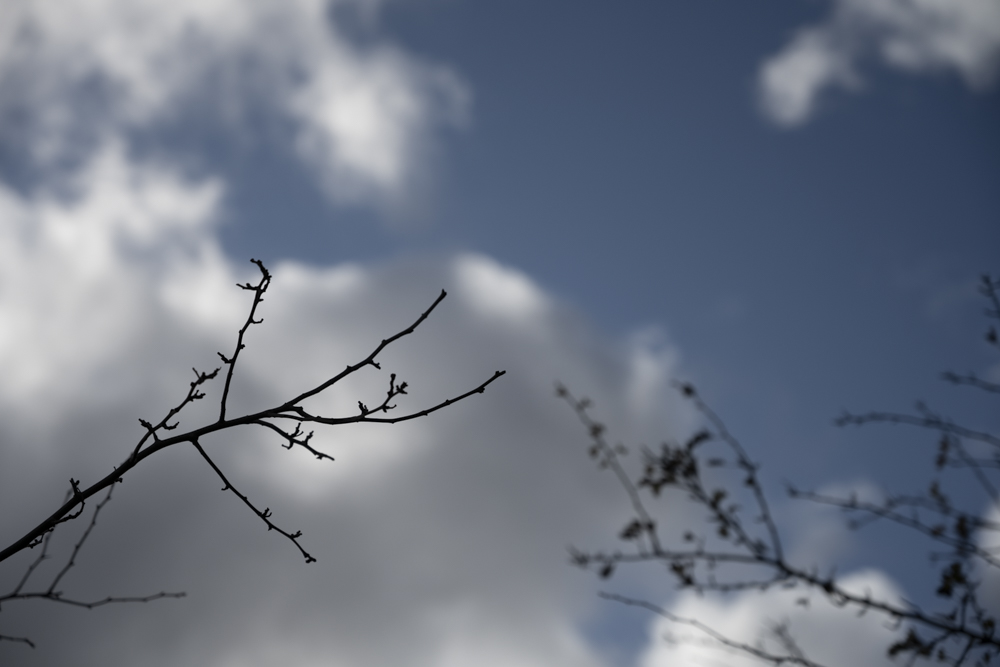
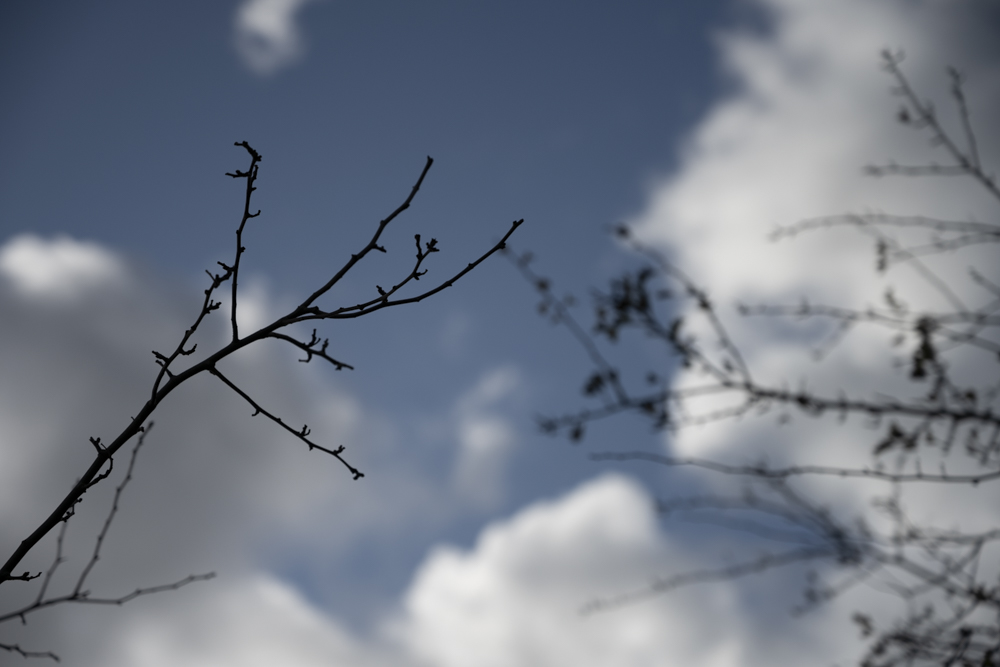
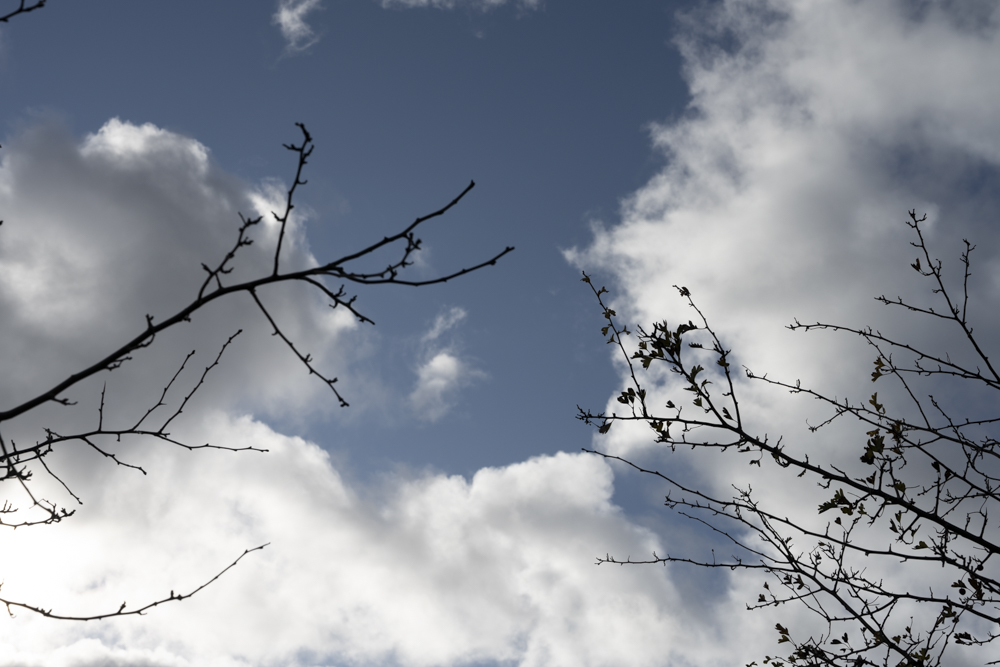
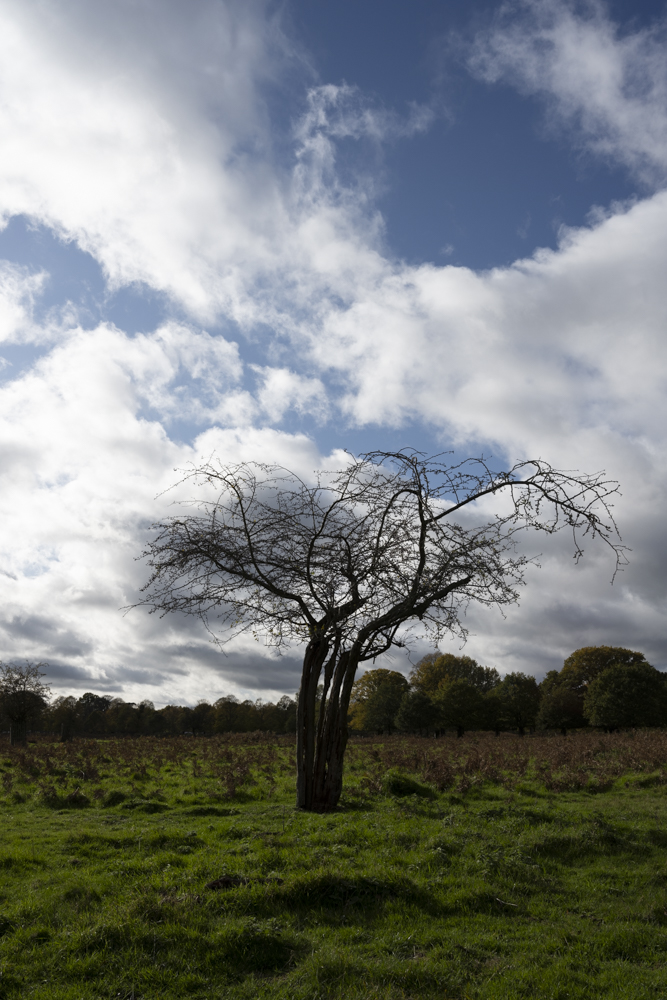
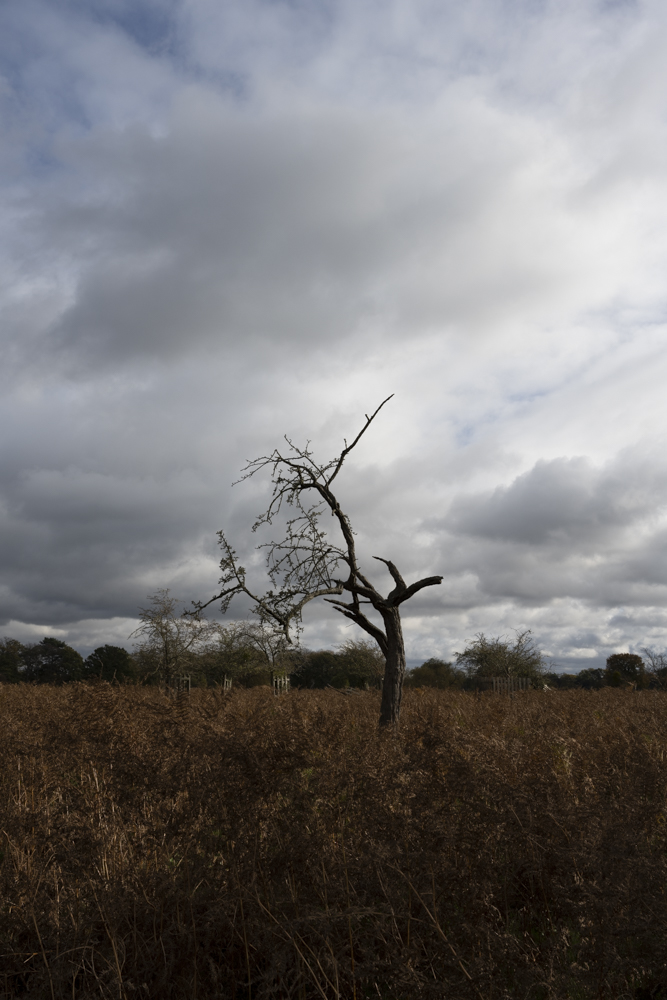
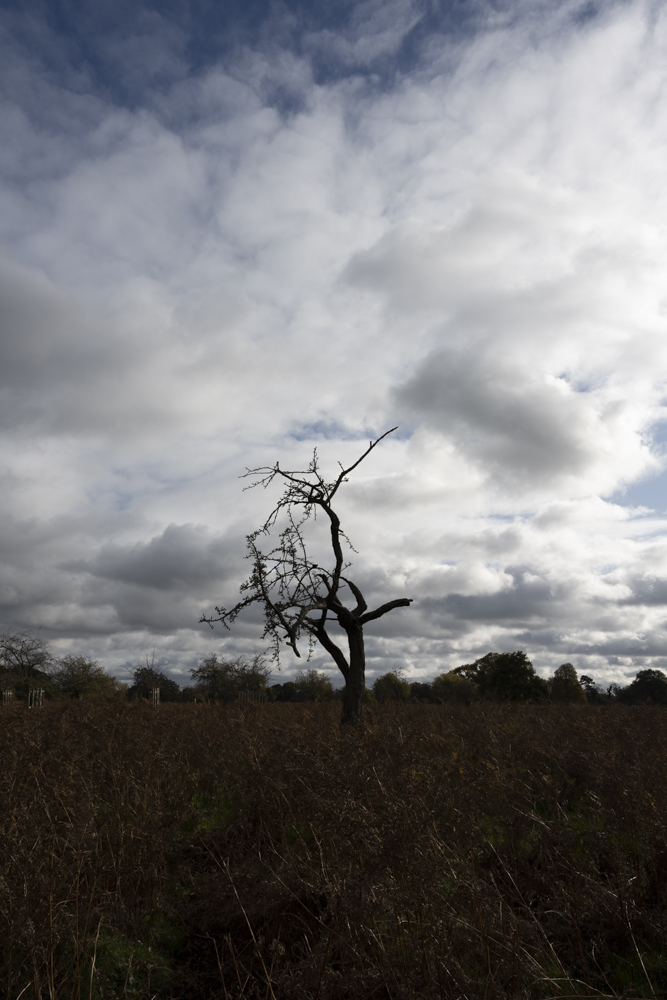
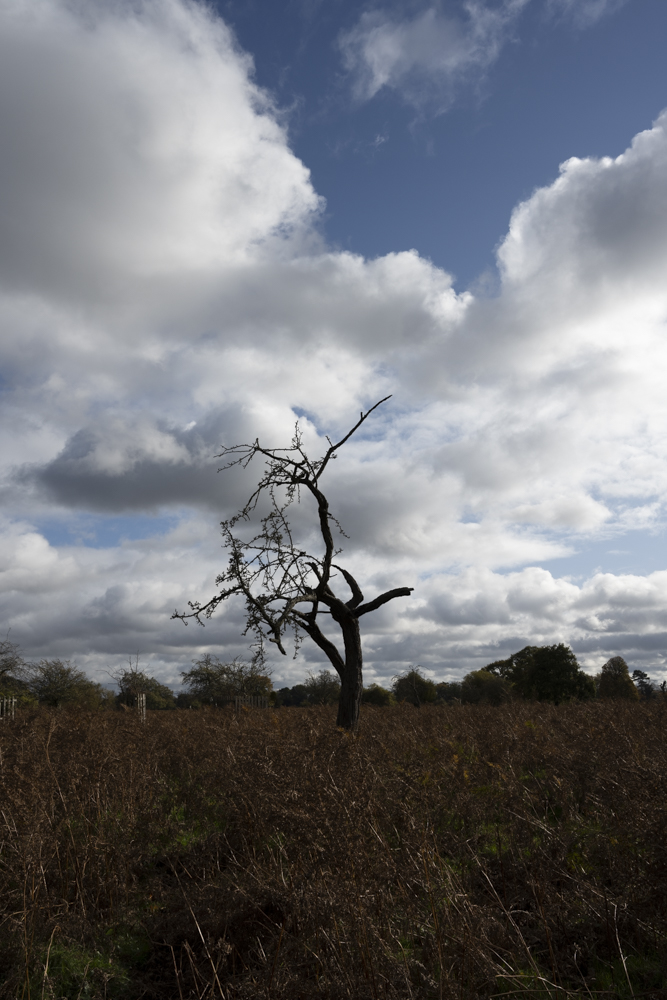
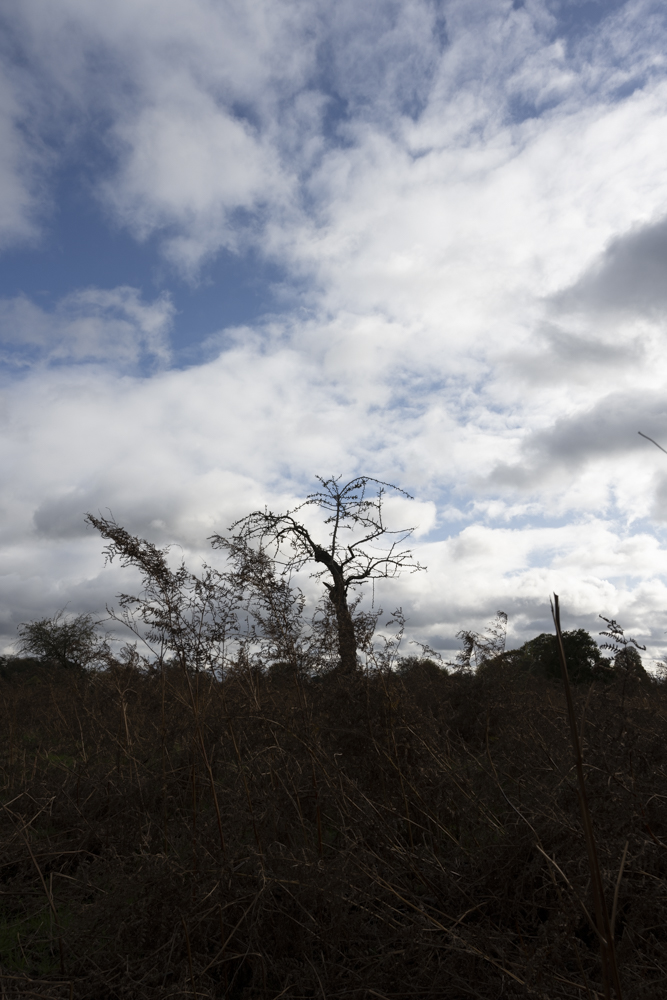
In addition to these ‘objective’ portraits, I have taken subjective shots of the trees.
Print Combinations
Un-Printed Rough Edits

Polarising Filter Results
Typology Test
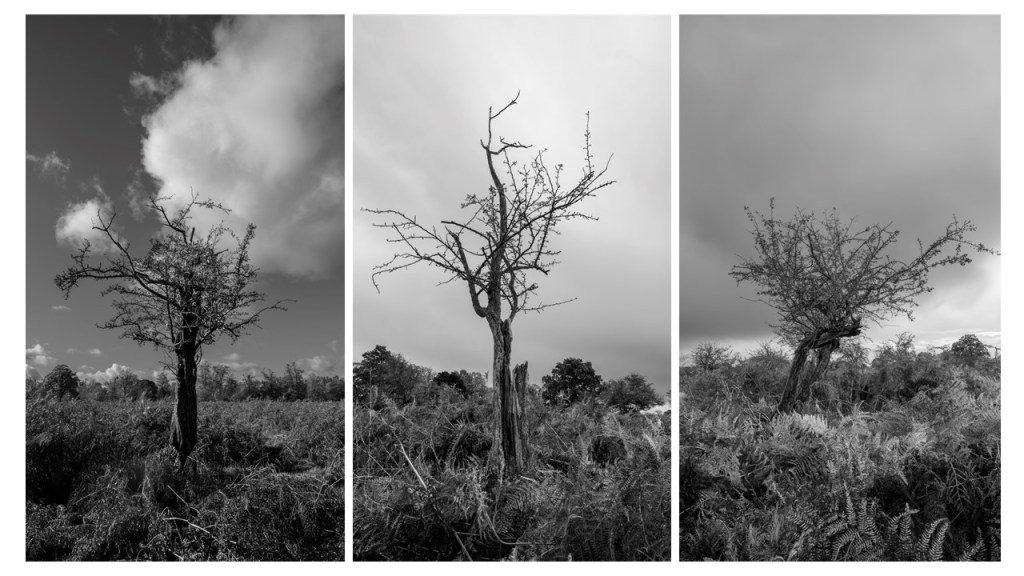
I will also be able to present other unprinted images on screen, if required, and in context with the review.

Contextualised Research

Photographers/Artists

  • Tacita Dean
  • Simon Roberts
  • Minor White
  • Bernd and Hilla Becher
  • Riitta Päiväläinen
  • Jean-Luc Brouard
  • Terry Evans
  • Myoung Ho Lee
  • Rachel Talibart
  • Aubrey Beardsley

I will present the relevant blog posts covering the above, if requested.

In addition, I will present and discuss the following books:

Adams, M. (2018). The Wisdom of Trees. London: Head of Zeus Ltd.

Barnes, M., 2019. Into The Woods. London: Thames & Hudson.

Vaughn, B. (2015). Hawthorn – The Tree That Has Nourished, Healed, And Inspired Through The Ages. New Haven & London: Yale University Press.
Categories
AGM62 Photography Research Project Stage 1 Posts

AGM62 Hawthorn by Bill Vaughn 17 November 2020

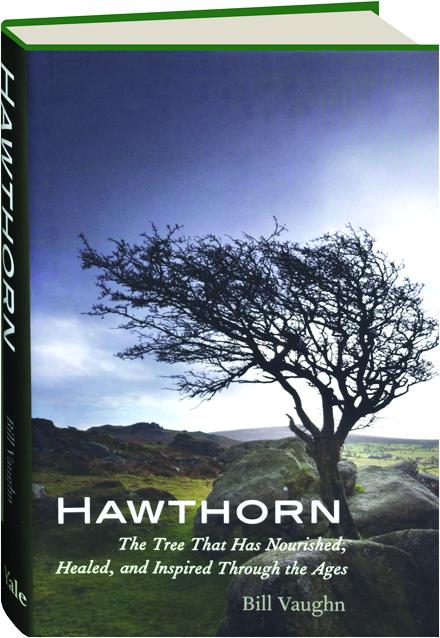
While researching the subject of hawthorns, I initially found reference to these trees in books that covered the subject in general. There were brief mentions in a selection of tomes that gave a taste of the back ground of this tree, but they were quite general. I then discovered an enlightening book by Bill Vaughn titled Hawthorn – The Tree That Has Nourished, Healed and Inspired Through The Ages. Published in 2015, it is a combination of political, religious and natural histories and Vaughn’s own relationship with the hawthorn. The author lives on a large plot of land in North America called Dark Acres that is dominated by the tree. Throughout the book, Vaughn intertwines his experiences on this land, his family history and how the tree has impacted humanity. The book is a wealth of inspiration and information and I will studying it in greater detail over the coming months.

The aspect which is most useful is that Vaughn does not just focus on the hawthorn in relation to Great Britain or the United States. The author looks at the influence of the tree on a global basis and how it interconnects places in the world through invisible and visible means.

The book is divided into twelve chapters that cover a particular aspect in each one. My aim is to extrapolate the berries of relevant information in each chapter then utlise these as starting points of further inquiry and photographic exploration.

Chapter 1: The World’s Busiest Treet

Chapter 2: Under the Hawthorn Tree

Chapter 3: The Celtic Forge

Chapter 4: The Hedge Layers

Chapter 5: The American Thorn

Chapter 6: The Return of the Native

Chapter 7: The Tree of Heroes

Chapter 8: The Medicine Tree

Chapter 9: A Tree for All Seasons

Chapter 10: Essence and Spinessence

Chapter 11: The Crown of Thorns

Chapter 12: The Warrior Queen

One of my critical and important observations of this book is that there are no photographs, apart from the cover.

There are a selection of illustrations by the author, two 19th Century engravings, two maps and photograph of an owl. This is not a criticism, but a pertinent observation. It echoes the words of David Campany in his contemplation of the use of images to identify plants and trees.

‘Being a medium of specifics means photography is not well suited to generalities. A photograph can record the uniqueness of an object but it cannot designate the general category to which it might belong. What makes it useful in compiling an inventory makes it quite useless in defining the group.’

(Campany, D. 2020 pp. 116)

Campany continues with his stance in putting forward the example of images found in books to be used for identifying plants. Campany purports that although photography can record a specimen, but not the species, as each individual specimen is a variation of that species. Campany states that botanical identification is better served by drawing than by photography as:

‘The skill of a botanical illustrator is to look at several specimens and then produce an average. The average does not exist in reality but it is useful to have it.’

(Campany, D, 2020 pp. 116)

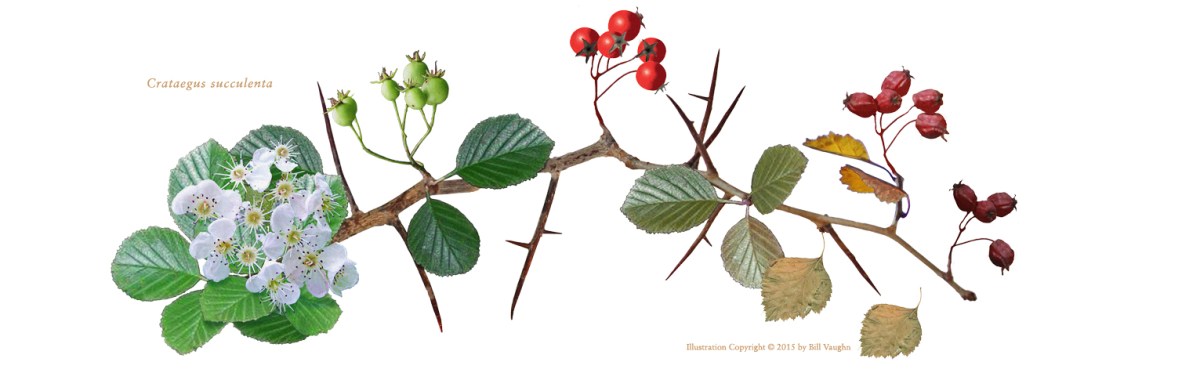
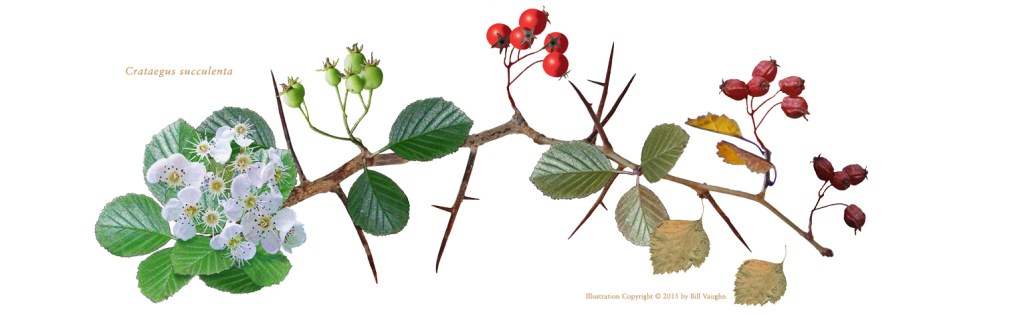
This is highlighted by Vaughn’s own illustration of a hawthorn branch that covers all the seasonal appearances of blossom, leaves and berries.

How this relates to my current project is that I am recording individual hawthorns to highlight their variations, not providing a generalisation of a species. Each tree will have their particular characteristics recorded to show their differences.

References

Campany, D. (2020). On Photographs. London: Thames & Hudson Ltd.

Thehawthorneffect.com. 2020. Hawthorn | Crataegus | Crataegus Succulenta | Bill Vaughn | Crown Of Thorns | Enclosures | World’s Busiest Tree. [online] Available at: <http://www.thehawthorneffect.com/&gt; [Accessed 17 November 2020].

Vaughn, B. 2015. Hawthorn – The Tree That Has Nourished, Healed, And Inspired Through The Ages. New Haven & London: Yale University Press.
Categories
AGM62 Photography Research Project Stage 1 Posts

AGM62 Bushy Park Hawthorns 3 November 2020

After my hawthorn recce on 1 November, I went to Bushy Park with my main camera to take further photographs of the trees I had recorded.

I started the shoot at approximately 11.50 and the sun was quite strong and high in the sky at this time of day. My intention was to walk the route I had followed on the 1 November, but in reverse.

Tree 1

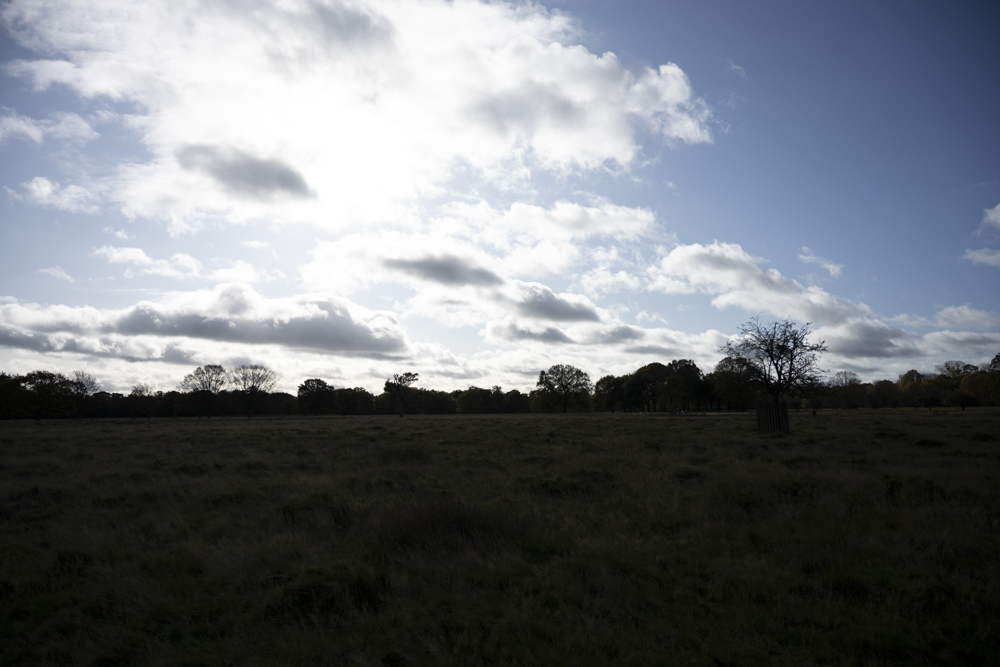
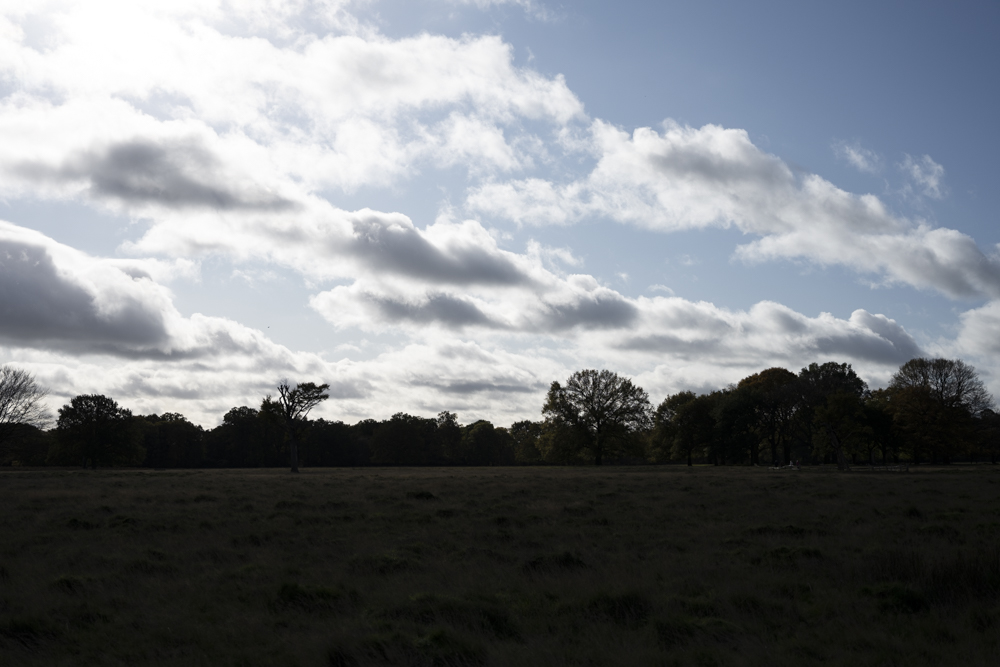
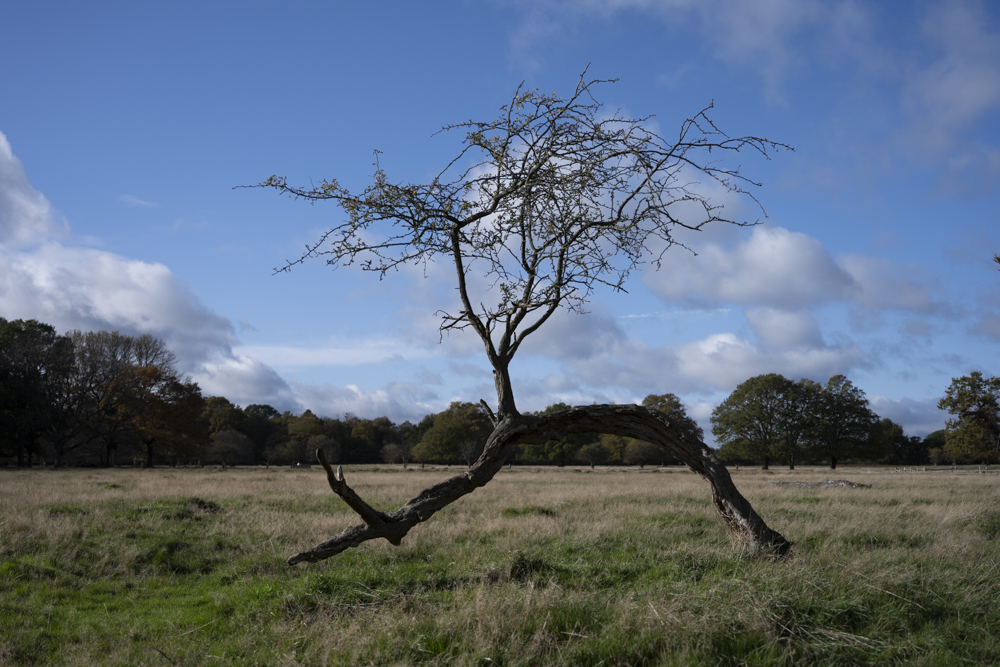
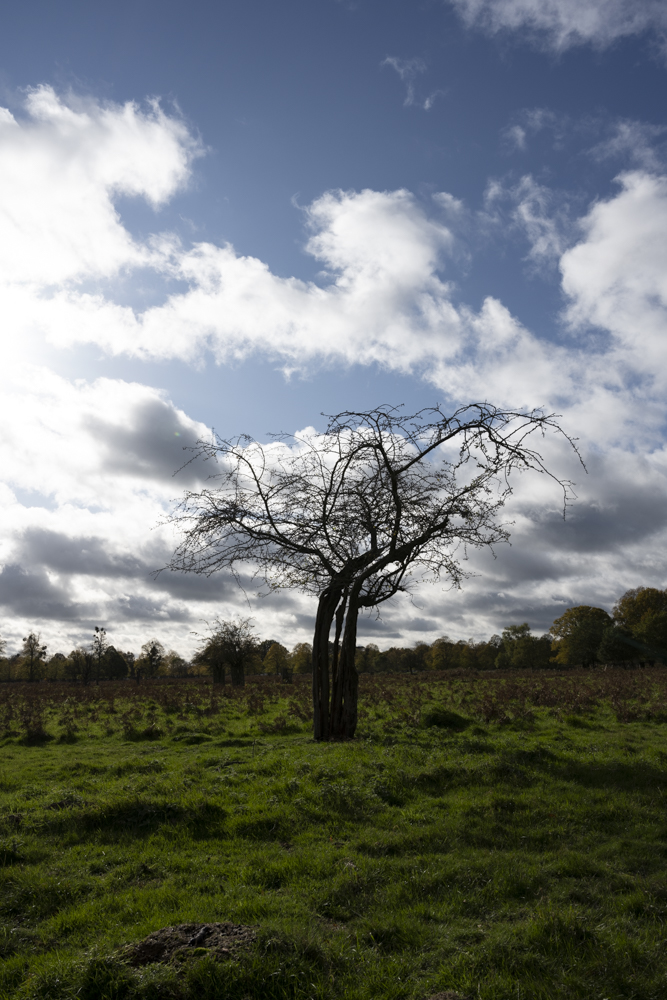
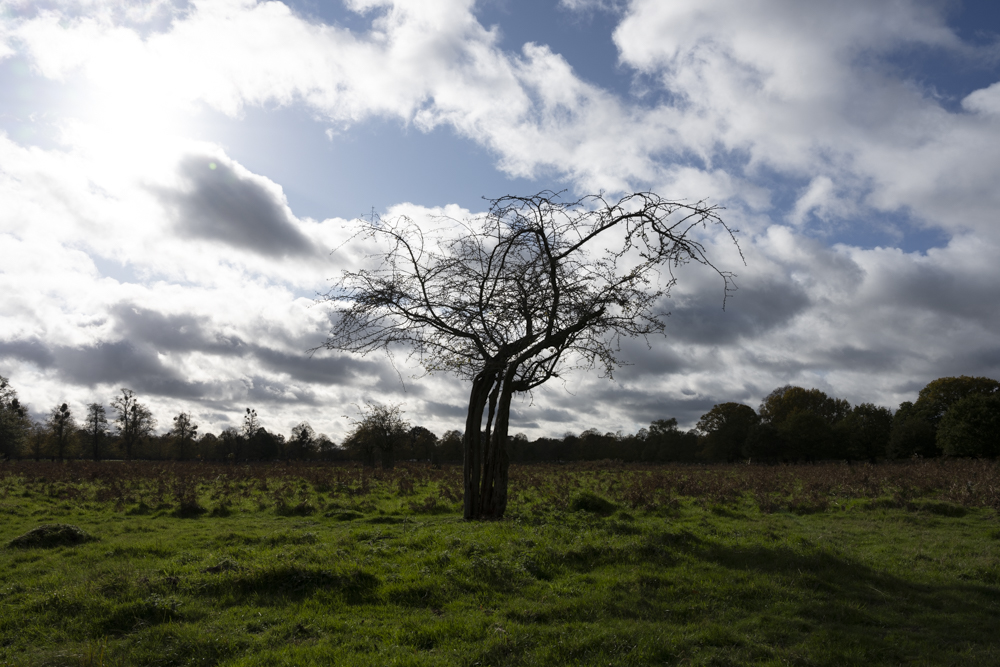
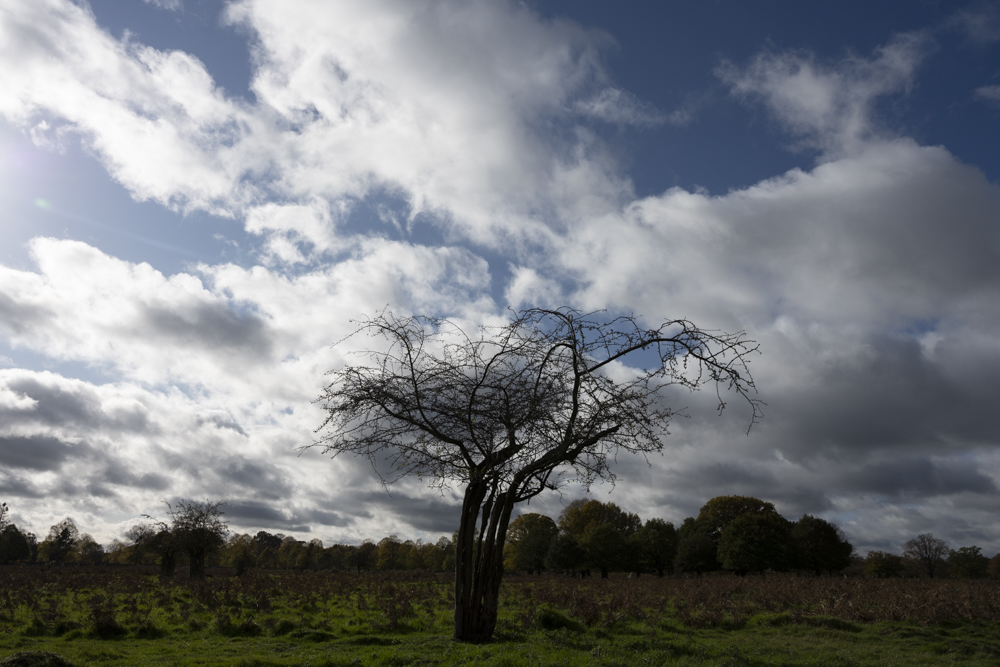
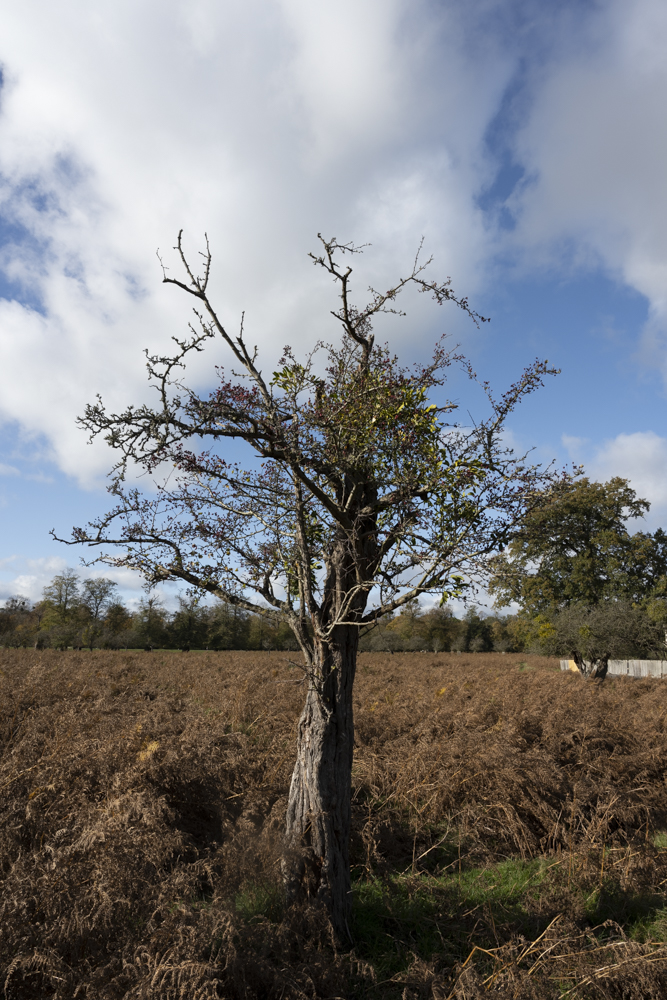
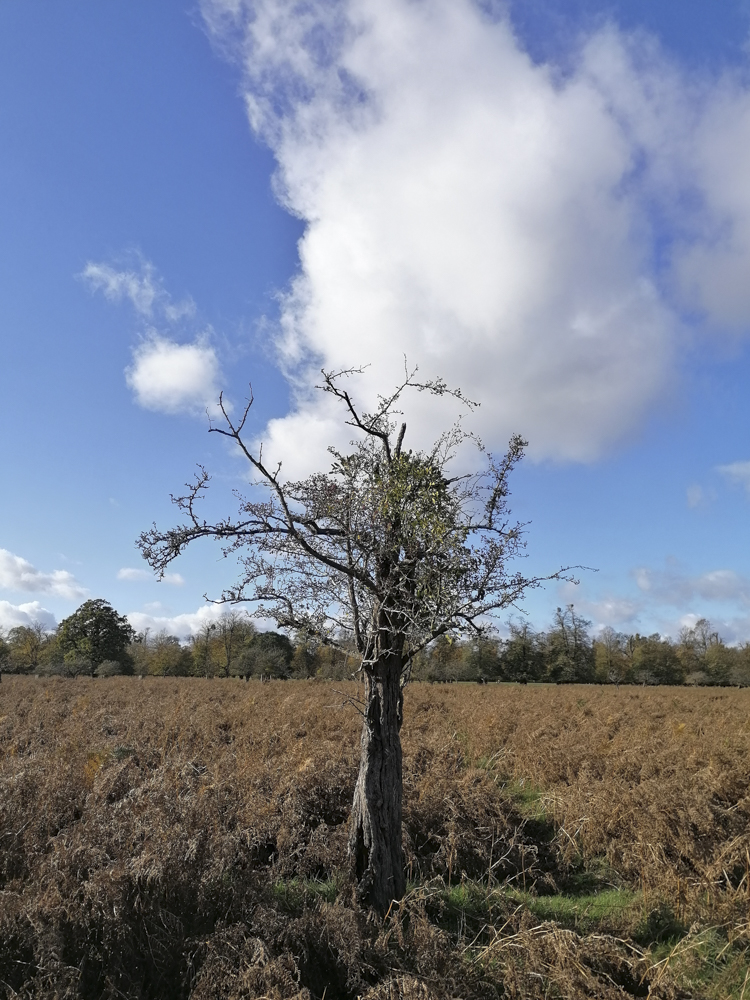
The first hawthorn I experimented with was the one photographed last on 1 November (Tree 11). It was a bit frustrating as the sunlight was quite harsh. I thought the bark would have been darker, having rained the day before. Despite this, the wood was quite bleached by the light.

Another frustrating factor was the walkers in the background – there was a lot of waiting for what seemed to be a clear shot. Additionally, getting a low enough angle was quite taxing on my legs. It was also difficult to see the image through the viewfinder or on the screen on the back of the camera due to the harsh light. What I need to experiment with next is the tripod and a sun hood for the screen. Ideally, I would use a 7″ external monitor which can be attached to the camera via the accessory shoe. I should also use the virtual horizon indicator on the display to ensure I have a straight line through the image.
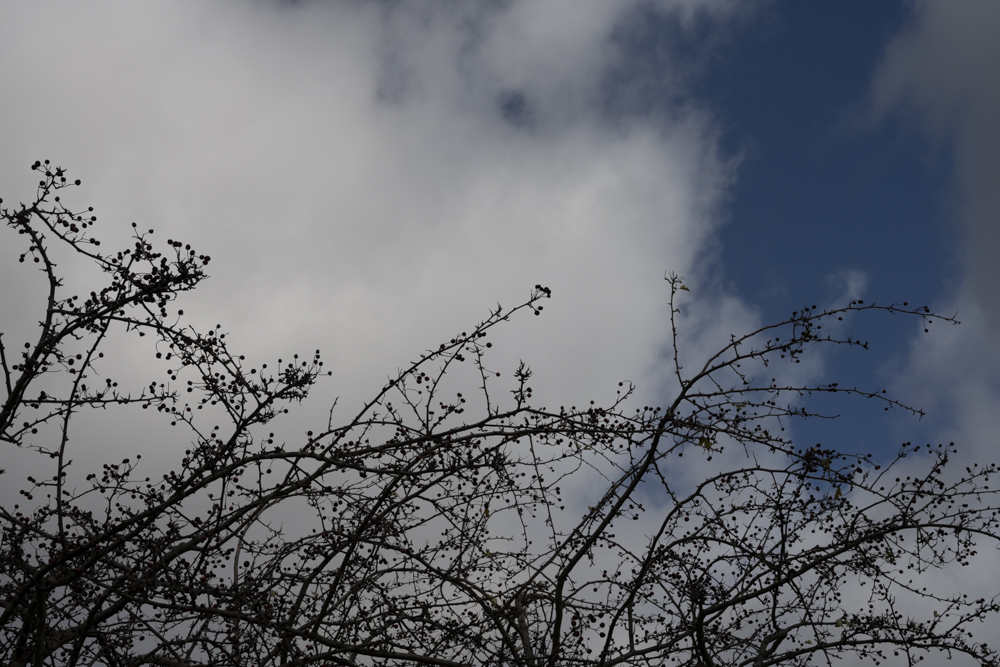
These are the resulting images pre-editing.

Tree 2

I then walked through Woodland Gardens to the area on the other side. This is Tree 2 from 1 November.

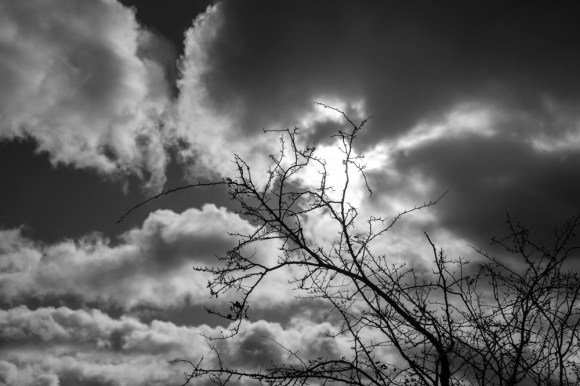
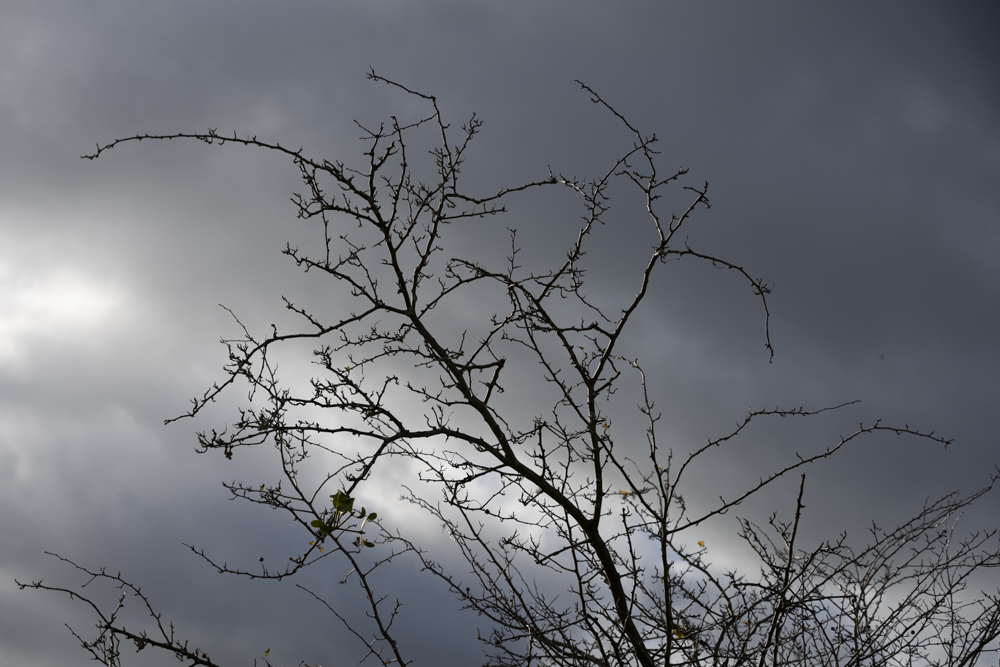
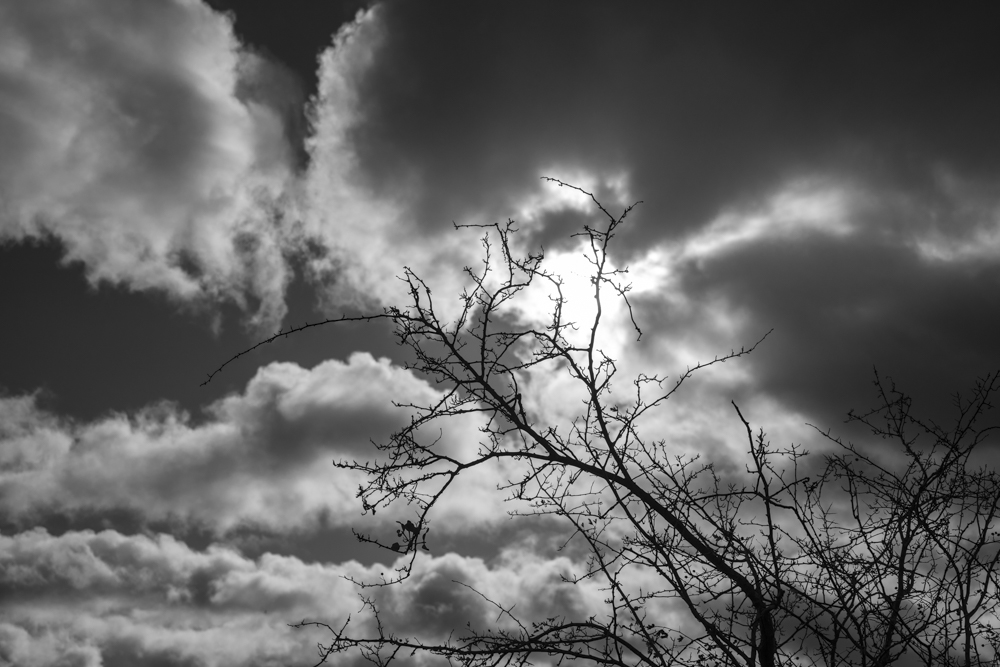
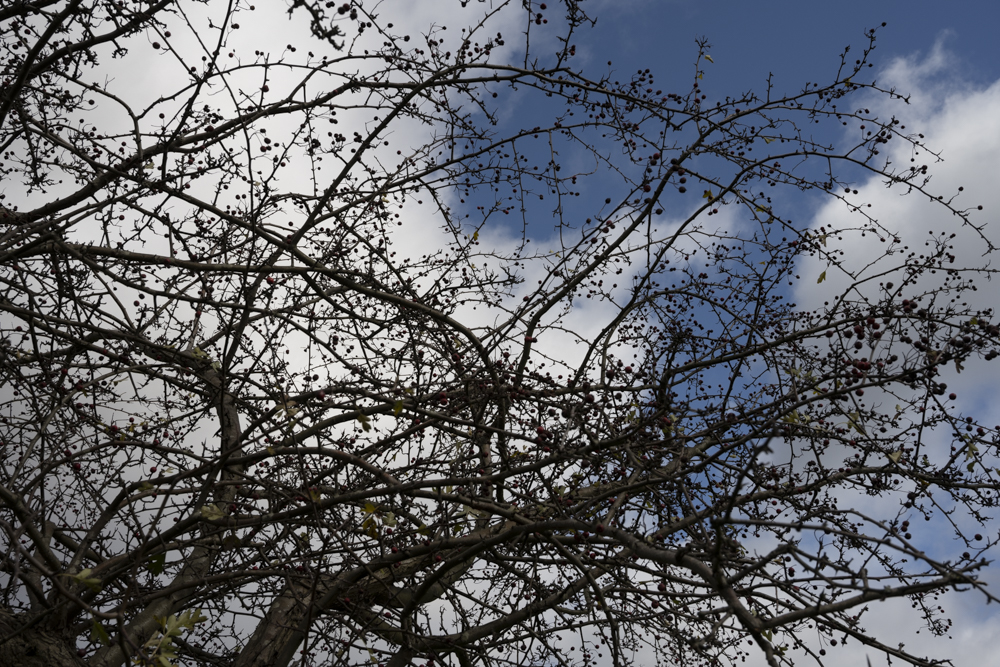
The aspect I focused on was the branches against the sky. I also created a Black & White conversion of this shot. I particularly liked the dramatic nature of the sky and how the branches frame and follow the lines of the clouds.

Tree 3

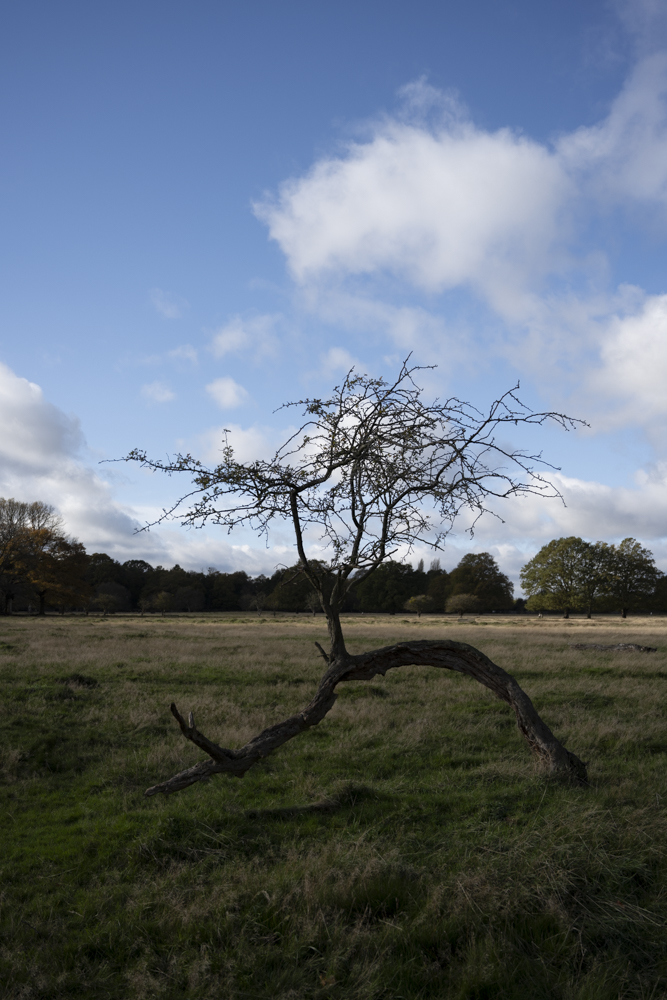
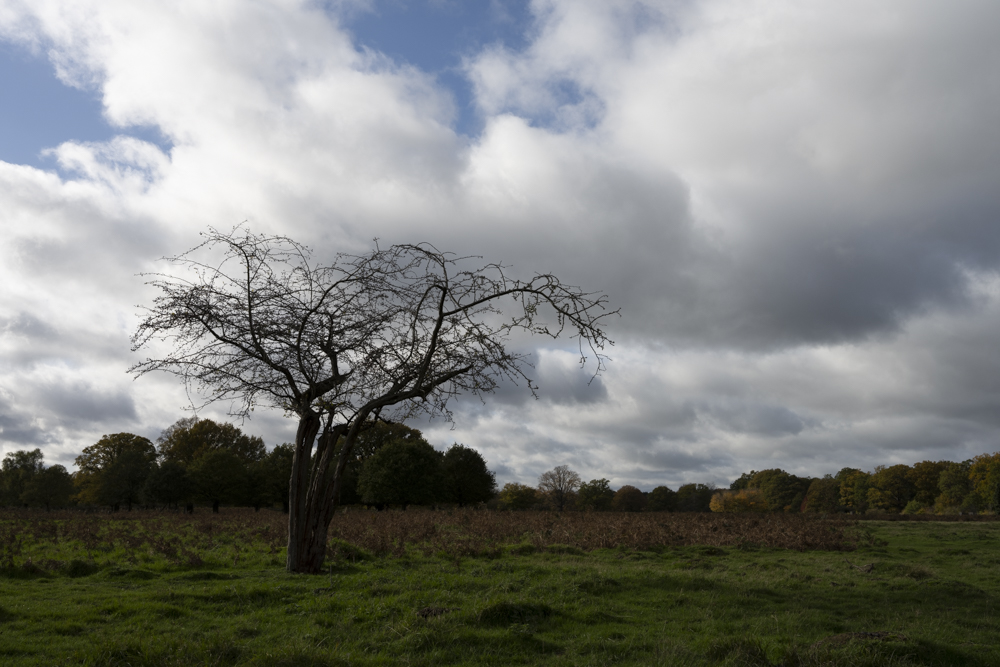
With this particular hawthorn, I tried both portrait and landscape-orientated shots and tried some close ups.

While editing, I thought this was the shot that looked the strongest out of these and carried out a Black & White conversion.

I then walked to the grove in the vicinity of Hawthorn Lodge

Tree 4

This is a tree I hadn’t photographed before. It is in the area near to Hawthorn Lodge. I quite liked this hawthorn’s stance. However, after looking at these shots, I think this should be reshot to get the optimum angle and orientiation.

Tree 5

Again, another new hawthorn. This could also be reshot to get the best angle.

Tree 6

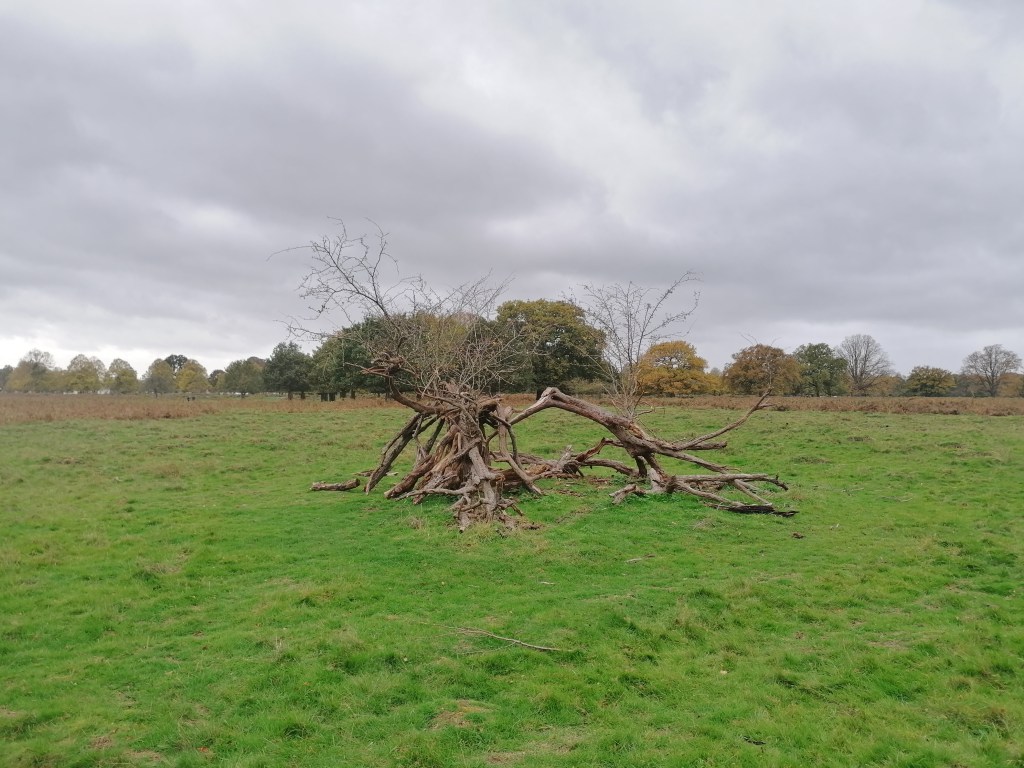
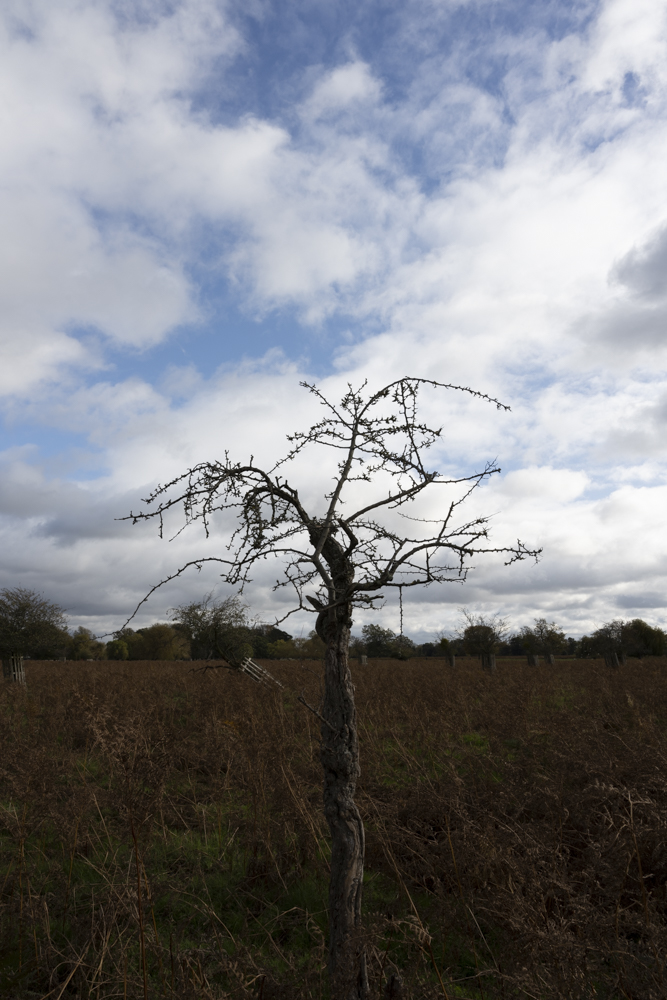
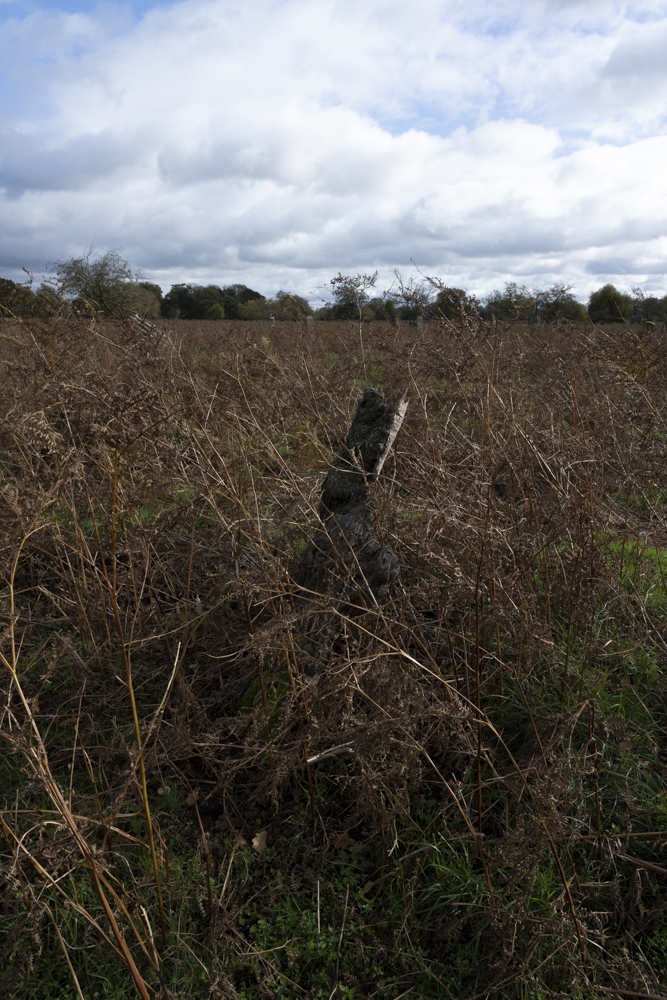
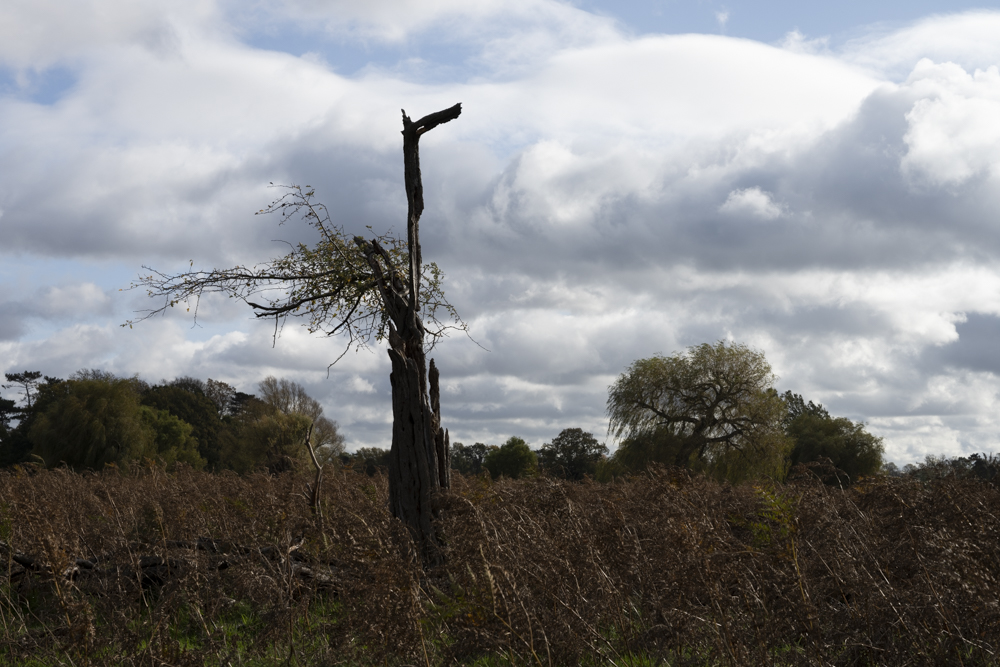
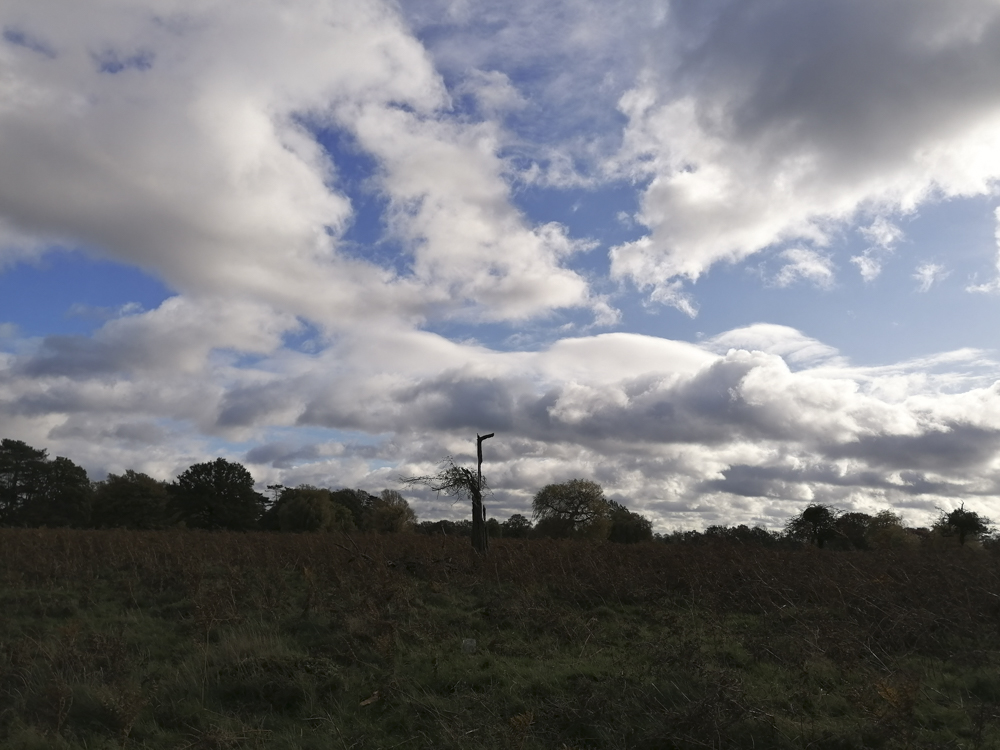
A record of a hawthorn that has clearly been cut down. It will be interesting to see what is fully revealed once the ferns disappear for the winter.

Tree 7

Again, another interesting hawthorn that needs further investigation.

Tree 8

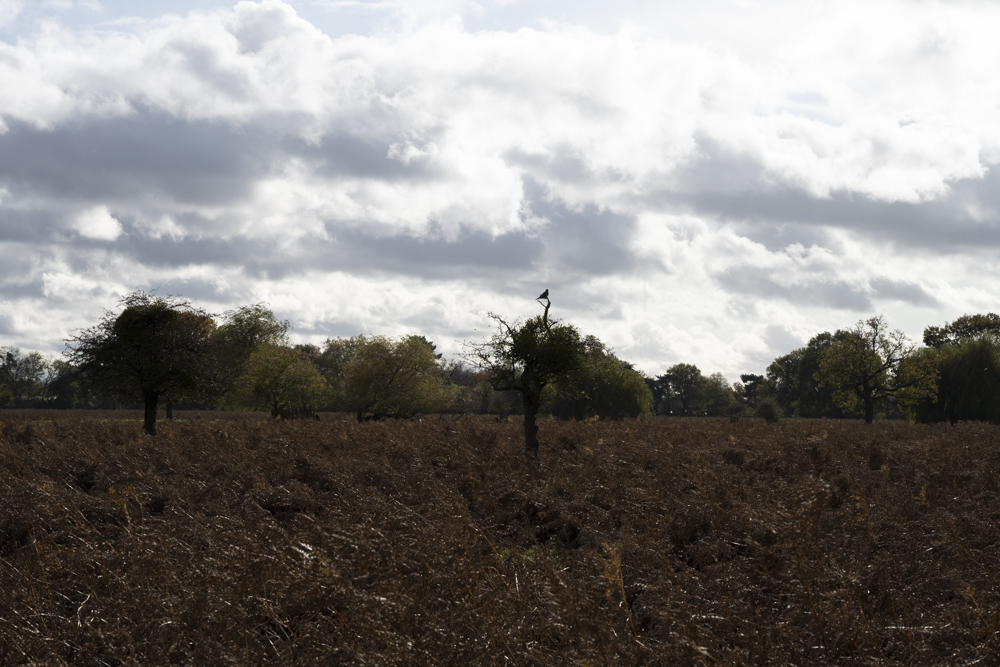
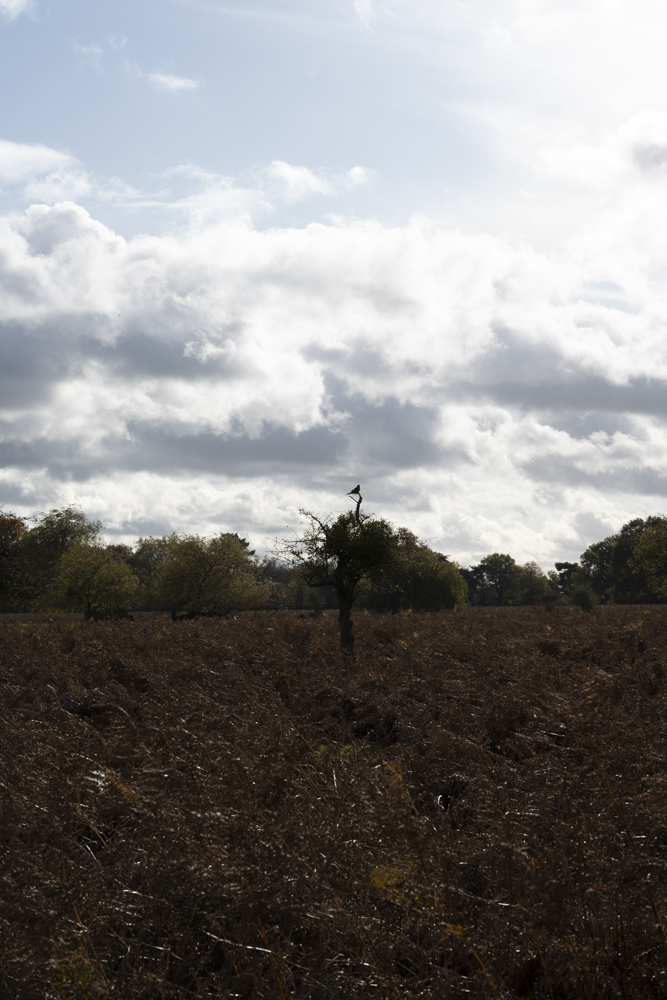
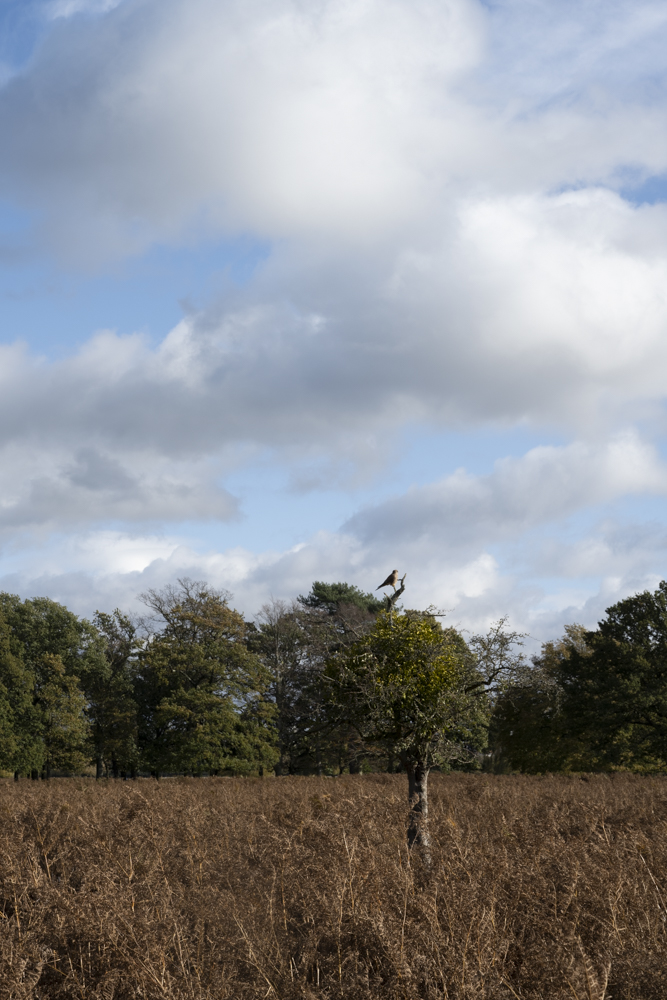
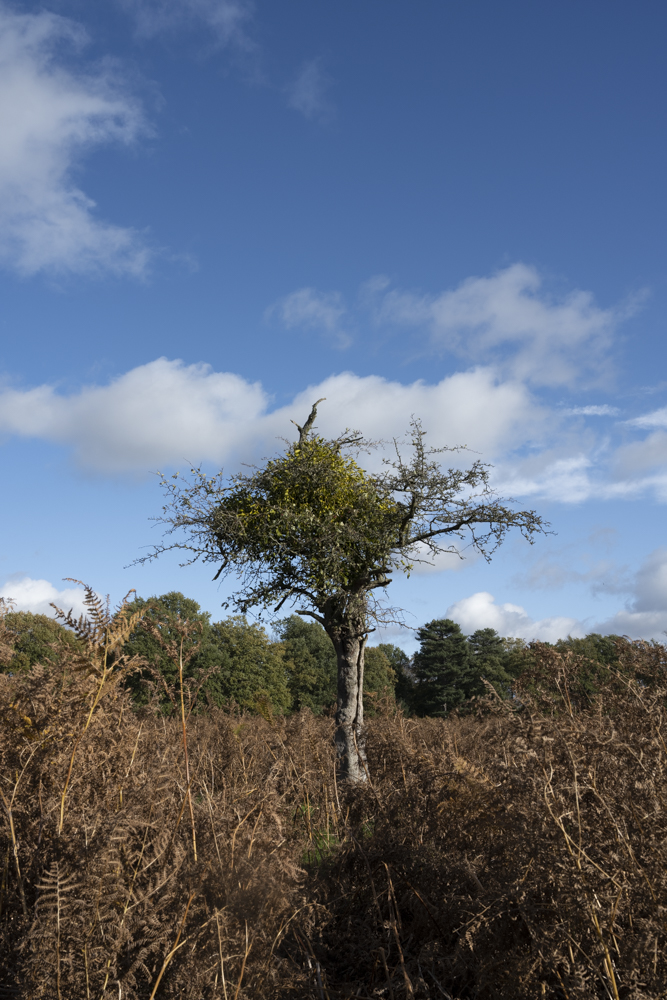
By now I was starting to tire – I’m beginning to realise that to make the most of my energy and get the best shots is to focus on one or two trees per visit. However, I perked up when I saw a couple of sparrow hawks flying around this tree and was quite chuffed to capture it on this hawthorn.

Tree 9

Again, another hawthorn to be revisited, especially after looking at the Black & White conversion below.

Tree 10

Last, but not least, this particular character. I was definitely running out of steam at this stage.

Looking back at these images, there definitely seems to be a theme starting to appear. The horizontal shots are very strong and give quite a powerful impression. A factor to be considered in further detail.

Design a site like this with WordPress.com
Get started