Categories
AGM62 Photography Research Project Stage 1 Posts

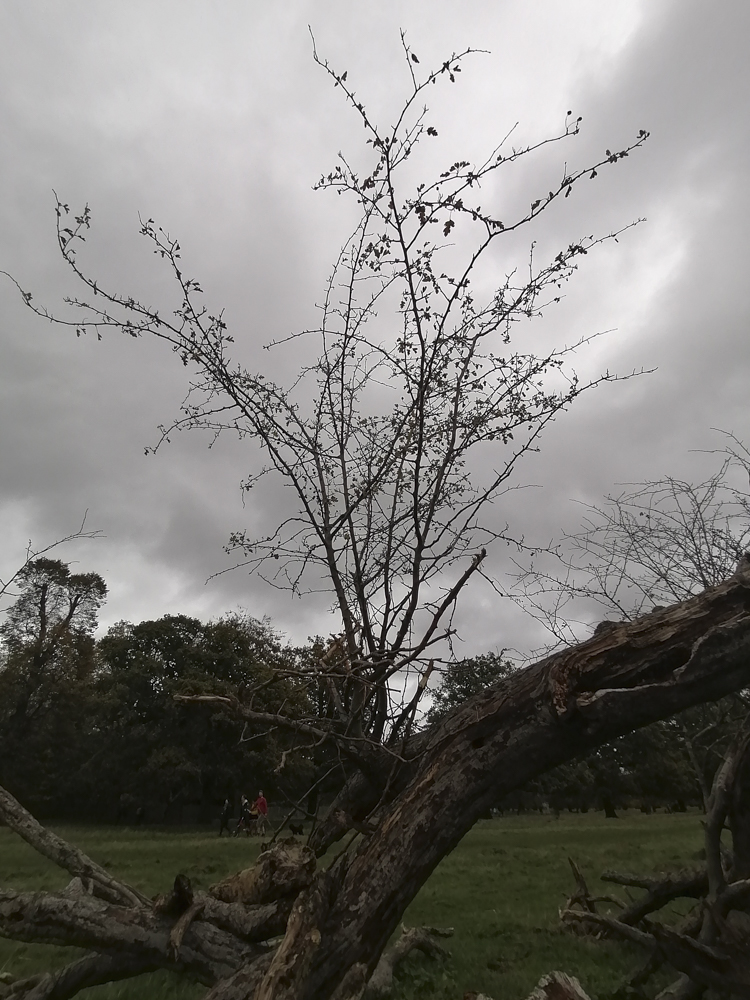
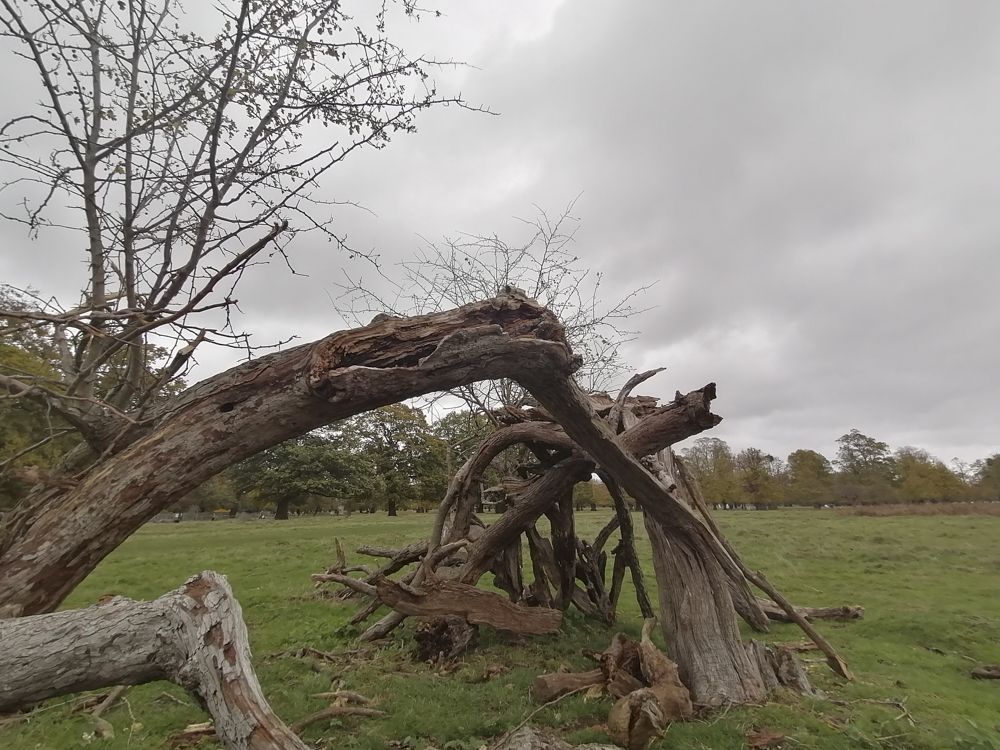
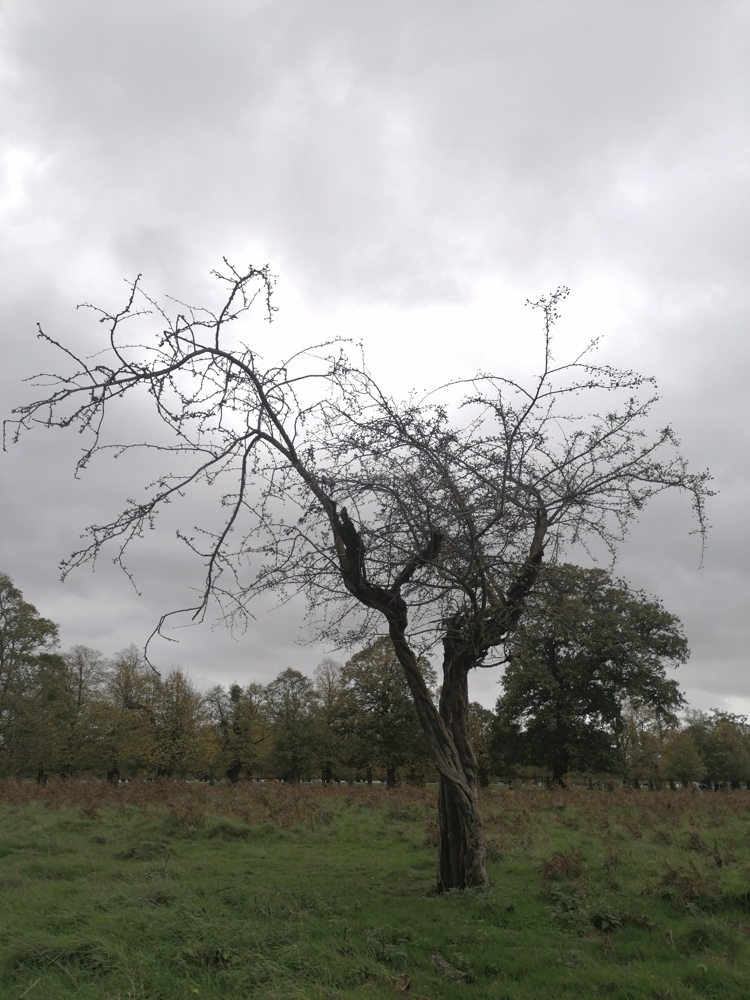
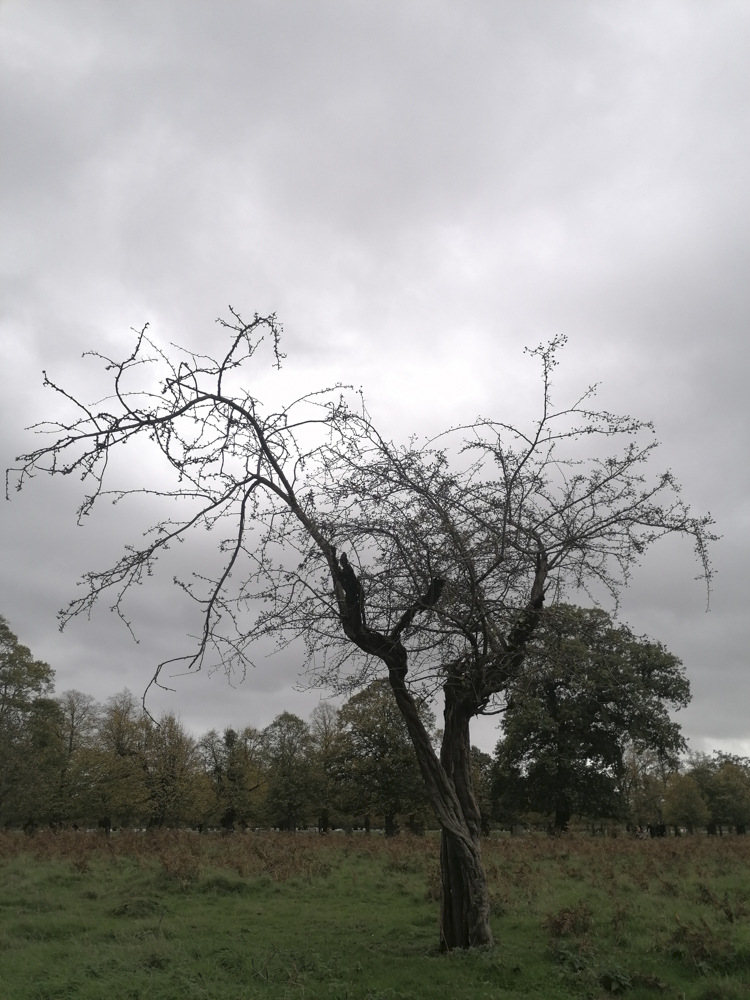
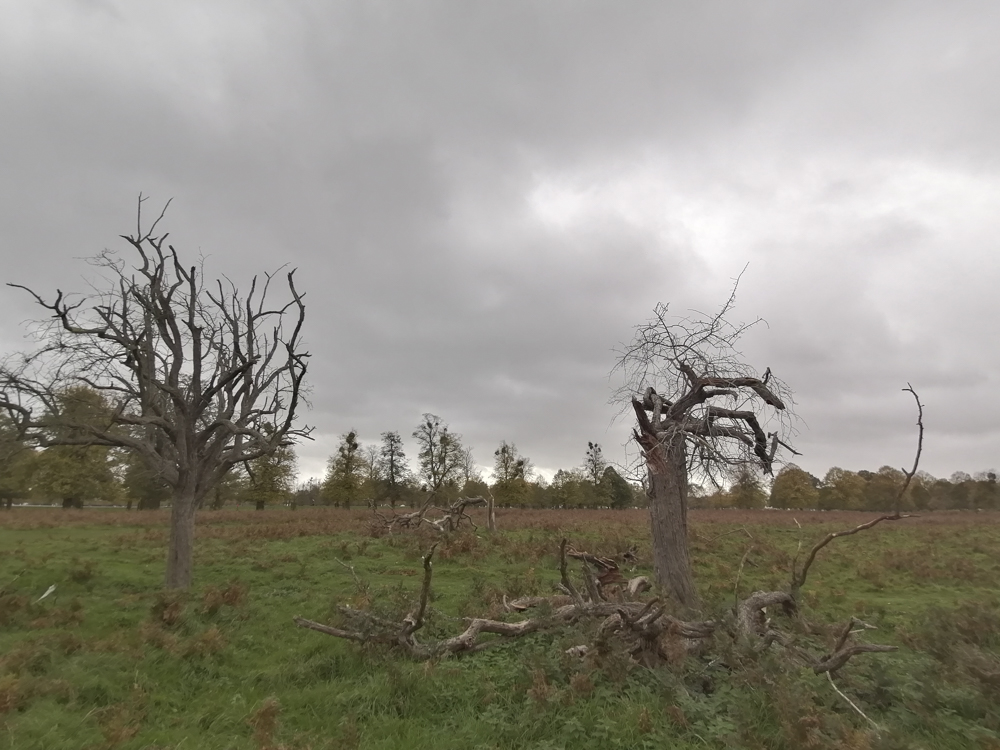
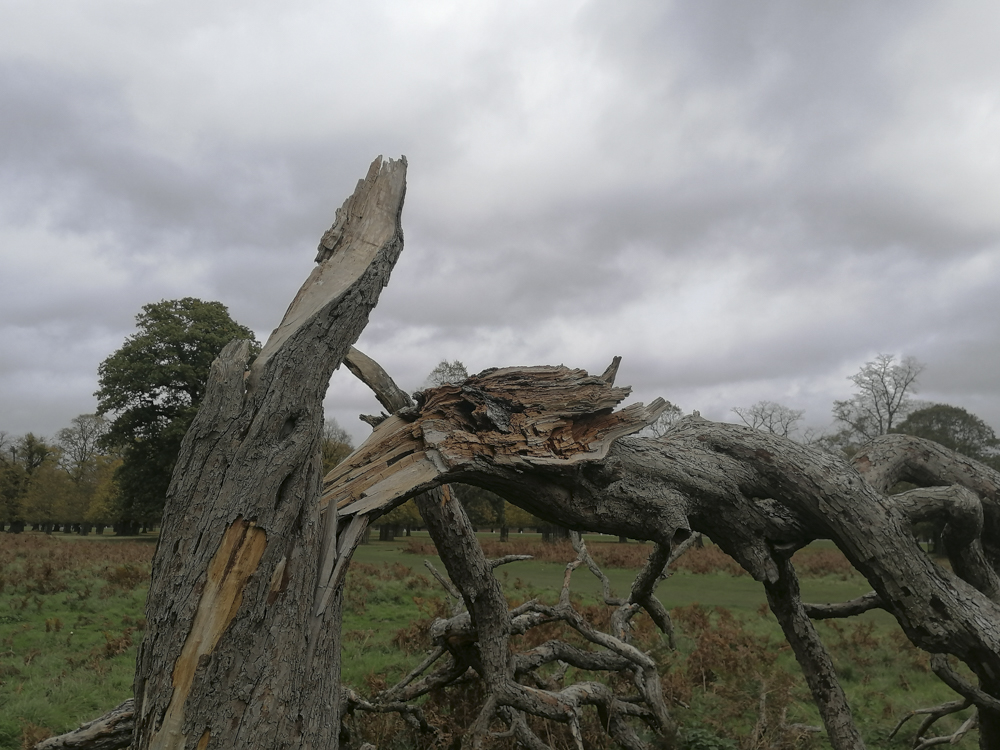
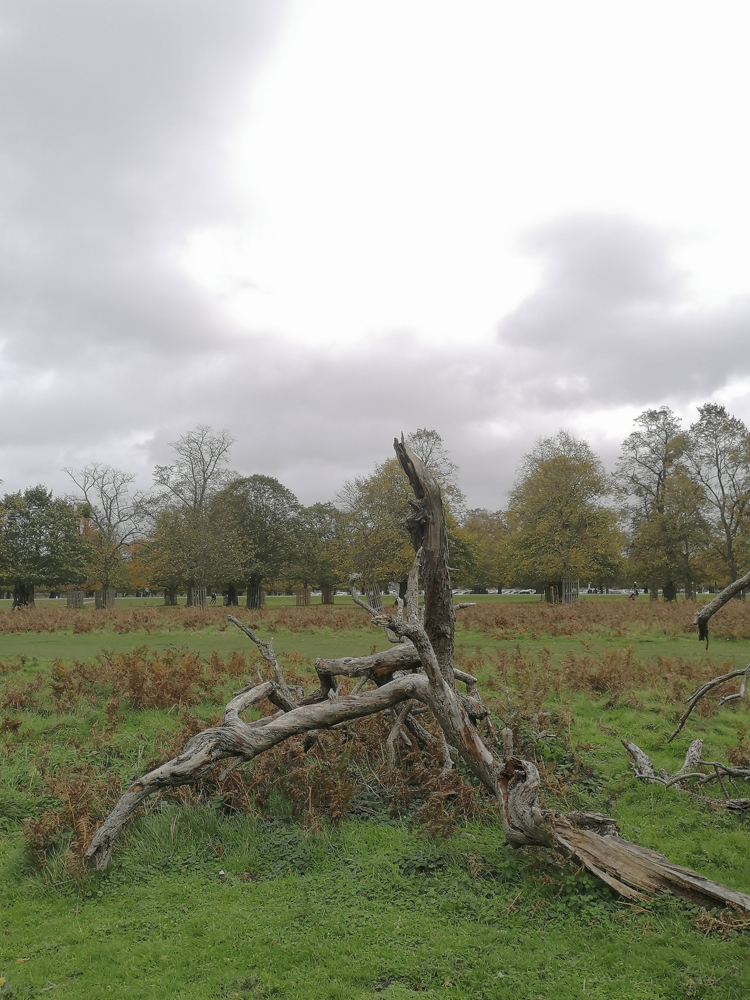
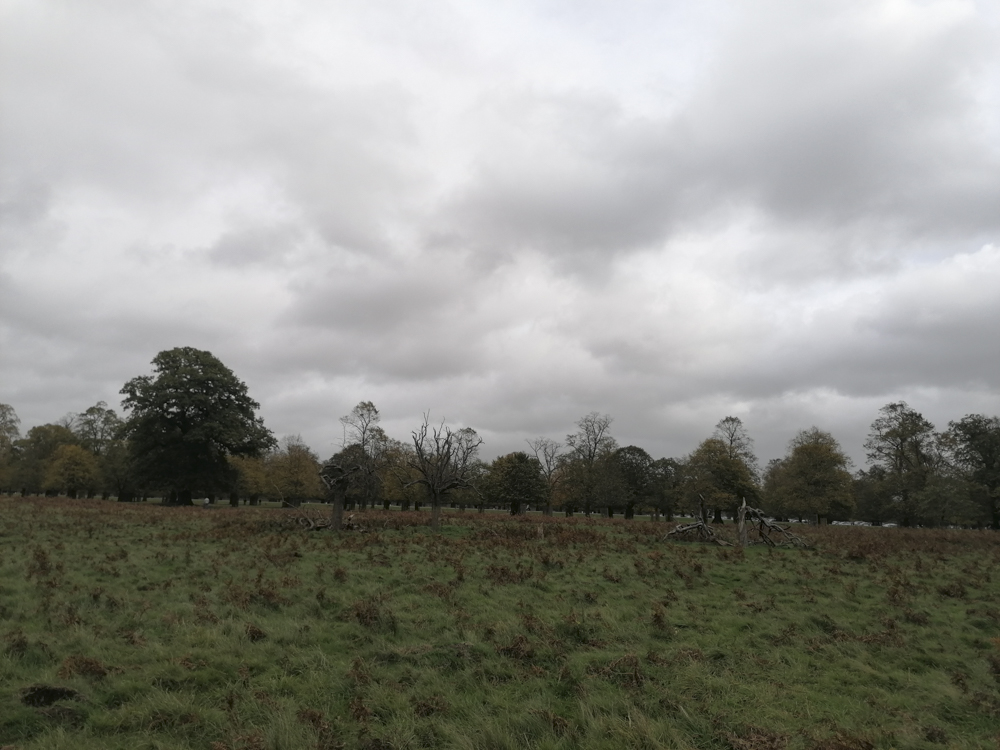
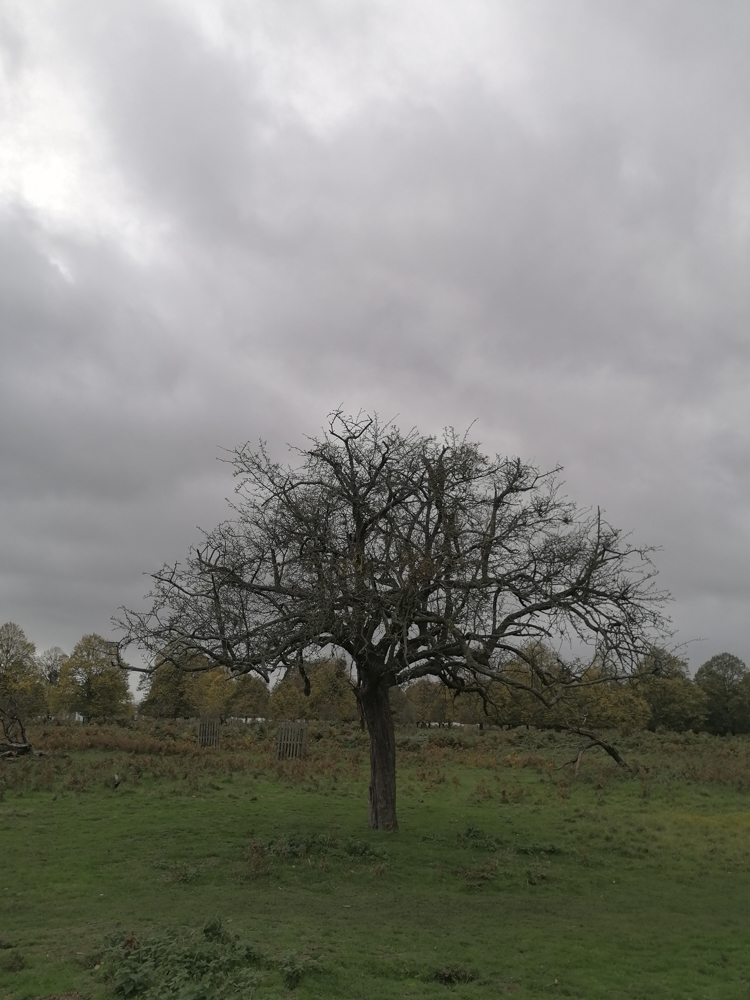
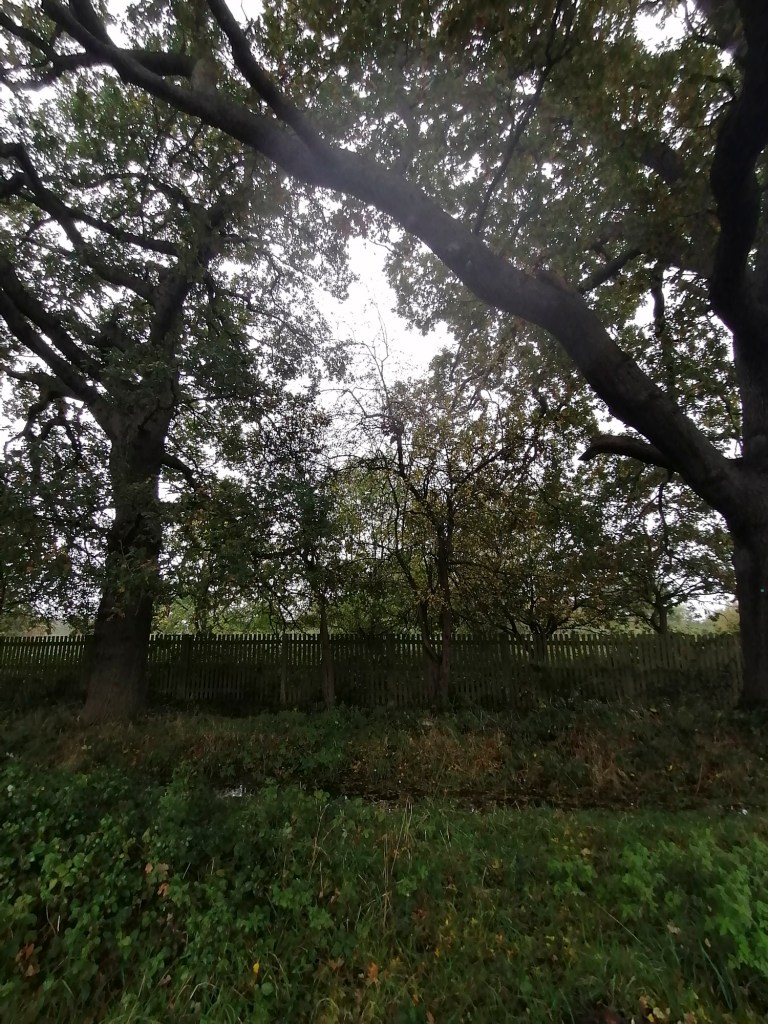
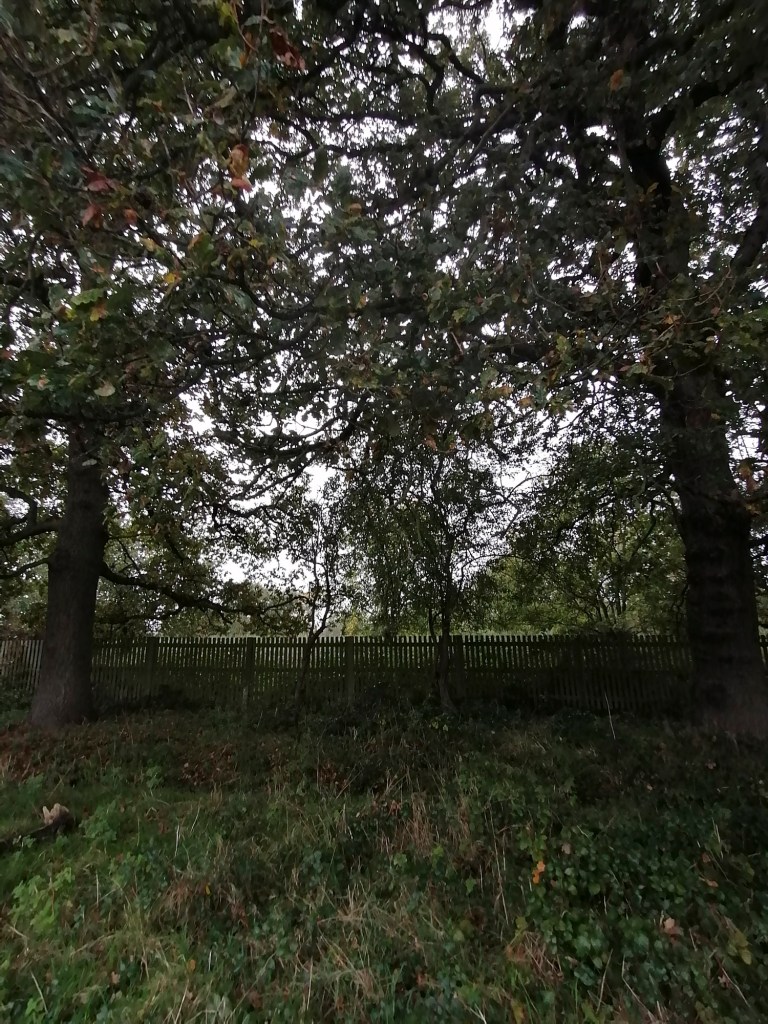
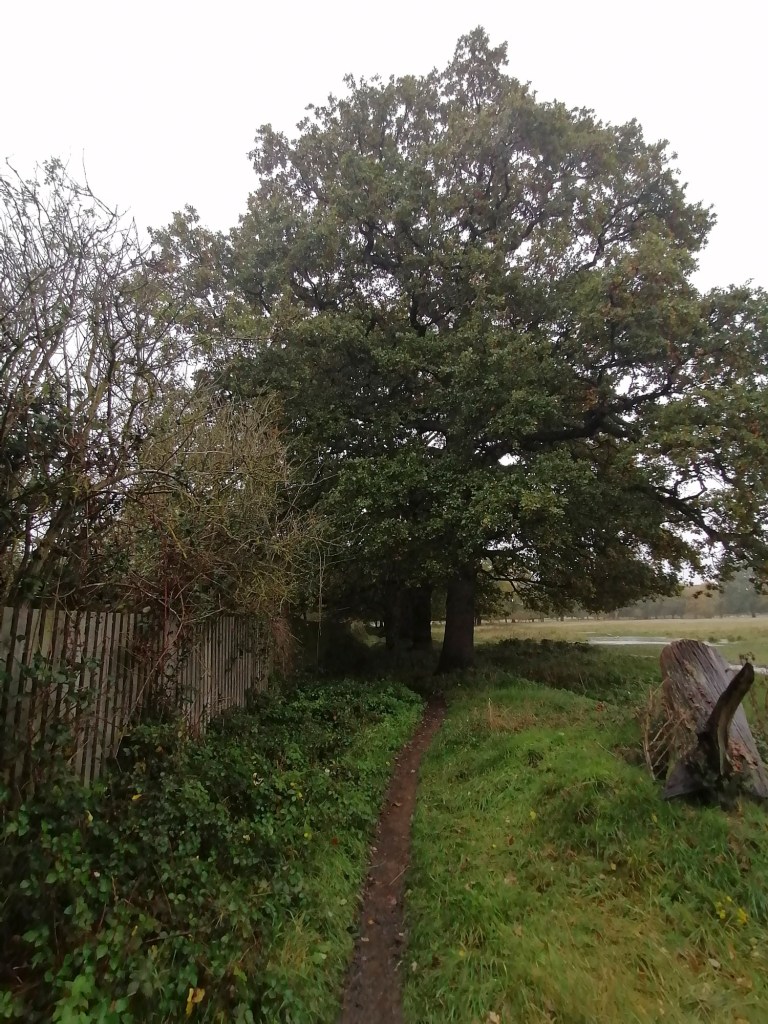
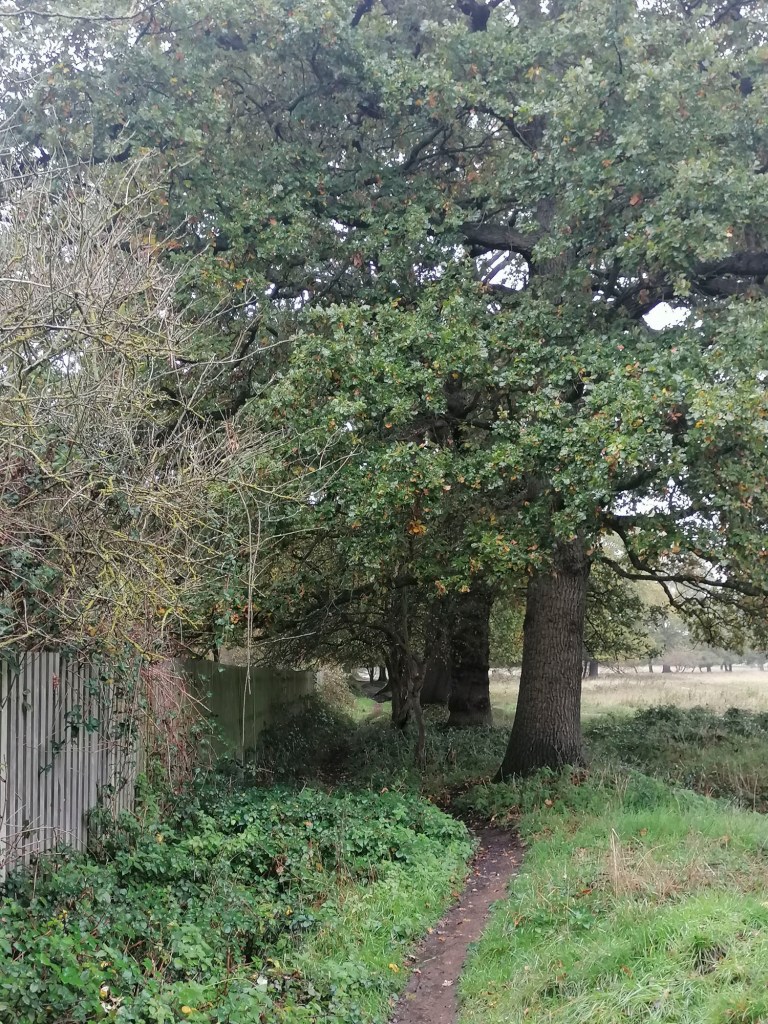
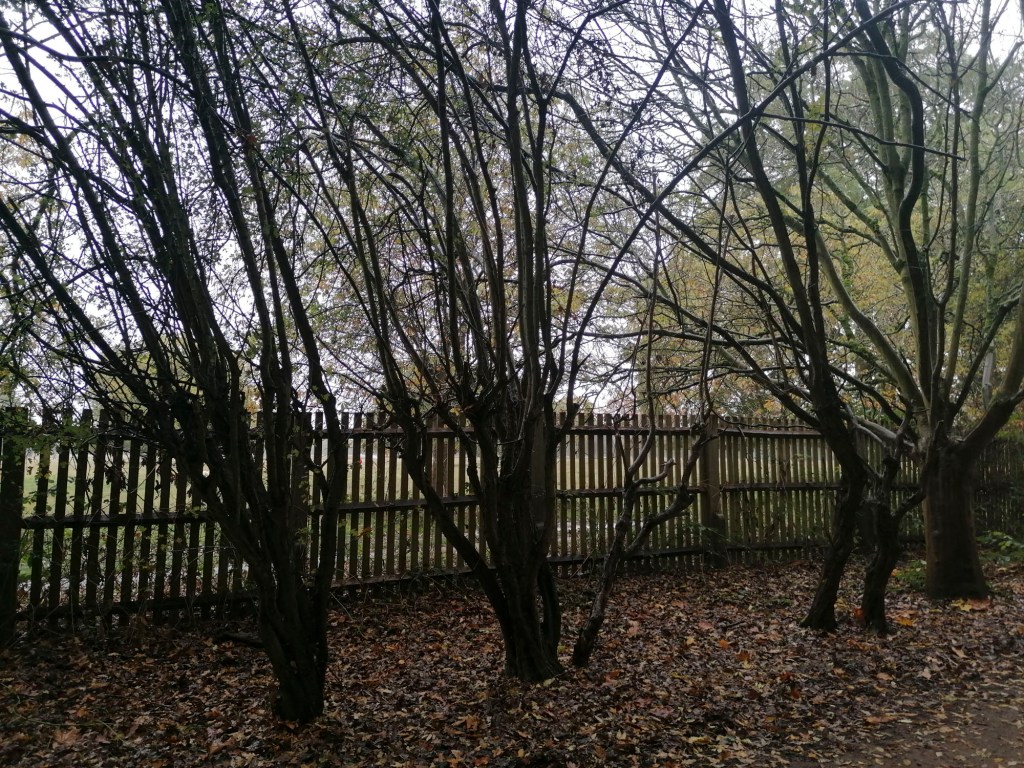
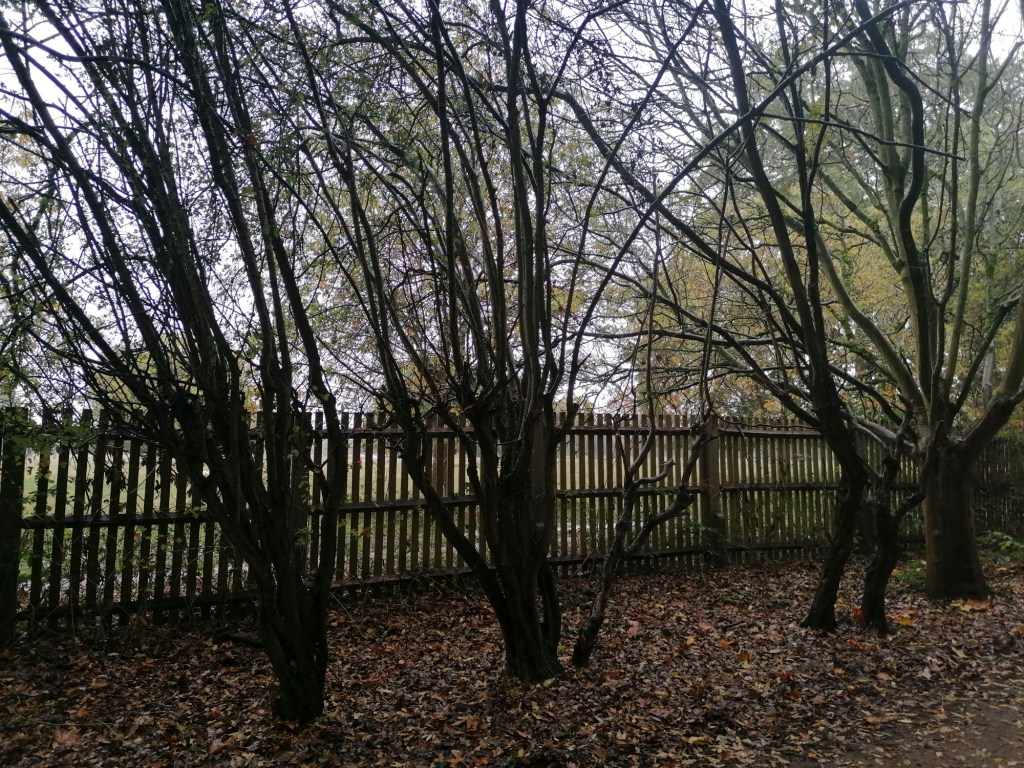
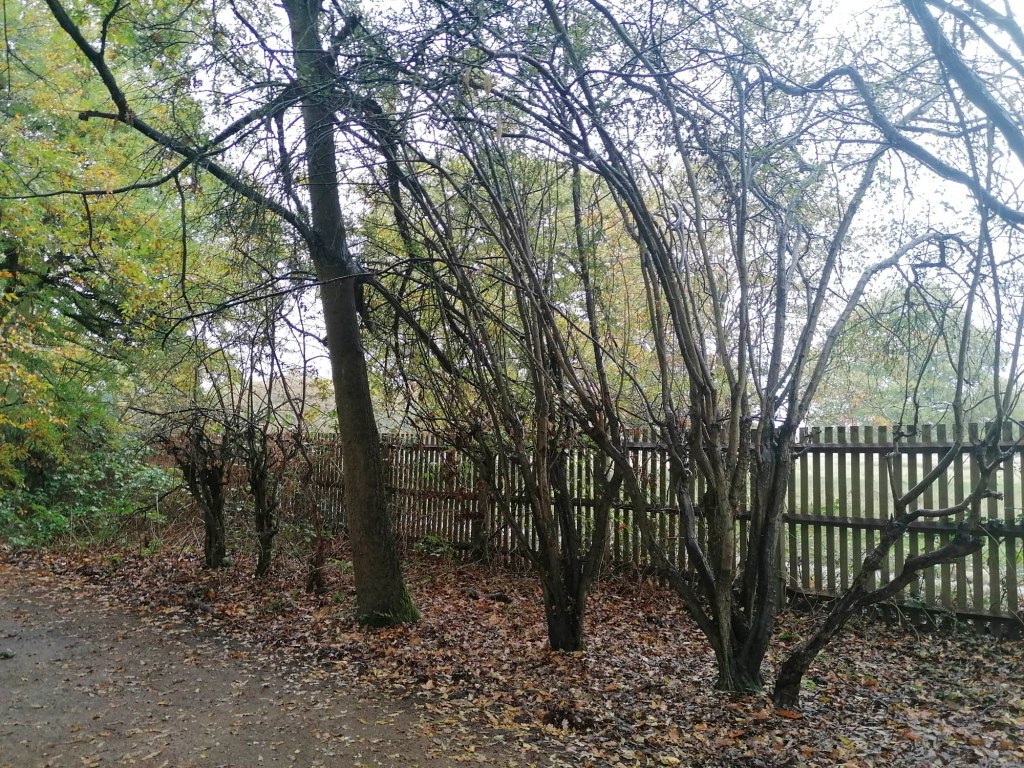
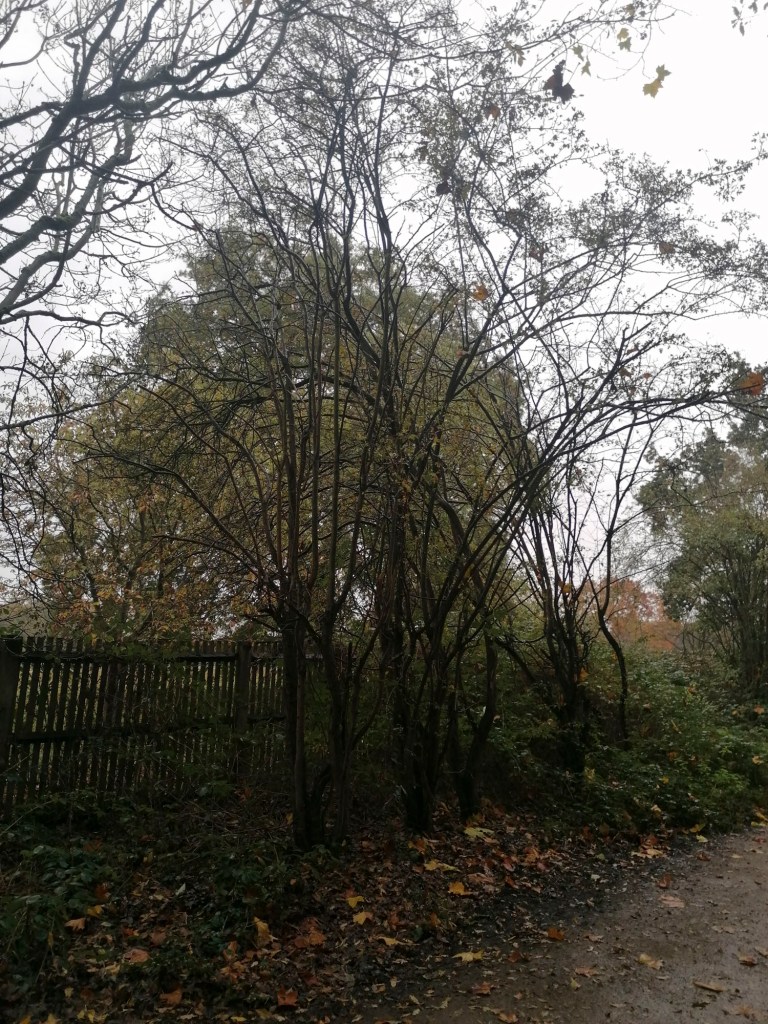
AGM62 Bushy Park Hawthorns 6 November 2020

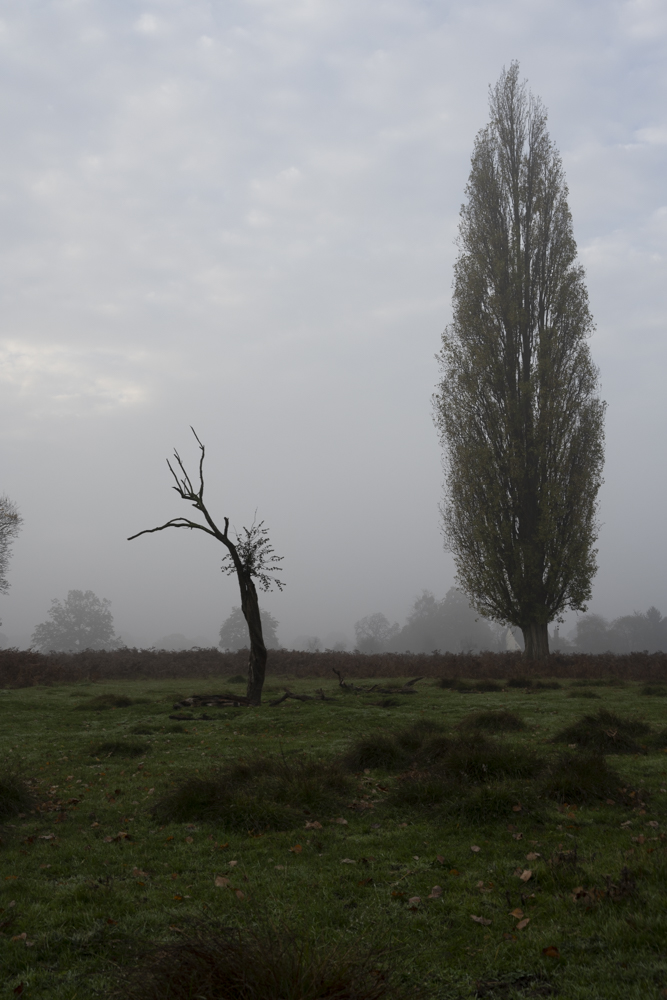
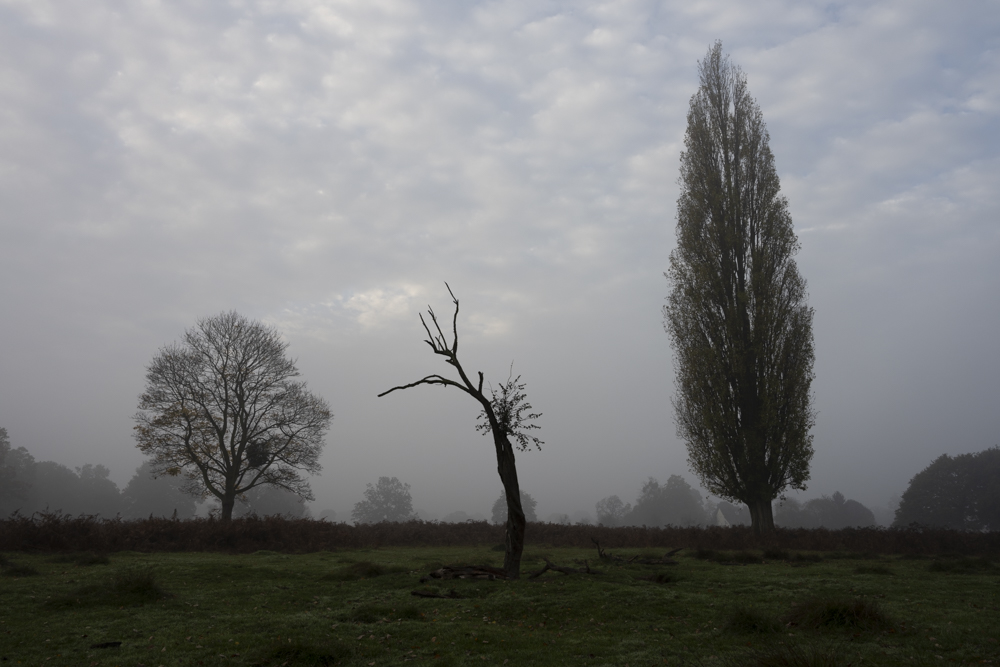
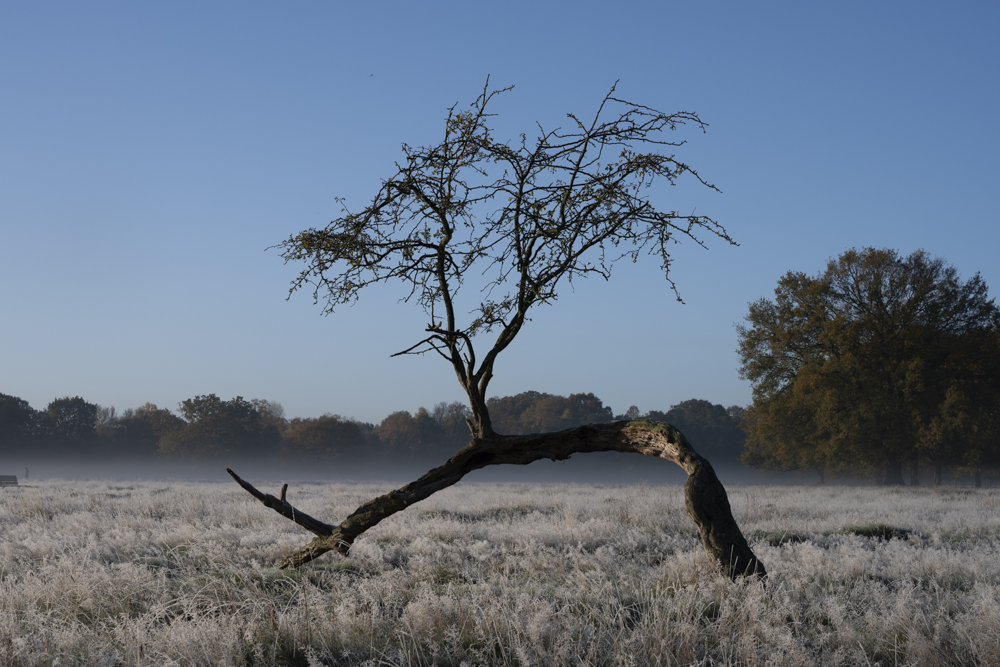
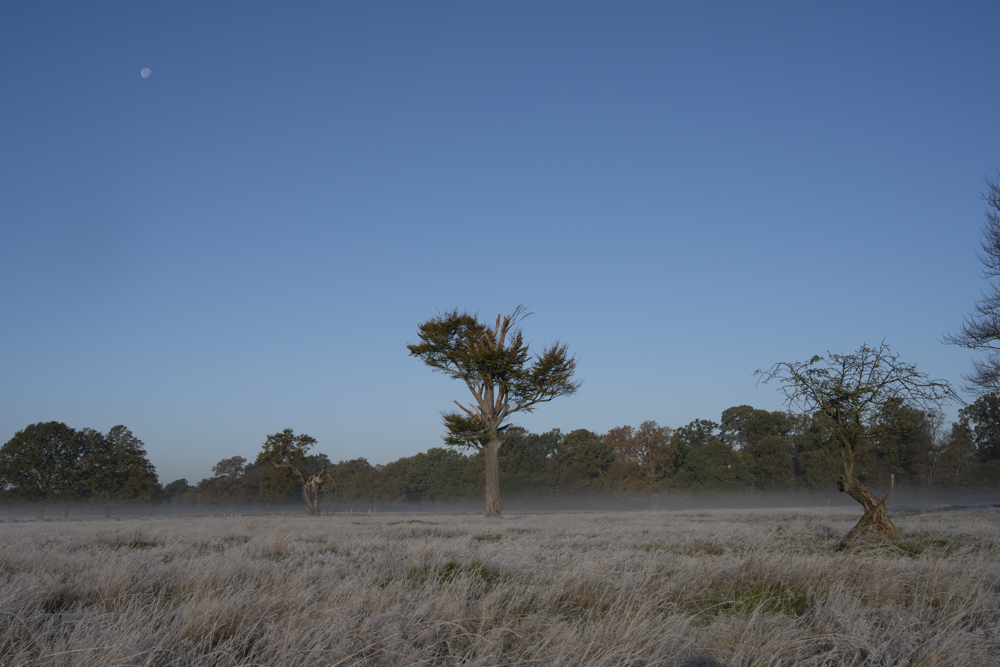
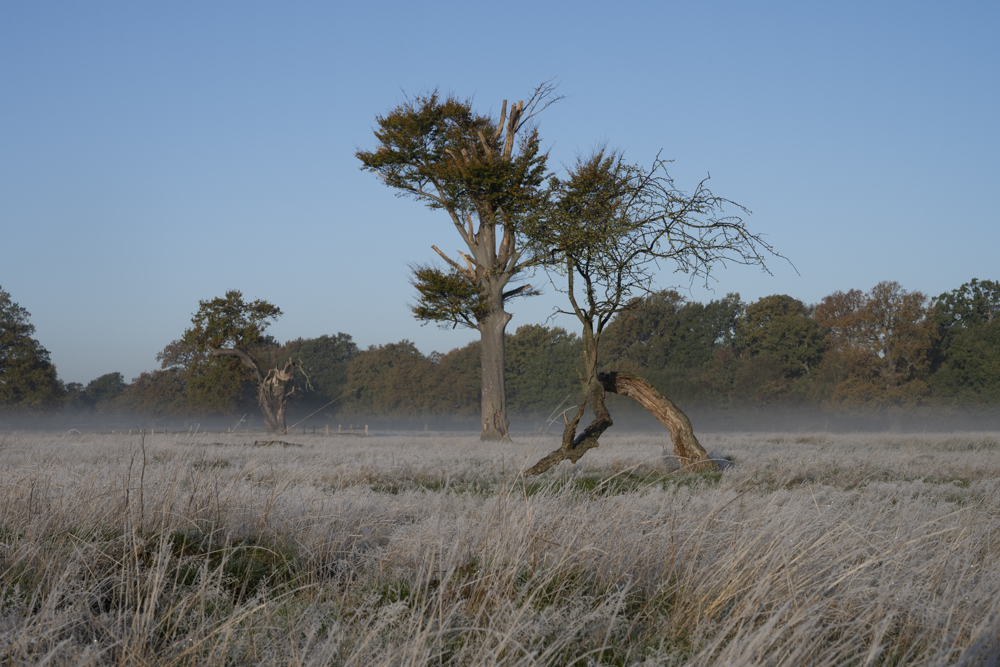
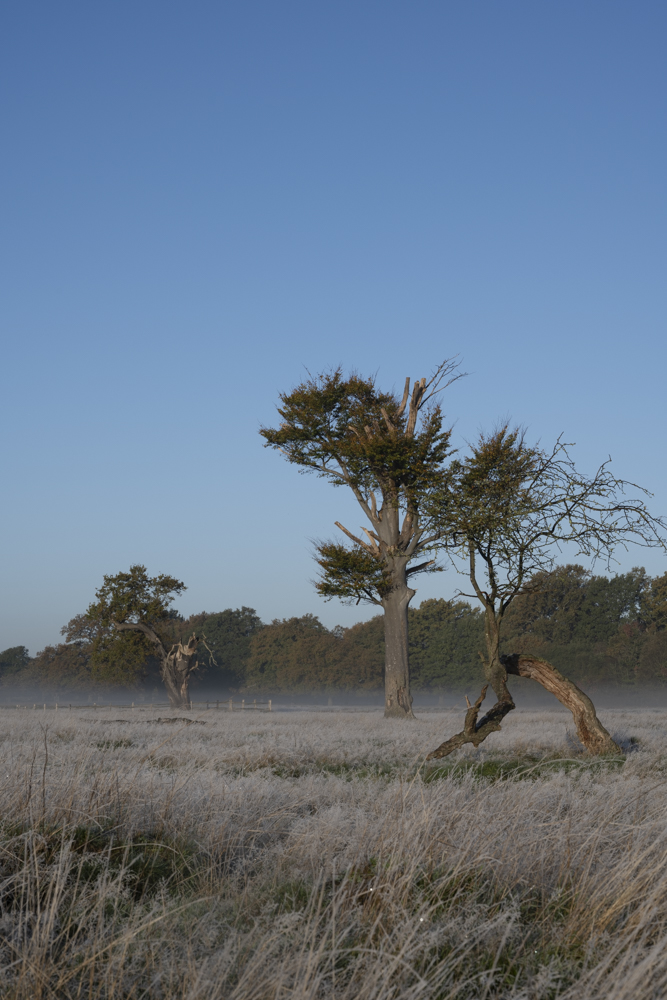
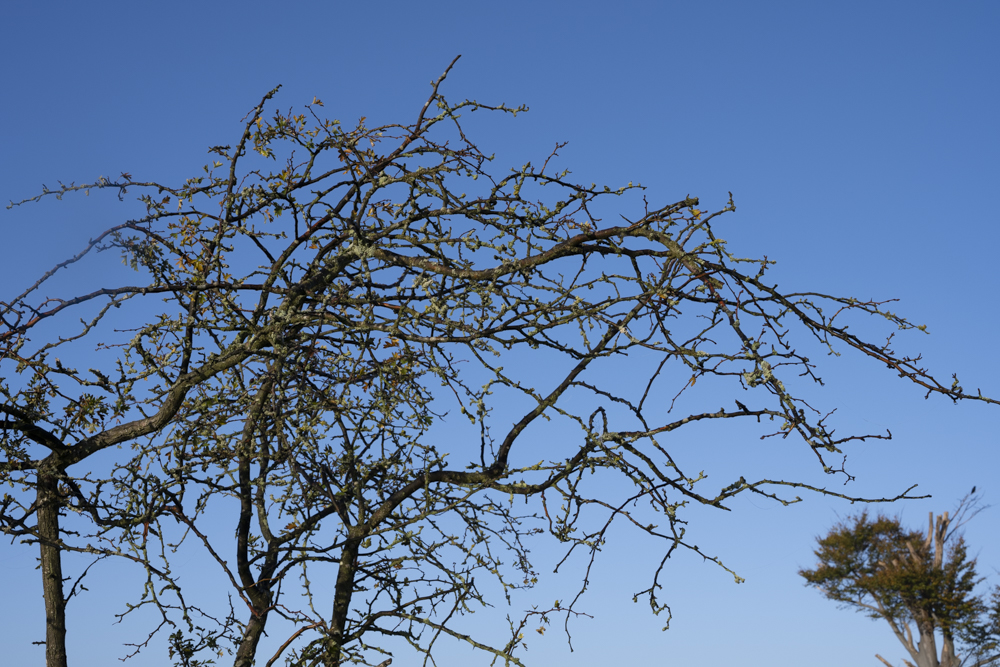
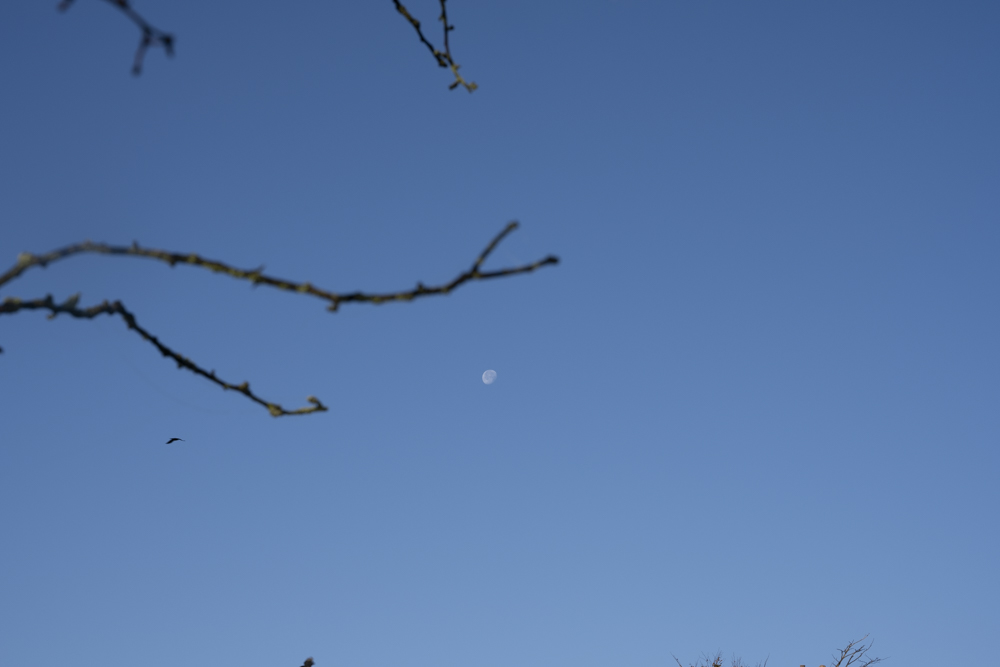
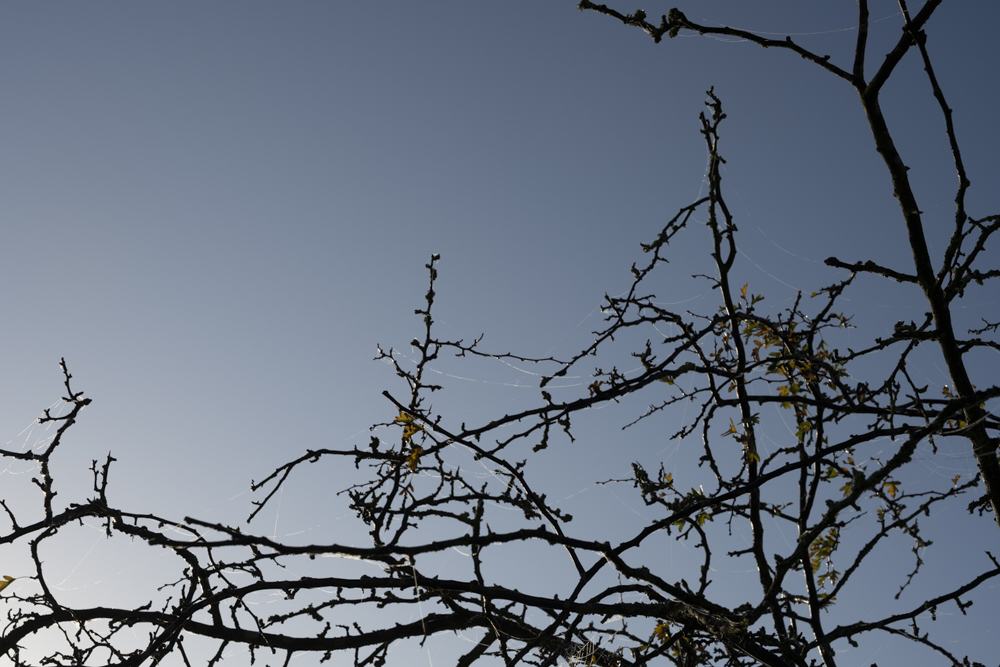
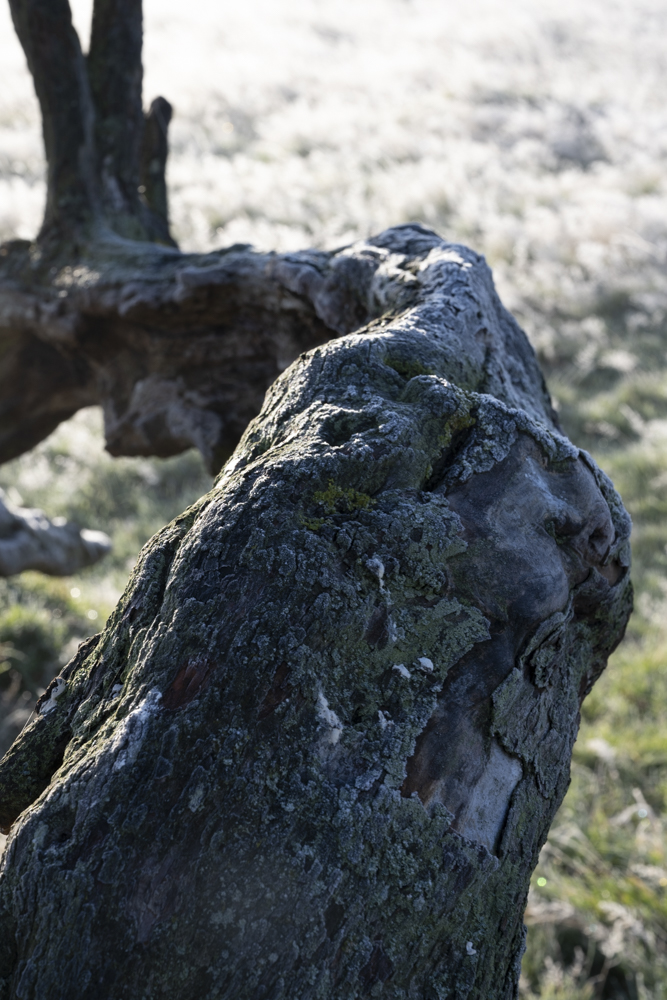
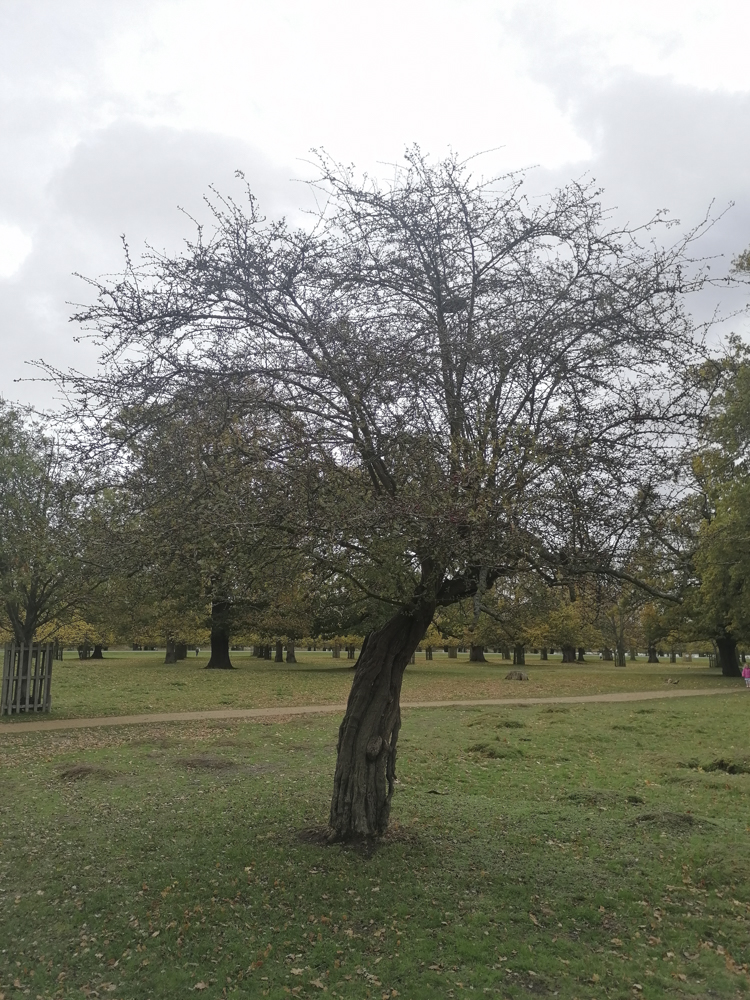
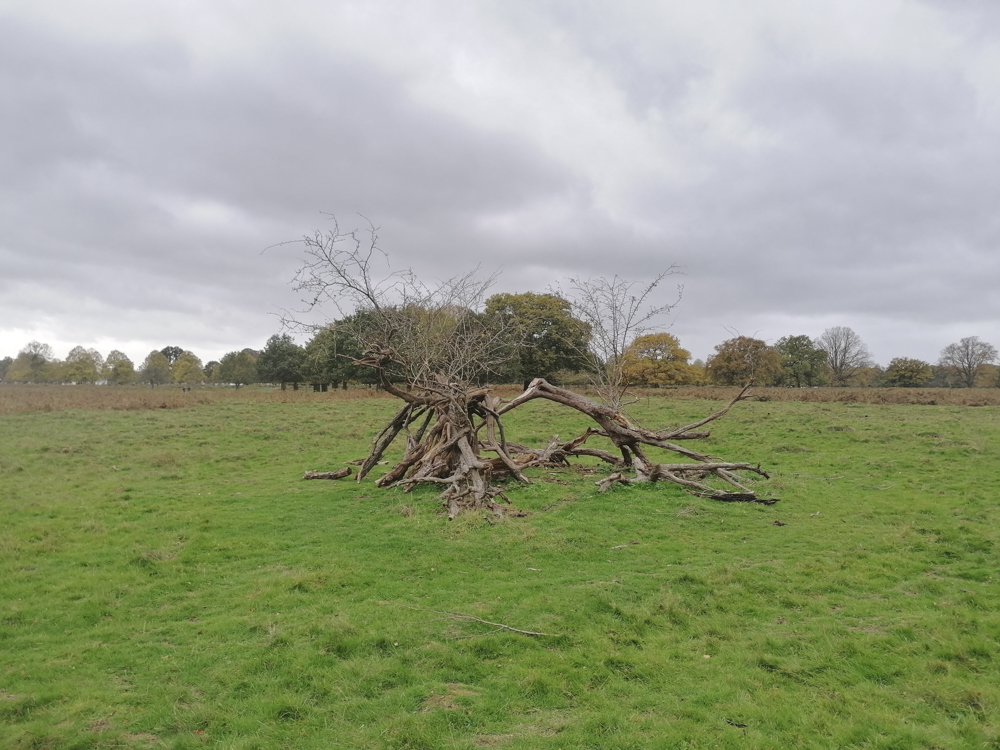
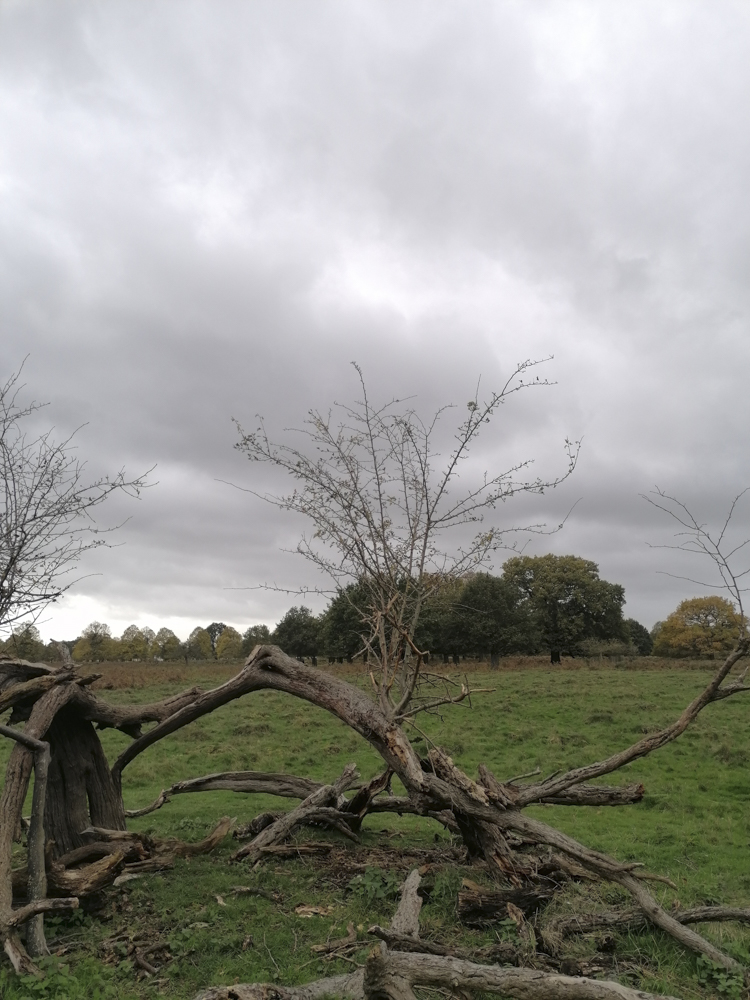
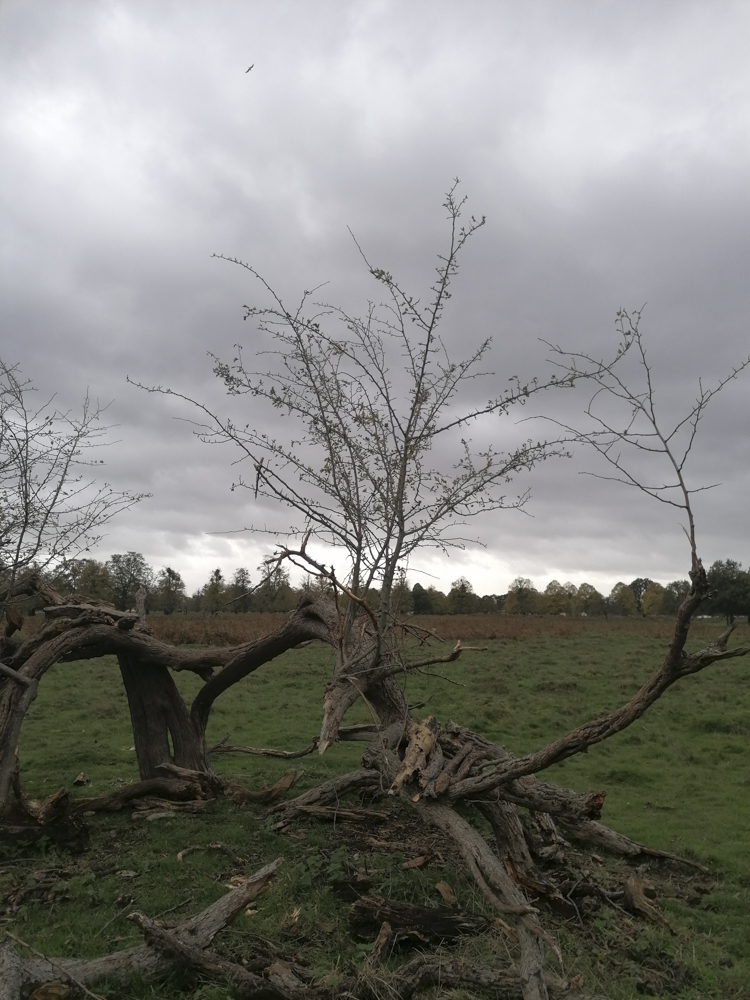
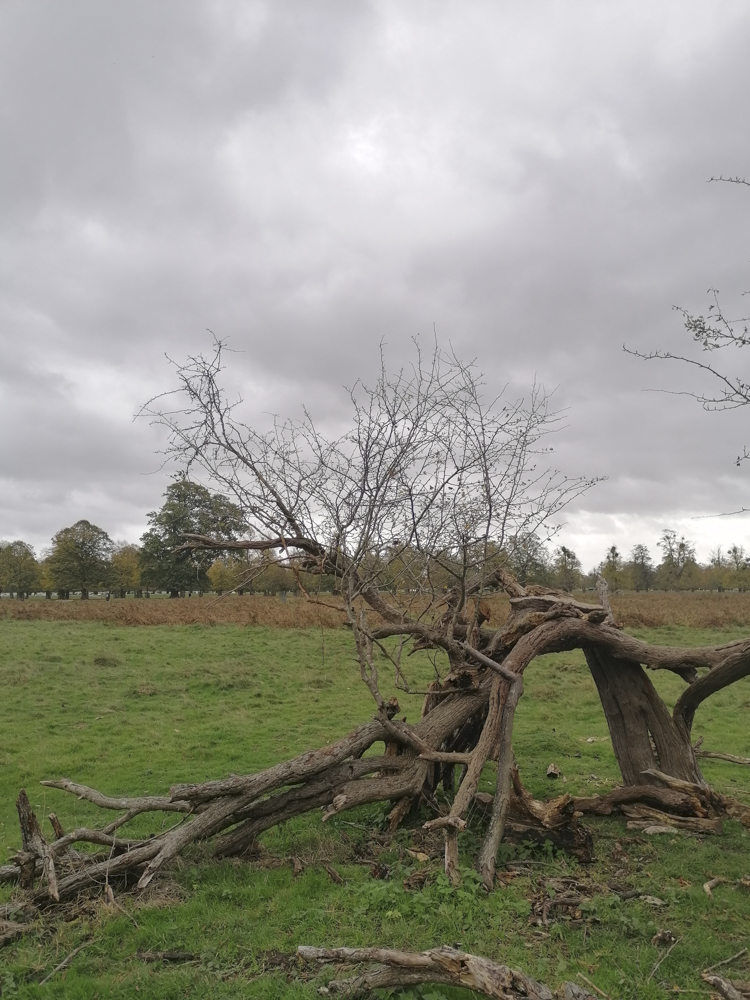
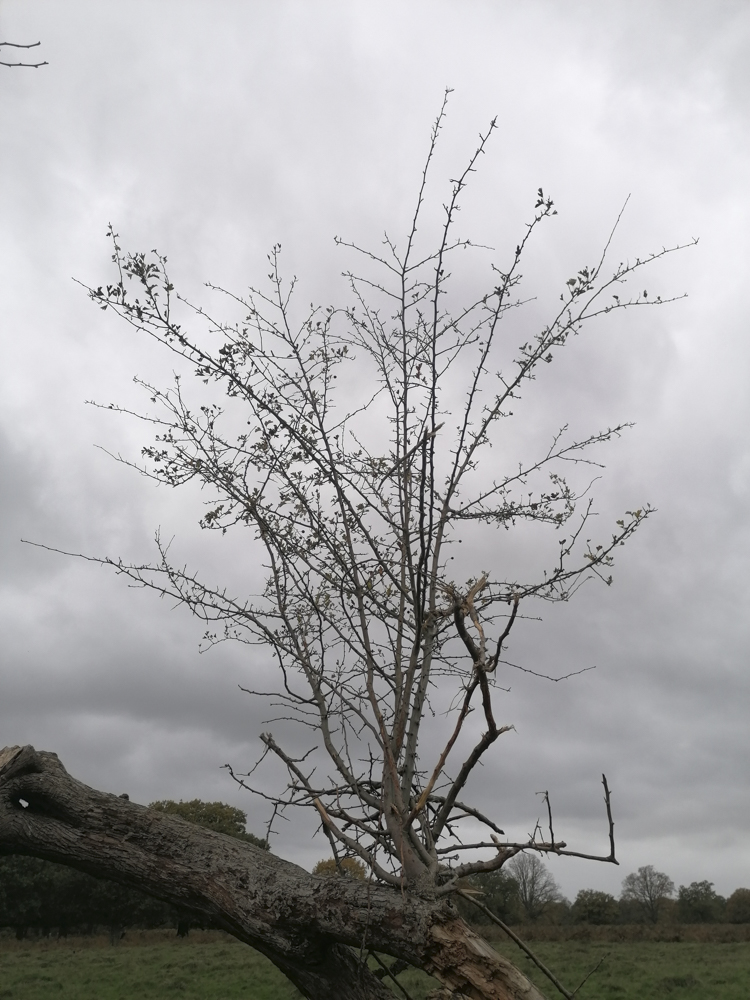
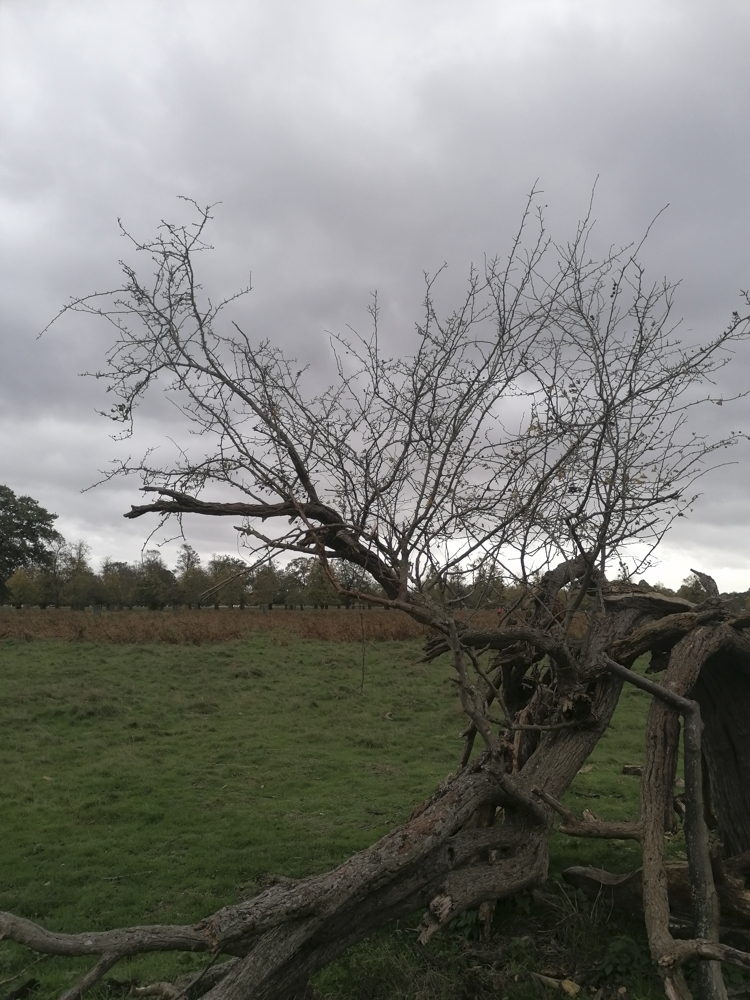
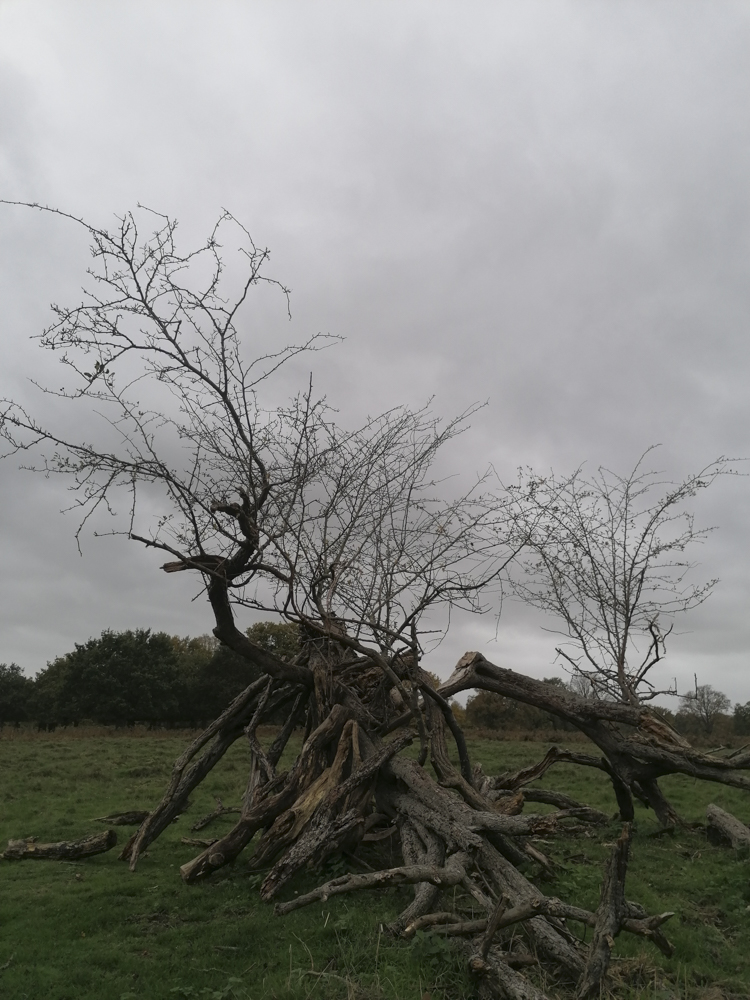
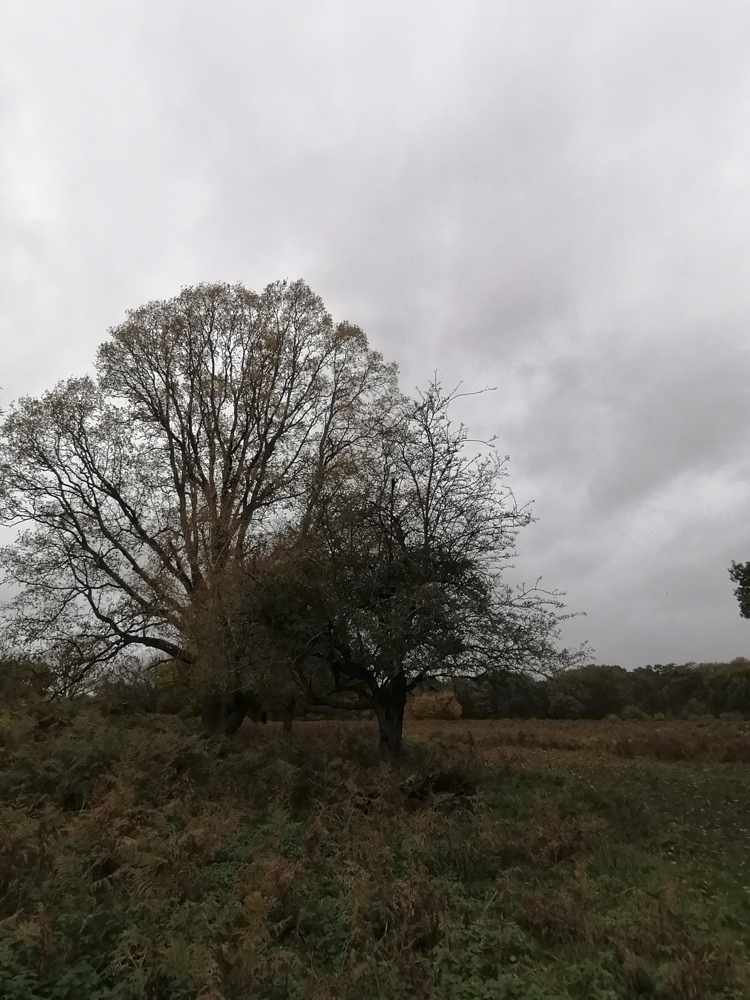
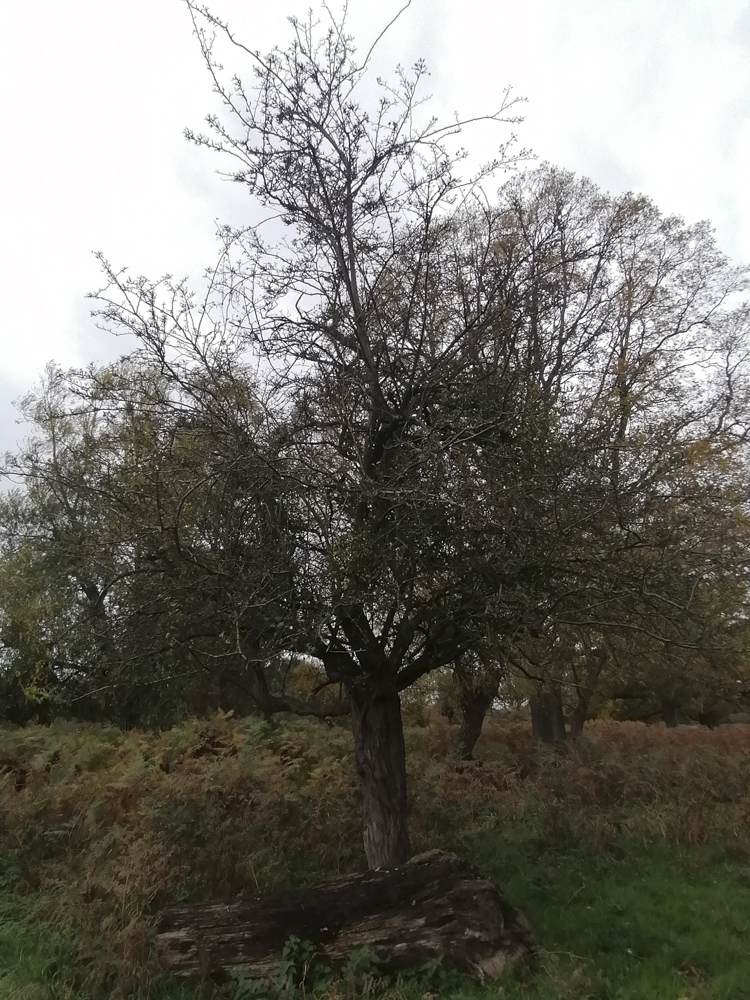
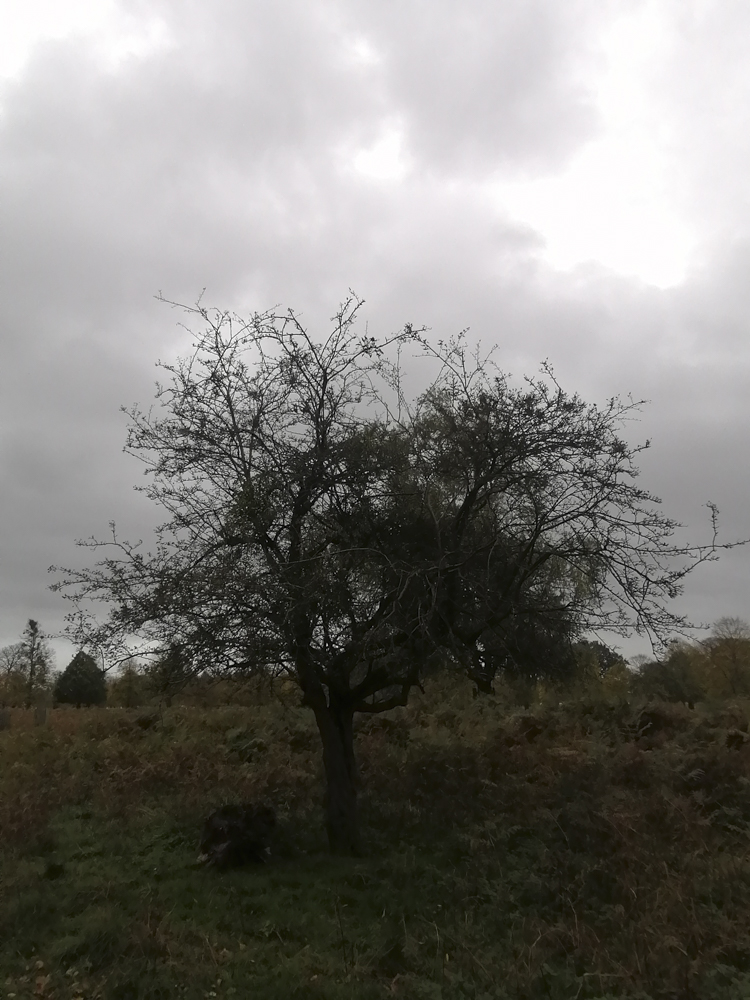
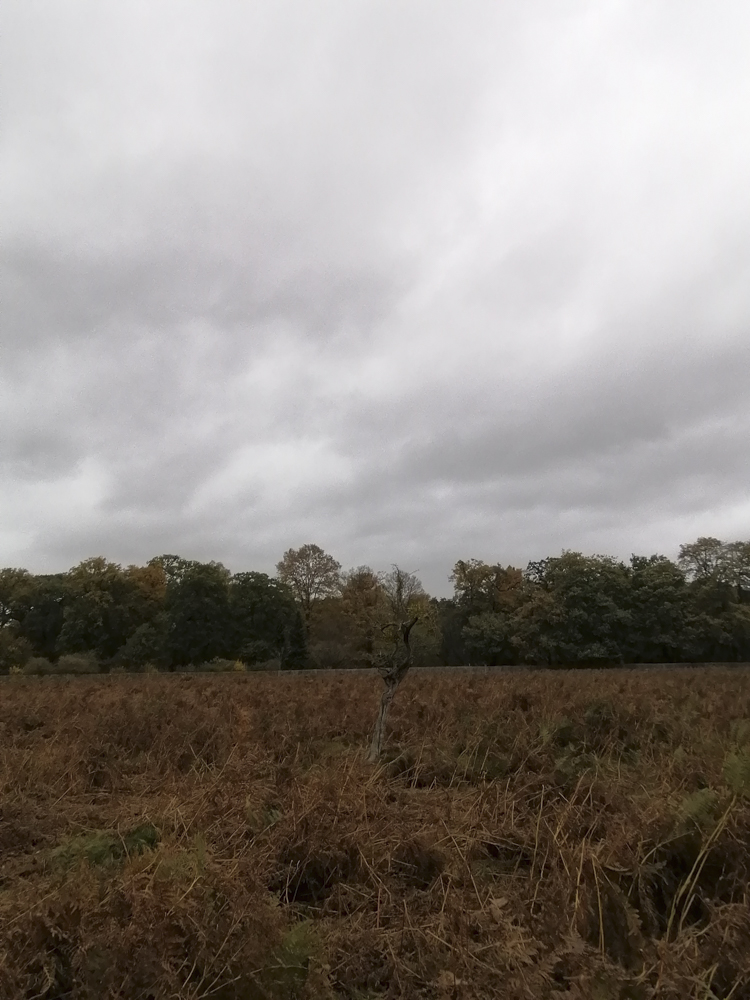
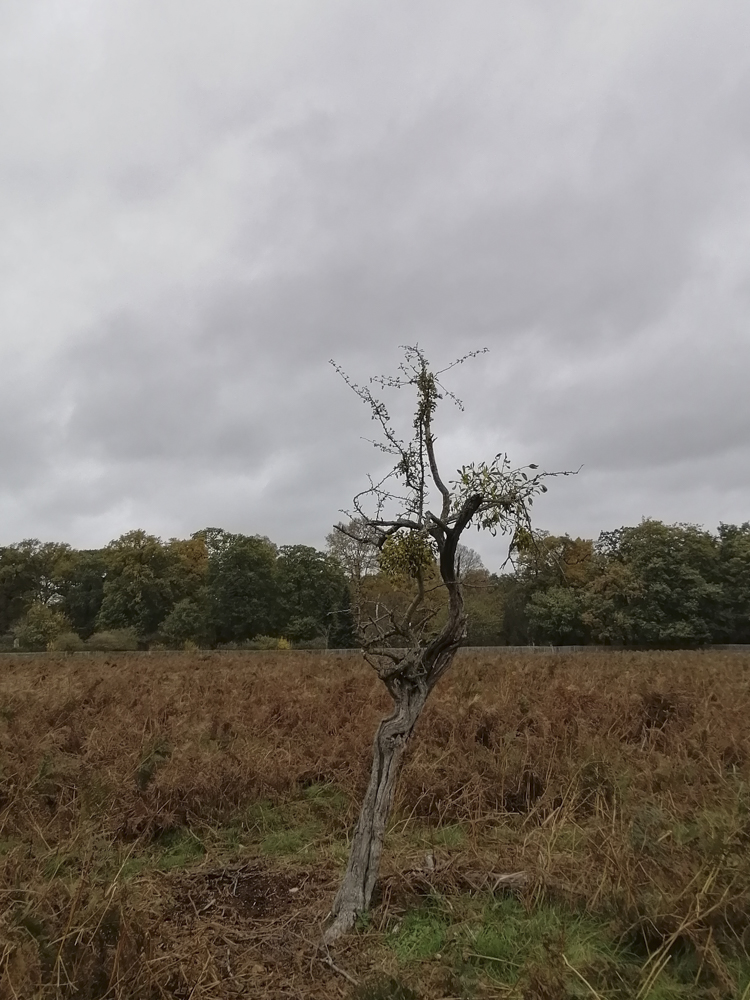
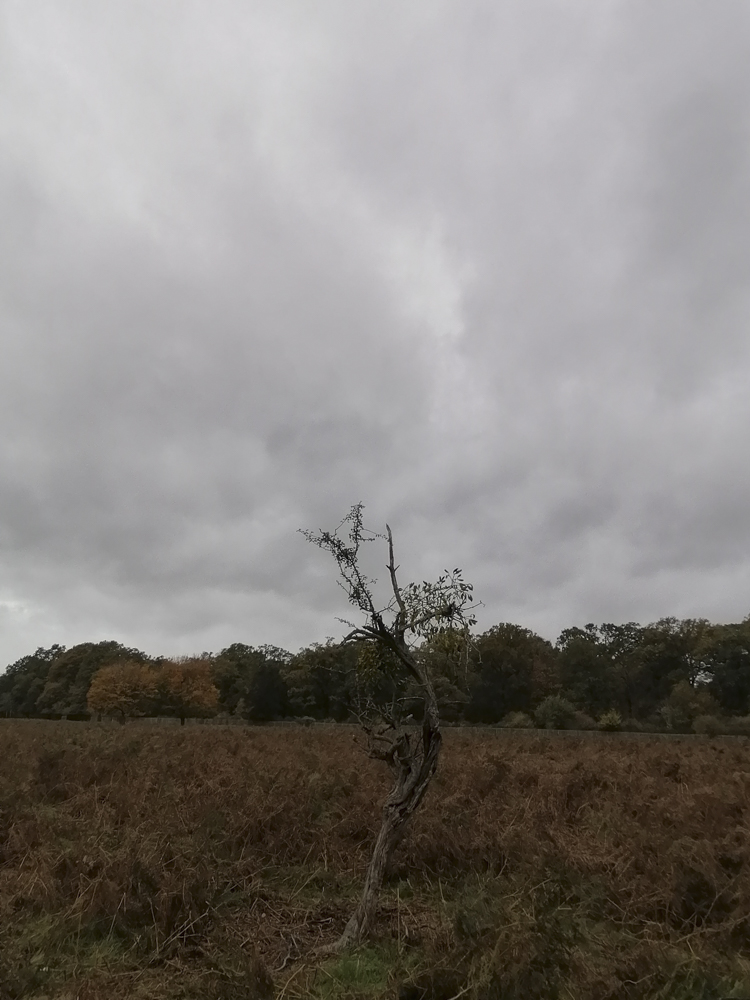
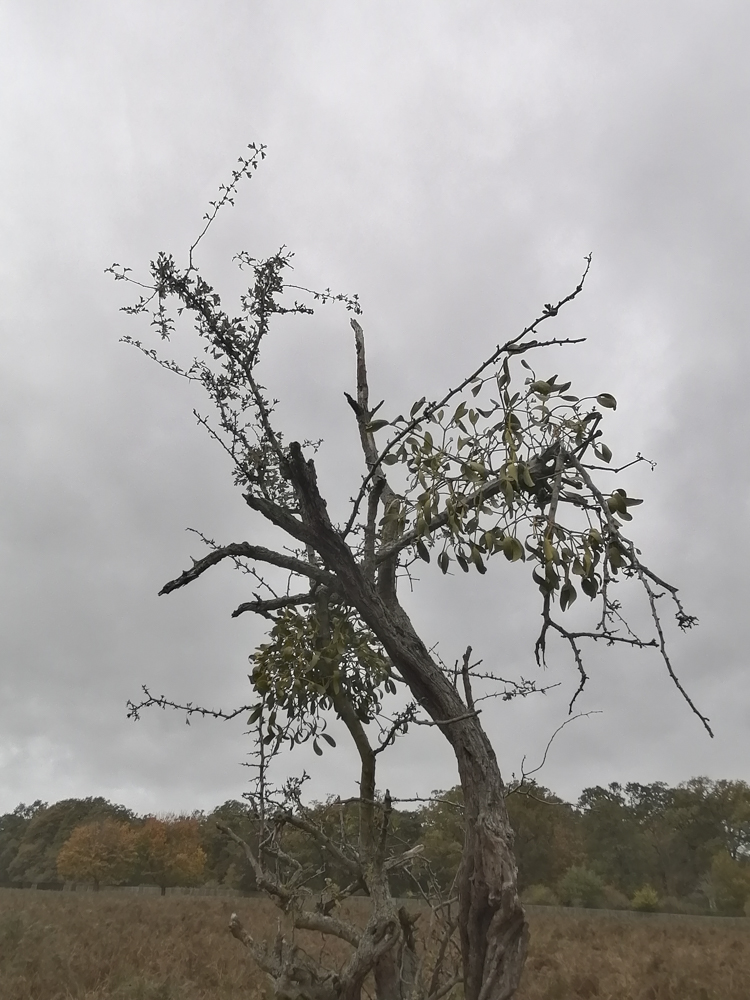
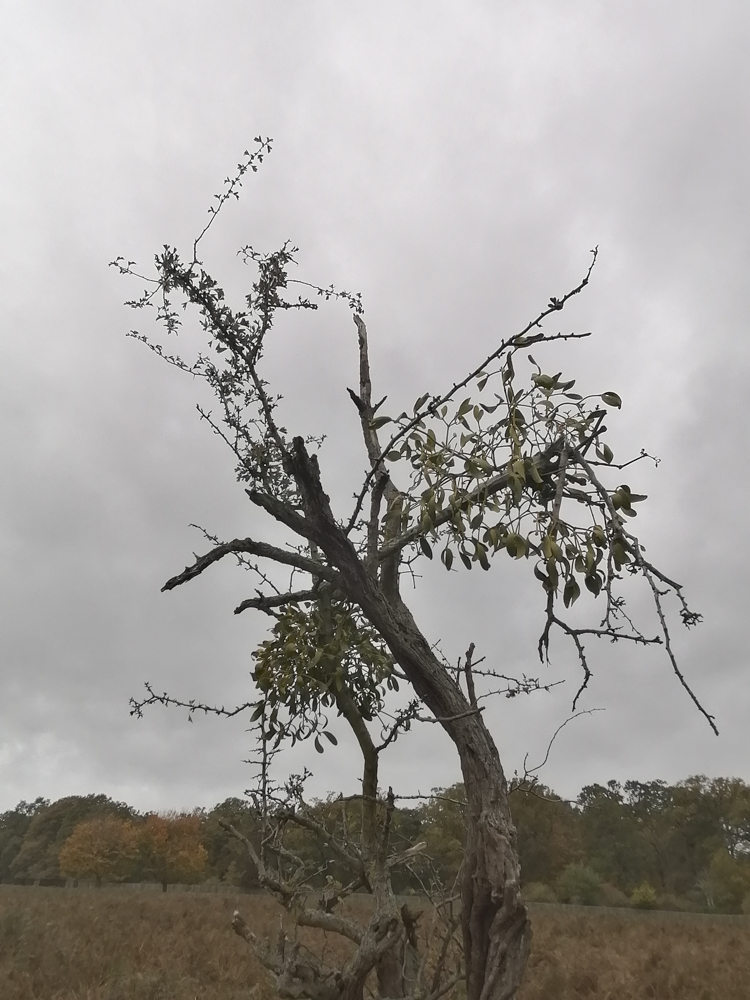
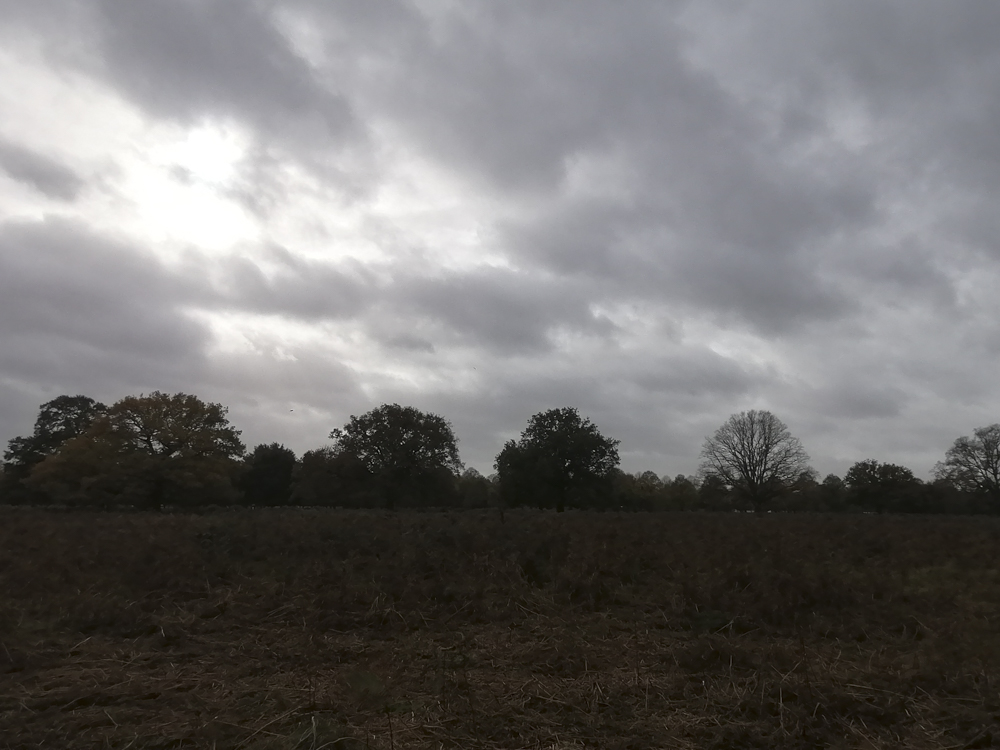
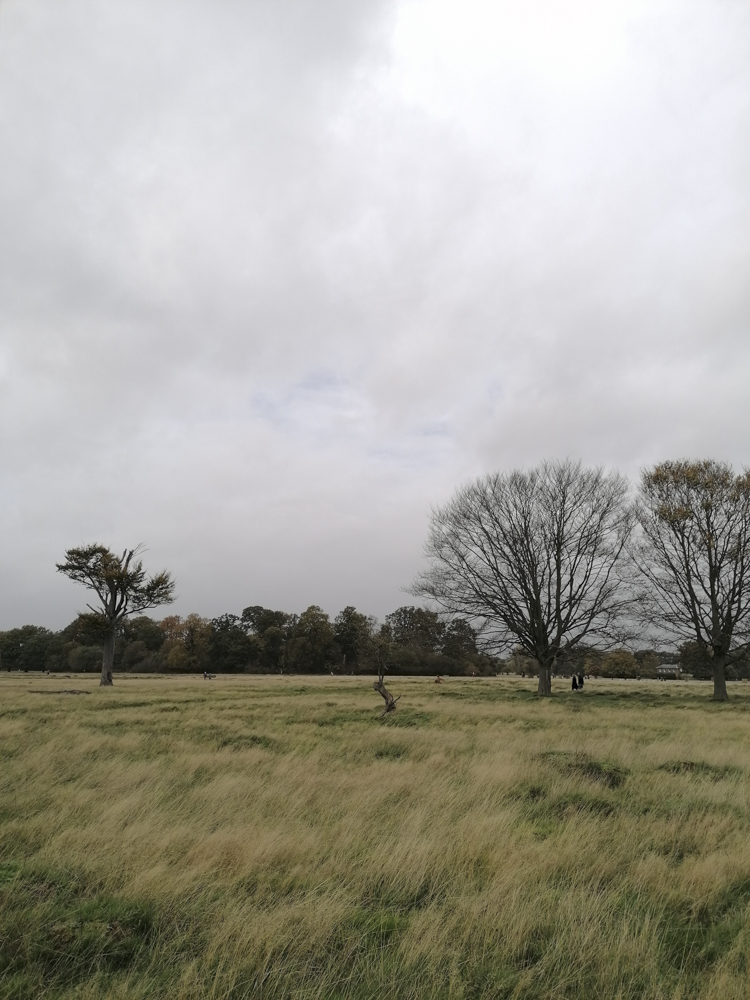
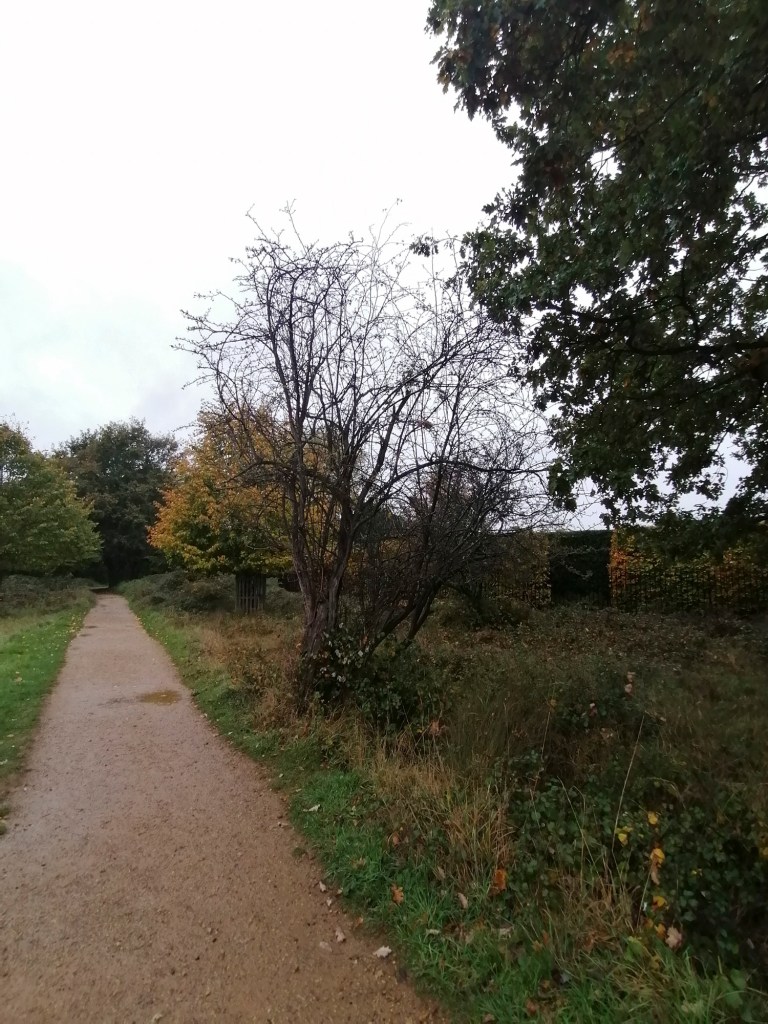
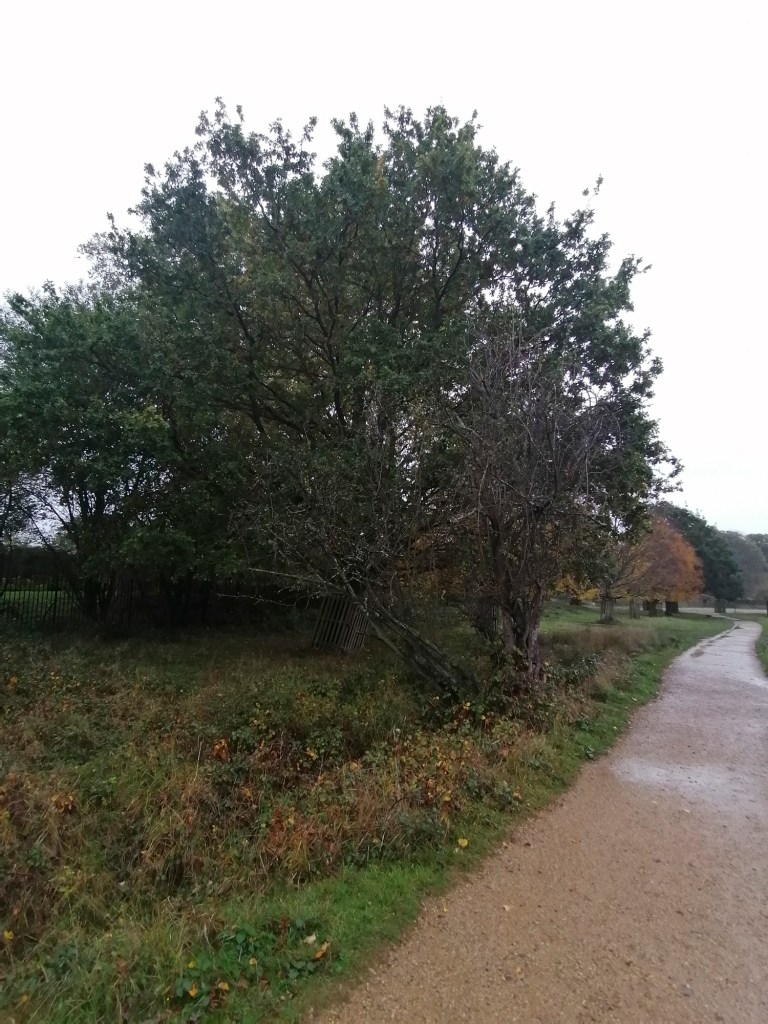
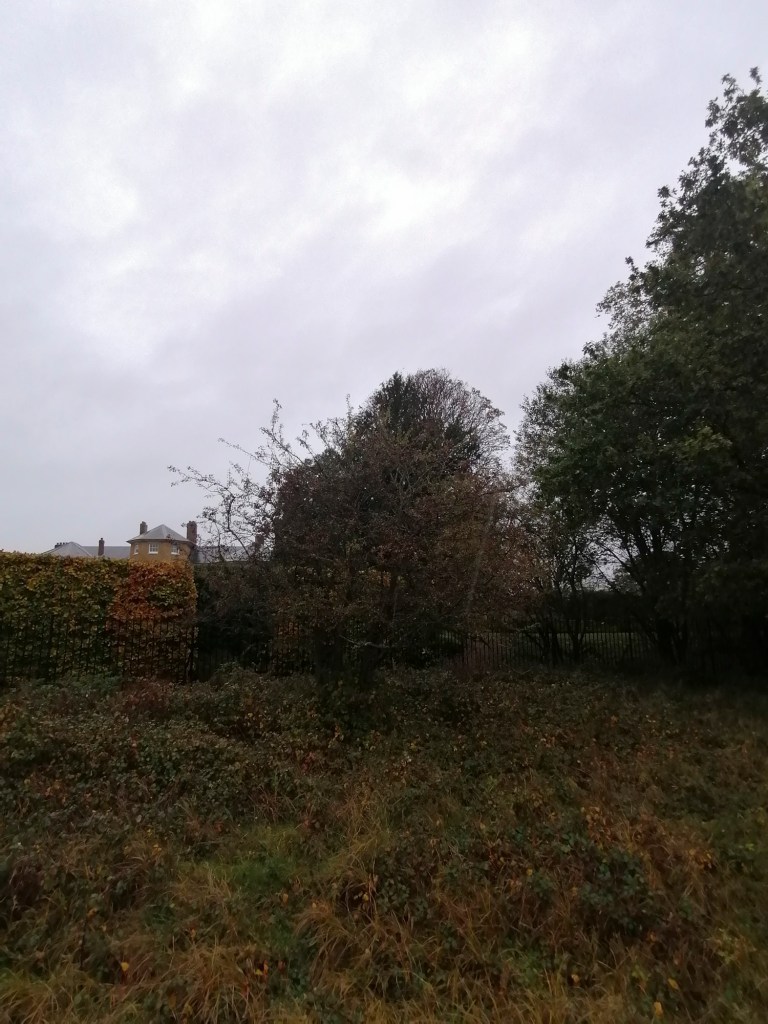
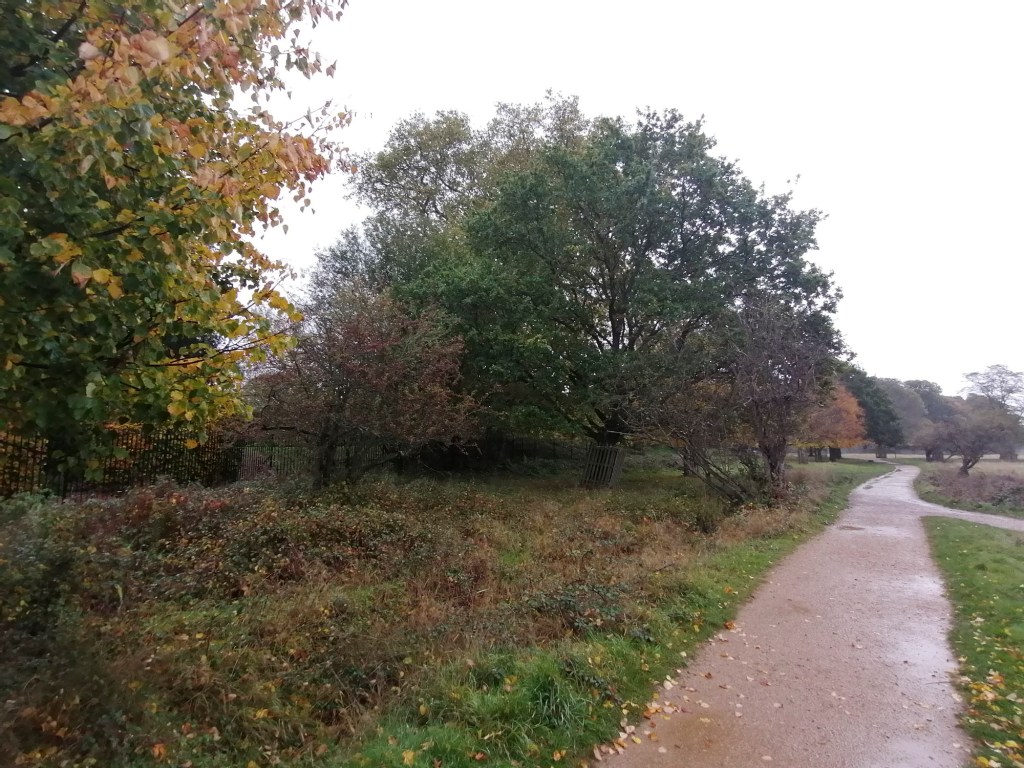
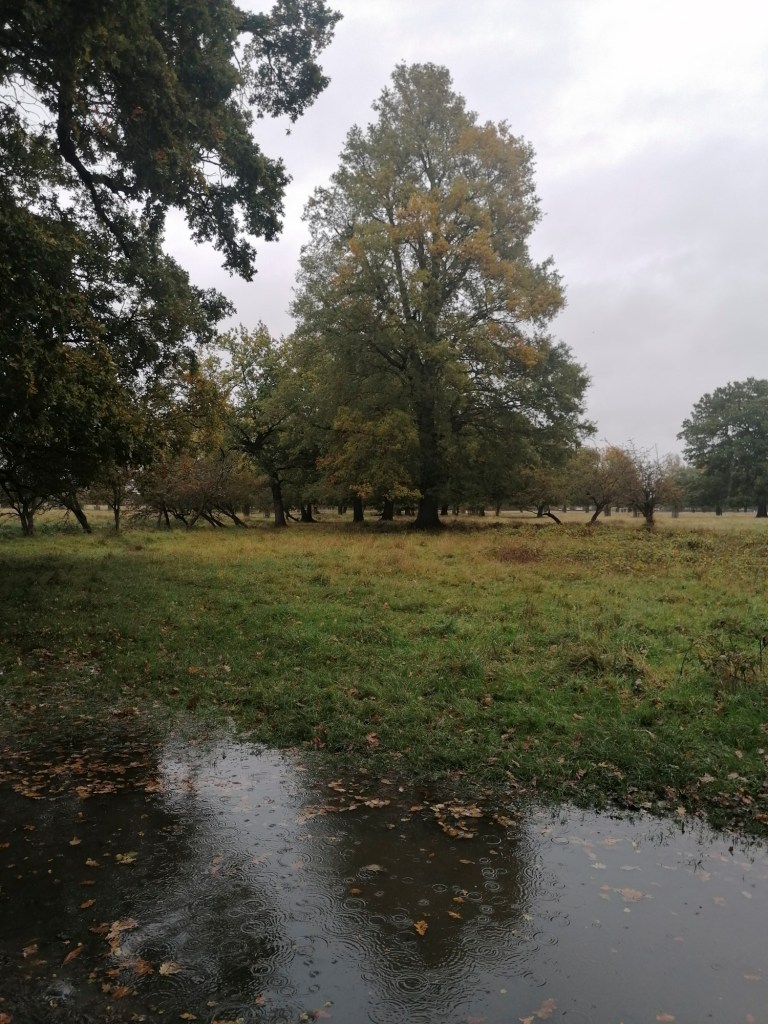
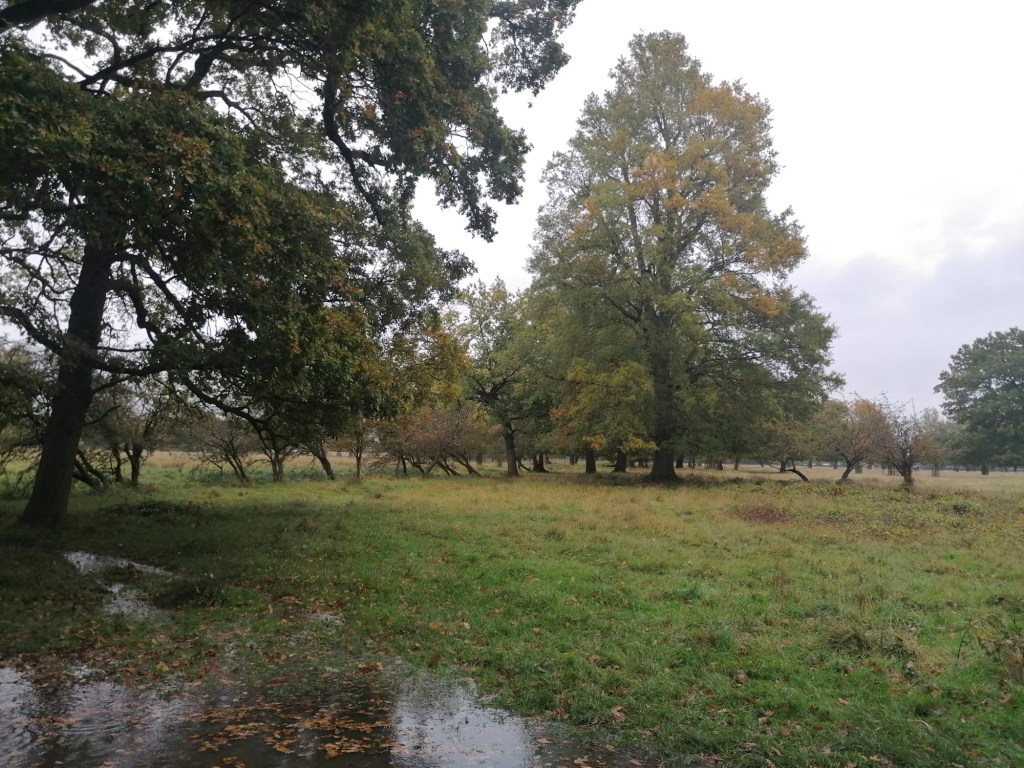
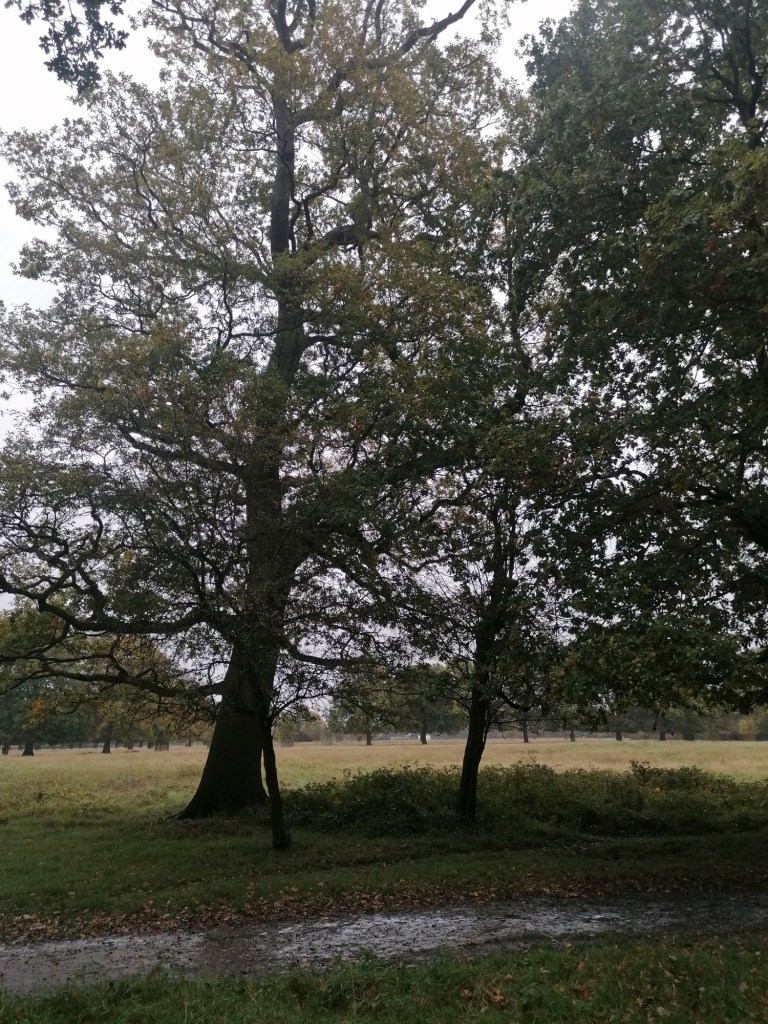
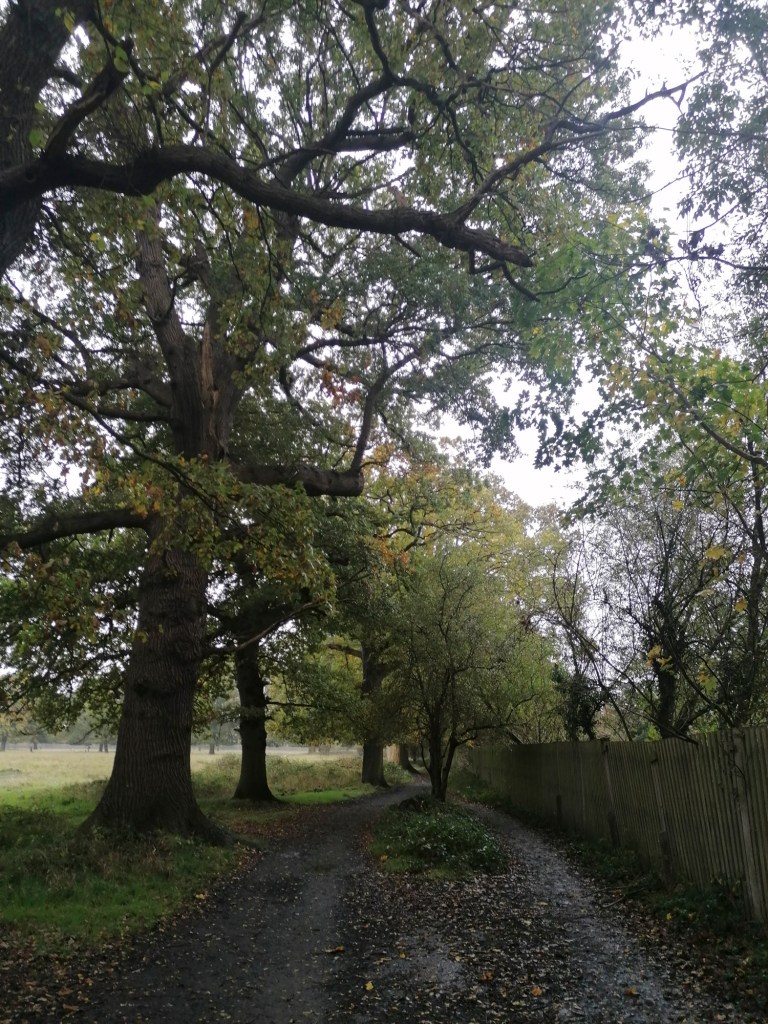
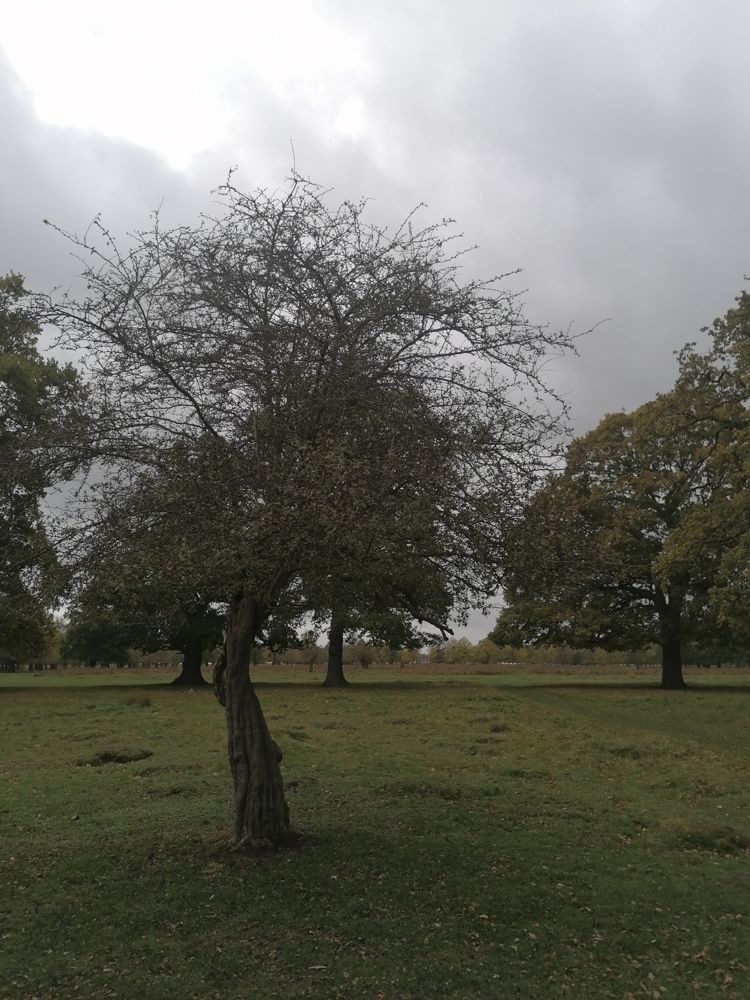
After my successful photo session on 4 November 2020, I was quite enthused to return to the park to catch more hawthorns in similar weather conditions. As the forecast was for cold and mist first thing on 6 November, I could not miss out on this opportunity.

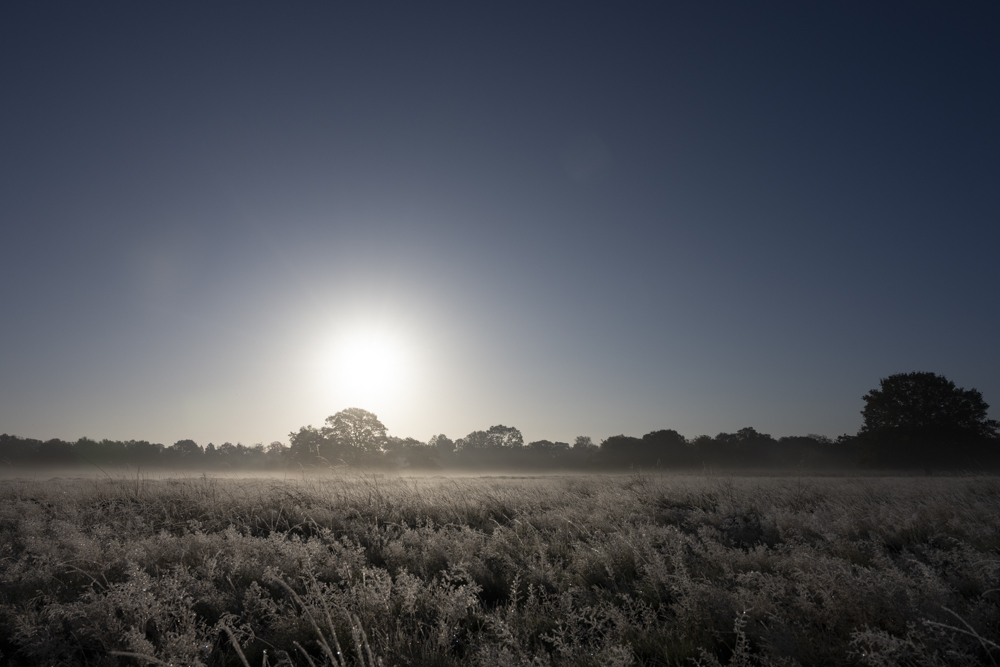
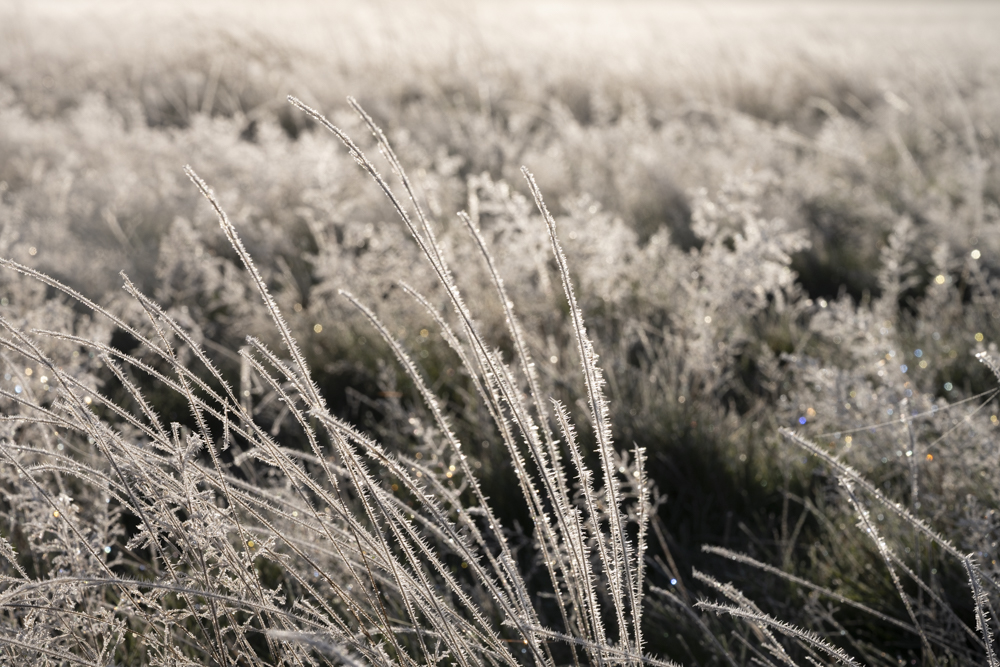
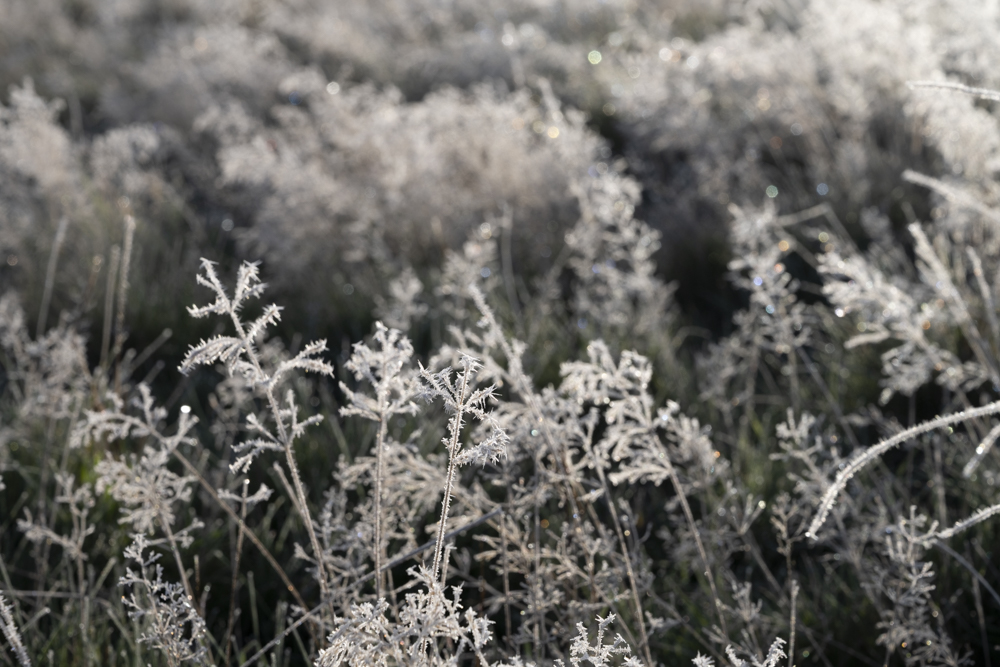
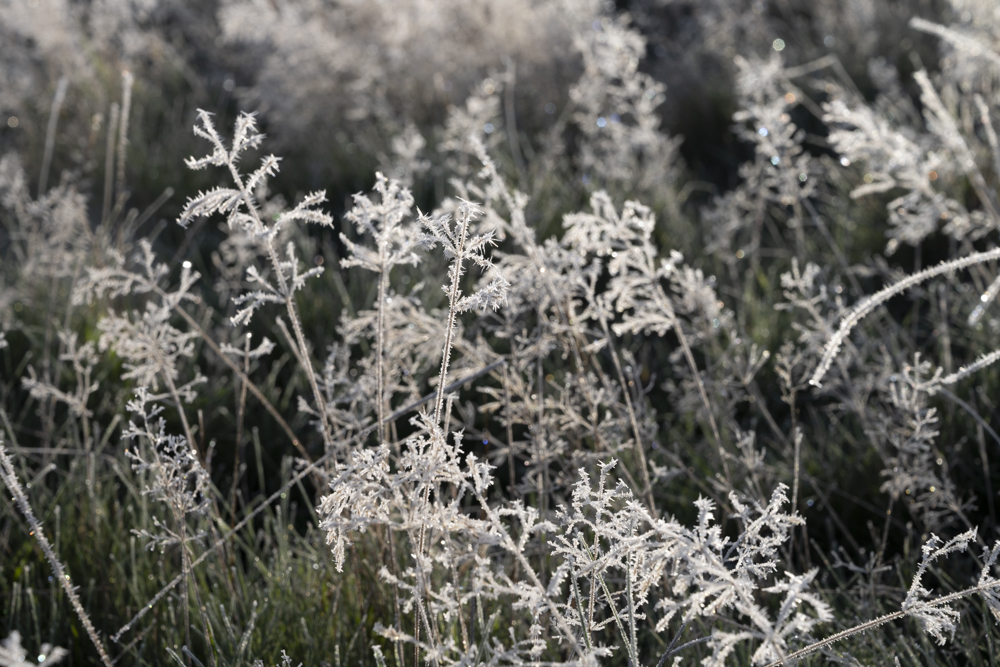
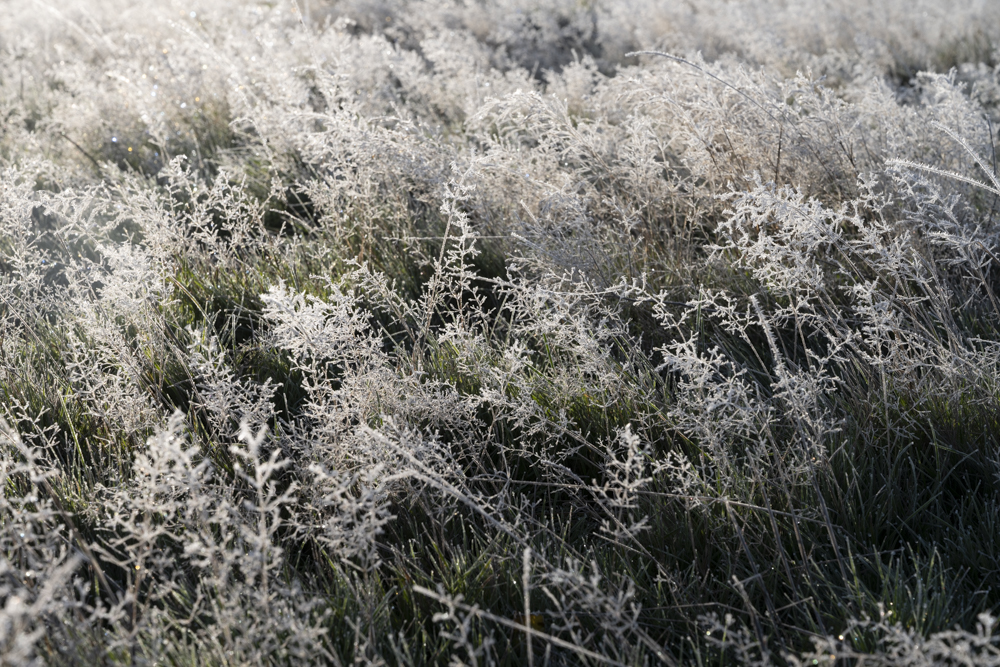
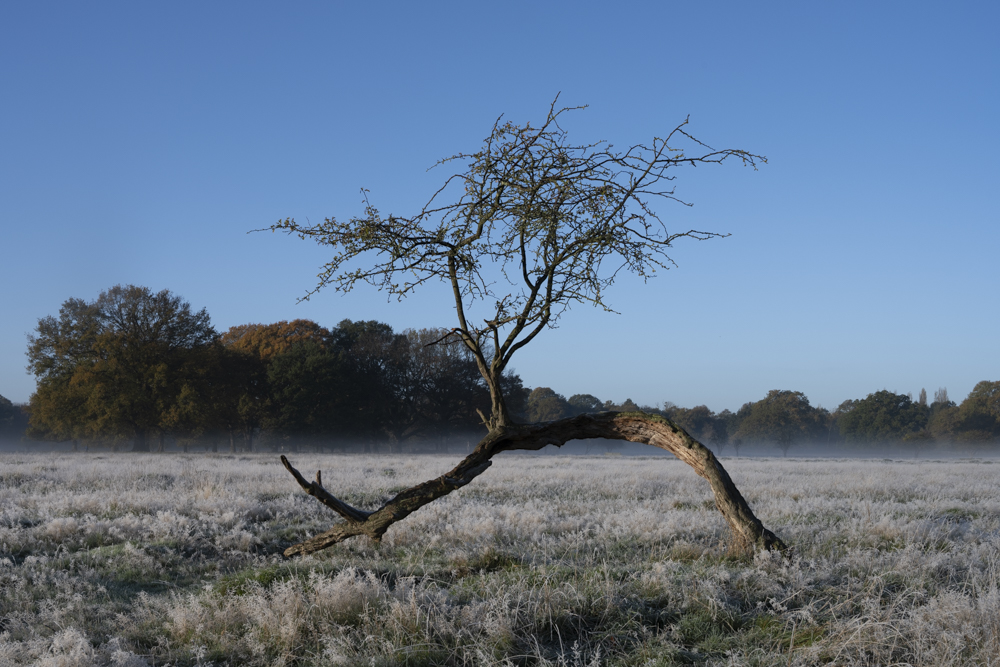
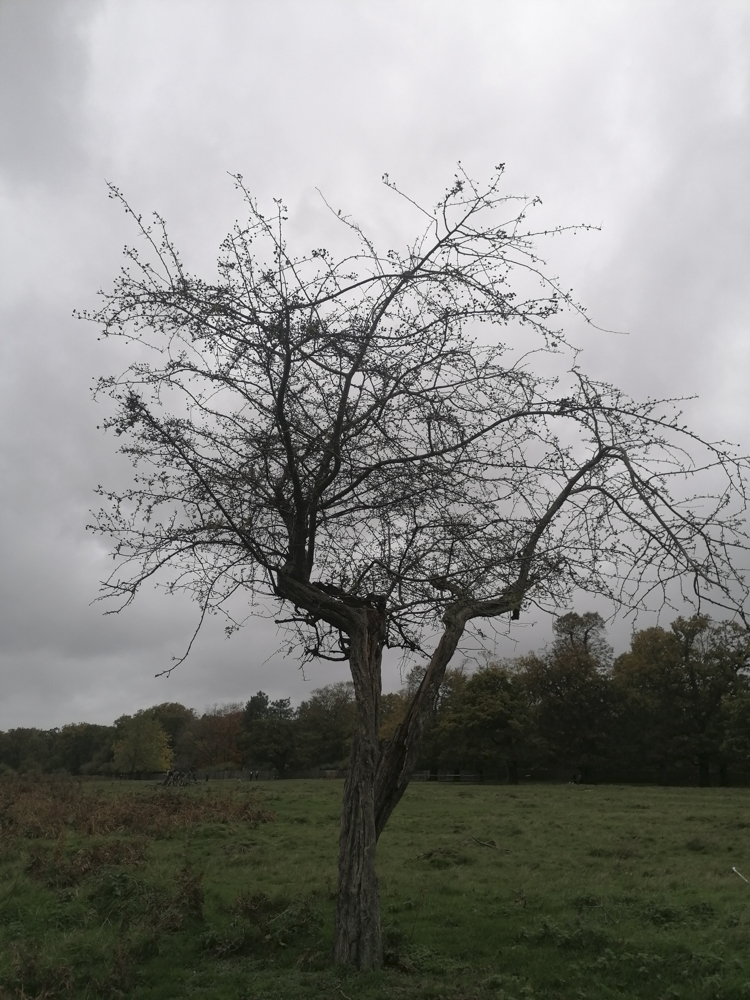
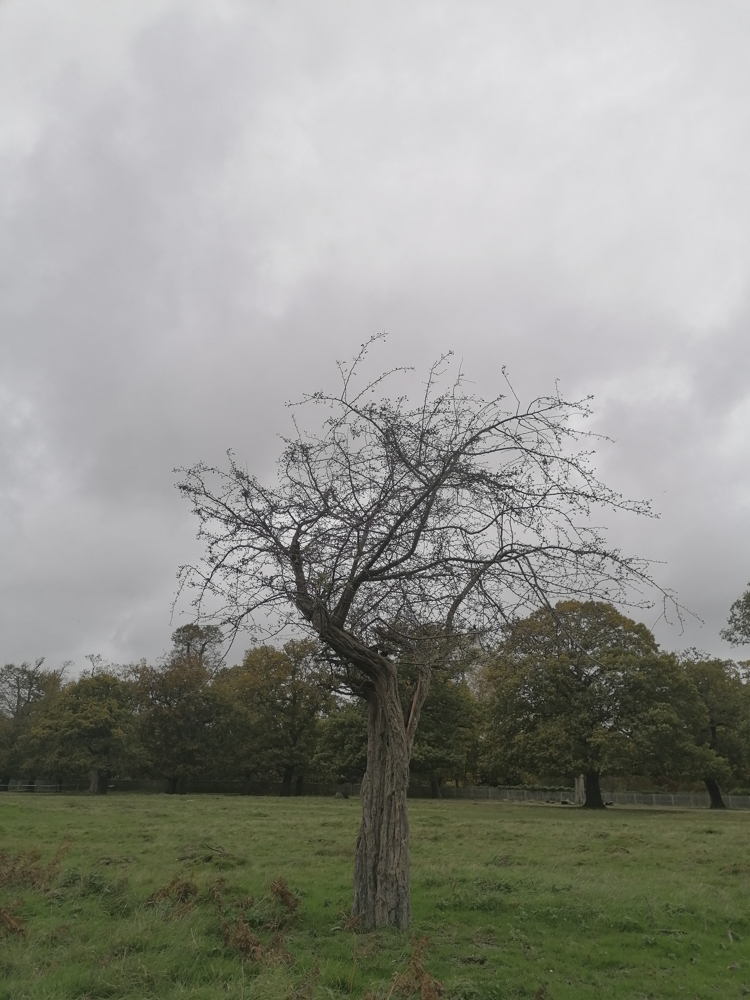
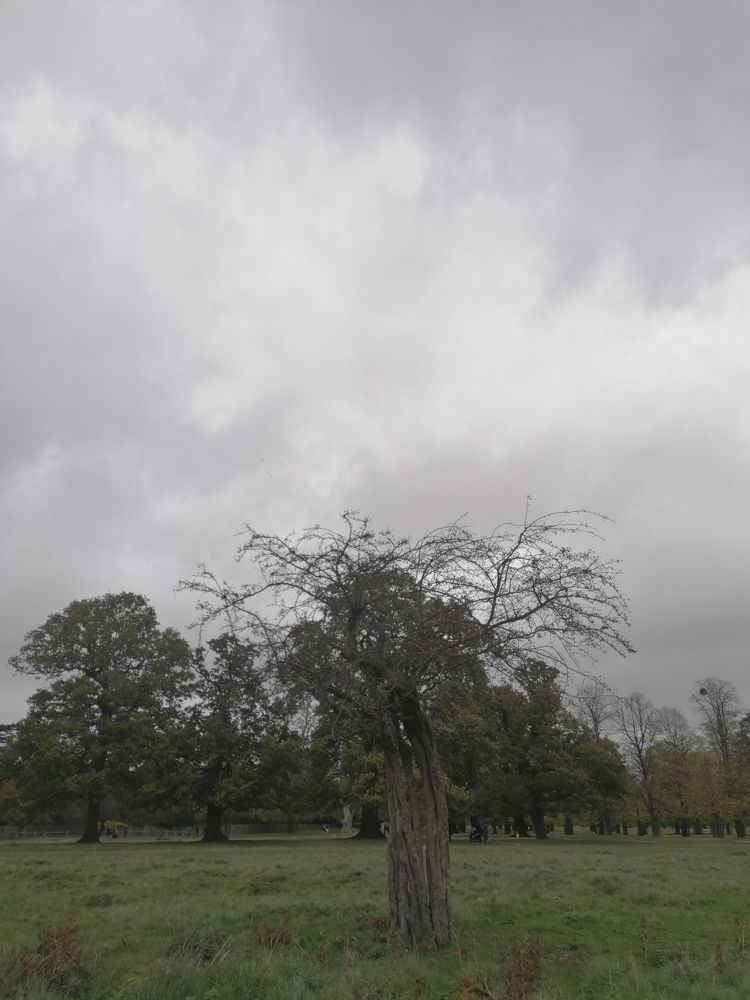
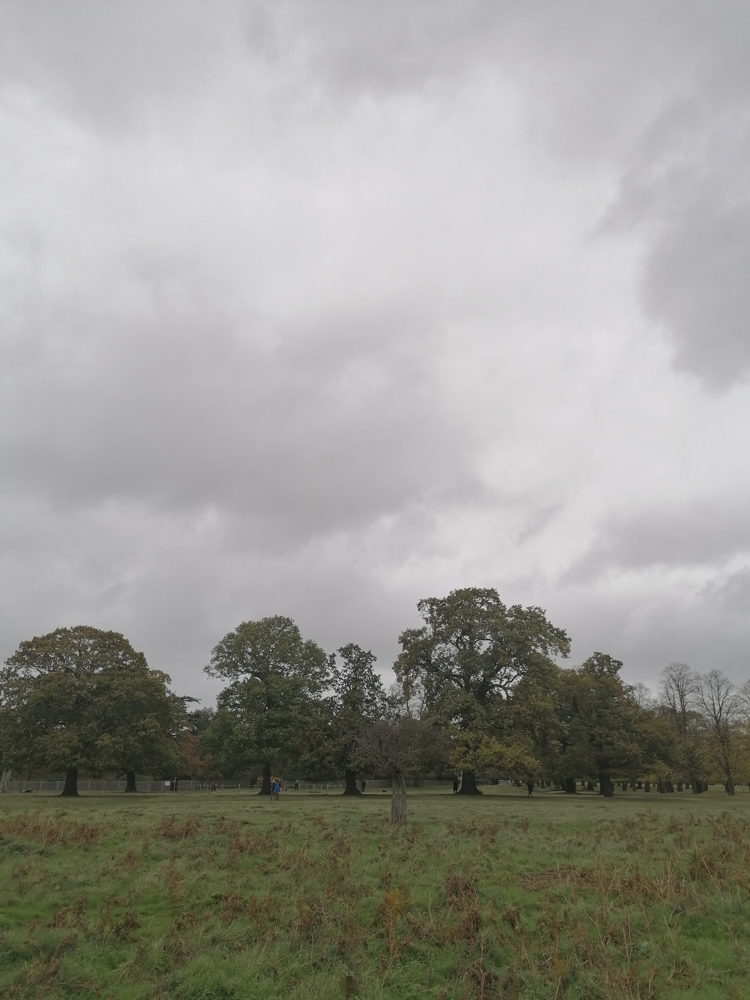
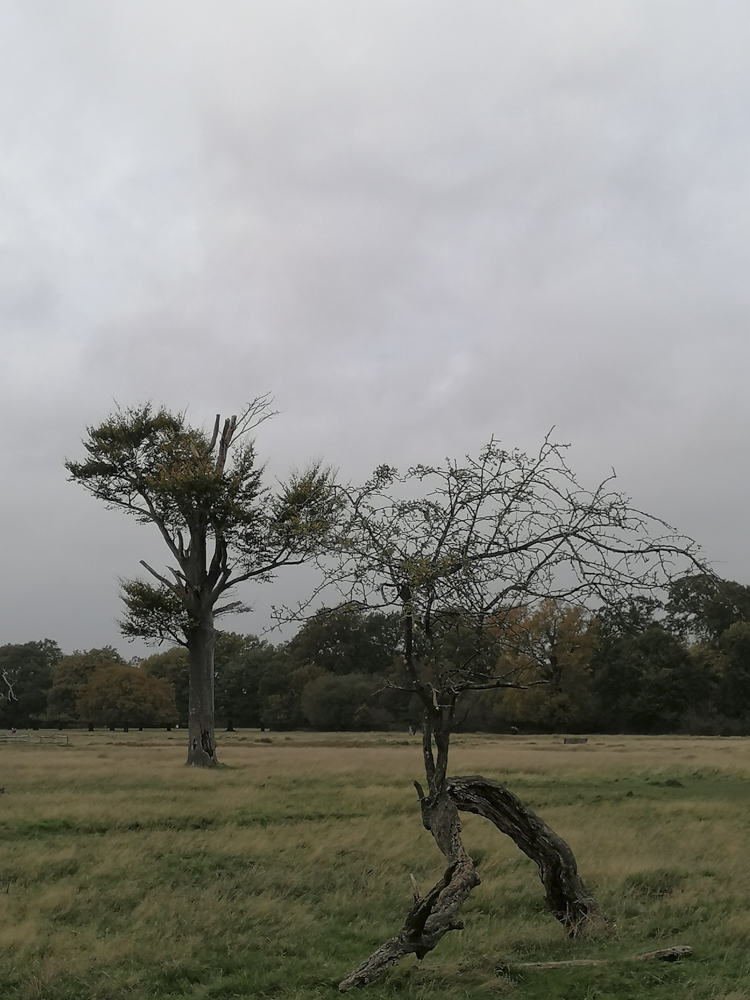
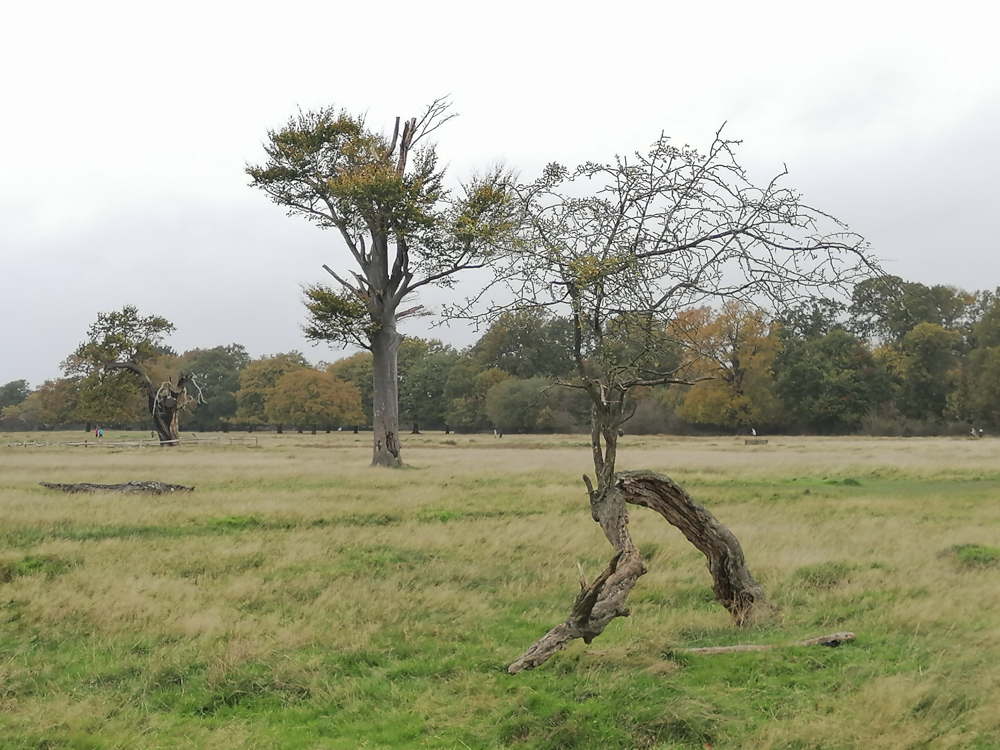
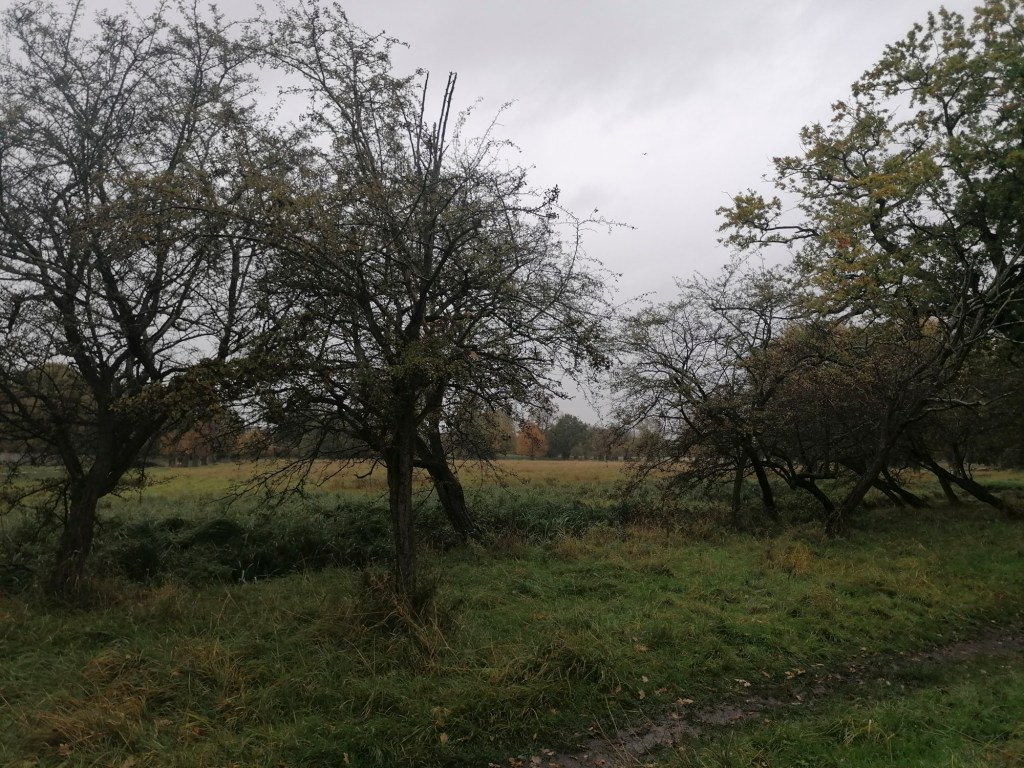
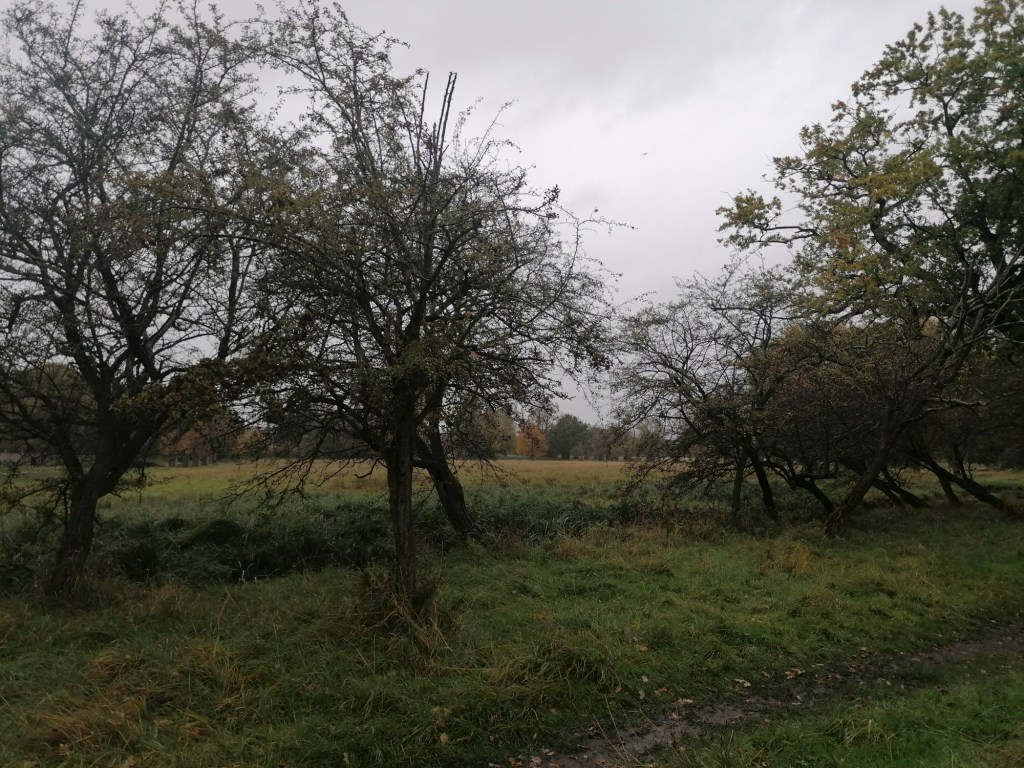
Unfortunately, despite it being quite chilly, the air was a touch too humid to have the ‘diamond’ effect on the trees and grass. Nonetheless, I discovered three new hawthorns and took the following images.

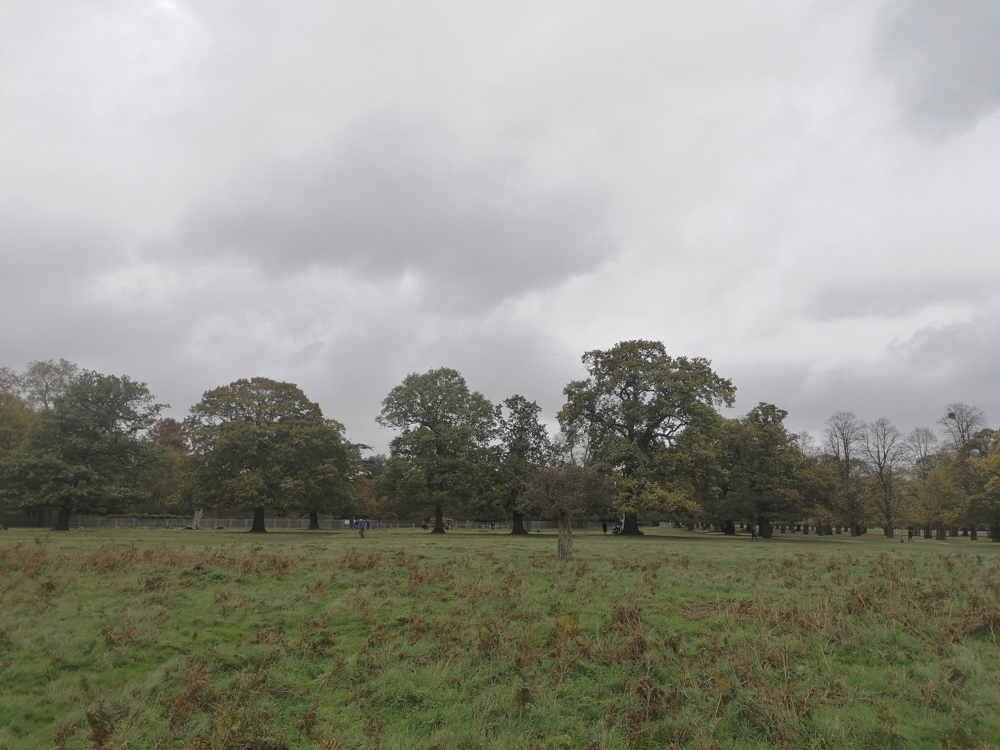
The area of Bushy Park I focused on was the patch on the left of Chestnut Avenue at the Teddington Gate.
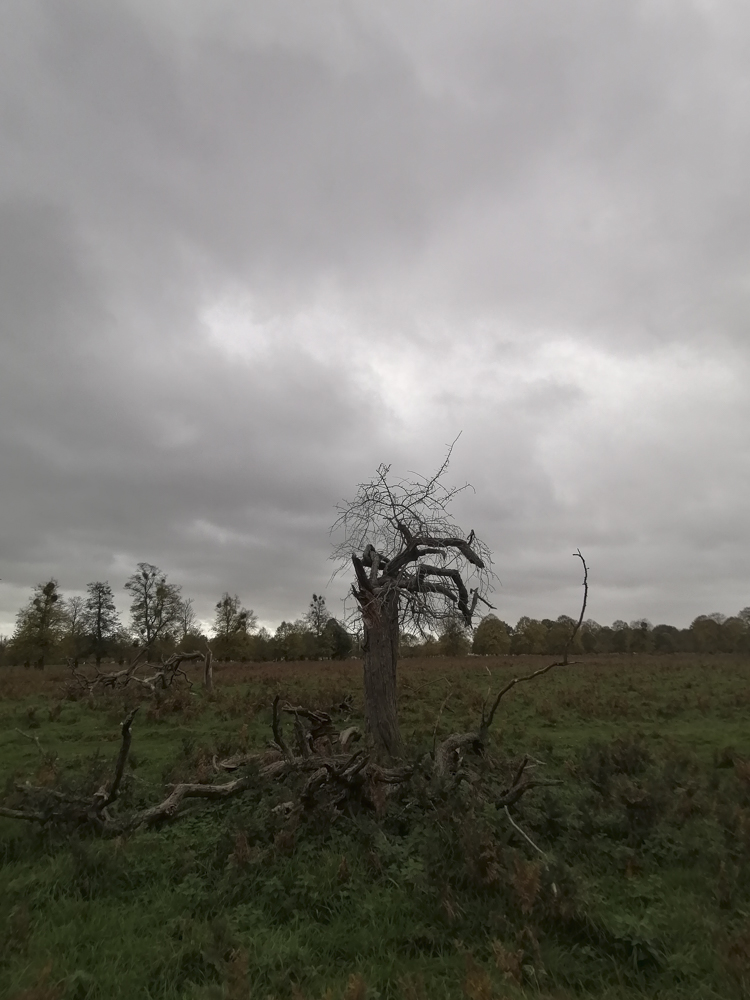
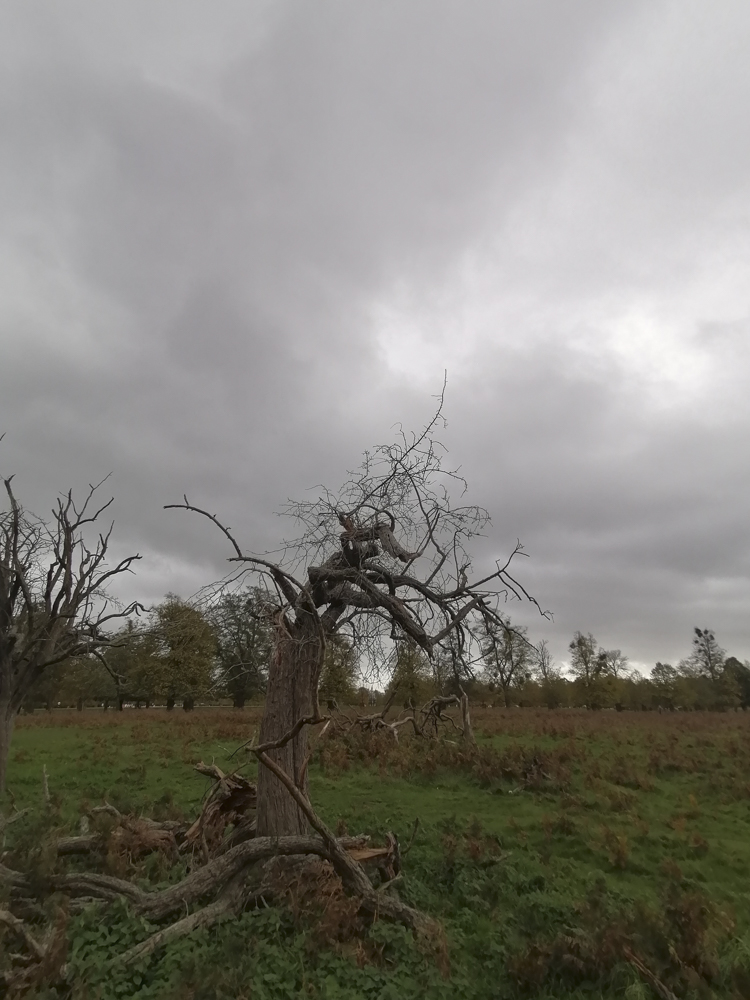
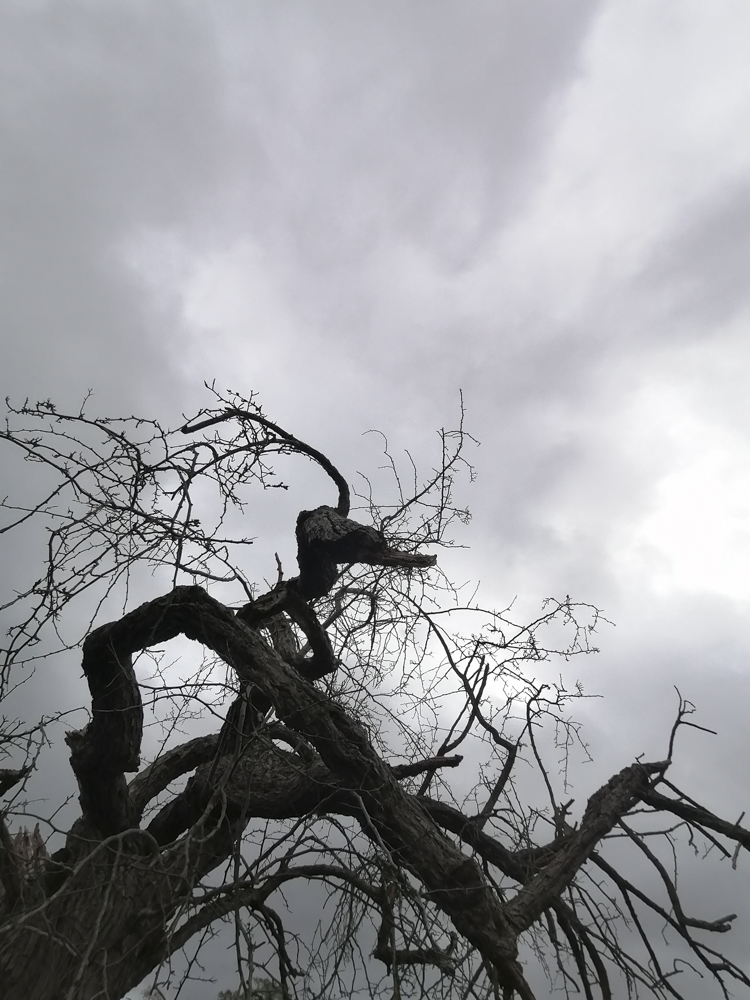
Tree 1

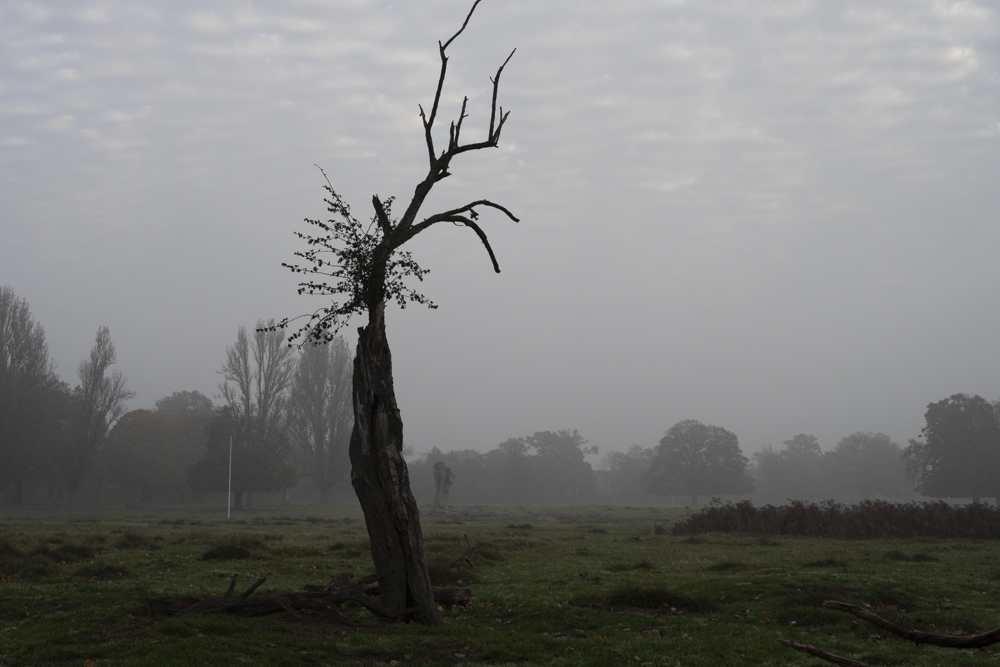
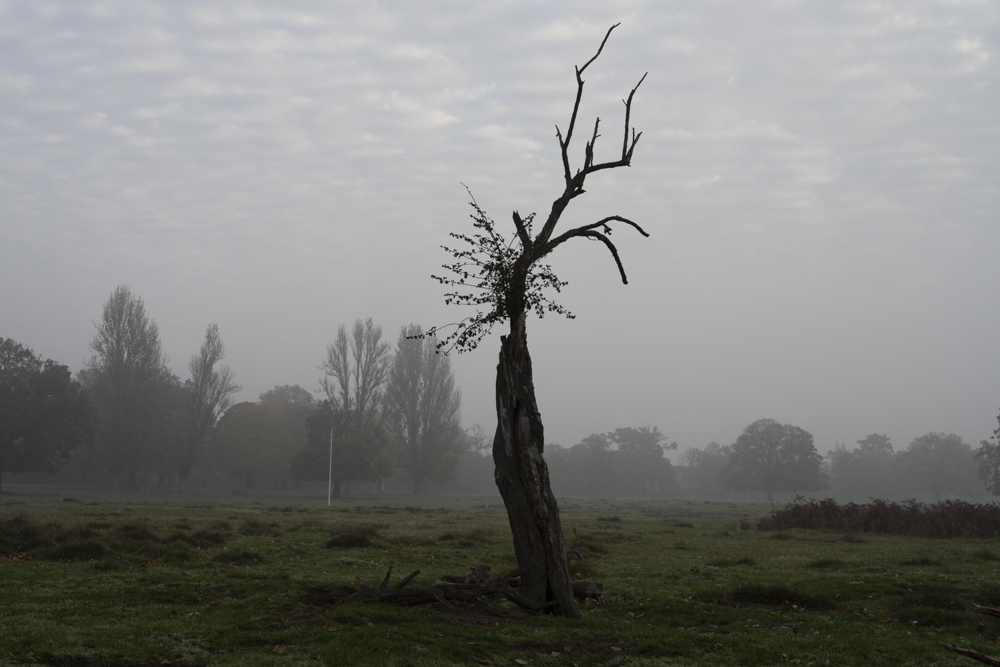
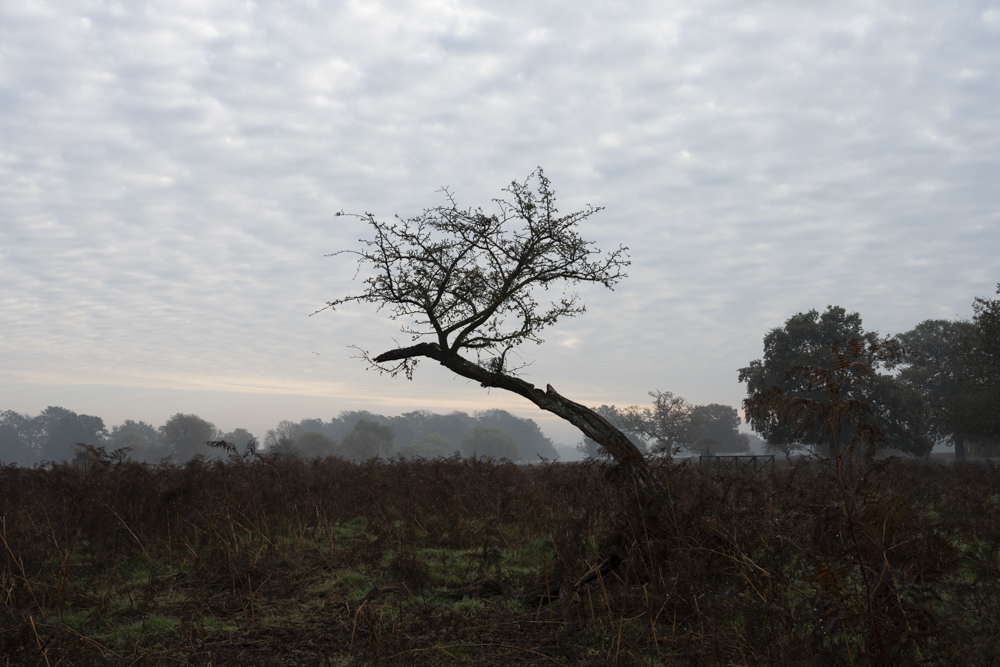
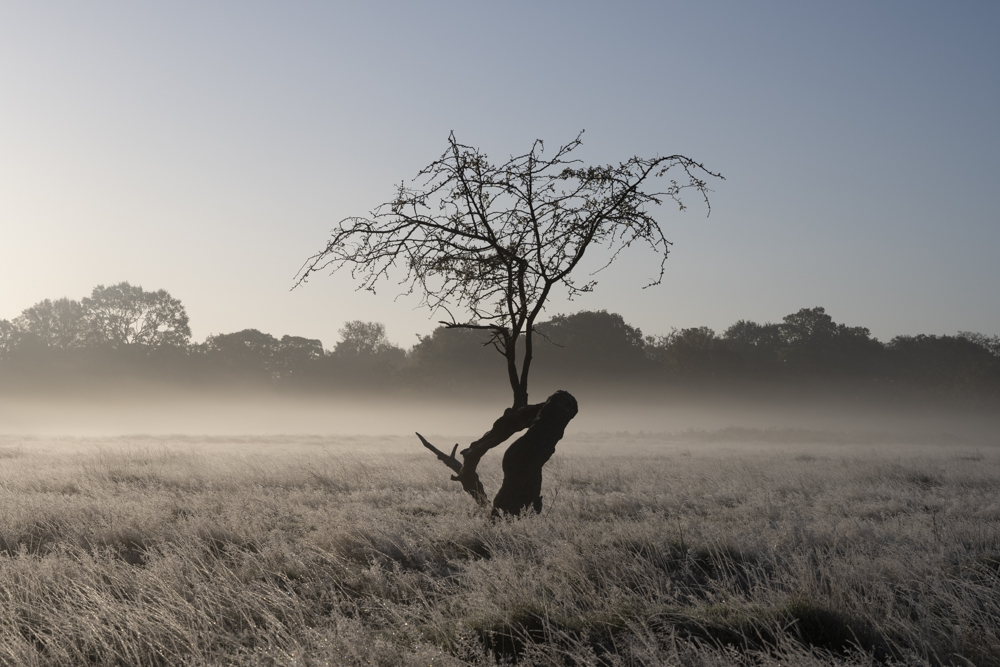
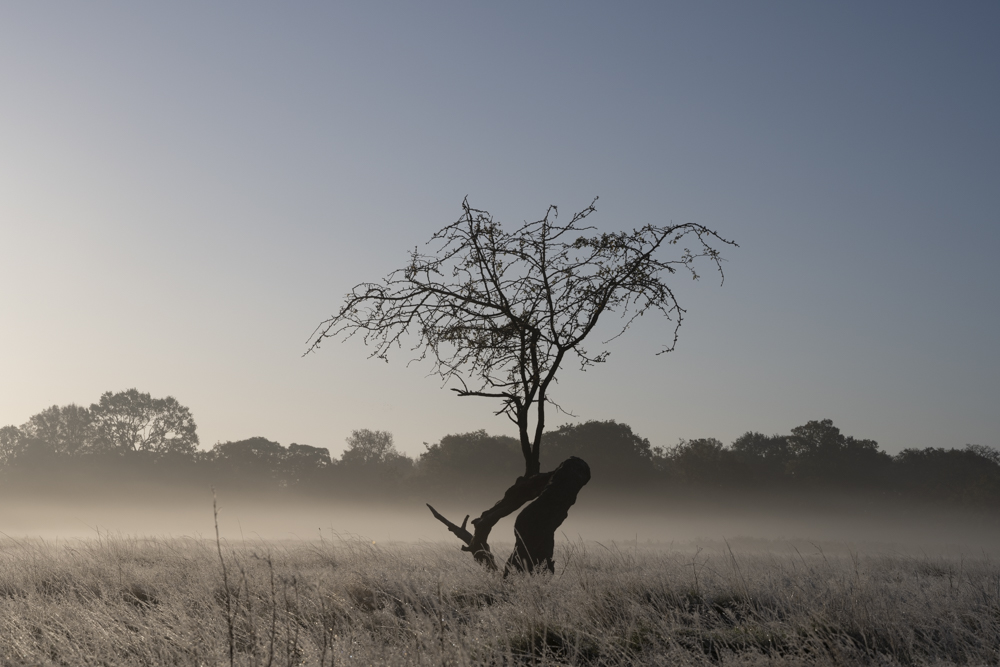
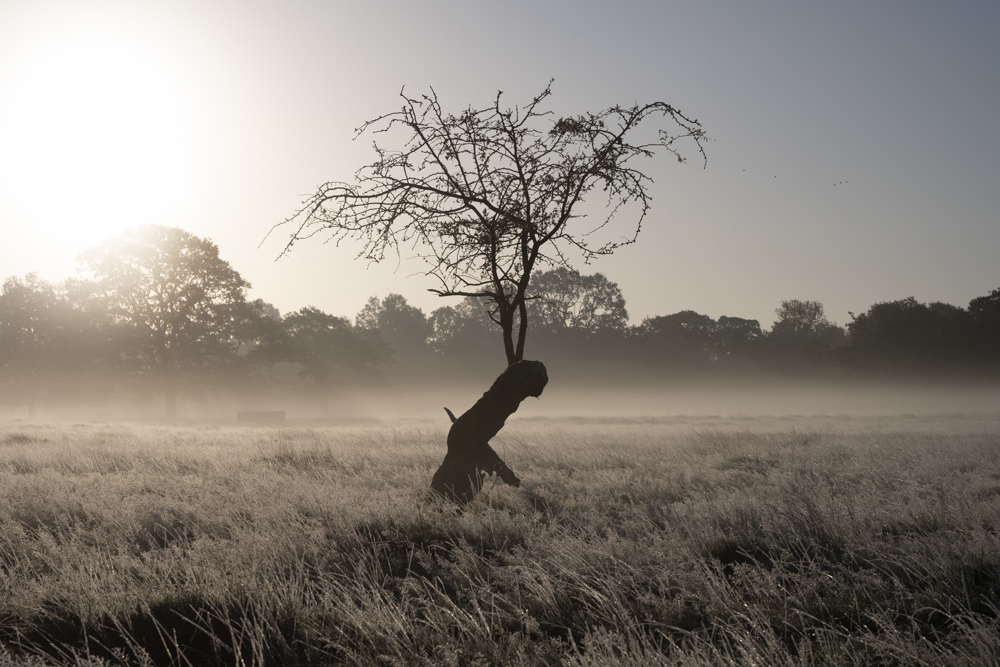
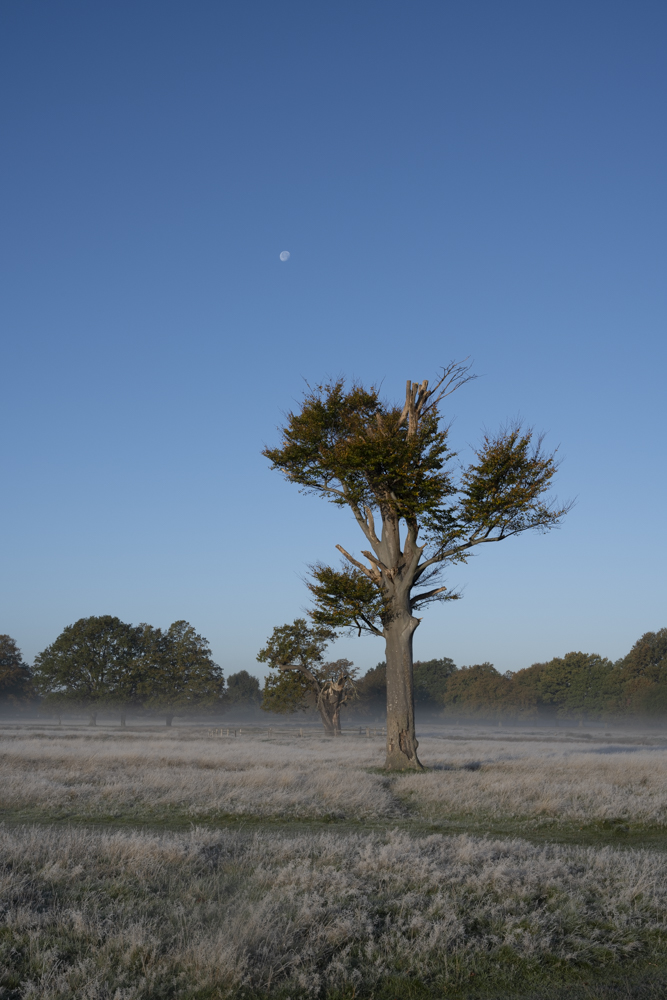
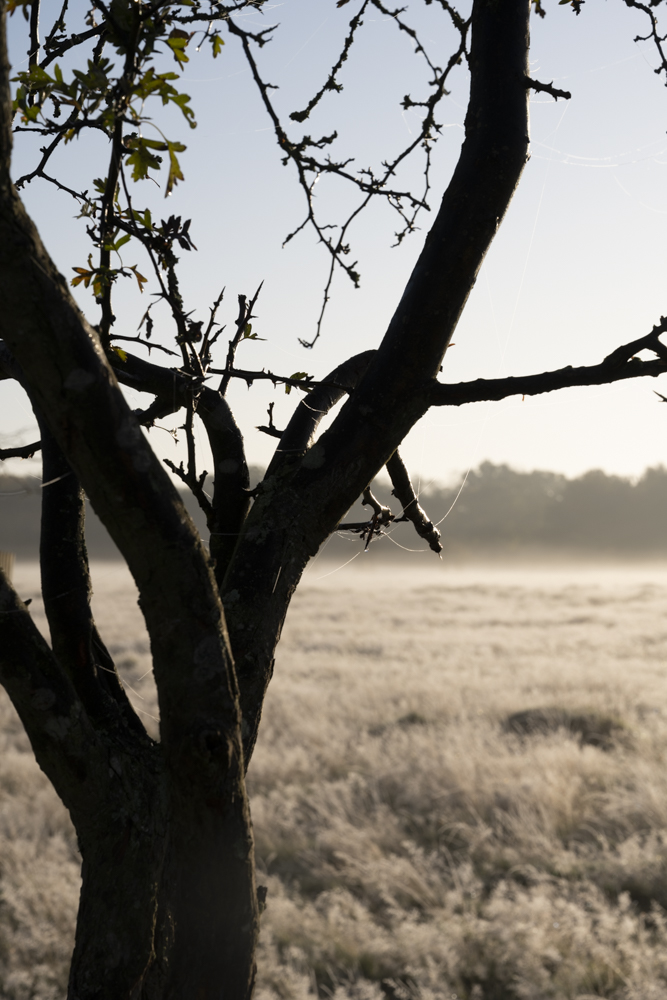
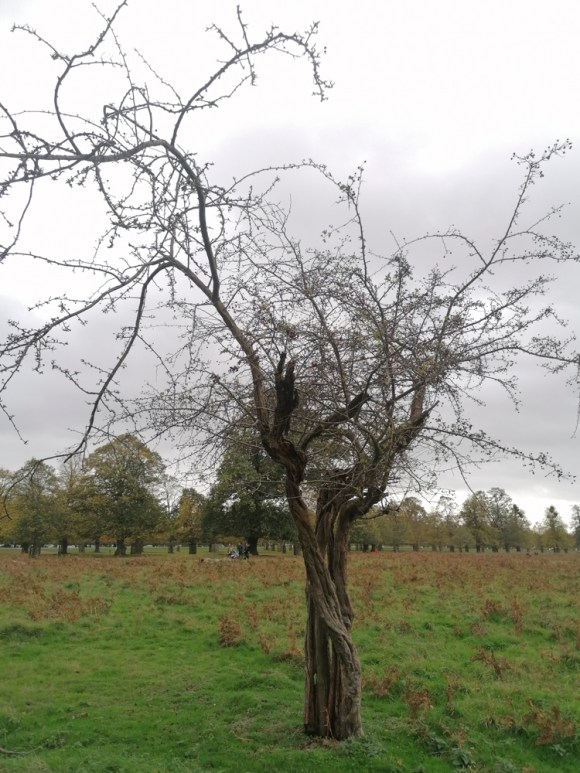
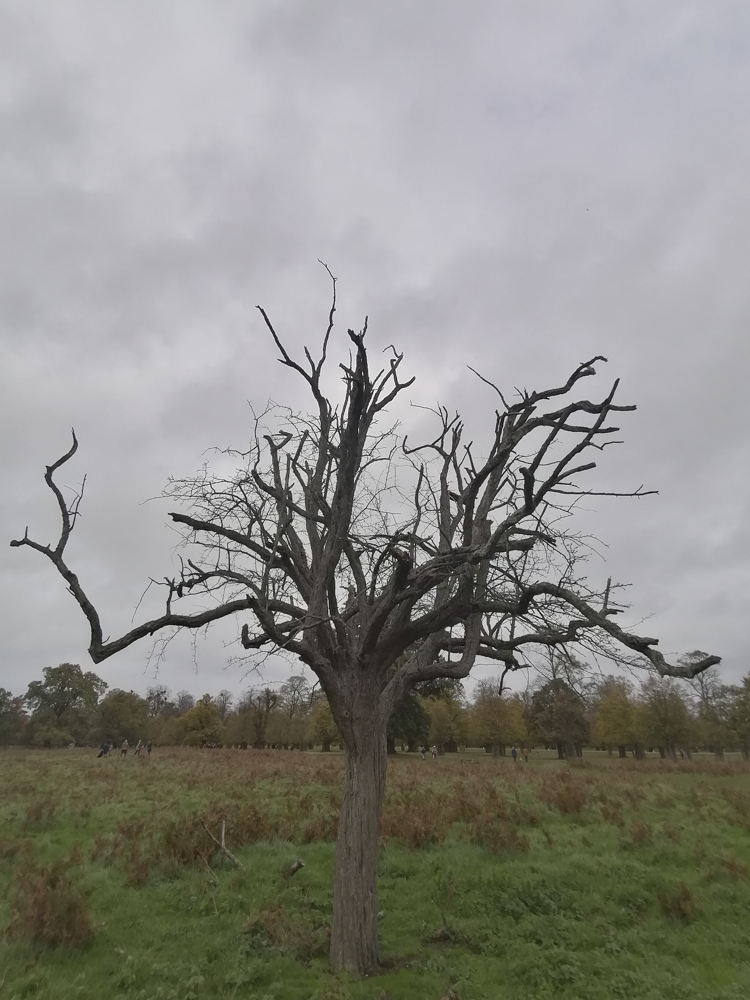
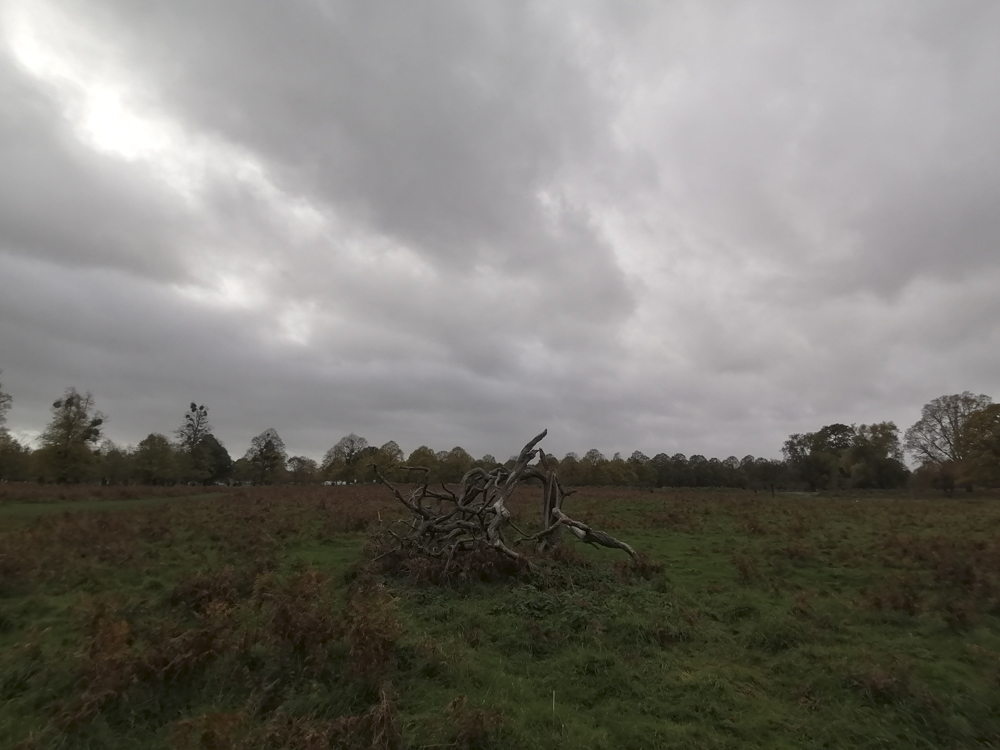
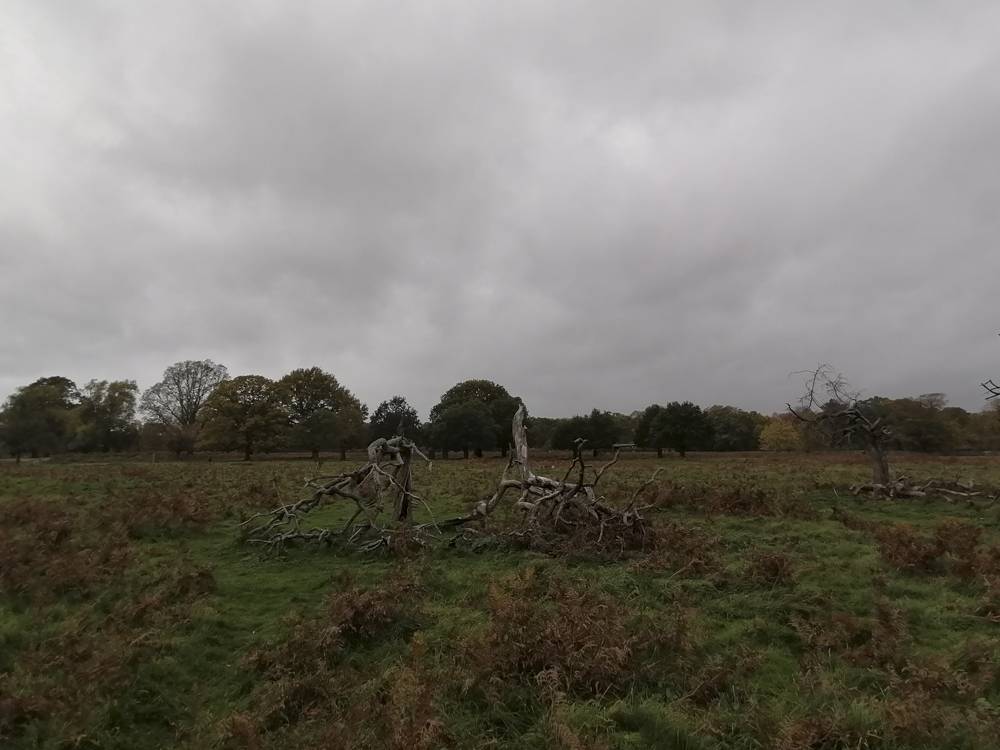
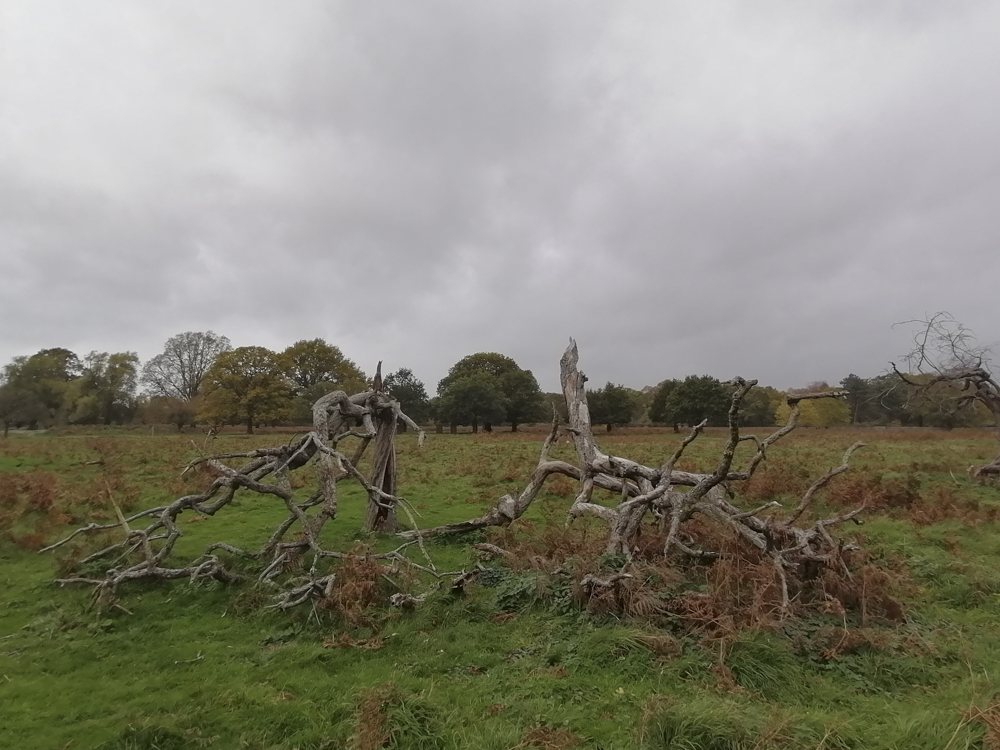
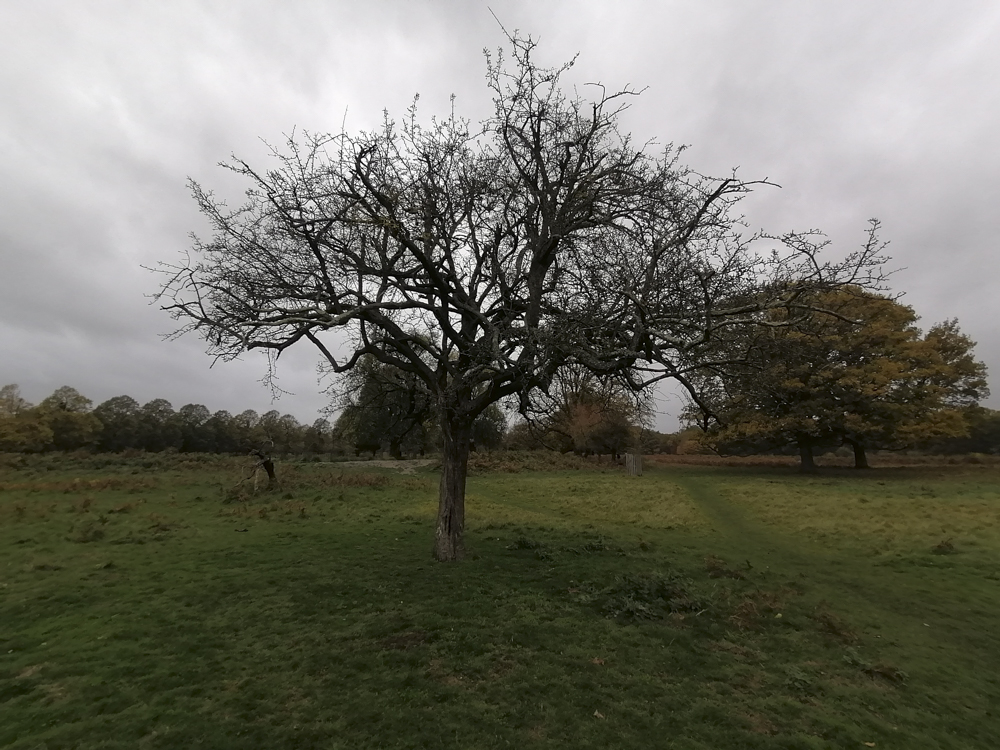
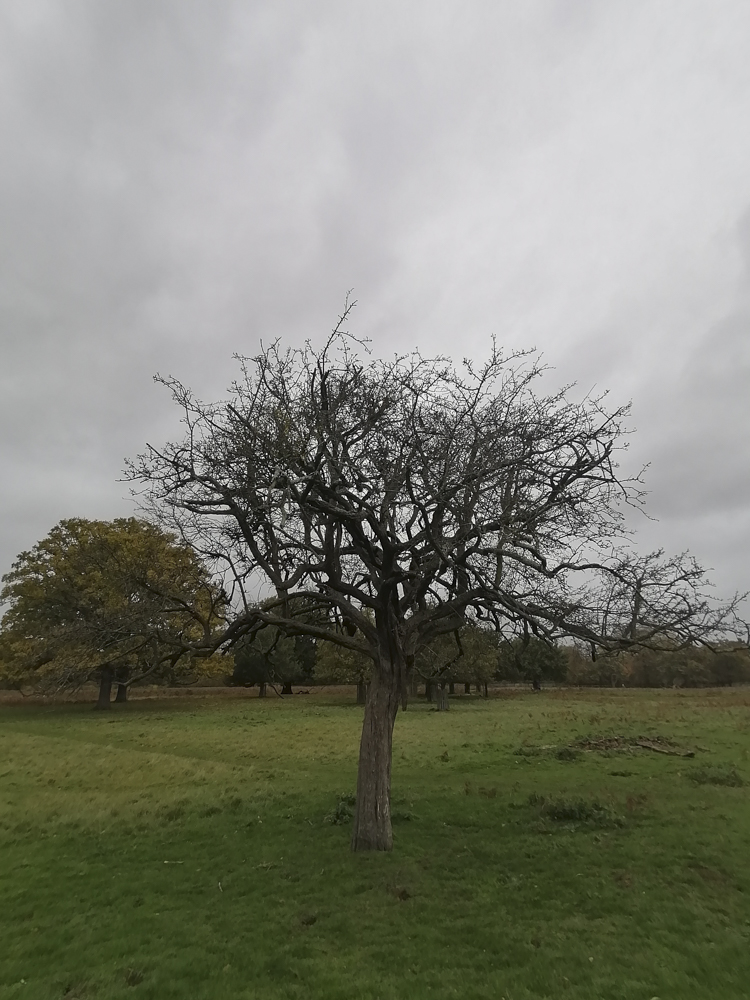
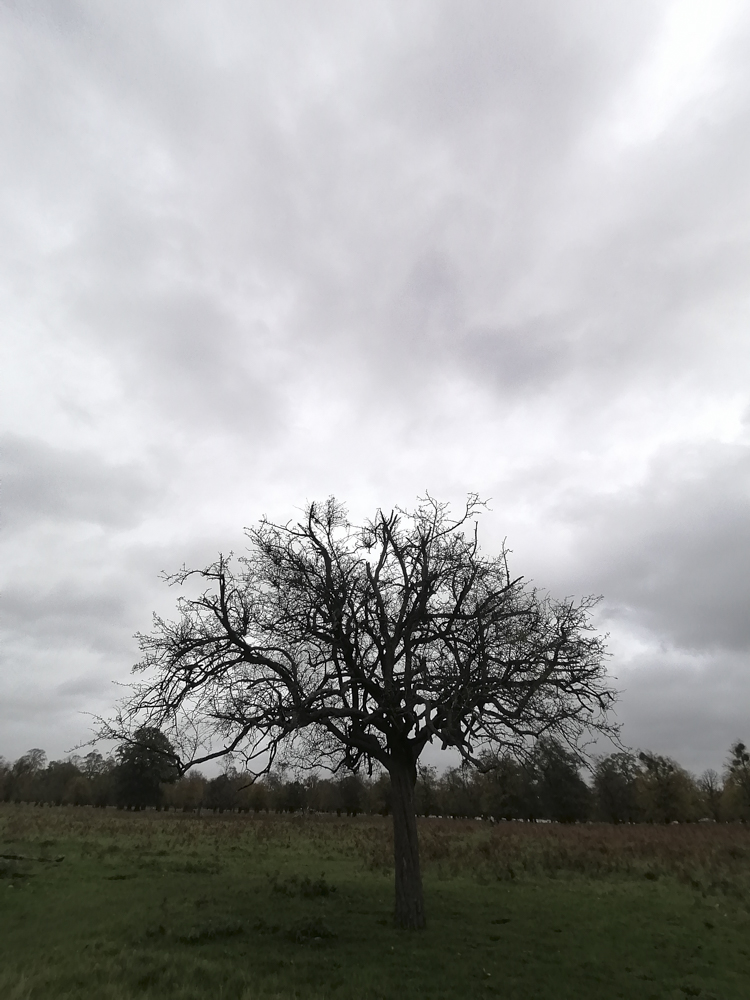
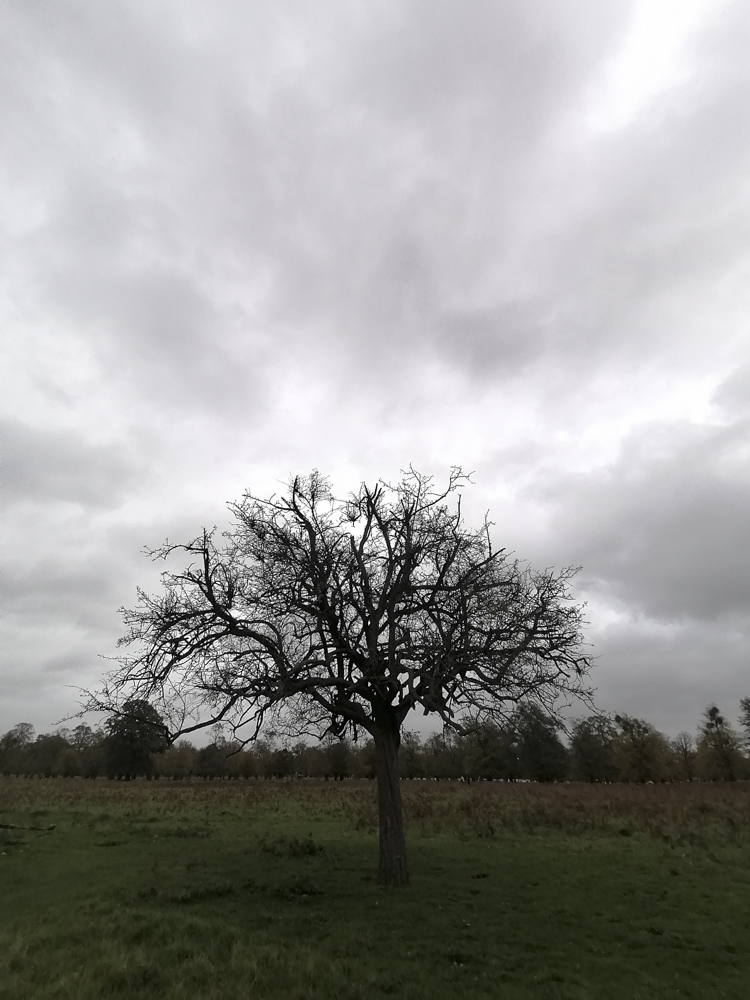
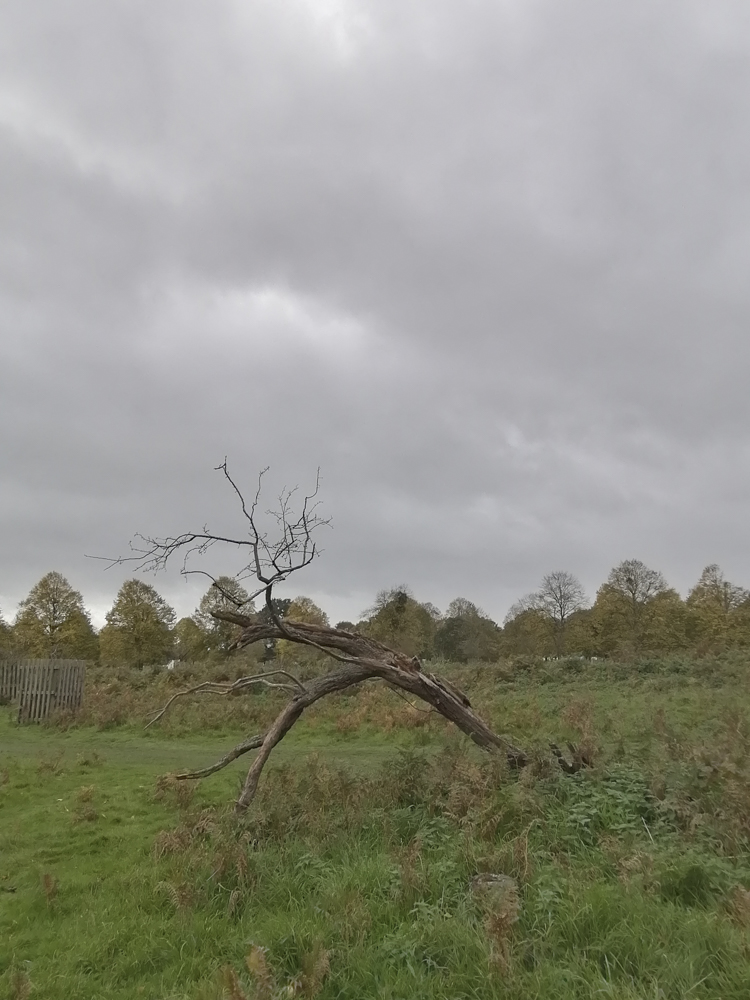
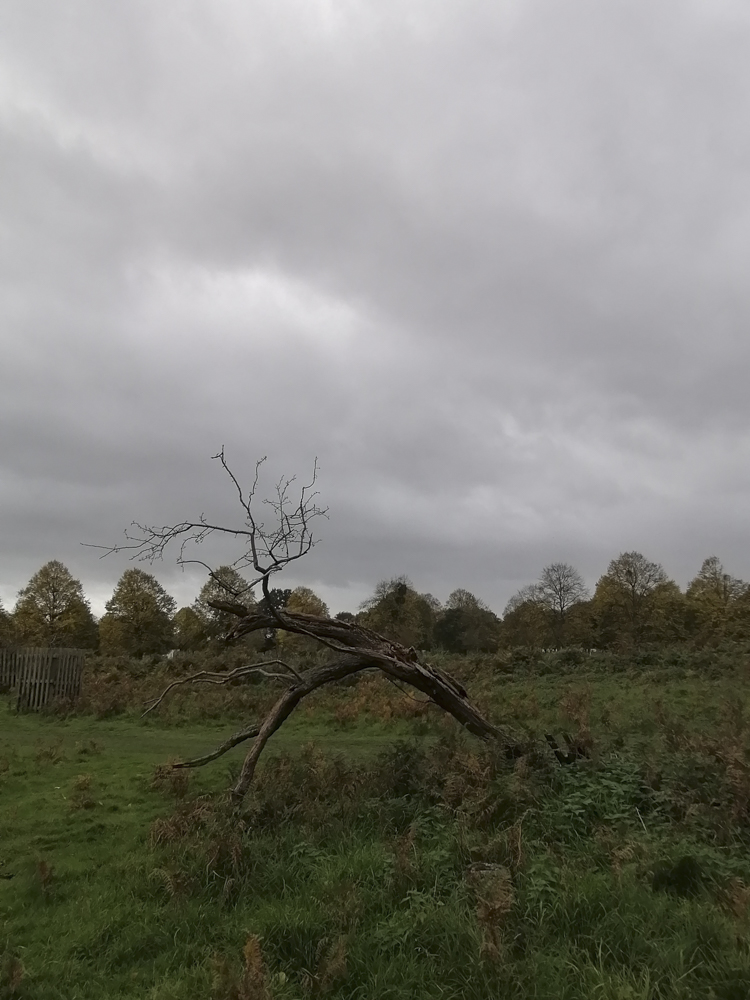
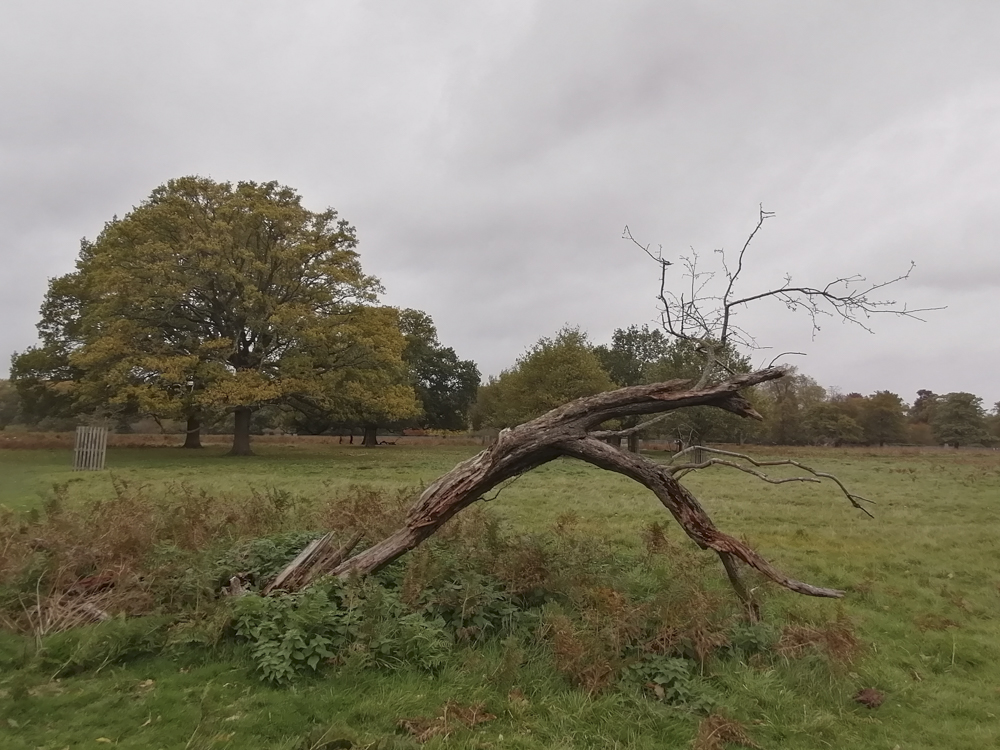
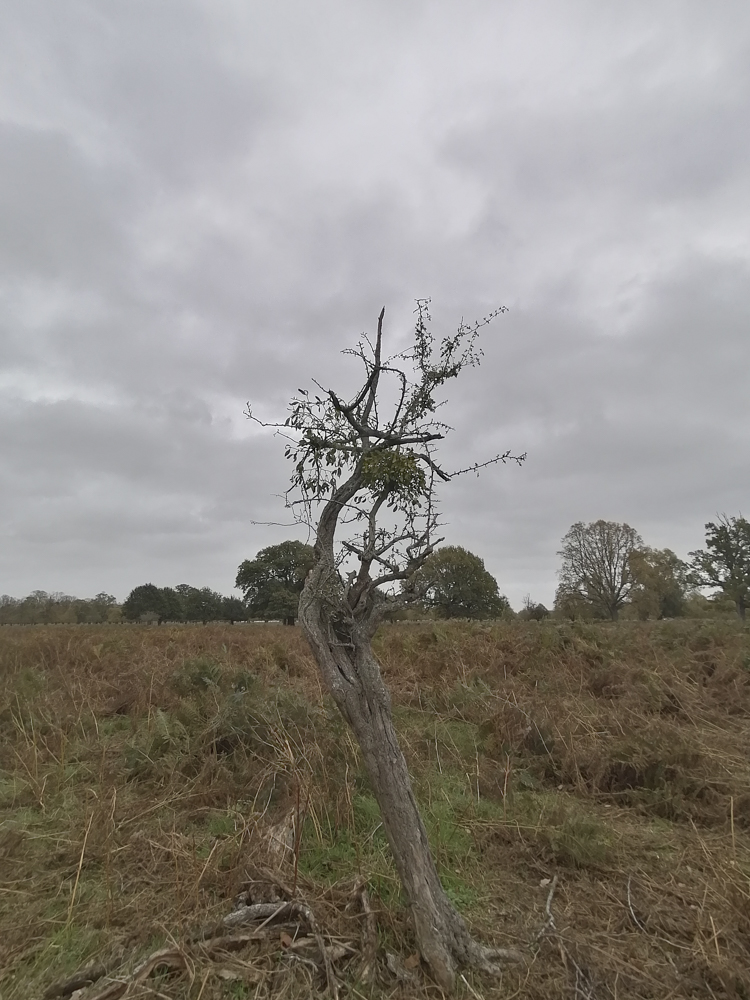
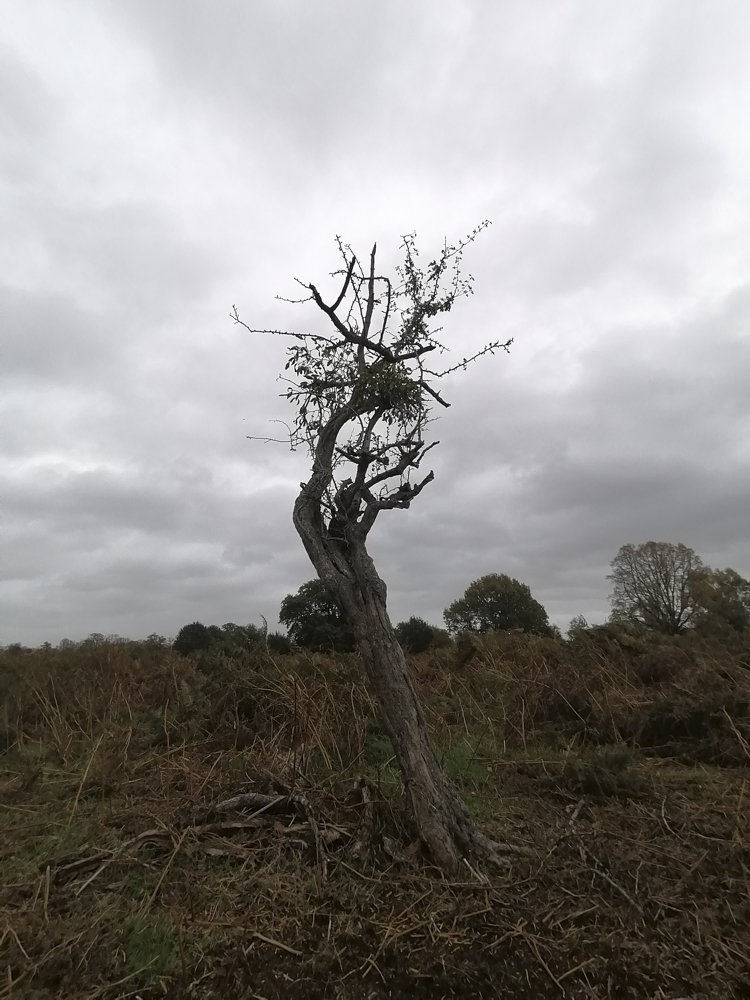
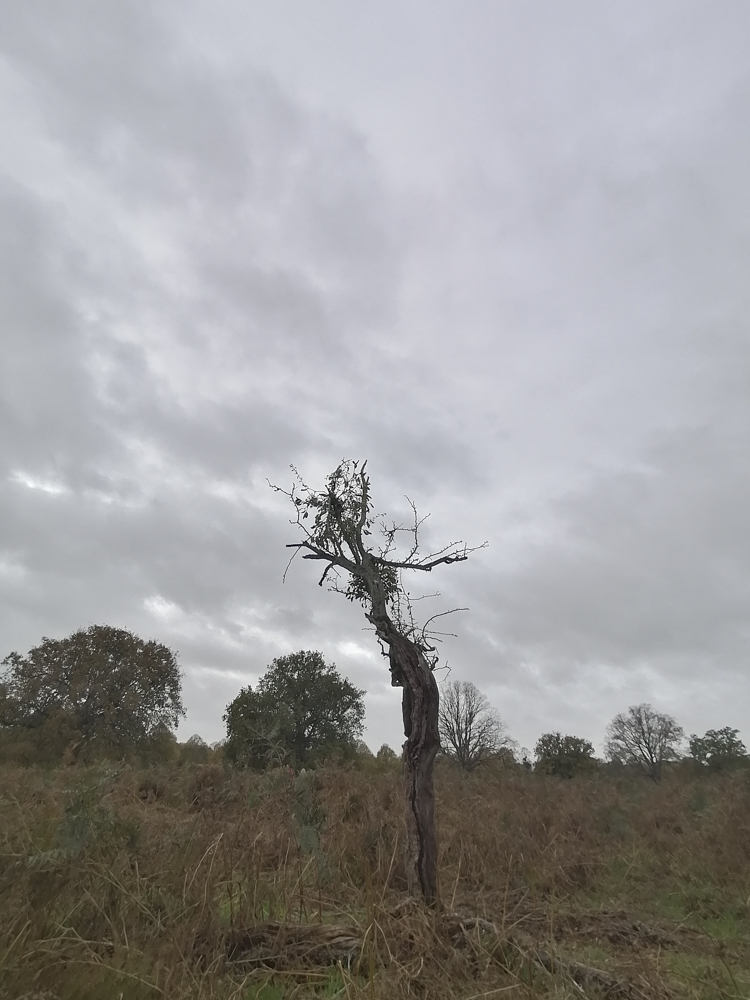
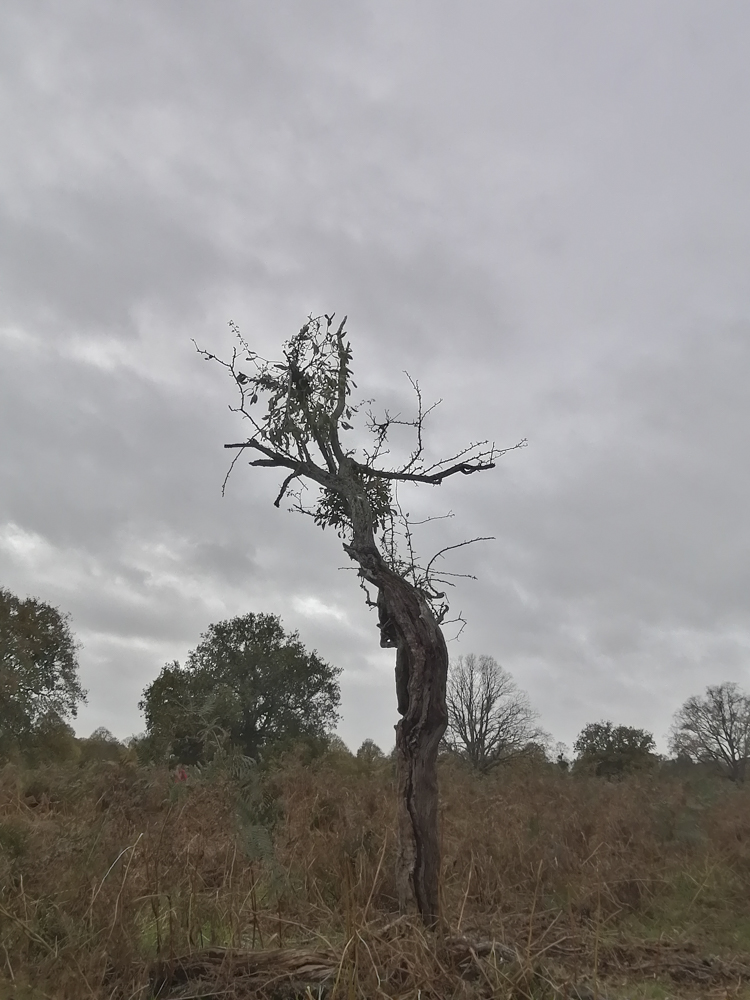
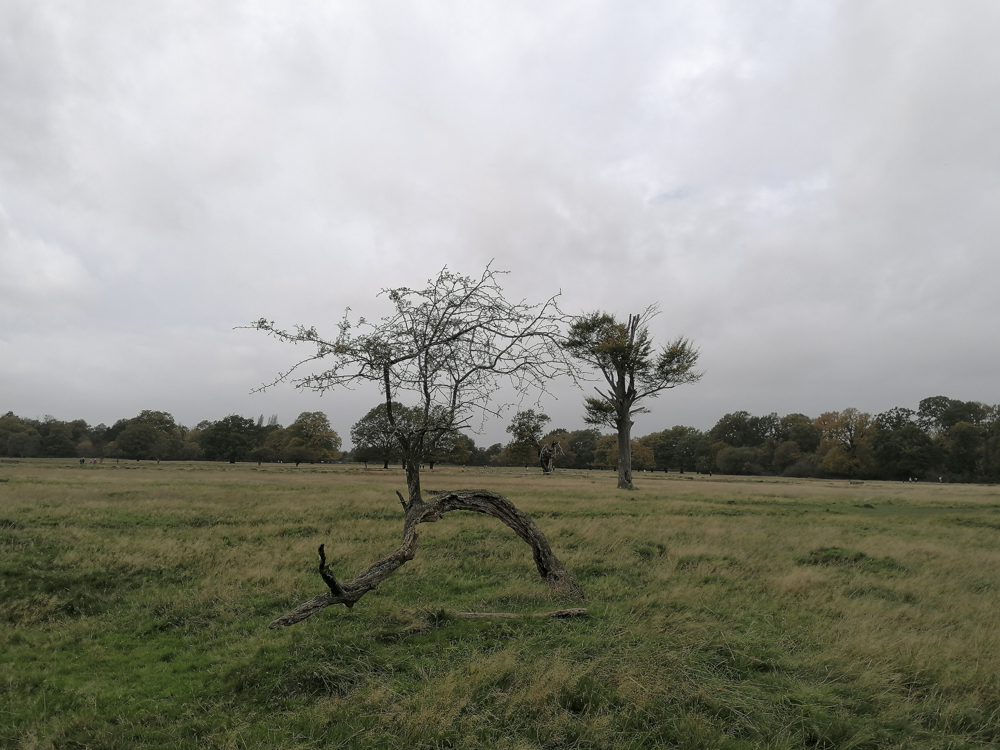
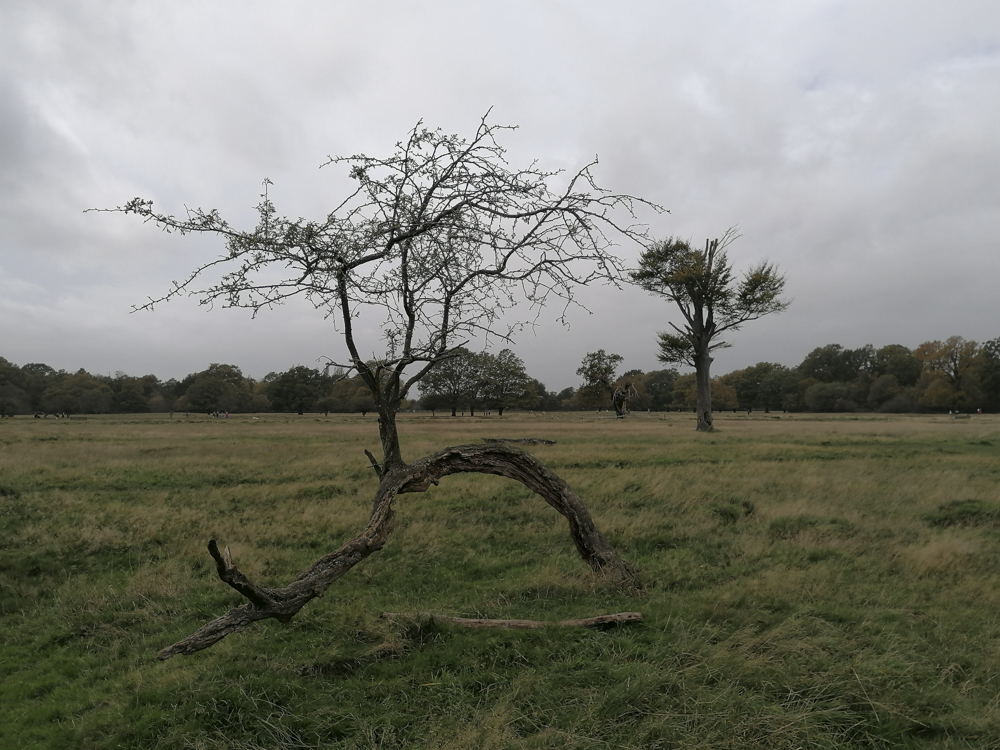
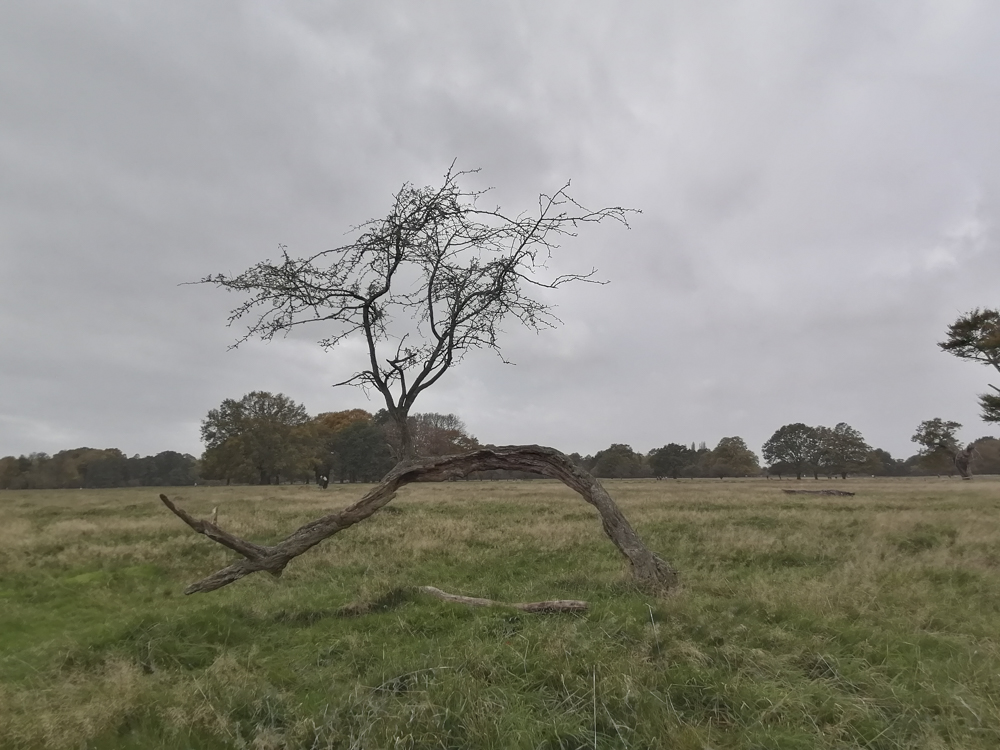
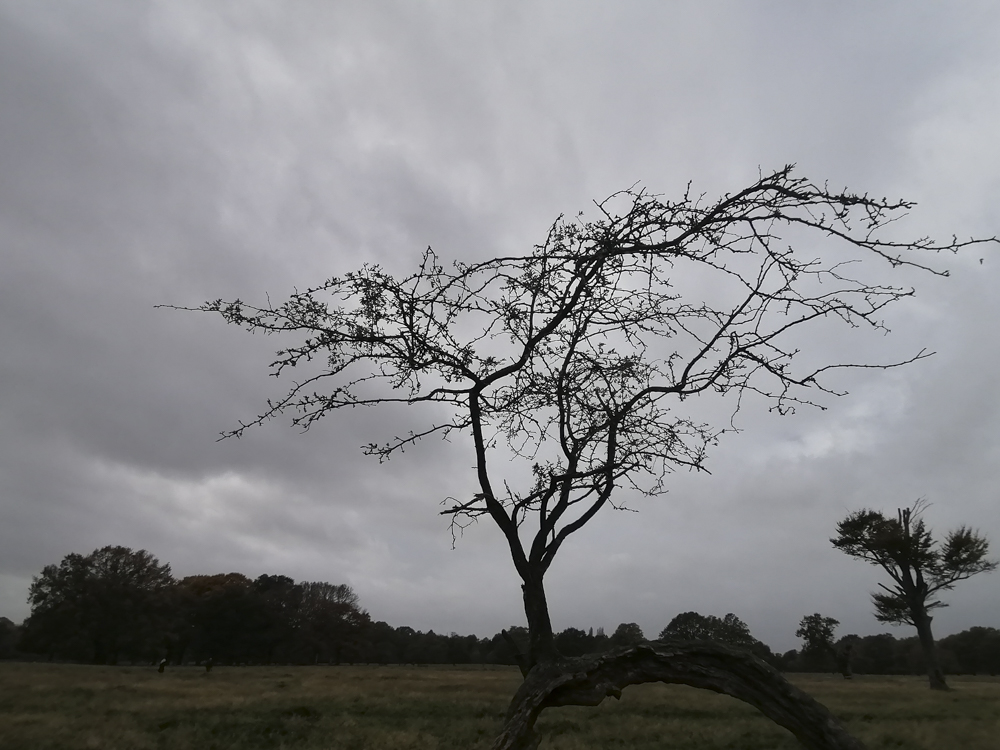
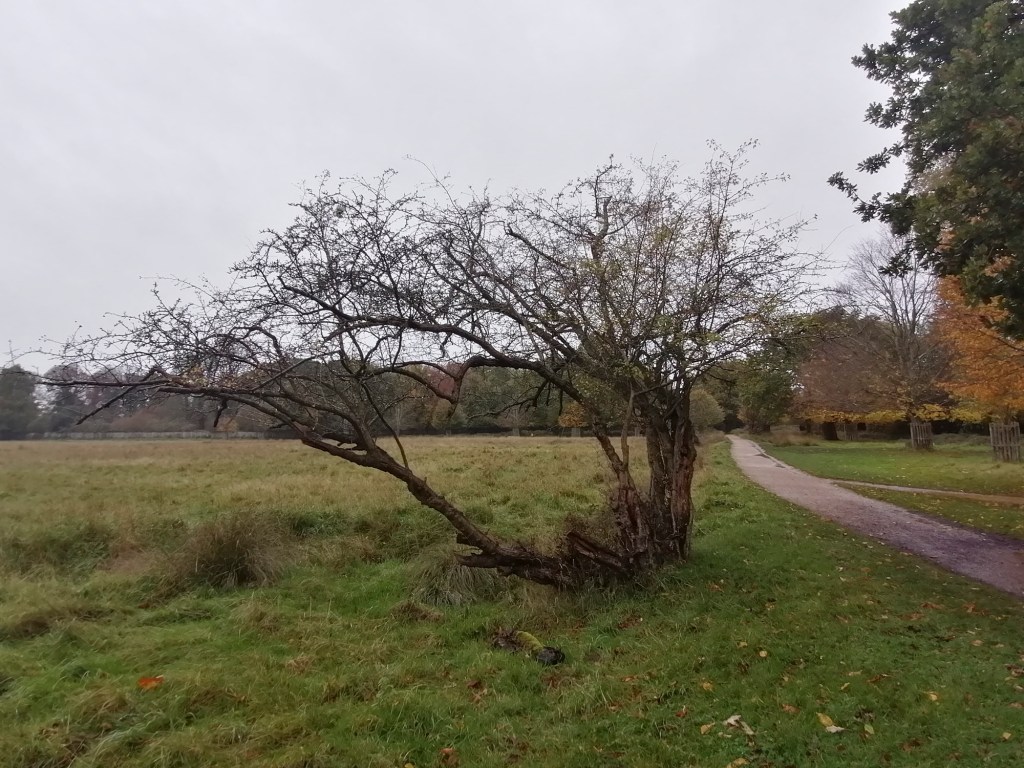
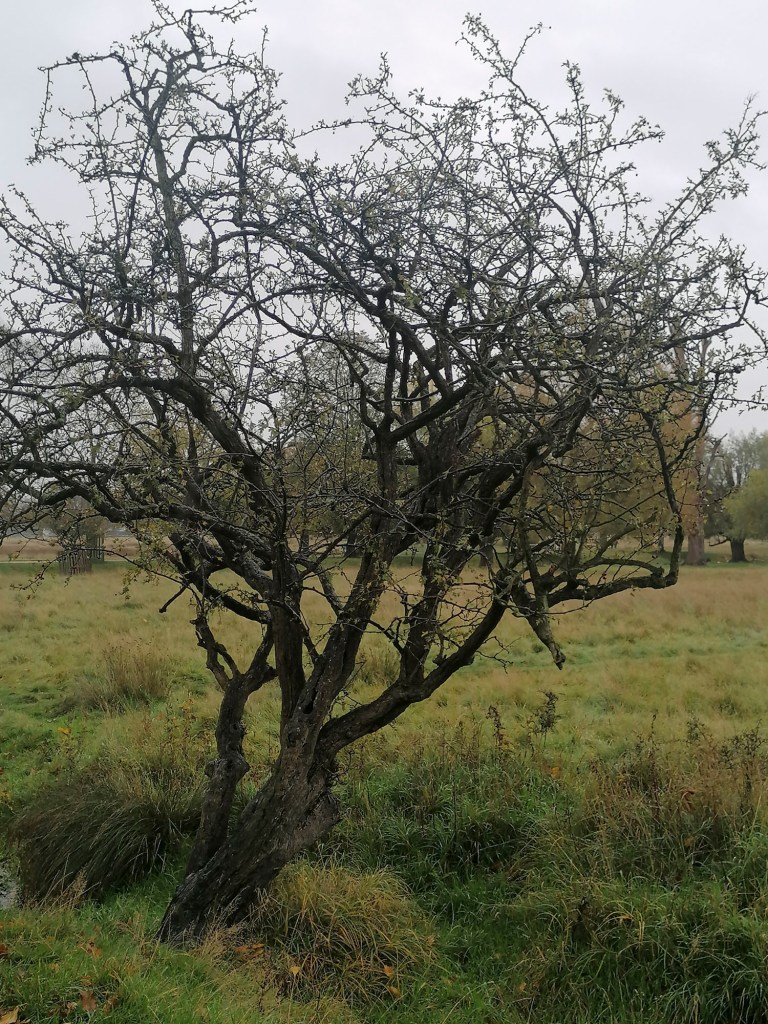
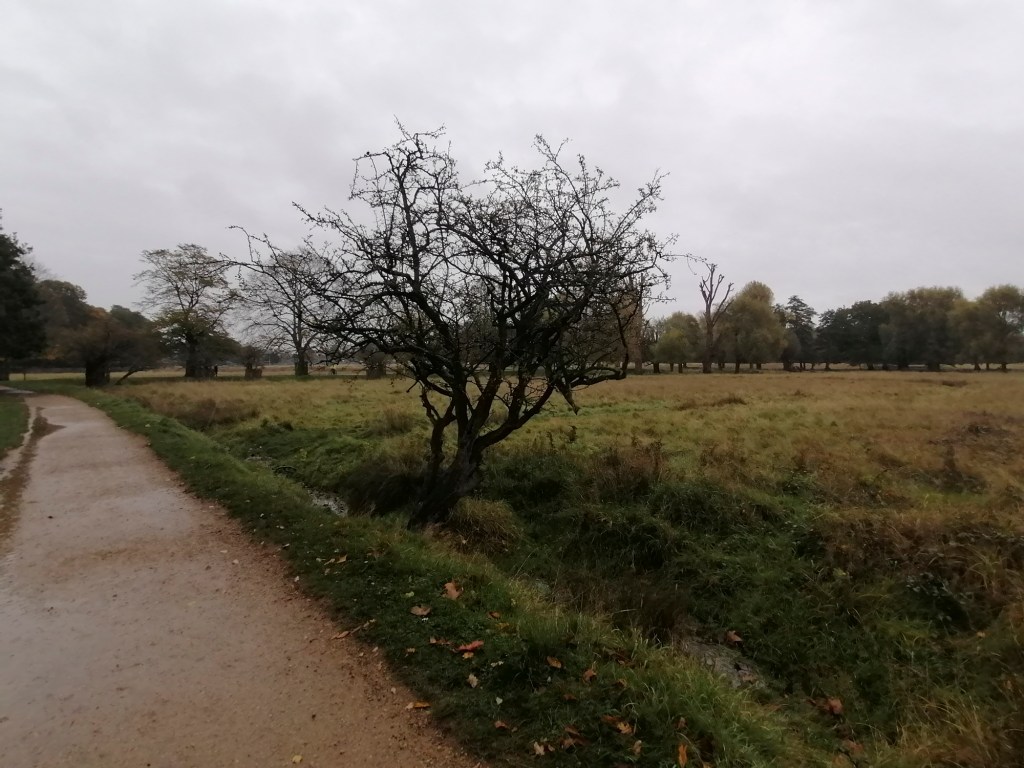
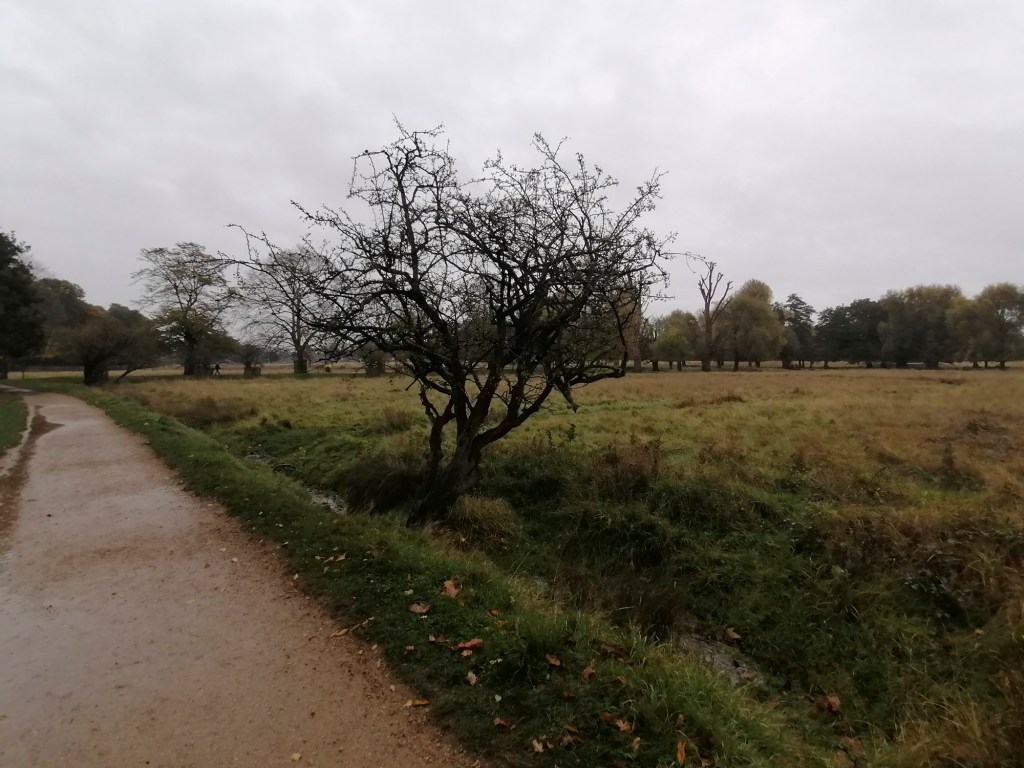
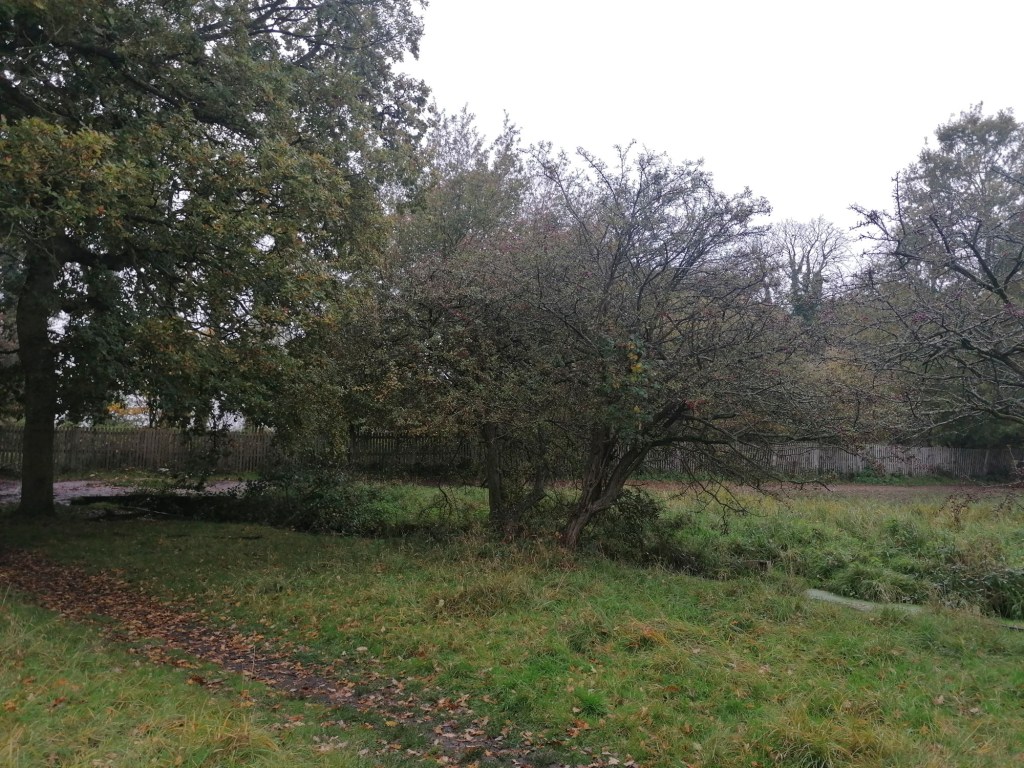
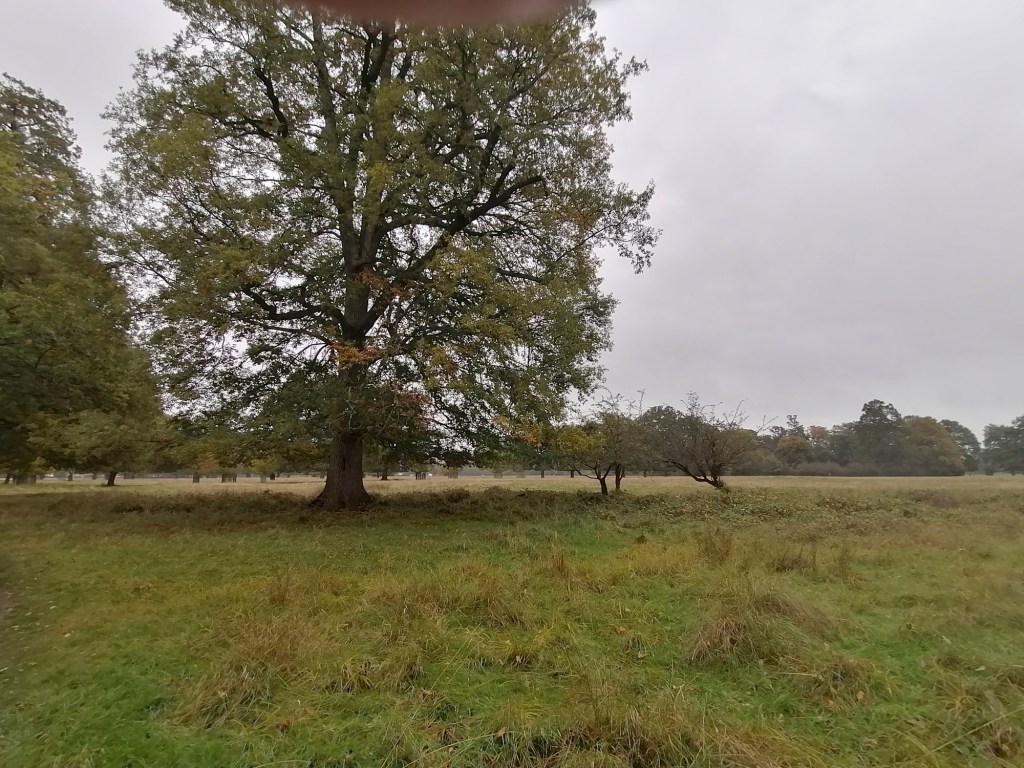
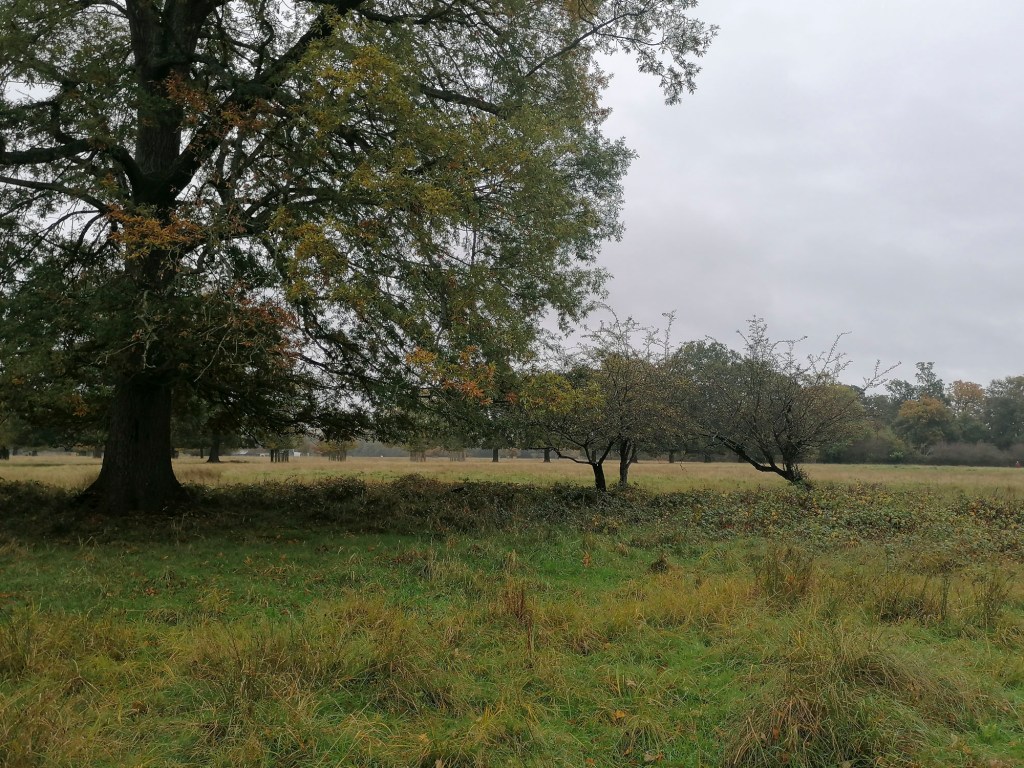
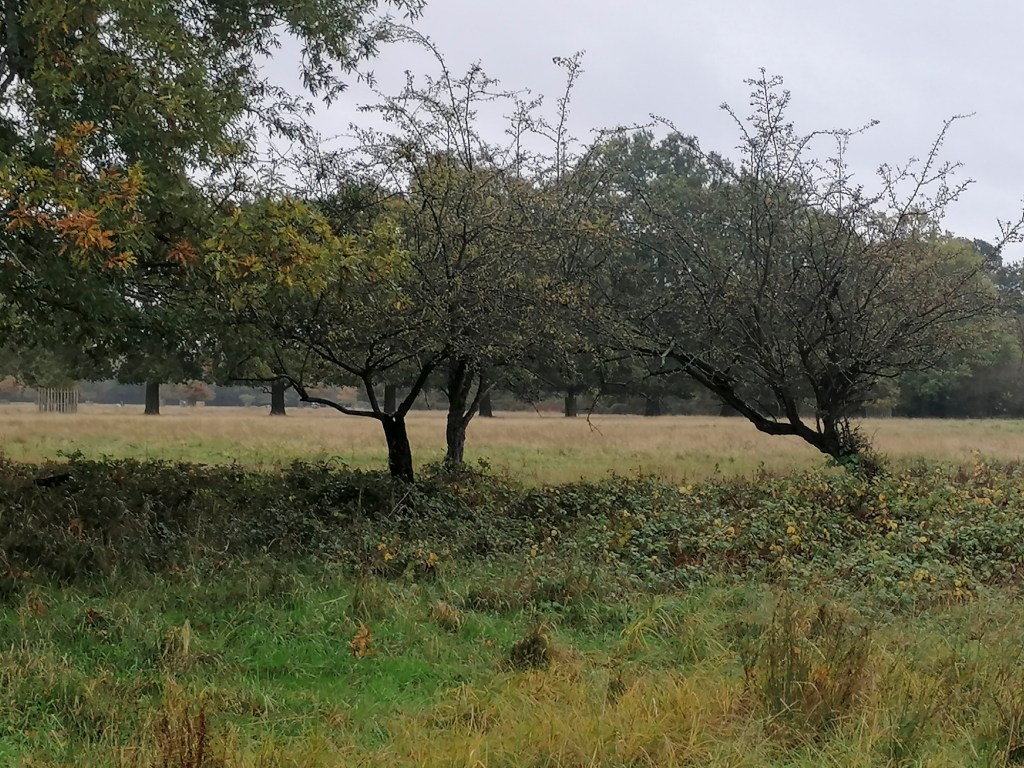
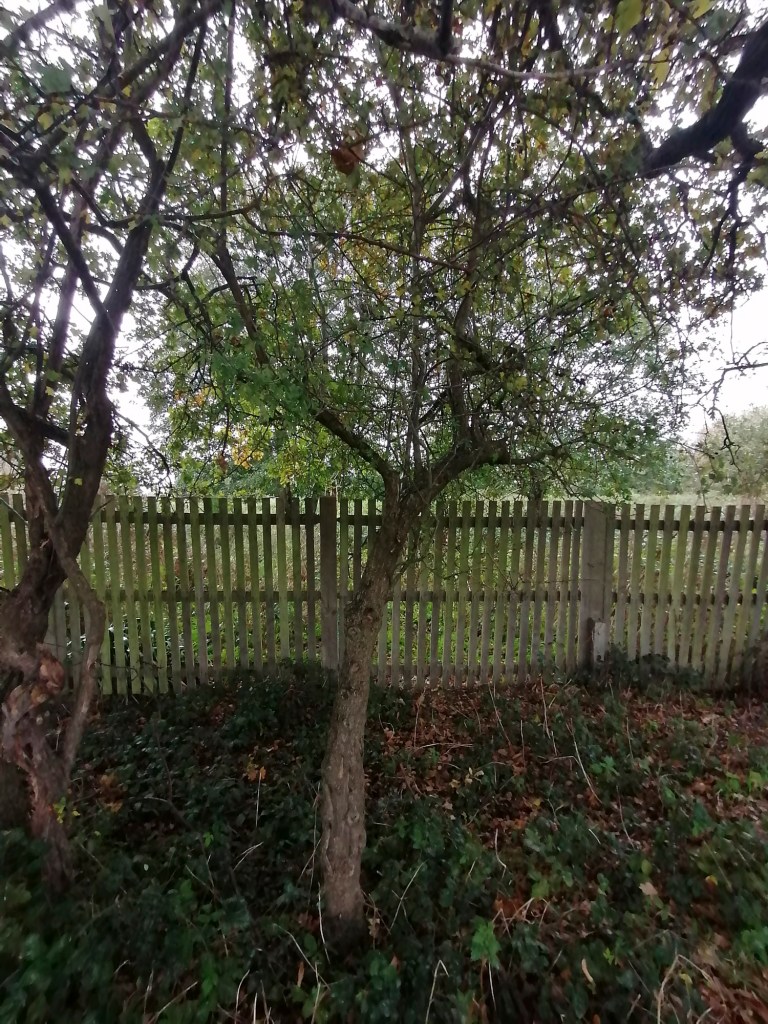
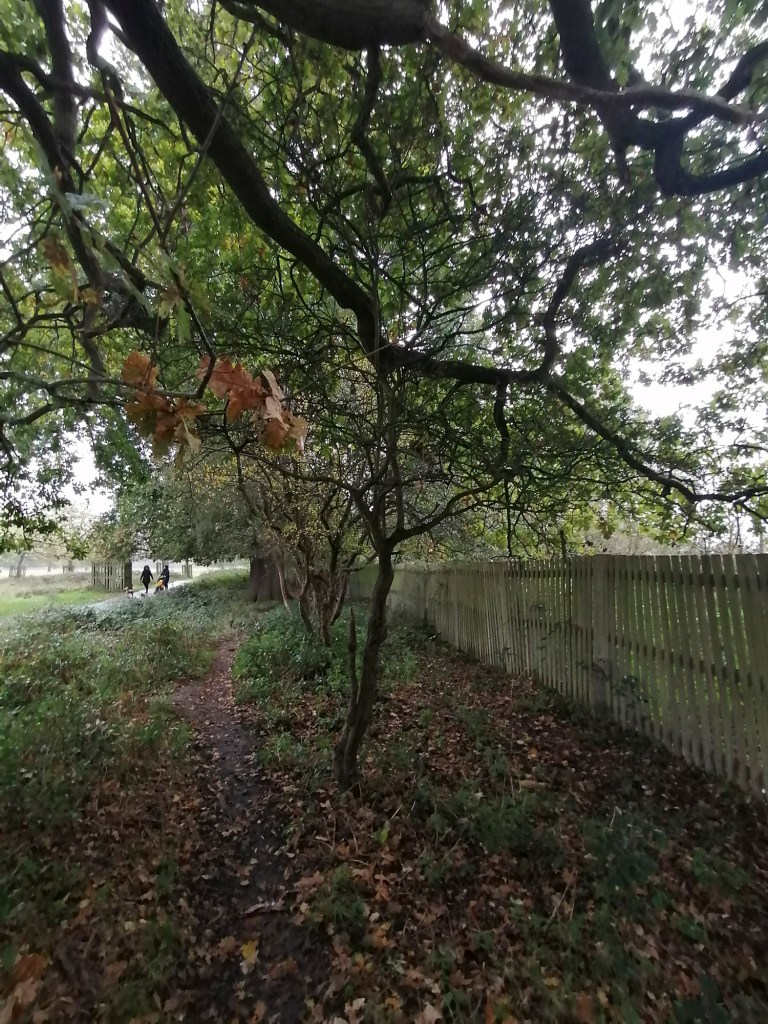
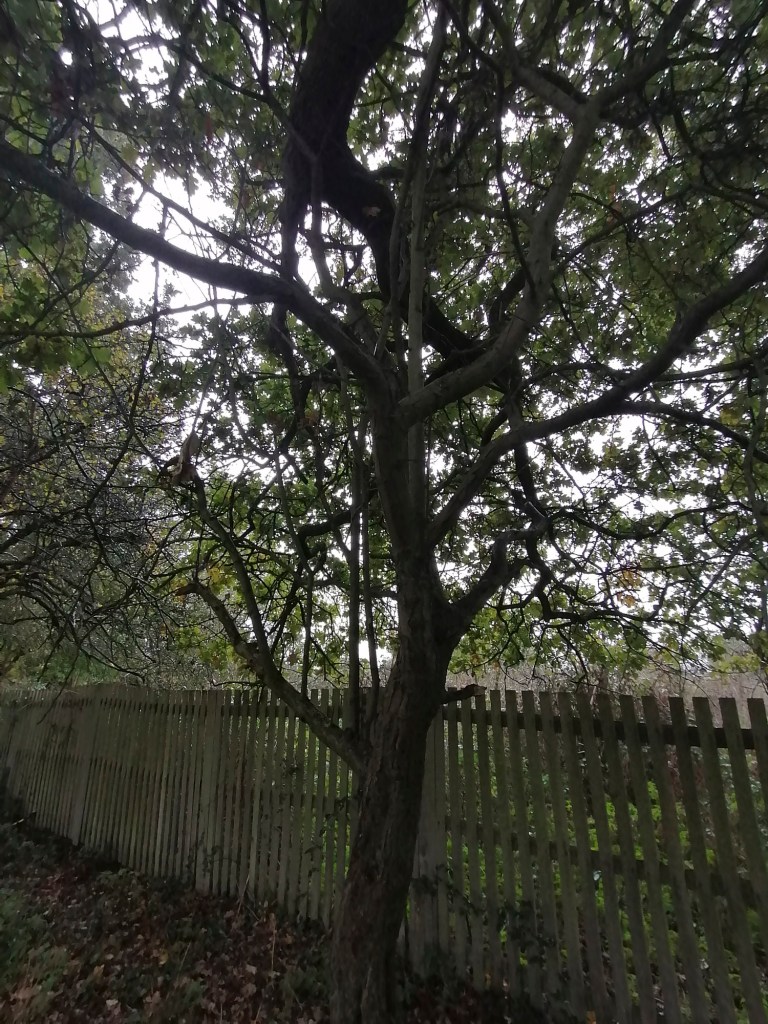
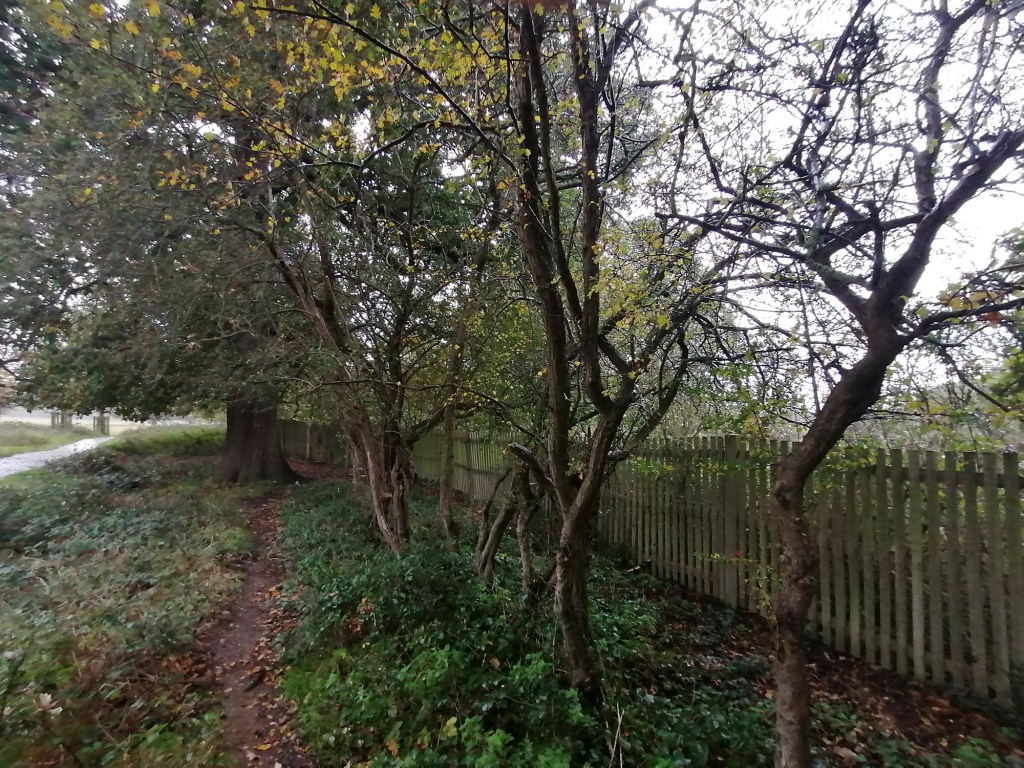
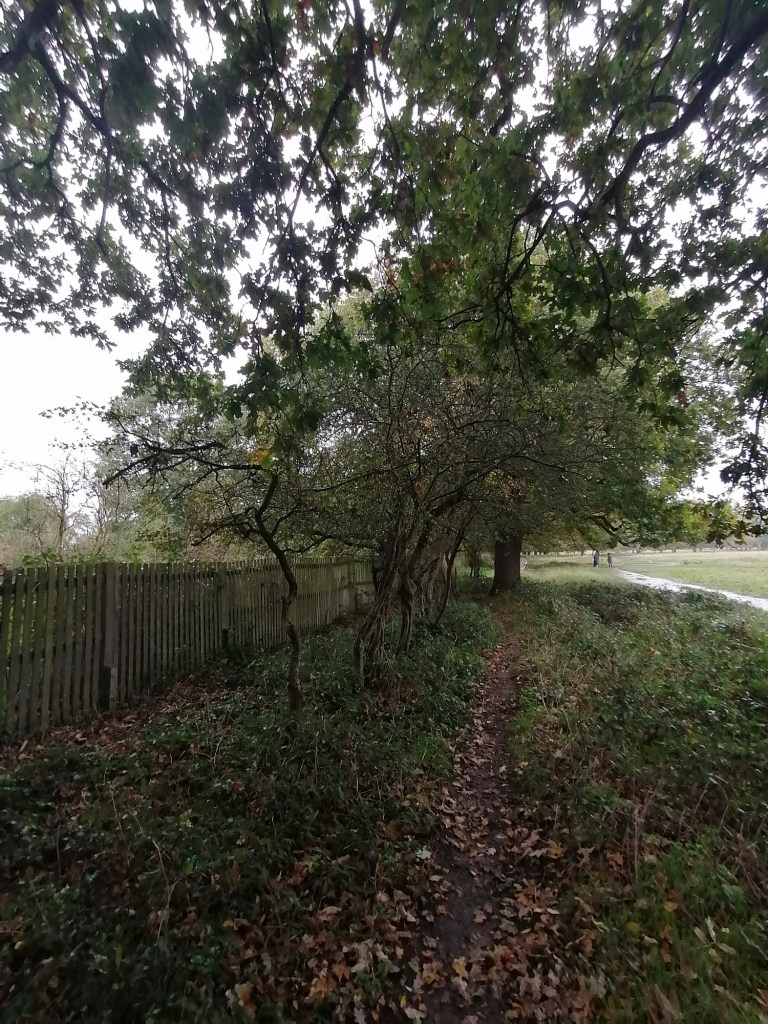
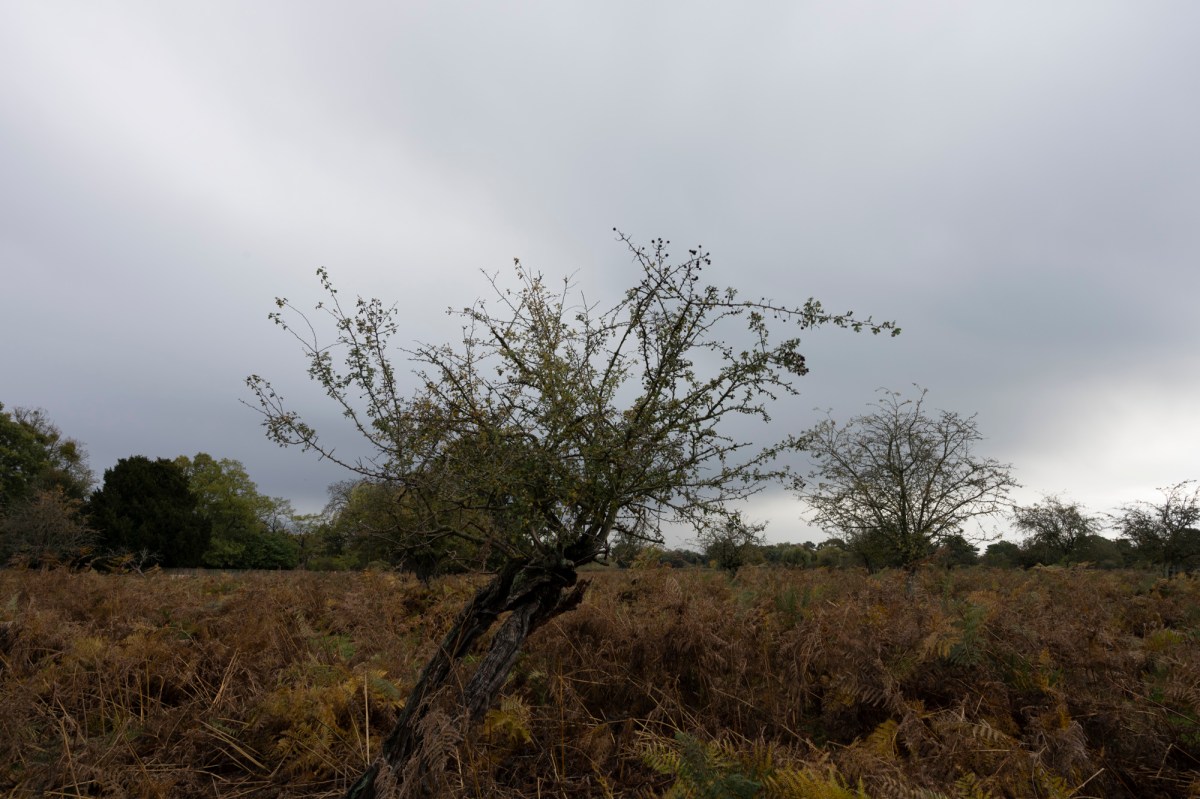
The first tree I photographed is by itself. I tried shooting different angles around the tree and including different elements in the background.
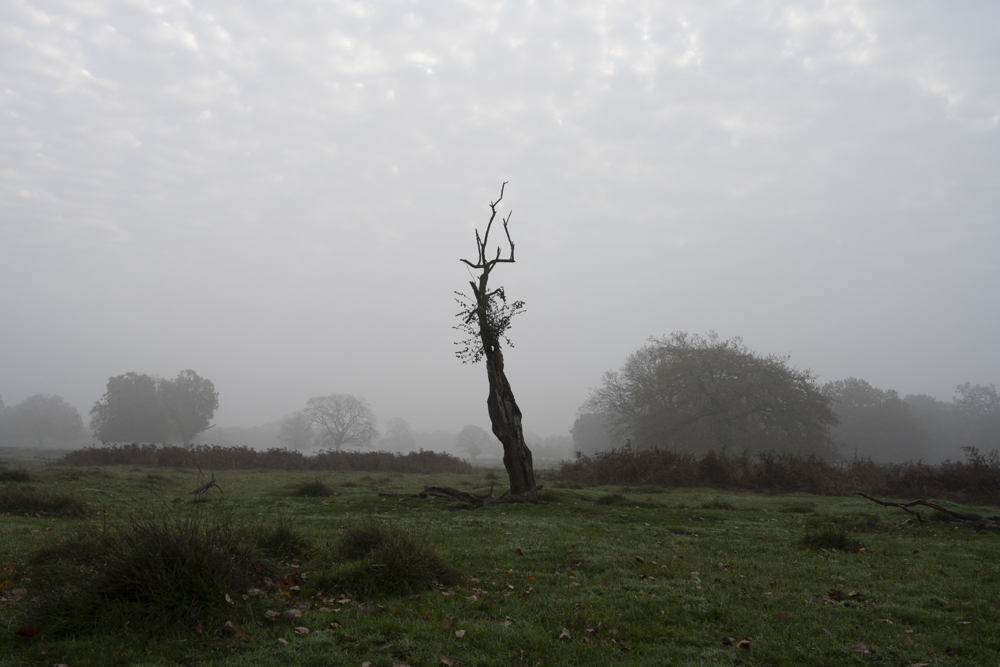
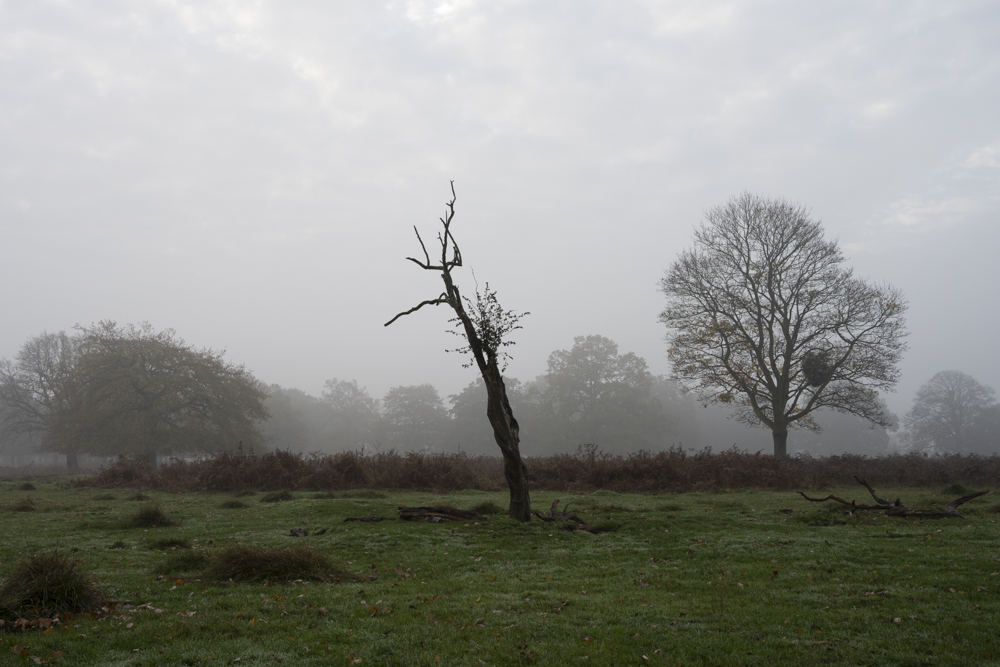
The white pole that can be seen in the background in the fifth and sixth images marks the SHAEF Memorial. This is the location where General Eisenhower planned Operation Overlord, the code name of the D-Day landings in Normandy during WWII (1939-45). On 5 March 1944 General Eisenhower moved SHAEF (Supreme Headquarters Allied Expeditionary Forces) from Grosvenor Square in London to Camp Griffiss, a large US base in Bushy Park.

According to the Royal Parks website, Eisenhower is said to have relaxed by sketching the pine trees that he could see from his office window. Also, it states that the final buildings of Camp Griffiss were removed in 1963 but there are still signs of the camp, including brackets in trees that held telephone wires.
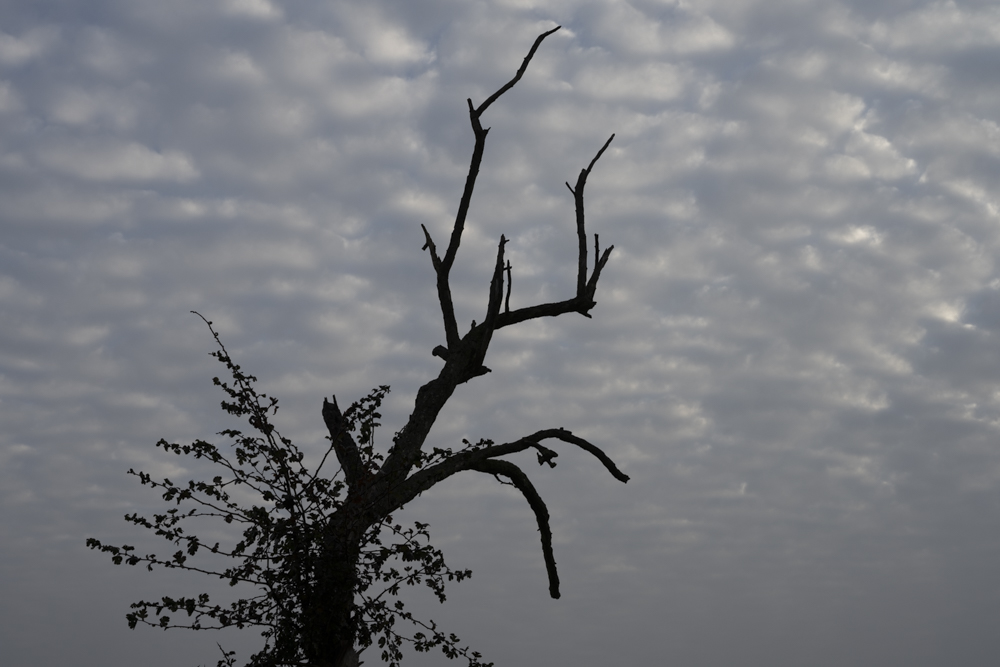
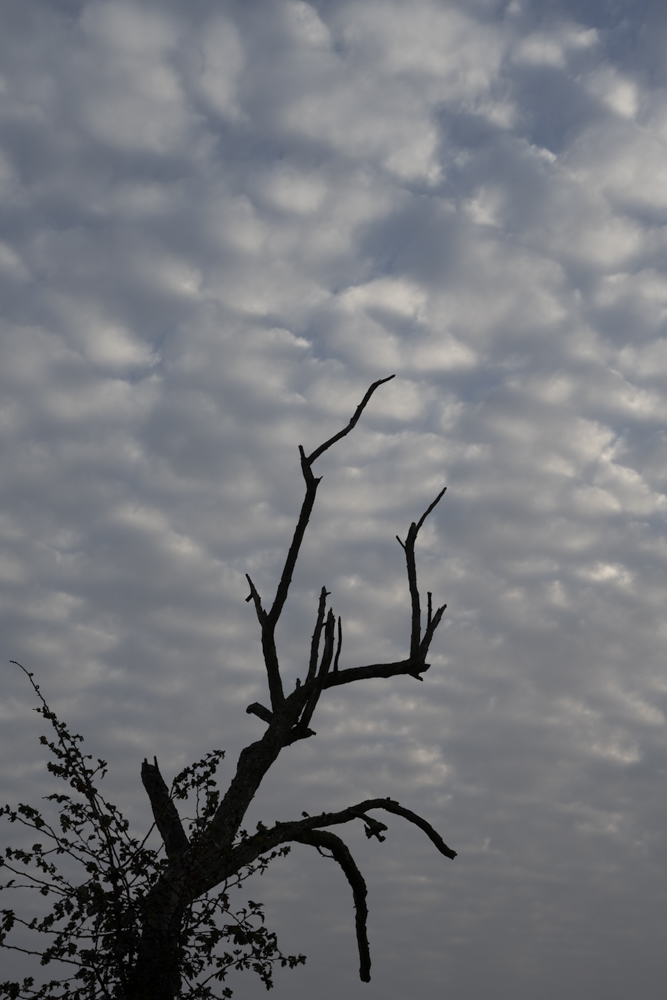
In hindsight, these closer shots remind me of broken wires.

Tree 2

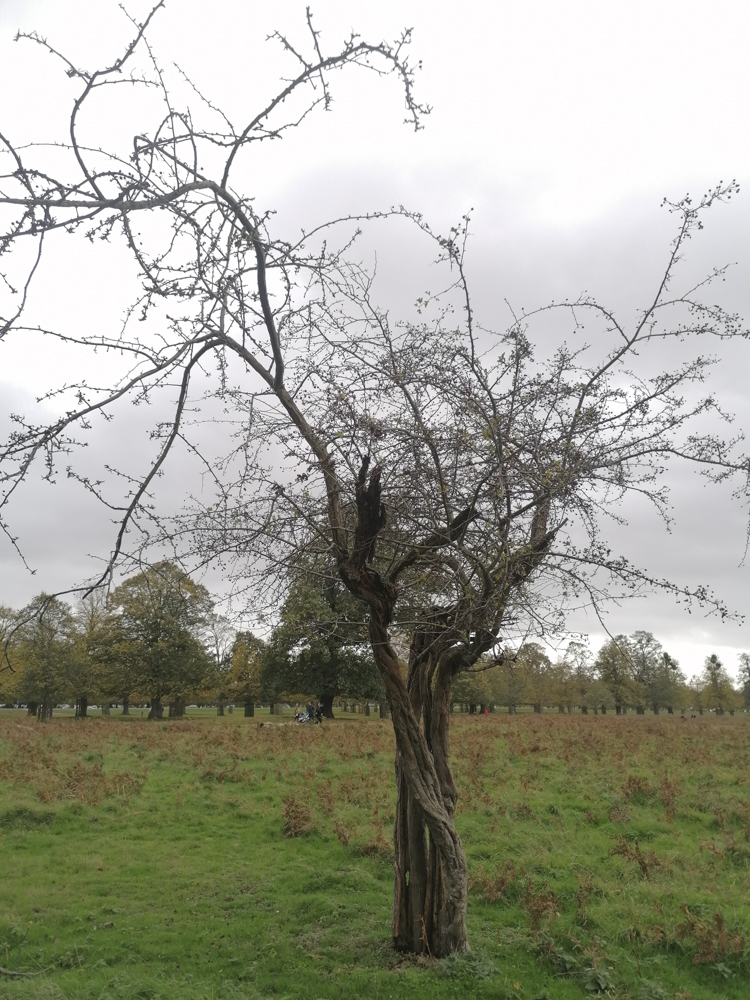
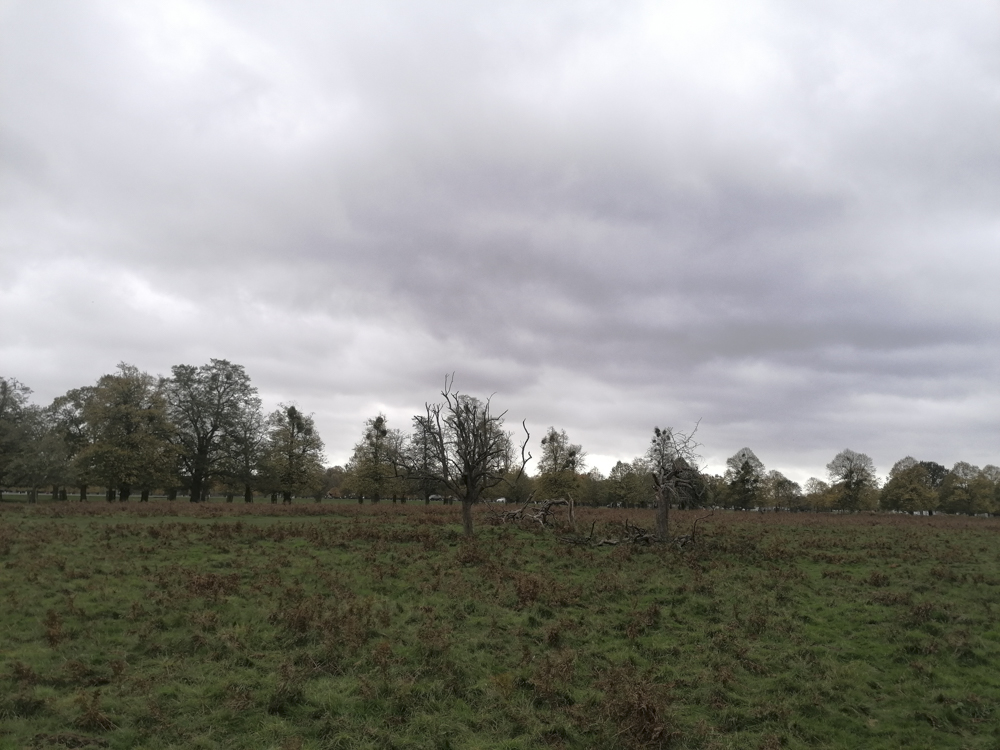
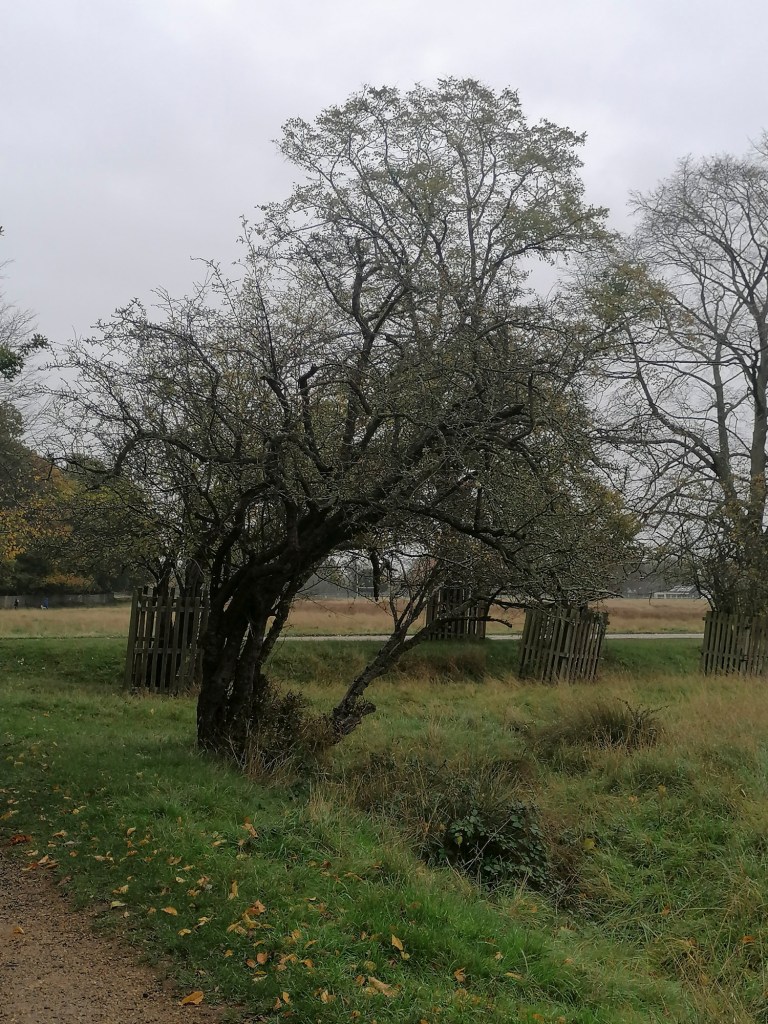
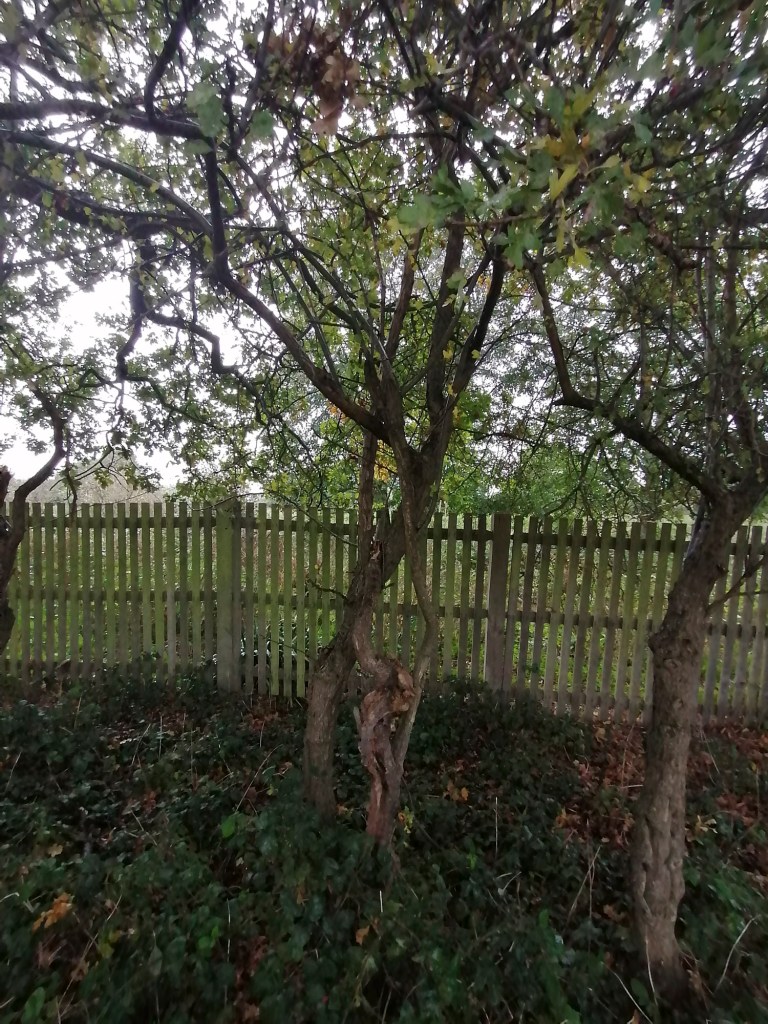
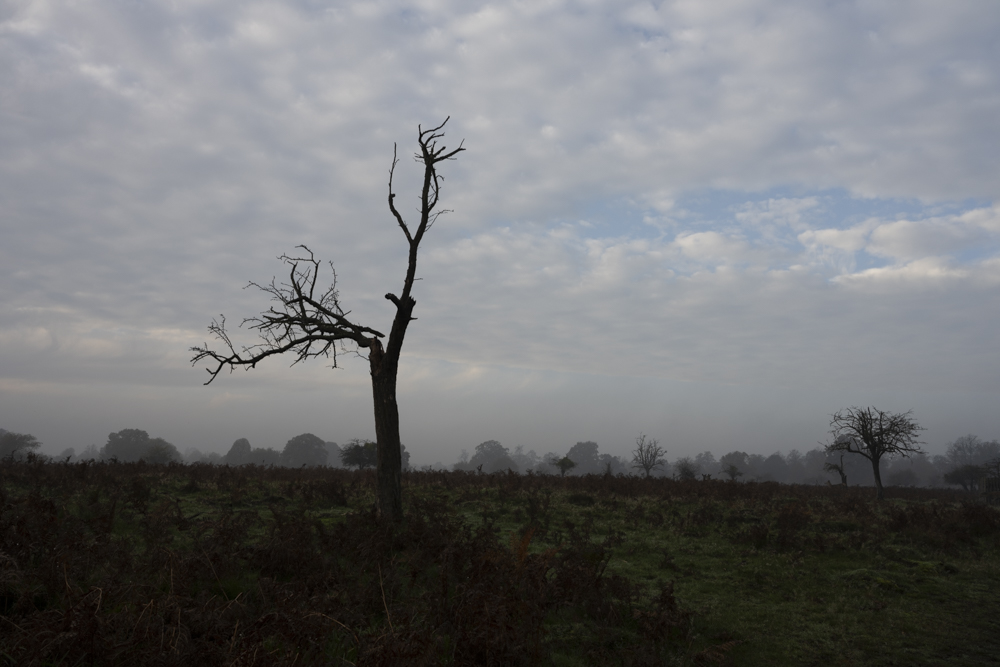
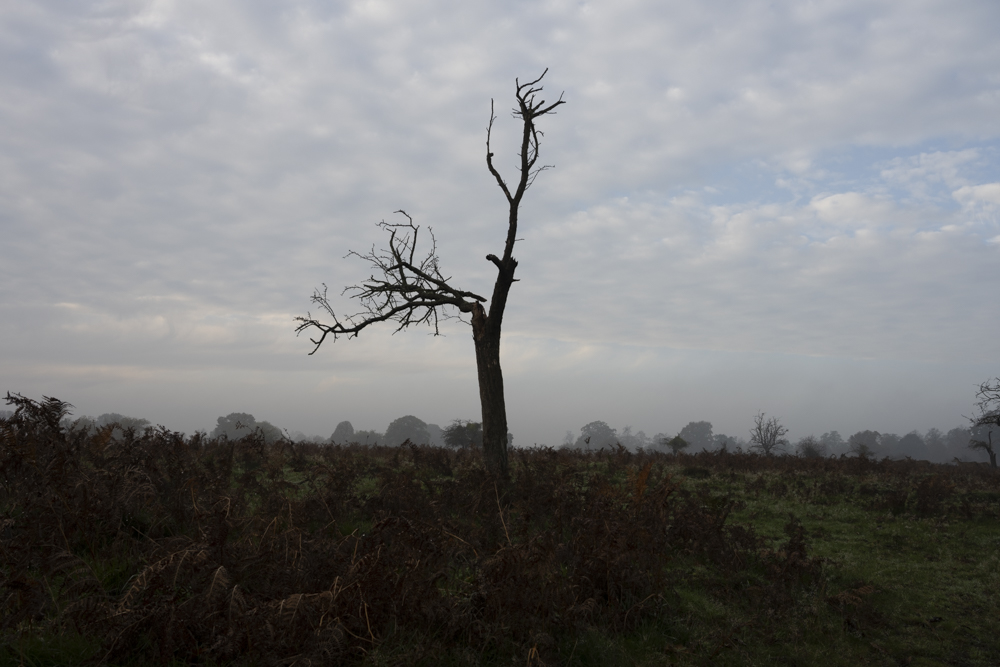
I continued to walk through the park around the back of Hawthorn Lodge and around to the Diana Fountain car park. There were quite a few deer around that patch, which reduced my potential shooting opportunities. At the time of writing, I couldn’t recall exactly which tree this was, but I will need to revisit this speciment.
Tree 3

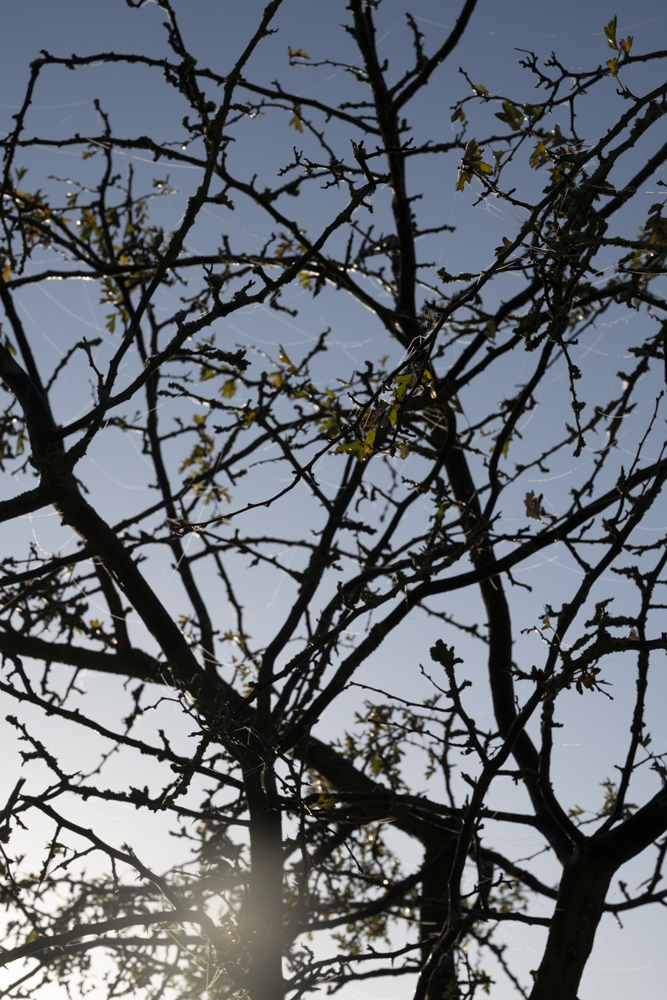
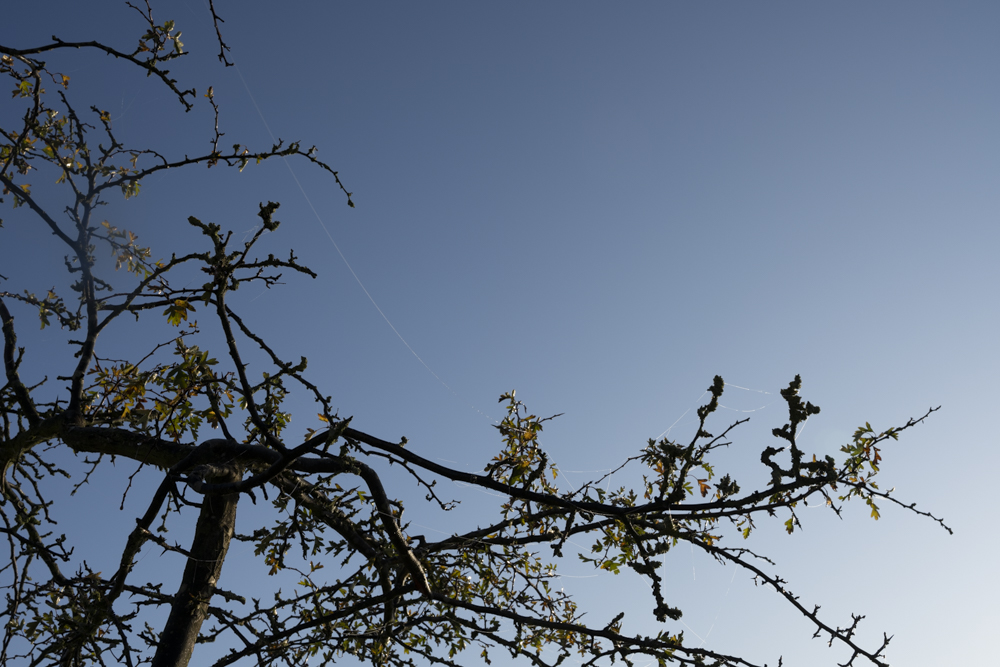
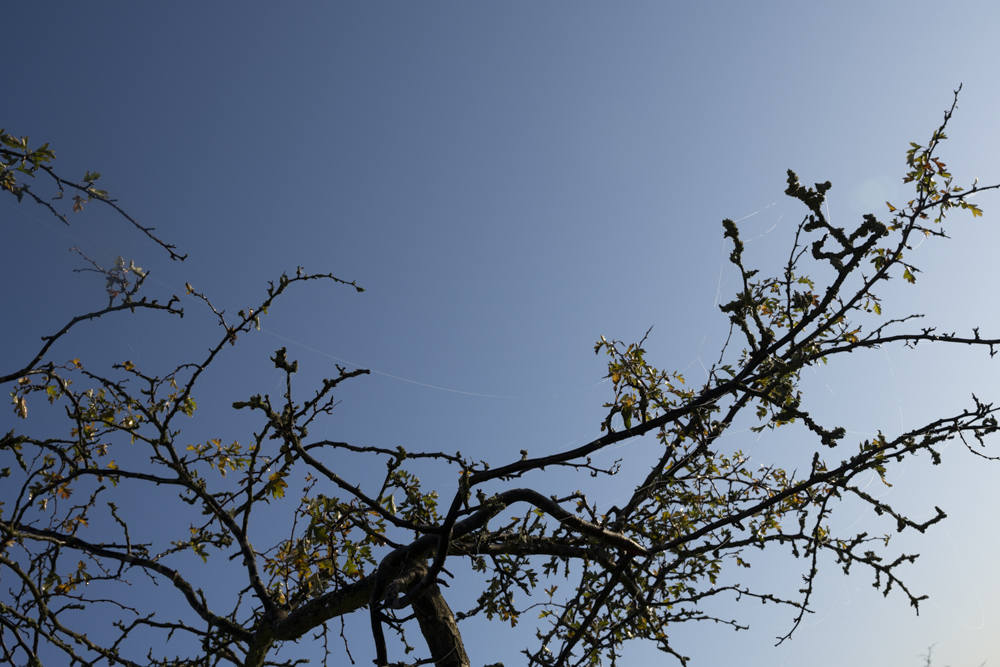
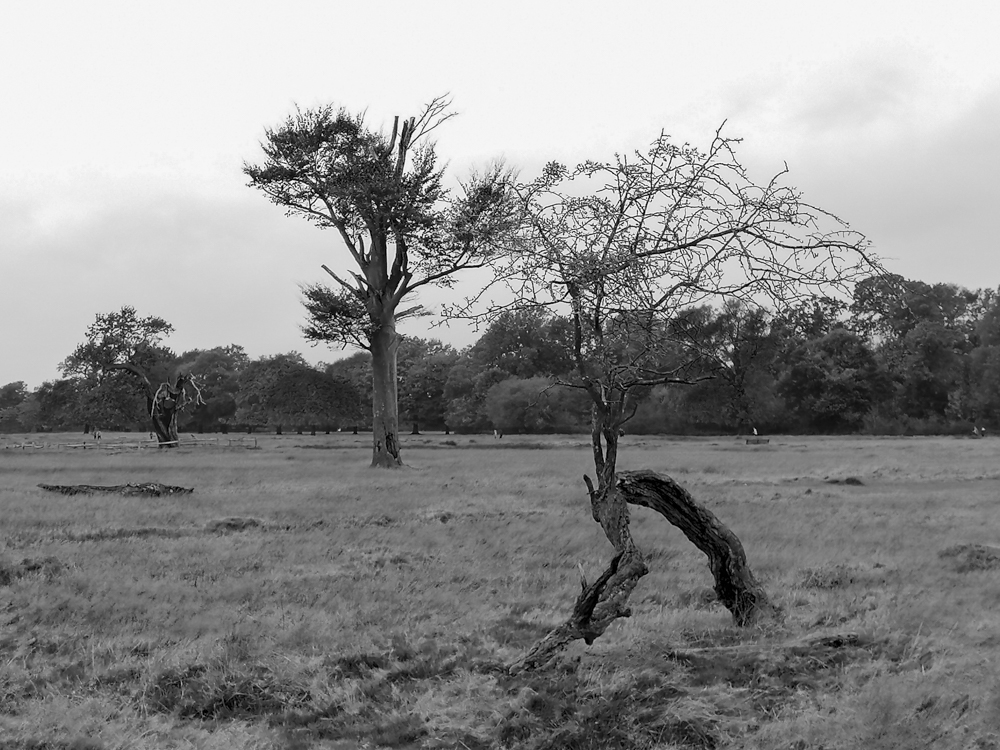
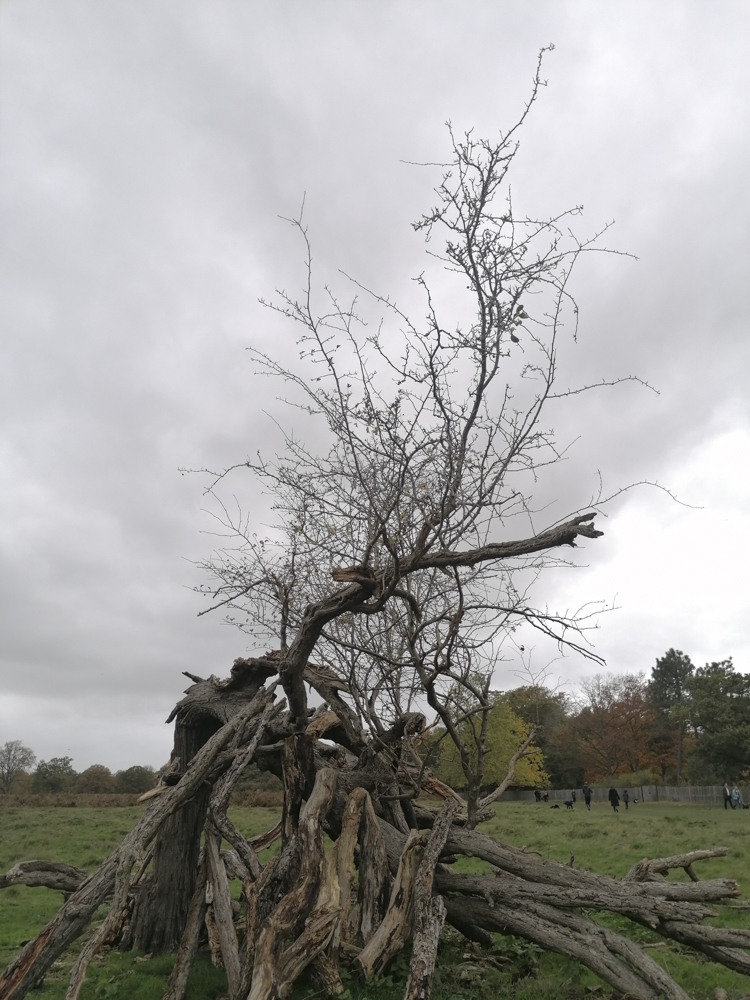
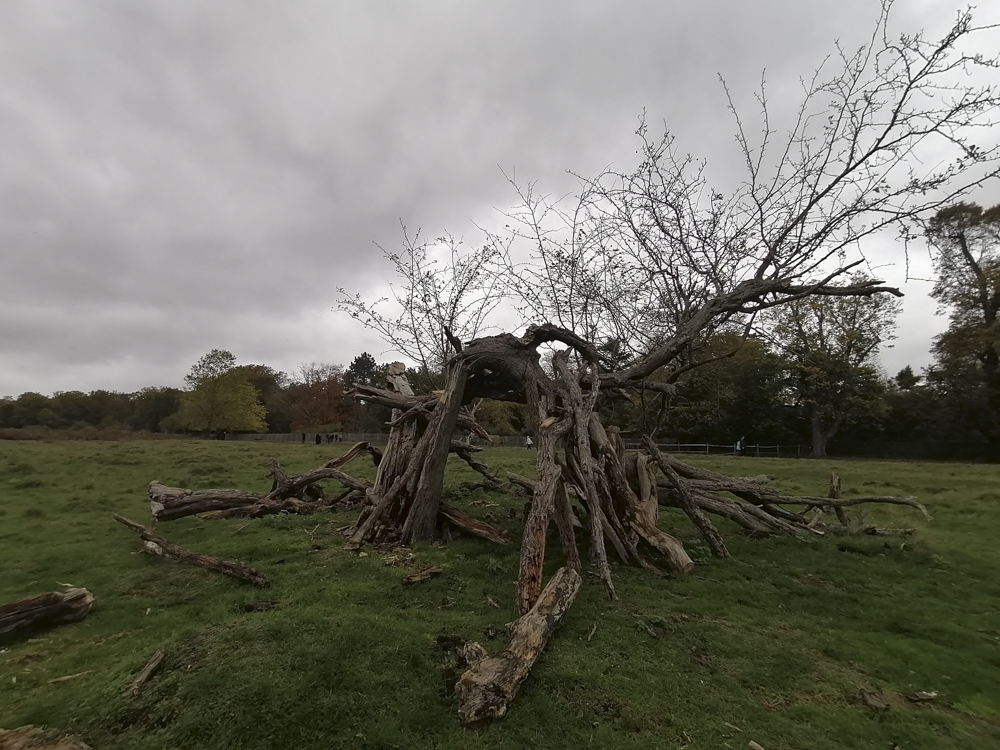
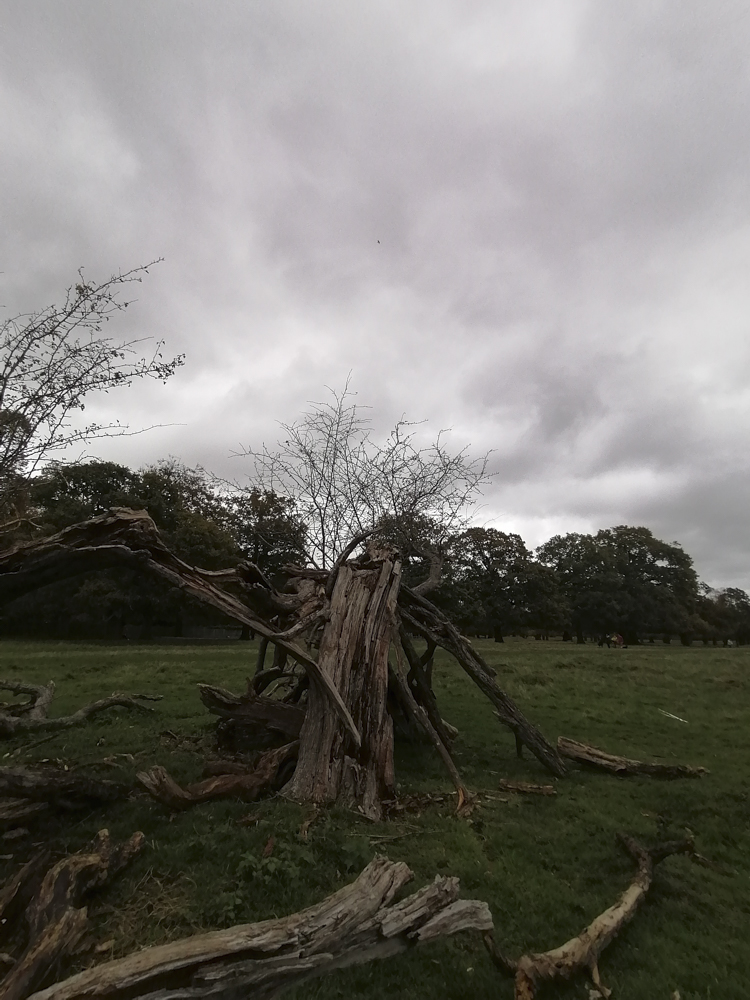
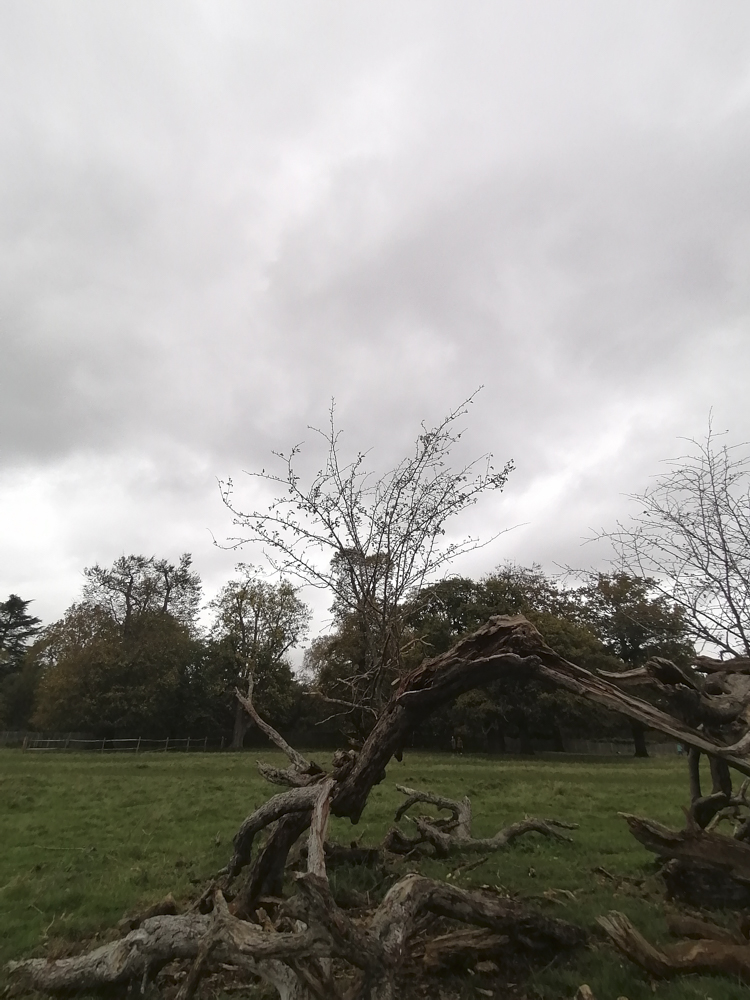
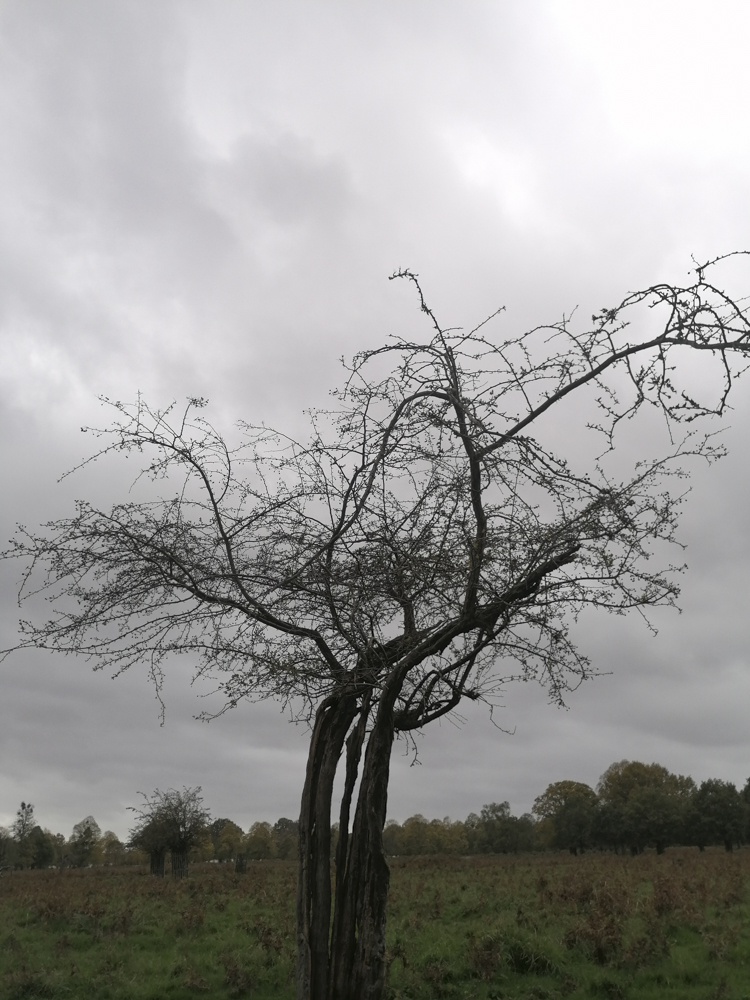
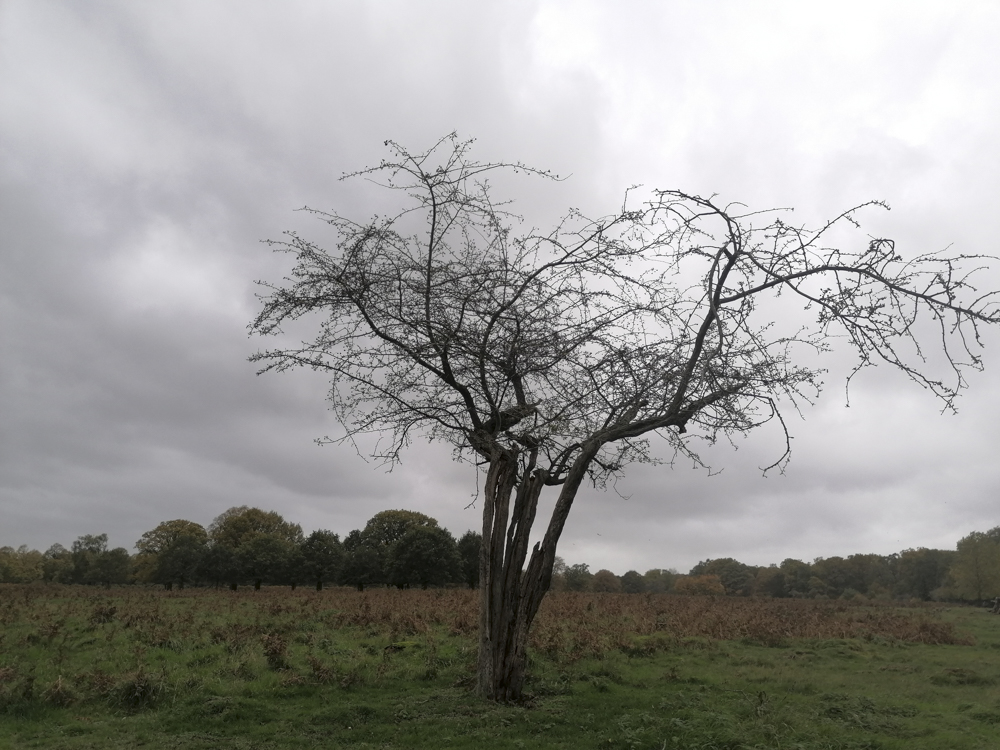
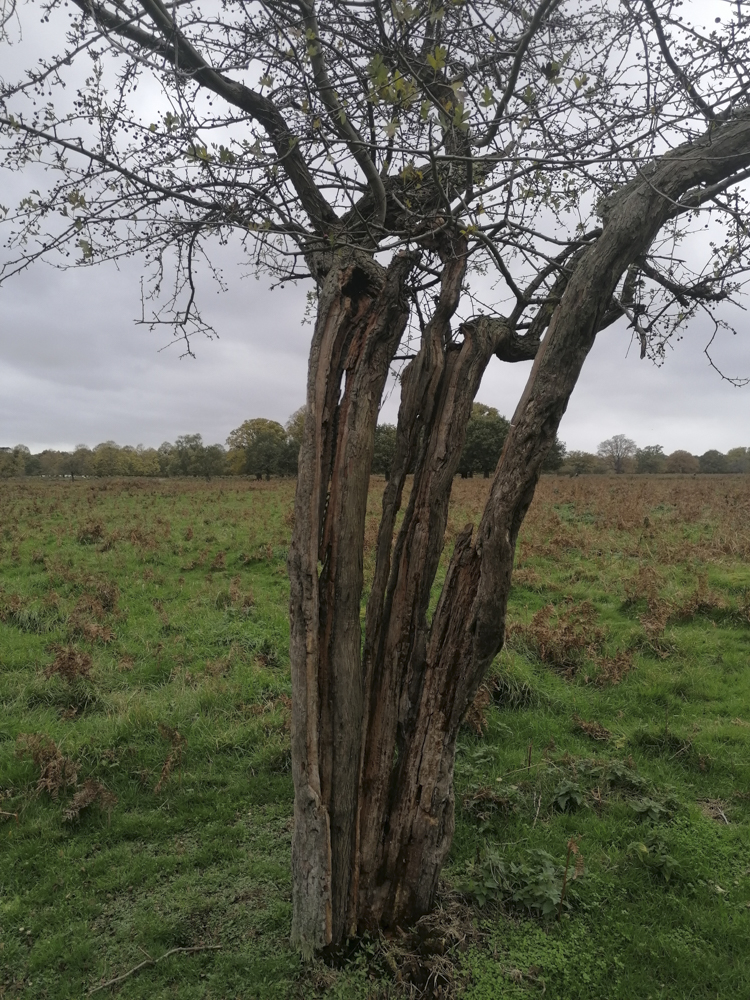
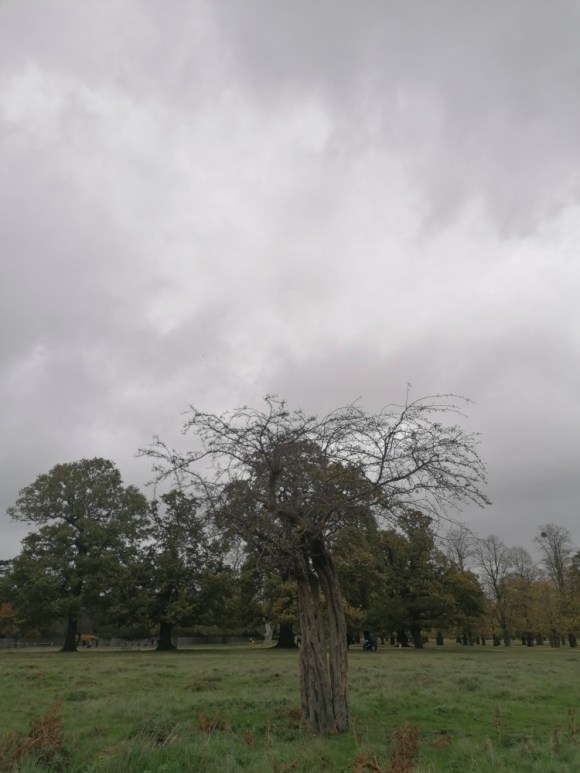
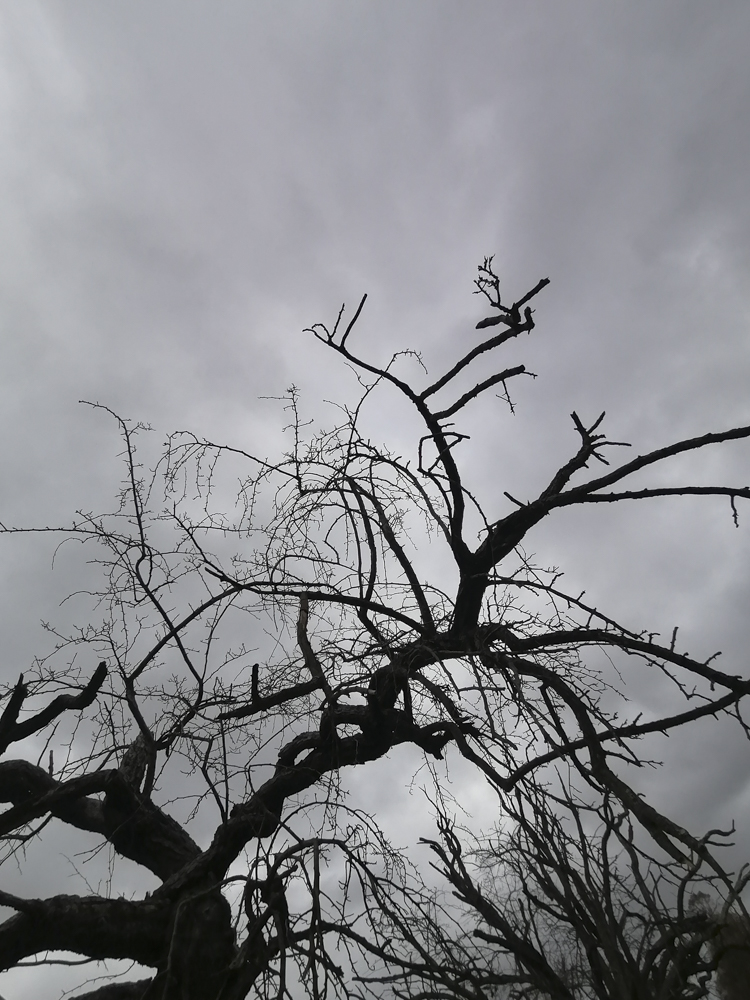
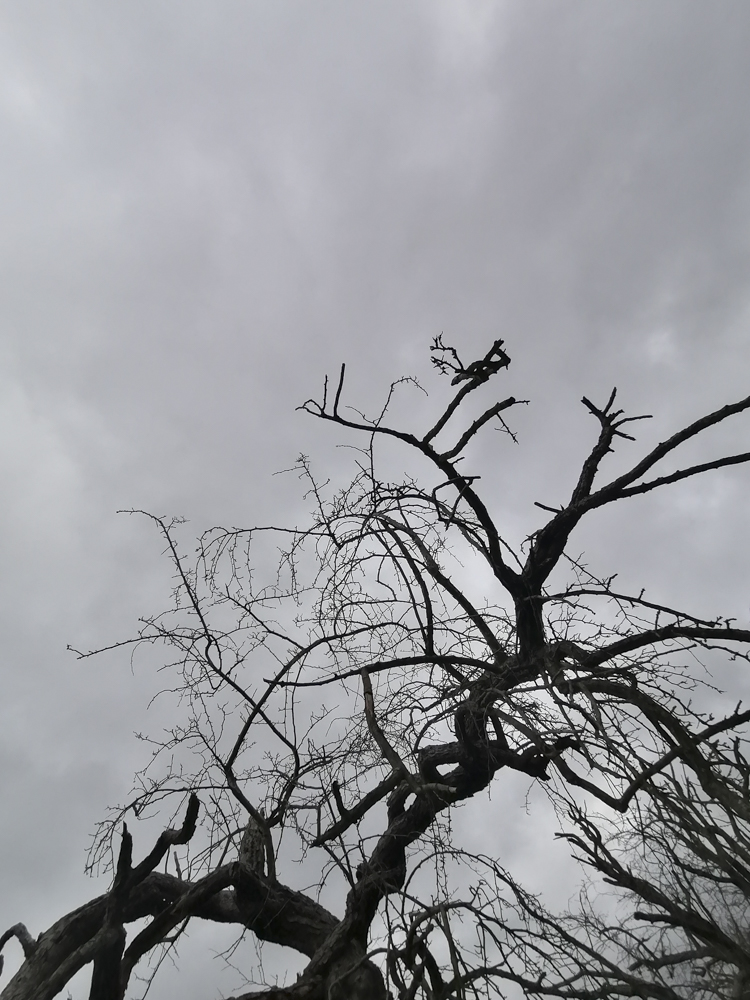
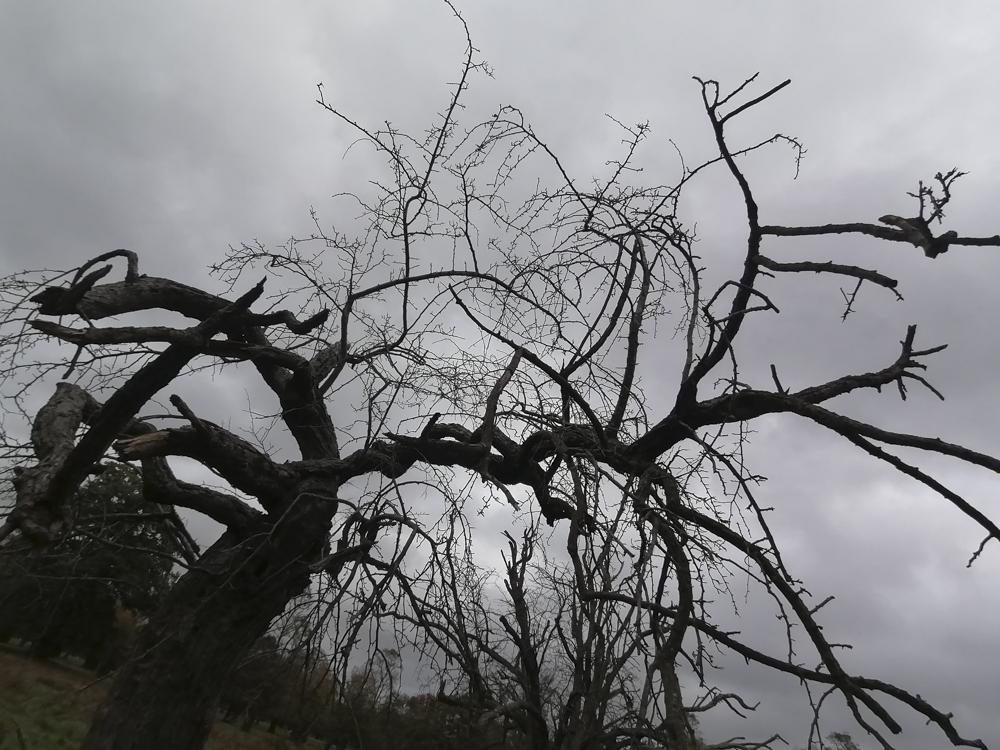
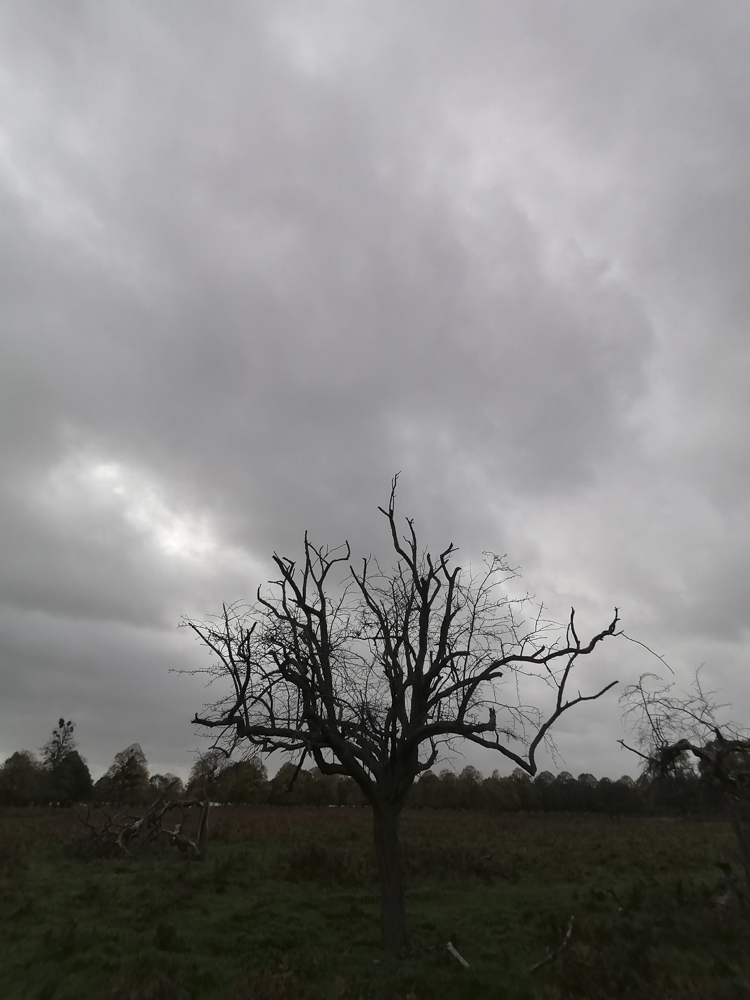
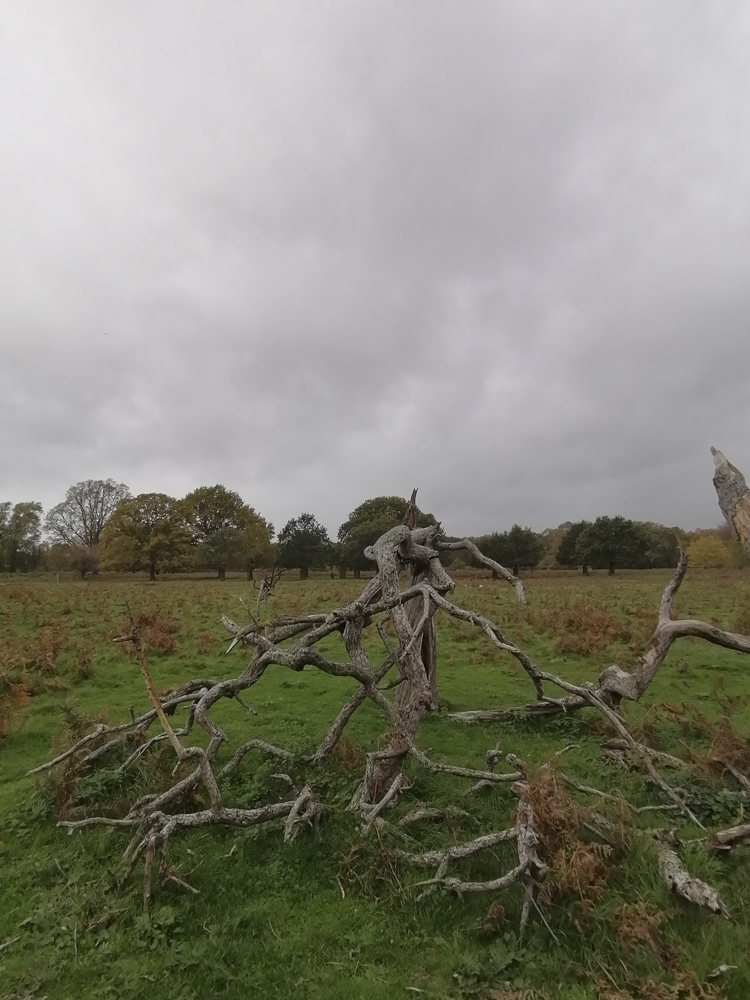
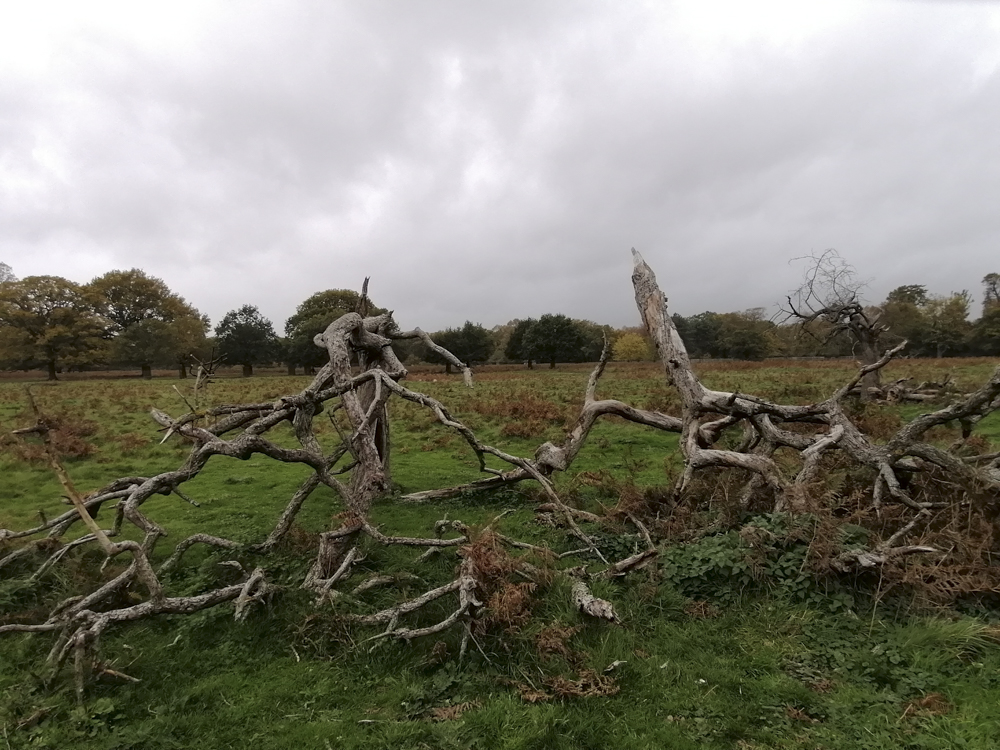
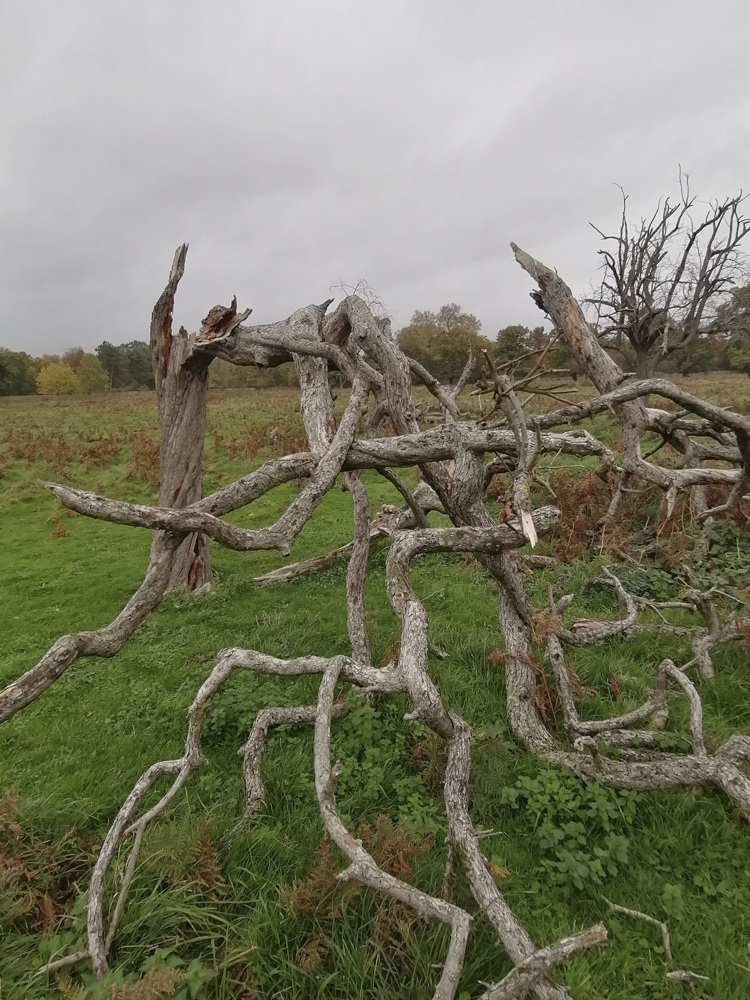
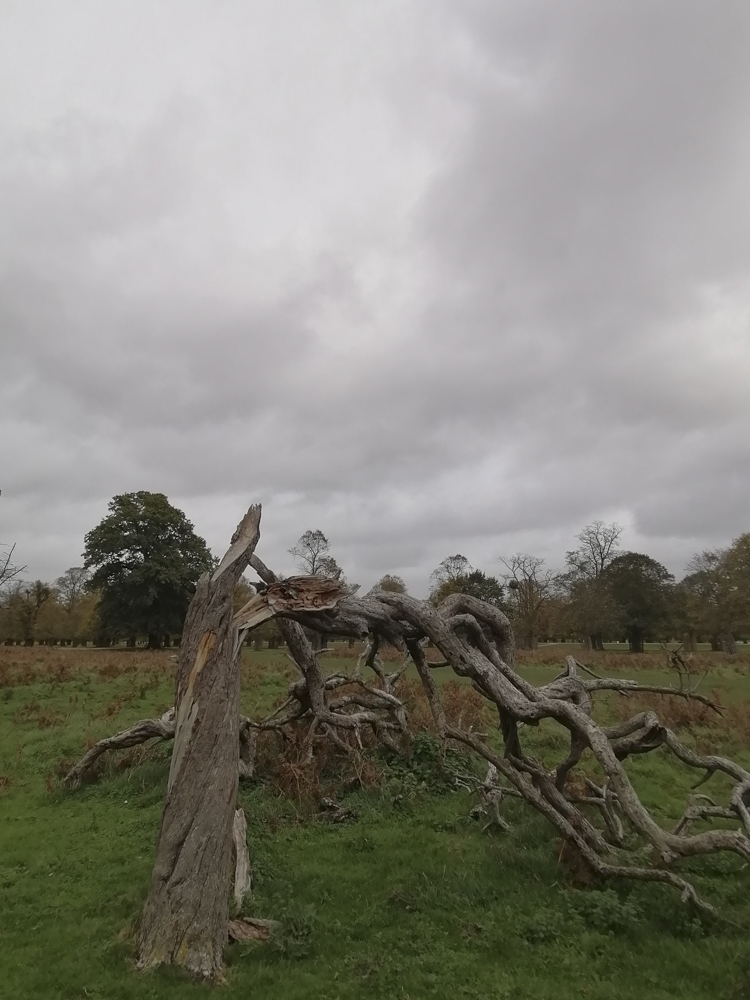
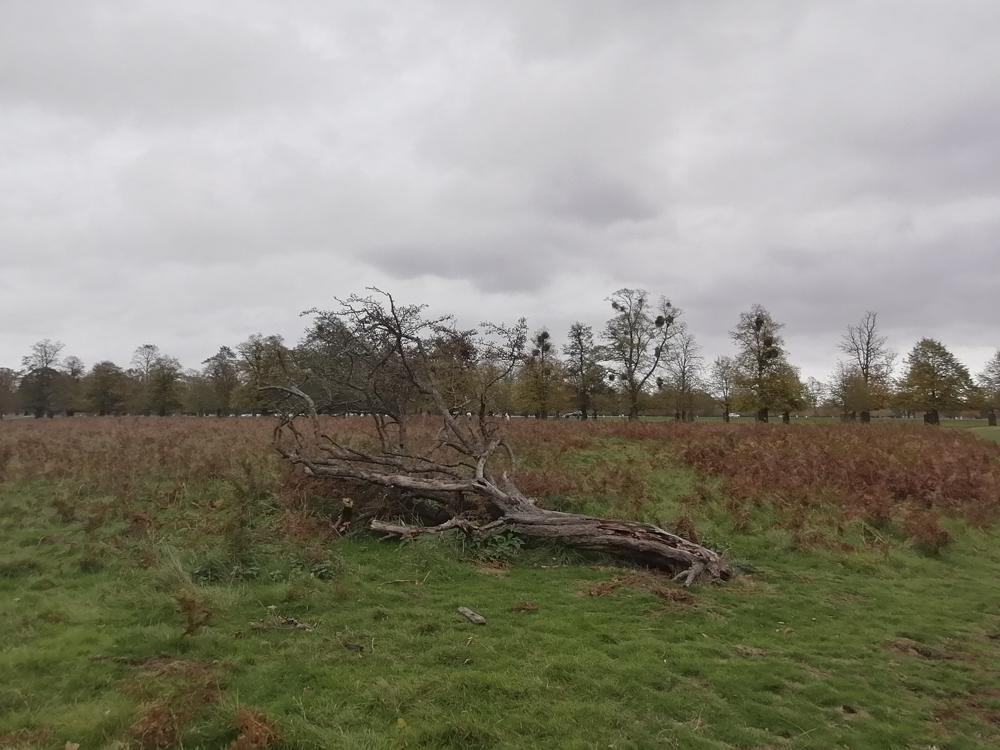
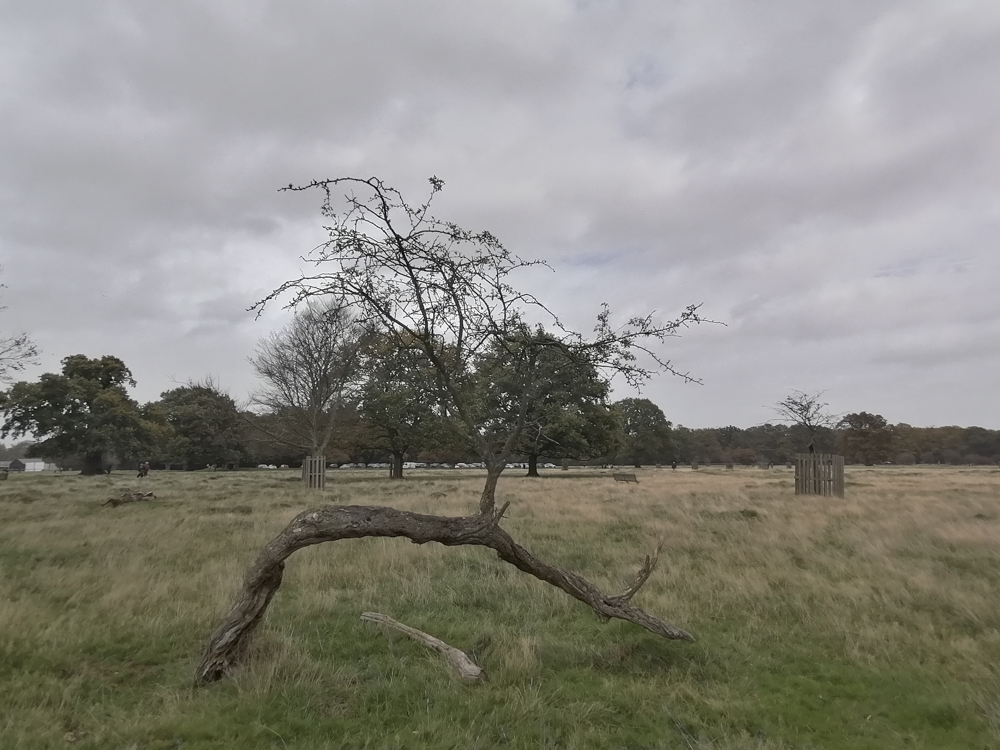
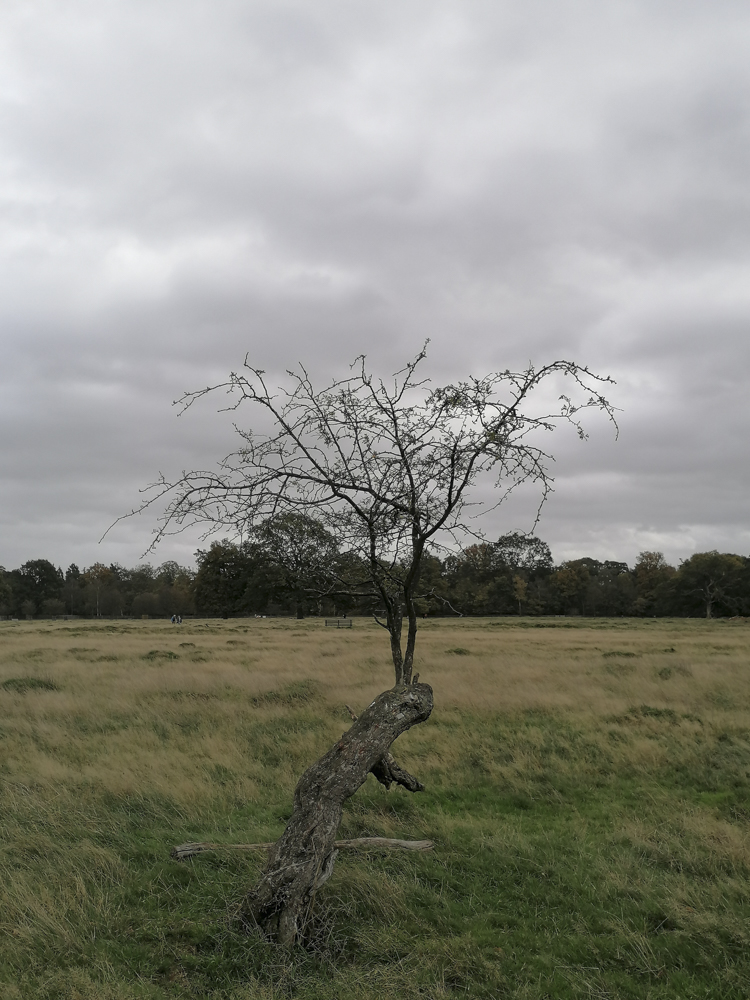
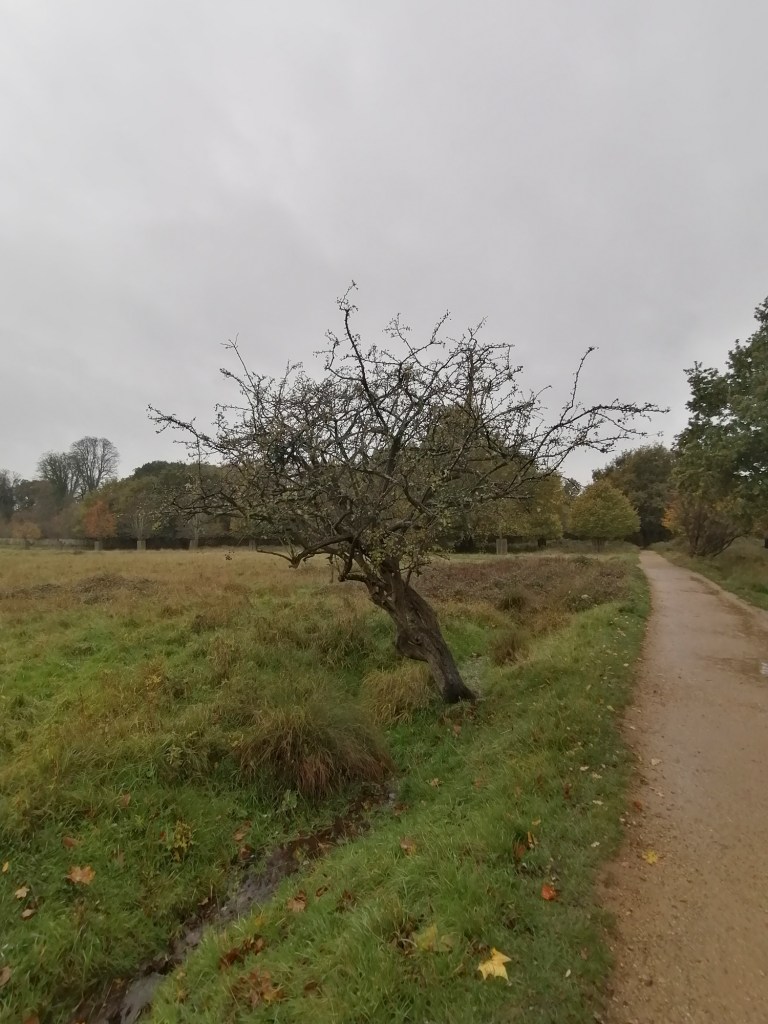
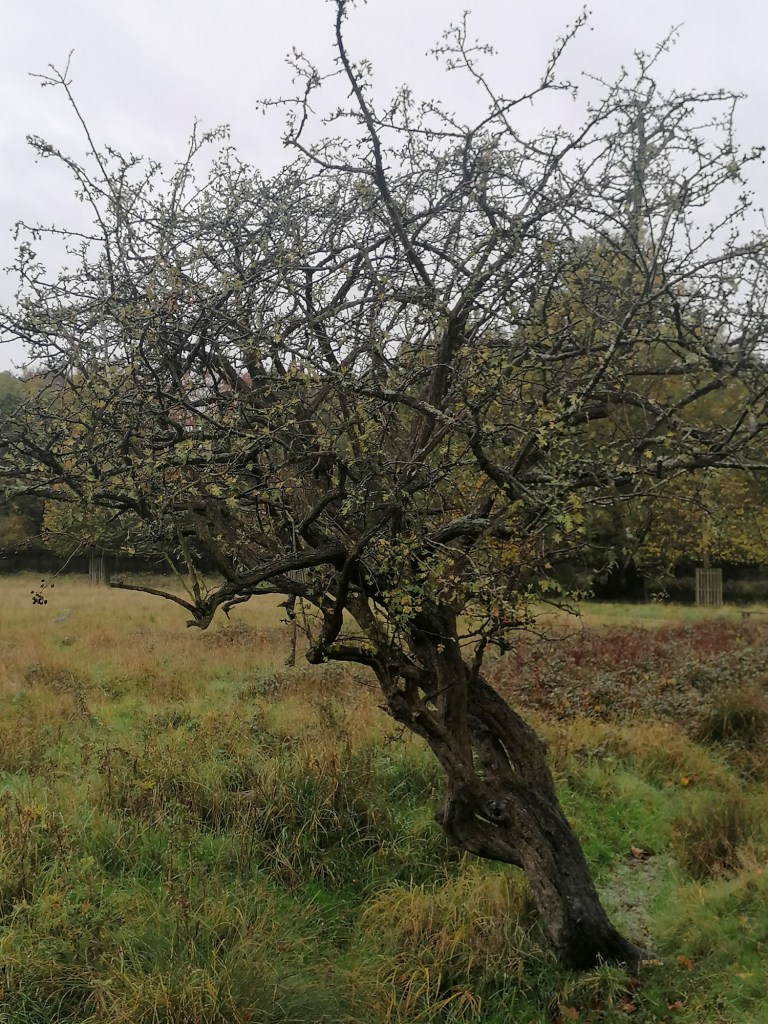
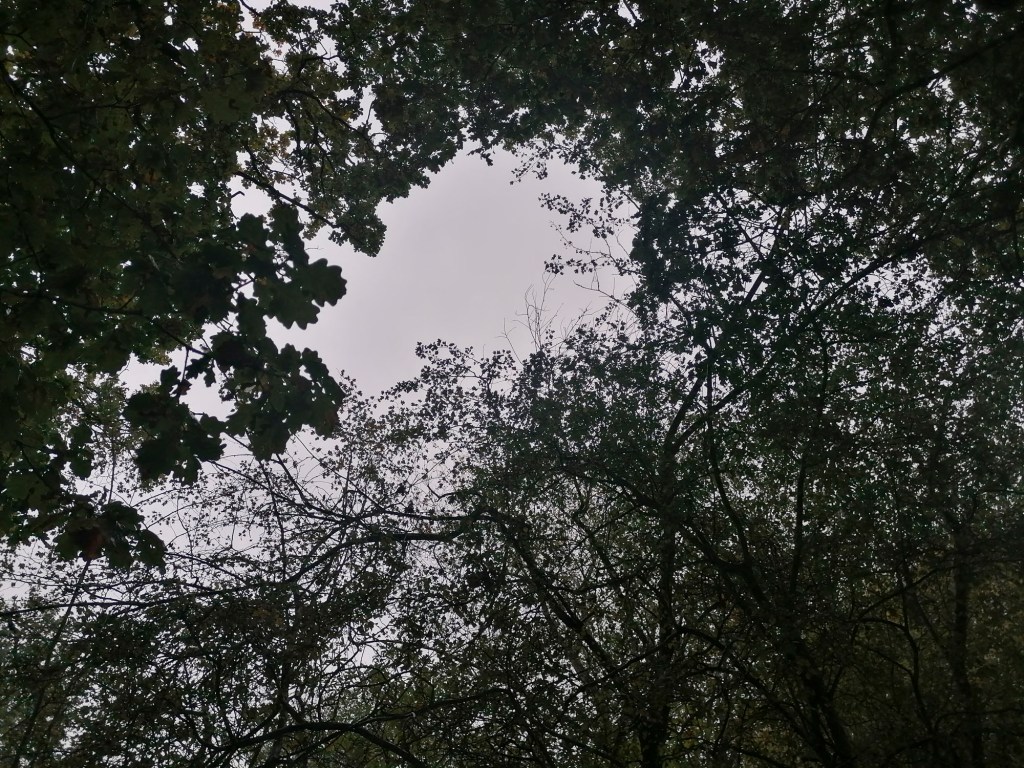
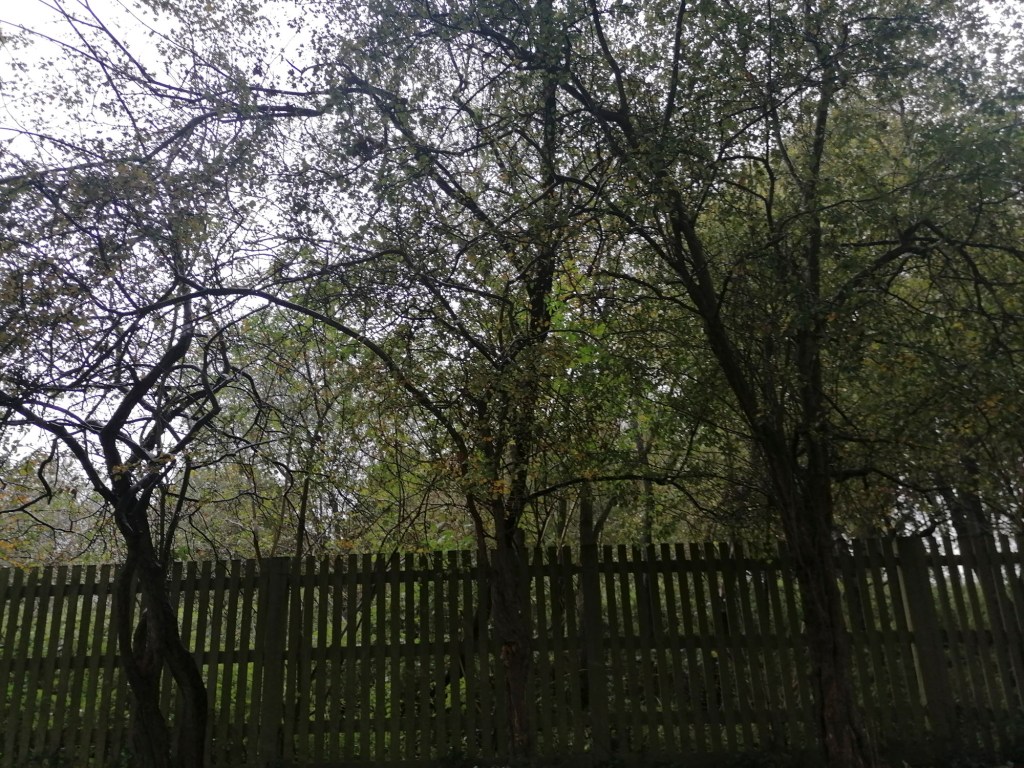
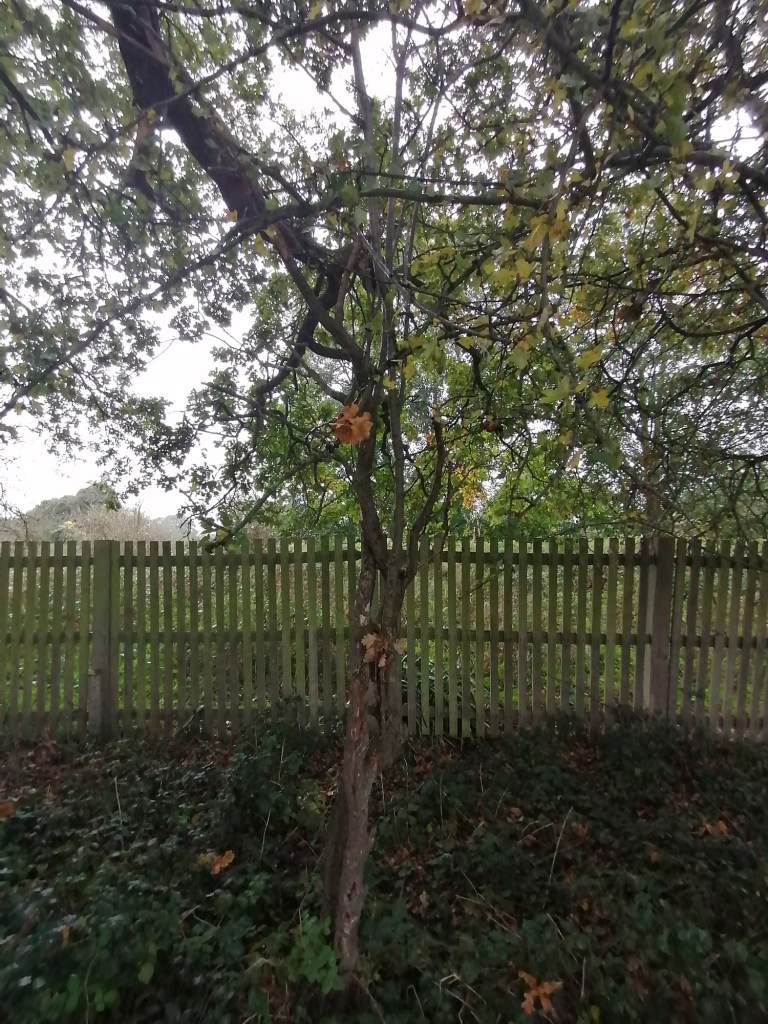
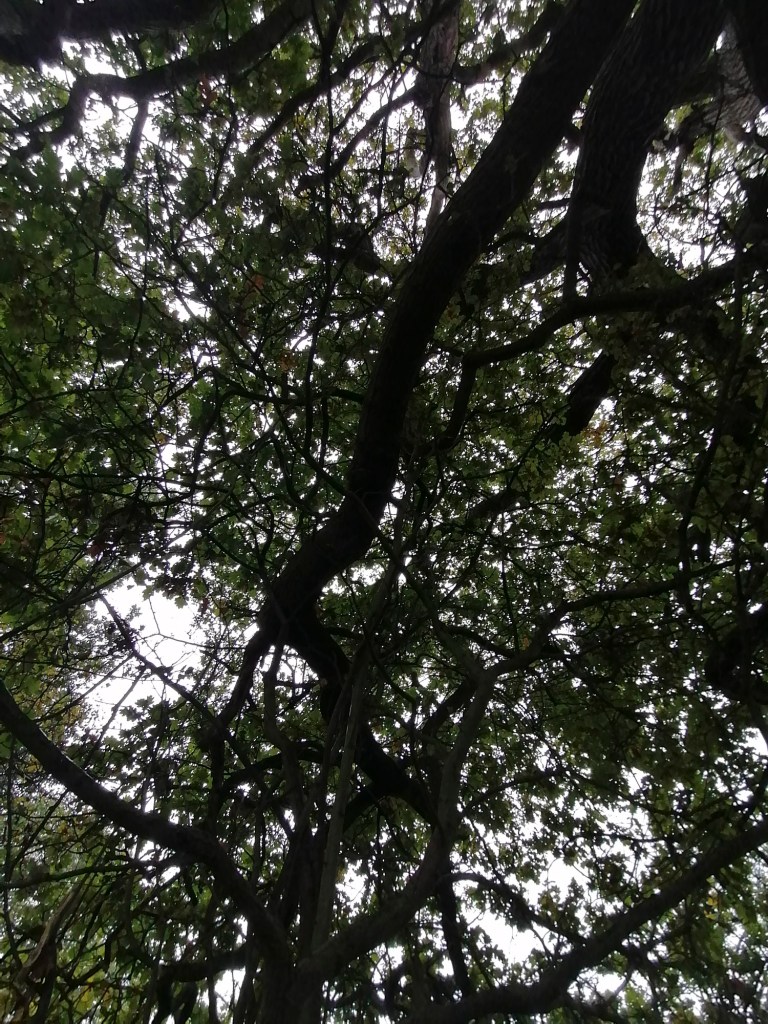
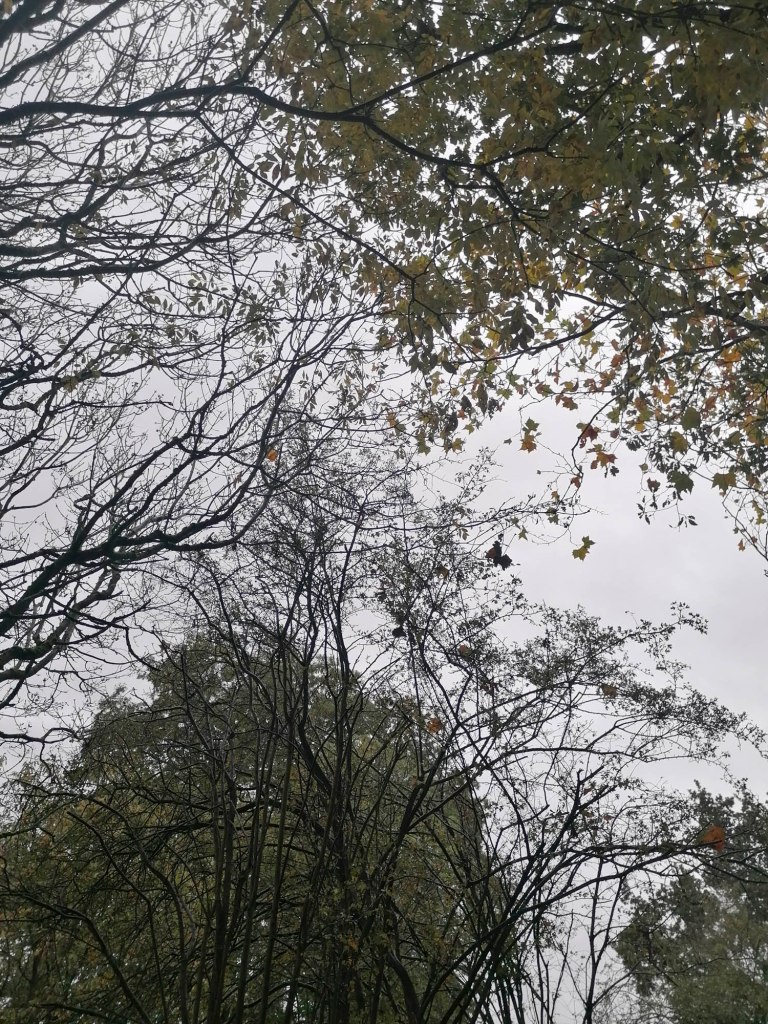
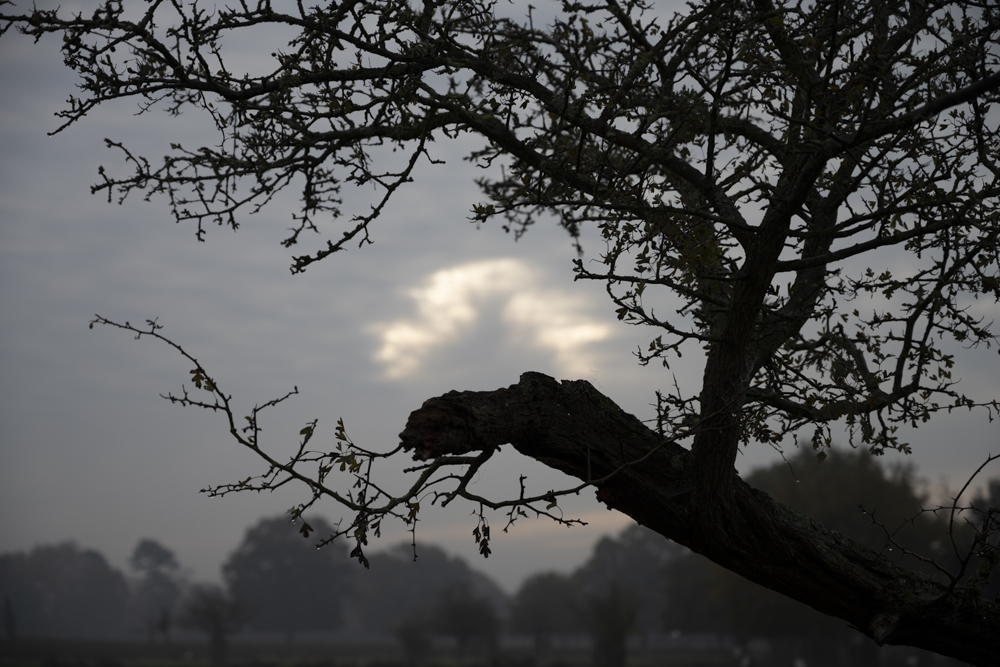
The third and final tree that I focused on was near to the main hawthorn patch near to the Diana car park. I really liked the texture of the sky in relation to this tree.
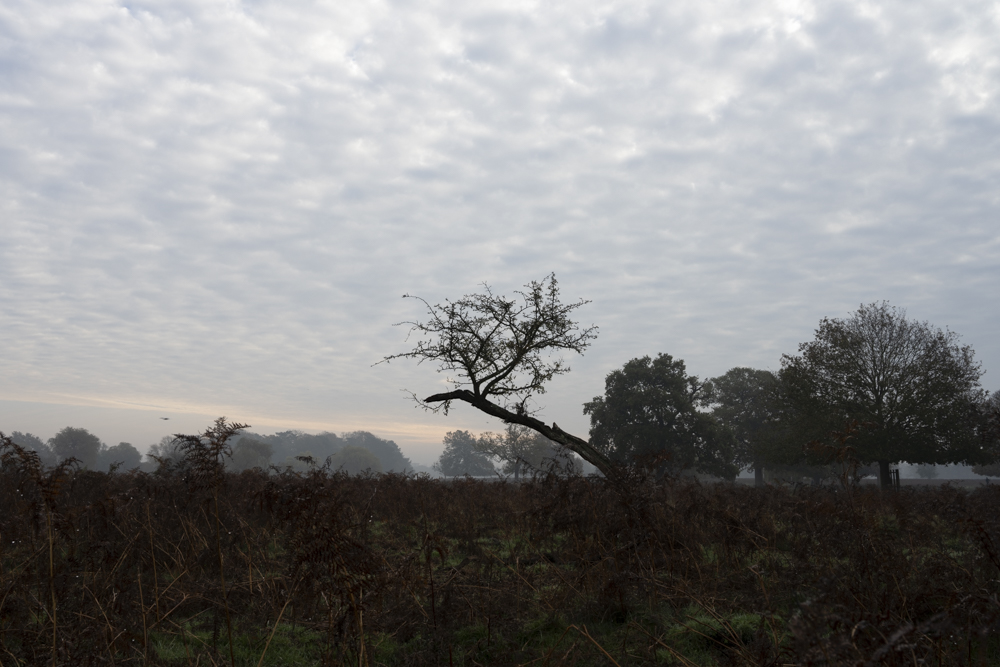
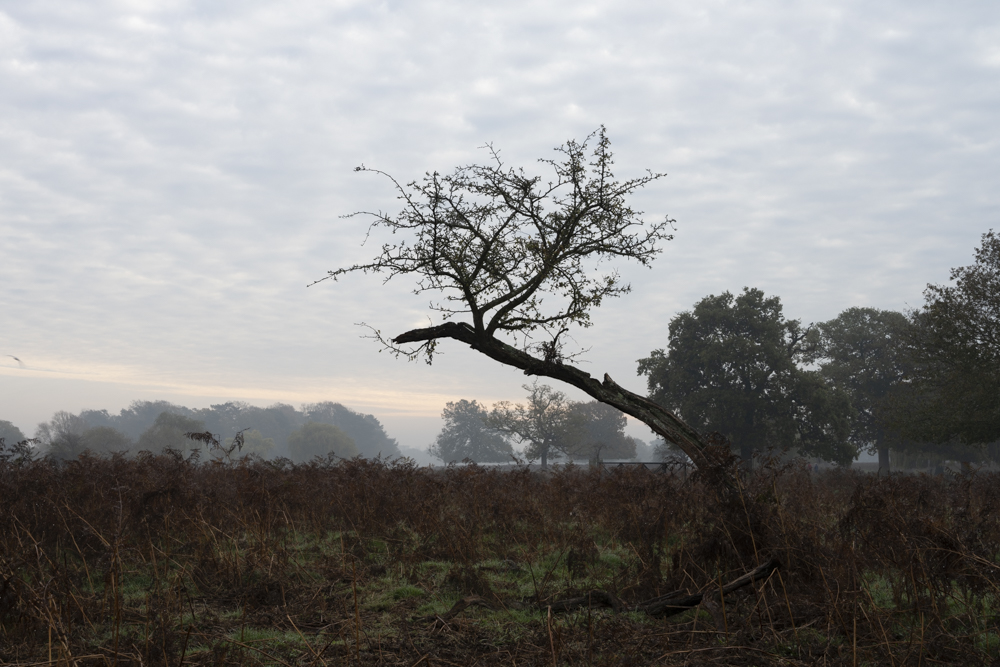
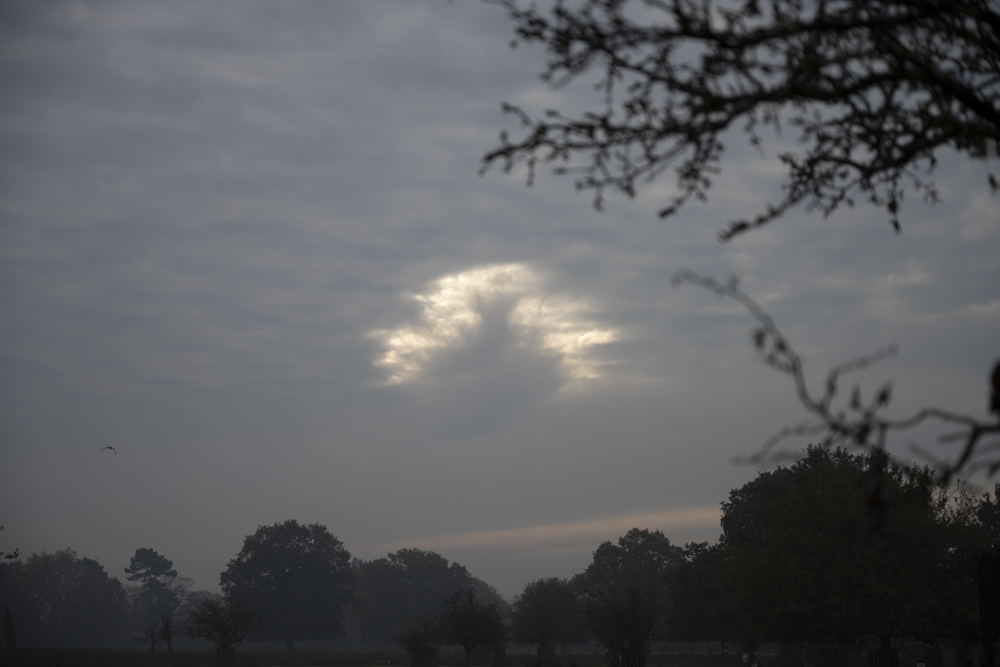
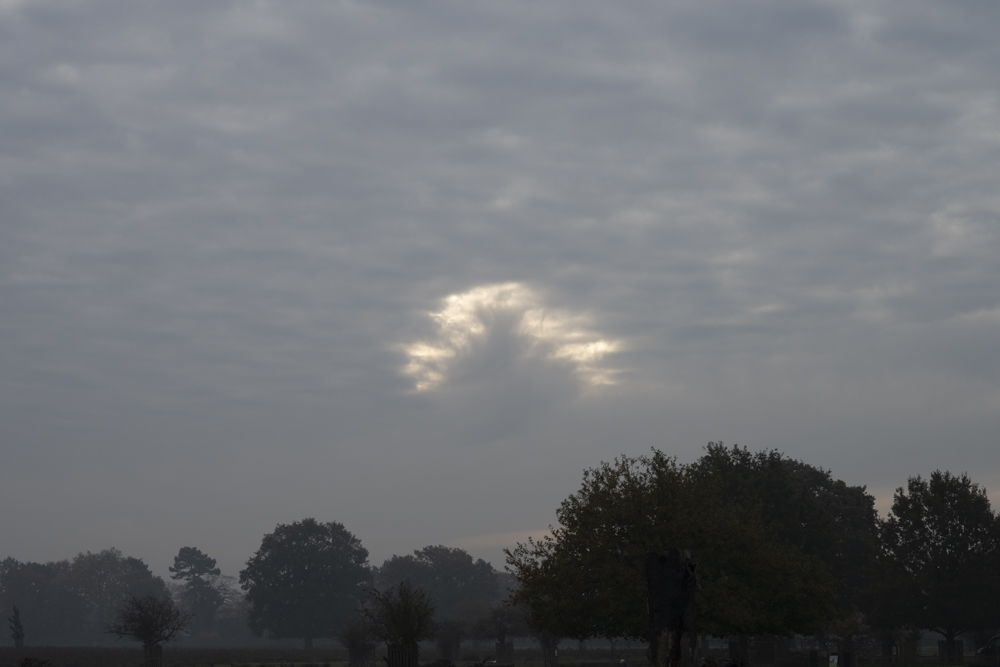
I also noticed this mesmerising cloud formation where I think the cloud was starting to shine through. I couldn’t quite get the angle or shot I wanted, but this is certainly an aspect I need to look out for with future images.
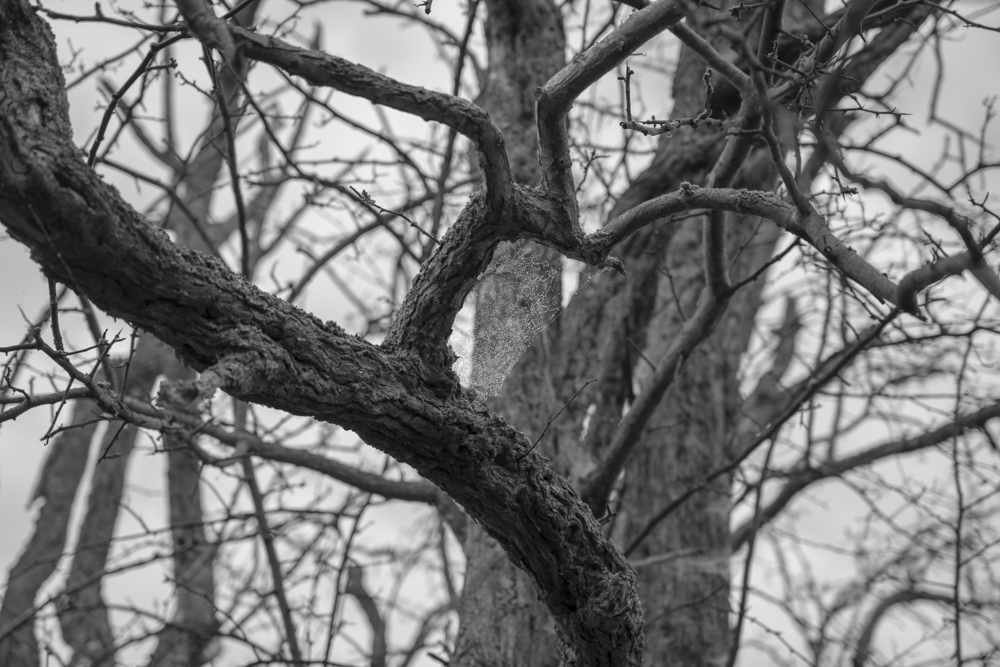
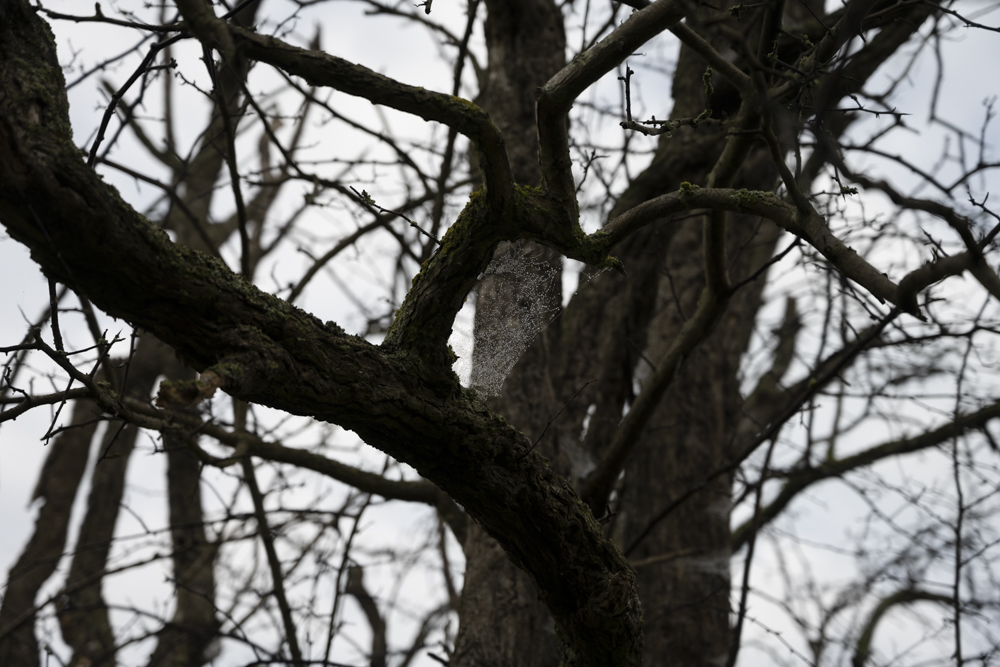
When looking closer at this tree, I noticed a spider’s web coated in water droplets. Evidence of the insects who rely on the hawthorns within Bushy Park.
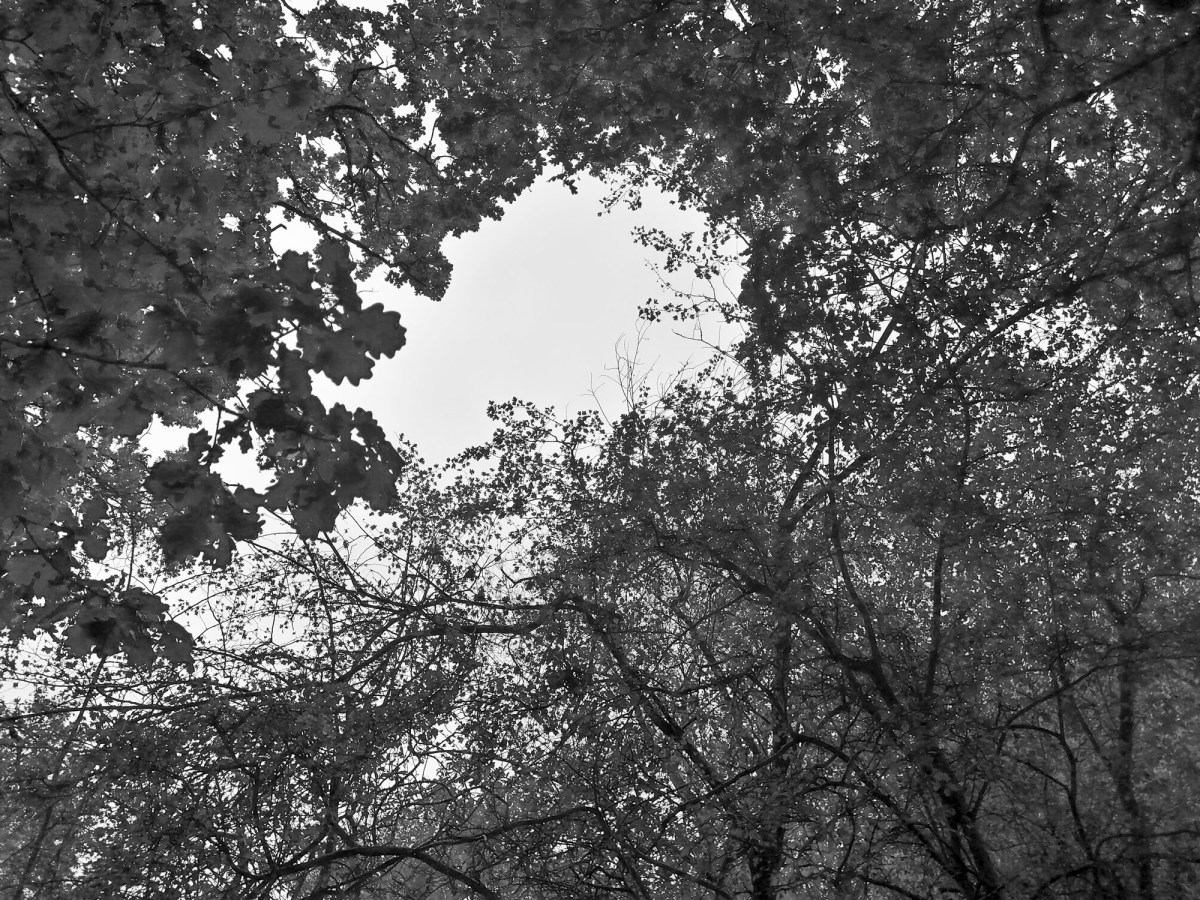
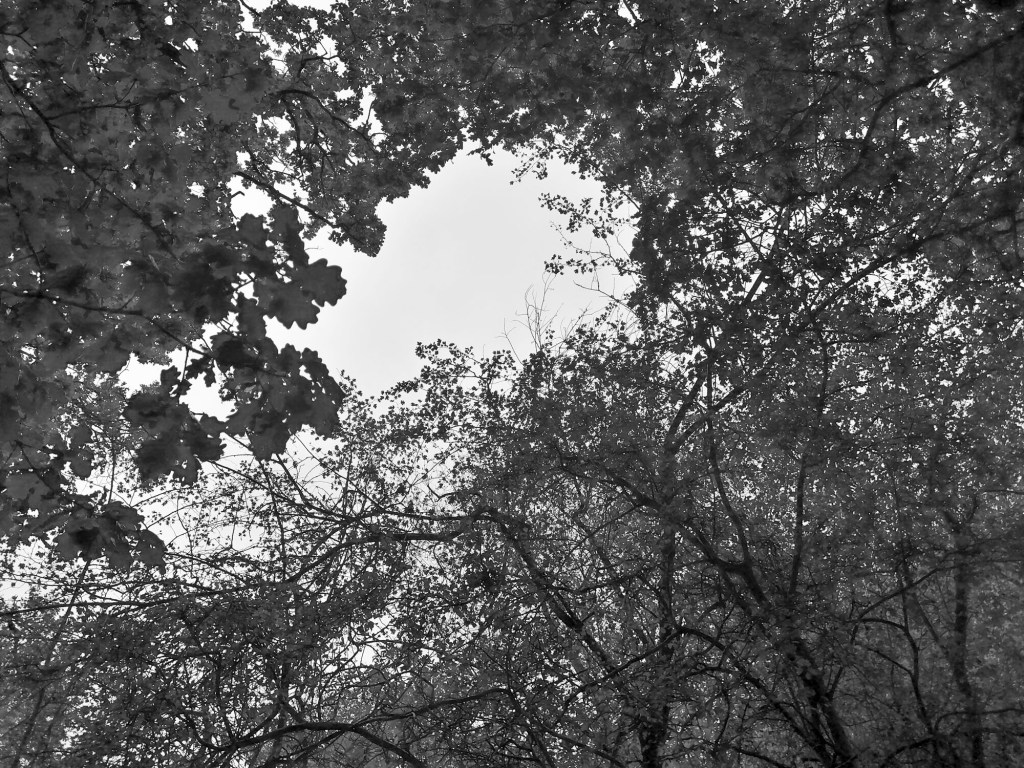
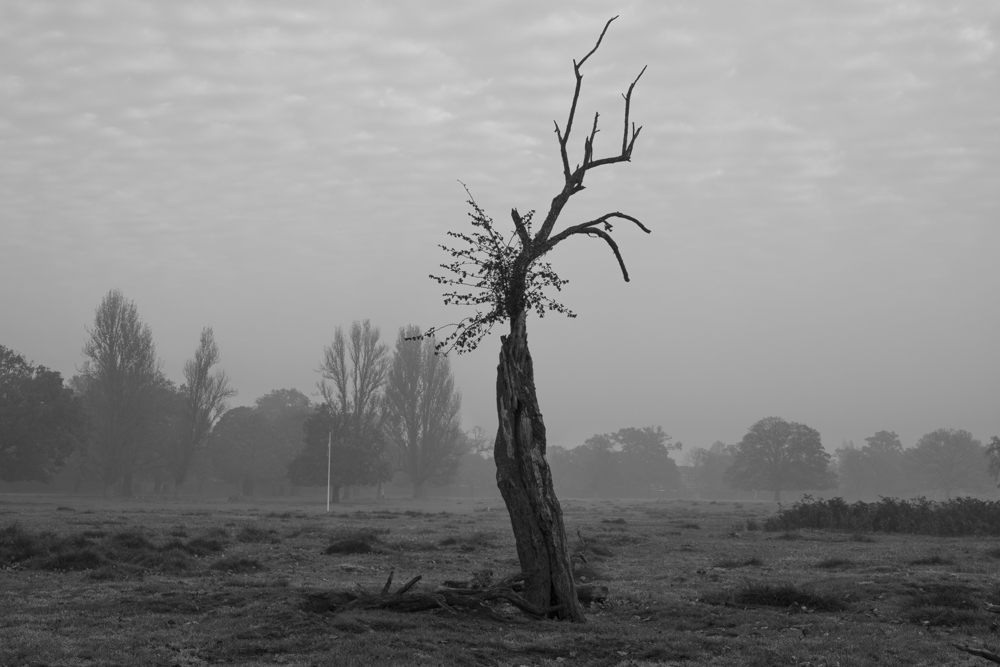
Later that day, I created a selection of Black & White conversions.
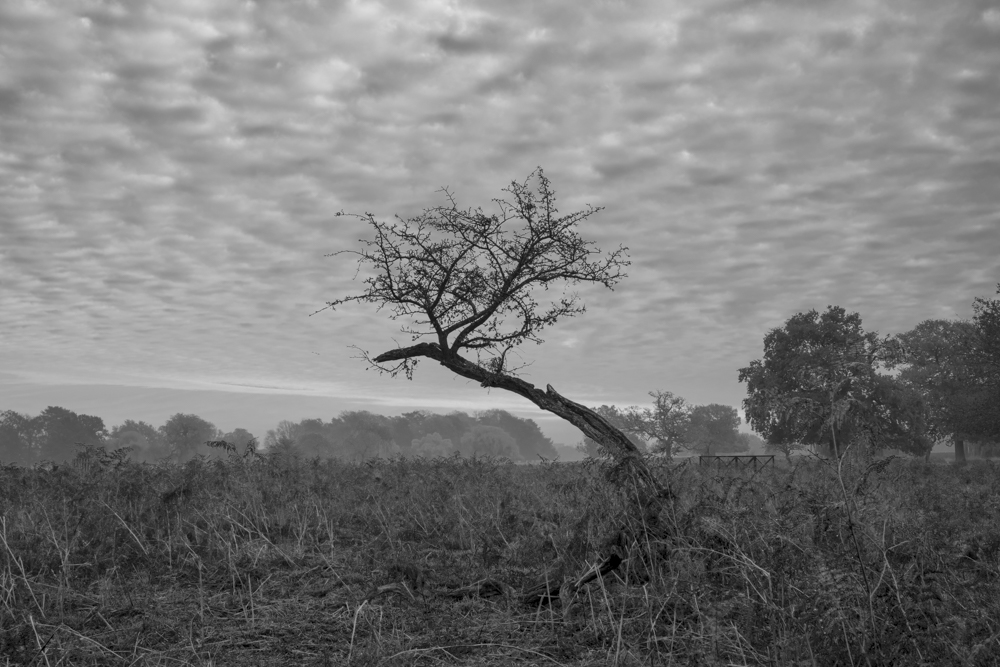
At this stage of the project, it was now time to review the images taken so far. I also had to process how my research and the visual resources/artworks could influence my work going forwards.

References

The Royal Parks. 2020. Monuments In Bushy Park. [online] Available at: <https://www.royalparks.org.uk/media-centre/factsheets-on-the-royal-parks/monuments/monuments-in-bushy-park#memorial&gt; [Accessed 10 November 2020].
Categories
AGM62 Photography Research Project Stage 1 Posts

AGM62 Bushy Park Hawthorns 4 November 2020

The forecast for the morning of 4 November was sunshine and a chilly temperature of 2 centigrade. After waking up very early and looking out of the bedroom window, this forecast was confirmed by the twinkling cover of frost on the cars parked outside. These have to be my most favourite conditions in which to visit Bushy Park, so there was only one thing to do. Wrap up warm and grab the camera.

The park looked absolutely magical.

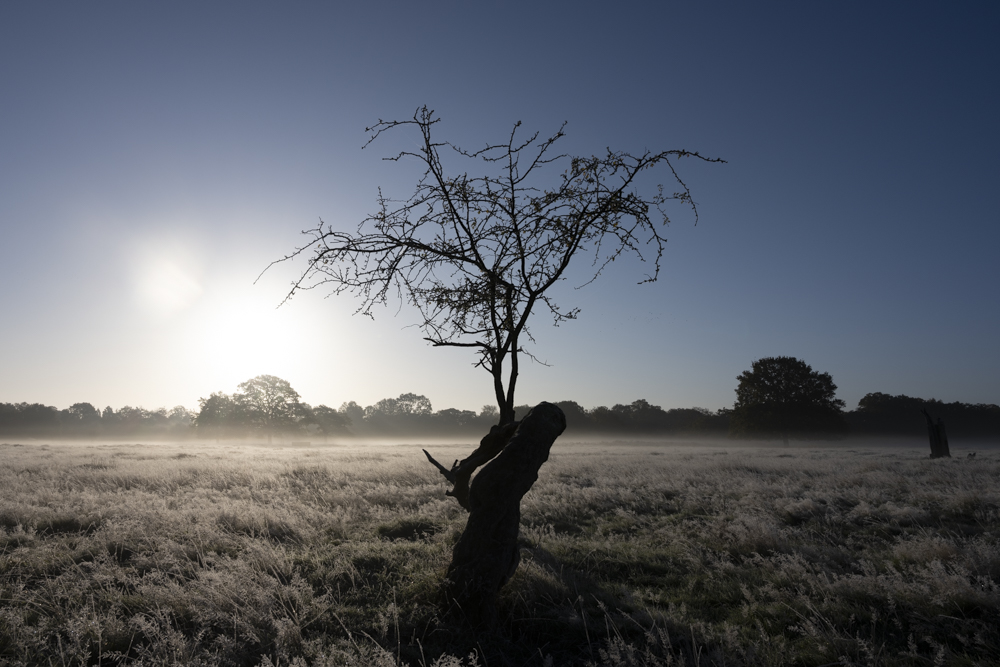
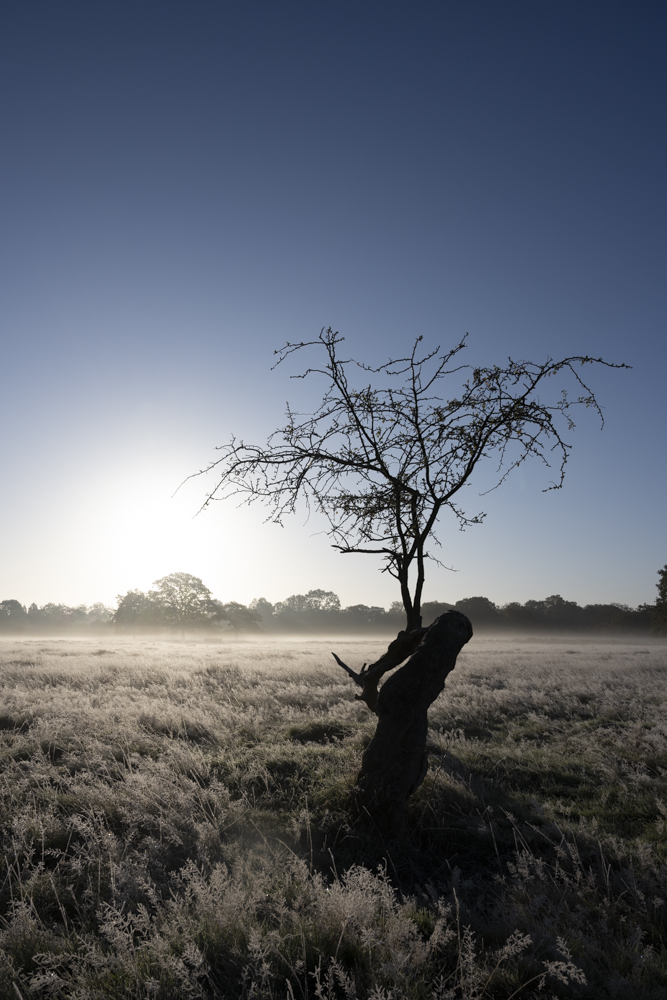
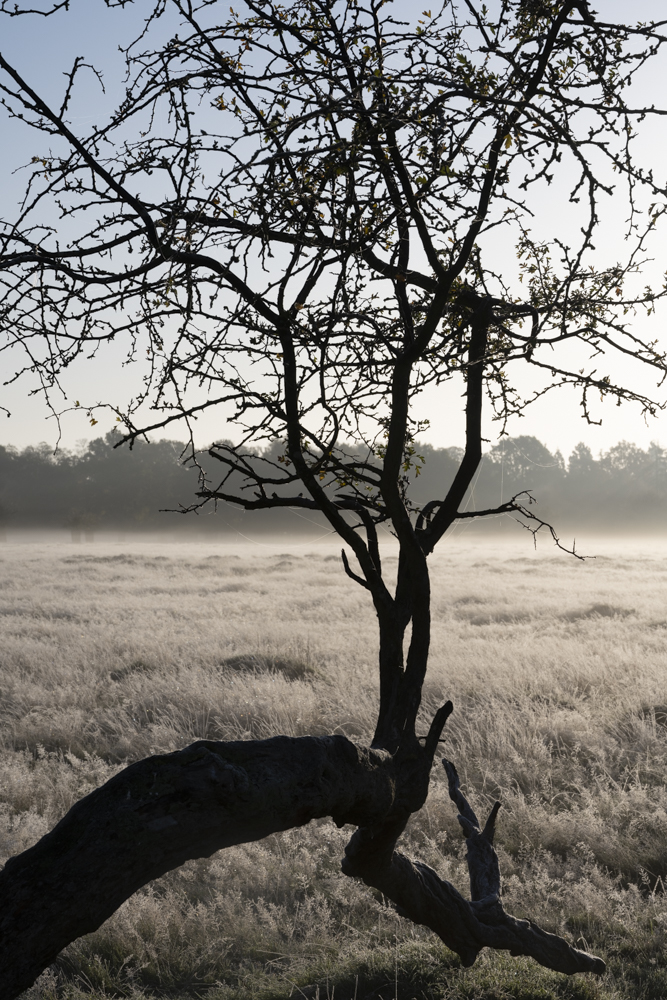
After the previous day’s shoot, I again returned to the first tree I visited. This time, I photographed it on the approach. The sun was much lower in the sky and highlighted the mist.

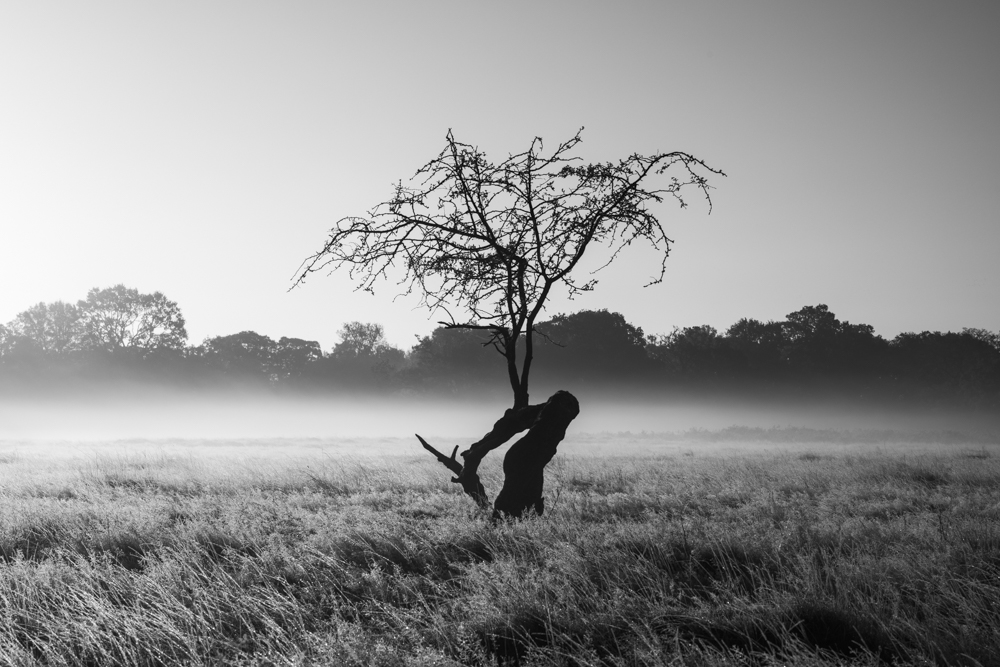
After returning home, I converted one shot to Black & White.

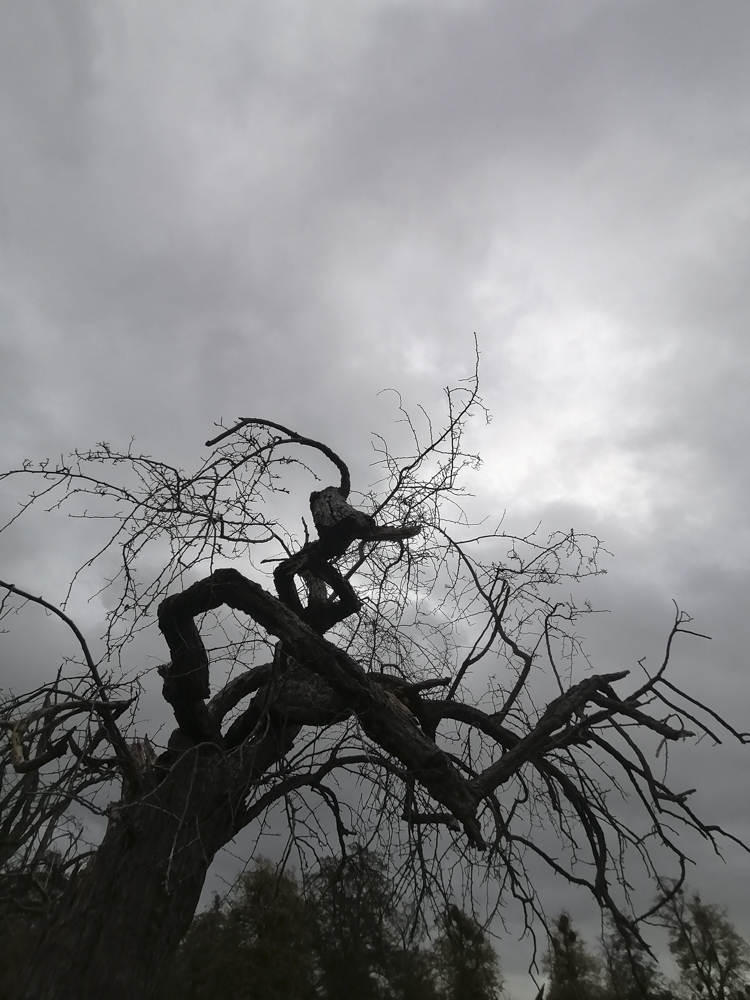
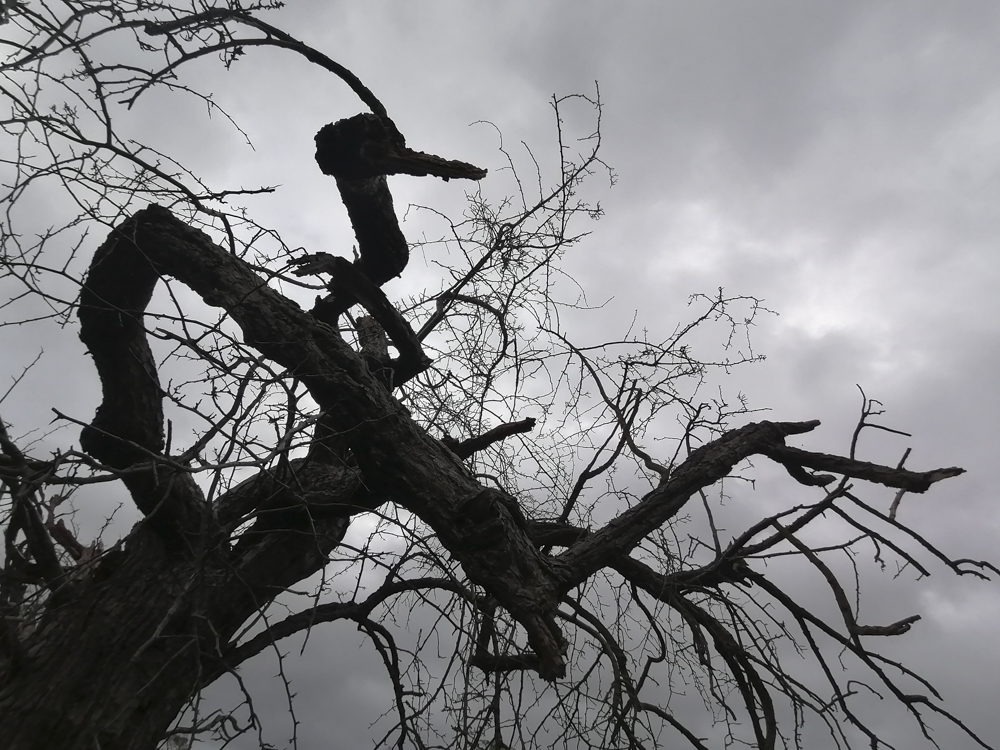
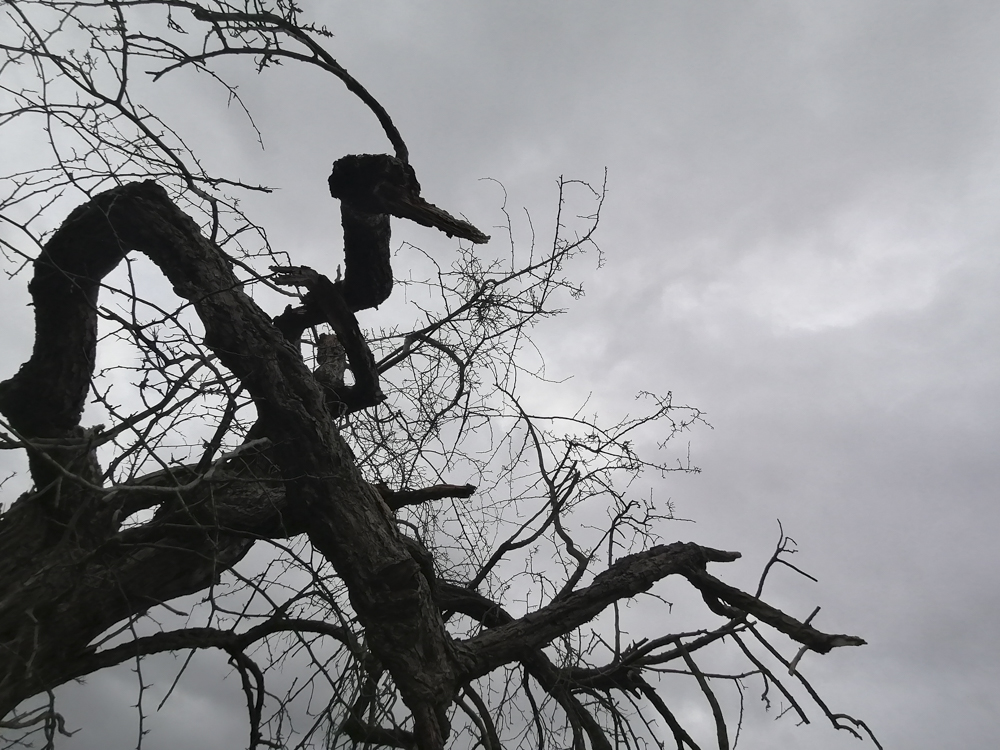
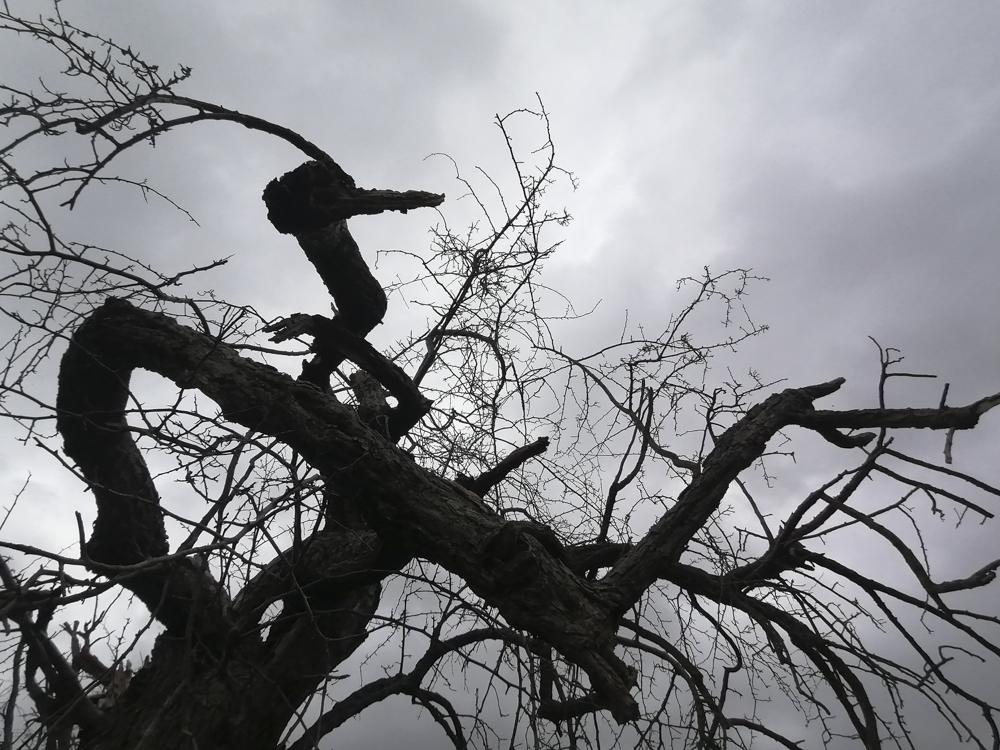
When I first looked at this one in detail, I could see a dragon’s head on the left of the tree. Then, when I showed this image to a friend, the said they could see the Grim Reaper on the right with a scythe on the left. Another person gave the following feedback “Very powerful image… so many ways to read/see it!”

At this stage of the project, certain themes and image similarities were starting to make themselves obvious. It was now time to process what these could be and return to the research aspect.

Categories
AGM62 Photography Research Project Stage 1 Posts

AGM62 Bushy Park Hawthorns 1 November 2020

After my shoot on 29 October, I wanted to explore a different section of Bushy Park where I knew there were hawthorns. I also wanted to combine this session with a long walk in order to take my mind off the previous day’s announcement regarding the forthcoming four-week lock-down.

While on my walk, I was aware of being thankful that I took this development into consideration in relation to the project for this module. I am extremely fortunate to be able to leave the house for exercise and carry out work that I can’t do at home. The circumstances are very similar to earlier in the year – it worked then and it will work now.

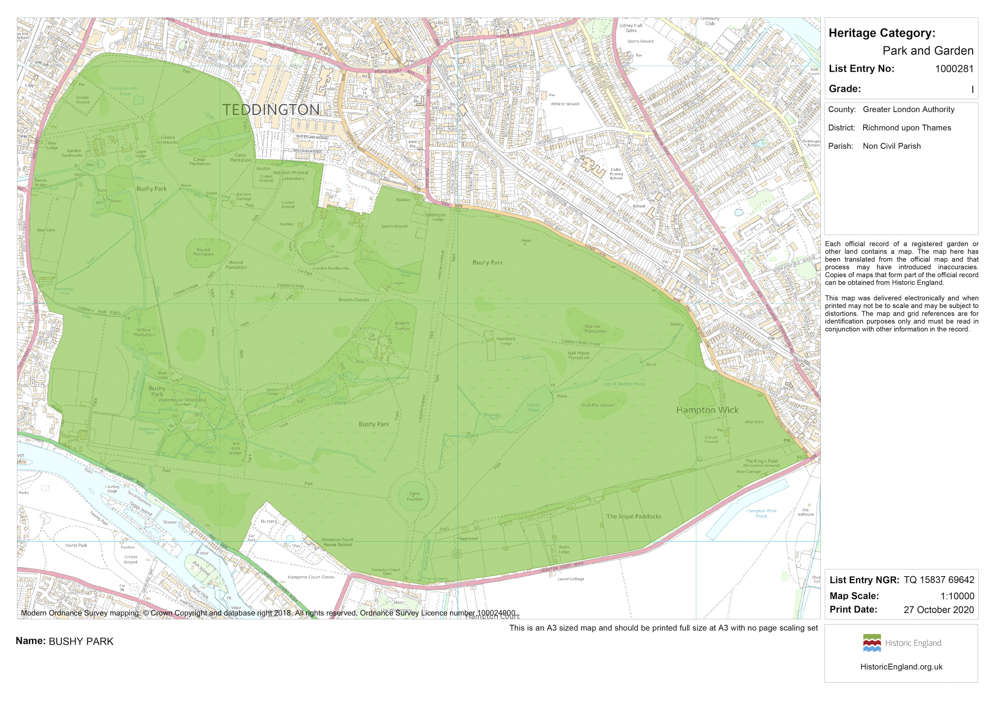
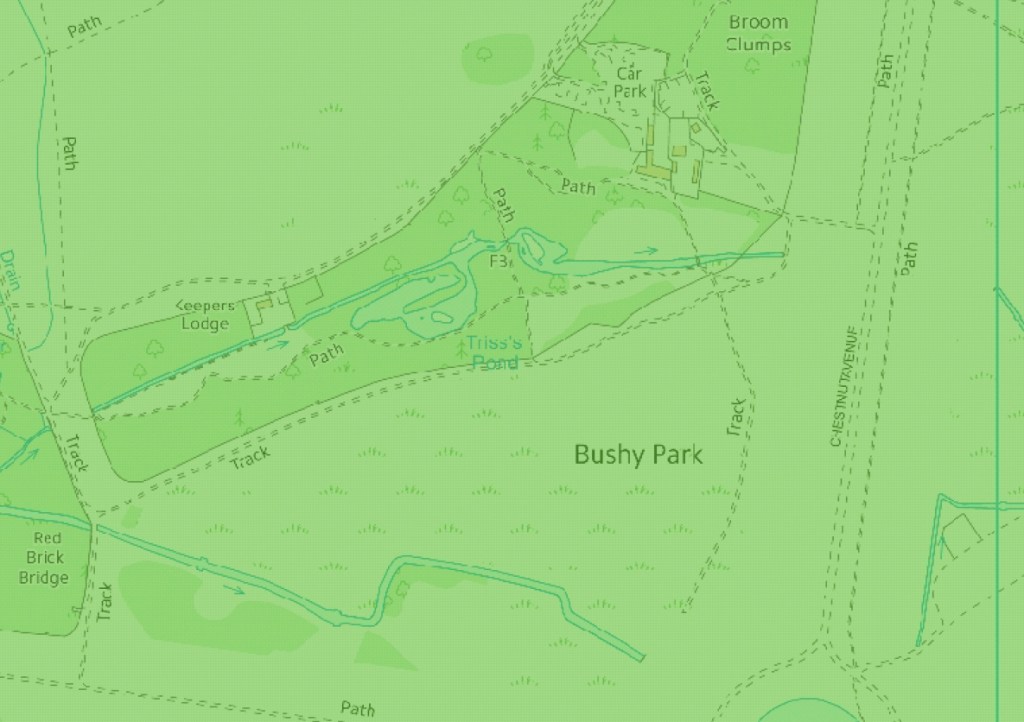
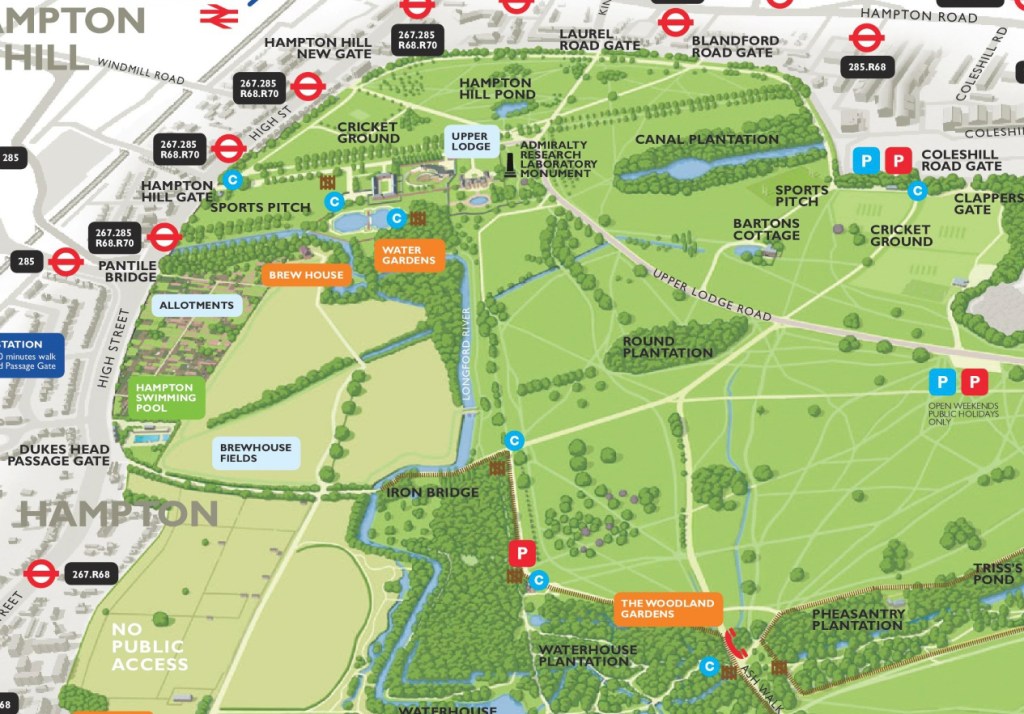
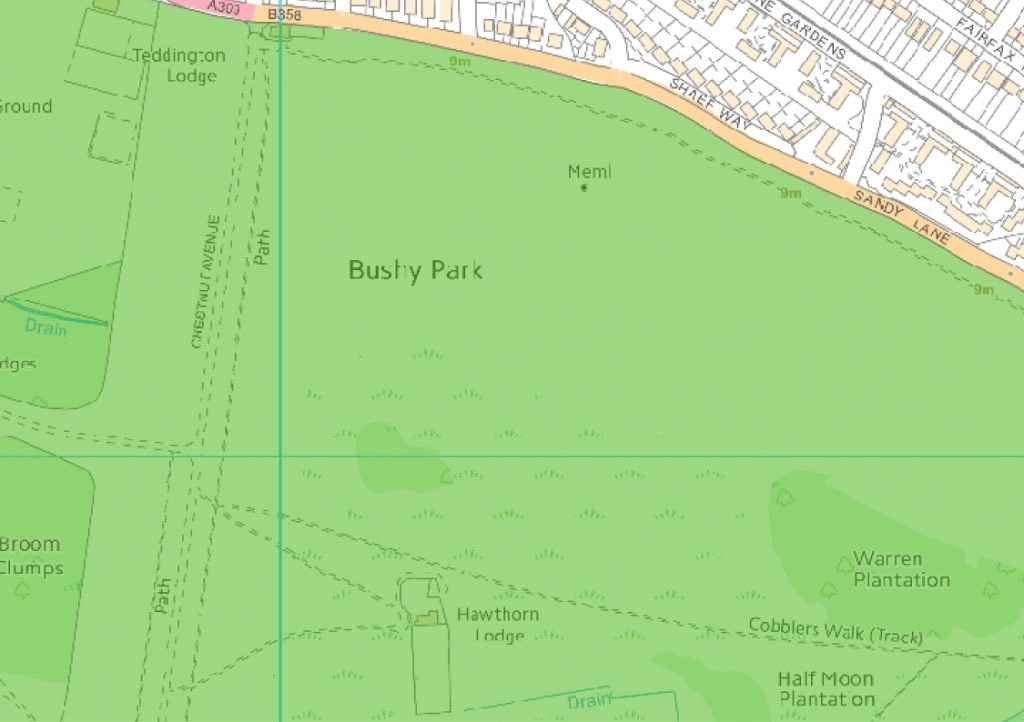
In preparation in working out the different areas within Bushy Park and the hawthorns in each part, I searched for a map online. In doing this, I came across the Historic England website and discovered I could download an Ordnance Survey map. This will be very helpful in my mission to locate the trees.

The area in which I focused covered the area between the border of the Pheasantry Plantation in the Woodland Gardens, the channel of water on the bottom, left-hand side of the map and the track to the right.

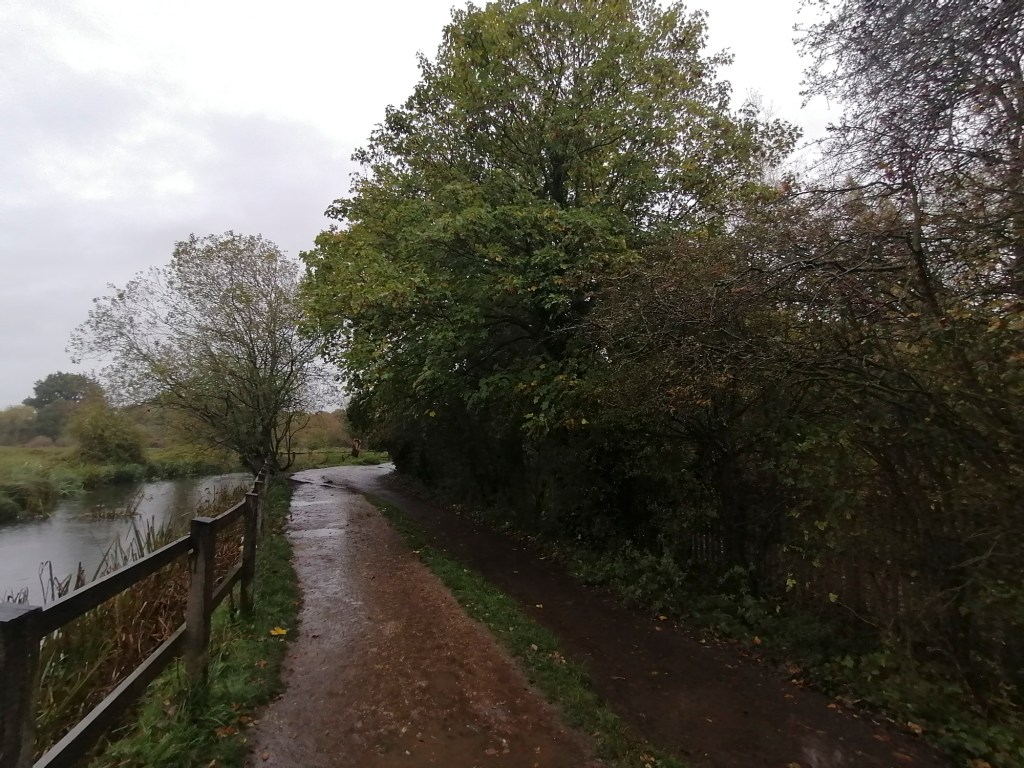
I took the following images using my smartphone as I wanted to travel light and nimble. Also, rain and strong winds were forecast and I did not want to risk my main camera being damaged.

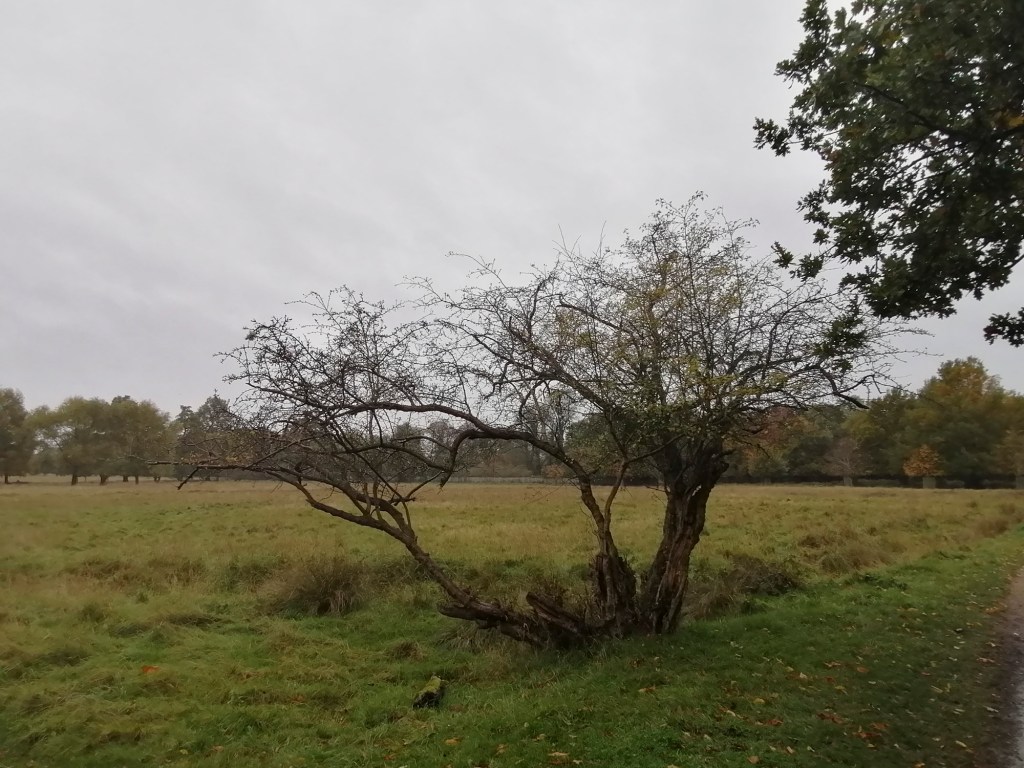
Tree 1

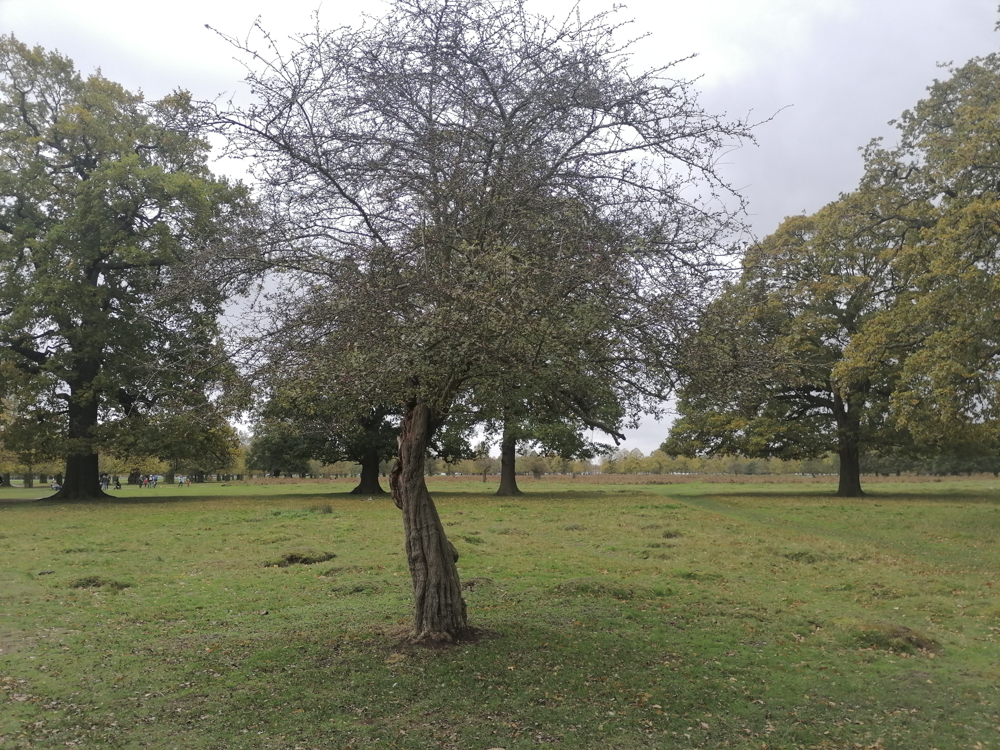
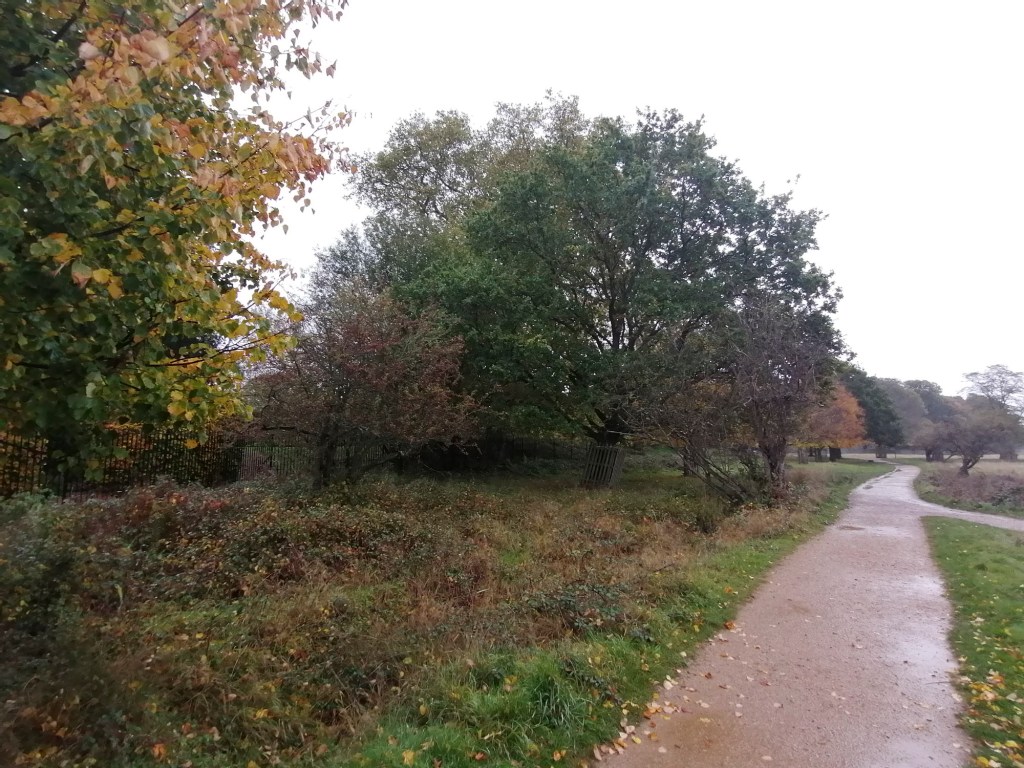
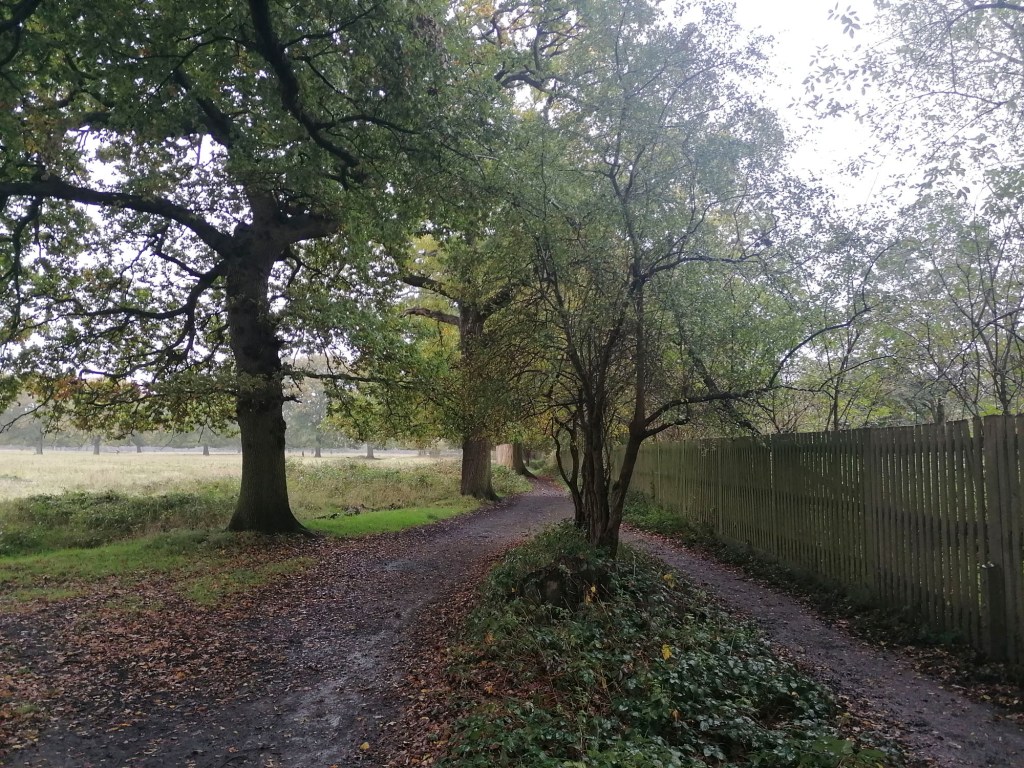
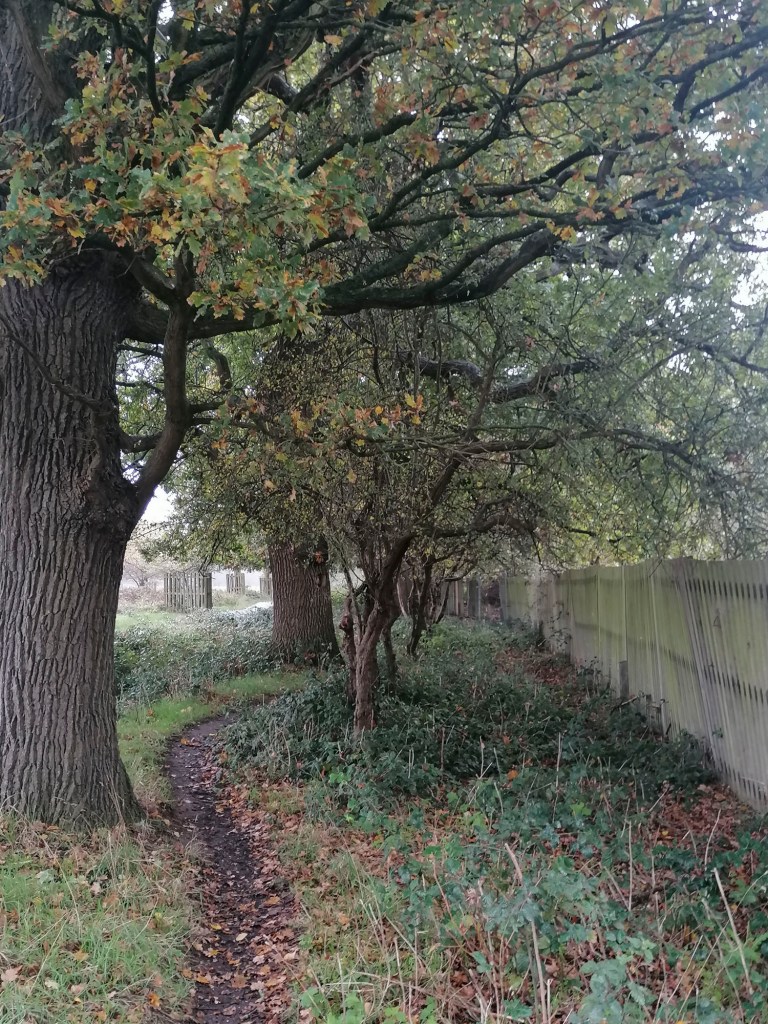
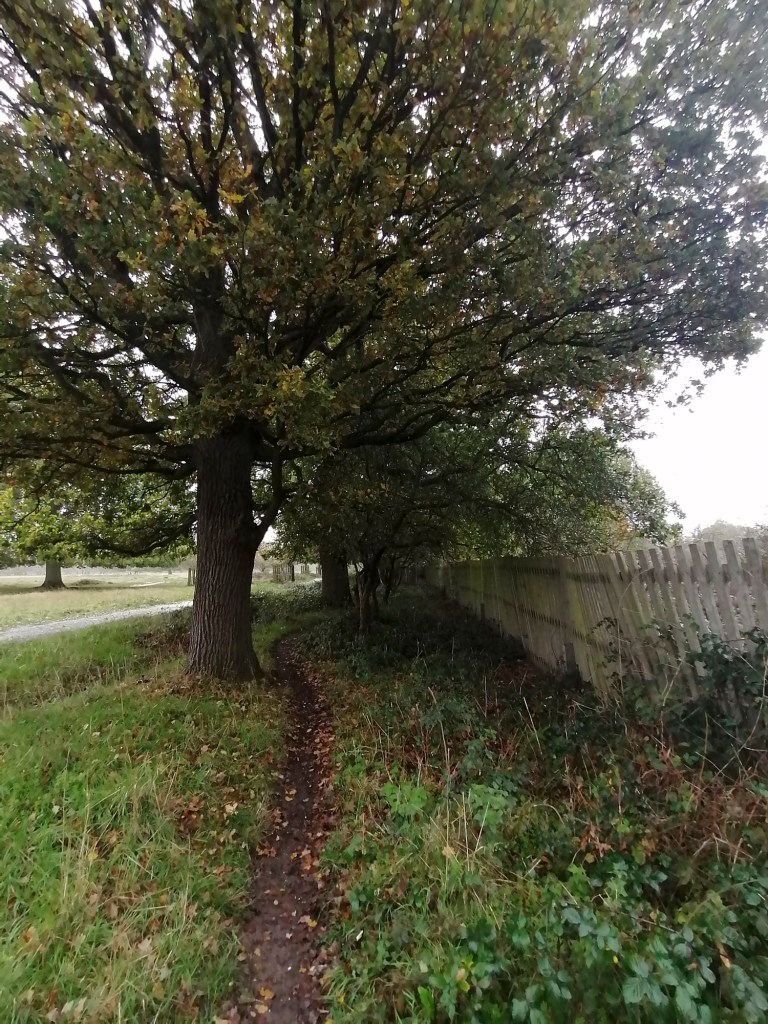
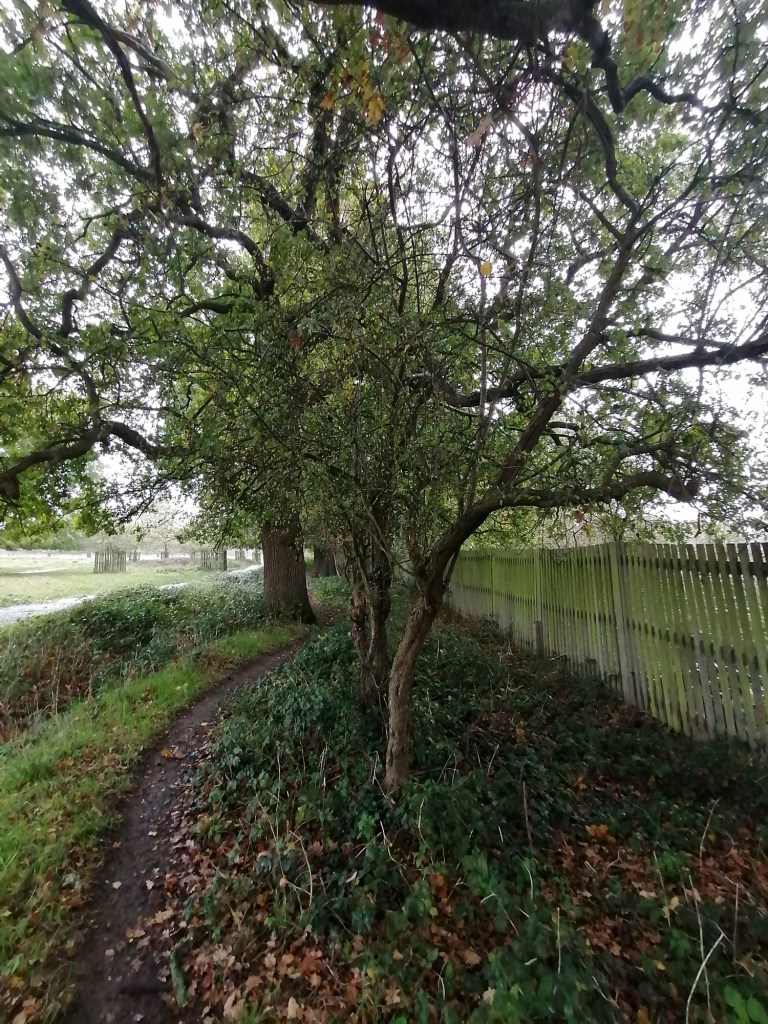
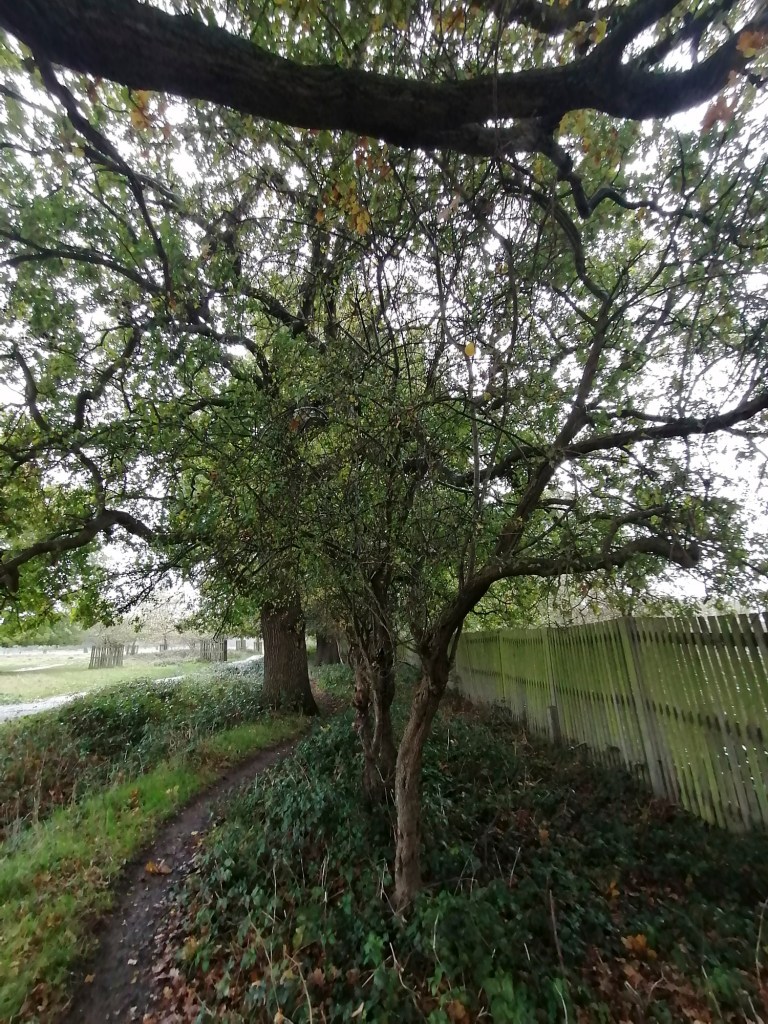
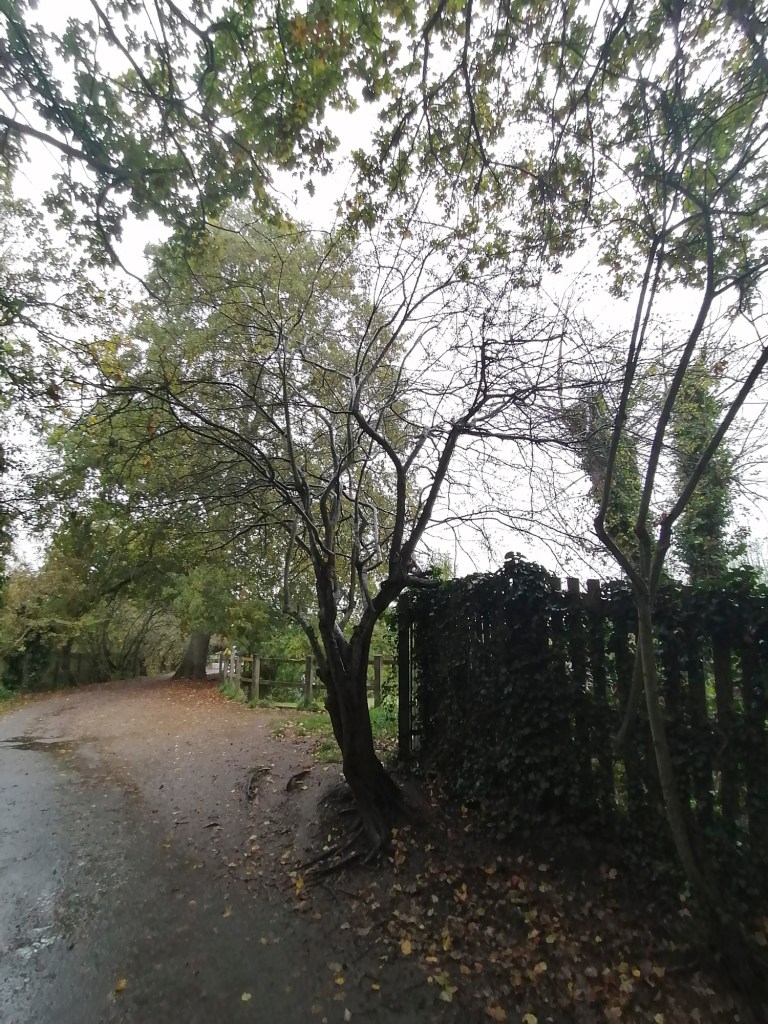
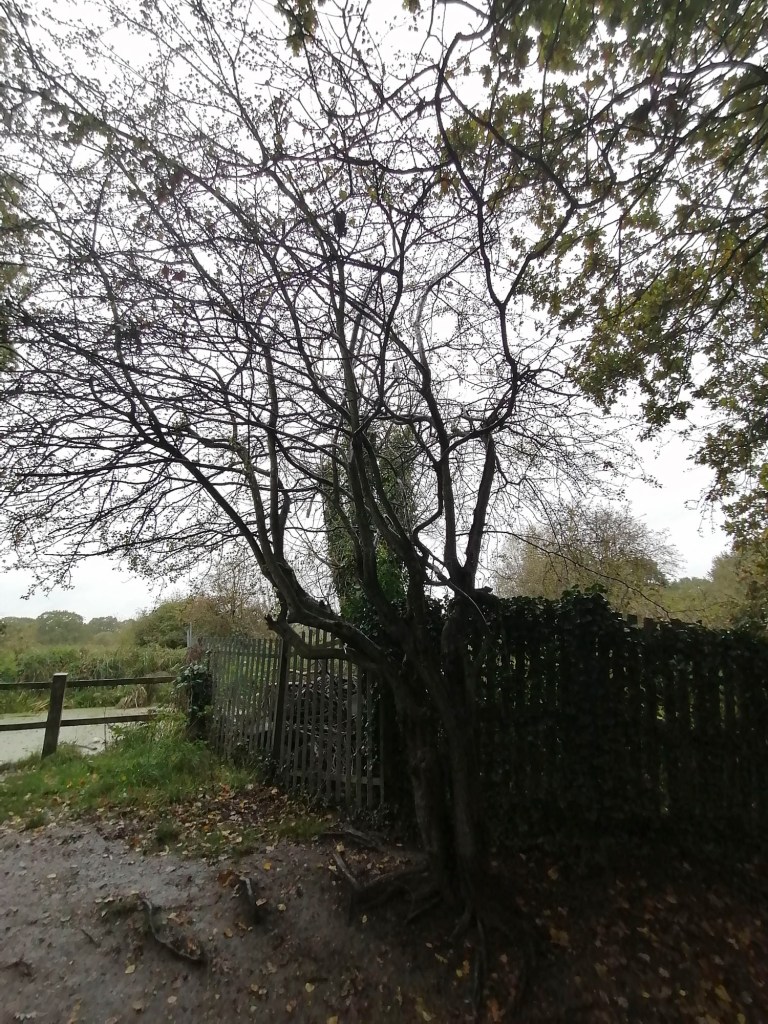
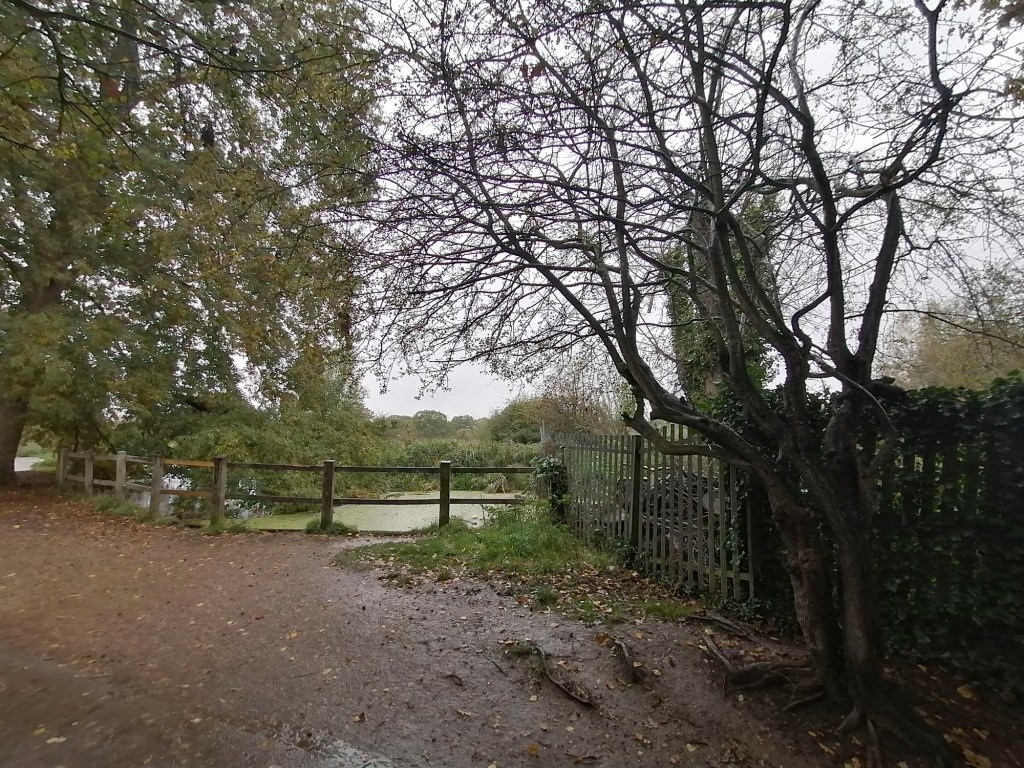
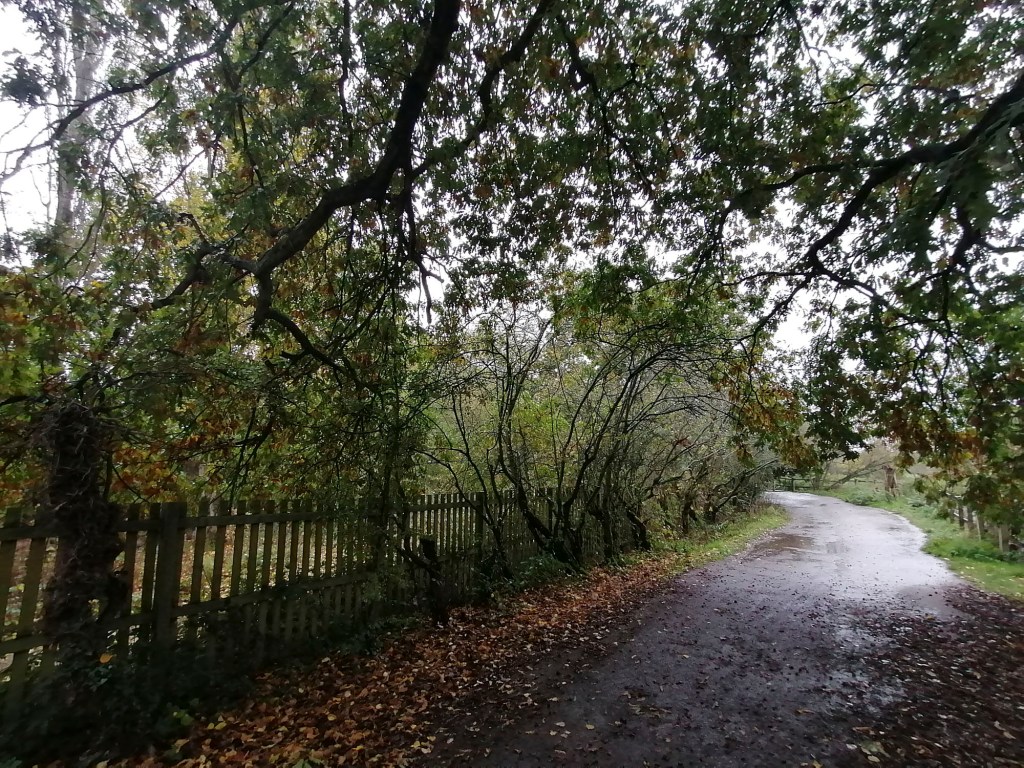
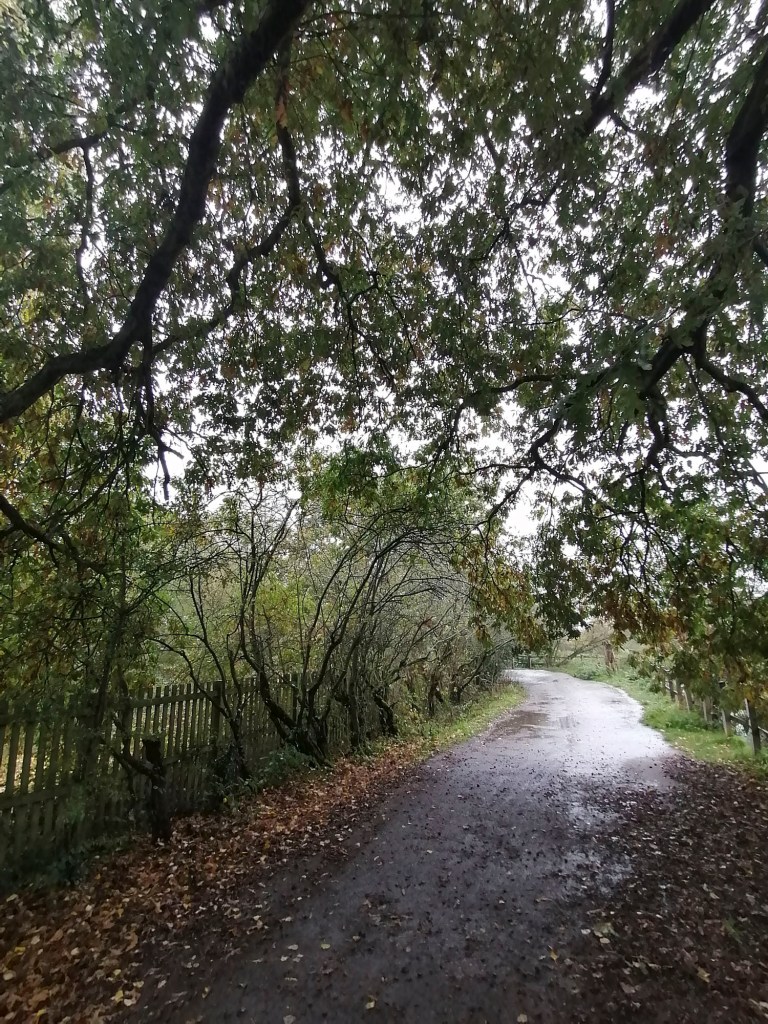
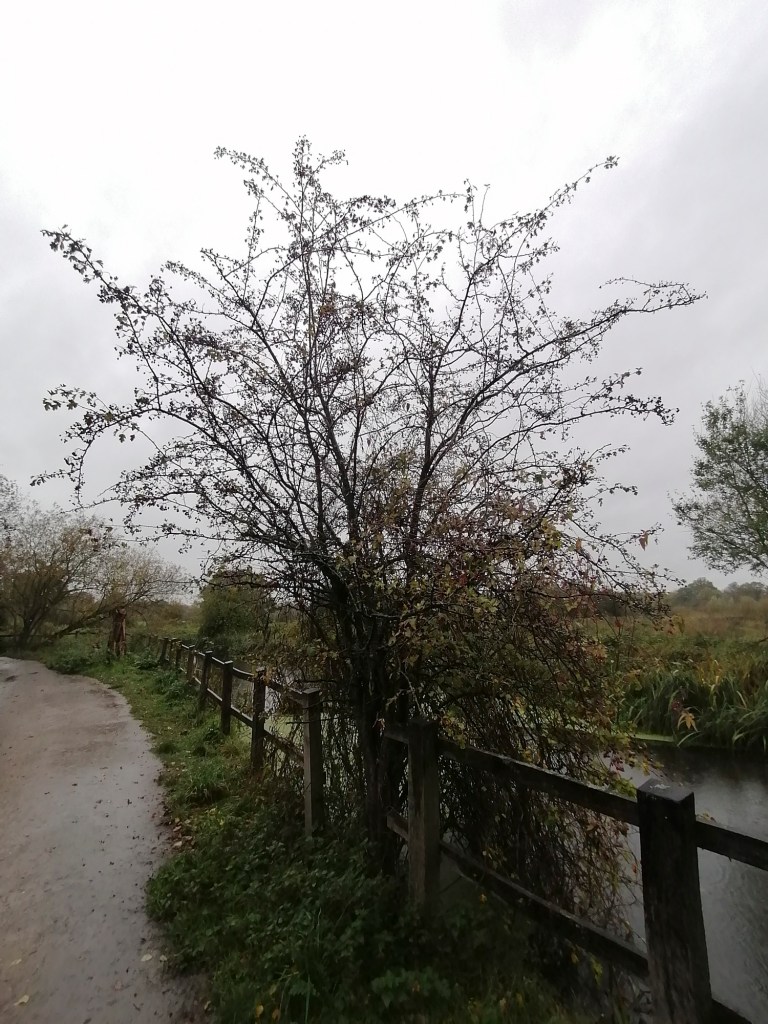
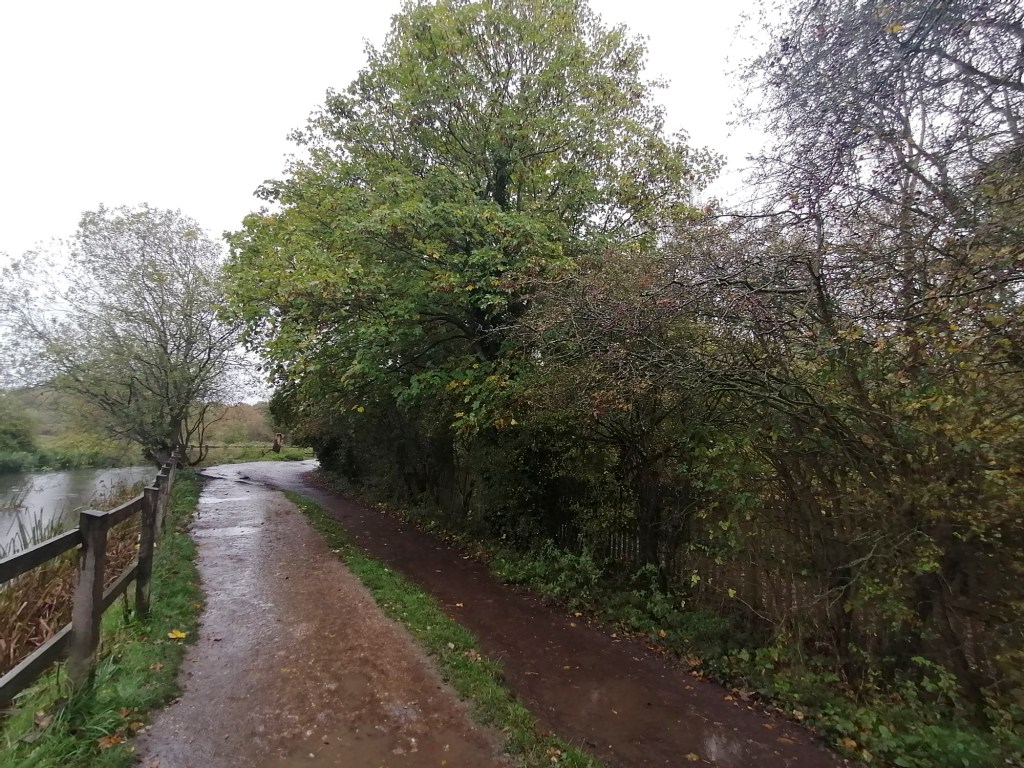
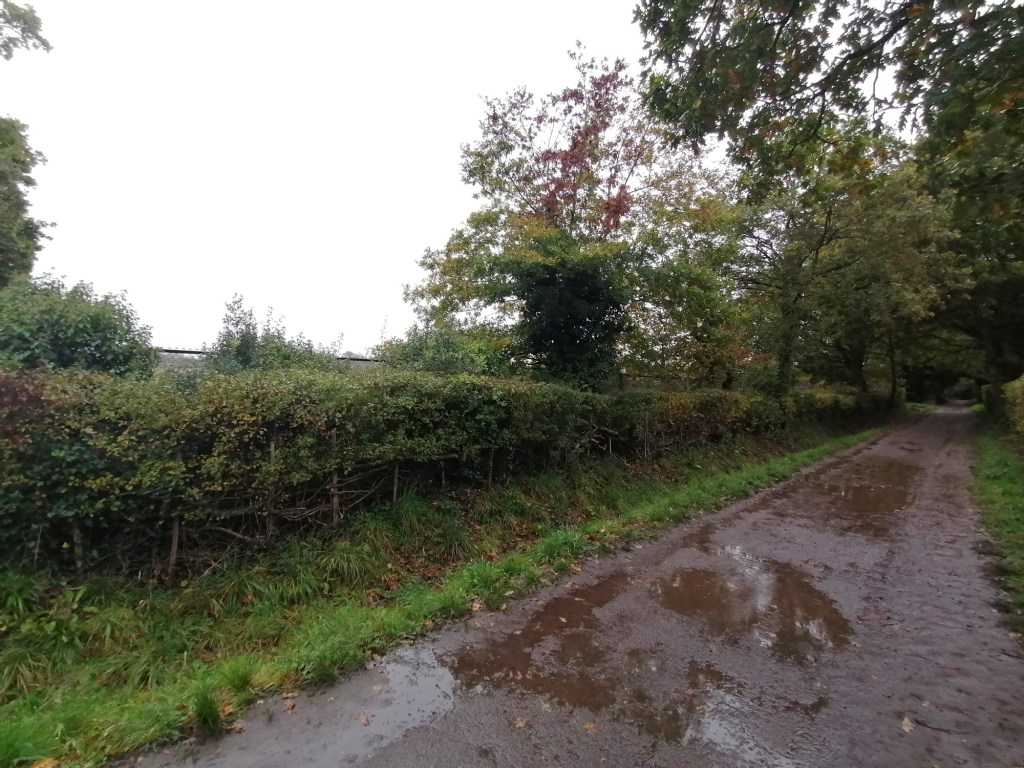
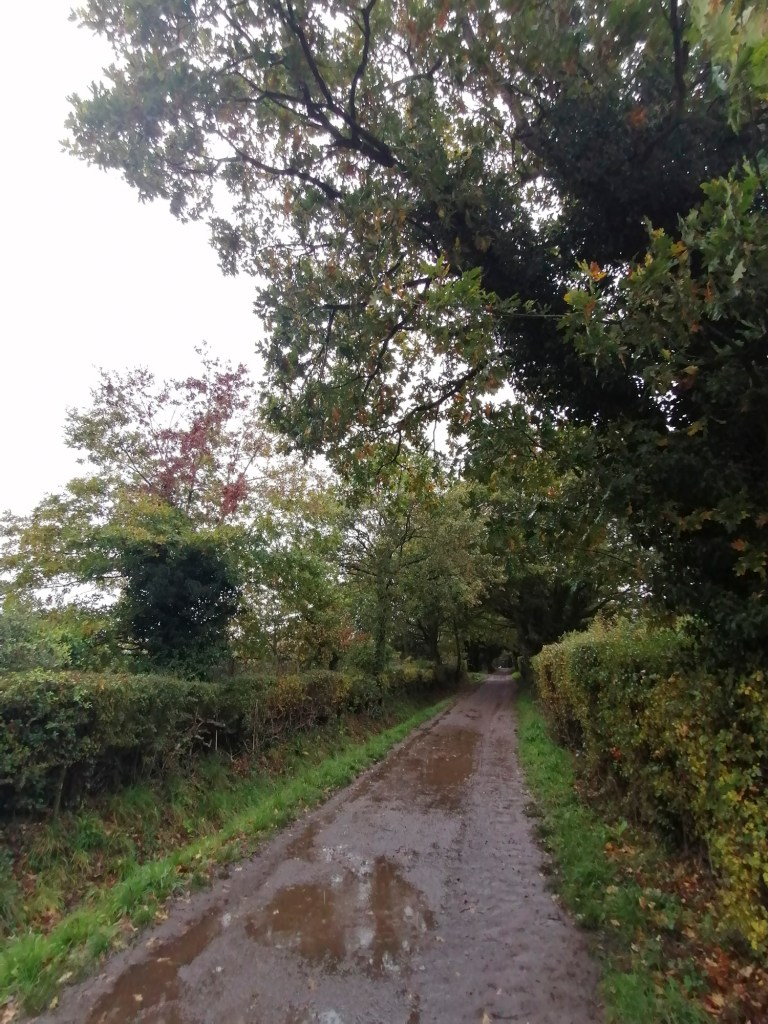
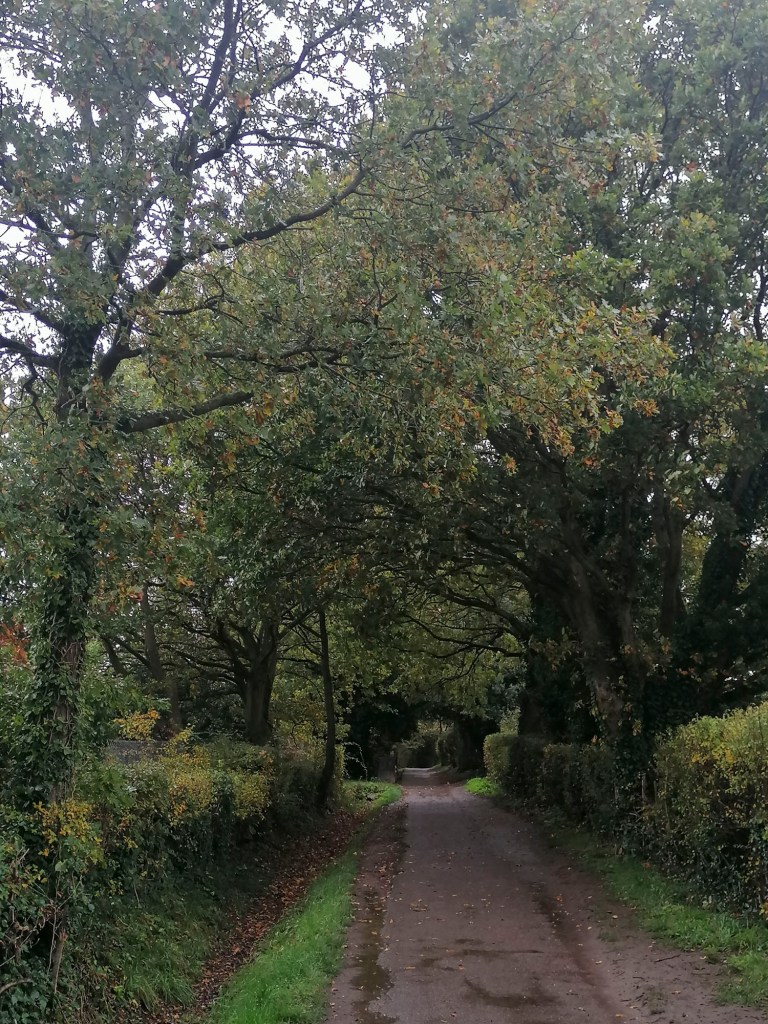
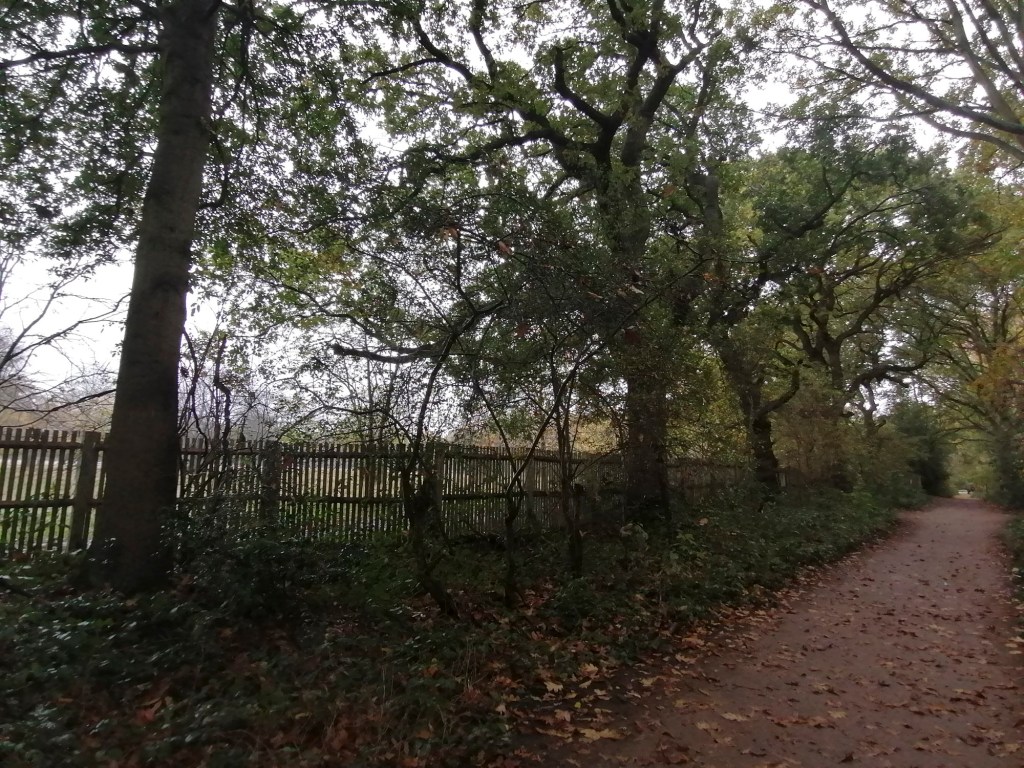
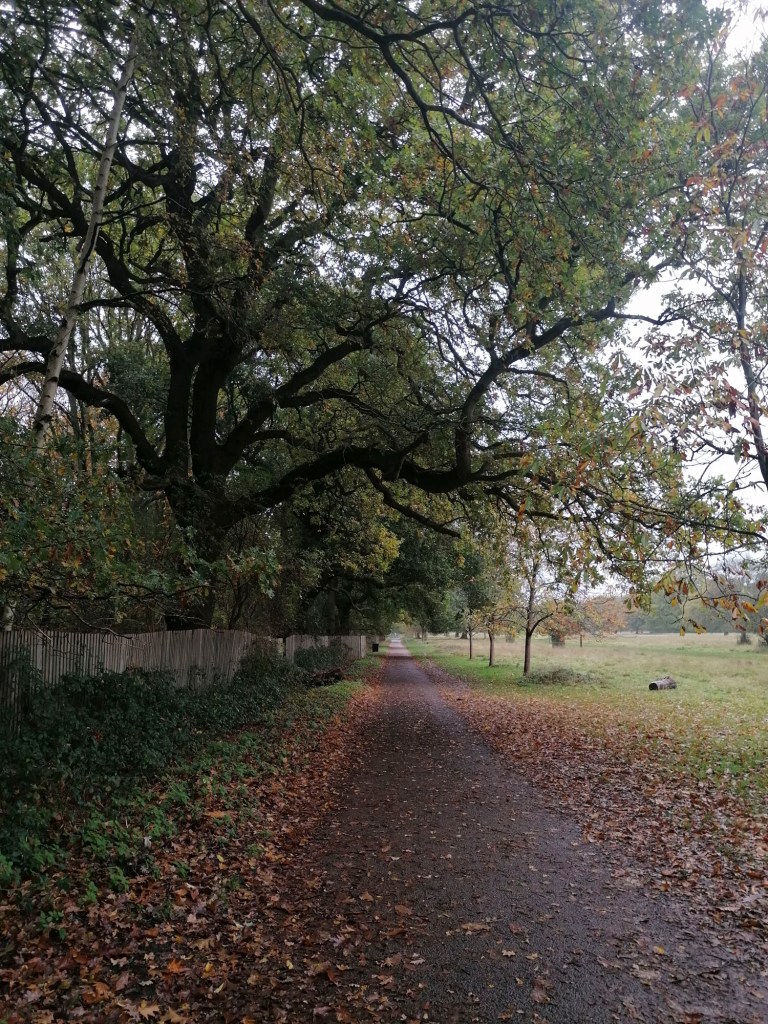
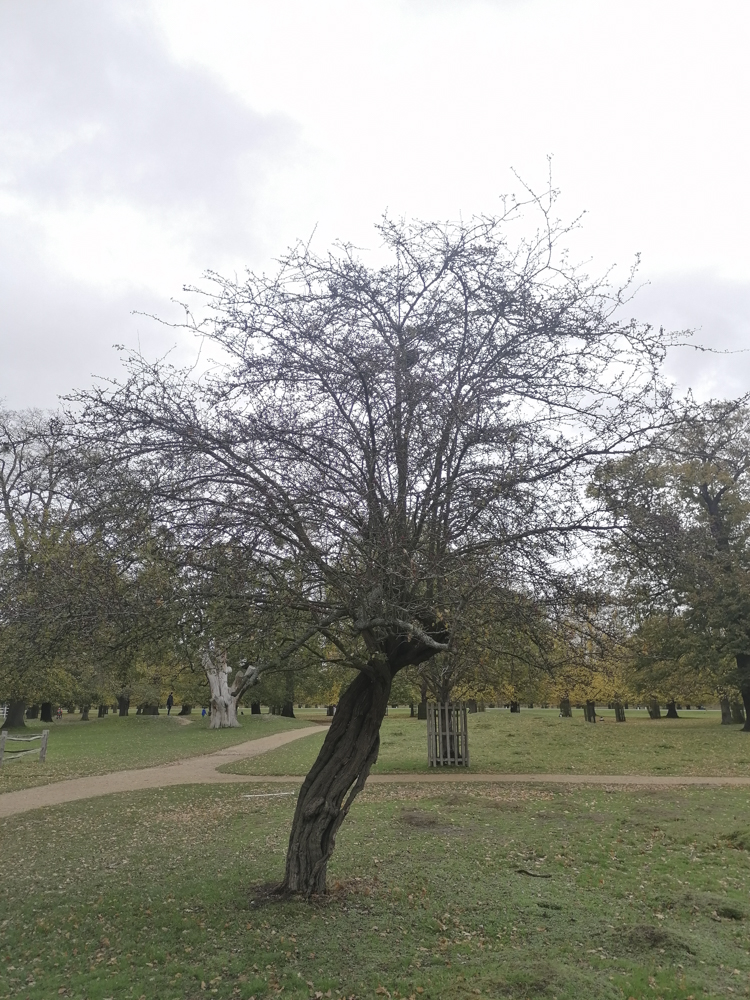
The first tree is on the corner near to where the two tracks converge. The paths can be seen in the first image.

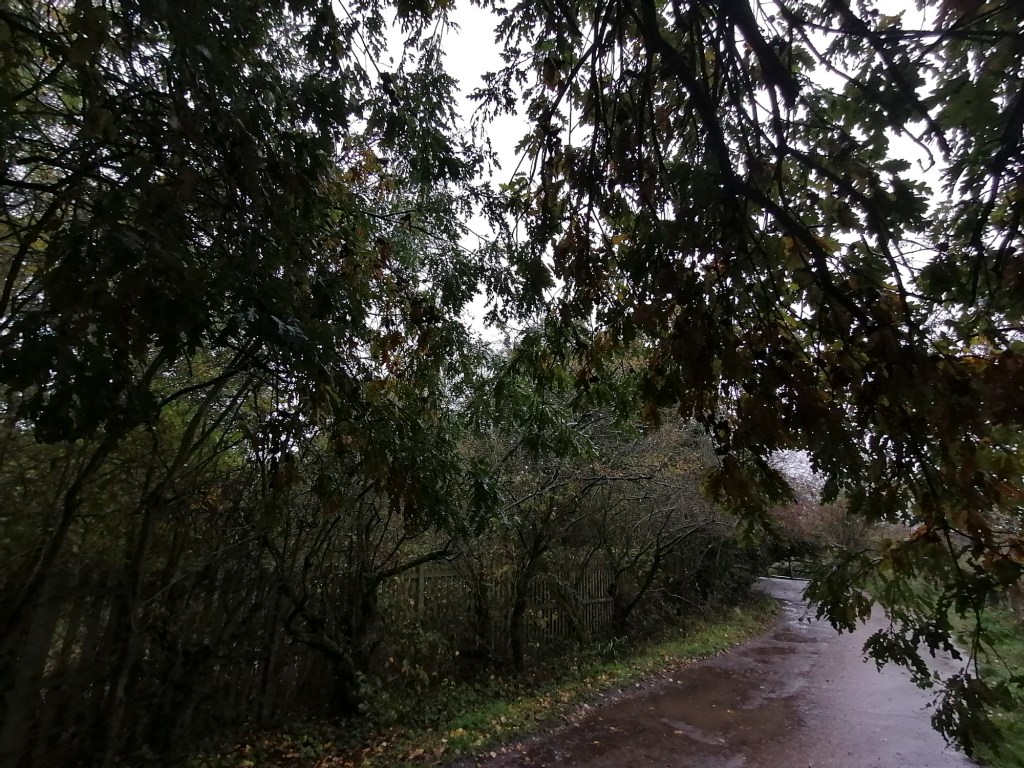
What struck me when looking at the images was how this hawthorn looks in relation to the oaks. For me, it looks like the oaks are protecting the hawthorn and not the other way round. There is a slight gap in the trunk, which also adds to the character.

Tree 2

This particular hawthorn is quite spectacular. When looking at this specimen from a distance, it is quite difficult to work out which bit which. That includes the trunk/s, branches and new growth. It has the appearance of being both dead and alive, which I have discovered is quite common with ancient hawthorns.

Tree 3

This tree has a very interesting trunk which seems to be split into four. When taking photographs from different angles, it appears to be a completely different tree in each shot.

What also intrigued me was how the tree appeared differently depending on the angle and perspective of the shot.

Trees 4, 5 & 6

These are three hawthorns that are quite close together. Again, all with their unique features.

Tree 7

This hawthorn does appear to be dead, but I’m sure it is full of insect life.

Tree 8

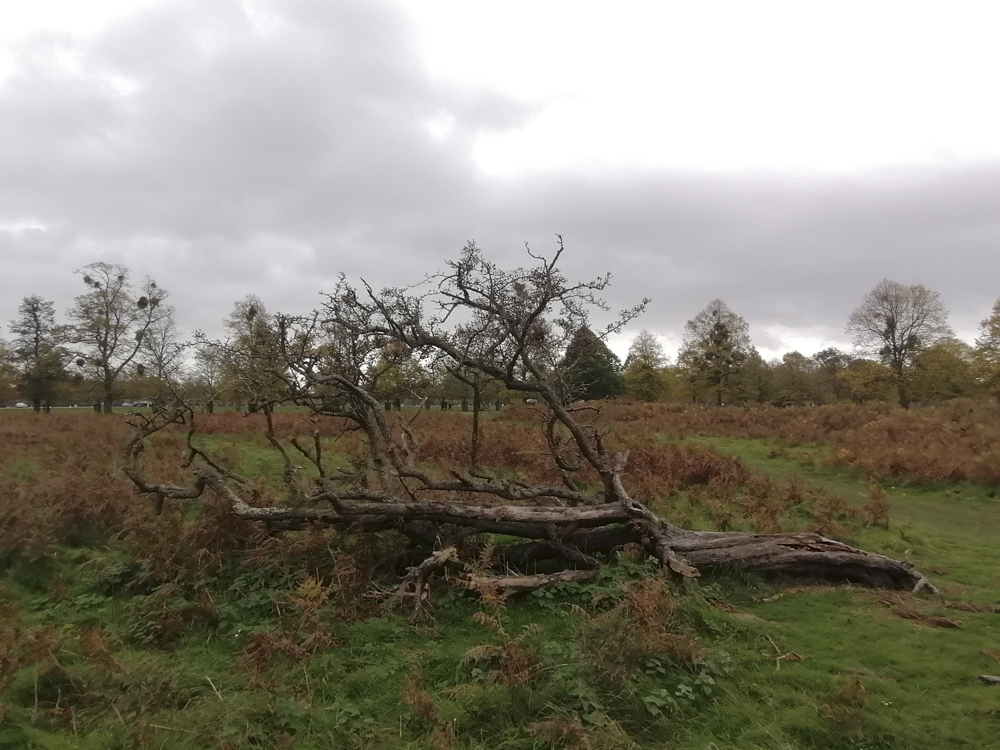
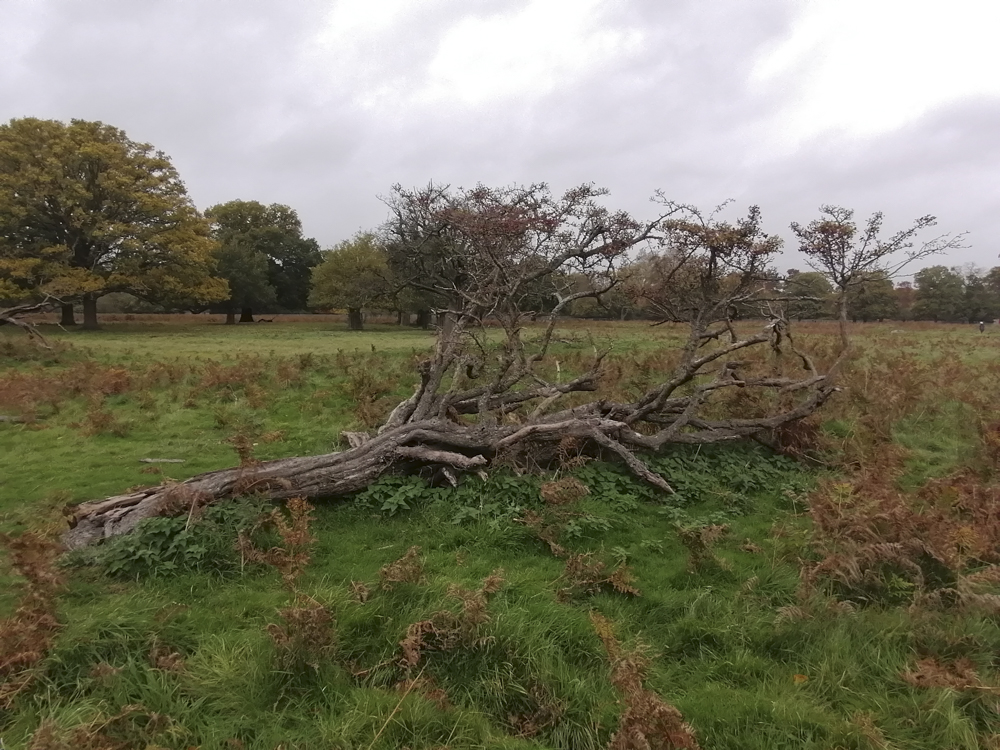
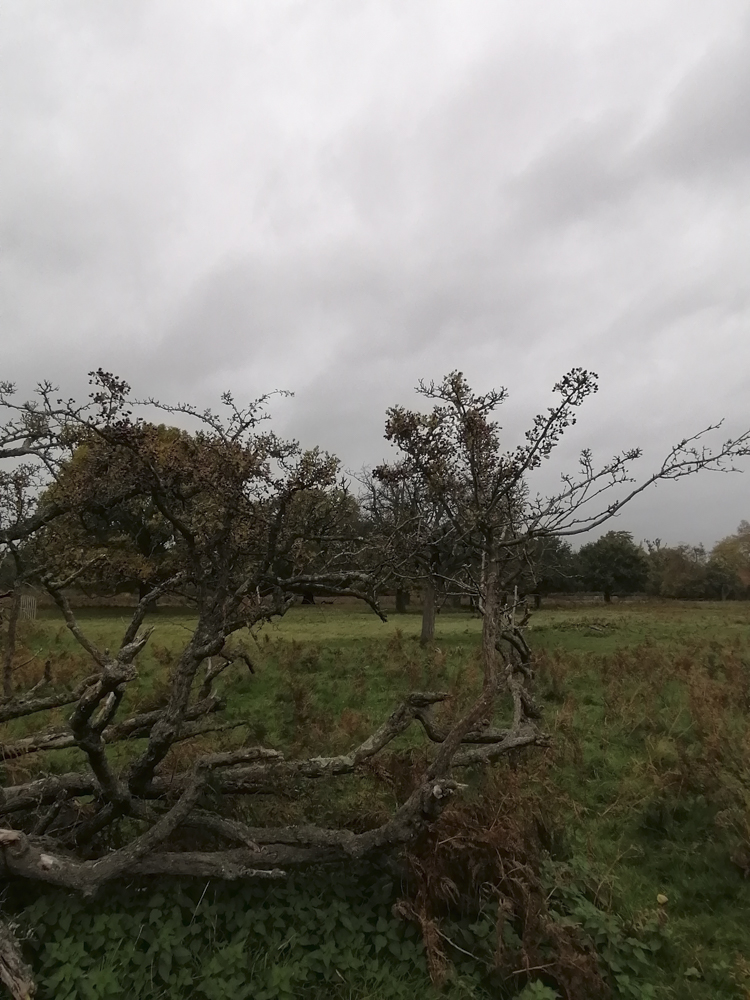
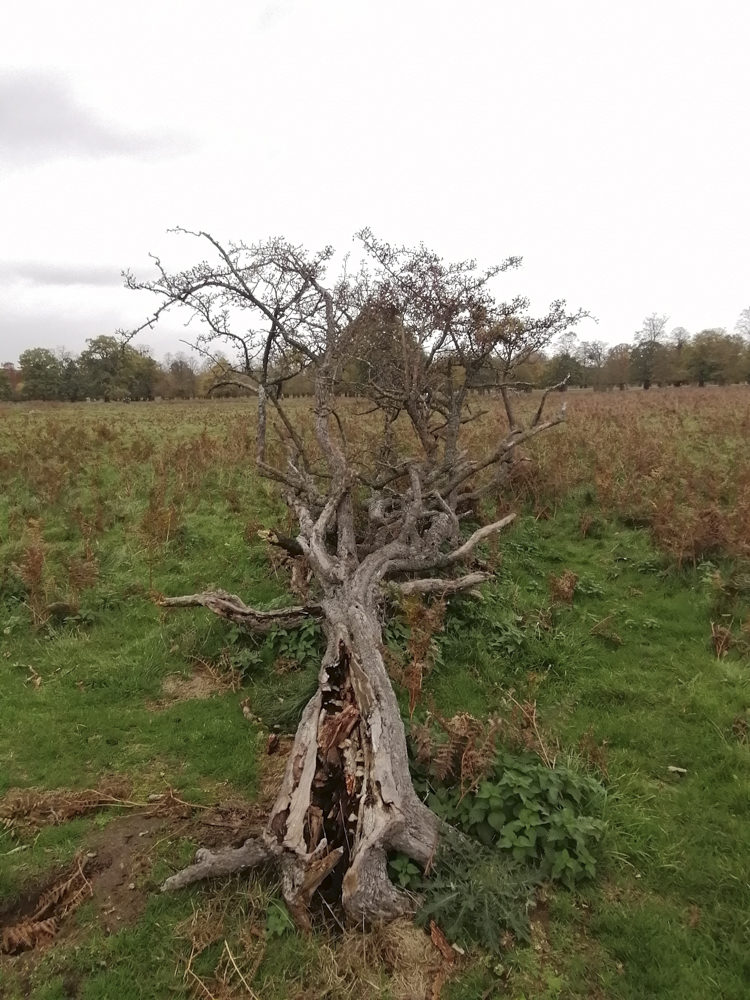
Another very interesting hawthorn. Despite it being horizontal on the ground, it is very much alive. The open trunk features mushrooms and has certainly been taken advantage of by insects. What I noticed was how the tree almost appears ‘upright’ when a shot is taken from a particular angle, as seen in the last of these images.

Tree 9

This hawthorn is near to the small channel of water. It does look more ‘traditional’ than the other hawthorns, but I’m sure there are qualities that could be brought out when taking a closer look on another day.

Tree 10

This solitary hawthorn is halfway between the water channel and the fence running along the border of the Pheasantry Plantation. This one has lots of character and I need to take further images.

By now I was getting tired and needed a comfort break. After a quick pit stop in the Pheasantry Cafe, I continued through the park on the other side of the Woodland Gardens.

While walking across this patch, I noticed this following tree. The trunk is bent right over and does not touch the ground.

Tree 11

When looking at the images at home, I notice how this hawthorn looked in relation to two other nearby trees. The one on the far left was struck by lightening and is a fabulous example of how trees can survive despite a traumatic event. The one in the middle is another interesting mix of ‘dead & alive’. I had photographed it during the last winter and it appeared totally dead. I then noticed again during the summer and realised it very much alive. When put in line with the hawthorn, I thought it made a very interesting and intriguing composition – especially when converted to Black & White).

References

Historicengland.org.uk. 2020. BUSHY PARK, Richmond Upon Thames – 1000281 | Historic England. [online] Available at: <https://historicengland.org.uk/listing/the-list/list-entry/1000281&gt; [Accessed 27 October 2020].
Categories
AGM62 Photography Research Project Stage 1 Posts

AGM62 Bushy Park Hawthorns 29 October 2020

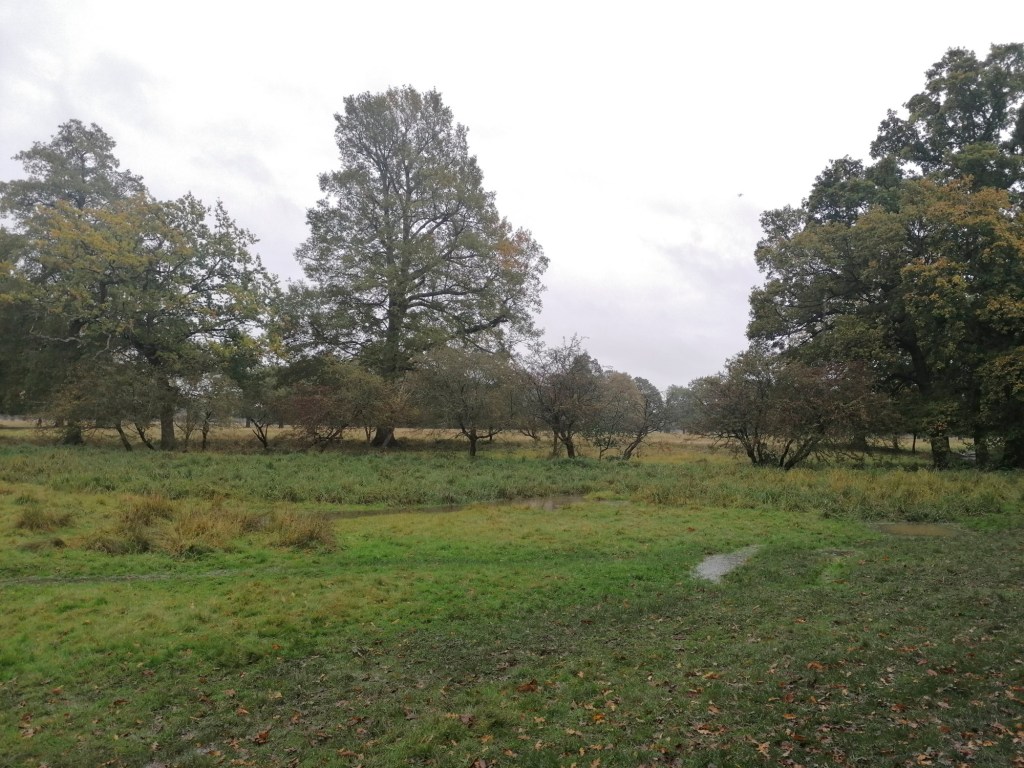
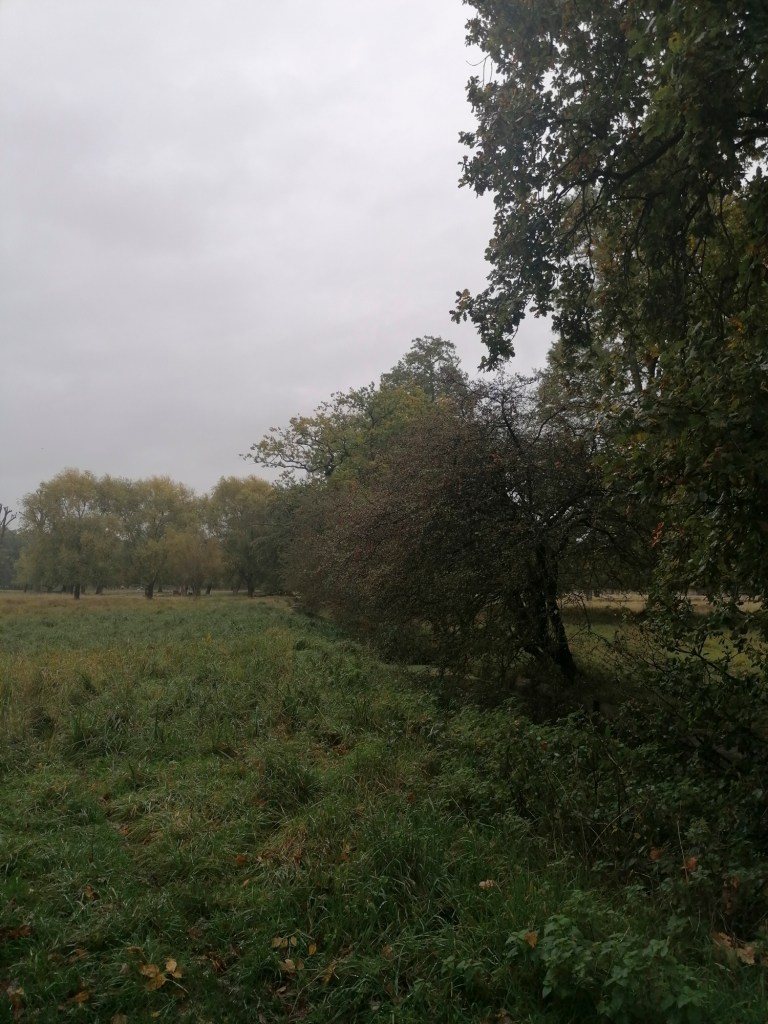
On the day after the Group Tutorial and following a week of research and photographing hawthorns, I thought it best to process the outcome so far. On the morning of 29 October when looking out of the window, I was greeted by grey skies and heavy rain. When I checked the weather forecast, the rain was due to fall until late afternoon, so I adapted my actions for the morning accordingly. I made the decision to go for a walk in Bushy Park.

Firstly, walking in the park enables me to process my thoughts and engage in mindfulness. Being in that environment give me the space and time to process my thoughts while the fresh air refreshes both brain and body. I have also recently started to use Nordic walking poles. As I’m no longer able to run (I was a long-distance runner for 20 years), I’ve found it a fabulous alternative. Also, I’ve discovered that by using the poles I can walk faster and use my arms as well as legs, so am able to get to around the park and take photographs more efficiently. This particular type of exercise is proven to help with both core and arm strength, meaning I’ll tire less when out and about in the park.

Secondly, as I had recently updated my outdoor wet-weather gear, it gave me the opportunity to test it out. The last thing I would want on a planned shoot is to be either cold or damp (or both!), so I needed to make sure it would be up to the job.

Thirdly, I wanted to explore a different area of the park in which there were hawthorn trees and compare then with the places I had already investigated.

As I didn’t want to take my main camera and decided to travel light, I used my smartphone to take all of the following images. The other advantage is that I have now set my location indicator on my phone, so each image will have map co-ordinates.

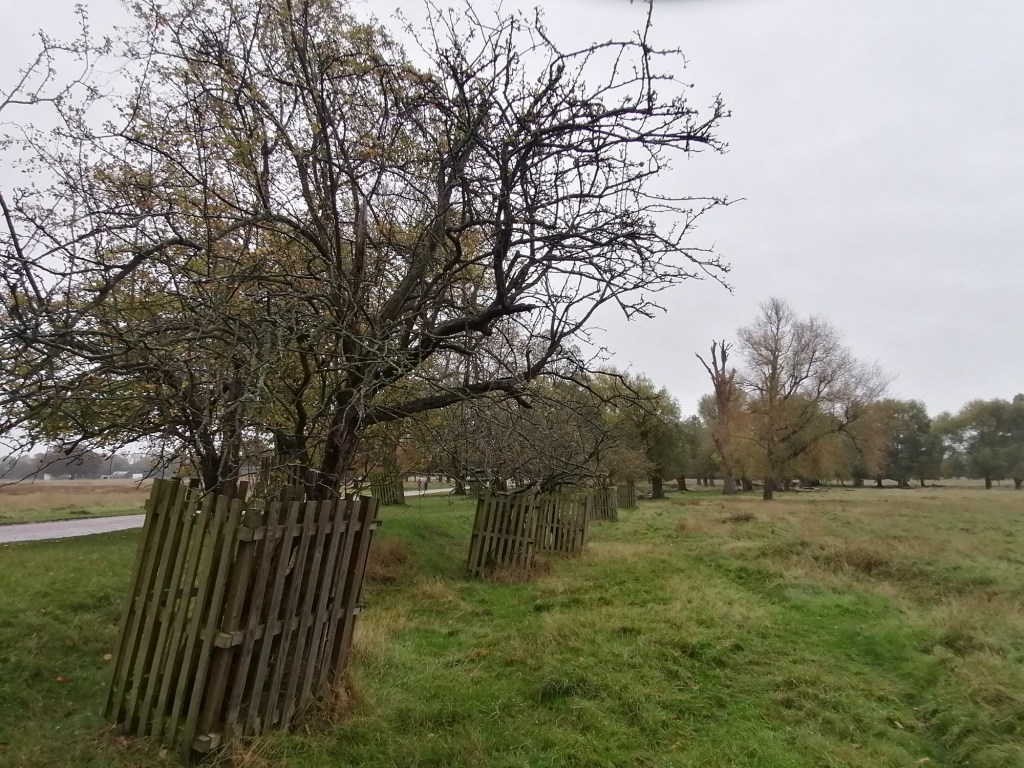
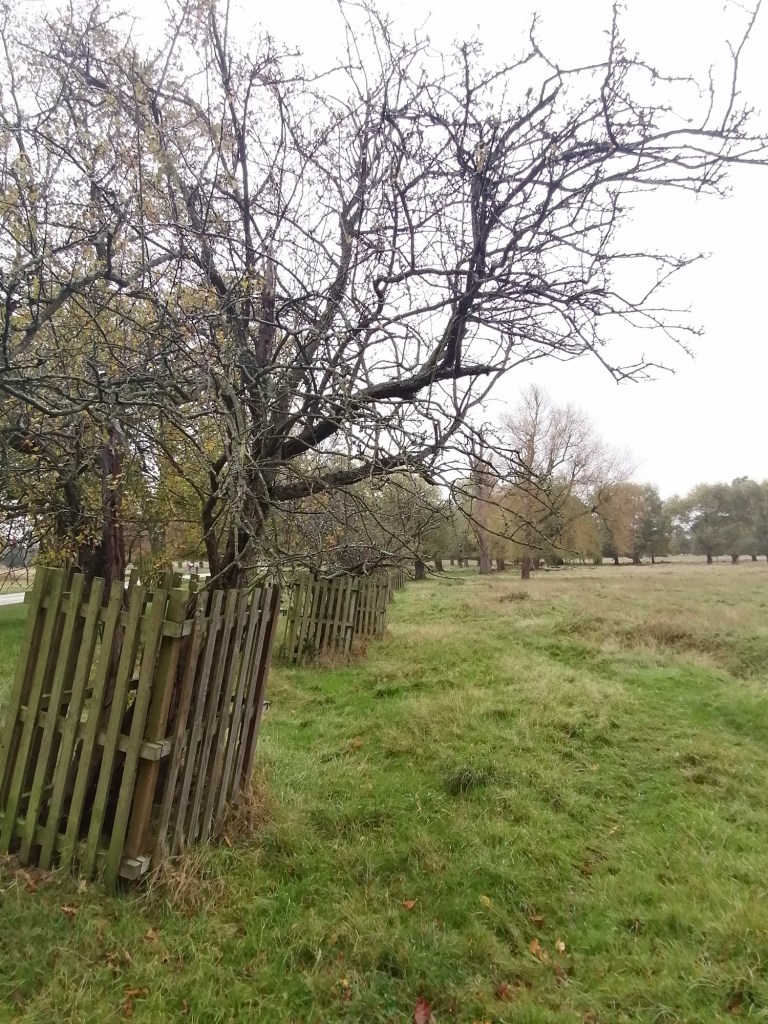
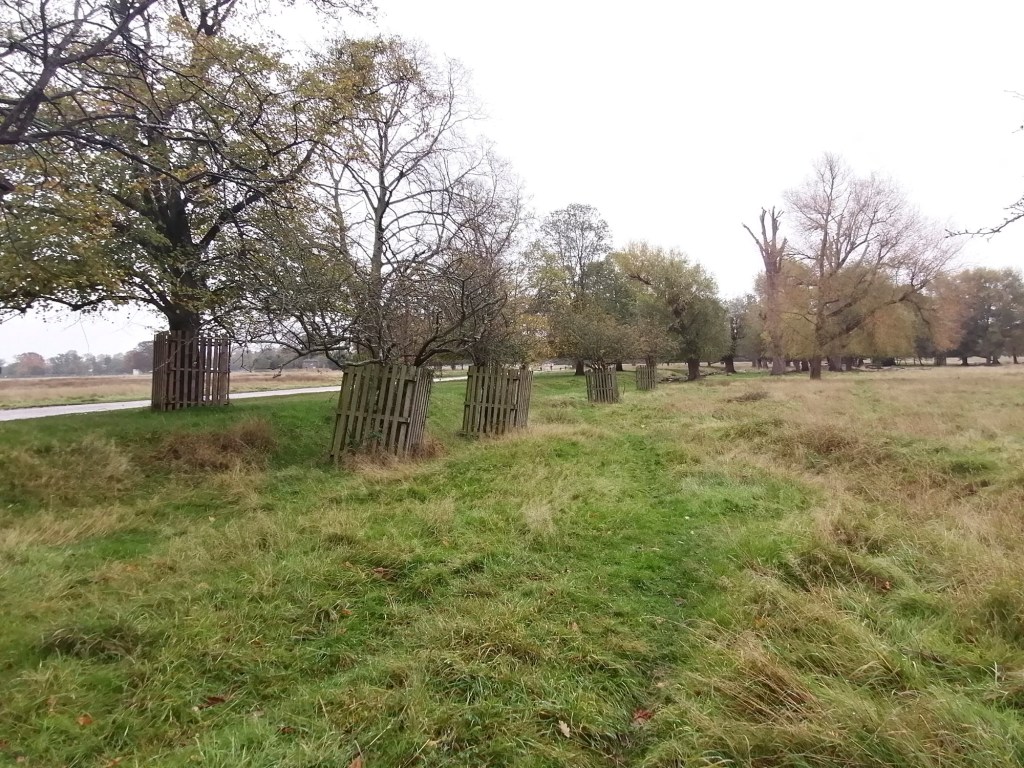
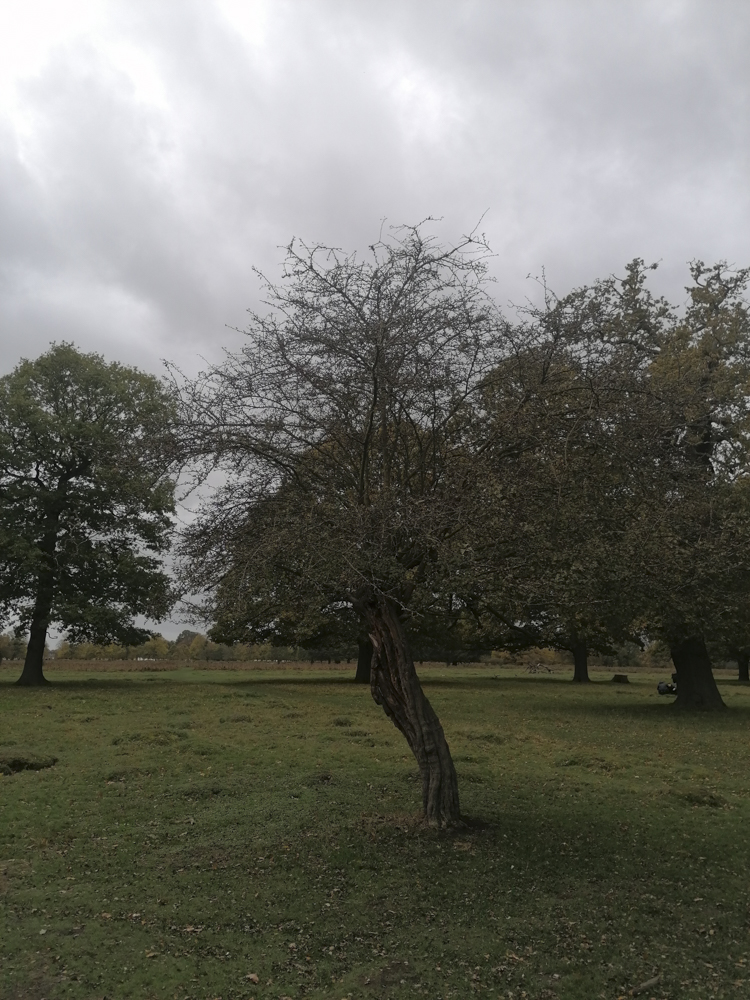
I started my investigation at a corner on which I knew featured a hawthorn tree and I had photographed it quite a few times previously. When I looked at this tree and its position in more detail, I noticed a line of hawthorns nearby that ran in a line along the path.

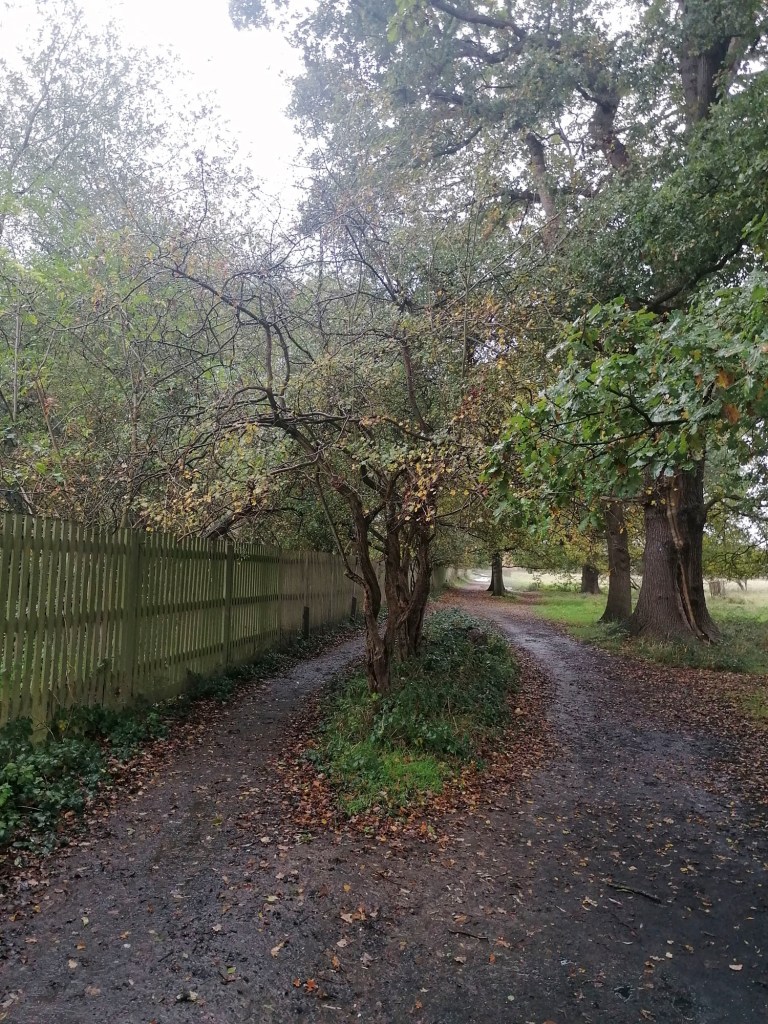
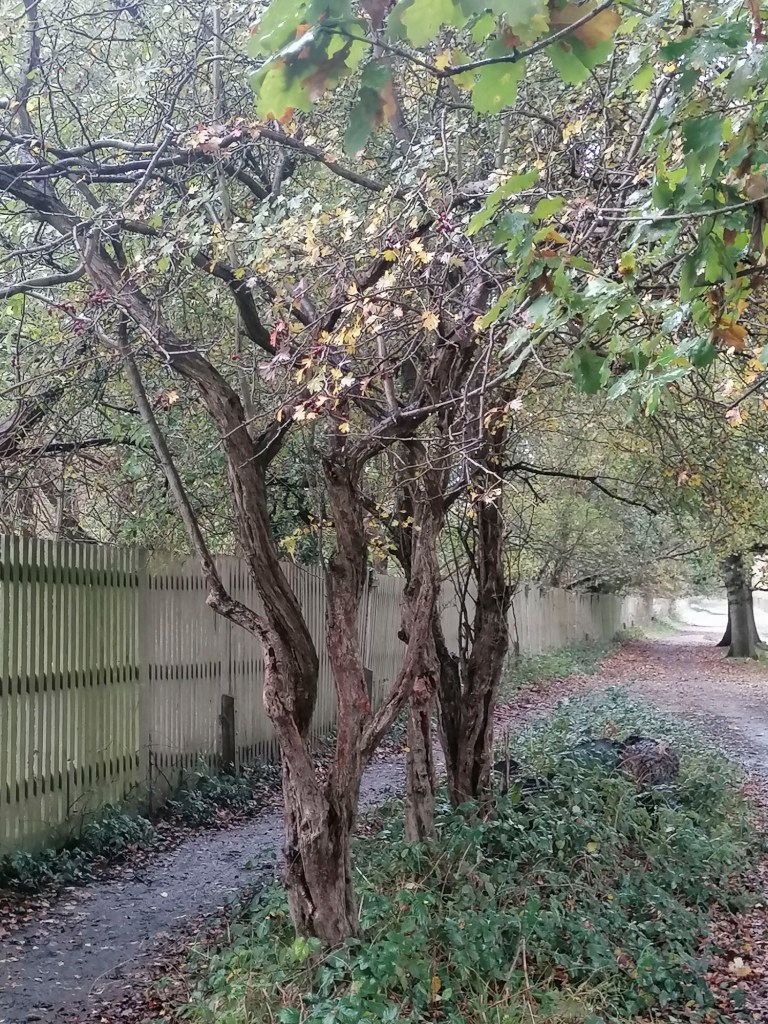
Just along the path to the right of the tree on the corner is this hawthorn.

Followed by this one.

On the opposite side of the path, there are two more hawthorns.

What struck me was the oak tree adjacent to the hawthorns in the last image. Evidence of a hawthorn ‘protecting’ the oak.

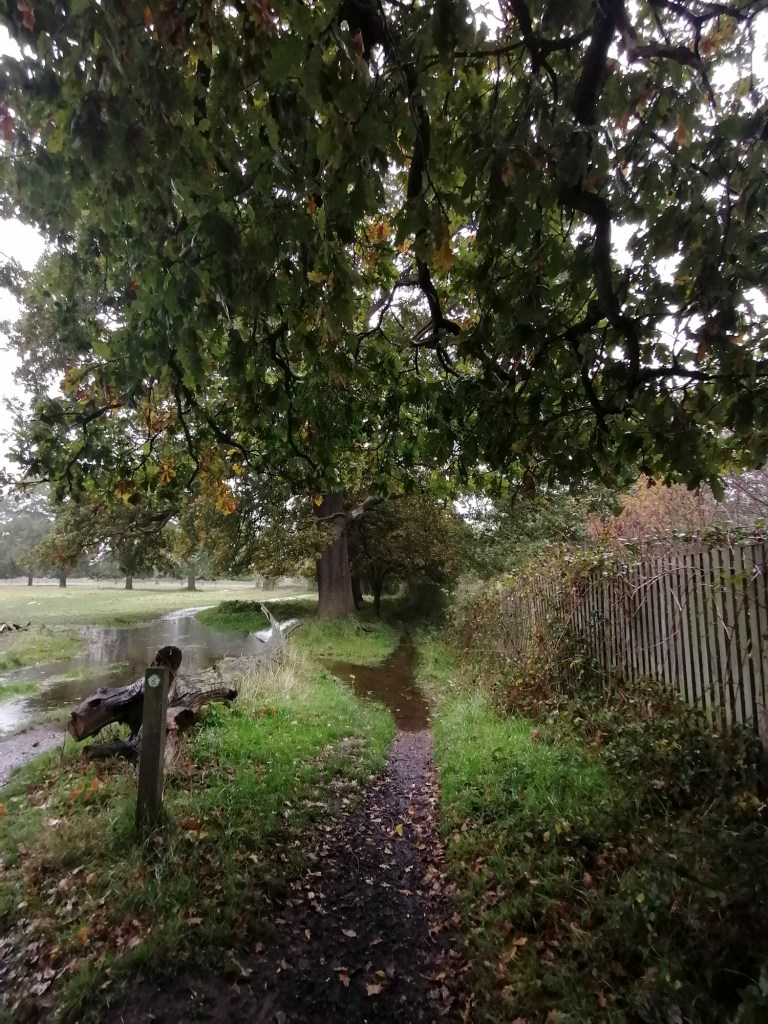
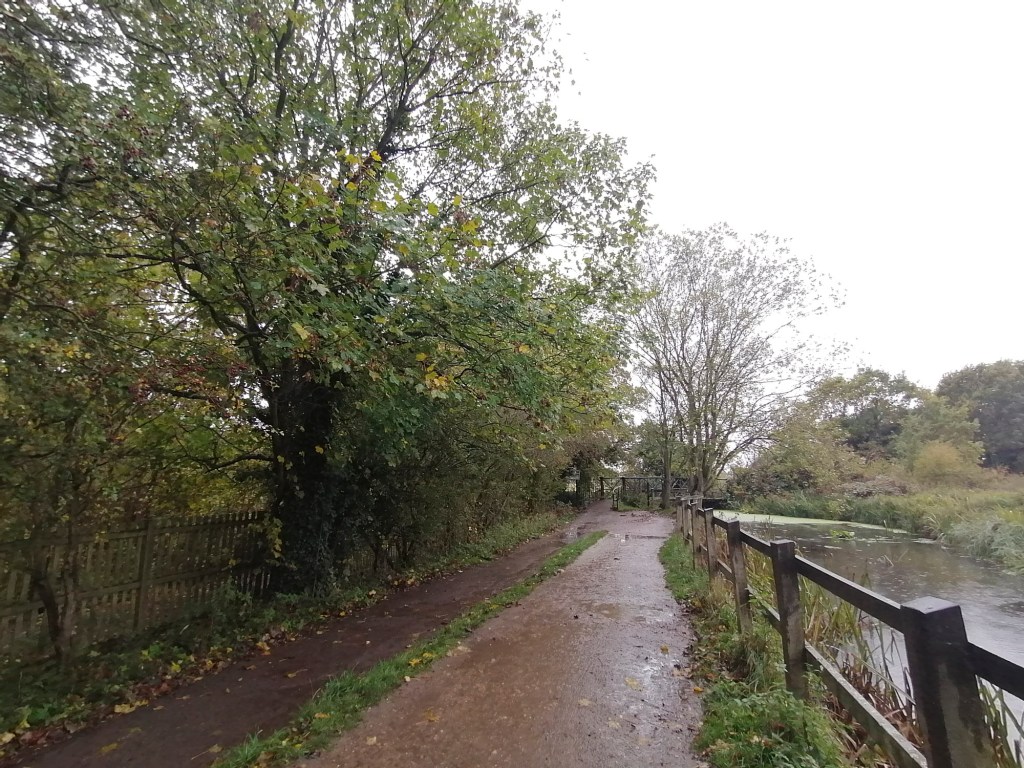
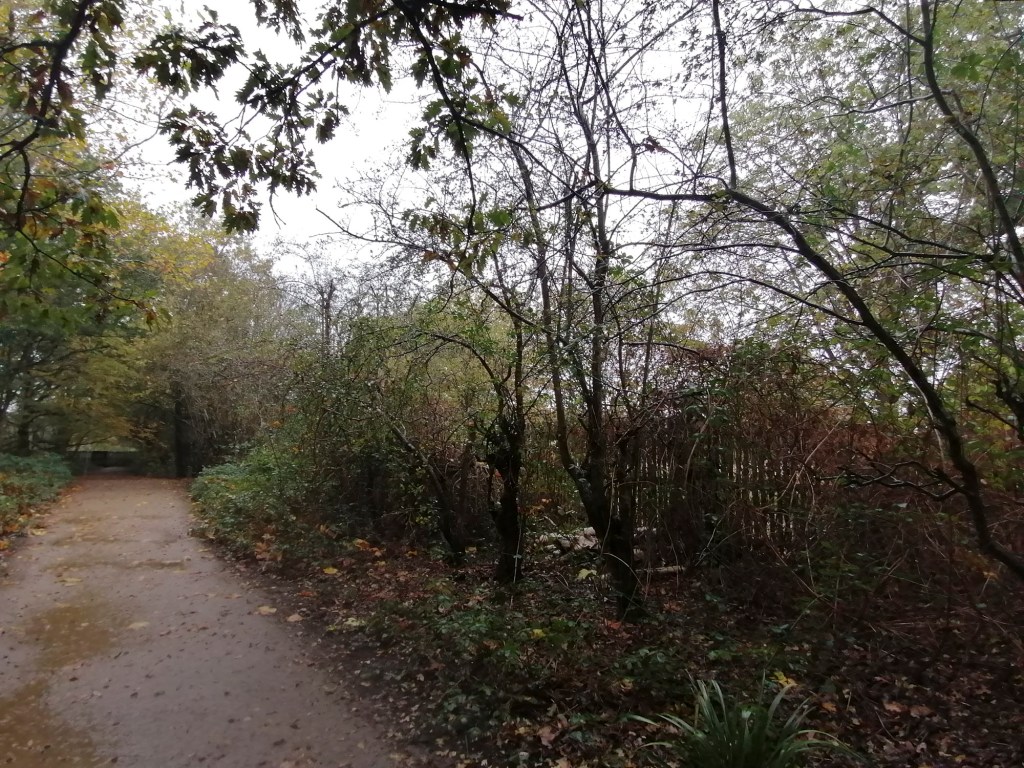
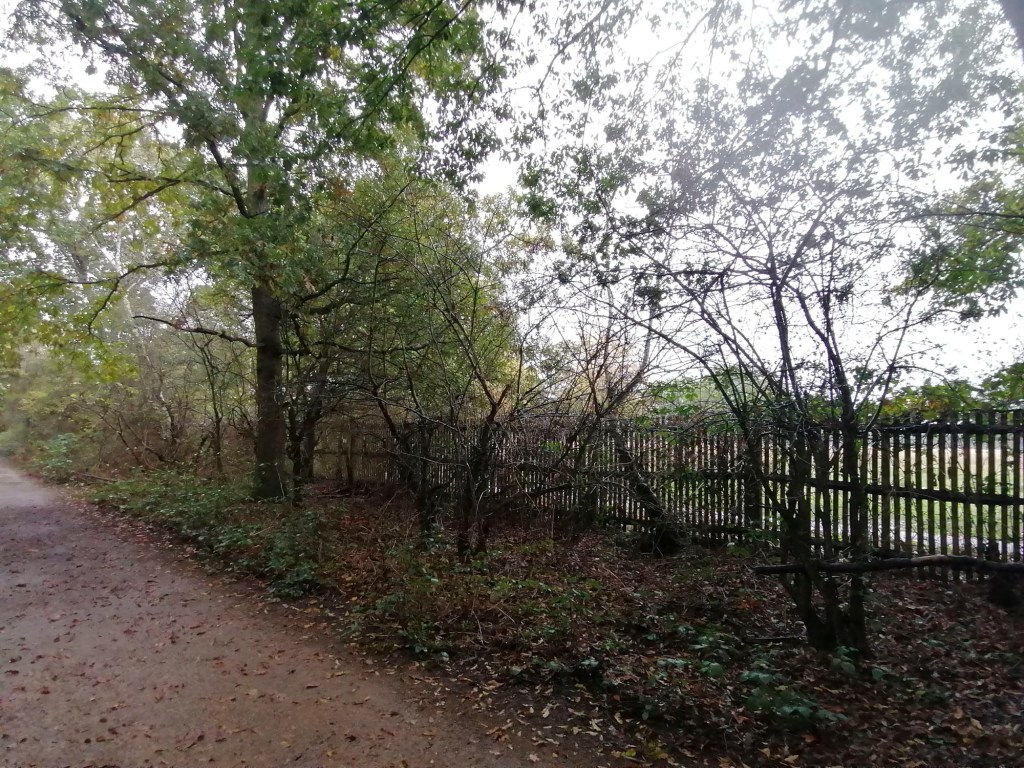
I then made my way along the path that runs along side the fenced-off area of Brewhouse Meadows.

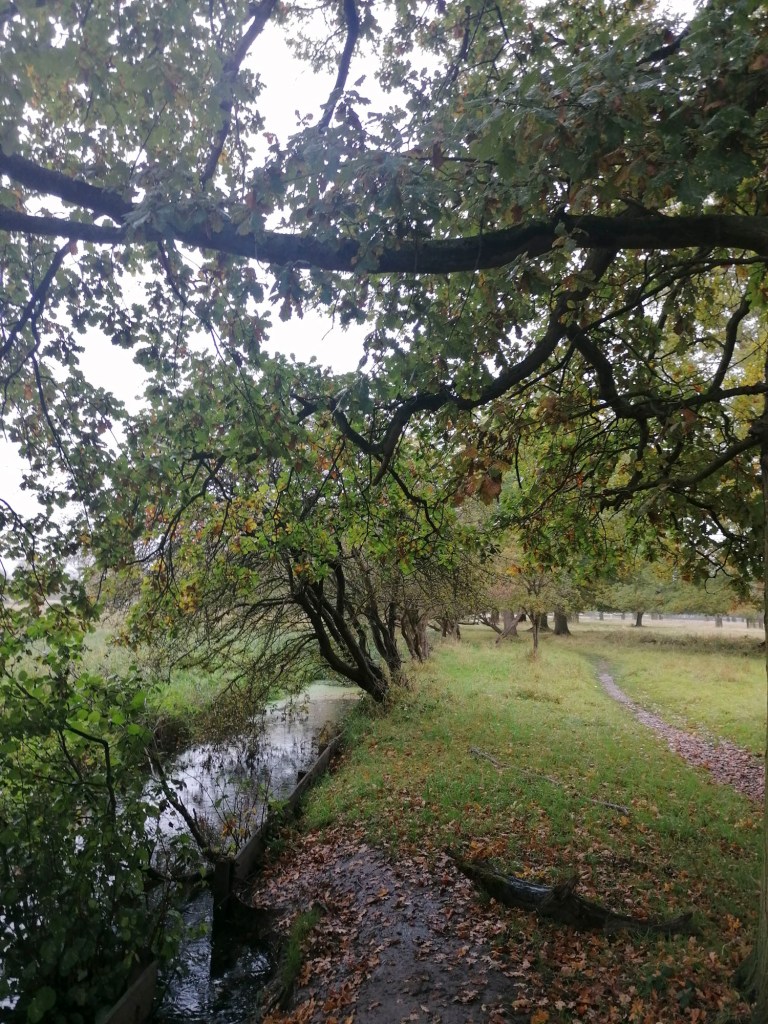
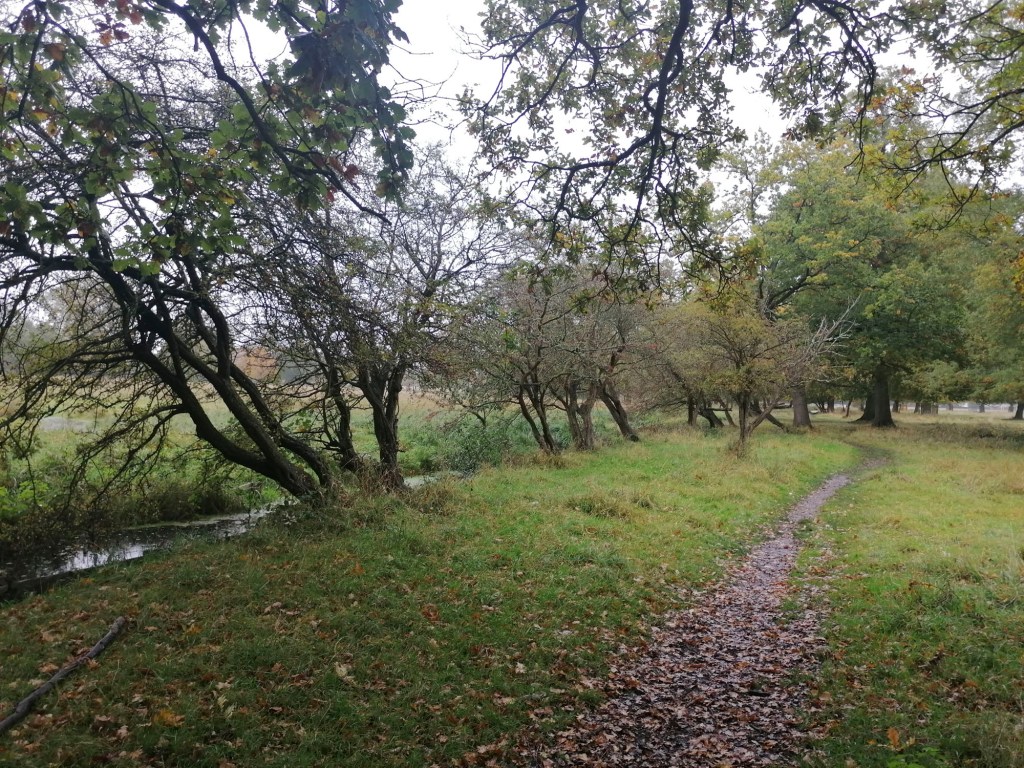
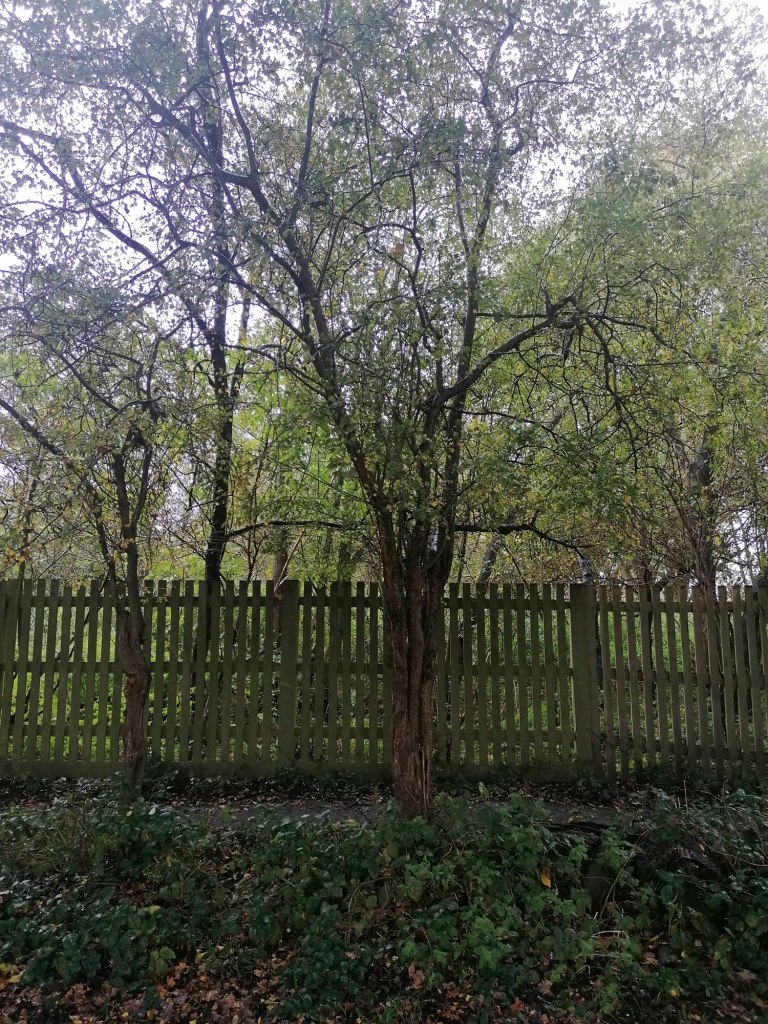
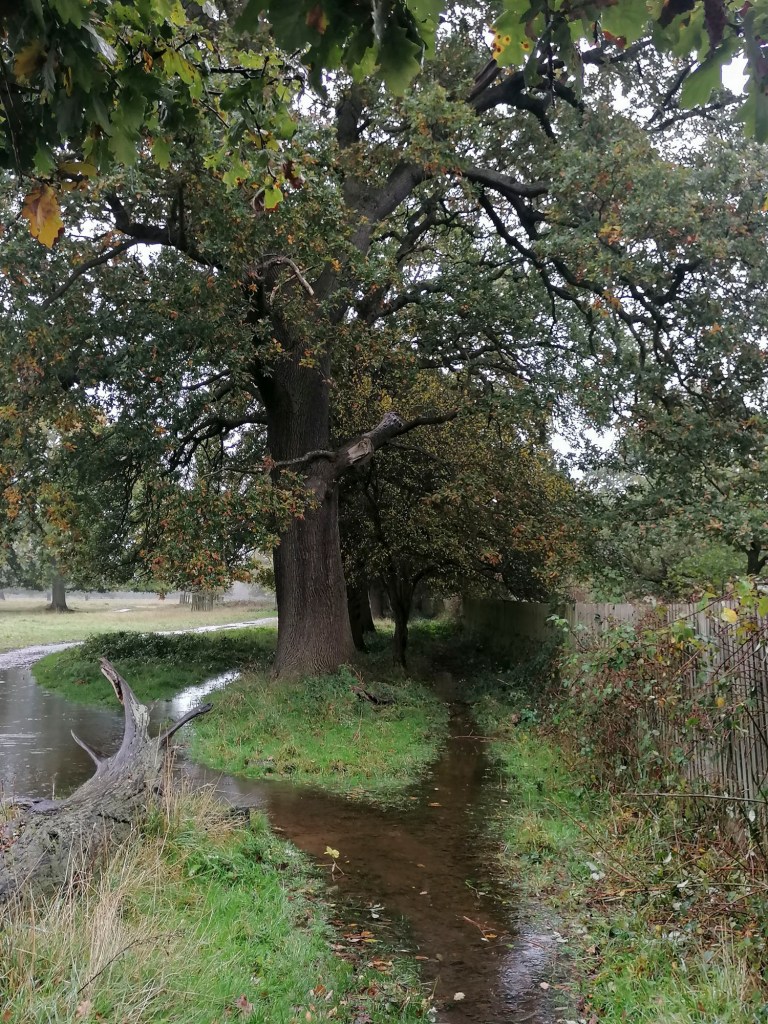
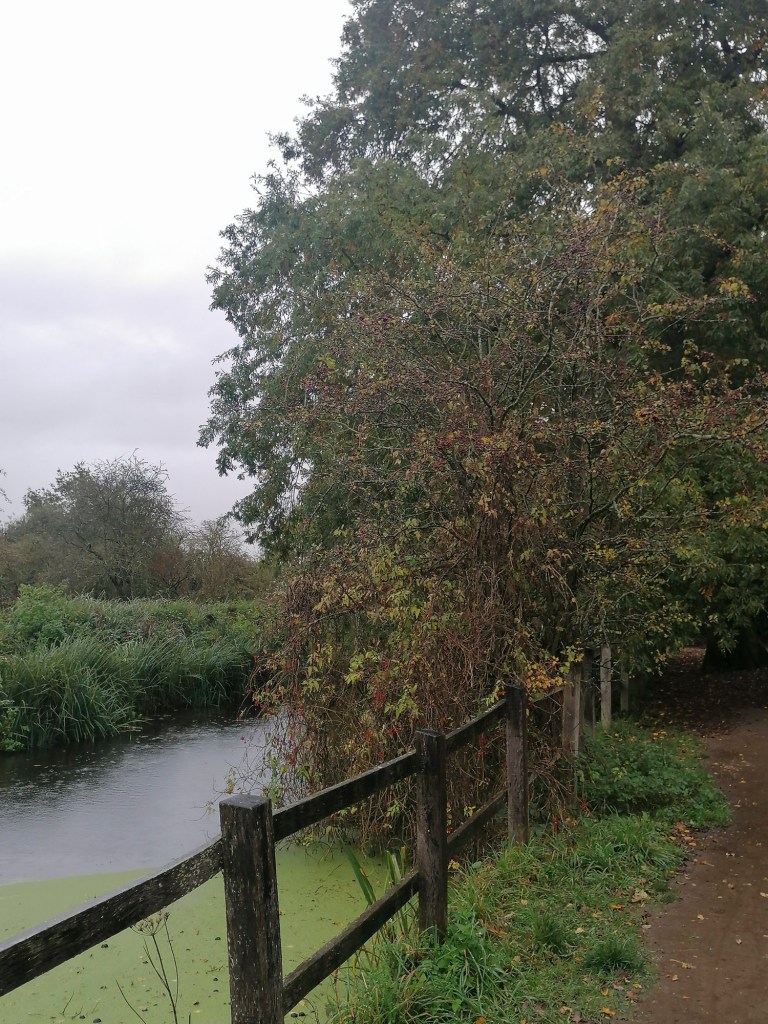
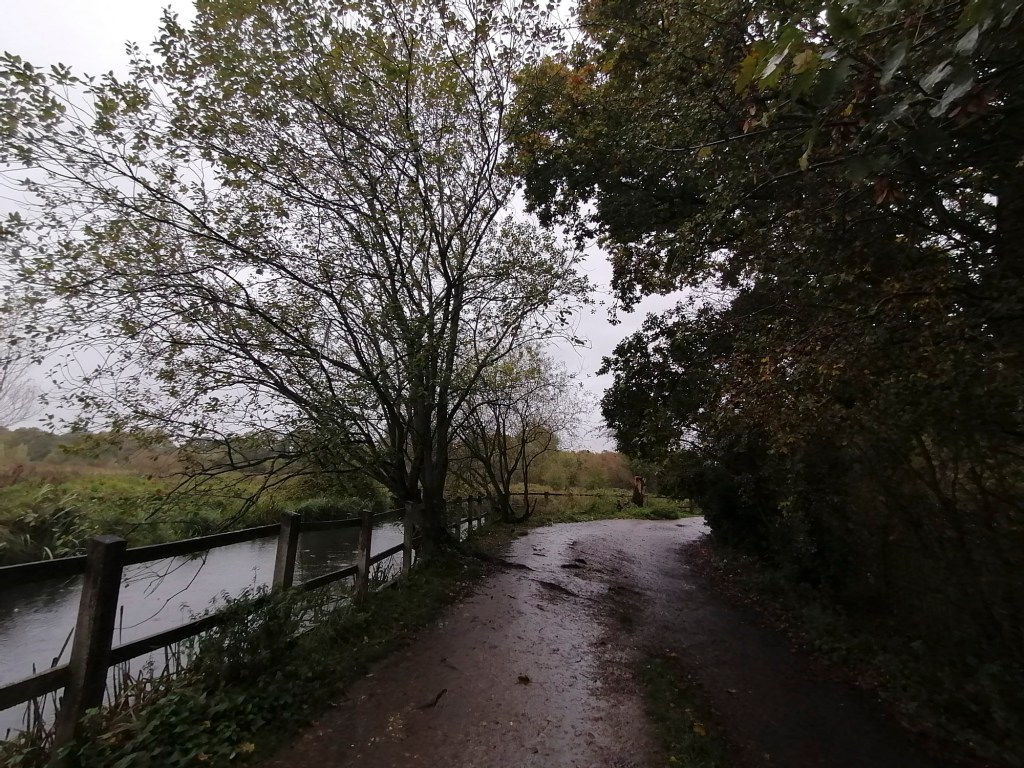
This path leads to a line of hawthorns along a water channel that starts in the meadows area.

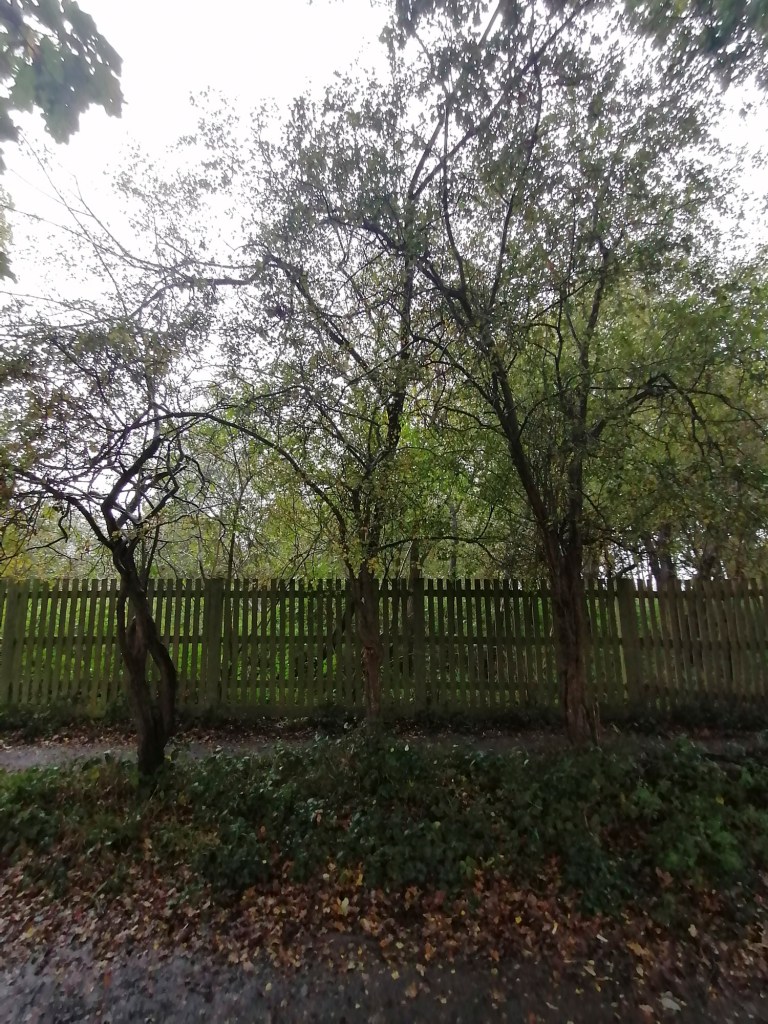
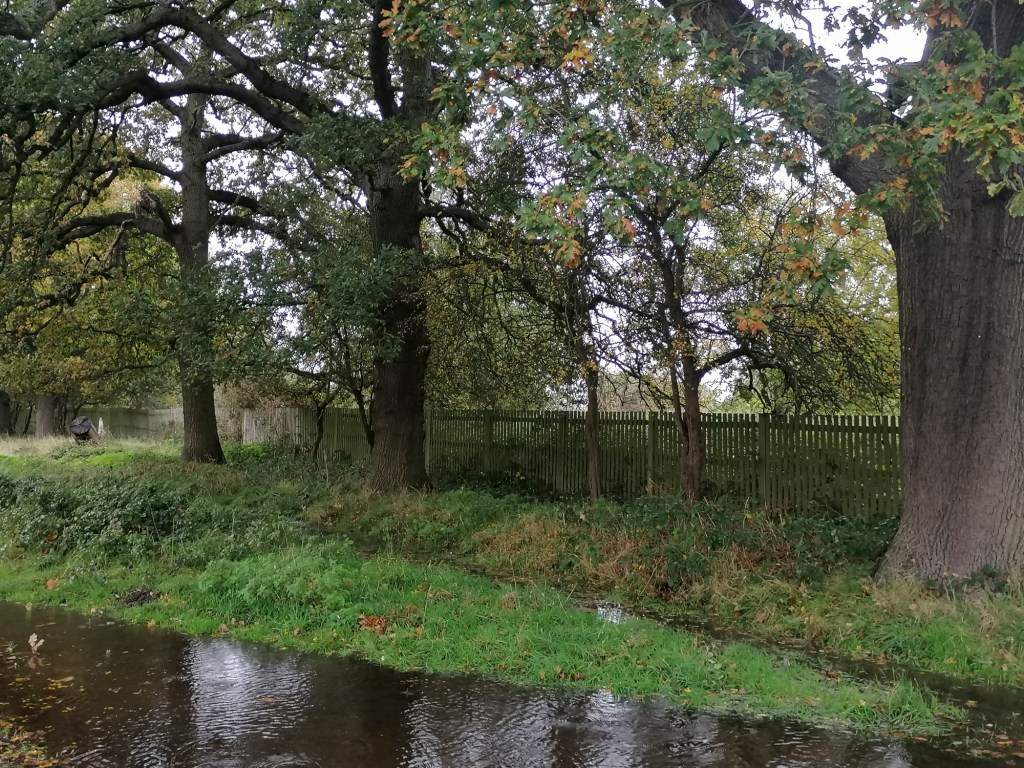
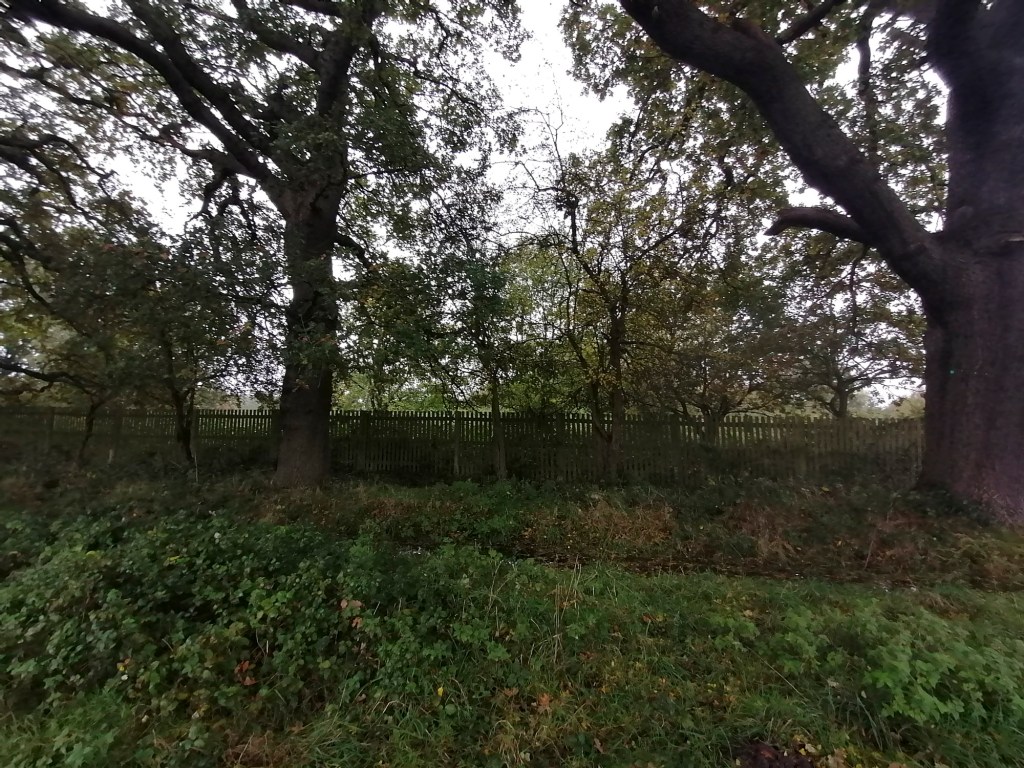
There are further hawthorns opposite this line, which are on the other side of the fence.

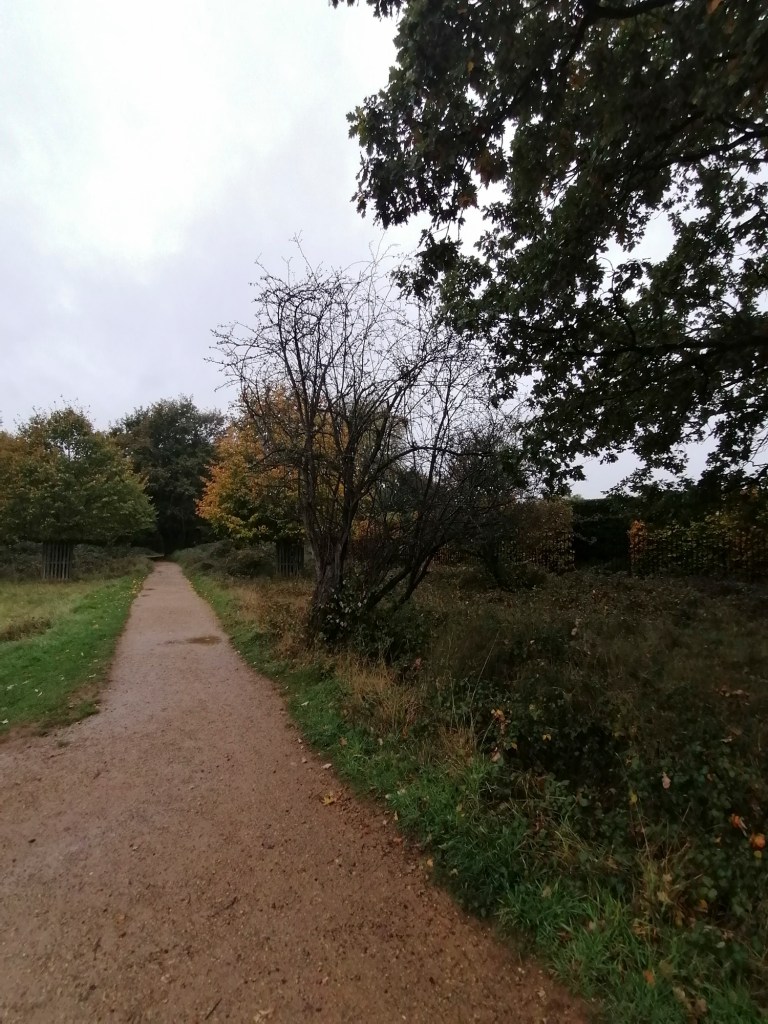
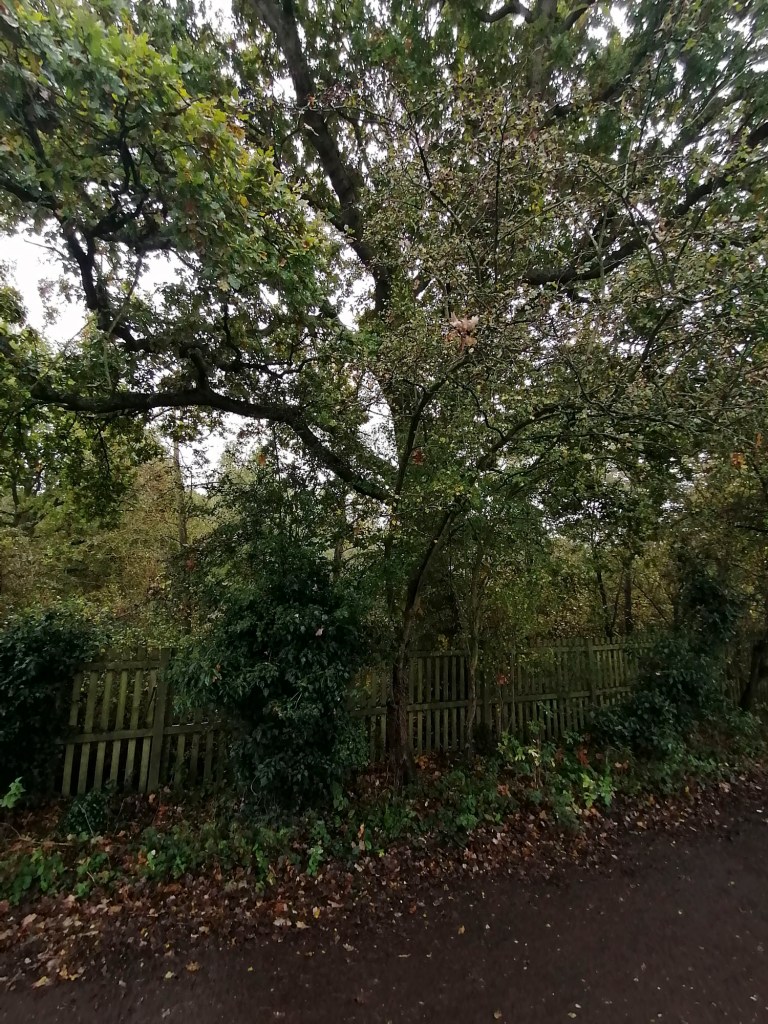
Continuing along the path, there are more hawthorns that have been planted next to oak trees.

I particularly liked this aspect, which shows the hawthorn branches in combination with that of the oak. I also carried out a quick Black & White conversion later that day.

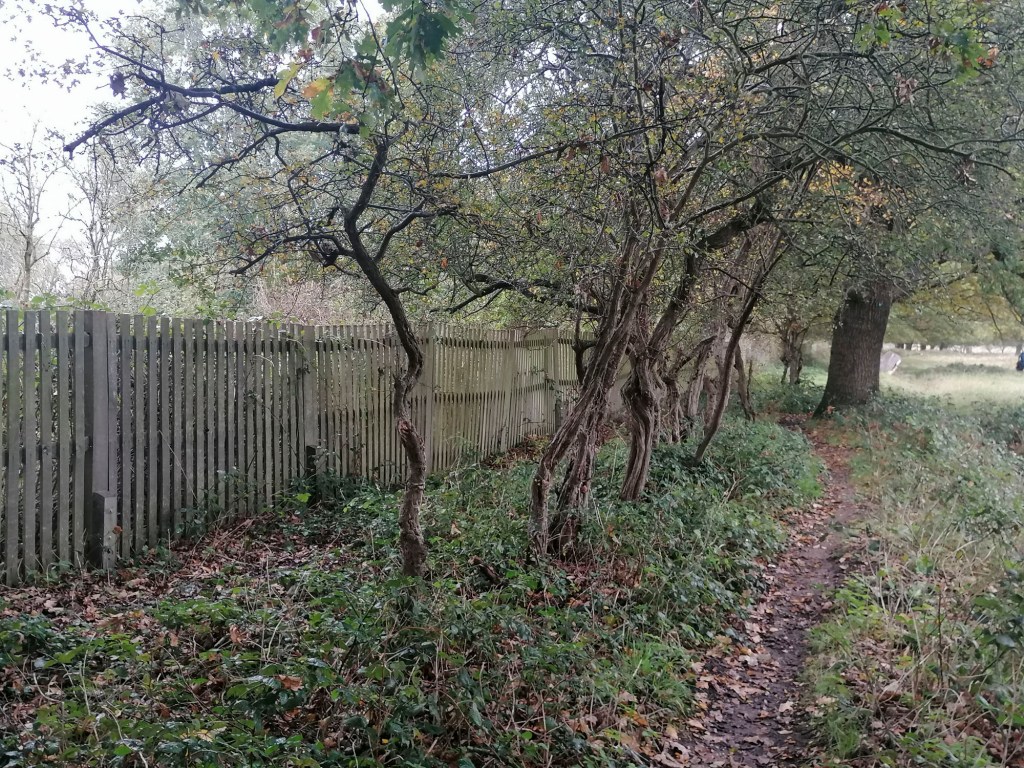
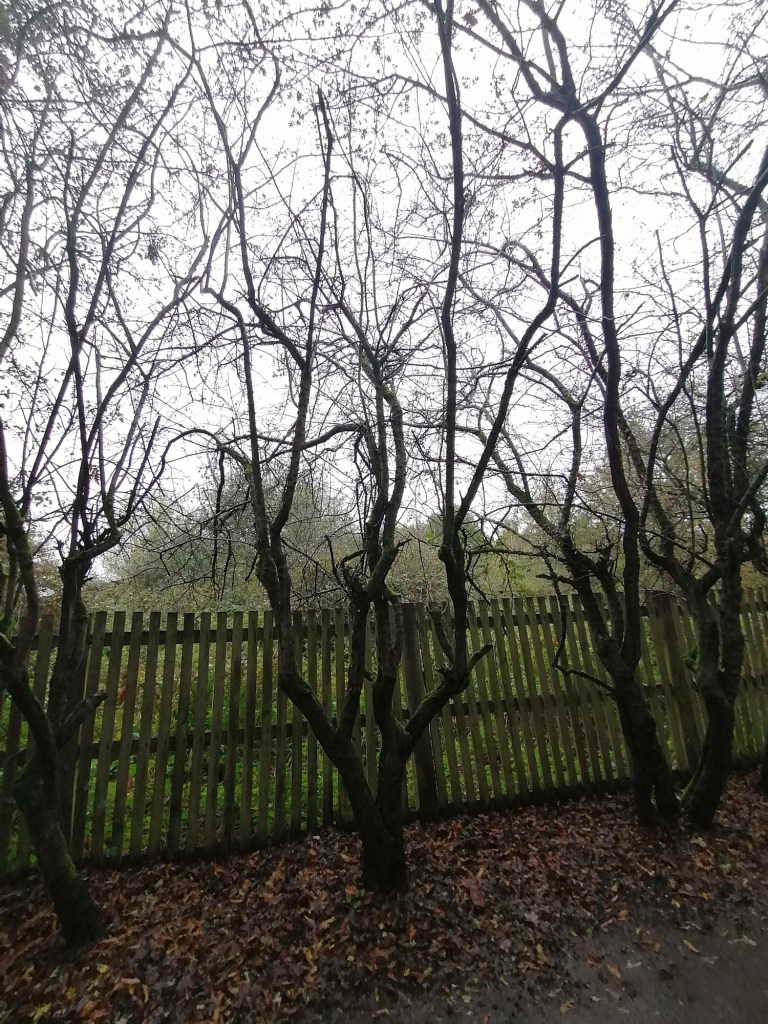
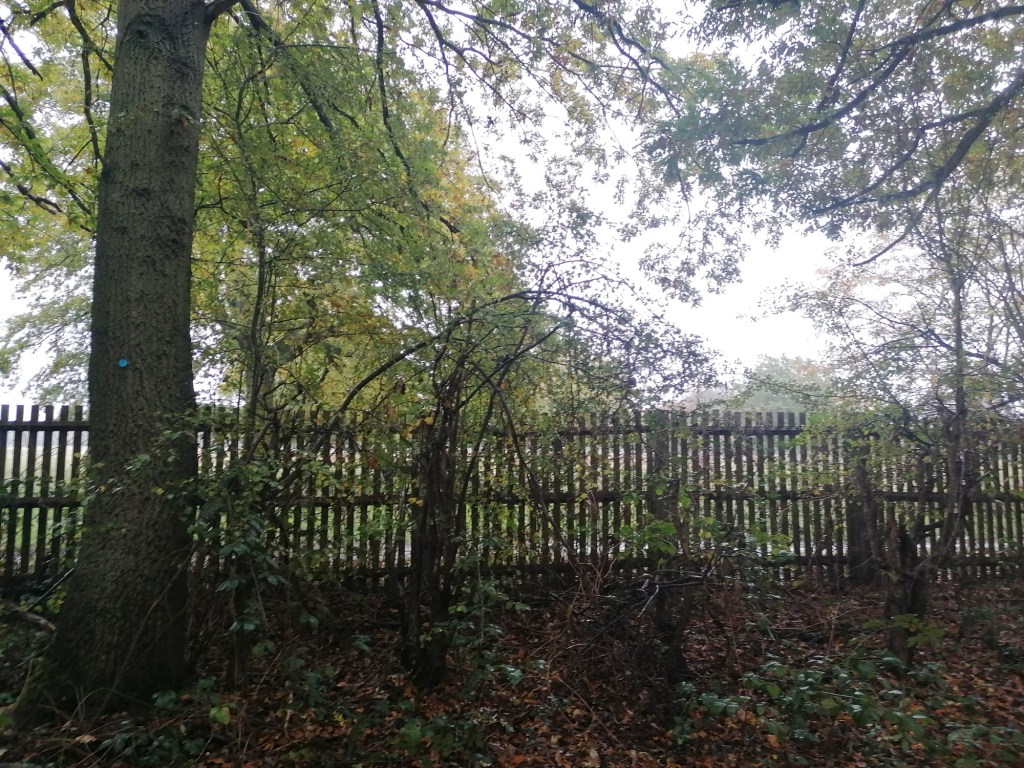
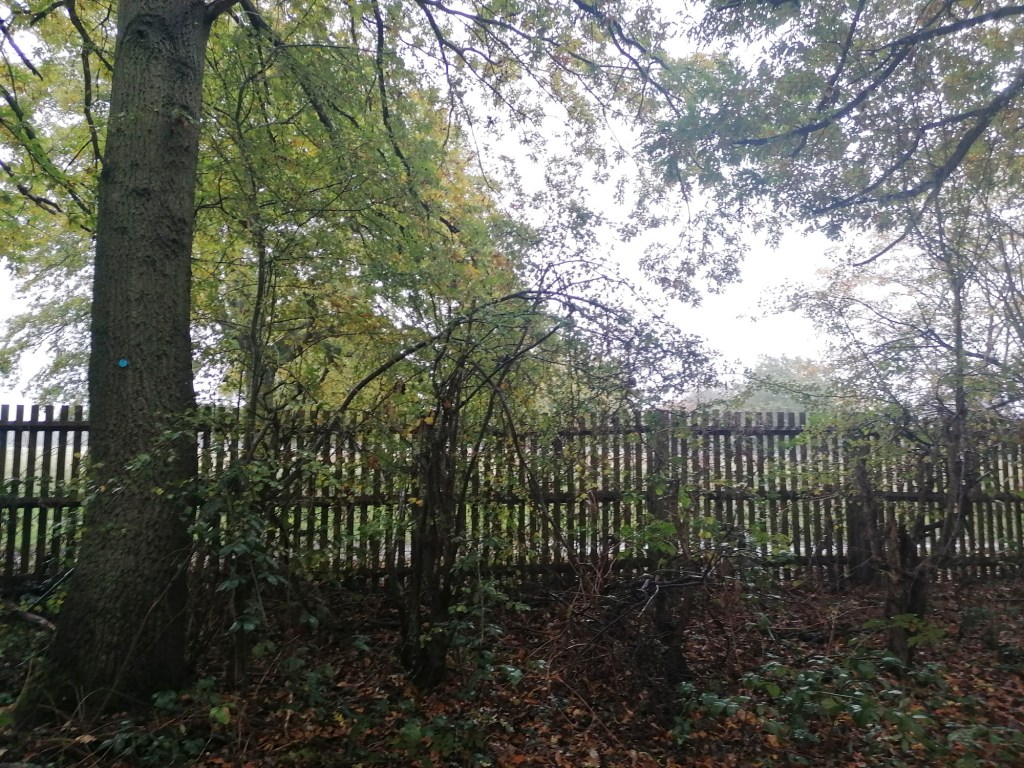
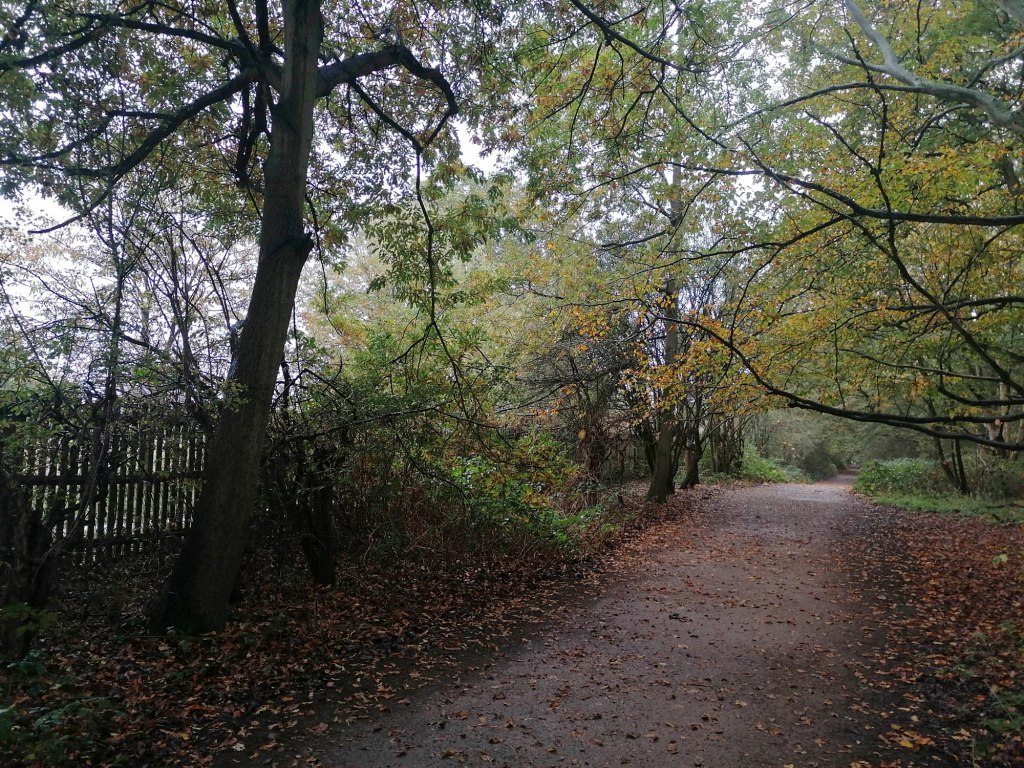
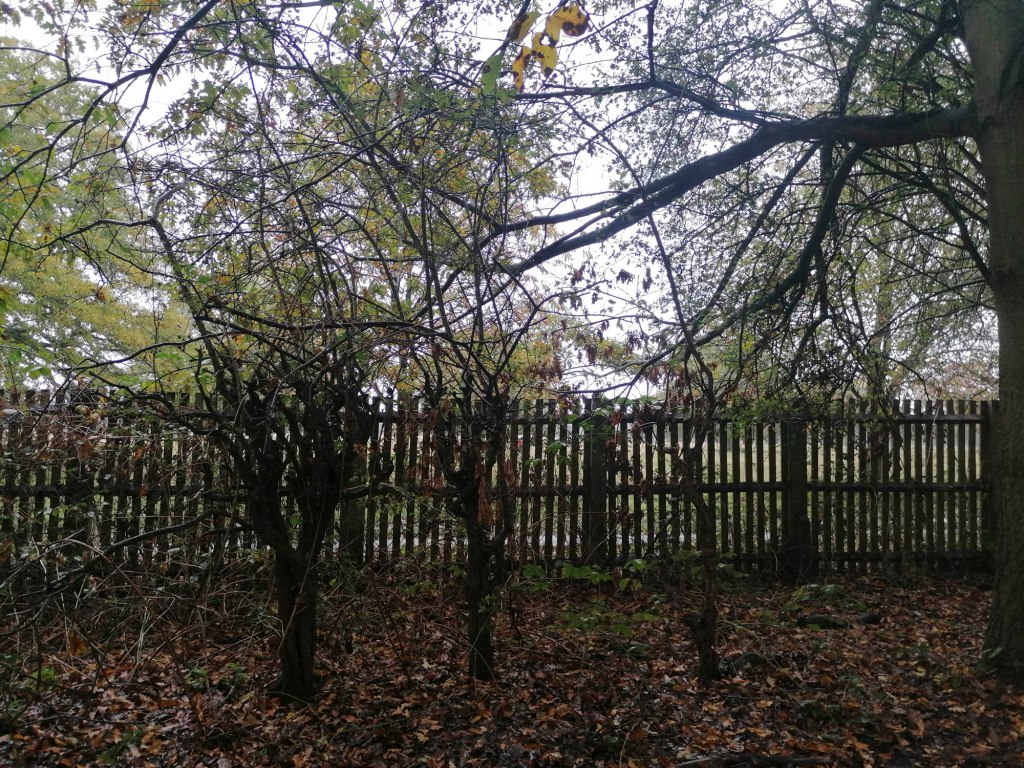
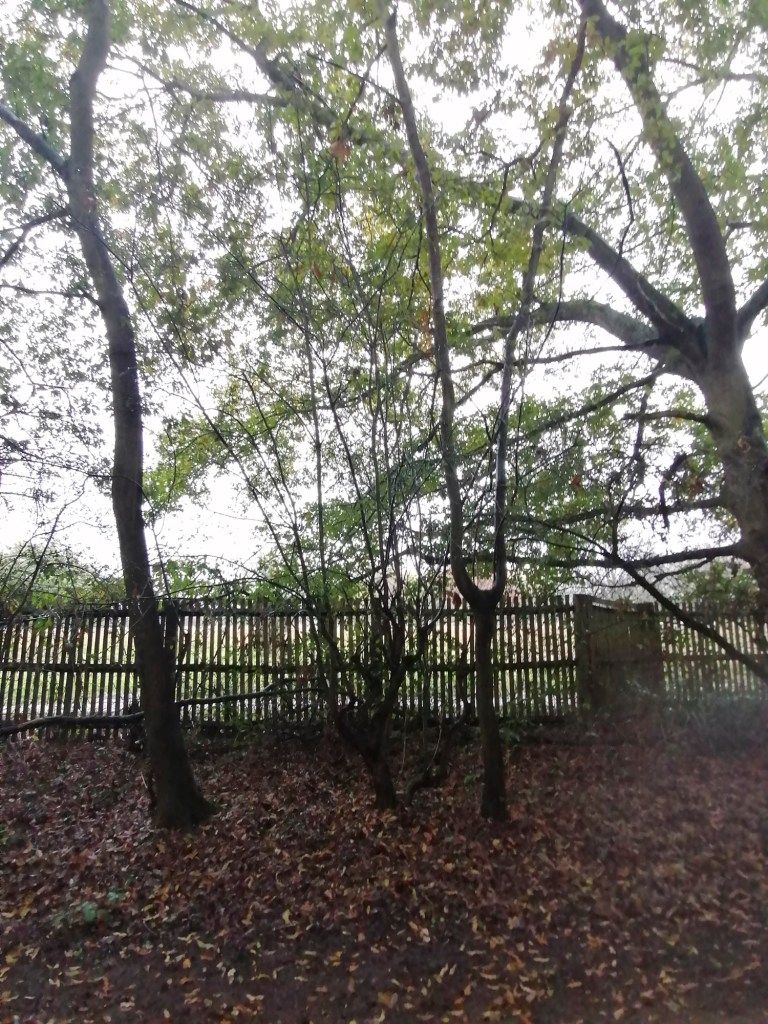
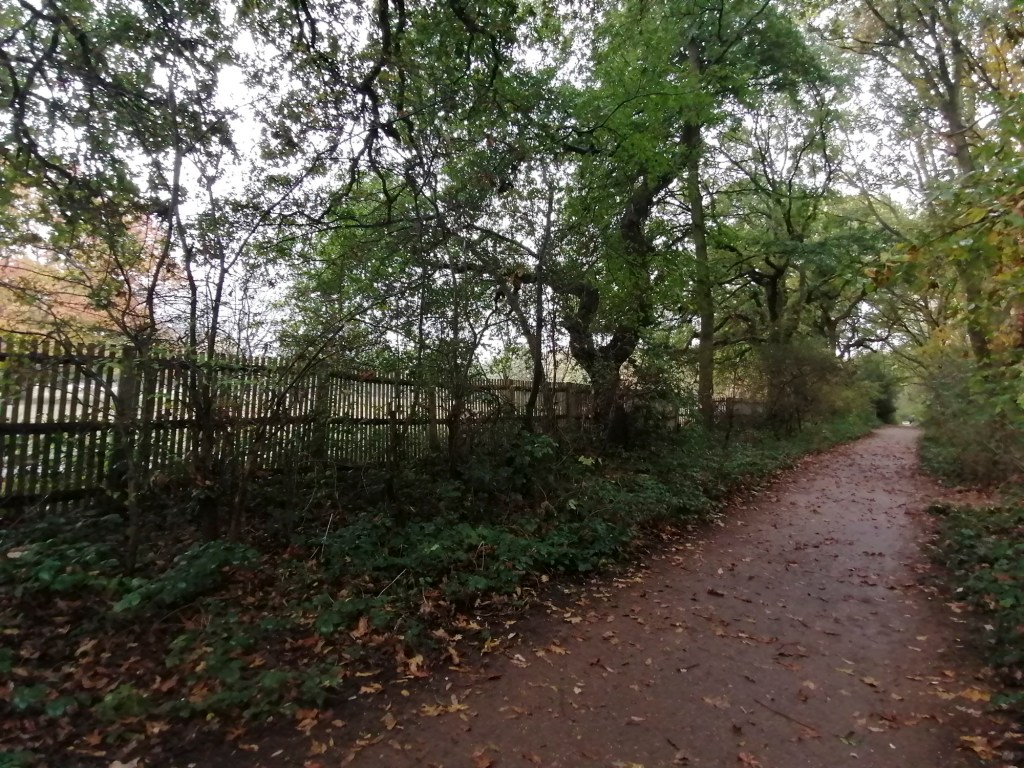
There is clearly a line of hawthorns along this path with trees on either side of the fence.

One difference I noted was how these hawthorns were planted in line with the oaks. Also, these appeared to be much younger trees as the trunks were considerably smoother than the others situated in this part of the park.

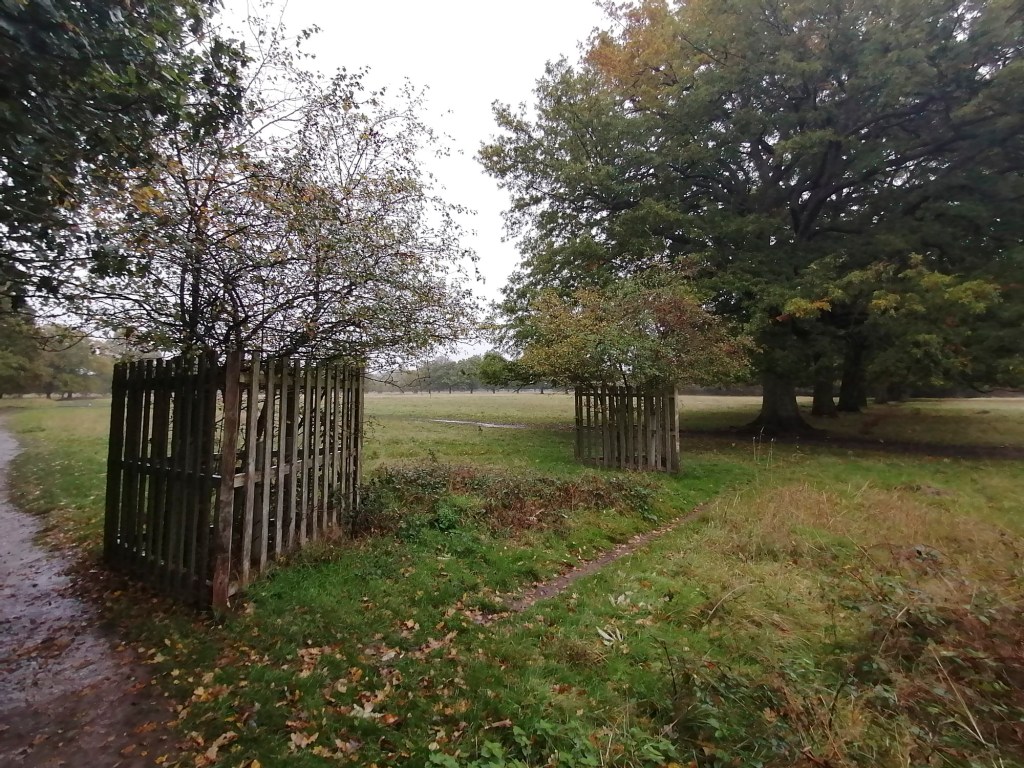
My next place of investigation was Dukes Passage. This is a fenced off area at the entrance of the Waterhouse Plantation in the Woodland Gardens section of the park.

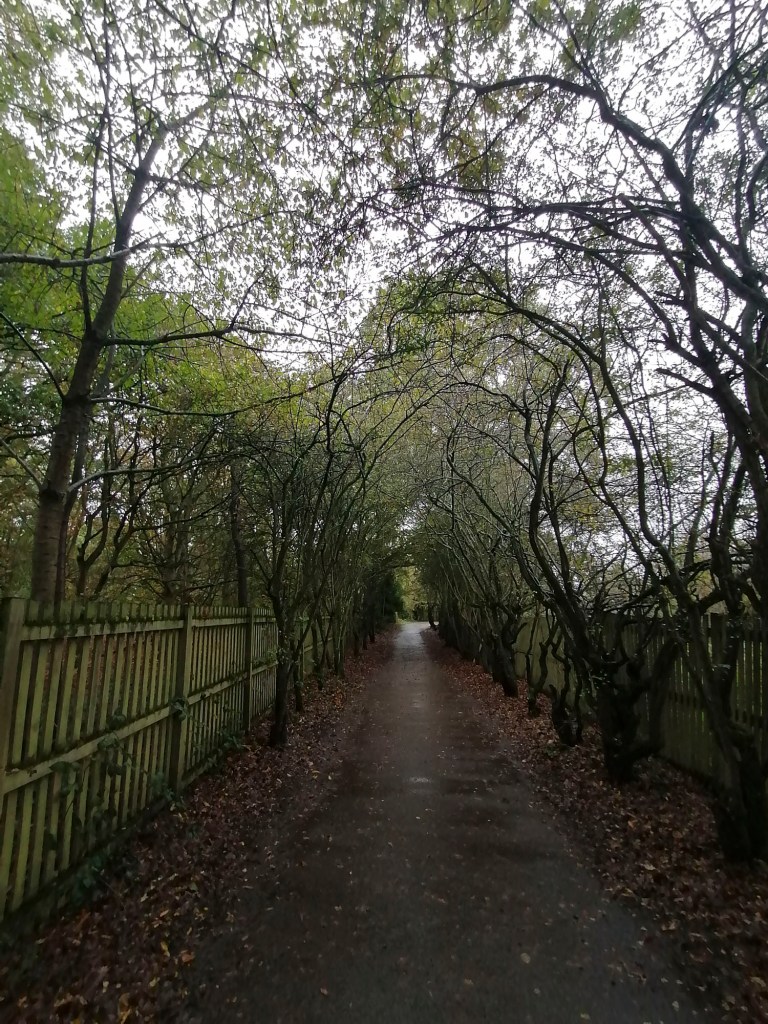
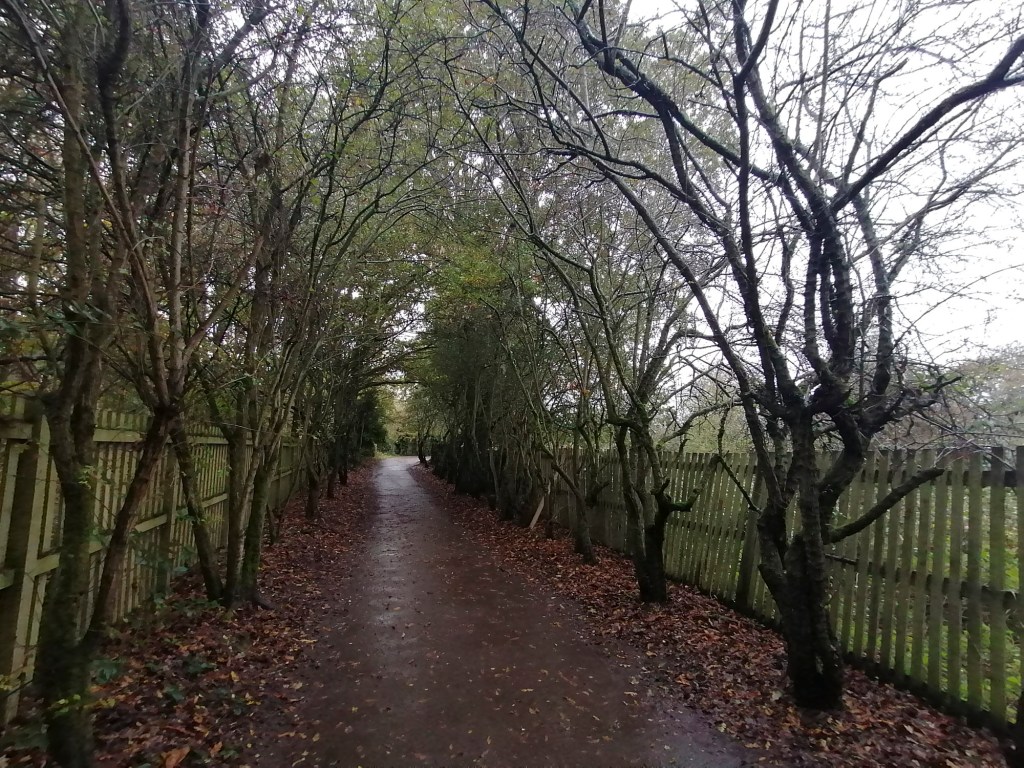
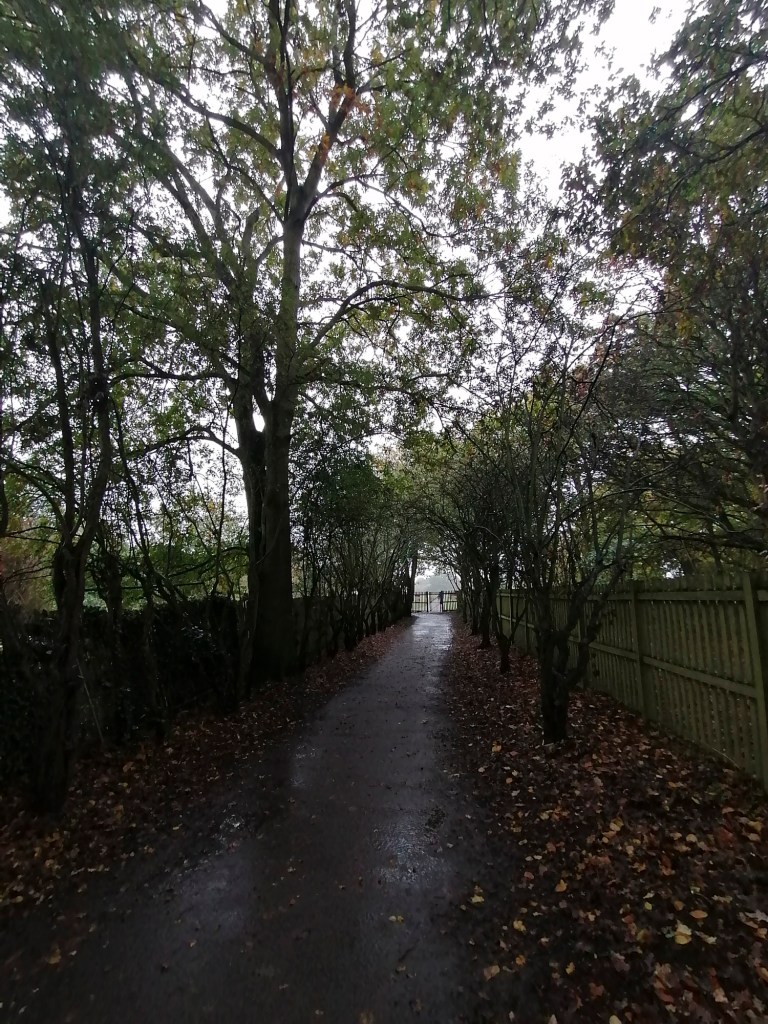
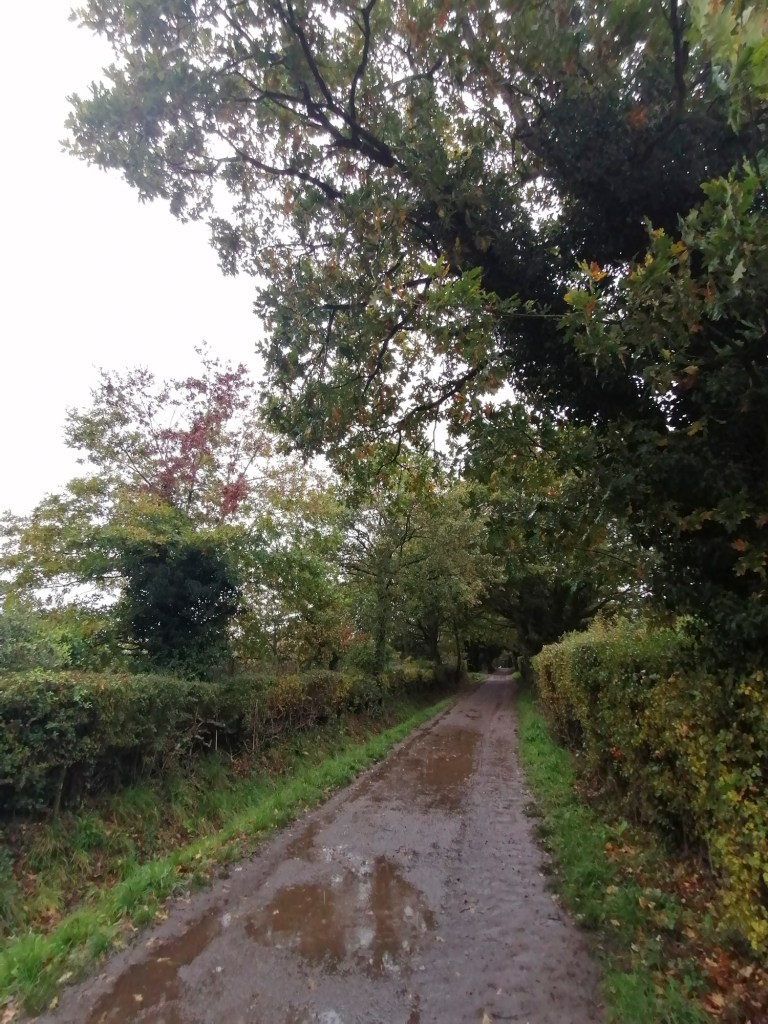
Just as I suspected, it consists of an avenue of hawthorns with a fence on either side.

This avenue leads to one of my most favourite spots in Bushy Park. It really does feel like you’re in the middle of the countryside.

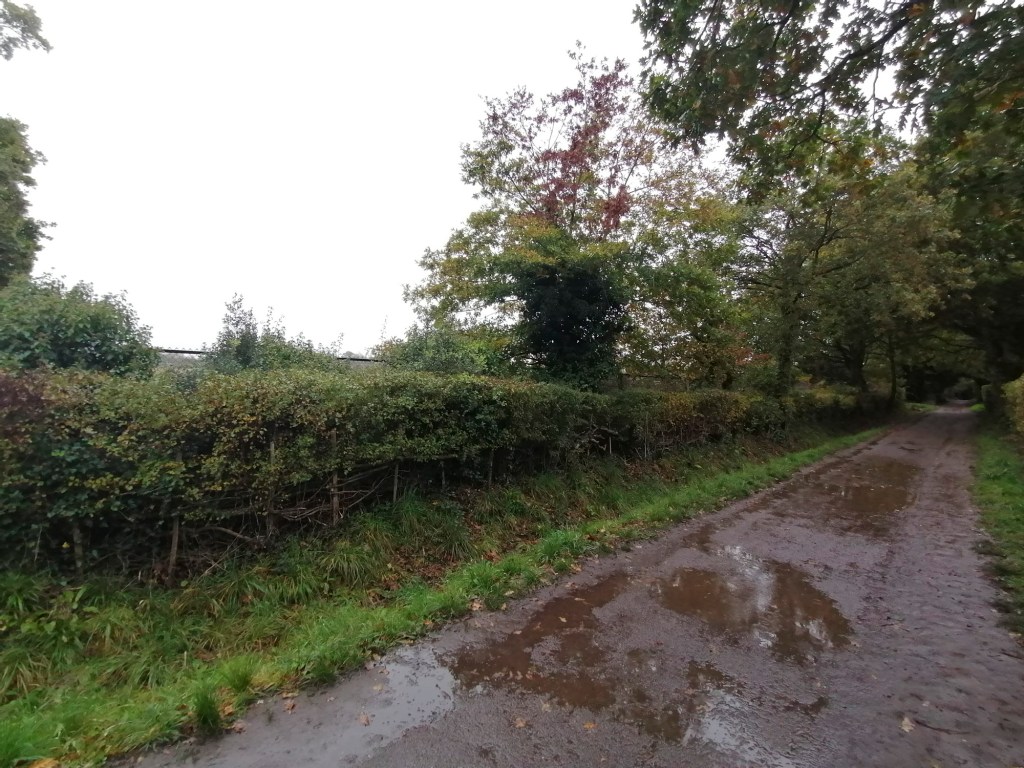
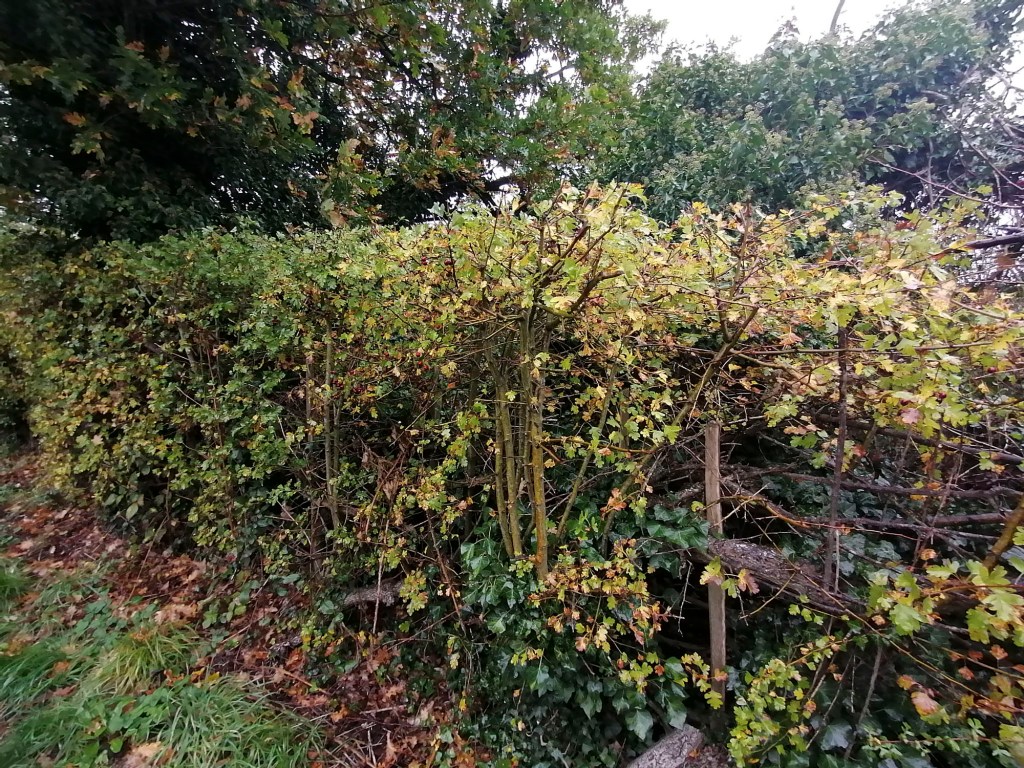
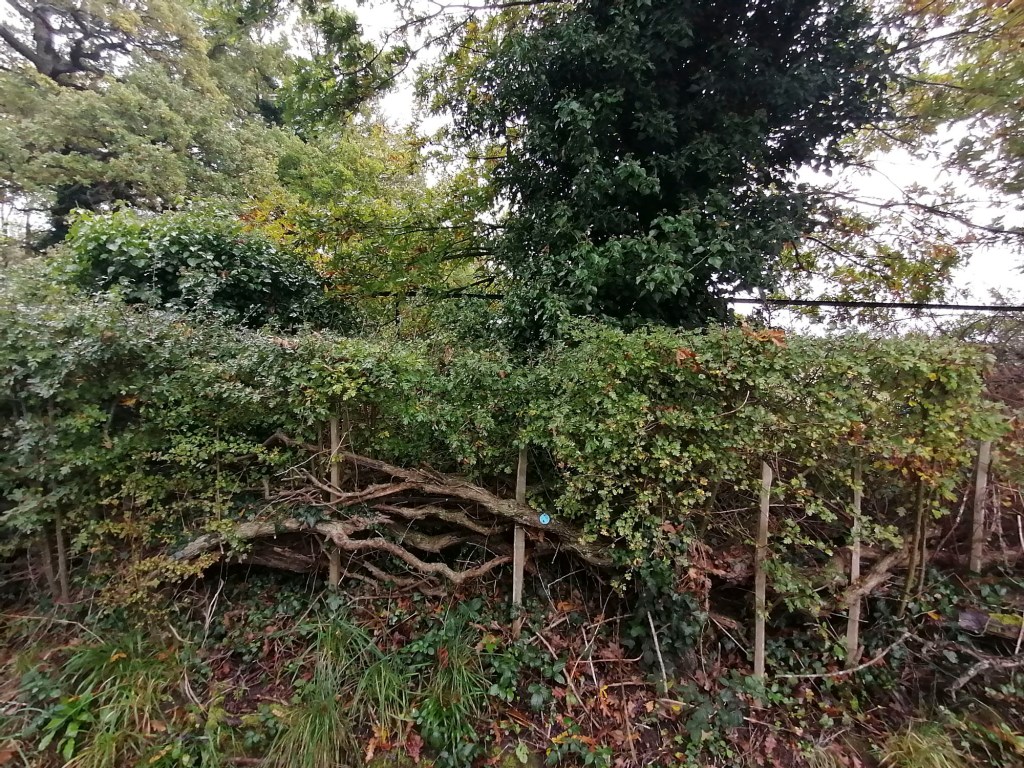
Dukes Passage continues to Hampton and what I did notice was the hawthorn hedge on either side of the path.

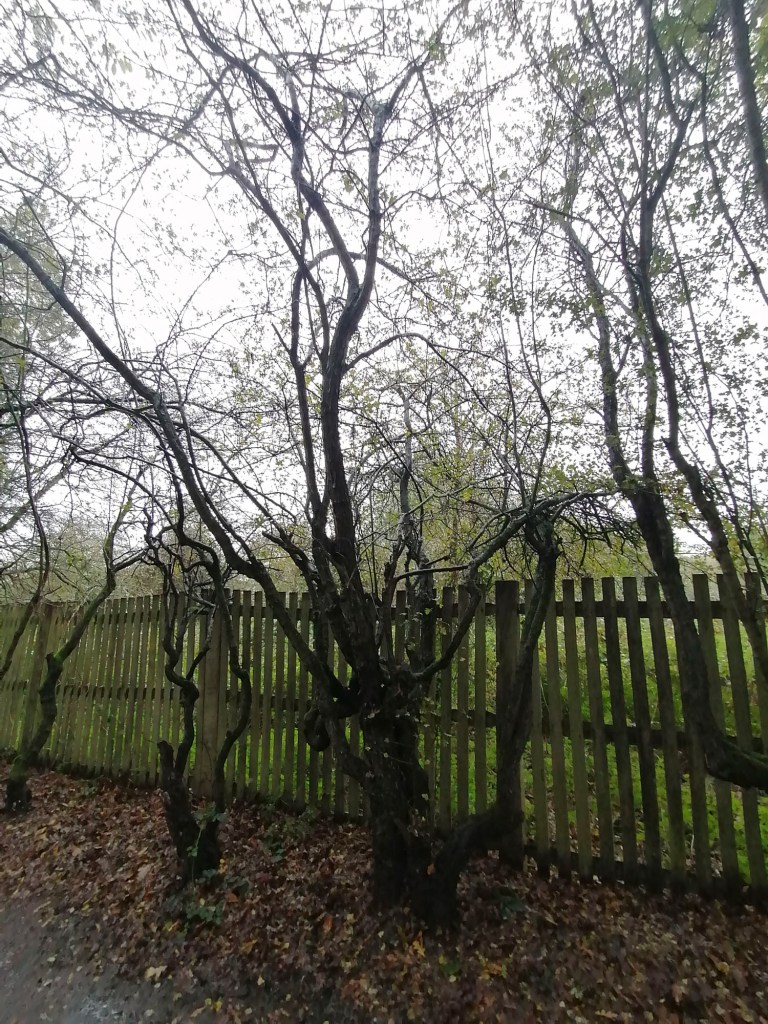
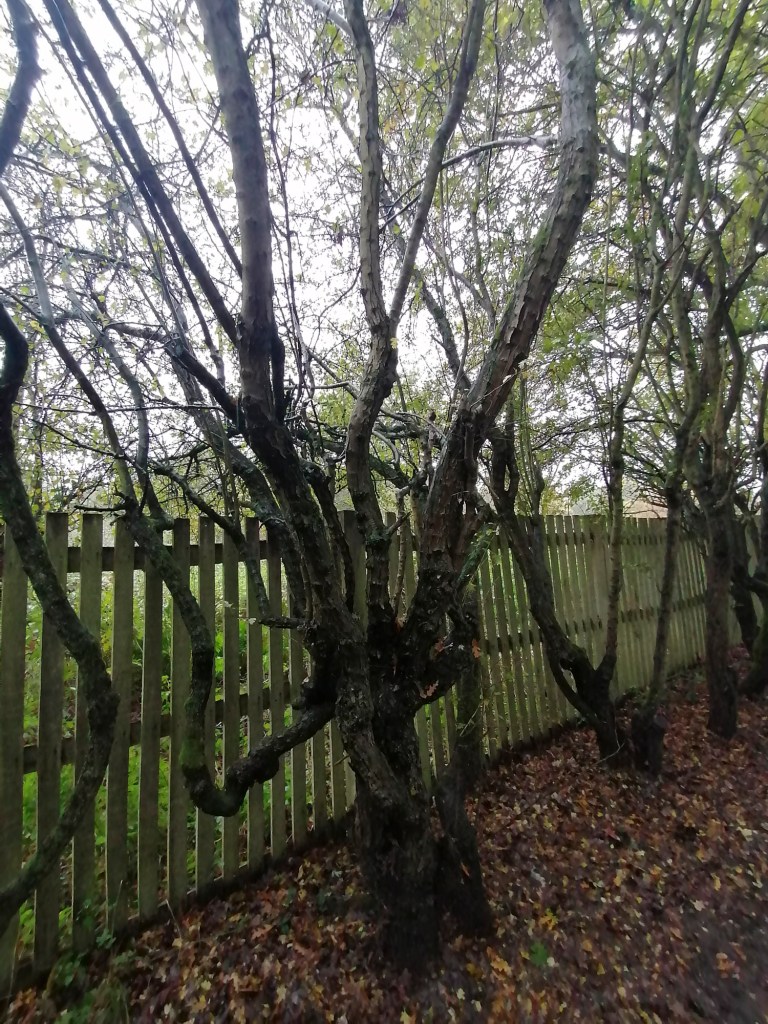
I then returned along Dukes Passage and entered the Waterhouse Plantation. Again, there is a line of hawthorns on the inside of the fence.

This line of hawthorns continues to the gate at the end of this path.

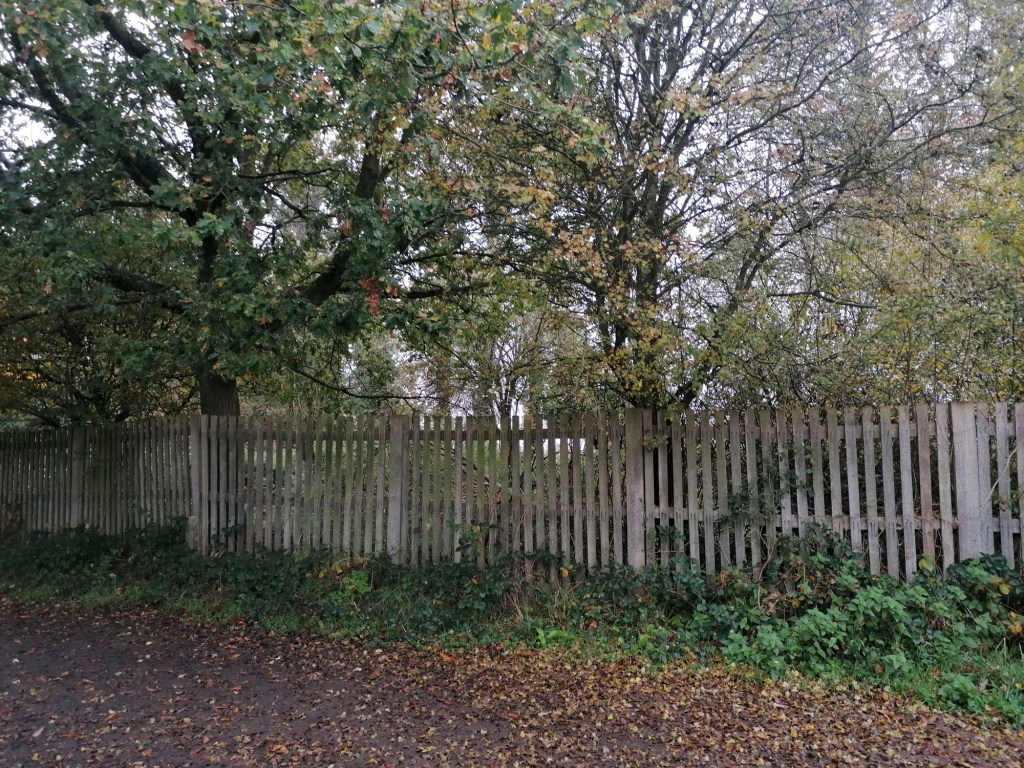
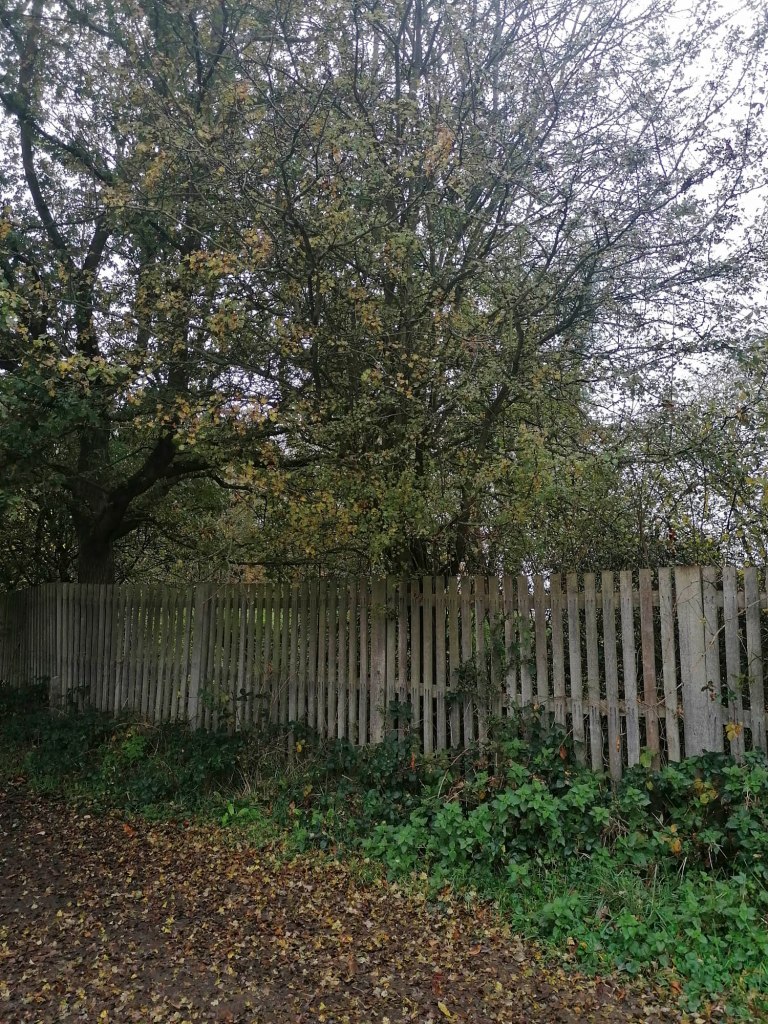
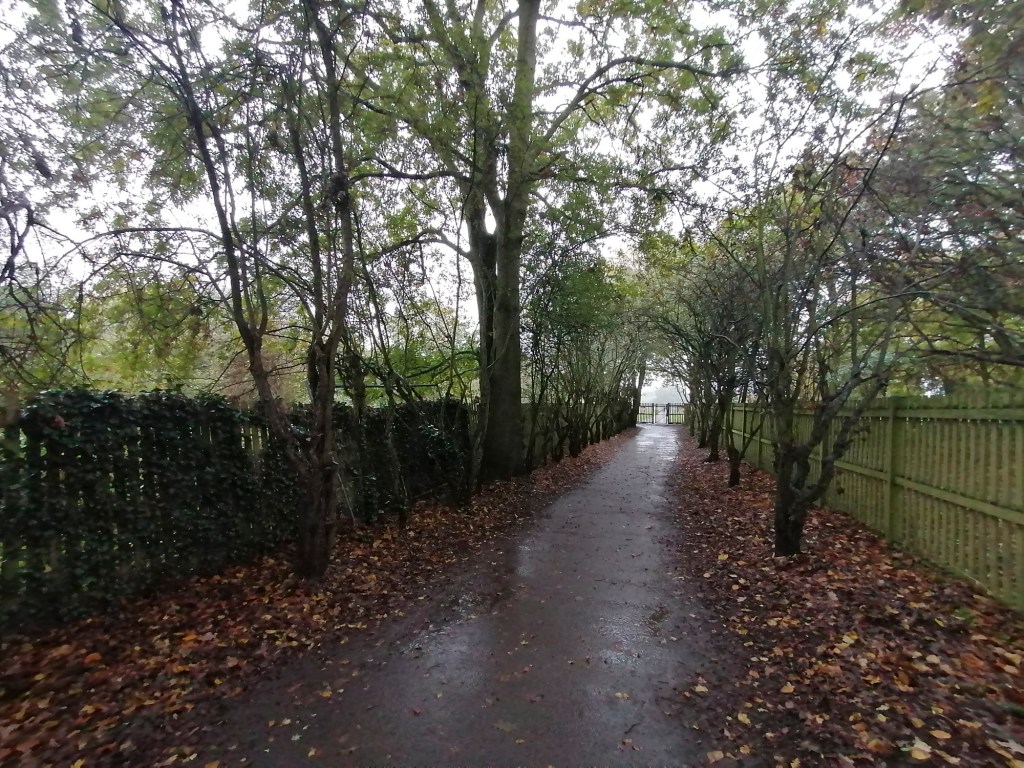
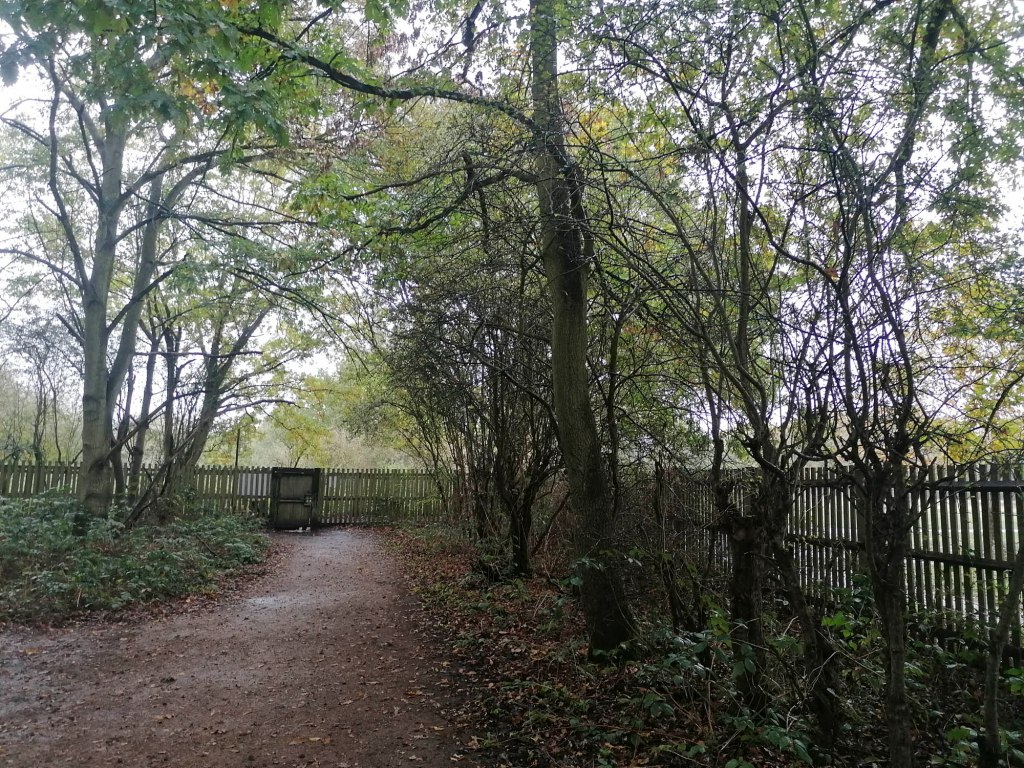
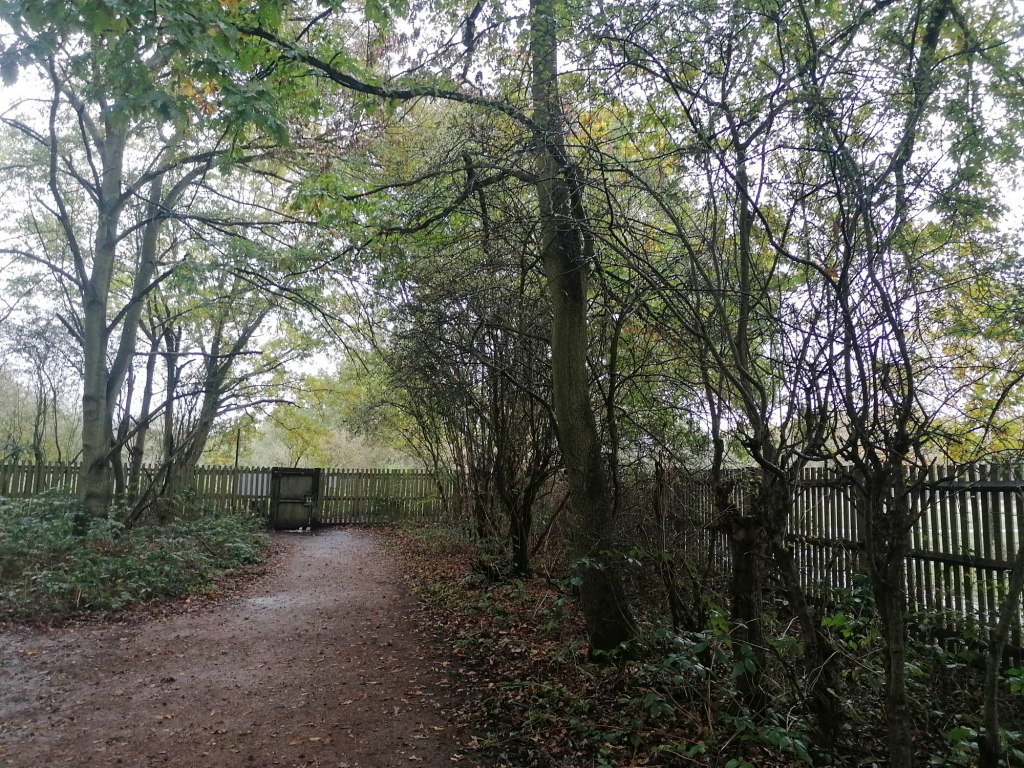
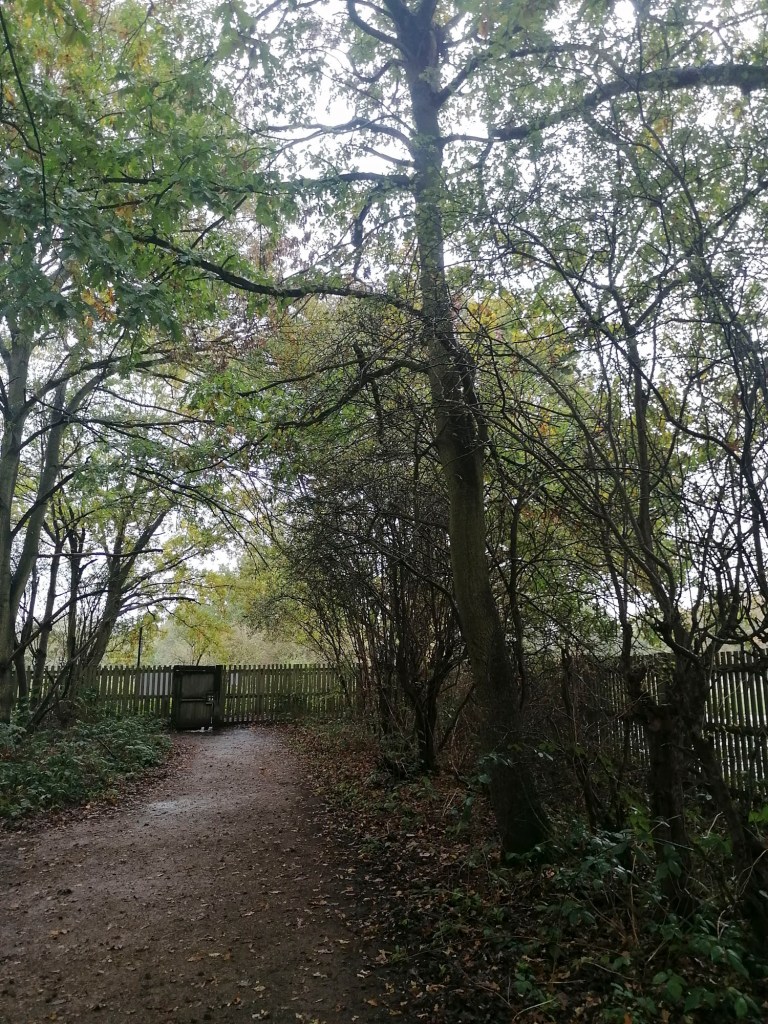
When I came out of this gate, I took a photo of the path on the other side of the fence. I also noticed on the map of Waterhouse Plantation that this path is called ‘Macclesfield Walk’.

I then made the decision to trek back home through the park at this stage. What I realised there were lots of unanswered questions to be answered and further research to be carried out.

References

UK, N., 2020. Nordic Walking UK | Instructor Training | Nordic Walking Events. [online] Nordicwalking.co.uk. Available at: <https://nordicwalking.co.uk/&gt; [Accessed 30 October 2020].
Categories
AGM62 Photography Research Project Stage 1 Posts

AGM62 Hawthorn Guide 22 October 2020

If I was to focus on hawthorns for this project, I would need to know exactly what I was looking for and whether it was ancient, veteran or noble.

The following is taken from the Woodland Trust’s species guide to hawthorn, as outlined on their website:

Hawthorn (Crataegus monogyna) is one of our two native hawthorns. The rare Midland hawthorn (Crataegus laevigata) is confined to ancient woodland in central England but more frequently seen everywhere in its cultivated forms in urban areas, parks and gardens.

Distribution

Throughout the UK.

Typical location

Hedgerows, fields and woodland.

Age

Hawthorn may be able to live for 400 years, although 250 may be more typical on many sites.

All hawthorn will be ancient from 225 years onwards, although many will have ancient characteristics from around 175 years.

Typically a veteran hawthorn will be 100-200 years of age and a notable hawthorn may be 50-150 years old.

Size

Hawthorn can grow up to 2.5m plus in girth.

Record all hawthorn more than 1.5m.

Consider recording all hawthorn with any ancient characteristics more than 1.25m.

It’s important to rely on characteristics rather than size, which is an unreliable indication of age. Most ancient hawthorn will be greater than 1.5m in girth but many hawthorn within woodland, or if historically managed as a pollard, may be no more than 1.25m in girth.

Ancient characteristics

  • Major trunk cavities or progressive hollowing
  • Decay holes
  • Physical damage to trunk
  • Bark loss
  • Large quantities of dead wood in the canopy
  • Crevices in the bark, under branches or on the root plate, sheltered from direct rainfall
  • Fungal fruiting bodies (from heart rotting species)
  • A high number of interdependent wildlife species
  • Epiphytic plants

In addition the tree may have:

  • A pollard form or show indications of past management
  • Cultural or historic value
  • Been part of a historic boundary, hedgerow (pre enclosures) or on a woodbank
  • A prominent position in the landscape

References:

Ati.woodlandtrust.org.uk. 2020. Hawthorn – Ancient Tree Inventory. [online] Available at: <https://ati.woodlandtrust.org.uk/how-to-record/species-guides/hawthorn/&gt; [Accessed 21 October 2020].
Design a site like this with WordPress.com
Get started