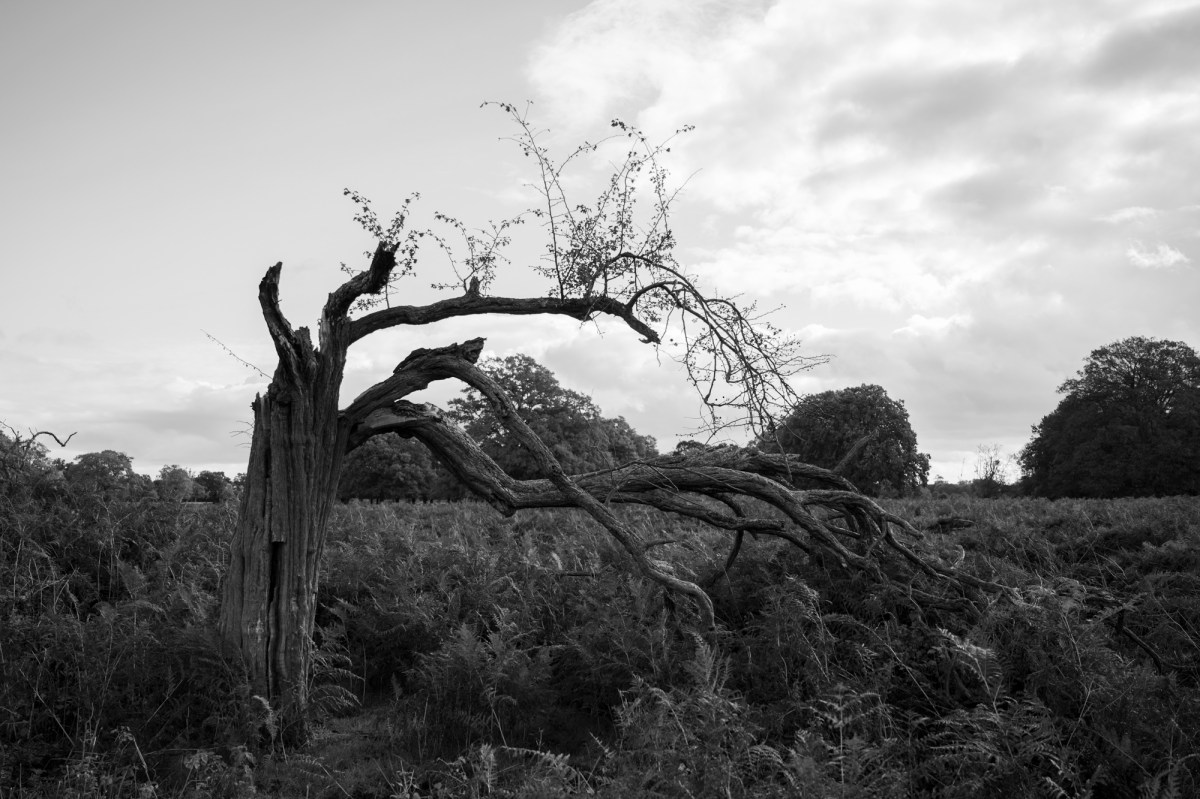
On Thursday 22 October, I visited Bushy Park with the intention of taking a closer look at hawthorns. My plan was to enter via Teddington Gate and take another look at the trees I had shot on 5 October.
When I came into the park, I was distracted by three trees that I thought could be hornbeams – they look similar to the ones in the avenue in the Waterhouse Plantation in Woodland Gardens.
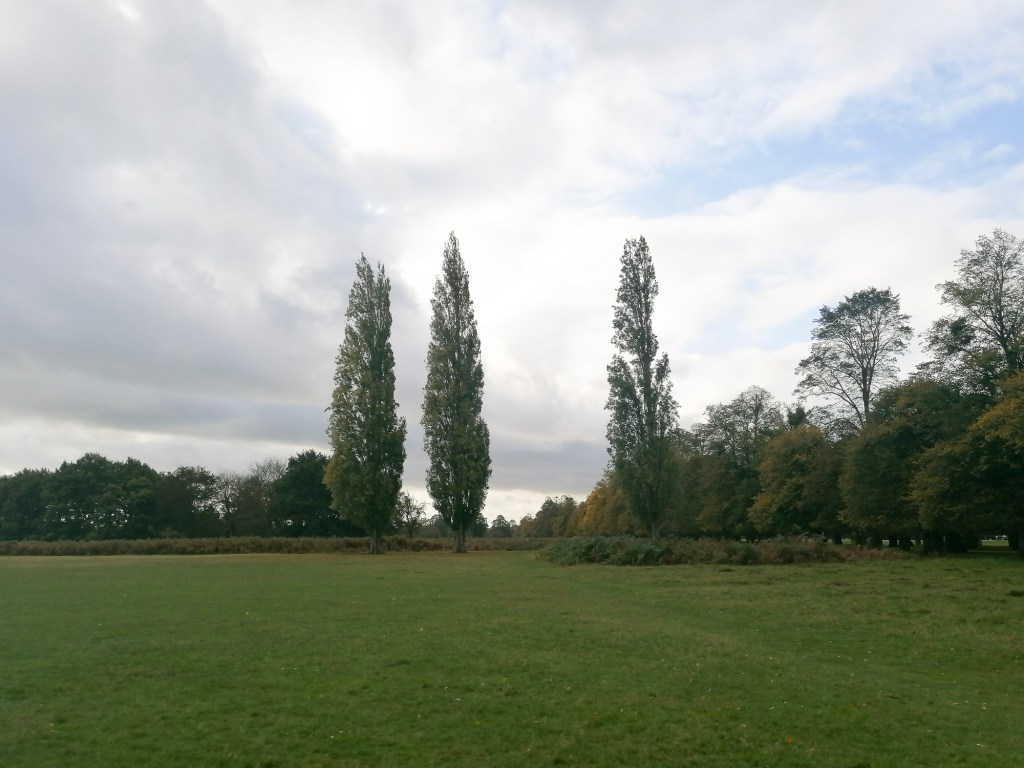
These three ‘sisters’ have always got my attention when coming into the park through Teddington Gate or walking through the park from Hampton Wick Gate. As I approached the trees, I realised that I could see a hawthorn branches coming out of the ferns between the two trees on the left. I took the above image with the smartphone and walked towards them.
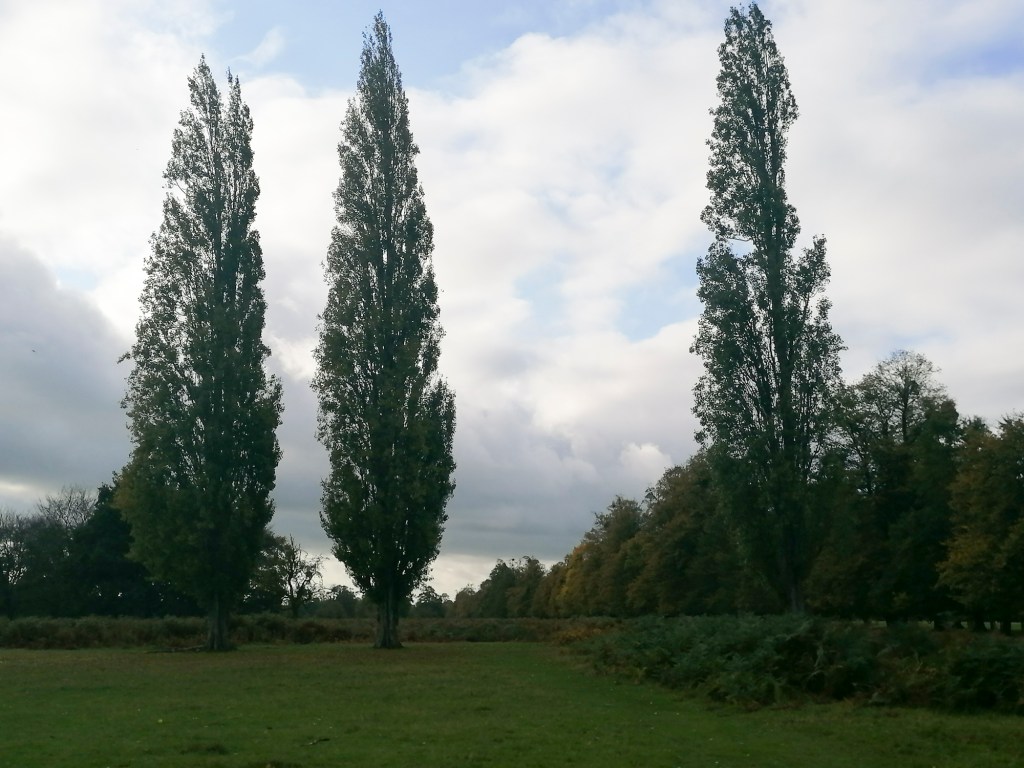
As I gradually got closer, it was interesting to see how my perspective of the hawthorn changed as I got closer to it, especially in relation the much-taller trees.
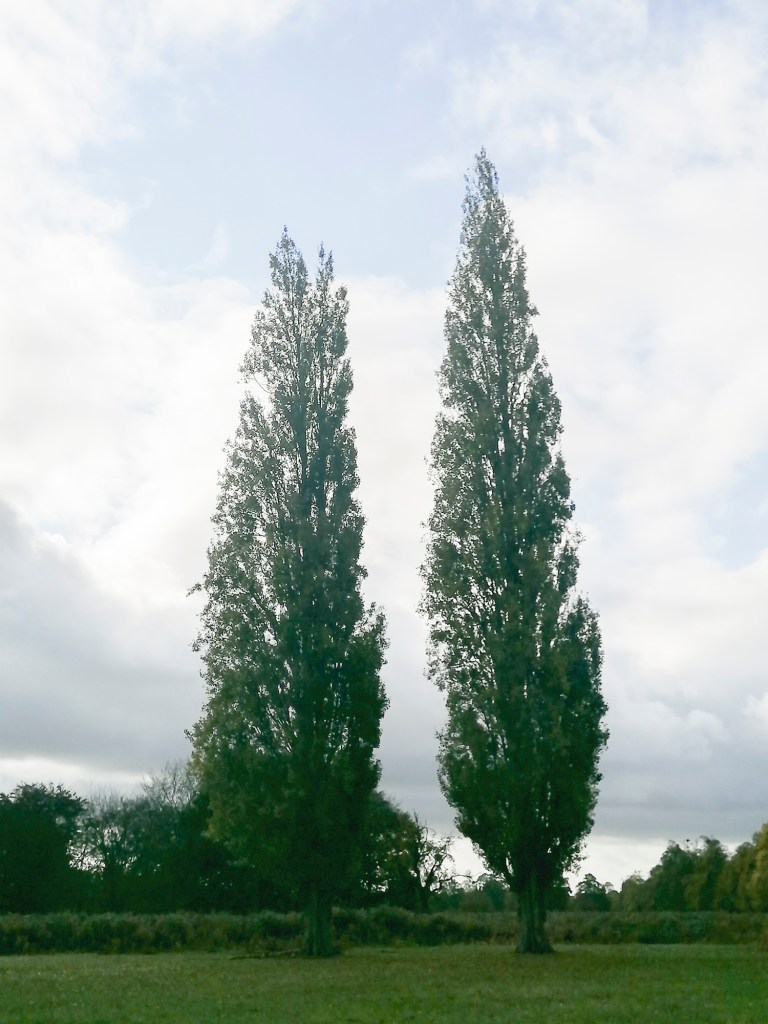
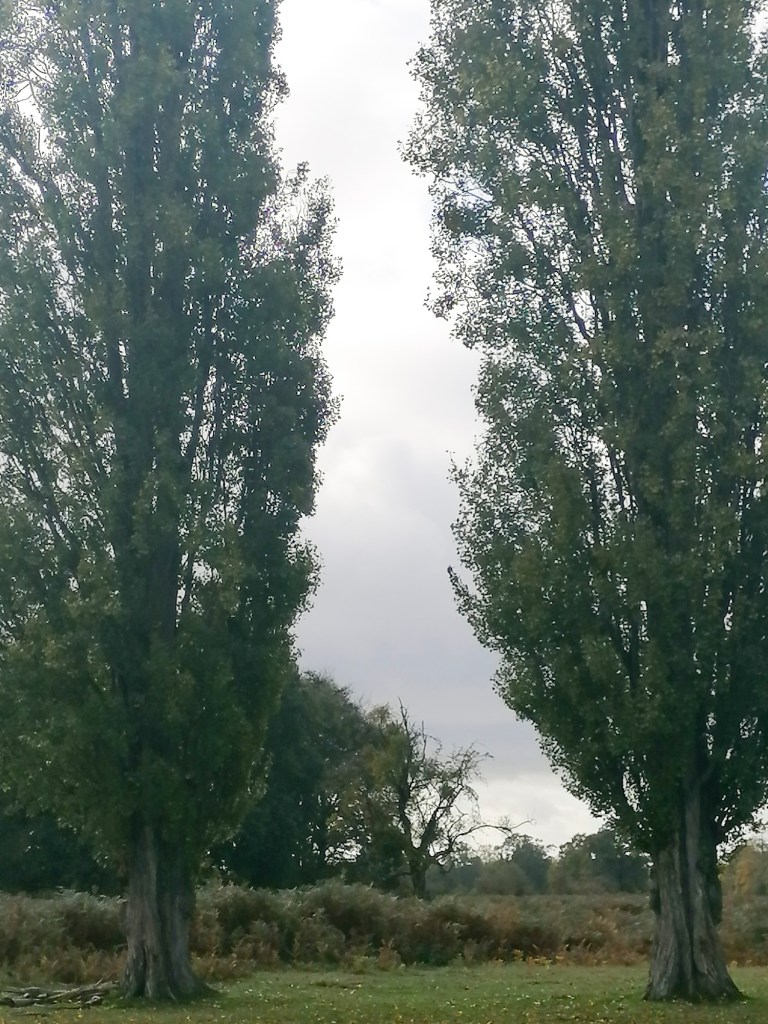
When I arrived at the edge of the ferns and walked beyond the two tall trees, this was the perspective.
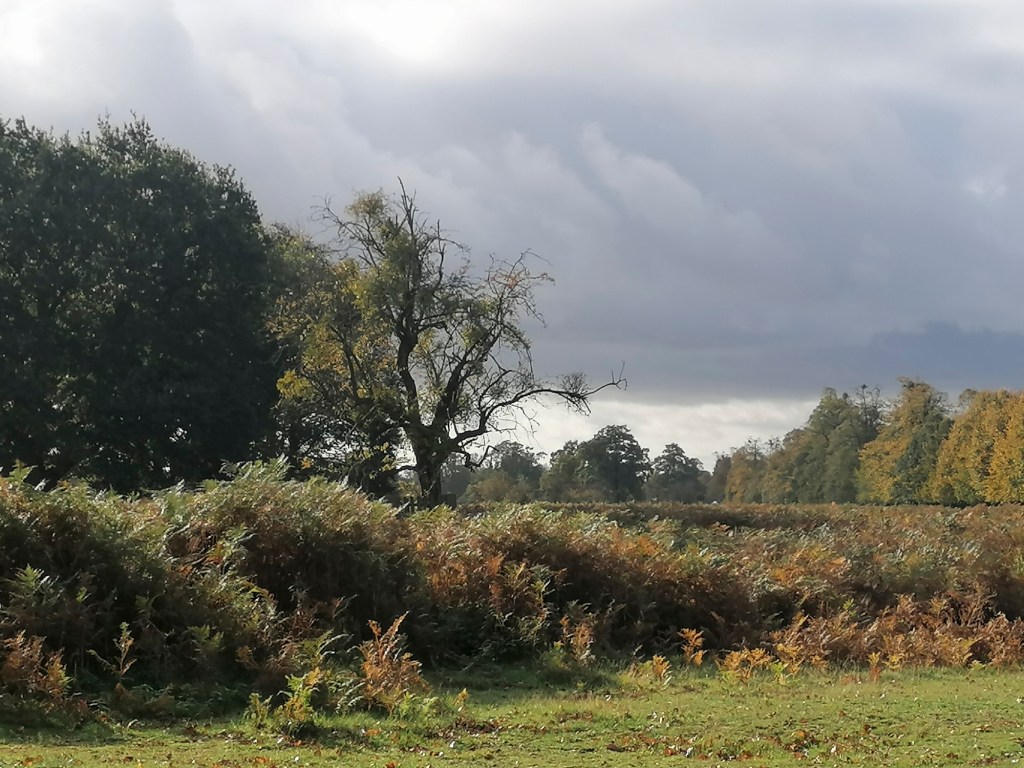
Note to self – the perception of a tree can change drastically depending on its surroundings.
At this stage, I started using the digital camera, as shown in the images below. Please note these have not been edited, unless stated.
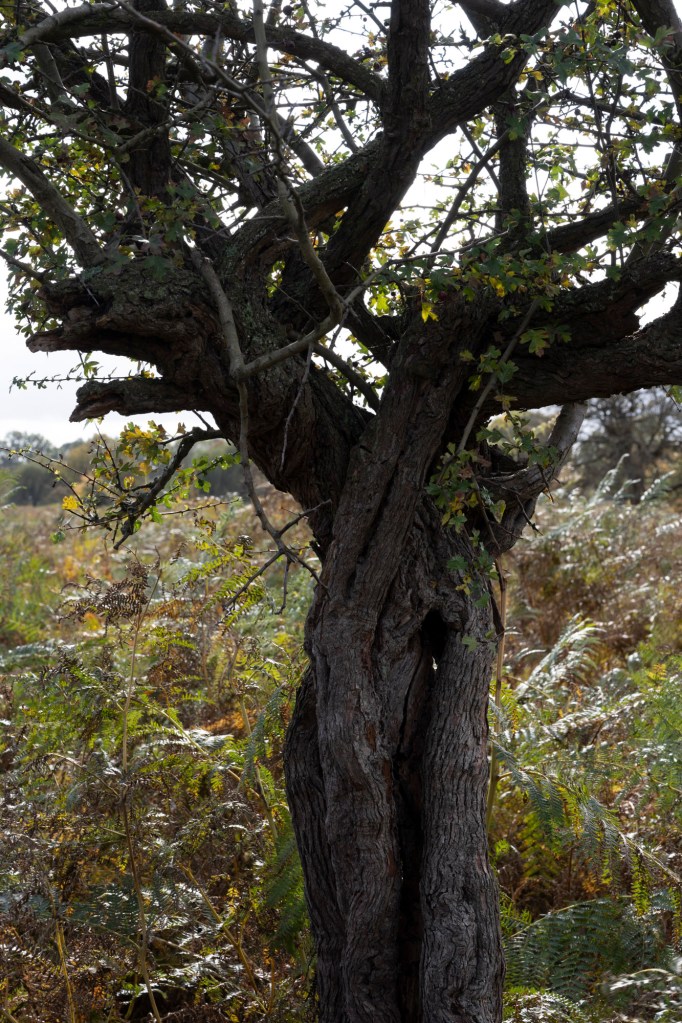
When I looked closer at this tree, I realised that the tree above has a fenced surround (to protect it from the deer). As I wanted to focus on hawthorns in their ‘naked’ form I looked for another example nearby. I could just about make out this one among the ferns. The image on the left is the original, the one on the right, a cropped version.
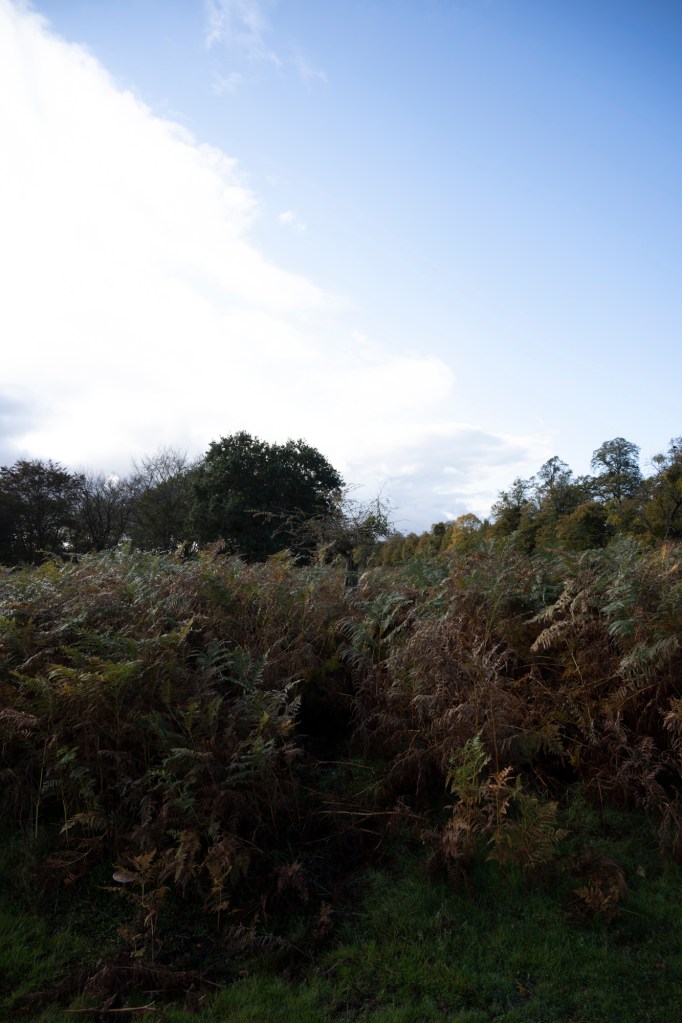
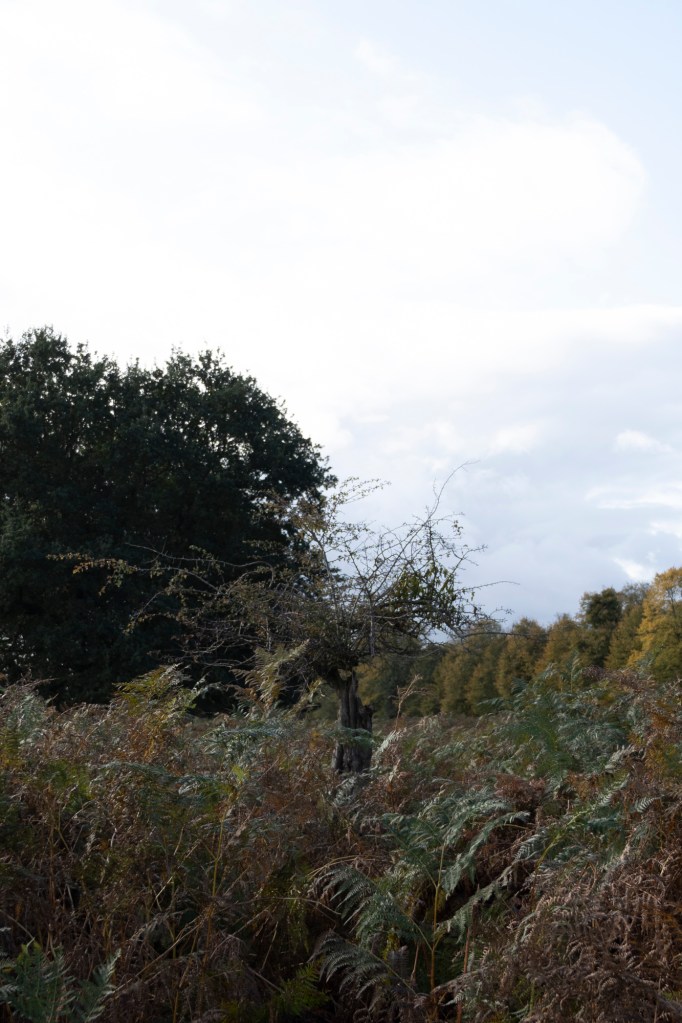
The ferns are one of the features of Bushy Park, which contributes to how the environment changes during the seasons. The above was taken during autumn, when the verdant green ferns of the summer start turning orange. Very soon, with the onset of winter, they will turn into a dark brown mulch then disappear from the landscape. When this happens, the hidden features (and swamped hawthorns) are fully revealed. The whole process starts again in spring, when small fronds start to appear, gradually turning into a bracken forest by July. Each time this happens, it always amazes me how different the park looks and feels depending on the season.
I also took the following shots when I walked to other side of the two hawthorns and into the copse where I had previously taken photos on 16 October. When I looked behind me, both hawthorns disappeared into the ferns once more.
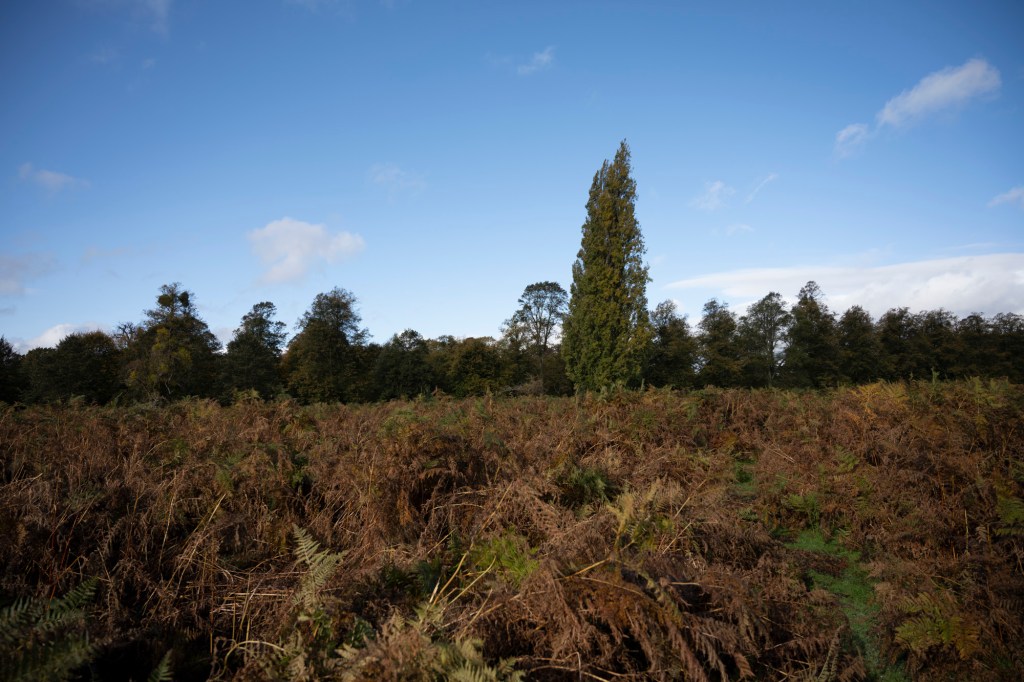
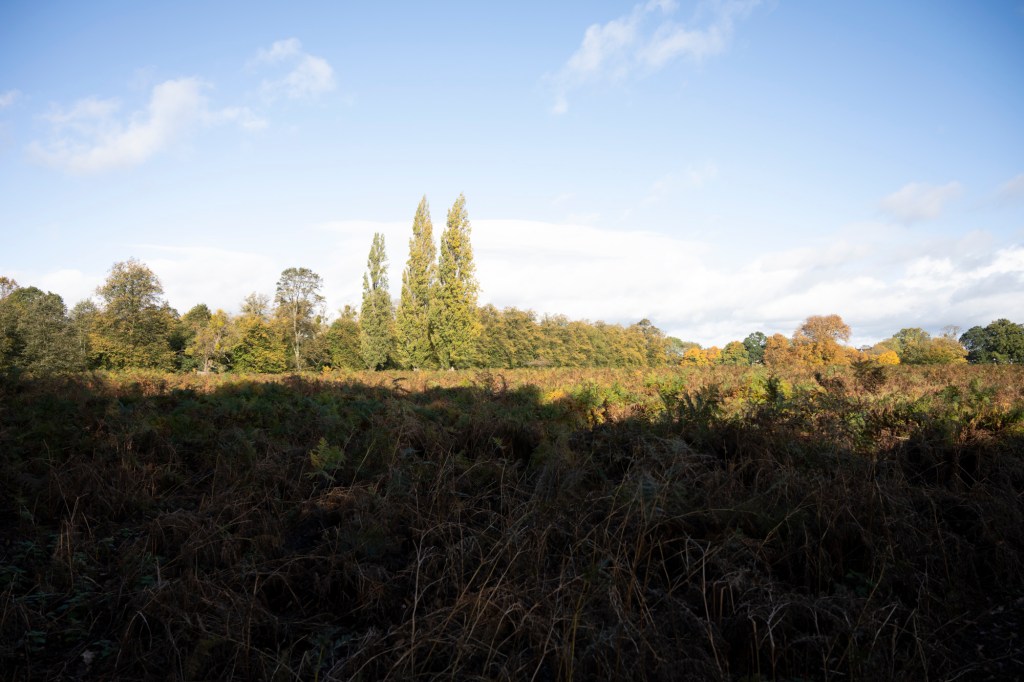
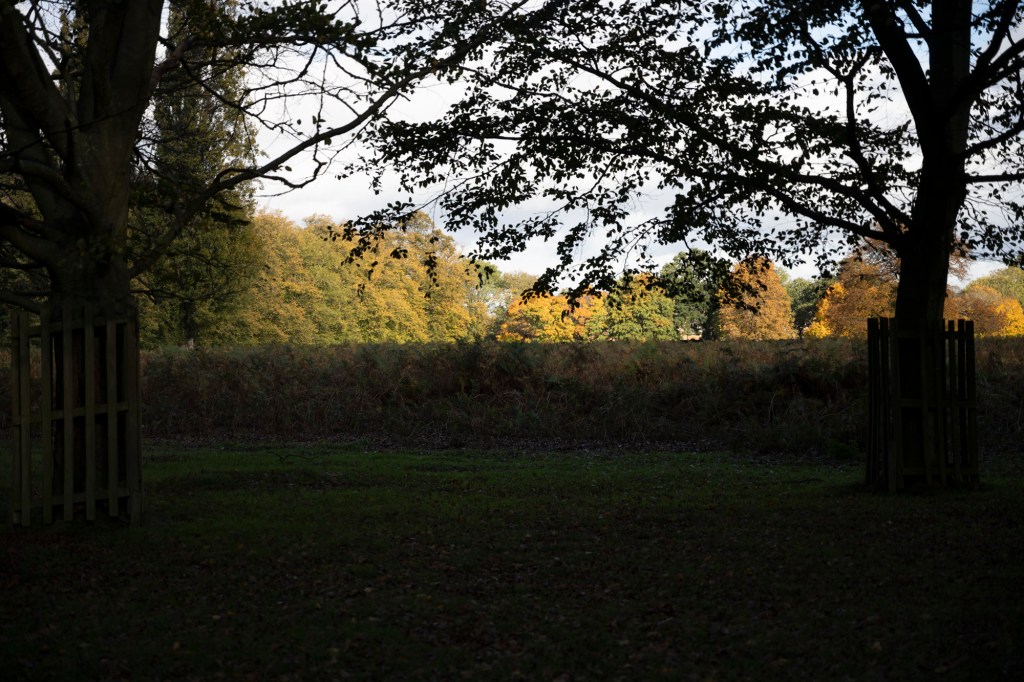
I then walked to the other side of this copse as I had spotted these two hawthorns.
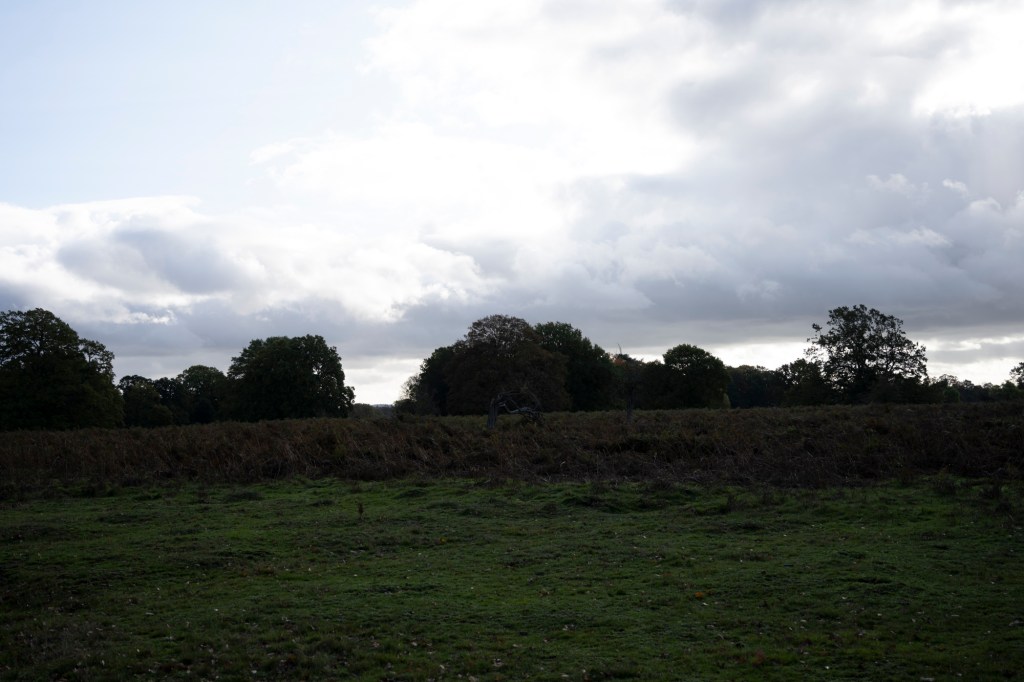
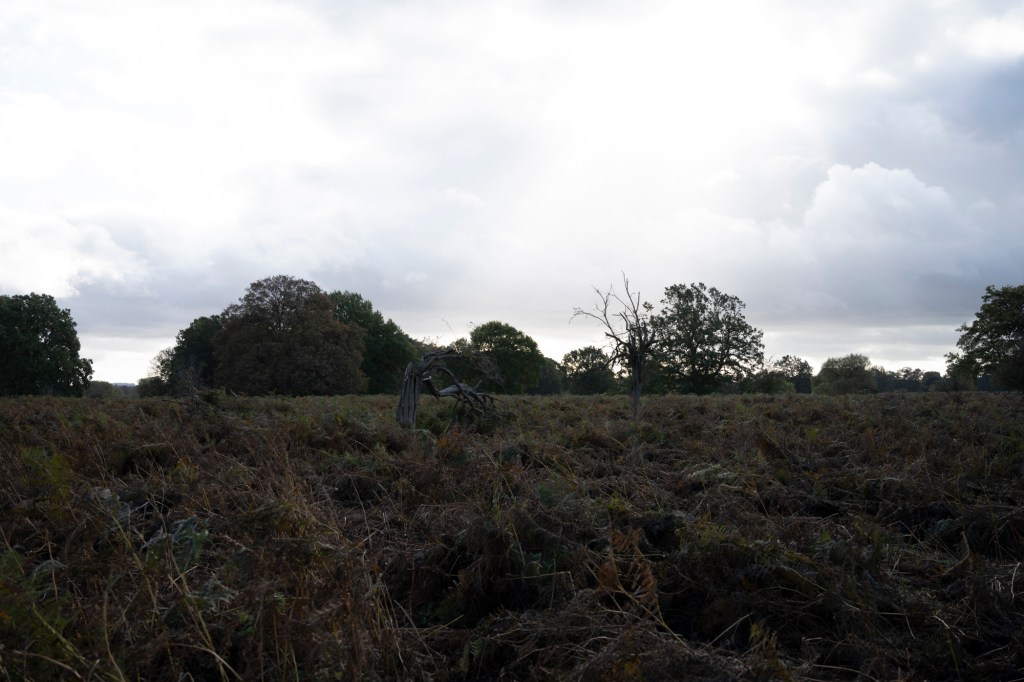
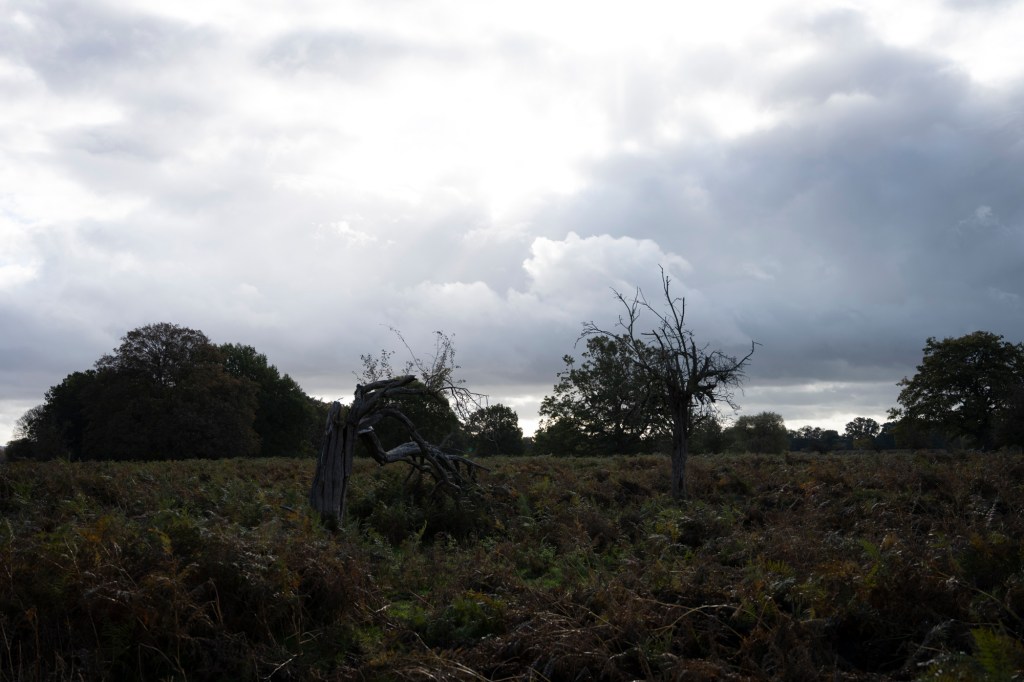
As I got closer, I took a shot of the hawthorn on the left.
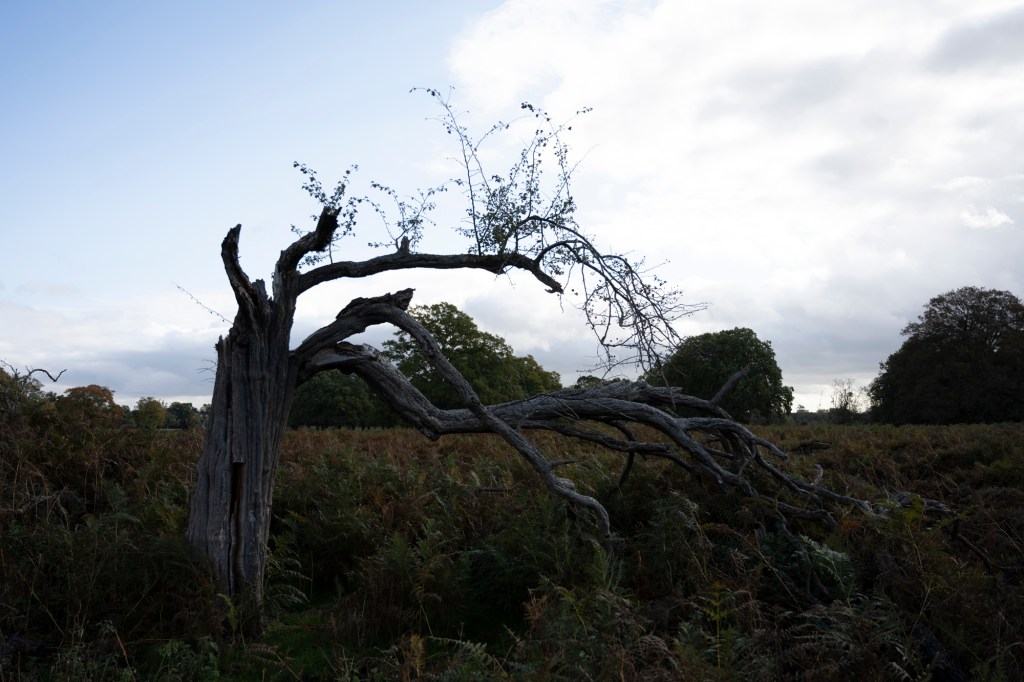
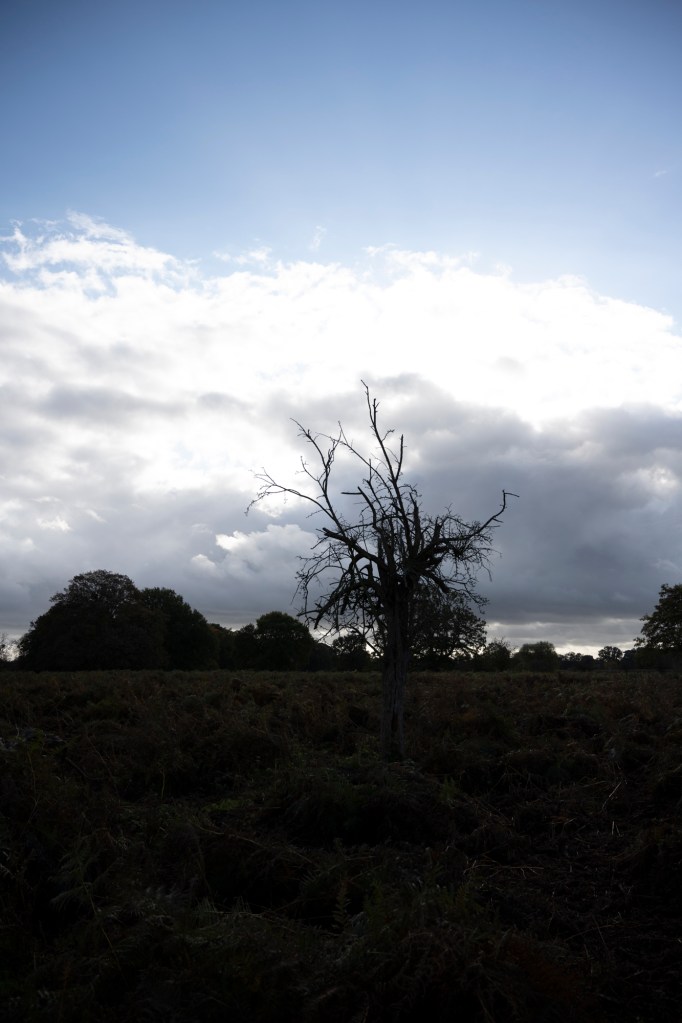
I then focused on the hawthorn on right, taking shots around the tree and focusing on some details.
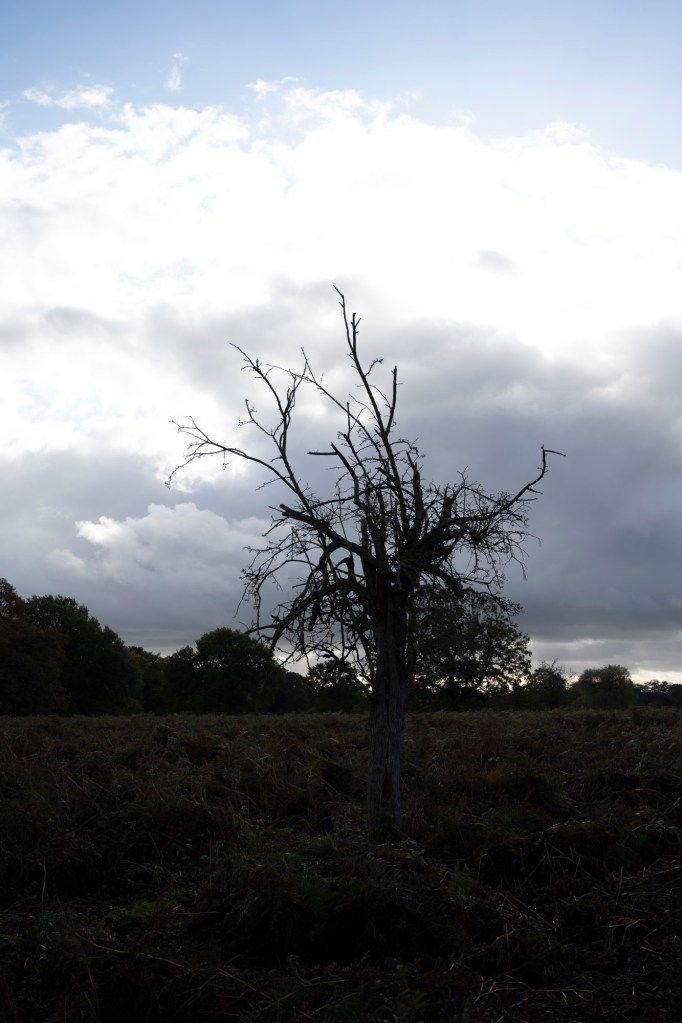
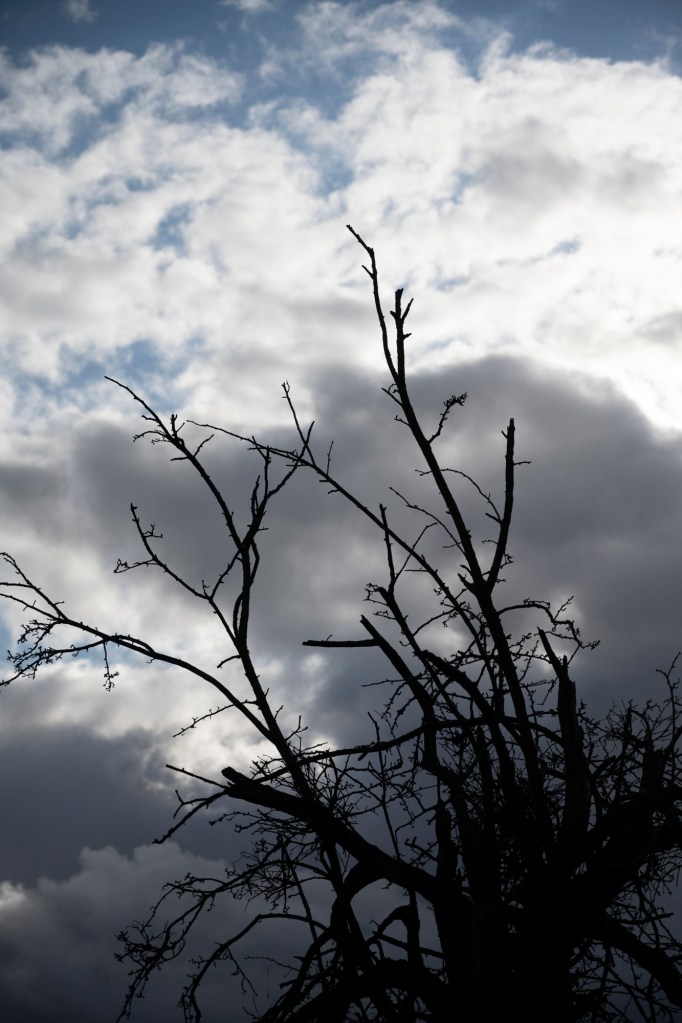
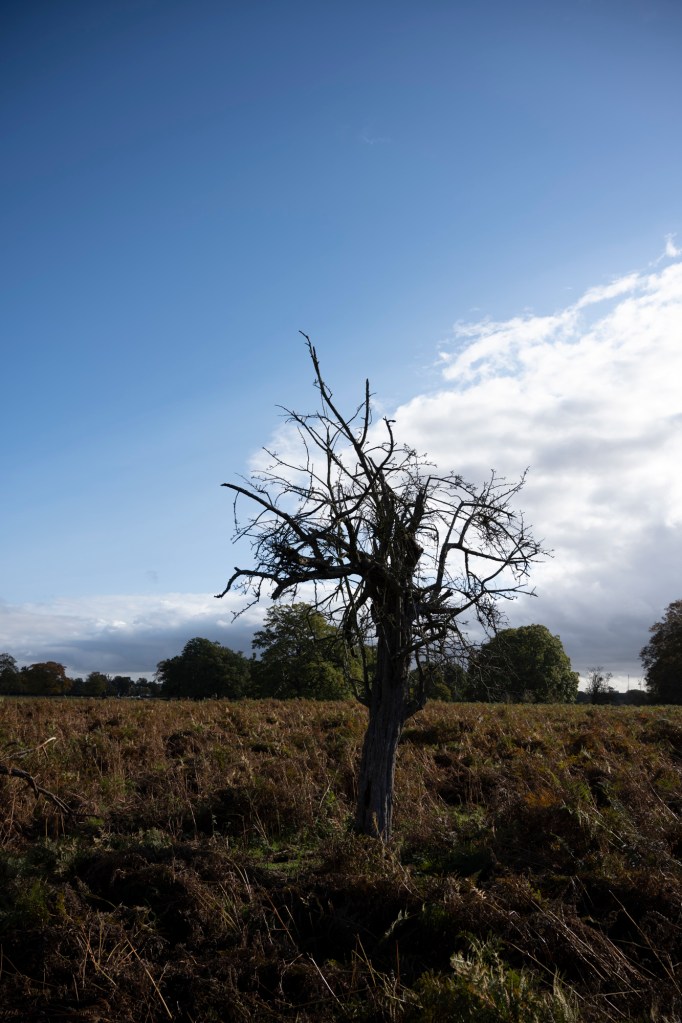
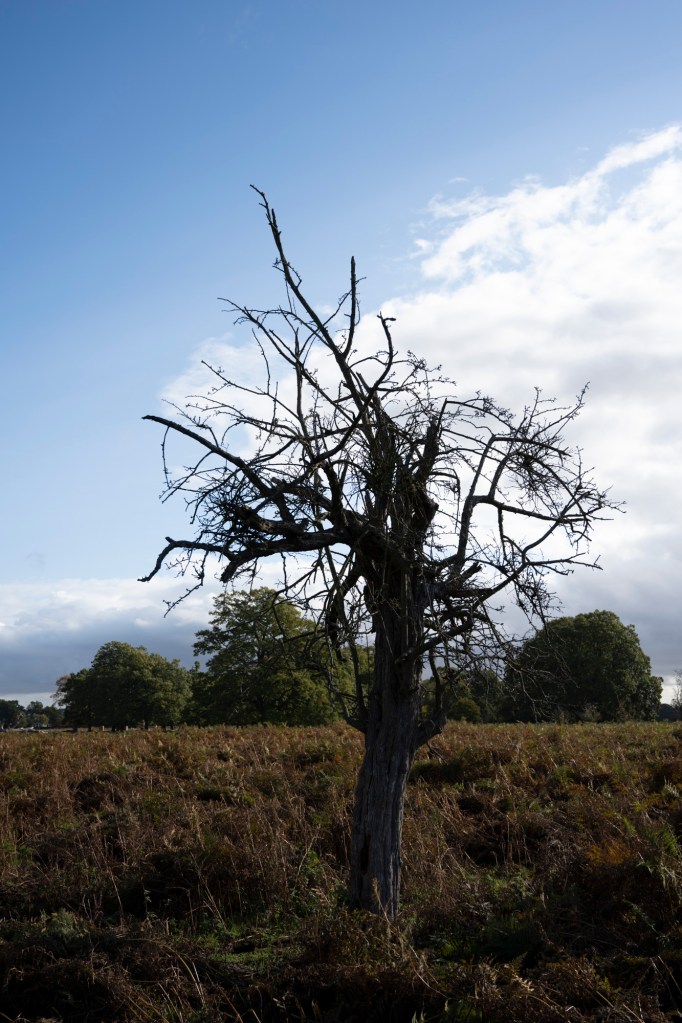
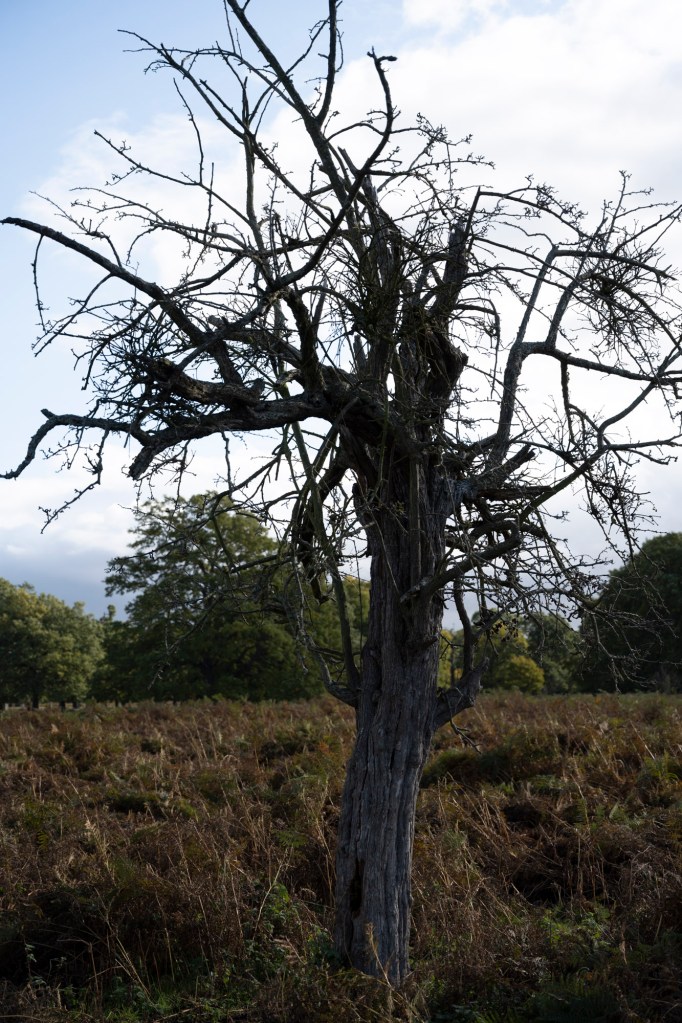
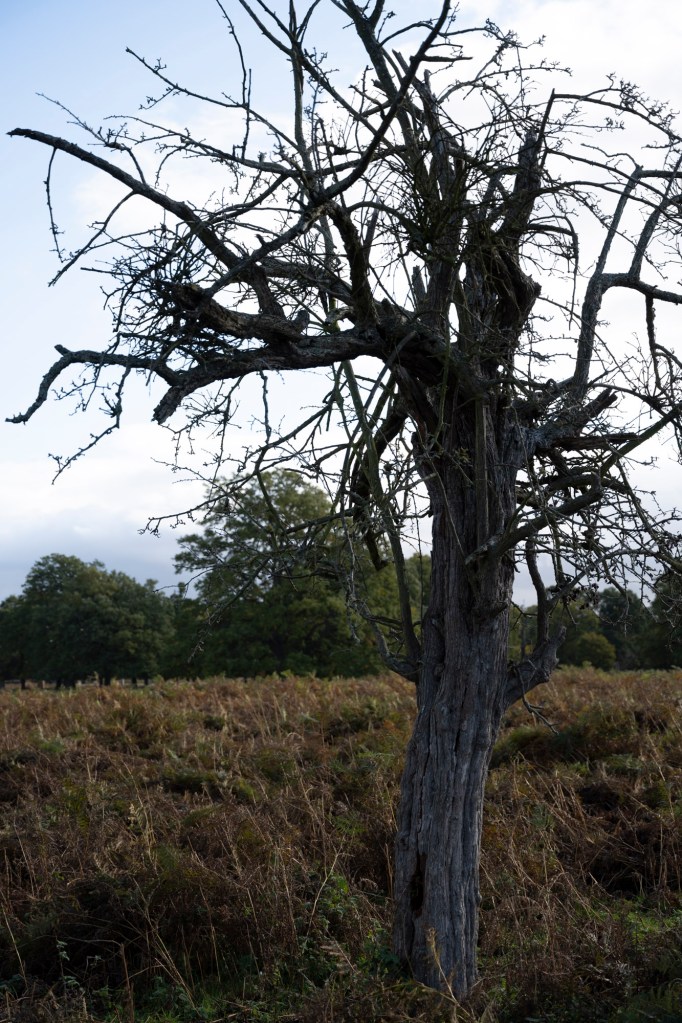
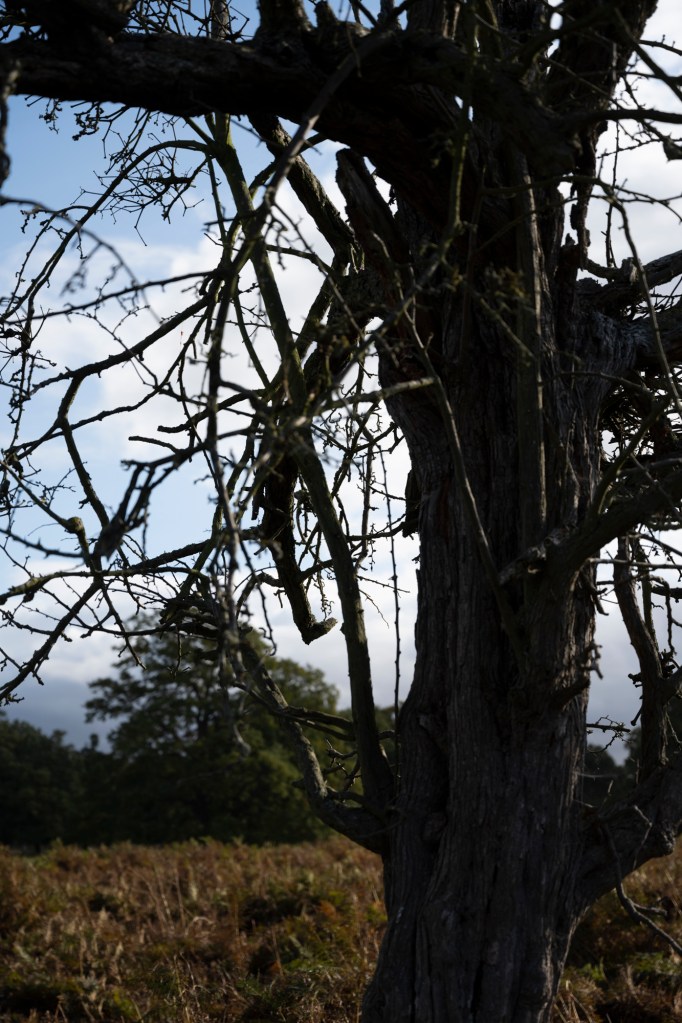
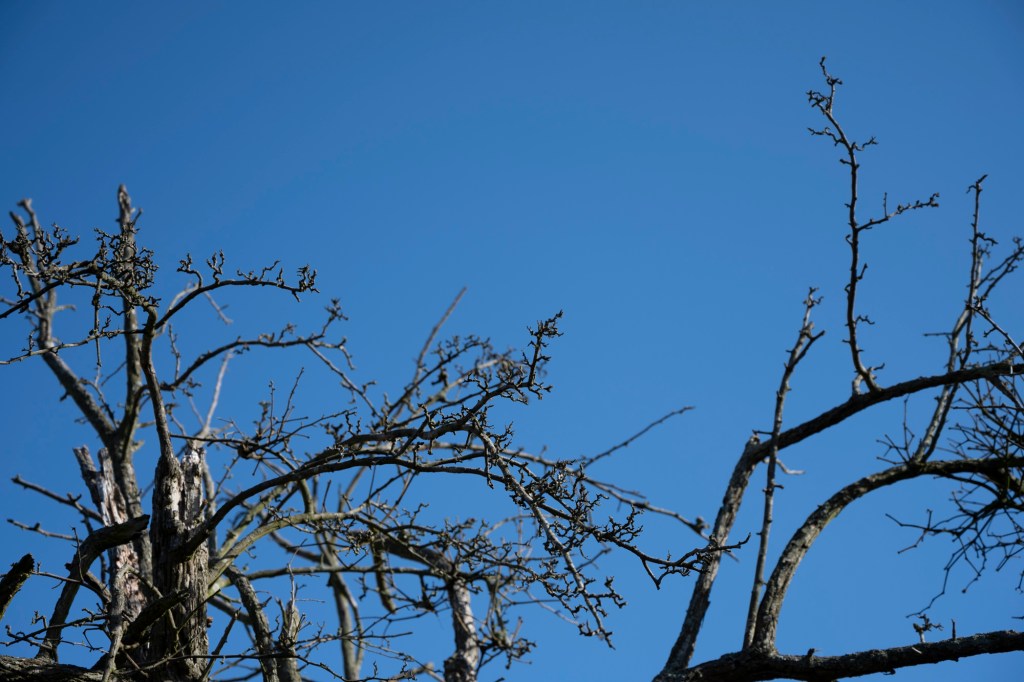
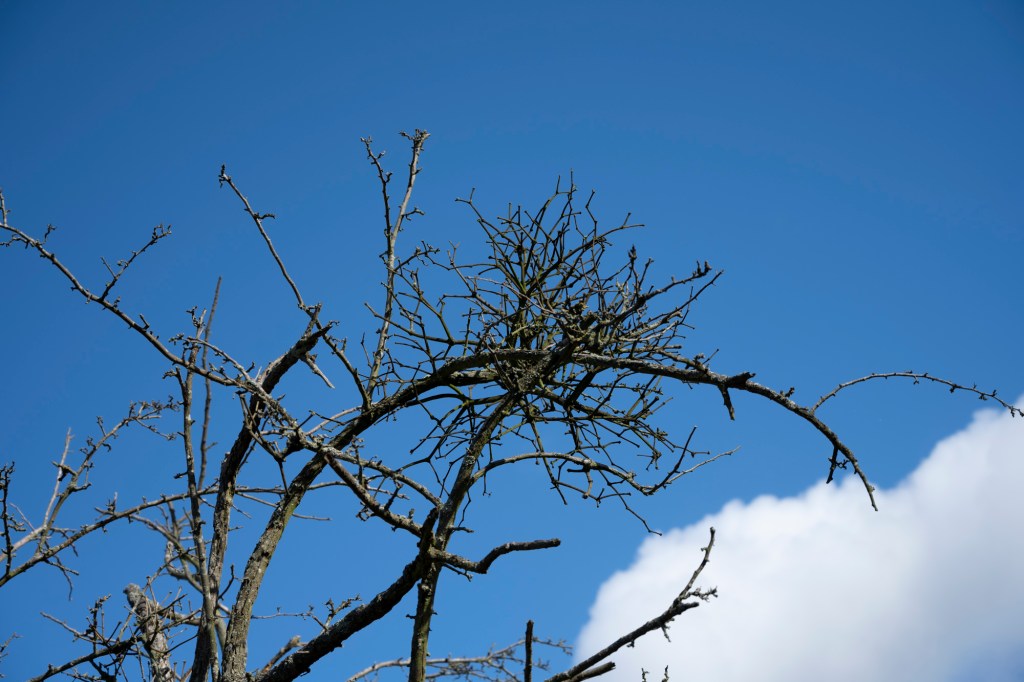
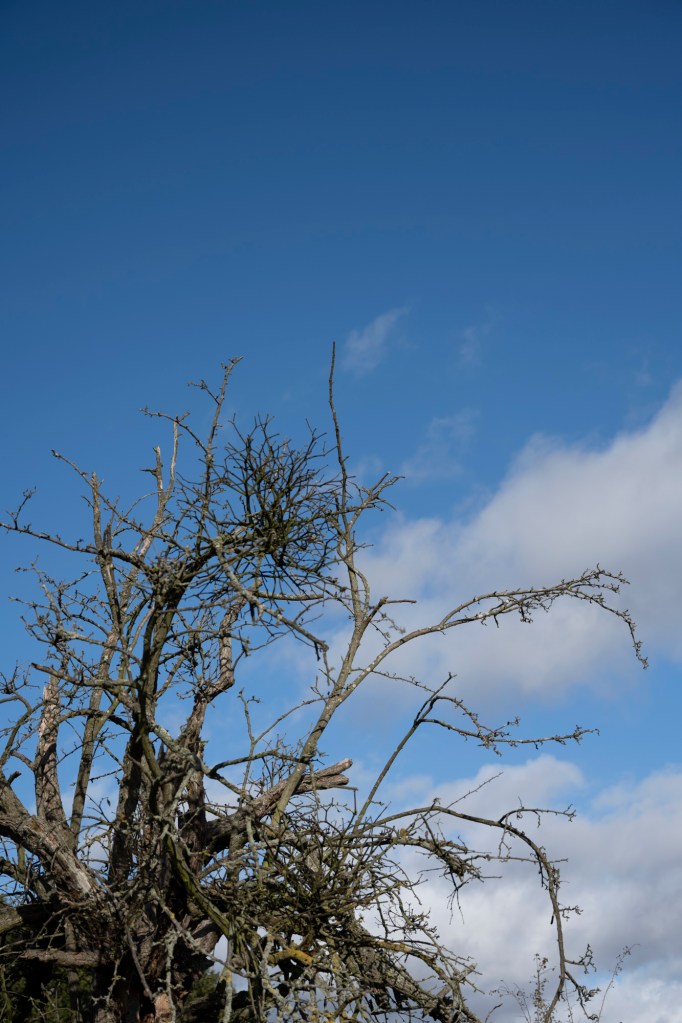
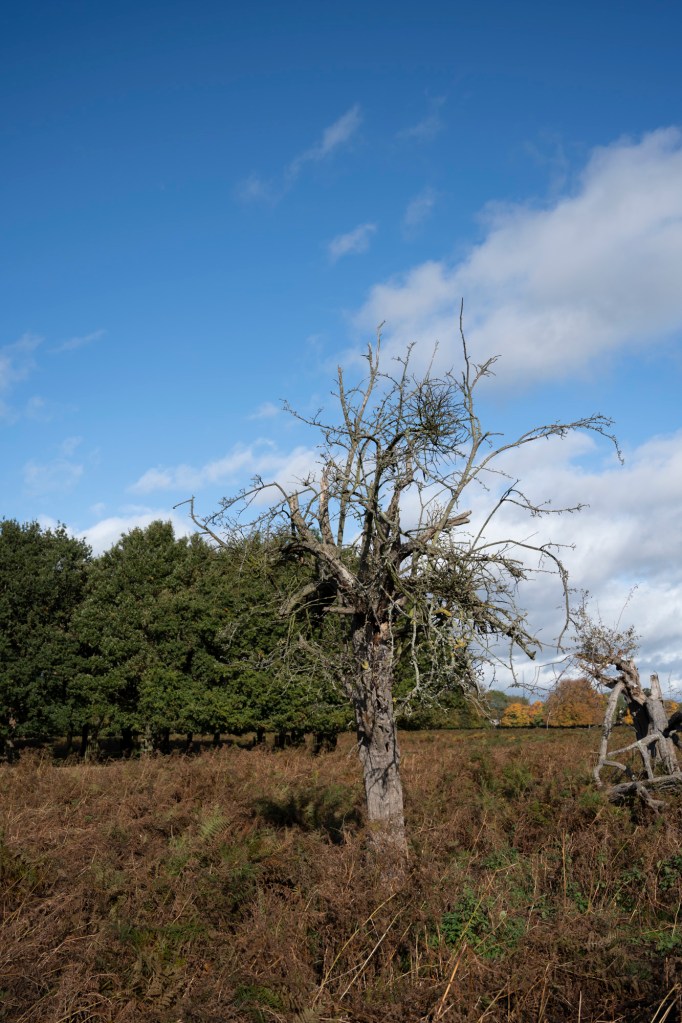
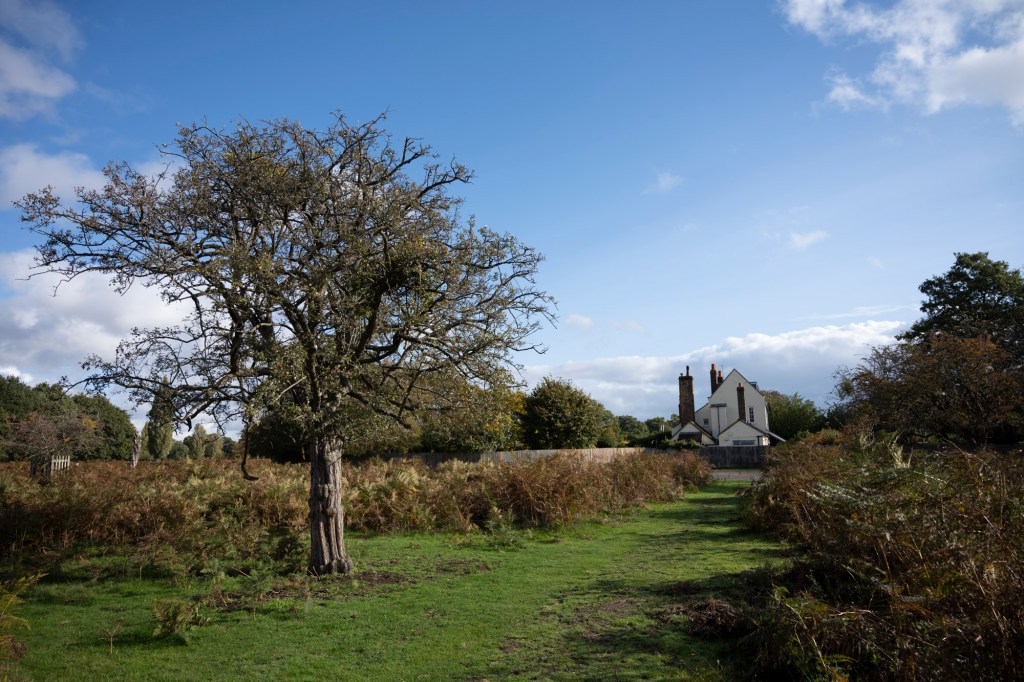
I then walked towards a house that is situated nearby, tellingly called Hawthorn Lodge. Next to the surrounding fence was another protected hawthorn. I took photos of this particular specimen, as it featured mistletoe within its branches. I know that this is the sign of an Ancient tree, but it seemed to contradict the full definition. This is something that I may need to revisit.
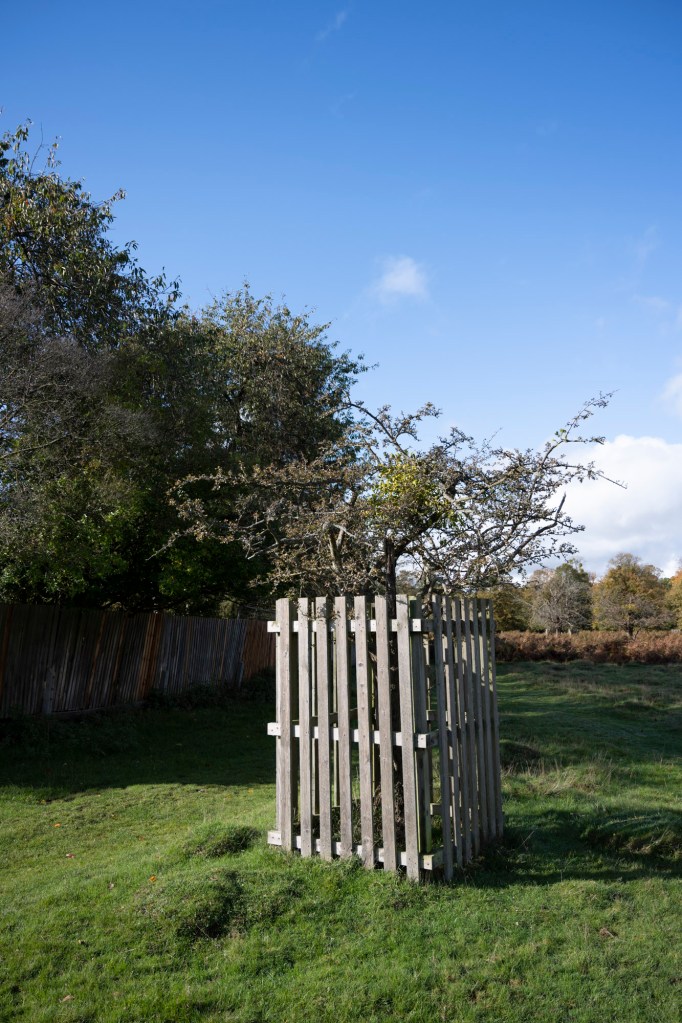
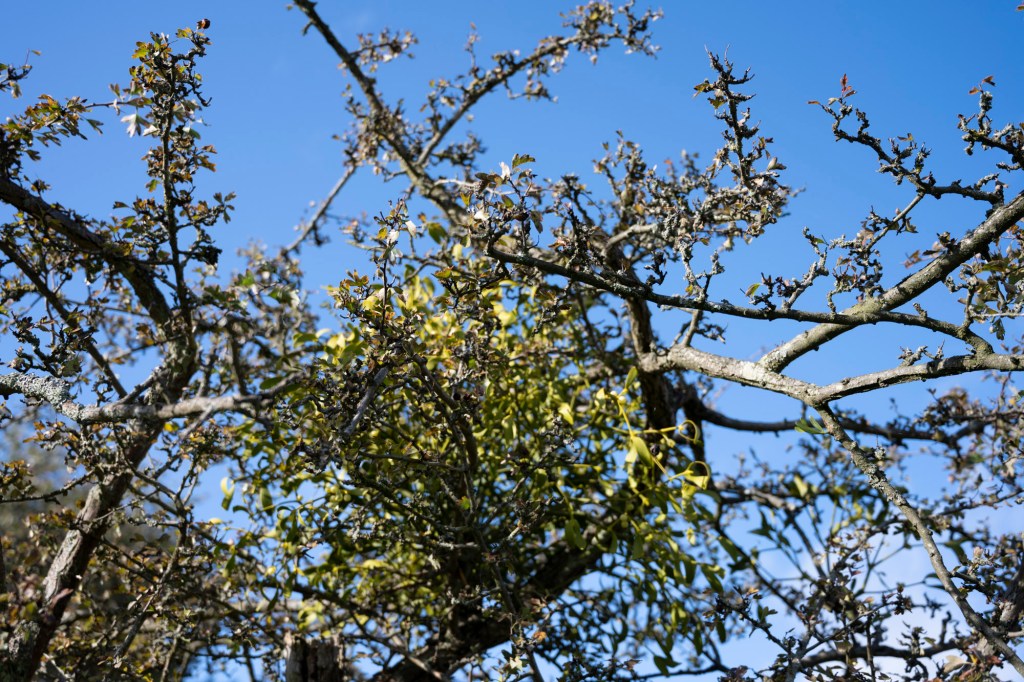
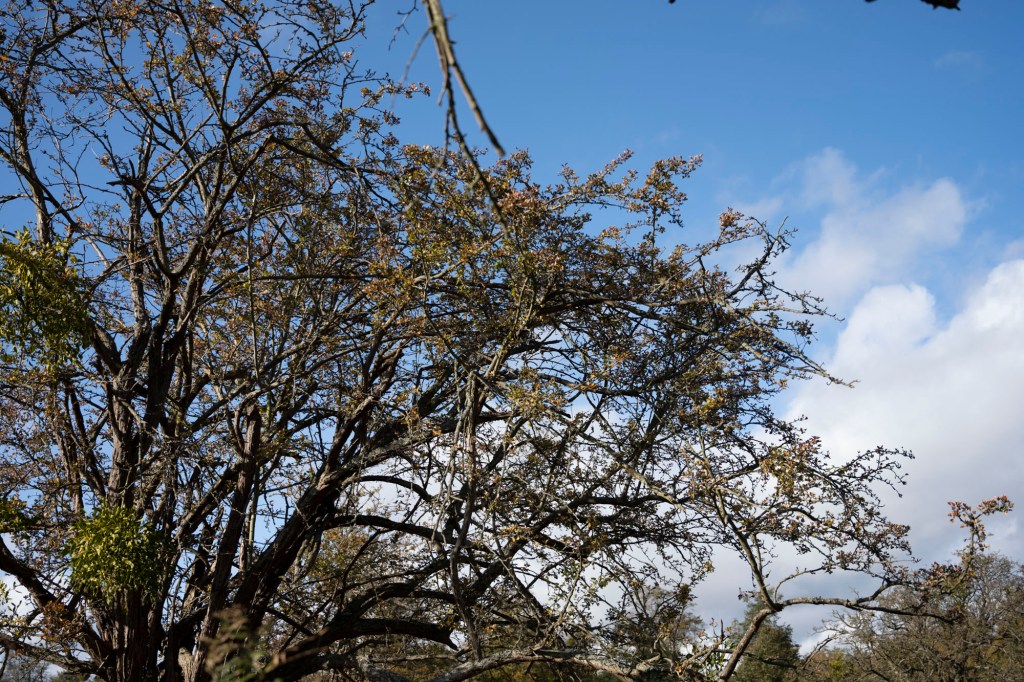
While continuing around the perimeter fence of Hawthorn Lodge, I then realised why this building got it’s name.
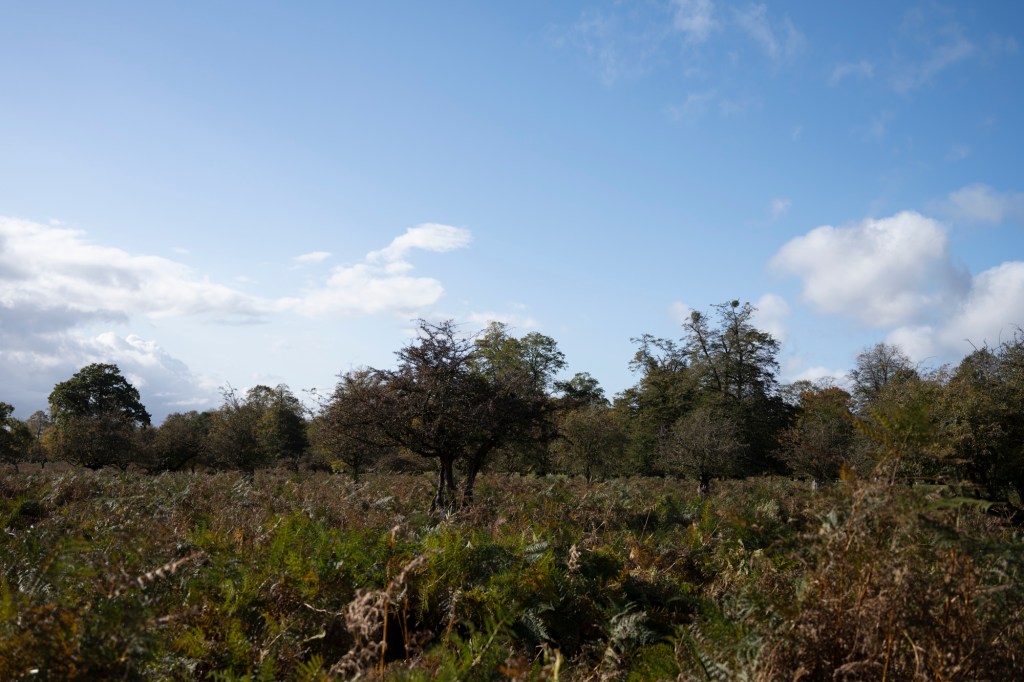
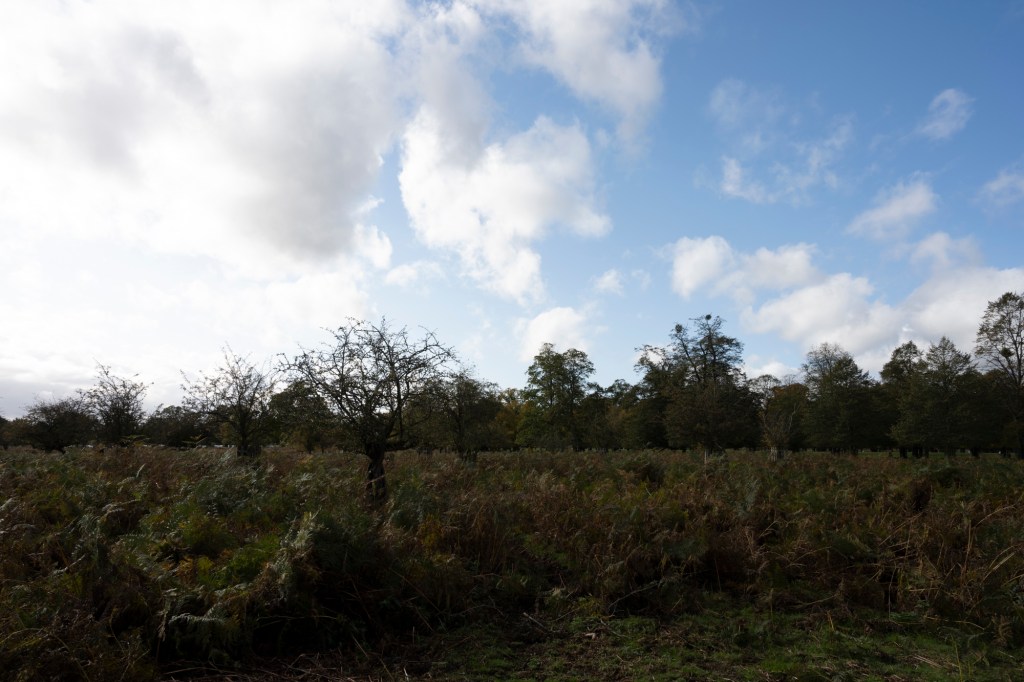
There was a whole grove of hawthorn trees. While taking this in, I thought the best approach was to focus on just four trees.
Tree One
Before I started taking photos, I measured the trunk of the tree. It was 125cms. In theory, it fitted the criteria of an Ancient tree as it also featured other aspects connected to a tree of this age (before completing this post, I had looked up signs of an Ancient hawthorn tree utilising this criteria in relation to this project, but not sure exactly how at this stage!).
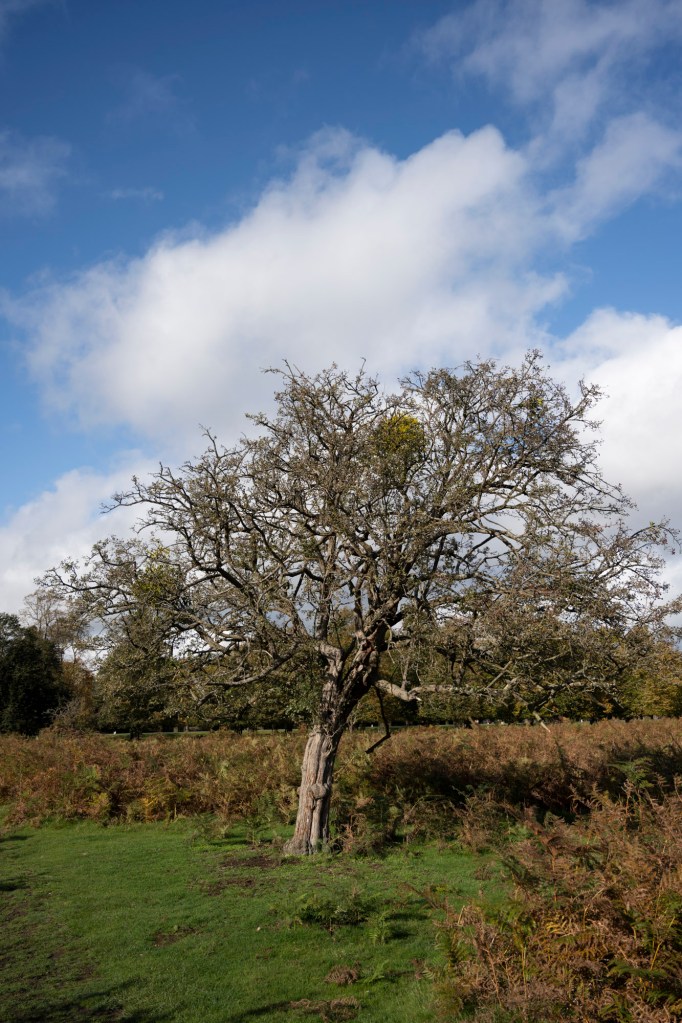
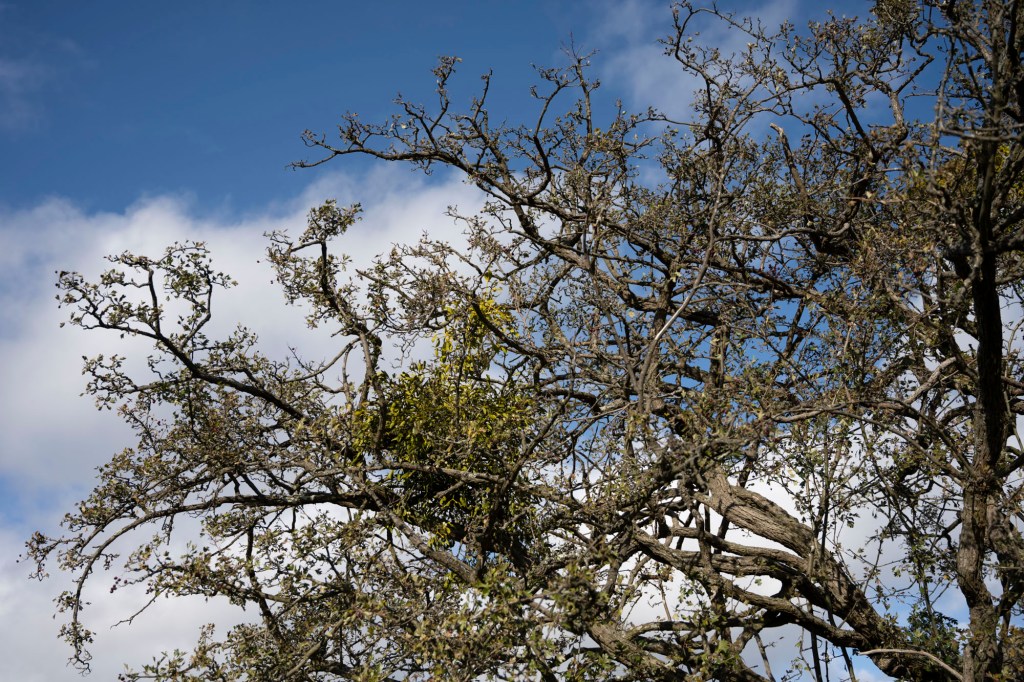
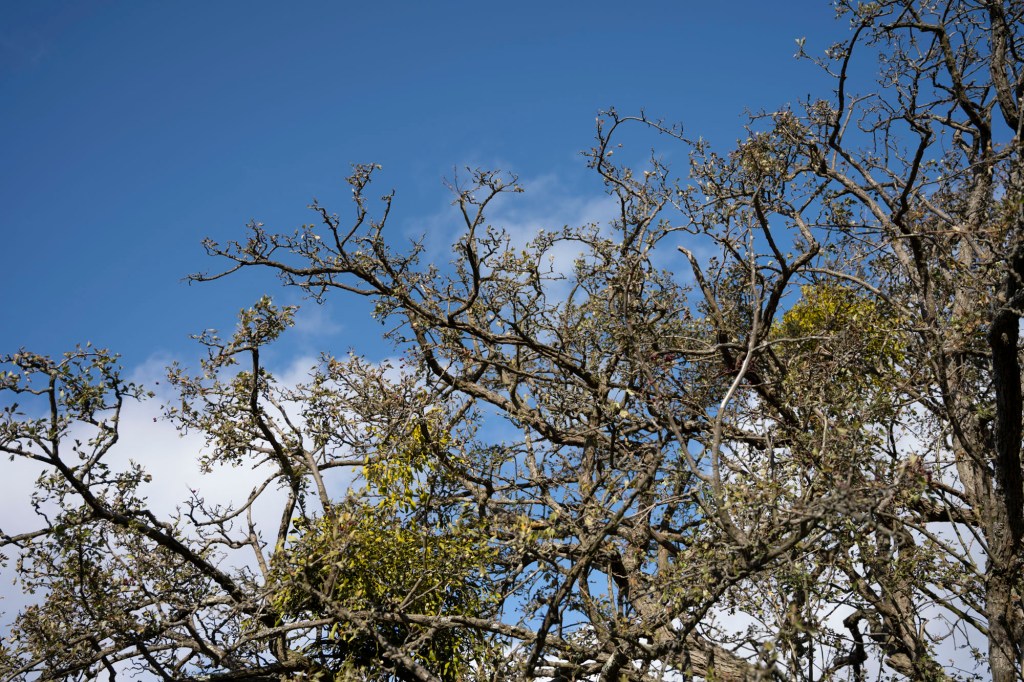
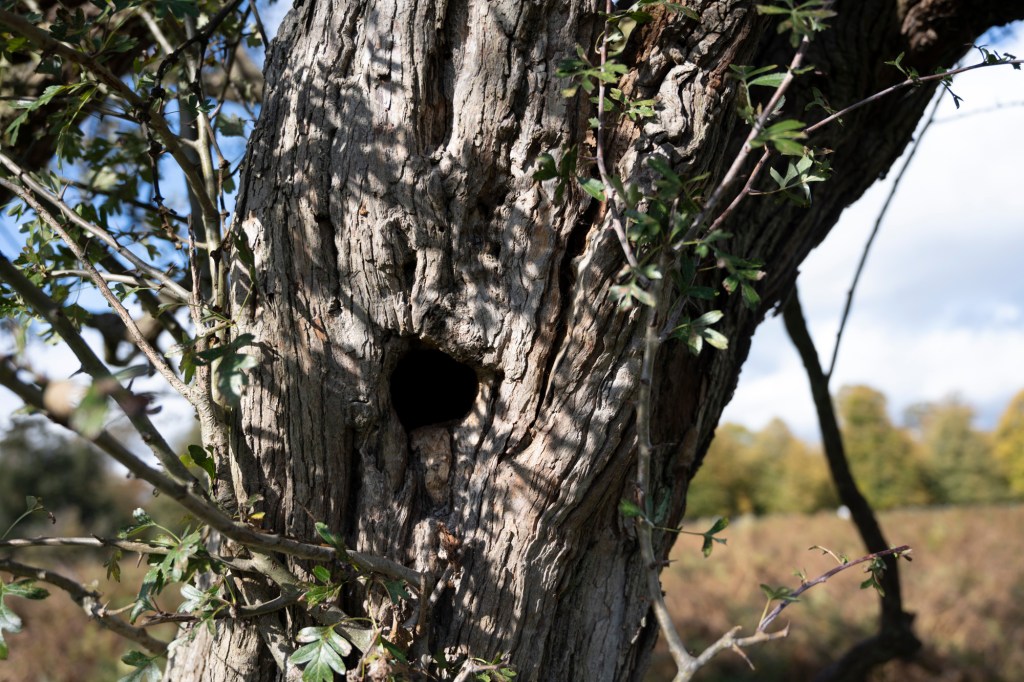
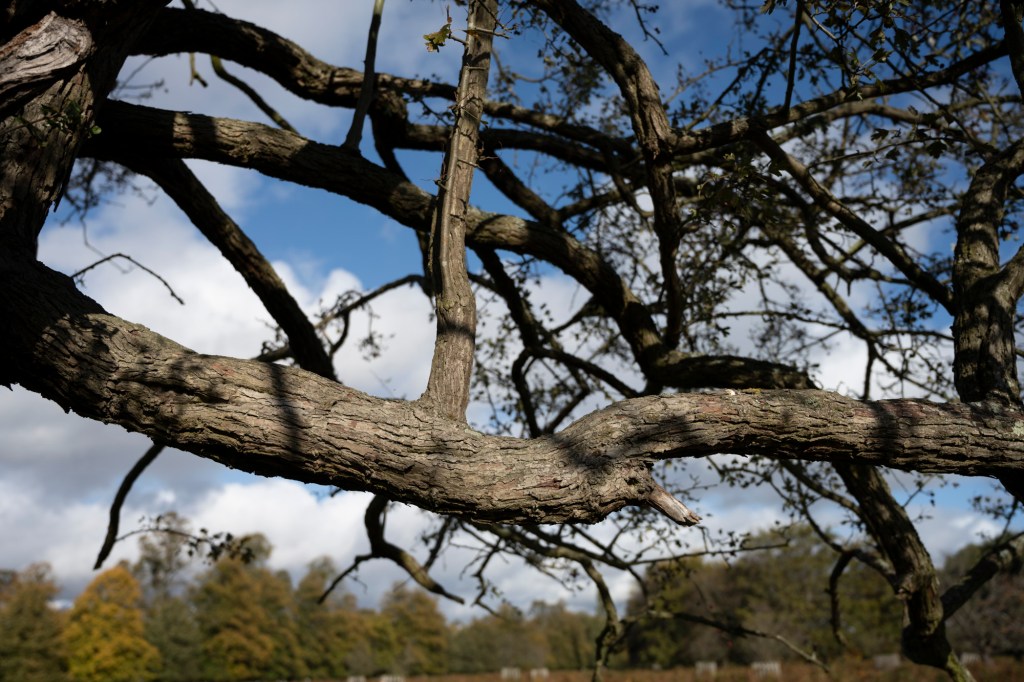
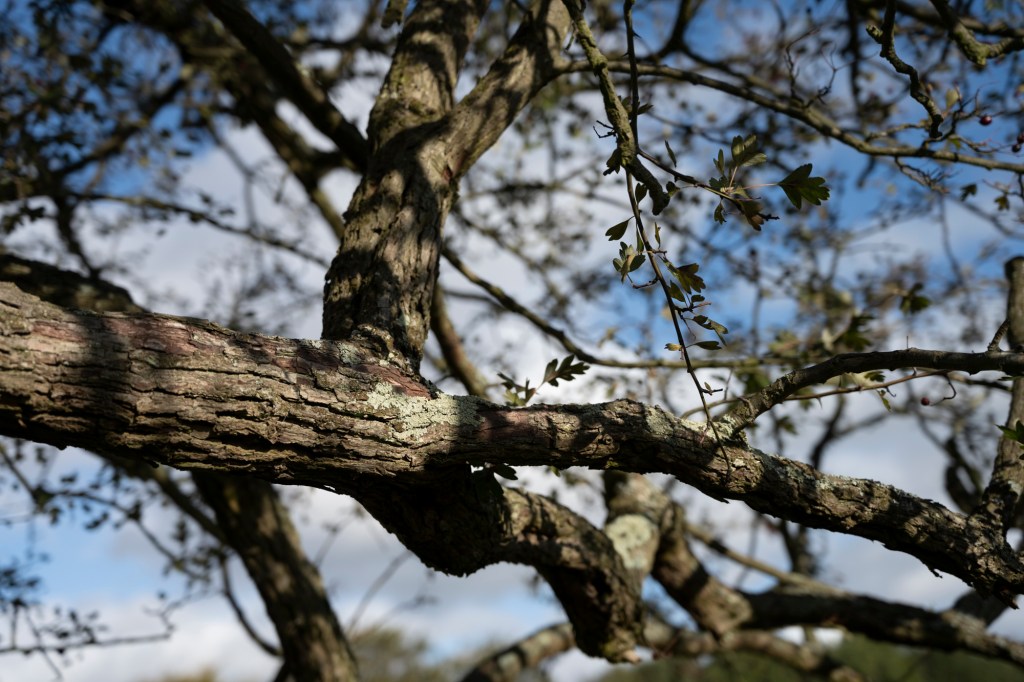
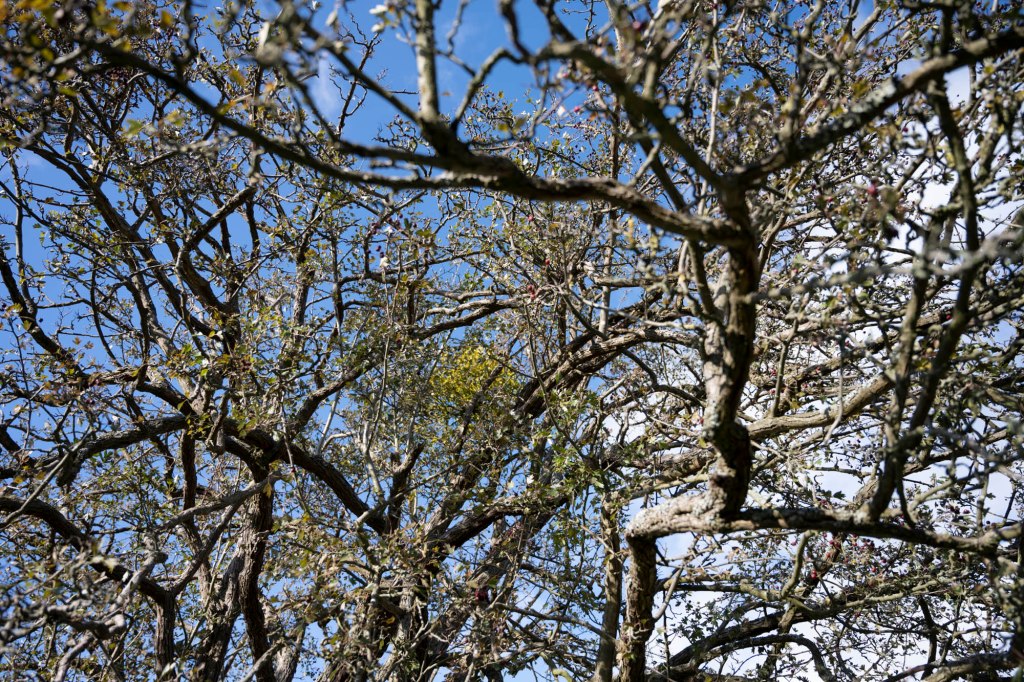
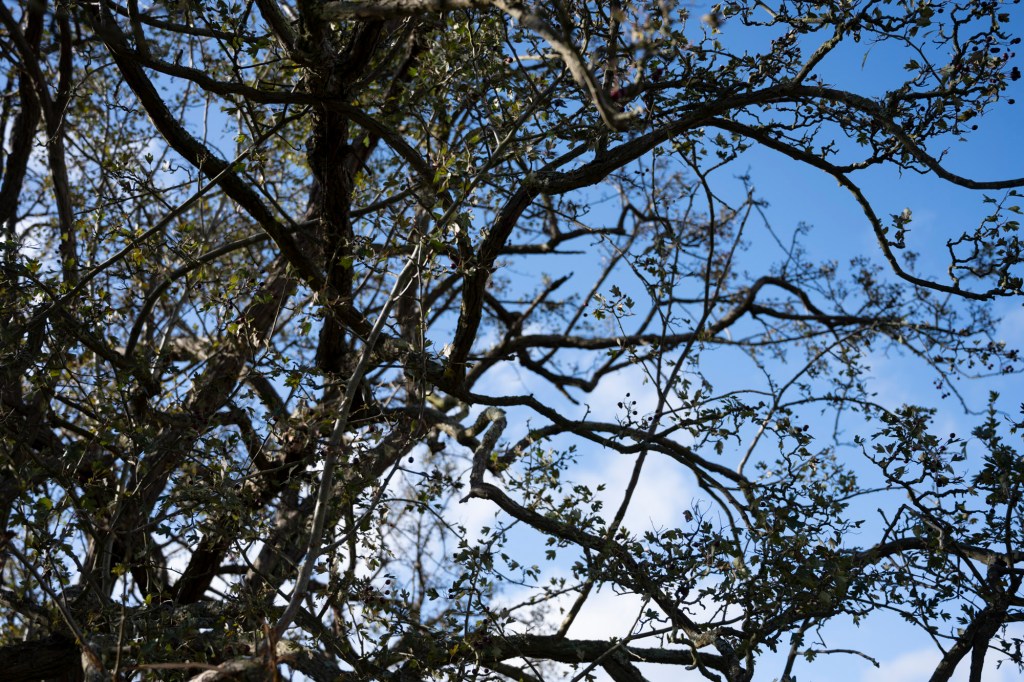
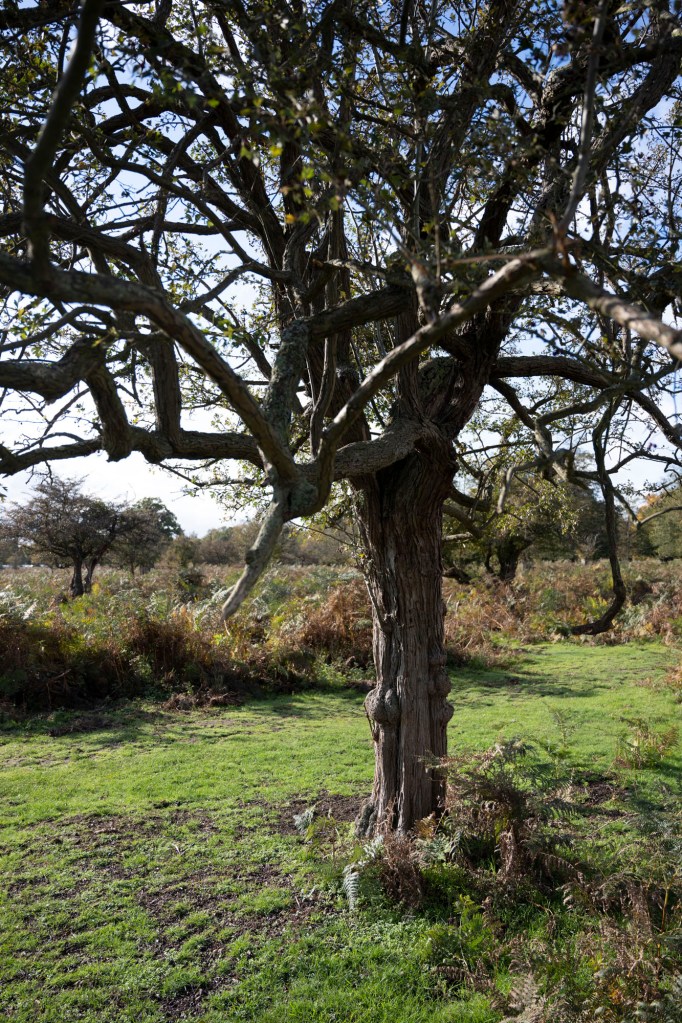
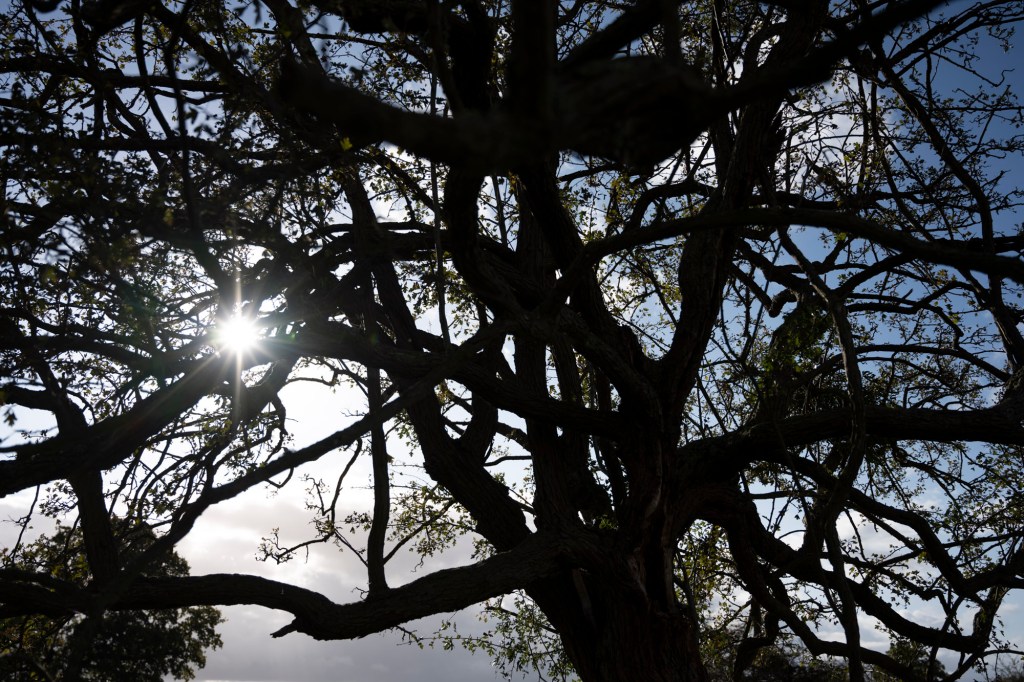
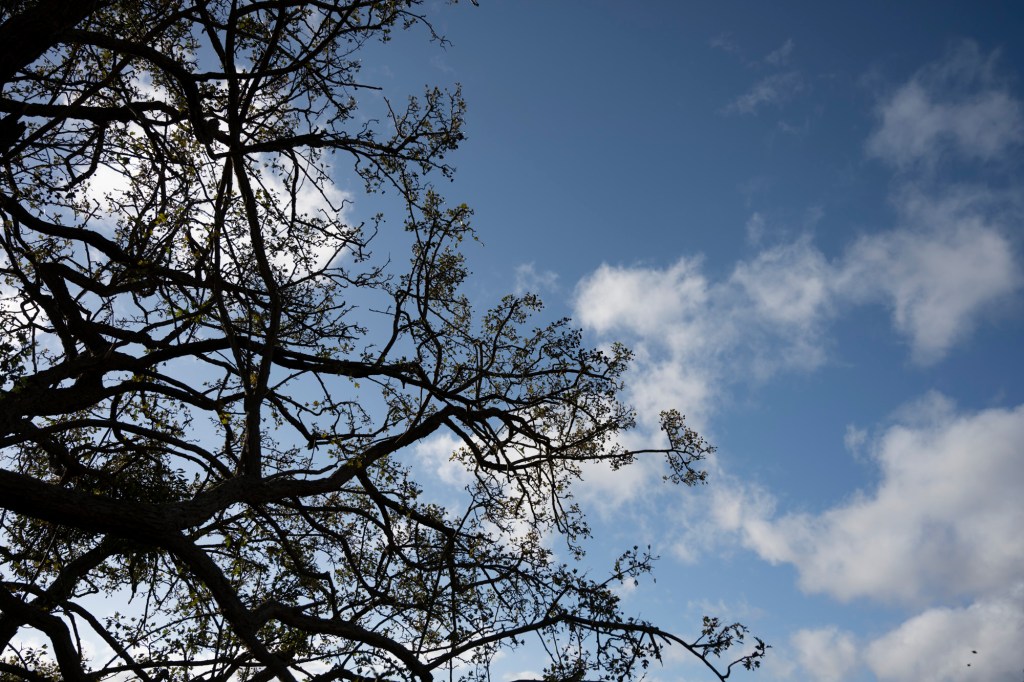
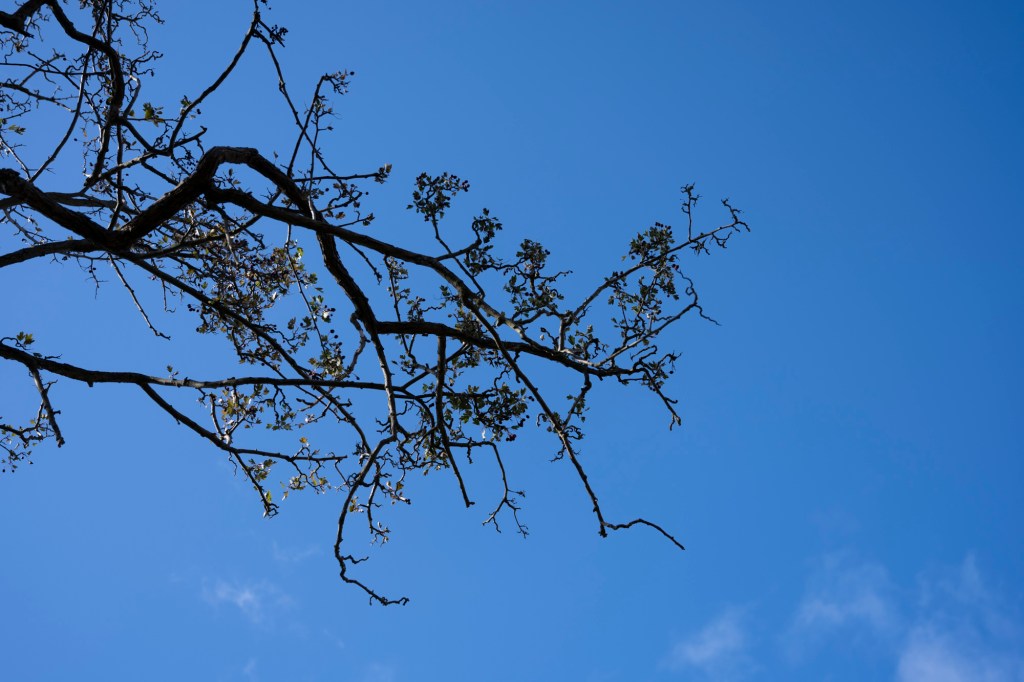
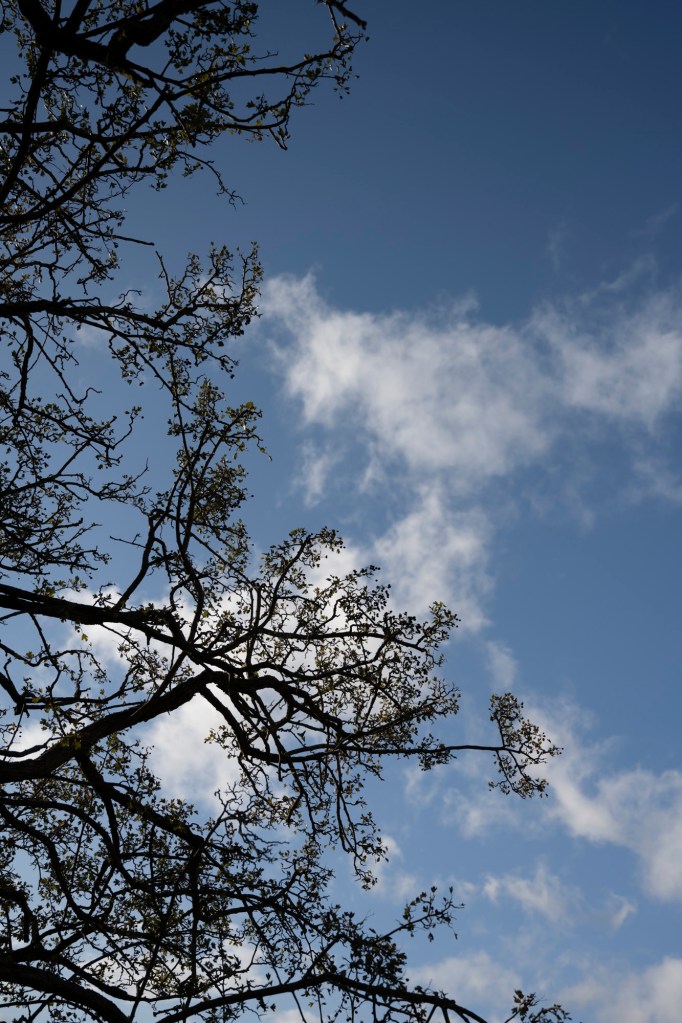
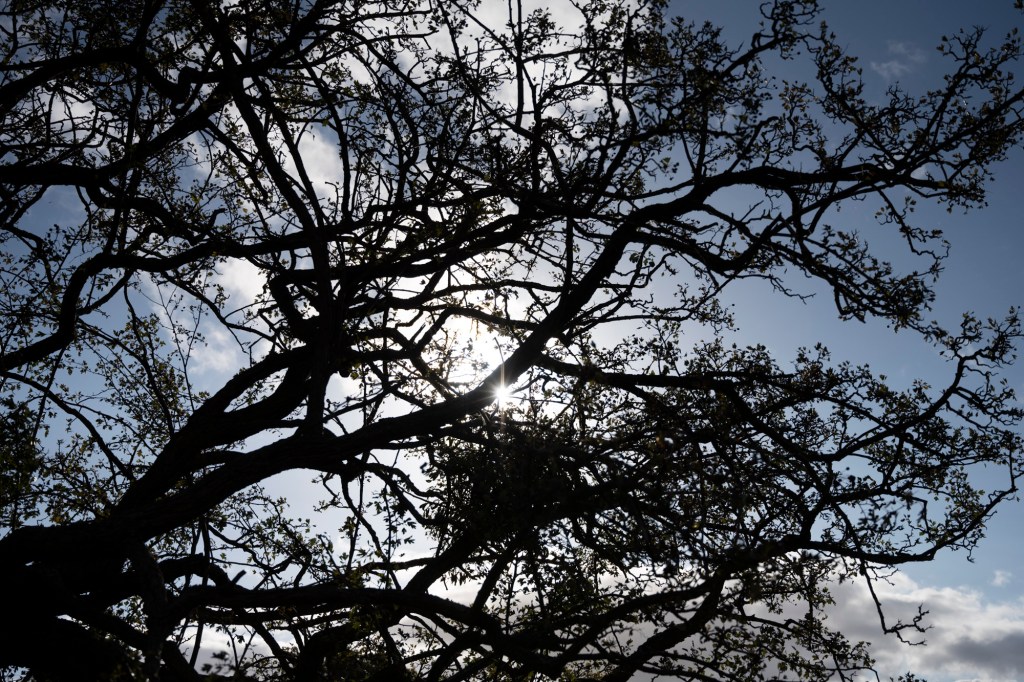
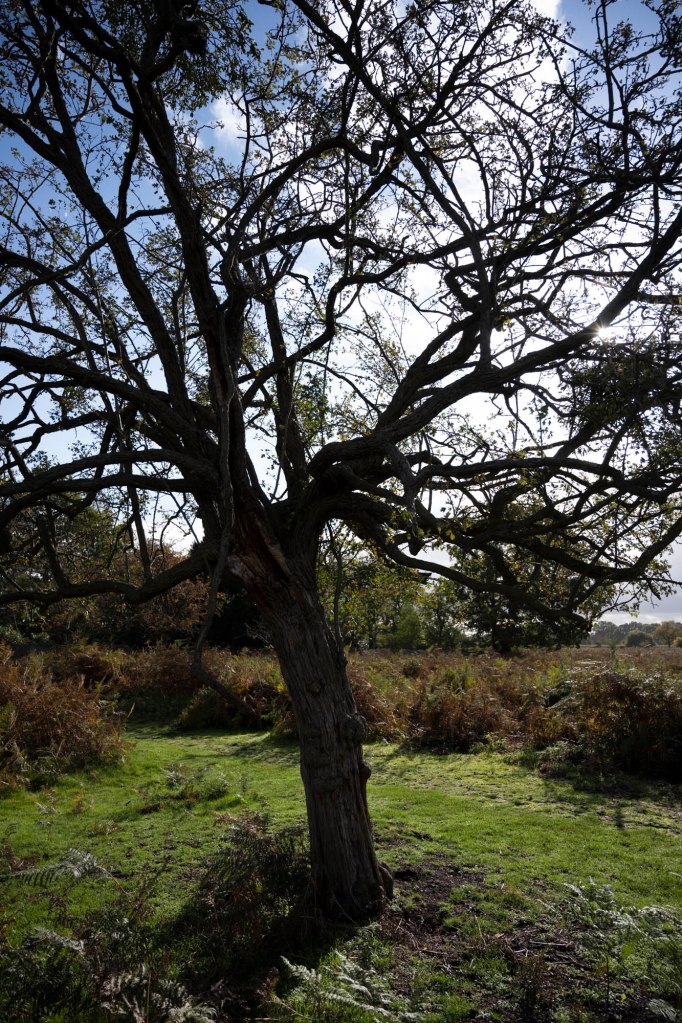
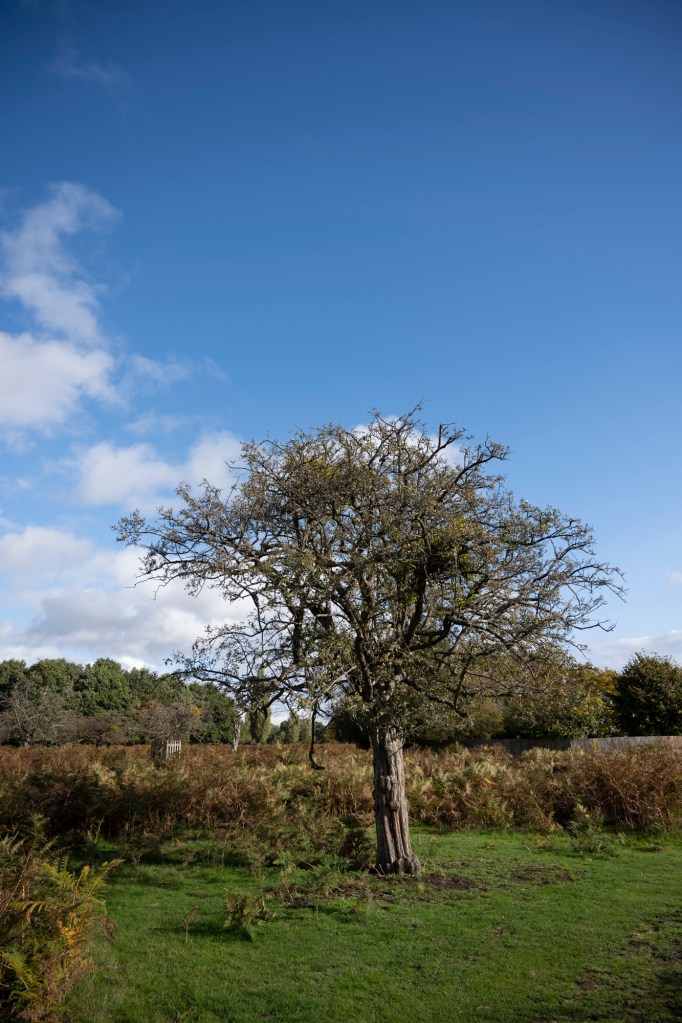
This last image is how this tree looks like in relation to Hawthorn Lodge.
Tree Two
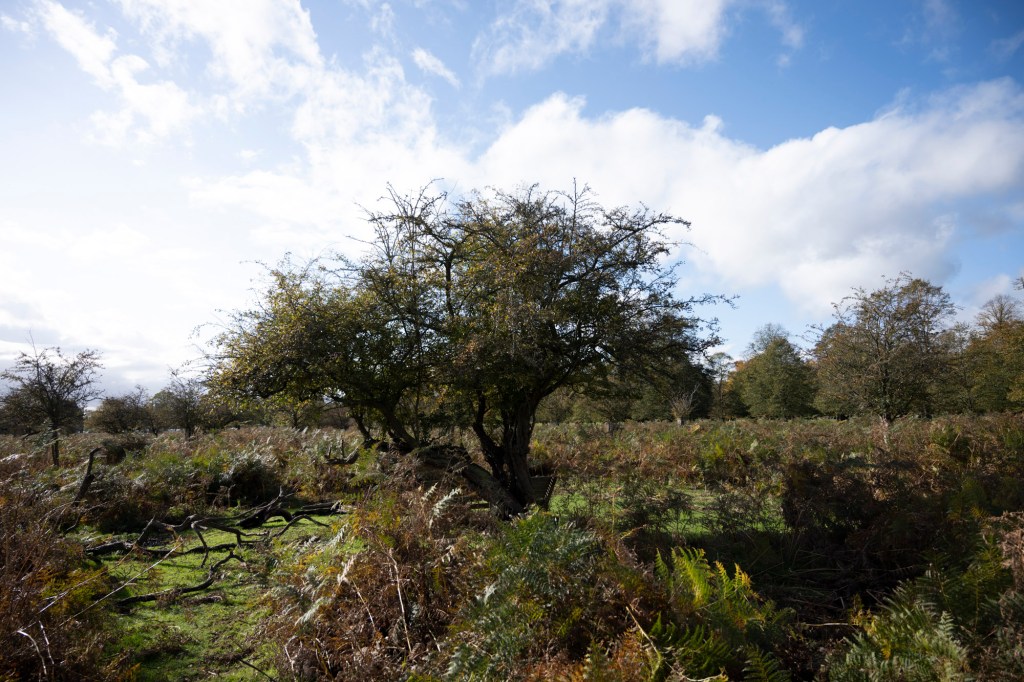
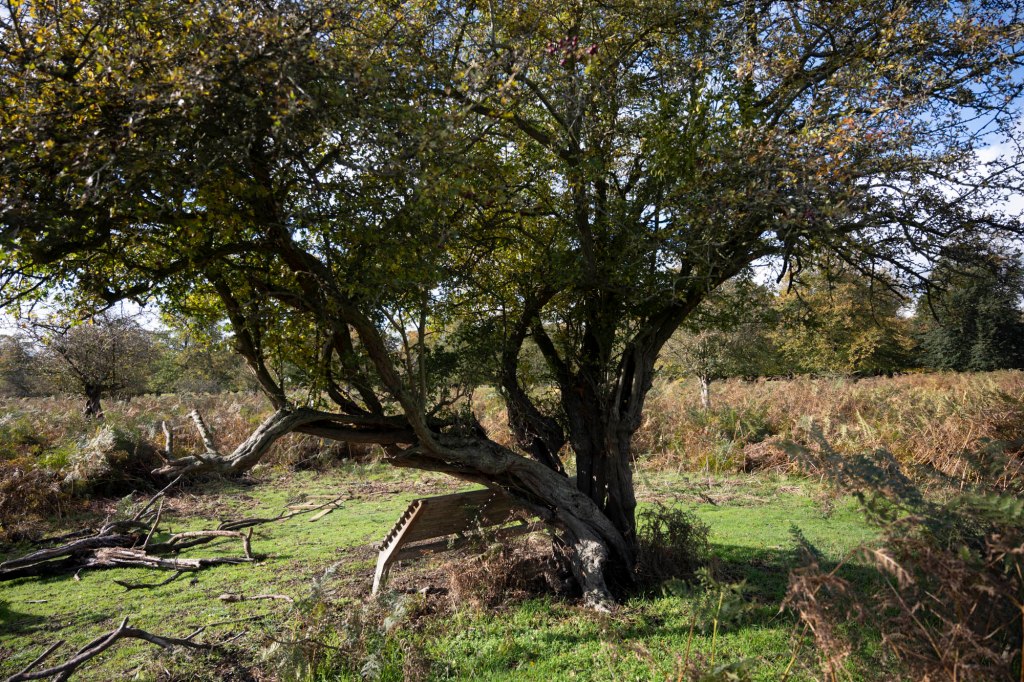
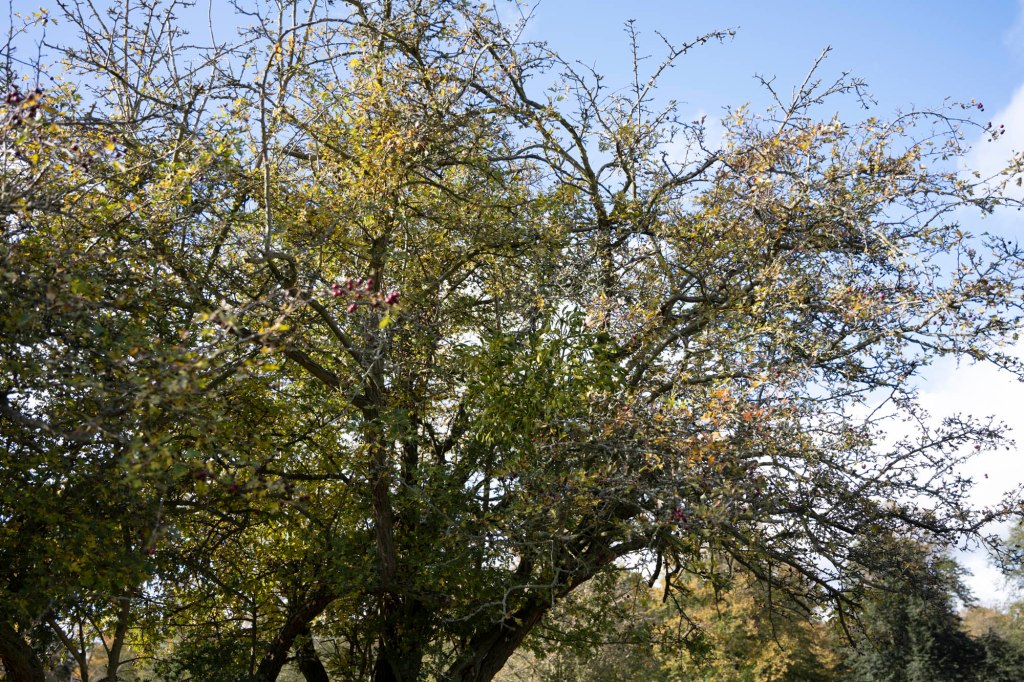
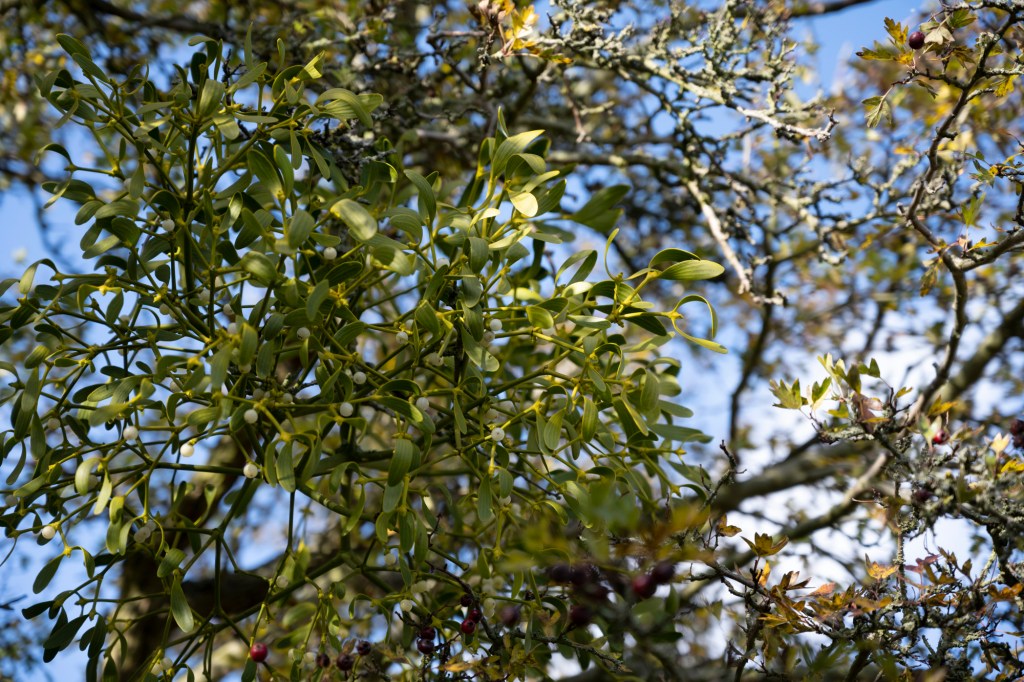
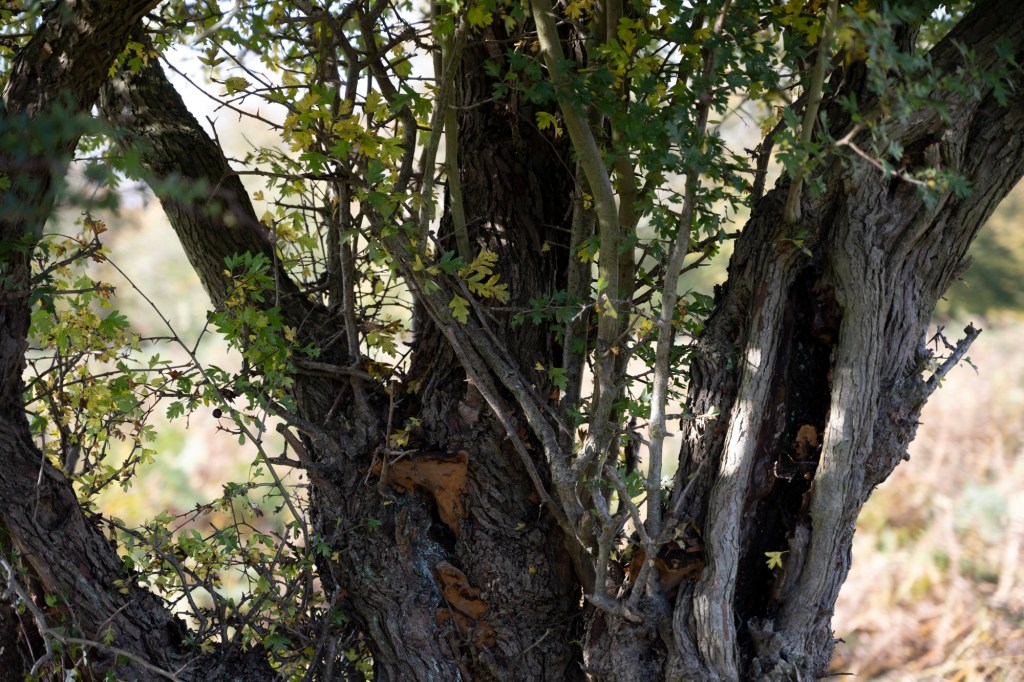
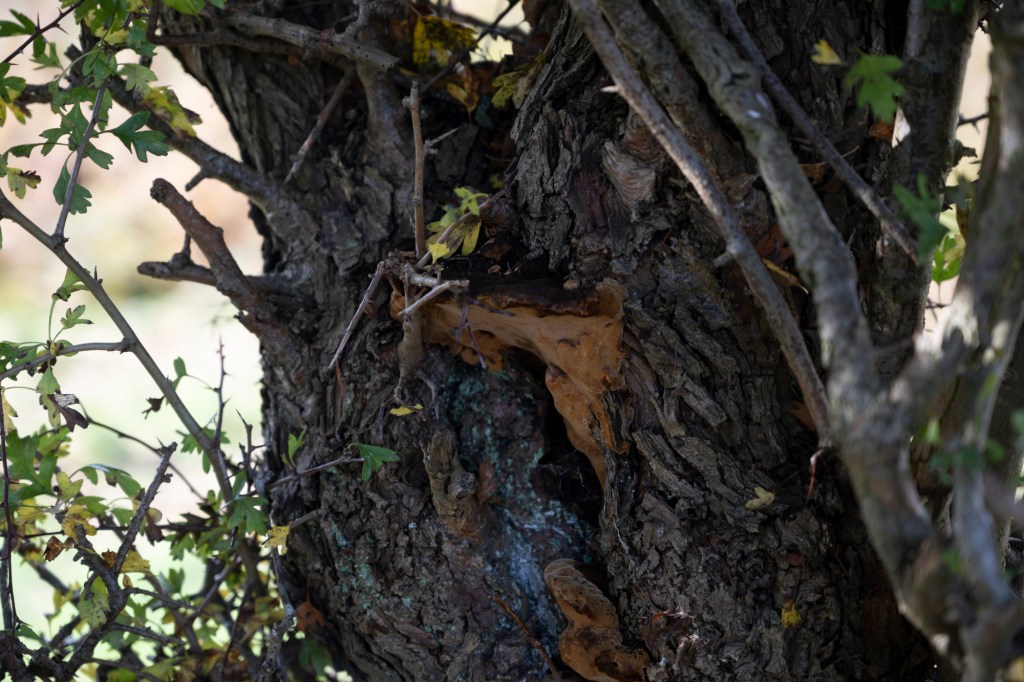
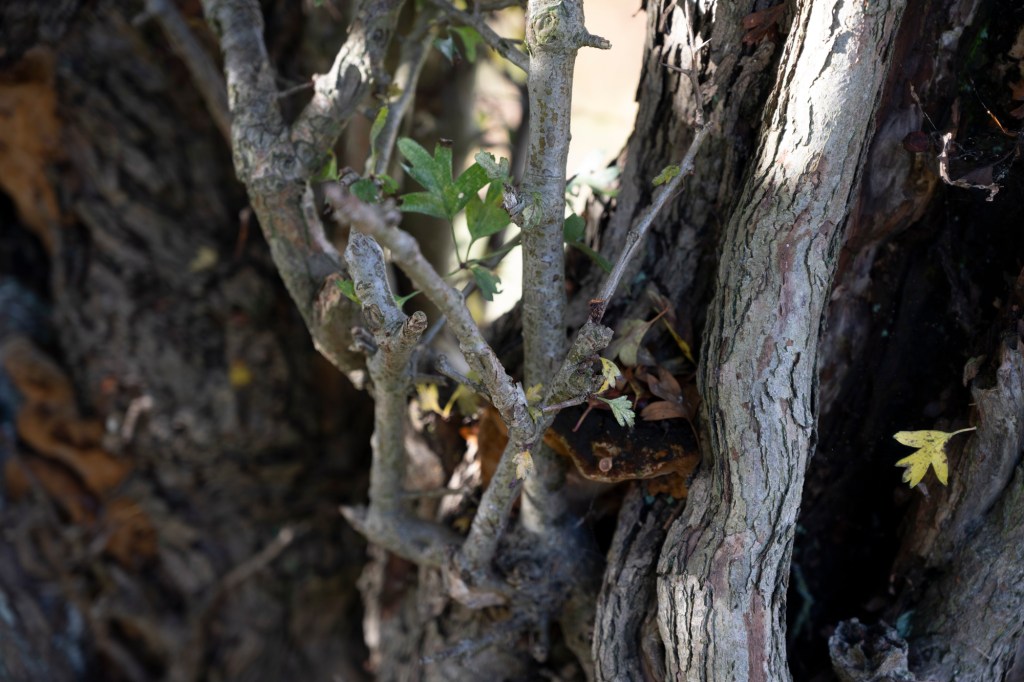
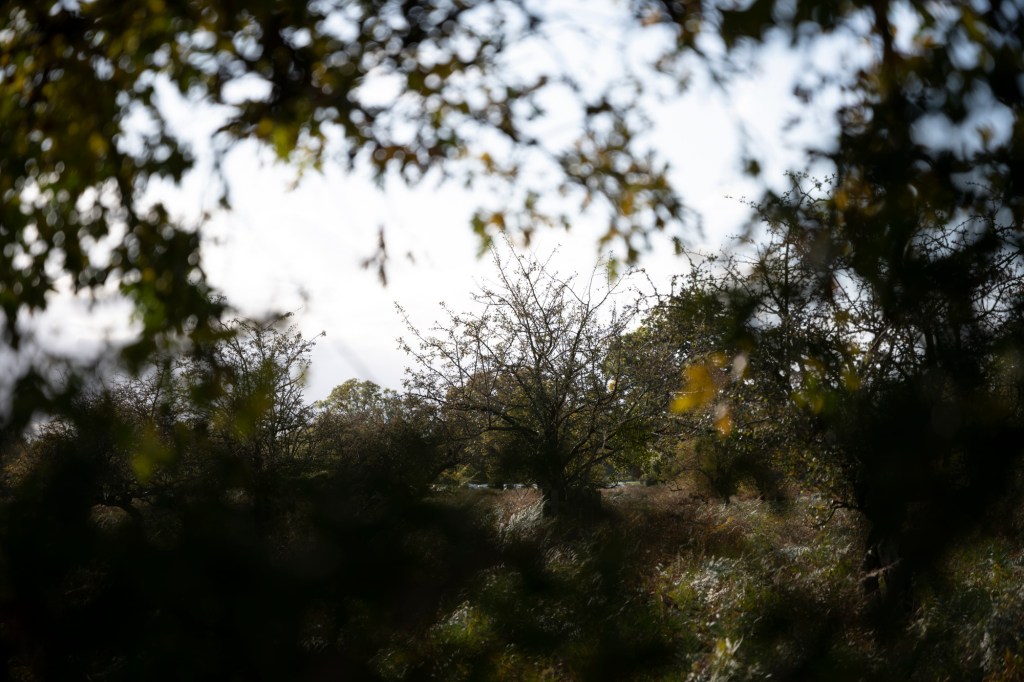
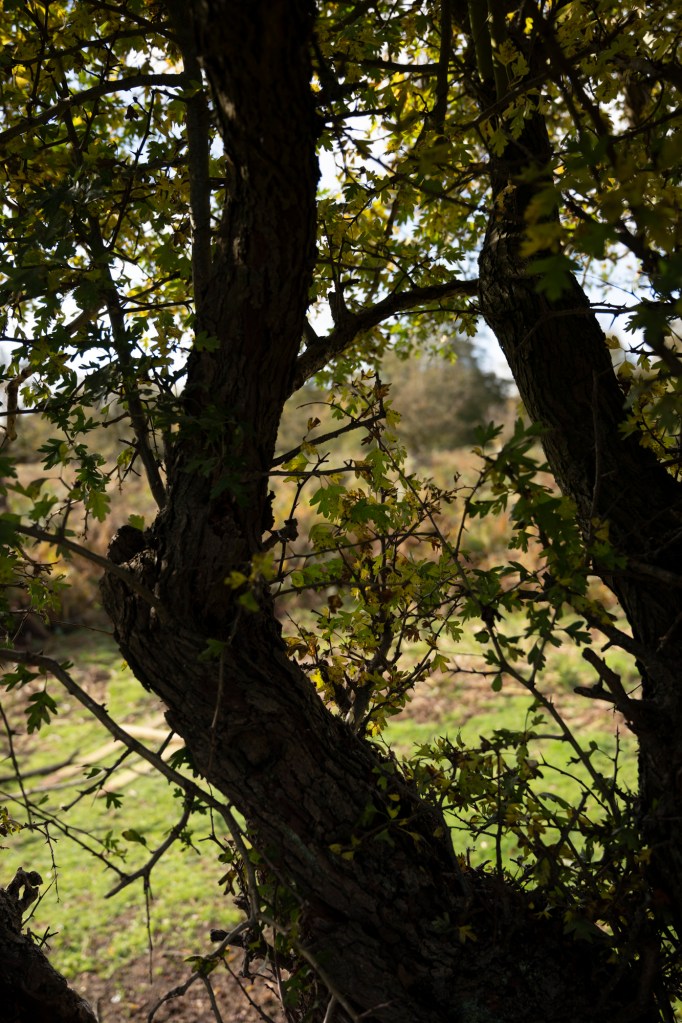
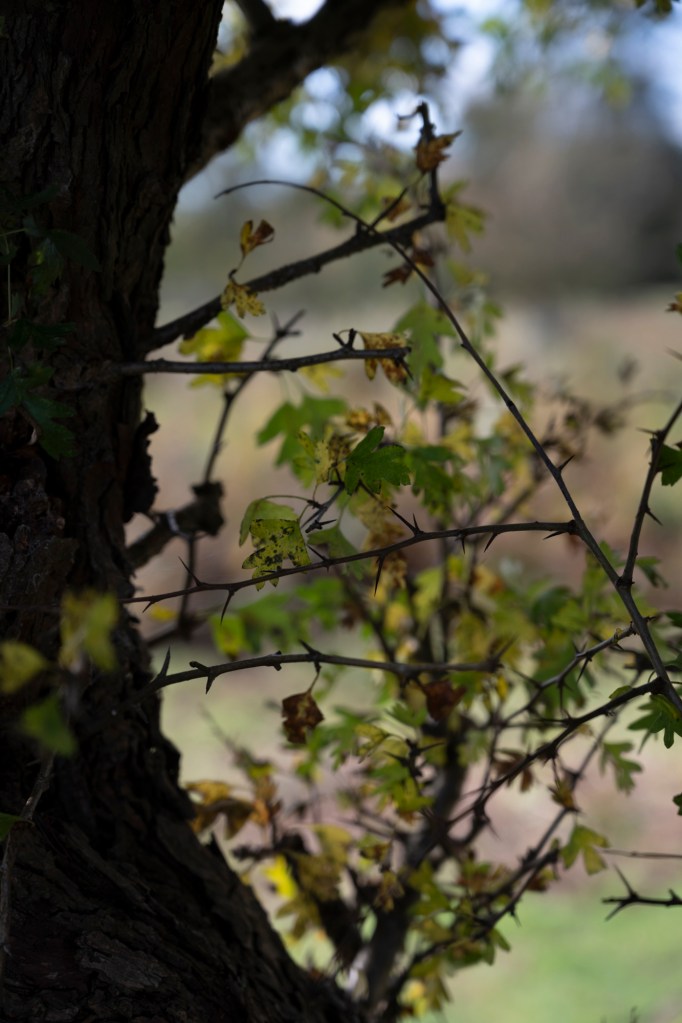
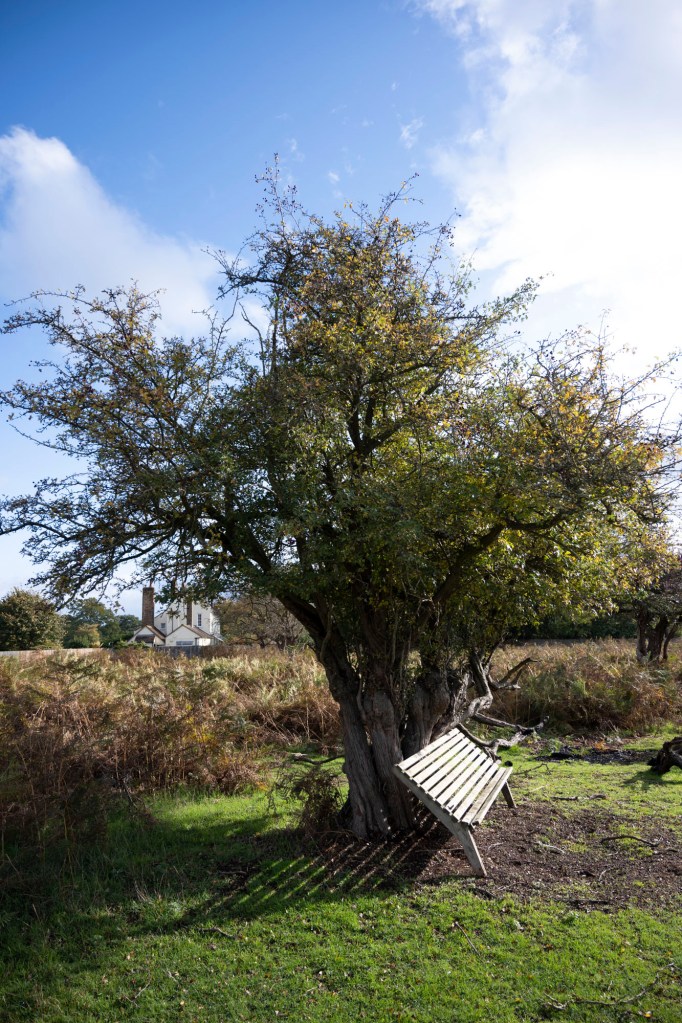
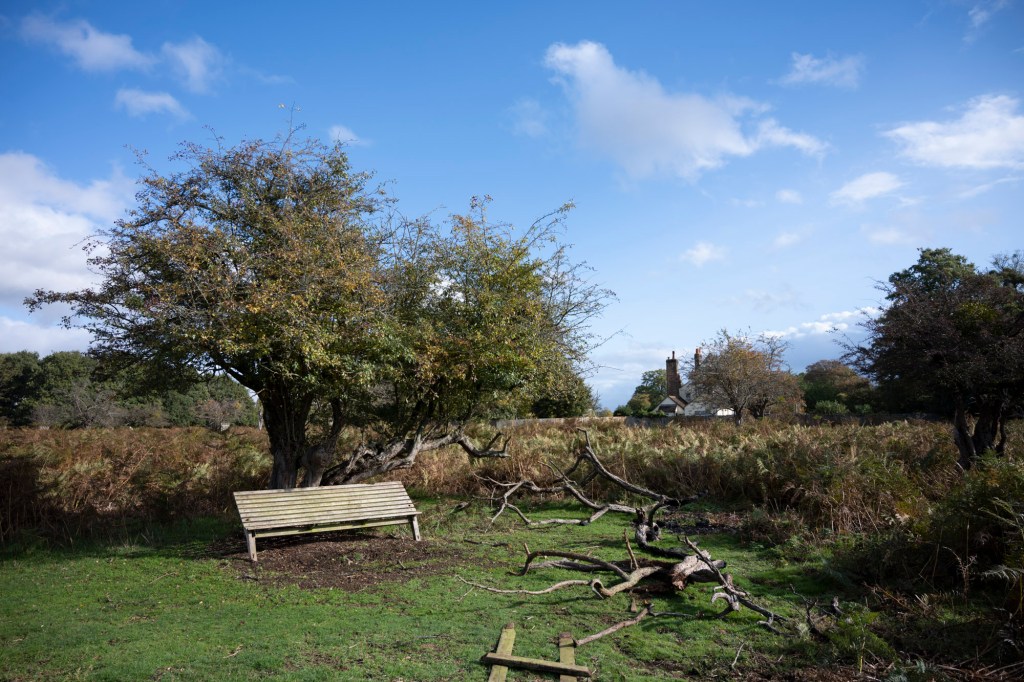
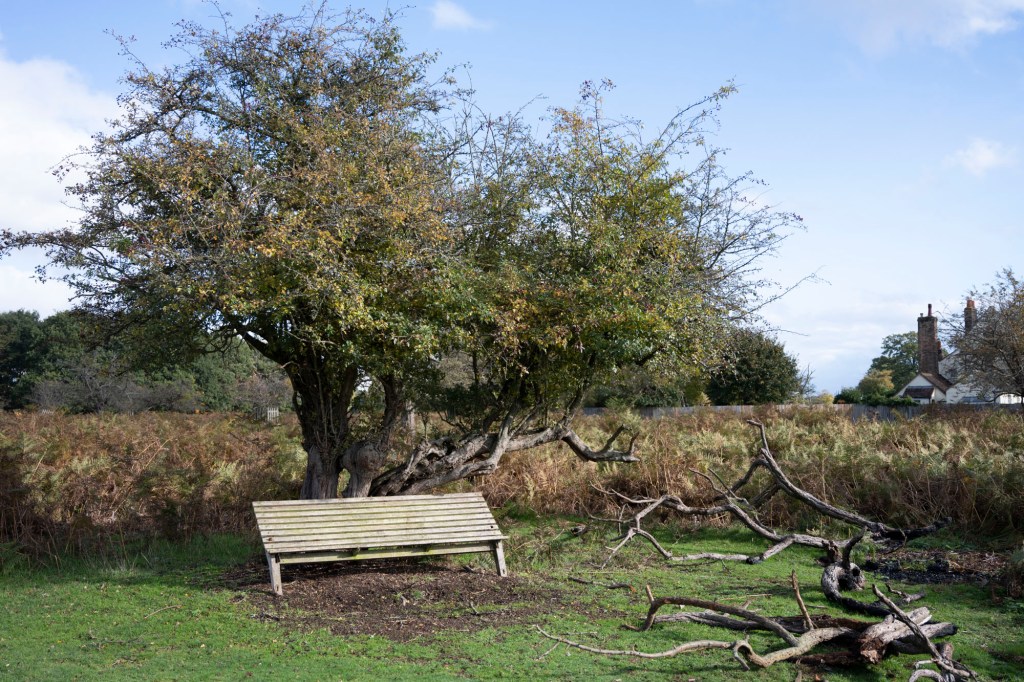
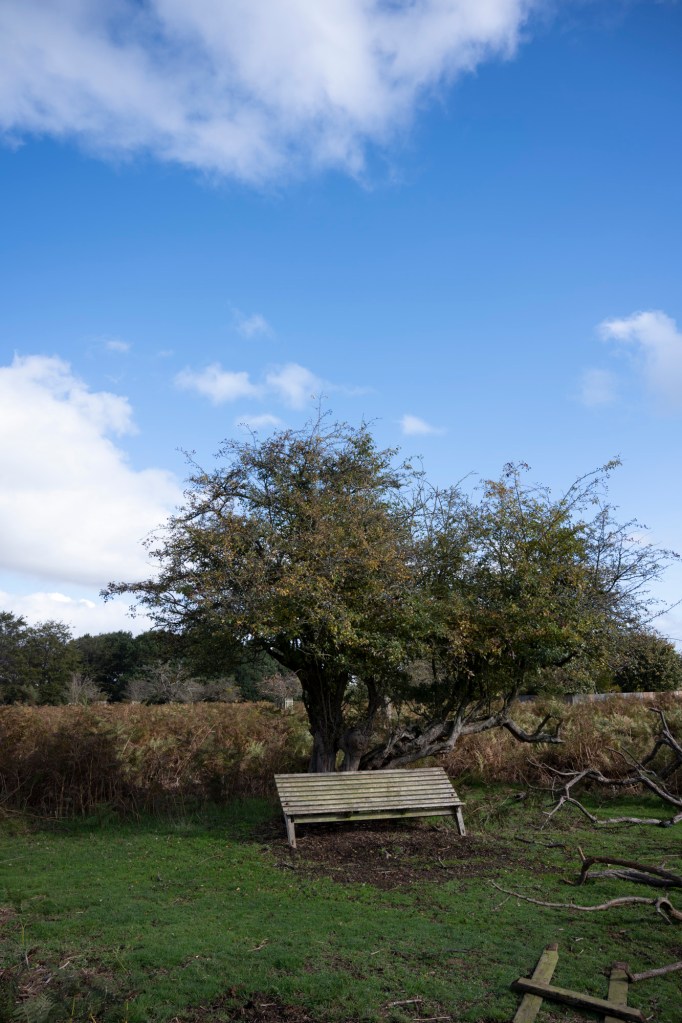
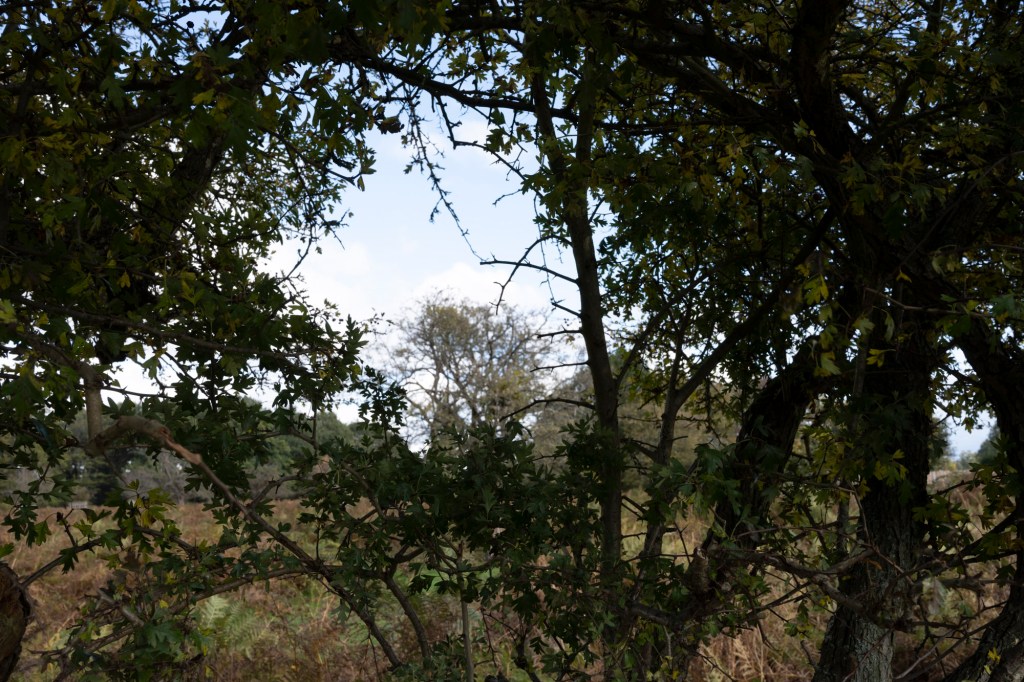
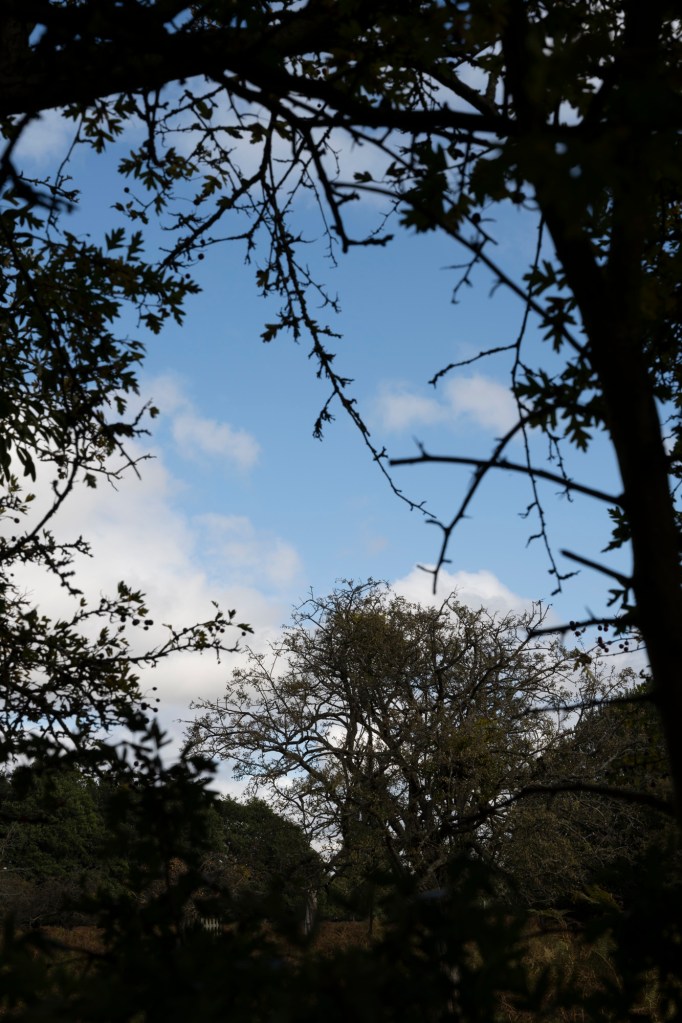
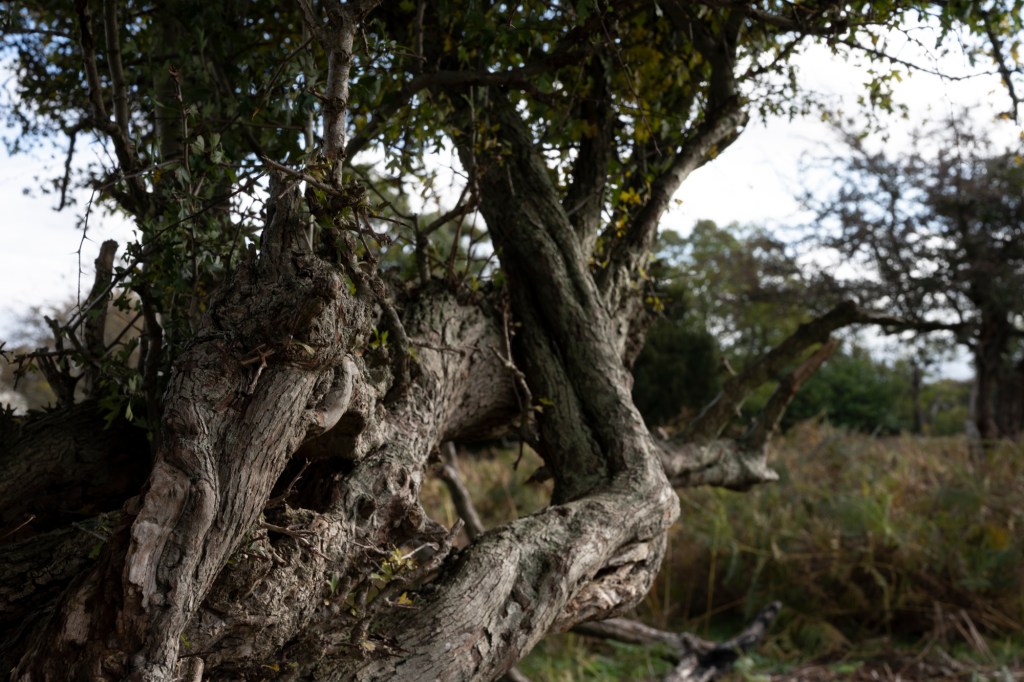
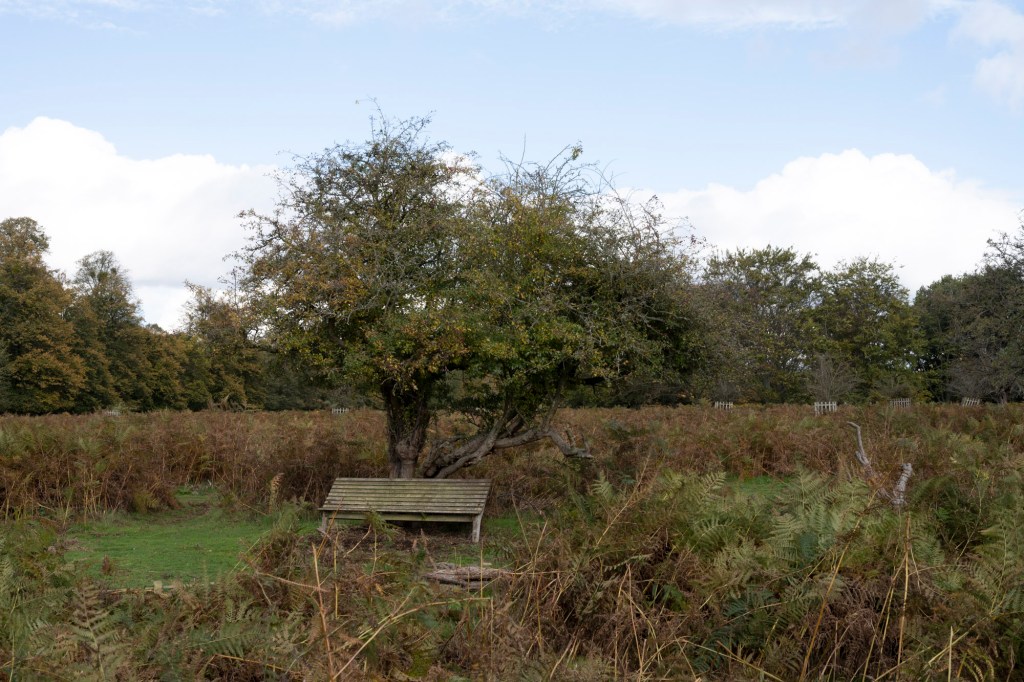
Tree Three
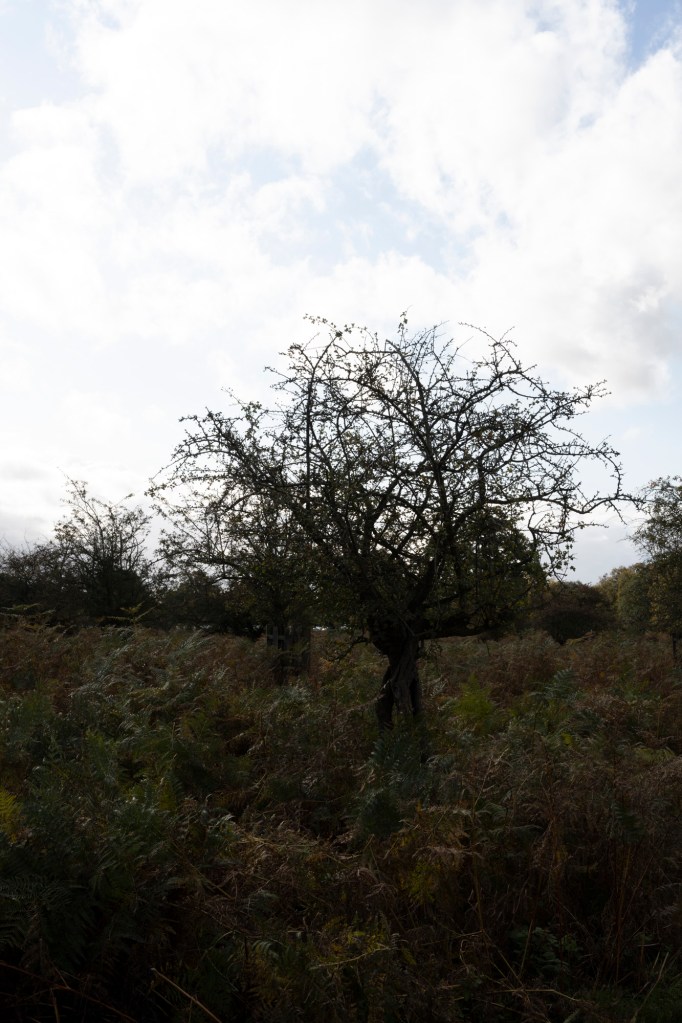
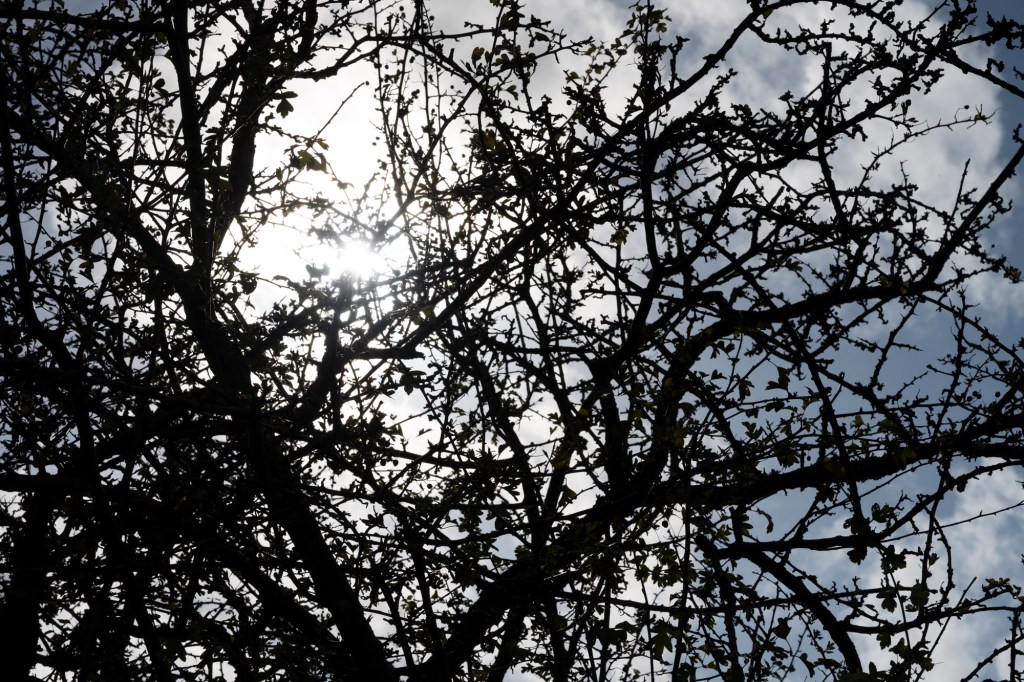
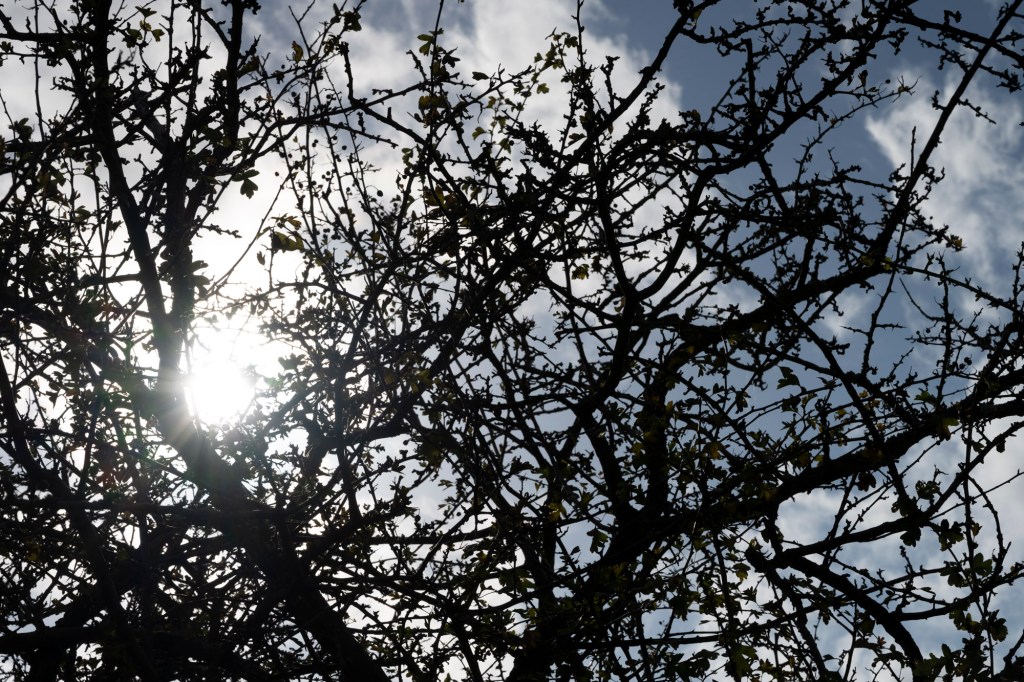
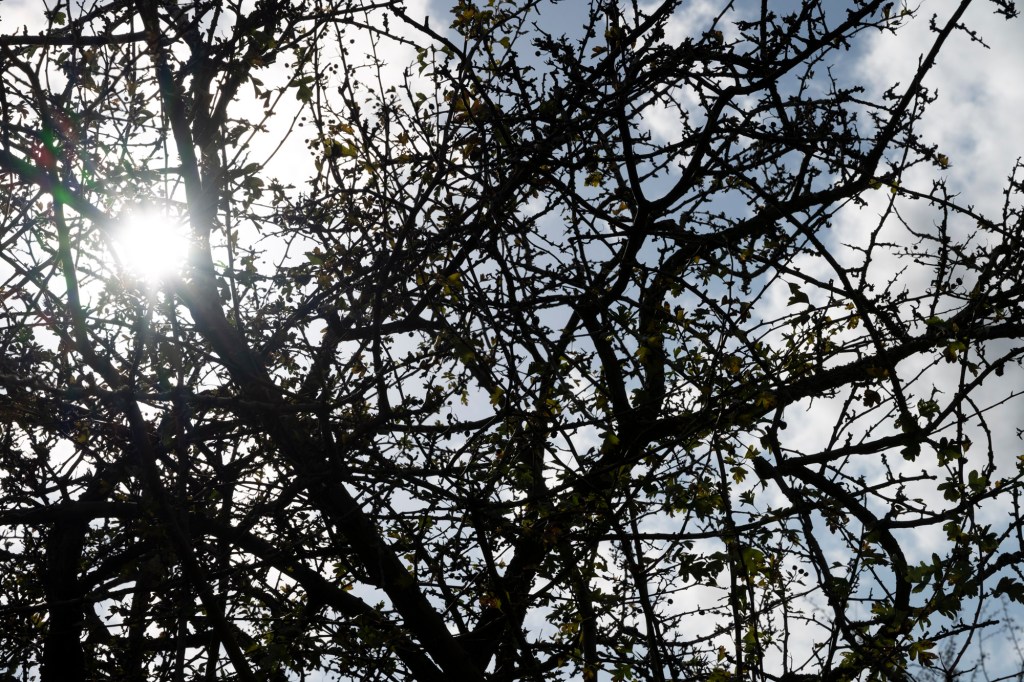
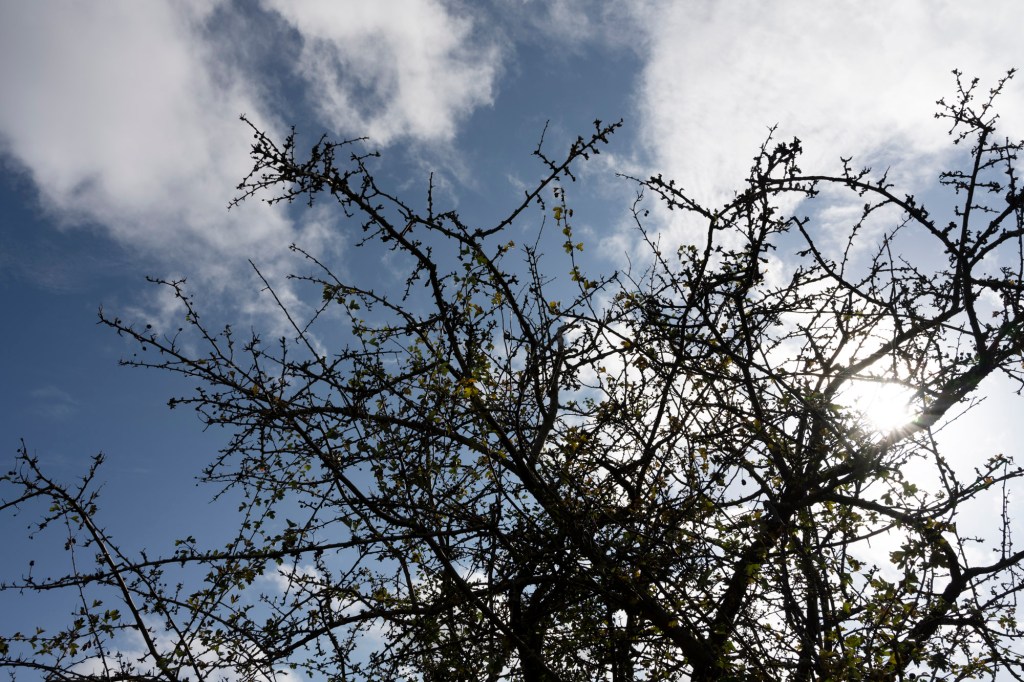
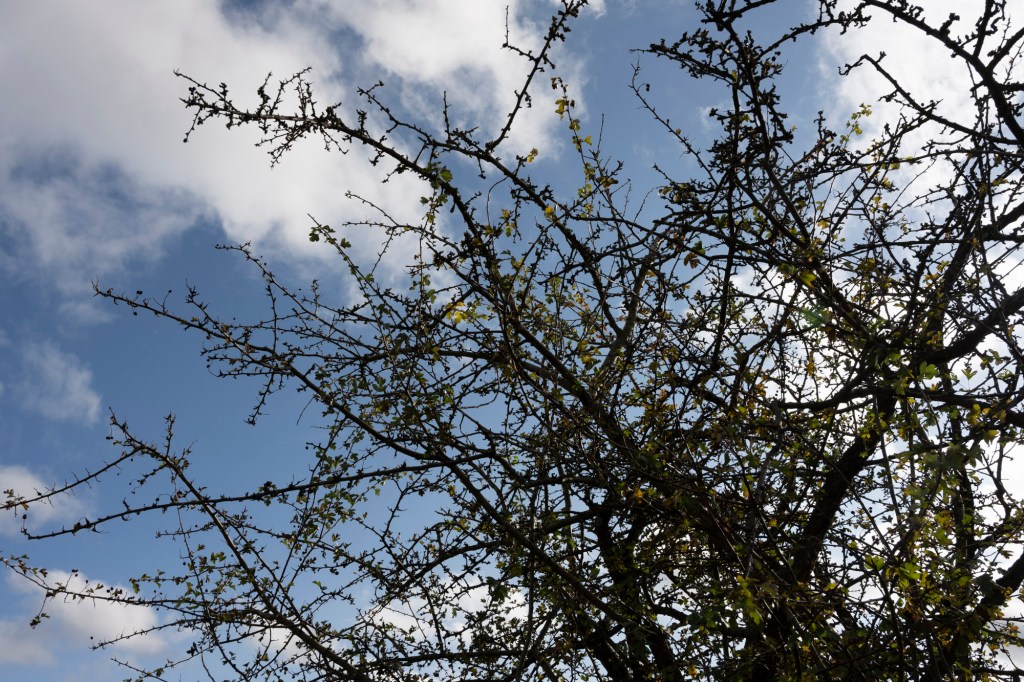
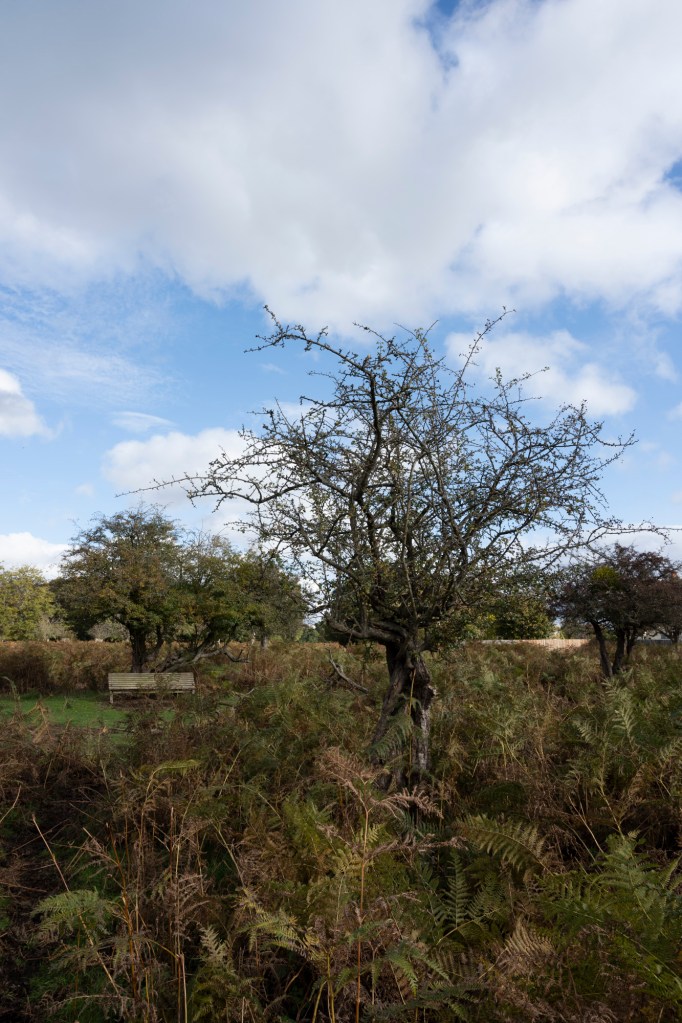
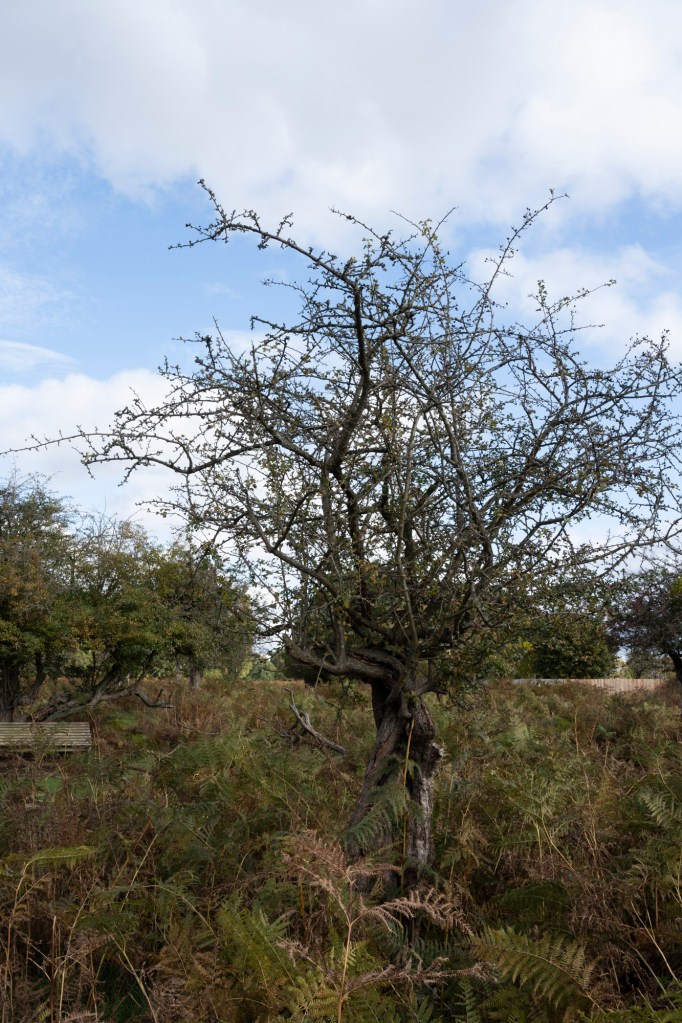
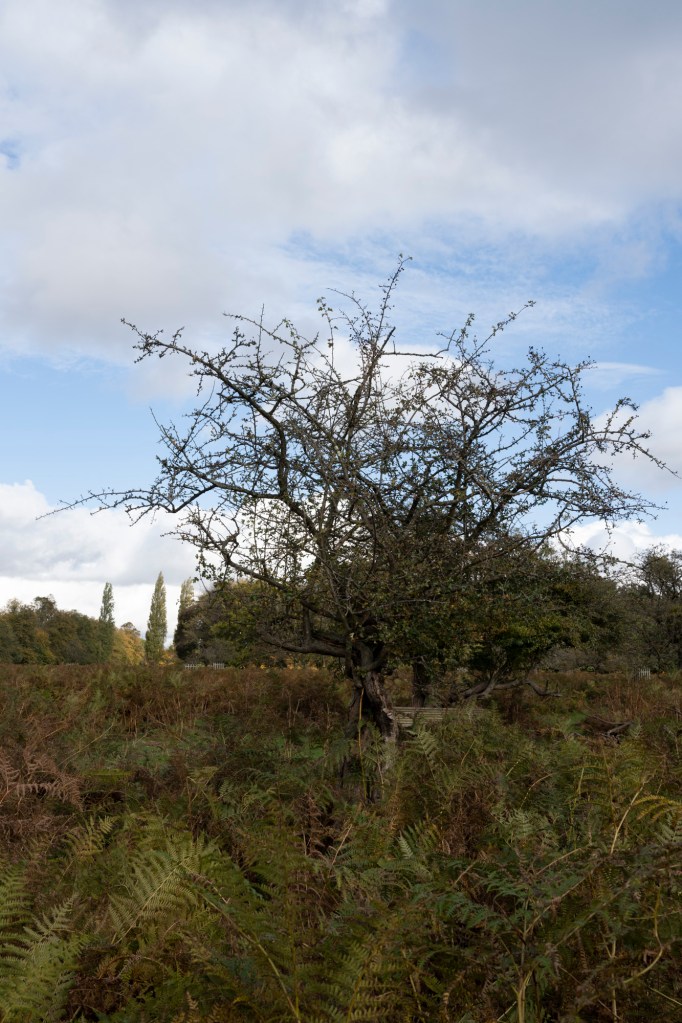
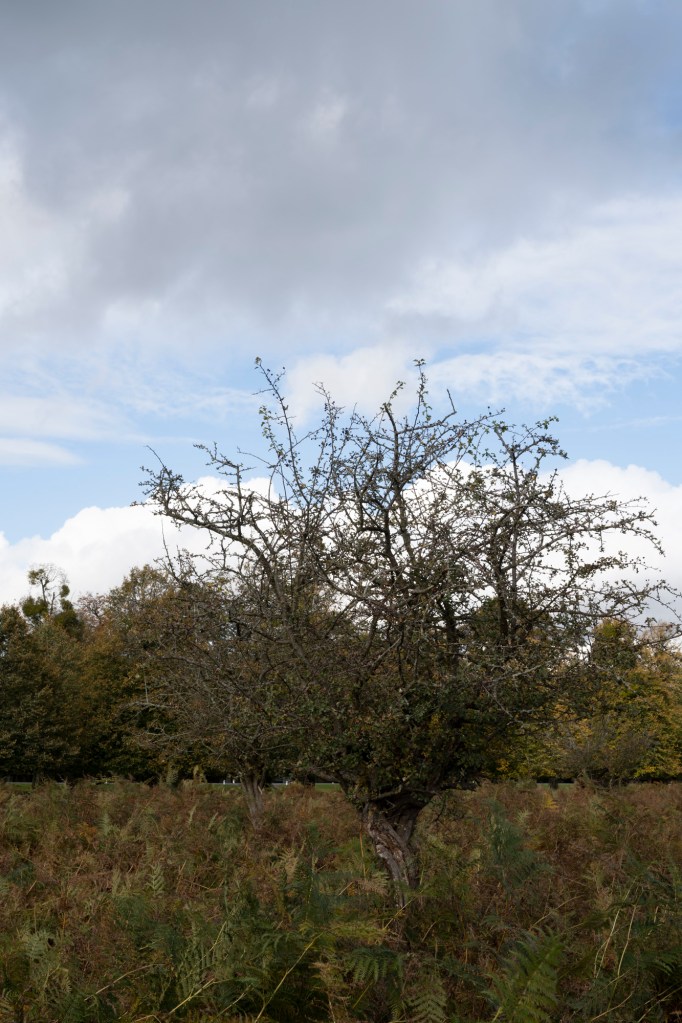
Tree Four
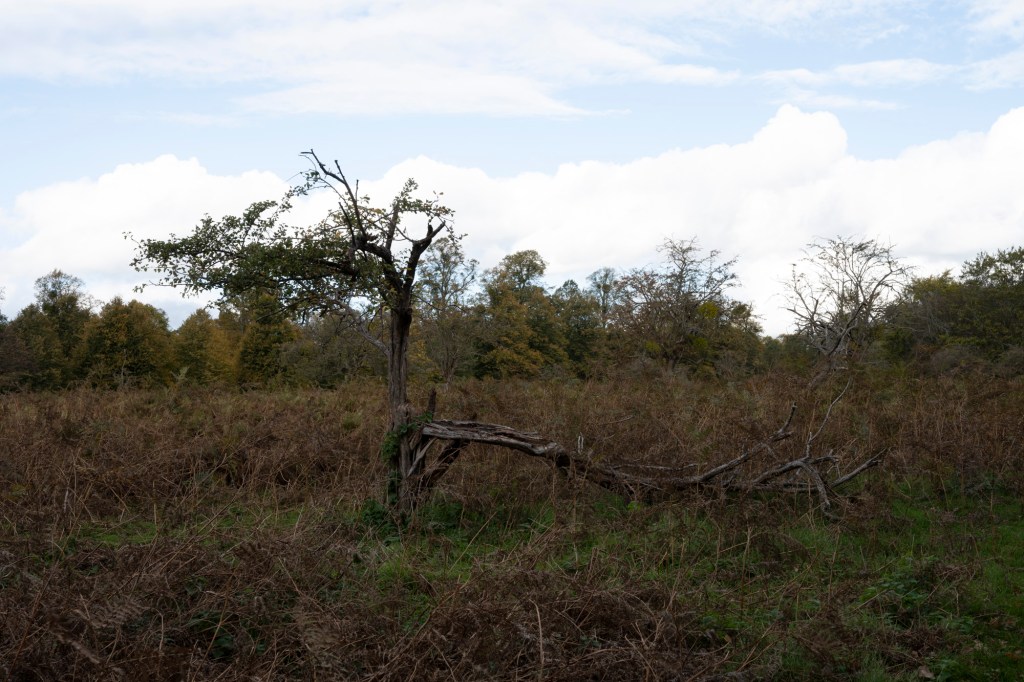
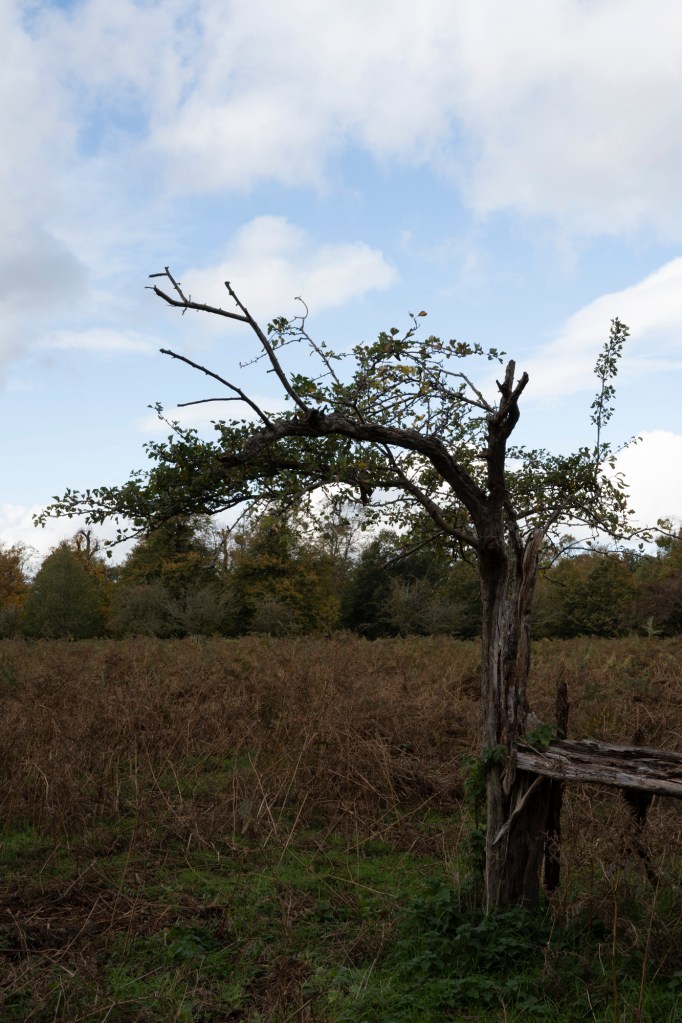
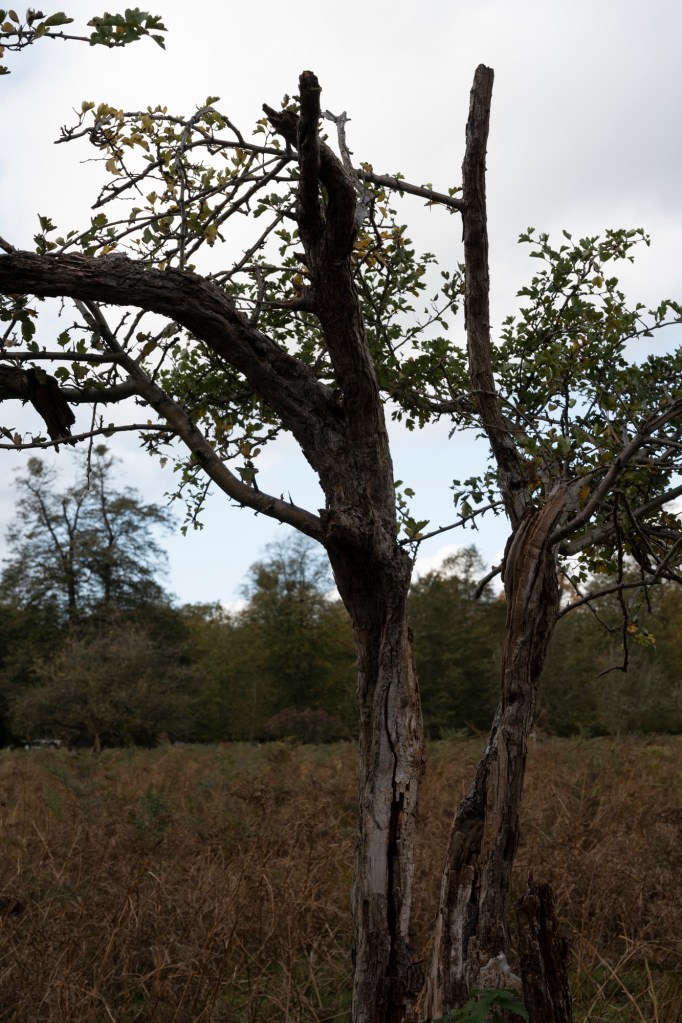
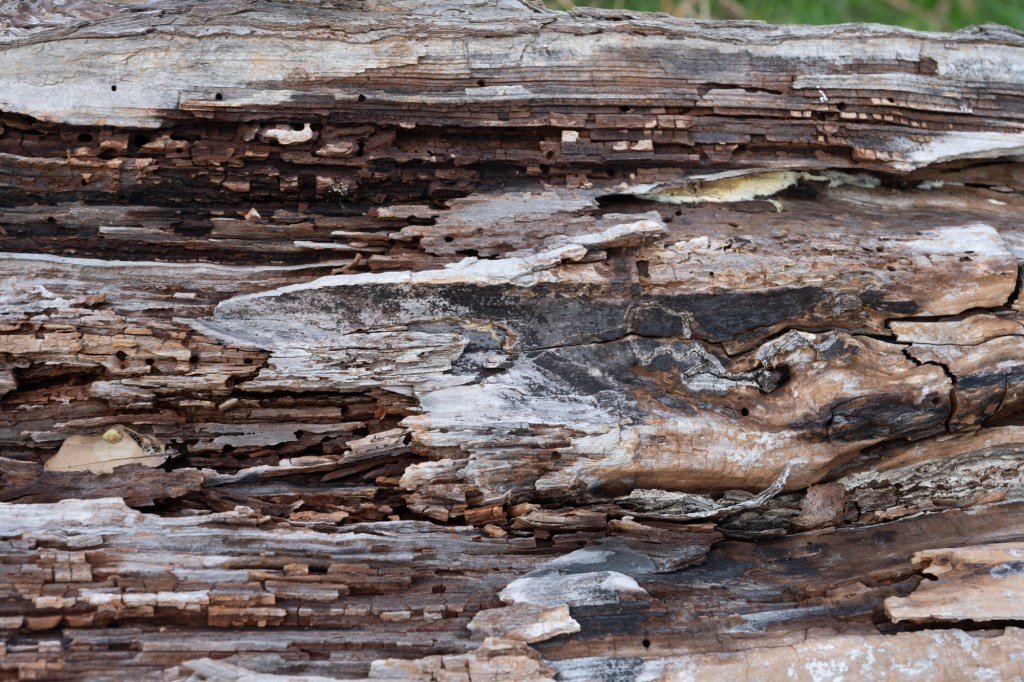
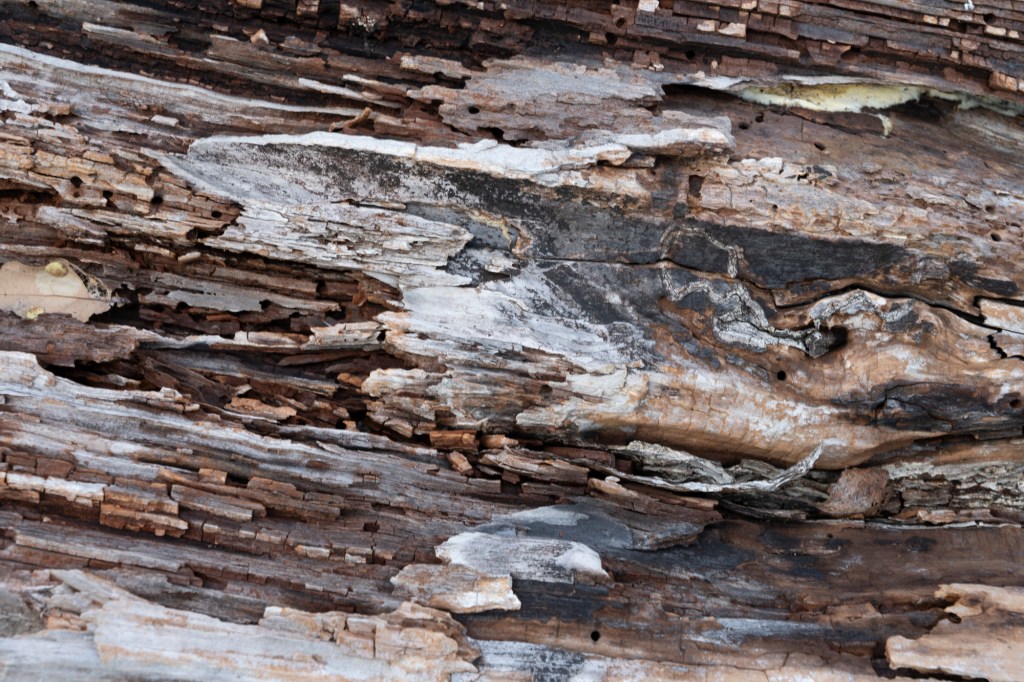
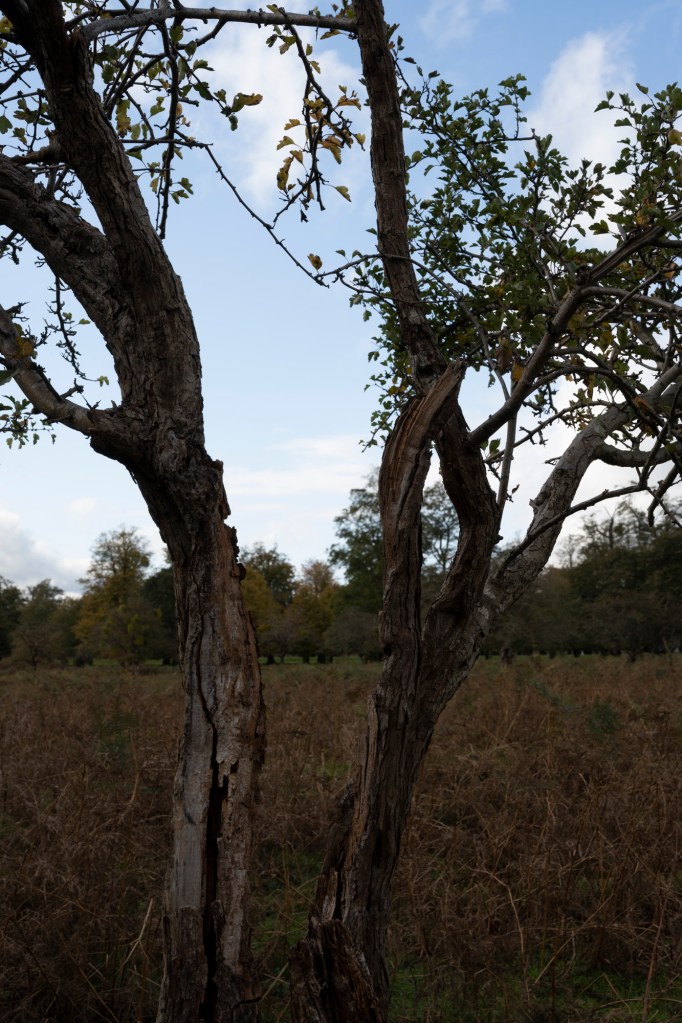
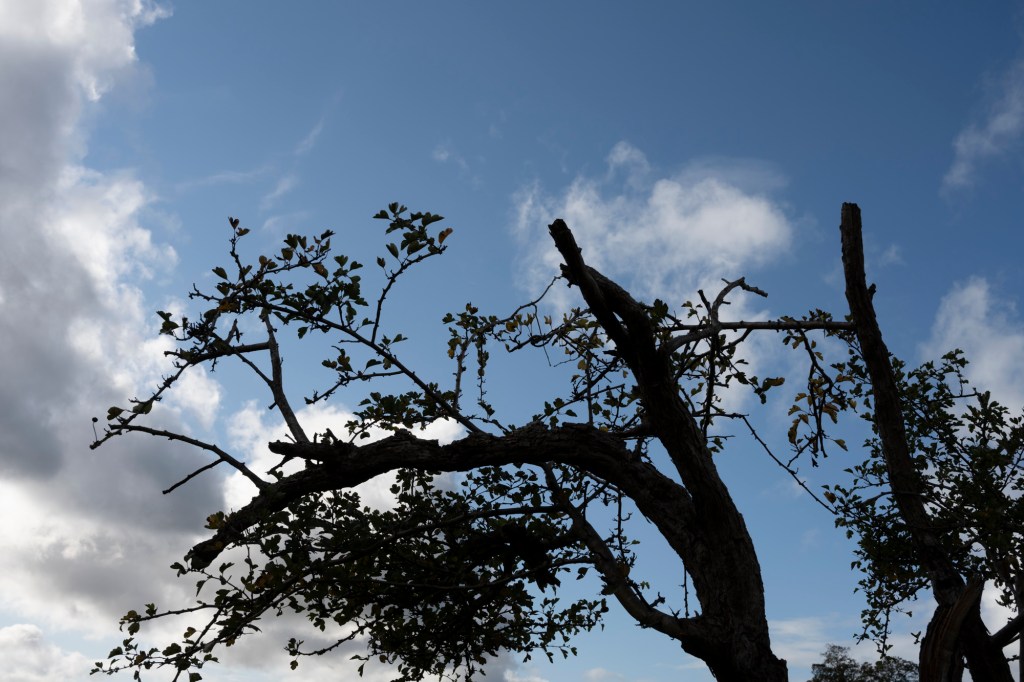
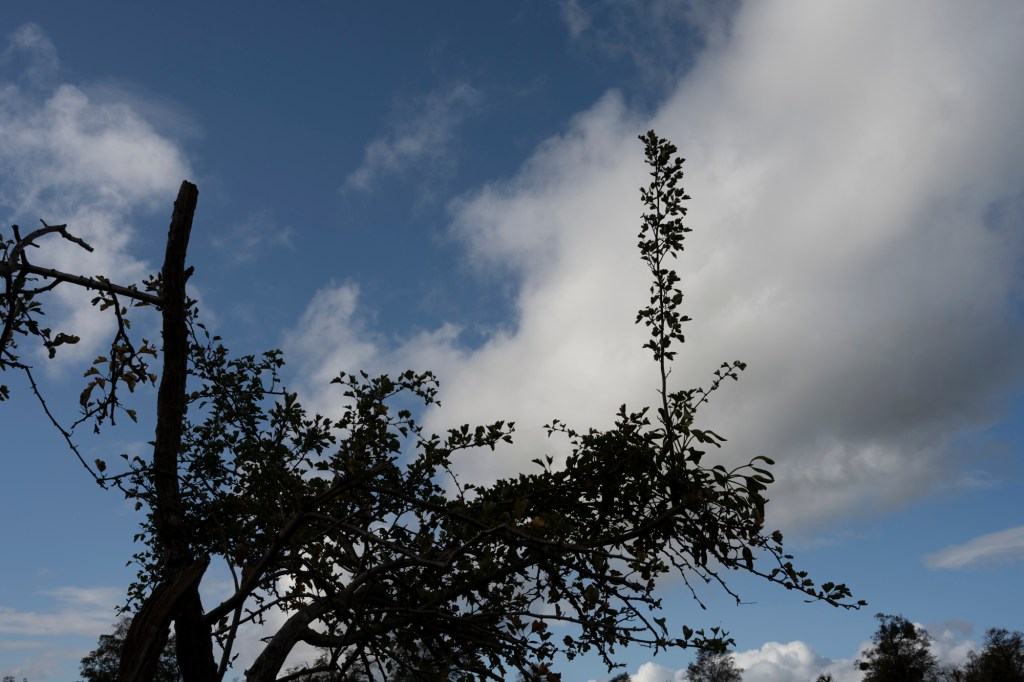
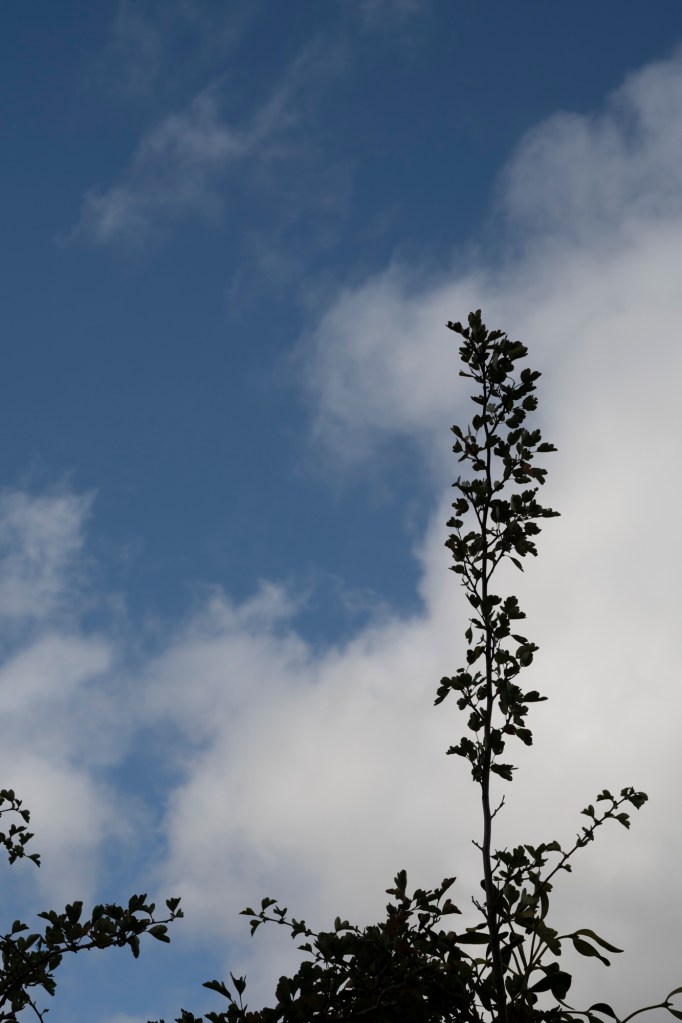
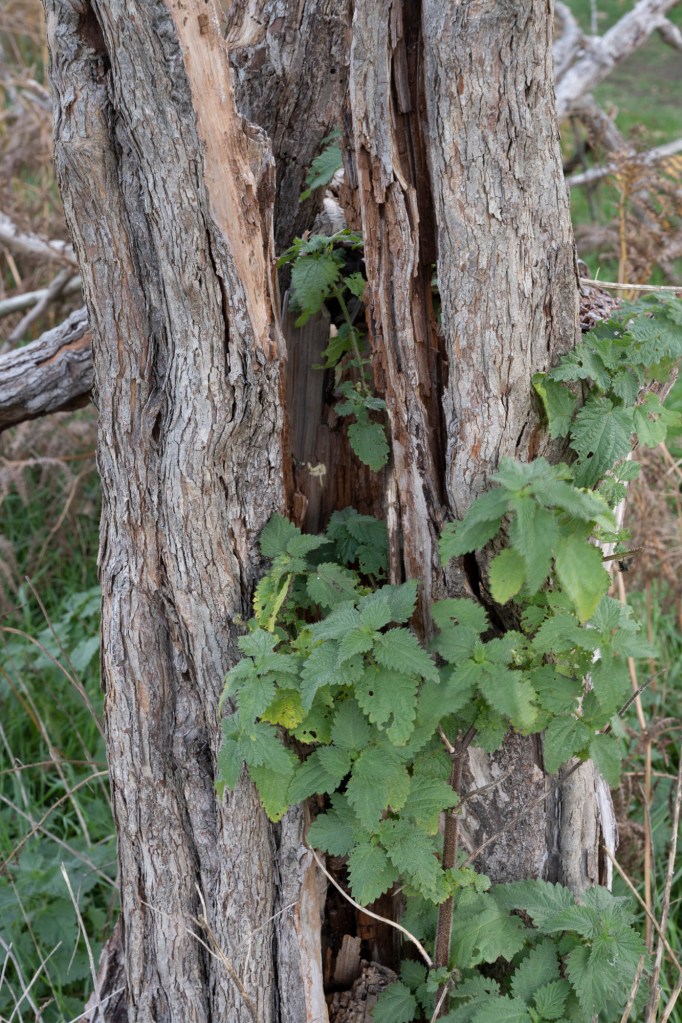
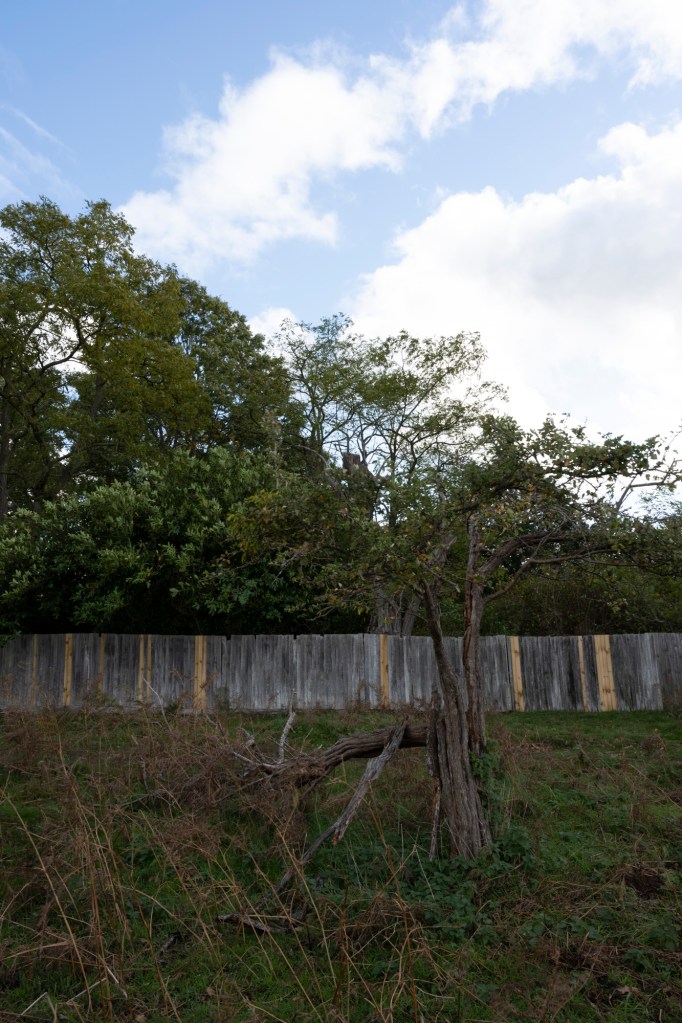
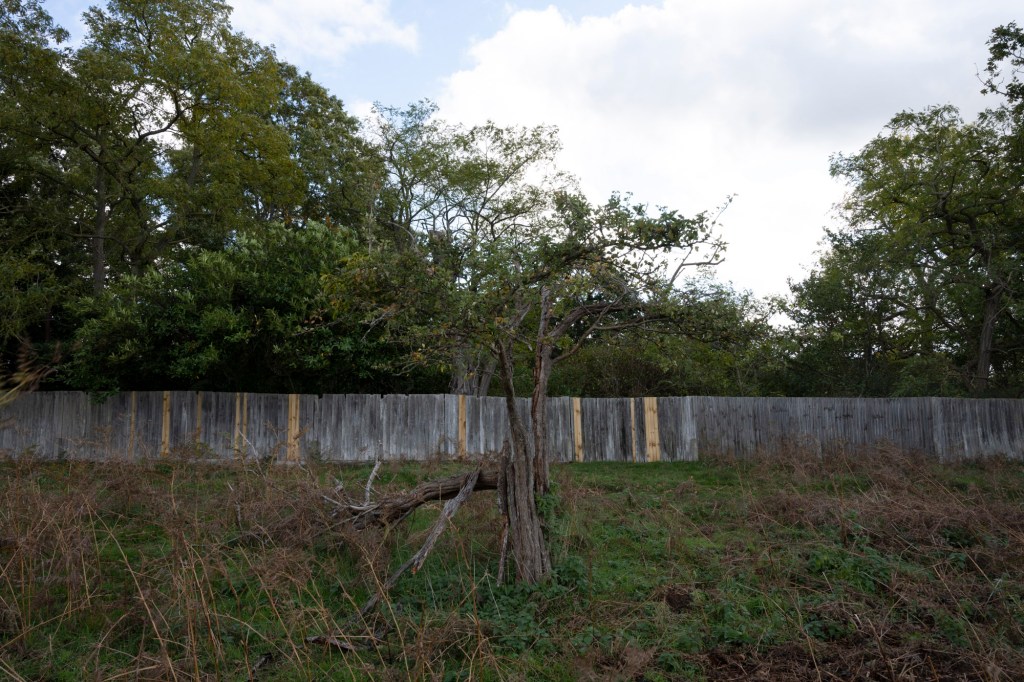
By this stage, I realised that I would need to process the shots I had taken, both on the PC and mentally. I was also curious as to why these trees were planted in this particular – these were just four of the ones I could see in proximity of Hawthorn Lodge. As they were no where near any oak trees, it wouldn’t be to protect them. Also, they were not in lines, so couldn’t be part of a barrier or hedging system. This, and the history of Hawthorn Lodge would require further investigation.
Later that day, I created a Black & White shot I had took of Tree Two with the smartphone.
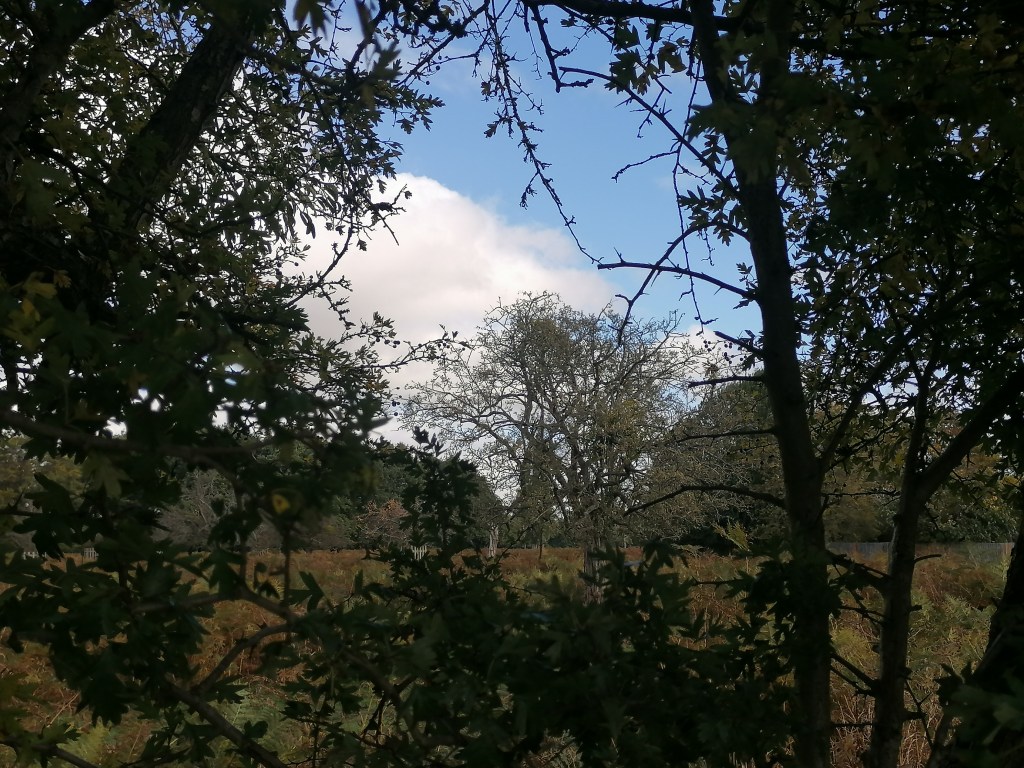
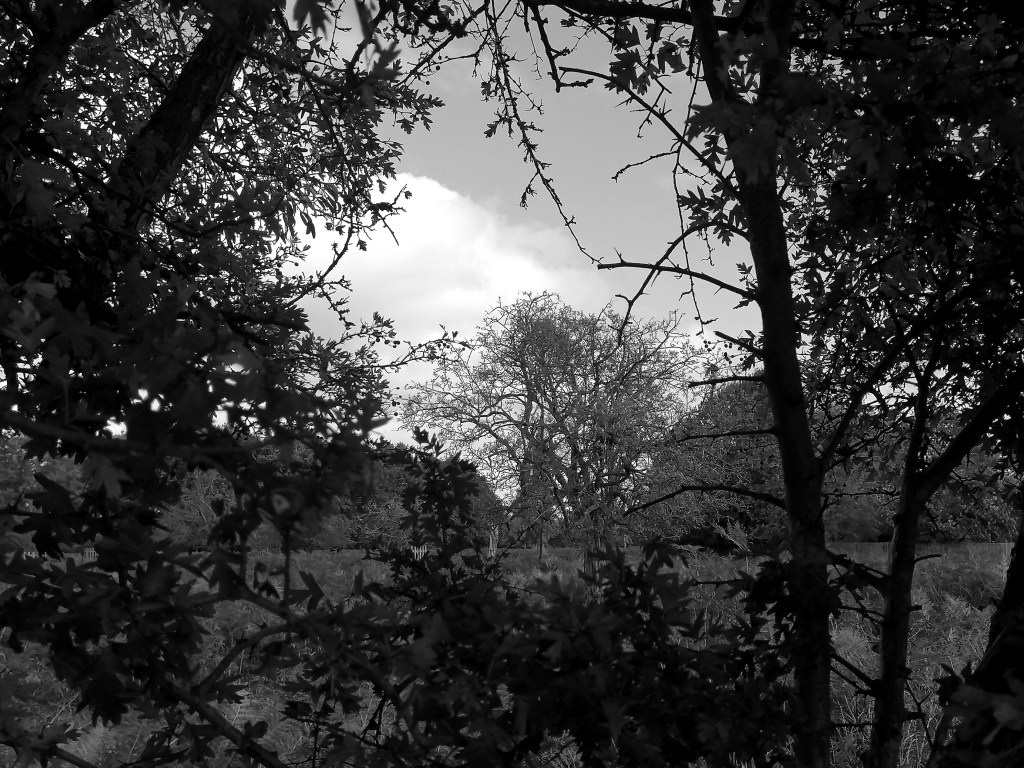
I then tried a Black & White conversion of one of this example.
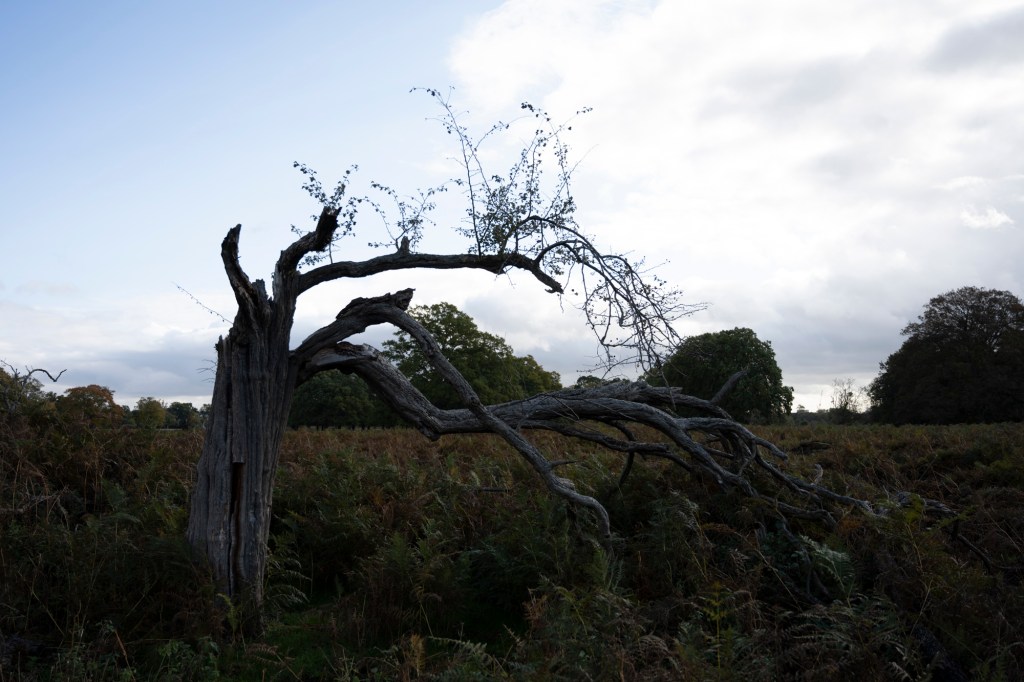
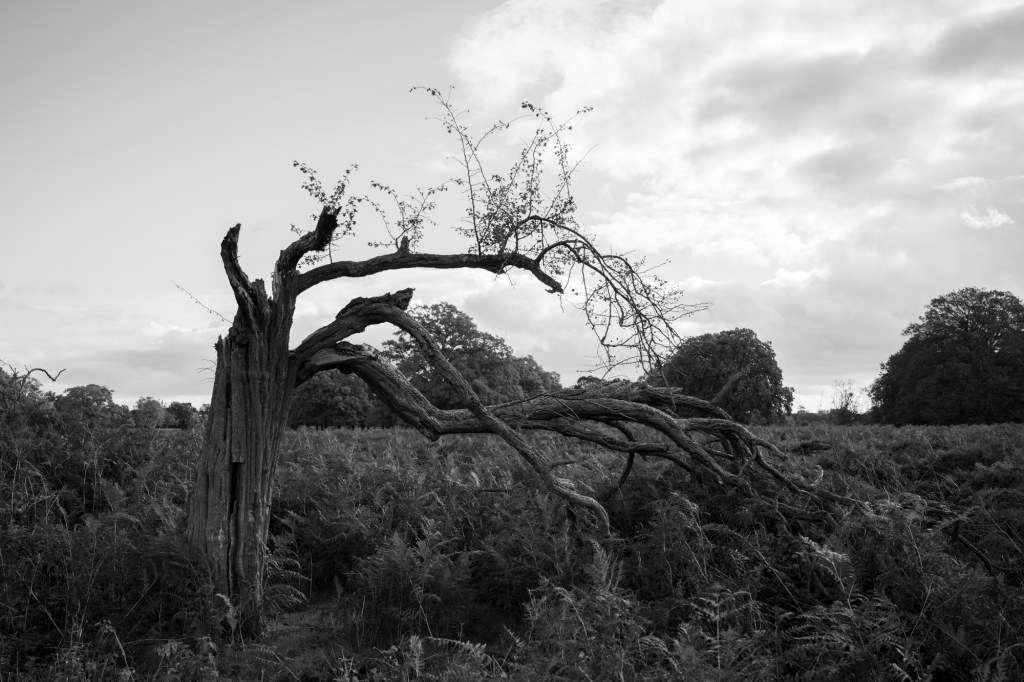
What I learned by taking these images is that there is lots more work to be done. Also, I’ve really appreciated how it’s made me slow down in my methodology. As with the photos, there is detail and depth to be discovered in all aspects of this project.
 Jennie Meadows MA Photography