Categories
AGM60 Research & Experimentation Posts Uncategorized

AGM60 Final Review Feedback 2 June 2020

With the deadline looming, it was time for the class to share their final images for review. This was the opportunity to see each other’s work plus give and receive feedback on what was presented.

While looking at and listening to the presentations, it gave me the space to think about my own work. Two aspects came to mind:

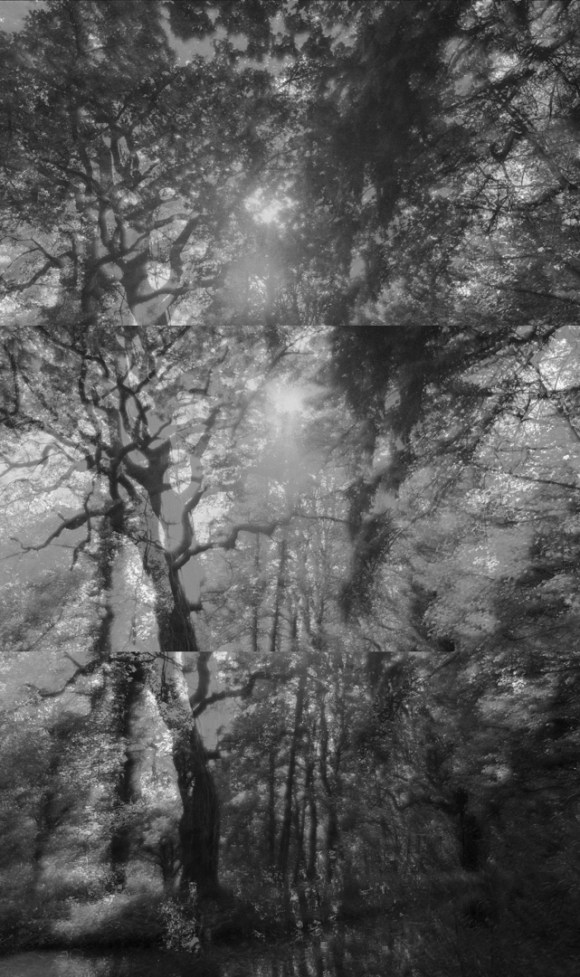
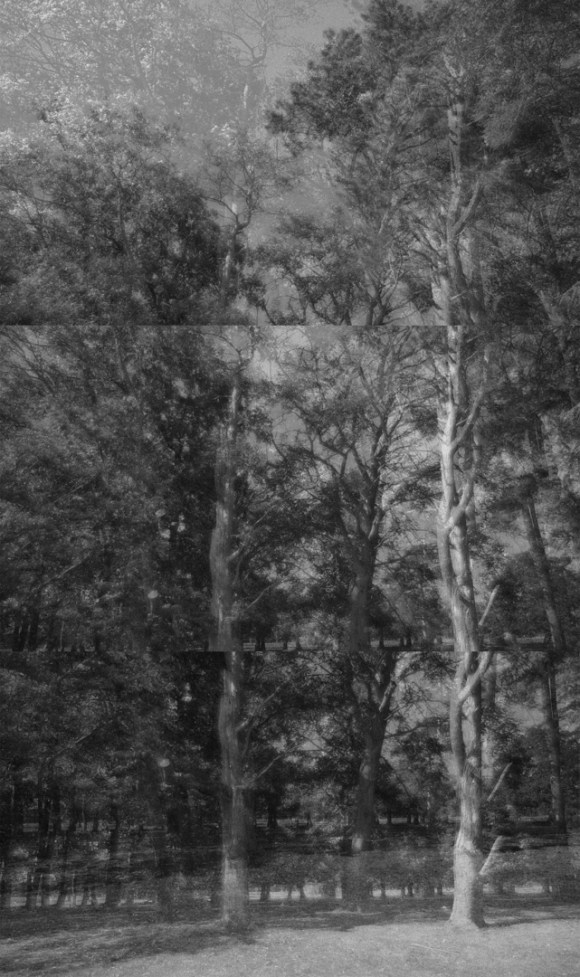
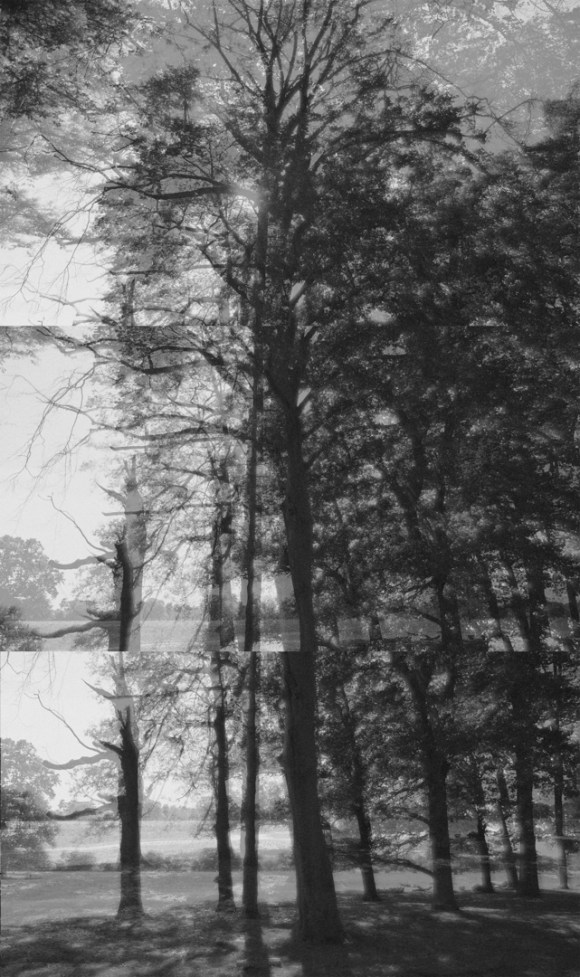
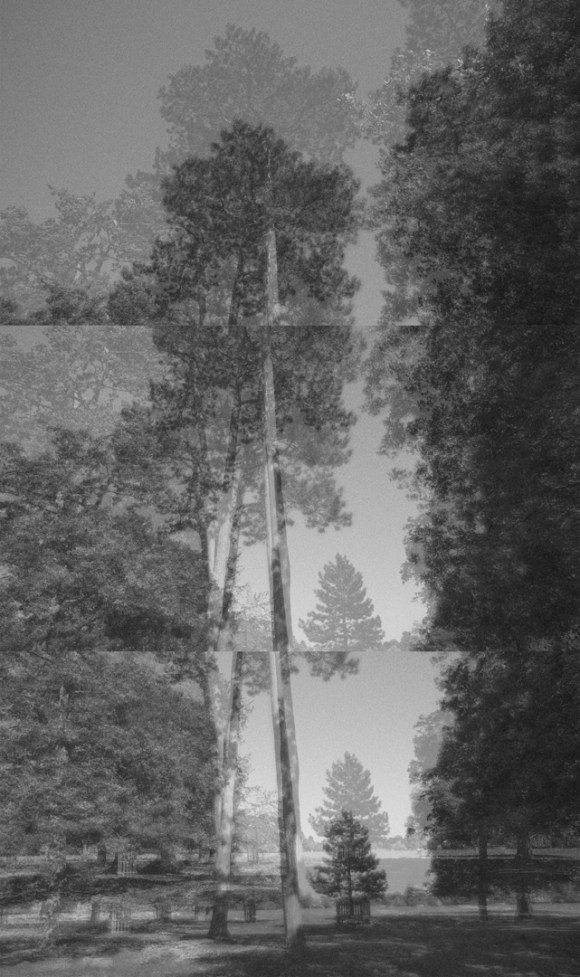
  • My final images are a ‘whisper’, not a shout’

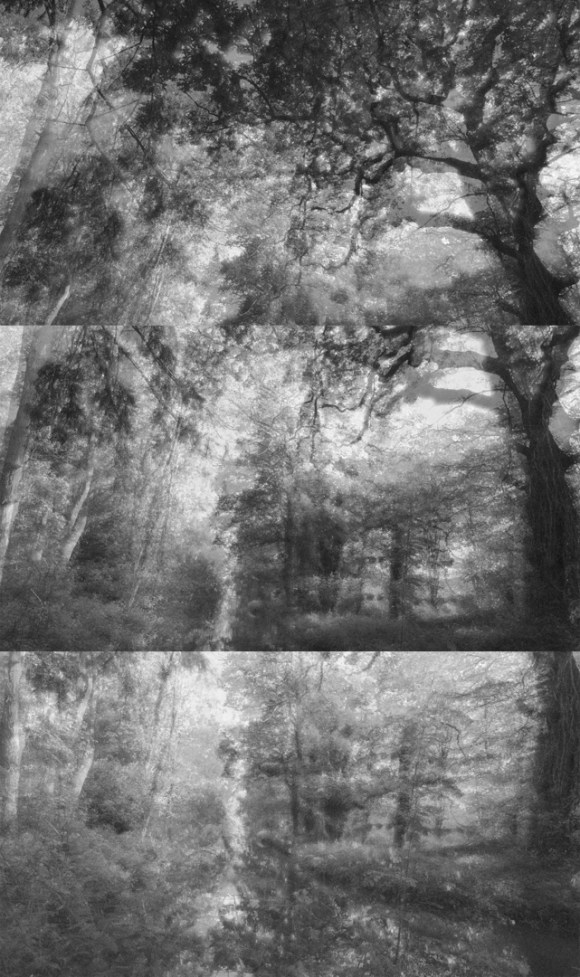
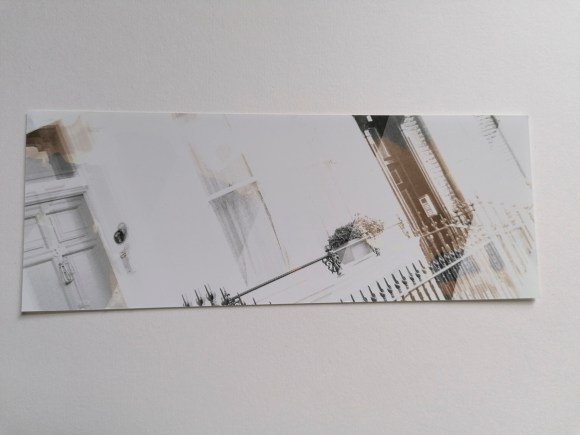
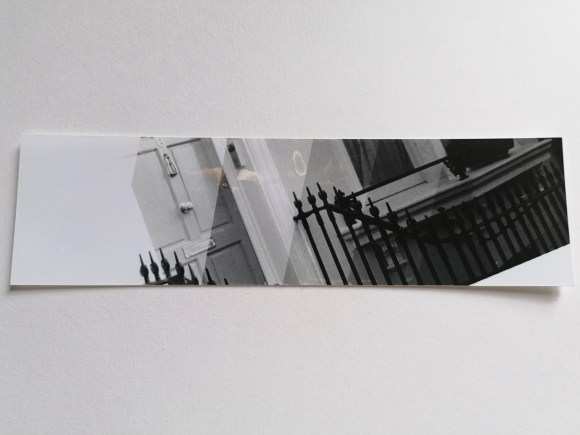
When looking at each piece, I realised that they drew the viewer in. The details of these images are very delicate and reminiscent of early photographic prints. The size of each final image I’d prepared when printed would be 9″ x 15.2″ without a frame. If I chose to have these framed, the method I would choose would make each final piece 10.5″ x 16.2″.

  • Stuck in a moment

The images were a representation of the current lock-down situation. The repetition between images is like the passing of days – there is no real delineation between the days of the week.


When it came to my turn to present my images, I was unsettled about what I wanted to convey. I realised that I was still processing the concepts and essence of the images and the creative process behind them.

My classmates and tutor, Fergus, gave some very constructive points regarding both images and the processes involved.

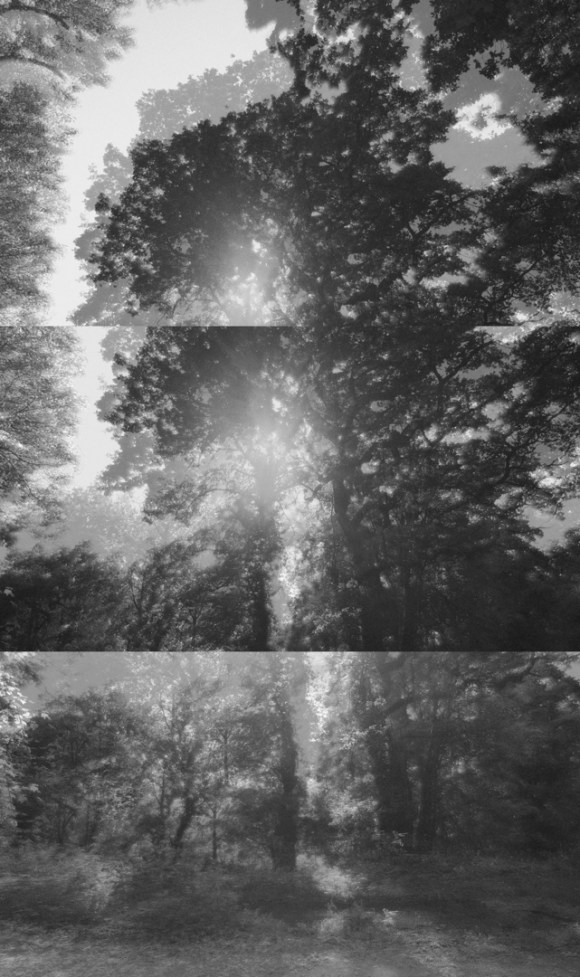
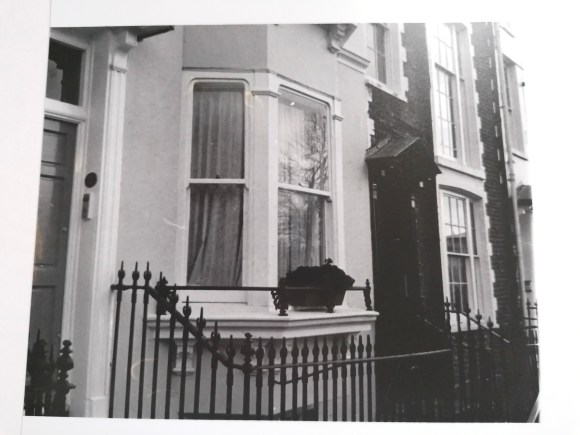
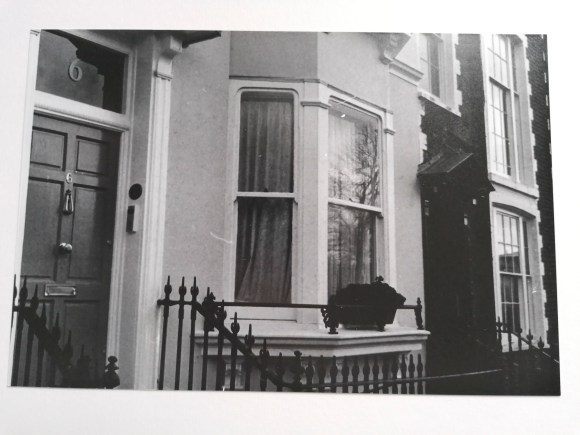
Firstly, was the process of construction – there is a clear delineation between the three images comprising each final image. There is no attempt to blend or disguise this aspect. This is the effect I wanted to achieve.

Secondly, there is a clear difference between some of the images. For example, there are ones that are like a tree portrait (Moments I), one that highlights the absence of trees (Moments II) – as mentioned by Abi – and ones where the light source becomes part of the image (Moments VIII).
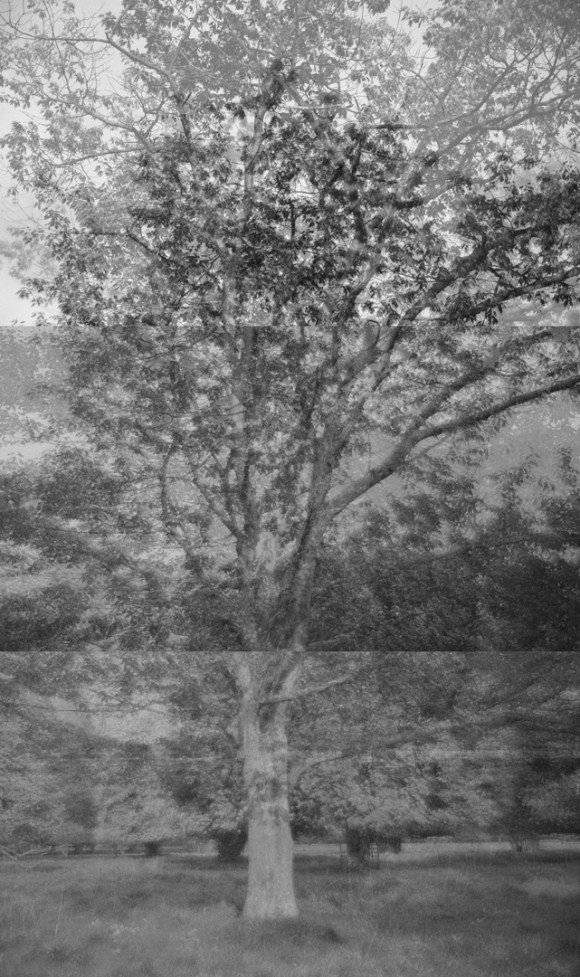
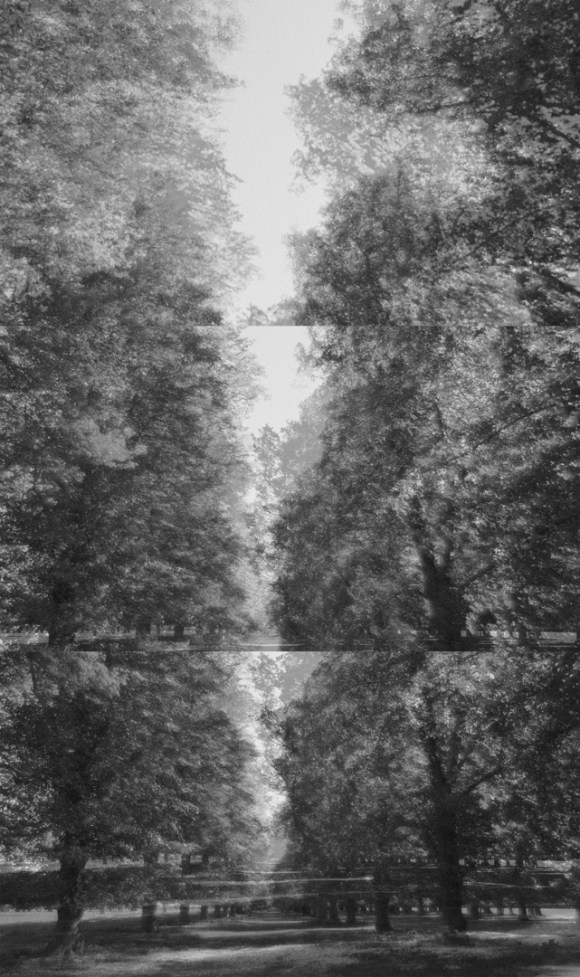
A third, and major, observation was the differences between three sets of images.
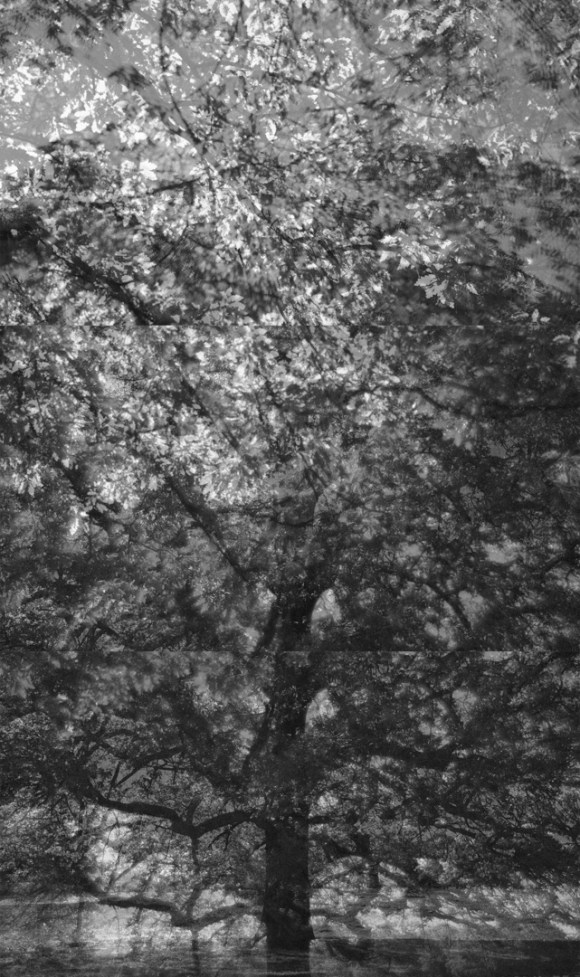
There was a strong preference for the final three. Interesting, as these were three images in the later stages of this project. There was more intention rather than chance involved in their creation.

In addition to these reflective observations, a relevant and pertinent image that Fergus mentioned was The Hunt in the Forest (c. 1470) by Paolo Uccello (1397-1475).
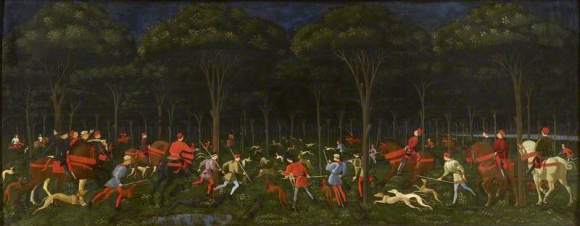
Uccello, Paolo, 1397-1475; The Hunt in the Forest

Fergus pointed out its relevance as a pictorial representation of woodland in that it highlights the construction of an image. Pertinent as Bushy Park was a favourite hunting ground of Henry VIII. Also, Bushy Park and the trees within are not ‘accidental’. It is a highly constructed and maintained environment where little is left to chance and the ravages of nature are worked with and not fought.

With regards to technique, one of my classmates, Ola, suggested using a tilt-and-shift lens for future experimentation. I wasn’t sure how this could be relevant at the time, but after a bit of research, I came across this art lens that could be both suitable and affordable:
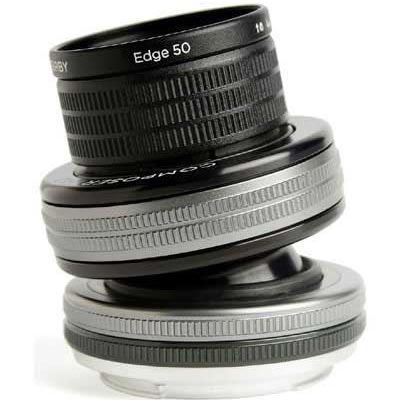
 

lensbaby-composer-pro-ii-with-edge-50-optic-nikon-z-fit


According to the description, the Composer Pro II with Edge 50 Optic is a high-quality, 50mm, f/3.2 upgraded metal-bodіеd tilt lеnѕ that allows the control of the depth of field in-camera. Тhе lеnѕ attaches to the саmеrа bоdу, allowing the creation of іmаgеѕ with а ѕhаrр ѕlісе оf fосuѕ bоrdеrеd bу silky, smooth blur.

Тhе lеnѕ bоdу ѕwіvеlѕ аnd tіltѕ оn а ѕmооth mеtаl bаll-аnd-ѕосkеt dеѕіgn. This provides а fаѕt аnd іntuіtіvе wау tо ѕwіtсh bеtwееn trаdіtіоnаl ѕtrаіght lеnѕ рhоtоѕ аnd tіlt рhоtоgrарhу.

The lens is fully manual and, by uѕіng ѕеlесtіvе fосuѕ, enables the photographer to lead vіеwеrѕ’ еуеѕ оn а unіquе јоurnеу thrоugh lаndѕсареѕ, сlоѕе-uрѕ, mіnіаturе еffесtѕ, ѕtrееt рhоtоgrарhу аnd fооd рhоtоѕ. One to be investigated further.

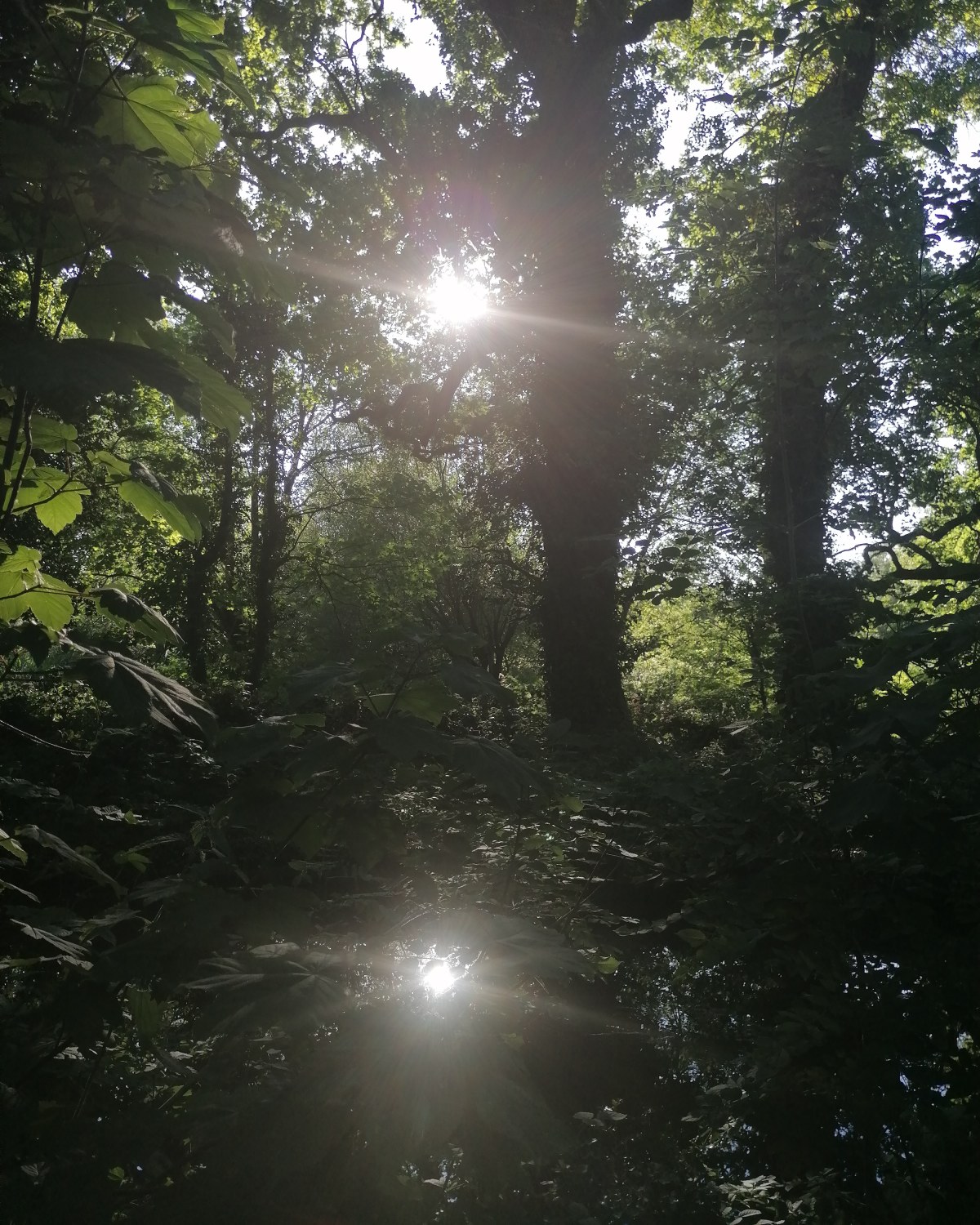
Later that day, I revisited the Woodland Gardens to clear my mind and to help in processing the review session.
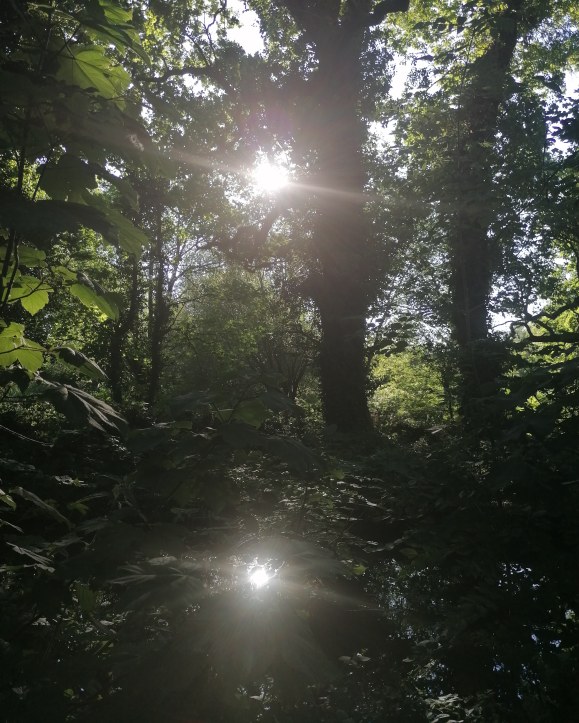
IMG_20200602_185257_098


It was nice visiting my location without any pressure of taking further photographs for this particular project. The image above was taken with my smartphone. A reminder of how the light plays in this particular place.

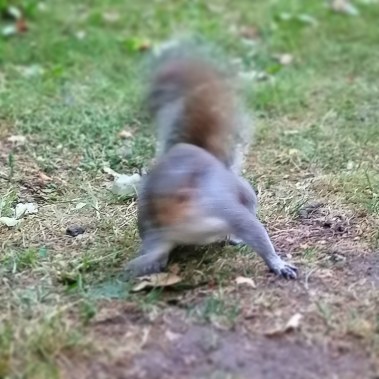
While walking through the gardens, I came across this very cheeky chap who just couldn’t (or wouldn’t) sit still long enough to take a clear shot.
IMG_20200603_213218_421


When I was editing it on my smartphone before posting on Instagram, I made use of the tilt-and-shift filter. Interesting effect.

With the above in mind, the next two and final tasks were to produce the Research Dossier and Artist Statement. These, along with a presentation of the final images, had to be submitted via Turnitin by 1pm on Tuesday 9 June 2020.


References

Ashmolean Museum. 2020. The Hunt In The Forest, Paolo Uccello. [online] Available at: <https://www.ashmoleanprints.com/image/221364/paolo-uccello-the-hunt-in-the-forest&gt; [Accessed 4 June 2020].

Wexphotovideo.com. 2020. Lensbaby Composer Pro II With Edge 50 Optic – Nikon Z Fit | Wex Photo Video. [online] Available at: <https://www.wexphotovideo.com/lensbaby-composer-pro-ii-with-edge-50-optic-nikon-z-fit-1709295/&gt; [Accessed 4 June 2020].

Categories
AGM60 Research & Experimentation Posts

AGM60 Darkroom Workshops 11 & 18 February 2020

As part of the MA Photography course, the class had two darkroom workshops, one Black and White, the other Colour.

I was quite excited to try out the extensive darkroom facilities at the University of Brighton. The facilities at RHACC consisted of what appeared to be a broom cupboard painted with white walls. The only time I used during my four years at the college was to wash a cyanotype print. Also, the last time I had developed a photographic print was about 25 years ago. Apart from a brief foray into blueprinting, my photographic work since then has solely been digital.

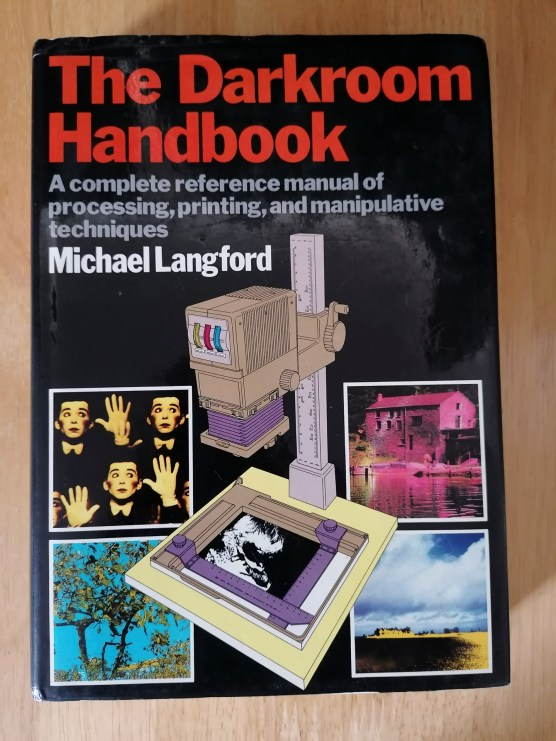
In preparation for the workshops, I bought The Darkroom Handbook by Michael Langford. Published in 1981, it covers all the basics of processing, printing and manipulative techniques.

darkroom_handbook_michael_langford_low

At the time of my initial reading of this book, I already knew how to recreate a lot of the effects within this book digitally. It was great having a reference to how these could be achieved using the original analogue techniques and technology.

Black & White Darkroom Workshop

The first workshop on Tuesday 11th February focused on Black & White printing. This was so the class could get to grips with the basics. Mark, the Photography department’s Head Technician, took us through the process of Black & White printing. This introduction involved an orientation of the whole darkroom area and the printing process from start to end, plus all of the Health & Safety aspects. After this initial introduction, the class took a negative (either their own or borrowed) to process themselves. This is when I realised my lack of analogue photographic knowledge which made me more determined to get to grips with darkroom printing. It also was a great opportunity to recognise the differences between digital printing as well as the pros and cons of both.

I won’t outline the whole process here, but this my initial test strip result. Not the most fantastic of prints, but it taught me a lot.

bw_test_strips_006_low

The first thing learned was the importance of using the test stip to calculate the correct exposure time. Also, how essential it is to leave the paper to ‘fix’ long enough so the print does not result in an unintentional sepia tone (as seen above).

When it came to printing a larger version, I also learned that it’s essential to ensure that either the negative or the paper are not moved in any way. Otherwise, it results in a double image (as shown below).

I have to admit that it did take me the whole three-hour session to get to this stage. It does take me a while to get to grips with a new way of working and process the information. I learn best kinesthetically, which means I have to physically repeat a process several times in order to both understand it and carry it out myself. As such, I returned to the darkroom on Monday 17th February for another printing session.

This was the resulting test strip.

bw_test_strips_008_crop_low

These were the resulting prints.

bw_print_1_low

bw_print_2_low

Not the best, but it was a good reminder of ‘practice makes perfect’.

Colour Darkroom Workshop

On Tuesday 18th February, the class attended the Colour Darkroom Workshop. This both had similarities and differences to the Black & White one the previous week. The similar aspects were the use of the negative and setting up the enlarger. The main differences were not being able to use any light when taking the photographic paper out of the black bag before exposure plus the use of a machine for printing rather than the developing, fixing and washing trays.

For this introduction to this type of colour printing, I borrowed one of my classmate’s negatives.

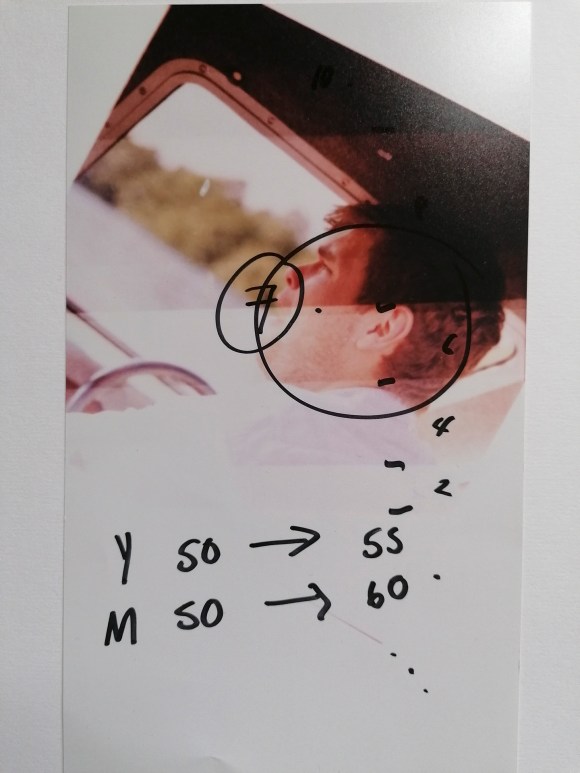
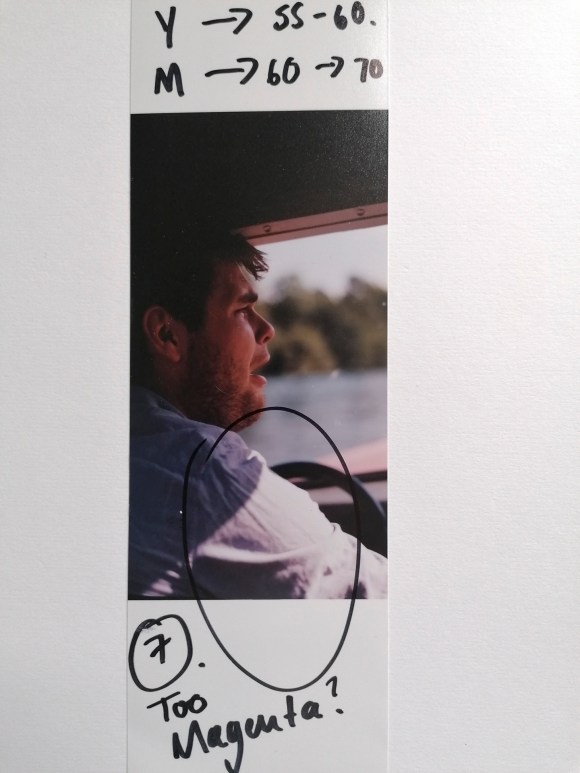
colour_test_strip_1_low

Again, I’m not going to note the whole process, but this I what I learned.

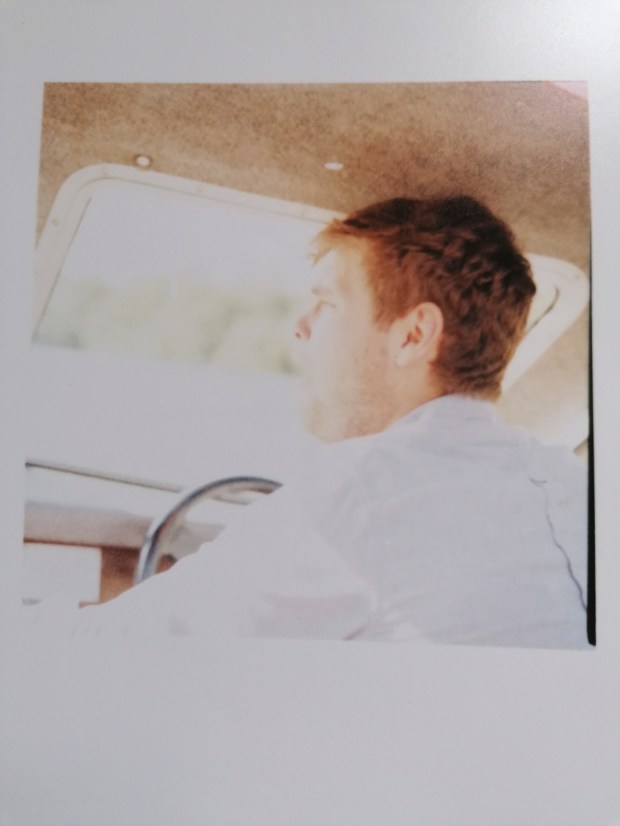
Firstly, it’s very easy to put the photographic paper with the emulsion side facing down on the masking frame. Which explains why the following two prints were the other way round.

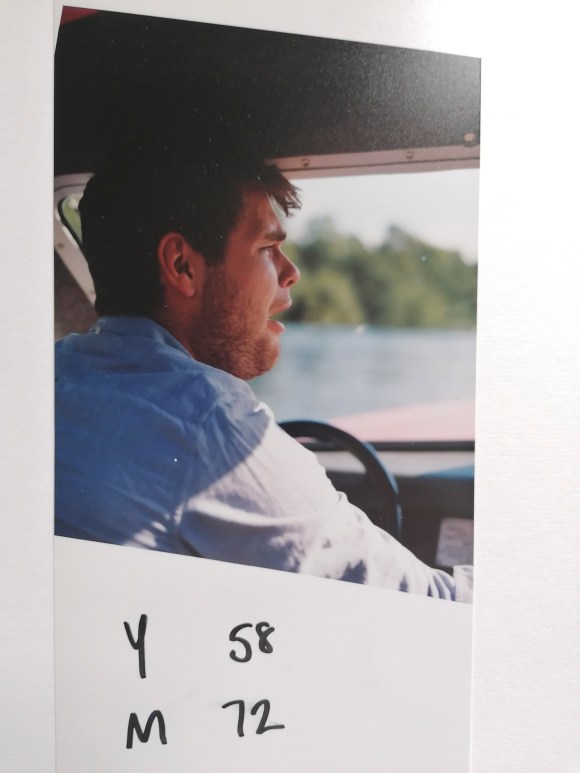
Secondly, the colour tone of the print image can be changed by either increasing or decreasing the three primary print colours: Yellow, Magenta and Cyan.

It takes a combination of numbers, colours and looking under a neutral light to get the right tone.

colour_test_print_3_low

Again, it would have helped if I had the paper the right way round for this final print.

The main thing I did learn is that by using the colour enlargers, a richer contrast can be created using Black & White prints. A bit like split toning in Adobe Camera Raw or Photoshop.

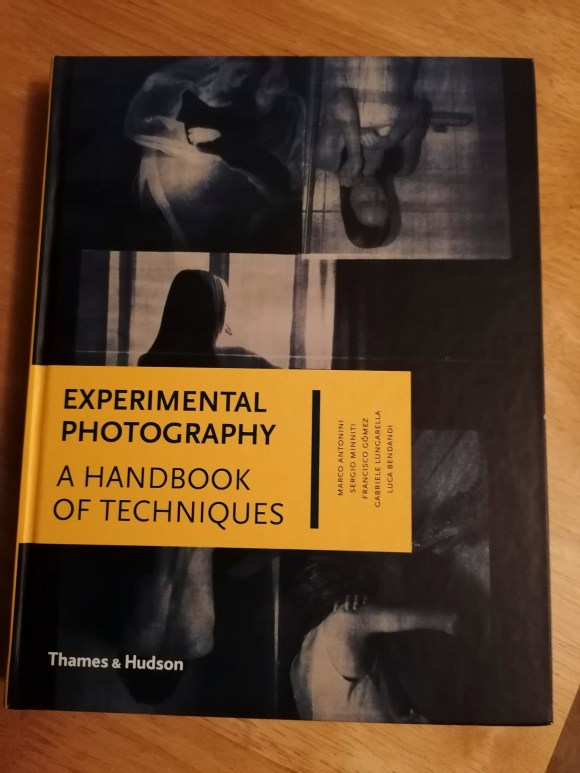
At this stage, I wasn’t sure if I would involve analogue processing in my work. However, there was a nagging feeling that I could use this at a later stage. I do have a strong interest in cameraless techniques and effects. I also know how to create my own negatives digitally. My first introduction to the darkroom involved making photograms when I was at primary school and that experience has always stuck with me. A book that I started reading at the same time as the one above is Experimental Photography: A Handbook of Techniques by Marco Antonini, Sergio Miniti, Fransicso Gómez, Gabriele Lungarella and Luca Bendandi.

experimental_photography_low

This inspiring book features a wide range of alternative techniques including cameraless, making one’s own cameras, operative hacks plus print and post-print experimentation. Again, lots more to be considered at this stage.

What I did take away from these two sessions is that it highlighted where my gaps in photographic knowledge laid. Also, I shouldn’t be too hard on myself that I didn’t understand the analogue processes as much as digital. Looking at how I used to take and process my digital images when I started compared to what I do now, it reminded me of the time, effort, mistakes and sheer hard work it took to me to get to my current stage. I also realised that this knowledge and experience could, and should, be applied to my work going forward.

Design a site like this with WordPress.com
Get started