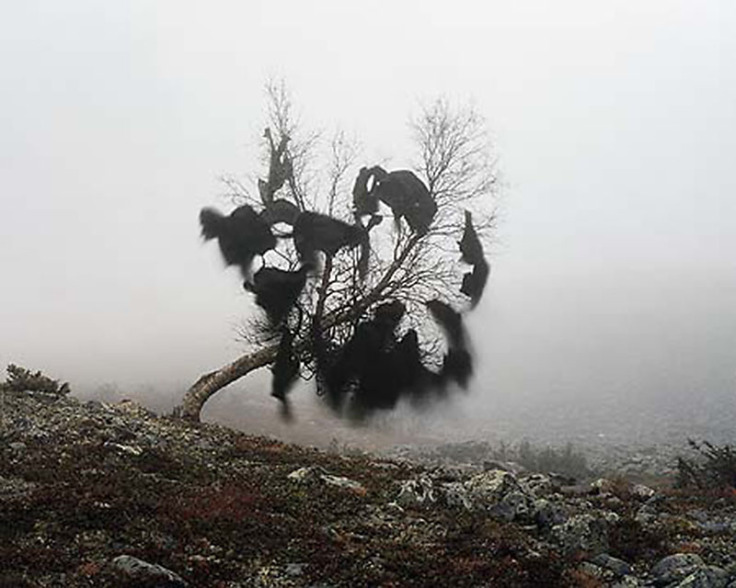
Riitta Päiväläinen is a Finnish photographer who, according to her website:
‘Is known for her temporary site-specific installations in nature, consisting of second-hand clothing and flea market fabrics. Her main interest has been “the unwritten history” – the history that you cannot find in library books, official files or archives, but can be felt in the rip of a coat or in the arm worn thin on an armchair.’
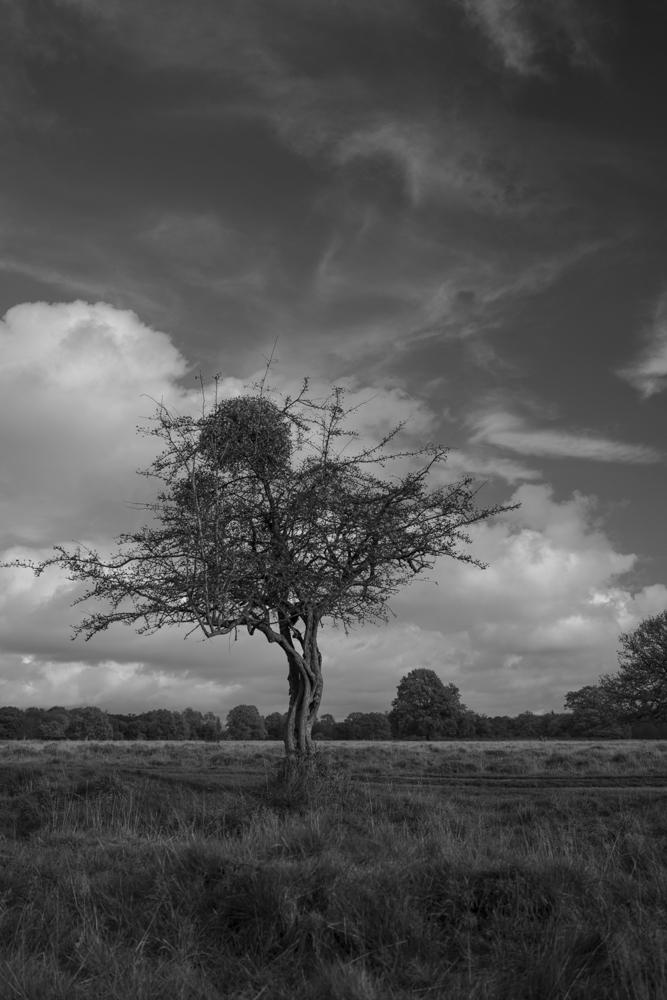
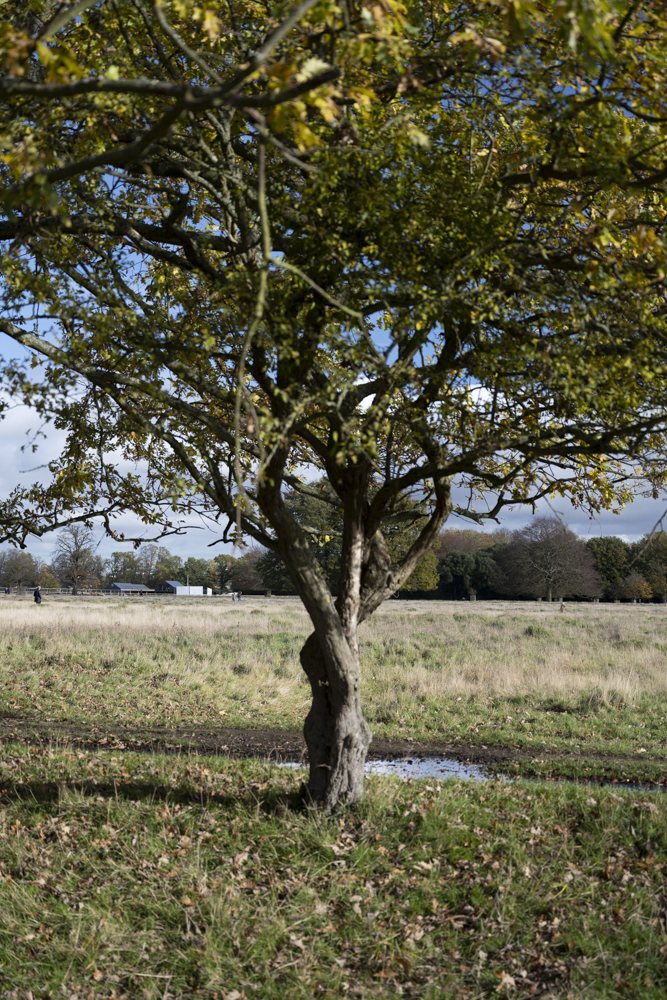
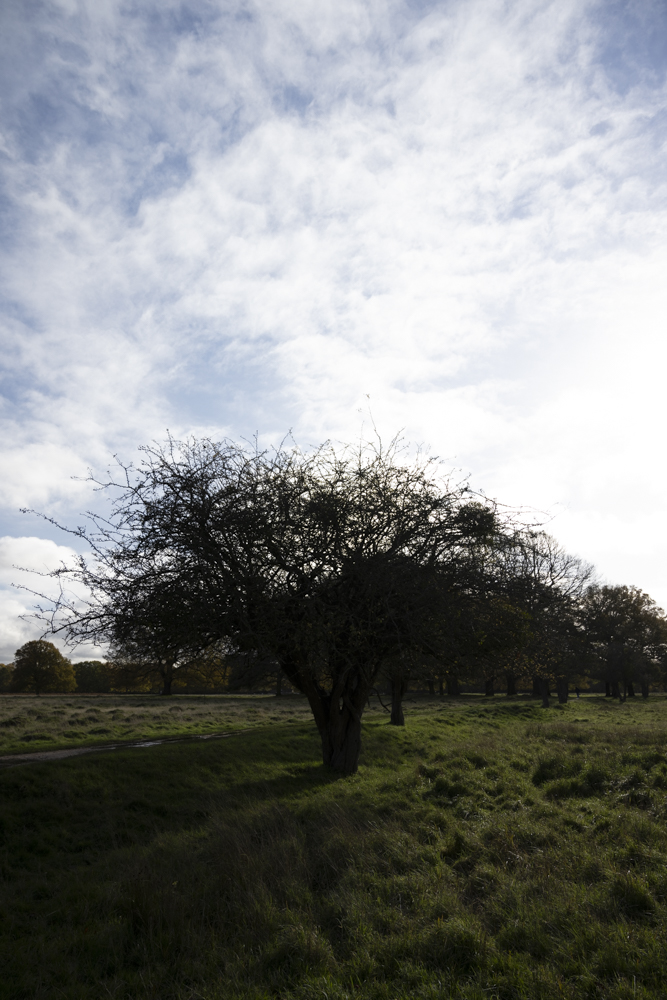
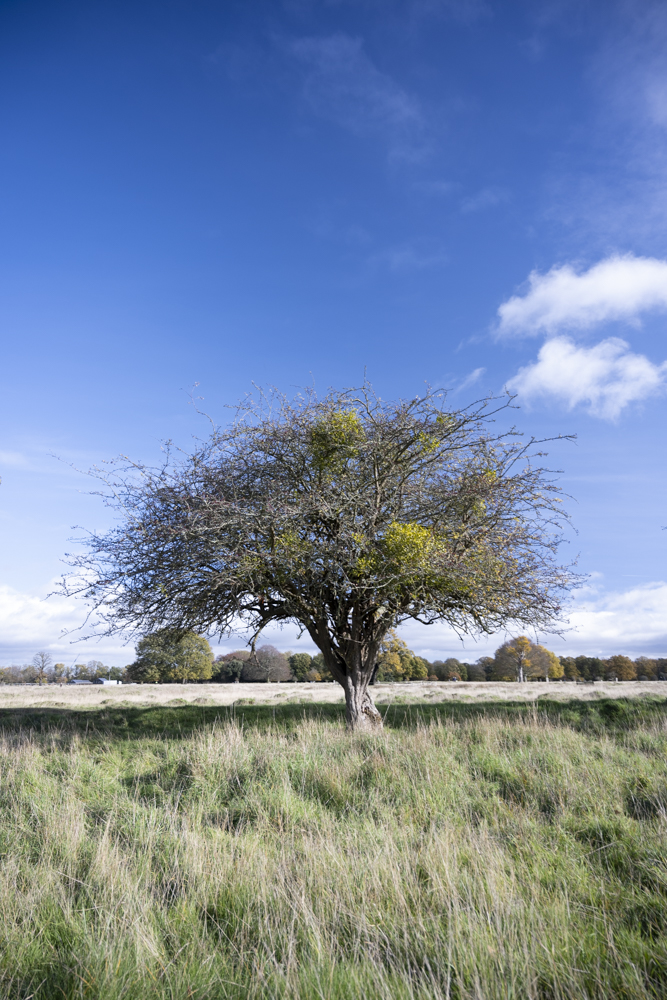
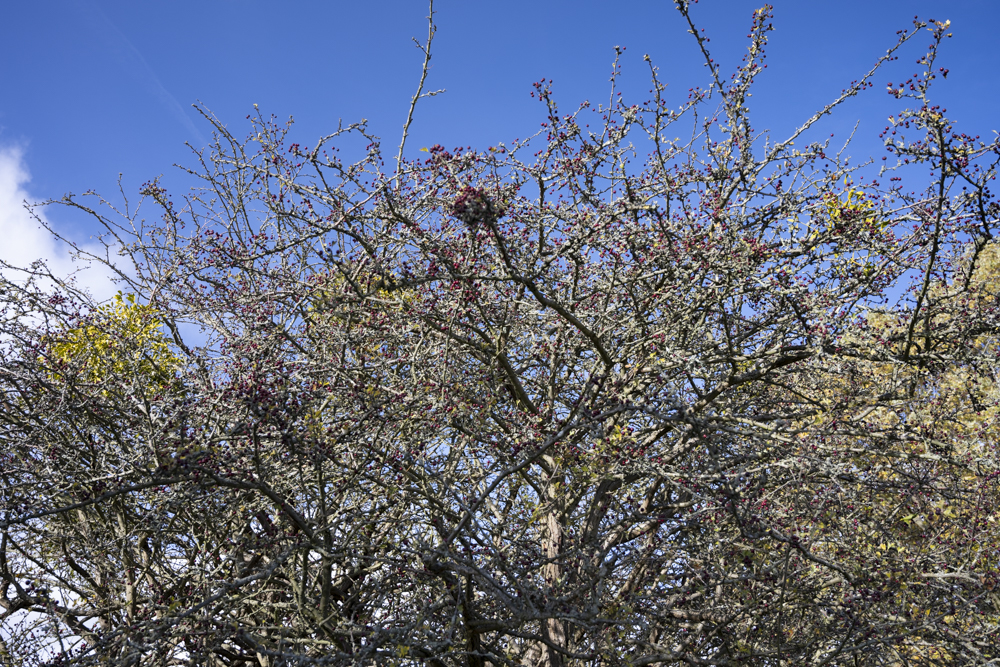
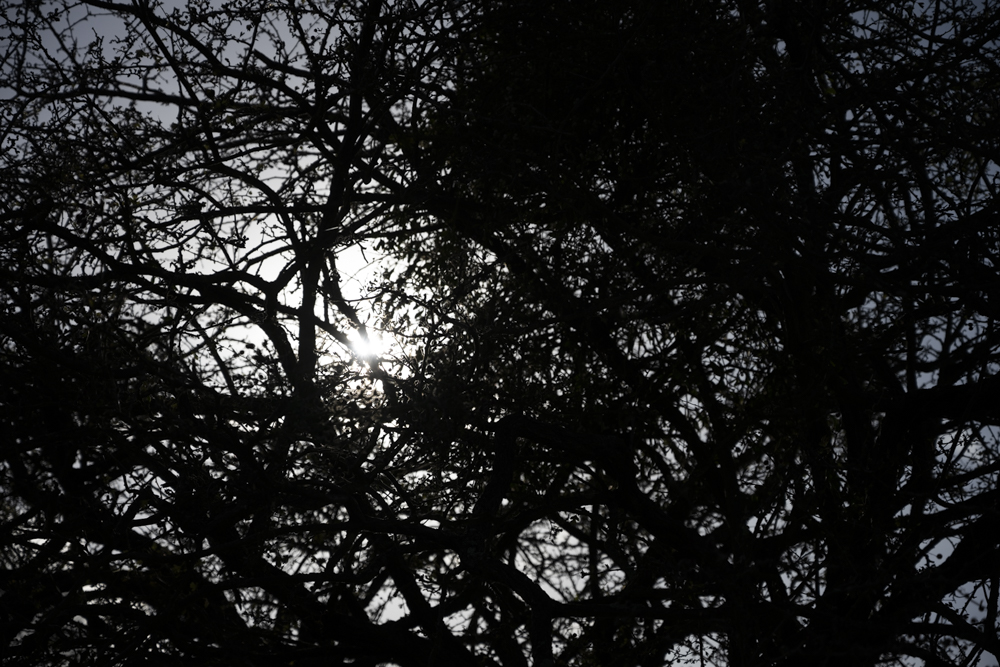
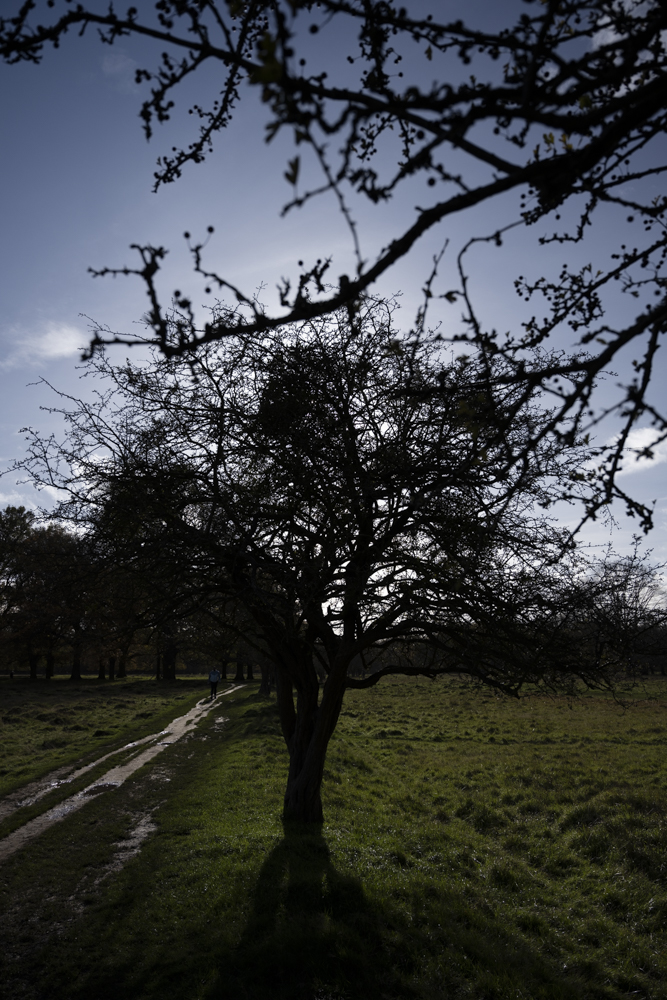
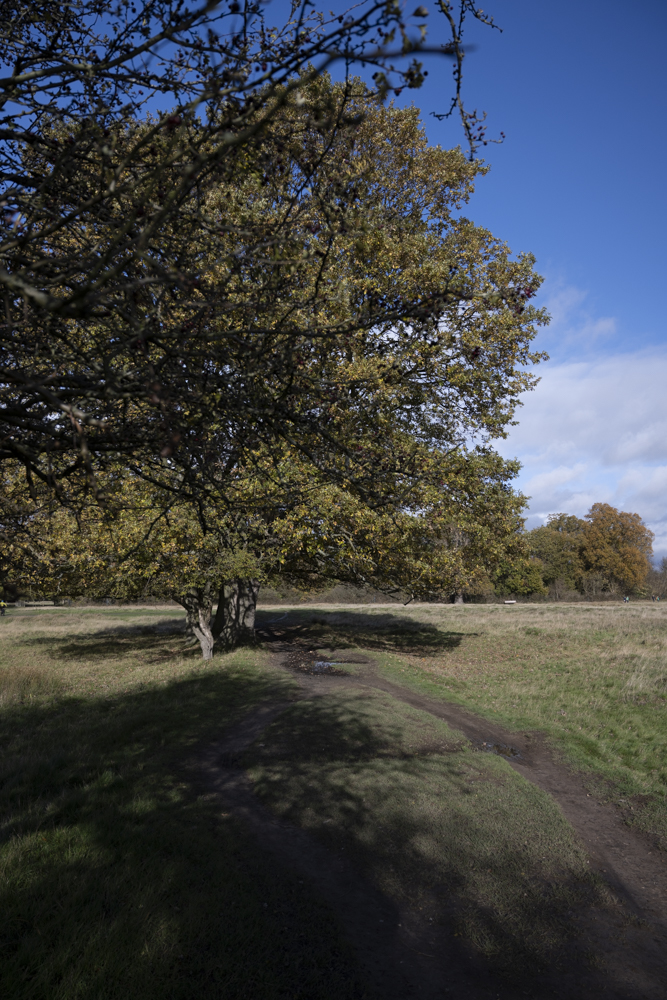
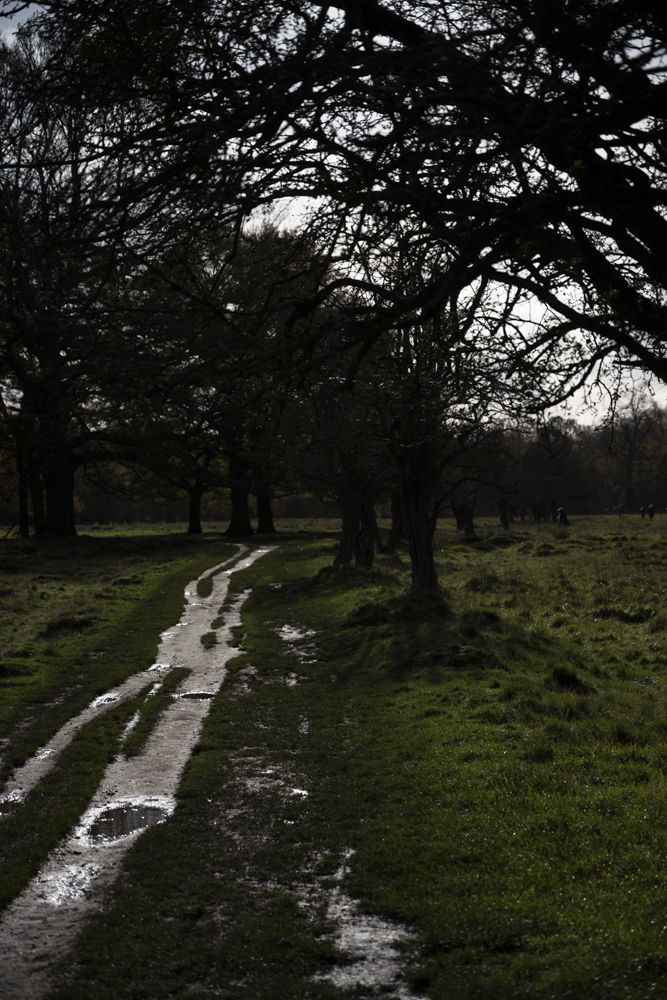
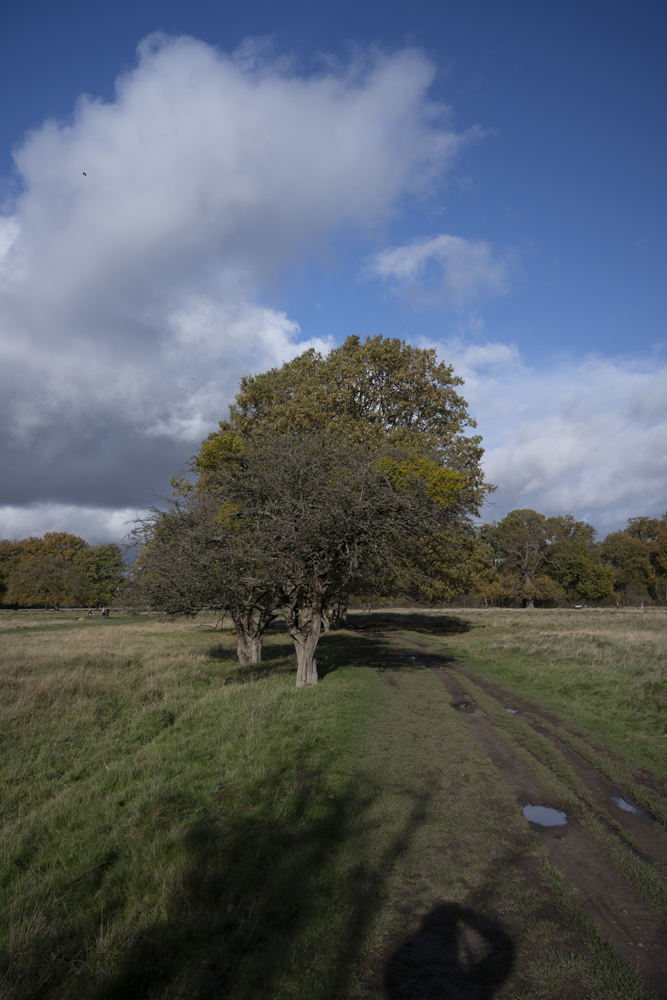
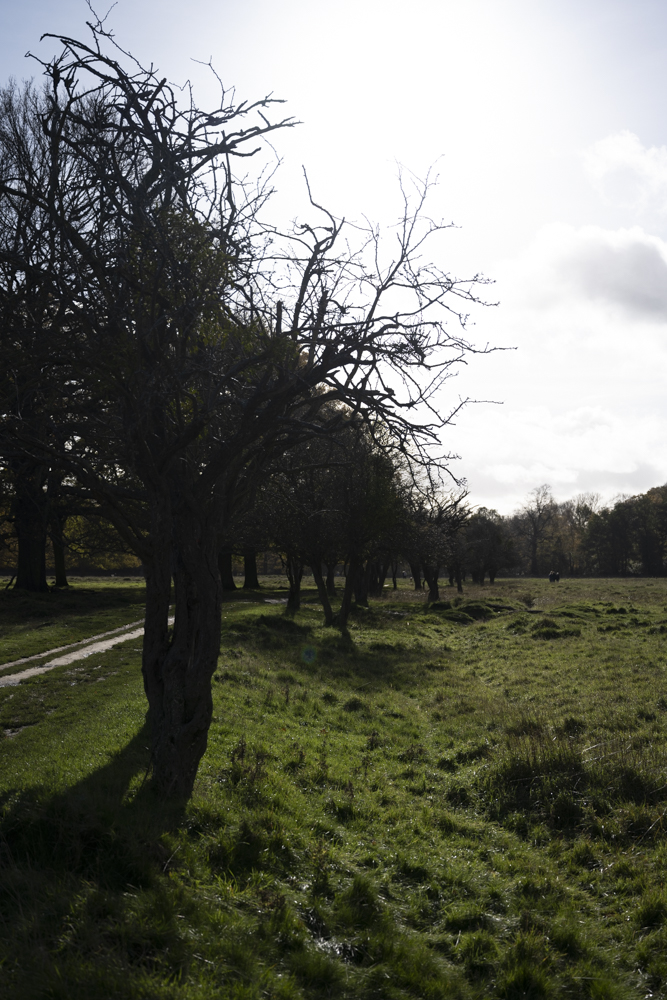
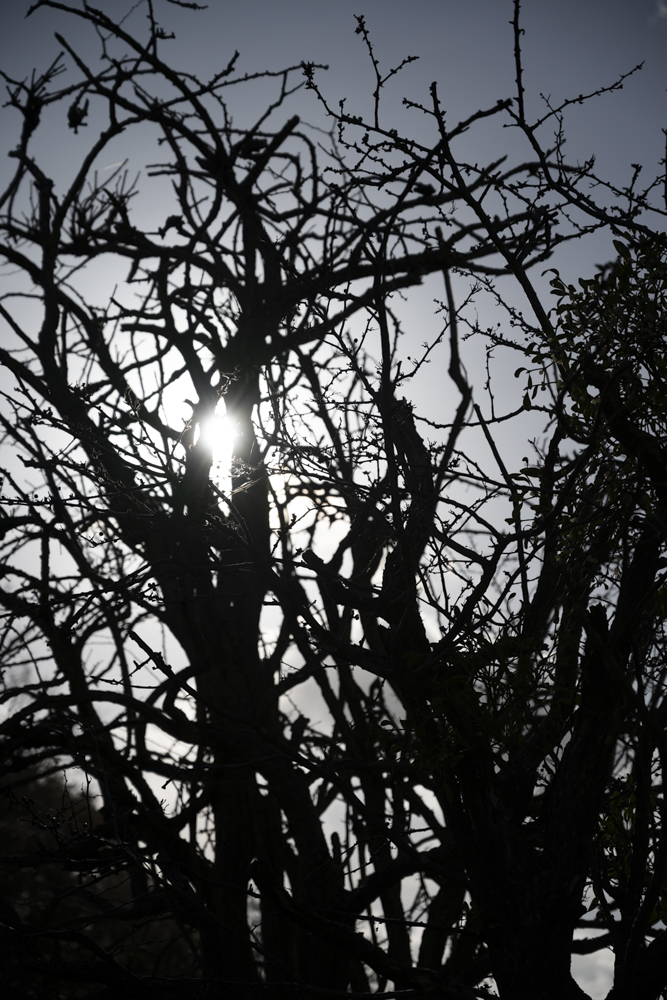
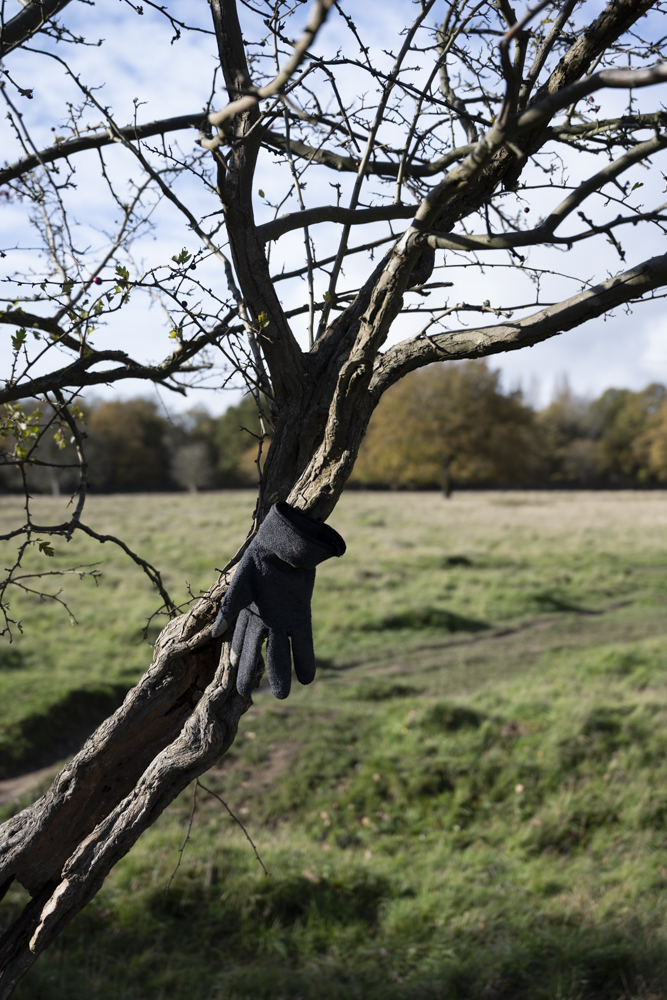
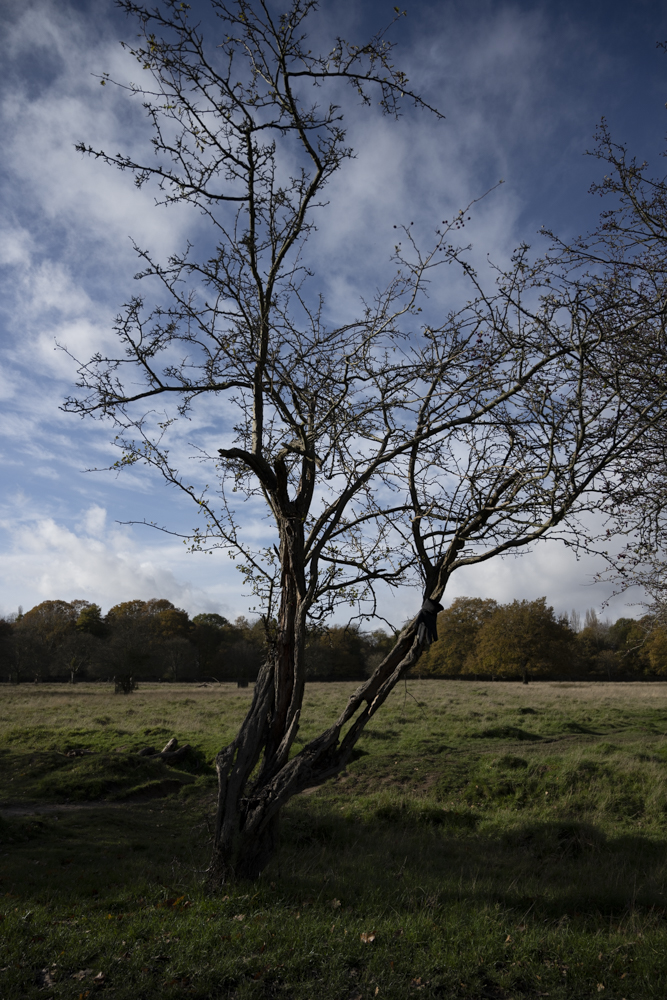
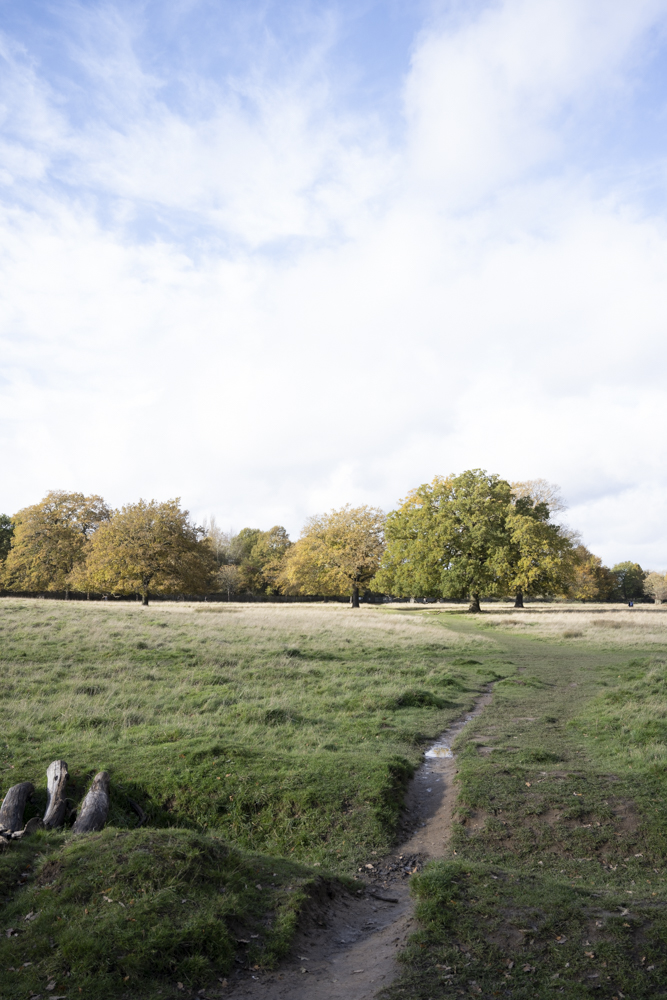
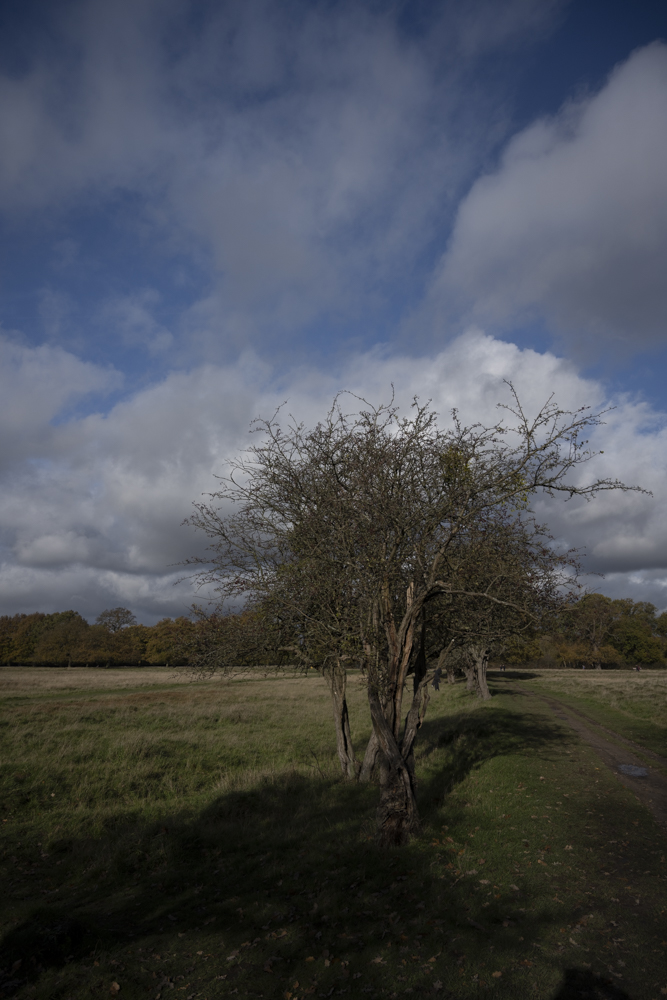
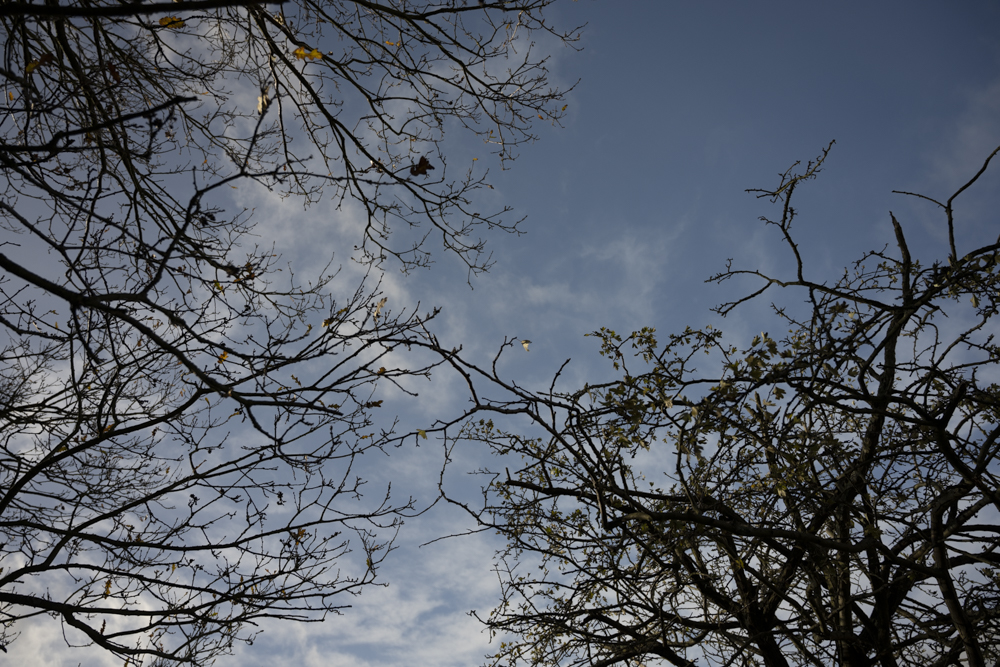
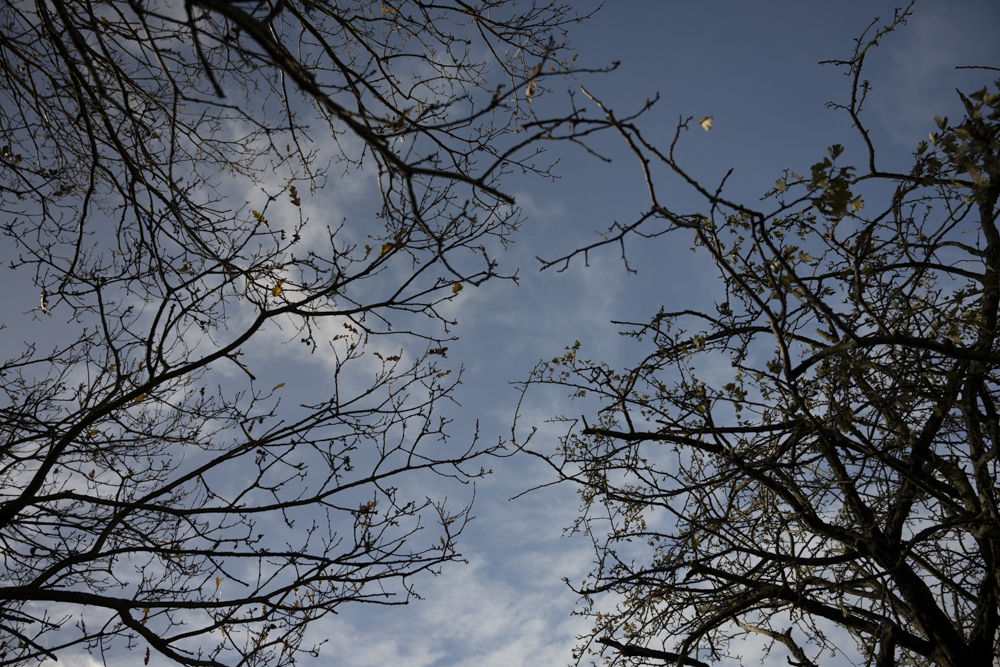
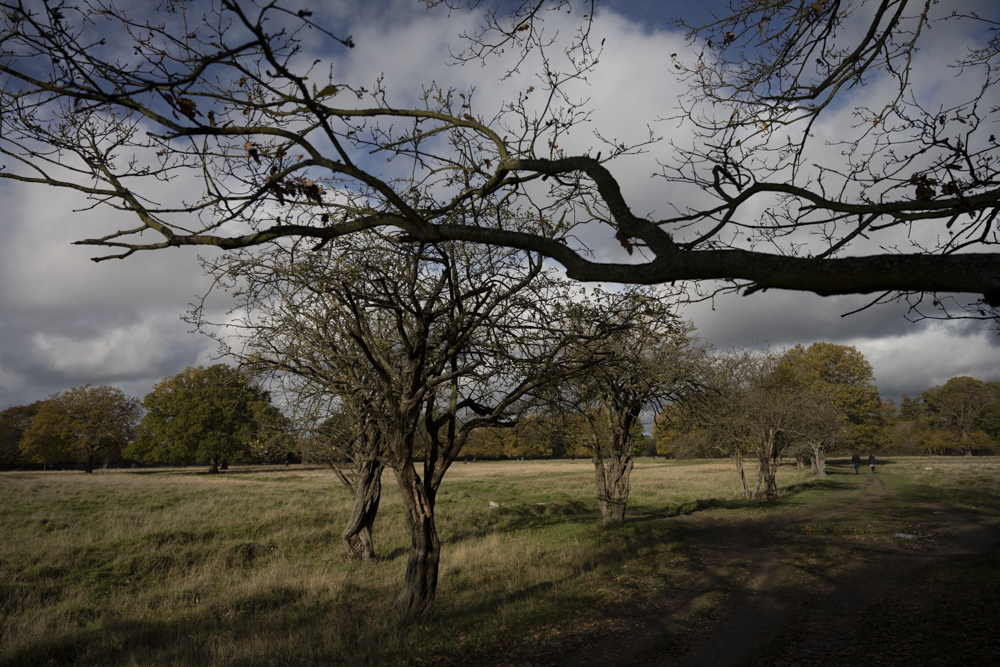
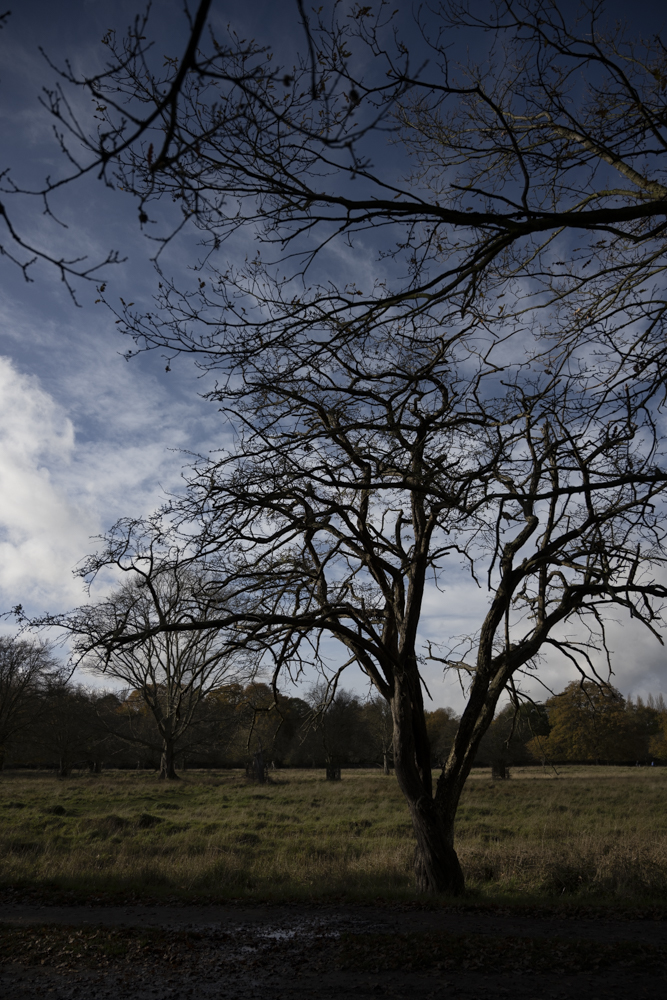
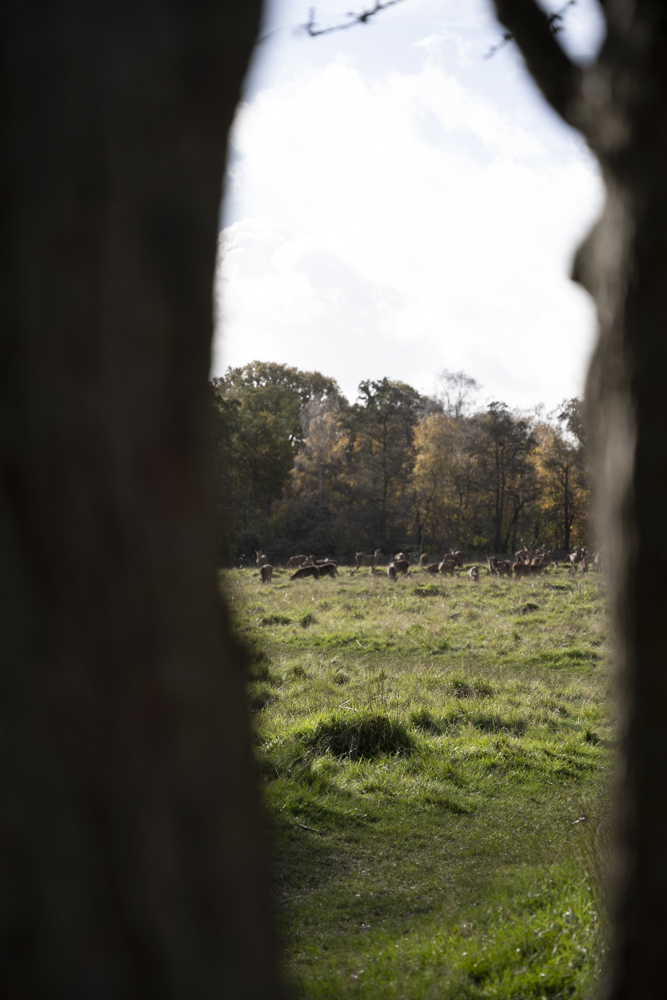
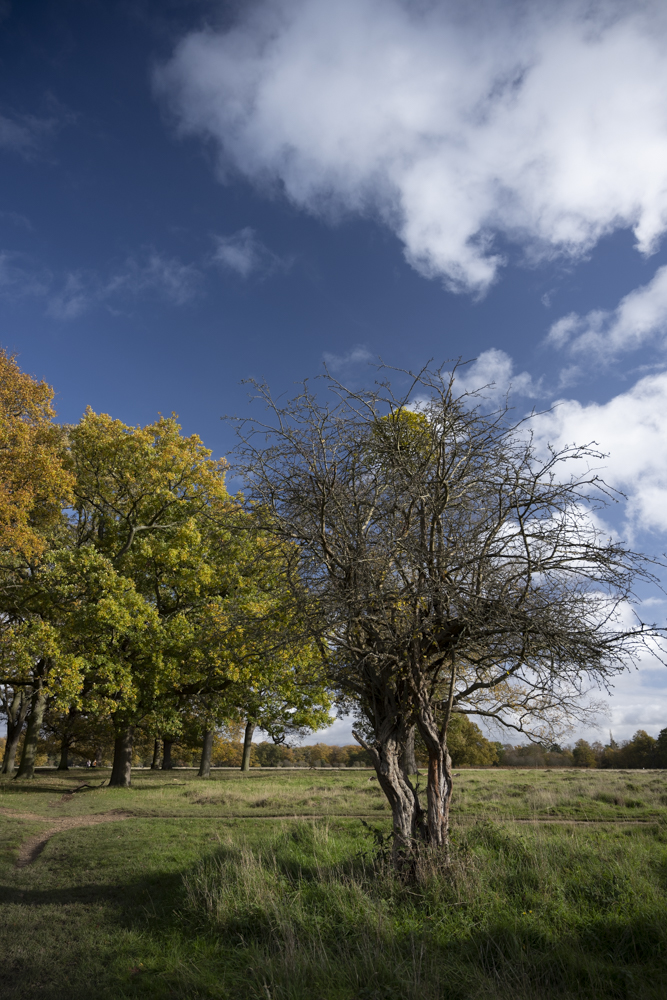
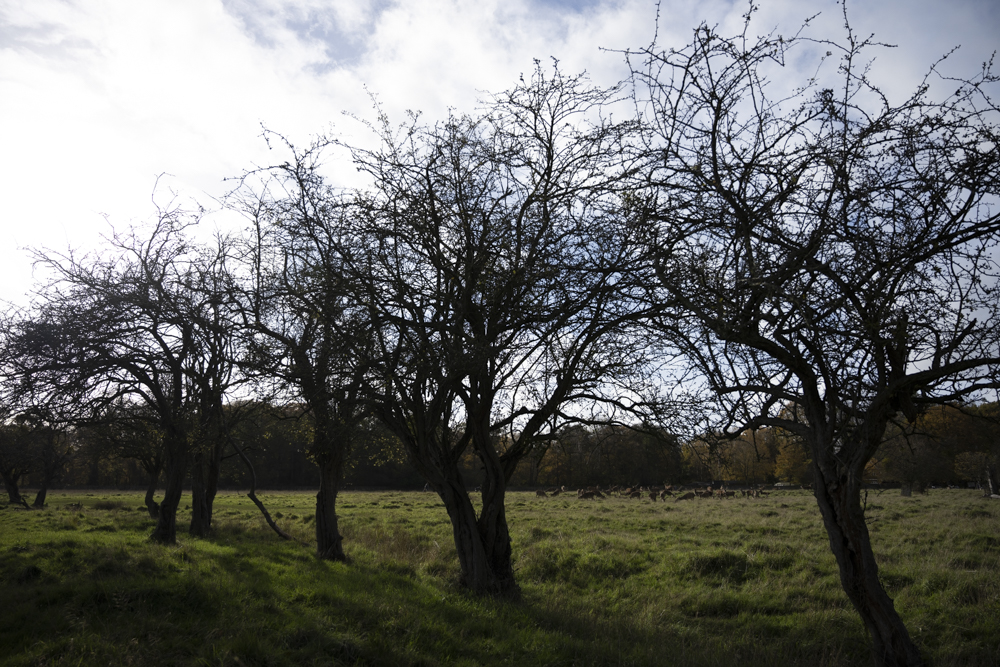
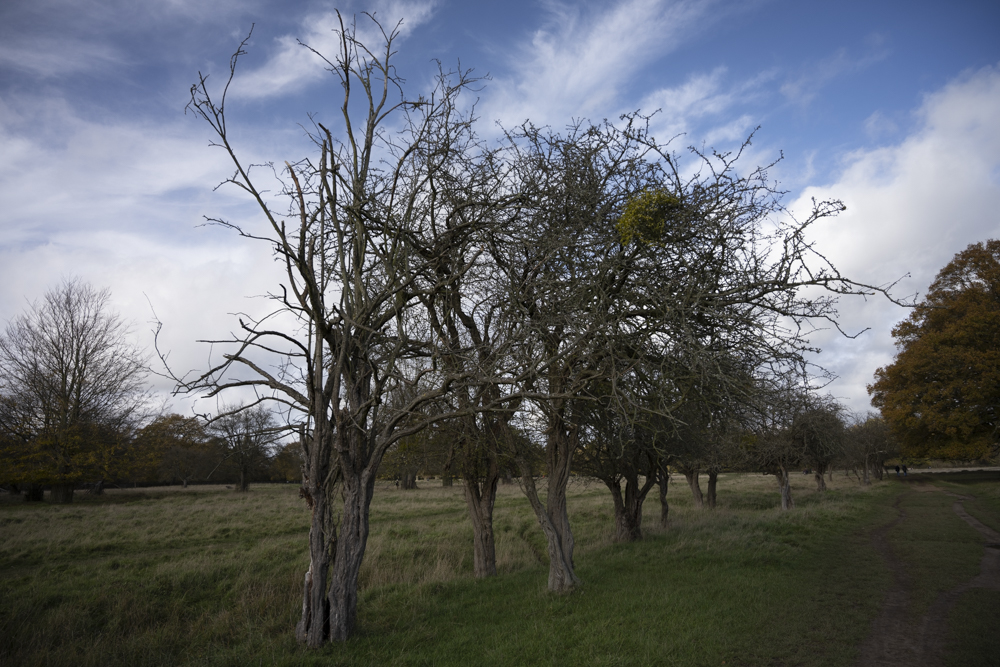
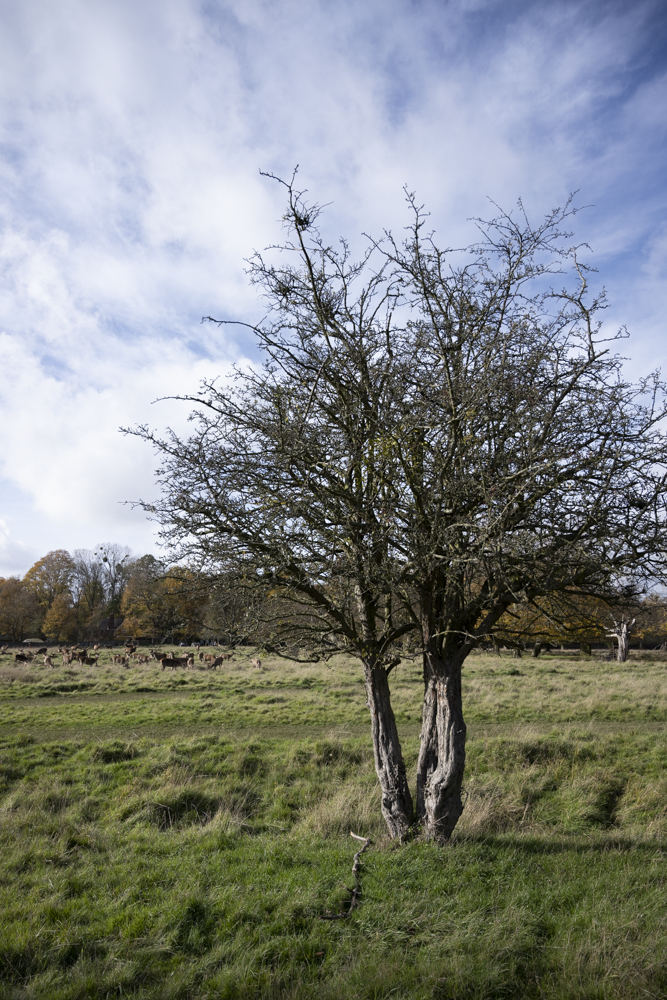
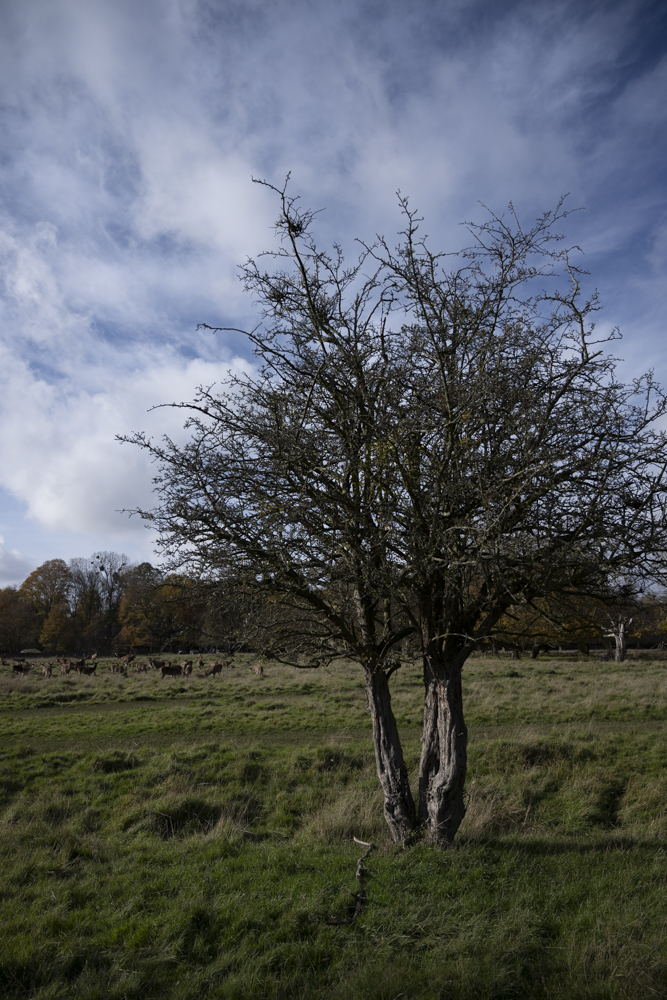
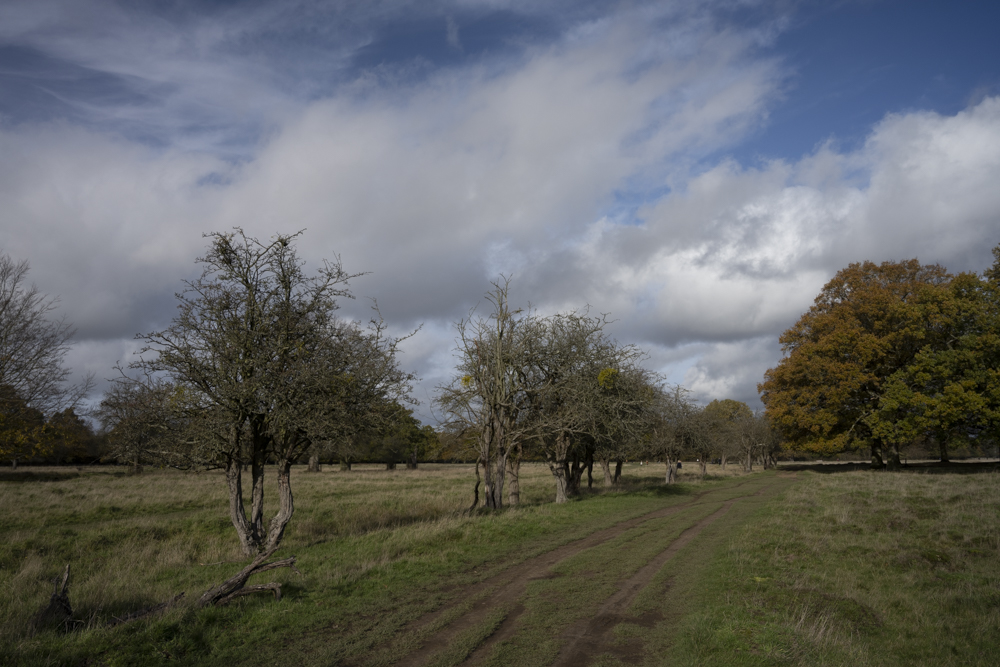
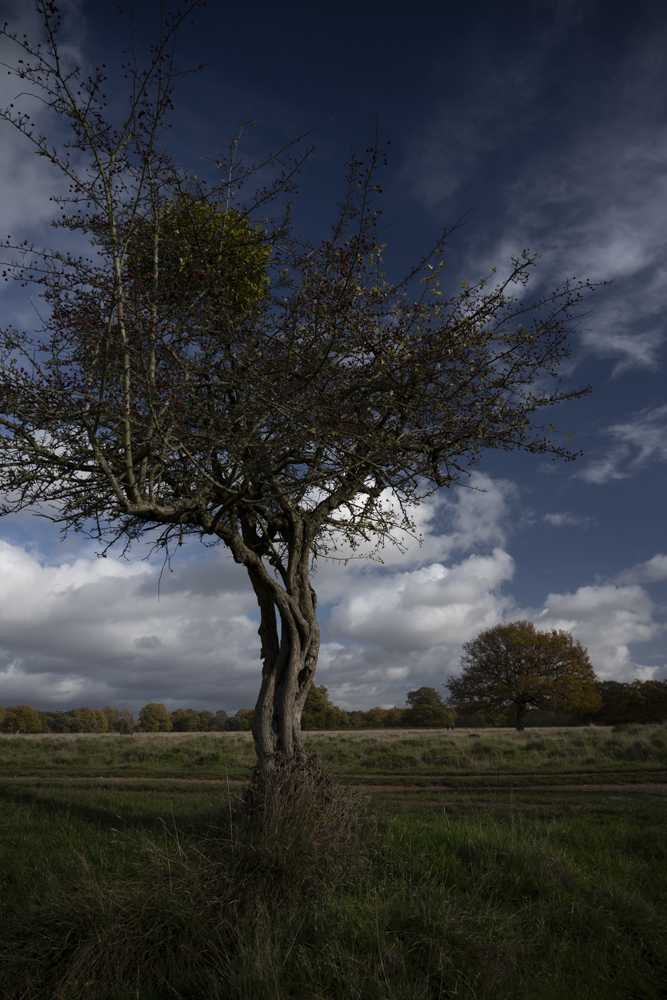
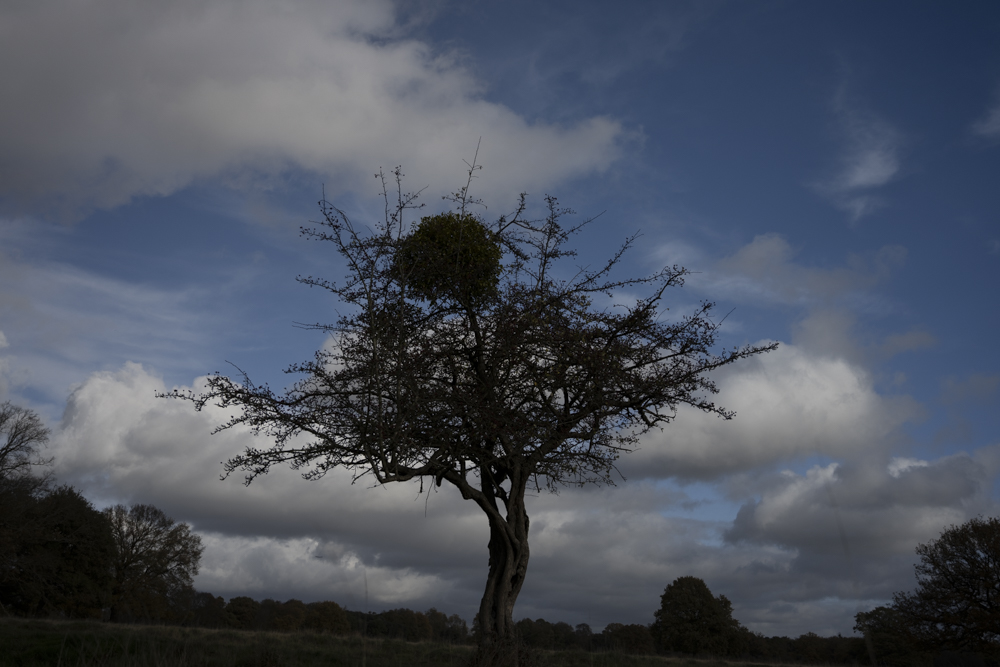
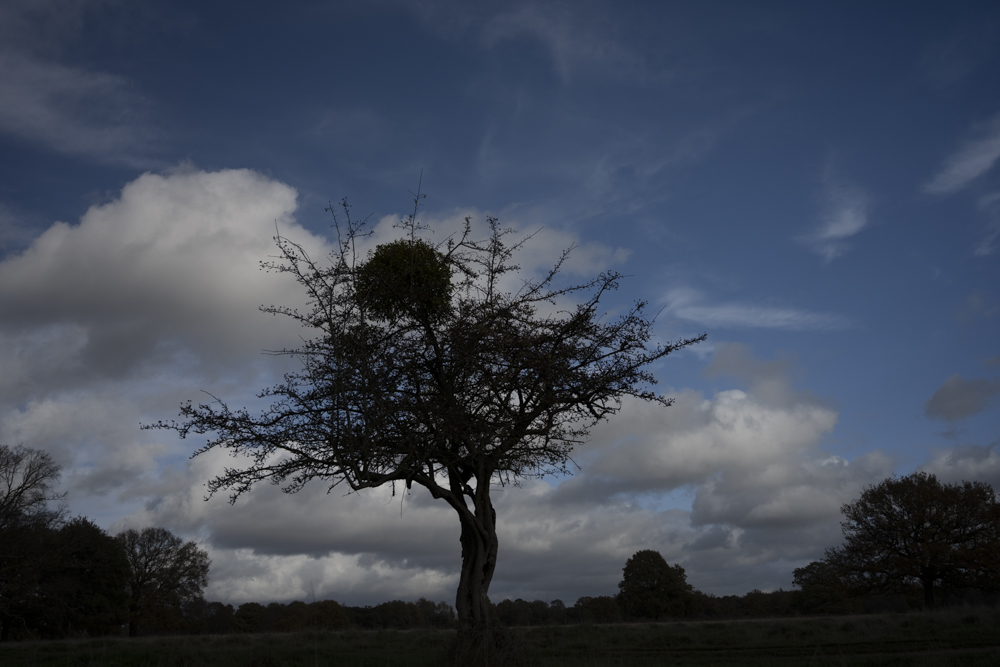
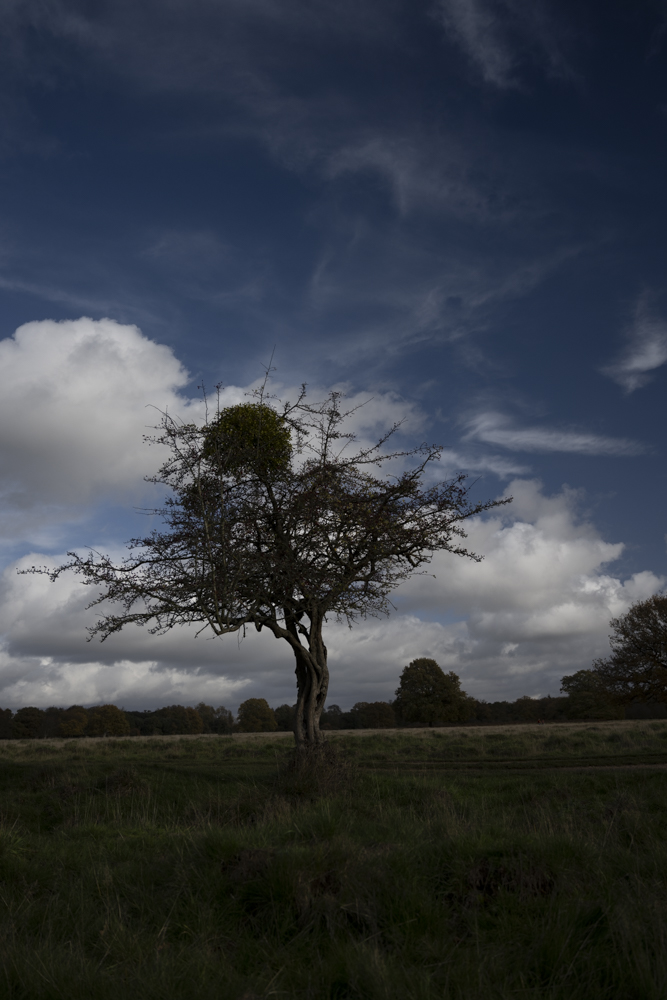
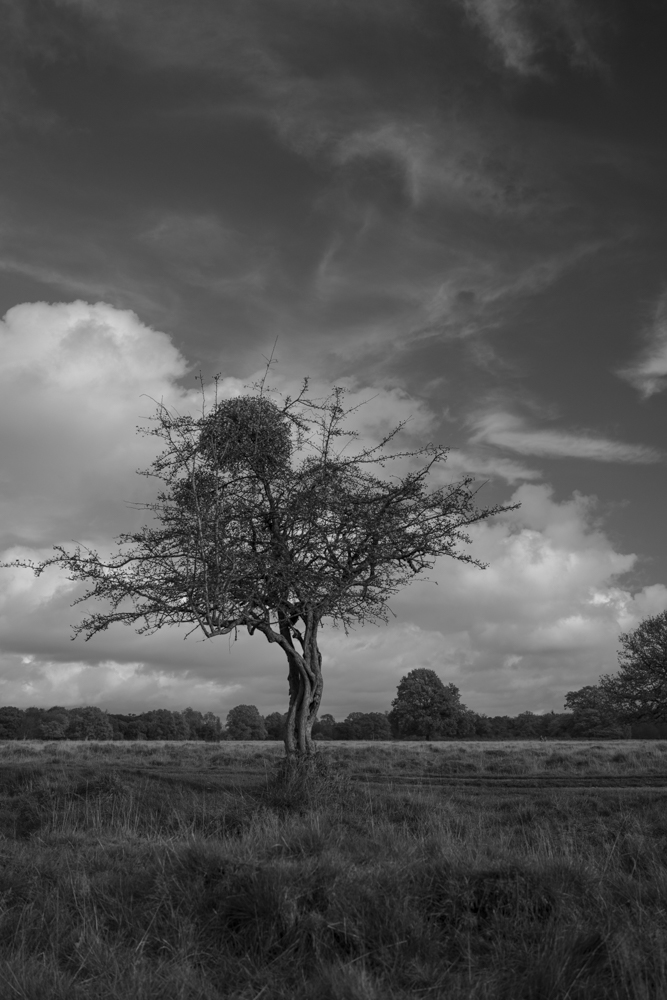
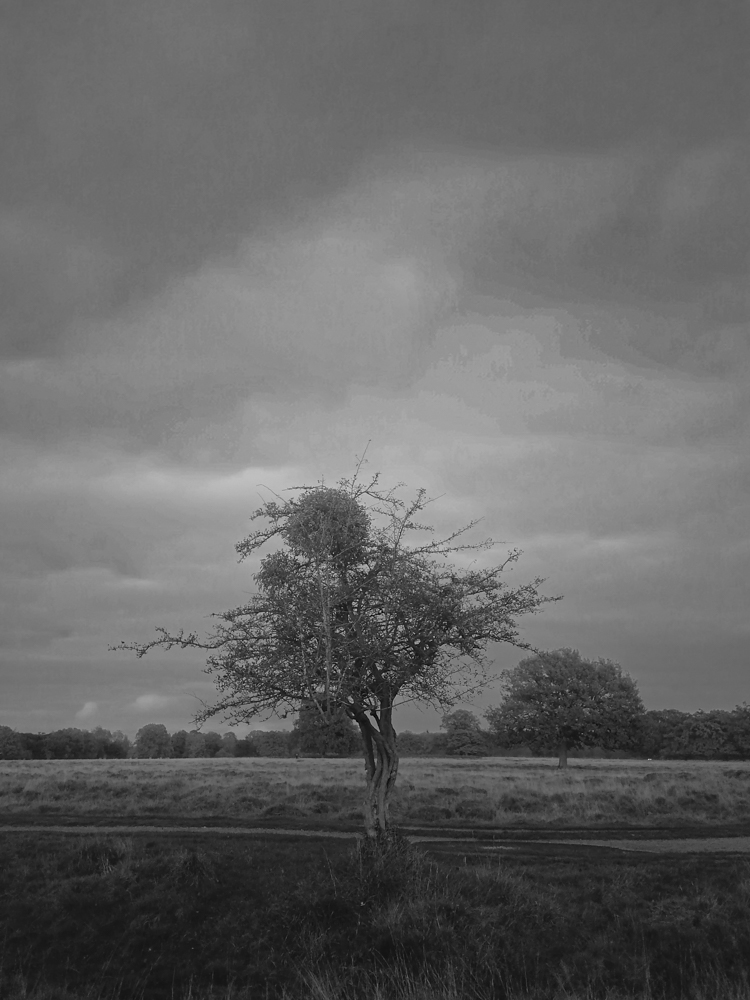
I was introduced to Päiväläinen’s photographic work during a 1-1 tutorial with our tutor, Åsa. When I looked at Päiväläinen’s images, I was quite struck by their haunting nature. As I wrote previously, there is a very eerie aspect to her work involving trees and clothing props. I get a similar reaction when I look at my images of hawthorns.
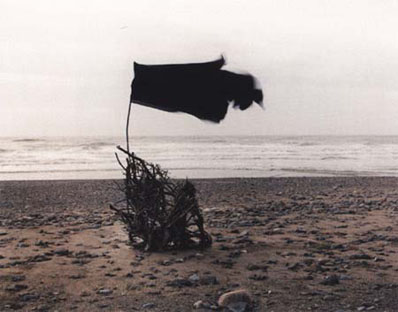
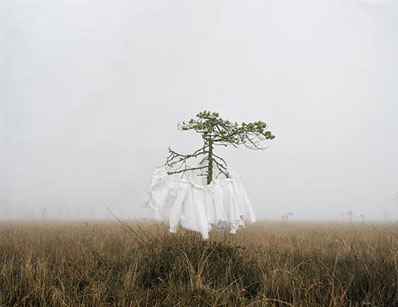
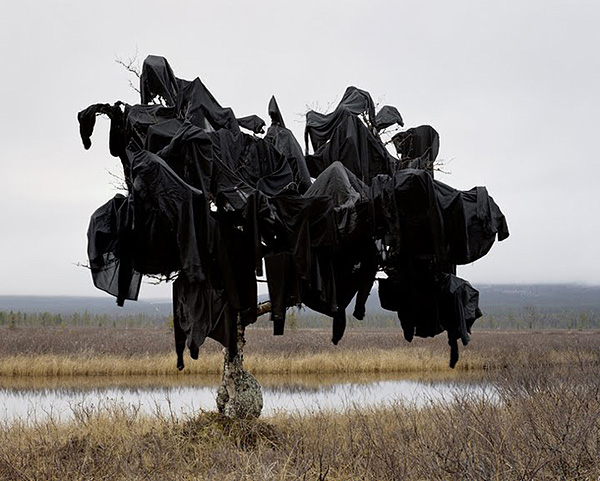
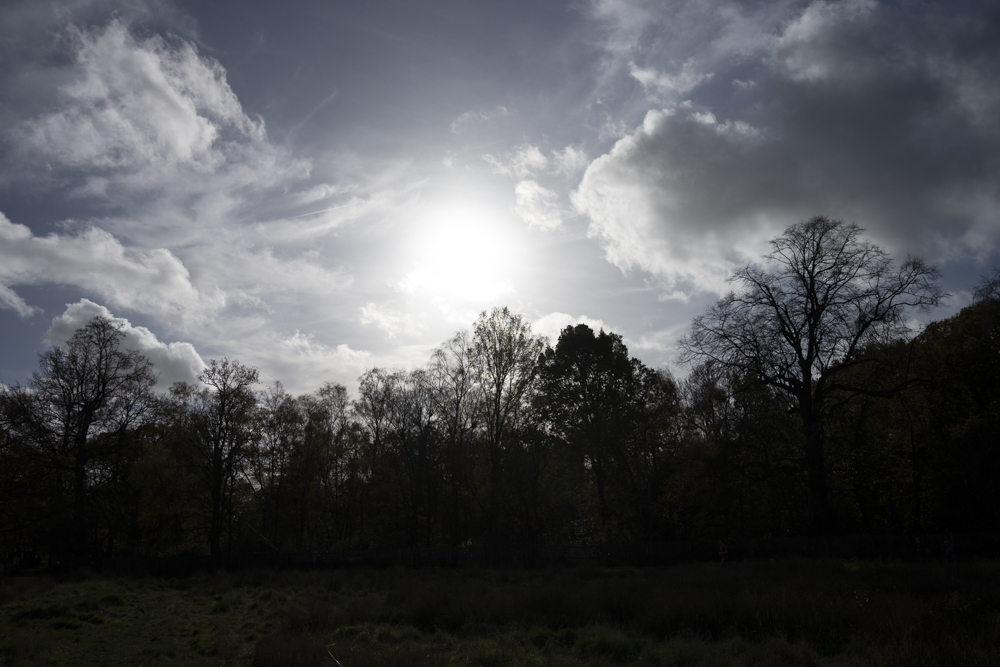
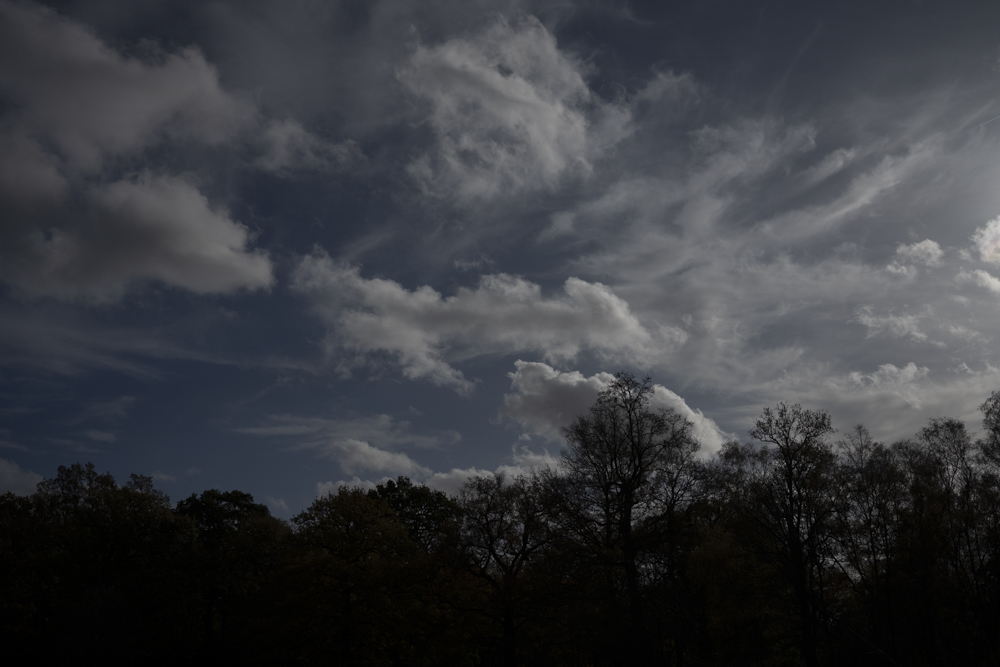
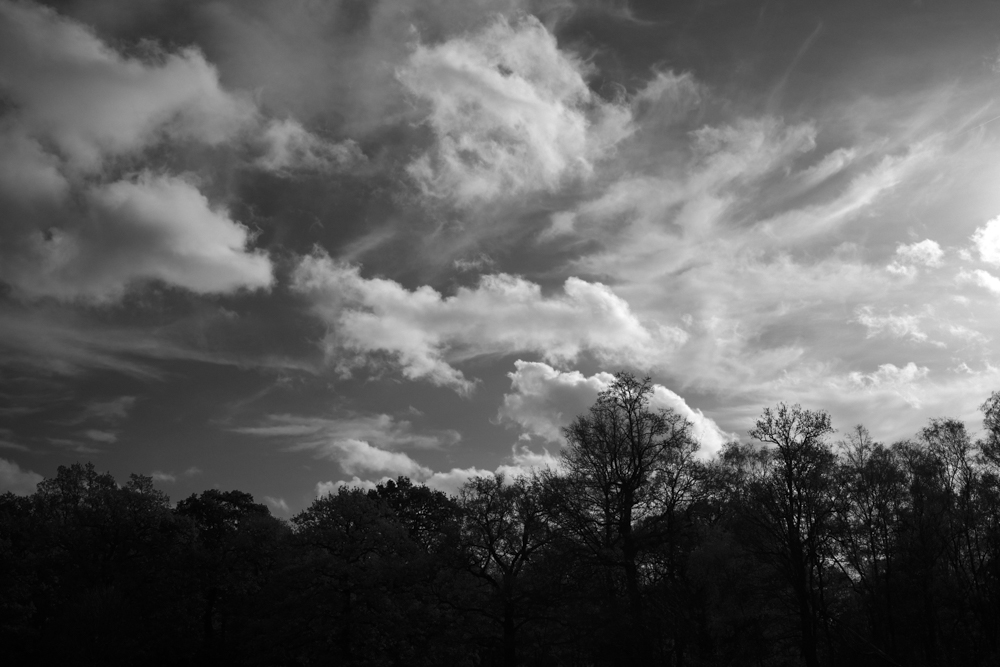
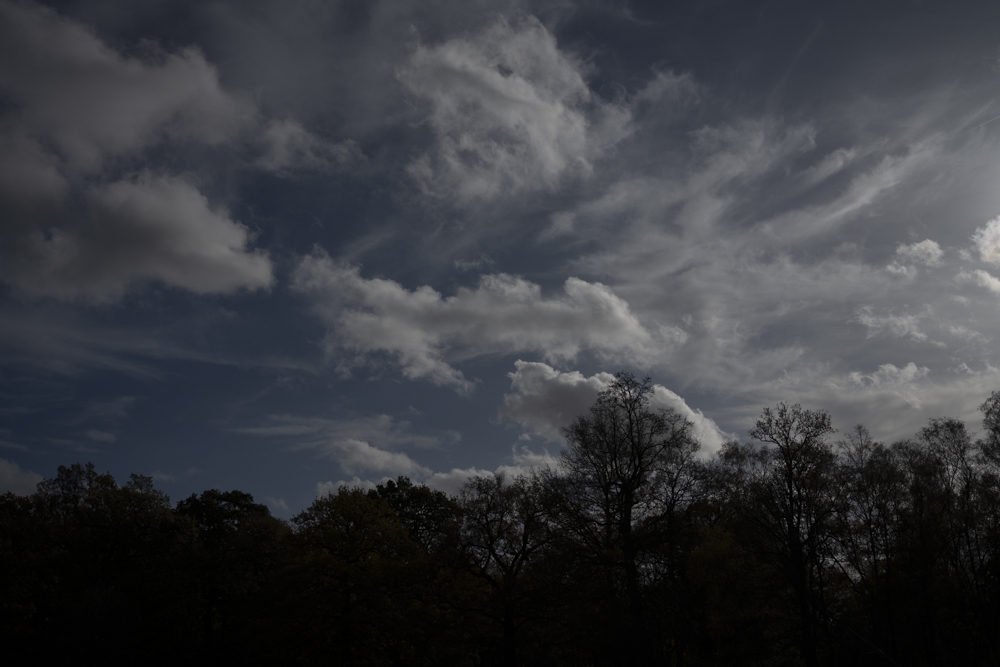
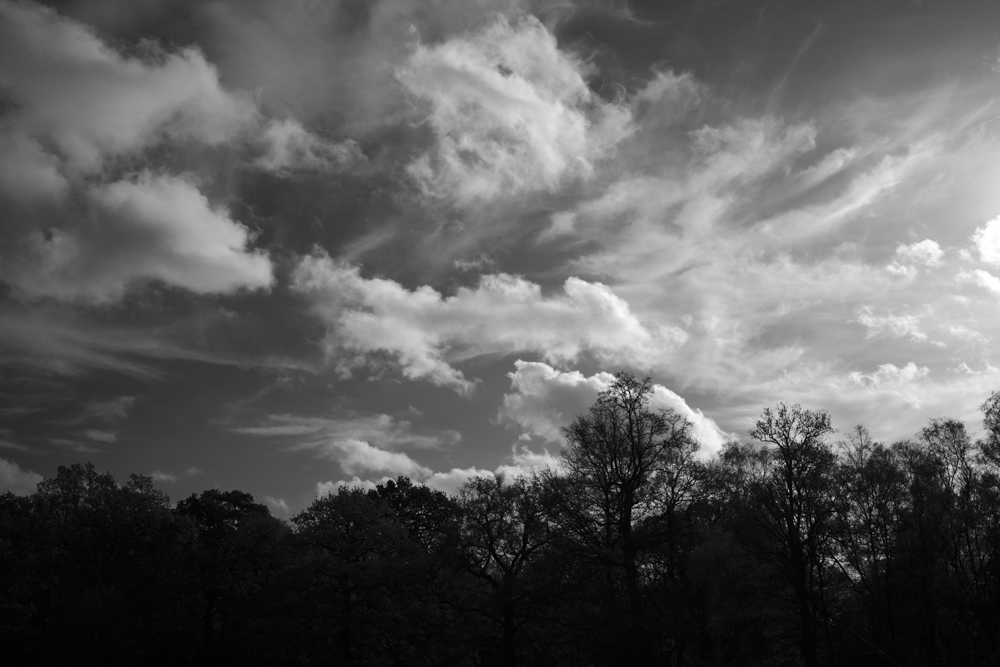
These particular images are visually similar to the ones in which I’ve focused on the three compositional elements:
- Sky
- Tree
- Ground
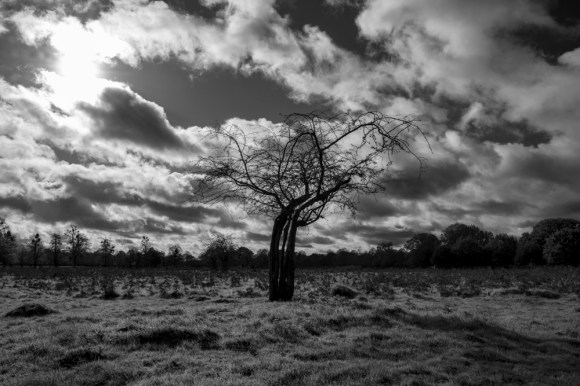
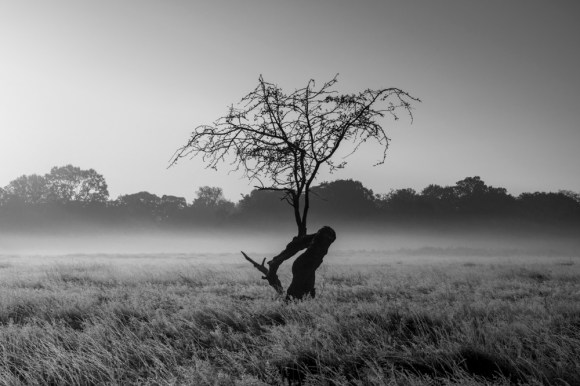
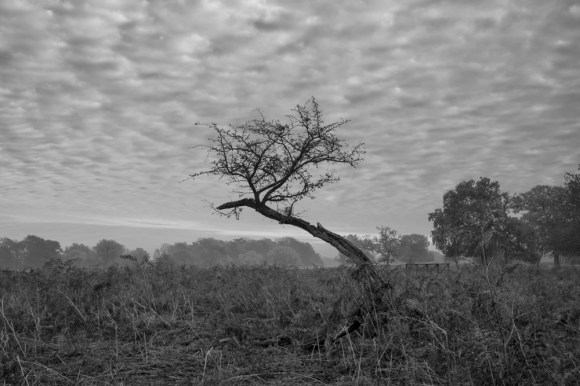
Päiväläinen’s method is described as follows:
‘She creates site-specific sculptures utilizing second-hand clothing from flea markets and thrift shops as found objects, and then records the fleeting sculptures with suburb color photographs. Her work is similar in emotion content to that of the British sculpture Andy Goldsworthy. In contrast to Goldsworthy’s utilisation of the found natural materials of stone, rock and sticks, Paivalainen introduces a man-made element that speaks both directly and indirectly to the presence of humanity.’
(Stockdale, 2020)
For Päiväläinen:
‘The used clothes are symbols and evidence of the past, unknown people and their stories, memories and dreams. These symbols are installed in the natural landscape, in which there is no other presence of mankind, creating an abstract interplay and dialog between mankind and nature. The clothing is arranged either in familiar shapes or abstract patterns within the landscape, although she will sometime extract these sculptures out of this natural context.’
(Stockdale, 2020)
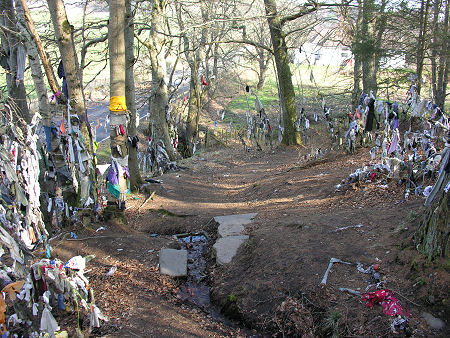
Päiväläinen’s trees also reminds me of the trees near to Clootie/Cloutie wells:
The Clootie Well is a rather weird remnant of an ancient tradition once commonly found in Scotland and Ireland, of holy wells to which pilgrims would come and make offerings, usually in the hope of having an illness cured. The tradition dates far back into pre-Christian times, to the practice of leaving votive offerings to the local spirits or gods in wells and springs. With the arrival of Christianity, the practice was simply adopted to the new circumstances.’
(info@undiscoveredscotland.co.uk, 2020)
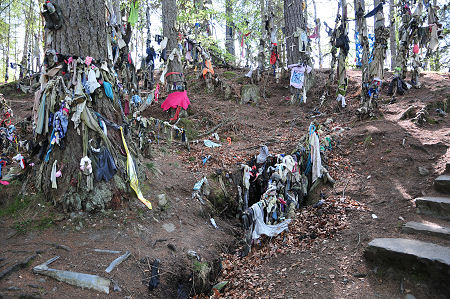
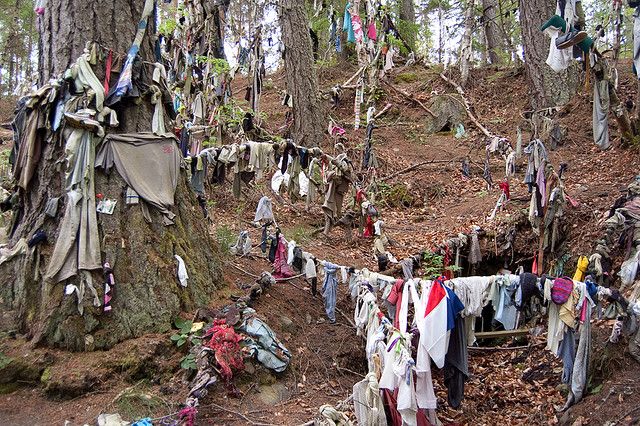
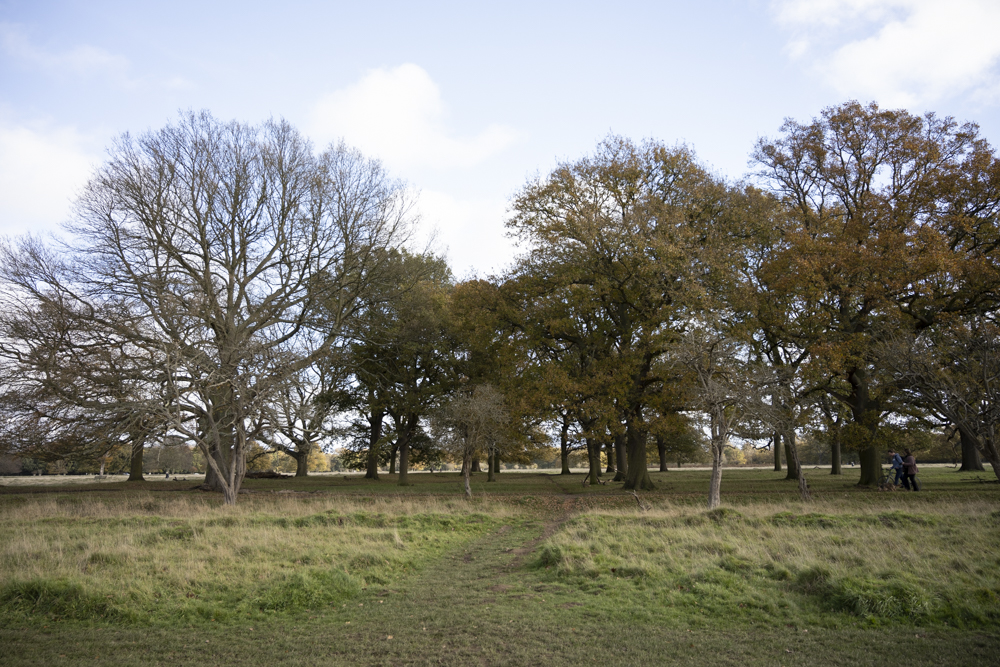
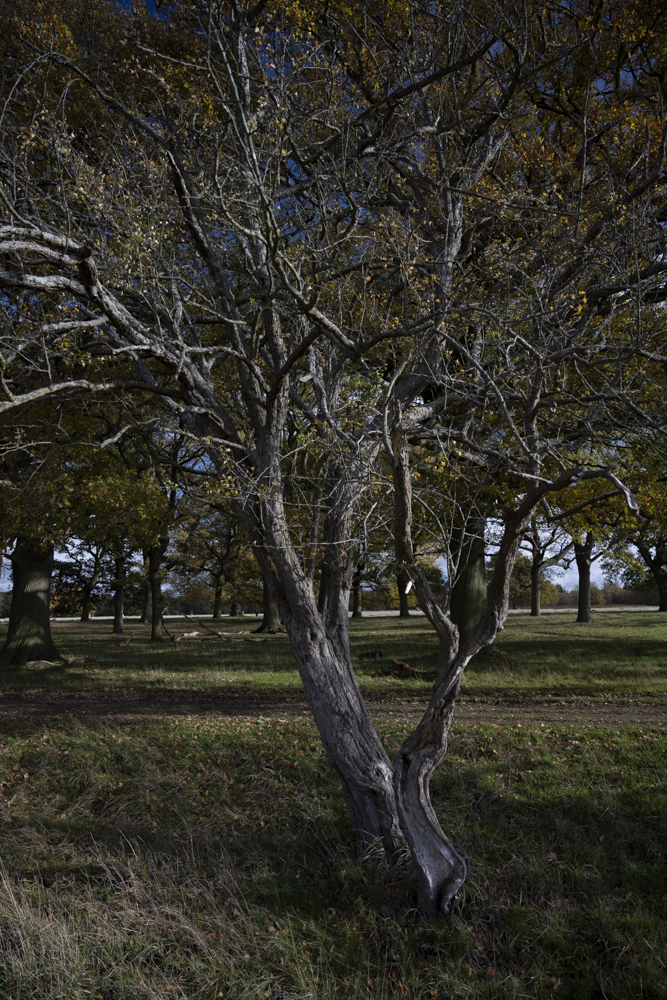
When I looked at Päiväläinen’s work in more detail, two things came to mind in relation to my project. Firstly, my particular methodology of photography doesn’t involve physically adding to or changing my subject matter. For me, the tree itself is enough.
Secondly, the mood of the images plus the reactions and emotions they evoke are an exceptionally important element.
References:
info@undiscoveredscotland.co.uk, U., 2020. The Clootie Well Feature Page On Undiscovered Scotland. [online] Undiscoveredscotland.co.uk. Available at: <https://www.undiscoveredscotland.co.uk/munlochy/clootiewell/index.html> [Accessed 16 November 2020].
Riittapaivalainen.com. 2020. Riitta Päiväläinen. [online] Available at: <http://riittapaivalainen.com/htdocs/> [Accessed 5 November 2020].
Stockdale, V. 2020. Riitta Paivalainen – Imaginary Meetings. [online] PhotoBook Journal. Available at: <https://photobookjournal.com/2009/12/31/riitta-paivalainen-imaginary-meetings/> [Accessed 5 November 2020].
 Jennie Meadows MA Photography