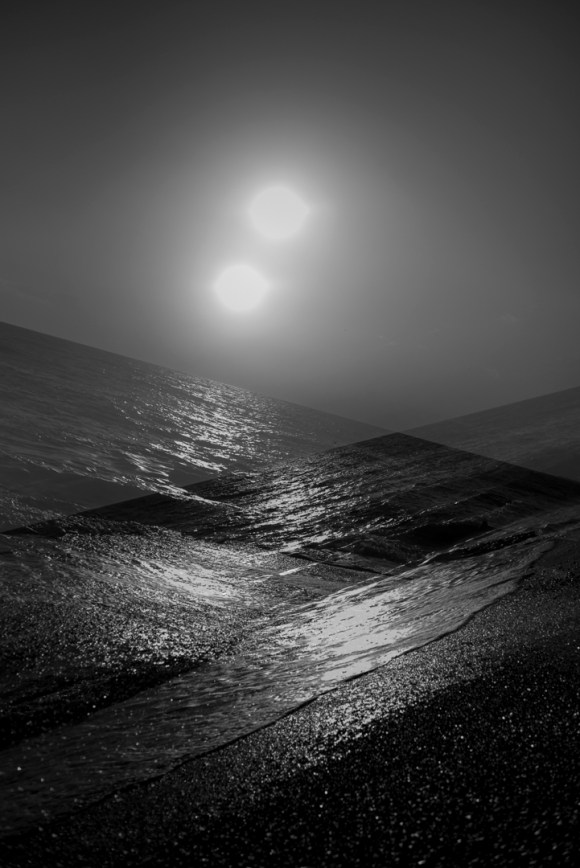
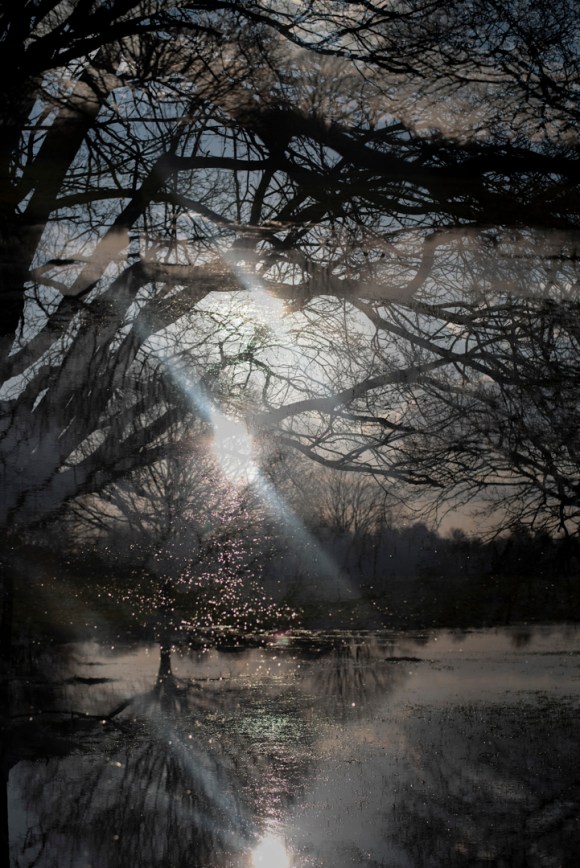
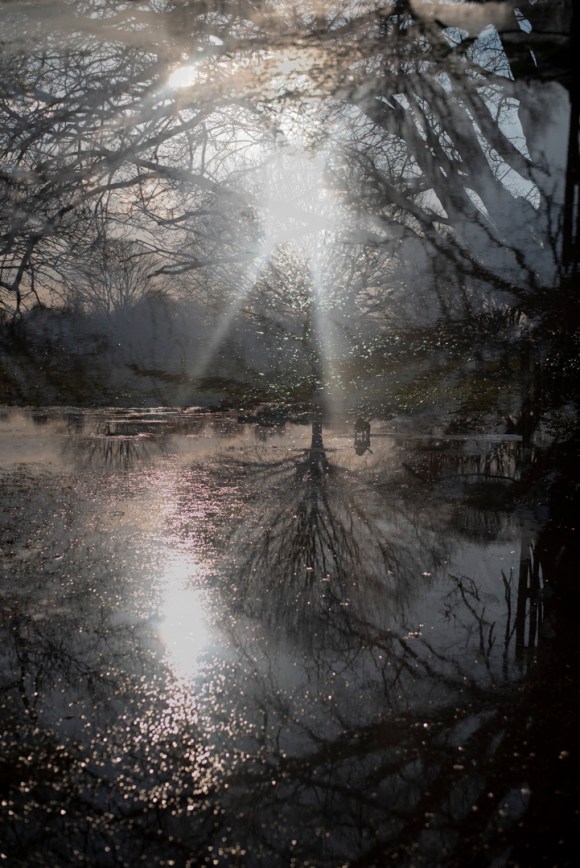
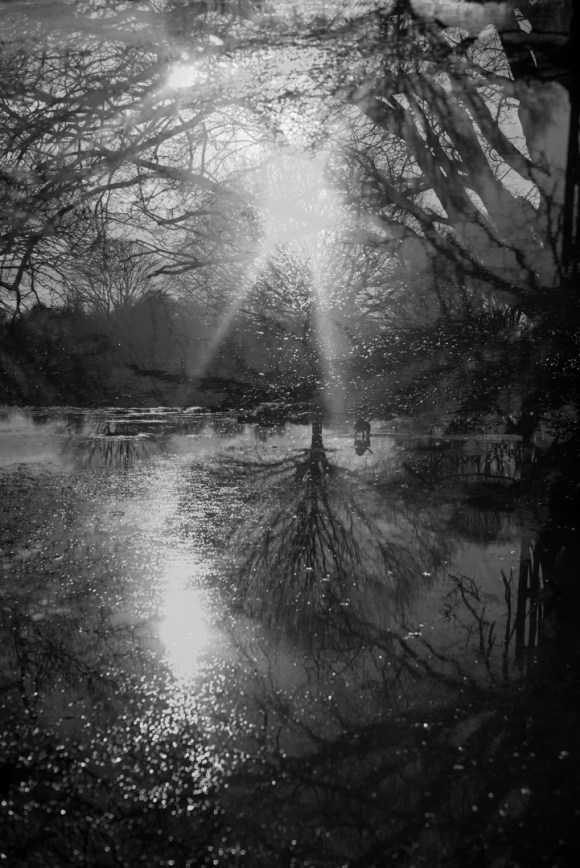
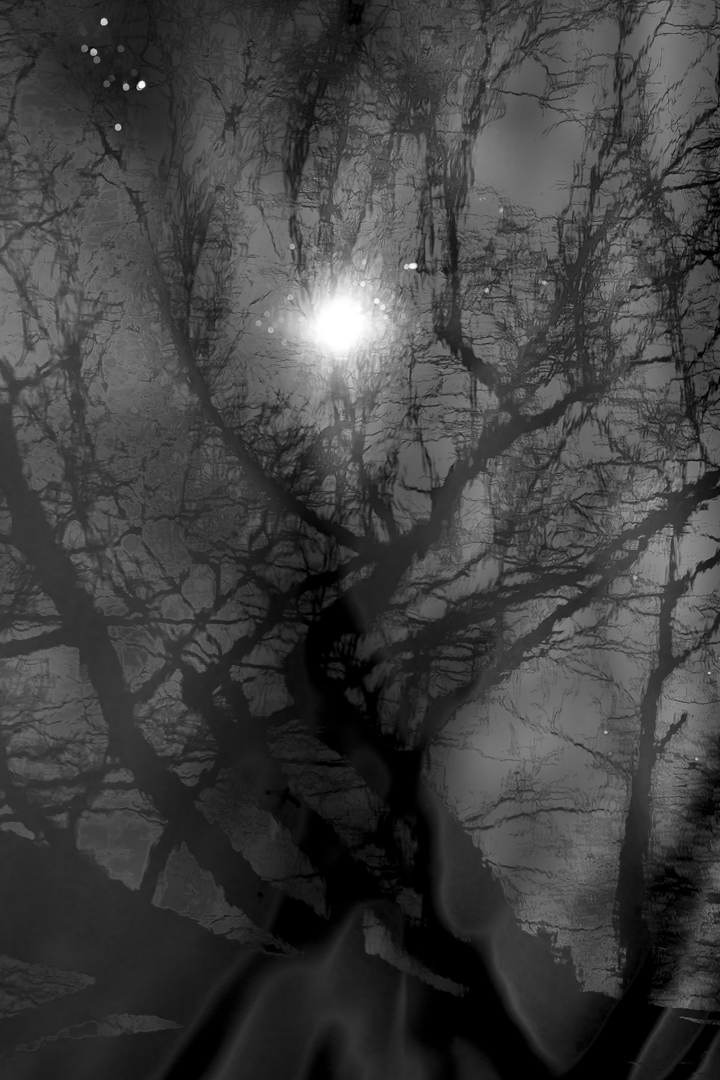
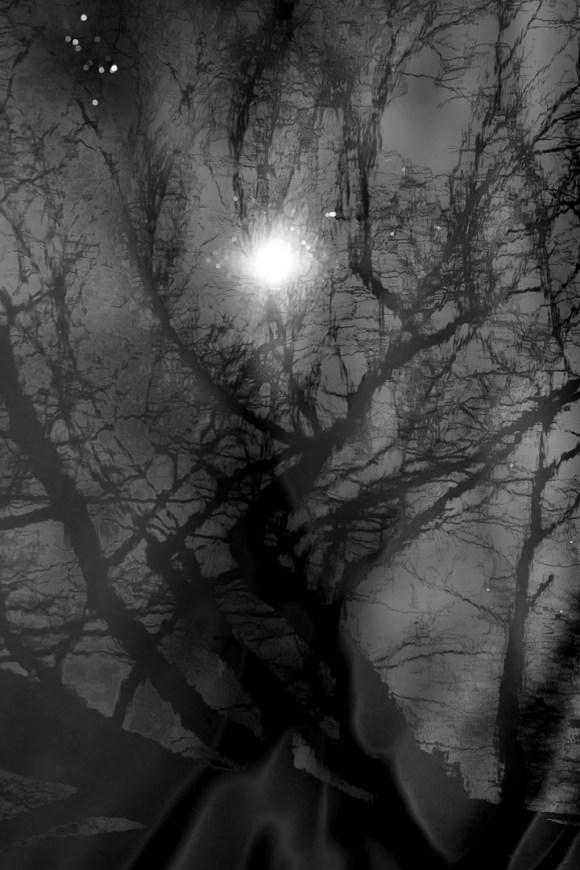
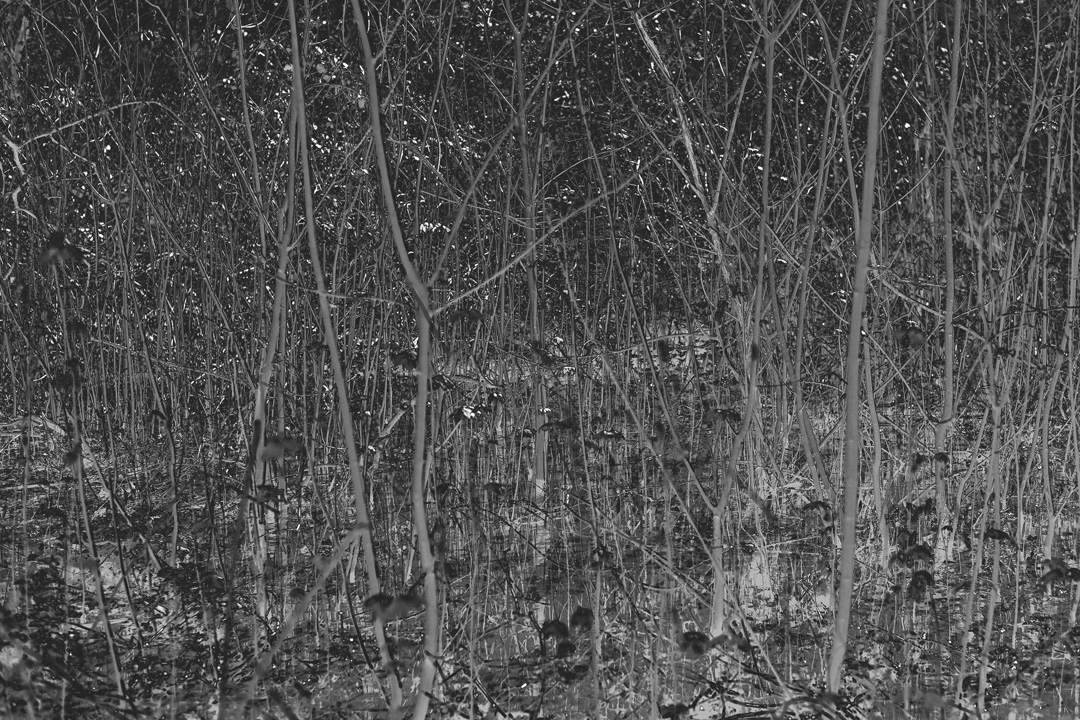
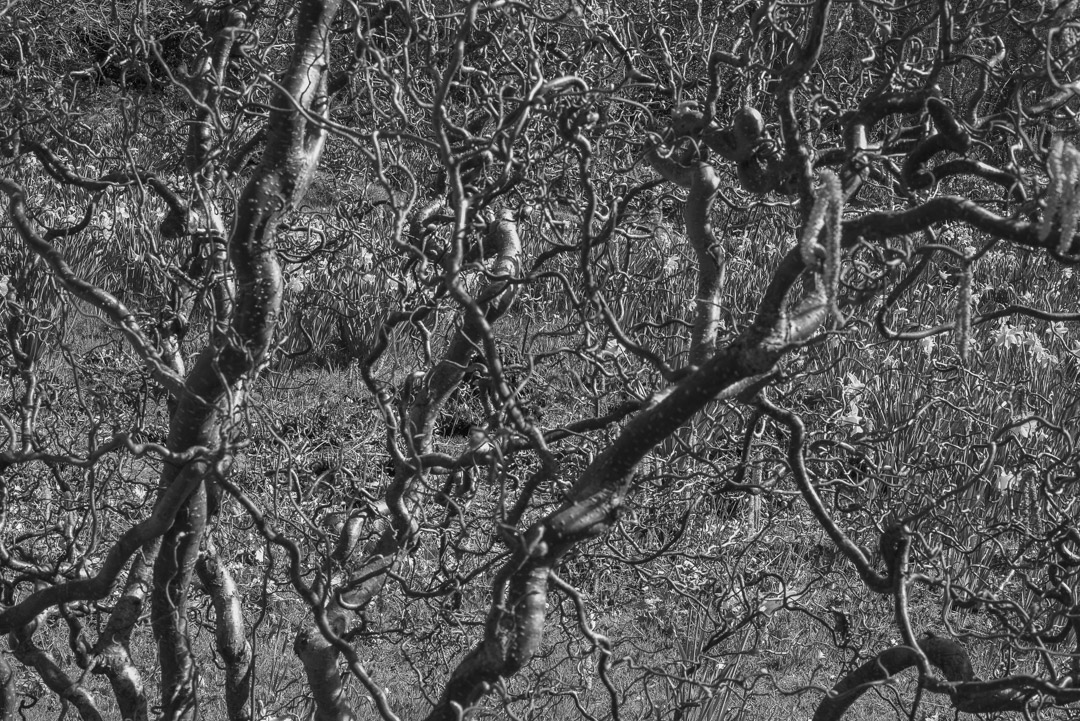
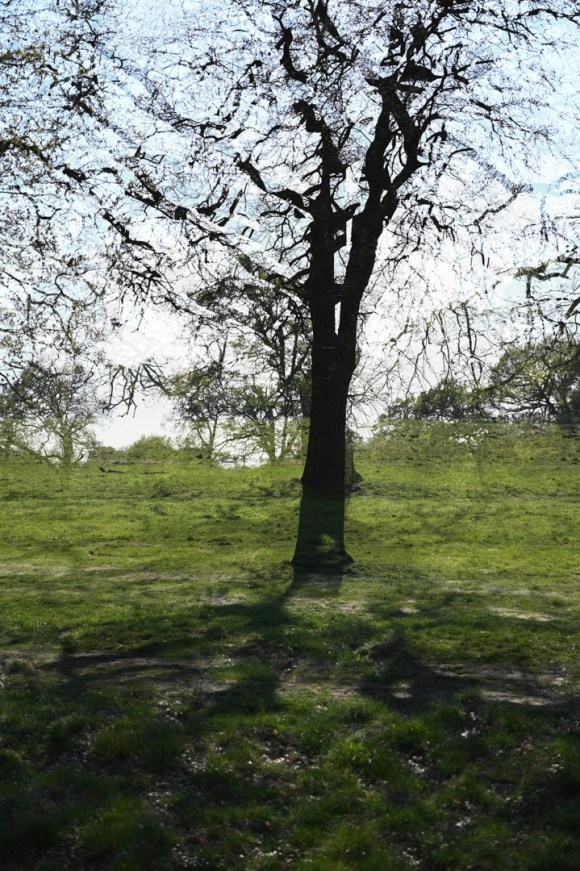
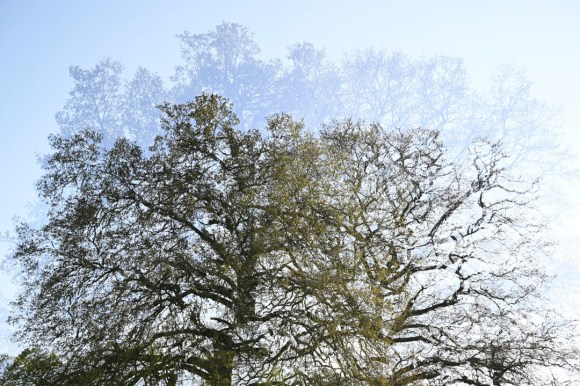
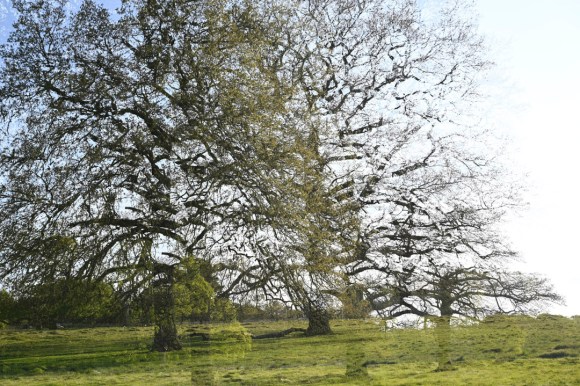
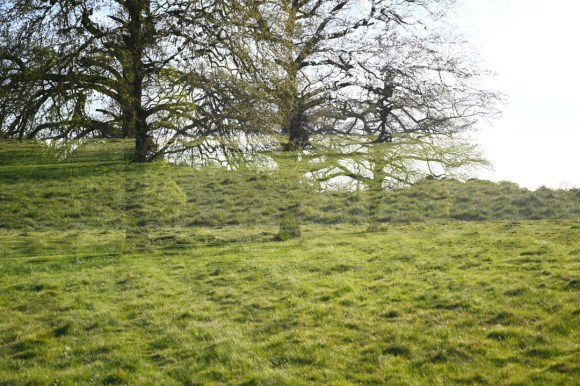
Categories
AGM62 Photography Research Project Stage 1 Posts

AGM62 Test Prints Initial Thoughts 14 November 2020

After placing my order with DS Colour Labs, I received my prints within a couple of days. In my experience, I always find this stage of the project very enlightening. By looking at the prints and not at the screen-based images, there are always aspects to take into further consideration. It is an invaluable part of the learning and project-progression process.

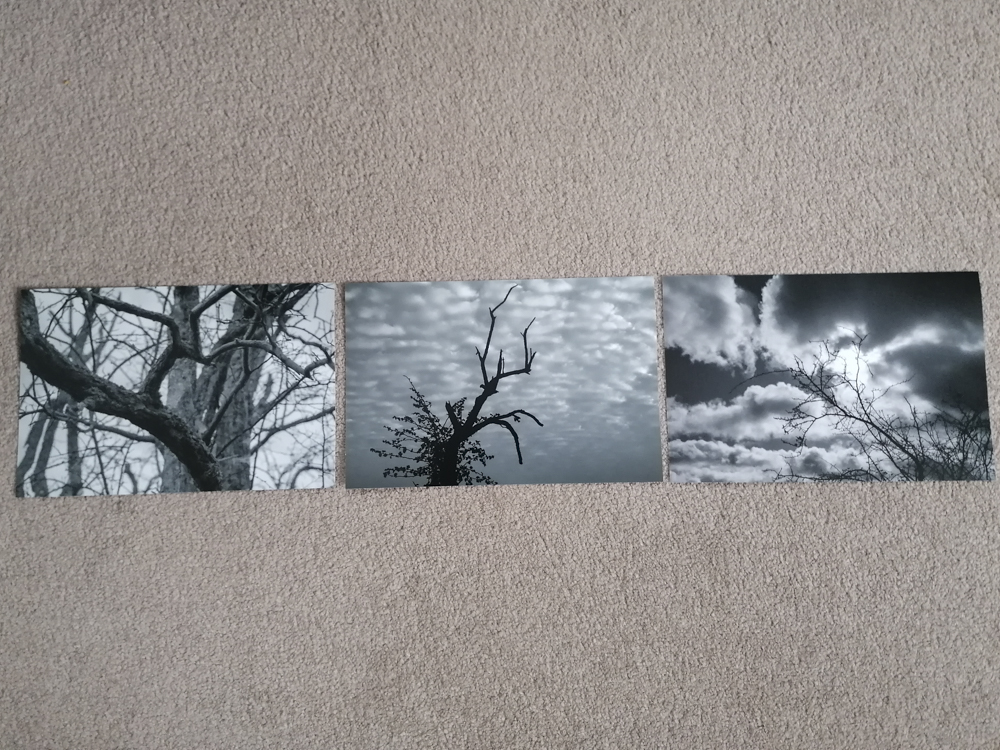
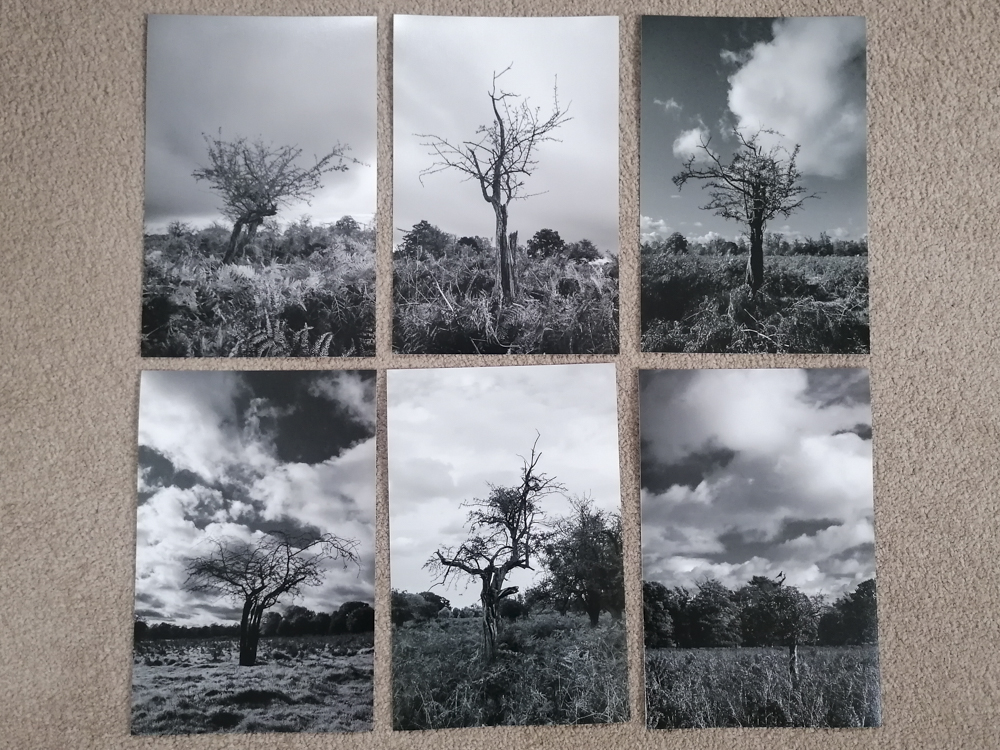
In order to get a better idea of possible sequencing, I laid out the 6″ x 9″ prints on the living room floor and took the following smartphone shots.

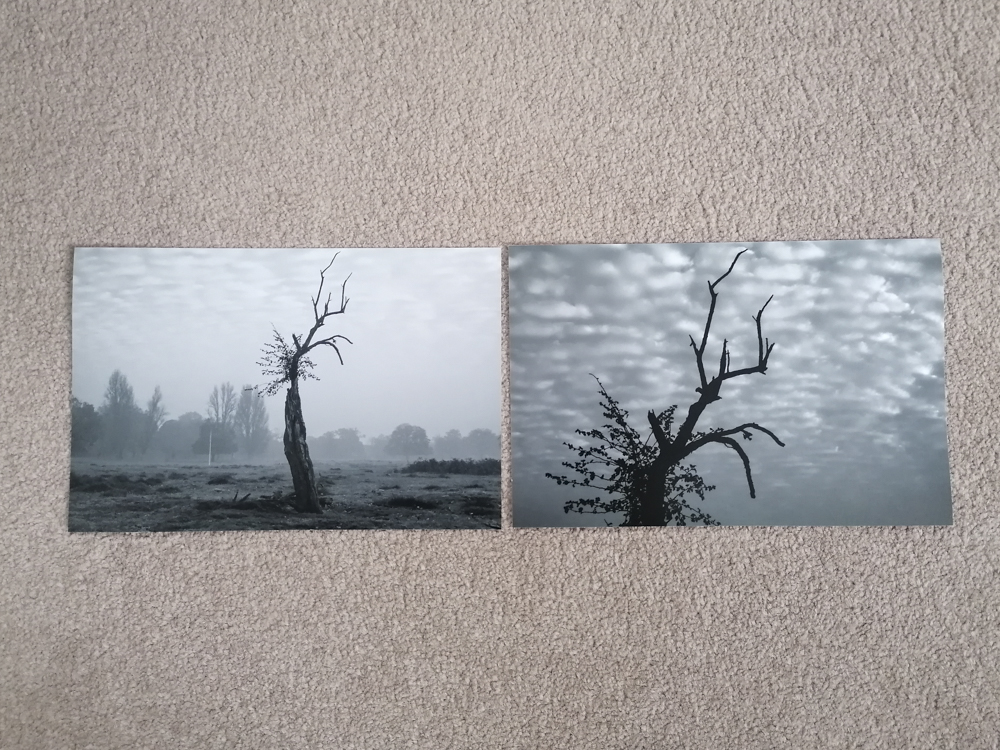
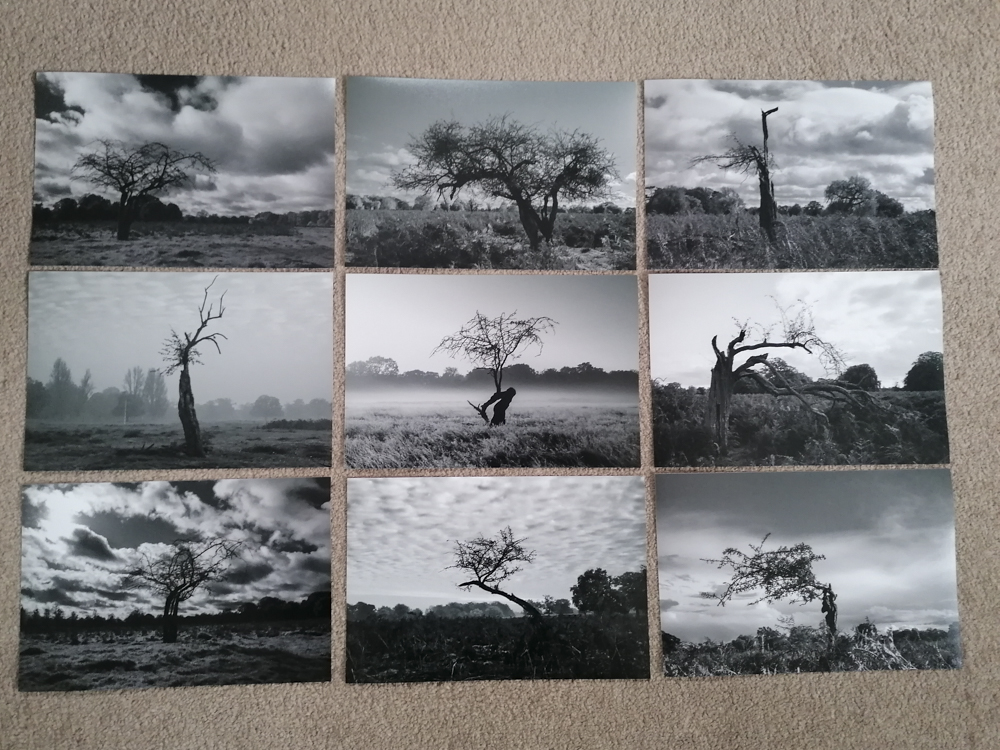
I also tried this aspect.

One thought that kept tickling my mind was combining a big image of a one tree and present it with smaller, close-ups of the same tree. Something that could be discussed in the forthcoming Interim Review.

Categories
AGM62 Photography Research Project Stage 1 Posts

AGM62 Printed Images 10 November 2020

In preparation for the Interim Review on 18 November 2020, I wanted to present a selection of images produced so far. At at the time of writing, the review would be going ahead at University of Brighton (in line with Government guidelines). So I could receive the most comprehensible feedback from my tutors and classmates, I would need to print these images. In my experience, there are always differences between what is seen on screen and the printed version, so I knew it be a worthwhile exercise.

These are the 18 images I chose to have printed at 6″ x 9″ (C-Type on lustre paper). I ordered the prints online from DS Colour Labs, who provide great quality with a quick turnaround at an affordable price.

I also ordered the following prints at 12″ x 18″ in order to take a closer look at the details.

It will be quite interesting to see how they look as printed pieces and how they could function as a Body of Work.

Categories
AGM60 Research & Experimentation Posts

AGM60 Bushy Park 3 May 2020

After my trip to the park on 29 April, I decided to try a different area in the park on Sunday 3 May. The location I chose to visit was between Hampton Wick Gate and Teddington Gate. I had to get to Hampton Wick that day in order to return a parcel so I thought it a good way to combine both tasks. My plan was to walk via the street to this destination then return through the park.

Unfortunately, by the time I arrived at the parcel drop off point, I had missed the cut-off time. This meant I had to carry an additional item with me, so it would make it slightly more awkward to manage my equipment. I had recently sourced and bought a suitable backpack that would make it easier and much more comfortable to walk with and carry my camera. Having to hold this bag was a small, but a significant issue that would have to be worked around. There was also the potential for me to put it down while I was taking photos and totally forgetting about it.

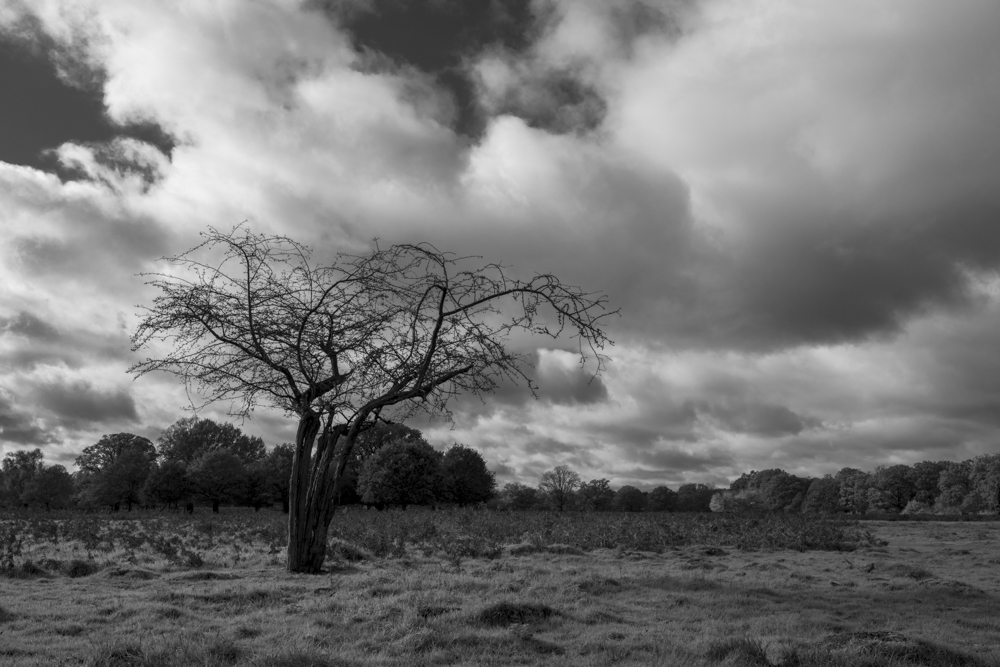
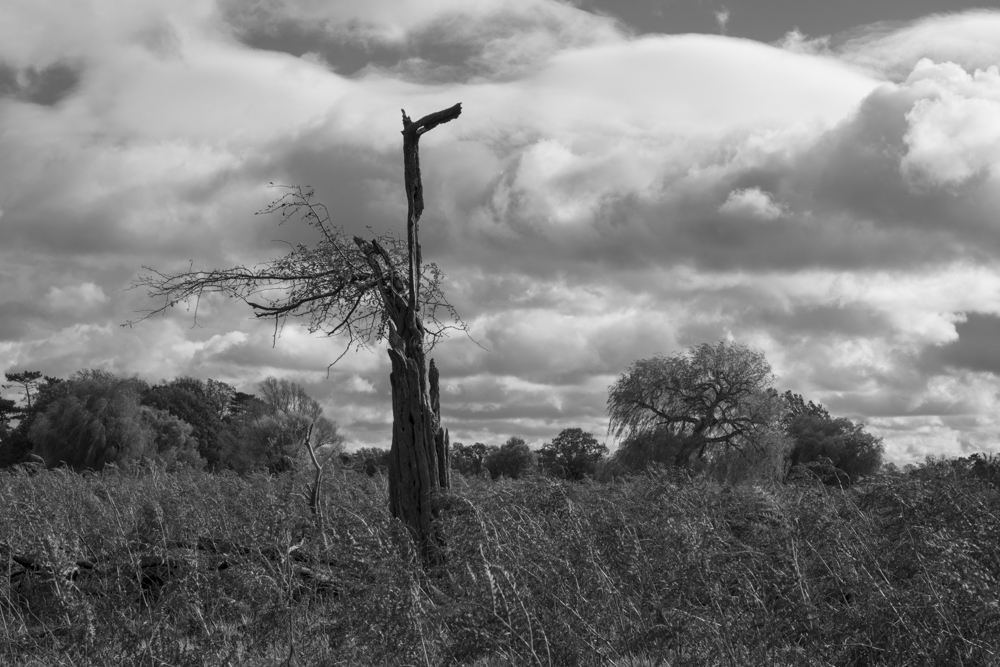
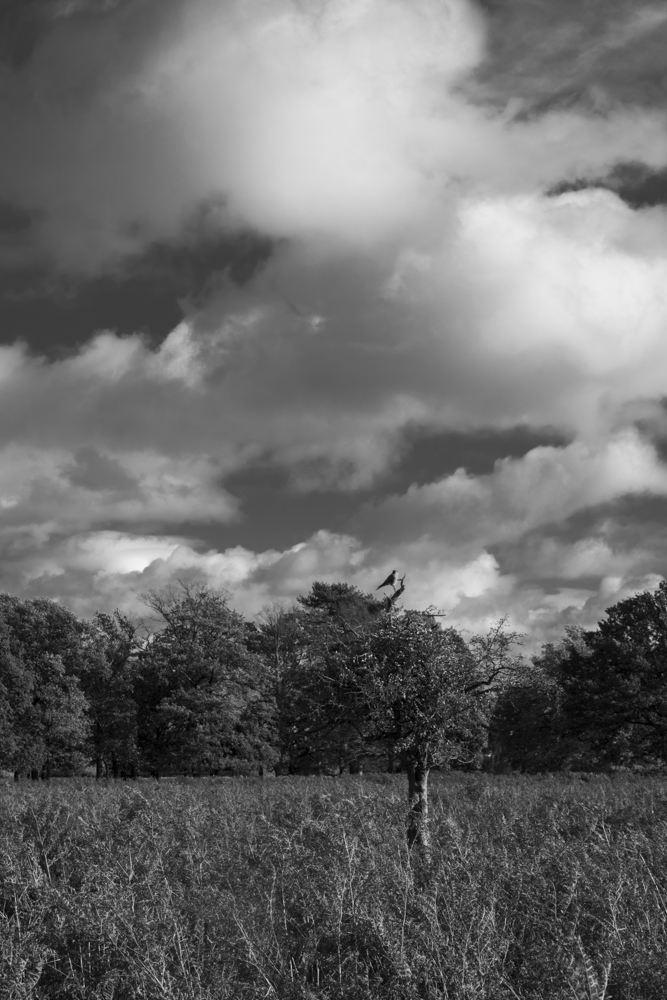
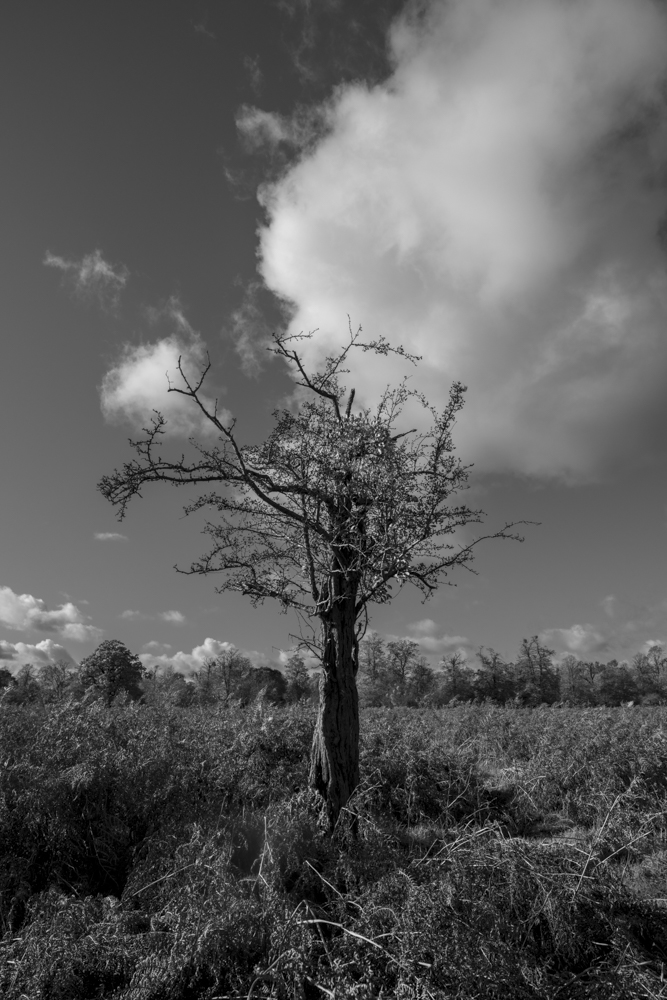
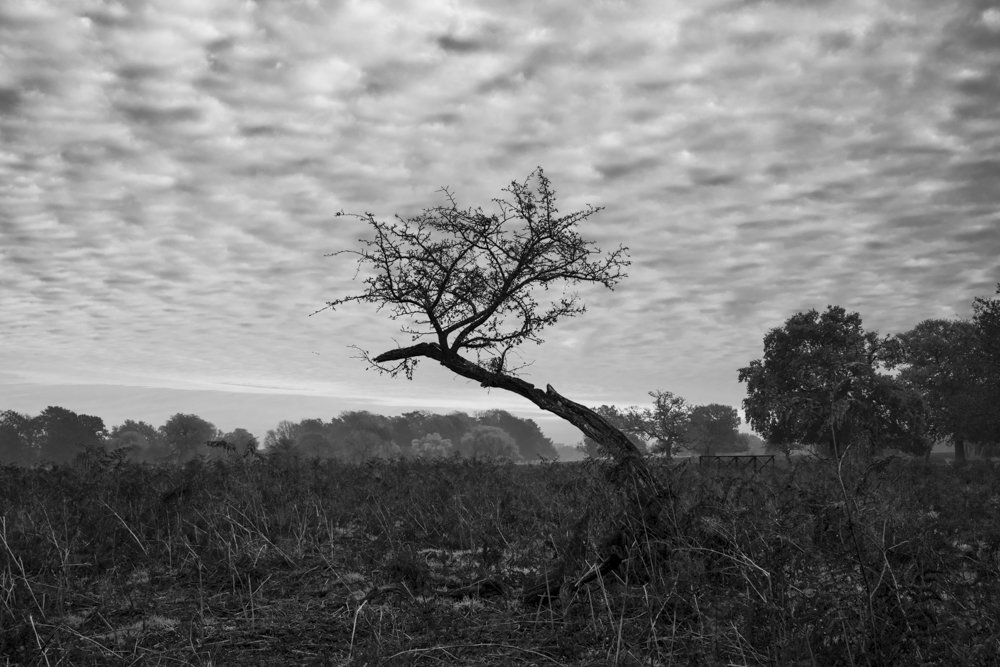
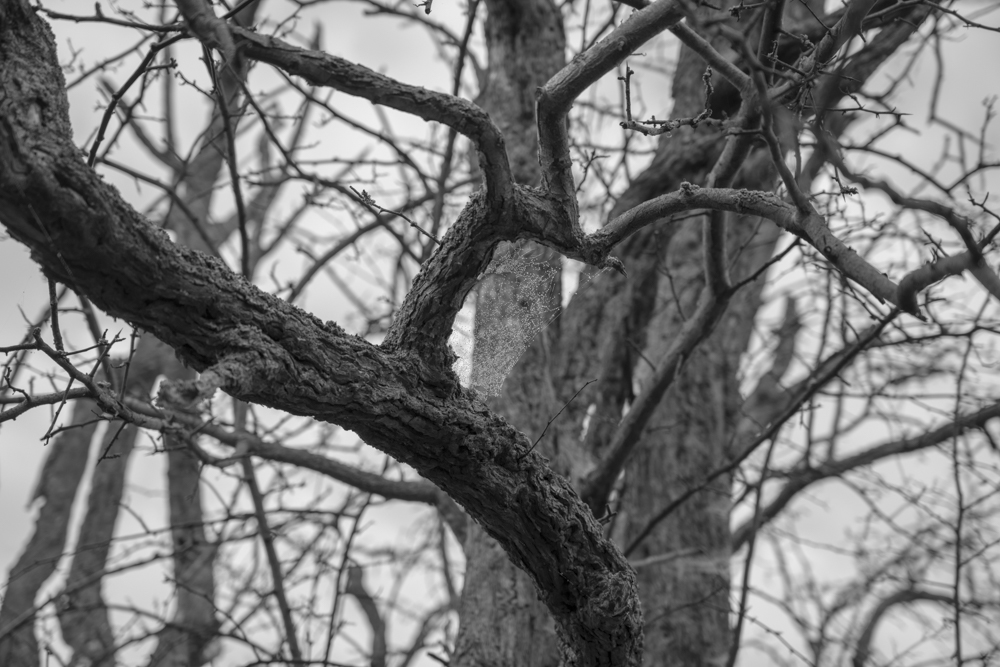
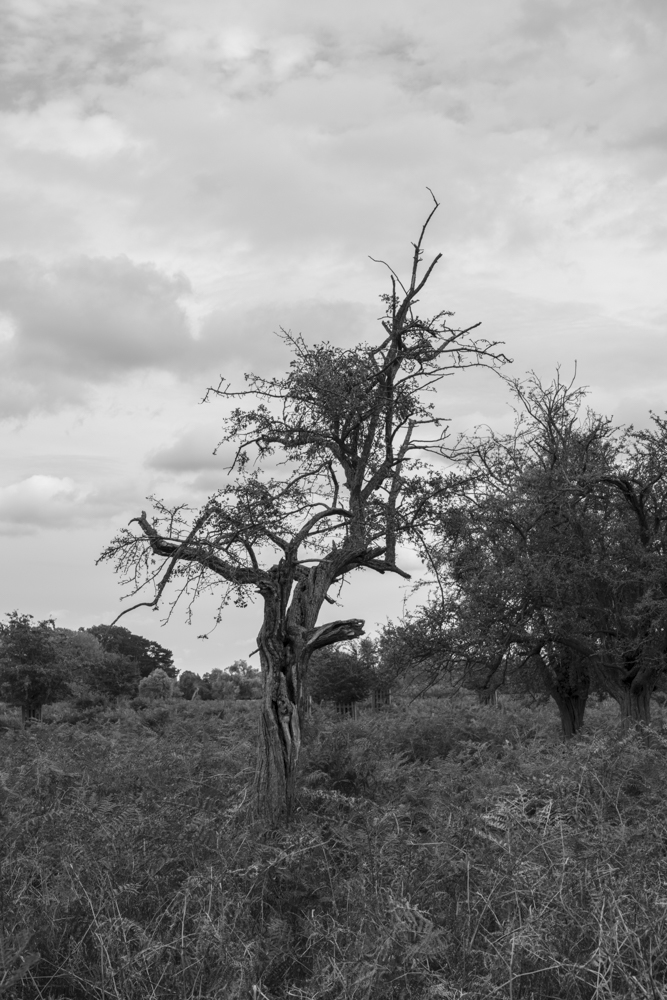
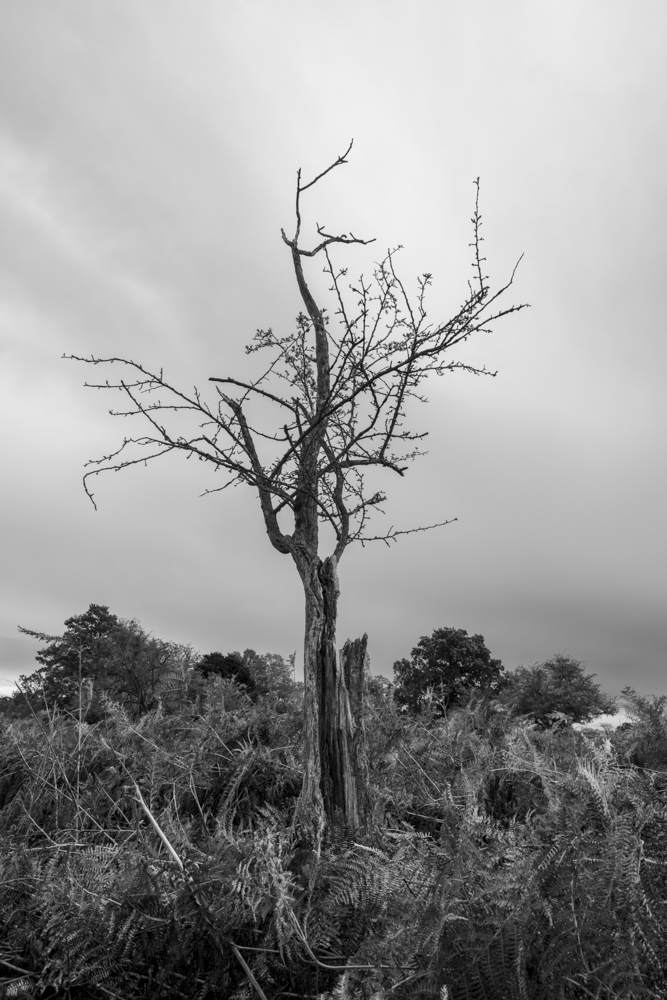
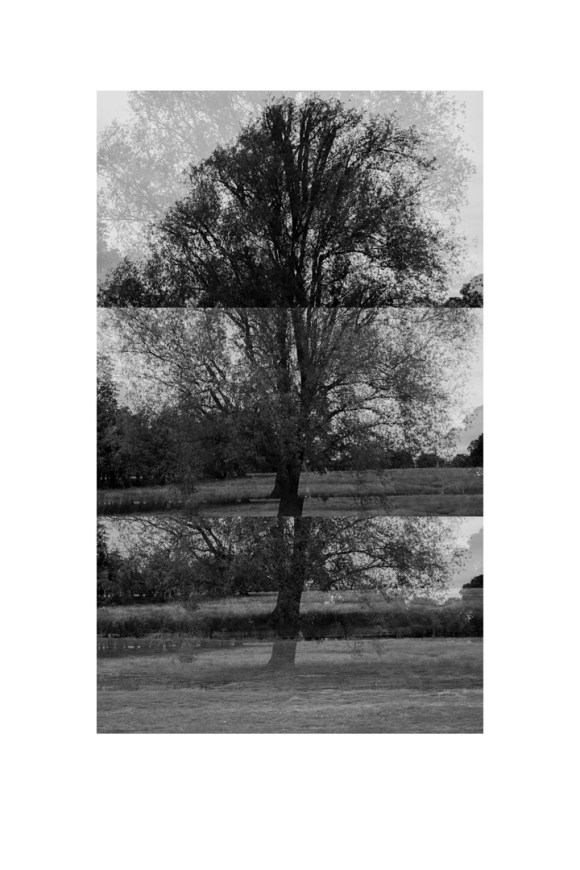
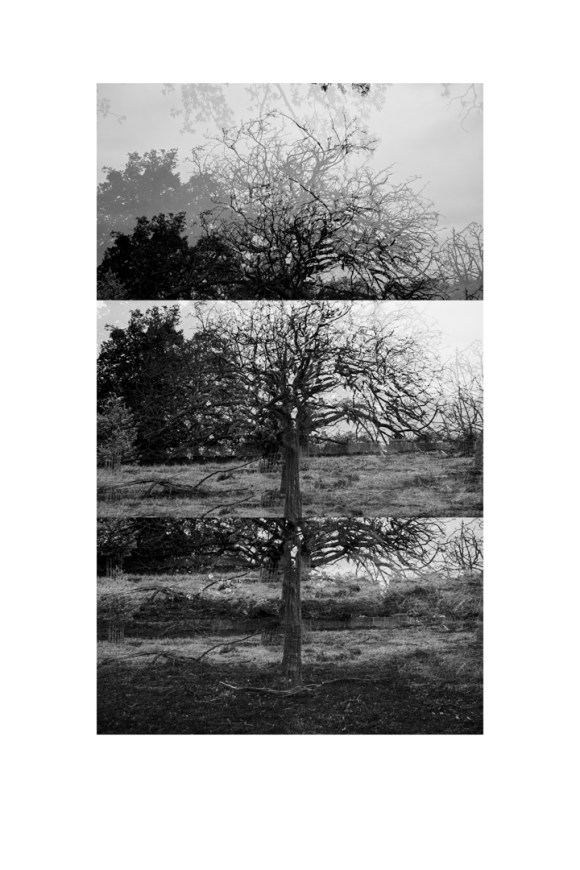
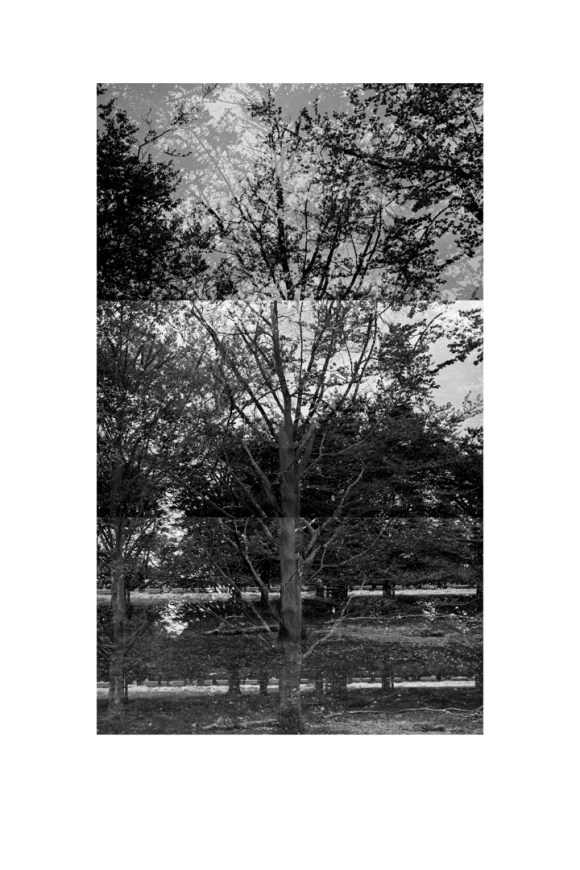
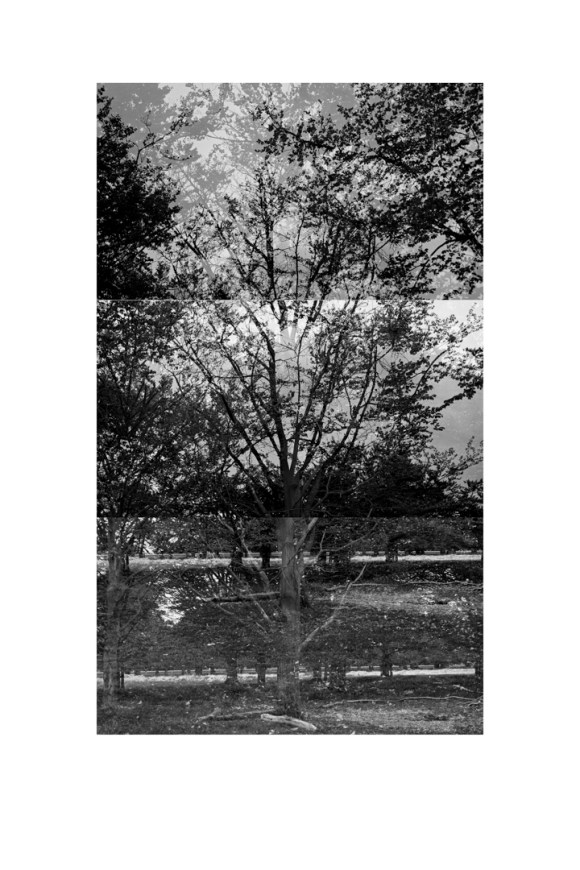
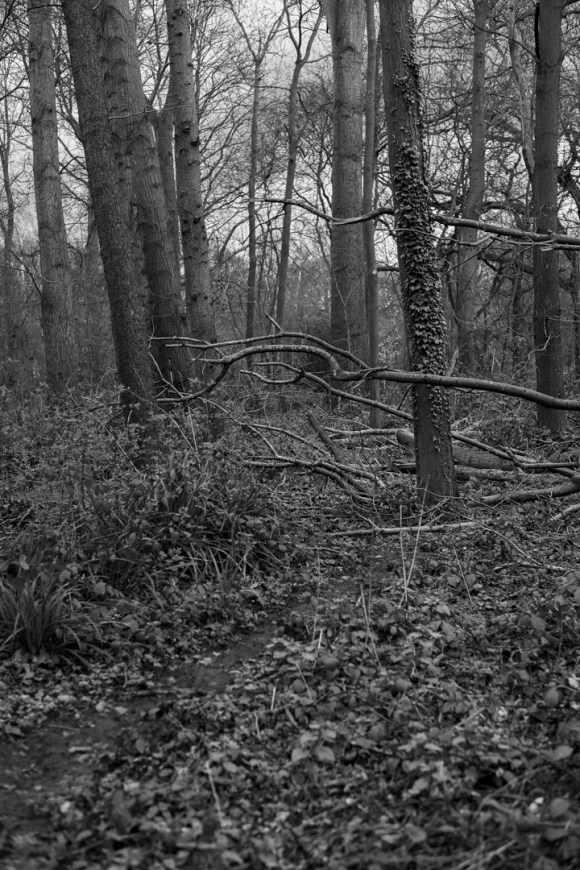
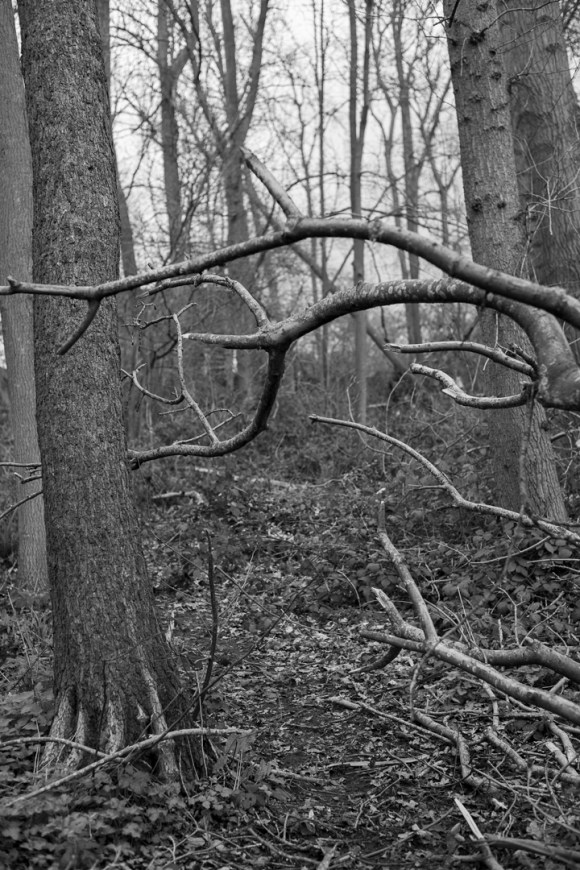
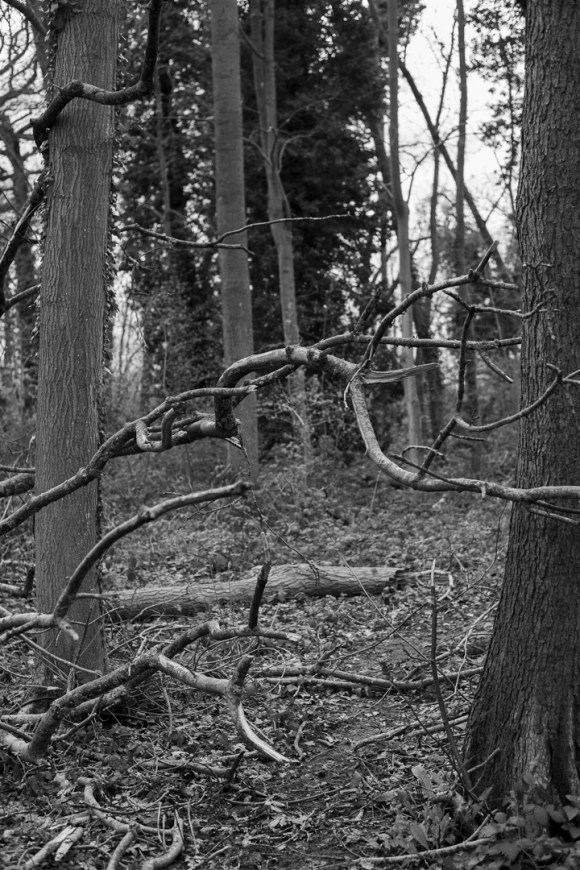
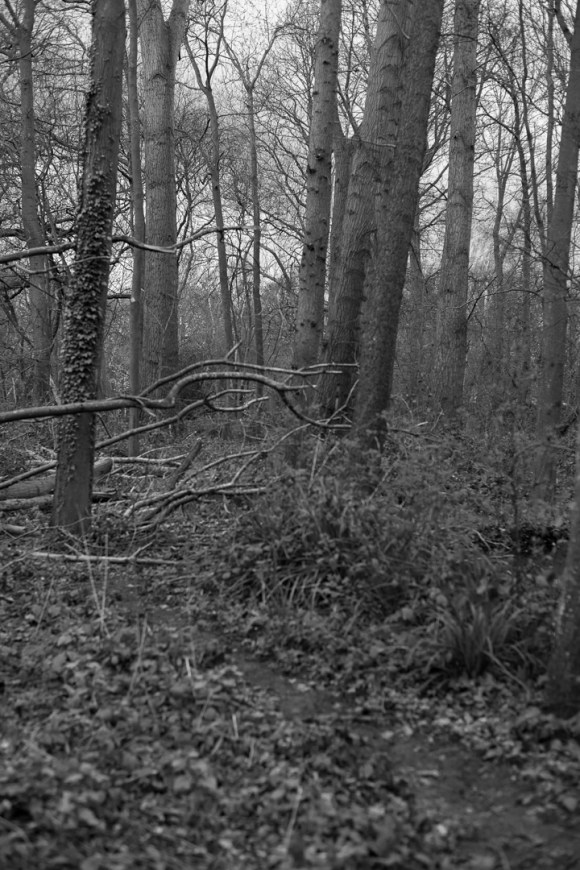
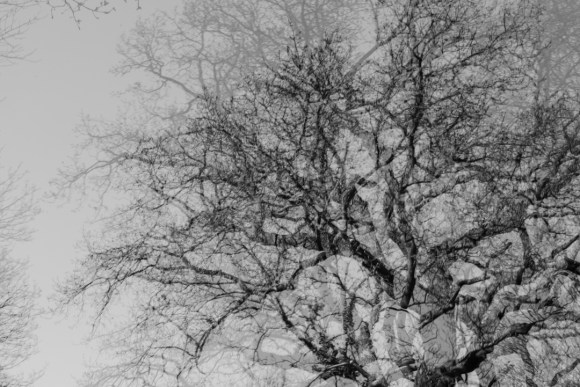
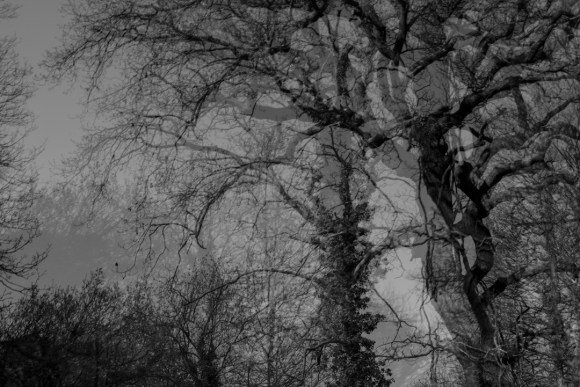
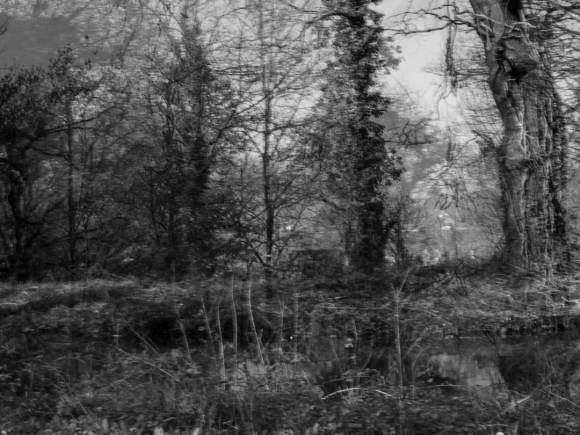
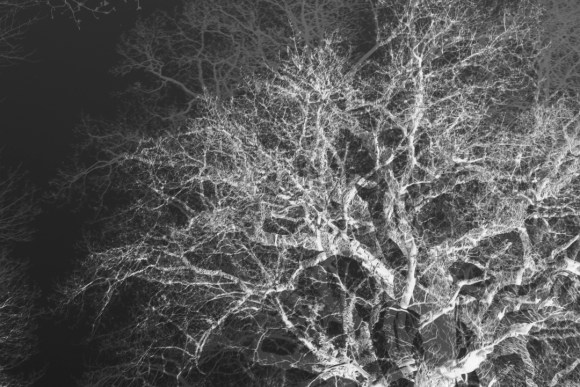
There were two other challenges on this day. Firstly, the light was very dull and flat. Secondly, despite the dreary conditions, the park was very busy, This meant taking the initial base and horizon line shot without people was almost impossible. I also wasn’t able to use the four-angle sets of shots that I tried on 29 April. Nevertheless, it was worth continuing with my plan to see what results could be achieved.

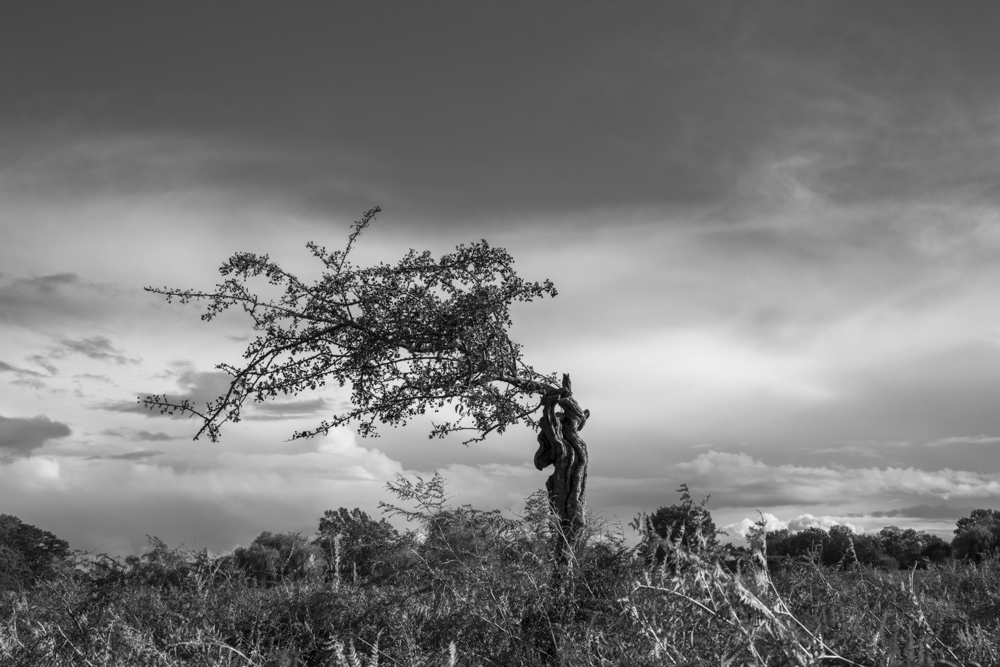
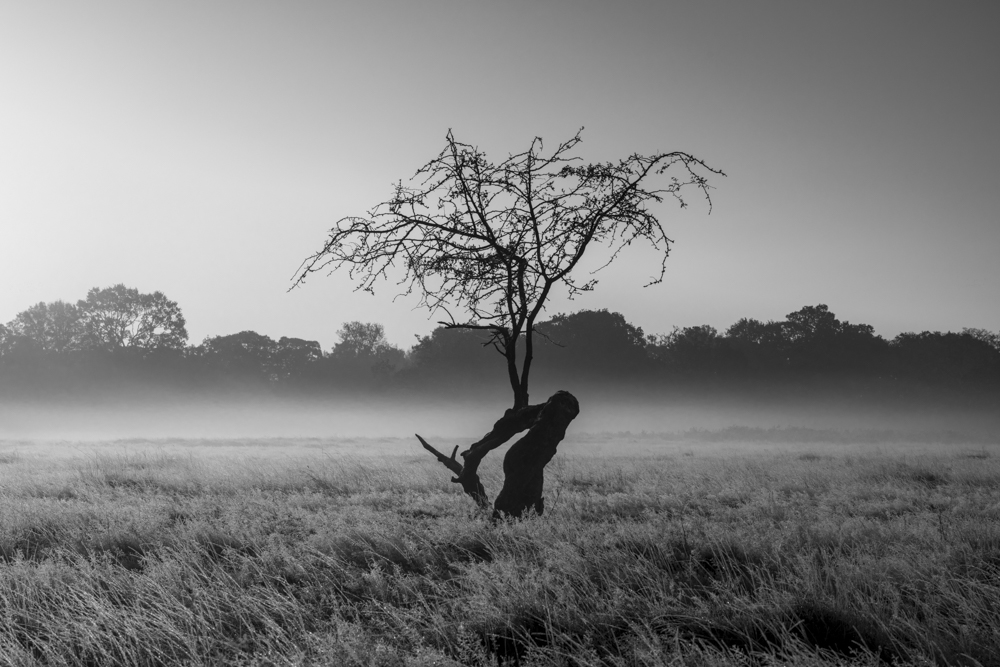
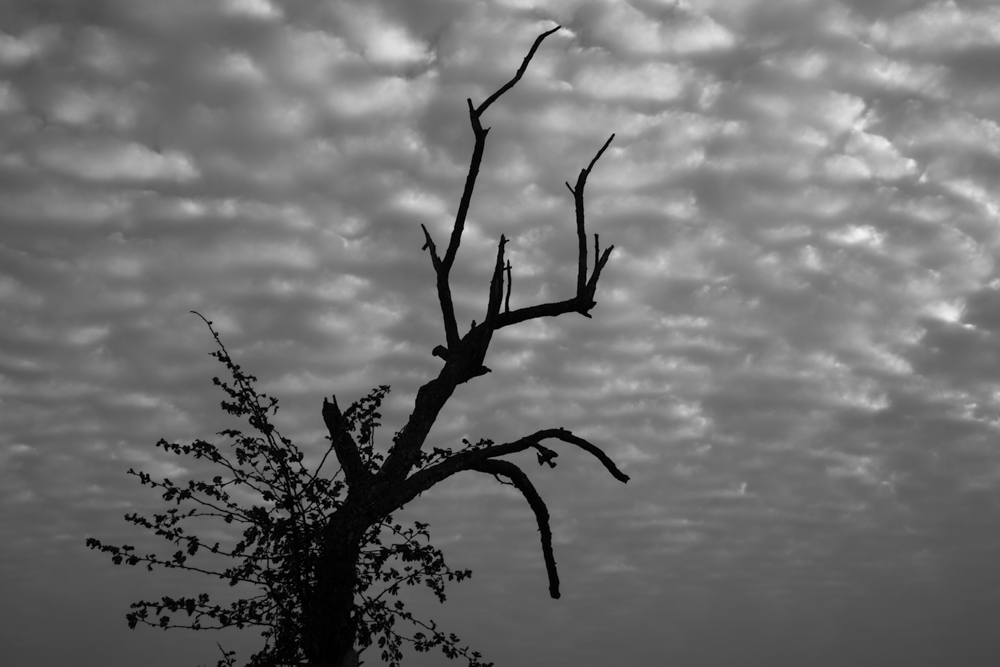
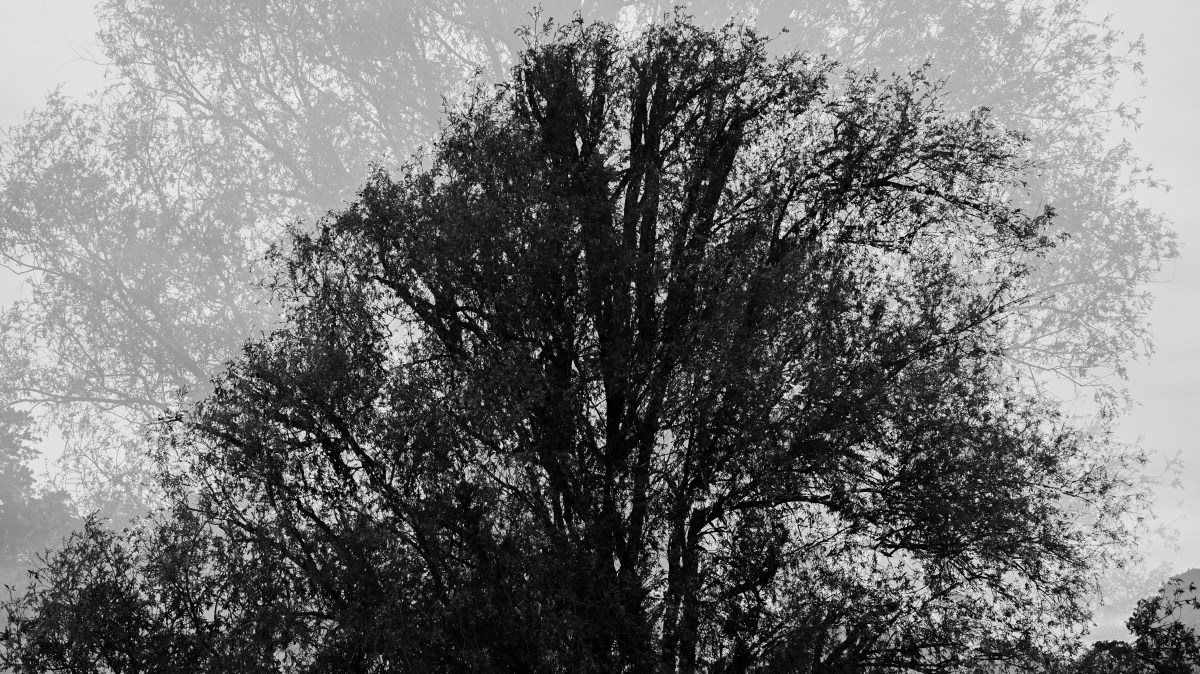
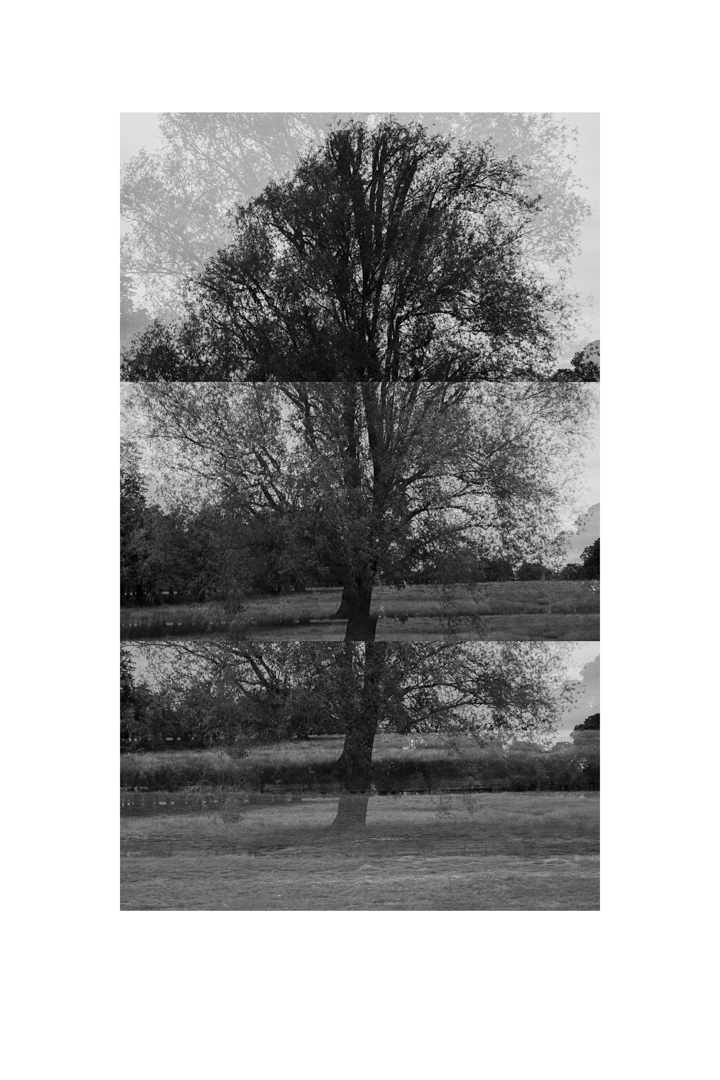
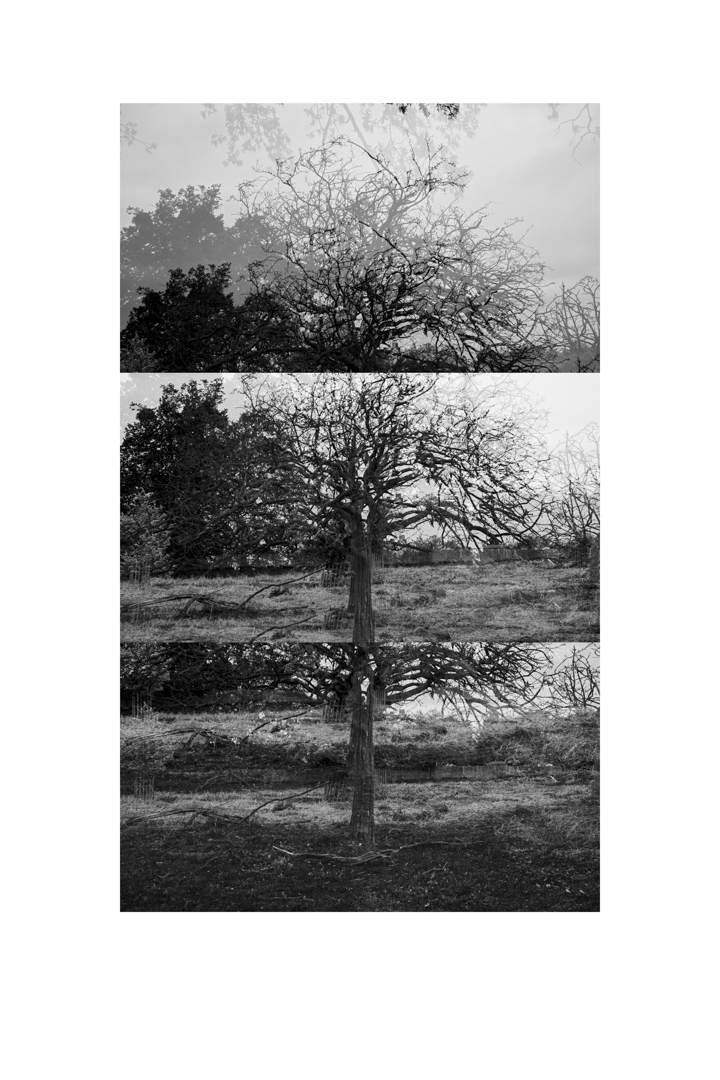
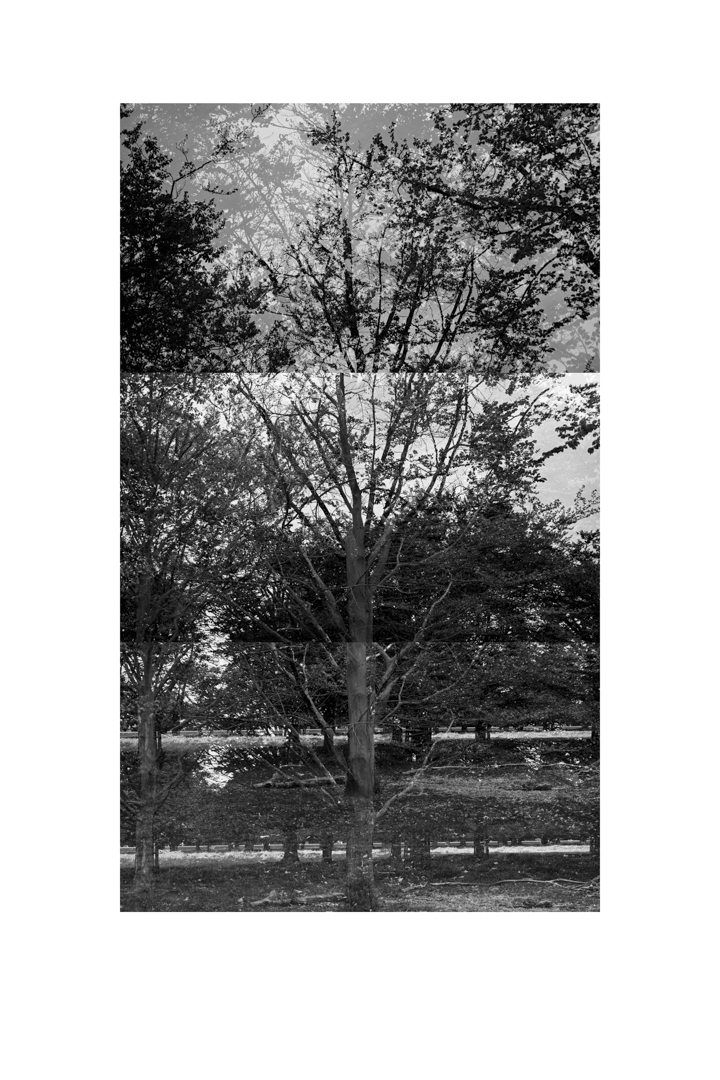
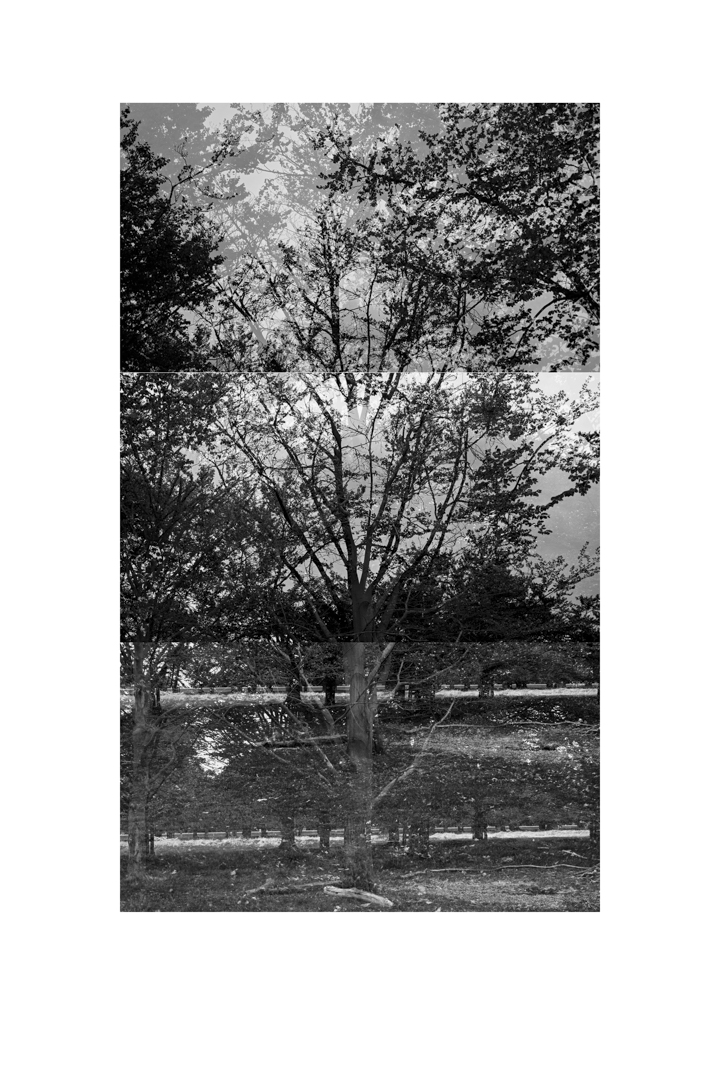
One major aspect was changing the image ratio from 2:3 to 16:9. This was to see how it changed the composition. As this project was like to be shown digitally, I thought it would be interesting to use a screen ratio instead of what I normally use.

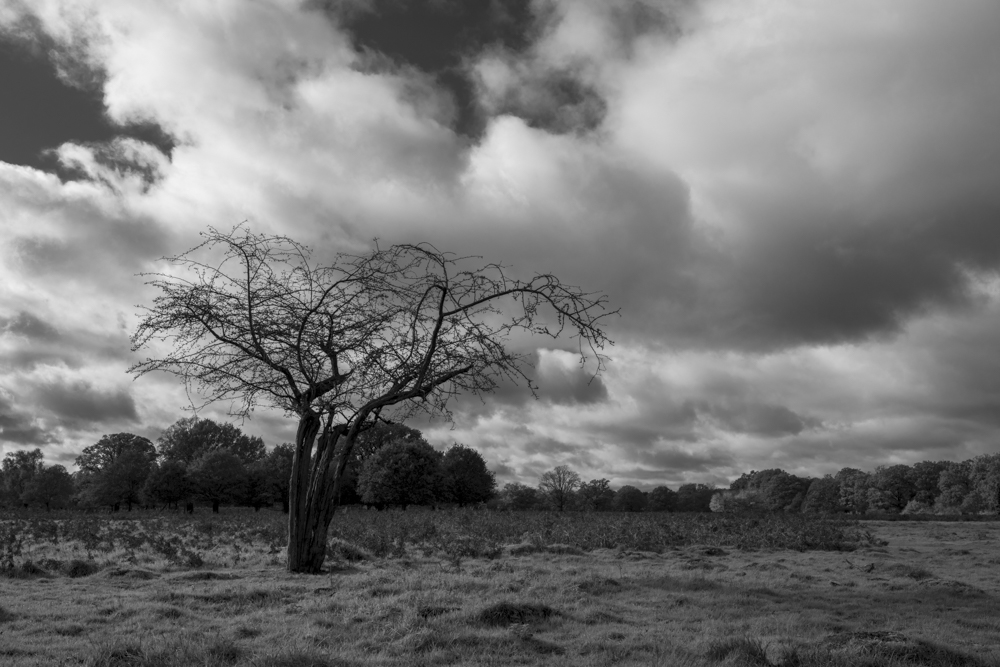
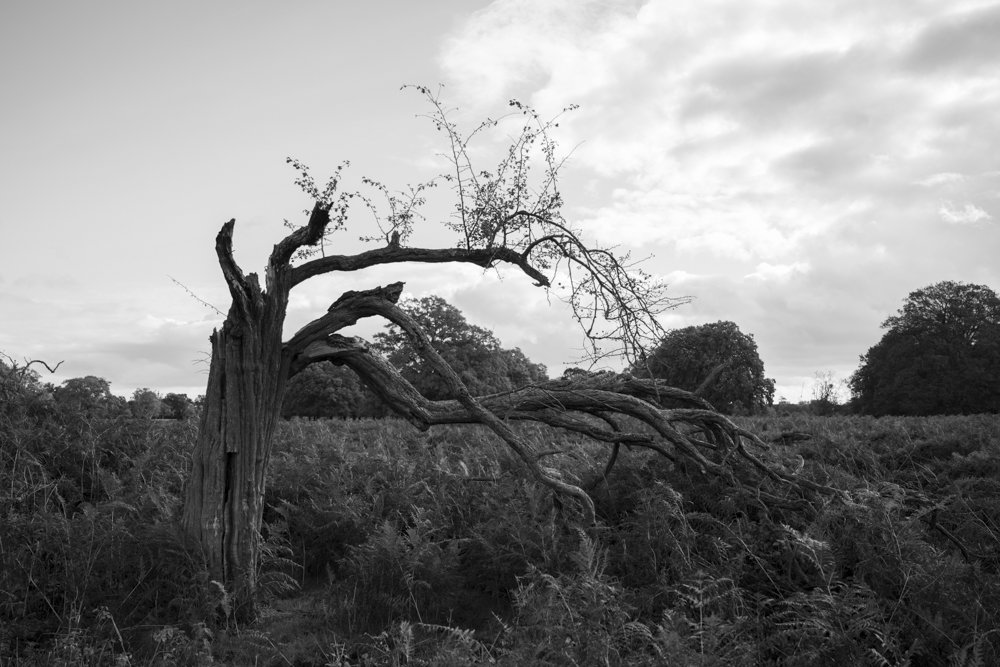
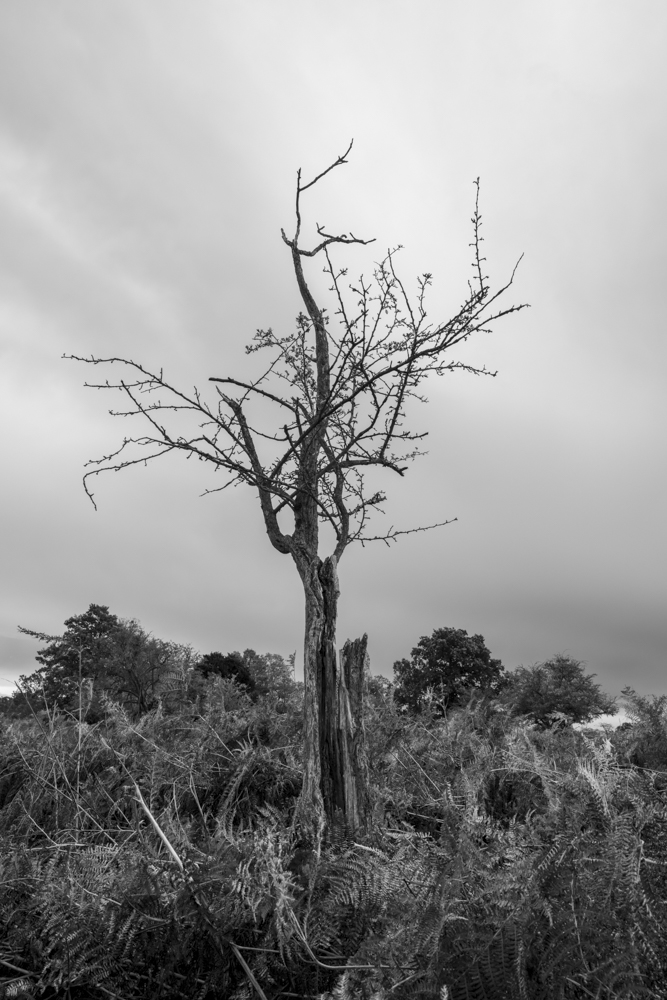
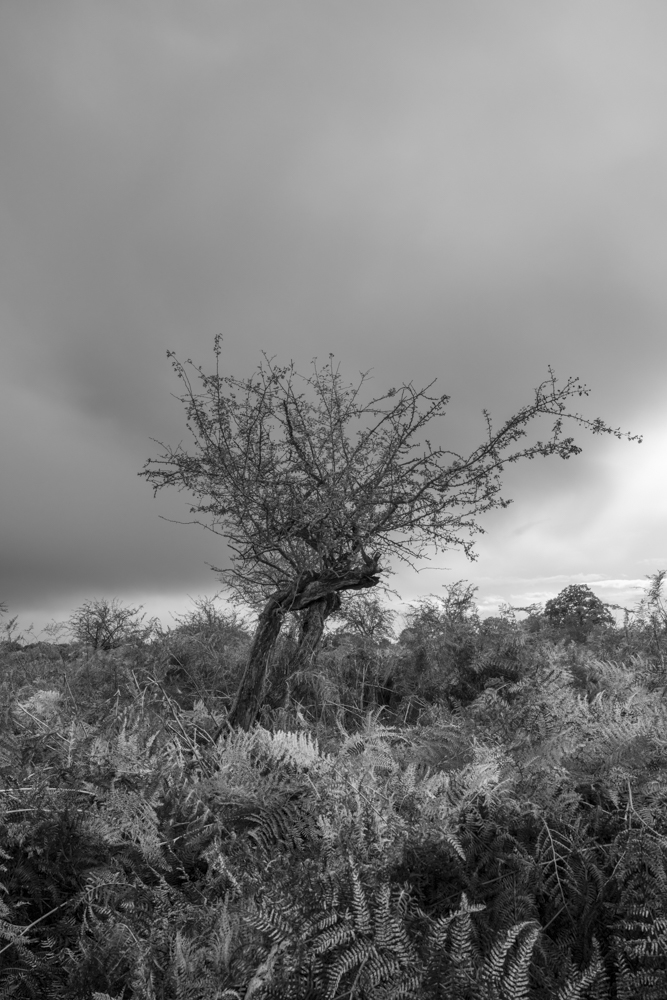
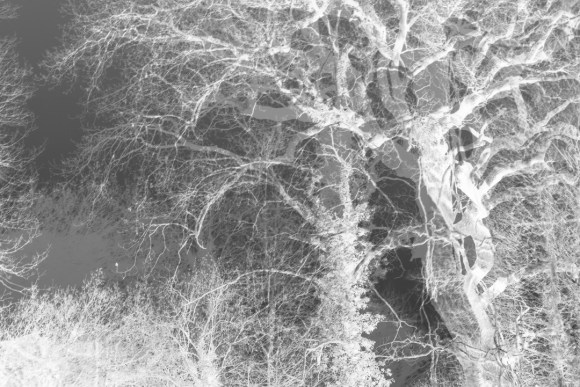
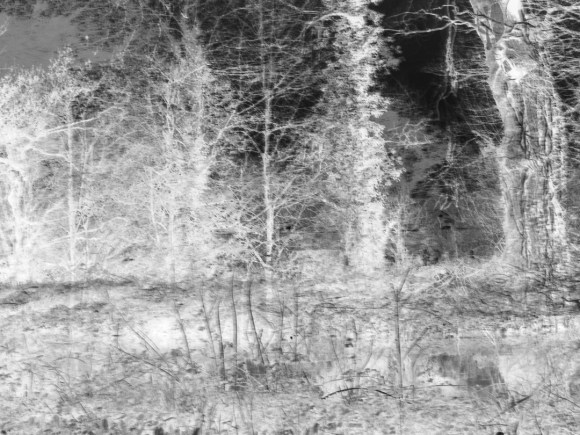
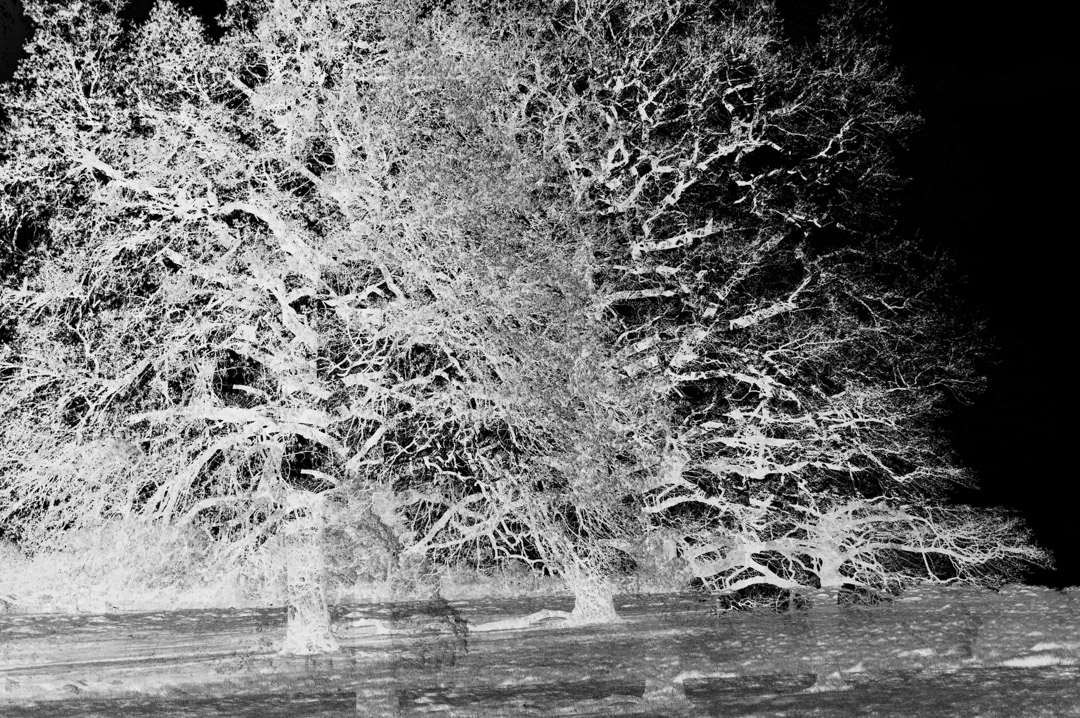
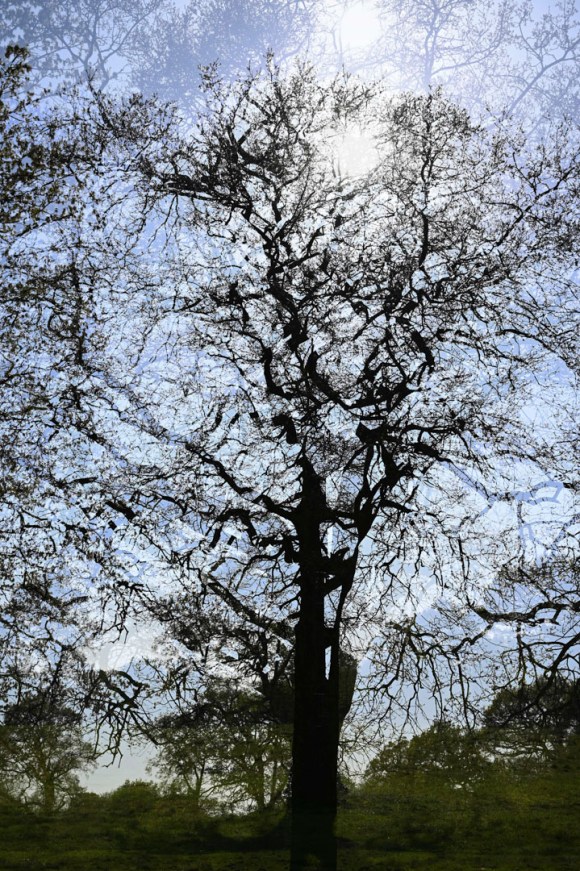
These are the results:


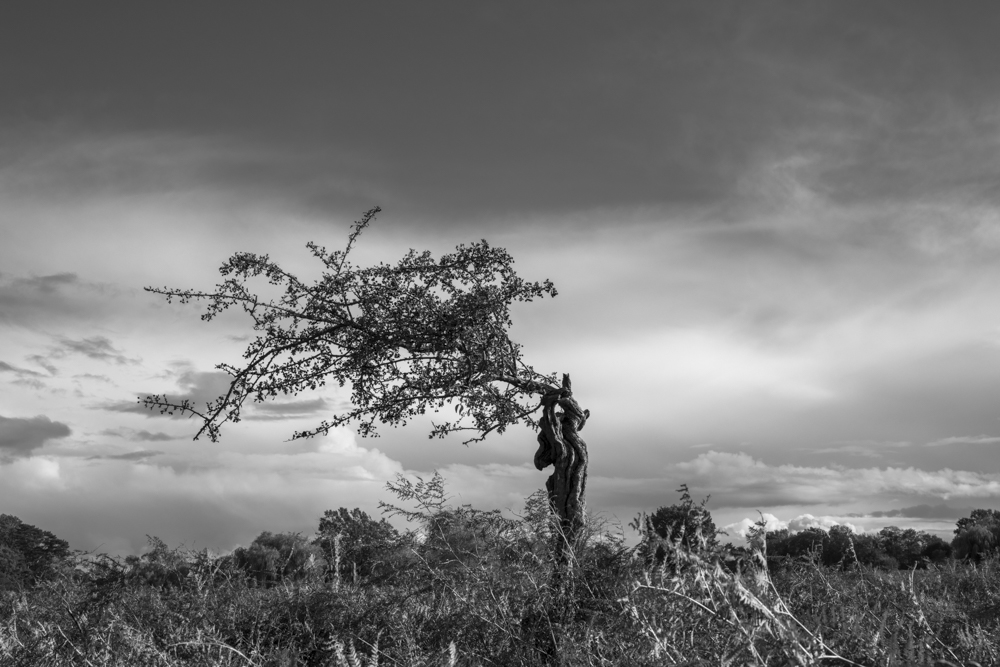
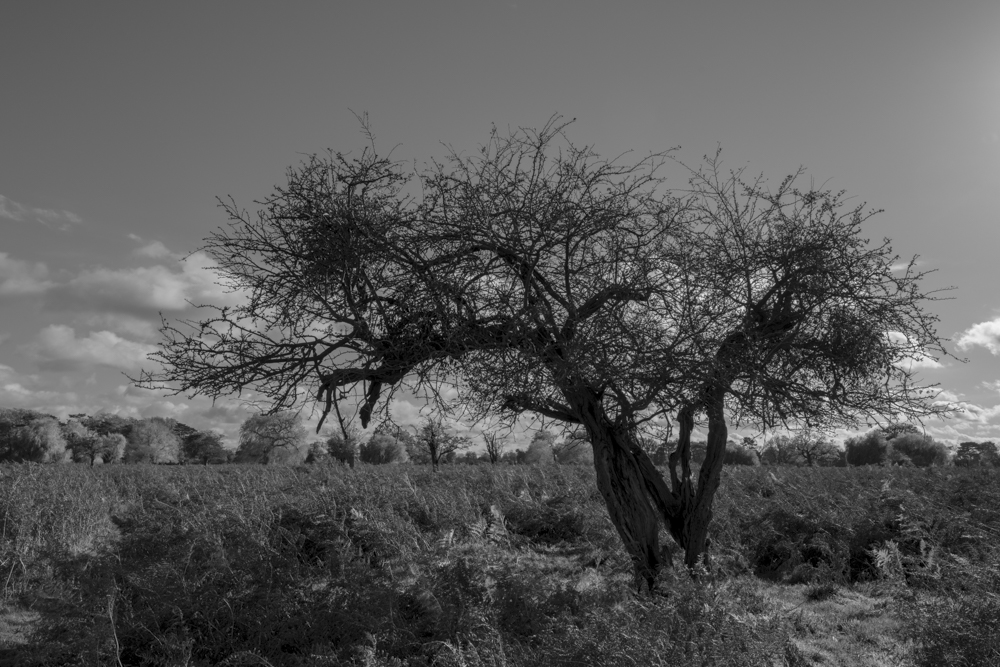
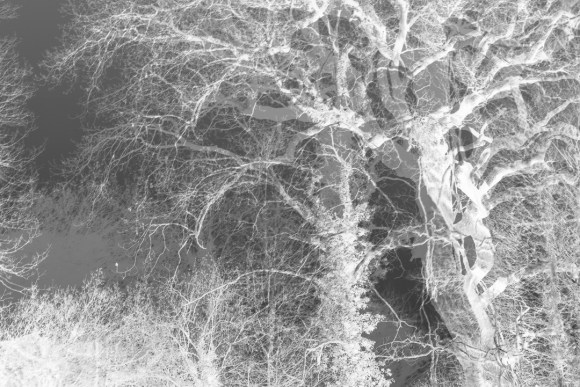
Tree 1 – 3 May 2020

bp_20-05-03_tree_1_test_bw_8_low


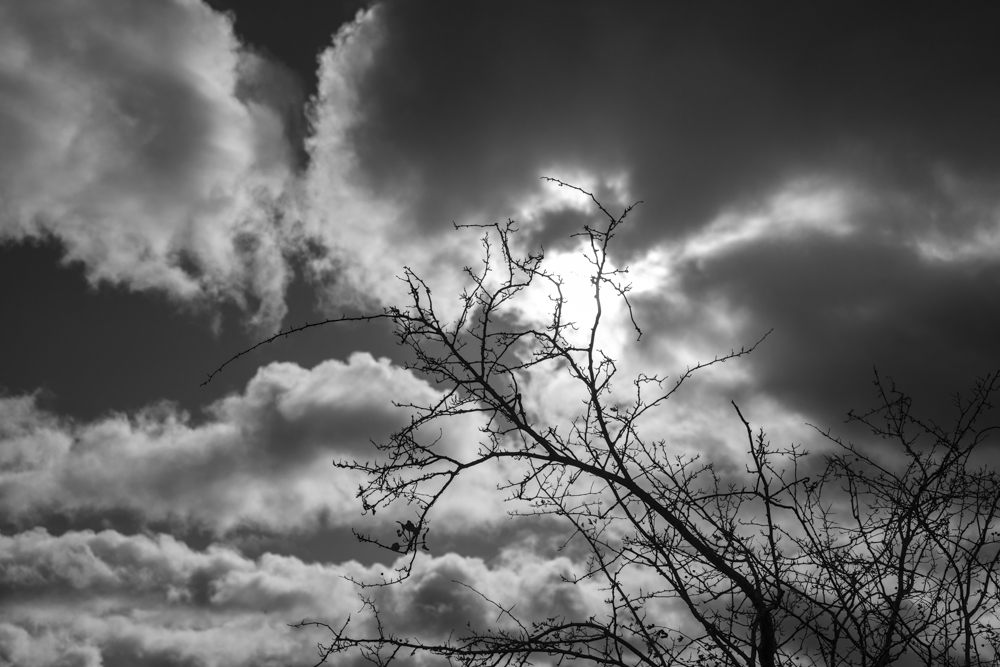
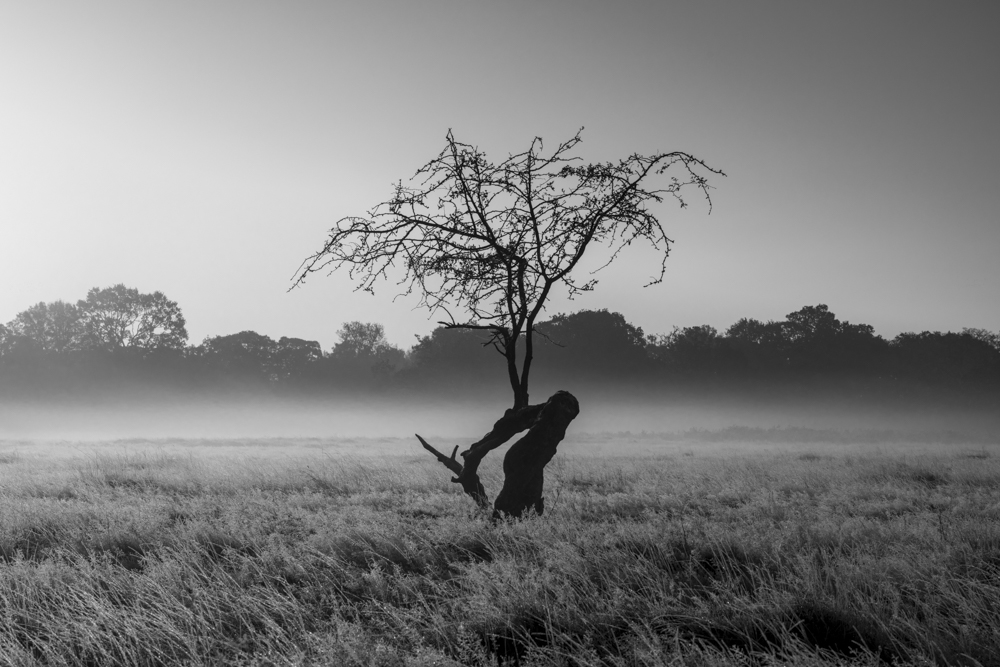
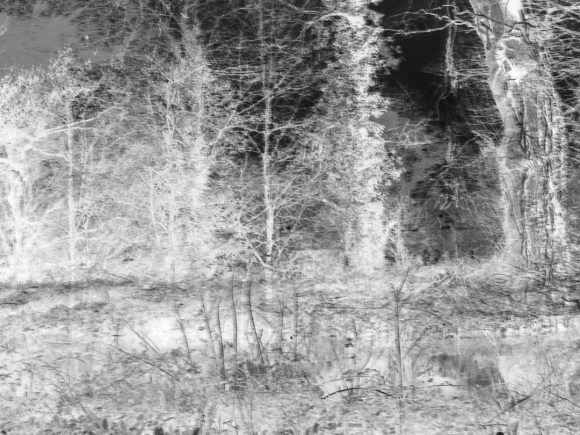
Tree 1a – 3 May 2020

bp_20-05-03_tree_1a_test_bw_8_low


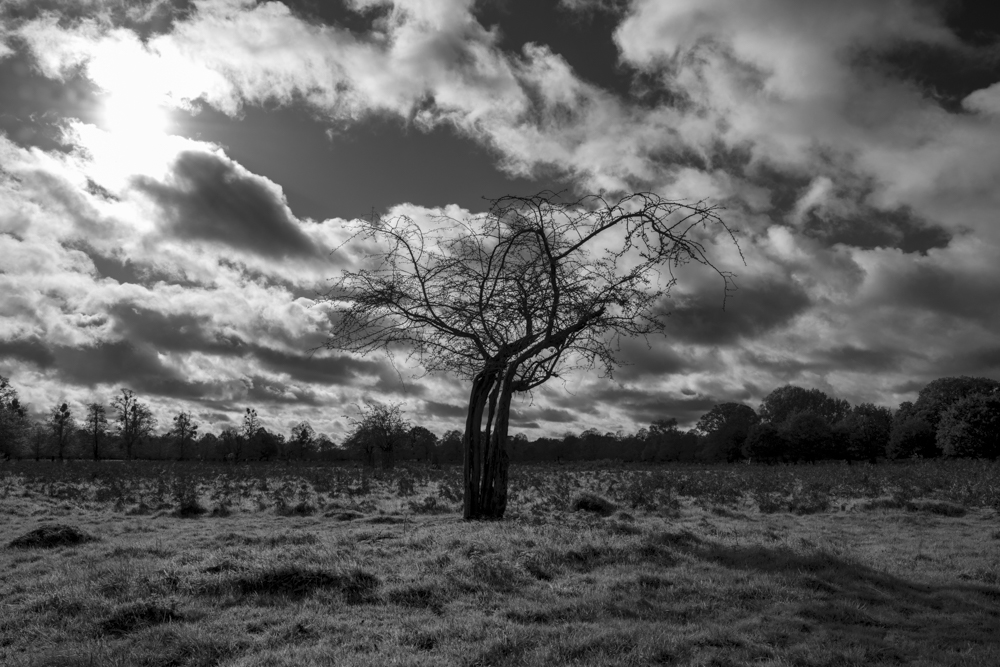
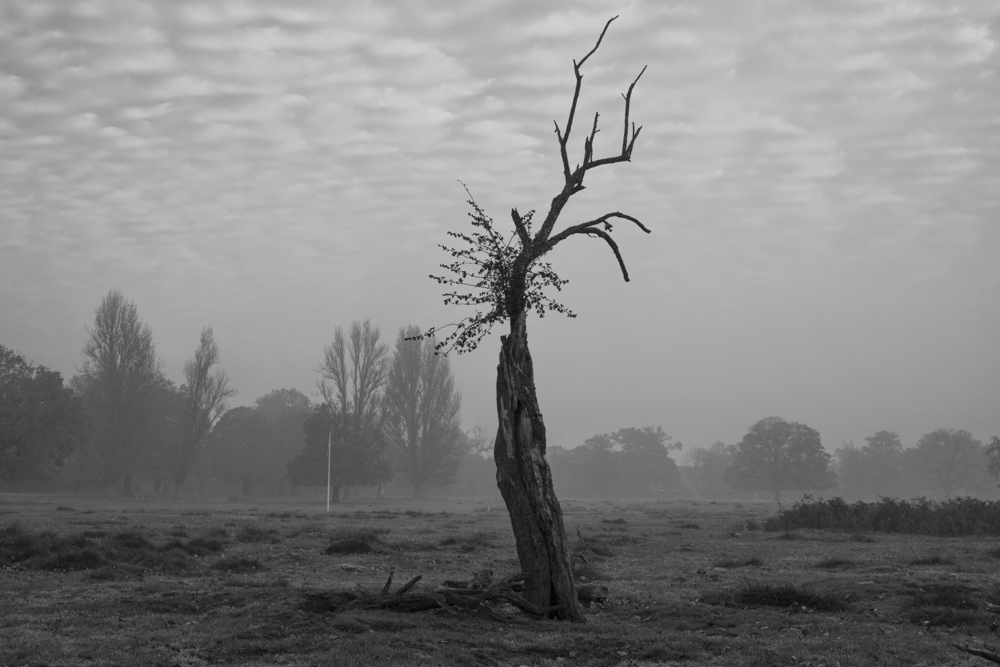
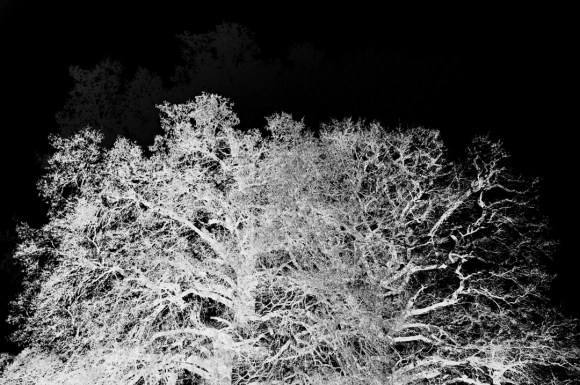
Tree 2 – 3 May 2020


bp_20-05-03_tree_2_test_bw_low

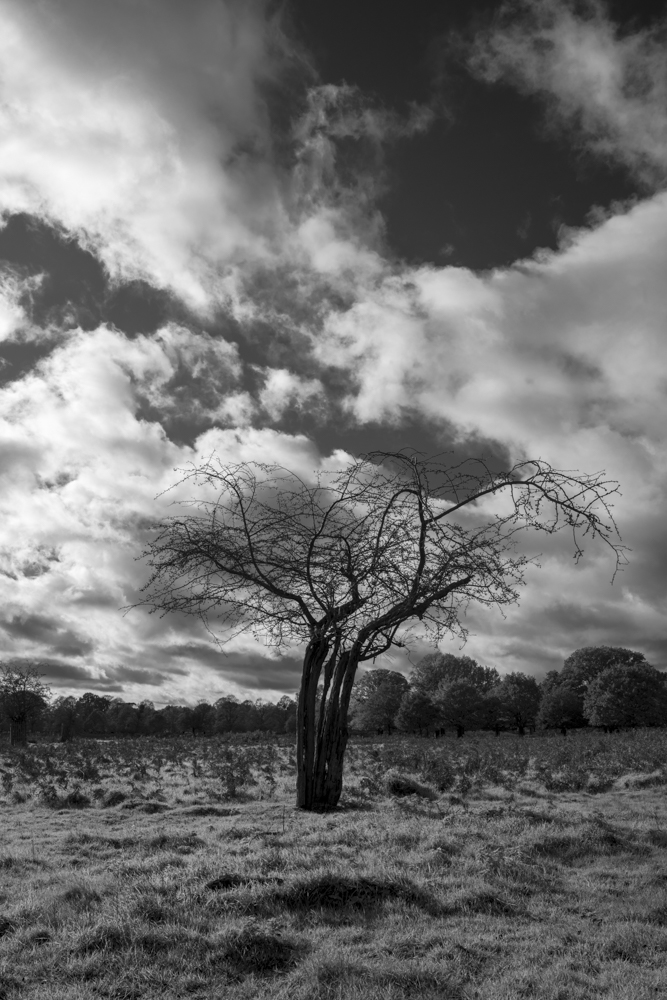
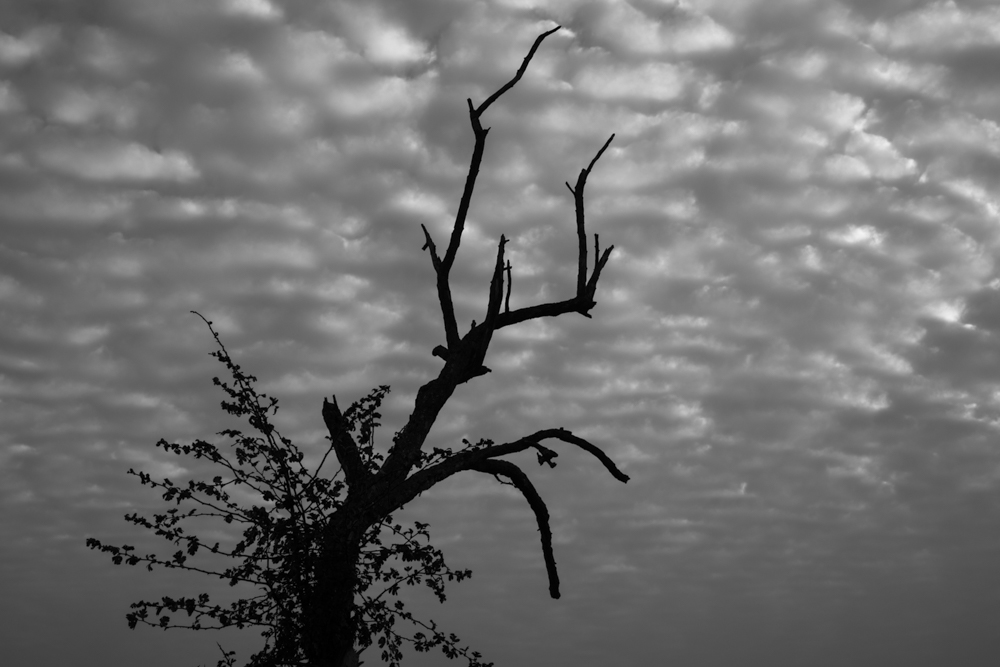
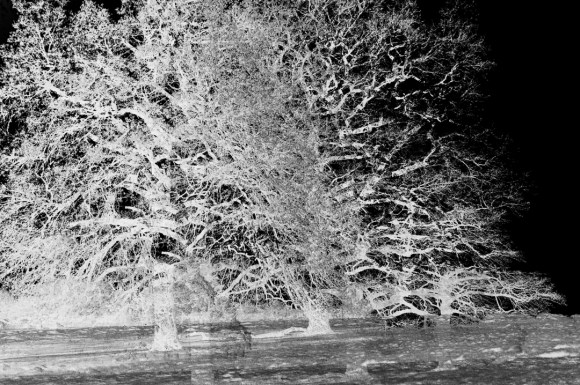
Tree 3 – 3 May 2020


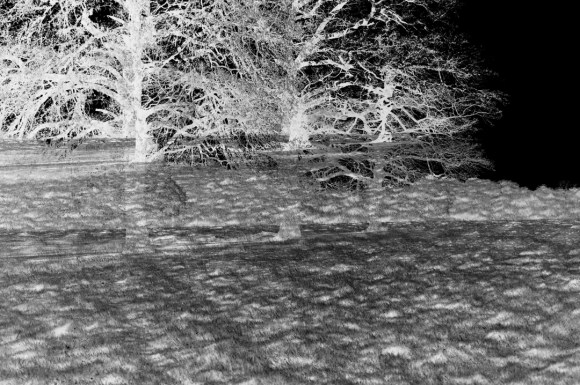
bp_20-05-03_tree_3_test_bw_8

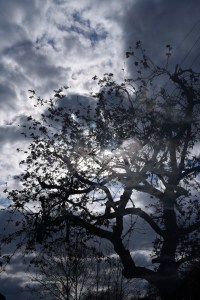
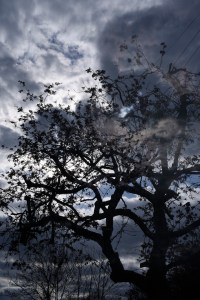
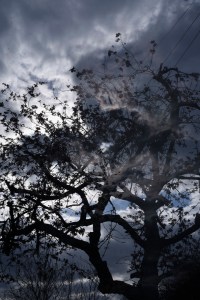
Looking at these after processing, I realised that I Tree 2 and Tree 3 above were of the same tree, but two different sets of shots. One aspect of which to take note.

This is how the four complete images look side-by-side:


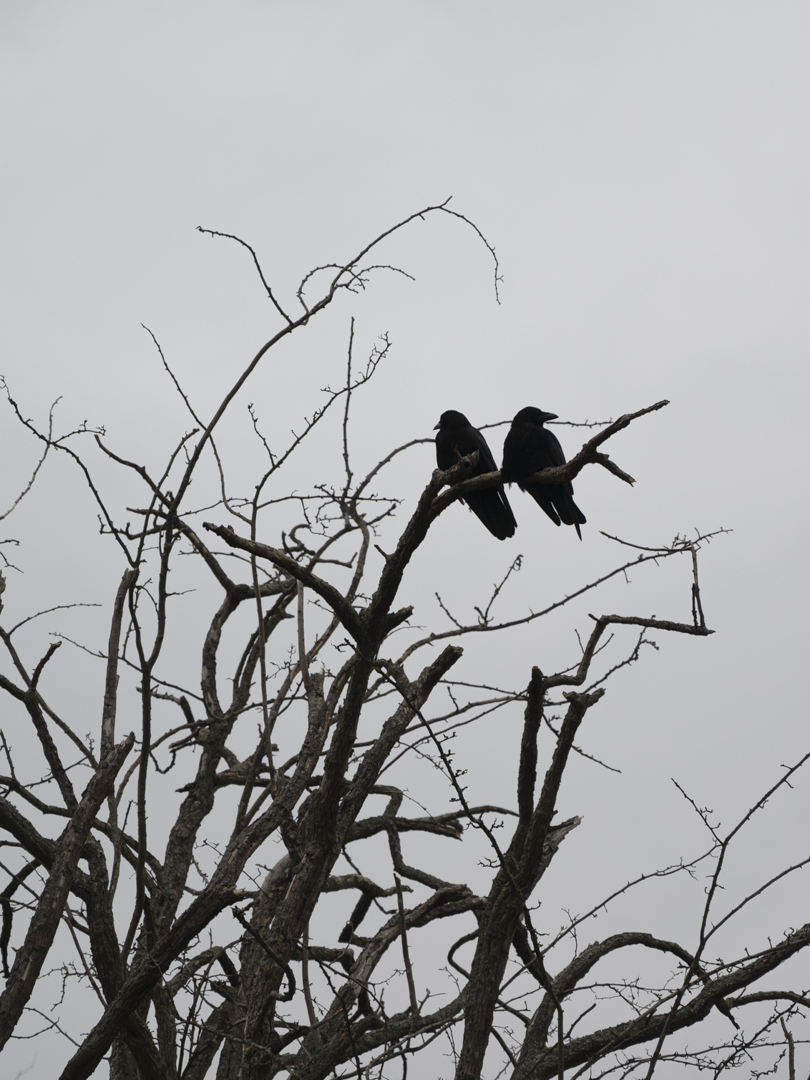
While in the park, I also caught this corvid couple.

corvid_couple_1080


Categories
AGM60 Research & Experimentation Posts

AGM60 Images Sent To Print 22 April 2020

With a large number of images captured and a strong concept in place, it was time to get some of these printed. Having checked online, I was relieved to see that my ‘go-to’ print bureau, DS Colour Labs, was taking orders. This bureau is my first choice when I need a batch of test prints. The prices are very reasonable, the prints are of a professional standard and they have a swift turnaround.

On DS Colour Labs’ website, they stated that they had closed their retail store and production unit on 24 March due to the current government restrictions. They had to have some time to discuss how/if they could continue to operate safely within the government guidelines, while still providing a service to their customers. Fortunately, they made the decision to reopen their production facility on Thursday 26 March with limited operating hours. It was reassuring to know that the safety of their staff and the photographic community is paramount.

DS Colour Labs were following official advice and they were taking every necessary precaution. These measures included operating as a one/two-person team (Managing Director and Production Manager) to ensure social distancing, not using public transport to travel to and from the workplace and keeping strict hygiene practices at all times. As a result, they were able to keep a basic level of production running in the print lab (Standard Photographic Prints up to 18″x12″). Any customer service inquiries were to carried out via email only, which cannot be done remotely.

Reassured that they were keeping safe in this difficult time, I spent 22 April going through images, referring to my blog posts then editing and preparing images to print. I decided to go for 12″ x 8″ lustre C-Type prints – this size is big enough to see details and how images work together. This also helps control costs as they are 65p (inc. VAT) each. I chose lustre as I prefer this finish to the shiny gloss surface.

Having gone through the images, I grouped them in the following formations and either edited the original colour version or converted them to Black & White.

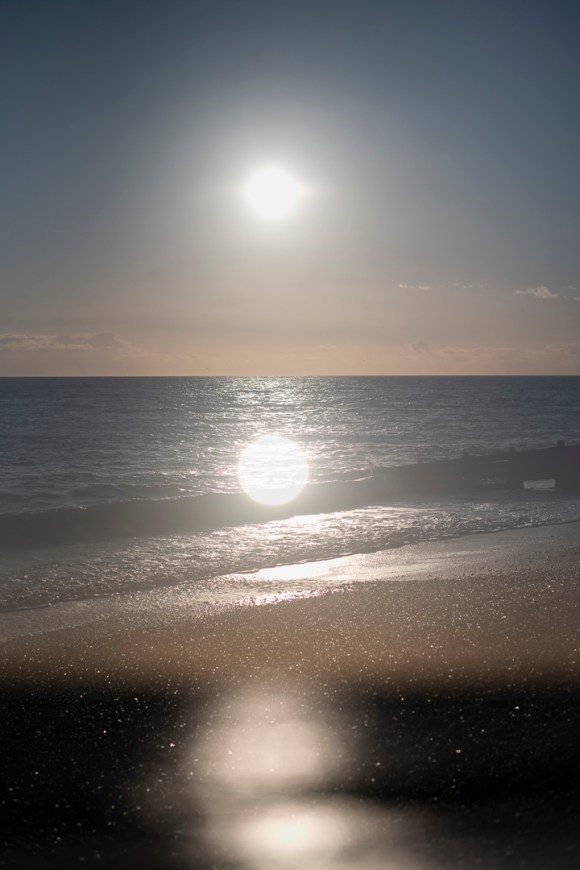
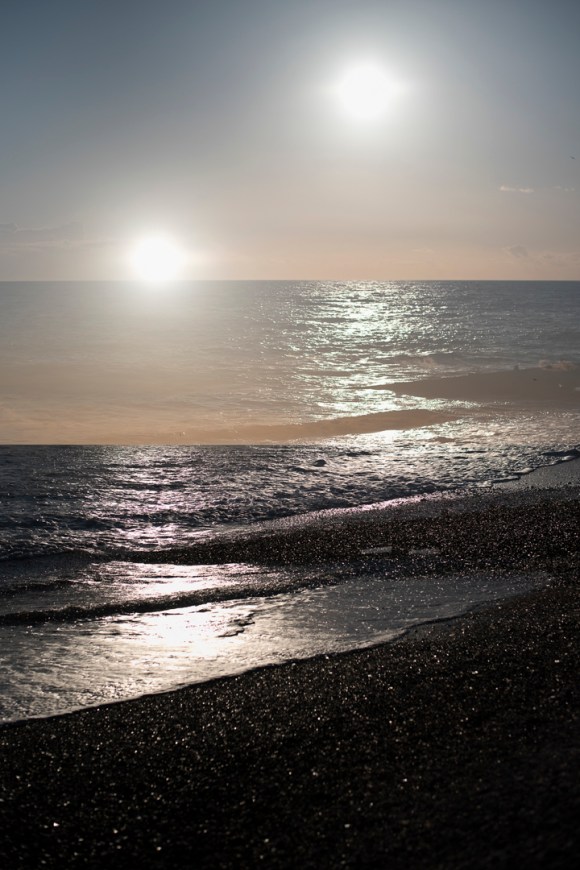
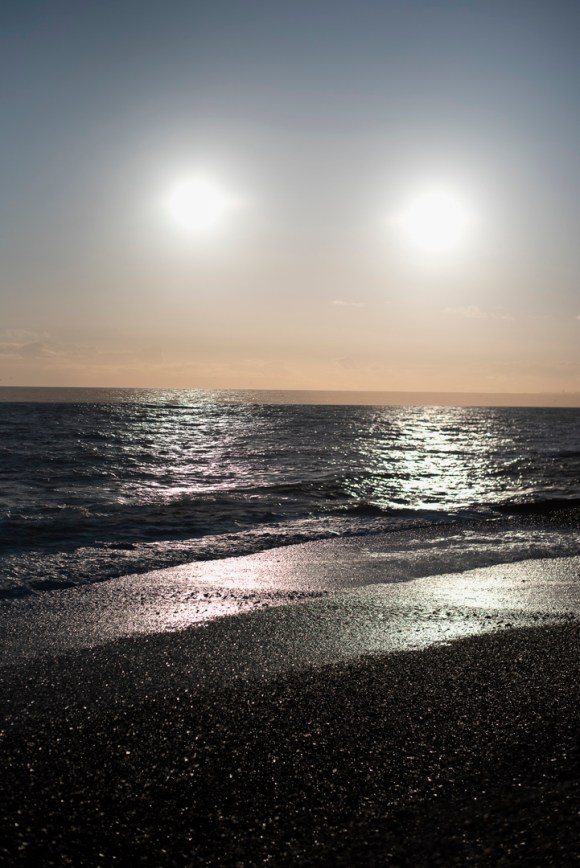
I also made the decision to call the following double-exposure sun images ‘Lost Horizons’.  This was due to these being the last images I took of this view in Brighton before lockdown and the massive shift in the world as we knew it. It also resonates as being the unsure future we were experiencing at that time.

brighton_double_20-03-03_002_12x8_low

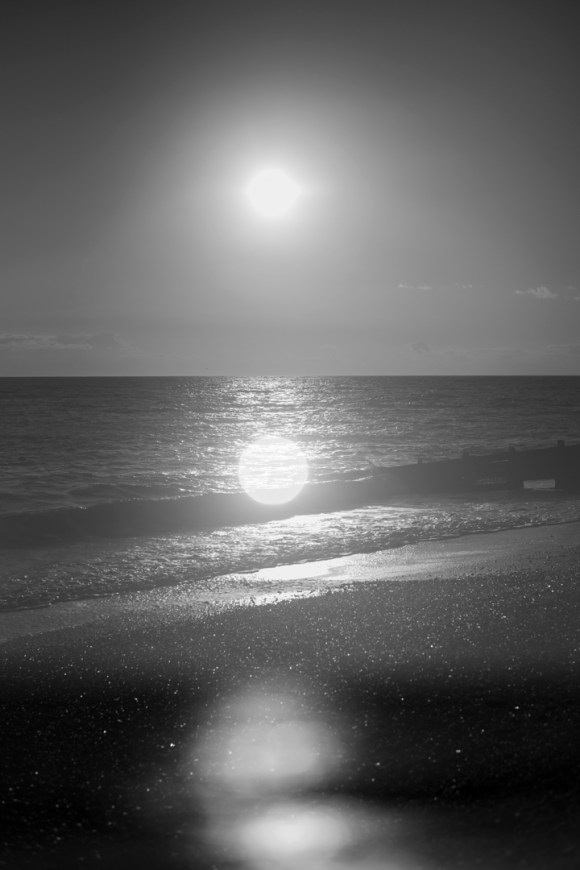
I also tried these two images in Black & White.

I then chose the following images from Bushy Park taken on 6 March before the lockdown was confirmed. Again, double-exposures with a similar tone to the images above. These would also come under the Lost Horizons category. It was like looking at a world about to change with no certainty to what was actually occurring.

bushy_park_20-03-16_009_12x8_low

While writing this post, I also noted the following combination.

The next images for print were taken on 16 and 20 March. Still before lockdown, but there was a feeling of the inevitable blocks on the horizon.

bushy_park_20-03-16_074_bw_12x8_low

daffs_20-03-22_003_bw_bw_12x8_low

These two images would be grouped with this set taken on 20 March. An allegory of a blocked path with no clear direction.

The following images would come under the main title of ‘Moments of Eternity.’ These were taken after the lockdown started on 23 March and represent that experience of feeling that this situation will last forever.

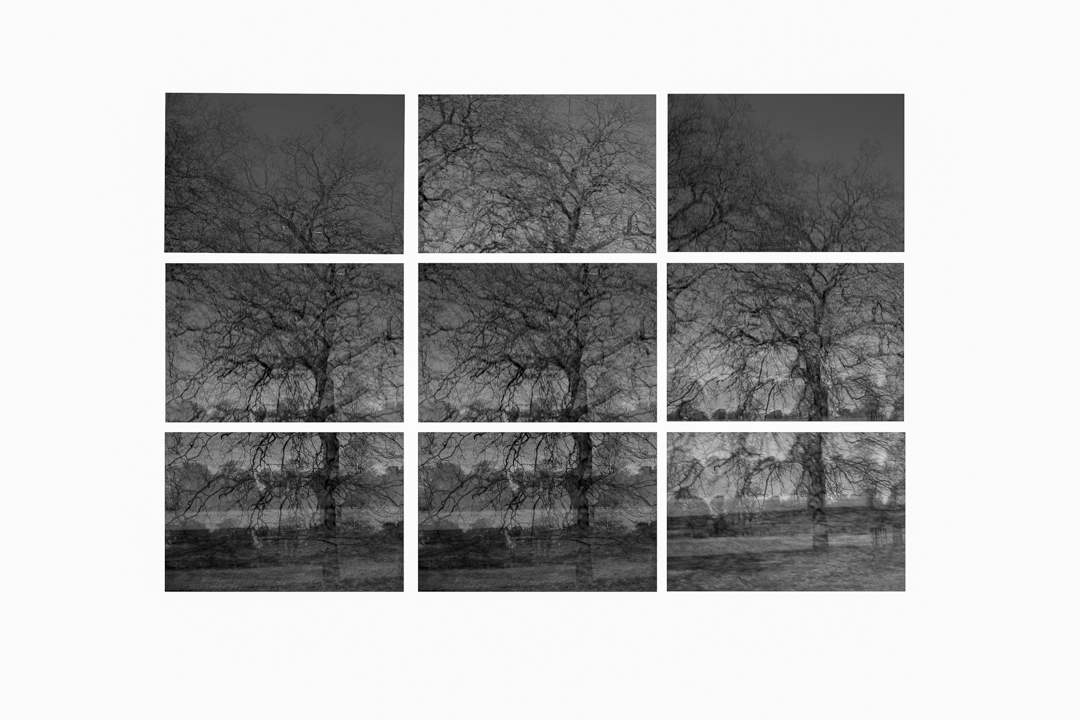
The first set of images under this title were from the interval-timer shoots taken in my garden during my period of self-isolation. My initial intention for these images was to use them as a time-lapse piece. However, since I started experimenting with the grids, I wanted to try using the format with the images from these sessions. I took nine images from each of the sequences. The first one I’ve called ‘Moon’ was a total of 281 shots, so I selected one every 30 images to create this grid.

The second grid is called ‘Tree’, which was a total of 715 shots. As such, the nine images of the grid would be from one every 80 shots.

Having looked at the images set out on this blog post, I wasn’t sure if it would work with the selection I had chosen. I made a note to keep this in mind once I received the prints. One consideration is combining the two sequences together and selecting a sequential grid from the total images.

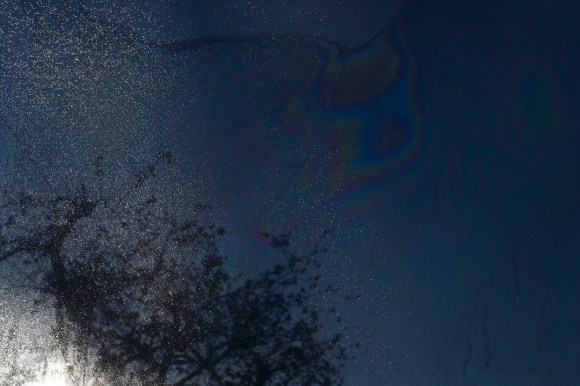
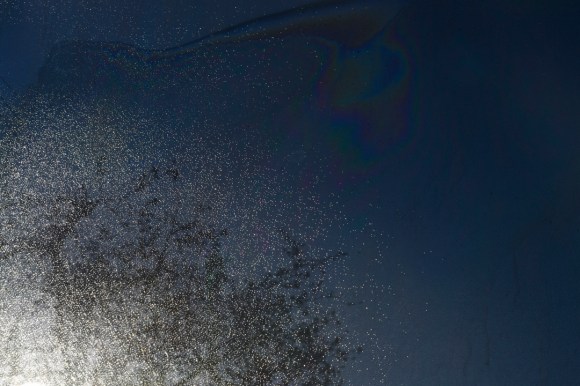
Next, I edited a selection of the portrait shots taken on 31 March of the window reflection. These were a result of the feedback received on the same day during the online tutorial.

My final selection for editing and printing was the images taken in Bushy Park after my period of self-isolation ended. Again, these would come under the title ‘Moments of Eternity’. These were inspired by an altered view and perception of the world post-23 March 2020 and the Zoom grid.


After writing this post, it dawned on me as to how productive I had been during this bizarre time. Having the time and energy to focus on my work combined with being able to rest and process what I was doing definitely had its benefits.

The next step in the process was to wait for the prints to arrive then discuss these and my concept with my class. I also had to revisit my initial inspirations and references then prepare for the next online tutorial on 28 April,

Categories
AGM60 Research & Experimentation Posts

AGM60 Further Experimentation 21 April 2020

While looking at images I’d taken during my park visit on 5 April, the following three appeared to work very well together.

I then tried the Black & White treatment.

The following is a negative version of the above.


There’s definitely something there. At this stage of the project, I certainly have enough images and some strong concepts to carry forward and refine.

Categories
AGM60 Research & Experimentation Posts

AGM60 Bushy Park 14 April 2020

On April 14th, I set out to the park to find suitable trees to photograph in the grid style using the double-exposure method. This was prompted after my visit there on 10 April and looking at the resulting shots. It was a gloriously sunny late afternoon, so it was a wonderful way to get my daily exercise.

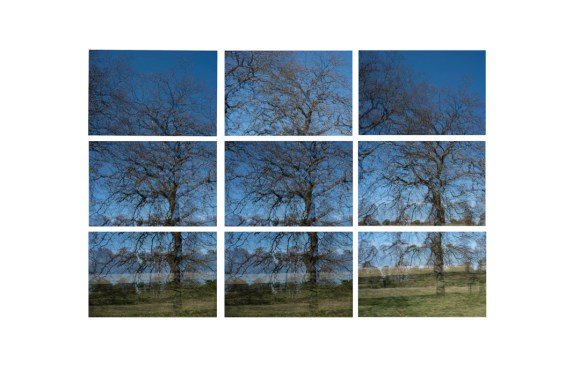
I took several shots and these were the two sequences that, on initial examination, looked the most visually effective when put combined.


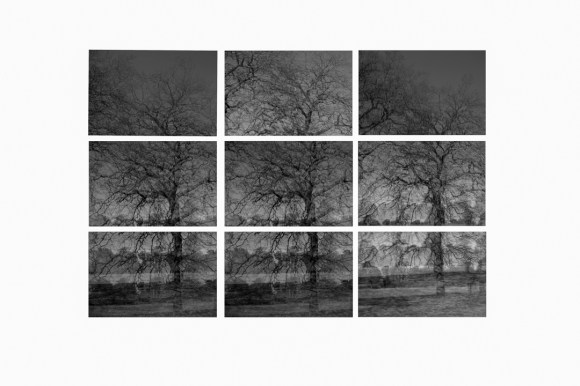
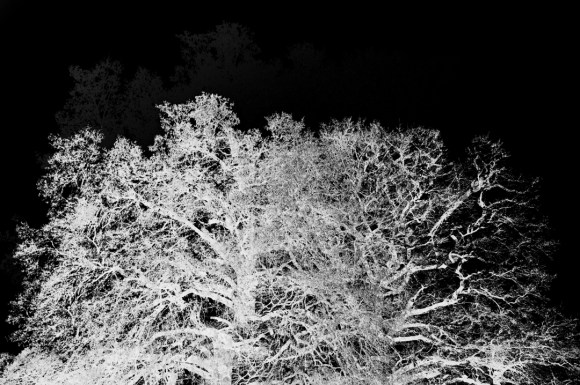
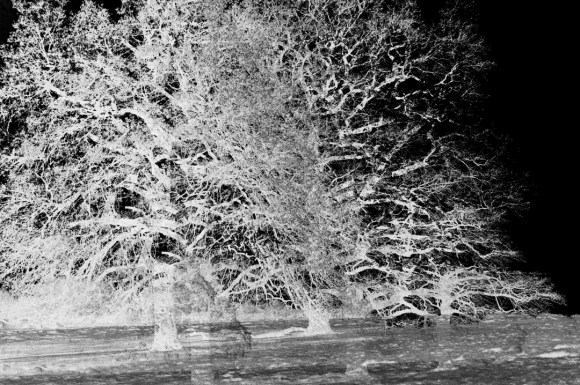
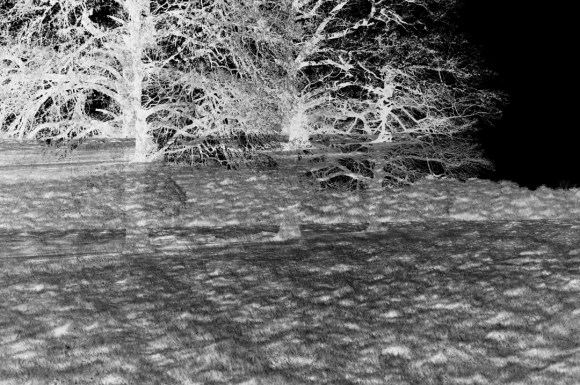
I then tried a negative, Black & White edit. This is the result.

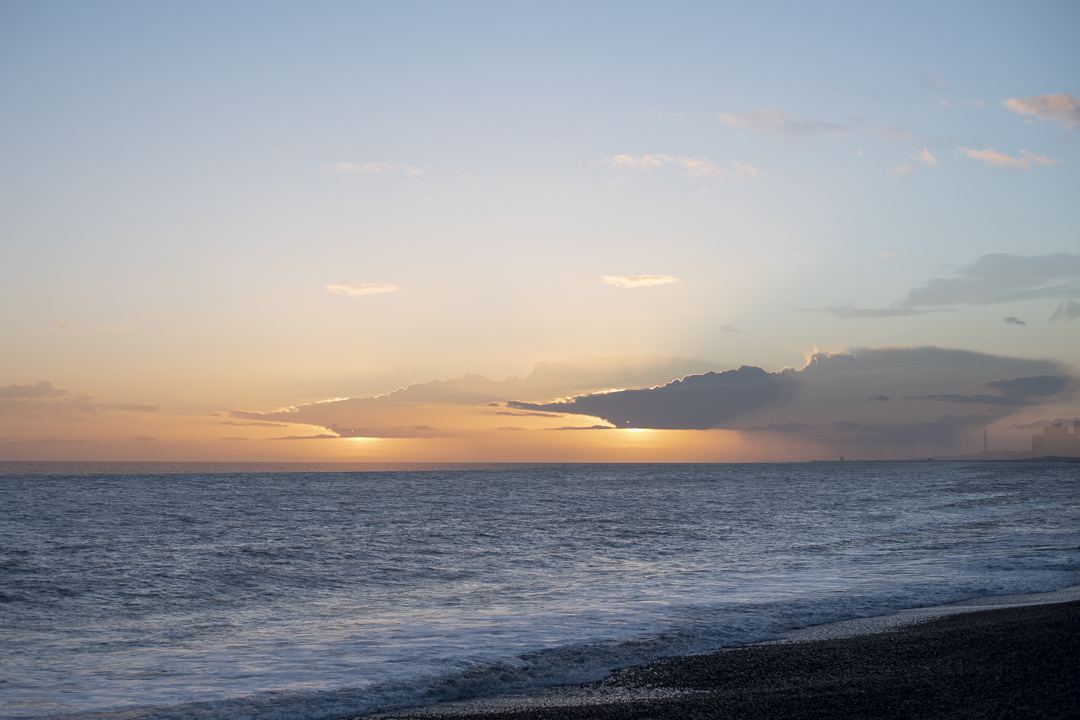
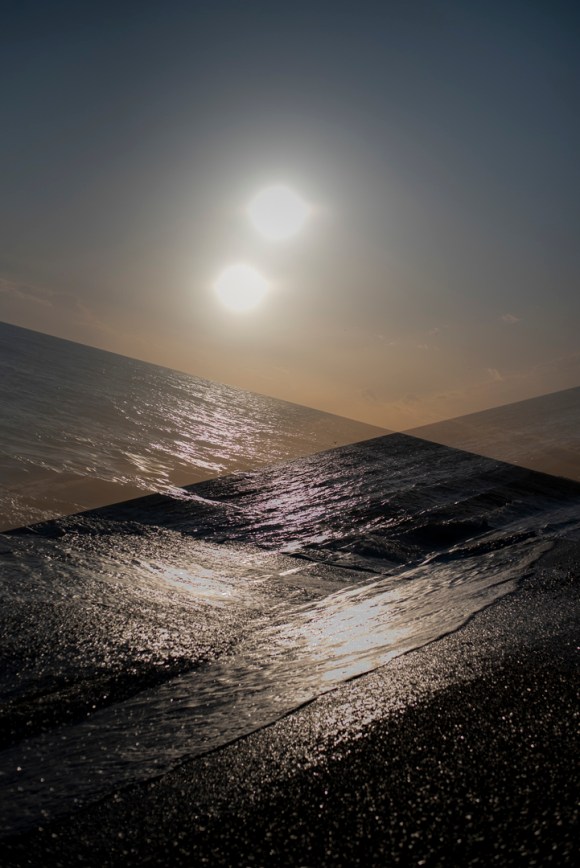
The technique is similar to the one I used with for this image of the waves on Brighton beach.

20-03-02_brighton024_crop_bw_low

Categories
AGM60 Research & Experimentation Posts

AGM60 Darkroom Workshops 11 & 18 February 2020

As part of the MA Photography course, the class had two darkroom workshops, one Black and White, the other Colour.

I was quite excited to try out the extensive darkroom facilities at the University of Brighton. The facilities at RHACC consisted of what appeared to be a broom cupboard painted with white walls. The only time I used during my four years at the college was to wash a cyanotype print. Also, the last time I had developed a photographic print was about 25 years ago. Apart from a brief foray into blueprinting, my photographic work since then has solely been digital.

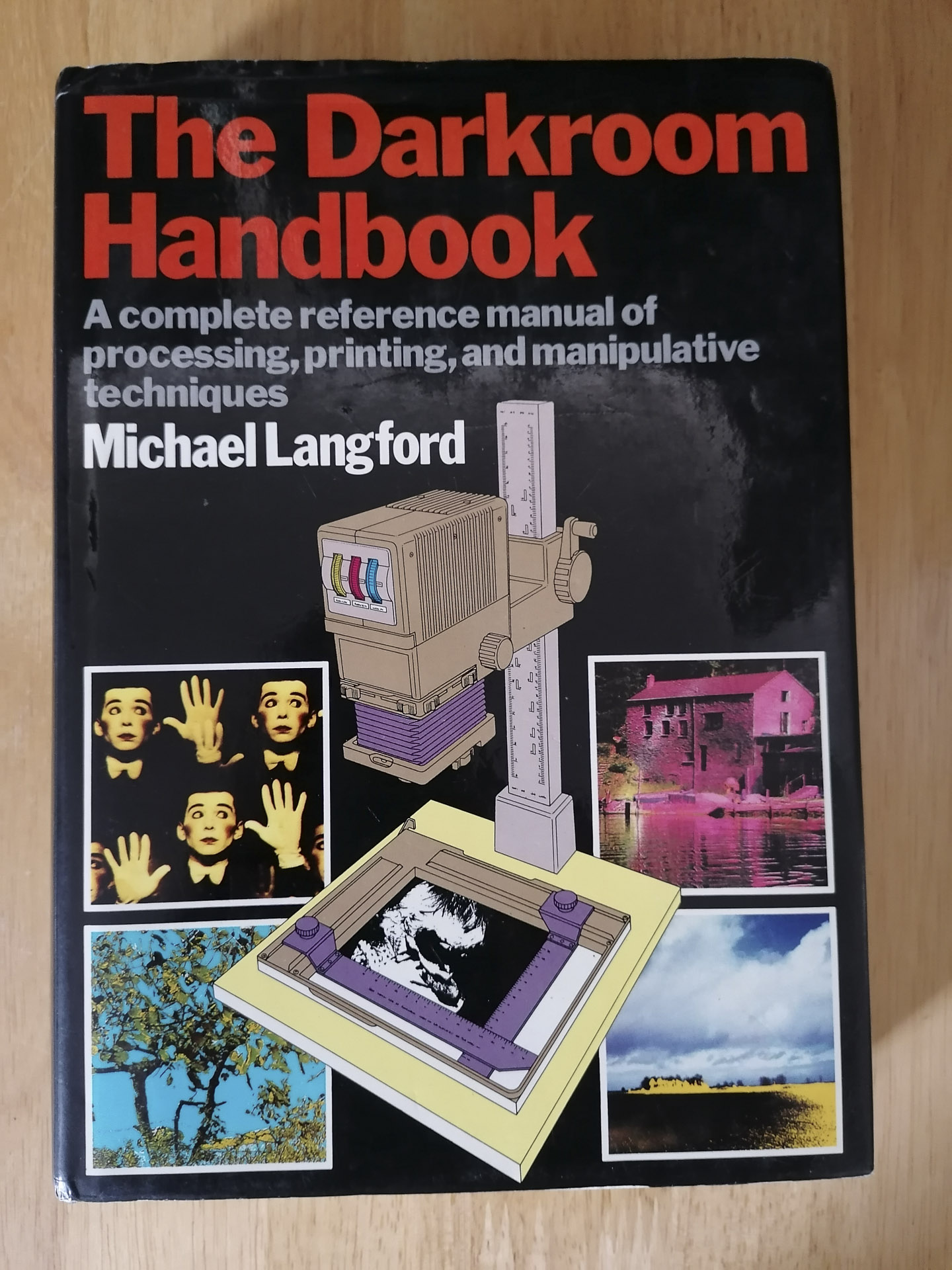
In preparation for the workshops, I bought The Darkroom Handbook by Michael Langford. Published in 1981, it covers all the basics of processing, printing and manipulative techniques.
darkroom_handbook_michael_langford_low

At the time of my initial reading of this book, I already knew how to recreate a lot of the effects within this book digitally. It was great having a reference to how these could be achieved using the original analogue techniques and technology.

Black & White Darkroom Workshop

The first workshop on Tuesday 11th February focused on Black & White printing. This was so the class could get to grips with the basics. Mark, the Photography department’s Head Technician, took us through the process of Black & White printing. This introduction involved an orientation of the whole darkroom area and the printing process from start to end, plus all of the Health & Safety aspects. After this initial introduction, the class took a negative (either their own or borrowed) to process themselves. This is when I realised my lack of analogue photographic knowledge which made me more determined to get to grips with darkroom printing. It also was a great opportunity to recognise the differences between digital printing as well as the pros and cons of both.

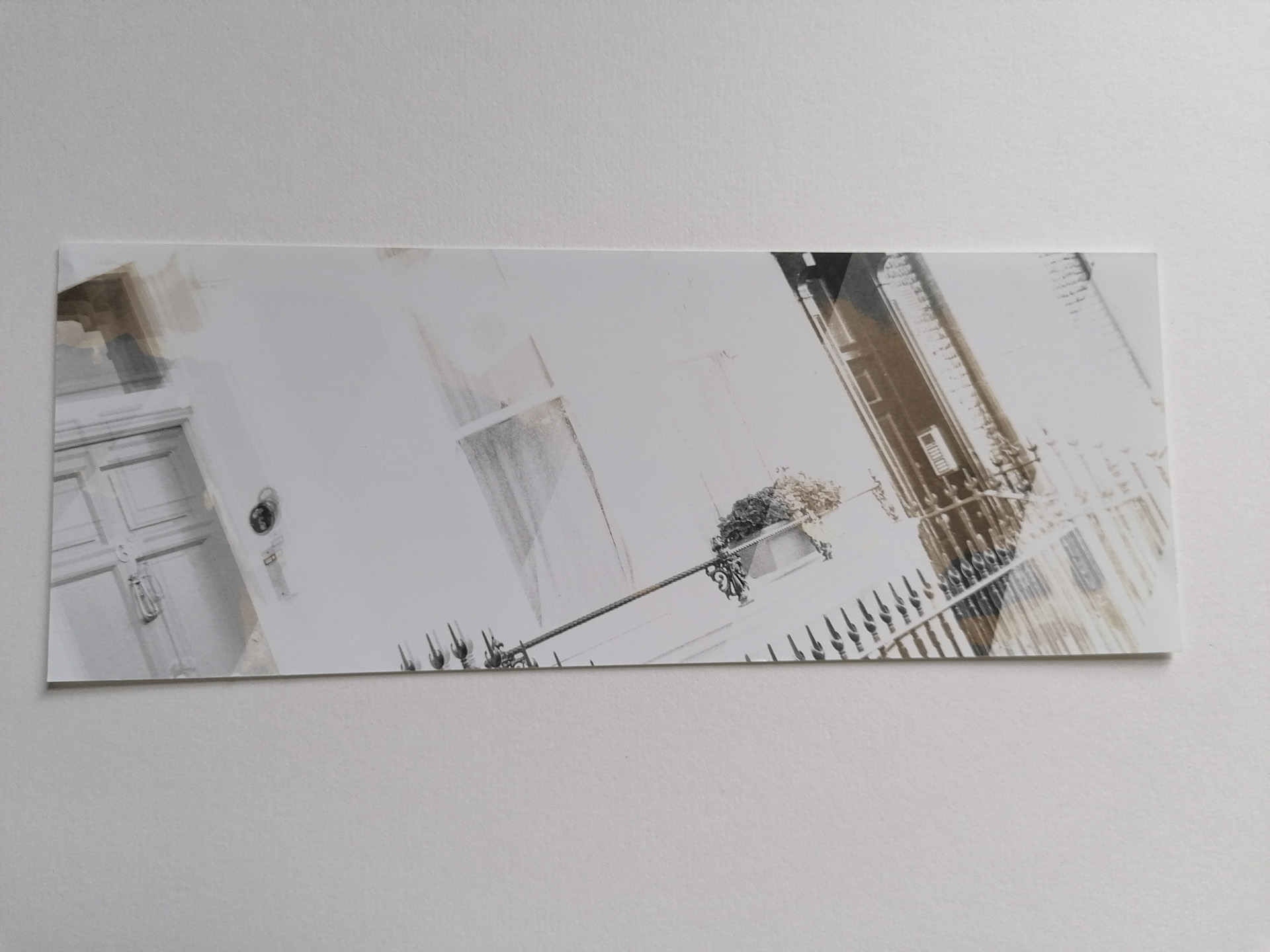
I won’t outline the whole process here, but this my initial test strip result. Not the most fantastic of prints, but it taught me a lot.
bw_test_strips_006_low

The first thing learned was the importance of using the test stip to calculate the correct exposure time. Also, how essential it is to leave the paper to ‘fix’ long enough so the print does not result in an unintentional sepia tone (as seen above).

When it came to printing a larger version, I also learned that it’s essential to ensure that either the negative or the paper are not moved in any way. Otherwise, it results in a double image (as shown below).

I have to admit that it did take me the whole three-hour session to get to this stage. It does take me a while to get to grips with a new way of working and process the information. I learn best kinesthetically, which means I have to physically repeat a process several times in order to both understand it and carry it out myself. As such, I returned to the darkroom on Monday 17th February for another printing session.

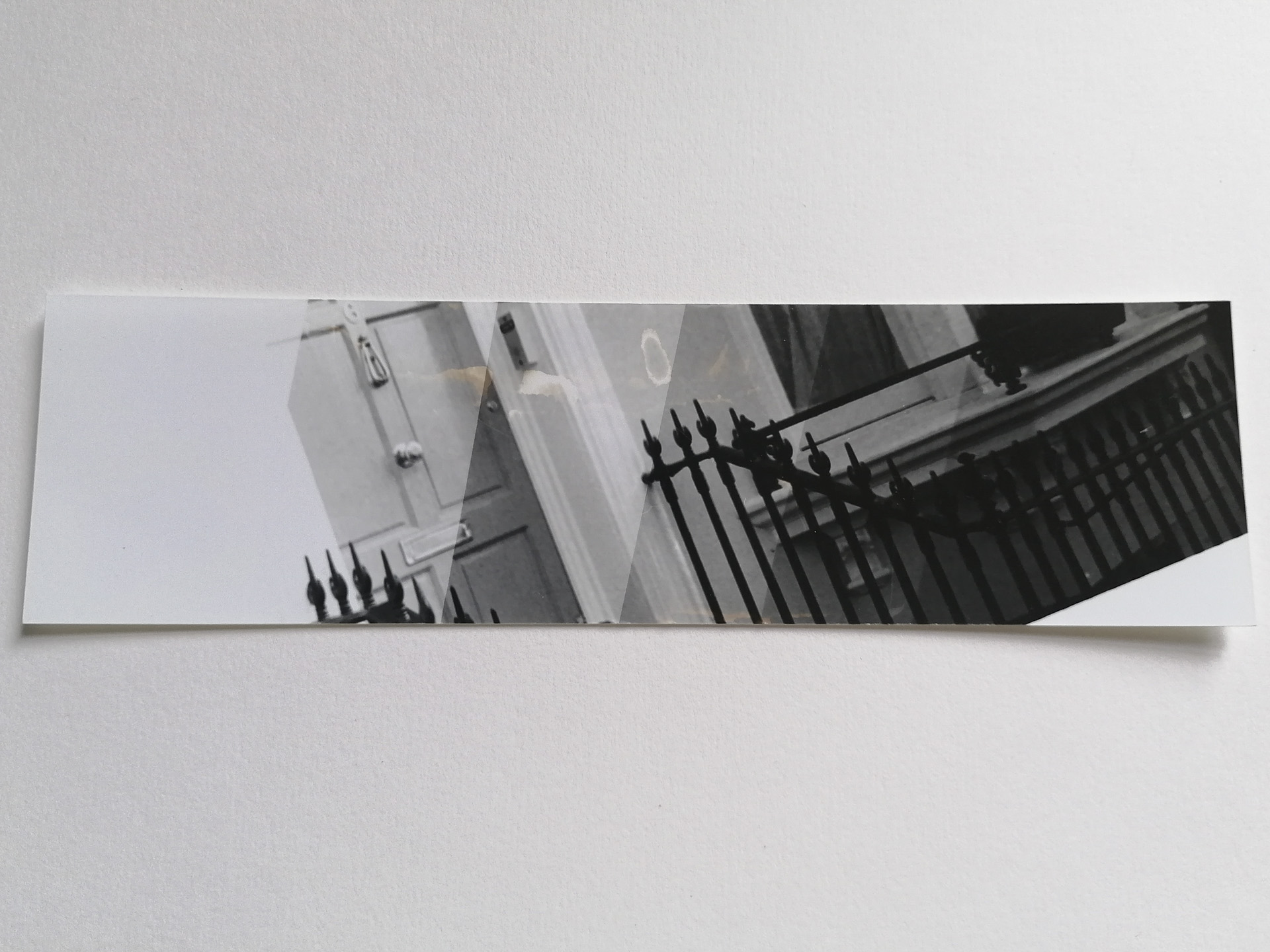
This was the resulting test strip.
bw_test_strips_008_crop_low

These were the resulting prints.

bw_print_1_low

bw_print_2_low

Not the best, but it was a good reminder of ‘practice makes perfect’.

Colour Darkroom Workshop

On Tuesday 18th February, the class attended the Colour Darkroom Workshop. This both had similarities and differences to the Black & White one the previous week. The similar aspects were the use of the negative and setting up the enlarger. The main differences were not being able to use any light when taking the photographic paper out of the black bag before exposure plus the use of a machine for printing rather than the developing, fixing and washing trays.

For this introduction to this type of colour printing, I borrowed one of my classmate’s negatives.
colour_test_strip_1_low

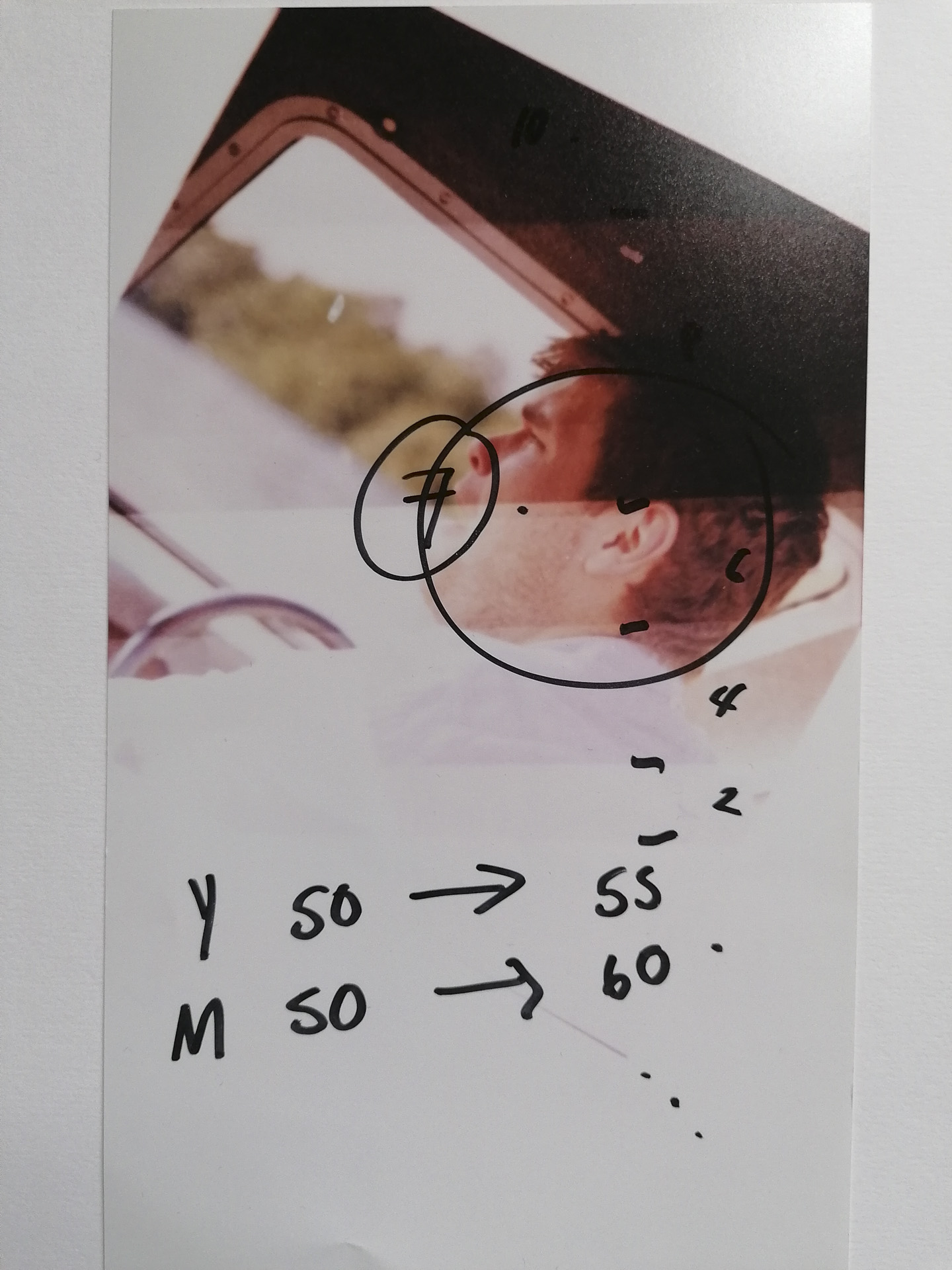
Again, I’m not going to note the whole process, but this I what I learned.

Firstly, it’s very easy to put the photographic paper with the emulsion side facing down on the masking frame. Which explains why the following two prints were the other way round.

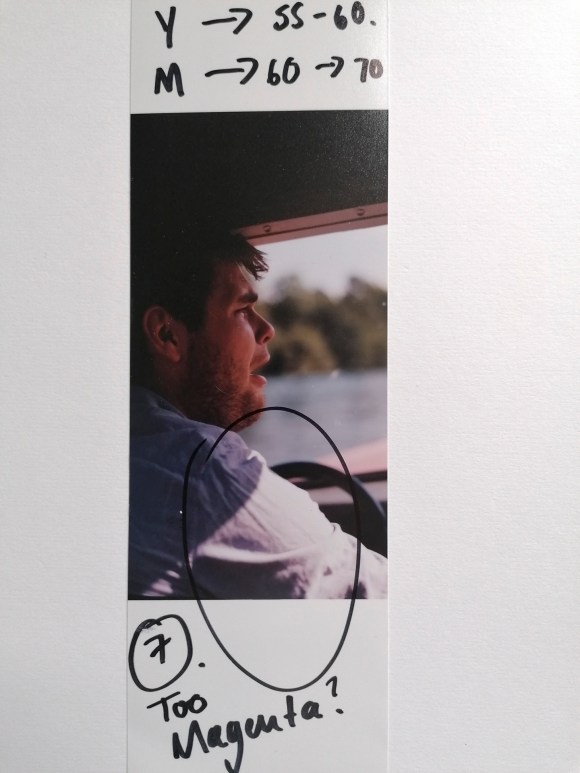
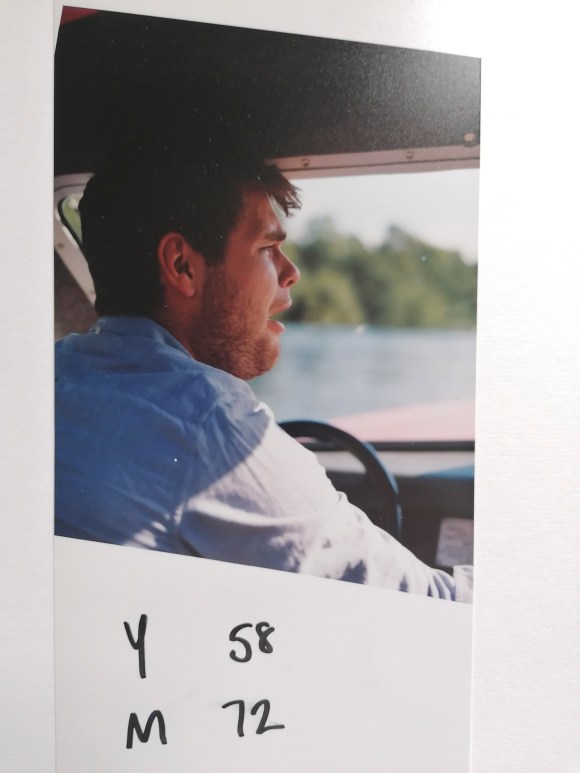
Secondly, the colour tone of the print image can be changed by either increasing or decreasing the three primary print colours: Yellow, Magenta and Cyan.

It takes a combination of numbers, colours and looking under a neutral light to get the right tone.
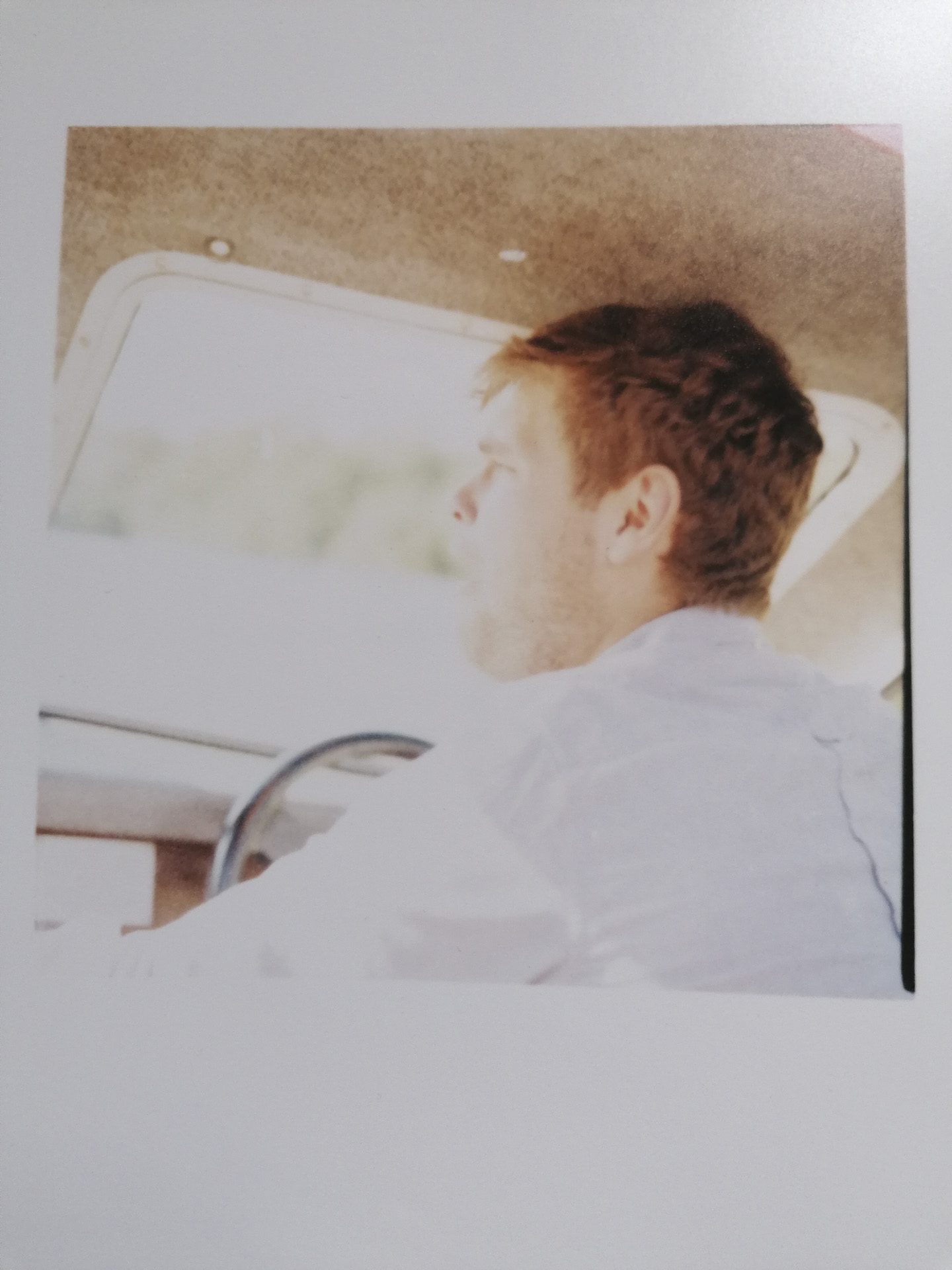
colour_test_print_3_low

Again, it would have helped if I had the paper the right way round for this final print.

The main thing I did learn is that by using the colour enlargers, a richer contrast can be created using Black & White prints. A bit like split toning in Adobe Camera Raw or Photoshop.

At this stage, I wasn’t sure if I would involve analogue processing in my work. However, there was a nagging feeling that I could use this at a later stage. I do have a strong interest in cameraless techniques and effects. I also know how to create my own negatives digitally. My first introduction to the darkroom involved making photograms when I was at primary school and that experience has always stuck with me. A book that I started reading at the same time as the one above is Experimental Photography: A Handbook of Techniques by Marco Antonini, Sergio Miniti, Fransicso Gómez, Gabriele Lungarella and Luca Bendandi.
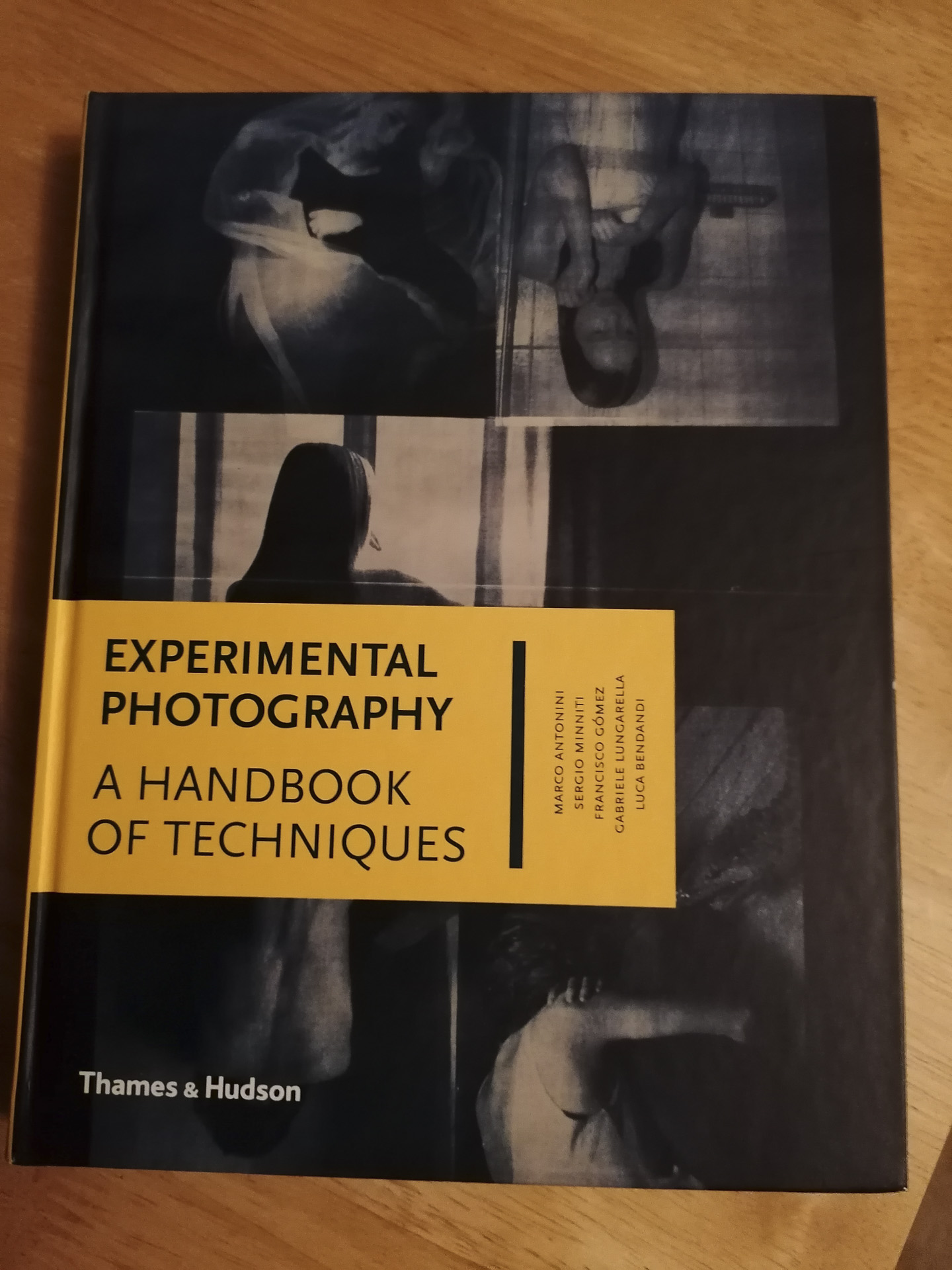
experimental_photography_low

This inspiring book features a wide range of alternative techniques including cameraless, making one’s own cameras, operative hacks plus print and post-print experimentation. Again, lots more to be considered at this stage.

What I did take away from these two sessions is that it highlighted where my gaps in photographic knowledge laid. Also, I shouldn’t be too hard on myself that I didn’t understand the analogue processes as much as digital. Looking at how I used to take and process my digital images when I started compared to what I do now, it reminded me of the time, effort, mistakes and sheer hard work it took to me to get to my current stage. I also realised that this knowledge and experience could, and should, be applied to my work going forward.
Design a site like this with WordPress.com
Get started