Categories
AGM62 Photography Research Project Stage 1 Posts

AGM62 Interim Review Presentation 17 November 2020

In order to showcase what I have researched, collated, and produced so far for the Interim Review, I will have to present:

  • Work-in-progress: considered rough edits of my project to date. If I feel that including contextualised research would be beneficial, I will bring these materials as well.
  • A short project statement: I will be asked to succinctly introduce the project’s underpinning concept and reflecting on my decision making so far in terms of production.

The aim of the mid review is to make possible a critical and safe space where project ideas are articulated in relation to the production (techniques, materials etc). Each student will receive formative, verbal, feedback from tutors (Fergus and Åsa). It is important that I show a broader selection of my work, in order to enable a productive discussion with peers and tutors, for example to do with potential edit and sequencing.

There will be walls and tables for me to present prints. There will also be a screen available for me to use if I have work that is not yet printed.

I will present the following:

Project Statement

Invisible Trees: The Hidden Hawthorns of Bushy Park

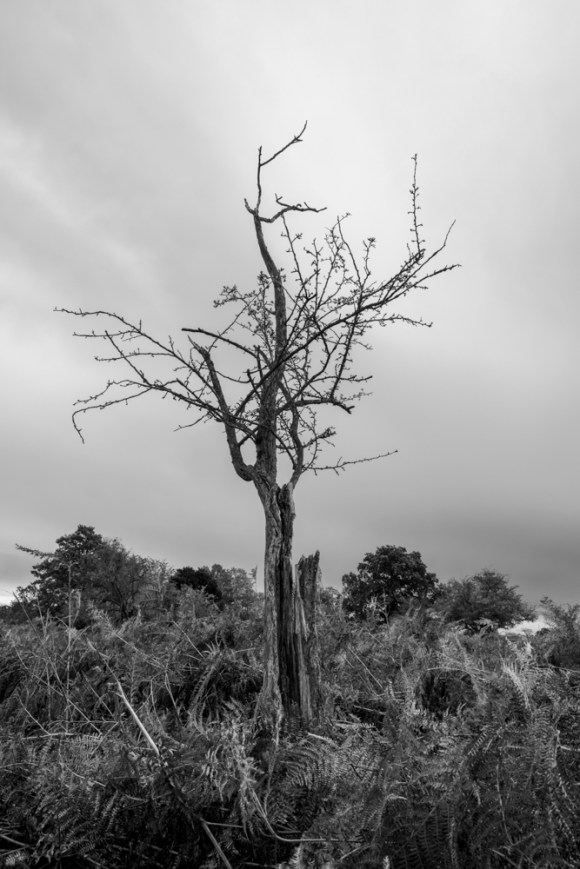
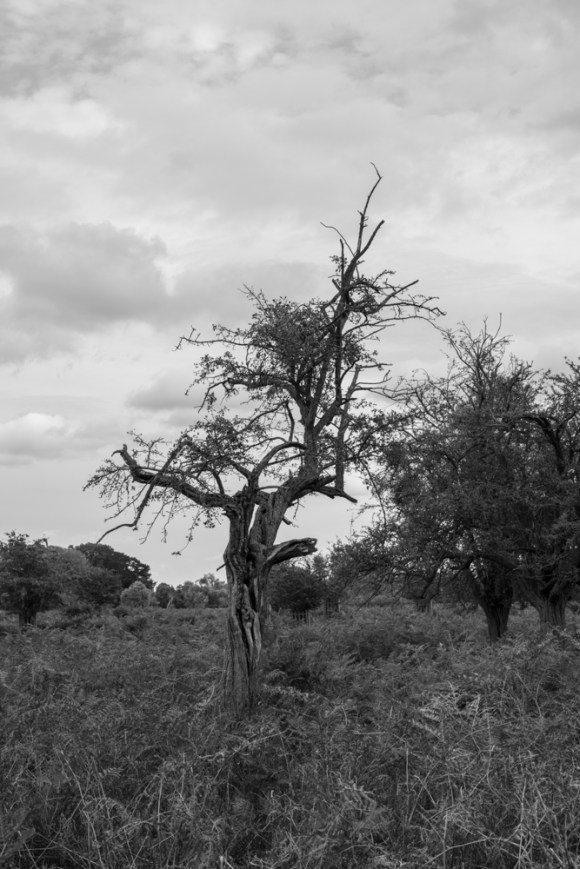
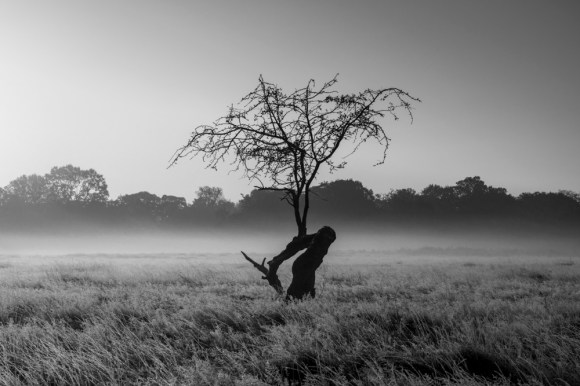
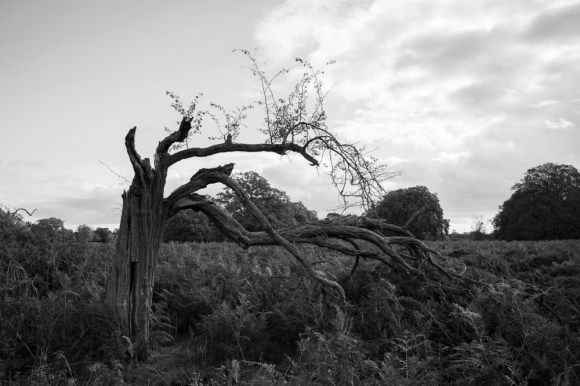
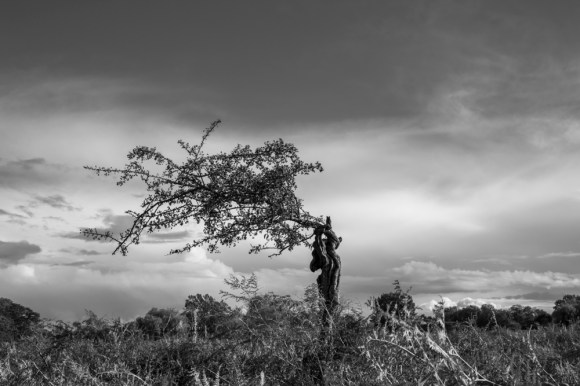
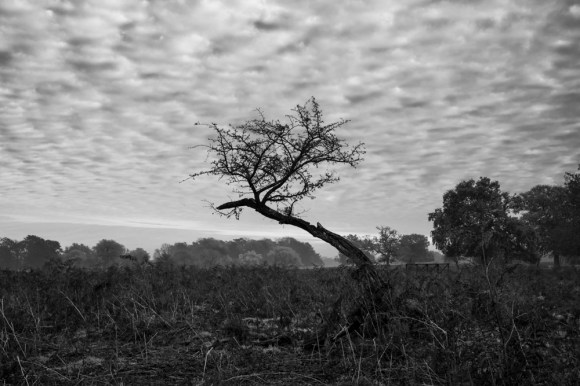
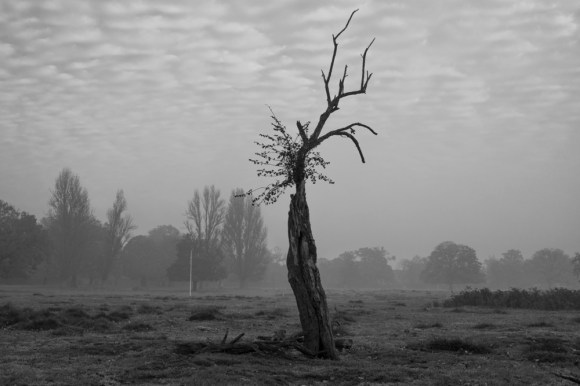
My project will focus on the hawthorn trees of Bushy Park. Since starting this line of inquiry, I have discovered that the hawthorn is integral to human history, medicine, religion, culture, mythology, and the environment. I have also looked deeper in the history of Bushy Park and how it is strongly connected with the hawthorn. By focusing on a particular tree within a constricted environment, my intention is to photographically reveal the hidden ‘identities’ of the hawthorns in Bushy Park.

There were two main decisions behind choosing this particular location. Firstly, due to the current lock-down restrictions, it is close to my home and can be reached by foot or bike. The nature of this project means I will need to visit and study my subjects on a regular basis and in different weather conditions. I can also combine outdoor exercise with my photography. Secondly, it is an environment that, although I know well, also recognise there is scope to discover it further both through research and photographically.

My initial plan was to map these trees for the purpose of adding them to the Ancient Tree Inventory. The majority of hawthorns in Bushy Park fit the particular criteria of ‘ancient’, ‘veteran’ or ‘important’, as outlined by the Woodland Trust. As far as I am aware, none of these hawthorn have been recorded and my work could help in this endevour.

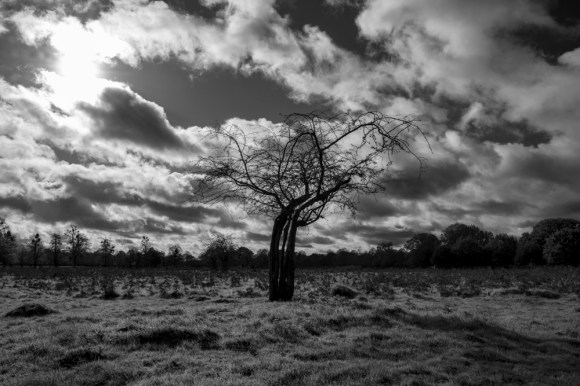
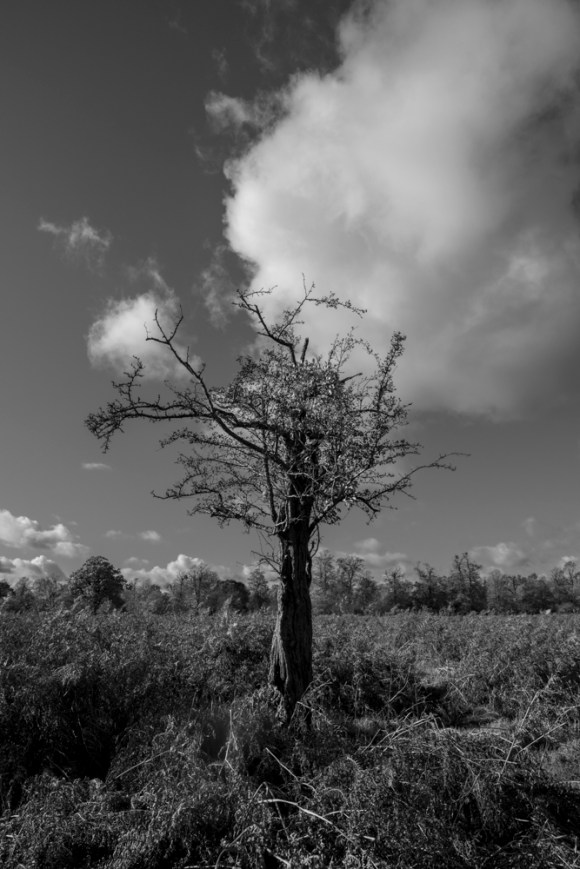
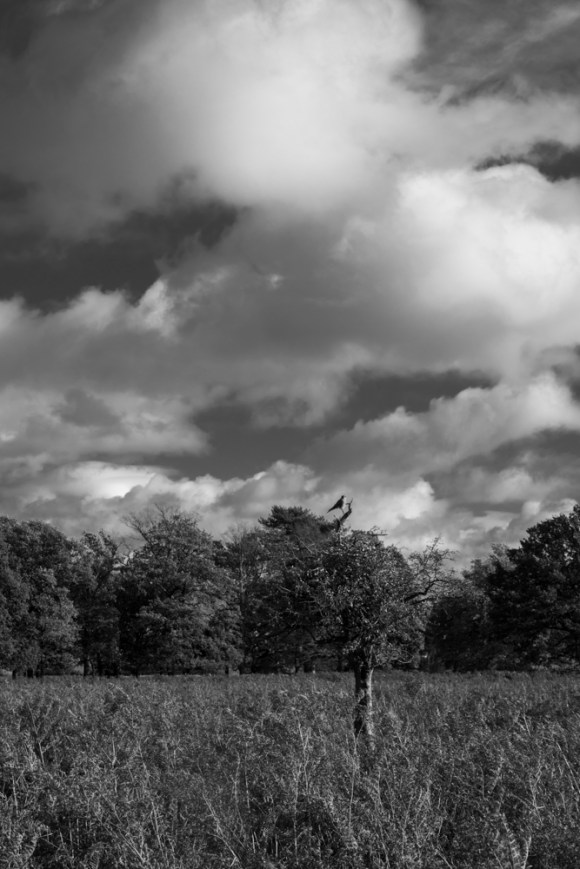
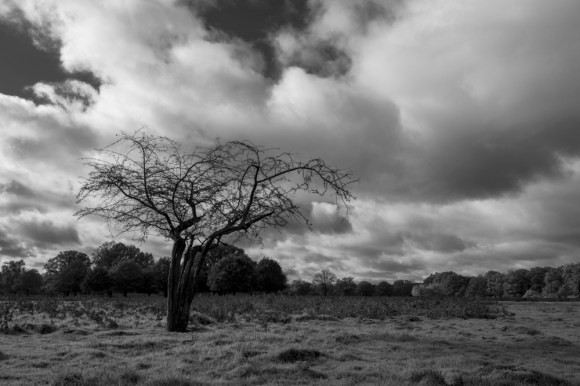
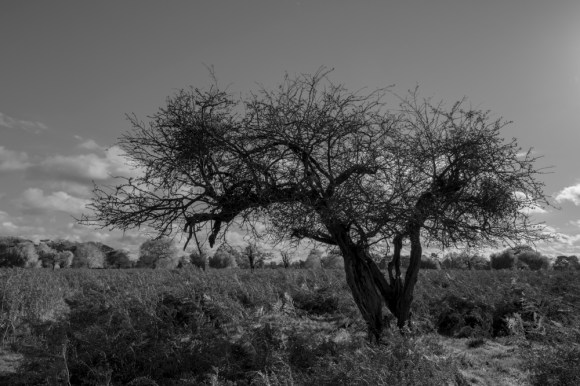
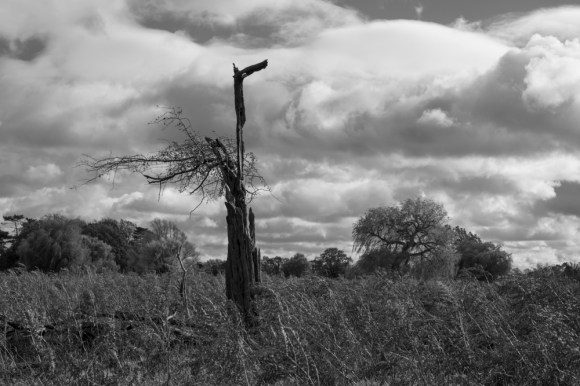
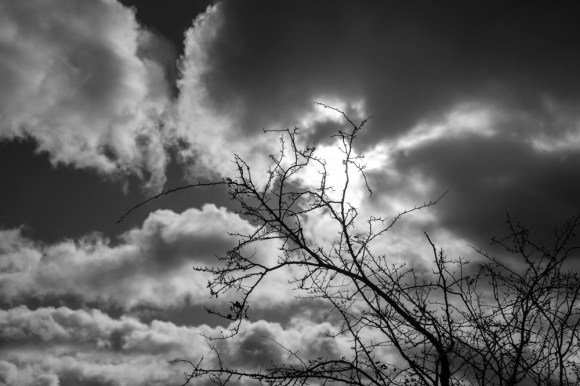
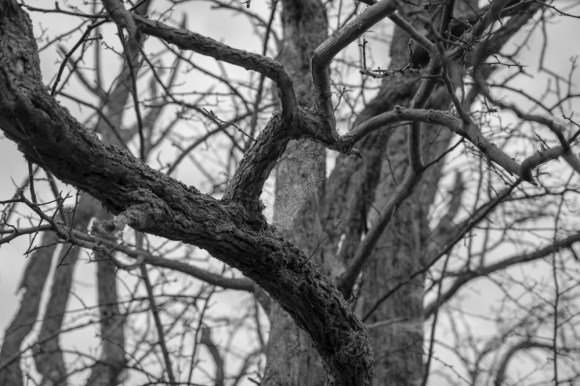
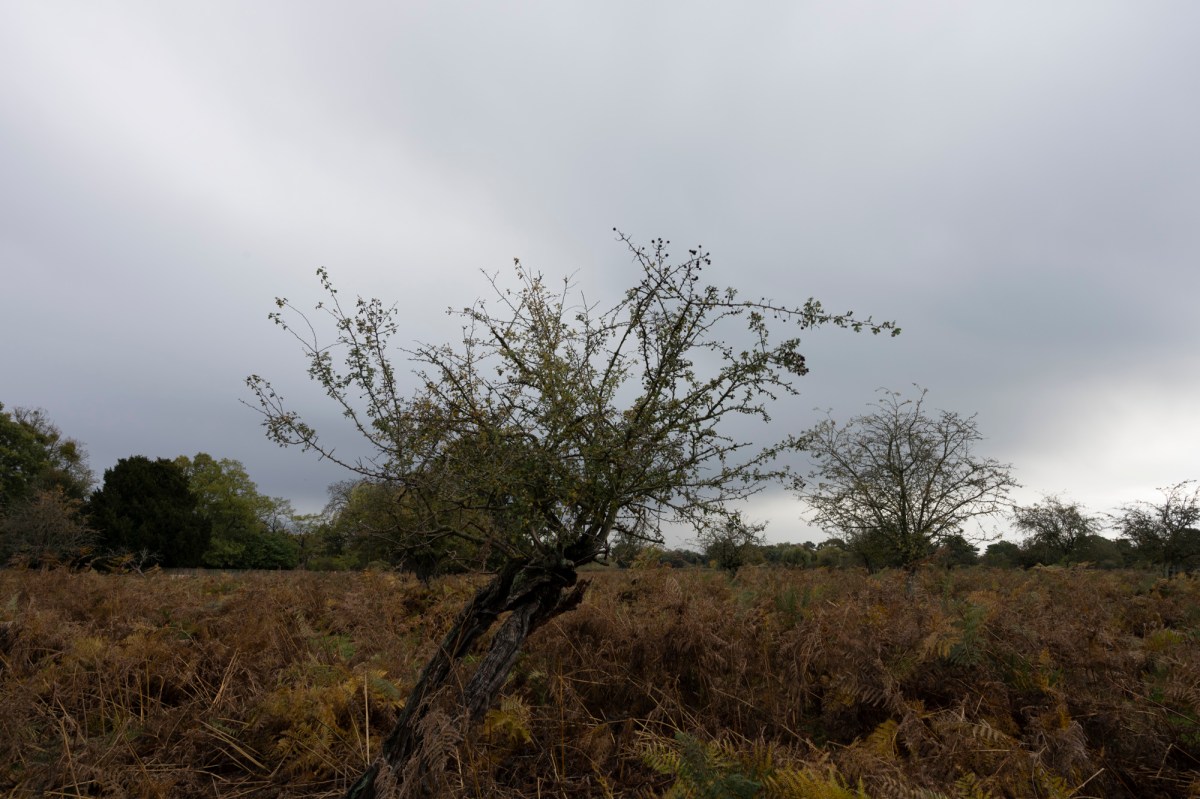
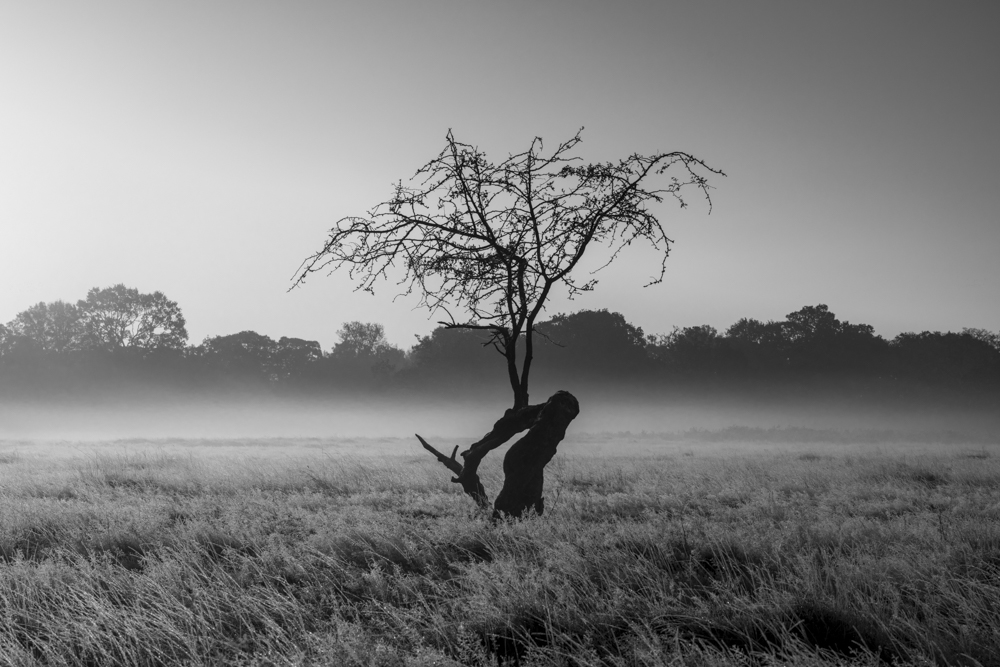
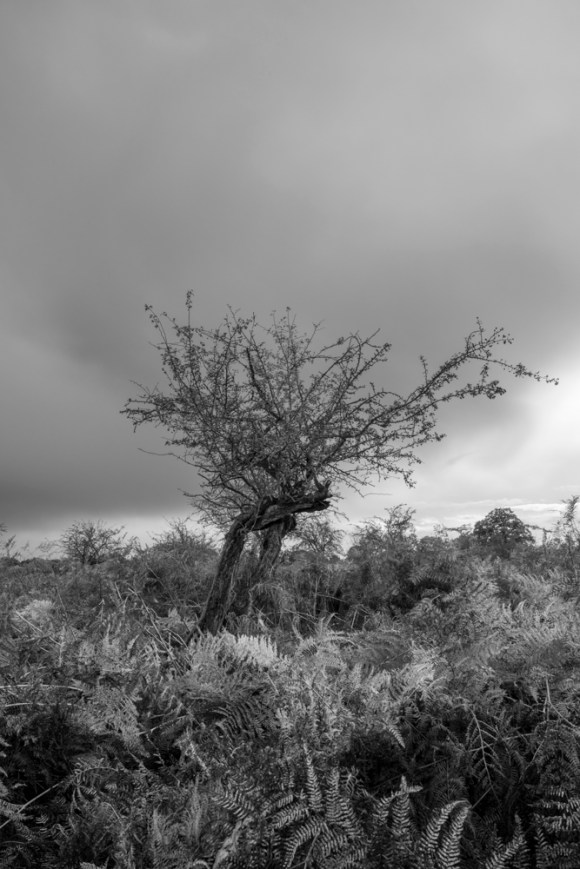
With regards to production so far, I have used a mirrorless digital camera for this project in combination with a selection of lenses (24mm-70mm, 35mm and 85mm). I have been converting the original colour images to Black & White. The reason for this choice is that it enables the details and shapes of the trees to be seen. I also purposefully chose to not take images that are usually associated with Bushy Park or hawthorn trees.

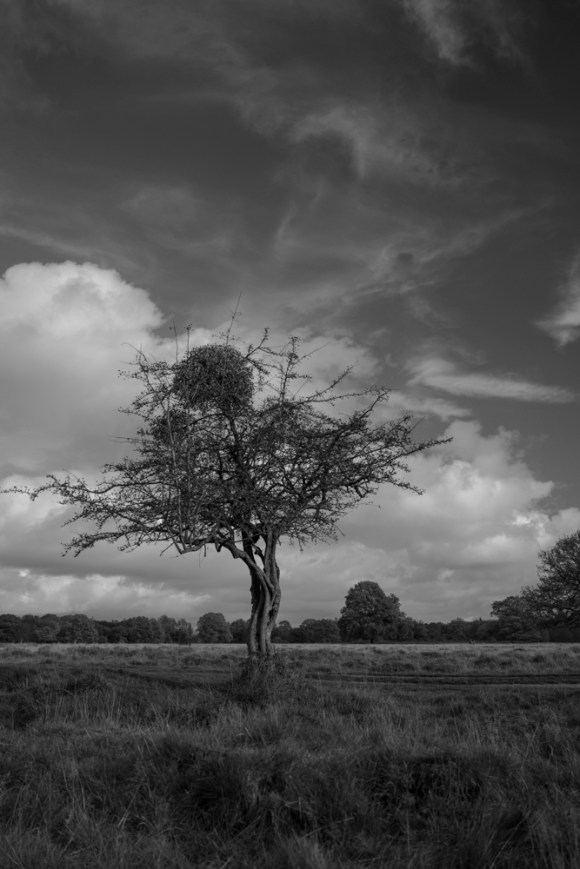
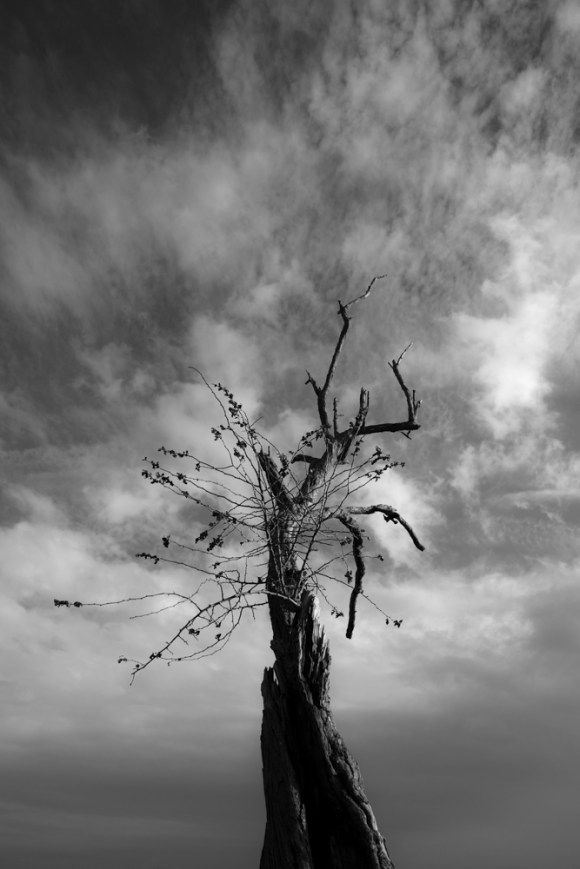
My composition choice is to create a portrait of each tree, abstracting it from its environment. I have taken these following shots from a low angle. By doing so, it makes the tree appear much bigger than in reality.

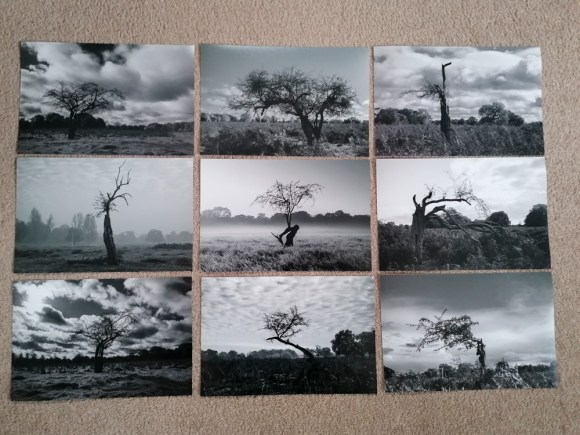
At this stage of the project, I have printed a selection of rough edits on as C-prints on matt paper. My final substrate will be decided on at a later date.

Work In Progress

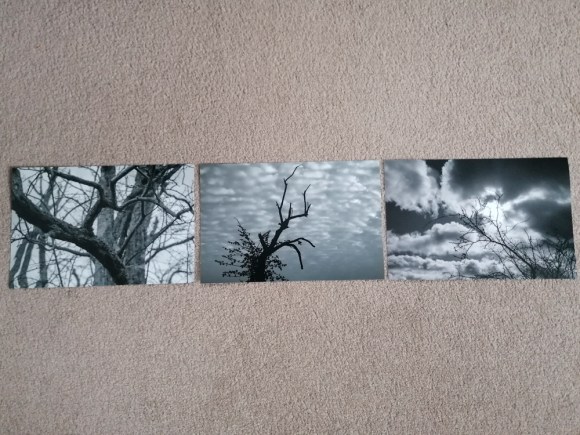
Edited and Printed Images
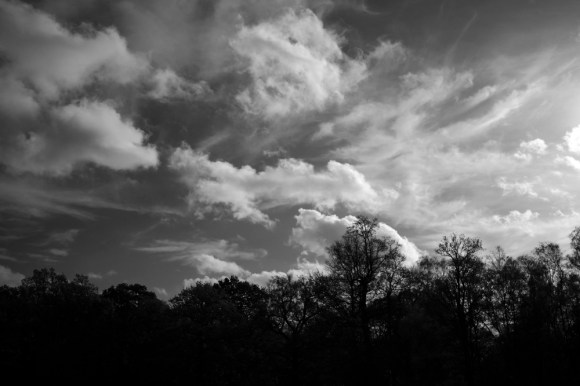
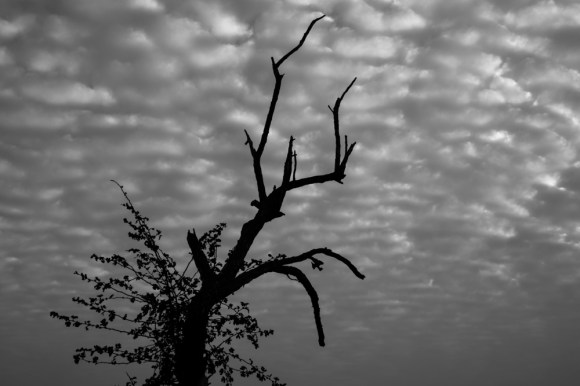
In addition to these ‘objective’ portraits, I have taken subjective shots of the trees.
Print Combinations
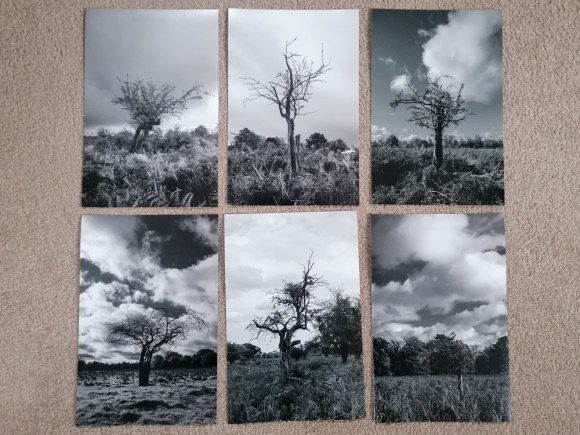
Un-Printed Rough Edits

Polarising Filter Results
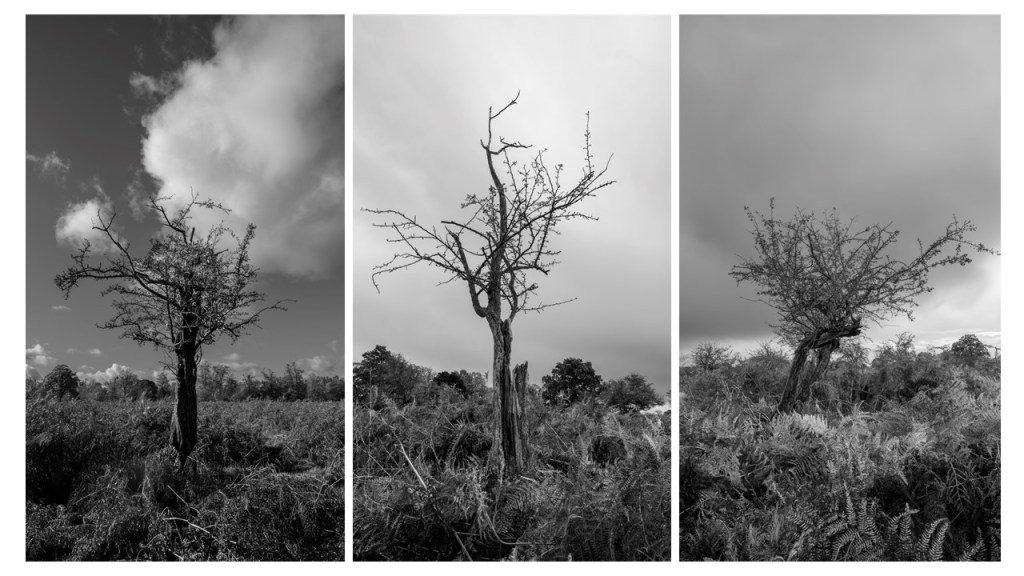
Typology Test
I will also be able to present other unprinted images on screen, if required, and in context with the review.

Contextualised Research

Photographers/Artists

  • Tacita Dean
  • Simon Roberts
  • Minor White
  • Bernd and Hilla Becher
  • Riitta Päiväläinen
  • Jean-Luc Brouard
  • Terry Evans
  • Myoung Ho Lee
  • Rachel Talibart
  • Aubrey Beardsley

I will present the relevant blog posts covering the above, if requested.

In addition, I will present and discuss the following books:

Adams, M. (2018). The Wisdom of Trees. London: Head of Zeus Ltd.

Barnes, M., 2019. Into The Woods. London: Thames & Hudson.

Vaughn, B. (2015). Hawthorn – The Tree That Has Nourished, Healed, And Inspired Through The Ages. New Haven & London: Yale University Press.
Categories
AGM62 Photography Research Project Stage 1 Posts

AGM62 Simon Roberts 17 November 2020

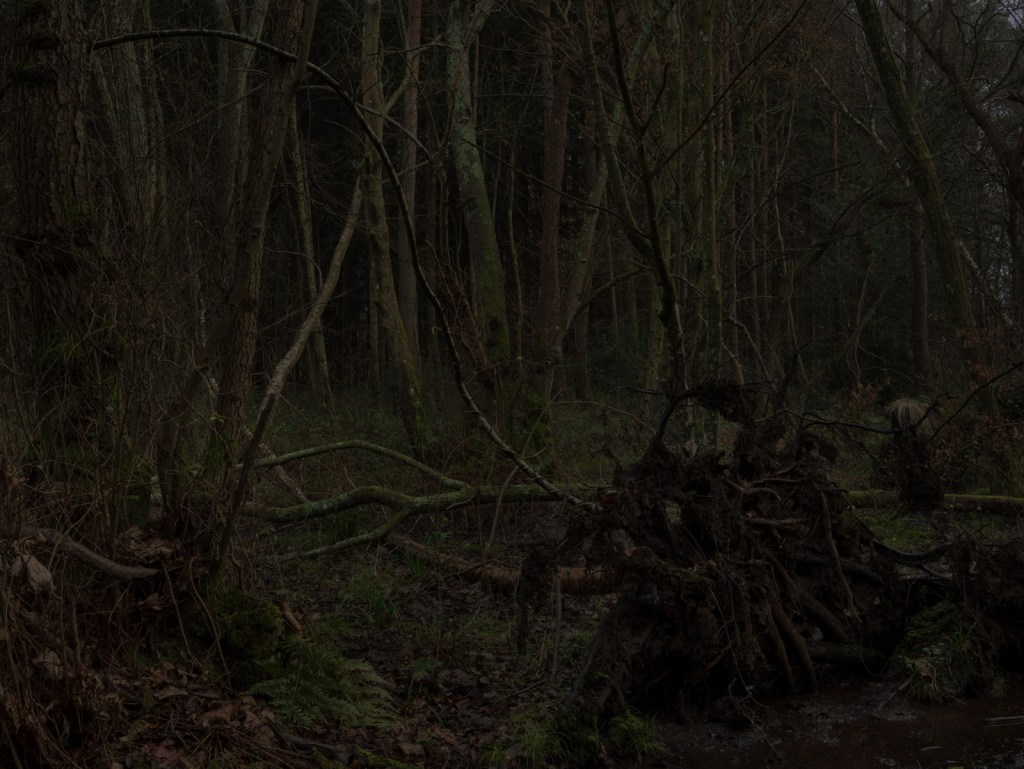
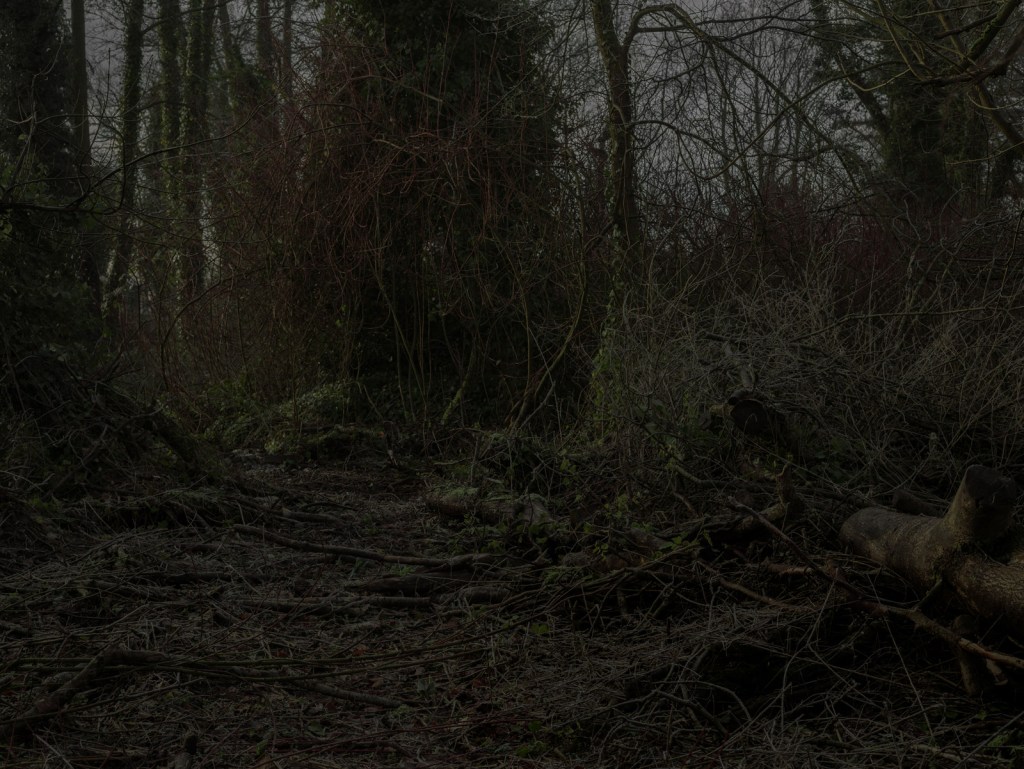
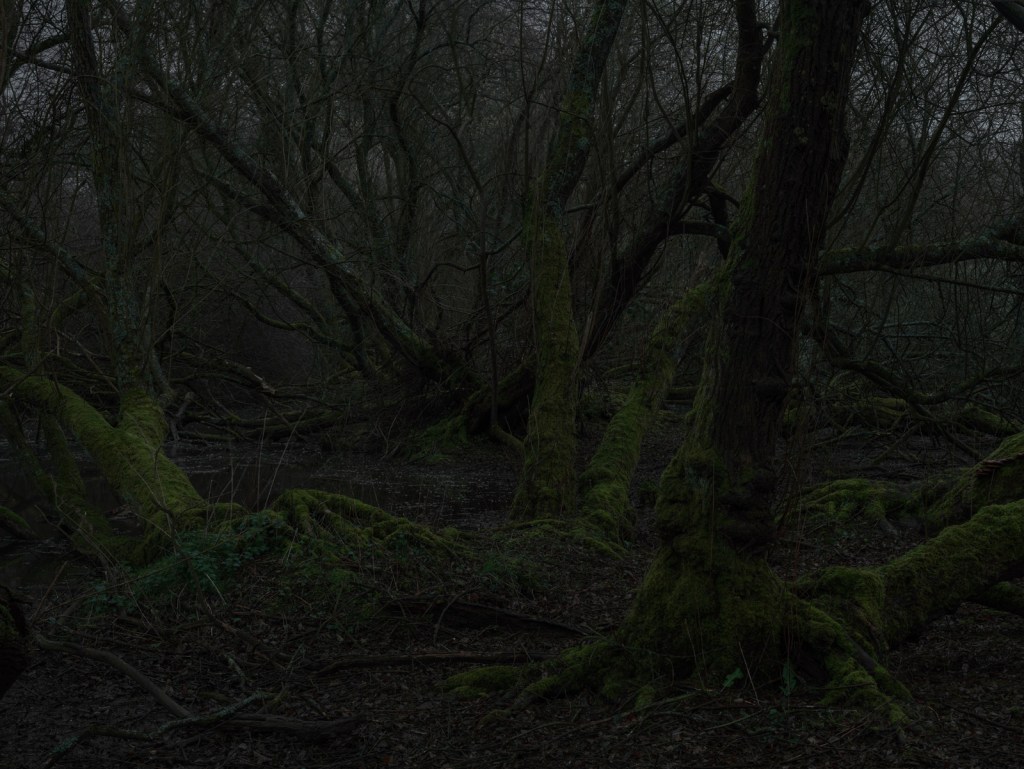
The Weeds And The Wilderness is a series of photographs by British artist-photographer, Simon Roberts (b. 1974).

This evocative series:

‘Seeks out and finds ancient wooded sites that depict a primordial, Edenic state. The approach is inspired by idea of the inscape, a term coined by the Victorian poet Gerard Manley Hopkins to suggest that every living thing has a unique set of characteristics which distinguish it from the next – something akin to a God-given essence. Hopkins argued it was the artist or poet’s responsibility to recognise this ‘inscape’ within nature and convey this to others through their art. All the photographs were taken during the winter months, between November – February, in various ancient woodlands around Britain.’

(The Weeds and the Wilderness – Simon Roberts, 2020)

While carrying out the research for the AG60 Research and Experimentation module, I was recommended to look at the photographic work of Simon Roberts, specifically his images of woodland. Admittedly at the time I couldn’t see the connection between my Moments of Eternity pieces and Roberts’ photographs. However, when I revisited Roberts’ work in light of this new project, the connections became quite clear.

My research involving hawthorn trees has made me realise how much they are part of humanity’s culture and ecology. The following paragraph brought this realisation home:

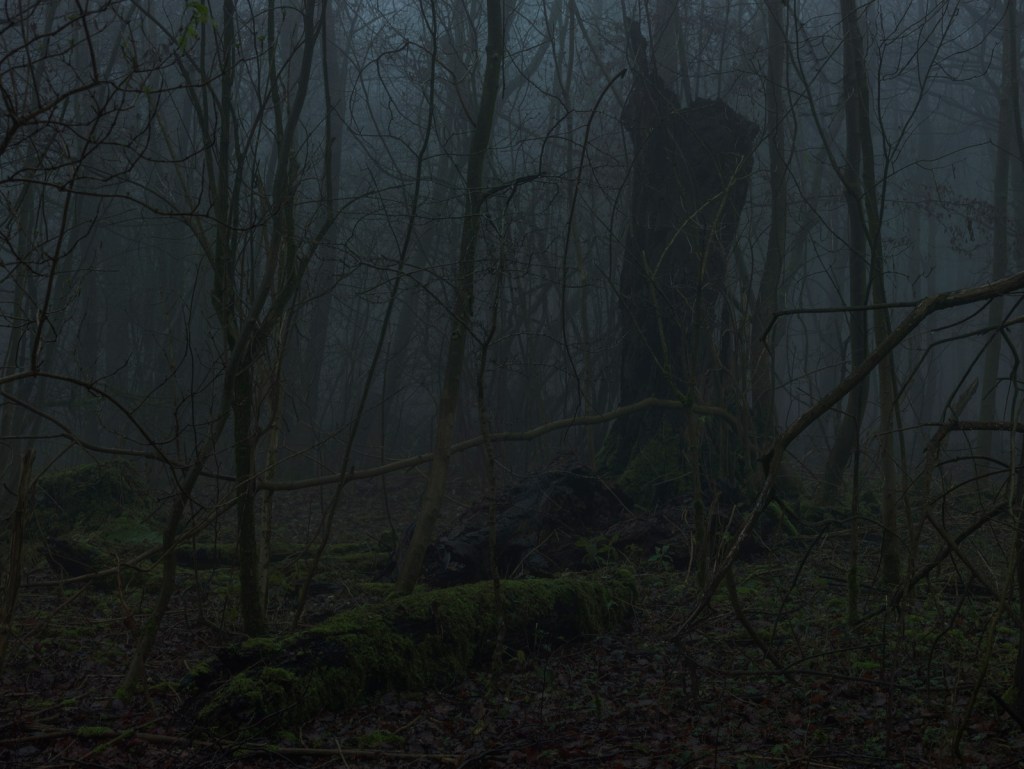
‘Many Britons no longer have any daily connection with its woods. Mostly we go about our lives sealed from the wild. At the same time, these landscapes touch upon themes such as conservation, ownership, history, magic and myth, climate change, childhood fears, and our current obsession with what is ‘native’ or ‘alien’. They also say something about Britishness and belonging.’

(The Weeds and the Wilderness – Simon Roberts, 2020)

The realisation came from my ‘discovery’ of hawthorns – I had been visiting Bushy Park since 2007 and it was only this year (2020) that I discovered the part these trees play within this environment. Before this, the hawthorns were ‘invisible’ and only an afterthought compared to the other trees in the park. Although Roberts’ images are different in style and composition, the ethos behind the work is similar. It is making the hidden visible, provoking awareness of our natural environment.

Simon Roberts

Simon Roberts’ work deals with our relationship to landscape and notions of identity and belonging. He has published and exhibited widely and his photographs reside in major public and private collections, including the George Eastman House, Deutsche Börse Art Collection and V&A Collection. In 2013 Roberts was made an Honorary Fellow of the Royal Photographic Society.

References

Roberts, S. 2020. The Weeds And The Wilderness – Simon Roberts. [online] Available at: <https://www.simoncroberts.com/work/the-weeds-and-the-wilderness/&gt; [Accessed 17 November 2020].

Categories
AGM62 Photography Research Project Stage 1 Posts

AGM62 Bushy Park Hawthorns 10 November 2020

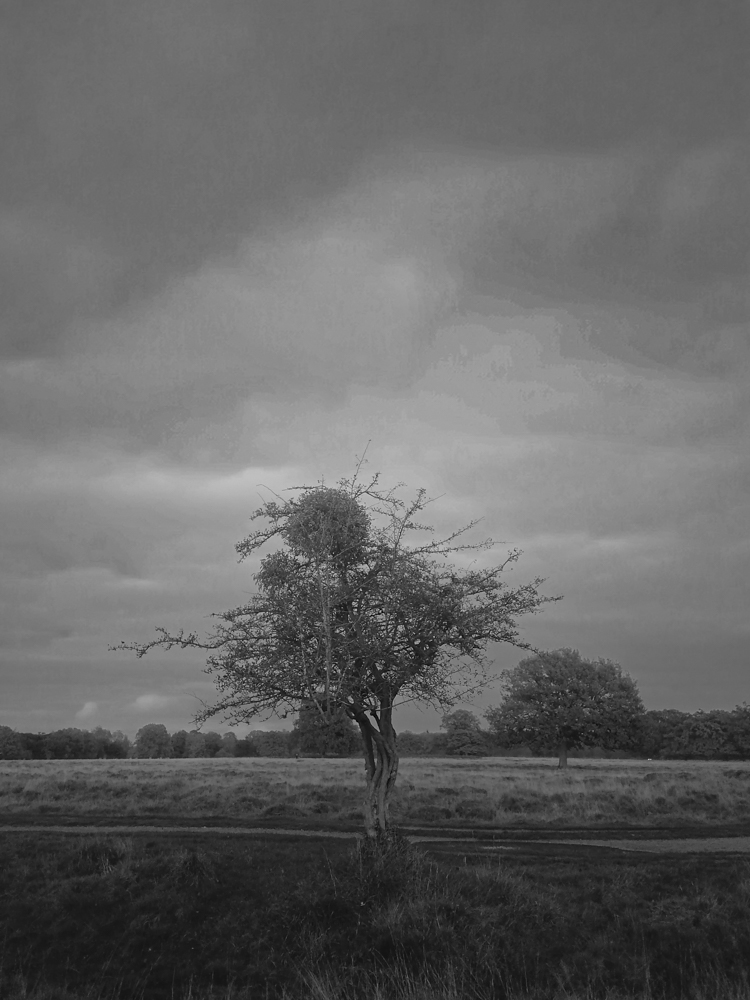
After a day of being in front of the PC processing images, I had to escape the four walls of home. As usual, Bushy Park was my choice of walk. When I entered the park, the sun was already quite low in the sky. Despite the darkening conditions, the park was still bathed in a dull light and the mist was starting to form.

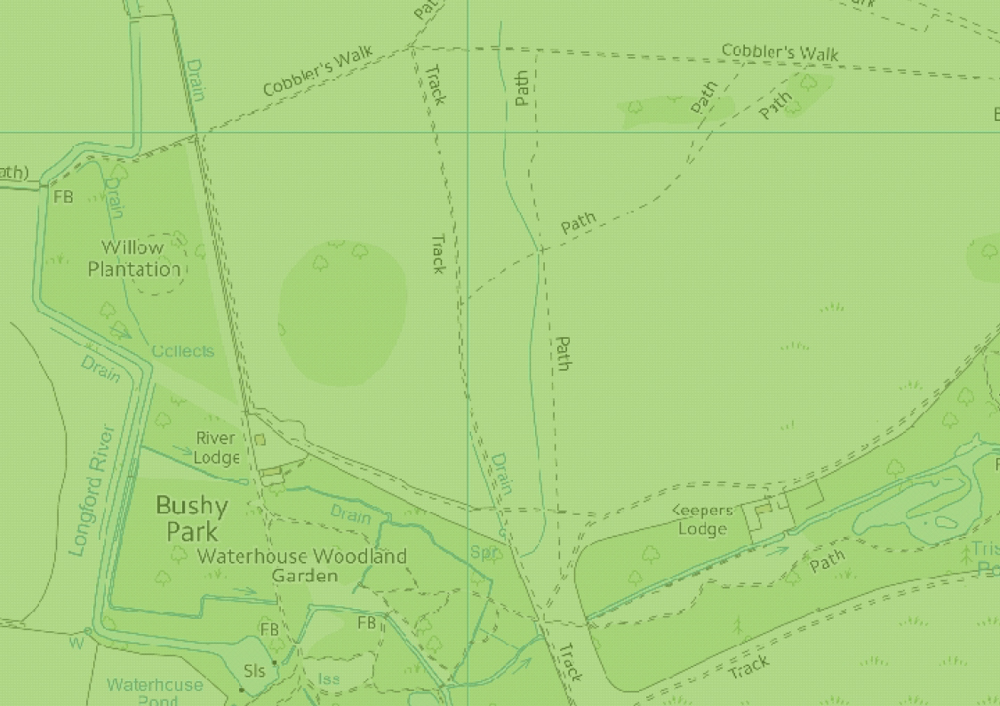
Part of my route involved walking along the track between Cobbler’s Walk and the gap between the two Woodland Garden plantations. Along this track is a line of hawthorns that I have not photographed or noted yet.

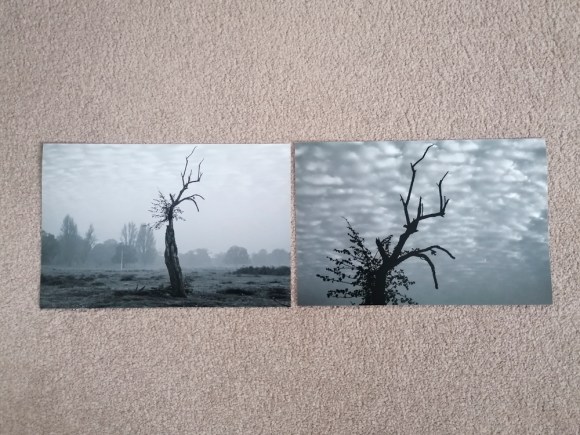
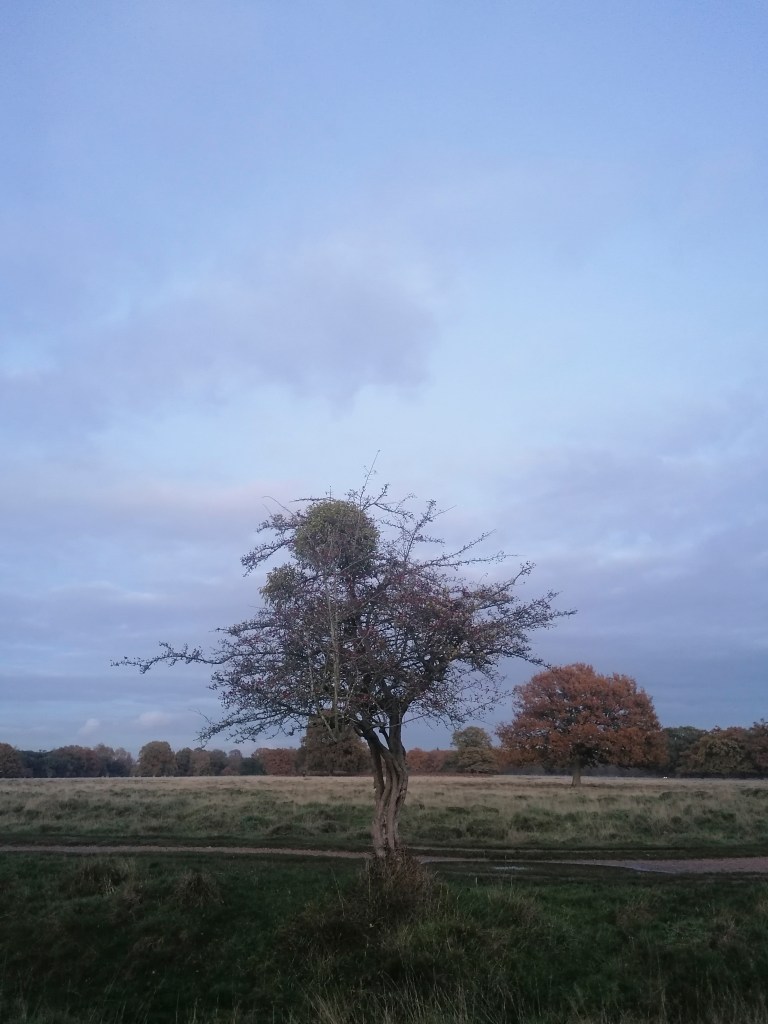
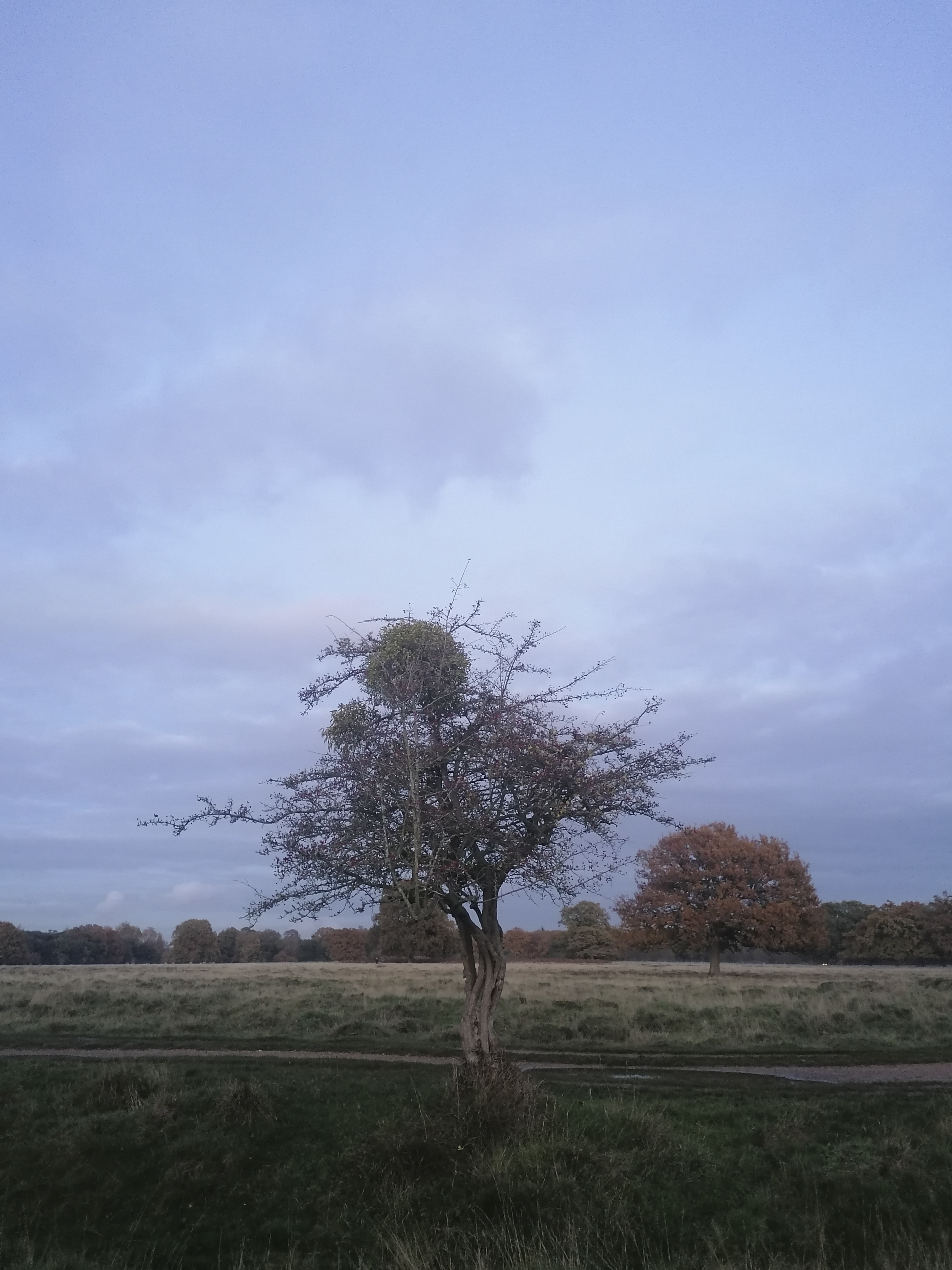
When looking closer at these hawthorns, the majority along this path would fit the criteria of ‘Ancient’. As the light wasn’t great and I was only armed with my smartphone, I only took the one image. This is the last hawthorn at the end of the track.

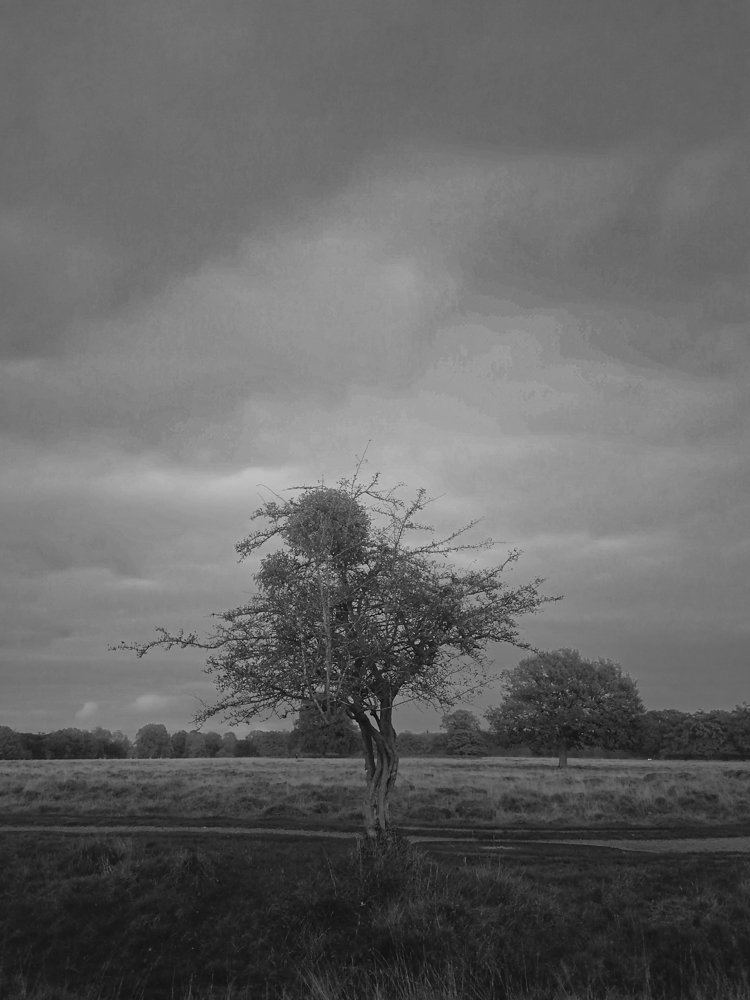
In order to tie in with the other images, I created the following Black & White conversion.

A quick comparison.

Looking at the map and thinking about this particular row of trees really did pique my interest. This path runs parallel to Macclesfield Walk running along the edge of the Willow Plantation. What was this boundary line planted for and why?

Categories
AGM62 Photography Research Project Stage 1 Posts

AGM62 Hawthorn Guide 22 October 2020

If I was to focus on hawthorns for this project, I would need to know exactly what I was looking for and whether it was ancient, veteran or noble.

The following is taken from the Woodland Trust’s species guide to hawthorn, as outlined on their website:

Hawthorn (Crataegus monogyna) is one of our two native hawthorns. The rare Midland hawthorn (Crataegus laevigata) is confined to ancient woodland in central England but more frequently seen everywhere in its cultivated forms in urban areas, parks and gardens.

Distribution

Throughout the UK.

Typical location

Hedgerows, fields and woodland.

Age

Hawthorn may be able to live for 400 years, although 250 may be more typical on many sites.

All hawthorn will be ancient from 225 years onwards, although many will have ancient characteristics from around 175 years.

Typically a veteran hawthorn will be 100-200 years of age and a notable hawthorn may be 50-150 years old.

Size

Hawthorn can grow up to 2.5m plus in girth.

Record all hawthorn more than 1.5m.

Consider recording all hawthorn with any ancient characteristics more than 1.25m.

It’s important to rely on characteristics rather than size, which is an unreliable indication of age. Most ancient hawthorn will be greater than 1.5m in girth but many hawthorn within woodland, or if historically managed as a pollard, may be no more than 1.25m in girth.

Ancient characteristics

  • Major trunk cavities or progressive hollowing
  • Decay holes
  • Physical damage to trunk
  • Bark loss
  • Large quantities of dead wood in the canopy
  • Crevices in the bark, under branches or on the root plate, sheltered from direct rainfall
  • Fungal fruiting bodies (from heart rotting species)
  • A high number of interdependent wildlife species
  • Epiphytic plants

In addition the tree may have:

  • A pollard form or show indications of past management
  • Cultural or historic value
  • Been part of a historic boundary, hedgerow (pre enclosures) or on a woodbank
  • A prominent position in the landscape

References:

Ati.woodlandtrust.org.uk. 2020. Hawthorn – Ancient Tree Inventory. [online] Available at: <https://ati.woodlandtrust.org.uk/how-to-record/species-guides/hawthorn/&gt; [Accessed 21 October 2020].

Design a site like this with WordPress.com
Get started