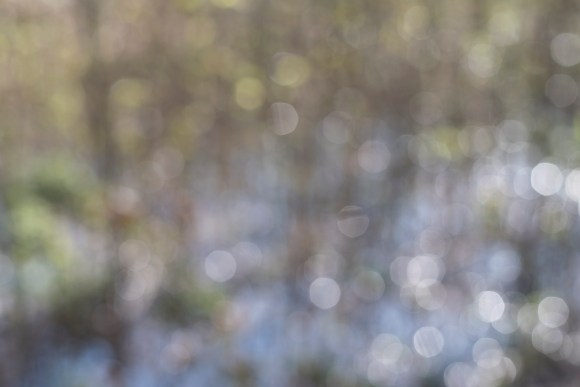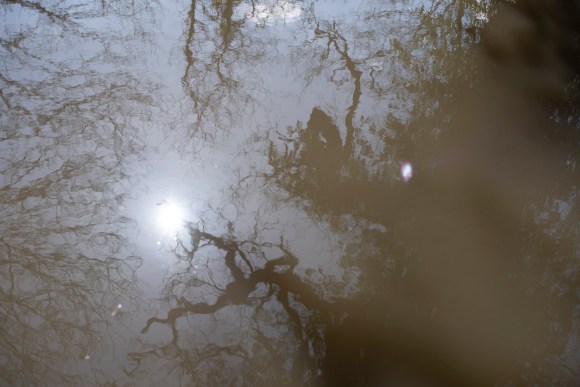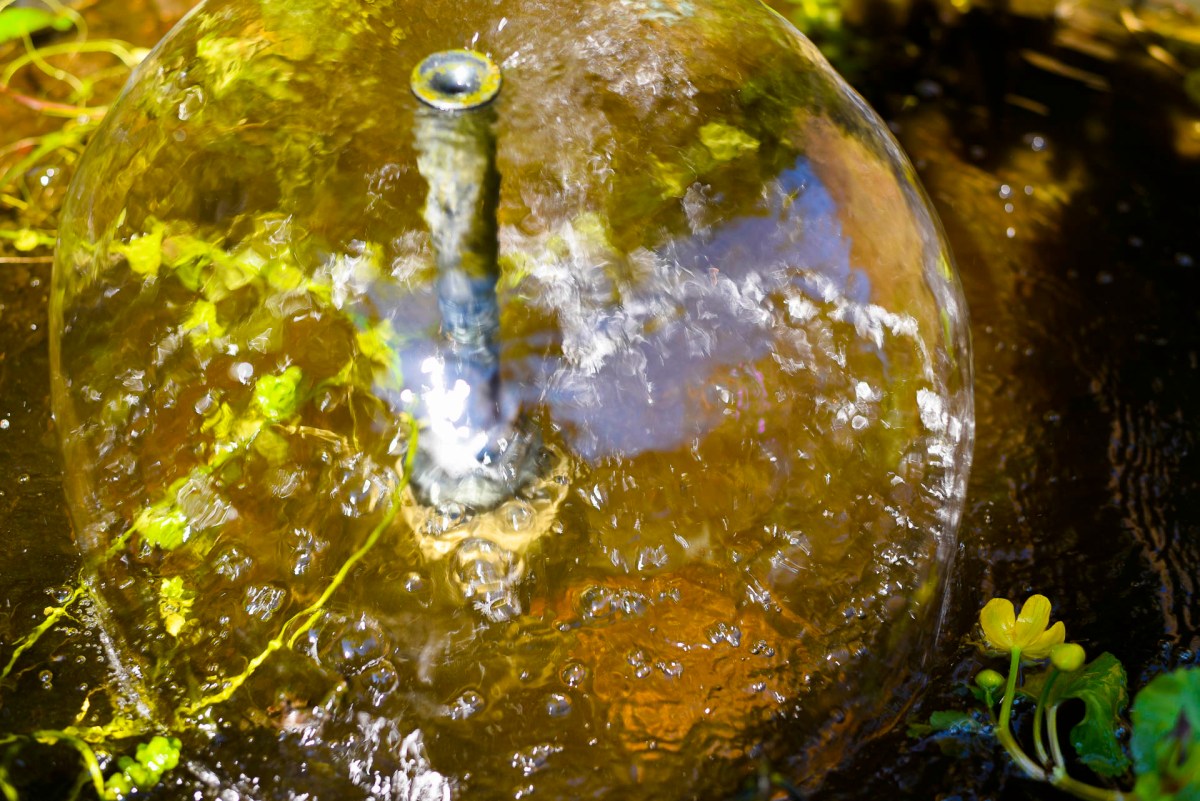
Categories
AGM60 Research & Experimentation Posts

AGM60 Teddington Garden 26 March 2020

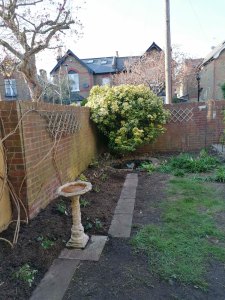
I wasn’t feeling my best on this day and, having to self isolate, wasn’t able to venture far from home. This gave me the opportunity to explore new photographic captures – my garden.

Until two months prior, the garden where I live had been neglected. I live in a flat in a converted house and wasn’t responsible for this space in the property. This was impacted by the fact my neighbour wouldn’t allow any of the other residents to make any changes or carry out any improvements to the area. Unfortunately, due to health and time reasons, this person hadn’t done any work on this space for quite a while and the garden was looking a bit like an abandoned urban space.

An additional factor to me not appreciating this space on my doorstep is that I didn’t have the time or inclination to do so. The patio part of the garden is the main thoroughfare when going into the entrance of the house. Since I moved into my flat in 2016, this area was just a 16-foot path from the street to the door. During this time, it was just the path between the street and home.

In January this year, the garden was transformed with weeds being dug, unruly bushes being cut back and new seedlings planted.
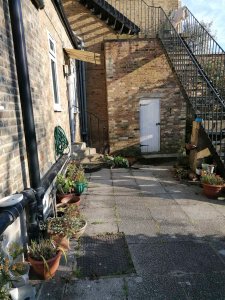
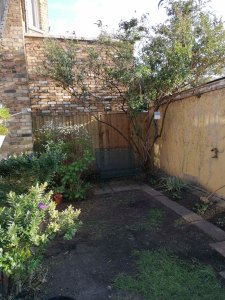
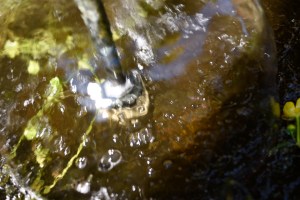
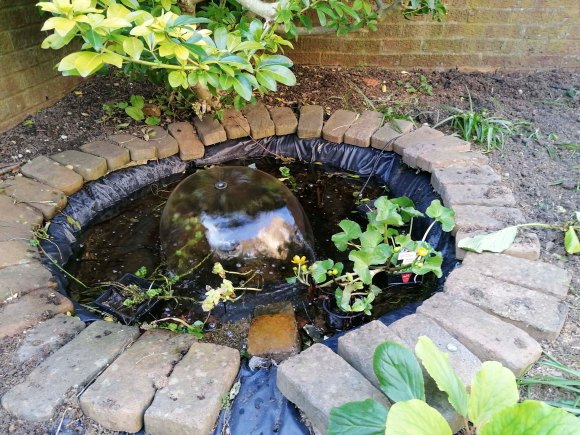
One major improvement was to the small pond in the corner of the garden, which had a water feature installed.
tdn_gdn_mob_021_low

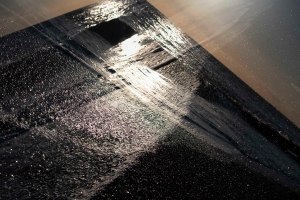
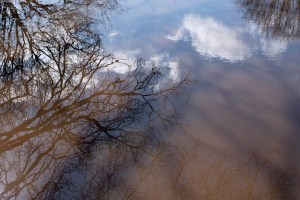
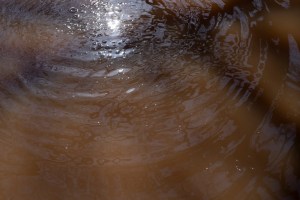
What I did observe is how the sunlight was flooding into this area of the garden, specifically in how it lit up the water feature. The following images were taken with my DSLR at 11.20am.
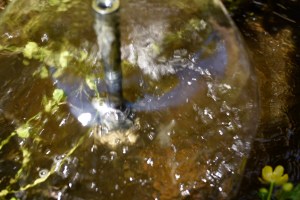
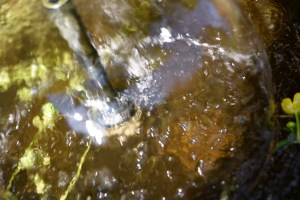
I also took these images during my initial observations.

I wasn’t feeling too inspired, but then my flatmate, Luki, mentioned that he noticed the sunlight shining through the tree during the afternoon. Luki is a yoga/pilates instructor plus a personal trainer. Due to the restrictions on non-essential business being open plus the challenge of social distancing, Luki was no longer able to train at his gym, so was now doing this in the garden. This also gave him the time and opportunity to appreciate his domestic outside space.

Luki’s comment sparked me to carry out an interval time shoot later that day. The intention behind this session was to capture the sun coming through the leaves, the movement of the leaves, passing clouds and any other occurrences. With interval timer shoots, there is always the chance of something unexpected happening – either good or bad!

I set up the camera on the patio facing the tree. The intervals were set at four seconds for 200 shots. Long enough to capture a sequence, but short enough if I had to stop or if there were any technical issues. As I’ve discovered with previous shoots, four seconds is enough to give enough time between shots to record movement.
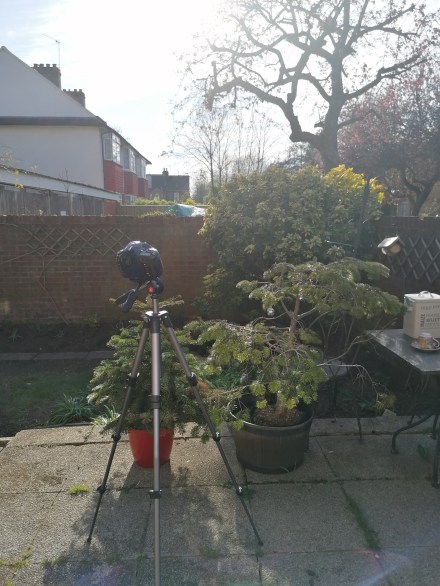
tdn_gdn_mob_005

As there was a 10-minute period while the camera was doing its job, I took this window of time to make observations and take photos with my smartphone.
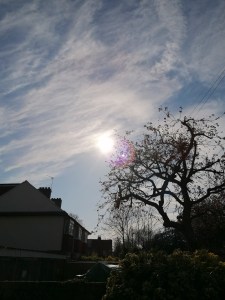
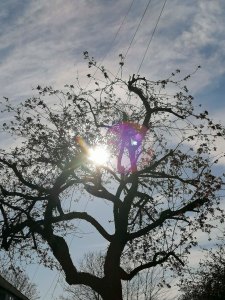
While looking around the garden, I remembered one of my photography edicts. When focusing on a subject, especially in an outside location, look behind you.
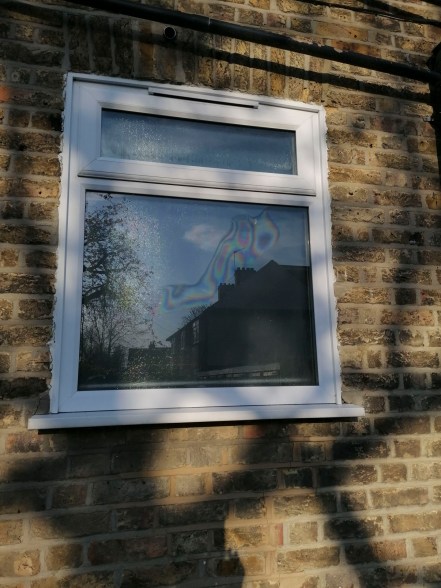
tdn_gdn_mob_026_low

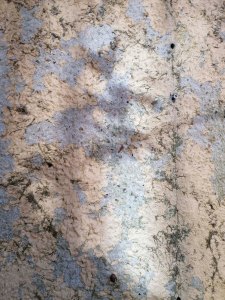
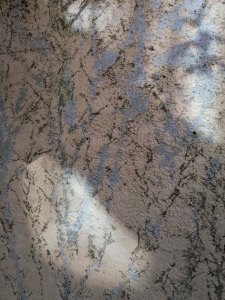
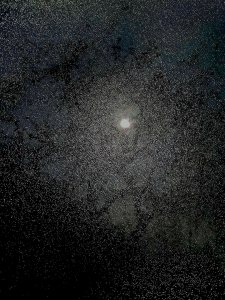
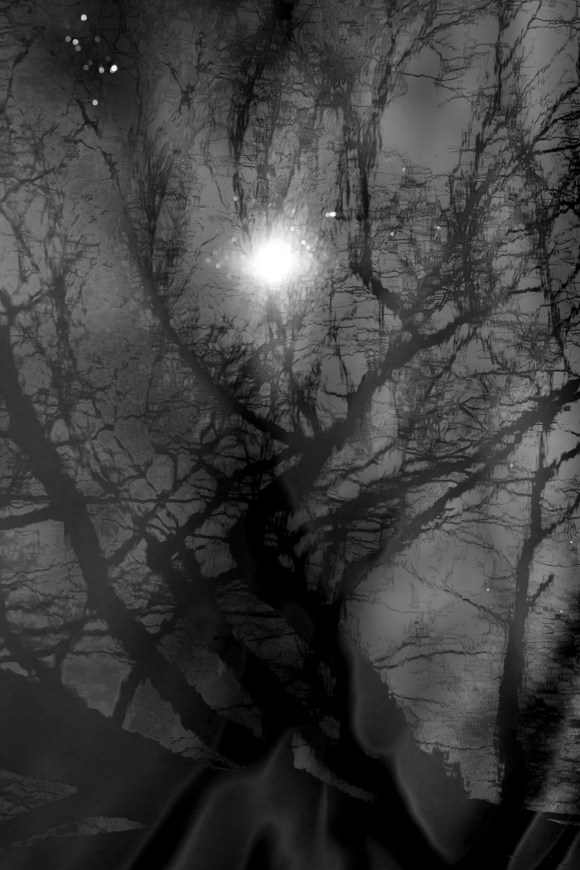
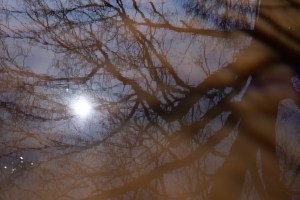
When I did this, I observed the reflection of the sunlight in my neighbour’s bathroom window. This piece of glass has a stippled effect that comes to life when the light hits it.
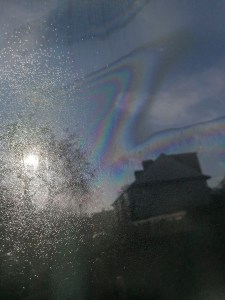
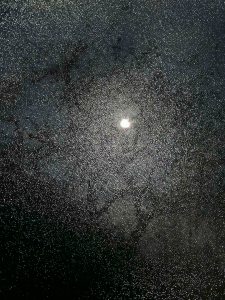
It gave the eerie effect of moonlight in a magical forest. I realised that this could be something quite special. As such, my plan for the following day would be to carry out an interval timer shoot of this phenomenon at a similar time.

The interval timer shoot itself was from, according to the information on my files, 15.06 to 17.09. During the shoot, 1,800 images were taken.

The following is a sequence of one image after every 100 shots to give an idea of the movement captured.

This slideshow requires JavaScript.

Very interesting results. Definitely worth the effort.

Later that day, I edited one of the images from the pond, saturating the colours.
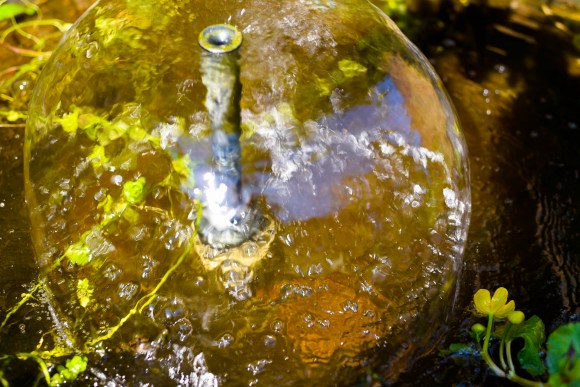
ted_gdn_20-03-26_004__edit_low

I also put two of the images onto my Instagram account.
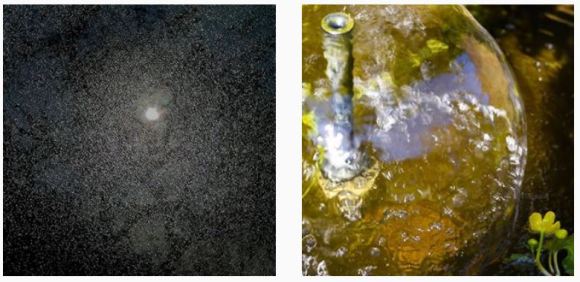
Stars and Earth Instagram

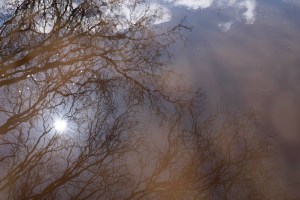
When looking at these both together, it looked as if I had captured both the starry sky and Earth in my garden. The universe is nearer than you can imagine, especially when you have the time to notice it.
Categories
AGM60 Research & Experimentation Posts

AGM60 Bushy Park 22 March 2020

My intention for my visit to Bushy Park on 22 March was to carry out several interval-timer sessions.

The following are slide shows with ten images each from each session. The images have not been edited, apart from the last one featured.


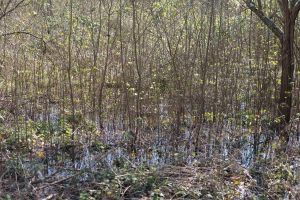
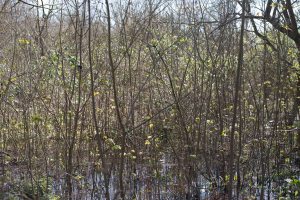
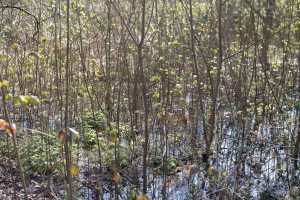
Saplings

This slideshow requires JavaScript.

Water Reflection 1

This slideshow requires JavaScript.

Water Reflection 2

This slideshow requires JavaScript.

Lime Tree Sun

This slideshow requires JavaScript.

Daffodils

This slideshow requires JavaScript.


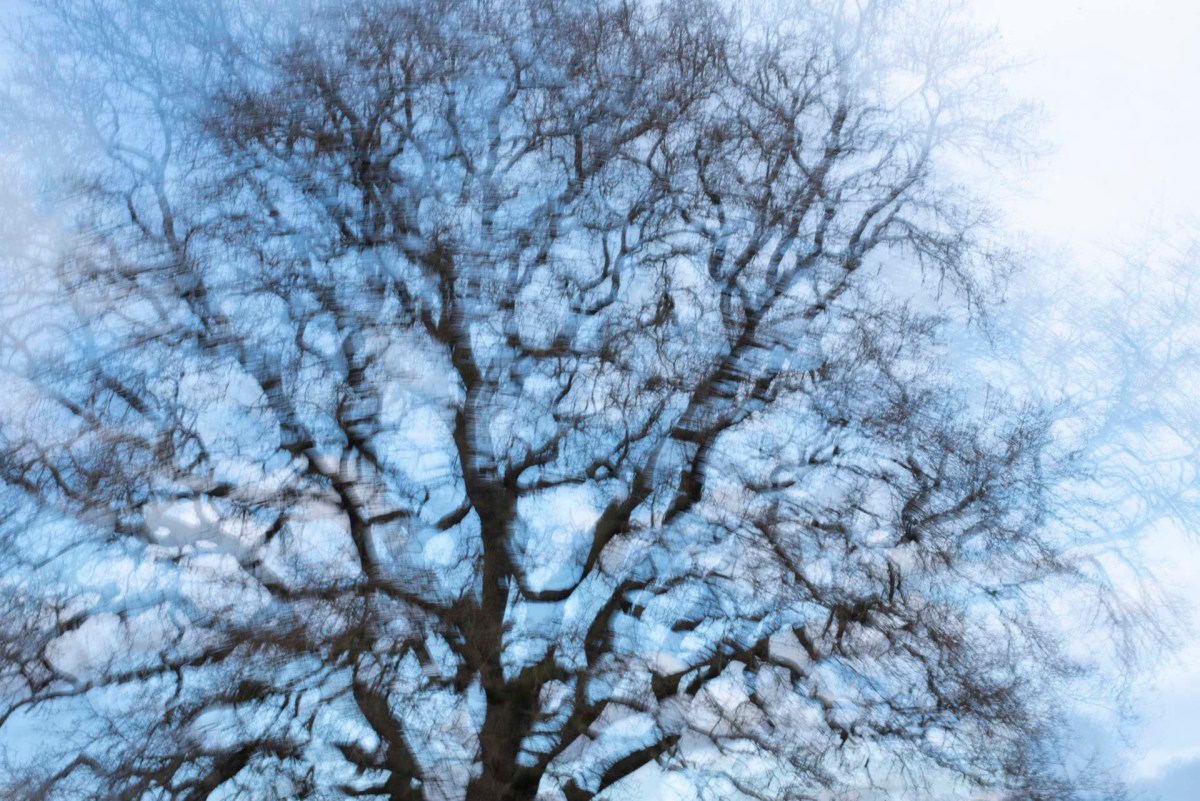
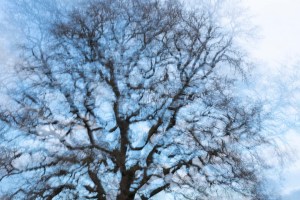
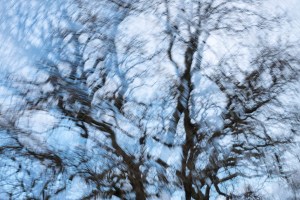
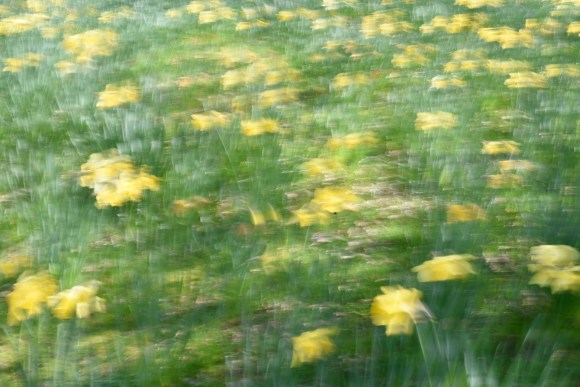
Before I took the daffodil sequence above, I took the following image using IMB (Intentional Motion Blur).

daff_20-03-22_001_low

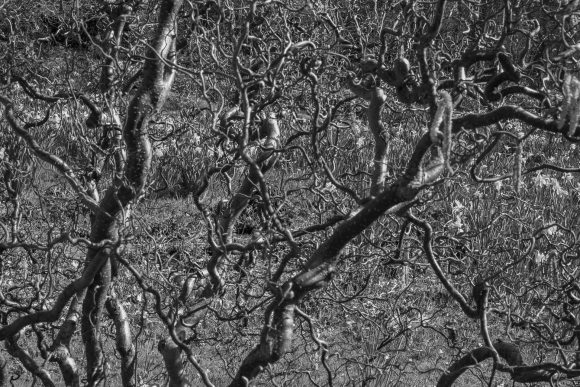
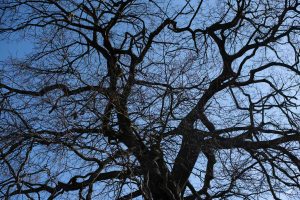
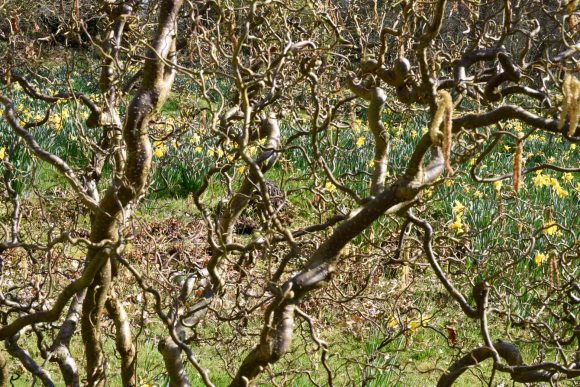
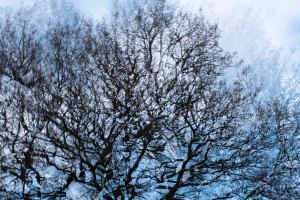
I also captured the daffodils through a particularly gnarly tree.

daffs_20-03-22_003_low

Later that day, I tried a Black & White conversion of this image.

daffs_20-03-22_003_bw_1

A very productive session. Also, very poignant, as this was the last time I visited Bushy Park before the lockdown commenced.

Categories
AGM60 Research & Experimentation Posts

AGM60 Bushy Park 20 March 2020

After my visit to Bushy Park on 18 March, I returned two days later. The rain had stopped and puddles subsided, but it was still quite muddy. The sky was grey and moody.  The following images that I took on the day. All are unedited unless otherwise stated.

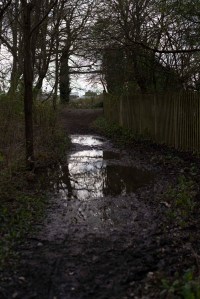
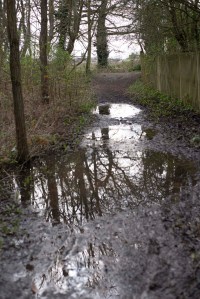
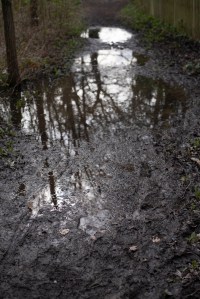
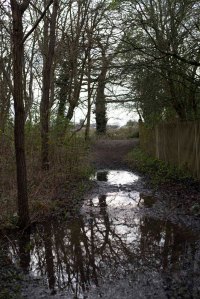
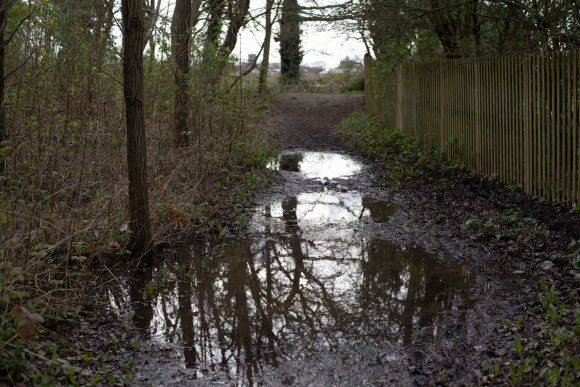
With Xavier, my tutor’s feedback, in my mind my intention was to explore the double-exposure technique further. My first stop was the Woodland Gardens, where I captured reflections in the muddy path.

bushy_park_20-03-20_005_low

Next, I took a few consecutive shots of the bushes to the left of this.

The intention behind this was to explore how this possibly appear in a time-lapse sequence. I didn’t have my tripod that day, so I had to hold my camera. I knew then I had to return with this tool if I was to carry any interval-timer shoots for this project. In retrospect, I could also combine some of these images to create a double-exposure effect in Adobe Photoshop.

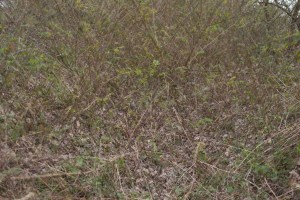
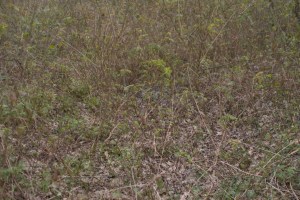
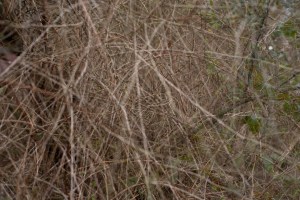
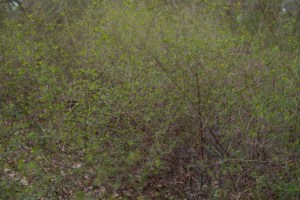
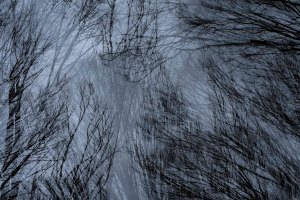
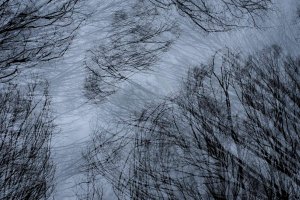
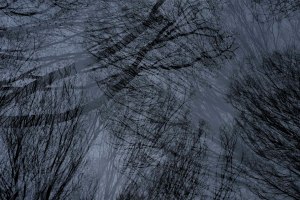
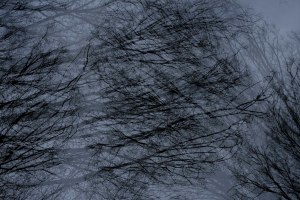
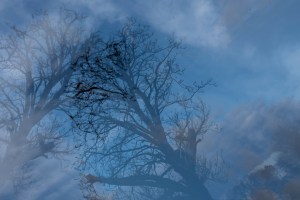
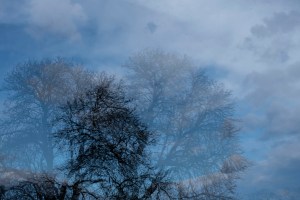
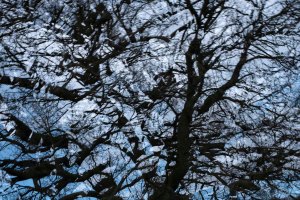
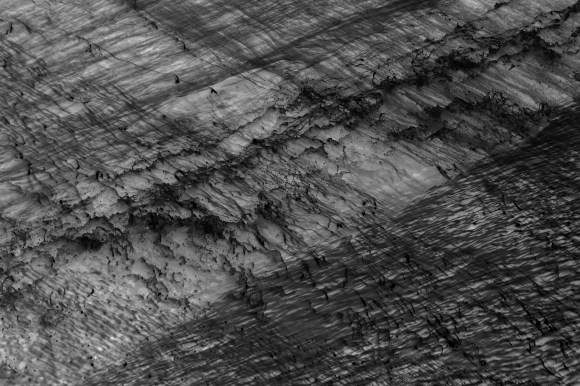
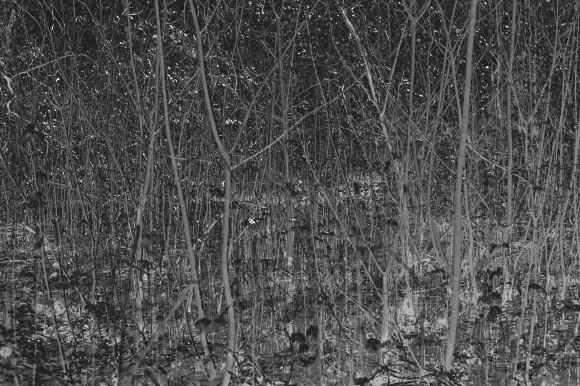
I then tried some double-exposure shots of these plants.

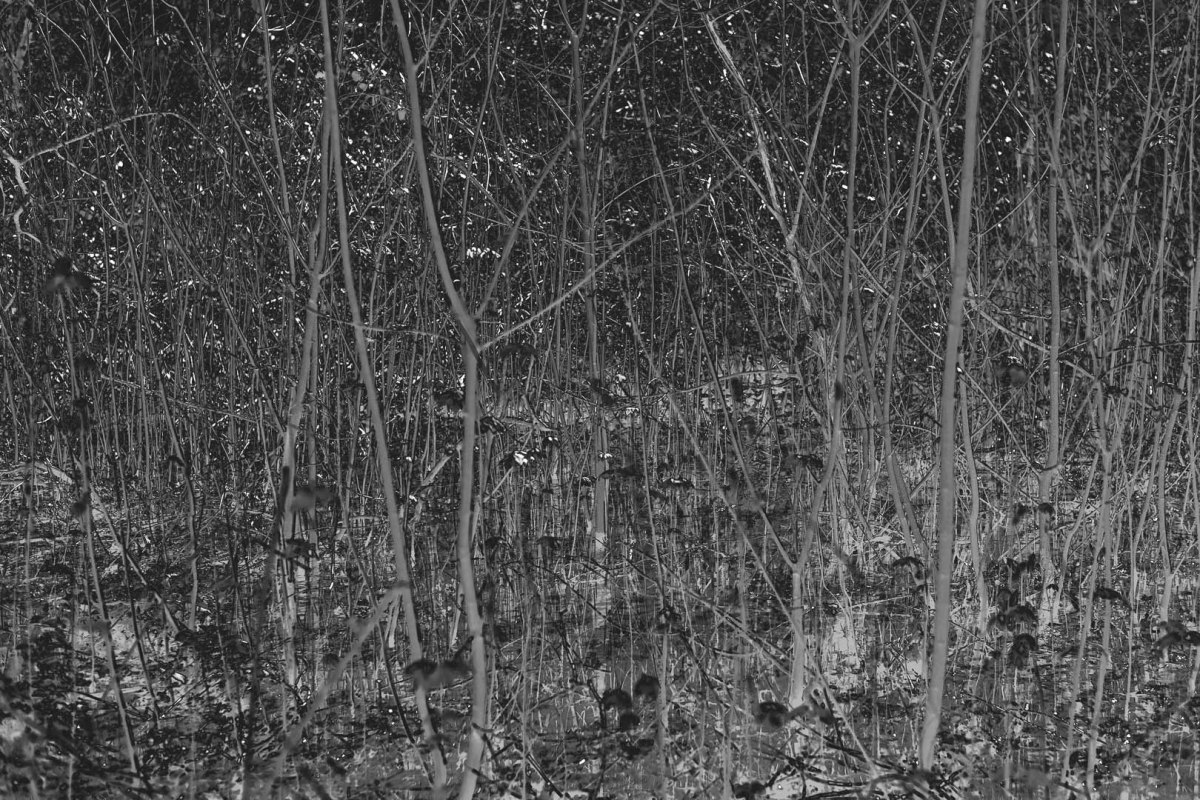
The confusing effect of the criss-cross lines certainly evoked a sense of unease and chaos. At first, when looking at each of the images, they look like overgrown undergrowth. On closer inspection, it becomes clear that the patterns of branches and leaves do not follow the regular pattern.

I then walked to the bank of the Longford River in the gardens, where I took further double exposure shots of the water reflections. I had only taken either single exposure images or interval-timer shoots at this location, so it was interesting seeing a different result.

My next stop in the gardens was Lime Avenue, which is the longest avenue of these trees anywhere in Europe. Again, I’ve taken several single shots of these beautiful trees, but never a double-exposure. This is a selection of these images.

While walking to my next destination, I noticed this branch that was across my path. I took the following images.

When revisiting these shots, I reversed the one on the left of this sequence.

Another disconcerting effect.

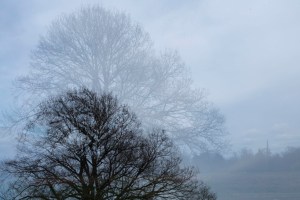
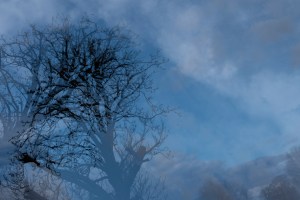
I then left the gardens to walk home back through the park. Along the way, I took the following double exposures of trees that caught my eye.

Again, some interesting results.

Looking at these images in combination with each other indicated there were further avenues to explore.

Categories
AGM60 Research & Experimentation Posts

AGM60 A New Direction 20 March 2020

After an on-line tutorial to discuss the status of this project with my tutor, Xavier, the project took a new and purposeful direction.

With restrictions in place, I realised I had to work within these limits. The main focus of this project now is to produce a body of work in response to current events.

Themes that came to mind were:

  • Isolation
  • A different reality
  • A surreal situation
  • Work within the limitations
  • How/why am I responding?


Xavier pointed out that the double-exposure images of the sunset gave a disconcerting feeling when looking at them.

I also had a similar feeling when looking at these images.

20-03-02_brighton024_crop_bw_low

bushy_park_20-03-16_074_bw


bushy_park_20-03-16_009_edit_bw_low

An altered reality.

I will also be noting my thoughts and feelings throughout this process. Xavier suggested doing this in order to add extra context to the images.

As I’m staying put in Teddington for the foreseeable future, I took the decision to focus on places I can currently get to safely for new images. These would be within areas of Bushy Park in which I could keep a safe distance from others. I also had other local places in mind for this purpose. I know that being in nature is essential to both body and soul in this time of uncertainty. I have always, more so in the last five years, found solace walking in woods and being next to a river.

In addition, I have a contingency plan for taking photos within the house and the direct outside space. As back up, I have an extensive bank of images taken over the last four years that I can revisit for inspiration.

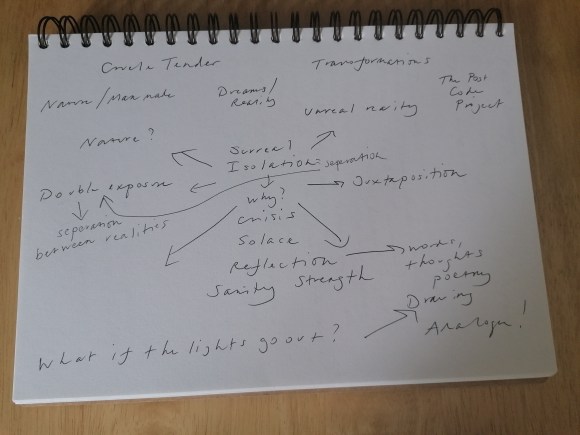
In response to my thoughts on how I could progress with the project, I drafted an initial mind map. I just wrote whatever came to mind, letting my subconscious do the work.

mind_map_20-03-20

These are challenging times and I am up for the challenge.

Categories
AGM60 Research & Experimentation Posts

AGM60 Amended SWOT Analysis 20 March 2020

With the global and local changes happening, I reamended my SWOT analysis made on 5th March to reflect what is possible in challenging and very difficult circumstances.

The main thing I did change was to add two subcategories in what constitutes as a ‘threat’: hypothetical and practical. Hypothetical is what could possibly happen. Practical is what has actually happened. By categorising issues in this way, it enables me to come up with and put into place practical solutions to the real challenges faced.

In turn, this will help set parameters for this project that can be worked with, rather than hinder my progress.


SWOT – AGM60 Research & Experimentation

20 March 2020

Strengths

  • Creativity
  • Determination to succeed
  • Photography qualifications
  • Previous photographic studies and experience
  • Knowledge of printing and exhibiting
  • Access to resources and equipment (see below)
    • Own equipment
      • Camera – Nikon D750 DSLR
      • 50mm lens
      • Speedlight flash
      • Tripod x 1
      • Circular bouncer (silver, gold, black and white)
      • Filters
        • UV (general filter)
        • ND (slowing exposure to capture movement in light conditions
        • CPL x 2 (cut reflections on water)
        • Warming (orange tone)
        • FLD (remove green and add a purple tint)
      • Extension rings (12mm, 20mm and 36mm)
      • SD cards (check how many and capacity)
      • Camera-cleaning supplies
    • Hardware
      • Desktop PC
      • Laptop
      • External drives x 2
    • Software
      • Adobe Camera Raw
      • Adobe Photoshop
      • Adobe Lightroom Classic
      • Adobe Premiere
    • Cloud storage
      • Adobe (check)
      • Google Drive
      • Dropbox (no space, but has XX files)
    • DS Colour Labs current open (as of 20th March)
    • Practical photographic advice and help via phone and email (partner)


Weaknesses

  • Time management
  • Limited available money (income and funding)
  • Limited energy
  • Short-term memory issues
  • Physical issues


Opportunities

  • Development of abstract concepts
  • Exploring creative production during a global crisis


Threats

Hypothetical

  • Bureaucracy
  • Illness
  • Lack of internet
  • No electricity
  • No revised deadline
  • Equipment breaking or being faulty
  • Not being able to replace or repair equipment

Practical

  • Stuck in one venue for foreseeable future – Teddington
  • Temporary closure of UOB
  • No access to UOB until further notice
    • Library
    • Photography facilities
      • Three studios
      • Black & White and Colour darkrooms
      • Equipment hire
        • On-Site print bureau
  • Car not working – needs service


Categories
AGM60 Research & Experimentation Posts

AGM60 Observations 19 March 2020

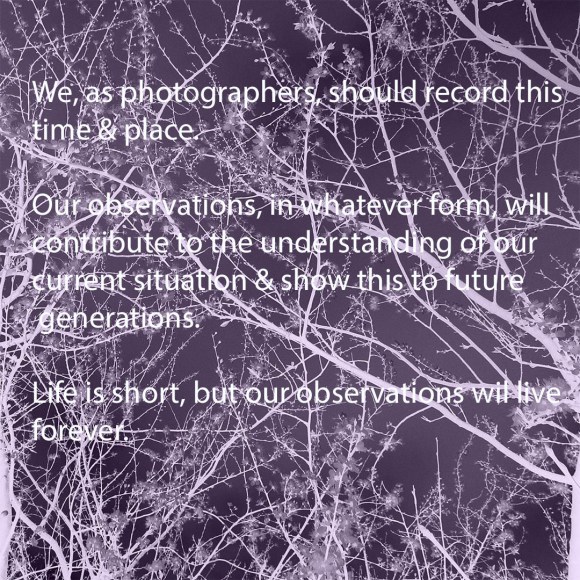
Our Observations_low

Categories
AGM60 Research & Experimentation Posts

AGM60 An Unreal Reality 18 March 2020

With the current situation developing at pace, I found I wasn’t able to focus on writing. Instead, I focused on pictures, revisiting the images from 16 March.

bushy_park_20-03-16_009_edit_bw_low

When I posted the image, my partner’s mother who is currently in isolation in Italy commented “Molto bella. Il sole che accarezza la natura che si risveglia.” The literal translation is ‘the sun that caresses nature that awakens.’

I replied, “there is always light within the dark.”

Later that day, I edited the original image of the bogged-down saplings in Woodland Gardens, which reflected my mind’s current state.

bushy_park_20-03-16_074_bw

When posting on social media, I used the caption “Encapsulating today’s confusion and uncertainty of an unclear path.”

Categories
AGM60 Research & Development AGM60 Research & Experimentation Posts

AGM60 Surrealism Research and Thoughts 17 March 2020 DRAFT

Please note that this is a draft post and will be amended.

While going through the process of identifying the elements which have influenced my creative output so far, the one that I started to explore further is surrealism. My practice to date rarely involved straight, pure or documentary photography. I also enjoy and have the ability to combine and manipulate images, specifically digitally, to create ‘unreal’ images. Looking back at my previous projects, all have involved surrealist elements with titles such as Dreams/Reality and Transformations.

At the start of my research, I realised that I didn’t know as much as I thought about this particular art movement and its influences. My first port of call was to visit the university library to see the books available on surrealism. I came across David Bate’s Photography & Surrealism: Sexuality, Colonialism and Social Dissent. As Bate explains in the introduction, this book is ‘a study of surrealism thought the particularity of its uses of photography’. But rather than take the connection between photography and surrealism as self-evident, it asks why and how photography was useful to surrealism and what the surrealists did with it.’ (Bate, 2009).


What I didn’t know enough about at this stage was the details of the surrealist art movement itself.


The interest in this art movement was also piqued by my visits to the Dora Maar exhibition at Tate Modern and the British Surrealism at Dulwich Picture Libray.

One of the aims of this module is to identify


I would take in producing the Body of Work required, I realised I had to identify these elements that have influenced me so far.


When One of the aims of this unit is for me to identify the key elements of my own creative practice. While trying to work Thoughts on Surrealism.

100th anniversary of Surrealism and almost 100 years since Andre Breton’s 1924 Surrealist Manifesto, what is the current climate?

Can a contemporary photograph be considered Surreal? Or is it just a facsimile of an era?

If surrealism is a product of its time, what would a Surrealist image be today?


Dora Maar

The three articles I’ve read.

Women and Surrealism.

Female Surrealist artists.

WRITE UP NOTES SO FAR!

This research also made me think of the following:

Who are today’s/contemporary surrealist photographers?

What can be considered a contemporary surrealist photograph?

Can a contemporary photograph be surreal in the true form? Or is it just a facsimile of the production of a specific cultural and historical era?

If so, what

The current climate is fear.

This is the result:

In order to get a better understanding of both myself and surrealism, I noted down the words on the plaques in the exhibition and started to bring out key phrases that I thought pertinent.

Surrealism broke conventions; it demolished boundaries. Categories and chronologies were abandoned; the mind was set free. Existence was elsewhere.

British Surrealism

1920 the French poet André Breton began experimenting with automatic writing. Journeying deep into his subconscious, he wrote without pausing to think or correct. What he discovered was a new art form. He called it surrealism.

The liberation of the imagination

Exploration of the illogical, the dreamlike, the marvelous.

Result of the contributing factors of:

  • The irrationality of the First World War
  • The revolutionary nonsense of Dadaist art
  • The penetrating theories of Freudian psychoanalysis

Many British artists join the movement or were influenced by it.
In 1936, London hosted the first International surrealist exhibition.

But surrealism was not entirely new. It recognised its essential qualities in the likes of Lewis Carroll, William Blake, Henry Fuseli, and William Shakespeare. They were the ancestors of surrealism. For surrealism existed at all times, and in all places.

With its new unique history of outlandish creativity and its soft spot for the absurd, Britain was a perfect breeding ground for the surreal.

Juxtaposition and Coincidence

Like dreams, chance challenges rationality. Using accidents and juxtapositions, the Surrealists bewildered and provoked their audiences. They saw the familiar and new, unexpected ways.

Collage was in an excellent way of using contrasting words and images. It created unexpected realities. As Eileen Agar explained, ‘collage is… A displacement of the banal by the fertile intervention of chance or coincidence.’

The Surrealists rejected categories and resisted expectations.

When all else failed they called upon chance to show them the way forward.


Automaticity and the subconscious

By acting without reflection, space we reveal our inner, unconscious self.

Writing or doodling without stopping to think, correct or edit are all forms of automatism. It was a technique André Breton on borrowed from Freudian psychoanalysis. He called the resulting images ‘guideposts of the mind’. They were gateways to the subconscious.


See how Emmy Bridgwater exploits the fluidity of ink in her automatic drawing Stark Encounter.


Scribble, riddle and rhyme. Let yourself go-you never know what you might find. Surrealism is a door open to everyone.


British surrealism plaque four


Forbidden desires


The Surrealists were unconventional and provocative. Fired by a fantasy they broke social taboos and rejected polite customs.


Together the Surrealists celebrated sexual freedom. They overthrew conventional gender identities and relationships. Their provocative role models included William Blake and the Marquis de Sade.


Female artist producing the most daring surrealist work in Britain, consciously challenging their assigned roles of muse or femme fatale. Witness the symbolism of Ithell Colquhoun’s The Pine Family, or the celebration of feminine creativity and power in Leonora Carrington’s The Old Maids. They dared to be different.


British surrealism plaque five


The politics of the surreal


In their manifestoes, poetry and art the Surrealists preached revolution in all its forms. In a world of absurdity and hypocrisy, they sought a new moral code of free love and free expression.
 

With the rising tide of fascism dominating 1930s Europe, the Surrealists challenged the prevailing world order. They lent their support to the radical left. In the Second World War, the devastation wrought by the Blitz turned life in Britain upside down. The Surrealists responded with some of their finest work.


There is power in imagination; use it wisely and we might change the world.


British surrealism plaque six


The irrational and the impossible


The Surrealists, imagination was King.


They exploited the impossible, the marvelous, the irrational. Lewis Carroll’s Alice’s adventures in Wonderland was beloved by the Surrealists for its celebration of the ludicrous.


By creating illogical worlds, surrealism provoked new identities. As Conroy Maddox explained, ‘the irrational is not something set apart from life… It is at once destructive and creative, showing what can be opposed to what can exist.’


Where are the possibilities of impossibility?


British surrealism plaque seven


Existence is elsewhere


Surrealism was one of the most influential avant-garde movements of the 20th century. It was about much more than just art and literature.


The surrealist wanted to destroy what they called worn-out customs and institutions. Only then, they believed, could we build a better society in which everyone – liberated from the respectable straitjacket of everyday conventions – made full use of the imaginative faculties.


Bate, D., 2009. Photography And Surrealism. 2nd ed. London: I. B. Tauris.

Categories
AGM60 Research & Experimentation Posts

AGM60 Seminar Discussion of Project Work 17 March 2020

Unfortunately, due to the current situation, the planned seminar did not go ahead. At this stage, the University of Brighton was still open. However, as one of the tutors was self-isolating, it was decided that three of my class would each have an online, one-to-one tutorial with him. The remaining three who could take part would attend the university for a one-to-one tutorial individually to reduce the risk of exposure. As I was staying put in London and not feeling 100%, I welcomed this sensible action.

In preparation for this seminar, I had already carried out two scheduled tasks. Firstly, I had to identify a current exhibition, upcoming artist-talk or event or potential interviewee that I felt was pertinent to my project. I would then need to bring to the session a short summary of the chosen influence. I had to be prepared to discuss how I think that I could engage with this in a way that makes it specifically useful, productive and relevant to my own research and practice.

The current exhibition I chose for this purpose was British Surrealism at the Dulwich Picture Gallery, which I visited on 6th March 2020. The summary of this exhibition was made here:

AGM60 Pertinent Exhibition – British Surrealism 6 March 2020

I did find this exhibition specific, useful and productive and relevant to my own research and practice as it extended and expanded my knowledge of the surrealist art movement. It gave a good insight into the basic tenets of surrealism and its influences. What I was coming to realise that I tend to work in a ‘surreal’ way and have always had that influence running through my creativity since I can remember. One sentence on show at the exhibition that sparked a line of inquiry was:

‘Surrealism opened the door to the permissive, inventive counter-culture of the 1960s. It has not gone away.’

In order to get a better understanding of both myself and surrealism, I began a blog post to pick apart elements of this art movement:

AGM60 Surrealism Research and Thoughts 17 March 2020 DRAFT


The second task was to identify how something ‘outside of the box’ – something not necessarily related to contemporary art or photography. This could be something I engage with in my life outside of my studies or encounter in my day-to-day experience. This element could be one that may bear an interesting relationship to my research project. I had to be prepared to discuss how and why I think this is specifically relevant to my work.

Initially, I had chosen a book called Woman on the Edge of Time by Marge Piercy:

AGM60 Outside the Box – Woman on the Edge of Time 14 March 2020


The online tutorial itself with Xavier was very productive. Interestingly, it was my first-ever Skype call. I have avoided this type of communication so far due to certain aspects but considering the circumstances, I was willing to go ahead.

The results of this conversation will be outlined in a separate post once I receive further feedback from Xavier. Needless to say, the themes of isolation, an altered reality, surrealism, and restricted circumstances will come into play with this project.


Categories
AGM60 Research & Experimentation Posts

AGM60 Bushy Park 16 March 2020

With the possibility of not being able to leave the house looming, I made a trip to Bushy Park. It was a beautiful and sunny spring day and I was in need of fresh air and a respite from the unfolding news. The park was notably busier than normal for a Monday afternoon, but this refuge is big enough for people to keep a safe distance.

This park is quite central to my life and has been a refuge since moving to the area in 2007. It also has given me so much inspiration and featured strongly in my photographic studies, especially in the first two years. The other advantage of using this place as a location is that I know it very well. This includes the environment and different light conditions during the day and night throughout the year.

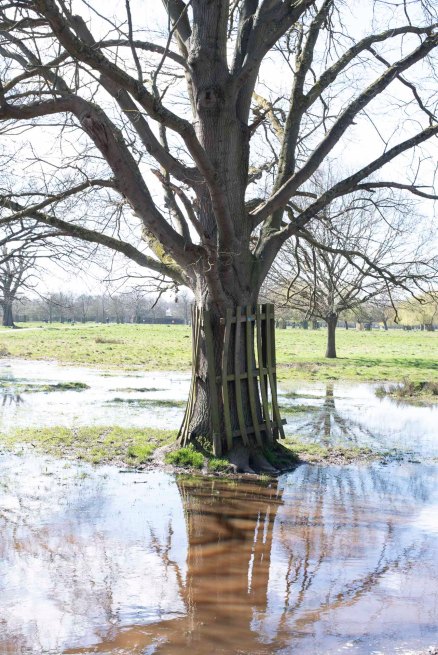
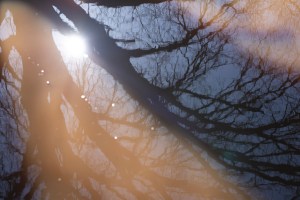
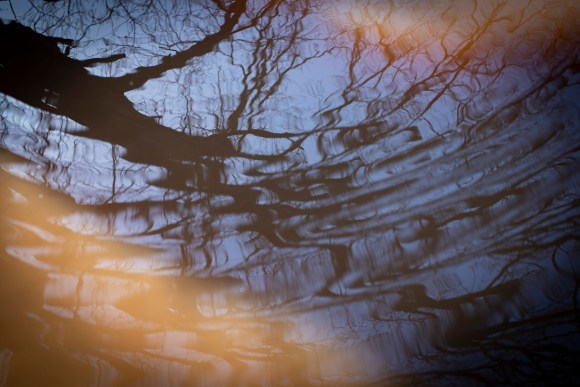
The first port of call was the water-logged tree I photographed on 6 March. The sun was creating some interesting shadows and colours on the surface of the temporary pond.

bushy_park_20-03-16_002_low

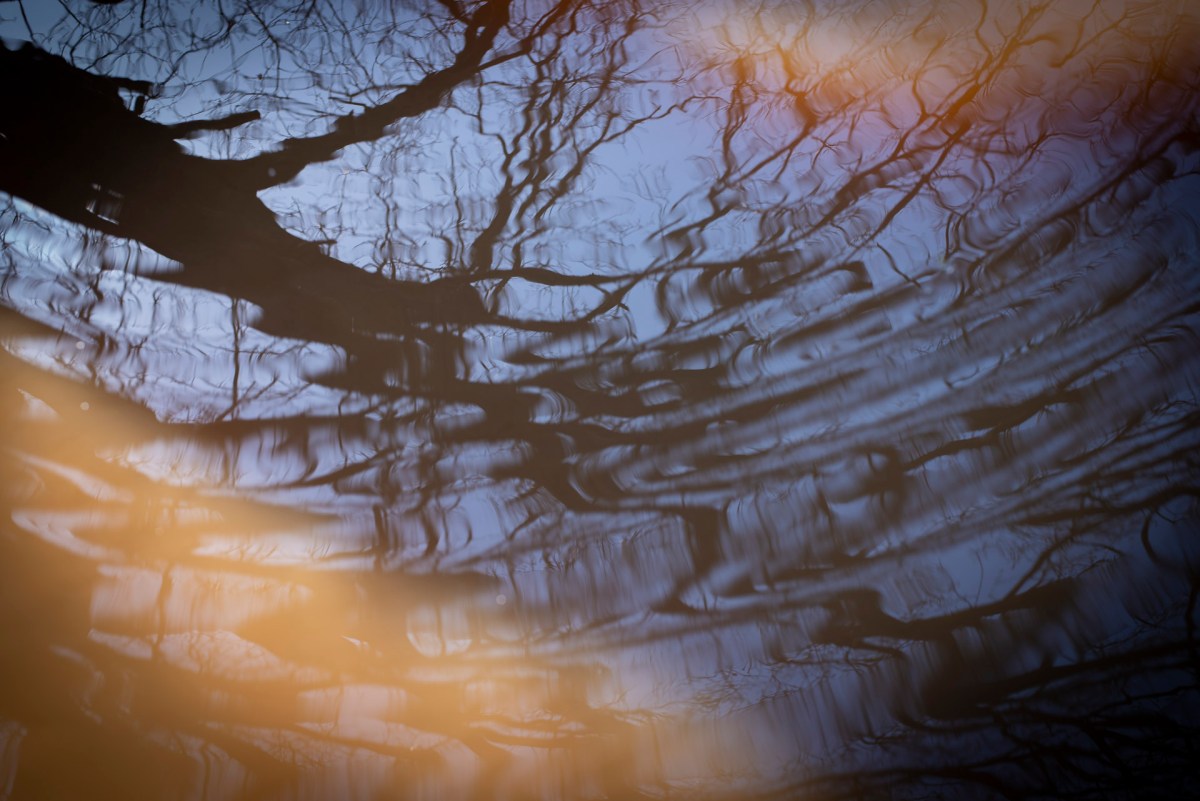
This a selection of the shots from the ‘pond’. Very dreamlike and surreal.

I didn’t process all of these shots, but this is one with a bit of tweaking in Adobe Camera Raw.

bushy_park_20-03-16_031_low

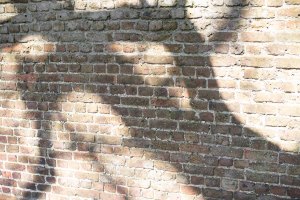
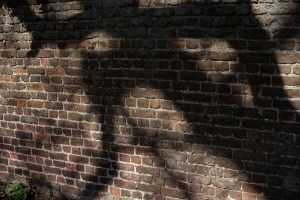
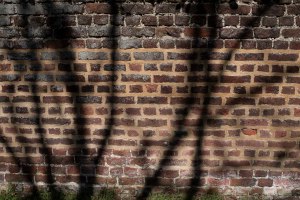
I then walked through the park along the path towards Hampton Hill. Along the wall, I notice that the strong sun had created shadows of the trees.

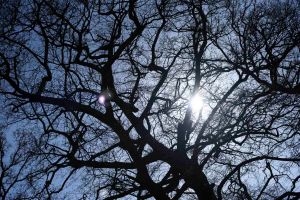
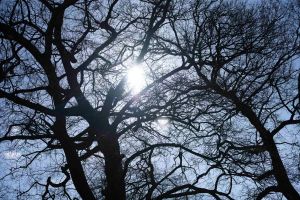
I then walked along the path towards Woodland Gardens and observed the trees.

Inside the Woodland Gardens, the ground was still very waterlogged and I couldn’t continue on my usual path. I did notice that plants alongside also had their own ‘pond’ and took the following images. I thought they were quite Klimt-like.

One happy accident. Got to love a touch of bokeh.

bushy_park_20-03-16_078_low

I then went to one of my favoured spots to again capture the sunlight on the Longford River.

bushy_park_20-03-16_096_low

As the sun was quite strong, these shots were a bit blown and ‘faded’. As I was shooting on my ‘safety-spot’, Aperture Priority, I then set the camera Manual. This enabled me to reduce the camera’s exposure resulting in avoiding the shot being ‘blown out’.

This slideshow requires JavaScript.

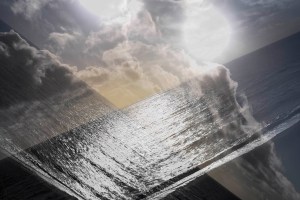
Looking at these shots at home, I thought they were looked as if they were lit by a full moon and not the sun.

With these images in the bag, it was time to think about how to reassess going forwards.

Design a site like this with WordPress.com
Get started