Categories
AGM60 Research & Development Posts

AGM60 Words of Eternity

During one of the tutorials, I remember Xavier suggesting writing down my thoughts and feelings while working on this project.

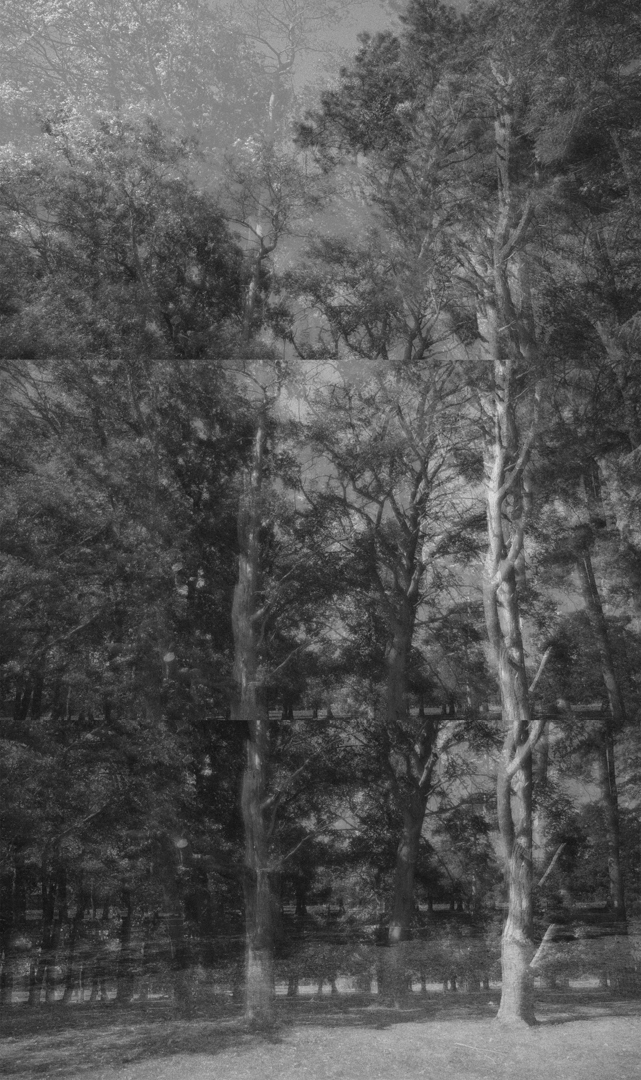
While contemplating the final images, I composed the following poem:


Moments of Eternity

Uncertainty, anxiety, lost horizons;

Dis-location, isolation, reconnection;

Strange screens and familiar faces;

Same times and same places;

Slow down, tune in;

Reduce the din;

Together, but apart;

A part in time;

With a beginning and, yet, no end.


This could either be used in accompanying the work and/or the Artist Statement. I also thought of using each line next to each image (nine images, nine lines). This poem was also included in the submitted presentation of my final images.

Categories
AGM60 Research & Development Posts

AGM60 Final Body of Photographic Work 9 June 2020

For Assessment Task 1 of this module, I had to produce a Body of Photographic Work submitted in an appropriate form. For example, a portfolio of prints, an installation, a projection or otherwise. This had to be accompanied by an Artist Statement of 200 words.

The purpose of this Body of Photographic work was to fulfil Learning Outcomes 1 & 2. This was to:

  • Plan, develop, research, and document an extended body of experimental work.
  • Acquire and apply appropriate technical skills as defined by my photographic practice.


This is a PDF of the document that I submitted on 9 June 2020:

AGM60 Research and Experimentation Final Images Jennie Meadows 19821184 9 June 2020

Categories
AGM60 Research & Development Posts

AGM60 Final Research Dossier 9 June 2020

For Assessment Task 2 of this module, I had to produce a formal and critically reflective Research Dossier of 3-4,000 words that supports my Body of Photographic Work.

This was to include:

    • Documentation and reflective critical evaluation of the creative process undertaken during the module.
    • A critical analysis of a set of visual references that demonstrate an appropriate context for the Body of Photographic Work.
    • A critical analysis of a set of historical and theoretical references that support the development of the Body of Photographic Work.
    • A bibliography and list of research resources.


The purpose of the document was to fulfil Learning Outcomes 3 & 4 and that I could demonstrate:

  • a clear understanding of the ideas, issues, and different visual contexts underpinning my own photographic practice.
  • a critical awareness of historical and contemporary debates around research-based photographic practice.


This is a PDF of the document that I submitted on 9 June 2020:

AGM60 Research and Experimentation Research Dossier Jennie Meadows 19821184 9 June 2020

Categories
AGM60 Research & Development Posts

AGM60 Reading of The Age of Trees – Ralph Rugoff 12 May 2020

As mentioned previously, one of the main influences behind this current project is the exhibition Among The Trees at the Hayward Gallery. As I wasn’t able to attend this in person, I bought the exhibition catalogue to have a better idea of the curation ethos and the concepts involved.

Included within the catalogue is an essay named The Age of Trees, written by Ralph Rugoff (Director, Hayward Gallery). I read this piece on the morning of 12 May 2020 and discovered a wealth of information in relation to the work I was currently producing.

After a couple of weeks focusing on images (including production, editing, etc.), it was the perfect input for me to explore the concepts behind what I was actually doing. For example, Rugoff starts off this piece by outlining the universal importance of trees. This includes aspects such as social, cultural, mythological, historical, religious, iconical, and medical. Rugoff continues to highlight trees’ importance in our language, specifically stating how:

‘in our everyday phrases we find reflections of our long-standing connection with arboreal life: we speak of having roots, of activities bearing fruit, of branches of government.’

(Rugoff, R. 2012 pp. 10)


Rugoff continues to describe how:

‘we also make use of dendritic structures as a model for thought and decision-making, including for artificial intelligence’.

(Rugoff, R. 2020 pp. 10)


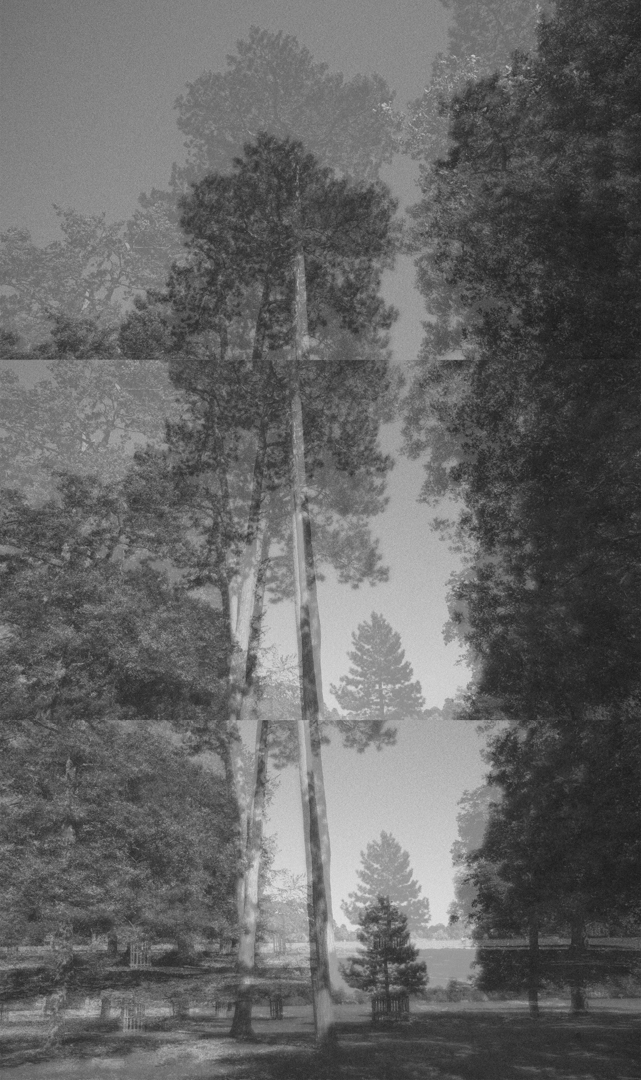
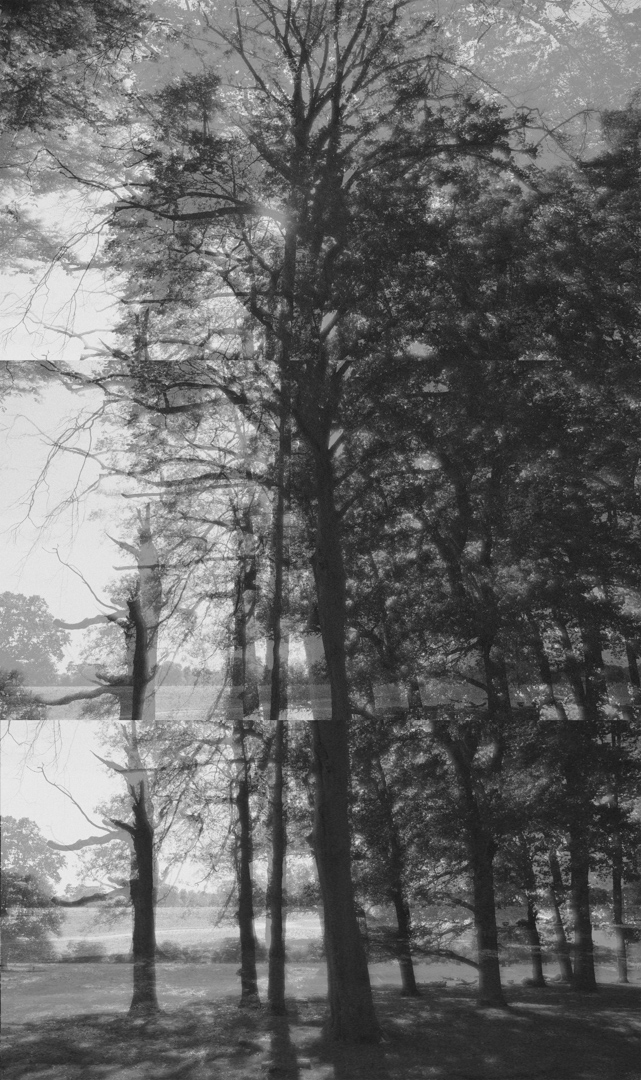
This is similar to my concept of the trees shot in sections, not whole, then combined. This then reverses the dendritic model by applying the concept of people appearing on screens separately but together. My images of trees for this project are a metaphorical representation of how we are currently living our lives.

After this introduction to the concept of ‘trees’. Rugoff continues with his thoughts on the tree’s apparent relegation to the background throughout much of Western art history over the past 500 years. At the time of the initial writing of this post, I was still processing the points made in this piece and the work that was referenced. As such, I will be revisiting the certain aspects that resonated with me in regards to this particular project.


References

Rugoff, R., The Age of Trees (2020), Rugoff, R. and Mues, M., 2020. Among The Trees. Hayward Gallery Publishing.
Categories
AGM60 Research & Development AGM60 Research & Development Posts

AGM60 Dora Maar Tate Modern Exhibition 30 January 2020

In my previous photographic studies, the starting point was predominately based on looking at and researching other photographers and artists in conjunction with their work. I hadn’t been to an exhibition for a while, so thought it a good idea to get back into the habit. I find that with each exhibition I visit, I always find inspiration and potential ideas as well as learning something new.

Tate Modern on the South Bank is one of my favourite art venues in London, so I checked on the institution’s website to see who and what they were exhibiting. One of the current exhibitions featured the work of surrealist photographer, Dora Maar.

Tate Dora Maar Page 01

When researching Maar, I discovered that she was an artist and poet as well as a photographer with a long and extensive career spanning many decades of the 20th century. I have to admit (somewhat ashamedly) that I hadn’t extensively encountered Maar’s work previous to this. Some of the images seemed familiar and I was intrigued enough to make a visit, which I did on 30th January 2020.

During the 1930s, Dora Maar’s provocative photomontages became celebrated icons of surrealism. Initially trained as a painter, Maar turned to photography and became a commercial success in the spheres of fashion and advertising. Maar was also involved with the surrealist movement, offering her photographic services to Man Ray as an assistant. This eminent photographer turned Maar down, famously stating that ‘he couldn’t teach her anything’.

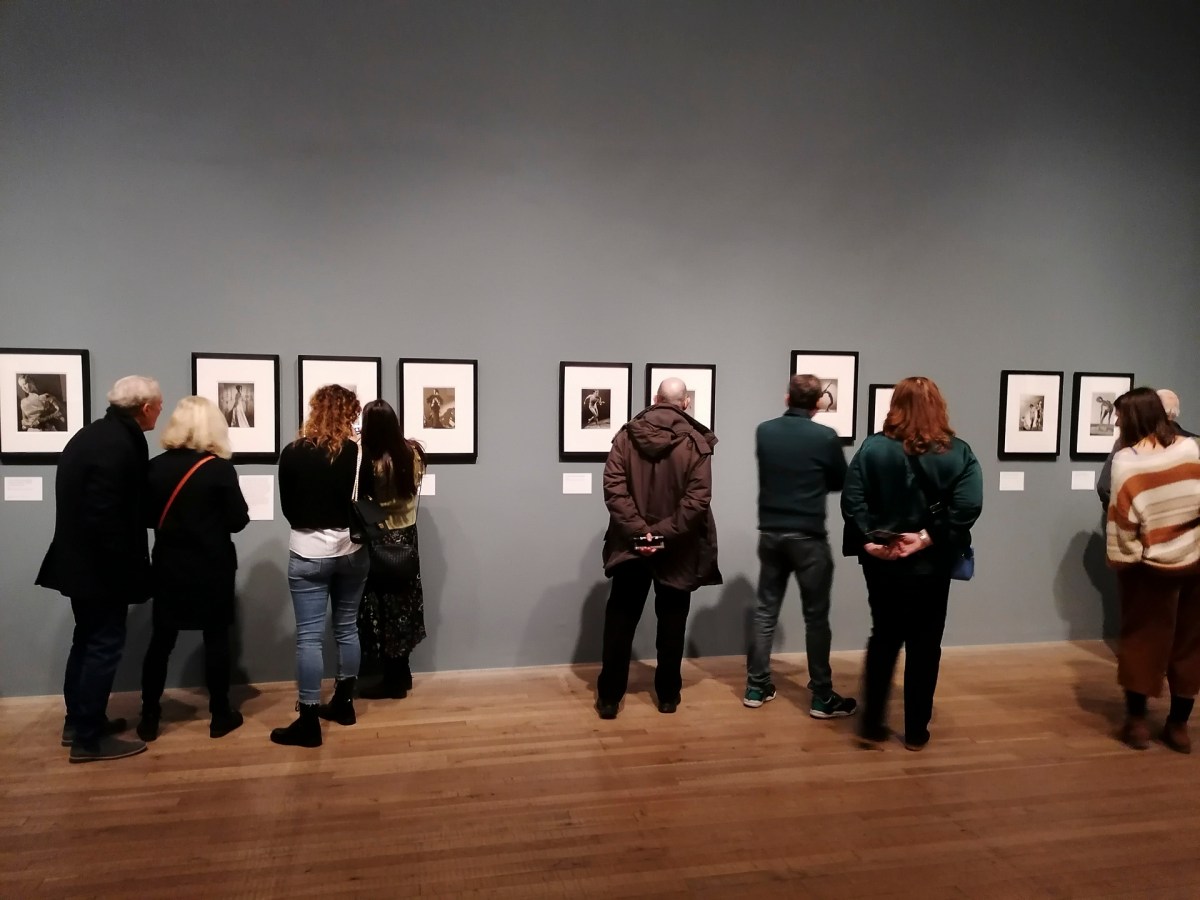
On visiting the exhibition, I was not disappointed. The exhibition itself was split into nine rooms, each focused on a particular aspect and era of Maar’s work. These were:

  • Room 1: The Invention of Dora Maar
  • Room 2: On Assignment
  • Room 3: On the Street
  • Room 4: The Everyday Strange
  • Room 5: Surrealism
  • Room 6: In the Darkroom and the Studio
  • Room 7: The War Years
  • Room 8: New Landscapes, New Surfaces
  • Room 9: Return

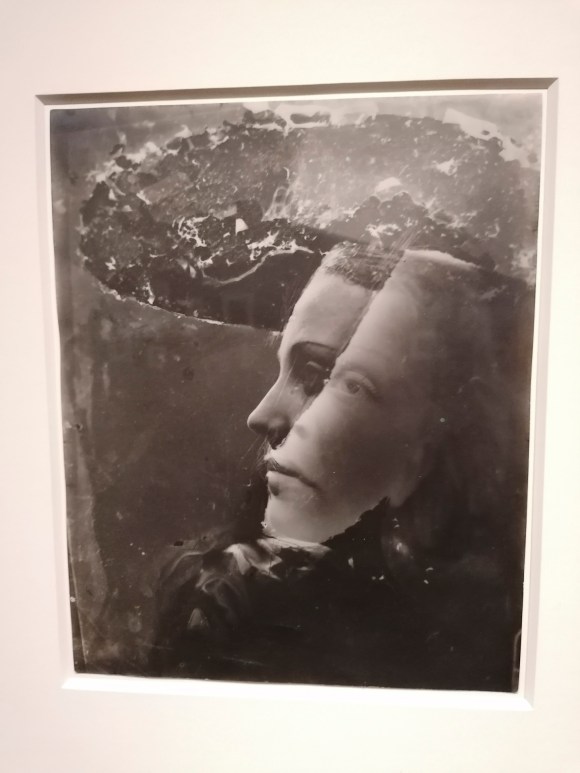
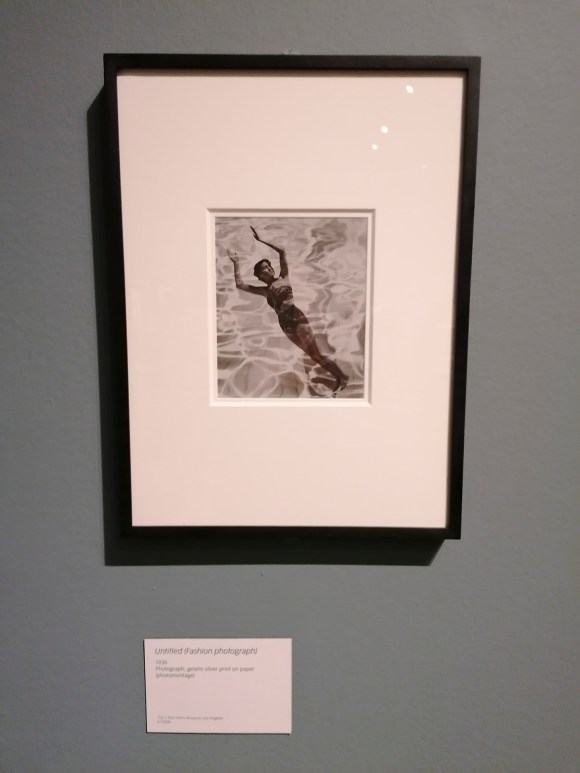
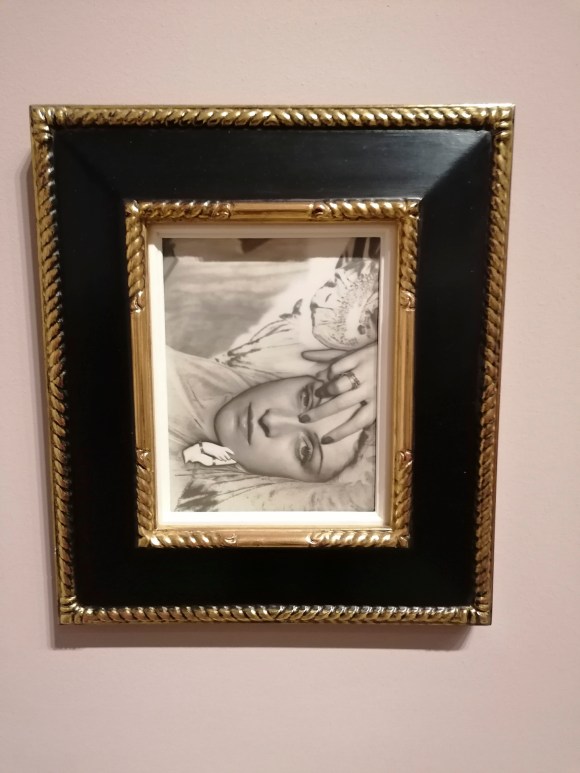
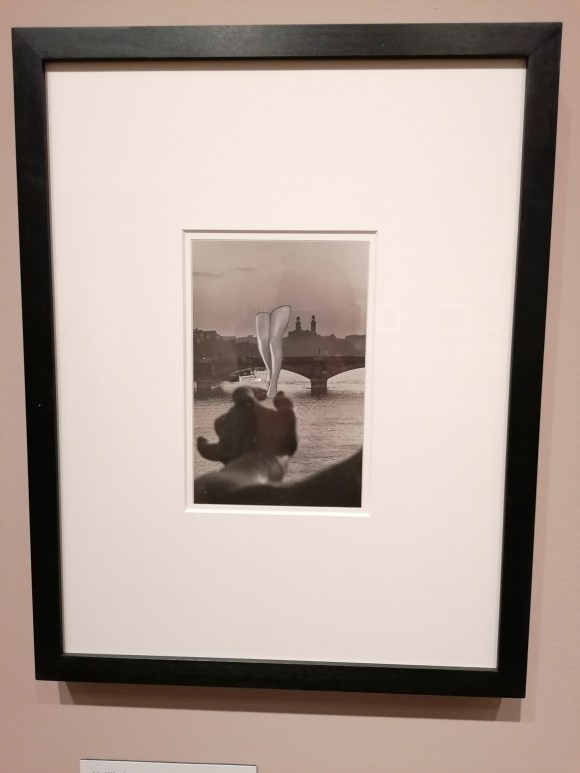
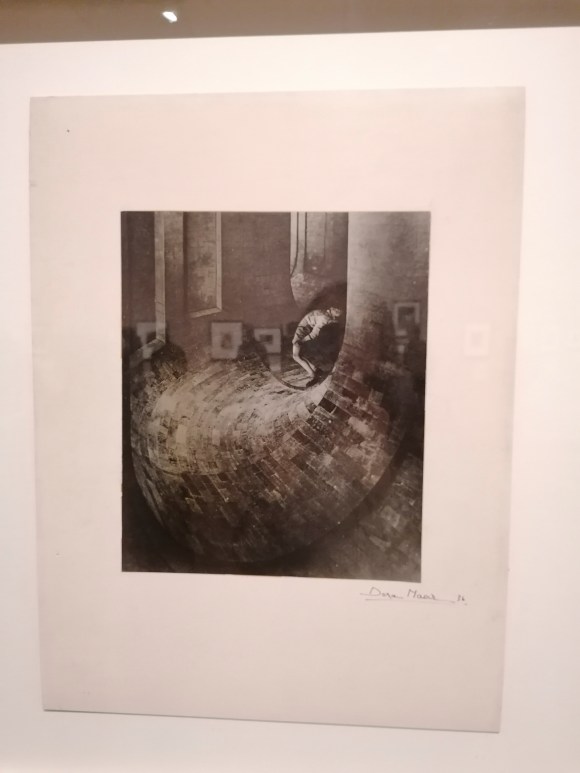
The following works were the ones that had the most impact on me.


dora_maar_tate_006_low


dora_maar_tate_017_low


dora_maar_tate_026_low


dora_maar_tate_029_low

dora_maar_tate_050_low


I also bought the accompanying book to the exhibition, which I will be reading in much more detail with regards to research.

References:

Tate. (2020). Dora Maar – Exhibition at Tate Modern | Tate. [online] Available at: https://www.tate.org.uk/whats-on/tate-modern/exhibition/dora-maar [Accessed 23 January 2020].

Design a site like this with WordPress.com
Get started