Please note that this is a draft post and will be amended.
While going through the process of identifying the elements which have influenced my creative output so far, the one that I started to explore further is surrealism. My practice to date rarely involved straight, pure or documentary photography. I also enjoy and have the ability to combine and manipulate images, specifically digitally, to create ‘unreal’ images. Looking back at my previous projects, all have involved surrealist elements with titles such as Dreams/Reality and Transformations.
At the start of my research, I realised that I didn’t know as much as I thought about this particular art movement and its influences. My first port of call was to visit the university library to see the books available on surrealism. I came across David Bate’s Photography & Surrealism: Sexuality, Colonialism and Social Dissent. As Bate explains in the introduction, this book is ‘a study of surrealism thought the particularity of its uses of photography’. But rather than take the connection between photography and surrealism as self-evident, it asks why and how photography was useful to surrealism and what the surrealists did with it.’ (Bate, 2009).
What I didn’t know enough about at this stage was the details of the surrealist art movement itself.
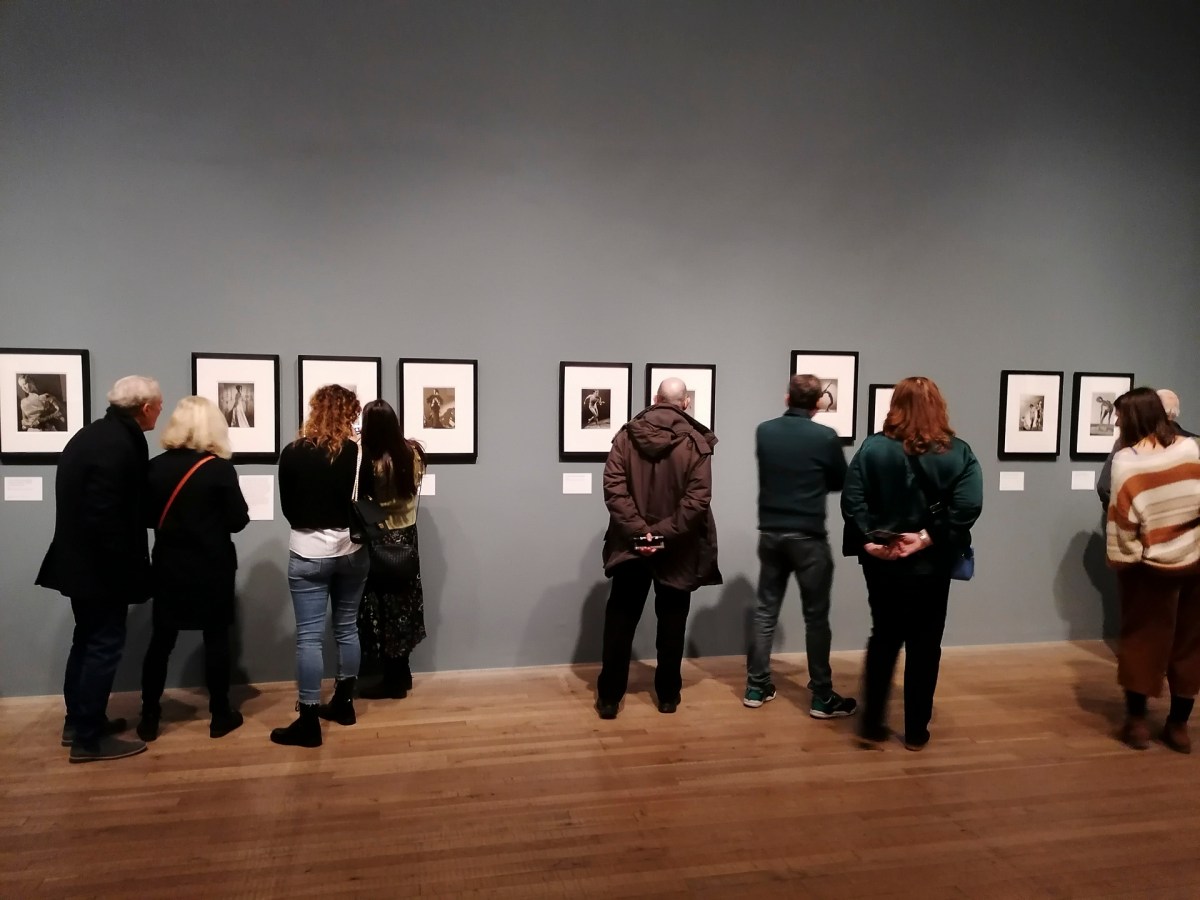
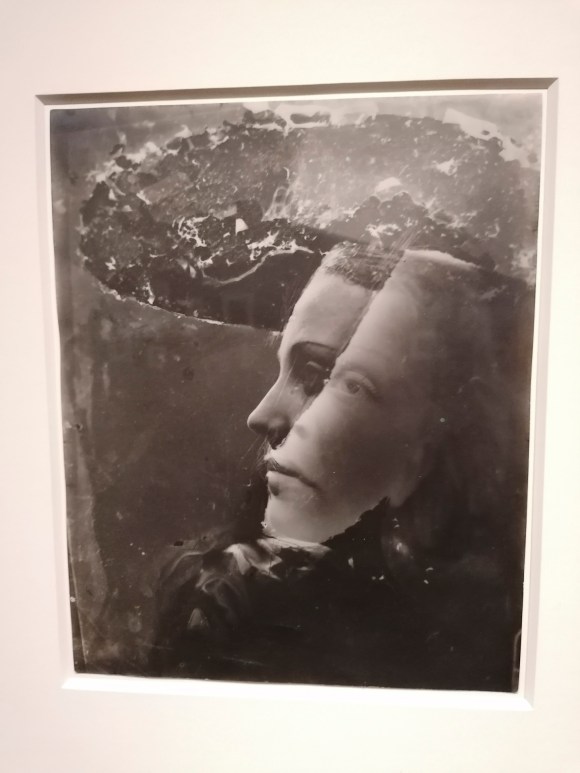
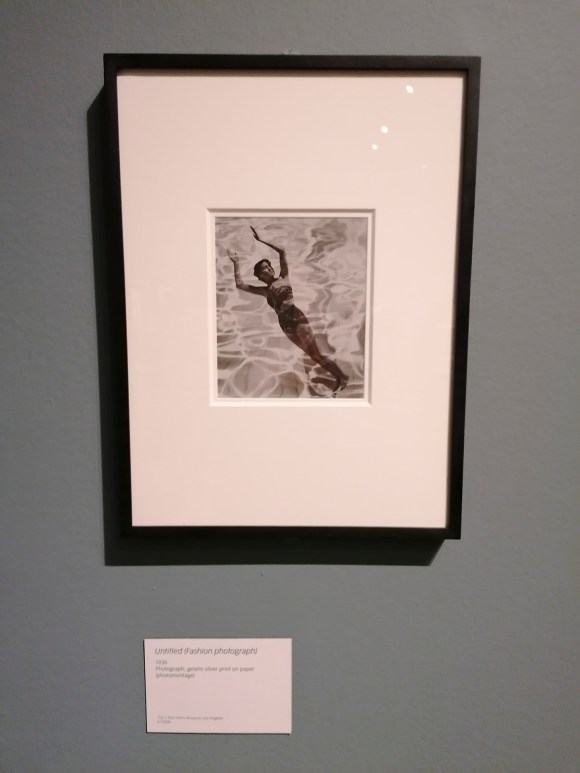
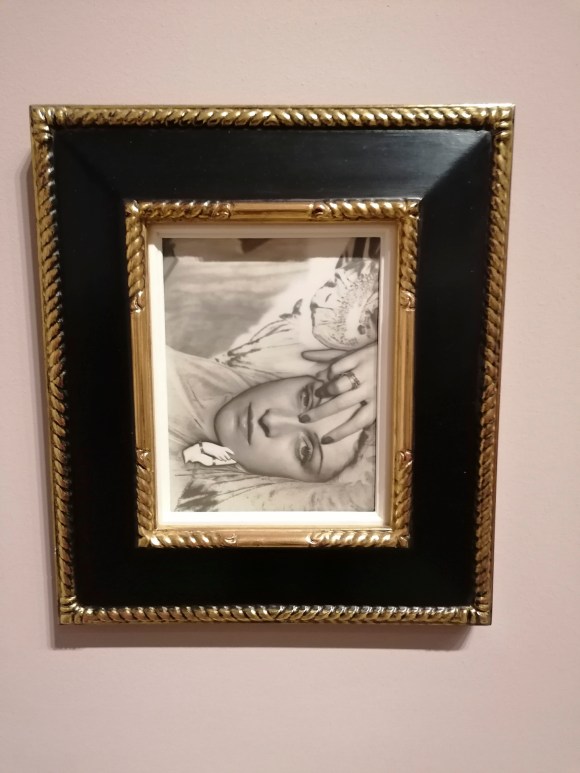
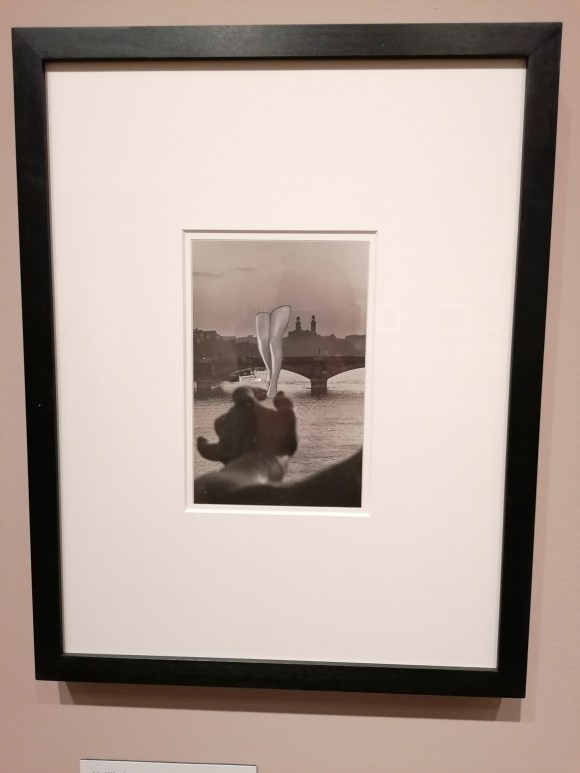
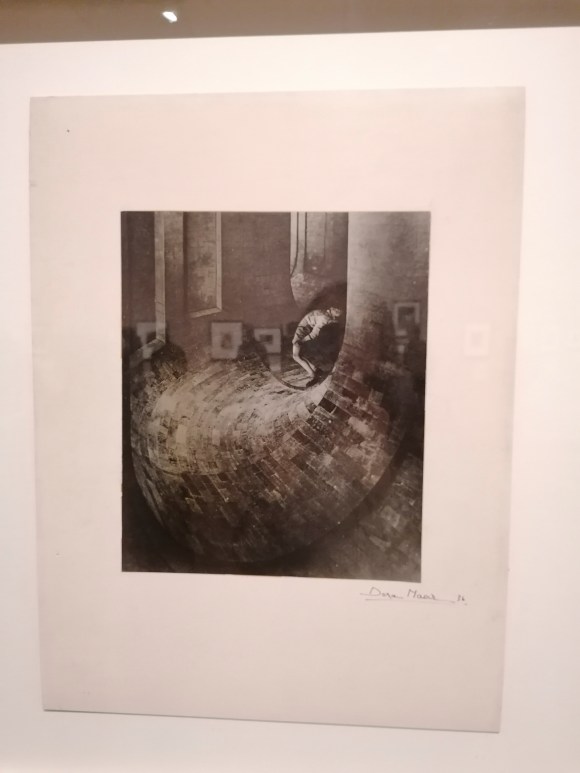
The interest in this art movement was also piqued by my visits to the Dora Maar exhibition at Tate Modern and the British Surrealism at Dulwich Picture Libray.
One of the aims of this module is to identify
I would take in producing the Body of Work required, I realised I had to identify these elements that have influenced me so far.
When One of the aims of this unit is for me to identify the key elements of my own creative practice. While trying to work Thoughts on Surrealism.
100th anniversary of Surrealism and almost 100 years since Andre Breton’s 1924 Surrealist Manifesto, what is the current climate?
Can a contemporary photograph be considered Surreal? Or is it just a facsimile of an era?
If surrealism is a product of its time, what would a Surrealist image be today?
Dora Maar
The three articles I’ve read.
Women and Surrealism.
Female Surrealist artists.
WRITE UP NOTES SO FAR!
This research also made me think of the following:
Who are today’s/contemporary surrealist photographers?
What can be considered a contemporary surrealist photograph?
Can a contemporary photograph be surreal in the true form? Or is it just a facsimile of the production of a specific cultural and historical era?
If so, what
The current climate is fear.
This is the result:
In order to get a better understanding of both myself and surrealism, I noted down the words on the plaques in the exhibition and started to bring out key phrases that I thought pertinent.
Surrealism broke conventions; it demolished boundaries. Categories and chronologies were abandoned; the mind was set free. Existence was elsewhere.
British Surrealism
1920 the French poet André Breton began experimenting with automatic writing. Journeying deep into his subconscious, he wrote without pausing to think or correct. What he discovered was a new art form. He called it surrealism.
The liberation of the imagination
Exploration of the illogical, the dreamlike, the marvelous.
Result of the contributing factors of:
- The irrationality of the First World War
- The revolutionary nonsense of Dadaist art
- The penetrating theories of Freudian psychoanalysis
Many British artists join the movement or were influenced by it.
In 1936, London hosted the first International surrealist exhibition.
But surrealism was not entirely new. It recognised its essential qualities in the likes of Lewis Carroll, William Blake, Henry Fuseli, and William Shakespeare. They were the ancestors of surrealism. For surrealism existed at all times, and in all places.
With its new unique history of outlandish creativity and its soft spot for the absurd, Britain was a perfect breeding ground for the surreal.
Juxtaposition and Coincidence
Like dreams, chance challenges rationality. Using accidents and juxtapositions, the Surrealists bewildered and provoked their audiences. They saw the familiar and new, unexpected ways.
Collage was in an excellent way of using contrasting words and images. It created unexpected realities. As Eileen Agar explained, ‘collage is… A displacement of the banal by the fertile intervention of chance or coincidence.’
The Surrealists rejected categories and resisted expectations.
When all else failed they called upon chance to show them the way forward.
Automaticity and the subconscious
By acting without reflection, space we reveal our inner, unconscious self.
Writing or doodling without stopping to think, correct or edit are all forms of automatism. It was a technique André Breton on borrowed from Freudian psychoanalysis. He called the resulting images ‘guideposts of the mind’. They were gateways to the subconscious.
See how Emmy Bridgwater exploits the fluidity of ink in her automatic drawing Stark Encounter.
Scribble, riddle and rhyme. Let yourself go-you never know what you might find. Surrealism is a door open to everyone.
British surrealism plaque four
Forbidden desires
The Surrealists were unconventional and provocative. Fired by a fantasy they broke social taboos and rejected polite customs.
Together the Surrealists celebrated sexual freedom. They overthrew conventional gender identities and relationships. Their provocative role models included William Blake and the Marquis de Sade.
Female artist producing the most daring surrealist work in Britain, consciously challenging their assigned roles of muse or femme fatale. Witness the symbolism of Ithell Colquhoun’s The Pine Family, or the celebration of feminine creativity and power in Leonora Carrington’s The Old Maids. They dared to be different.
British surrealism plaque five
The politics of the surreal
In their manifestoes, poetry and art the Surrealists preached revolution in all its forms. In a world of absurdity and hypocrisy, they sought a new moral code of free love and free expression.
With the rising tide of fascism dominating 1930s Europe, the Surrealists challenged the prevailing world order. They lent their support to the radical left. In the Second World War, the devastation wrought by the Blitz turned life in Britain upside down. The Surrealists responded with some of their finest work.
There is power in imagination; use it wisely and we might change the world.
British surrealism plaque six
The irrational and the impossible
The Surrealists, imagination was King.
They exploited the impossible, the marvelous, the irrational. Lewis Carroll’s Alice’s adventures in Wonderland was beloved by the Surrealists for its celebration of the ludicrous.
By creating illogical worlds, surrealism provoked new identities. As Conroy Maddox explained, ‘the irrational is not something set apart from life… It is at once destructive and creative, showing what can be opposed to what can exist.’
Where are the possibilities of impossibility?
British surrealism plaque seven
Existence is elsewhere
Surrealism was one of the most influential avant-garde movements of the 20th century. It was about much more than just art and literature.
The surrealist wanted to destroy what they called worn-out customs and institutions. Only then, they believed, could we build a better society in which everyone – liberated from the respectable straitjacket of everyday conventions – made full use of the imaginative faculties.
Bate, D., 2009. Photography And Surrealism. 2nd ed. London: I. B. Tauris.








 Jennie Meadows MA Photography