Categories
AGM64 Photography Research Project Stage 2 Posts

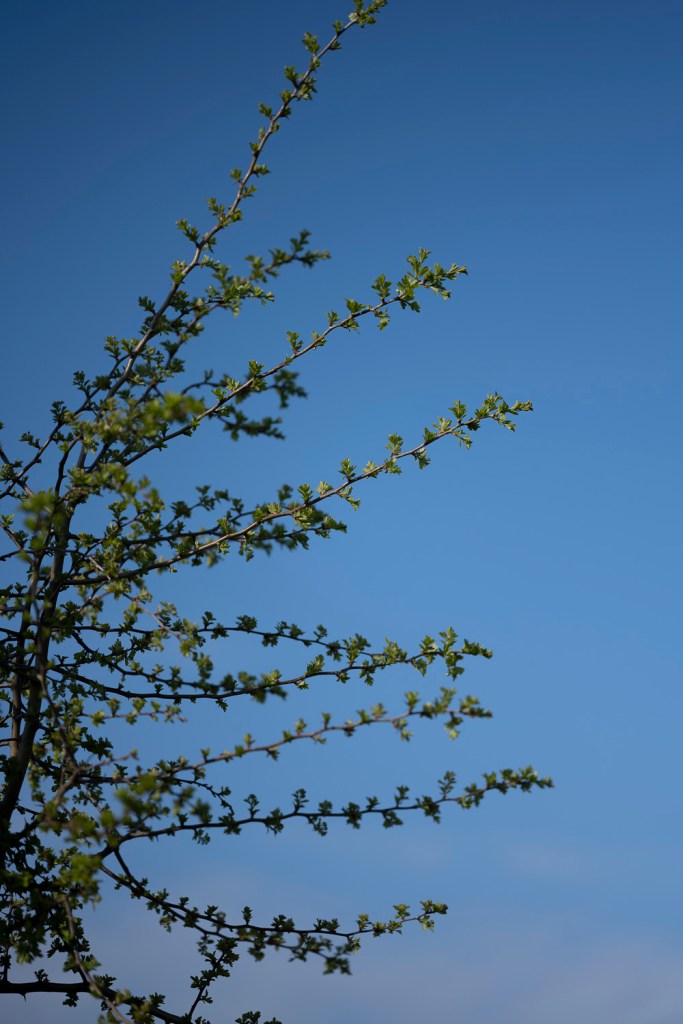
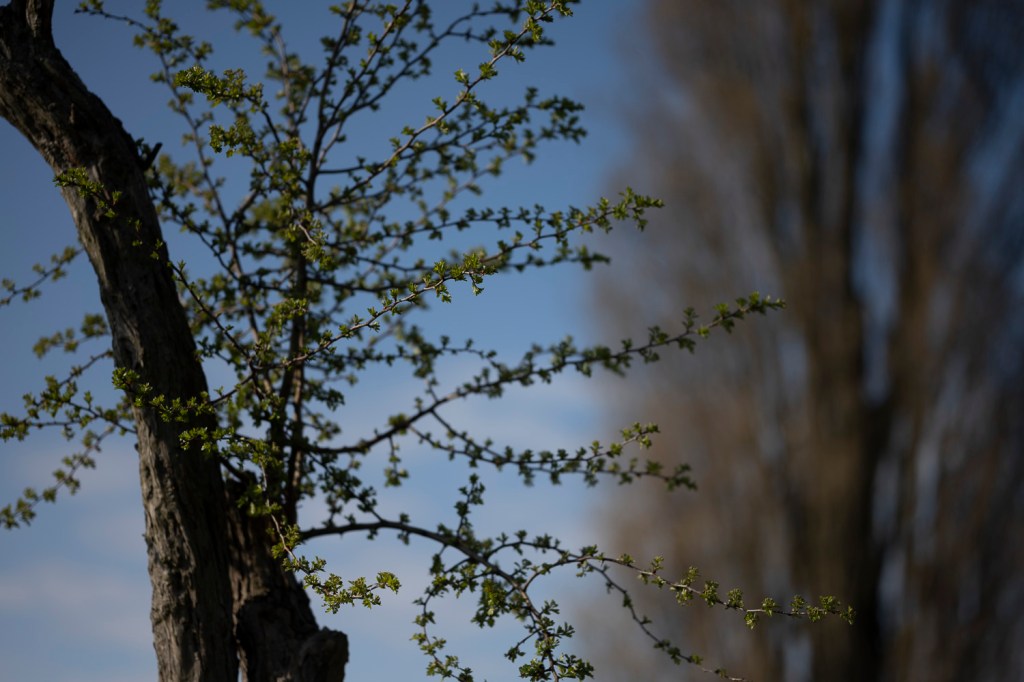
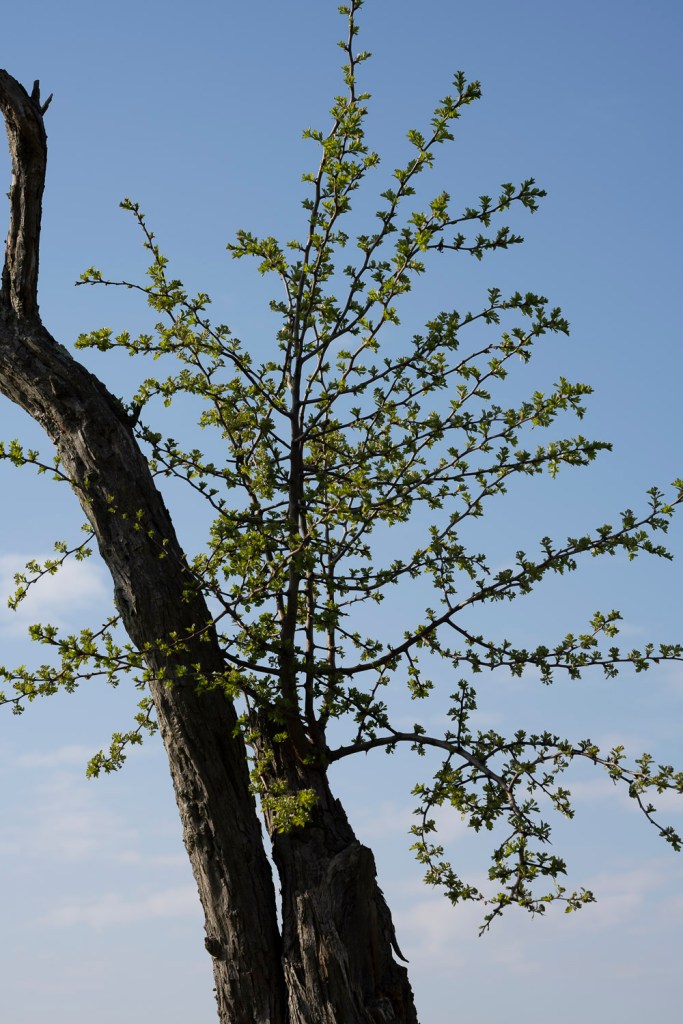
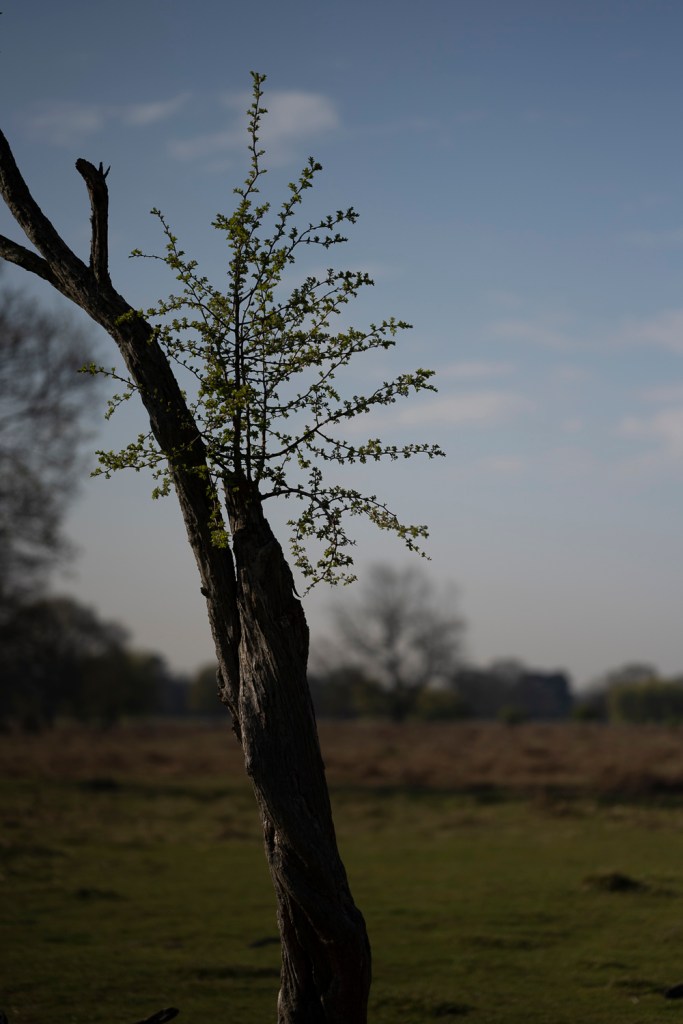
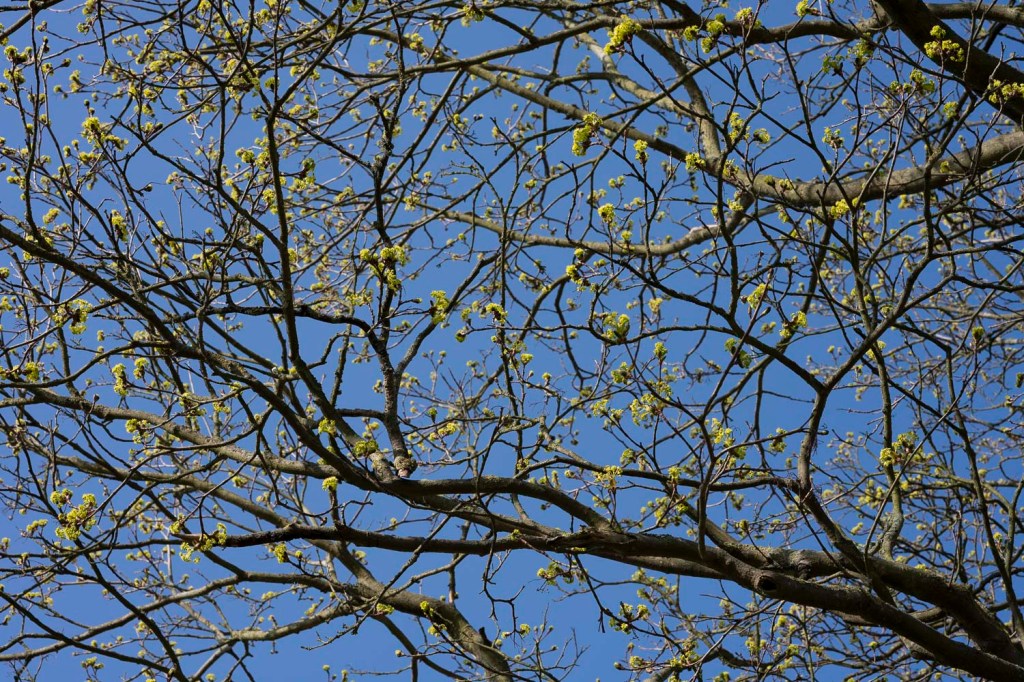
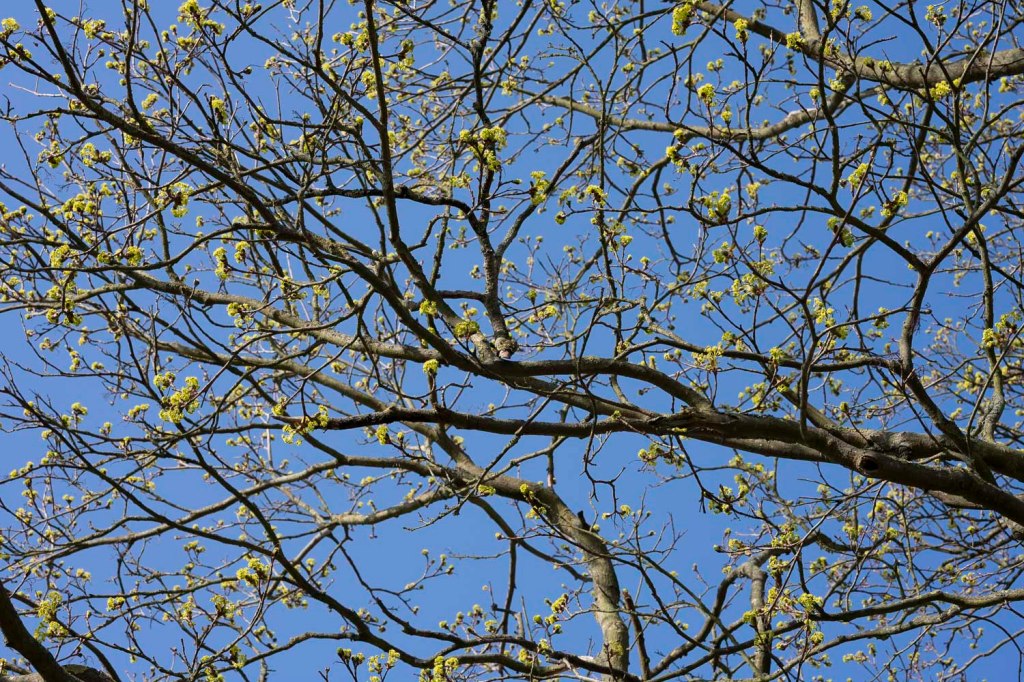
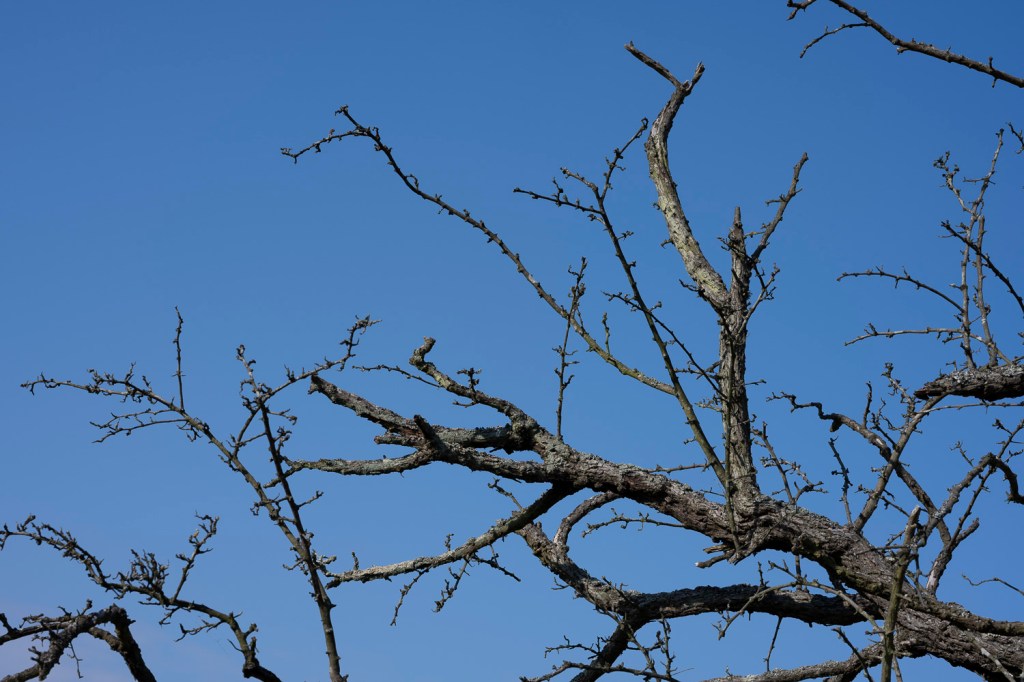
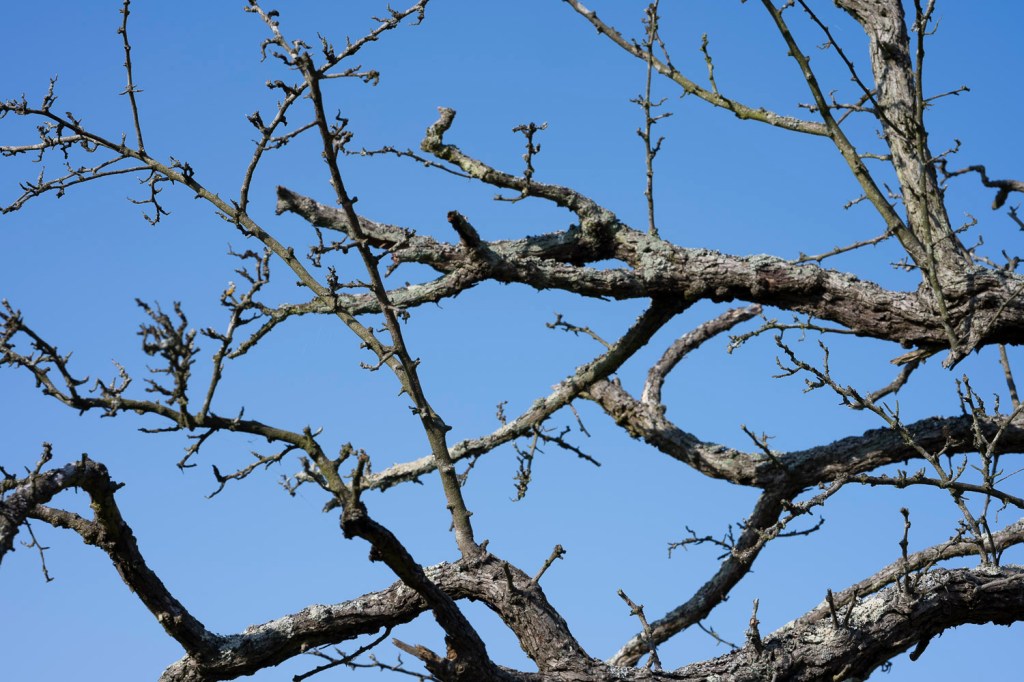
AGM64 Bushy Park 14 April 2021

At this time, I wasn’t sure exactly how to progress my body of work for Stage 2. I had a few ideas, but nothing had quite settled. There was only one thing to do, which was visit the park with the camera.

Once I arrived in the park, I first visited the tree I had experimented with back in February.

AGM64 Hawthorn Experiment 11 February 2021

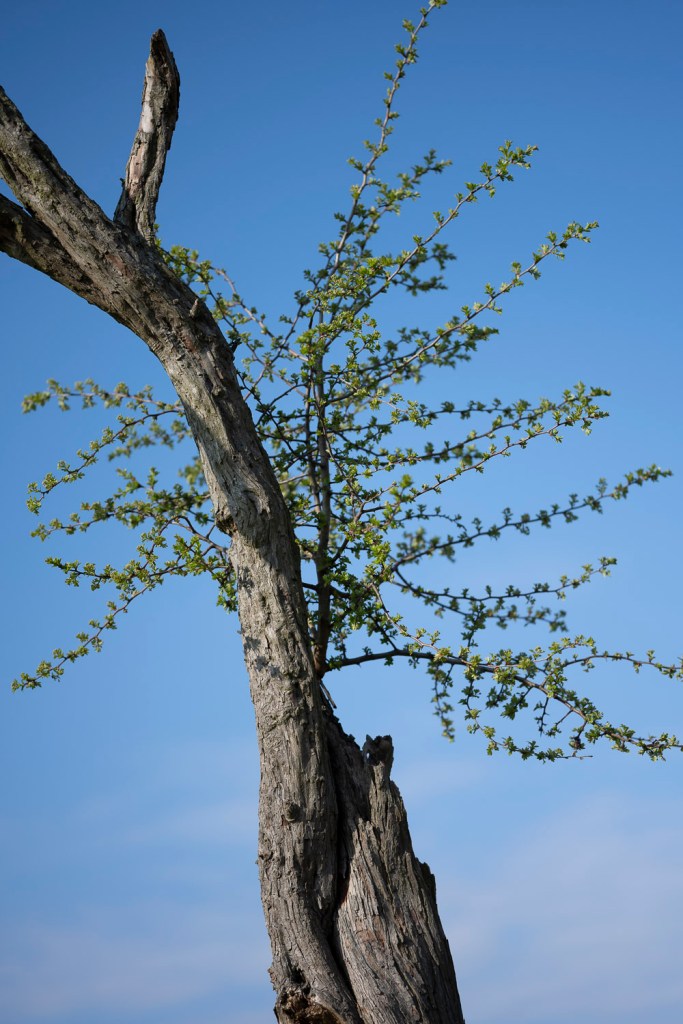
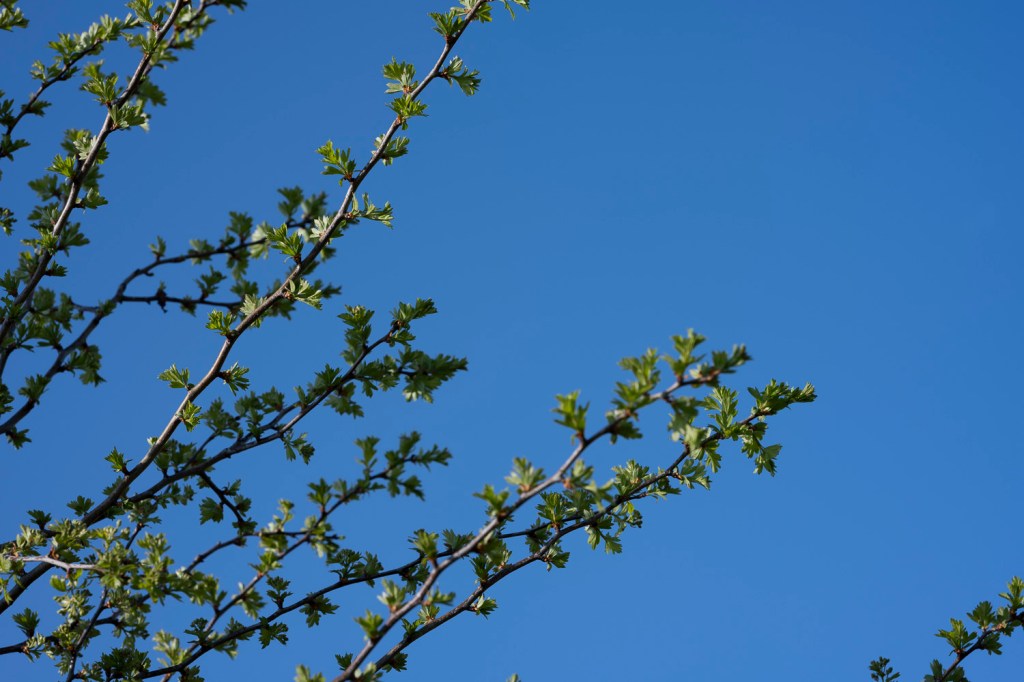
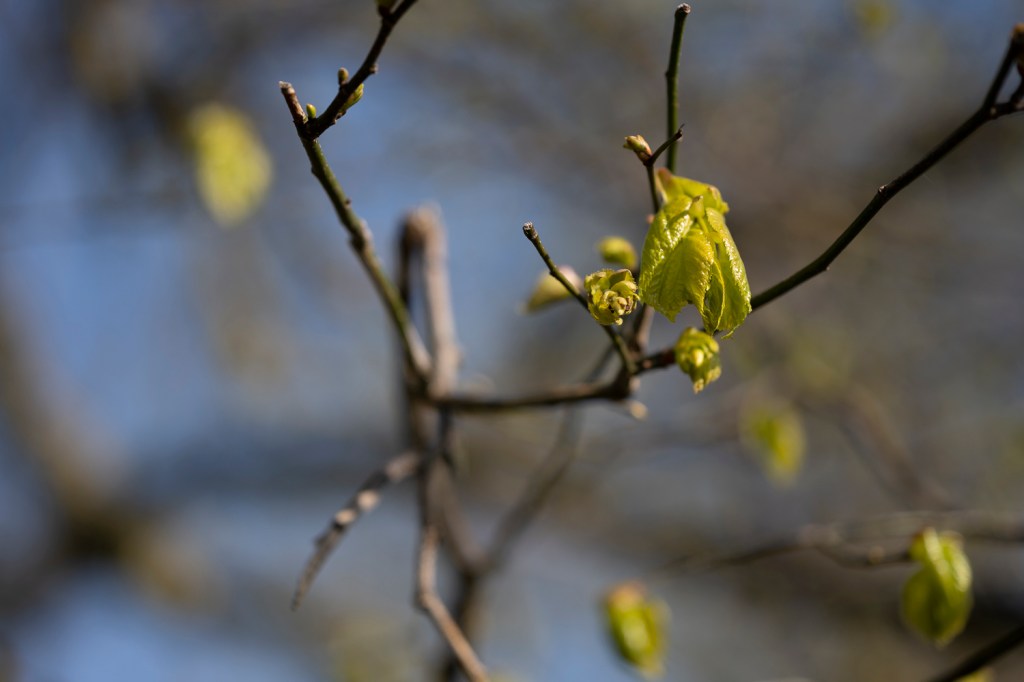
The main difference this time was that it had now started to grow leaves.

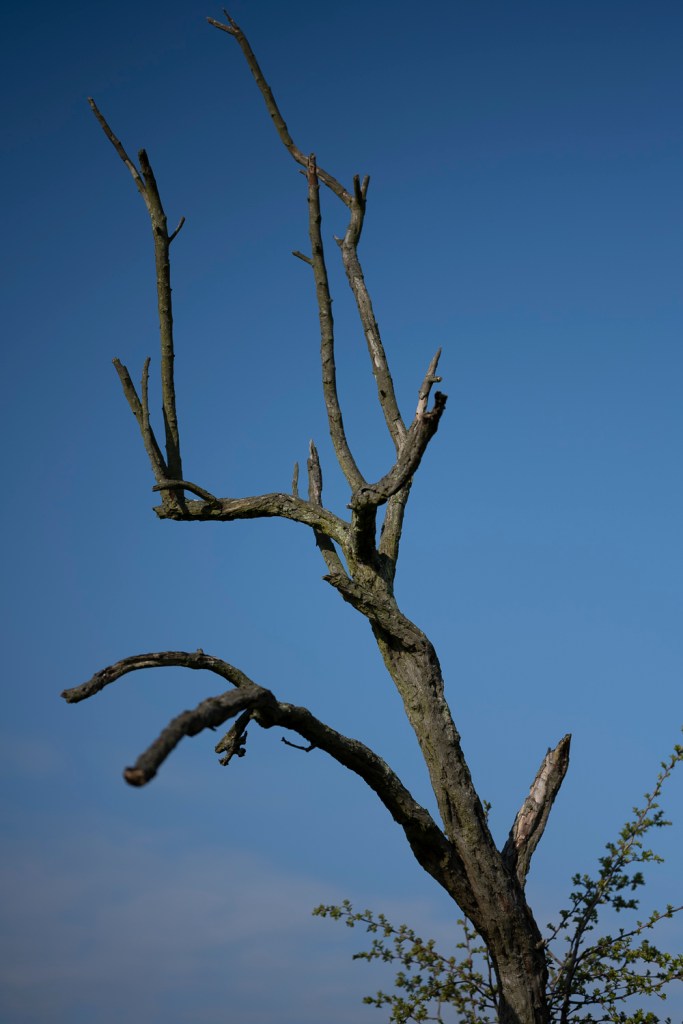
What was interesting to observe is that only half of the tree was in leaf. There was one side which was still bare.

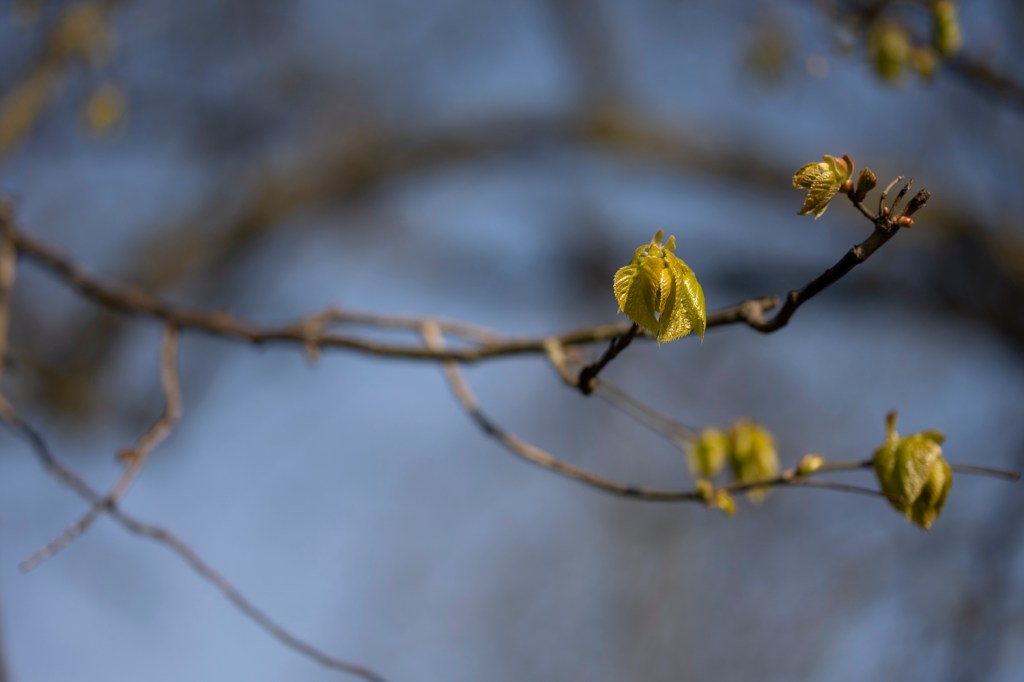
I then took some close ups of the branches with the budding leaves. These will need further experimentation.

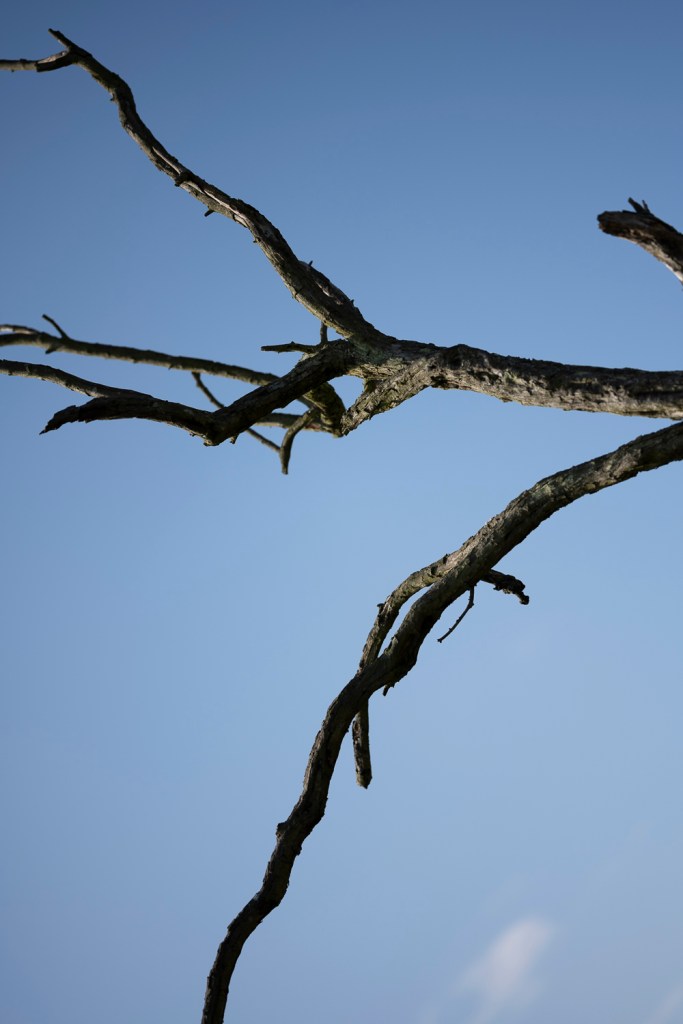
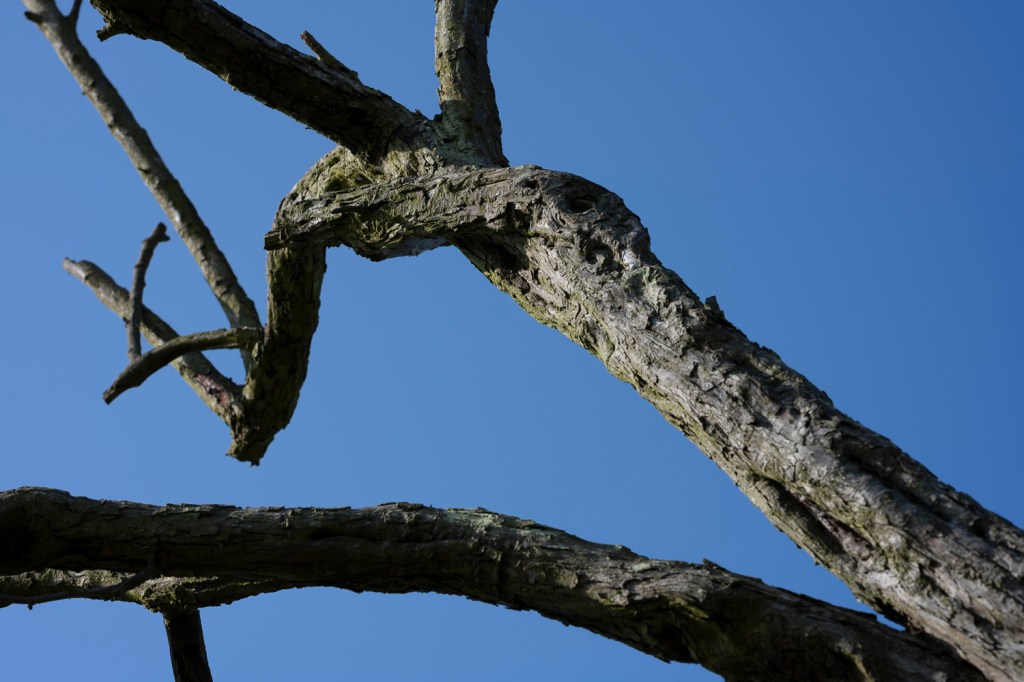
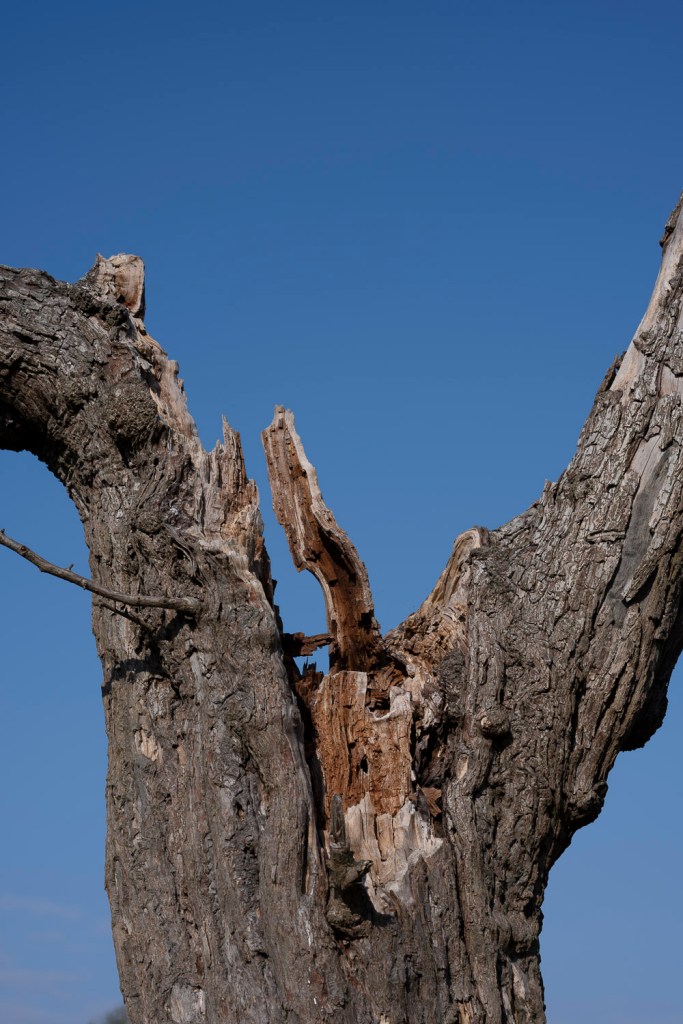
One part of the tree that caught my eye was the top of the trunk before the branches split. I was really struck by the details.

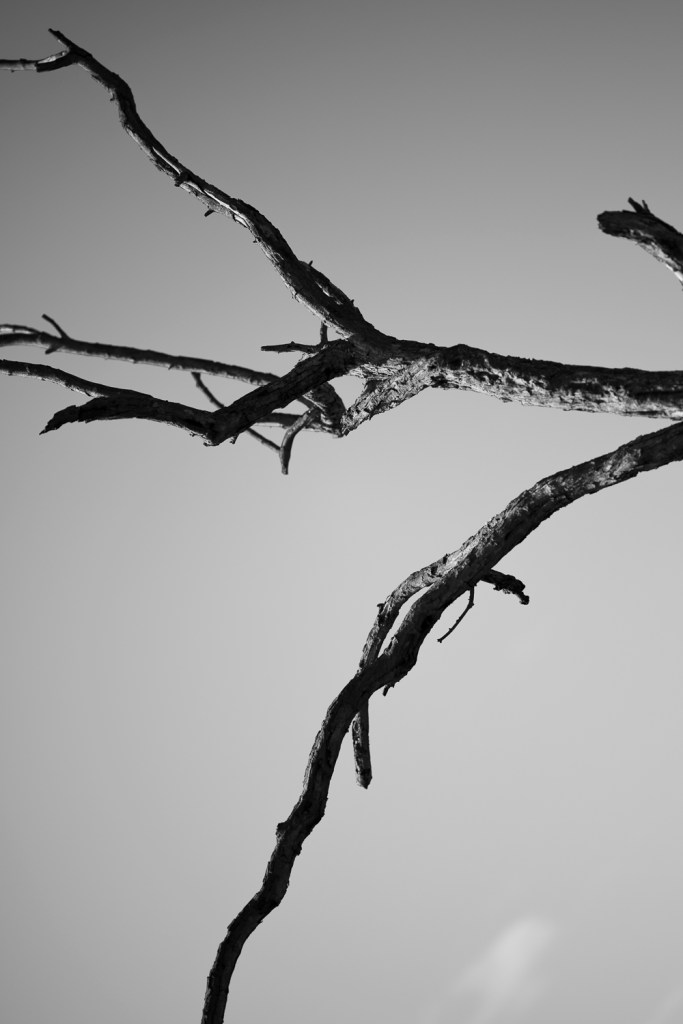
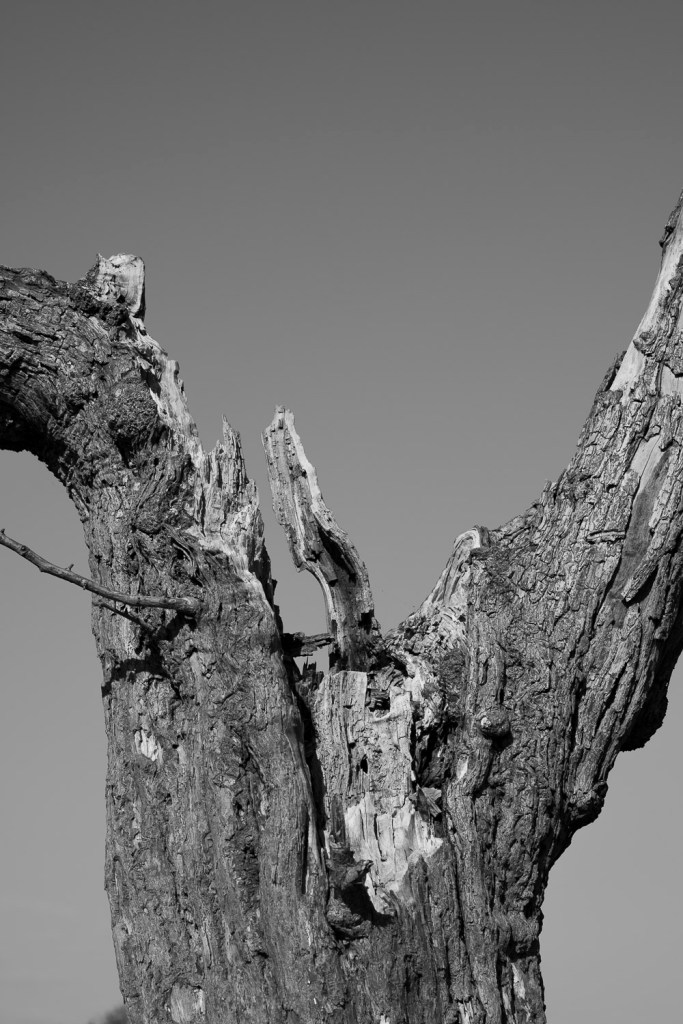
After looking at these images when I arrived home, I created the following Black & White conversions.

When looking at the two images together, it struck me how they ‘flowed’ together. Maybe returning to the concept of building a tree with different elements was viable.

I continued through the part and was starting to realise that the hawthorns weren’t quite ready for their show of blossom. This would be at least two more weeks before any hint of pink could be seen.

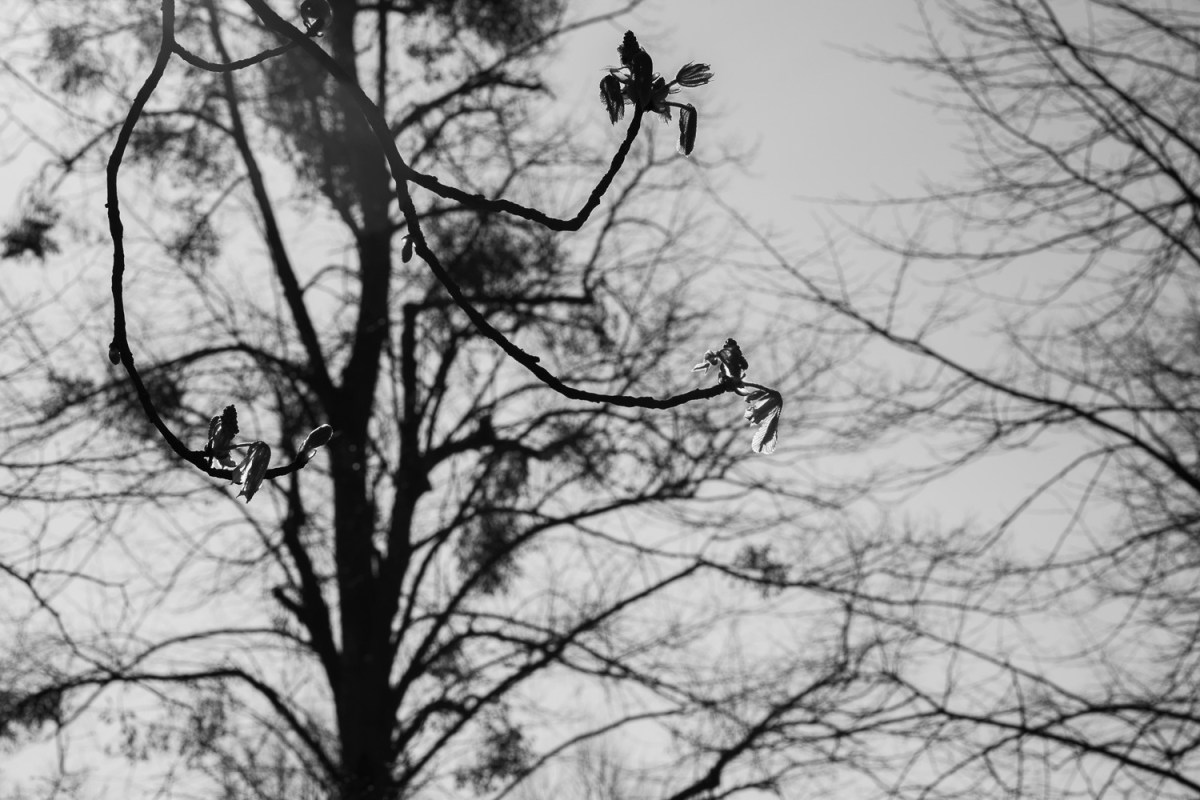
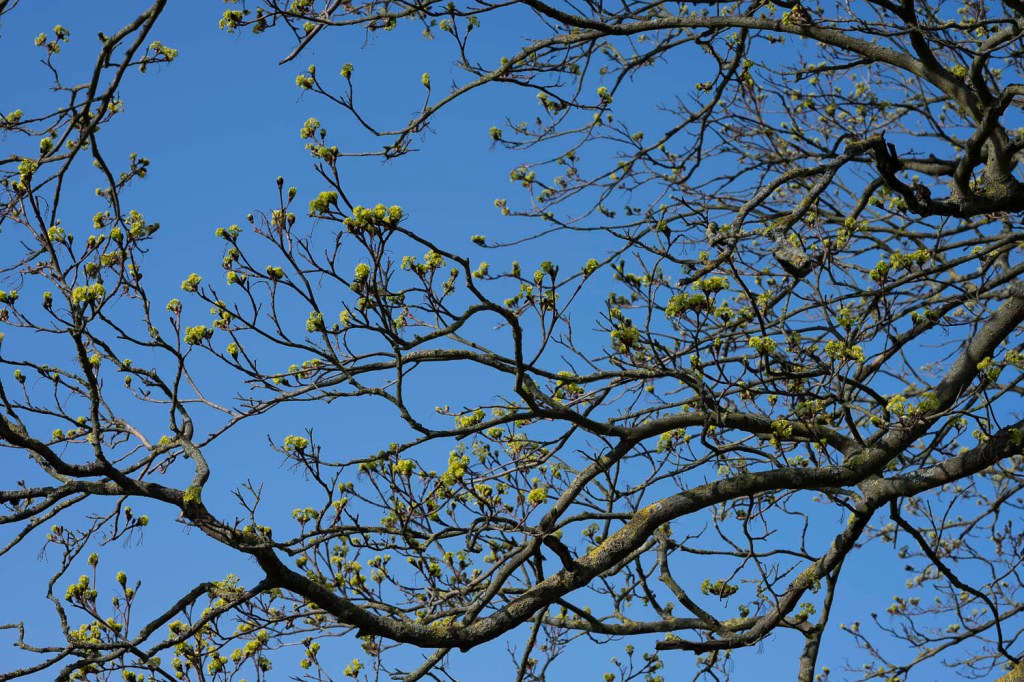
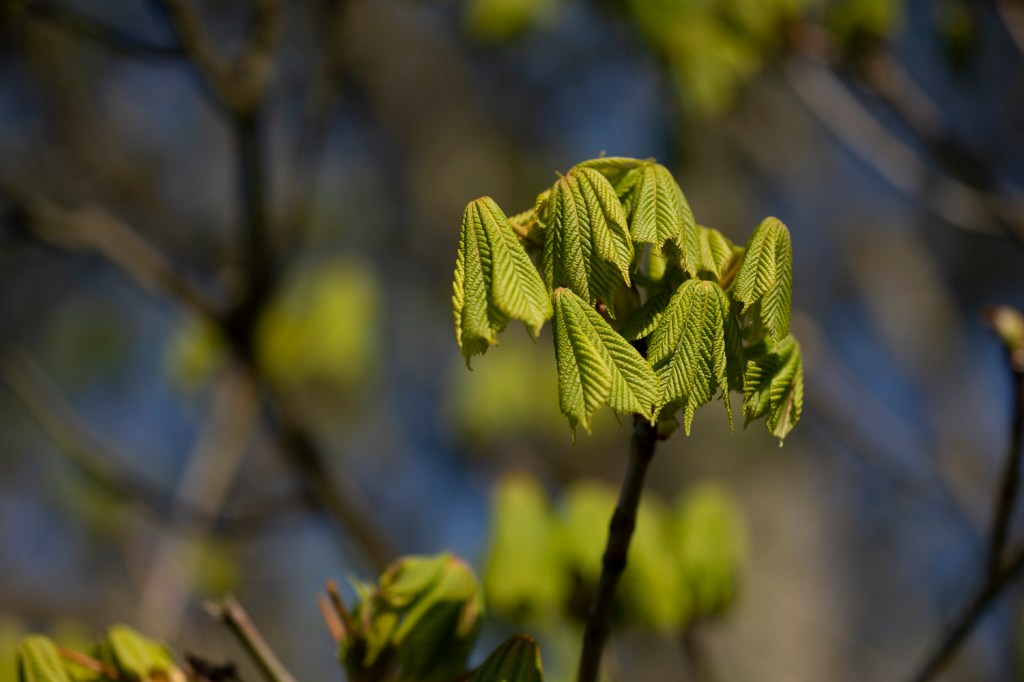
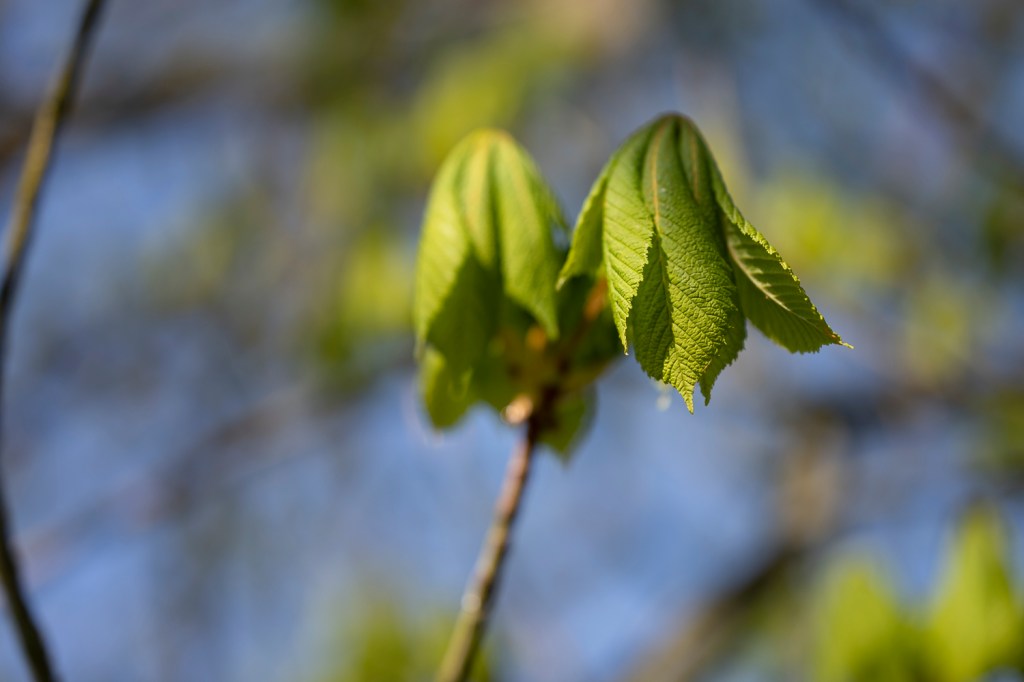
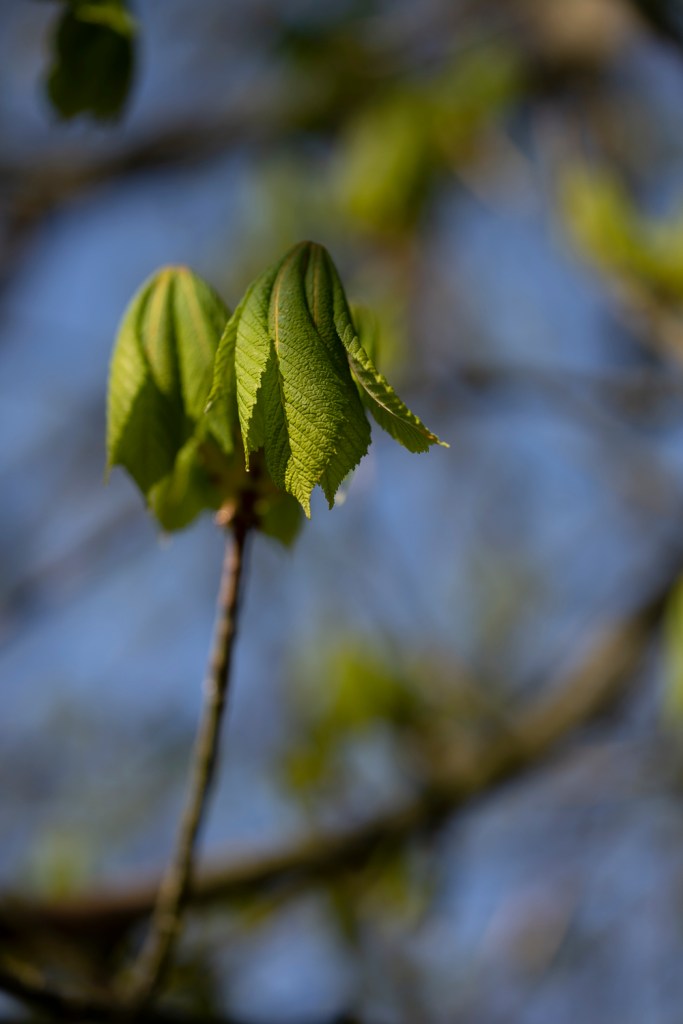
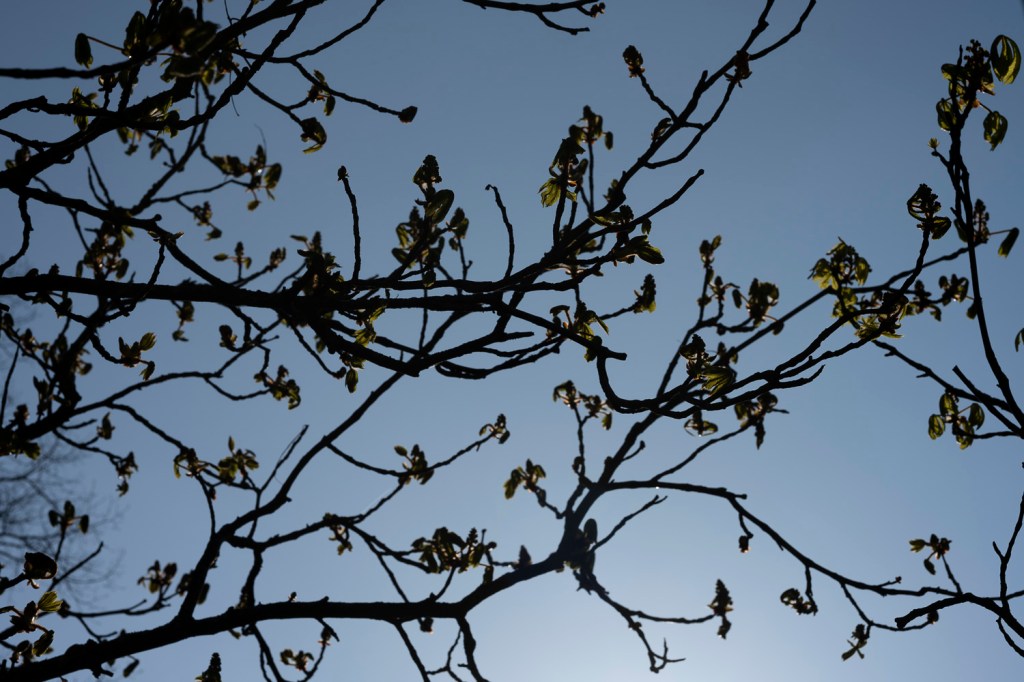
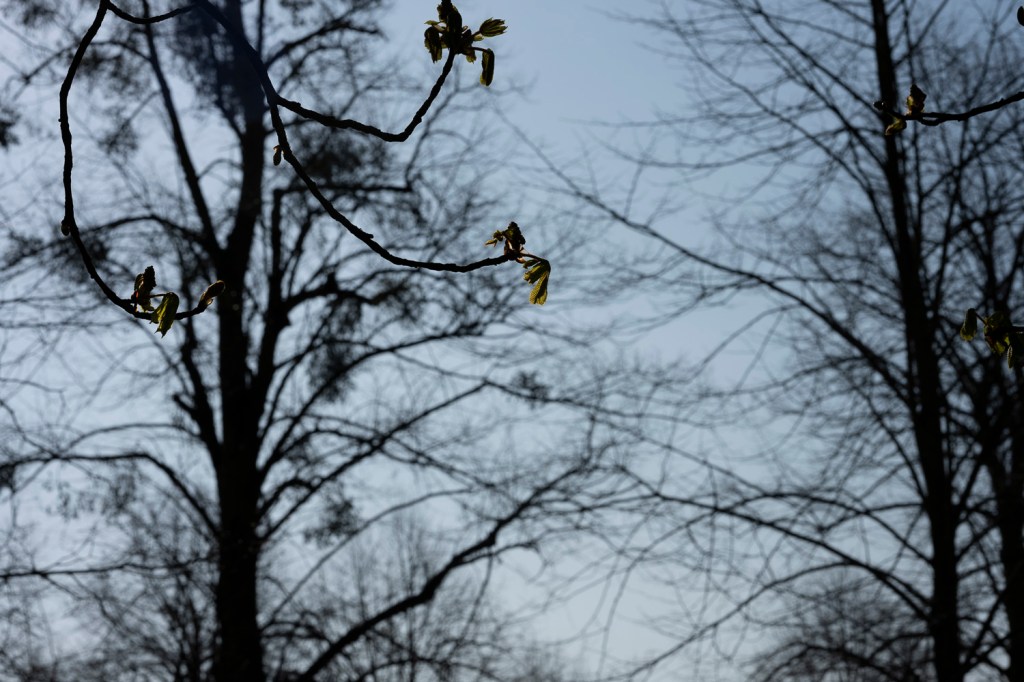
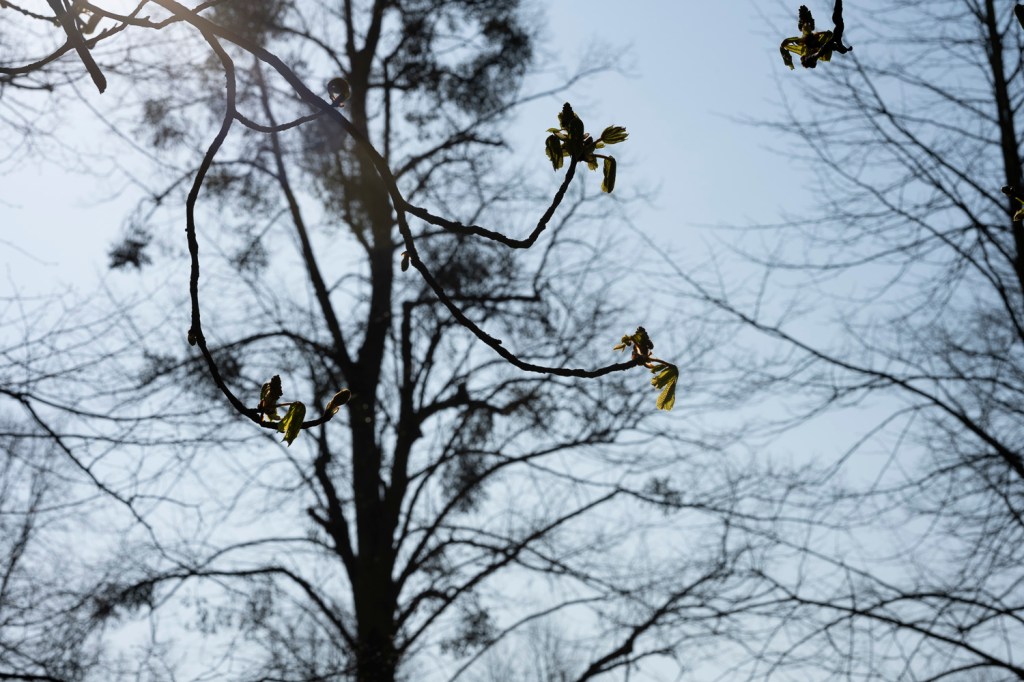
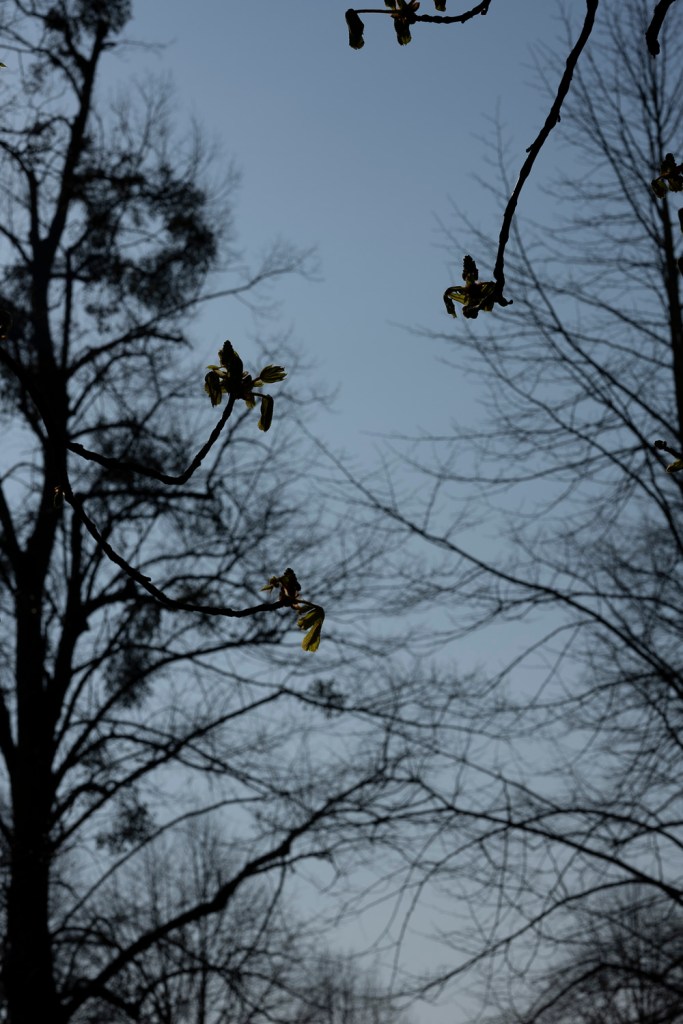
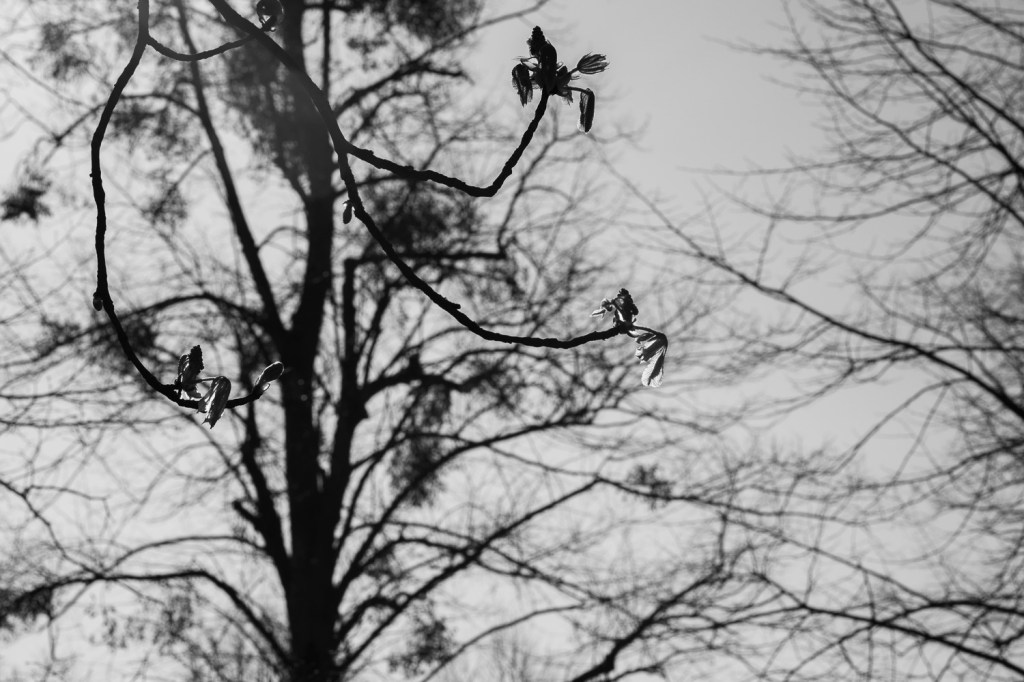
What I had started noticing instead was how the leaves of these Horse Chestnut trees while they were growing from their buds. They looked so frail and fragile, like a baby animal.

I then took the following images of the Horse Chestnuts with the Lime trees behind. The Limes had yet to start growing their leaves, so give an interesting backdrop.

I tried the following Black & White conversion with a compositional crop to compare with the original colour image.

Not perfect, but something’s ocurring.

Categories
AGM92 Books and Publications Module Details

AGM92 Books and Publications Schedule

The following is the schedule for the AGM92 Books and Publications module.

Week 39: Monday 19 April 2021

Wednesday 21 April 2 pm to 5.30 pm (Microsoft Teams)

Introduction to the Module

3.30 pm to 5.30 pm – students present publication proposals for the module

Week 40: Monday 26 April 2021

Wednesday 28 April 11.30 am to 1 pm Edward Street 305

The Photography Book as Montage

Week 41: Monday 3 May 2021

Wednesday 5 May 11.30 am to 1 pm Edward Street 305

Tactile Objects

Week 43: Monday 17 May 2021

Wednesday 19 May 11.30 am to 1 pm Edward Street 305

The Prismatic Fringes of the Photographic Book

Week 46: Monday 7 June 2021

Wednesday 9 June 11.30 am to 1 pm Edward Street 305

Dematerialising the Photographic Book

Week 47: Monday 13 June 2021

Tuesday 15 June 10 am to 1 pm (Microsoft Teams)

Bookbinding demonstration with Stewart Graham-Hyde (Highdown Bindery)

Week 48: Monday 21 June

Thursday 24 June 10 am to 12 pm (Microsoft Teams)

Studio visit to The Everyday Press (http://theeverydaypress.net)

Week 49: Monday 28 June 2021

Wednesday 30 June 2 pm to 5 pm Edward Street 305

Book project tutorials with Arnaud Desjandin (The Everyday Press)

Categories
AGM64 Photography Research Project Stage 2 Posts

AGM64 Bushy Park 19 March 2021

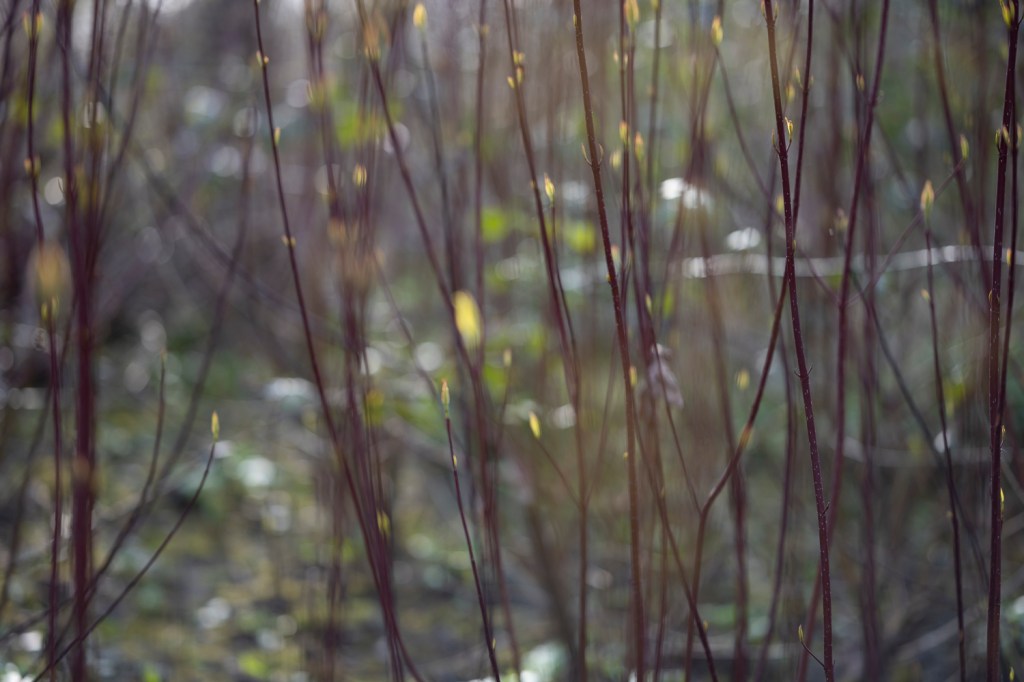
At this stage of the course, I was focusing on other modules and being distracted by life in general. While awaiting for this module to commence, I took a visit to Bushy Park on 19 March where it was a treat to see signs of new life. Also, it was interesting seeing how the light and conditions were changing with the move from winter to spring.

The other challenge I set myself was to solely use the 85mm lens.

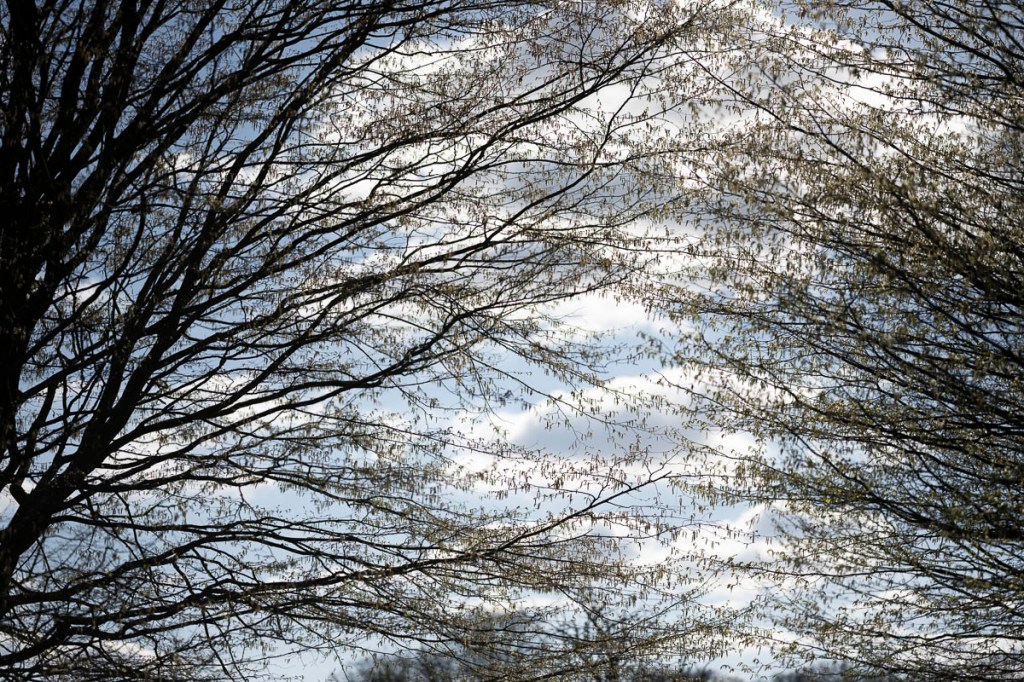
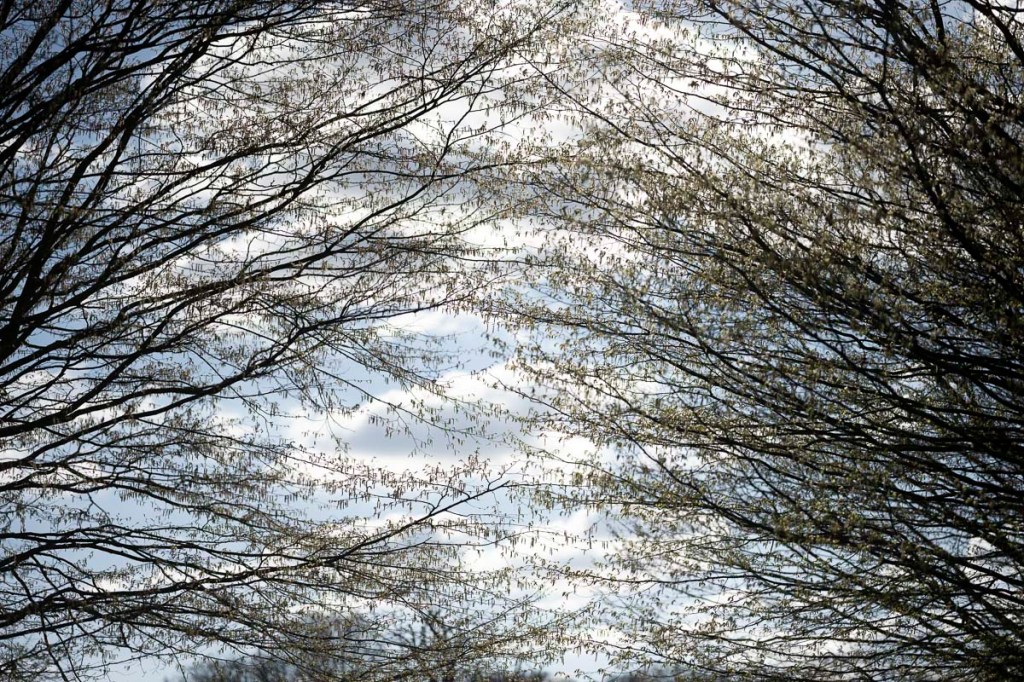
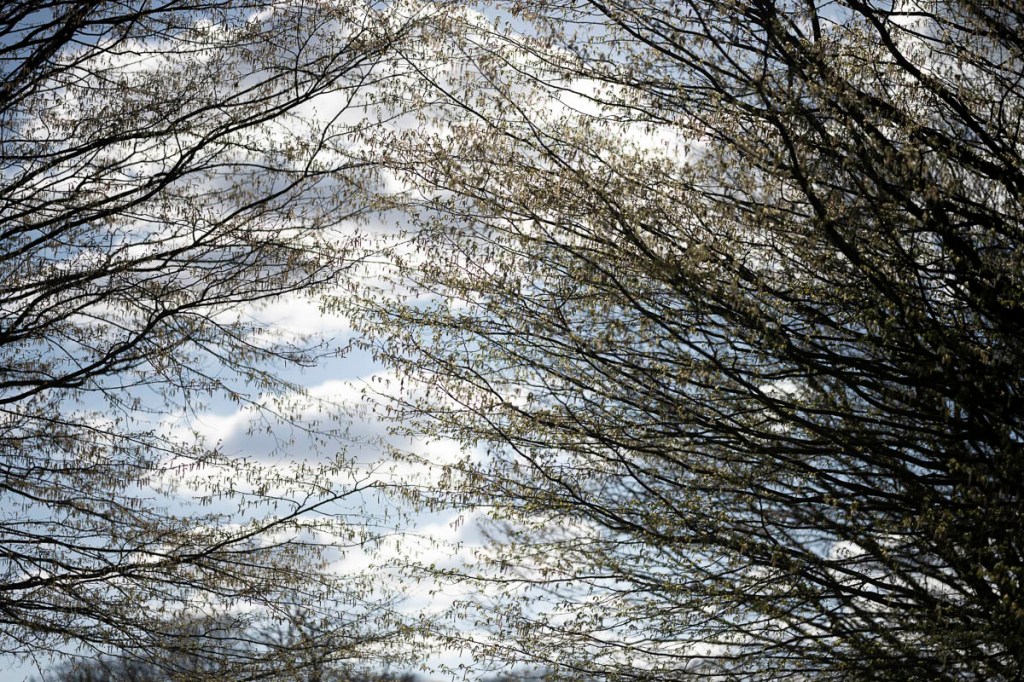
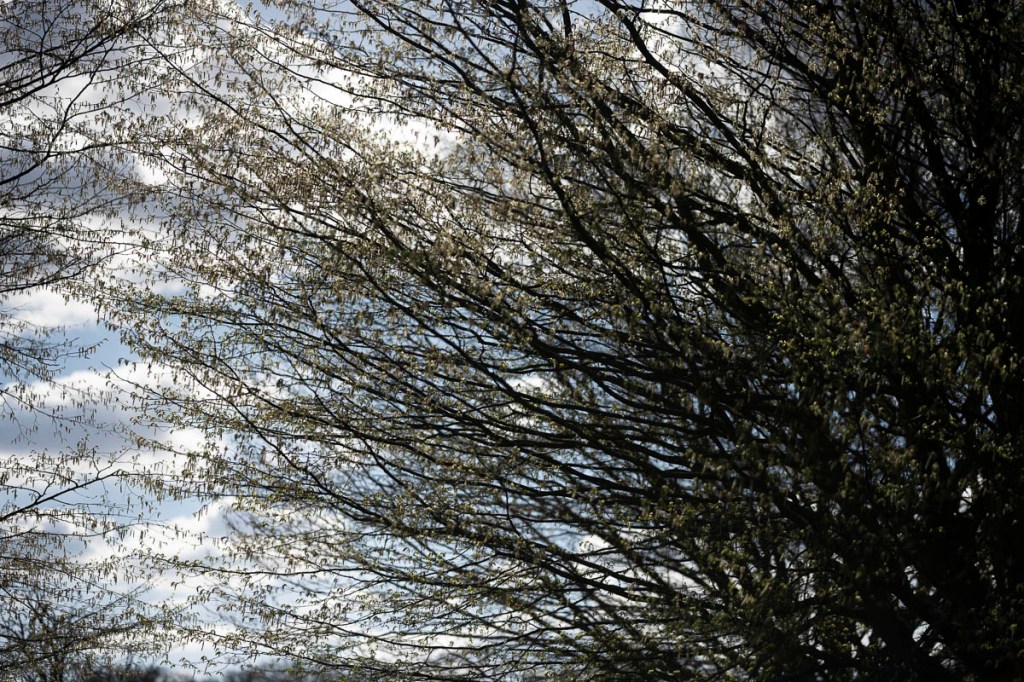
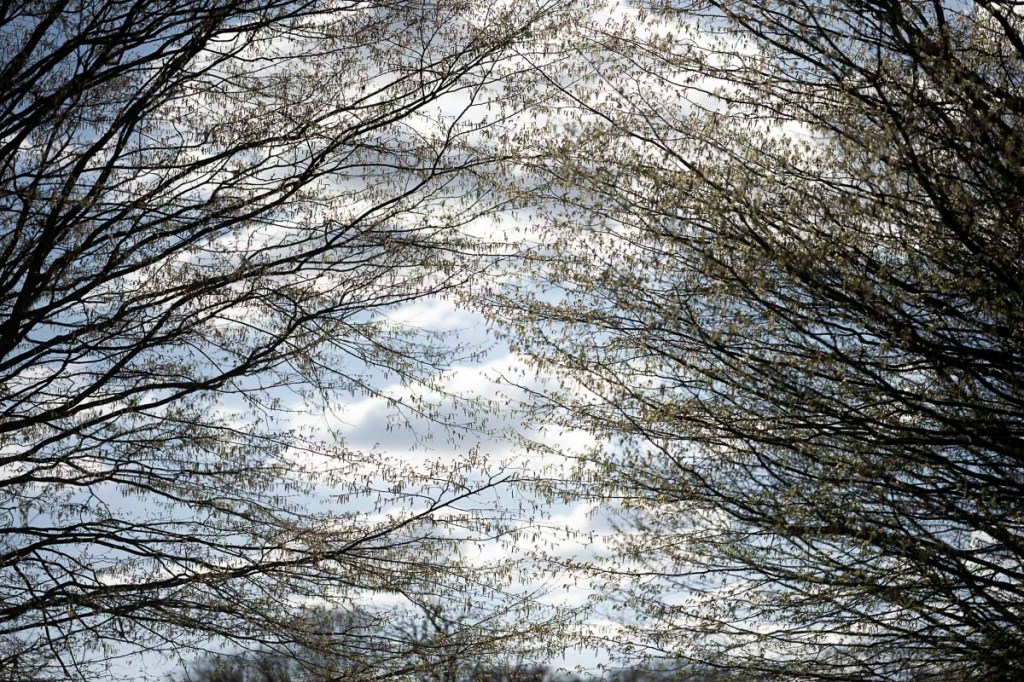
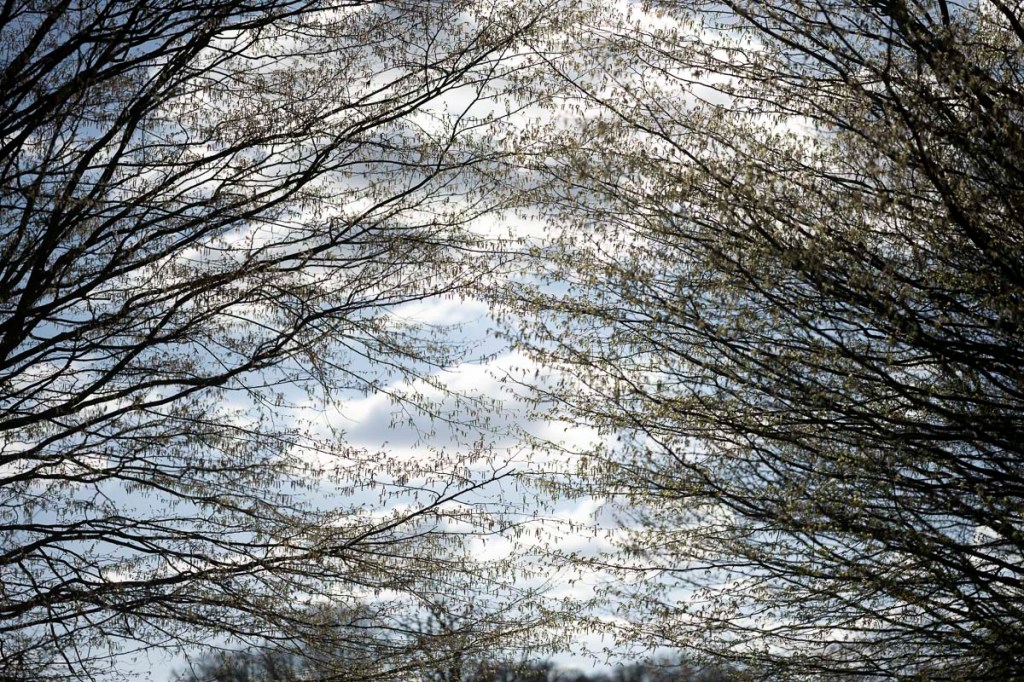
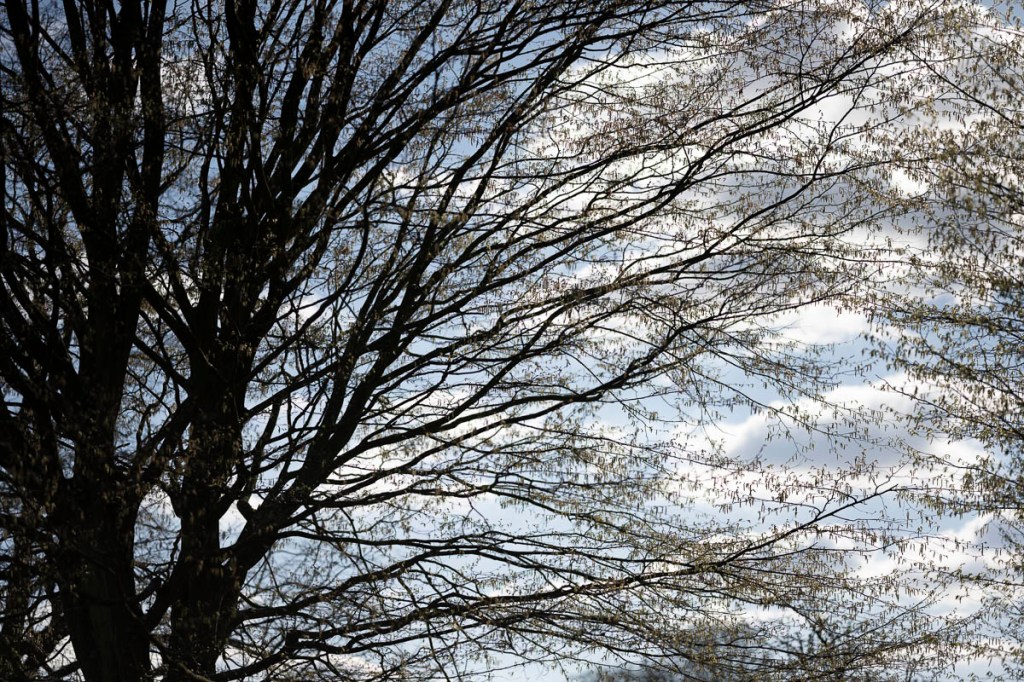
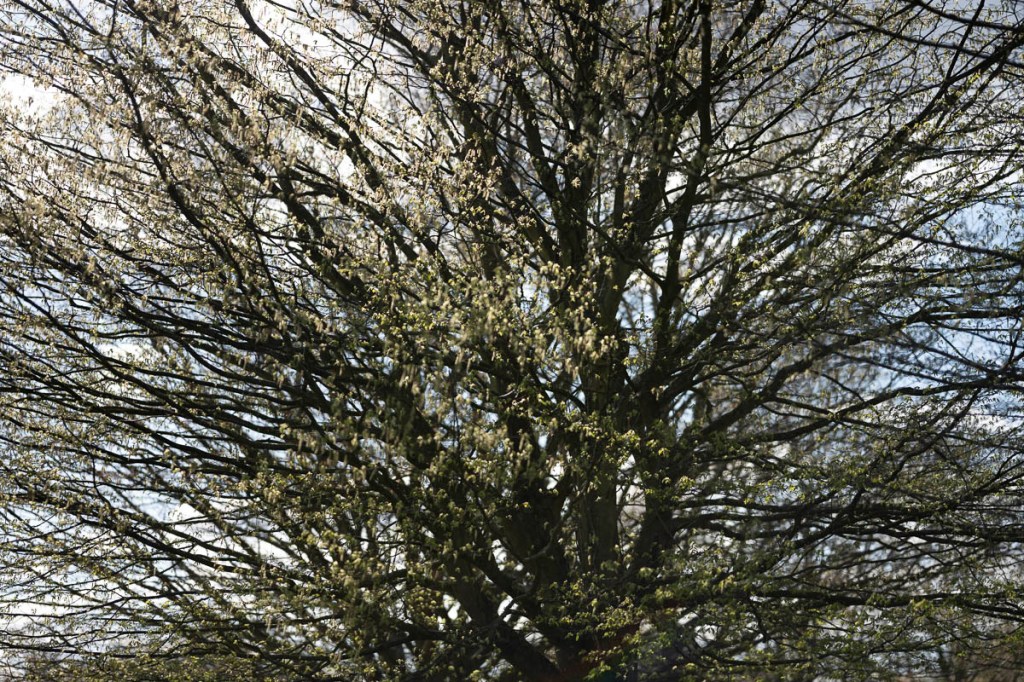
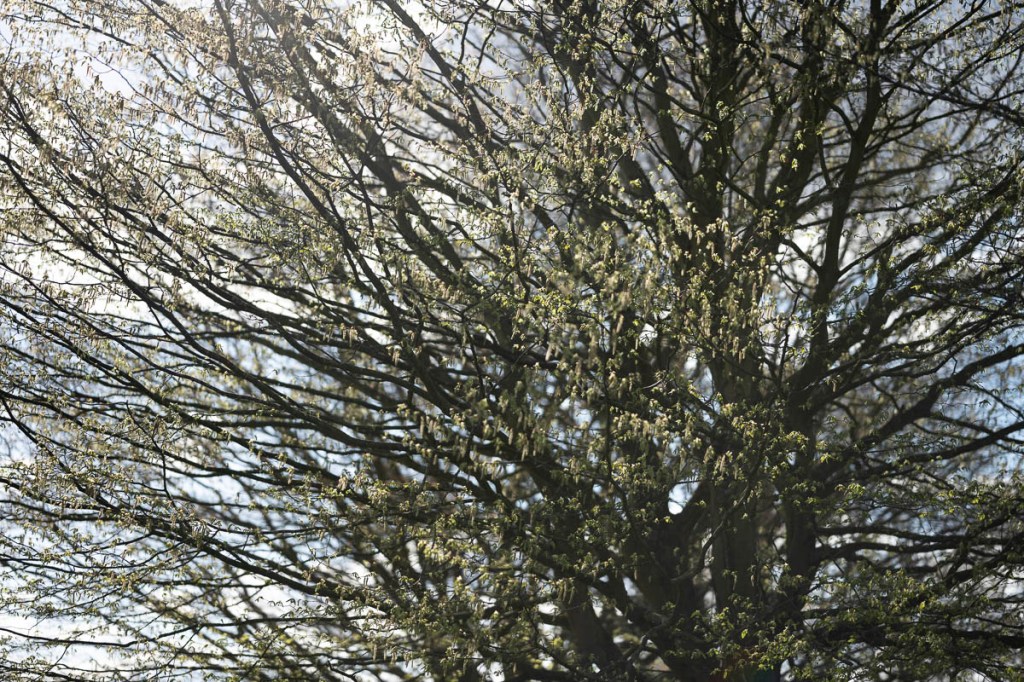
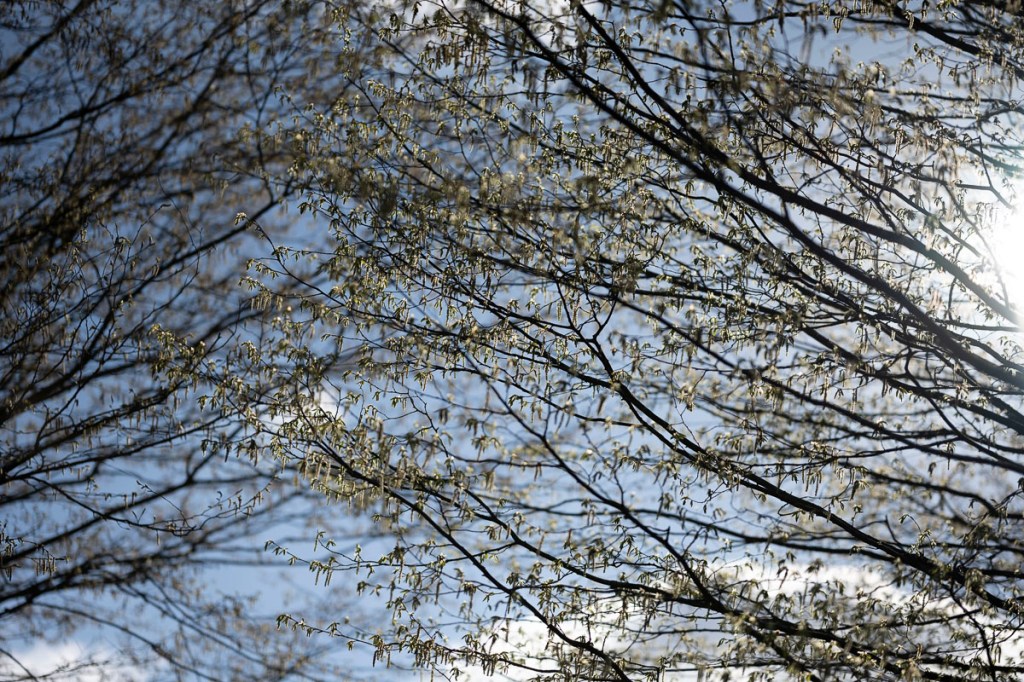
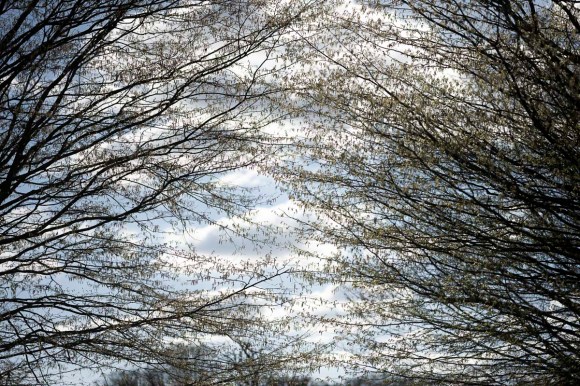
My first observation was of these trees and the cloud behind. I took a sequence of images going from left to right.

What struck me about these images was the texture of the clourds in combingation with the the branches and catkins.

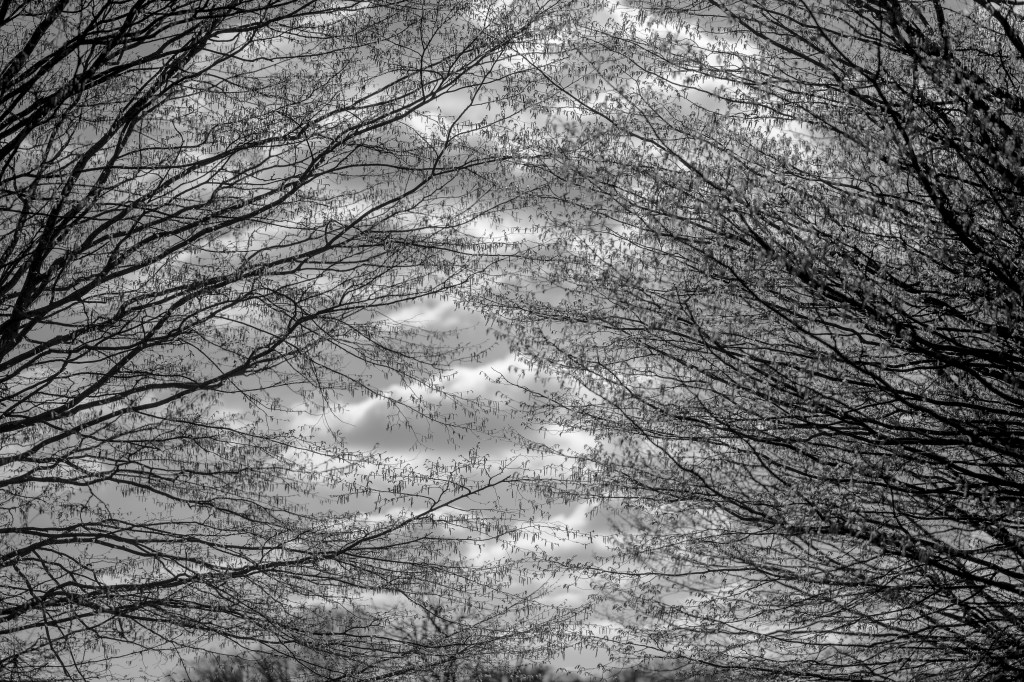
When editing these images later in the day, I initially tried a Black & White conversion.

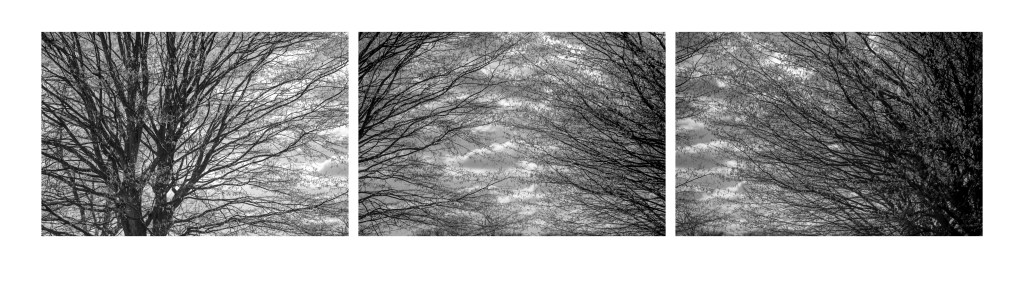
In then coverted other images and created the following triptych.

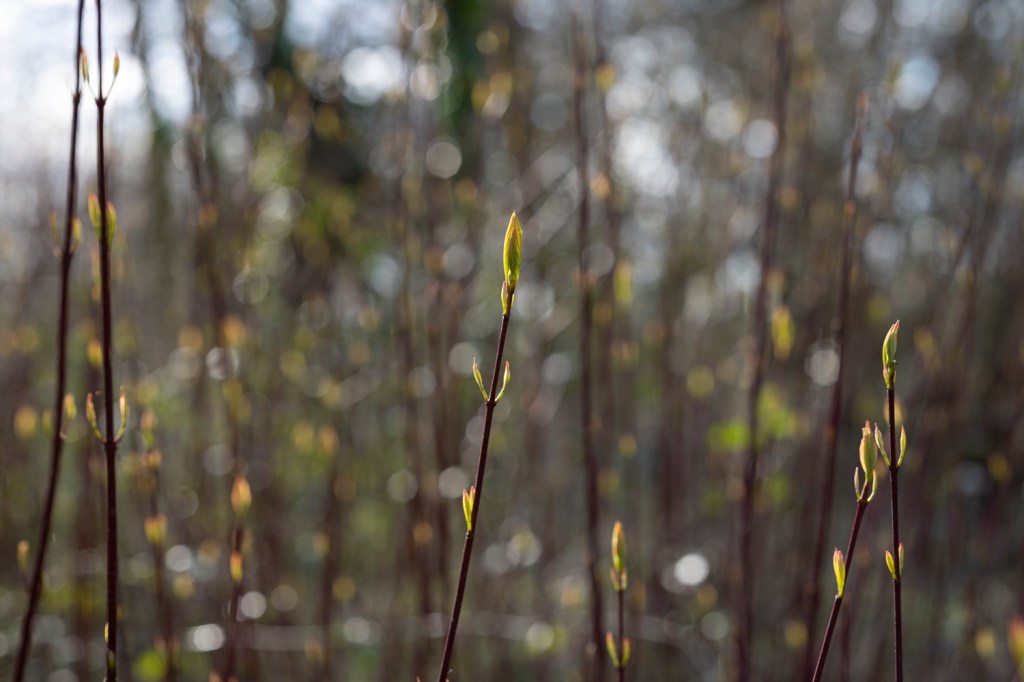
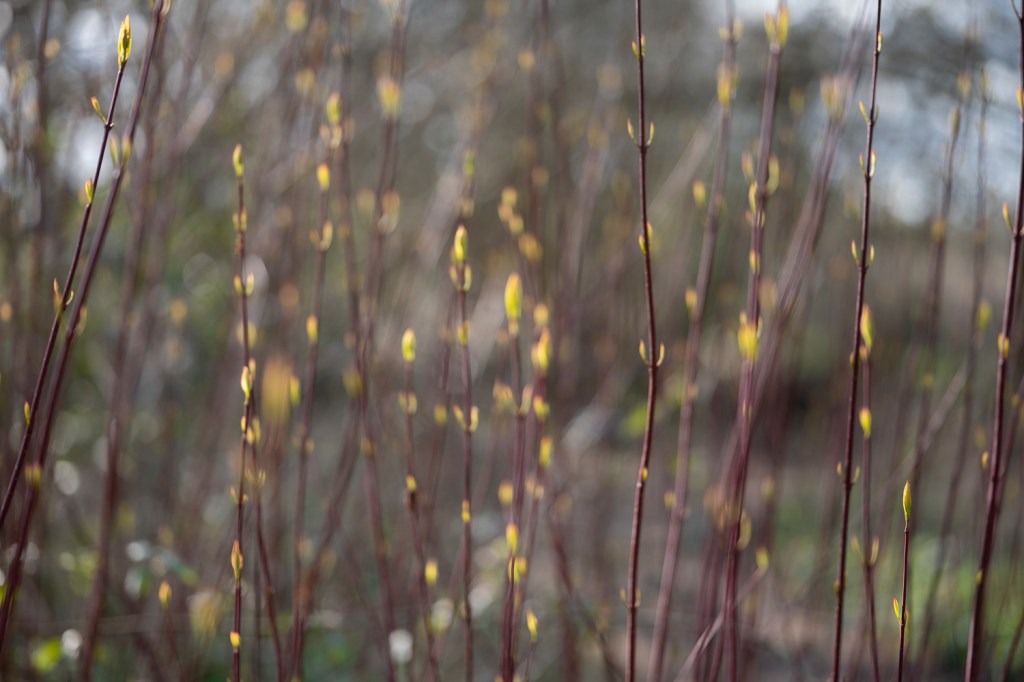
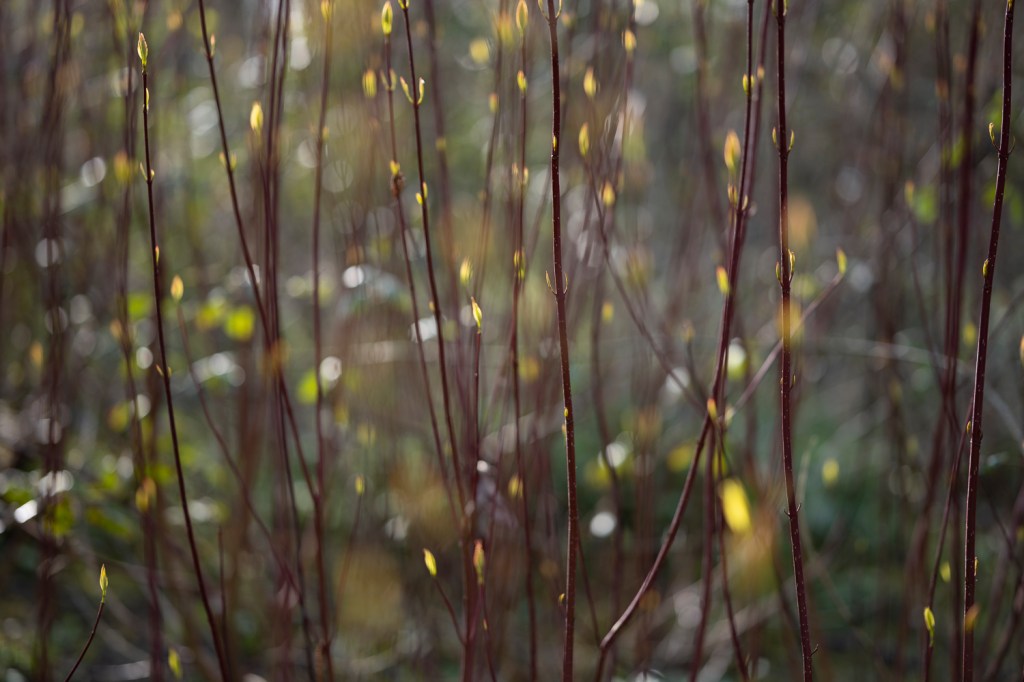
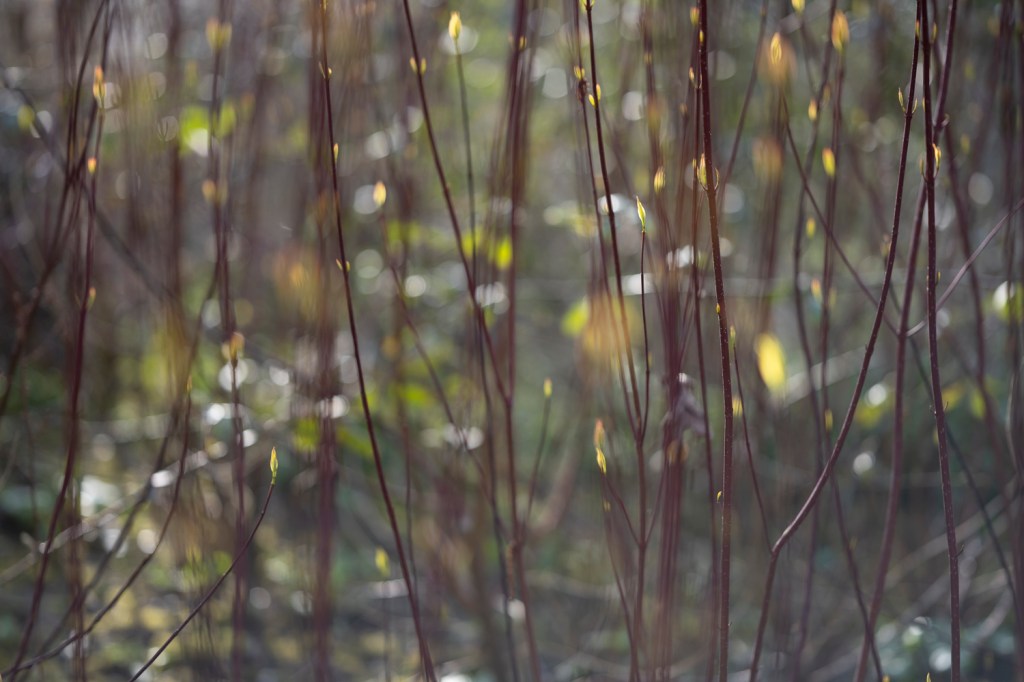
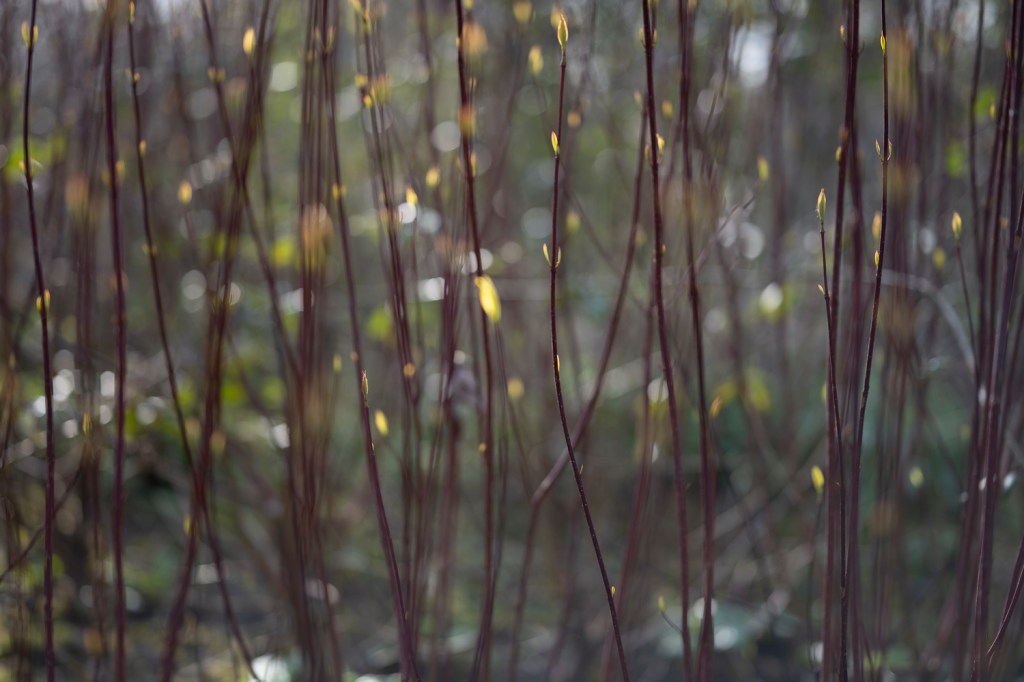
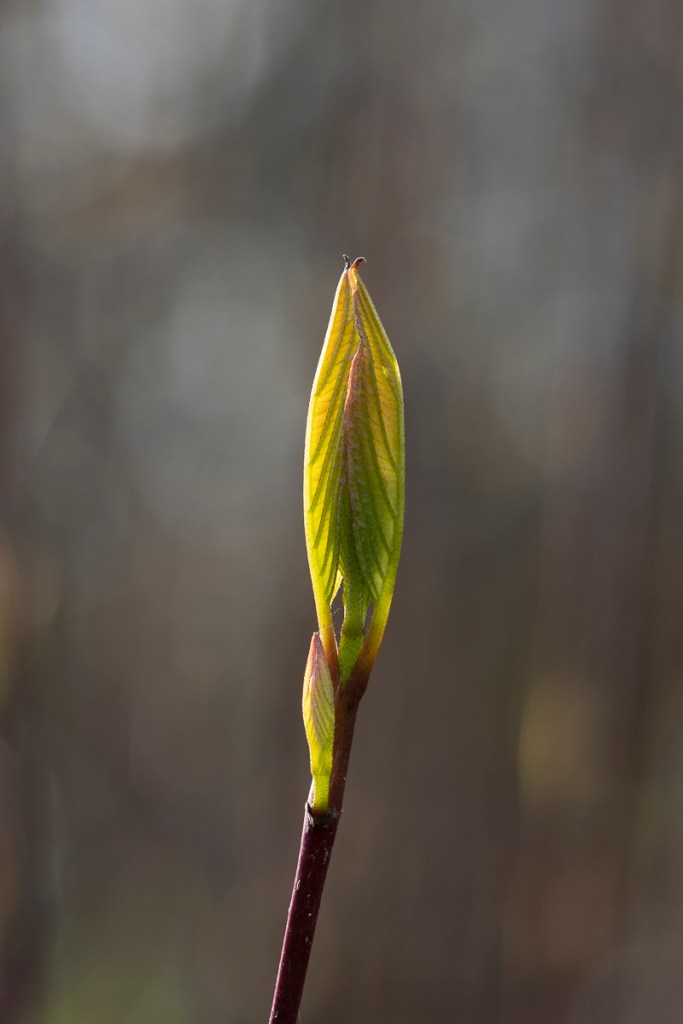
I then walked through the Woodland Gardens. The sunlight was beautifully playing with the newly sprouting leaves on a plant I would usually just pass by.

I also challenged myself to take the following close-up. I was quite taken aback by the details I captured.

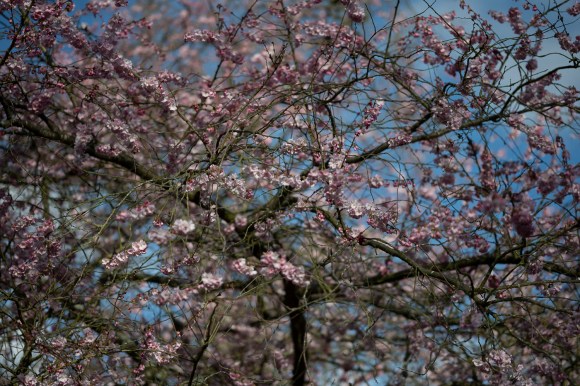
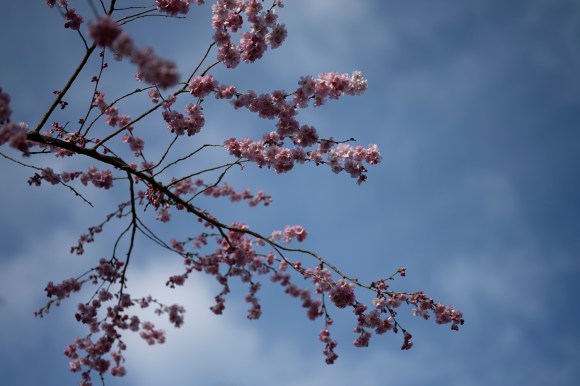
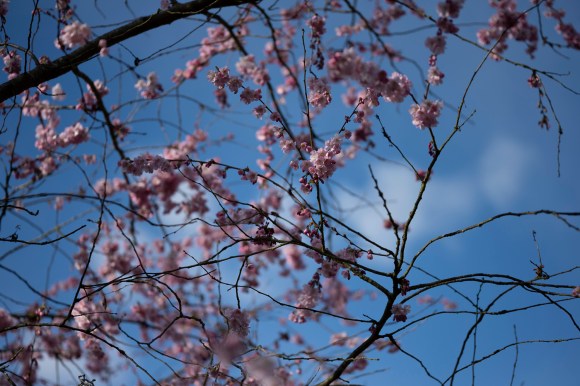
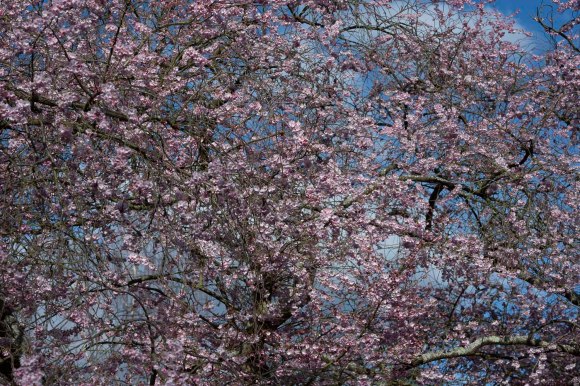
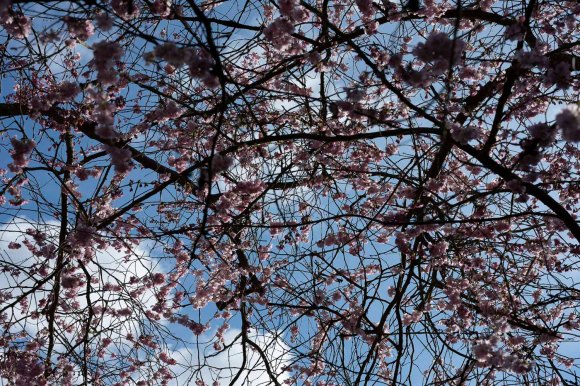
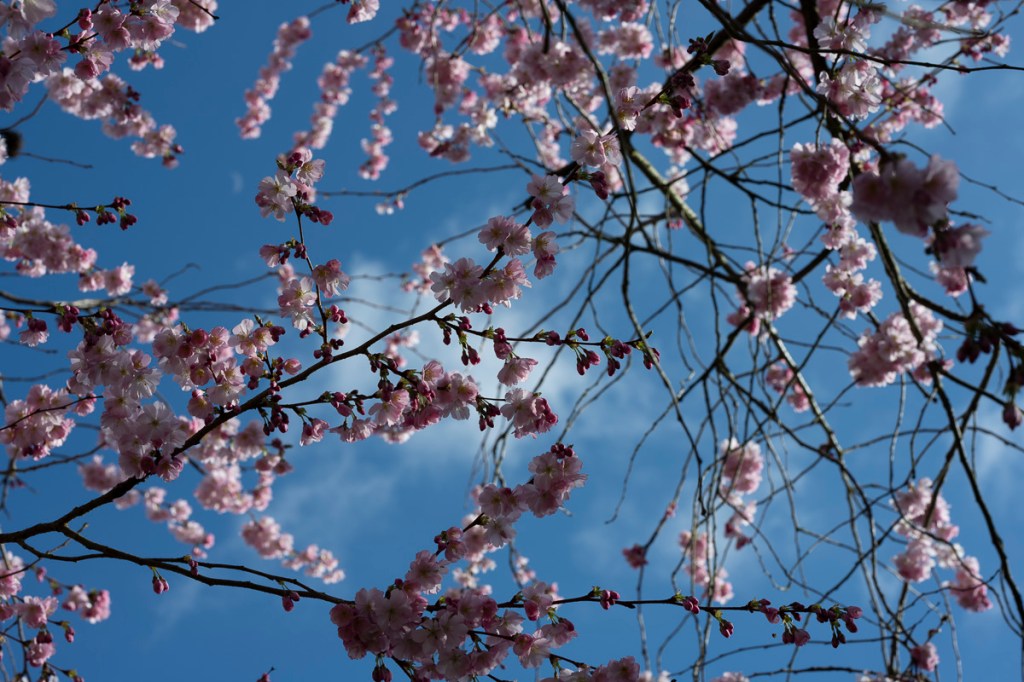
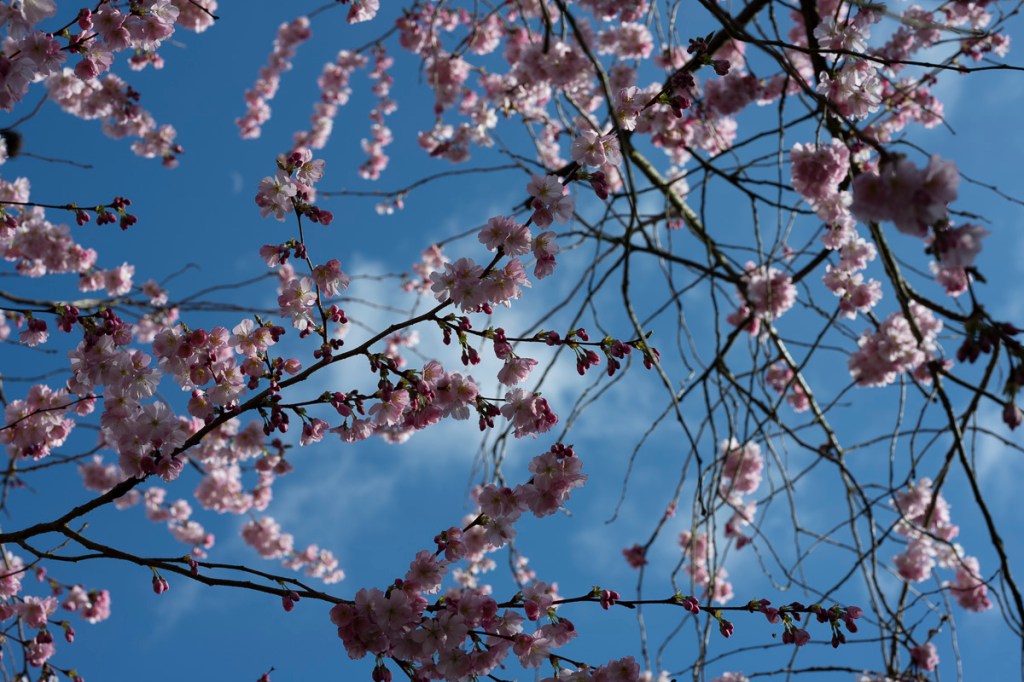
Also in abundance were the cherry blossoms.

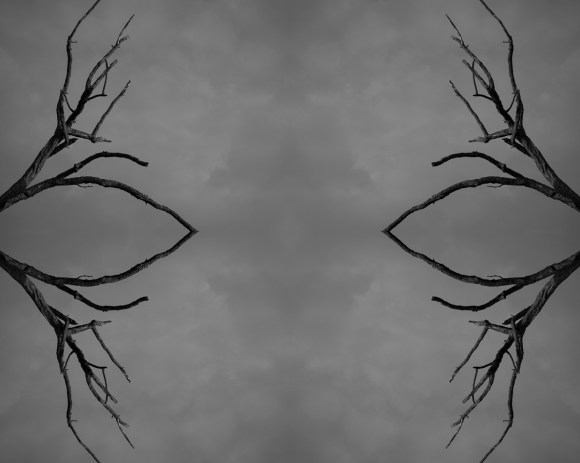
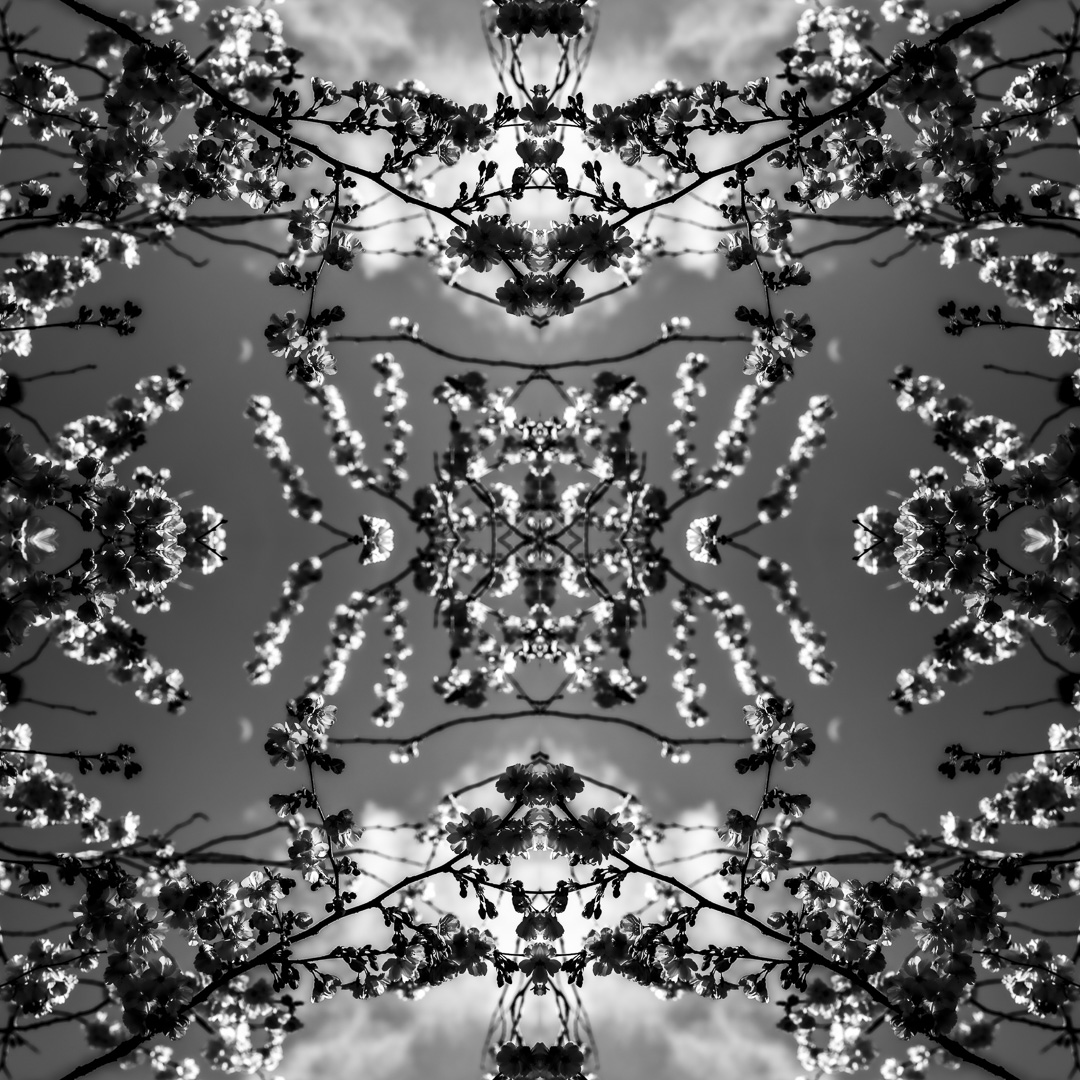
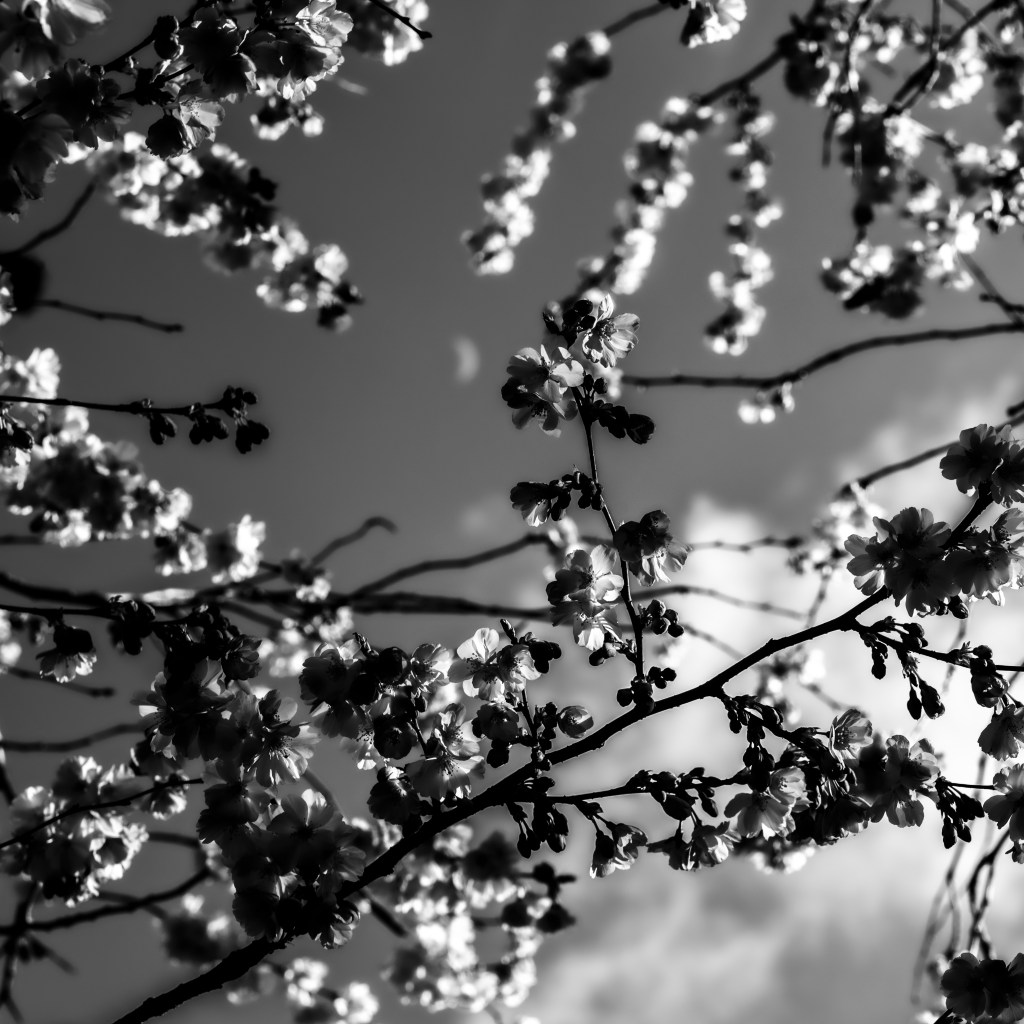
To see what would happen, I selected the following image then made a Black & White version which was cropped 1:1.

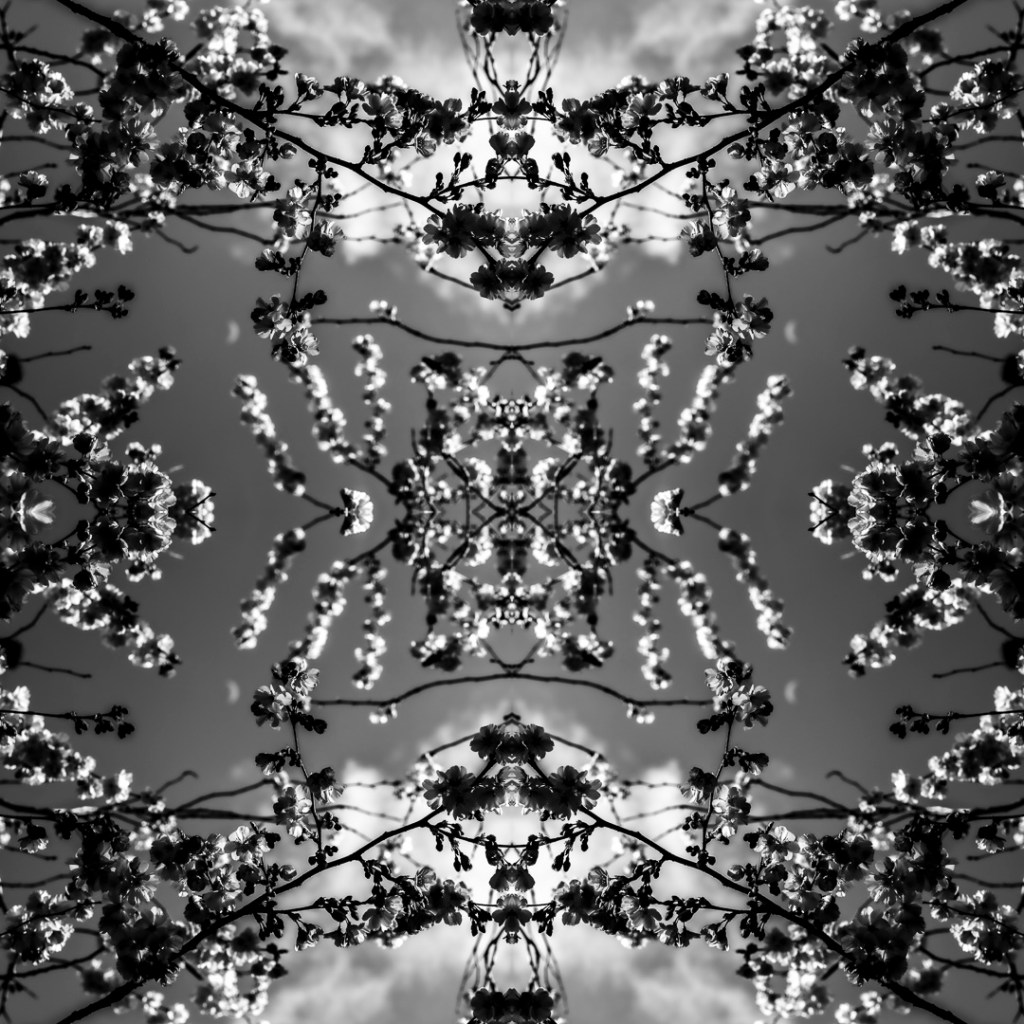
I then created a mirrored & quartered version.

Am quite liking this particular effect. I will certainly be trying a test print on Fine Art paper of this image.

Categories
AGM59 Professional Development Posts

AGM59 Scoping Art Photography Websites 10 March 2021

The following is a guide that was outlined and explained by Eva Bensasson in the art photography website seminar held on 10 March 2021. This is a reference so I can start the process of revising my existing website: http://www.jenniemeadows.com.

At the start of the process, the main questions to ask myself and forumlate an answer to are:

  • What kind of website suits my practice?
  • What’s the scale/context of my website?

After this initial work, I will look at other practioners’ websites. This is vital to the process in order to:

  1. Clarify what it is I want to do
  2. Avoid obvious mistakes

As Eva explained, these are the first stages when either creating a new photography-based website or revising my existing one. I need to have in mind the following aspects when doing so:

  • Consider how the websites are structured and presented.
  • What choices have been made for the visual layouts, terminology and navigation?
  • What do I think works well?
  • What could be improved?
  • Does the artist have a social media presence and if so how is this incorporated, or not?
  • Consider who I think this website is aimed at; this may not be obvious, consider what might mark a successful interaction e.g. reaching a certain page, downloading a pdf, dwell time, a commercial transaction.

Elements to look at are:

  • Structure
  • Style
  • Wording

Ask myself the following questions:

How is the work represented?

  • Consider the relationship of text to image, does one overshadow the other?
  • How is the meta-information about the images presented in each case?
  • Where the photograph/artwork exists as a physical object, how is this physicality communicated?

Cross-platform? How do all these websites perform on phones and tablets? Over half of your visitors may be viewing my site from one of these platforms yet so many of the sites below are not responsive.

URLs
Look at the web addresses above. What are the patterns in the names and domains chosen?

How is the home page structured / what’s on it?
Examples for discussion:

What navigation (functionality, structure, wording, terminology – how much is there)?
See also how bodies of photographic practice are presented (as series, within ‘work’, from the front page…). Examples for discussion:

The ‘About’ page
Do all the site on this page have one? What other terminology is used?
Examples for discussion:

How do I flag news?
Examples for discussion:

Selling your work via the website

Multiple professional identities?
Examples for discussion:

Photo books

Linking to/embedding/incorporating social media

Look at the journey from site to social media account, and vice versa. The list of social profiles could easily have been as long as this list of portfolio websites. The few below are for the purpose of starting discussion.

Twitter:

Tumblr: http://guillaumegreff.tumblr.com

Medium: @jamesbridle

‘Special’ features/offer? e.g. pdf download

One page websites
Examples for discussion:

Other examples:


Changes to concept of the ‘online exhibition’ after Covid-19 lockdowns – some examples of how this has been interpreted

A bit of history… online artists’ projects and net.art

Other resources

http://graphpaperpress.com/blog/ten-common-mistakes-by-photographers-using-wordpress/

Categories
Uncategorized

AGM59 Art Photography Websites 10 March 2021

On Wednesday 10 March 2021, the class had a seminar focusing on websites that represent photographic and other visual practitioners.

The following is an adaptation of the presentation by Eva Benssasson, who is a photographic website specialist. This is so I can processs then follow the guidance and advice given during this seminar in regards to my own website.

The aim of this module is to make or review my own website, and to consider how it:

  • Suits my photographic practice (look and feel mood)
  • Easy to use (usability, even if my idea is to create an off-piste user journey)
  • Functions – what interactive elements are needed (functionality – slide shows, embedded videos, social media widgets, etc)

And to ensure that I am aware of the following:

  • My website’s audience
  • My website’s aims/KPI (Key Performance Indicators)
  • My industry’s terminology, standards, and best practice
  • Making a website is an ongoing process:
    • Iterative
    • ‘Unfinished’
    • Subject to review

Planning My Website (or reviewing my existing site)

Scoping the Field

  • Consider how the websites are structured and presented
  • What choices have been made for the visual layouts, terminology, and navigation?
  • What do I think works well?
  • What could be improved?
  • Does the artist have a social media presence and if so how is this incorporated, or not?
  • Consider who I think this website is aimed at:
    • This may not be obvious, consider what might mark a successful interaction e.g. reaching a certain page, downloading a pdf, dwell time, a commercial transaction.

Further advice on how I can do this has been outlined in this additional post:

Planning – Sitemap

For planning, a sitemap is often made as a spider diagram or a tree diagram.

Planning – Wireframe

The purpose of wireframes is to determine the structure and functionality of the web pages they depict, for example how many elements on the page, where will the navigation be. For this reason, wireframes are usually skeletal and lack colour or style, which is added later after the structure has been determined.

  • Make by hand
  • Or Coggle, Mockingbird, or others.
  • Adaptive/responsive? (how will it show for smartphones and mobile devices)

Actions

  • Sketch out website.
    • Be selective
    • What do I want my site to ‘be’?
    • What specific functionality do I want?
    • What is most important?
    • What is my ‘trade-off’?
    • What is the best fit for me ideas?
  • Create ‘wireframe’.
  • Check costs
    • £218pa on Squarespace for Business subscription

Building

  • Website Builders / Content Management Systems
    • pros, cons, who would benefit
    • what to look out for All-in-One solutions

There are many ‘automatic’ ways of generating a website from templates, which I can then customise with your own content, look, and feel. These ‘website builders’ are effectively Content Management Systems (CMSs).

They are web pages effectively generated by a database, but in most cases, this is simplified so I don’t need to know much about the backend after I’ve set it up.

Factors I need to balance include:

  • My existing technical skills or ability to learn, and the time you are willing and able to invest.
  • Cost: looking both at one-off costs and recurring costs. It can be difficult to compare CMS costs as some are monthly, others yearly. It’s worth reading the small print and getting the calculator out.
  • What’s most important?
  • Each ‘ready-made’ template performs differently on elements of the look and functionality.
    • Which are the elements most important for me?
    • How best can I deliver these?
    • I am NOT a professional website developer – decide in advance what my priorities are.

These are just some of the many website builders available on the market. Each has its own set of pros and cons.

WordPress

Home

http://wordpress.com

One of the most widespread website content management systems (CMS) being used today. Open source with many templates (themes) available. Can either be hosted on the cloud (wordpress.com) or downloaded as a zip file (from wordpress.org) and uploaded onto your own server. Either version works, with different pros and cons.

Understanding the difference between wordpress.org and wordpress.com

Started with, and still often used for, blogs, but also used behind the scenes for many other kinds of websites.

Squarespace

http://www.squarespace.com

Adobe Portfolio

https://portfolio.adobe.com

Examples

Format

https://www.format.com

Wix

http://www.wix.com

Cargo (formerly Cargo Collective)

https://cargo.site/

clickpic

http://www.clikpic.com

zenfolio

http://www.zenfolio.com

PhotoShelter

http://www.photoshelter.com

Weebly

http://www.weebly.com

Carbonmade

http://carbonmade.com

Indexhibit

http://www.indexhibit.org

useful info: How to install and use Indexhibit [from http://digitalmediaassistant.files.wordpress.com%5D

Indexhibit’s own backend demo

A website with useful info

MODX

http://modx.com

One.com

https://www.one.com/en/websitebuilder

And there are MANY, many more.

  • Buying server space and installing my own CMS
    • pros, cons, who would benefit
  • Which host and which domain name registrar?
  • How to compare services?
    • Work out a common measure by which to compare them, e.g. monthly or yearly price, including VAT.
    • Compare what I get for my money – including support (is the support number a free rate or local rate number?).
    • If I’ve decided on how I want to make my site, I could also see who would provide the best support. For example, many hosts provide 1-click installs of WordPress / indexhibit, but you need to decide whether this is essential or a nice extra, as I can also install these without this service.
  • Web Hosts: What to consider
  • There are very many registrars and web hosts out there.
    • Consider cost and ease of use, relative to your technical skills and time available.
    • Factor in the cost of technical support.
    • To help compare, work out what my monthly cost is for each, averaged over the year, after VAT.
  • What kind of support do they offer: wiki, tutorials, email, ticketed, phone, live chat? How quickly do they respond to questions.
  • What kind of control panel do they have? cPanel, which is very common, is useful but very ugly. Look for a host who might offer something clear and customized for the user.
  • Ask friends and colleagues about their own experiences, as well.
  • Databases should not cost extra – I should get more than one as part of the package. Nearly all webhosts offer more bandwidth and space than you will need so it’s not much of an issue.
  • Some platforms require a particular server type (e.g. Indexhibit requires a Linux/Apache server). If you know what you’ll be using in advance, make sure I don’t go with a Microsoft server
  • If I’ve first done your planning and decided how I’d like my website to look (overall visual look and feel, and the number and wording of navigation items) I can then look for the template which best fits my vision, rather than shaping your vision around the templates available – or being ‘wow’ed’ by a template which doesn’t work with my content.
  • What email provision is there (custom email addresses, how many email addresses, what’s the online webmail like)
  • Is there a limit on traffic, on size, on downloads?
  • Can I have subdomains? e.g. blog.myaddress.com
  • What’s the control panel like? cPanel, Plesk, custom made?
  • Cost should not be my primary concern if I am looking for a hosted solution. Free can be unstable or contain advertising. Very cheap, is often over sold and can make my website very slow. Rather than starting by deciding I want the cheapest possible, decide what I am prepared to spend and see who out there offers the best deal for my money.
  • Can I start with a cheaper package and easily upgrade to a more expensive one that offers more services later?
  • What is a control panel?
    • The means by which I can administer my website. This is supplied by the web host and the level of service can vary. At a bare minimum, I should be able to access your FTP (make usernames and passwords), my databases (if I’ve chosen a package that has one) and billing information. But some hosts offer some extra, very useful features.
  • Some hosts offer 1 click installs for WordPress, Indexhibit or other CMSs. This might suit you if you want the flexibility of going for a hosted solution, but are feeling nervous about the logistics of setting up your CMS.

Testing, Promoting, Revising

Usability

  • Heatmaps and recordings, eg Hotjar (see free personal account)
  • Ask five friends to check the site before shouting to the world

SEO

  • Making sure my website can be found – search engine optimisation (SEO)

Analytics

  • Google analytics
  • google.com/webmasters
  • Google’s keyword planner tool
  • Social media (hootsuite , etc)

Accessibility

Although government legislation only covers public bodies (including schools and universities), it is not only the ‘right thing to do’ to make your website accessible, it will also help both with SEO and draw users to your site.

Accessibility is for everyone. Some dos and don’ts:

Categories
AGM59 Professional Development Posts

AGM59 Assessment Tasks Outline and Advice 3 March 2021

During the session on 3 March 2021 our tutor, Rachel, went through a presentation outlining the two tasks for the module. The following is an adaptation of that presentation for my reference.

Note to self – examples of other photographer’s websites and elements to be considered for this module are featured within the original presentation.

Task 1

A Professional Portfolio presented on a website to include as appropriate elements from among the following:

  • Artist’s statement
  • Biography
  • C.V.
  • Bodies of photographic work appropriately captioned or annotated
  • Textual information on any relevant technical details and material qualities of work
  • Any relevant web links to social media use, exhibitions or publications as appropriate

80% (LO2, LO4)

Task 2

A report on the online portfolio articulating the professional strategy, principles underlying the organisation of the material, the design and intended audience (1500 words).


20% (LO1, LO3)

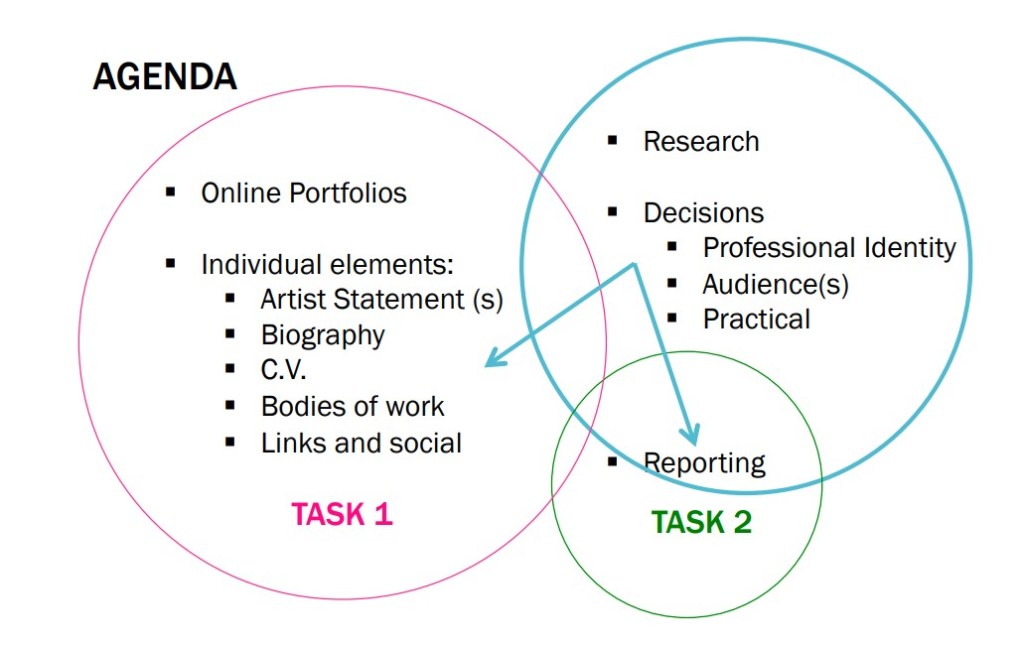
The following diagram highlights how the two tasks work in relation to each other.

Online Portfolios

There is no doubt that it an industry standard to be able to be ‘found’ online, but this can take different forms (including multiple platforms, such as static/social/represented.). There are many different ways to showcase my work online.

  • In general, online portfolios are types of websites, and they can be realised in different ways according to:
  • My (intended) professional profile
  • My audience(s)
  • Practical reasons (bandwidth, technical skills, finance etc.)

My current online presence is through my website: http://www.jenniemeadows.com. This was set up in 2016 and the details of its creation and realisation can be read here:

Unit 4: Pt 7 Web Presence & Portfolio Ts 3 & 4 LOs 3.1, 3.2 & 3.3, 4.1 & 4.2

I will revisit these details then analyse my site to see how it can be improved after the following sessions.

10 March 2021 2pm – 5pm: Eva Bensasson – Websites for Photographic Practices

  • Research / Scoping the Field
  • Planning your website

17 March 2021 2pm to 5pm: Seán Birnie – Building Websites using Online Platforms

  • Introduction to easy-to-use options for building a site
  • Practical overview on how they work

This will be covered in a separate post (add link when done).

First Thoughts

My website is my representation when I cannot be there. It is a projection of ‘me’.

Be professional and act professionally.

What is the purpose of my website? (this will inform decisions on every element.)

Is it to:

  • Showcase your work?
  • Sell your work?
  • Offer other services (teaching, writing, assisting etc.)

At the time of writing, the purpose of my website is to showcase my work. I will not be actively selling my work through my website at this time. However, I will be considering my platform options to do this in the future. With my current website platform provider, Squarespace, there is an option to have direct sales. The other option is to sell through sales platforms, including Etsy and Saatchi Art.

Website Elements – Artist Statement

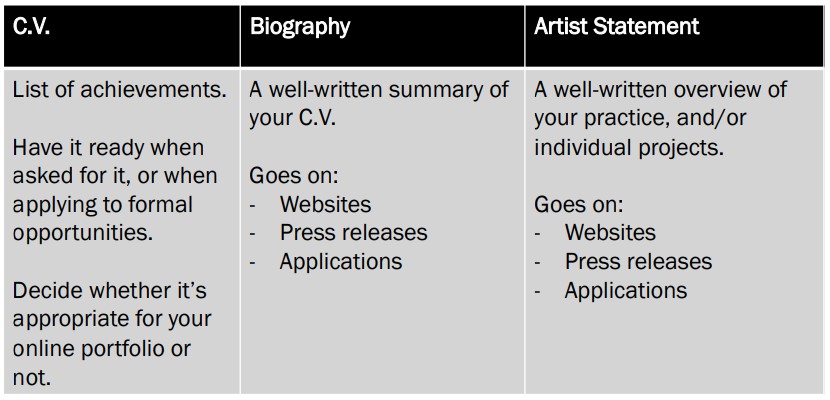
An artist statement is a description of myself as an artist/my practice.

The statement stands in for me when I can’t be there

An artist statement can also be a description of a specific body of work.

This statement stands in for me, talking about the work, when I can’t be there.

My online portfolio may contain a mix of both types.

Artist Statement Tips

The following is in relation to the mistakes I should avoid when applying to a photography grant, as advised by Photographic Museum of Humanity but can also apply to writing an Artist Statement.

When well written, an Artist Statement should show self-confidence and that I own my creative work. This will help viewers to engage with it and understand my perspective. I want the statement to be clear, accurate and synthetic.

Divide the text into clear paragraphs and start with a strong introduction. Always have a second pair of eyes to proofread your statement. You could also try a free app like Grammarly.

Artist Statements are:

  • Clear
  • Meaningful
  • Descriptive
  • Accurate
  • Fairly concise (150-500words)

Style:

  • Be honest
  • Try to capture my own speaking voice
  • Avoid repetition of phrases and words
  • Look for sentences that say the same thing I said before, but in a different way – choose the better of the two.
  • Vary sentence structure and length
  • The length of a sentence should relate to the complexity of the idea.
  • Organisation of detail is important – significant ideas should be at the end of each sentence for emphasis

Artist Statements can include:

  • Aims
  • Themes, concepts
  • Media and Materials
  • Processes
  • Rationale (of above)
  • Key Influences

Ask myself:

  • What am I trying to say in the work?
  • What influences my work?
  • How do my methods of working (techniques, style, formal decisions) support the content of my work?”
  • What are specific examples of this in my work?
  • Does this statement conjure up any images?

Artist Statements DO NOT include:

  • Biographical information
  • C.V. information
  • Contact information
  • Jargon

An Artist Statement is NOT:

  • A press release
  • Poetry or prose
  • Anecdotal

“Here are a few things an artist statement is NOT: a manifesto, an art history lecture, a story about discovering art, short fiction, self-psychoanalysis, a string of adjectives, a grand theory of everything you’ve ever made, or a list of your career accomplishments…”
(Francis Hodgson)

Artist Statement – Getting Started

Possible strategies:

  • Start with a list of adjectives
  • Record a conversation of you talking about your work to another person
  • Write a letter (you never have to send it!) explaining our work to your family/friend/other
  • It’s always easier to edit something that exists than start something new – so write something/anything and then revise it
  • Speak it out loud
  • Get others to read it
  • Look at my work while I write!


Very good article about writing artist statements:
https://www.redeye.org.uk/opinion/writing-about-your-photography

Very good examples of different length artist statements and bios available here:
https://www.gyst-ink.com/sample-artist-statements

Website Elements – Biography

An artist biography is a summary of my C.V. in sentence format. It is used to locate me – physically and intellectually.

“I am an X-based artist, who makes work about XYZ.”

It can include:

  • Education
  • Exhibitions and publications
  • Awards and achievements
  • An overview of your practice/yourself as an artist (one sentence!)
  • How you got from place to place.

“Since graduating with a BA(Hons) in Photography at the University of Brighton 2017, I have exhibited widely, including … XYZ.”

  • Biographies are short: 50-150 words
  • Biographies are factual
  • They can be written in the first or third person
  • “I am an artist…”“Jennie is an artist…”
  • Writing tip: It can be useful to write it in the third person, then change it to the first person for publishing.

Biographies DON’T include:

  • Jargon
  • Opinion

Very concise and clear article about writing biographies is here:
https://www.artquest.org.uk/how-to-articles/biography/

Website Elements – C.V.

A C.V. is a list of my achievements so far, and includes:

  • Contact information
  • Education
  • Relevant employment

An artist C.V. might include the following sections:

  • Artist Statement
  • Exhibitions (Solo and Group)
  • Publications
  • Commissions
  • Awards
  • Residencies

A C.V. should be:

  • 1-2 sides A4 max/or one web-page
  • Written in written reverse-chronologically
  • Kept up-to-date
  • Rearranged for different emphasis – e.g. when applying to different things (jobs, exhibitions, grants etc.)
  • Be downloadable/emailable version for someone to print out (make sure fonts are legible)

C.V.s don’t include images.

Further info: https://www.artquest.org.uk/how-to-articles/artist-cv/

Website Elements – Side-By-Side


Website Elements – Organisation

Biography / C.V. / Artist Statement
These elements tend to get grouped under one place on a website

ABOUT
CONTACT
BIO/C.V.

Bodies of Work

I need to work out how they might operate together.

One of the key parts of my online portfolio is to showcase my visual work.

  • It is common to group images for coherence.
  • This could be by project
  • It could be by theme (portraits, landscapes, commercial, fine art …etc.
  • I also need to decide how many images is appropriate for MY website.
  • e.g. Is a handful of representative images from a project, or most of them?

Bodies of Work’s Organisation

I must consider how other organise this part of their website:

  • Is there a menu item for each project?
  • Are projects/bodies of work curated under main headings?


A very practical thing to consider here might be how much work I have

  • What do I want to include?
  • What do I want to exclude?
  • Which images best serve my purpose of showcasing my work and my ability as a photographer/artist?

Image Annotation

Images should be annotated – elements of description include:

  • Name of the work
  • Date of creation

If relevant:

  • Name of the series it’s from
  • Materials/Duration
  • Size
  • Framing
  • Price
  • Edition

Other important information:

  • Name of author
  • Copyright assertions


For the purpose of my website, the above could be situated on the website somewhere to cover all images, which may be more appropriate than adding them to each image. (But it’s up to me).

Links & Social Media

It can be important to consider how my website/online portfolio works in the larger context of my other online media and platforms.

What information flows to my website, and out from, my website?

Consider use of Instagram, Twitter, Facebook, LinkedIn, Blogs, Specific exhibitions/other gallery websites, Source Graduate Online, mailing lists.

What’s the key use of each, and how might they augment my online profile overall?

I currently have a link to my Instagram account, on which I post finalised images and work-in-progress. I also post location images and if there is of anything of interest I want to share with my followers. I also have a LinkedIn profile. I also post occasional blog posts on my website that I share to Instagram (via my profile) and my LinkedIn feed.

I have recently read the chapter within Navigating the Art World: Professional Practice for the Early Career Artist that focuses on how to capture an audience by effectively using social media. The notes from this chapter can be accessed here:

AGM59 Notes on Effective Social Media 16 February 2021

Effective Use of Links & Social Media

Many are focused on interactive engagement so be careful to not just push stuff out – no one likes to be bombarded by info.

Be aware of GDPR rules for things like mailing lists:
https://www.gov.uk/government/publications/guide-to-the-general-data-protection-regulation

It takes time to learn use a platform, get used to it, and then use it better…so get started NOW.

Many offer Analytics with certain types of accounts – can they help
you work out their effectiveness?

A really good, and in-depth article on various platforms, their uses and benefits is available here:
https://www.artquest.org.uk/how-to-articles/social-networks-and-blogs/

Professional Profile

What part of my professional self is this website representing?

  • Artist
  • Academic
  • Commercial
  • Mixture of above?

Who is the main audience? (who are additional audiences?)

  • Galleries
  • Funders
  • Employers

Decisions To Be Made

  • Which elements to include on my website.
  • Individual decisions about each part as relevant (bio, statement, C.V.)
  • How to organise your information, including:
    • Menu items (and naming)
    • Bodies of work
    • Text
    • Links

Report Writing

My report communicates what my online portfolio comprises of and explains the decisions, and decision-making processes that led to its creation.

I might include:

  • Description of my professional identity
  • My aims for the online portfolio
  • Relevant research
  • Decisions on individual elements
  • Decisions made on layout and design
  • Critical evaluation

Timeline Highlights

10 March 2021 2pm – 5pm: Eva Bensasson – Websites for Photographic Practices

  • Research / Scoping the Field
  • Planning your website

Actions Before Session:

Decide on my aim for portfolio/website
Bring Questions!

17 March 2021 2pm to 5pm: Seán Birnie – Building Websites using Online Platforms

  • Introduction to easy-to-use options for building a site
  • Practical overview on how they work

Actions Before Session:

Bring some elements to test – bio/artist statement/images

26 April 2021 2pm to 5pm: Rachel Gillies and Fergus Heron – 1:1 Tutorials

  • Opportunity to present draft elements of website/report
  • Advice and feedback given

Actions Before Session:

Have draft website for discussion – the more I have, the more feedback
I’ll get.

References

2020. ‘Effective Social Media – How to Capture Your Audience‘ in Navigating the Art World: Professional Practice for the Early Career Artist (2nd Edition). Delphian Gallery: London. pp.34-41.

Getting Your Sh*t Together. 2021. Artist Statement Guidelines — Getting Your Sh*t Together. [online] Available at: <https://www.gyst-ink.com/artist-statement-guidelines&gt; [Accessed 8 March 2021].

Phmuseum.com. 2021. Mistakes to Avoid When Applying to a Photography Grant – PHmuseum. [online] Available at: <https://phmuseum.com/news/mistakes-to-avoid-when-applying-to-a-photography-grant&gt; [Accessed 8 March 2021].

Categories
Uncategorized

AGM59 Finding My Ikigai and Self Employment 24 February 2021

One of the resources provided by University of Brighton is beepurple, a entrepreneurship support service. This service is designed to help students and graduates in any way they can with their business or social enterprise, startup idea or freelance plan.

On 24 February 2021, the class had a presentation by Claire Griffiths, who gave an outline of what to consider when starting up a self-employed business. This was in relation to the Japanese concept of ‘Ikigai’ that combines the terms iki, meaning “alive” or “life,” and gai, meaning “benefit” or “worth.” When combined, these terms mean that which gives your life worth, meaning, or purpose. Ikigai is similar to the French term “raison d’etre” or “reason for being.”

For me, photography is a pursuit that has given my life meaning and I fully intend to continue my practice after my current studies have concluded.

This is an outline of Claire’s presentation so I can process and follow the advice and guidance.

Finding My Ikigai & Self Employment

  1. Solve a problem.
  2. Fill a gap.
  3. Combine your skills and passion.
  4. Listen to your customers and beneficiaries (once you are trading).

The Concept of Ikigai

Questions to ask myself:

1. What do I love?

2. What am I good at?

3. What does the world need?

4. What can I be paid for?

What are the advantages and disadvantages of being self-employed?

How do you know if my self-employment plans are worth pursuing?

A quick test…

Desirability

✓ Does my product/service meet my customers’ needs?

✓ Do I have customers (individuals or organisations) prepared to pay me?

✓ How is my offer different to alternatives on the market?

Feasibility

✓ Do I have the necessary skills, resources, and passion to make my ideas happen?

Viability

✓ Will I generate enough revenue to cover my costs and create a profit?

Get my ideas down on paper!

Business Model Canvas

www.businessmodelgeneration.com/canvas

My Startup Plan Canvas

www.mystartupplan.wordpress.com

The Lean Startup Canvas

www.leanstack.com/LeanCanvas.pdf

Happy Startup Canvas

www.thehappystartupschool.com/ebook

Traditional Business Plans

www.gov.uk/write-business-plan

What Next?

  • Build
  • Test
  • Measure
  1. Talk to others about my ideas.
  2. Test my ideas.
  3. Refine my idea.
  4. Identify my revenue streams.
  5. Sort out my payment process.
  6. Find funding for my venture.
    • Start-up loans
    • Bank loans
    • Grants
    • Partners
    • Sponsors
    • Crowdfunding
    • Competitions
  7. Keep it legal
  8. Launch my venture.
  9. Market my produce and services.
  10. Develop and grow.
  11. Hold on tight!

Start-Up Checklist

✓ Get my ideas down on paper

✓ Carry out some market research

✓ Test my ideas on my target customers

✓ Address all the legalities (e.g. Register with HMRC, and Companies House, if necessary)

✓ Protect my intellectual property

✓ Calculate how much start-up funding I need (if any)

✓ Explore potential income streams

✓ Identify potential partners, sponsors, crowdfunding platforms, funders, and/or investors

✓ Plan my marketing carefully

Who can help me as well as beepurple?

http://www.beepurple.co.uk

http://www.enterprisenation.com

http://www.thethriveeffect.co.uk

http://www.startacus.net

http://www.startupdonut.co.uk

www.smarta.com

http://www.gov.uk/browse/business

http://www.unltd.org.uk

www.princes-trust.org.uk/need_help/enterprise_programme.aspx

Loans, Grants and Crowdfunding

http://www.startuploans.co.uk

http://www.fredericksfoundation.org/loans

http://www.kickstarter.com

http://www.indiegogo.com

http://www.crowd2fund.com

http://www.crowdcube.com

www.j4bgrants.co.uk

Legalities

http://www.hmrc.gov.uk

http://www.companieshouse.gov.uk

http://www.ipo.gov.uk

http://www.gov.uk/government/organisations/charity-commission

http://www.gov.uk/government/organisations/office-of-the-regulator-ofcommunity-interest-companies

Keep in contact!

beepurple, M24, Mezzanine, Cockcroft

Tel: 01273 644 727

Claire Griffiths: c.griffiths@brighton.ac.uk

beepurple@brighton.ac.uk

http://www.beepurple.co.uk

facebook.com/uobbeepurple

twitter.com/uobbeepurple

https://www.brighton.ac.uk/careers/start-your-own-business/index.aspx

References

PositivePsychology.com. 2021. The Philosophy of Ikigai: 3 Examples About Finding Purpose. [online] Available at: <https://positivepsychology.com/ikigai/&gt; [Accessed 8 April 2021].

Categories
AGM59 Professional Development

AGM59 Bibliography and Resources

The following is the bibliography and listed research resources for AGM59 Professional Development for Indpendent Photographic Practice. This list will added to and amended then submitted as part of Task 2.

Artquest. 2021. Artquest. [online] Available at: <https://www.artquest.org.uk/how-to-articles/social-networks-and-blogs/&gt; [Accessed 12 February 2021].

2020. Navigating the Art World: Professional Practice for the Early Career Artist (2nd Edition). Delphian Gallery: London.

2020. ‘Effective Social Media – How to Capture Your Audience‘ in Navigating the Art World: Professional Practice for the Early Career Artist (2nd Edition). Delphian Gallery: London. pp.34-41.

Categories
AGM59 Professional Practice

AGM59 Professional Practice Key Resources

The following is a list of relevant online resources for this module.

ArtQuest: advice, information and opportunities for visual artists
Artquest uses research about visual artists working conditions, career barriers, and motivations to develop the professional information, advice and projects that they need. This is an invaluable resource you’ll go back to time and time again. Have a browse now to see the wealth of information they have and use it to go back to when you have specific enquiries (for example on Art LAW, or in HOW TO sections).

a-n.co.uk Art News: networks, opportunities, articles, listings and more 
a-n provides information, research and debate for visual and applied artists. It is a not-for-profit company, with annual subscriptions. Art news is a network and a community where you can find opportunities for making work, getting residencies and see what else is happening in your community.

Artists U Everything we do is artist-to-artist and free for all participants.
Artists U are based in the US so not so handy for face to face stuff, but they have some great resources and is completely artist-led. See specifically: “Making Your Life as an Artist” by Andrew Simonet (2014) – Free book to download here

Categories
AGM64 Photography Research Project Stage 2

AGM64 Bibliography and Research Resources

The following is the bibliography and listed research resources that were initially submitted for AGM62 Photography Research Project Stage 1. This list will be amended and added to during AGM4 Photography Research Project Stage 2. Once the unit is complete, it will be added to my Research Dossier Stage 2 as part of this submission for Task 2.

Adams, M. 2018. The Wisdom of Trees. London: Head of Zeus Ltd.

Amazon.co.uk. 2020. [online] Available at: <https://www.amazon.co.uk/gp/product/0691178321/ref=ox_sc_act_title_2?smid=A3P5ROKL5A1OLE&psc=1&gt; [Accessed 16 October 2020].

Amazon.co.uk. 2020. [online] Available at: <https://www.amazon.co.uk/Billion-Black-Anthropocenes-None-Forerunners/dp/1517907535/ref=sr_1_1?dchild=1&keywords=Kathryn+Yusoff+%E2%80%93+A+Billion+Black+Anthropocene+or+None&qid=1602839894&sr=8-1> [Accessed 16 October 2020].

Amazon.co.uk. 2020. [online] Available at: <https://www.amazon.co.uk/Ecological-Thought-Timothy-Morton/dp/0674064224/ref=sr_1_fkmr1_1?dchild=1&keywords=tom+morton+%E2%80%93+the+ecological+thought&qid=1602839654&sr=8-1-fkmr1> [Accessed 16 October 2020].

Amazon.co.uk. 2020. [online] Available at: <https://www.amazon.co.uk/Overstory-Shortlisted-Booker-Prize-2018/dp/1784708240/ref=sr_1_1?crid=2XG1SVORFKU12&dchild=1&keywords=the+overstory+richard+powers+paperback&qid=1602840071&sprefix=the+overstory+rich%2Caps%2C148&sr=8-1> [Accessed 16 October 2020].

Amazon.co.uk. 2020. [online] Available at: <https://www.amazon.co.uk/Pandoras-Hope-Reality-Science-Studies/dp/067465336X/ref=sr_1_1?dchild=1&keywords=Bruno+Latour+%E2%80%93+Pandora%E2%80%99s+Hope&qid=1602840680&sr=8-1> [Accessed 16 October 2020].

Amazon.co.uk. 2020. [online]. Available at: https://www.amazon.co.uk/Process-Metaphysics-Mutative-Life-Perspectives/dp/3030430472/ref=sr_1_1?dchild=1&keywords=Wahida+Khandker+%E2%80%93+Process+Metaphysics+and+Mutative+Life&qid=1602840244&quartzVehicle=45-608&replacementKeywords=wahida+khandker+%E2%80%93+process+metaphysics+and+mutative&sr=8-1.

artnet News. 2021. The 1918 Spanish Flu Wreaked Havoc on Nearly Every Country on Earth. So Why Didn’t More Artists Respond to It in Their Work?. [online] Available at: <https://news.artnet.com/art-world/spanish-flu-art-1836843&gt; [Accessed 1 February 2021].

Atgetphotography.com. 2020. Minor White / Biography & Images – Atget Photography.Com / Videos Books & Quotes. [online] Available at: <https://www.atgetphotography.com/The-Photographers/Minor-White.html&gt; [Accessed 26 October 2020].

Ati.woodlandtrust.org.uk. 2020. [online] Available at: <https://ati.woodlandtrust.org.uk/media/1075/fieldwork-guidelines-tips-to-stay-safe.pdf&gt; [Accessed 27 October 2020].

Ati.woodlandtrust.org.uk. 2020. Hawthorn – Ancient Tree Inventory. [online] Available at: <https://ati.woodlandtrust.org.uk/how-to-record/species-guides/hawthorn/&gt; [Accessed 21 October 2020].

Artnet.com. 2020. Minor White | Artnet. [online] Available at: <http://www.artnet.com/artists/minor-white/&gt; [Accessed 16 November 2020].

Balog, J., 2020. Changing Forests: 1998–2004 | James Balog Photography. [online] Jamesbalog.com. Available at: <http://jamesbalog.com/portfolio/changing-forests/&gt; [Accessed 4 December 2020].
Balog, J., 2020. Tips For Environmental Photographers | Nikon. [online] Nikonusa.com. Available at: <https://www.nikonusa.com/en/learn-and-explore/a/tips-and-techniques/tips-for-environmental-photographers.html&gt; [Accessed 2 December 2020].

Balog, J., 2004. Tree: A New Vision of the American Forest. New York, NY: Sterling Publishing Co., Inc.

Barnes, M. 2019. Into The Woods: Trees in Photography. London: Thames & Hudson.

Barrow, E. 2019. Our Future in Nature: Trees, Spirituality and Ecology. Bloomington, IN.: Balboa Press.

Beardsley, A. 2020. A Book of Fifty Drawings. London: Tate Publishing.

Benjamin, W. (2008). The Work of Art in the Age of Mechanical Reproduction. London: Penguin Books.

Beth Moon. 2020. Artist Statement | Portraits Of Time | Beth Moon. [online] Available at: <https://bethmoon.com/portraits-of-time/artist-statement/&gt; [Accessed 15 December 2020].

Beth Moon. 2020. Beth Moon Photography. [online] Available at: <https://bethmoon.com/&gt; [Accessed 15 December 2020].

Beth Moon. 2020. Artist Statement | Portraits Of Time | Beth Moon. [online] Available at: <https://bethmoon.com/portraits-of-time/artist-statement/&gt; [Accessed 15 December 2020].

Bird, M., 2021. The perception of symmetry – Tate Etc | Tate. [online] Tate. Available at: <https://www.tate.org.uk/tate-etc/issue-1-summer-2004/perception-symmetry&gt; [Accessed 1 February 2021].

Bradford.gov.uk. 2021. [online] Available at: <https://www.bradford.gov.uk/health/health-advice-and-support/coronavirus-covid-19-advice/&gt; [Accessed 15 January 2021].

Calvino. I. 1997. Invisible Cities. London: Vintage.

Campany, D. 2020. On Photographs. London: Thames & Hudson Ltd.

Catherine Edelman Gallery. 2020. Terry Evans. [online] Available at: <https://www.edelmangallery.com/artists/artists/a-f/terry-evans.html&gt; [Accessed 27 October 2020].

Collections.vam.ac.uk. 2020. Fourth Short Film Depicting A Tree, Winter | Myles, Noel | V&A Search The Collections. [online] Available at: <http://collections.vam.ac.uk/item/O178873/fourth-short-film-depicting-a-photograph-myles-noel/&gt; [Accessed 27 November 2020].

Confino, B., 2020. Collage And The Photographic Imagination. [online] International Center of Photography. Available at: <https://www.icp.org/perspective/collage-and-the-photographic-imagination&gt; [Accessed 8 December 2020].

Cox, S. 2020. Complete Guide To Black And White Photography. [online] Photography Life. Available at: <https://photographylife.com/black-and-white-photography&gt; [Accessed 20 November 2020].

Critical Ecologies. 2020. Critical Ecologies. [online] Available at: <https://criticalecologies.gold.ac.uk/&gt; [Accessed 16 October 2020].

Digital Photography School. 2020. Aspect Ratios In Landscape Photography. [online] Available at: <https://digital-photography-school.com/aspect-ratios-in-landscape-photography/&gt; [Accessed 2 December 2020].

Friends of Bushy and Home Park. 2020. [online] Available at: <https://ews-fbhp-dev.expertwebservices.co.uk/history-of-bushy-park/; [Accessed 19 October 2020].

Collections.vam.ac.uk. 2020. Fourth Short Film Depicting A Tree, Winter | Myles, Noel | V&A Search The Collections. [online] Available at: <http://collections.vam.ac.uk/item/O178873/fourth-short-film-depicting-a-photograph-myles-noel/&gt; [Accessed 7 December 2020].

Goldsmiths, University of London. 2020. MA Art & Ecology. [online] Available at: <https://www.gold.ac.uk/pg/ma-art-ecology/&gt; [Accessed 16 October 2020].

GOV.UK. 2021. National Lockdown: Stay At Home. [online] Available at: <https://www.gov.uk/guidance/national-lockdown-stay-at-home?priority-taxon=774cee22-d896-44c1-a611-e3109cce8eae&gt; [Accessed 6 January 2021].

Haskell, D., 2018. The Songs of Trees. New York, New York: Viking Penguin.

Historicengland.org.uk. 2020. Bushy Park, Richmond Upon Thames – 1000281 | Historic England. [online] Available at: <https://historicengland.org.uk/listing/the-list/list-entry/1000281&gt; [Accessed 27 October 2020].

Hockney.com. 2021. Photographic Collages : Photos : Works | David Hockney. [online] Available at: <https://www.hockney.com/index.php/works/photos/photographic-collages&gt; [Accessed 3 February 2021].

IBASHO. 2021. #42 Mukayu – Paul Cupido | 29 October 2020 – 17 January 2021 – Overview. [online] Available at: <https://ibashogallery.com/exhibitions/50-42-mukayu-paul-cupido/overview/&gt; [Accessed 21 December 2020].

IBASHO. 2021. Works – #42 Mukayu – Paul Cupido. [online] Available at: <https://ibashogallery.com/exhibitions/50-42-mukayu-paul-cupido/works/&gt; [Accessed 22 December 2020].

IBASHO. 2021. #42 Mukayu – Paul Cupido. [online] Available at: <https://ibashogallery.com/video/8-42-mukayu-paul-cupido-installation-video/&gt; [Accessed 22 December 2020].

Impelluso, L. 2004. Nature and Its Symbols. Los Angeles, California: Getty Publications.

info@undiscoveredscotland.co.uk, U., 2020. The Clootie Well Feature Page On Undiscovered Scotland. [online] Undiscoveredscotland.co.uk. Available at: <https://www.undiscoveredscotland.co.uk/munlochy/clootiewell/index.html&gt; [Accessed 16 November 2020].

Jackson, J. 2014. A Year in the Life of Bushy Park. London: Unity Print and Publishing Ltd.

Joanna, J., 2020. Joanna Jackson Photography – A Year In The Life Of…. [online] Joannajackson.co.uk. Available at: <https://www.joannajackson.co.uk/&gt; [Accessed 8 December 2020].

Jeanlucbrouard.com. 2020. Freelance Photographer, Brighton, Sussex, UK : Photography By Jean-Luc Brouard : Photography Gallery: Personal. [online] Available at: <https://www.jeanlucbrouard.com/&gt; [Accessed 5 November 2020].

Khandker, W. 2020. Process Metaphysics And Mutative Life. Switzerland: Palgrave Macmillan.

Laan, D. and >, M., 2020. Awesome Tree Photography Made Easy | Take Beautiful Forest Photos. [online] ExpertPhotography. Available at: <https://expertphotography.com/awesome-tree-photography/&gt; [Accessed 7 December 2020].

Laan, D. and >, M., 2020. Fine Art Landscape Photography | Improve Your Creative Photography. [online] ExpertPhotography. Available at: <https://expertphotography.com/fine-art-landscape-photography-tips/&gt; [Accessed 7 December 2020].

La Noir Image. 2020. Creating Better Compositions: Landscape Lessons From Minor White (Premium). [online] Available at: <https://lanoirimage.com/creating-better-compositions-landscape-lessons-from-minor-white/&gt; [Accessed 16 November 2020].

“Landscape”, W., 2020. Want Better Landscape Photos? First Check Your Definition Of “Landscape” | Nikon. [online] Nikonusa.com. Available at: <https://www.nikonusa.com/en/learn-and-explore/a/tips-and-techniques/want-better-landscape-photos-first-check-your-definition-of-landscape.html&gt; [Accessed 2 December 2020].

Latour, B. 1999. Pandora’s Hope. Cambridge (Mass.): Harvard University Press.

Lowenhaupt Tsing, A. 2017. Mushroom At the End of the World. Woodstock, Oxfordshire: Princeton University Press.

LUMAS. 2020. Noel Myles Fine Art Prints And Photography | LUMAS. [online] Available at: <https://www.lumas.com/artist/noel_myles/&gt; [Accessed 7 December 2020].

Mabille, P. 1938. Mirrors. First Published in Minotaure, no. 11, Spring 1938; reprinted in Pierre Mabille, Messages de l’etranger, Paris: Plasma 1981. In Ades, D., Richardson, M. and Fijałkowski, K. (Eds), 2015. The Surrealism Reader: An Anthology of Ideas. London: Tate Publishing.

Mansurov, N. 2020. Recommended Nikon Z7 Settings. [online] Photography Life. Available at: <https://photographylife.com/recommended-nikon-z7-settings&gt; [Accessed 20 November 2020].

Martineau, P., 2014. Minor White: Manifestations of the Spirit. Los Angeles (Calif.): J. Paul Getty Museum.

Medium. 2020. Can The Photographic Typology Be Defined?. [online] Available at: <https://medium.com/@pdtv/can-the-photographic-typology-be-defined-bfa38d5699f3#:~:text=A%20photographic%20typology%20is%20a,or%20direction%20of%20the%20subject.&gt; [Accessed 16 November 2020].

Michalska, M., Michalska, M., Kaszubowska, J., Profile, G., Michalska, M., Michalska, M. and Bedworth, C., 2021. David Hockney and The Camera: A Composite Polaroid Reality – DailyArtMagazine.com – Art History Stories. [online] DailyArtMagazine.com – Art History Stories. Available at: <https://www.dailyartmagazine.com/david-hockney-photographs/&gt; [Accessed 3 February 2021].

Modes, P., 2020. Personal Touch: The Art Of Z 7 And Z 6 Crop Modes | Nikon. [online] Nikonusa.com. Available at: <https://www.nikonusa.com/en/learn-and-explore/a/tips-and-techniques/personal-touch-the-art-of-z-7-and-z-6-crop-modes.html&gt; [Accessed 2 December 2020].

Moon, B., 2014. Ancient Trees – Portraits Of Time. New York & London: Abbeville Press Publishers.

Morton, T. 2010. The Ecological Thought. USA: First Harvard University Press.

Myles, N. Youtube.com. 2020. [online] Available at: <https://www.youtube.com/watch?v=s0XVBoywgWQ&gt; [Accessed 8 December 2020].

Noel Myles – Artist in Residence at ITN. Youtube.com. 2020. [online] Available at: <https://www.youtube.com/watch?v=lDwPiAzWIdo&gt; [Accessed 11 December 2020].

Noel Myles | Reframing Photography. [online] Reframingphotography.com. Available at: <https://www.reframingphotography.com/resources/noel-myles&gt; [Accessed 7 December 2020].

NRDC. 2020. A Patchwork Of Imagery Hints At The Hidden Complexity Of The American Prairie. [online] Available at: <https://www.nrdc.org/onearth/patchwork-imagery-hints-hidden-complexity-american-prairie&gt; [Accessed 27 October 2020].

Paulcupido.nl. 2021. Paul Cupido. [online] Available at: <https://www.paulcupido.nl/&gt; [Accessed 23 January 2021].

Pointdironie.com. 2020. Le Point D’ironie – N°36 Tacita Dean. [online] Available at: <http://www.pointdironie.com/in/36/dean_en.php&gt; [Accessed 23 November 2020].

Powers, R. 2018. The Overstory. London: Vintage. 

Rackham, O., 2007. Woodlands. London: Collins.

Rhs.org.uk. 2020. Mistletoe. [online] Available at: <https://www.rhs.org.uk/advice/profile?pid=134&gt; [Accessed 18 October 2020].

Riittapaivalainen.com. 2020. Riitta Päiväläinen. [online] Available at: <https://riittapaivalainen.com/htdocs/&gt; [Accessed 26 October 2020].

Roberts, S. 2020. The Weeds And The Wilderness – Simon Roberts. [online] Available at: <https://www.simoncroberts.com/work/the-weeds-and-the-wilderness/&gt; [Accessed 17 November 2020].

Rosenberg, D., 2020. A Gorgeous Look At Some Of The Oldest Trees On Earth. [online] Slate Magazine. Available at: <https://slate.com/culture/2015/01/beth-moon-ancient-trees-portraits-of-time-is-a-14-year-project-of-some-of-the-oldest-trees-on-earth-photos.html&gt; [Accessed 15 December 2020].

Rugoff, R., Among The Trees. (2020). London: Hayward Gallery Publishing.

Savedoff, B. (2010). ‘Documentary Authority and the Art of Photography’ in Walden, S. (ed.) Photography and Philosophy: Essays on the Pencil of Nature. Oxford: Wiley-Blackwell, pp. 111-137.

Shaw-Miller, L., 2020. Noel Myles: Joining At The Edge :: September 2012 :: Cassone. [online] Cassone-art.com. Available at: <http://www.cassone-art.com/magazine/article/2012/09/noel-myles-joining-at-the-edge/?psrc=photography-and-media&gt; [Accessed 11 December 2020].

SlidesMania. 2021. Slidesmania | Free Google Slides Themes And Powerpoint Templates.. [online] Available at: <https://slidesmania.com/&gt; [Accessed 8 January 2021].

Spectrumphoto.co.uk. 2021. Giclée Printing – Spectrum Photographic. [online] Available at: <https://spectrumphoto.co.uk/giclee-prints&gt; [Accessed 8 January 2021].

Stockdale, V. 2020. Riitta Paivalainen – Imaginary Meetings. [online] PhotoBook Journal. Available at: <https://photobookjournal.com/2009/12/31/riitta-paivalainen-imaginary-meetings/&gt; [Accessed 5 November 2020].

Tate. 2020. Aubrey Beardsley – Exhibition Guide | Tate. [online] Available at: <https://www.tate.org.uk/whats-on/tate-britain/exhibition/aubrey-beardsley/exhibition-guide&gt; [Accessed 19 October 2020].

Tate. 2020. ‘Gas Tanks’, Bernd Becher And Hilla Becher, 1965–2009 | Tate. [online] Available at: <https://www.tate.org.uk/art/artworks/bernd-becher-and-hilla-becher-gas-tanks-p81237&gt; [Accessed 16 November 2020].

Tate. 2020. ‘Majesty’, Tacita Dean, 2006 | Tate. [online] Available at: <https://www.tate.org.uk/art/artworks/dean-majesty-t12805&gt; [Accessed 20 October 2020].

Tate. 2020. ‘Montagne Sainte Victoire’, Paul Cézanne, 1905–6 | Tate. [online] Available at: <http://www.tate.org.uk/art/work/N05303&gt; [Accessed 9 December 2020].

Tate. 2020. Paul Cézanne: An Exhibition Of Watercolours – Exhibition At Tate Britain | Tate. [online] Available at: <https://www.tate.org.uk/whats-on/tate-britain/exhibition/paul-cezanne-exhibition-watercolours&gt; [Accessed 9 December 2020].

Tate. 2020. ‘Still Life With Water Jug’, Paul Cézanne, C.1892–3 | Tate. [online] Available at: <http://www.tate.org.uk/art/work/N04725&gt; [Accessed 9 December 2020].

Tate. 2020. ‘Water Towers’, Bernd Becher And Hilla Becher, 1972–2009 | Tate. [online] Available at: <https://www.tate.org.uk/art/artworks/bernd-becher-and-hilla-becher-water-towers-p81238&gt; [Accessed 26 October 2020].

Terry Evans Photography. 2020. [online] Available at: <http://www.terryevansphotography.com/&gt; [Accessed 27 October 2020].

Terry Evans Photography. 2020. [online] Available at: <http://www.terryevansphotography.com/project-statements/ancient-prairieshttp://www.terryevansphotography.com/&gt; [Accessed 27 October 2020].

The awakened eye. 2020. Equivalence: The Perennial Trend. [online] Available at: <https://theawakenedeye.com/pages/equivalence-the-perennial-trend/&gt; [Accessed 16 November 2020].

Thehawthorneffect.com. 2020. Hawthorn | Crataegus | Crataegus Succulenta | Bill Vaughn | Crown Of Thorns | Enclosures | World’s Busiest Tree. [online] Available at: <http://www.thehawthorneffect.com/&gt; [Accessed 17 November 2020].

The Royal Parks. 2020. Monuments In Bushy Park. [online] Available at: <https://www.royalparks.org.uk/media-centre/factsheets-on-the-royal-parks/monuments/monuments-in-bushy-park#memorial&gt; [Accessed 10 November 2020].

The Royal Parks. 2020. Trees. [online] Available at: <https://www.royalparks.org.uk/parks/bushy-park/things-to-see-and-do/flora-and-fauna/trees&gt; [Accessed 18 October 2020].

The University of Brighton. 2020. Epha Roe. [online] Available at: <https://research.brighton.ac.uk/en/persons/epha-roe&gt; [Accessed 16 October 2020].

Tumblr. 2020. Tumblr. [online] Available at: <https://rachelpimmwork.tumblr.com/info&gt; [Accessed 16 October 2020].

UK, N., 2020. Nordic Walking UK | Instructor Training | Nordic Walking Events. [online] Nordicwalking.co.uk. Available at: <https://nordicwalking.co.uk/&gt; [Accessed 30 October 2020].

Vaughn, B. 2015. Hawthorn – The Tree That Has Nourished, Healed, And Inspired Through The Ages. New Haven & London: Yale University Press.

West, P. 2020. An Introduction to Critical Ecology. [online] Available at: <https://www.youtube.com/watch?v=SAWfggb1ezw&gt; [Accessed 16 October 2020].

White, K. & Foster, P. 1997. Bushy Park: Royals, Rangers & Rogues. East Molesey, Surrey: Foundry Press.

White, M. 1963. Equivalence: The Perennial Trend, PSA Journal 29, no. 7 (1963) pp. 17-21.

Whitewall.com. 2021. Photo Print With Shadow Box Frame | Whitewall. [online] Available at: <https://www.whitewall.com/uk/framed-prints/shadow-box-frame?gclid=CjwKCAiAudD_BRBXEiwAudakX_Pv3HgVV8BvllS1pAChhvEwDkNC50-ty862hlvYYQo2dftvSN-eeBoC9_sQAvD_BwE&gt; [Accessed 6 January 2021].

Wolf, J. 2020. Britain’s Trees: A Treasury of Traditions, Superstitions, Remedies, and Literature. London: National Trust Books: An Imprint of Pavilion Books Company Ltd.

Wohlleben, P. 2017. The Hidden Life of Trees. William Collins, London.

Woodland Trust. 2020. [online] Available at: <https://ati.woodlandtrust.org.uk/; [Accessed 20 October 2020].

Zylinska, J., 2017. Nonhuman Photography. Cambridge (Ma): Mit.

Zylinska, J., 2020. Nonhuman Photography. [online] Nonhuman Photography. Available at: <https://www.nonhuman.photography&gt; [Accessed 4 December 2020].
Design a site like this with WordPress.com
Get started