Categories
AGM60 Research & Experimentation Posts

AGM60 Preparation and Tasks for Seminar 28 April 2020

During the scheduled session for 28 April, the class has to discuss the contextualisation of their projects, both specifically in relation to relevant photographic issues and debates (both contemporary and historical) and in relation to fields outside of photography.

To prepare for this session, I have to complete the following tasks:

For the purposes of discussion, bring three references that I feel are integral to my own project:

  1. One contemporary reference (within the field of photography/art).
  2. One historical reference (within the field of photography/art).
  3. One outside of the realm of art and photography.


I had to be prepared to:

  • Present these references to the group
  • Explain how these references have:
    • Informed my project so far
    • Have helped to propel it forwards.


During this discussion, each class member (including myself), had to give special emphasis to:

In relation to one of the above ‘integral references’, I am asked to either:

  • Conduct a short interview/conversation with someone who is in some way connected to one of my references.

OR

  • Write a short (400-500 word) reflective review of an exhibition, gallery-talk, interview, film, novel, article, online conversation/talk/event, etc. related to one of my references for the purposes of discussion amongst the group.


These are the relevant posts with the results of my work for these tasks. I have fully written reflective reviews of both the historical reference and the one outside the realm of art and photography. The contemporary reference has not been fully written but can be utilised for the purpose of this seminar.


Contemporary reference (within the field of photography/art):

AGM60 Contemporary Reference for Seminar 28 April 2020

Historical reference (within the field of photography/art):

AGM60 Historical Reference for Seminar 28 April 2020

Reference outside of the realm of art and photography:

AGM60 Non-Photography/Art Reference for Seminar 28 April 2020
AGM60 An Eternity Moment 29 March 2020

Categories
AGM60 Research & Experimentation Posts

AGM60 Bushy Park 14 April 2020
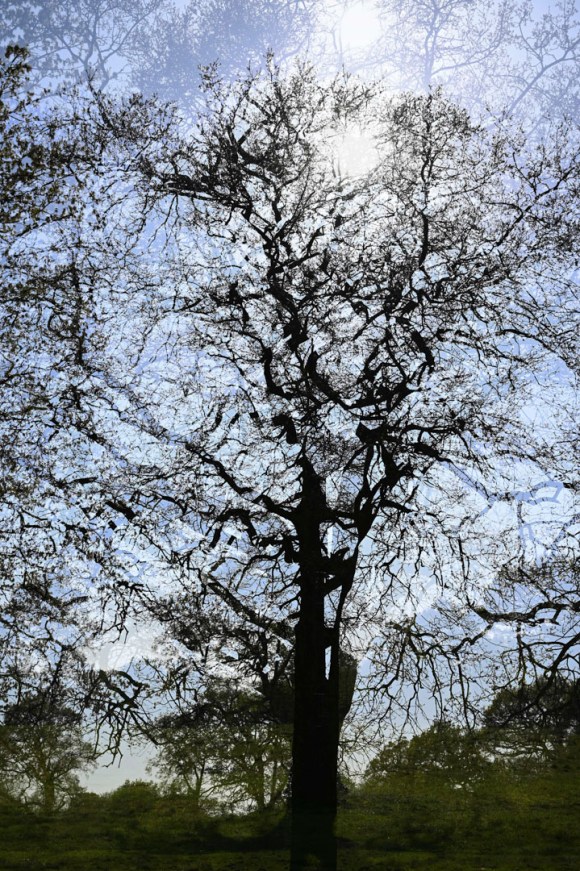
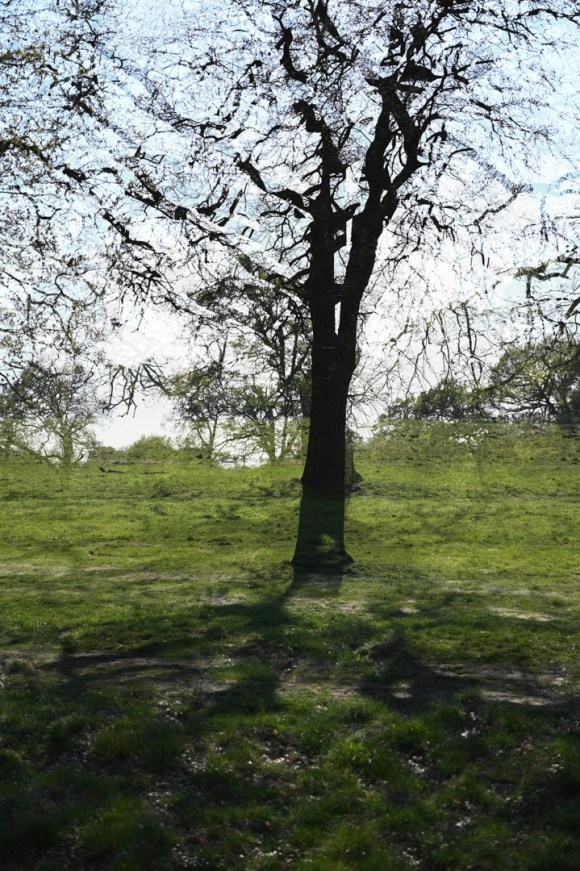
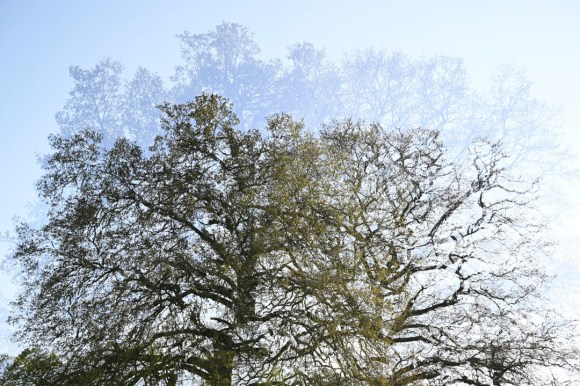
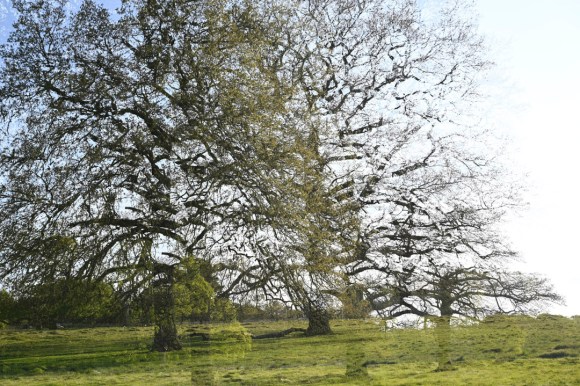
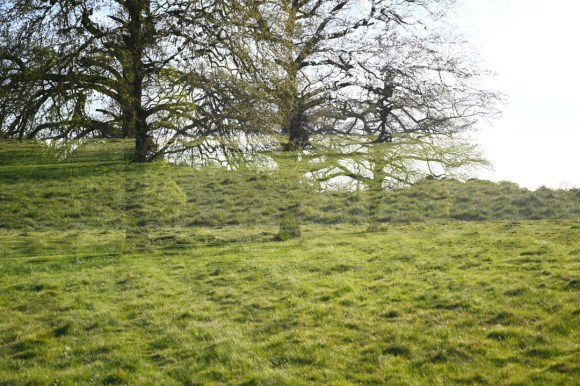
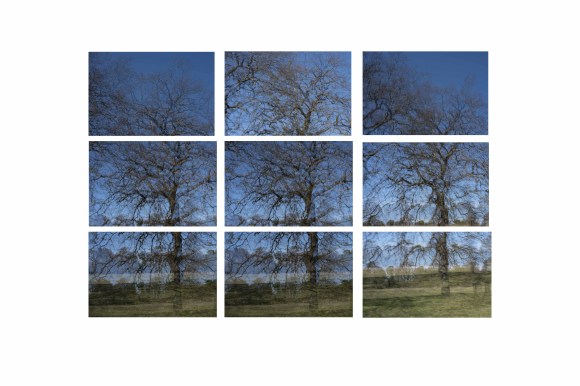
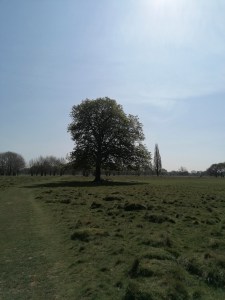
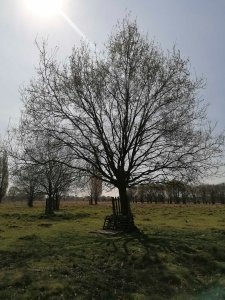
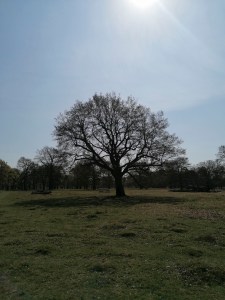
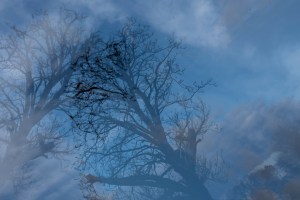
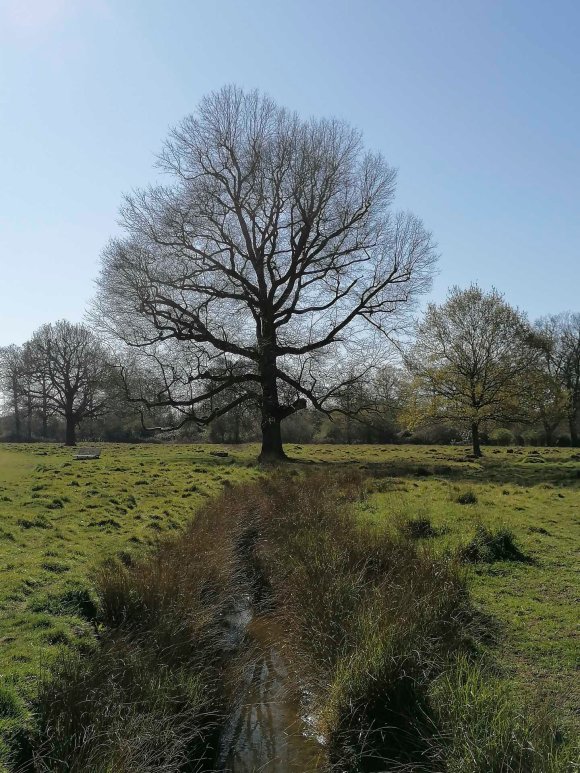
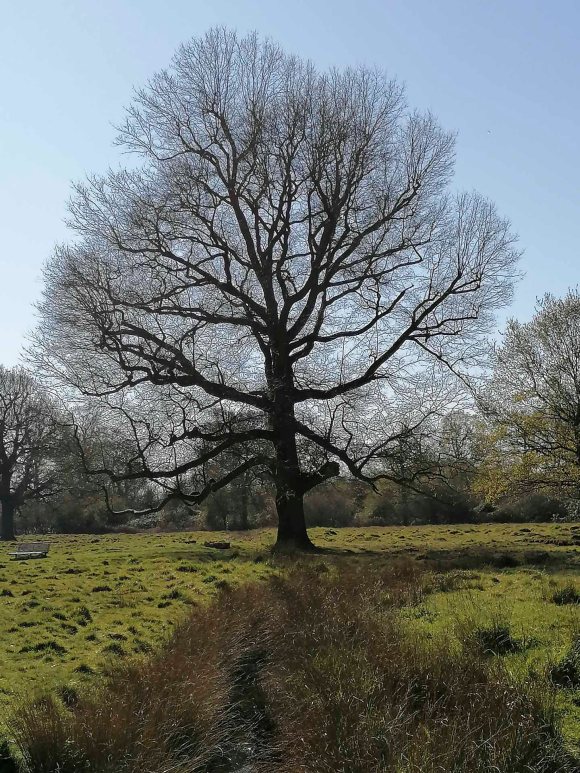
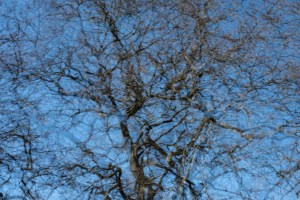
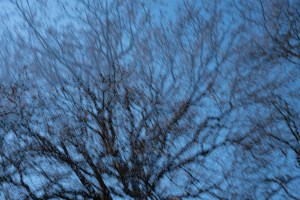
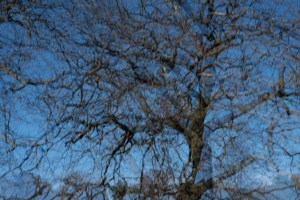
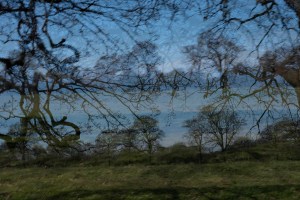
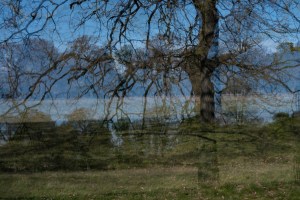
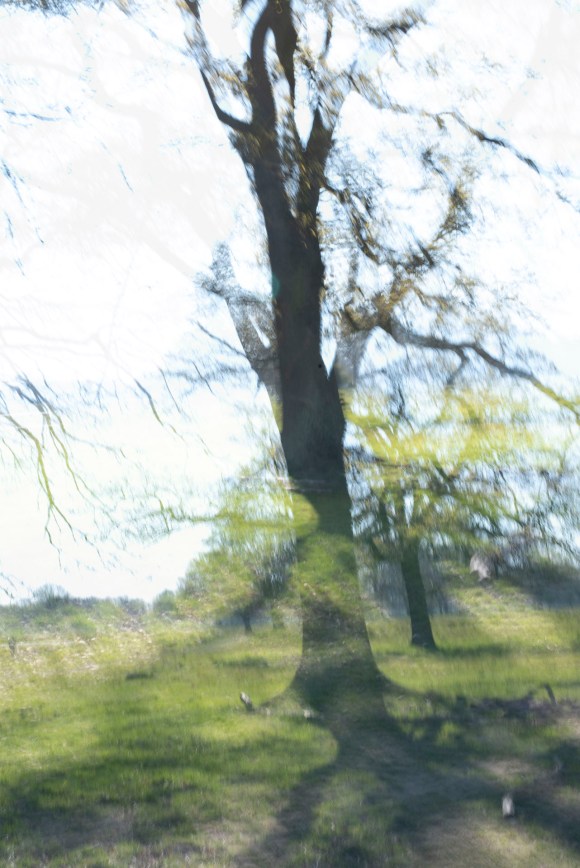
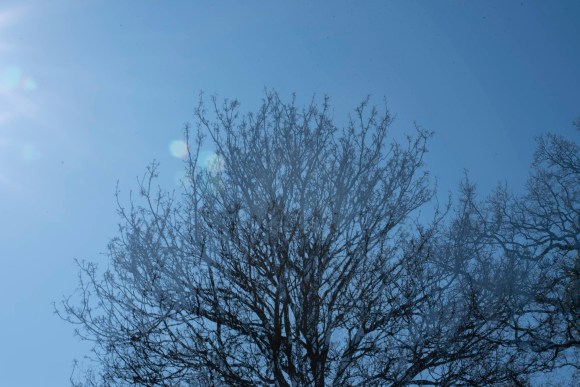
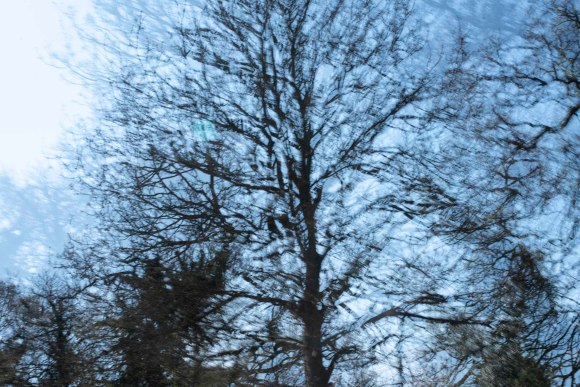
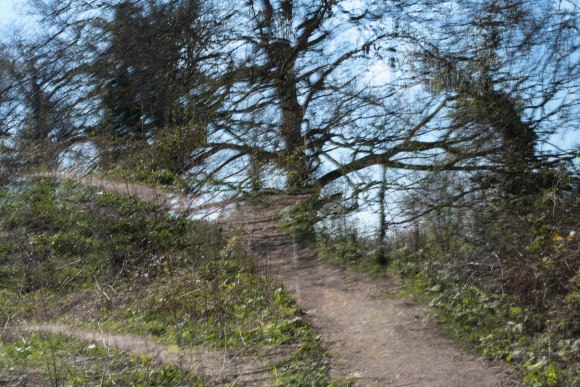
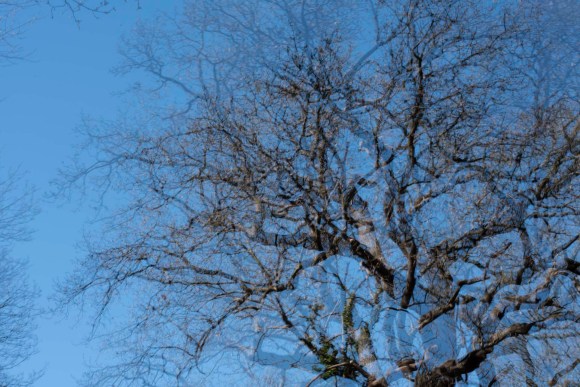
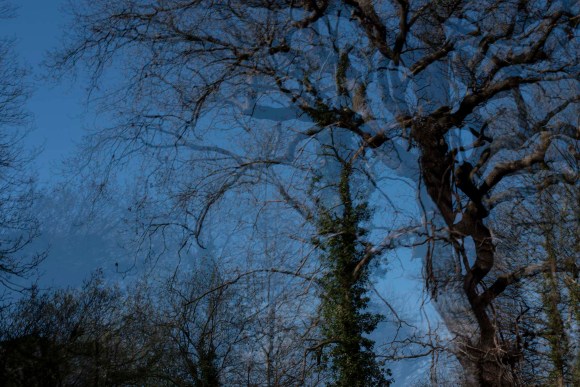
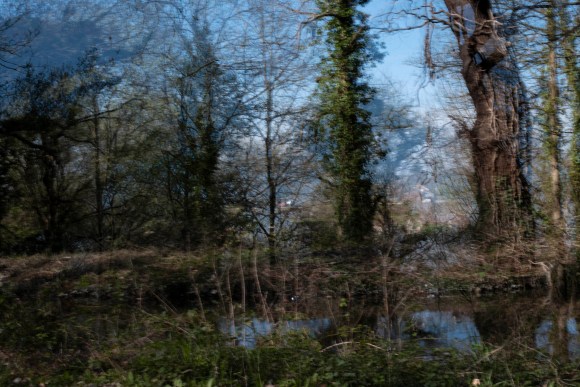
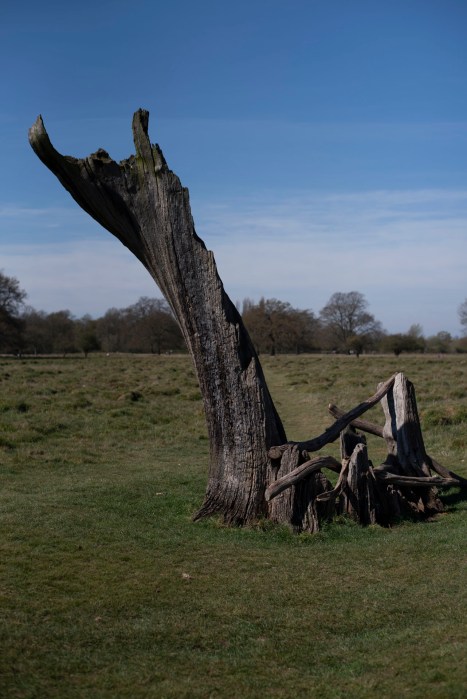
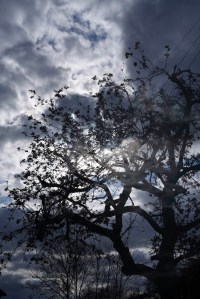
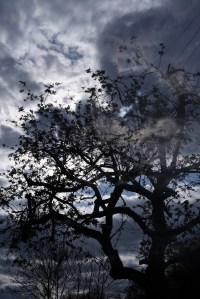
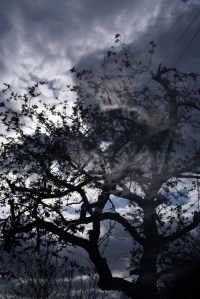
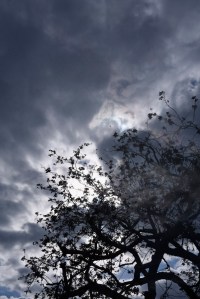
On April 14th, I set out to the park to find suitable trees to photograph in the grid style using the double-exposure method. This was prompted after my visit there on 10 April and looking at the resulting shots. It was a gloriously sunny late afternoon, so it was a wonderful way to get my daily exercise.

I took several shots and these were the two sequences that, on initial examination, looked the most visually effective when put combined.


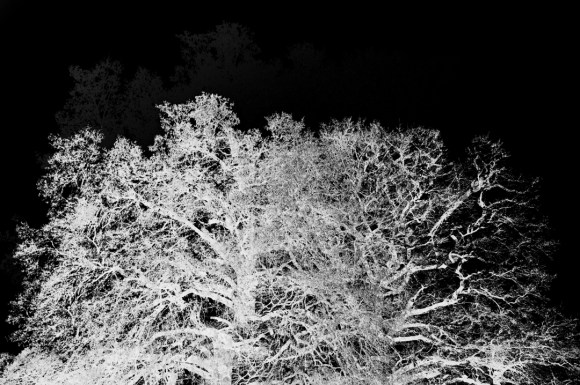
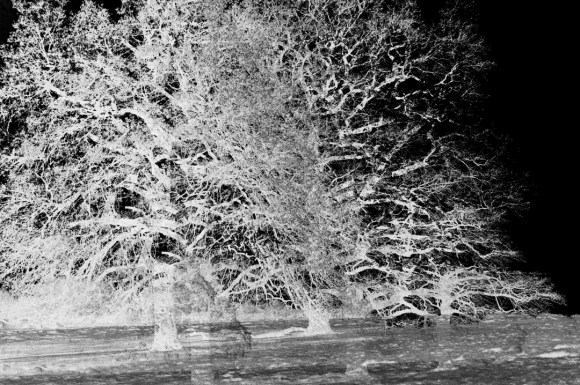
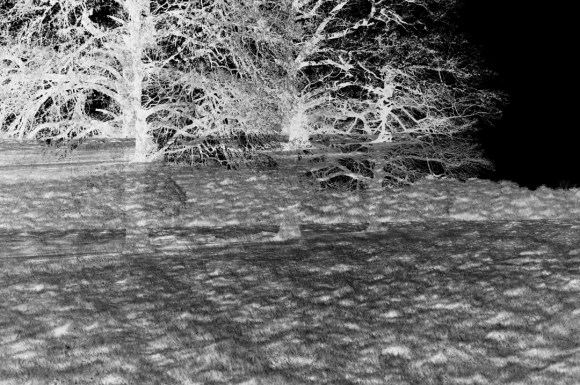
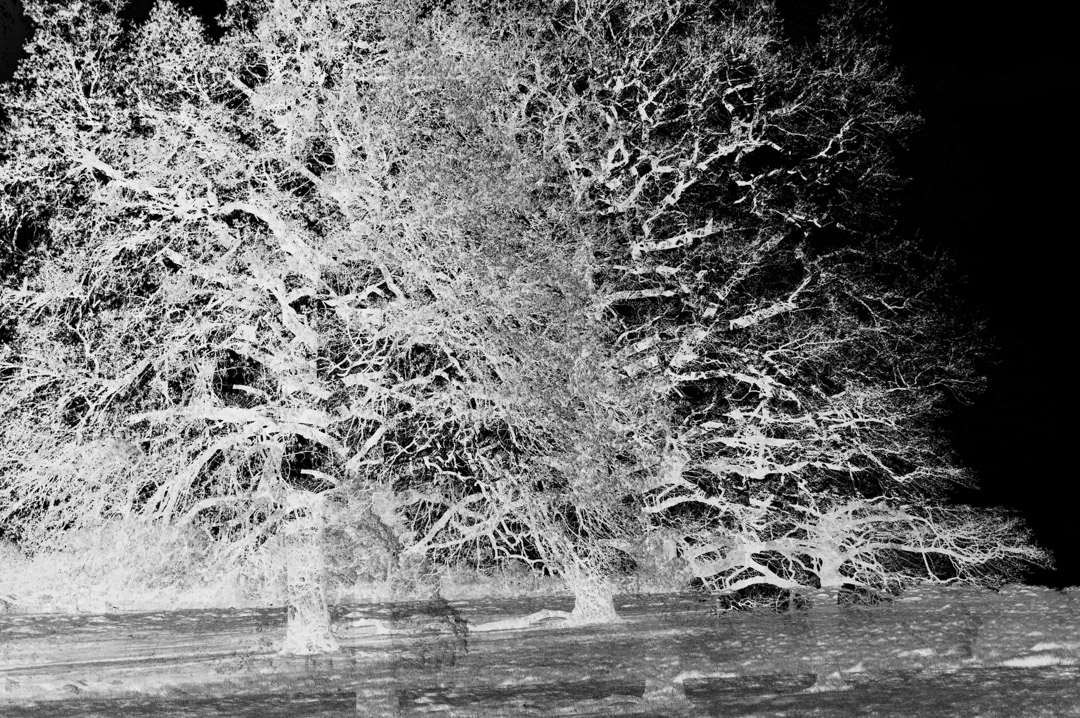
I then tried a negative, Black & White edit. This is the result.

The technique is similar to the one I used with for this image of the waves on Brighton beach.

20-03-02_brighton024_crop_bw_low

Categories
AGM63 Dissertation

AGM63 Dissertation Module Brief

The following is the dissertation module brief.

Assessment Task: Submission of a written dissertation of 5,000 words


Learning Outcomes:

I will be assessed against the following Learning Outcomes:

LO1: I will demonstrate engagement with theoretical ideas and issues related to a field of practice.

LO2: I will deploy advanced academic research and referencing skills.

LO3: I will articulate complex ideas in written form.

LO4: I will realise an independent, persuasive, supported and structured argument in a written thesis.


Task Details:

I will produce a written dissertation of 5,000 words (excluding bibliography) that is clearly illustrated with a full bibliography and scholarly references.

One electronic copy is to be submitted on Turnitin.

I also have the option of producing a portfolio in a format evidencing the Learning Outcomes above.

Either option represents 200 hours of study.

The format of portfolio is to be agreed in tutorial discussion.

The volume of the portfolio is to be agreed in consultation with the module tutor.

The framework for its content is determined through formative assessment while the independent study hours of the module will be indicative of student effort.

Categories
AGM63 Dissertation

AGM63 Dissertation Module Specification

This module will enable me to develop a written dissertation exploring ideas related to their area in which my own photographic practice is situated. The dissertation can deepen and extend a particular inquiry (for example, as explored in AGM61 Contemporary Debates).

Alternatively, the module can enable a new point of departure towards a different area of study in the wiring in support of any new direction in practice-based research.

A structured programme of tutorials will support independent study and writing.

Aims

This module aims to:

  • Enable my in-depth exploration of ideas and issues related to a chosen area of photographic practice.
  • Introduce me to methods for the deployment of advanced academic research.
  • Support my articulation of key theoretical ideas related to photographic practice.

Learning Outcomes

On successful completion of the module, I will be able to:

LO1: Demonstrate engagement with theoretical ideas and issues related to a field of practice.

LO2: Deploy advanced academic research and referencing skills.

LO3: Articulate complex ideas in written form.

LO4: Realise an independent, persuasive, supported and structured argument in a written thesis.

Content

This module enables me to develop a written dissertation that explores and critically reflects upon a theme or set of ideas related to my photographic practice.

The dissertation builds upon my understandings of theoretical debates covered in the previous module AGM63 Contemporary Debates. This enables me to demonstrate my understanding of key historical and theoretical issues in my field of practice.

I will be supported in developing abilities to articulate my understanding by writing about contemporary theoretical ideas and debates.

If appropriate, I will also engage with underlying issues connected to politics, identity, and the environment.

The research undertaken for the dissertation will normally support the development of my photography research project for Stages 1 and 2 (AGM60 and AGM64).

Learning Support

Books are to be agreed within tutorial discussions between myself and the dissertation tutor. An indicative general booklist has been added to my reference database.

Teaching and Learning Activities

One-to-one tutorials

  • An introductory session on research and writing skills will introduce the module
  • I will be assigned a dissertation tutor who will assist in defining a suitable topic and offer regular tutorial support

Formative Assessment

A first draft of the dissertation will be submitted before the final submission for formative feedback and to enable any necessary improvements to be made.

Allocation of Study Hours

Scheduled: 6

Guided Independent Study: 194

Total Study Hours: 200

Assessment Tasks

I will produce a written dissertation of 5,000 words (excluding bibliography) that is clearly illustrated with a full bibliography and scholarly references.

One electronic copy is to be submitted on Turnitin.

I also have the option of producing a portfolio in a format evidencing the Learning Outcomes above.

Either option represents 200 hours of study.

The format of portfolio is to be agreed in tutorial discussion.

The volume of the portfolio is to be agreed in consultation with the module tutor.

The framework for its content is determined through formative assessment while the independent study hours of the module will be indicative of student effort.

Categories
AGM63 Dissertation

AGM63 Dissertation Proposal Template

In preparation for the dissertation, I had to write a proposal. This was to be submitted on 5th May and reviewed in a tutorial on 12th May. In order to complete this task, myself and my fellow students were issued a proposal template. This was to assist in ascertaining a focus for this piece of work.

In order to comprehend it, I amended the template as follows:


Proposed Title:

Aims and Methodology (approx. 500 words)

What am I going to write about and how am I going to write it?

Offer some detail about how I will engage historical and theoretical issues within a field of photographic practice.


Show how I will:

  • Confront writing itself as a creative practice with respect to style and form
  • Develop an independent and persuasive essay or portfolio supported by scholarly research


Images (4-6 minimum, captioned)

Essays on photography are frequently illustrated. Indeed, images often structure the writing itself.

Include a selection of images that reflect the type of photographic practice(s) I will discuss in my dissertation.


Literature Review (approx. 500 words)

Which key authors, texts and concepts will I put to work in my dissertation?

Engage around four to six key texts in this section and discuss their relevance to my research.

Categories
AGM60 Research & Experimentation Posts

AGM60 Grid Experiments 10 April 2020
My next stage in the project was to revisit the tree images I had already taken. I was still intrigued by the possibilities of using a grid form of presentation.

This is the first draft using Adobe Photoshop – not perfect, but a useful visual reference. I also used these images as shot without editing or adding any specific effects.

Double Exposure Grid 01

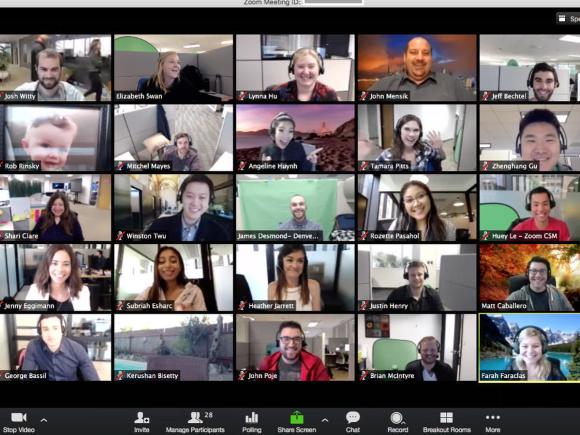
While thinking about this grid presentation, I realised that I was being strongly influenced by what I was seeing on my TV screen. During this time of lockdown and people working from home, I was being exposed to Zoom chats. This is a way of communicating via the internet where all participants appear in a grid.


Zoom Example

Each participant is isolated, but together. They are connected, despite their dis-location.

This is how the trees appear in grid form – all of the images could be individual ones in separate locations. By presenting them together, it is an allegory of what it can feel like being in isolation and limited to one’s surroundings but still able to be part of something much bigger.

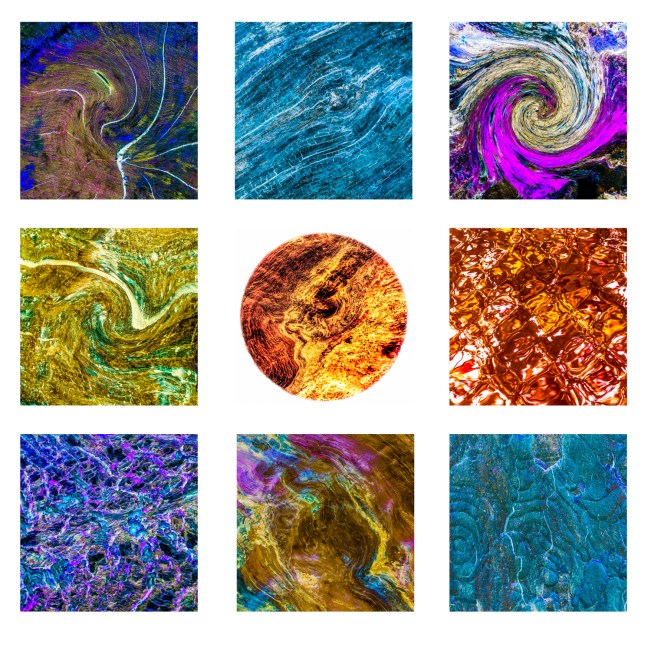
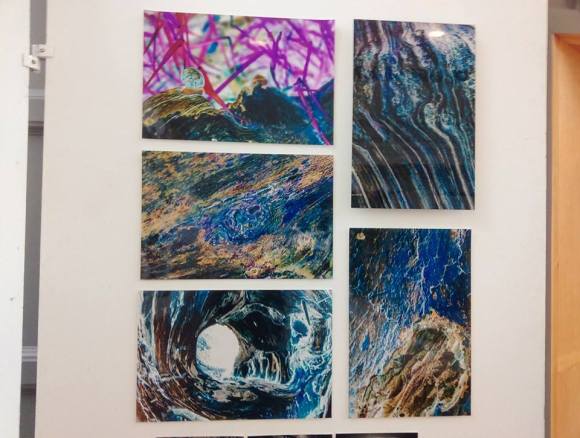
I have also used grids previously to present my images.

cacaphony_of_colour_1500
Cacophony of Colour
RACCDisplayNCFE2_2016_3
Dreams/Reality

Both of these examples show the possible dynamics of a series of images that combine to make a single piece of work. This, in my experience, creates a synergy between images when presented together.

Categories
AGM60 Research & Experimentation Posts

AGM60 Bushy Park 10 April 2020
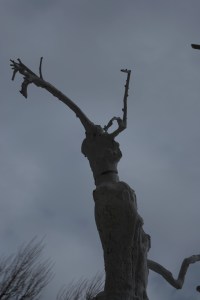
On what was considered to be the hottest Good Friday ever, I took my dose of daily exercise in Bushy Park. This involved a walk to Teddington Gate, then through the park to gate near to Hampton Wick before returning home.

This gave me the opportunity to enjoy the park in considerably less-polluted air and glorious sunshine. It had been a couple of months since I had explored this side of the park, so it was interesting to see how it would inspire me with my current project in mind. The following were taken with my smartphone – I didn’t take my DSLR with me as it can become quite heavy and I find that I can be less spontaneous with my photographic observations.

Inspired by my images from 20 March, I was looking for specific trees and features in the park that would feed my current thoughts about taking my concept further.

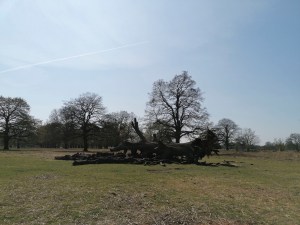
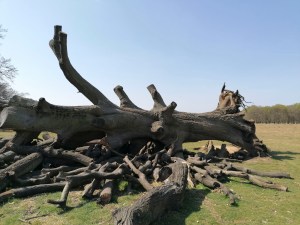
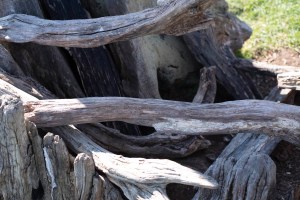
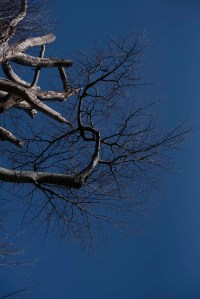
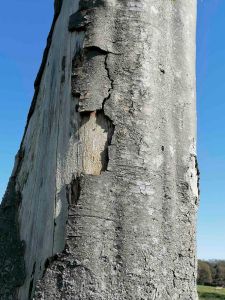
One tree that really caught my attention was this particular beast.

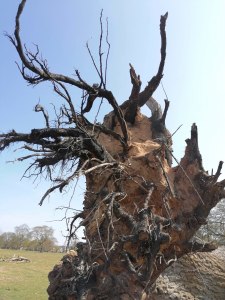
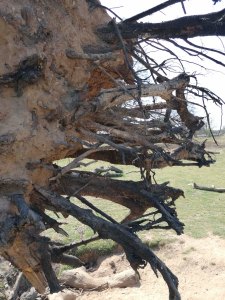
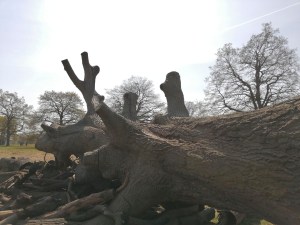
This is a tree that was felled a couple of years ago. The trunk is surrounded by cut branches with the leaves and small branches stripped from the ends. Also on display is the roots that have been cut through. I had walked past this tree many times before and had always intended to photograph it. To me, it appears as a surreal sculpture that could have been created by a conceptual, 3D artist.

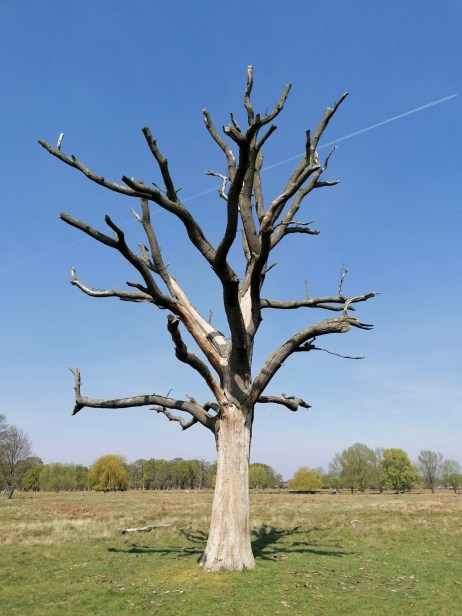
I continued my walk through the park and came across this specimen.

bushy-park_20-04-10_0023_low

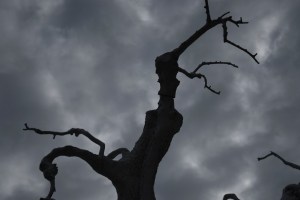
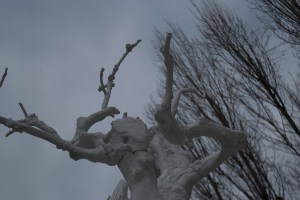
I’ve always been fascinated by this tree – again it’s like a sculpture. It reminds me of Ugo Rondinone’s Winter Moon, a cast of an olive tree. I saw this at the Maxxi, the Italian National Museum of 21st Century Arts in Rome in 2017.

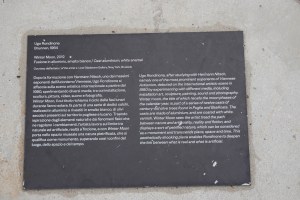
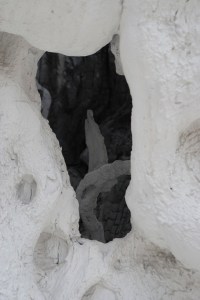
This is an aluminium cast of a tree coated in white varnish which was on display outside the museum. It is one of a series of 12 casts of century-old olive trees found in Puglia & Basilicata. As stated on the accompanying plaque, the artist’s inspiration behind the pieces is to

“tread the path between nature and artificiality, reality and fiction, and displays a sort of petrified nature, which can be considered as a monument and transcends place, space and time. This aesthetically shocking piece enables the artist to deepen the link between what is real and what is artificial.”


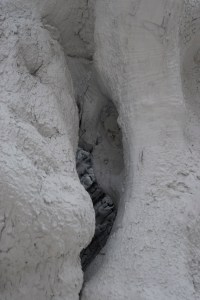
These are further photos I took of Rondinone’s ‘tree’.


There seemed a resonance in appearances. Also, there was a pervasive feeling and echo of the change in what appears to be real/unreal in these current times.


Categories
AGM60 Research & Experimentation Posts

AGM60 Bushy Park 5 April 2020
After two weeks of staying at home and self-isolating, I was able to venture further than my garden. On a beautiful Sunday with a blue sky and streaming sunshine, I made my way to the park. I knew that it would help in my recovery for both body and soul.

My intention was to explore double-exposures further. I also was inspired by shots taken on 20 March, especially when they were presented in grid form.

The challenge I had that day was to ensure I kept to the social distancing measurement of at least 2 metres. I also had to keep moving, as staying in one spot for any length of time was not allowed.

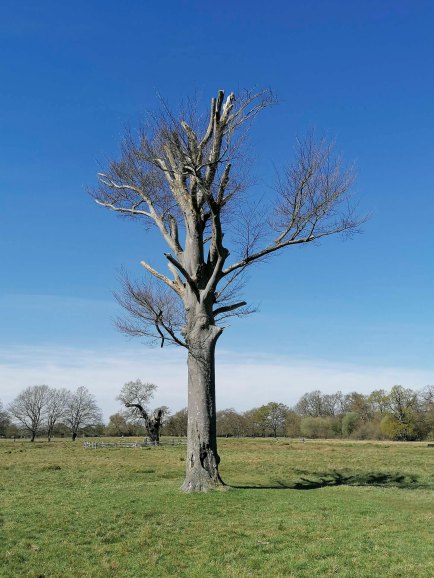
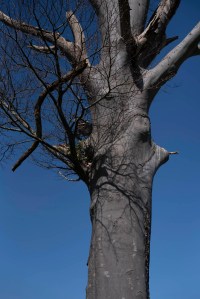
The first images I took were with my smartphone of this tree.

I didn’t take any with my DSLR as I couldn’t get the same perspective with this lens.

I walked a bit further and started my experiment. The intention was to take a ‘grid’ of double exposure shots of the same tree. While standing in the same spot, focus on the top left corner of the planned composition, then the first shot then move the camera slightly down for the second one. I  would then move the camera down and repeat the process three more times. Next, I’d focus the camera to the right then repeat the process going up. This is a selection of the images.

Next, I tried a similar technique with a single tree, taking three shots from top to bottom.

Interesting. I have to work on the exposure on the third shot in the sequence.

I then ventured into the Woodland Gardens and tried the same technique with this tree.

Better, but not sure if a using a tripod would give a stronger, continuous line with the trunk. The following was taken free-hand – I do prefer the way the trunk flows between each individual image.

After wandering through the gardens, I realised I was feeling very drained. It was a timely reminder that, even though I had shaken off most of the symptoms, I still needed time to recover fully and regain my energy. As such, I changed my planned route and walked across part of the park that I hadn’t been to for quite a while.

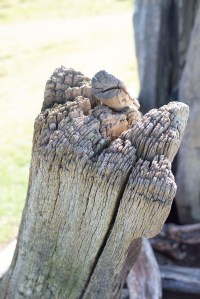
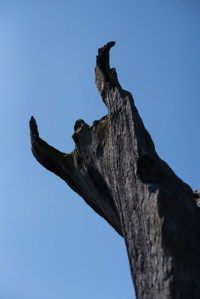
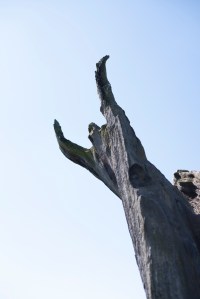
On this part of my walk, I came across the following tree.

bushy_park_20-04-05_076_low

As with other dead trees in the park, it looks like a sculpted statue.

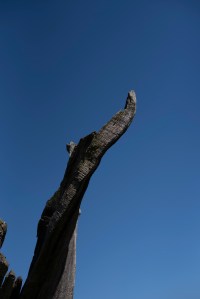
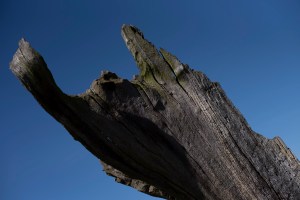
While taking these photos, I noticed this aspect taken from a particular angle.

It looked like a robed person outstretching their hands to the sky.

The next tree I encountered was this rugged specimen.

bushy_park_20-04-05_sm0022_low

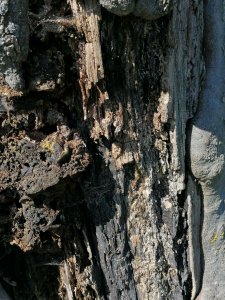
Again, I took some detail shots.

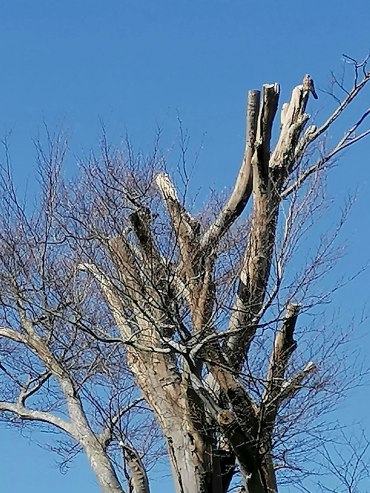
I was also delighted to spot a kite perched at the top of this tree. Unfortunately, both my DSLR and smartphone lens couldn’t get close enough, so this will have to do.

bushy_park_20-04-05_sm0019_low


Categories
AGM60 Research & Experimentation Posts

AGM60 Window and Tree 31 March 2020
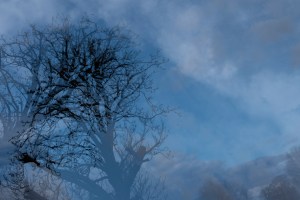
These images were taken in my garden during a brief sunny spell on 31 March. Having had a group online session with my fellow MA students and tutors earlier that day, I took their various gems of feedback and constructive criticism on board. This is the result.

These are shots of the reflection in the window.


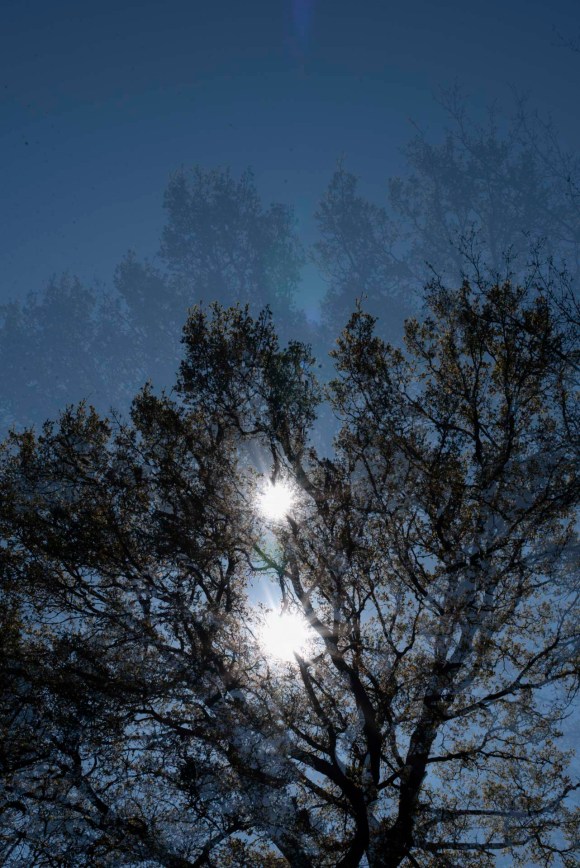
I then set the camera to take a double exposure.

For the following double exposures, I took the first shot of the window then rotated 180 degrees for the second one to take a shot of the tree.

This is an edited image – the main aspect is that I’ve turned this upside-down and made some tweaks in Adobe Camera Raw.

tdn_window_20-03-31_007_edit_low


These are the ‘before’ and ‘after’ images for comparison.

Having looked at these two images together, I think that this could also be a new direction.

Categories
AGM60 Research & Experimentation Posts

AGM60 Feedback 31 March 2020
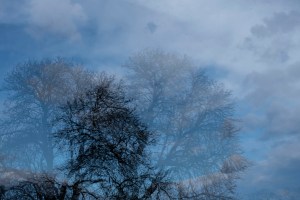
This was the last Microsoft Team session with the class and our tutors before the Spring Break. During the online conversations, it was great to see the others work in progress plus to give to and receive feedback from each other.

In general, I received positive comments regarding my work so far. The double exposures I shot of the sea before lockdown were appreciated with their tonal appearance. Also, the concept of photographing the various glass vases and jars was discussed.

The following photographers were recommended:


One aspect that I stuck was my classmate, Ali, commenting on my solarised images. As I’ve already mentioned, I really do like this effect and being able to re-recreate it using Adobe Camera Raw or Photoshop. Something to explore further with images already taken and future ones.

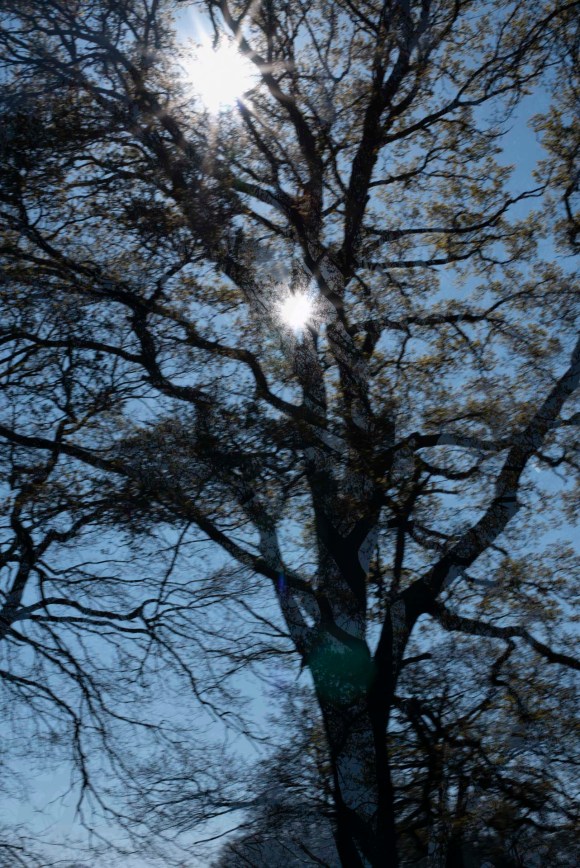
The other was from our tutor, Fergus. This was to try photographing in portrait as opposed to landscape. Again, something to try during my next shoot.

This was the last scheduled session before the Spring Break with the next one planned for Tuesday, 28th April. During this session, the class has to discuss the contextualisation of their projects, both specifically in relation to relevant photographic issues and debates (both contemporary and historical) and in relation to fields outside of photography.

To prepare for this session, I had to complete the following tasks:

For the purposes of discussion, bring three references that I feel are integral to my own project:

  1. One contemporary reference (within the field of photography/art).
  2. One historical reference (within the field of photography/art).
  3. One outside of the realm of art and photography.


I had to be prepared to:

  • Present these references to the group
  • Explain how these references have:
    • Informed my project so far
    • Have helped to propel it forwards.


During this discussion, each class member (including myself), had to give special emphasis to:

In relation to one of the above ‘integral references’, I am asked to either:

  • Conduct a short interview/conversation with someone who is in some way connected to one of my references.

OR

  • Write a short (400-500 word) reflective review of an exhibition, gallery-talk, interview, film, novel, article, online conversation/talk/event, etc. related to one of my references for the purposes of discussion amongst the group.
 

The above will certainly keep me busy during the coming weeks.


Design a site like this with WordPress.com
Get started