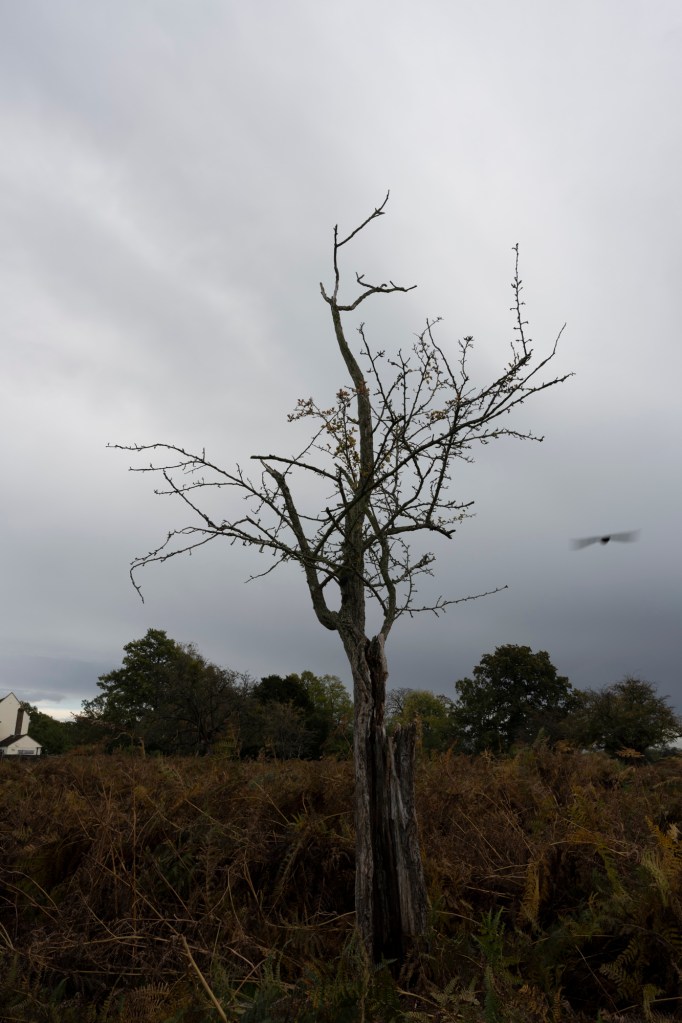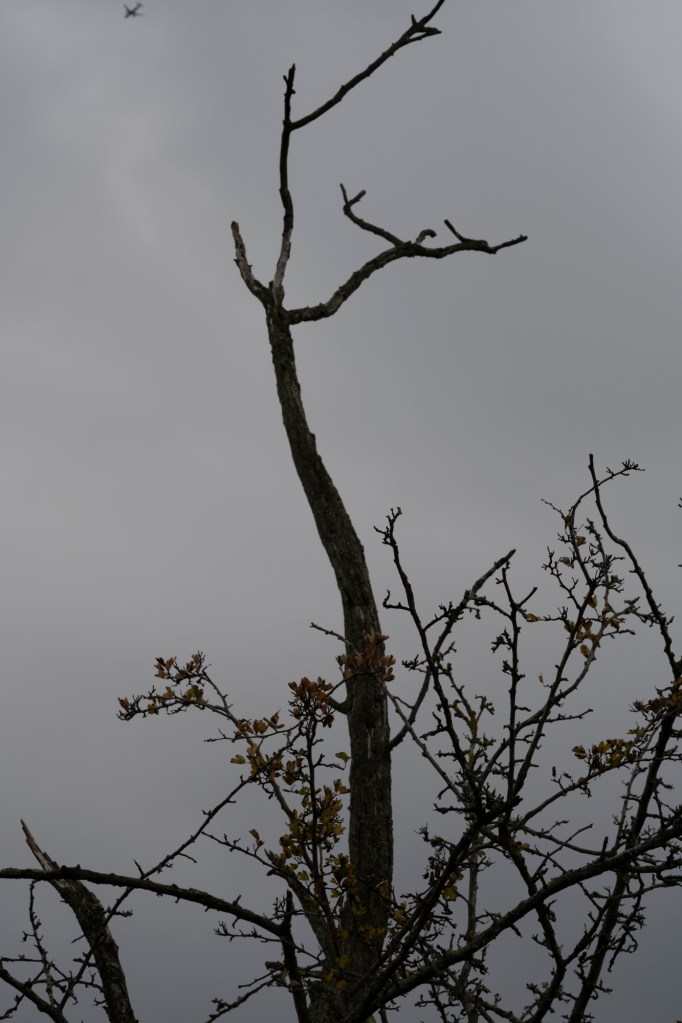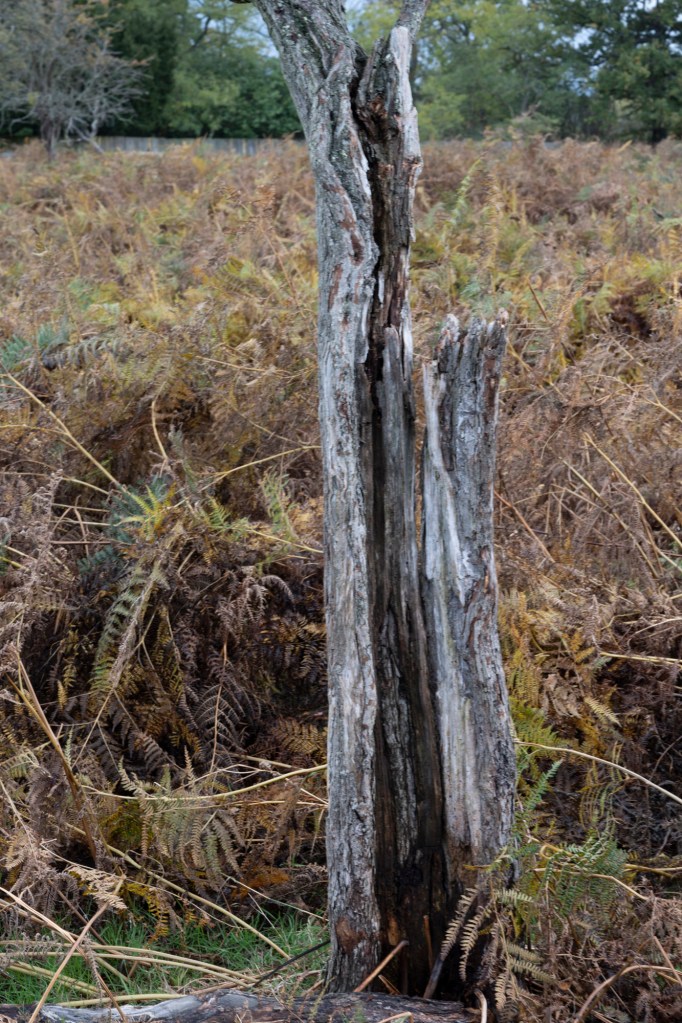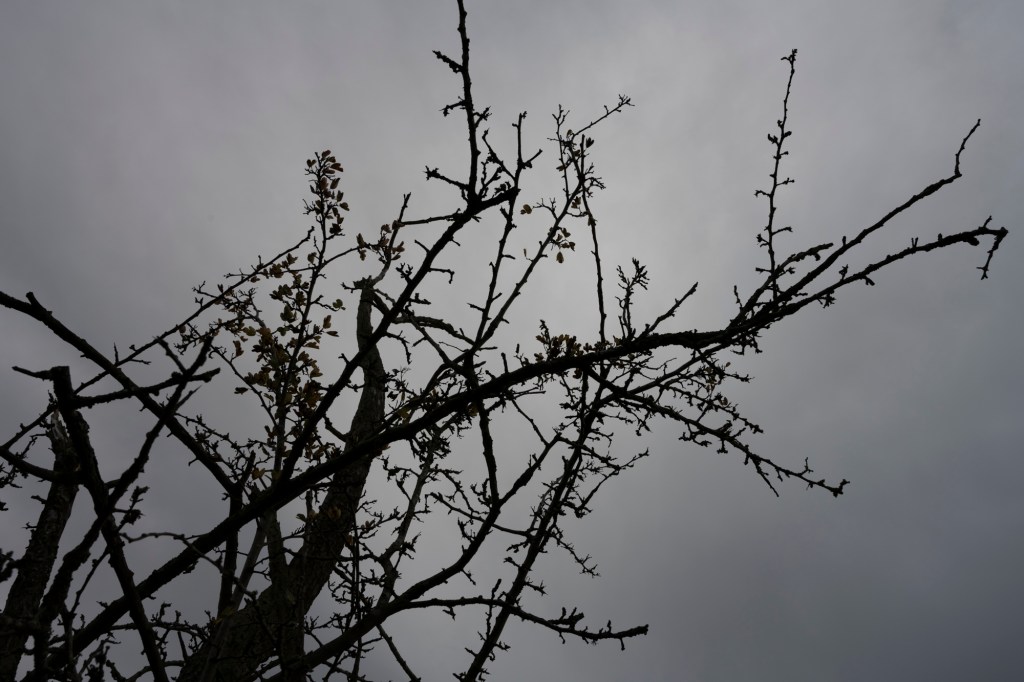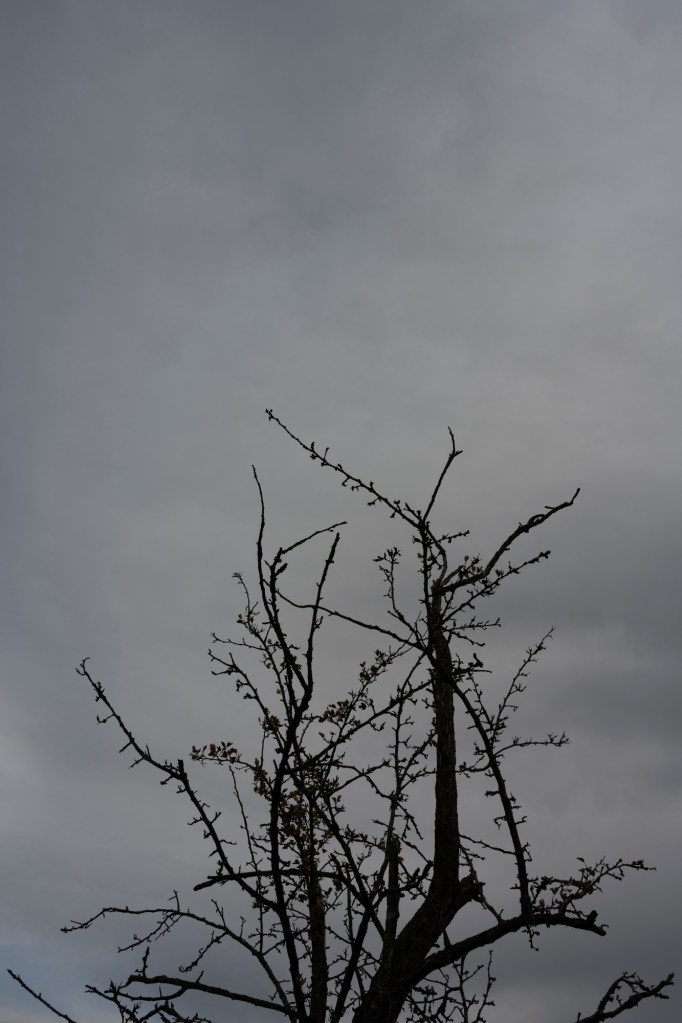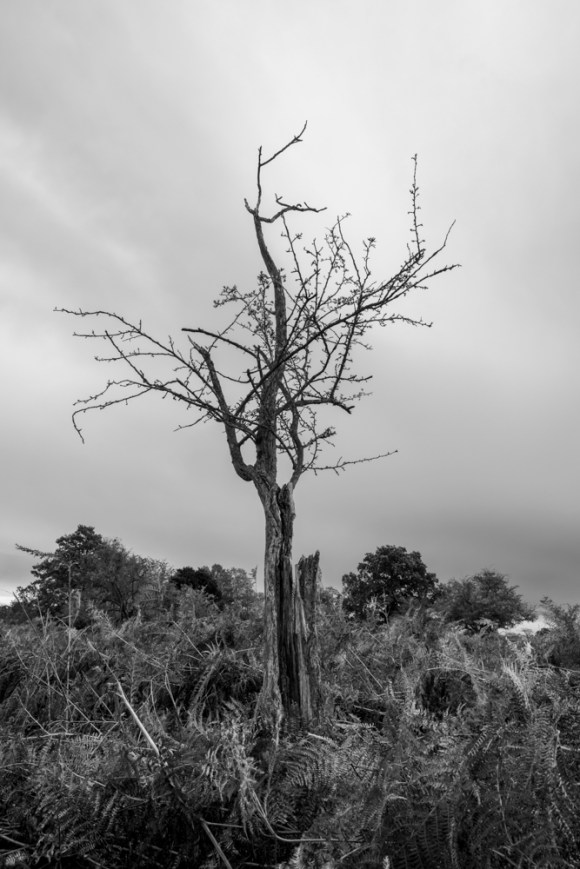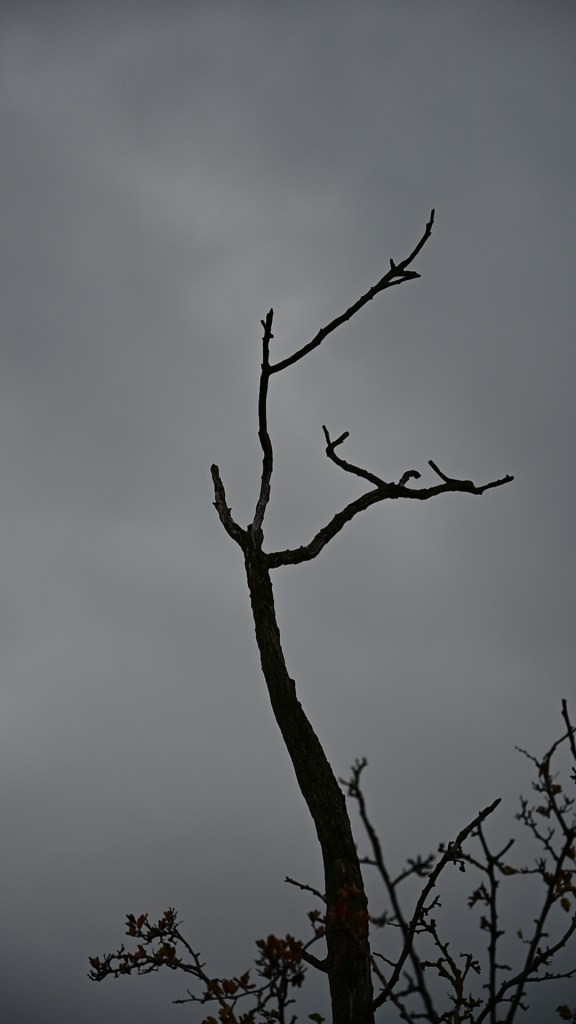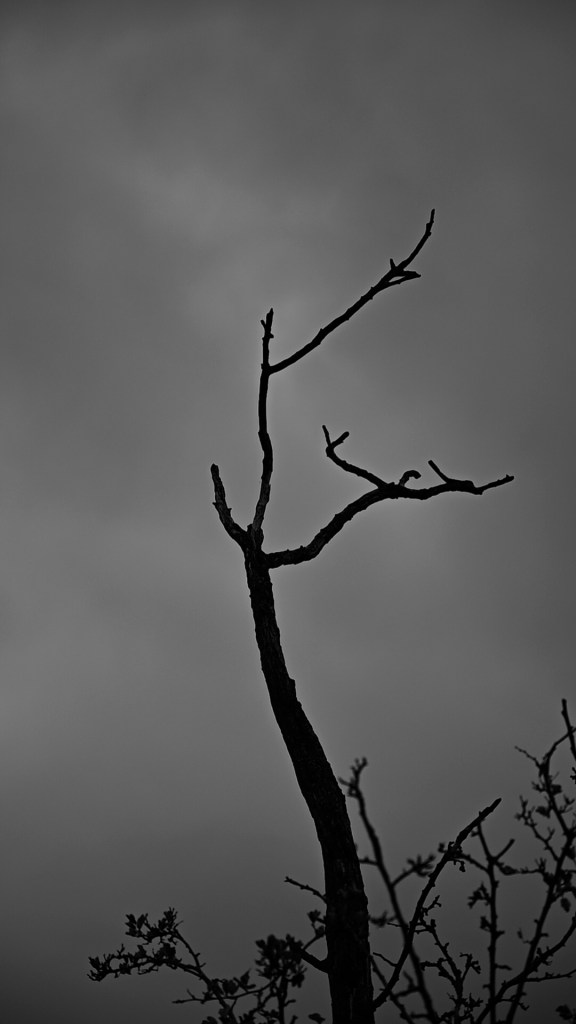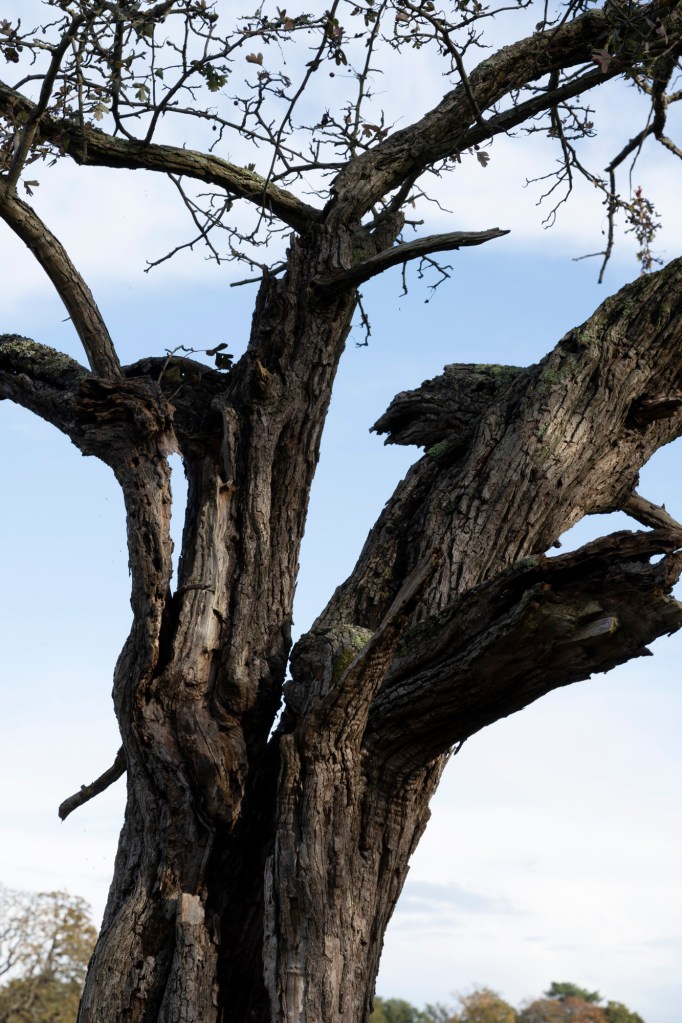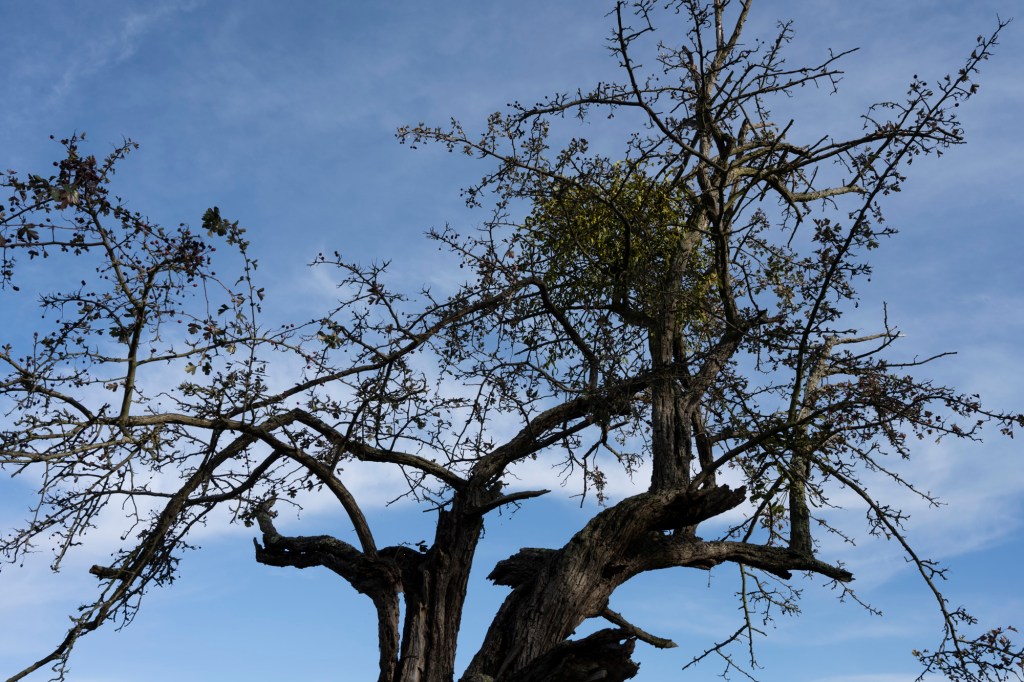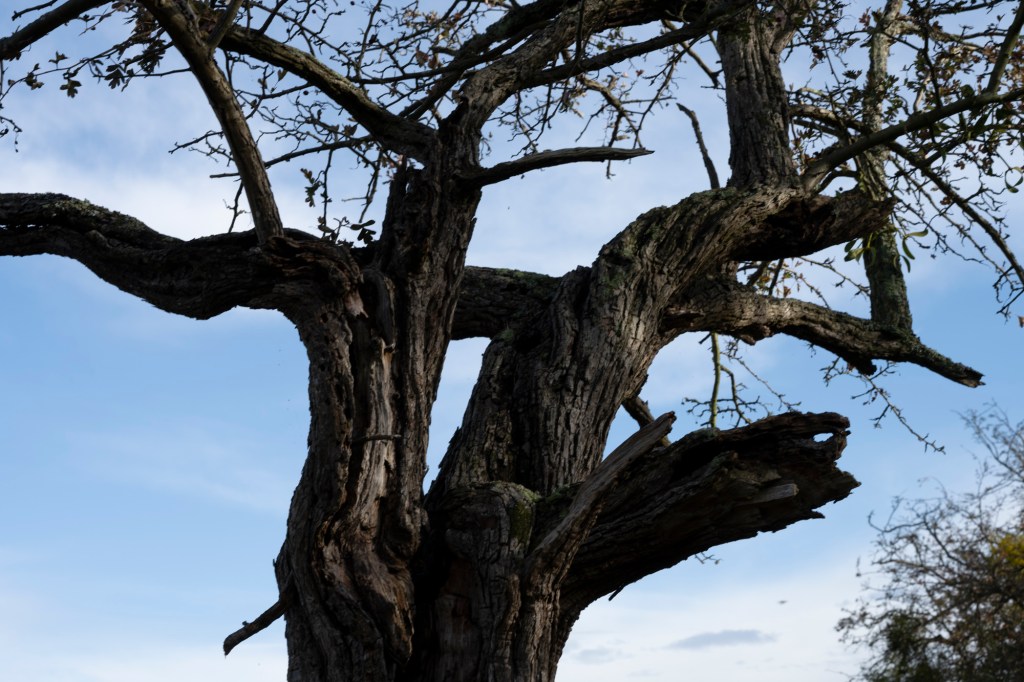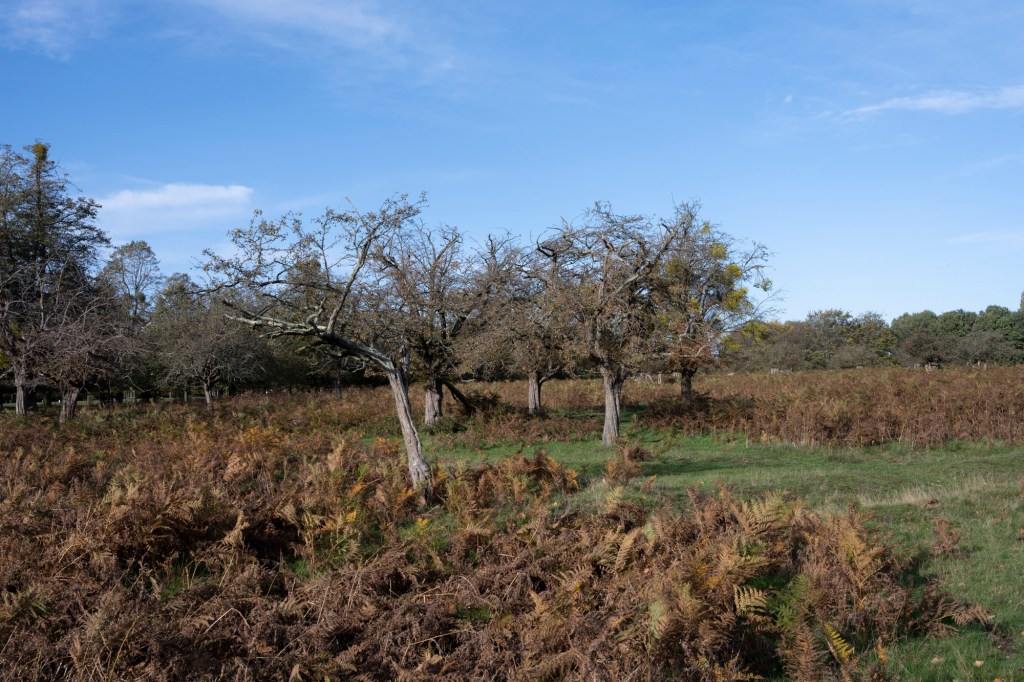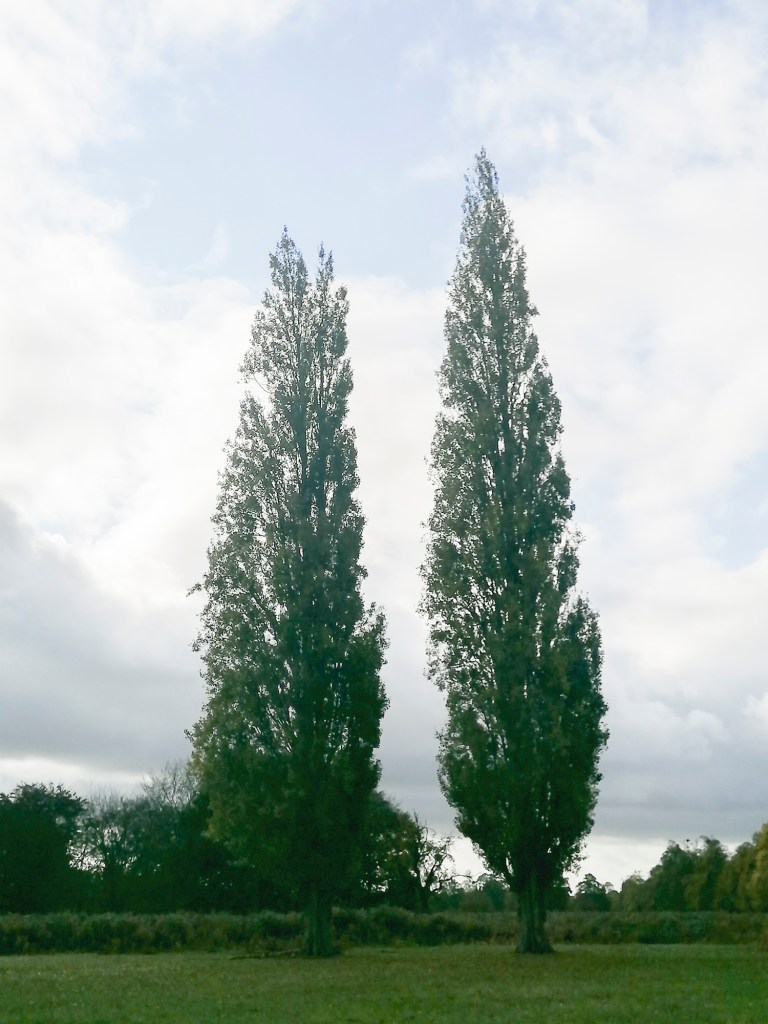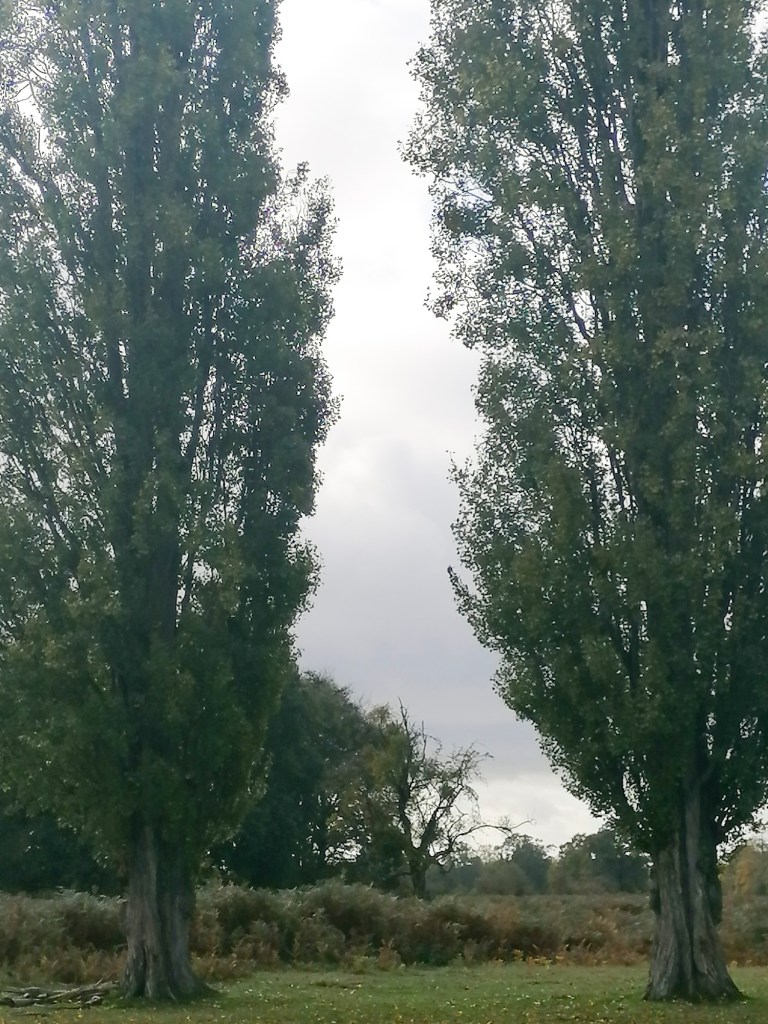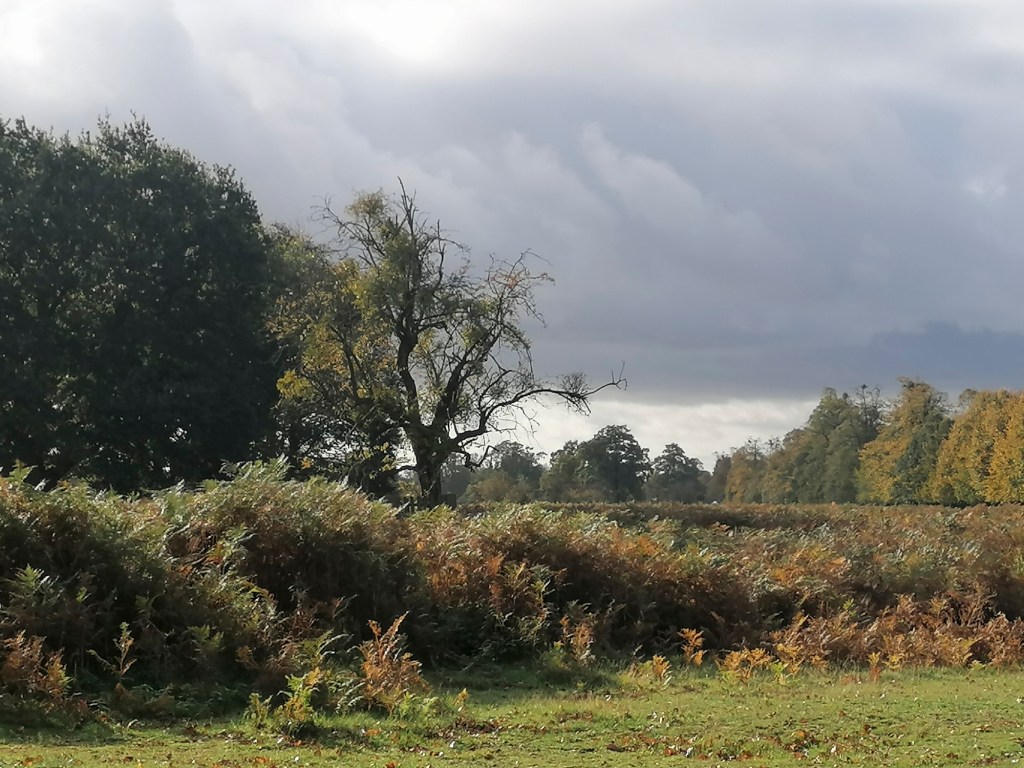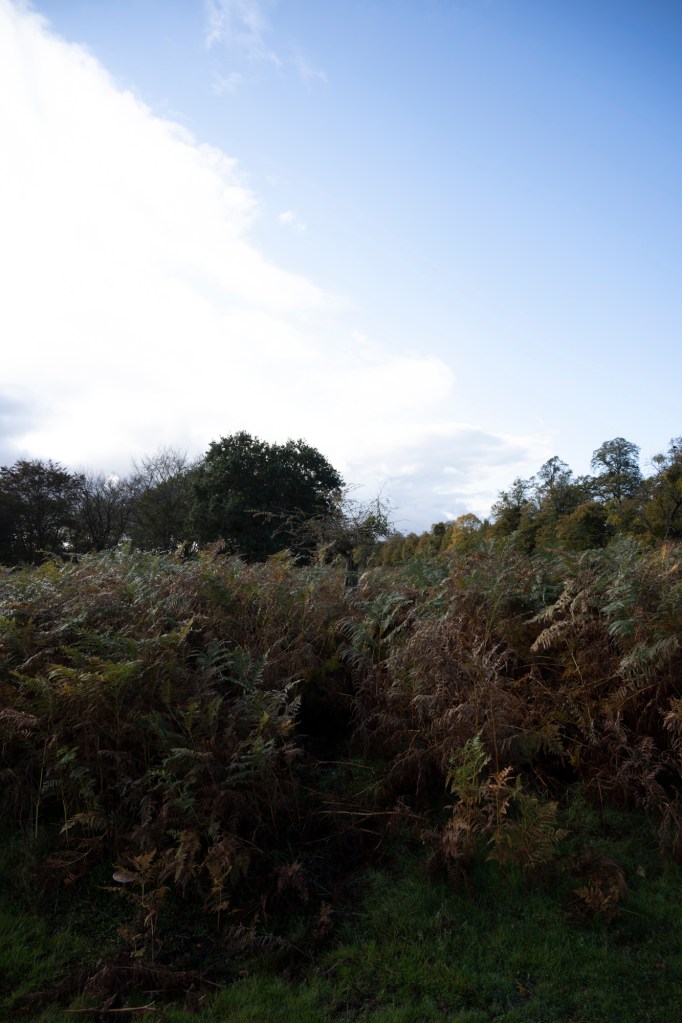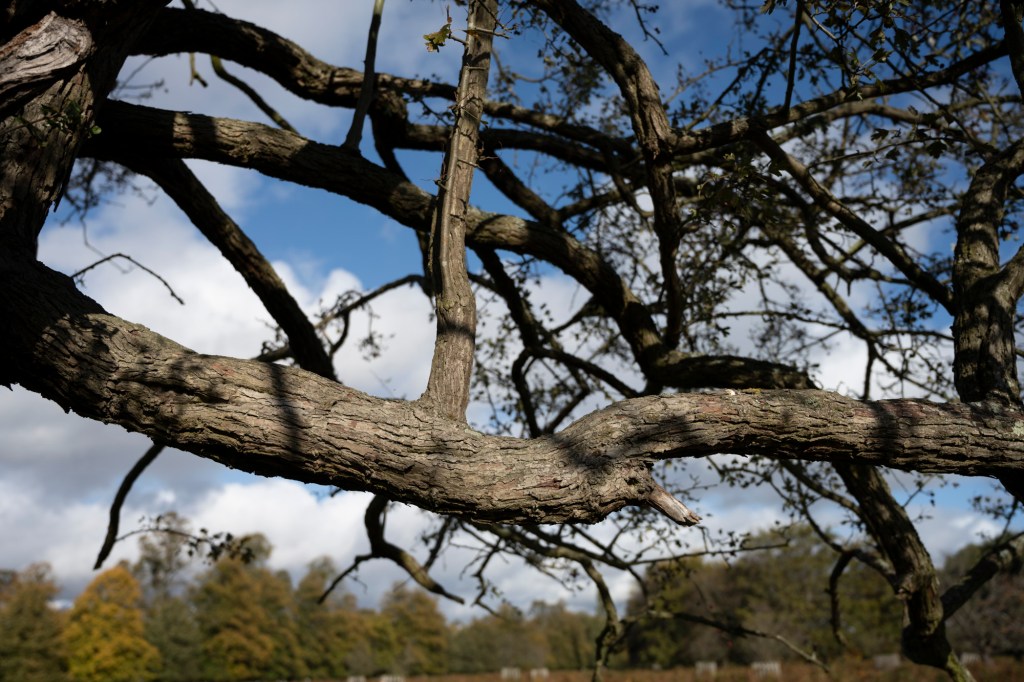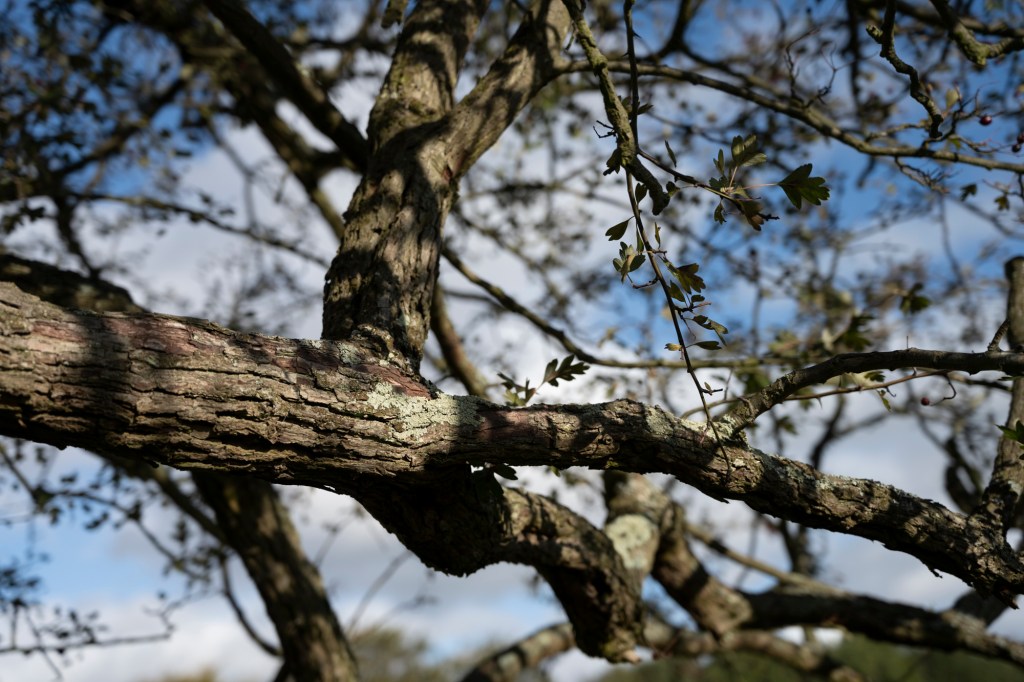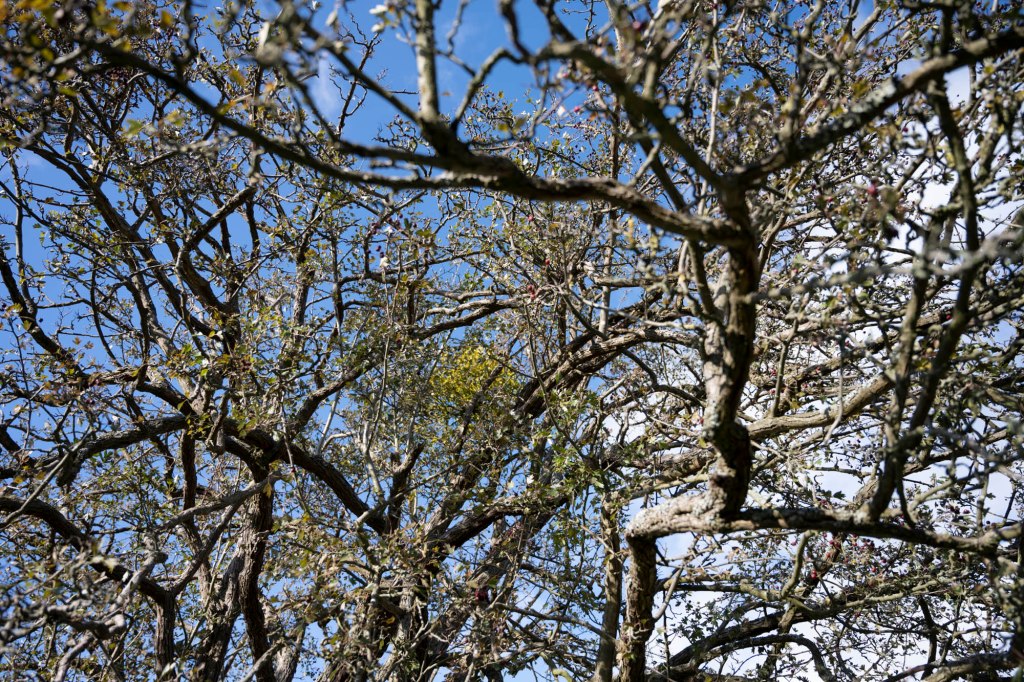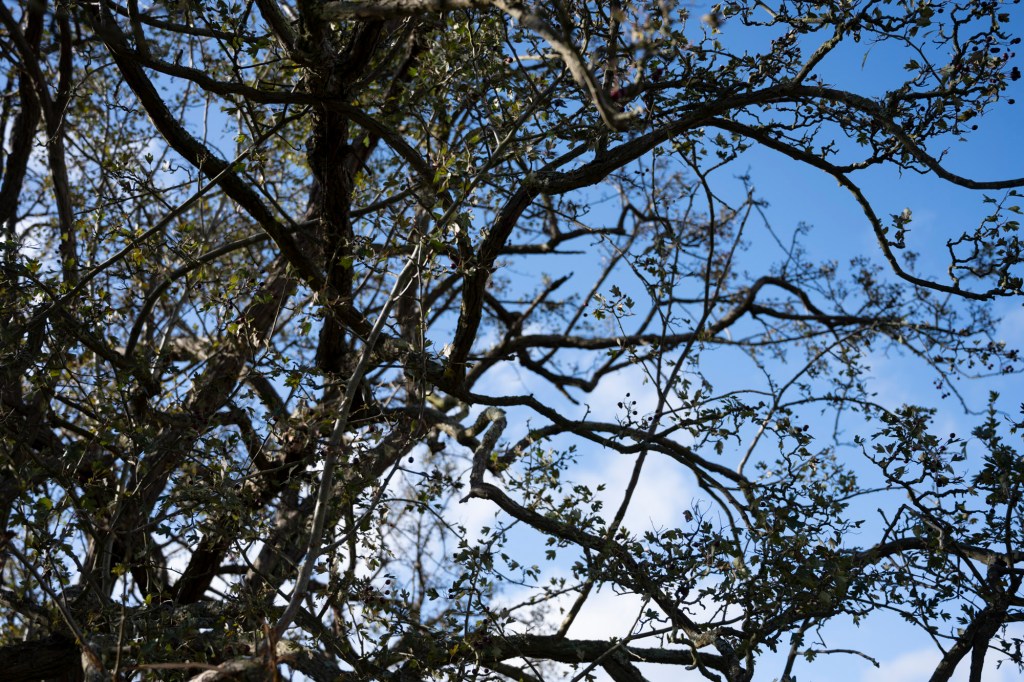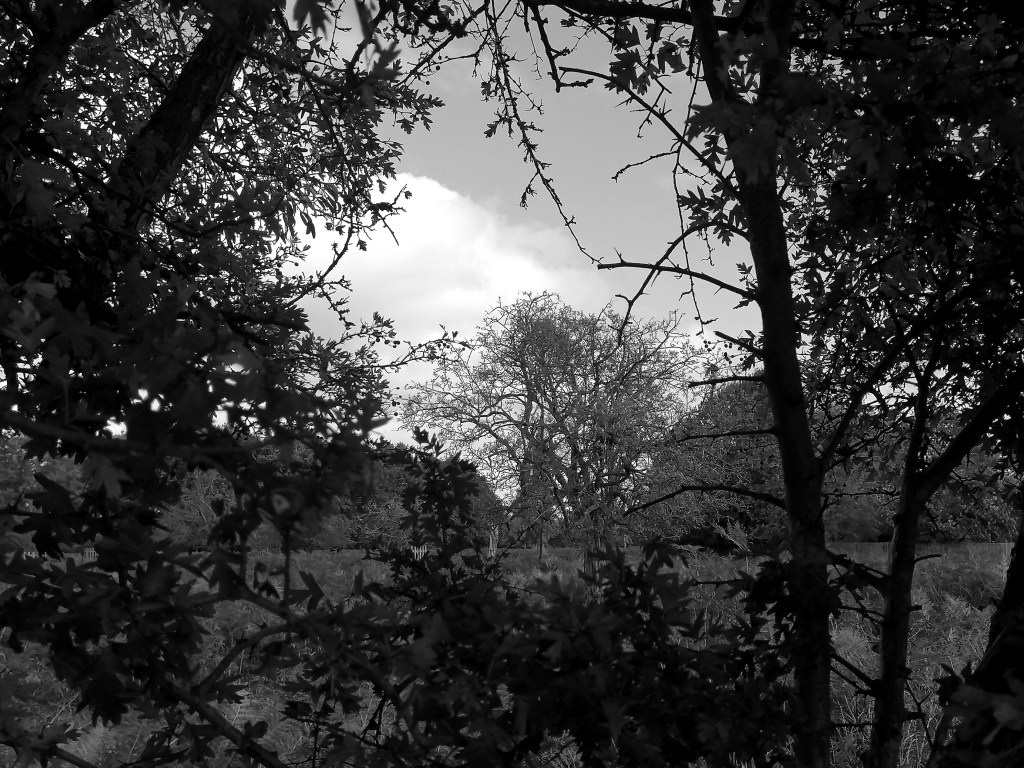
Categories
AGM62 Photography Research Project Stage 1 Posts

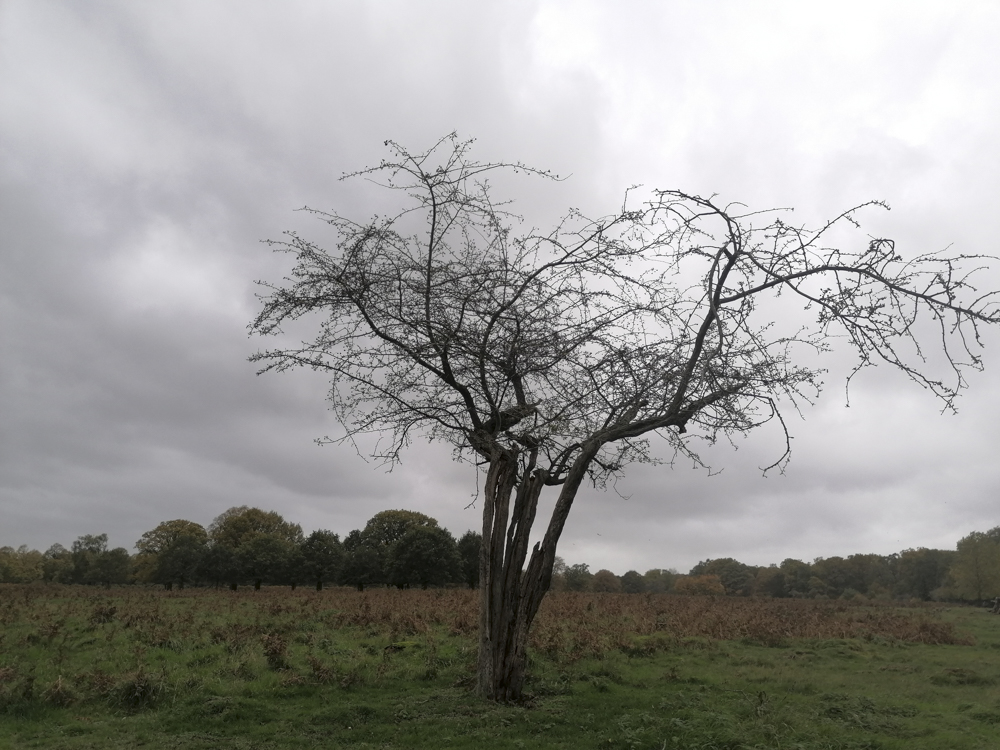
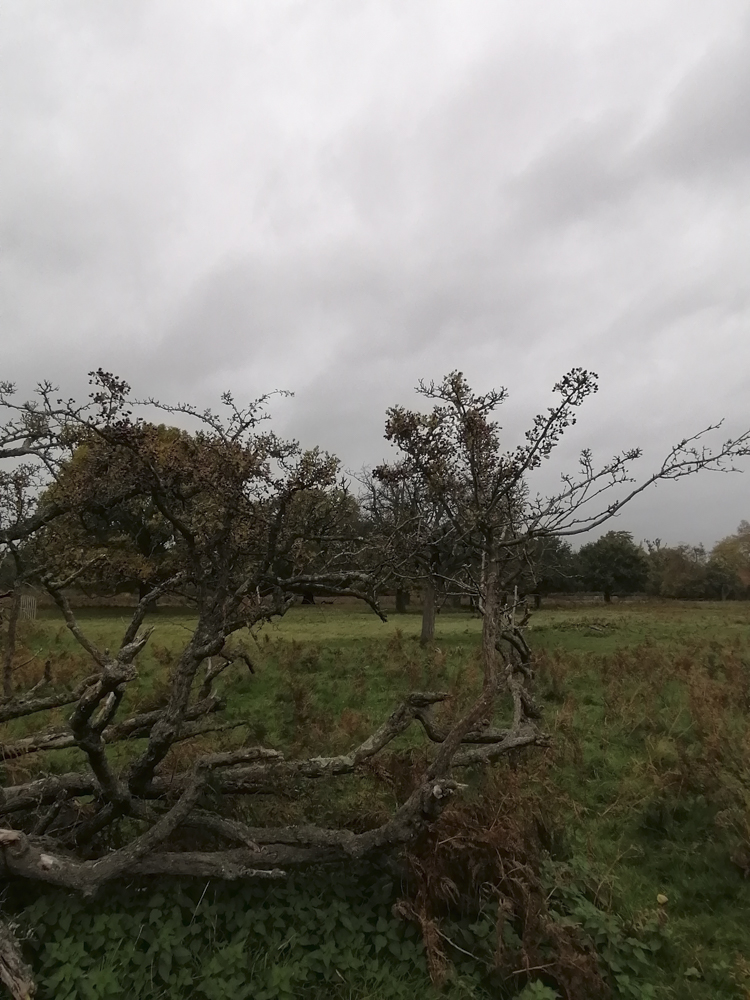
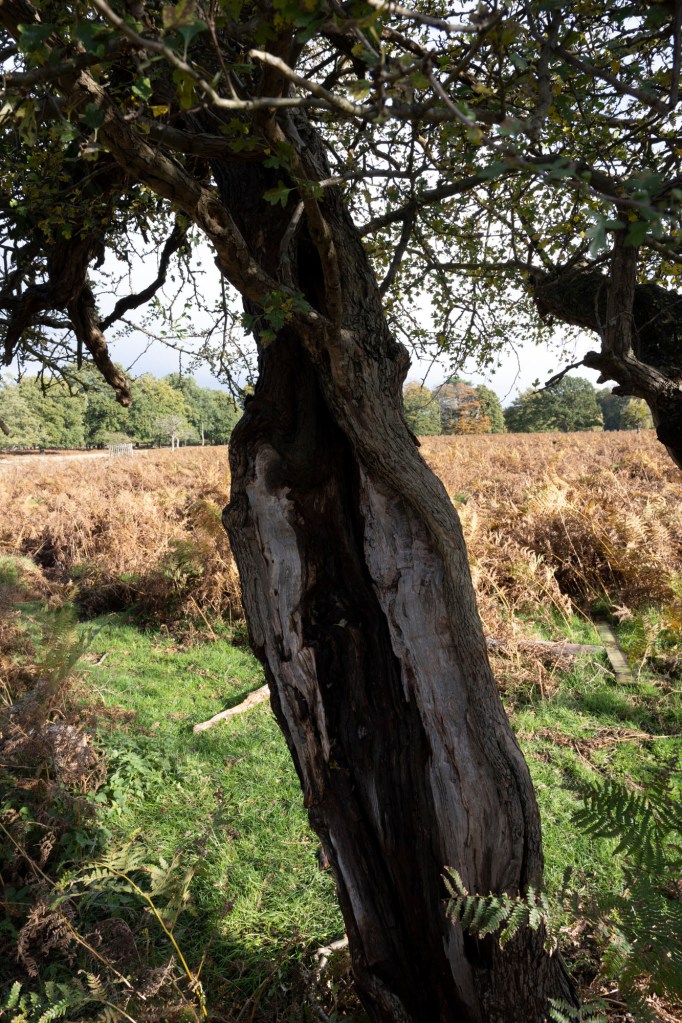
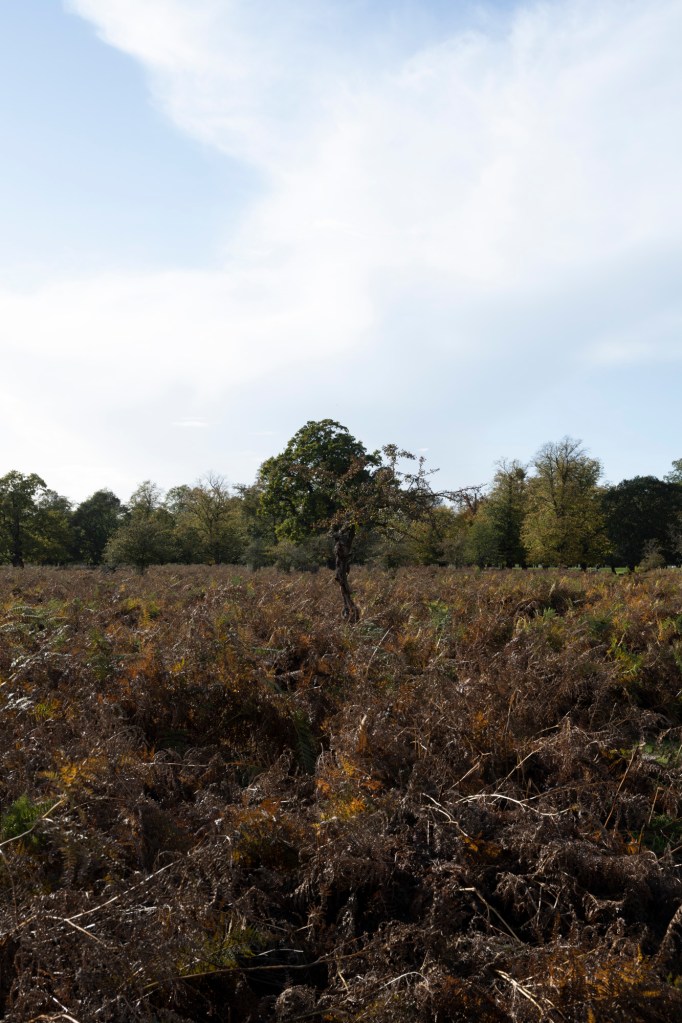
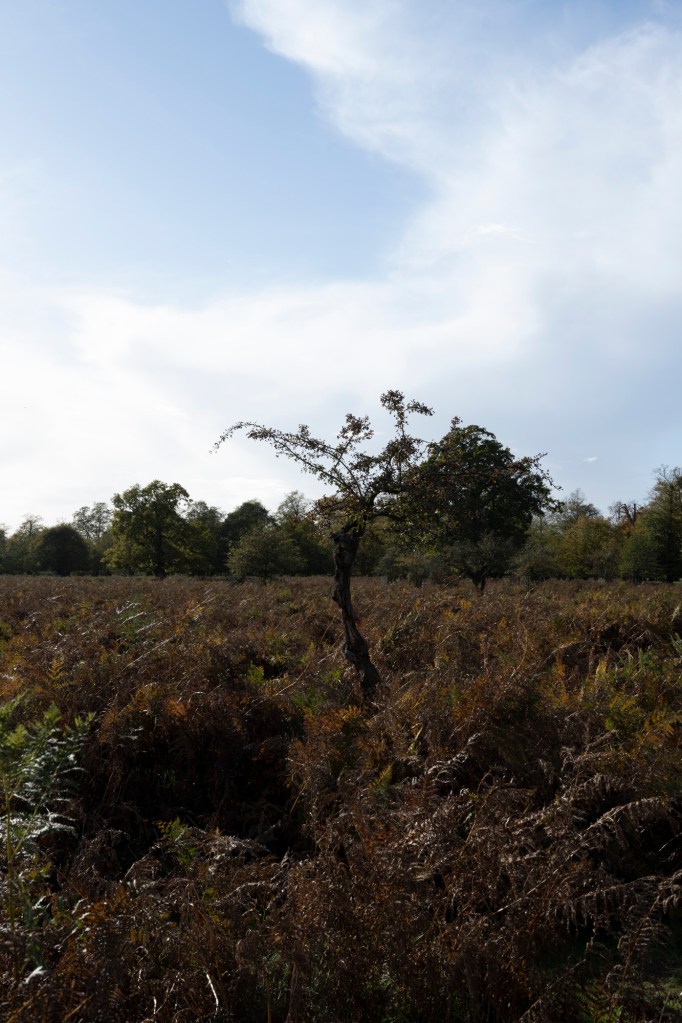
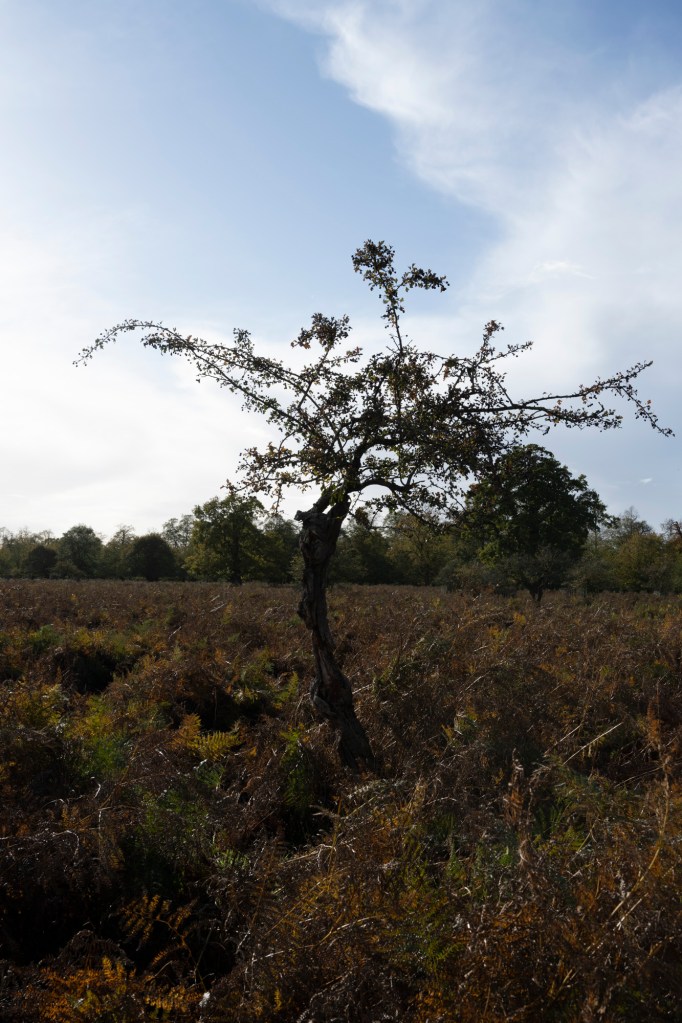
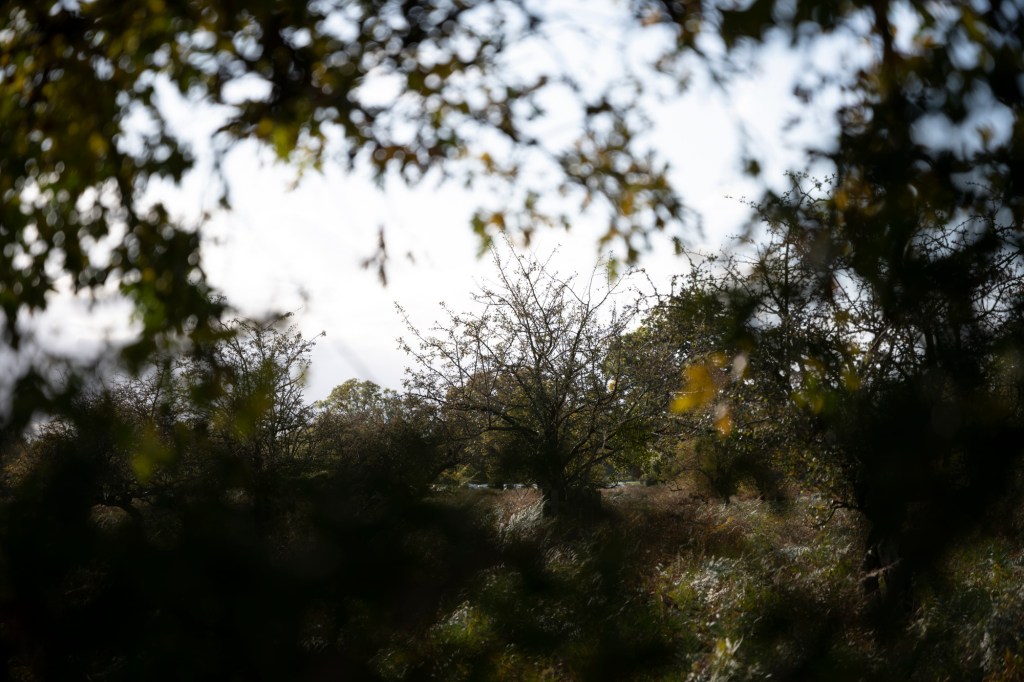
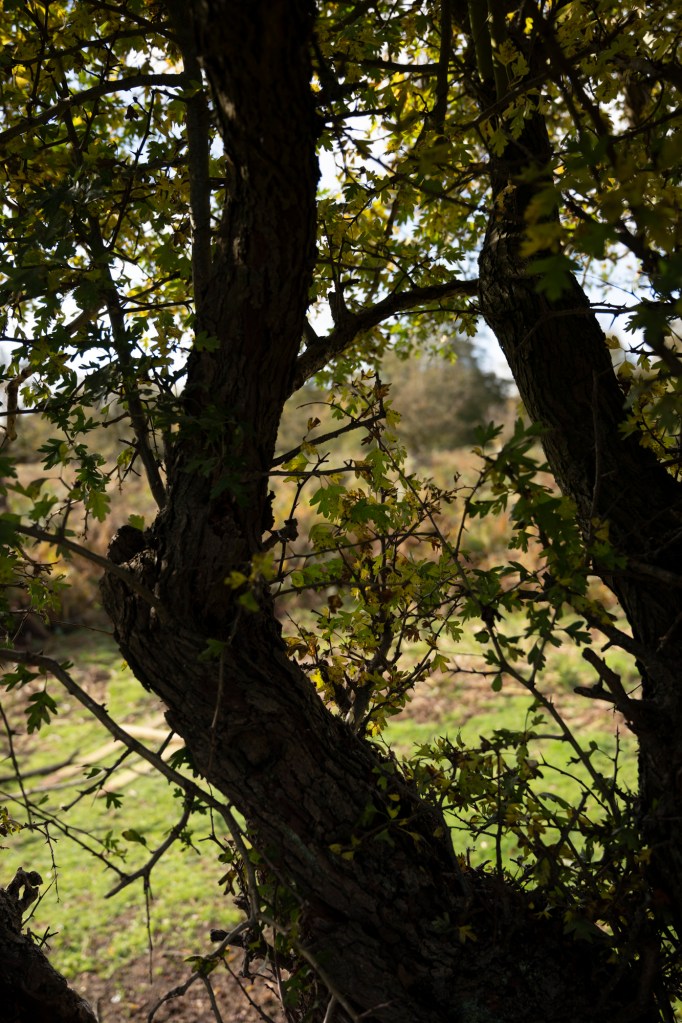
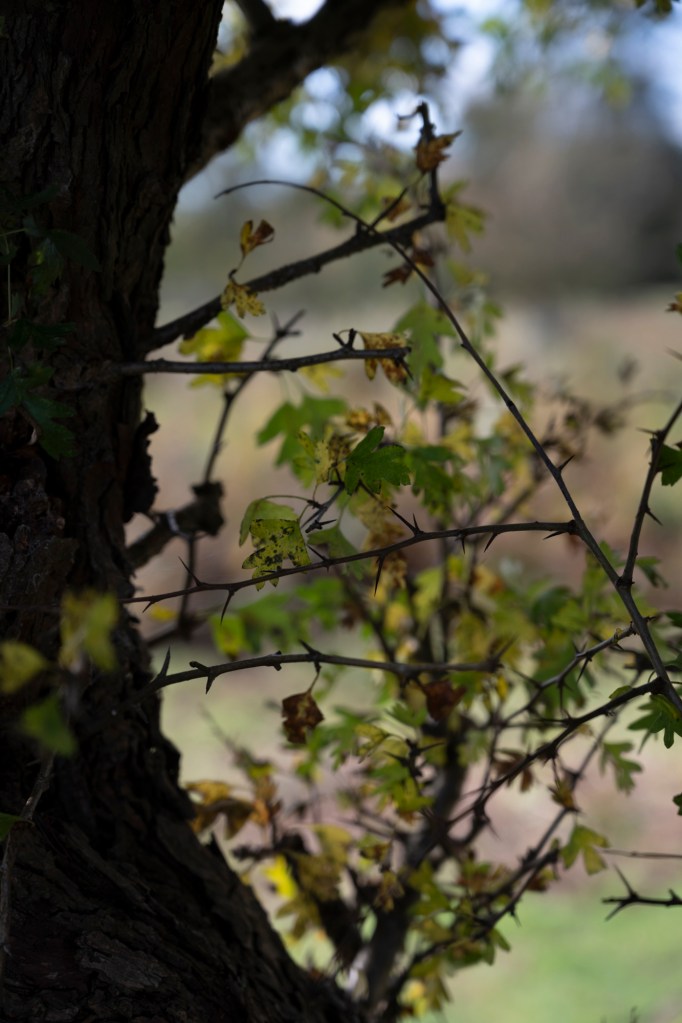
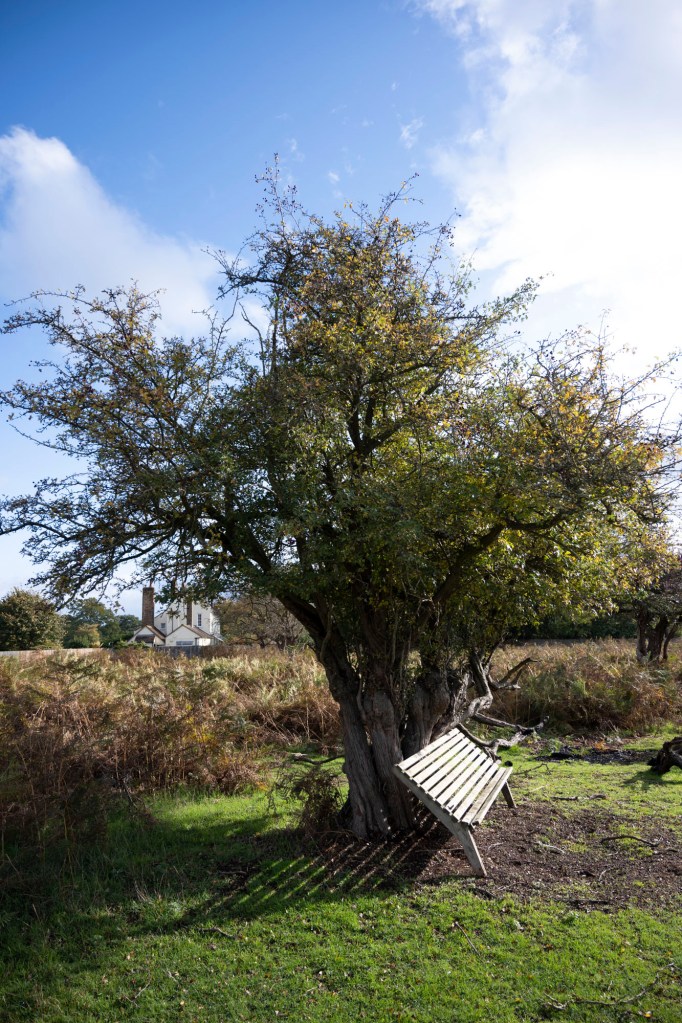
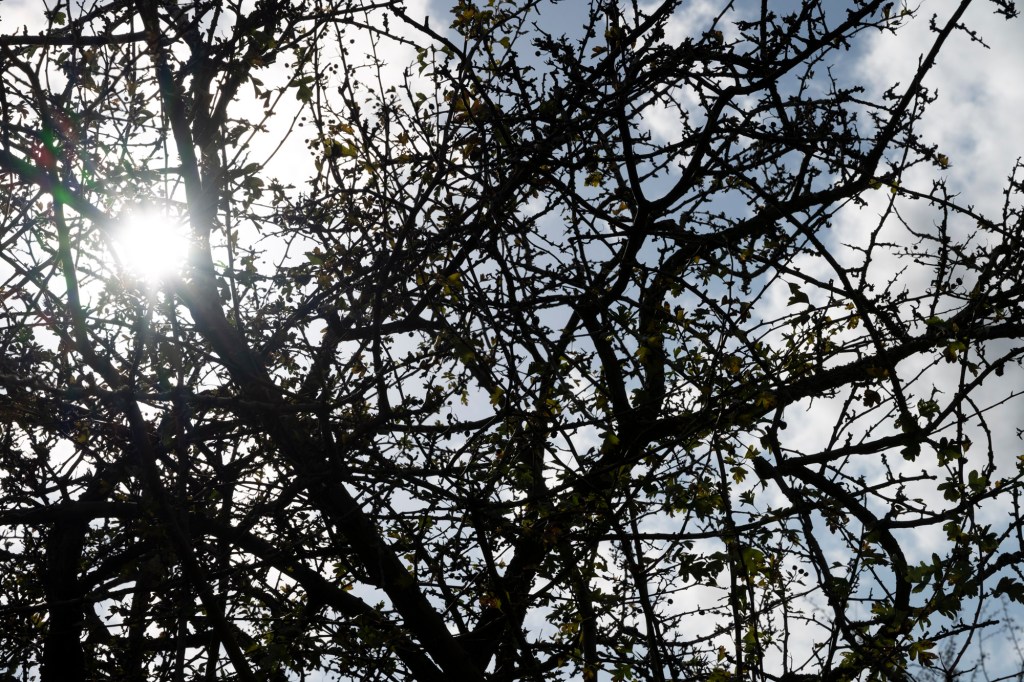
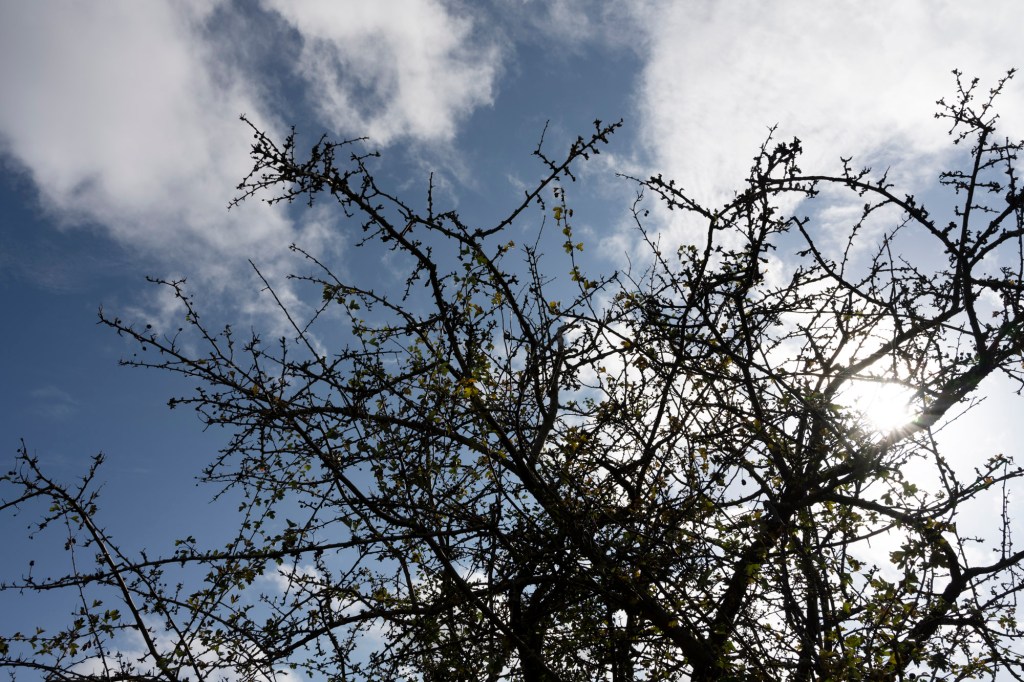
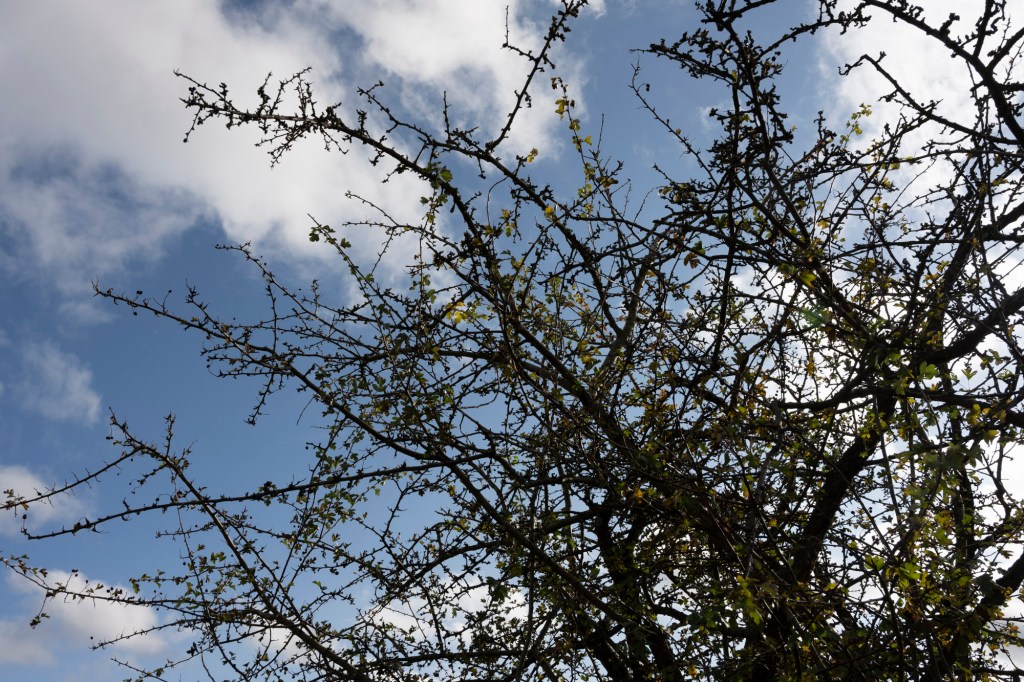
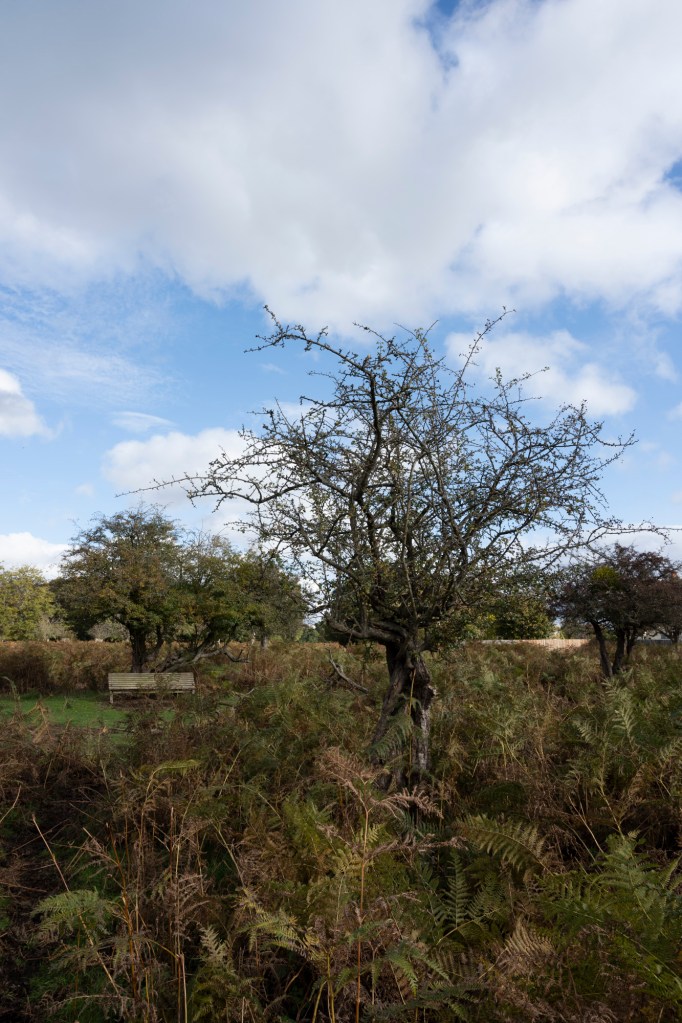
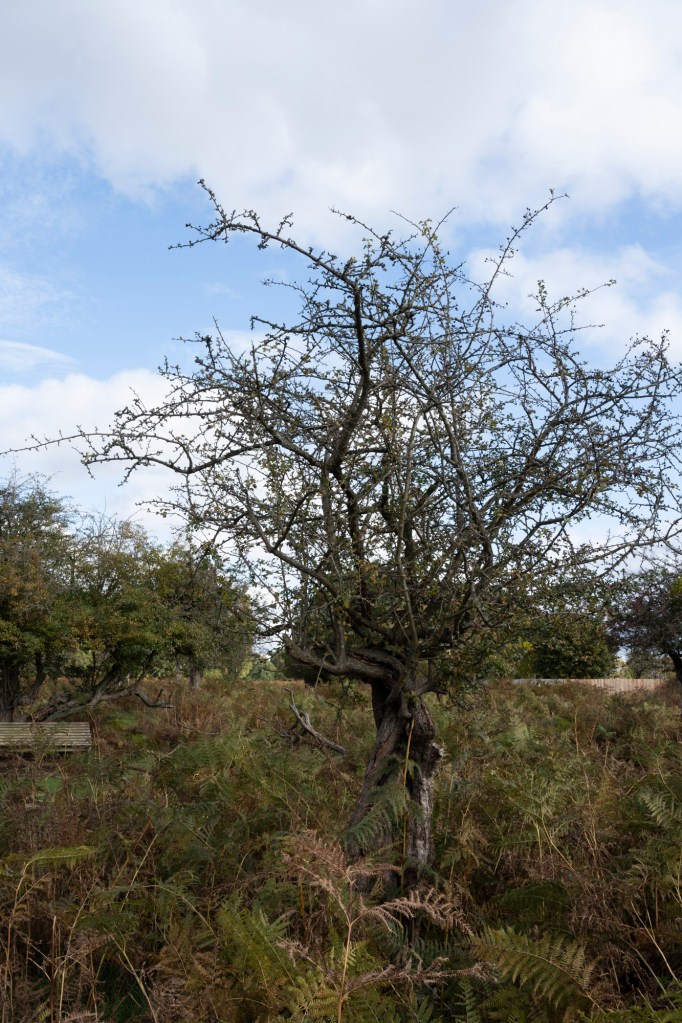
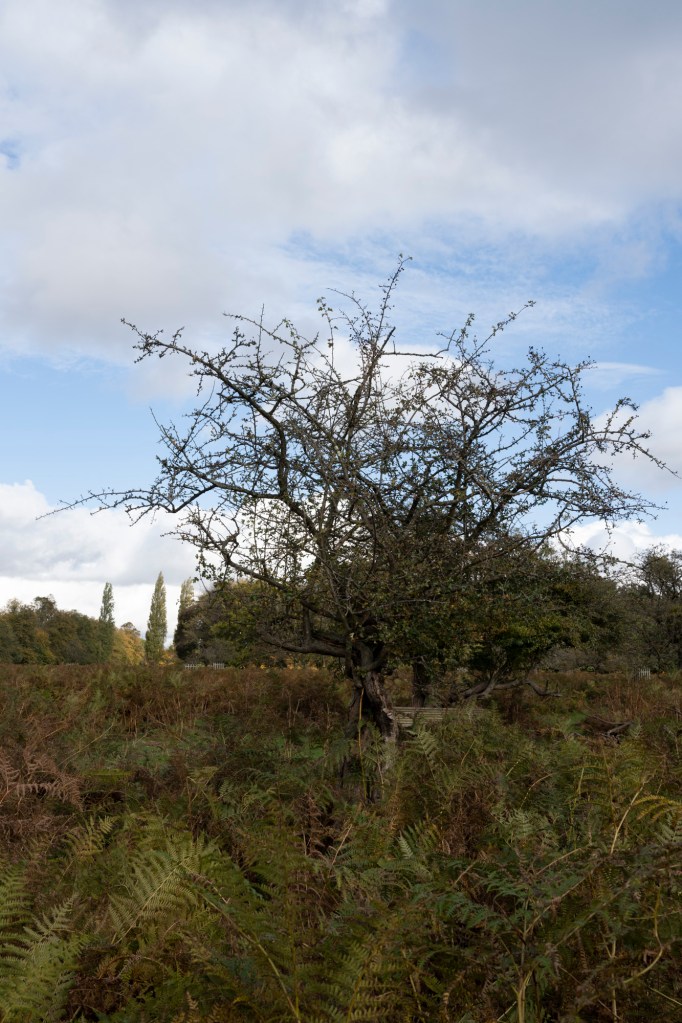
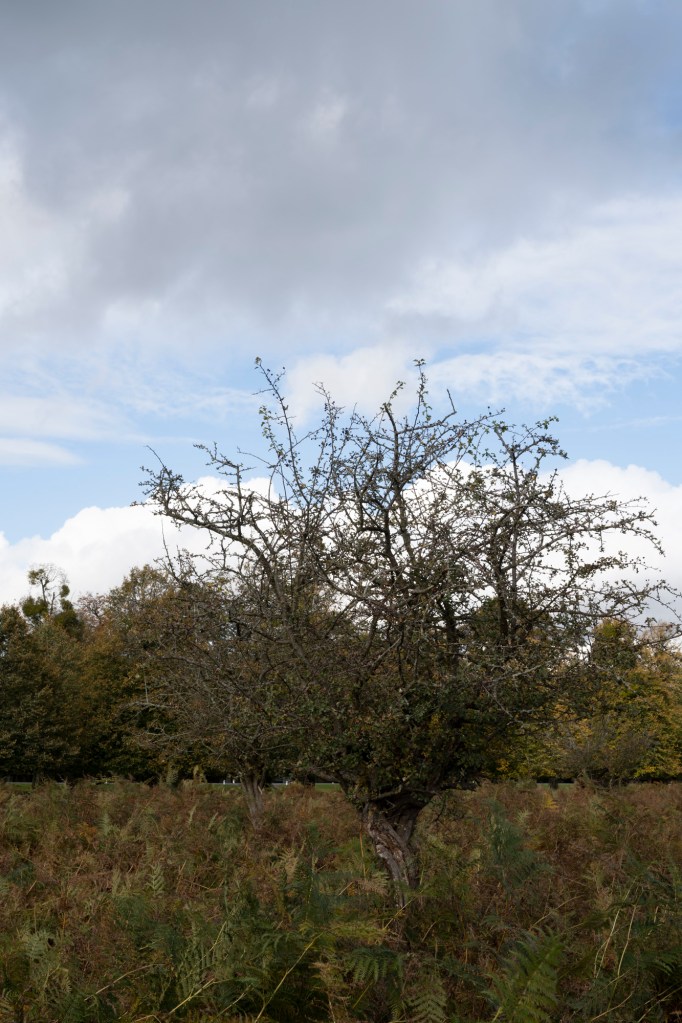
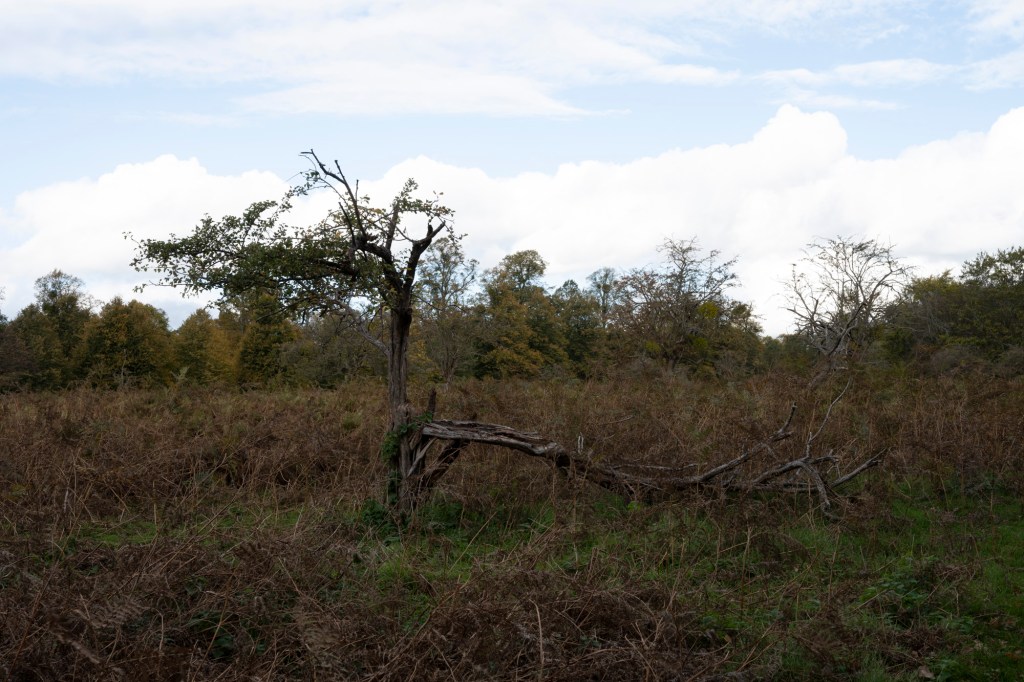
AGM62 Bushy Park Hawthorns 1 November 2020

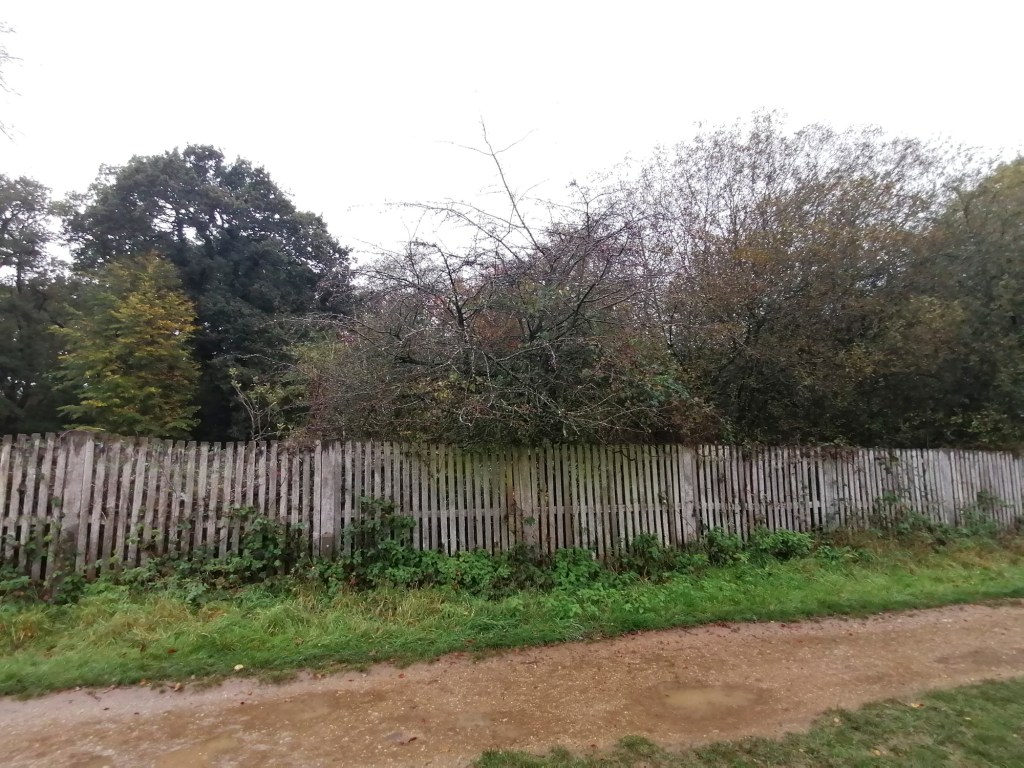
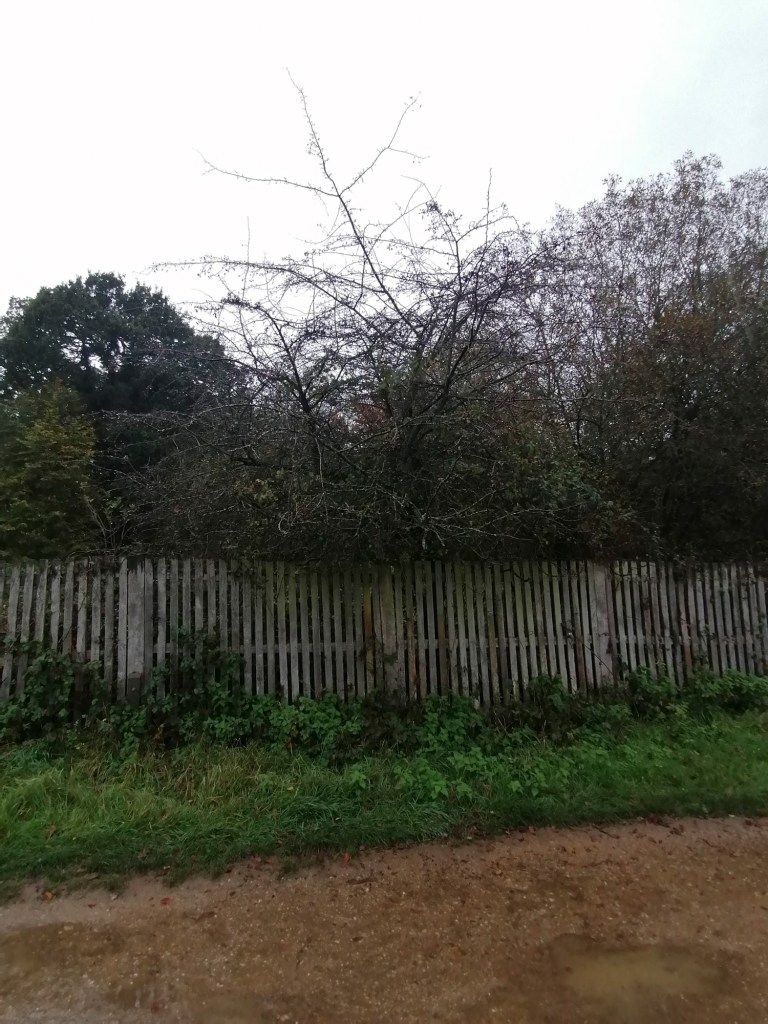
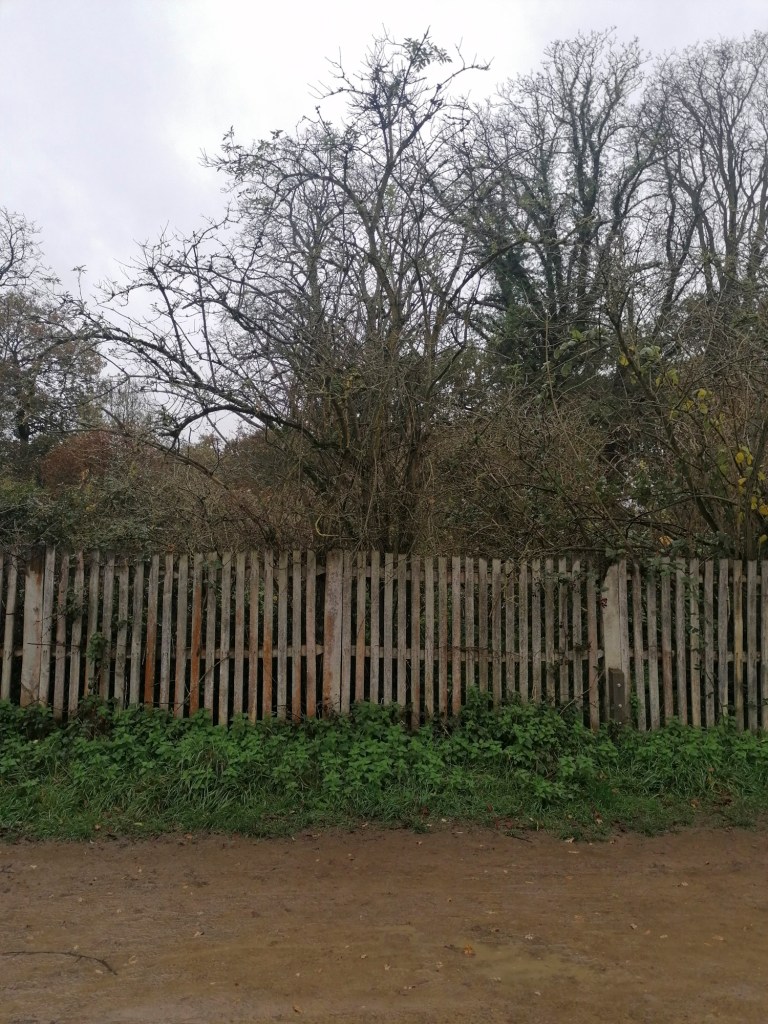
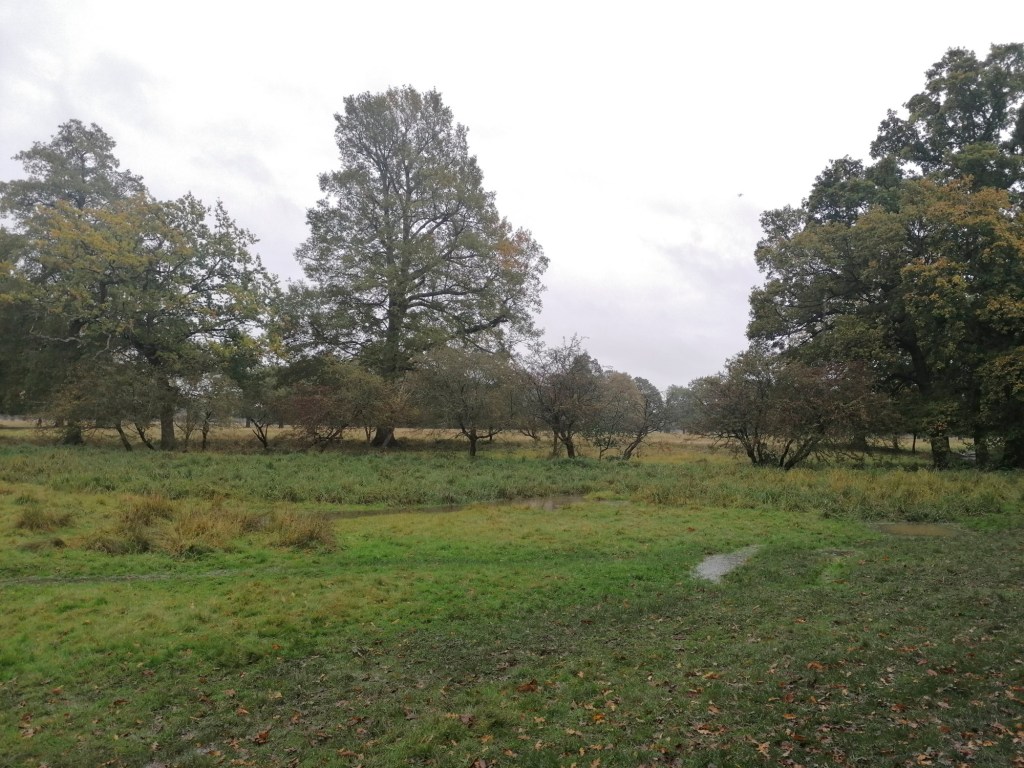
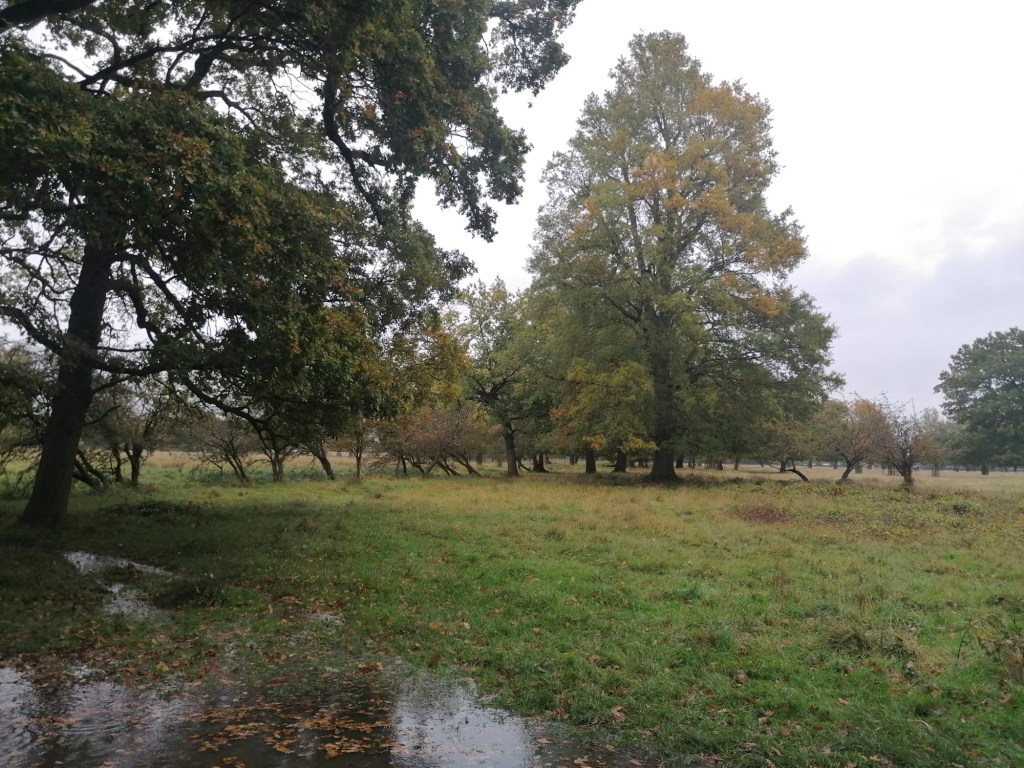
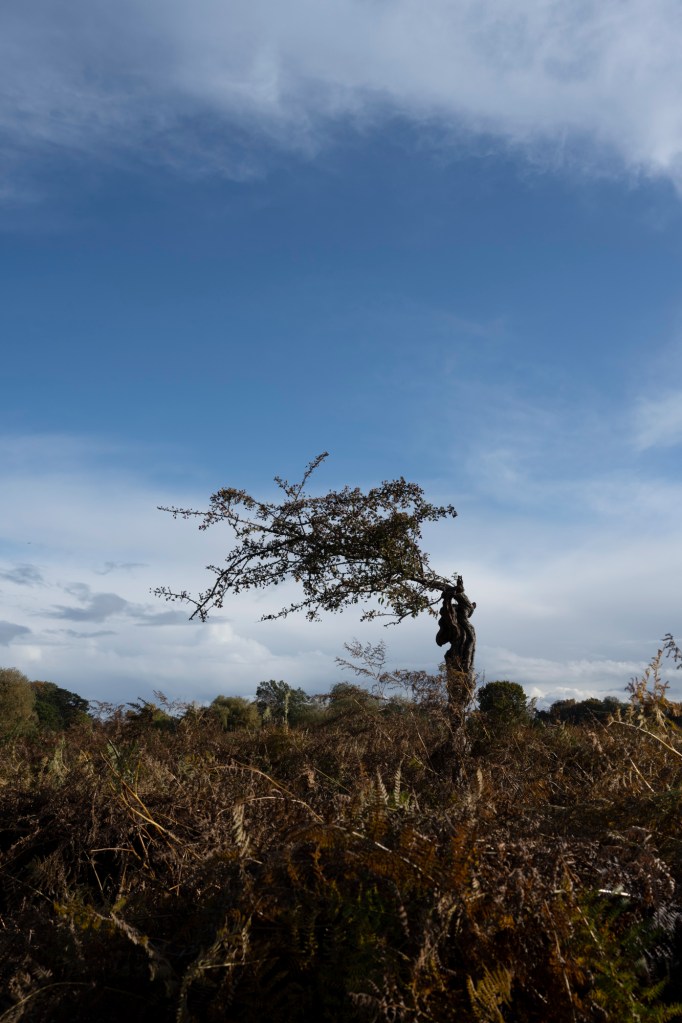
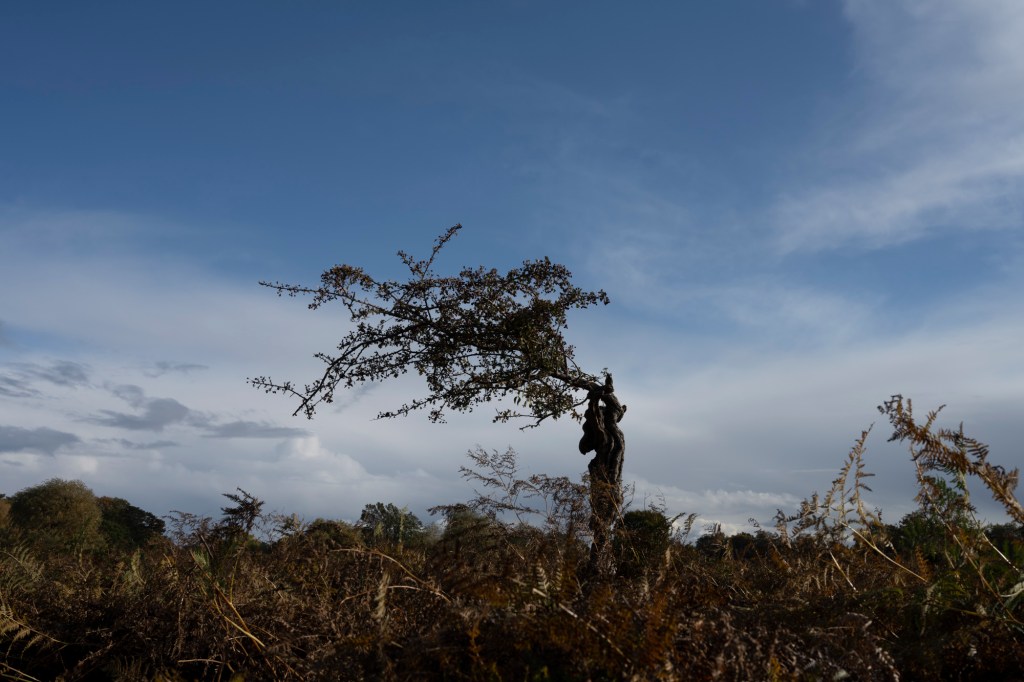
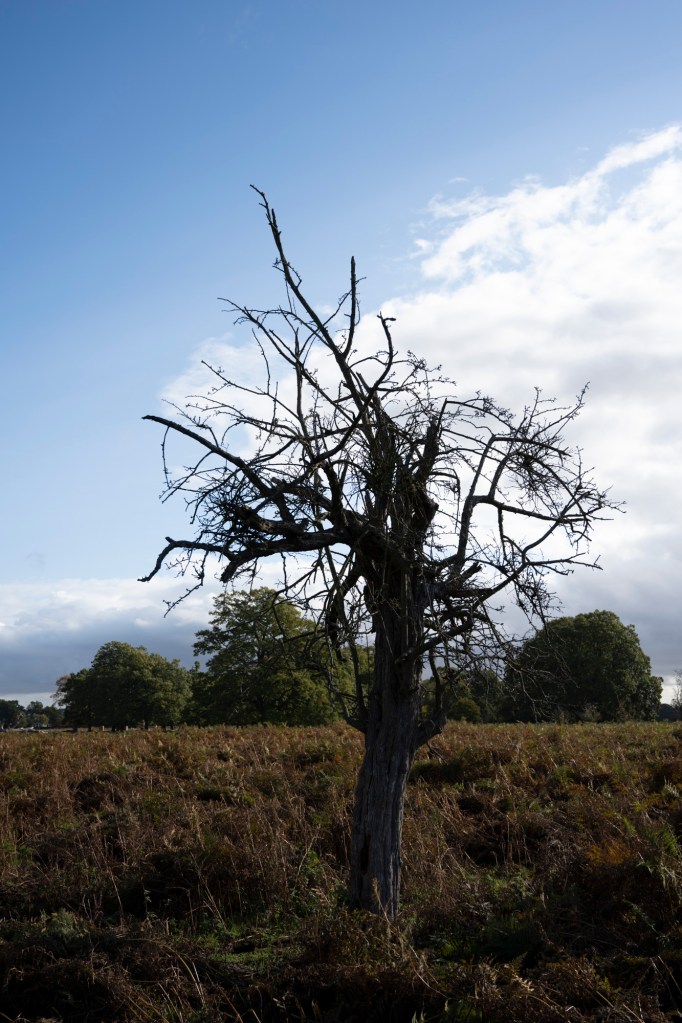
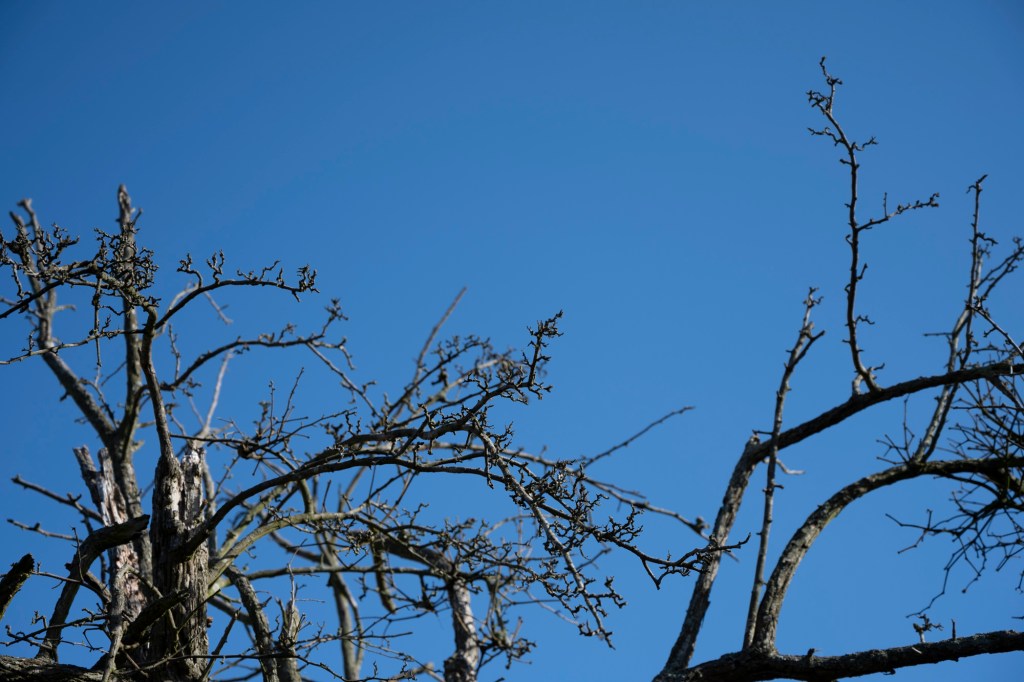
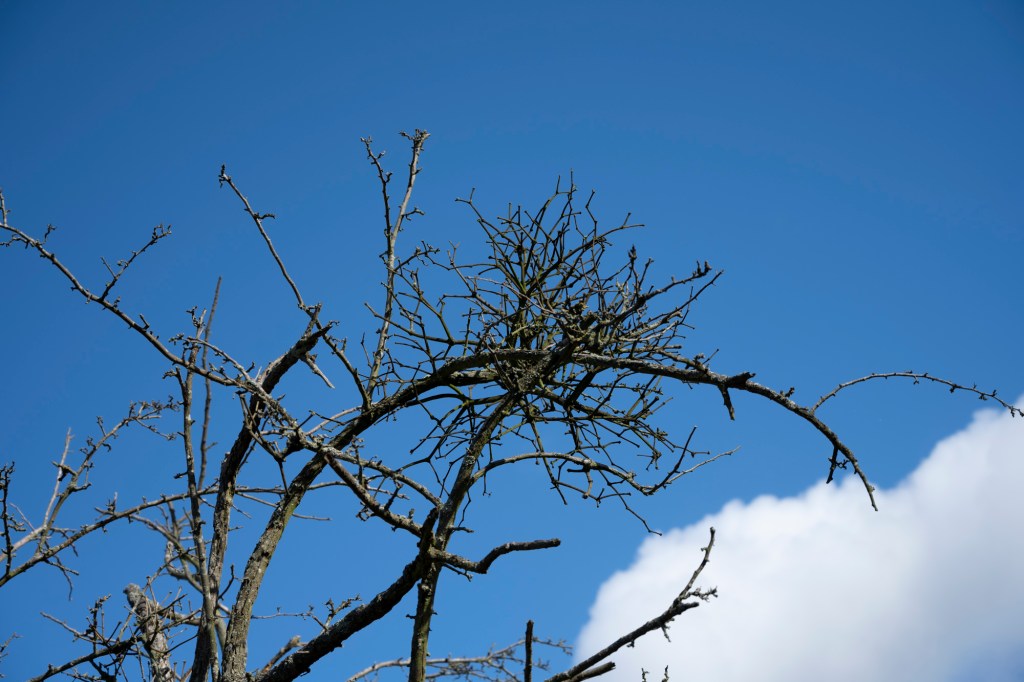
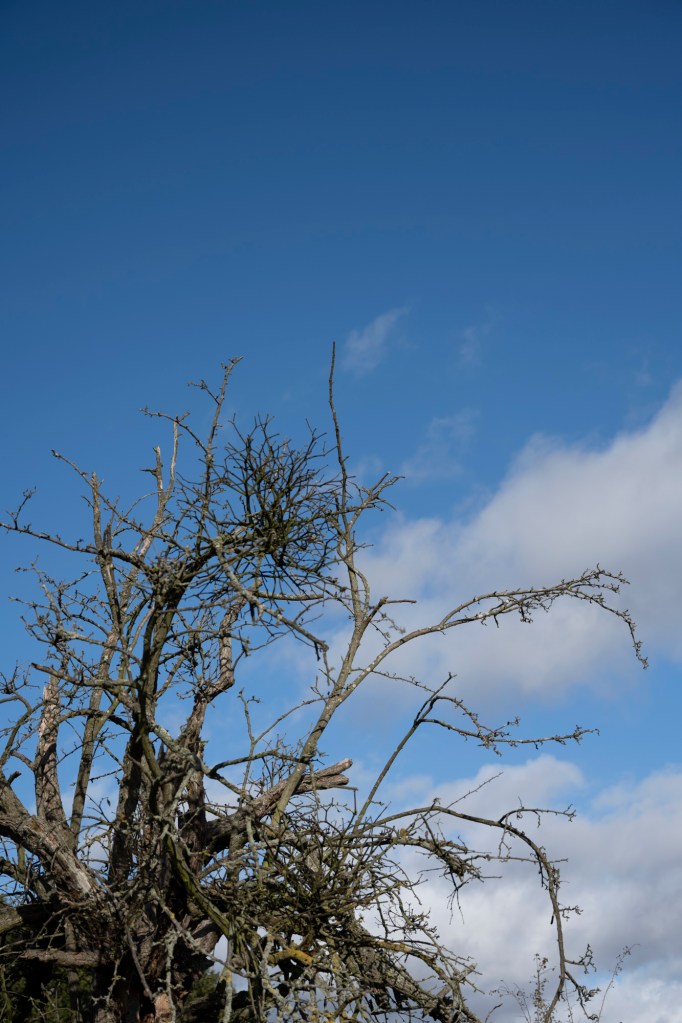
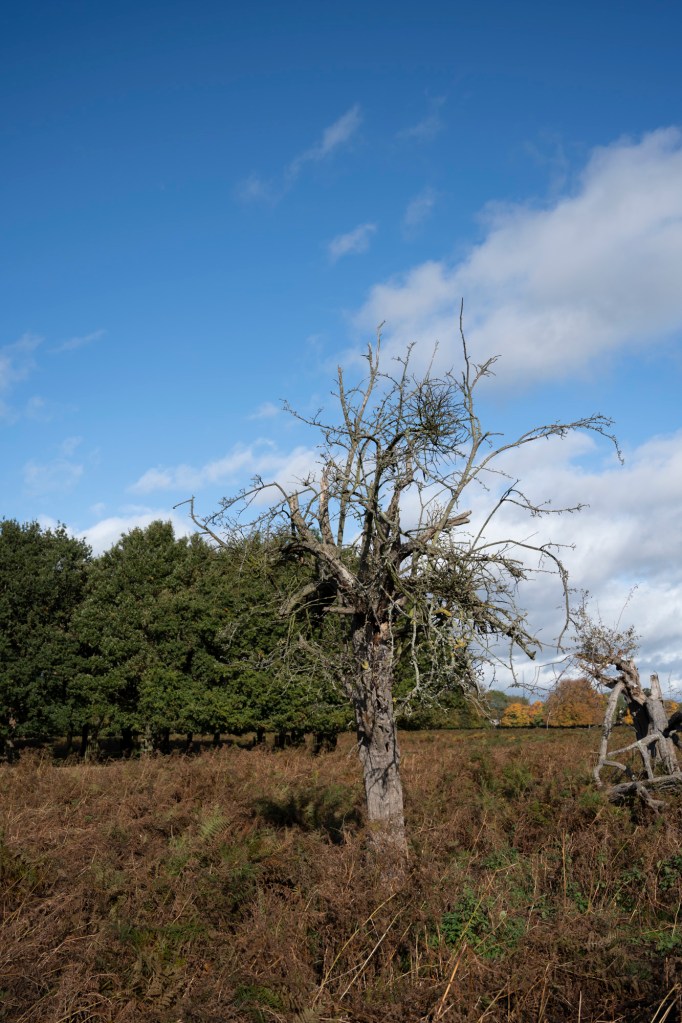
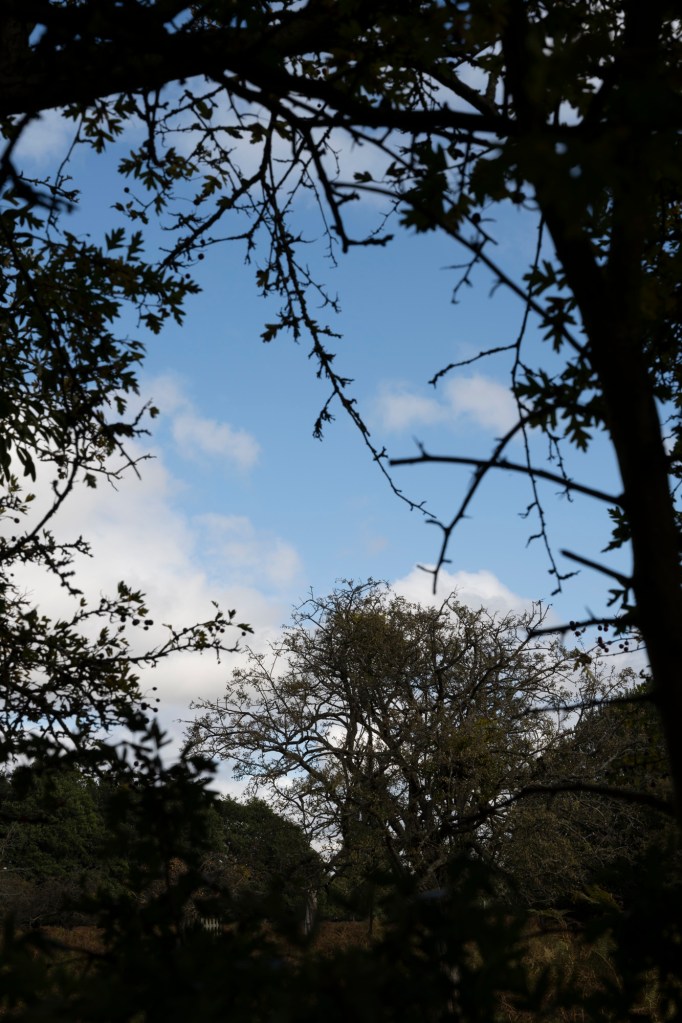
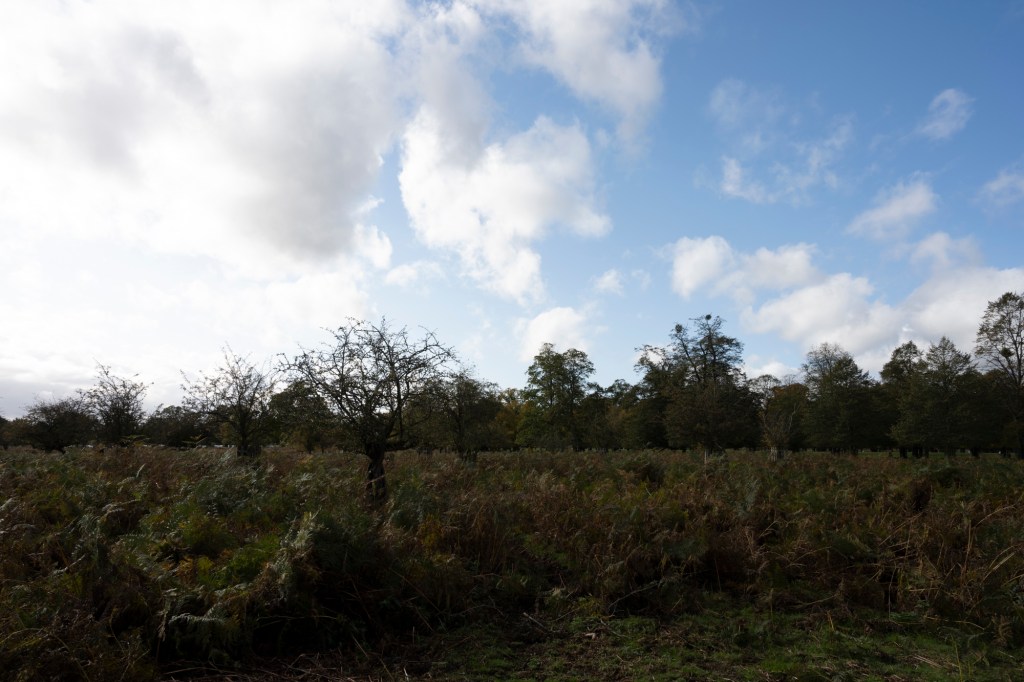
After my shoot on 29 October, I wanted to explore a different section of Bushy Park where I knew there were hawthorns. I also wanted to combine this session with a long walk in order to take my mind off the previous day’s announcement regarding the forthcoming four-week lock-down.

While on my walk, I was aware of being thankful that I took this development into consideration in relation to the project for this module. I am extremely fortunate to be able to leave the house for exercise and carry out work that I can’t do at home. The circumstances are very similar to earlier in the year – it worked then and it will work now.

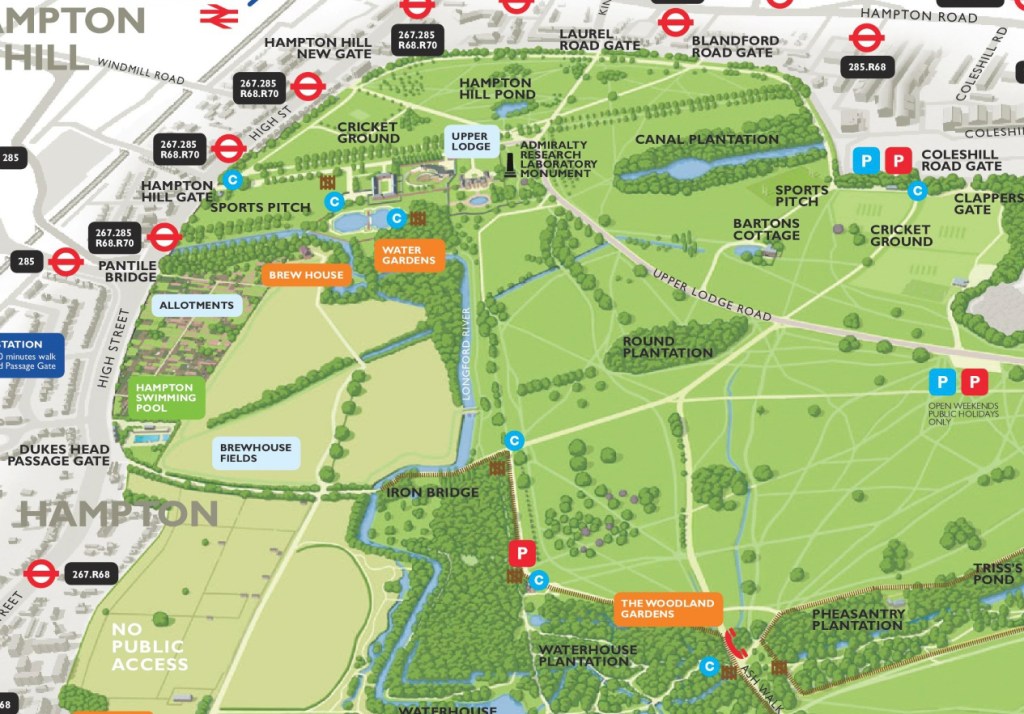
In preparation in working out the different areas within Bushy Park and the hawthorns in each part, I searched for a map online. In doing this, I came across the Historic England website and discovered I could download an Ordnance Survey map. This will be very helpful in my mission to locate the trees.
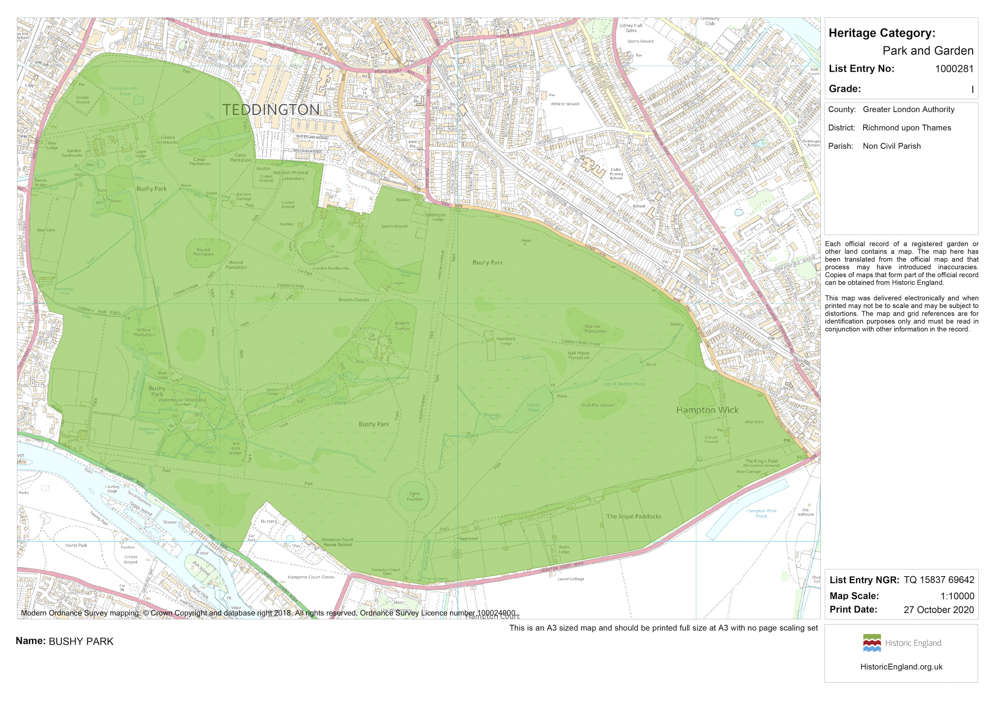
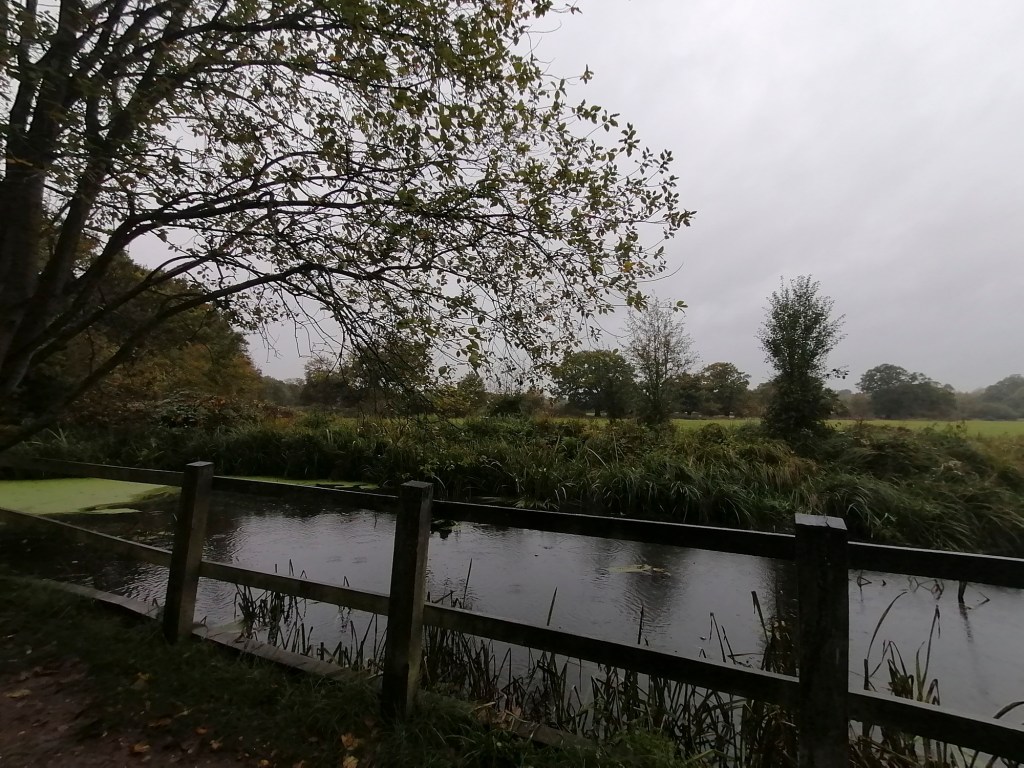
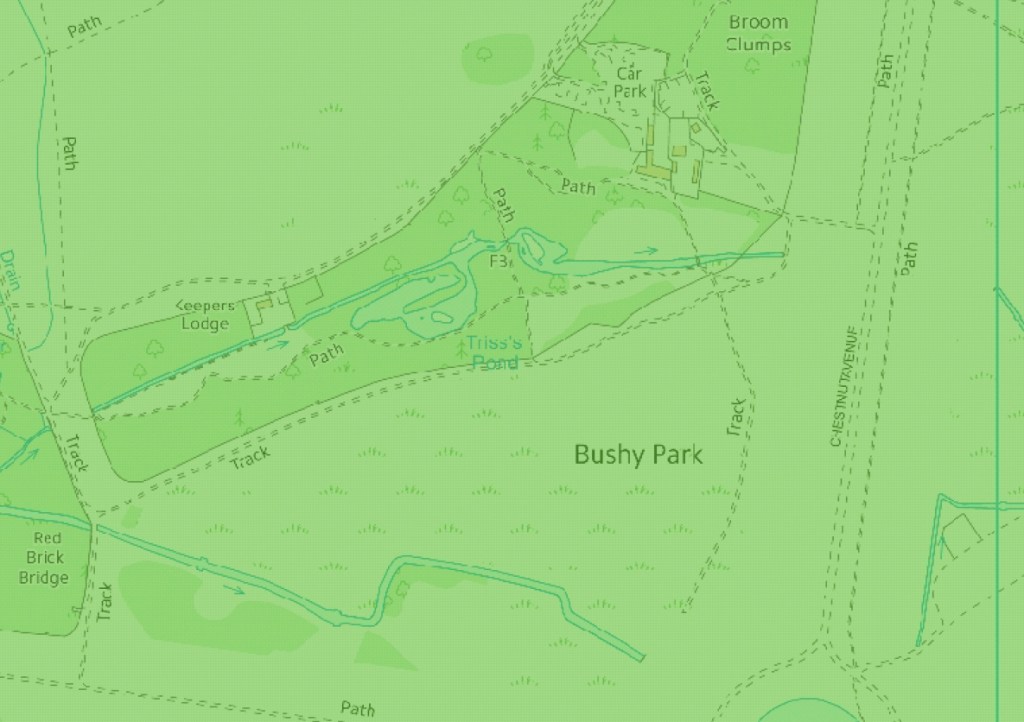
The area in which I focused covered the area between the border of the Pheasantry Plantation in the Woodland Gardens, the channel of water on the bottom, left-hand side of the map and the track to the right.
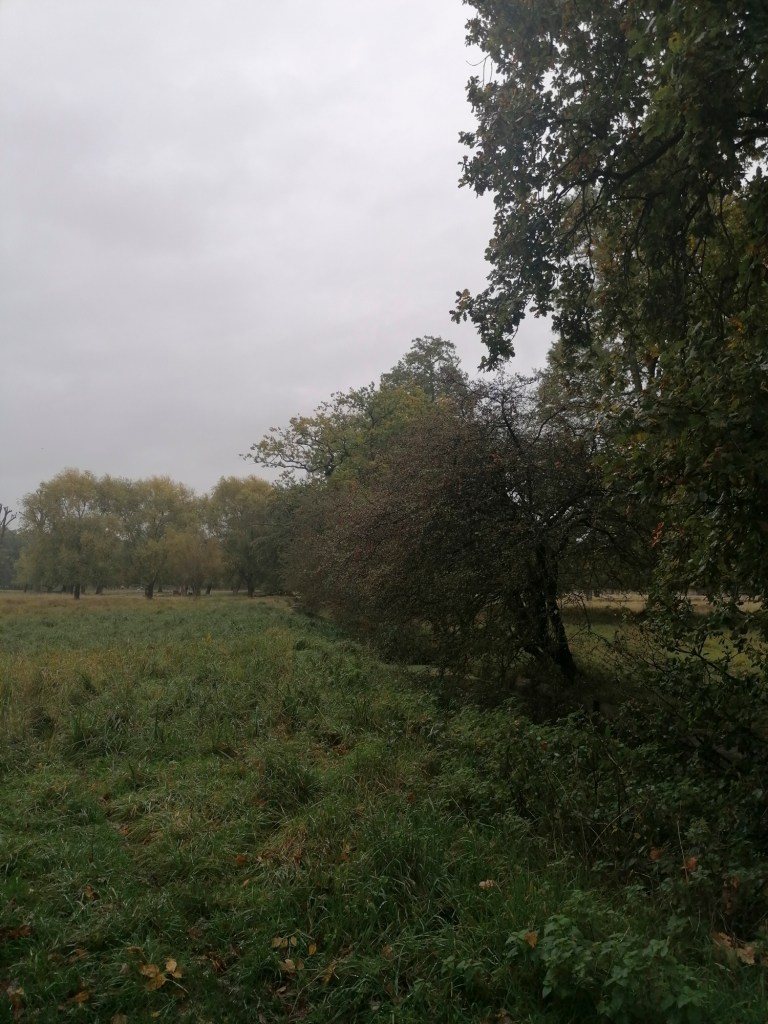
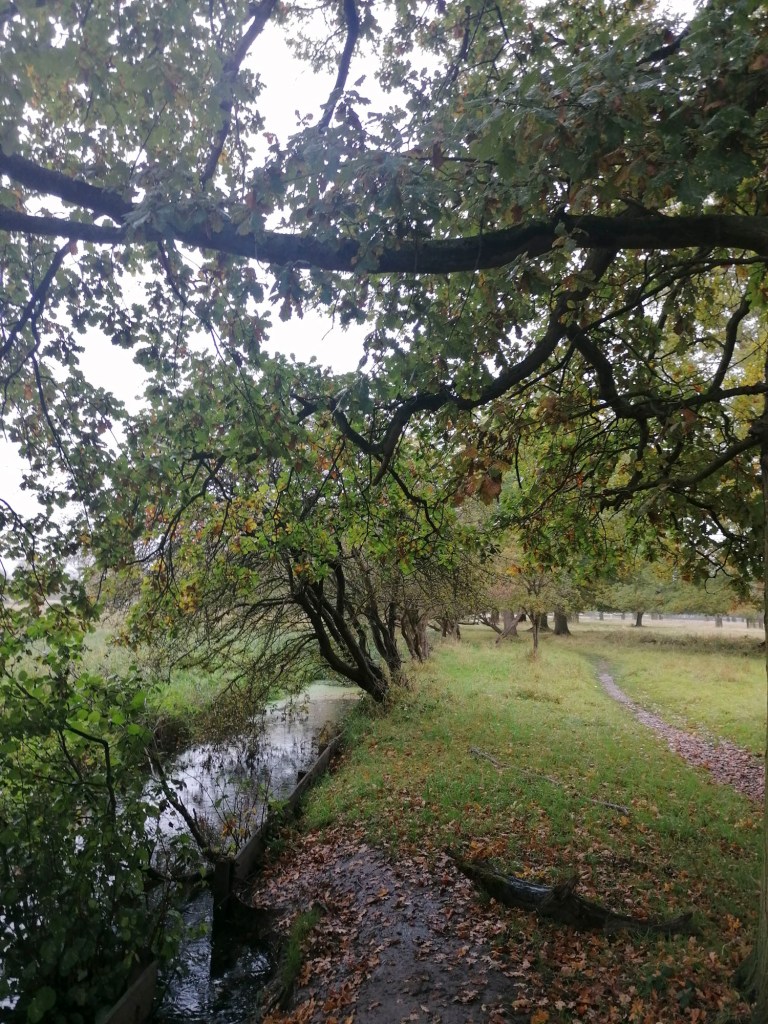
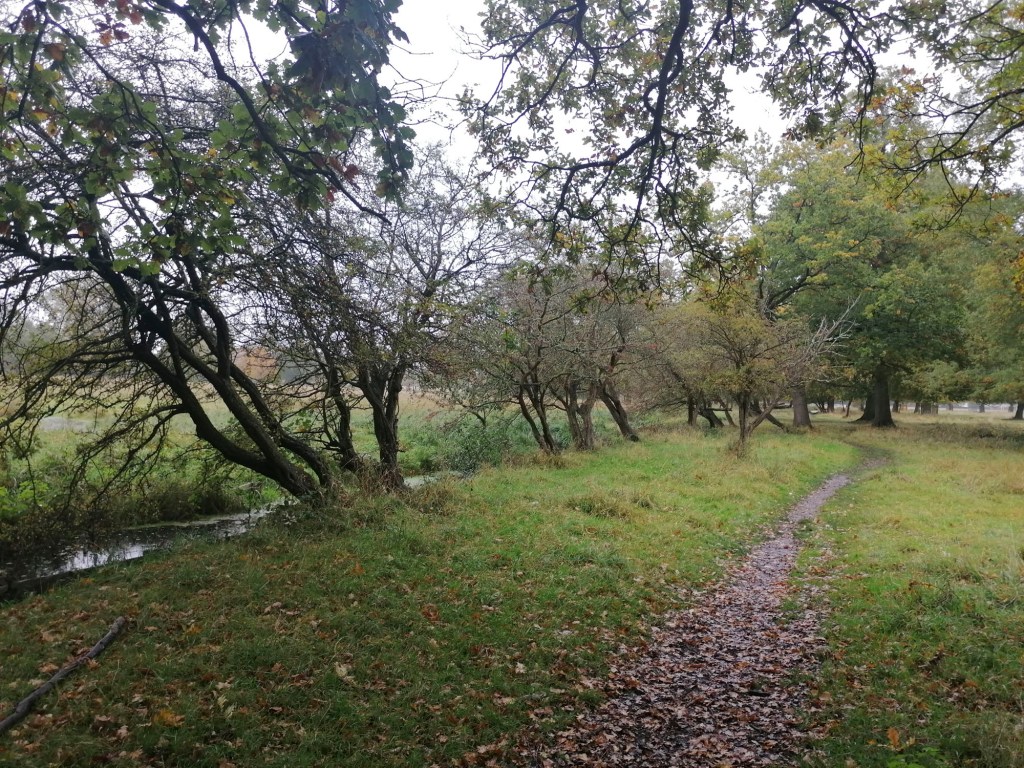
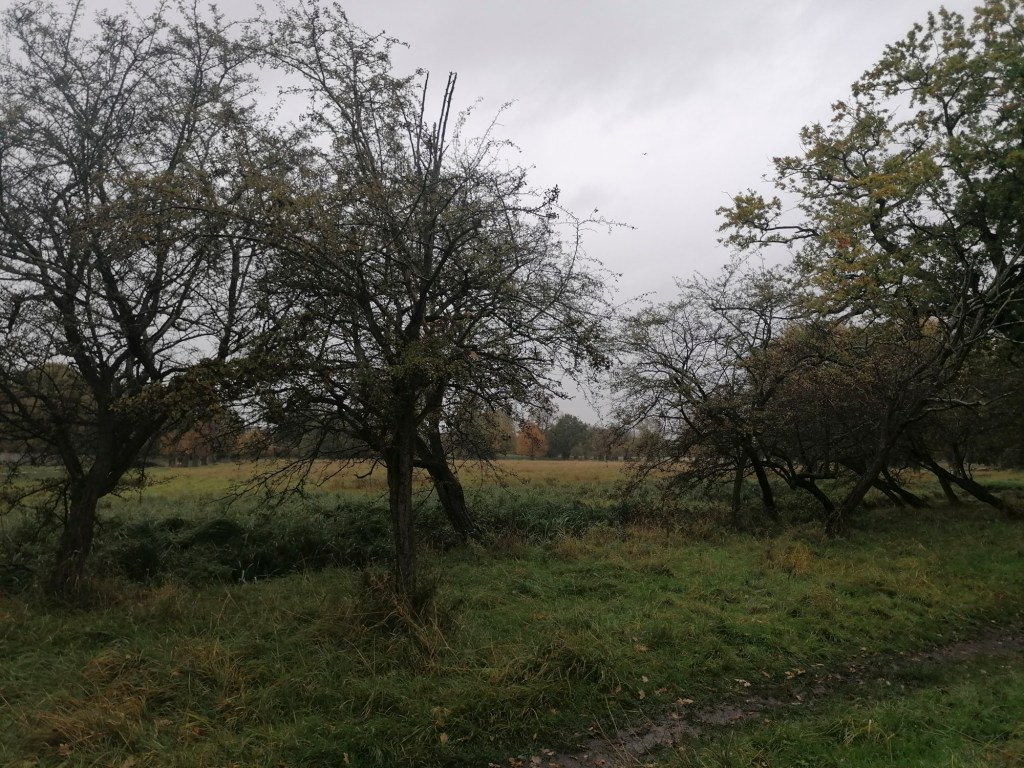
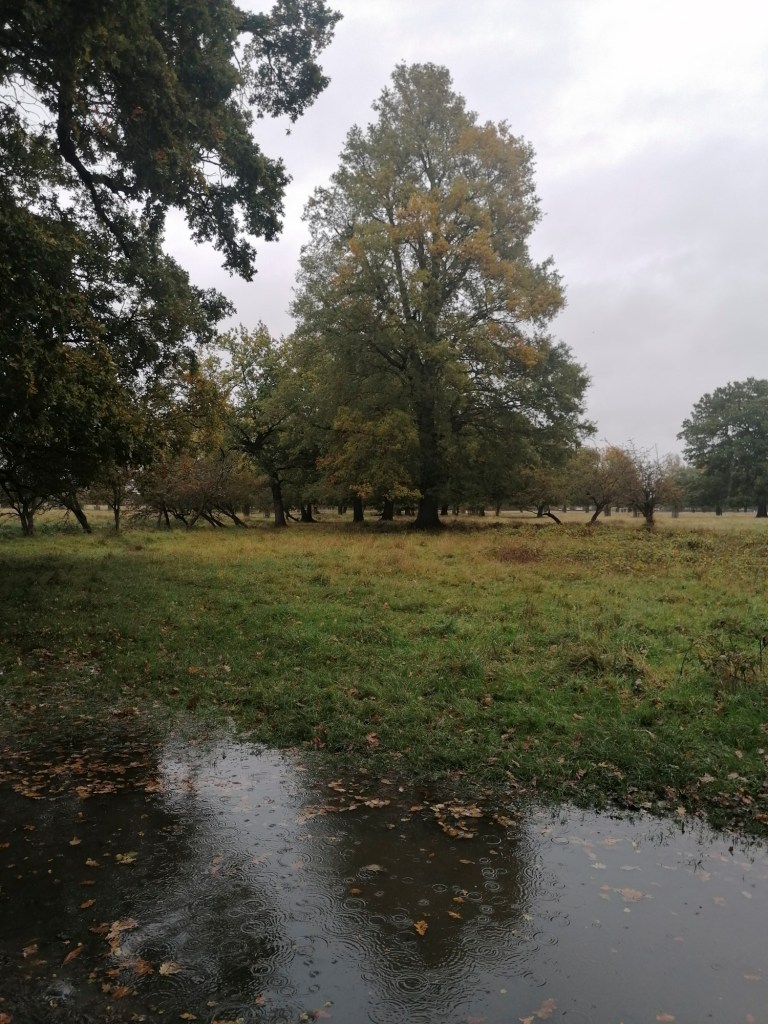
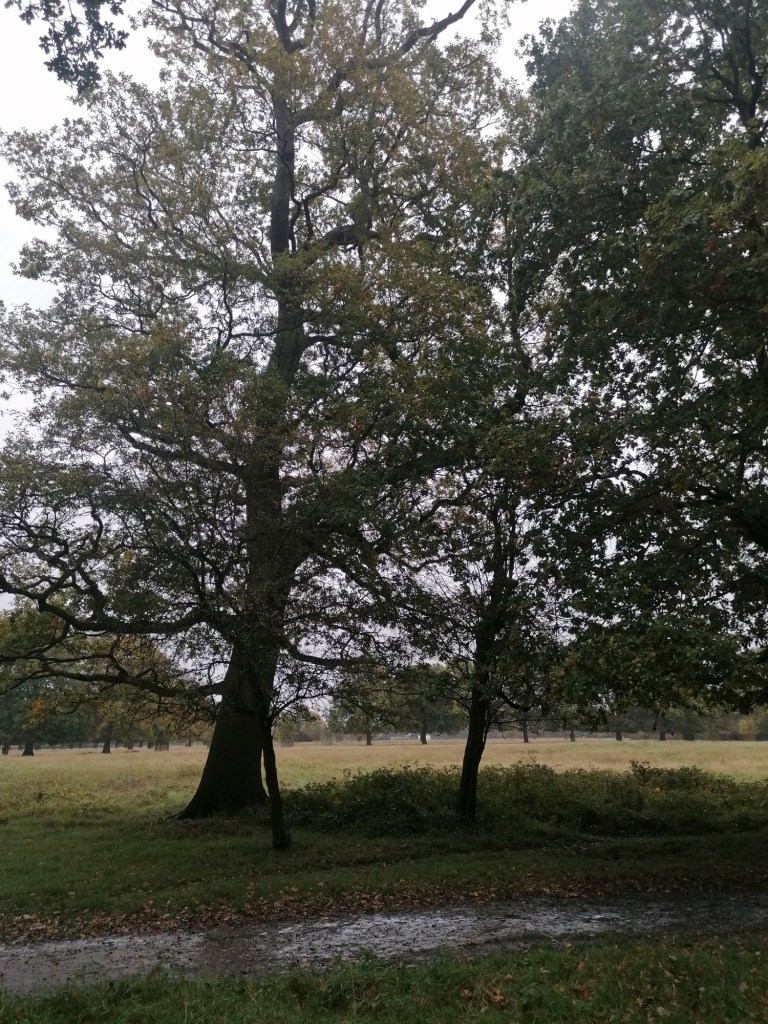
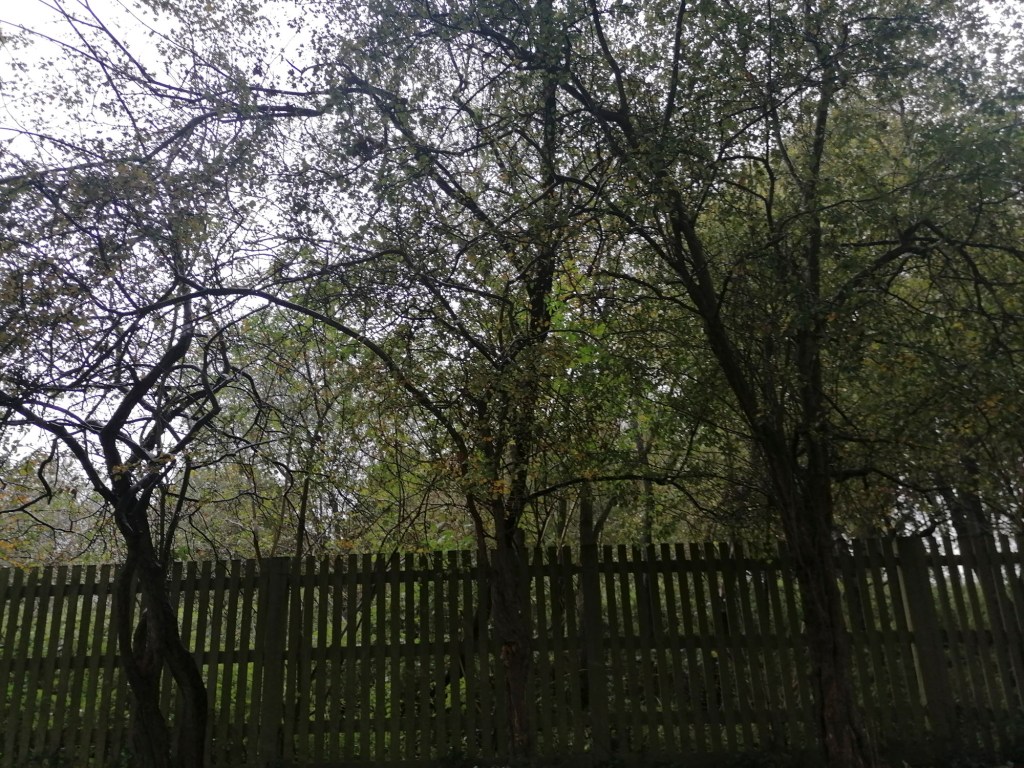
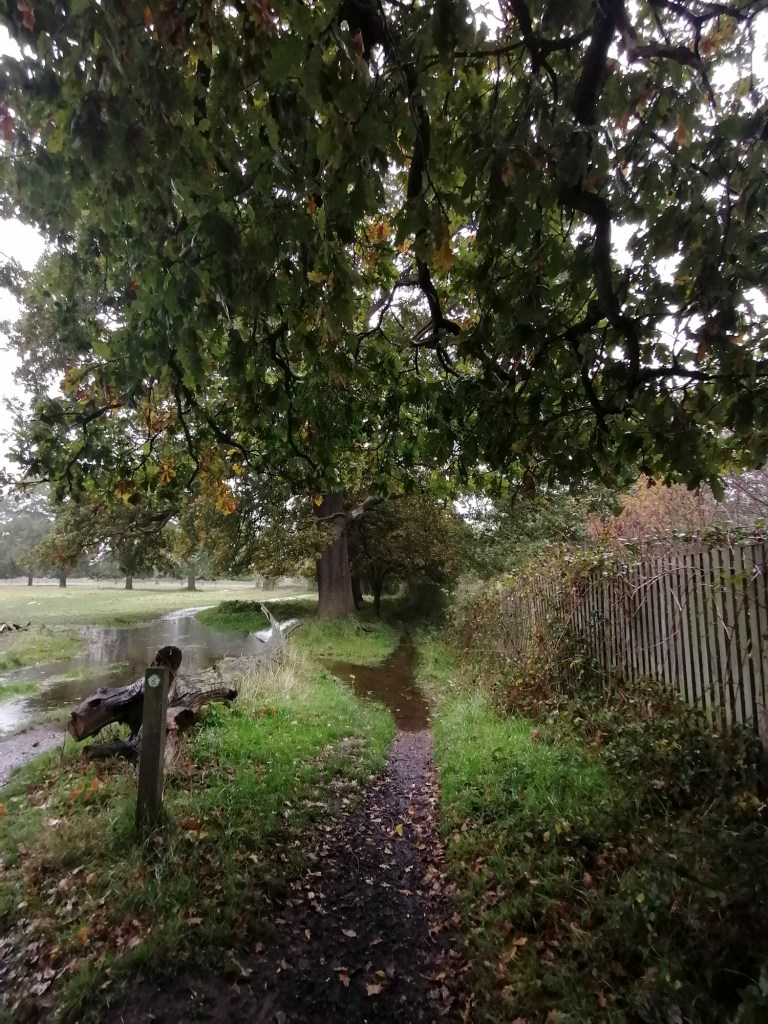
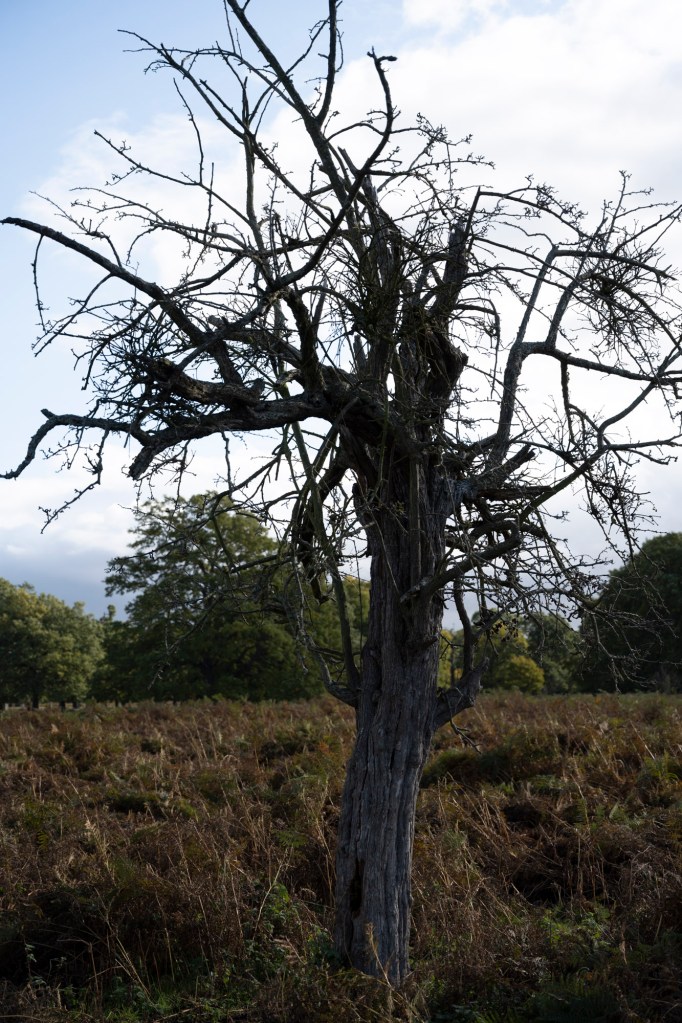
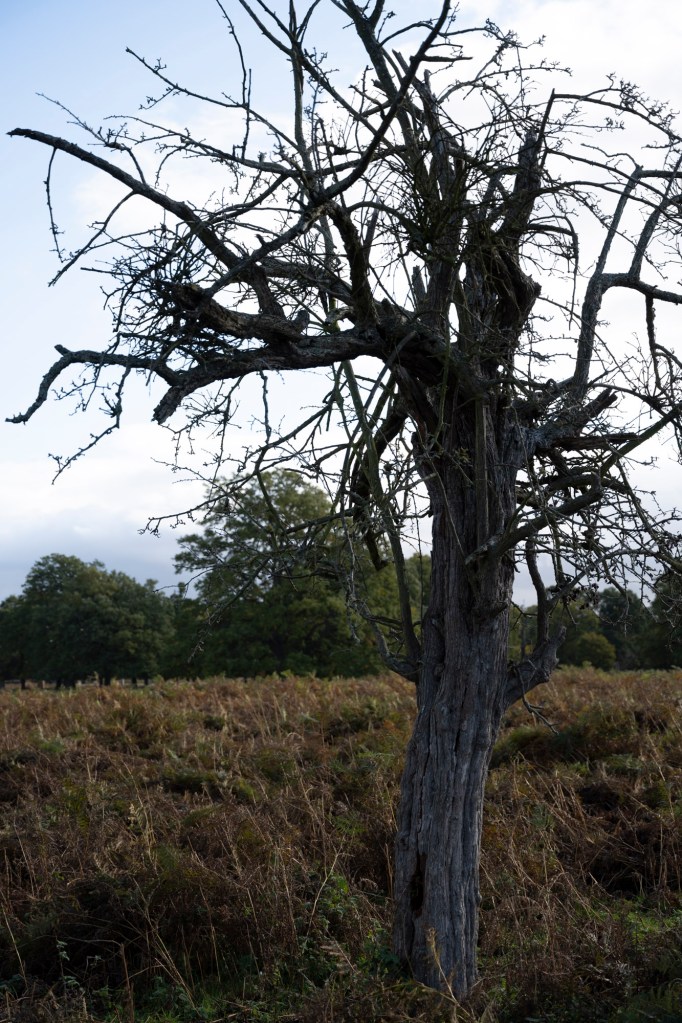
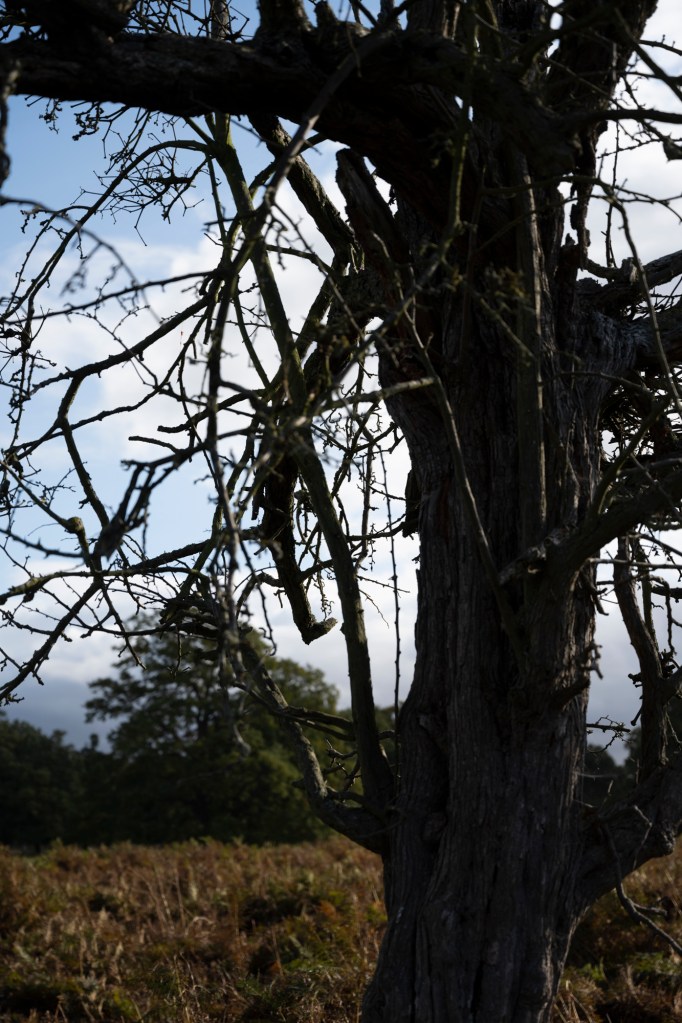
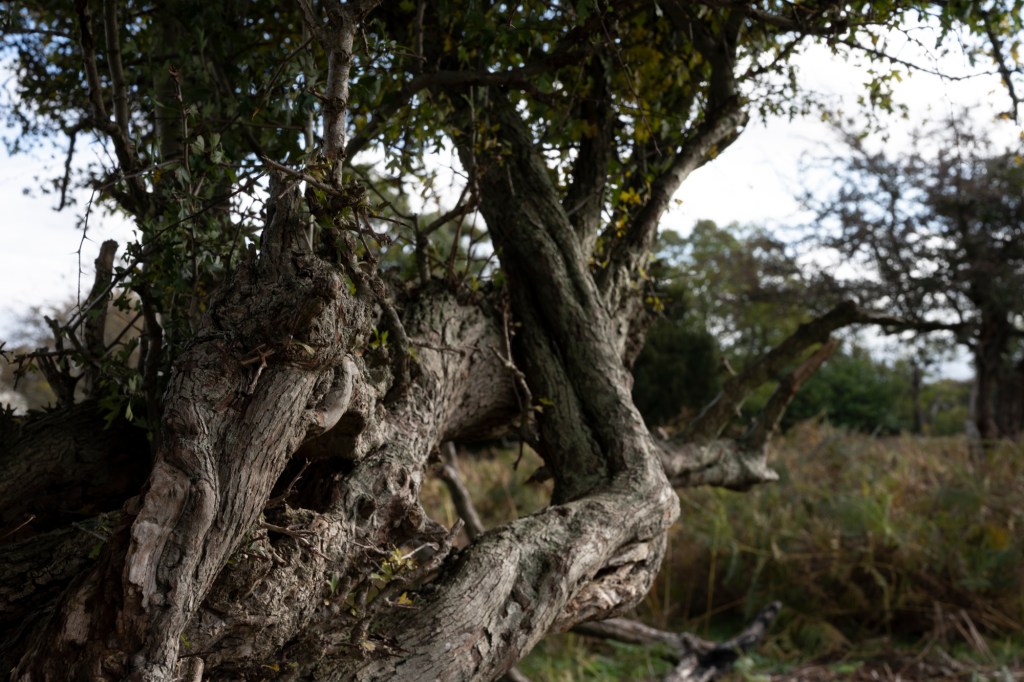
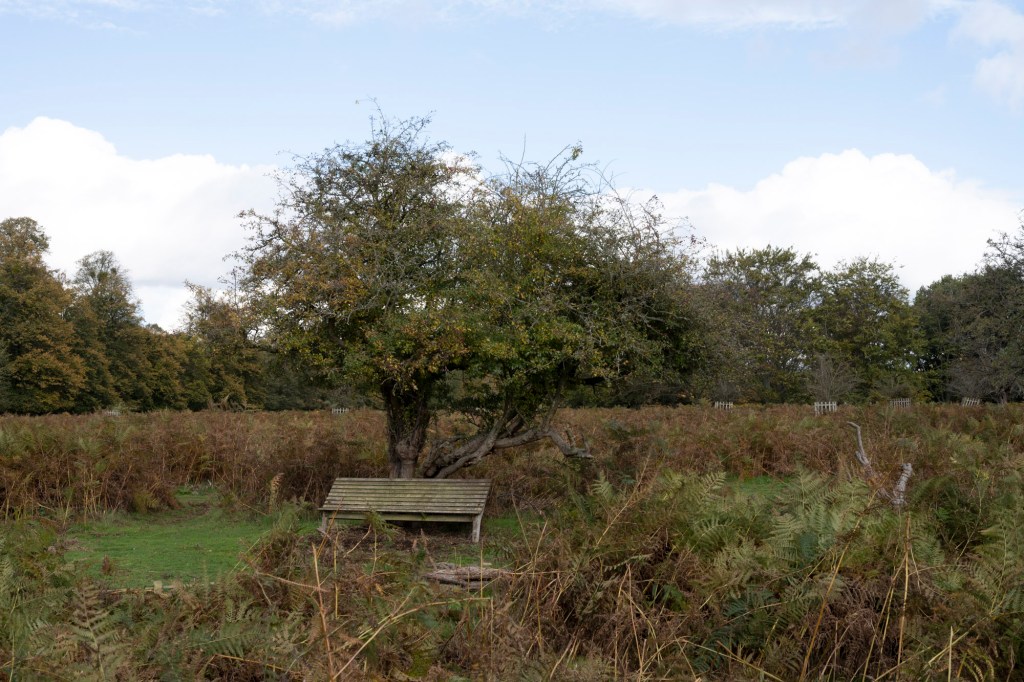
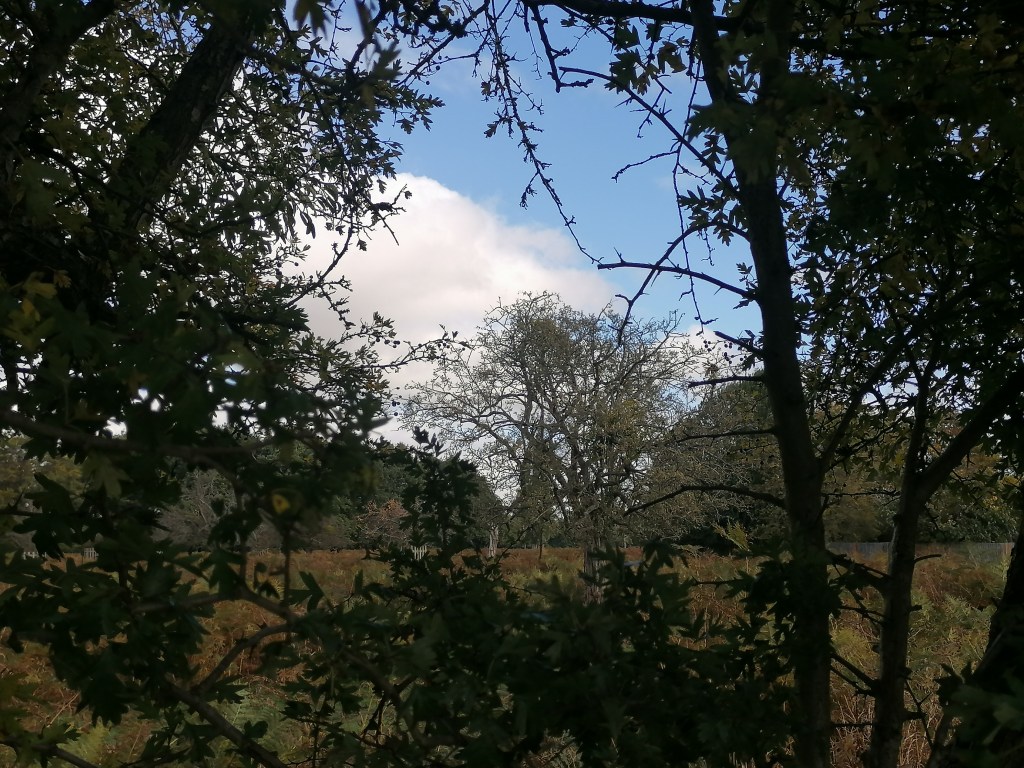
I took the following images using my smartphone as I wanted to travel light and nimble. Also, rain and strong winds were forecast and I did not want to risk my main camera being damaged.

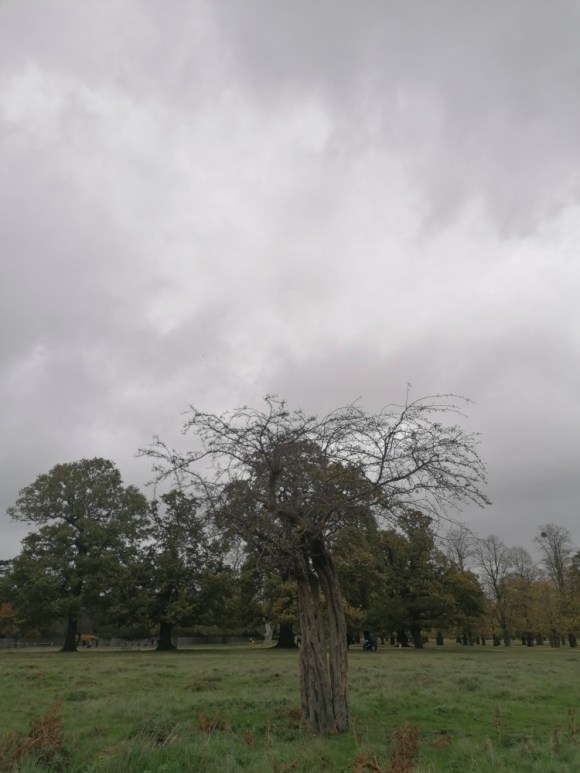
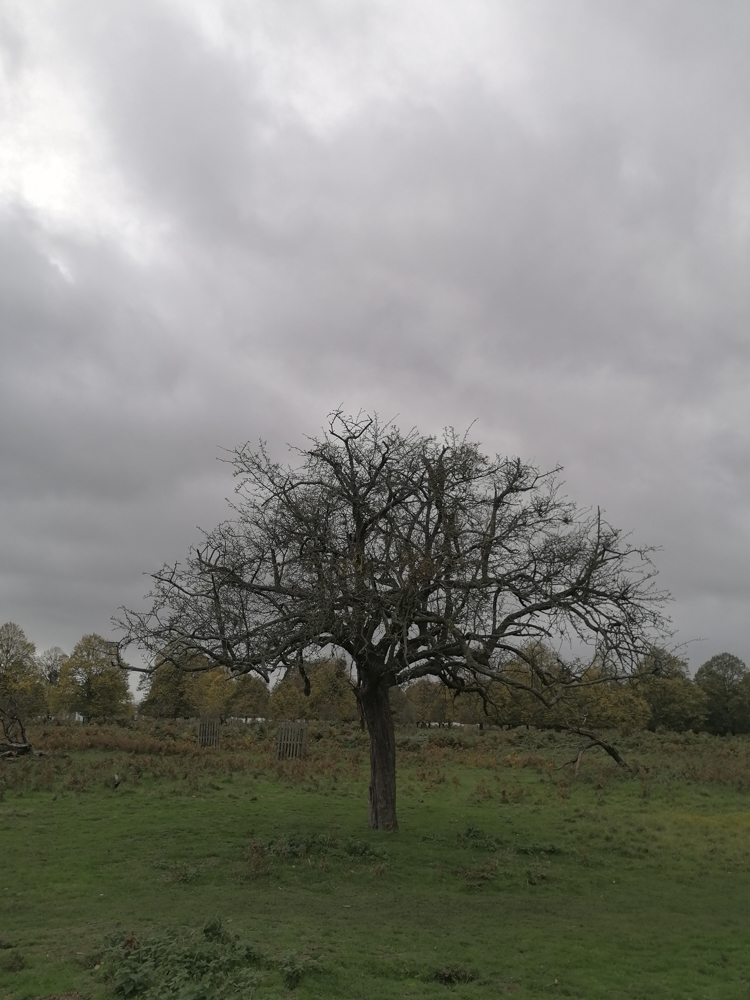
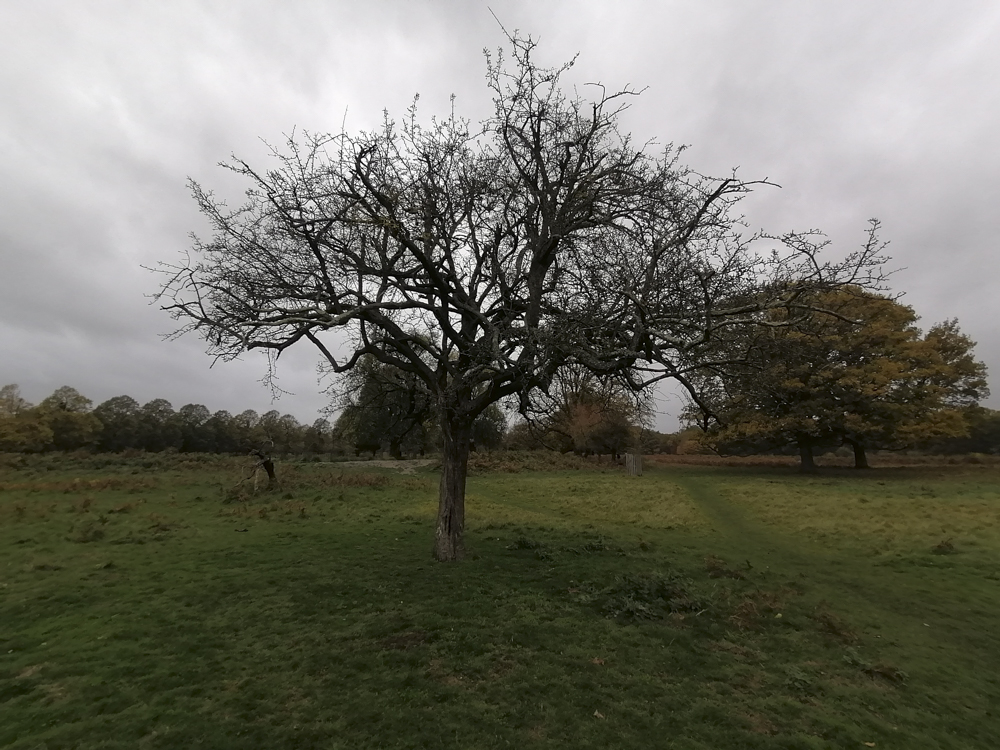
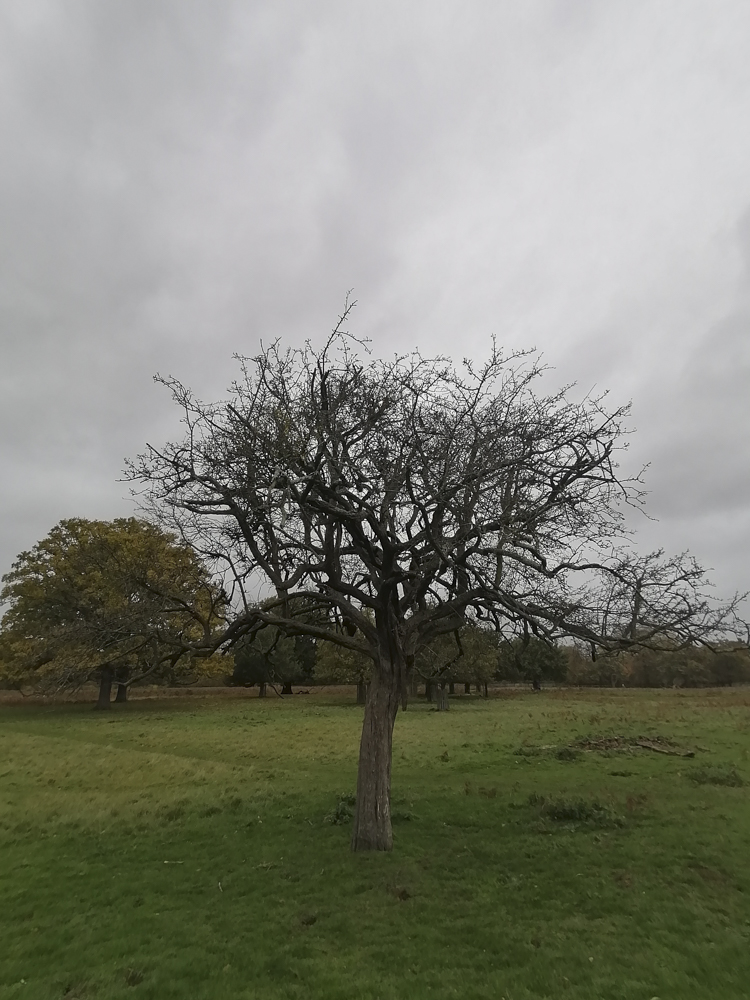
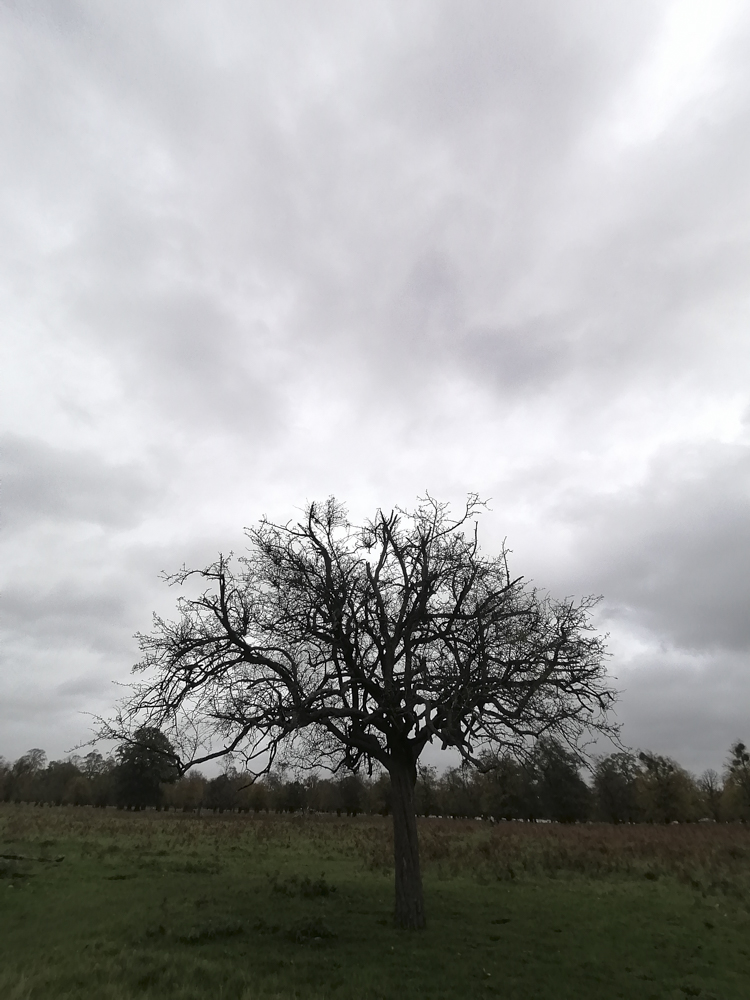
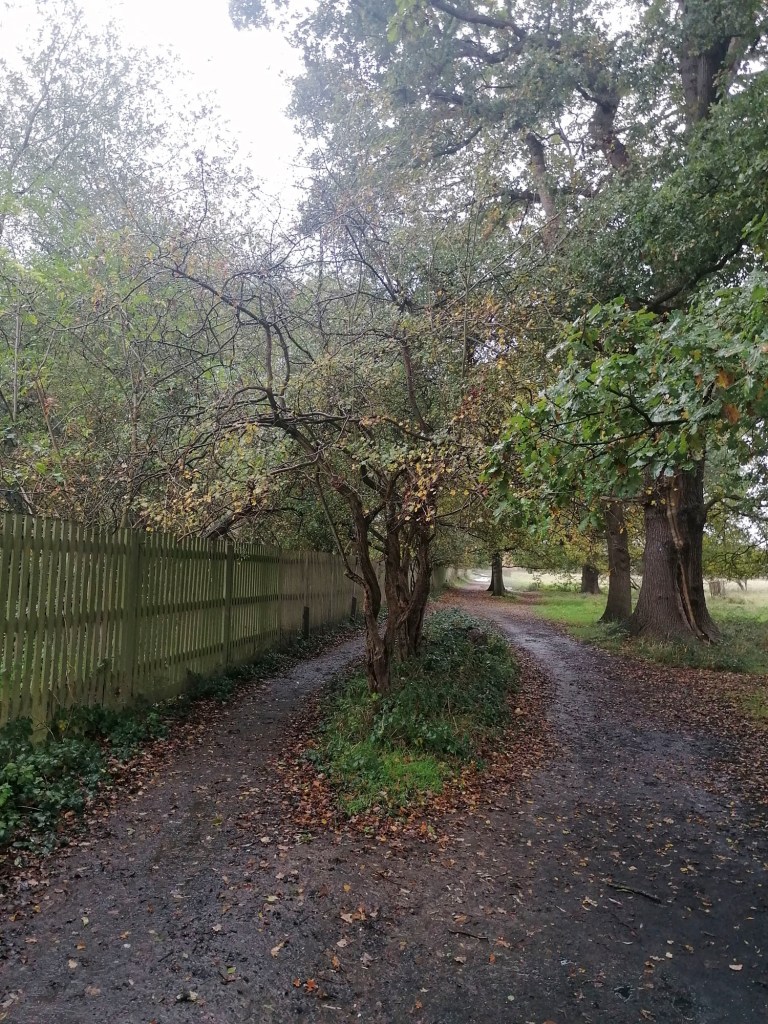
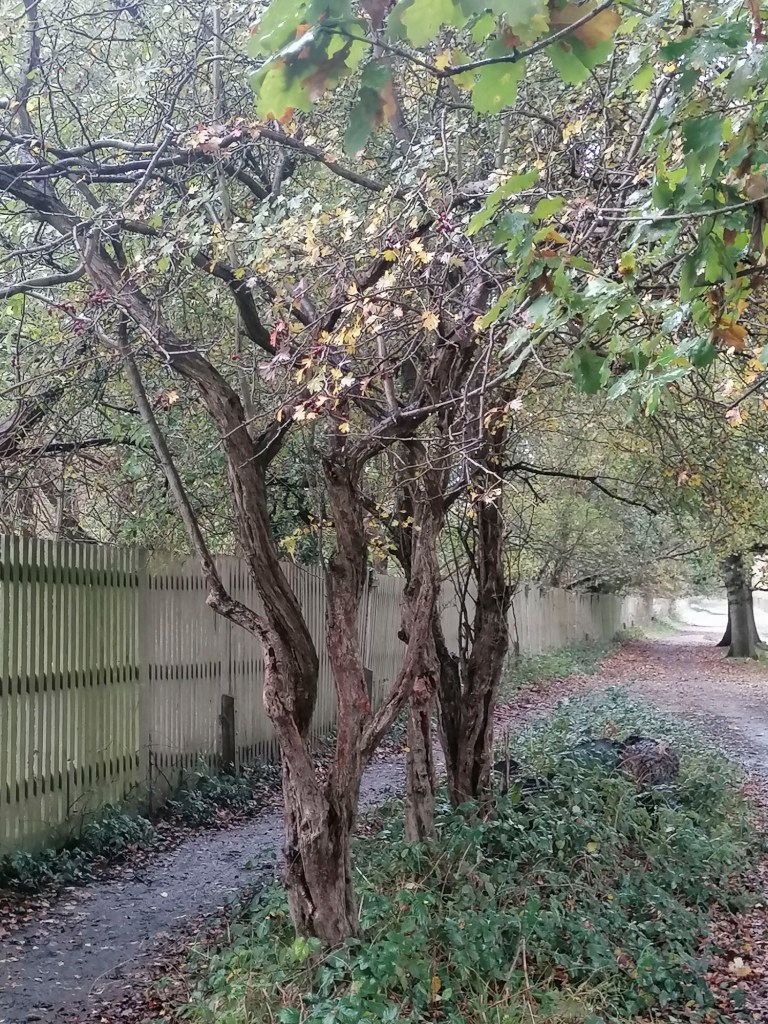
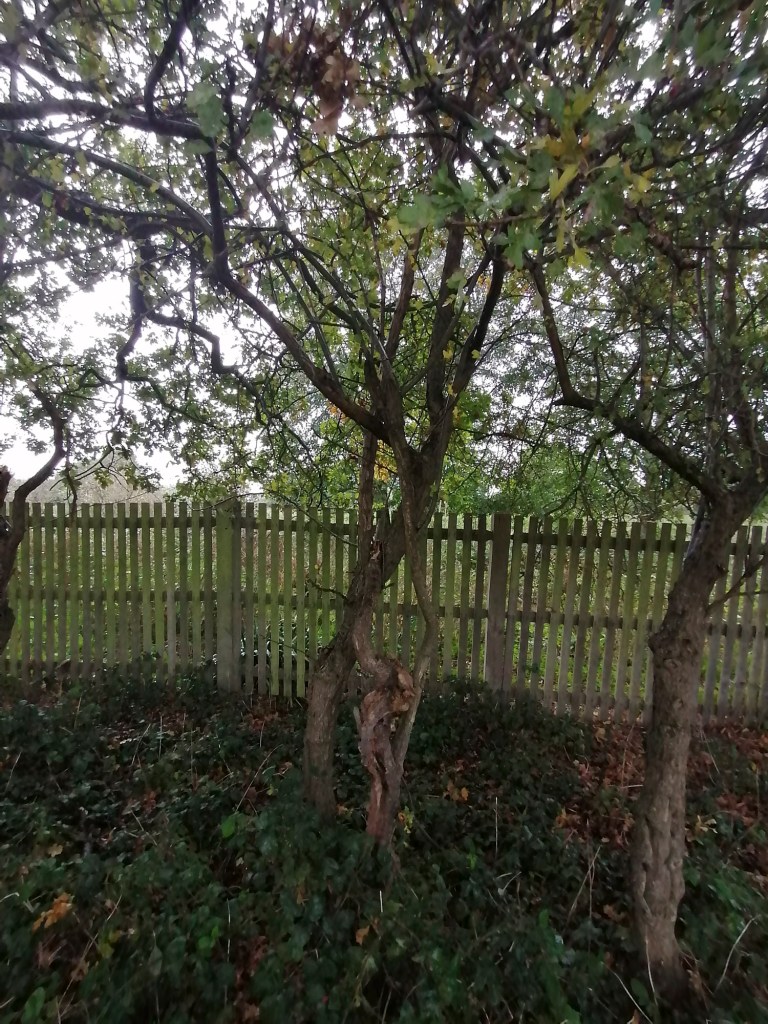
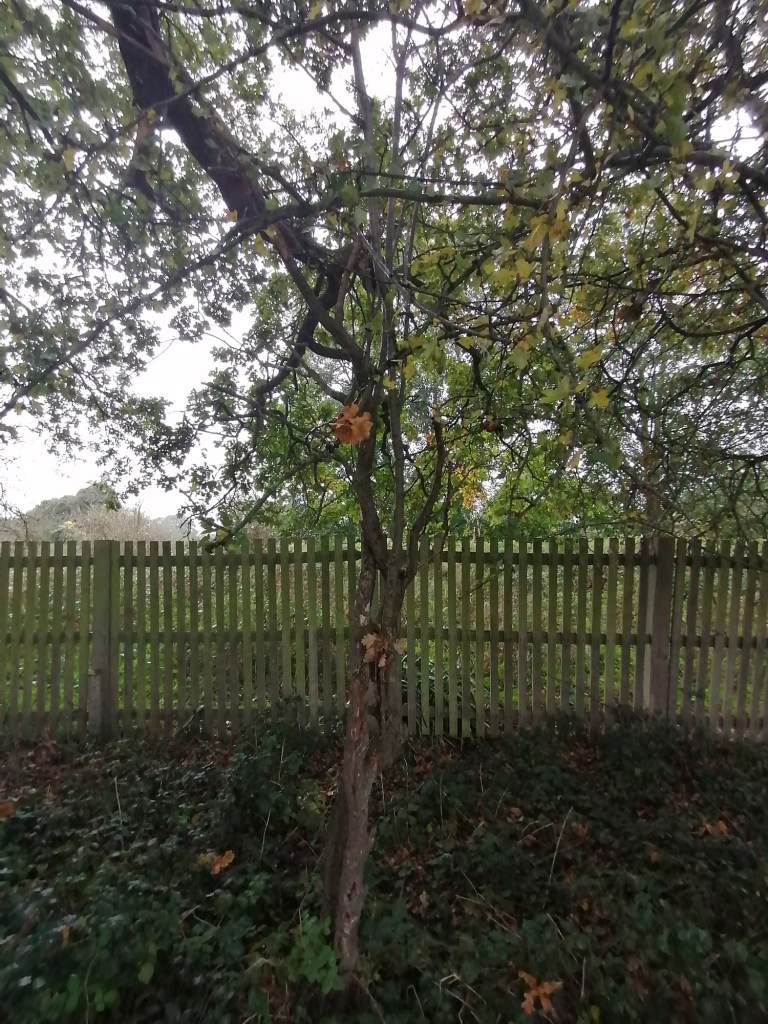
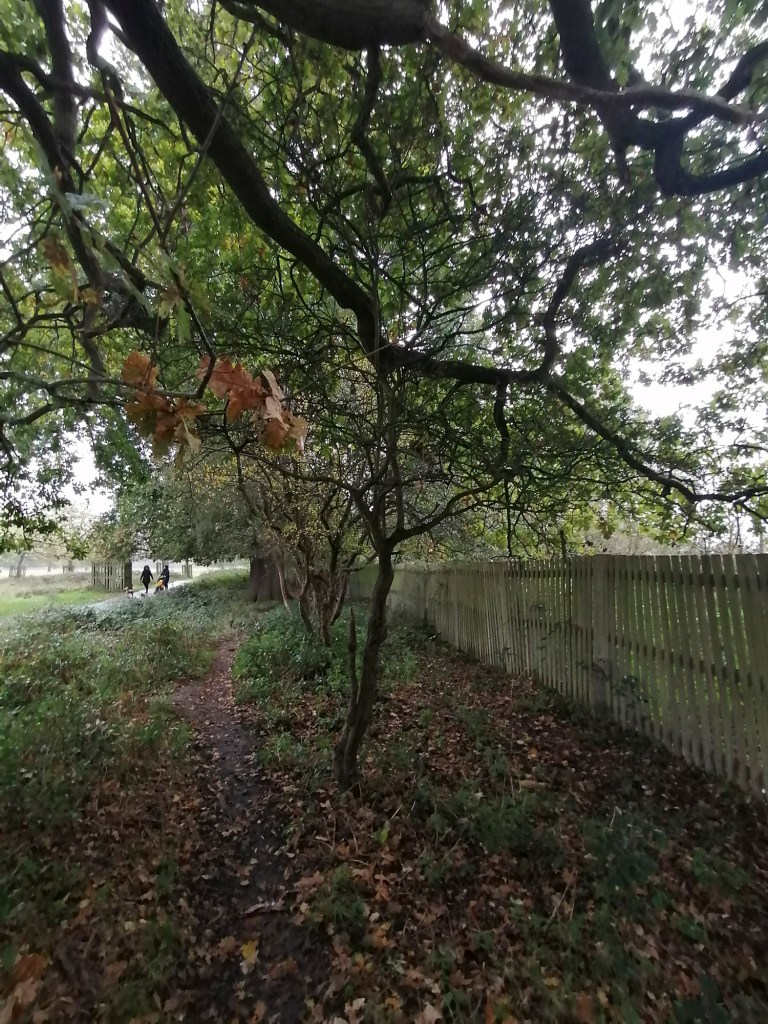
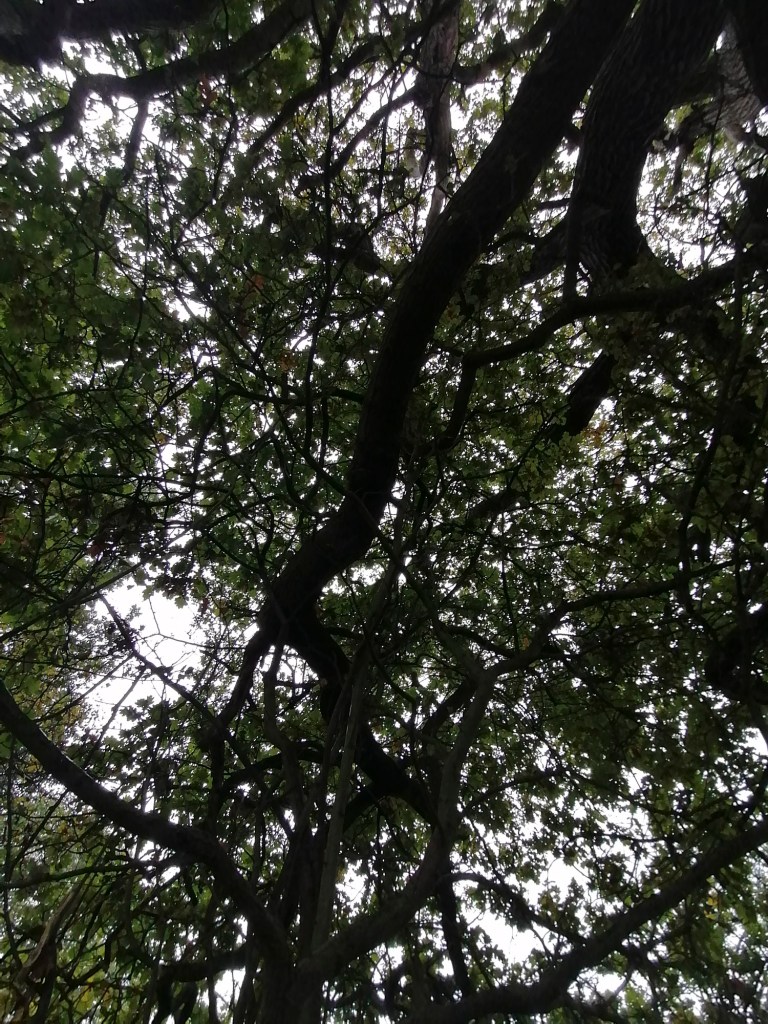
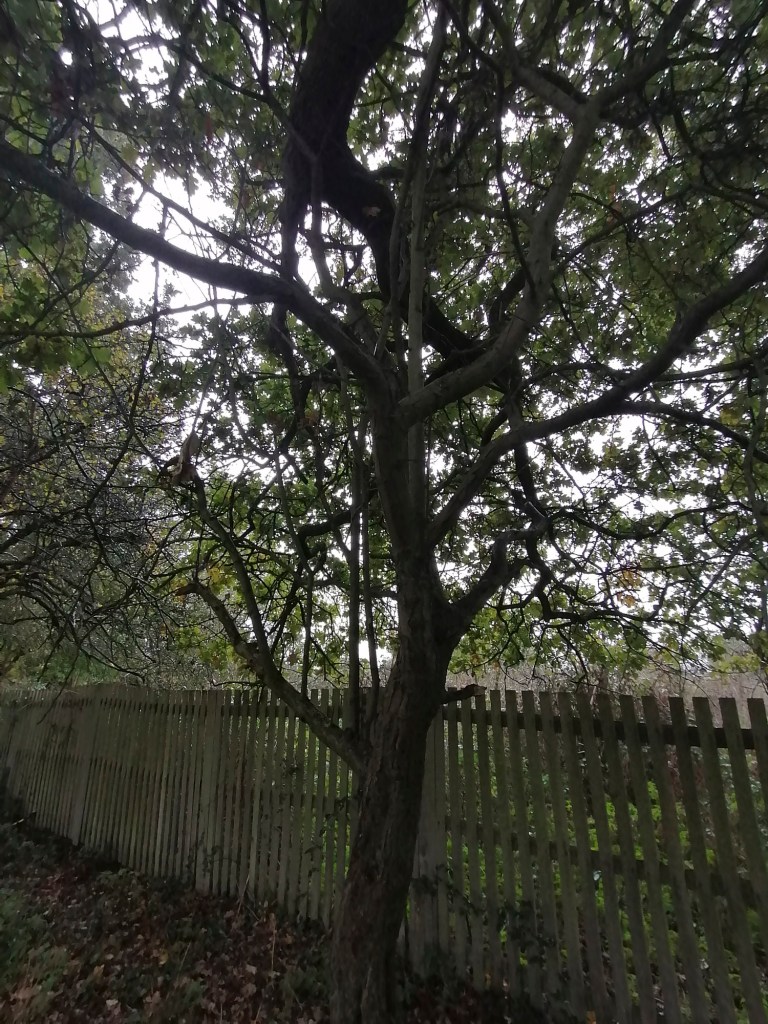
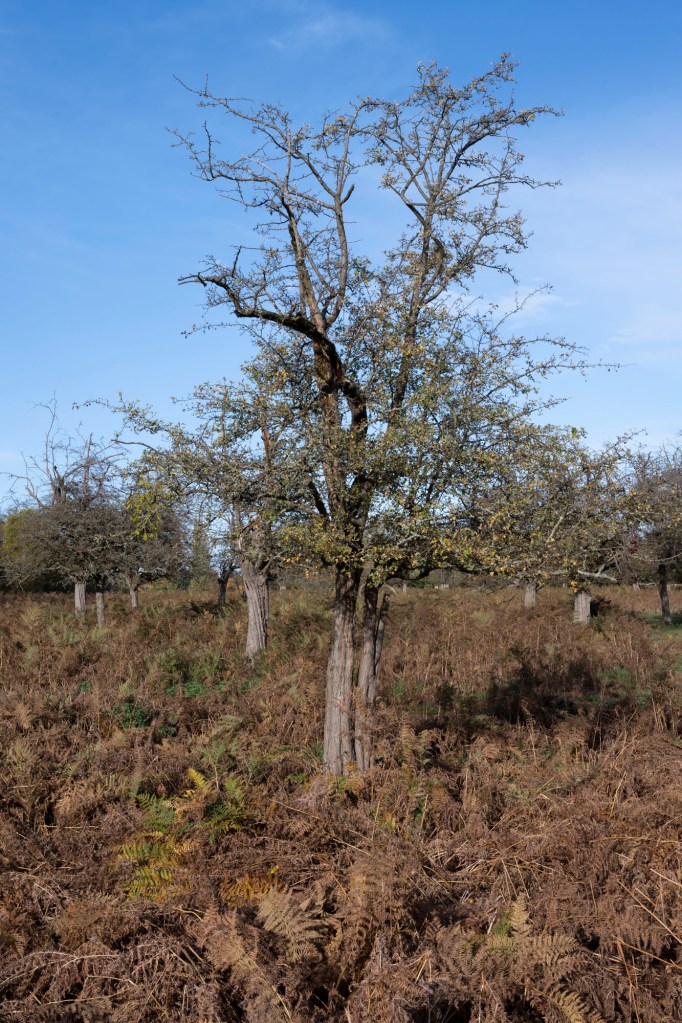
Tree 1

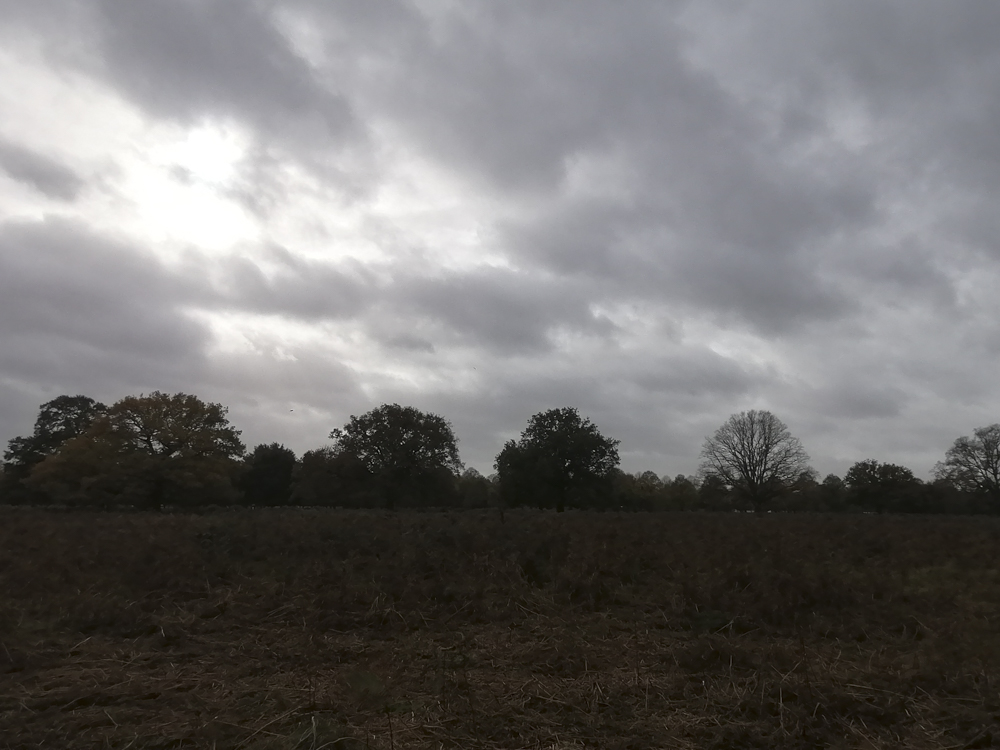
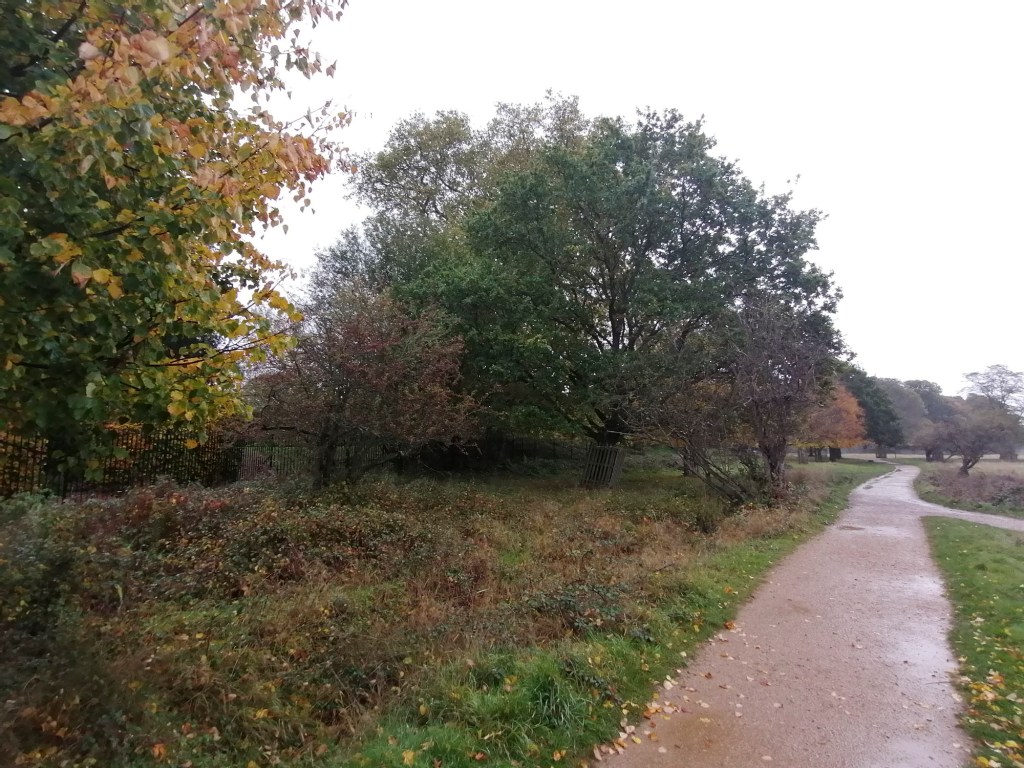
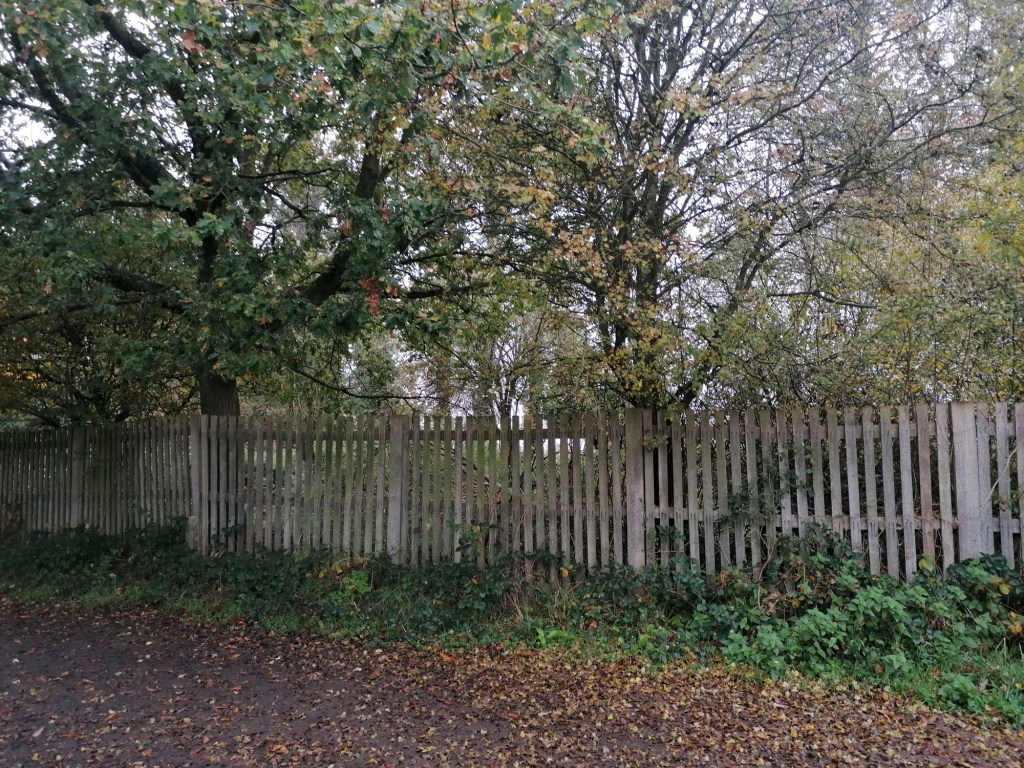
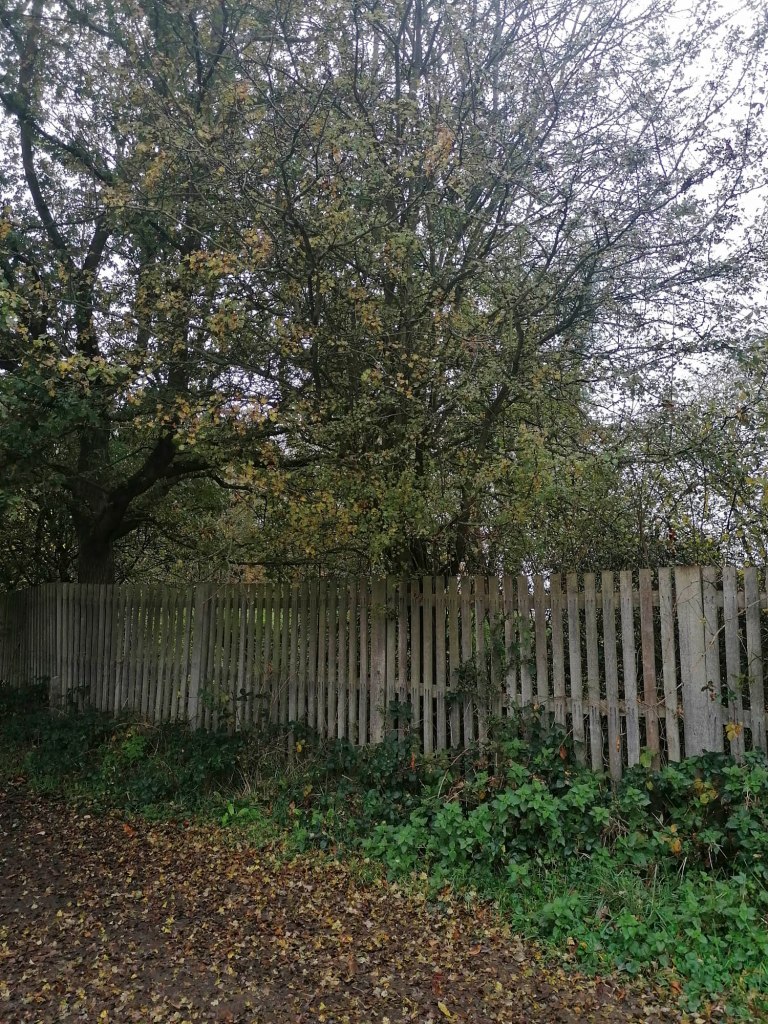
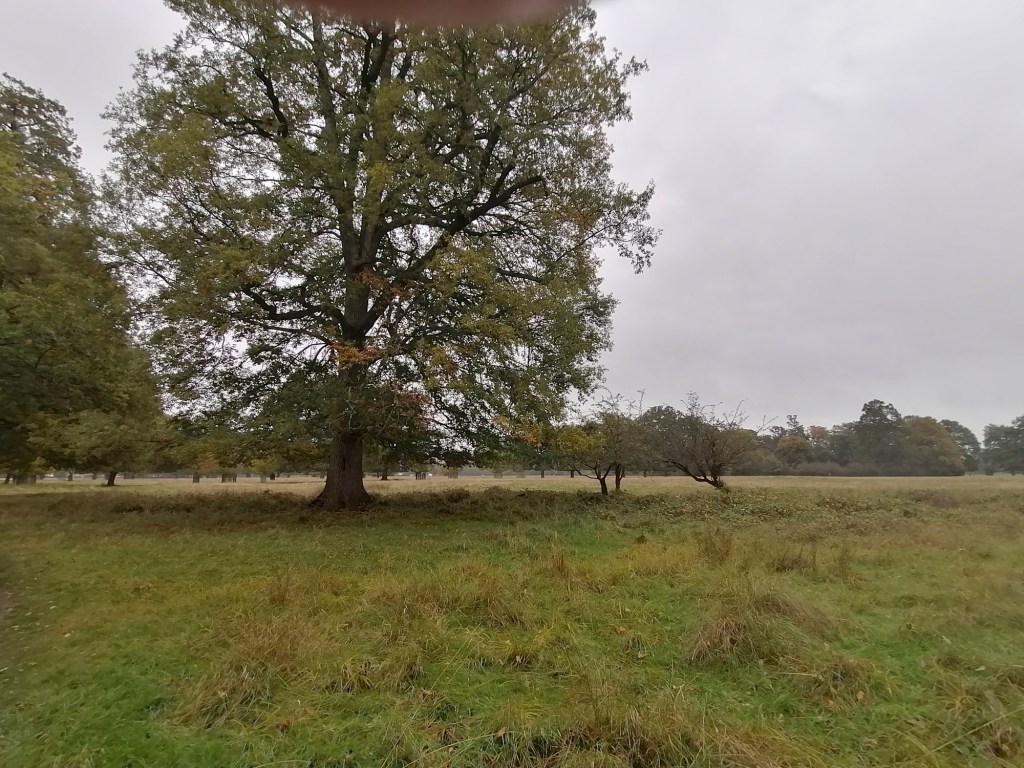
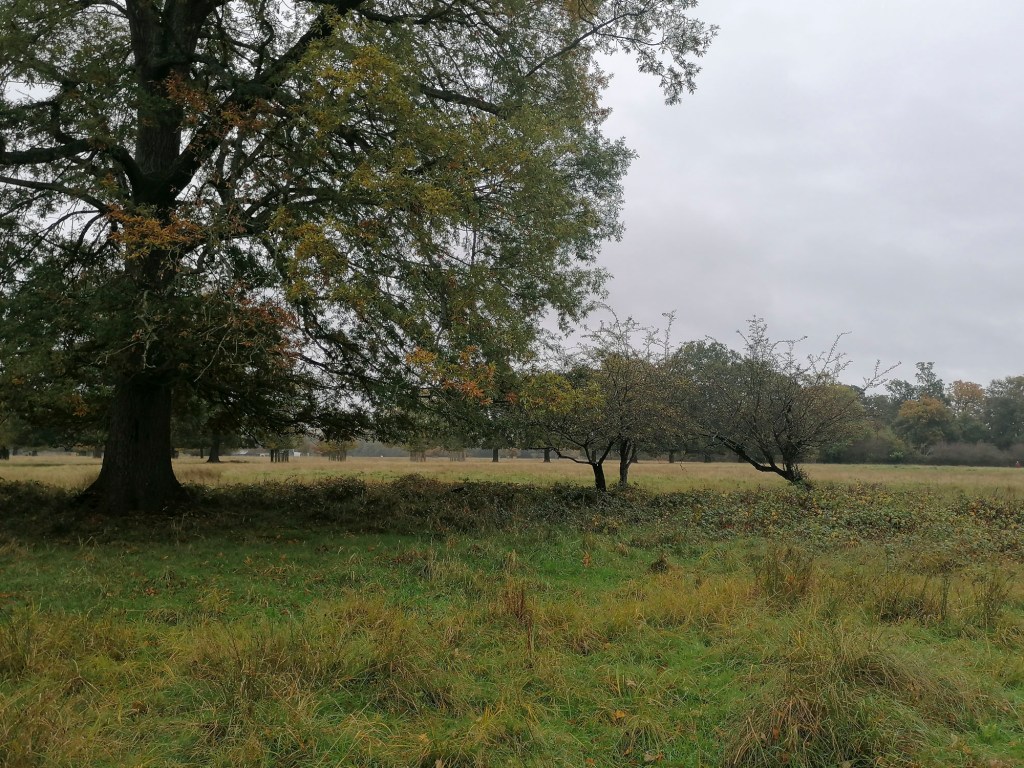
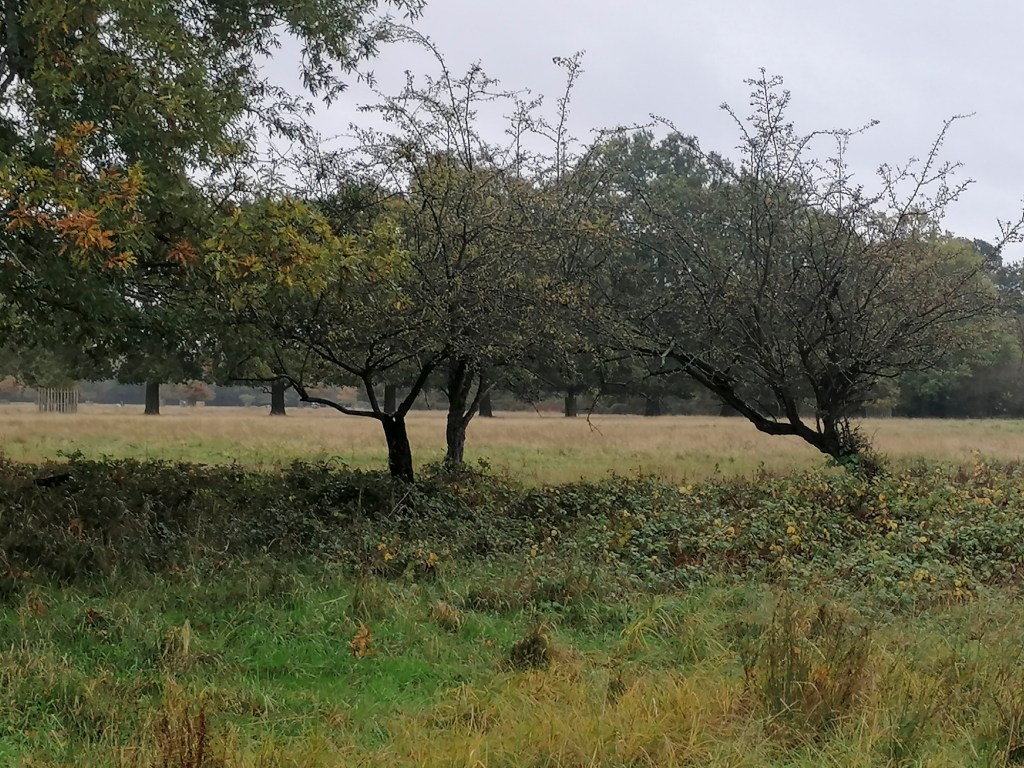
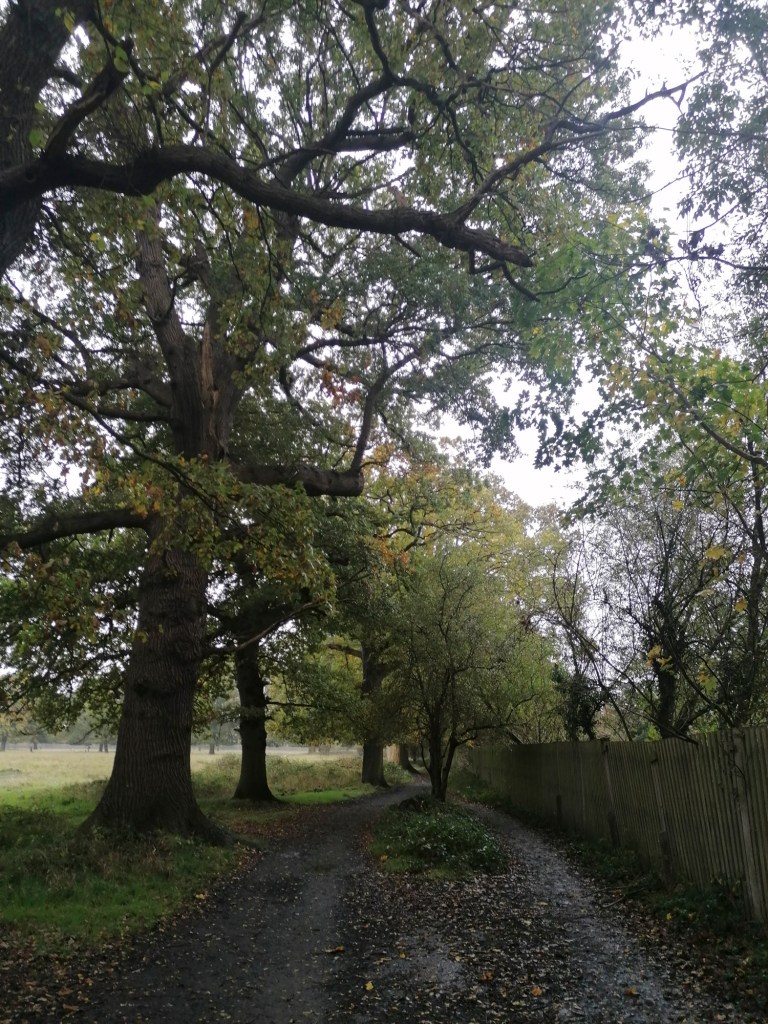
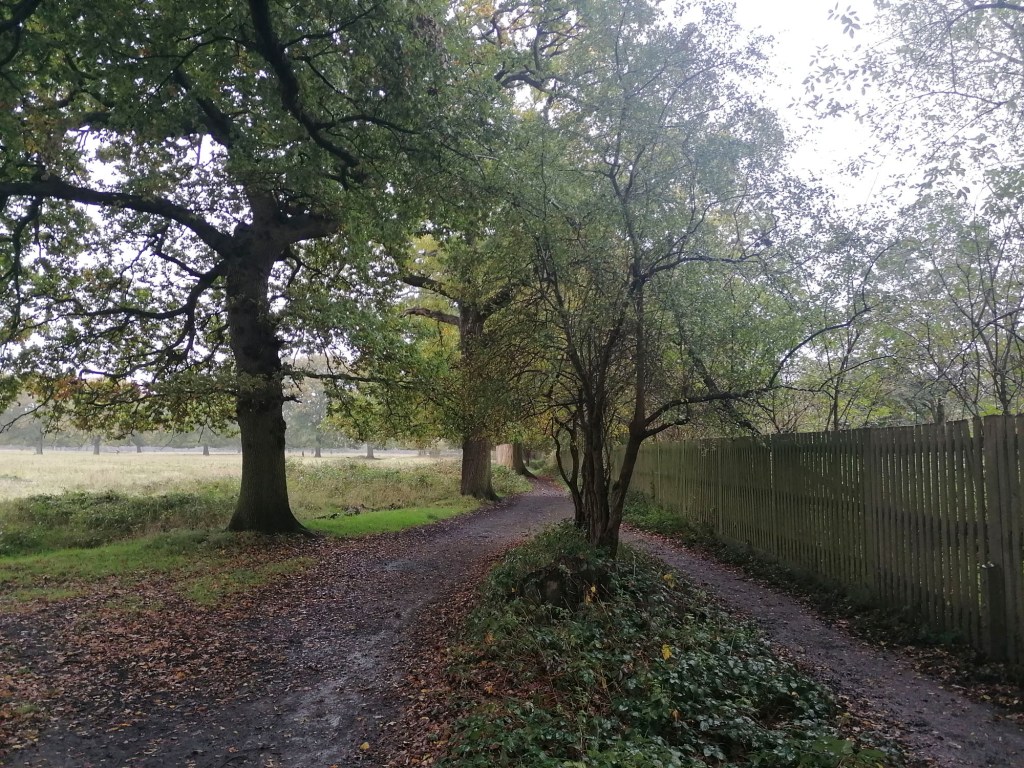
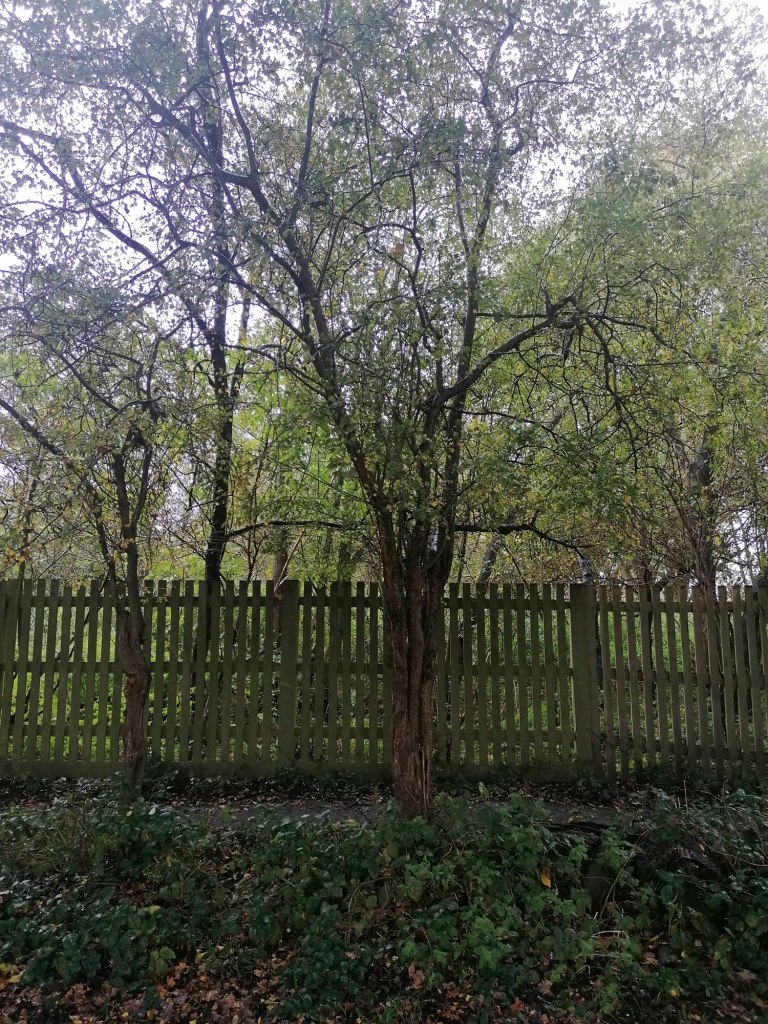
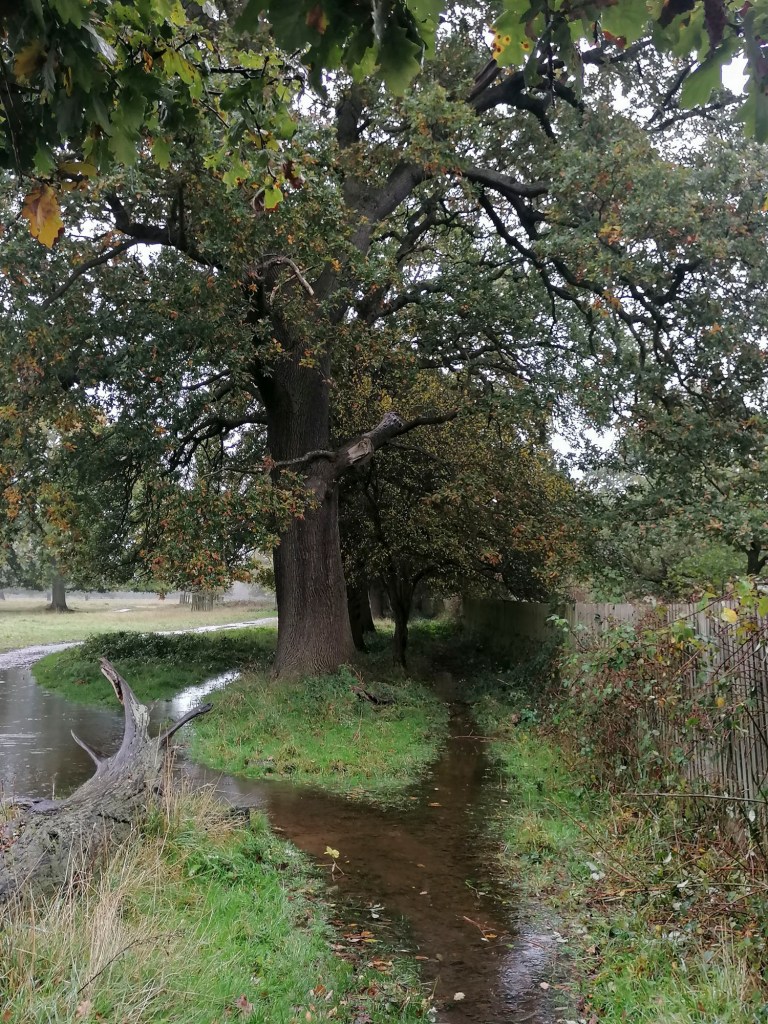
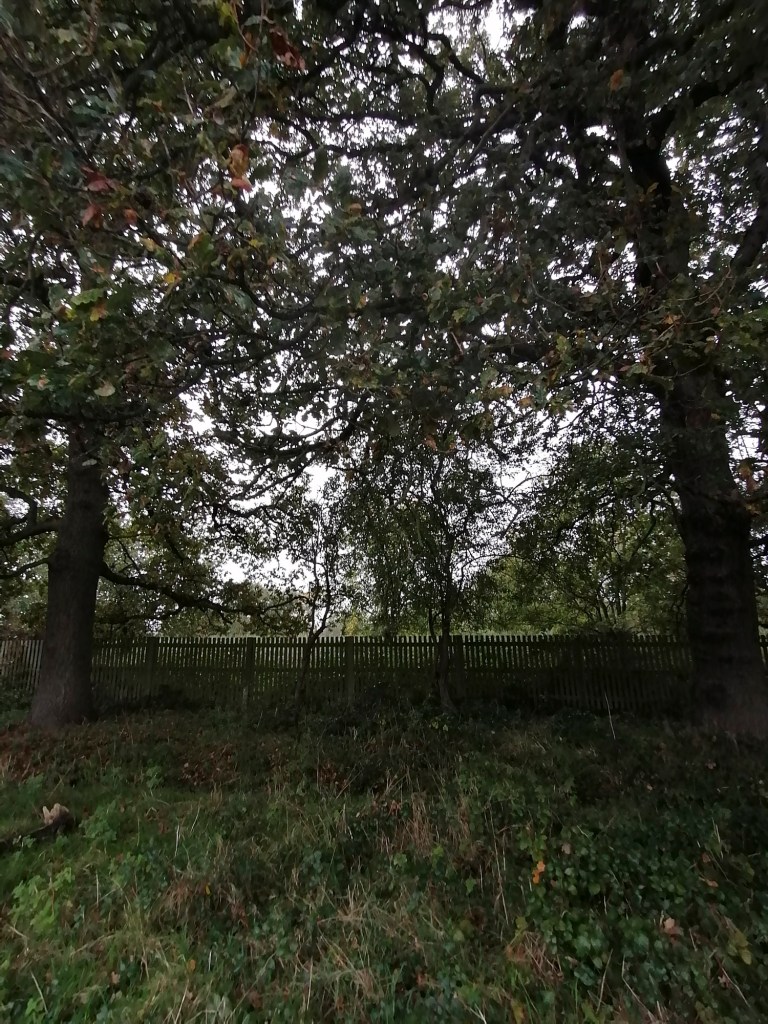
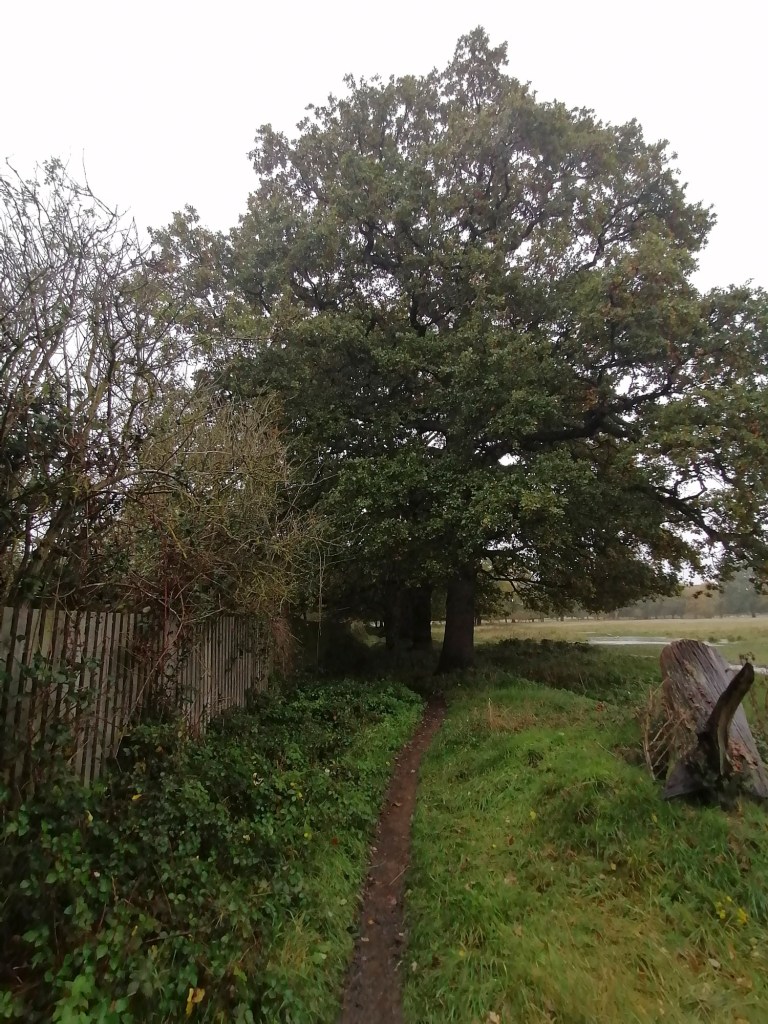
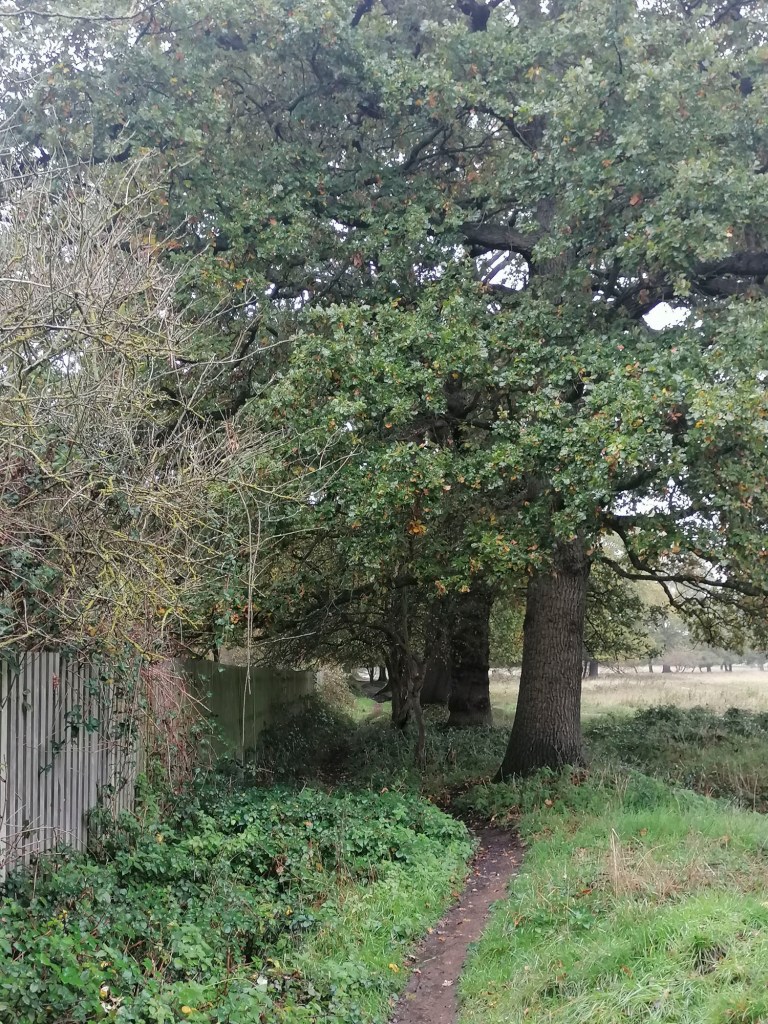
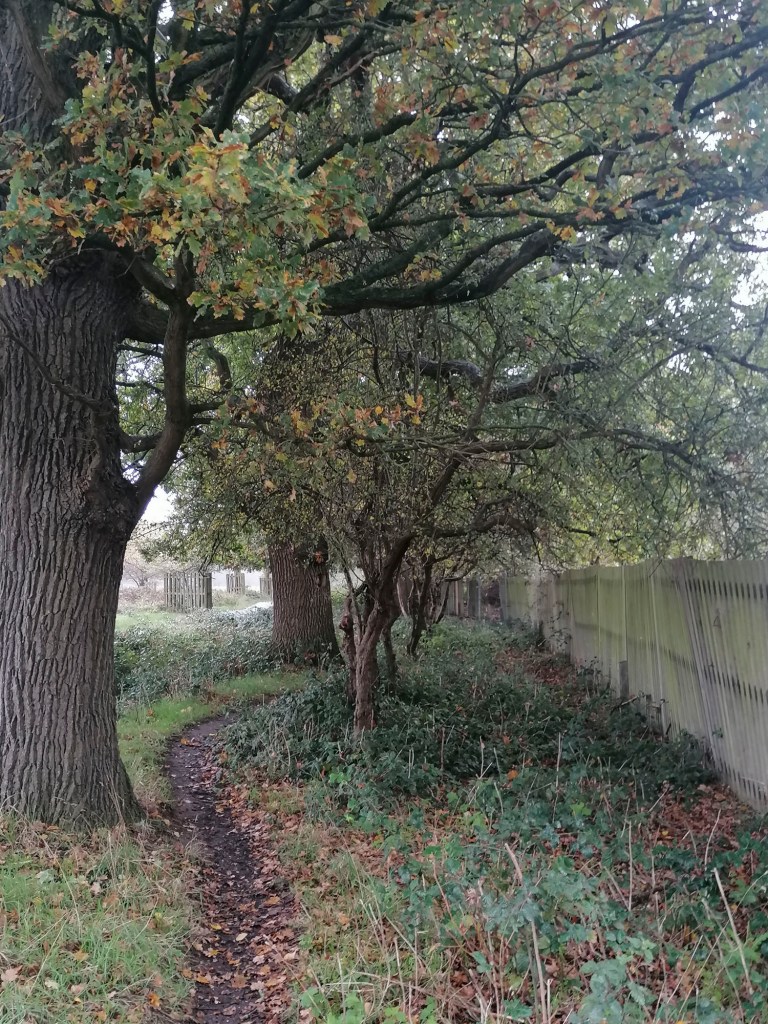
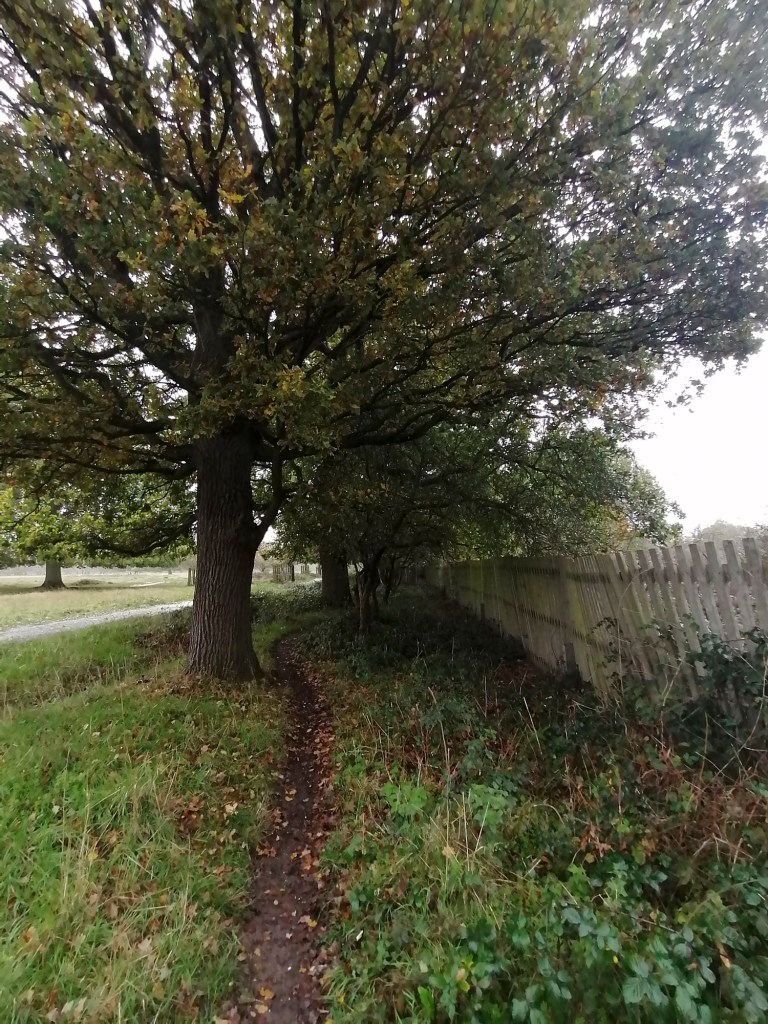
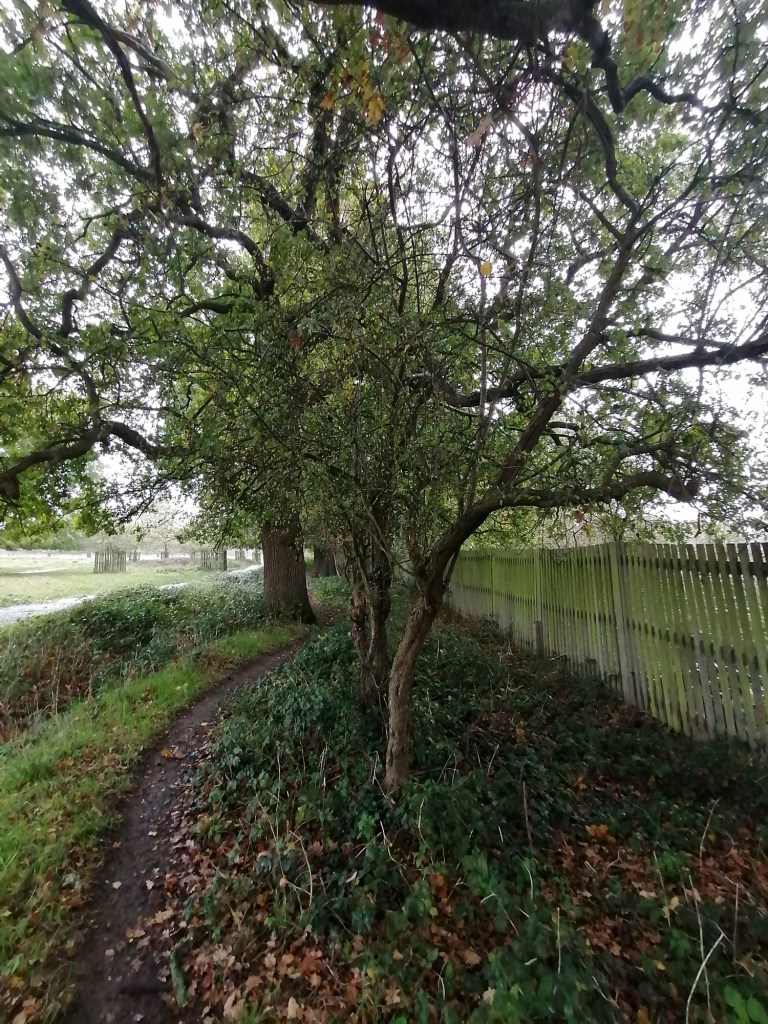
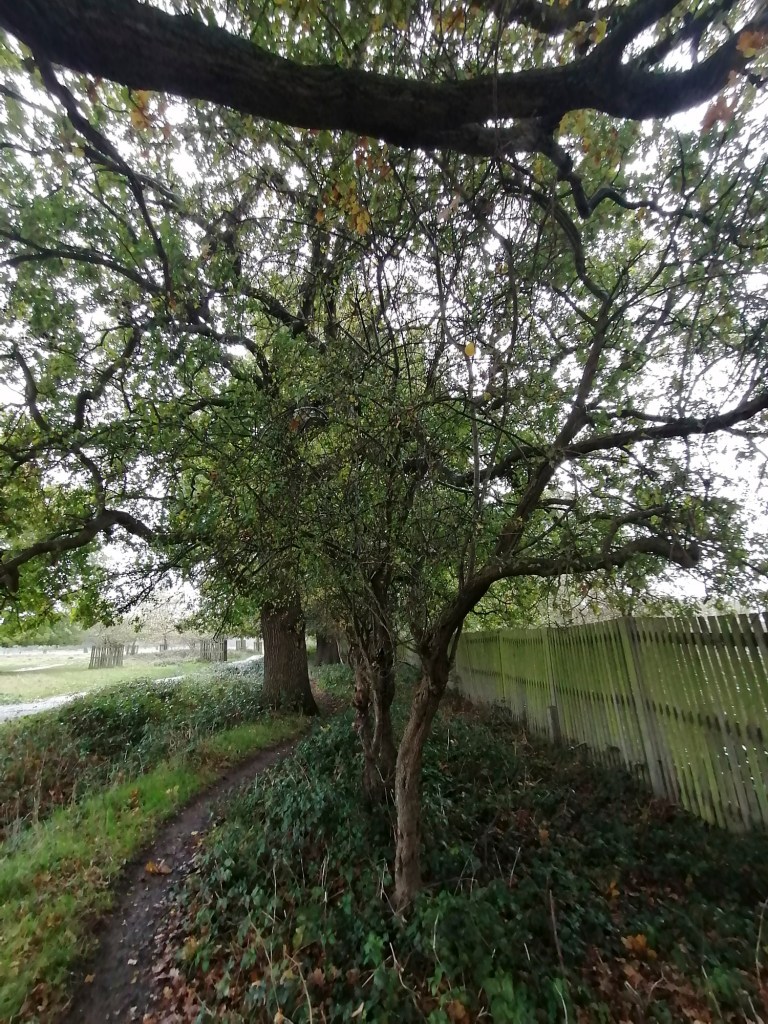
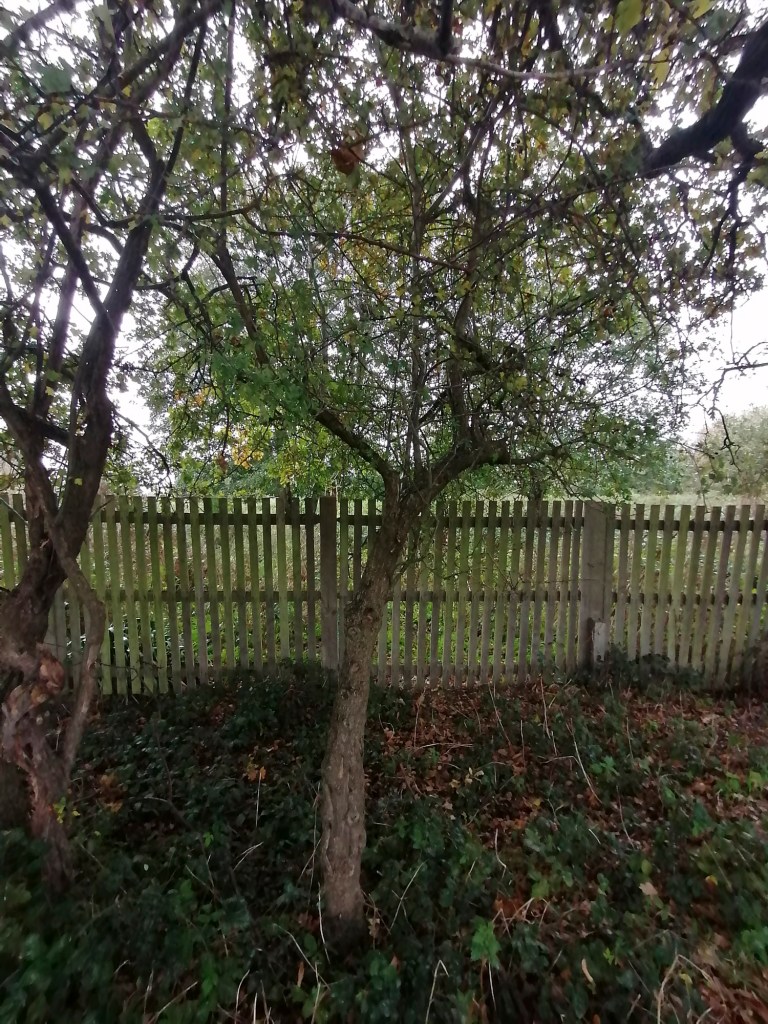
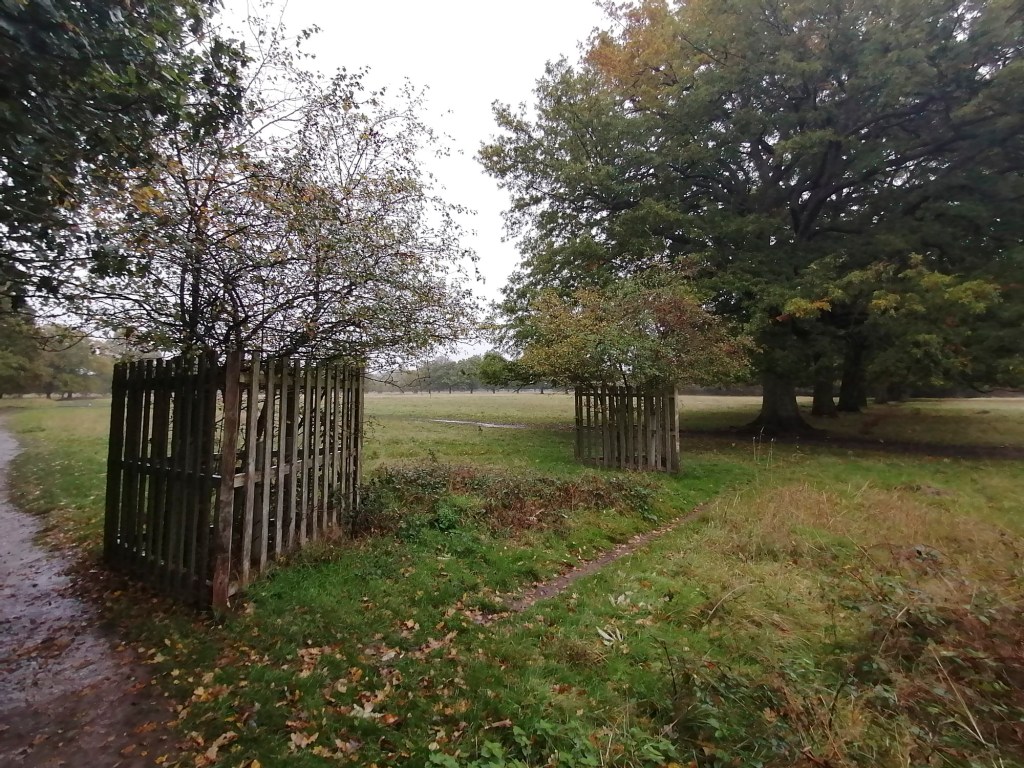
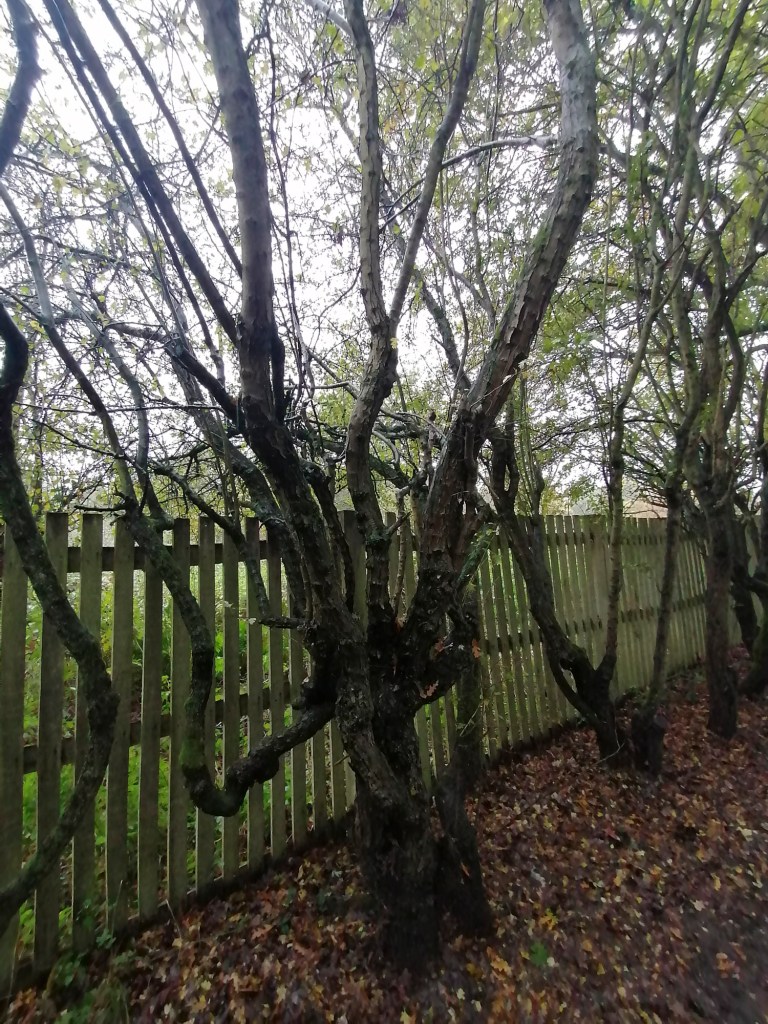
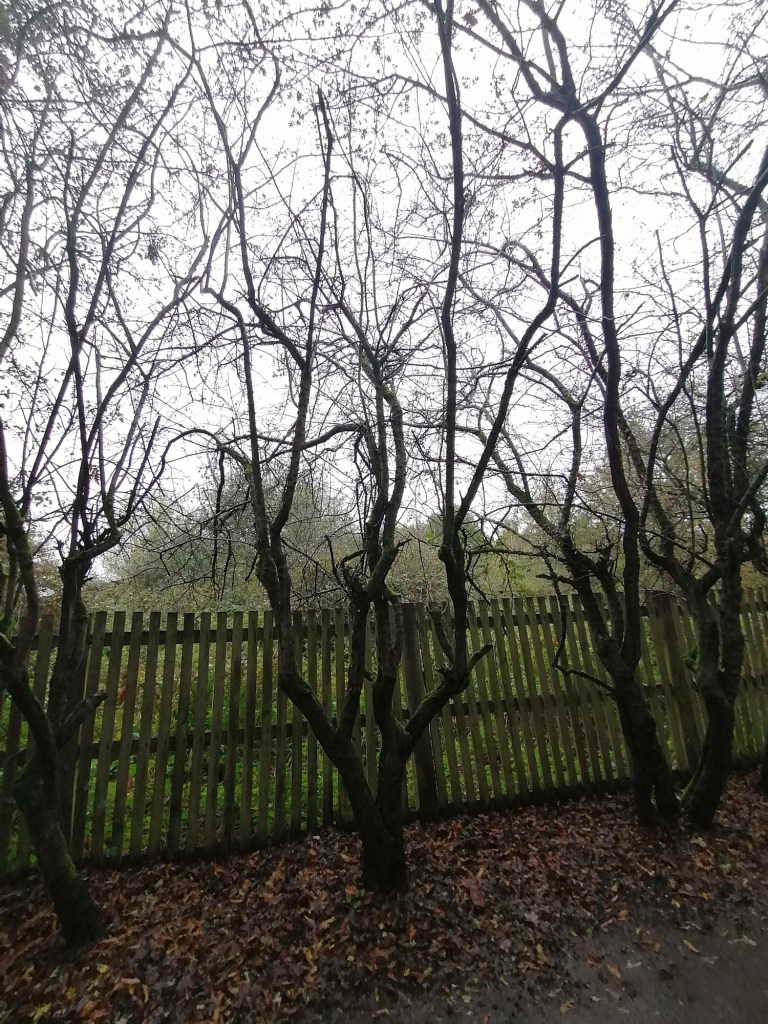
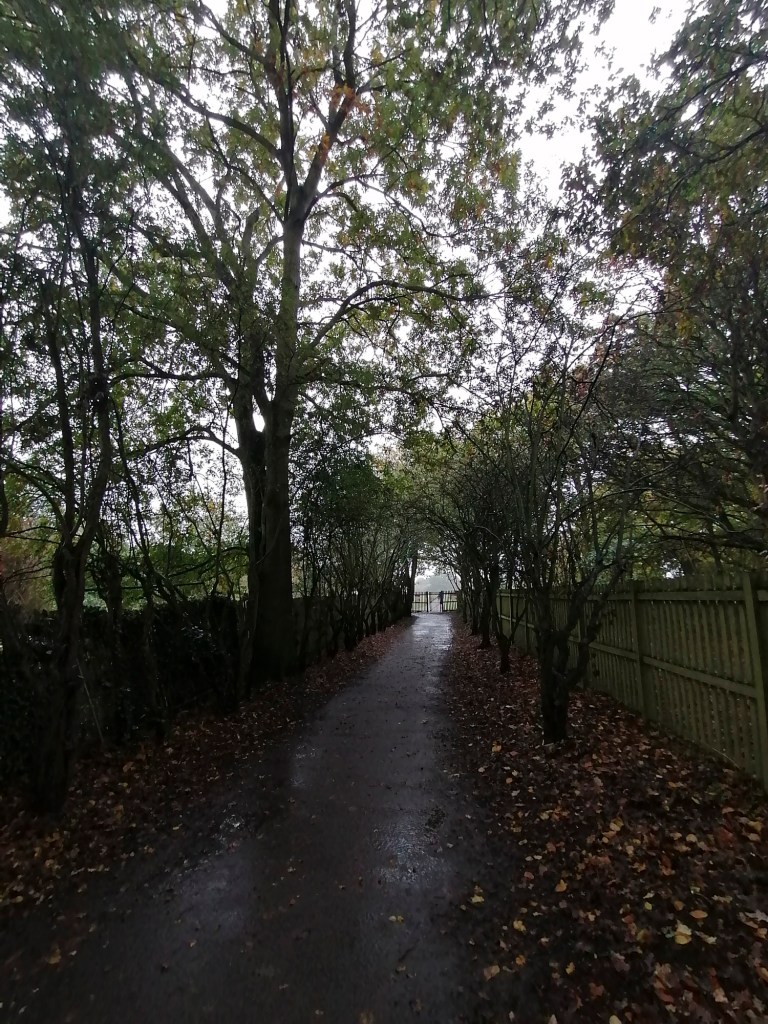
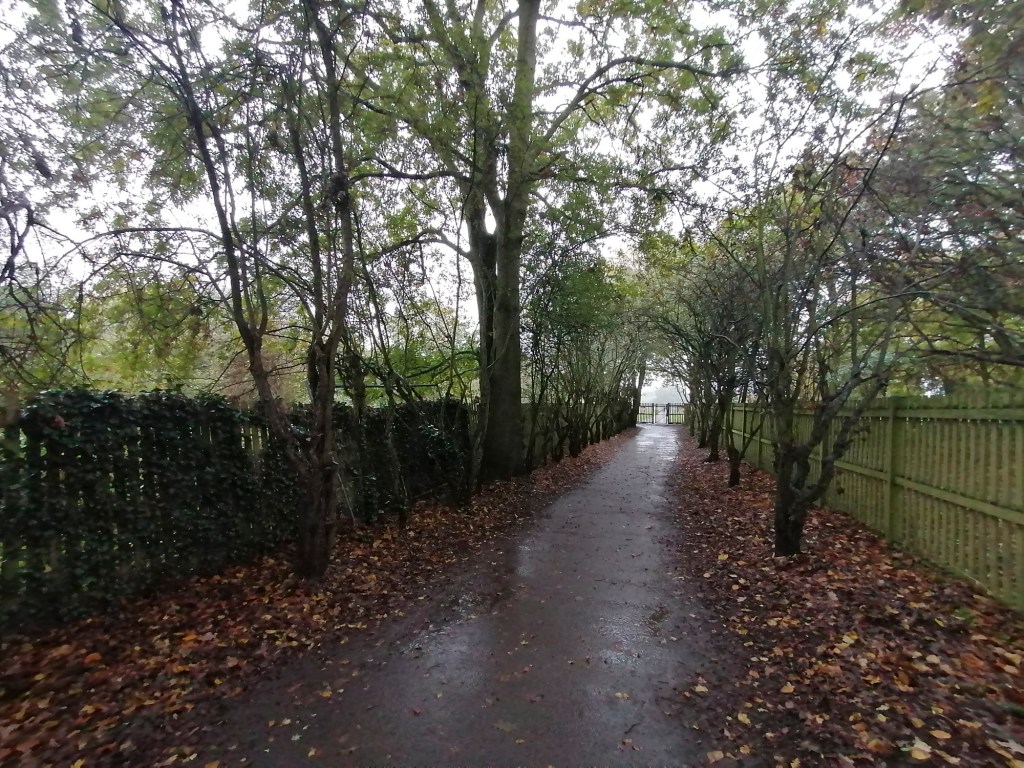
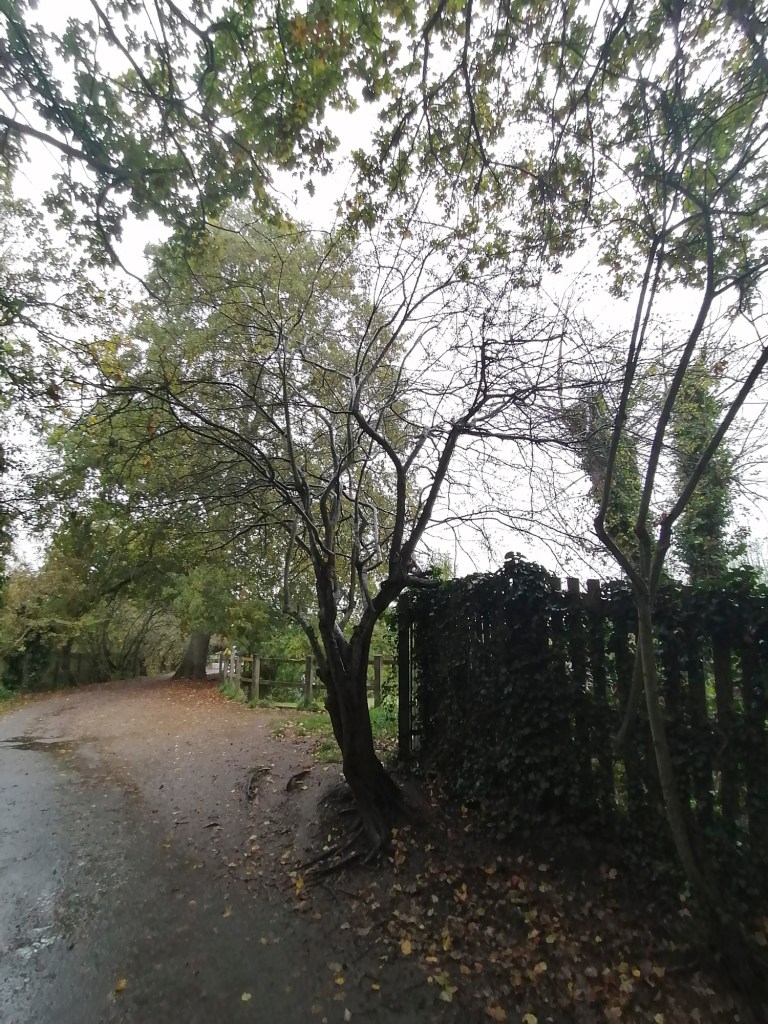
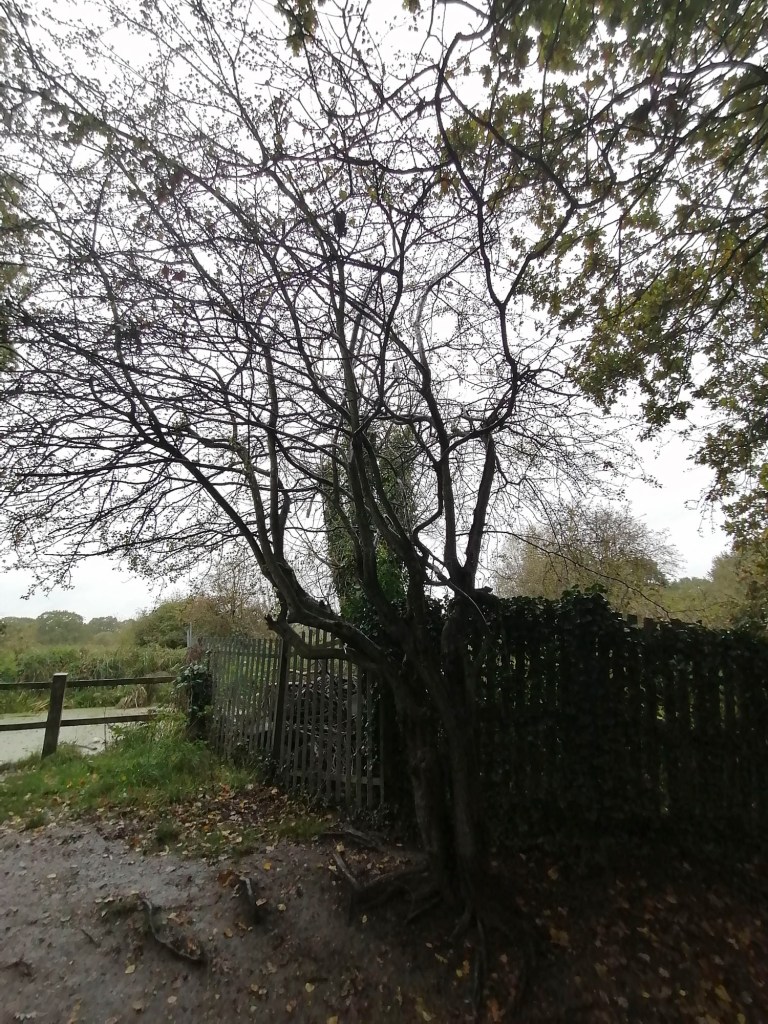
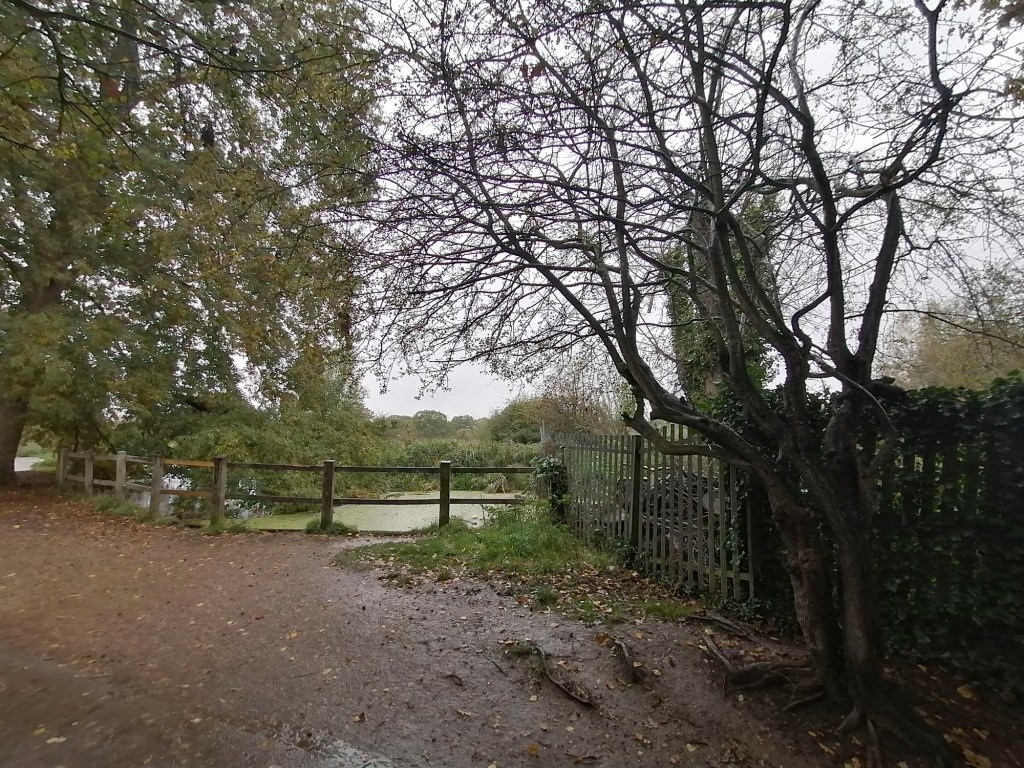
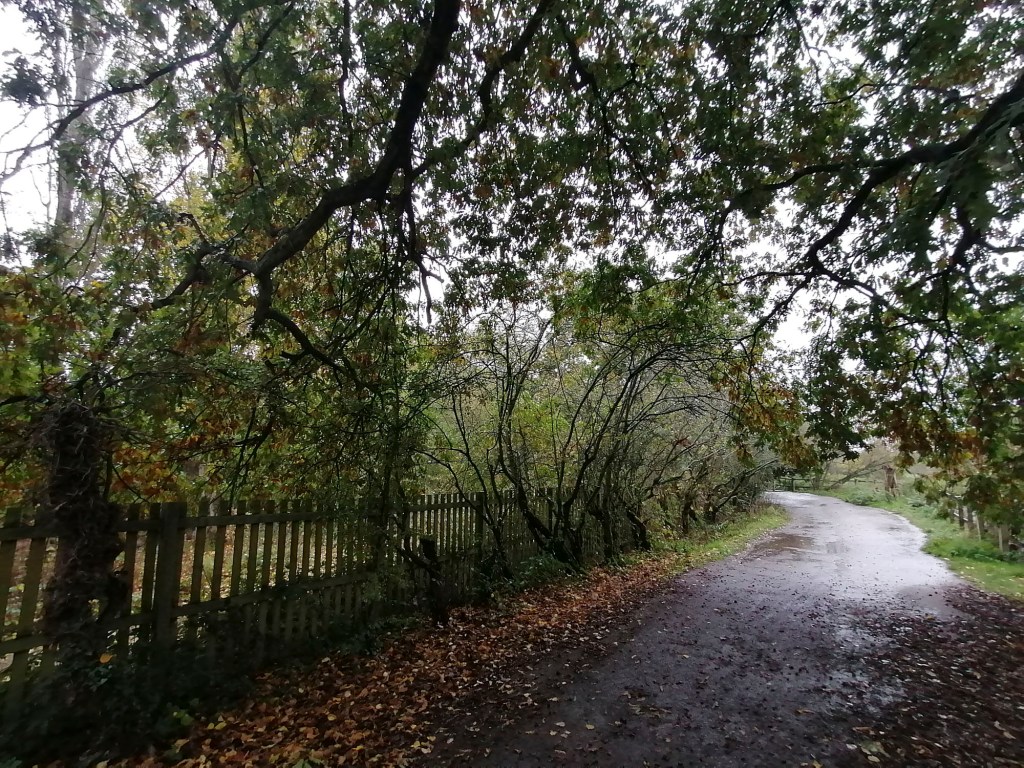
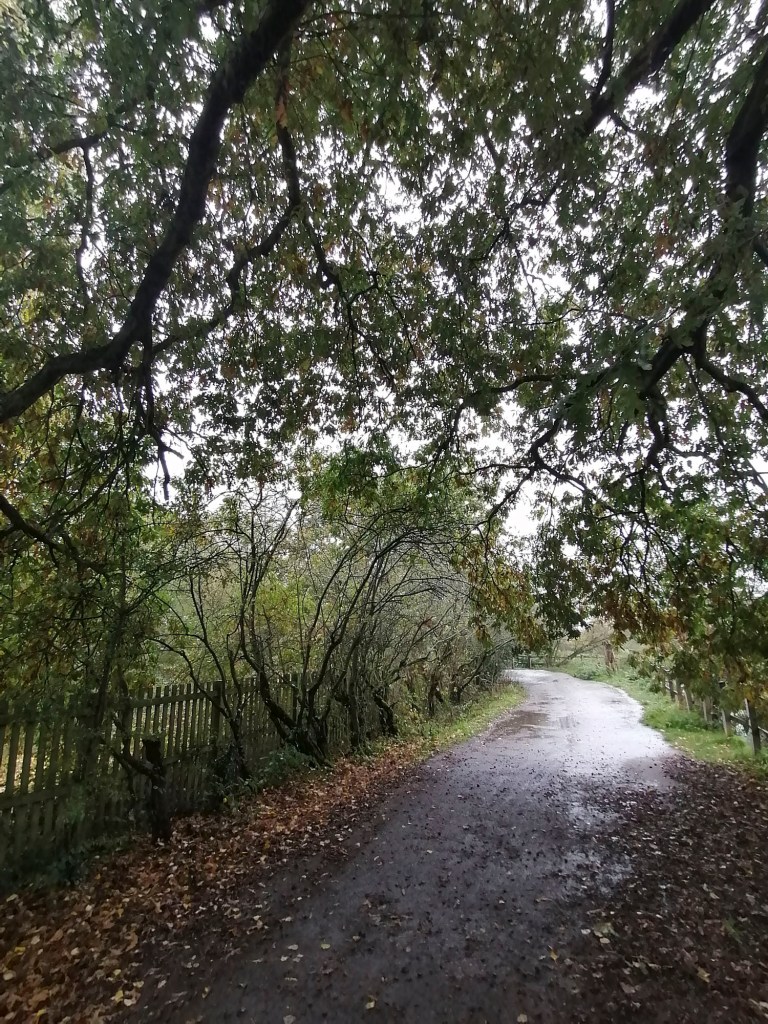
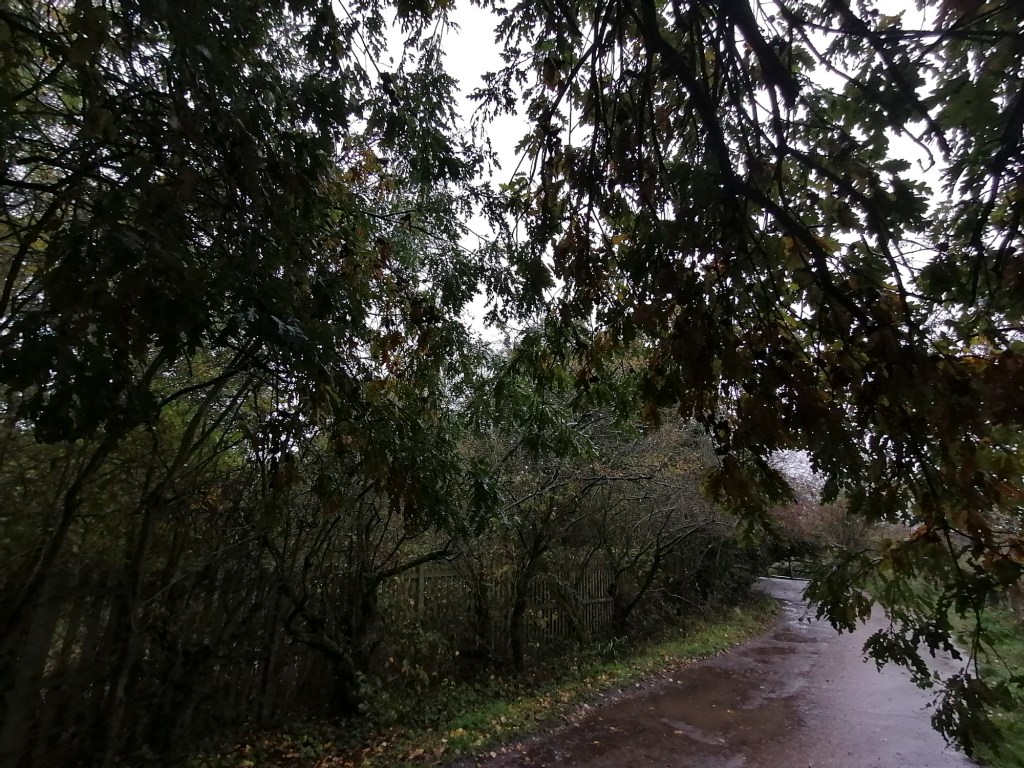
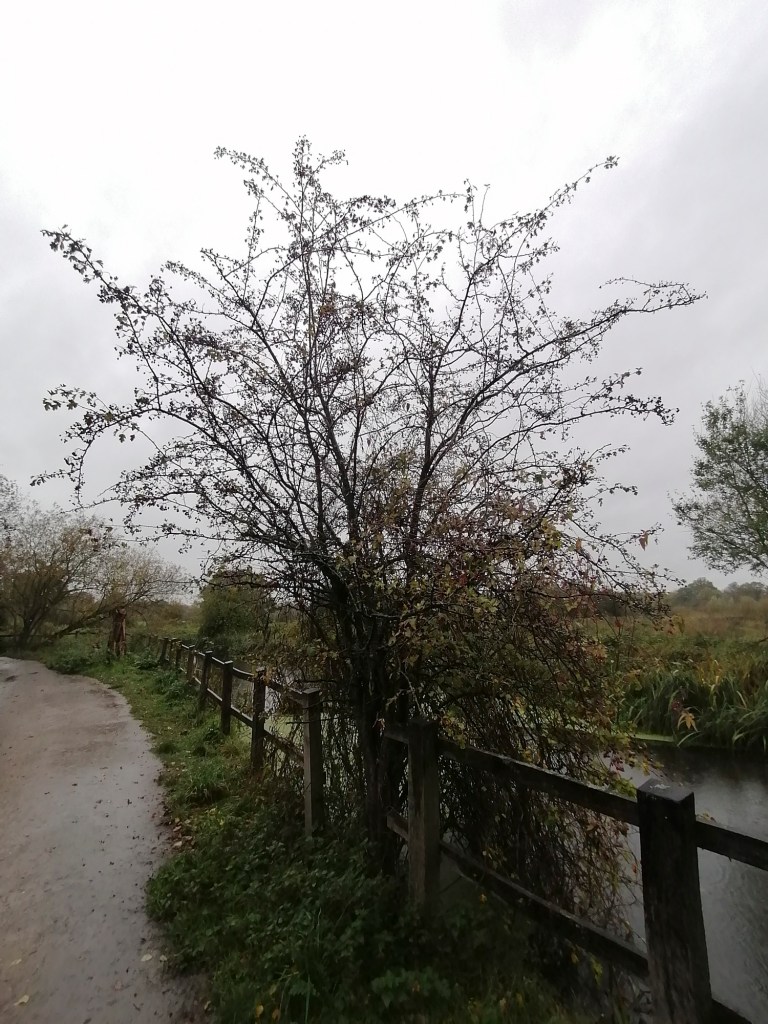
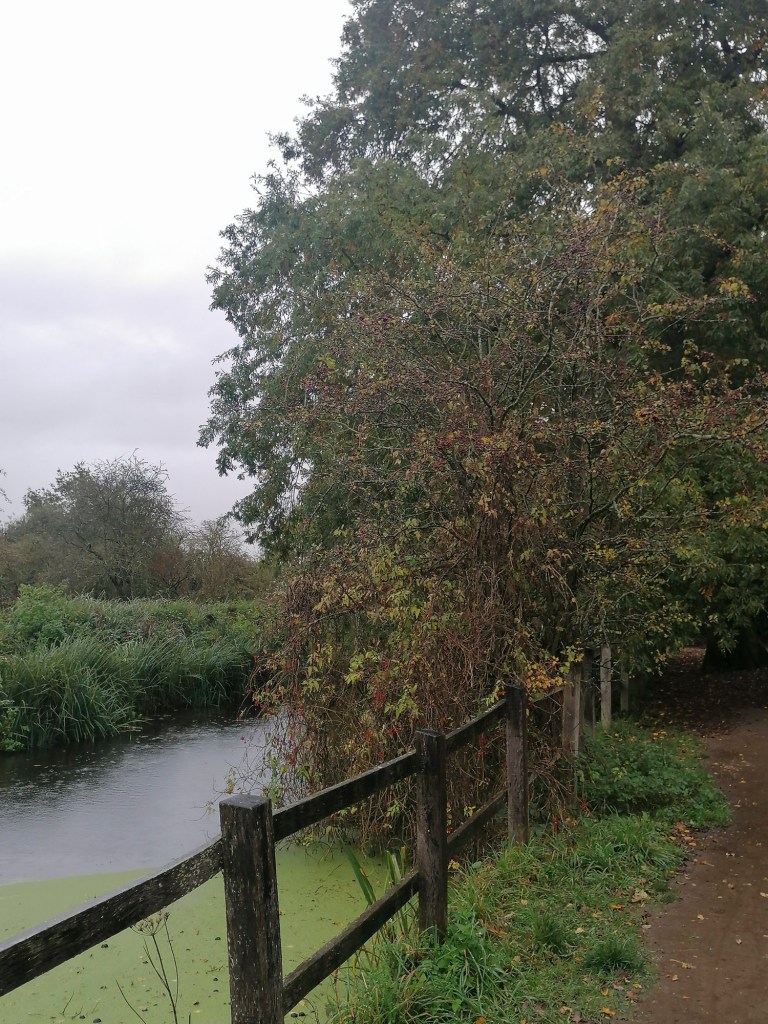
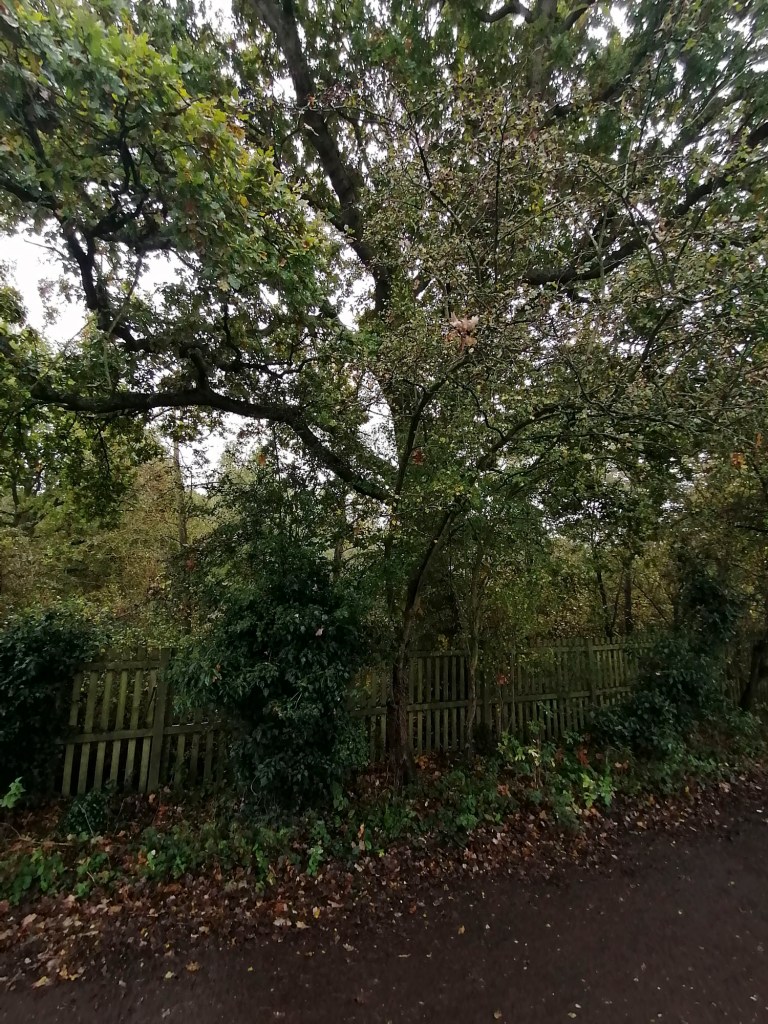
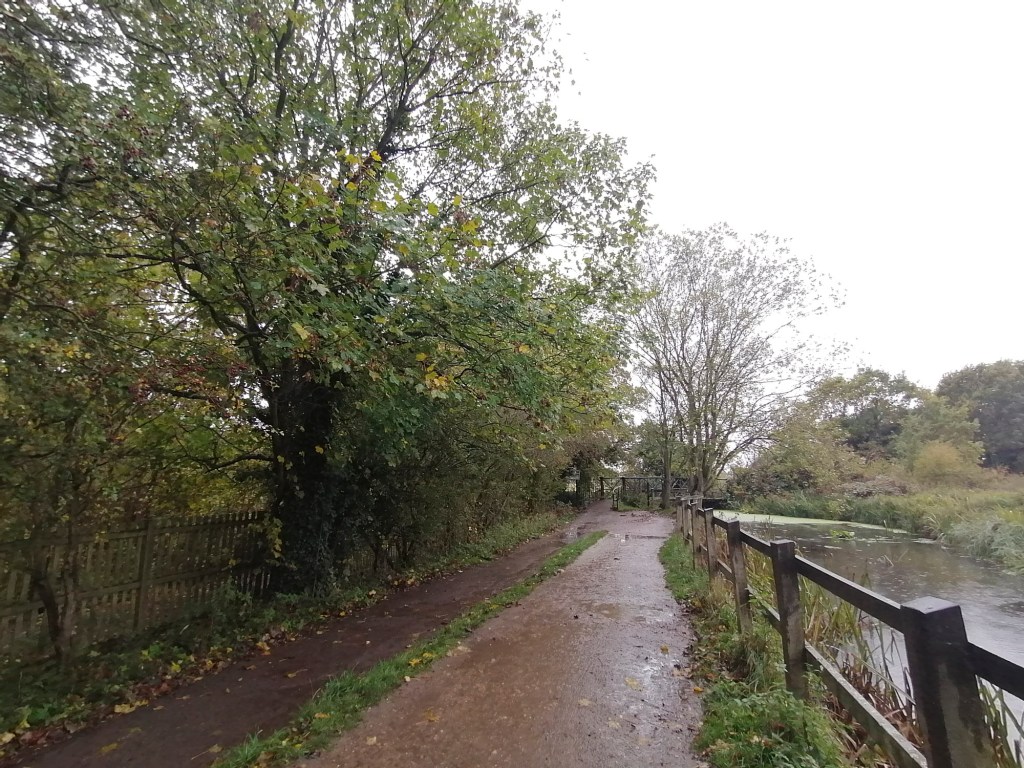
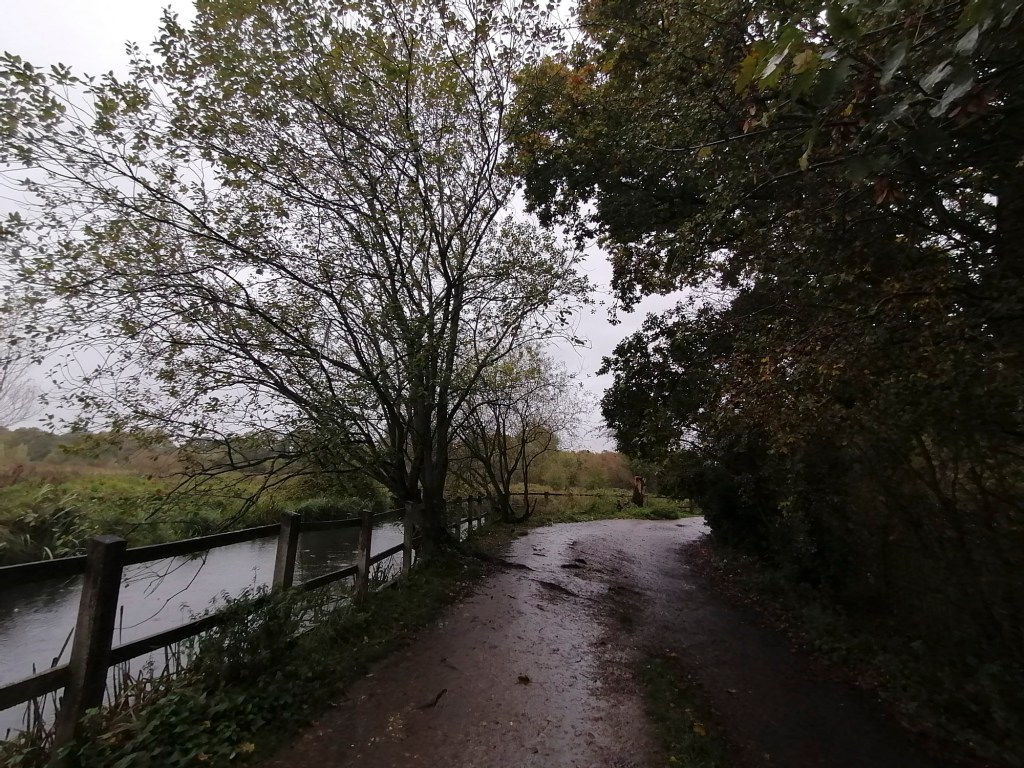
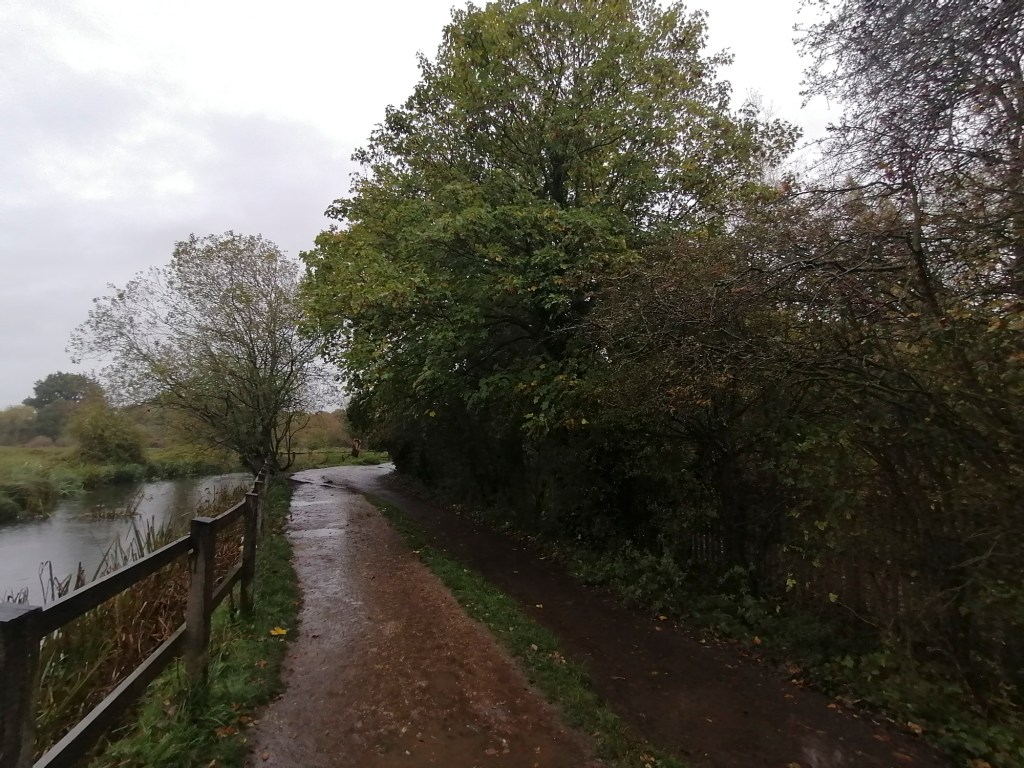
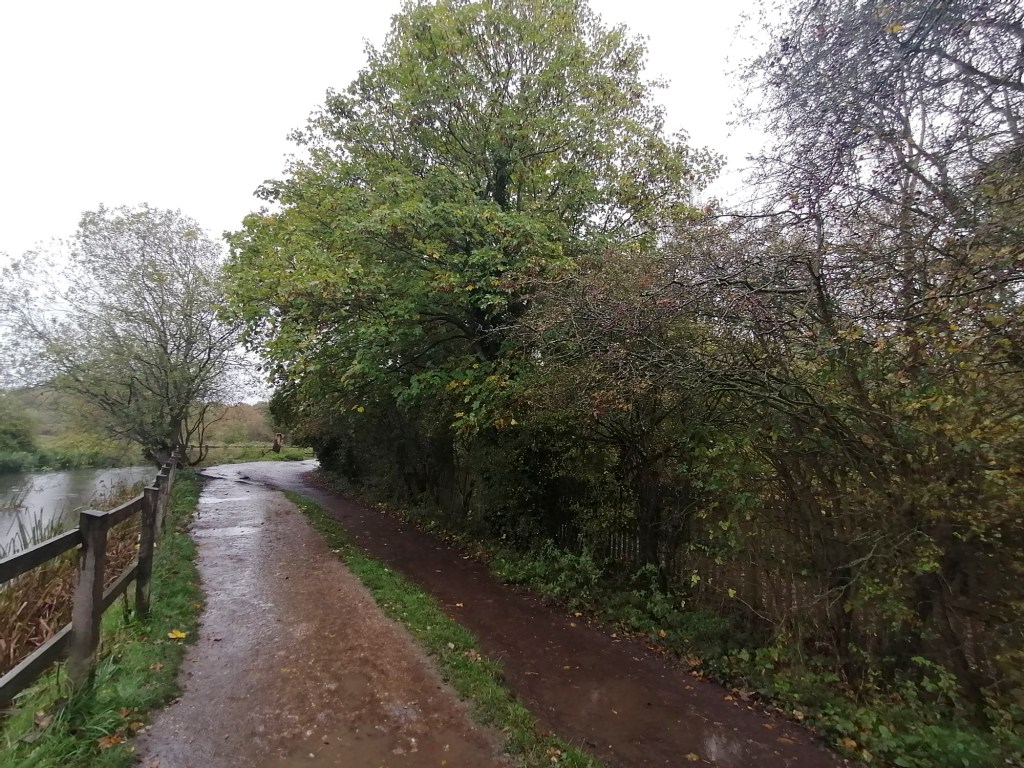
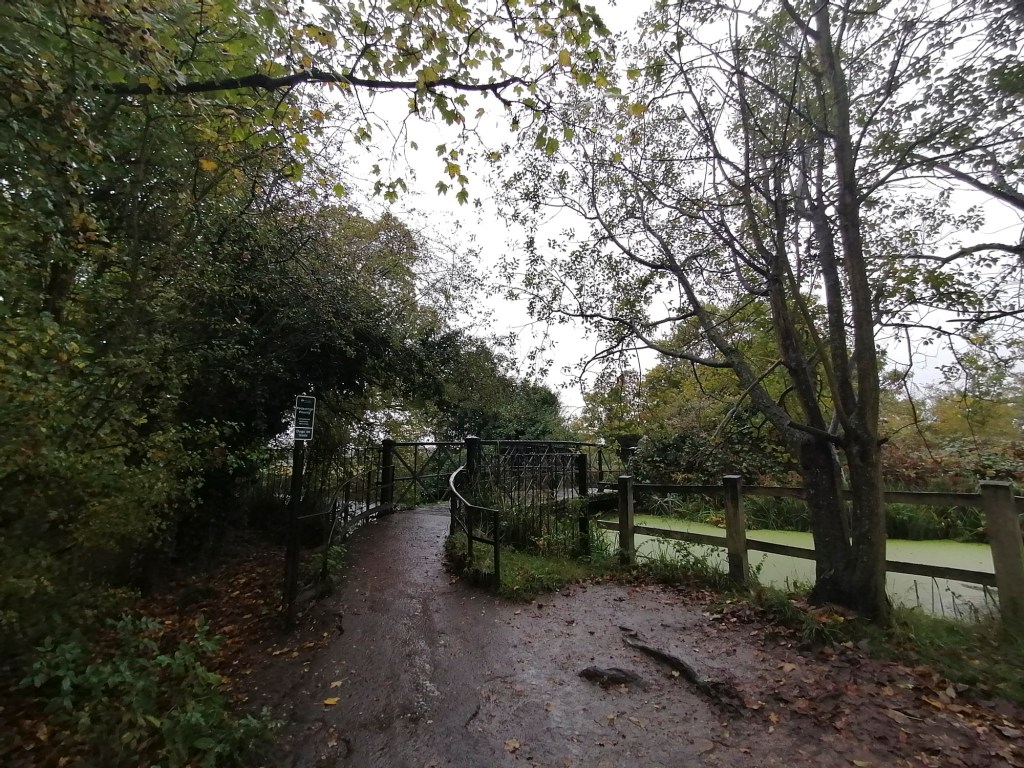
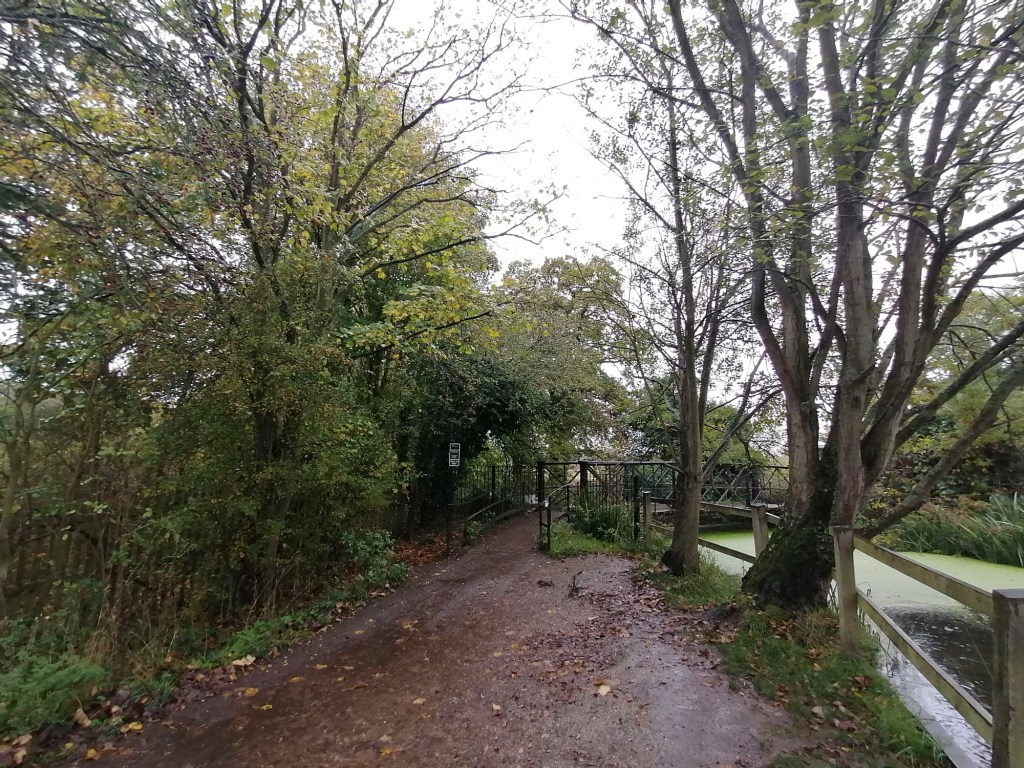
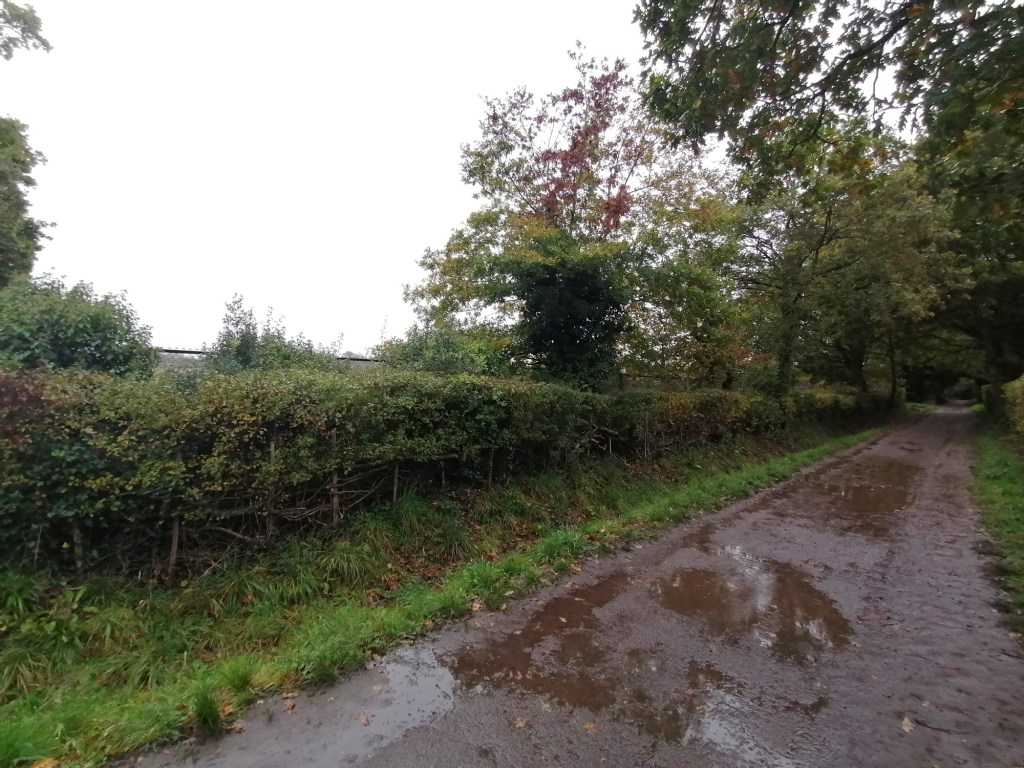
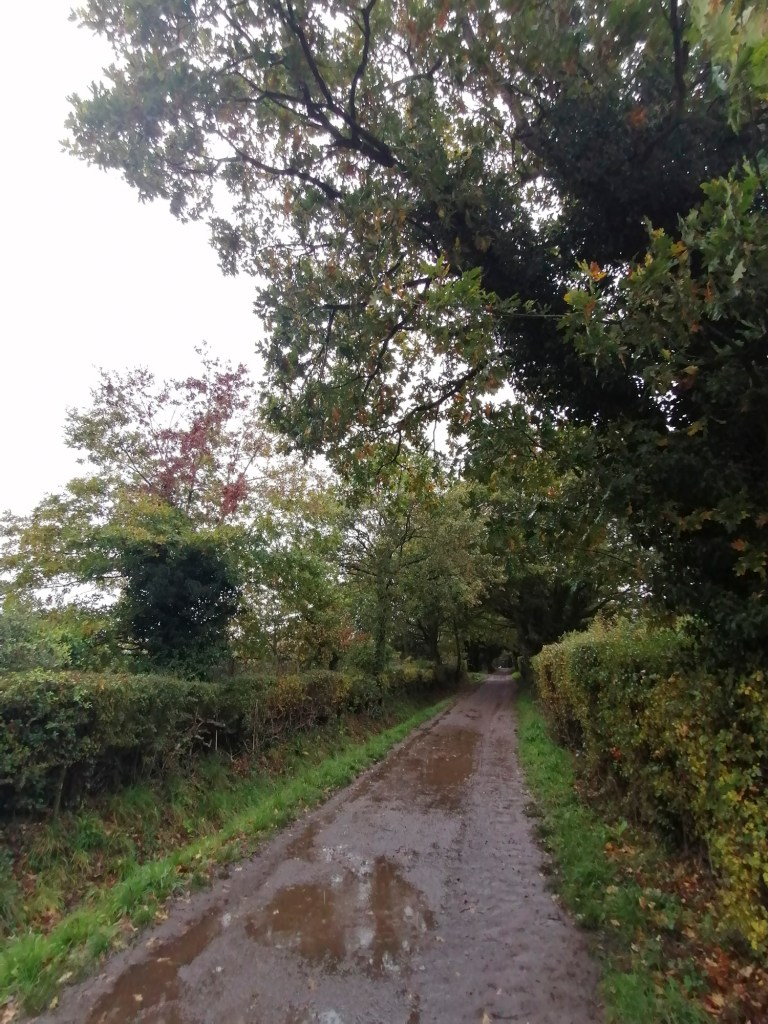
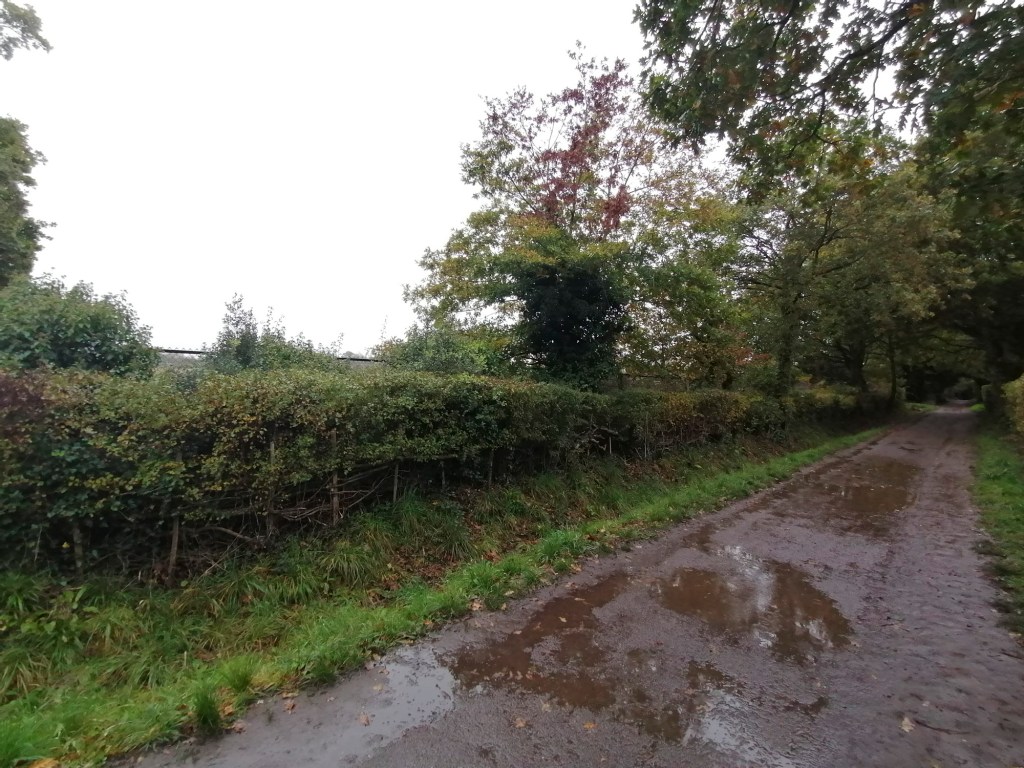
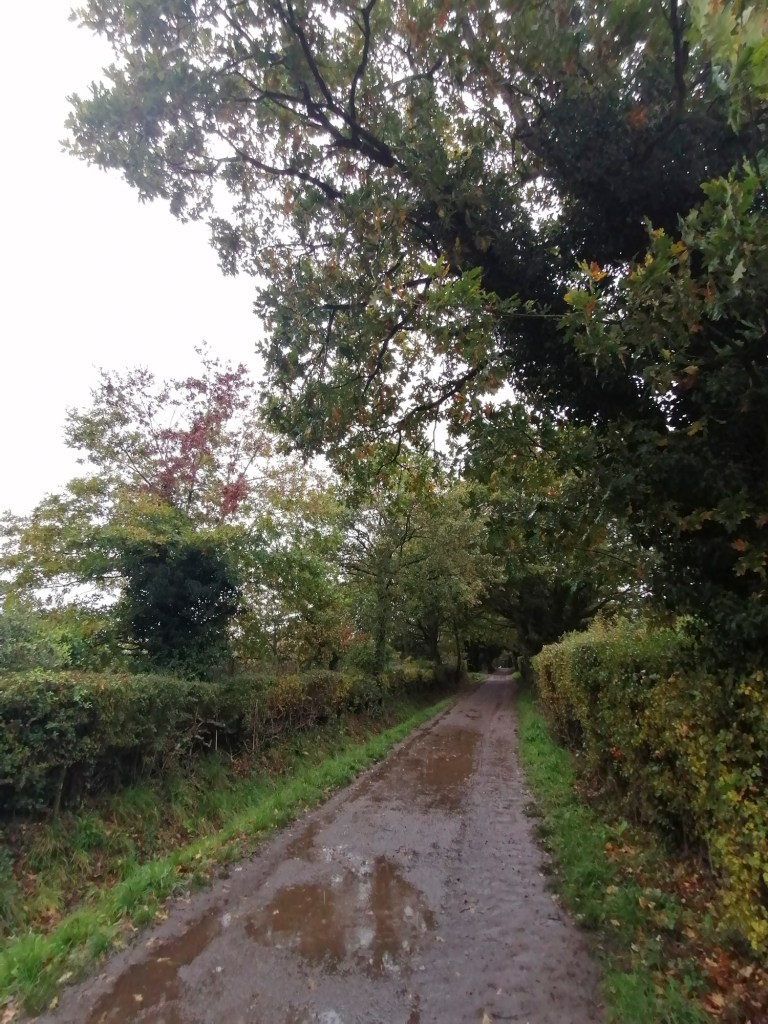
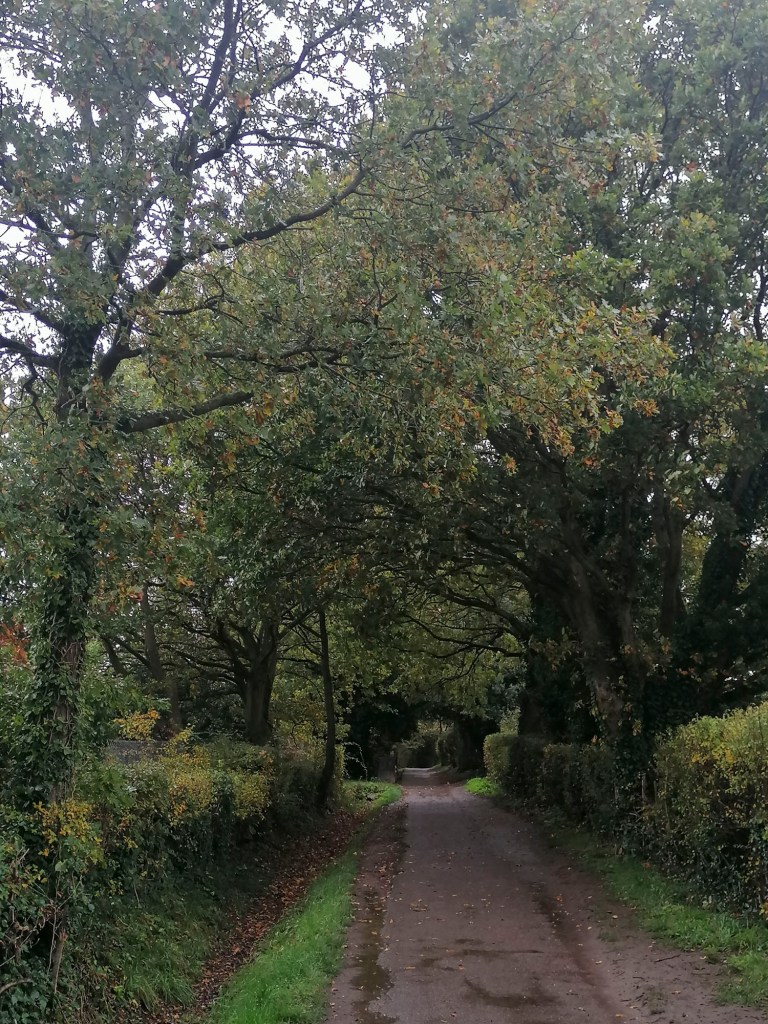
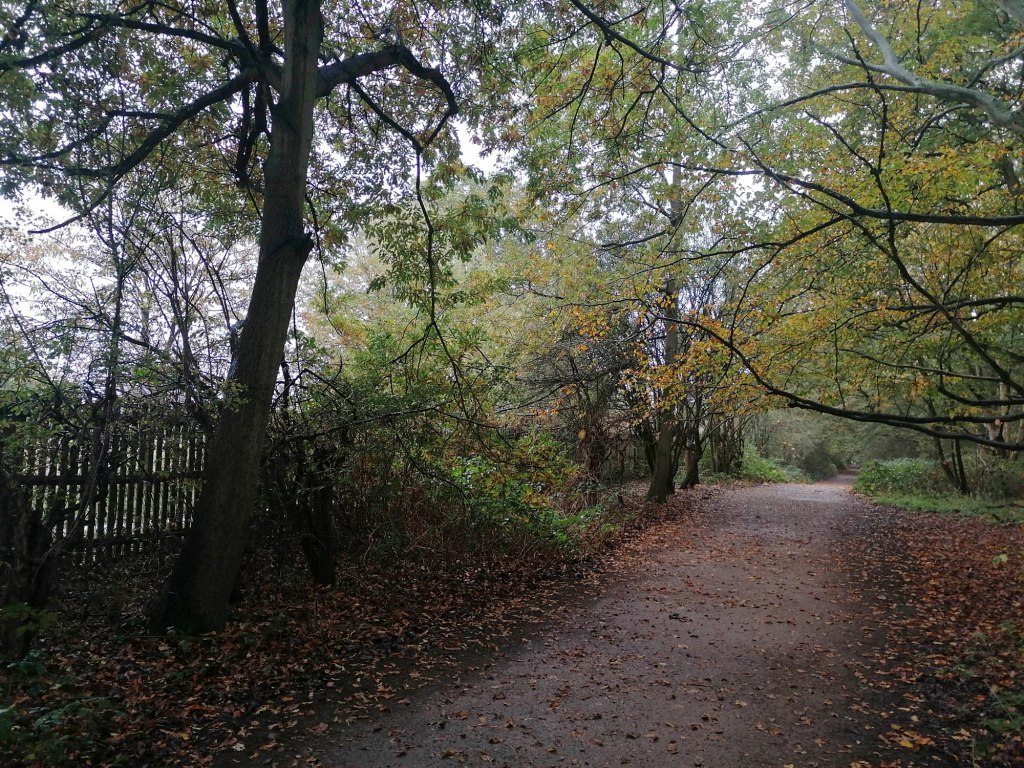
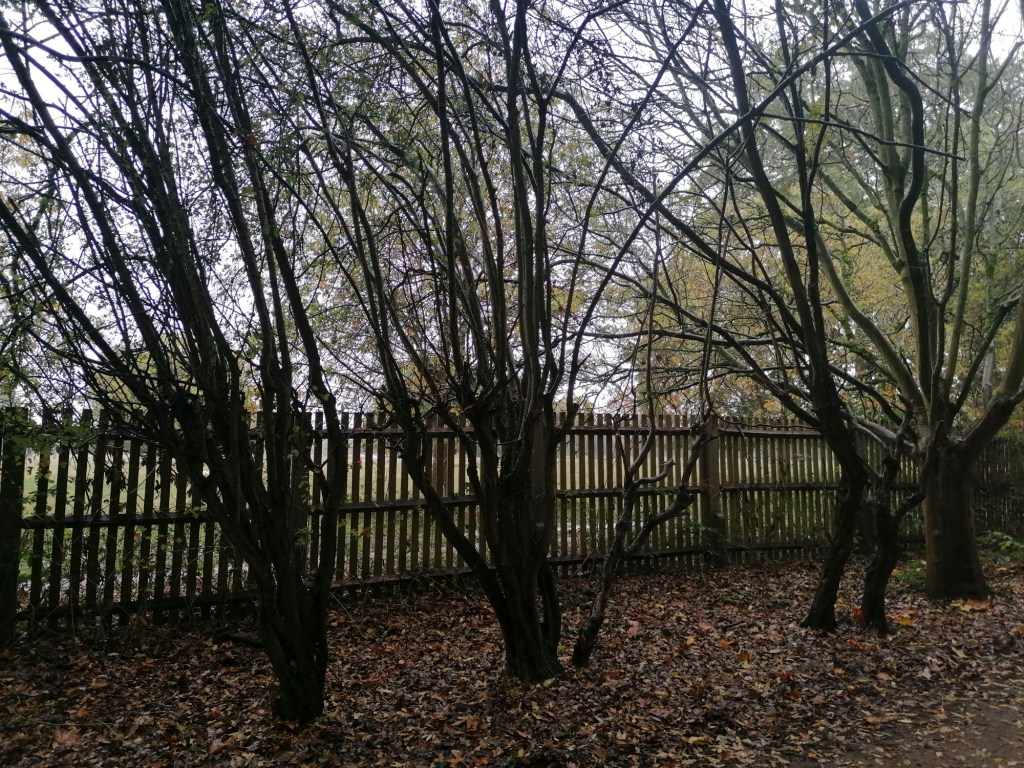
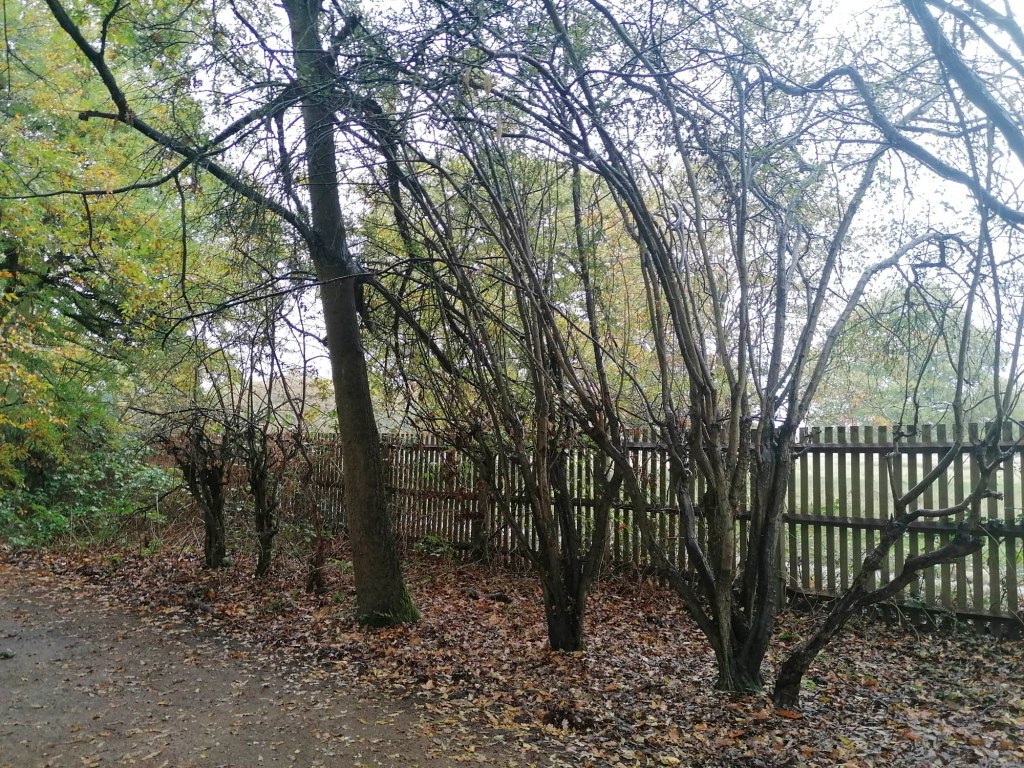
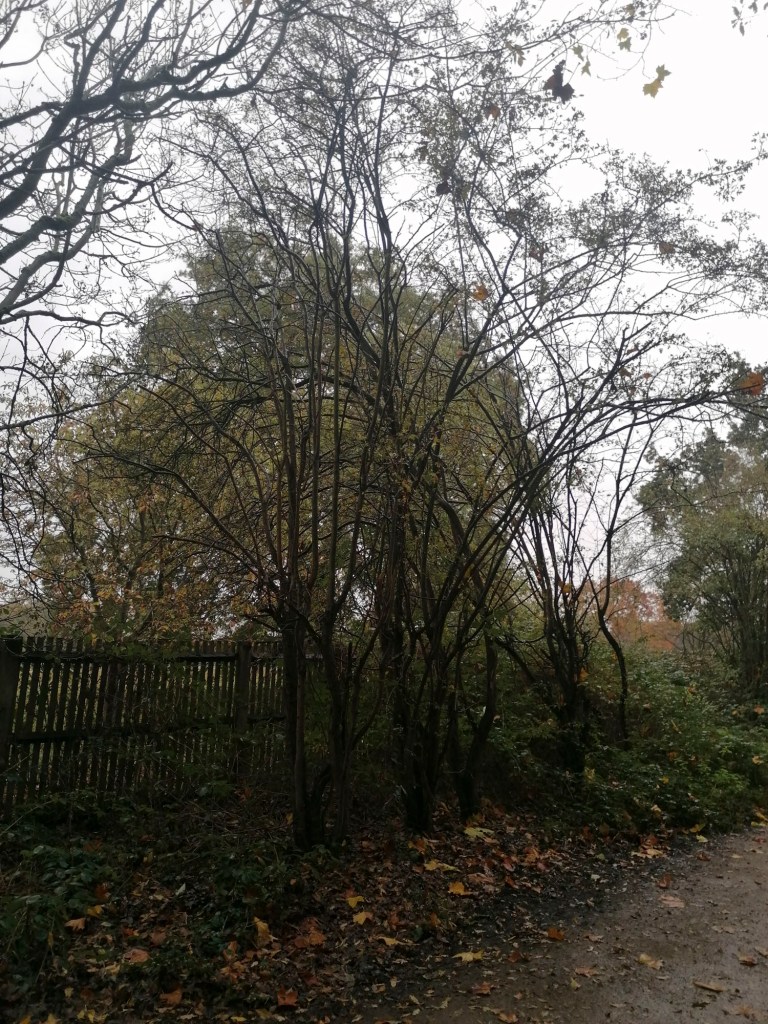
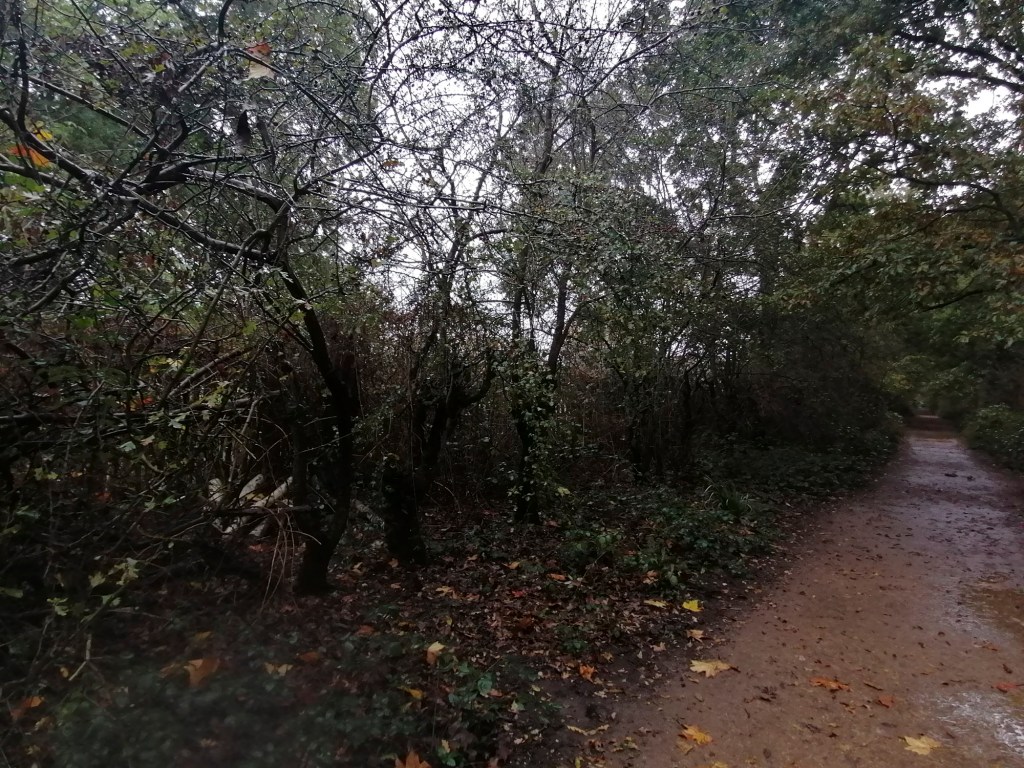
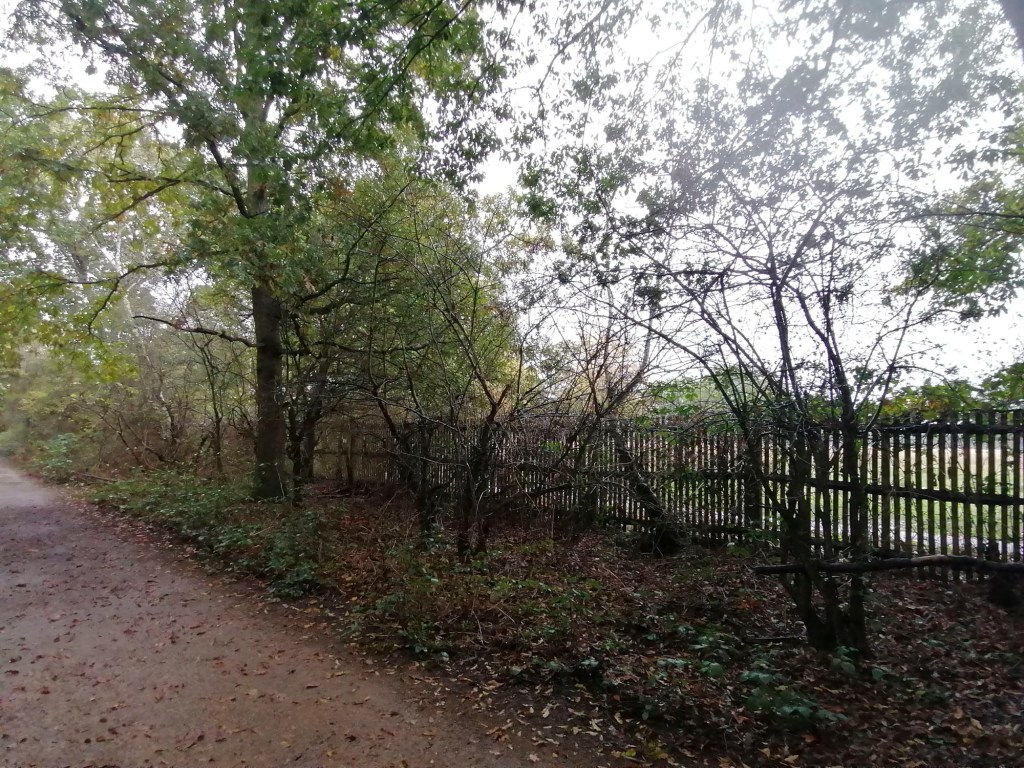
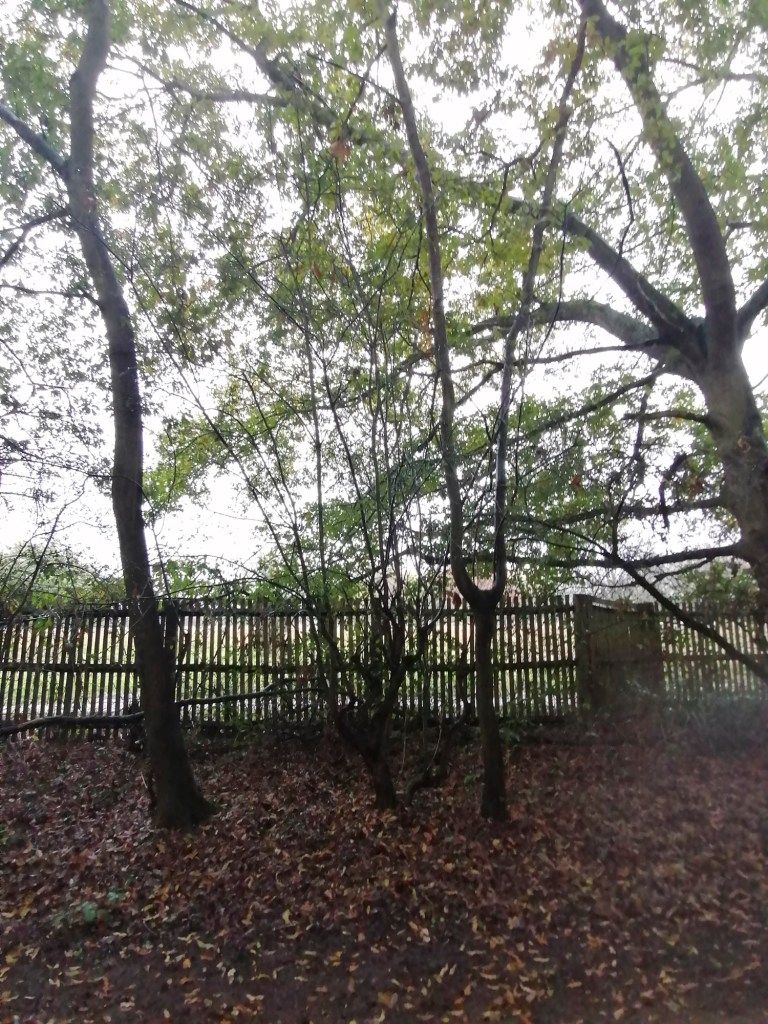
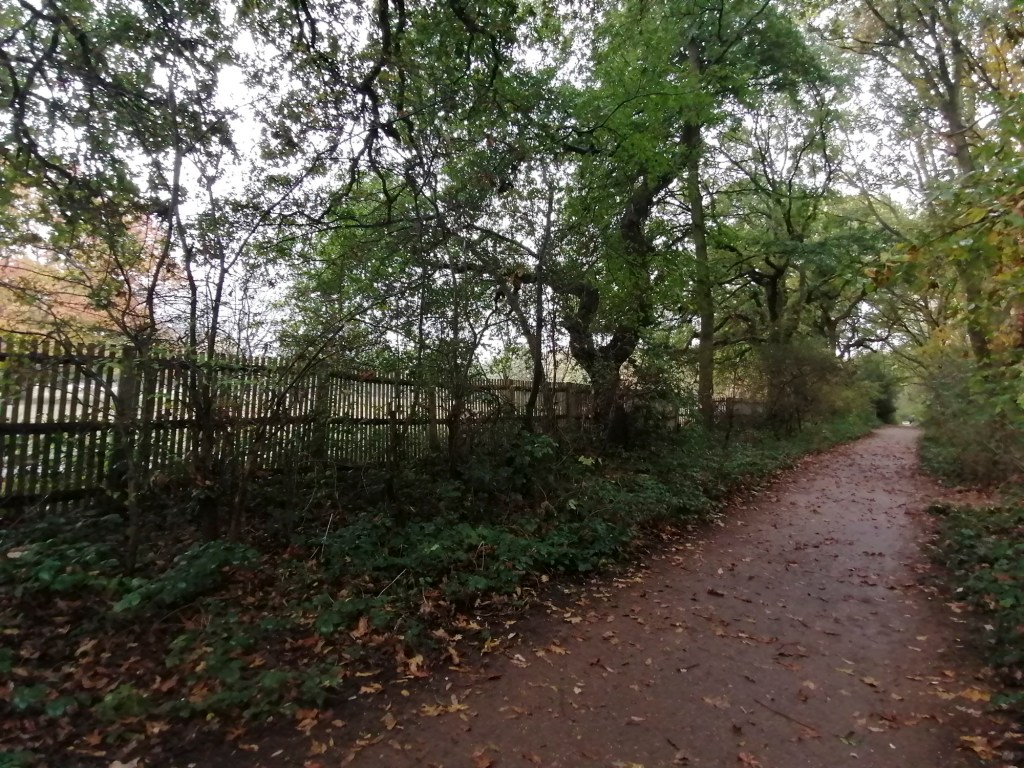
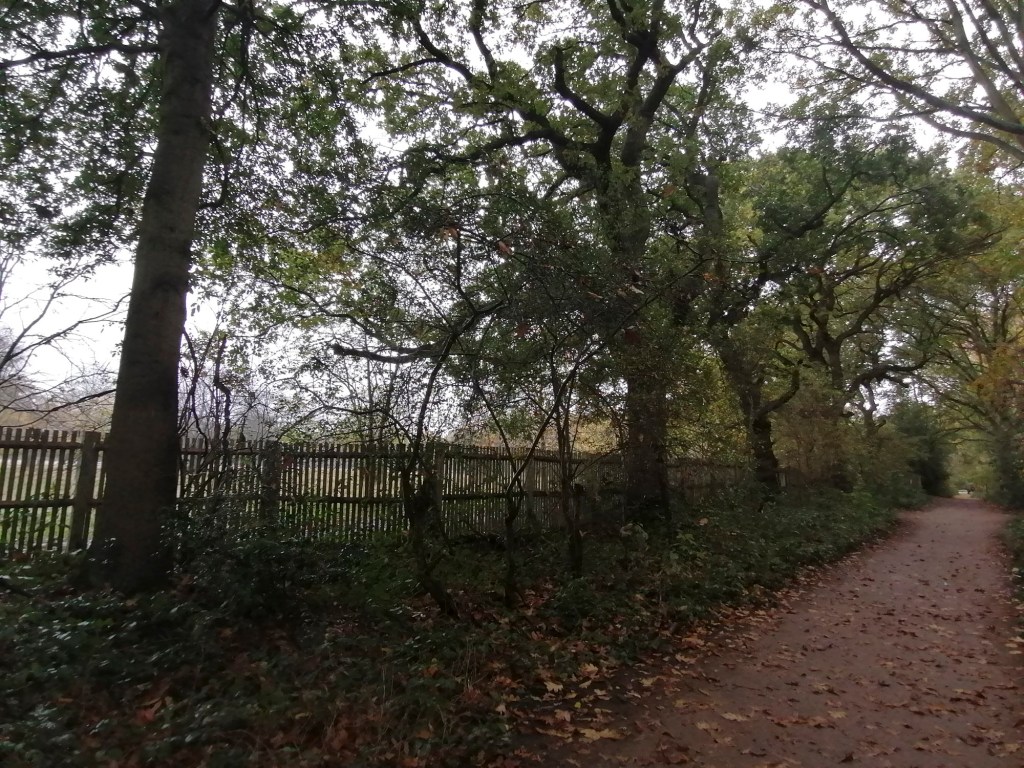
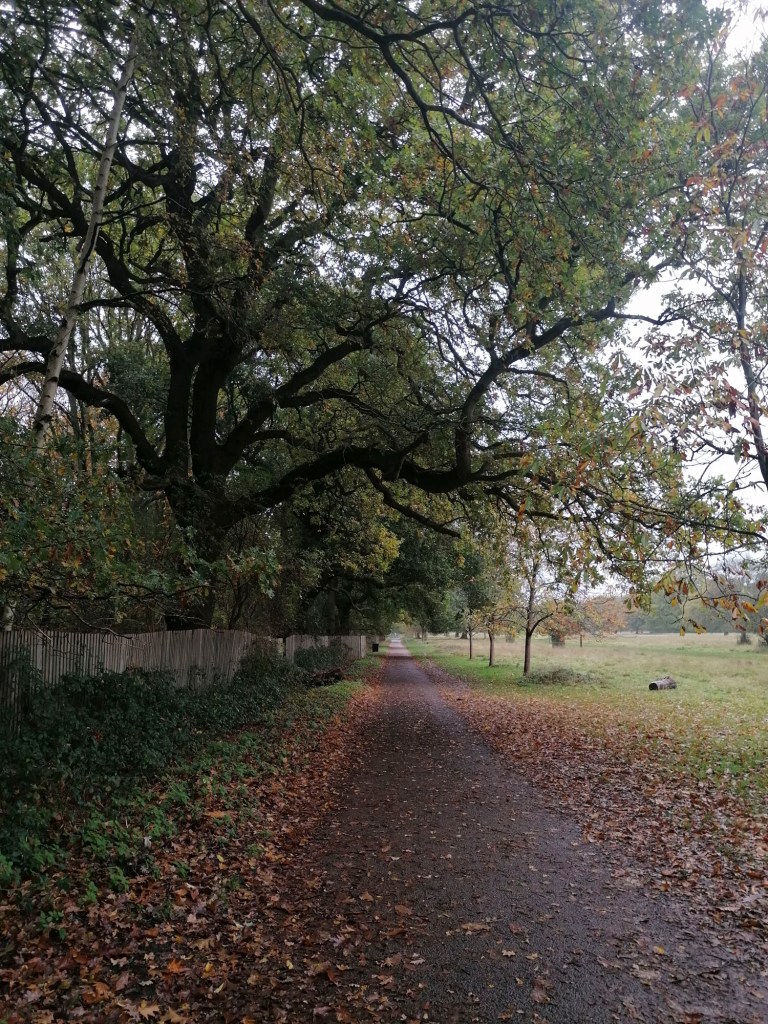
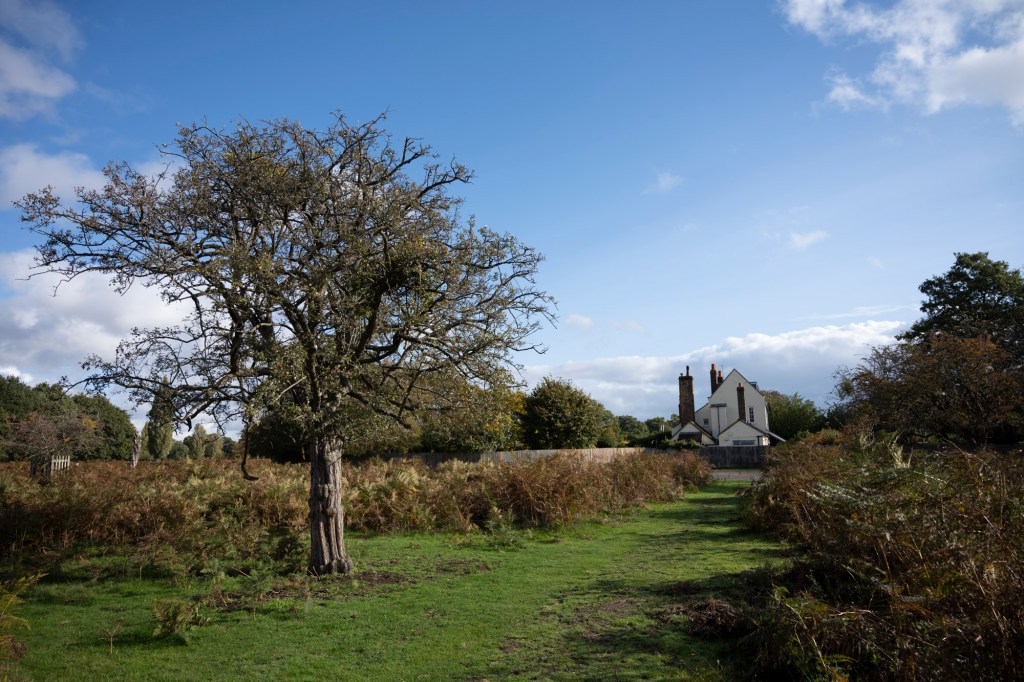
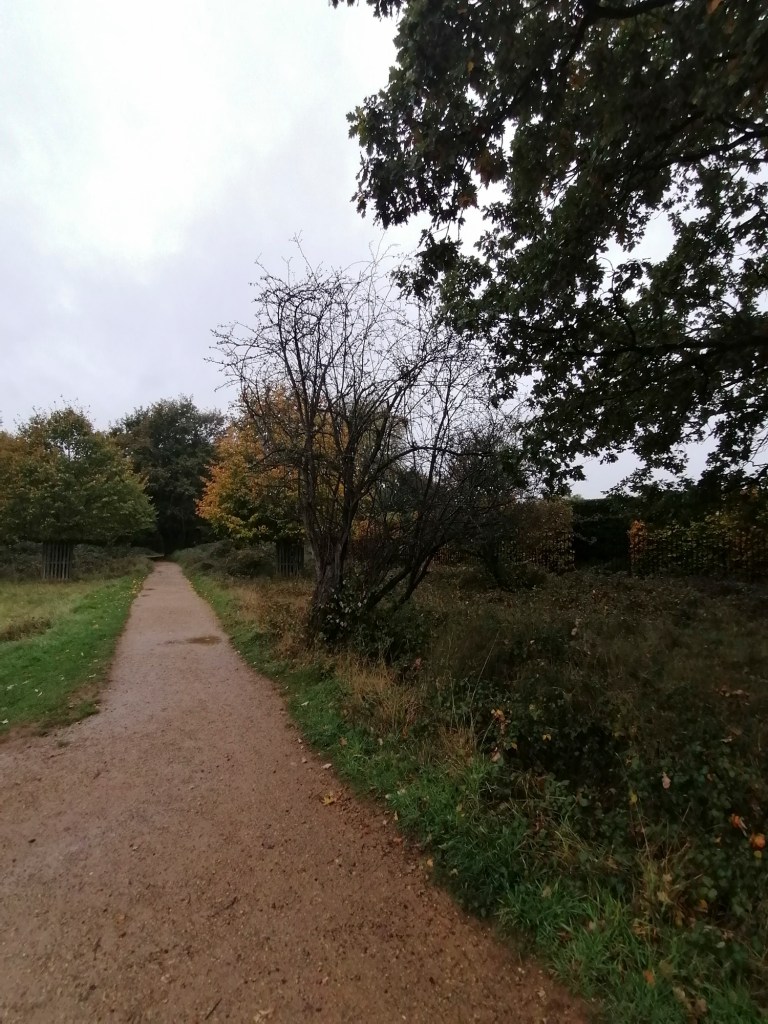
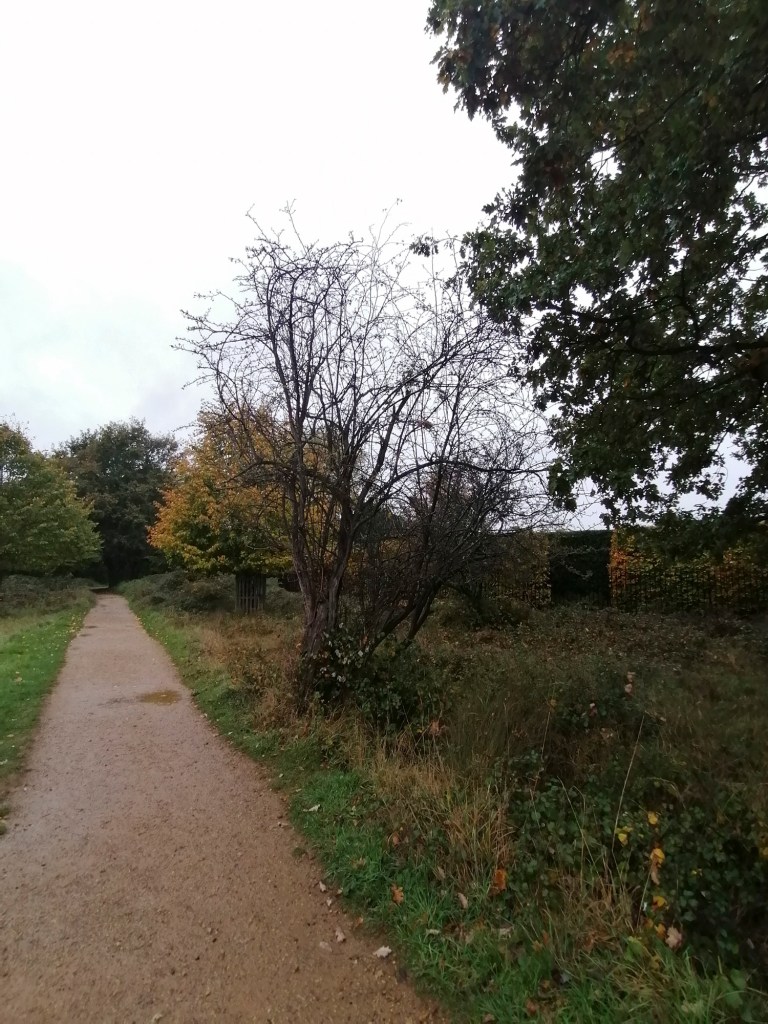
The first tree is on the corner near to where the two tracks converge. The paths can be seen in the first image.
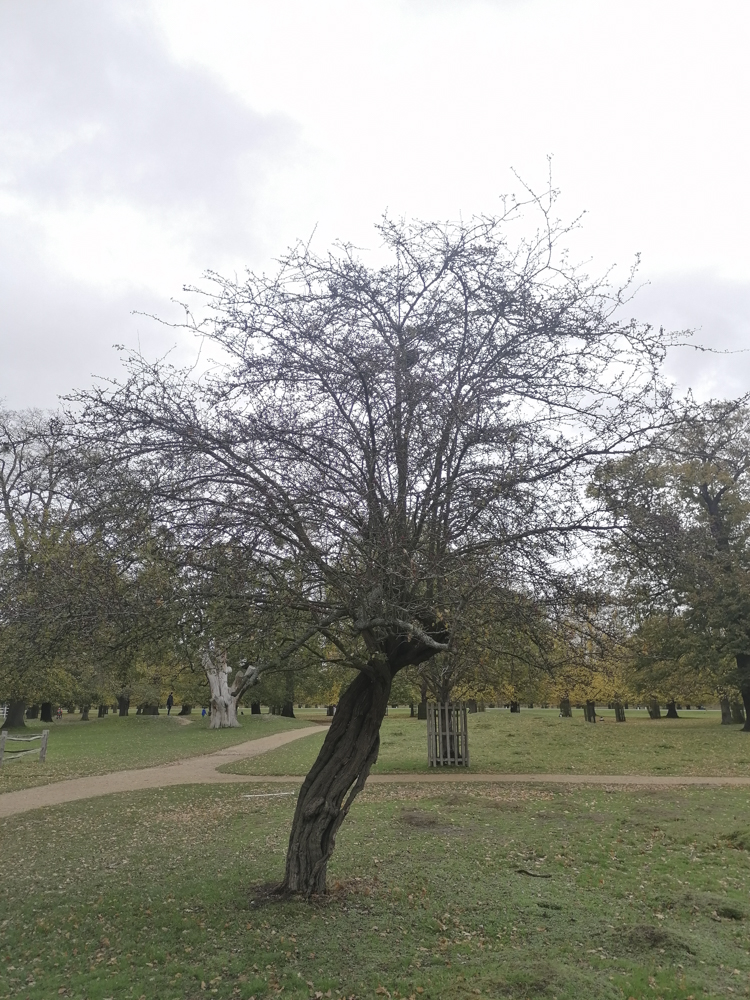
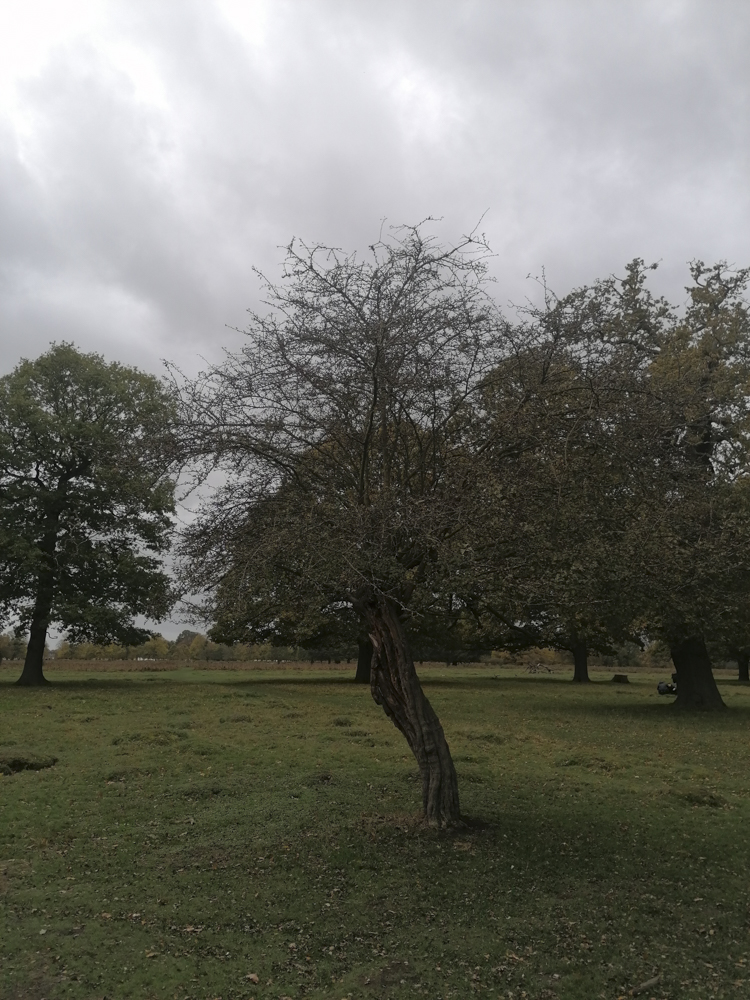
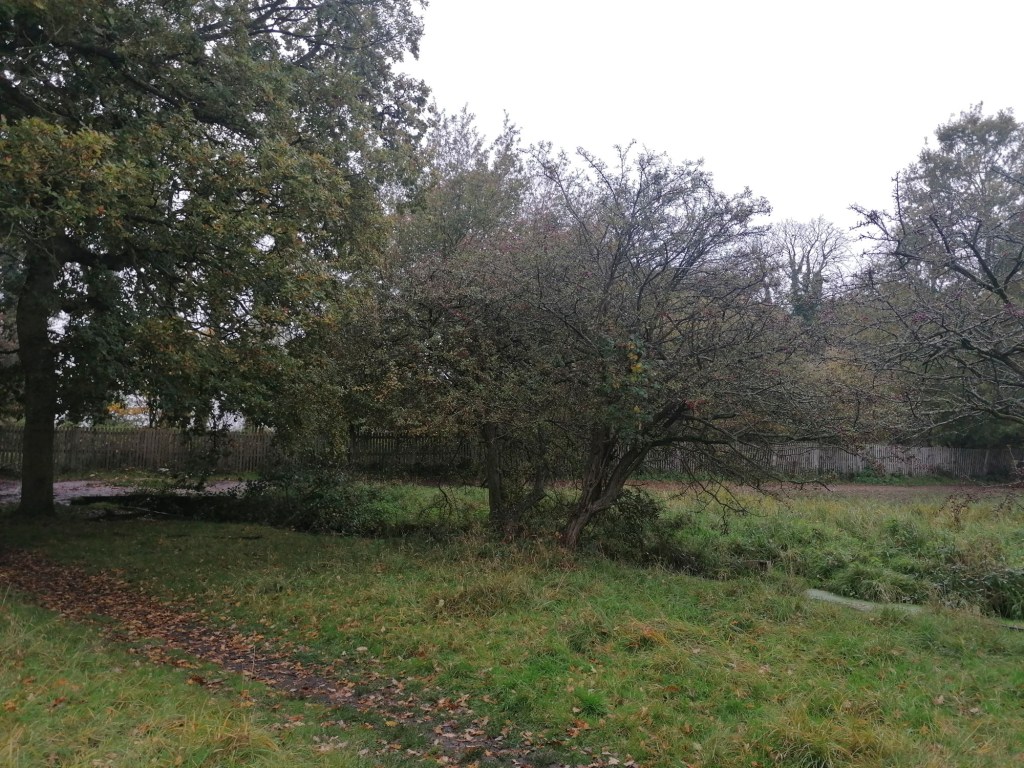
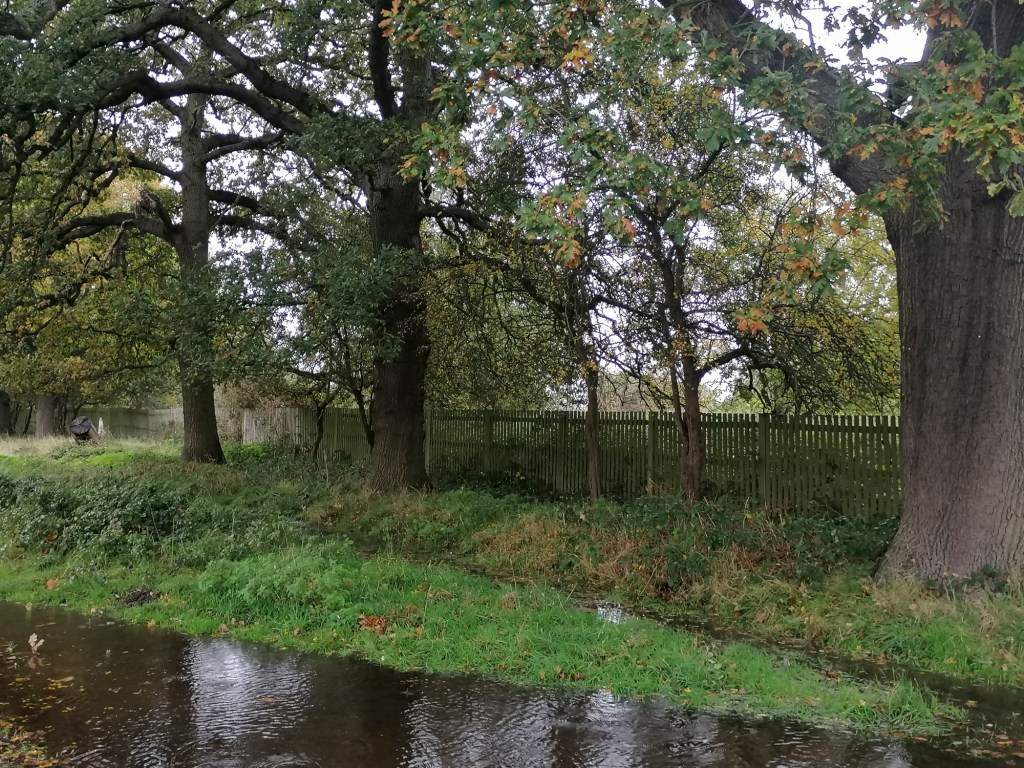
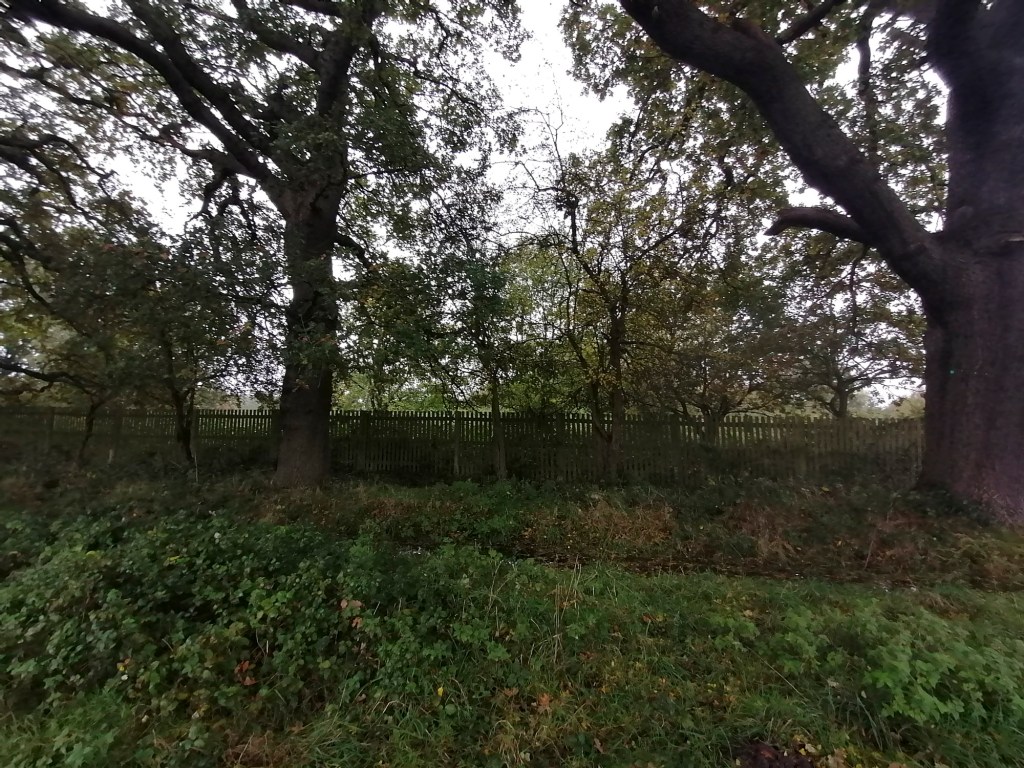
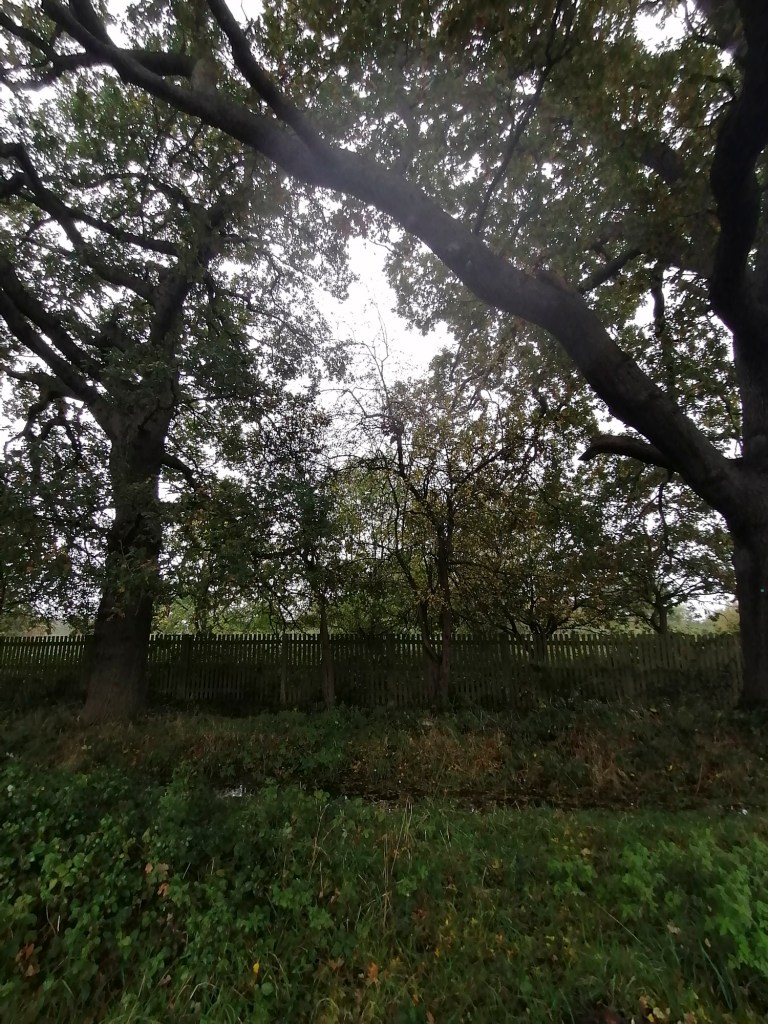
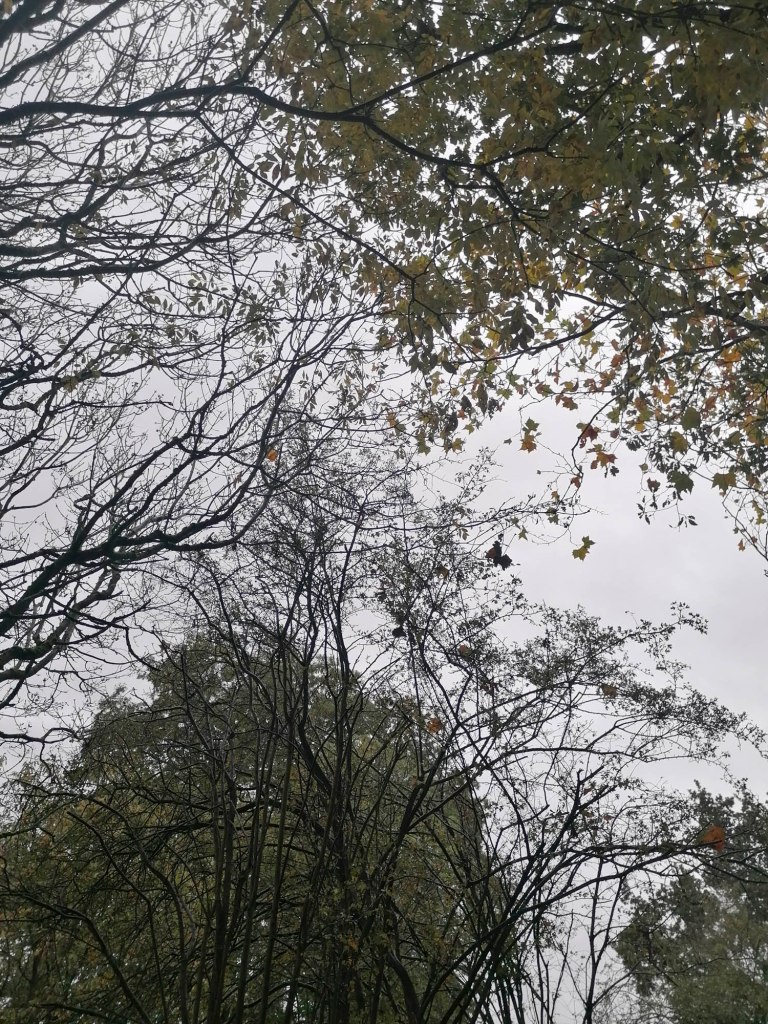
What struck me when looking at the images was how this hawthorn looks in relation to the oaks. For me, it looks like the oaks are protecting the hawthorn and not the other way round. There is a slight gap in the trunk, which also adds to the character.

Tree 2

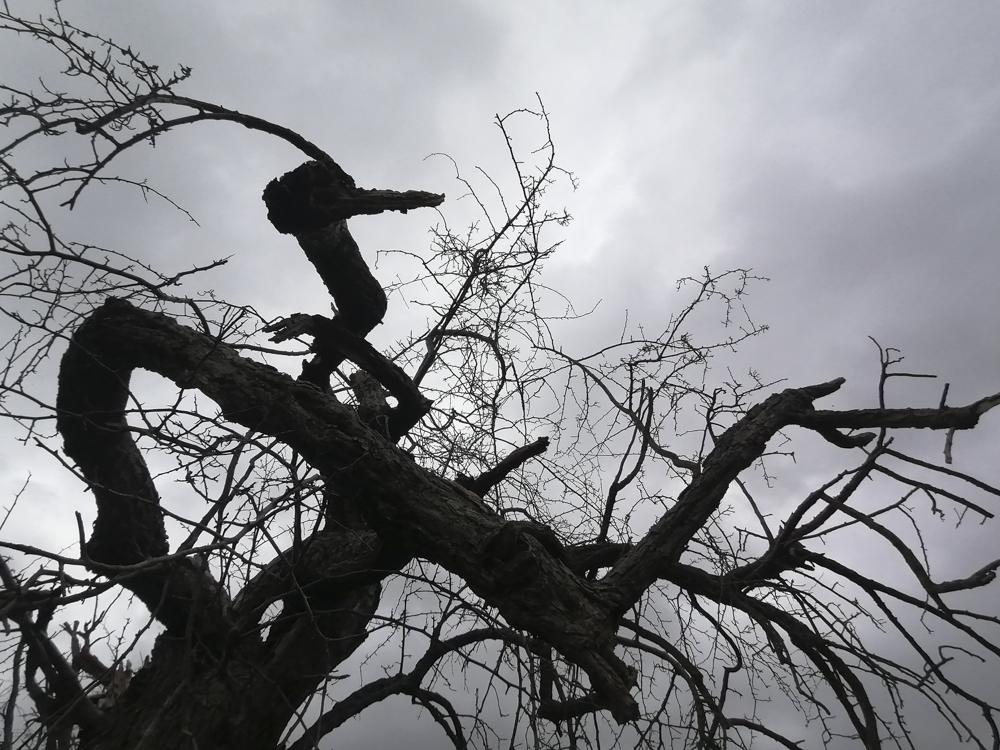
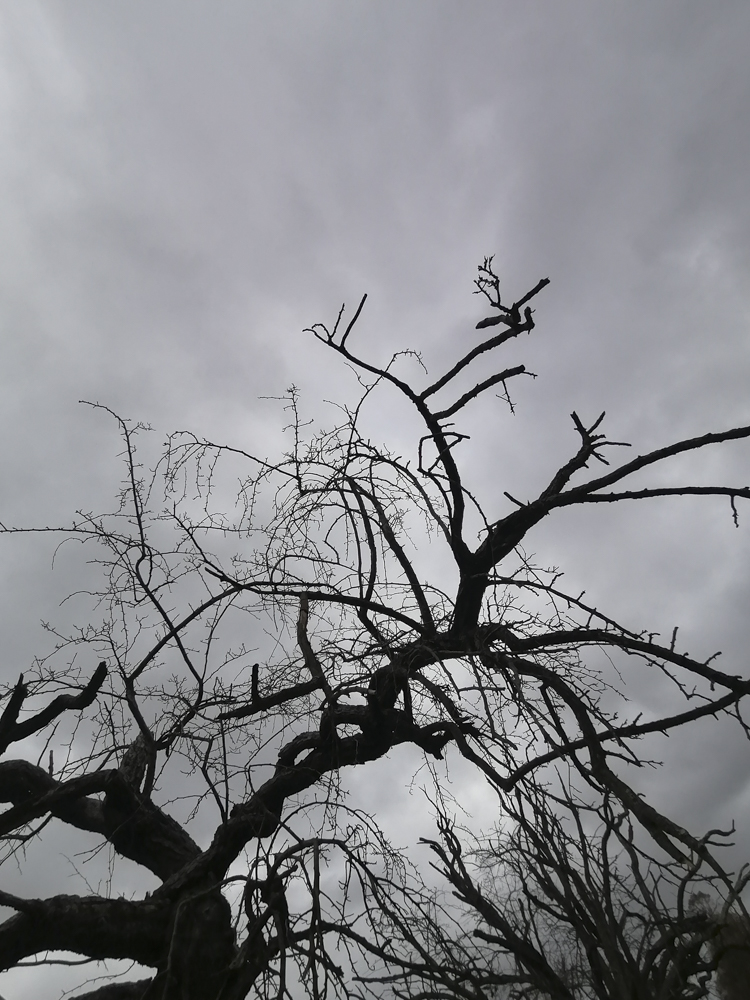
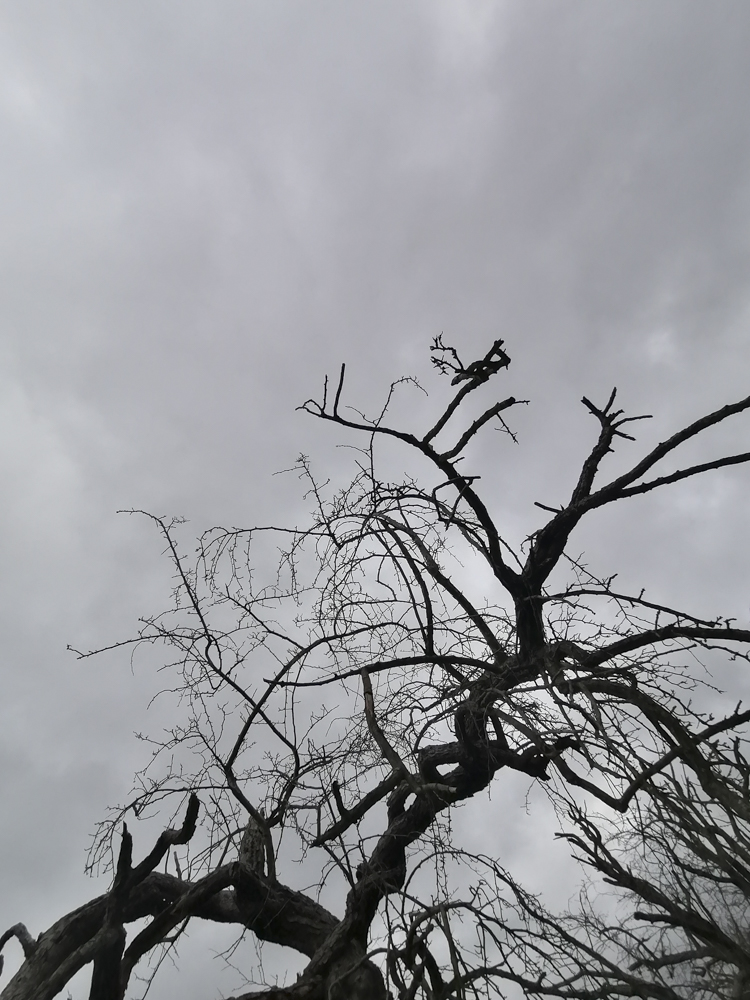
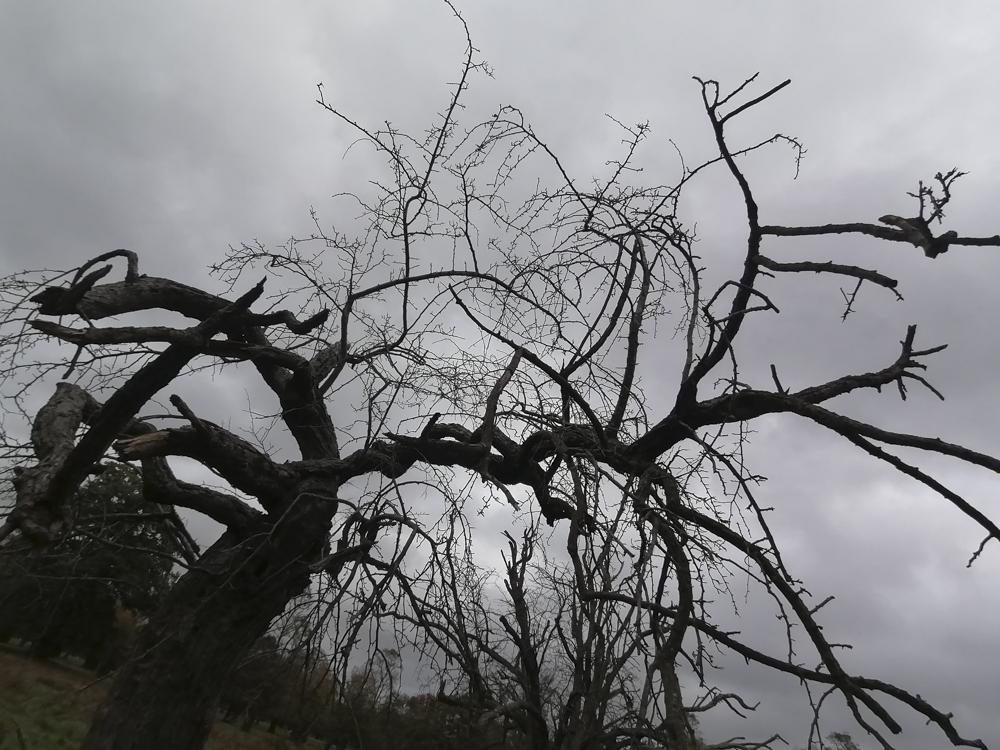
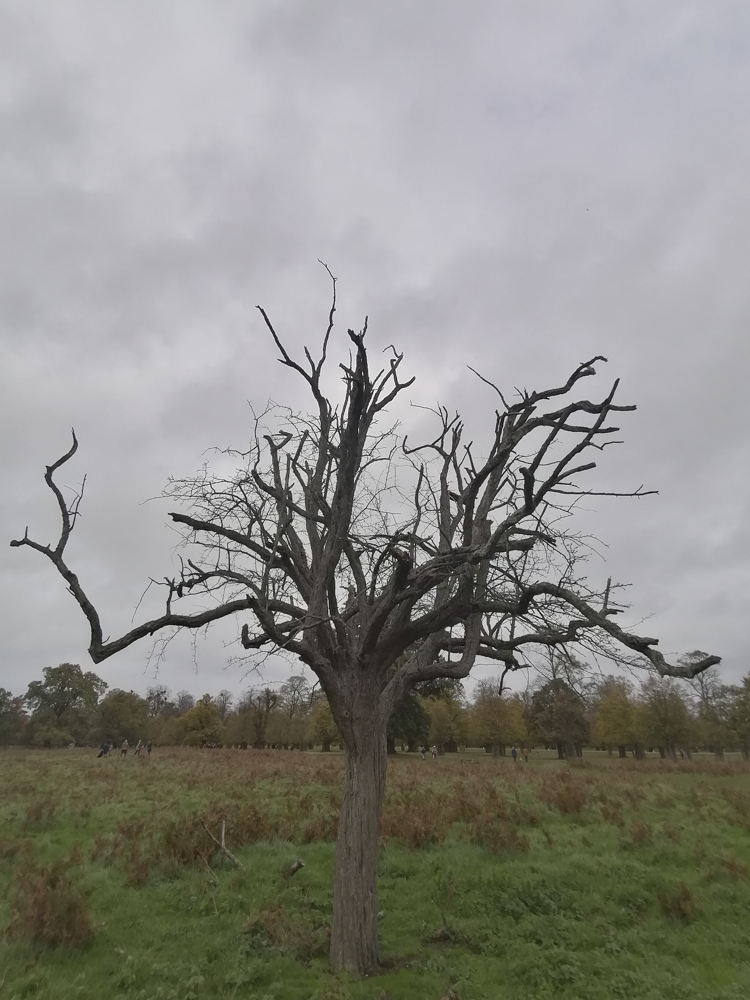
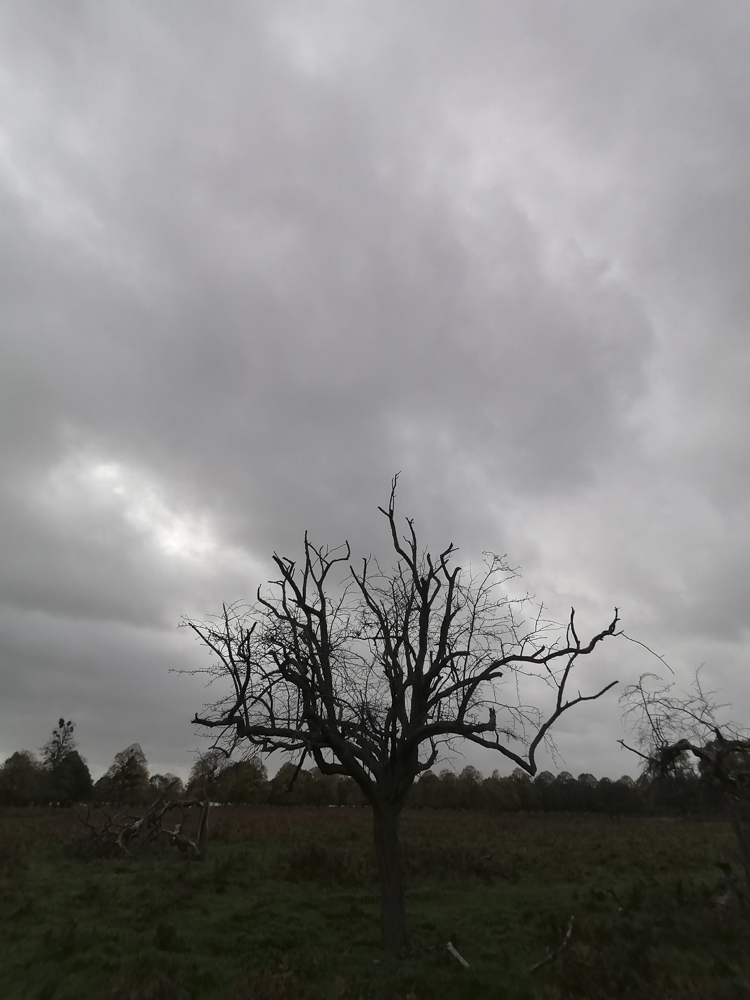
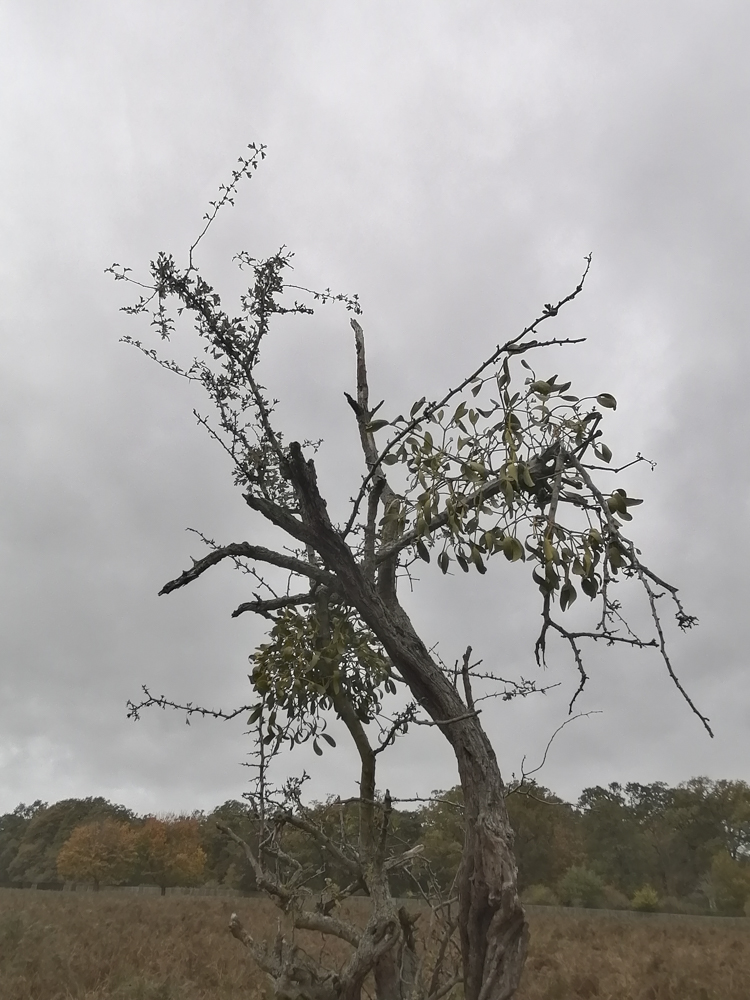
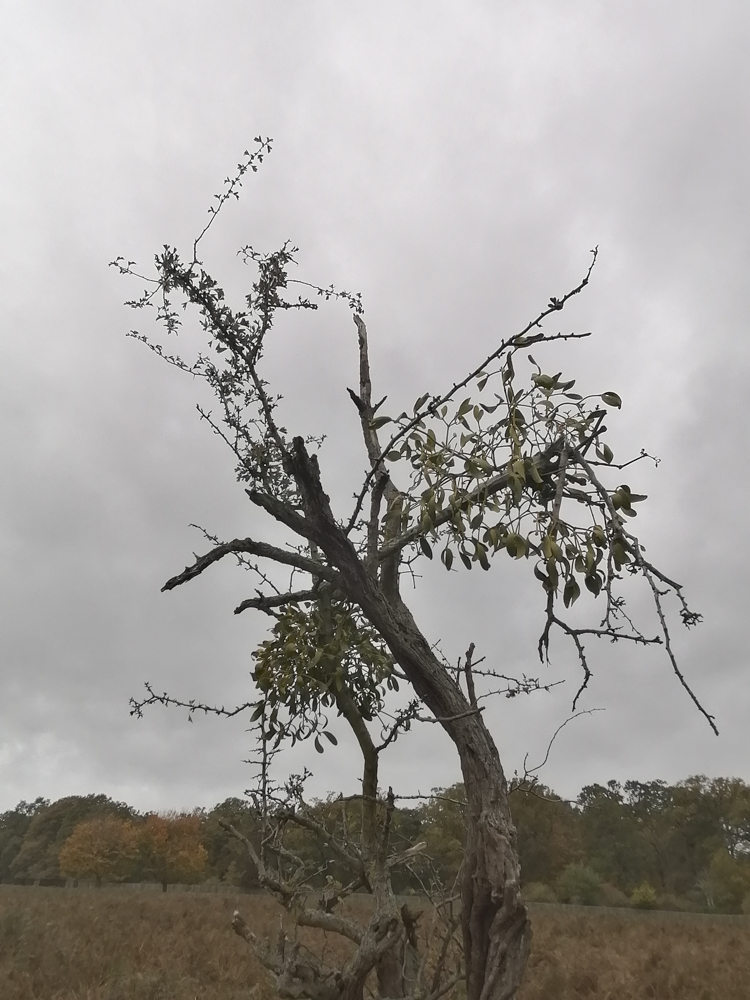
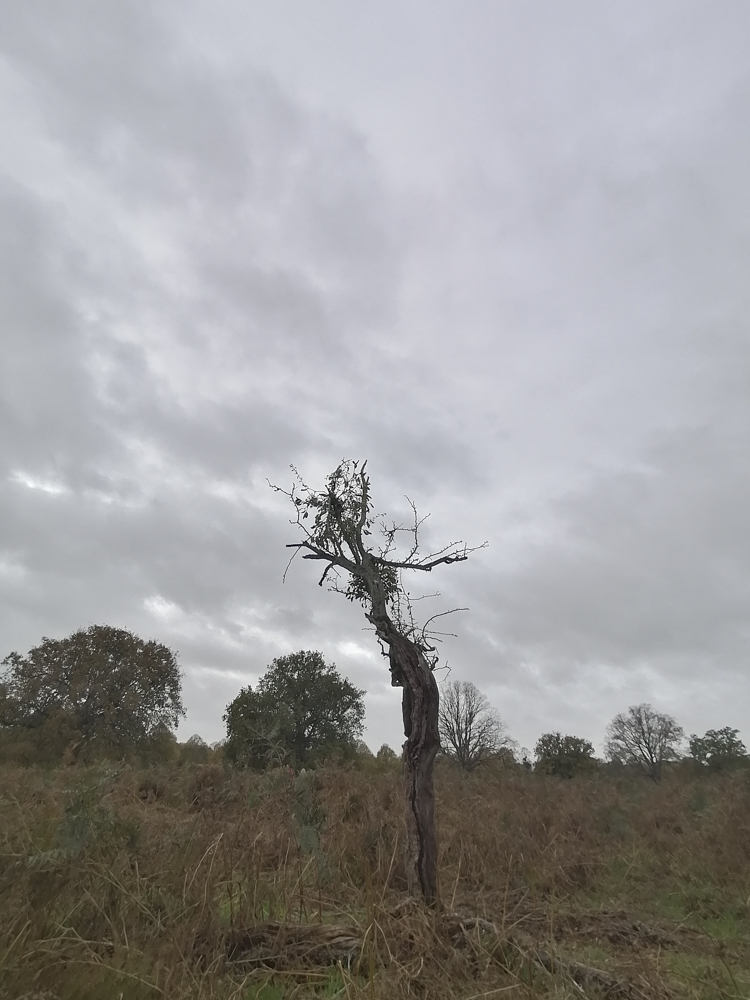
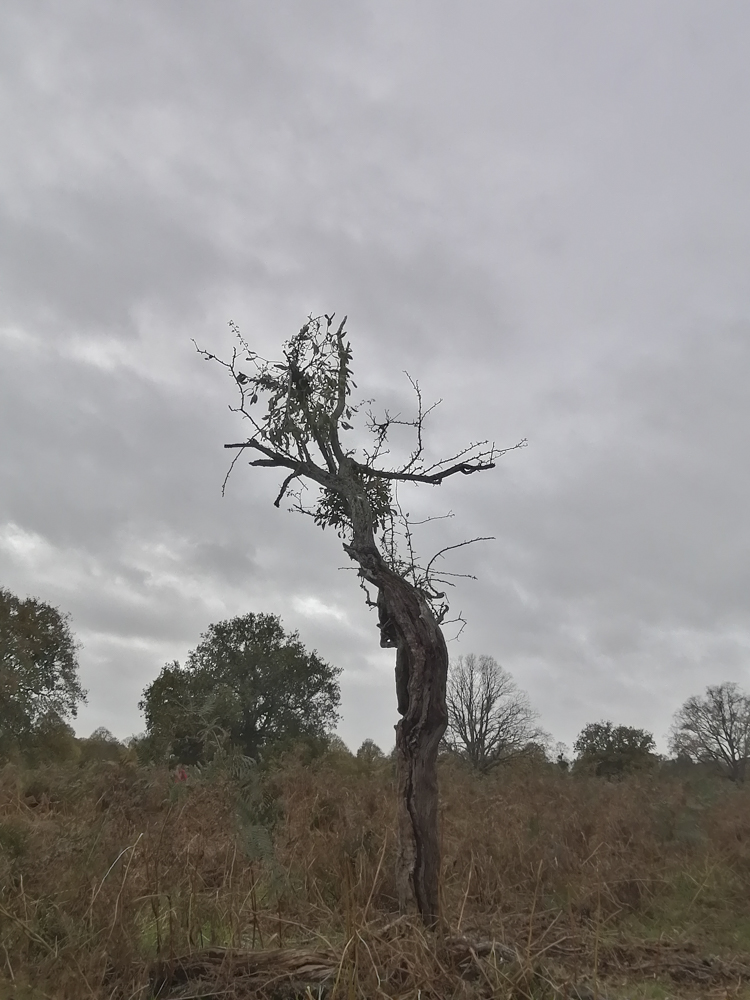
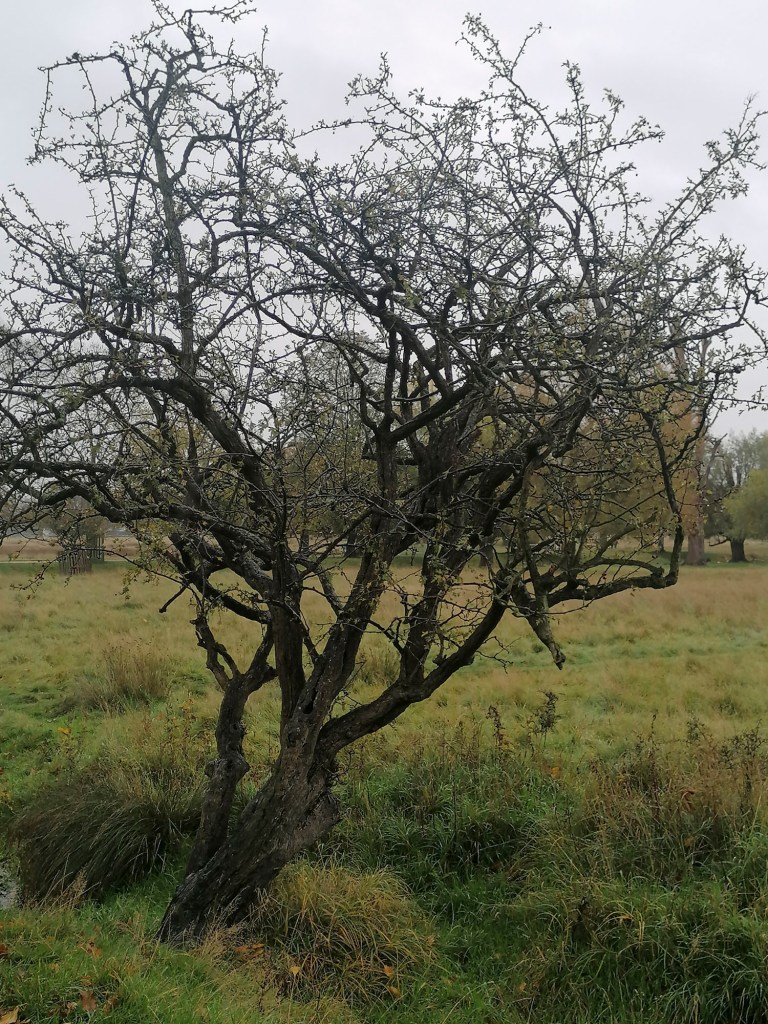
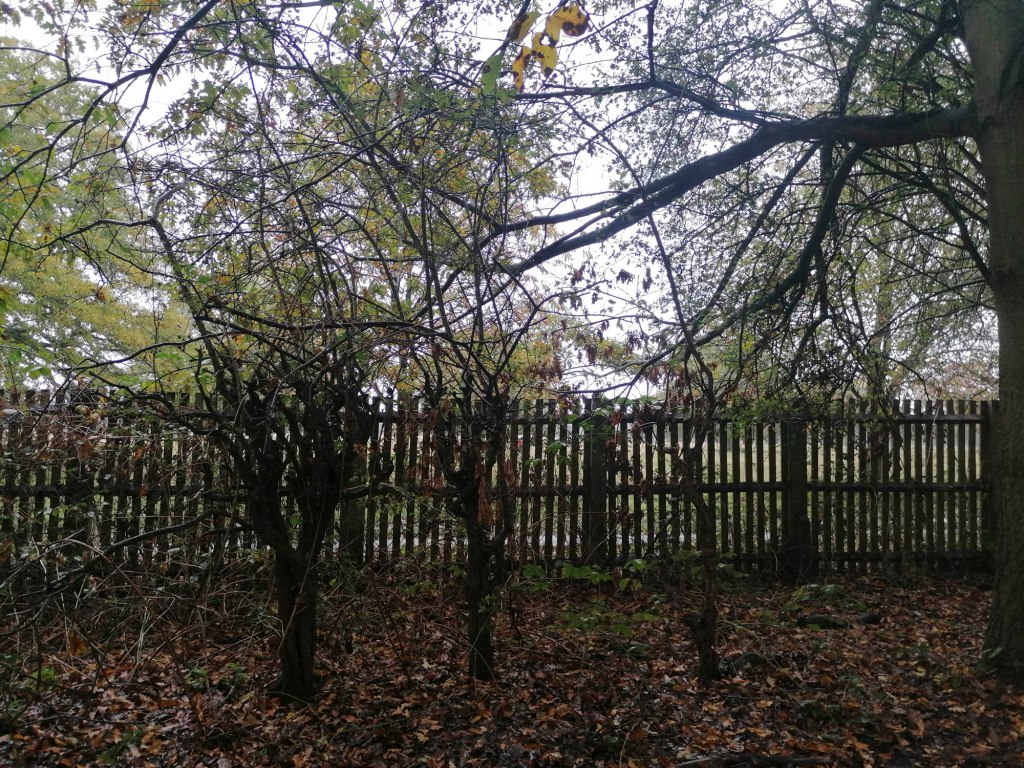
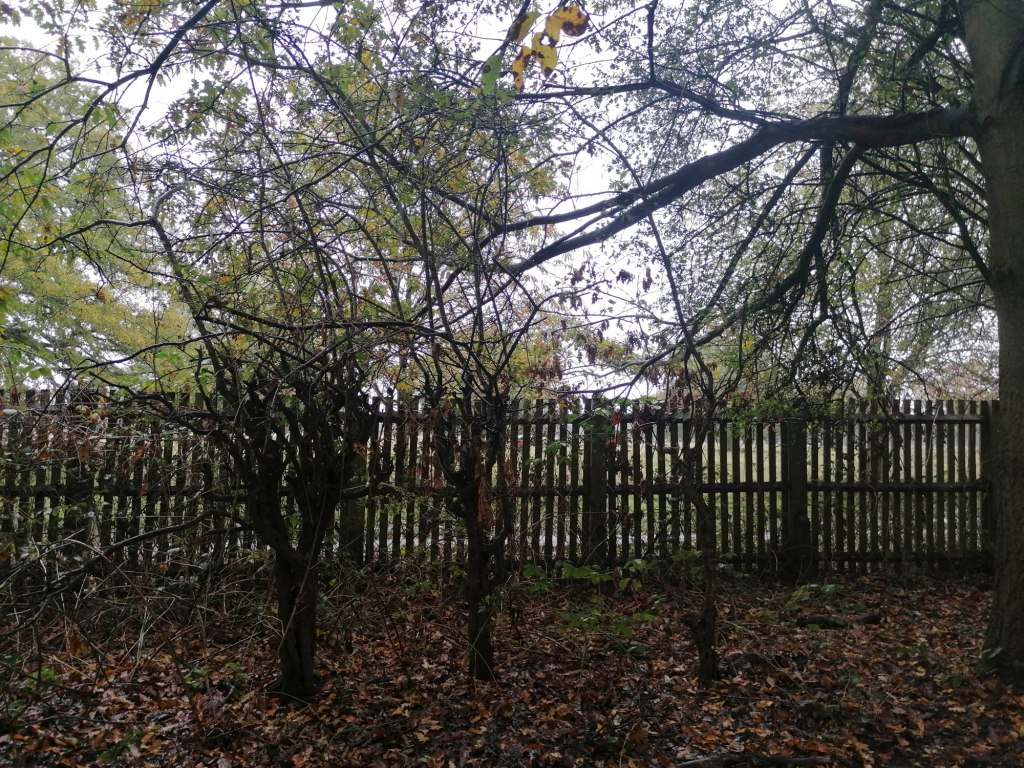
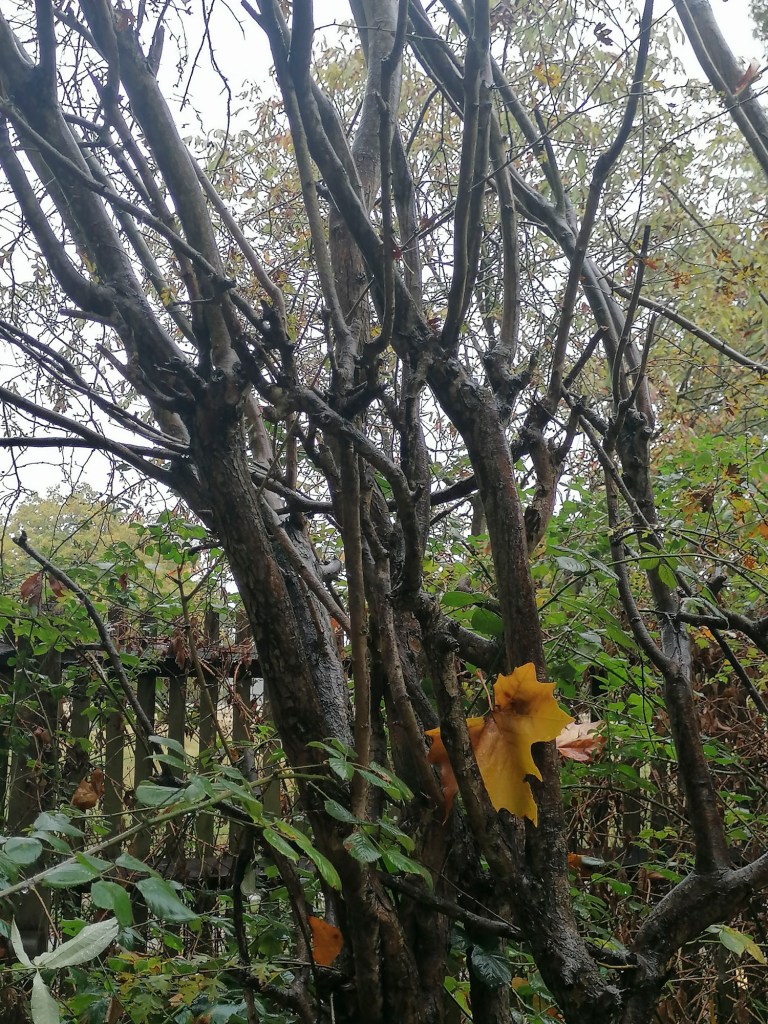
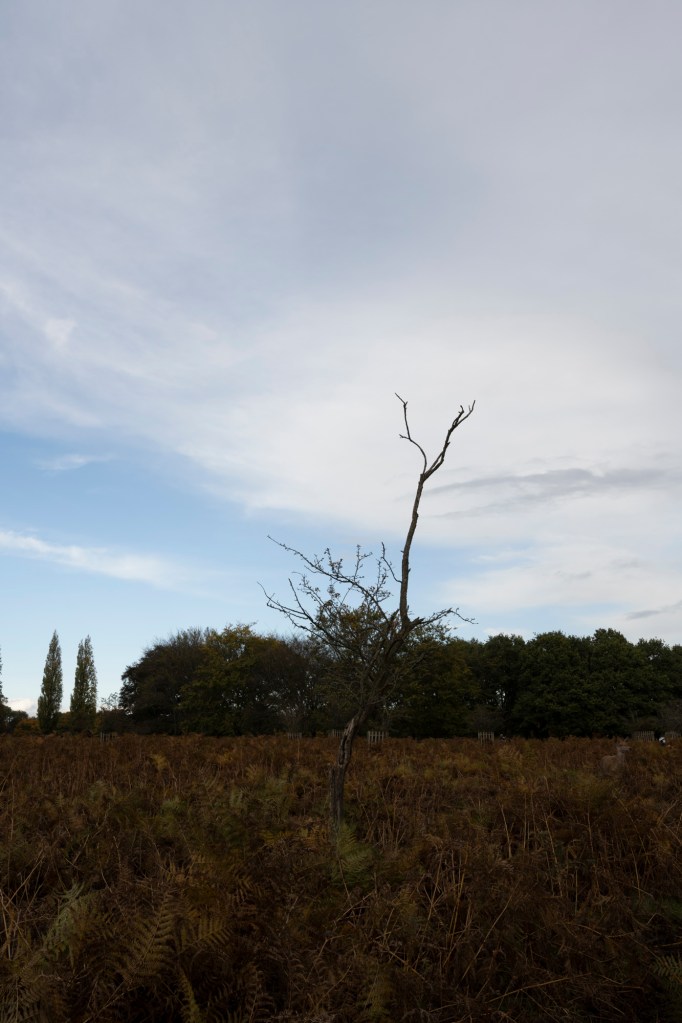
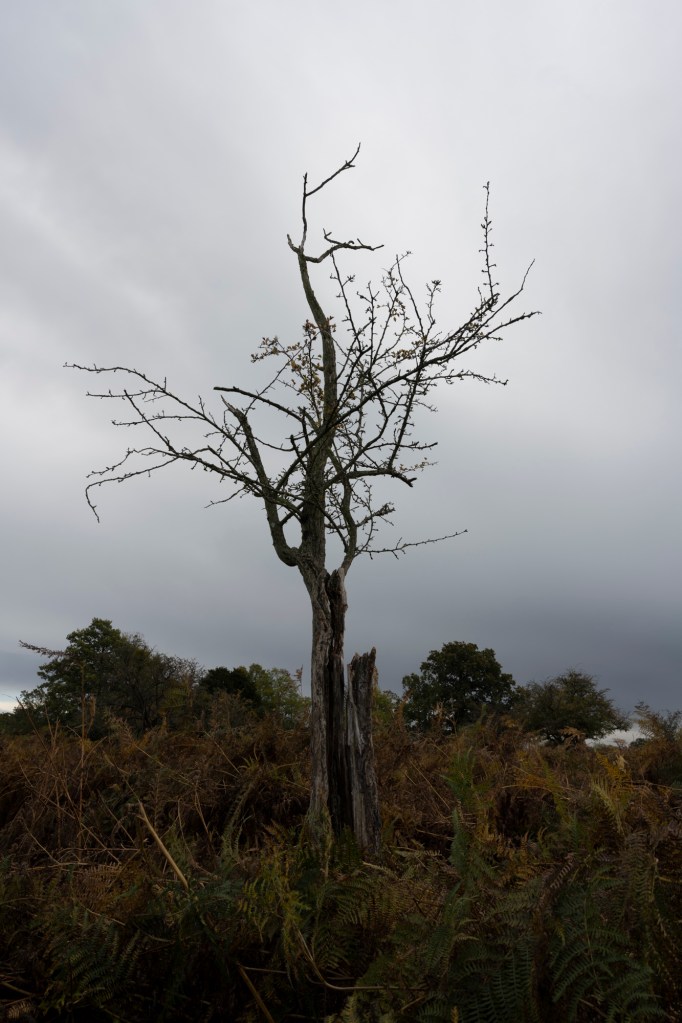
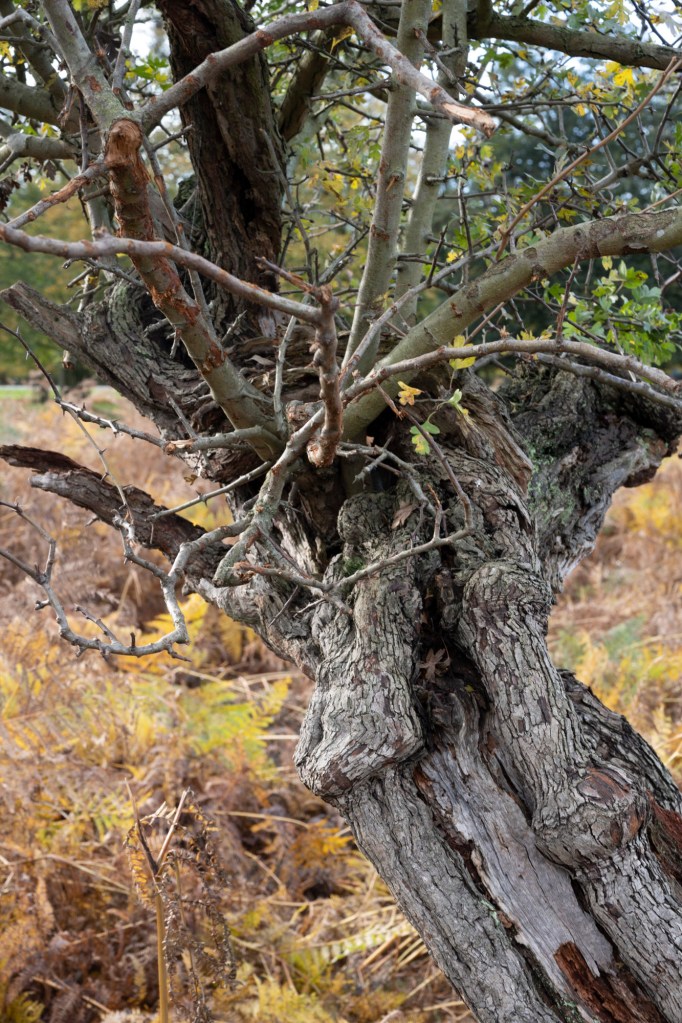
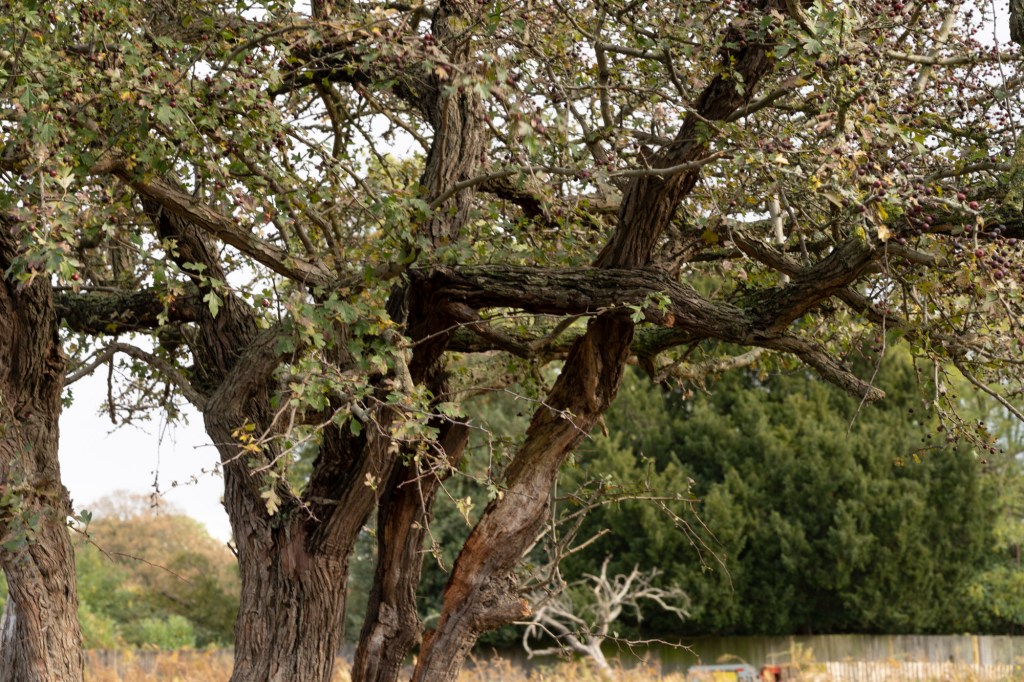
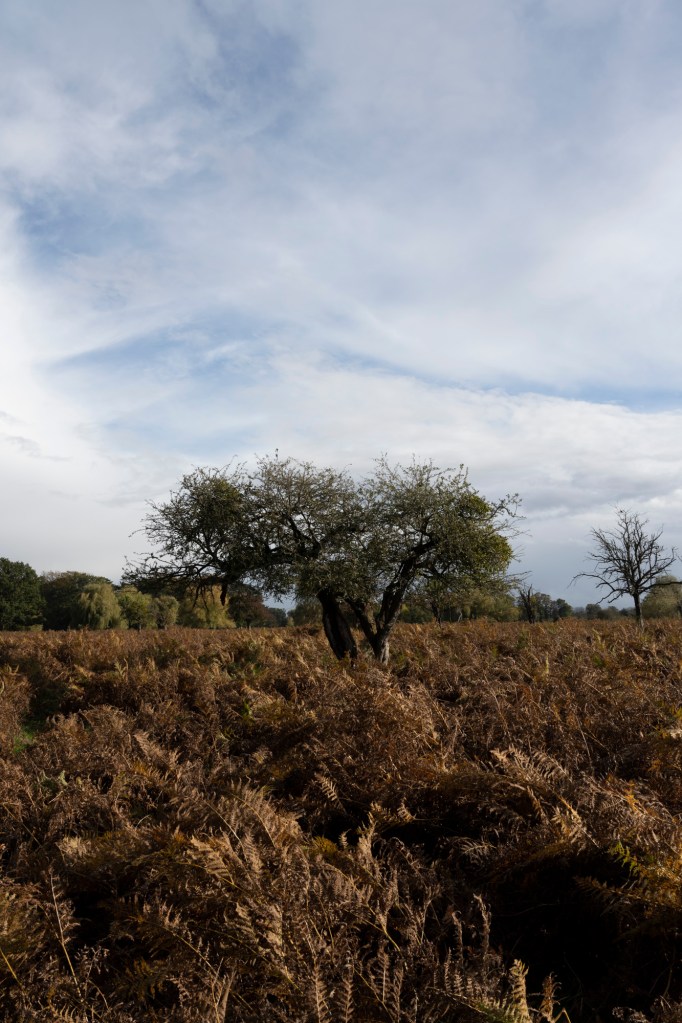
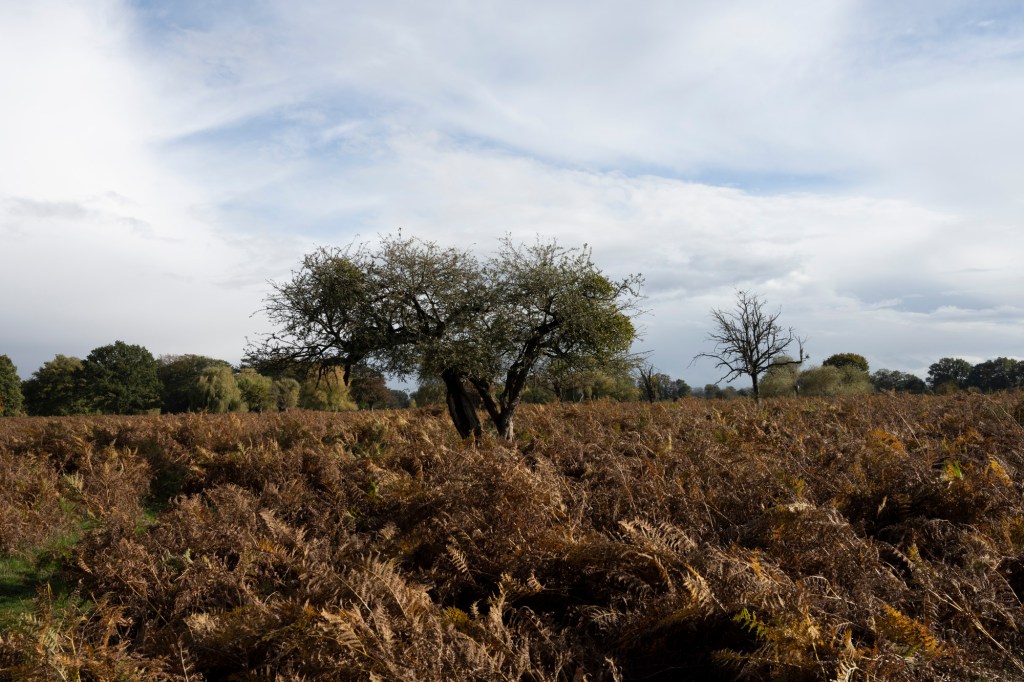
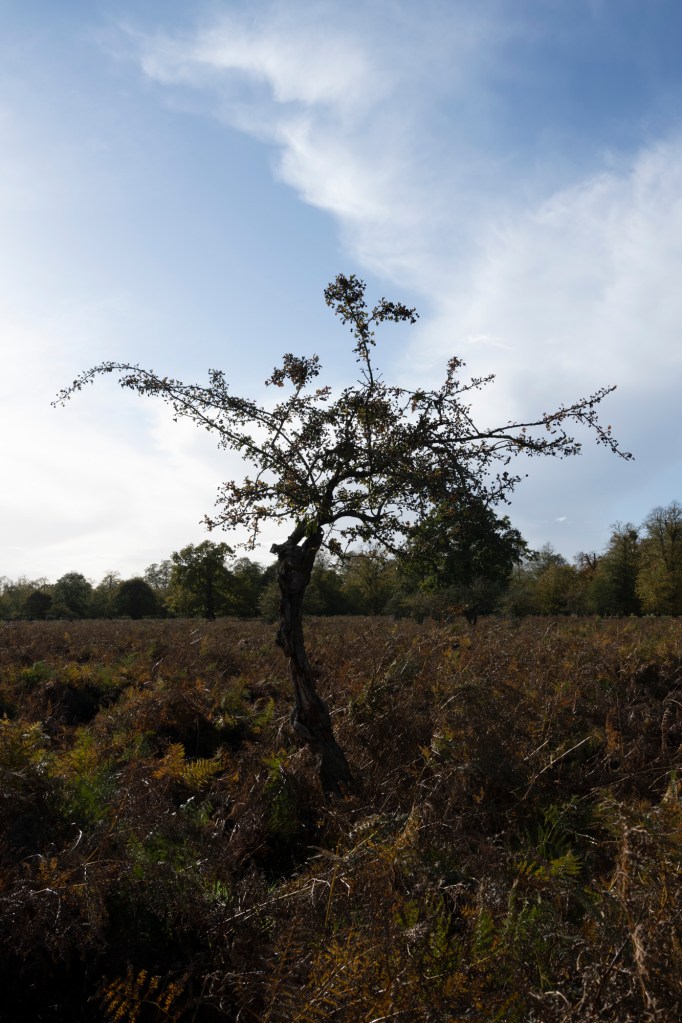
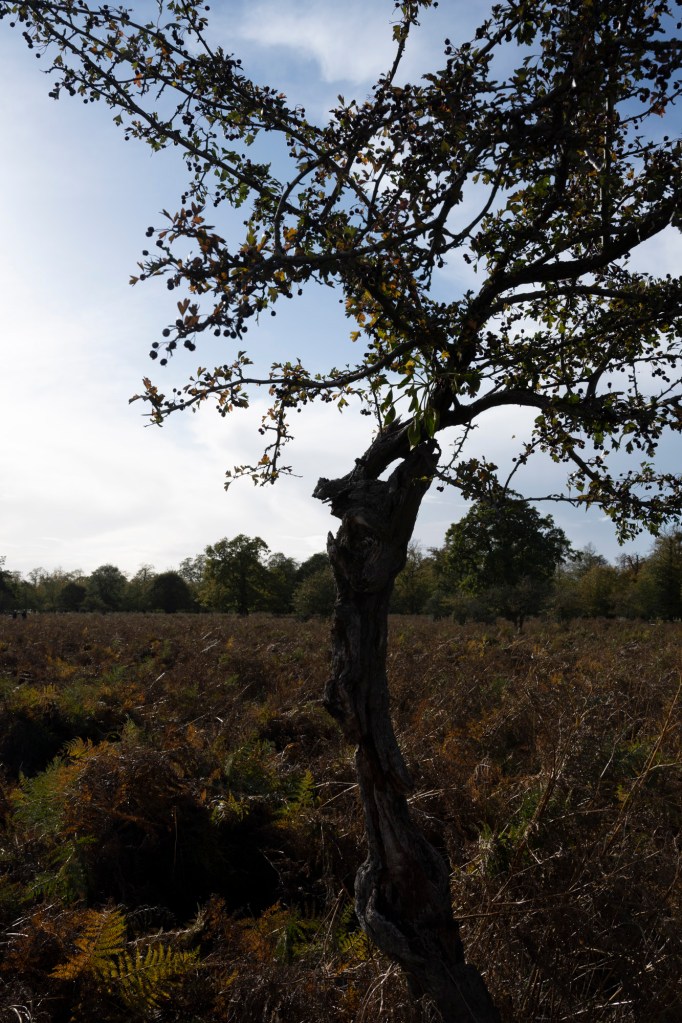
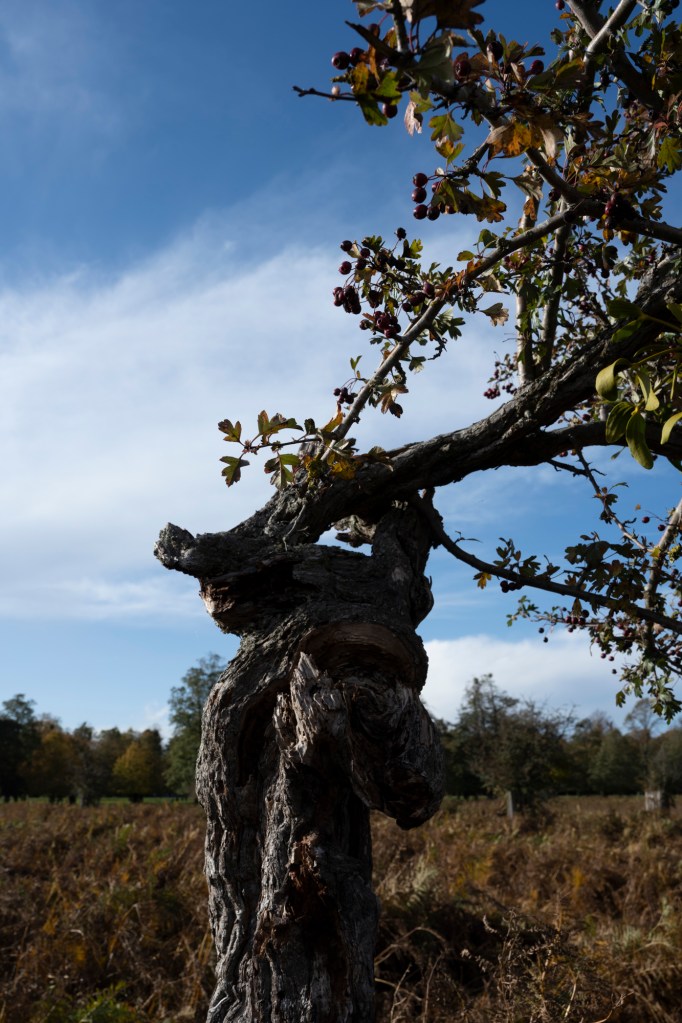
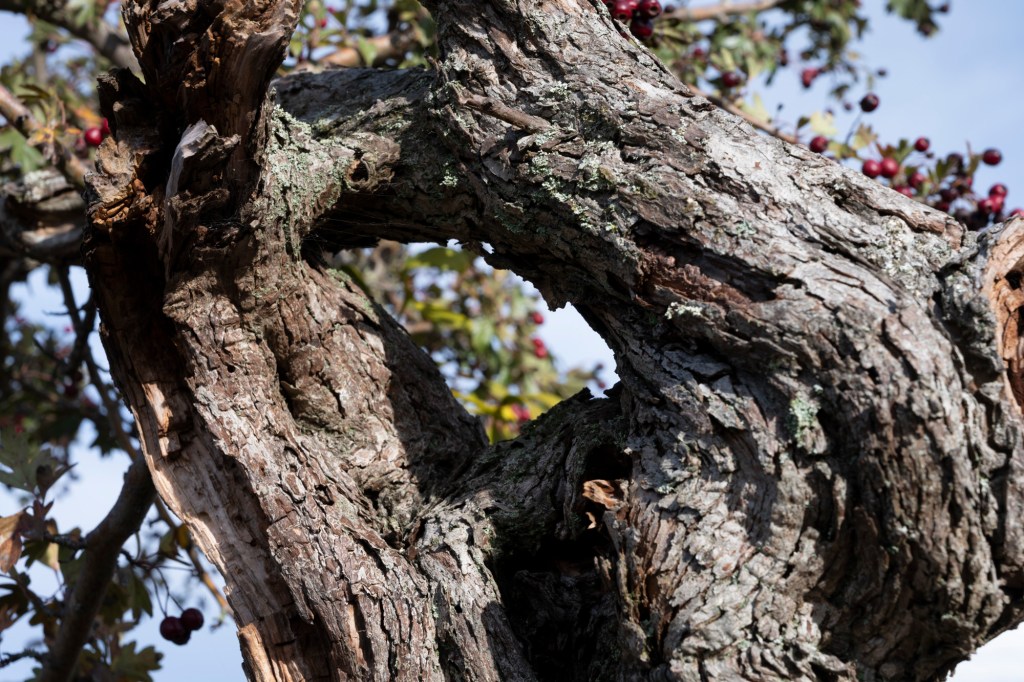
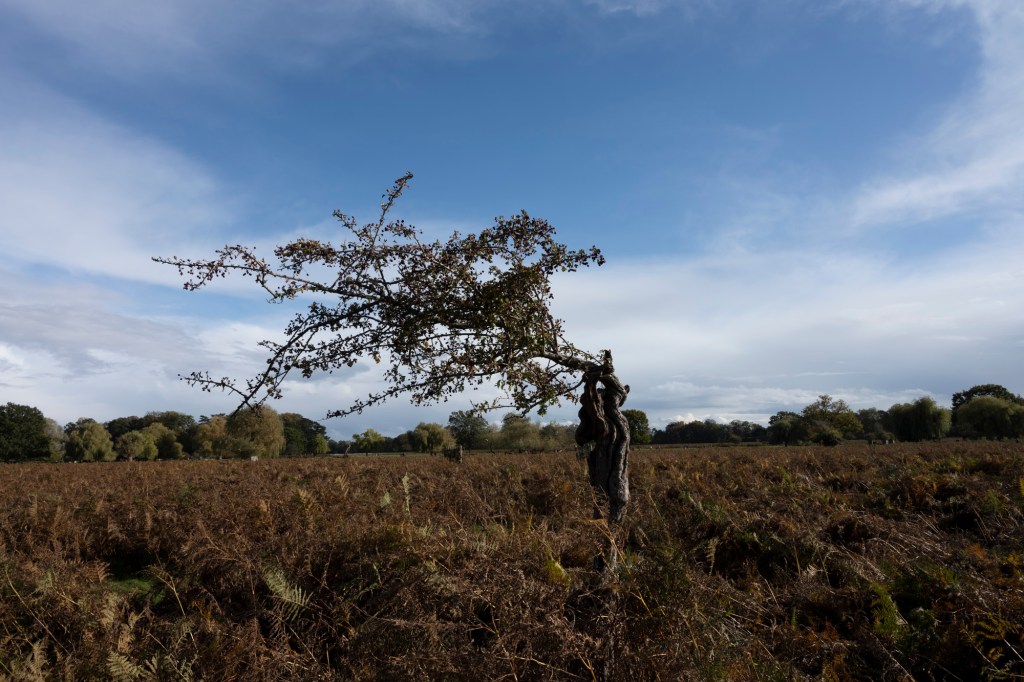
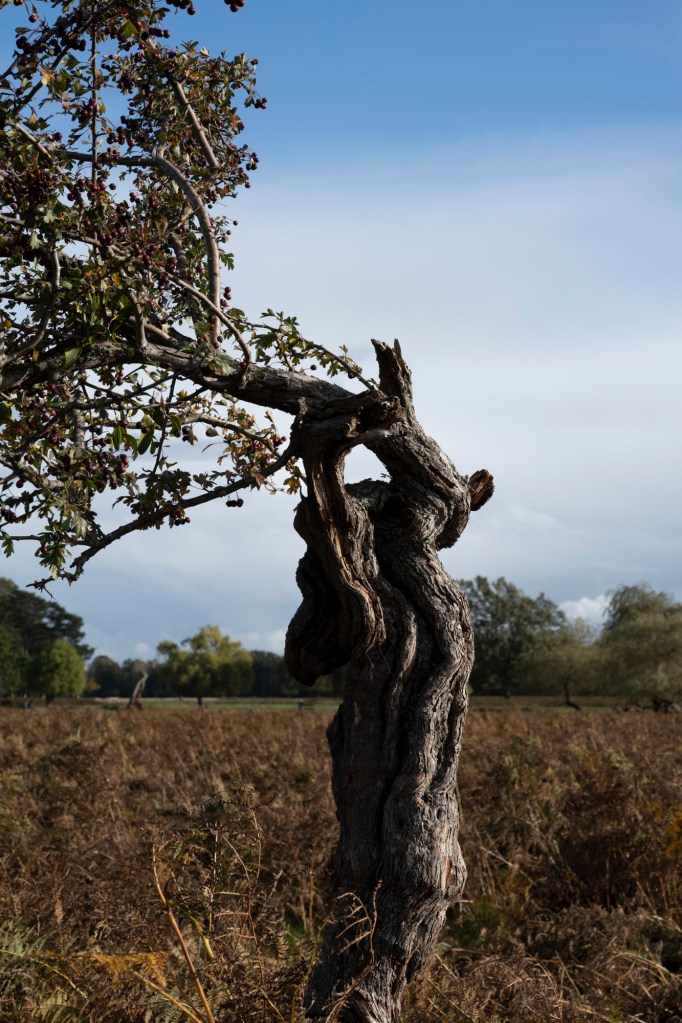
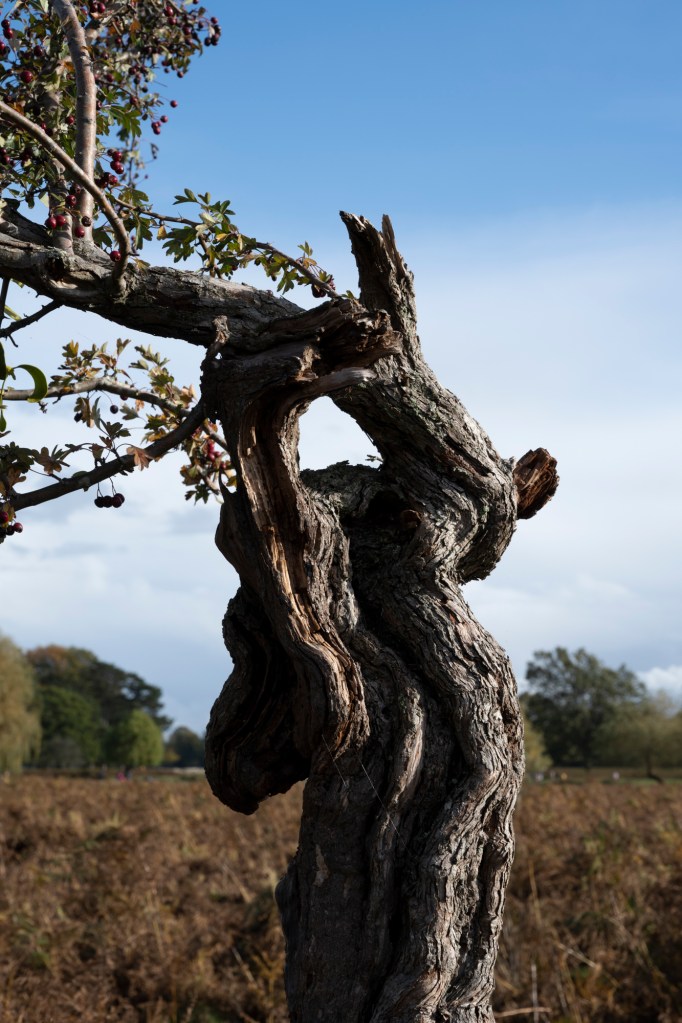
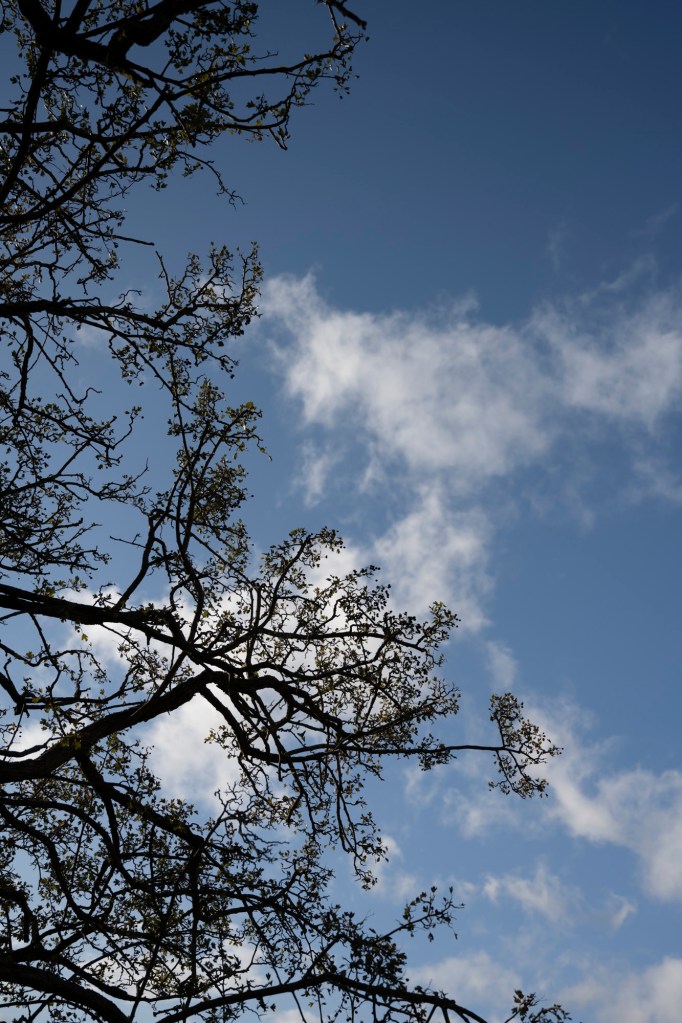
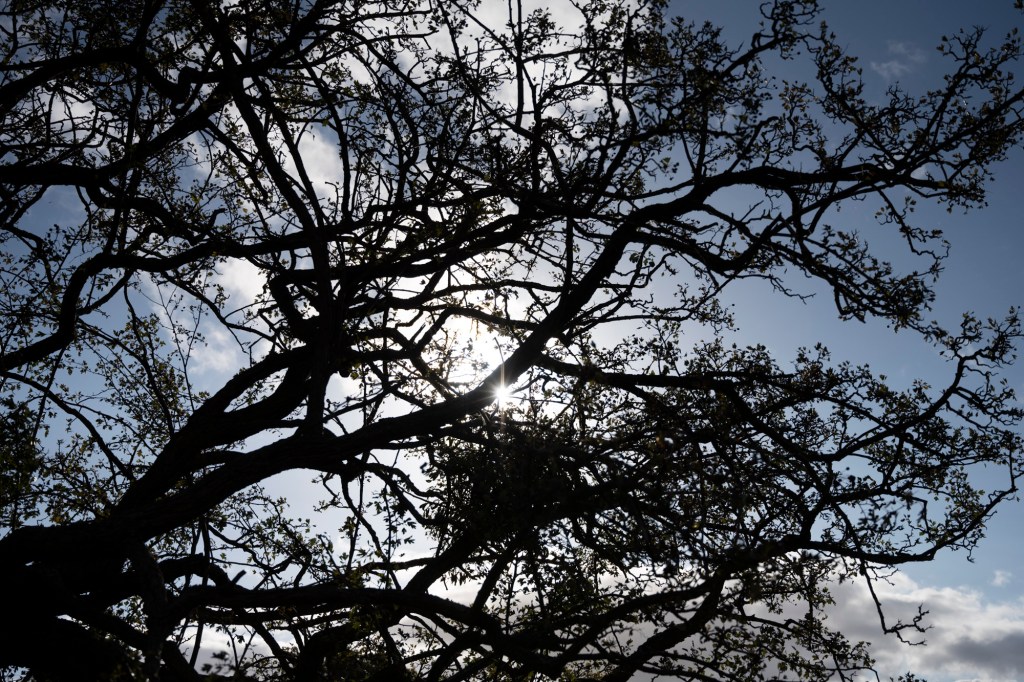
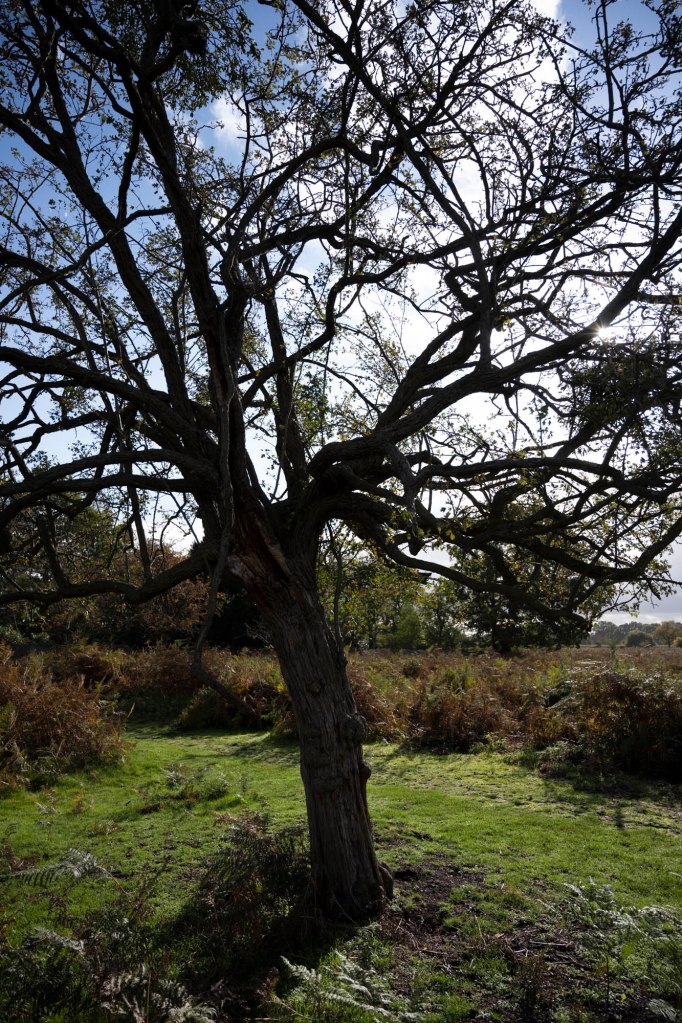
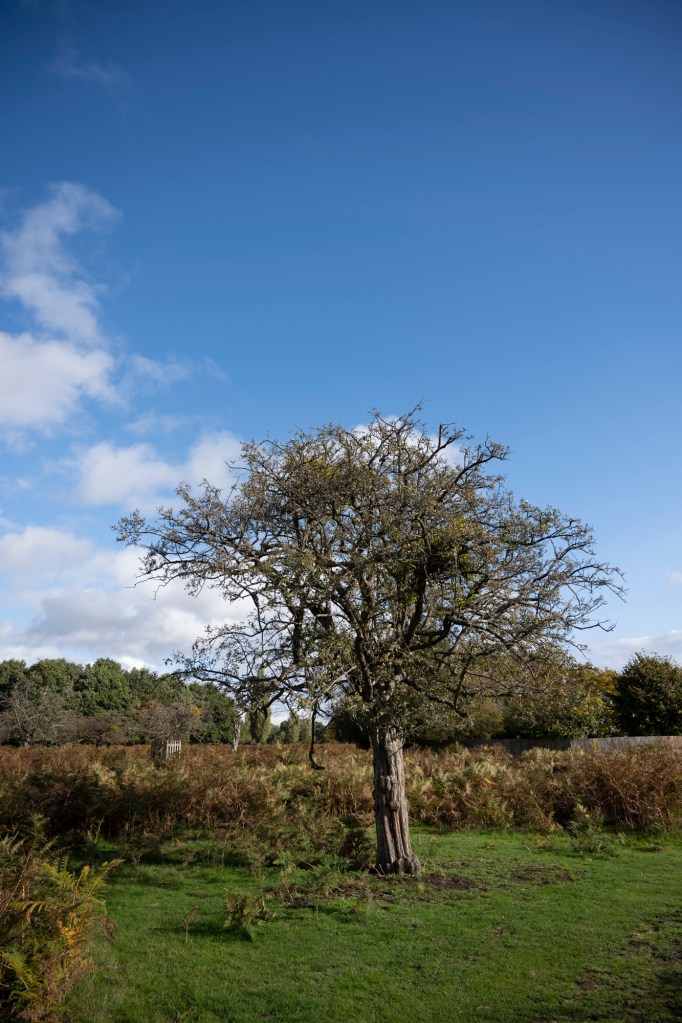
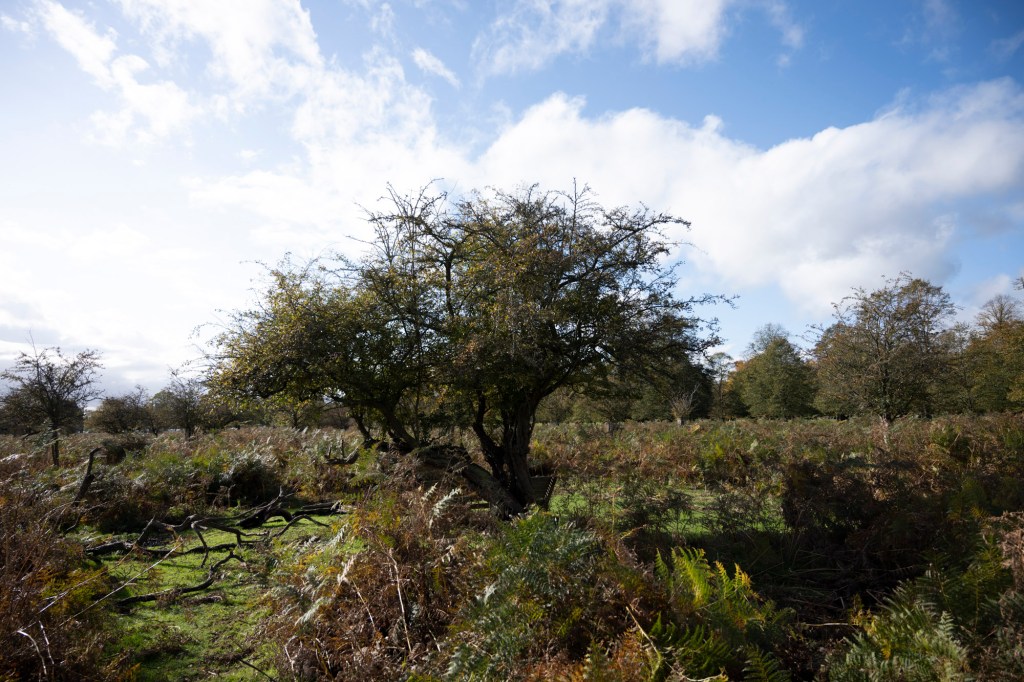
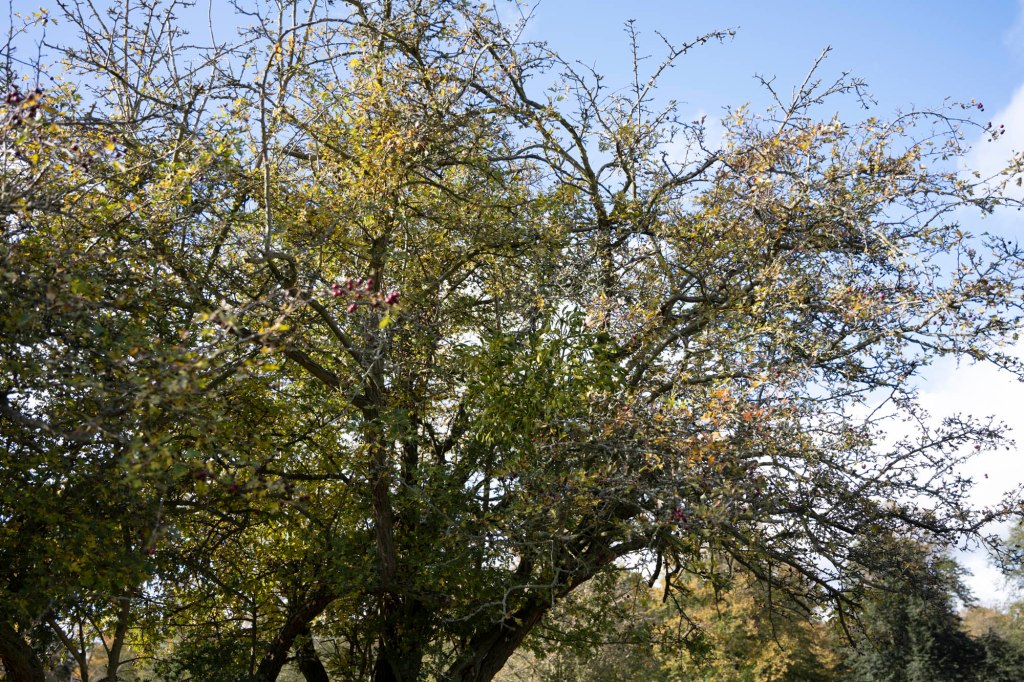
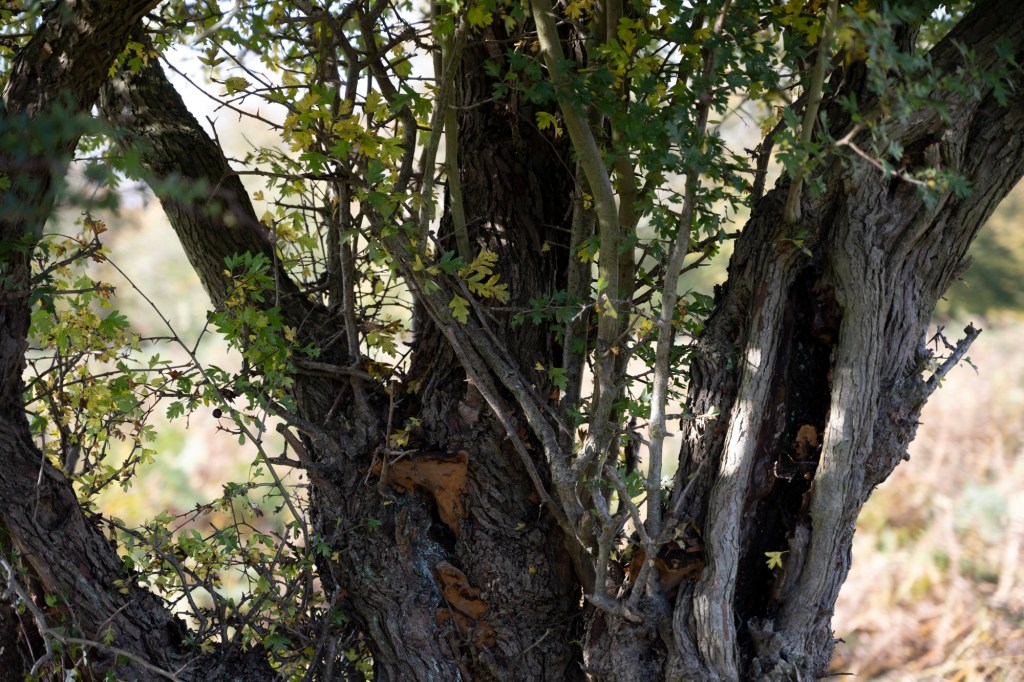
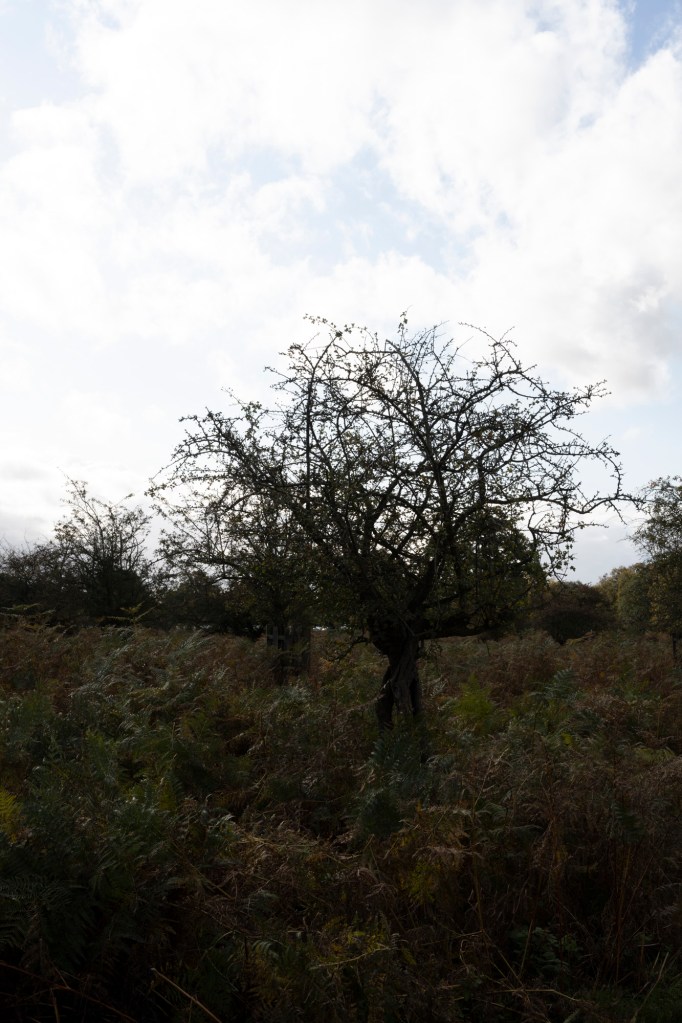
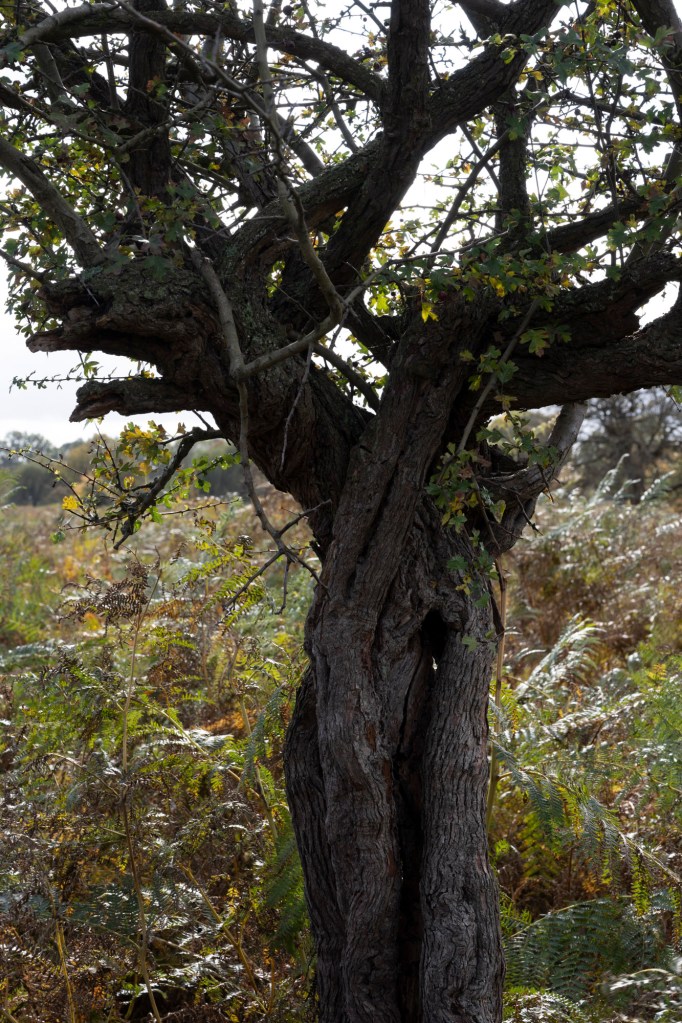
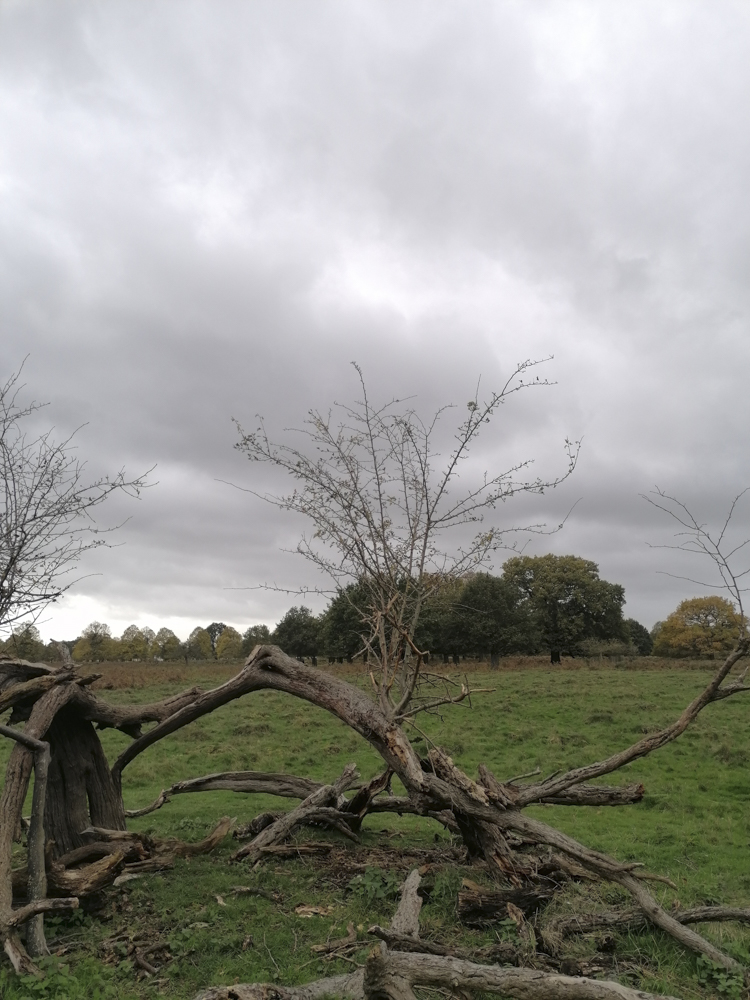
This particular hawthorn is quite spectacular. When looking at this specimen from a distance, it is quite difficult to work out which bit which. That includes the trunk/s, branches and new growth. It has the appearance of being both dead and alive, which I have discovered is quite common with ancient hawthorns.
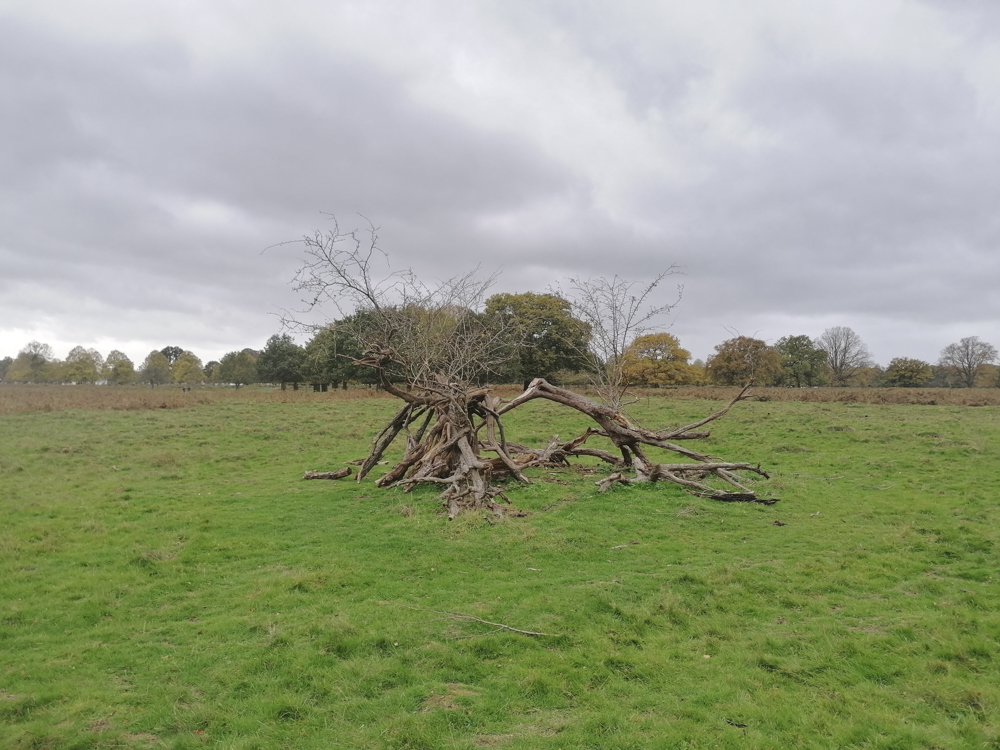
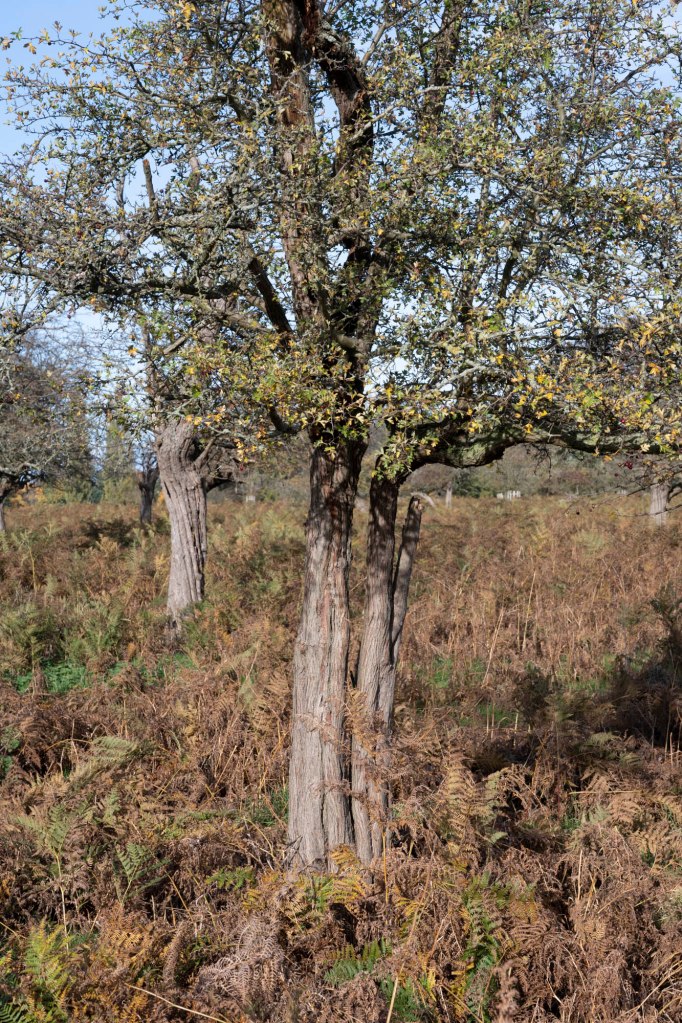
Tree 3

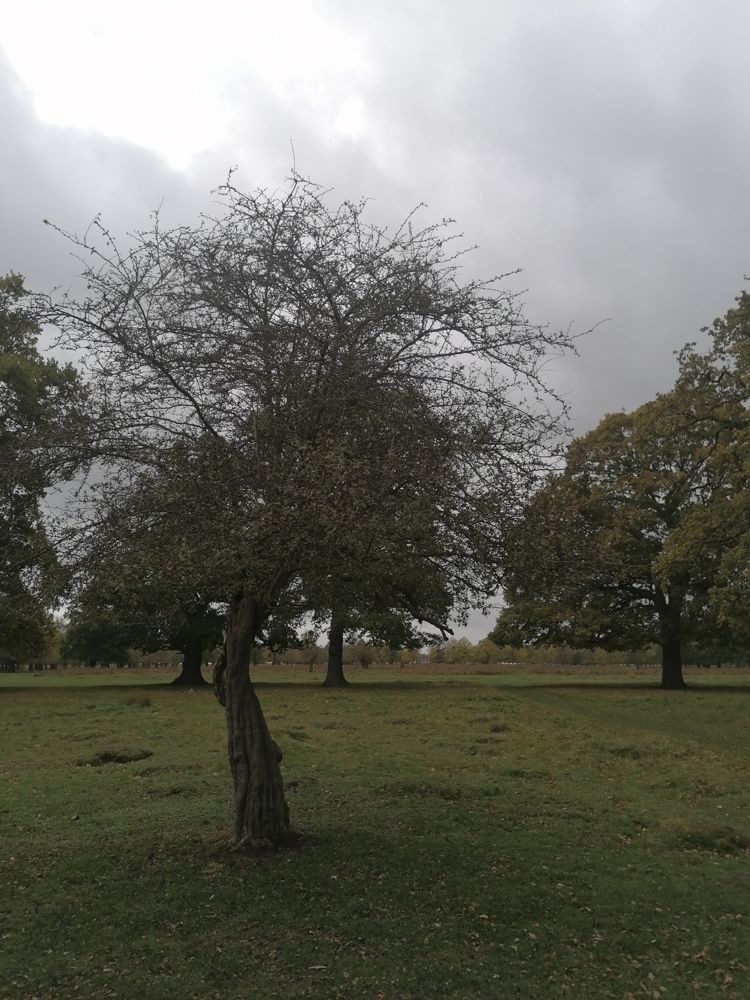
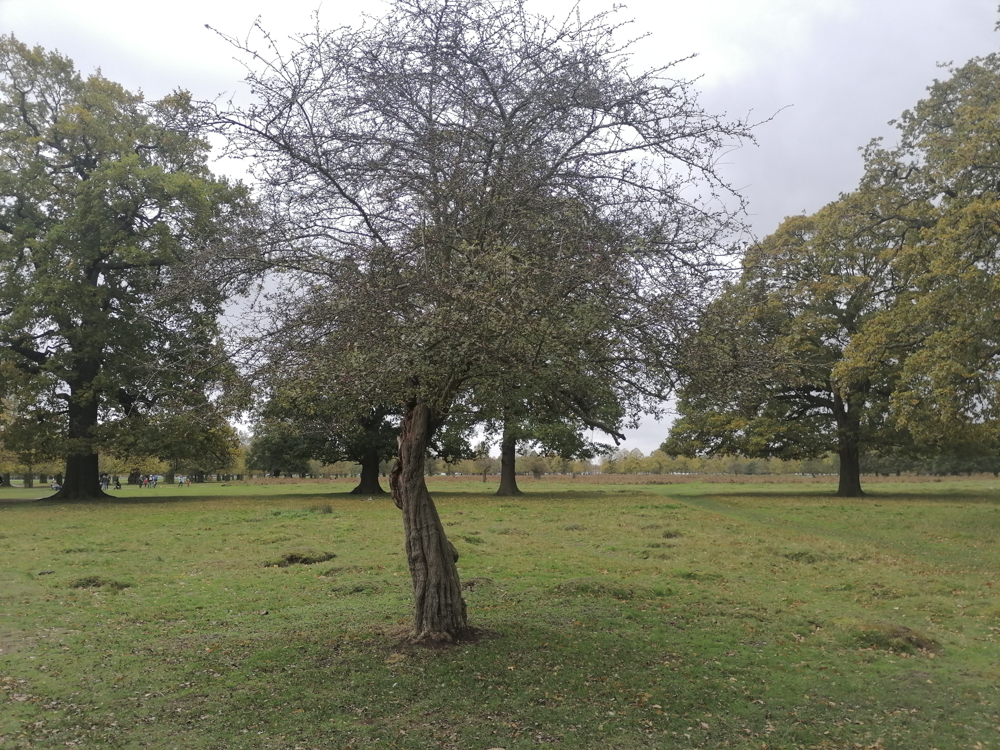
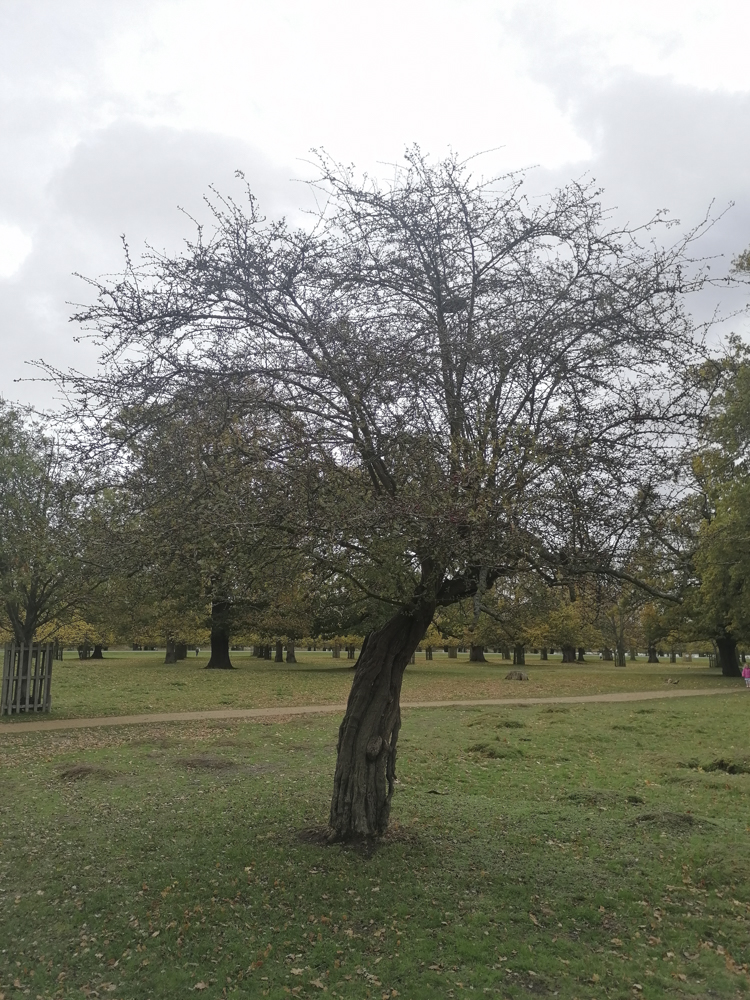
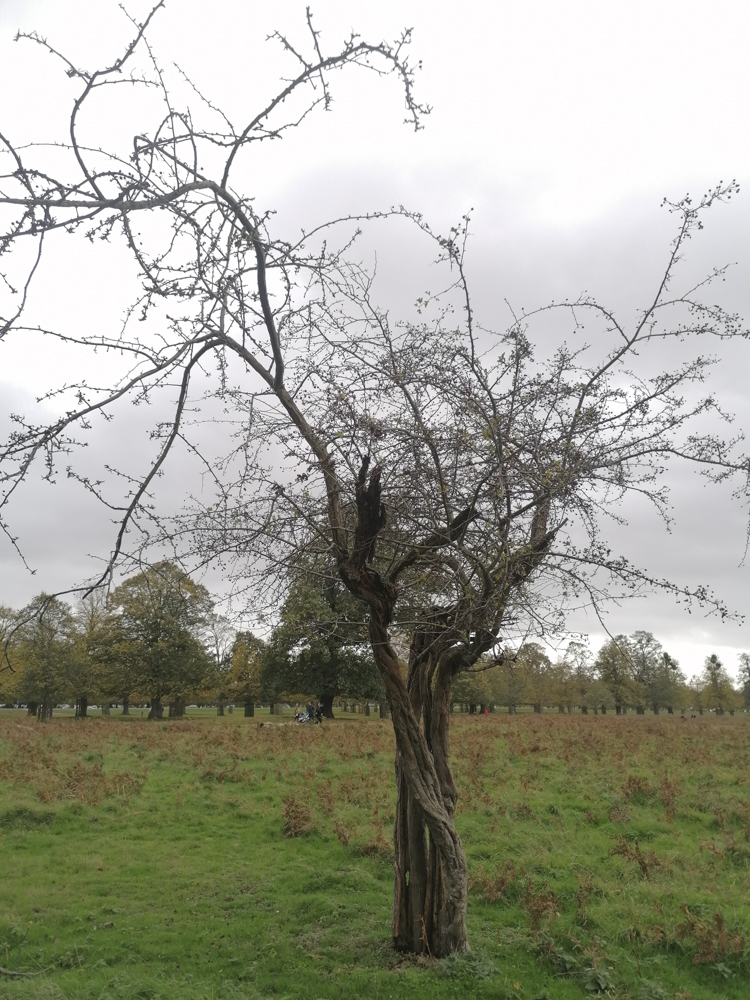
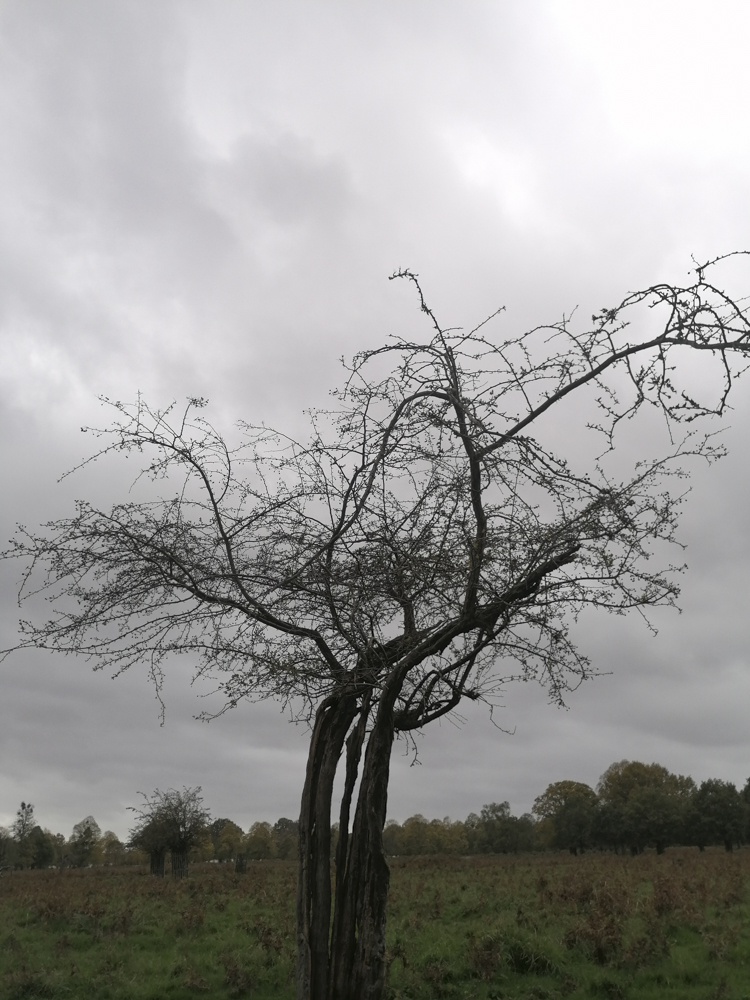
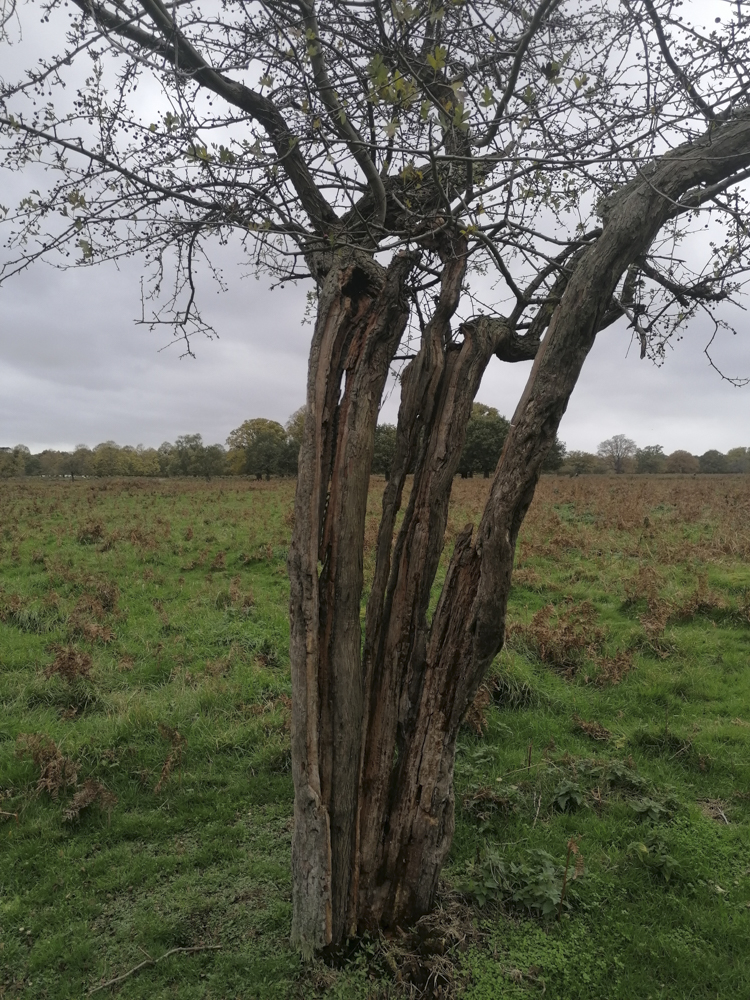
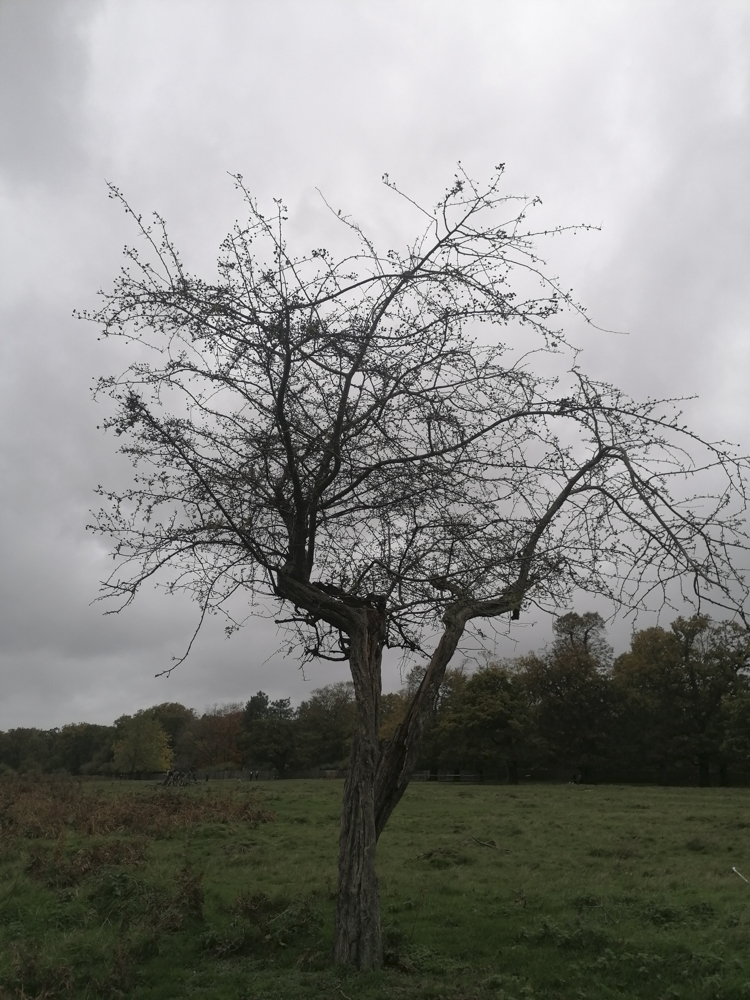
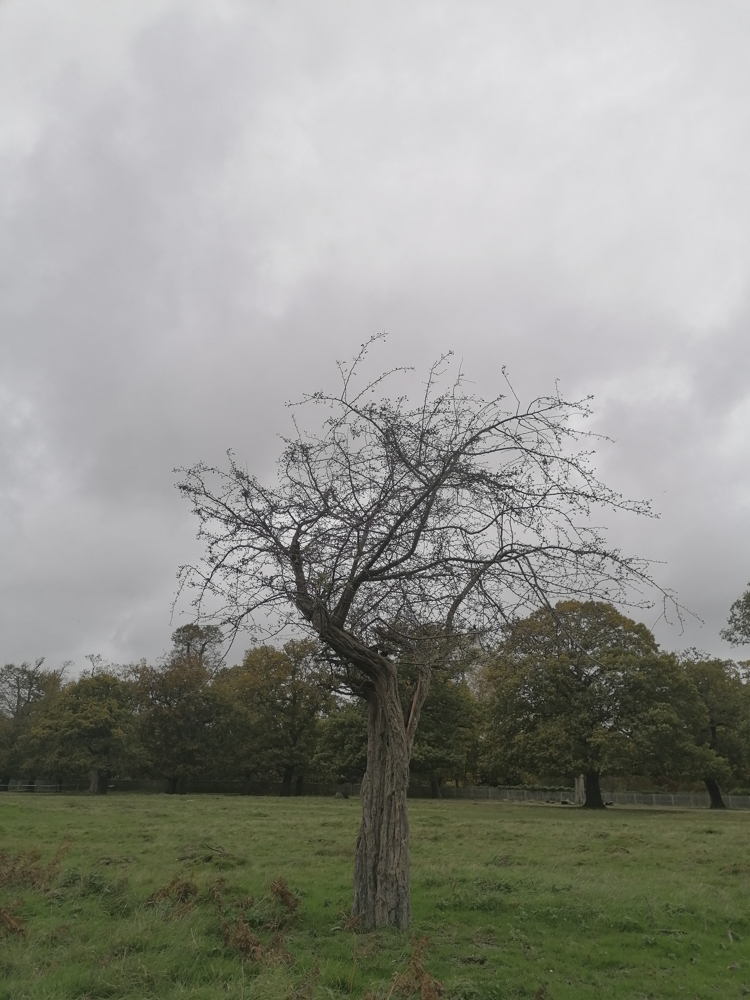
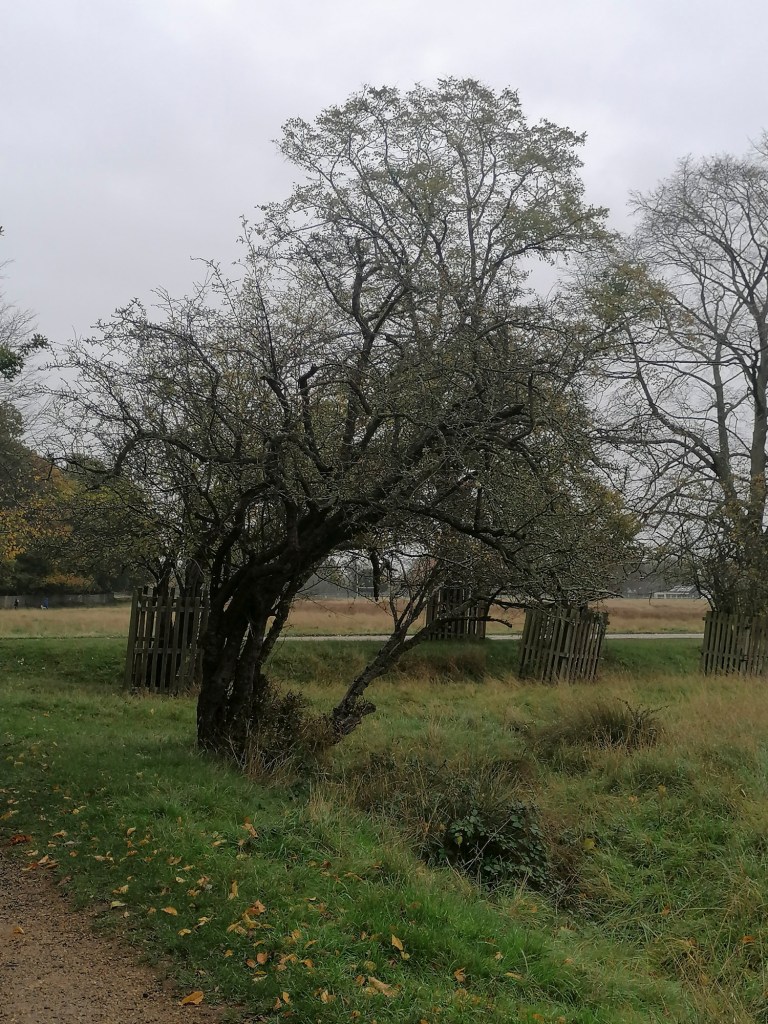
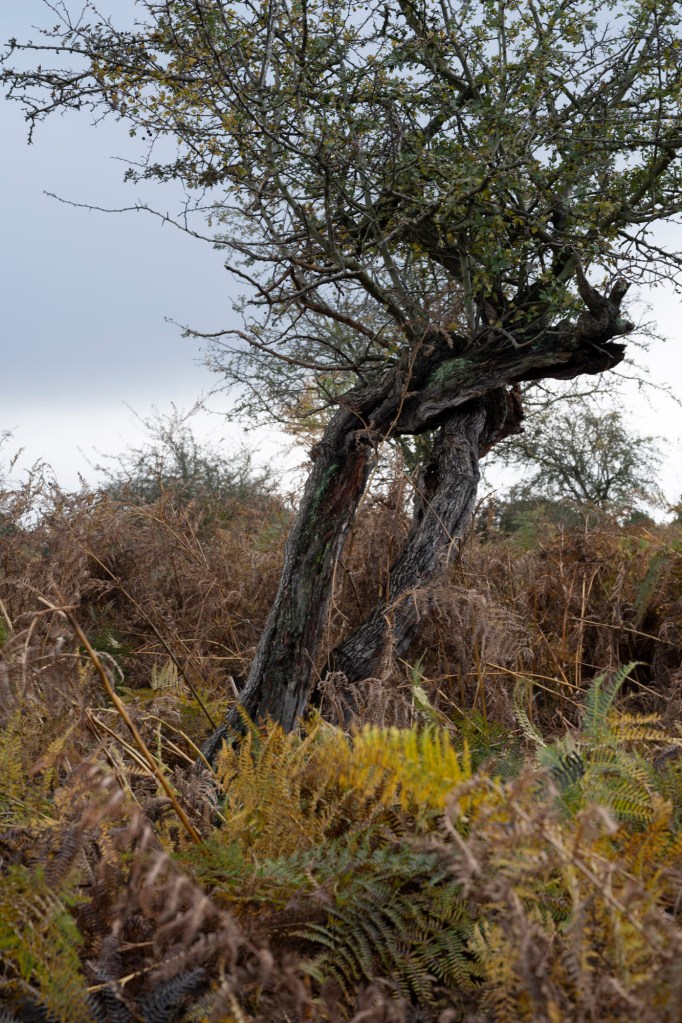
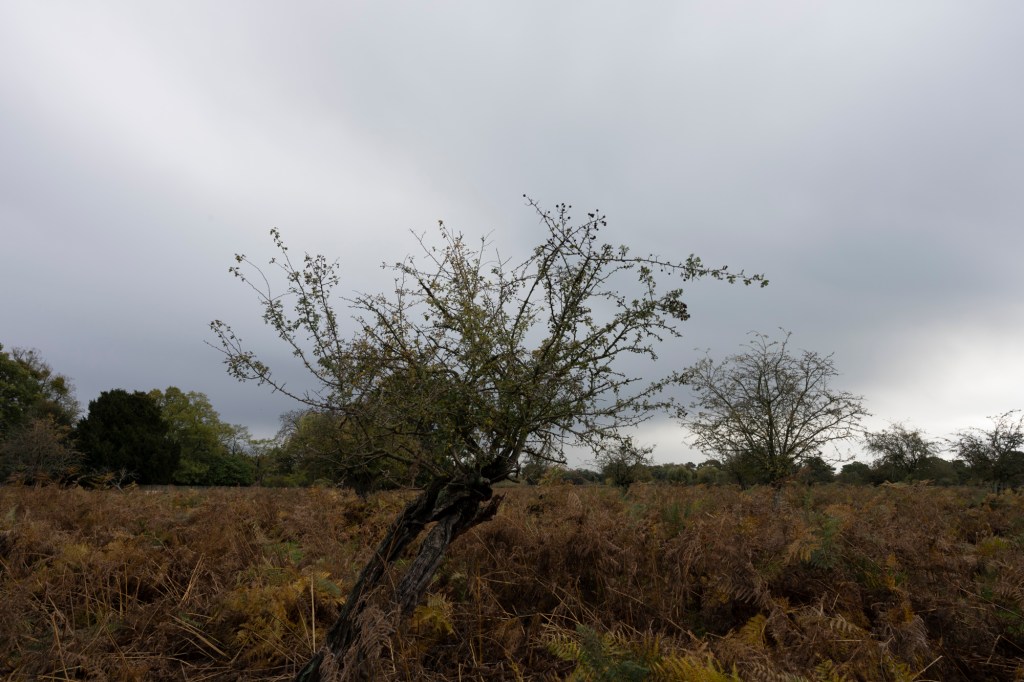
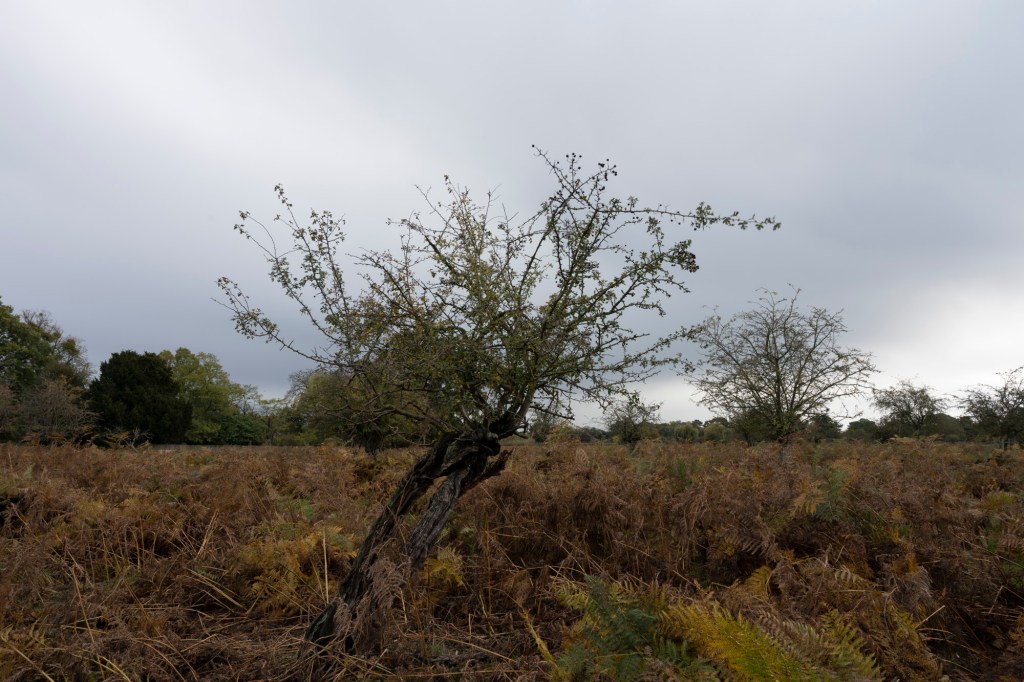
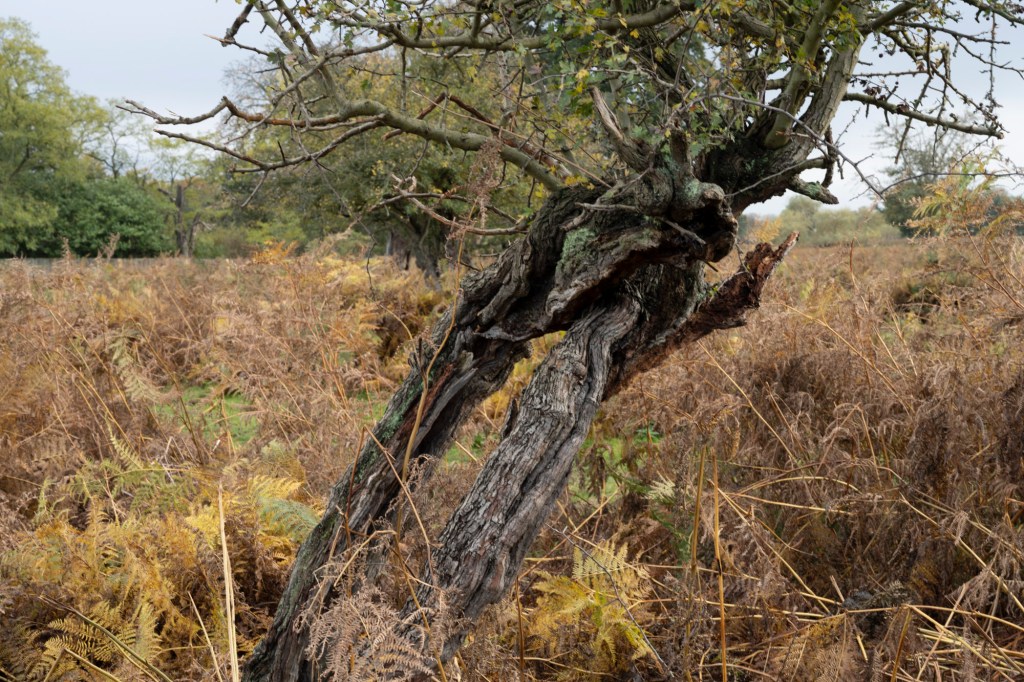
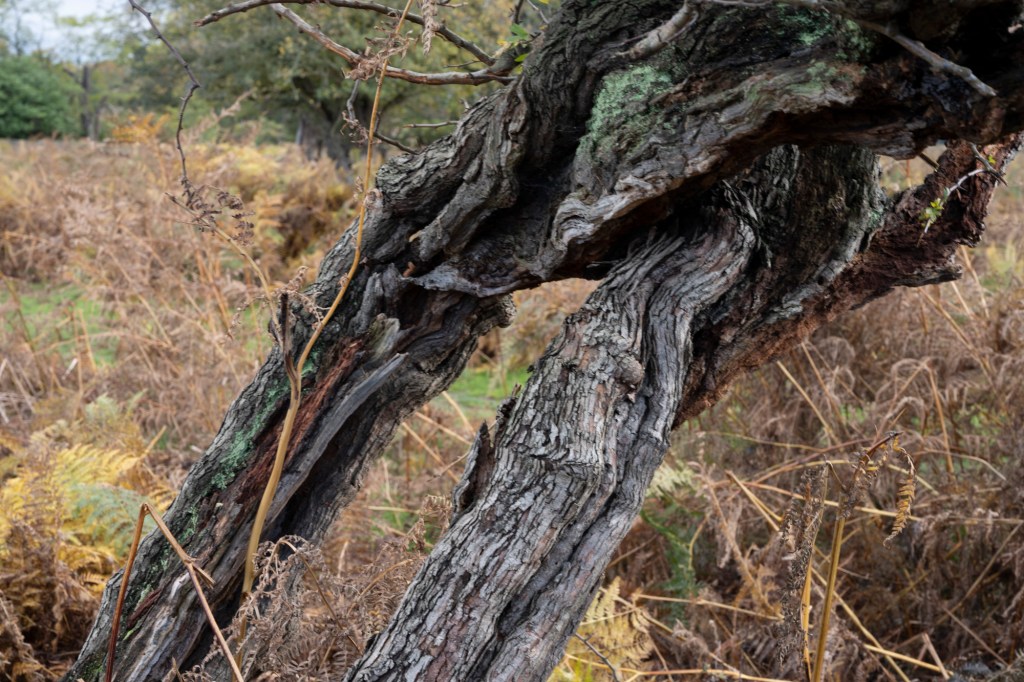
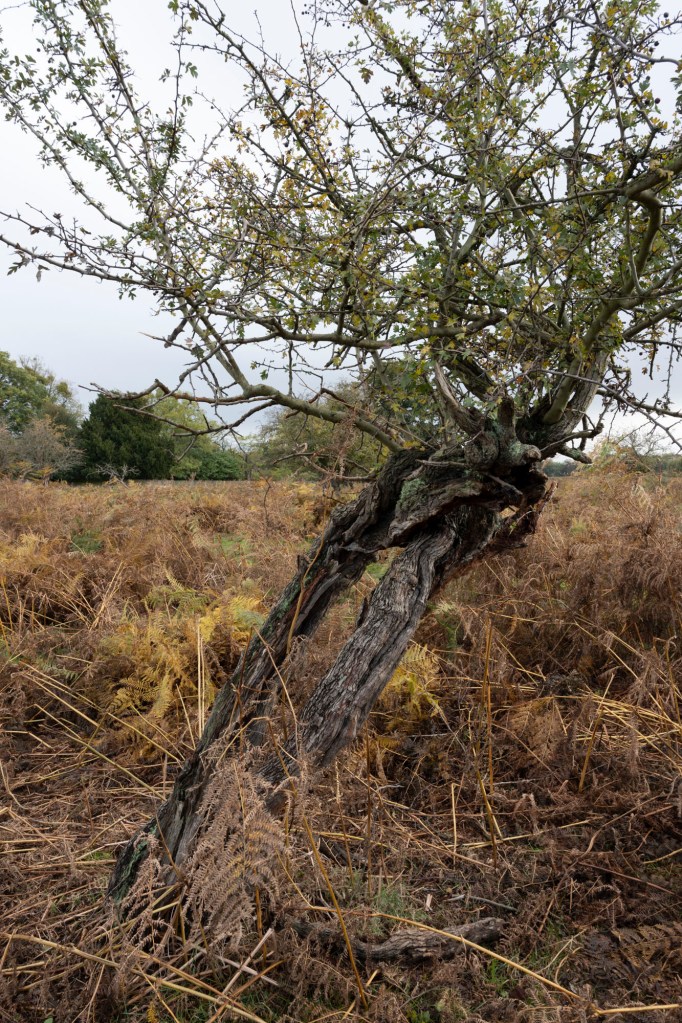
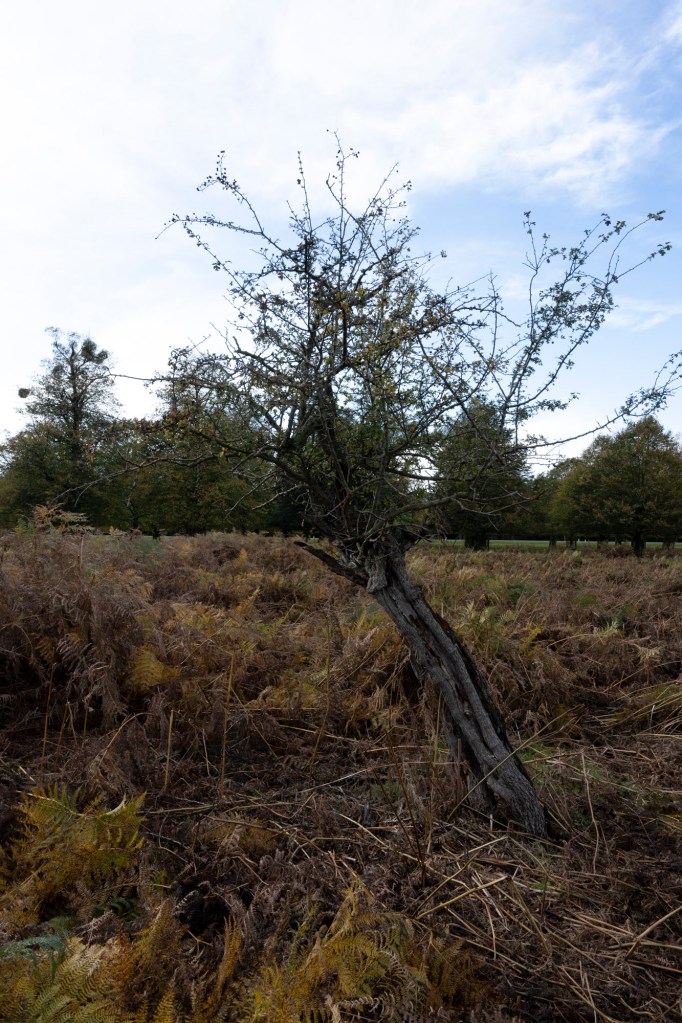
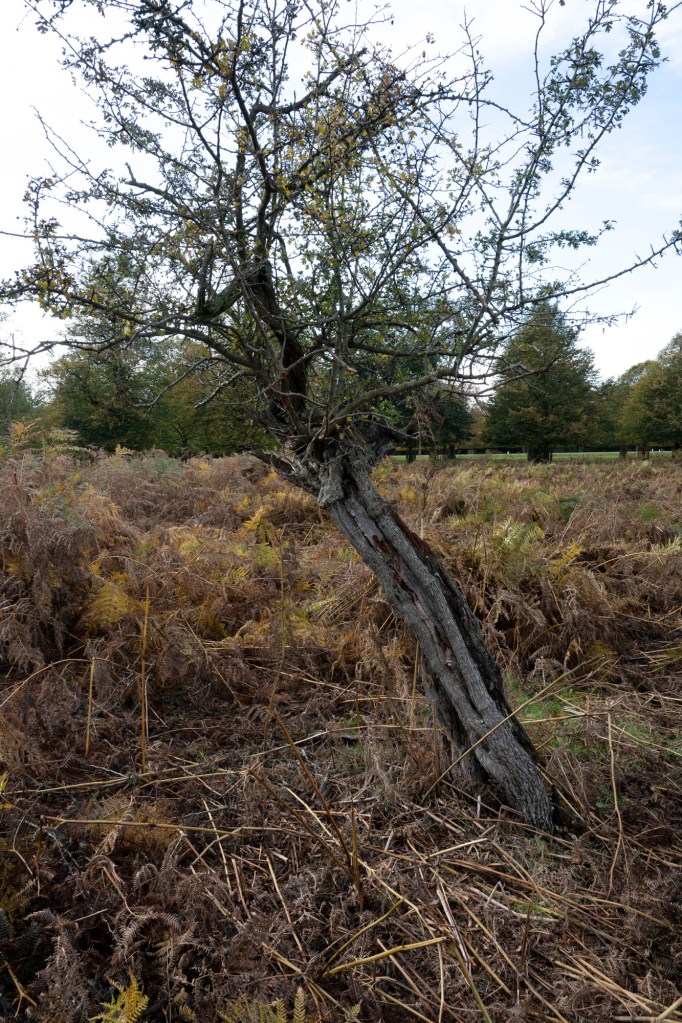
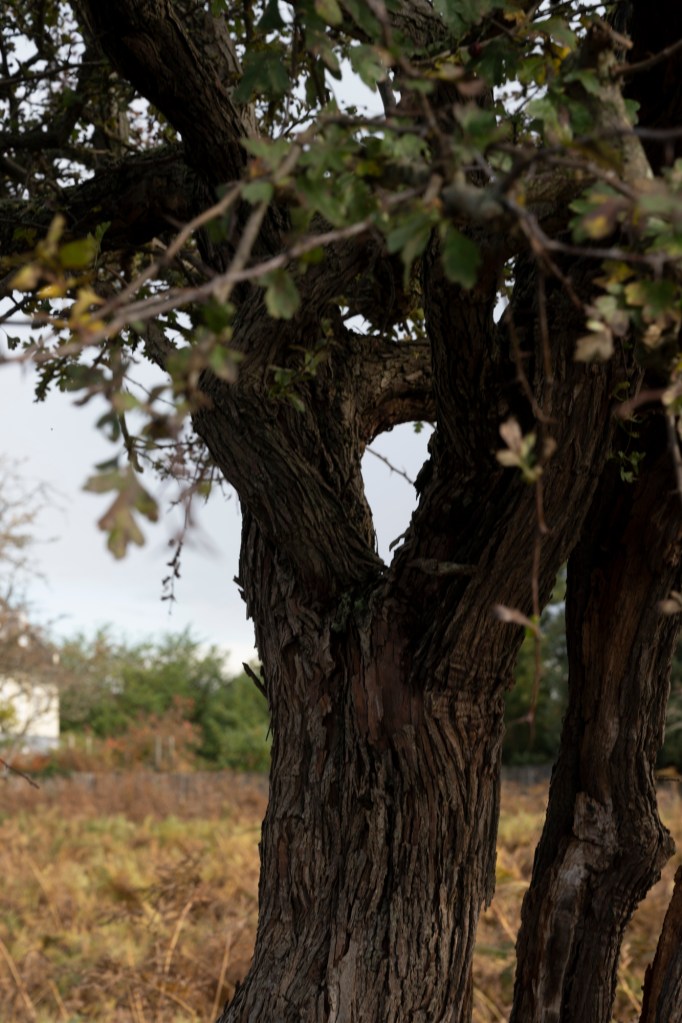
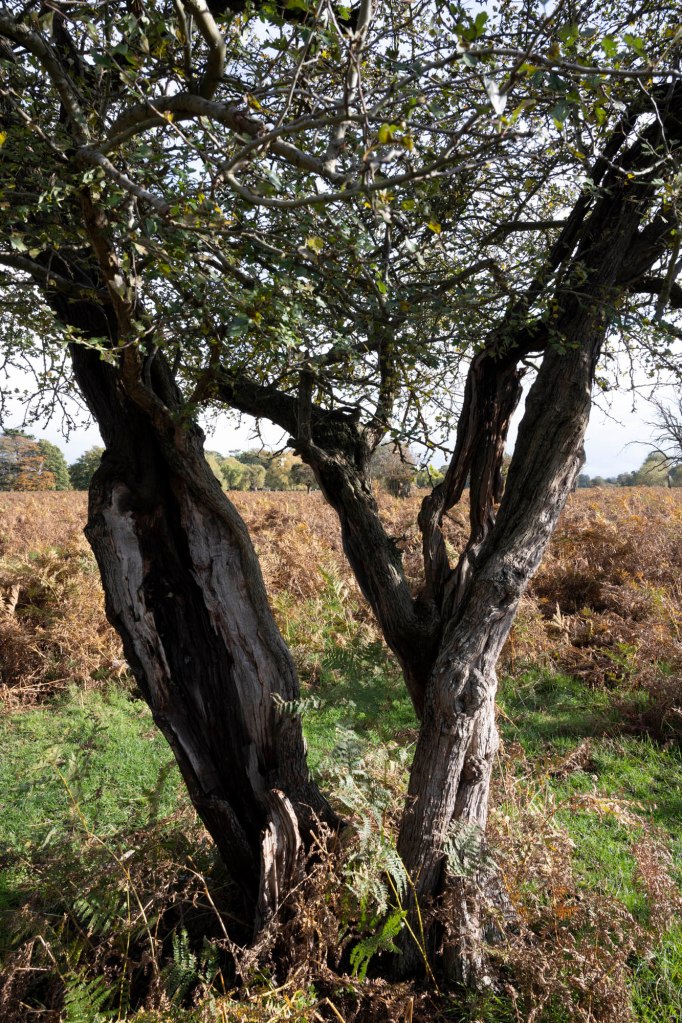
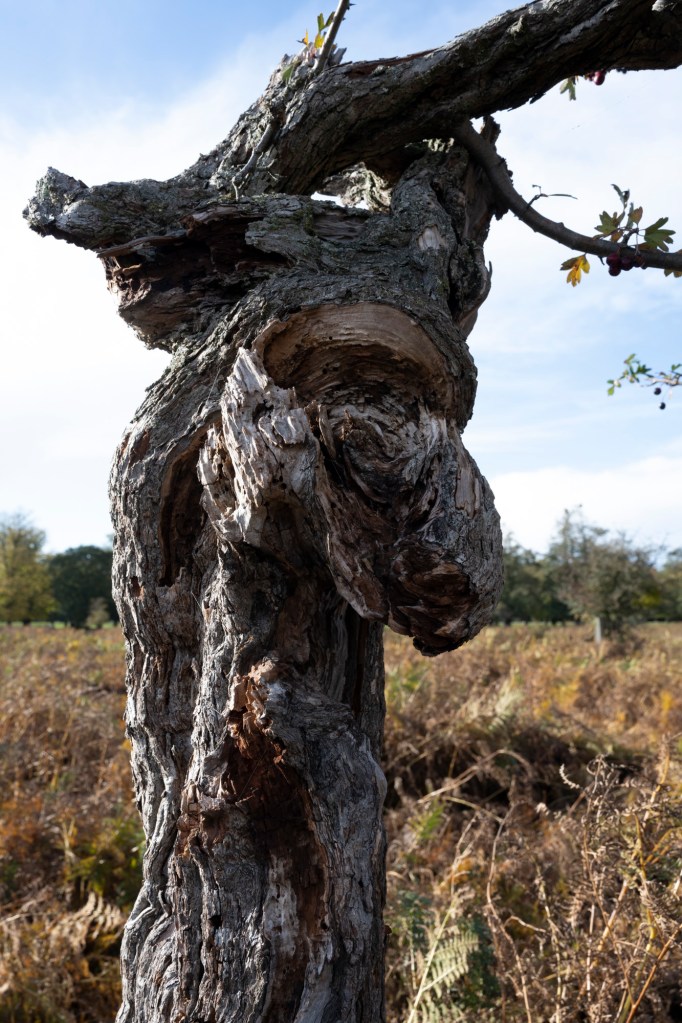
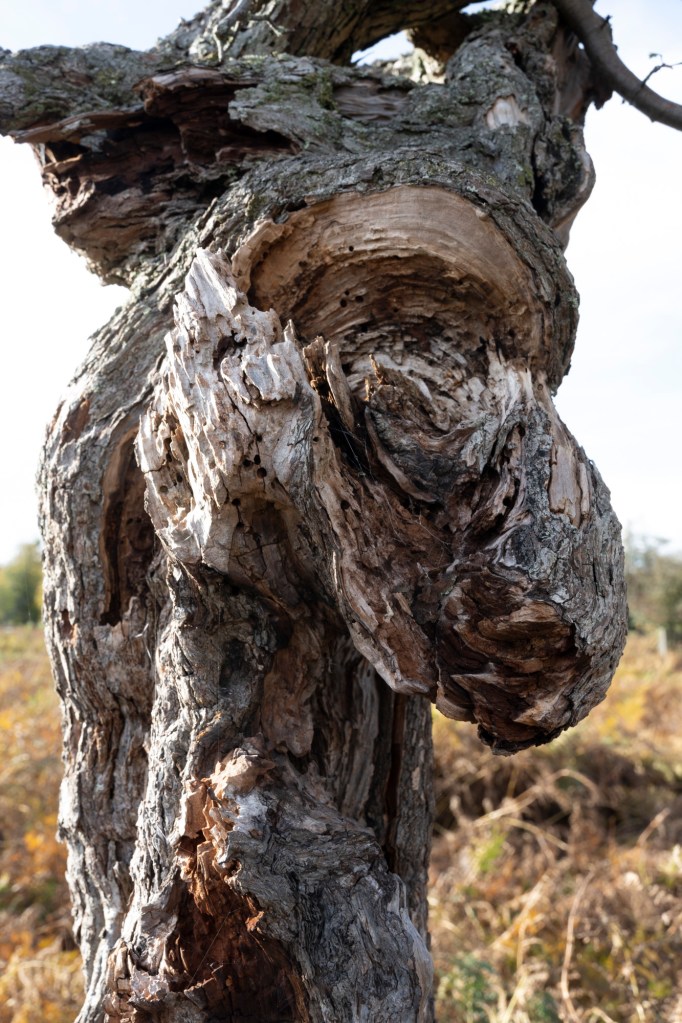
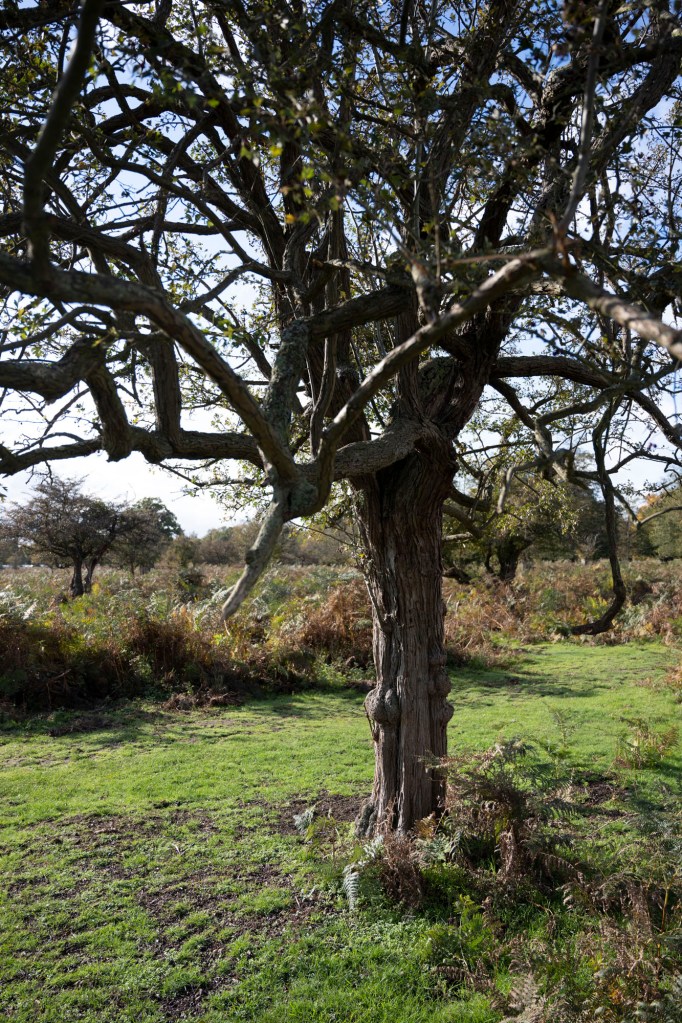
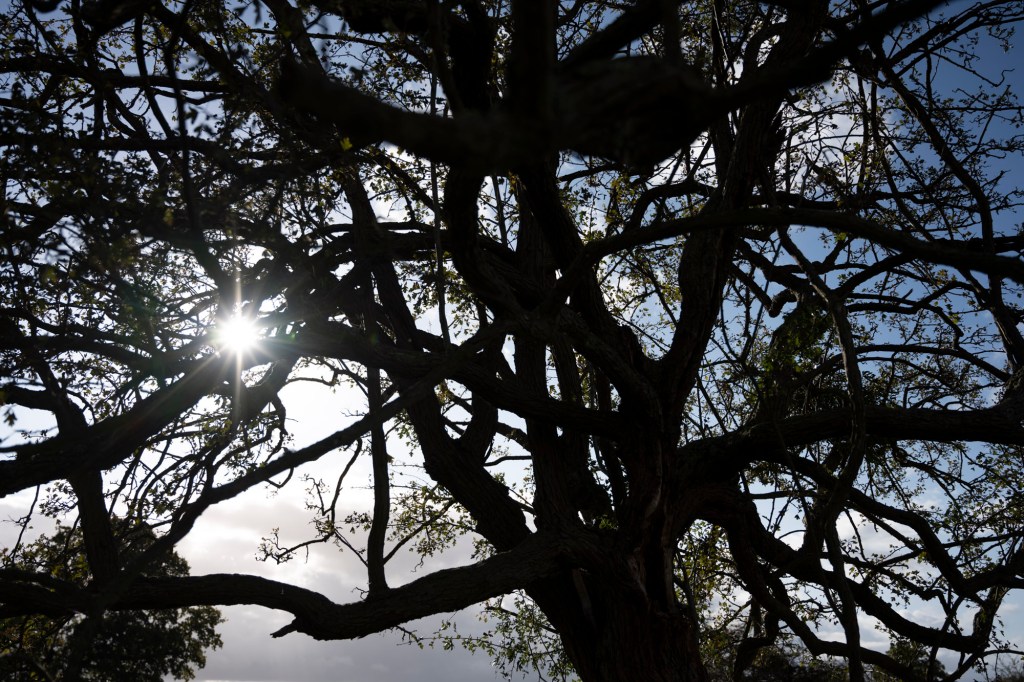
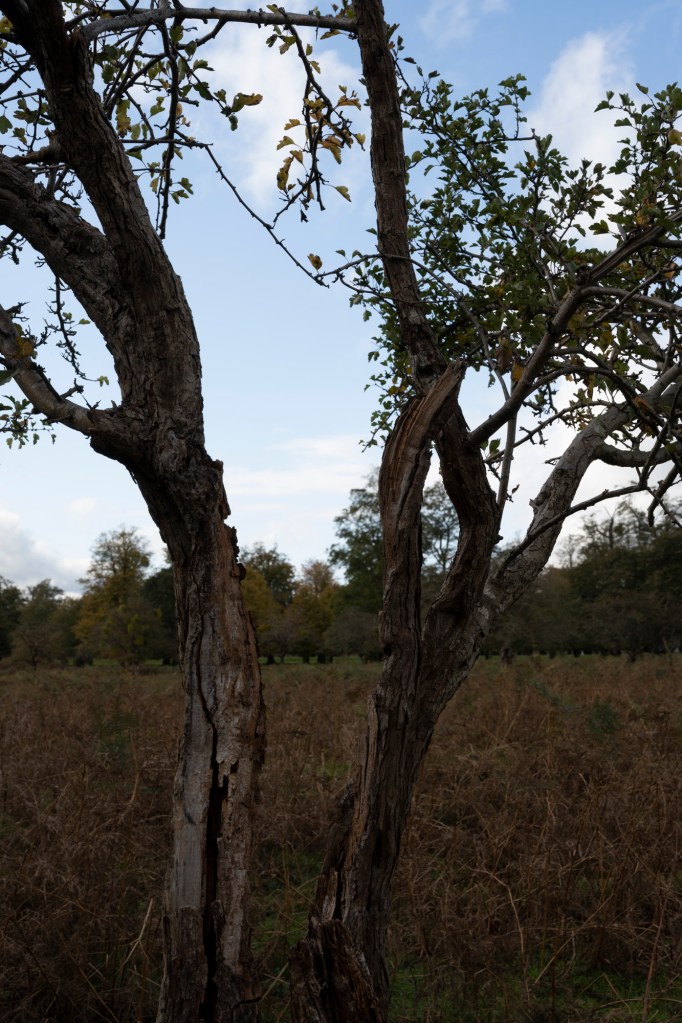
This tree has a very interesting trunk which seems to be split into four. When taking photographs from different angles, it appears to be a completely different tree in each shot.
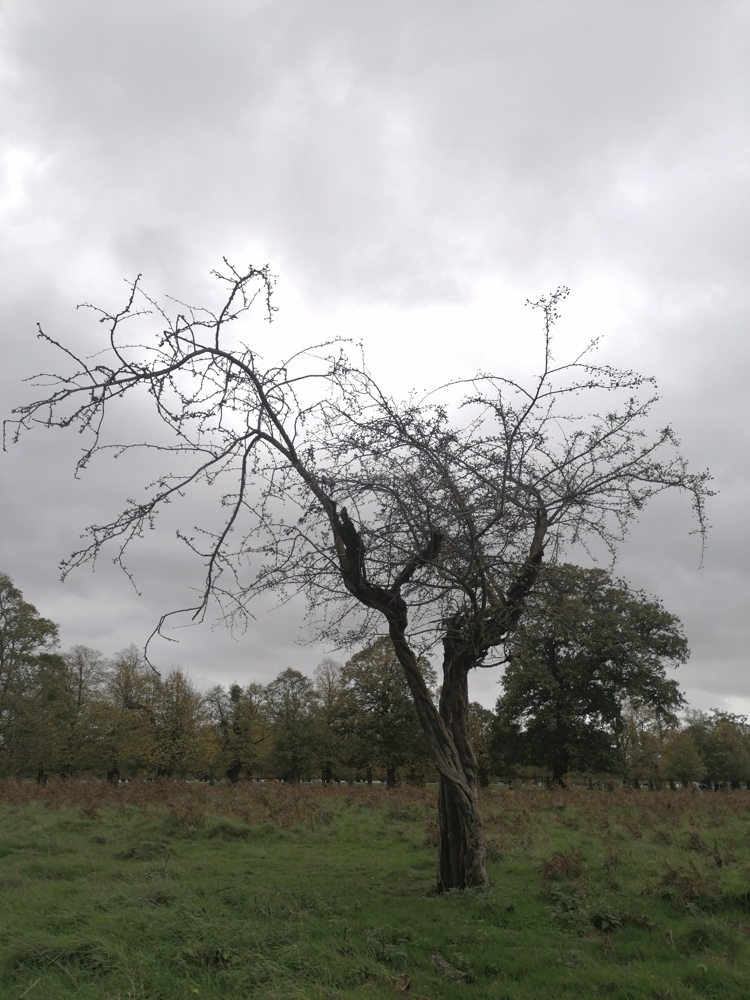
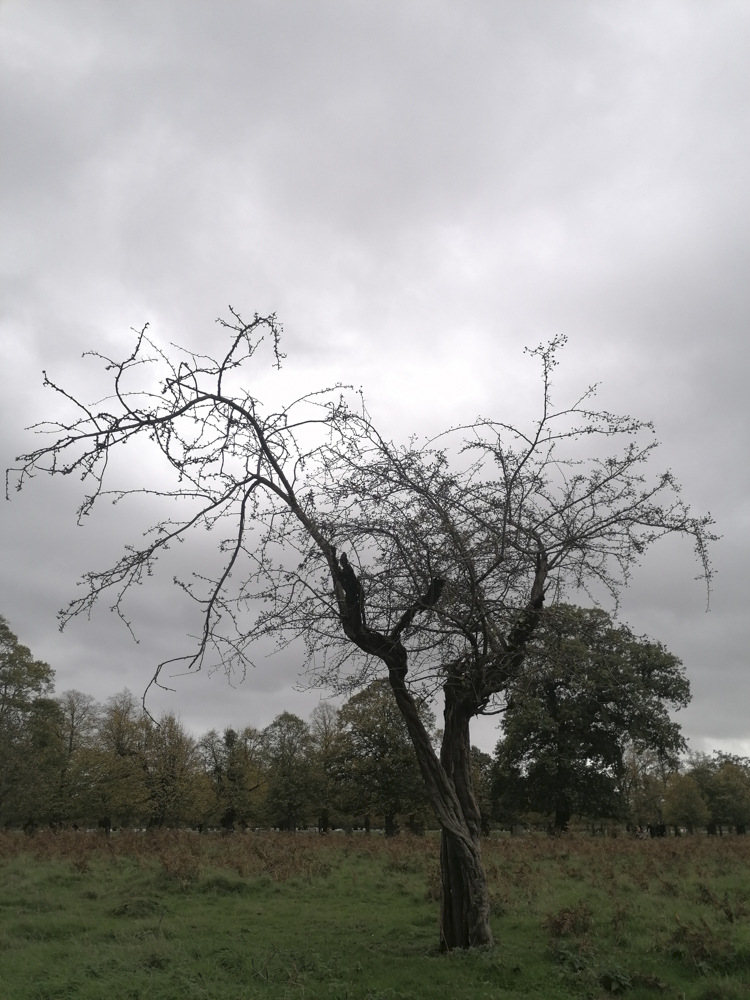
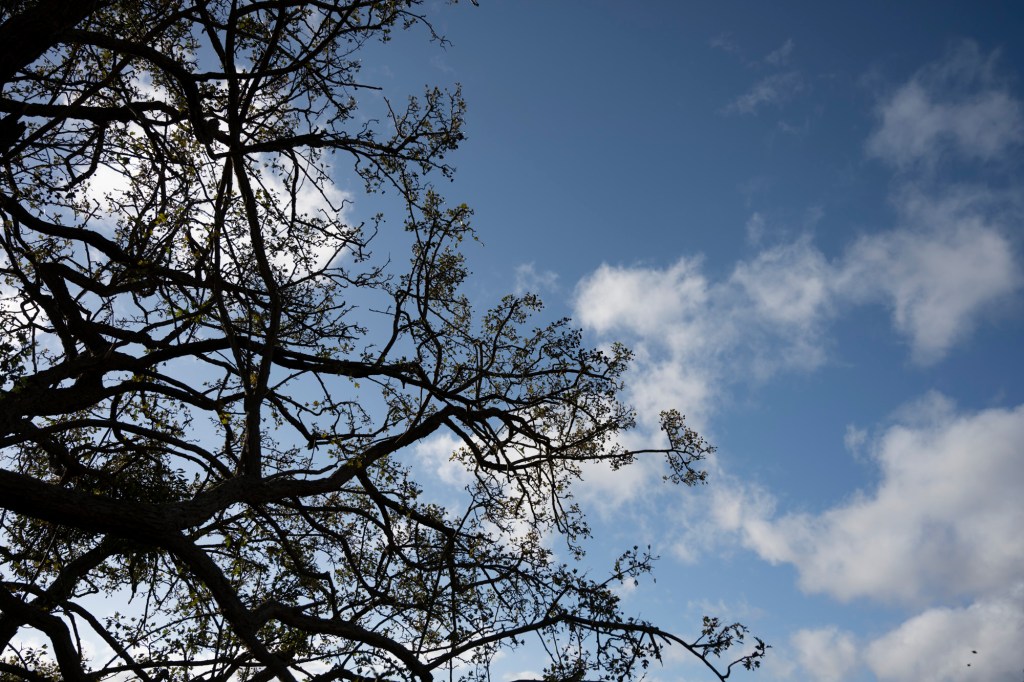
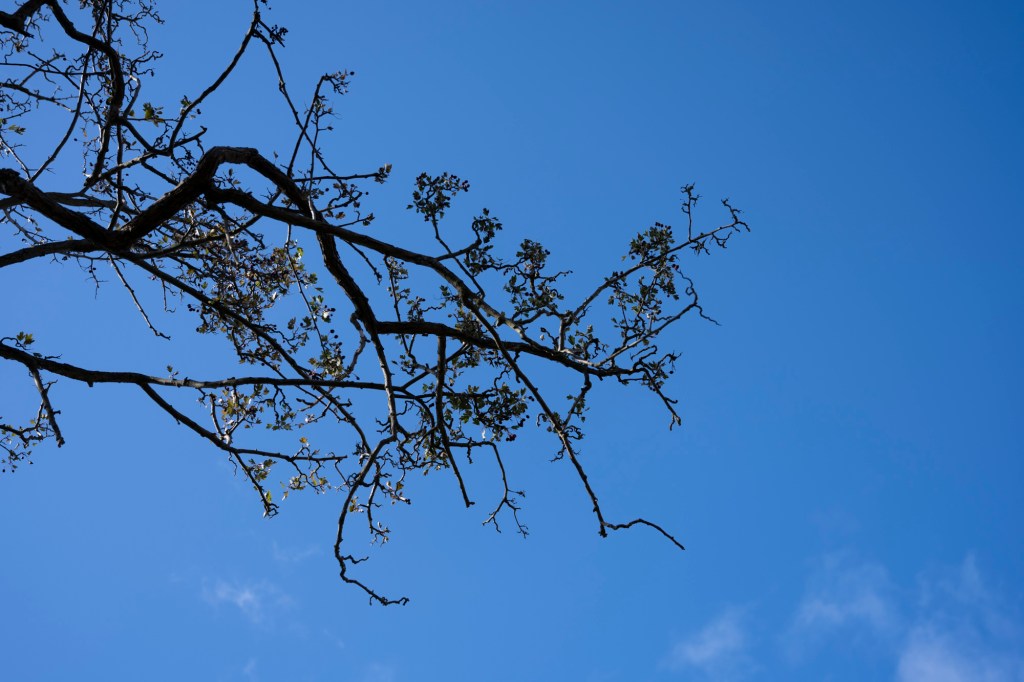
What also intrigued me was how the tree appeared differently depending on the angle and perspective of the shot.

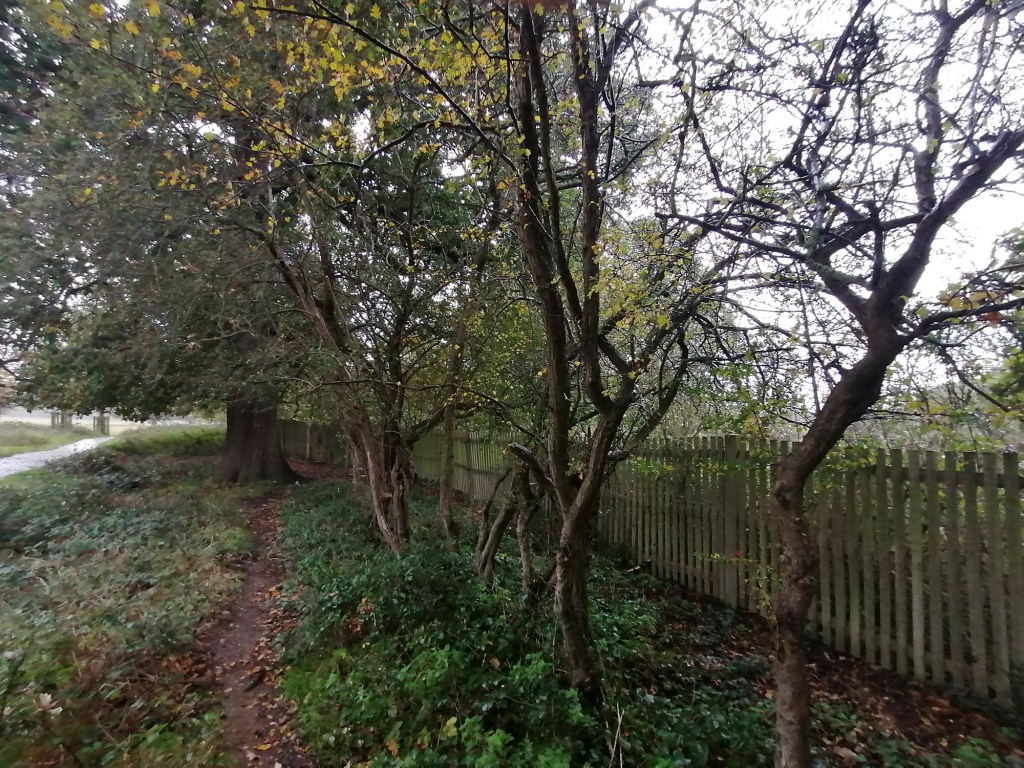
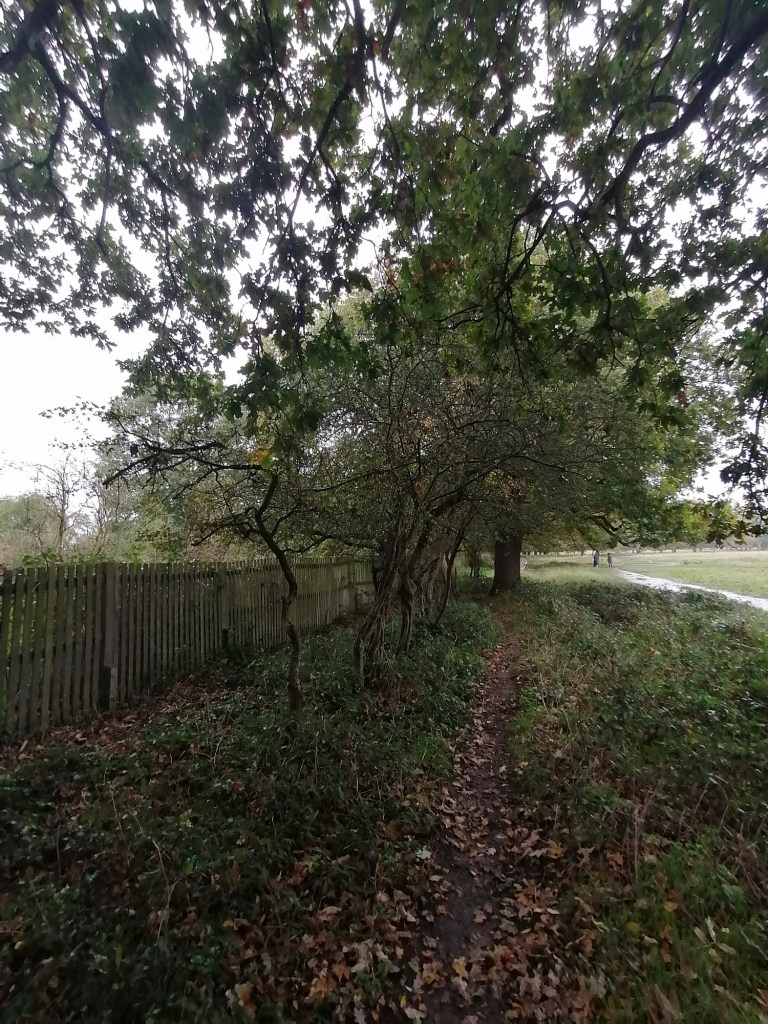
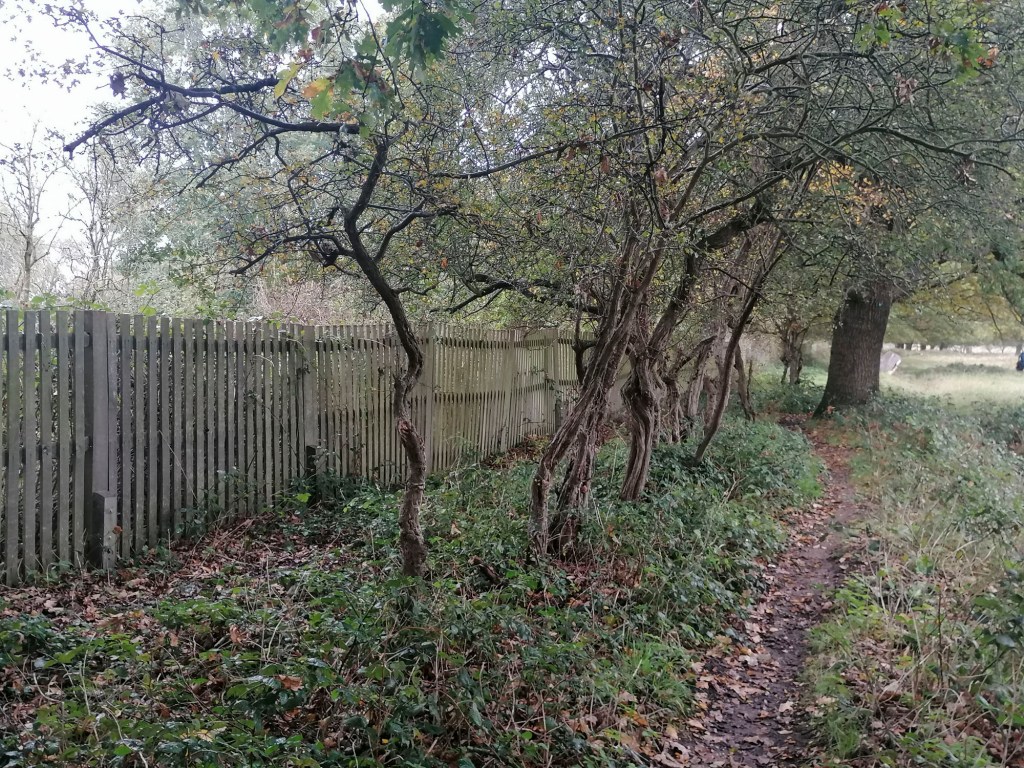
Trees 4, 5 & 6

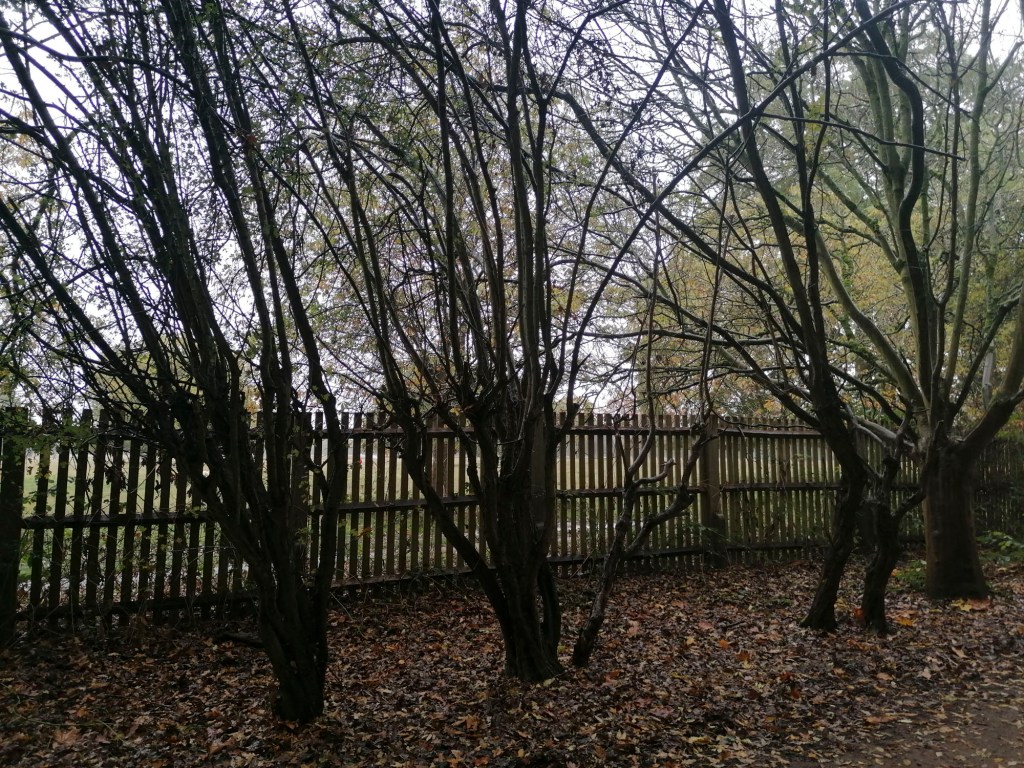
These are three hawthorns that are quite close together. Again, all with their unique features.
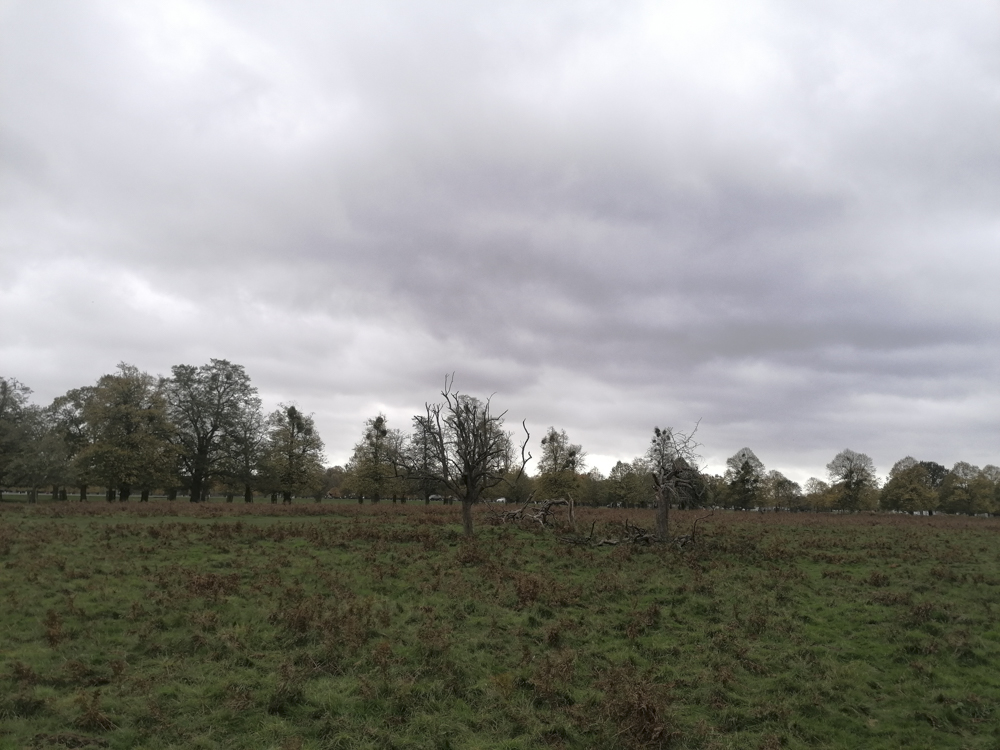
Tree 7
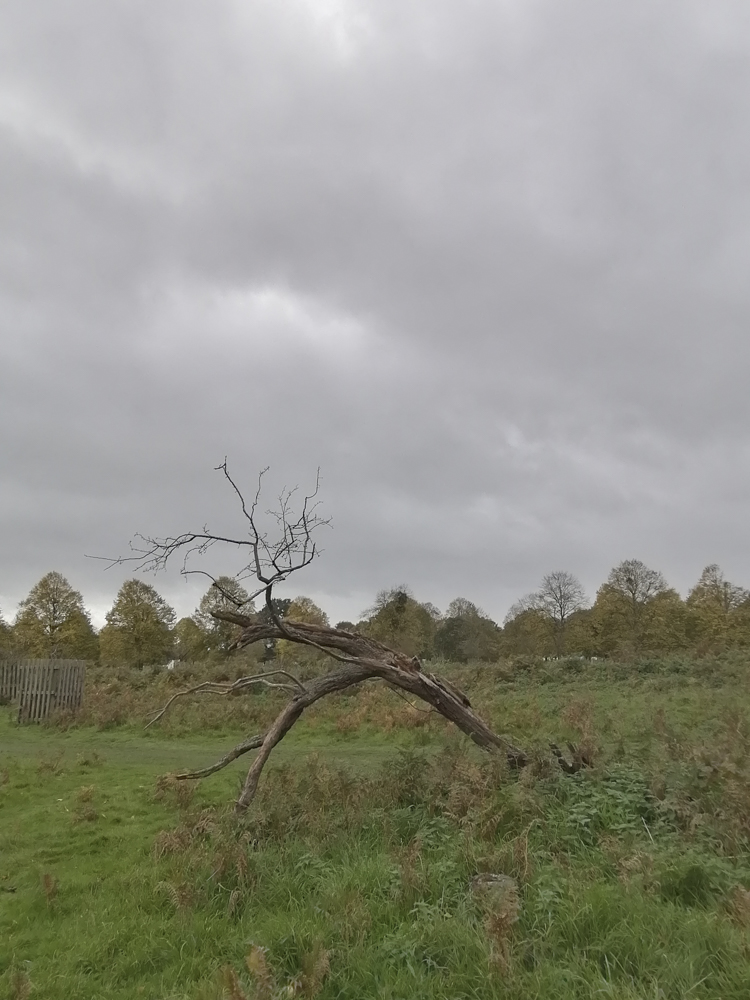
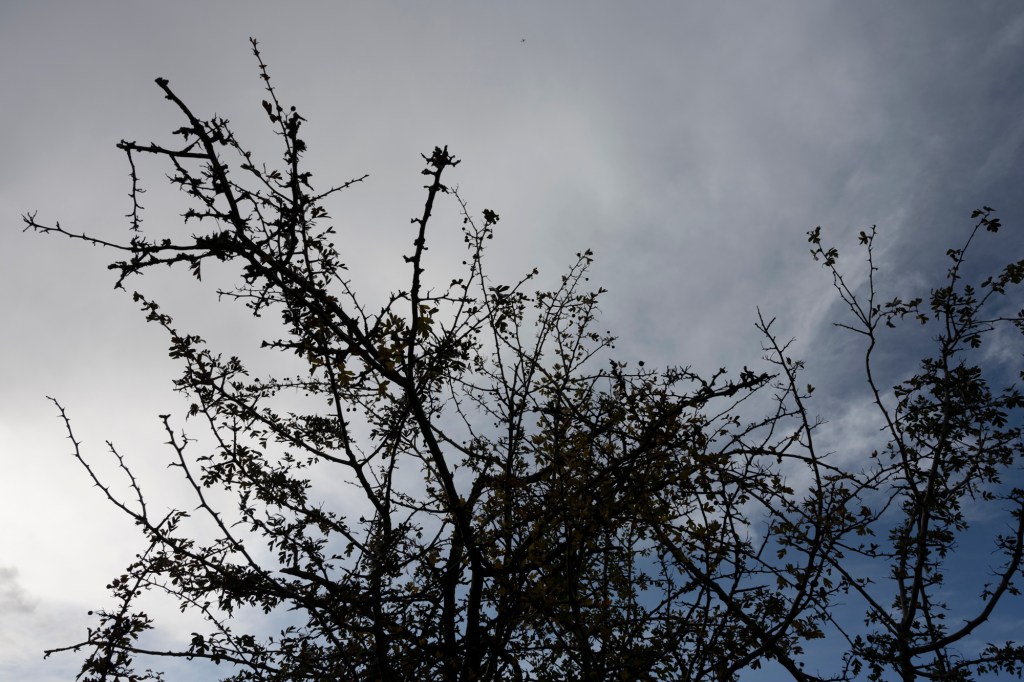
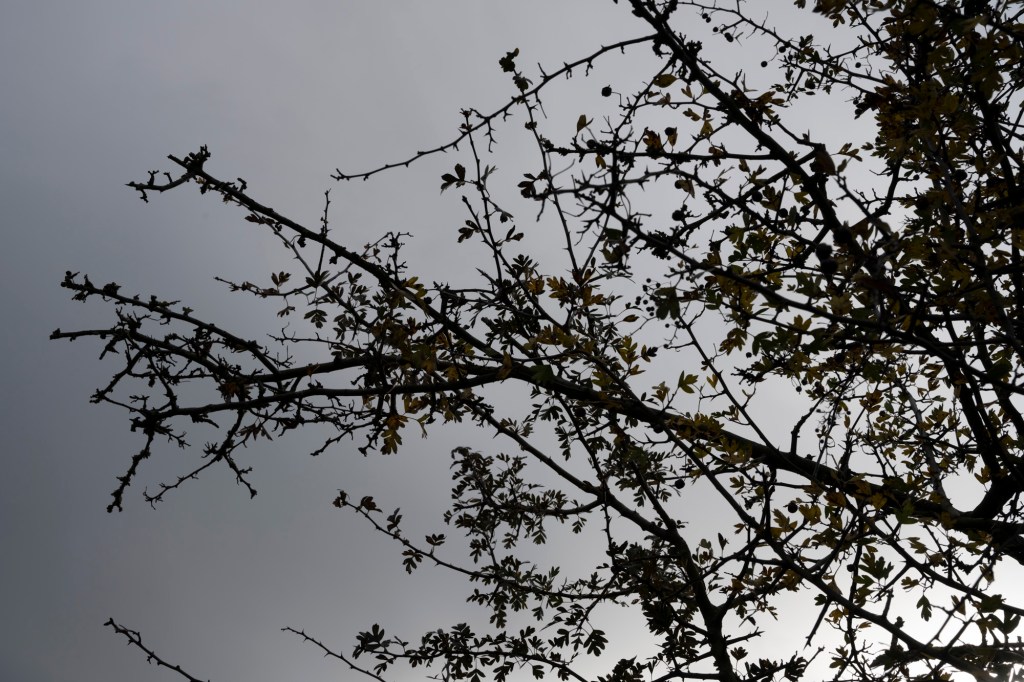
This hawthorn does appear to be dead, but I’m sure it is full of insect life.

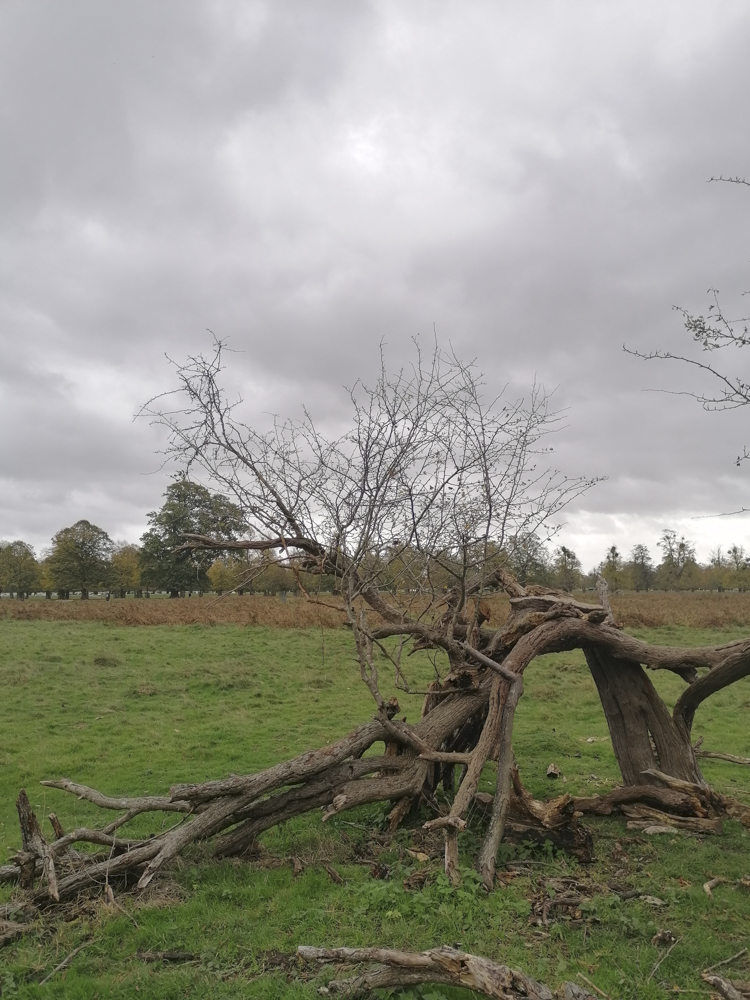
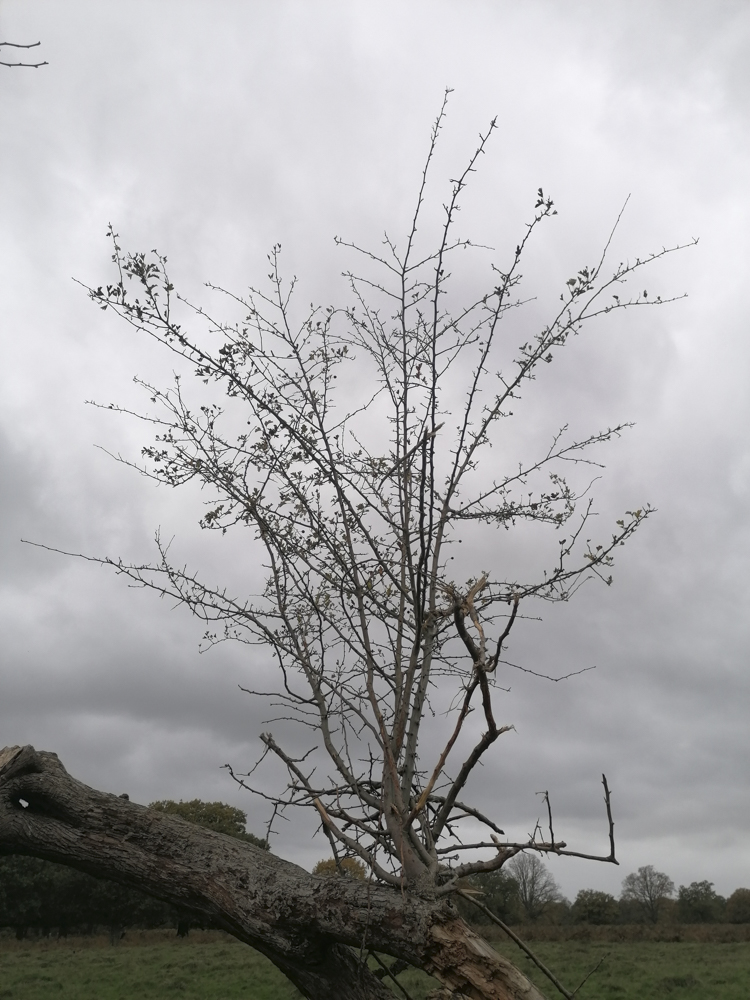
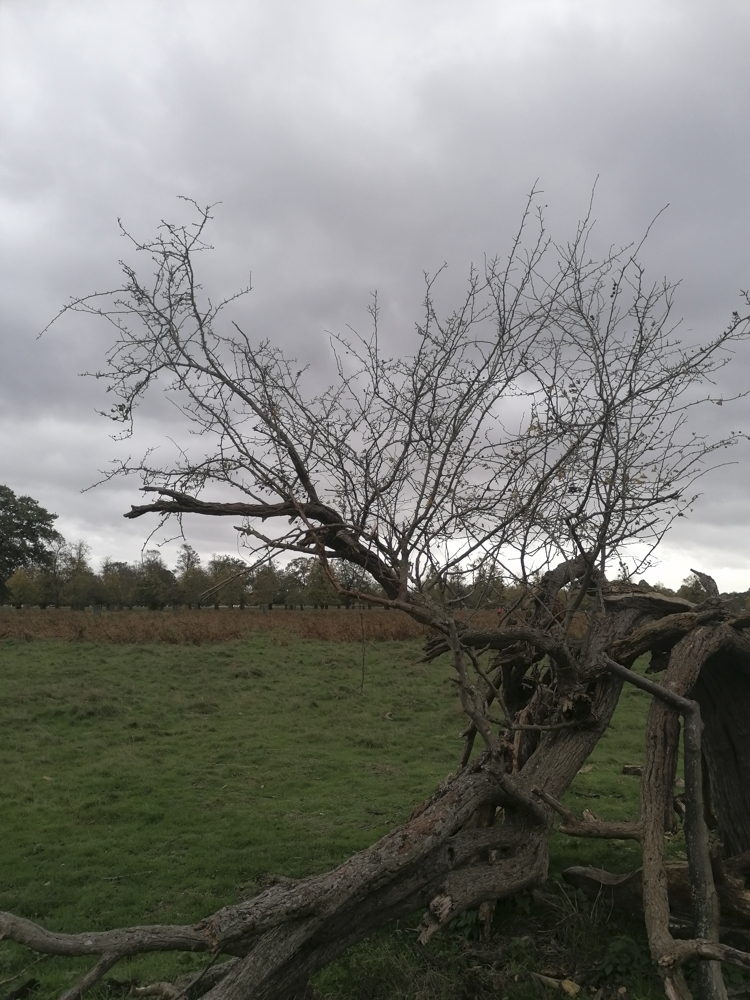
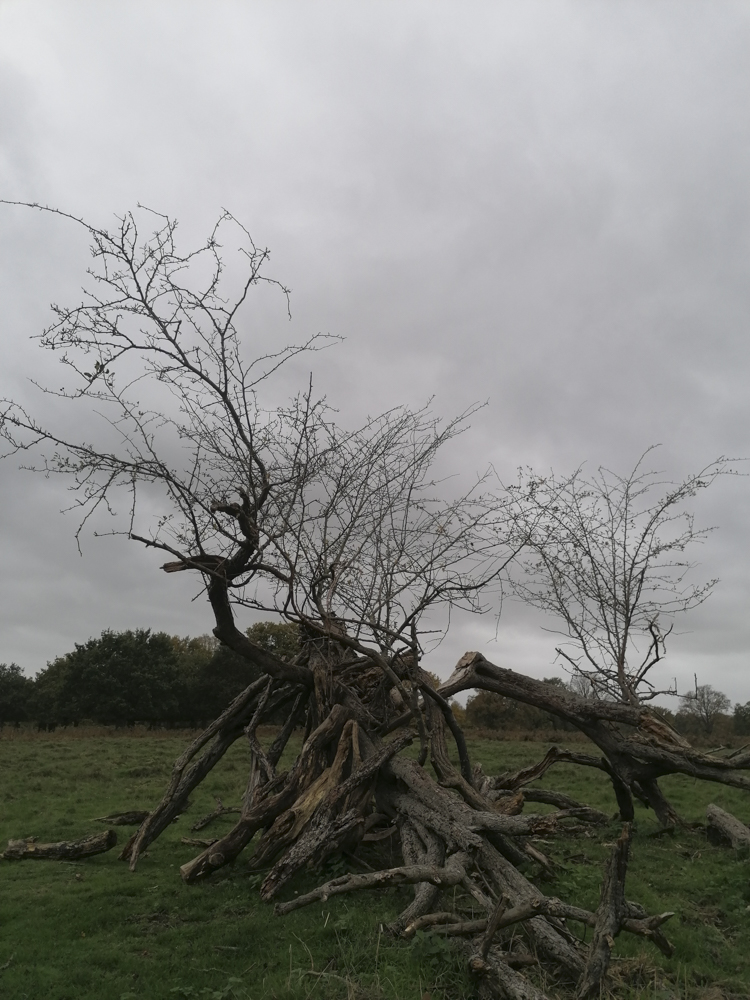
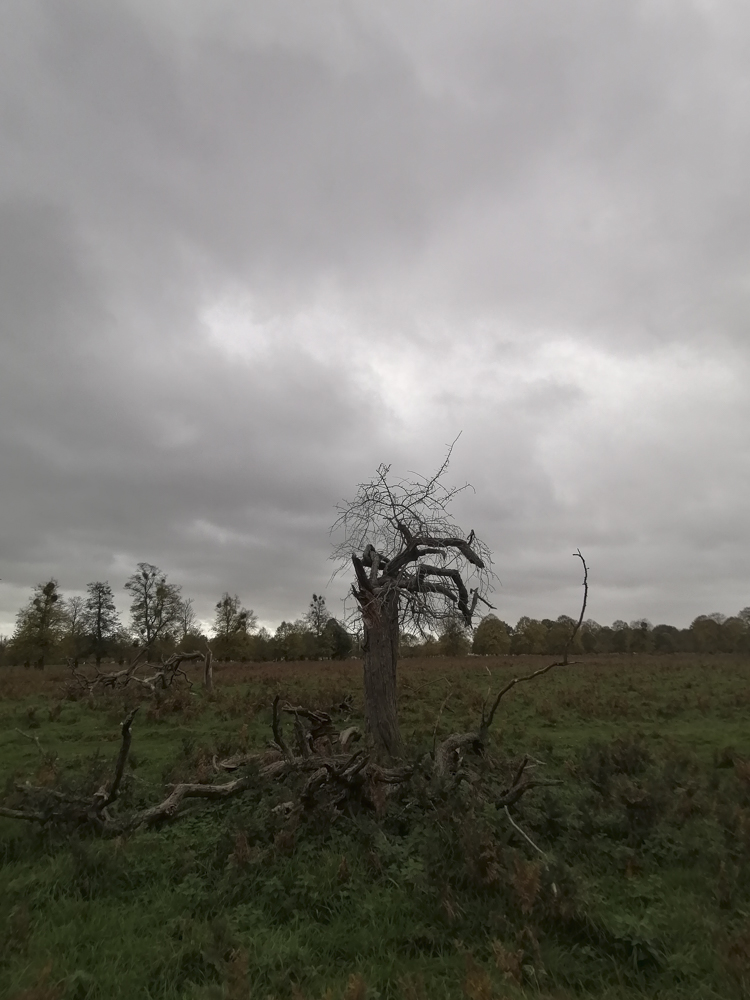
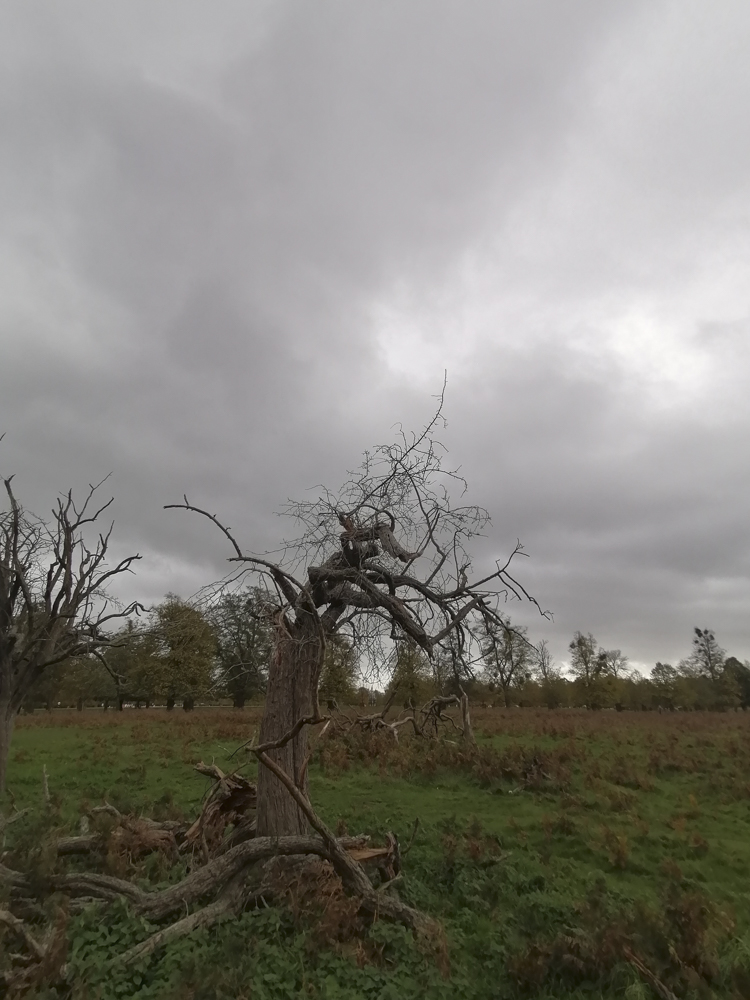
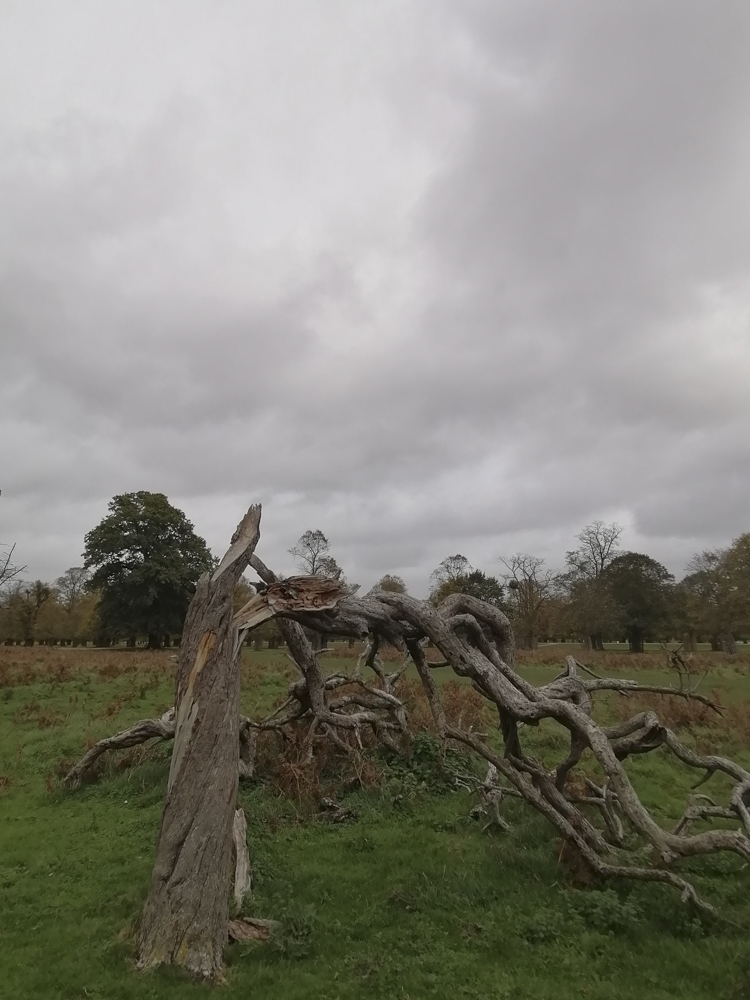
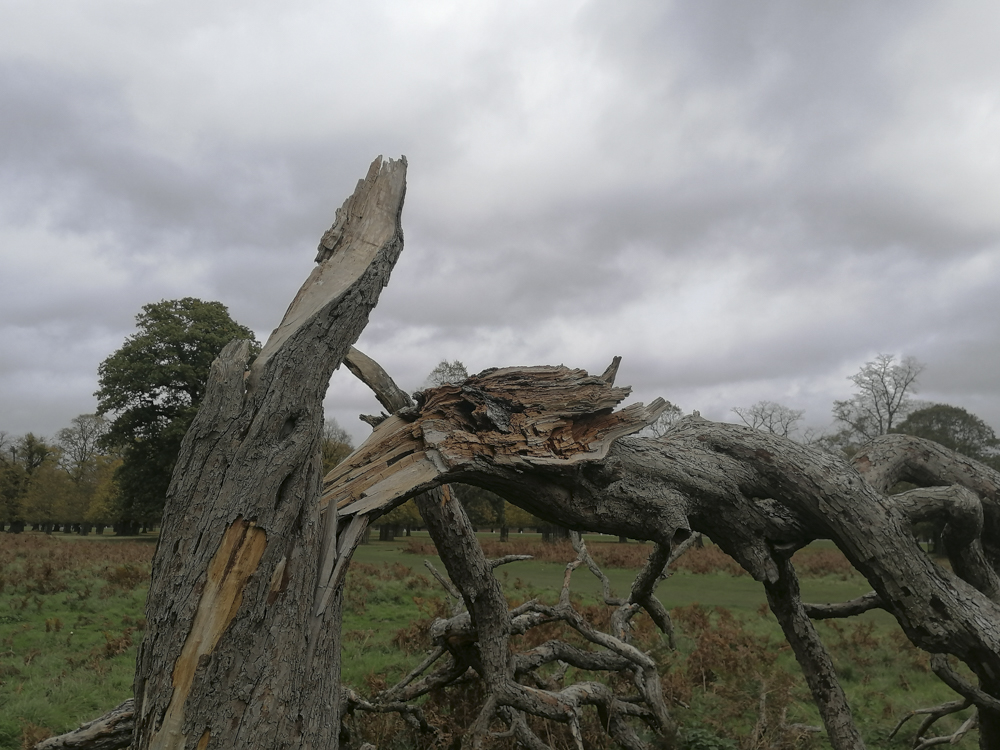
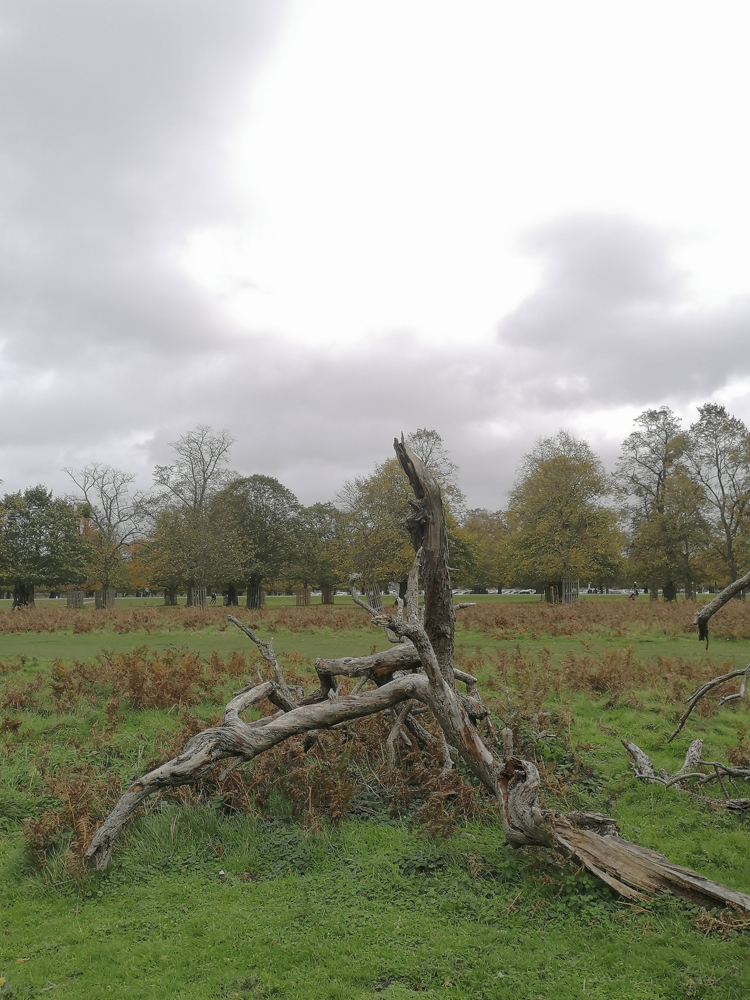
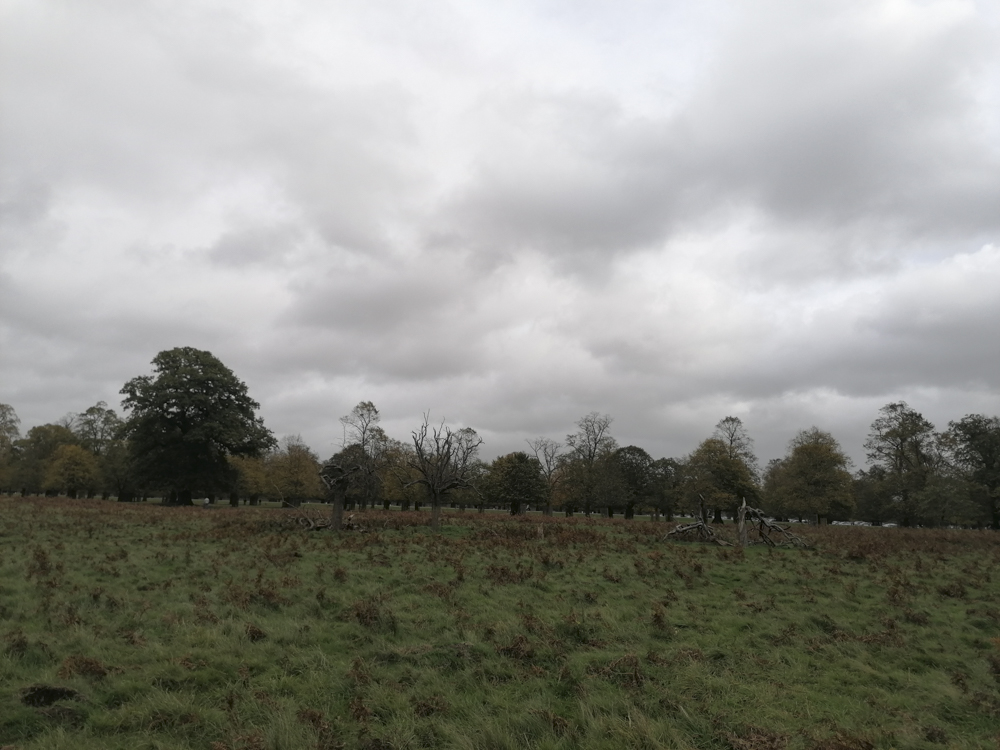
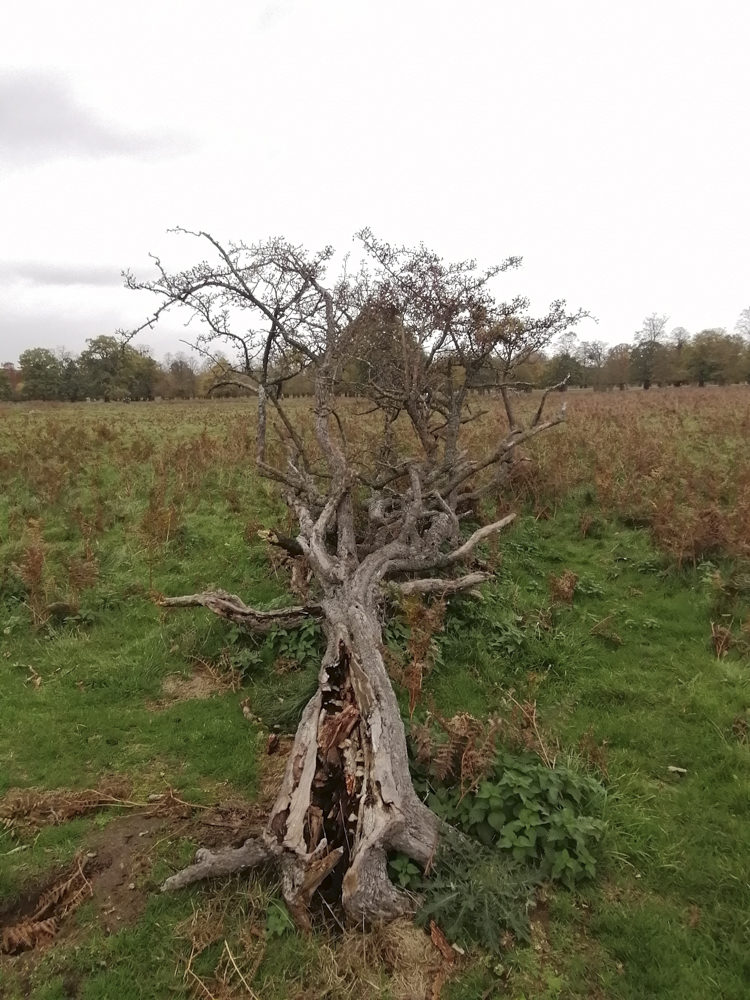
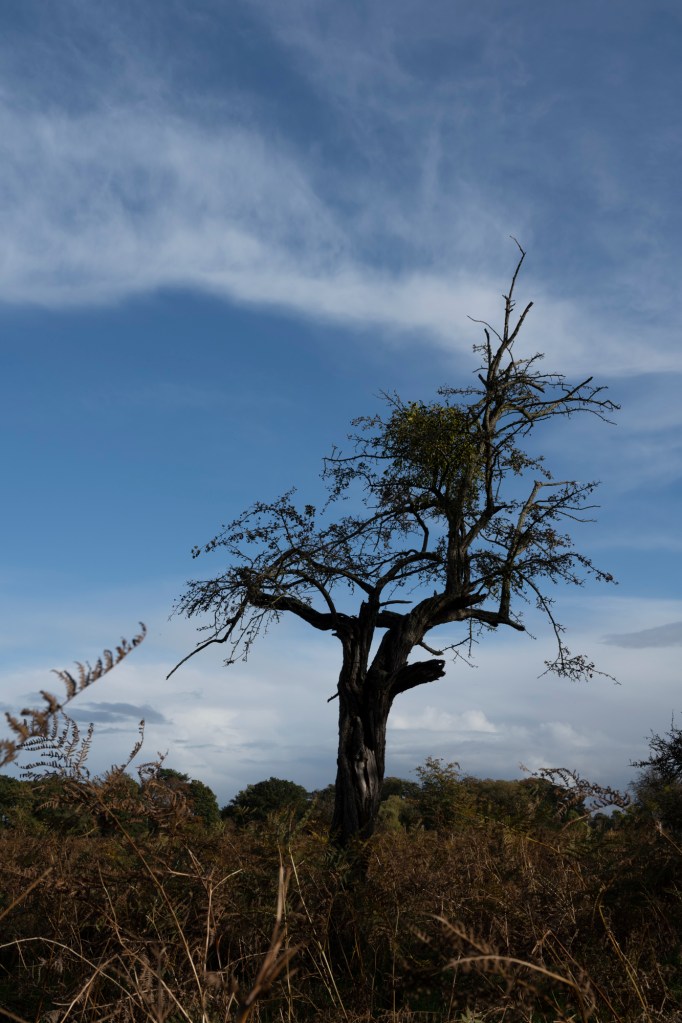
Tree 8

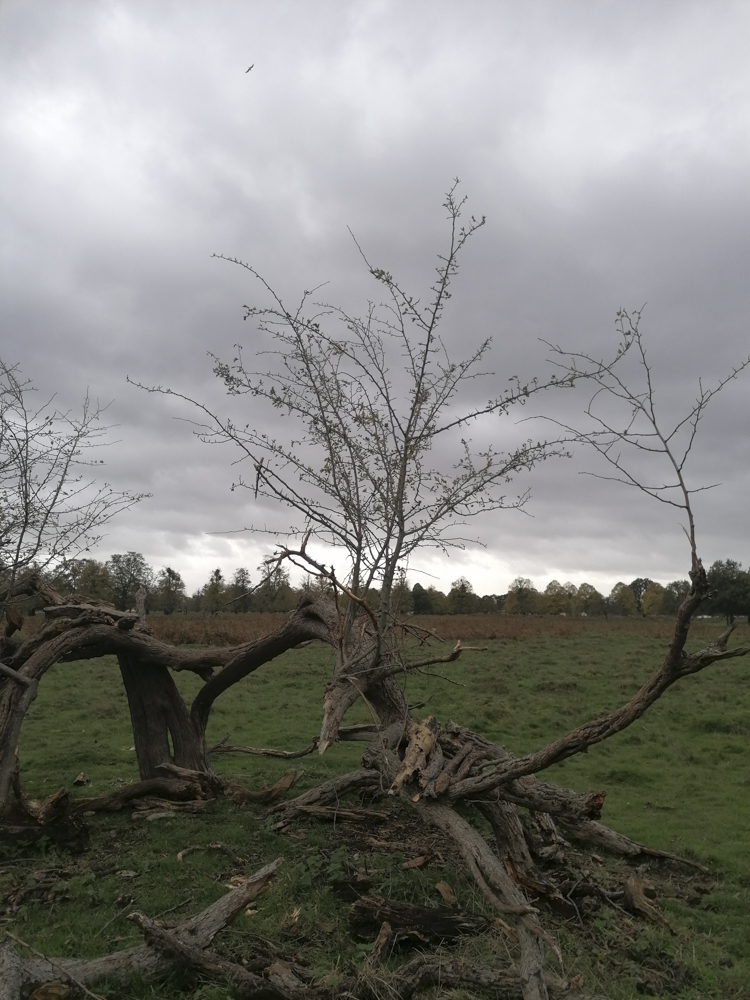
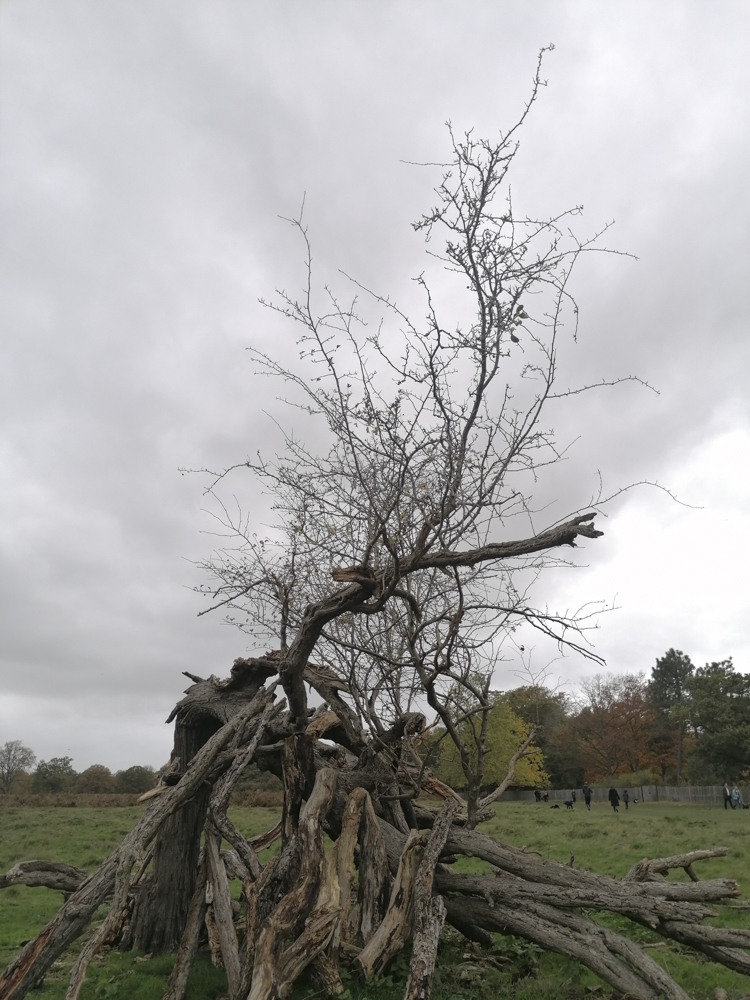
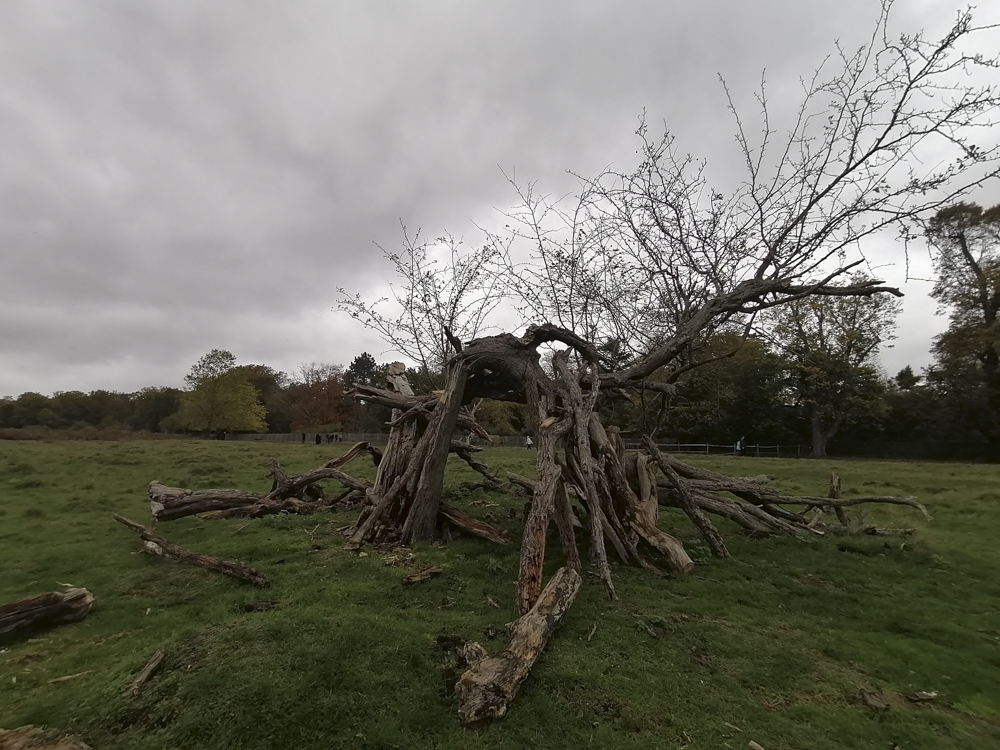
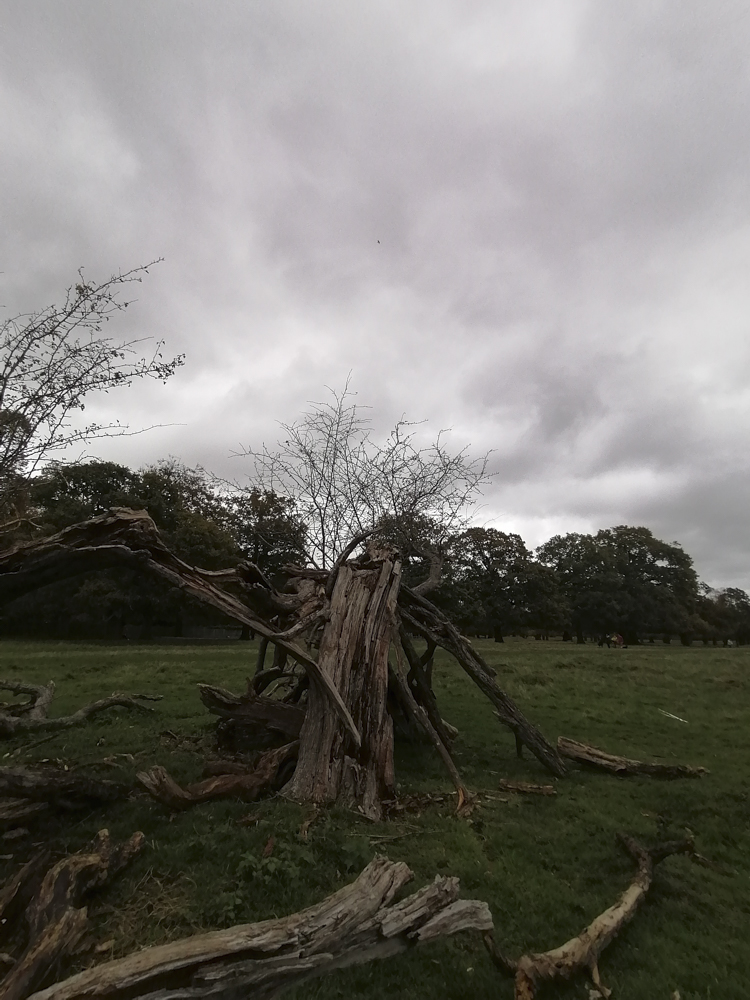
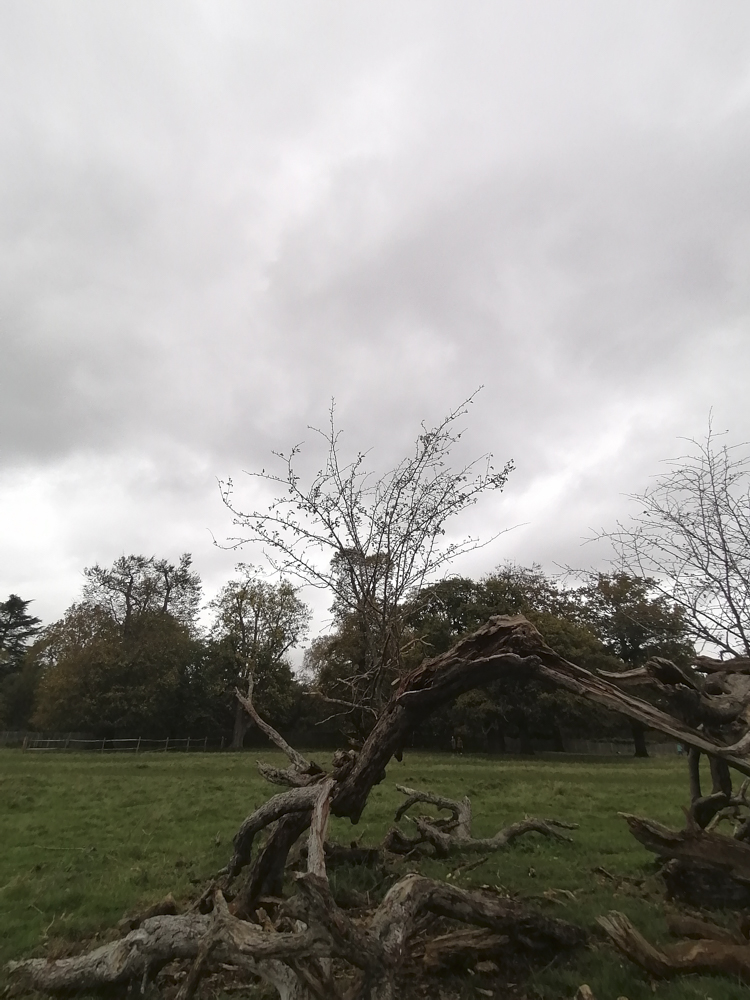
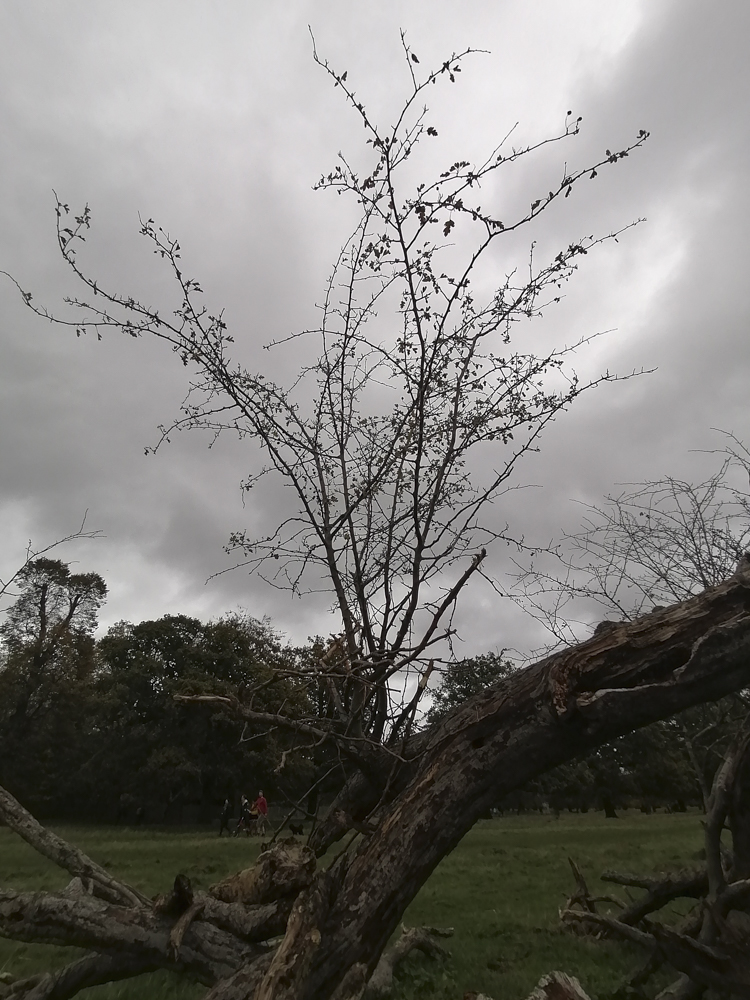
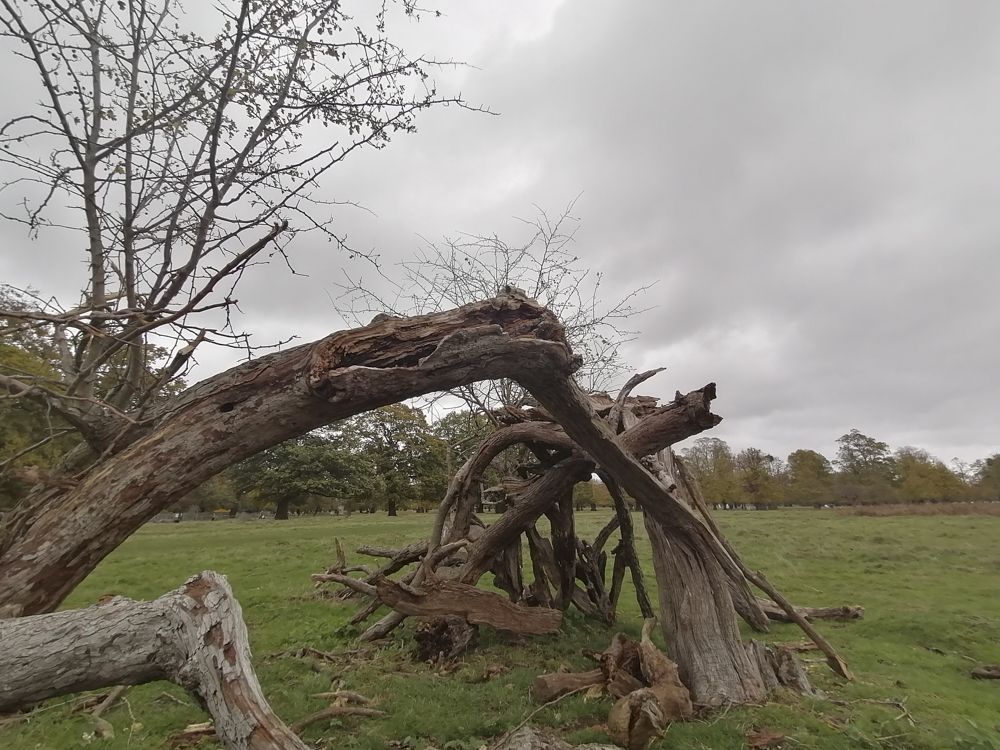
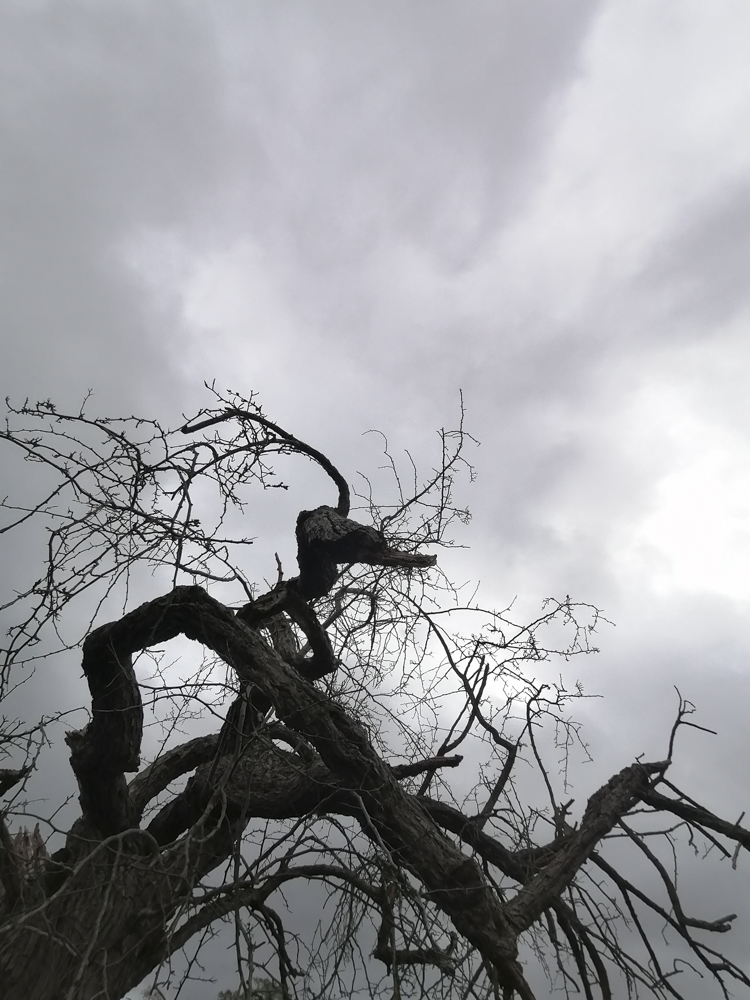
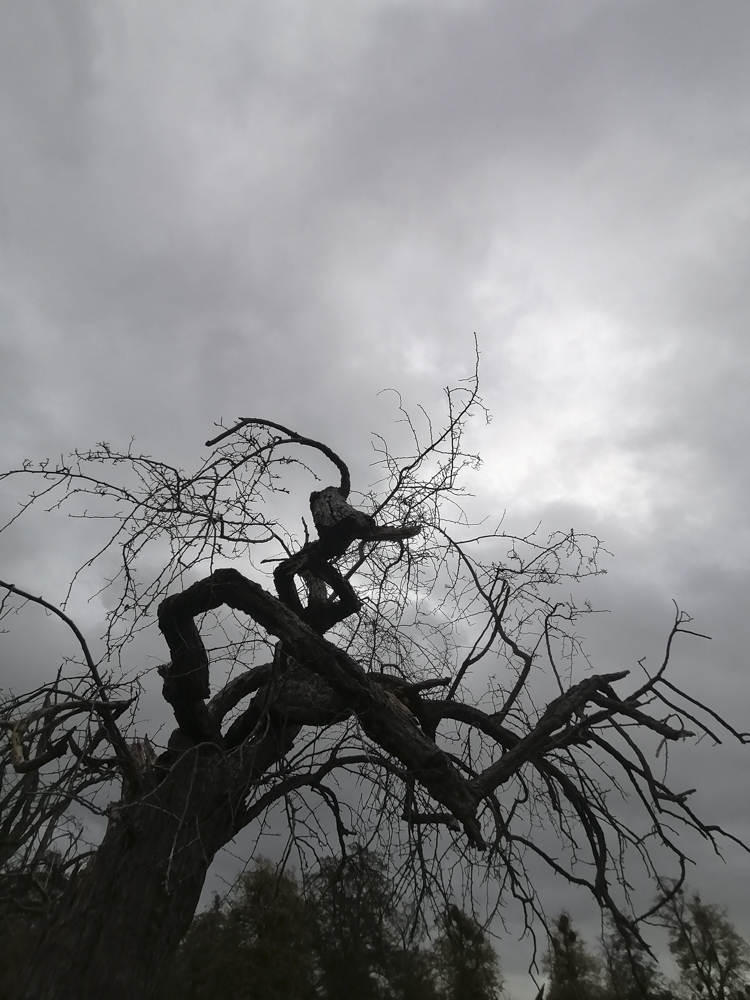
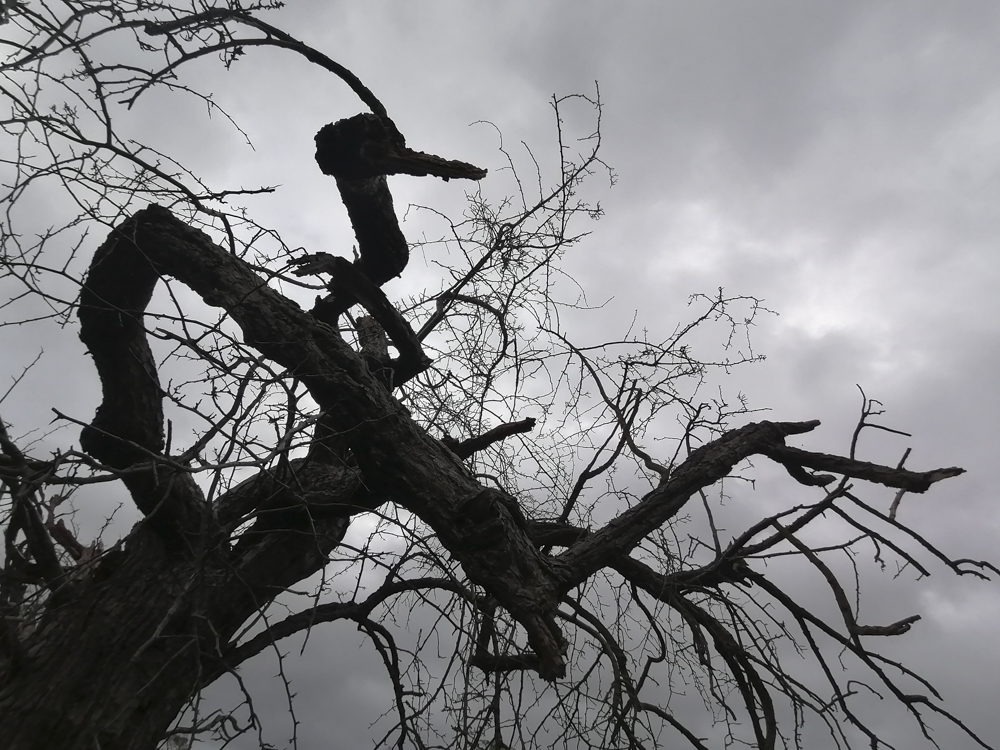
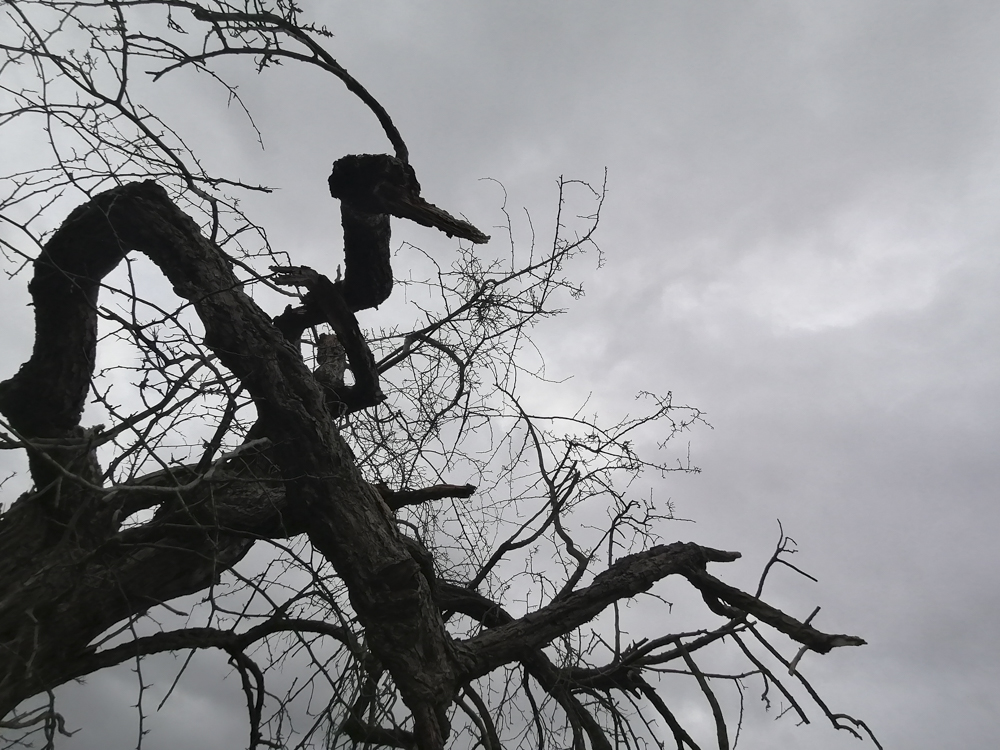
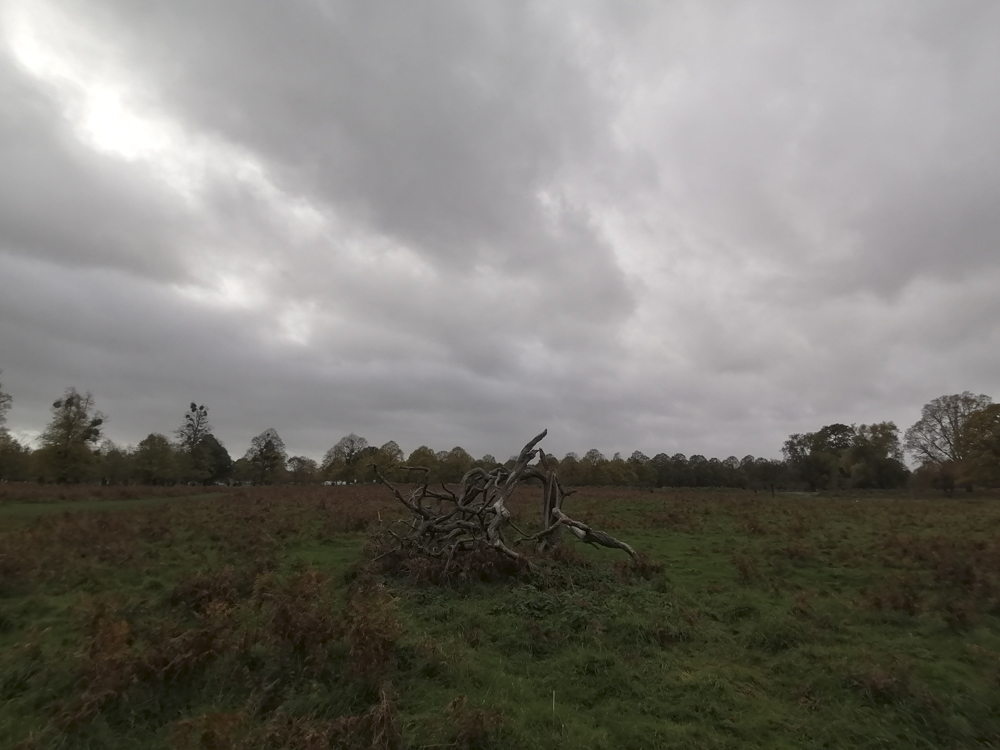
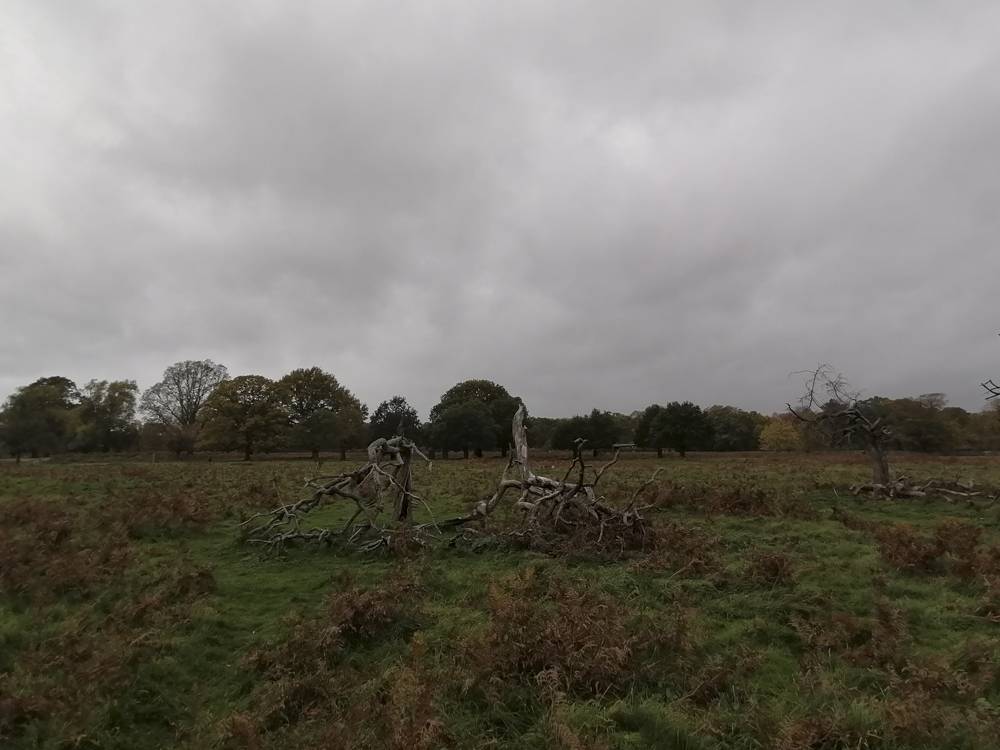
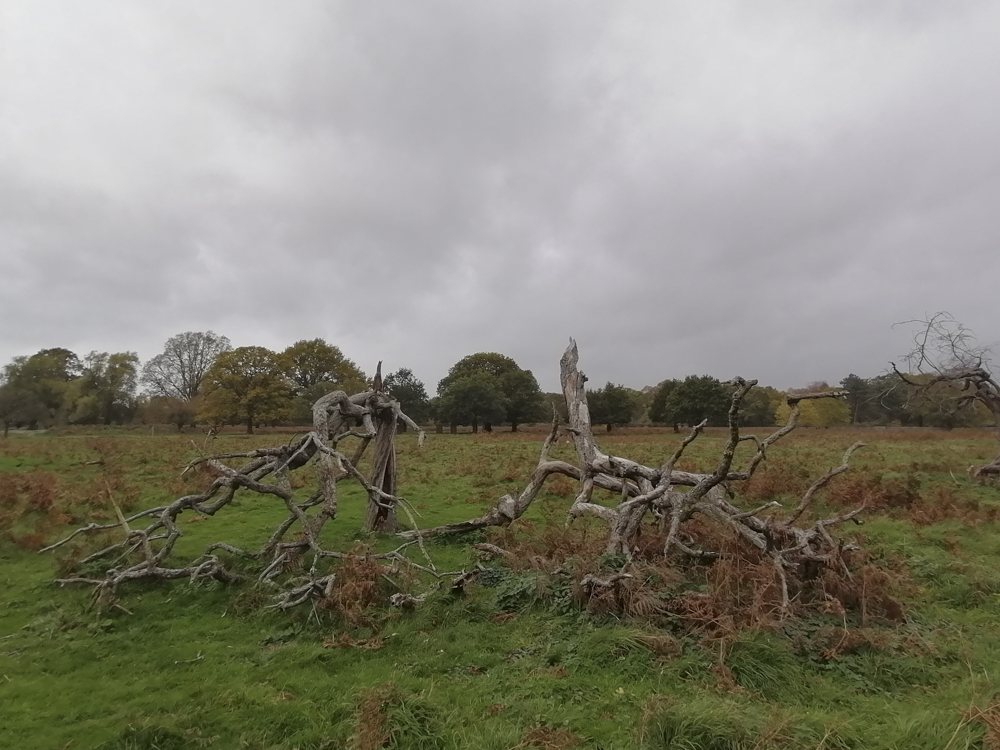
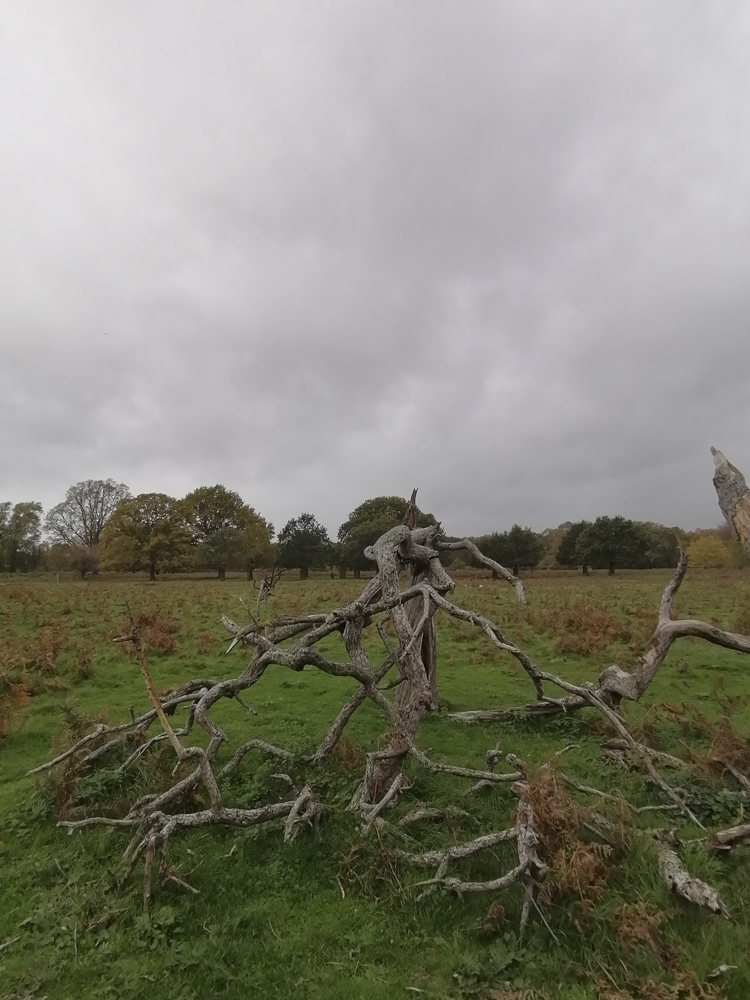
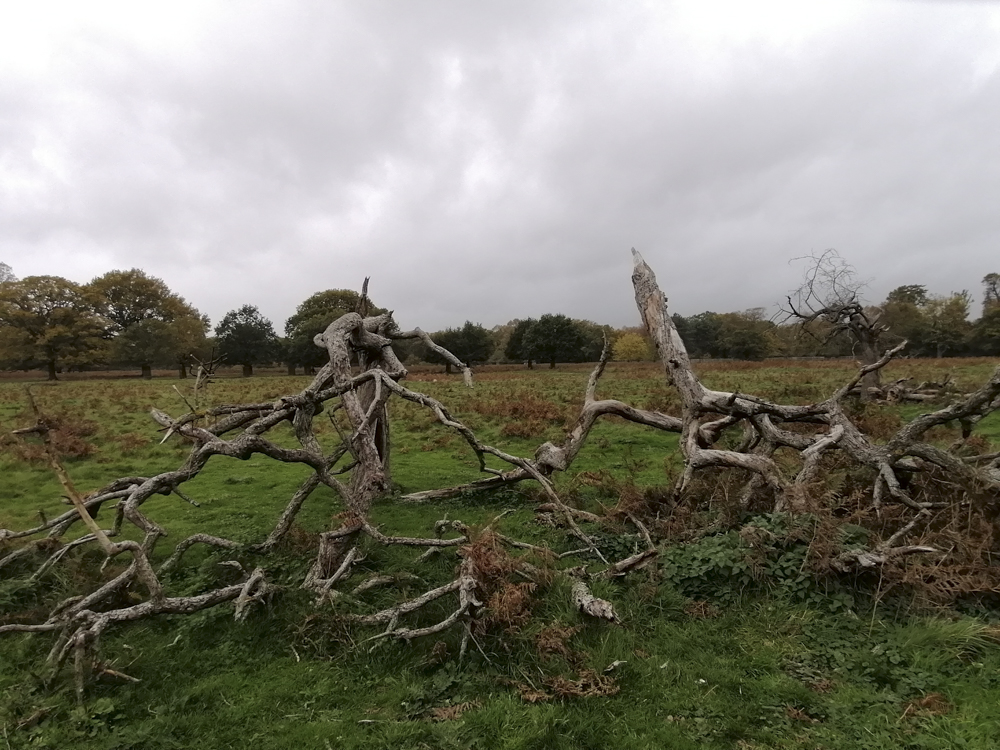
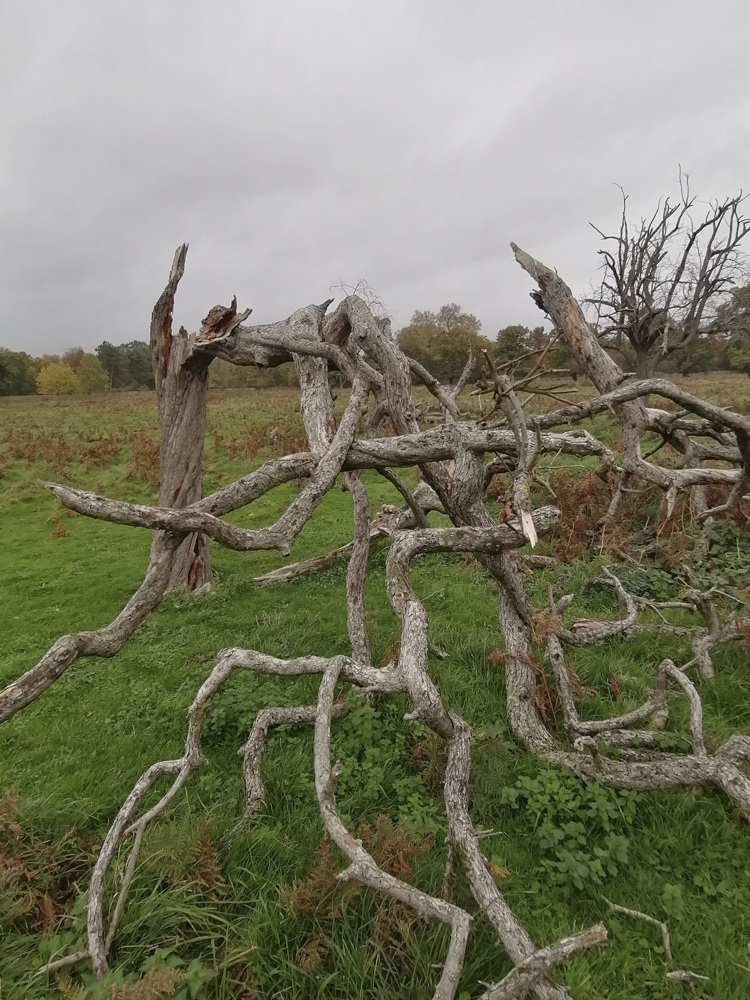
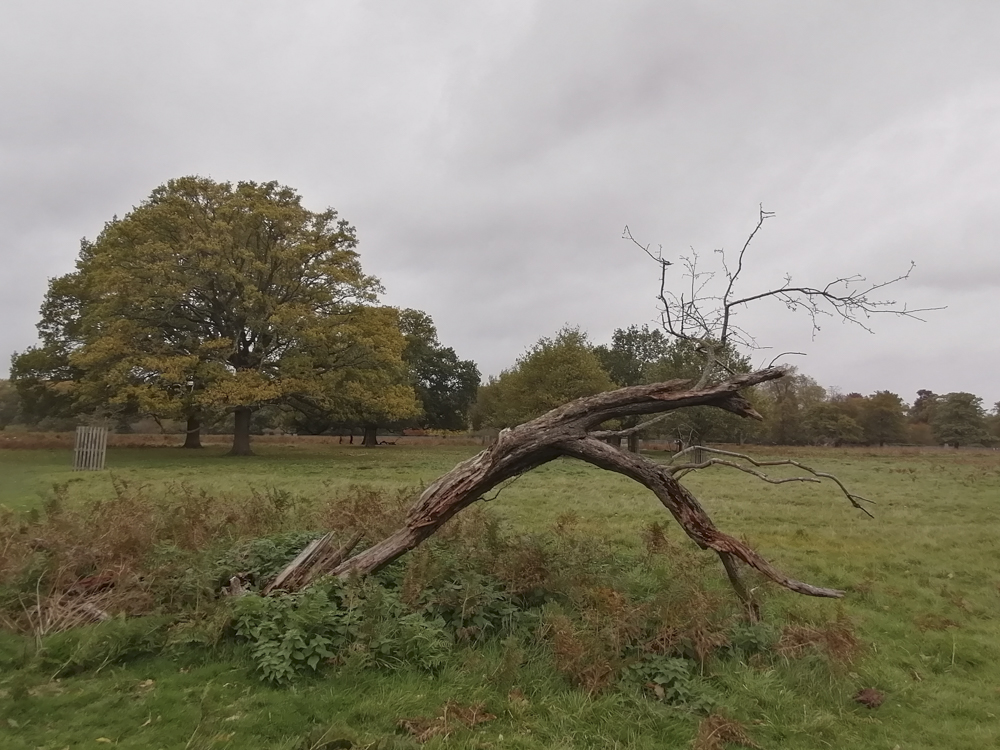
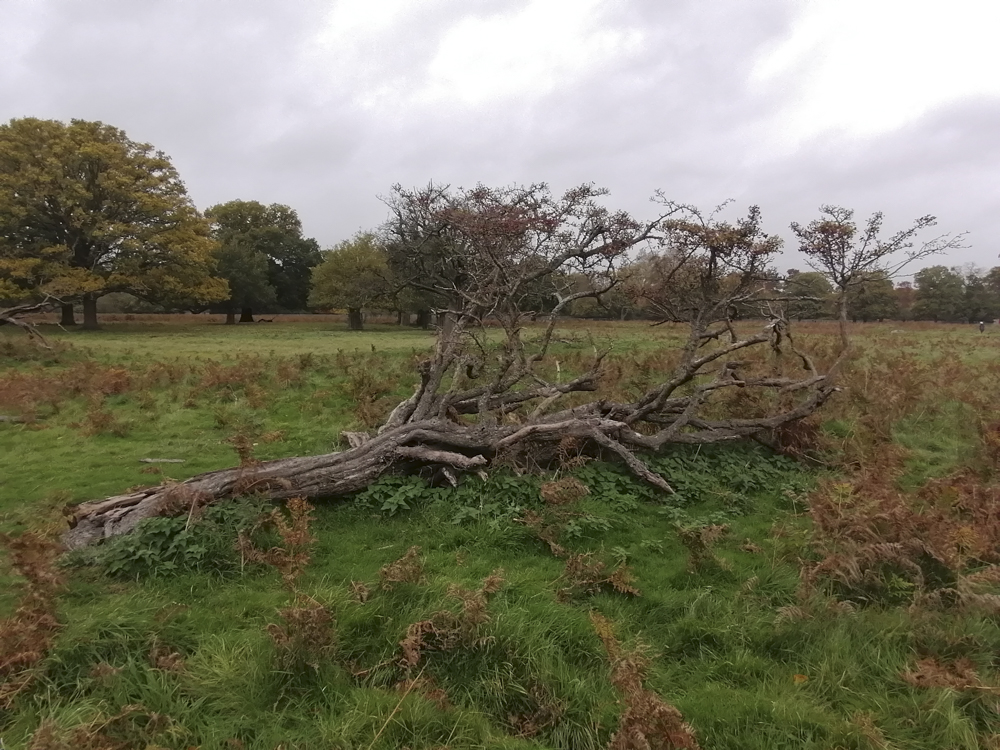
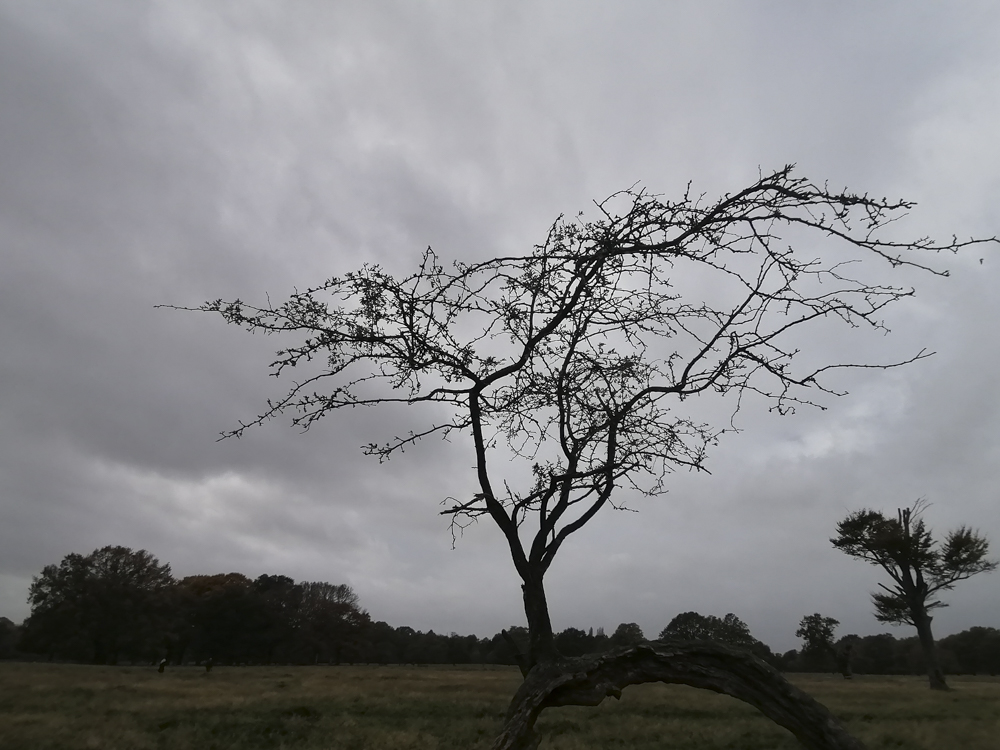
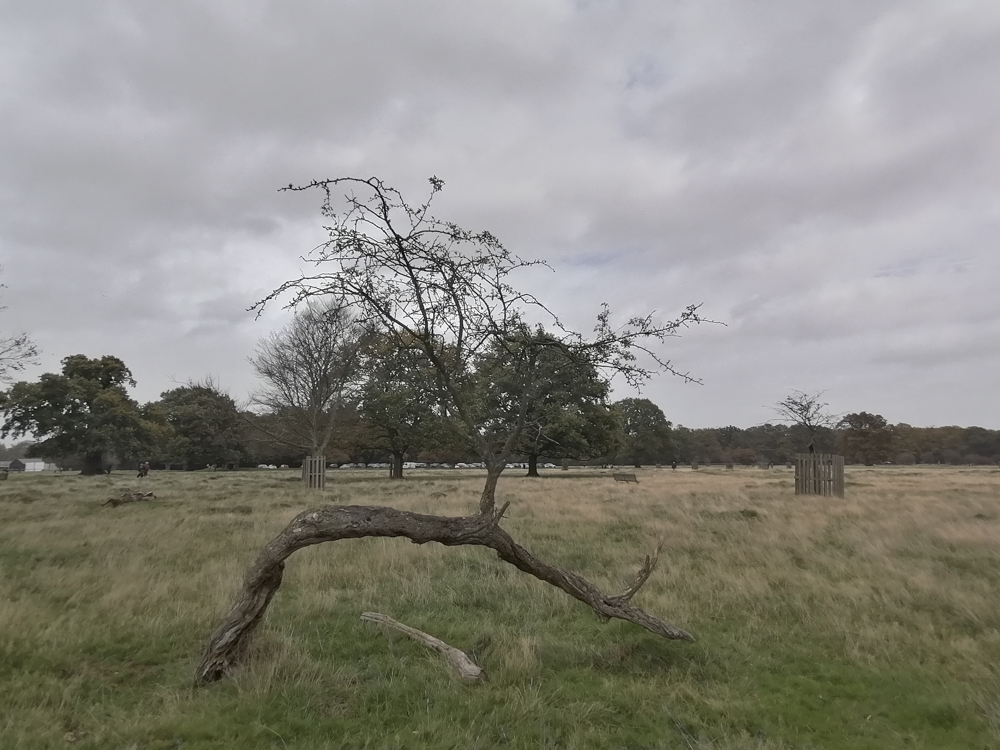
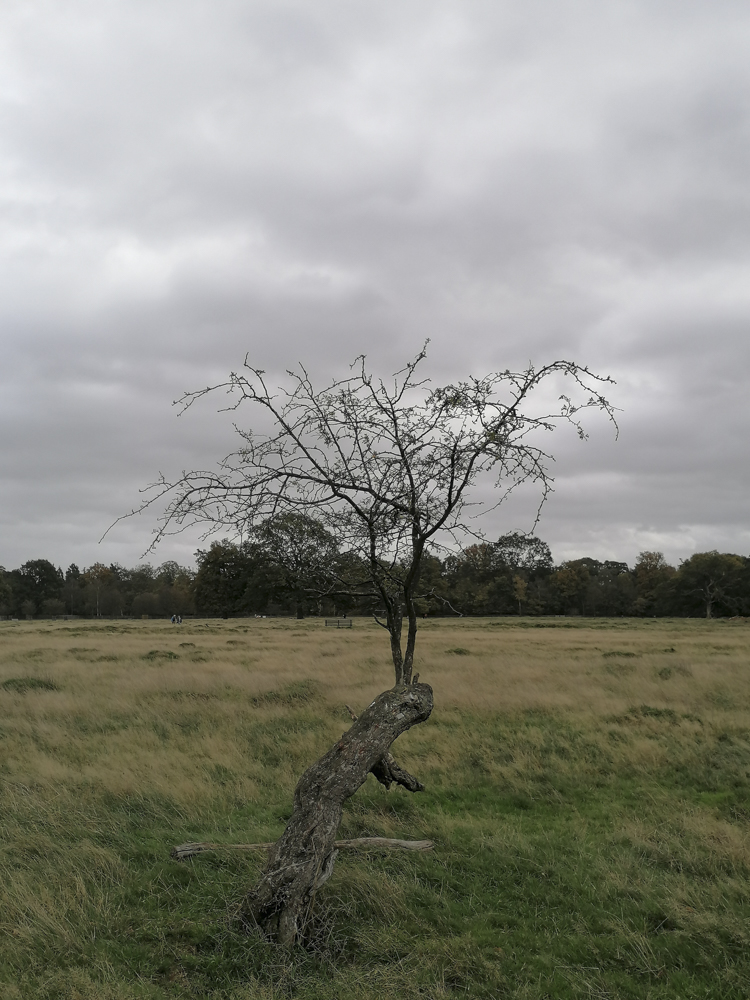
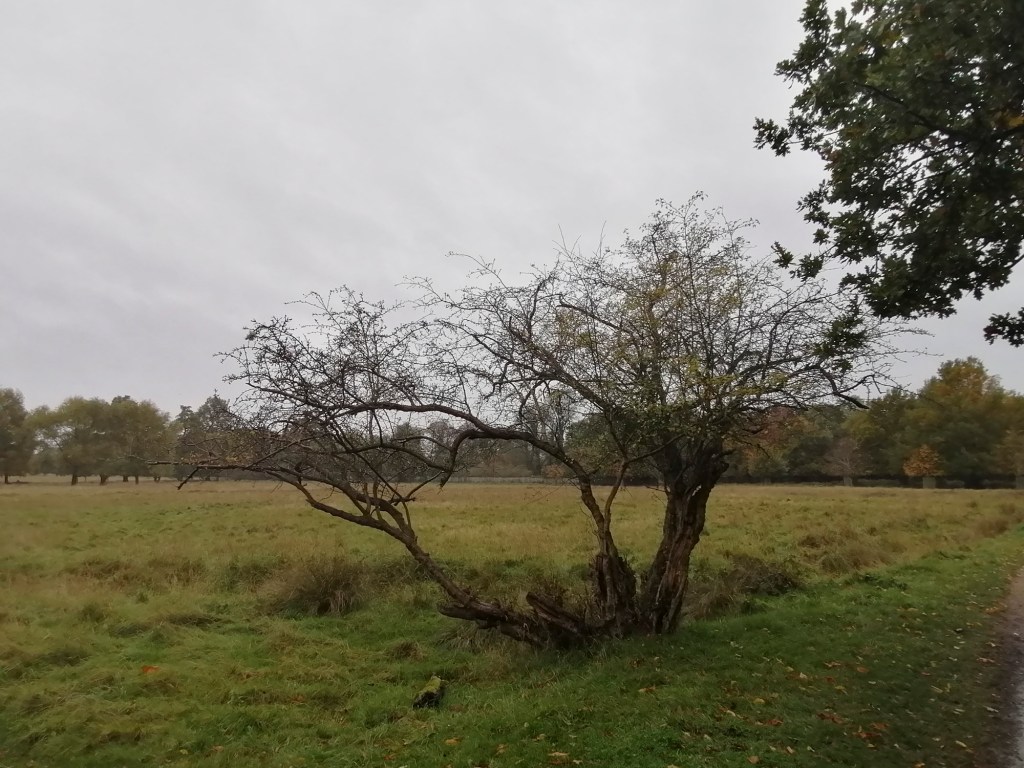
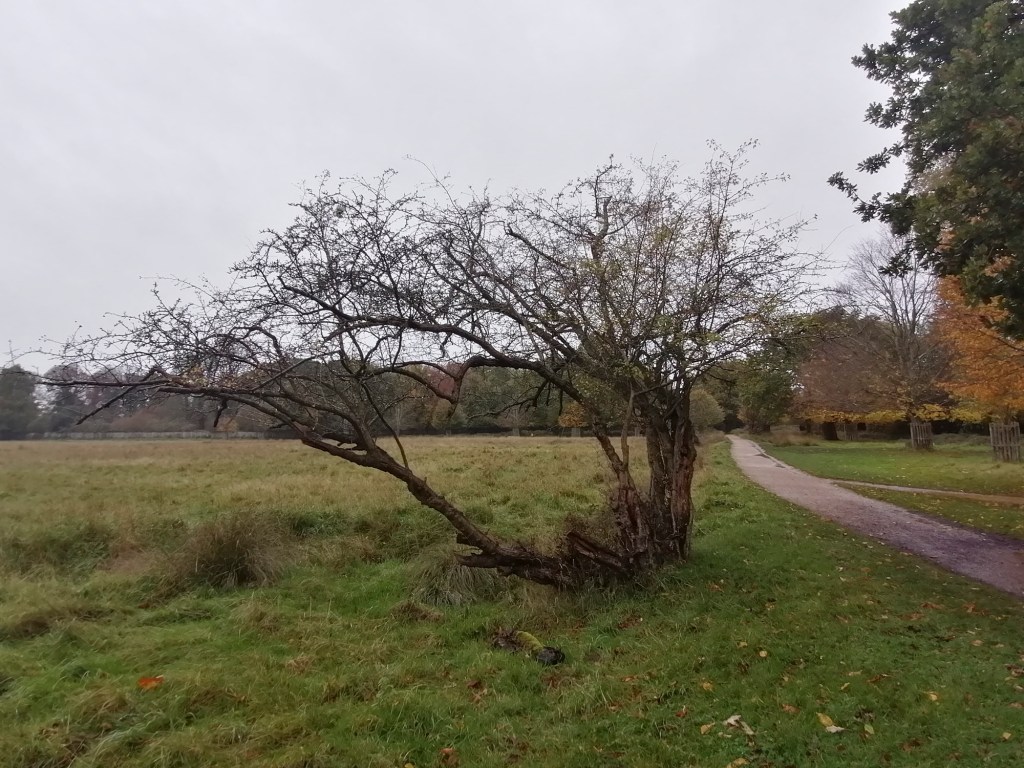
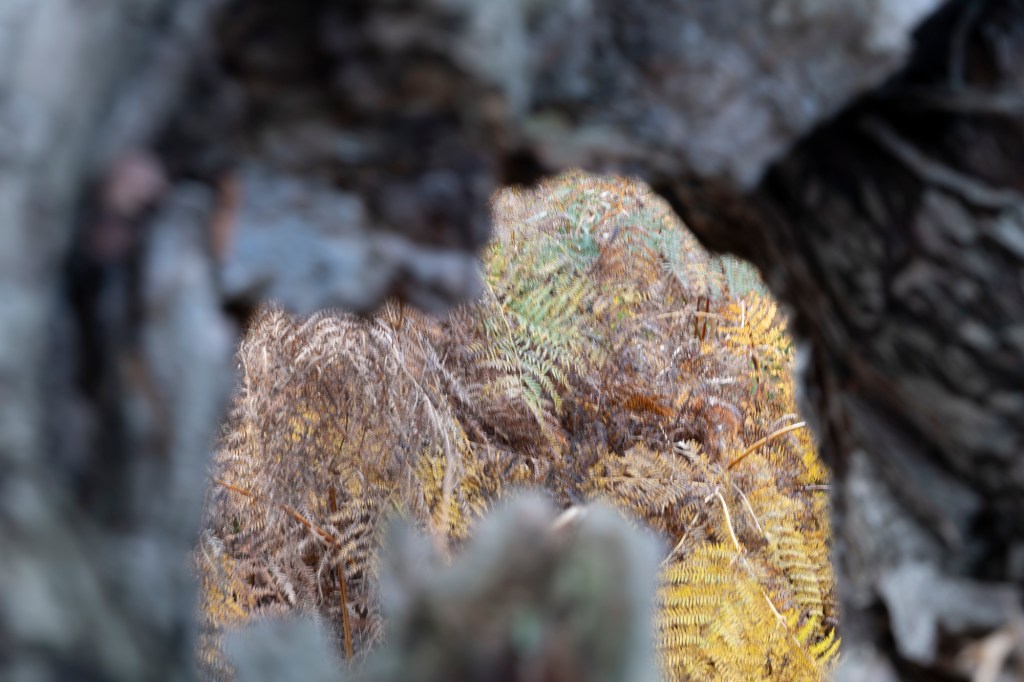
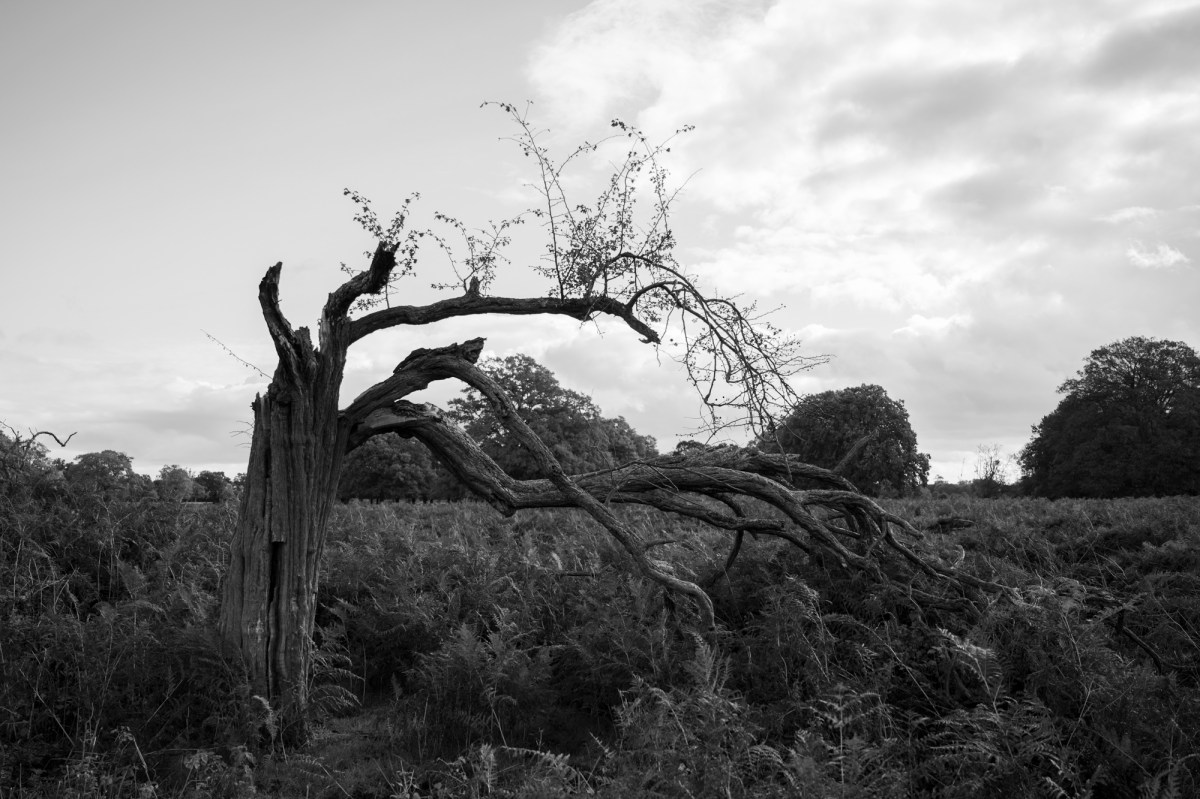
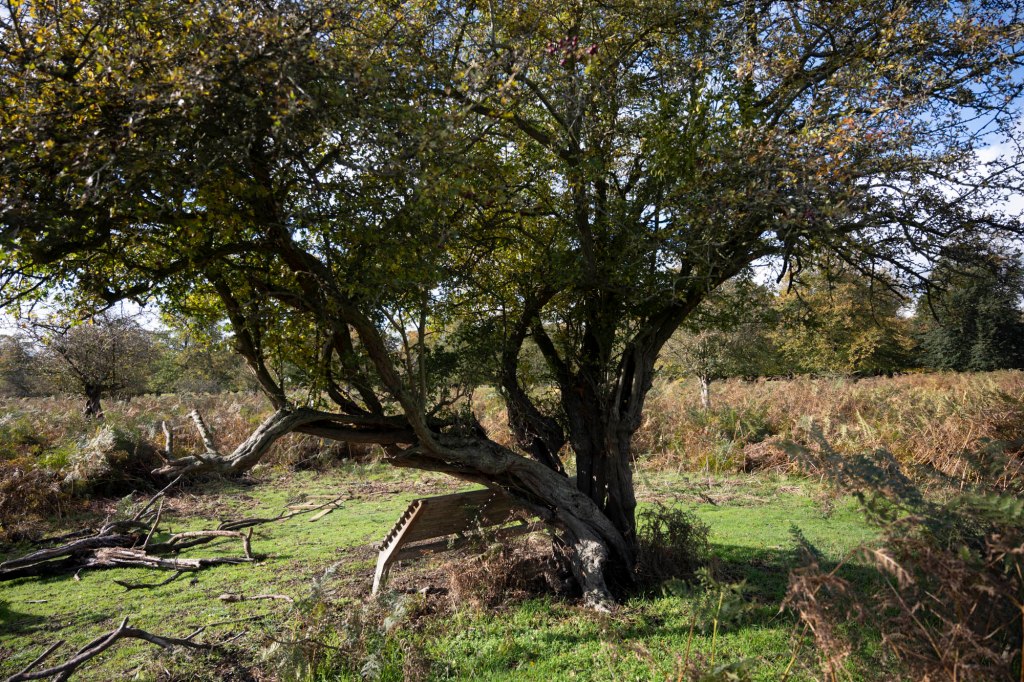
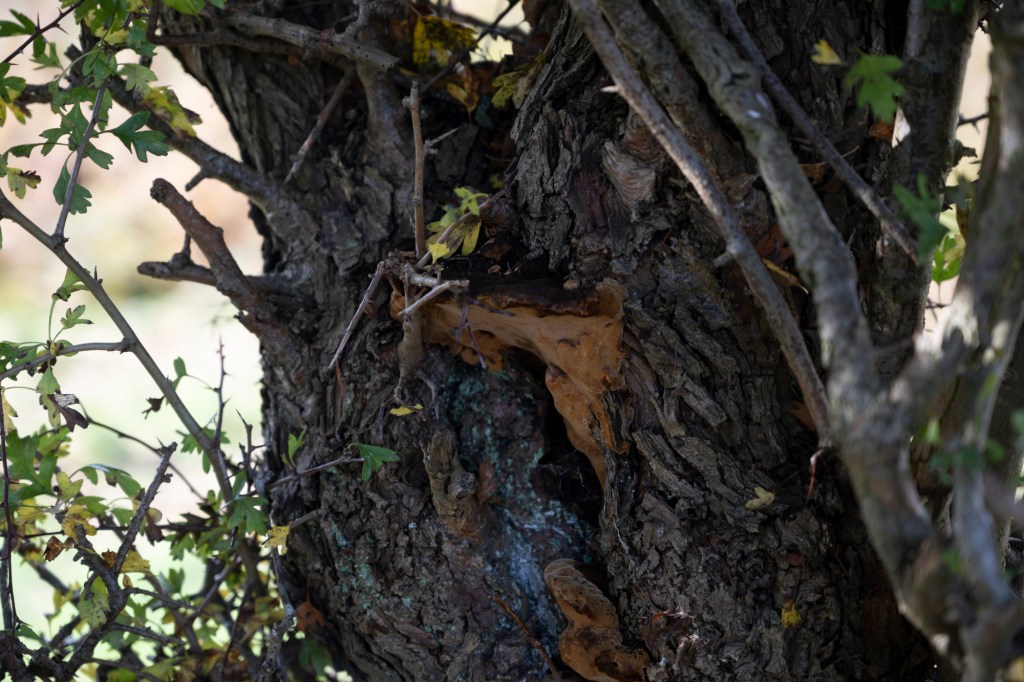
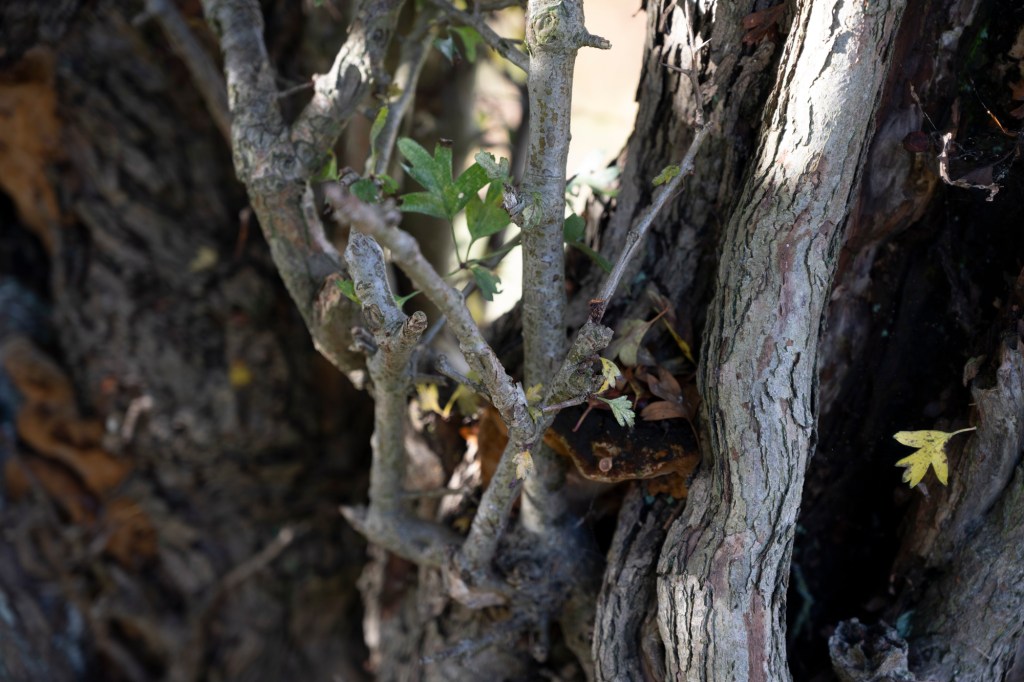
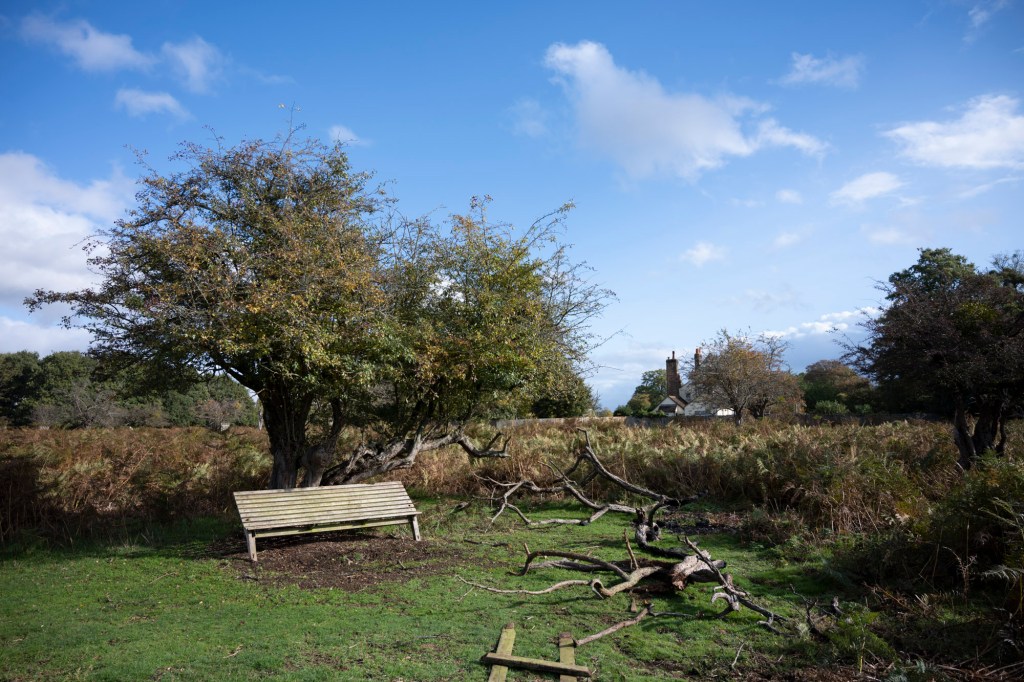
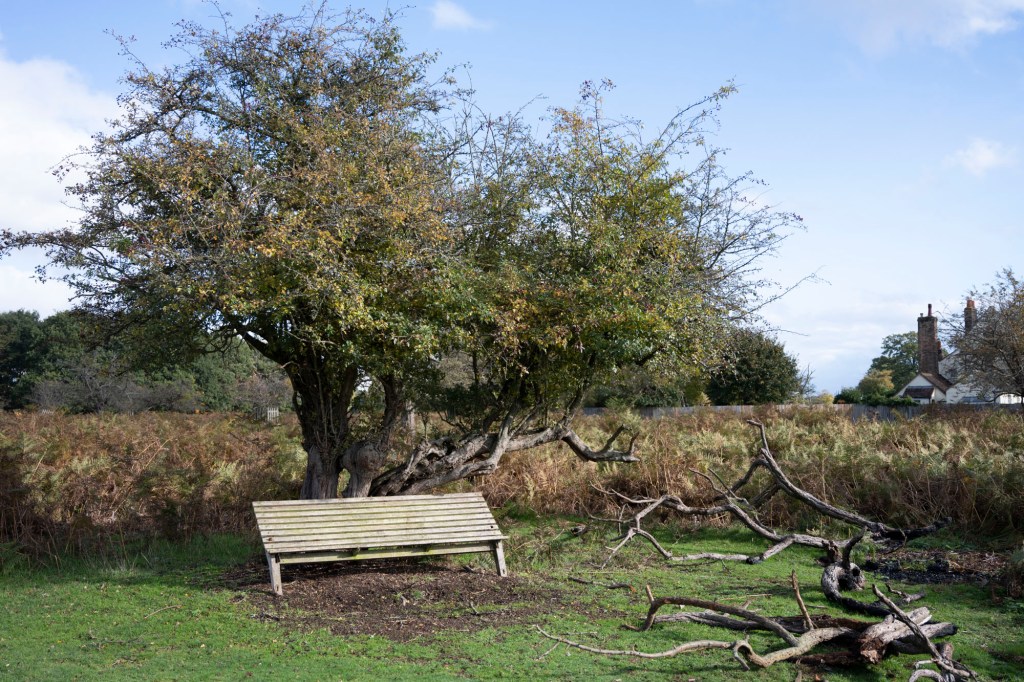
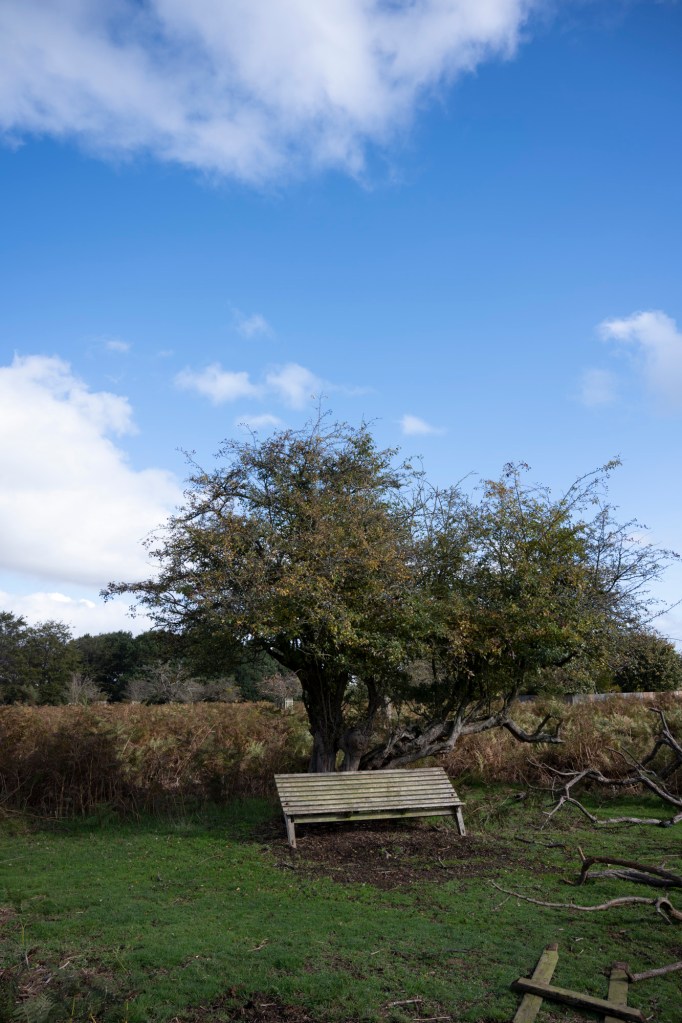
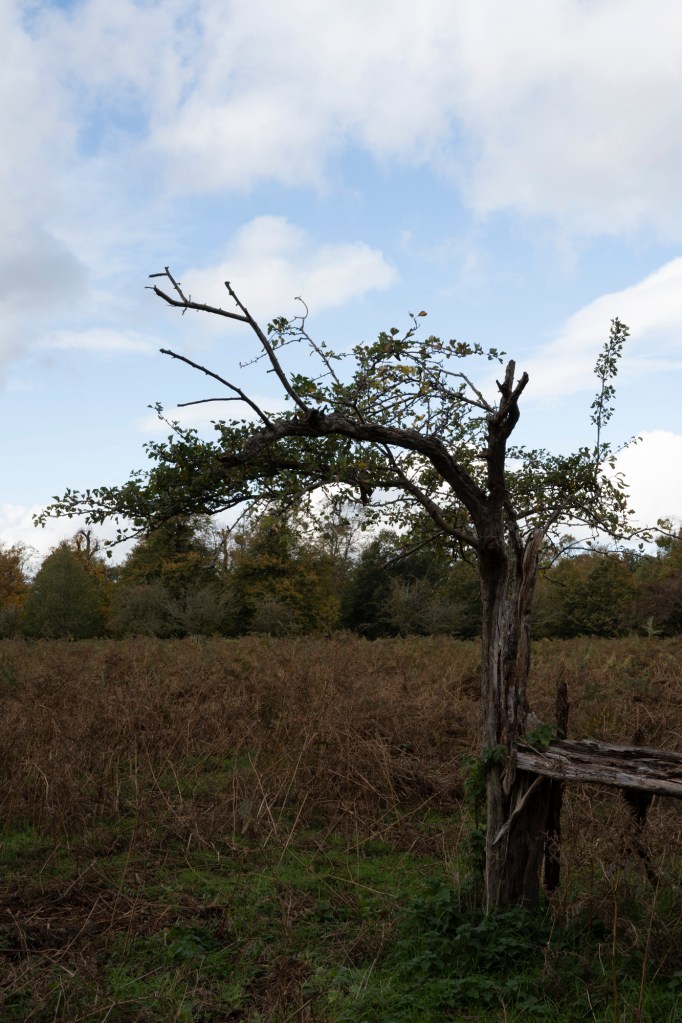
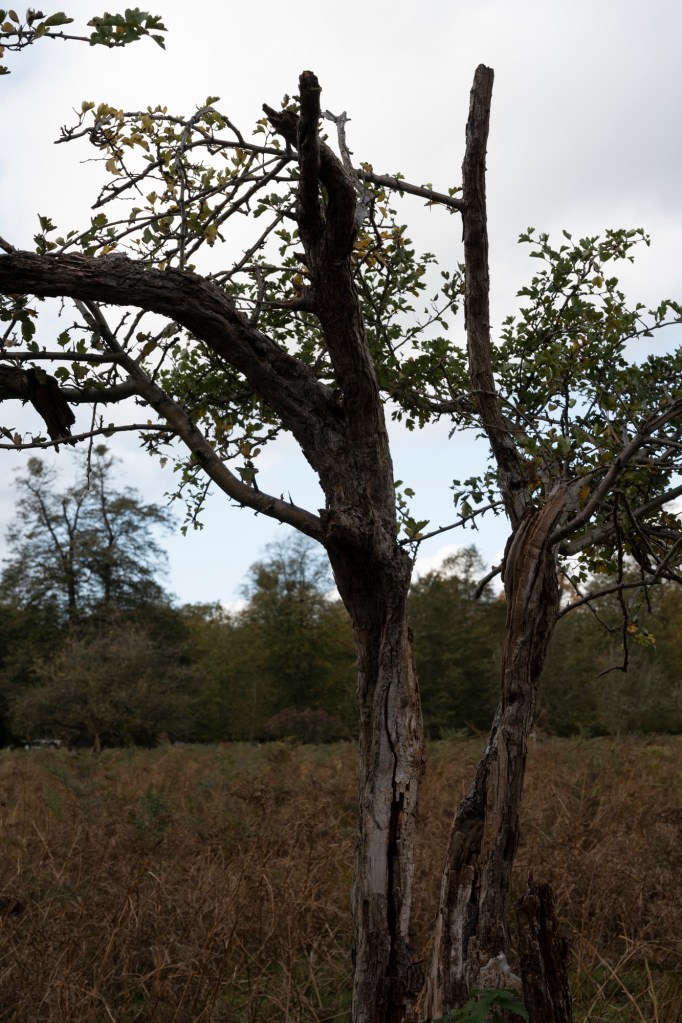
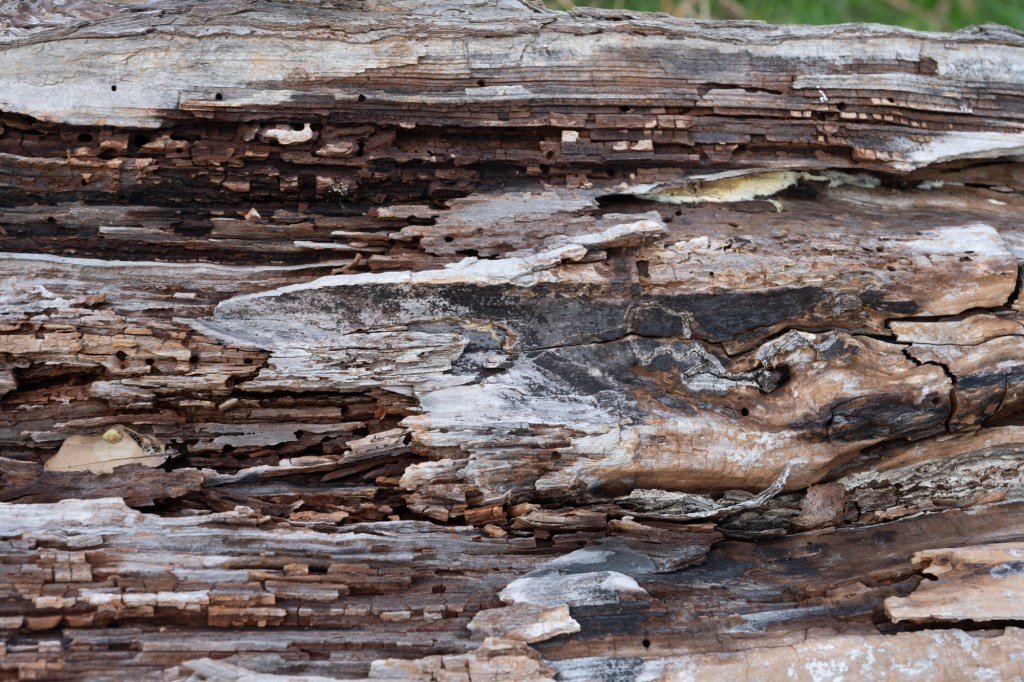
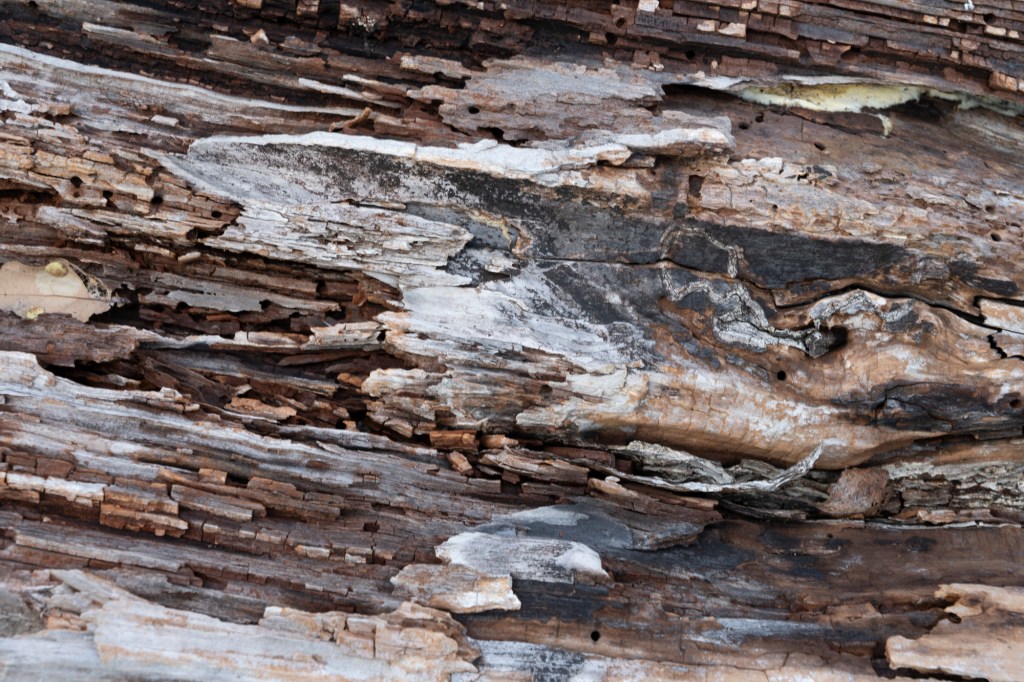
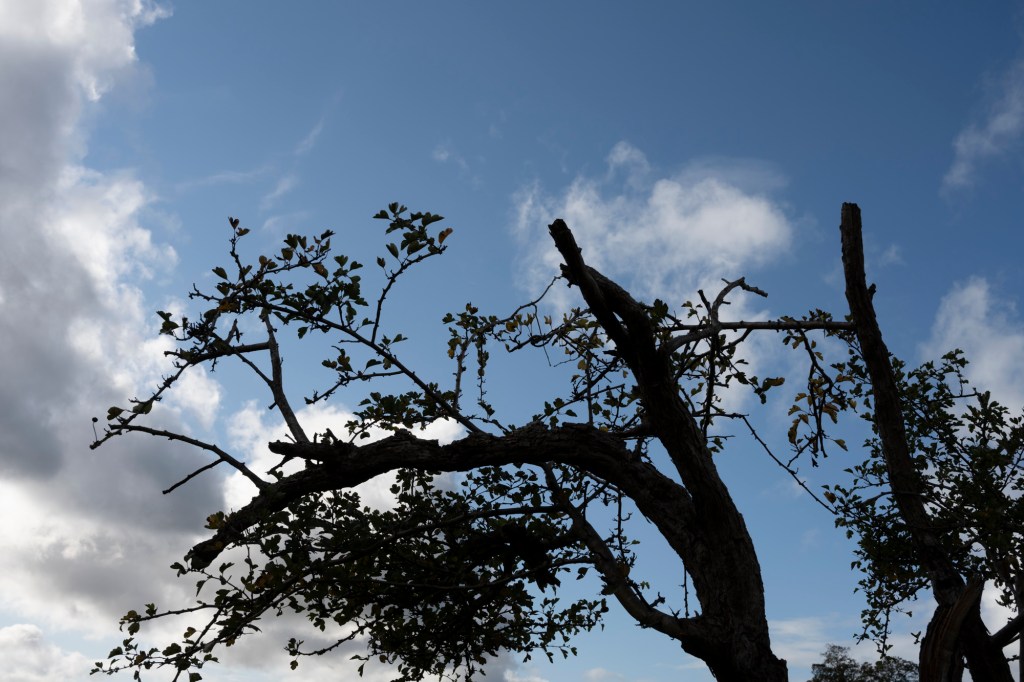
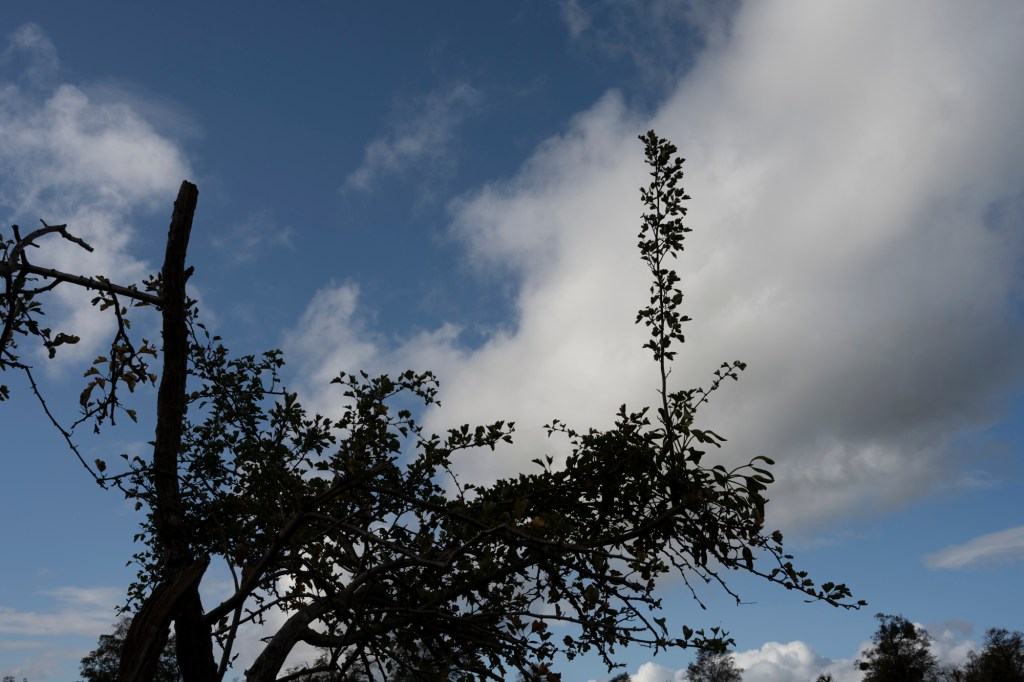
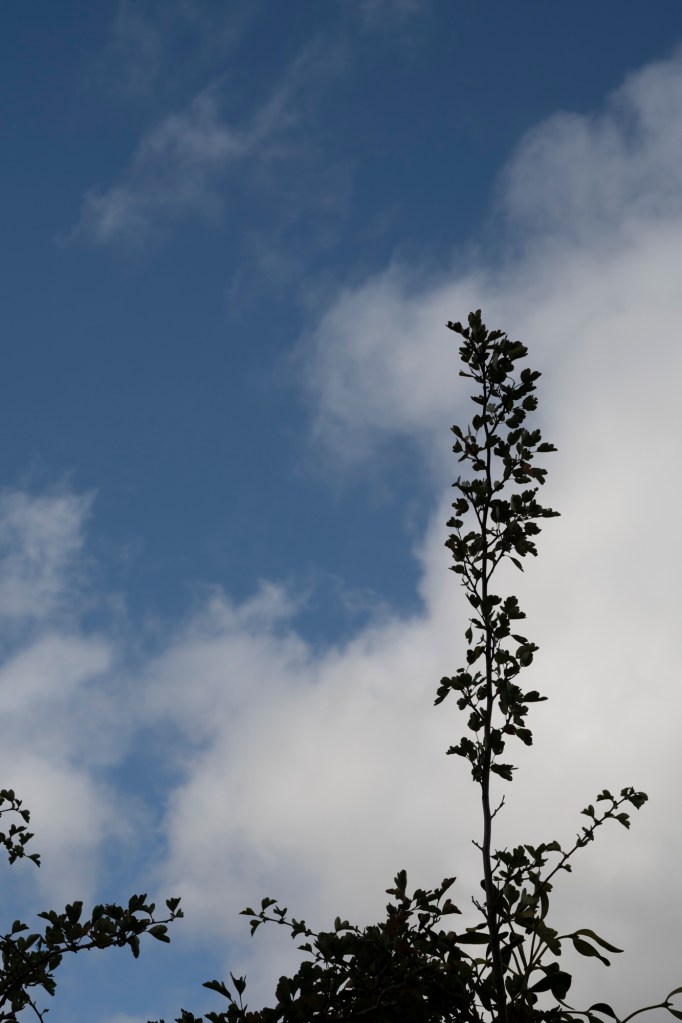
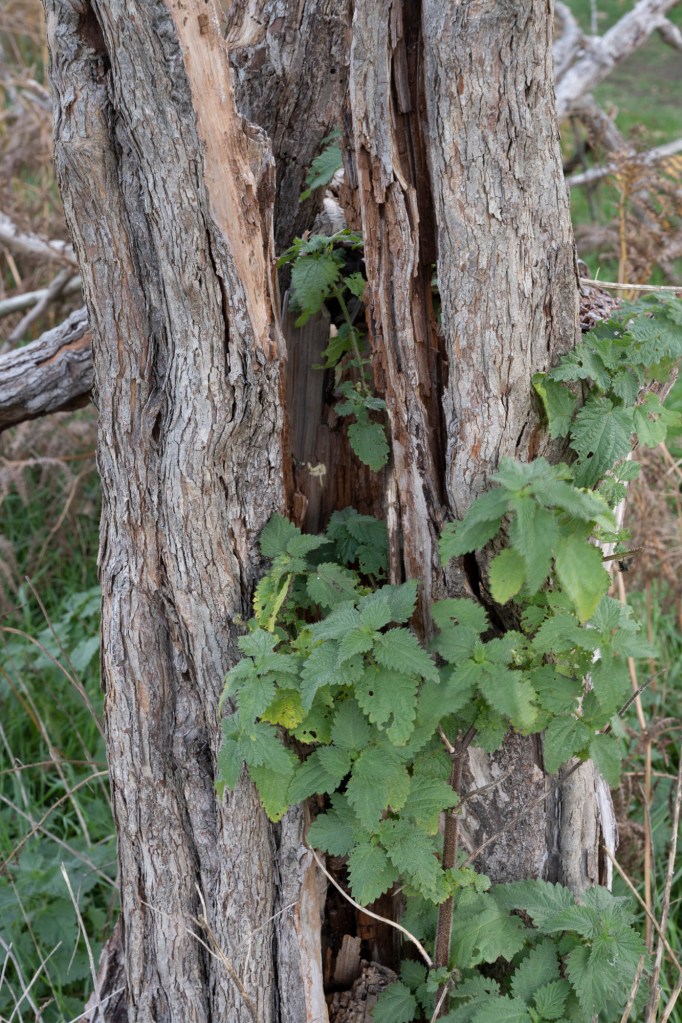
Another very interesting hawthorn. Despite it being horizontal on the ground, it is very much alive. The open trunk features mushrooms and has certainly been taken advantage of by insects. What I noticed was how the tree almost appears ‘upright’ when a shot is taken from a particular angle, as seen in the last of these images.
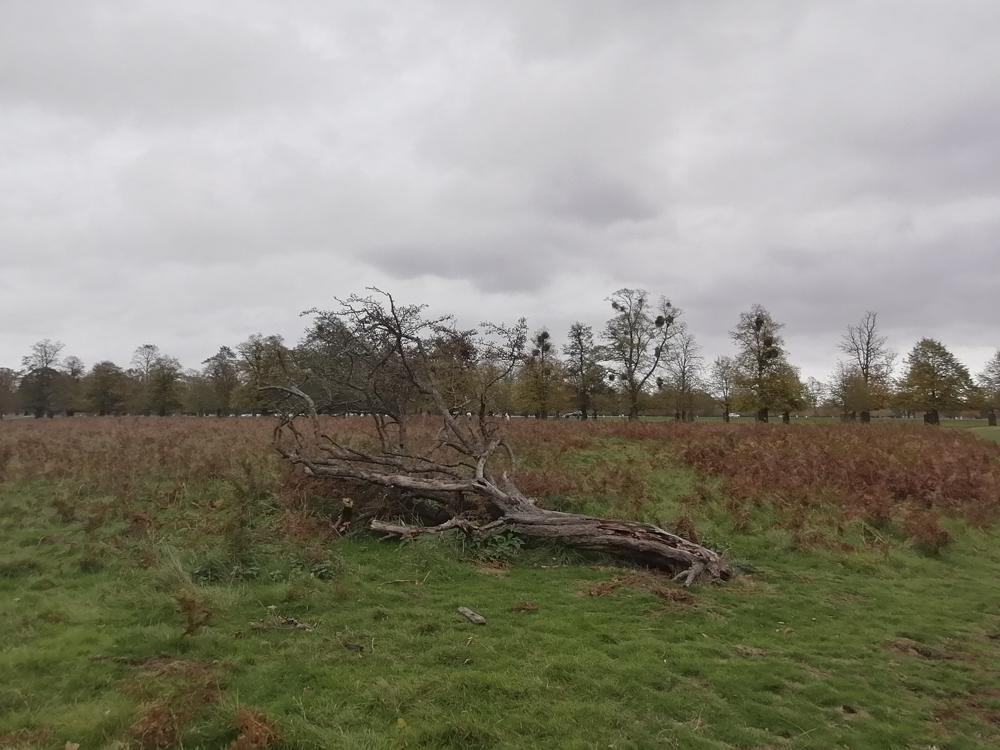
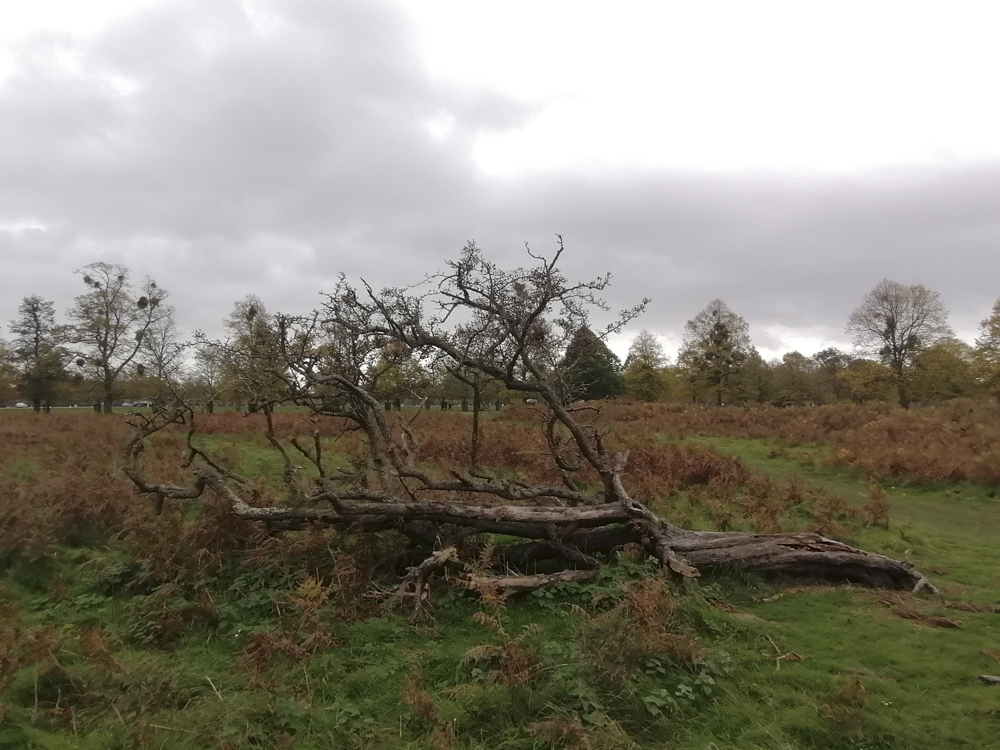
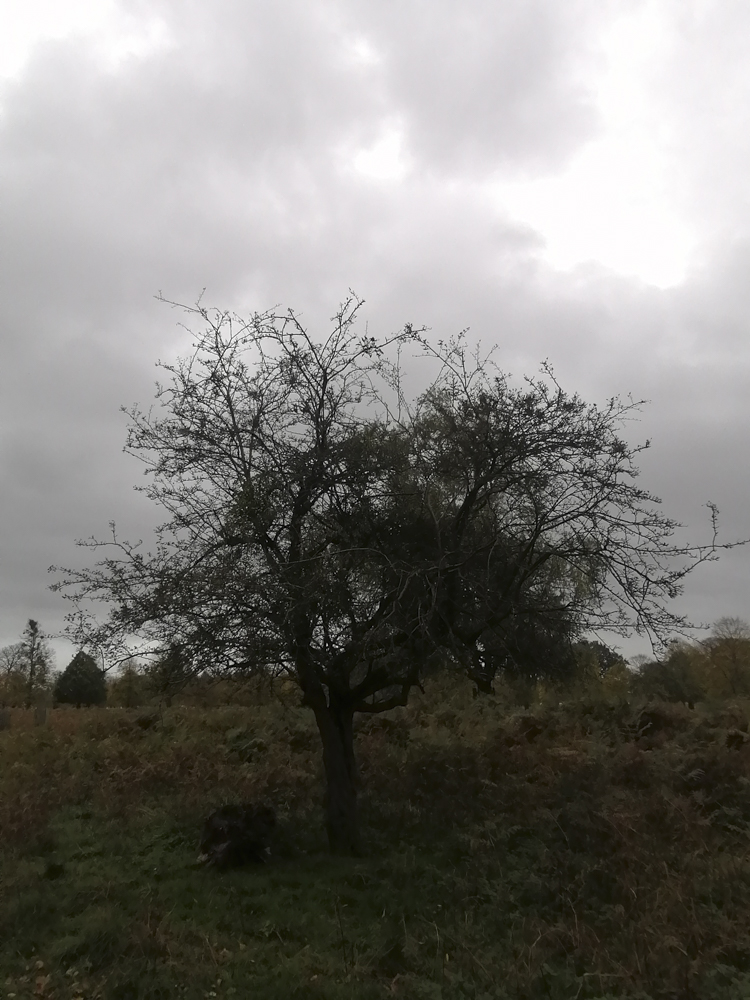
Tree 9

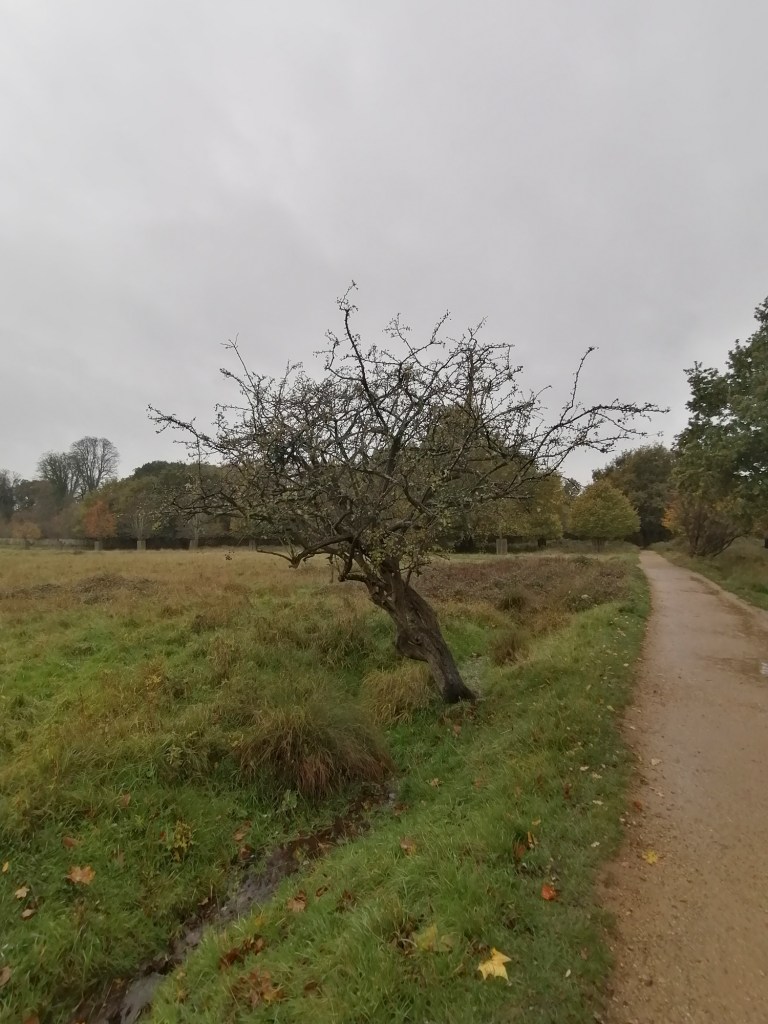
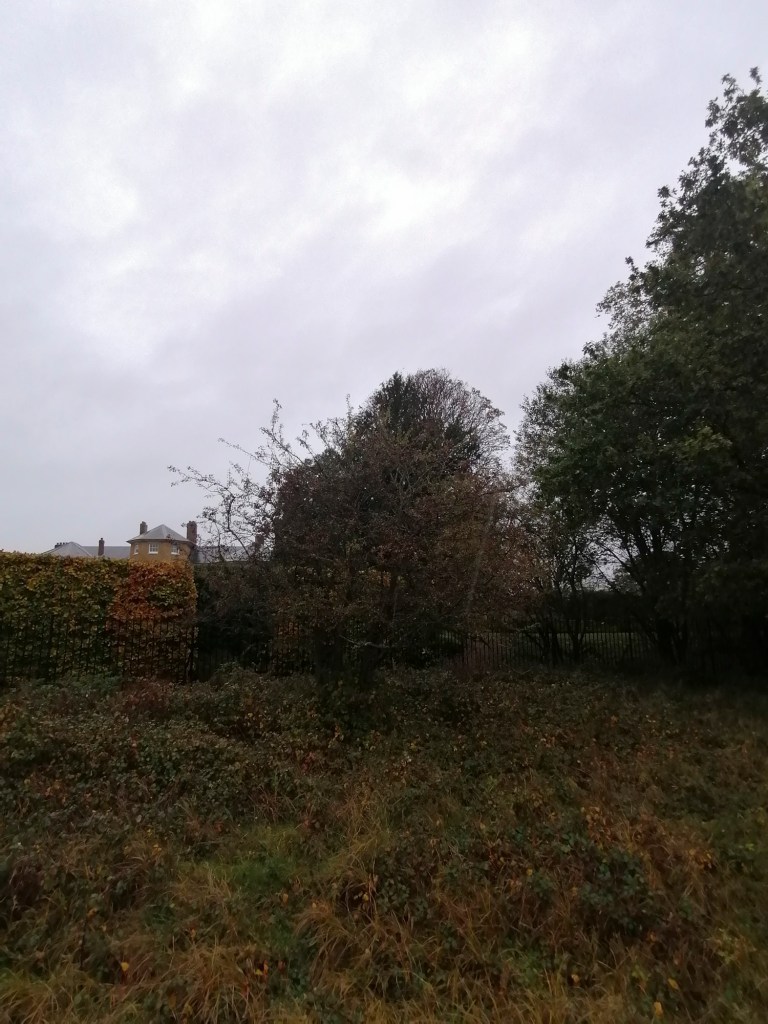
This hawthorn is near to the small channel of water. It does look more ‘traditional’ than the other hawthorns, but I’m sure there are qualities that could be brought out when taking a closer look on another day.
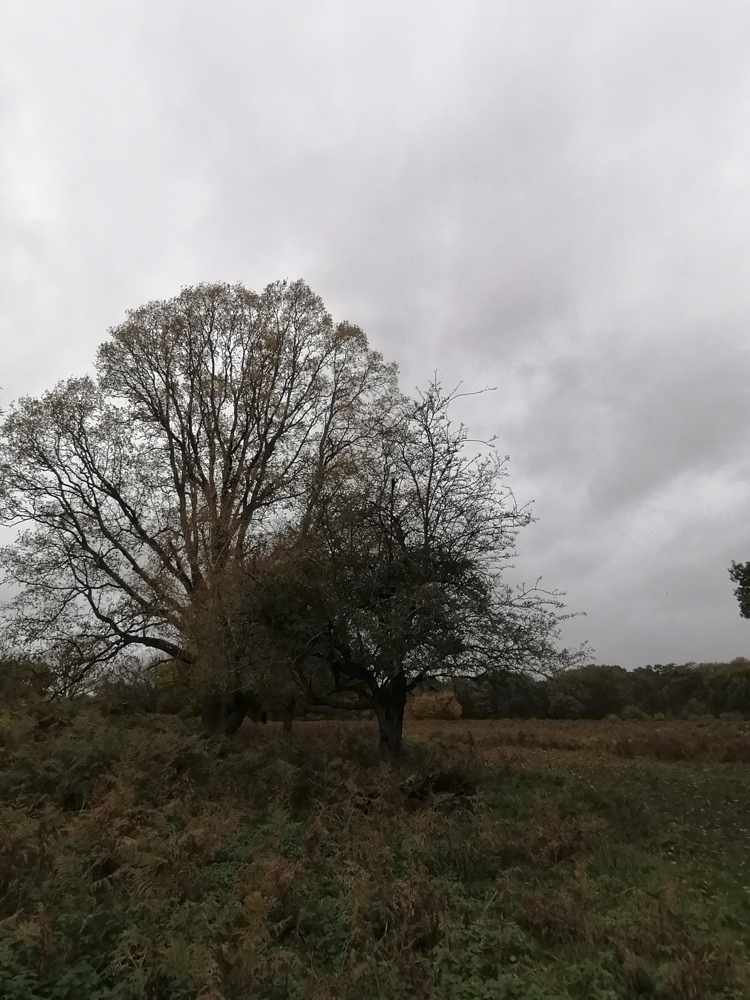
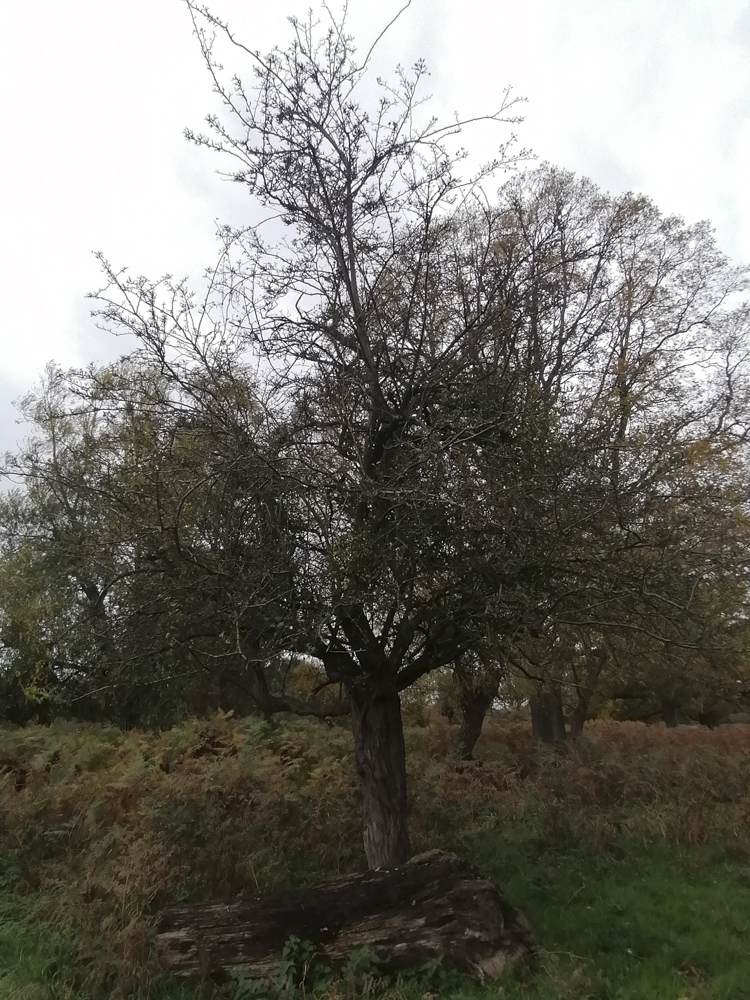
Tree 10

This solitary hawthorn is halfway between the water channel and the fence running along the border of the Pheasantry Plantation. This one has lots of character and I need to take further images.
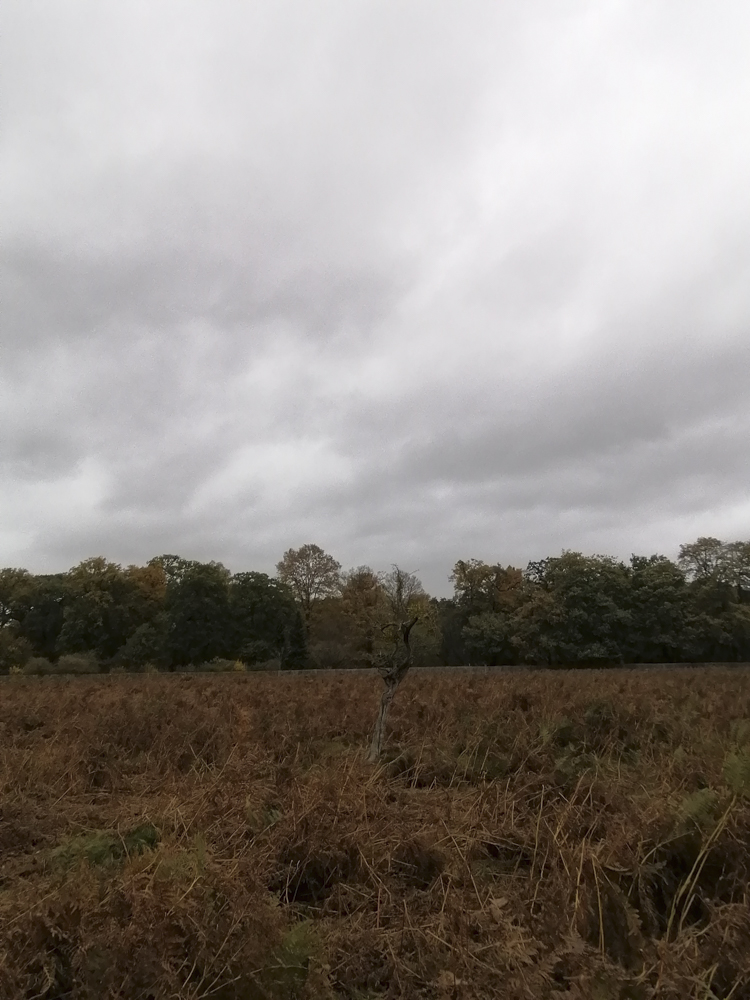
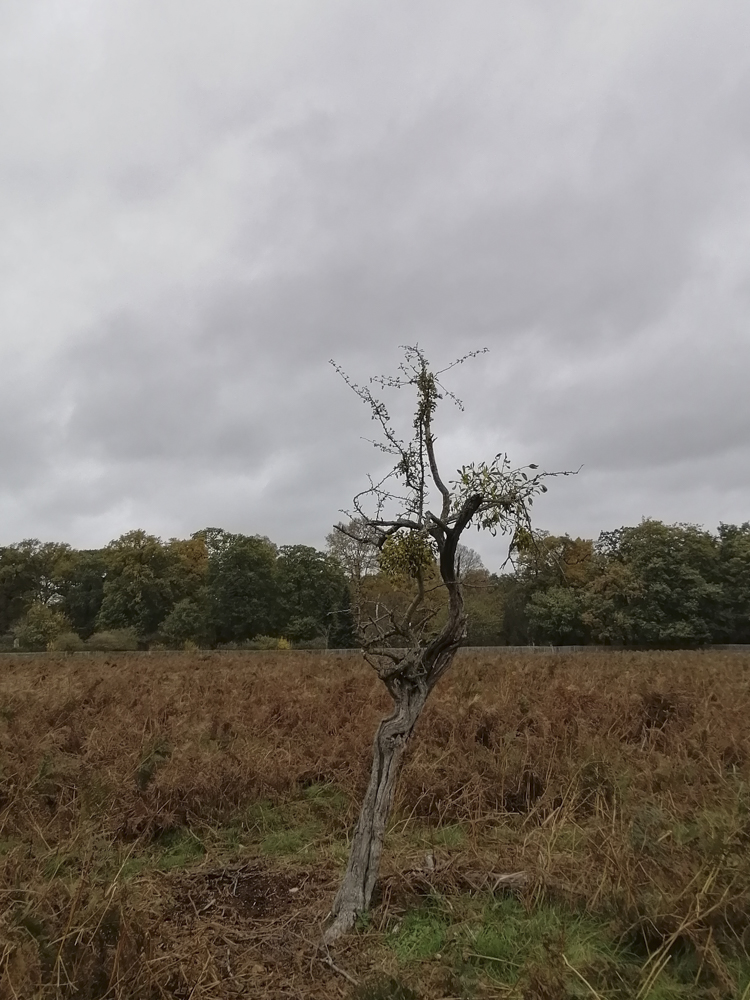
By now I was getting tired and needed a comfort break. After a quick pit stop in the Pheasantry Cafe, I continued through the park on the other side of the Woodland Gardens.

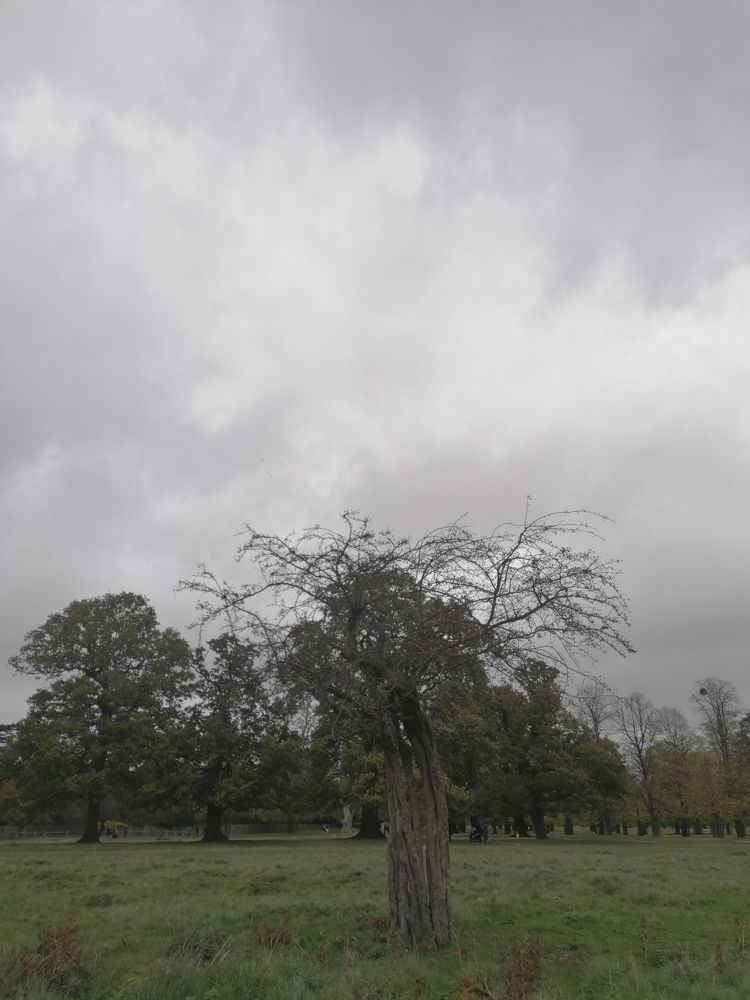
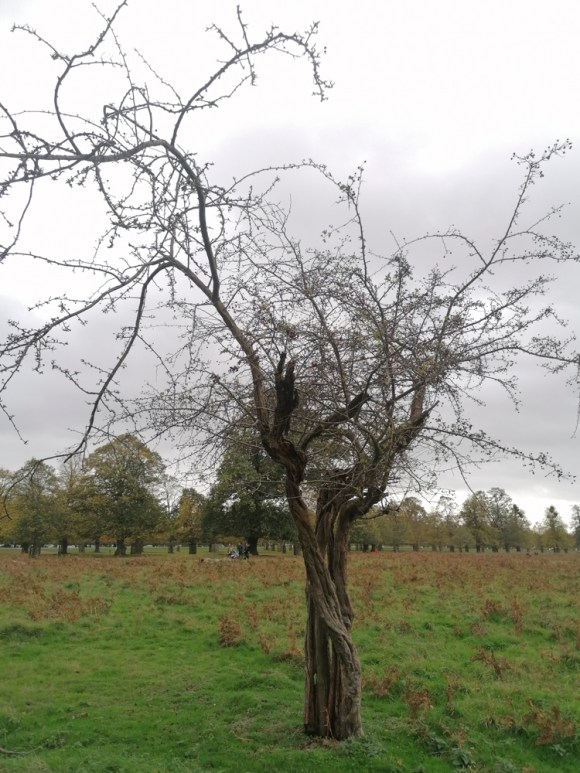
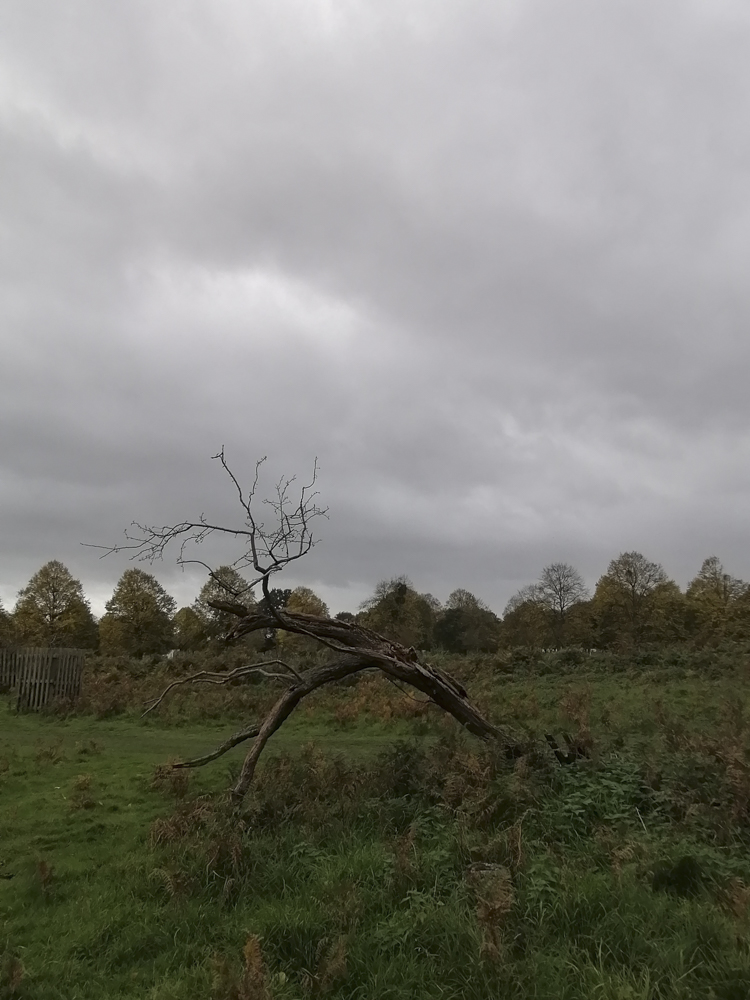
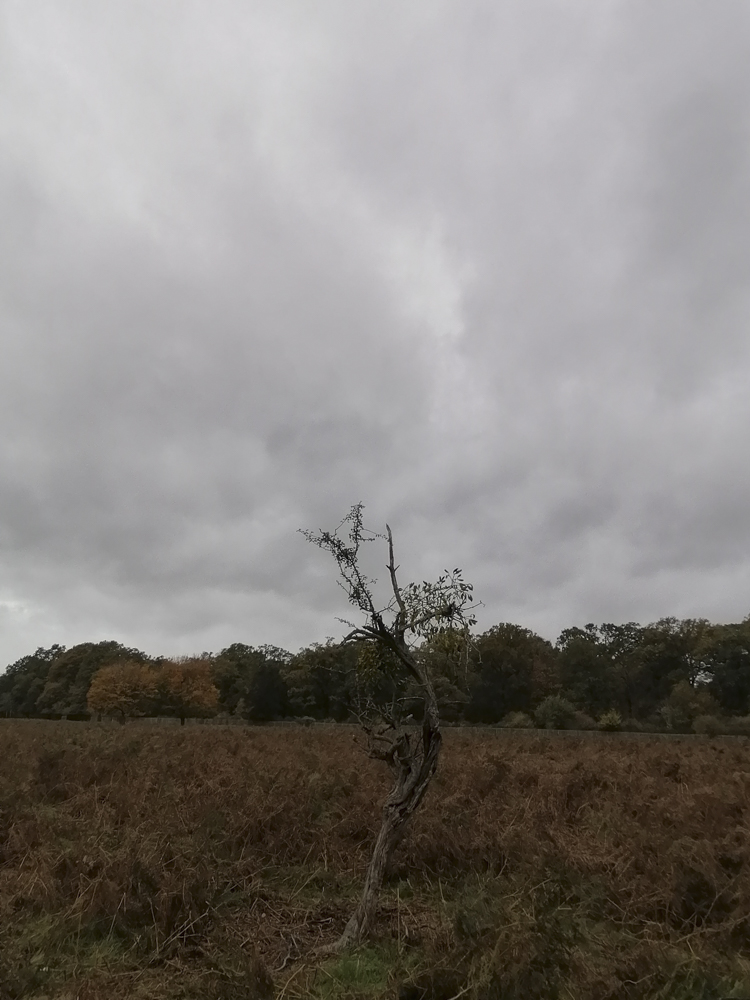
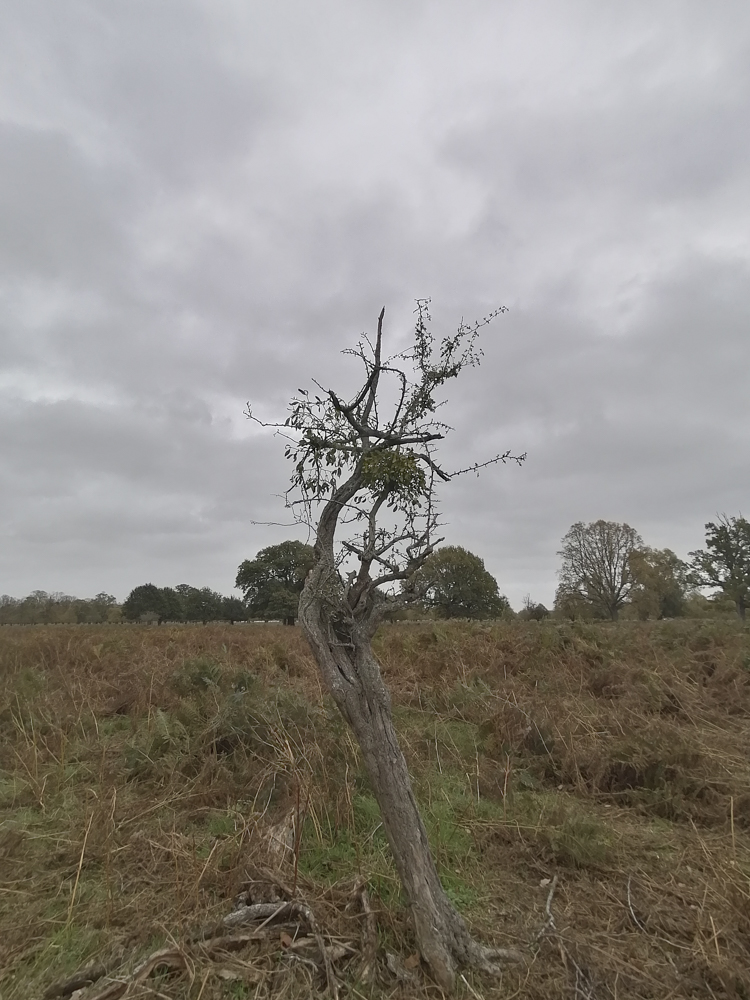
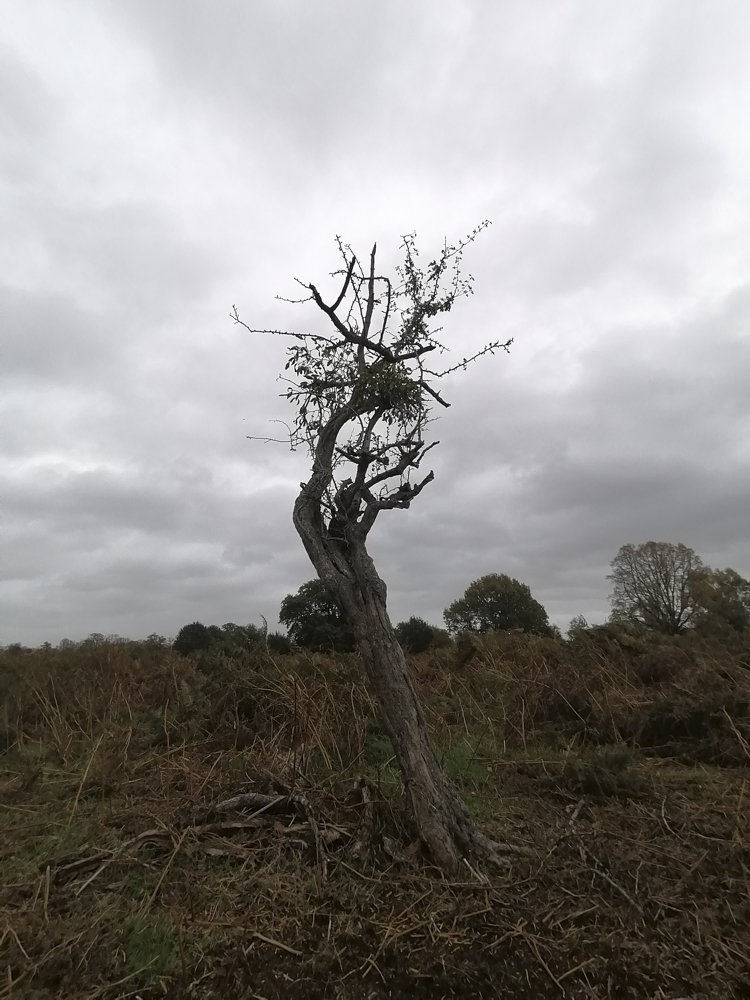
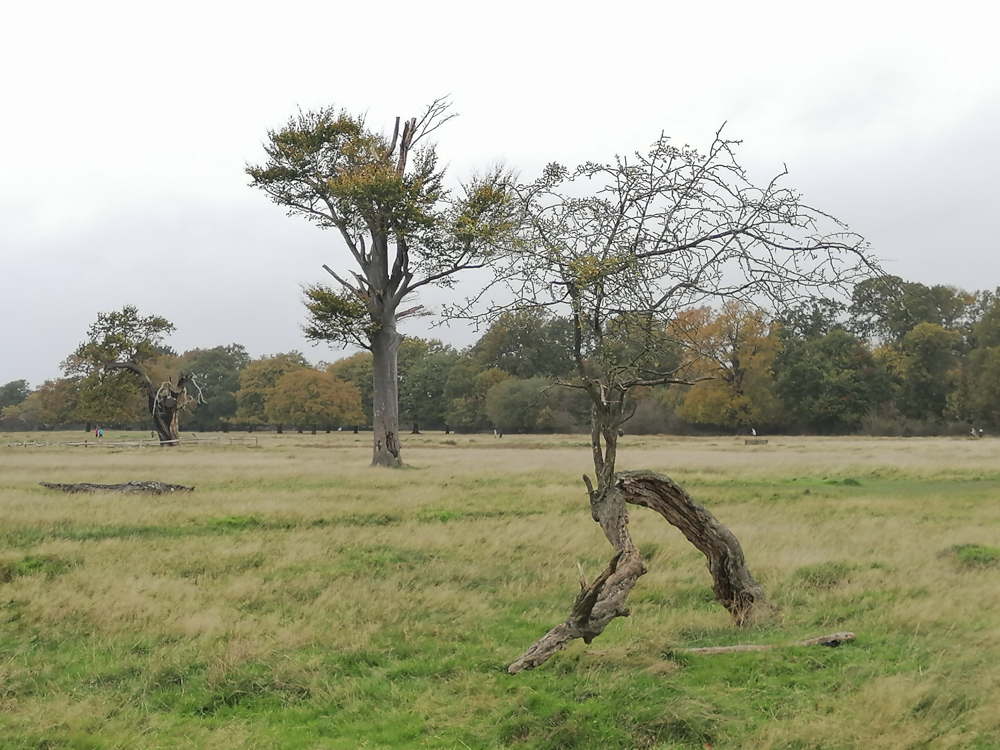
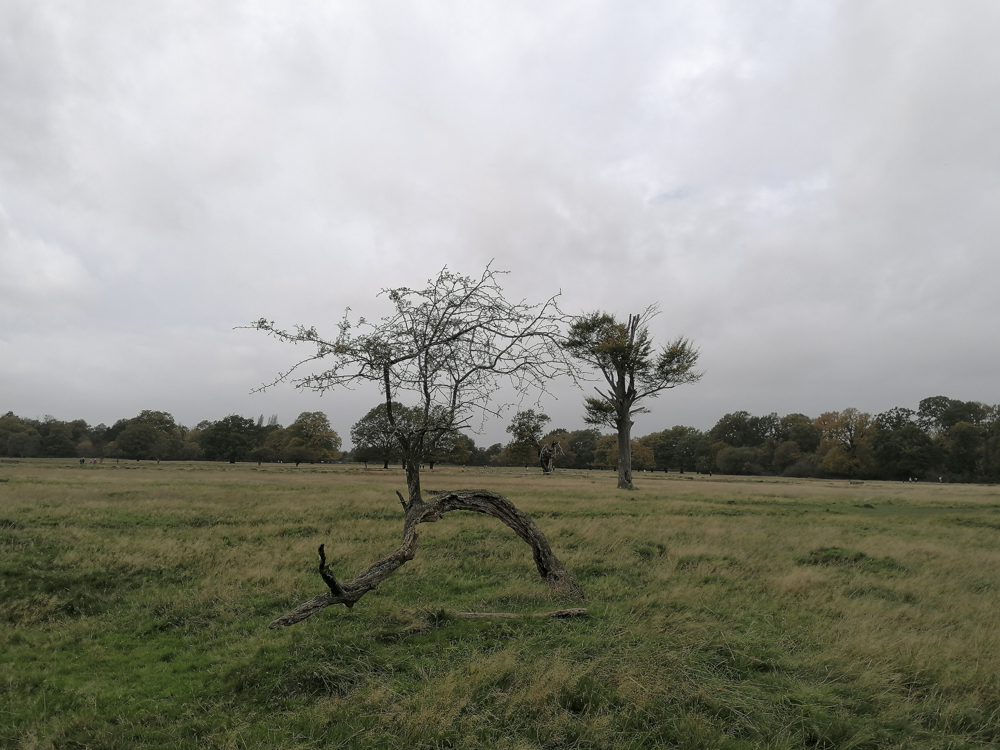
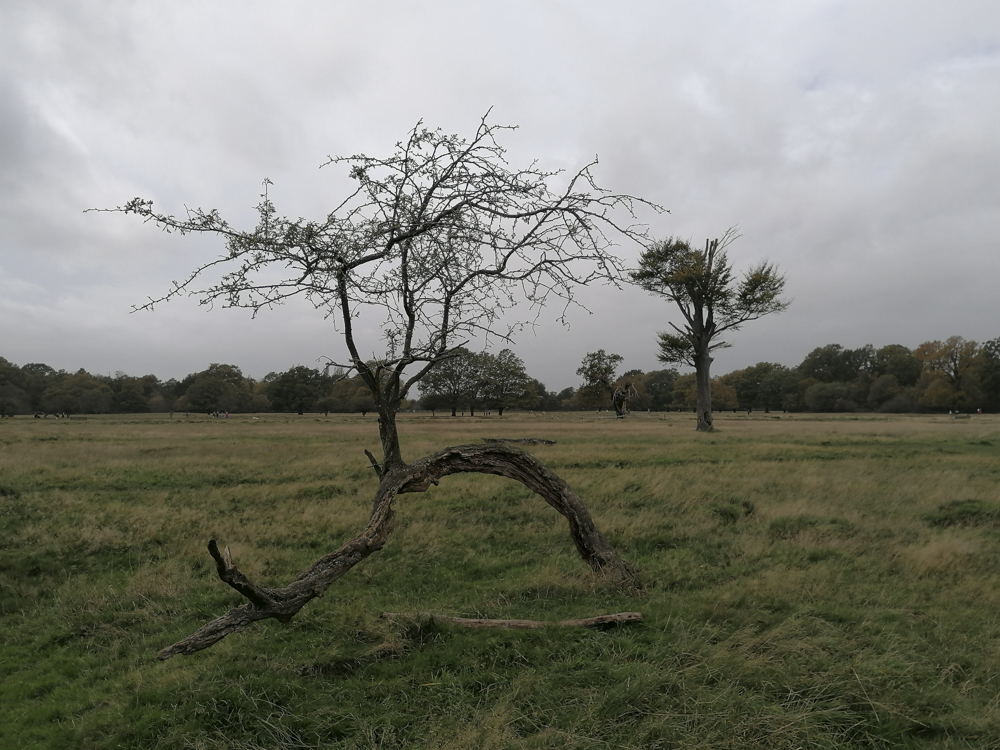
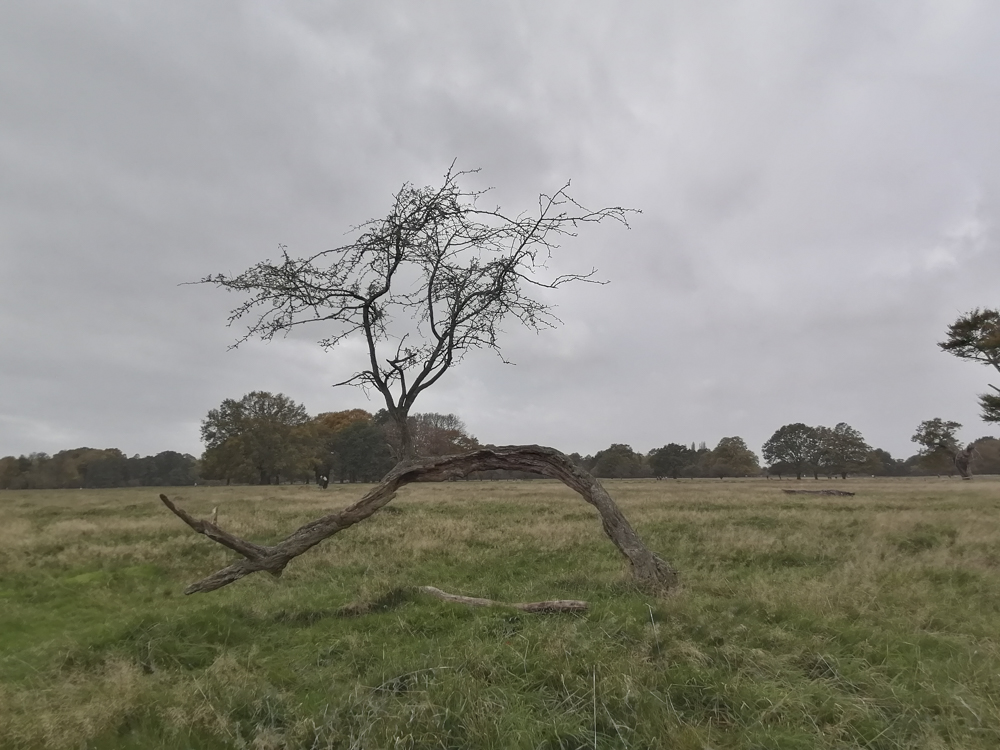
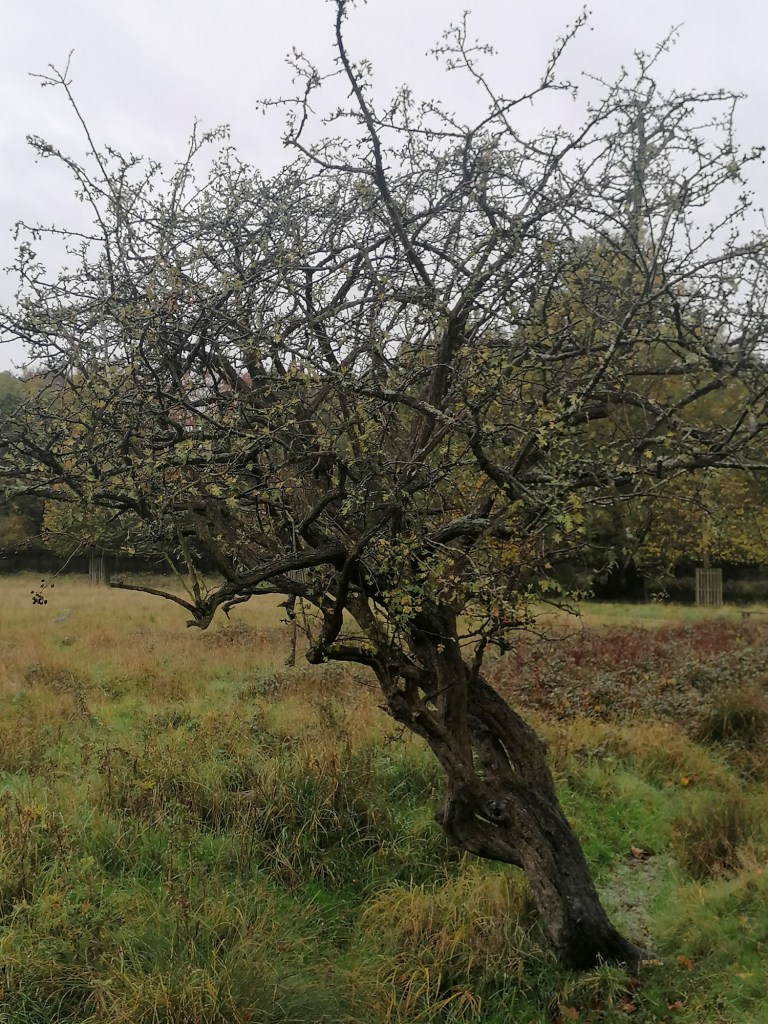
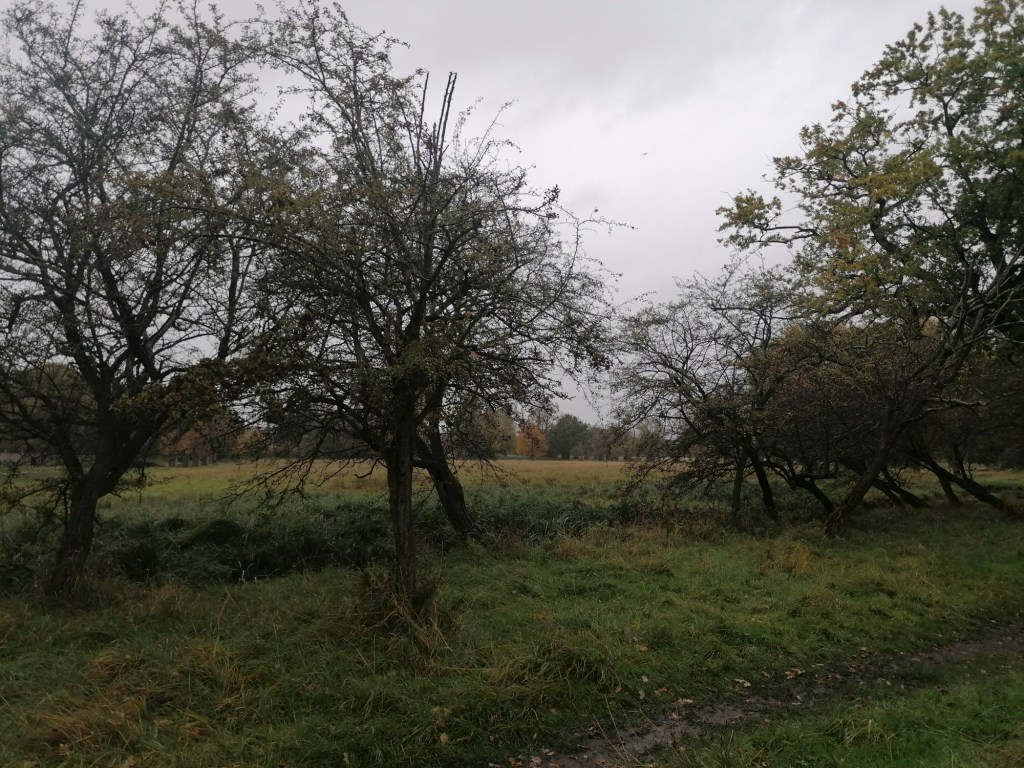
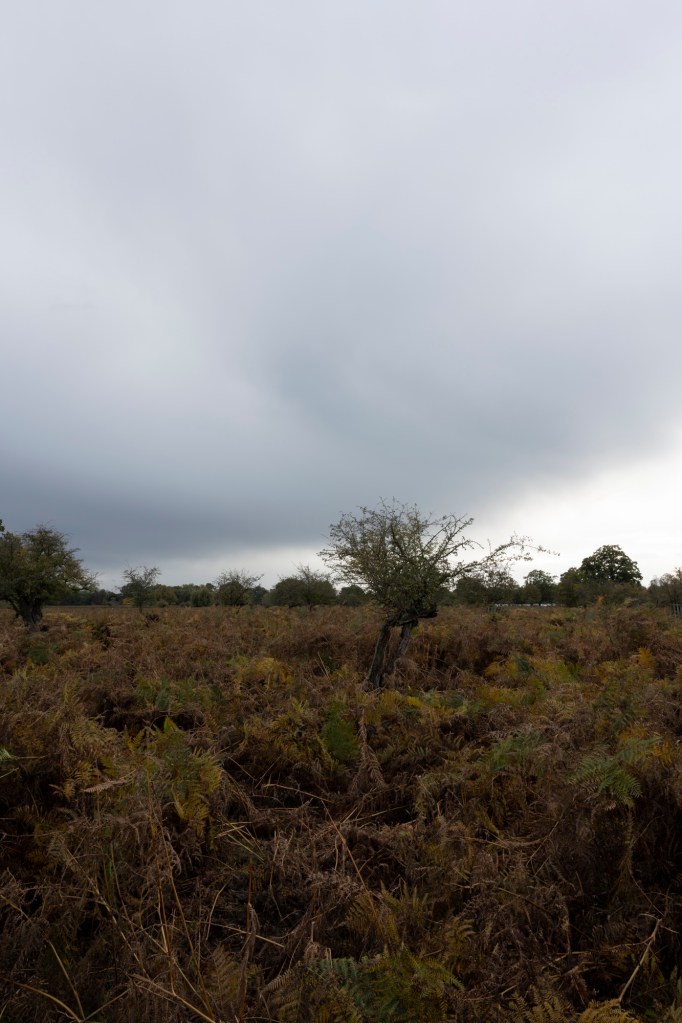
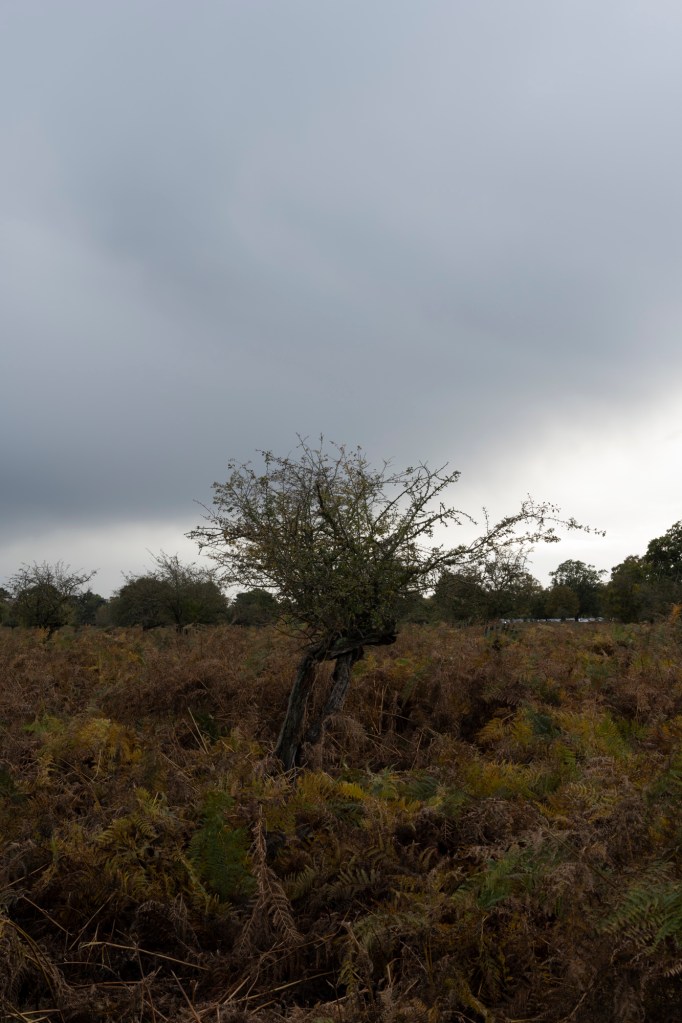
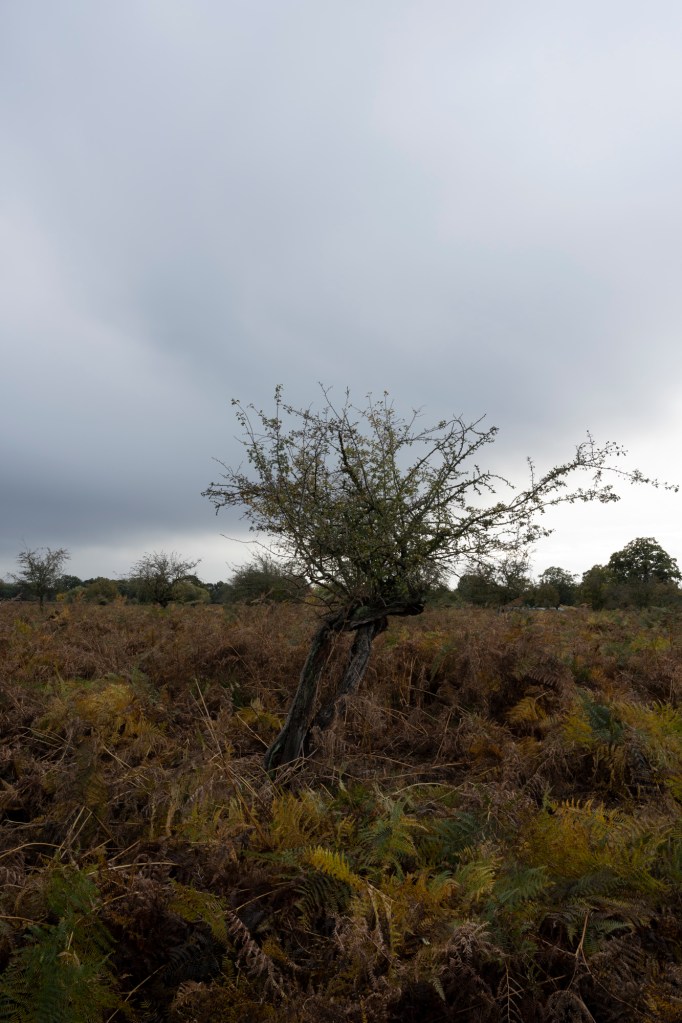
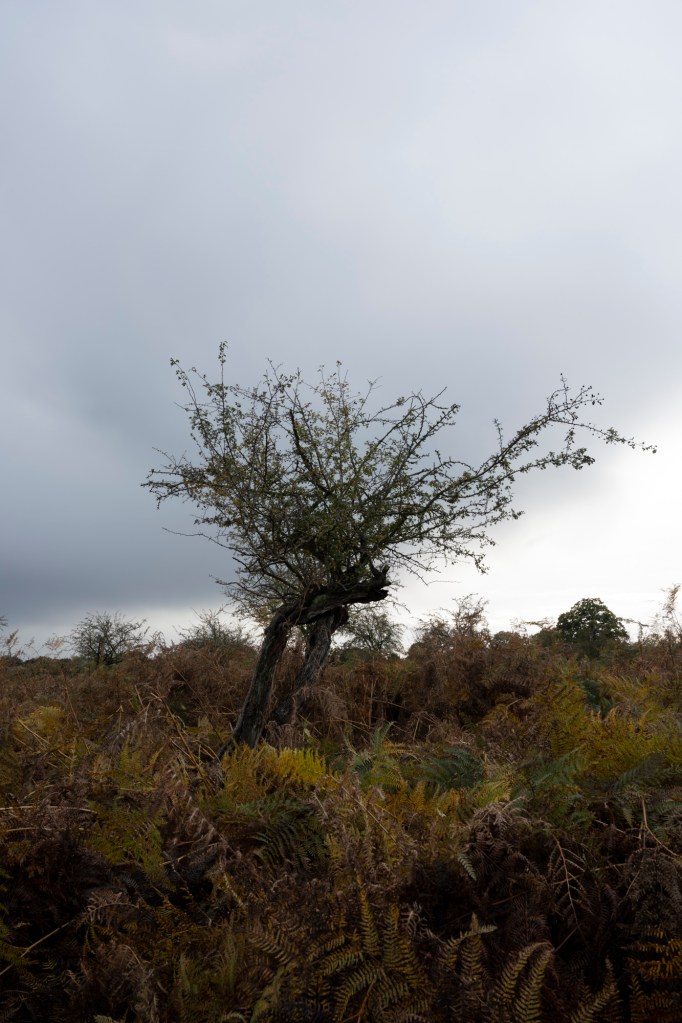
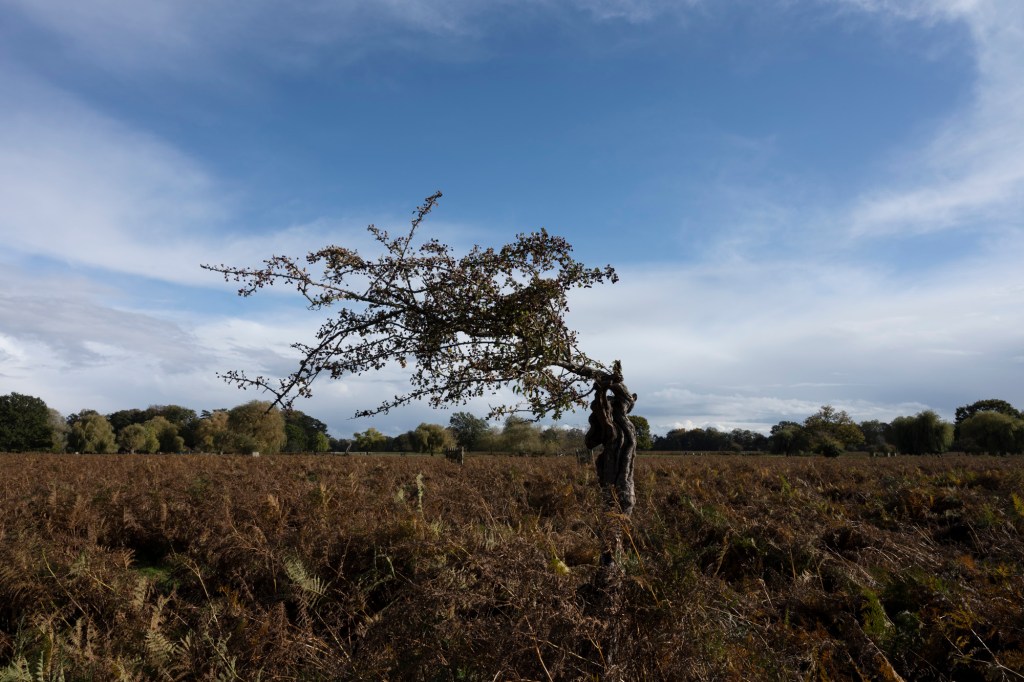
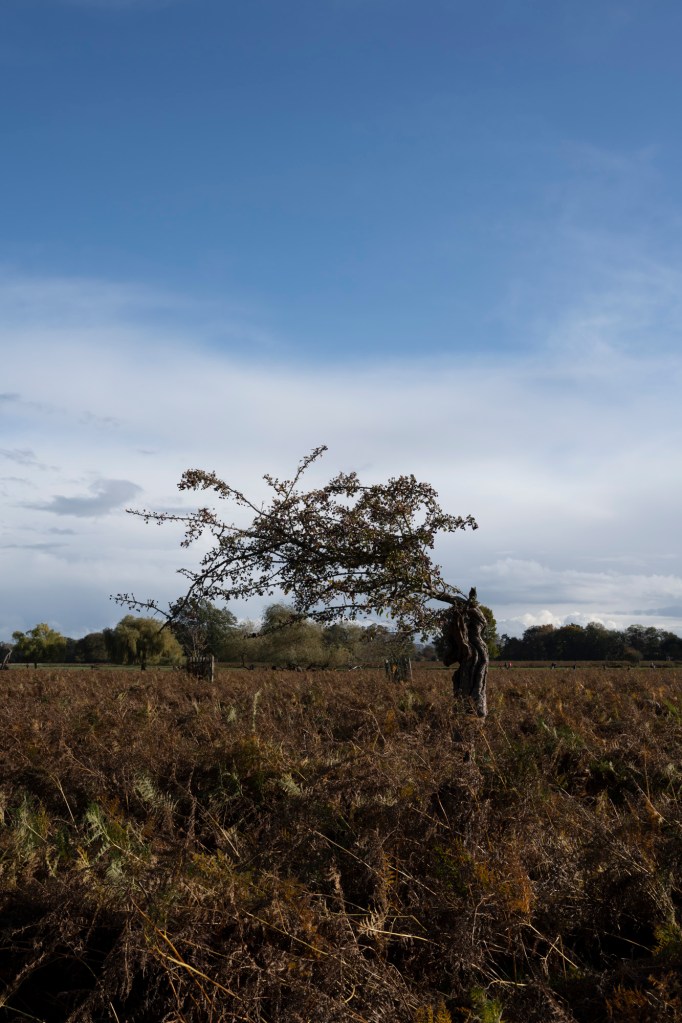
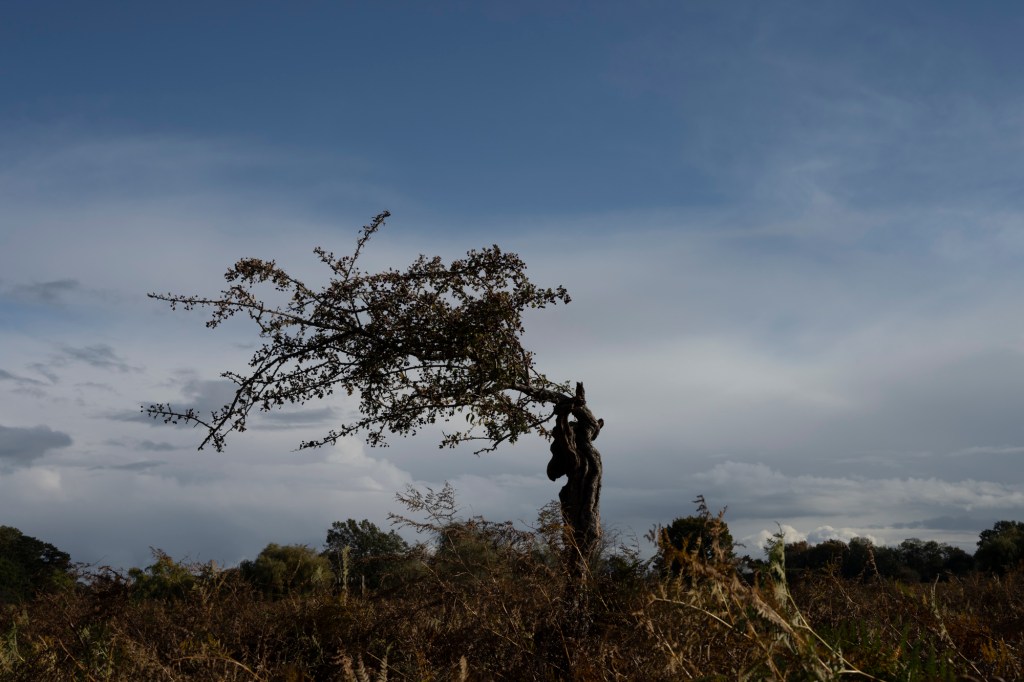
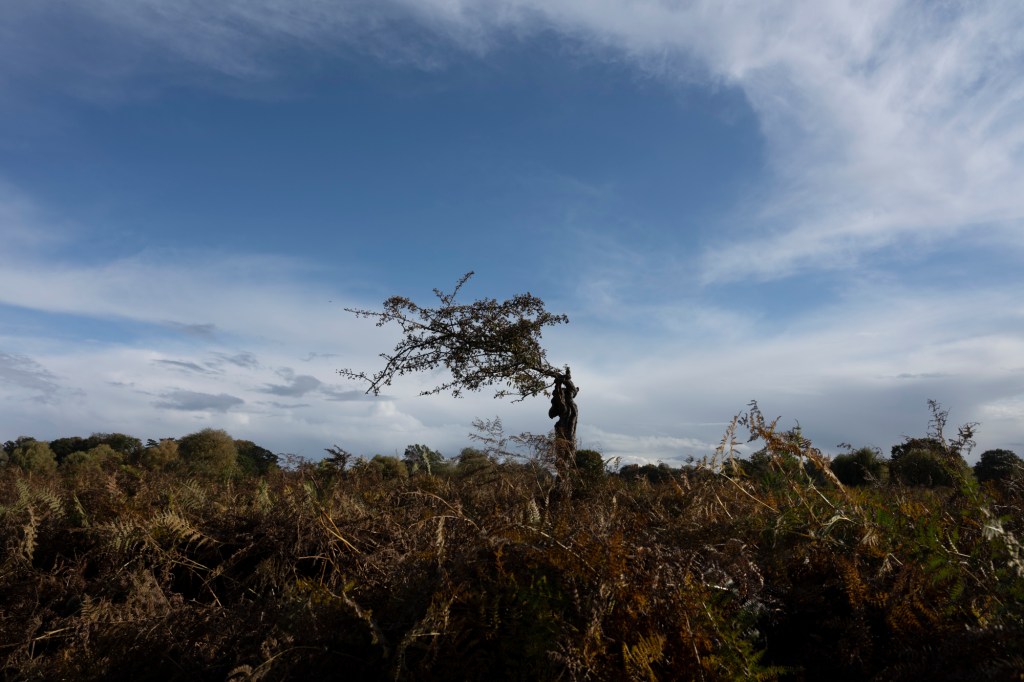
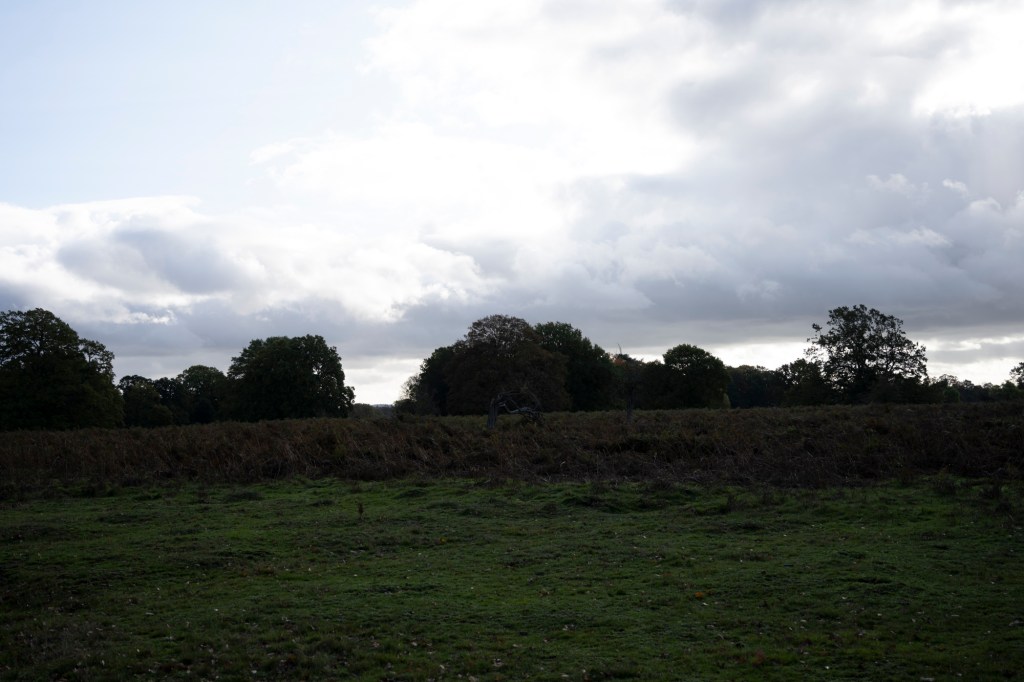
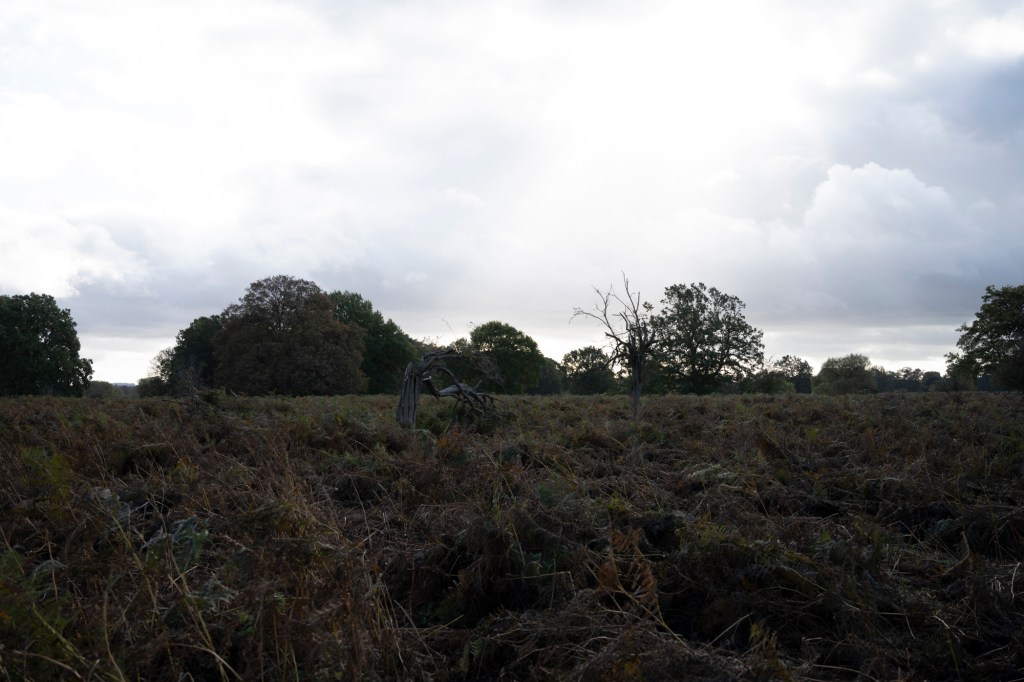
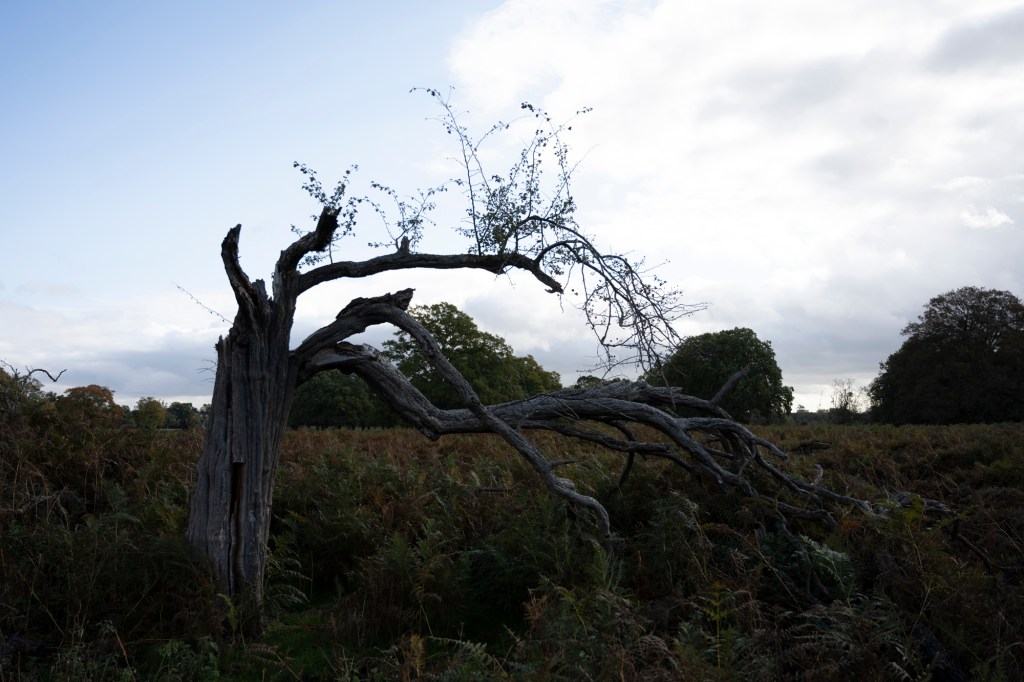
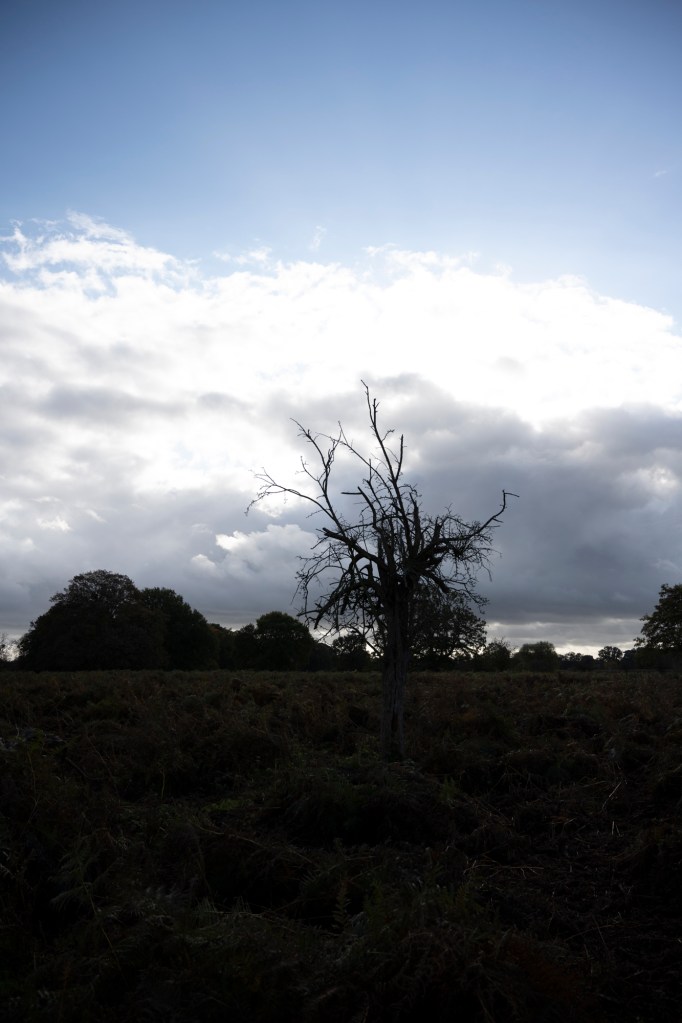
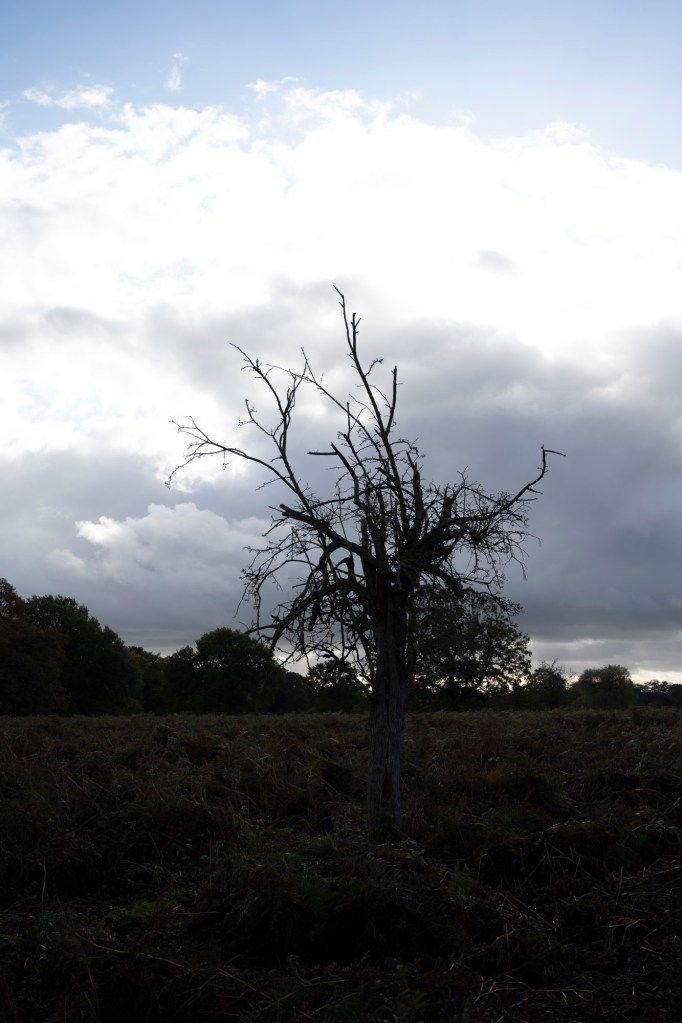
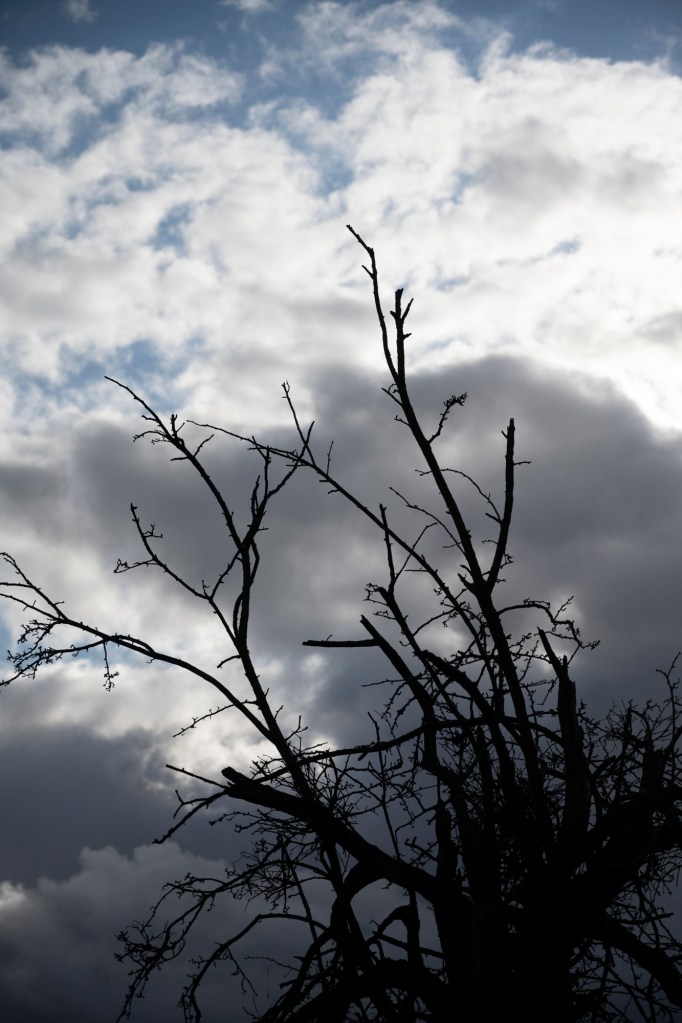
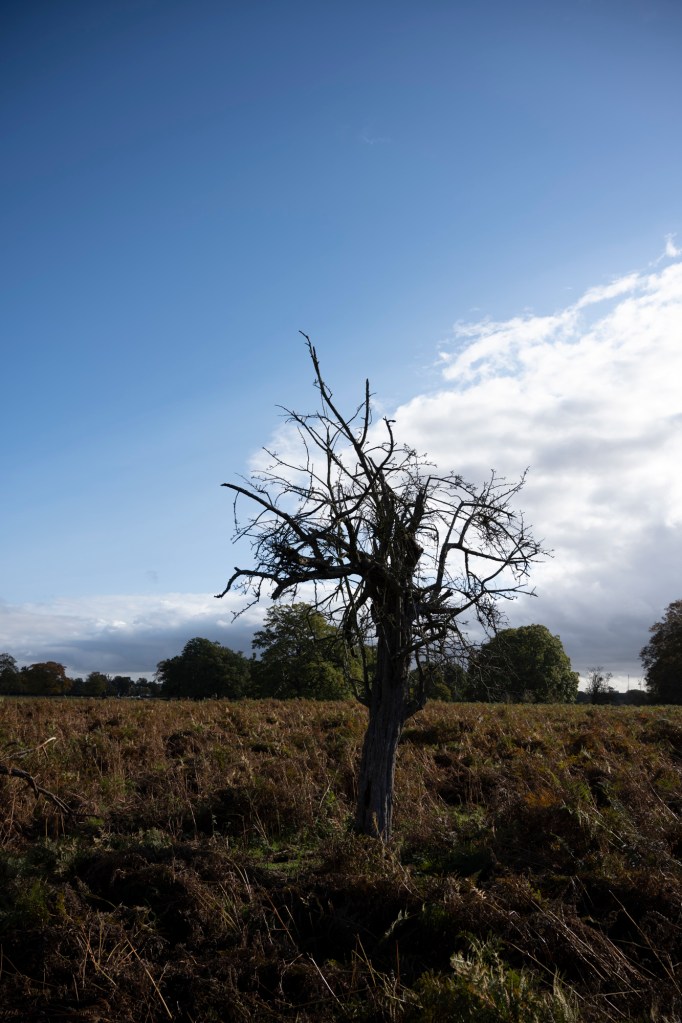
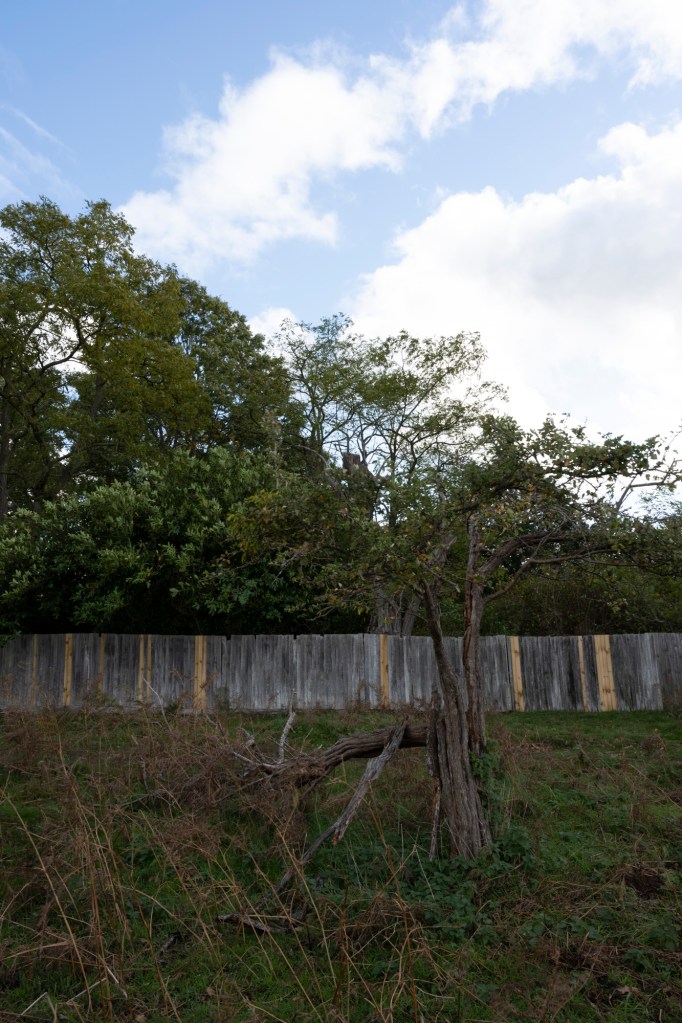
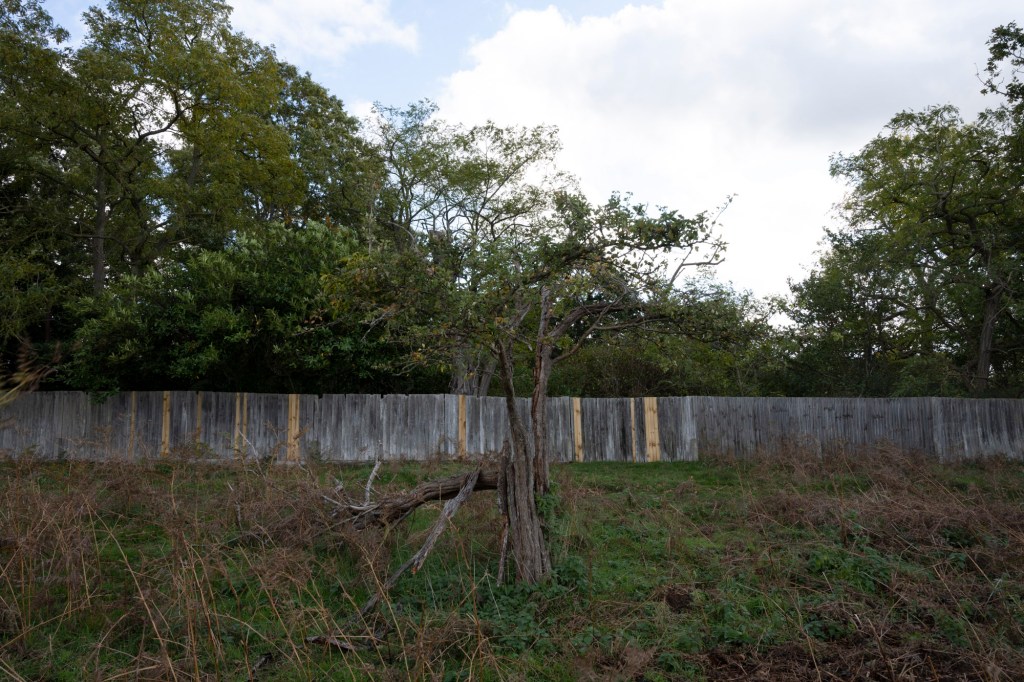
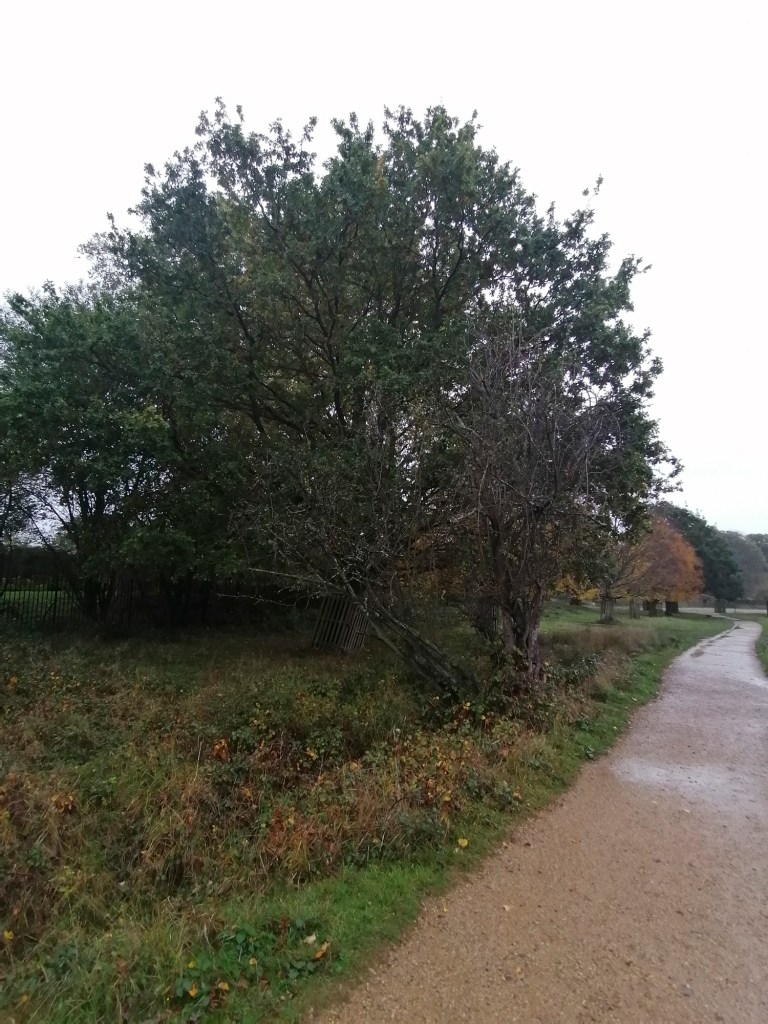
While walking across this patch, I noticed this following tree. The trunk is bent right over and does not touch the ground.

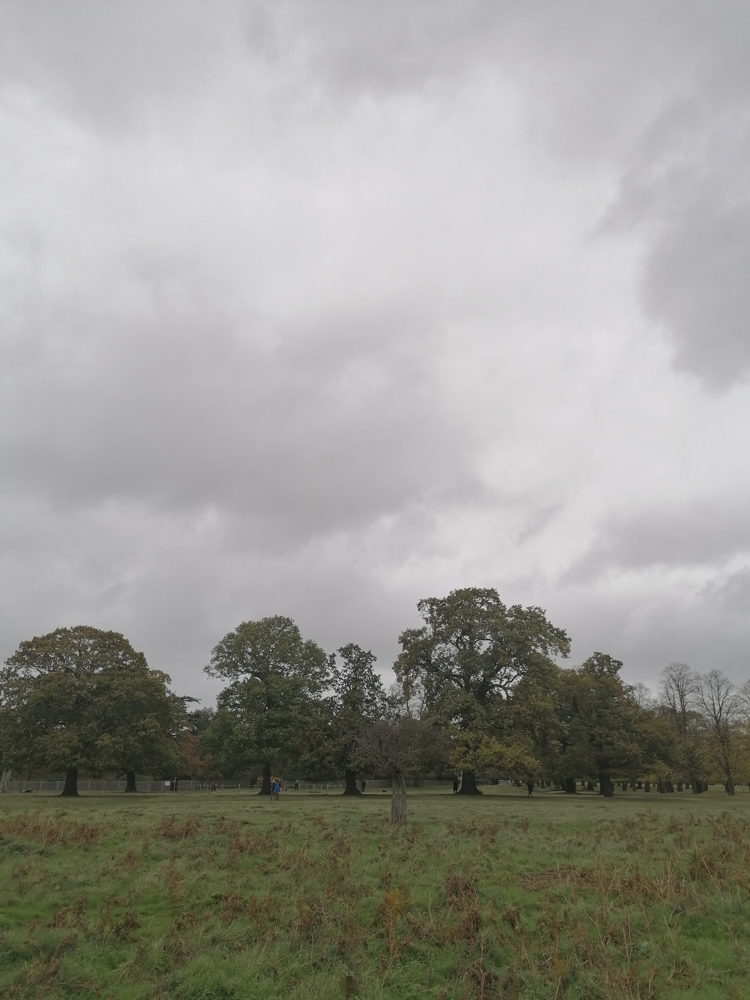
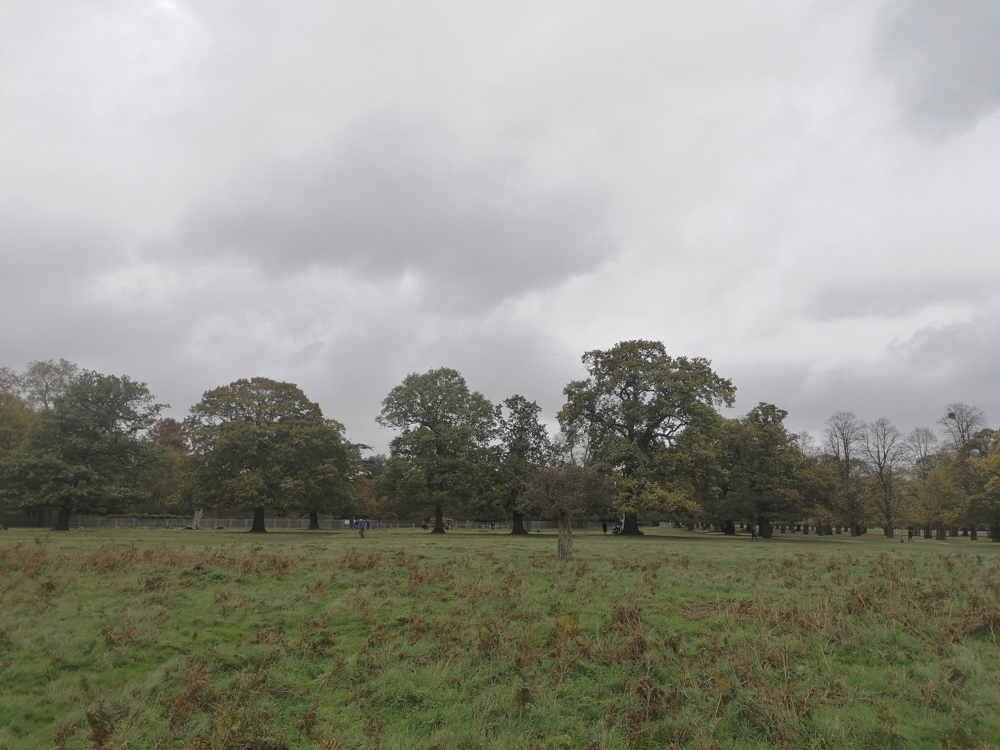
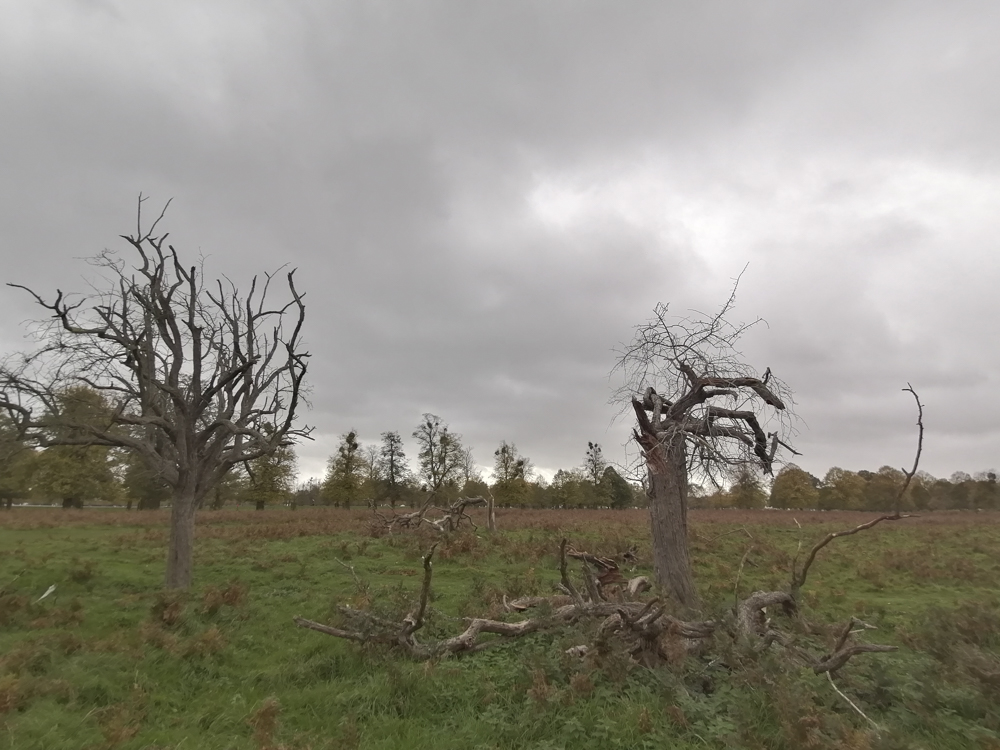
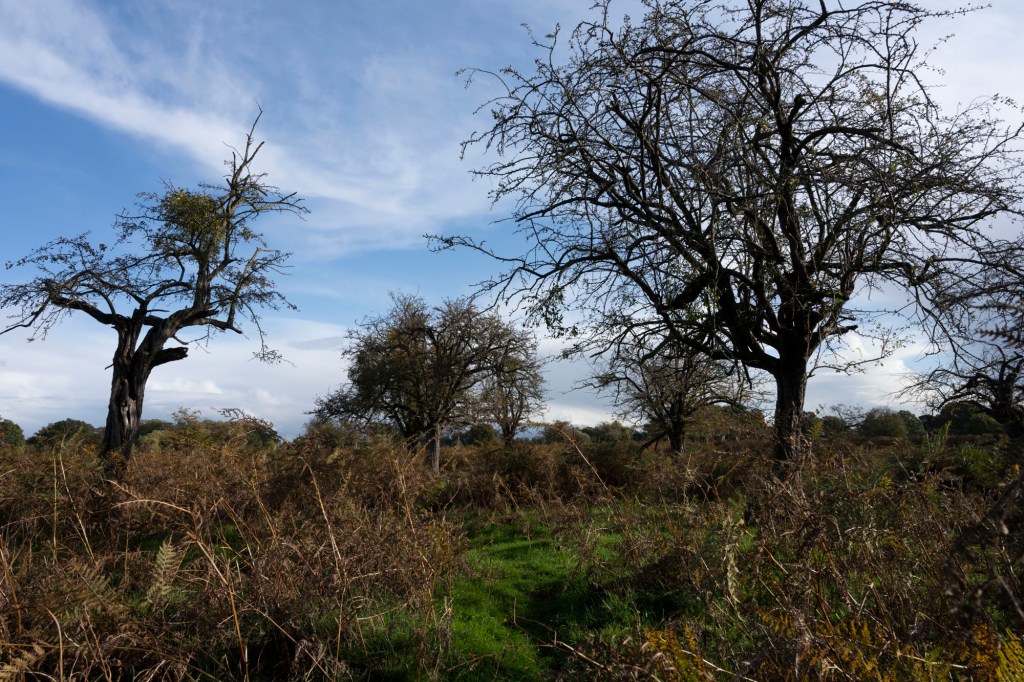
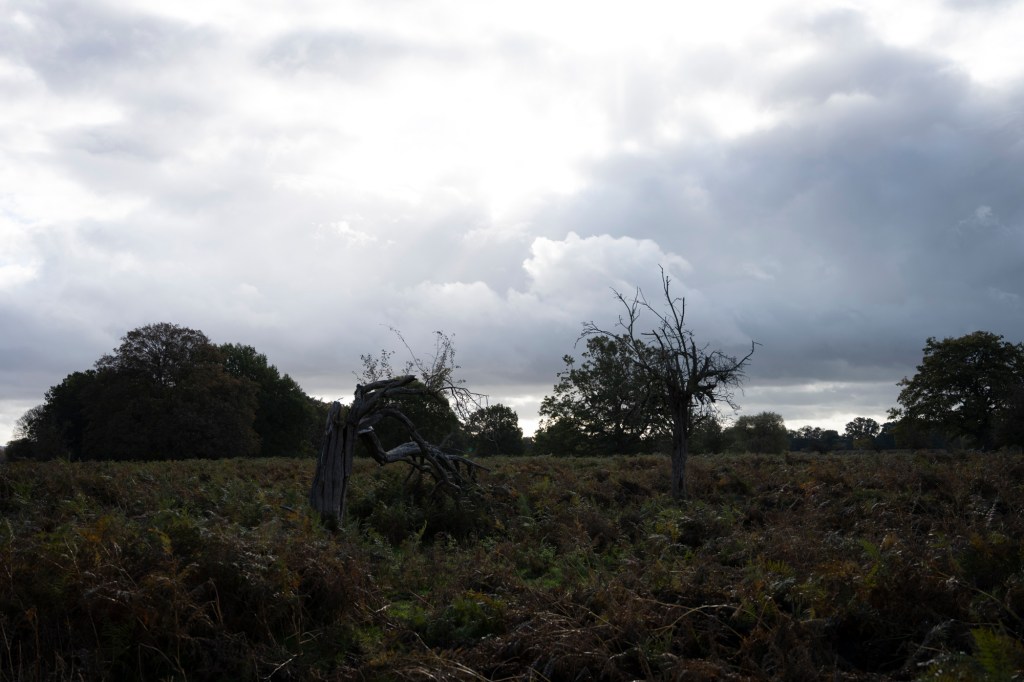
Tree 11
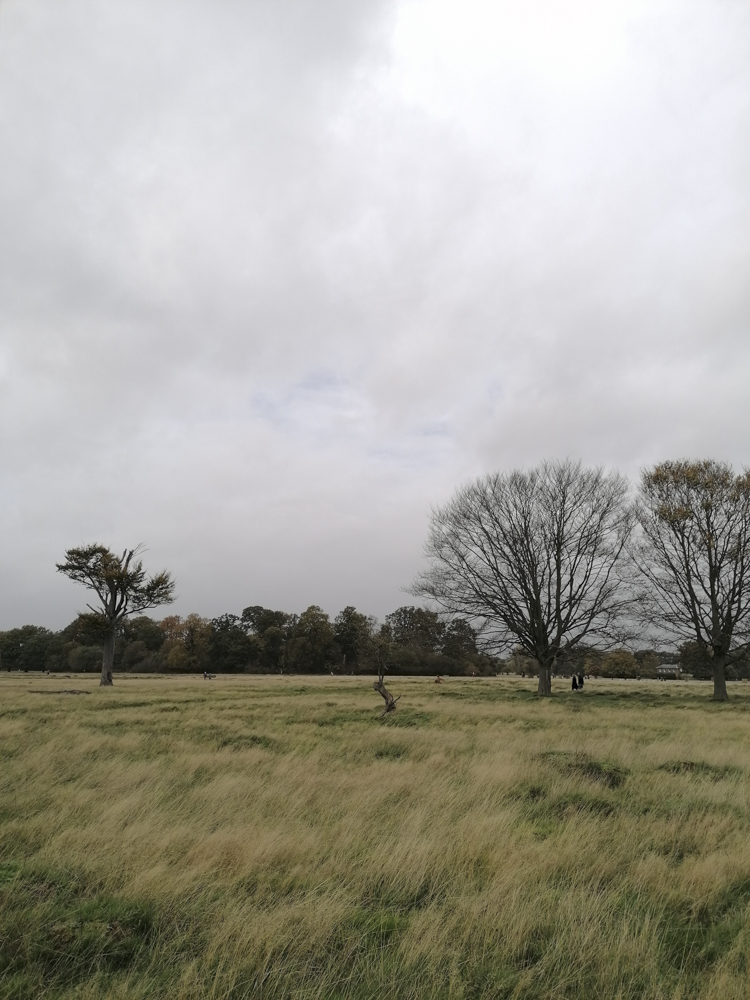
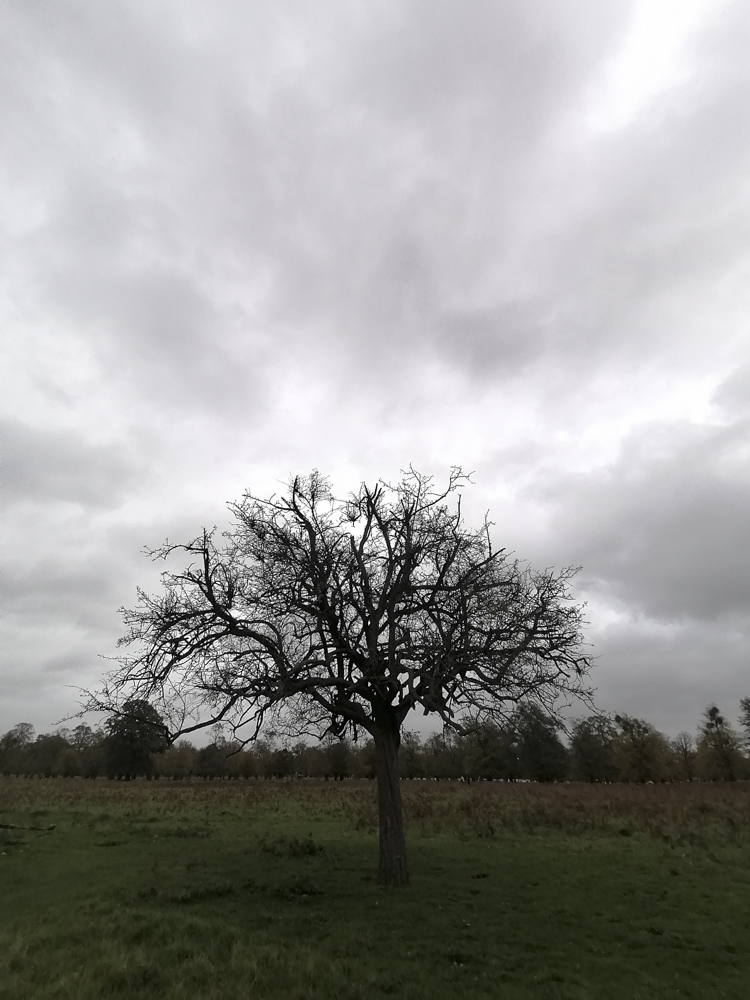
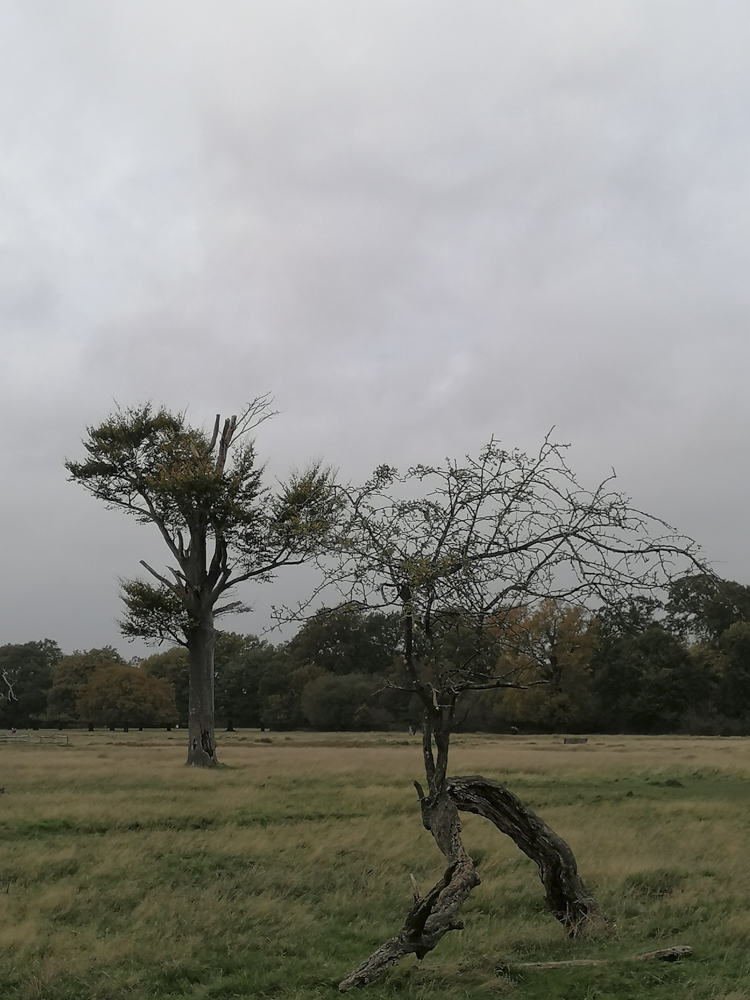
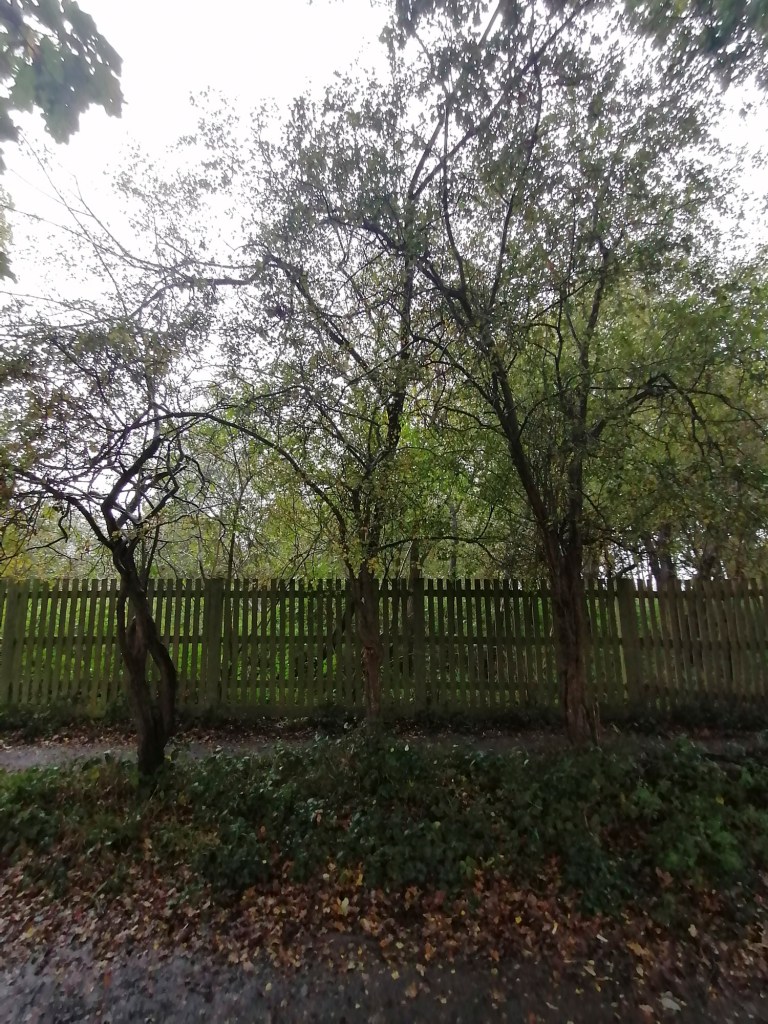
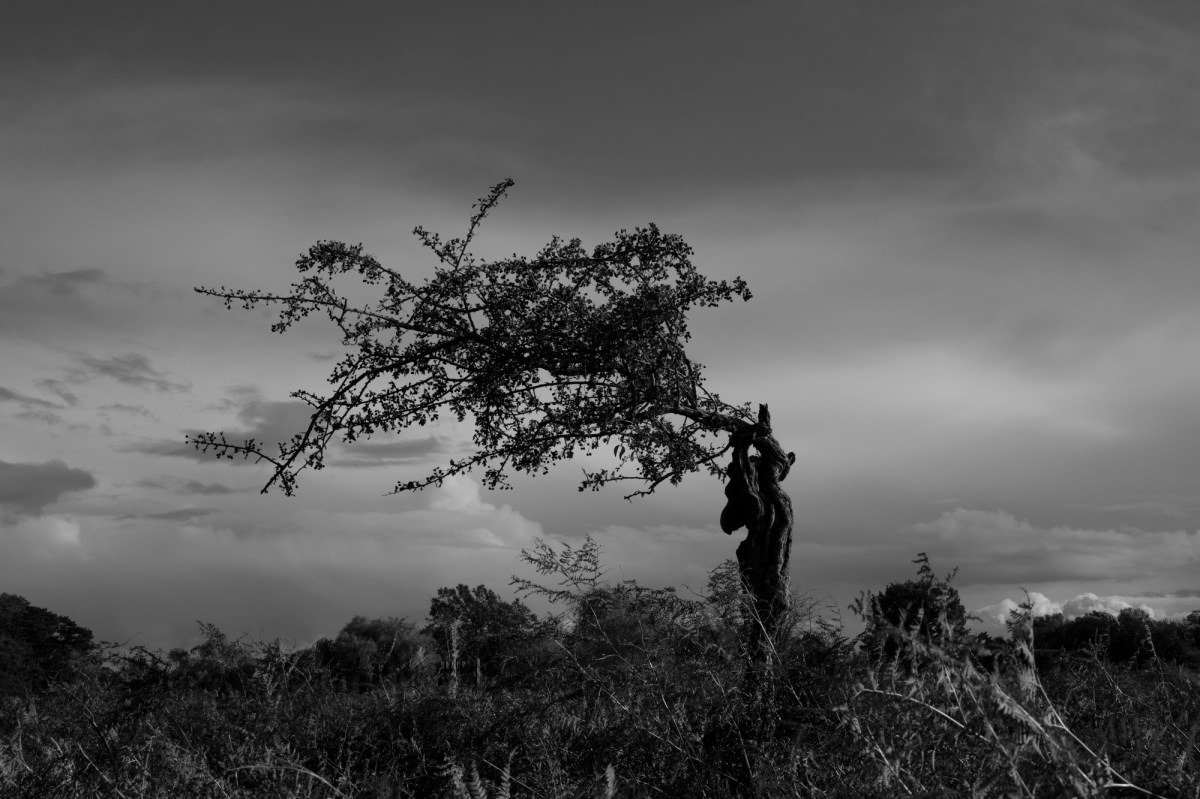
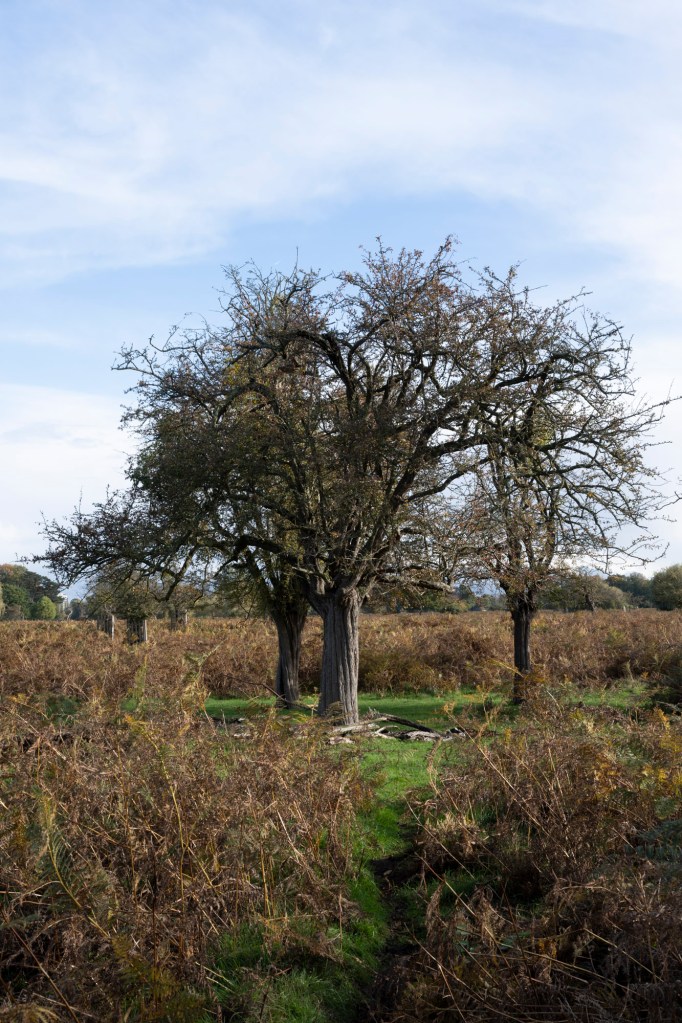
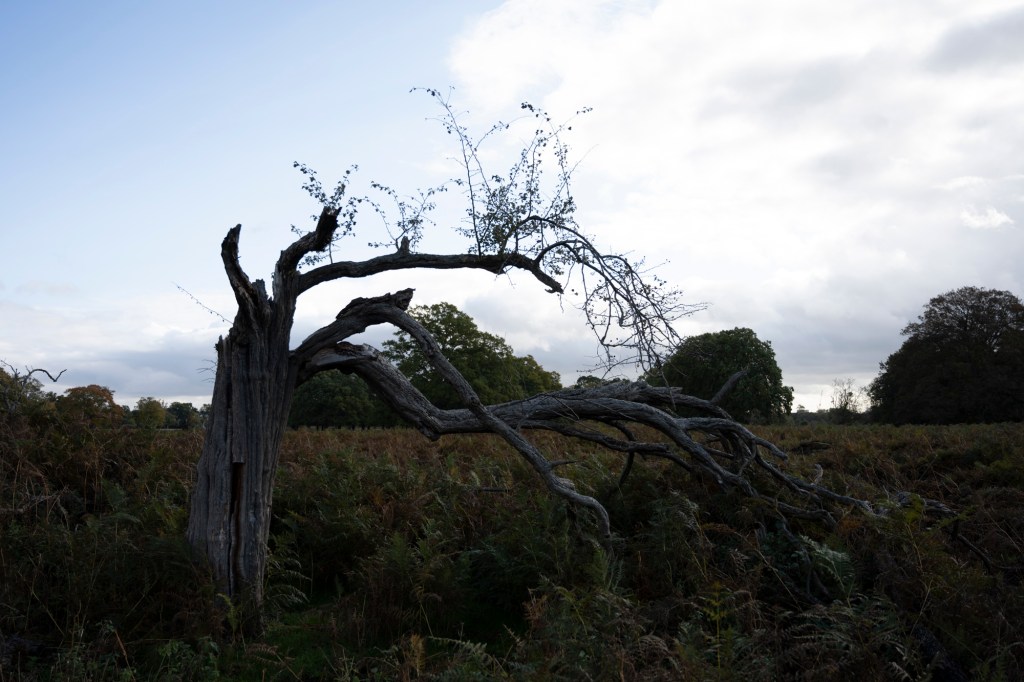
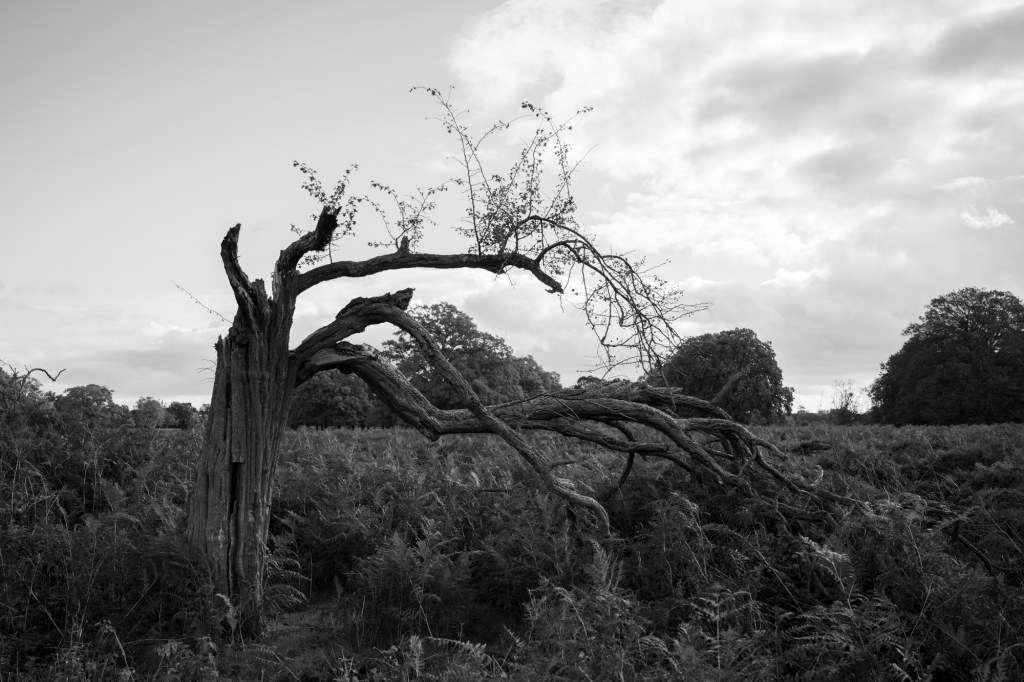
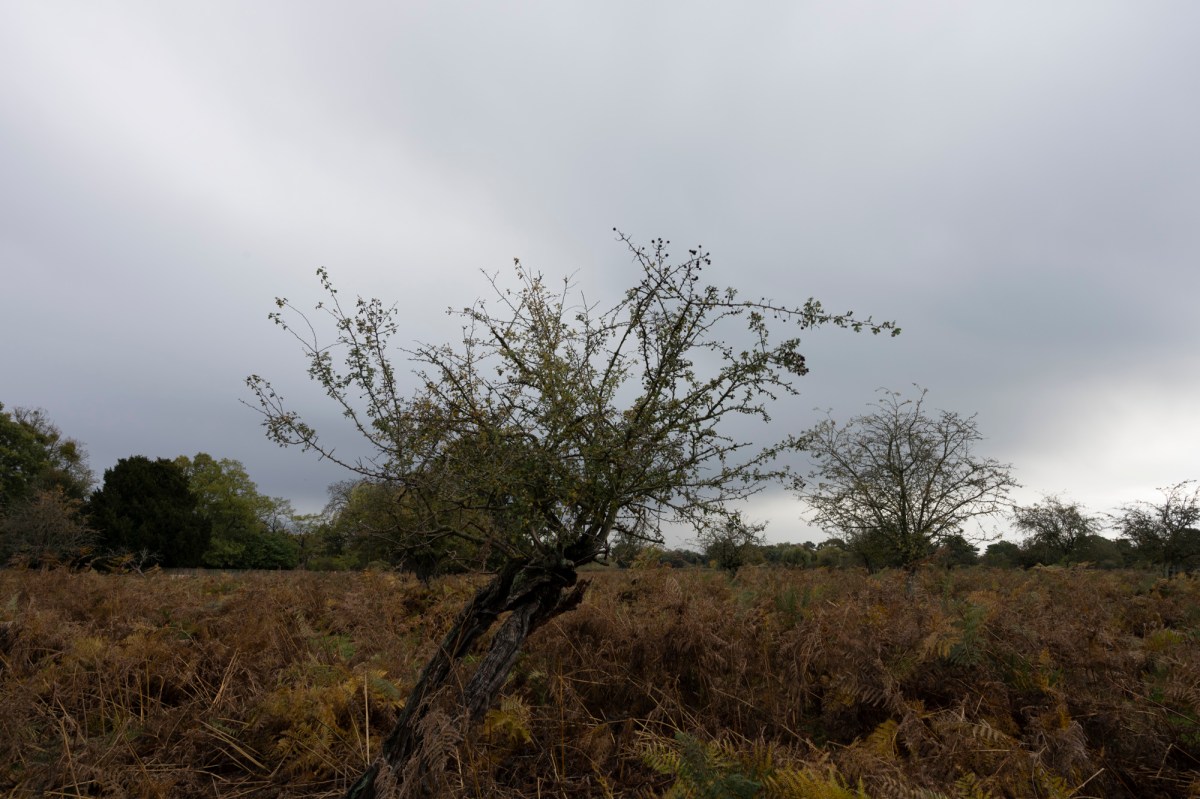
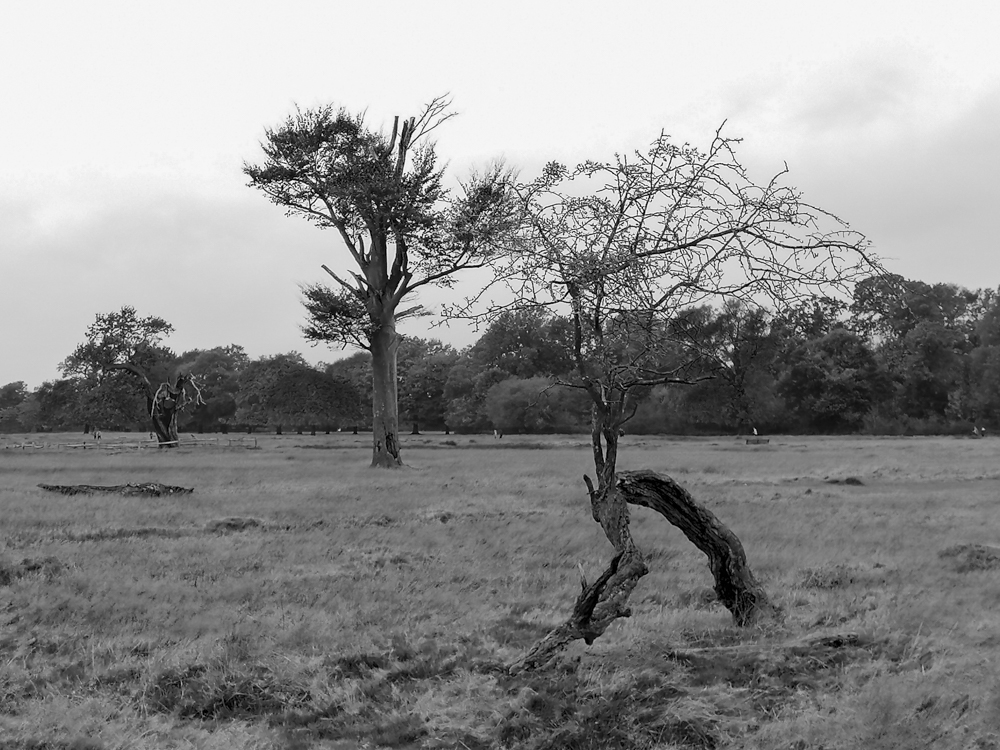
When looking at the images at home, I notice how this hawthorn looked in relation to two other nearby trees. The one on the far left was struck by lightening and is a fabulous example of how trees can survive despite a traumatic event. The one in the middle is another interesting mix of ‘dead & alive’. I had photographed it during the last winter and it appeared totally dead. I then noticed again during the summer and realised it very much alive. When put in line with the hawthorn, I thought it made a very interesting and intriguing composition – especially when converted to Black & White).

References

Historicengland.org.uk. 2020. BUSHY PARK, Richmond Upon Thames – 1000281 | Historic England. [online] Available at: <https://historicengland.org.uk/listing/the-list/list-entry/1000281&gt; [Accessed 27 October 2020].
Categories
AGM62 Photography Research Project Stage 1 Posts

AGM62 Bushy Park Hawthorns 29 October 2020

On the day after the Group Tutorial and following a week of research and photographing hawthorns, I thought it best to process the outcome so far. On the morning of 29 October when looking out of the window, I was greeted by grey skies and heavy rain. When I checked the weather forecast, the rain was due to fall until late afternoon, so I adapted my actions for the morning accordingly. I made the decision to go for a walk in Bushy Park.

Firstly, walking in the park enables me to process my thoughts and engage in mindfulness. Being in that environment give me the space and time to process my thoughts while the fresh air refreshes both brain and body. I have also recently started to use Nordic walking poles. As I’m no longer able to run (I was a long-distance runner for 20 years), I’ve found it a fabulous alternative. Also, I’ve discovered that by using the poles I can walk faster and use my arms as well as legs, so am able to get to around the park and take photographs more efficiently. This particular type of exercise is proven to help with both core and arm strength, meaning I’ll tire less when out and about in the park.

Secondly, as I had recently updated my outdoor wet-weather gear, it gave me the opportunity to test it out. The last thing I would want on a planned shoot is to be either cold or damp (or both!), so I needed to make sure it would be up to the job.

Thirdly, I wanted to explore a different area of the park in which there were hawthorn trees and compare then with the places I had already investigated.

As I didn’t want to take my main camera and decided to travel light, I used my smartphone to take all of the following images. The other advantage is that I have now set my location indicator on my phone, so each image will have map co-ordinates.

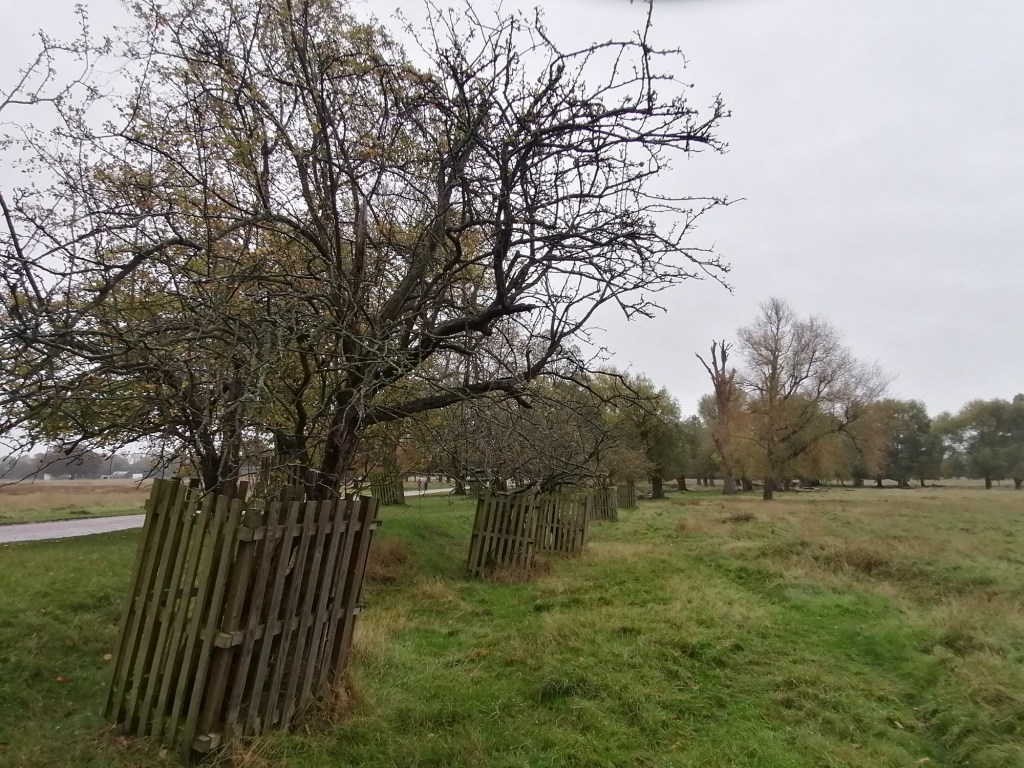
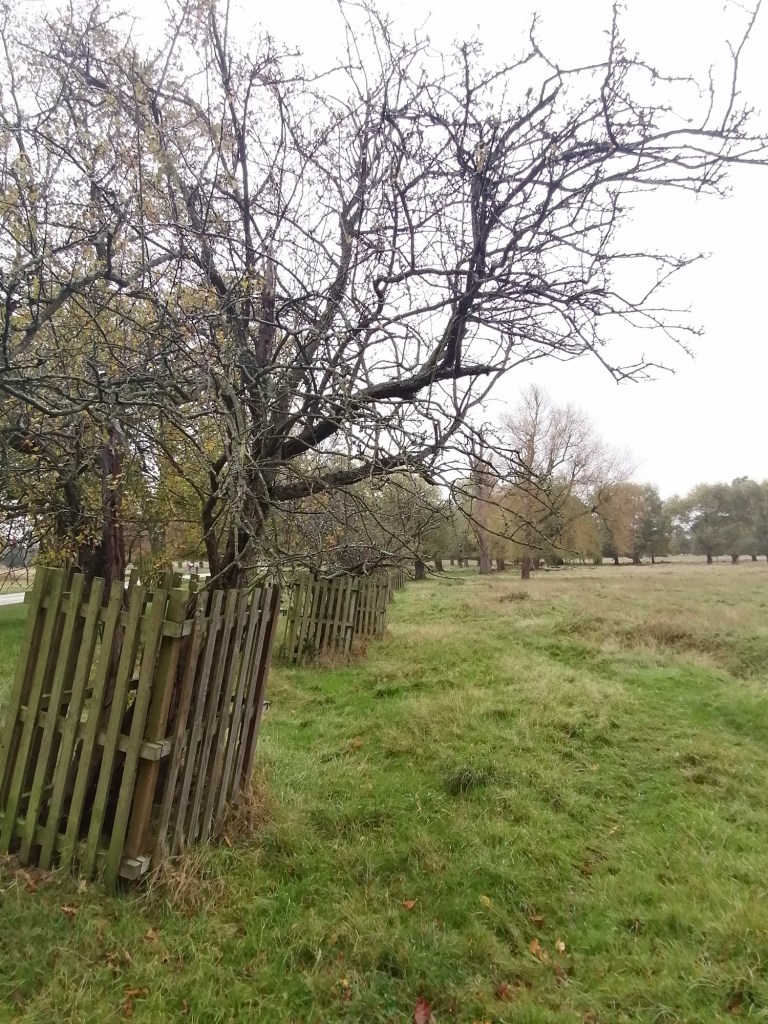
I started my investigation at a corner on which I knew featured a hawthorn tree and I had photographed it quite a few times previously. When I looked at this tree and its position in more detail, I noticed a line of hawthorns nearby that ran in a line along the path.

Just along the path to the right of the tree on the corner is this hawthorn.

Followed by this one.

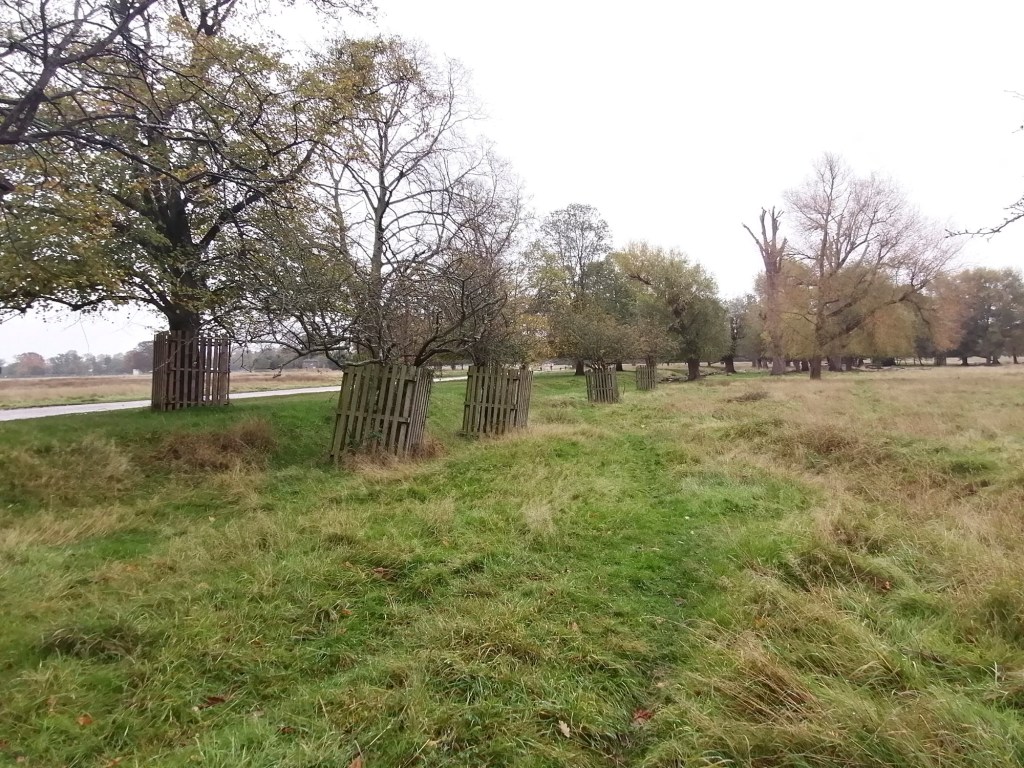
On the opposite side of the path, there are two more hawthorns.

What struck me was the oak tree adjacent to the hawthorns in the last image. Evidence of a hawthorn ‘protecting’ the oak.

I then made my way along the path that runs along side the fenced-off area of Brewhouse Meadows.

This path leads to a line of hawthorns along a water channel that starts in the meadows area.

There are further hawthorns opposite this line, which are on the other side of the fence.

Continuing along the path, there are more hawthorns that have been planted next to oak trees.

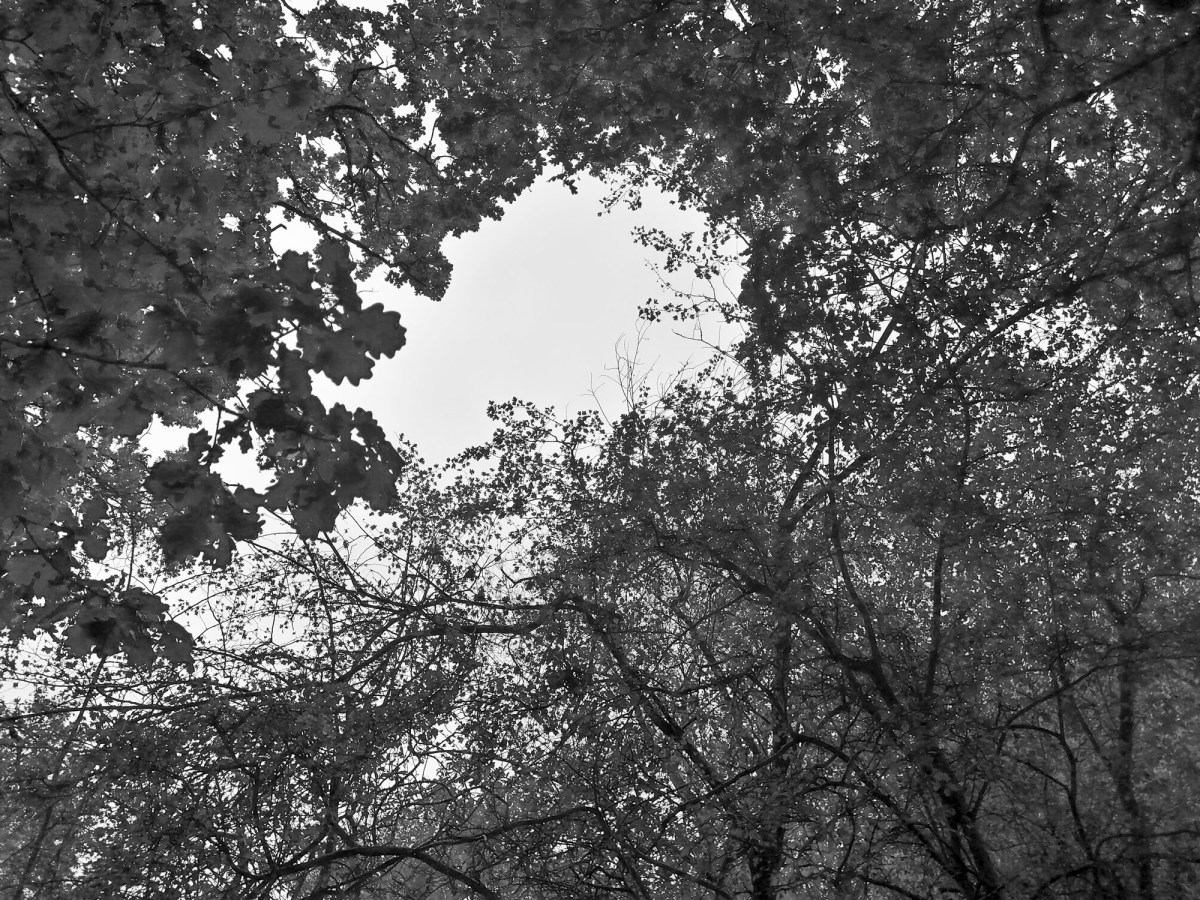
I particularly liked this aspect, which shows the hawthorn branches in combination with that of the oak. I also carried out a quick Black & White conversion later that day.

There is clearly a line of hawthorns along this path with trees on either side of the fence.

One difference I noted was how these hawthorns were planted in line with the oaks. Also, these appeared to be much younger trees as the trunks were considerably smoother than the others situated in this part of the park.

My next place of investigation was Dukes Passage. This is a fenced off area at the entrance of the Waterhouse Plantation in the Woodland Gardens section of the park.

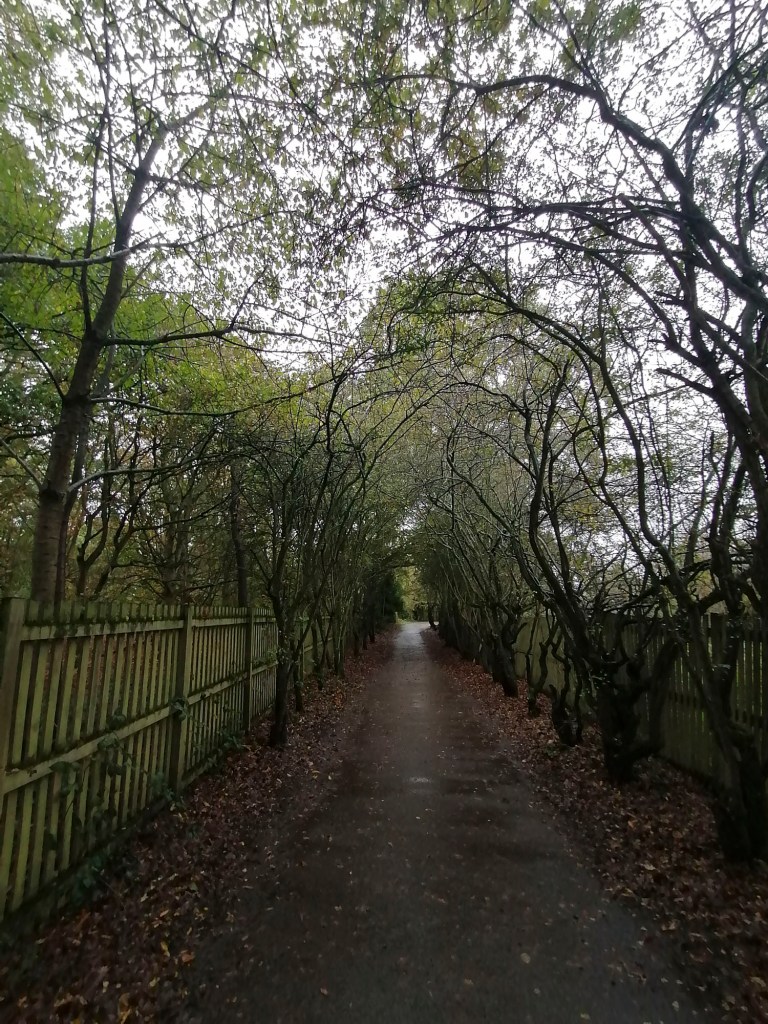
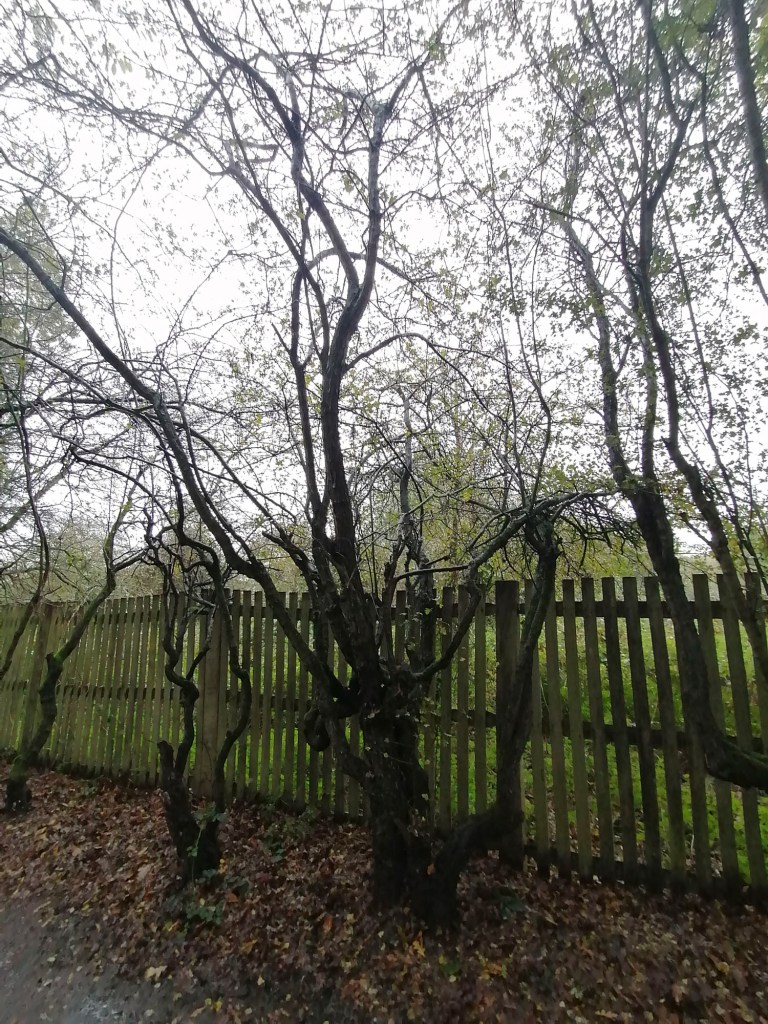
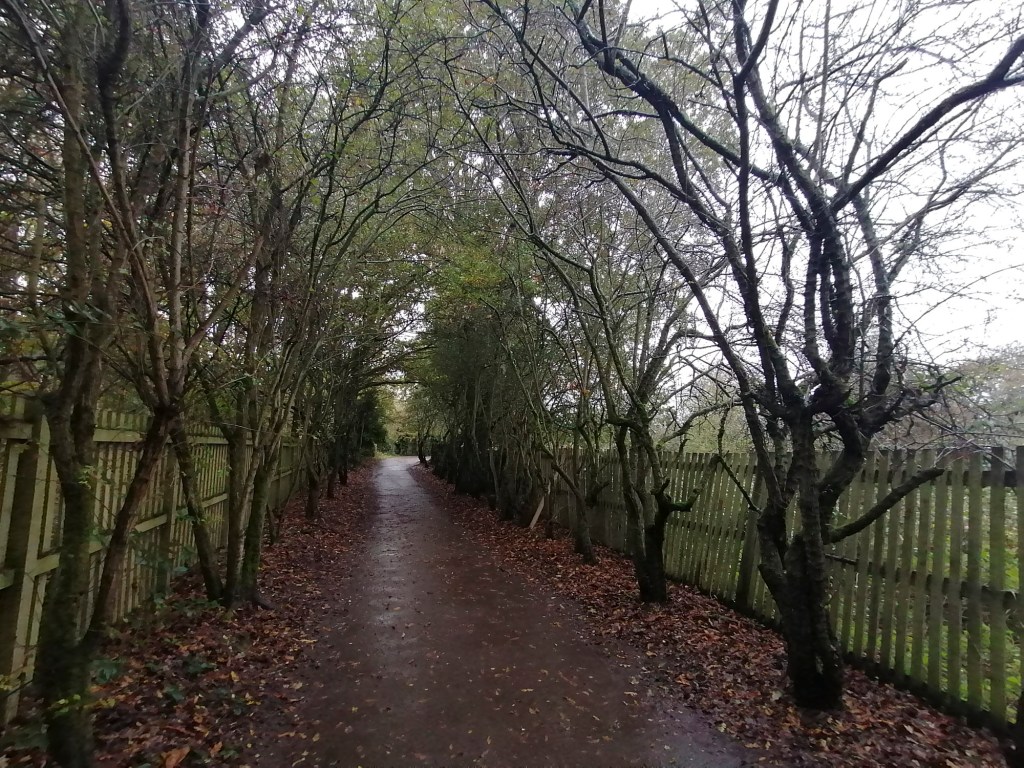
Just as I suspected, it consists of an avenue of hawthorns with a fence on either side.

This avenue leads to one of my most favourite spots in Bushy Park. It really does feel like you’re in the middle of the countryside.

Dukes Passage continues to Hampton and what I did notice was the hawthorn hedge on either side of the path.

I then returned along Dukes Passage and entered the Waterhouse Plantation. Again, there is a line of hawthorns on the inside of the fence.

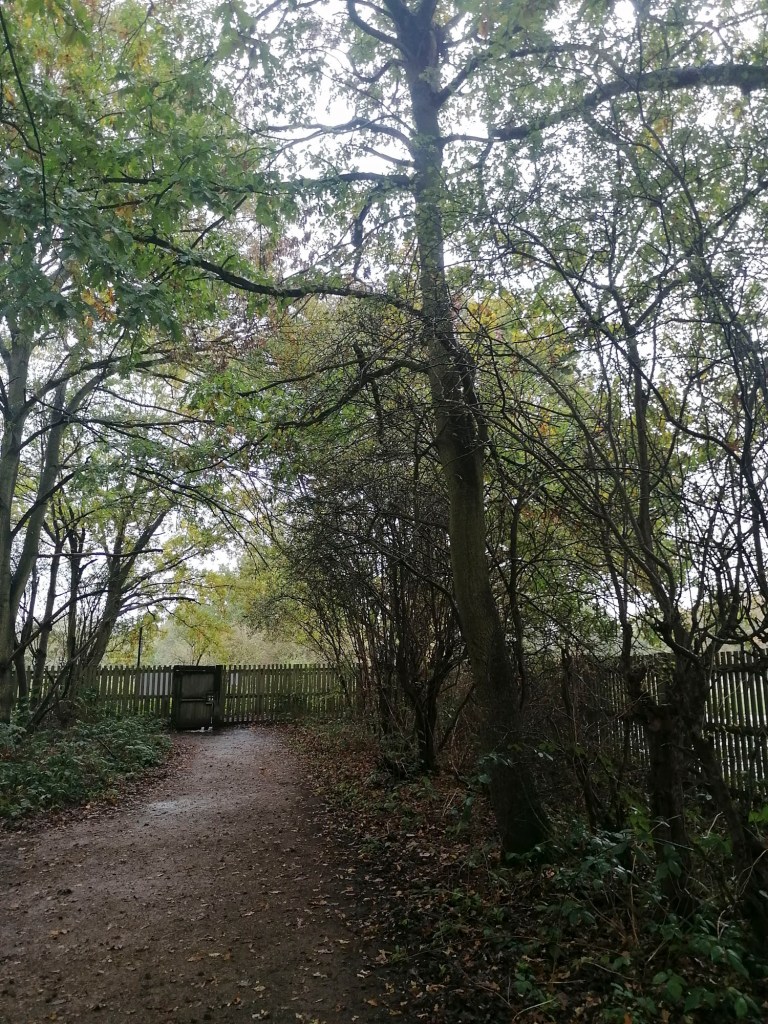
This line of hawthorns continues to the gate at the end of this path.

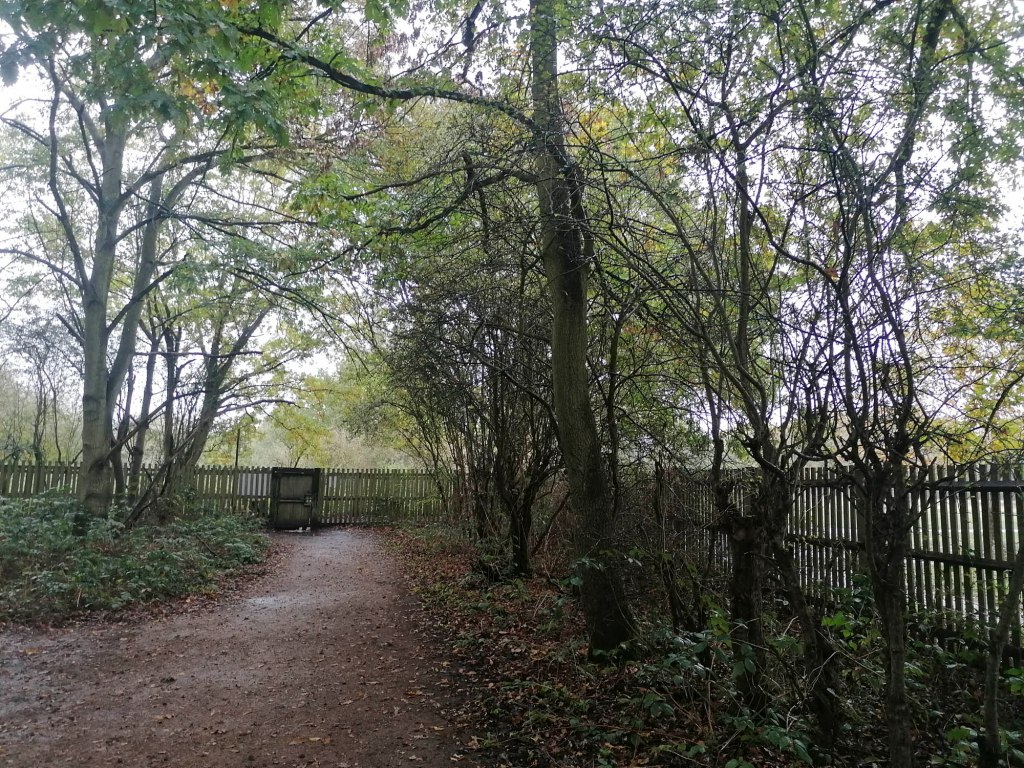
When I came out of this gate, I took a photo of the path on the other side of the fence. I also noticed on the map of Waterhouse Plantation that this path is called ‘Macclesfield Walk’.

I then made the decision to trek back home through the park at this stage. What I realised there were lots of unanswered questions to be answered and further research to be carried out.

References

UK, N., 2020. Nordic Walking UK | Instructor Training | Nordic Walking Events. [online] Nordicwalking.co.uk. Available at: <https://nordicwalking.co.uk/&gt; [Accessed 30 October 2020].

Categories
AGM62 Photography Research Project Stage 1 Posts

AGM62 Group Tutorial Feedback and Actions 28 October 2020

On Wednesday 28 October, the class had a group tutorial as scheduled. The session was carried out via Microsoft Teams due to our tutor’s requirement to self isolate at that time.

After three weeks of working in my own isolation, it was great to see everyone’s progress and show my own concepts and process so far.

The concept of the hawthorn in connection to Bushy Park was well-received and garnered two useful suggestions by my classmate, Sofia:

  • Jean Luc Brouard’s tree portraits for a different perspective
  • A later, similar project by Simon Roberts

Sofia also stated that she thought the hawthorn connection to the history of the park was a good place to maybe focus the project. This thought was also seconded by another of my classmates, Abi.

As I had already made that decision to focus on the hawthorns before they made the feedback, I knew that I was progressing in the correct direction at this stage of the project. Our tutor, Åsa, mentioned that it was a good way of creating a case study that could be used as a model for future projects.

Åsa, also made a comment about the angle of perspective of the shots and the difference they made to the images. I definitely should continue to take photos of the hawthorns from a lower point-of-view as this makes the tree appear ‘larger than life’ and more significant in relation to its environment.

The other aspect that Åsa mentioned was the Black & White conversions of the images. I agreed that having the images in monochrome highlight the details of the trees better than in colour.

The resulting actions I will be taking between now and the Interim Review on 18 November 2020 are to:

  • Continue with my research in regards to hawthorns (folklore, ecology, the environment, Bushy Park, etc.)
  • Take further photographs of particular trees
  • Refine the Black & White conversion technique
  • Produce a series of test prints to see what works and what doesn’t
Categories
AGM62 Photography Research Project Stage 1 Posts

AGM62 Mind Map 28 October 2020

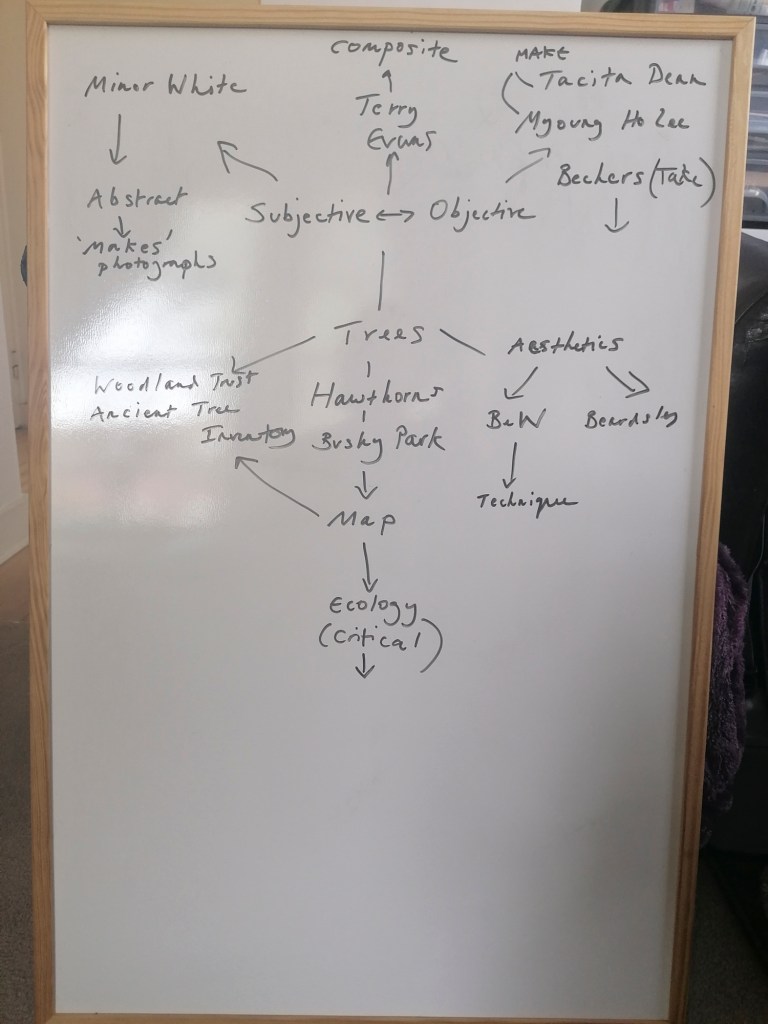
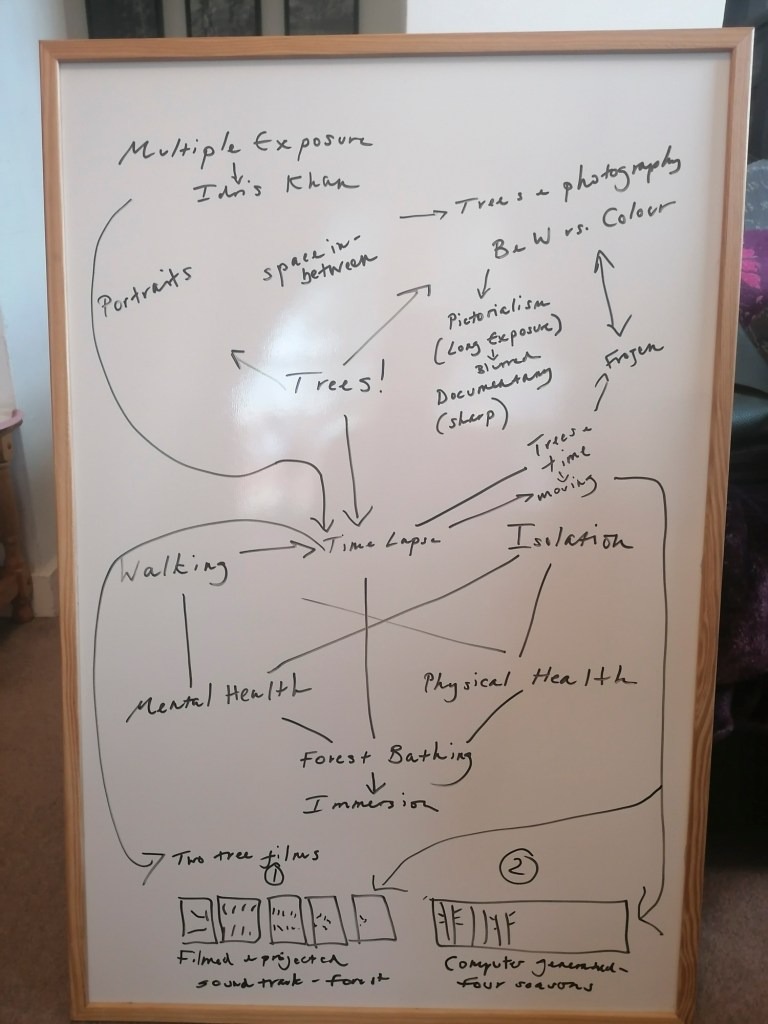
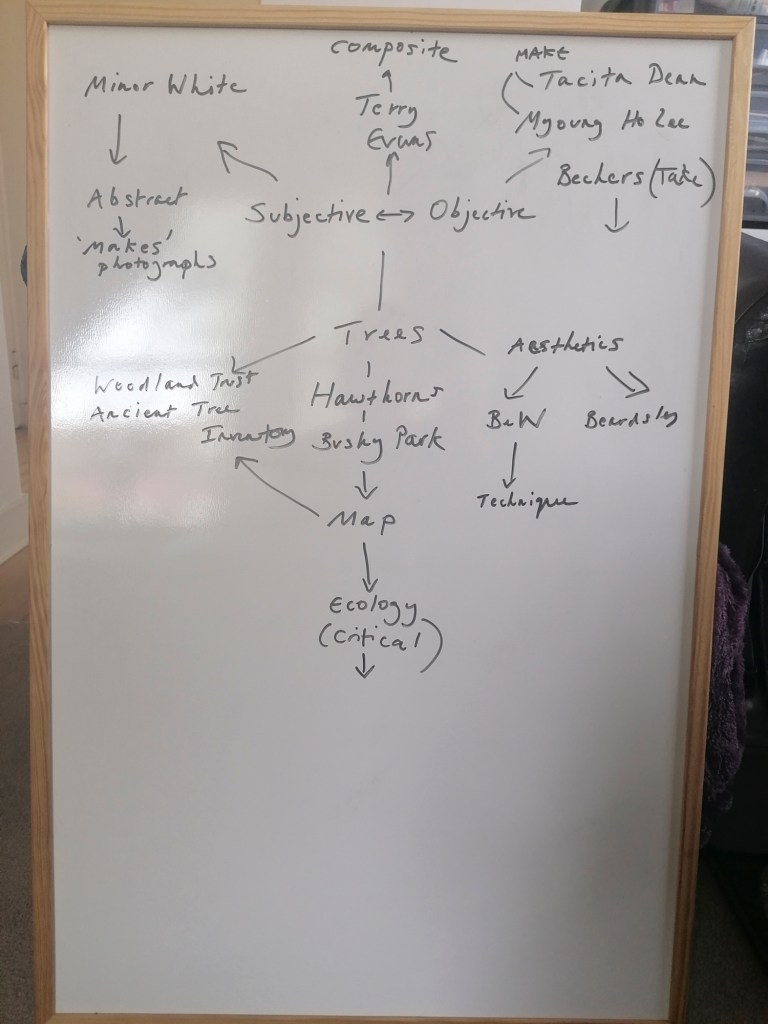
So I could get a better grip on my concept and start processing the research so far, I created a mind map. This was also in preparation for the Group Tutorial scheduled for that day.

This had noticeably changed from my initial one drawn up on 6 October. I’m sure it will change again after today’s meeting.

Categories
AGM62 Photography Research Project Stage 1 Posts

AGM62 Terry Evans American Prairies 27 October 2020

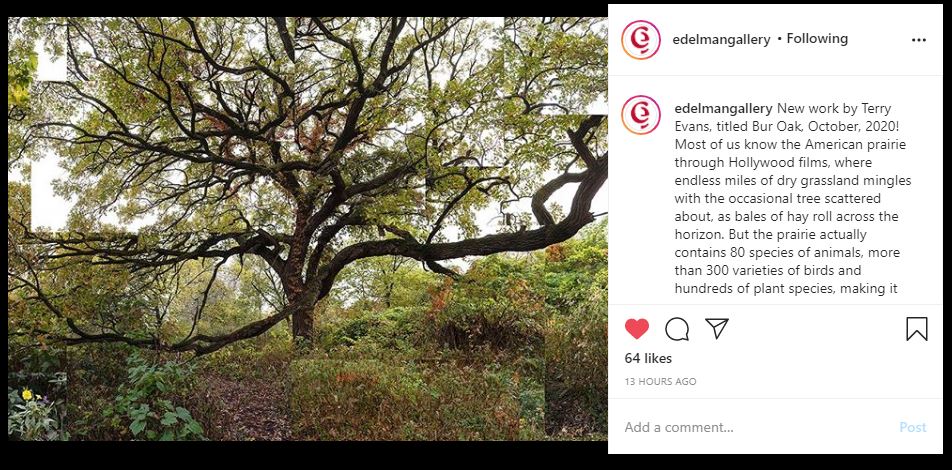
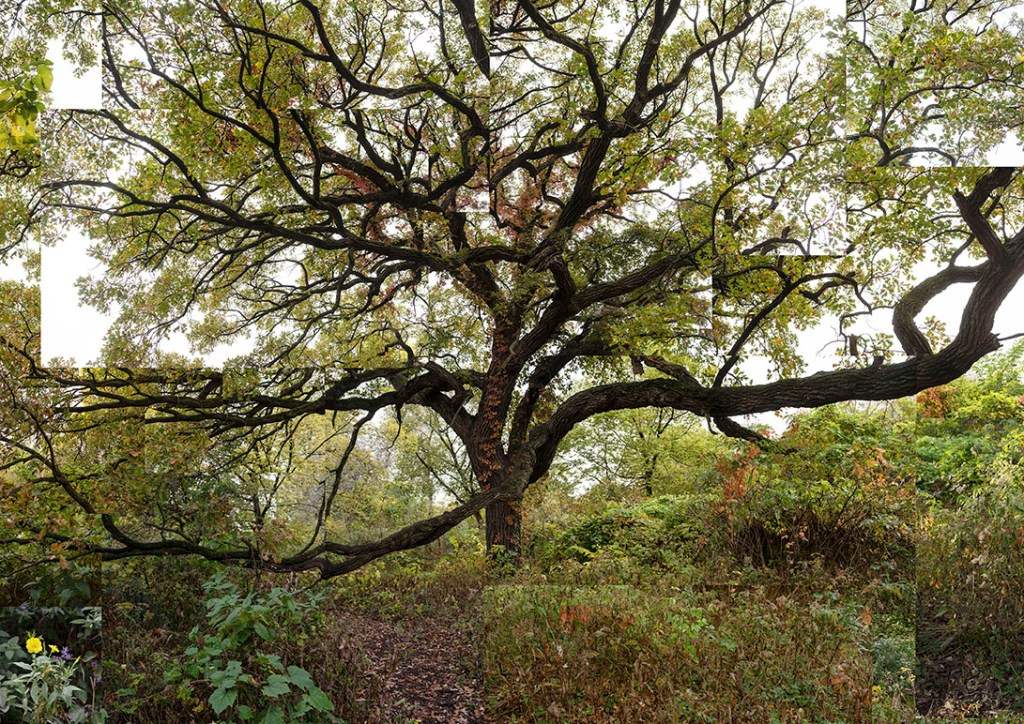
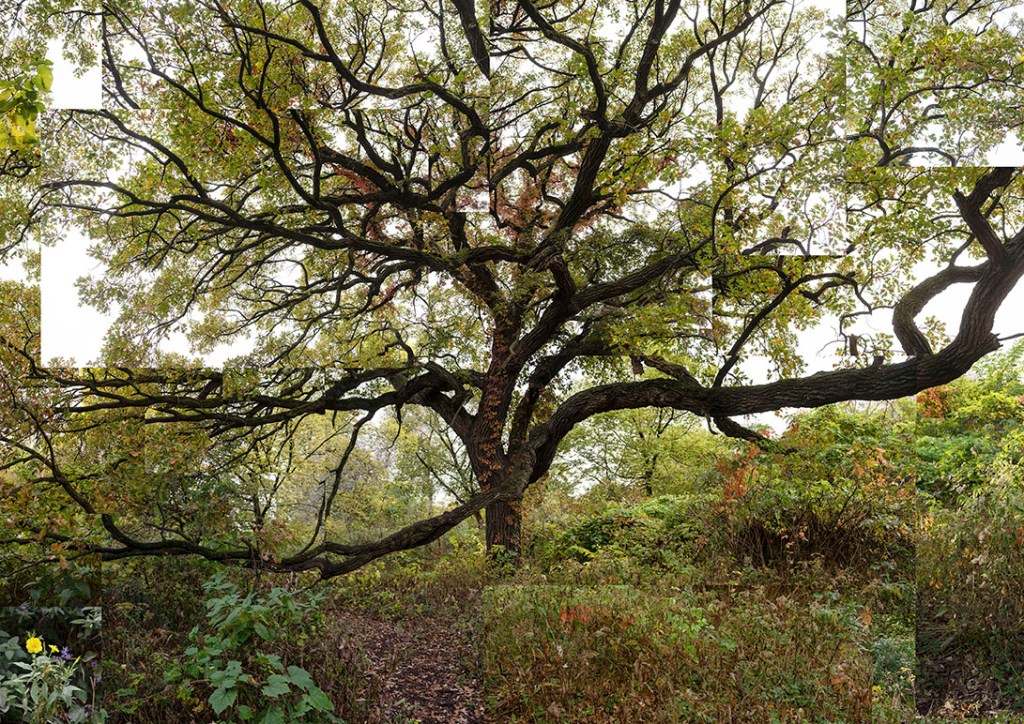
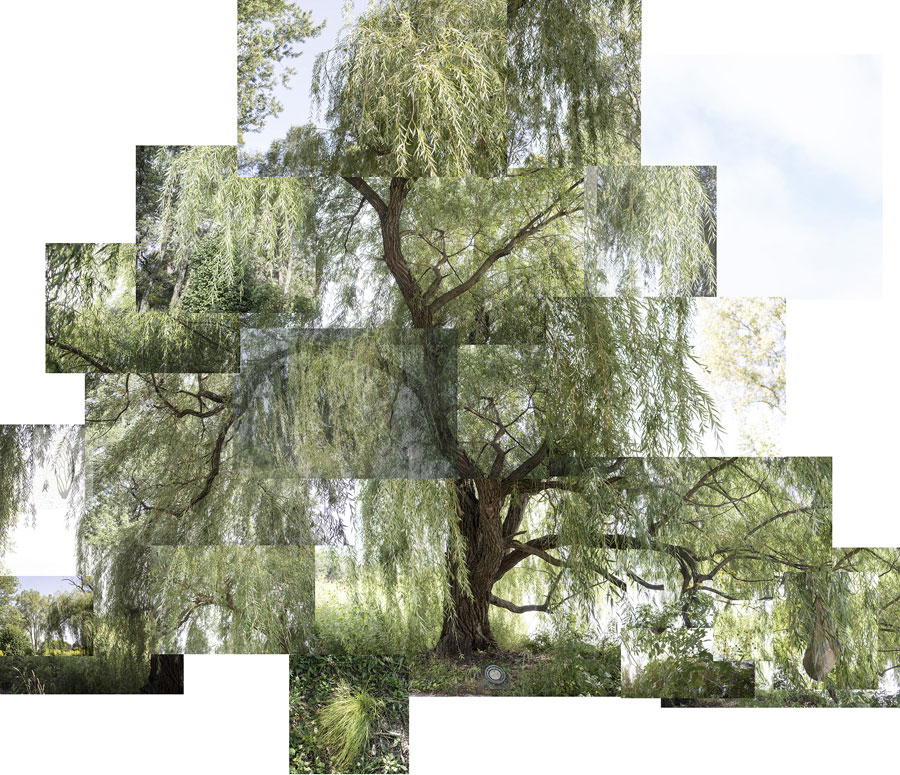
Terry Evans is a photographer whose extraordinary work I discovered today while scrolling through my Instagram feed. I spotted this post made by the Catherine Edelman Gallery, who represent Evans.

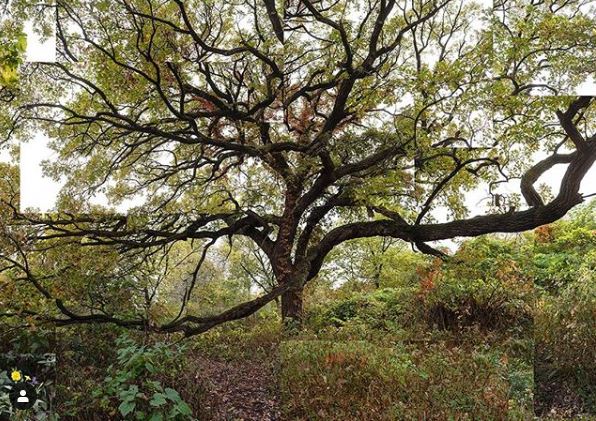
At first, I thought it was just a photograph of a tree. I then noticed the white straight lines on the left-hand side of the image (this detail reminded me of the work of Myoung Ho Lee). However, when I looked closer, there was something different I couldn’t put my finger on. My interest was piqued further with the accompanying text:

It reads:

‘New work by Terry Evans, titled Bur Oak October 2020! Most of us know the American prairie through Hollywood films, where endless miles of dry grassland mingles with the occasional tree scattered about, as bales of hay roll across the horizon. But the prairie actually contains 80 species of animals, more than 300 varieties of birds and hundreds of plant species, making it making it one of America’s great ecoregions. This piece is part of Terry Evans’s series Ancient Prairies.’

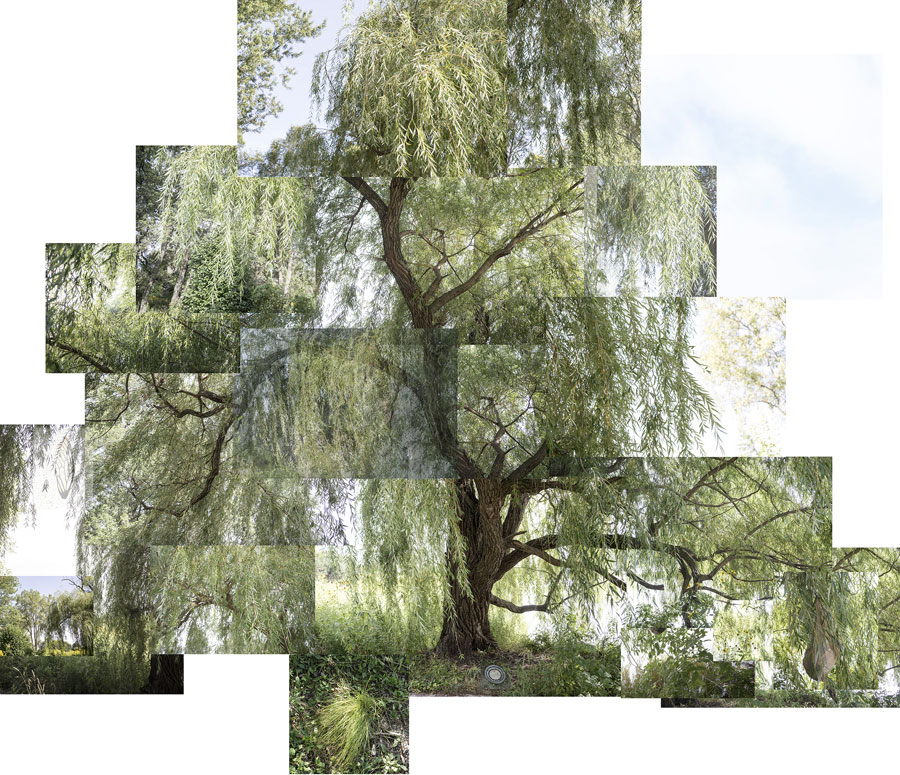
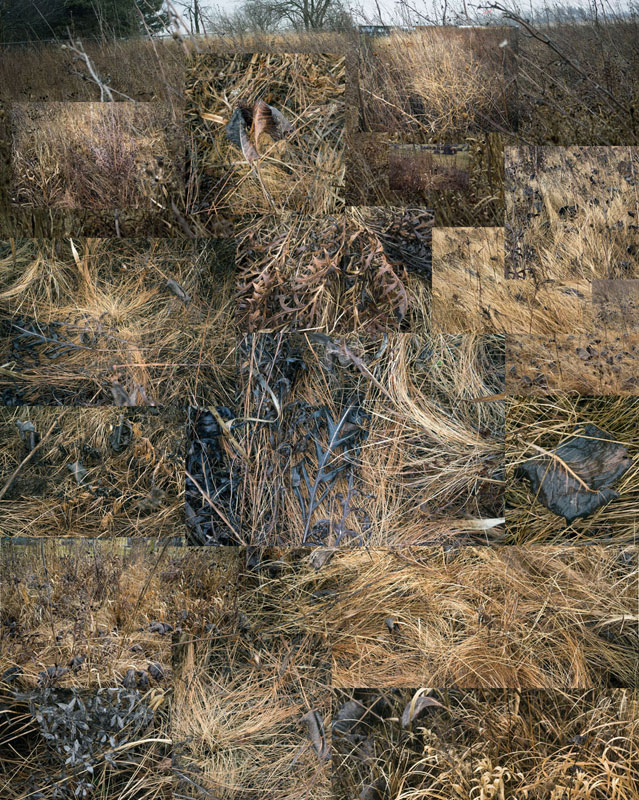
On taking a closer look, I realised that it was a composite of images.

When I research Evans’ work further, I discovered that:

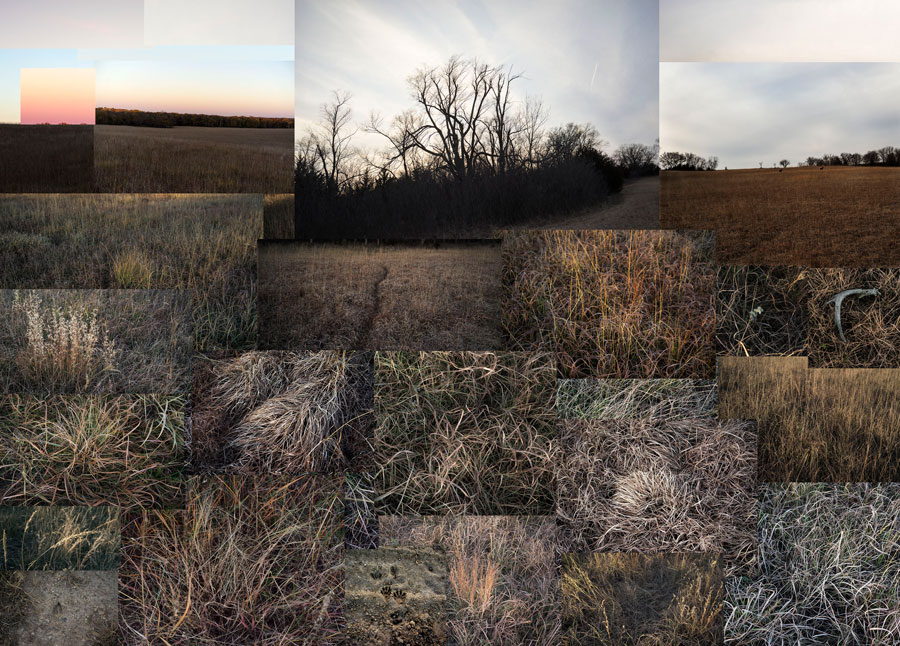
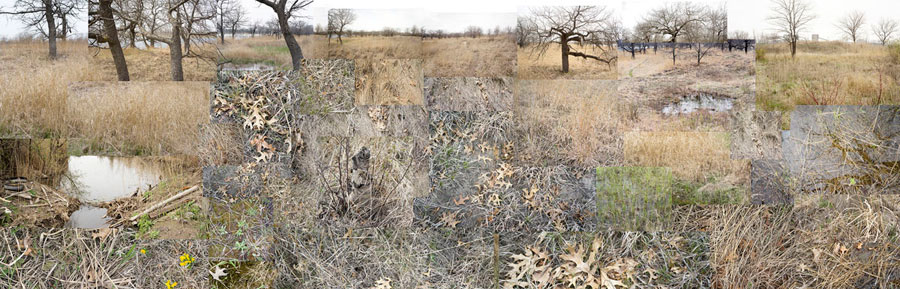
‘Each large-scale image from her new series, Ancient Prairies, is made up of a patchwork of individual photographs hinting at the ecological complexity that underlies the prairie landscape.’

(A Patchwork of Imagery Hints at the Hidden Complexity of the American Prairie, 2020)

Ancient Prairies Project Statement

Since 1978, all of my work is connected by an abiding interest in and love for prairie. This interest began more than forty years ago when I photographed the Fent prairie, an 80 acre virgin prairie near Salina, Kansas, where I lived. I explored Fent and other prairies for the next eight years, which introduced me to the wondrous balance of an undisturbed ecosystem, and has informed all of my work to date. In Ancient Prairies, I’m visiting prairie remnants once again. In late May, I went back to the Fent prairie to photograph its intricate botanical complexity after having photographed the effects of fracking in North Dakota and petcoke pollution in Southeast Chicago, which both showed human disregard for land and its people. I’m deeply disturbed by our seeming inability to confront the current and impending disasters of our intensive fossil fuel overuse and the climate change our lives are provoking. This work is about remembering the wisdom and beauty of intact prairies. It is about SEEING them. These prairies would not exist without human care, and Ancient Prairies serves as a tribute to the kinship between humans and nature.

(Terry Evans Photography, 2020)

While looking at Evans’ images and understanding better her ethos behind them, I felt that there was a connection in relation to my current project and practice in general. This will be investigated further.

References:

Catherine Edelman Gallery. 2020. Terry Evans. [online] Available at: <https://www.edelmangallery.com/artists/artists/a-f/terry-evans.html&gt; [Accessed 27 October 2020].
NRDC. 2020. A Patchwork Of Imagery Hints At The Hidden Complexity Of The American Prairie. [online] Available at: <https://www.nrdc.org/onearth/patchwork-imagery-hints-hidden-complexity-american-prairie&gt; [Accessed 27 October 2020].
Terry Evans Photography. 2020. [online] Available at: <http://www.terryevansphotography.com/&gt; [Accessed 27 October 2020].
2020. [online] Available at: <http://www.terryevansphotography.com/project-statements/ancient-prairieshttp://www.terryevansphotography.com/&gt; [Accessed 27 October 2020].
Categories
AGM62 Photography Research Project Stage 1 Posts

AGM62 Bushy Park Hawthorns 25 October 2020

After my shoot on 22 October, I was starting to get a better idea of the patch of hawthorn trees next to the eponymous lodge. As I had only focused on four of the trees, I wanted to take a closer look at some of the others.

Another issue that influenced my photographic decisions during this particular shoot was the presence of the deer within the ferns. Bushy Park is currently home to approximately 320 of these animals and their grazing is essential to maintaining the park’s grasslands. This activity creates more variation in structure and plant diversity and does not damage the anthills, which add further diversity and character to the grassland, unlike cutting the vegetation.

At this time of year during the rutting season, the deer can potentially attack humans and it is recommended that people stay at least 50 meters away from them while in the park. This is something I always adhere while in the park regardless of what I’m doing. As such, I couldn’t go near the other trees that I had photographed three days’ previously, so I focused on the following specimens.

Tree One

This is an initial Black & White conversion of the whole hawthorn.

The following image also stood out for me. Unfortunately, my camera had only recorded a low-res jpg and not the accompanying RAW file of the image. Annoying, as I particularly liked the composition. I also created a Black & White version of this image. The original one is on the left, the conversion on the right.

Tree Two

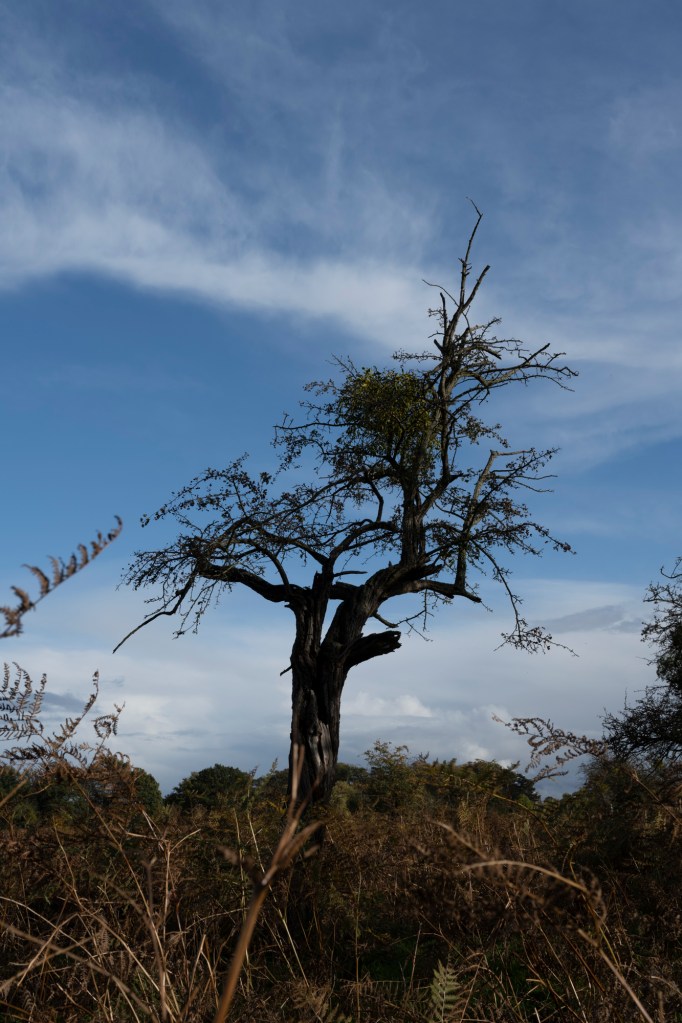
This was a very interesting subject – when looking at the resulting images they look as if they’ve been manipulated, giving the illusion of the background being part of the tree.

Tree Three

Tree Four

Tree Five

Tree Six

Tree Seven

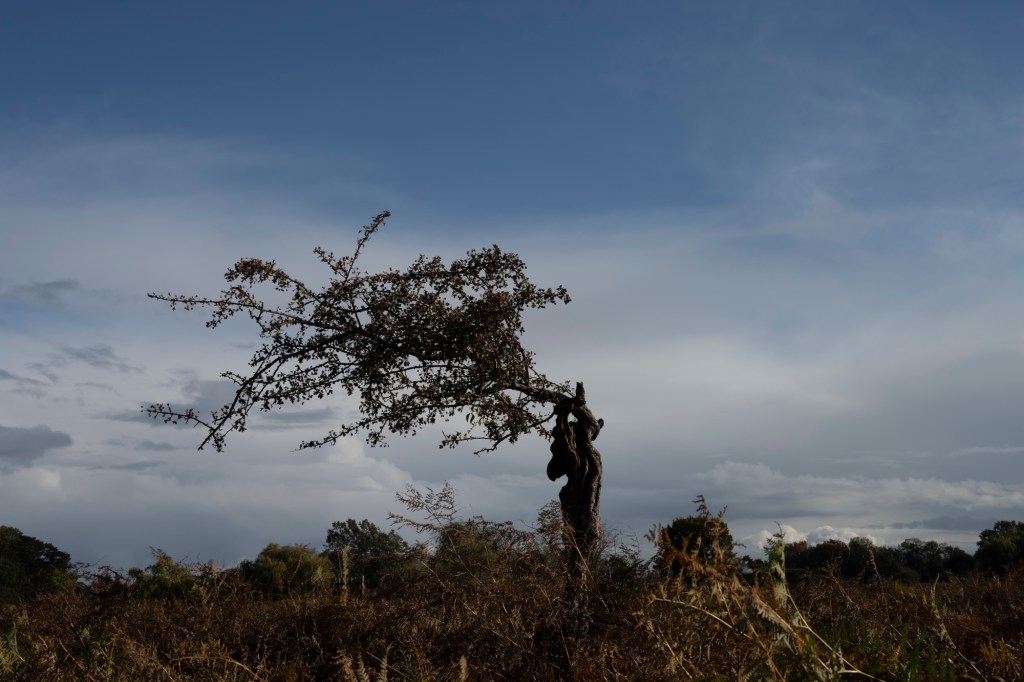
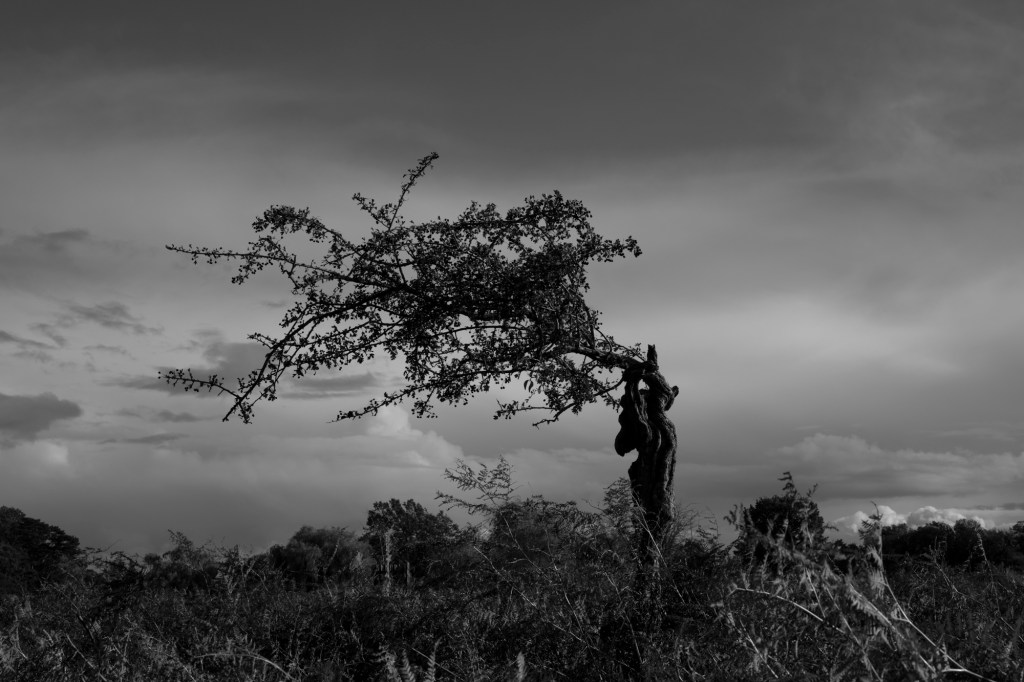
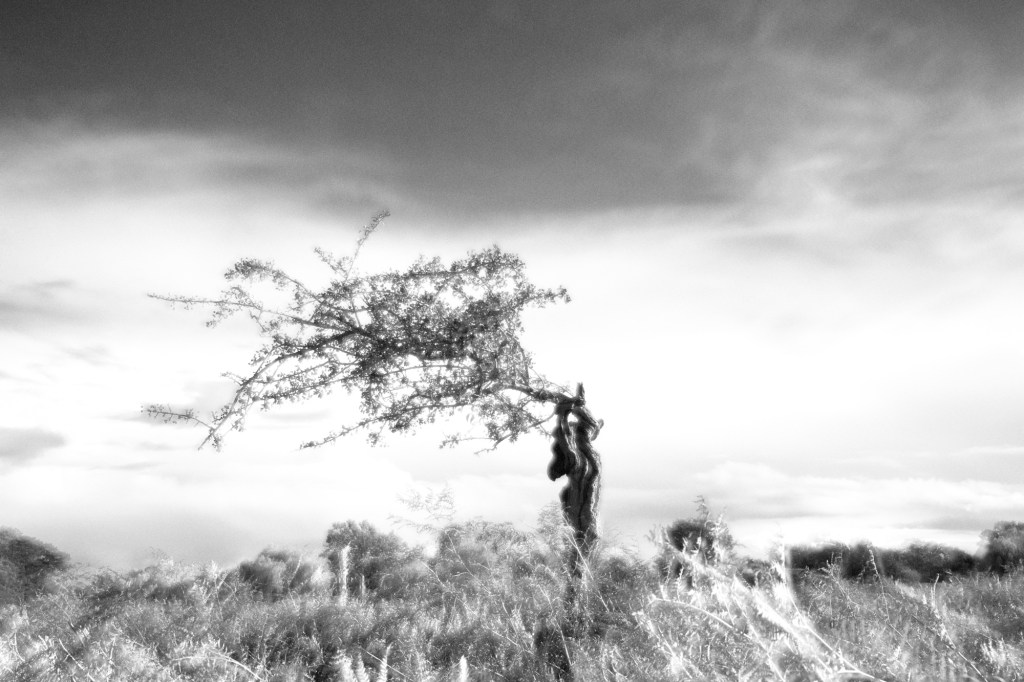
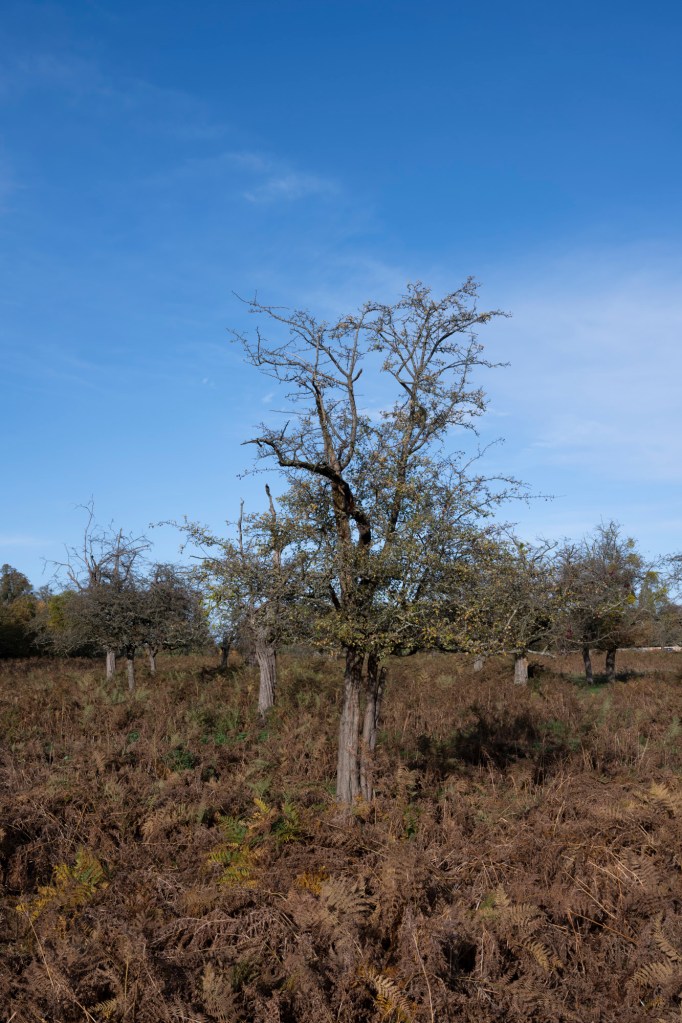
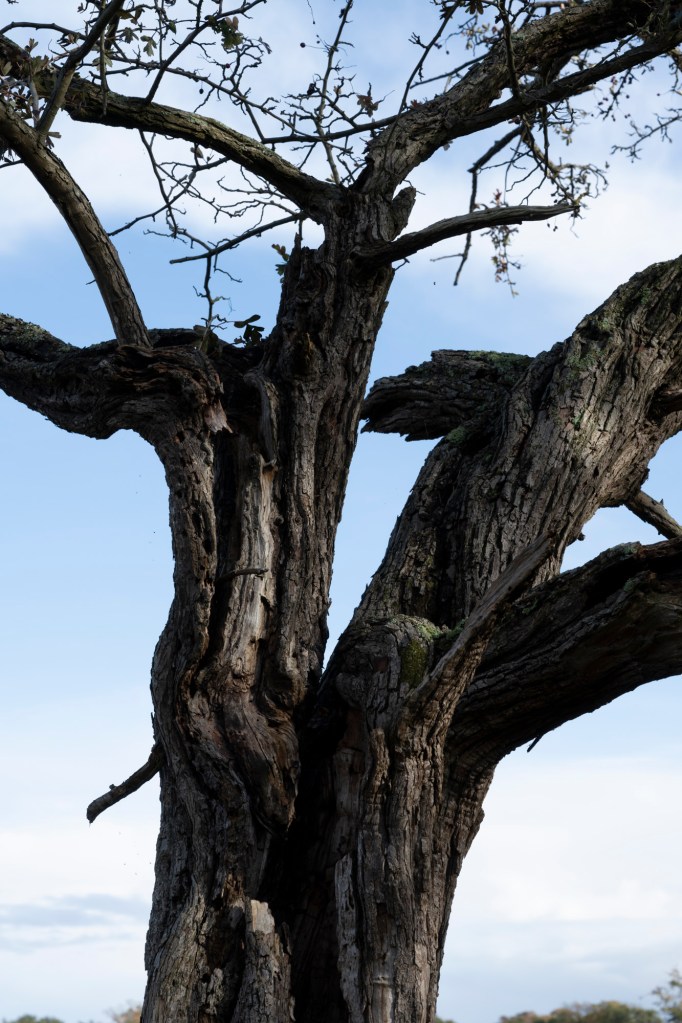
This tree really made an impression on me. On approach, this hawthorn looks initially like this.

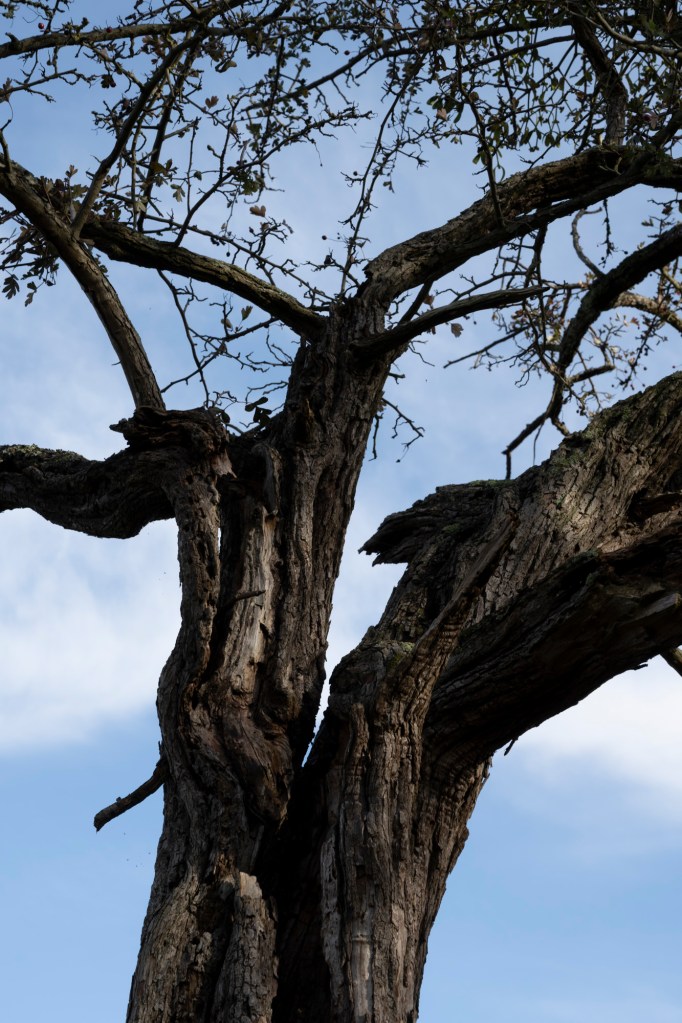
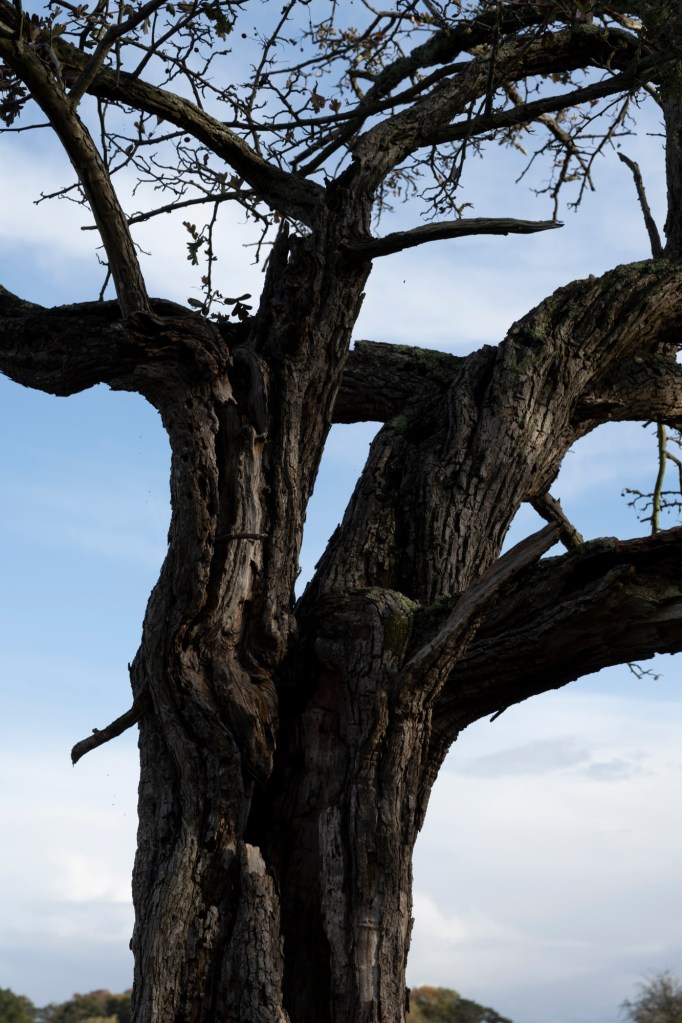
However, seen at other angles, something quite magical happens.

I also tried photographing from a lower angle, crouching down rather than standing to take a shot.

I then took some more close ups at a different angle.

The following is one of the shots of this tree on the left and the Black & White conversion with a slight crop in the middle and a version using my digital infra red recipe on the right.

Tree Eight

Tree Nine

The final individual hawthorn I focused on is the one I nicknamed ‘Hawthorn Harlot’. I had to admit, it took a while to remember where it was as it looked completely different approached from an alternative angle. When I eventually did re-discover this individual, I took the following shots.

Hawthorn Copse

By now, I was quite tired so my last two shots were of the copse of which the harlot is part.

What did come out of this session was that I needed record the co-ordinates of each tree so I could start mapping them. Unfortunately, my camera doesn’t have a GPS option, so I need to take a photo of each one using my smartphone to capture these details. I have done a bit of research and there is an app called Nikon SnapBridge that can potentially add the co-ordinates of each image. Otherwise, I will have to manually add the co-ordinates to the metadata of each file so I can keep track of which image relates to each tree.

Another consideration is the use of filters to enhance the image before converting to Black & White. The camera itself has various white balance settings, which could also influence the conversion outcome.

The third and final consideration is the ferns. I know that these will totally disappear in approximately a month’s time. This means the trees will look different again, especially as they will have lost their by then.

Categories
AGM62 Photography Research Project Stage 1 Module Details

AGM62 Schedule to Interim Review

In order to keep on top of things, I wrote the following schedule to assist in working out what to do and when. This way of working was taught during my HNC and I find it very useful when breaking down tasks for a project. This will be updated when relevant.

Week 13:

Friday 23 October 2020 (Teddington)

  • Write feedback and action post from 1-1 tutorial (completed)
  • Process images from Thursday 22 October (completed)
  • Write blog post for images from Thursday 22 October (completed)

Saturday 24 October 2020 (Teddington)

  • Day off

Sunday 25 October 2020 (Teddington)

  • Bushy Park hawthorn shoot (completed)

Week 14:

Monday 26 October 2020 (Teddington)

  • Process images from 25 October 2020 (completed)
  • Write blog post for shoot (completed)

Tuesday 27 October 2020 (Teddington)

  • Continue with outstanding blog posts (images and research)
  • Prepare for Group Tutorial (complete)

Wednesday 28 October 2020 (Microsoft Teams, Teddington @10am)

  • Group Tutorial (complete)

Thursday 29 October 2020 (Teddington)

  • Walk and hawthorn recce in Bushy Park (complete)

Friday 30 October 2020 (Teddington)

  • Write blog post for feedback and actions from Group Tutorial (complete)
  • Process images from 29 October 2020 (complete)
  • Write blog post for images from 29 October 2020 (complete)
  • Continue research (complete)
  • Draft hawthorn poems and folklore post (started)
  • Study skills session with Steve @3pm – 4pm (complete)

Saturday 31 October 2020

  • Day off

Sunday 1 November 2020

  • Hawthorn recce in Bushy Park with smartphone

Week 15:

Monday 2 November 2020 (Teddington)

  • Process smartphone images taken on 1 November
  • Continue research

Tuesday 3 November 2020 (Teddington)

  • Bushy Park hawthorn shoot
  • Process images

Wednesday 4 November 2020 (Teddington)

  • Independent Practice/Study
  • Frost shoot in Bushy Park
  • Process images
  • Write relevant blog post

Thursday 5 November 2020 (Teddington)

  • Continue research

Friday 6 November 2020

  • Early morning hawthorn shoot in Bushy Park

Week 16:

Saturday 7 November 2020

  • Day off

Sunday 8 November 2020

  • Day off

Monday 9 November 2020 (Teddington)

  • Hawthorn research

Tuesday 10 November 2020 (Teddington)

  • Process images from 6 November 2020
  • Write blog post for shoot from 6 November 2020
  • Prepare images for print
  • Order prints
  • Write blog post for print images

Wednesday 11 November 2020 (Online via Microsoft Teams)

  • Gallery visits and photographer talks online

Thursday 12 November 2020

  • Write follow-up blog post/s from study trip
  • Study skills session with Steve @3pm – 4pm

Friday 13 November 2020

Week 17:

Monday 16 November 2020 (Teddington)

  • Prepare for Interim review

Tuesday 17 November 2020 (Teddington)

  • Prepare for Interim Review

Wednesday 18 November 2020 (Edward Street, Brighton @10am?)

  • Interim Review (AM) (completed)
  • Visiting Speaker (PM)

Thursday 19 November 2020 (Teddington)

  • Process verbal feedback from Interim Review (completed)
  • Write relevant blog post regarding feedback (completed)
  • Look at Black & White digital conversion (completed)
  • Look at recommended camera settings and make relevant changes (completed)
  • Write relevant blog posts (completed)

Friday 20 November 2020 (Teddington)

  • Bushy Park – revisit tree highlighted in Interim Review and take shots using new settings and different lenses (completed)
  • Process images (completed)
  • Write relevant blog post (completed)

Saturday 21 November 2020

  • Day off

Sunday 22 November 2020

  • Day off

Categories
AGM62 Photography Research Project Stage 1 Posts

AGM62 Bushy Park Hawthorns 22 October 2020

On Thursday 22 October, I visited Bushy Park with the intention of taking a closer look at hawthorns. My plan was to enter via Teddington Gate and take another look at the trees I had shot on 5 October.

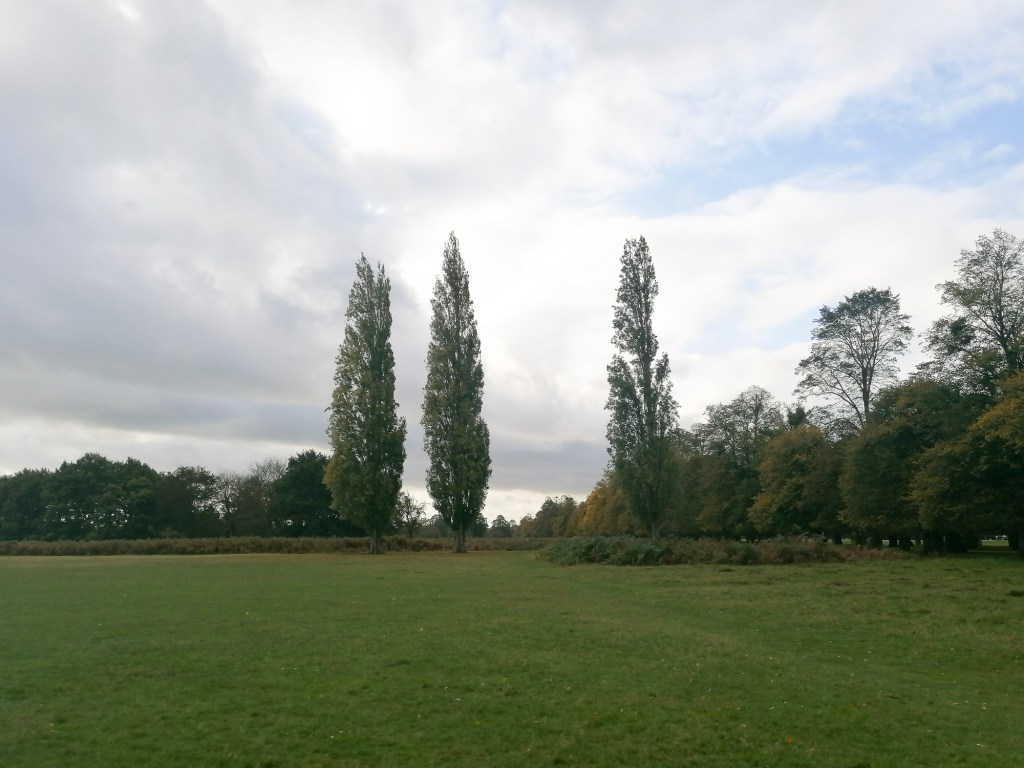
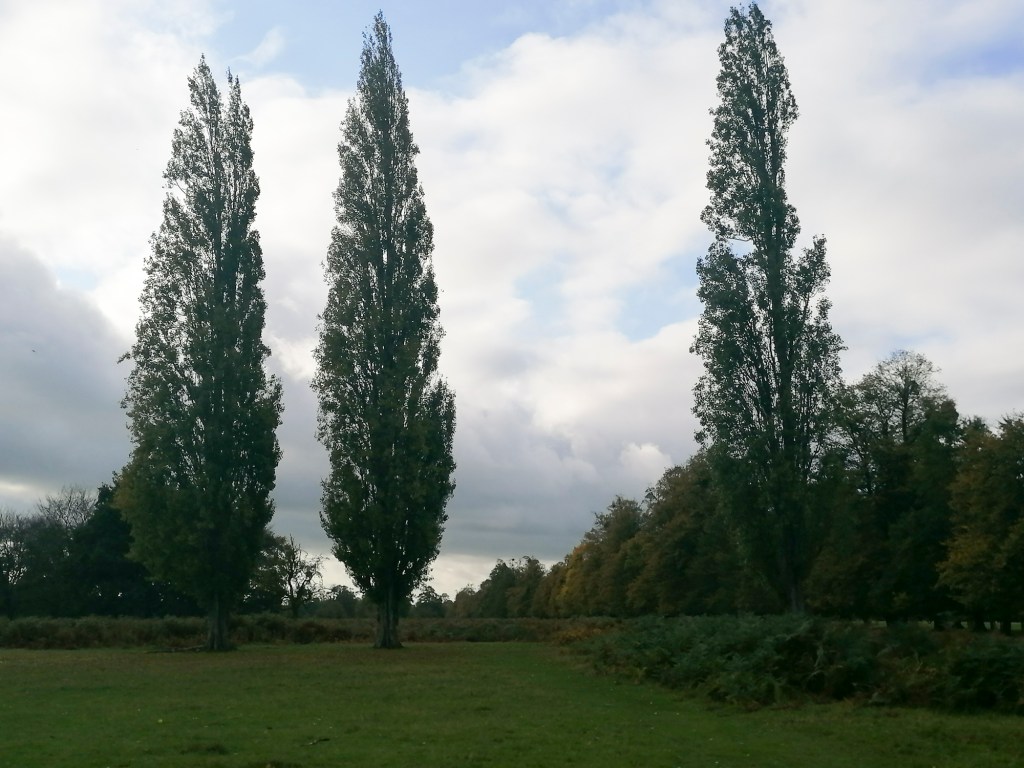
When I came into the park, I was distracted by three trees that I thought could be hornbeams – they look similar to the ones in the avenue in the Waterhouse Plantation in Woodland Gardens.

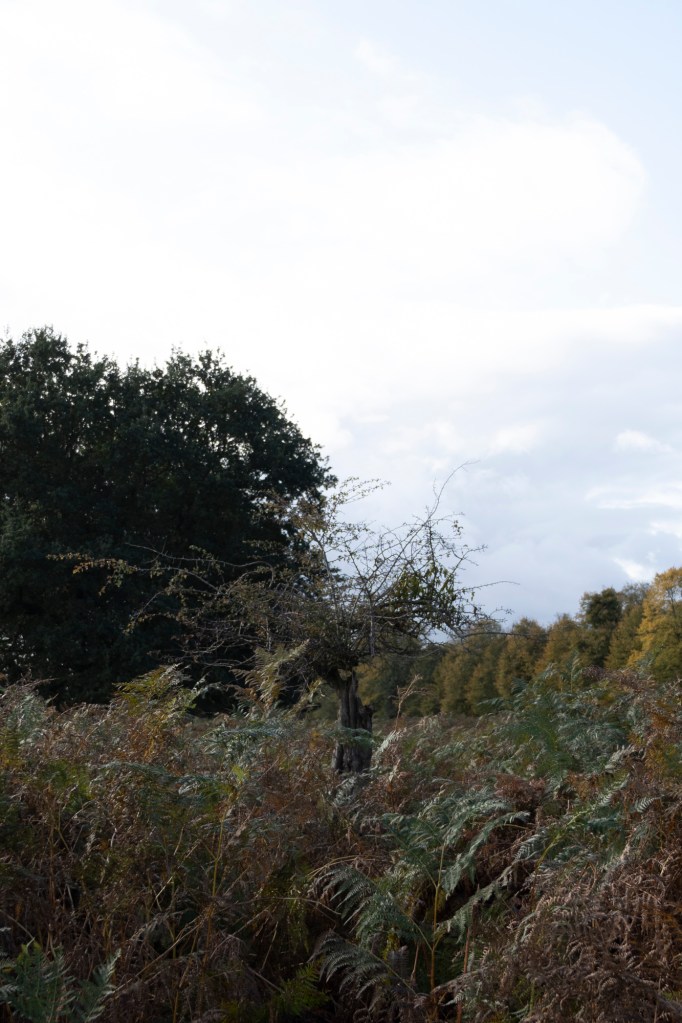
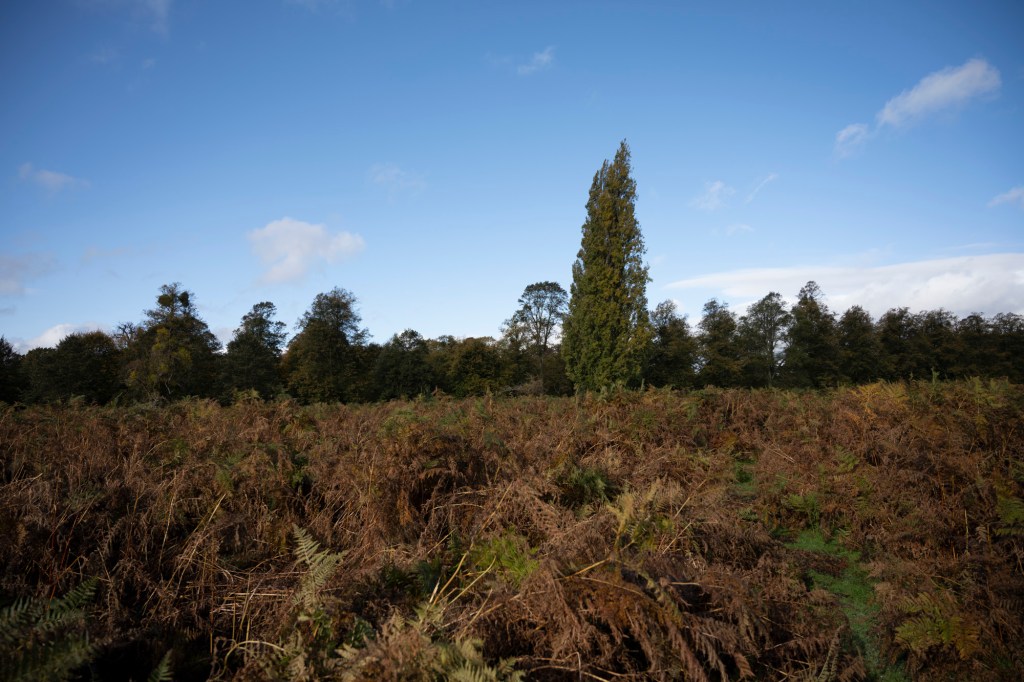
These three ‘sisters’ have always got my attention when coming into the park through Teddington Gate or walking through the park from Hampton Wick Gate. As I approached the trees, I realised that I could see a hawthorn branches coming out of the ferns between the two trees on the left. I took the above image with the smartphone and walked towards them.

As I gradually got closer, it was interesting to see how my perspective of the hawthorn changed as I got closer to it, especially in relation the much-taller trees.

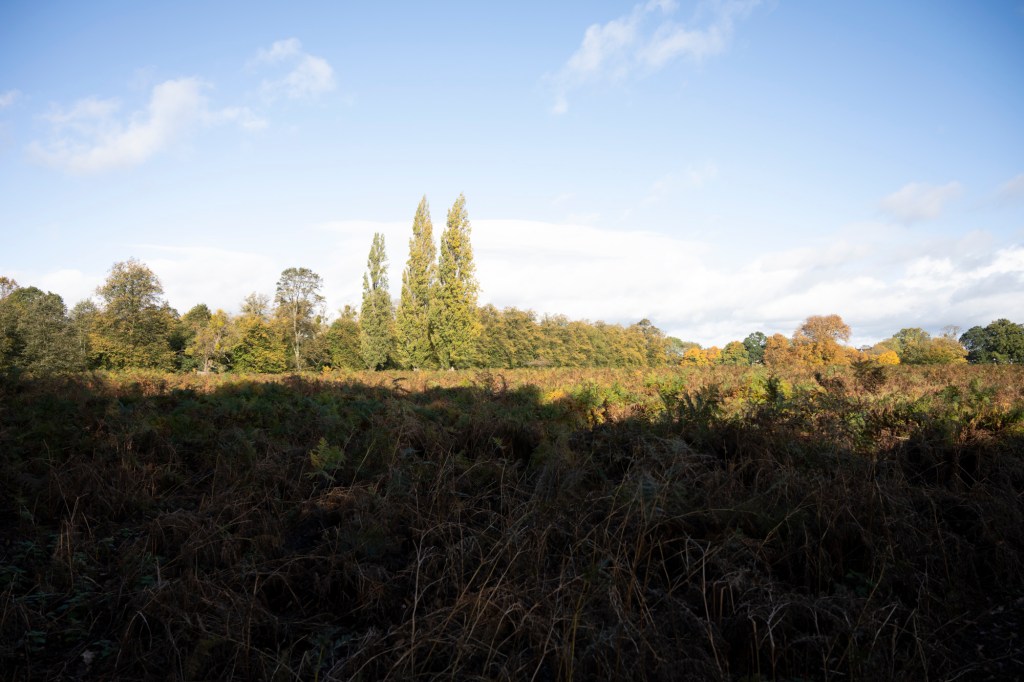
When I arrived at the edge of the ferns and walked beyond the two tall trees, this was the perspective.

Note to self – the perception of a tree can change drastically depending on its surroundings.

At this stage, I started using the digital camera, as shown in the images below. Please note these have not been edited, unless stated.

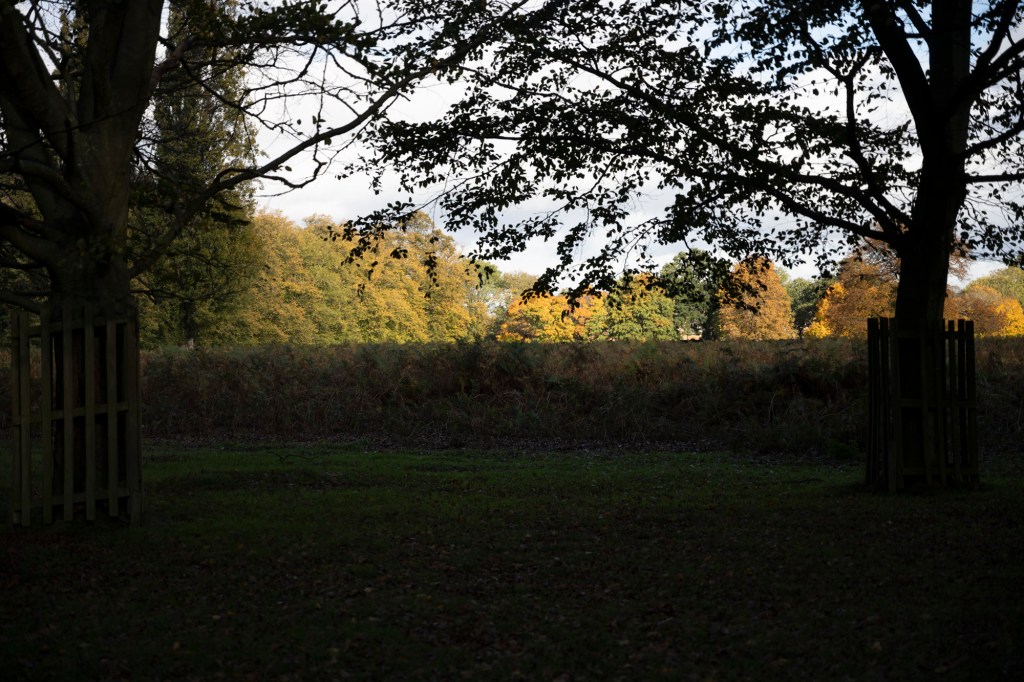
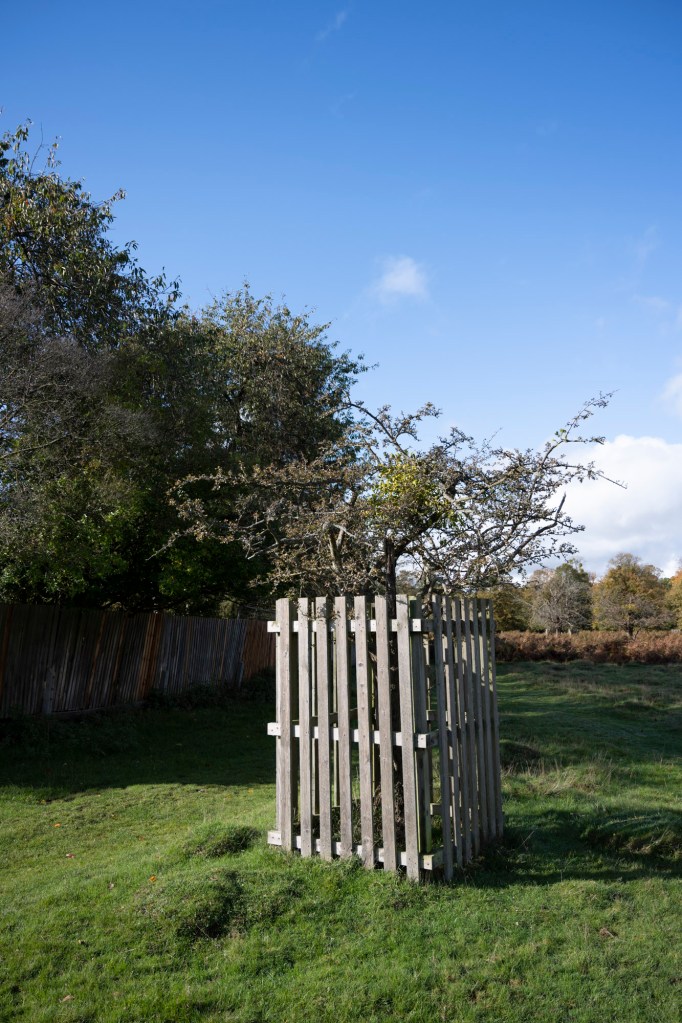
When I looked closer at this tree, I realised that the tree above has a fenced surround (to protect it from the deer). As I wanted to focus on hawthorns in their ‘naked’ form I looked for another example nearby. I could just about make out this one among the ferns. The image on the left is the original, the one on the right, a cropped version.

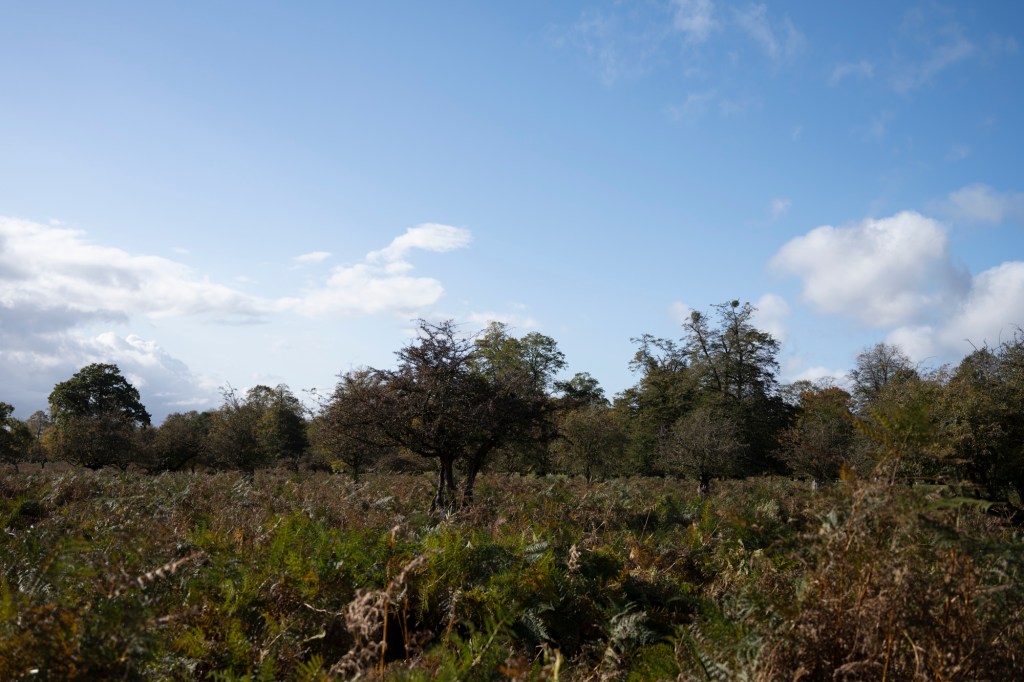
The ferns are one of the features of Bushy Park, which contributes to how the environment changes during the seasons. The above was taken during autumn, when the verdant green ferns of the summer start turning orange. Very soon, with the onset of winter, they will turn into a dark brown mulch then disappear from the landscape. When this happens, the hidden features (and swamped hawthorns) are fully revealed. The whole process starts again in spring, when small fronds start to appear, gradually turning into a bracken forest by July. Each time this happens, it always amazes me how different the park looks and feels depending on the season.

I also took the following shots when I walked to other side of the two hawthorns and into the copse where I had previously taken photos on 16 October. When I looked behind me, both hawthorns disappeared into the ferns once more.

I then walked to the other side of this copse as I had spotted these two hawthorns.

As I got closer, I took a shot of the hawthorn on the left.

I then focused on the hawthorn on right, taking shots around the tree and focusing on some details.

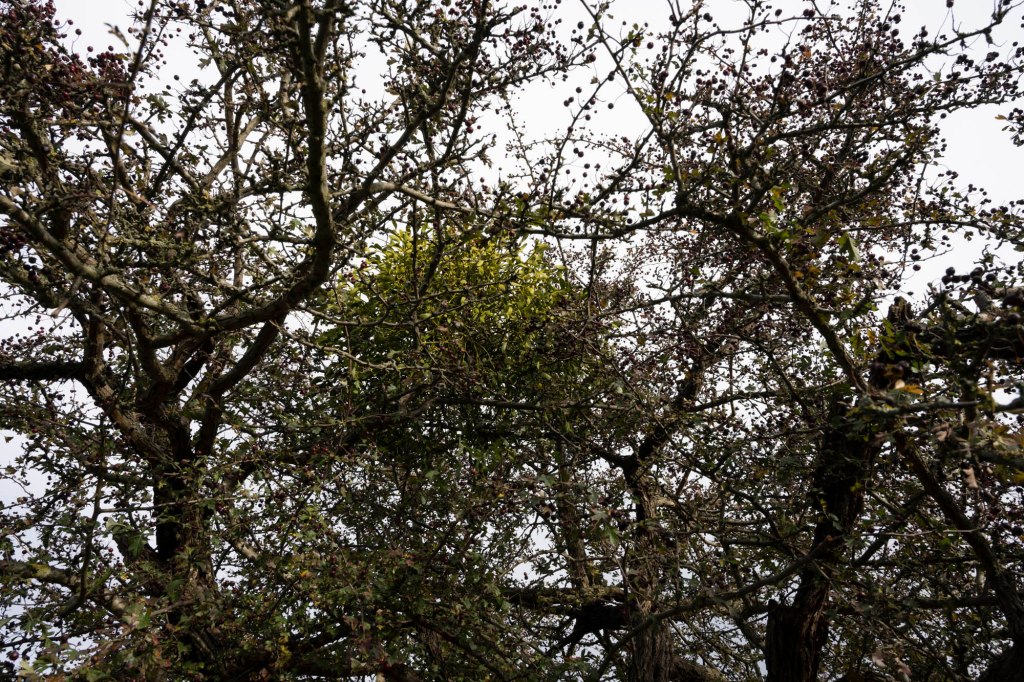
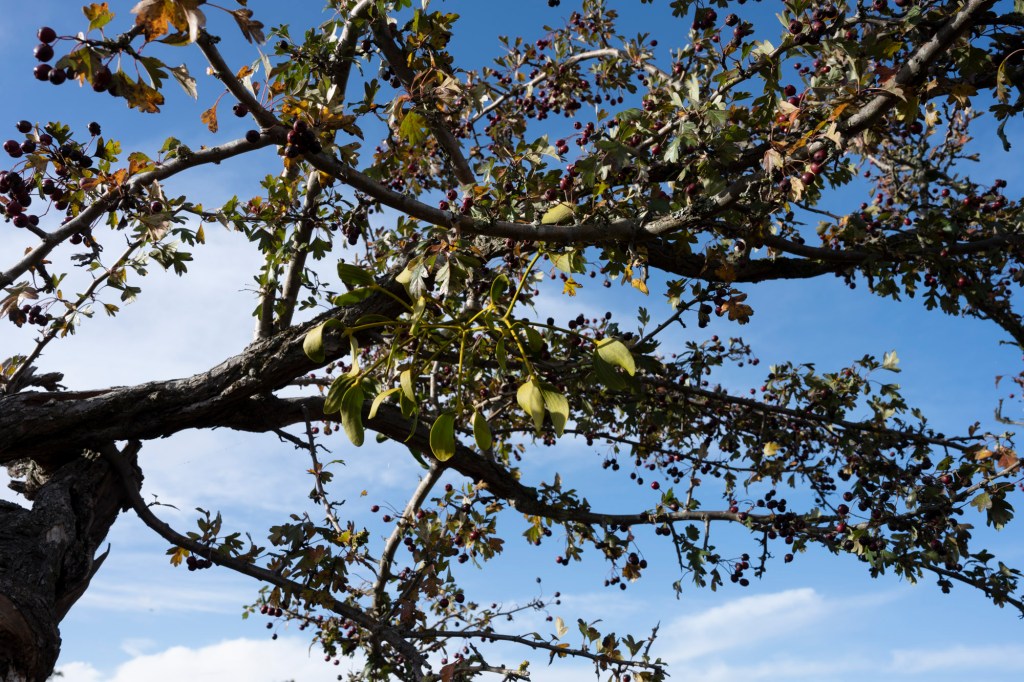
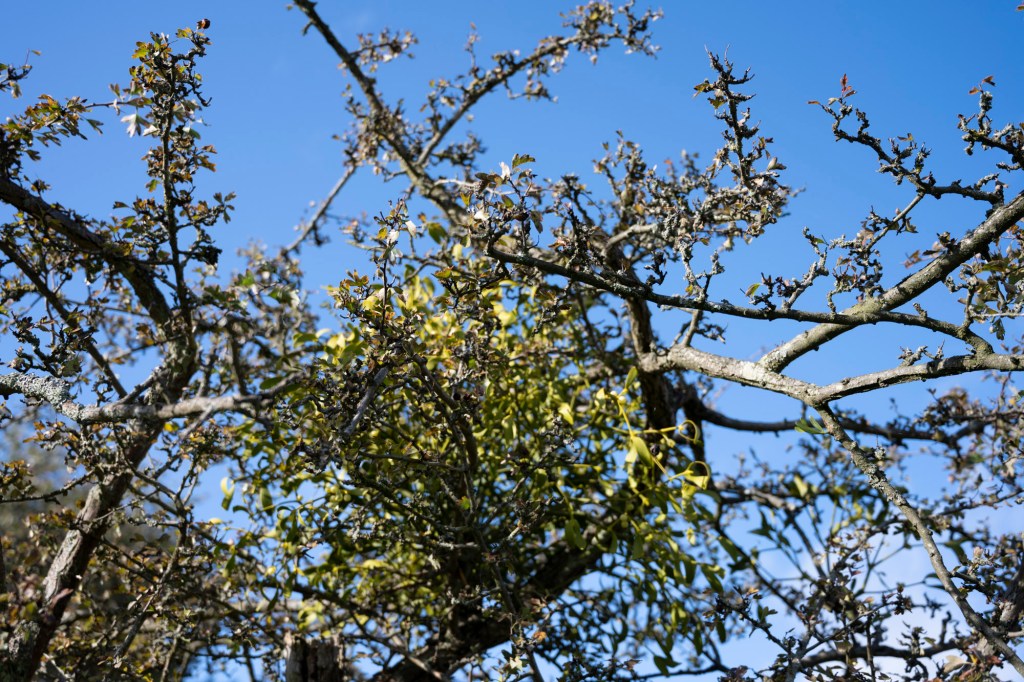
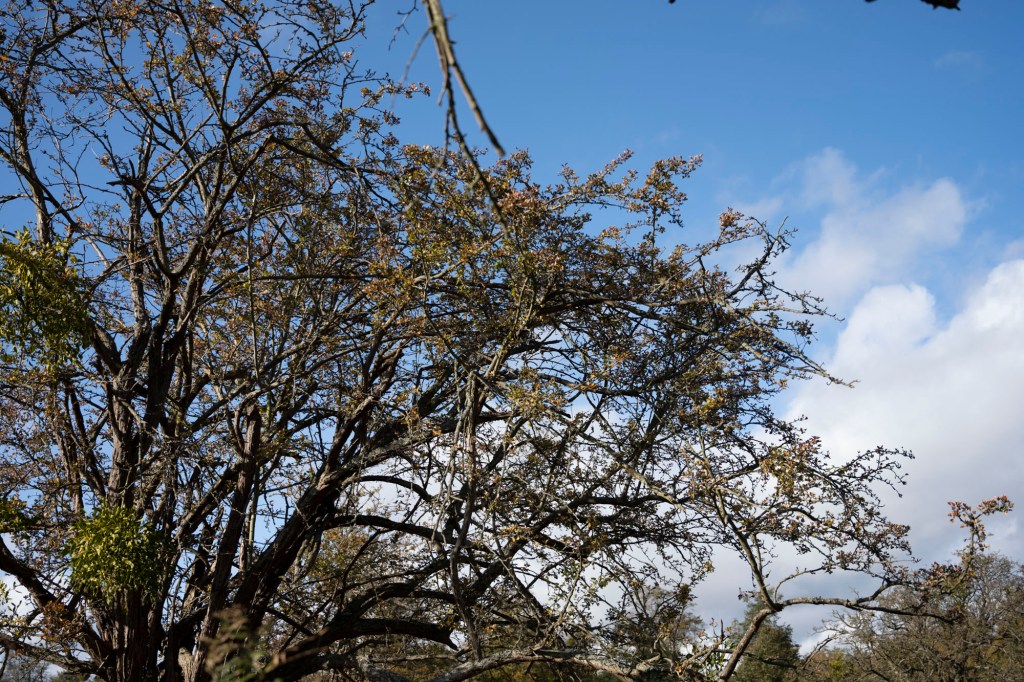
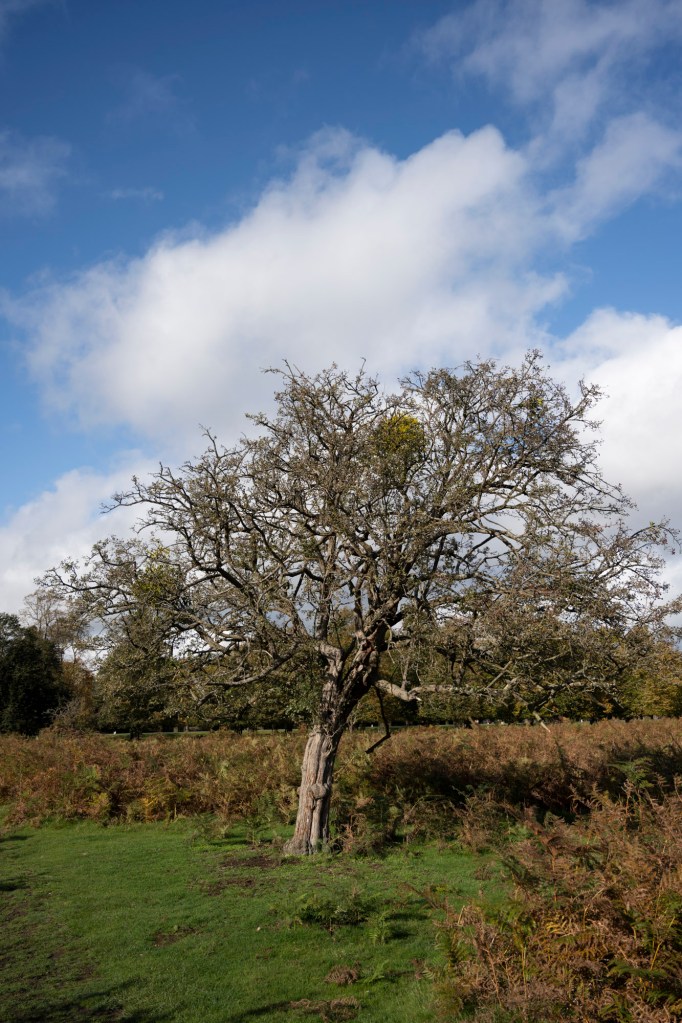
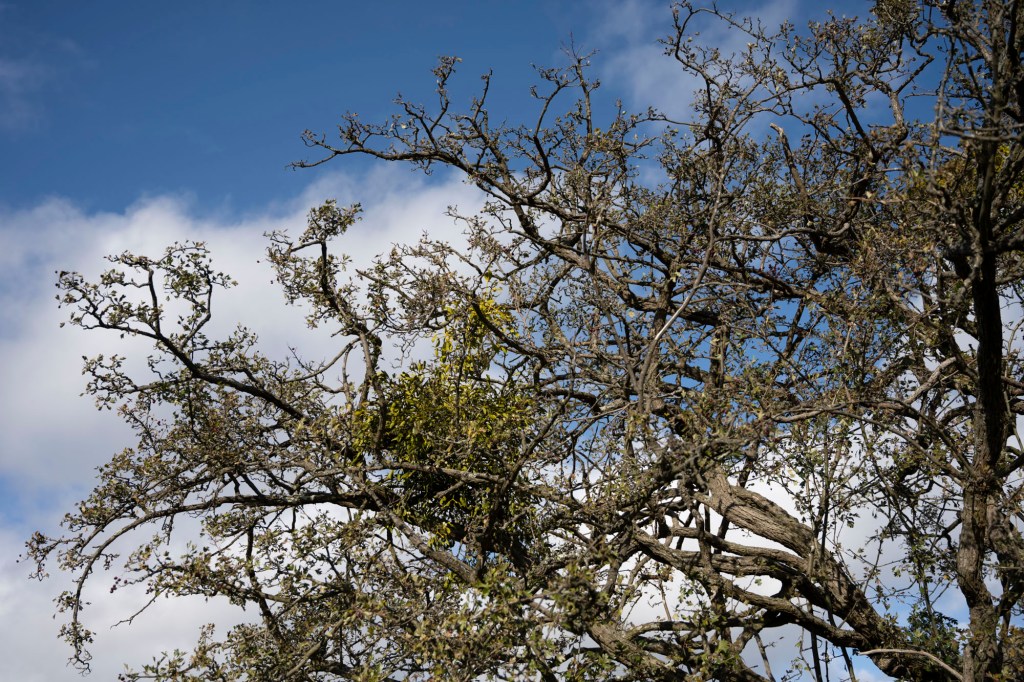
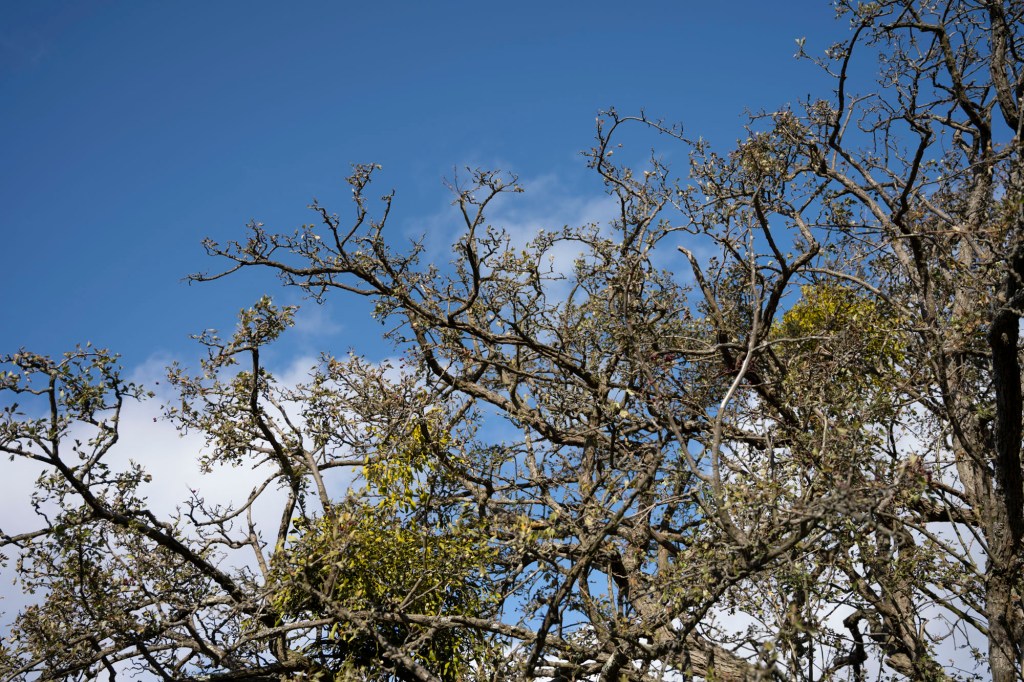
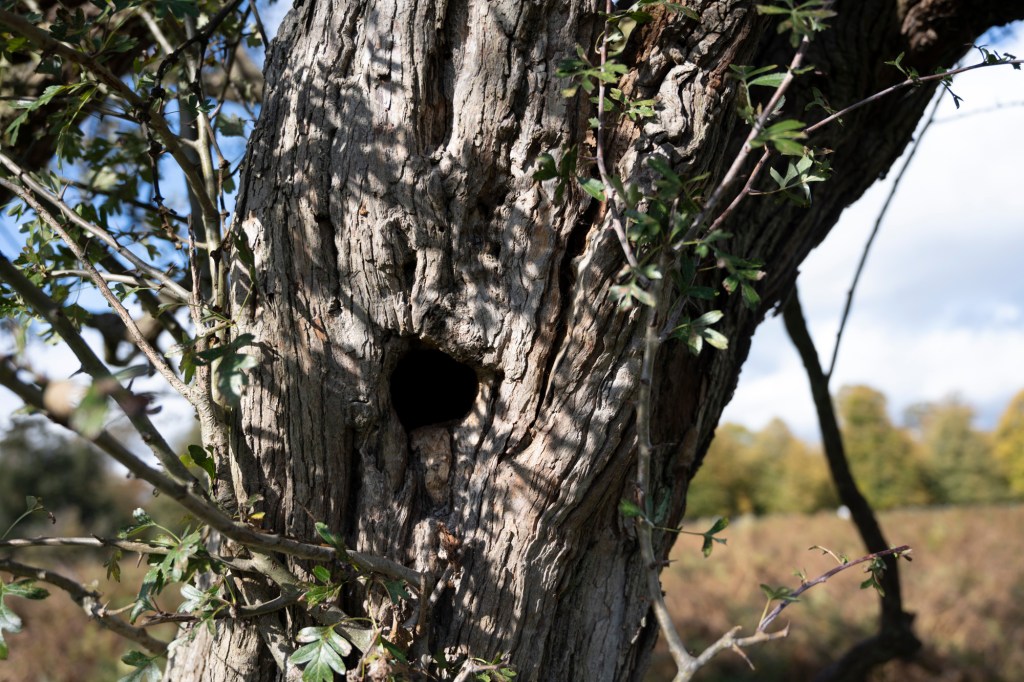
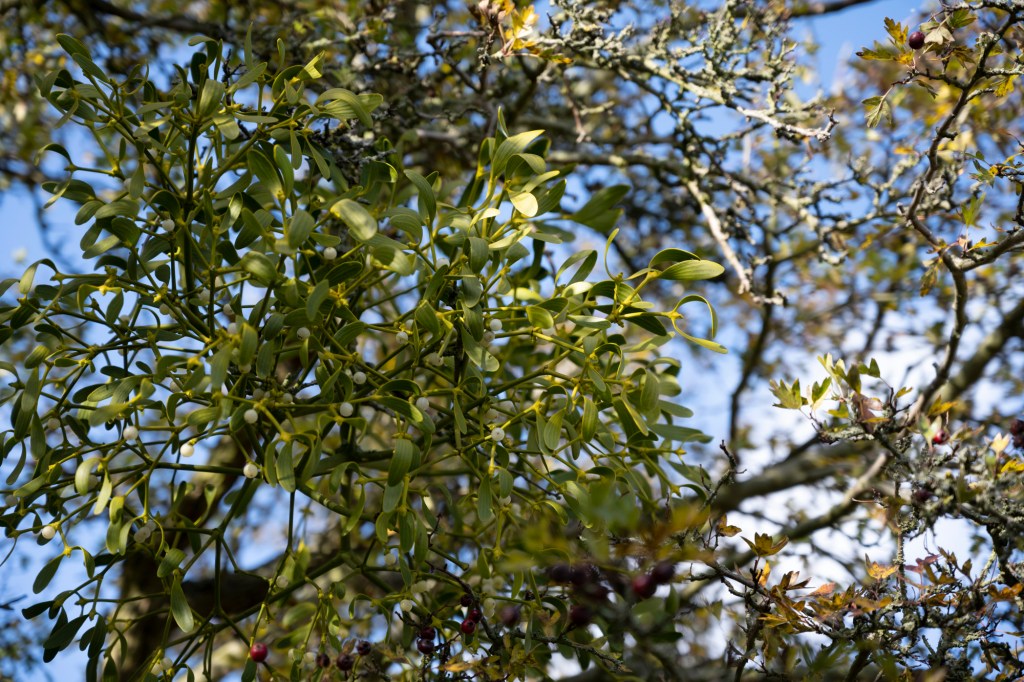
I then walked towards a house that is situated nearby, tellingly called Hawthorn Lodge. Next to the surrounding fence was another protected hawthorn. I took photos of this particular specimen, as it featured mistletoe within its branches. I know that this is the sign of an Ancient tree, but it seemed to contradict the full definition. This is something that I may need to revisit.

While continuing around the perimeter fence of Hawthorn Lodge, I then realised why this building got it’s name.

There was a whole grove of hawthorn trees. While taking this in, I thought the best approach was to focus on just four trees.

Tree One

Before I started taking photos, I measured the trunk of the tree. It was 125cms. In theory, it fitted the criteria of an Ancient tree as it also featured other aspects connected to a tree of this age (before completing this post, I had looked up signs of an Ancient hawthorn tree utilising this criteria in relation to this project, but not sure exactly how at this stage!).

This last image is how this tree looks like in relation to Hawthorn Lodge.

Tree Two

Tree Three

Tree Four

By this stage, I realised that I would need to process the shots I had taken, both on the PC and mentally. I was also curious as to why these trees were planted in this particular – these were just four of the ones I could see in proximity of Hawthorn Lodge. As they were no where near any oak trees, it wouldn’t be to protect them. Also, they were not in lines, so couldn’t be part of a barrier or hedging system. This, and the history of Hawthorn Lodge would require further investigation.

Later that day, I created a Black & White shot I had took of Tree Two with the smartphone.

I then tried a Black & White conversion of one of this example.

What I learned by taking these images is that there is lots more work to be done. Also, I’ve really appreciated how it’s made me slow down in my methodology. As with the photos, there is detail and depth to be discovered in all aspects of this project.

Categories
AGM62 Photography Research Project Stage 1 Posts

AGM62 Hawthorn Guide 22 October 2020

If I was to focus on hawthorns for this project, I would need to know exactly what I was looking for and whether it was ancient, veteran or noble.

The following is taken from the Woodland Trust’s species guide to hawthorn, as outlined on their website:

Hawthorn (Crataegus monogyna) is one of our two native hawthorns. The rare Midland hawthorn (Crataegus laevigata) is confined to ancient woodland in central England but more frequently seen everywhere in its cultivated forms in urban areas, parks and gardens.

Distribution

Throughout the UK.

Typical location

Hedgerows, fields and woodland.

Age

Hawthorn may be able to live for 400 years, although 250 may be more typical on many sites.

All hawthorn will be ancient from 225 years onwards, although many will have ancient characteristics from around 175 years.

Typically a veteran hawthorn will be 100-200 years of age and a notable hawthorn may be 50-150 years old.

Size

Hawthorn can grow up to 2.5m plus in girth.

Record all hawthorn more than 1.5m.

Consider recording all hawthorn with any ancient characteristics more than 1.25m.

It’s important to rely on characteristics rather than size, which is an unreliable indication of age. Most ancient hawthorn will be greater than 1.5m in girth but many hawthorn within woodland, or if historically managed as a pollard, may be no more than 1.25m in girth.

Ancient characteristics

  • Major trunk cavities or progressive hollowing
  • Decay holes
  • Physical damage to trunk
  • Bark loss
  • Large quantities of dead wood in the canopy
  • Crevices in the bark, under branches or on the root plate, sheltered from direct rainfall
  • Fungal fruiting bodies (from heart rotting species)
  • A high number of interdependent wildlife species
  • Epiphytic plants

In addition the tree may have:

  • A pollard form or show indications of past management
  • Cultural or historic value
  • Been part of a historic boundary, hedgerow (pre enclosures) or on a woodbank
  • A prominent position in the landscape

References:

Ati.woodlandtrust.org.uk. 2020. Hawthorn – Ancient Tree Inventory. [online] Available at: <https://ati.woodlandtrust.org.uk/how-to-record/species-guides/hawthorn/&gt; [Accessed 21 October 2020].

Categories
AGM62 Photography Research Project Stage 1 Posts

AGM62 Woodland Trust Fieldwork Guidelines 22 October 2020

Photographing trees, especially in a protected environment such as Bushy Park, involves more than just capturing images. The Woodland Trust has produced a set of fieldwork guidelines that were written for those recording entries for the Ancient Tree Inventory. These can be applied for my current and future projects when planning and carrying out photography when focusing on trees.

Woodland Trust Fieldwork Guidelines – tips to stay safe

  • Get the landowners permission
    • As for permission from the landowner if you wish to record a tree on private land

  • Wear the right clothing and footwear
    • Check the weather forecast before going out and consider packing extra layers or waterproofs.
    • Wear suitable footwear – sturdy boots, with good ankle support and grip
    • Take some extras such as a bottle of water, small first aid kit or sunblock in summer
    • Be aware of rough ground and look out for roots, rabbit holes and brambles that might trip you
    • Don’t attempt to traverse terrain unless you feel it’s safe to do so

  • Pair up or make sure someone knows where you are
    • Carry a charged mobile phone if possible, but bear in mind that in some areas the signal is weak
    • Make sure someone knows where you’re going and when to expect you back
    • Make sure they know what to do if they can’t contact you

  • Trees can be dangerous
    • Take care around low, broken or hanging branches. If necessary record from a safe distance and avoid photographing trees in high winds
    • If weather conditions deteriorate, consider finishing early
    • Be aware of livestock
    • Check agricultural pasture for livestock before entering
    • If approached by cattle, remain calm and quiet, if cattle become aggressive or spooked leave the field by the nearest means of escape
    • In the event of cattle attacking a dog, release the lead and move away – a dog is usually more agile than a person and will most likely be fine
    • Don’t enter pasture that contains a dairy breed of bull – if in doubt seek advice from the site manager or contact the farmer or grazier
    • Never approach cattle nursing calves

  • Take care around wildlife
    • Don’t approach deer during rut
      • Keep at least 50 meters distance from deer at all times (as recommended by The Royal Parks)
    • Avoid bee or wasp nests
    • Use insect repellent as necessary
    • If spotted, don’t approach adders or other snakes

  • Biological hazards
    • Cover any cuts or scrapes with a waterproof dressing before going out
    • Avoid getting river, canal, pond or stream water in mouths or cuts
    • If contact occurs clean and rinse as soon as possible
    • If, after contact with water, flu like conditions occur seek medical advice immediately
    • Ticks are most active between May and October in areas of tall vegetation such as grass or bracken especially those populated by deer
    • Avoid tick bites by wearing long-sleeved shirts and trousers
      tucked into socks
    • Inspect skin for ticks at the end of the day, including your head, neck and skin folds (armpits, groin, and waistband)
    • Remove ticks using a tick removal tool
    • Check that pets don’t bring ticks home in their fur
    • If you feel ill following a tick bite immediately consult your doctor
    • Don’t eat berries or fungi unless you are 100% confident of their identity
      • Bushy Park doesn’t allow anyone to remove or take home any vegetation, including horse chestnuts and fungi
    • Wash hands thoroughly on your return home
    • Avoid contact with prickly or stinging plants and toxic hairy caterpillars, which can irritate skin

  • Stay safe near water
    • Take notice of warning signs
    • Supervise children closely
    • Never get close to deep or fast flowing water if you’re alone

  • Look after the environment
    • Avoid disturbing any wildlife
    • Clean your footwear thoroughly
    • Take your litter home with you

Finally, I have two of my own golden rules when photographing trees or any other subjects within a natural environment:

  1. Don’t rearrange or touch anything
  2. Leave it as you find it

Reference:

Ati.woodlandtrust.org.uk. 2020. [online] Available at: <https://ati.woodlandtrust.org.uk/media/1075/fieldwork-guidelines-tips-to-stay-safe.pdf&gt; [Accessed 27 October 2020].
Design a site like this with WordPress.com
Get started